27th July to 24th August 2021

August and September are not the best months to go birding but we needed to get away and test our new caravan. The weather was variable – and mostly cool to cold with a few days of T-shirt weather – also not good for birding. However we made the best of it and enjoyed our time up north especially in the Limpopo region outside of the Kruger NP.
After struggling to find places to camp in the Kruger, we eventually found 3 nights in Crocodile Bridge, 2 nights in Satara, 4 nights in Shingwedzi followed by 2 nights in Tsendze. It had to be in that order for only those nights at each of those camps as the park was full. It was the only sequence available. We had hoped to stay longer but unusually even Punda Maria was full.
With that booked we then made a plan to see other places in Limpopo. Leaving Tsendze we headed north for Nthakeni Bush and River Camp (just outside the Pafuri gate) spending 3 nights there, followed by 3 nights at Tshipise (to the west) to replenish food stocks and to see “The Big Tree” – Sagole Baobab (second largest tree by girth in the world) – absolutely impressive. A must see if you are in the area.
From Tshipise we headed west for a little known place on the Limpopo River past Alldays – Boelamien River Camp. 3 nights there then 3 nights at Blouberg Nature Reserve, followed by 4 nights at Mapungubwe National Park, and 2 nights at a campsite in Dinokeng – Thorn Tree Bushcamp – just north of Pretoria before heading home.
Part 1. The Kruger
27th July to 10th August 2021

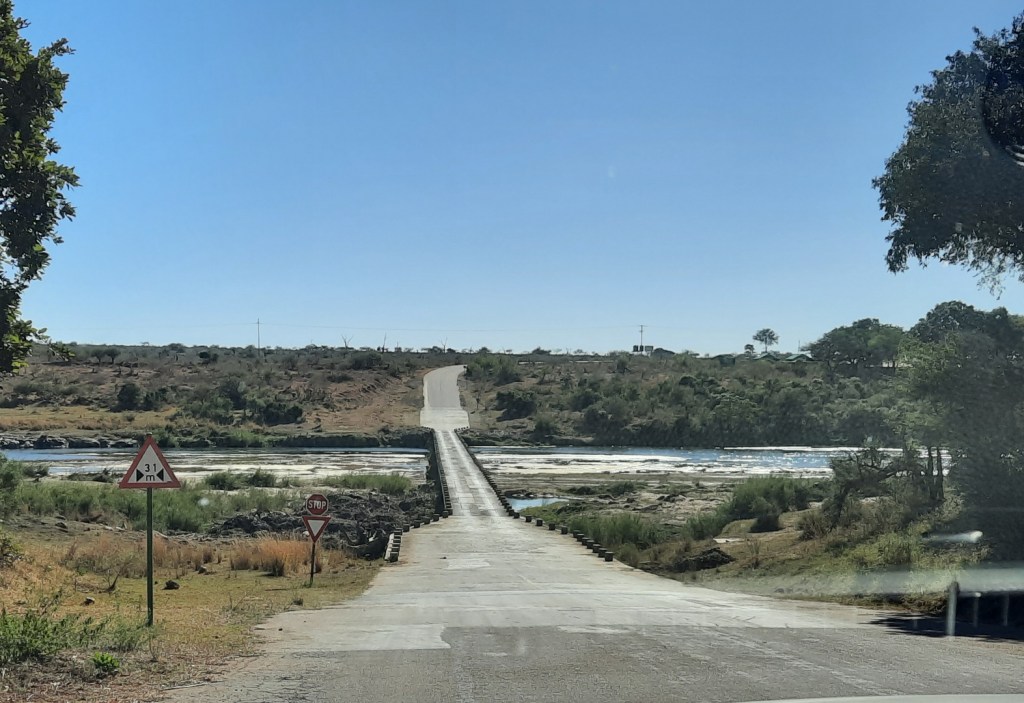
A long drive to Crocodile Bridge in the Kruger NP – just over 9 hours, we arrived in time to set up camp and go for a short late afternoon drive. Three nights there meant we had only two full days to explore the vicinity round the camp and explore further afield – the S25 following the Crocodile River towards Malelane, north to Skukuza, Lower Sabie and as far north as Tshokwane.

We had sightings of Cheetah and Leopards before we eventually saw a Lion. Elephants abound and Buffalo present. No Rhinos seen however.
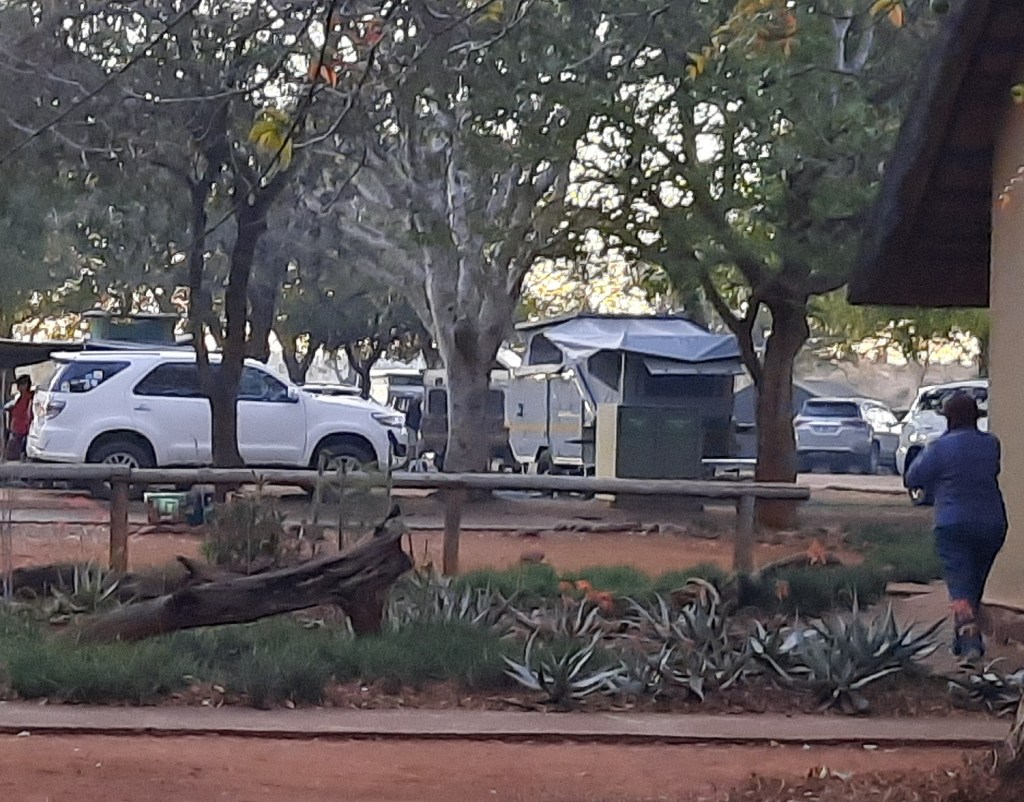
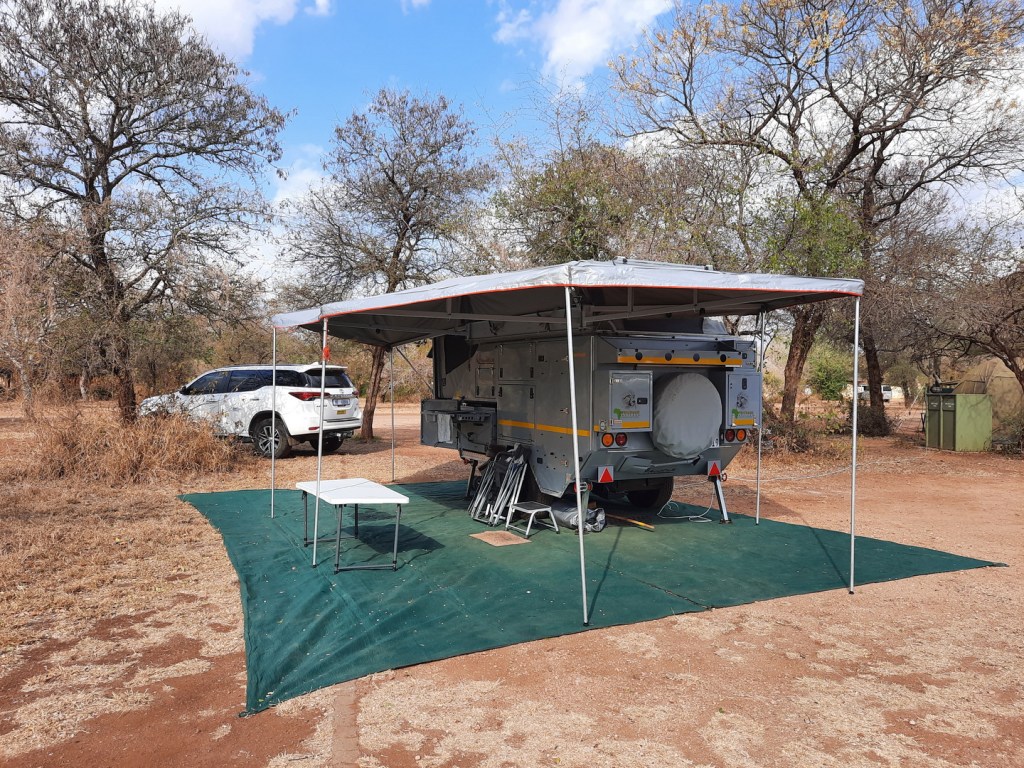
Our campsite and typical scenery.

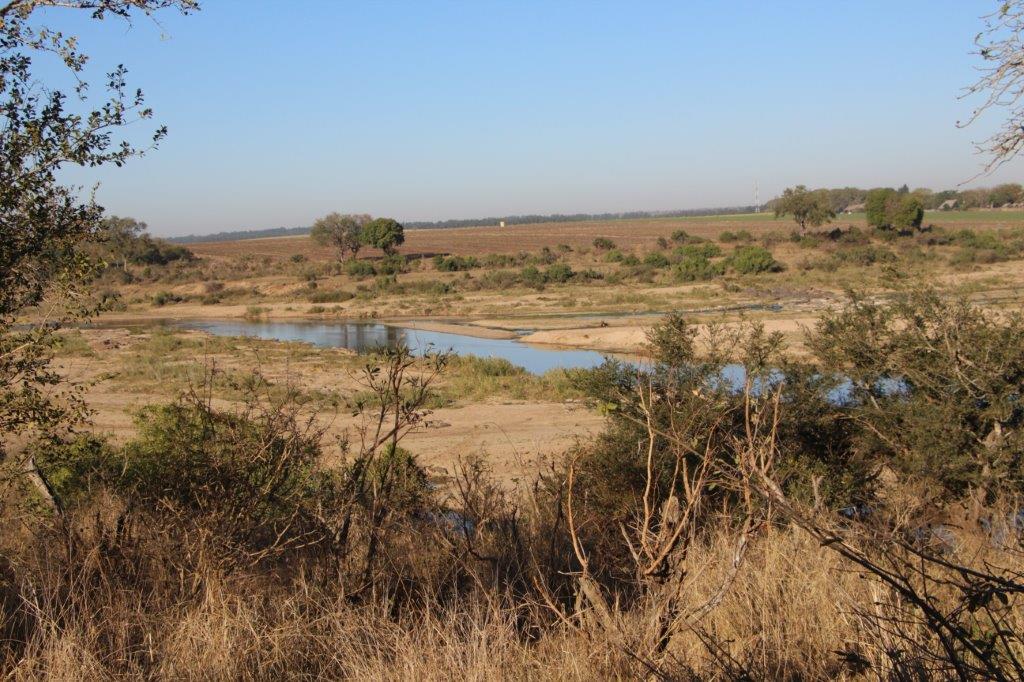


Sunset Dam nearby Lower Sabie Camp is a “must” visit. There is always activity there of some sort. Crocodiles and Hippos in the water or lying on the banks. Birds on the banks and in the dead trees in the Dam.

Elephants on the far side 
Giraffe ambling in very slowly for a drink 
Dust-bathing Zebras and an onlooking Giraffe 
Loads of Yellow-billed Storks. 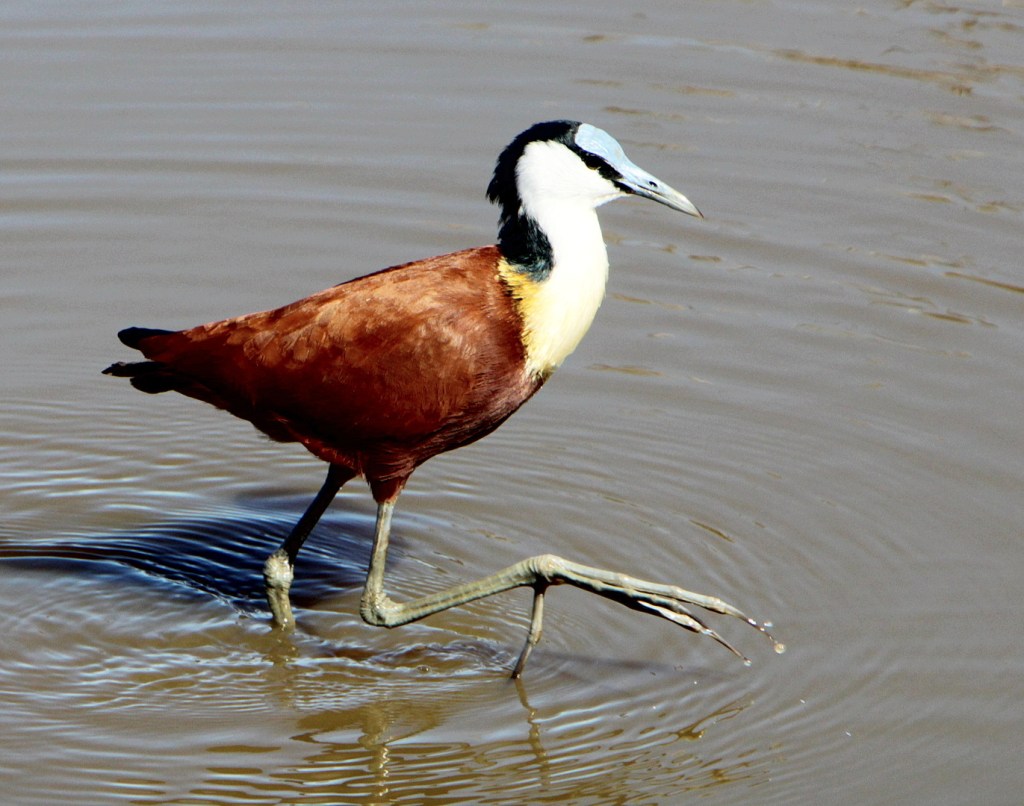
African Jacana walking casually past
Our interest was more focused on birds and keeping away from other people. In all we identified 121 different bird species . Here are some of the animals and birds that we photographed.

African Fish-Eagle 
African Hawk-Eagle 
African Hawk-Eagle 
Black Stork 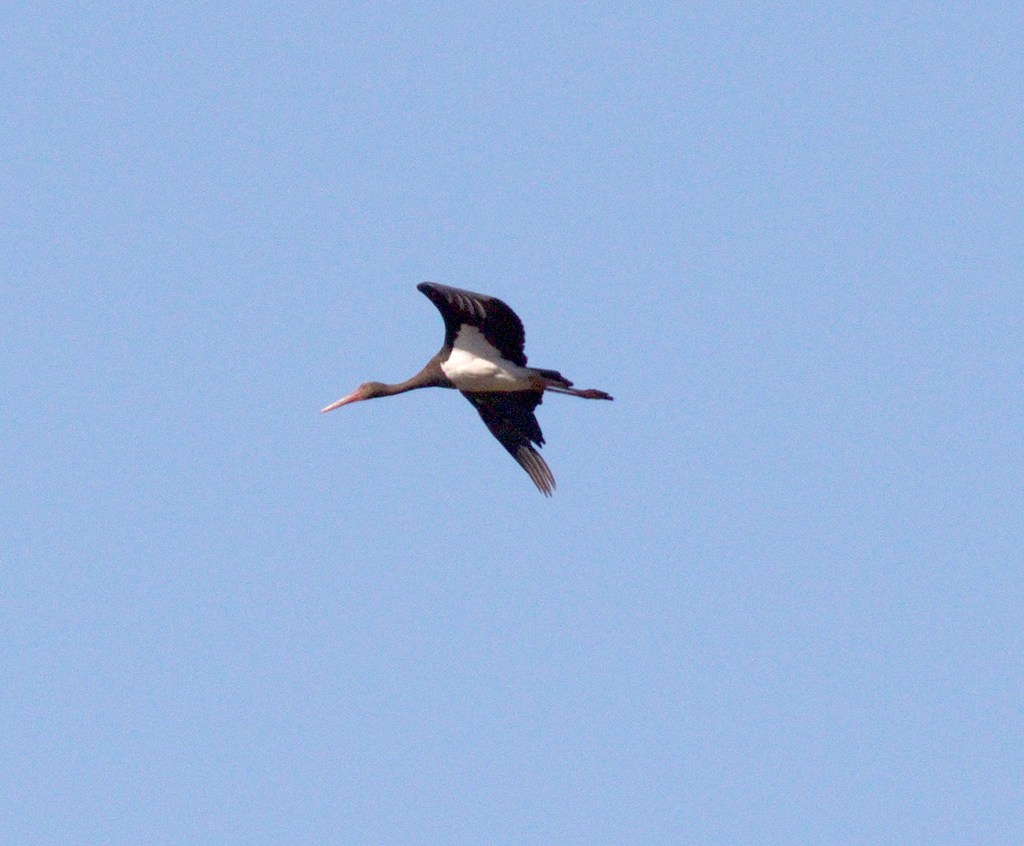
Black Stork 
Black Storks 
Brown Snake-Eagle 
Burchell’s Starling 
Cheetah 
Cheetah 
Cheetah 
Leopard 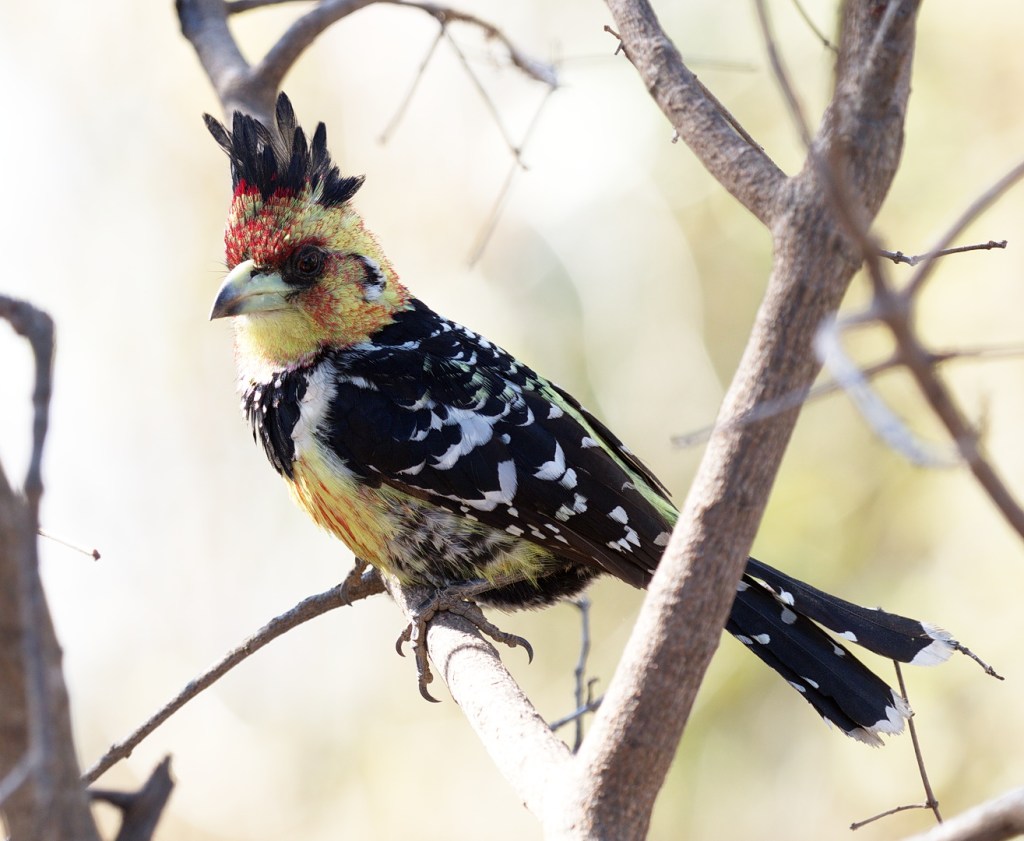
Crested Barbet 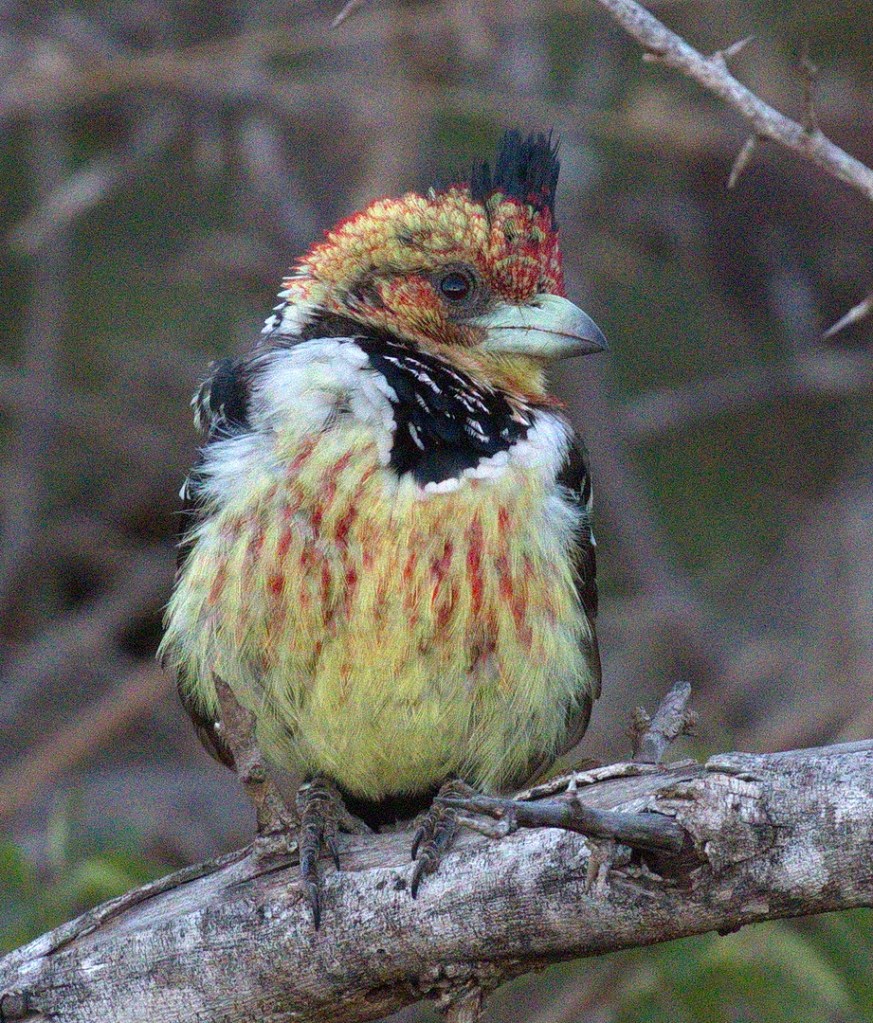
Crested Barbet 
Double-banded Sandgrouse – male 
Double-banded Sandgrouse – female 
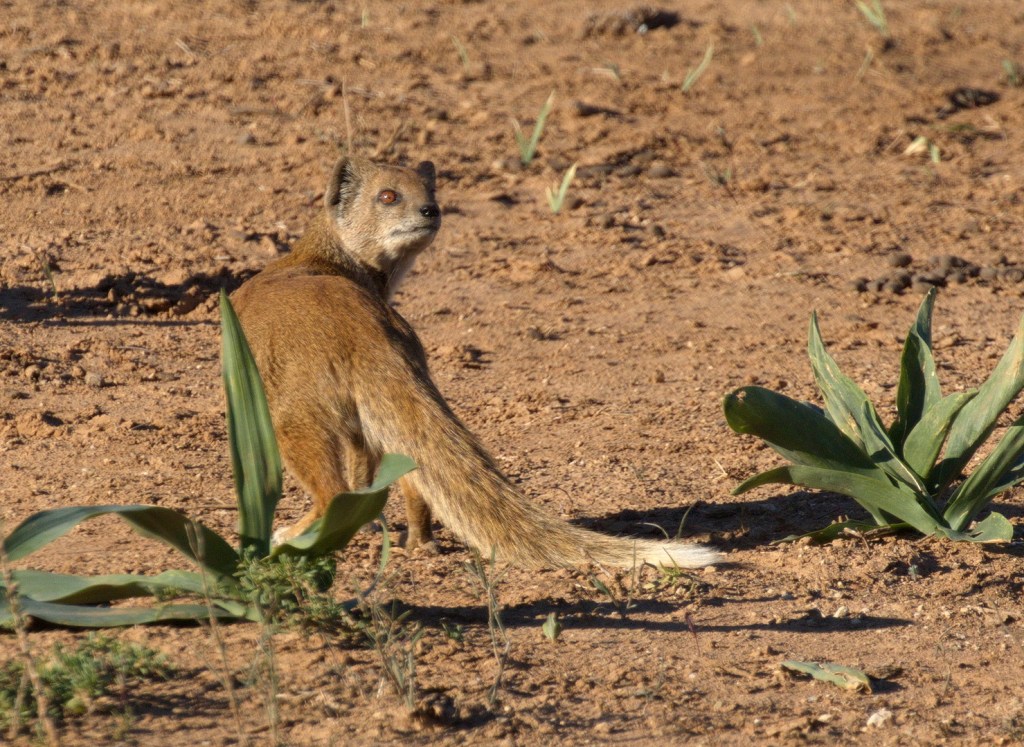
Dwarf Mongoose 
Emerald-spotted Wood-Dove – juvenile 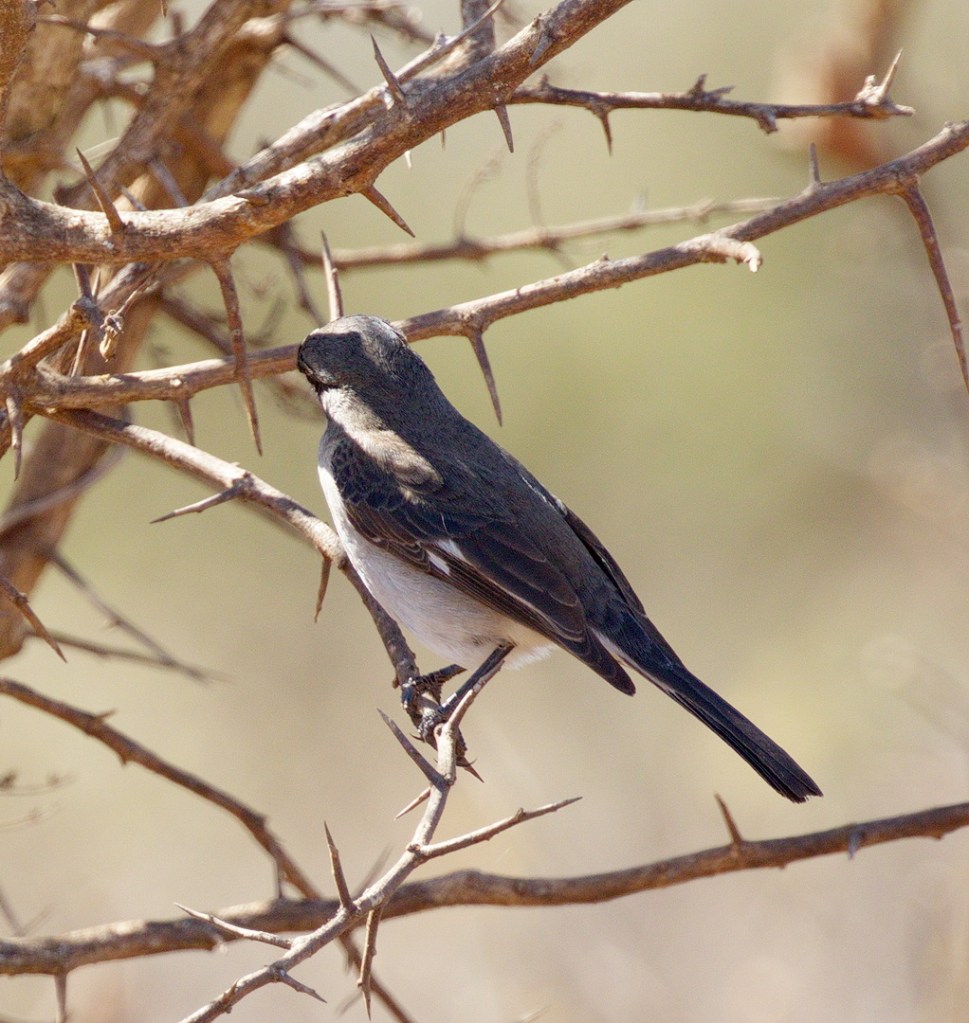
Fiscal Flycatcher 
Goliath Heron ignoring the Crocodile 
One tuskered Elephant 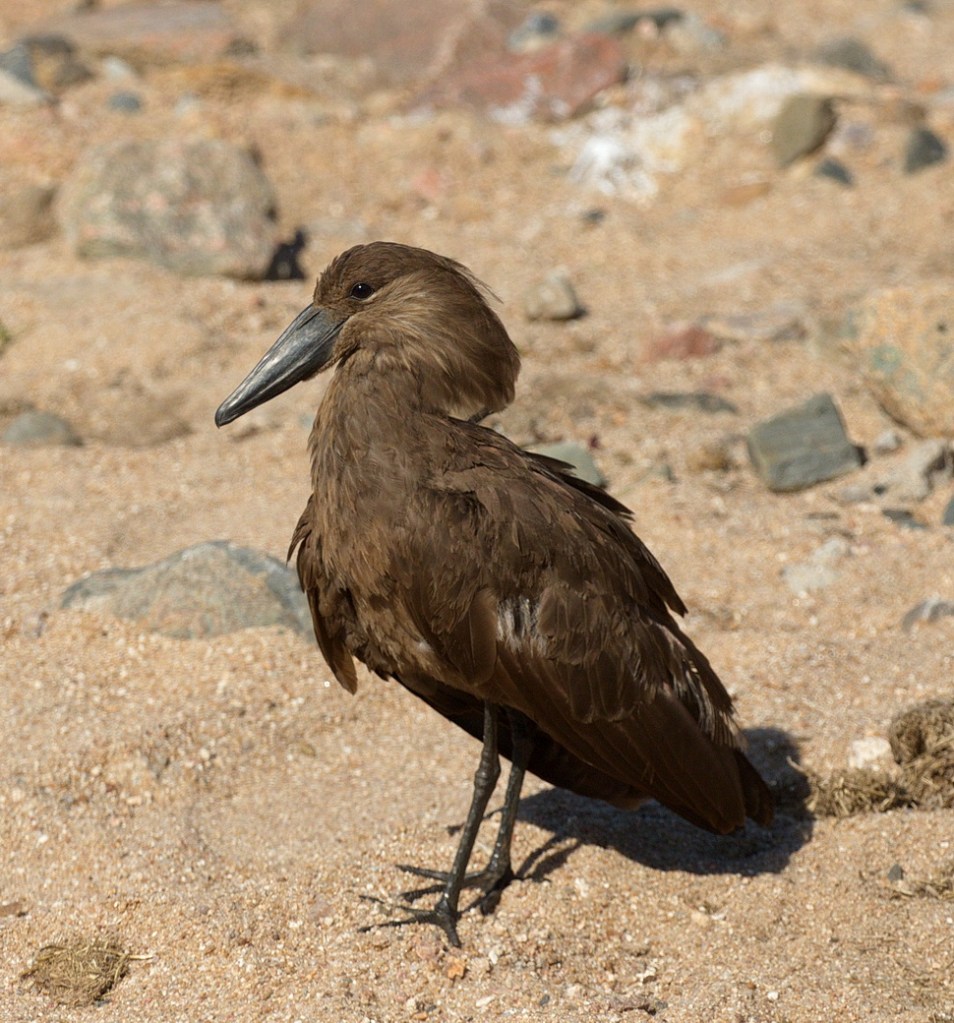
Hammerkop 
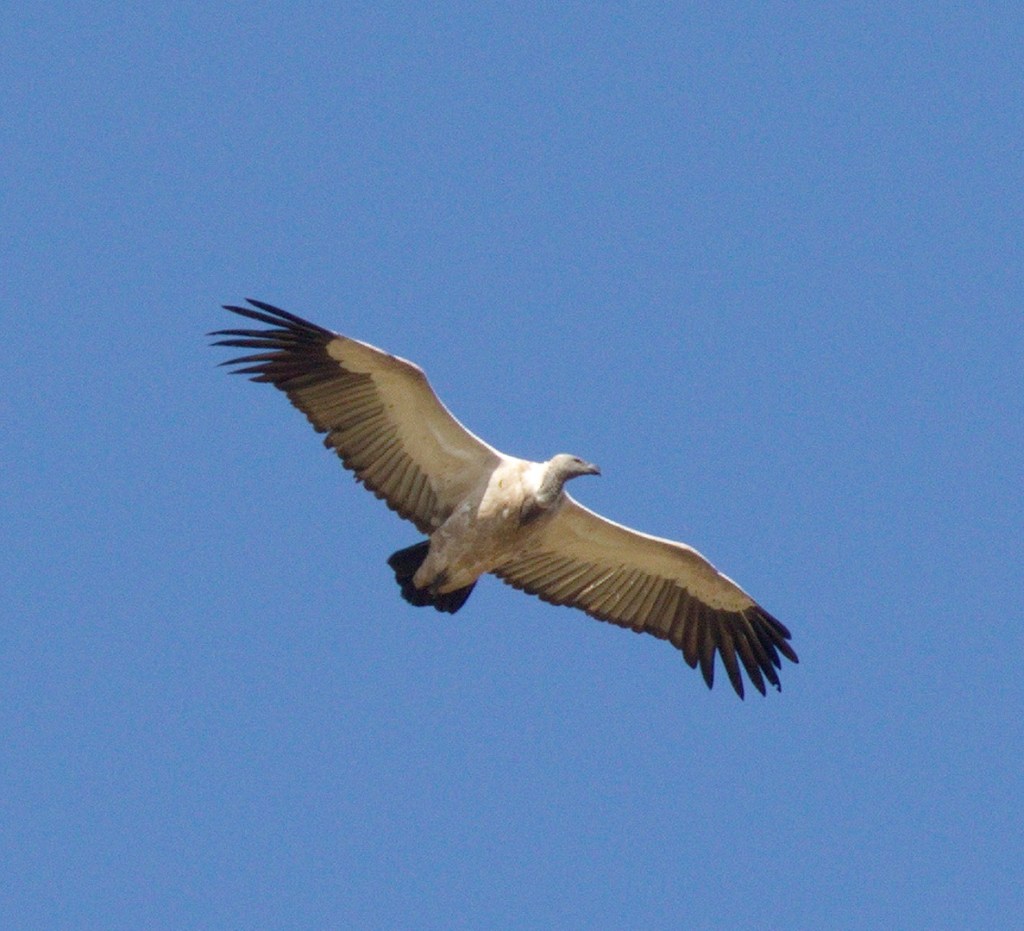
Hooded Vulture 
Kori Bustards 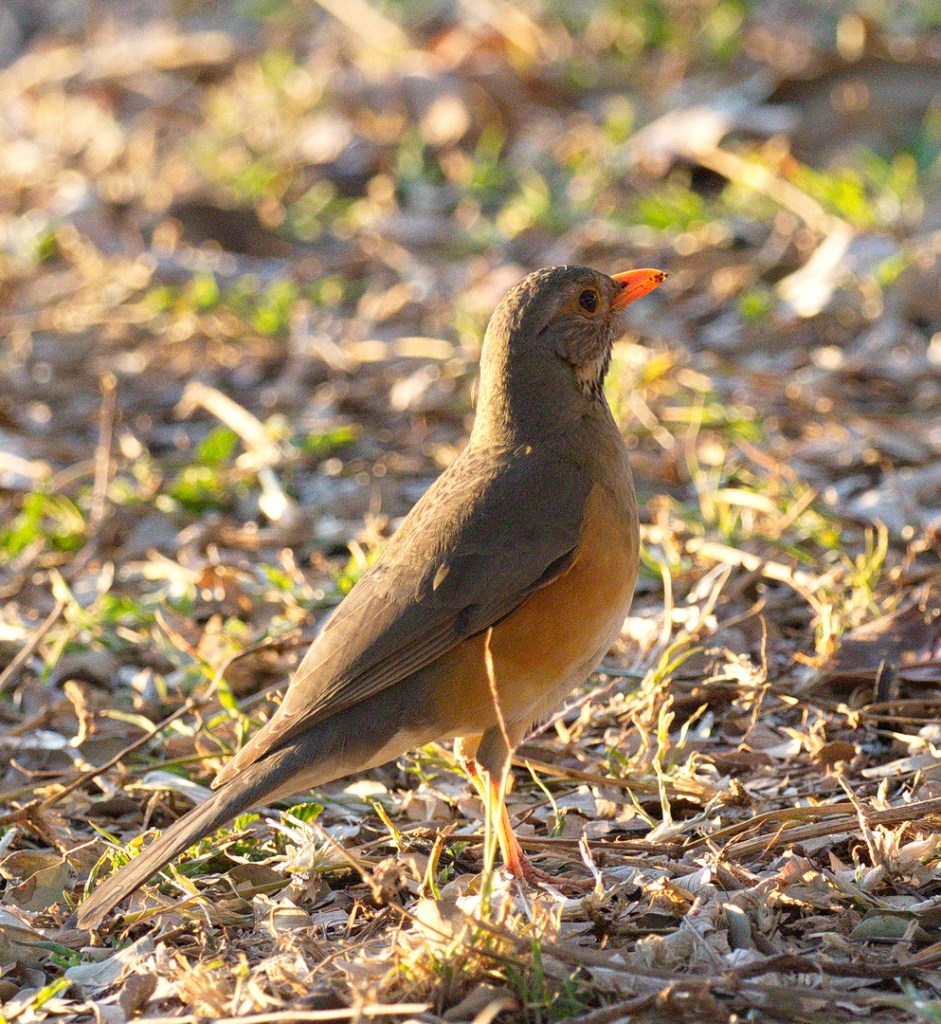
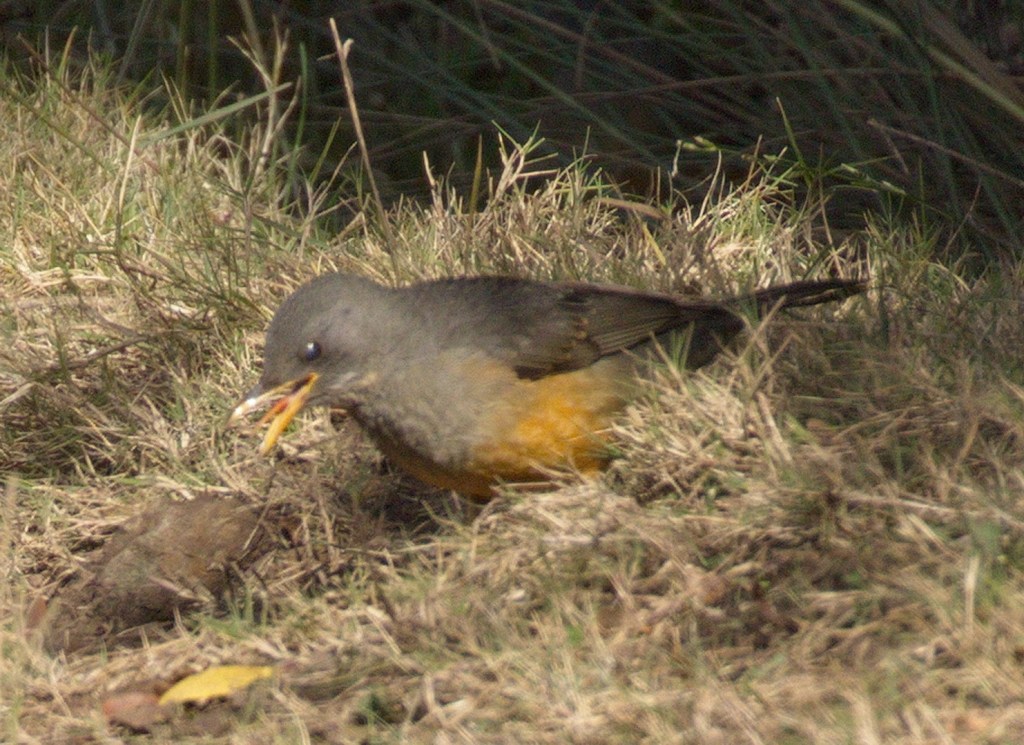
Kurrichane Thrush 
Lanner Falcon 
Leopard 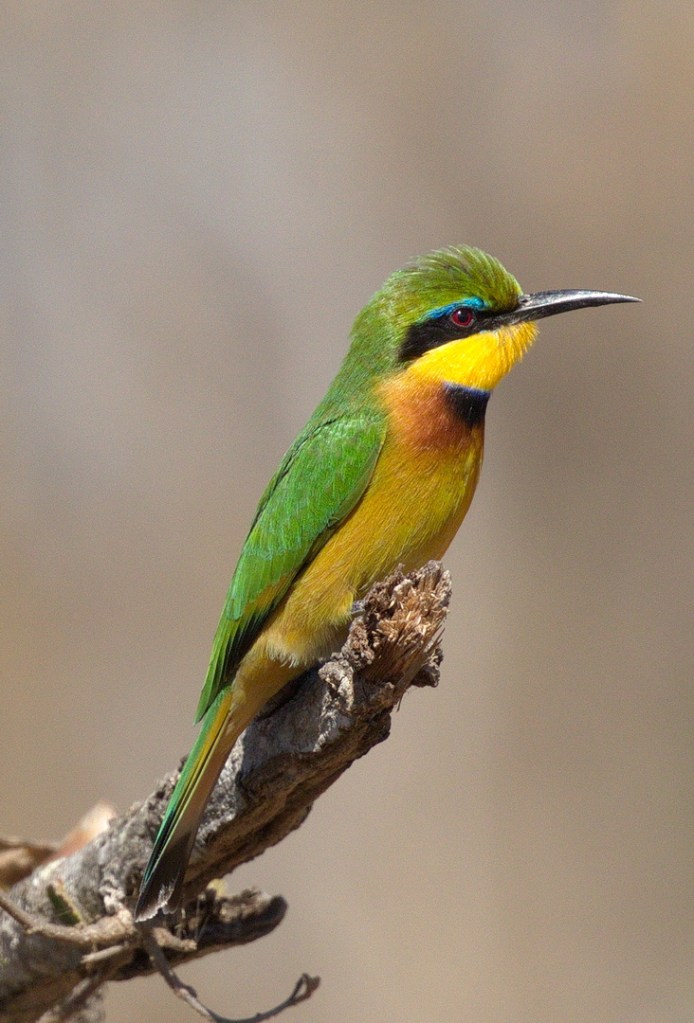
Little Bee-eater 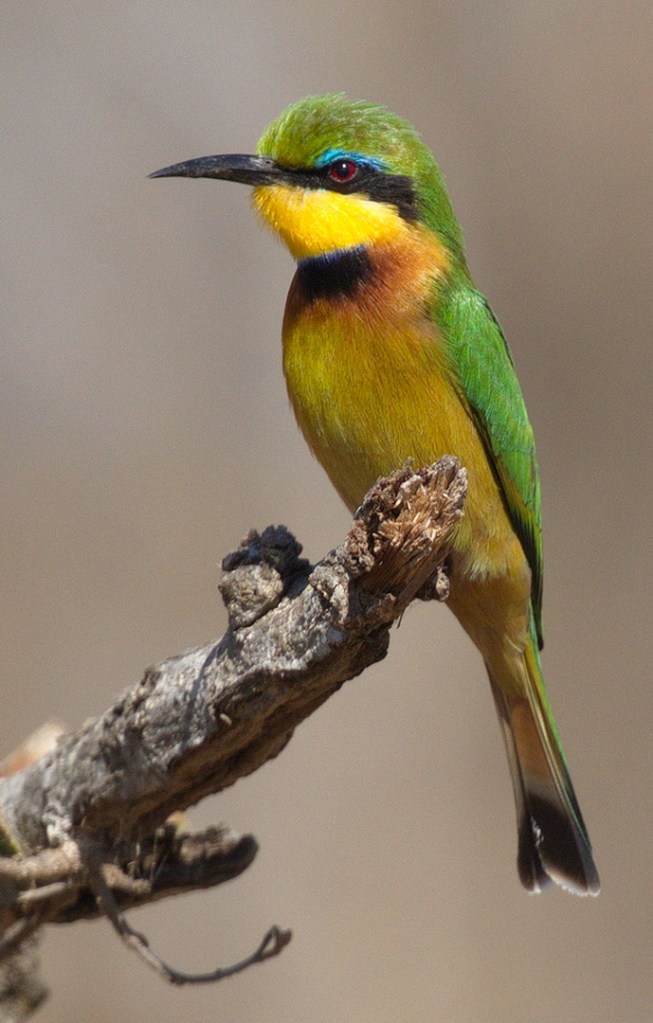
Little Bee-eater 
Little Bee-eater 
Martial Eagle 
Mosque Swallow 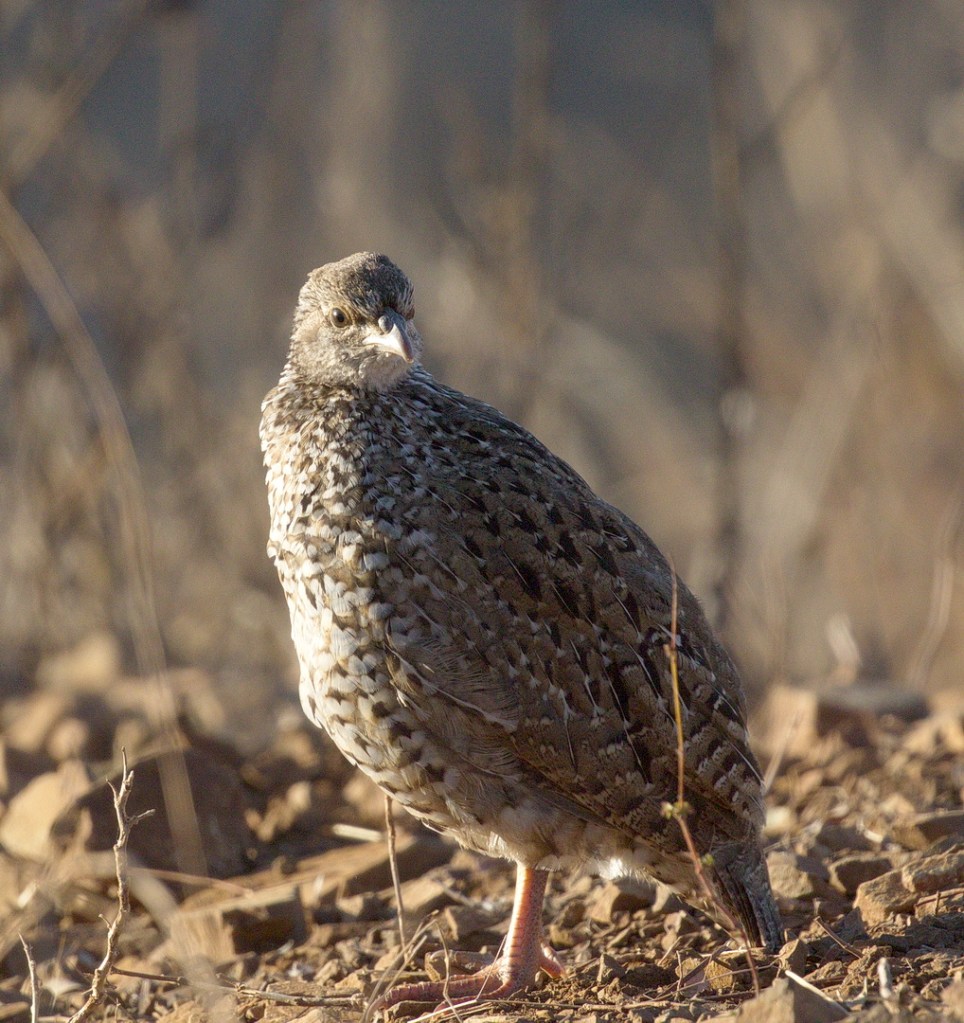
Juvenile Natal Spurfowl 
Pearl-spotted Owlet showing its 2 eyes on the back of its head 
Pearl-spotted Owlet 
Pearl-spotted Owlet 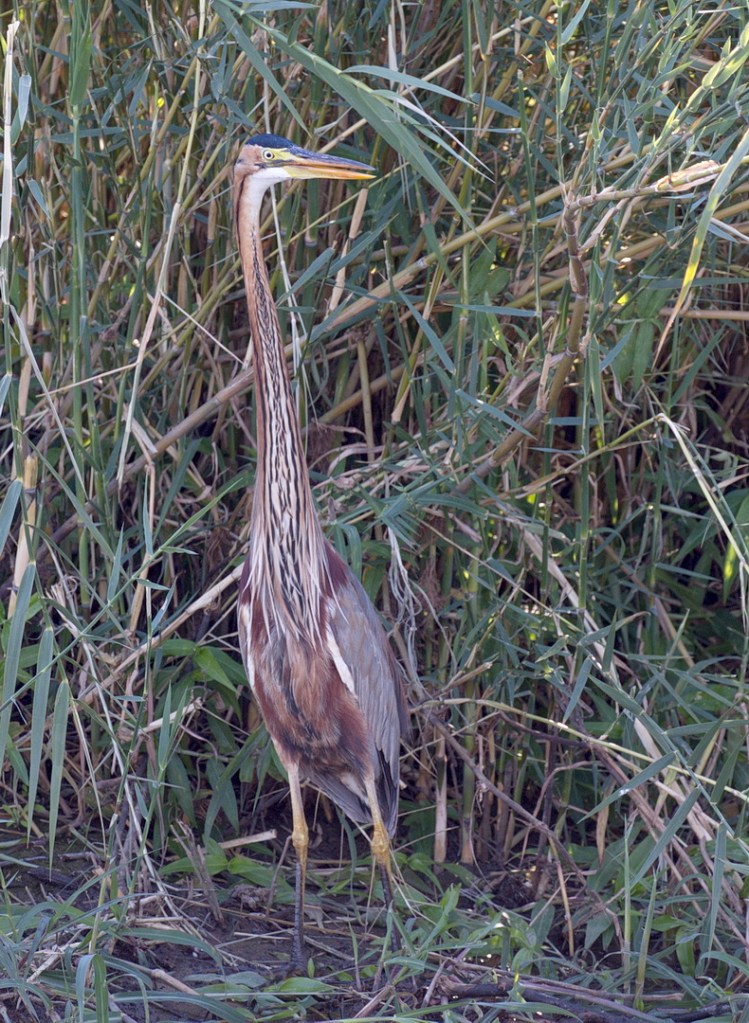
Purple Heron 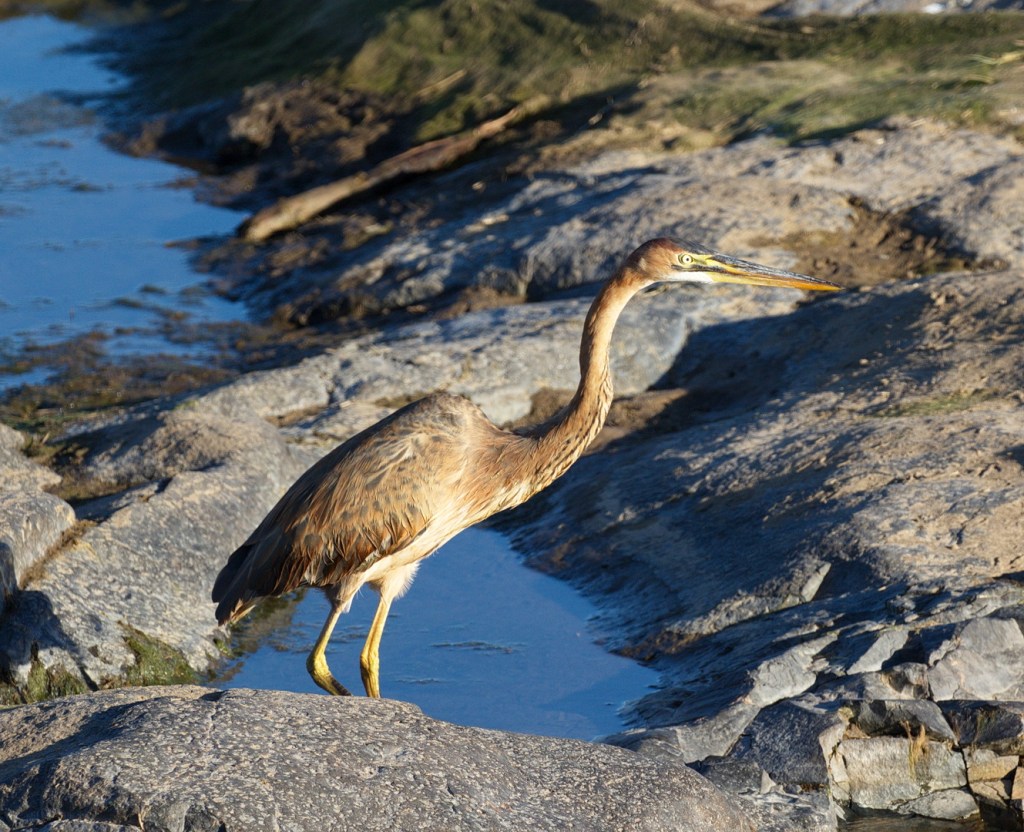
Purple heron 
Purple Roller 
Sabota Lark 
Saddle-billed Stork 
Saddle-billed Storks – female and 2 immatures 
Swainson’s Spurfowl and chicks 
Tawny Eagle 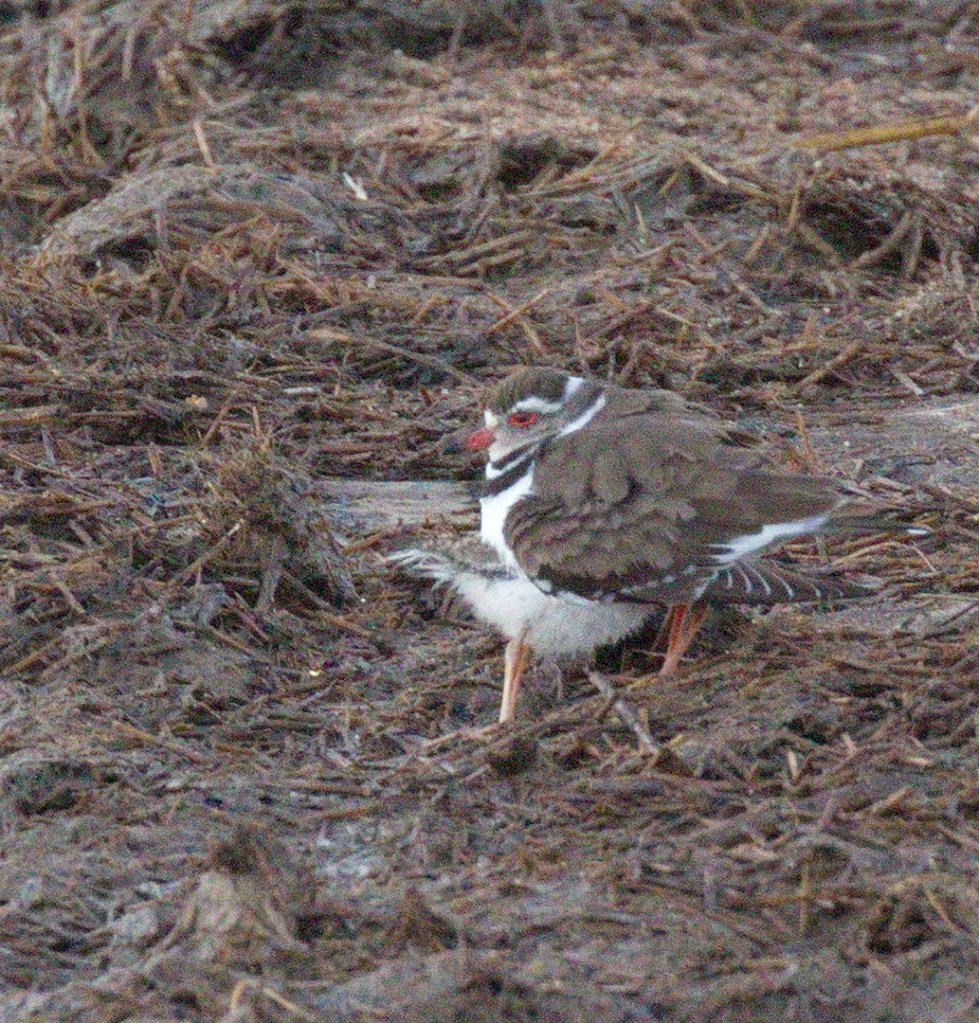
Three-banded Plover sheltering its chick 
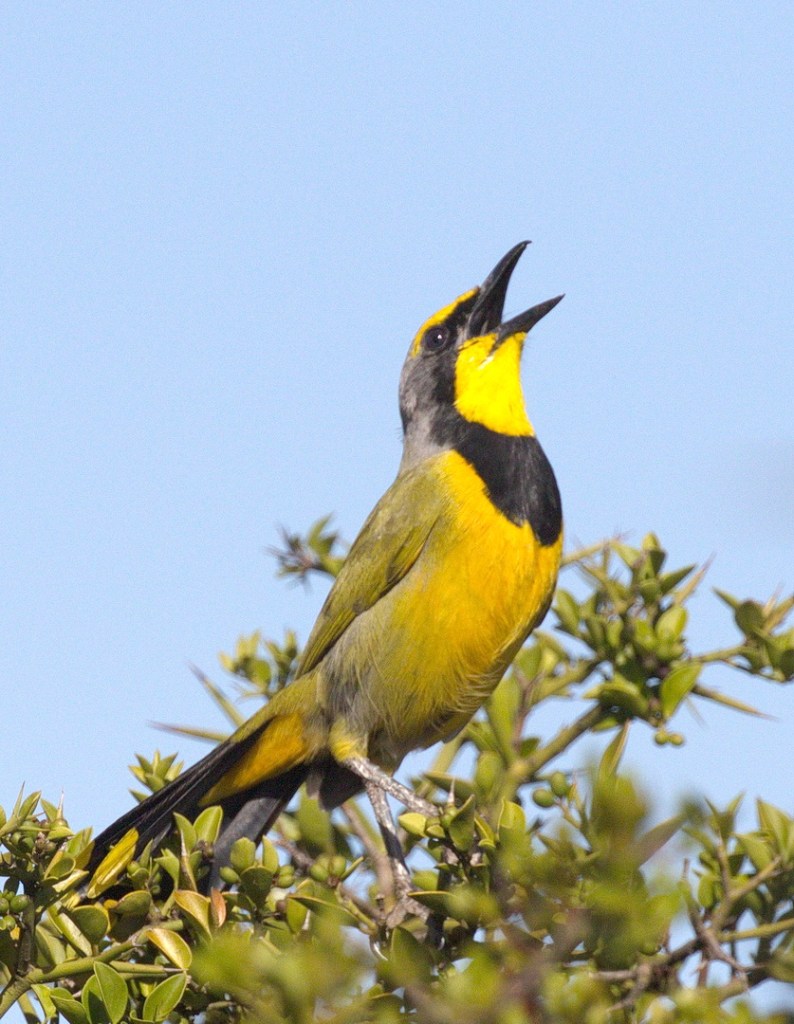
White-crested Helmetshrike 
White-crested Helmetshrike 
Yellow-billed Storks 
Dwarf Mongooses
Wandering around the camp looking over the fence towards the Crocodile River we noticed a Saddle-billed Stork behaving like a Black Heron – casting its wings forward creating a shadowed area over the water ahead. It walked back and forth repeating this manoeuvre.


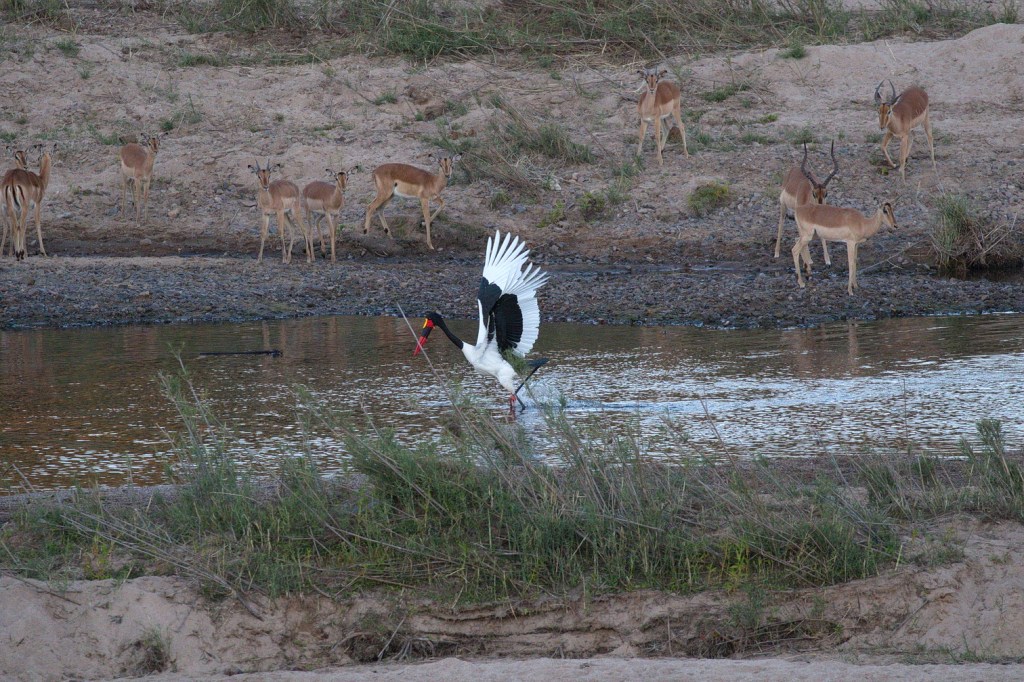


Saddle-billed Stork behaving like a Black Heron. 
Saddle-billed Stork behaving like a Black Heron.
Another sighting was good to see. It involved a Burchell’s Zebra behaving quite wildly – as they do – kicking madly at other Zebras while rolling on its back. Dust flying everywhere. Perhaps that is what they do to dust their backs?
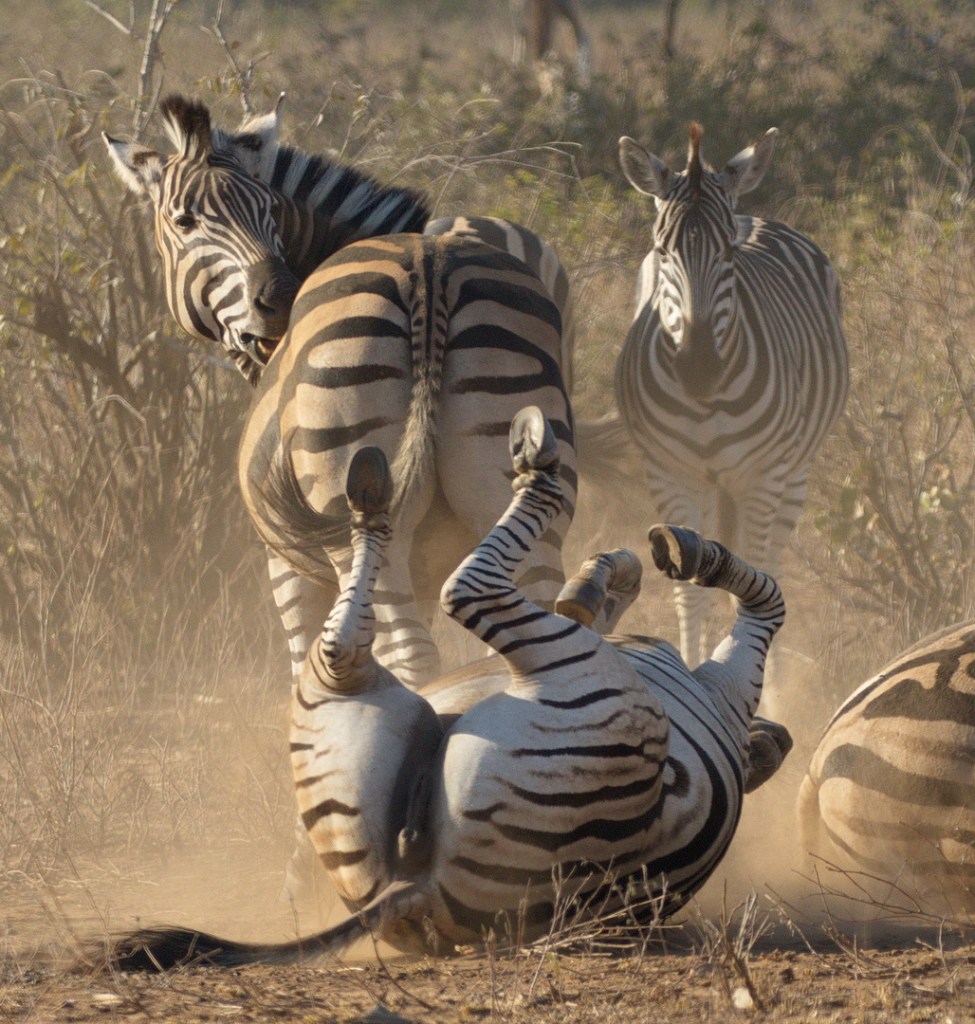
Upside down Zebra 
Downside up Zebra.
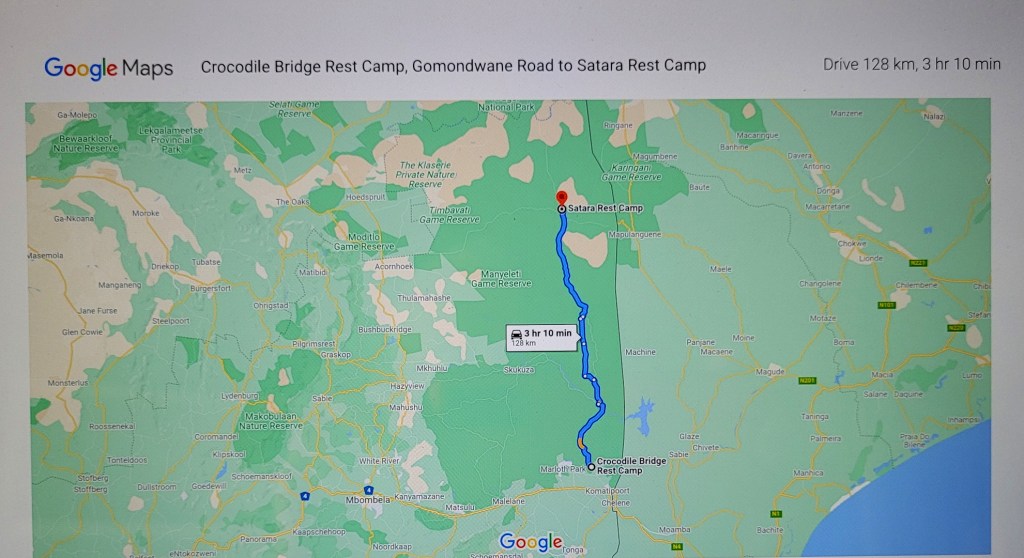
From Crocodile Bridge we headed to Satara for 2 nights. Only one full day there.
A wasted trip to the Sweni Hide:

Only green Crocodiles seen here – downstream 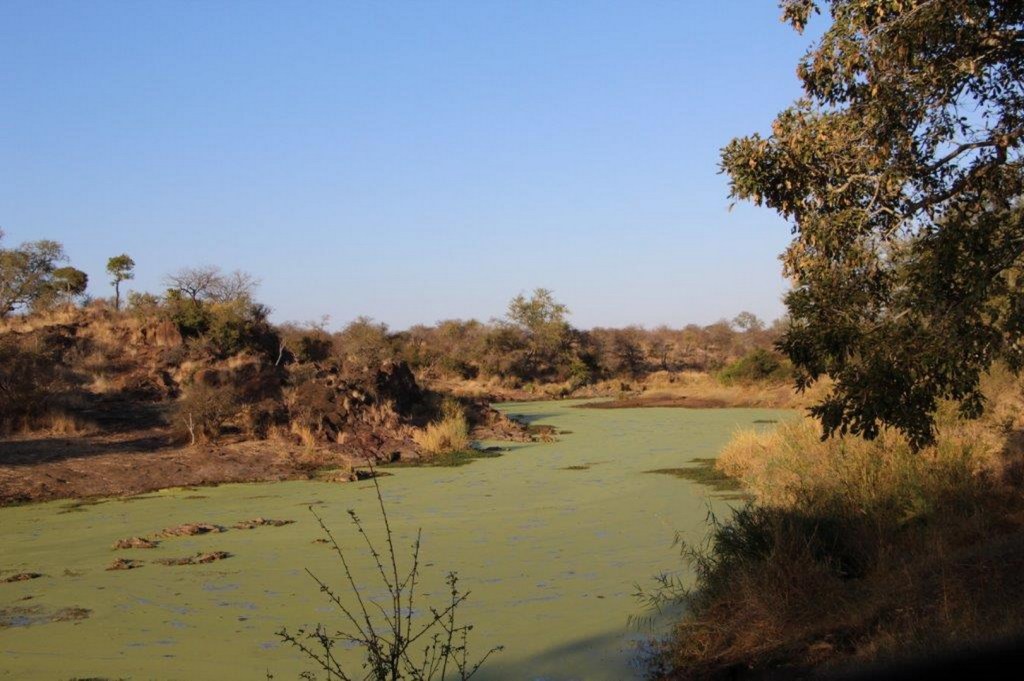
Only green Crocodiles seen here – upstream 
Sweni Hide entrance
Sightings were quiet – both animals and birds. I think we only managed to see about 70 different species of birds. Here are some of them:
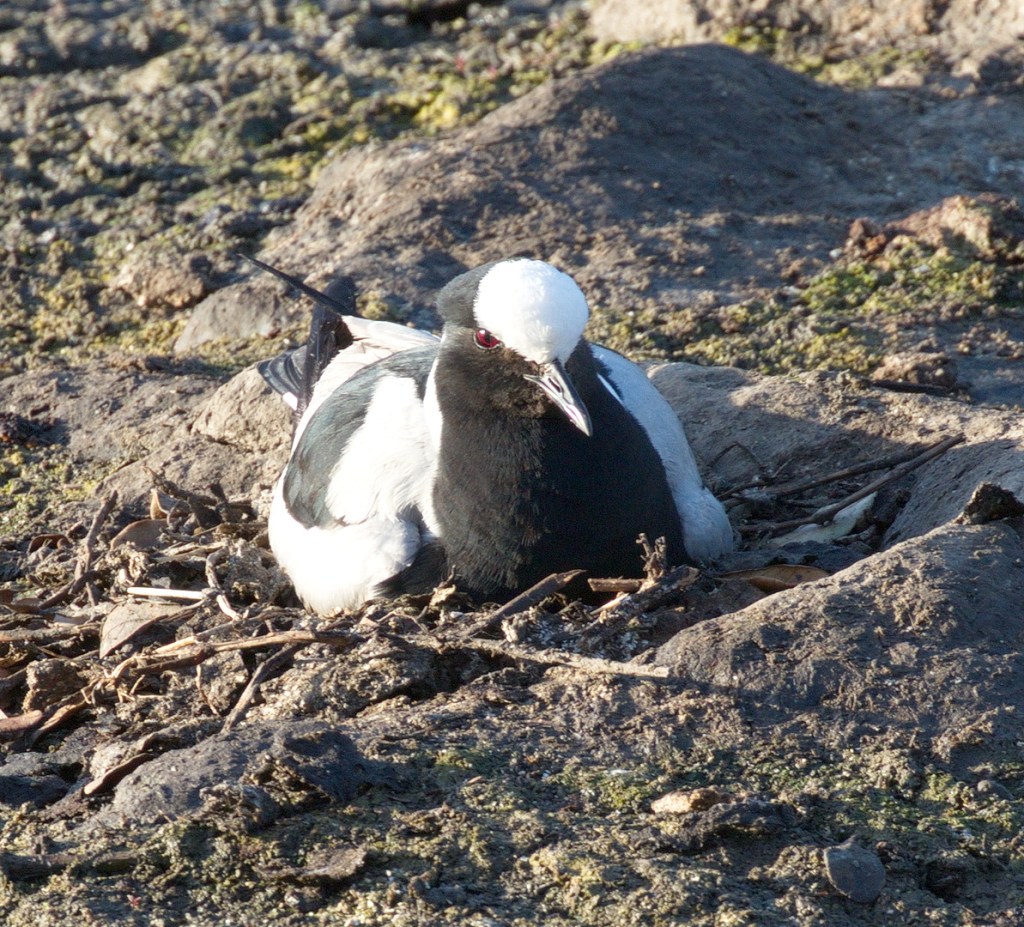
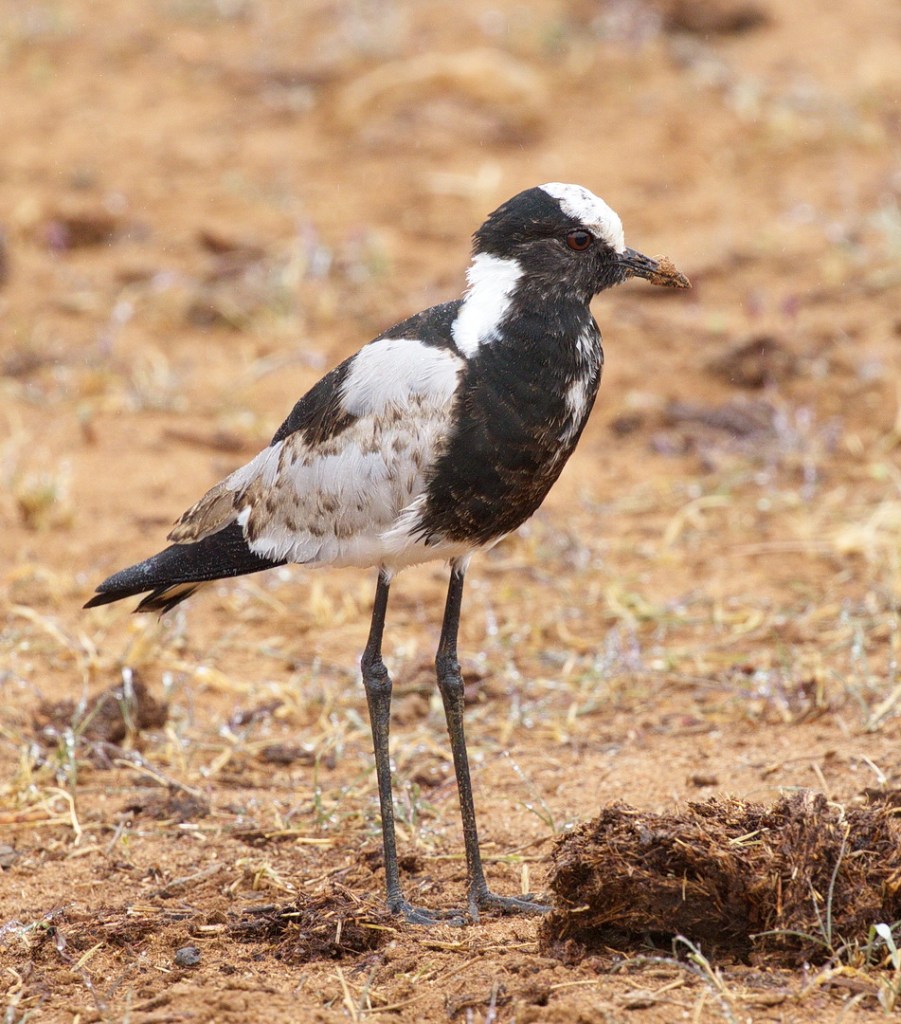
Blacksmith Lapwing sitting on eggs. 
Fork-tailed Drongo 
Greater Blue-eared Starling 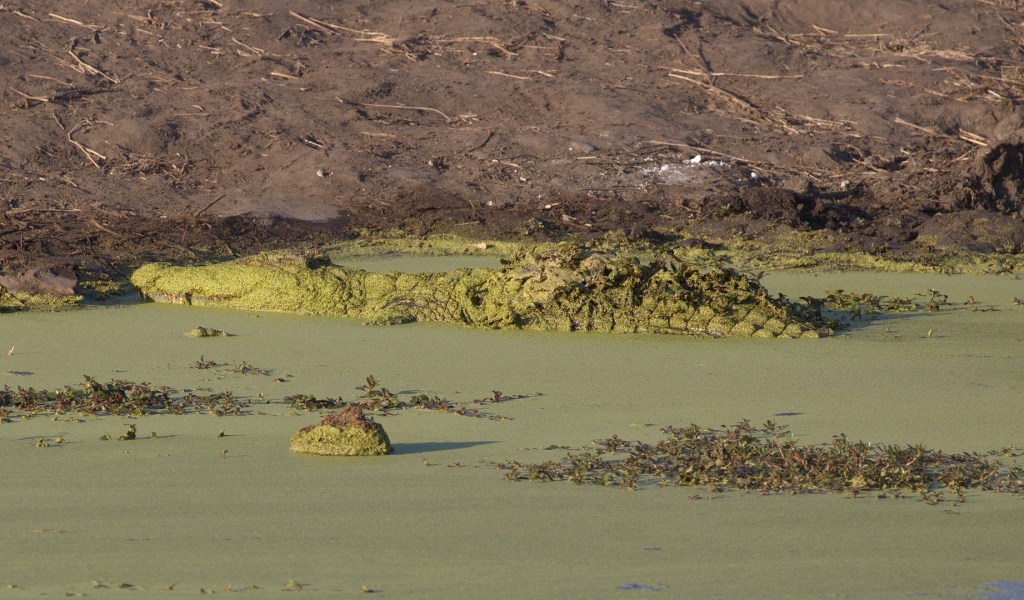
Green Crocodile 
Green Crocodiles 
Grey Heron 
Immature Grey Heron 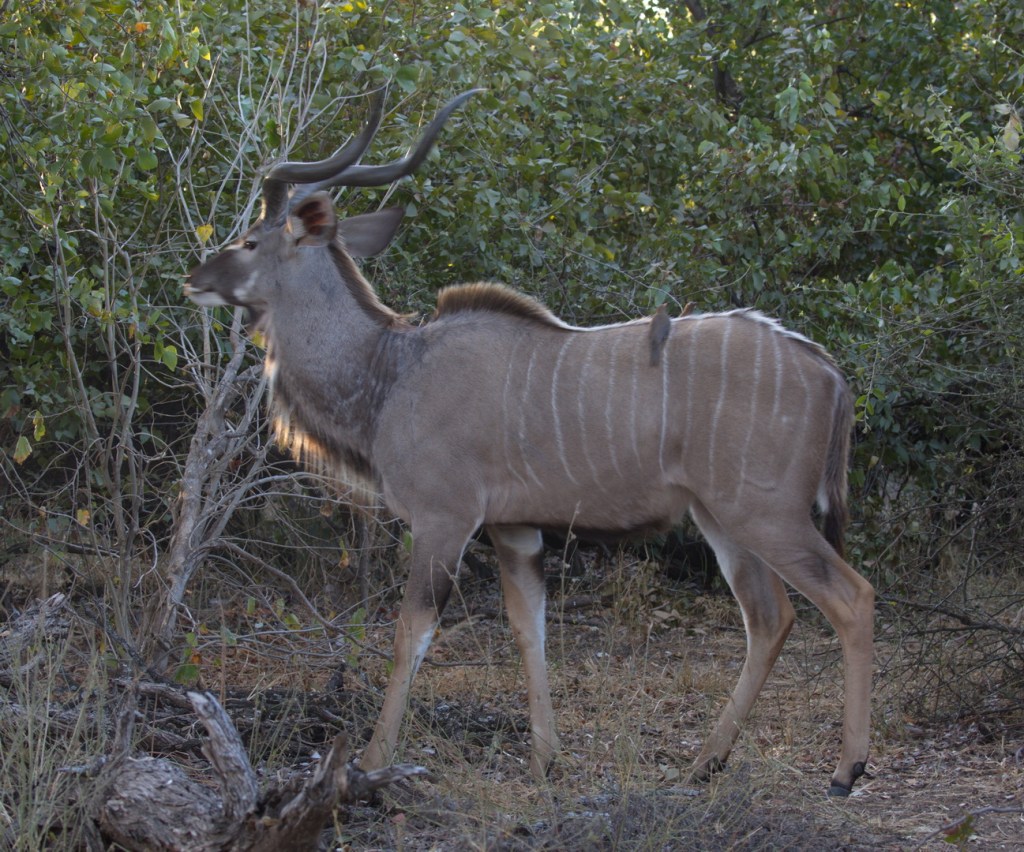
Majestic Kudu 
Marico Sunbird 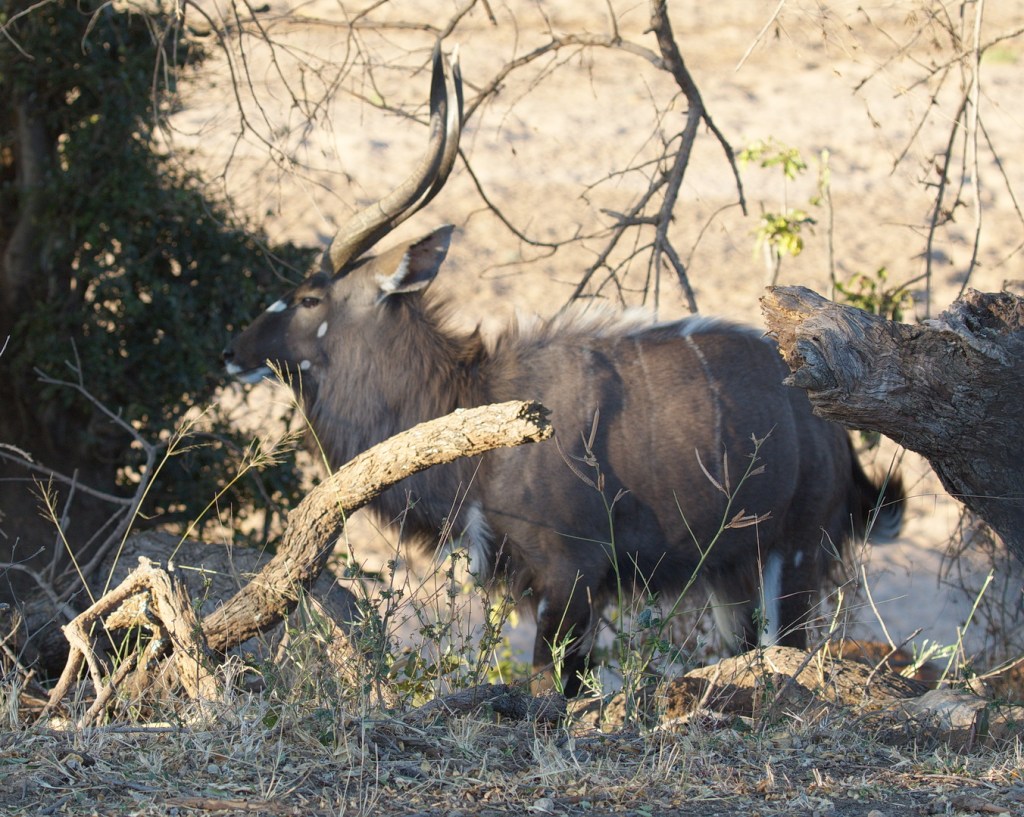
Male Nyala 
Orange-breasted Bushshrike 
Flaming flowers 
Red-crested Korhaan female 
Immature Saddle-billed Stork 
Squacco Heron juvenile 
Young male Waterbuck 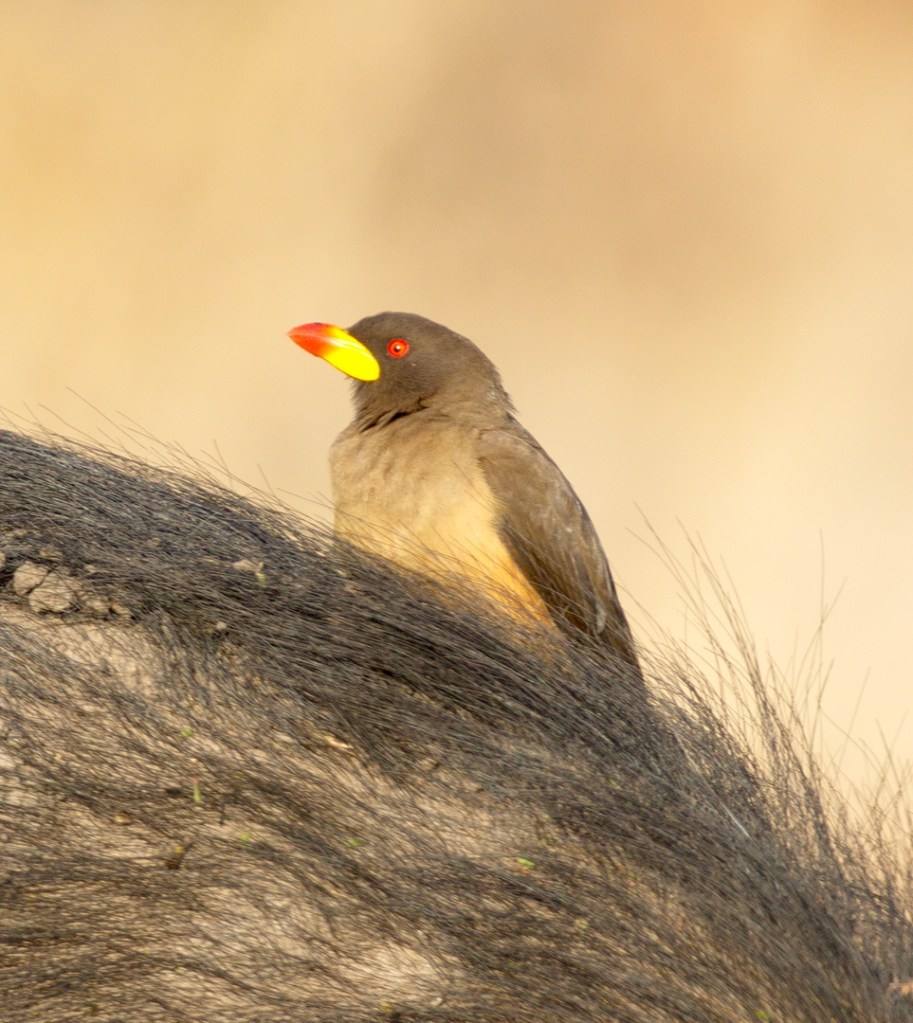
Yellow-billed Oxpecker piggy-backing on a Warthog. 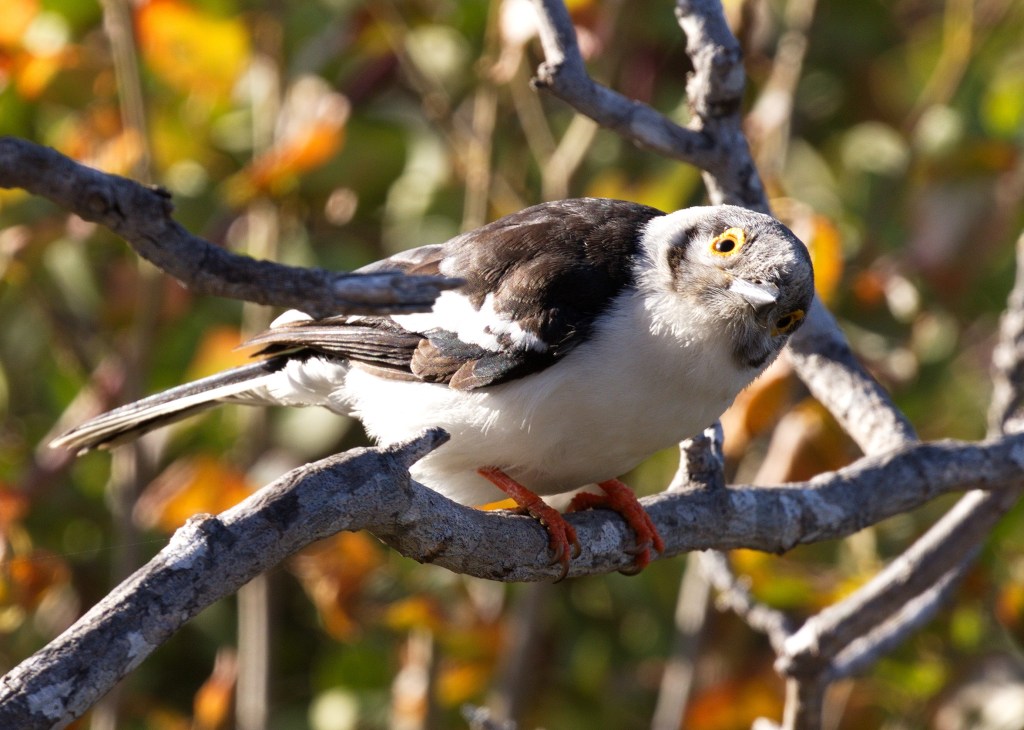
White-crested Helmetshrike. 
Buffalo 
Leguaan 
Shaded Leopard 
Female Waterbuck with male youngster
From Satara we headed north to Shingwedzi for 4 nights – three full days.
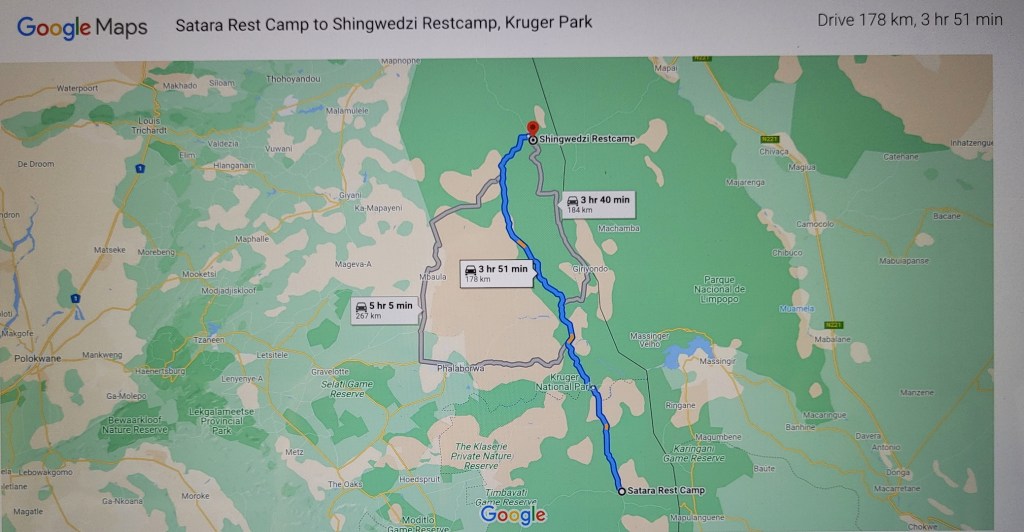

Despite being at Shingwedzi for three full days, our bird list was only about 90 species.
Once we left Satara, Buffalo and Elephant were plentiful and they were the only two of the “Big Five” that we saw during the rest of our time in the Kruger. I lie – we did see one majestic Lion. We spent a little more time taking photos of animals that we saw. Here are those that we photographed:

A rather large Anthill 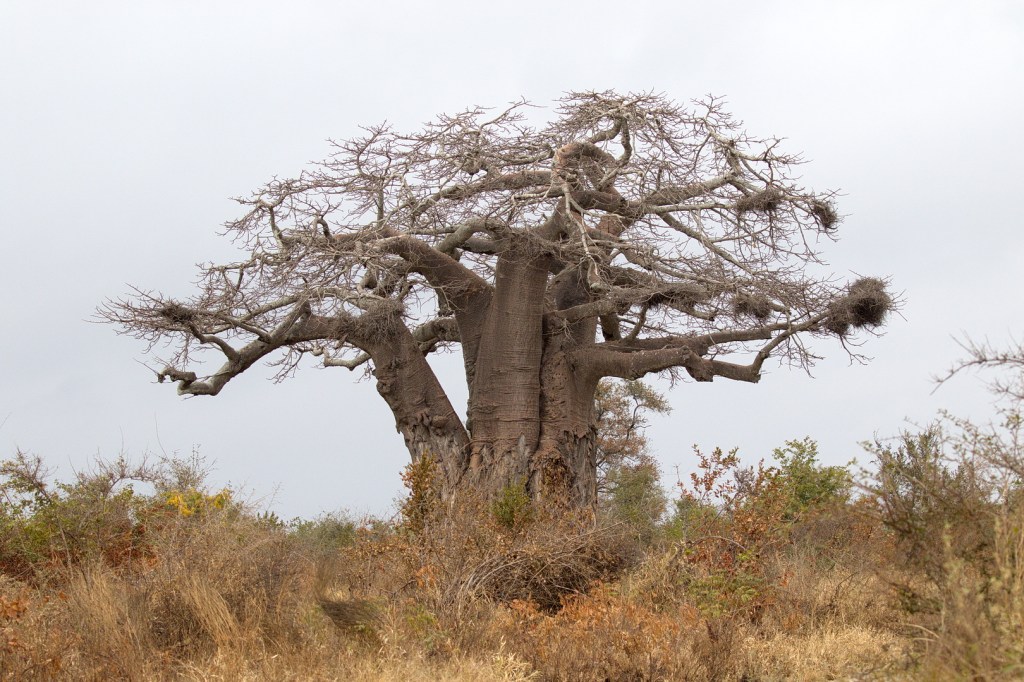
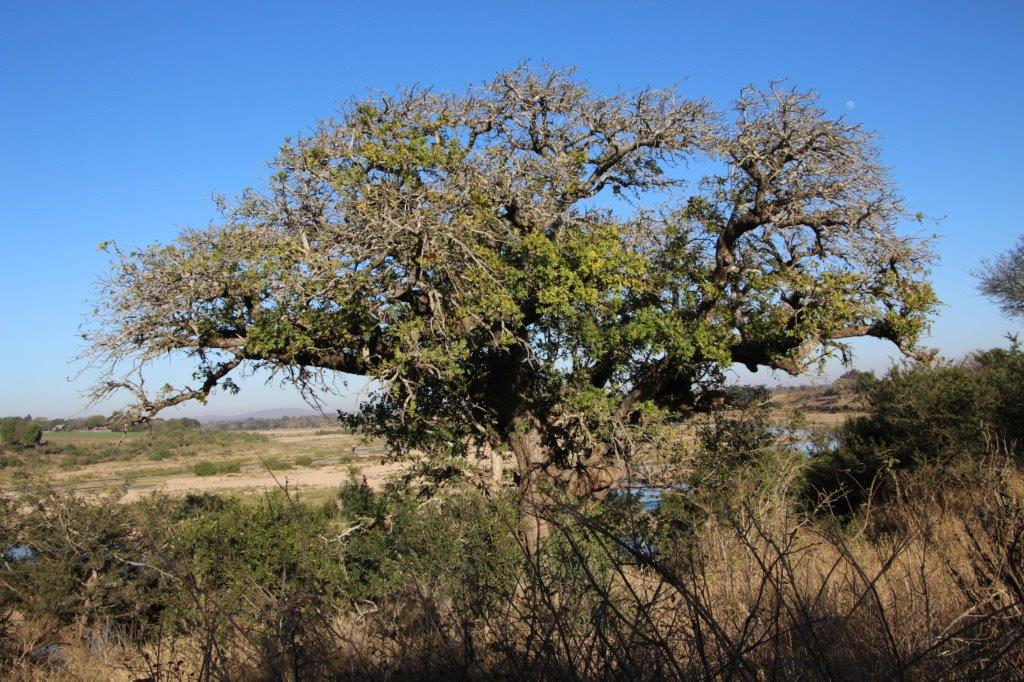
Impressive Baobab 
Cape Buffalo 
Elephants out of step 
Hippo 
Hippos 
Playful Hippos 
Male Impala with Red-billed Oxpecker removing the ticks. 
Male Impala with Red-billed Oxpecker removing the ticks. 
Male Kudu 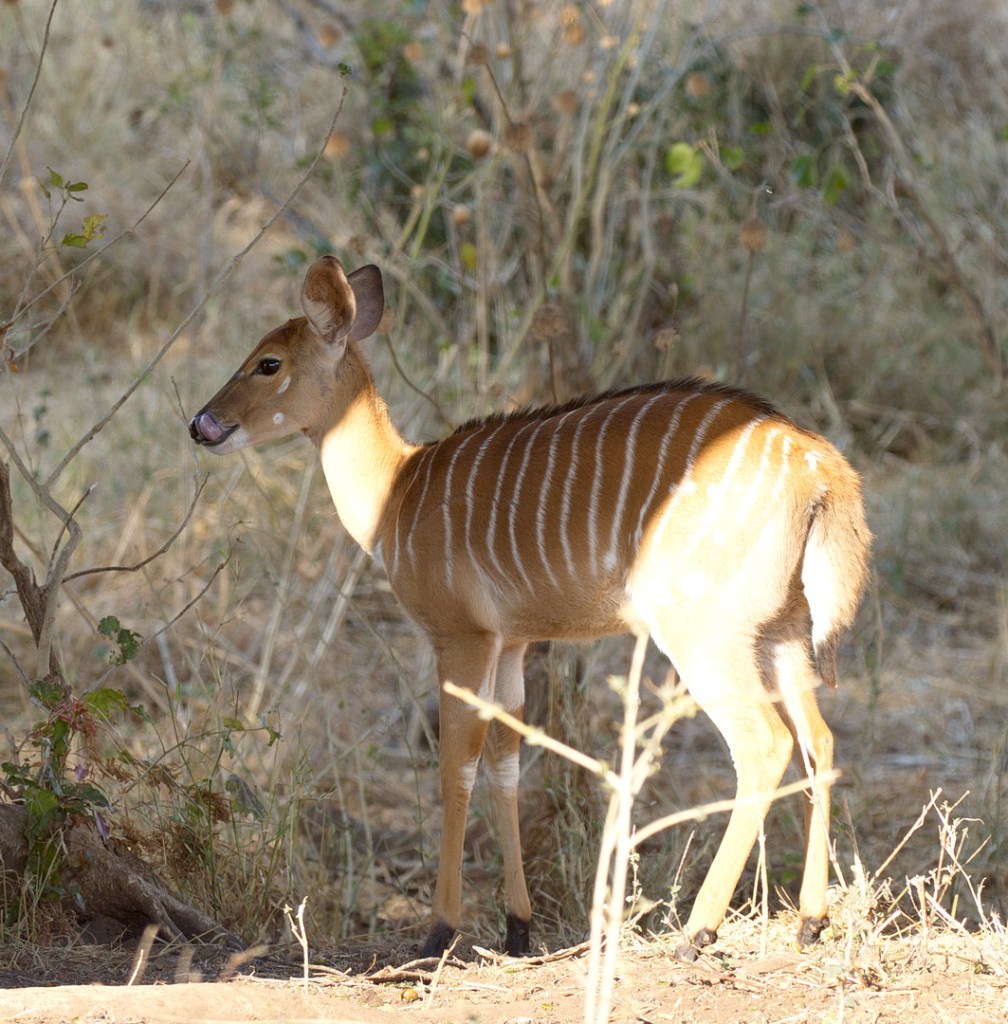
Female Nyala 
Female Nyalas 
Male Nyala 
Squirrel 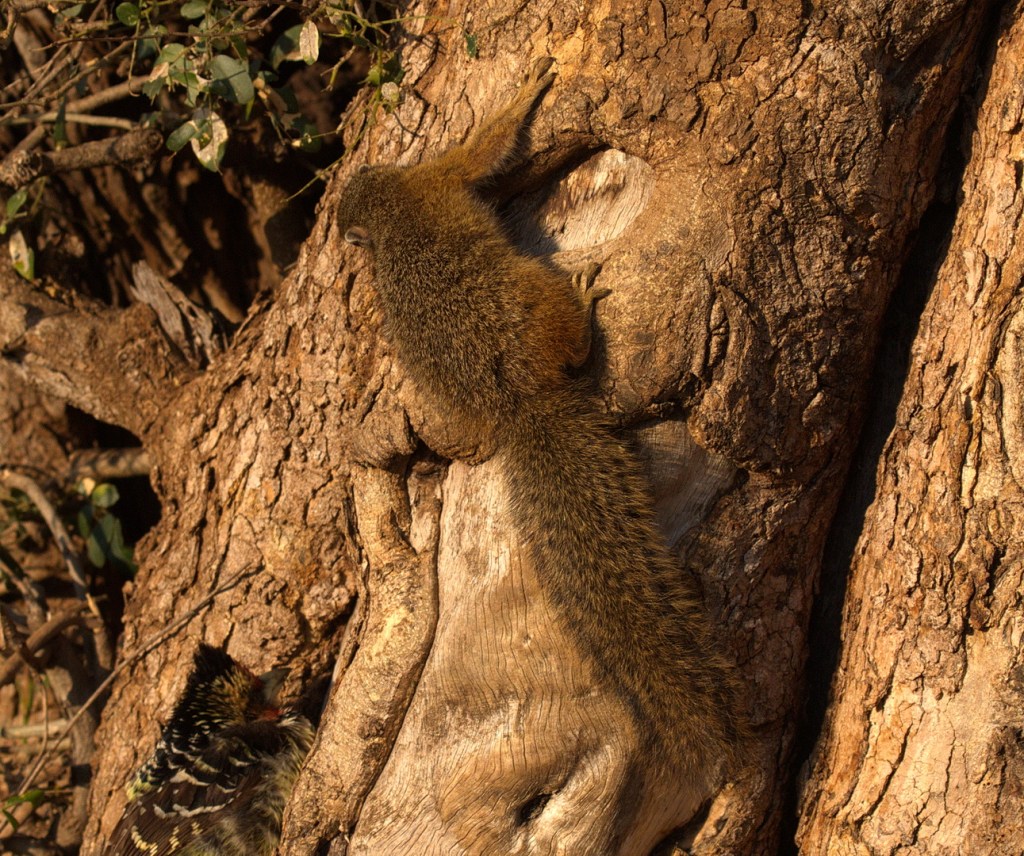
Squirrel
On one drive we saw movement in the bush beside us – about 10 metres in. What was that we thought. Initial impression was a Grey Duiker. Back we went to get a decent look. Fortunately the animal did not immediately run away – as they normally do. There it was – I think I can safely say that this was the first time either of us had ever seen one.

Birds in the area:

Greater Blue-eared Starling 
African Fish-Eagle 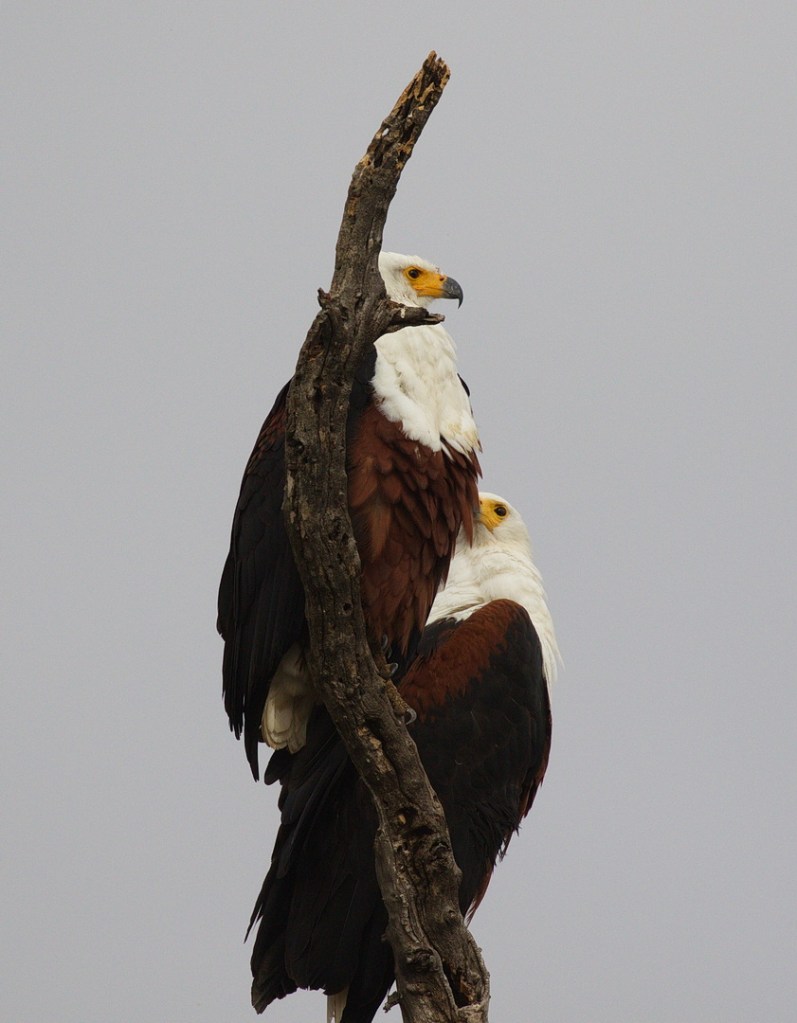
A pair of African Fish-Eagles 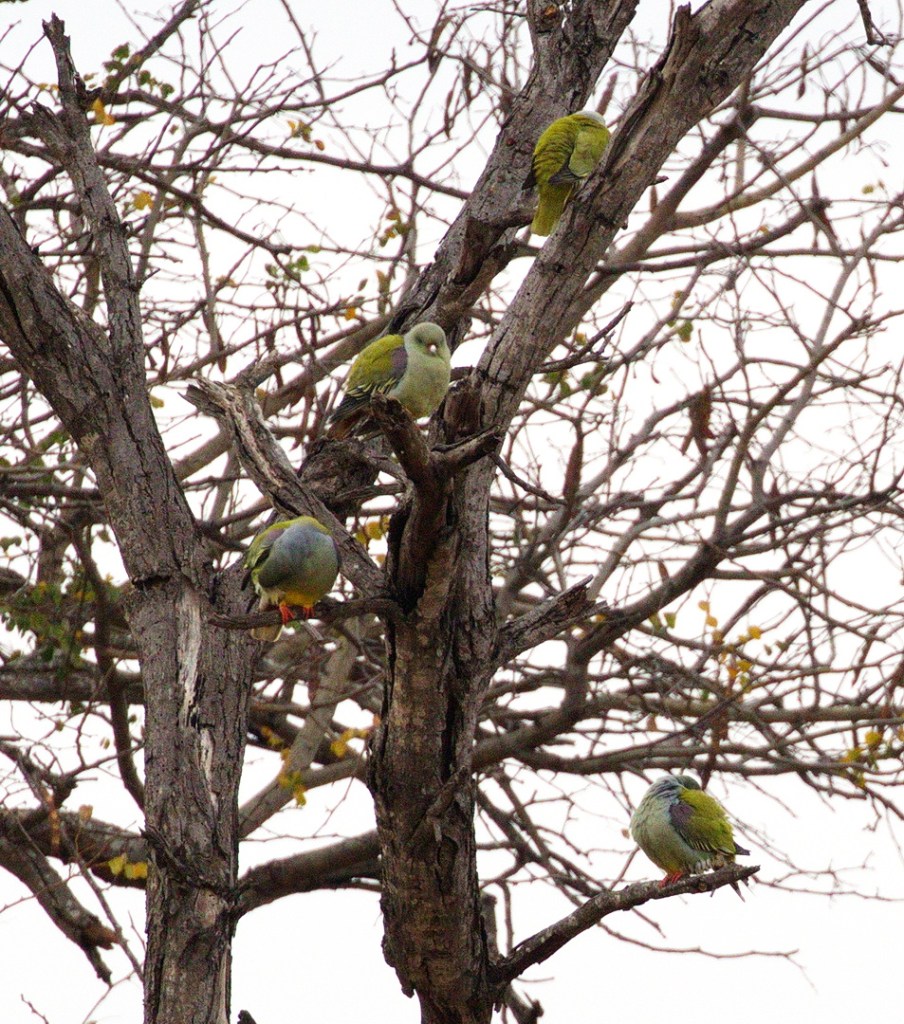
African Green Pigeons 
Batteleur 
Bennett’s Woodpecker 
Bennett’s Woodpecker 
Black-winged Kite 
Black-winged Kite 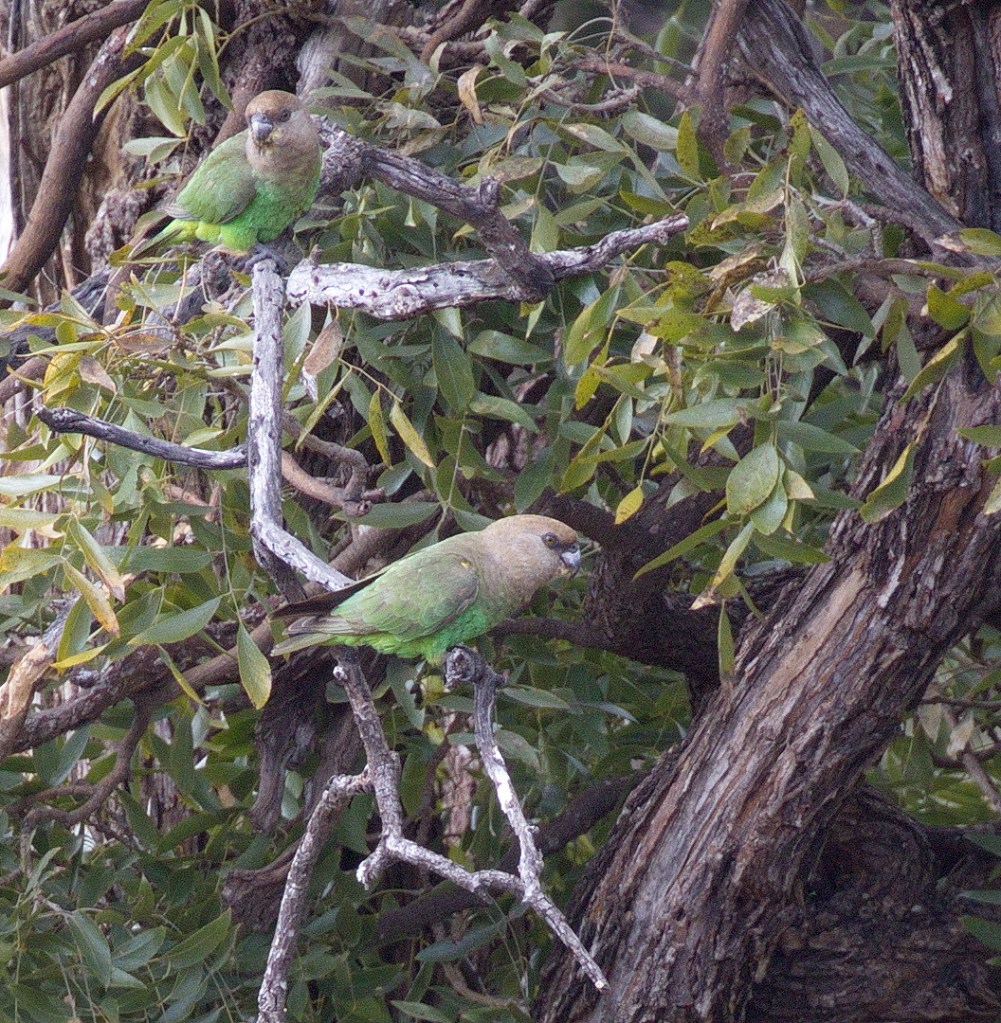
Brown-headed Parrot 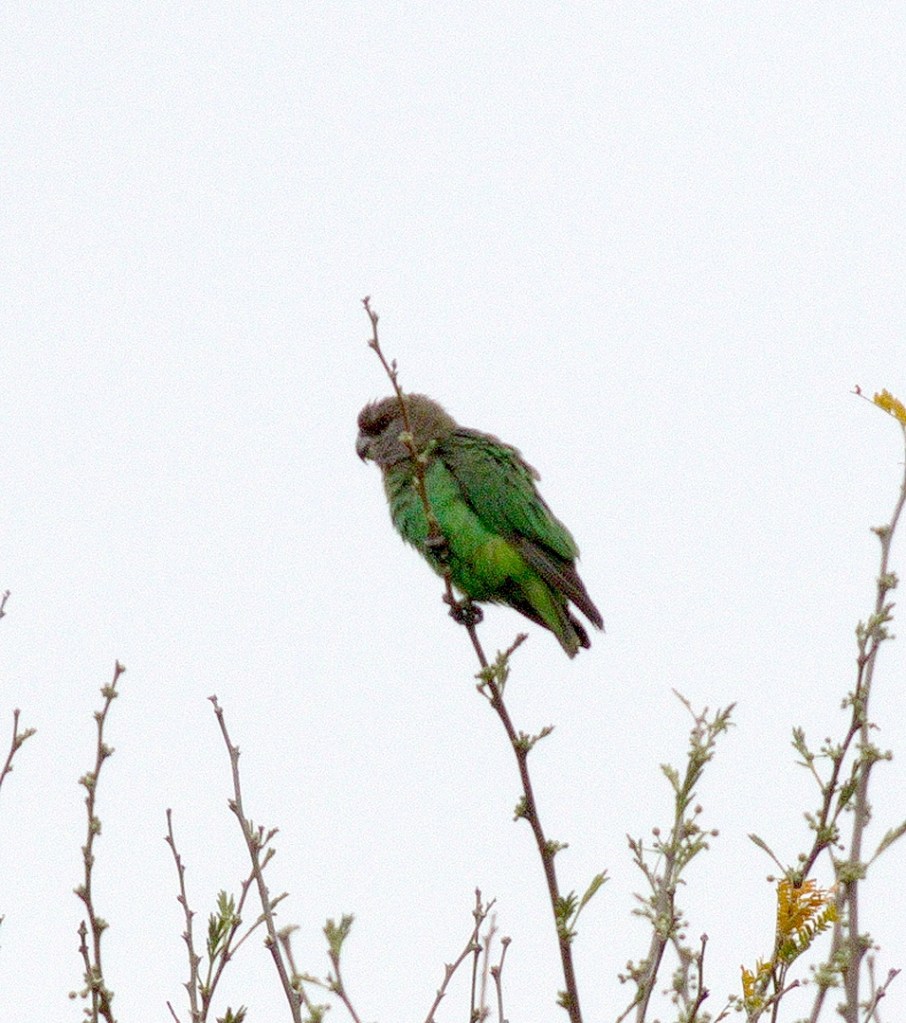
Brown-headed Parrot 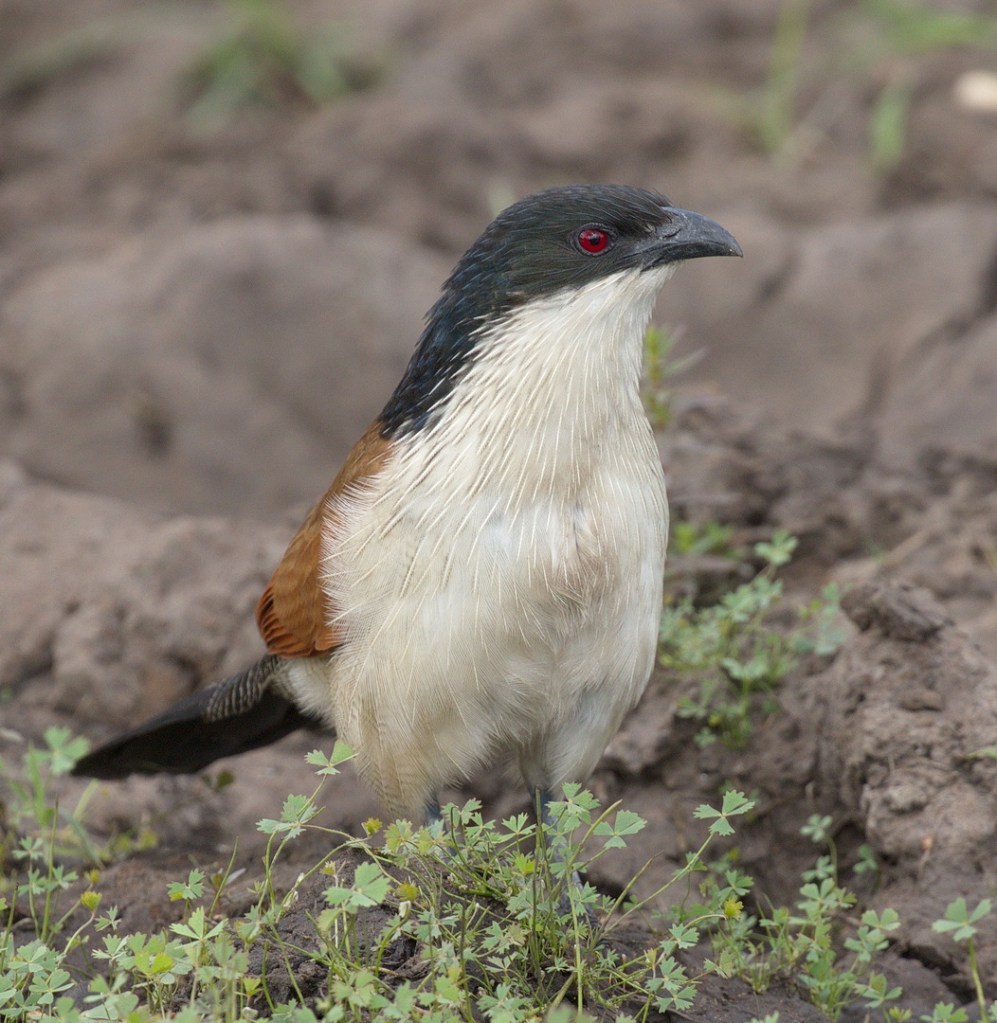
Burchell’s Coucal 
Burchell’s Coucal 
Goliath Heron 
Goliath Heron drying off – looks like a begging bowl. 
Green-winged Pytilia 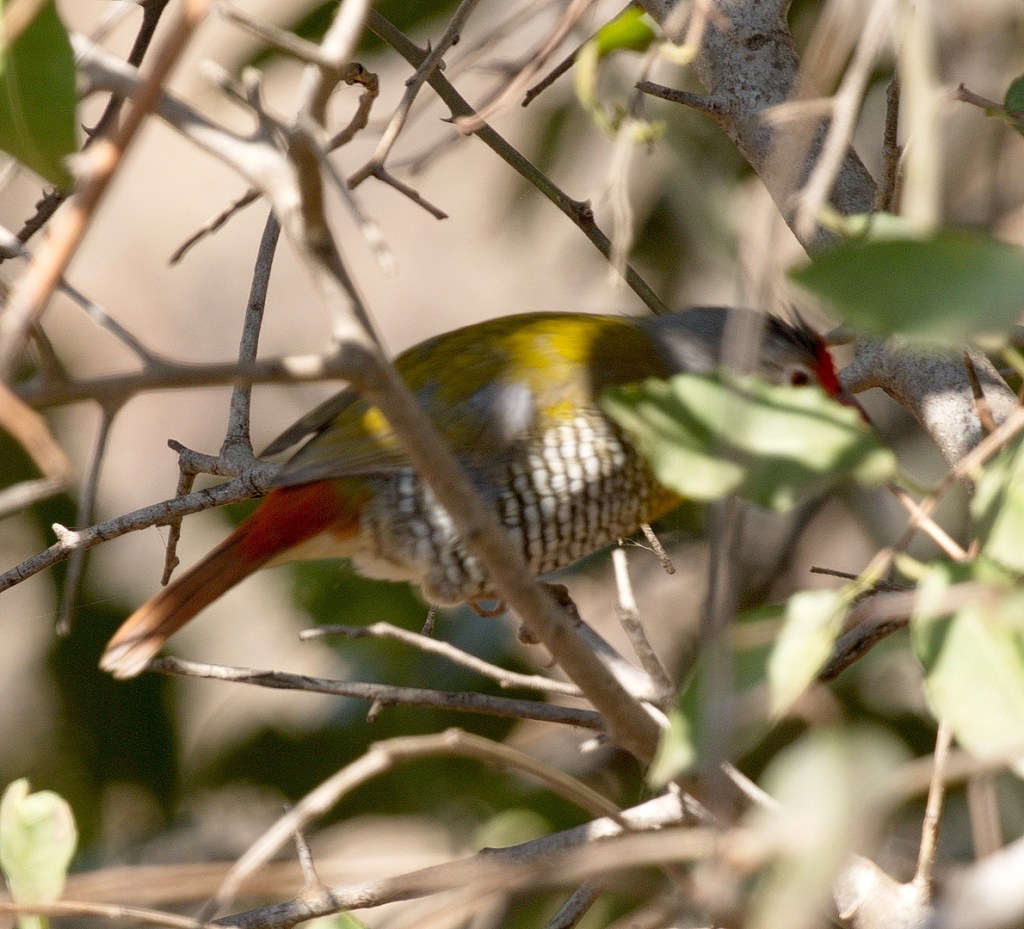
Green-winged Pytilia 
Grey Go-away-bird 
African Grey Hornbill 
African Grey Hornbill 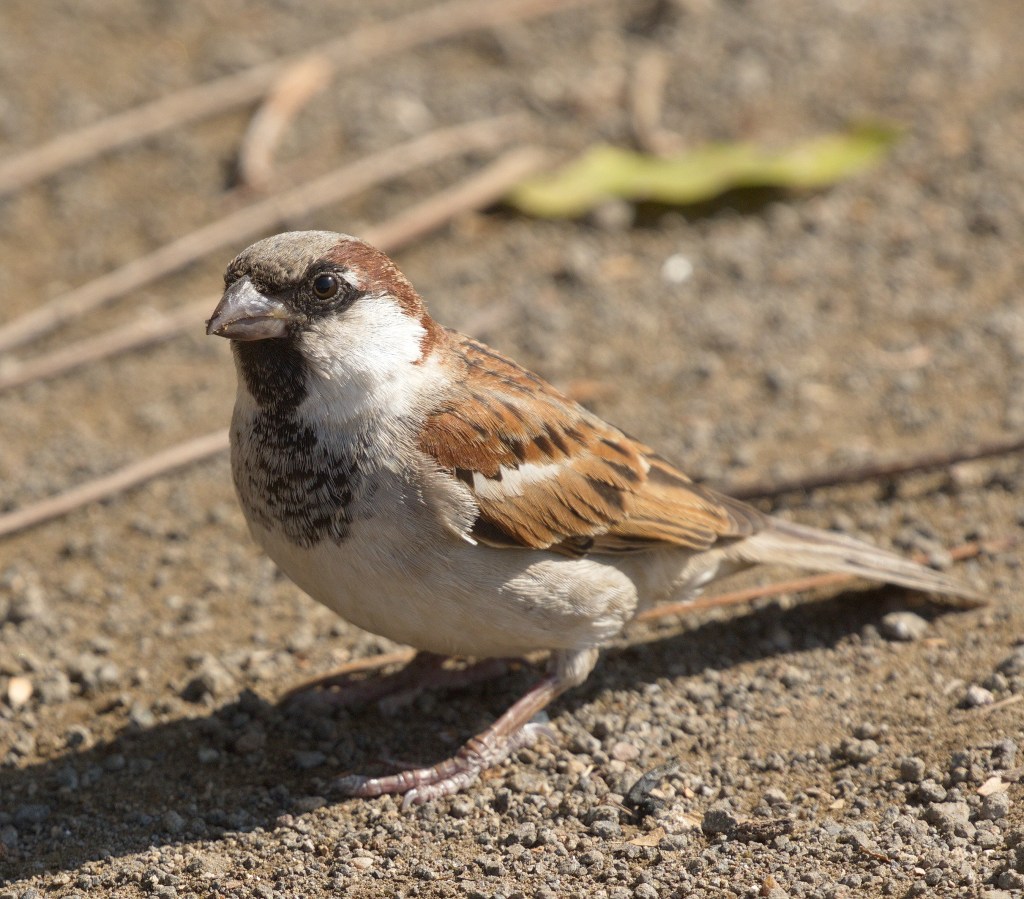
Hpuse Sparrow 
Red-billed Oxpecker 
Malachite Kingfisher 
Marabou Stork 
Marabou Stork – pretty ugly – which is it? 
Marabou Storks 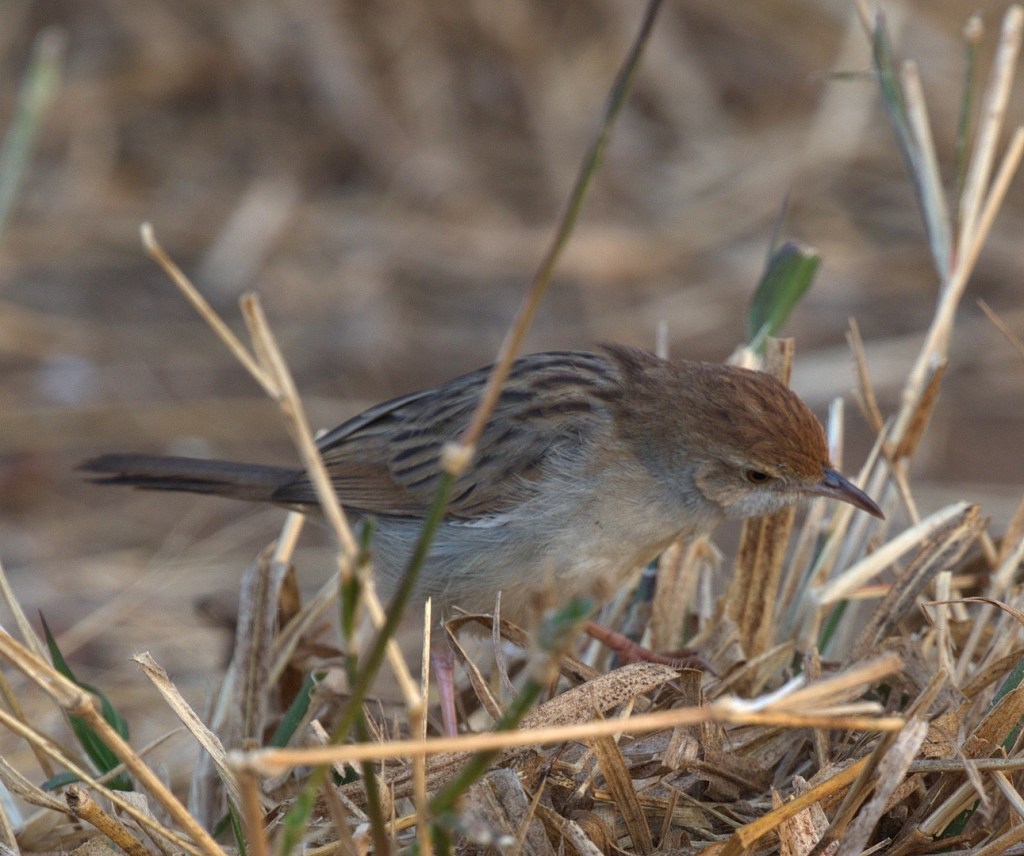
Rattling Cisticola 
Red-billed Buffalo-Weaver 
Red-billed Buffalo-Weaver 
Immature Saddle-billed Stork 
Southern Ground Hornbill 
Wahlberg’s Eagle – pale phase 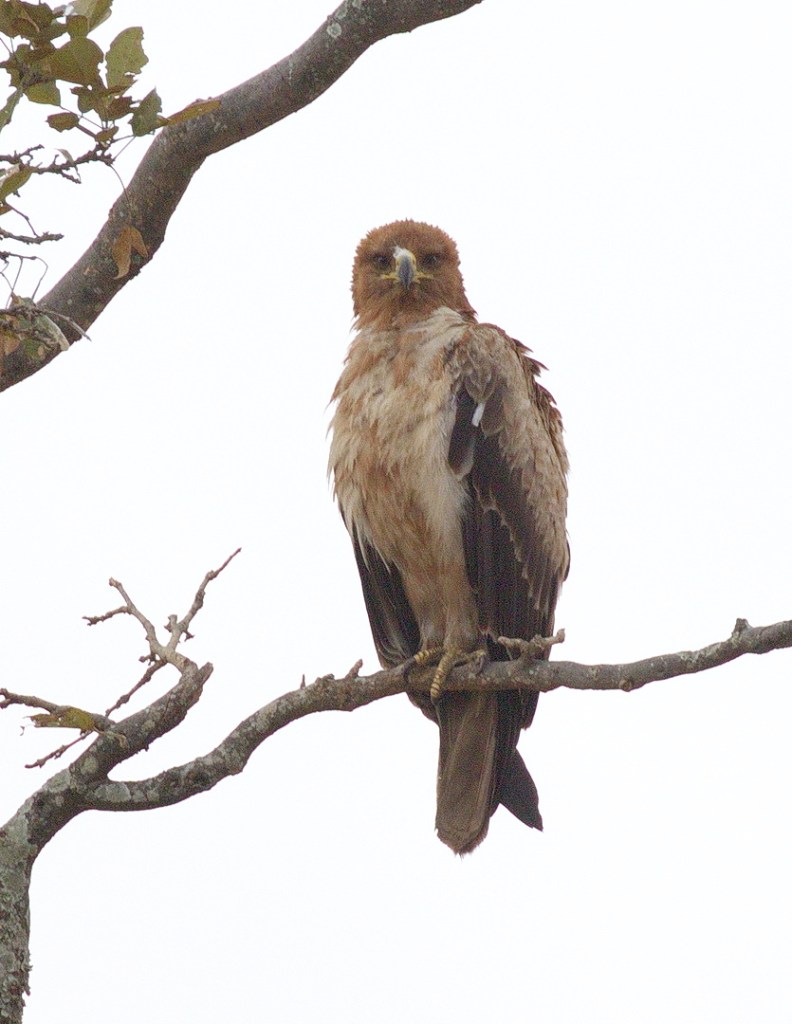
Wahlberg’s Eagle – pale phase 
Water Thick-knee 
Giant Kingfisher – male
Interesting geology in the area. Go to Red Rocks to see what I mean.


For a long time until quite recently our bogie bird was the Coqui Francolin. This visit to the Kruger was different as we saw it in several places. One instance was right in the road in front of us. A male on the left side and a female crossing over to join him.
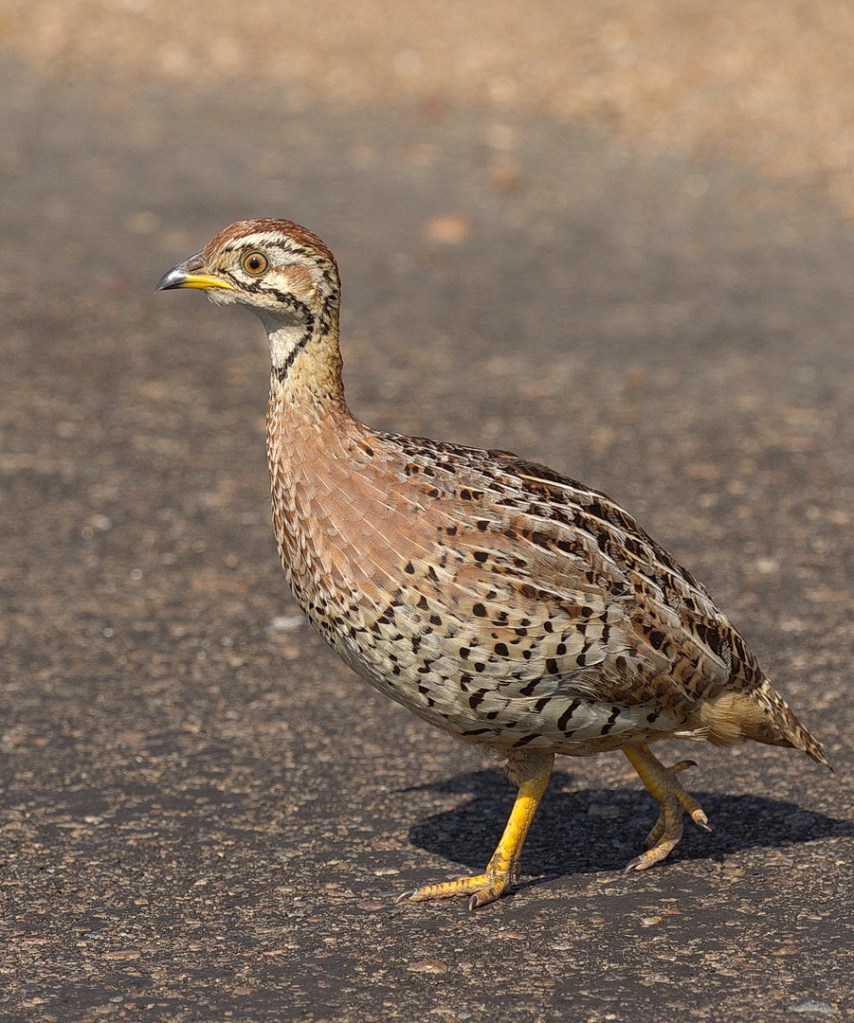
Female 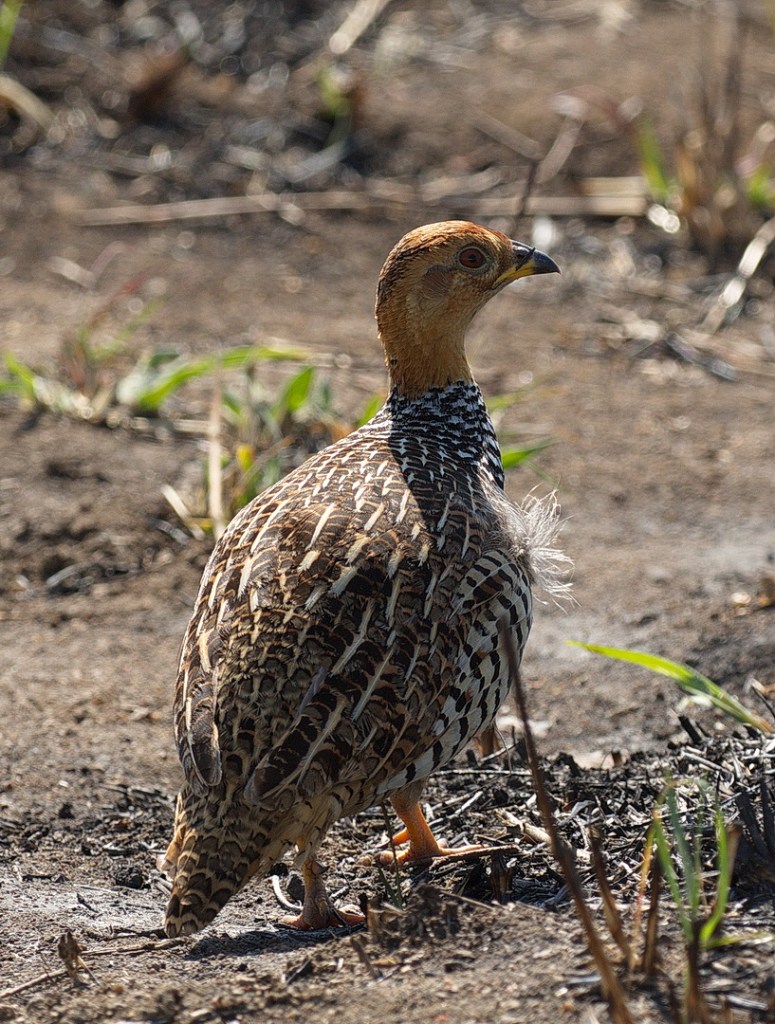
Male 
Female 
Male 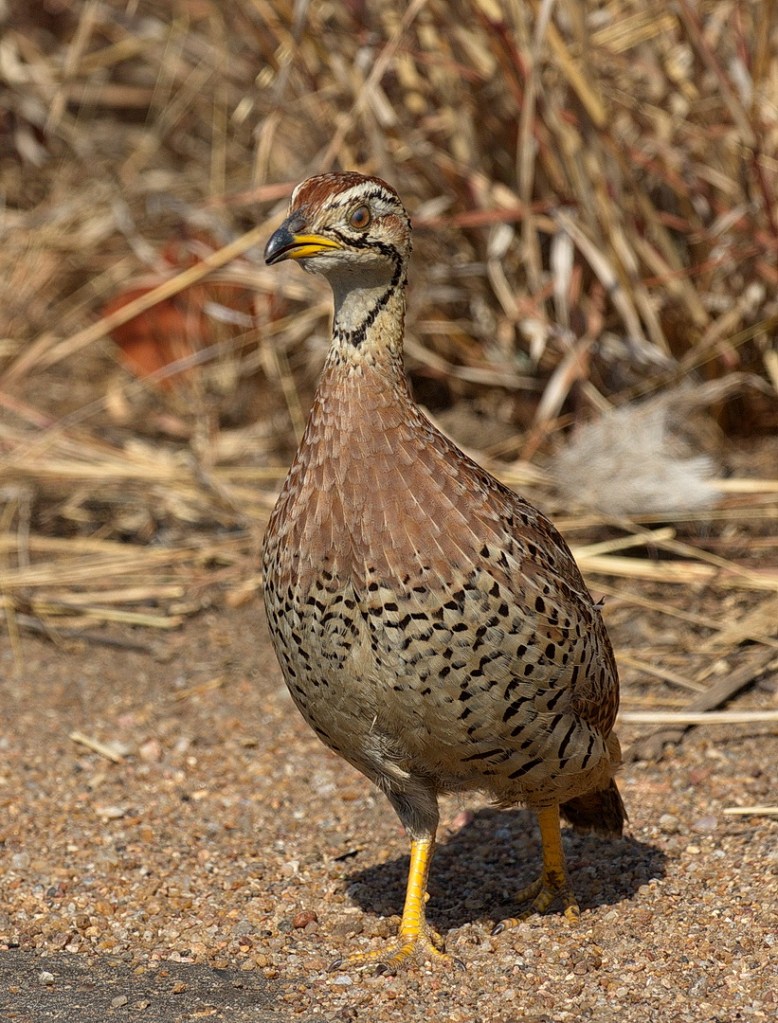
Female 
Male and Female
From Shingwedzi we back-tracked to probably our favourite camps in the Kruger – Tsendze Rustic Camp. Right next to the Mooi Plaas picnic site. The camp has no other accommodation other than camp sites with no power. It is a well shaded campsite with many fully grown trees. It is managed by Elena and Rodgers – superb hosts.

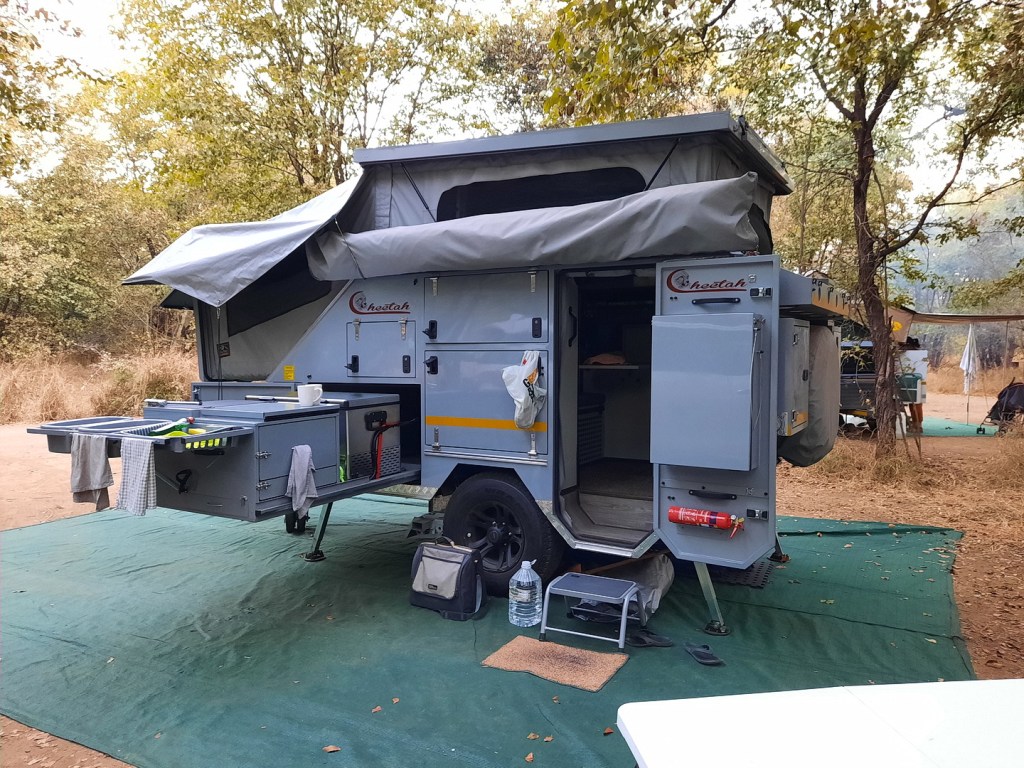

It is also known for its Owls and Owlets. We have seen African Scops Owl, Pearl-spotted Owlet, African Barred Owlet, Verreaux’s Eagle-Owl either in the camp or next door in the Mooiplaas picnic site. This time we added one more – the African Wood-Owl. Sitting above our heads as we washed our dishes in the wash-up area – pointed out to us by Elena who had remembered our interest for birds from previous visits.
We listened to the African Scops Owl all night each night, we heard the Verreaux’s Eagle Owl as well as the African Barred Owlet. The African Wood-Owl was silent but present.

African Scops Owl 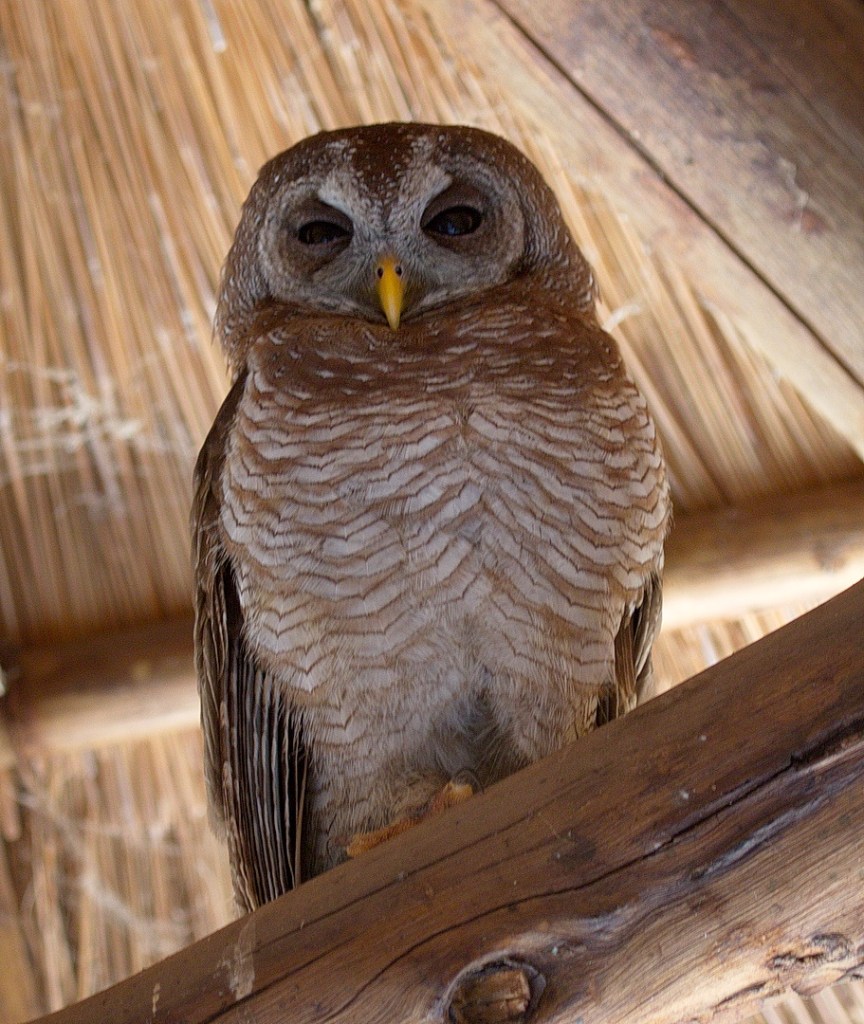
African Wood-Owl 
African Scops Owl 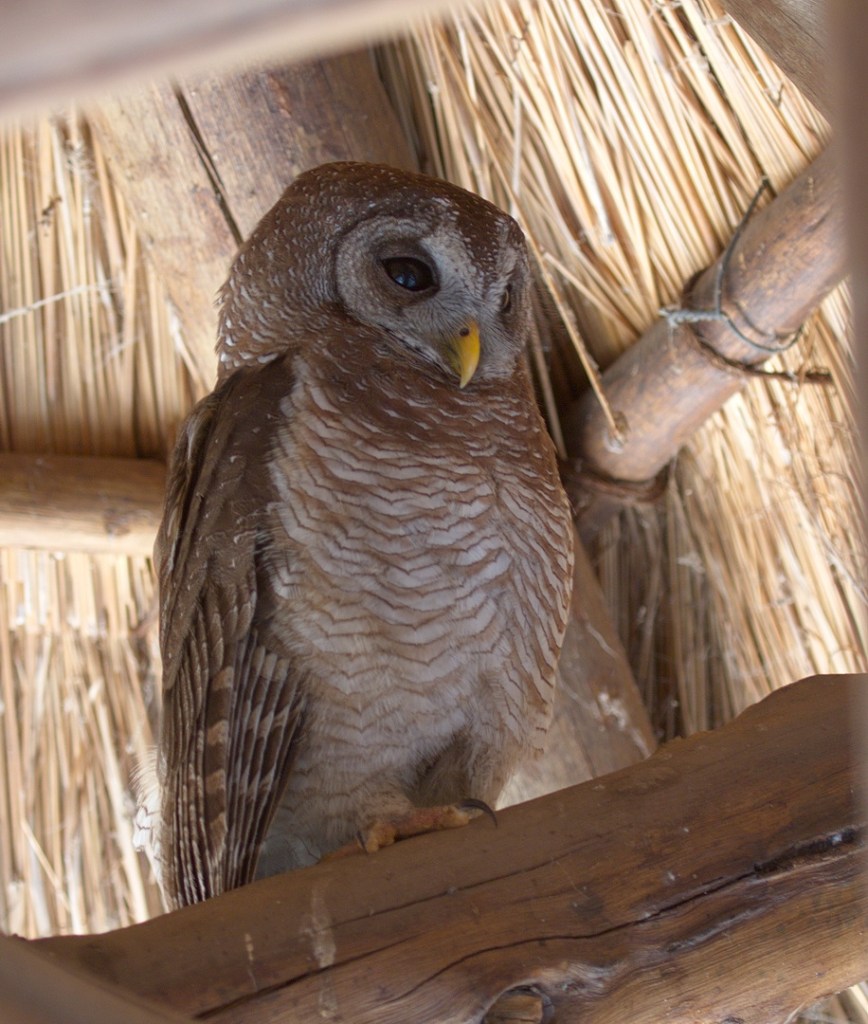
African Wood Owl
There are several areas around Tsendze which we always enjoy visiting. The low level bridge on the way to the Shipandani Hide and the Pioneer Dam at Mopani. Several spots on the H14 to Phalaborwa. And the Mooiplaas waterhole on the S49.
Amazingly we managed to visit all of these areas in the short time we were there. We did make a point of getting there early and setting up camp by lunchtime.
The low level bridge on the way to Pioneers dam was bird busy as usual. Black Crakes (frequently seen there) a Hamerkop and a Striated Heron were the main entertainers. A juvenile Blacksmith Lapwing chased the Striated Heron to the Hamerkop which faced off against each other in a friendly sort of way.

Black Crakes 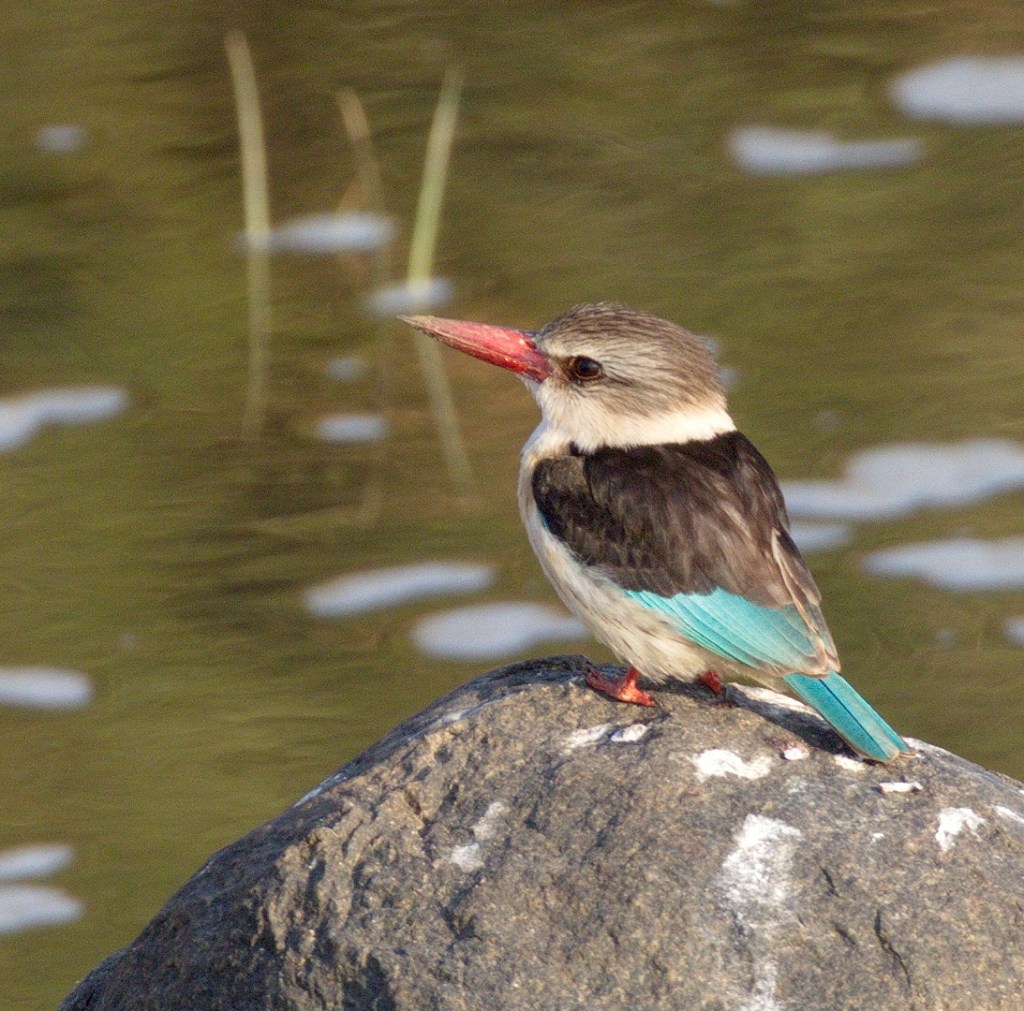
Brown-hooded Kingfisher made an appearance 
Hamerkop 
Striated Heron 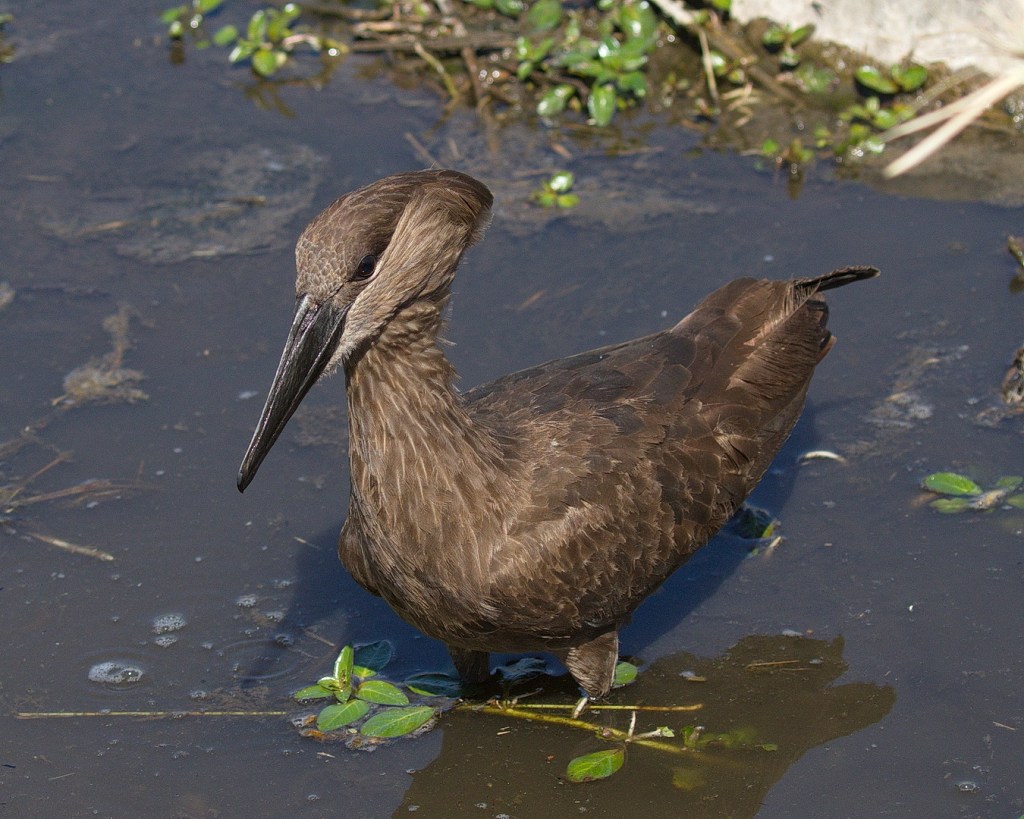
Hamerkop 
Striated Heron 
African Jacana 
Lesser Striped Swallows collecting mud for their nest 
A dribbling Hamerkop 
An angry looking Striated Heron.
Immediately after the bridge is the Shipandani Overnight Hide overlooking this portion of the Tsendse River. As we approached the hide three Klipspringers blocked our path. Not what we expected to see so low down from their normal habitt on top of cliffs. s
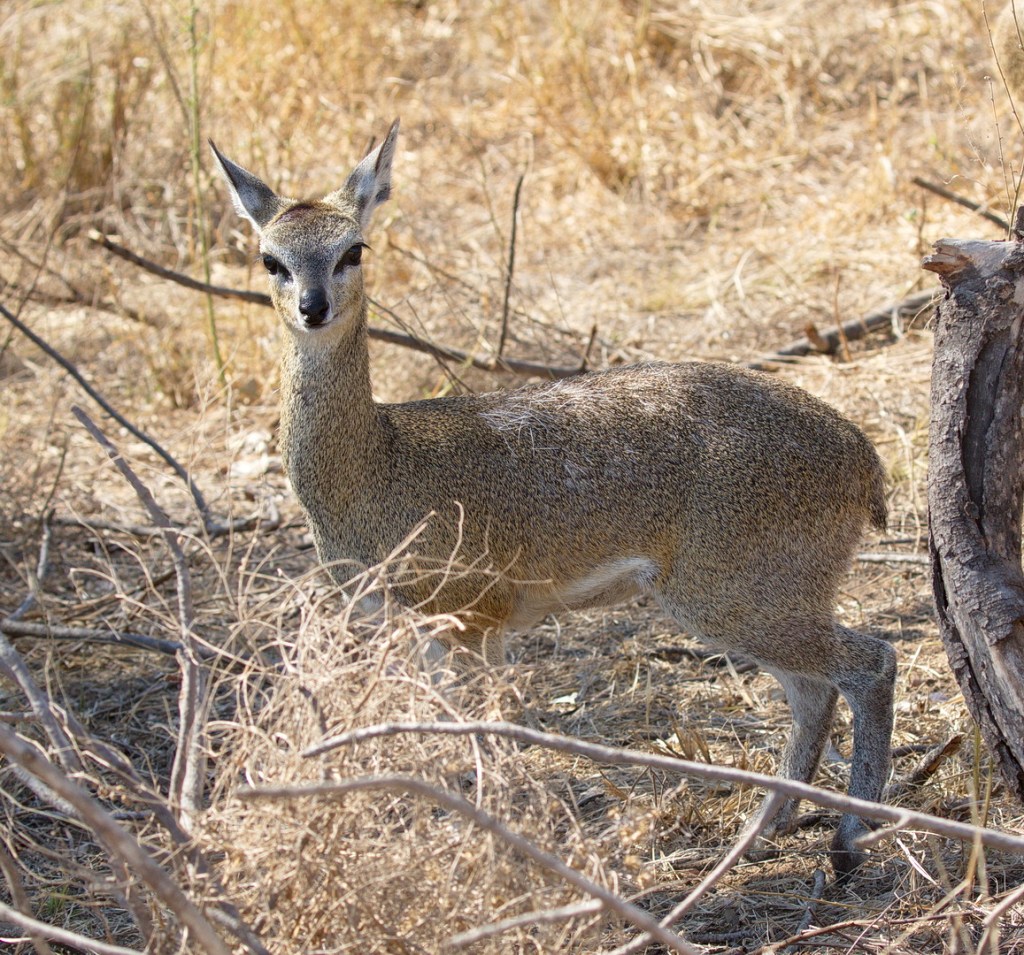
Female 
Dainty-footed Male 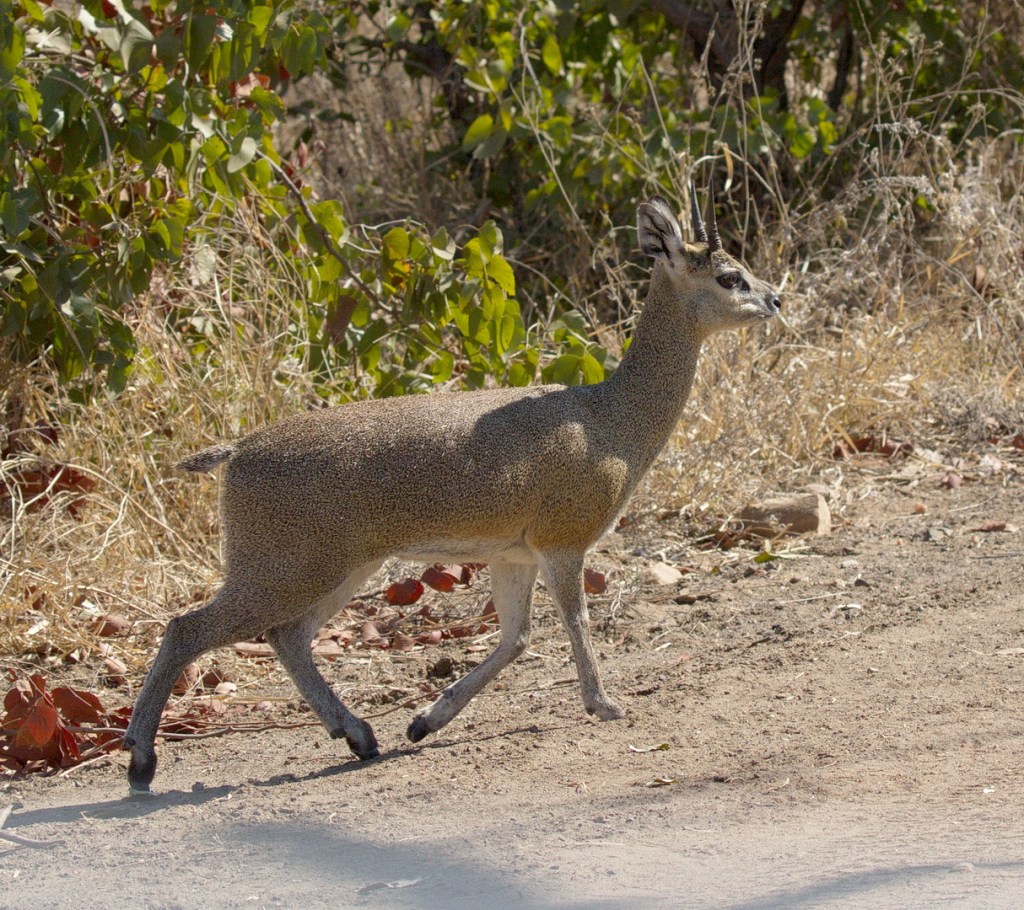
Male on the move
The Mooiplaas Waterhole is often busy with Elephant drinking and others like the Blue Wildebeest slating their thirst or hanging around. However one of the birds we look for there is the Chestnut-backed Sparrow-Lark.

Chestnut-backed Sparrow-Lark 
Adult Blue Wildebeest 
Blue Wildebeest juvenile 
Chestnut-backed Sparrow-Lark 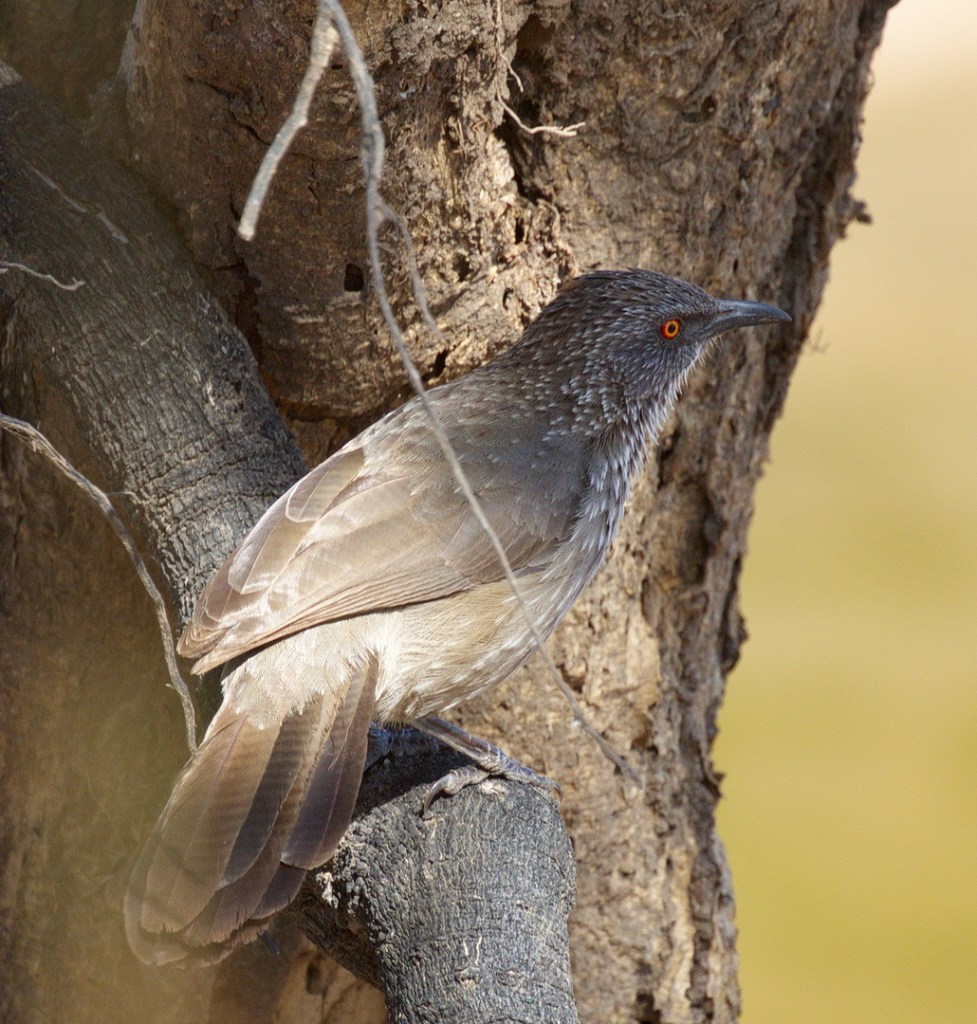
Arrow-marked Babbler 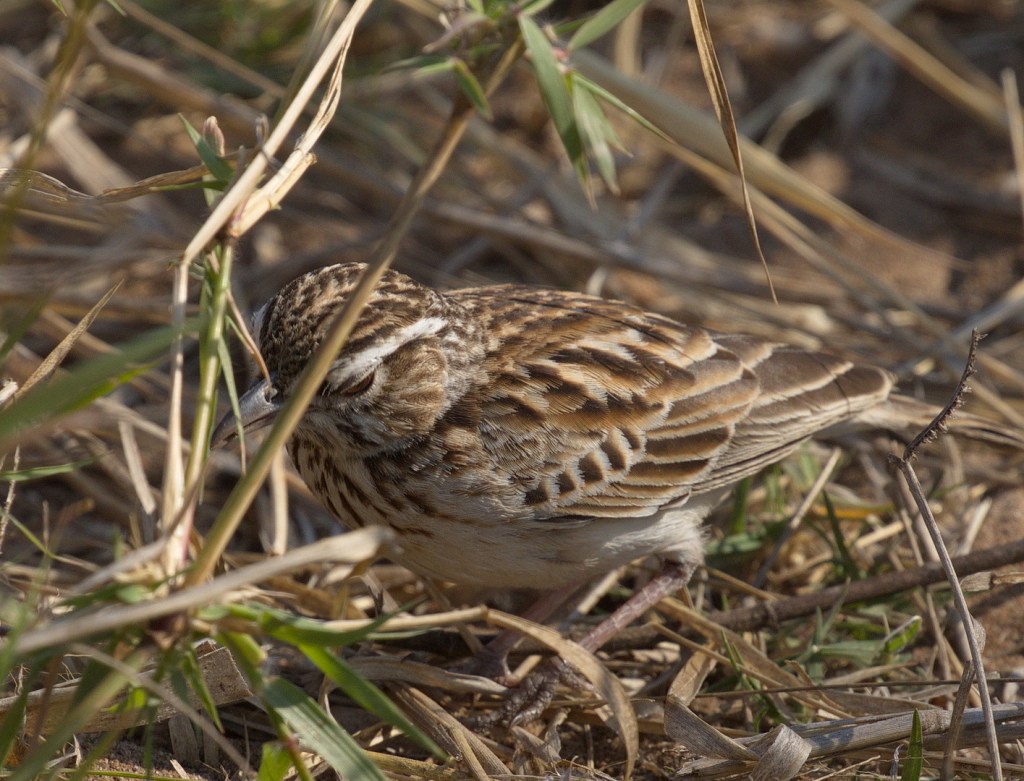
Sabota Lark 
A pair of White-crowned Shrikes.
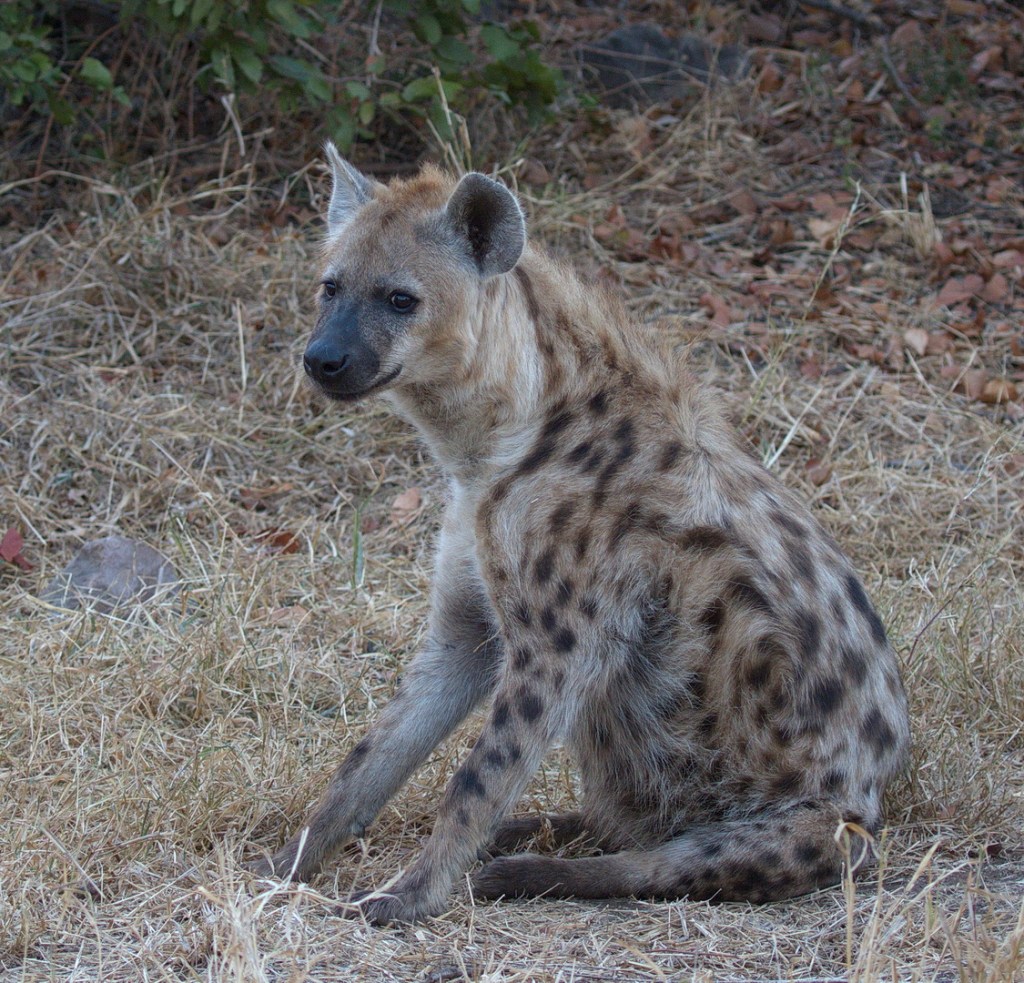
At the start of the H14 tar road heading south-west to Phalaborwa we have usually encountered an abundance of Hyenas and their pups every time we have driven it. Again we saw several groups of Hyenas hanging around the culverts.

Hyena 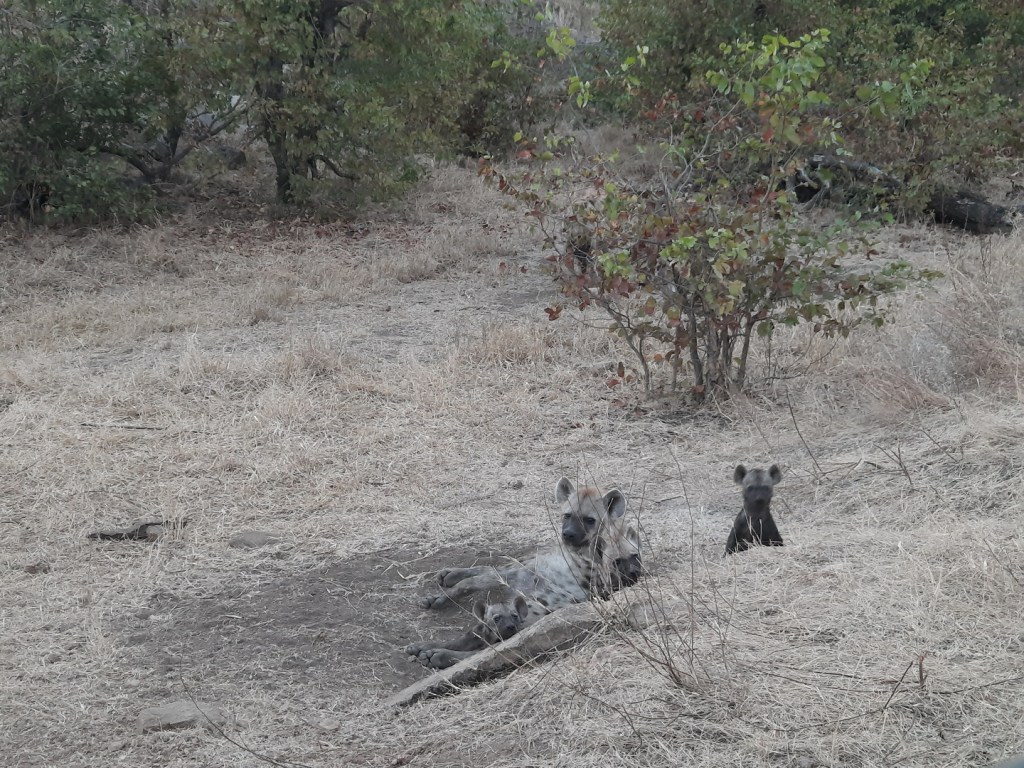
Hyena with pups 
Cute black Hyena pup
The Magpie Shrikes serenaded us as we drove. We then came across an obliging male Double-banded Sandgrouse which stayed by the road as its partner disappeared into the bush.

Magpie Shrike 
Male Double-banded Sandgrouse
After a little while we came to the low level bridge across the Letaba River. Fortunately there are lay byes halfway across the bridge where one can park and look around. We must have spent at least an hour here and not only saw a goodly number of birds but we also listened to a Lion roaring from time to time in the veldt on the other side of the bridge. We looked for him along the river bank but he was moving about in the bush.

River Bed 
River Bed – the water was running further to the left bank.
One of the special birds we saw by chance:

Greater Painted Snipe – male 
Greater Painted Snipe – male
After an hour or more there, we headed for the 2 short loops on the left after the Shivulani Lookout point. The loops took us down beside the river with some slow moving shallow water.
However just after leaving the bridge we noticed an animal as it just entered the scrub on the left as we approached. Not thinking much of it we cruised up alongside it – only to discover it was a male Lion lying on the verge. What a male! All on our own, we stopped beside it and enjoyed its company and its shaggy hairstyle.
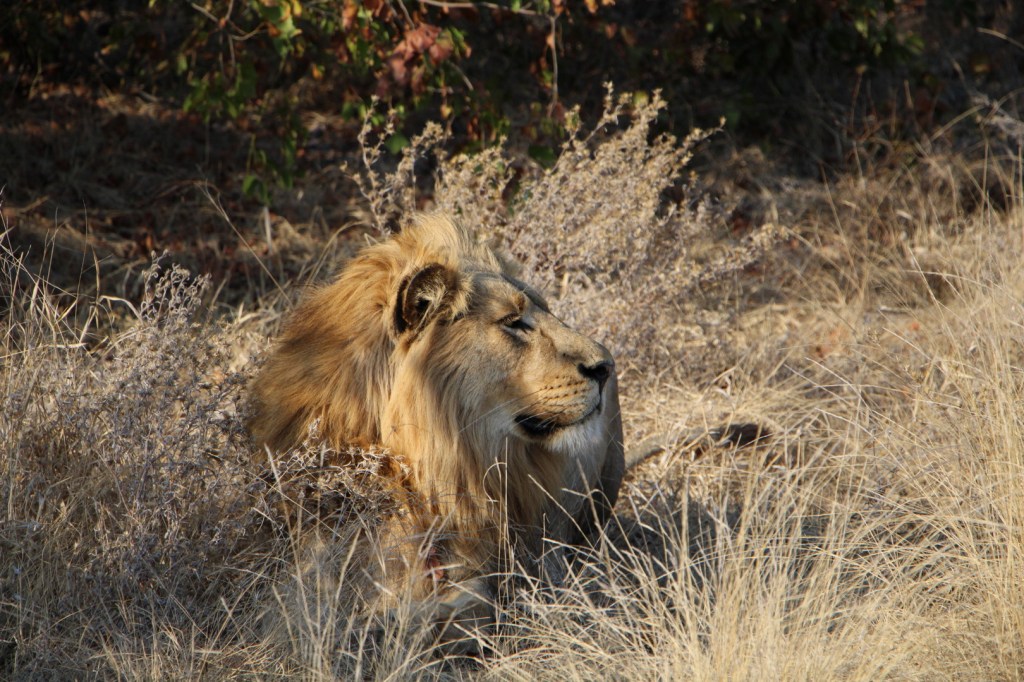


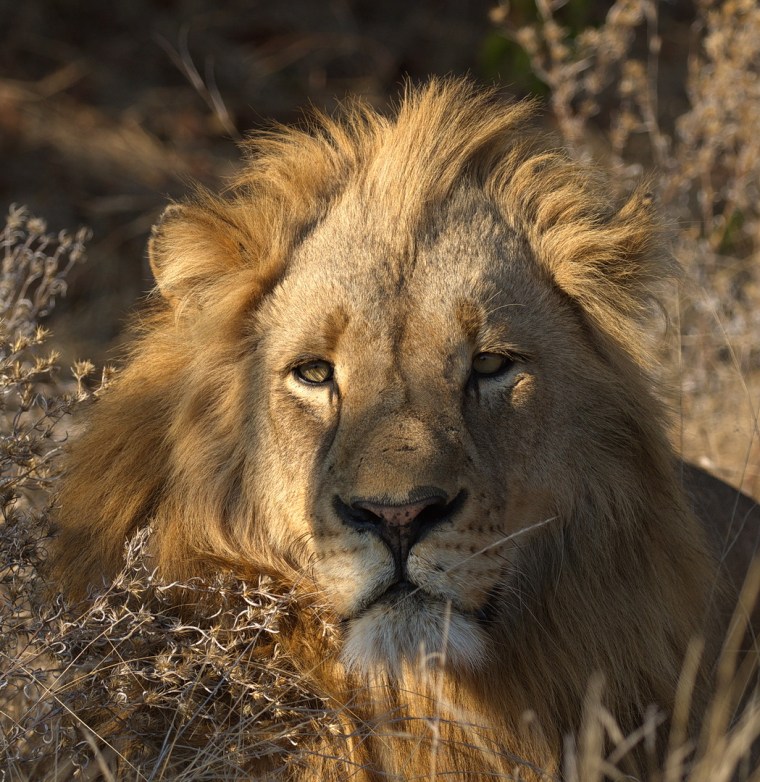
Eventually we arrived at the loop roads. A little spur off to one side provided an ideal place for a cup of tea and biscuits. The previous time we had seen several hyenas lolling about in the water. Not so fortunate this time. But we did see a pair of African Pied Wagtails trolling the shallow river.


On the second loop there is a lookout point high over the river. From here we admired the antics of a Honey Badger looking presumably for ants around the base of several trees. At one a Groundscraper Thrush joined him for a snack.

Groundscraper Thrush 
Honey Badger 
Honey Badger in full stride.
Sadly we had to leave Tsendze after 2 nights. Nthakeni Bush and River Camp beckoned us. Another one of our favourite camps in the area.

Nthakeni Bush and River Camp is only 5 kms outside the Pafuri Gate situated on the Mutale River with vegetation similar to the Pafuri Picnic site. It is run by Annelize and Kobus who cannot do enough for you.

Large road sign 
2 and a bit kms to the site.
On the way to the Camp you cross a low lying bridge over the Mutale River. The locals can be seen doing their laundry.

Nthakeni Camp has cottages and campsites, a pool and a clubhouse with an honesty bar. The campsites each have their own ablution and kitchen facilities.
There are also a couple of trails well laid out and kept in good condition. They meander through the bush, close to the massive Baobabs, past the Baobab campsites, alongside the river and up the hills for a scenic view.

One of the Baobab Campsites 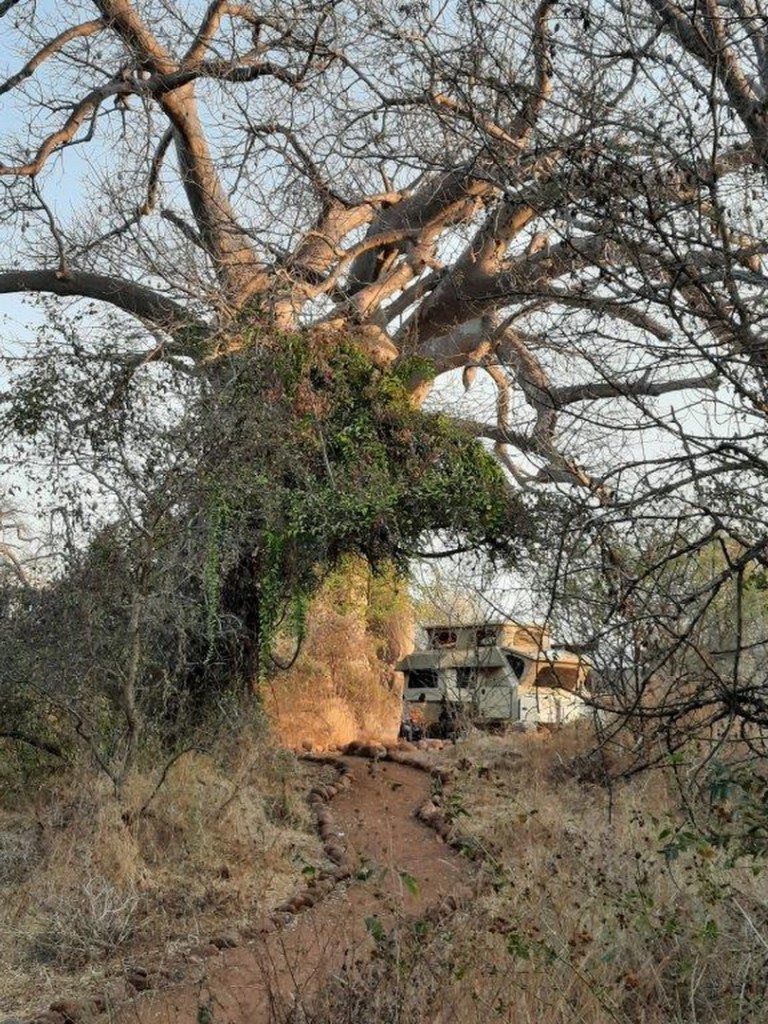
Path up to a Baobab campsite 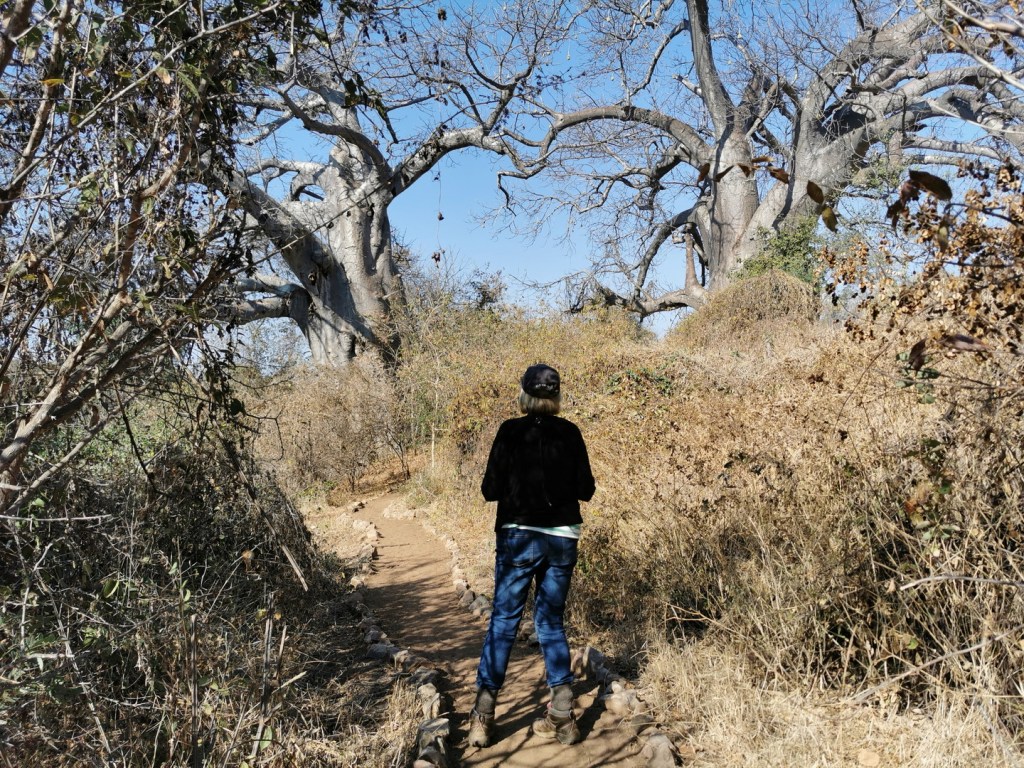
Trail 
On the trail 
Pleasant cattle bells rang all day on the opposite bank.
When we tried to book for our first night (of 3) nights they had no campsites available. However they offered us a cottage for that night and asked us to pay what we could afford. The cottage was close to and facing the Mutale river.

Our Campsite for the next 2 nights and its view.

Our Campsite 
Our View 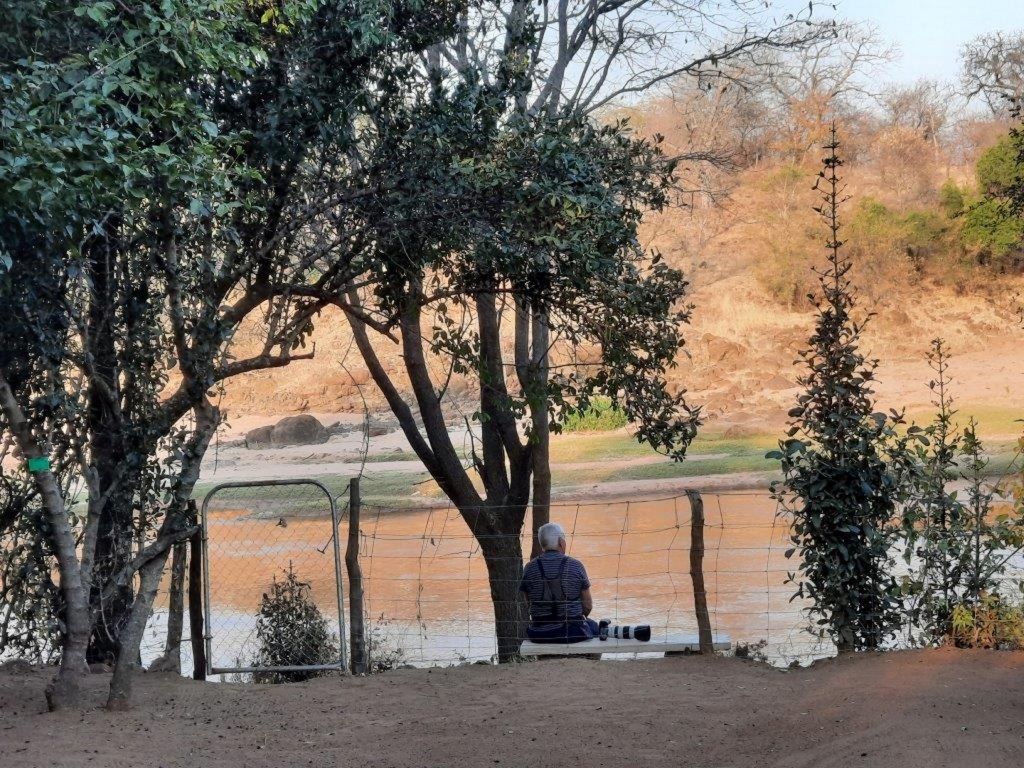
Our View 
Our View
It takes less than half an hour to get into the Kruger through the Pafuri entrance gate and down to the birding area of the Pafuri bridge, picnic site and Crooks’ Corner. Excellent for the birding we wished to do there.
Two mornings were spent visiting the Pafuri area. Back midday to enjoy the campsite. Our last morning we walked one of the Nthakeni trails and had good sightings of the abundant bird species. Here are some of the photos we took of birds around the camp.
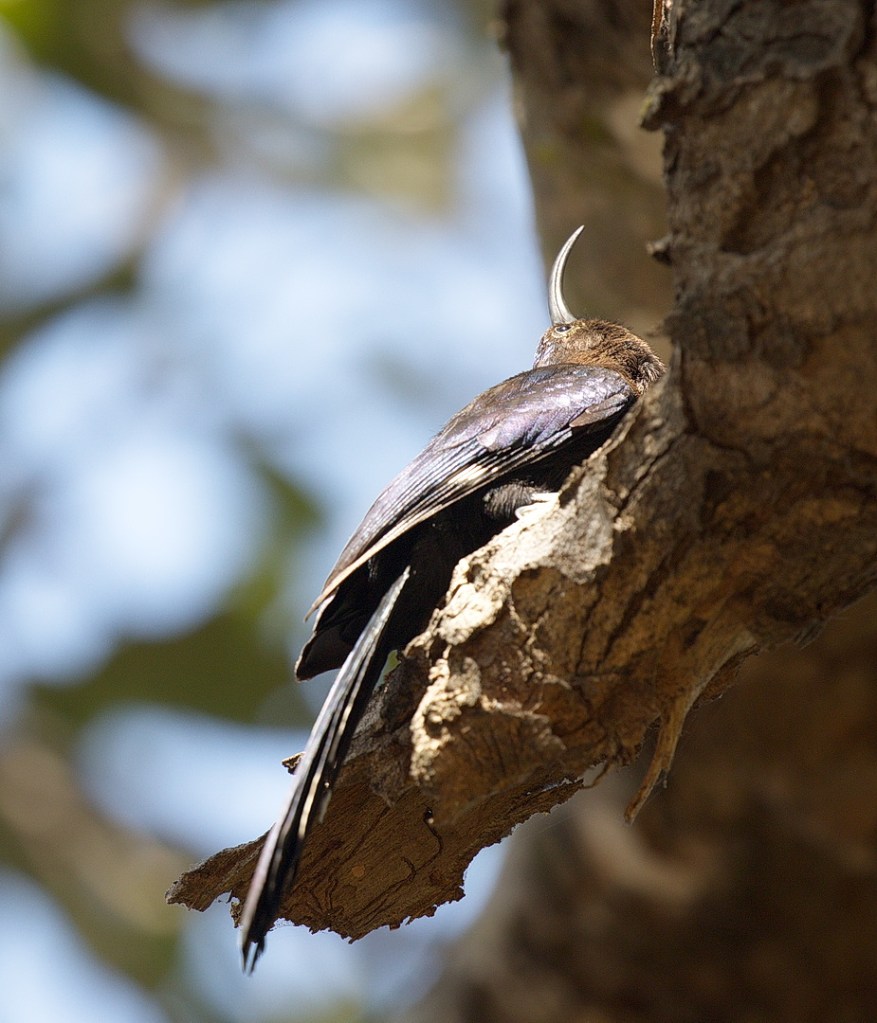
Common Scimitarbill 
Golden-breasted Bunting 
Golden-tailed Woodpecker 
Golden-tailed Woodpecker 
Golden-tailed Woodpecker 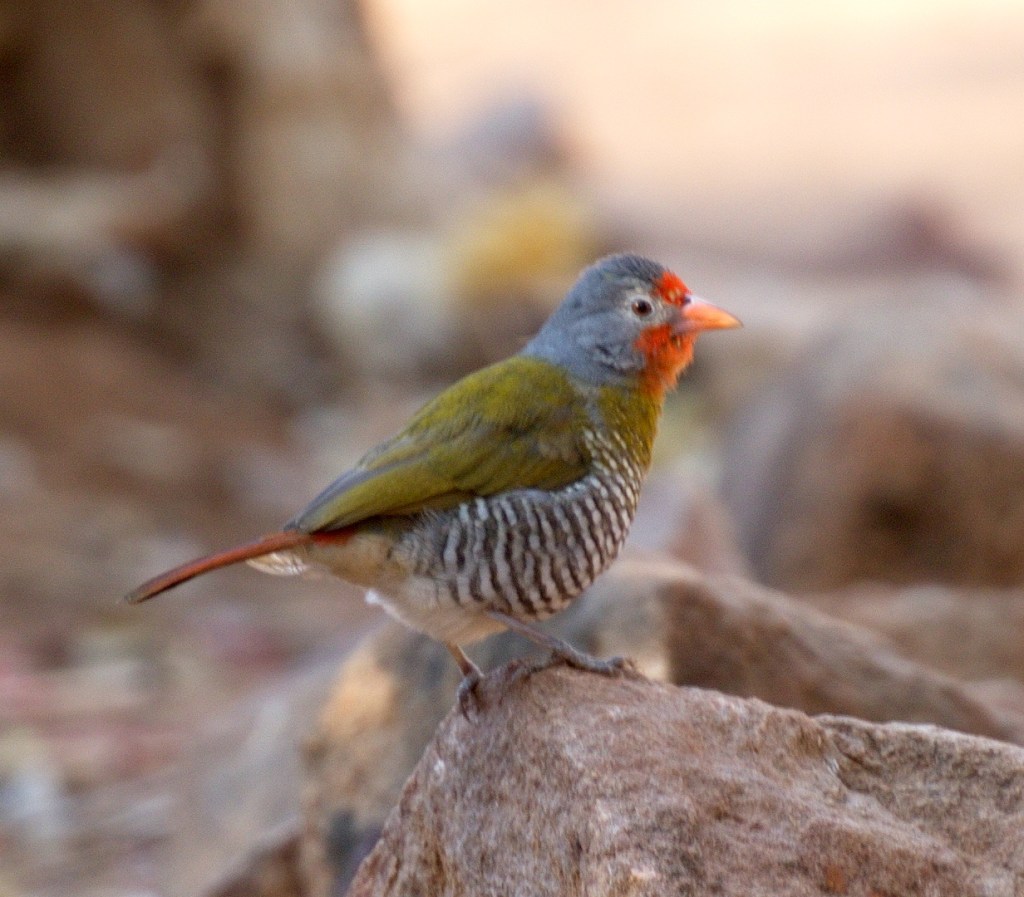
Green-winged Pytilia 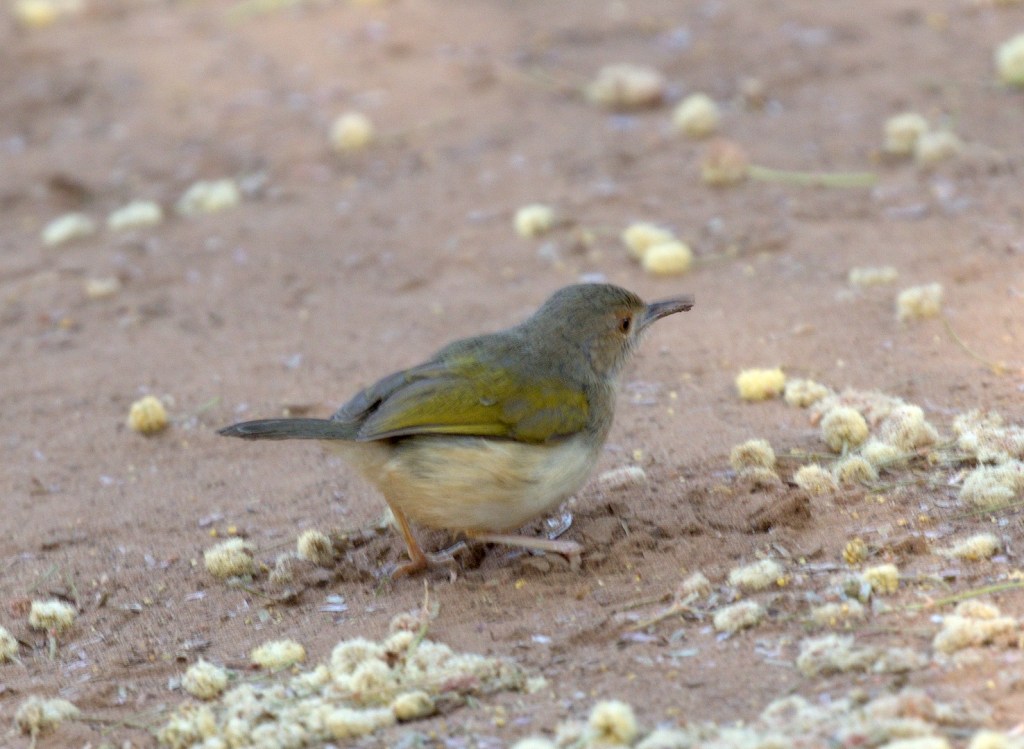
Grey-backed Cameroptera 
Kurrichane Thrush 
Meve’s Starling 
Red-headed Weaver 
Village Indigobird 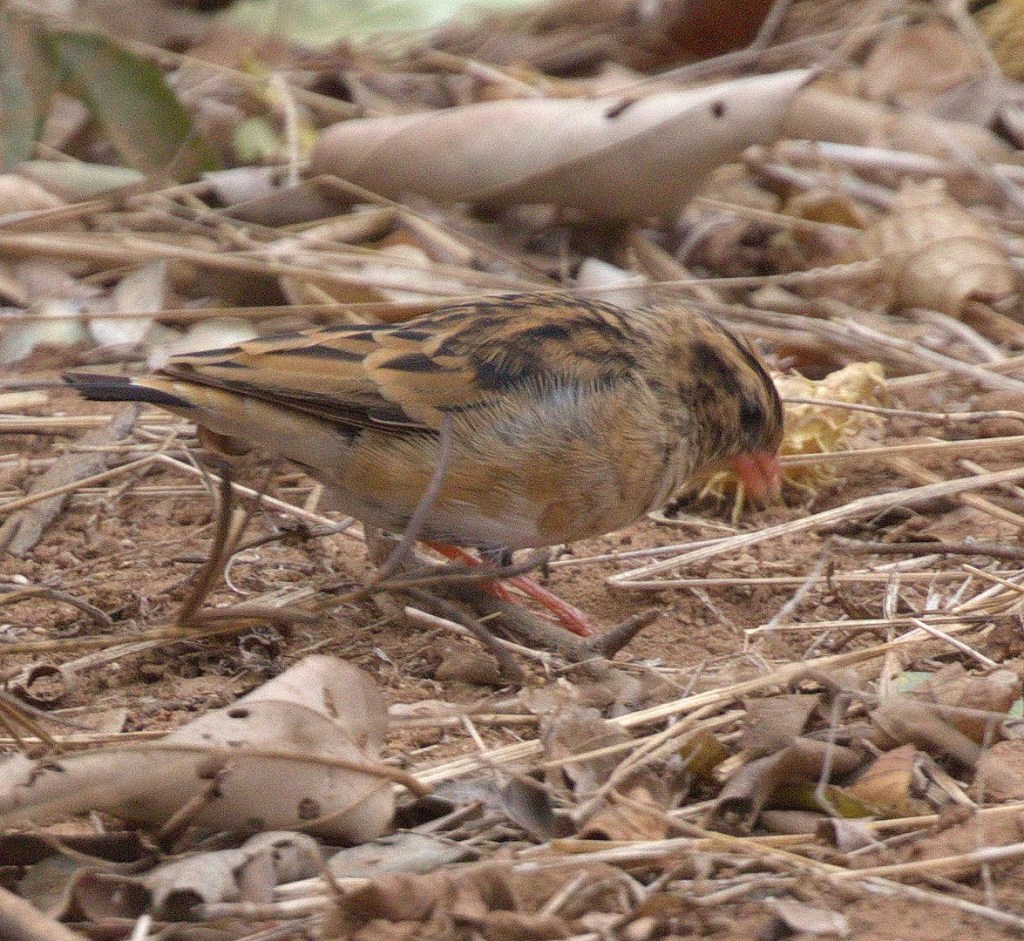
Village Indigobird 
White-browed Robin-Chat 
White-throated Robin-Chat
As with the rest of the Kruger our birding was also quiet in the Pafuri region but we did have a couple of special sightings.
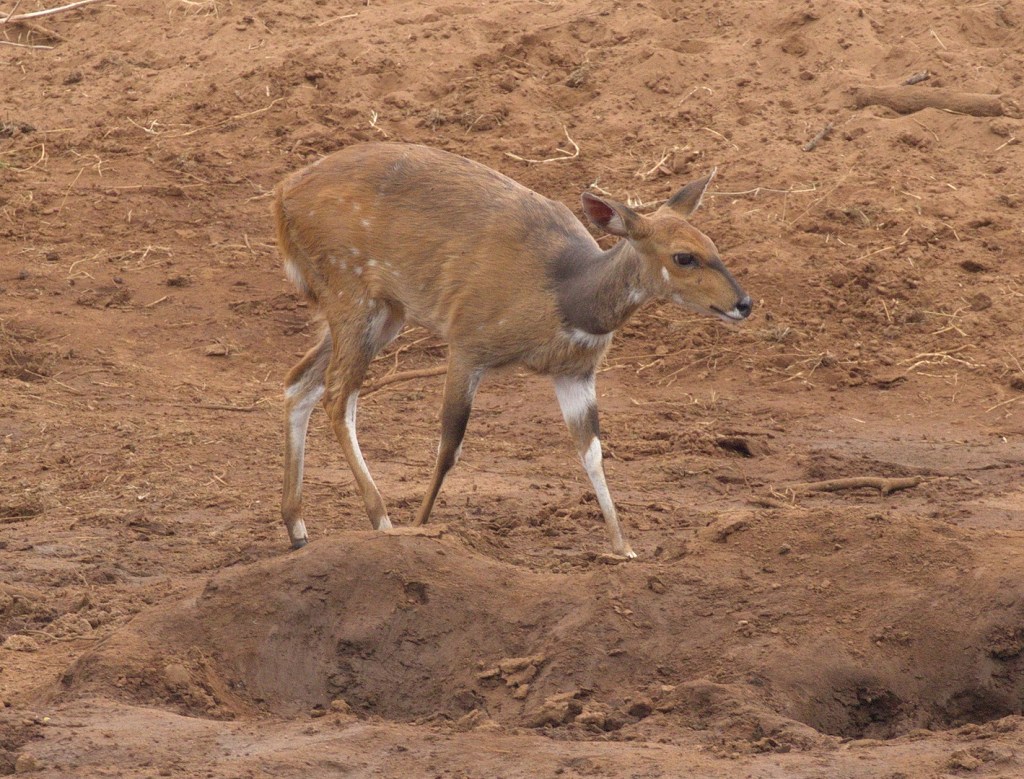
Grey-necked Bushbuck 
Grey-necked Bushbuck 
Nyalas 
Warthog 
White-browed Sparrow-Weaver 
White-crowned Lapwing 
White-crowned lapwing in reflection
As we neared the bridge from the picnic site we noticed a falcon-like bird at the top of a distant bare tree. Resting the scope on a bag over car window ledge we were thrilled to see a Dickinson’s Kestrel. No apologies for the quality of the photos. Rather distant!

Dickinson’s Kestrel 
Dickinson’s Kestrel
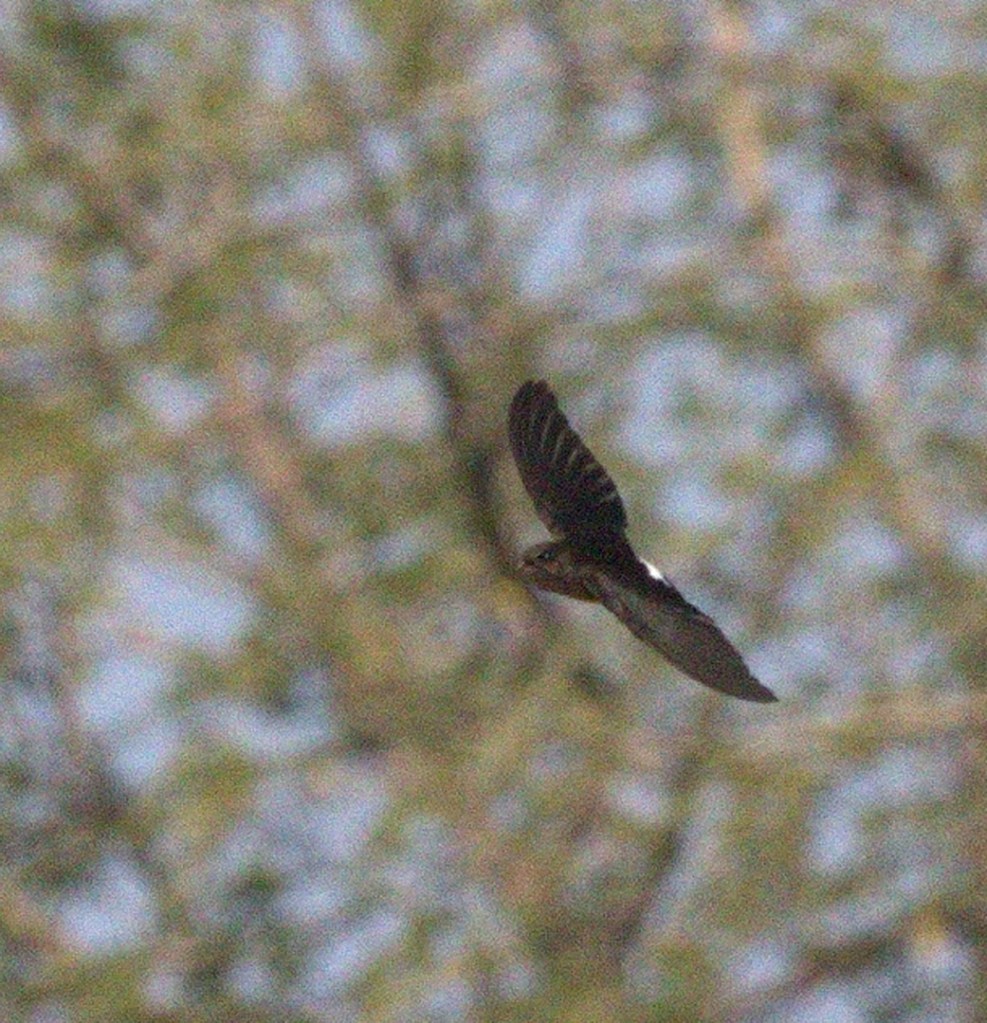
And then at the bridge we were treated several times to a Bohm’s Spinetail flying overhead. Eight images to scroll through – not all of any quality but there to give an impression of the way they are shaped.




And that is it for our time visiting the Kruger. Part 2 will include the camps we visited after Nthakeni until we got home. Tshipise (and The Big Tree), Boelamien River Camp, Blouberg Nature Reserve, Mapungubwe National Park and Thorn Tree Bushcamp in Dinokeng.
Hope you have enjoyed the read.
Sally and Paul Bartho










































































































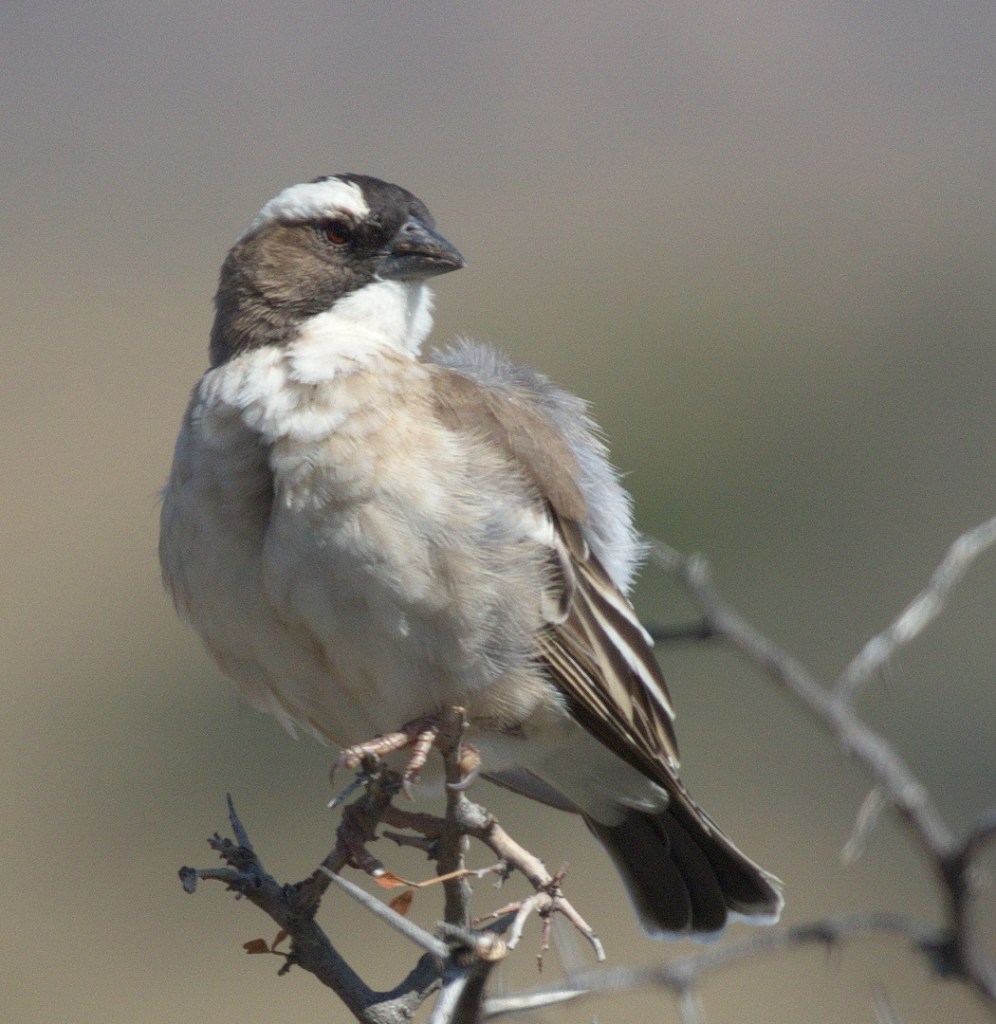
 Birds are our Story