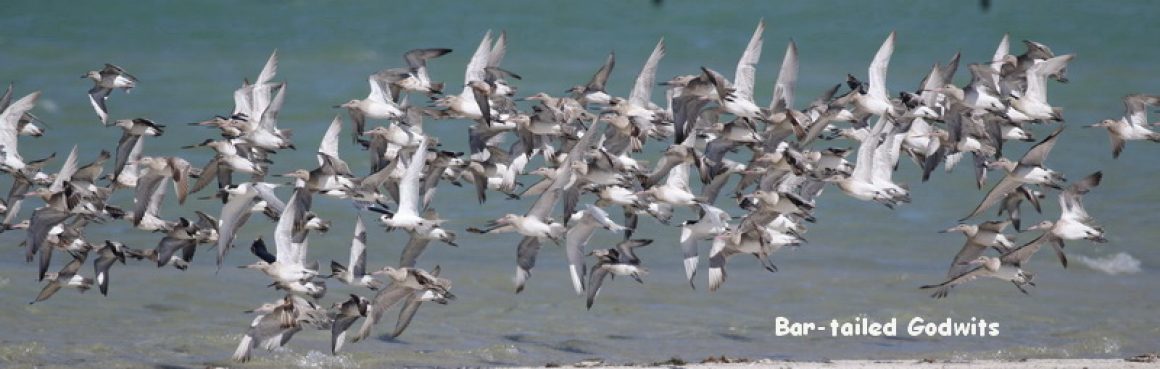
In Part 2 I will cover the time we had in Mapungubwe, Nthakeni and Pafuri as well as Dumela Camp in Mozambique.
Mapungubwe National Park
19th to 23rd August 2023
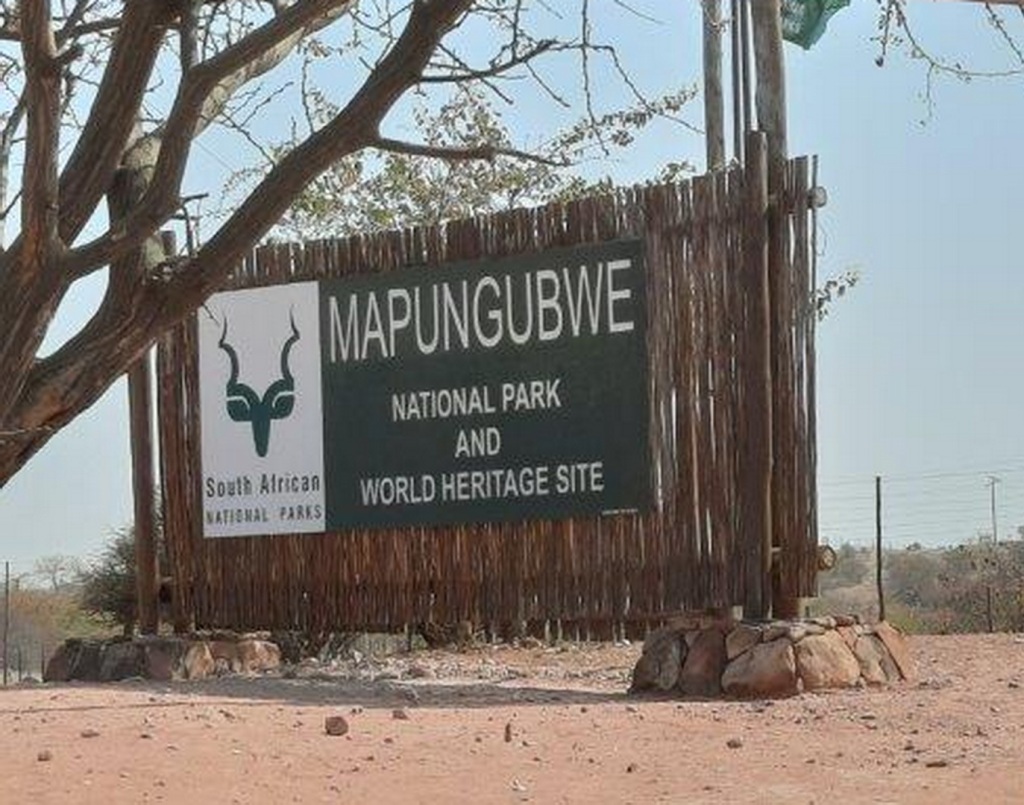
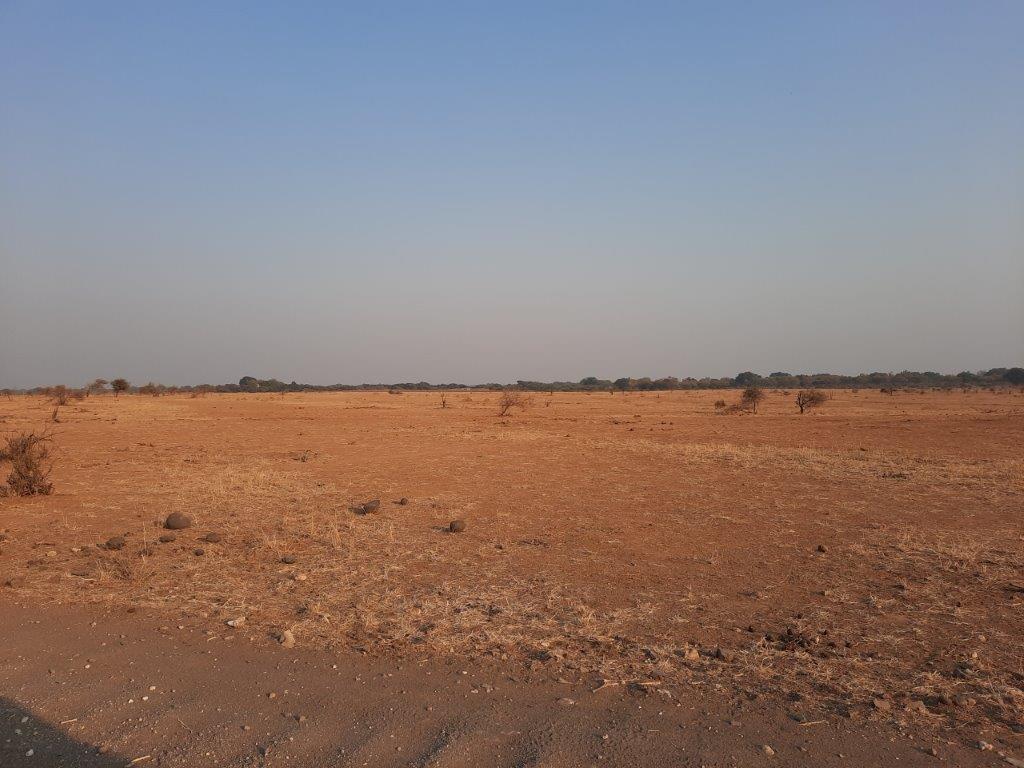
Mapungubwe NP is one of our favourite Parks. This year it was very very dry – dusty and the waterholes almost empty.
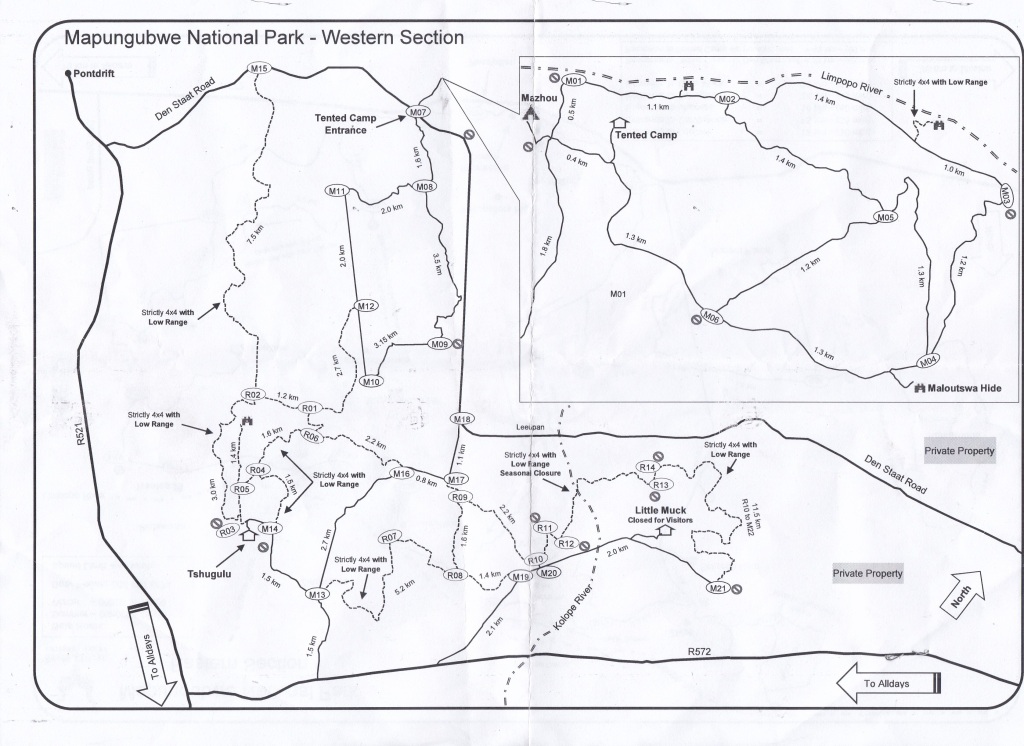
The NP is split into two areas. The campsites are in the Western section and the Chalets, Reception nestled in a picturesque rocky area in the Eastern Section.
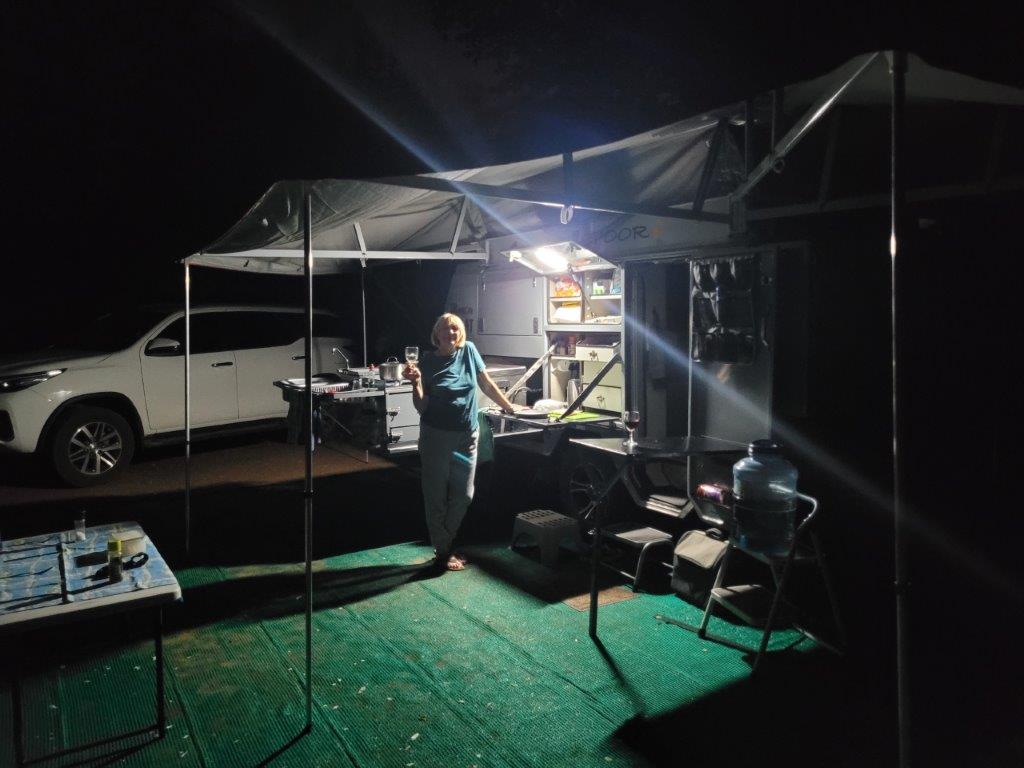
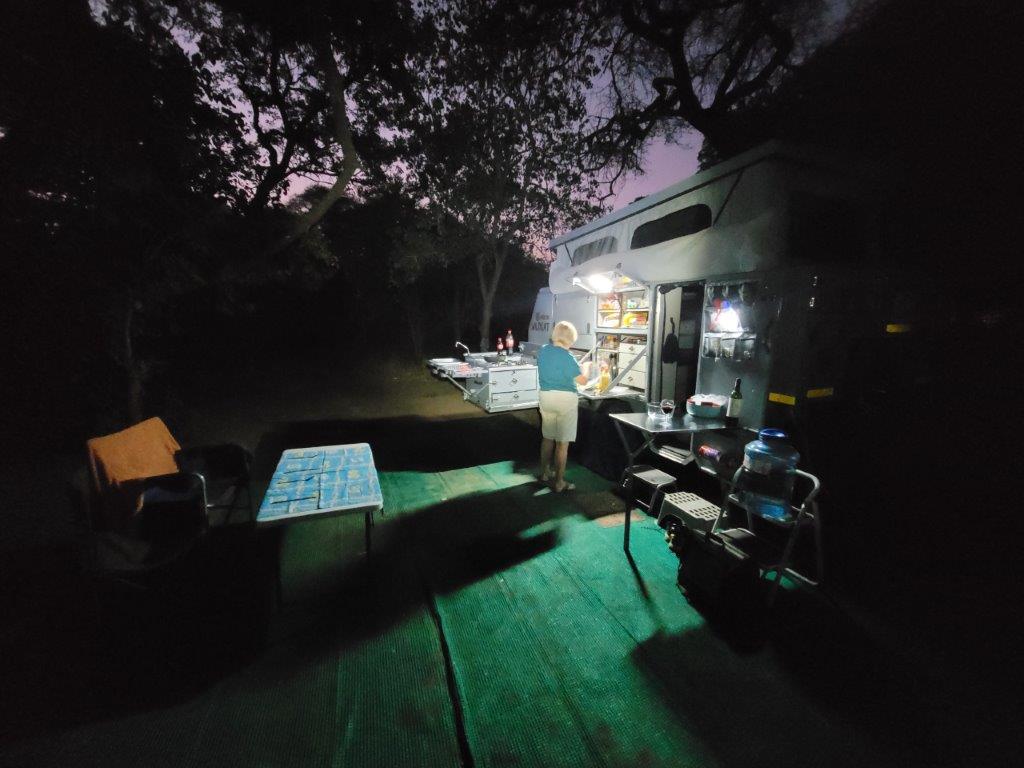
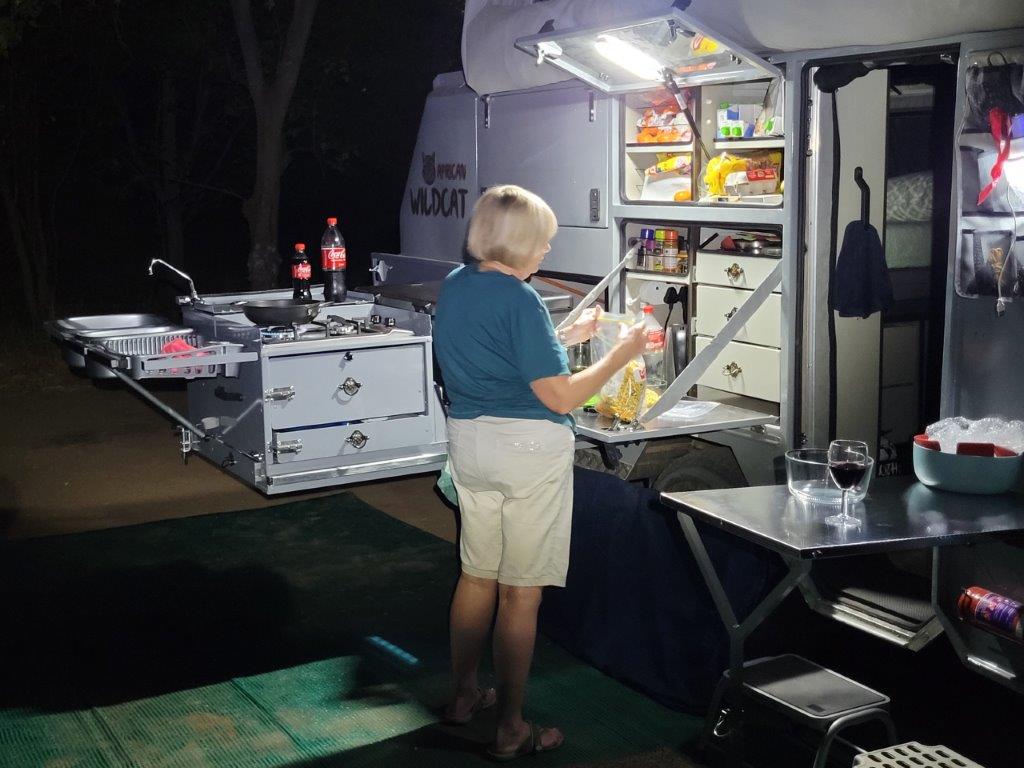
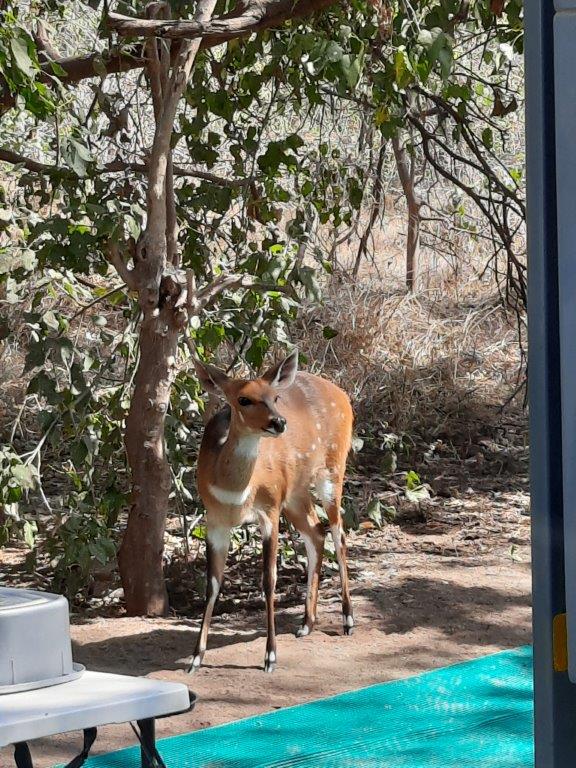
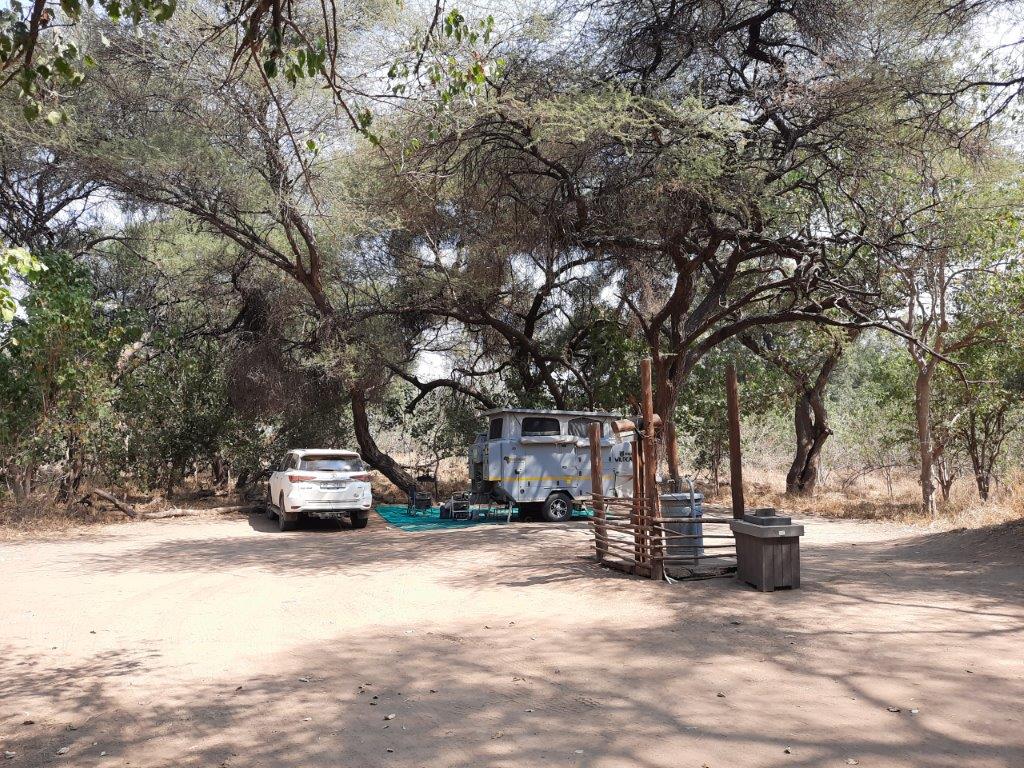
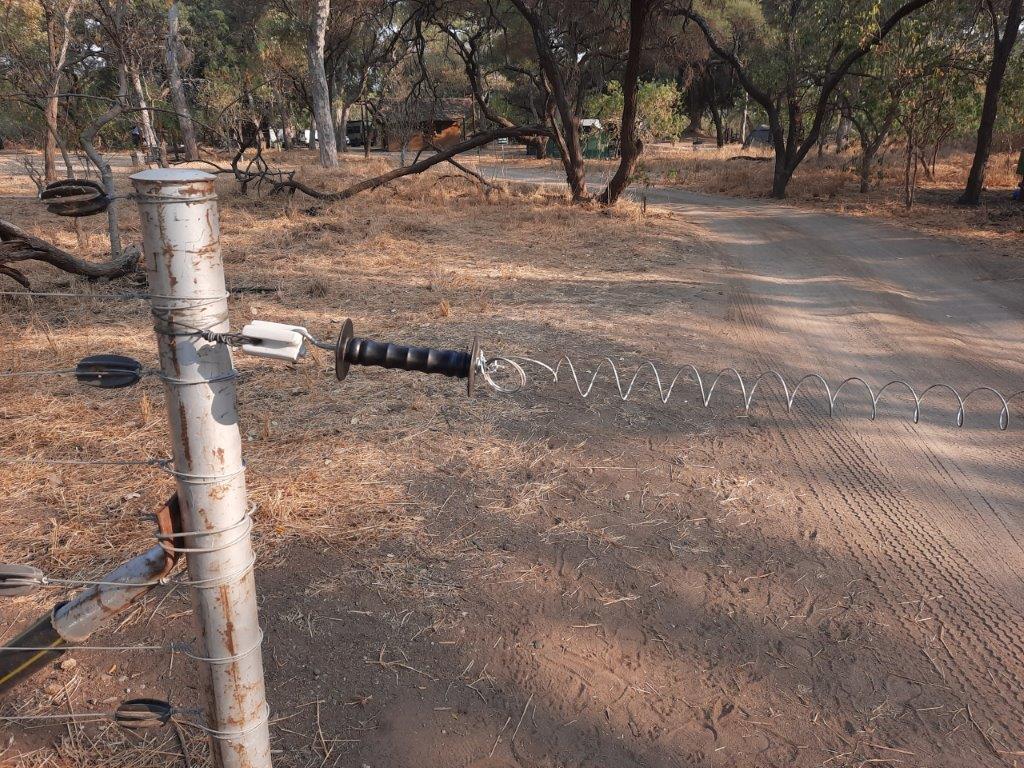
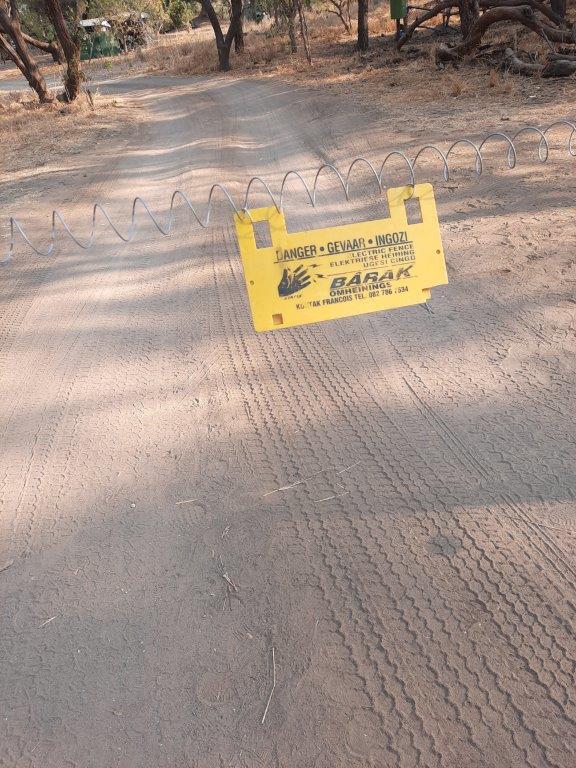
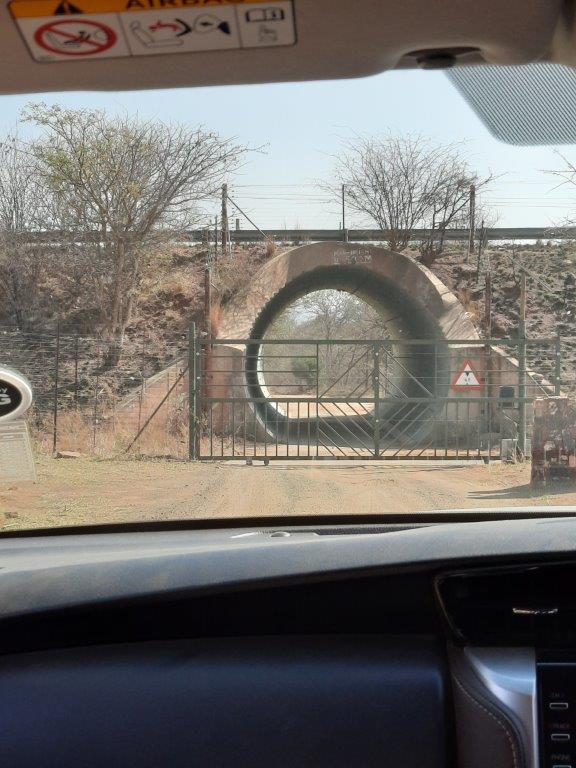
The campsite has an interesting entrance “Gate”. It is self-service and designed to keep out the elephants. It is a coiled electricified wire with an insulated handle. Pulling the handle towards the fence releases it. Once the vehicle is through then reconnect.
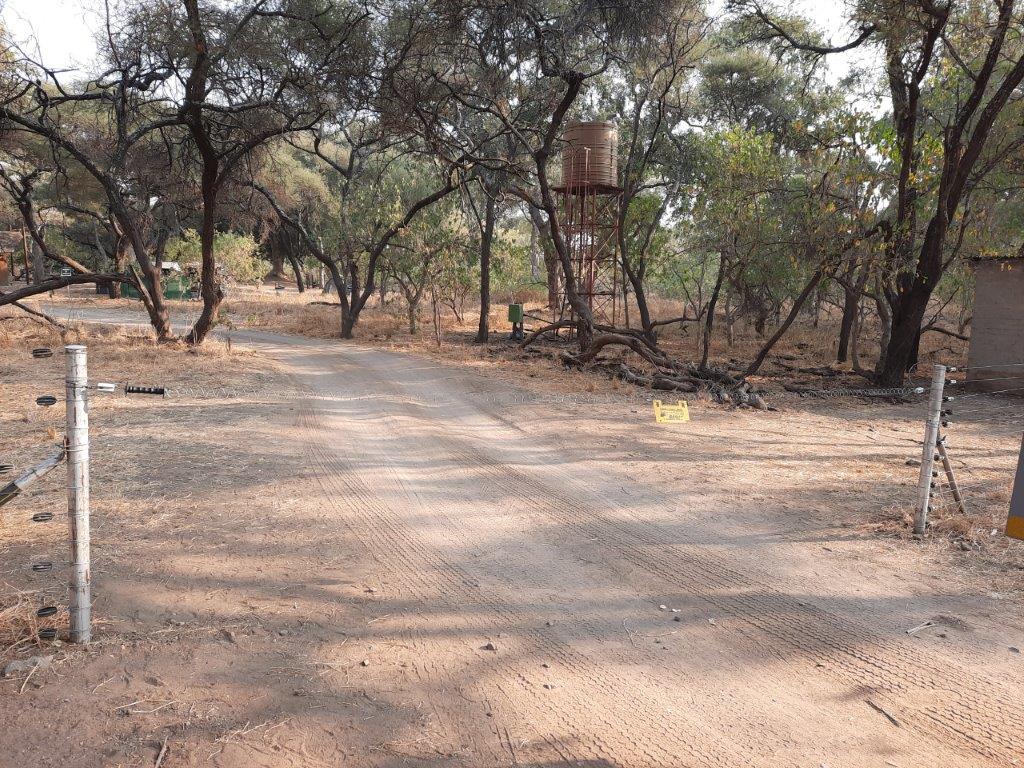
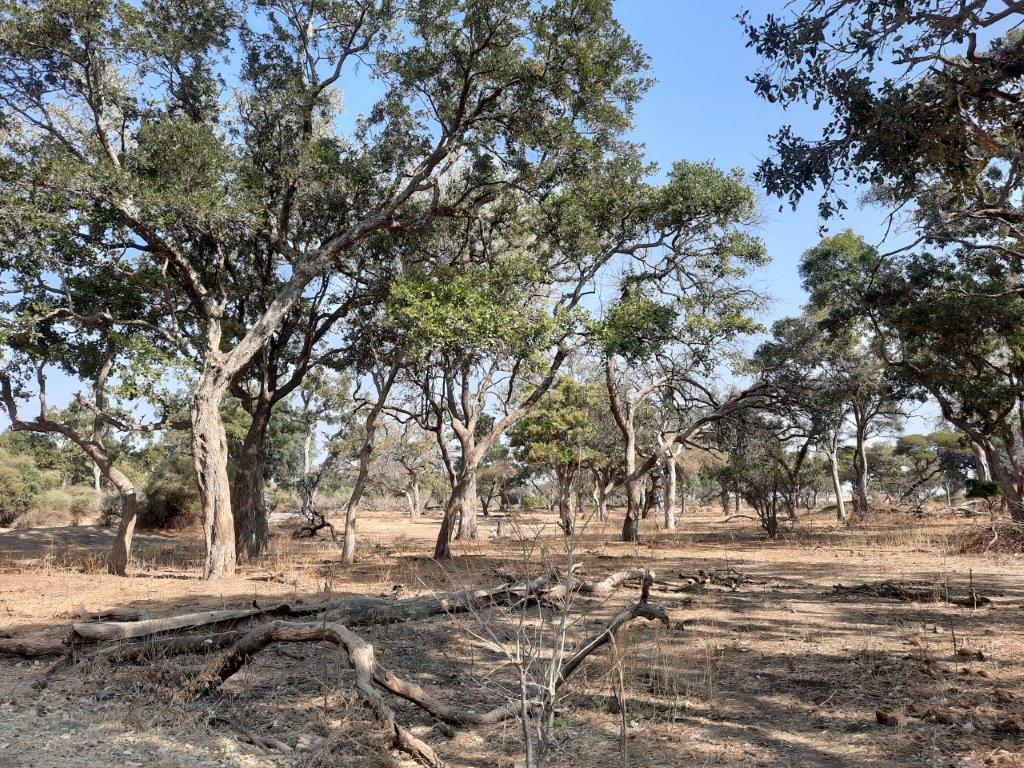
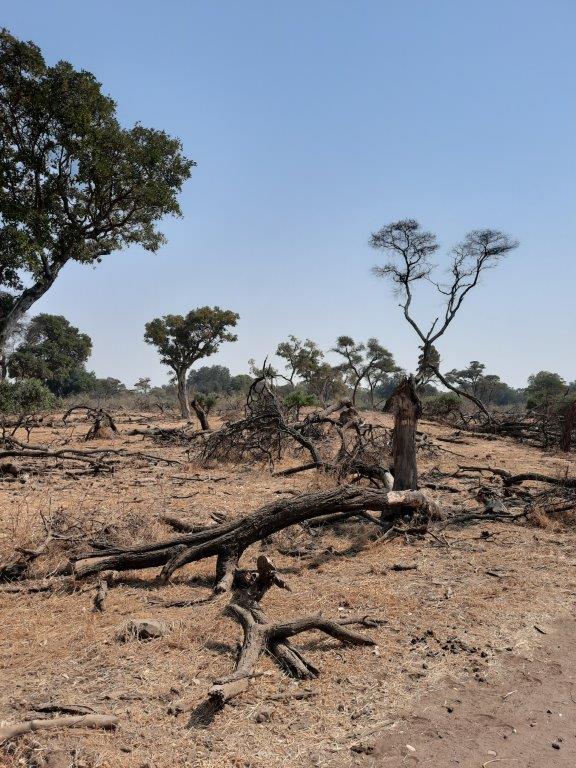
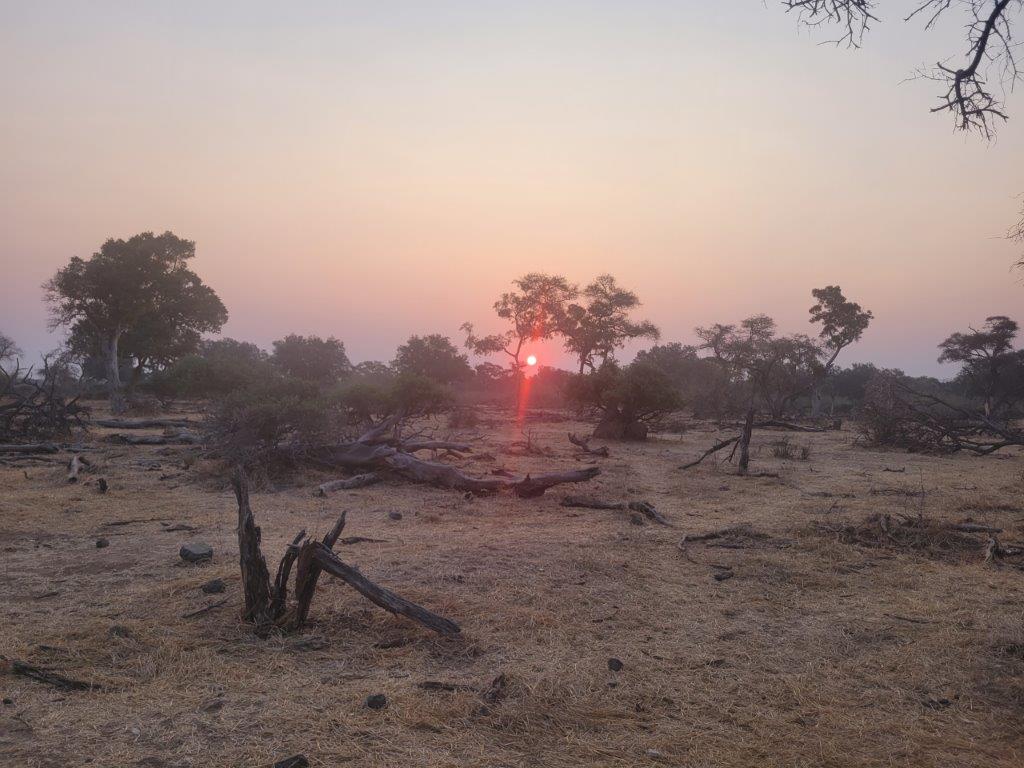
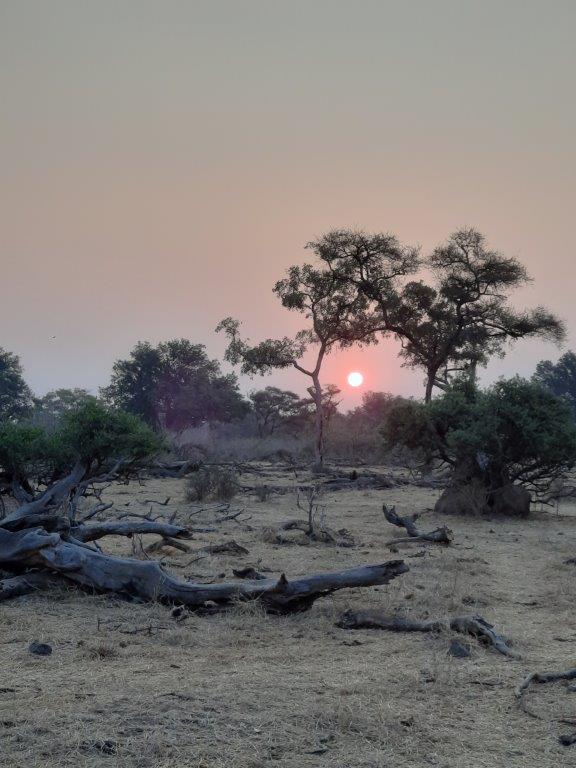
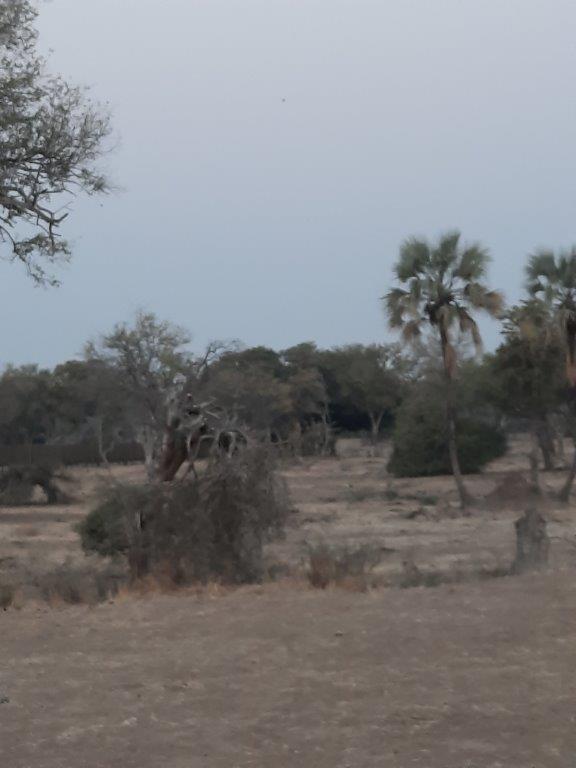
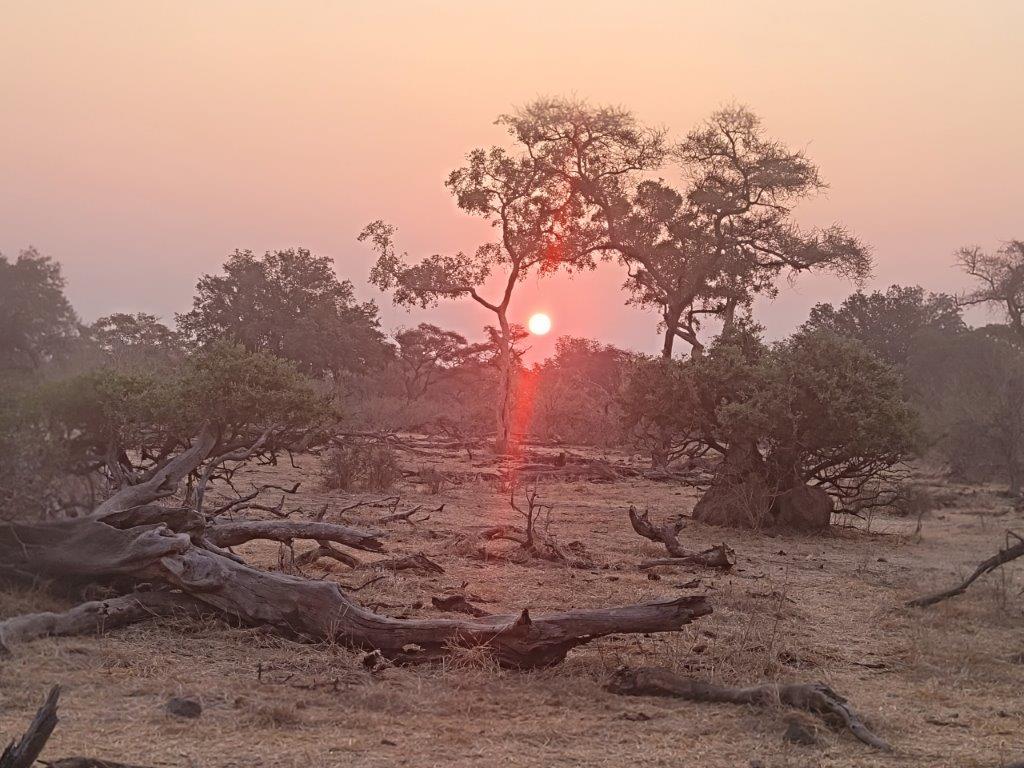
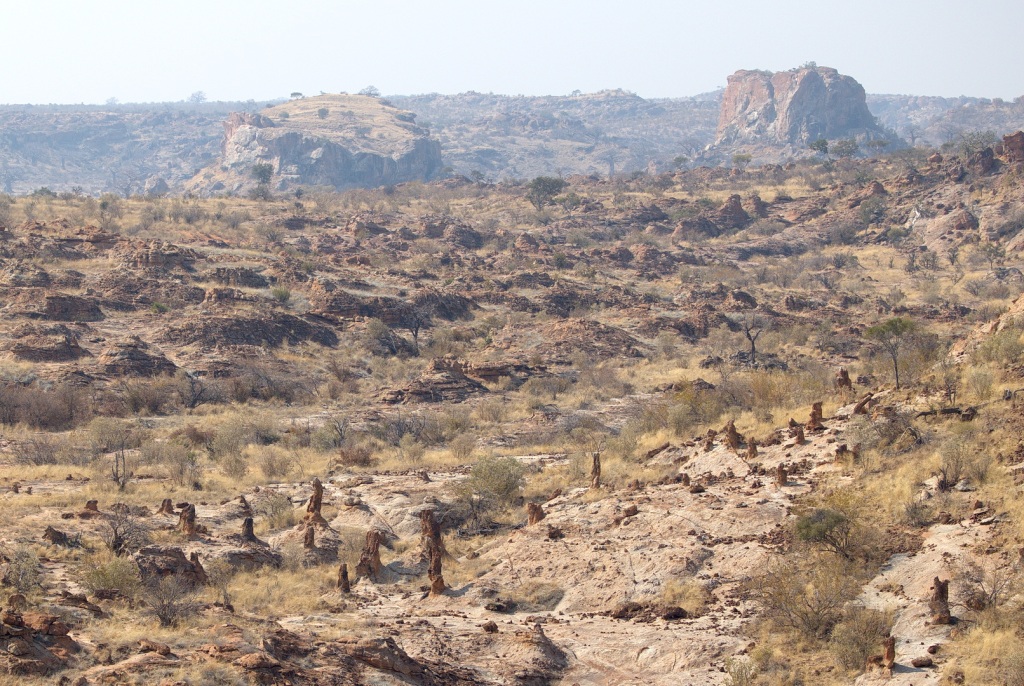
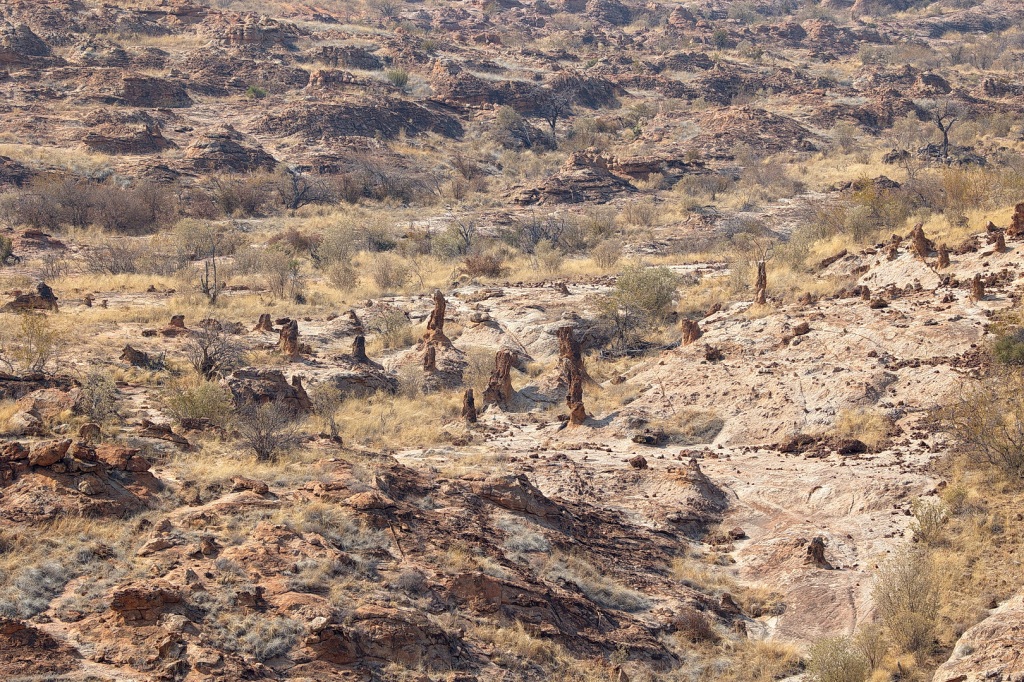
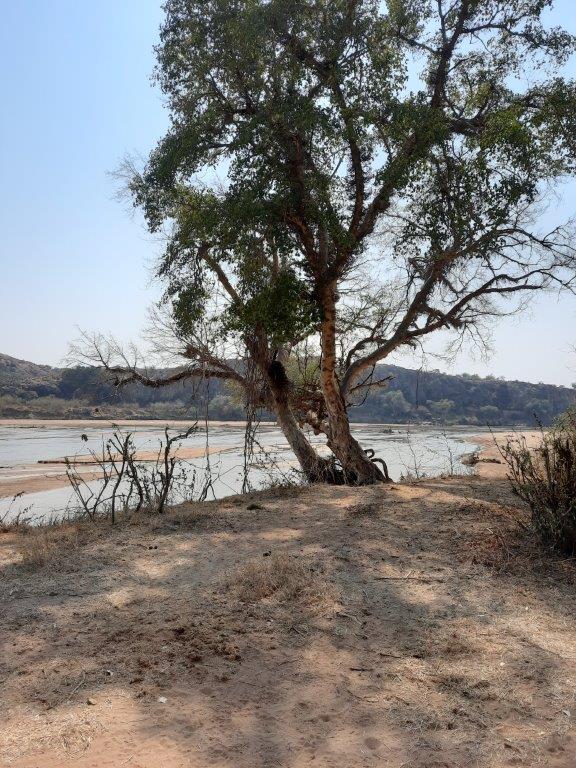
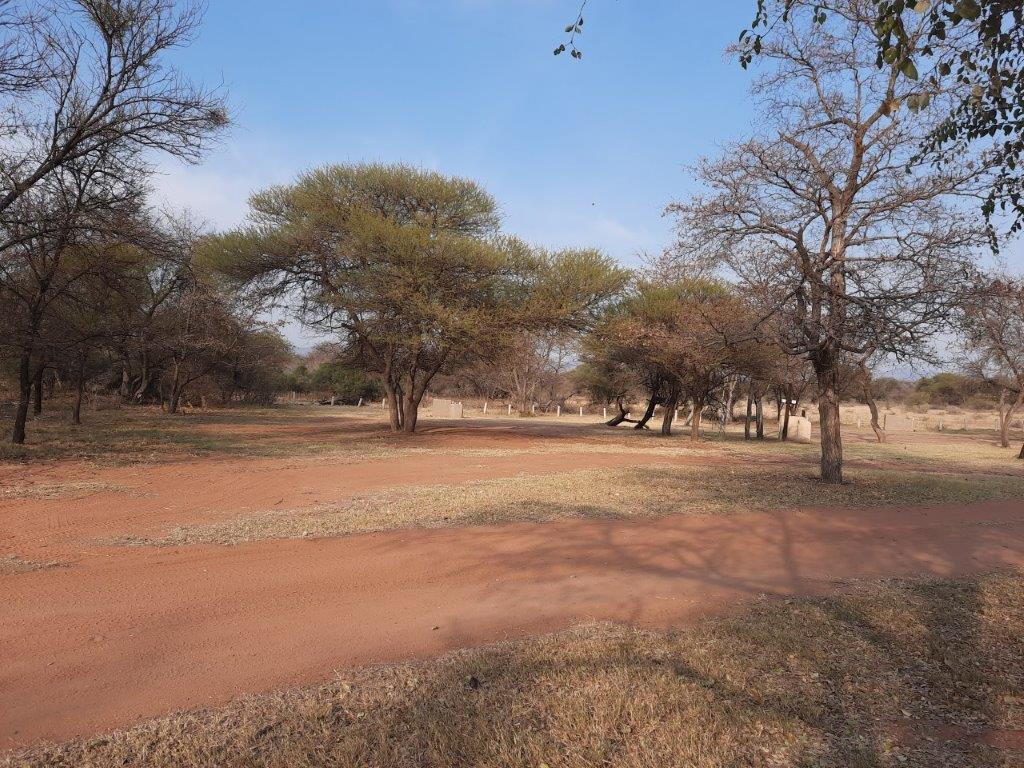
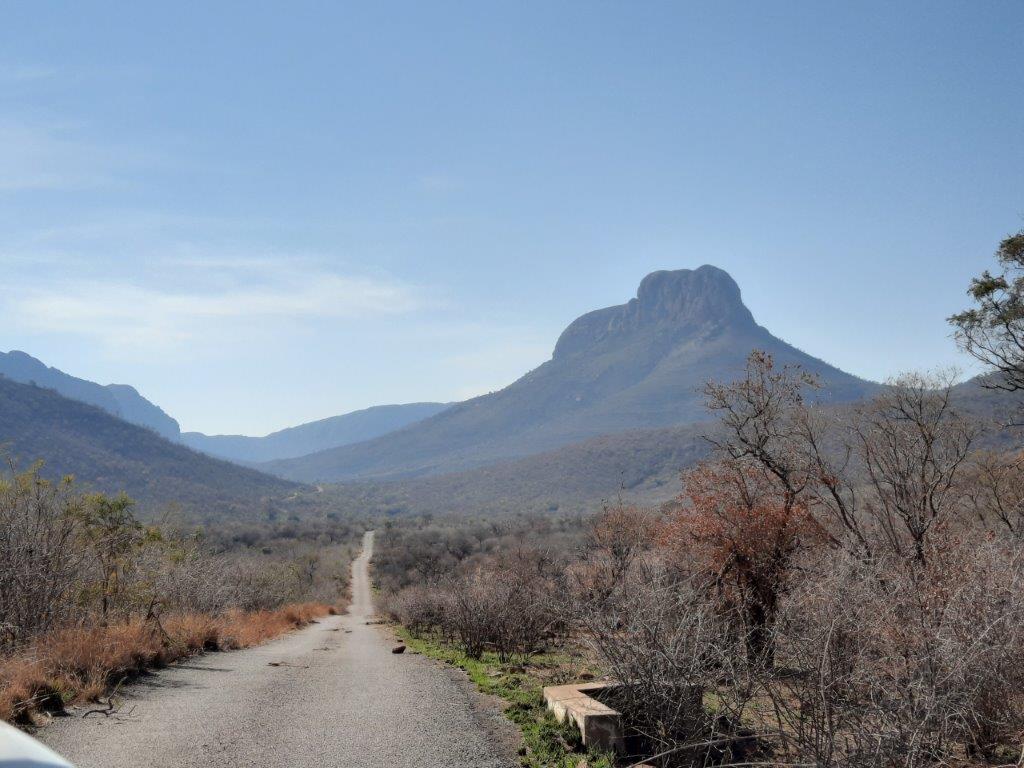
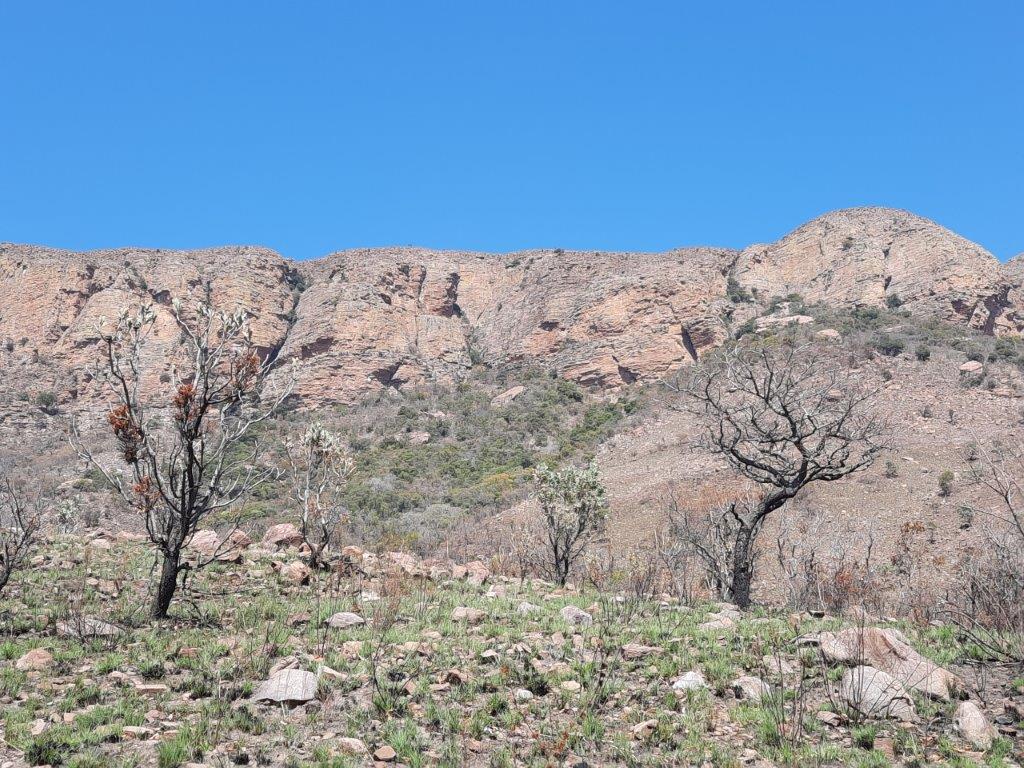
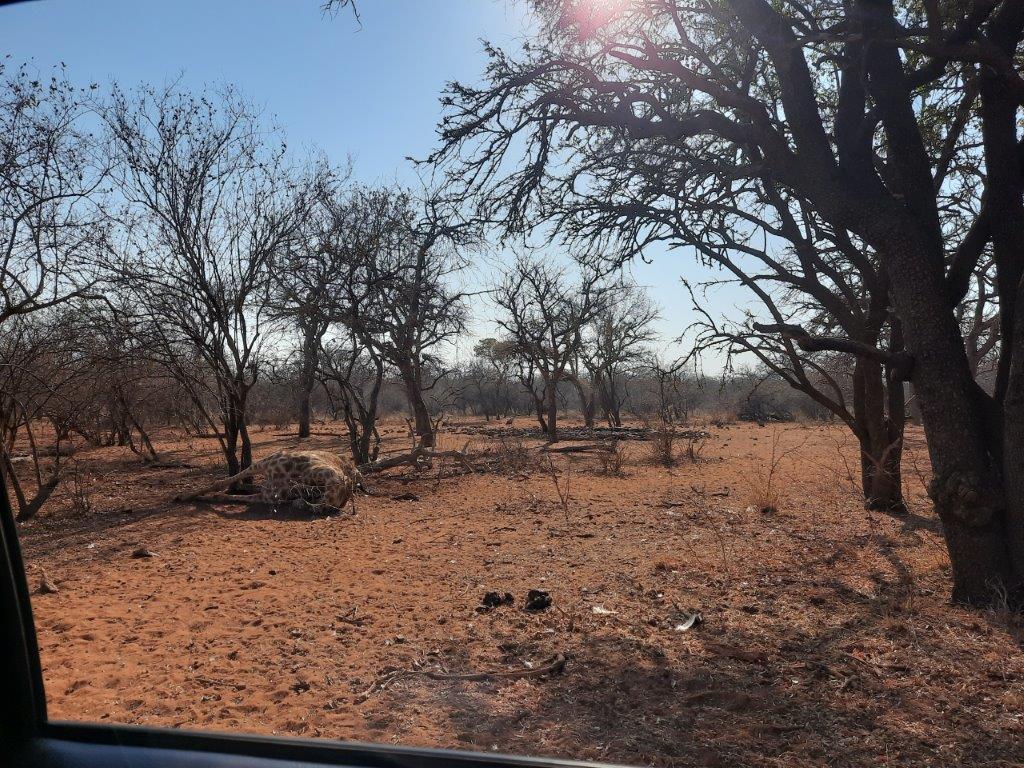
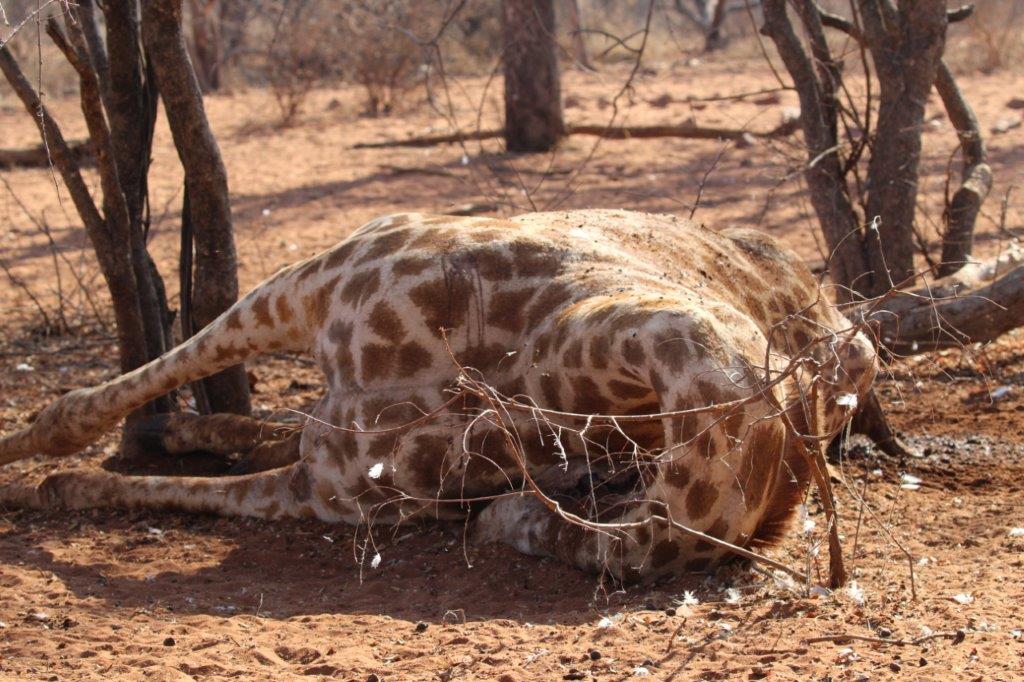
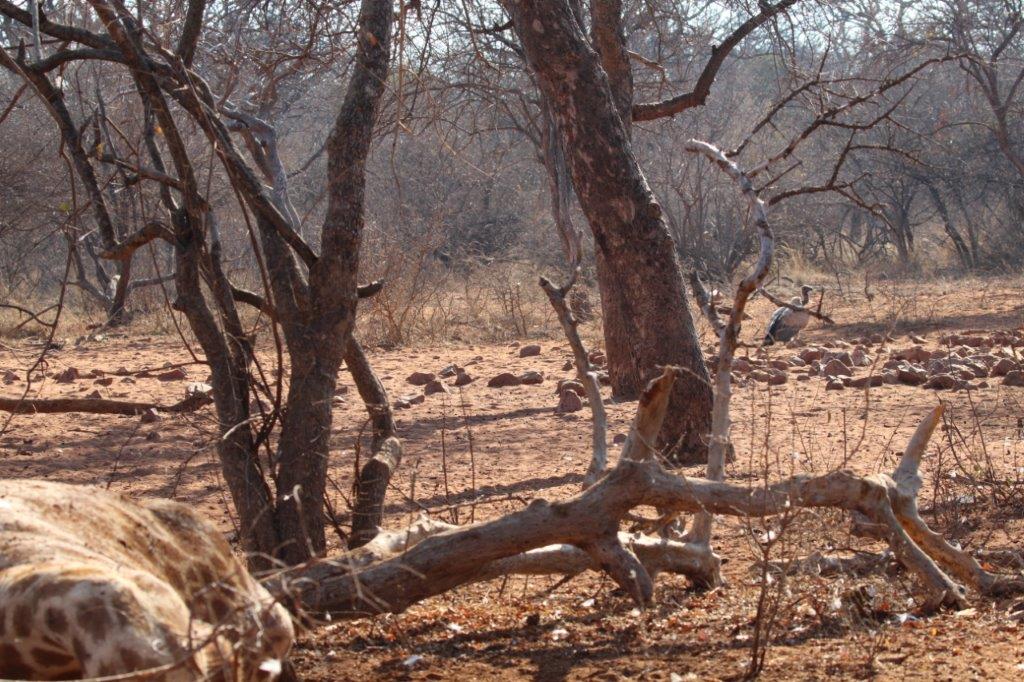
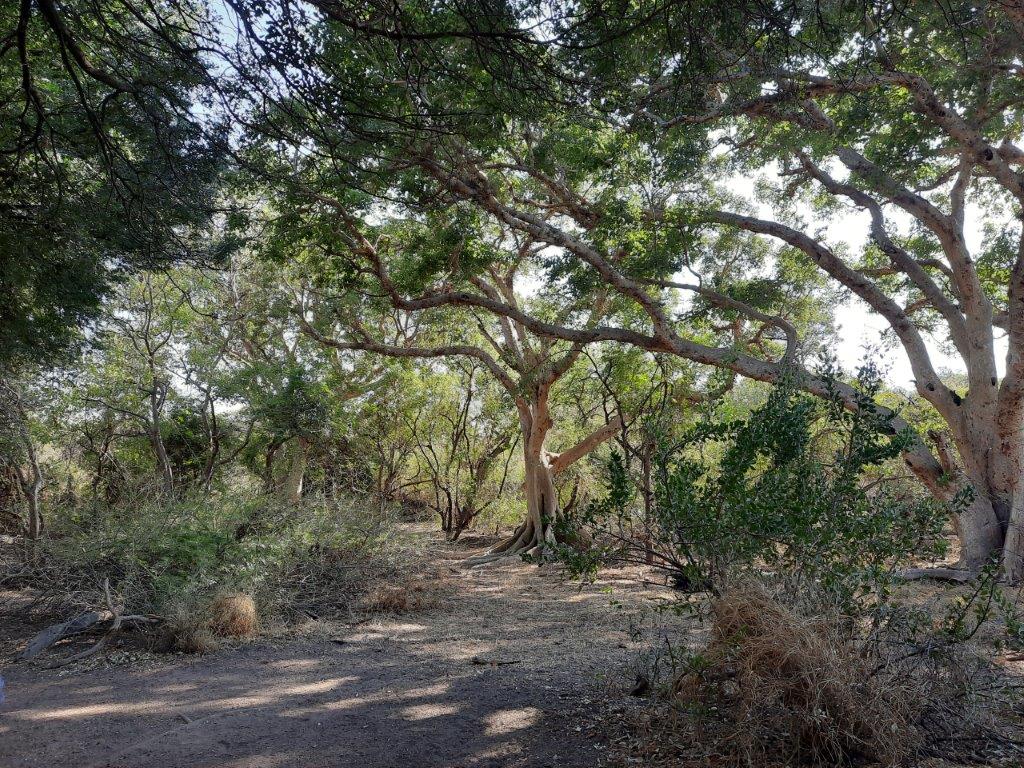
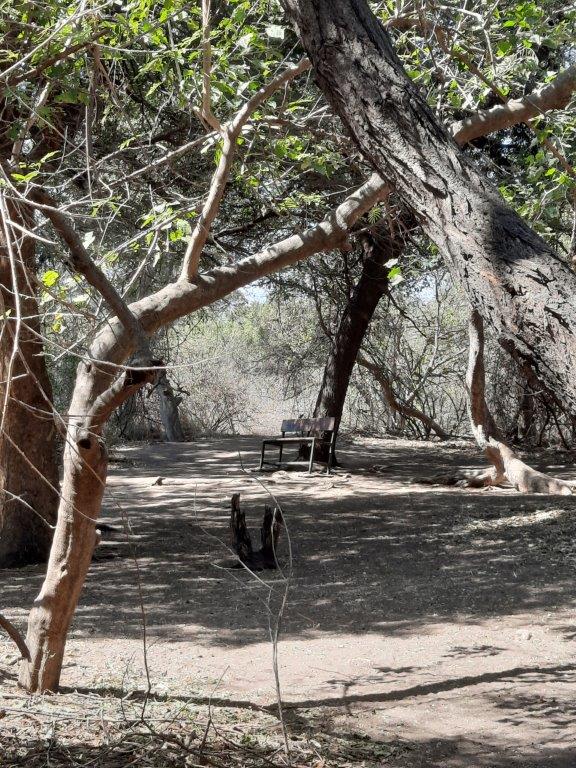
The park is littered with dead trees lying on dusty ground. Typical dry and dusty scenery everywhere in the park shown below.
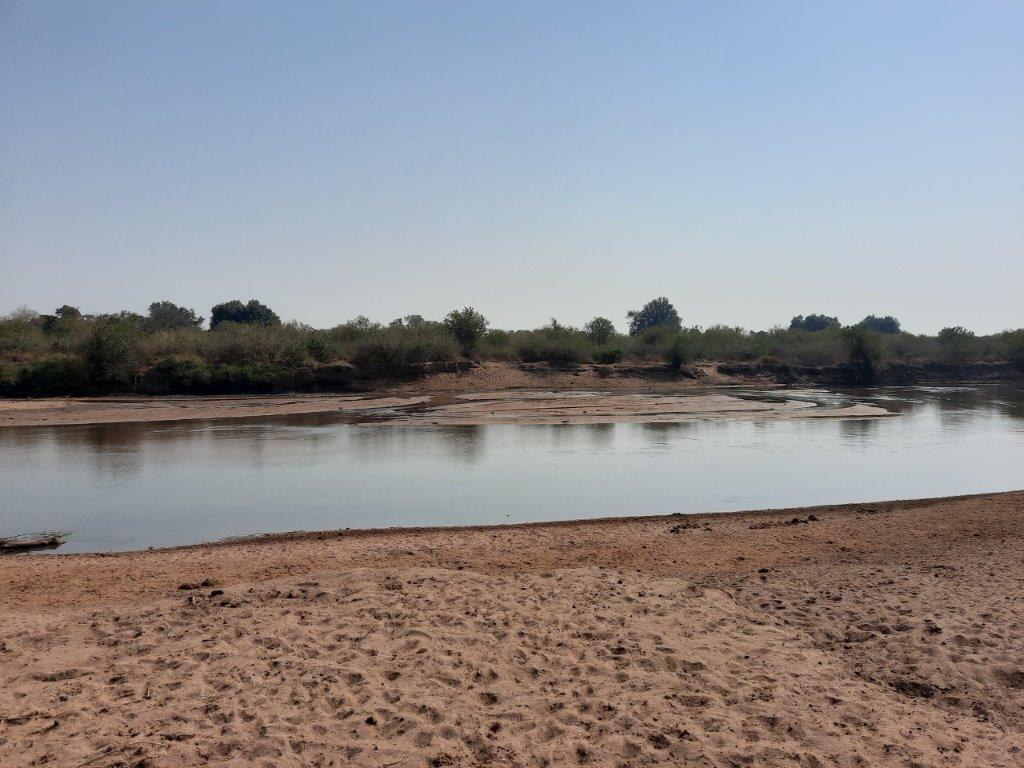
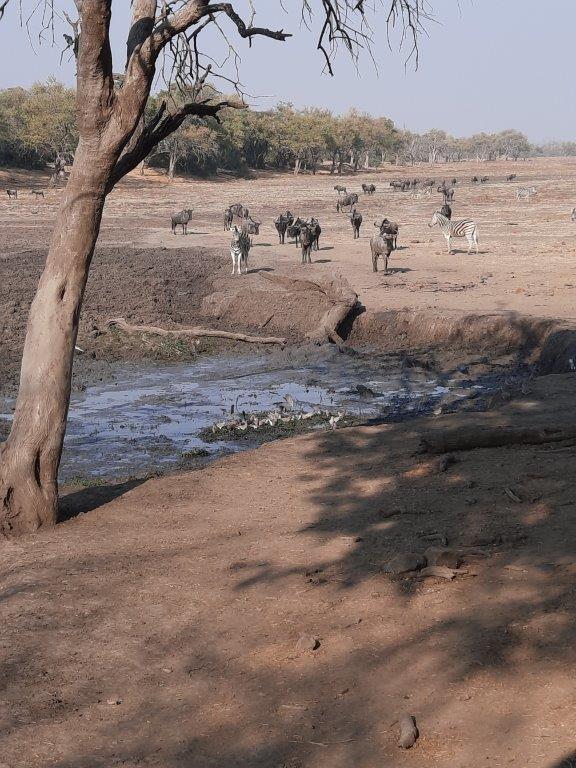
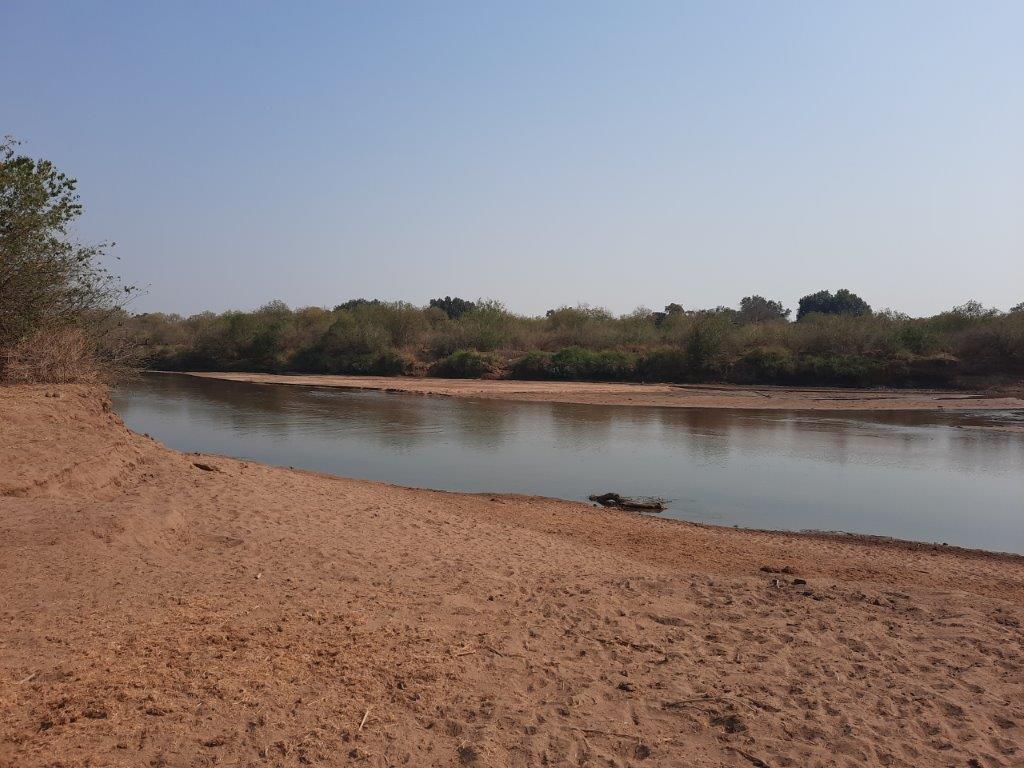
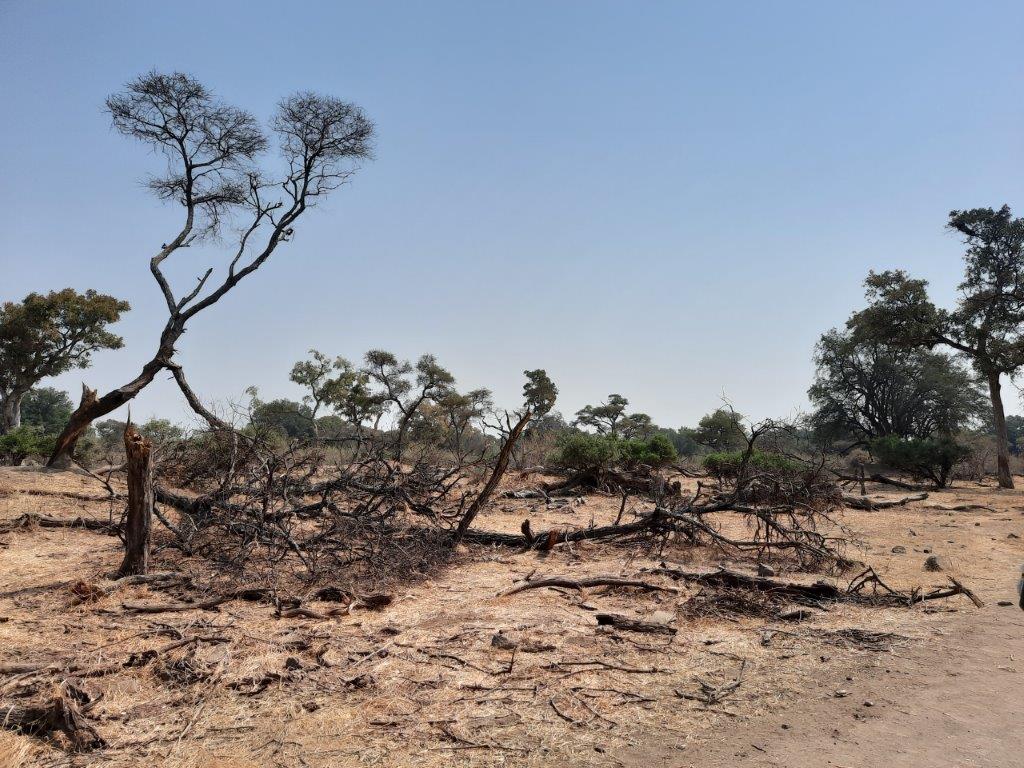
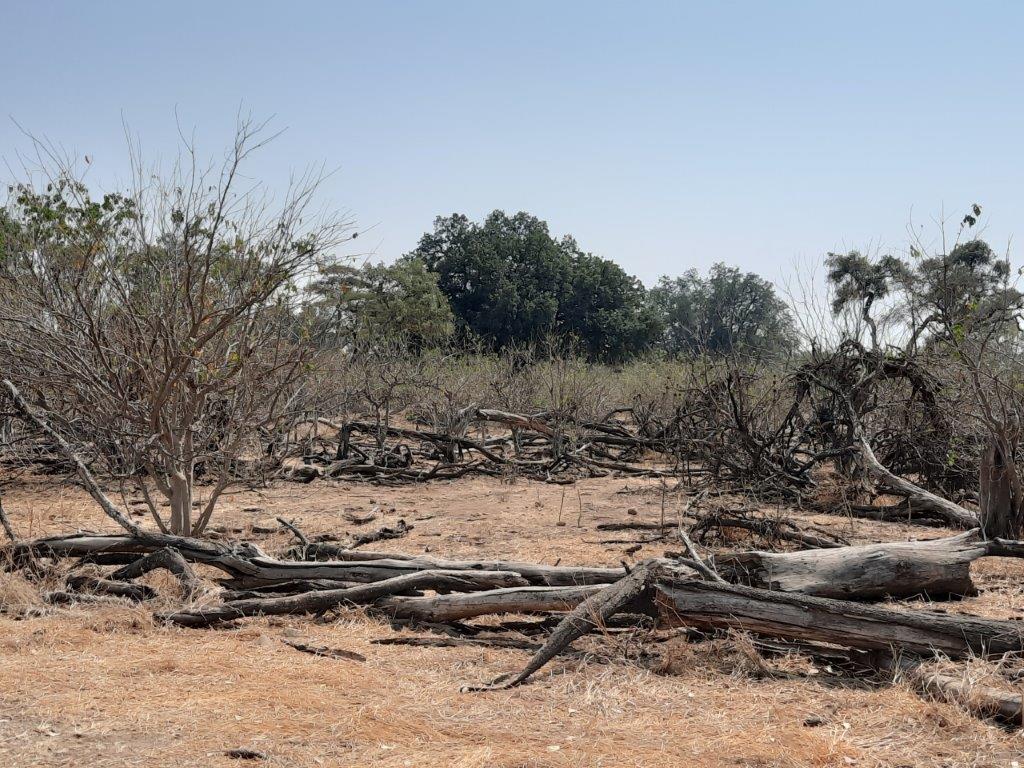
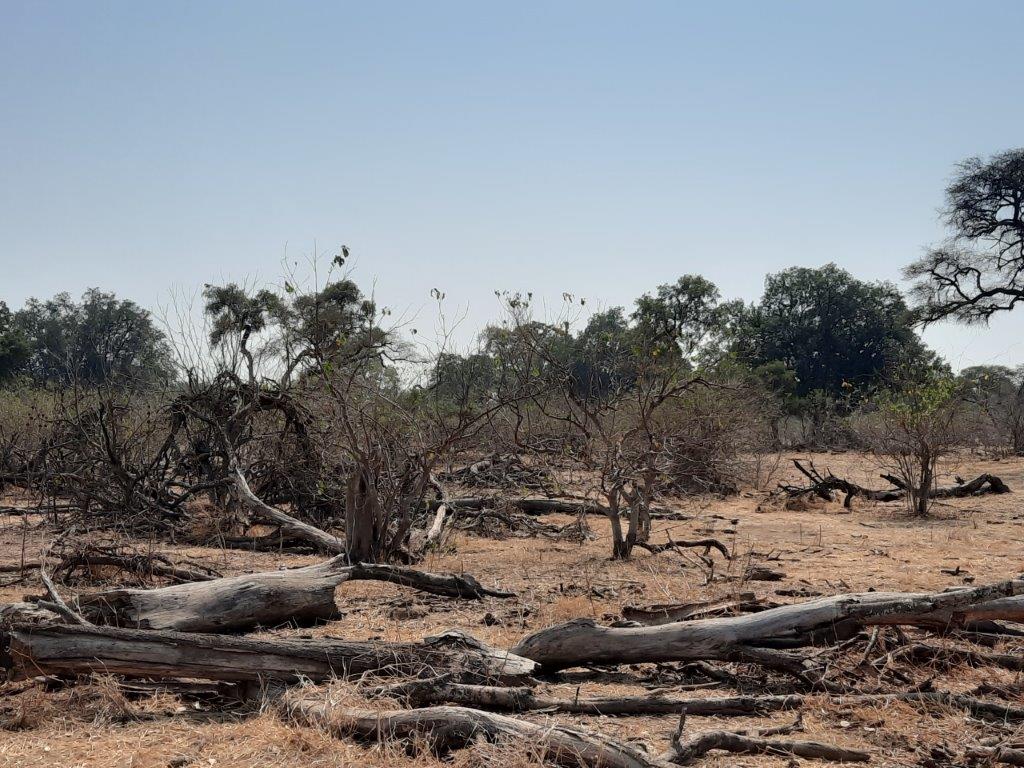
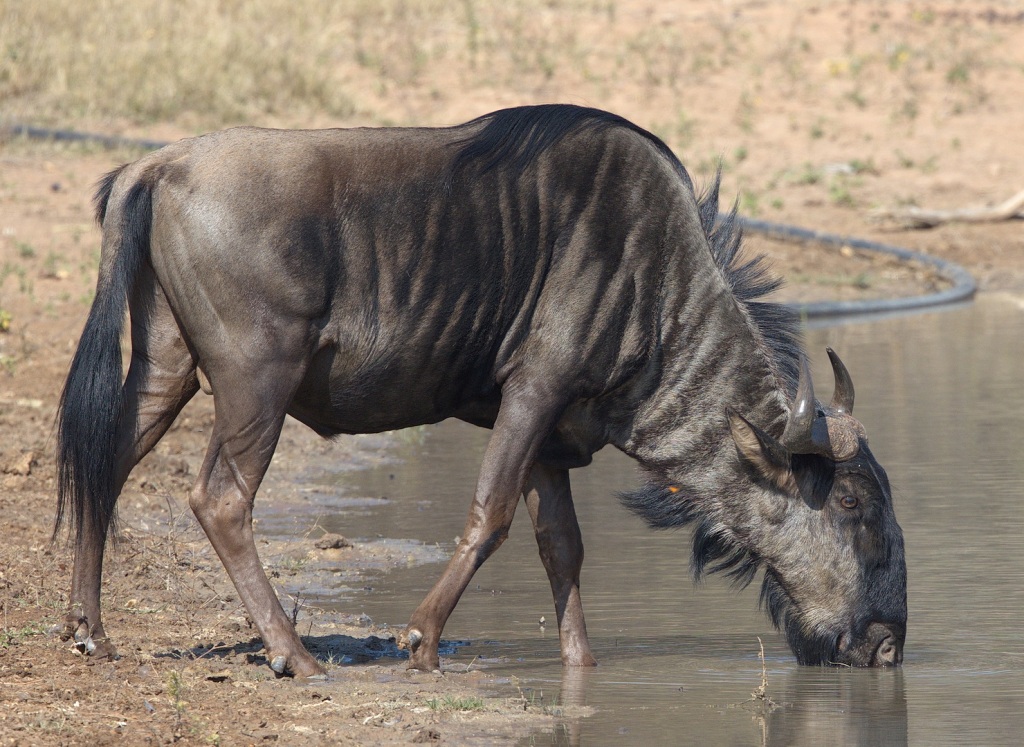
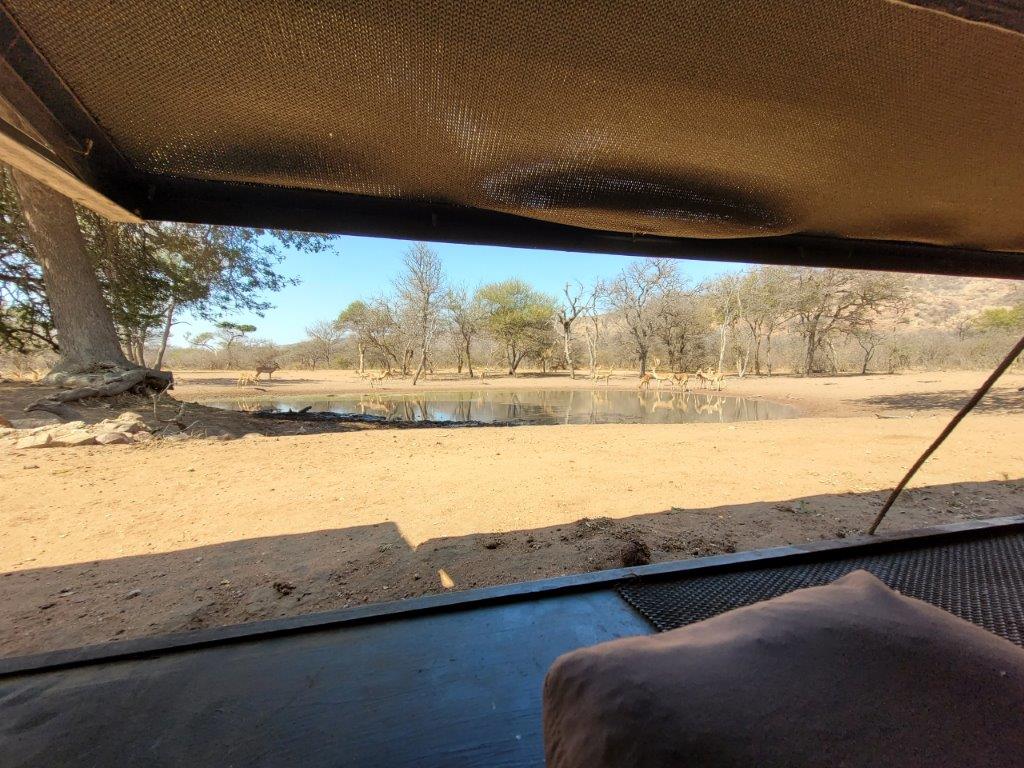
The Maloutswa Hide was a basically a mud hole. It had signs of water above the mud in one corner of the waterhole. Sadly a Gnu went into the mud to reach surface water but never made it back out again.
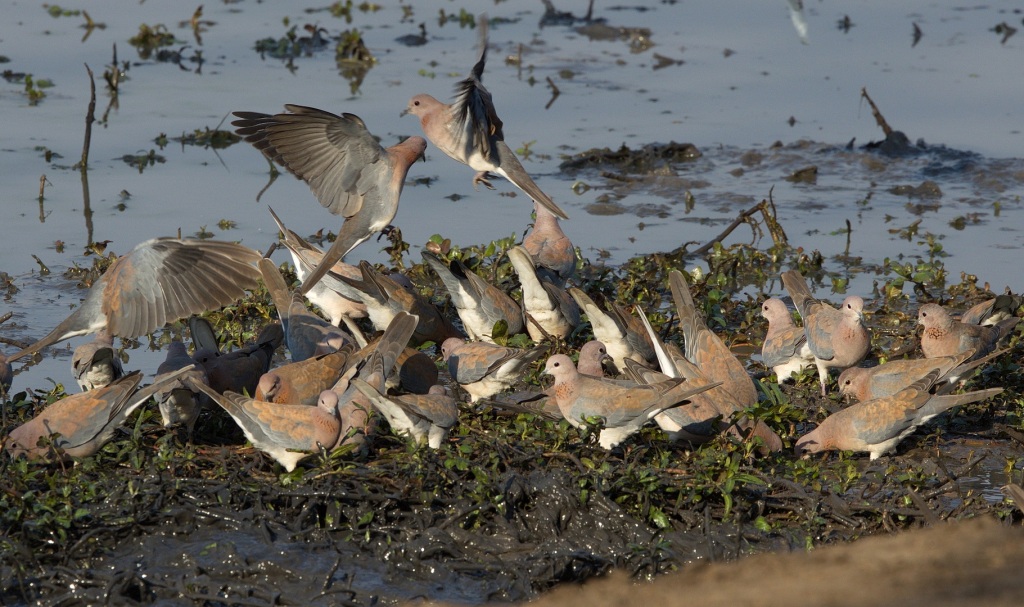
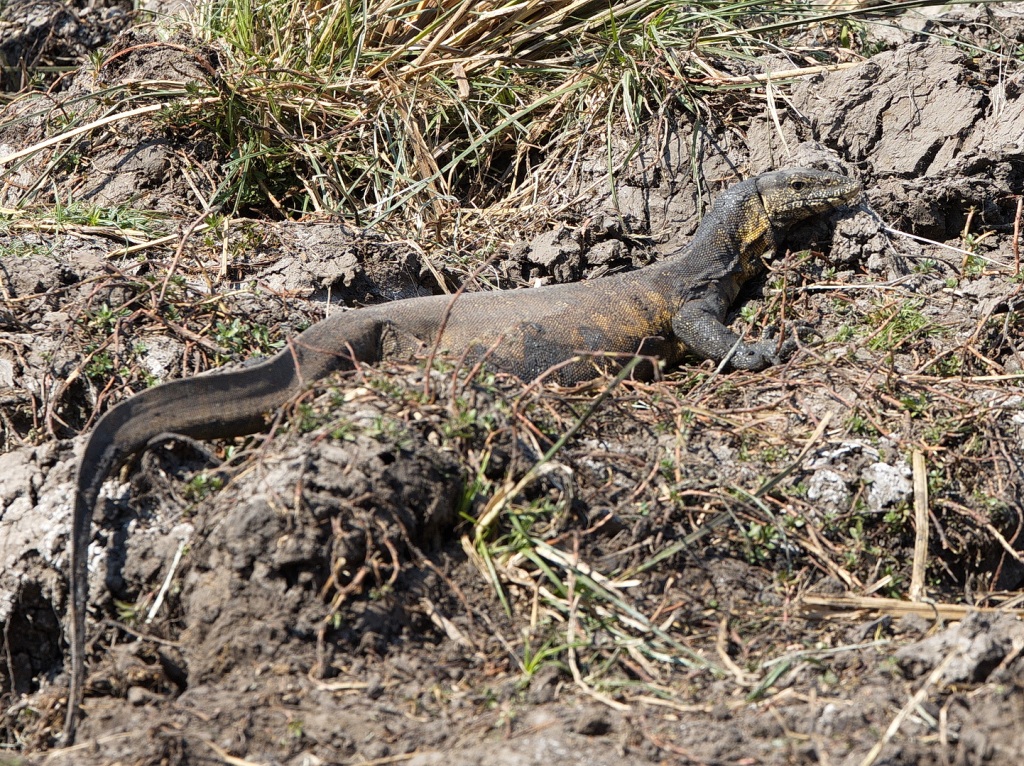
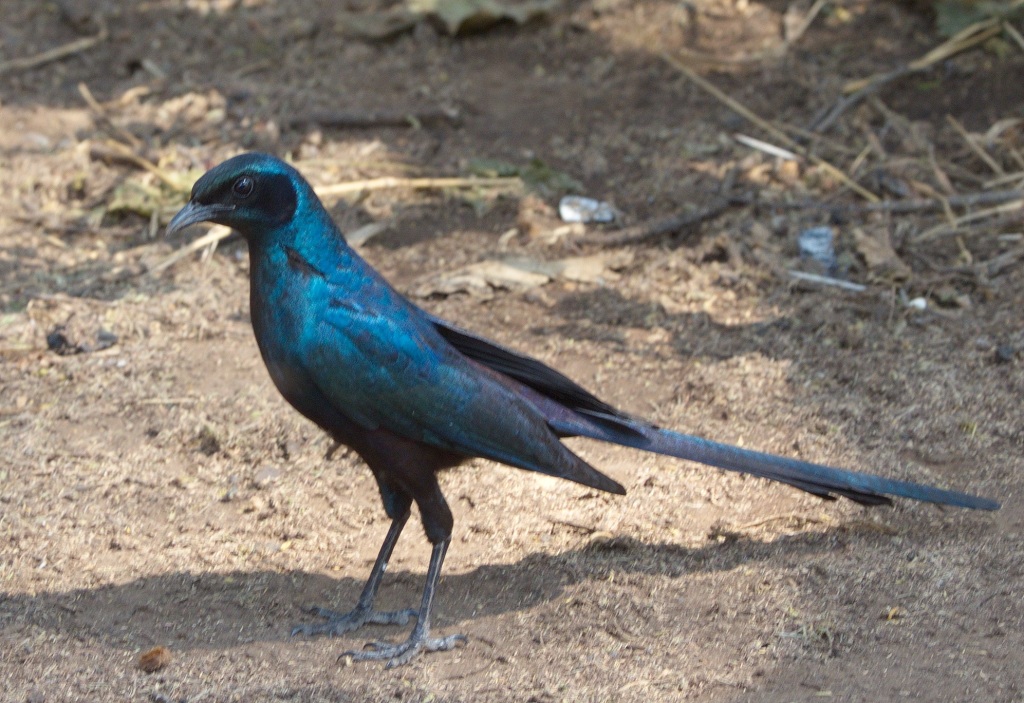
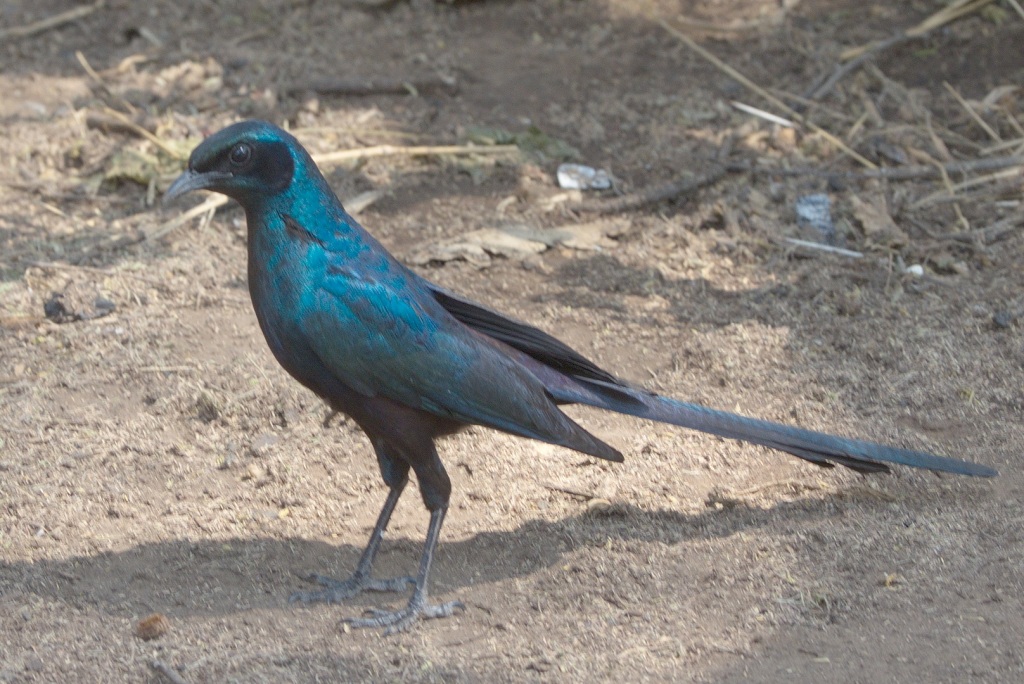
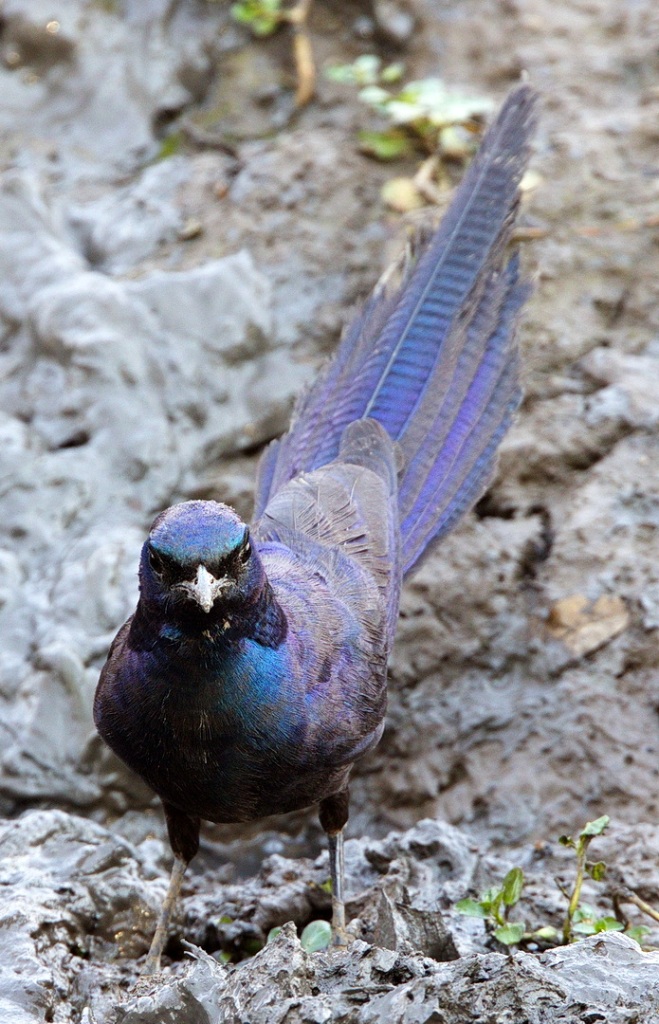
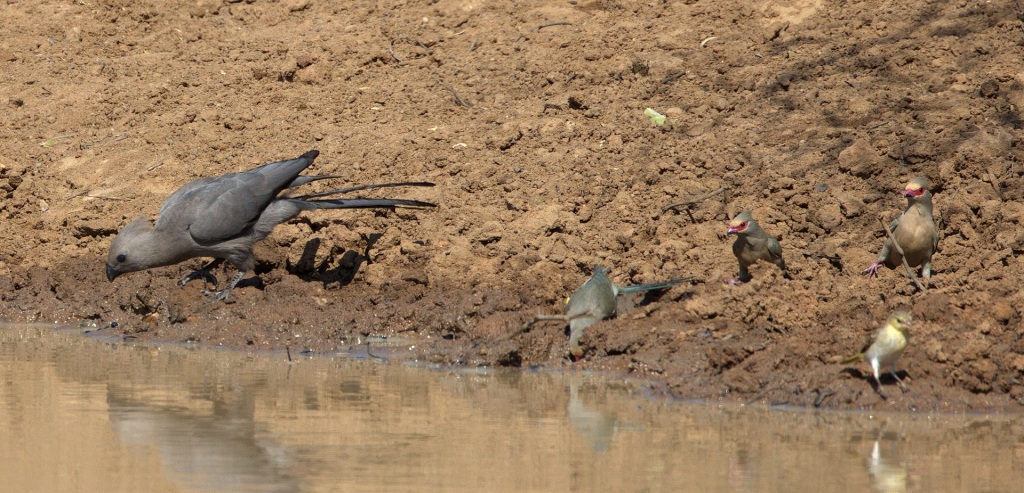
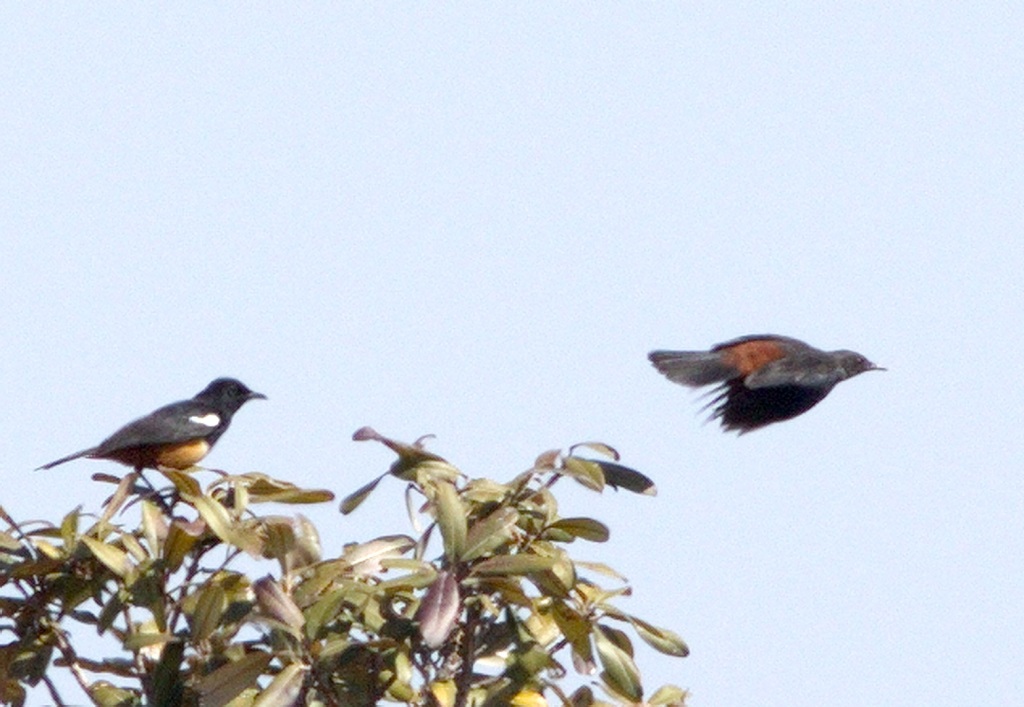
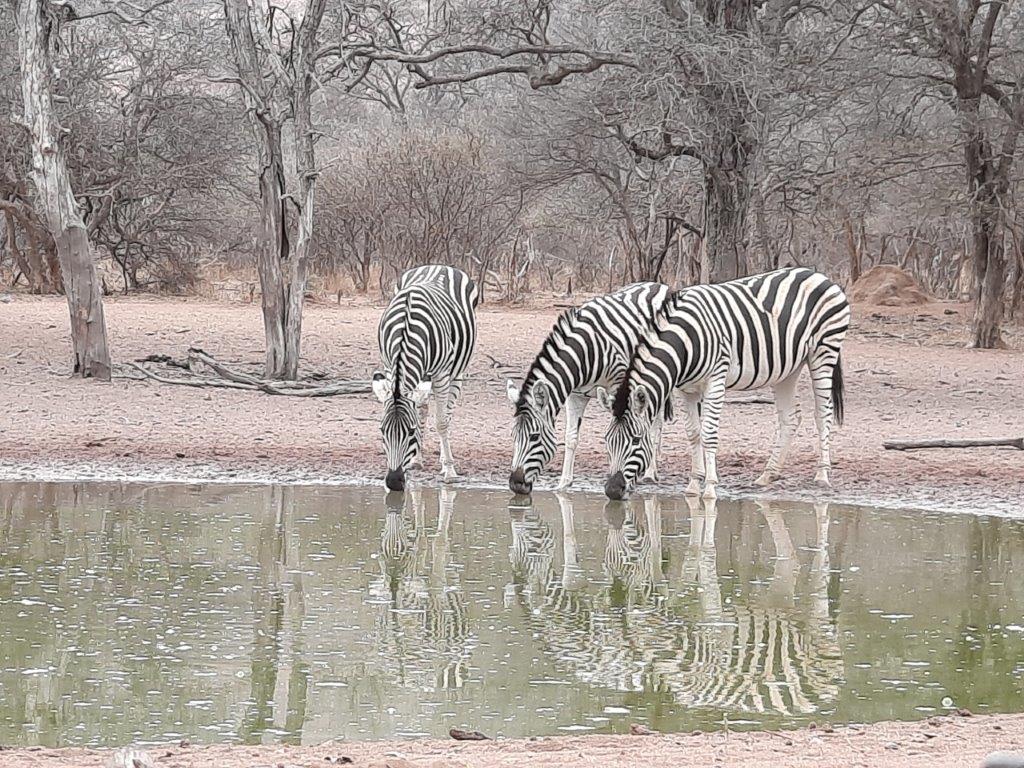
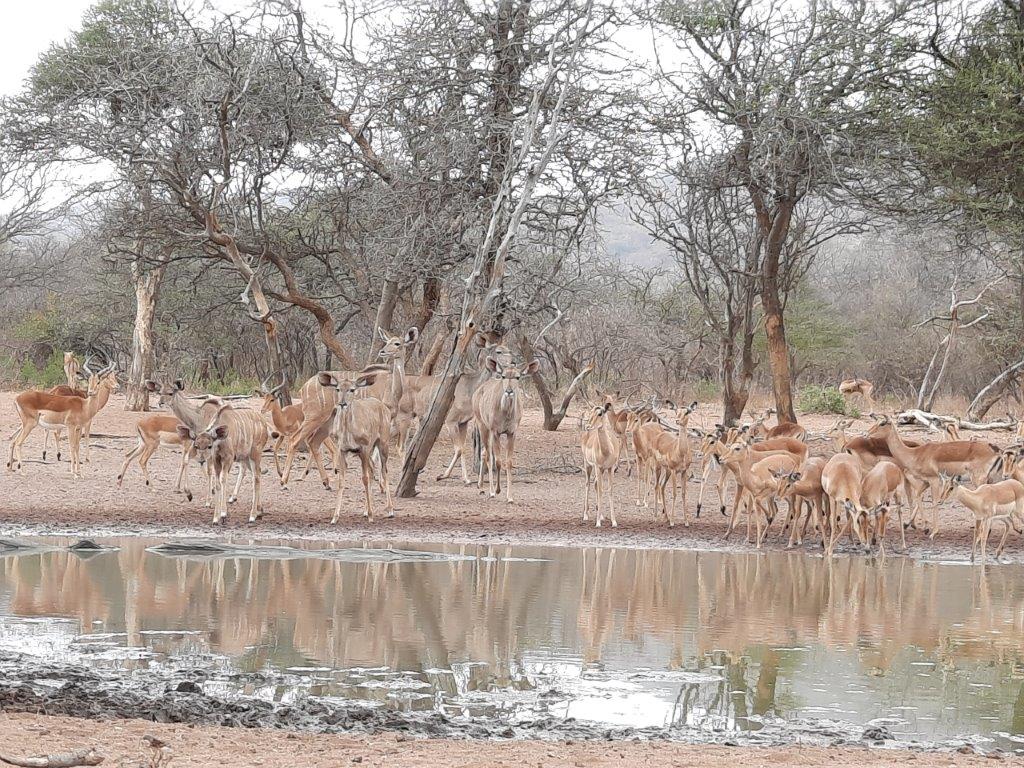
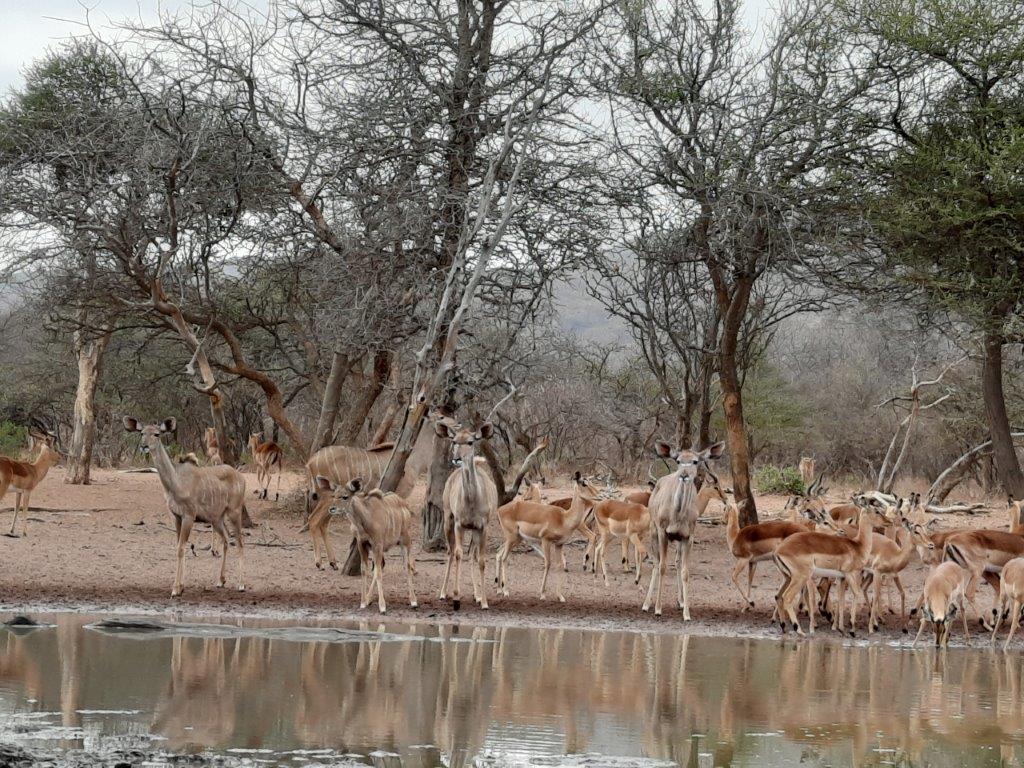
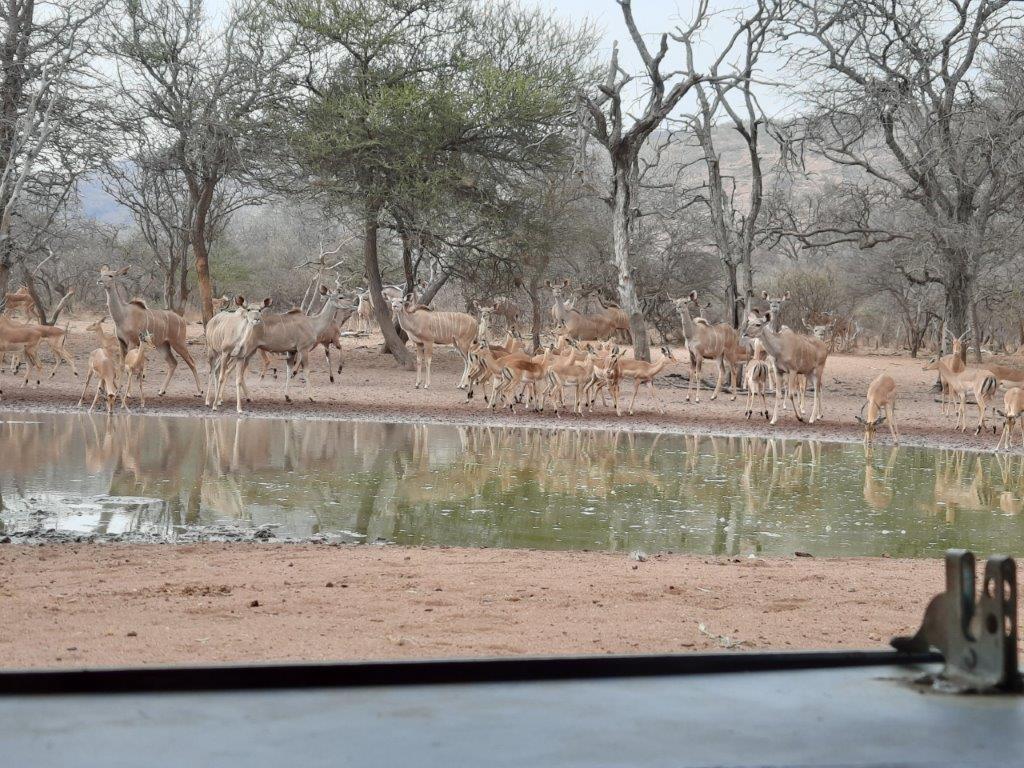
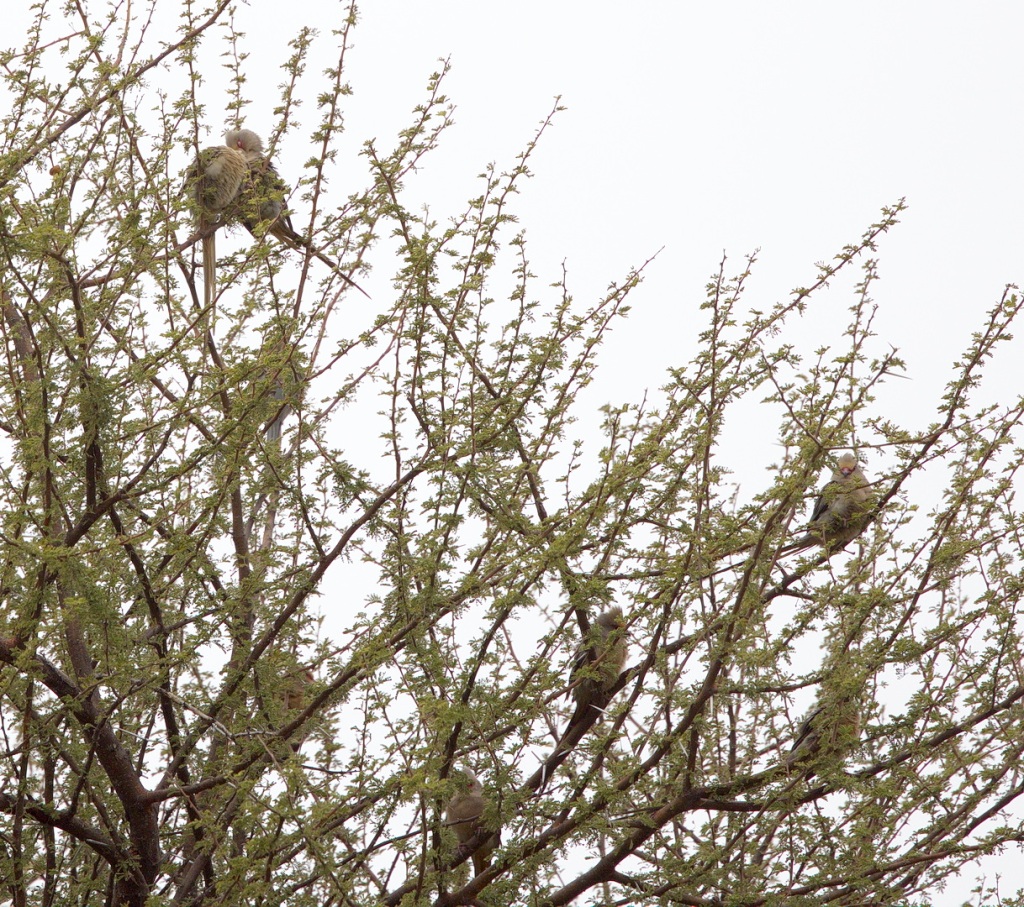
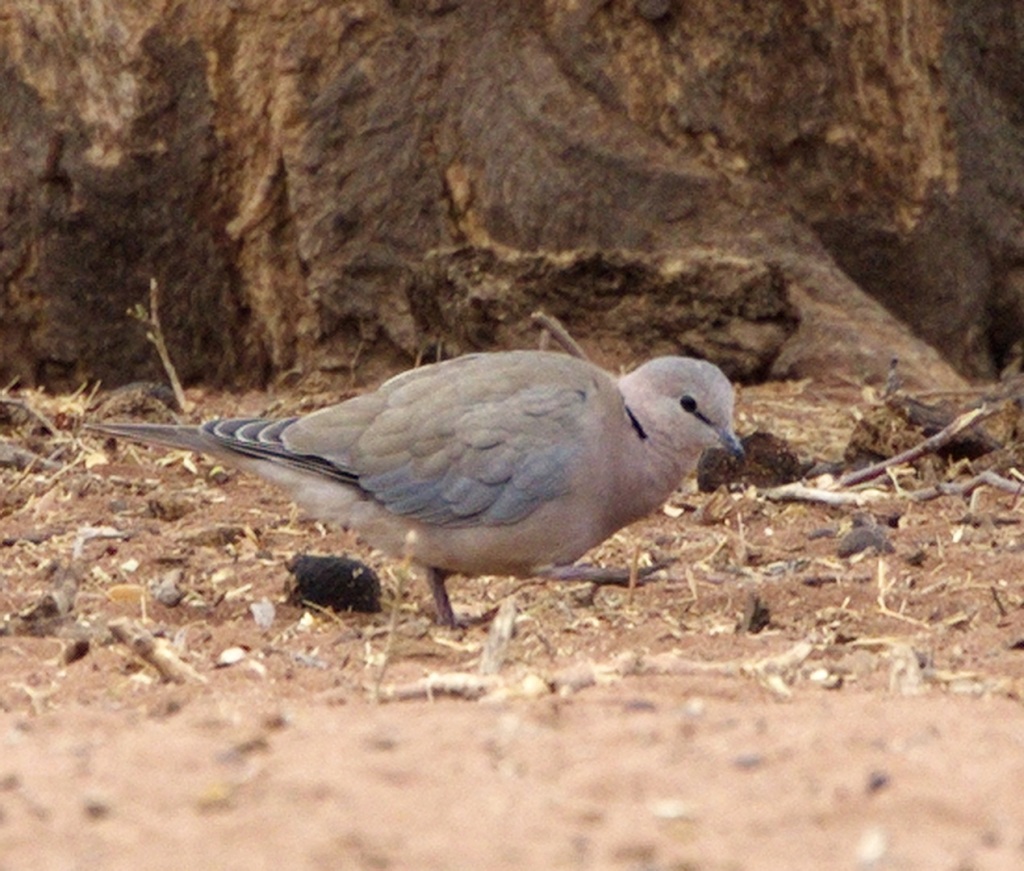
Meve’s Starlings and Laughing Doves were in their masses around the mud hole enjoying what little water there was. An occasional Meyer’s Parrot would fly over. Water Monitors lingered in the mud. Animals came and went. It seemed the only foolhardy were the Gnus, Zebras and Warthogs.
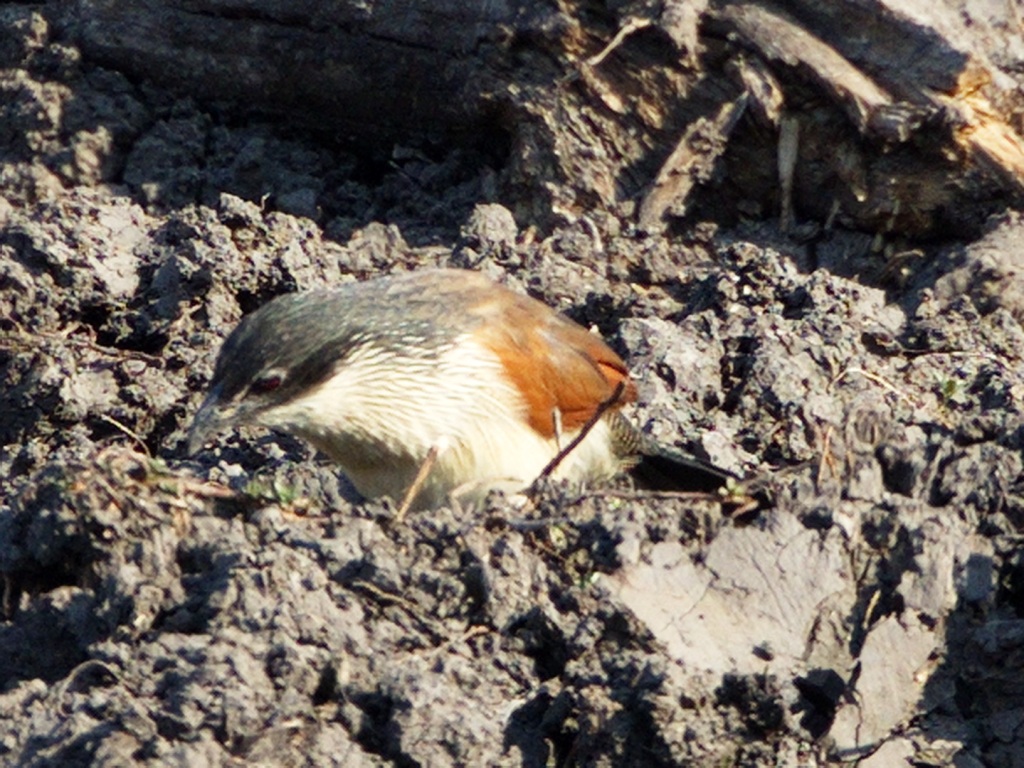
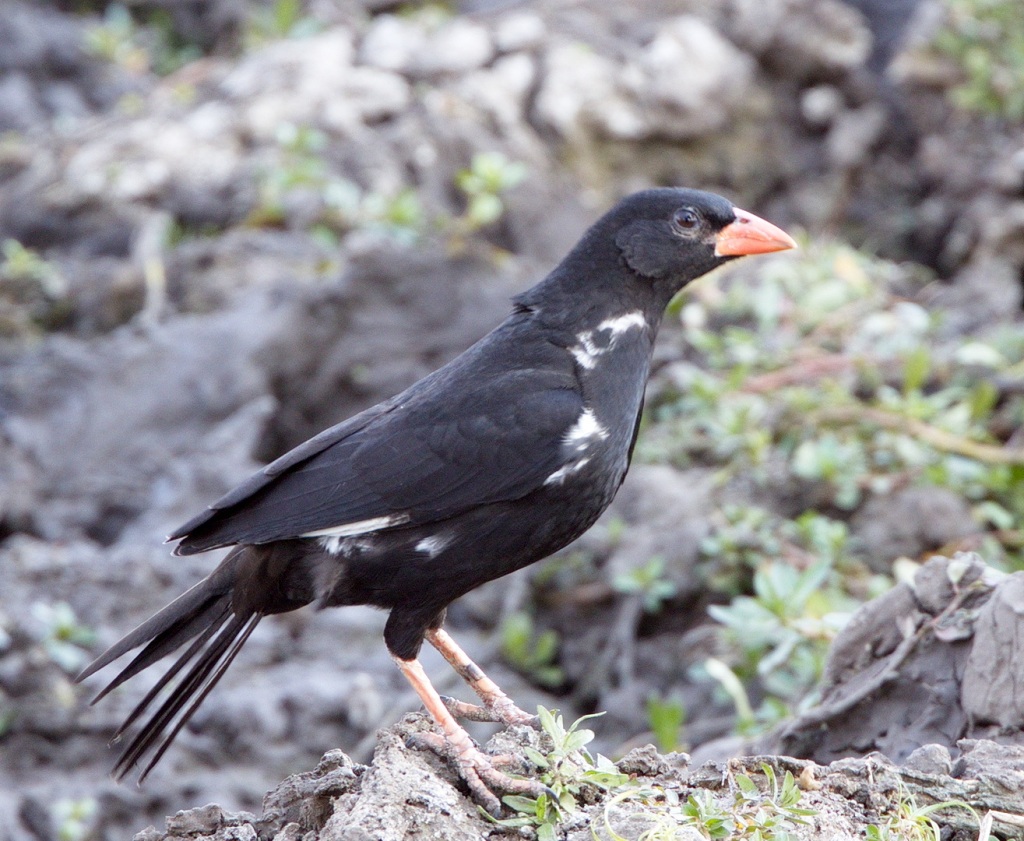
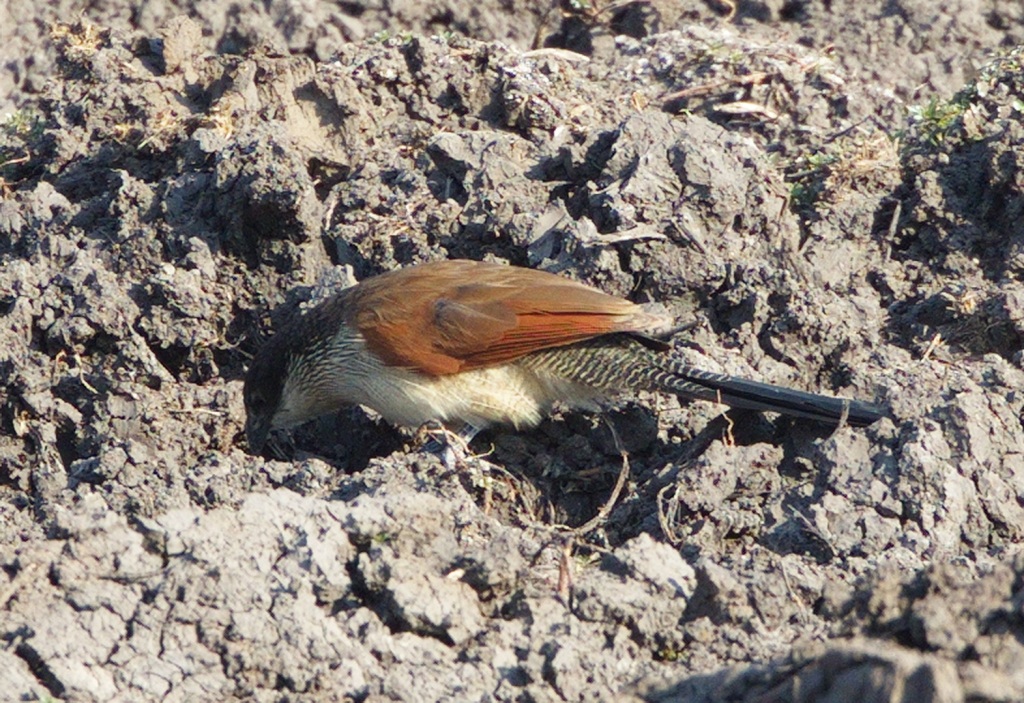
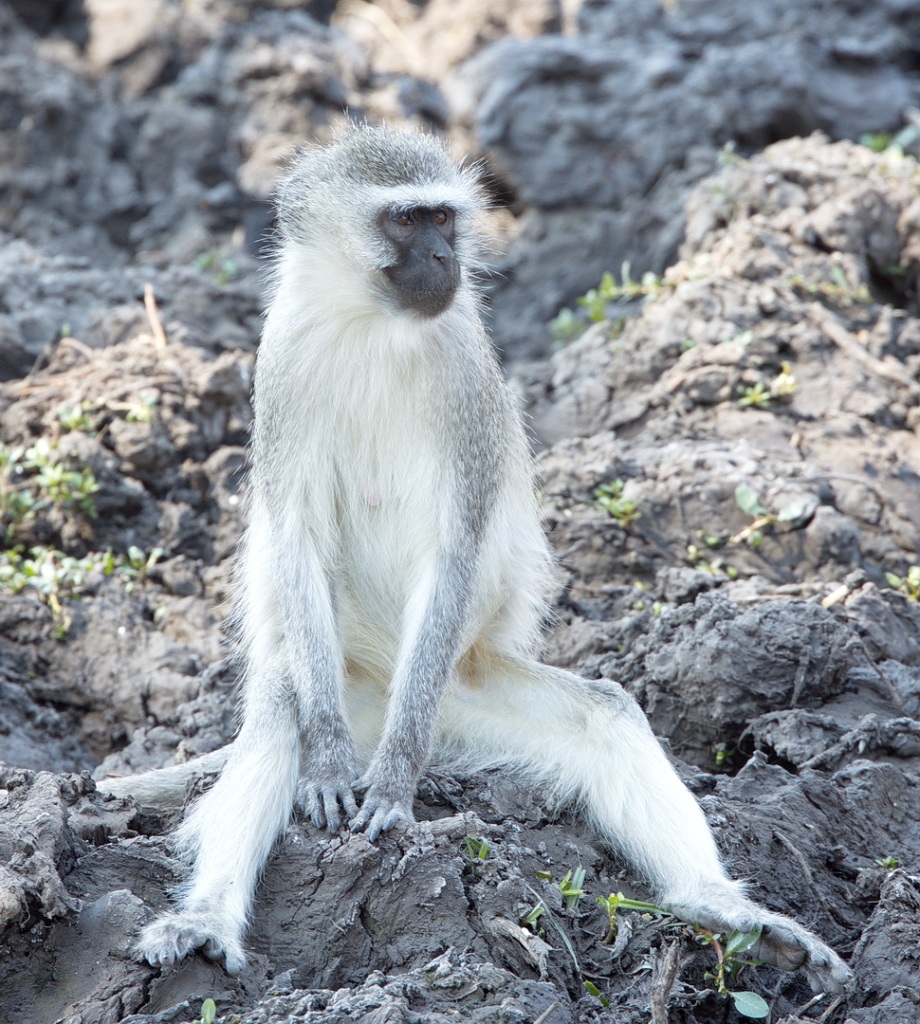
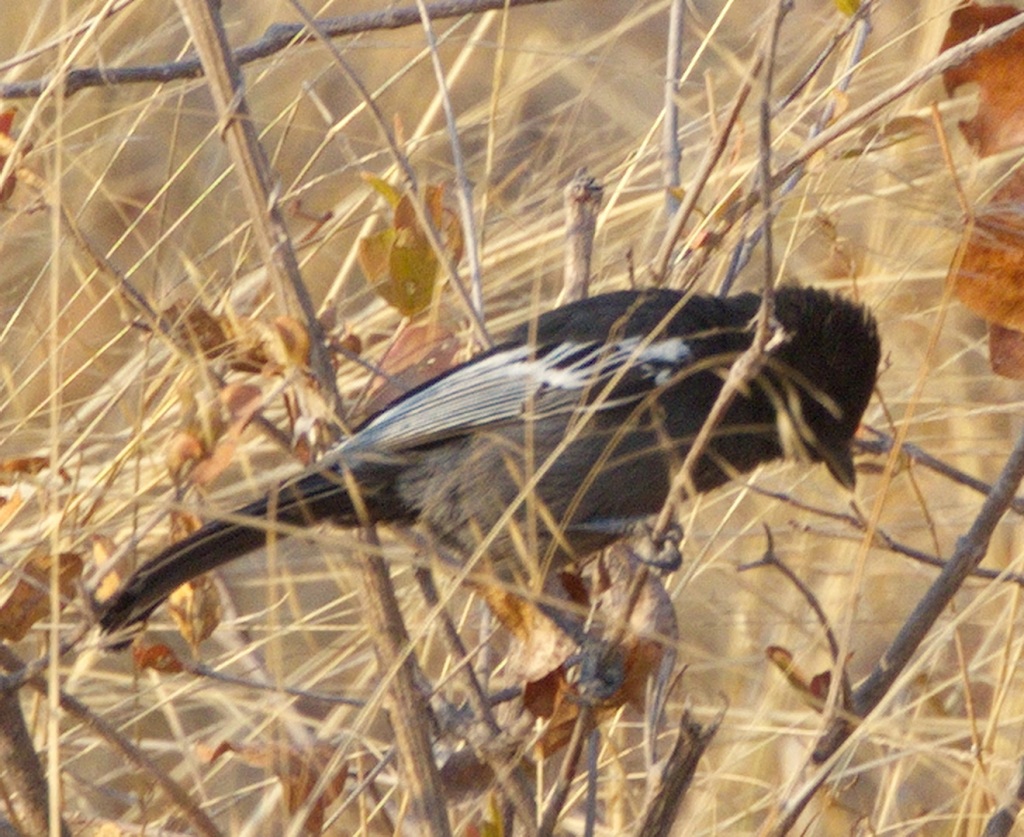
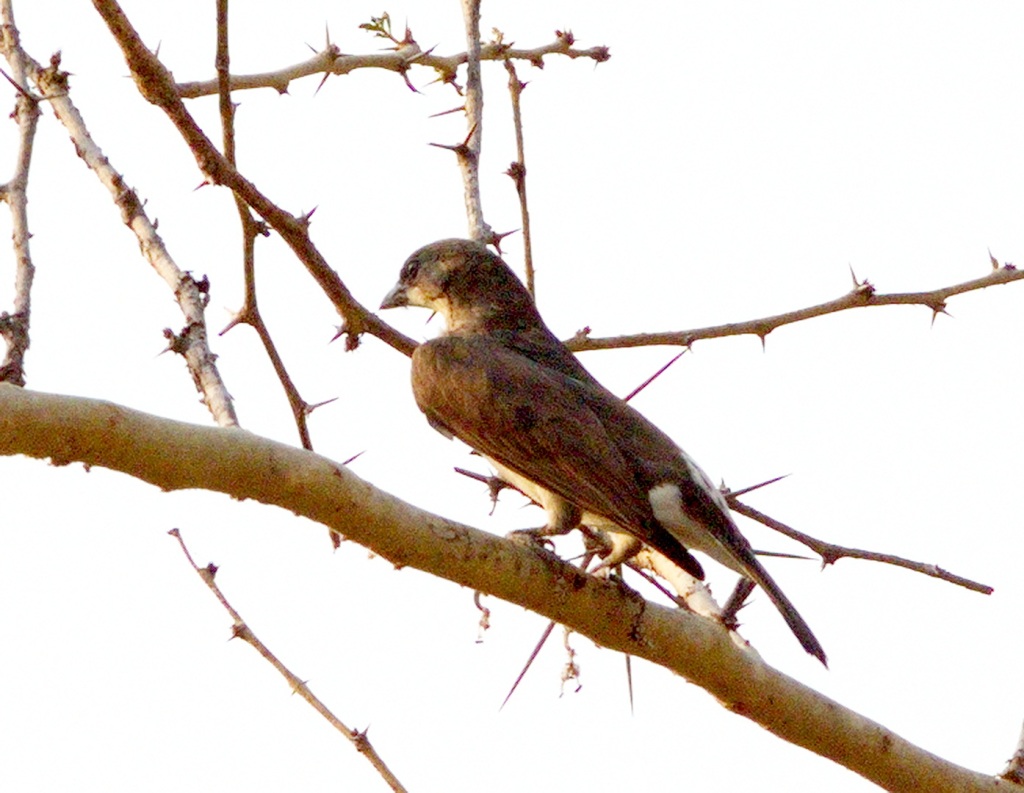
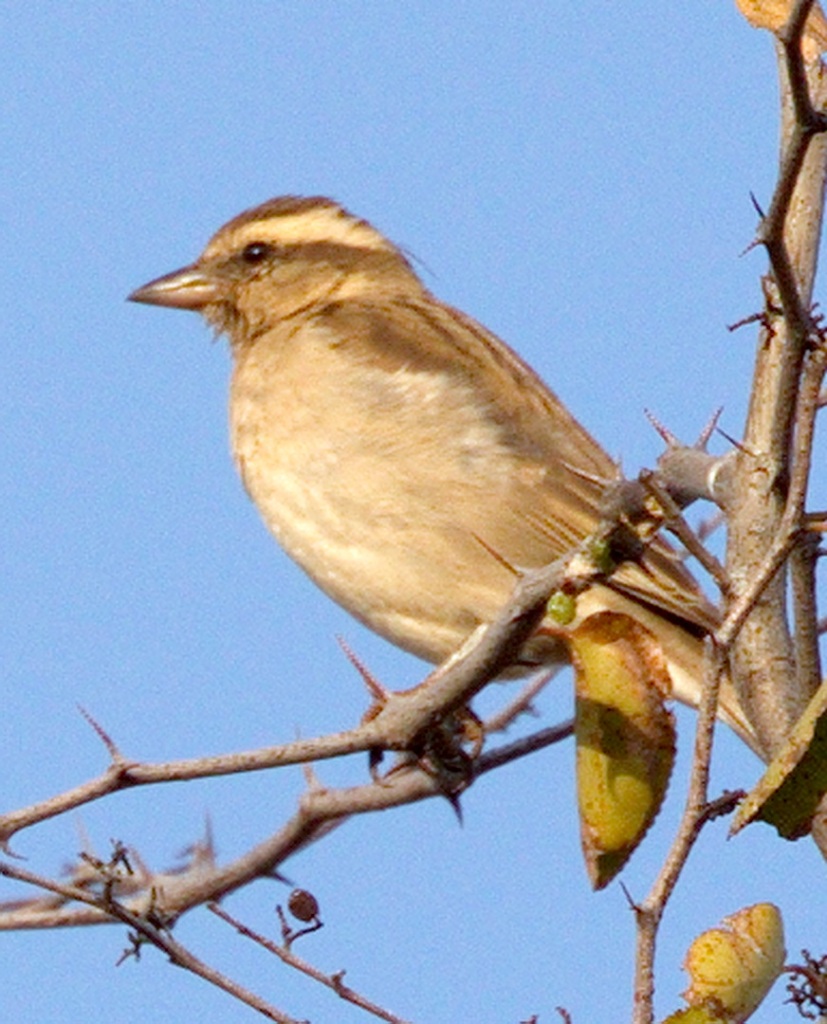
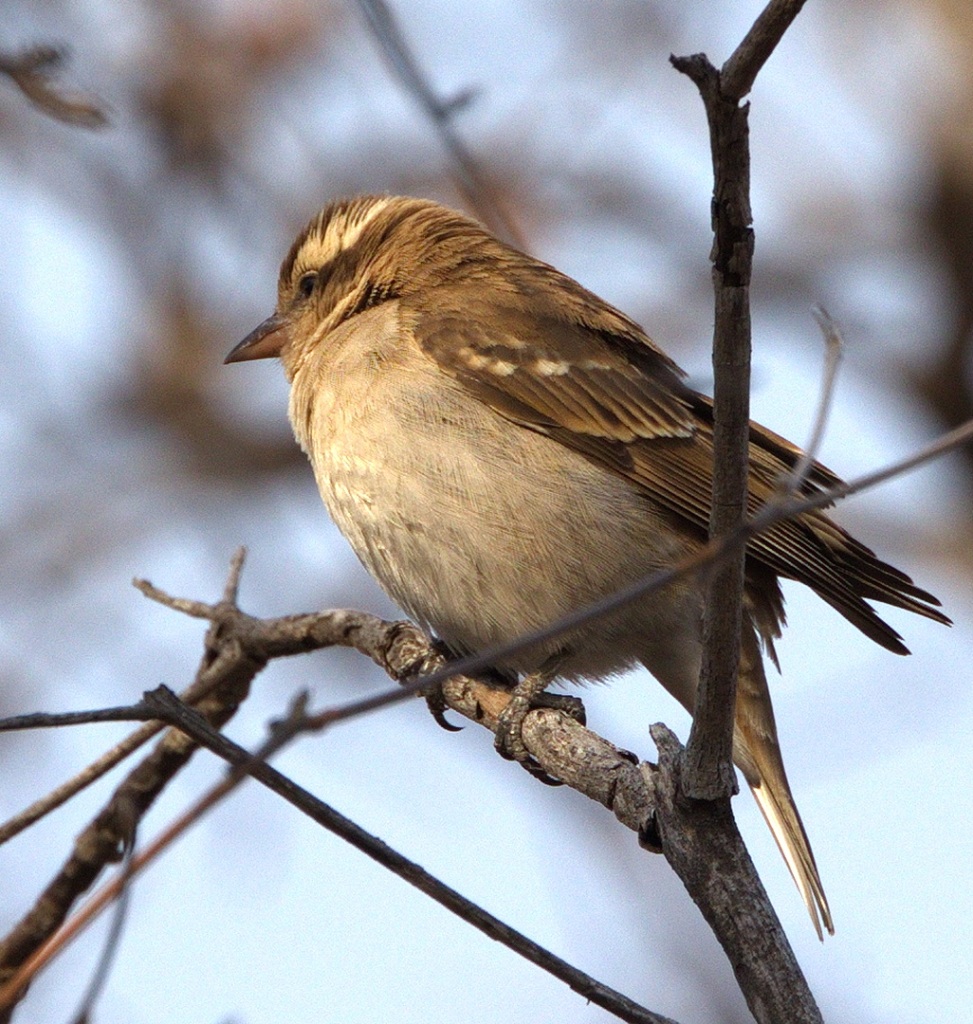
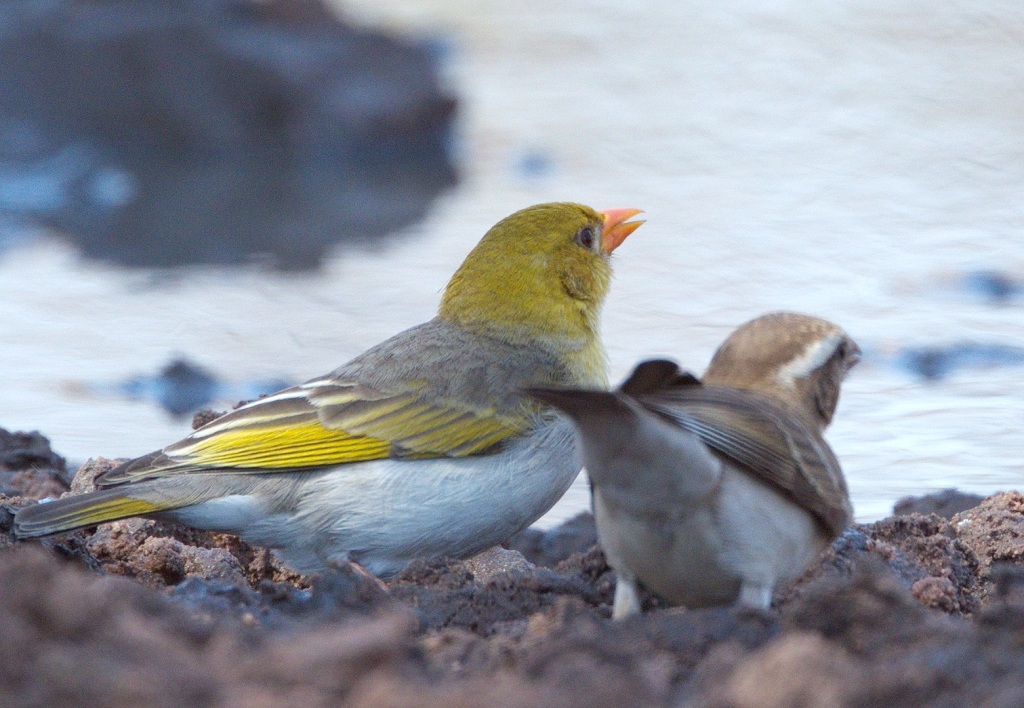
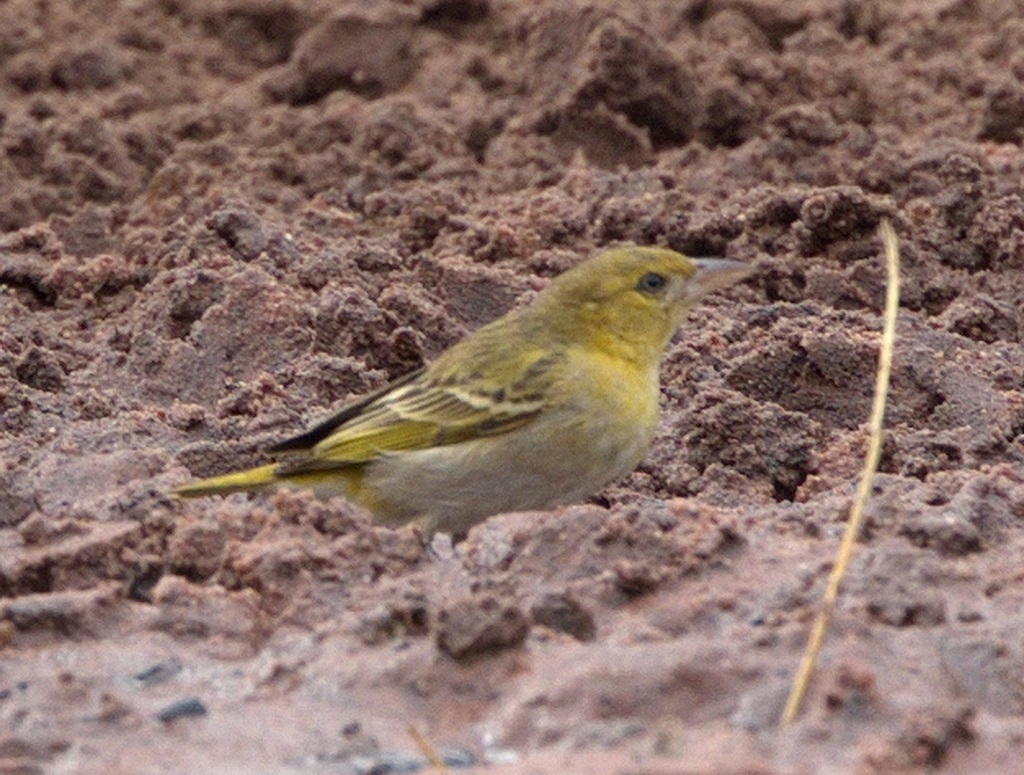
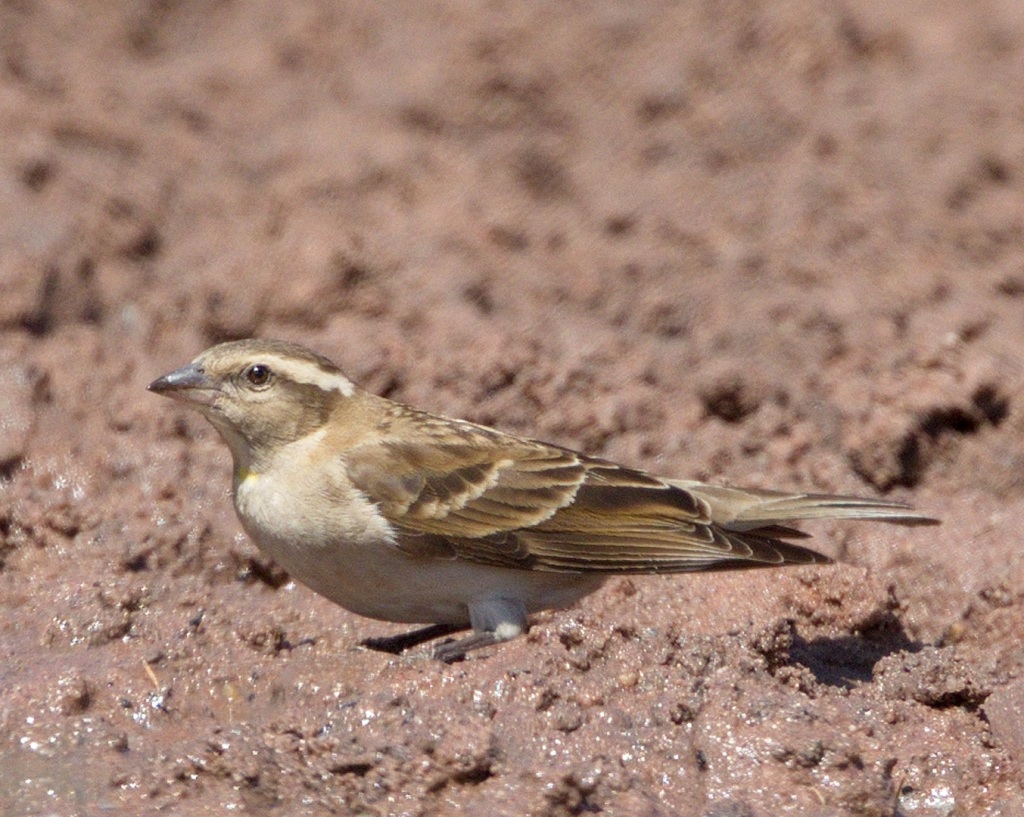
One day we ventured out the Western Gate and went directly opposite into the veldt. We were treated to numerous sightings of both Chestnut-backed and Grey-backed Sparrow-Larks even juveniles which confused us for a while. Here are some of their photos.
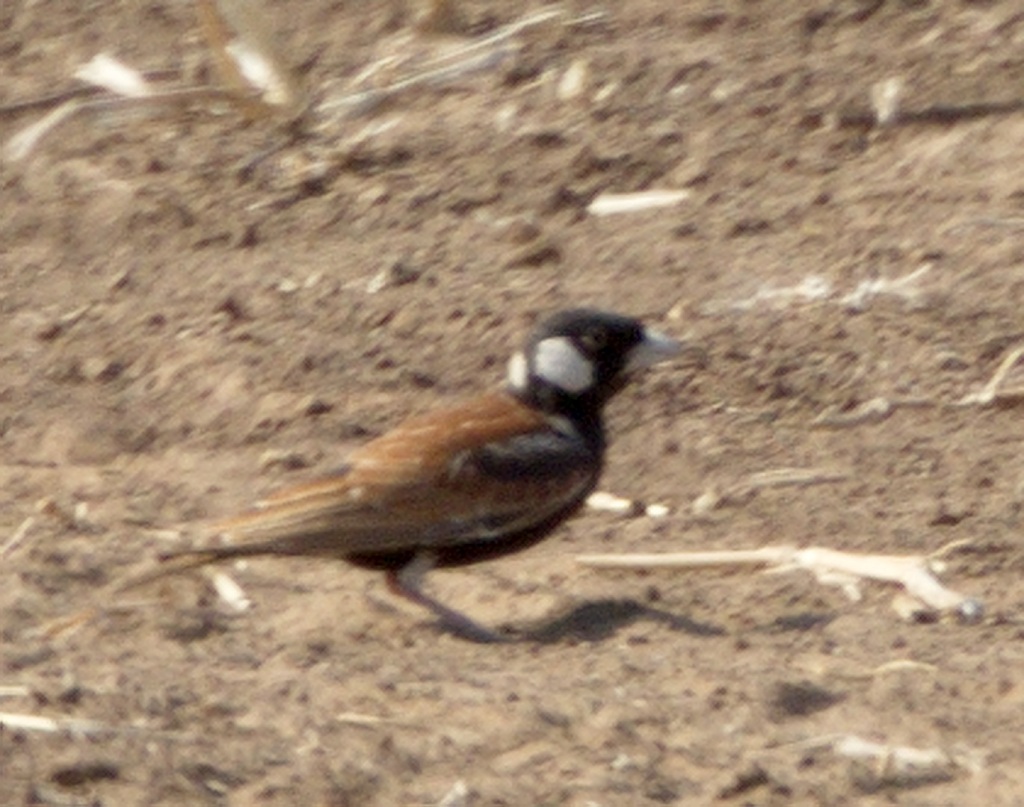

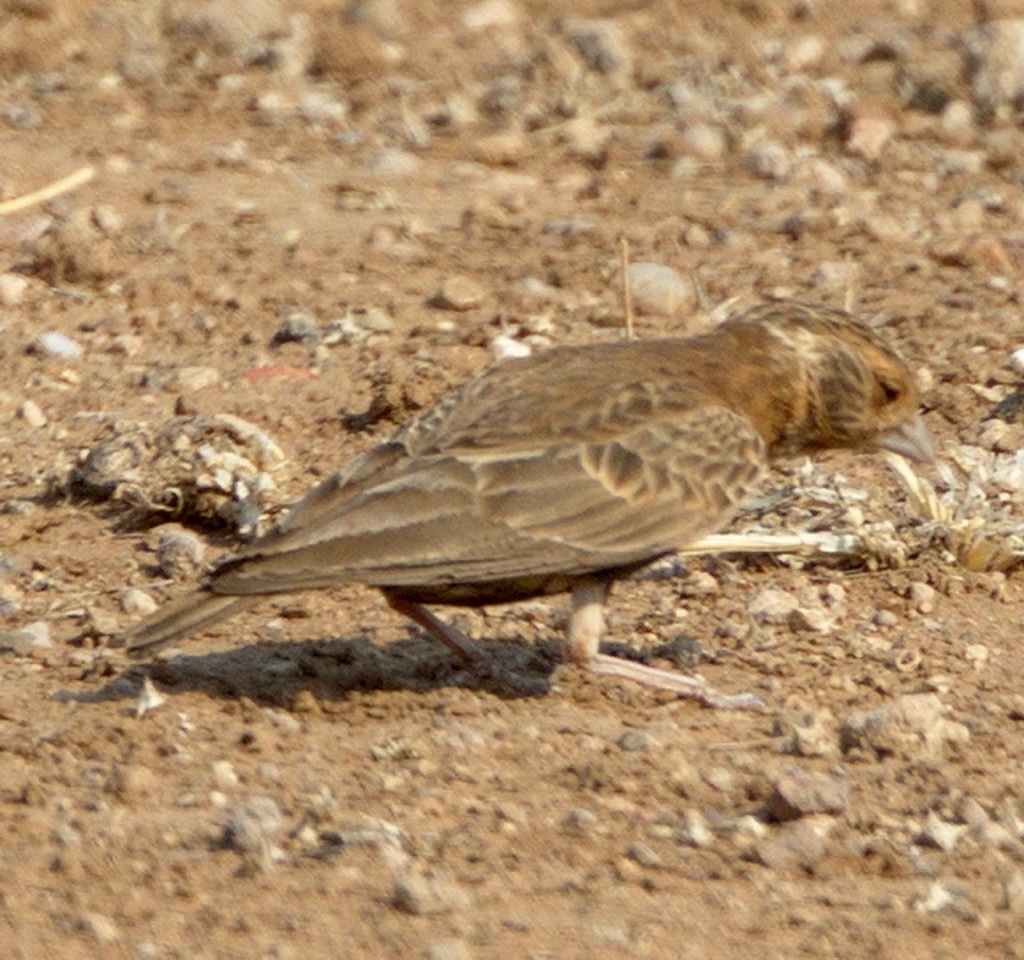
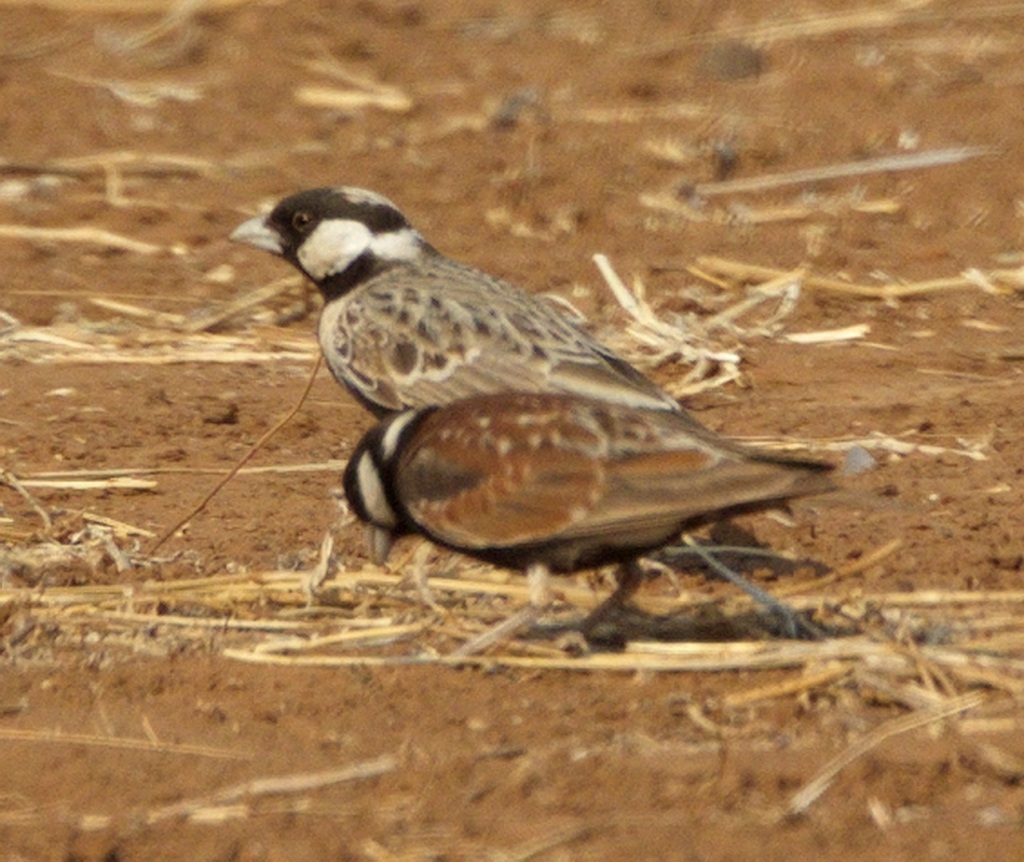
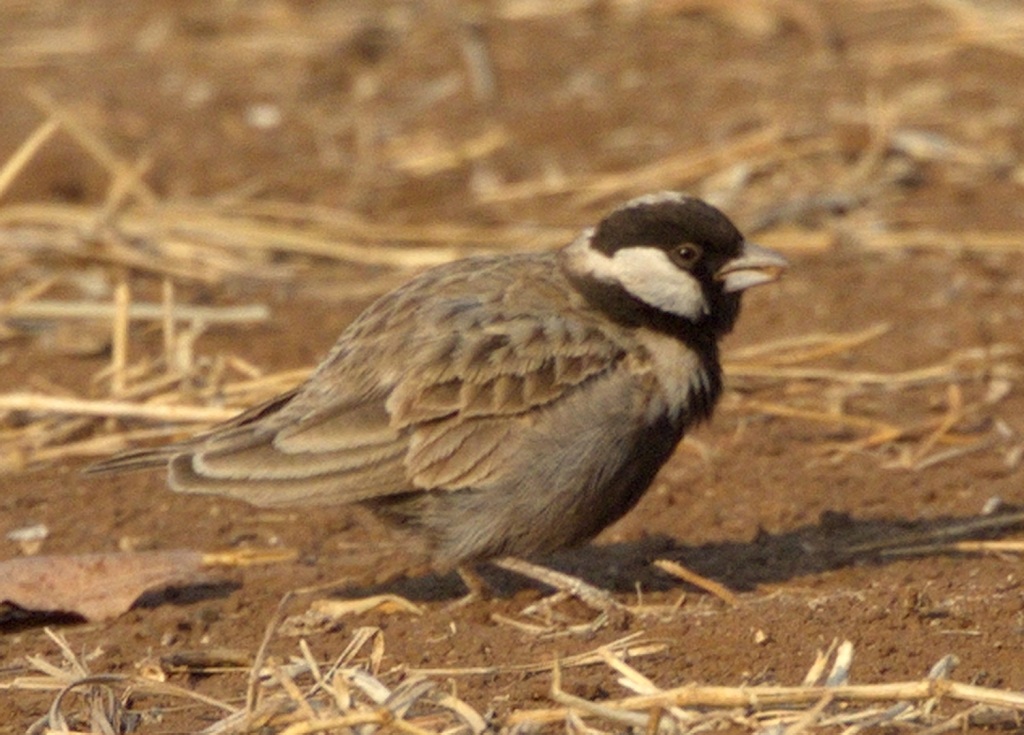
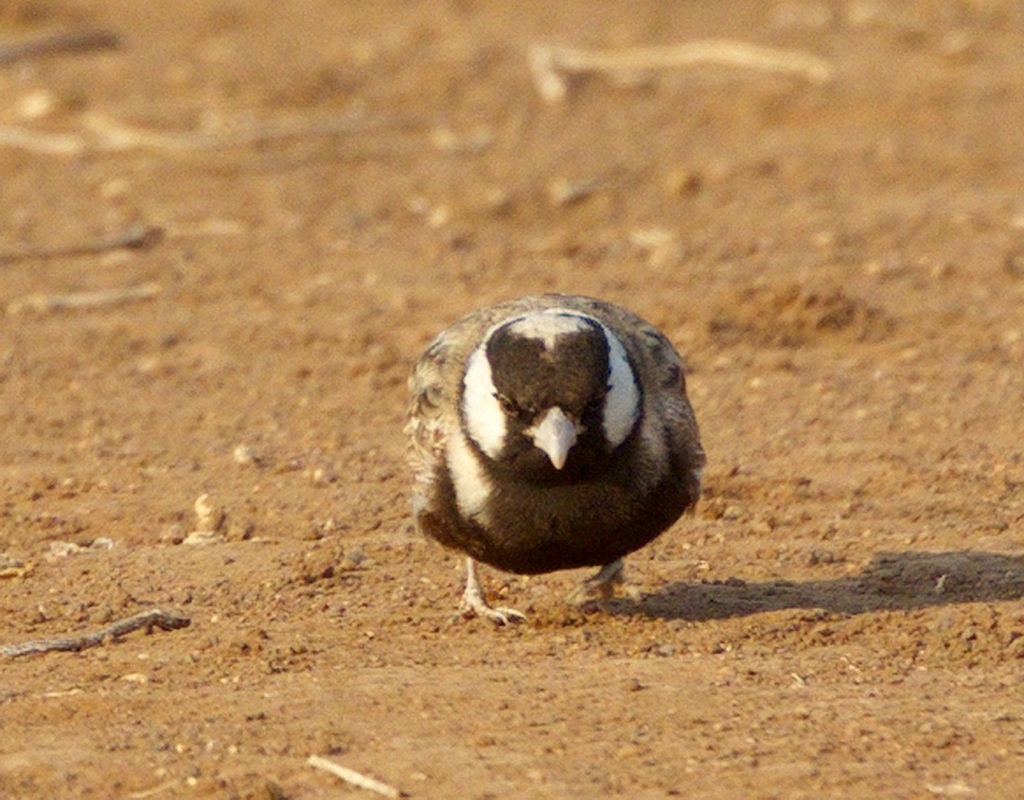
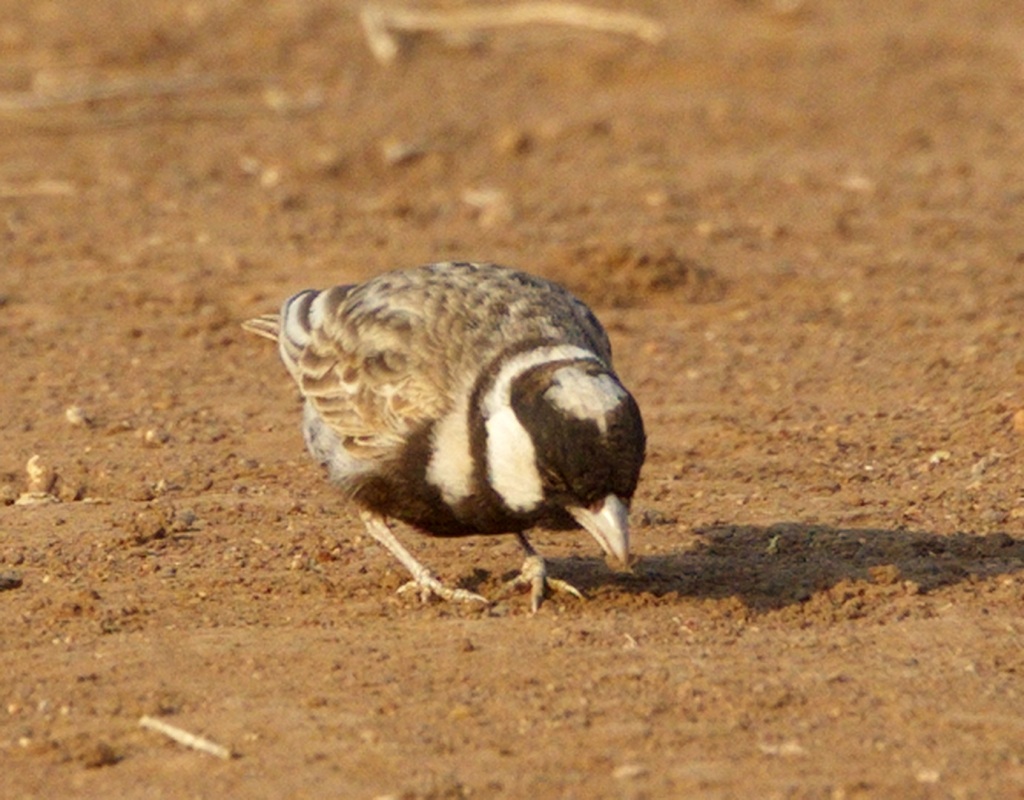
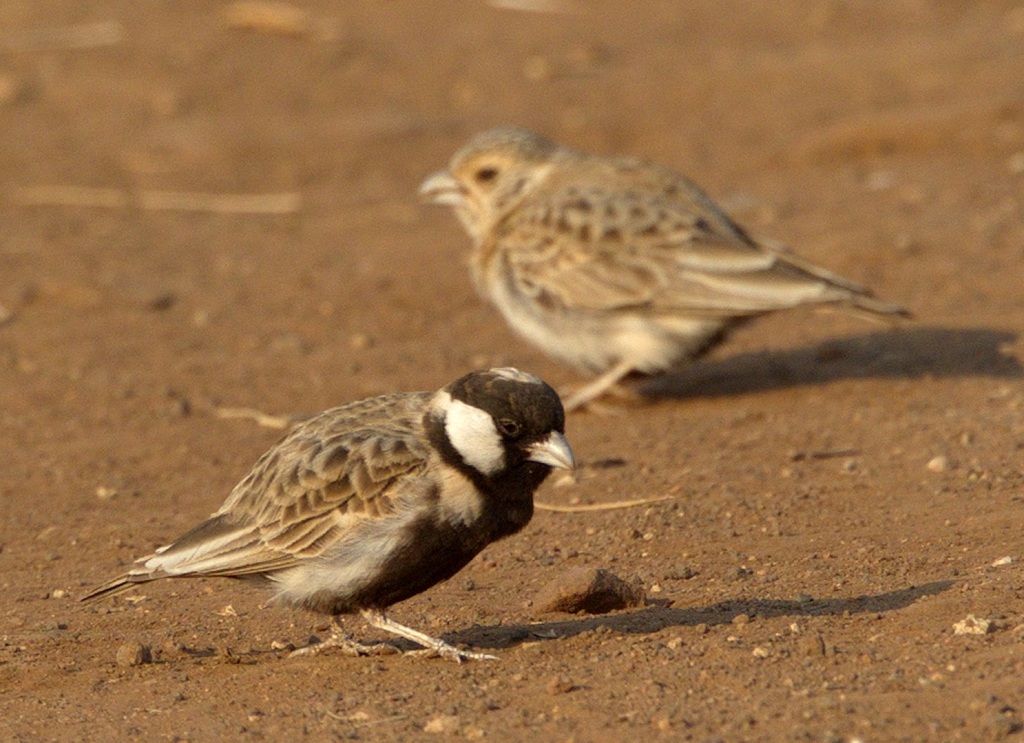
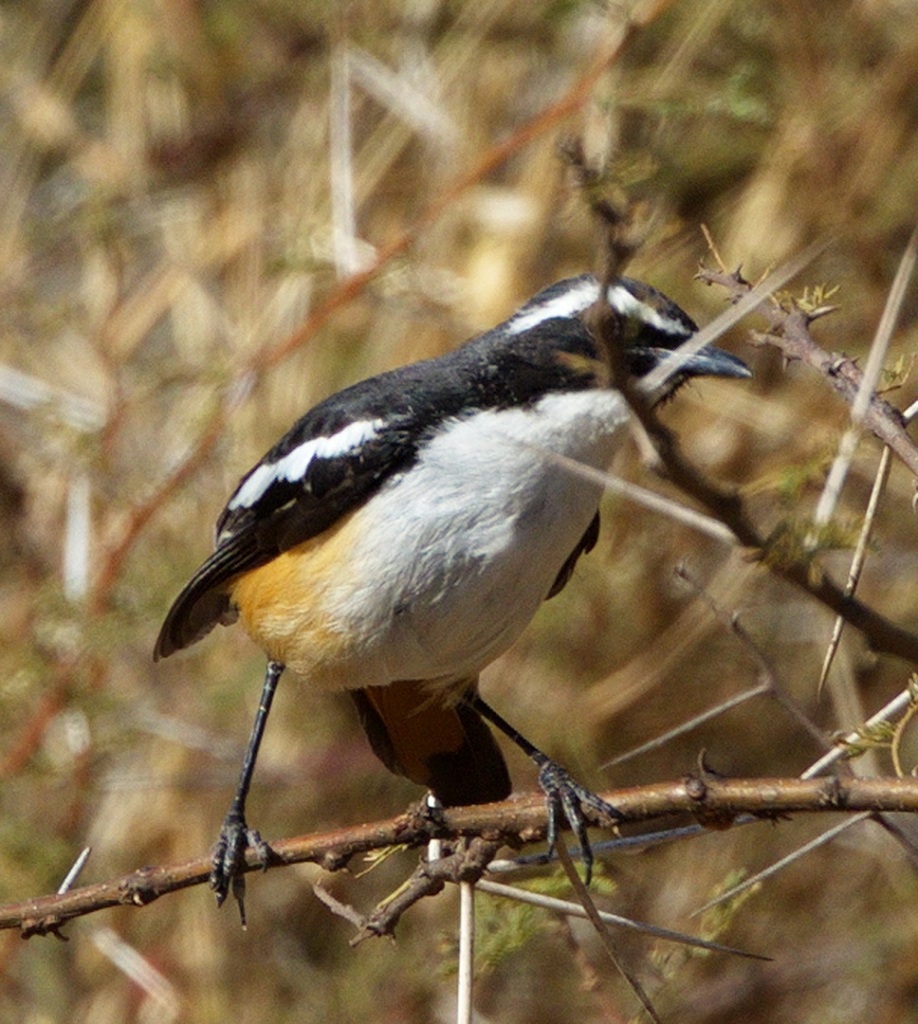
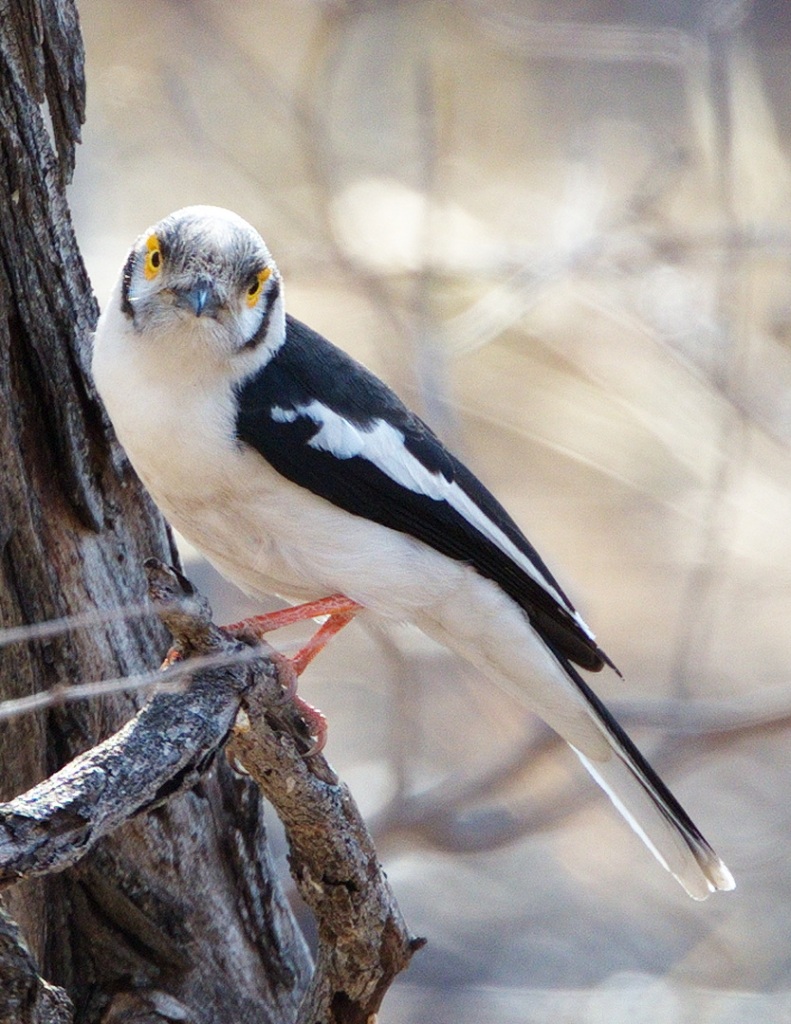
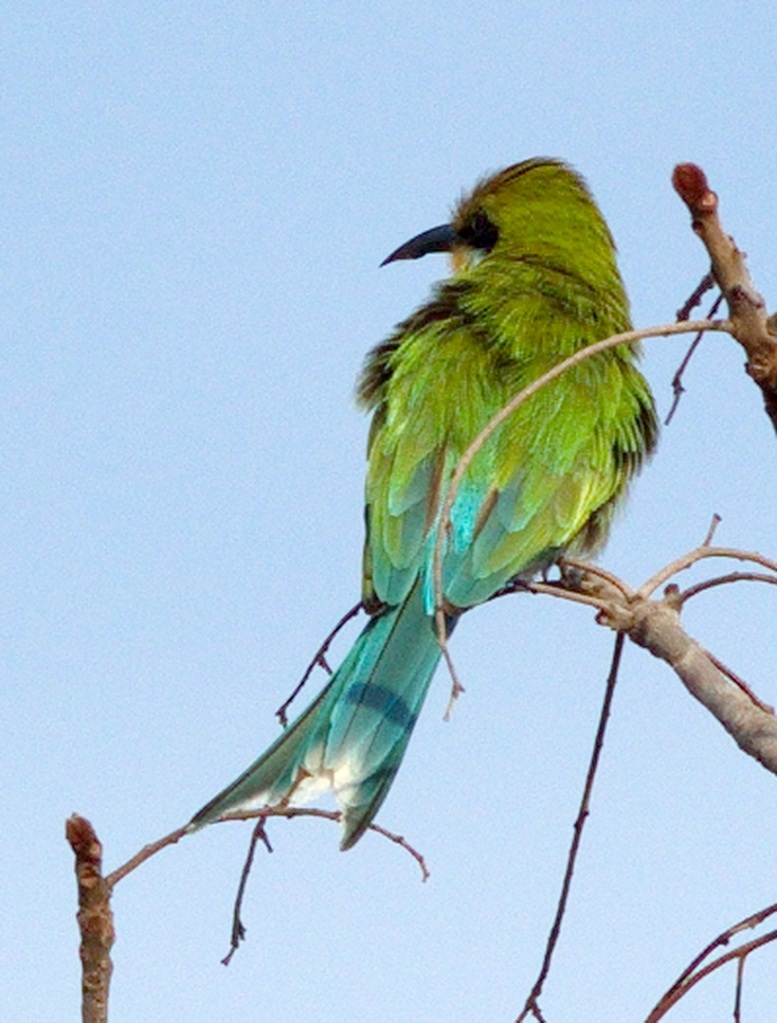
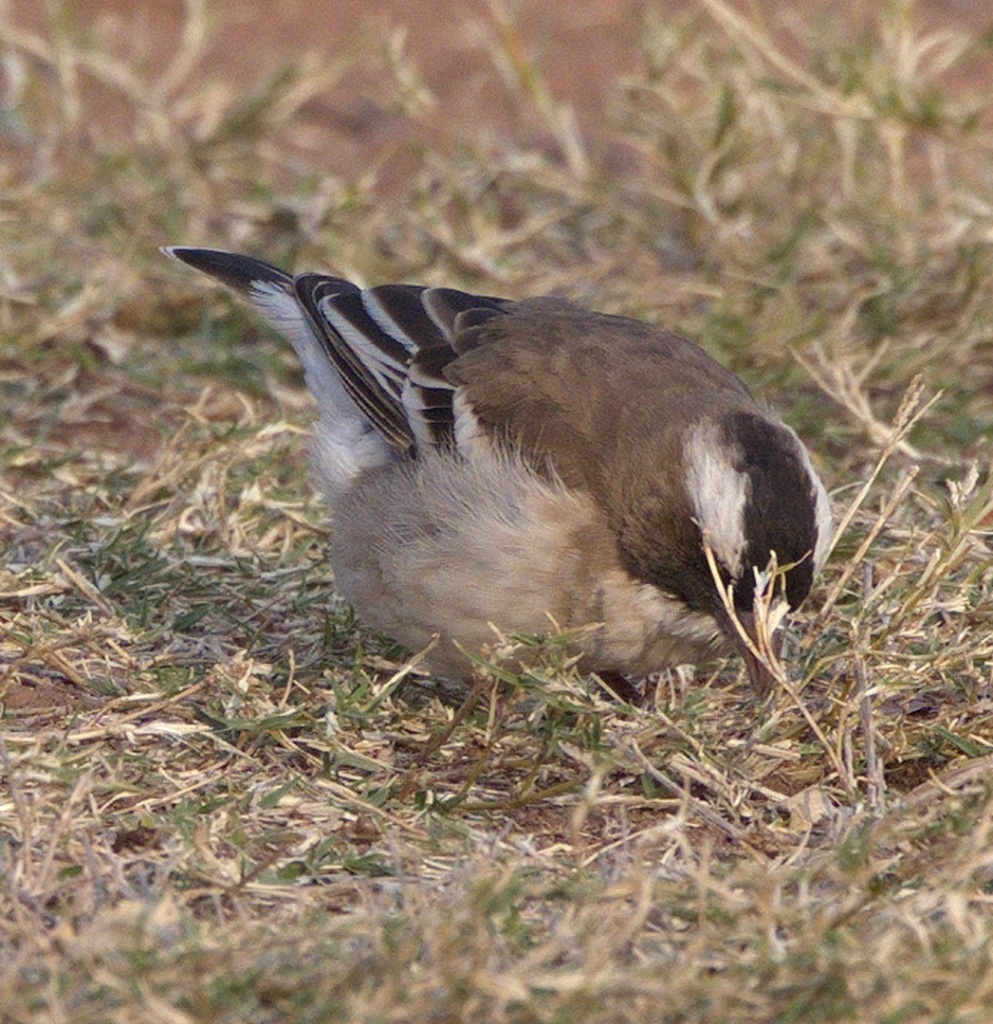
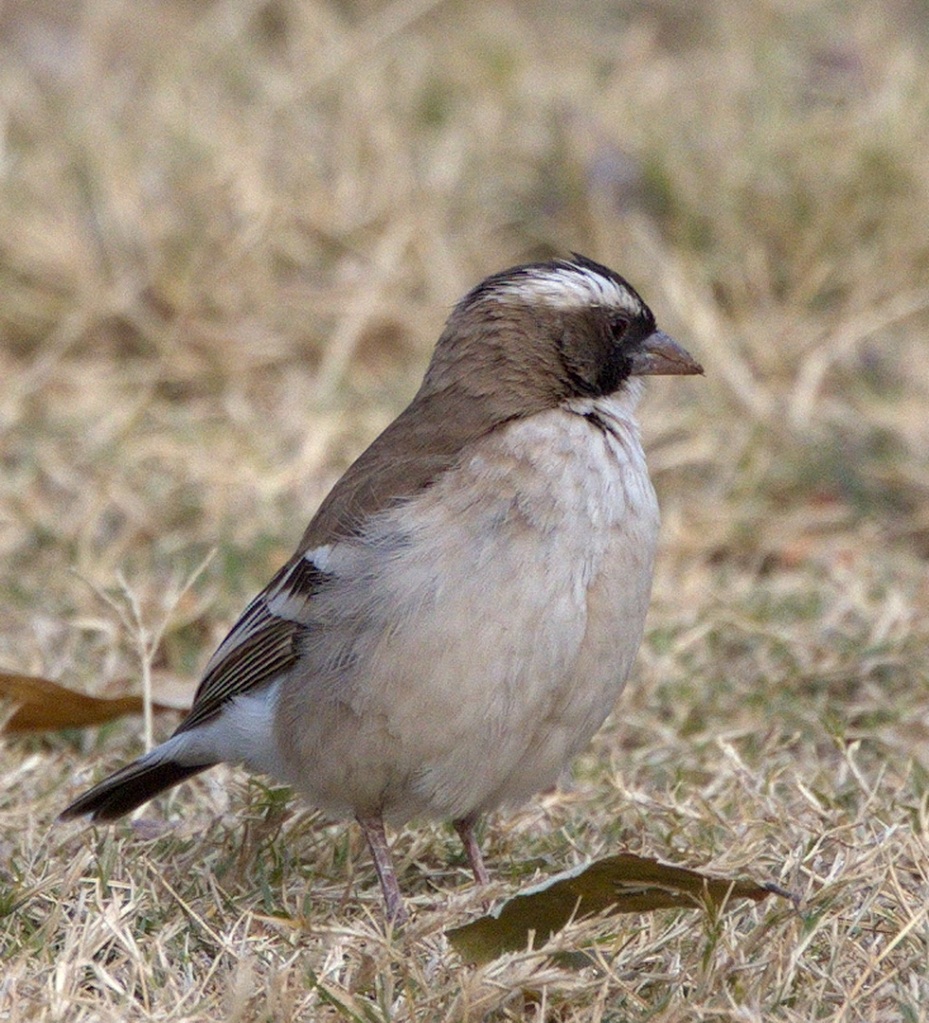
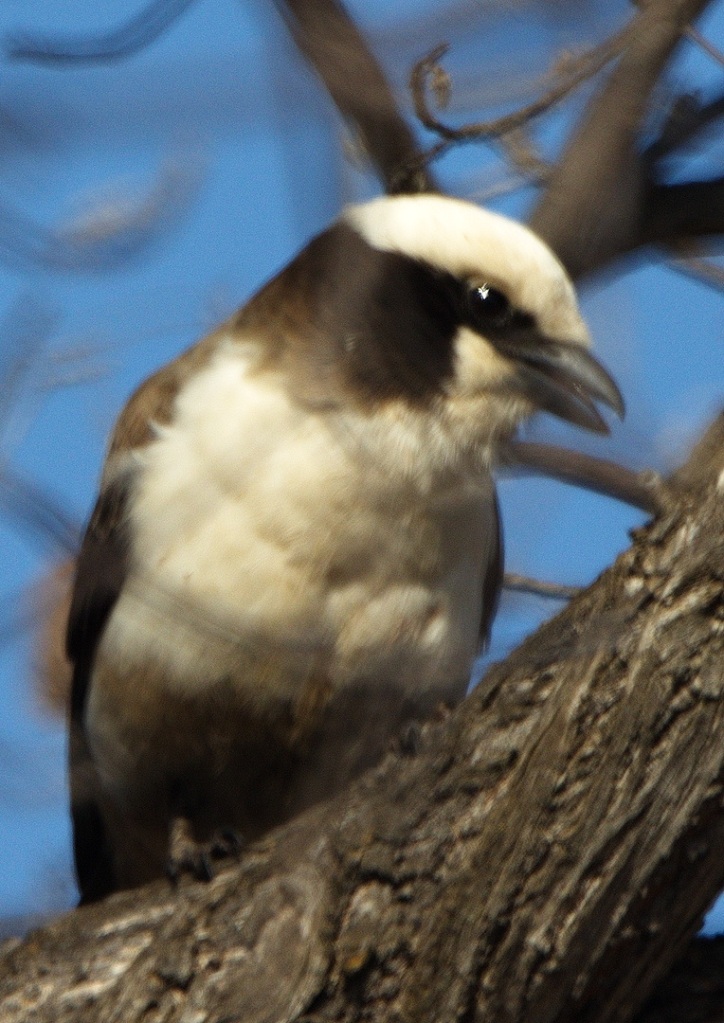
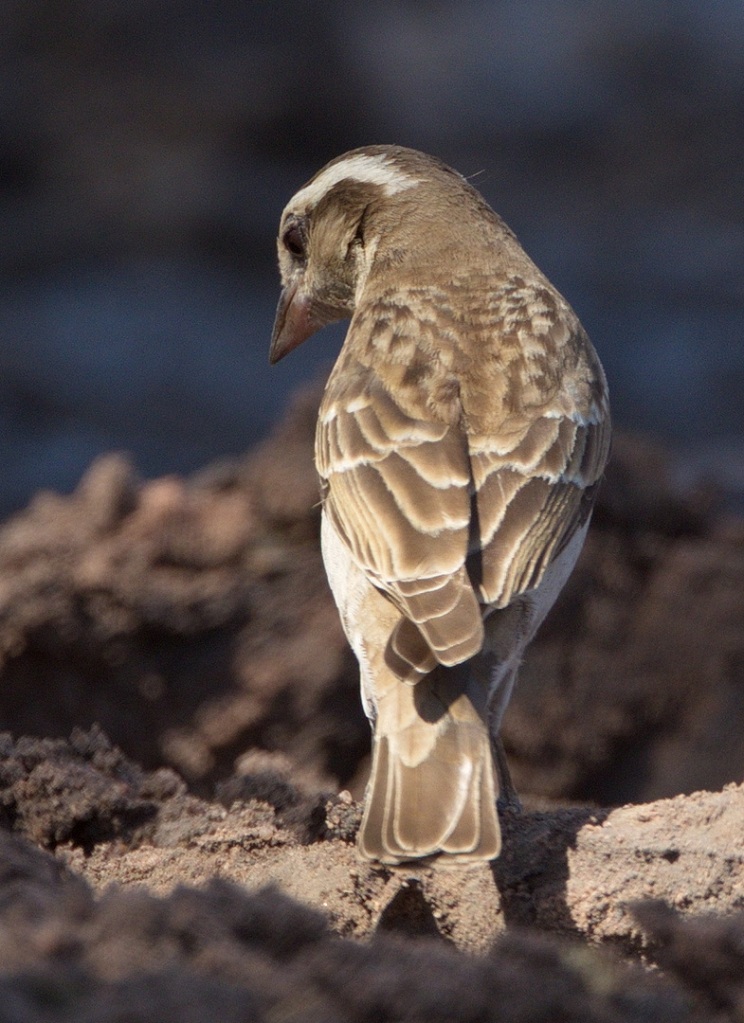
In that section we also found Sandgrouses (Burchell’s and Double-banded), White-browed Sparrow-Weavers, White-crowned Shrikes, Crowned Lapwings and Scaly-feathered Finches to name a few.
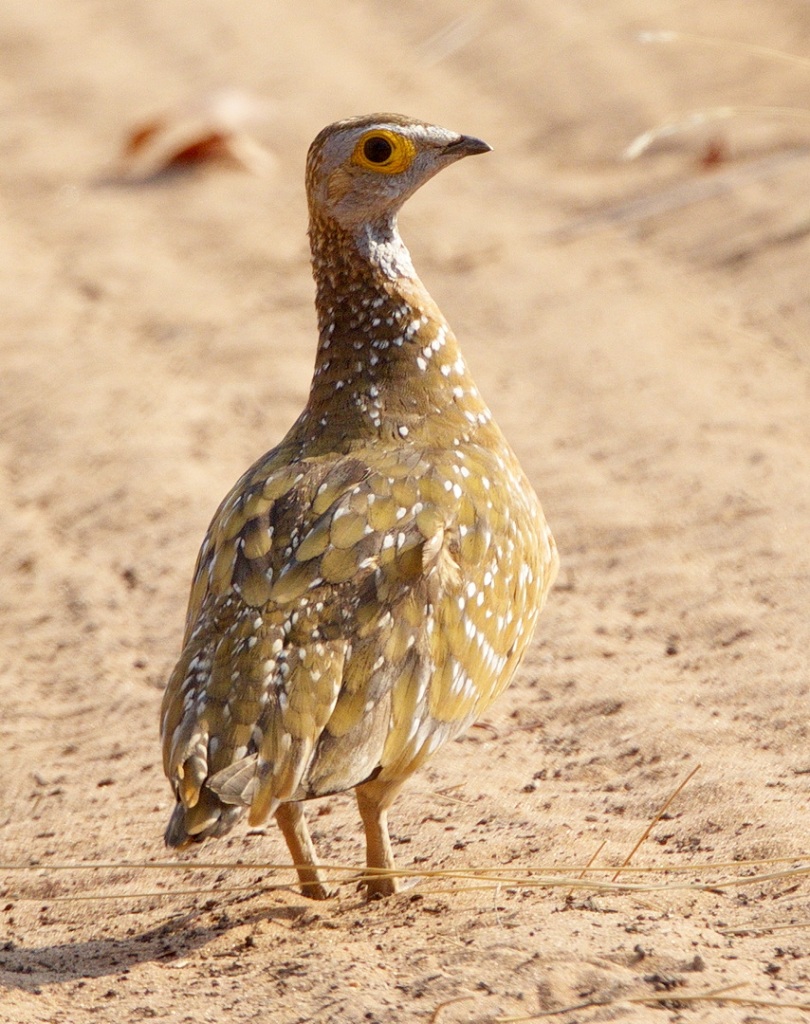
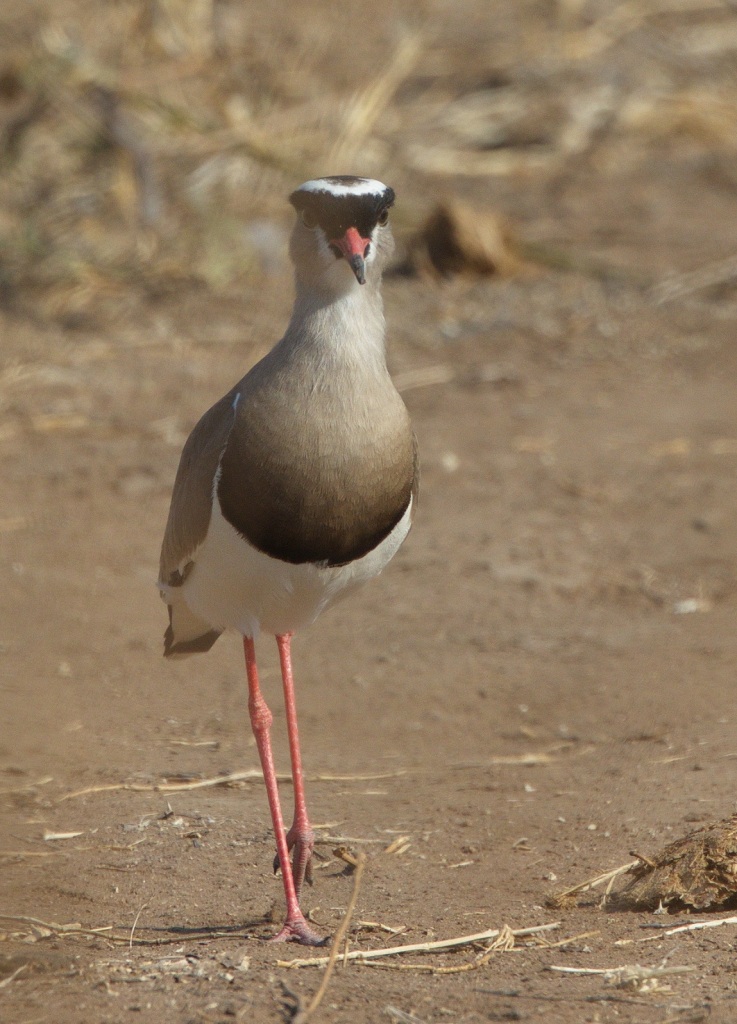
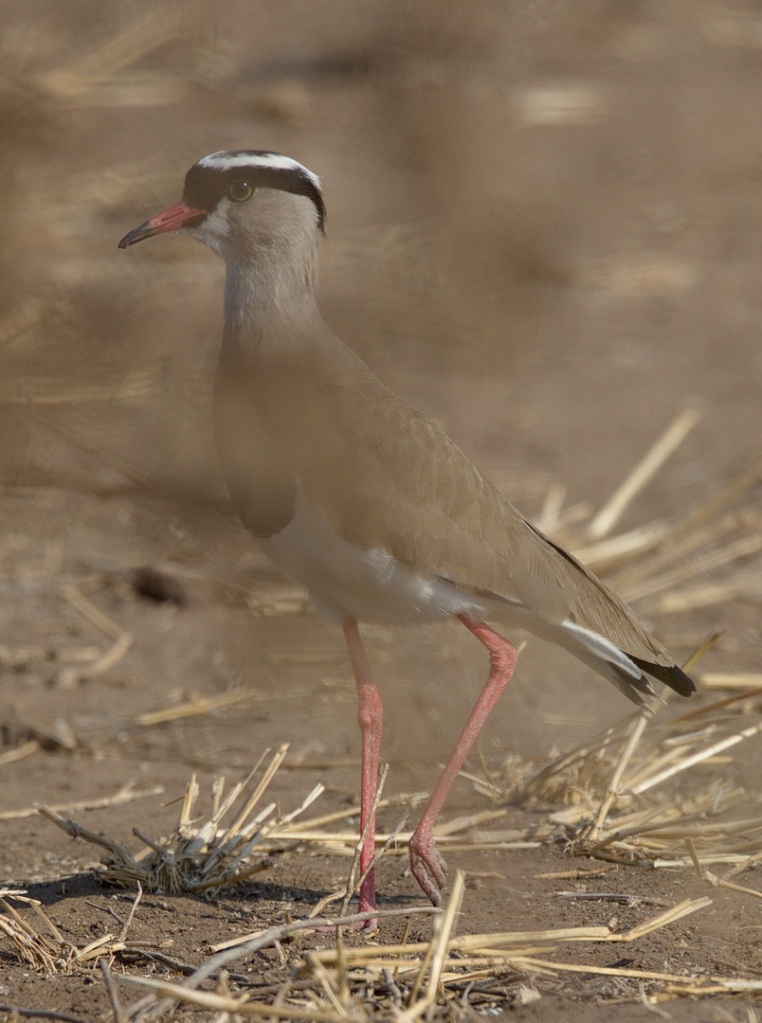
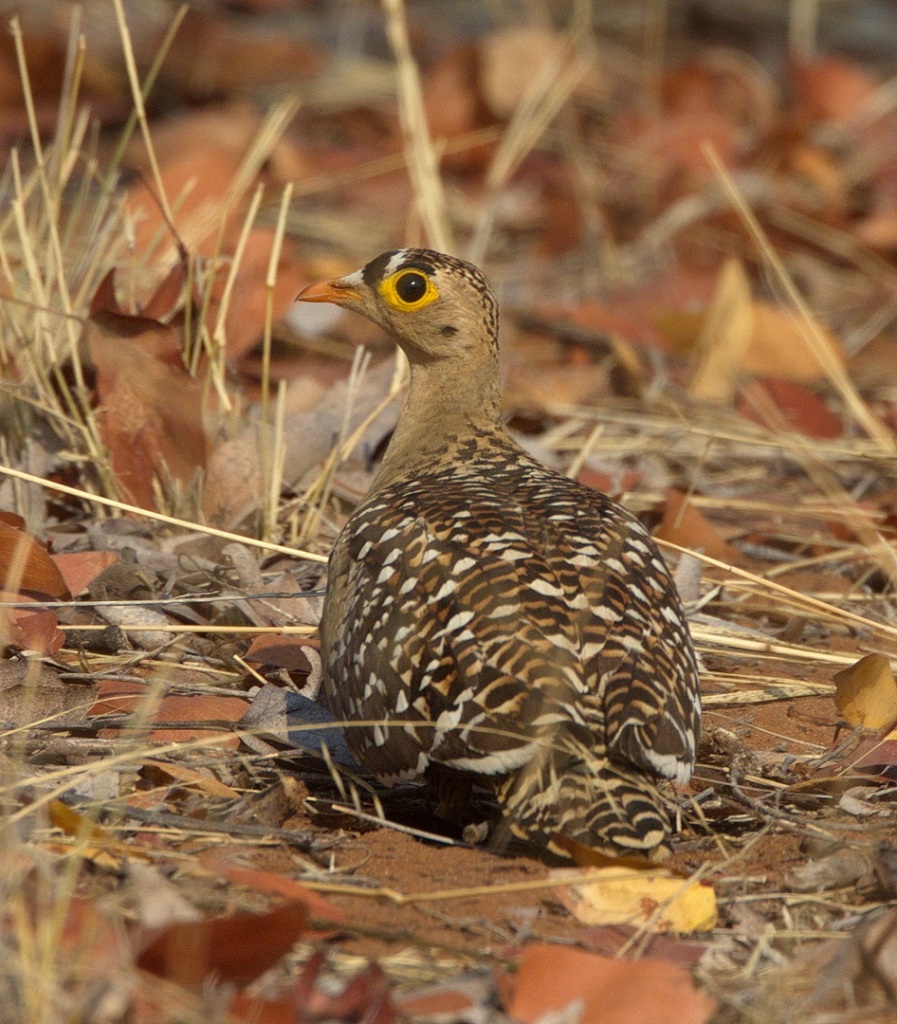
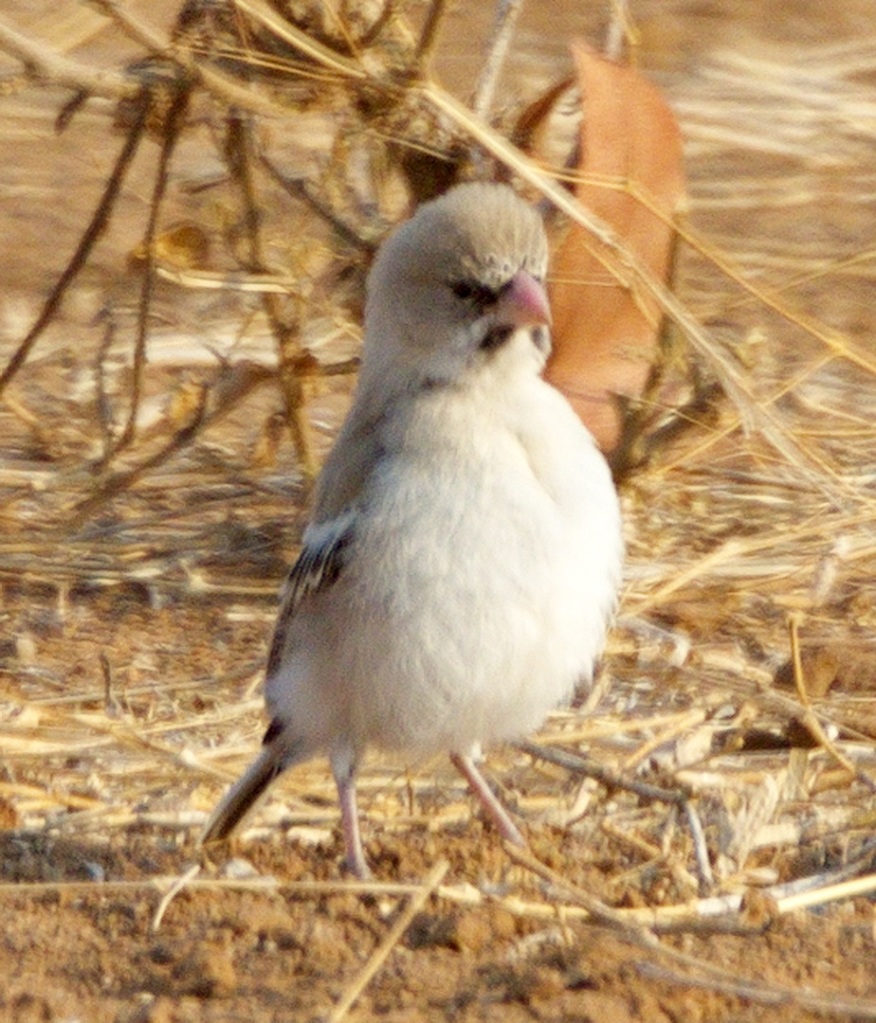
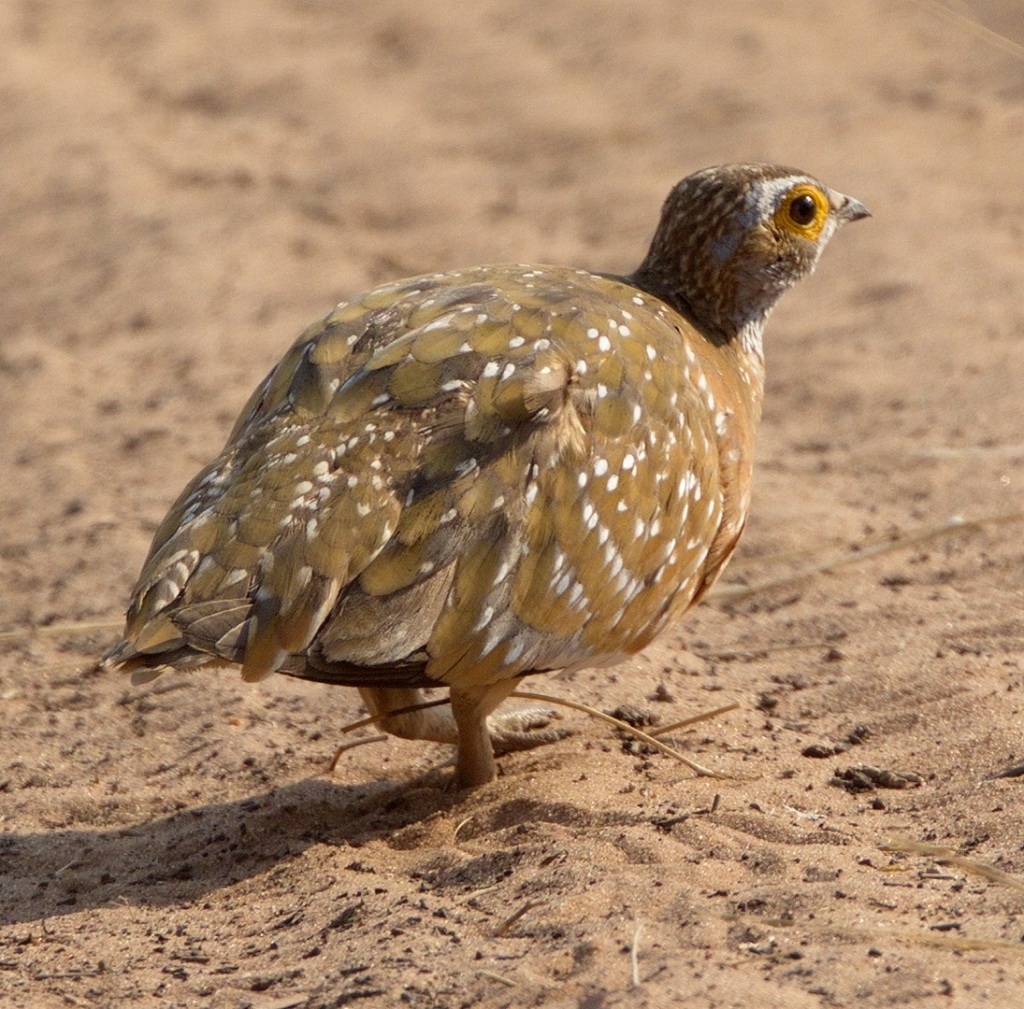
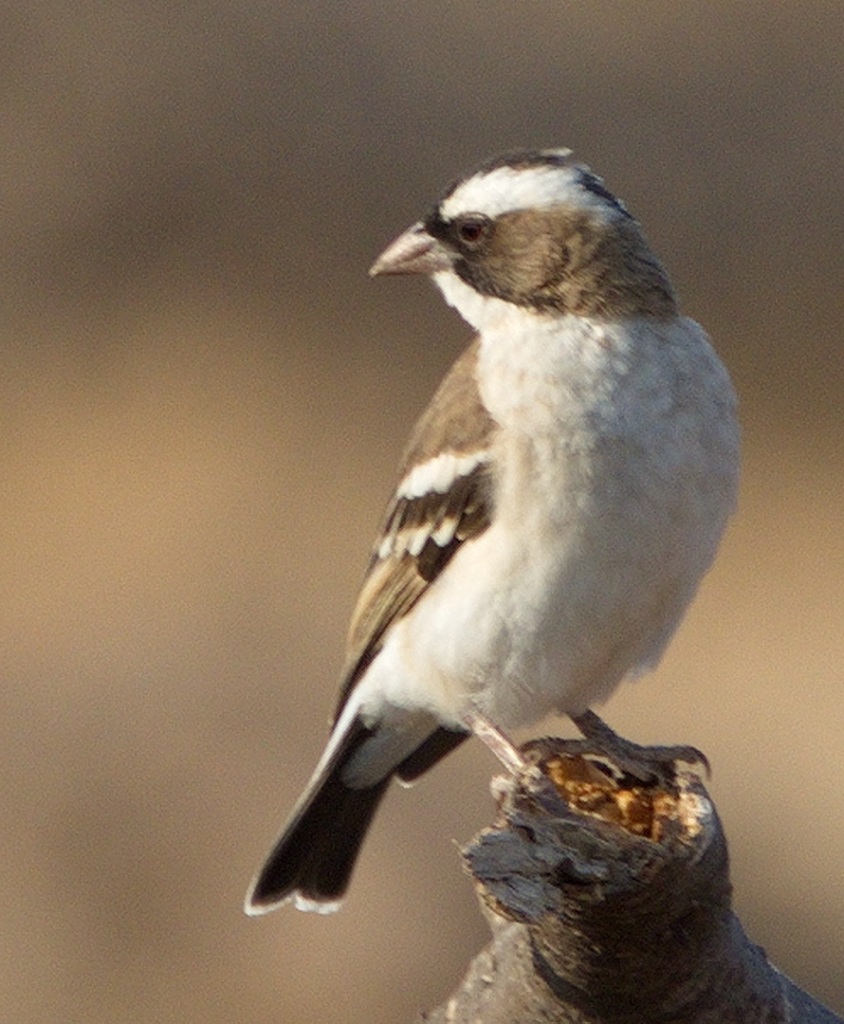
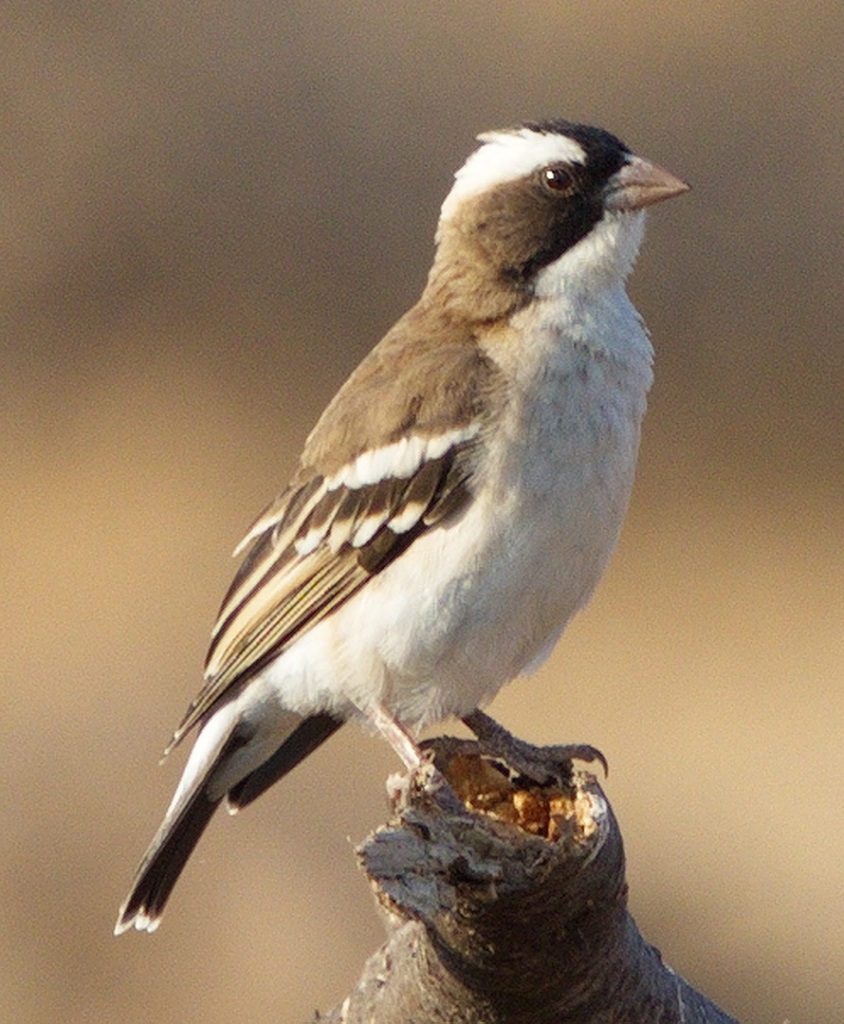

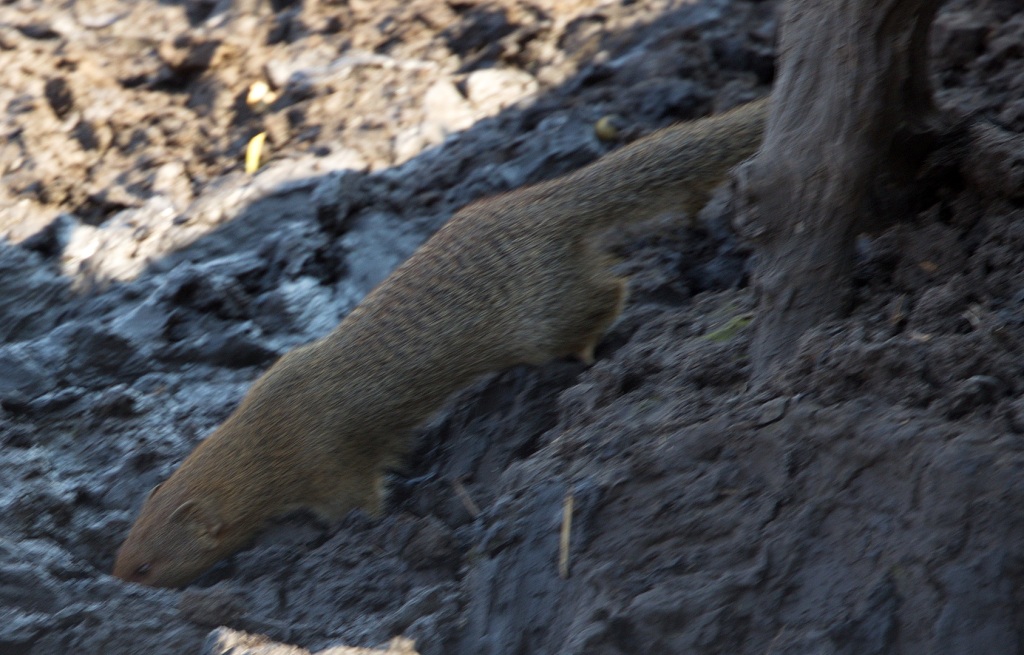
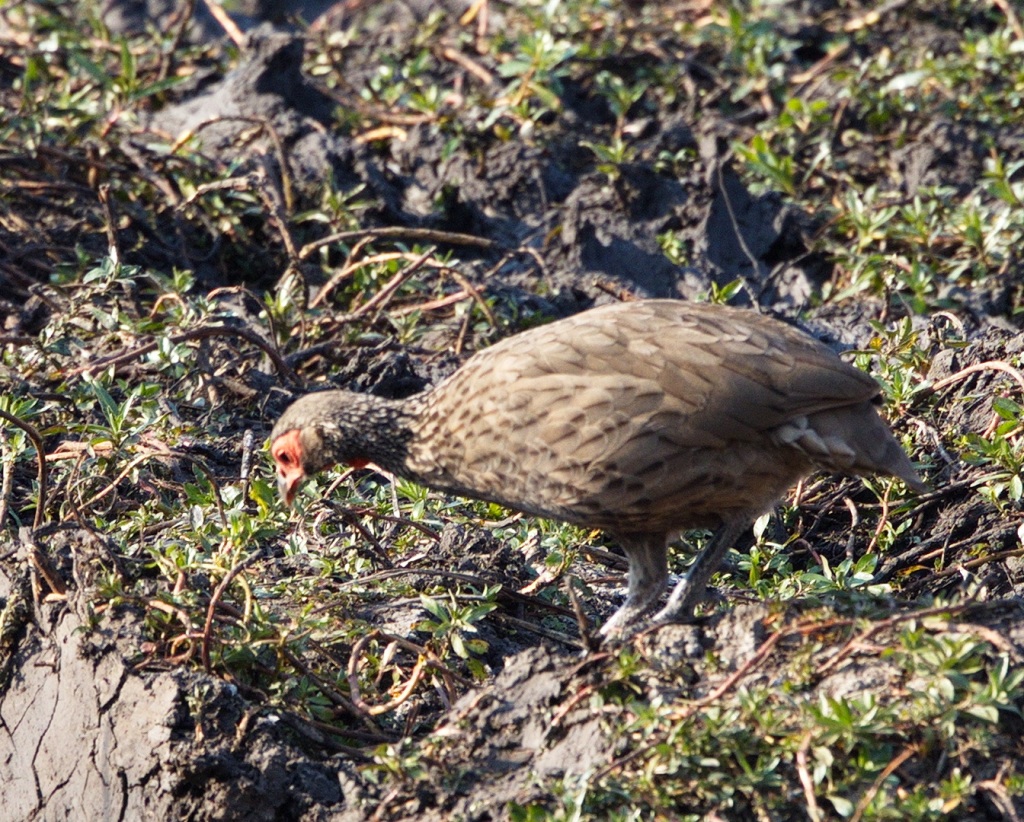
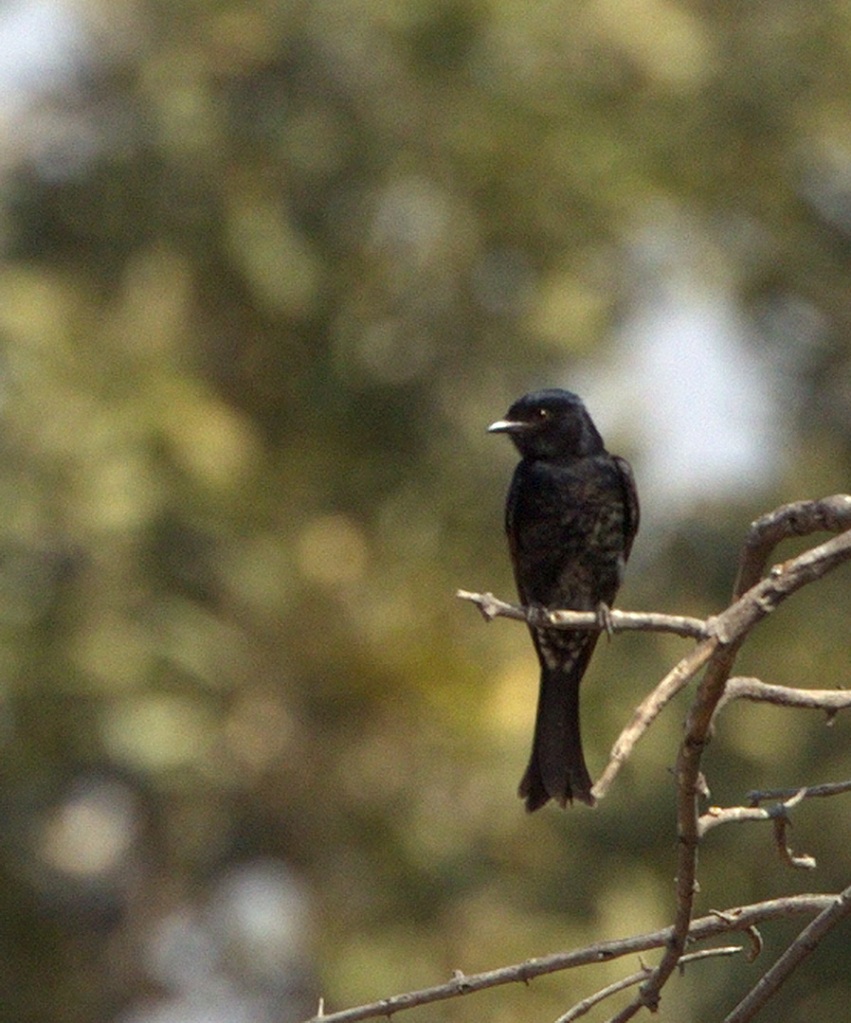
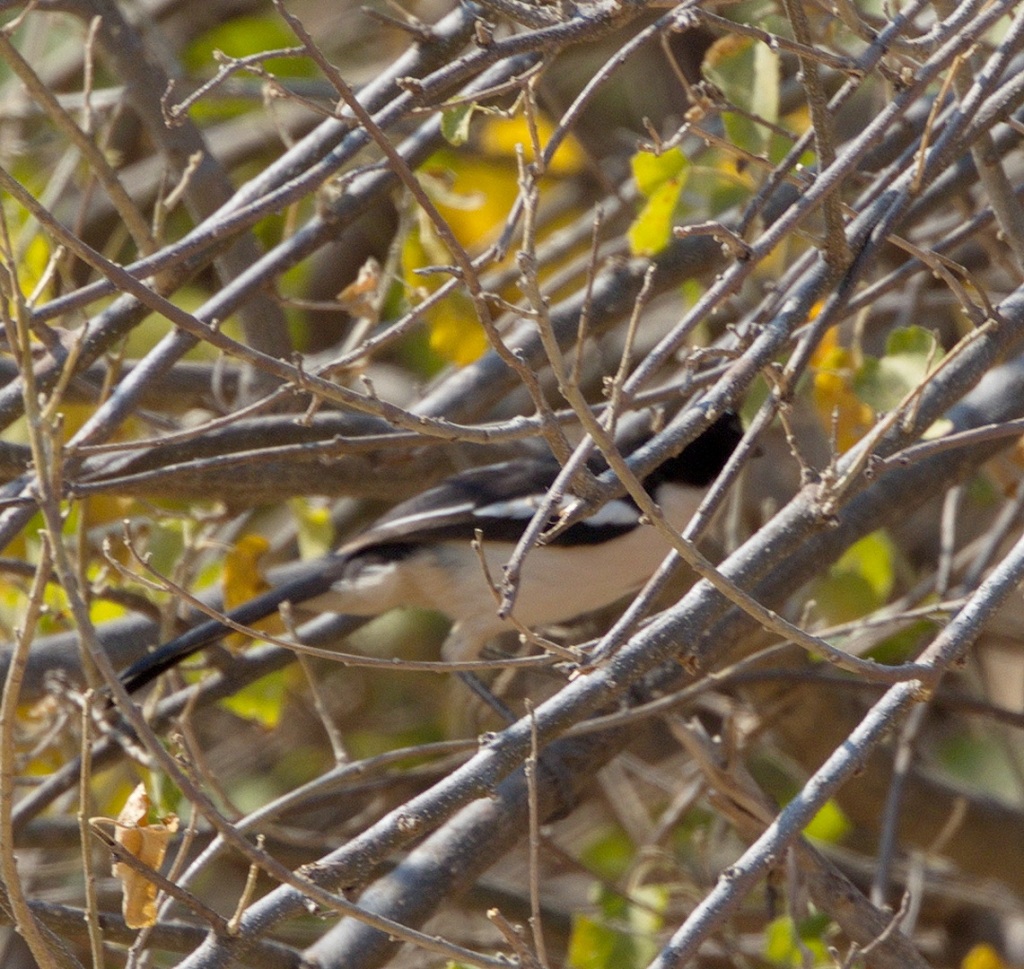
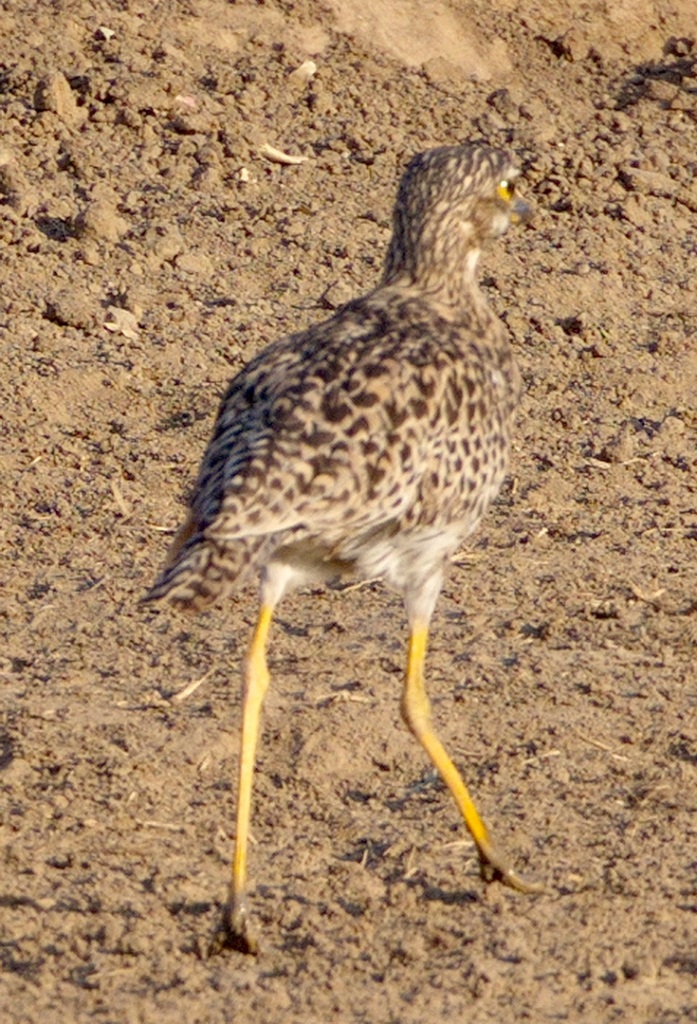
Elsewhere in the Western Section we spotted some secretive and not-so secretive species.
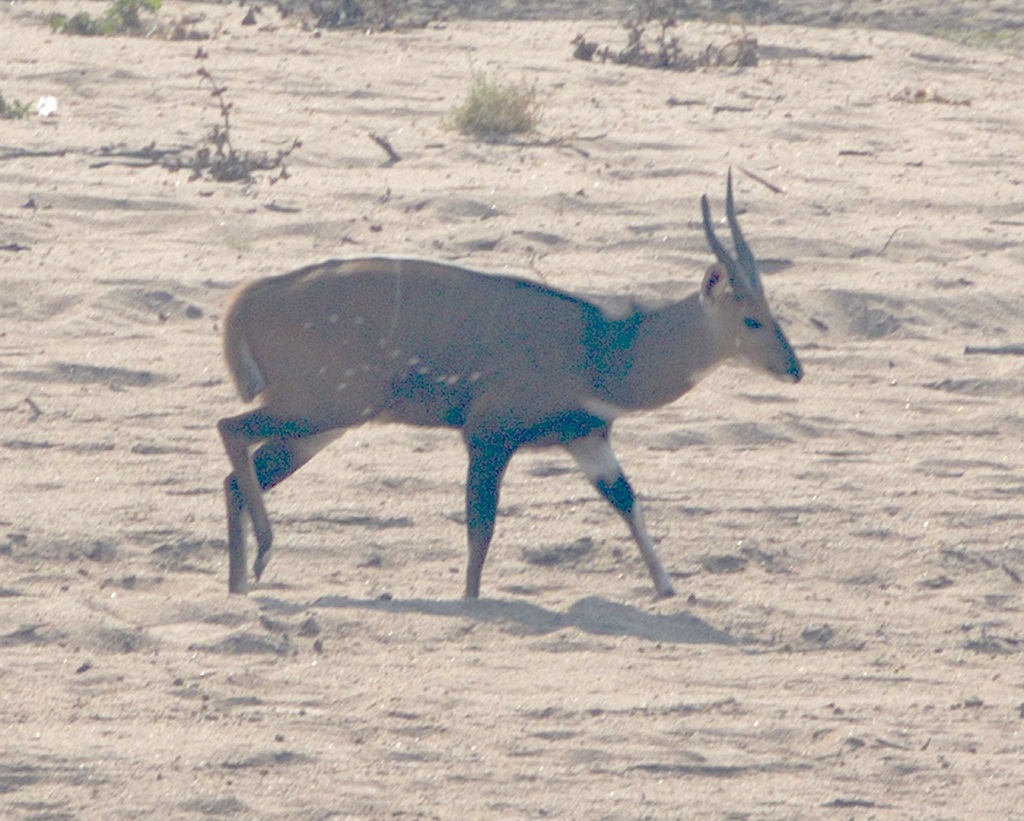
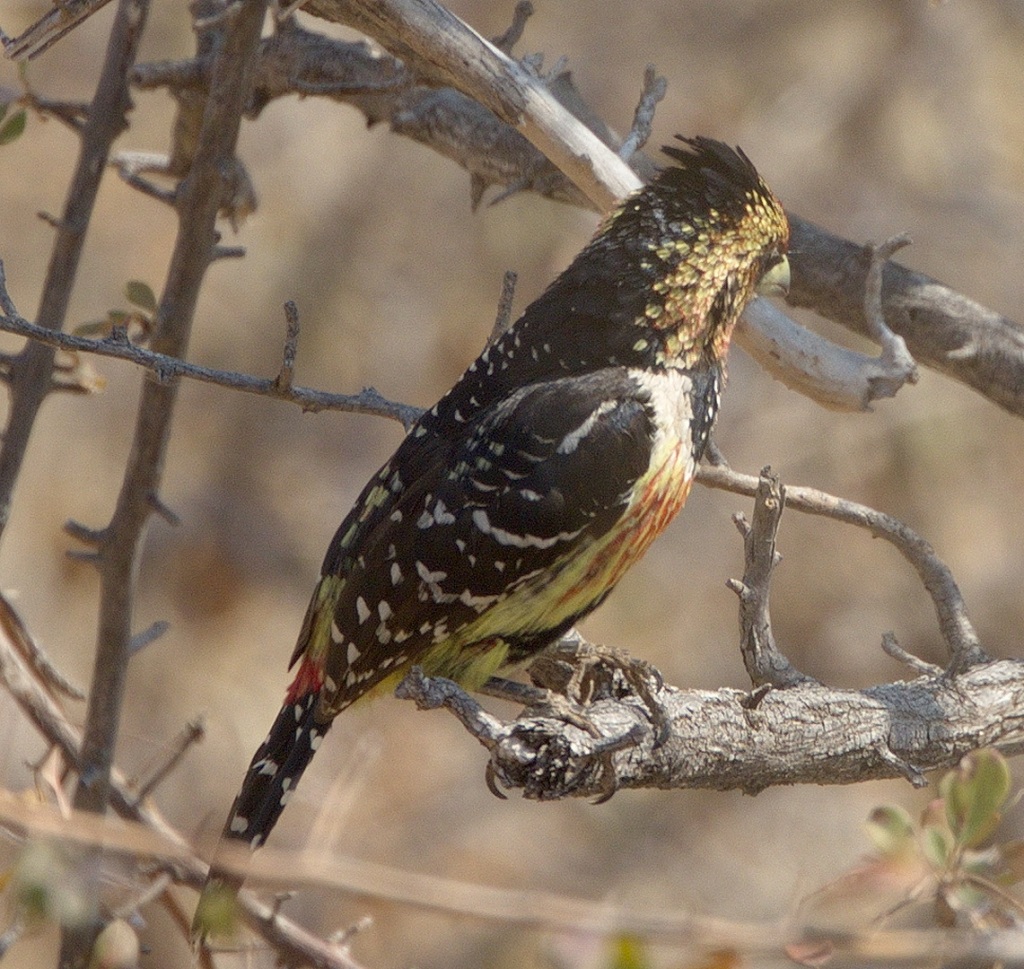
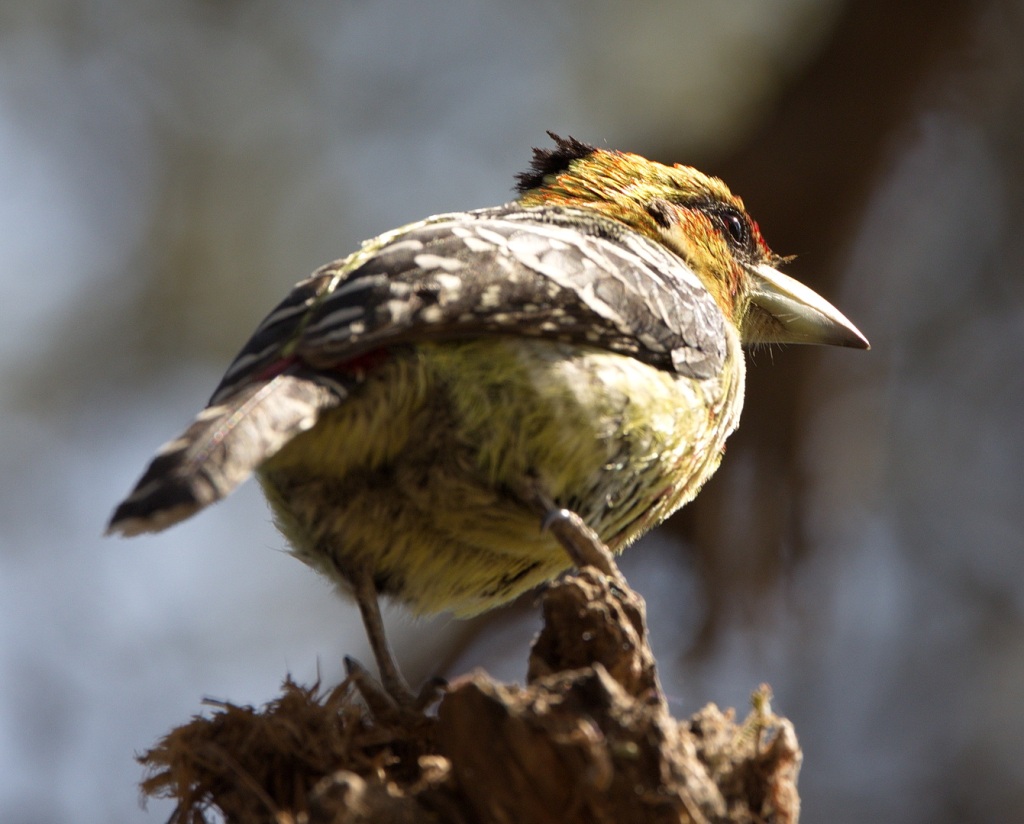
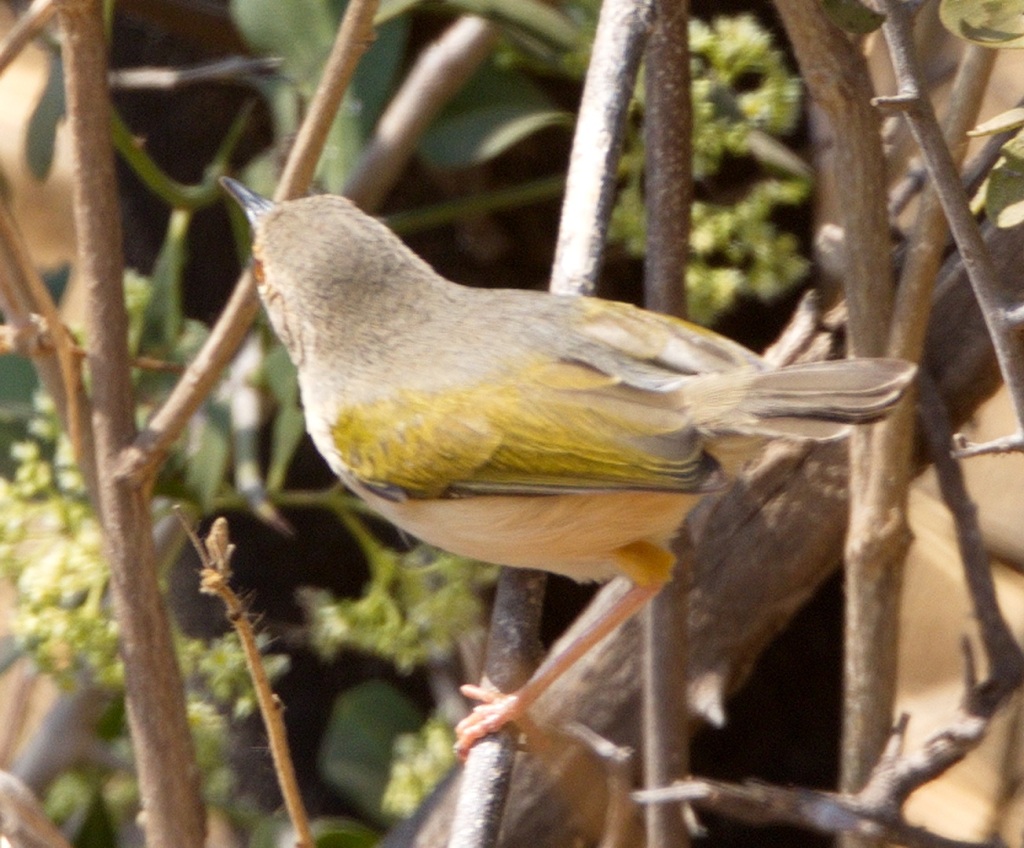
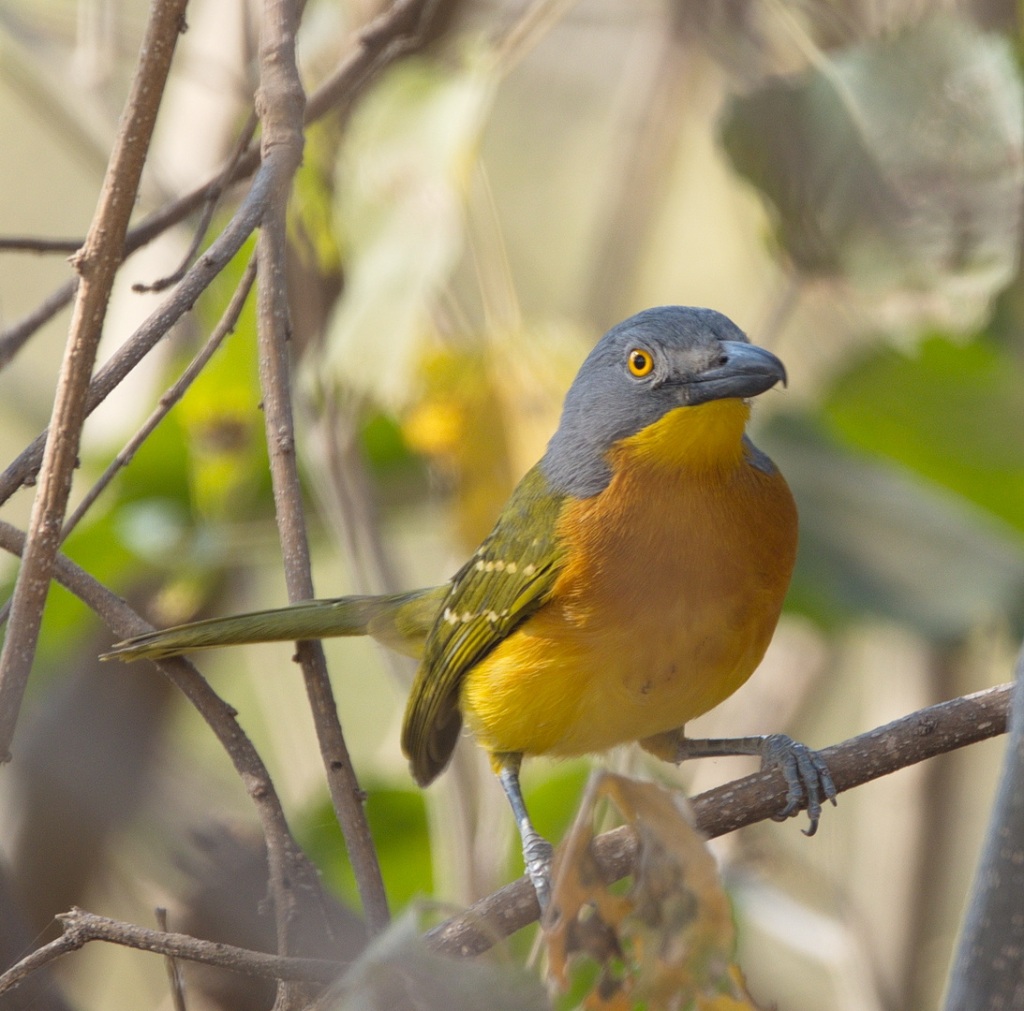
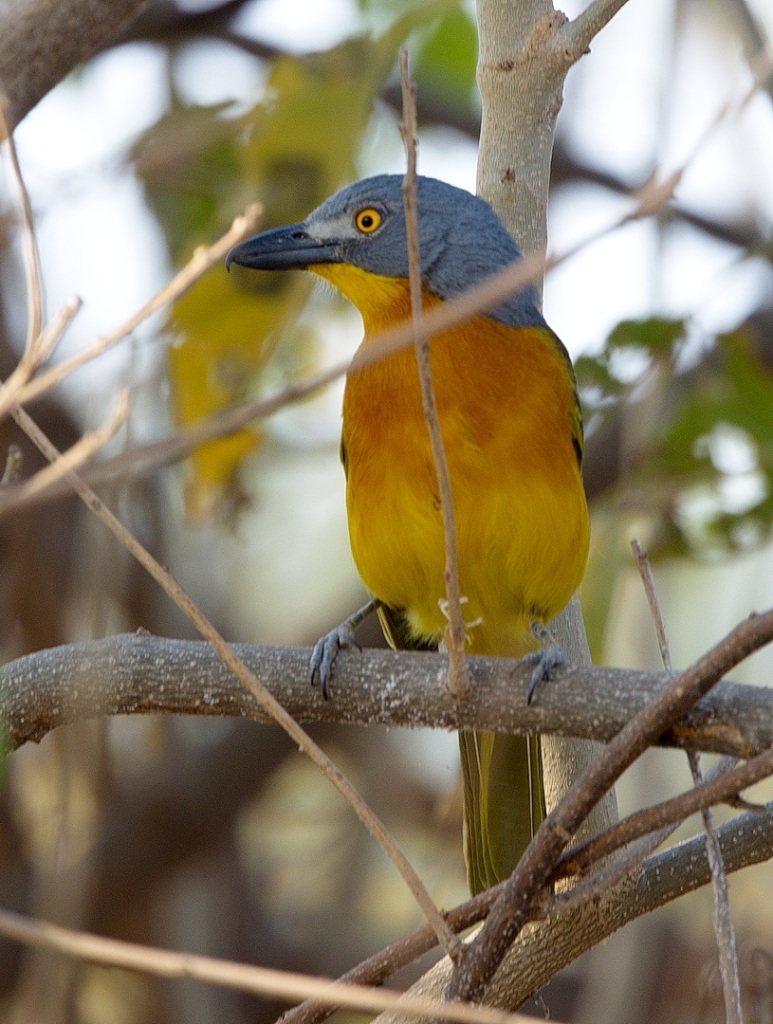
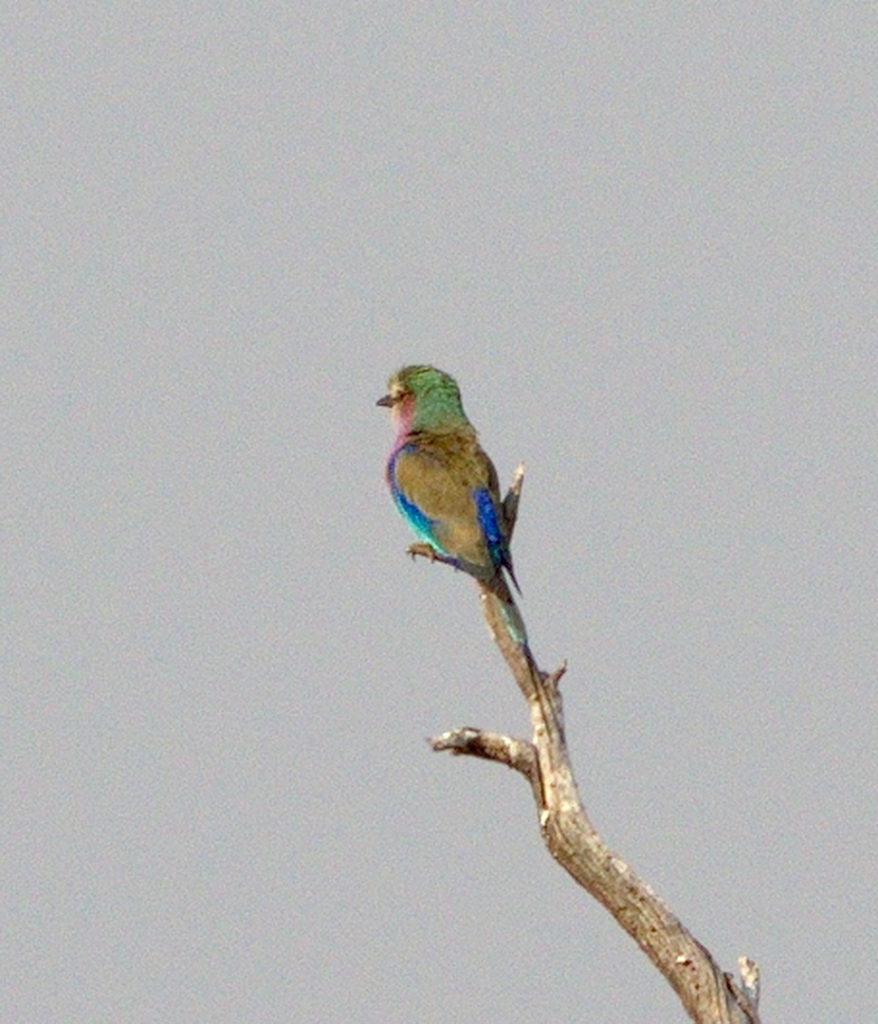
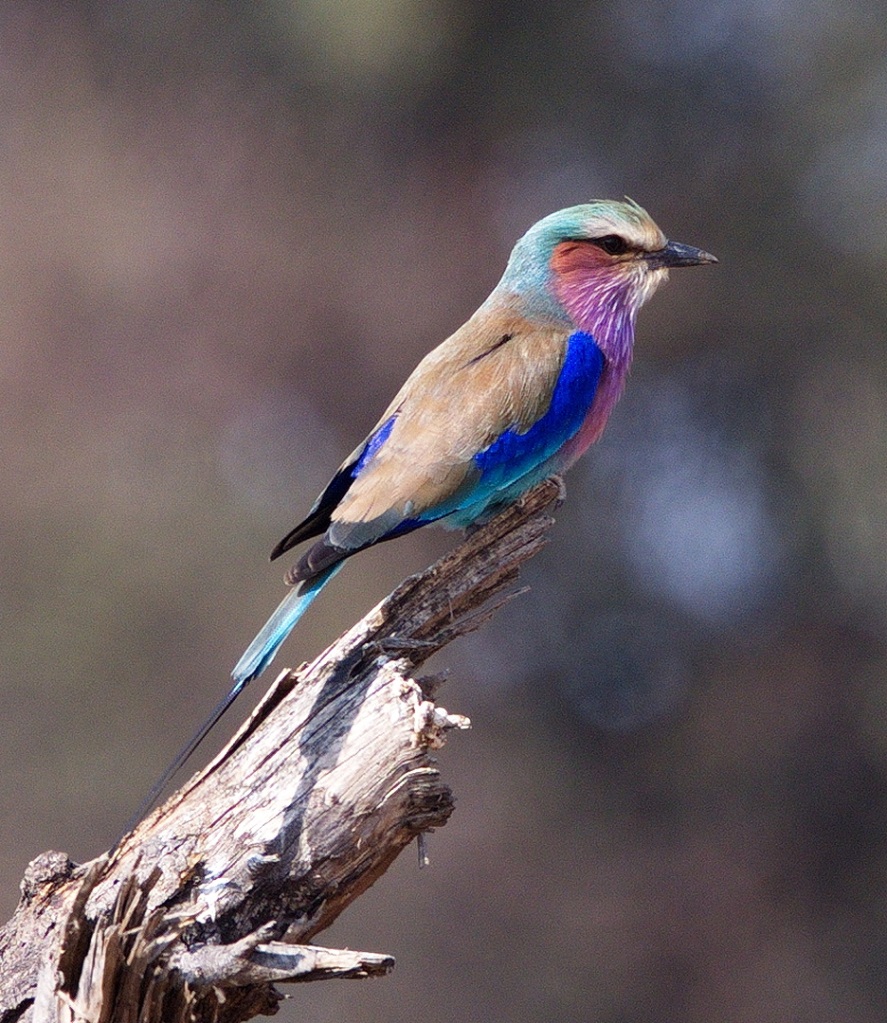
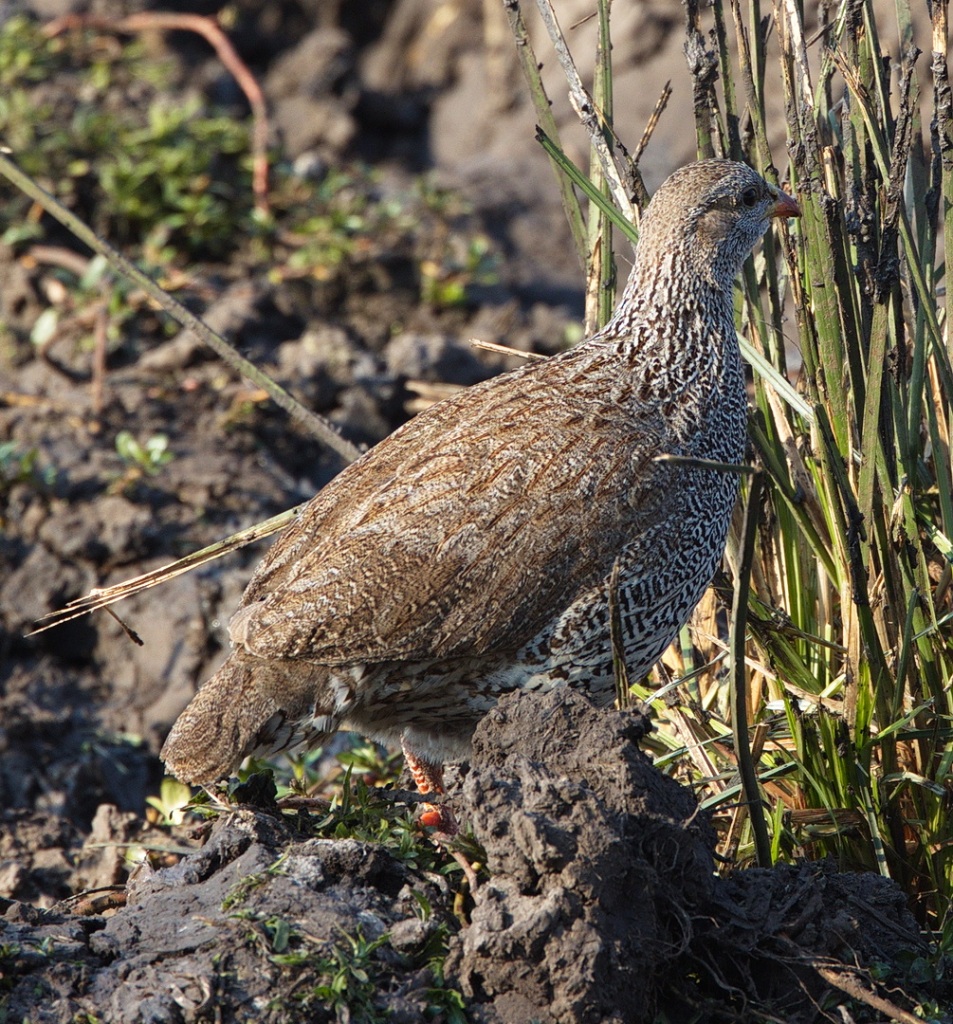
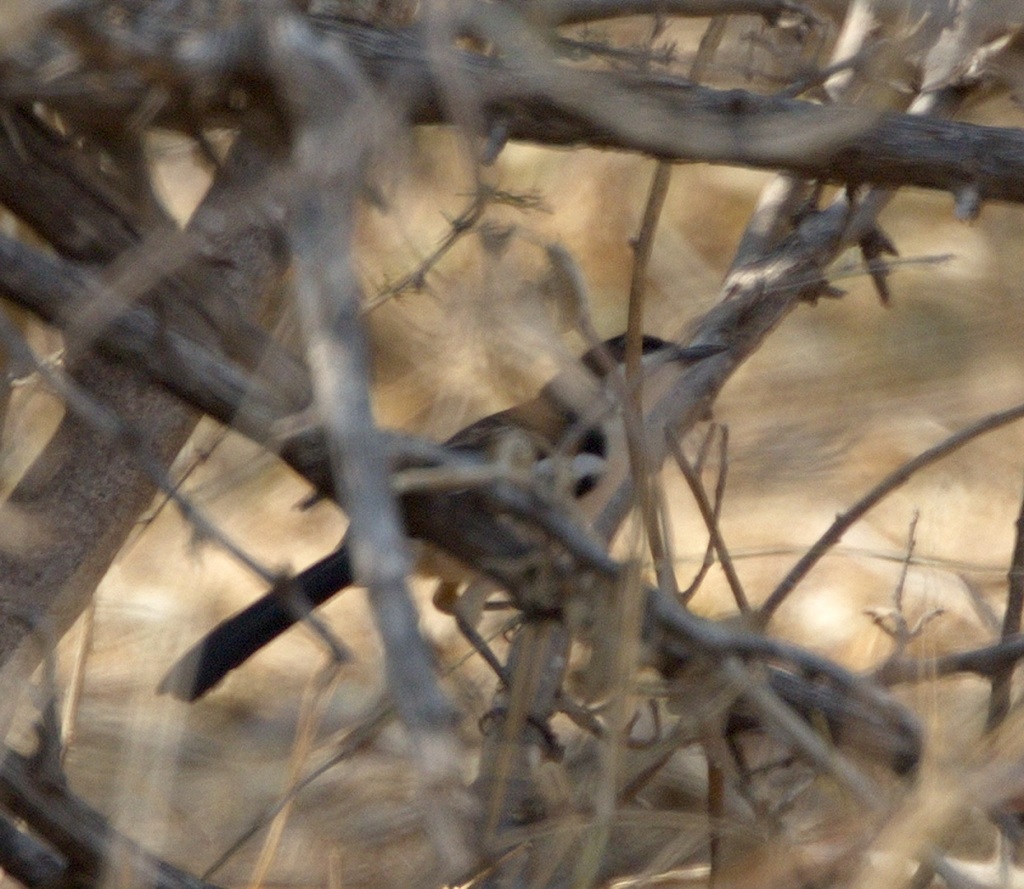
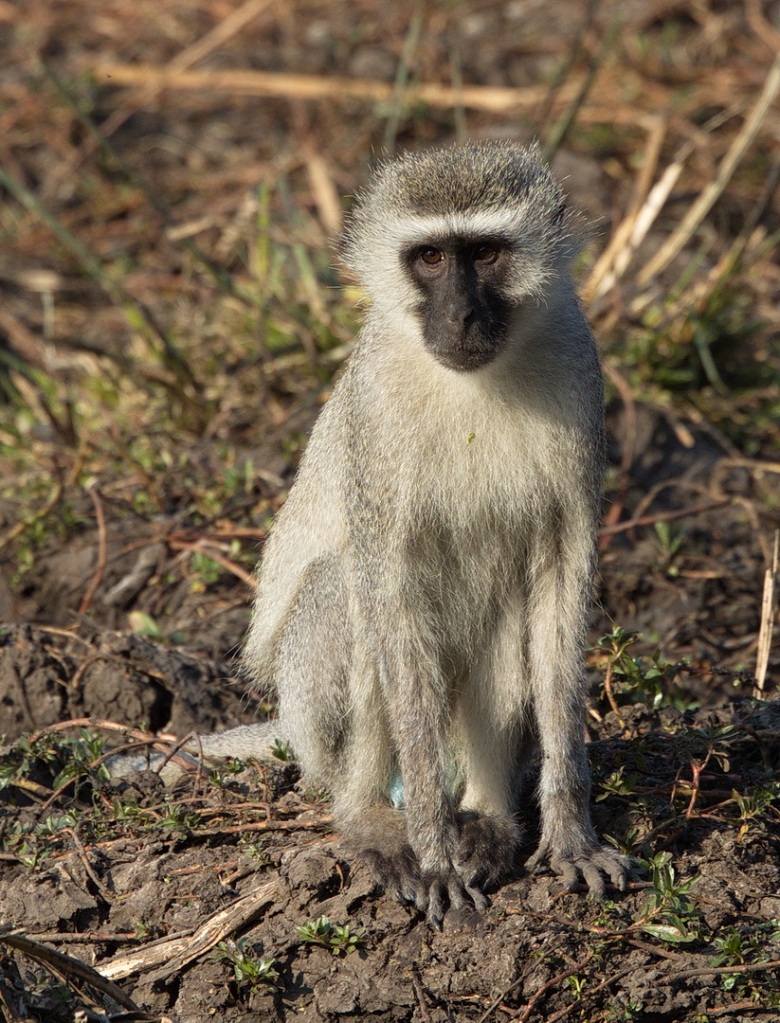
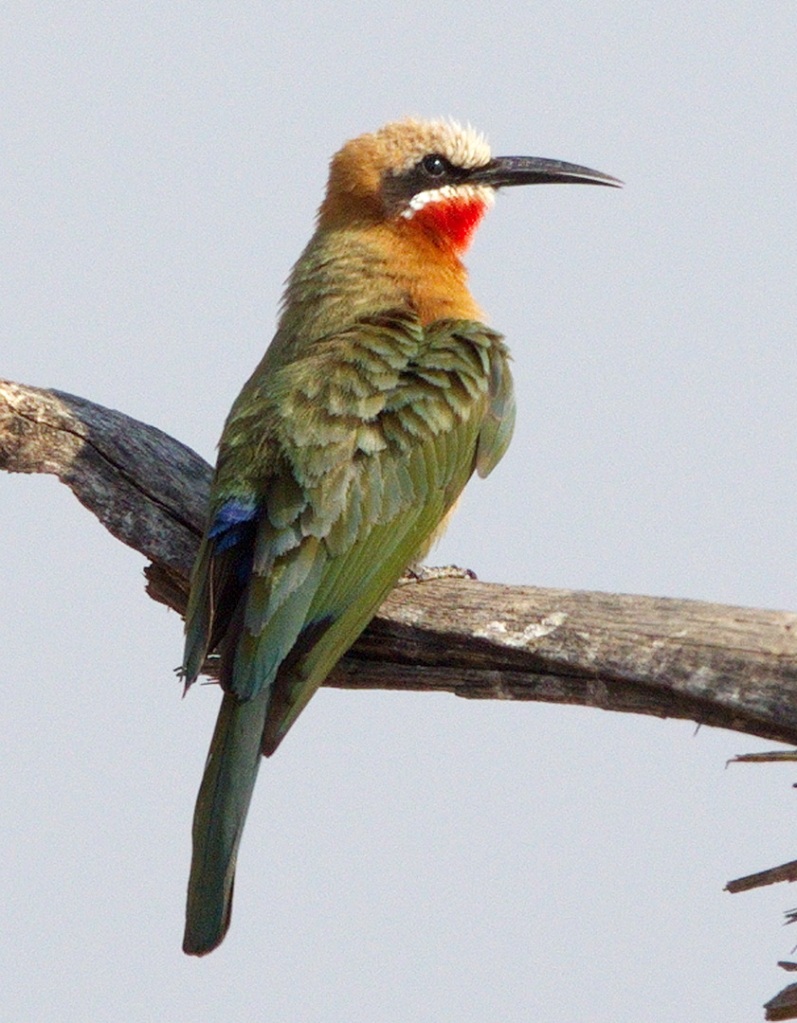
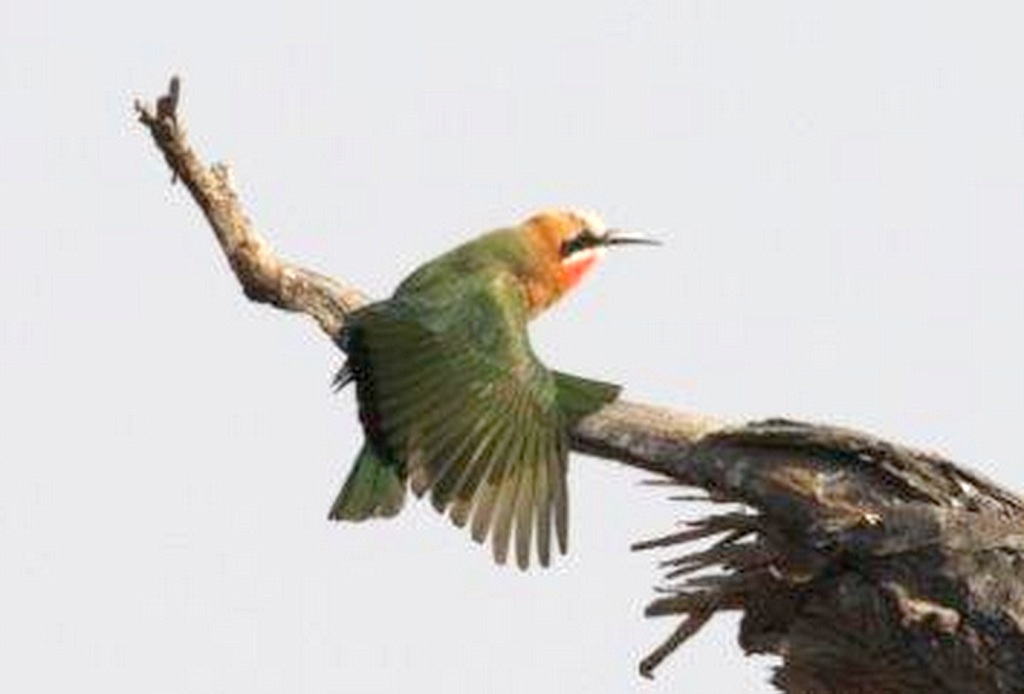
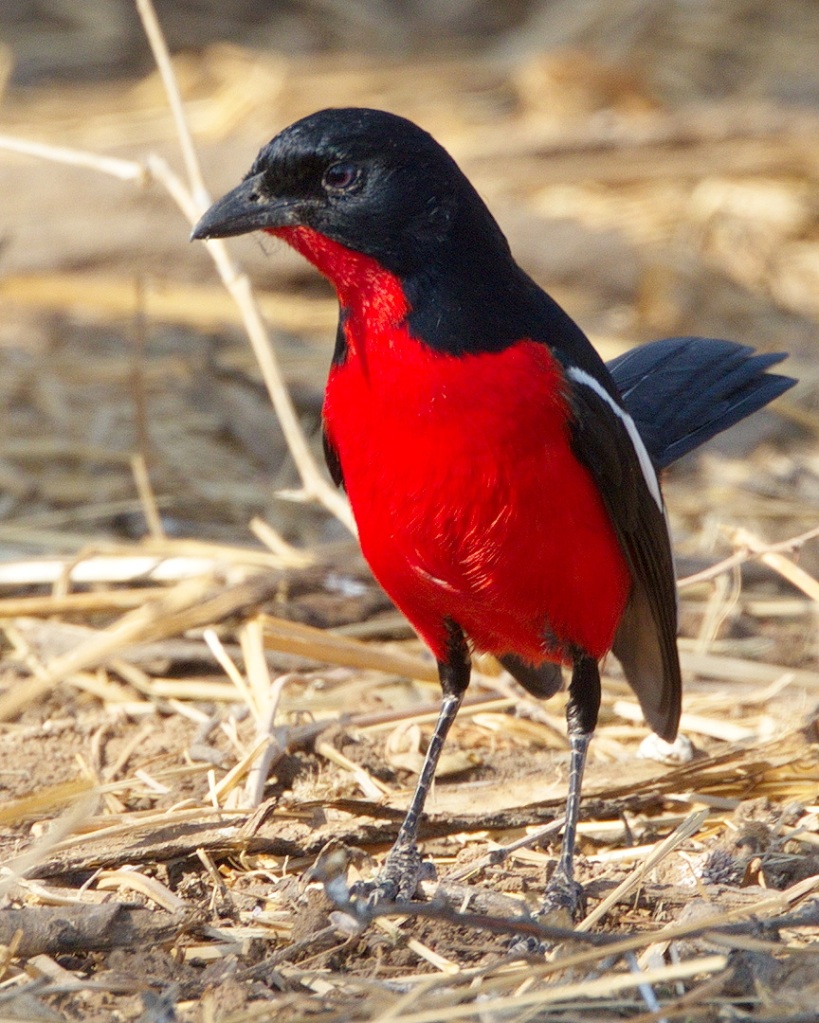
We also visited the Eastern Section of the Park. About 20 kms drive from East to West entrances along the Den Staat road.
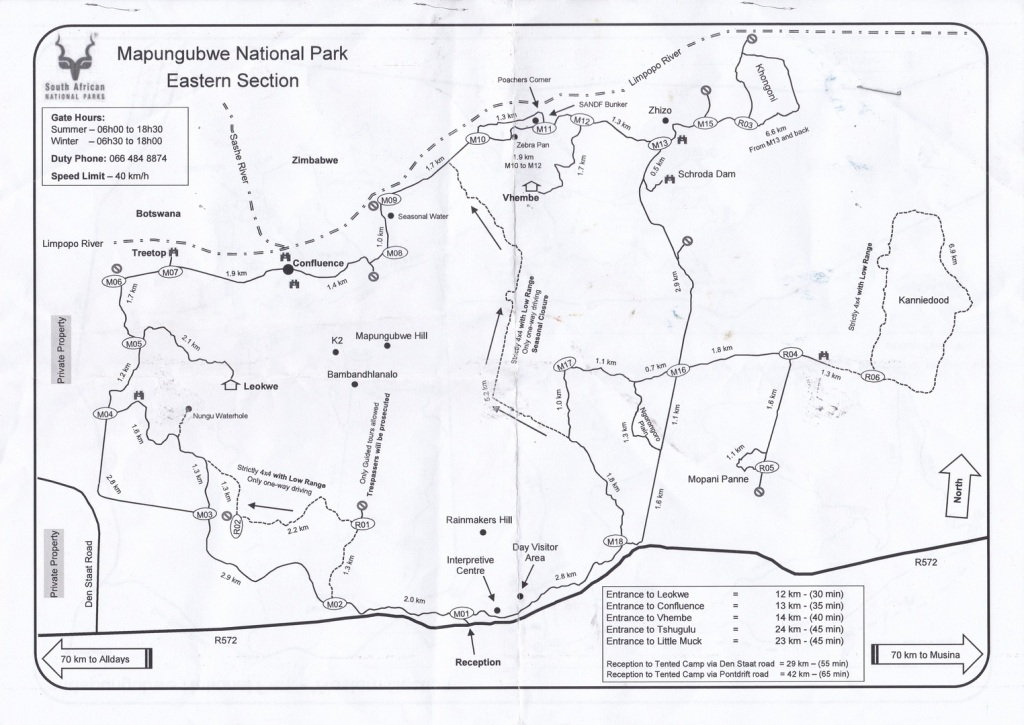
We spent a day in the Eastern Section. It too was very dry and dusty. On entry we encountered Impala Lilies – always very colourful.
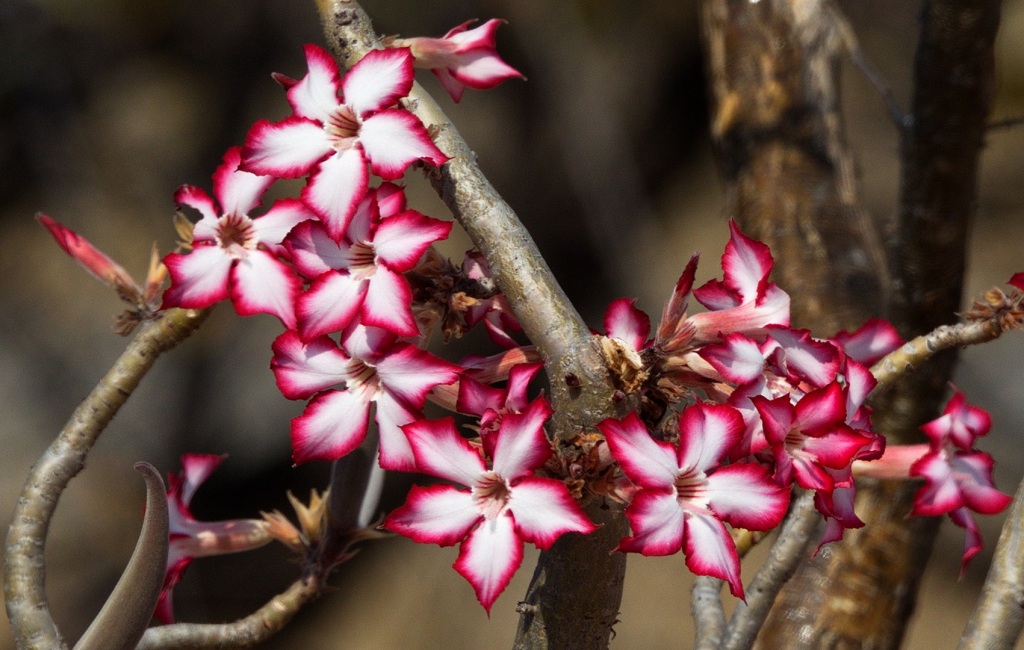
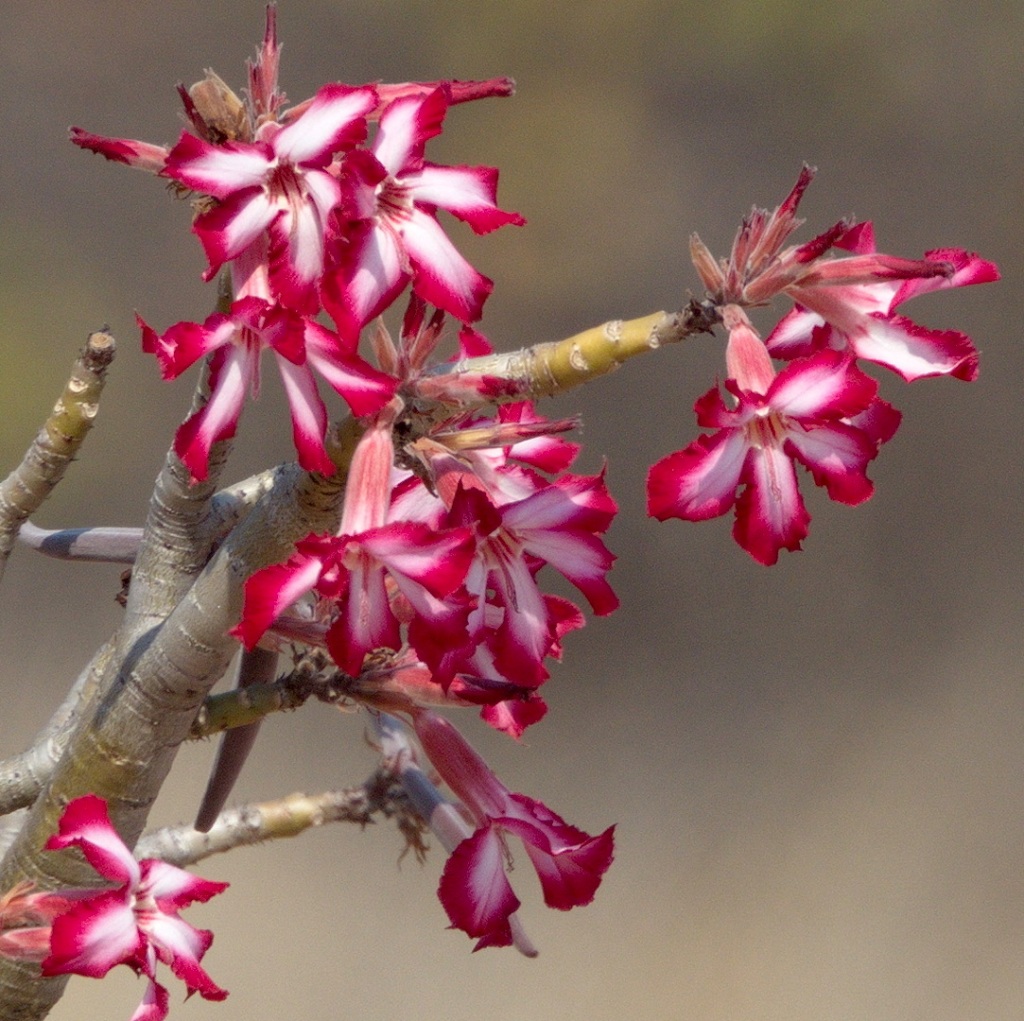
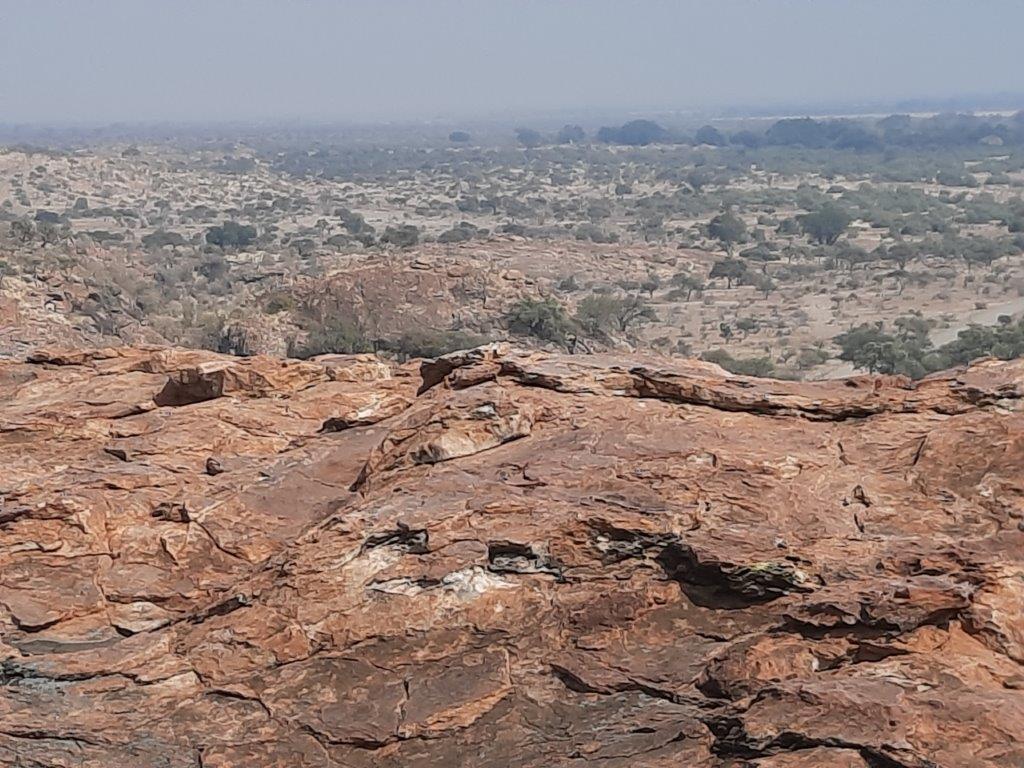
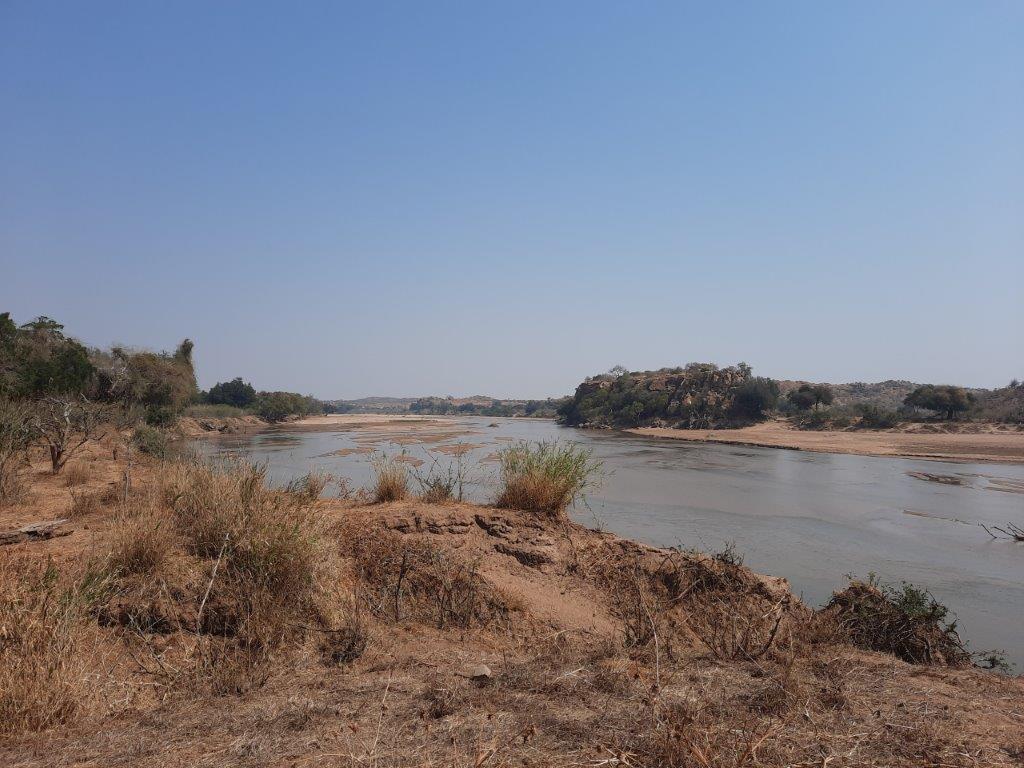
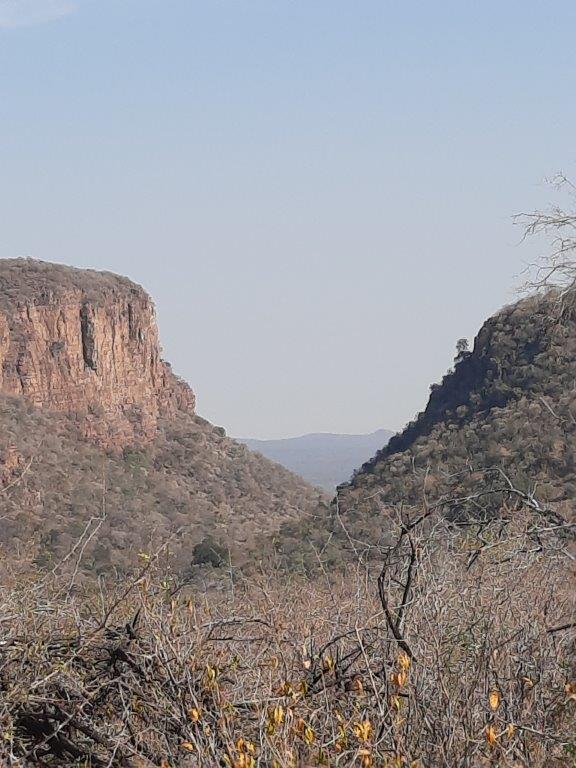
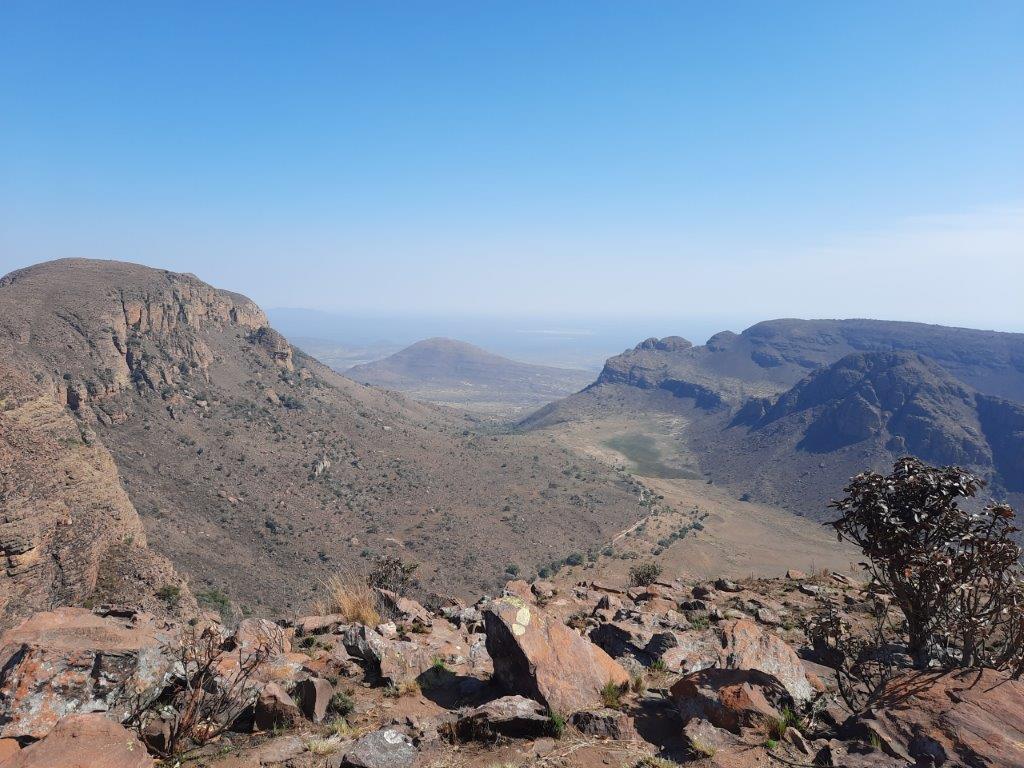
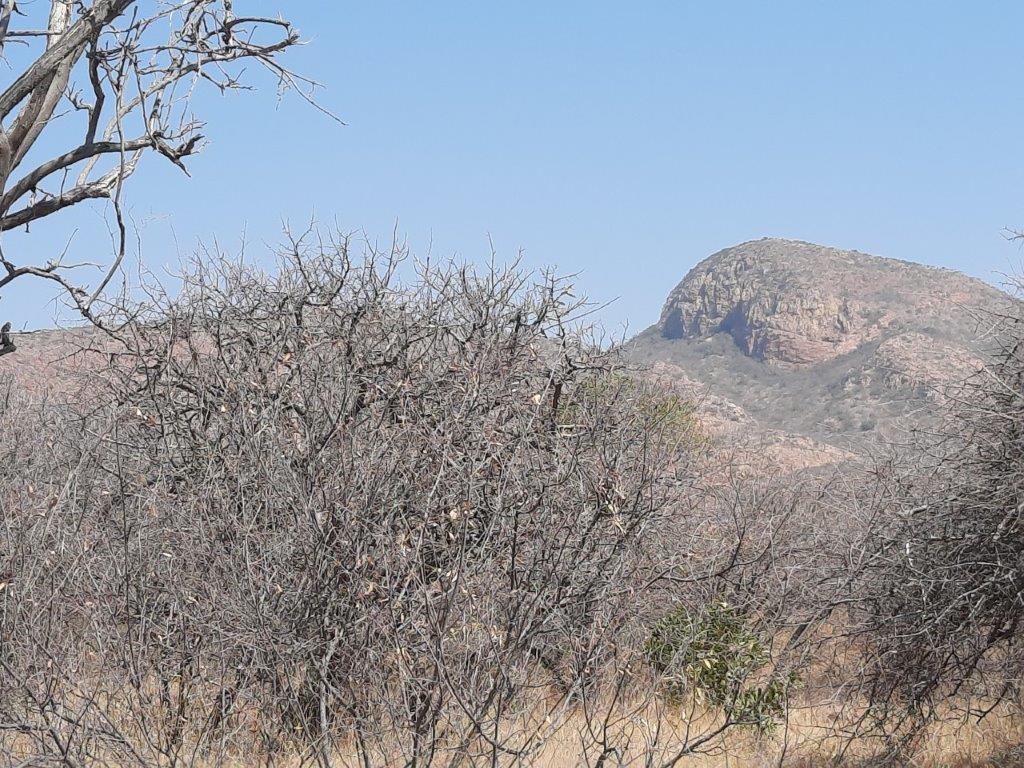
Then we went west on entry and had great views over the valley despite the dry and dusty conditions.
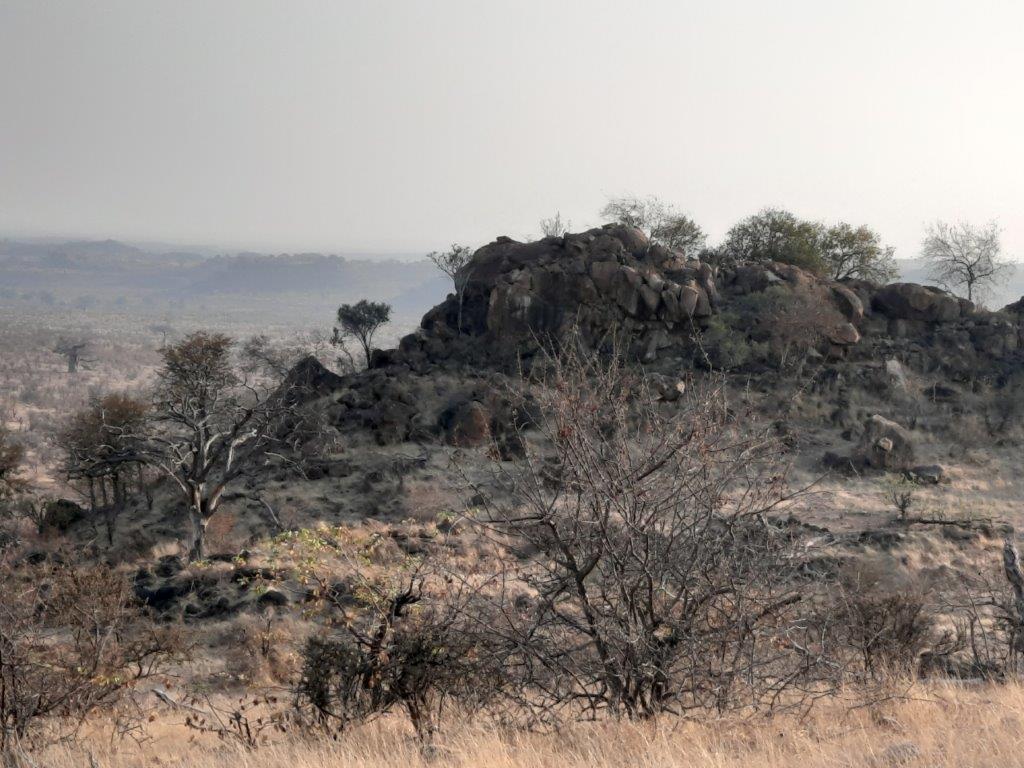
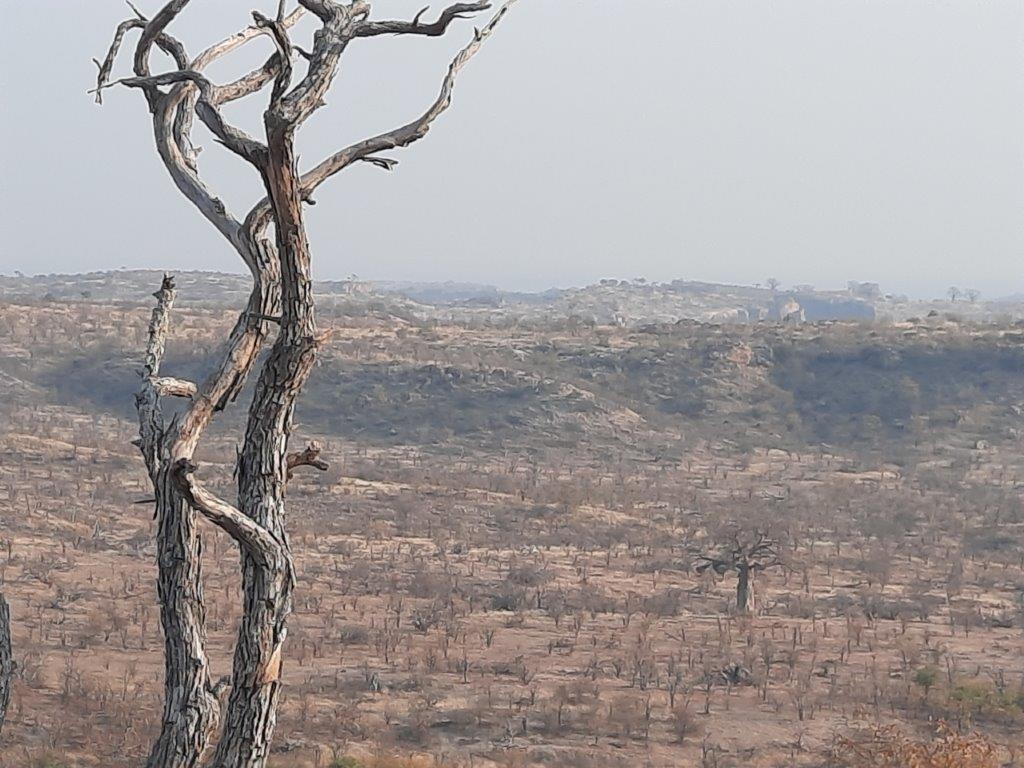
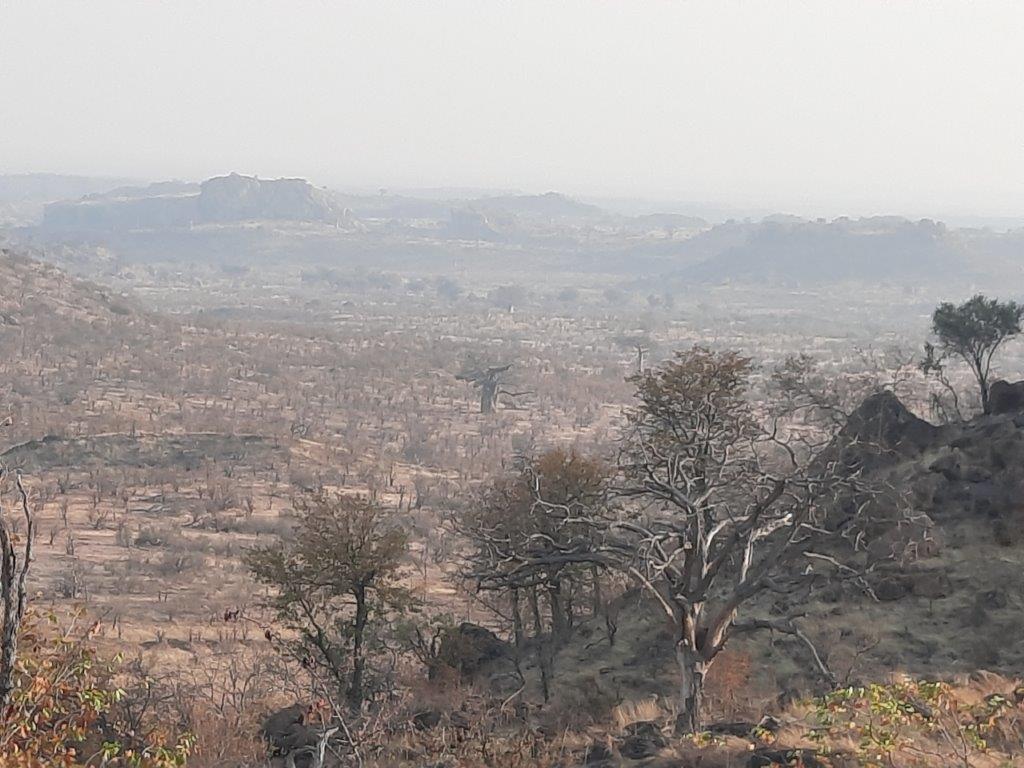
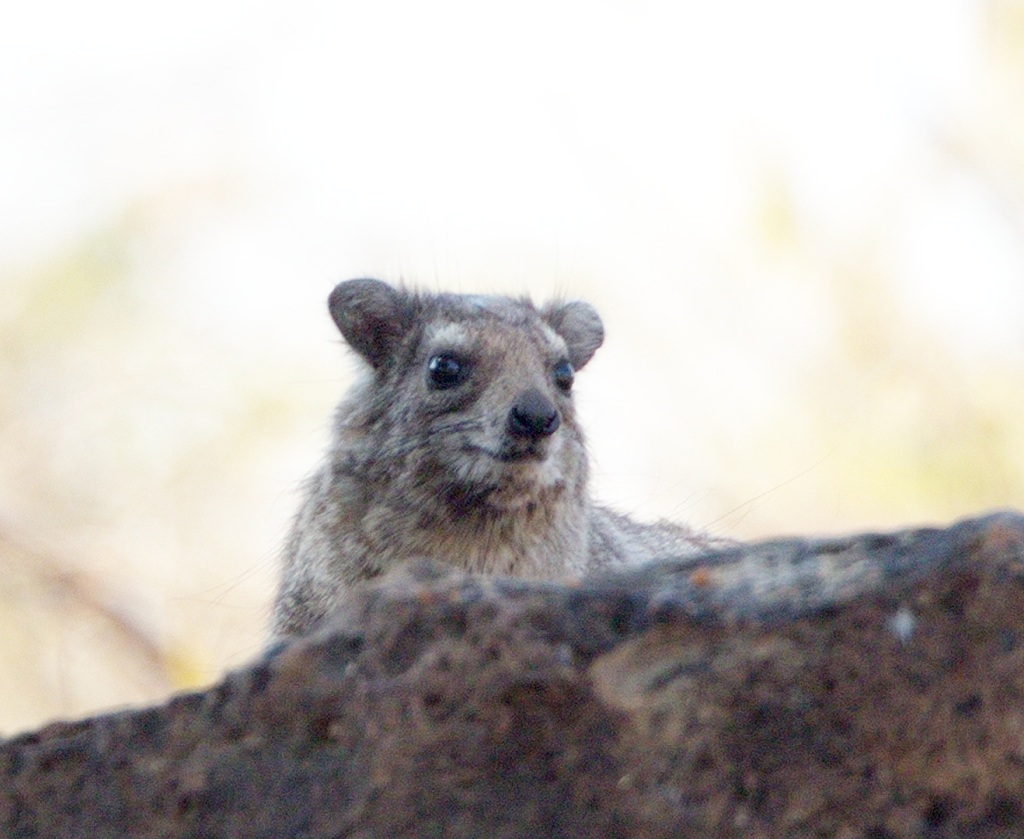
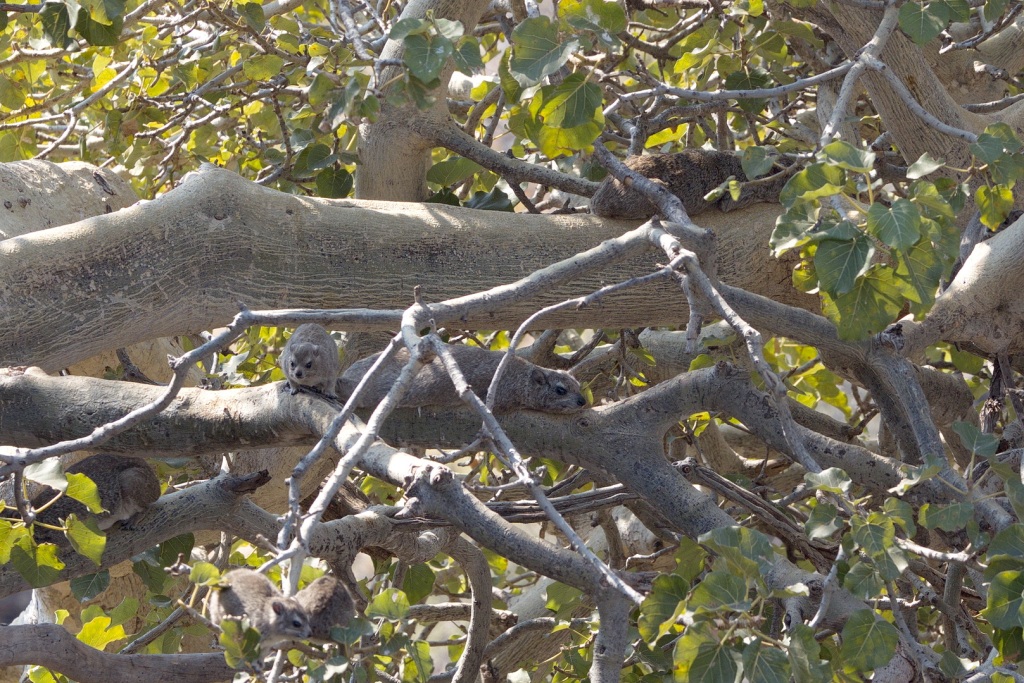
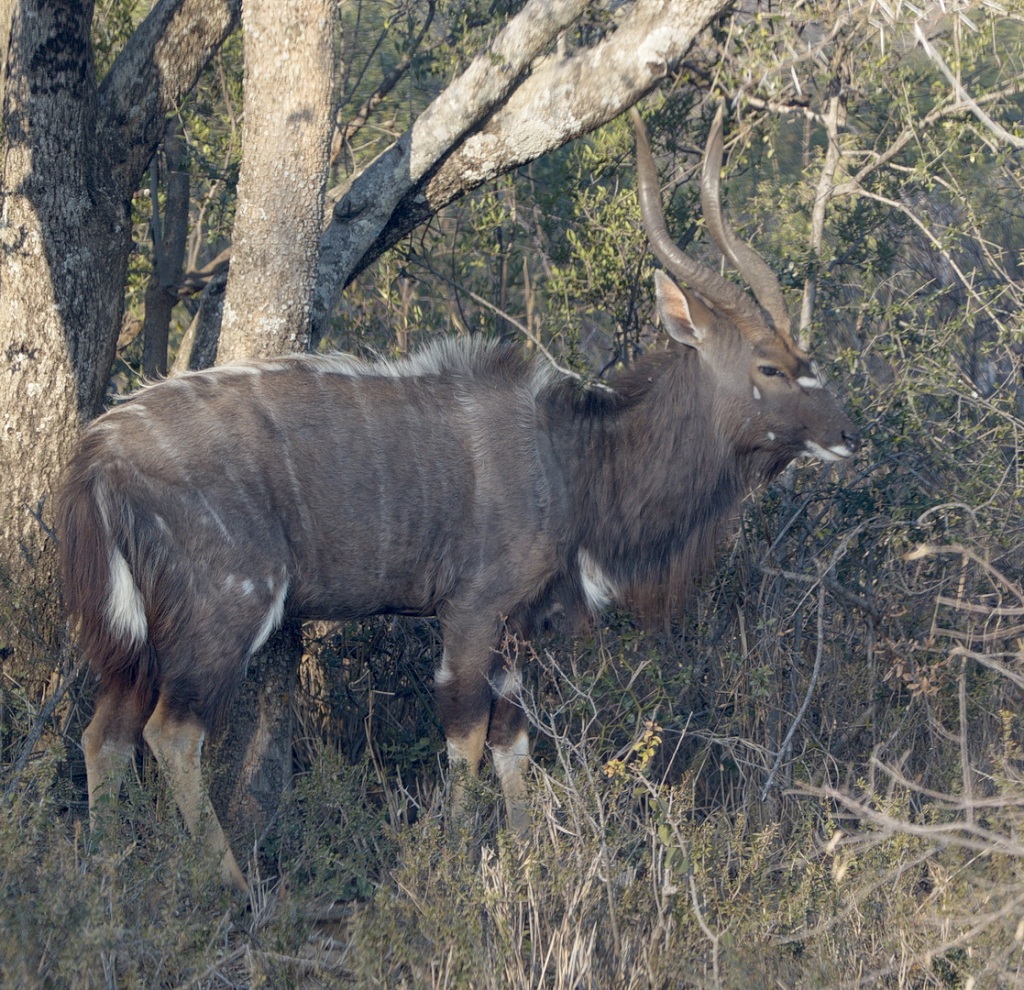
The drive to Leokwe boulder camp is always scenic, however the birds were scarce. As usual the Klipspringers and Dassies were not.
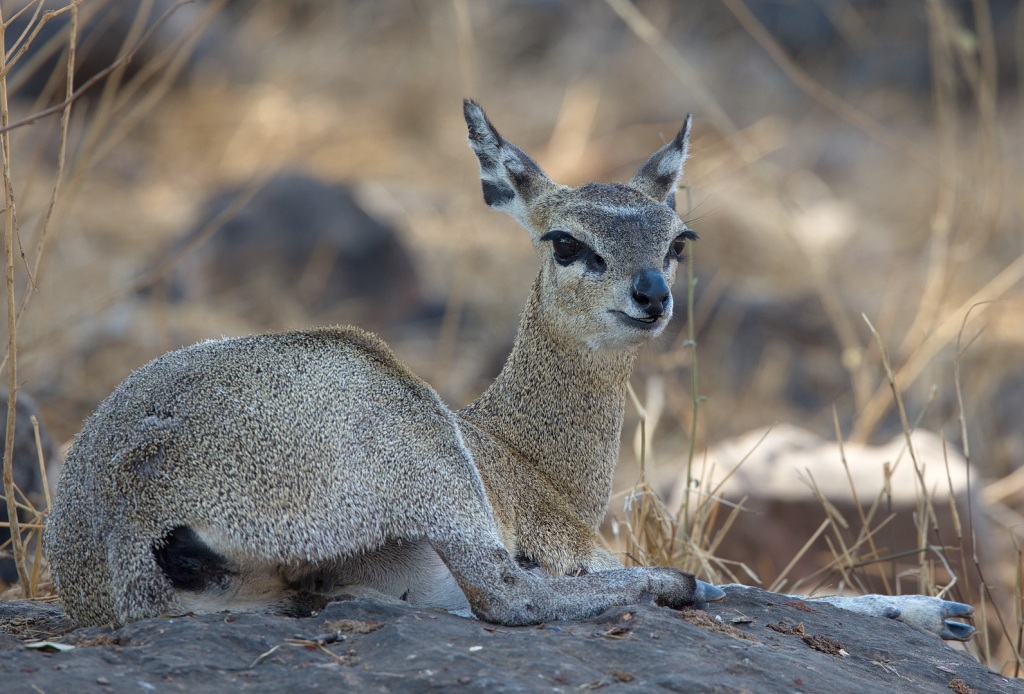
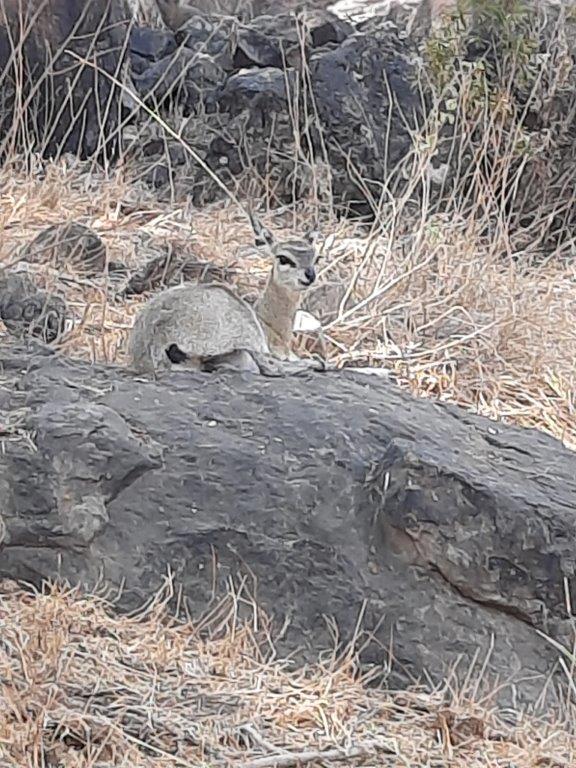
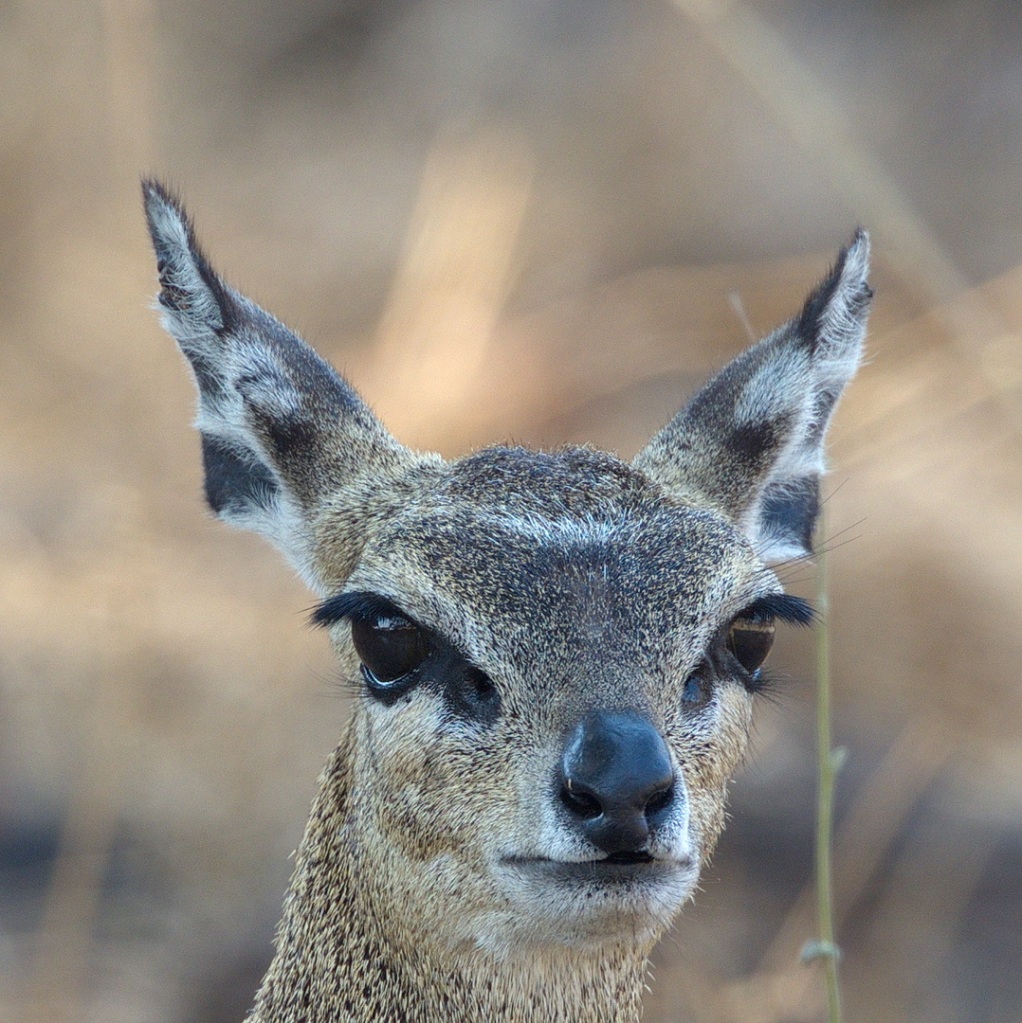
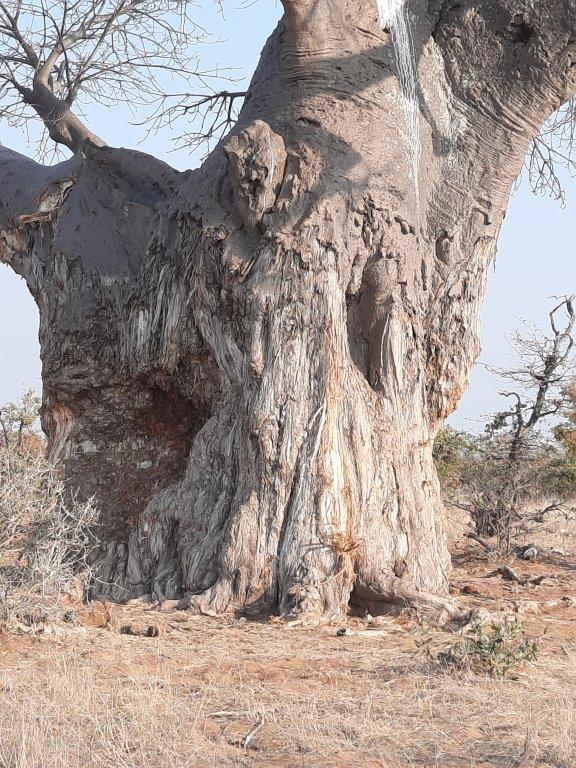
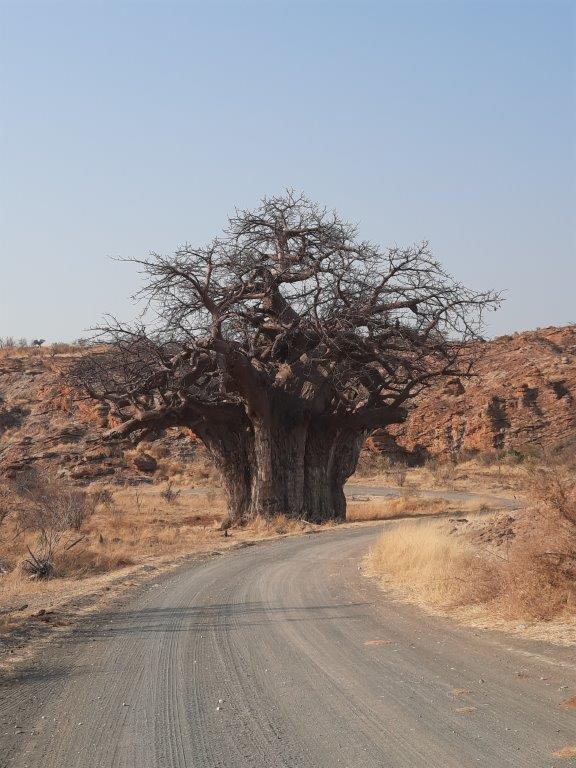
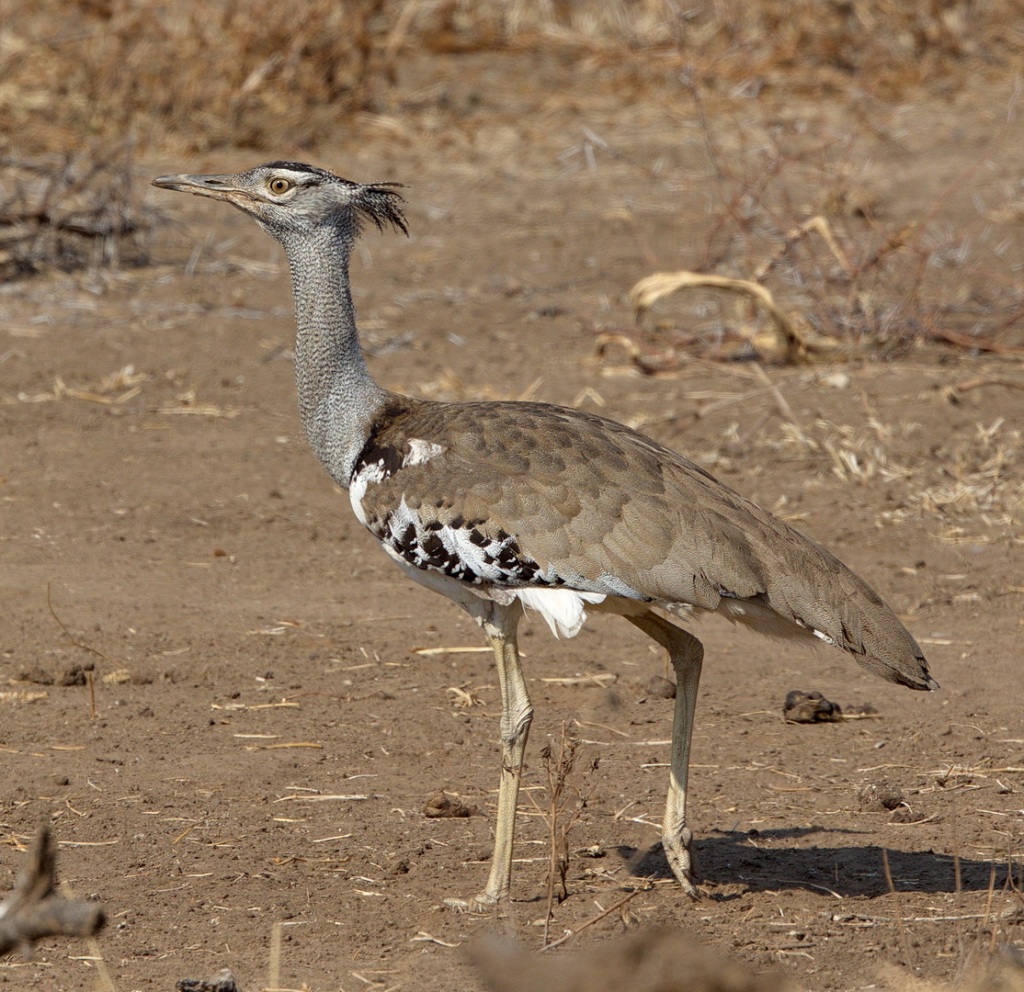
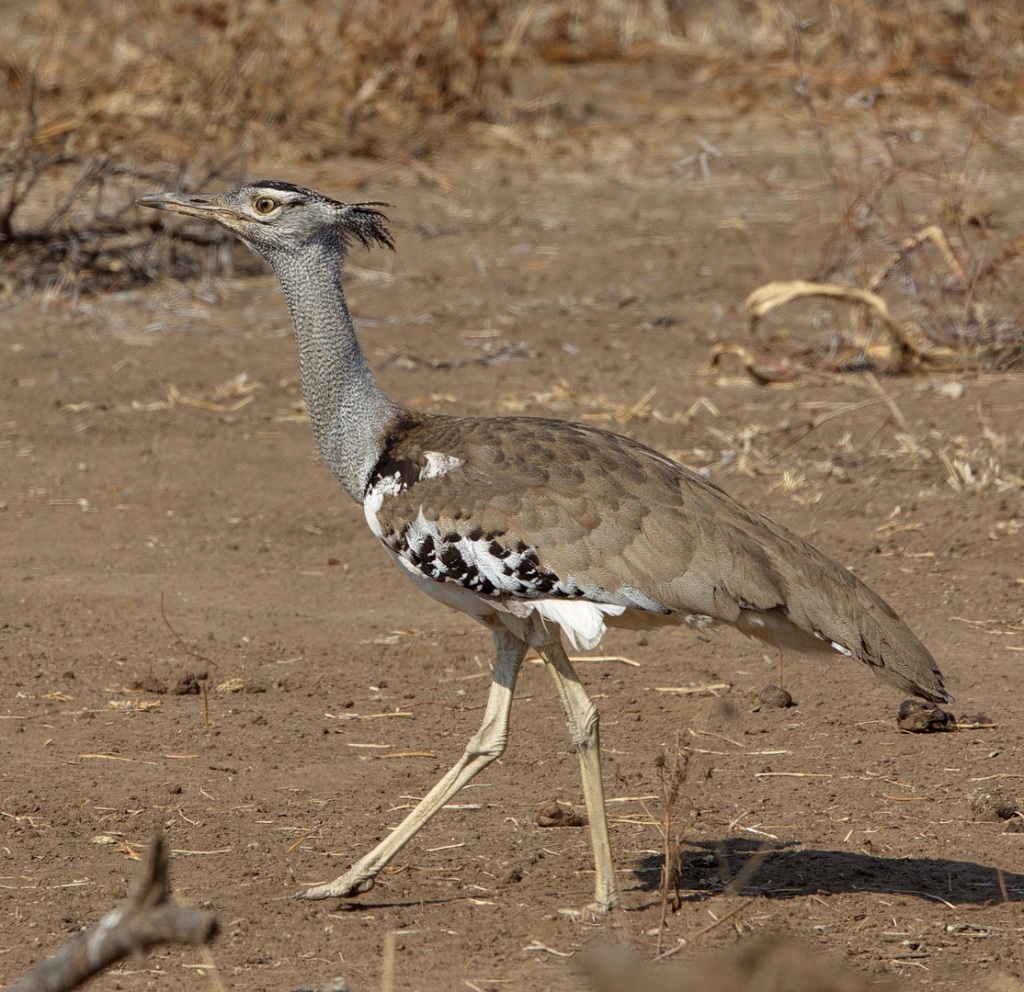
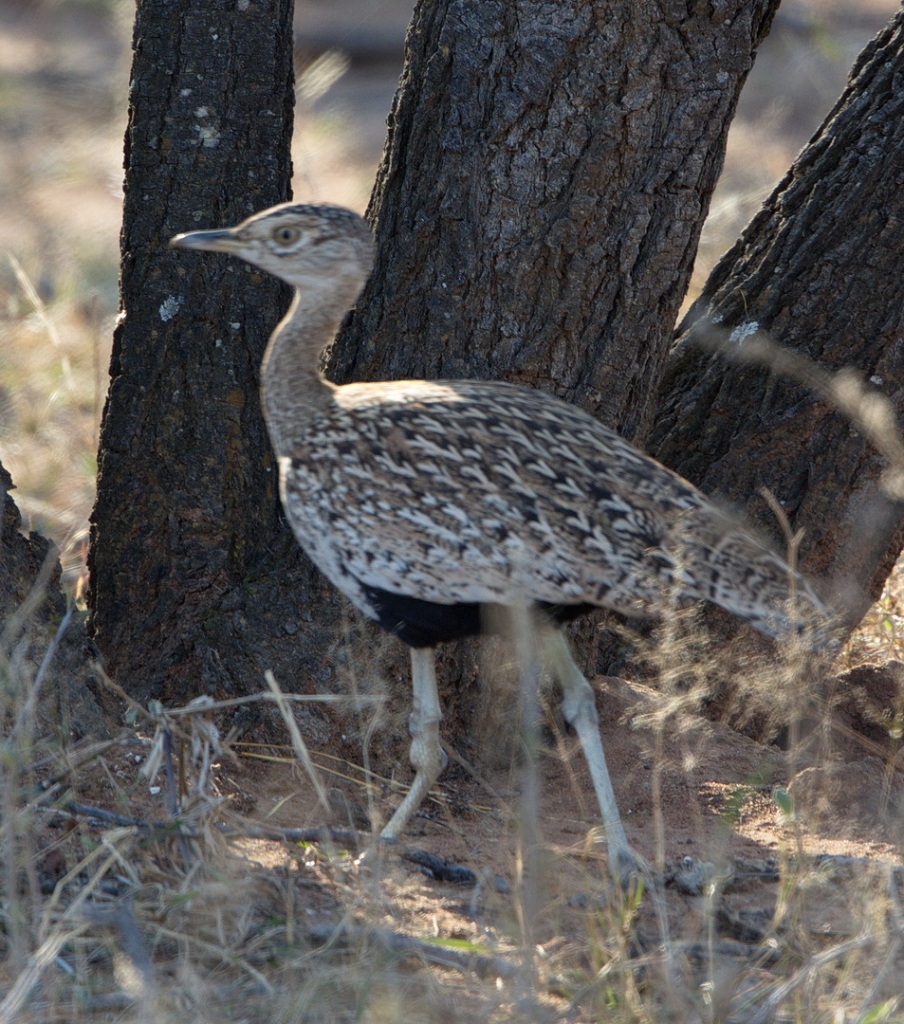
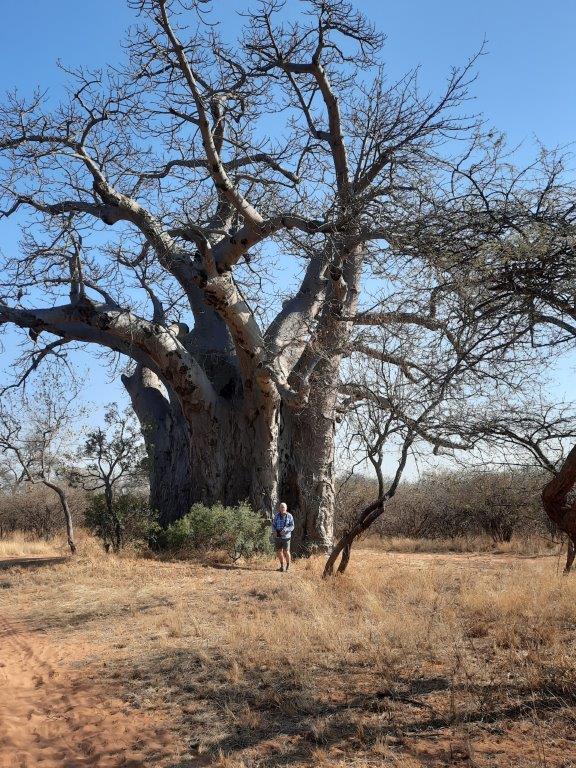
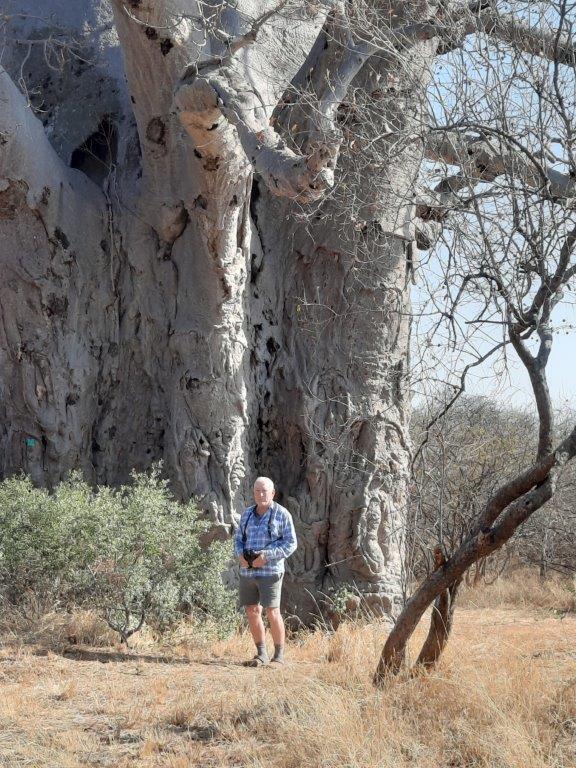
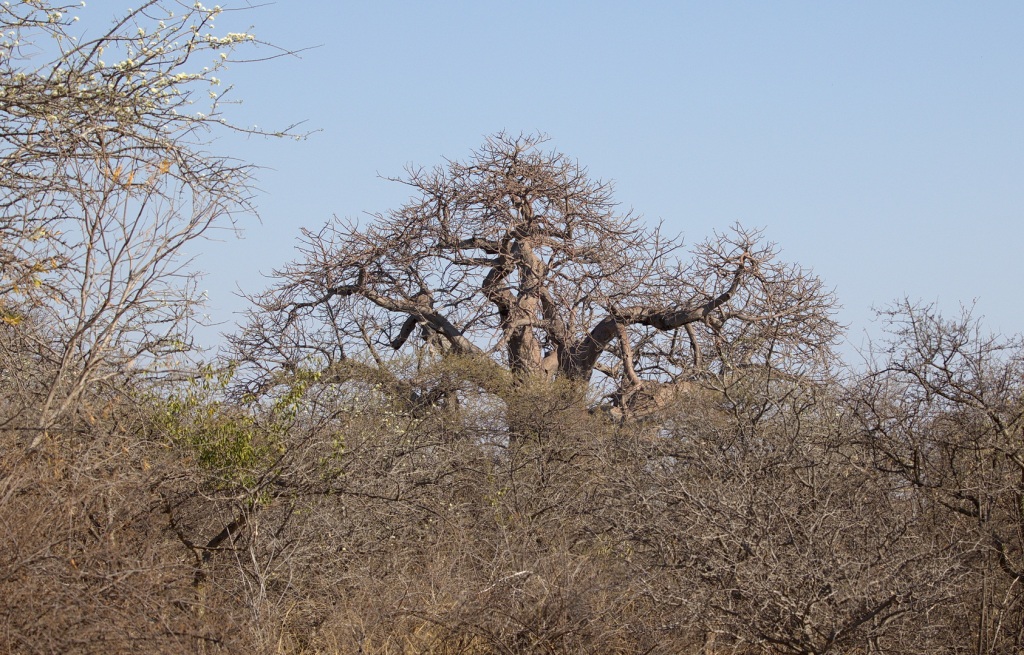
From Leokwe it was a short drive to the boardwalk at the Treetop Lookout. On the way there are many Baobabs. And we spotted a Kori Bustard.
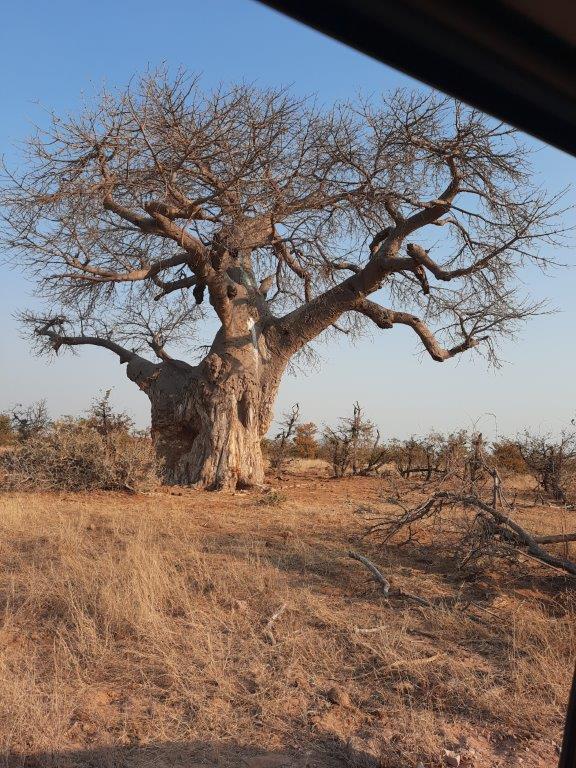
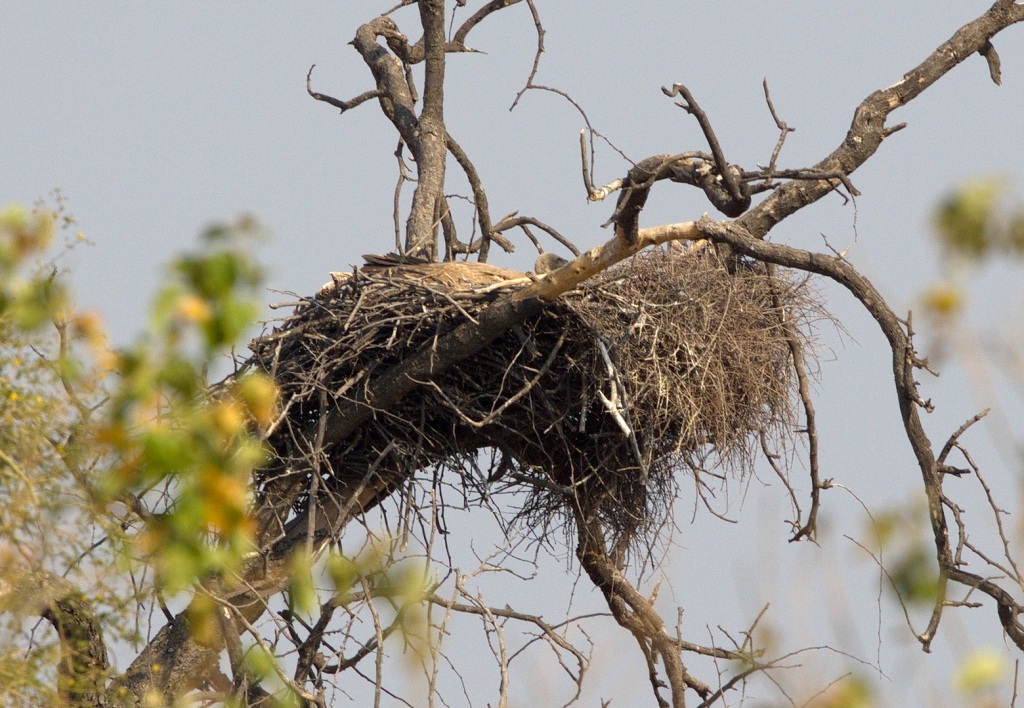
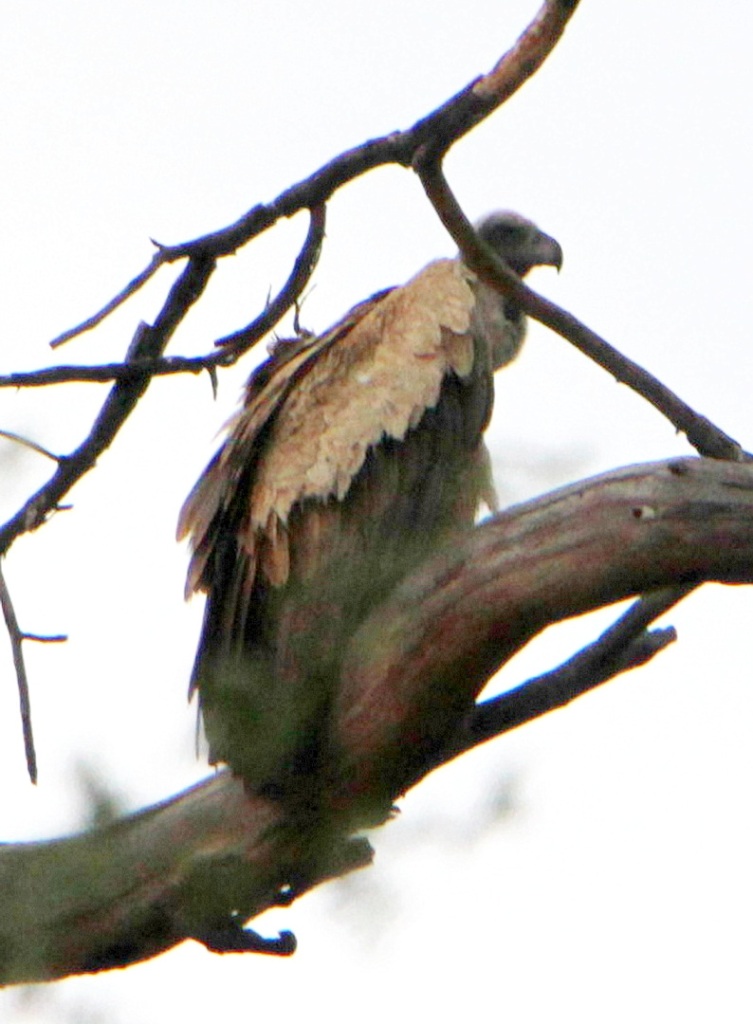
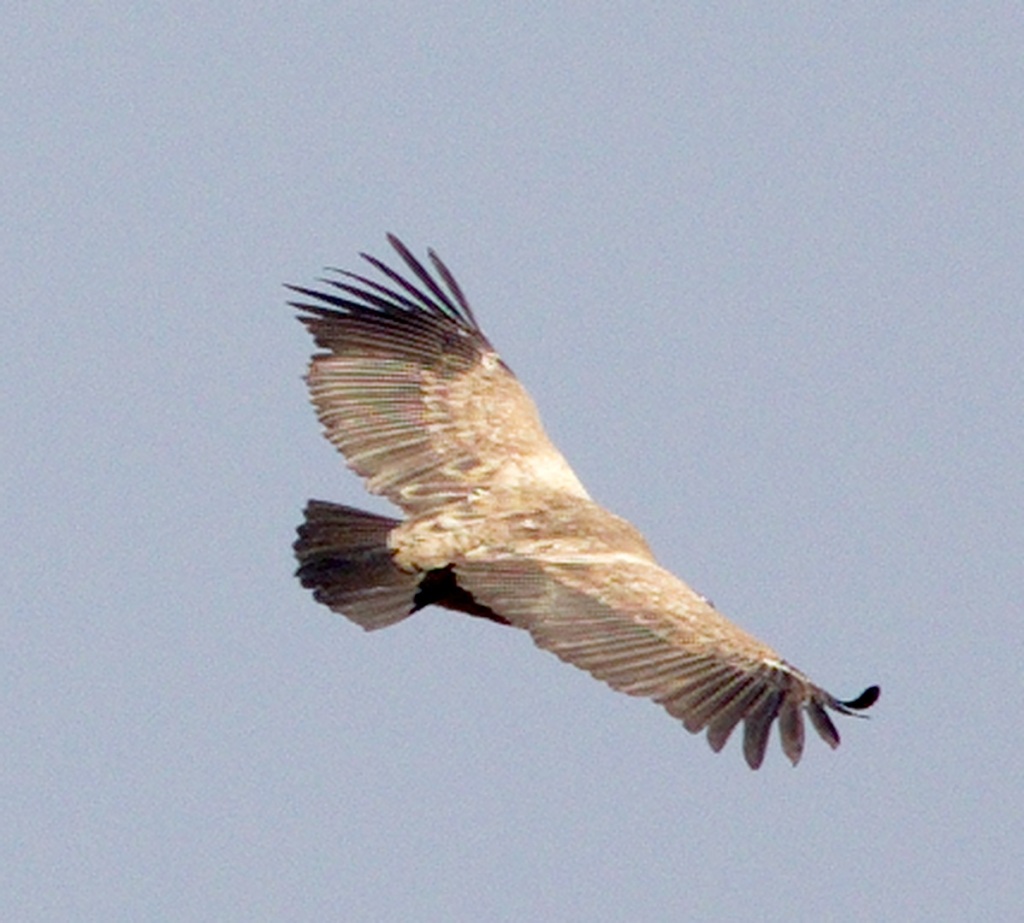
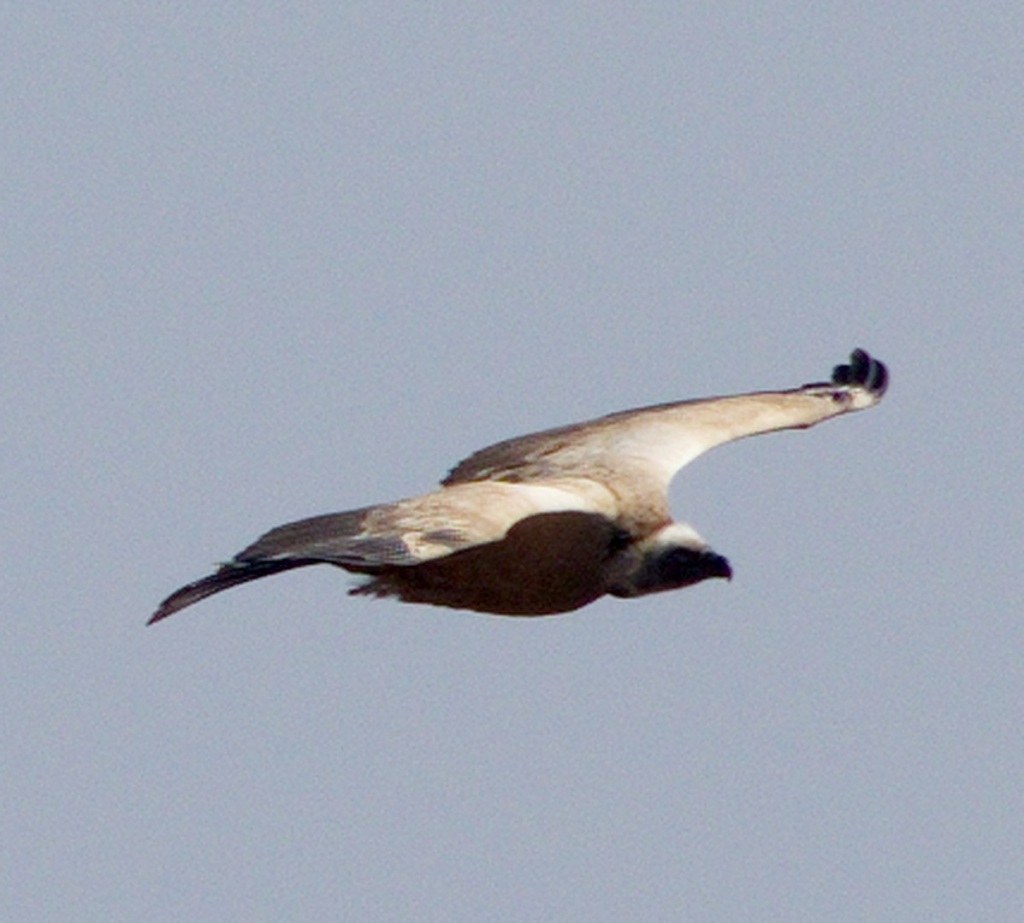
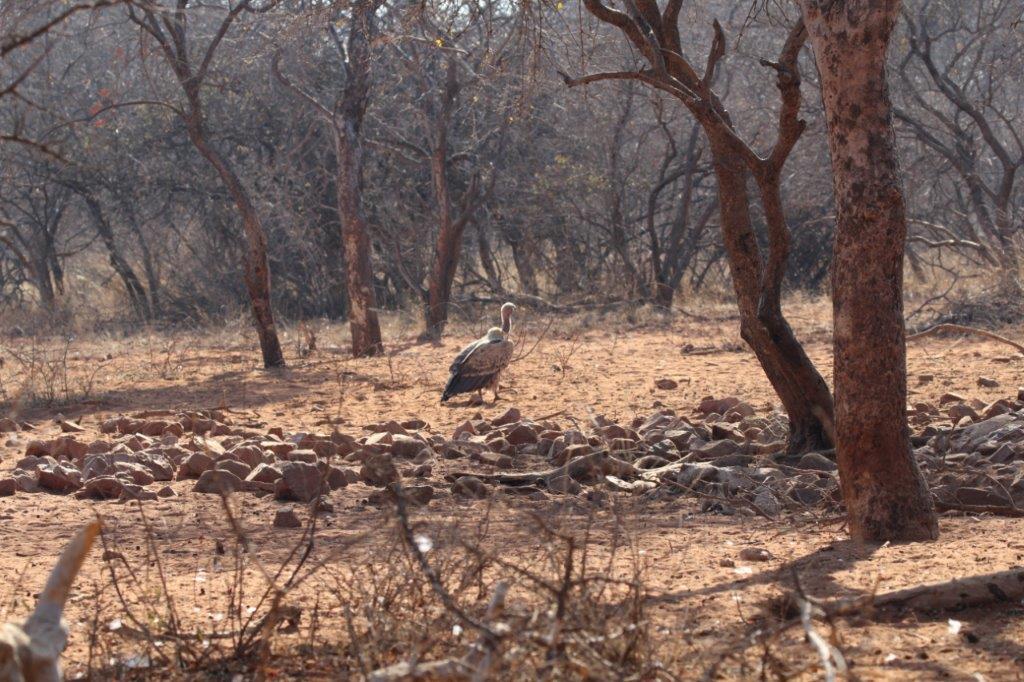
The boardwalk was a little rickety and had been damaged at the end closest to the Limpopo River. On the walk we sighted a White-backed Vulture’s nest close by with a chick on board.
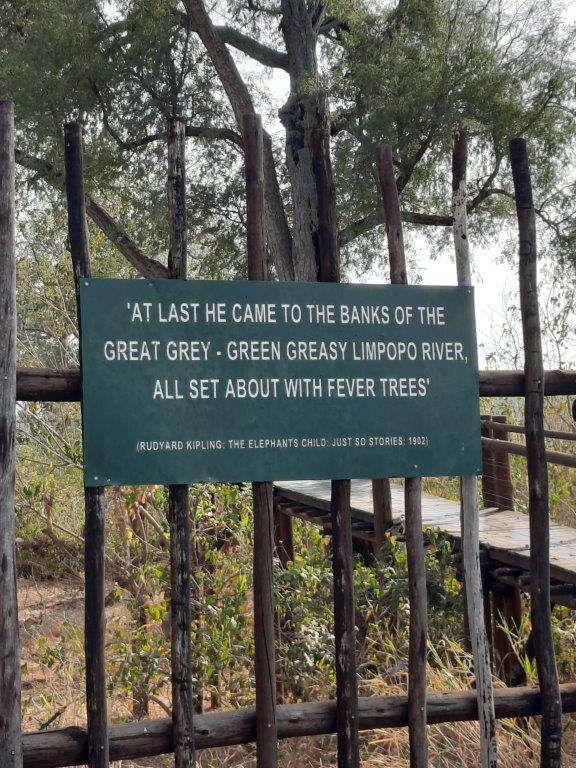
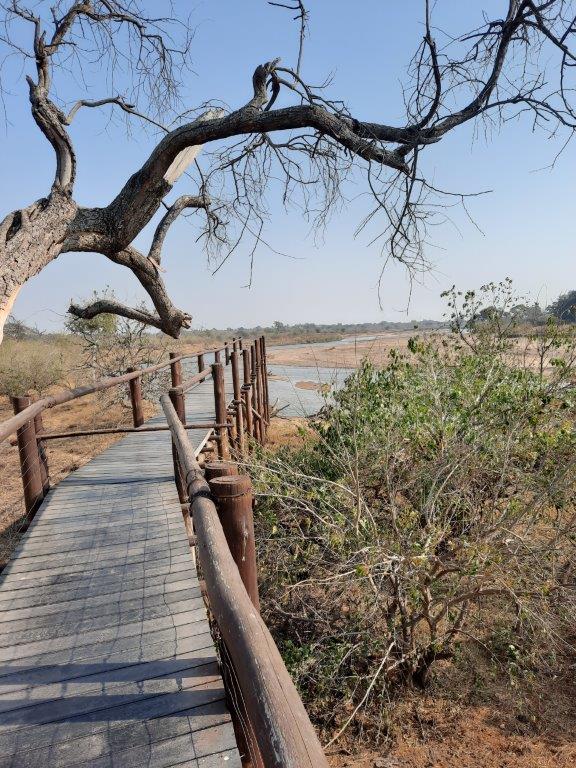

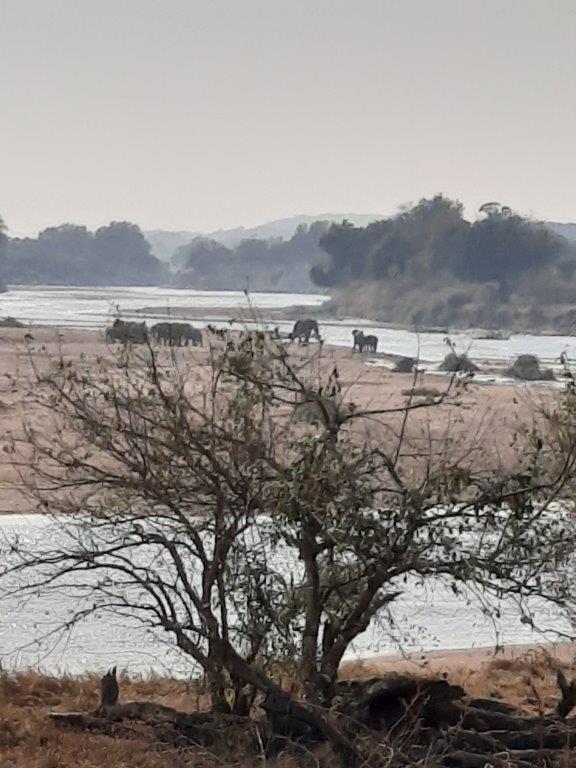
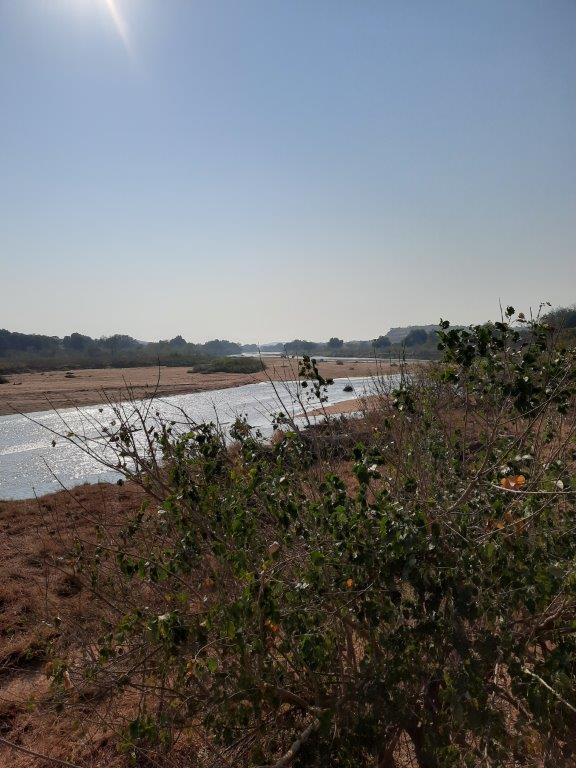
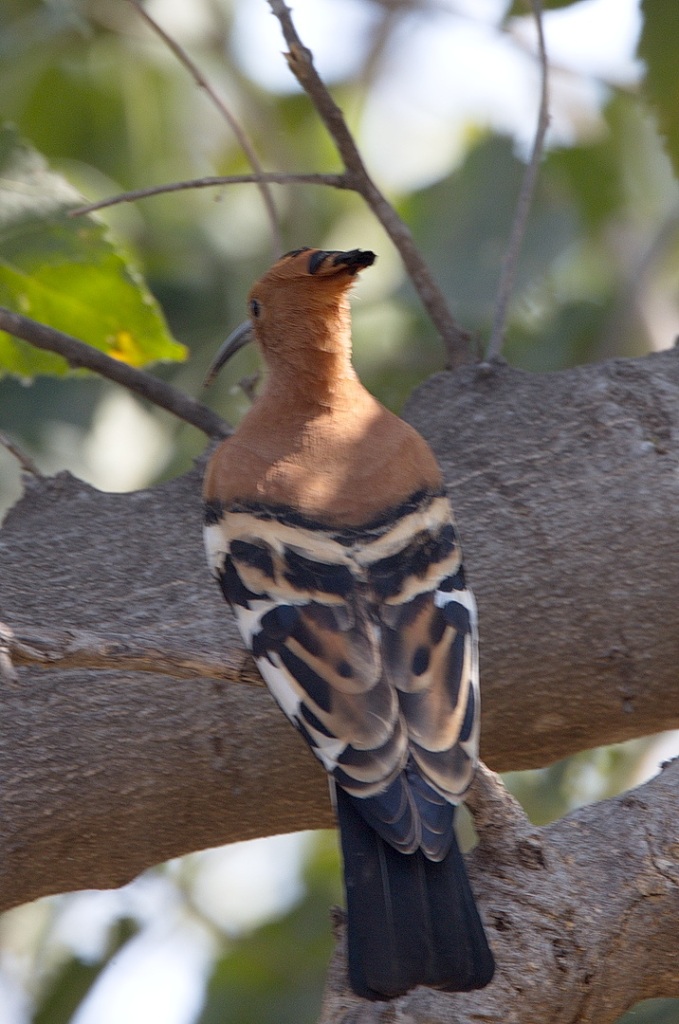
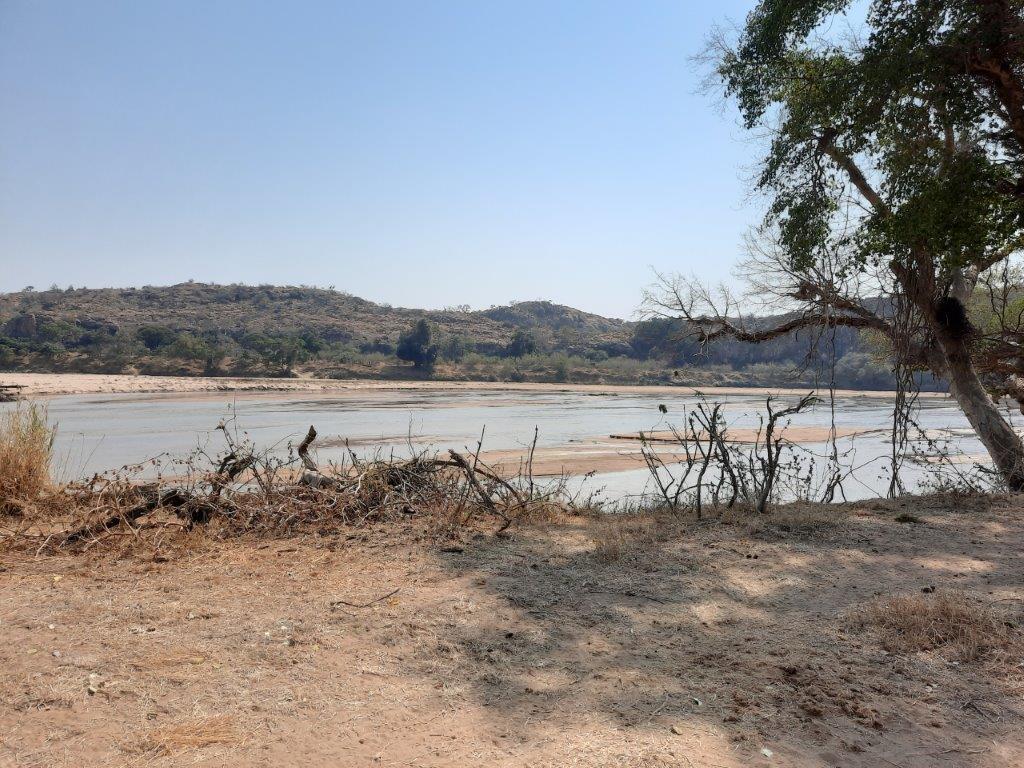
By the time we got to the Confluence it was tea-time and the picnic site was most welcome. The view towards the river is magnificent. Overhead it seemed that there was a pathway for the birds flying over the ridge. Some even chanced there luck with our crumbs.
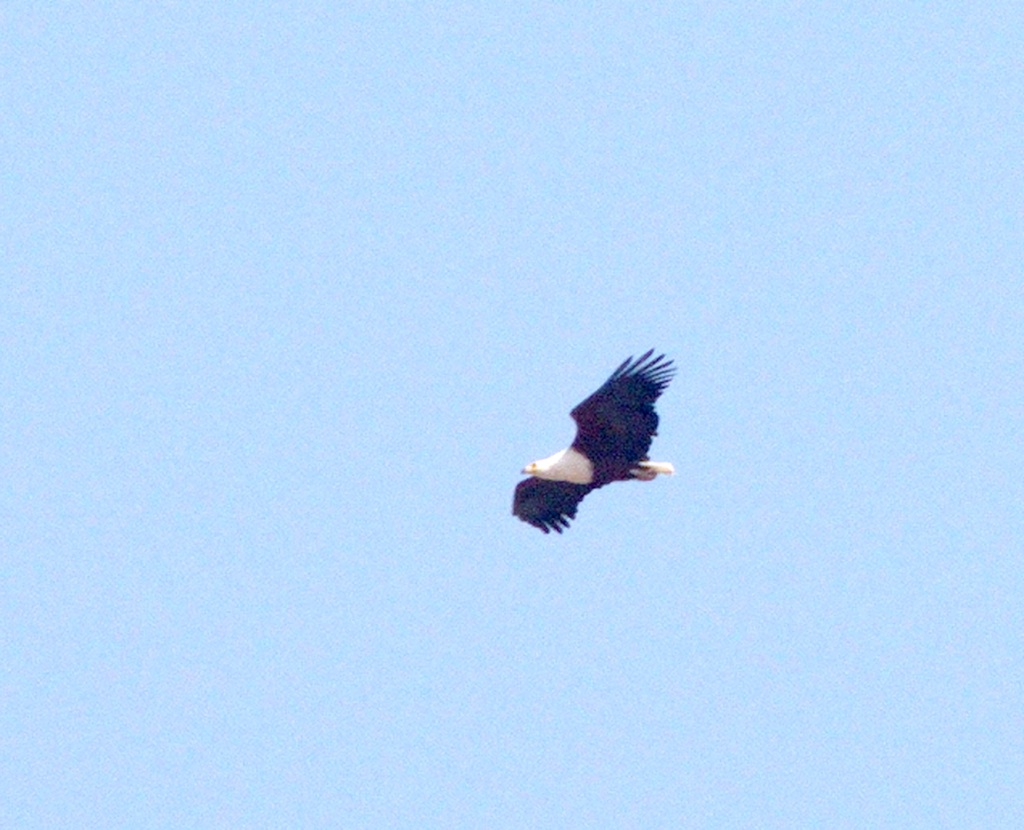
From here we headed along the river to the SANDF Bunker. A pretty and testing drive at times. Every time in the past that we visited this area we have found Pels Fishing Owls in the tall trees by the bunker – not this time unfortunately.
Zebra Pan was quiet – probably the time of day when we got there. On to the lookout Point over Zhizo, more for the view over the river. We did spot several Saddle-billed Storks but not much else.
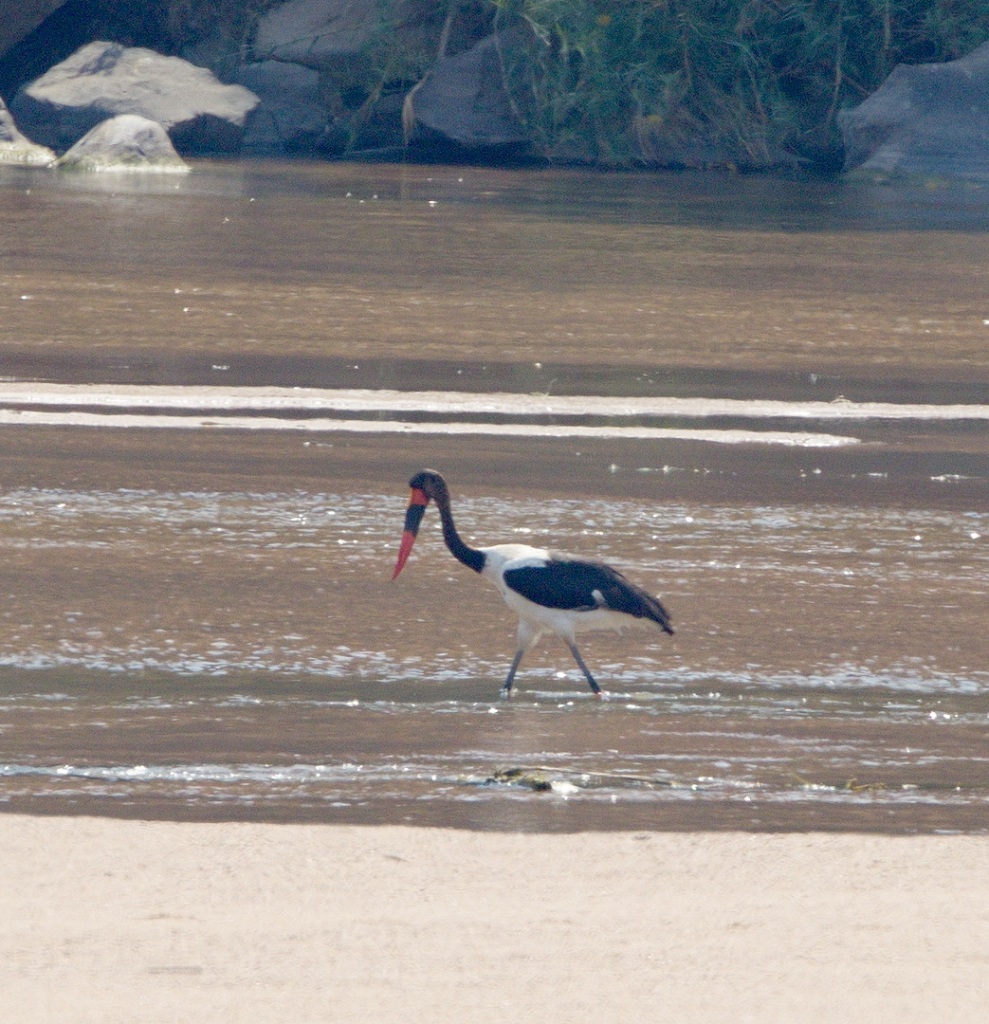
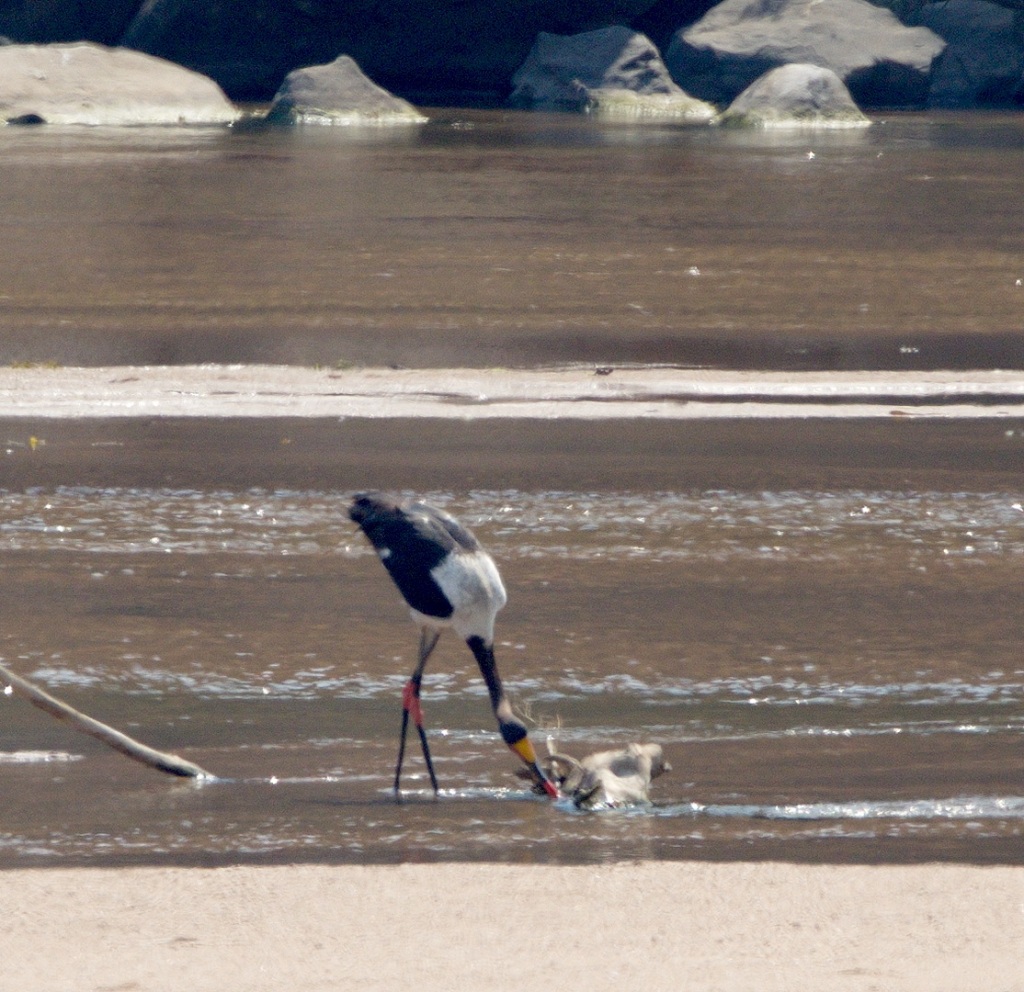
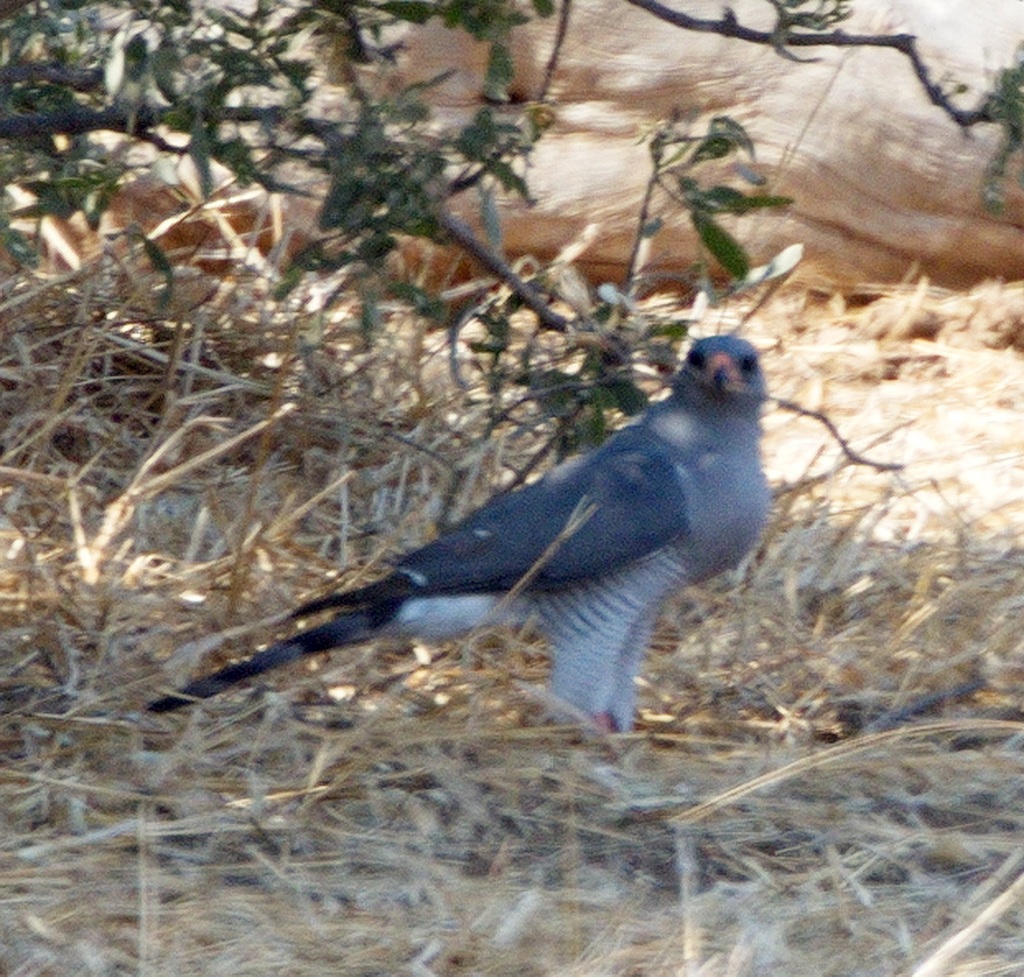
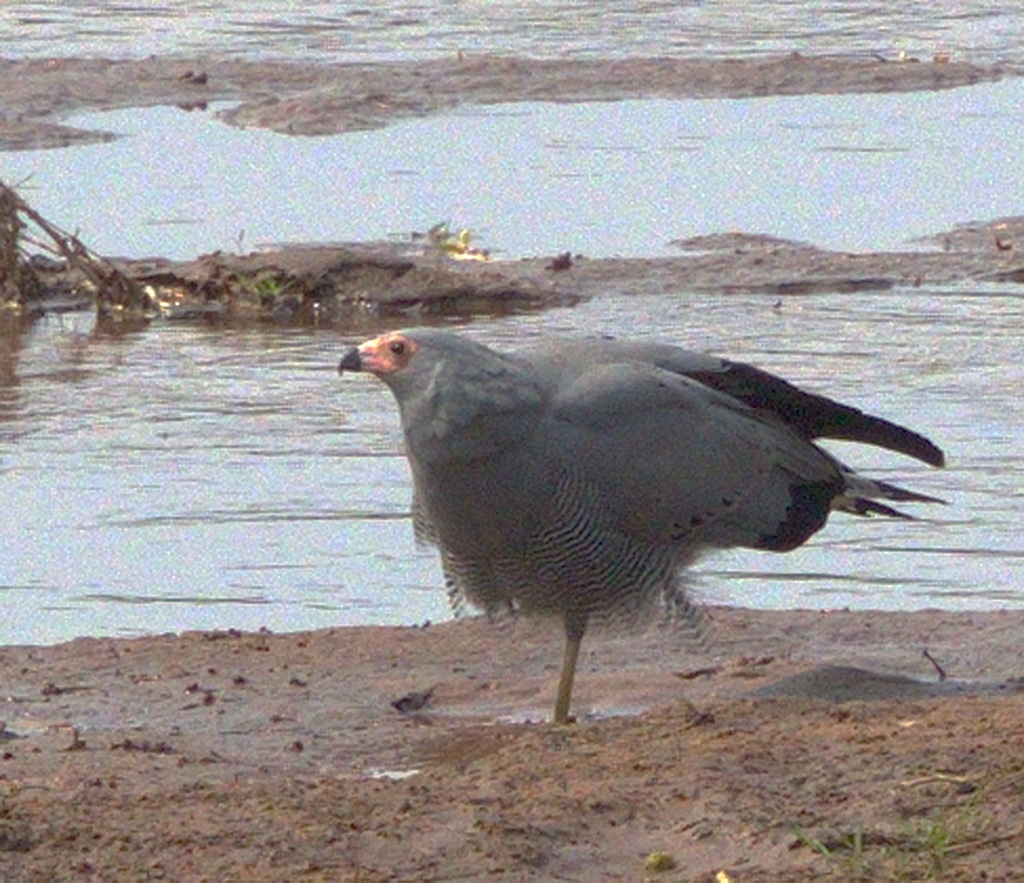
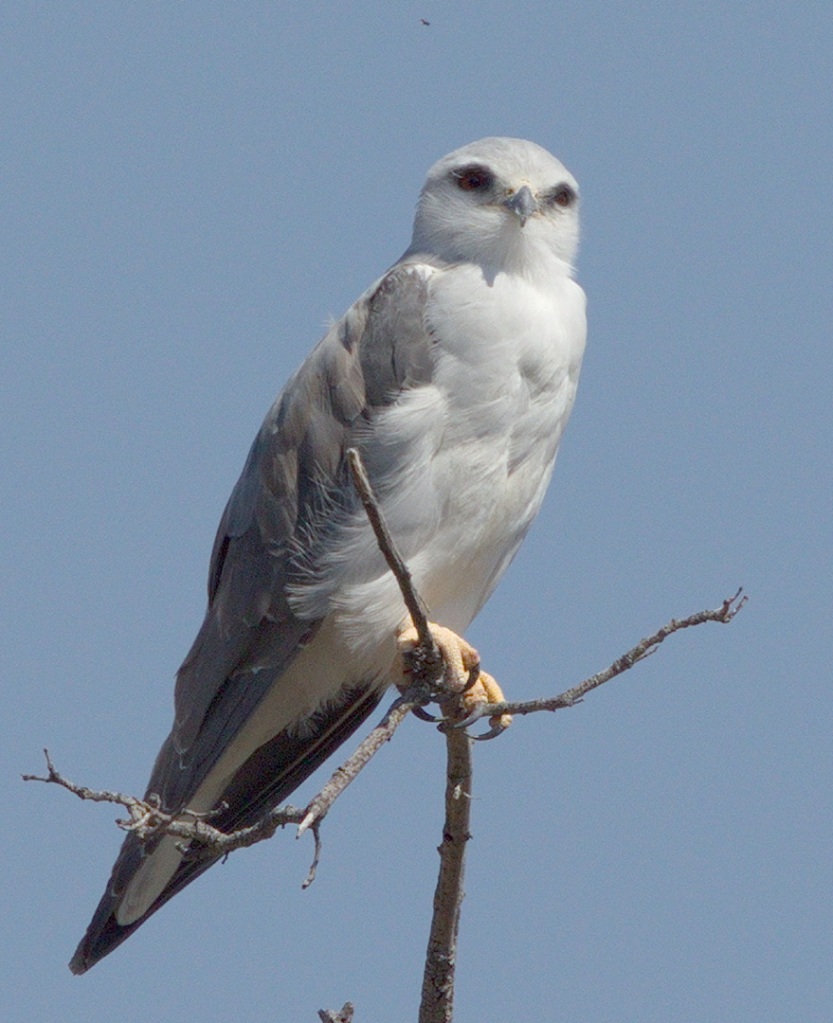
Throughout the day we had seen many pairs of African Hawk-Eagles and an ocassional Gabar Goshawk.. Here are a few photos.
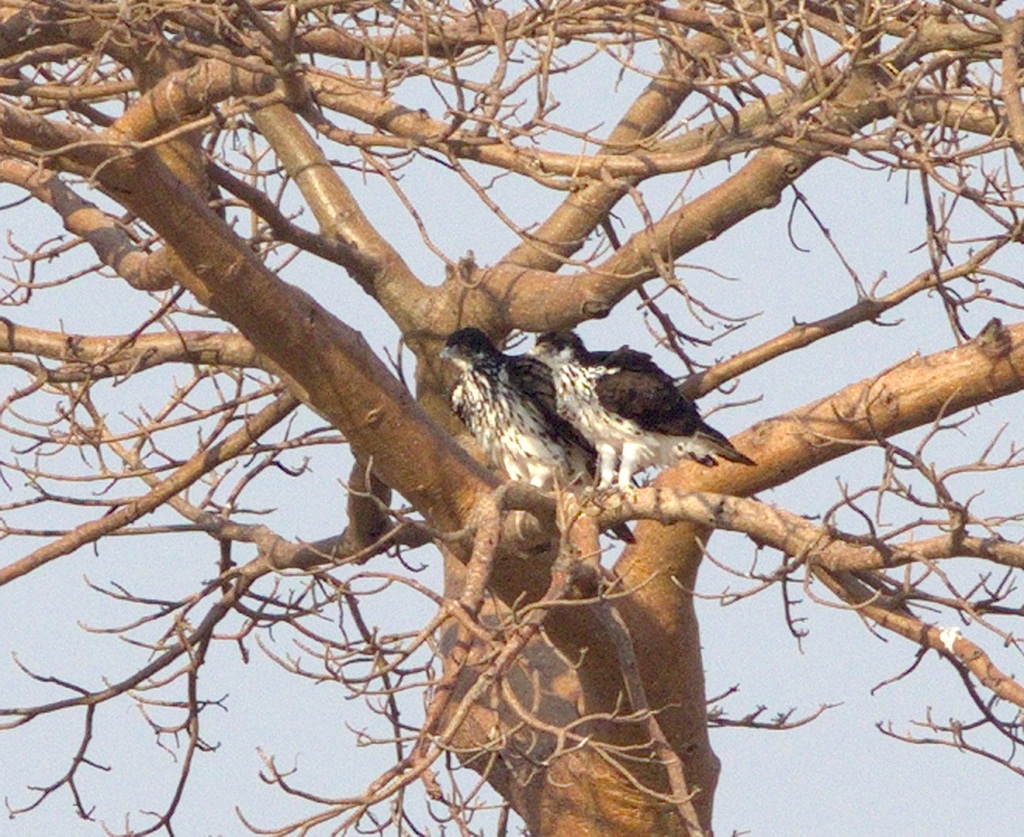
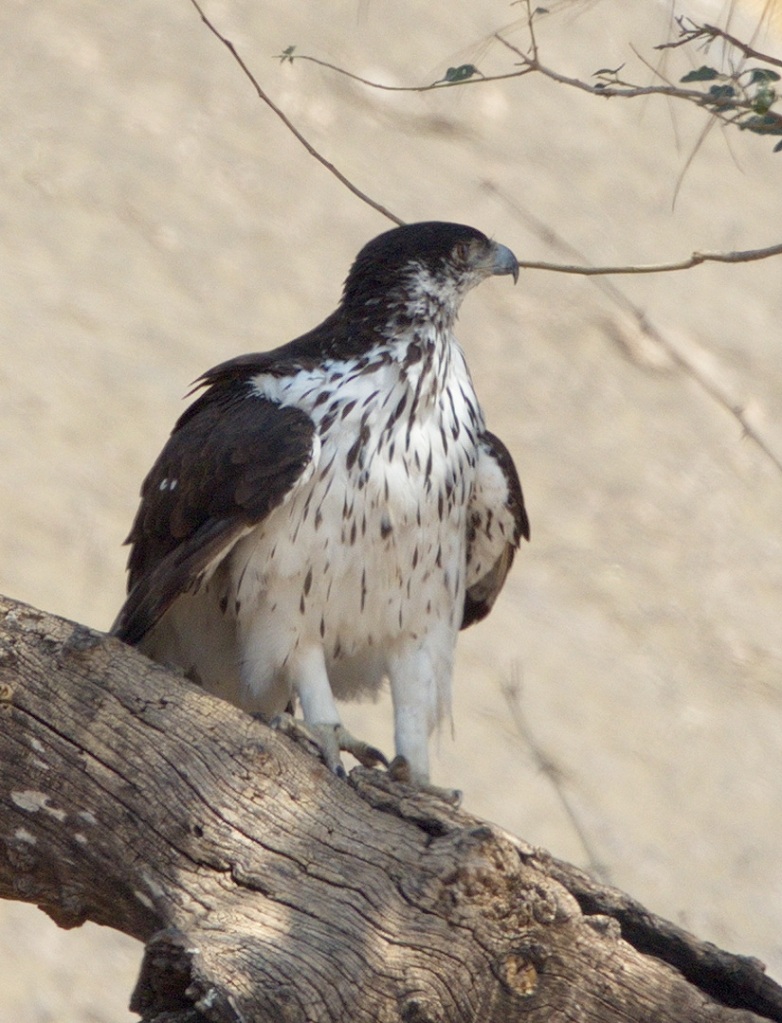
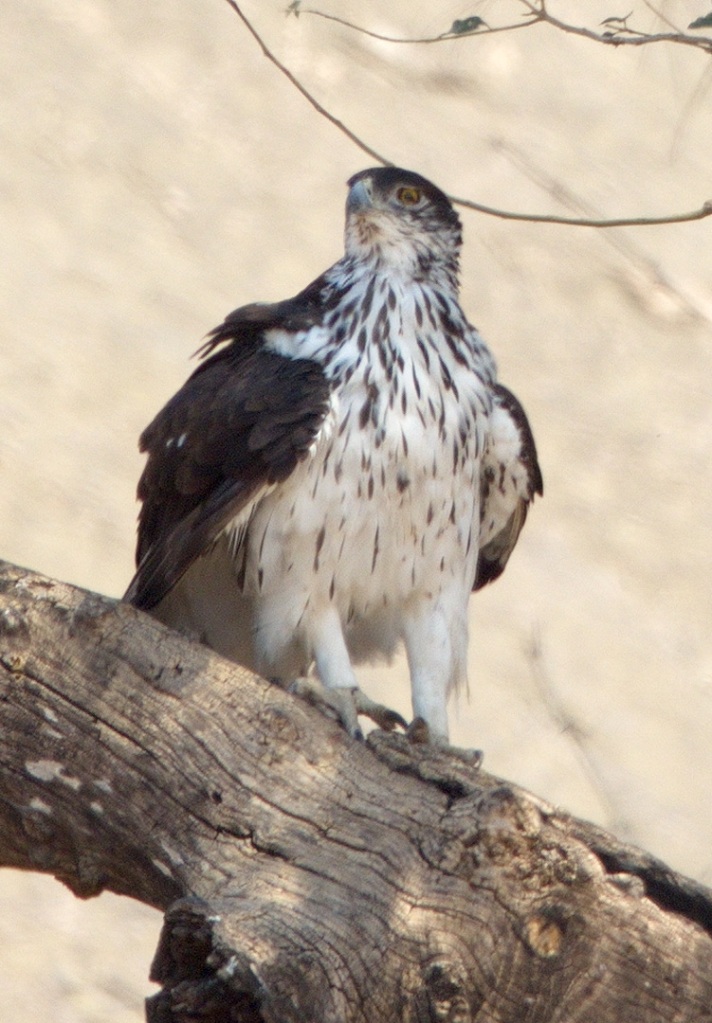
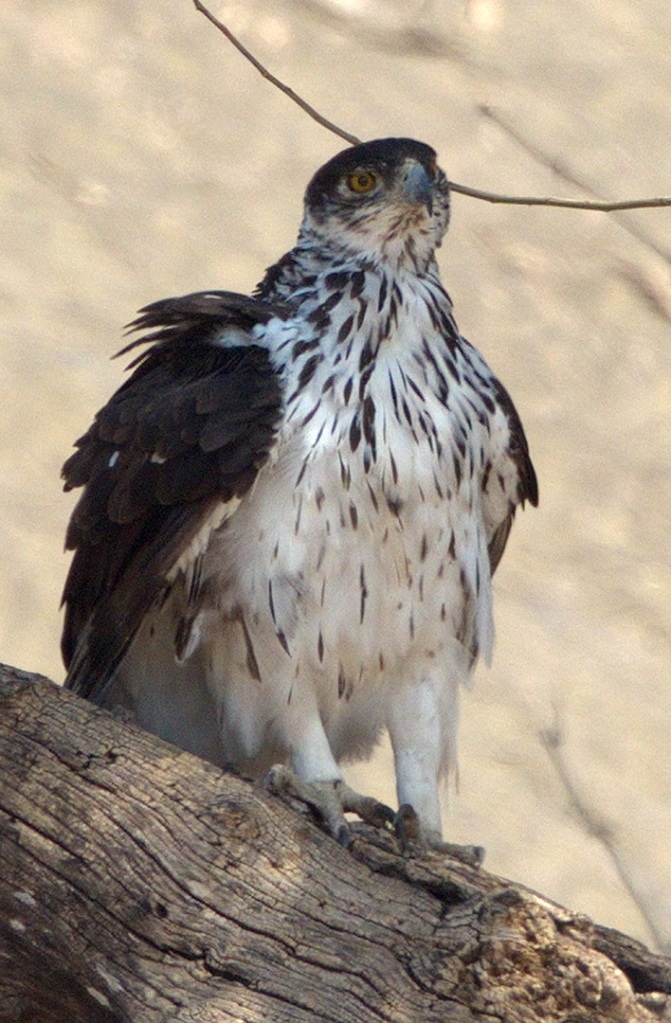

We continued the circle back to reception. By now it was after midday and the birds were quiet. It was only when we reached the small dam just before reception that things got interesting. Well very interesting and unexpected.
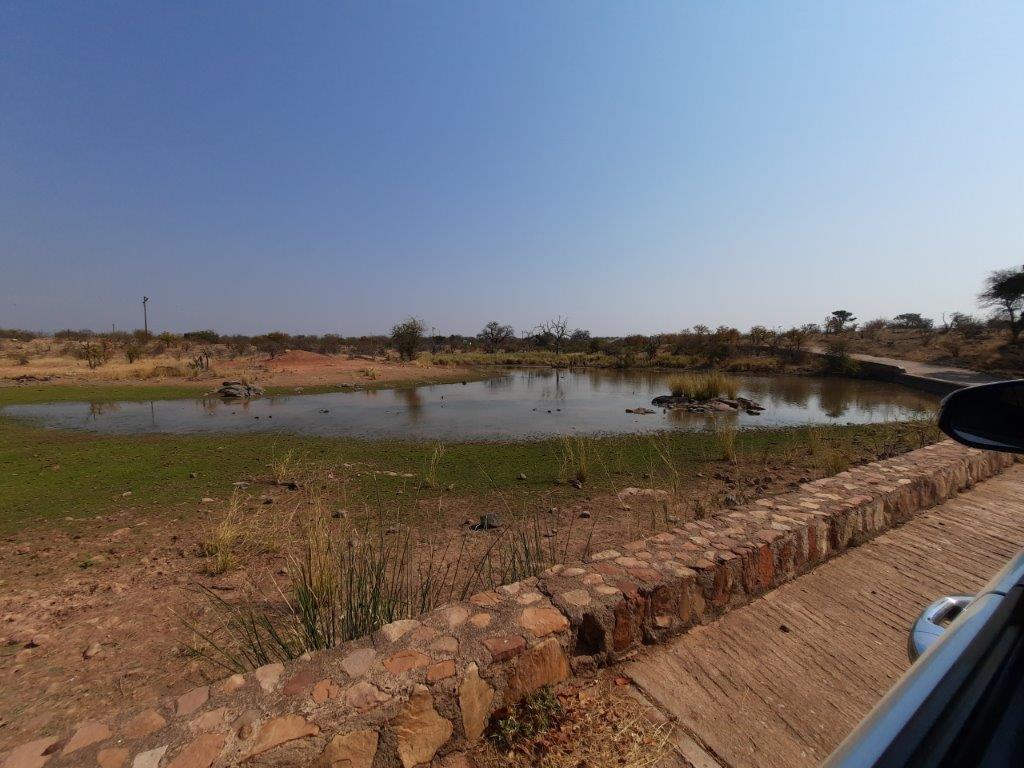
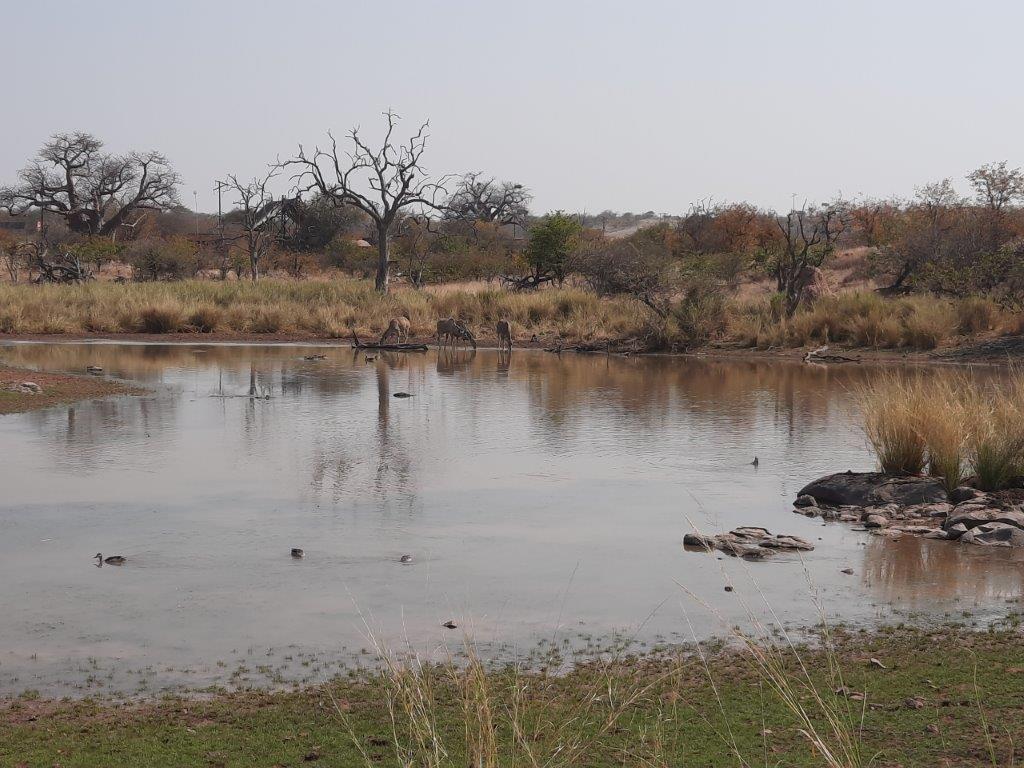
Here are some of the birds seen there.
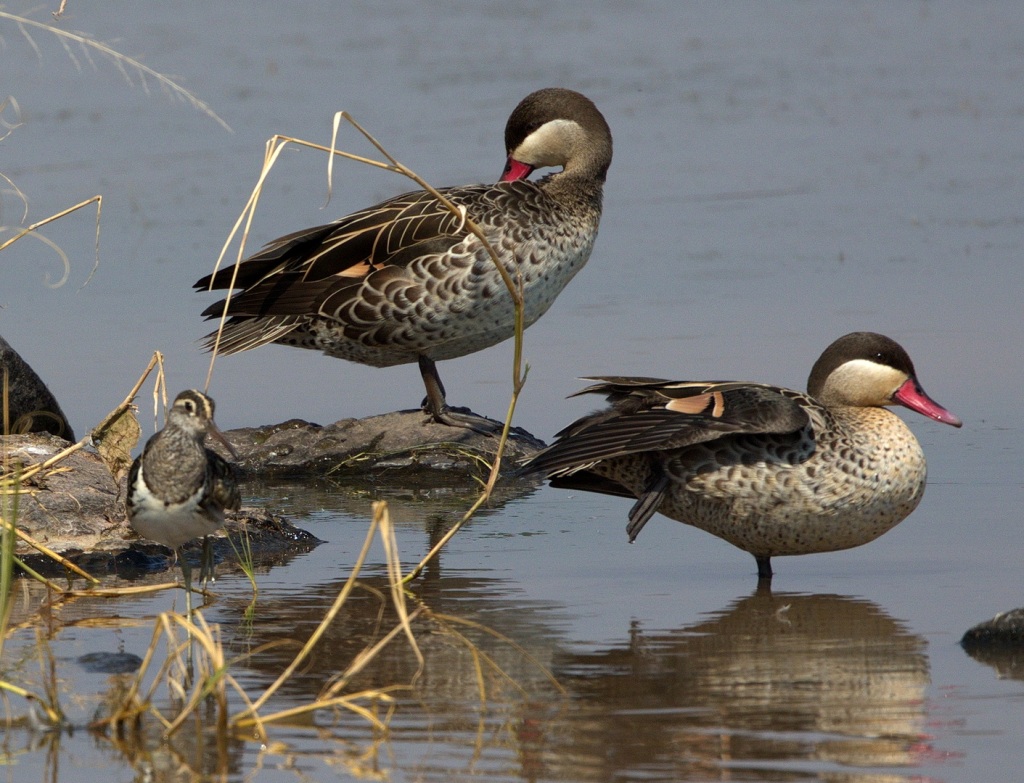
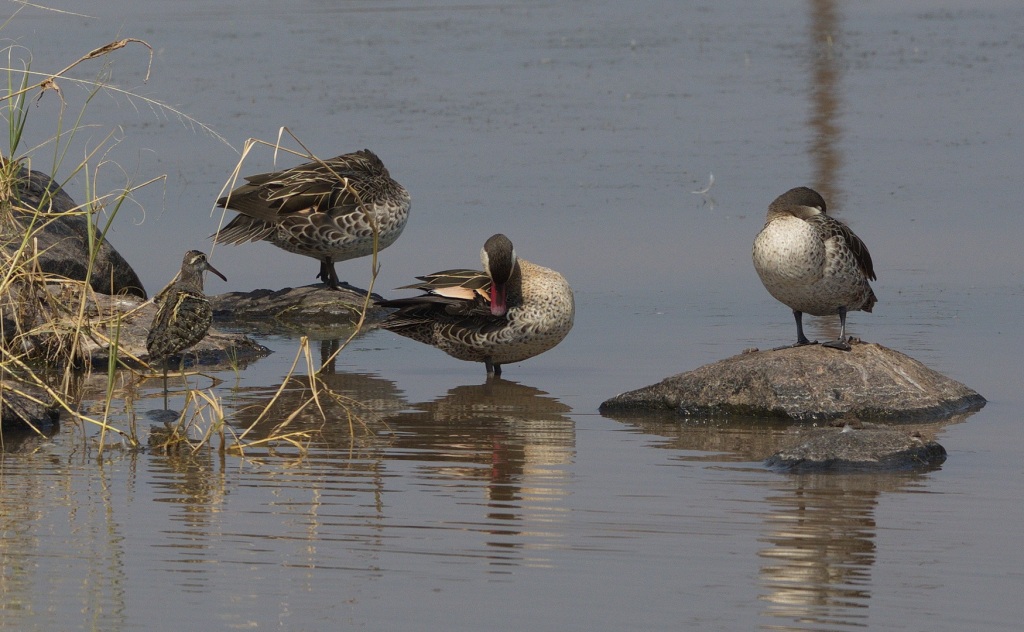
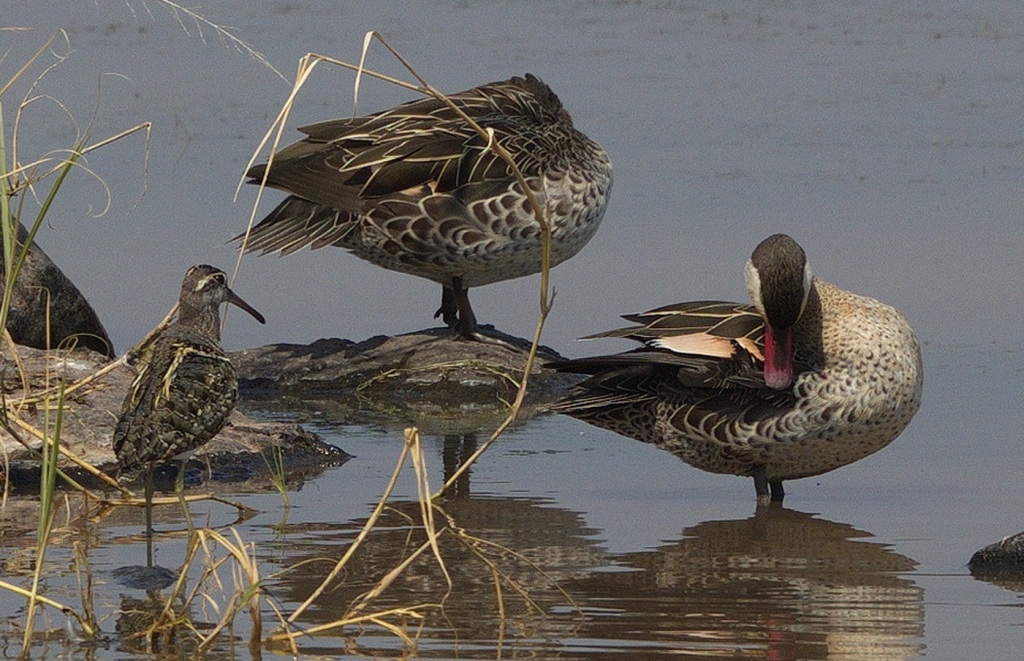
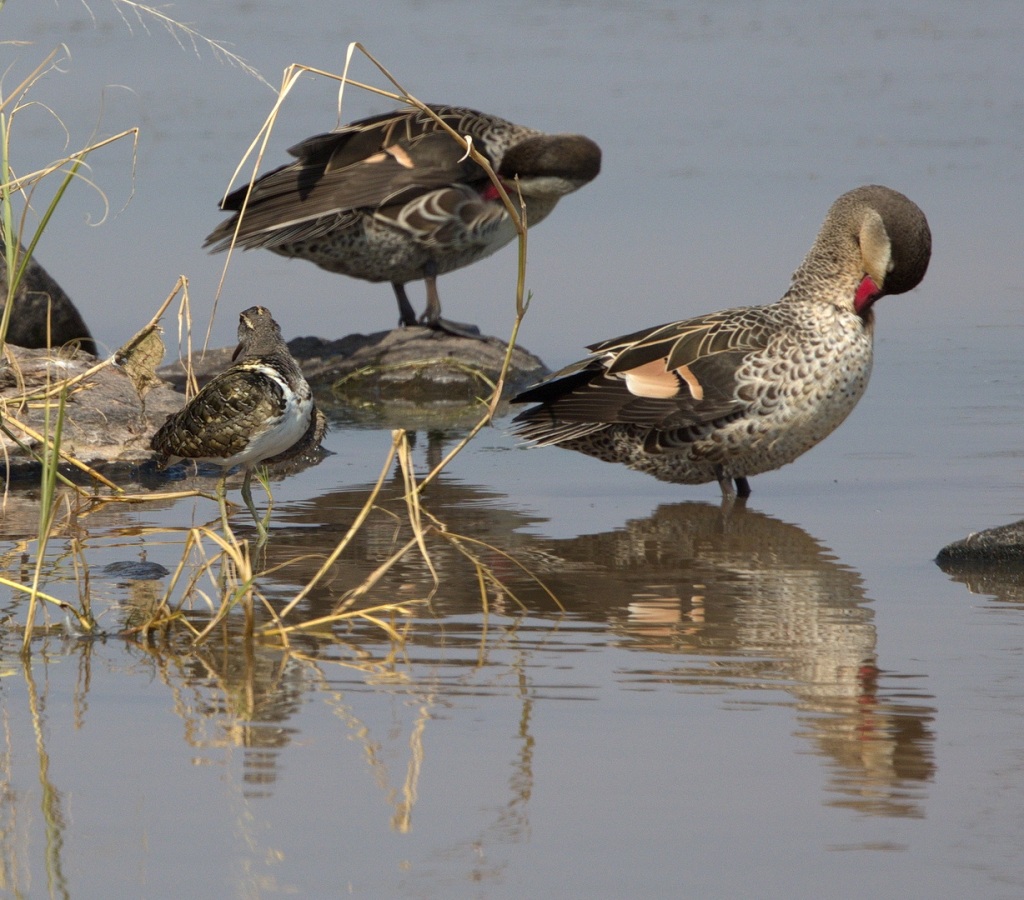
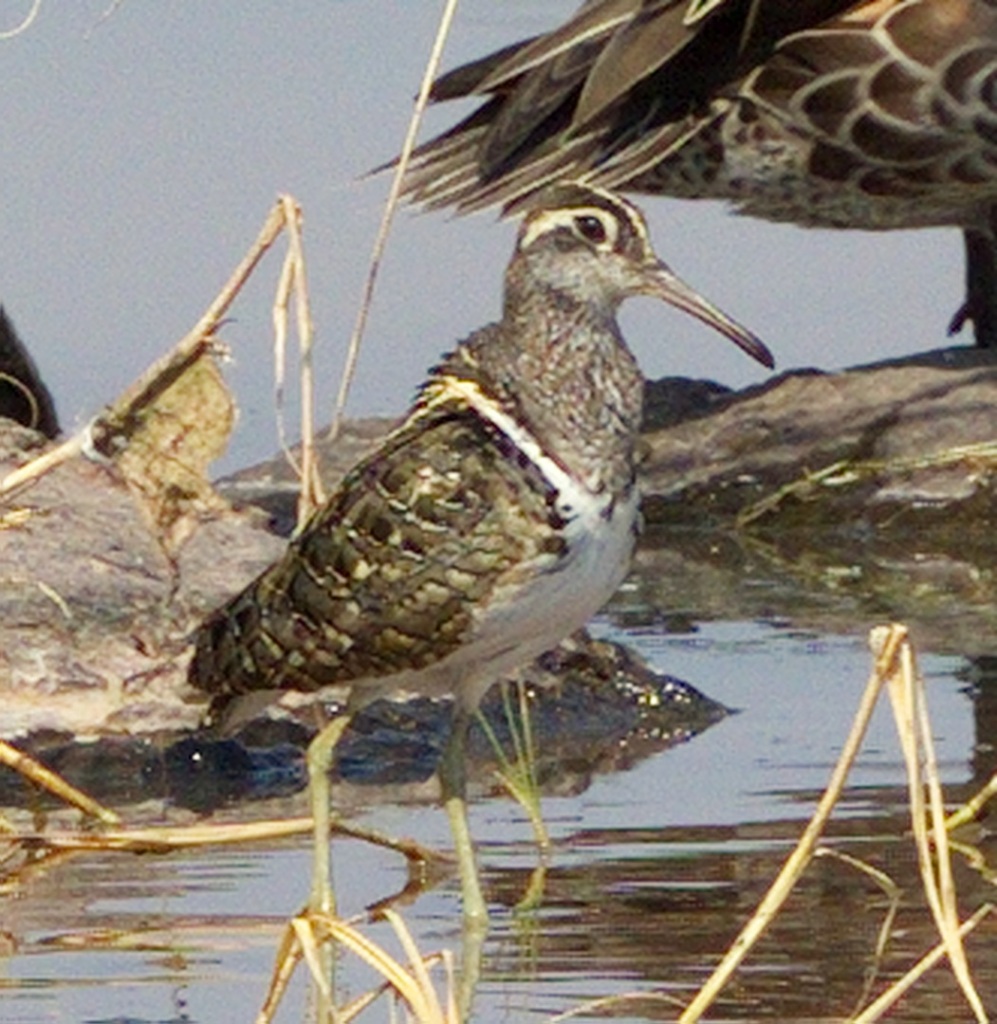
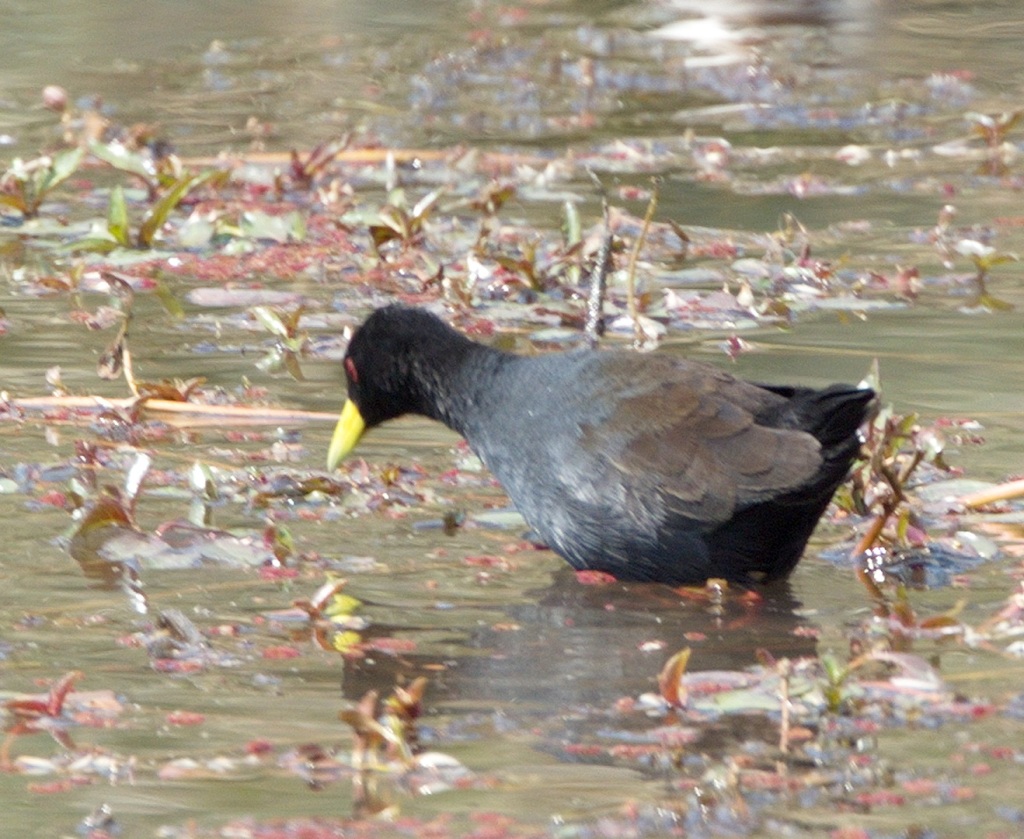
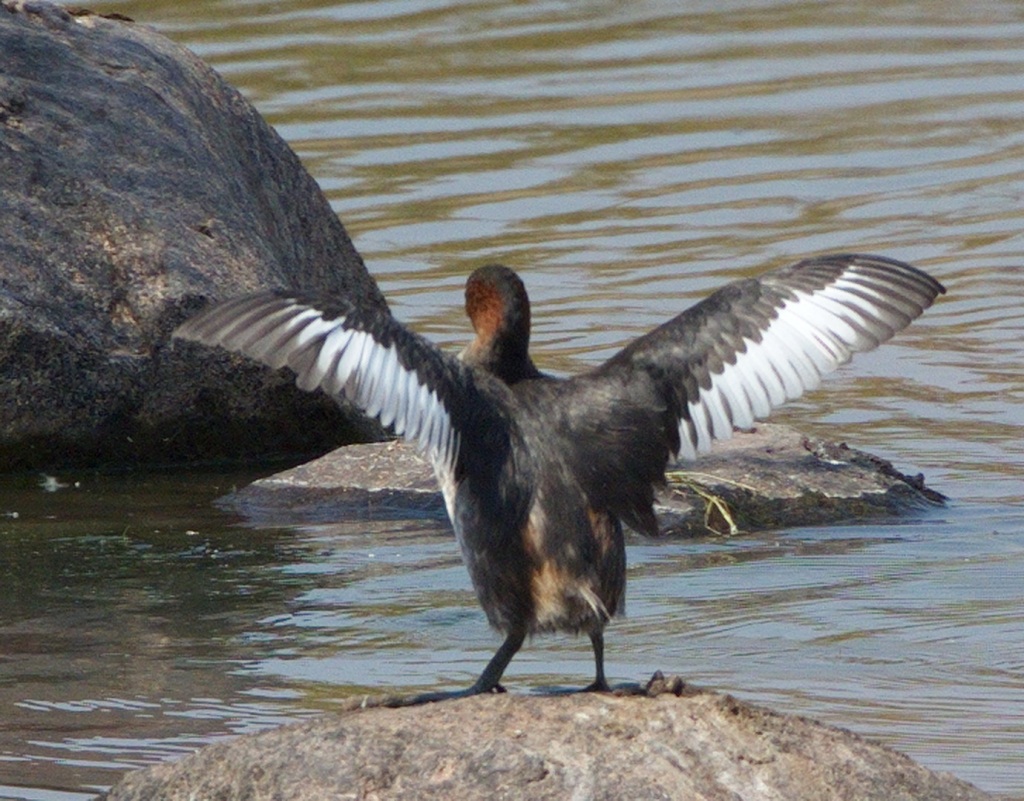
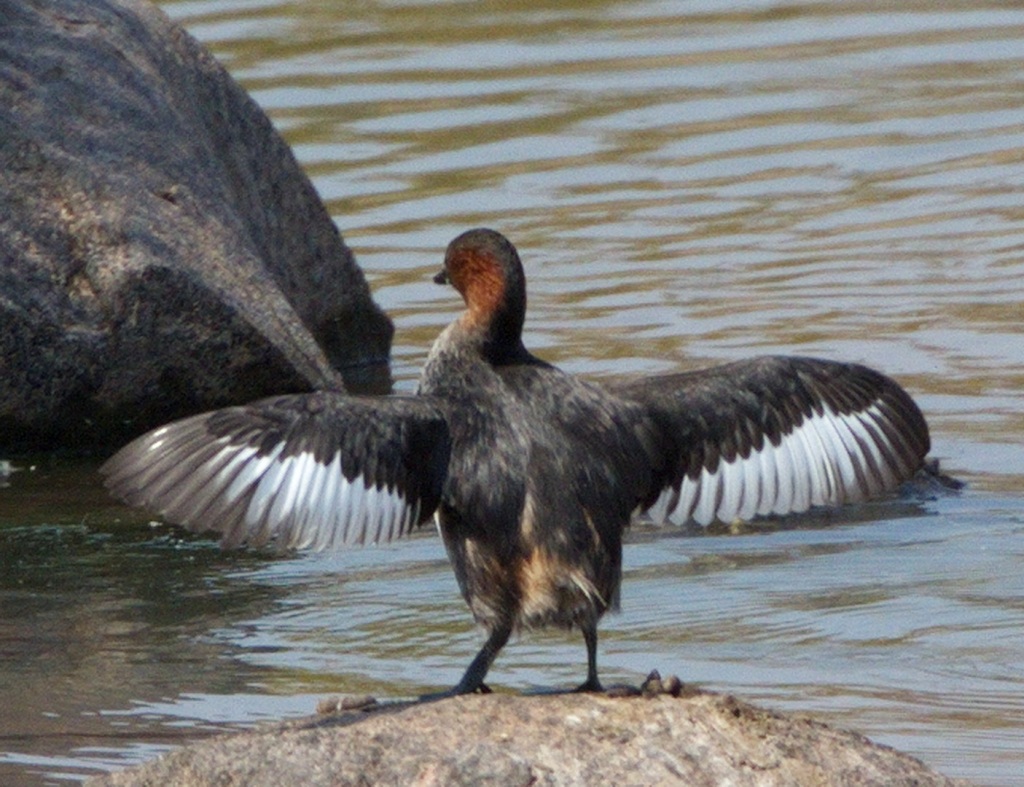
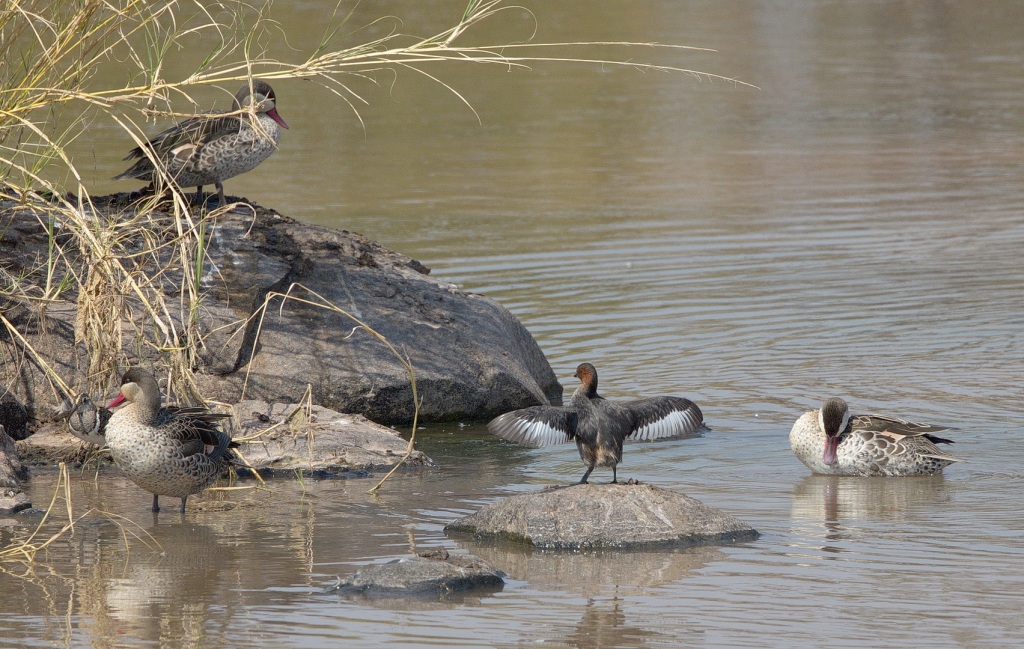
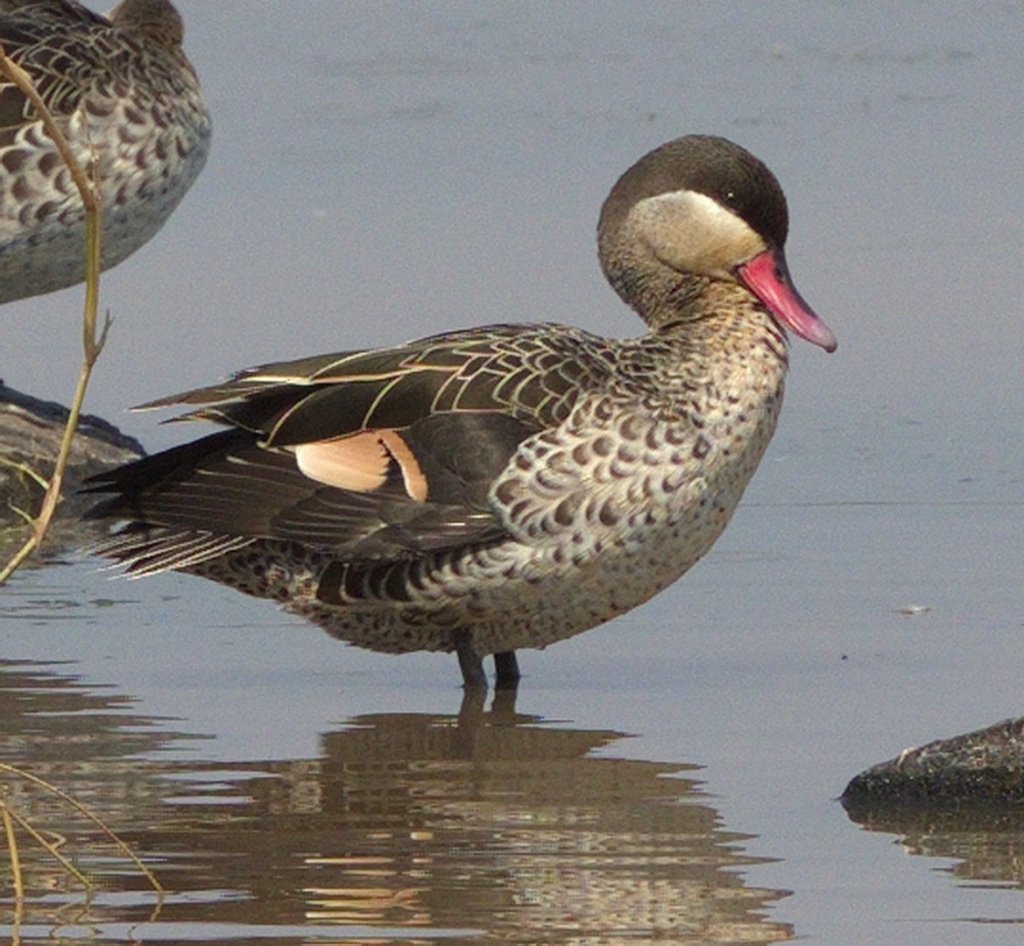
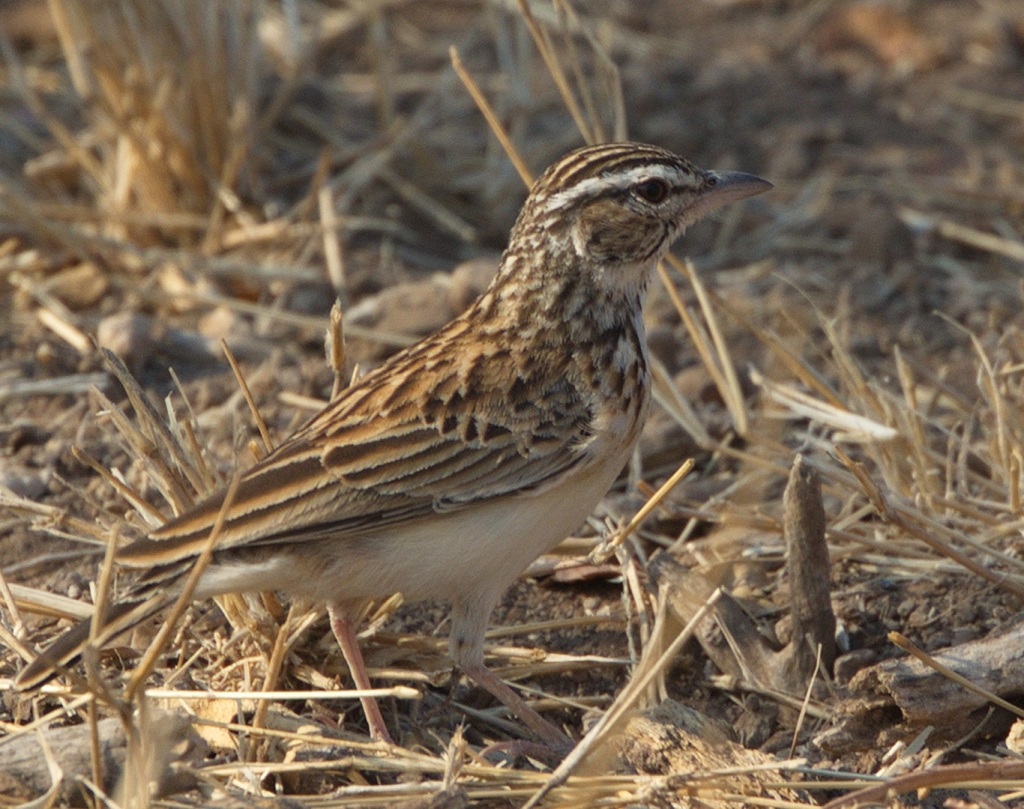
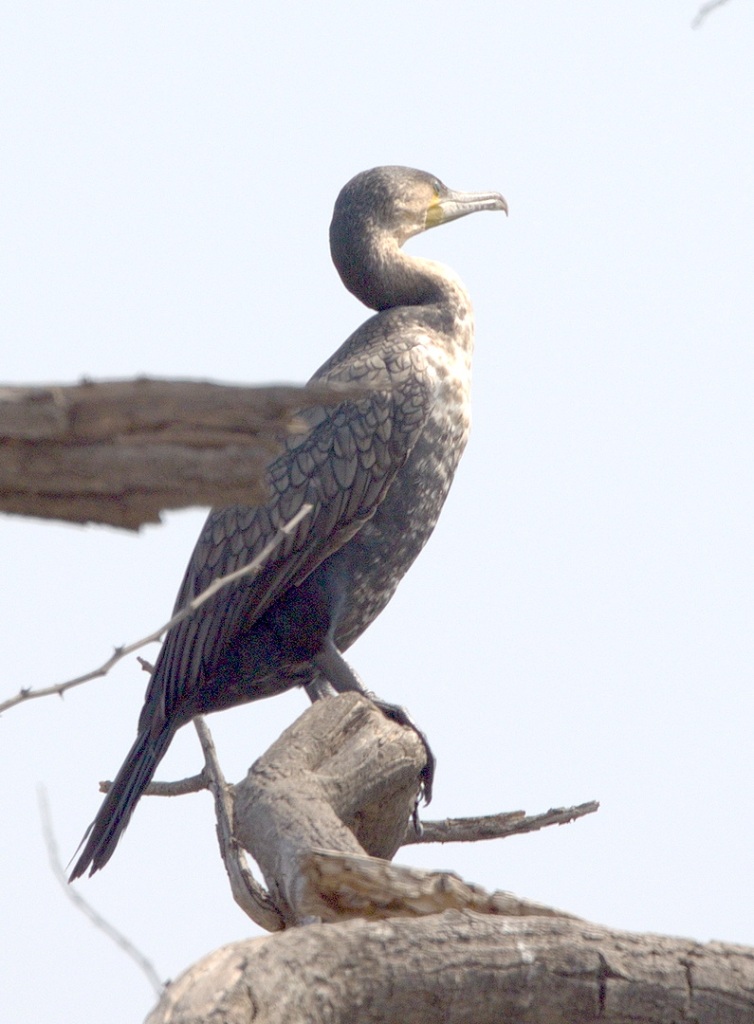
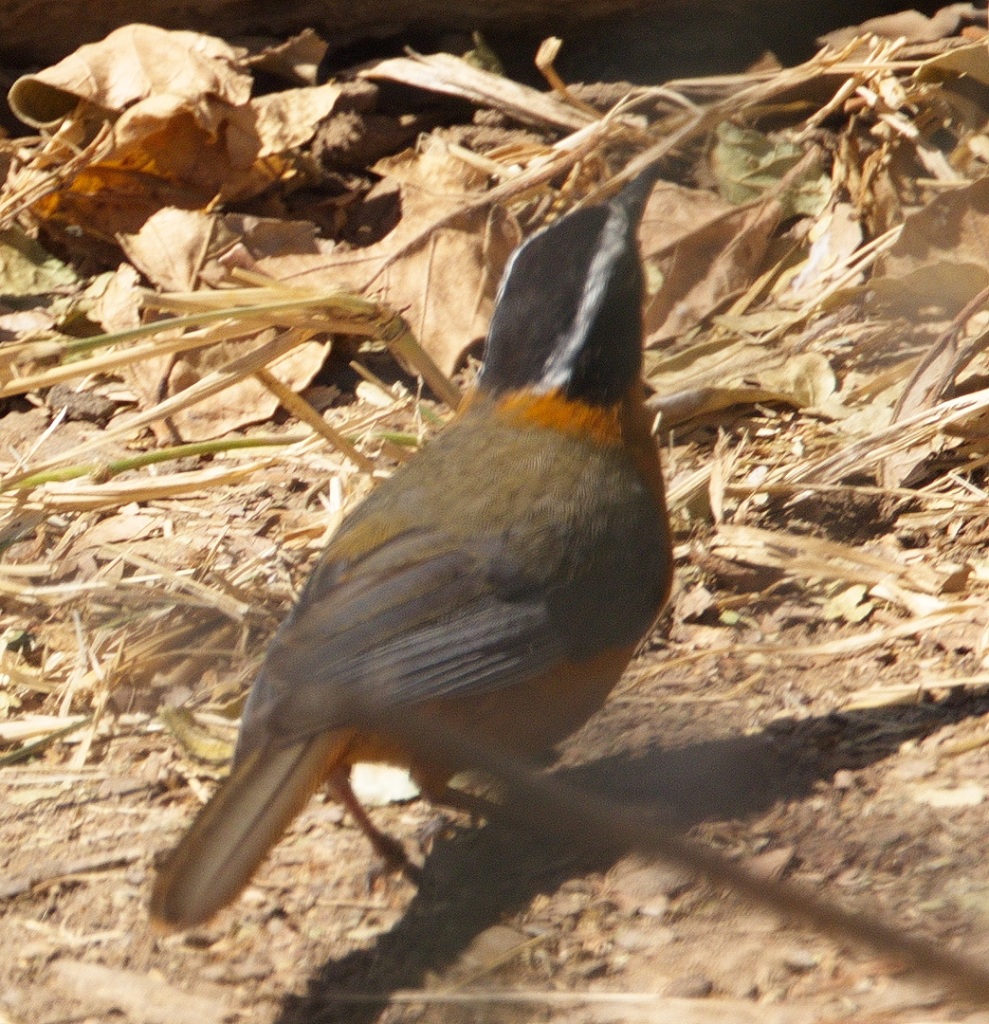
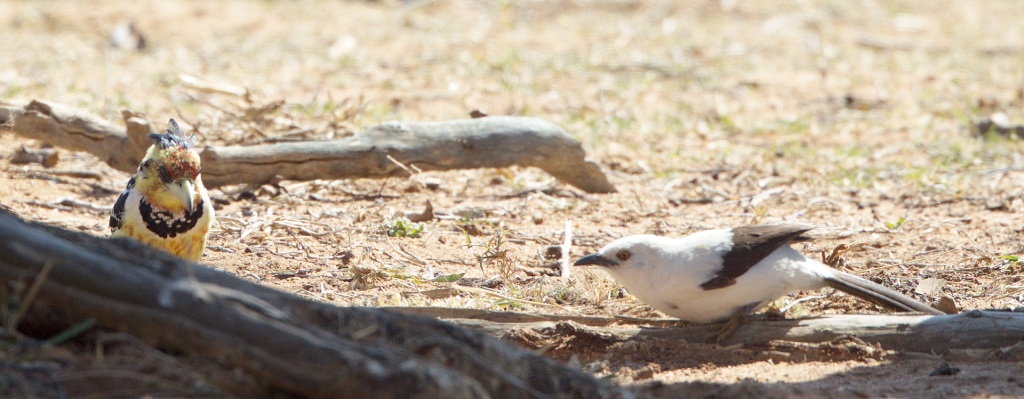
The Greater Painted Snipe was most unexpected and to see how friendly it was with the other species was awesome.
In total we identified 81 different bird species.
After four nights in Mapungubwe it was time to move on.
Nthakeni Bush and River Camp birding near Pafuri, KNP.
23rd to 25th August 2023
Our next destination was Nthakeni Bush and River Camp about 240 kms from Mapungubwe. The camp is located just 5 kms from the Pafuri Gate into the Kruger National Park (KNP). And it was from Nthakeni that we explored the Pafuri area of the Kruger National Park.
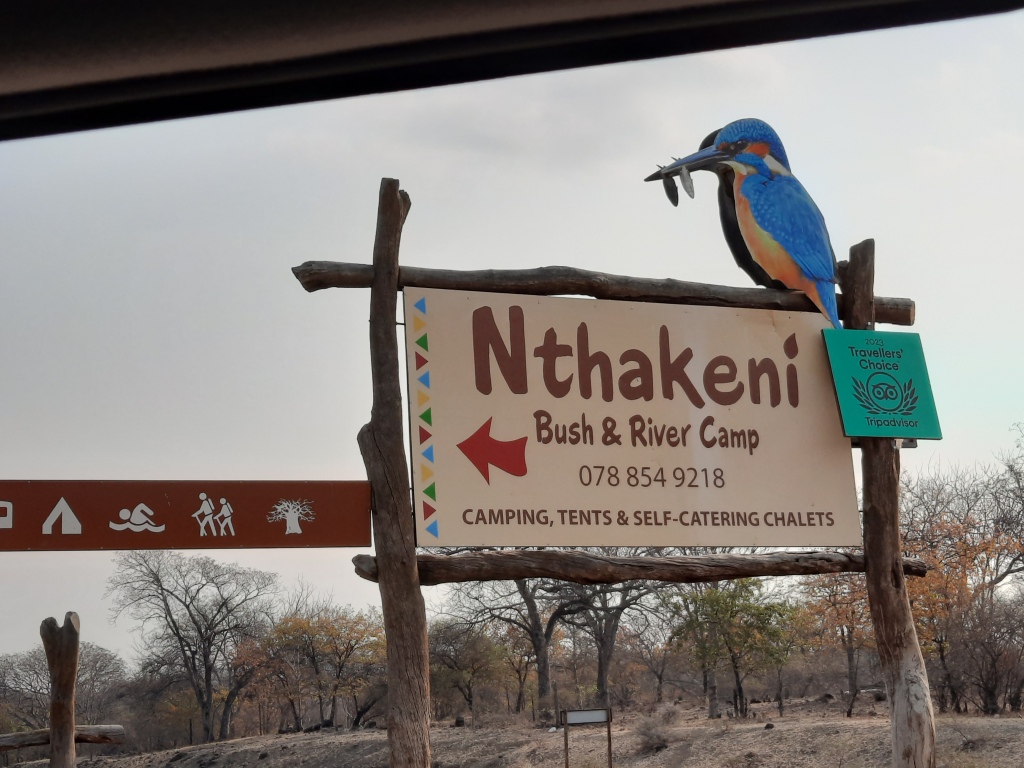
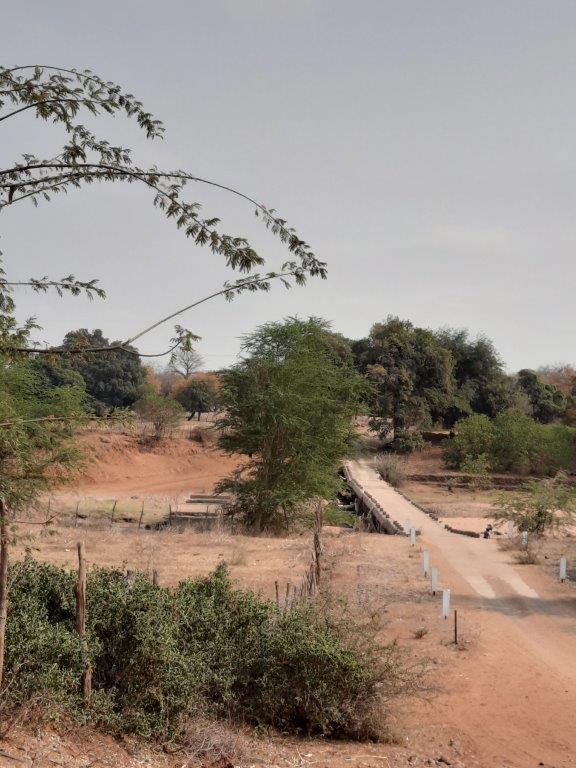
A short drive from the main road to the camp through pleasant scenery. And then into a well maintained camp.
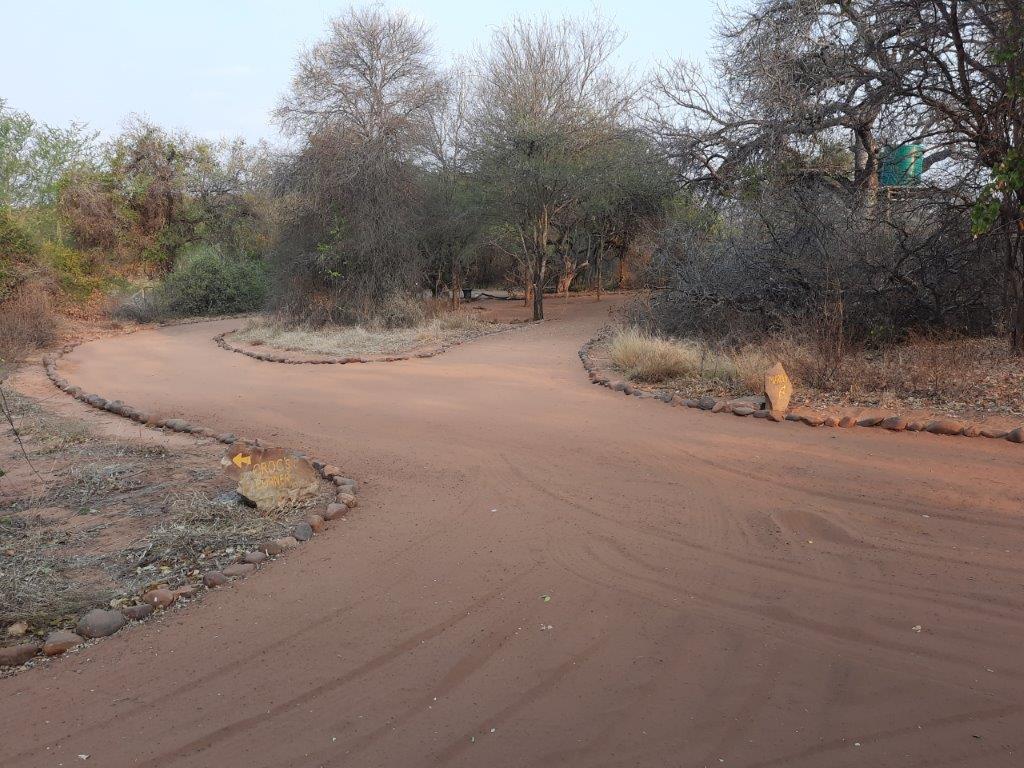
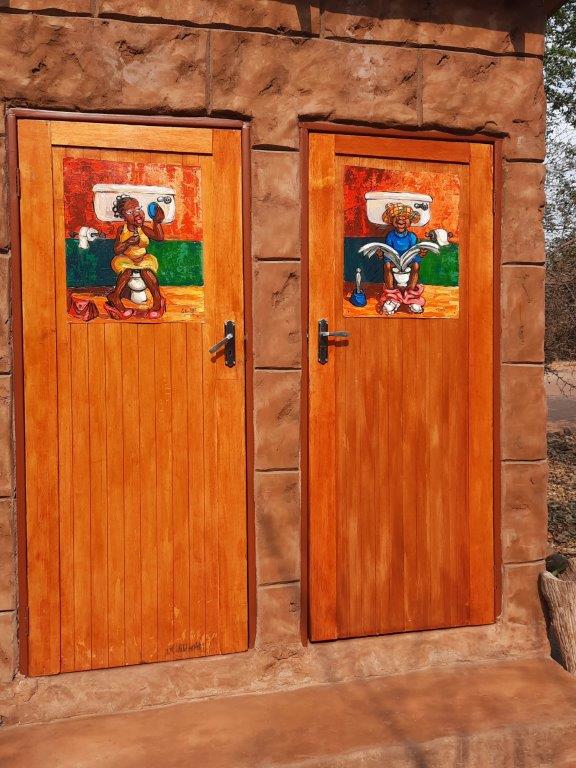
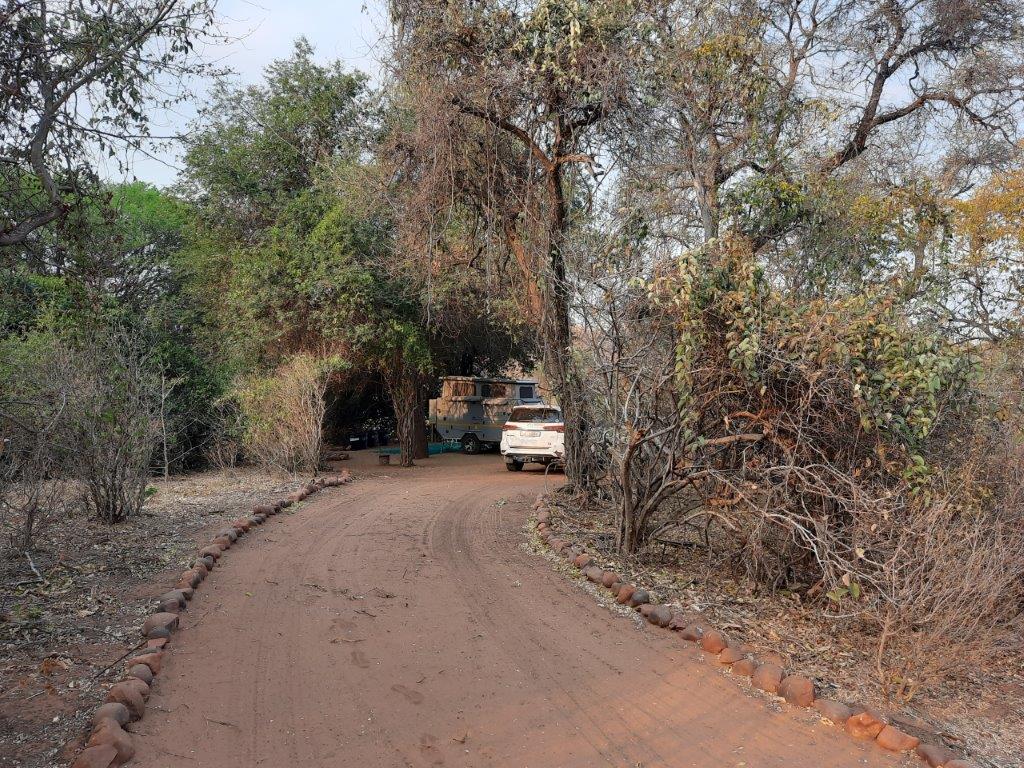
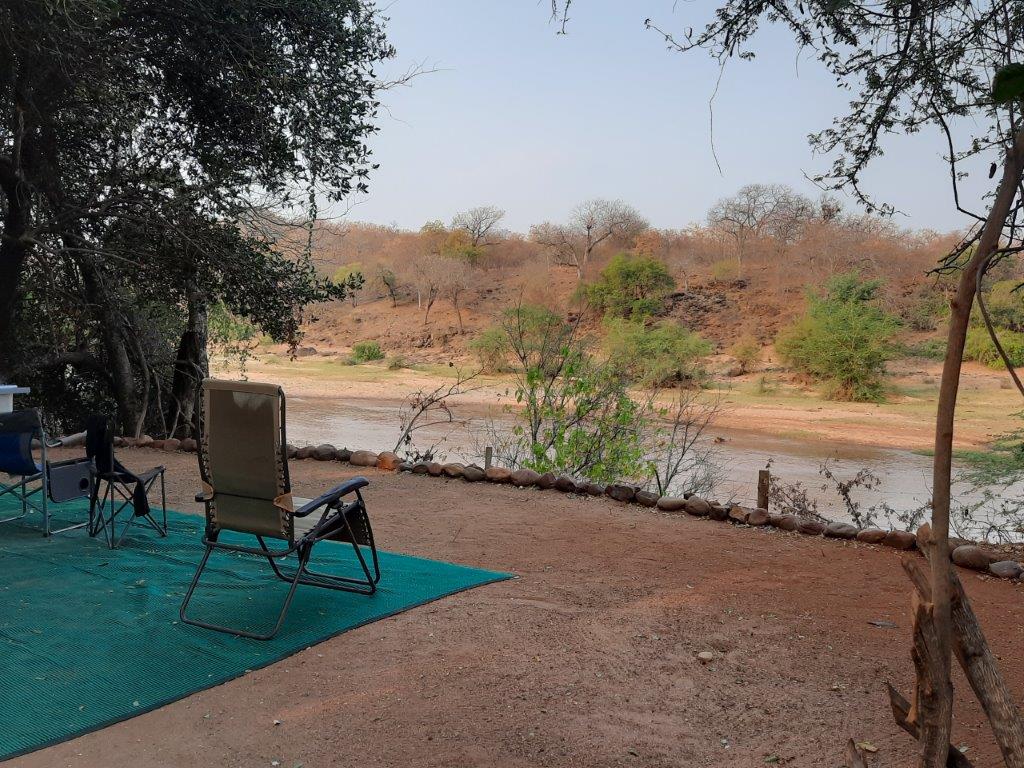
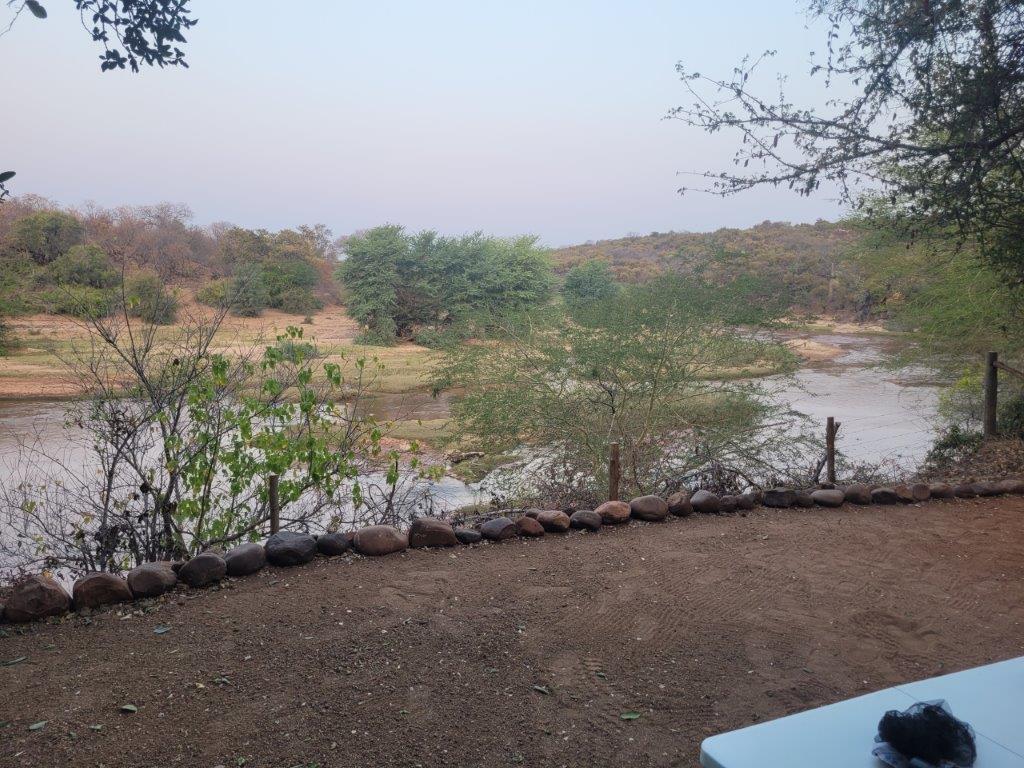
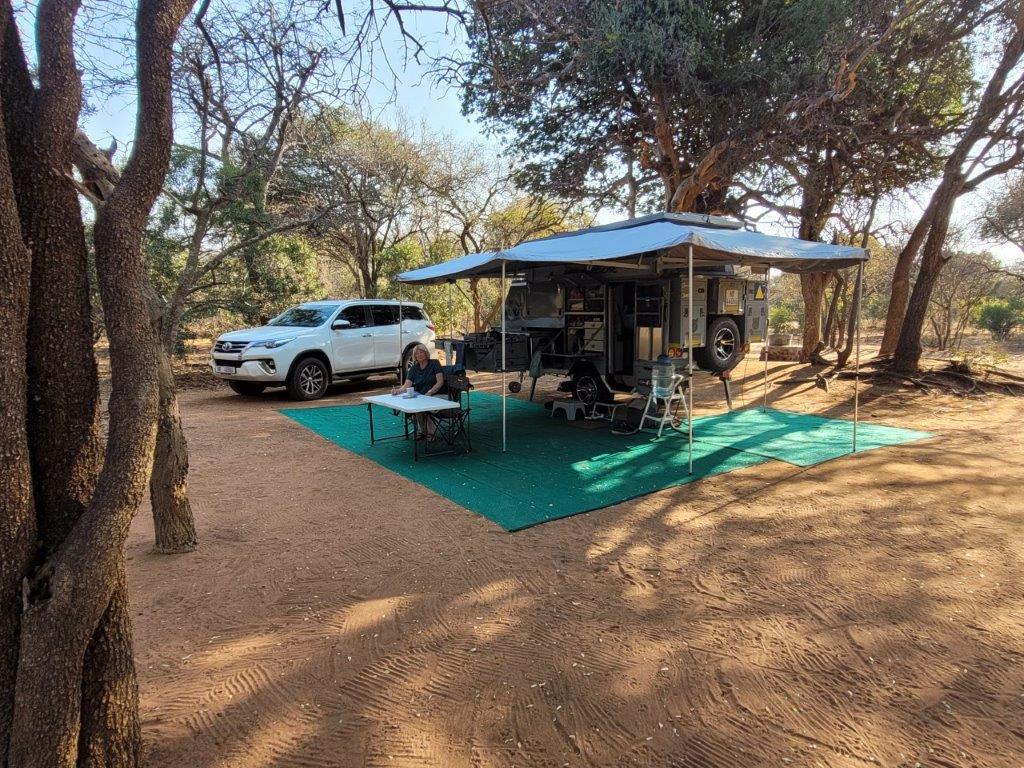
What a wonderful new campsite – Croc’s Corner – we were allocated. Great private setting in the bush overlooking the river with own ablution facilities. No power but free WiFi in the lounge area and an honesty bar. The shop in the lounge was well stocked with virtually all that a camper could want. Fairly priced too.
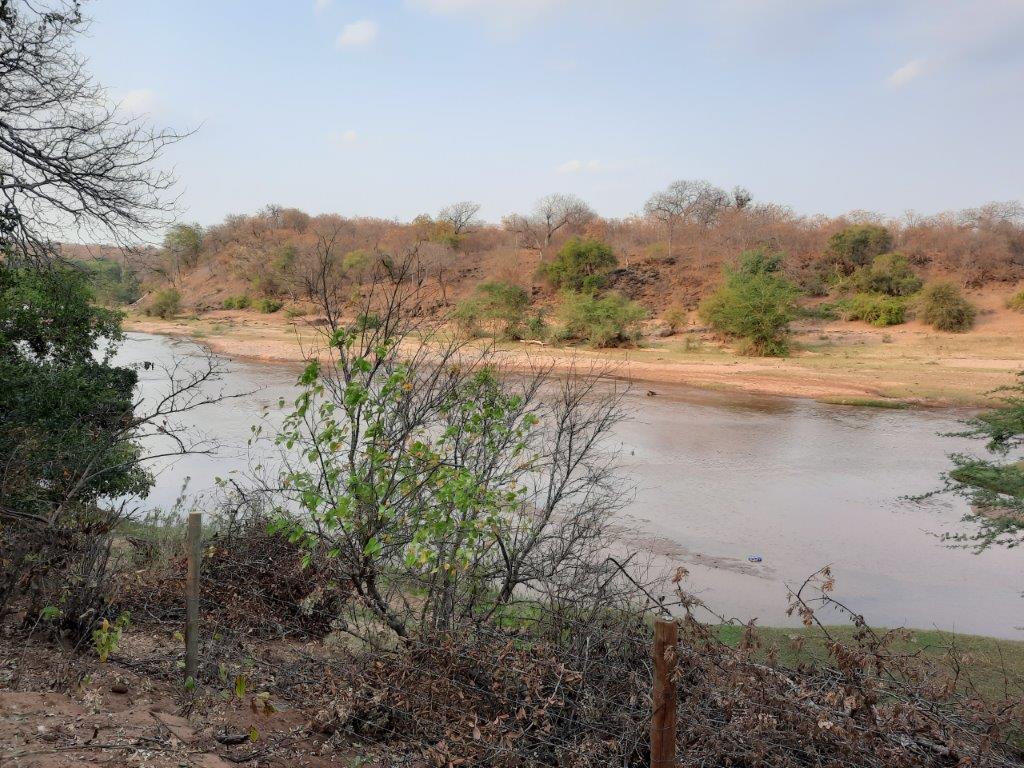
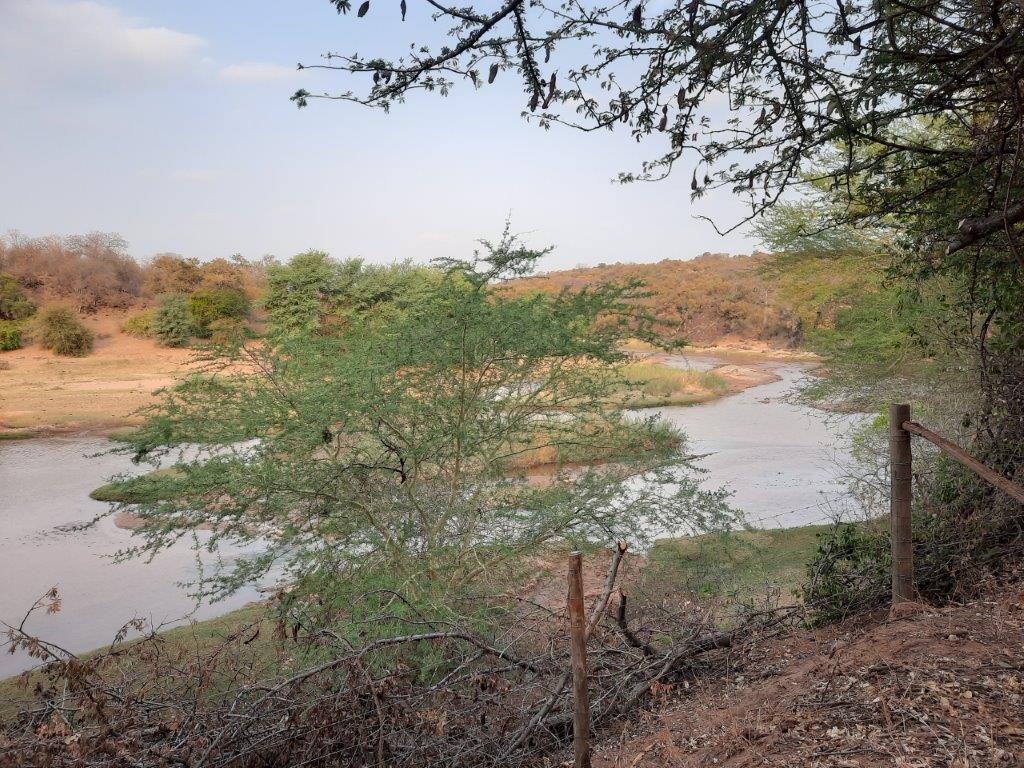
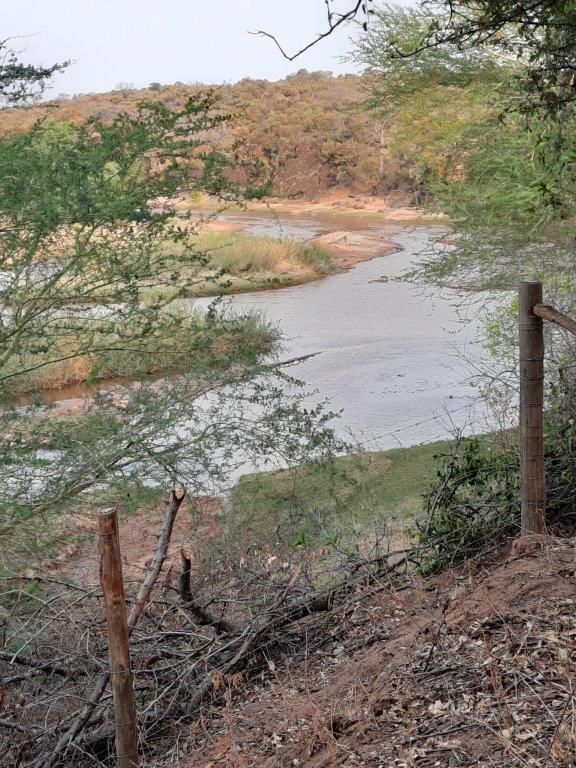
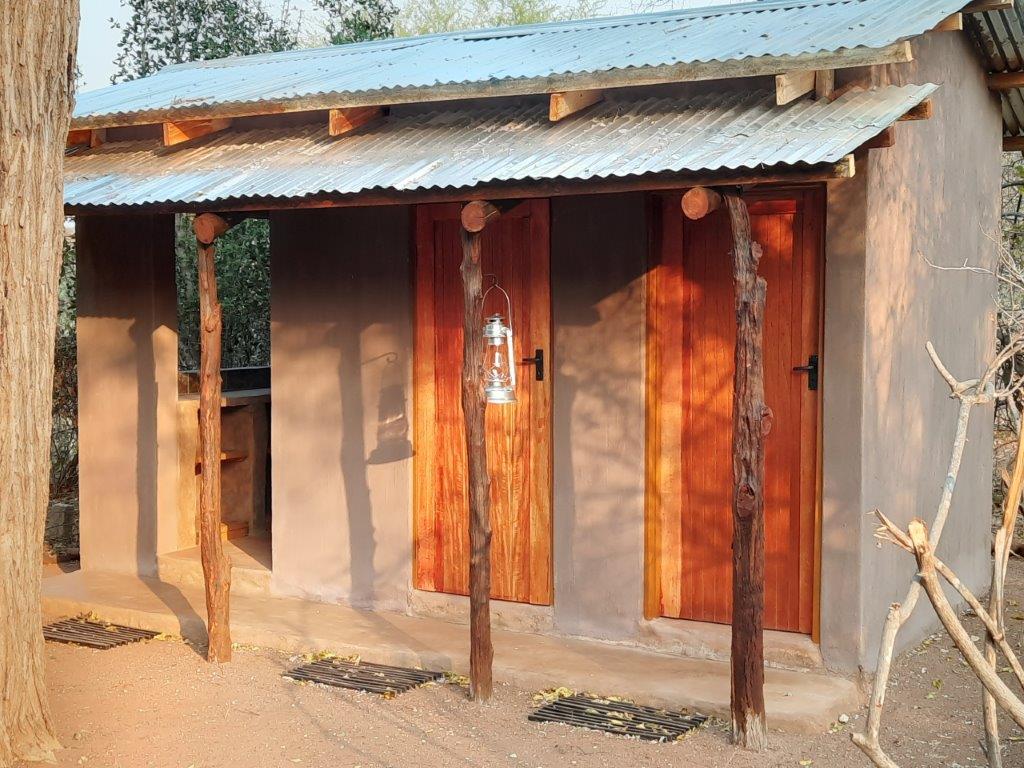
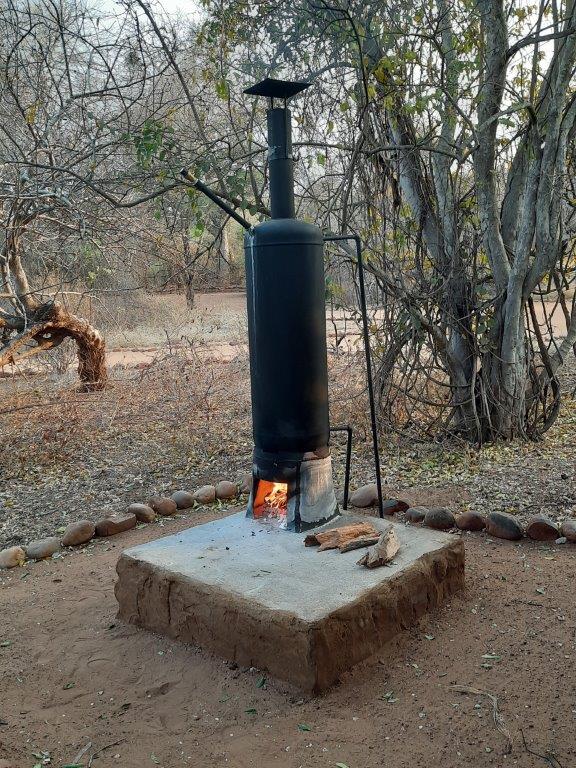
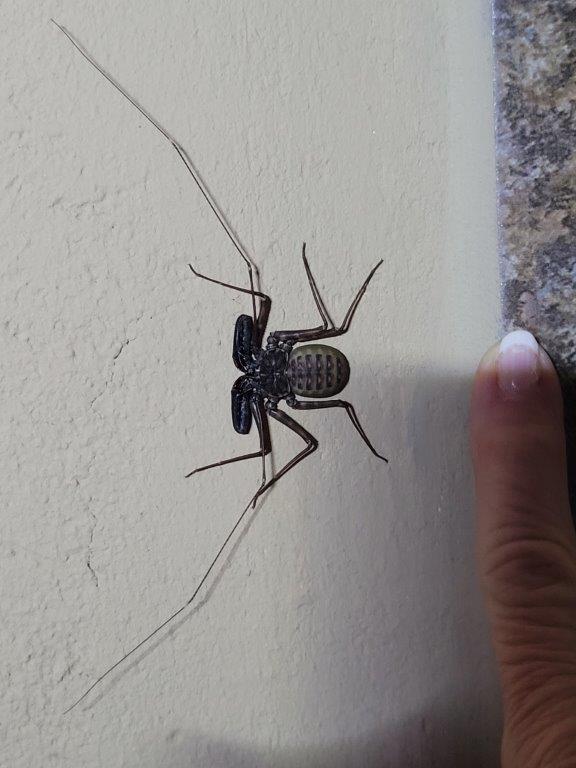
Birding in the camp is like birding at the Pafuri Picnic site in the Kruger. How’s this for an interesting creature.
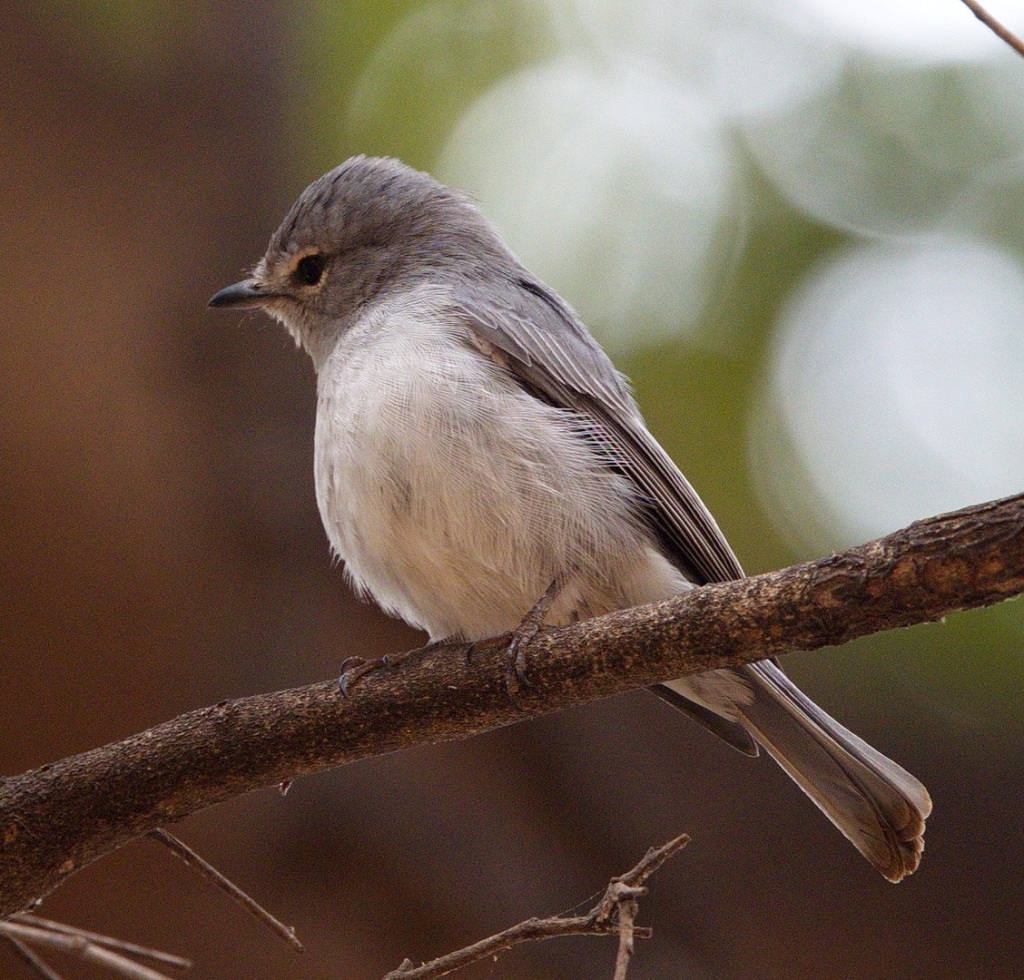
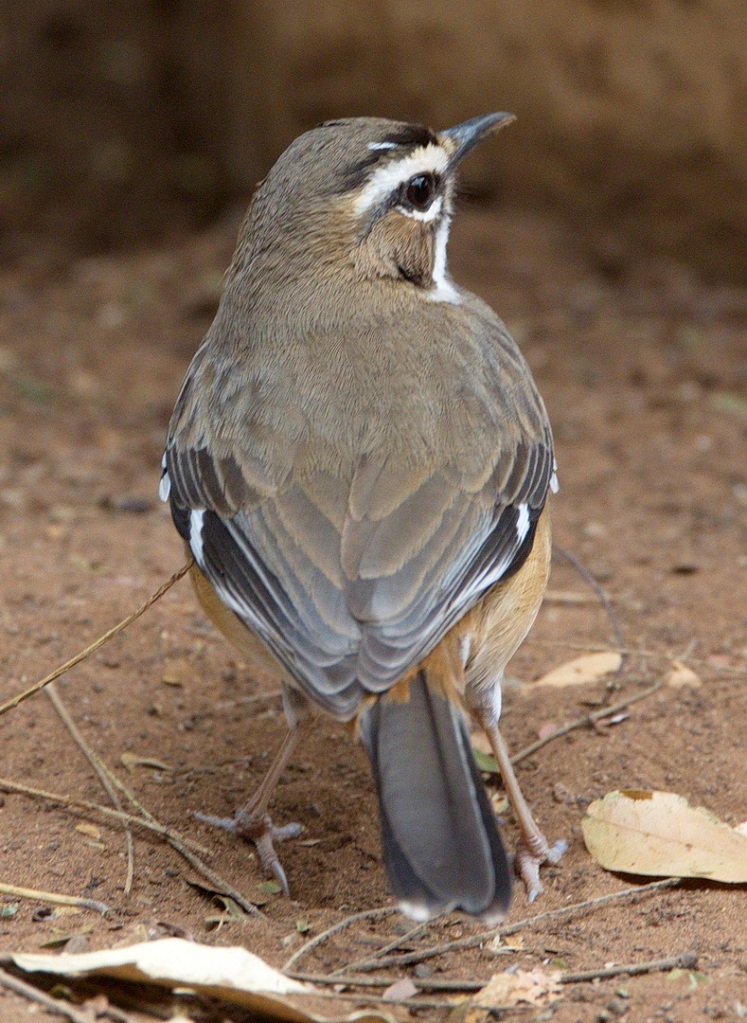
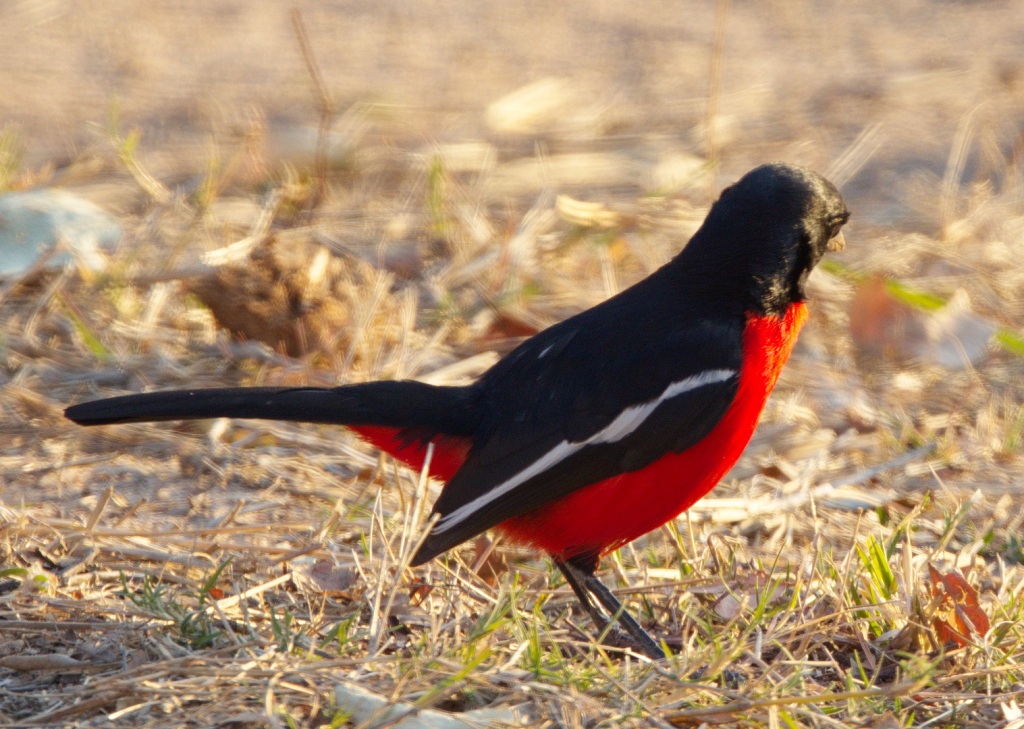
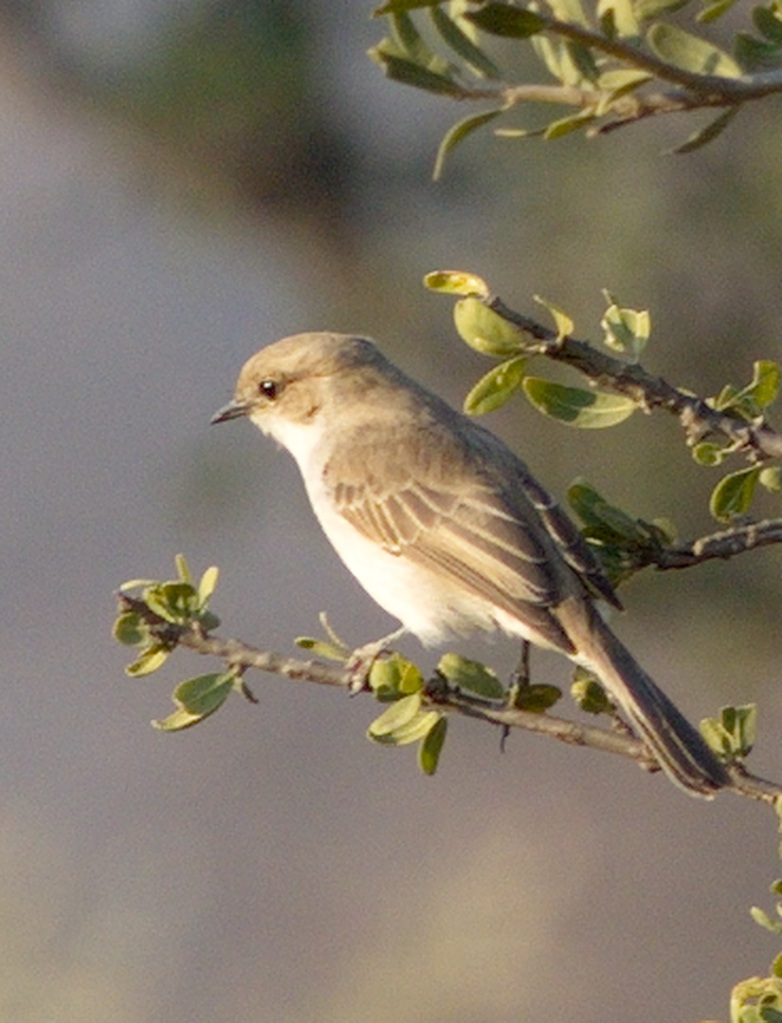
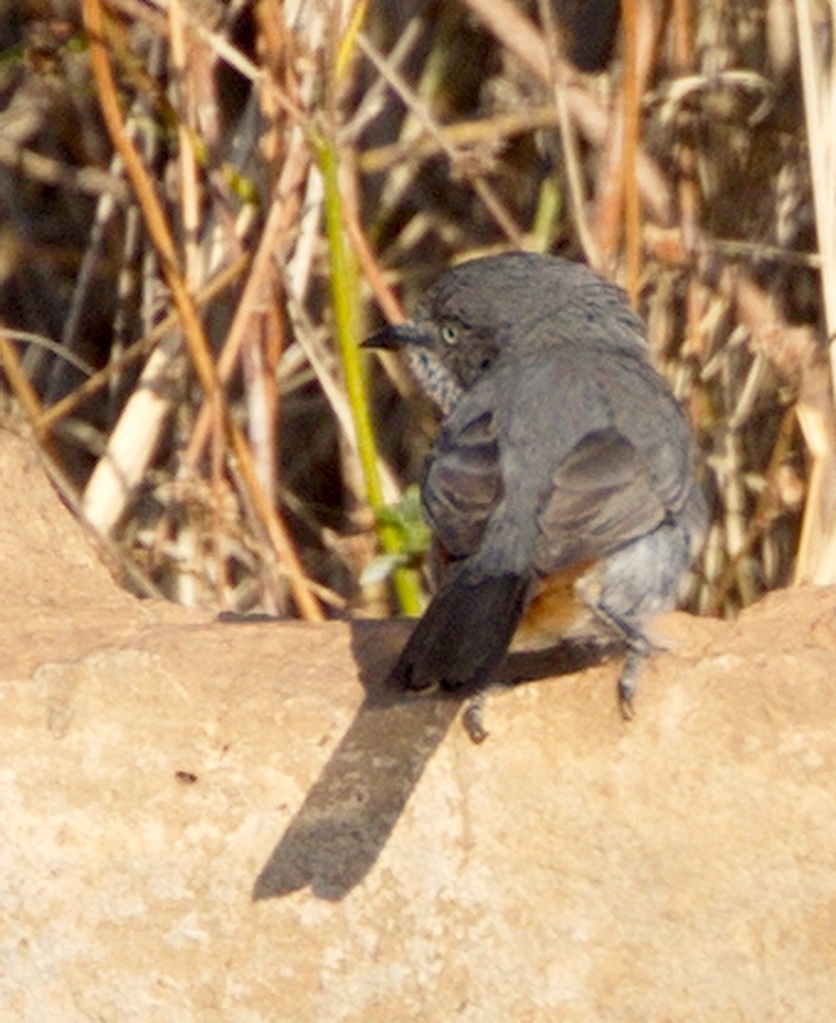
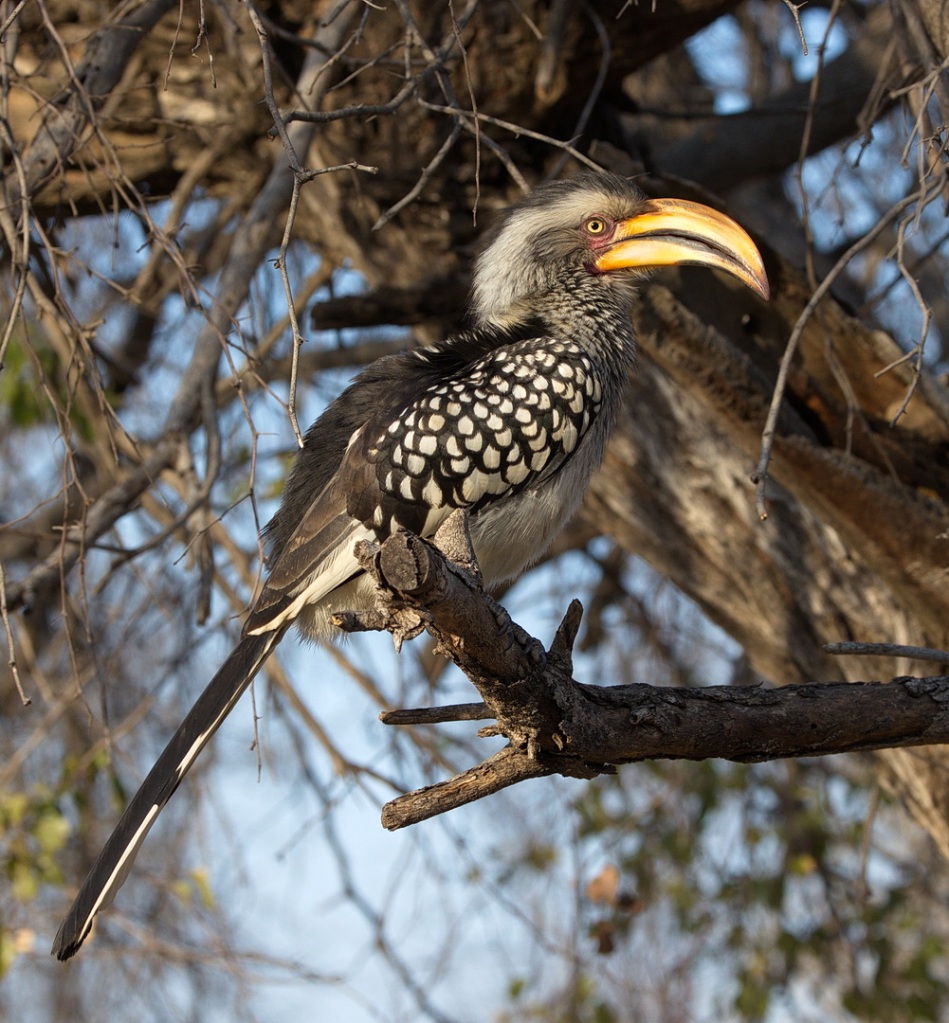
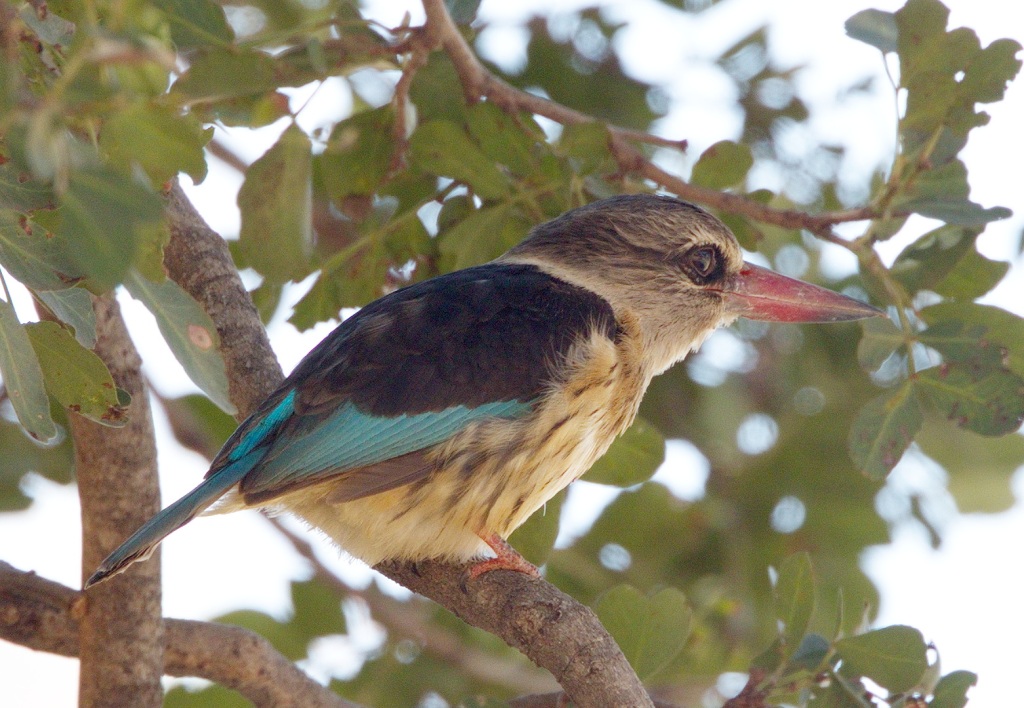
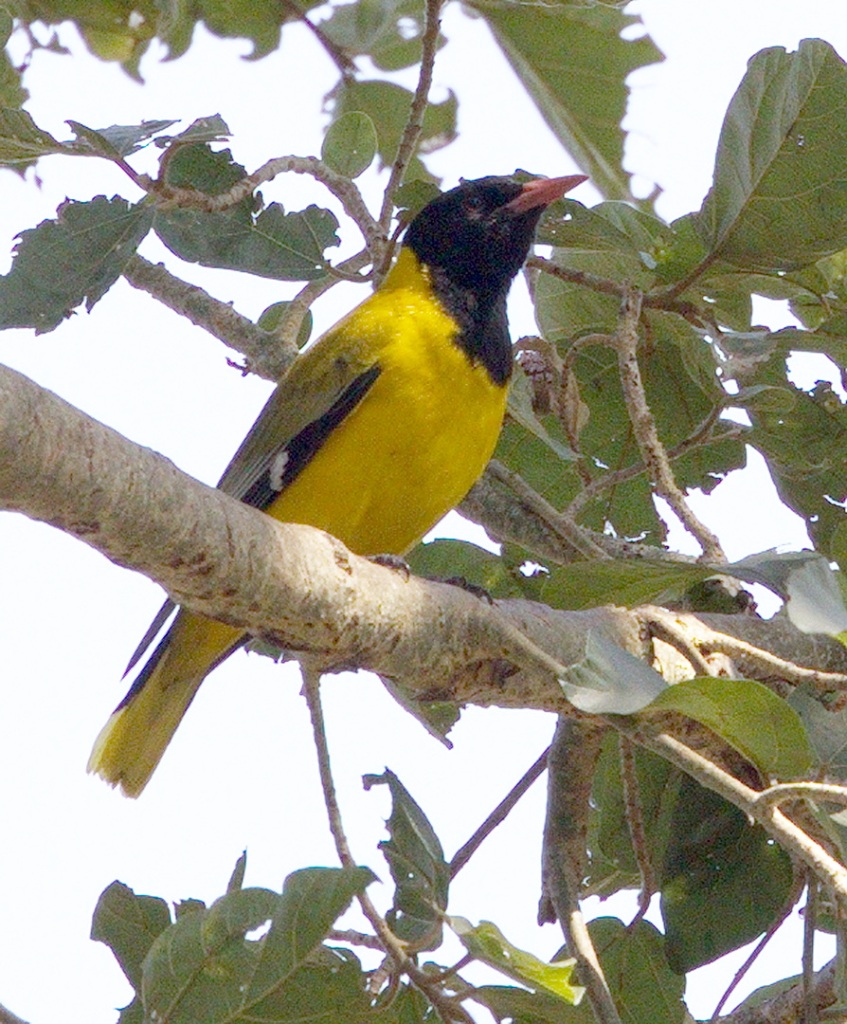
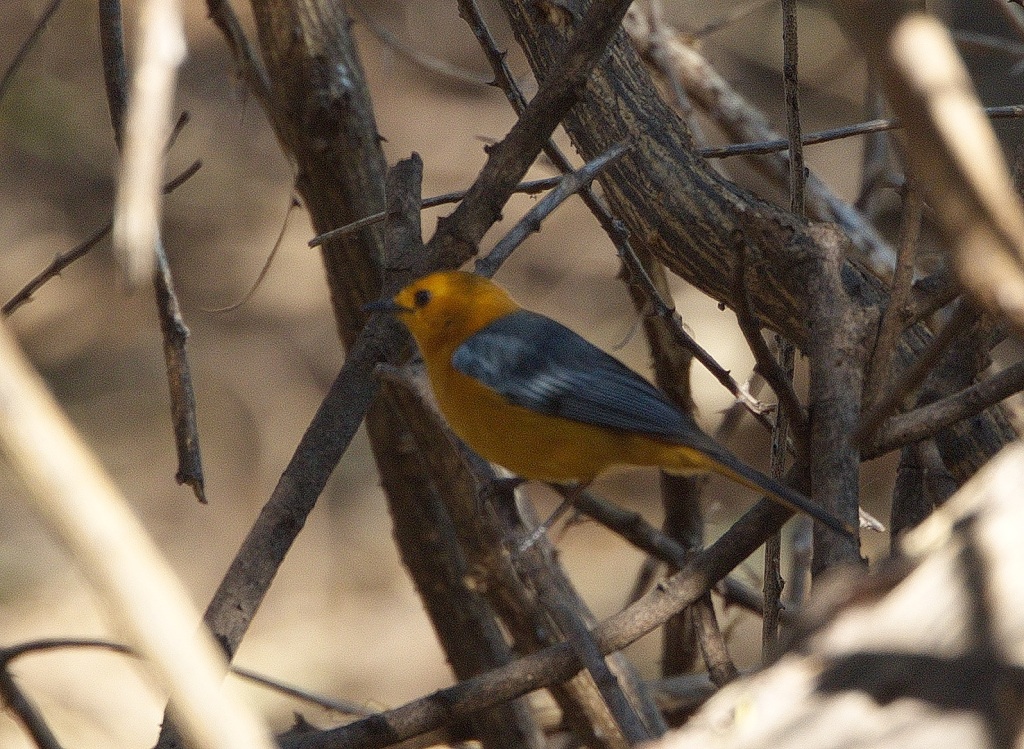
The camp birds sang for us and although we did not do a lot of birding around the camp, we still managed to record 21 different bird species. Here are some that we managed to photograph.
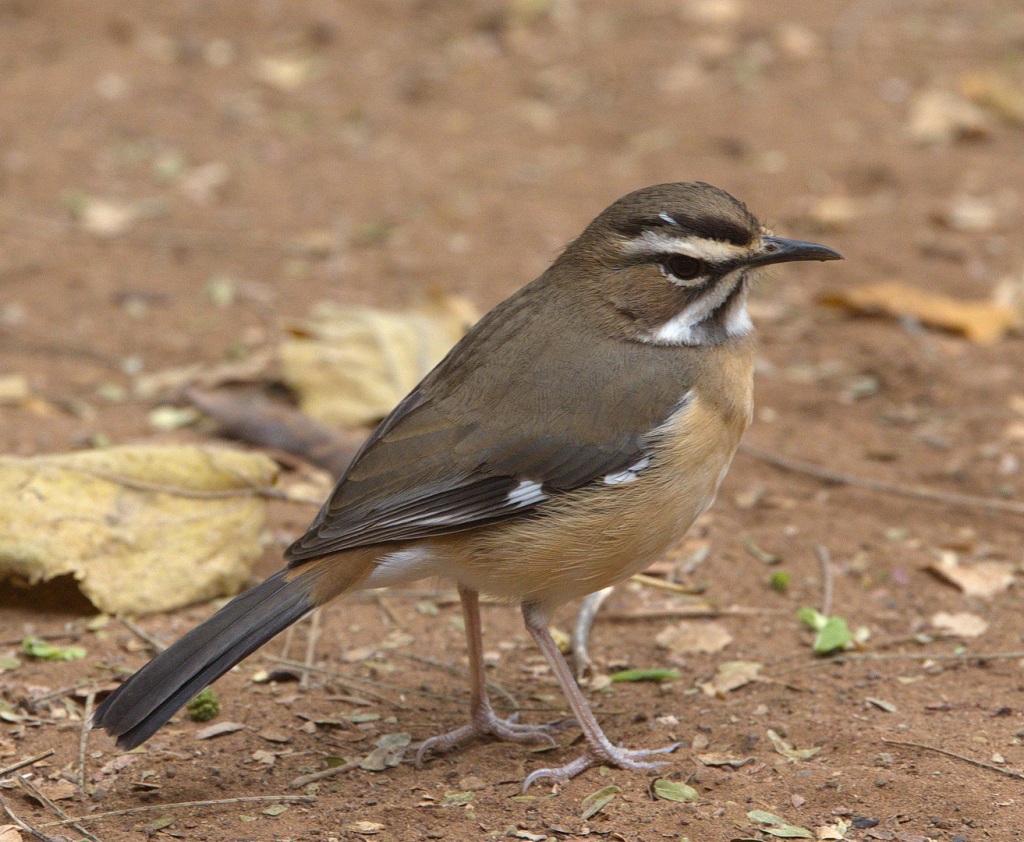
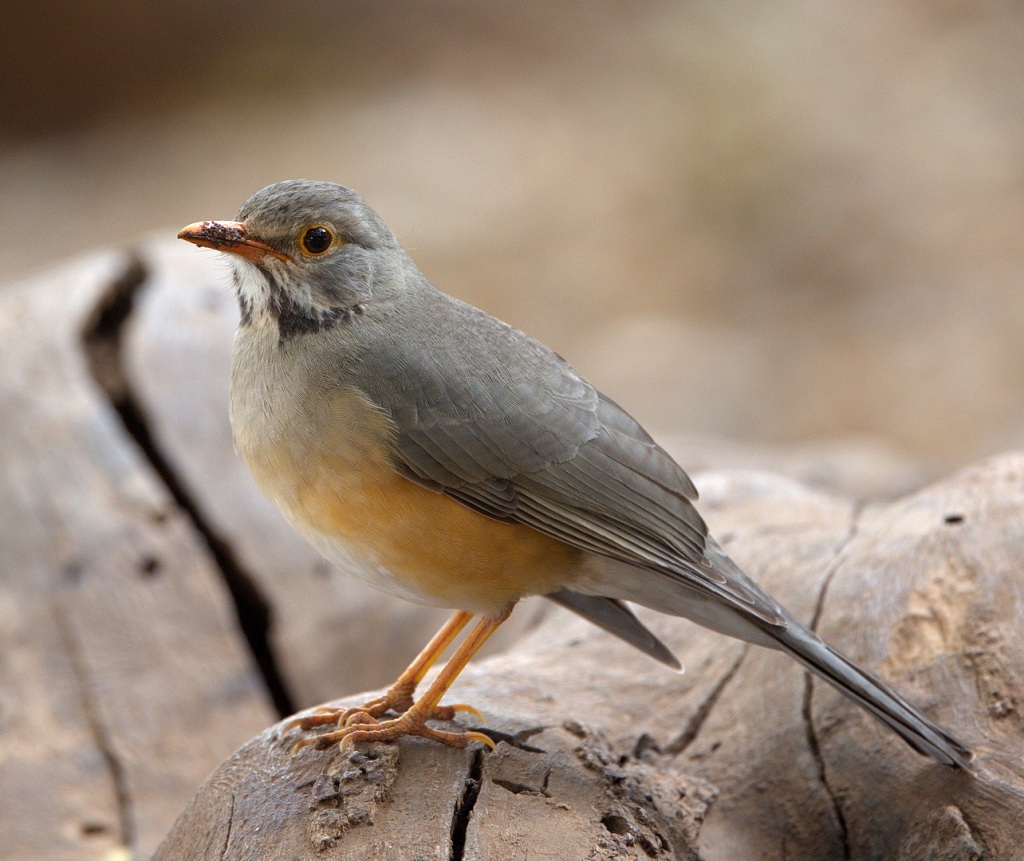
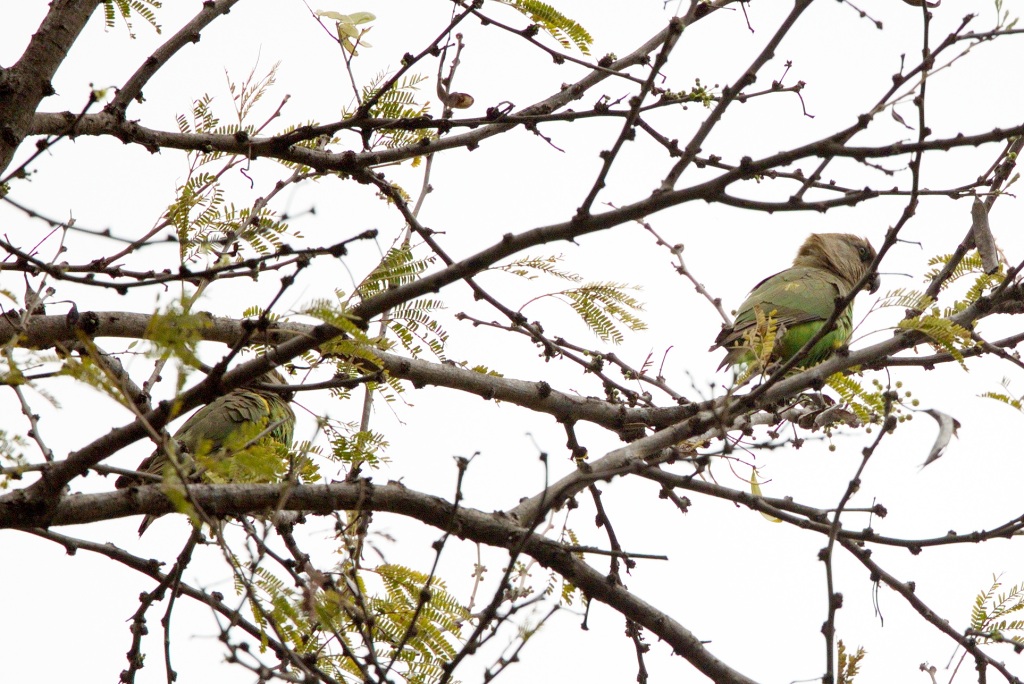
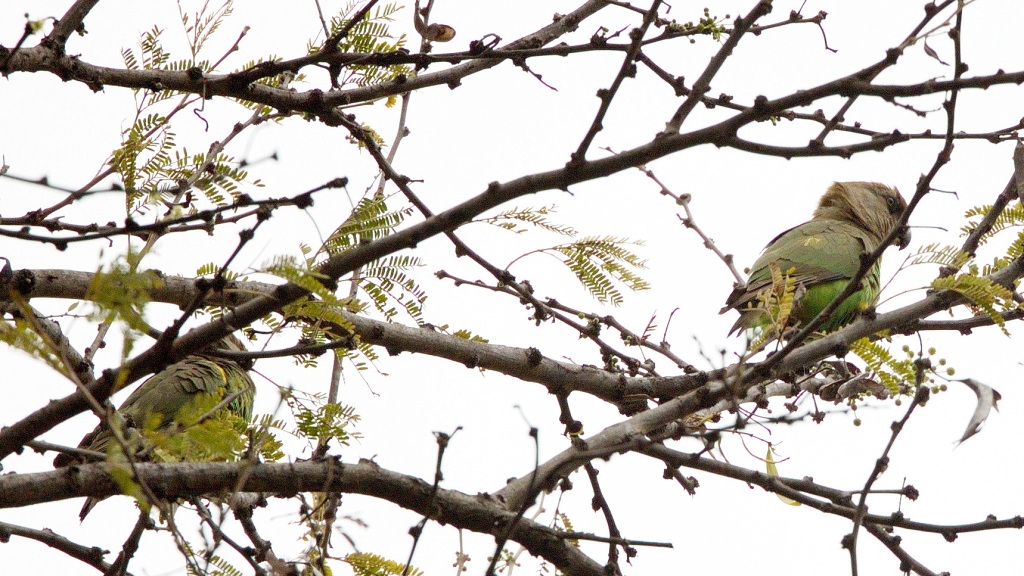
Most of our time was spent in the Pafuri area of the Kruger where we identified 64 different bird species.
On our way to the bridge we kept an eye and ear out for the Racket-tailed Rollers without success.
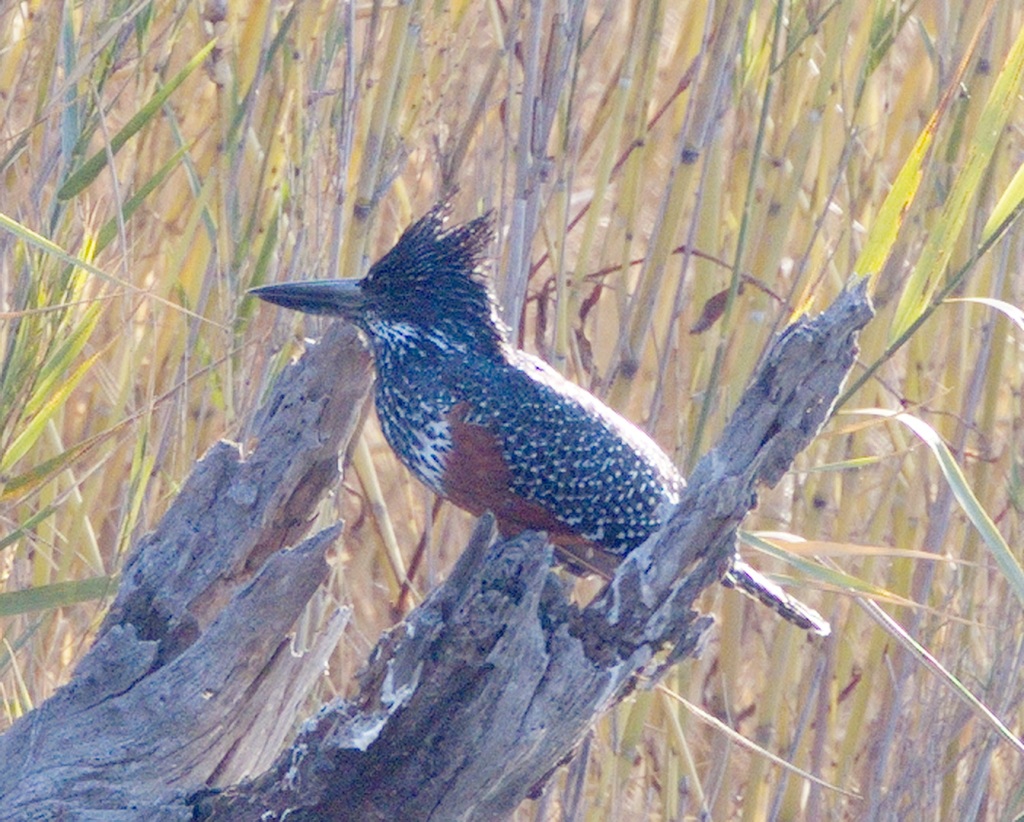
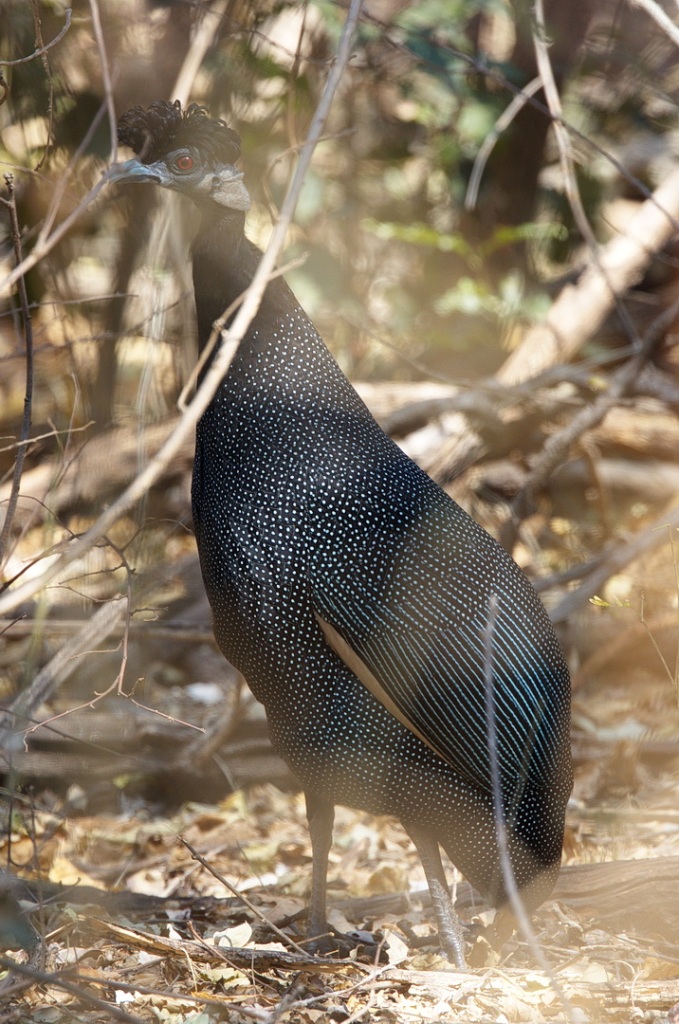
At the bridge we spent some time looking out for Spinetails – no luck. There were a number of raptors about – African Fish-Eagle, Bateleur, African Harrier-Hawk and a Tawny Eagle. The Tawny Eagle was being bombed by a White-crowned Lapwing. Very few waders present – just a Wood Sandpiper. There was a Giant Kingfisher and numerous Crested Guineafowl came for a drink.
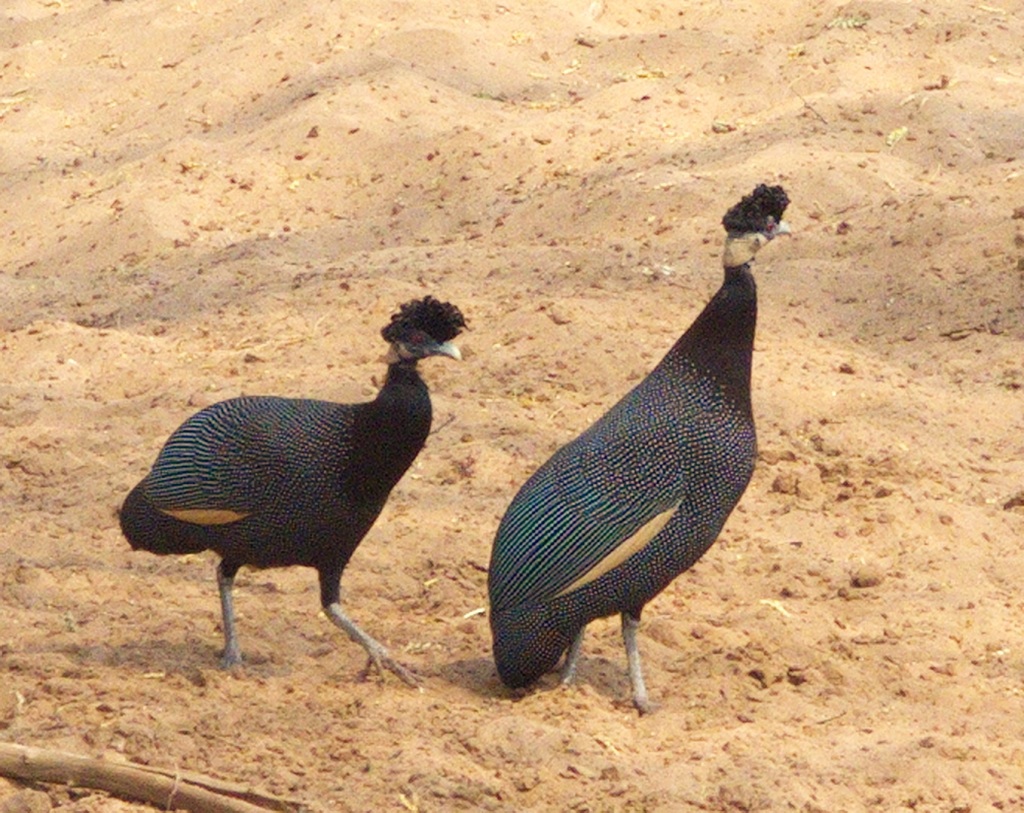
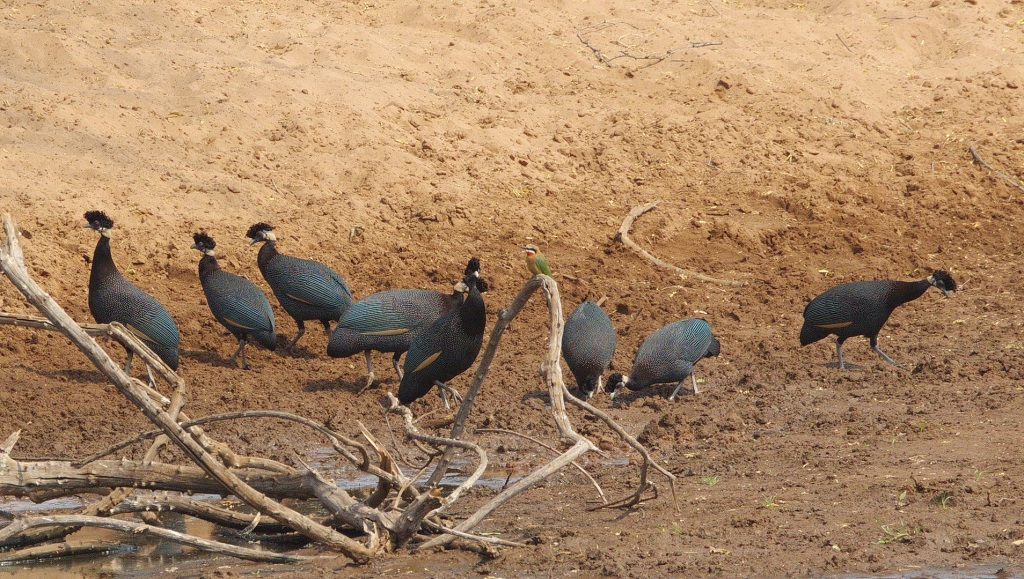
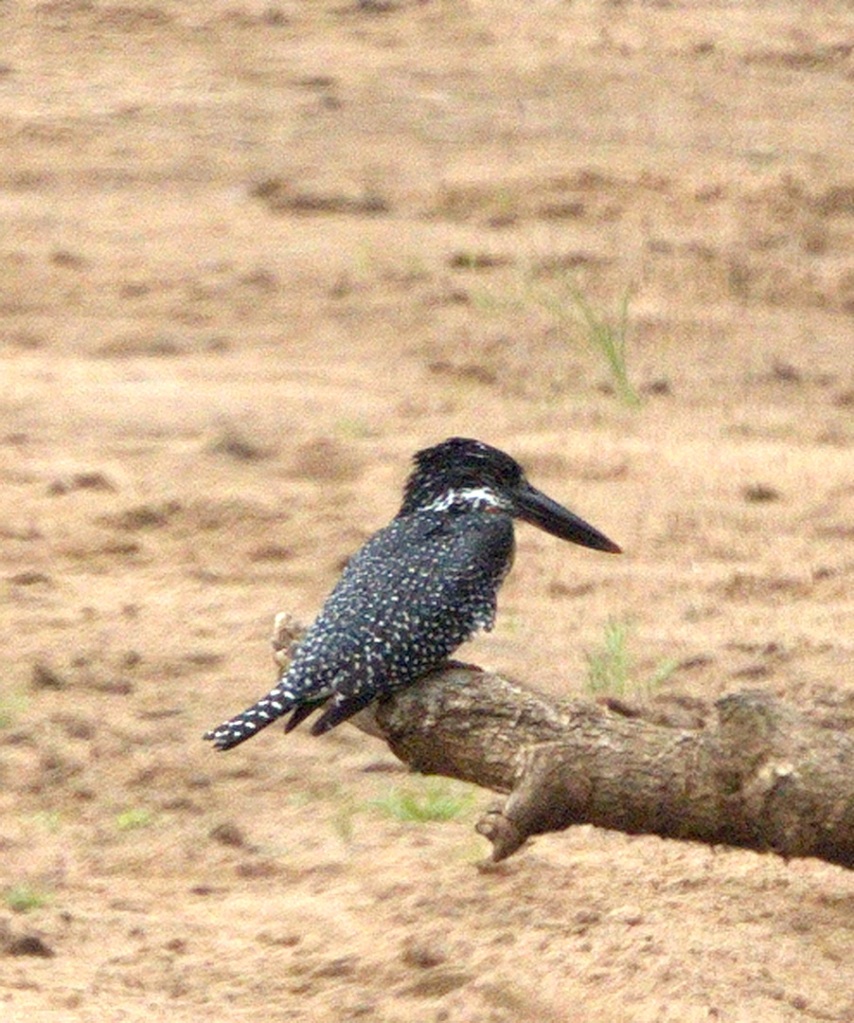
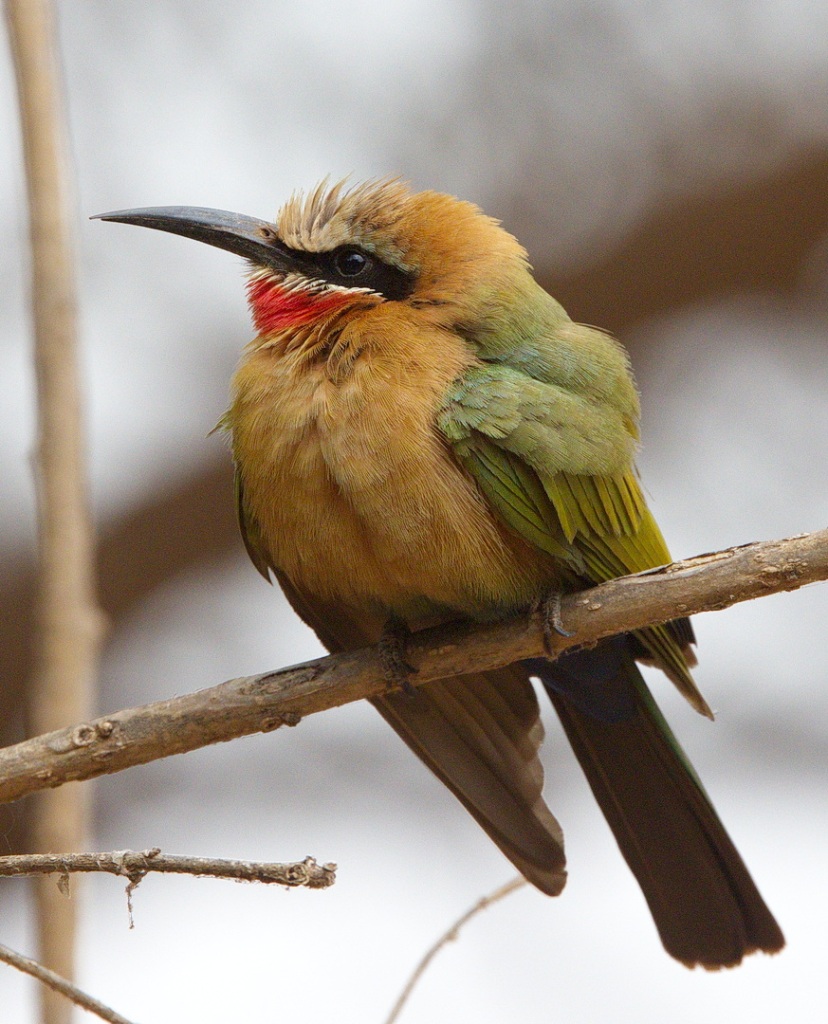
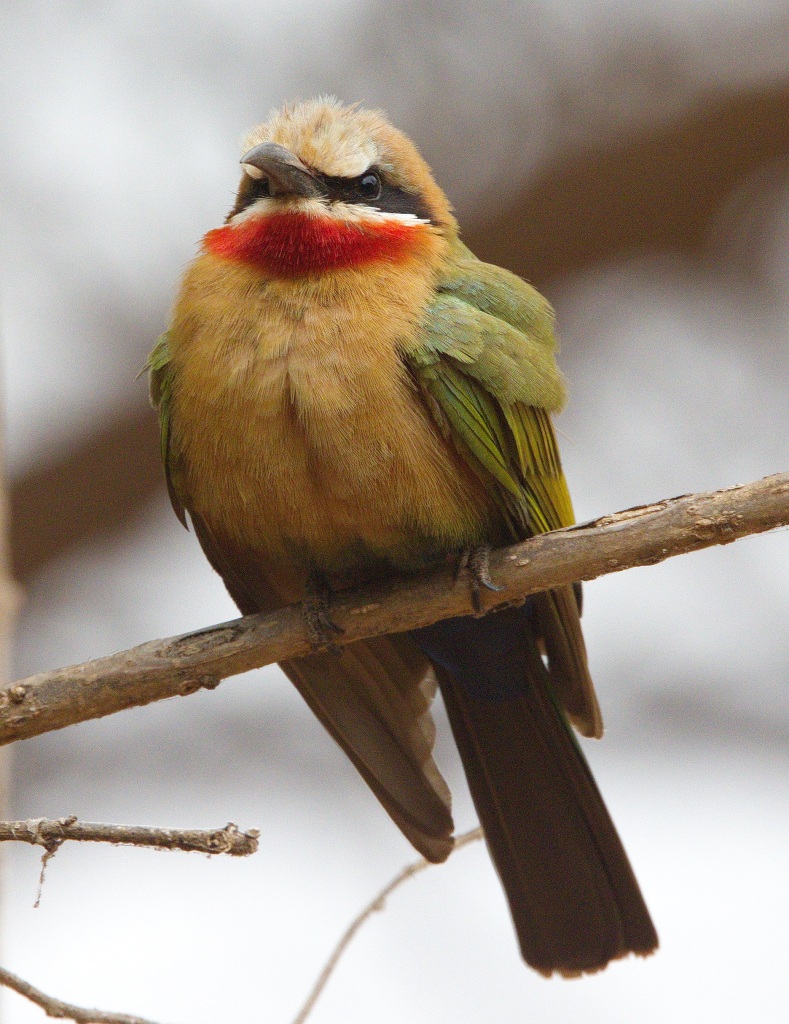
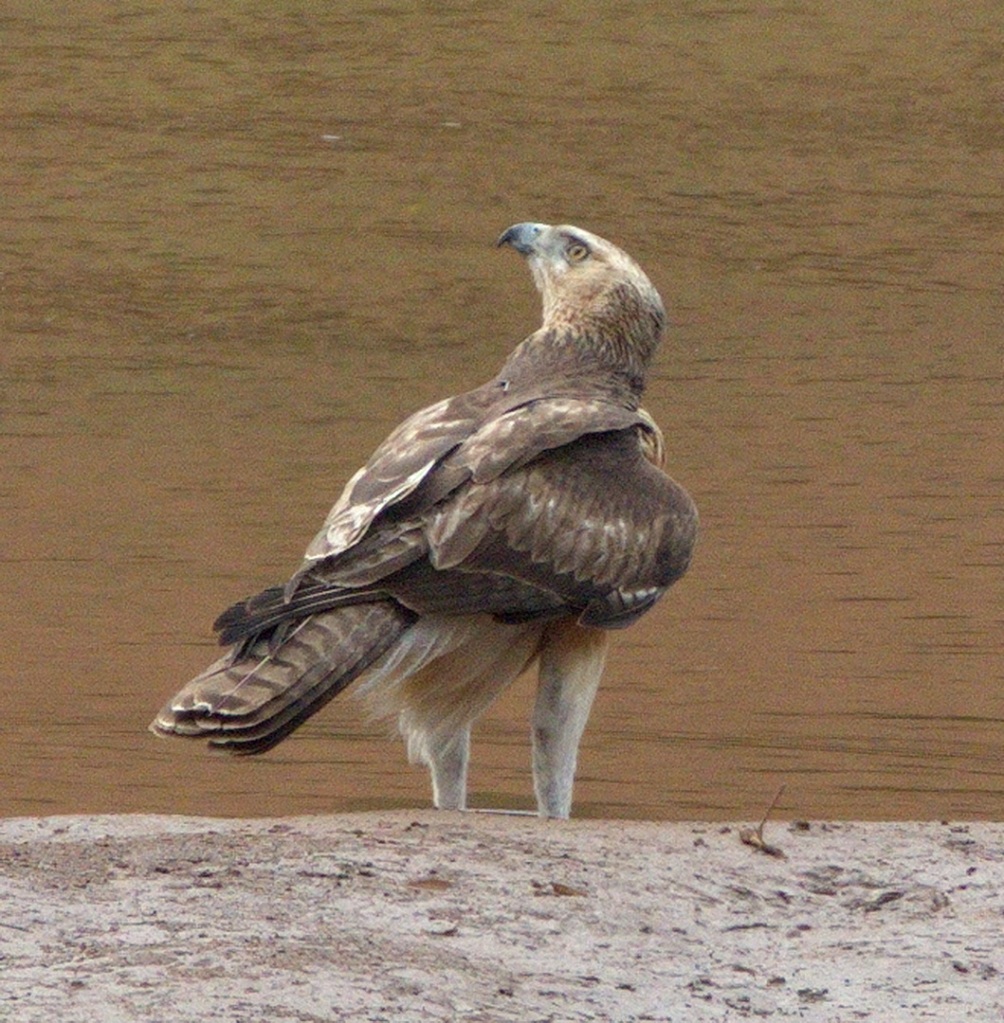
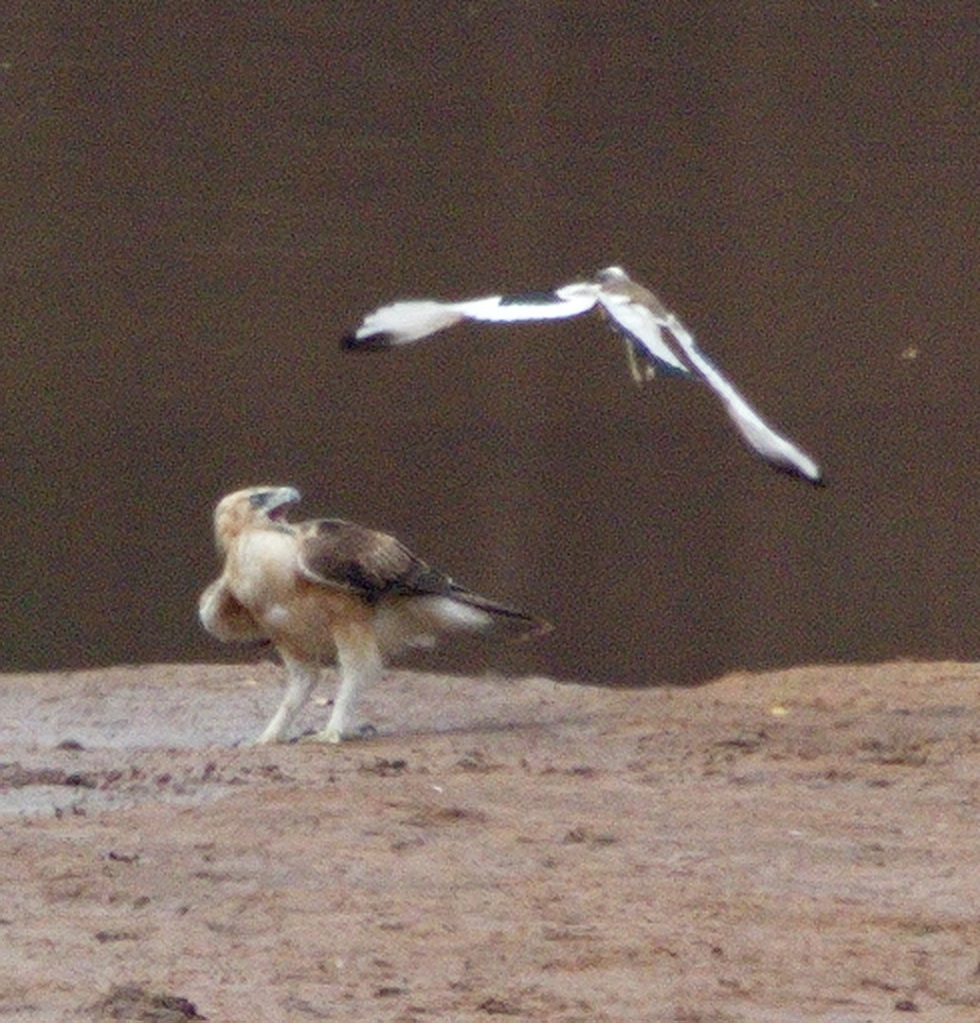
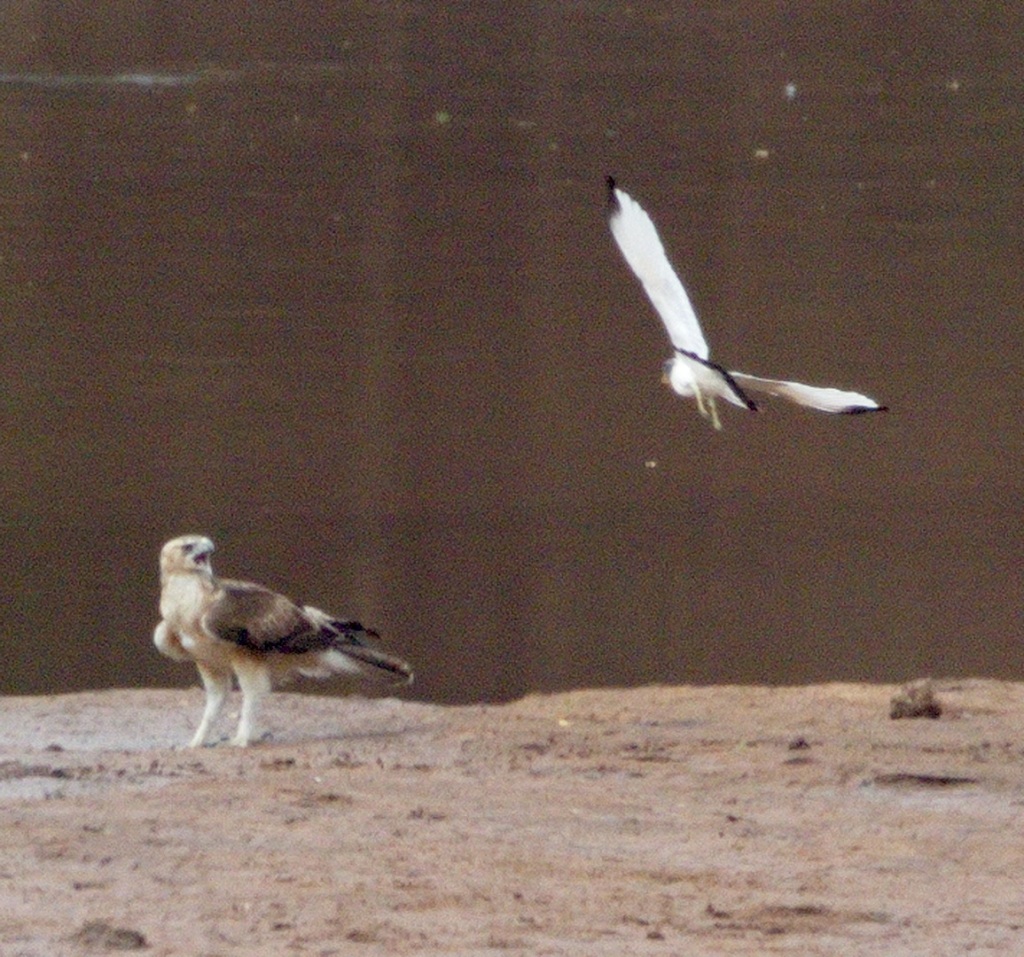
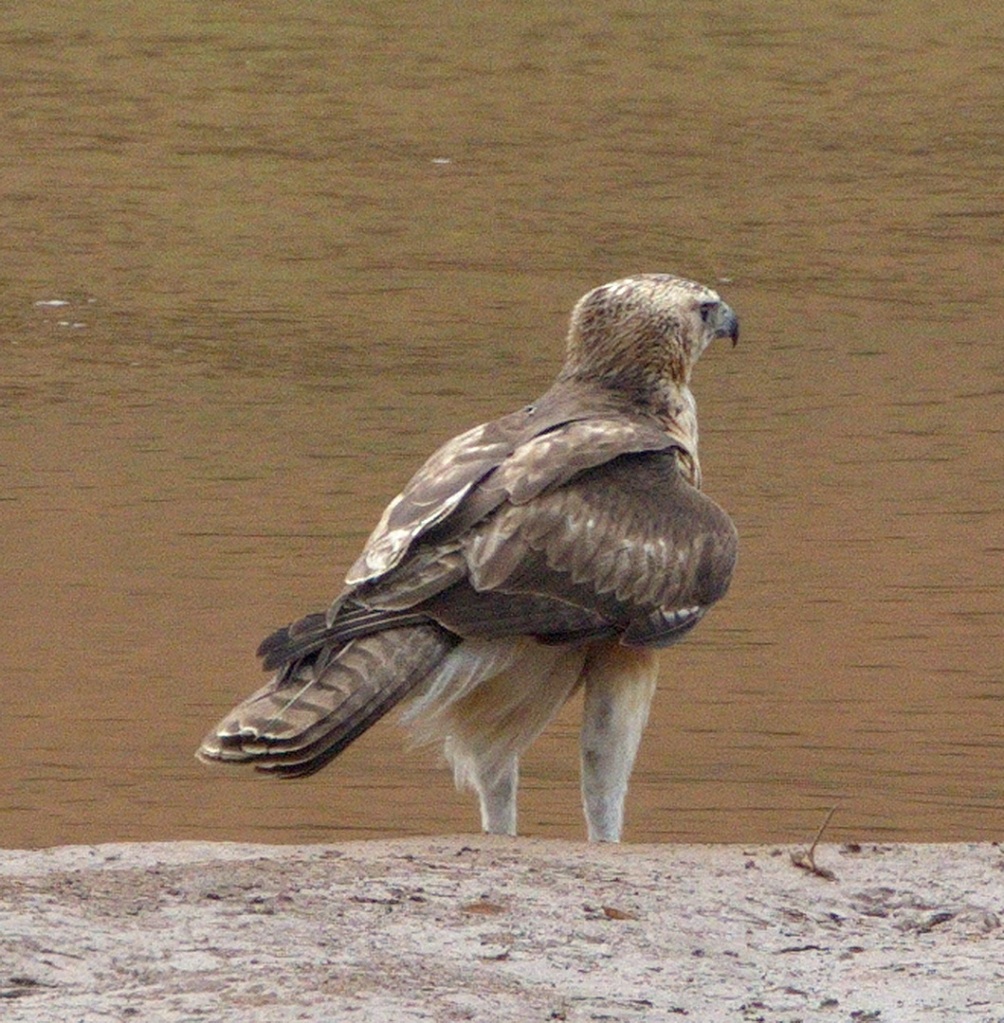
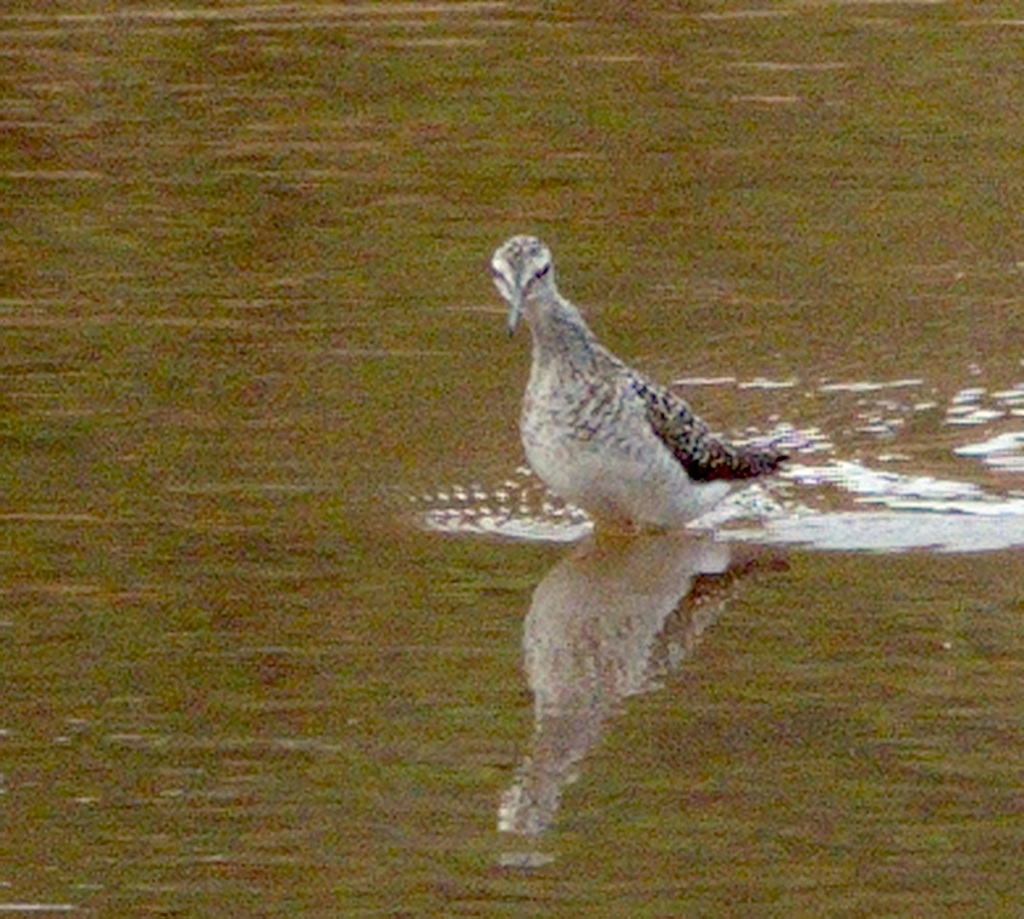
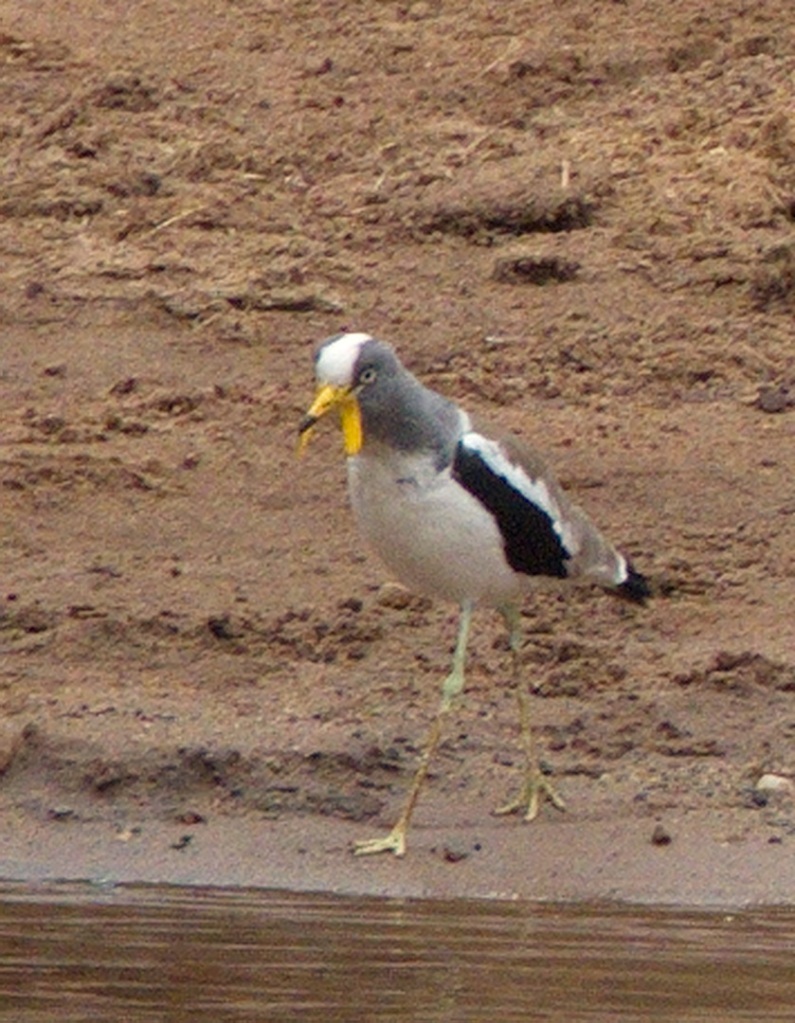
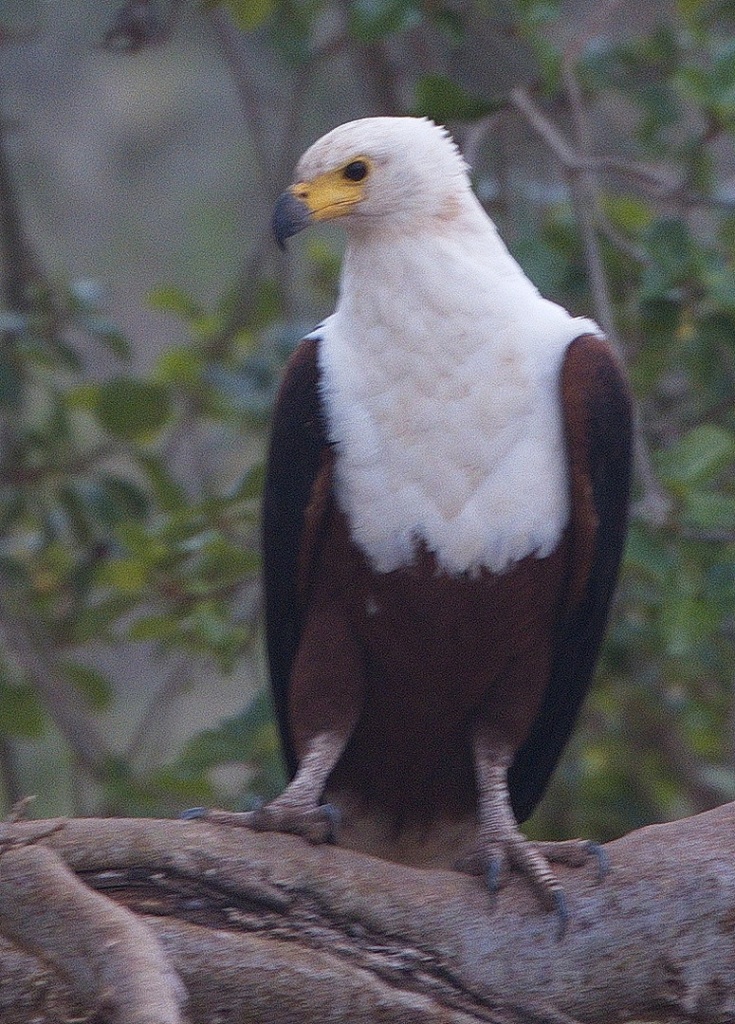
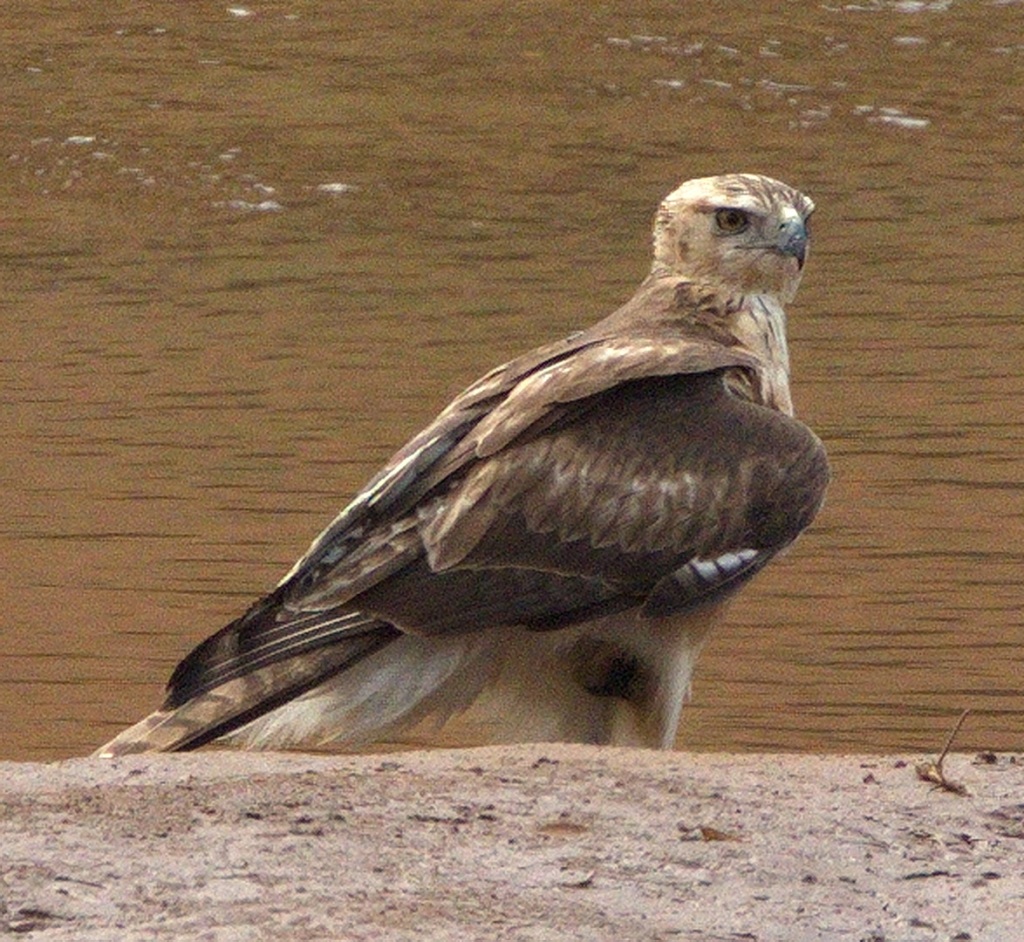
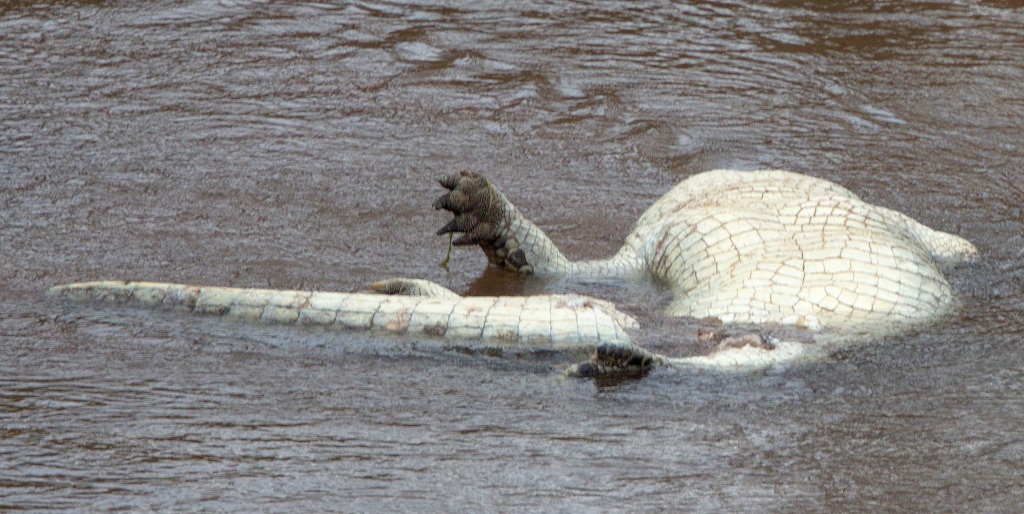
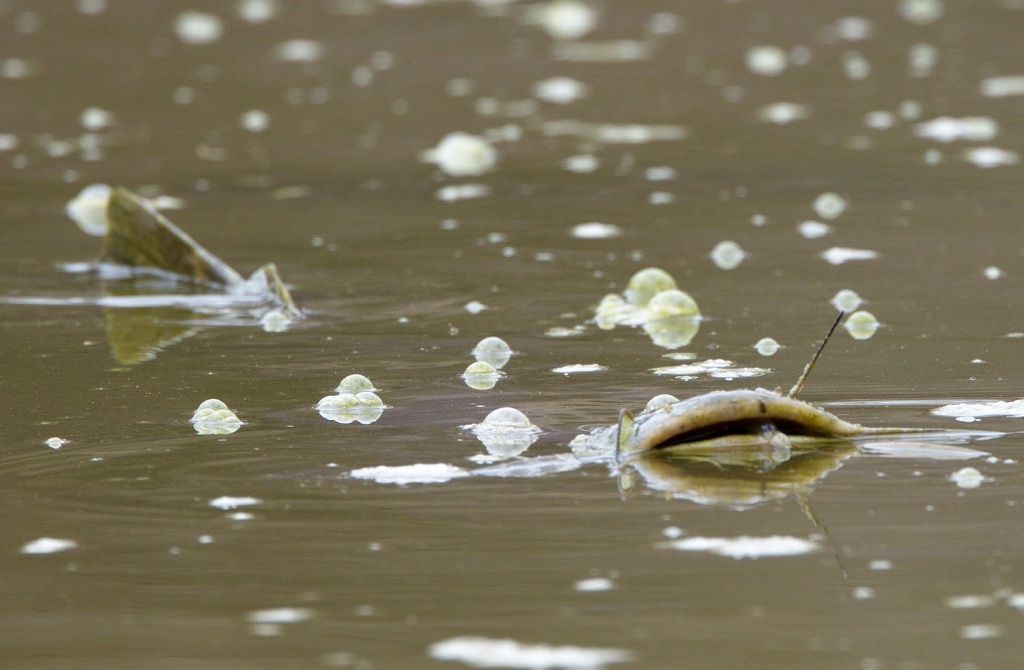
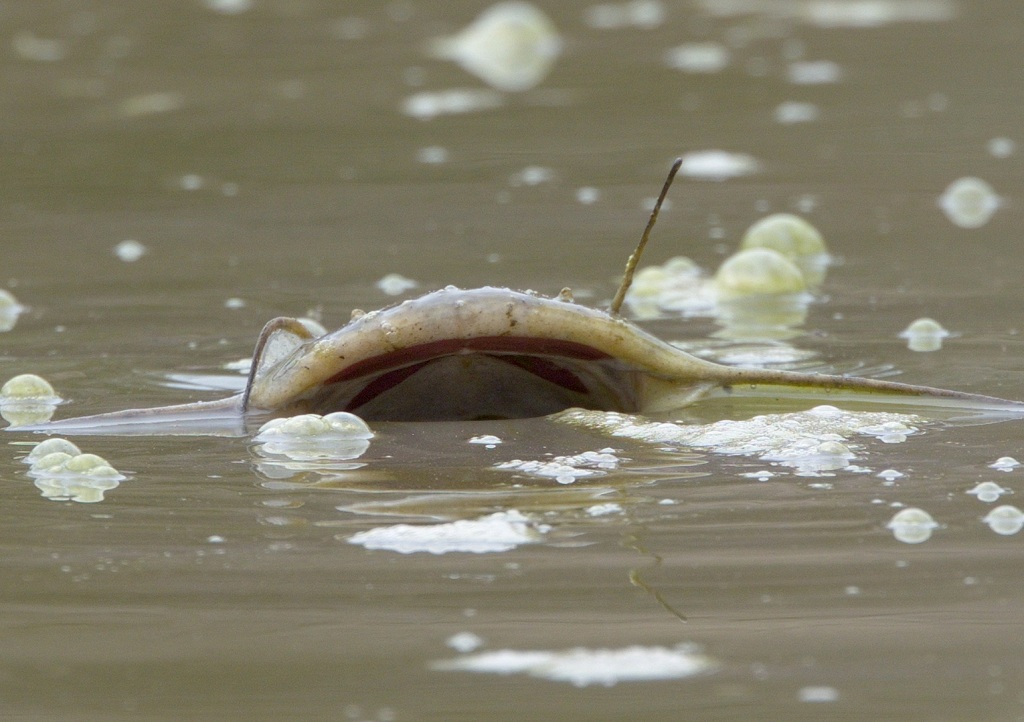
As we stood on the bridge and looked upstream, we saw and heard a huge commotion – huge crocodiles fighting and looking below us was another upside down – rather dead sadly.
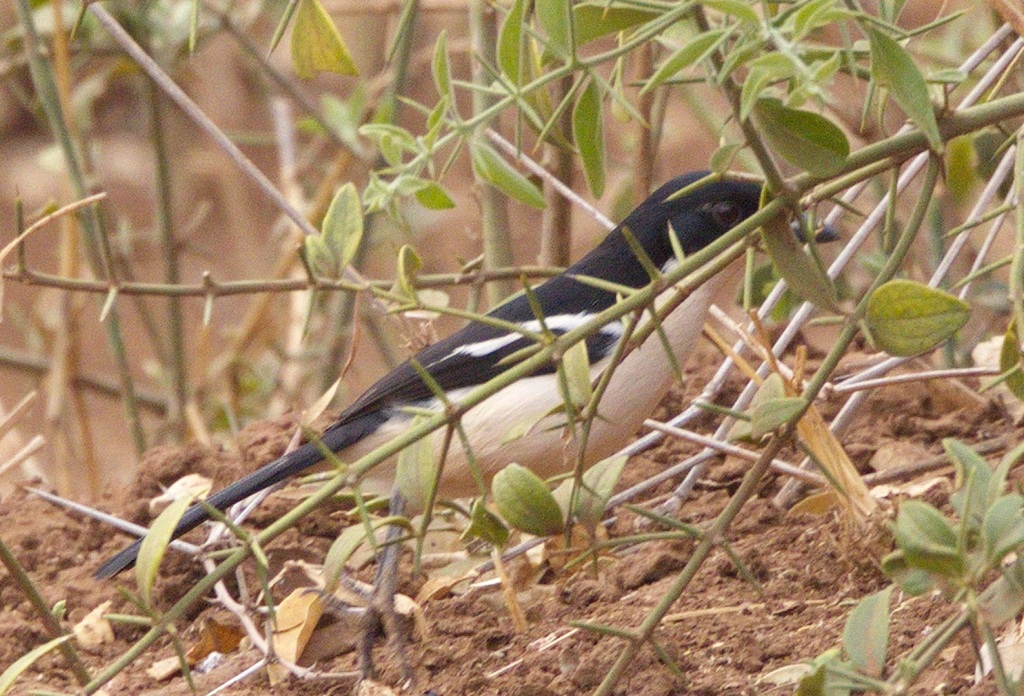
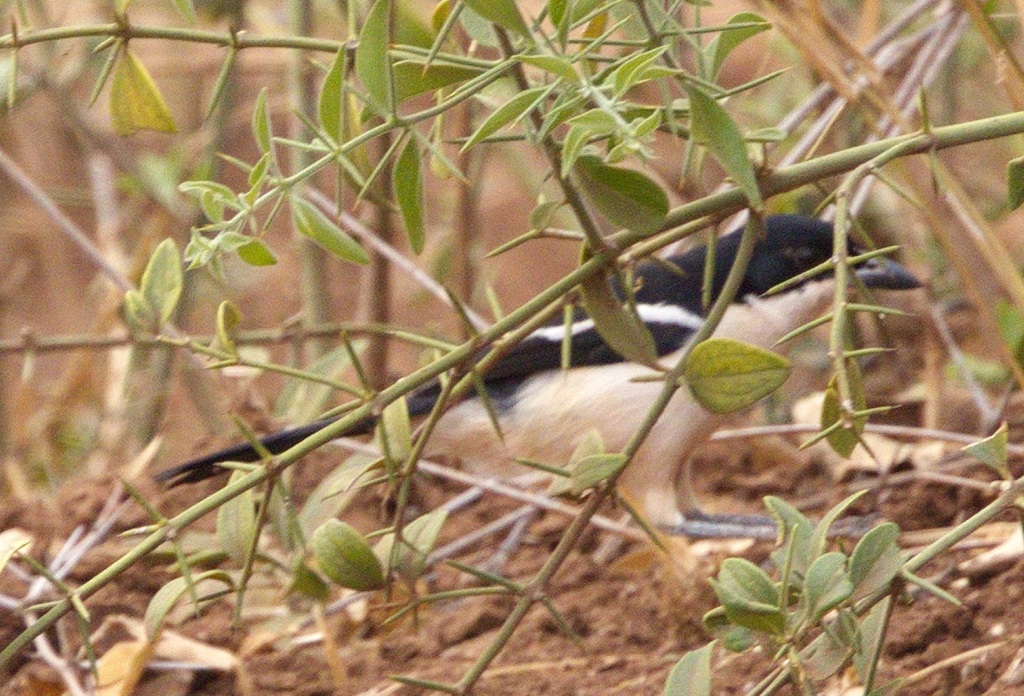
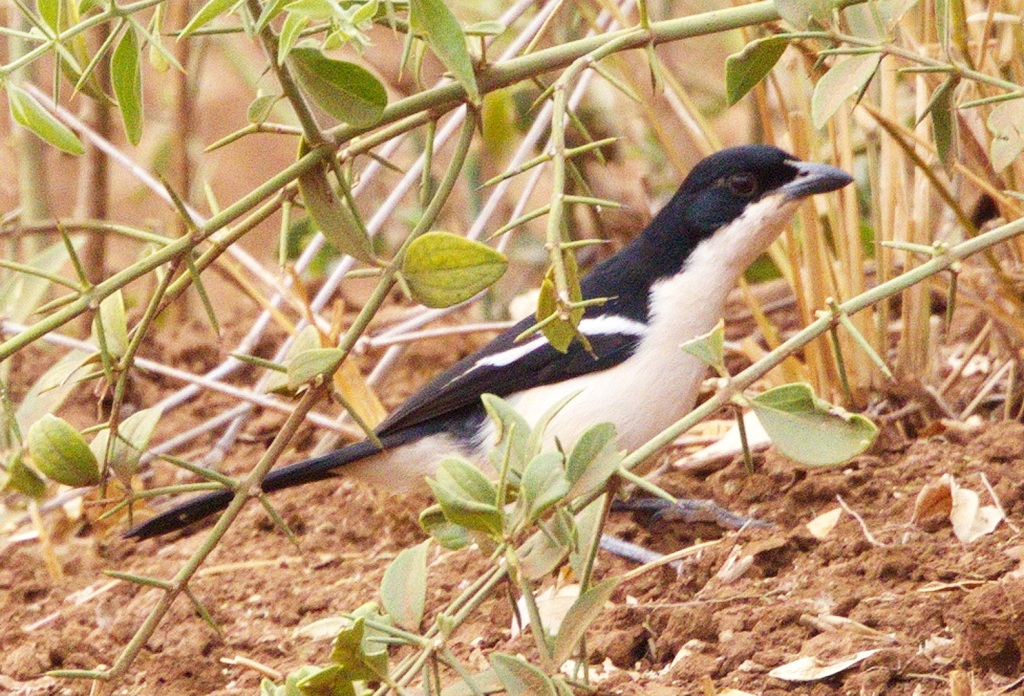
Sally heard a call – Tropical Boubou and there it was crossing the road at the gate end of the bridge. I was just able to get a few shots of it as it disappeared into the bush.
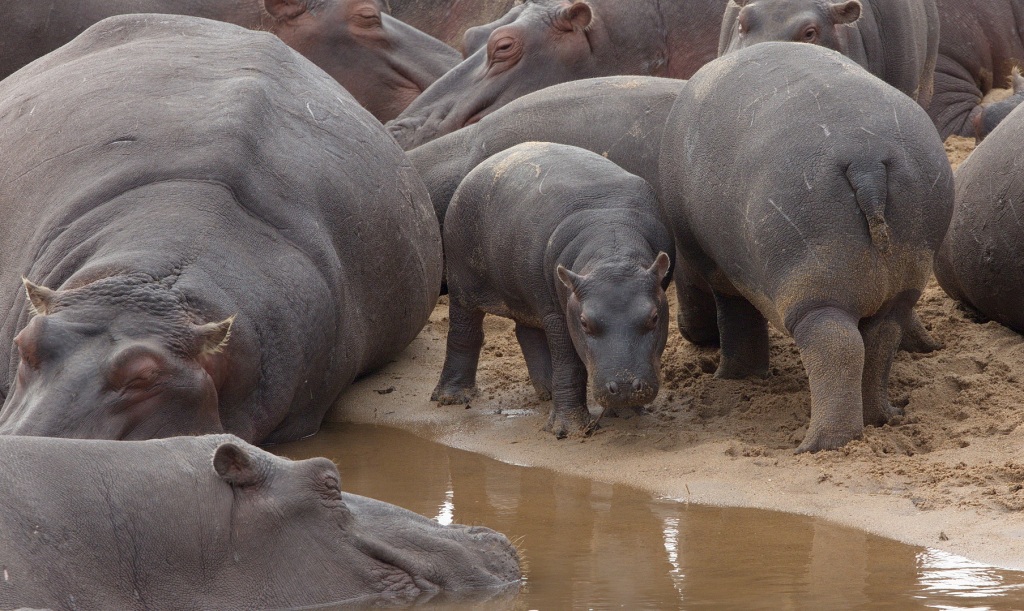
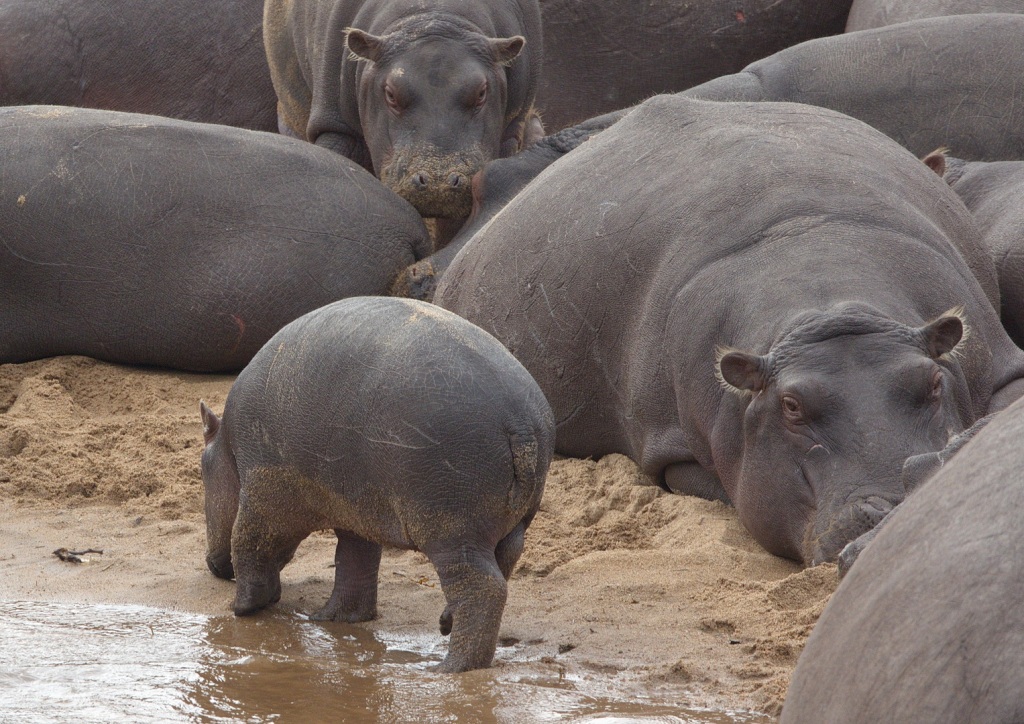
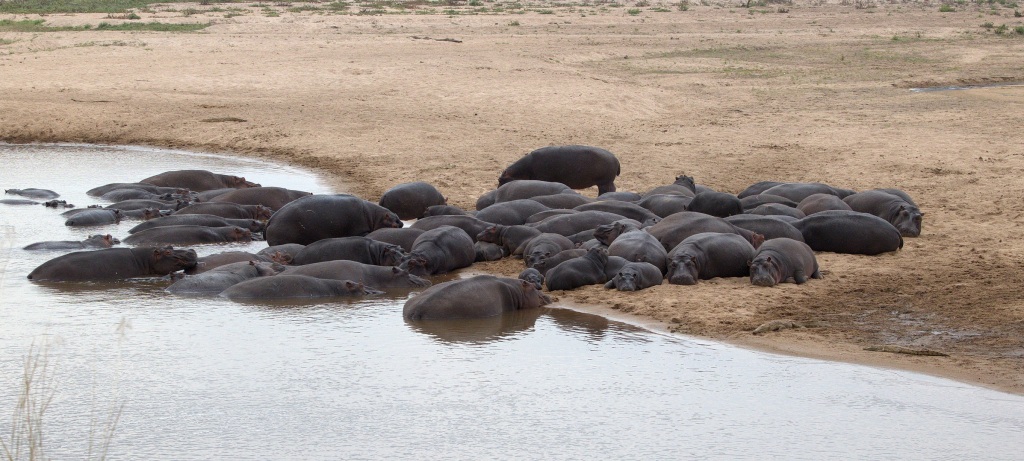
At Crooks’ Corner there were quite a few Hippos all cuddled up together in what little water there was below. Amongst them was a youngster casually walking through and over as it pleased.
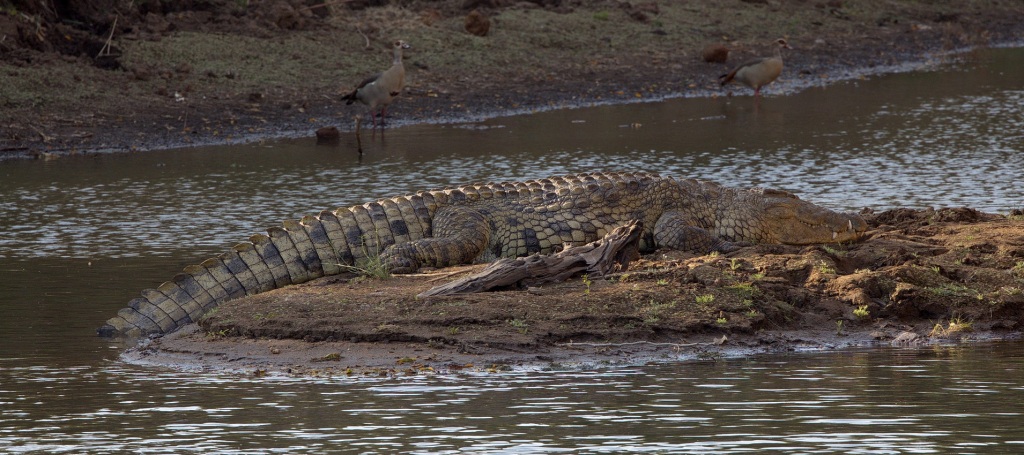
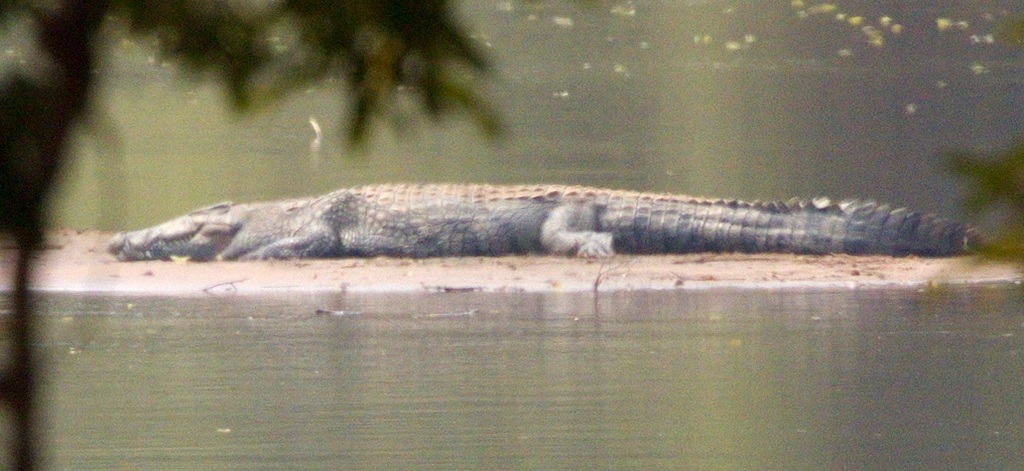
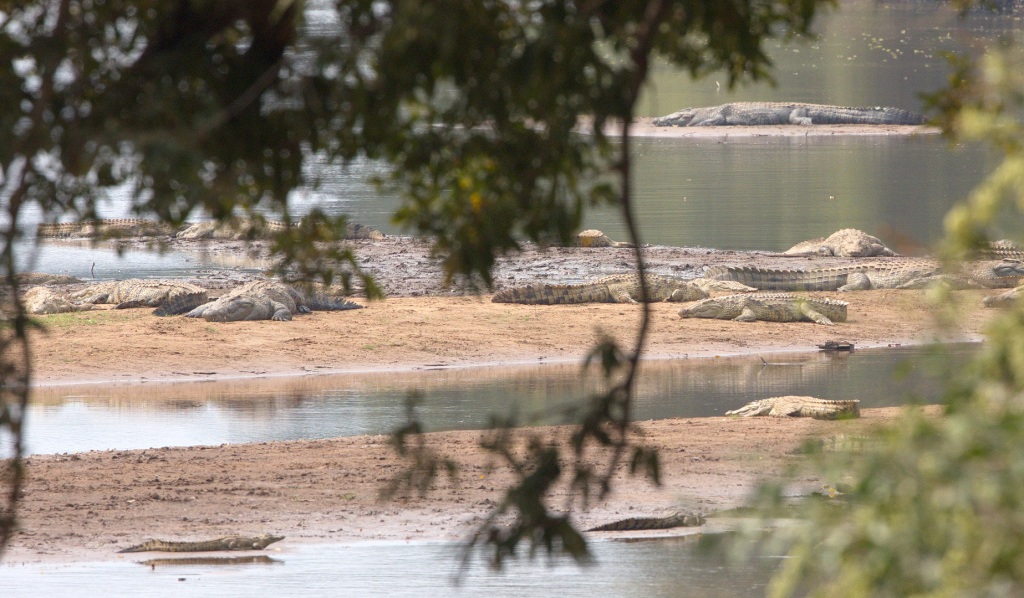
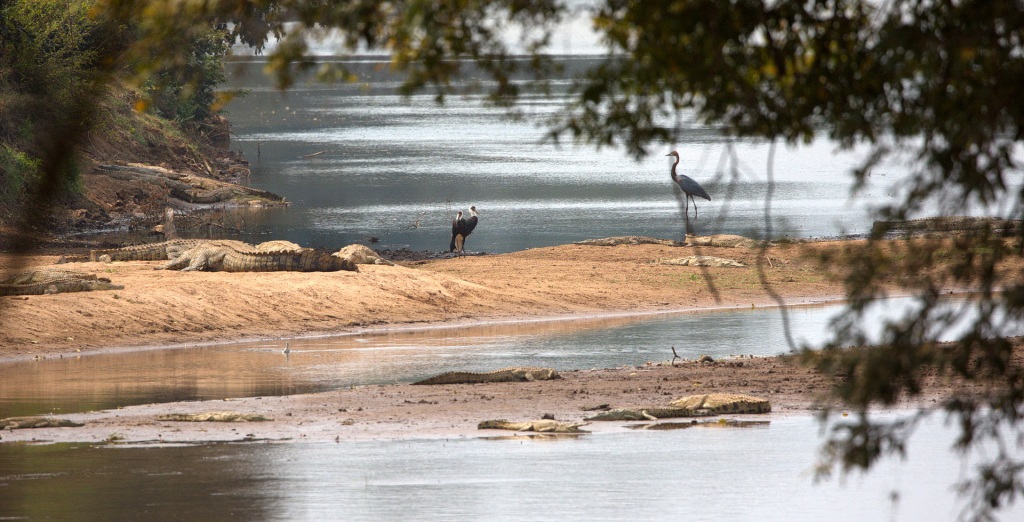
On the way back to the Pafuri Picnic site we gazed across the river and noticed quite a lot of Crocodiles lazing on the opposite shore and on sandbanks. Most were large but there seemed to be one monster which took up the whole of a sandbank.
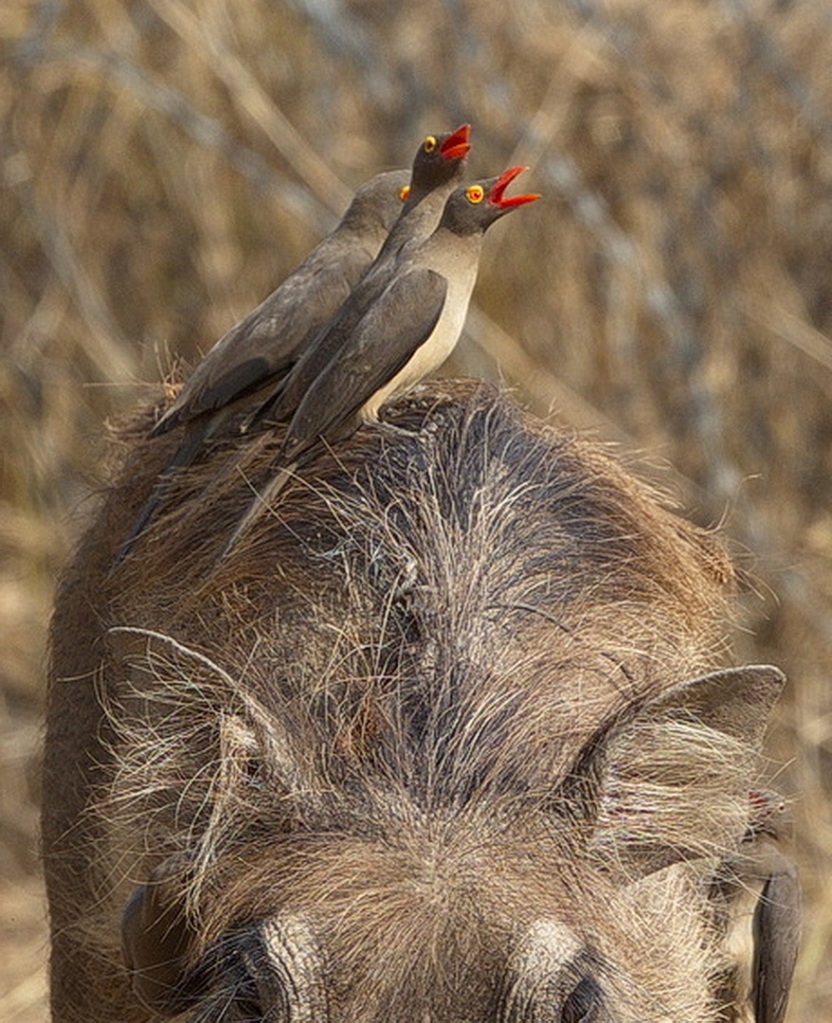
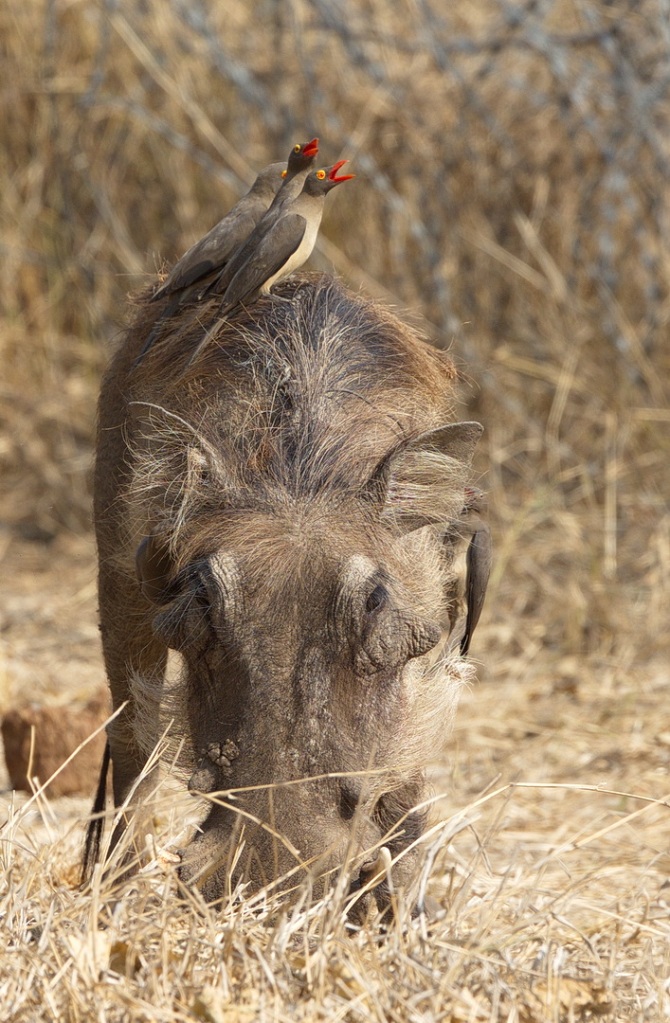
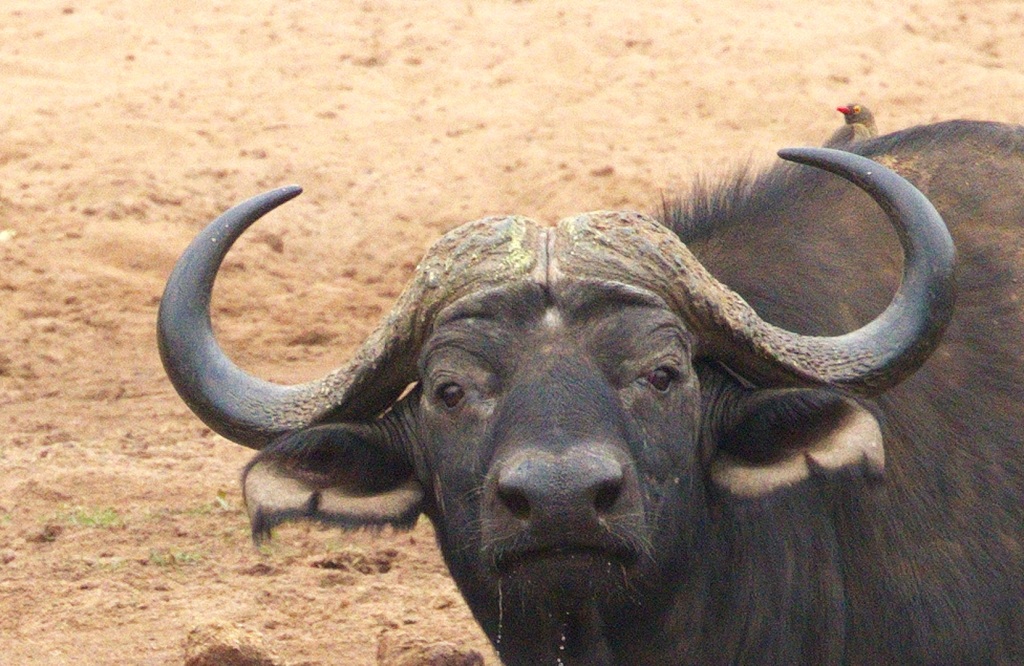
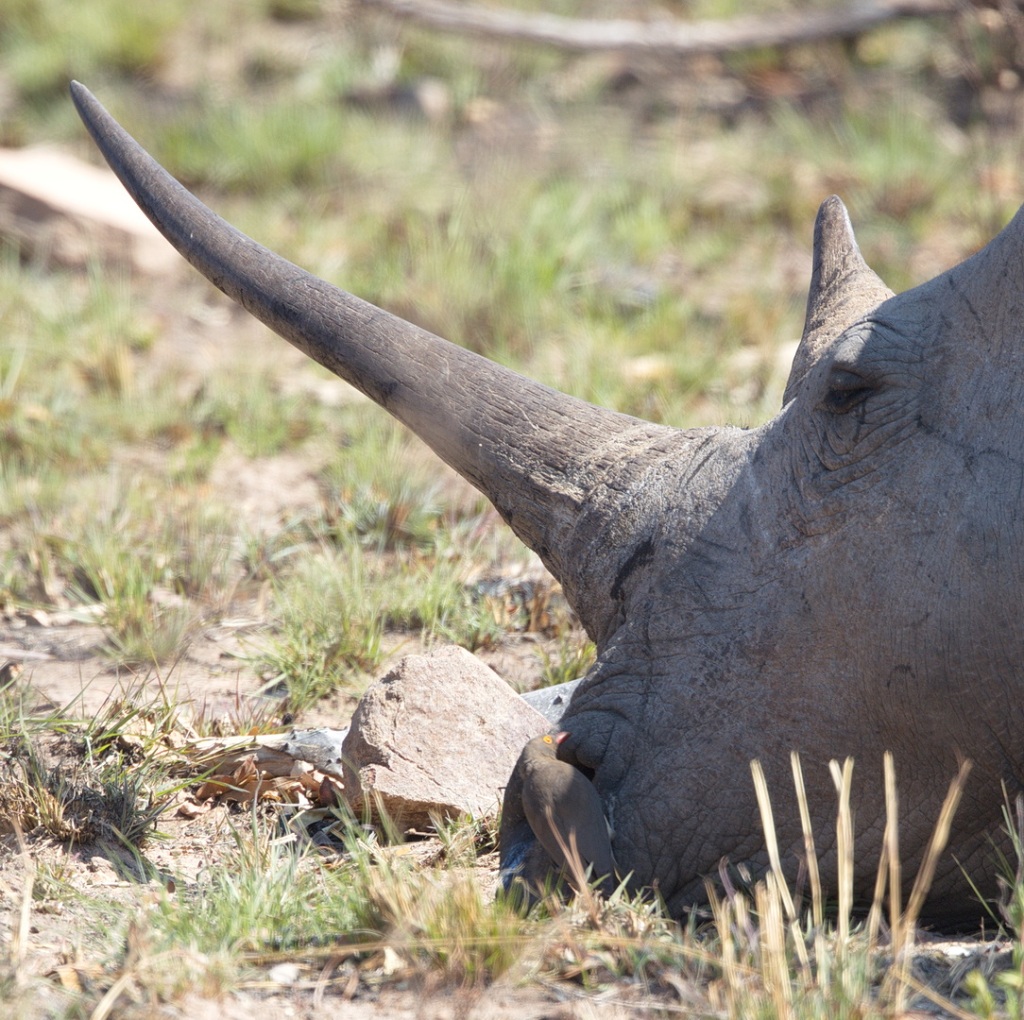
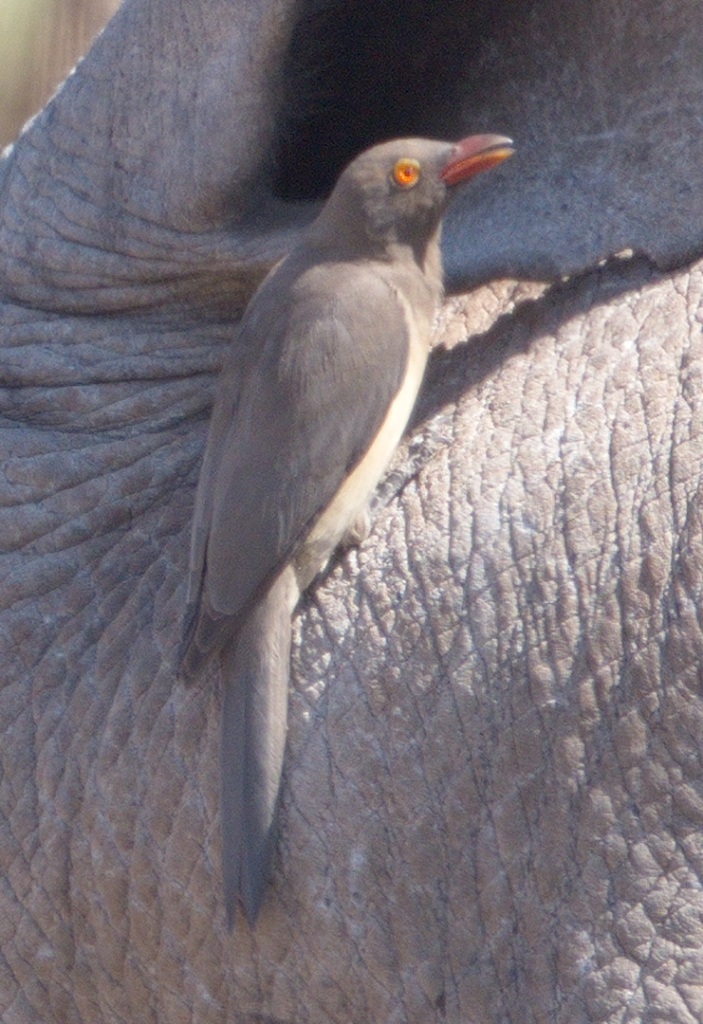
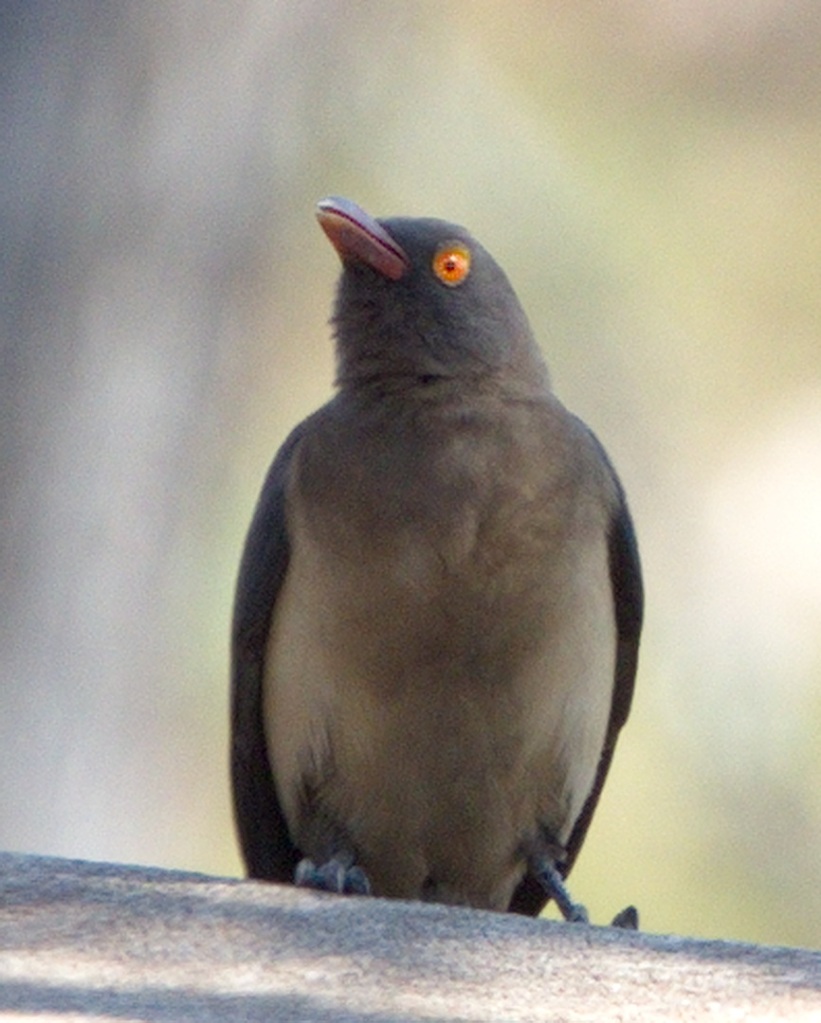
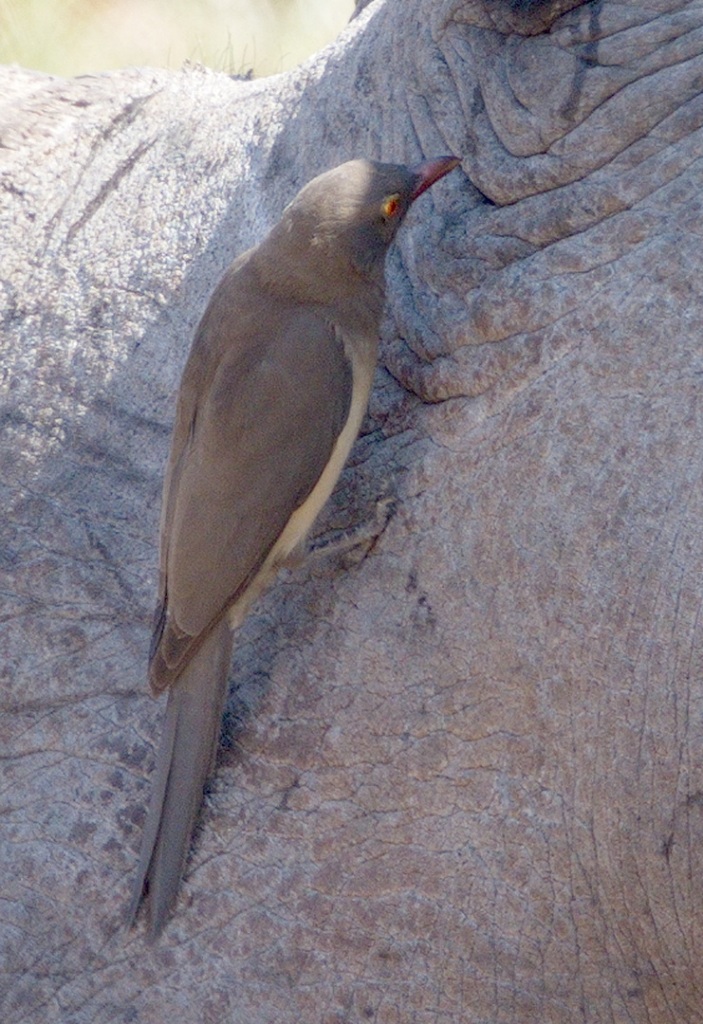
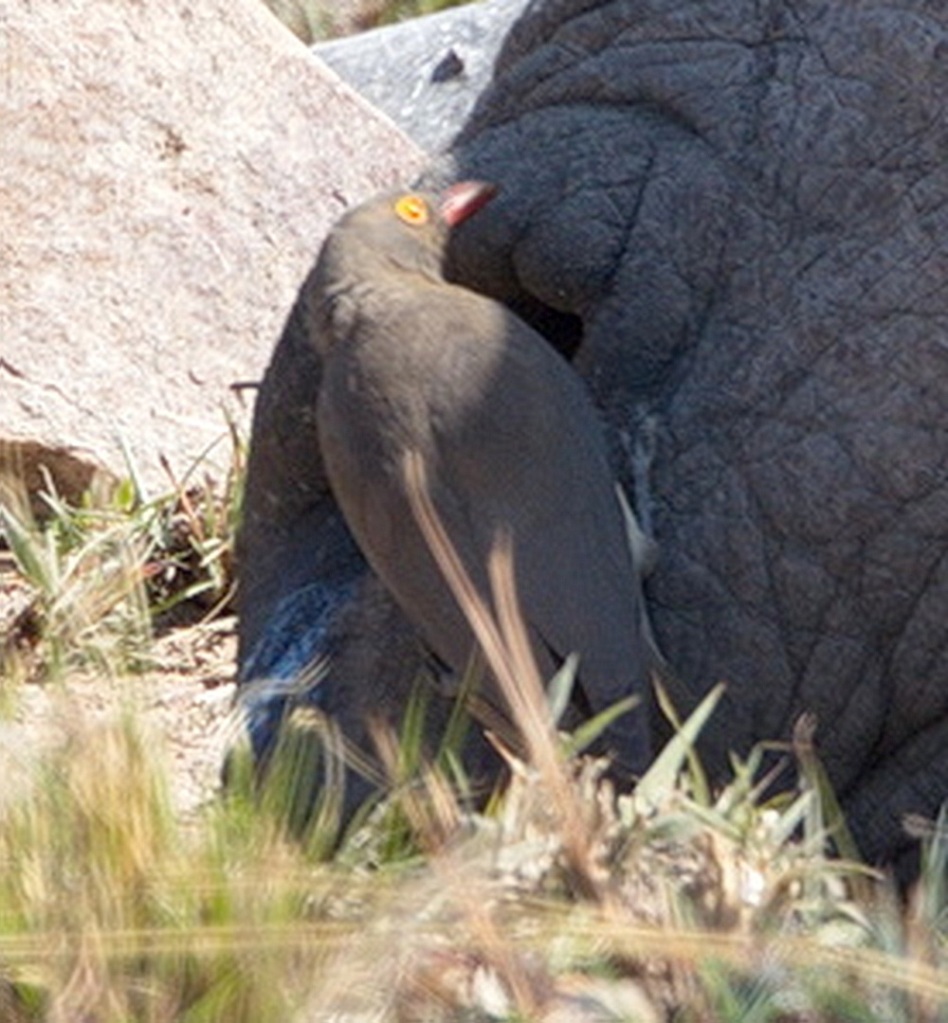
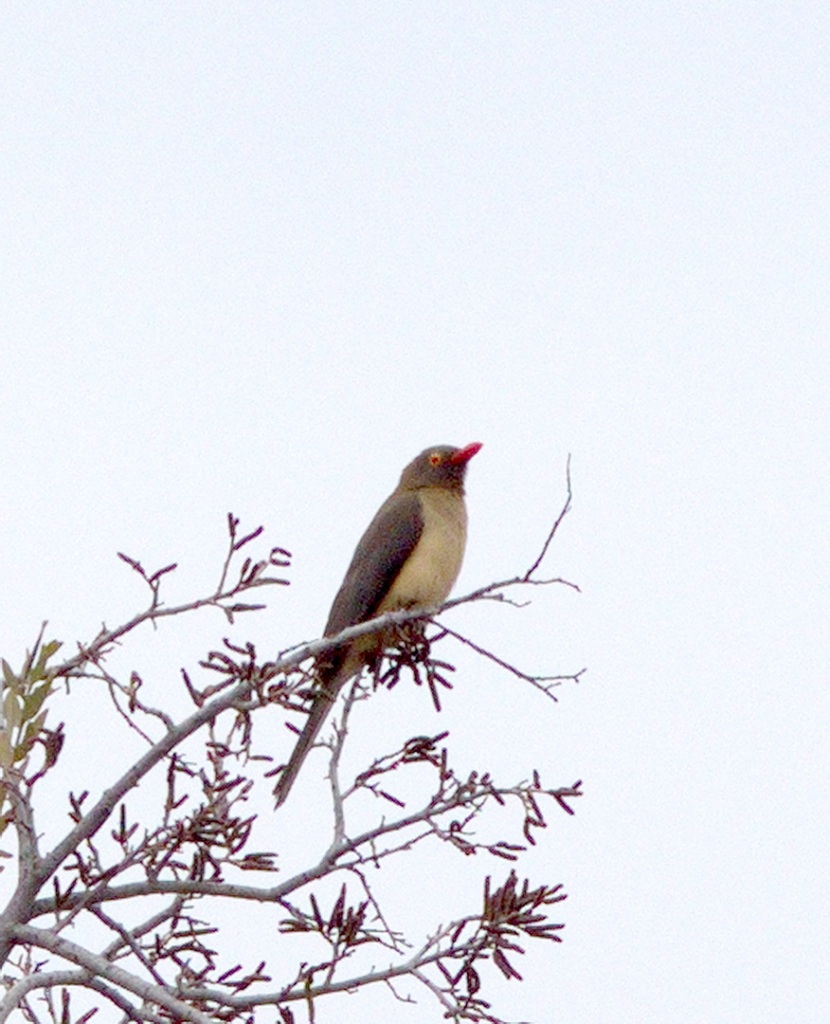
Red-billed and Yellow-billed Oxpeckers were seen together on Buffalos.

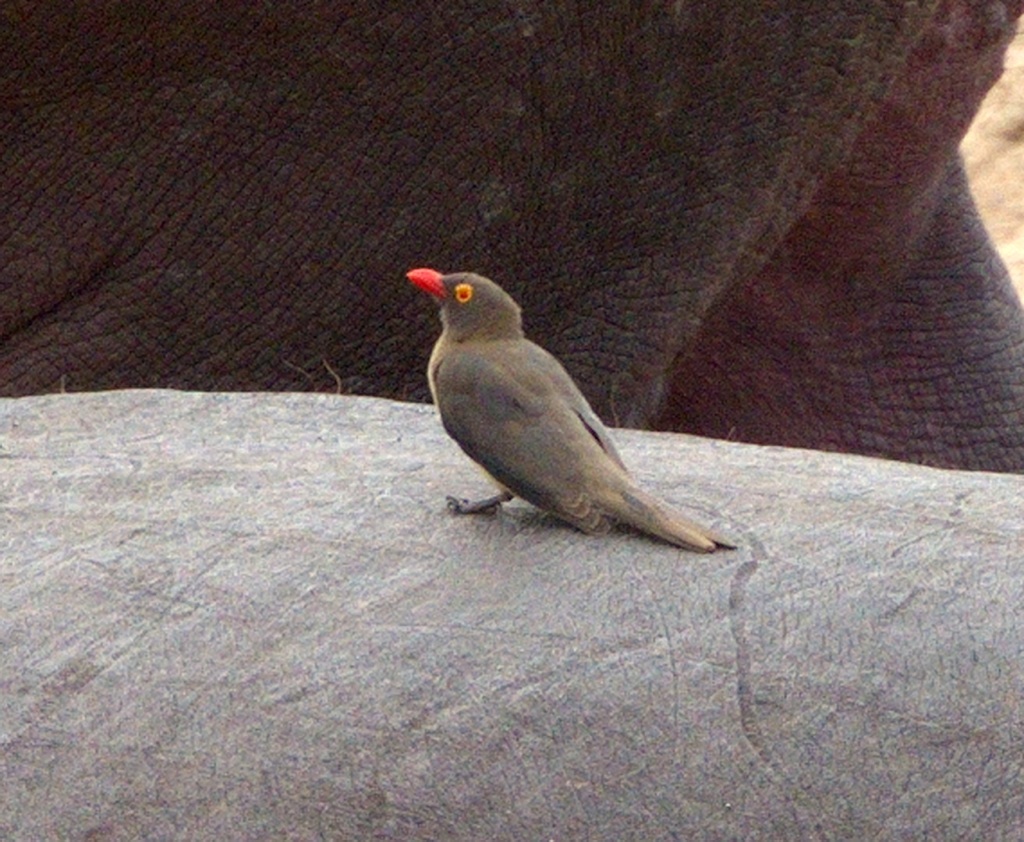
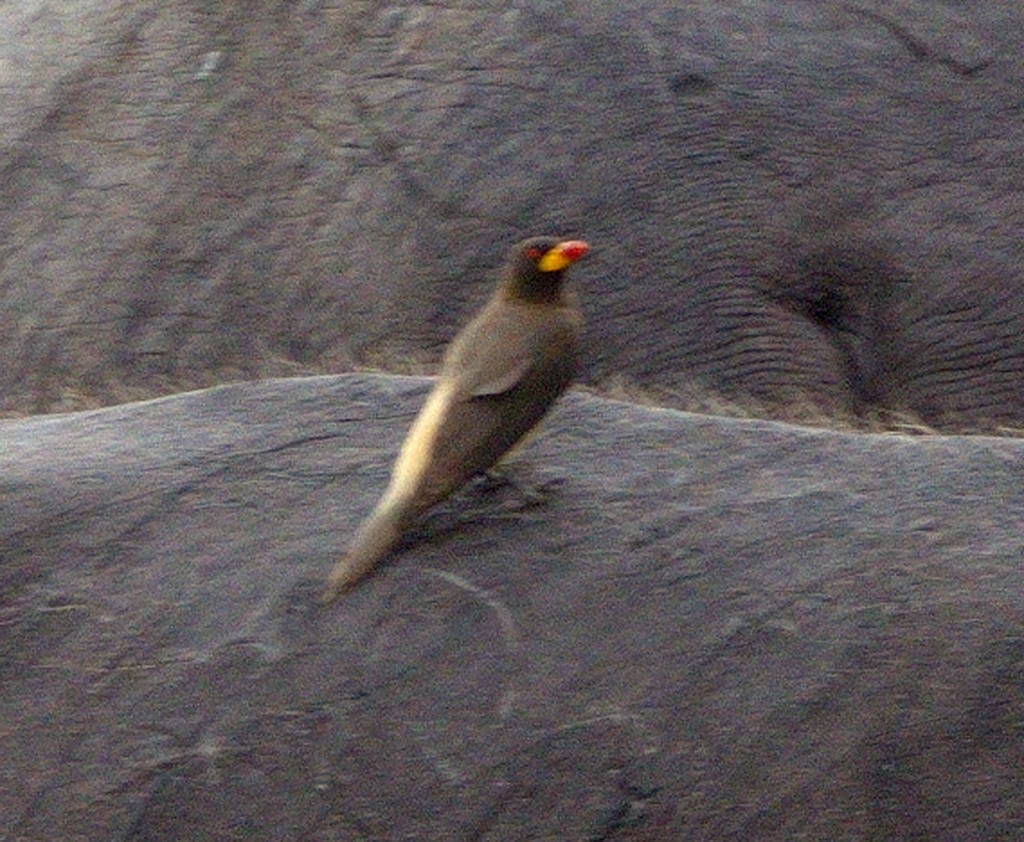
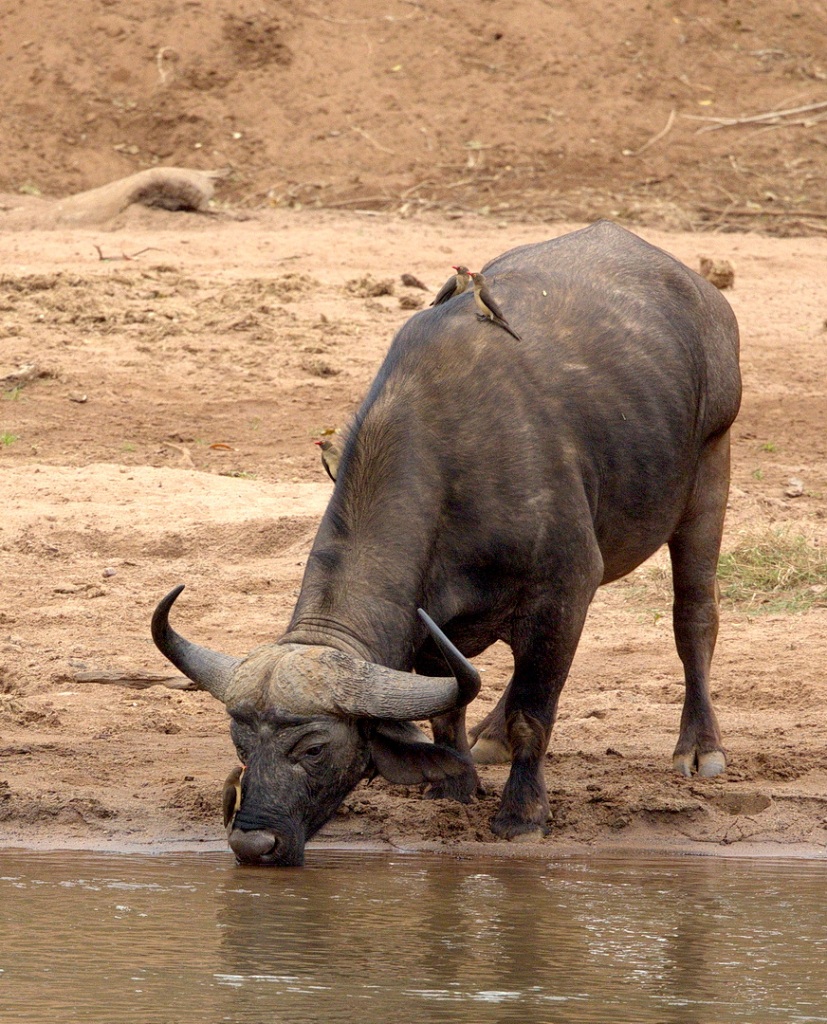
In Pafuri we identified 64 different bird species.
Our two nights at Nthakeni went quickly. We would have liked another day to explore the walking trails at Nthakeni but we had a firm booking made at our next spot.
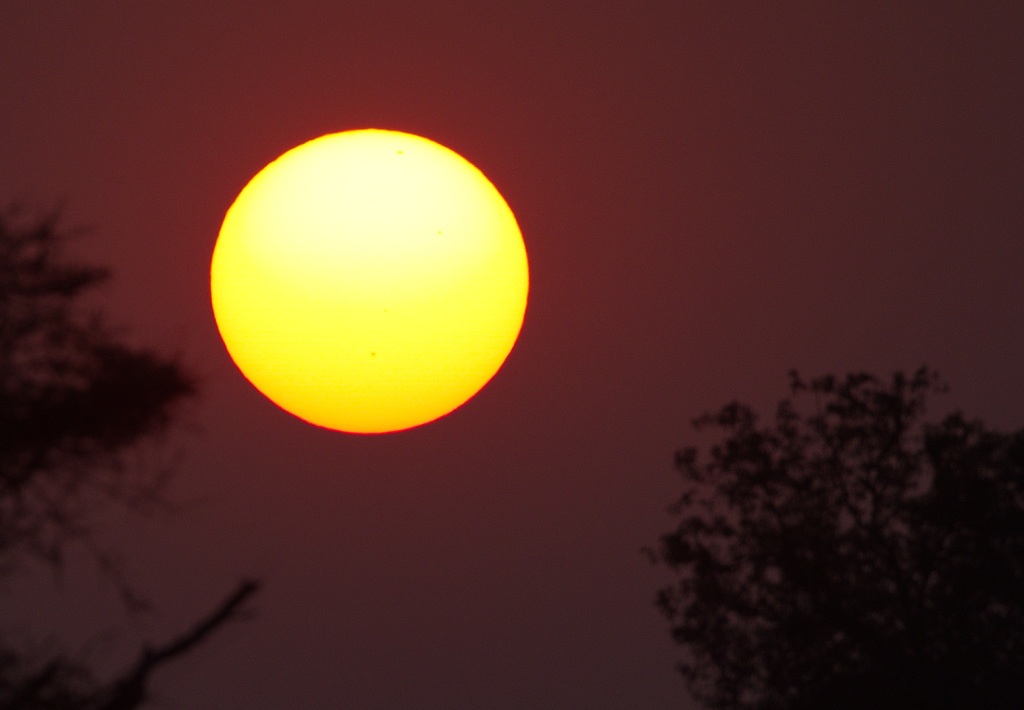
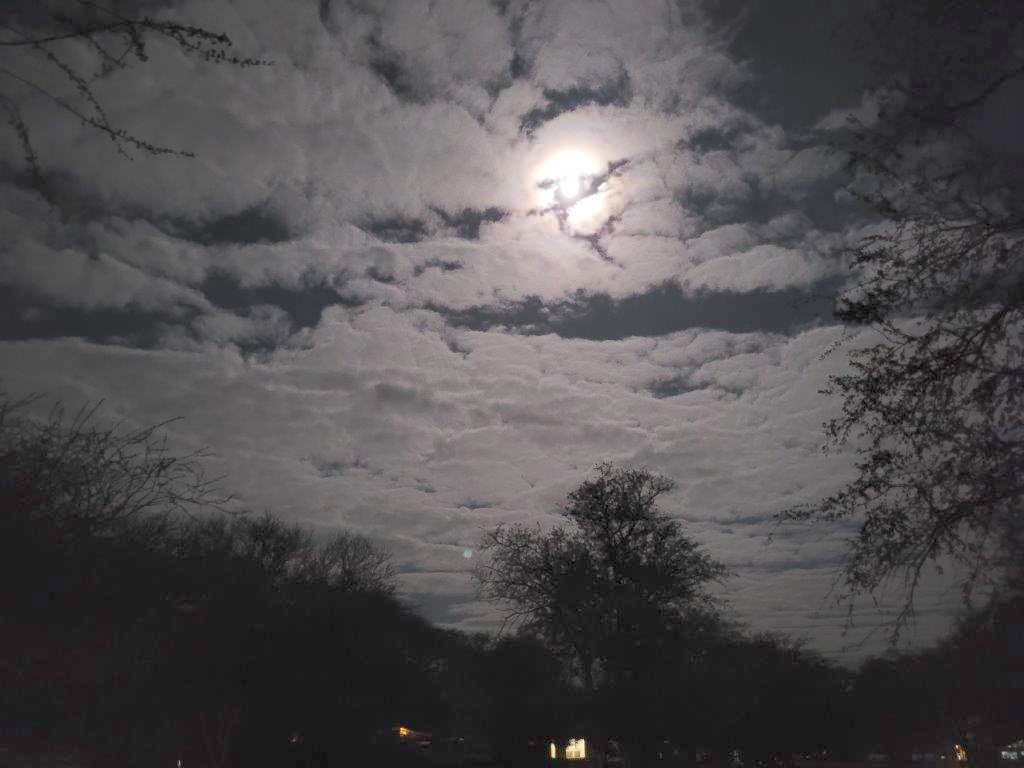
The moon on our last night was spectacular.
Dumela Wilderness Safaris, Mozambique
25th to 29th August 2023
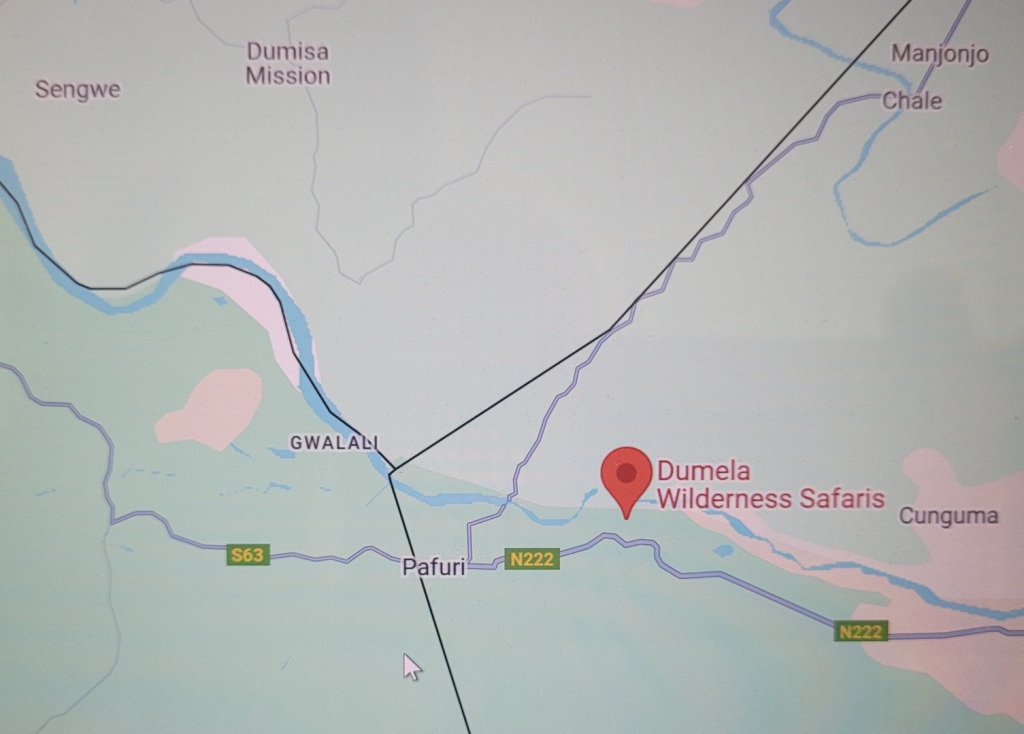
Getting through the RSA border was straight forward – even though the staff were a bit sour. However, on the Moz side all was OK until the Customs inspectors tried their hardest to find fault. Three of them were all round me – being pleasant but desperate to find if I had too much alcohol. Eventually they gave up having borrowed some small change.
Then further down the road we got stopped again by a bloke who tried to look official (they probably called him). He had a jacket on, belt with official looking buckle and a gun holster (but no gun). He settled for some refreshment – a small Coke!!
We had never been to Dumela and we had heard a lot of positive things being said about it. We decided we needed to see for ourselves. And so, our whole trip was built around getting there. Not knowing whether we might like it or not, we decided to stay for four nights. Our thinking was that if we only stayed two nights then we might regret it. Having had the experience, we reckon that three nights would be optimum for us. It would give us two full days to explore the area.
One of the things we did not realise was that this camp is a perfect stopover point for campers on their way to or from Gonarezhou NP in Zimbabwe. Enjoy a trip to the Kruger and then into Moz and Zim at convenient unbusy border posts. Just need to check the level of the rivers before doing so.
It was only an eight km drive but the road was well challenging in places – especially when towing.
At last a sign indicating reception. Up the long steep and testing hill we went. Checked in and were told the camp was back down hill and follow the road directly opposite.
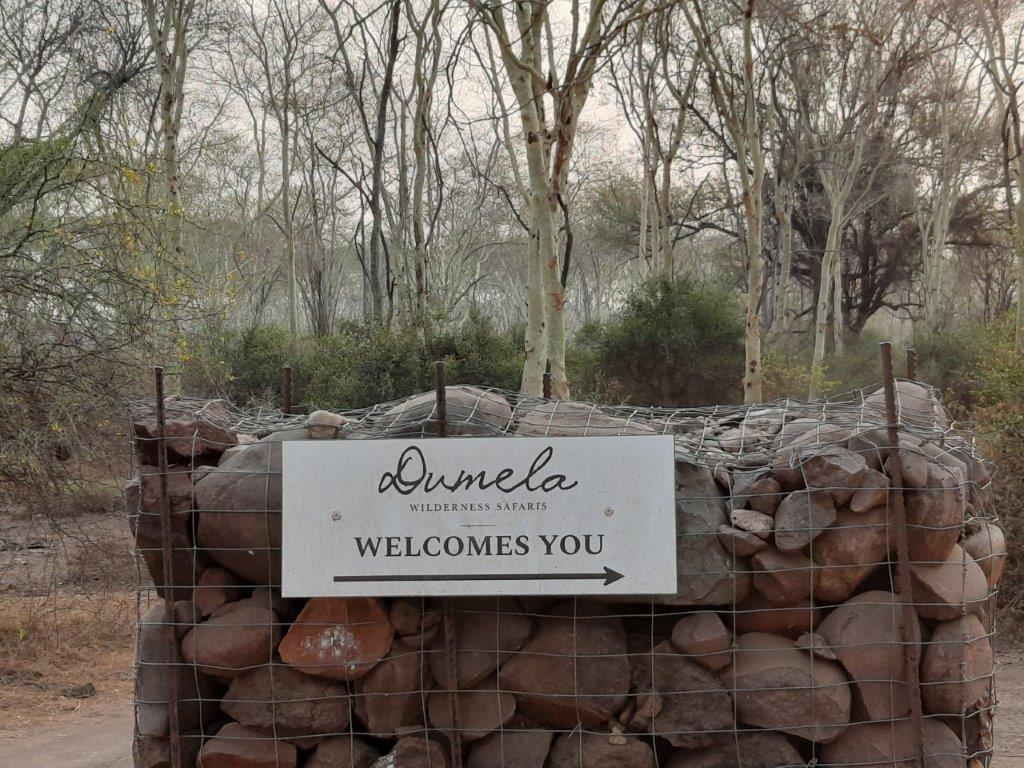
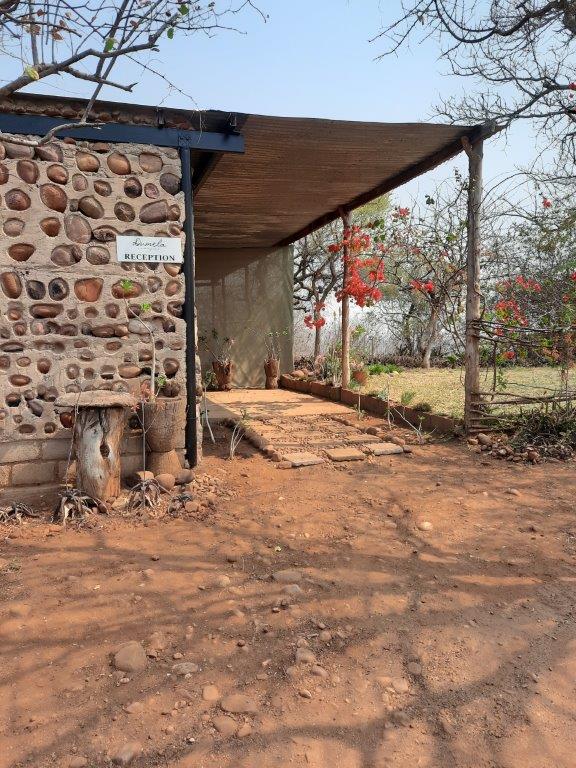
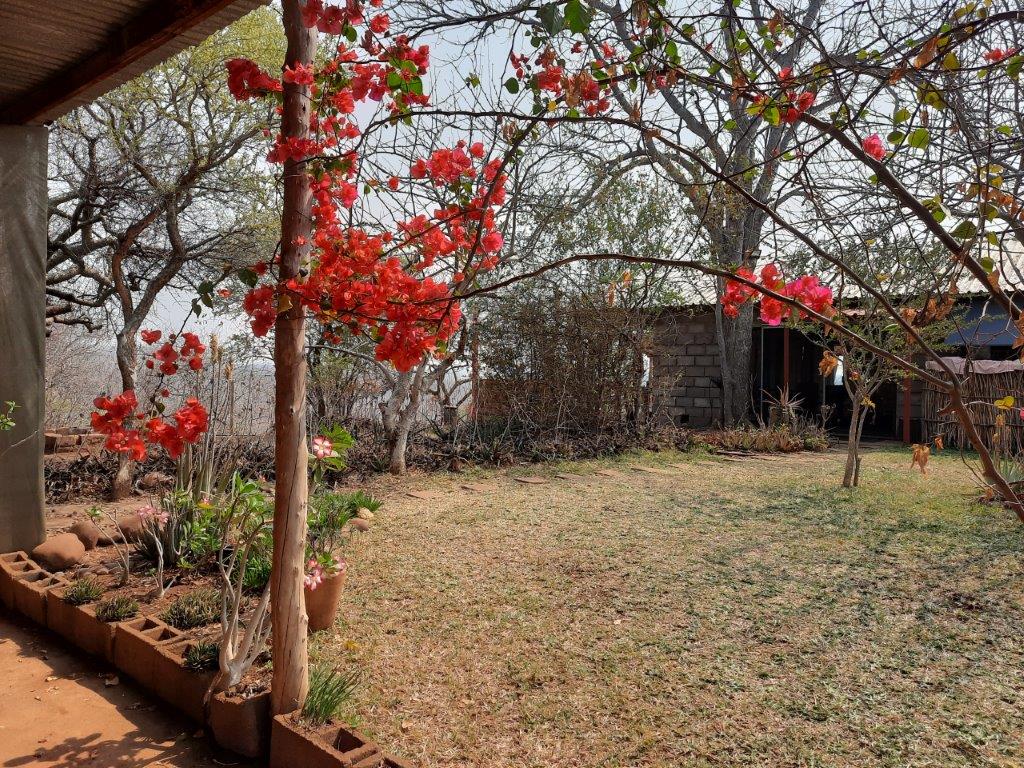
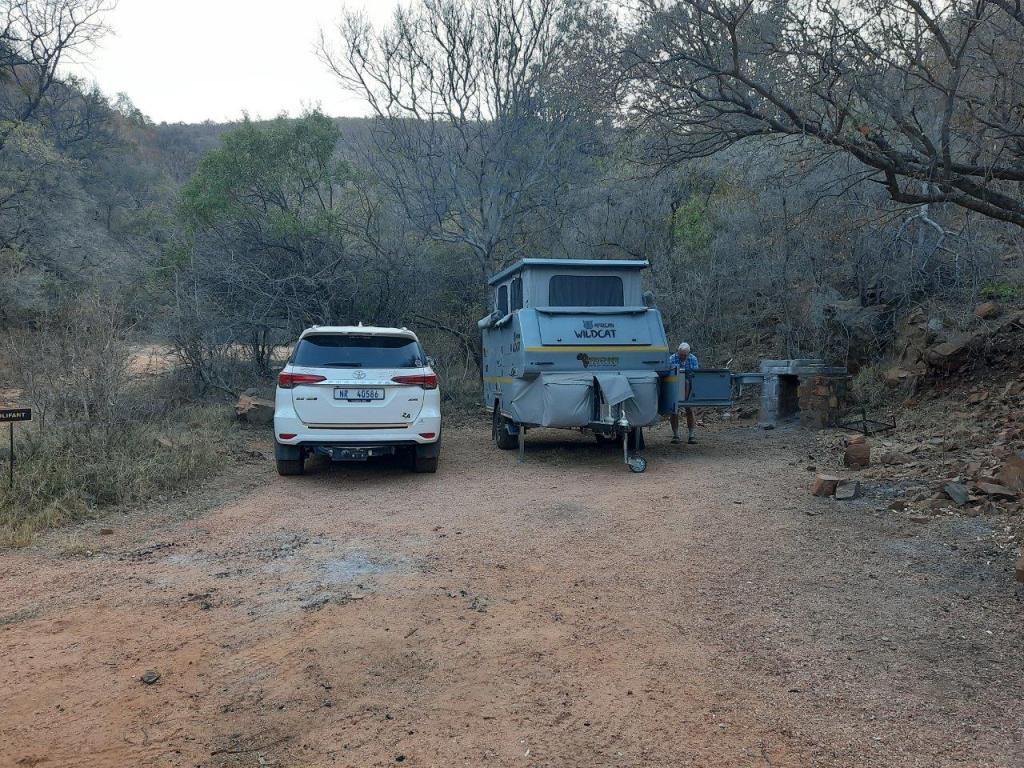
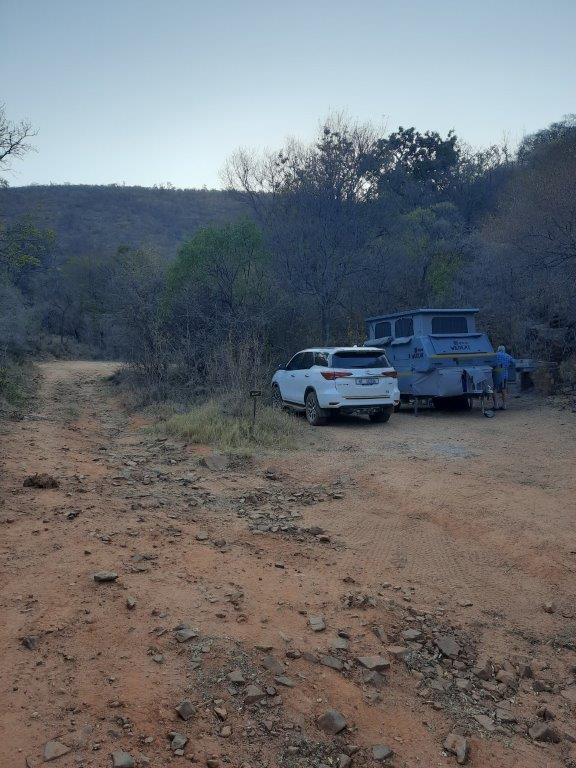
The Camp we chose was next to the Mugano Lagoon as opposed to the Fever Forest Camp. What a wonderful location – like being at the Pafuri Picnic site. Loads of shade (might be an issue to rely on solar panels if you stay amore than 5 days). Lots of ablutions with donkey boilers for when the place is busy.

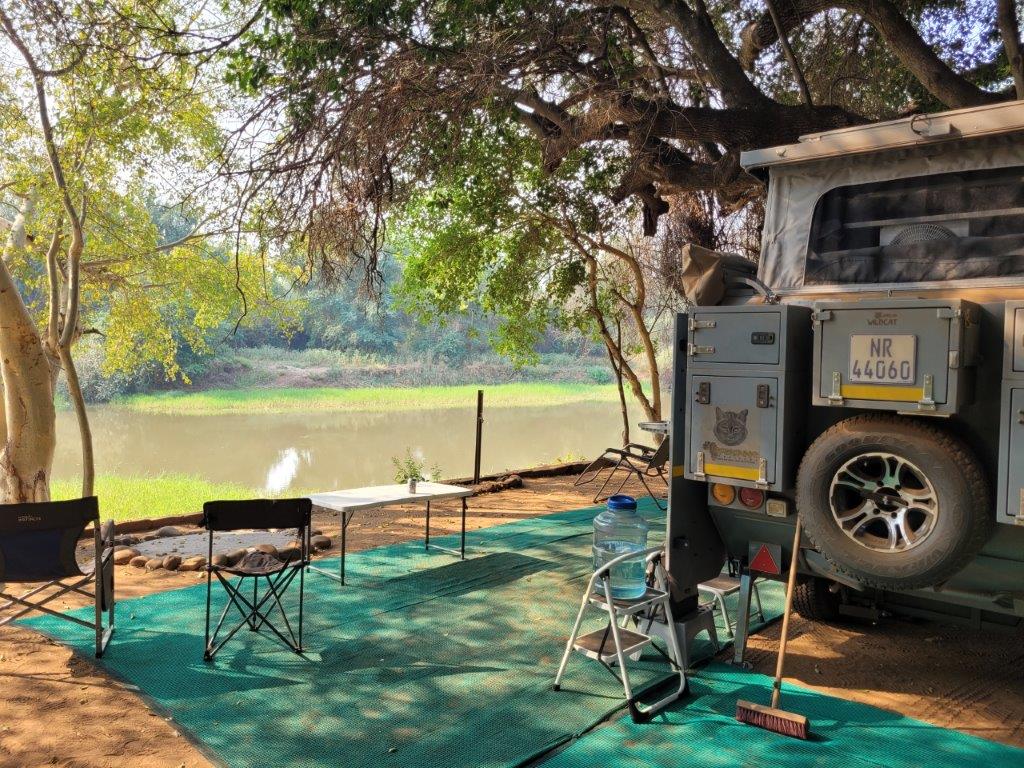
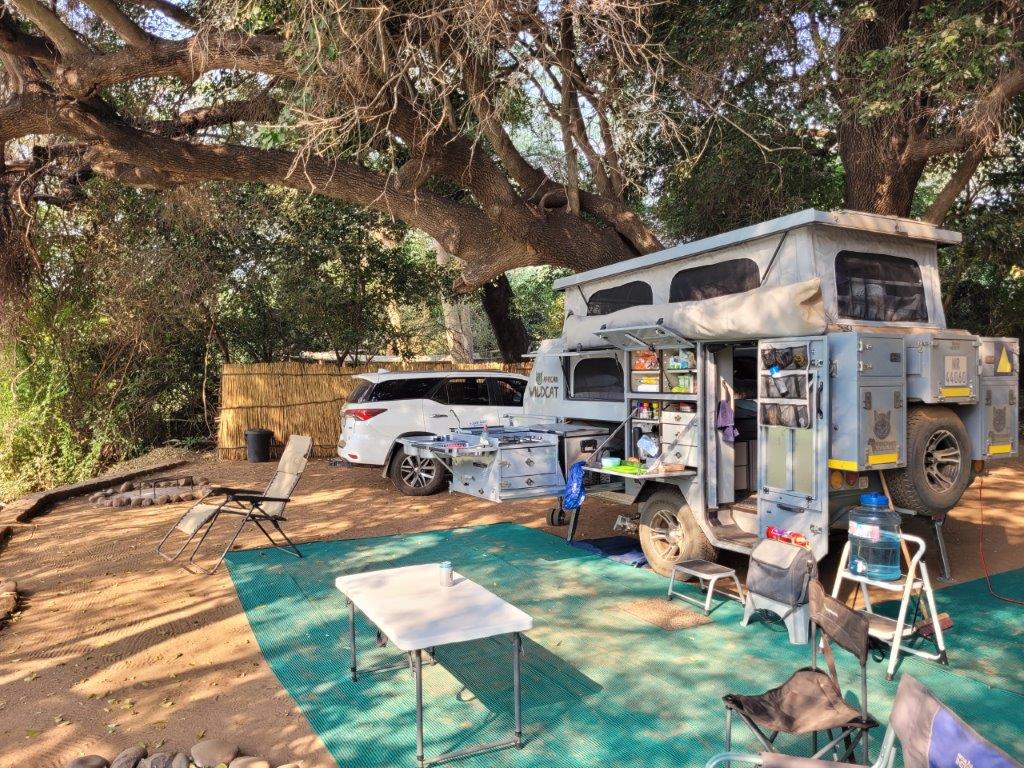
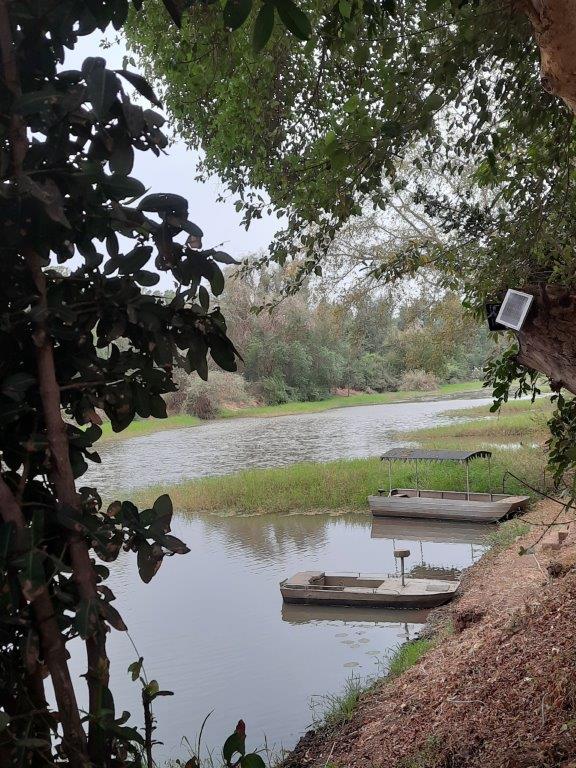
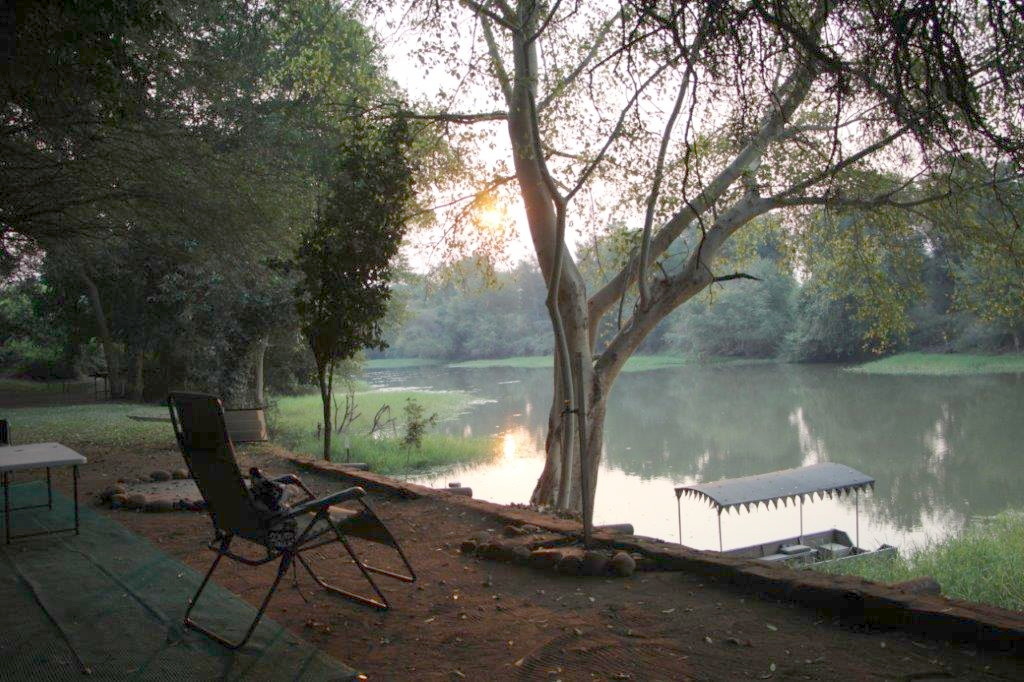
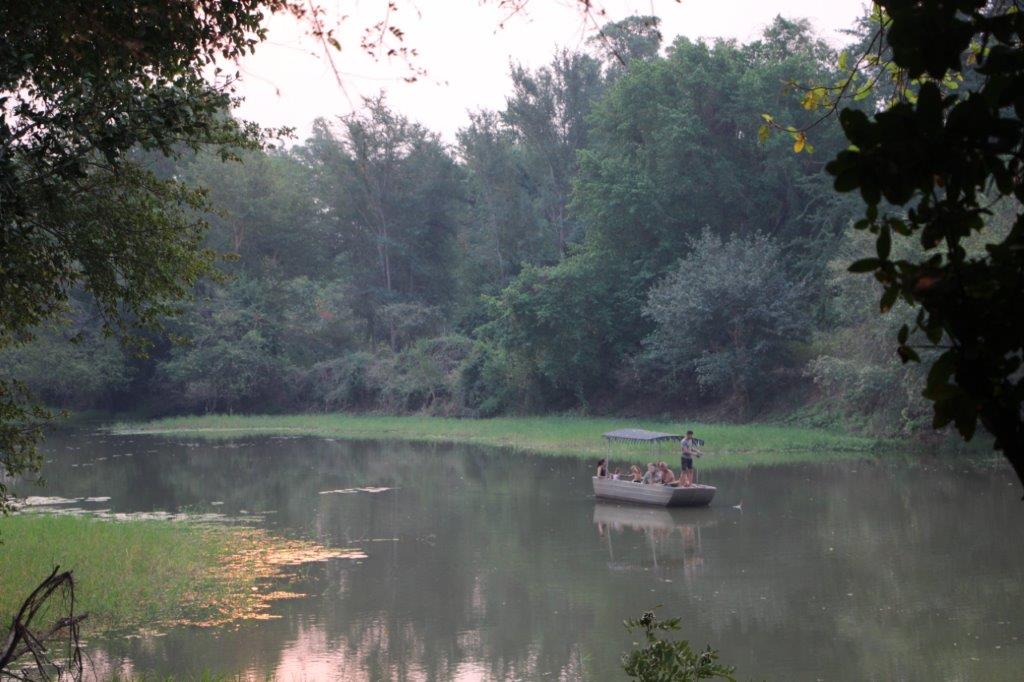
The camp has at least 20 sites – each very generous in size – and about four ablution blocks. On arrival there was another couple who left the next day. We were alone our second night. On the third night a large group of about 12 people rocked up and shared the place comfortably with us. On our final night the place was almost full – most either on their way to or from Gonarezhou NP in Zimbabwe.
The camp offers guided bird walks to try and find the Pels Fishing-Owl and boat rides on the Lagoon. Another option was to self drive into the largest Fever Tree Forest in Southern Africa – we did twice. And there was another drive past reception on a very rugged road into the bundu – we tried it but had to turn round for lack of grip on a fall off ledge.
Our walk around the camp to find the Pels turned out to be fruitless unfortunately. However, as we were close to the Limpopo – we made a detour to see it.
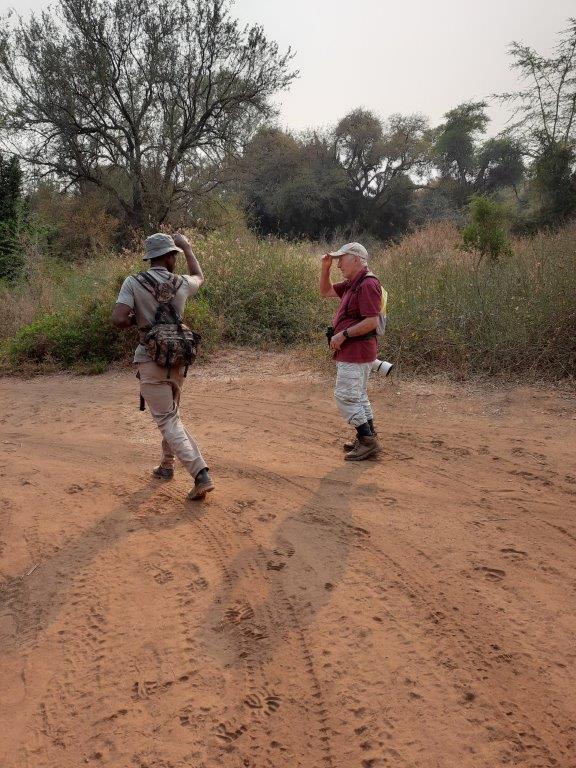
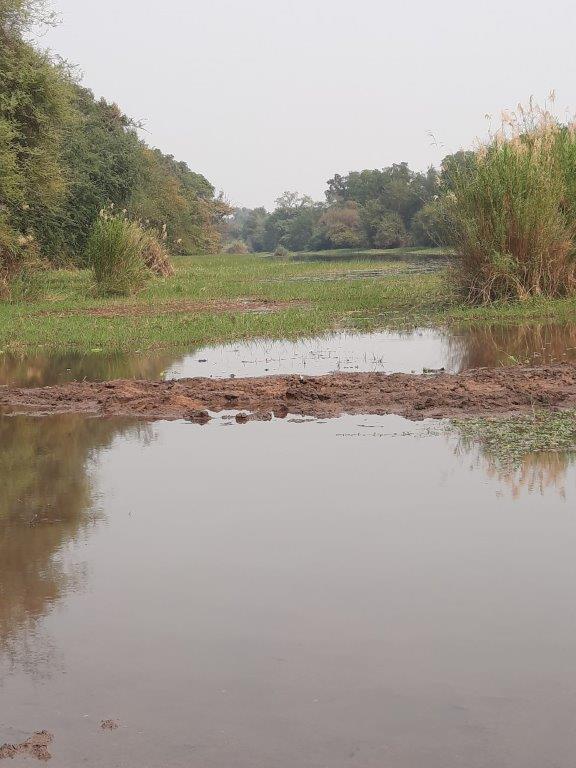

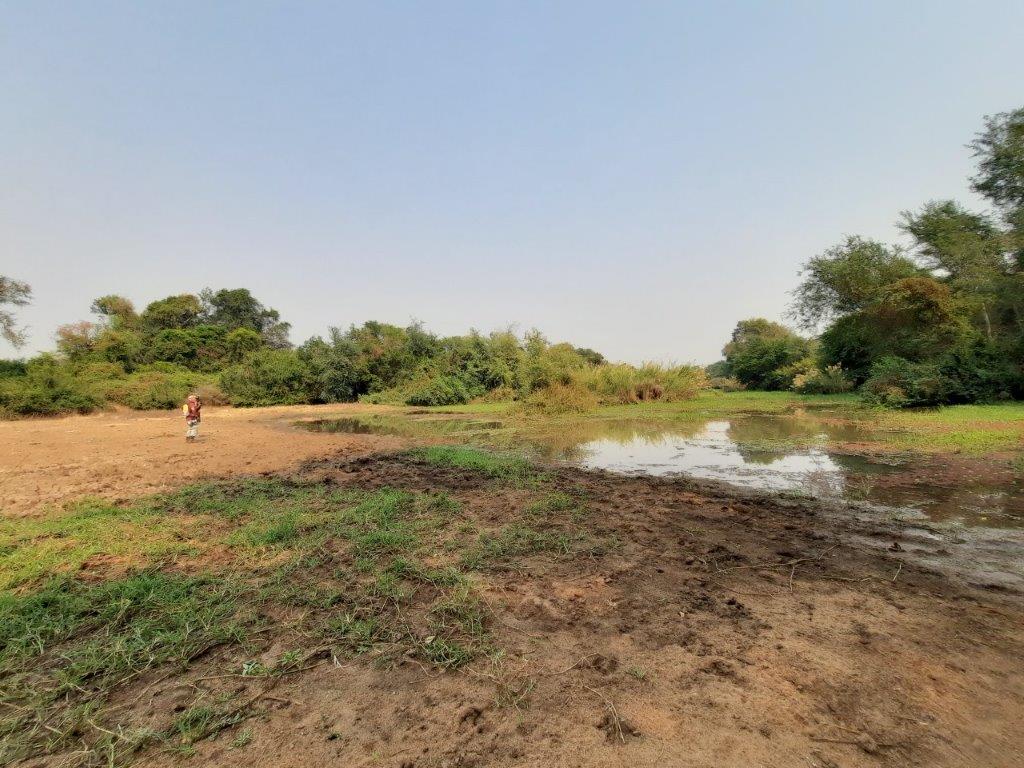
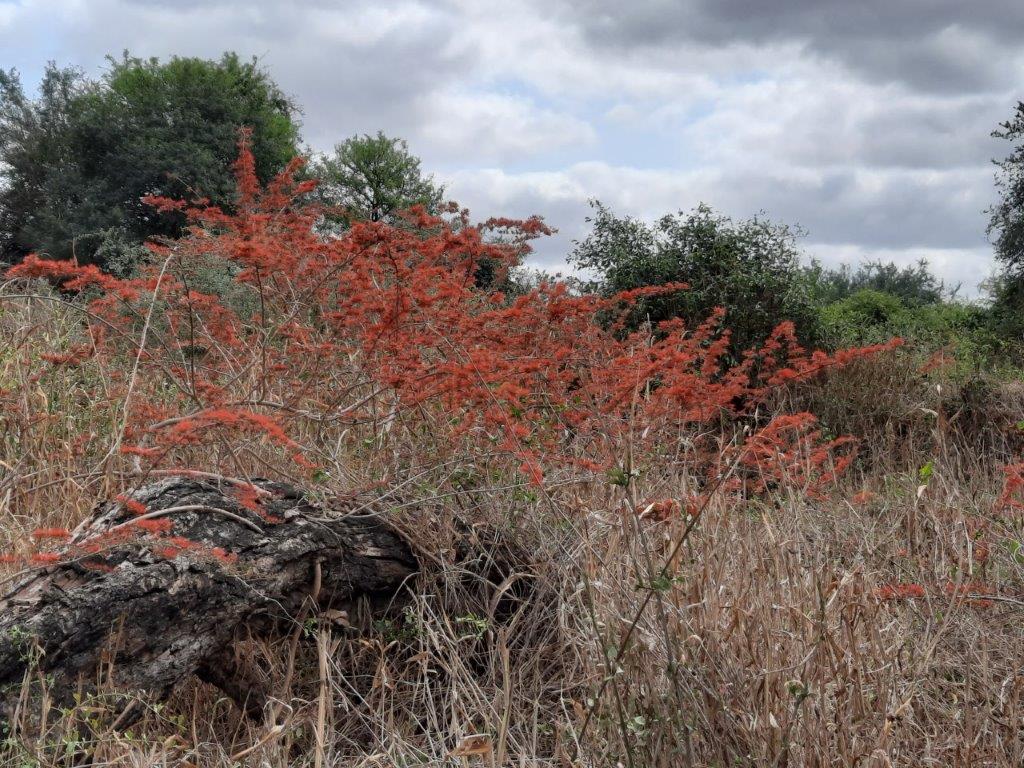
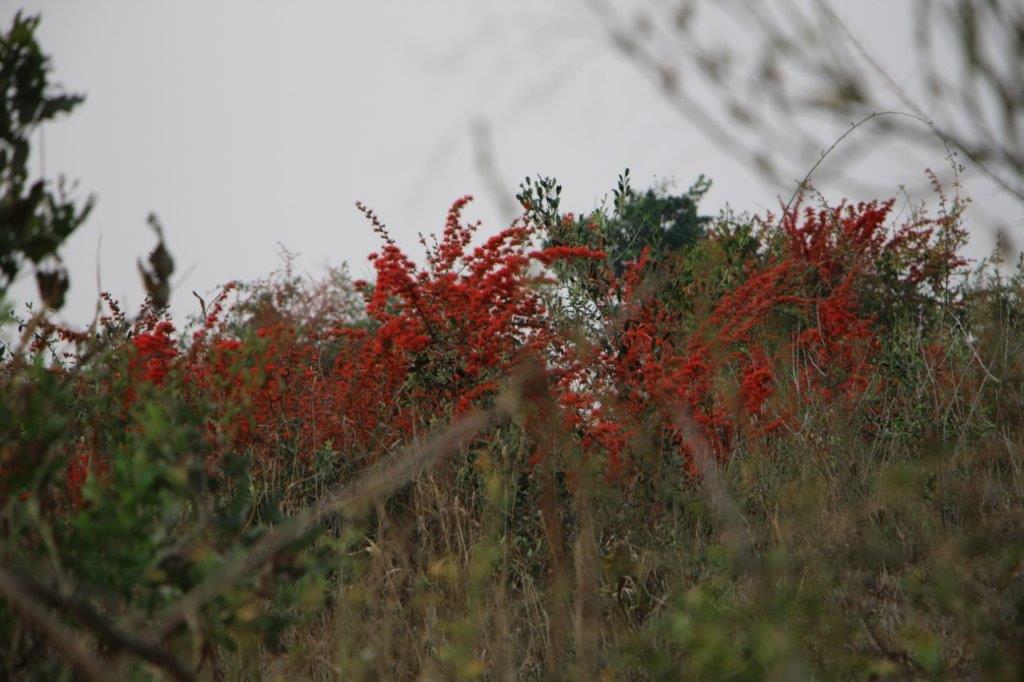
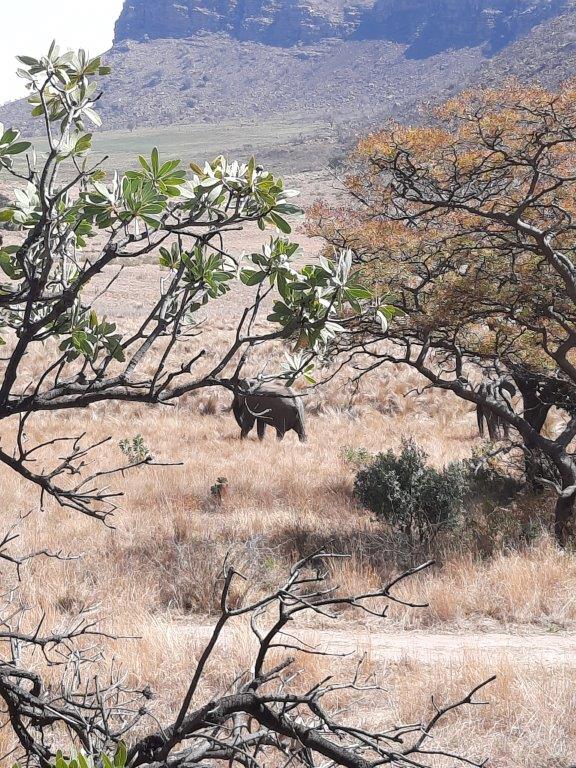
The next day we were able to re-trace some of our steps by car along the narrow paths (hoping not to encounter the rogue elephant seen near the camp). Part of this drive was close to one end of the lagoon.
Our boat ride was unfortunately cancelled due to very windy weather. Perhaps not a bad thing as the end of the lagoon did not appear to be too far away.
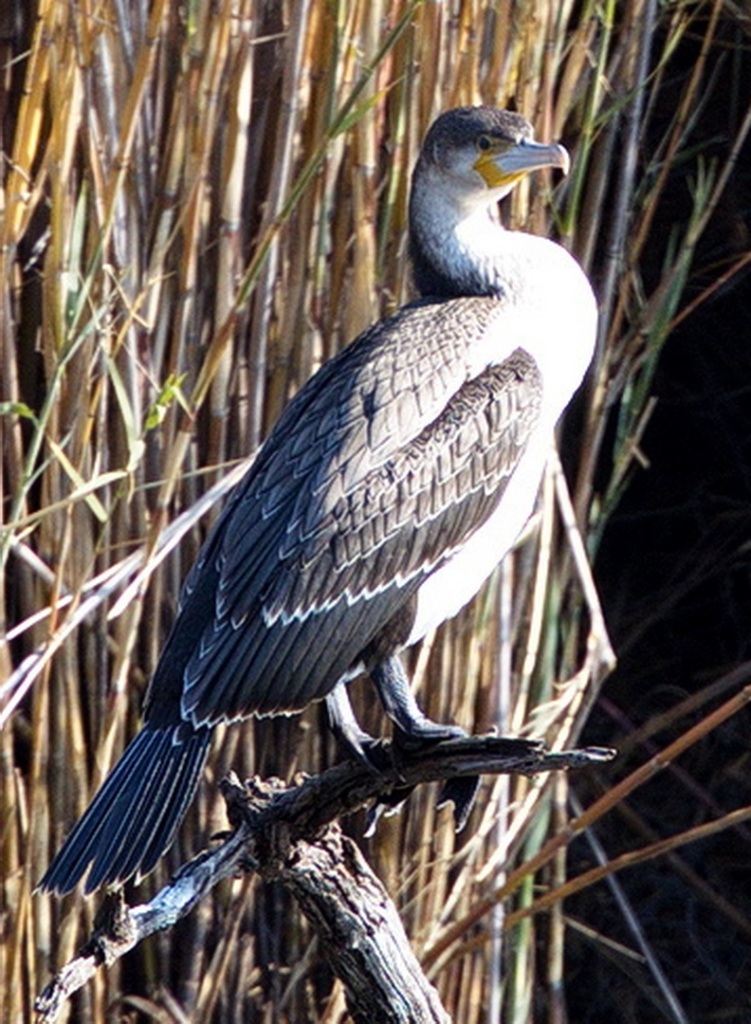
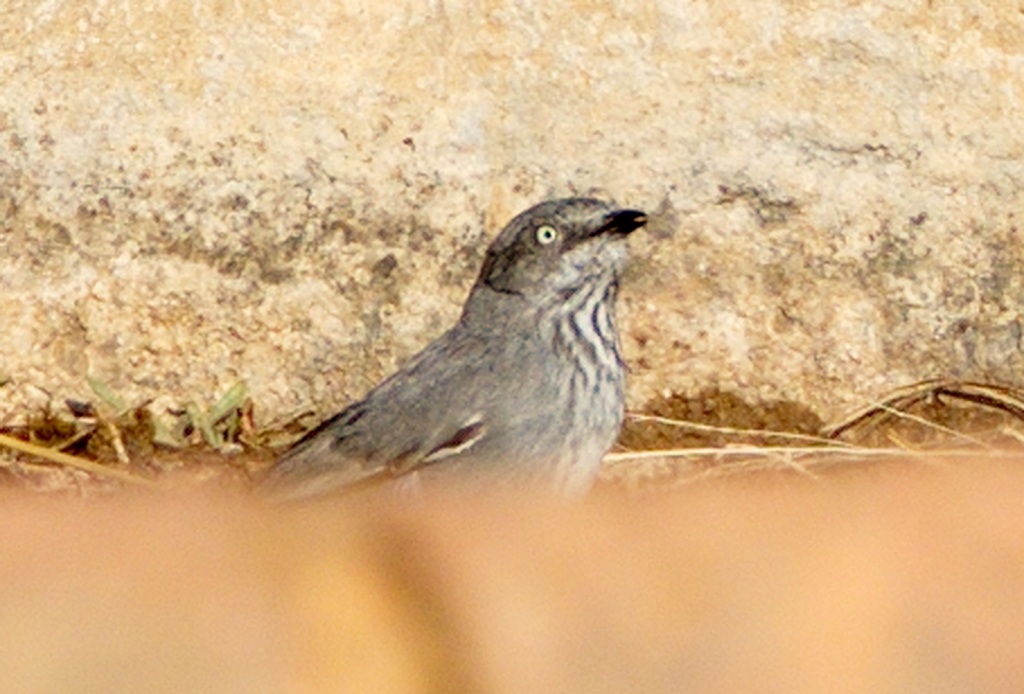
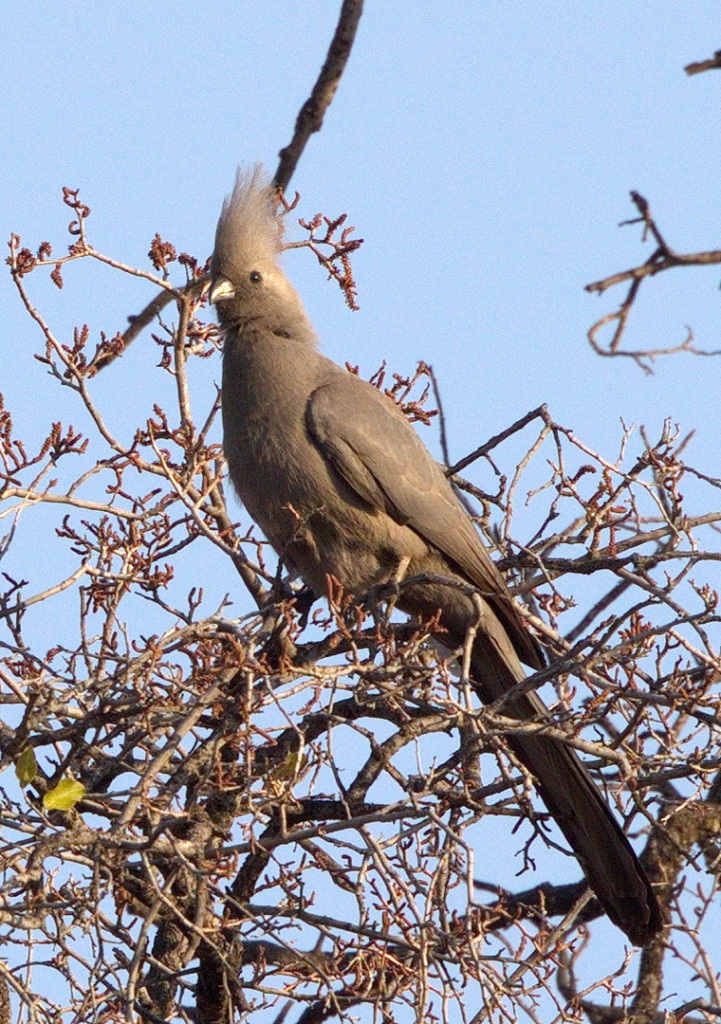
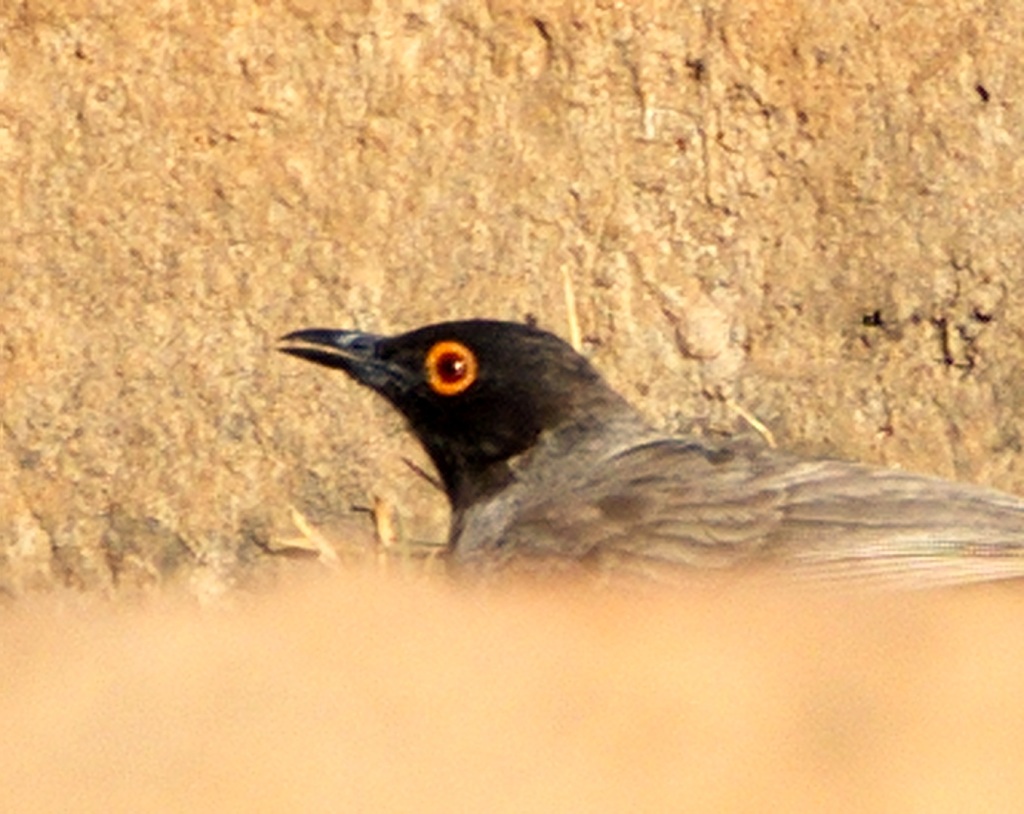
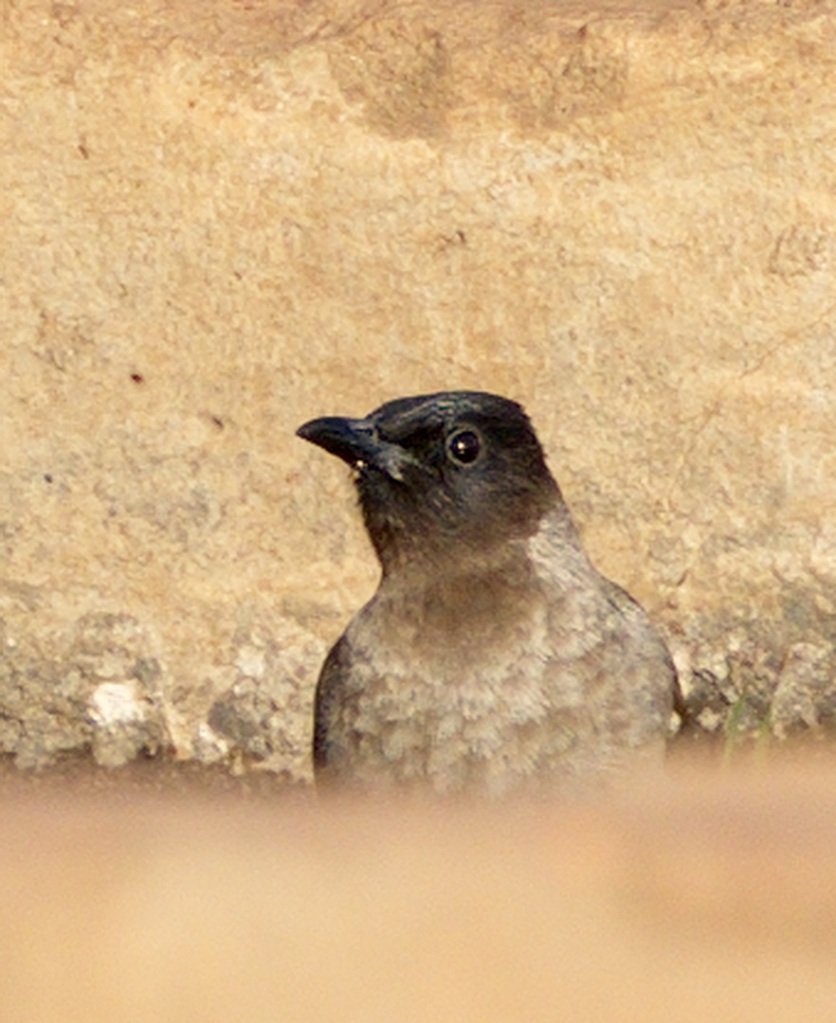
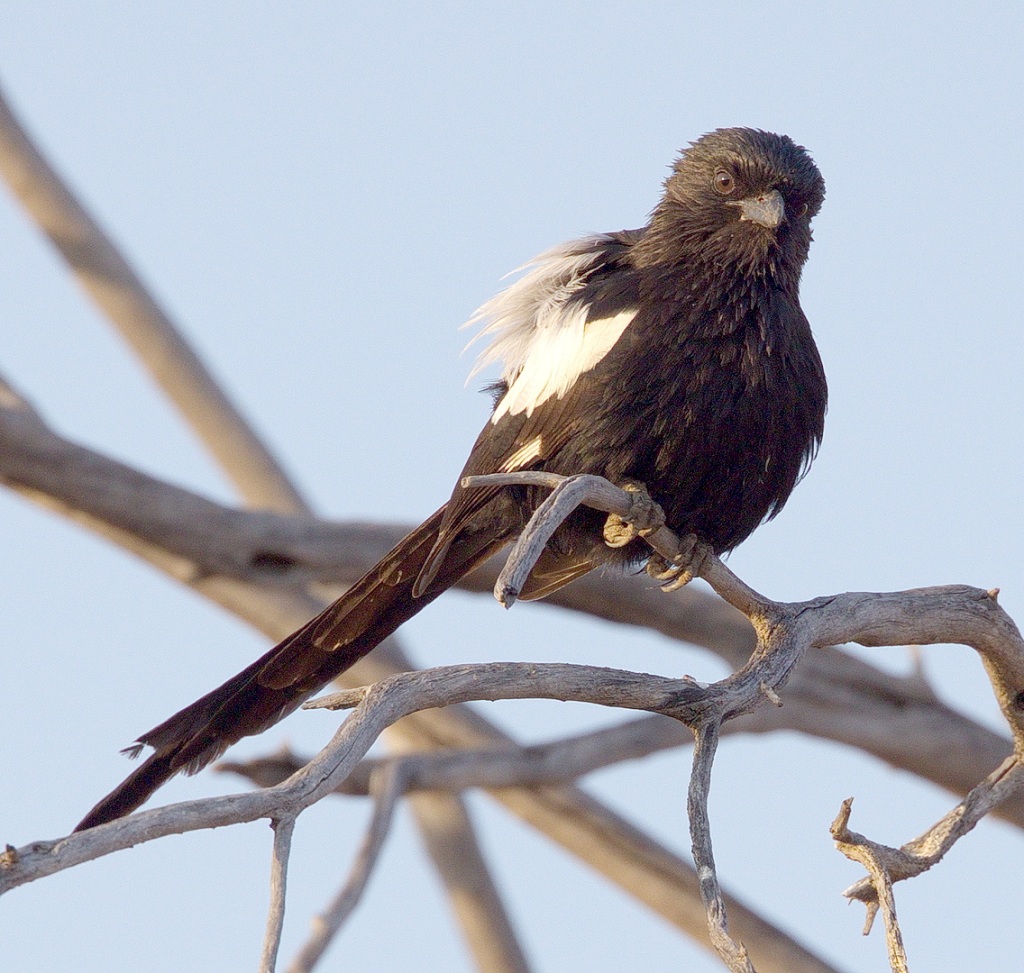
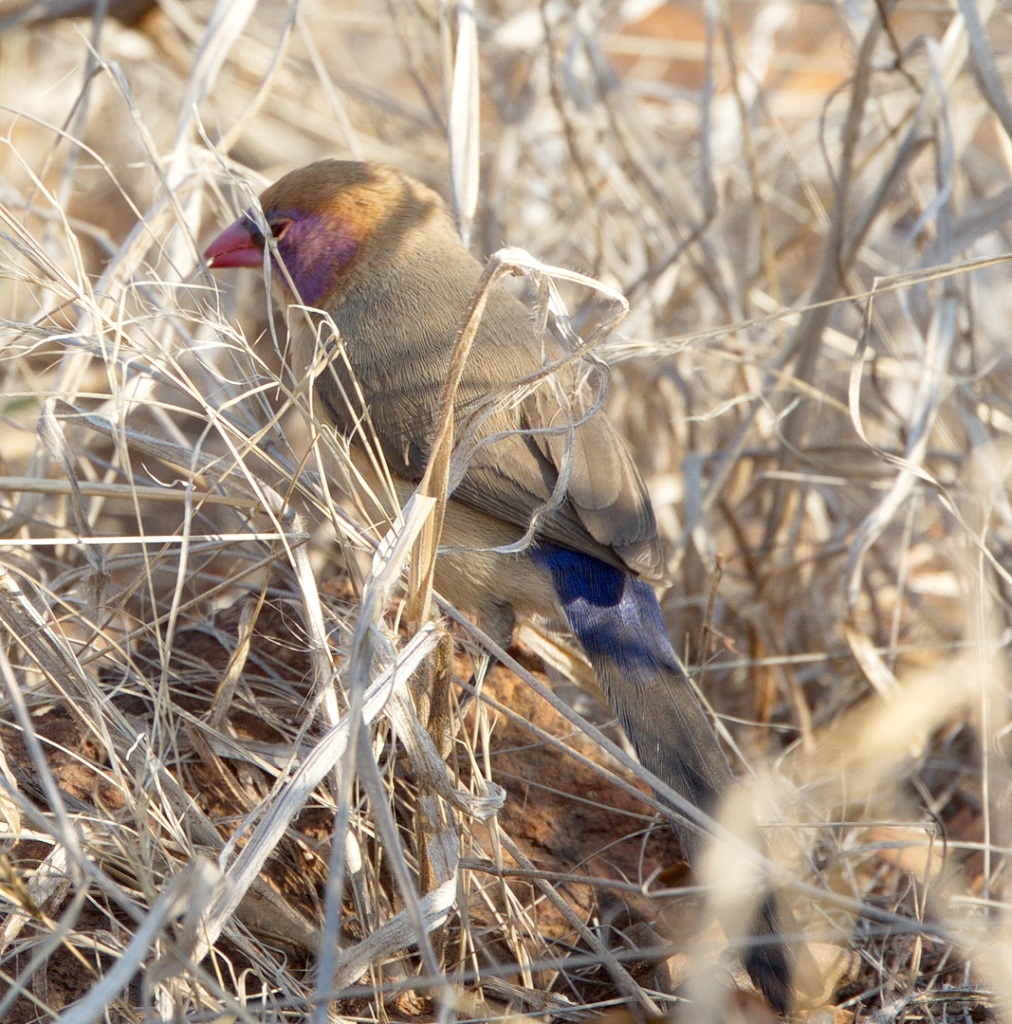
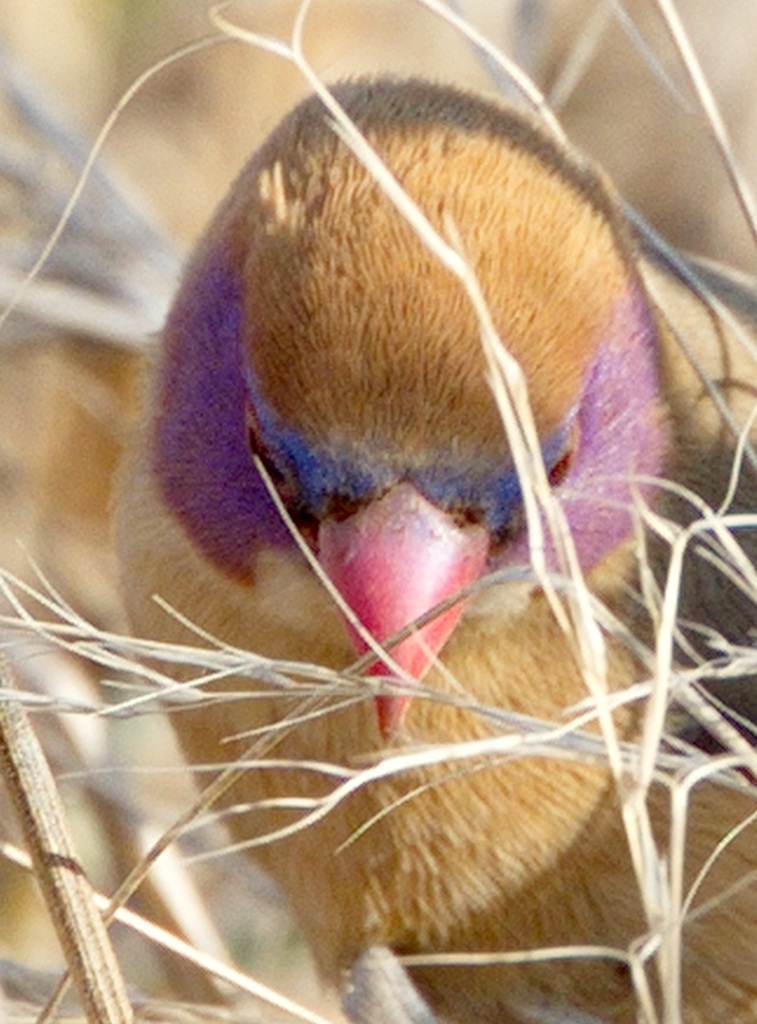
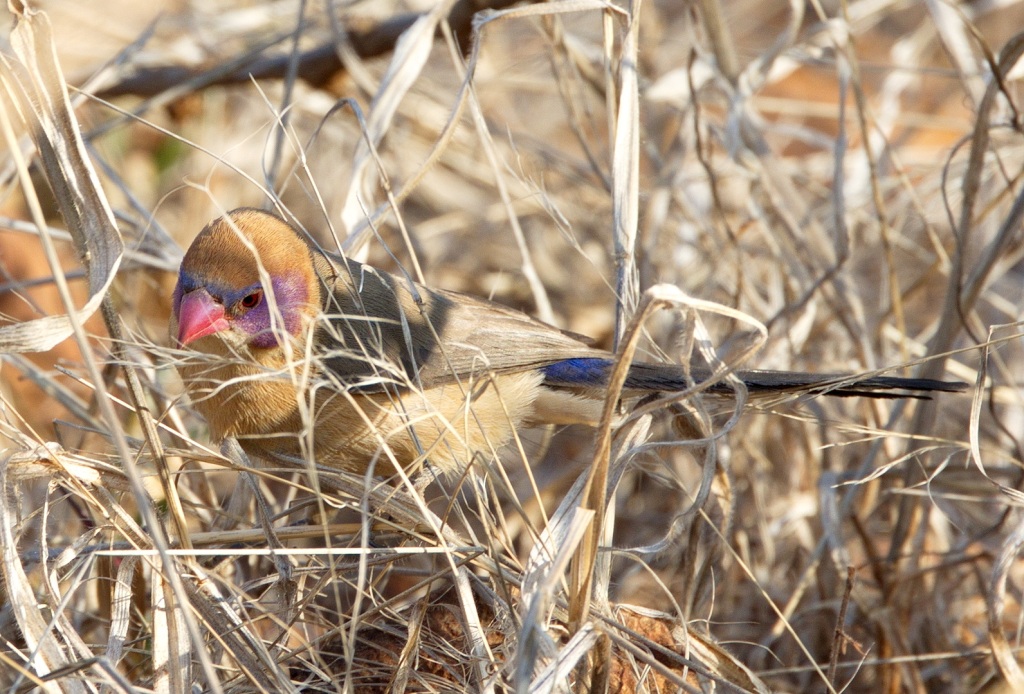
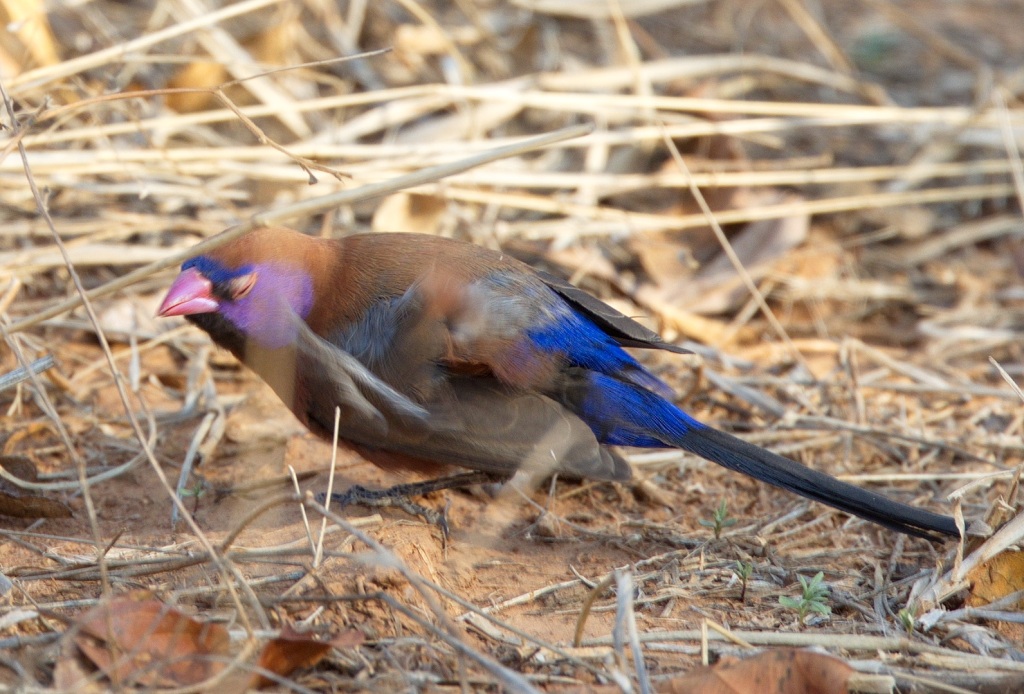
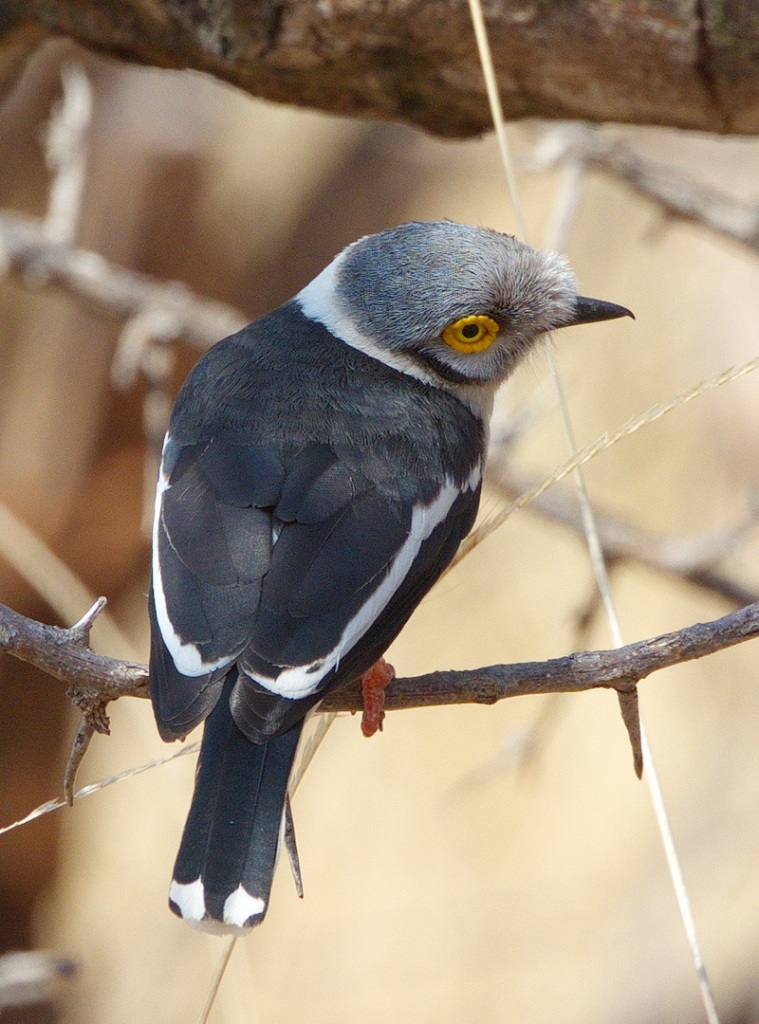
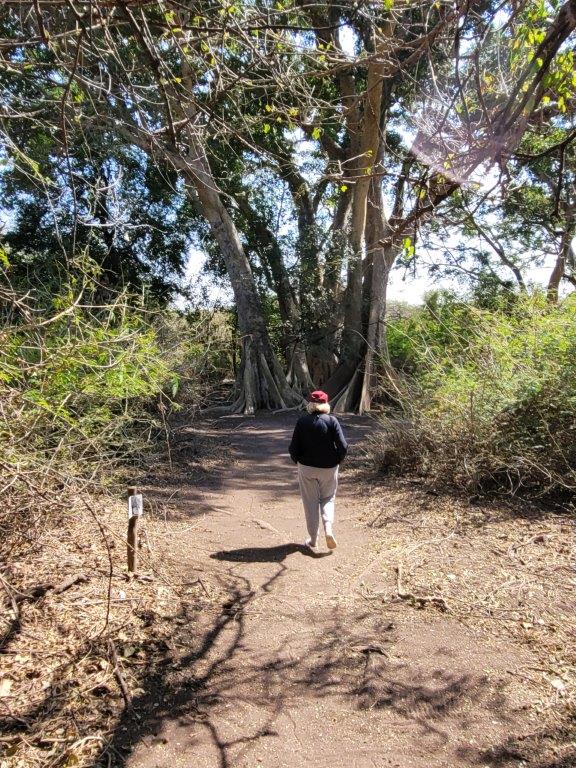
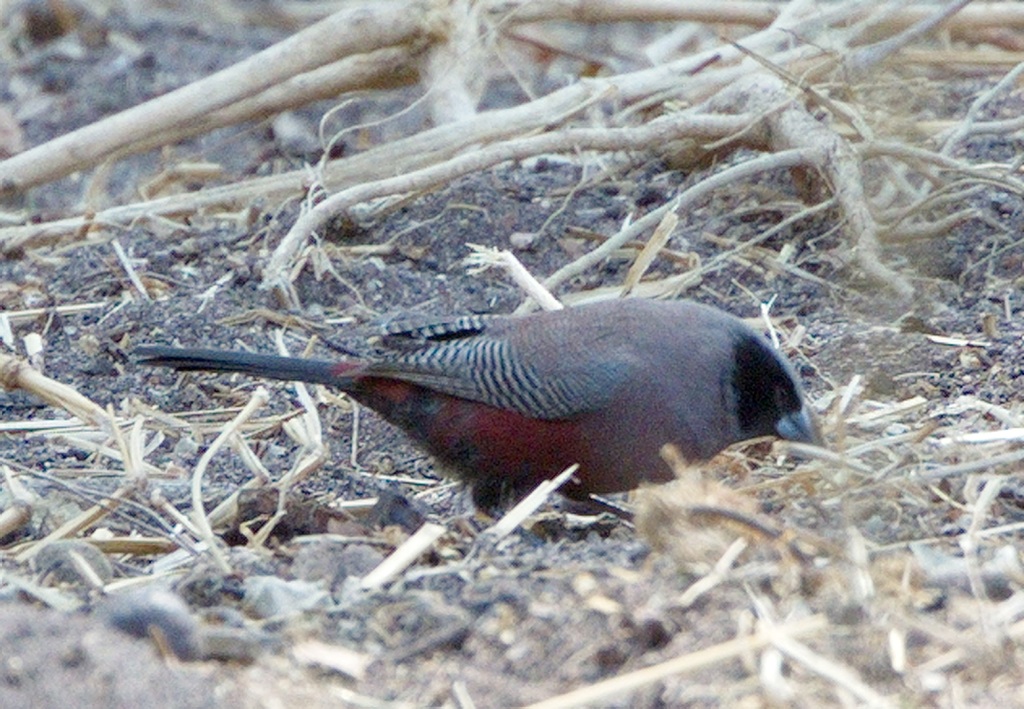
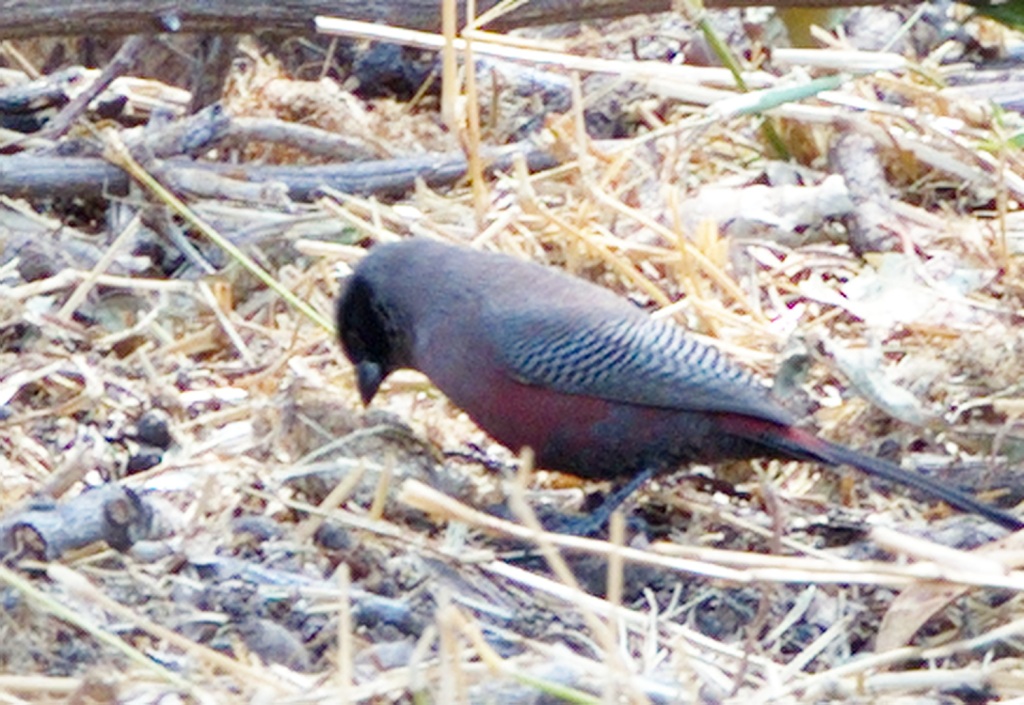
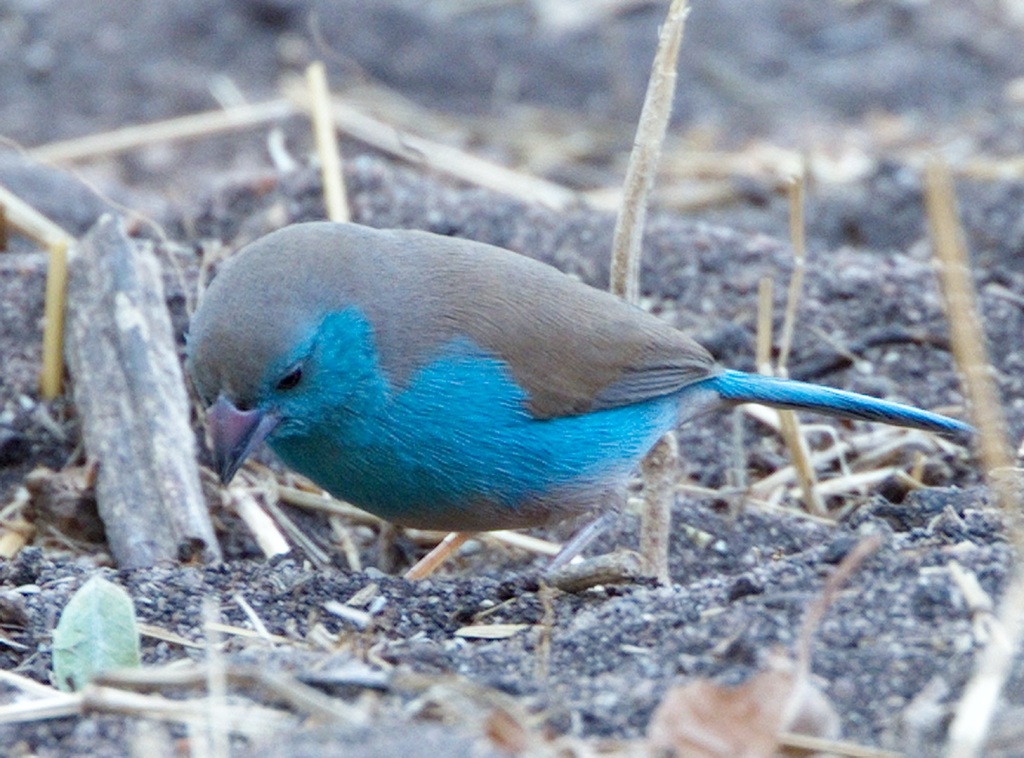
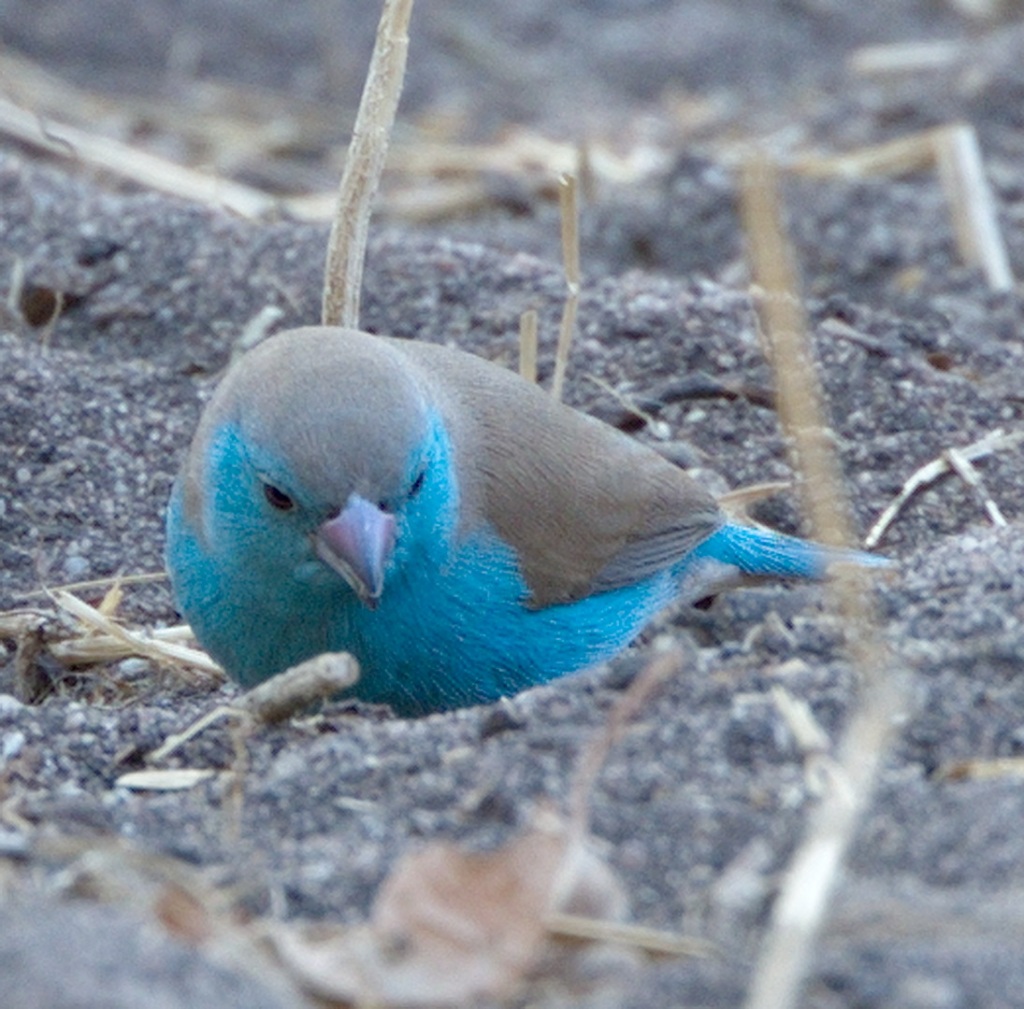
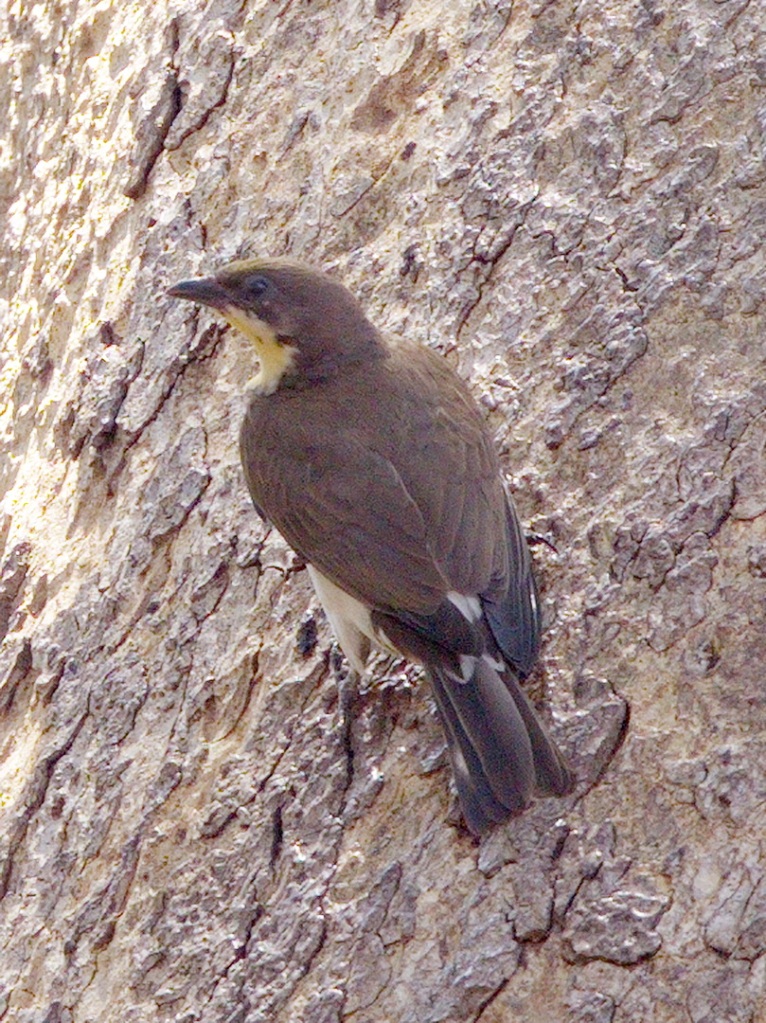
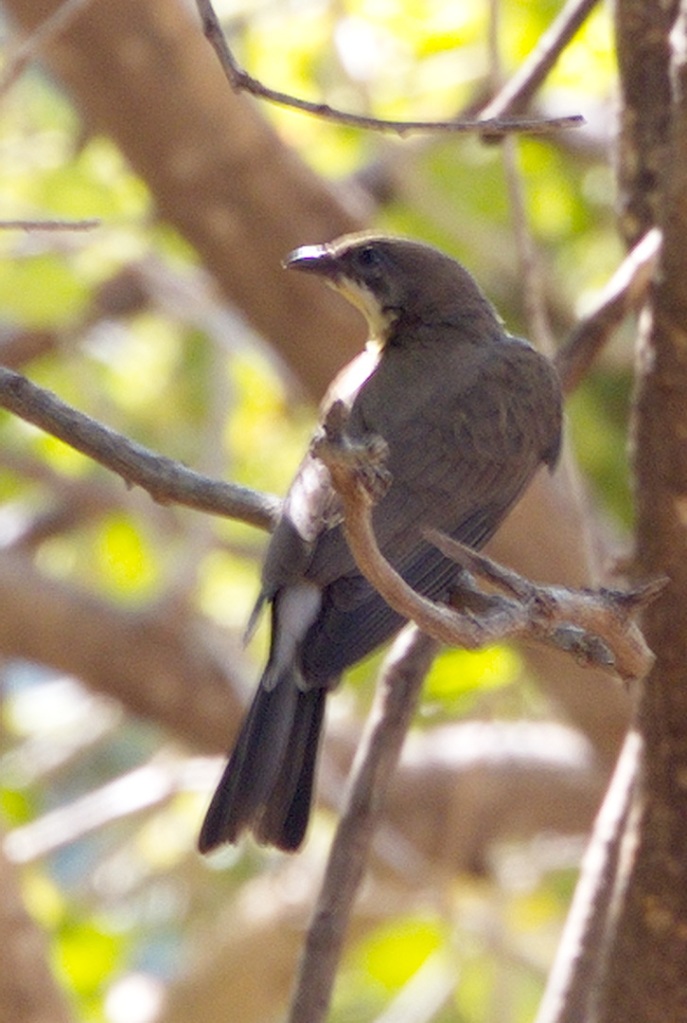
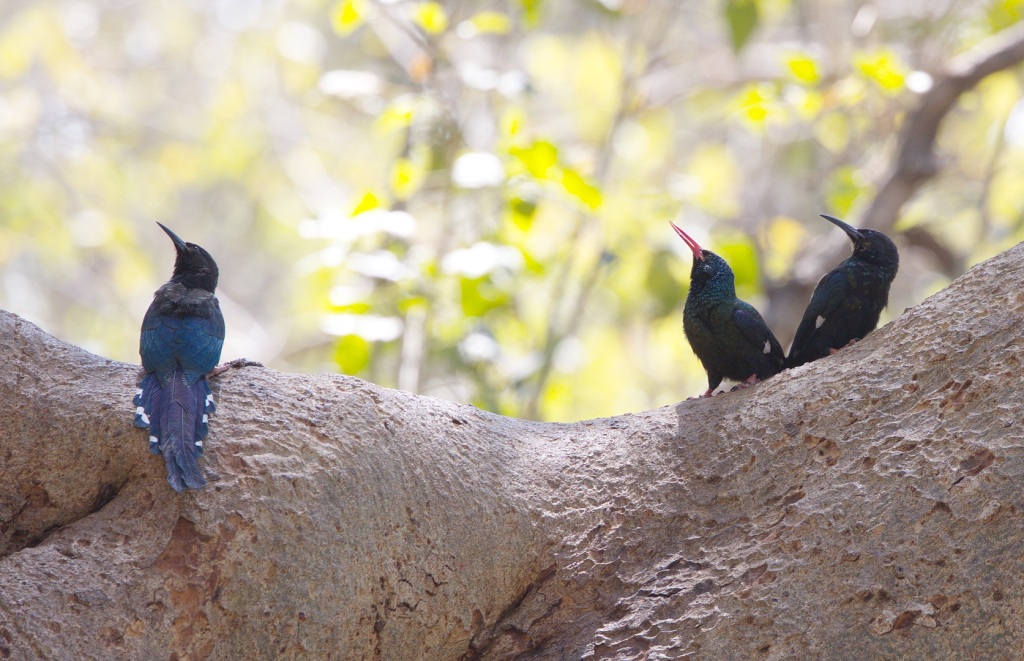
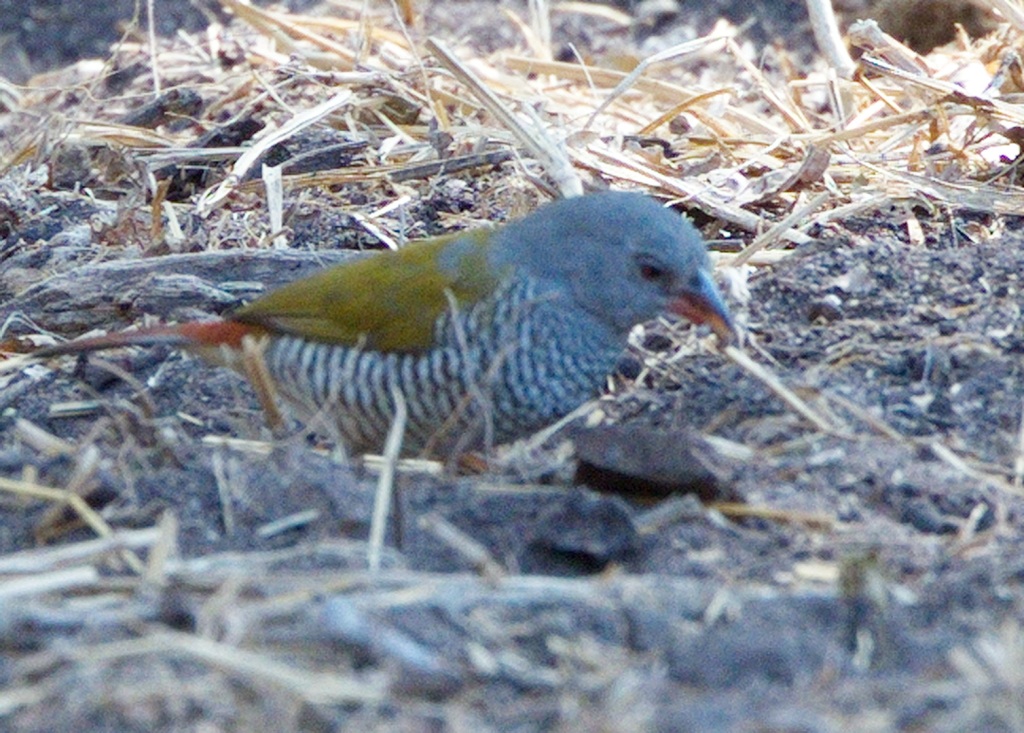
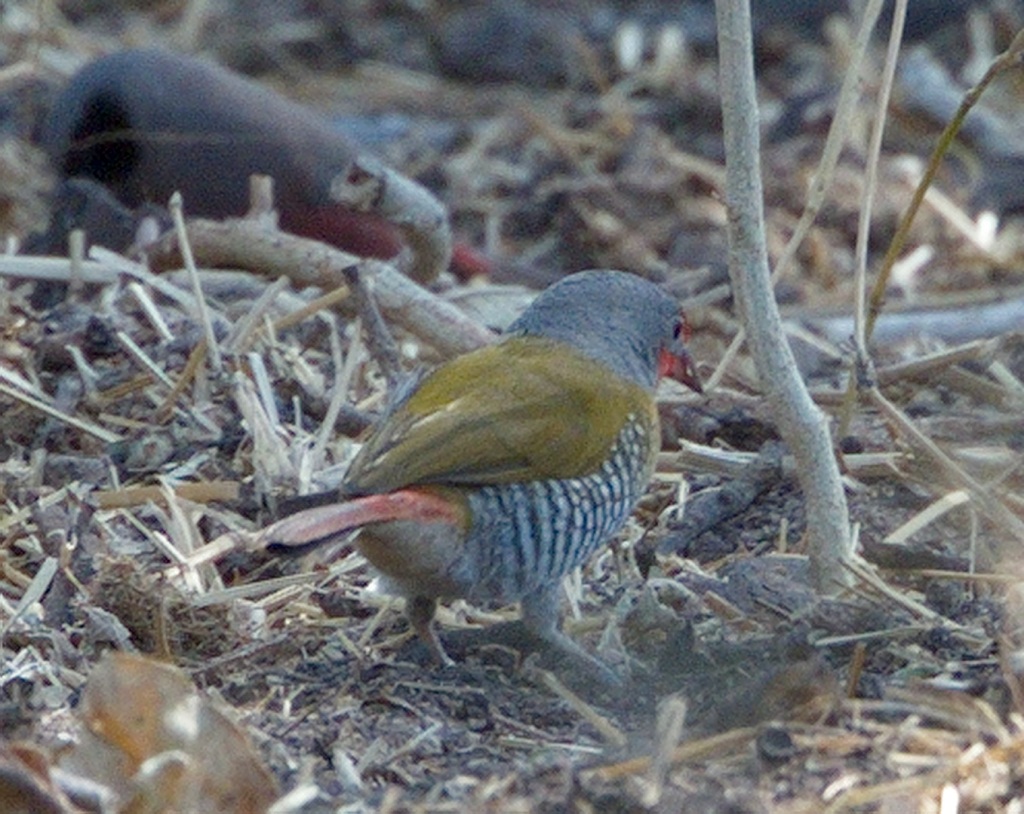
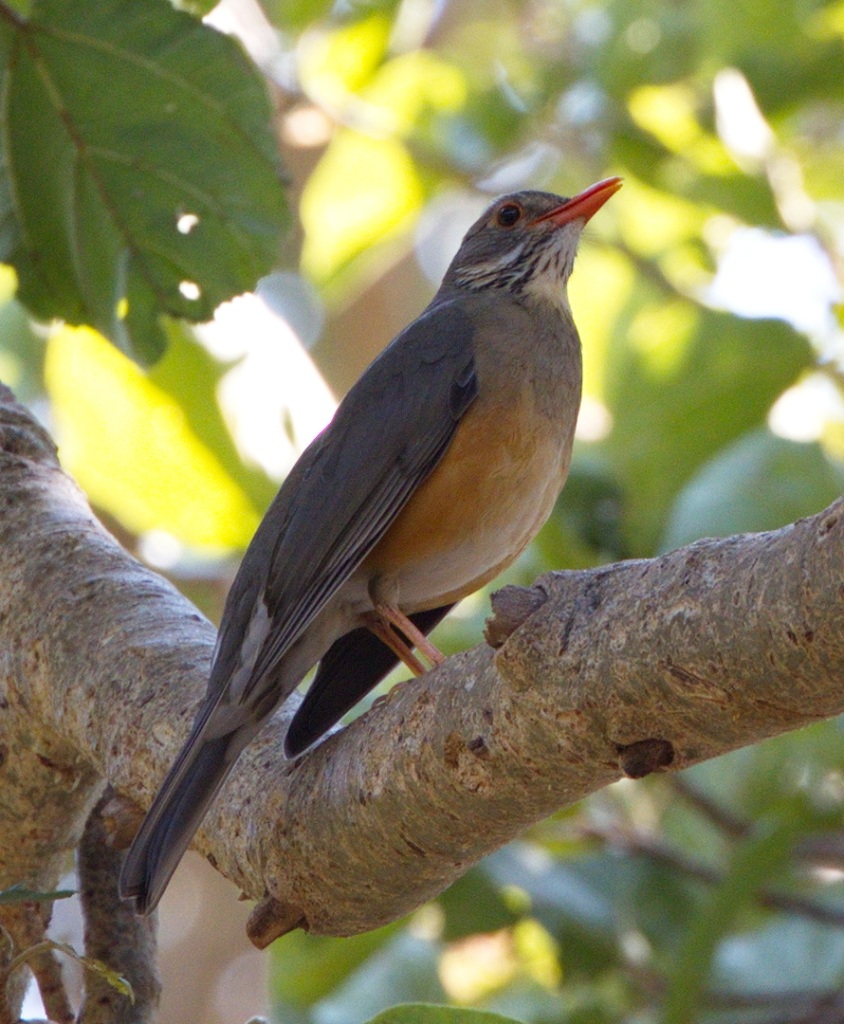
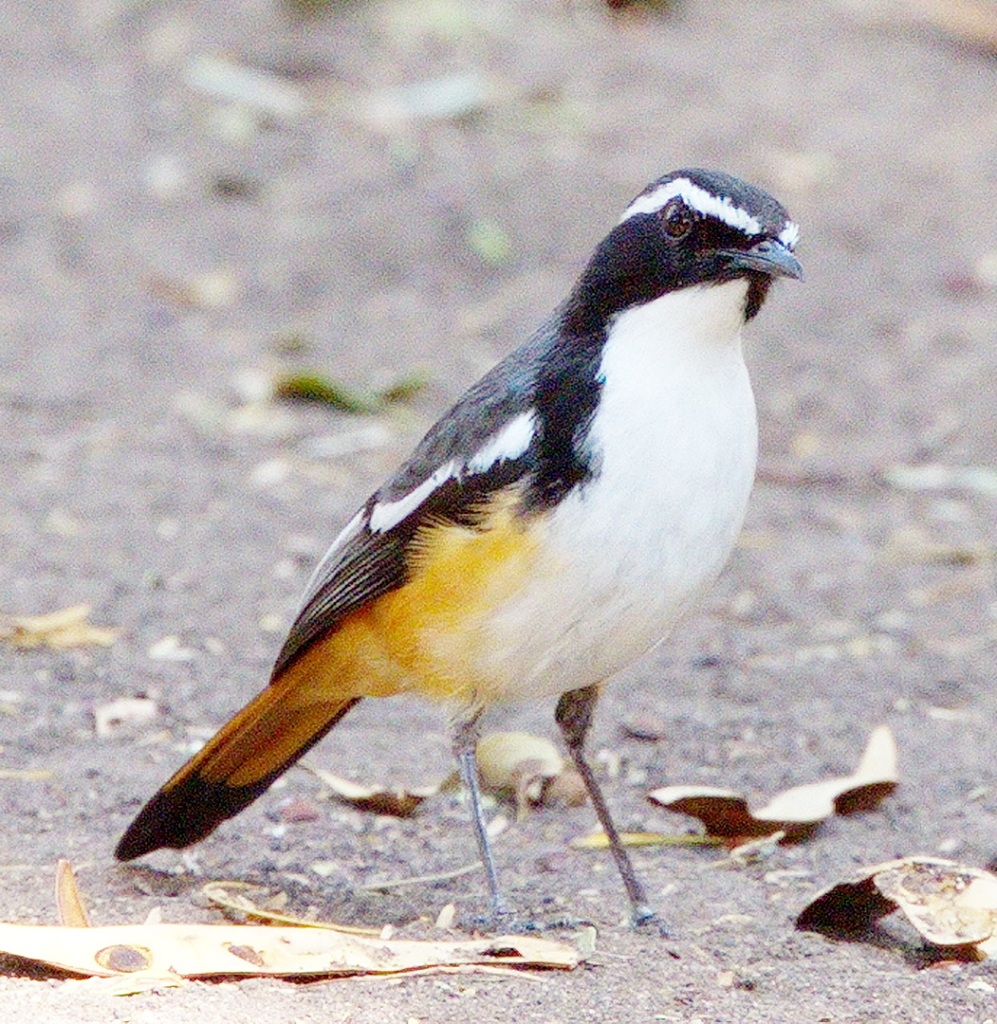
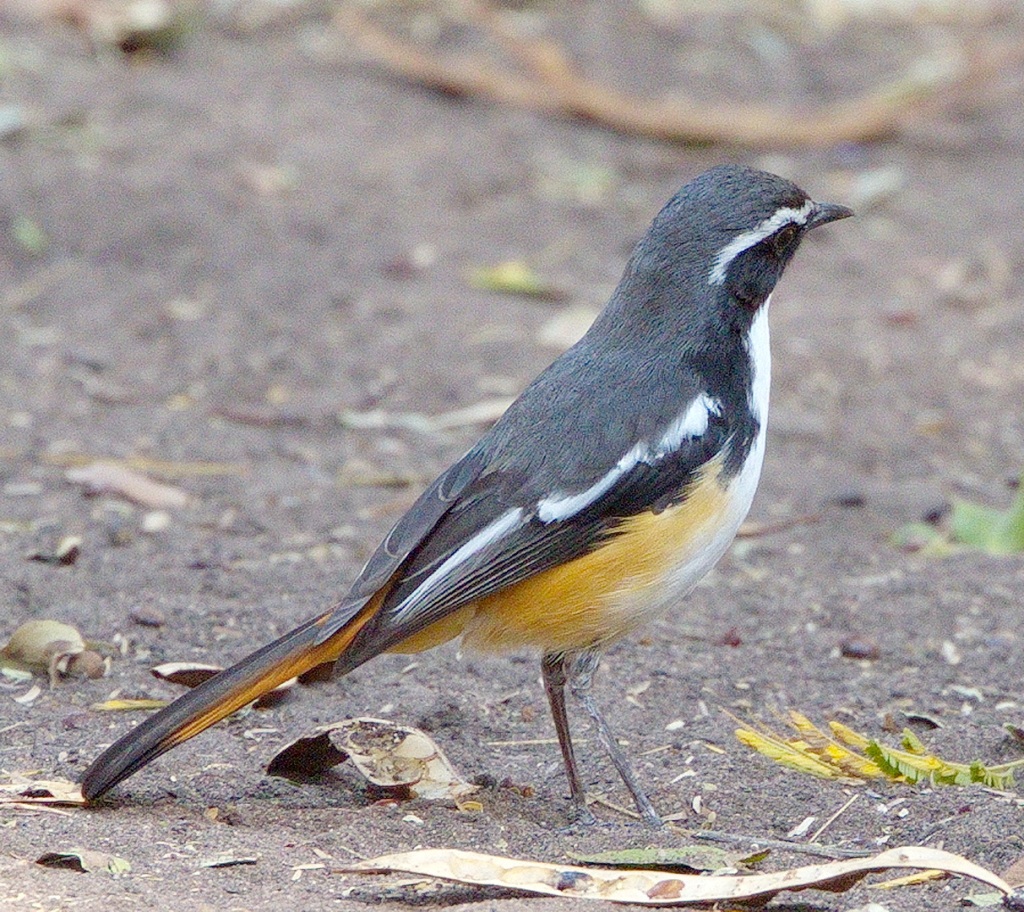
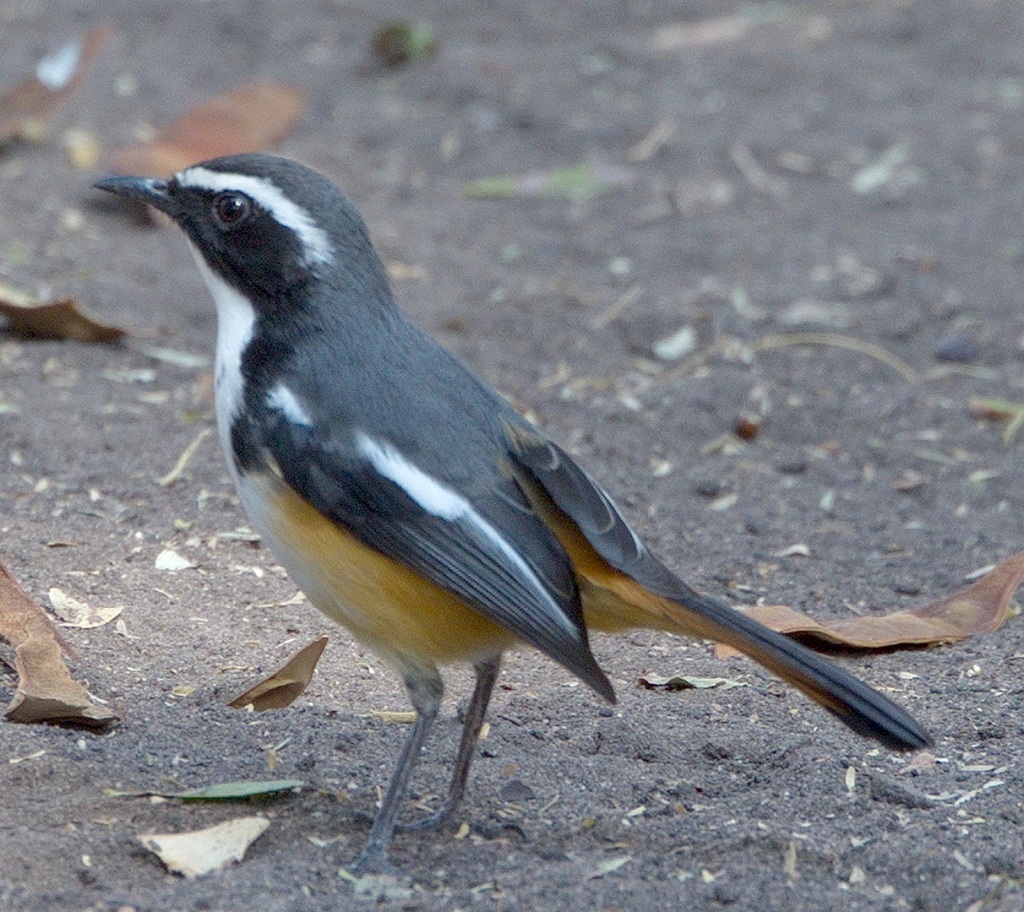
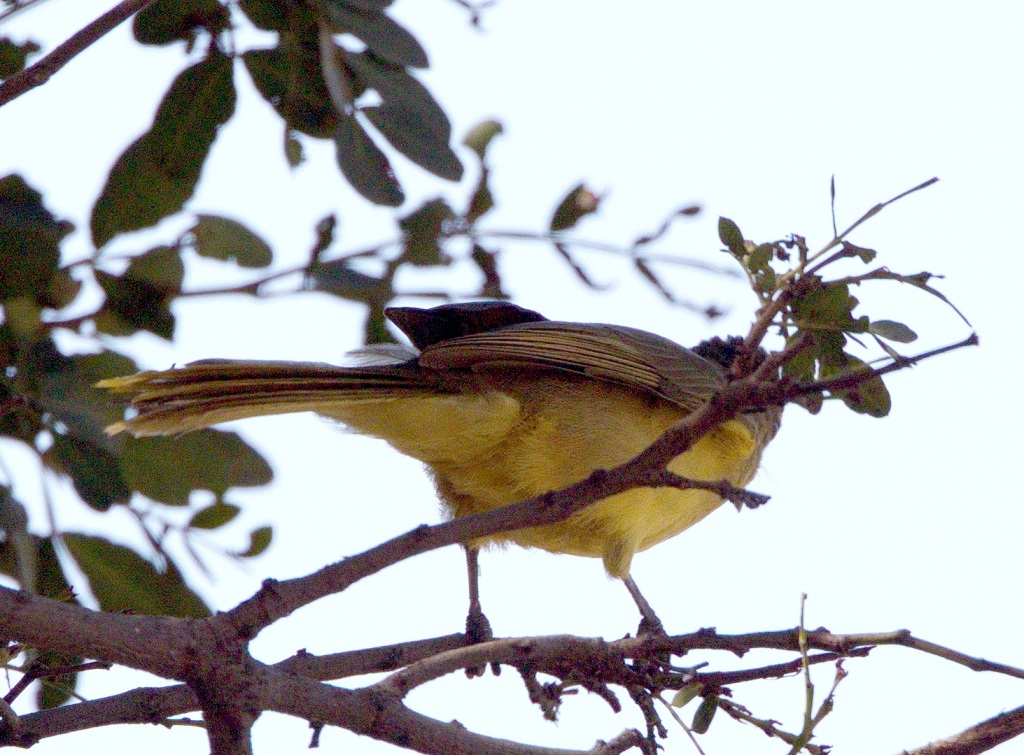
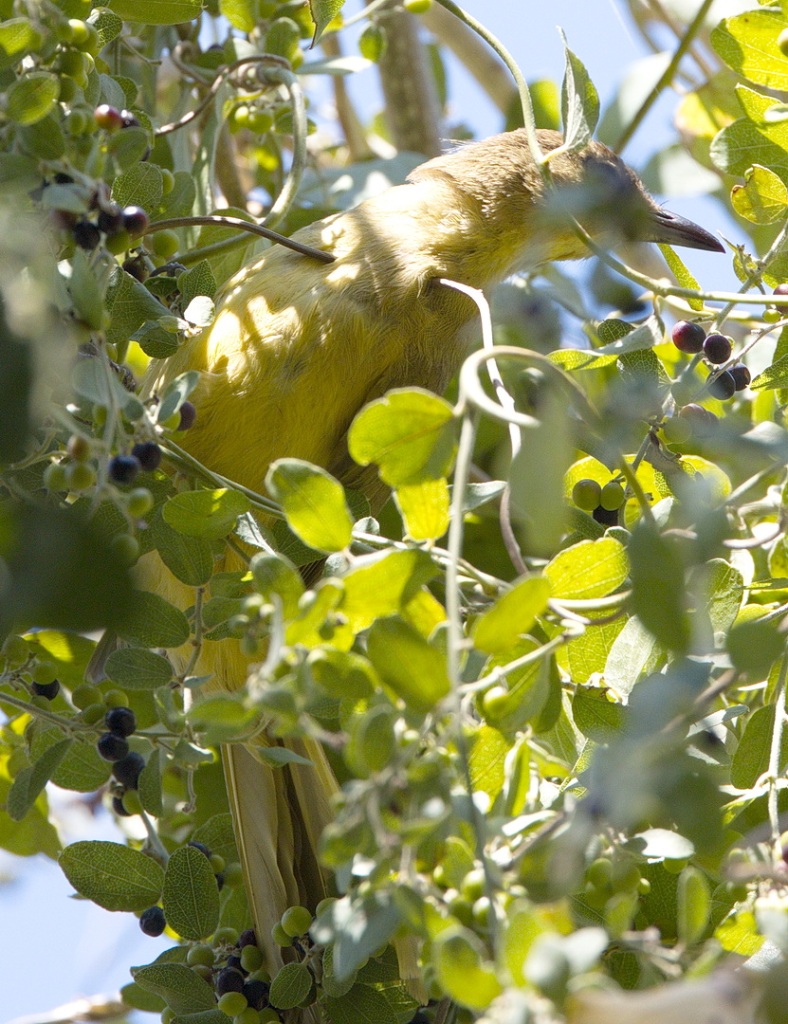
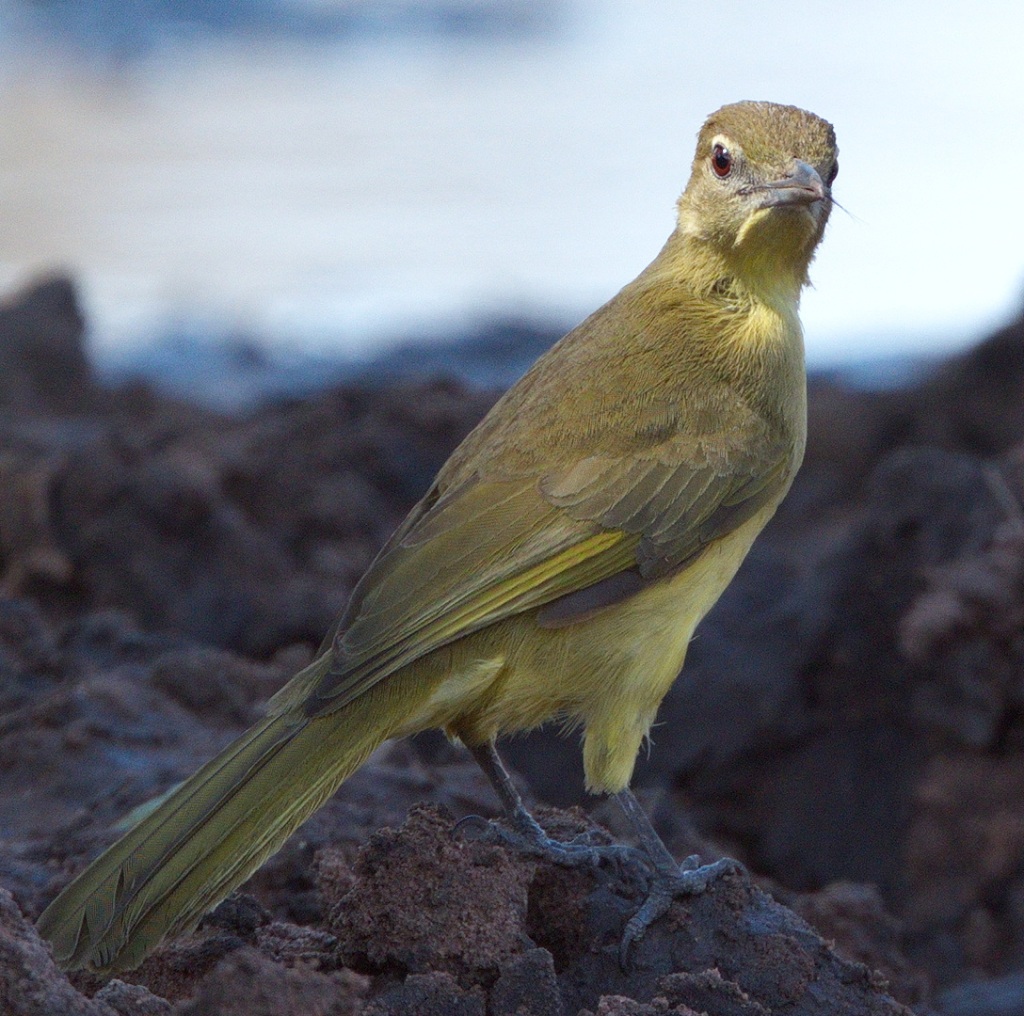
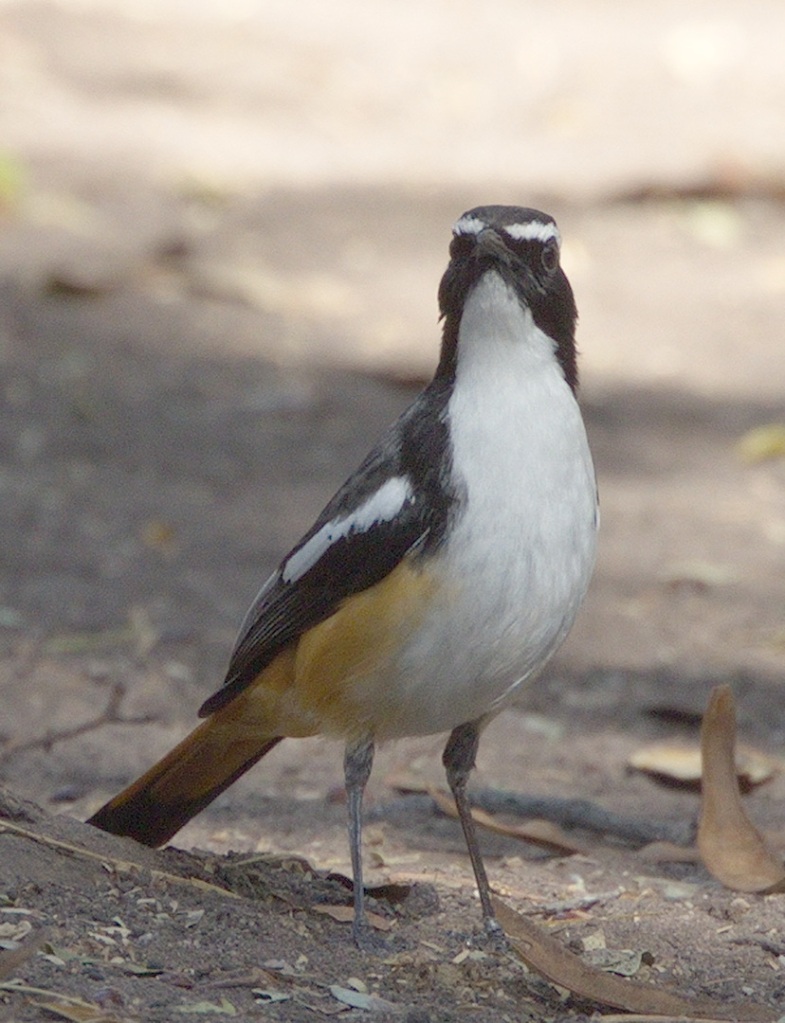
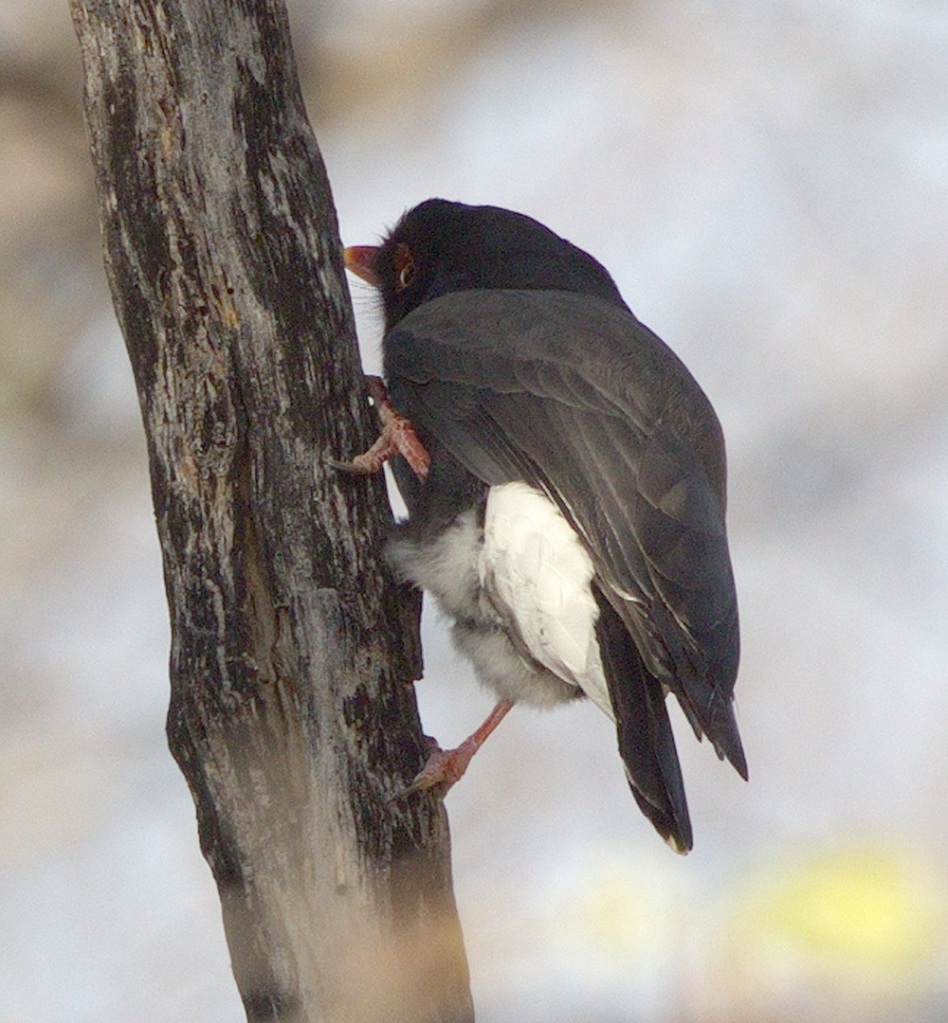
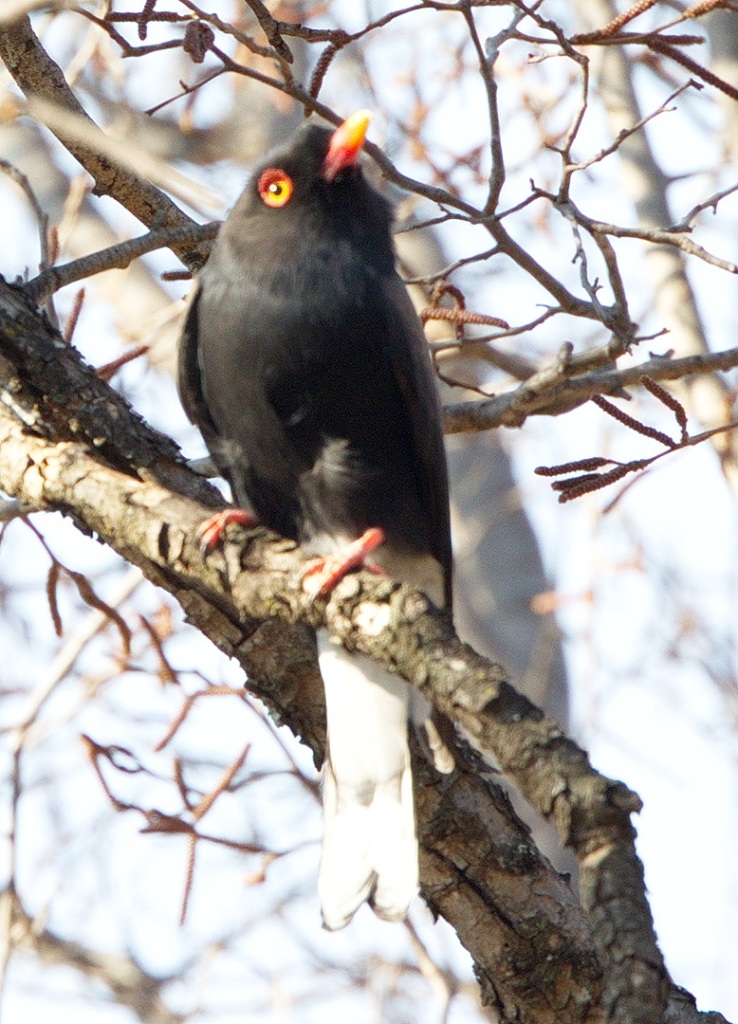
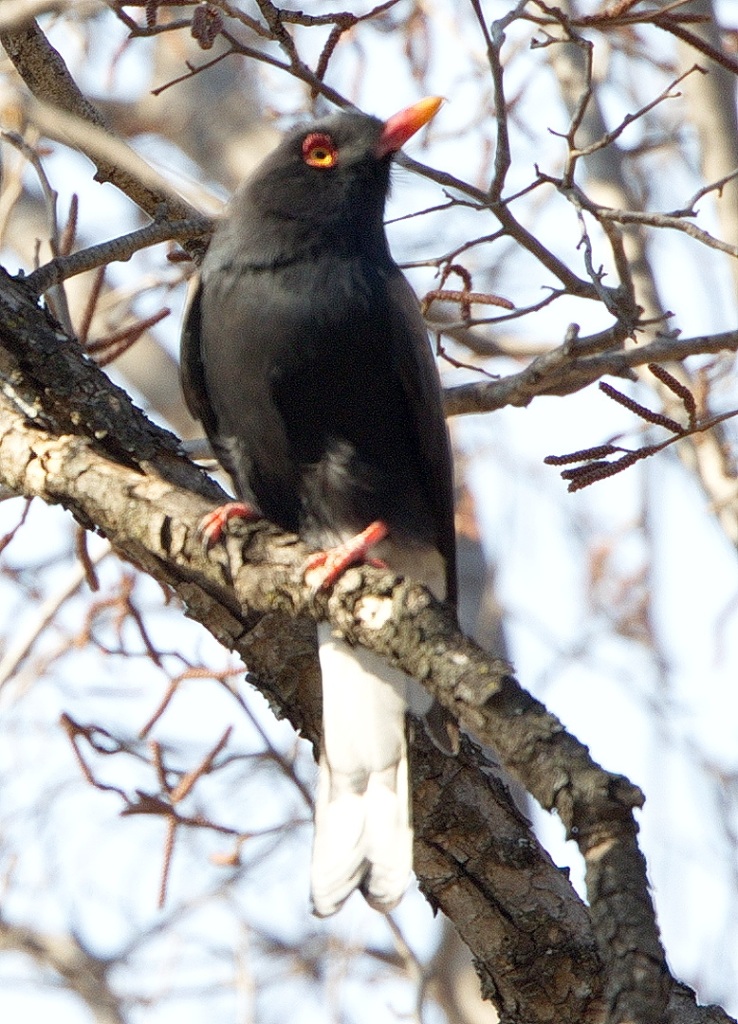
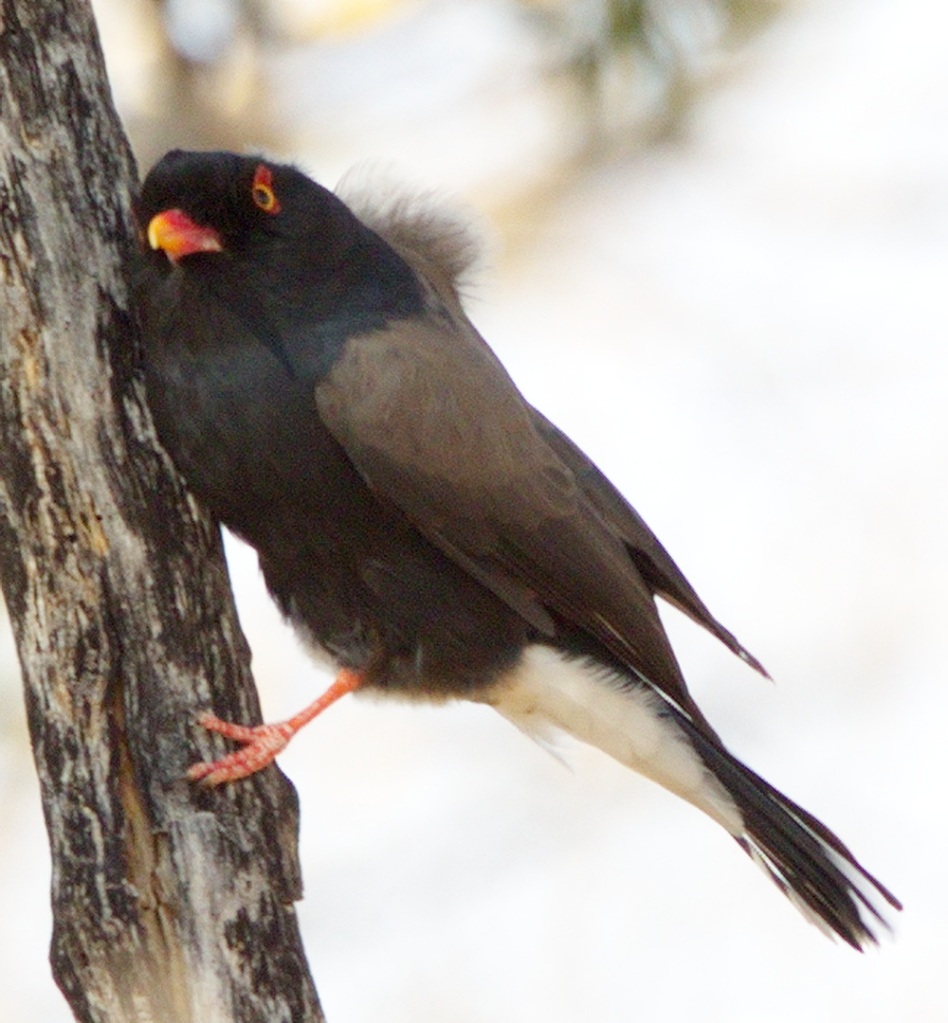
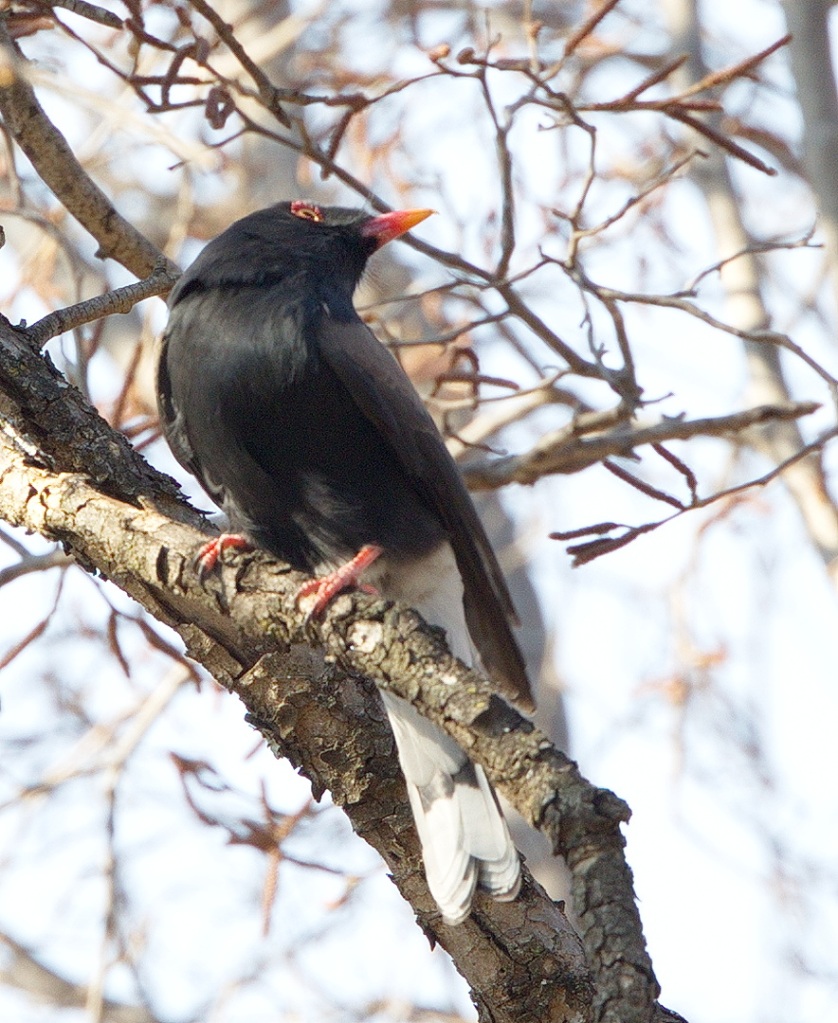
We enjoyed birding in the camp and driving through the Fever Forest. Hearing the Pels calling was very special – even if we did not see it. Some camp birds:
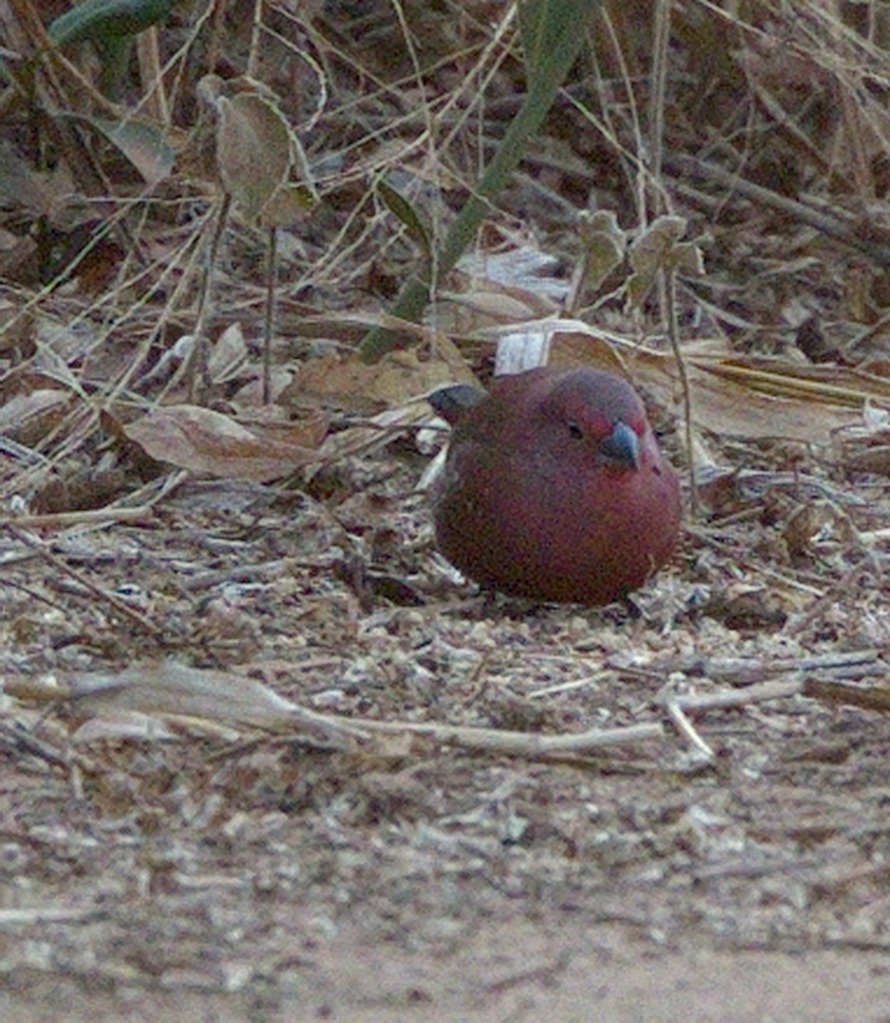
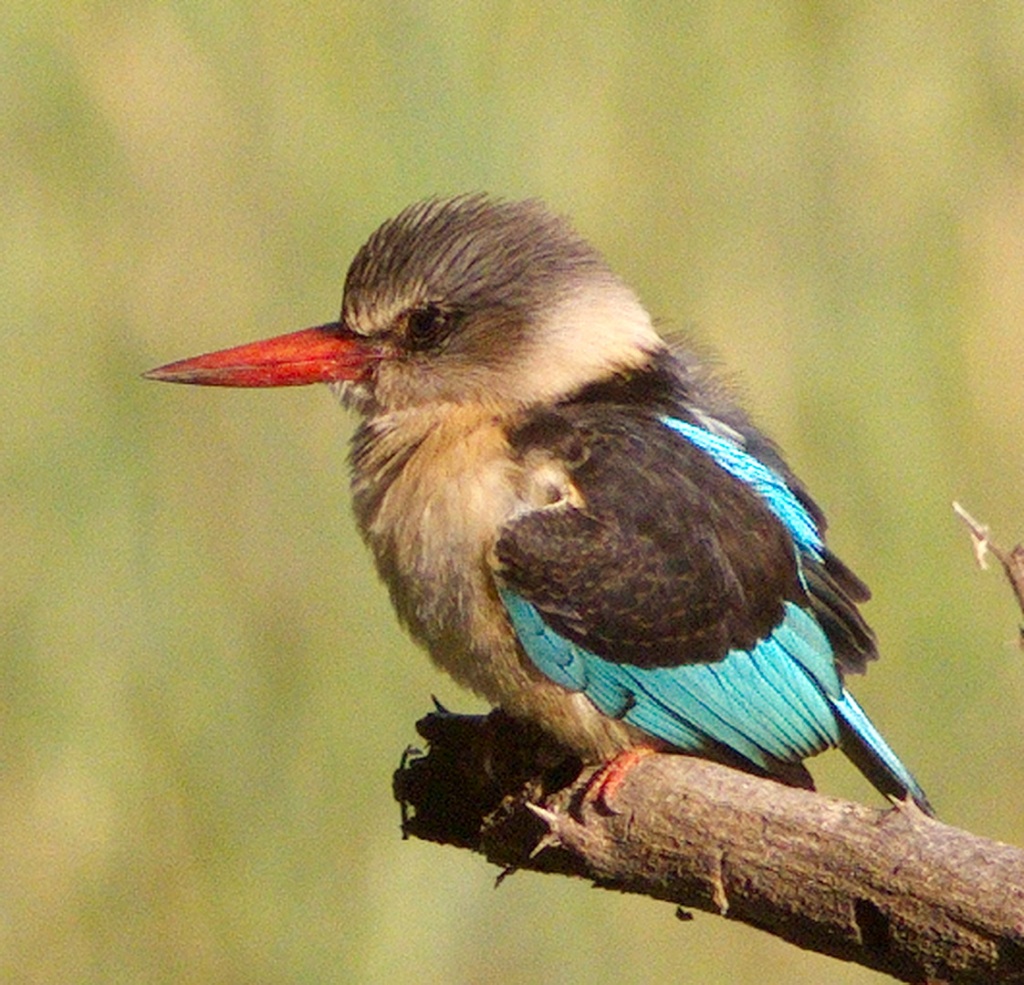
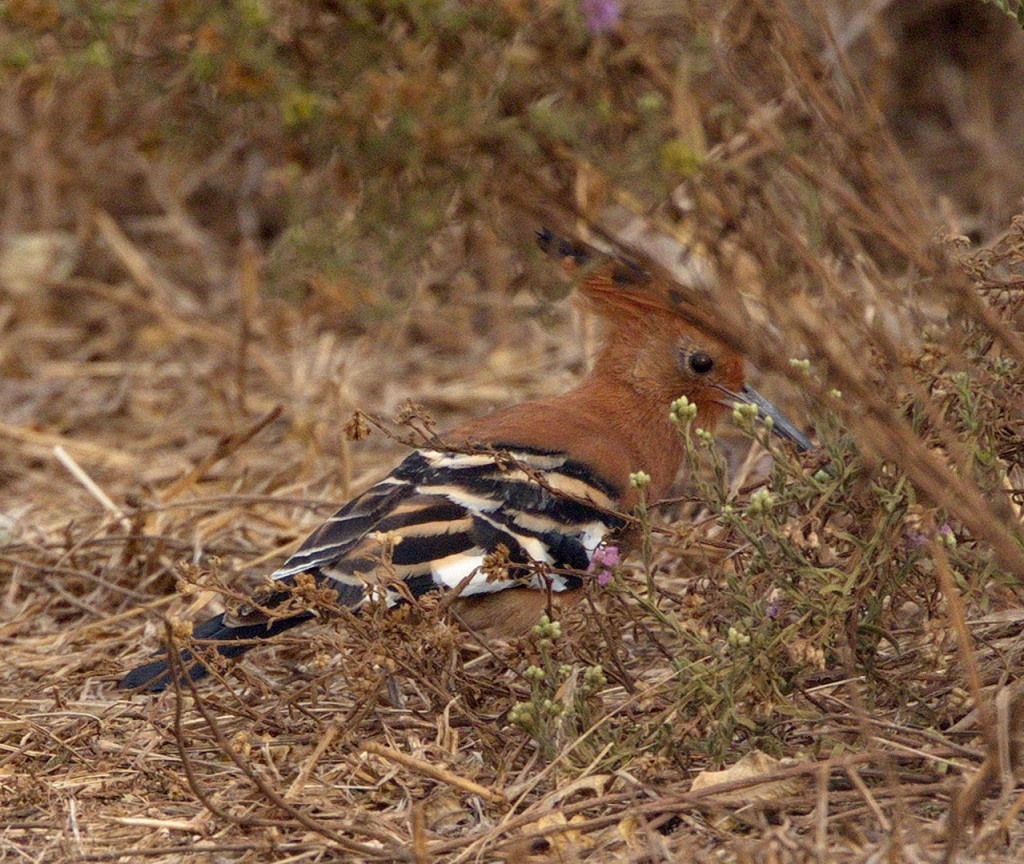
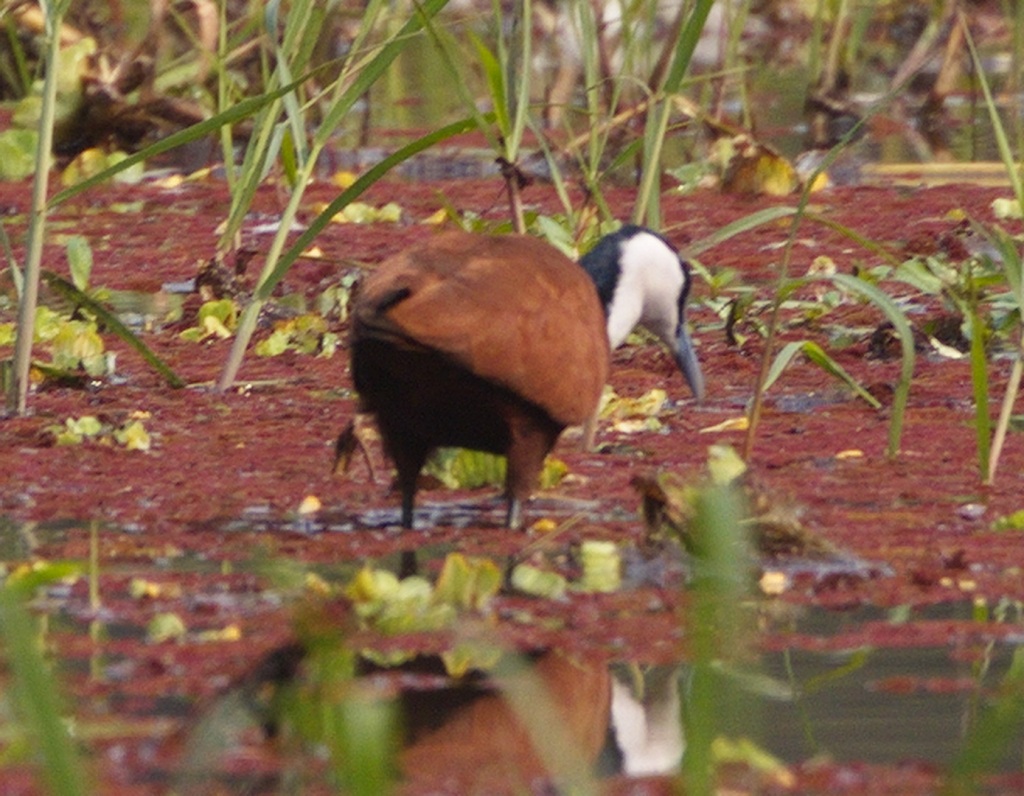
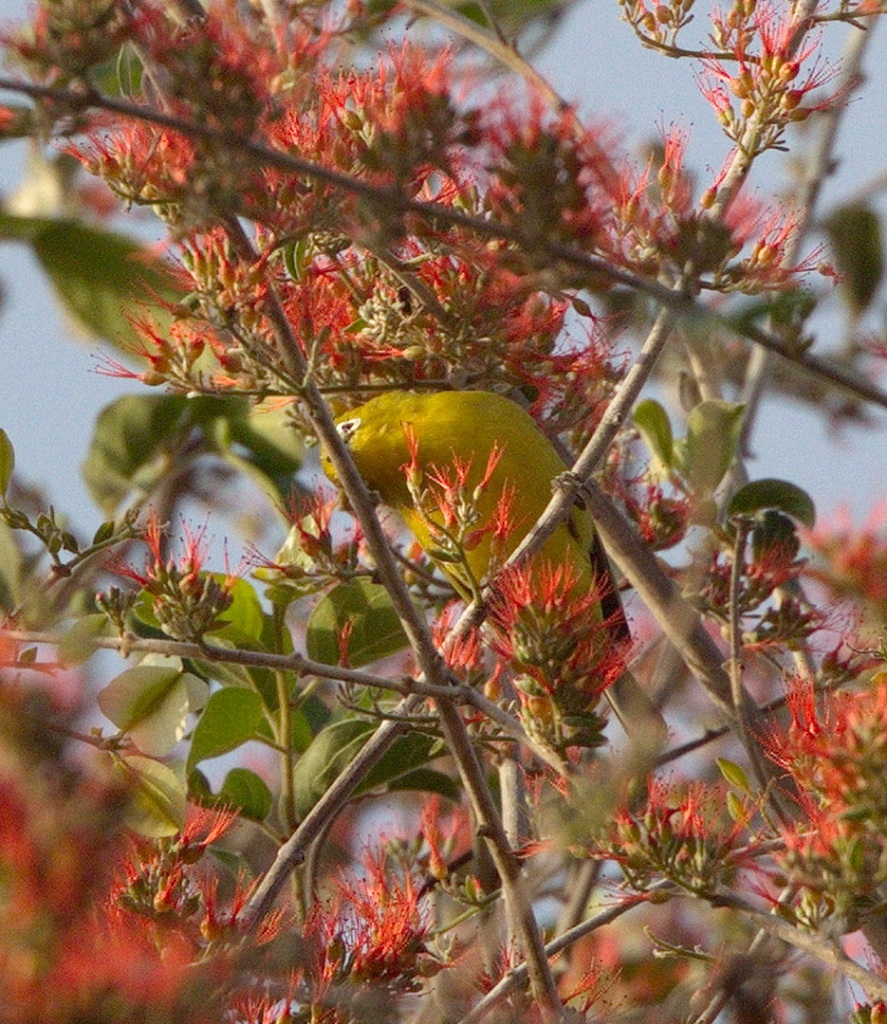
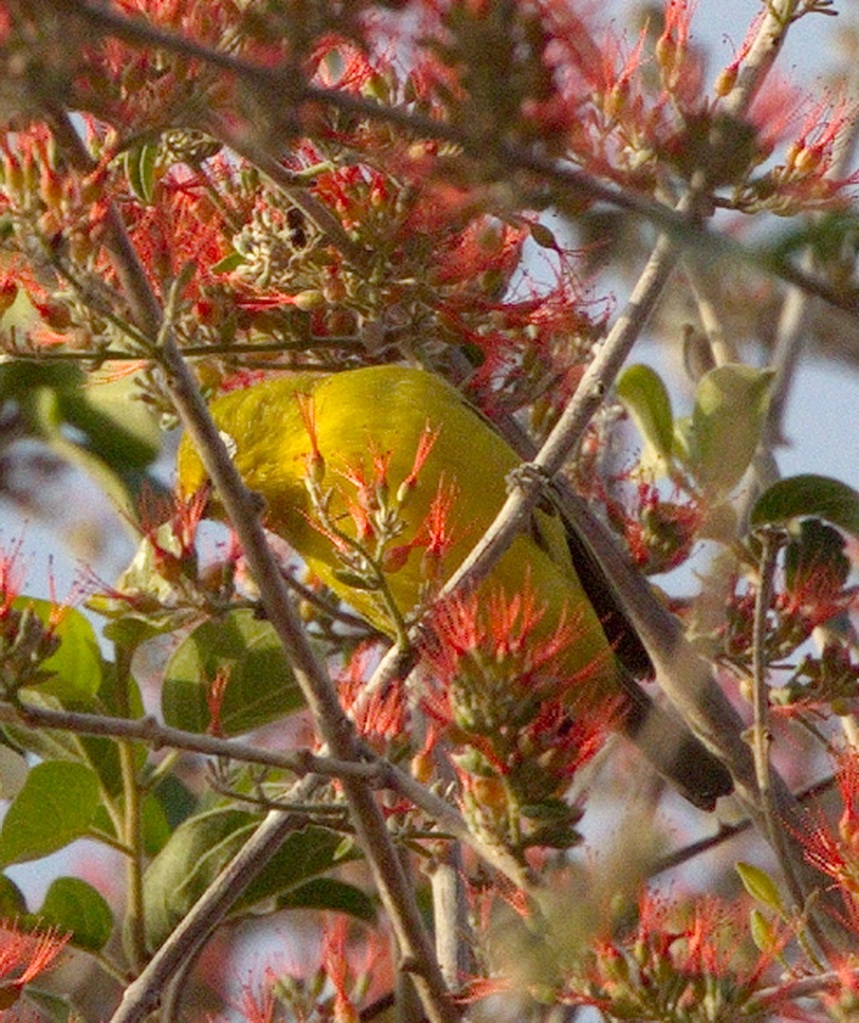
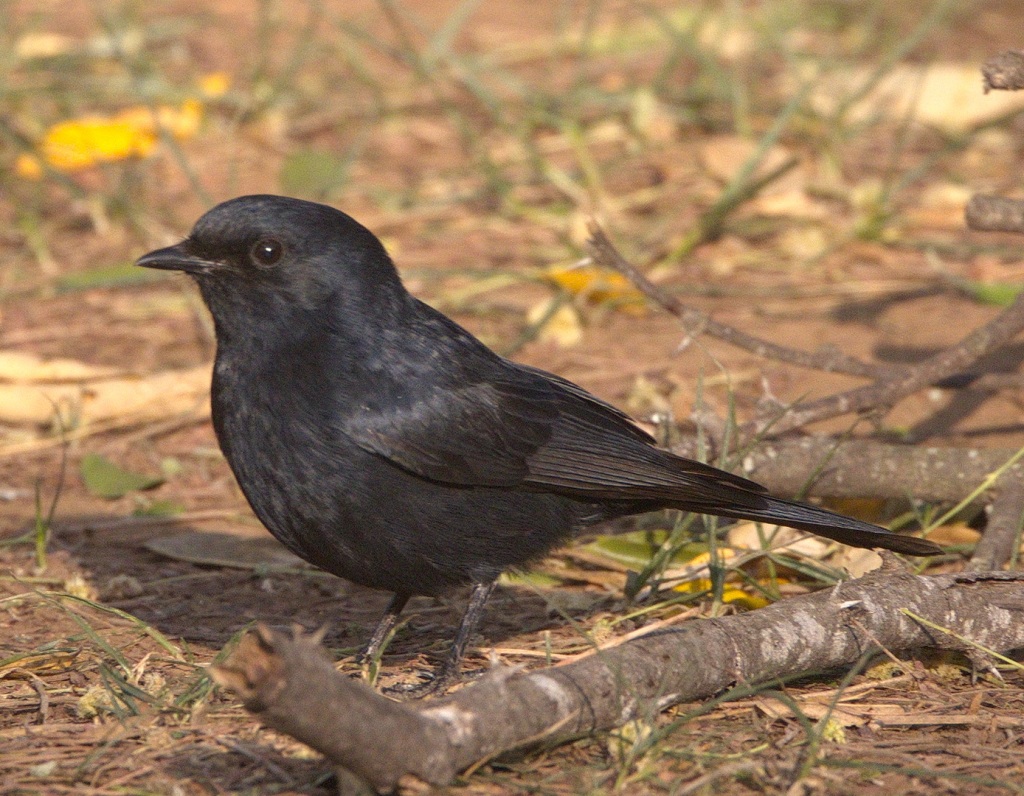
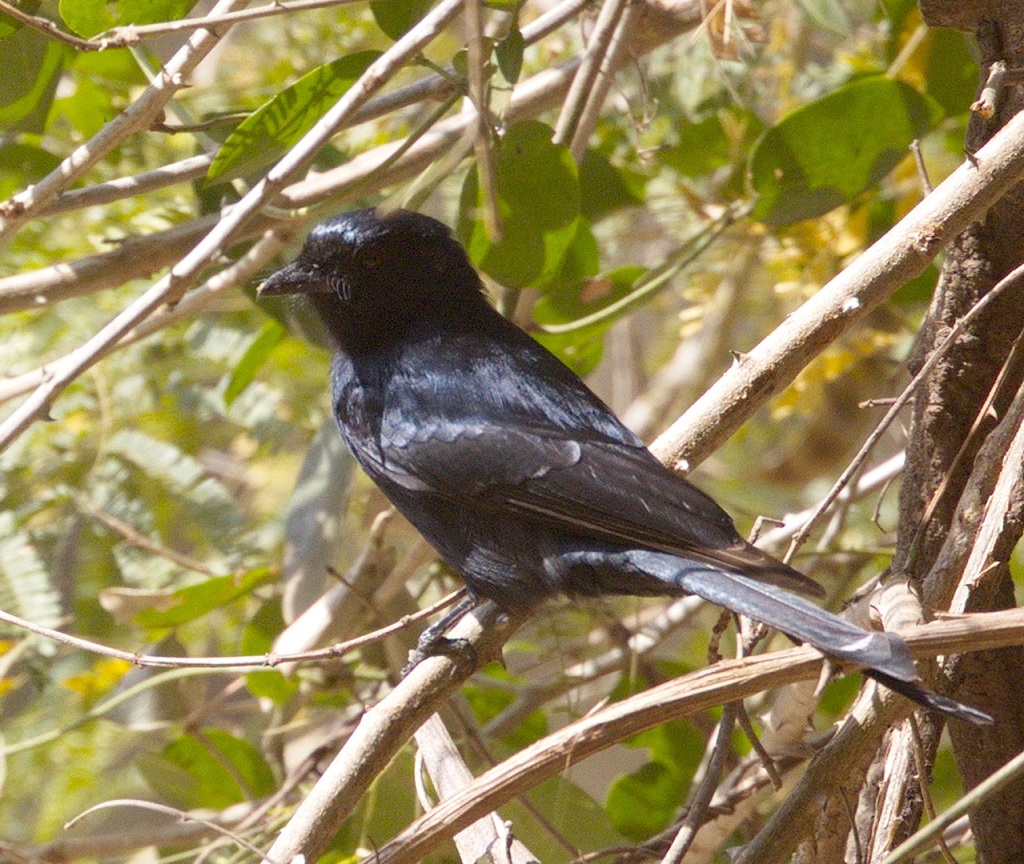
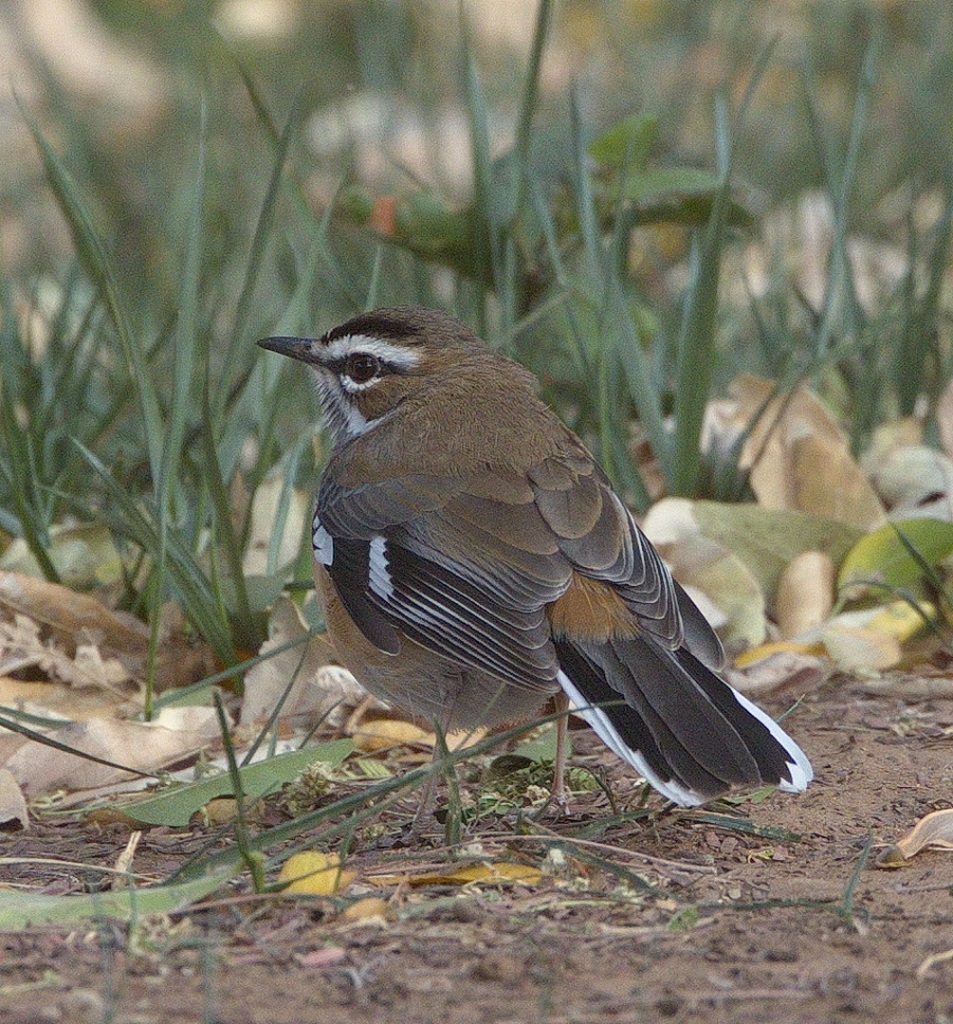
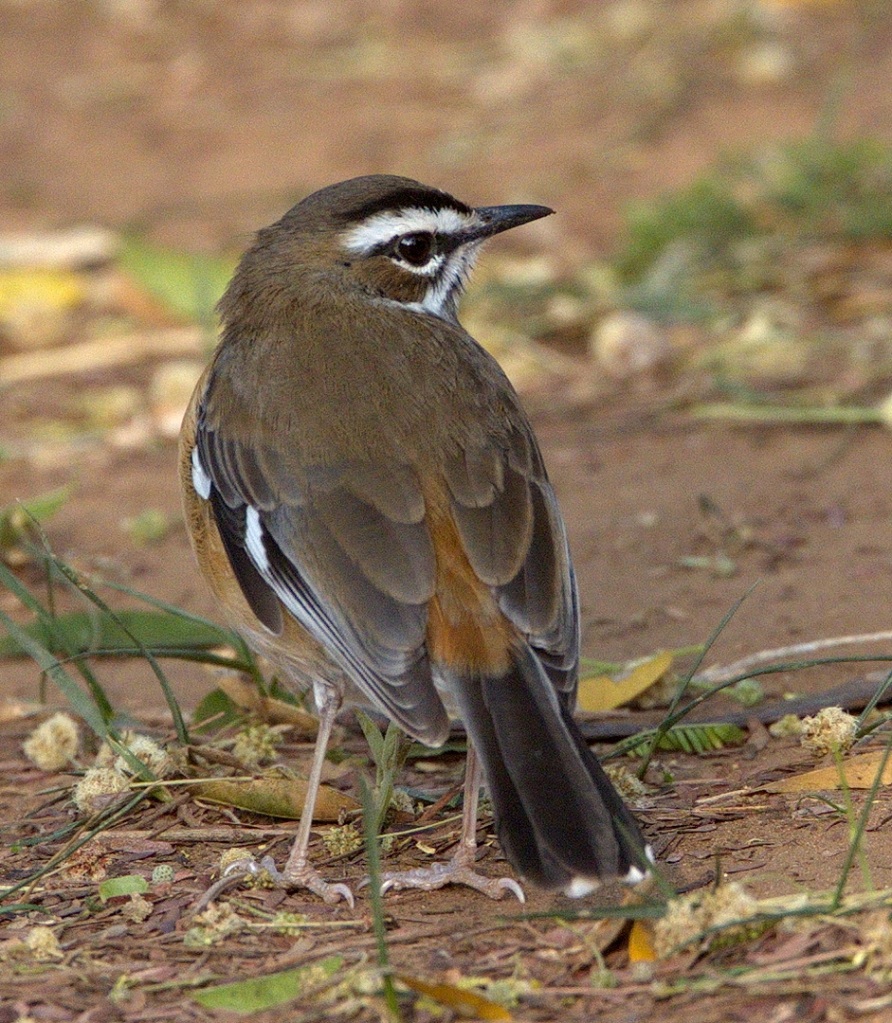
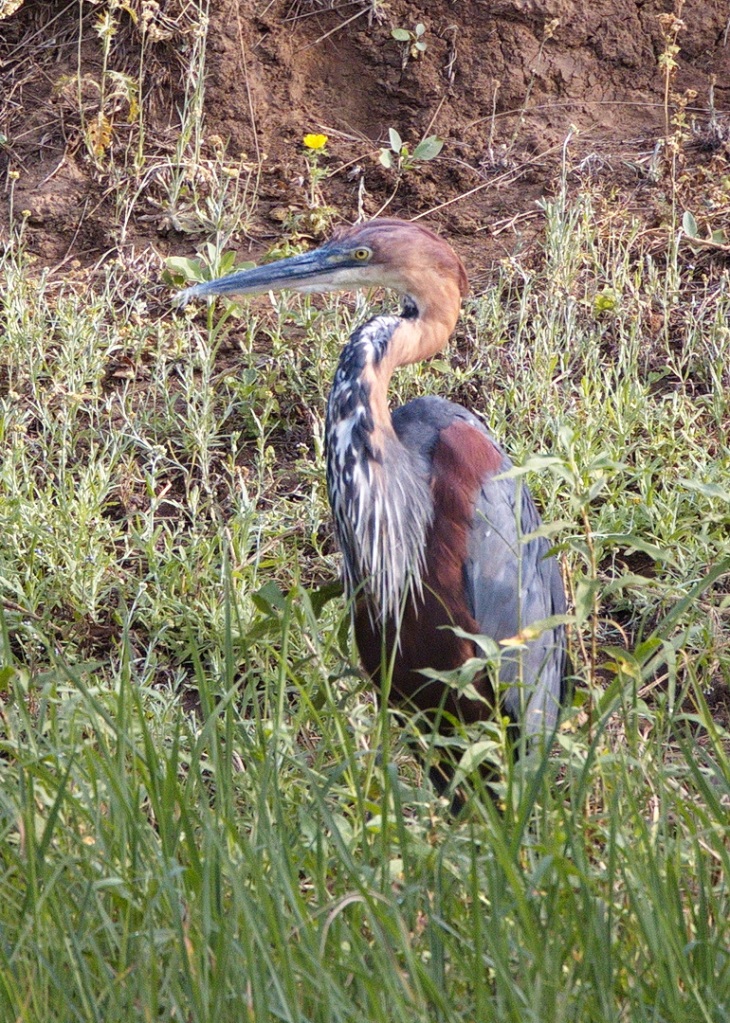
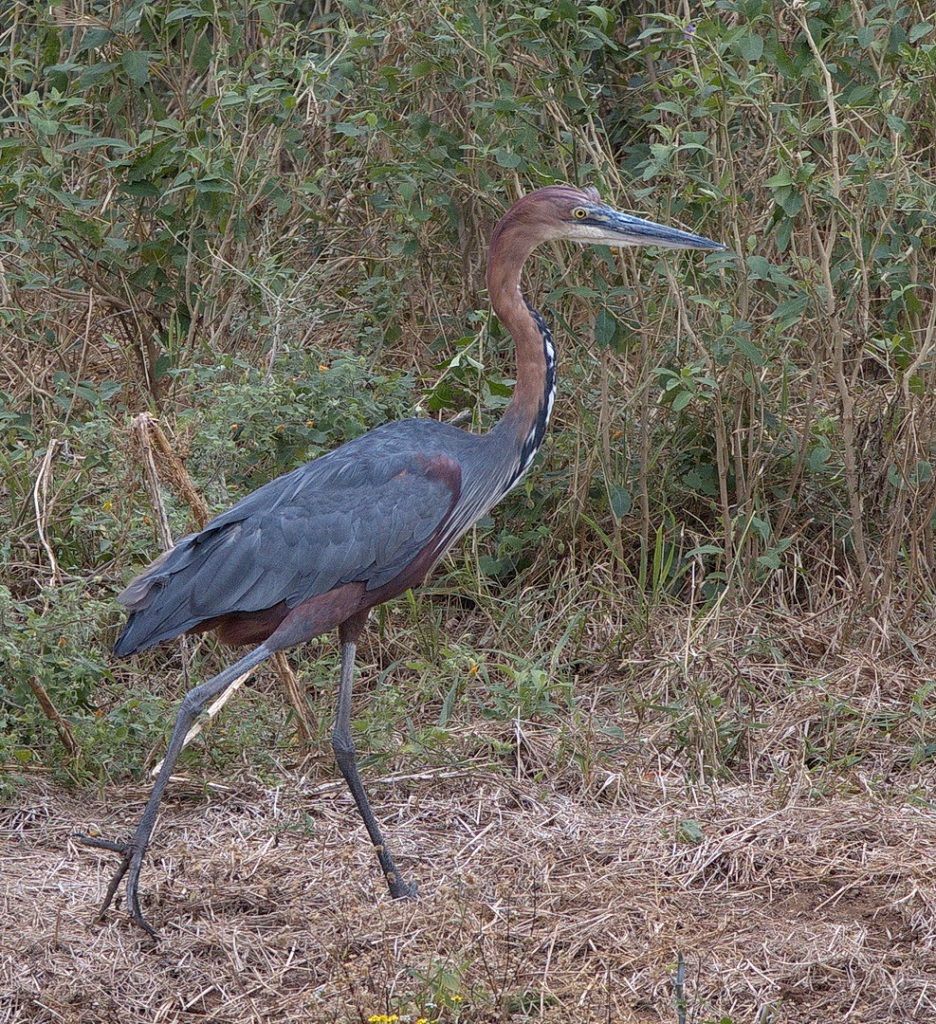
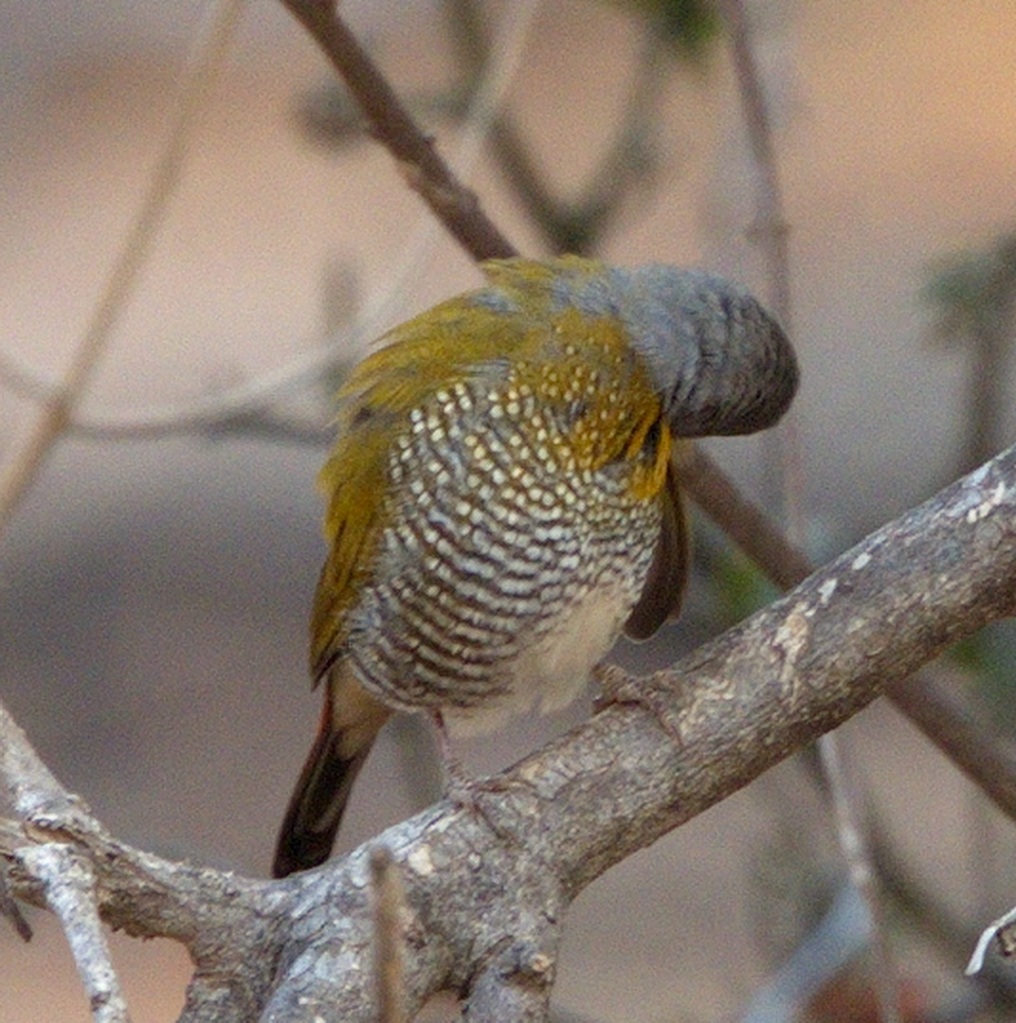

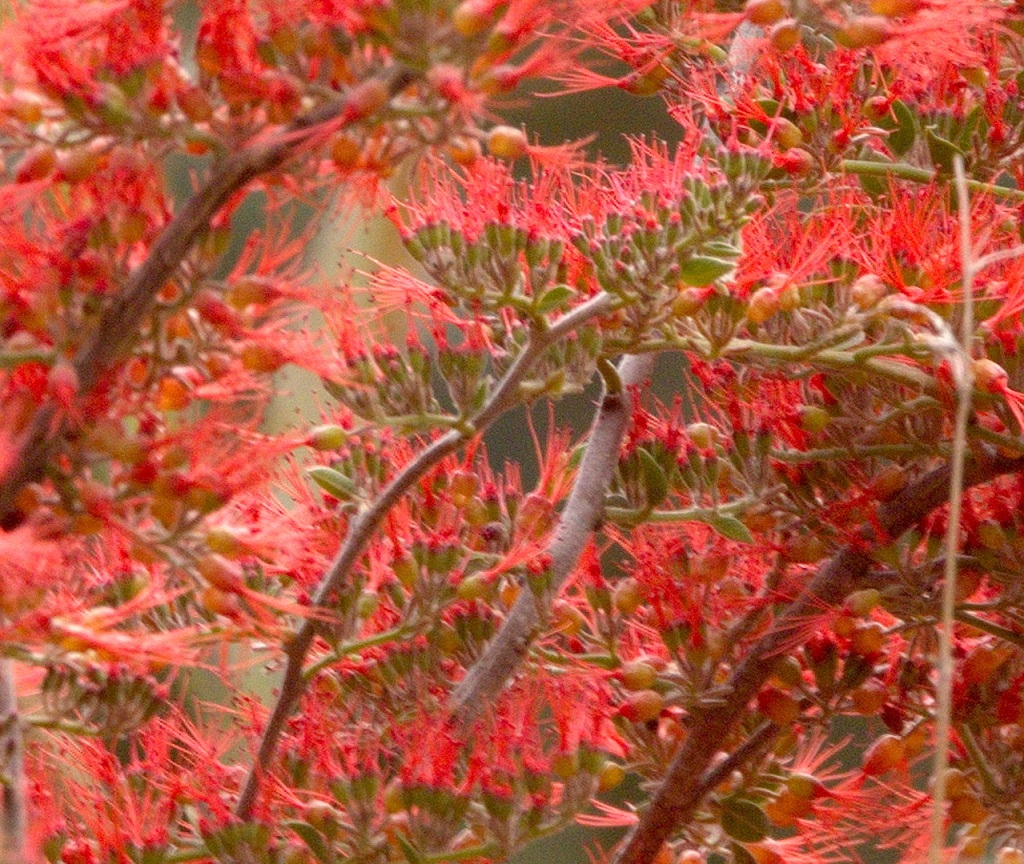
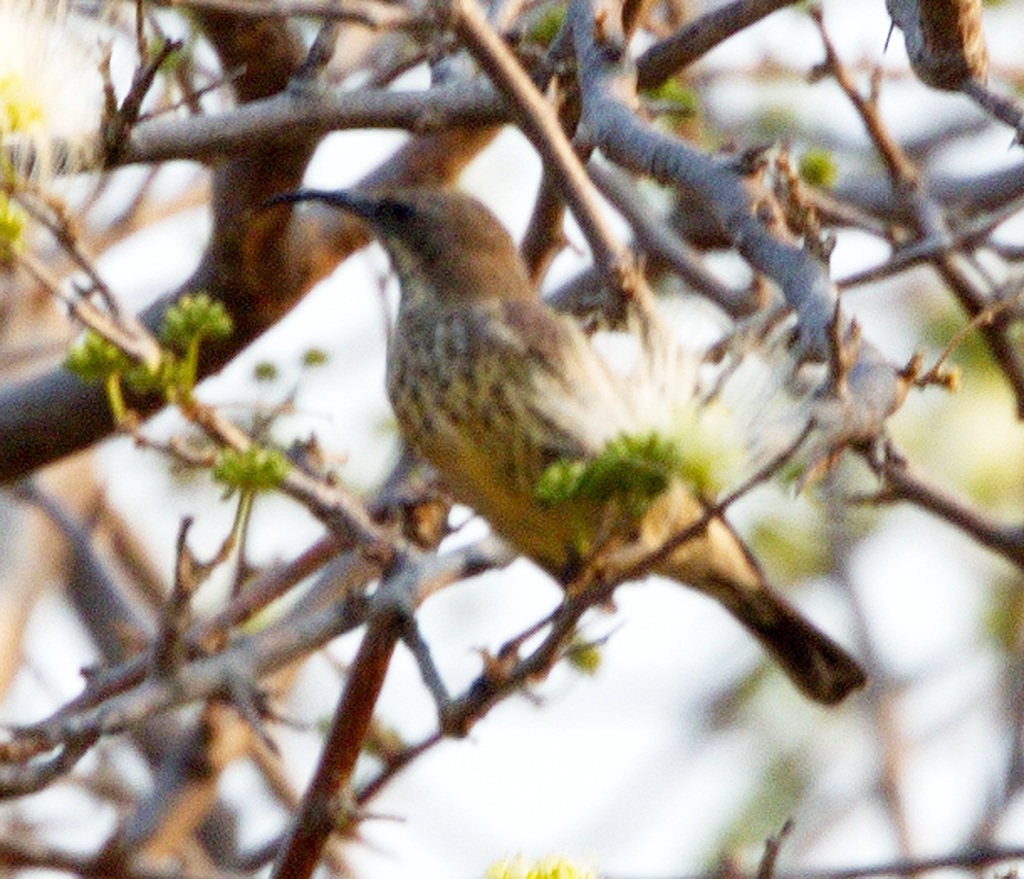
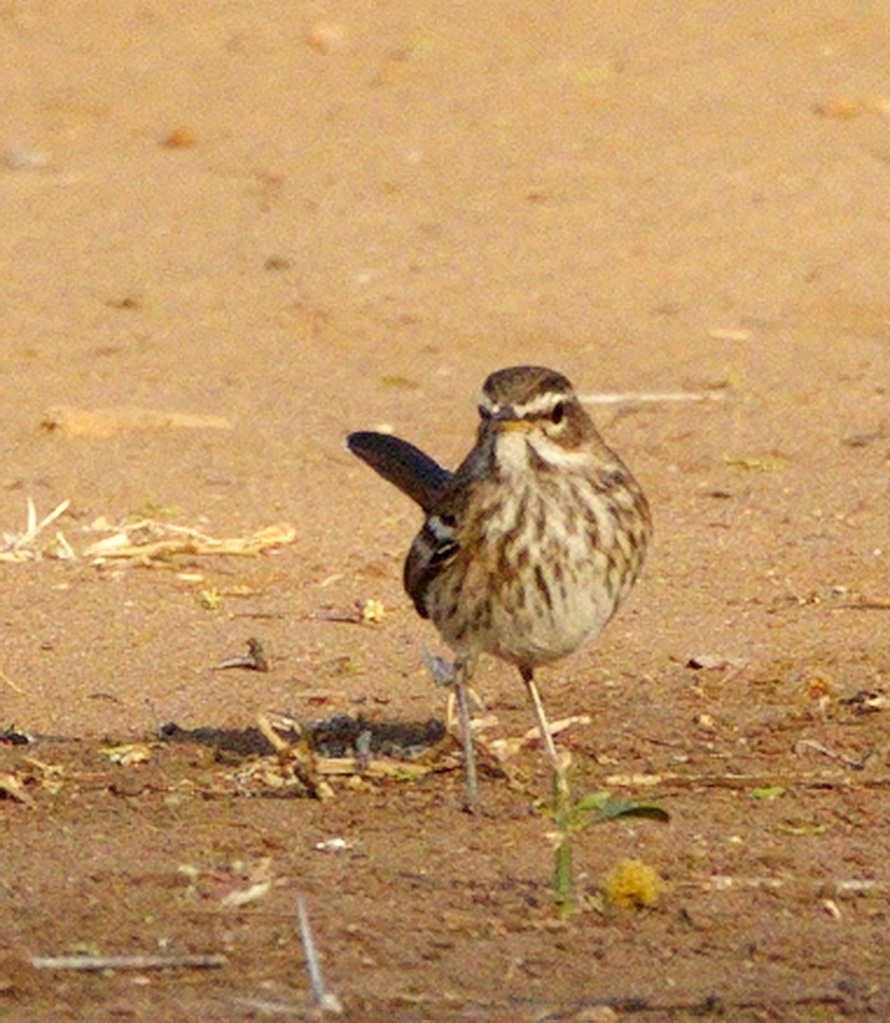
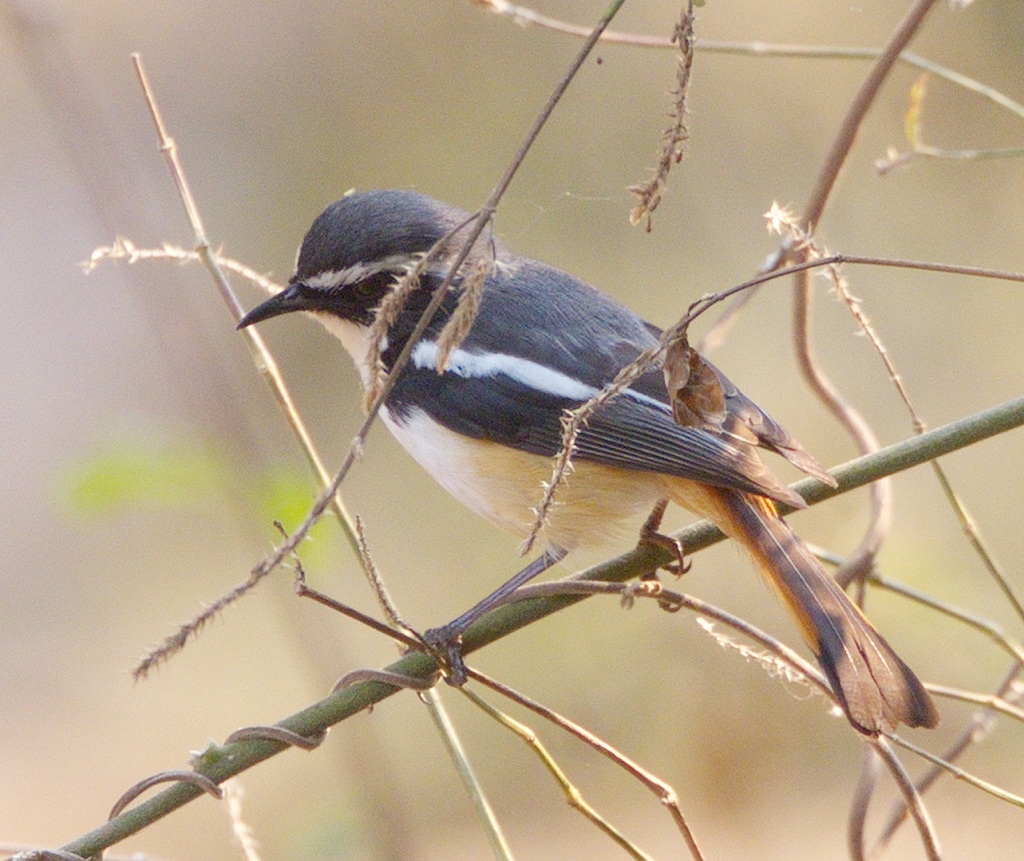
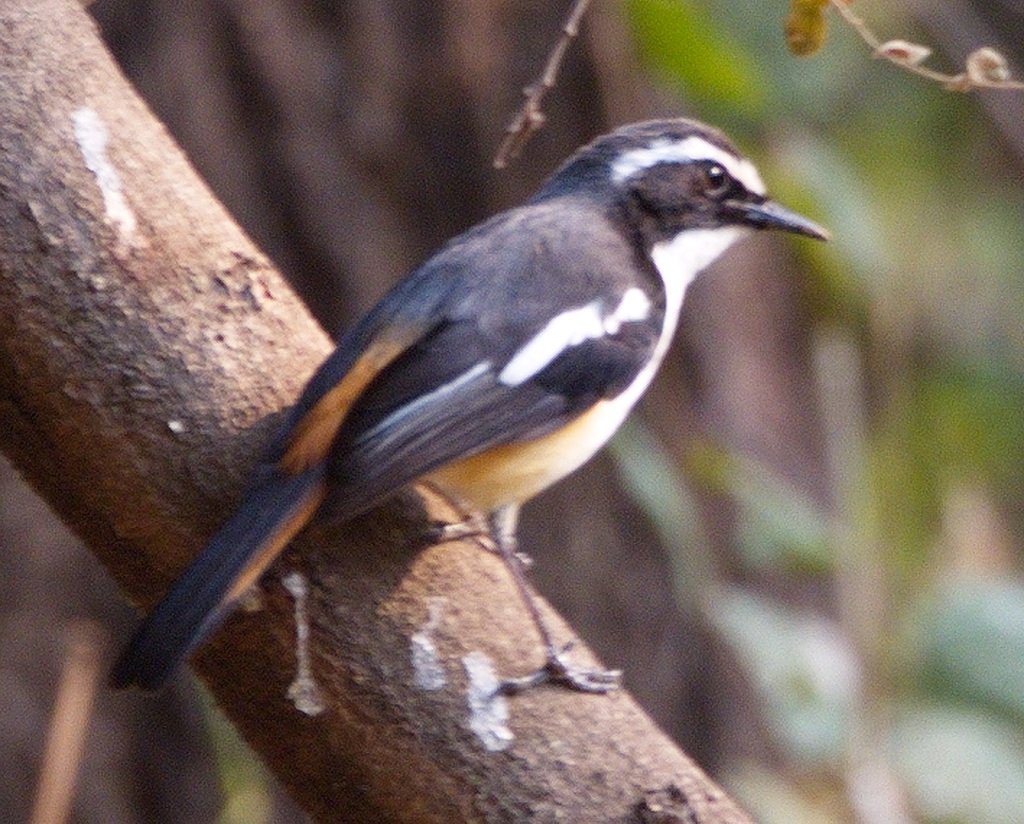
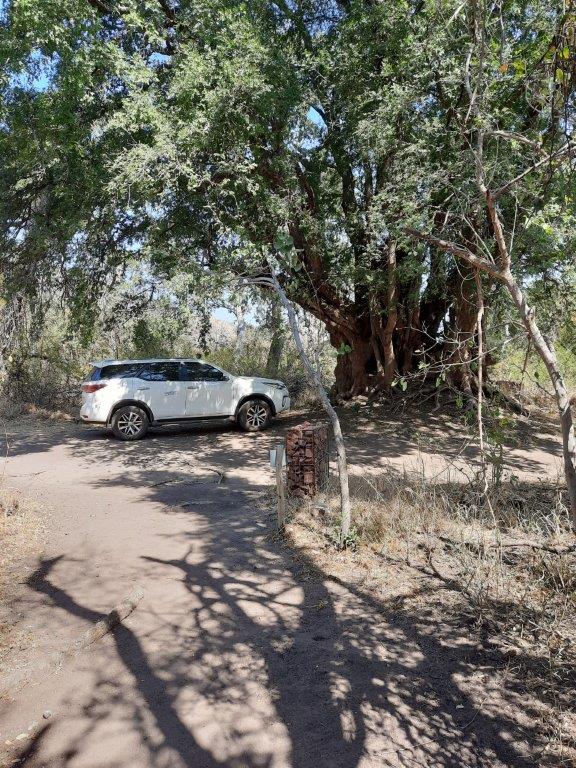
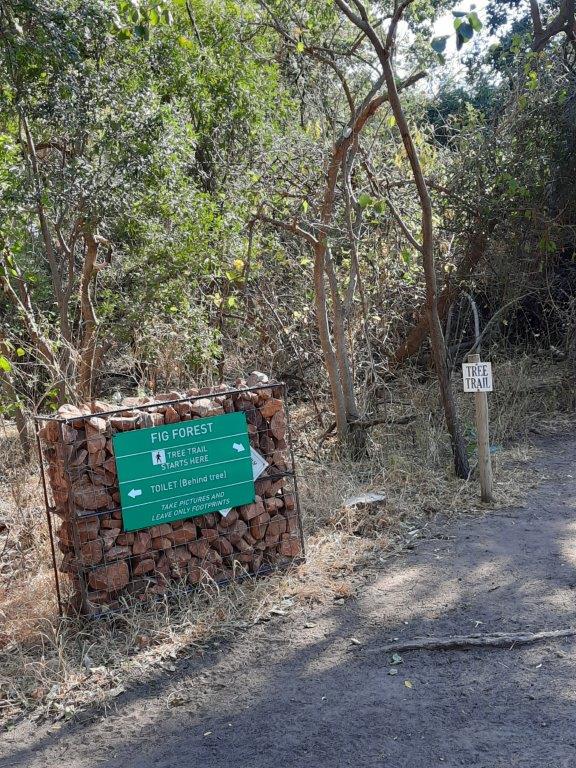
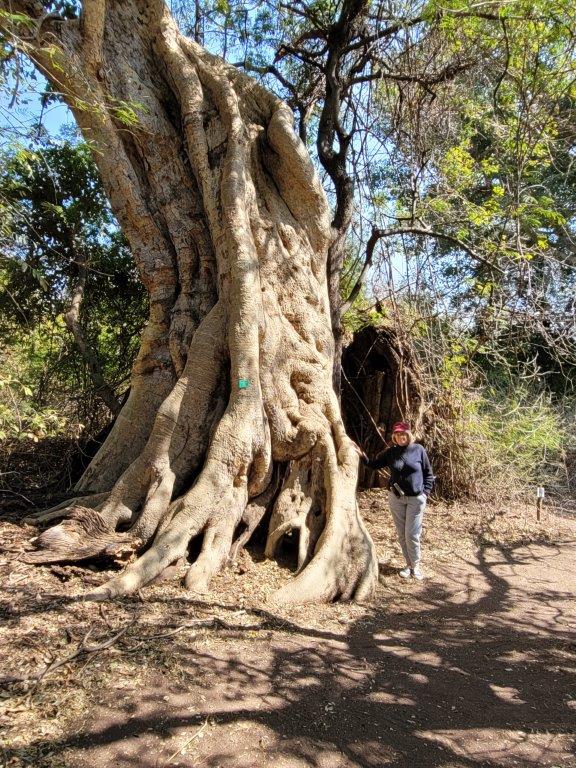
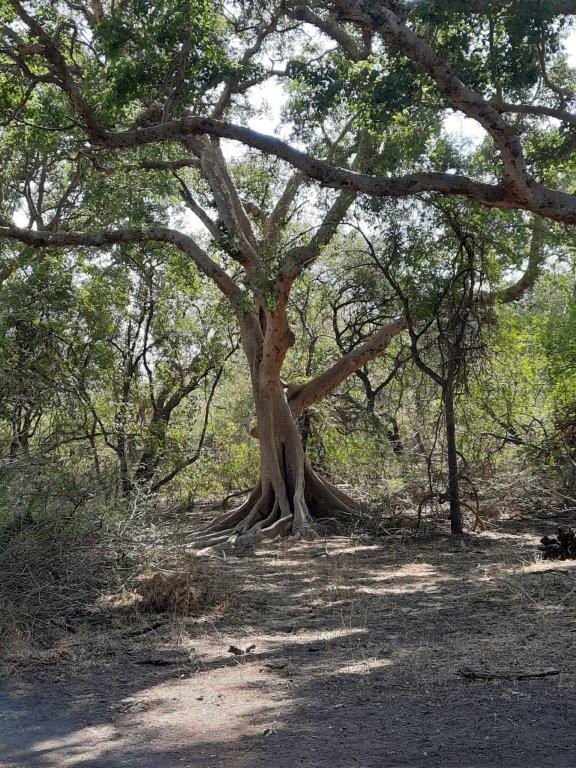
The Fever Tree Forest was the highlight of our time at Dumela.
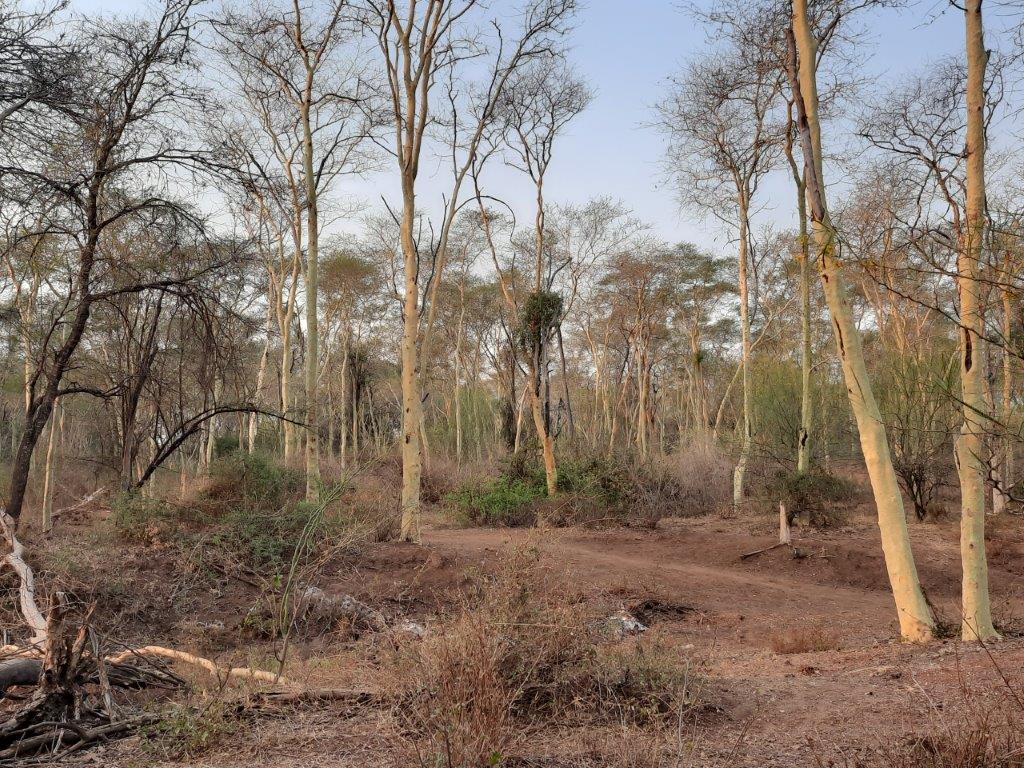
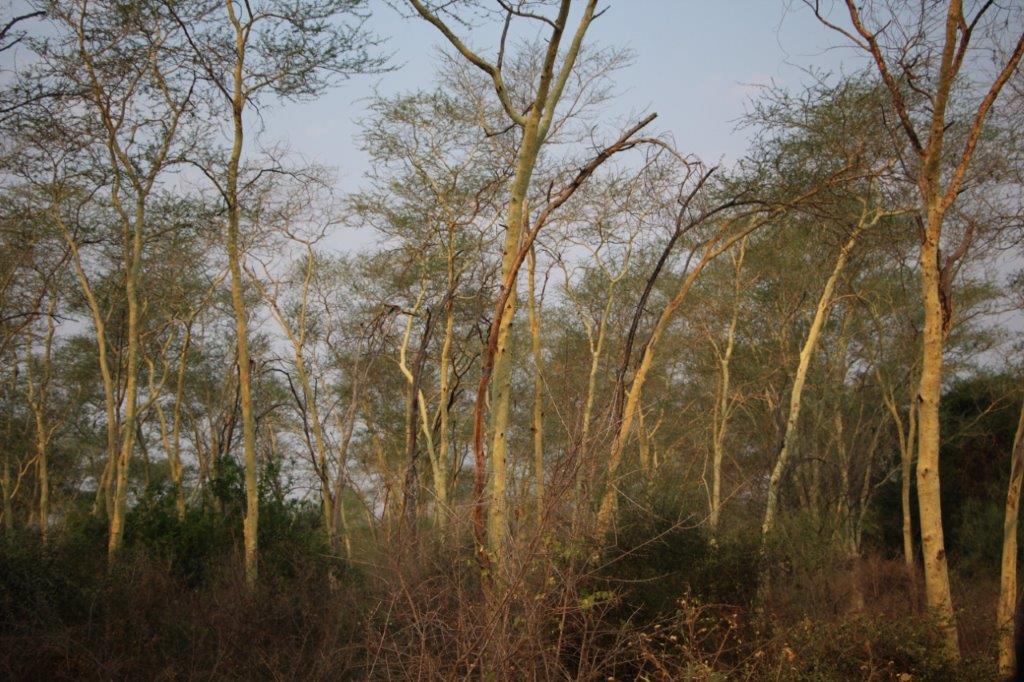
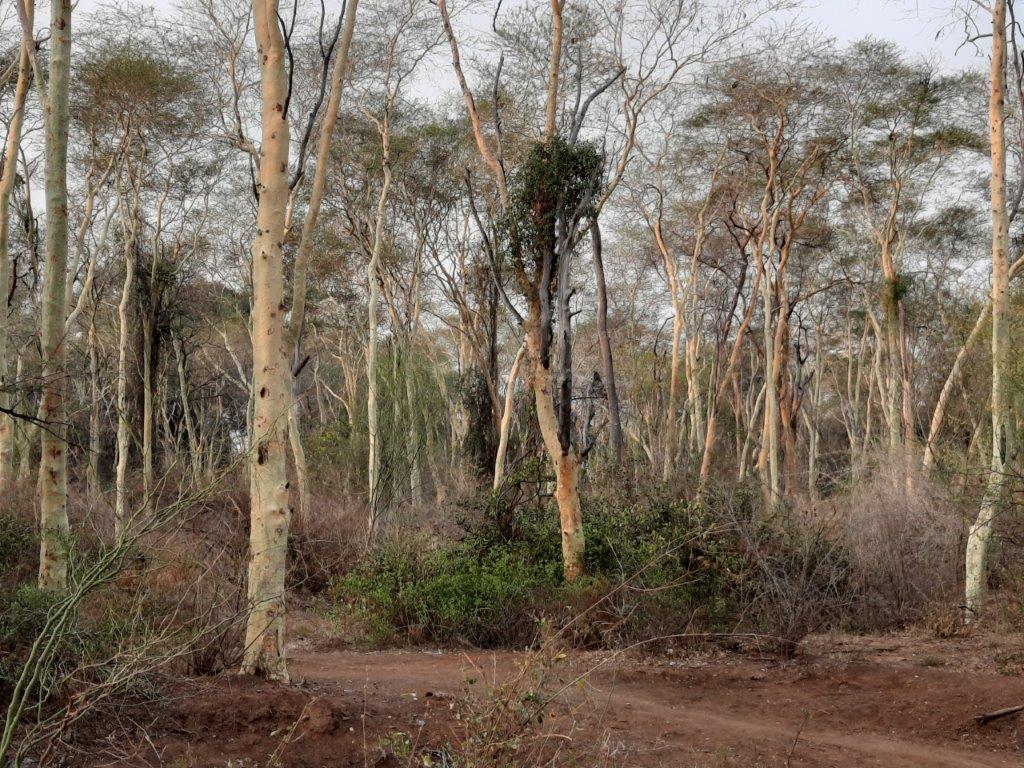
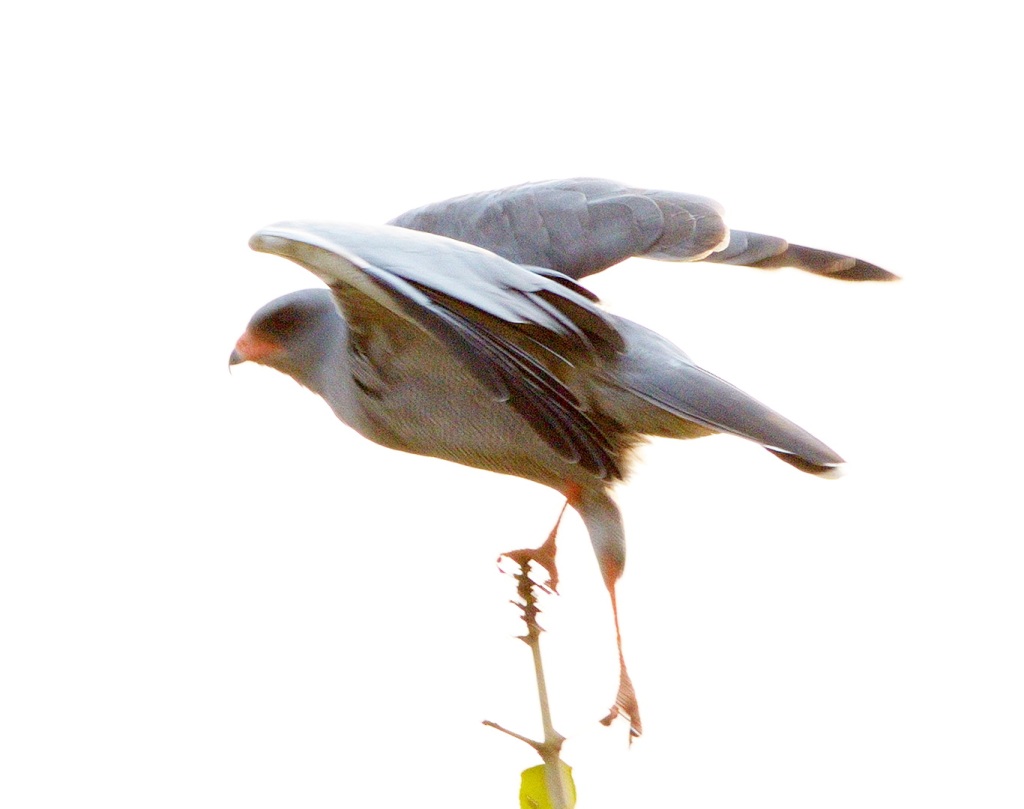
On the first day we went into the Forest on foot with the Guide and saw a number of Raptors: African Harrier-Hawk, Dark Chanting Goshawk, Black Sparrowhawk, African Fish-Eagle and an Ovambo Sparrowhawk.
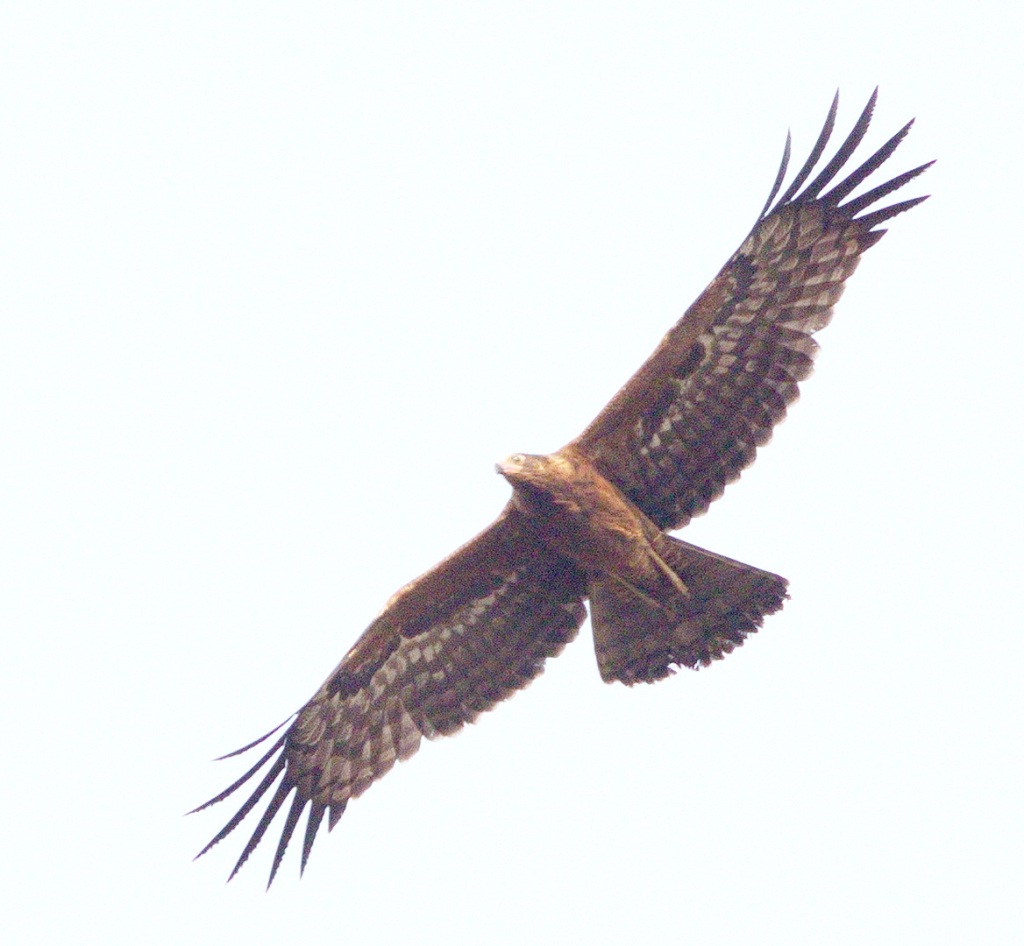
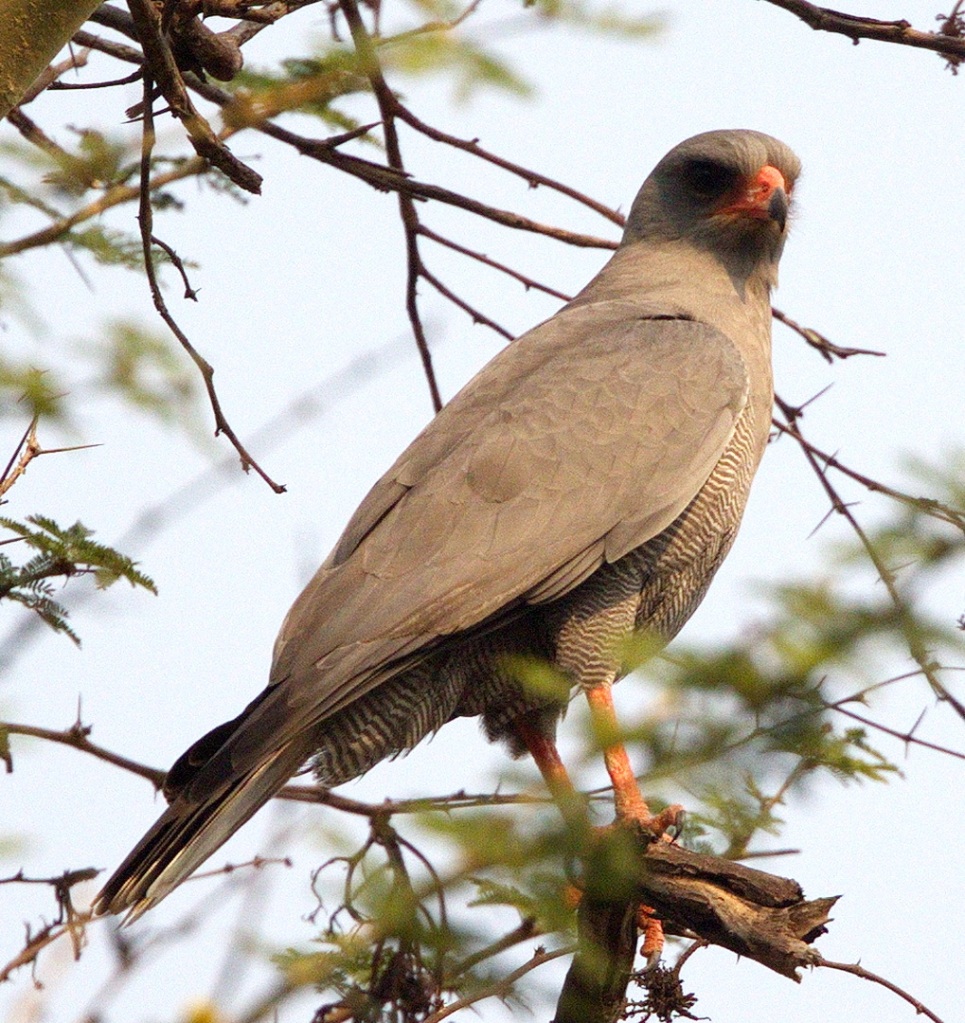
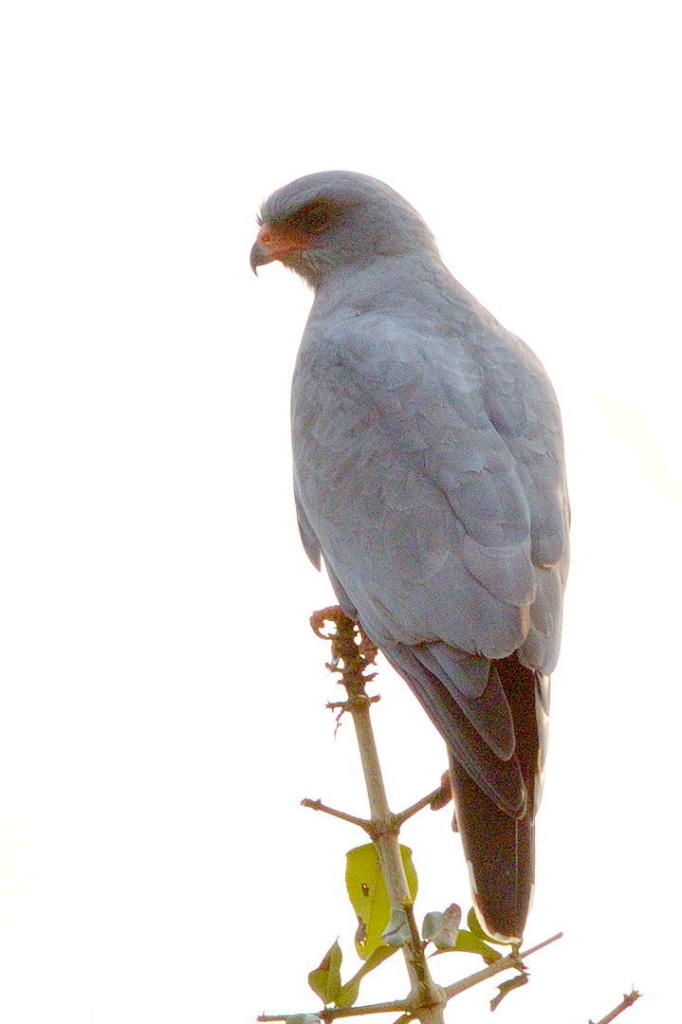
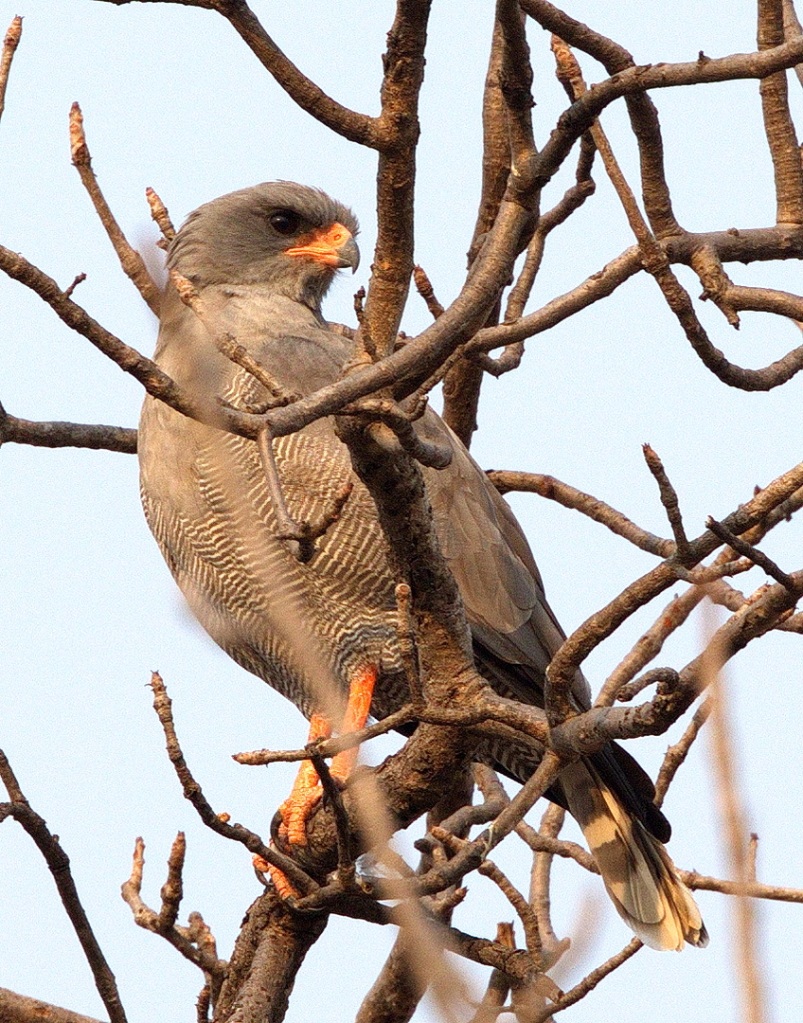
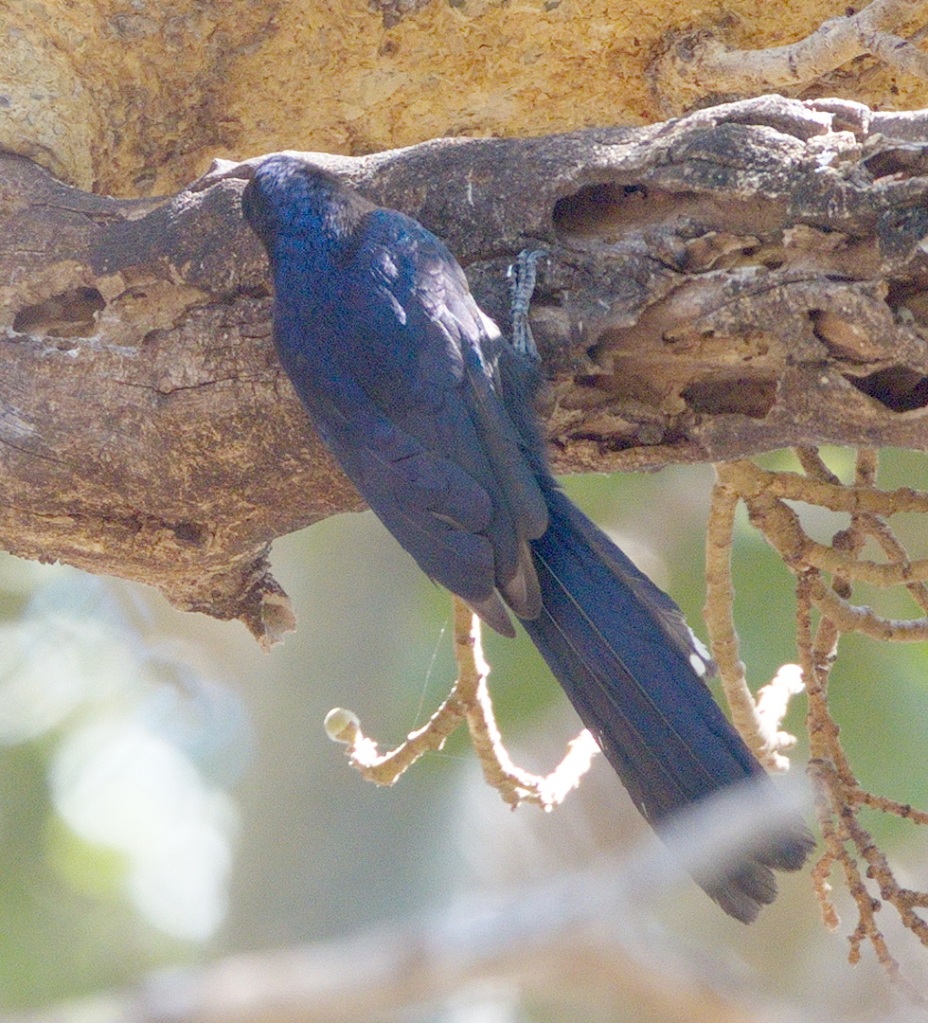
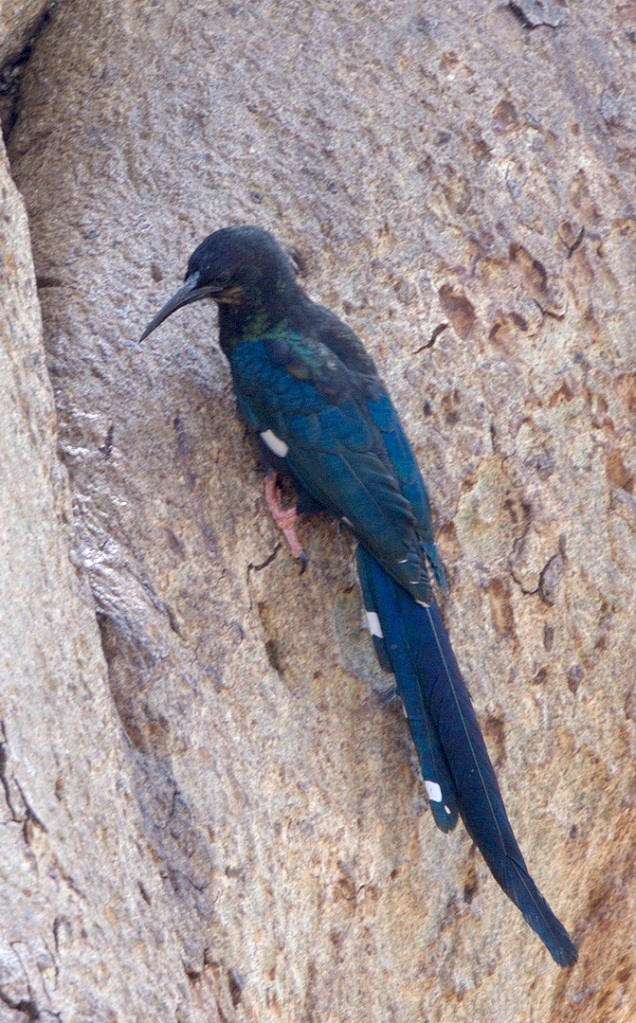
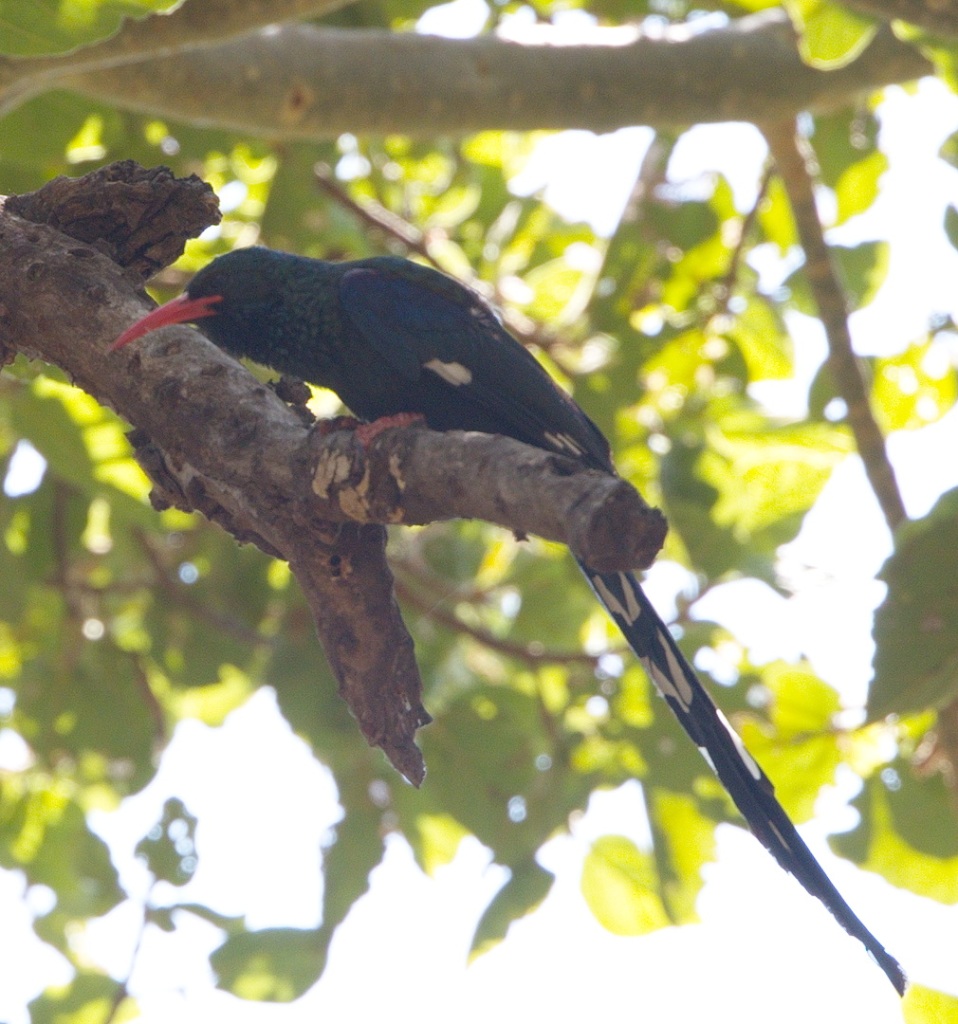
The next time we went to the Fever Tree Forest we saw lovely birds, however, the highlight was a Racket-tailed Roller for a few fleeting seconds.
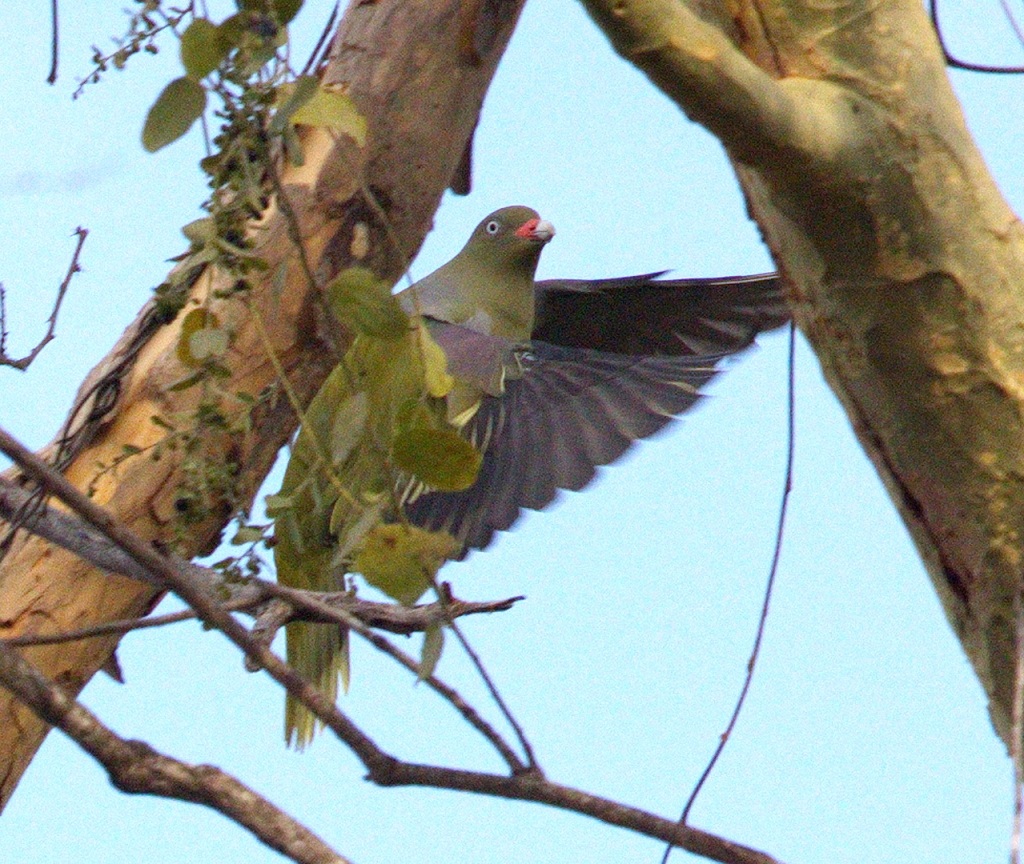
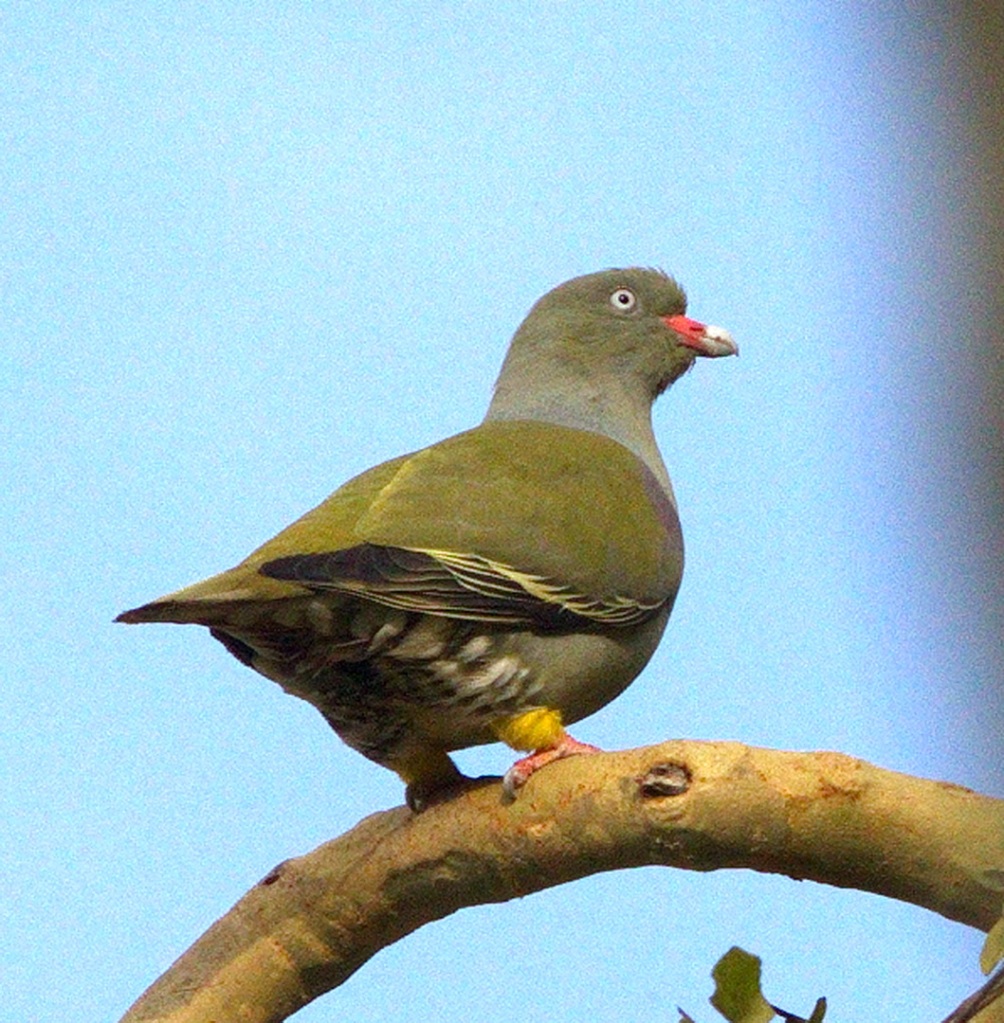
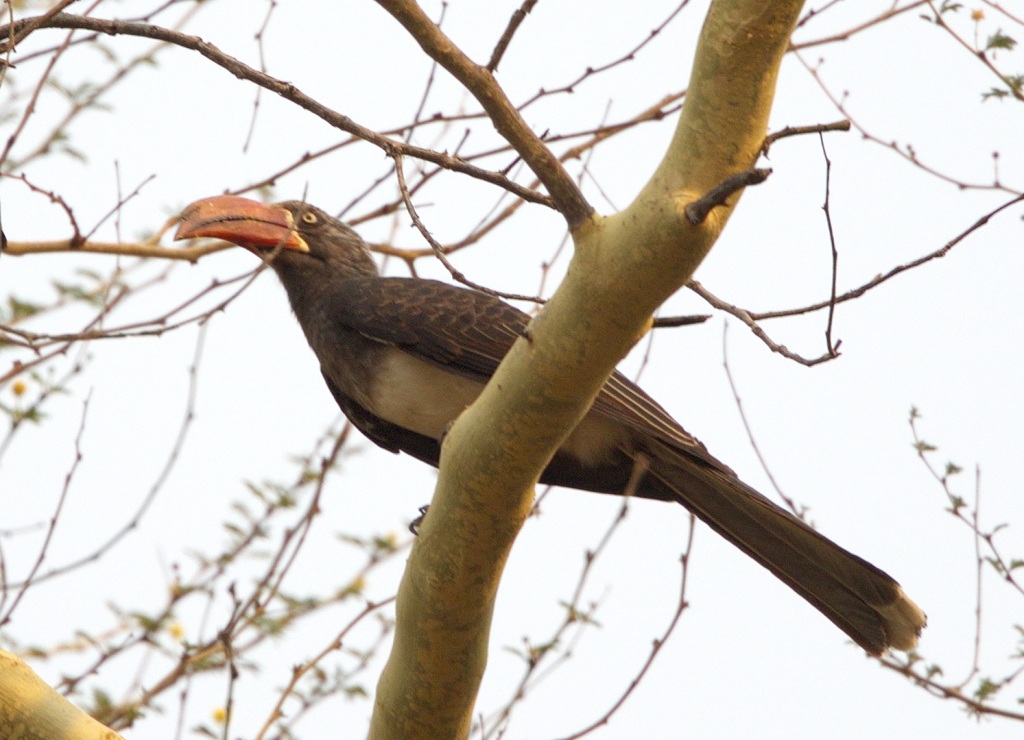
We were camped under a very shady large tree. At night owls and animals were heard above us – an African Wood Owl in particular. A Fiery-necked nightjar. And in the day, birds scurried and screamed above us. Especially the Trumpeter Hornbills.
Altogether we managed to identify 91 different bird species in the four days we were there. From here it was back into the Kruger to Punda Maria, Shingwedzi, Letaba, Satara and Malelane before heading home. Our account of each of these places continues in Part 3.
Paul and Sally Bartho








 Birds are our Story