Kruger National Park
29th August to 9th September 2023
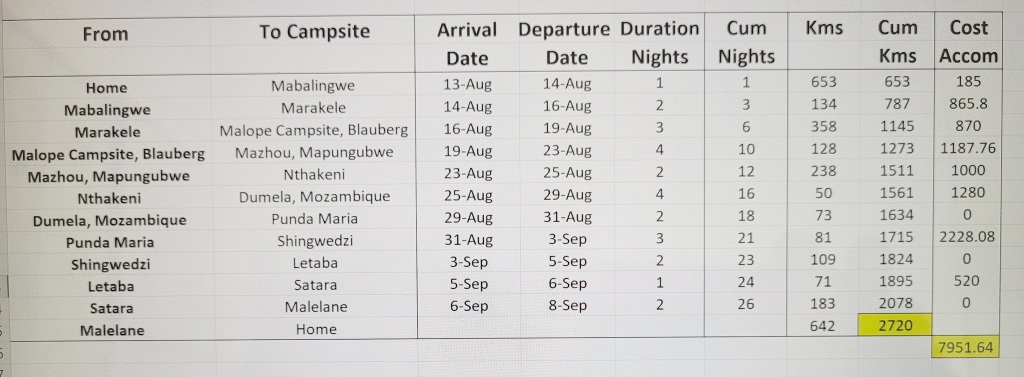
This part of our trip took us to wherever we could find camping accommodation. It started in Punda Maria for 2 nights, 3 nights in Shingwedzi, 2 nights in Letaba, a night in Satara and finally 3 nights in Malelane.
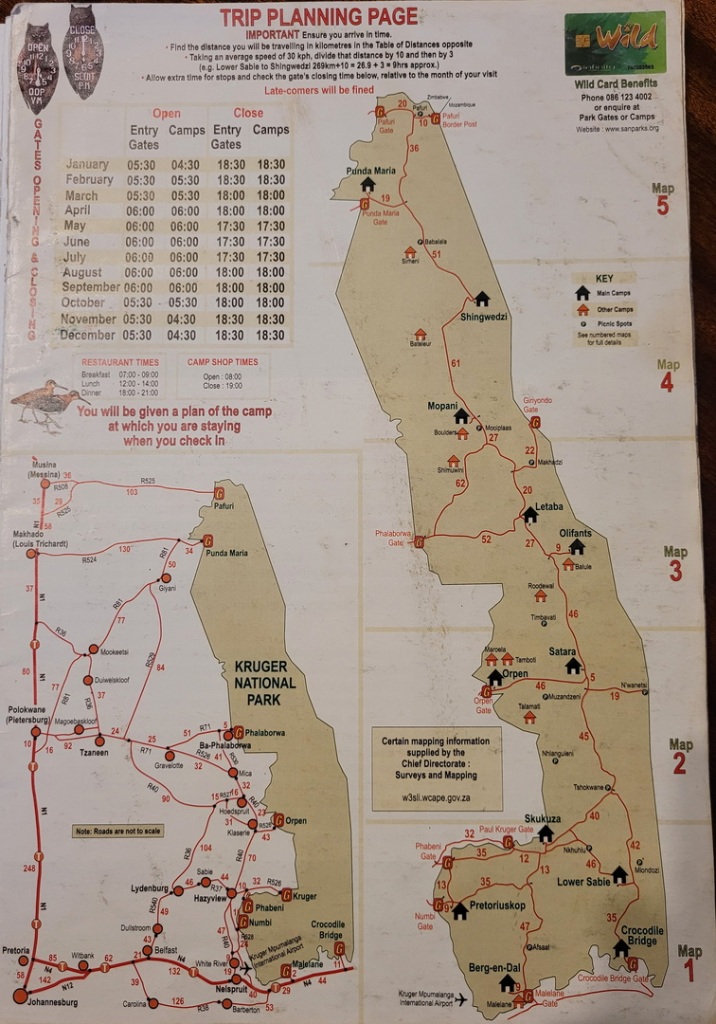
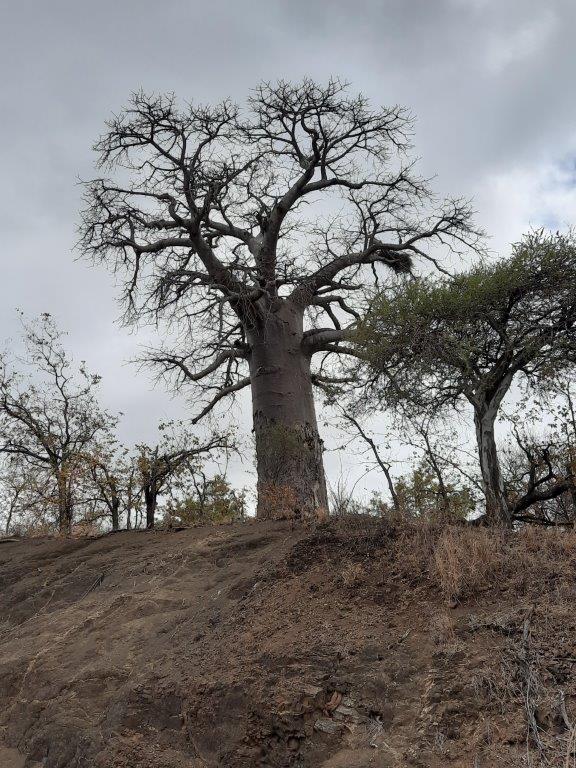
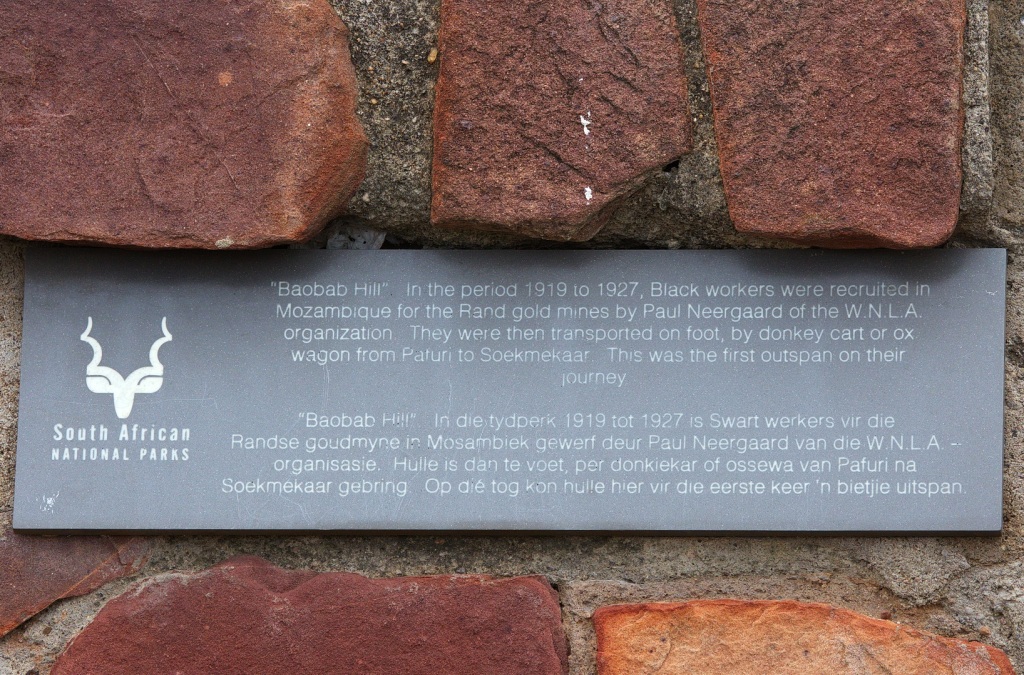
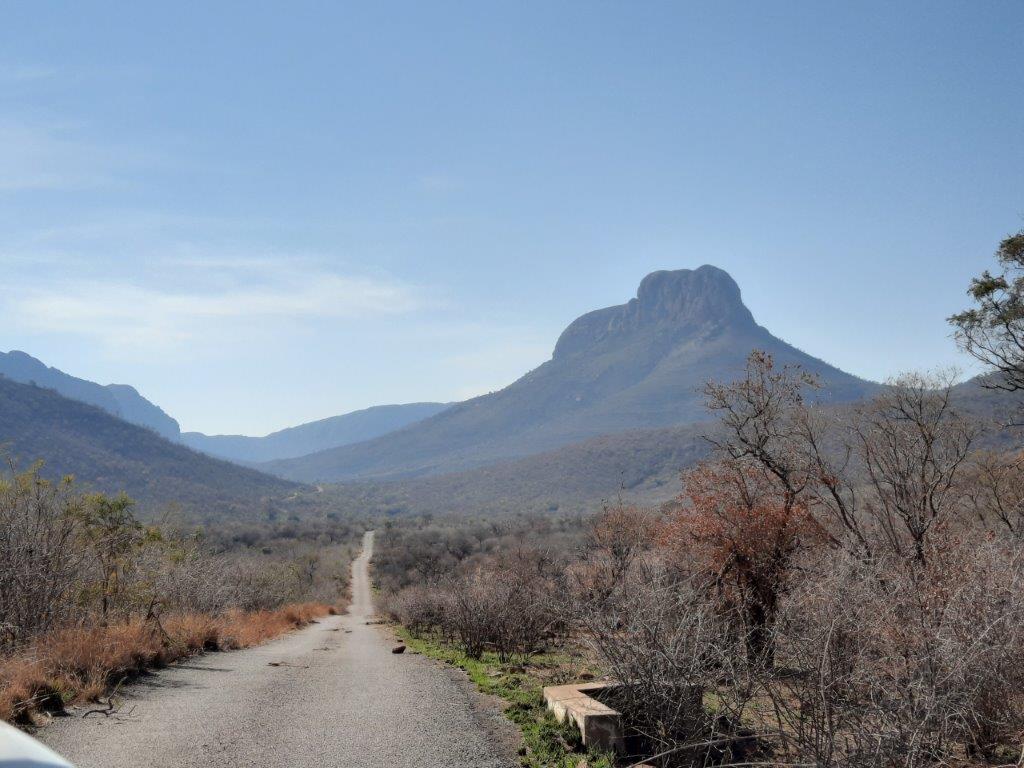
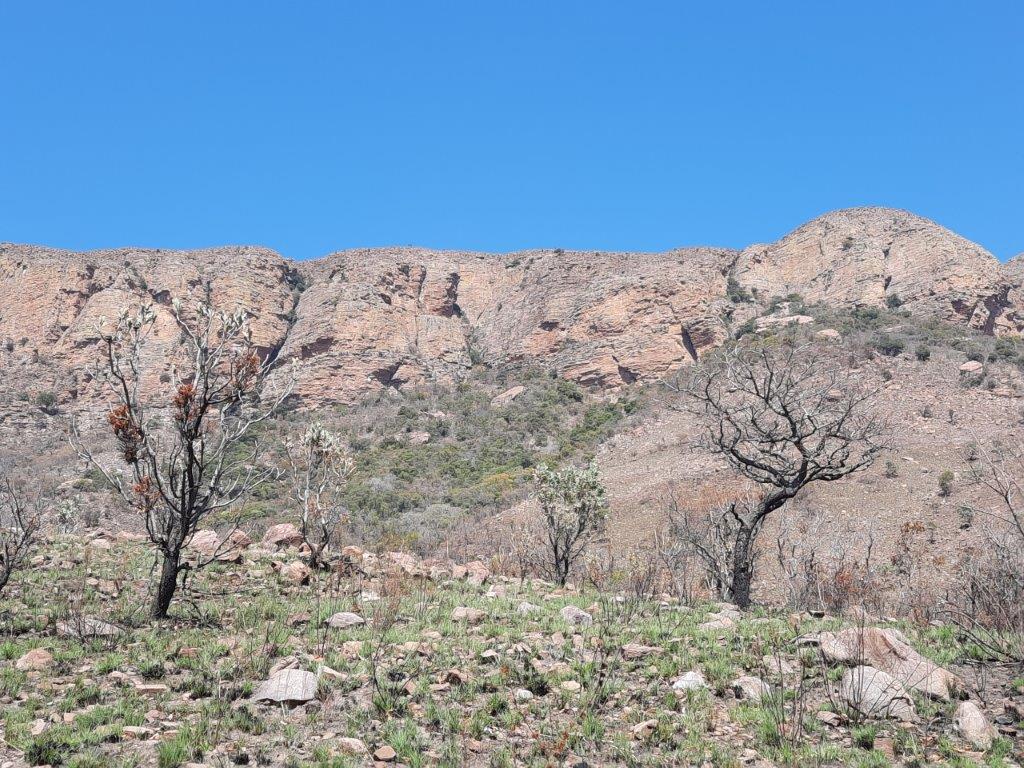
So, from Dumela in Mozambique we took the S63 to the H1-8 and headed to Punda Maria. On the way we passed the “Big Hill” near Pafuri.
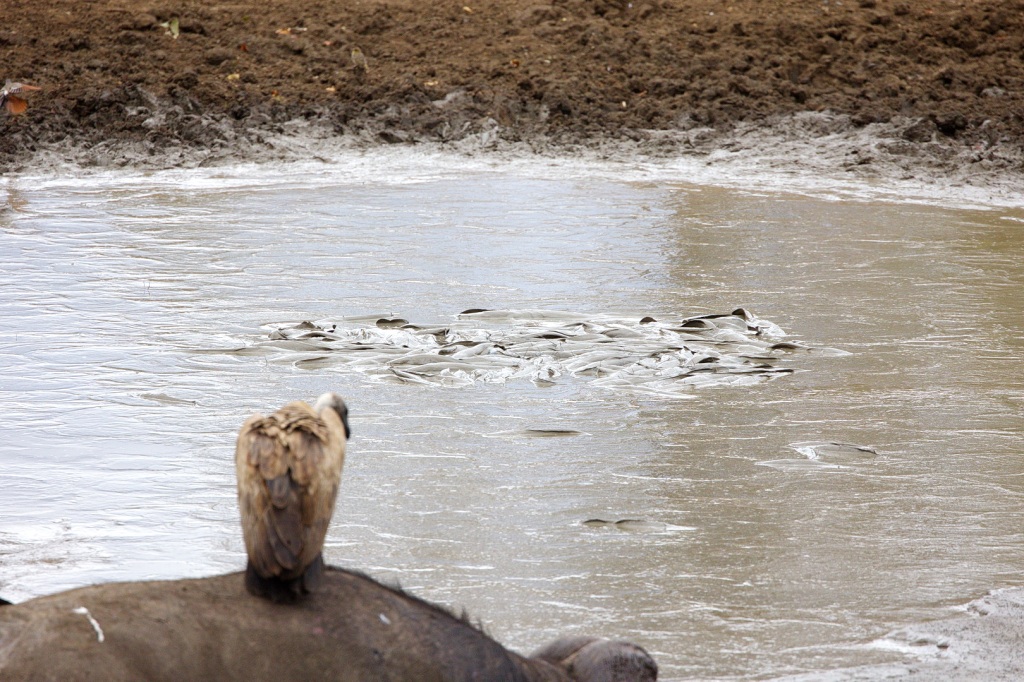
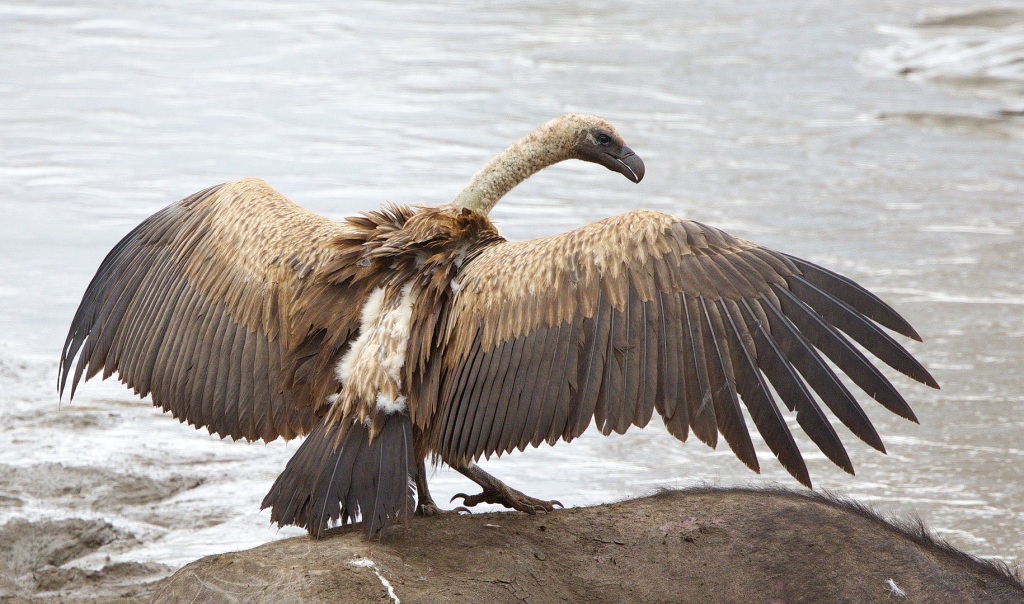
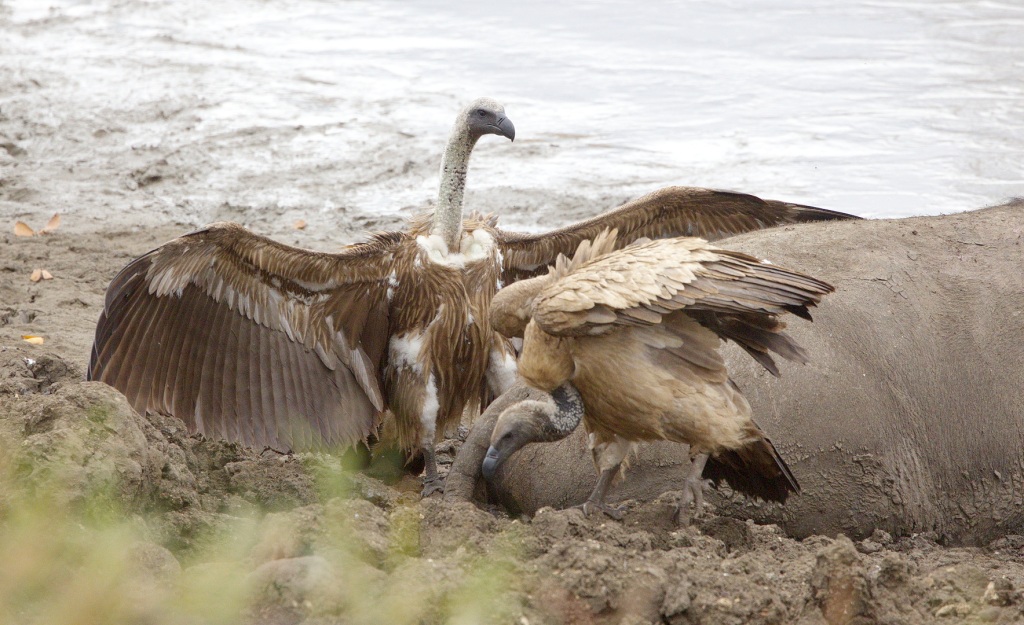
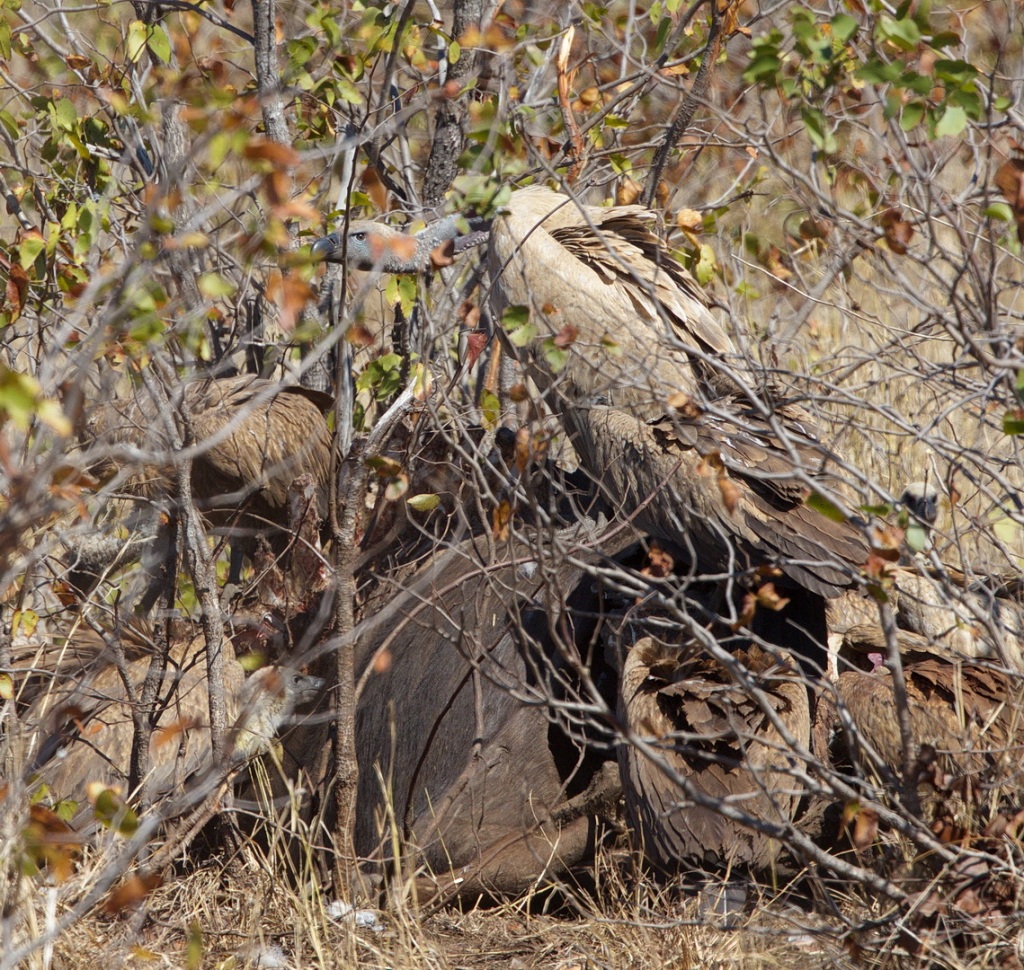
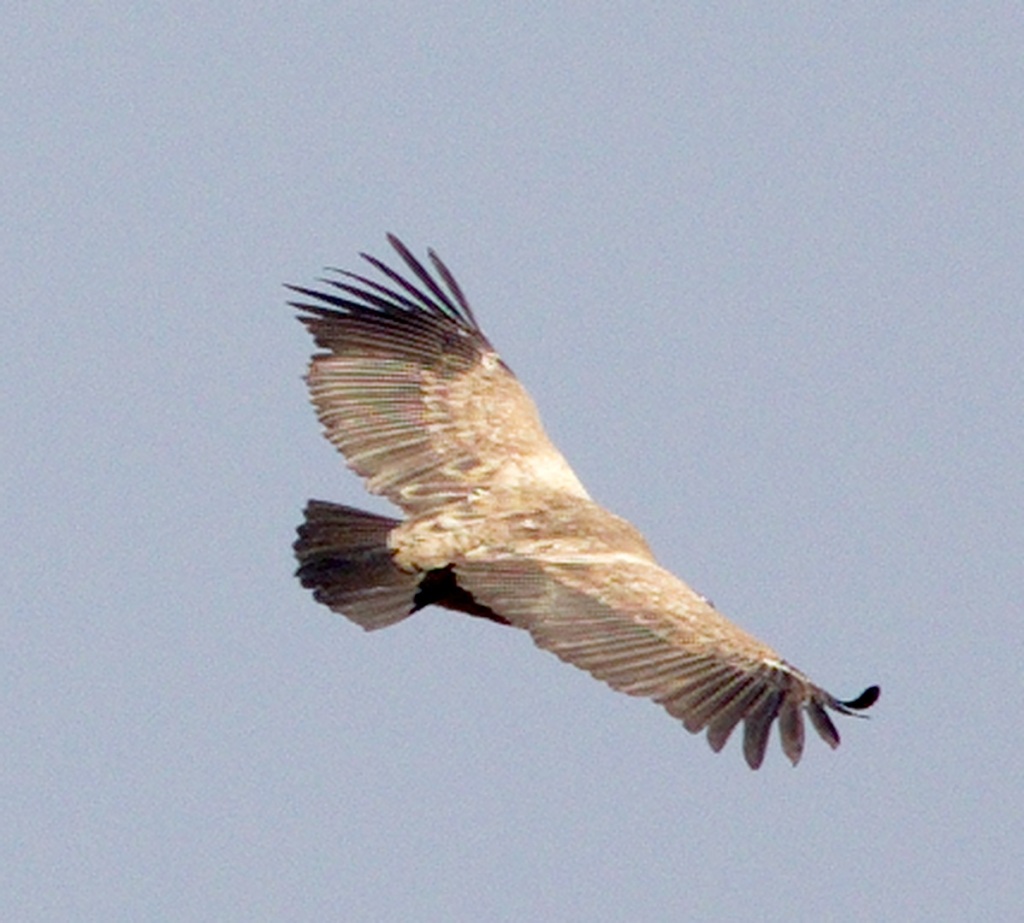
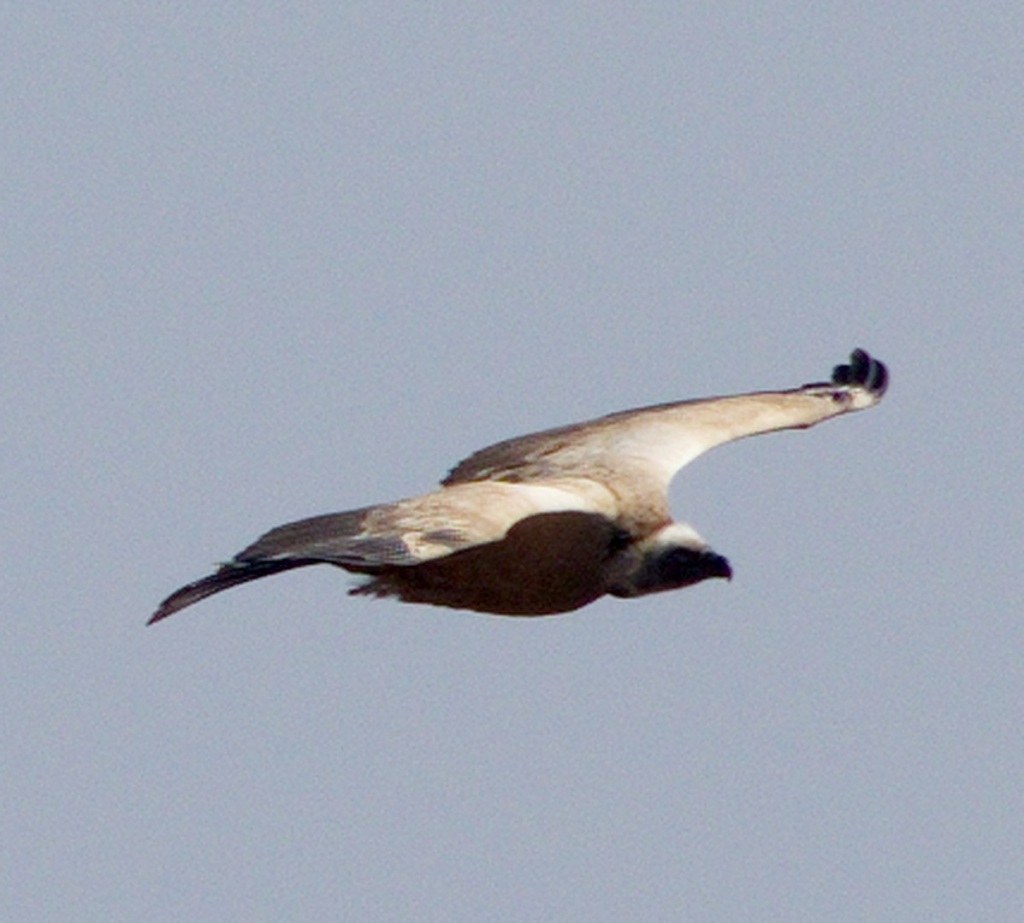
We turned off the main road south onto the tar (H13-1) to Punda. Within a few kilometres there was a large mud puddle on the left. And stuck in it was an unfortunate rather dead buffalo. Several White-backed Vultures were trying to have a feast without much success.
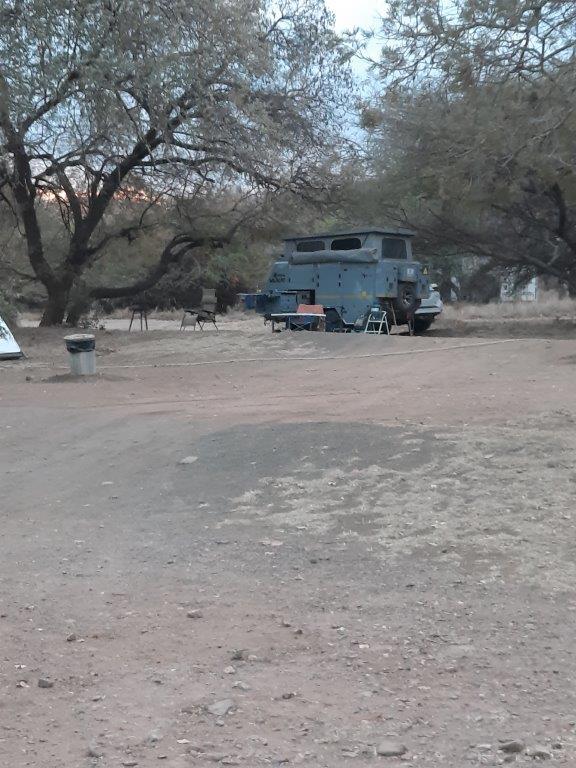
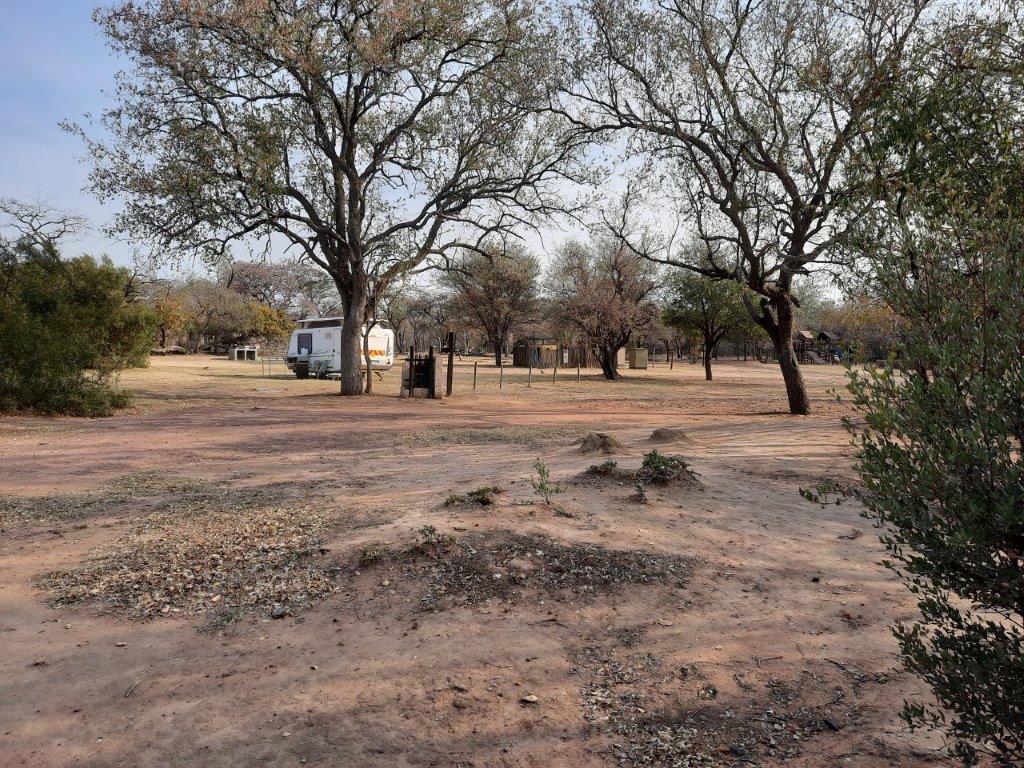
At Pafuri we chose a campsite at the top – our favourite spot close to a clean and non-smelly ablutions. Our choice was very limited because of the position of the electric points. Nowadays it is wise to take an extra long cable as the electric points are few and far between and each point only has 4 plugs.
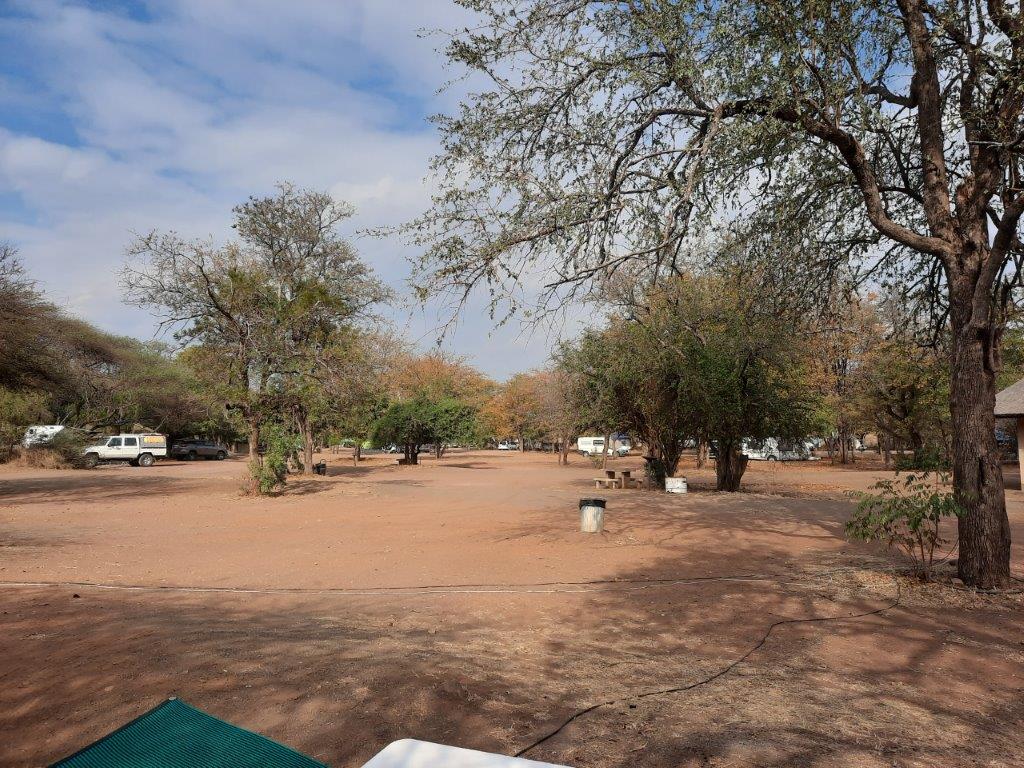
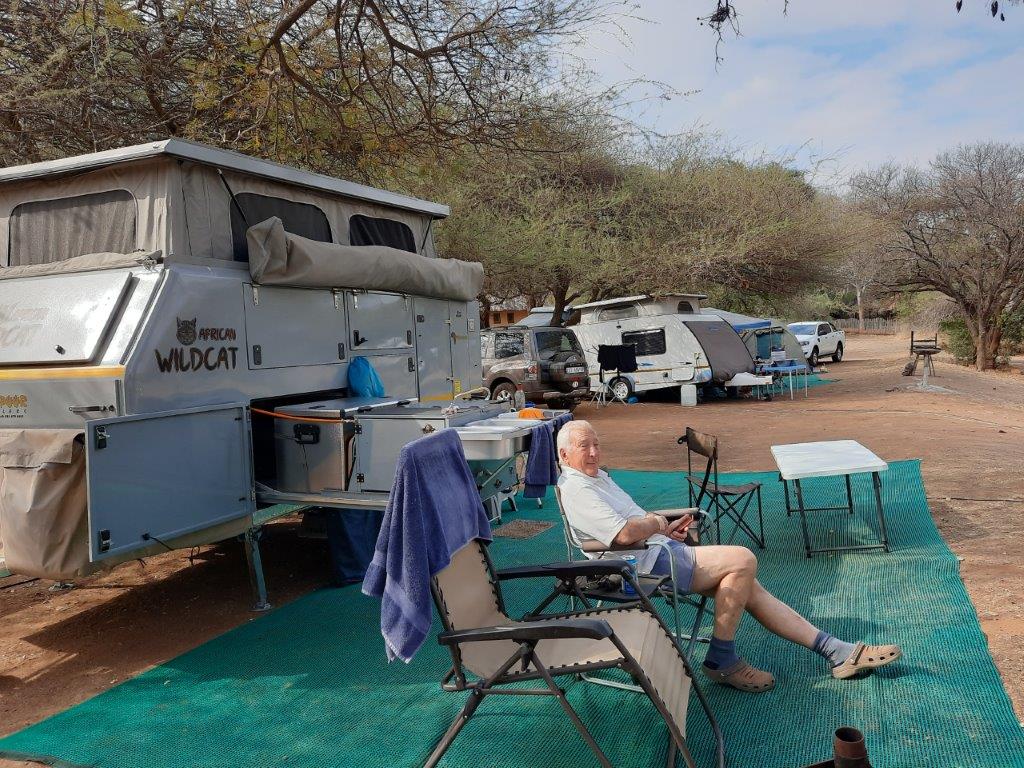
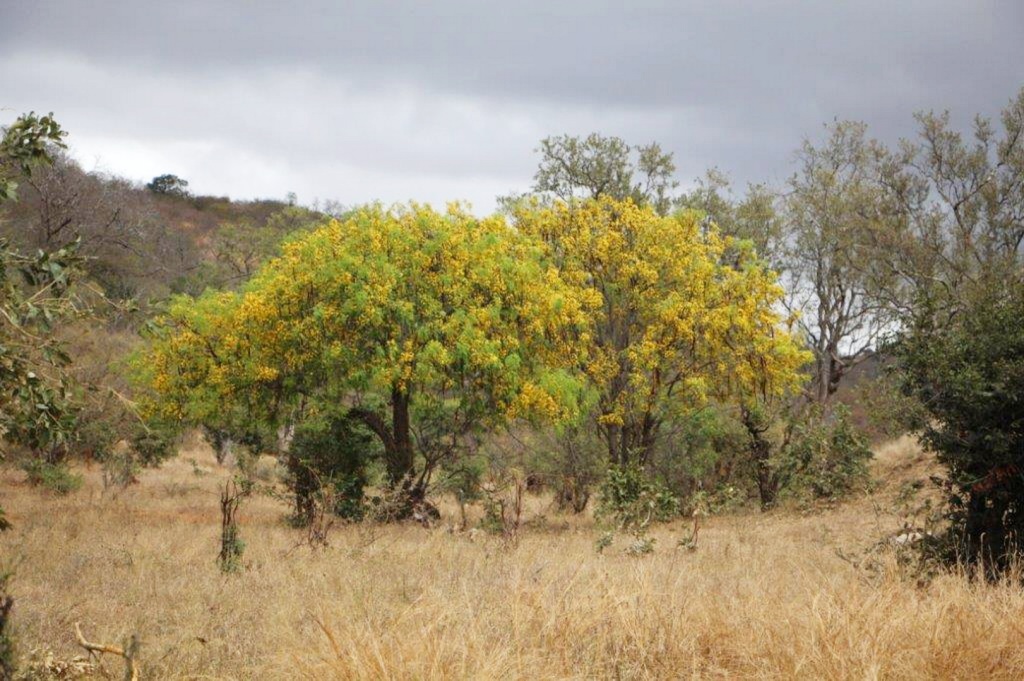
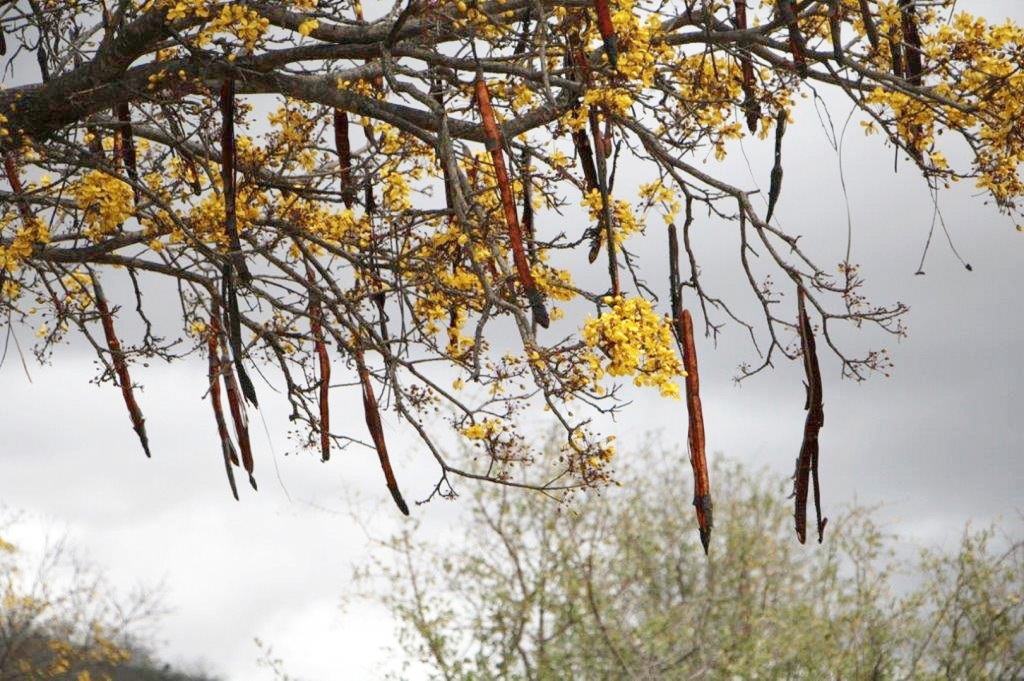
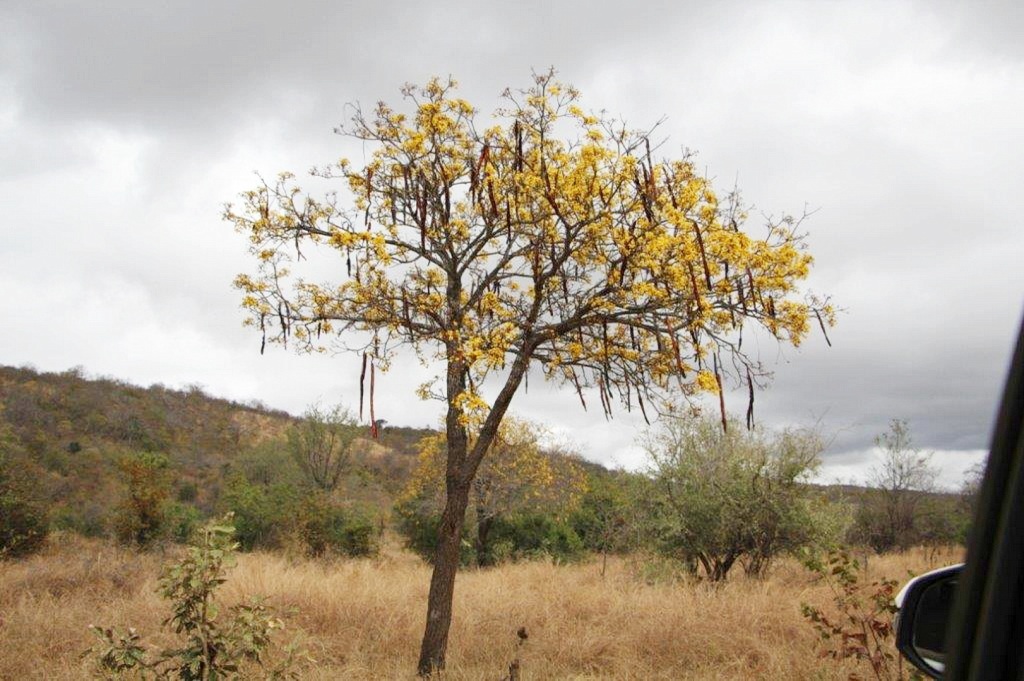
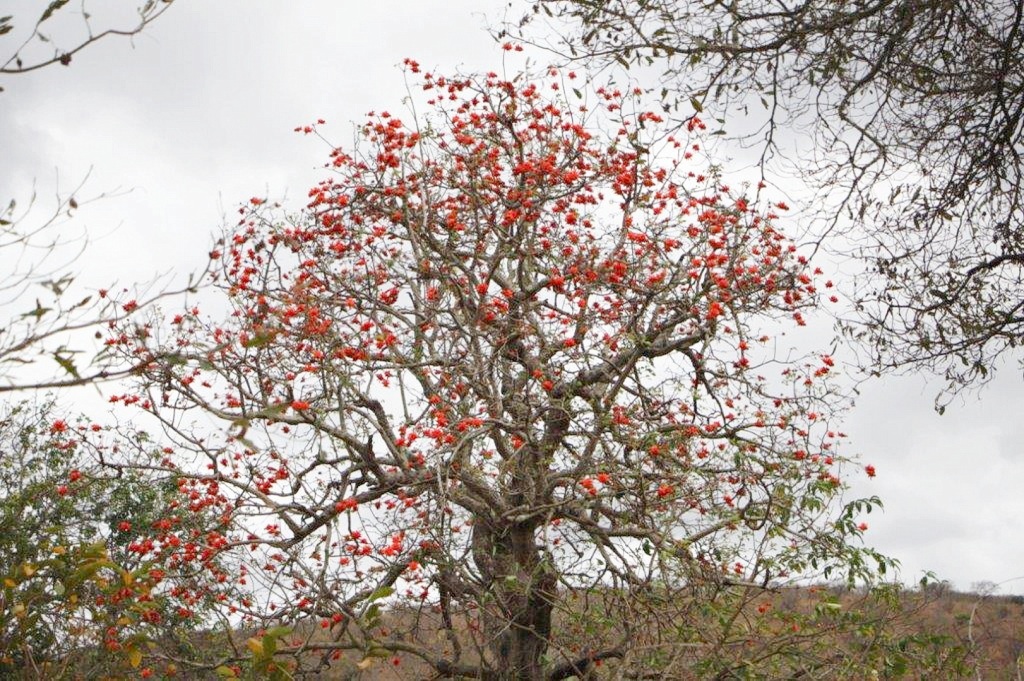
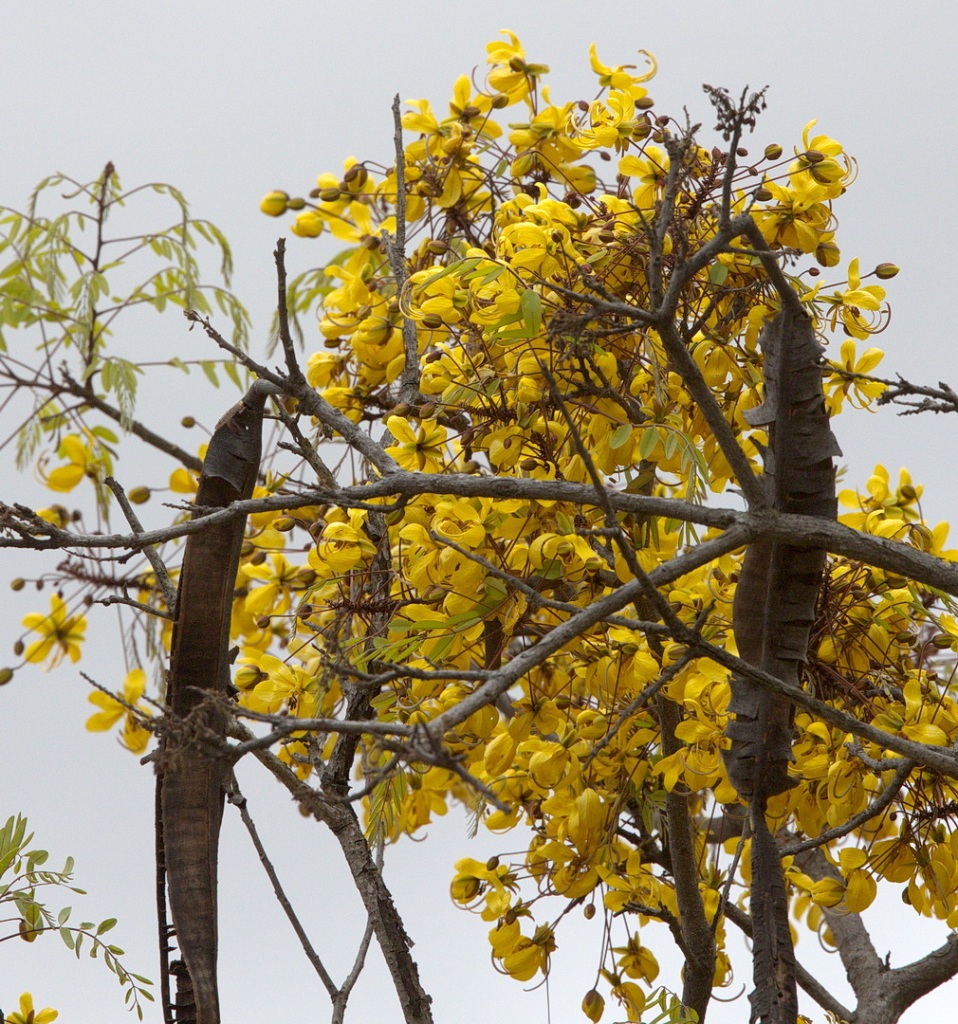
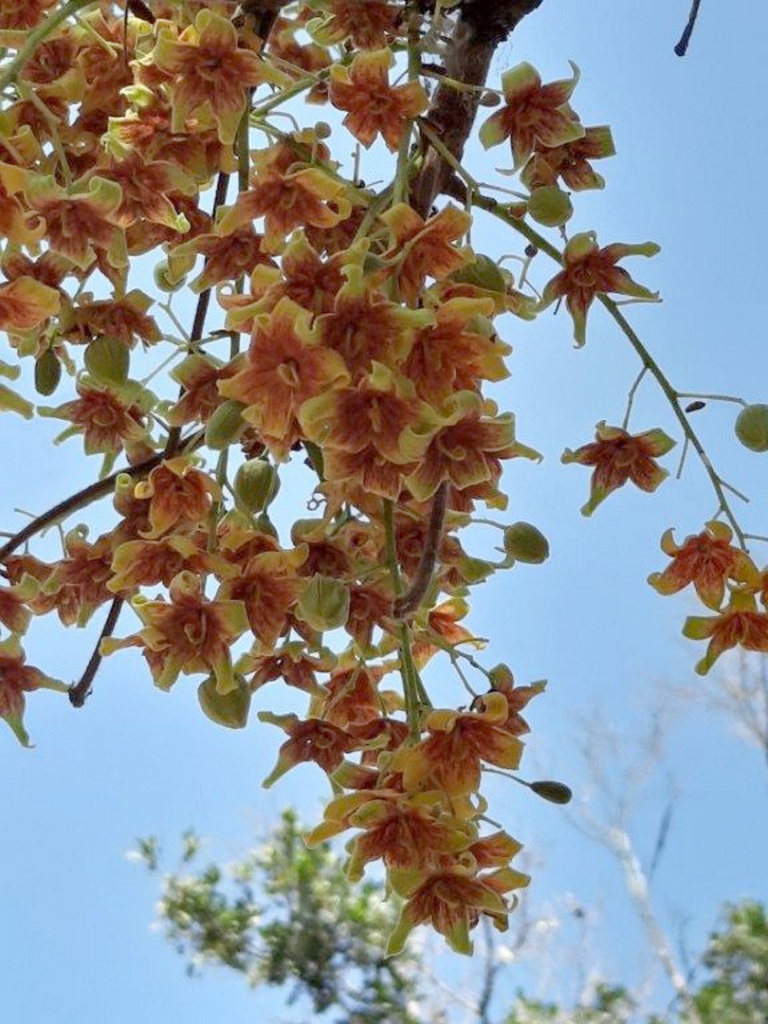
In our time there we visited Klopperfontein – the busiest place in the short time at Punda. On the way there we noticed that the countryside had many colourful trees.
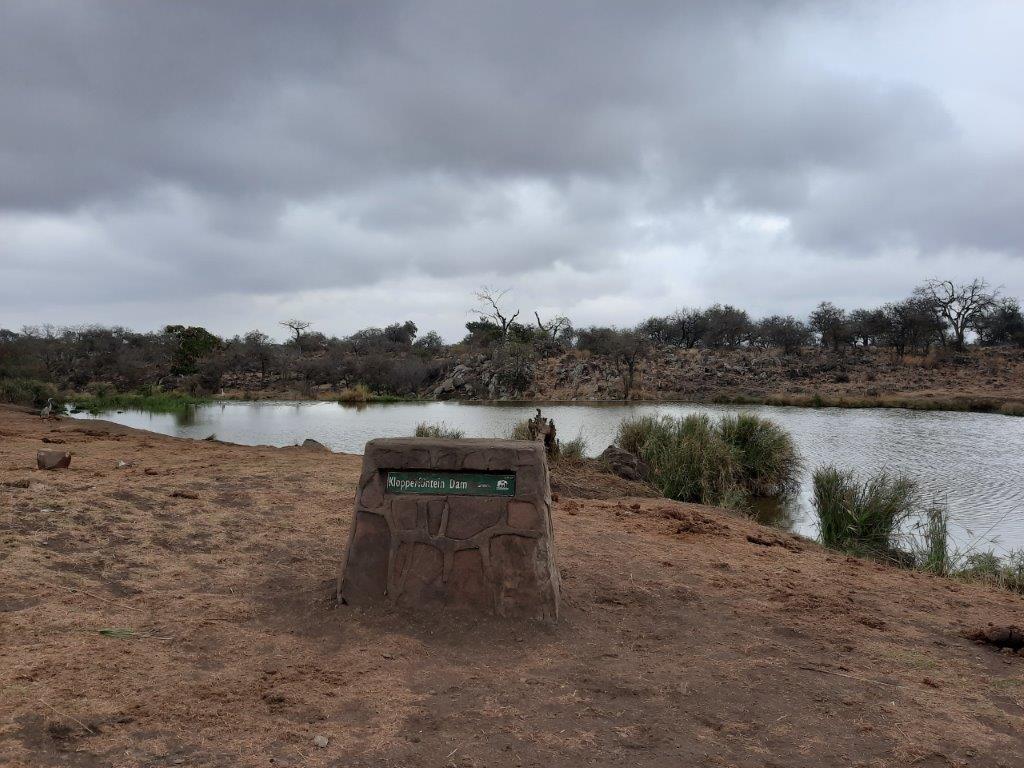
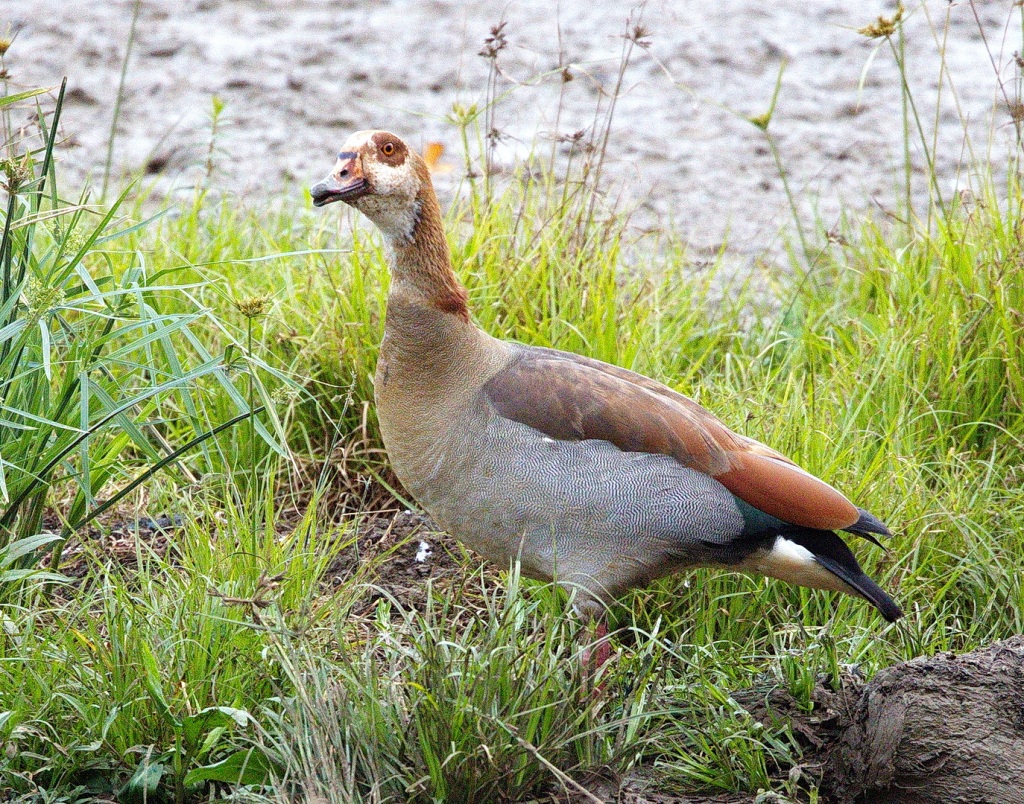
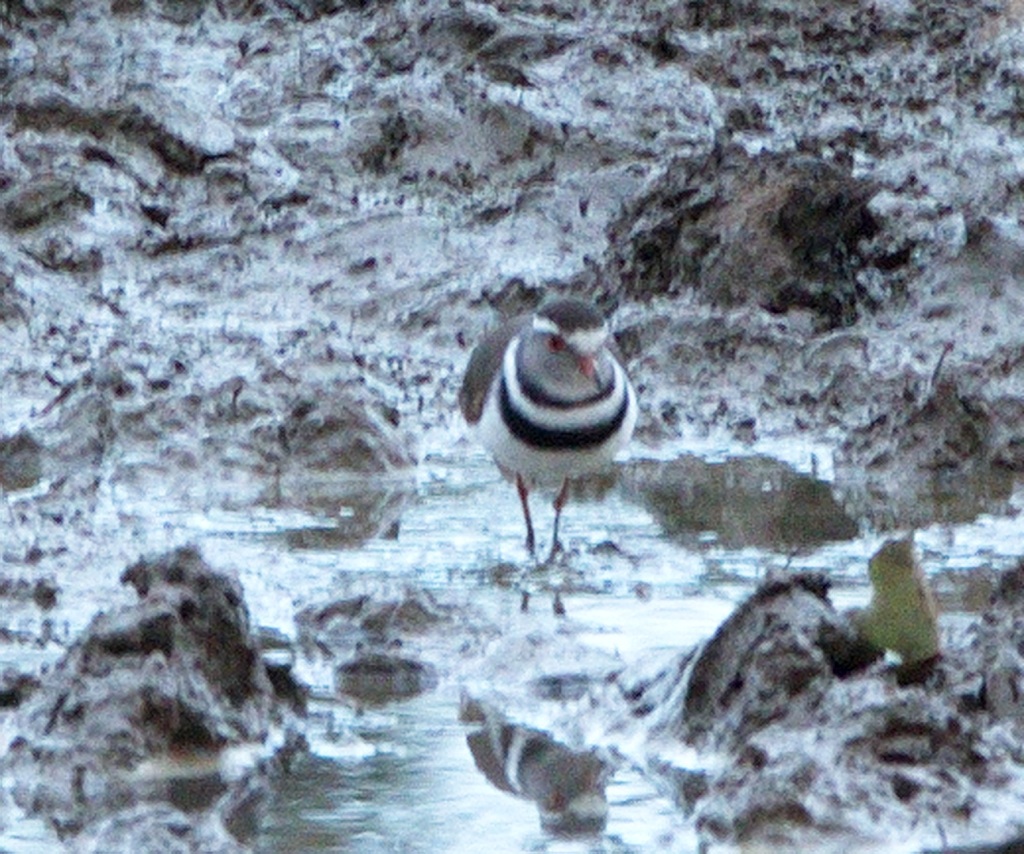
On our way to Punda on the (H1-8), we decided it was prudent not to take the Klopperfontein shortcut (S61) to Punda since we were towing and the road is known as a good place to see elephants. The Dam was empty of elephants but it had good birdlife. There were both Black-headed and Grey Heron, an Egyptian Duck, Pied Kingfishers, Pied Wagtails, a Three-banded Plover, an African Fish-eagle and a Knob-billed Duck.
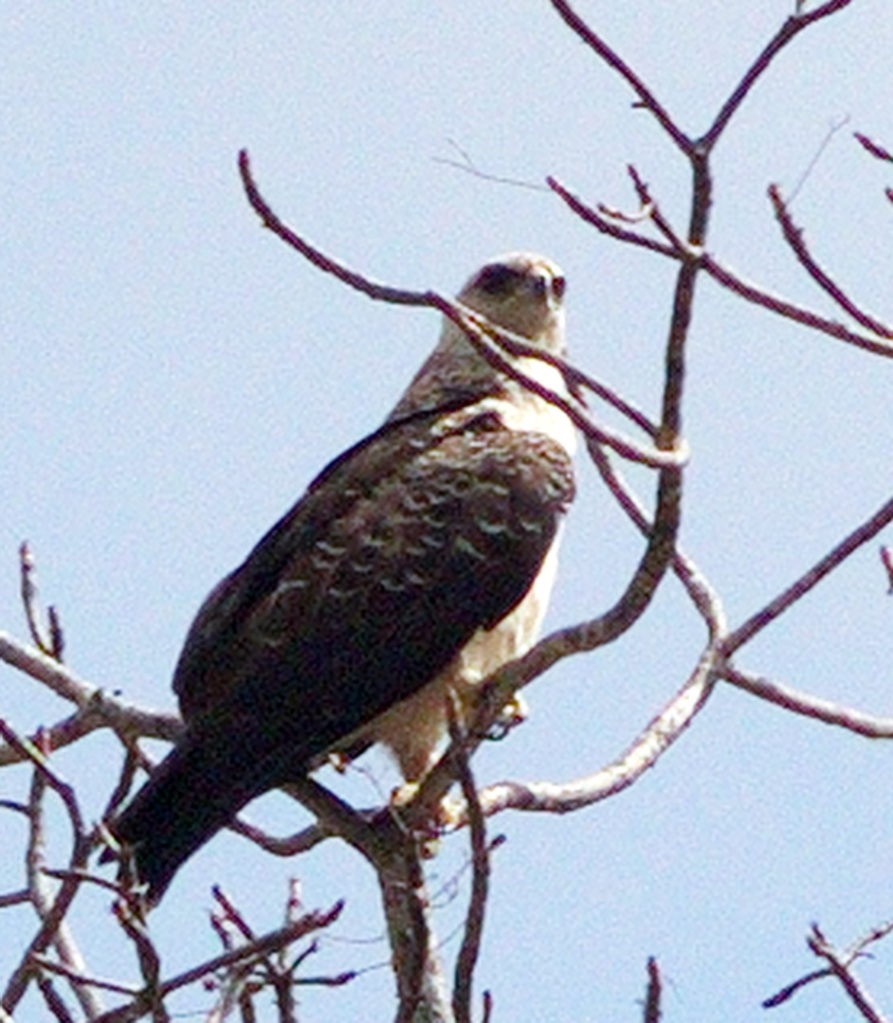
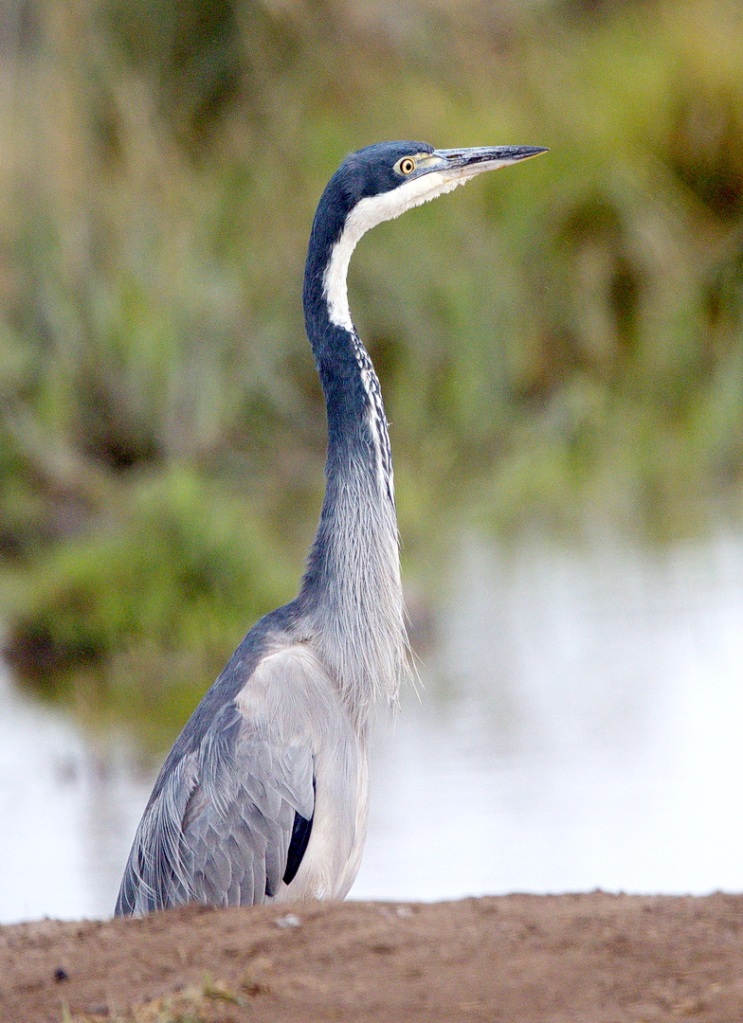
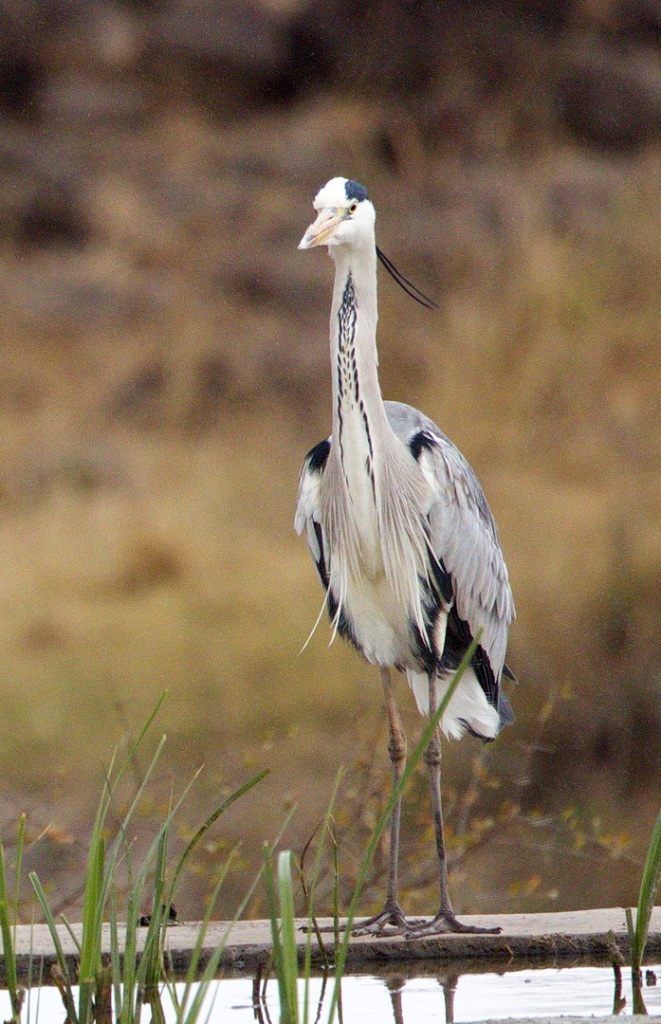
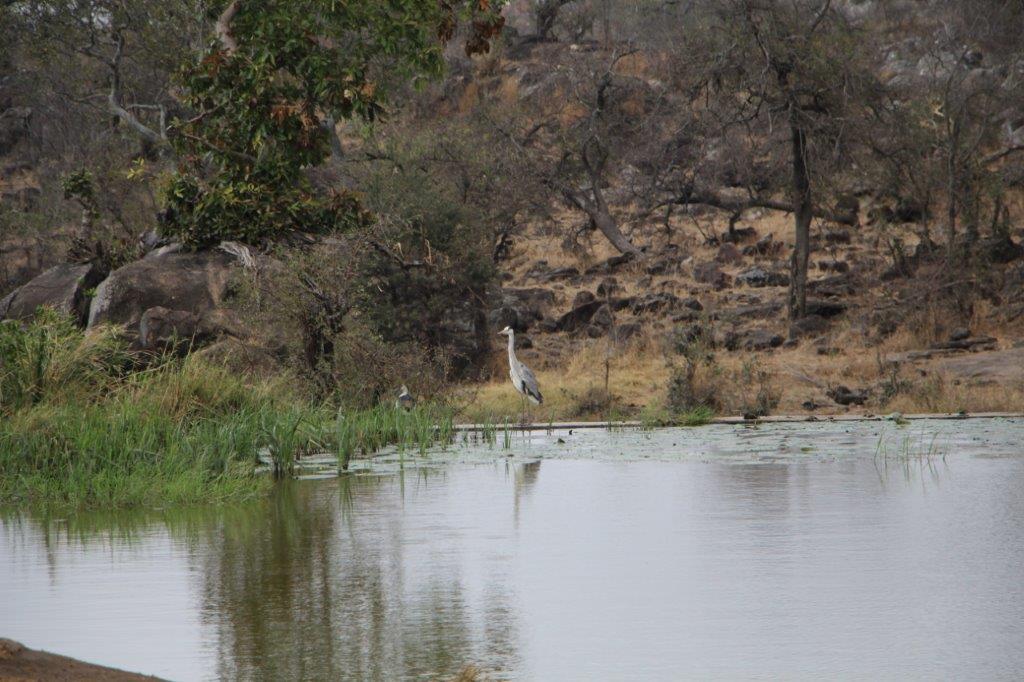
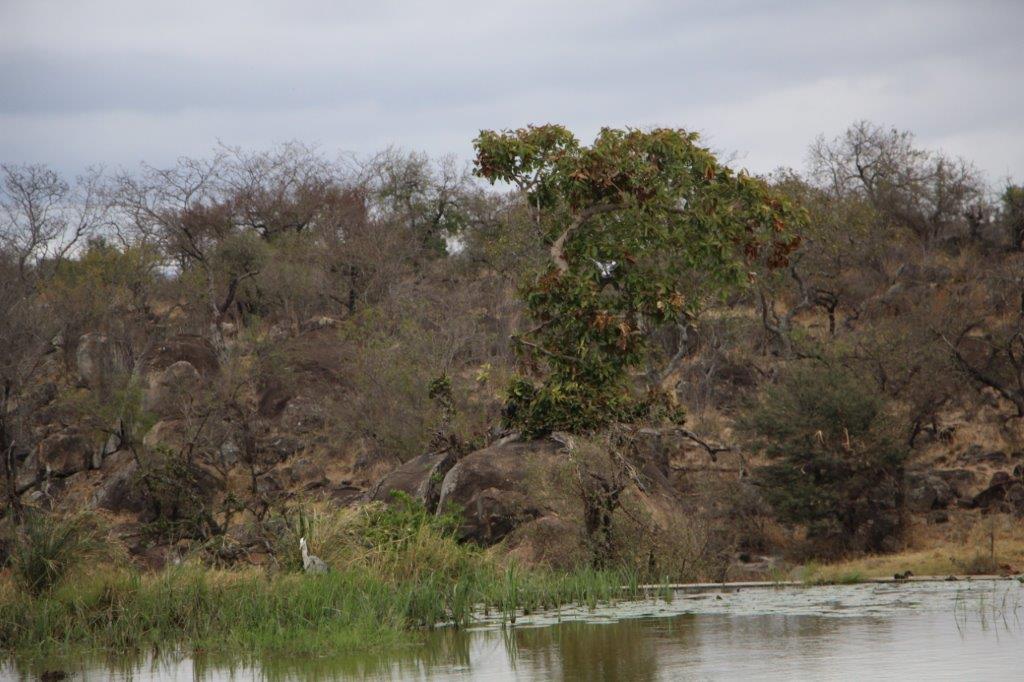
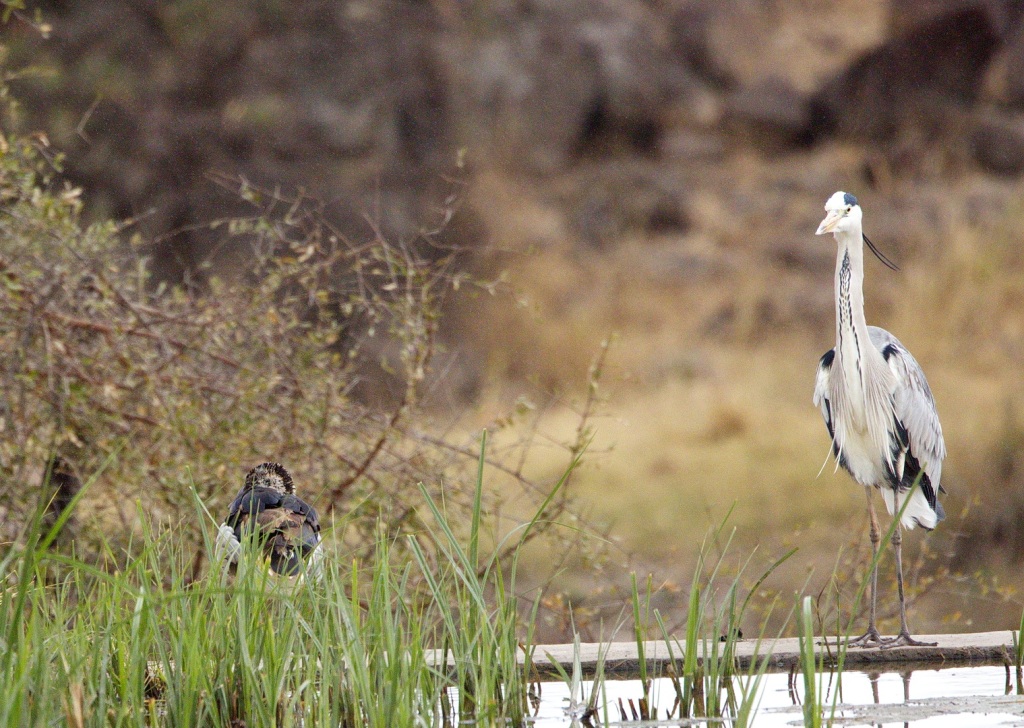
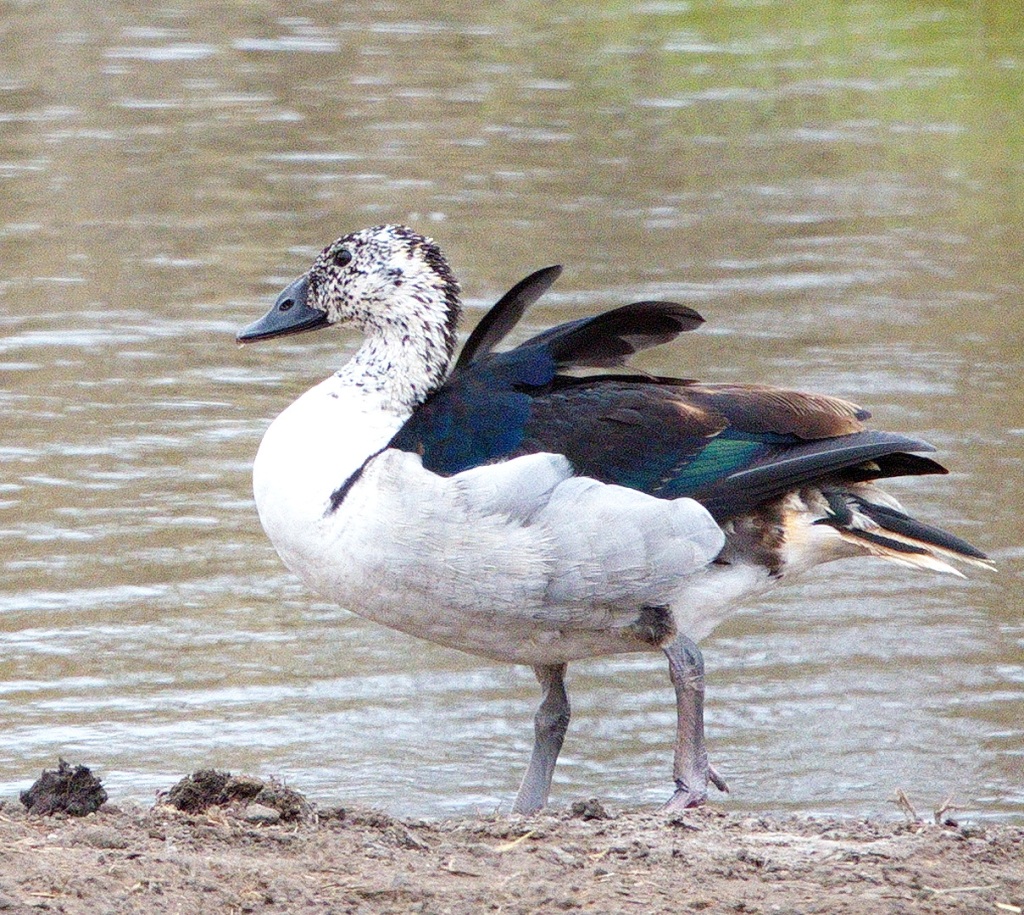
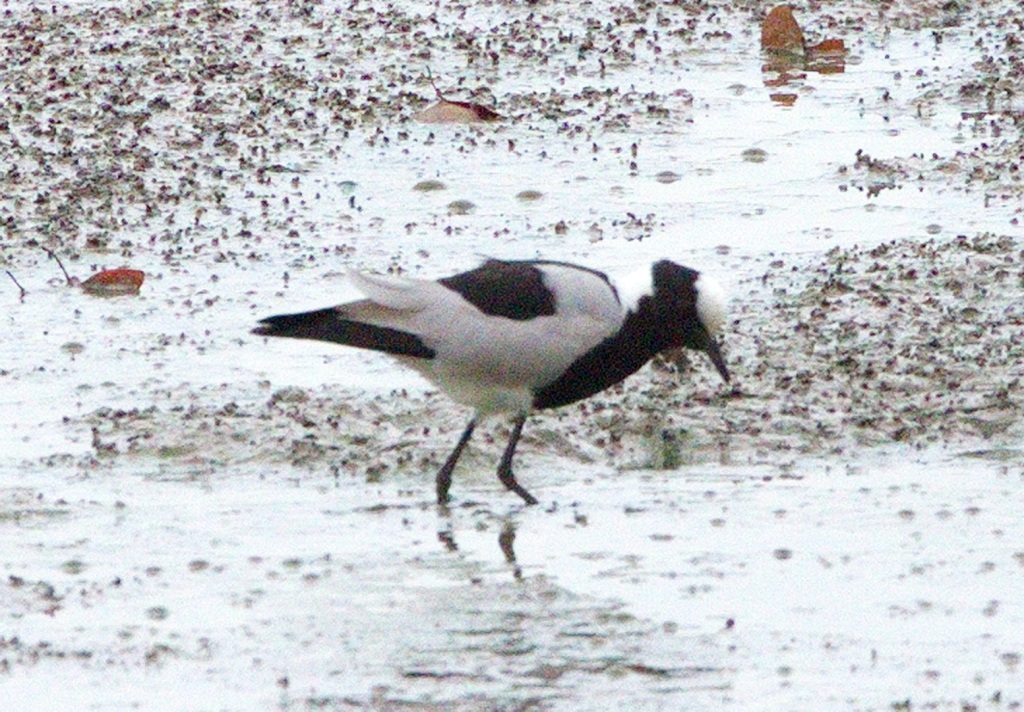
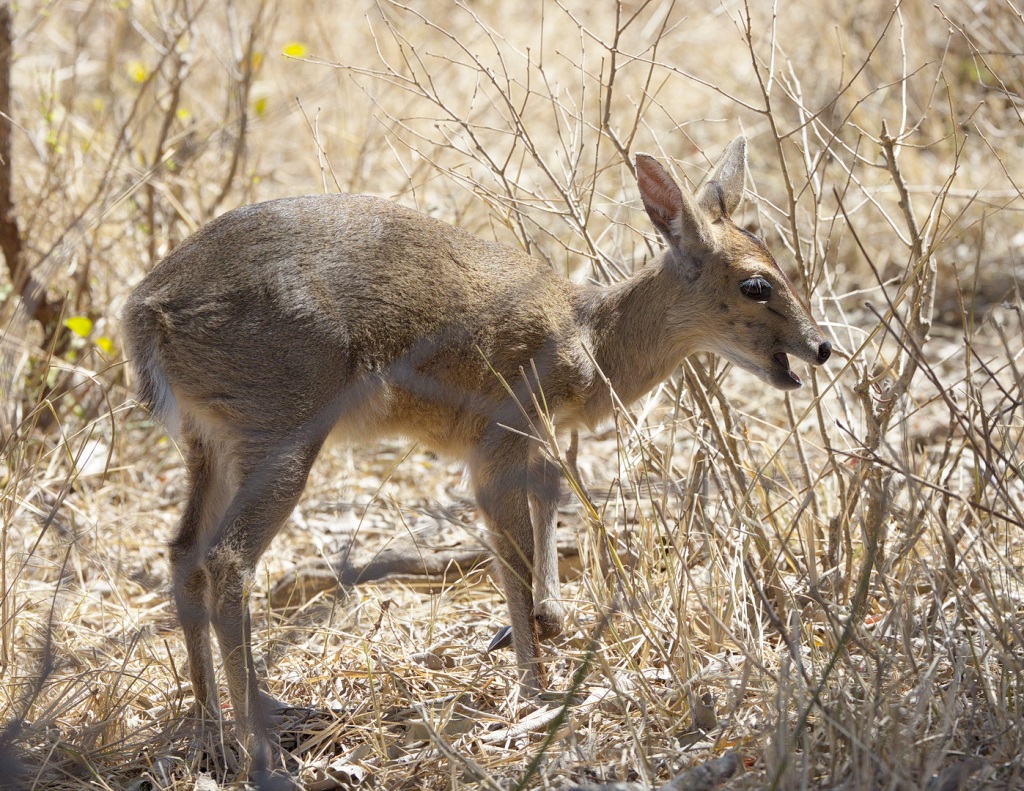
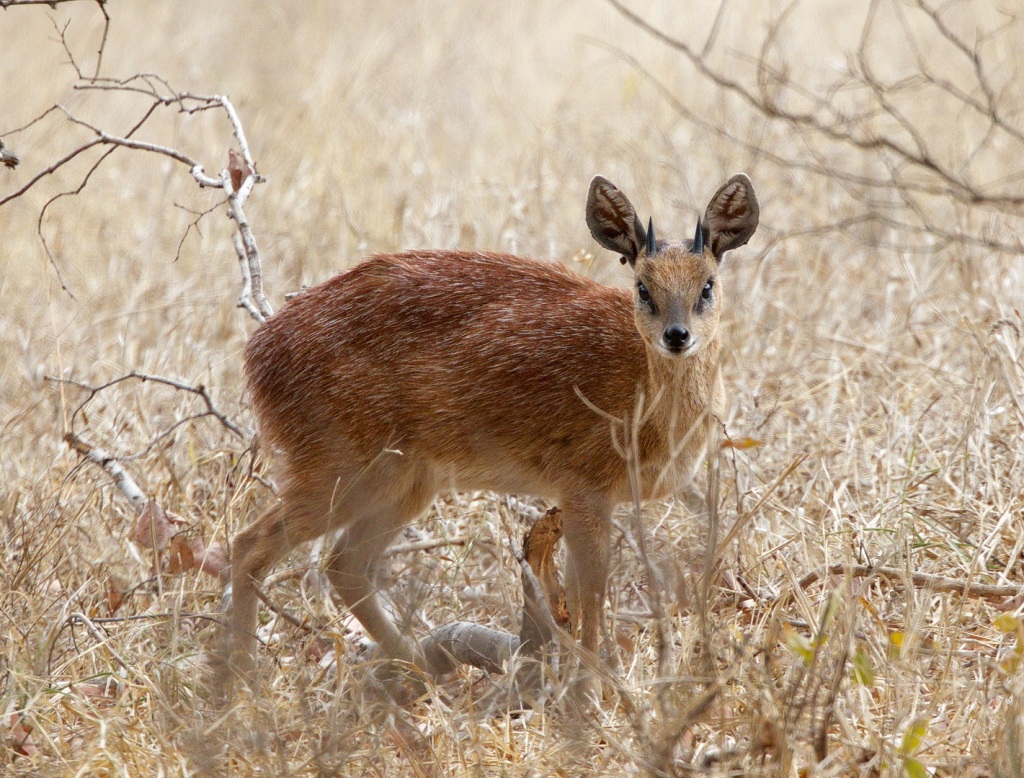
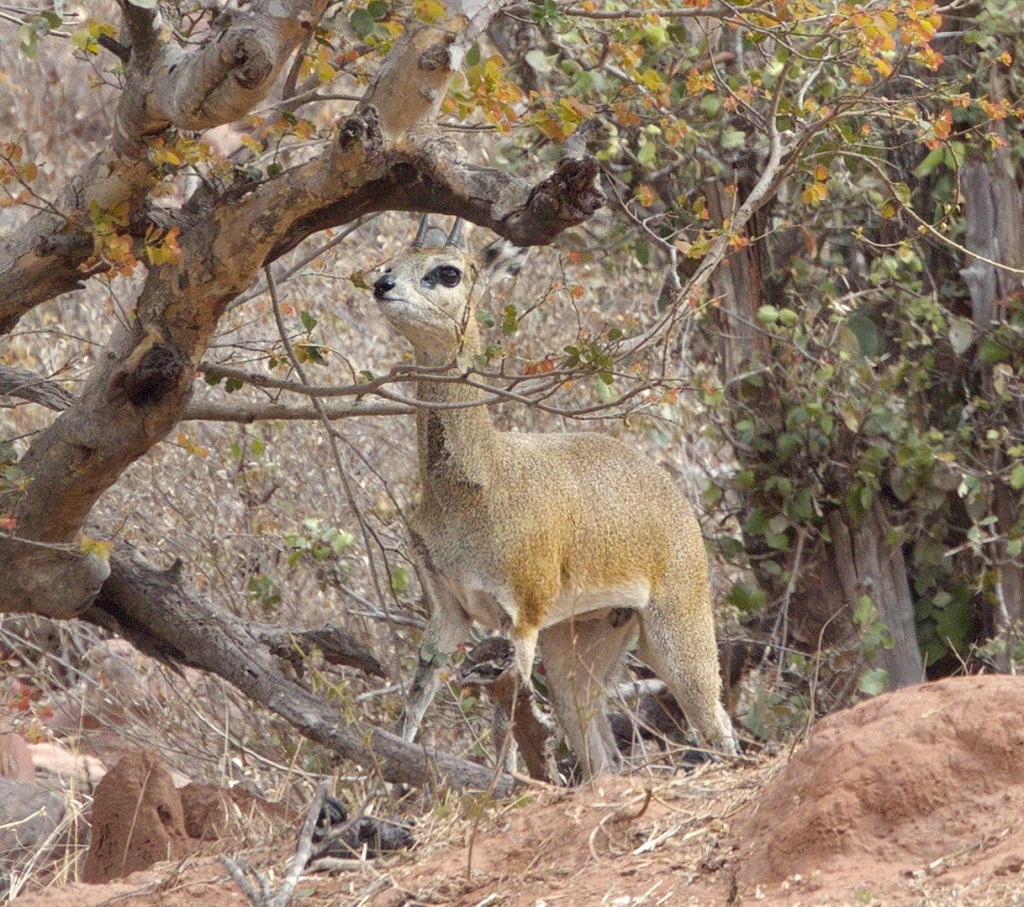
Here are some of the other animals, birds we saw on our ride around the loop.

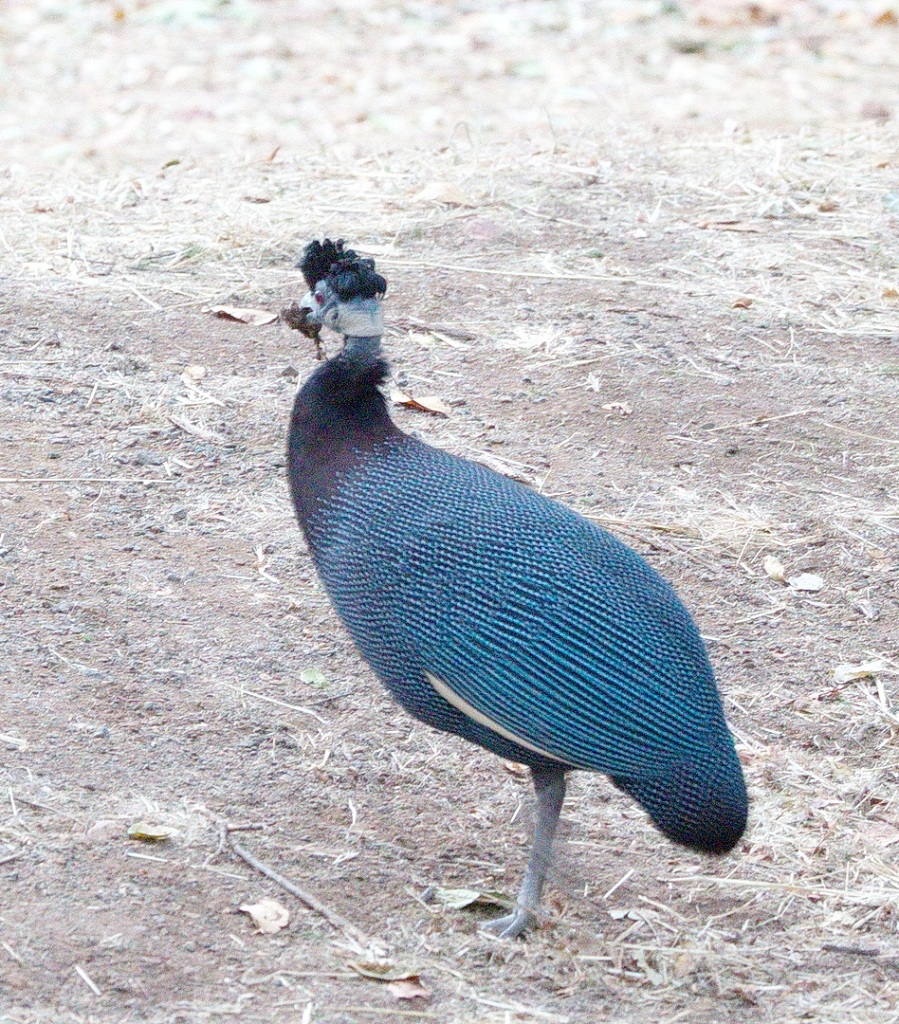
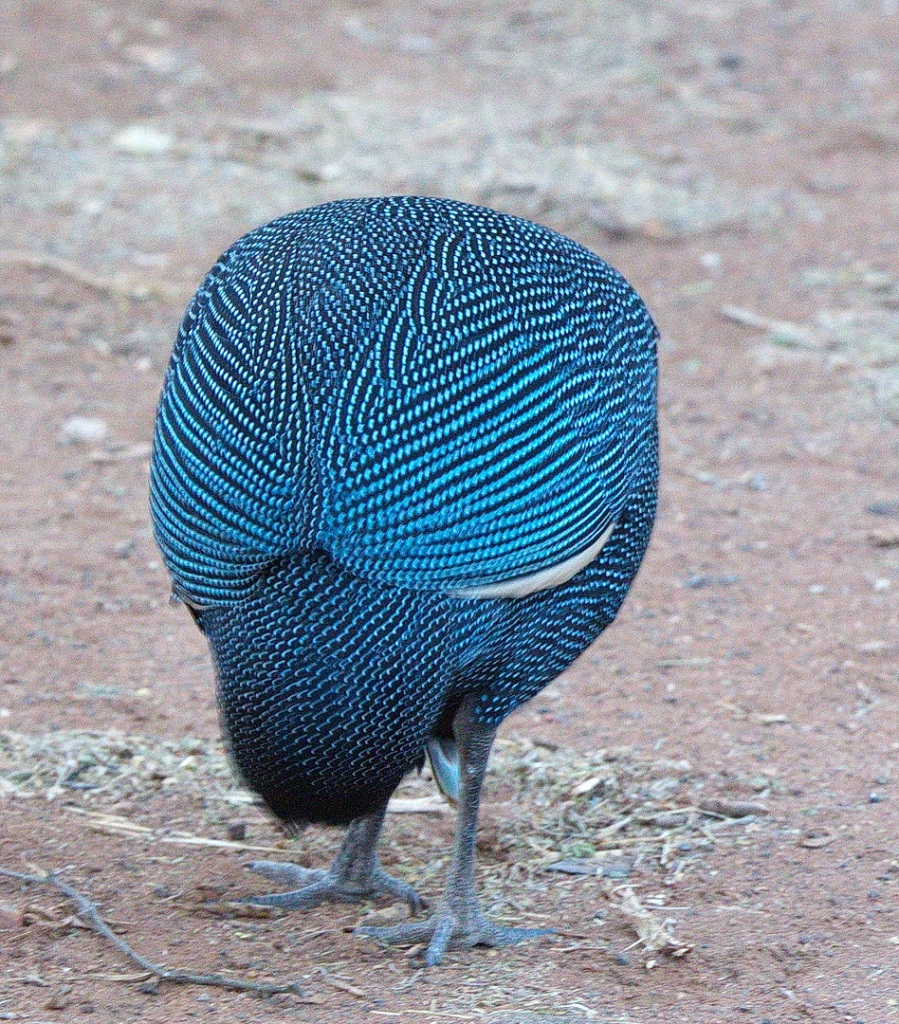
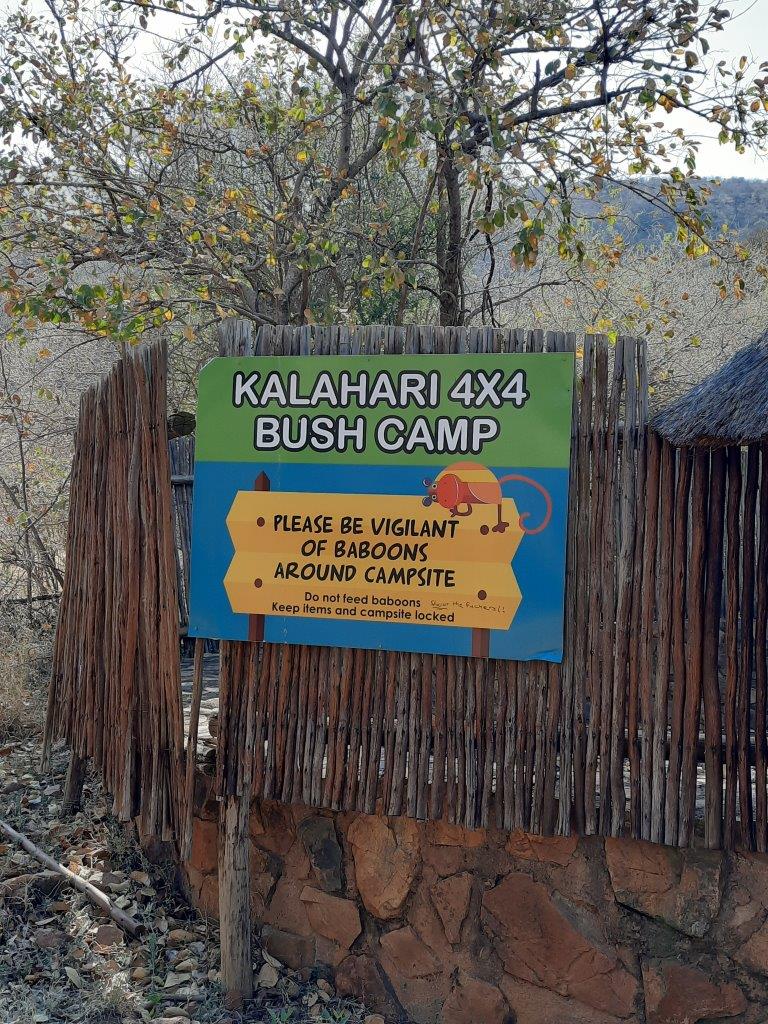
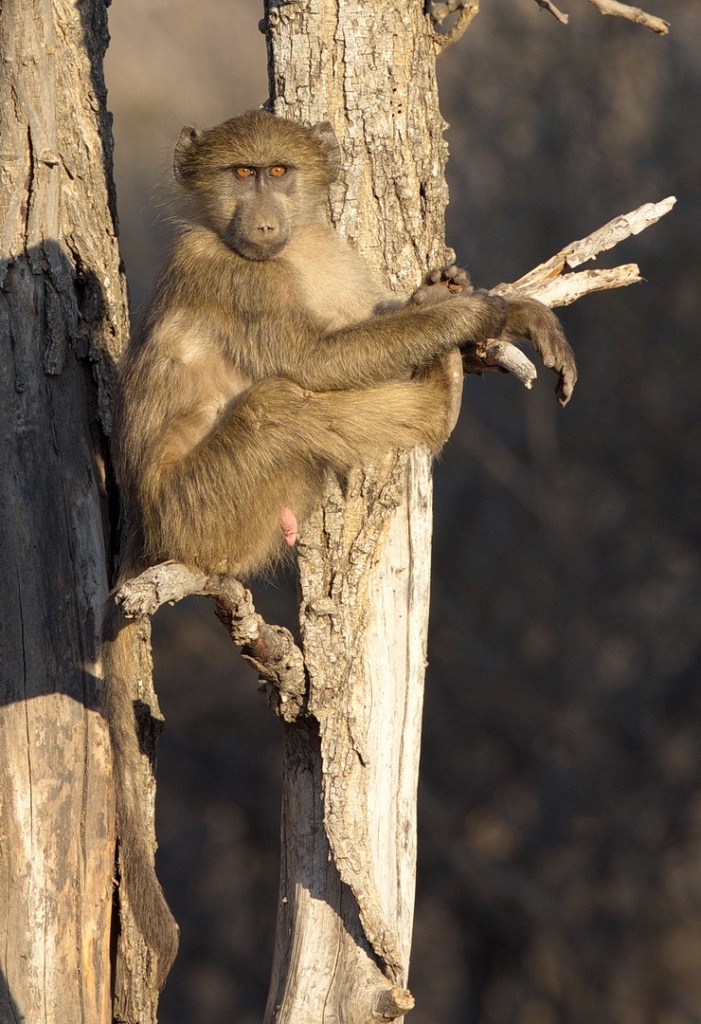
In the camp the Monkeys are always present. Sometimes naughty and sometimes fun to watch. Here is a head-twisting video to watch.
And then we were off to Shingwedzi, having recorded 79 different bird species in and around Punda Maria.
Shingwedzi
31 August to 3rd September 2023
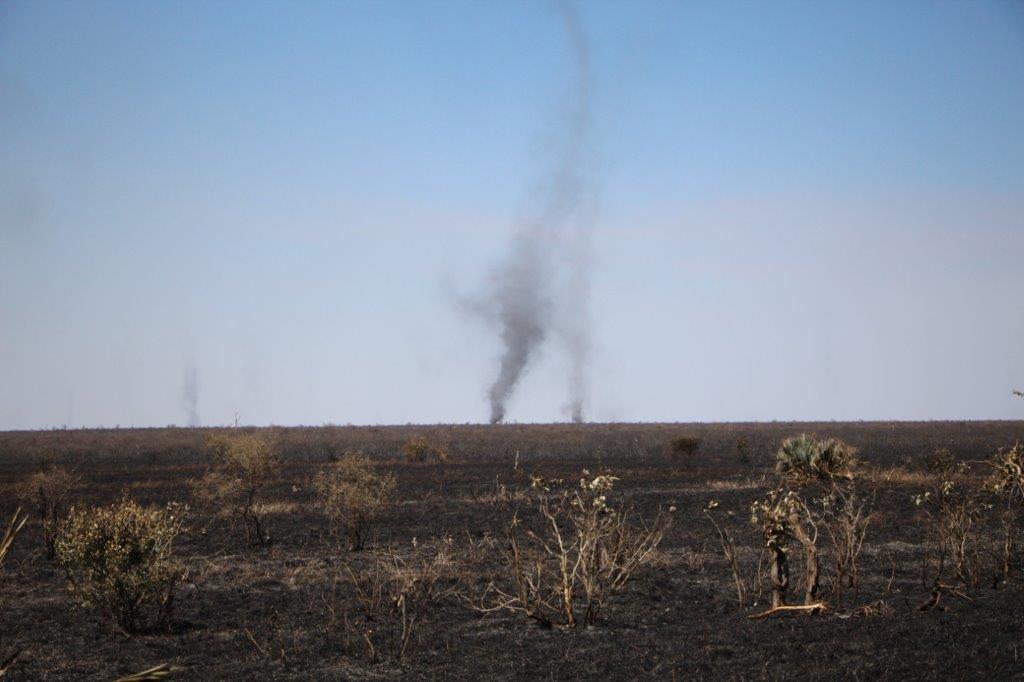
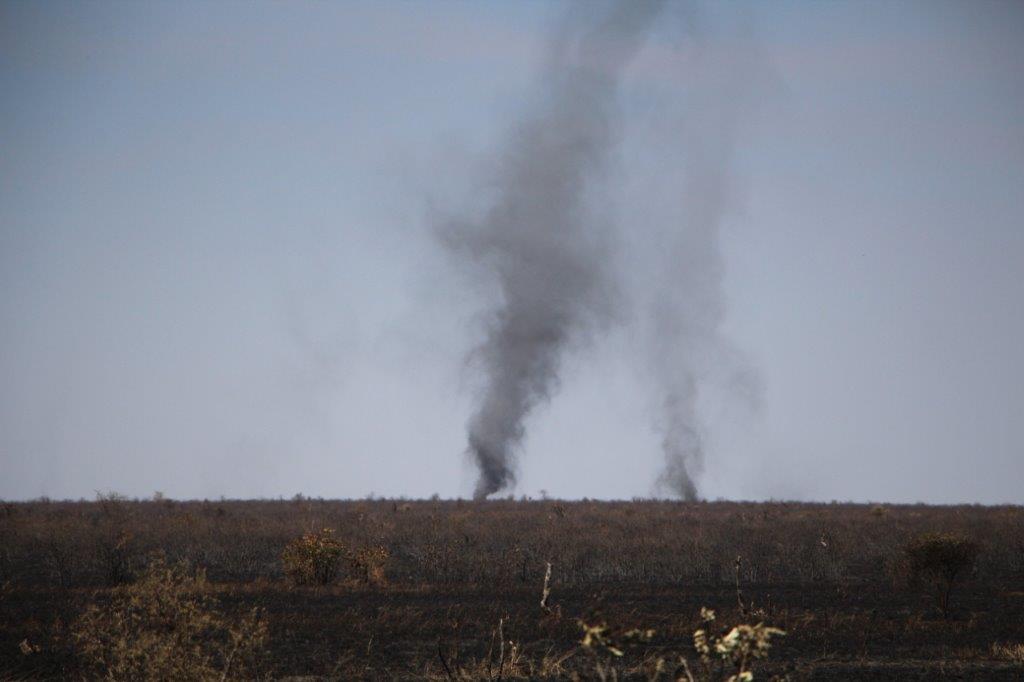
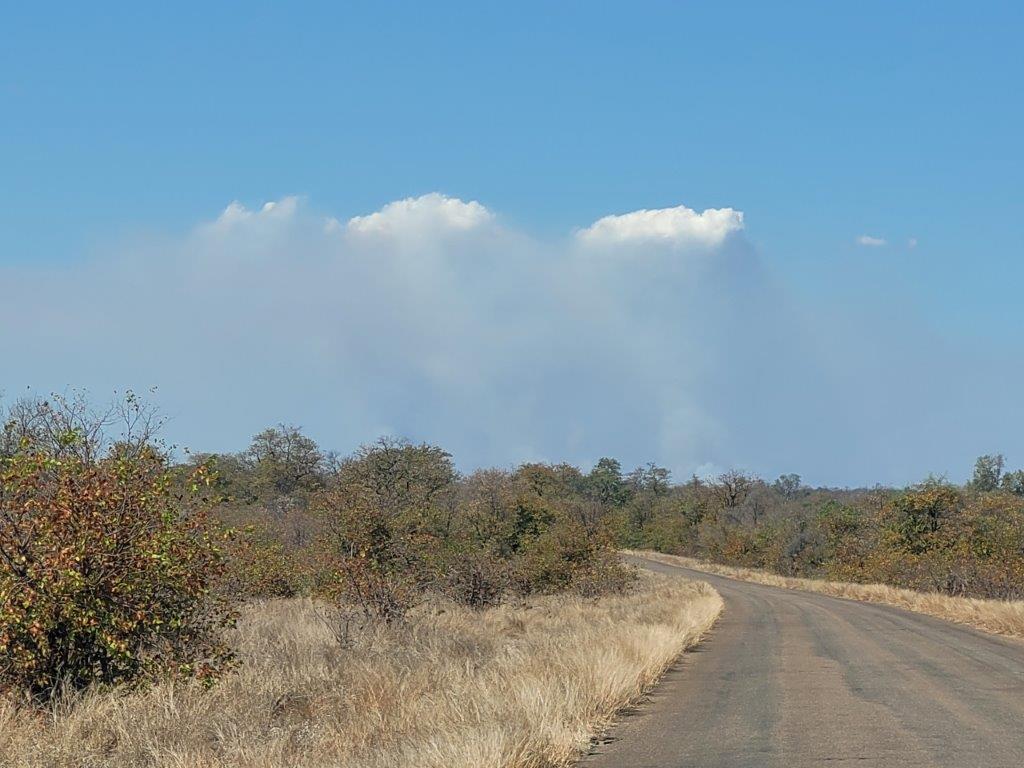
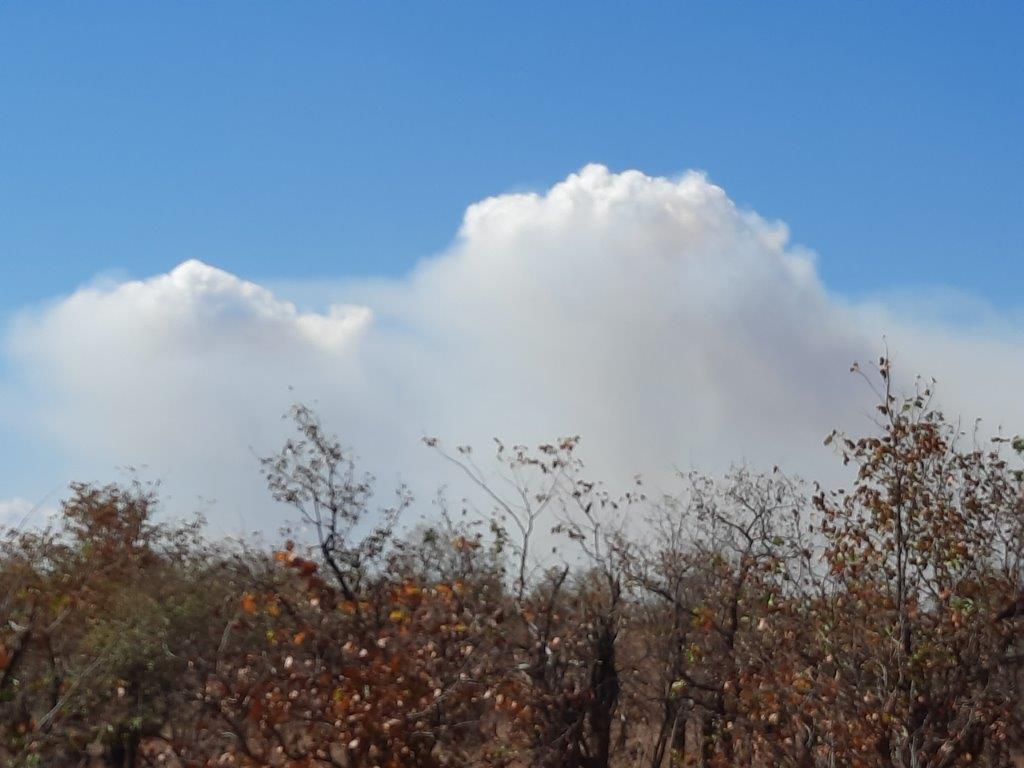
The east side of the road to Shingwedzi (H1-7) had recently been set on fire and areas were still smoldering. In the distance we saw what looked like tornados and small cloud formations on the horizon in an otherwise cloudless sky. It was only as we drew closer that the “clouds” were actually smoke formations.
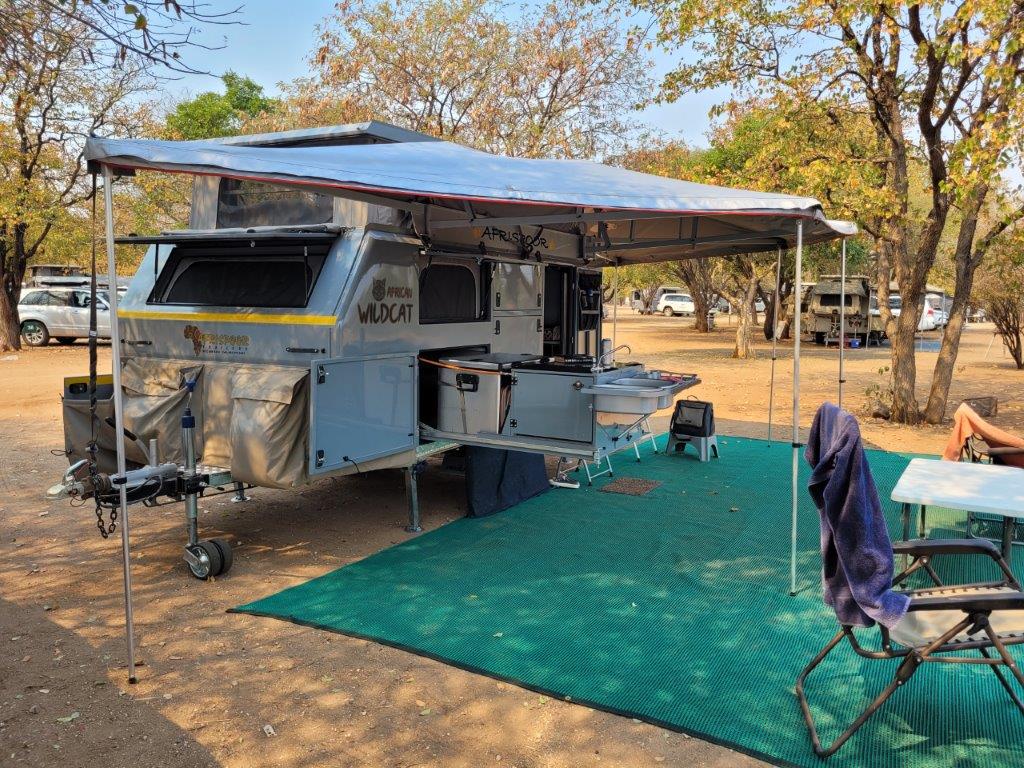
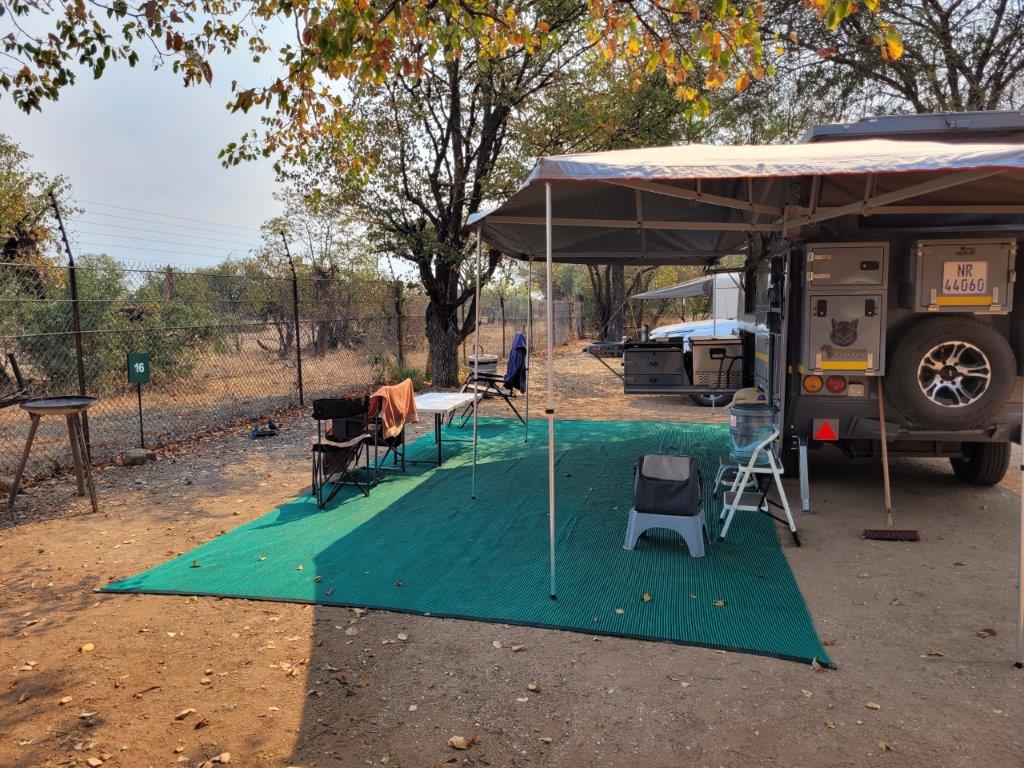
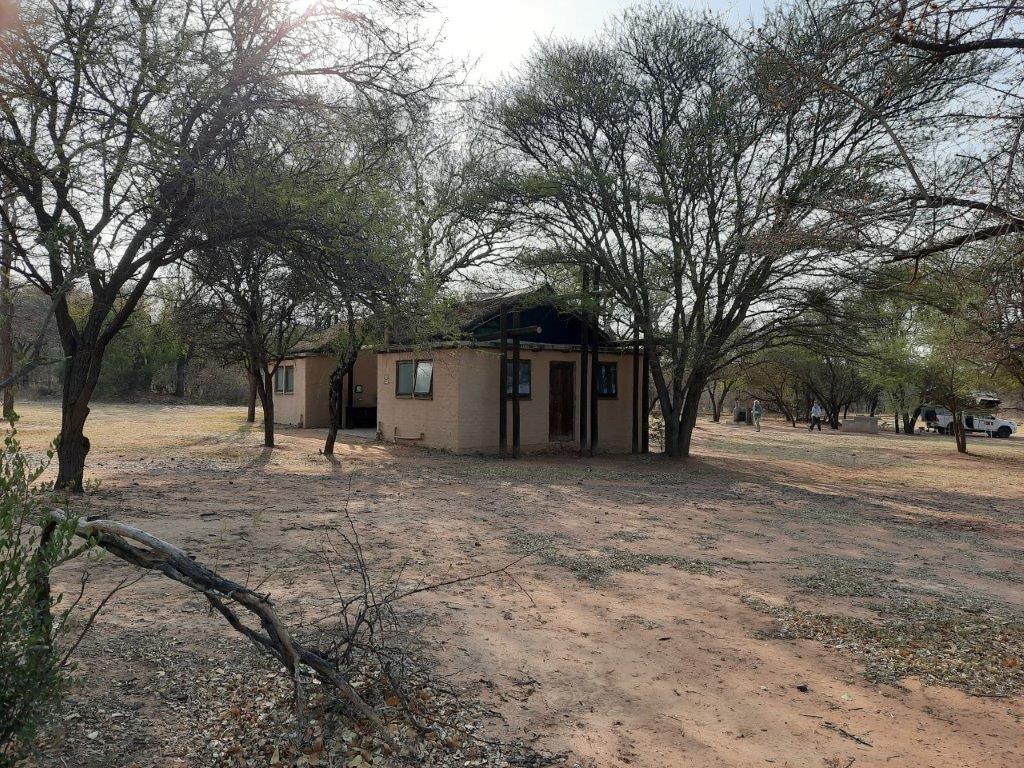
At Shingwedzi our campsite (18) was an “on the fence” site. The only ones available. Normally we would not have chosen a fenced site but as it happened this site was fairly shady and not too close to neighbours – also relatively close to an electric point.
The river on the left driving into the camp had only a few patches of water – one of the few areas close by with water. Water was scarce as we drove the Shongalolo Loop (R52), up the R56 to Babalala Picnic site and down river (S50) to the Nyawutsi Hide.
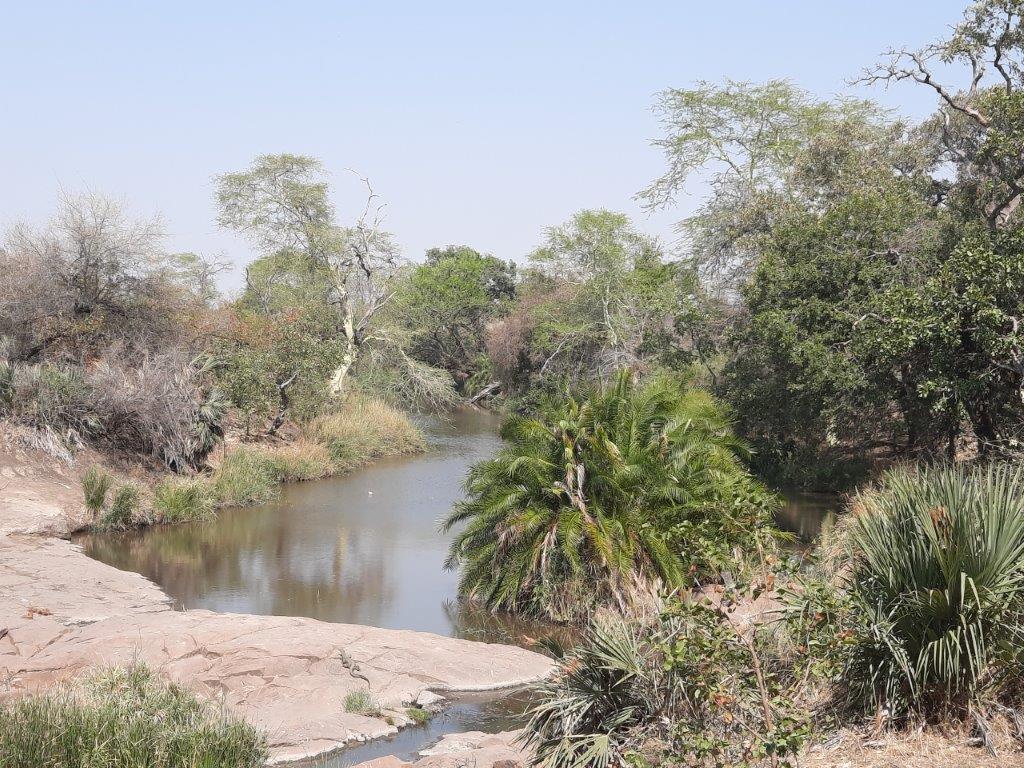
River on way to Nyawutsi Hide – very dry.
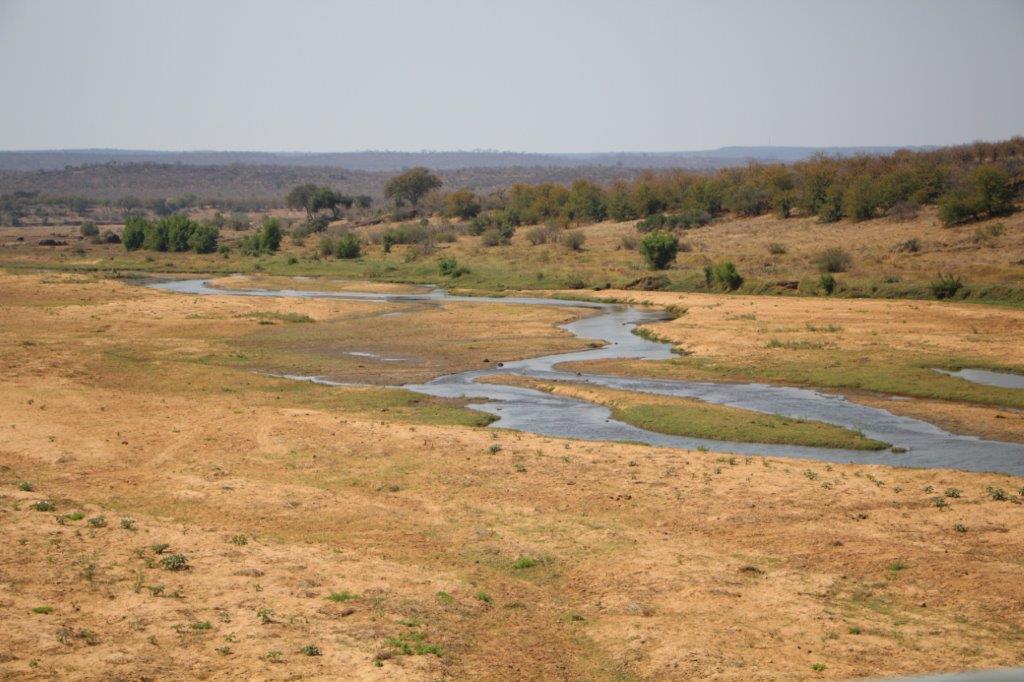

Similarly very dry on the R56 to Babalala Picnic site.
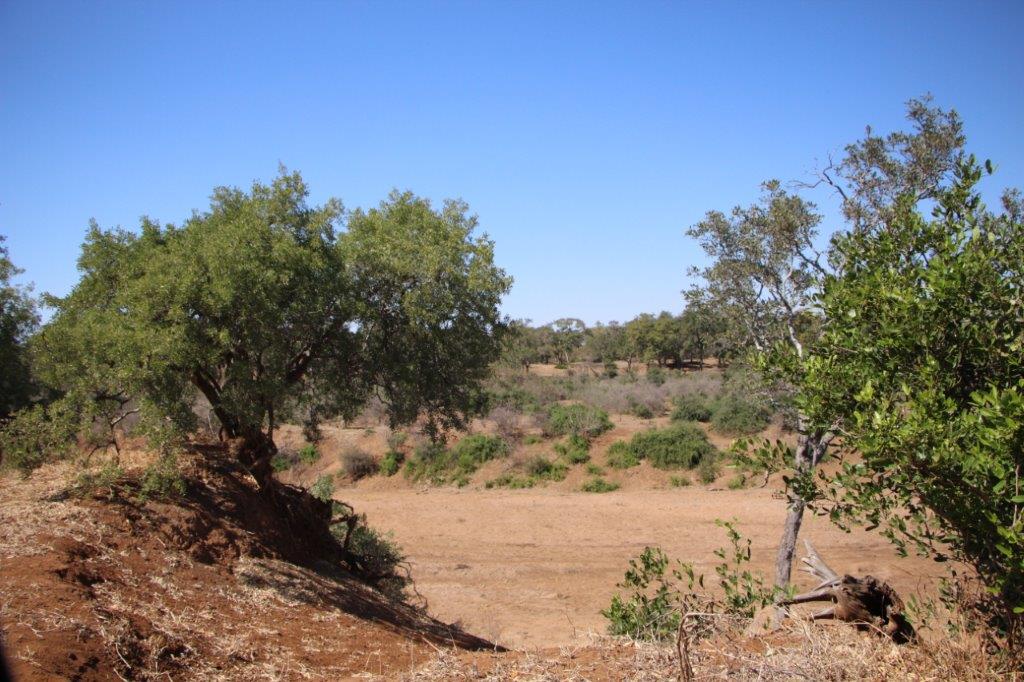
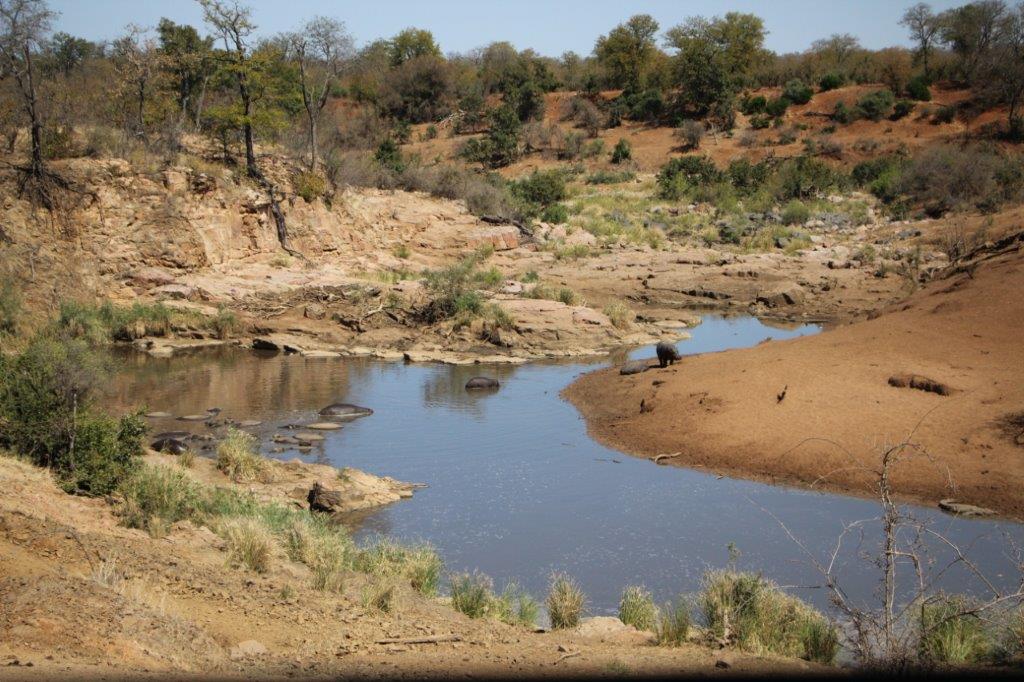

The river along the Shongololo loop was similarly dry.
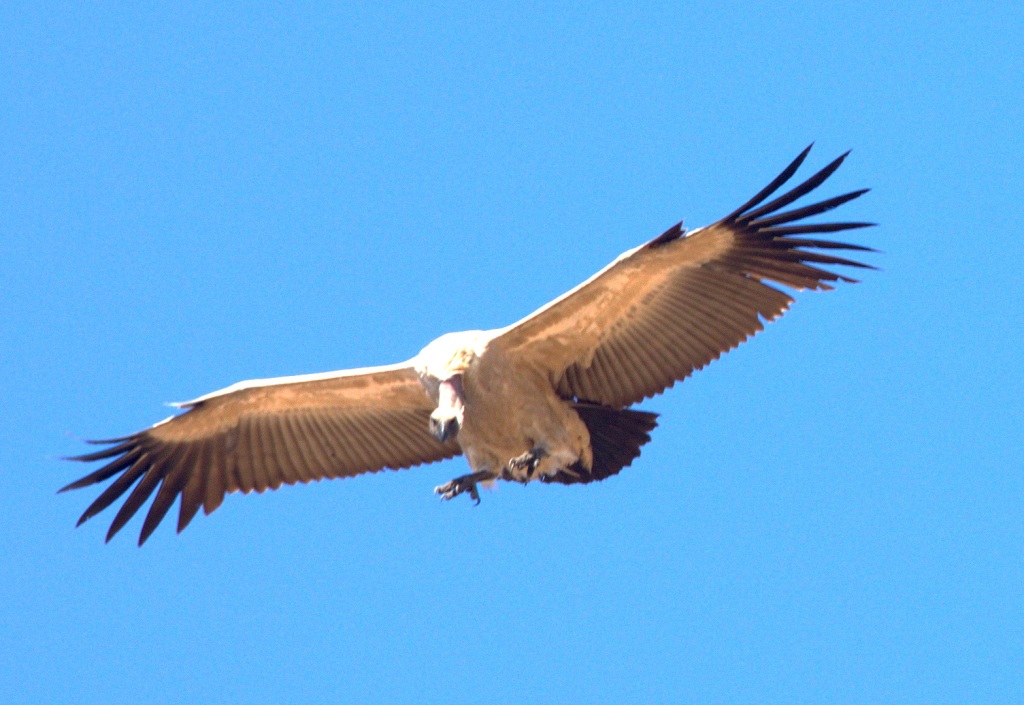
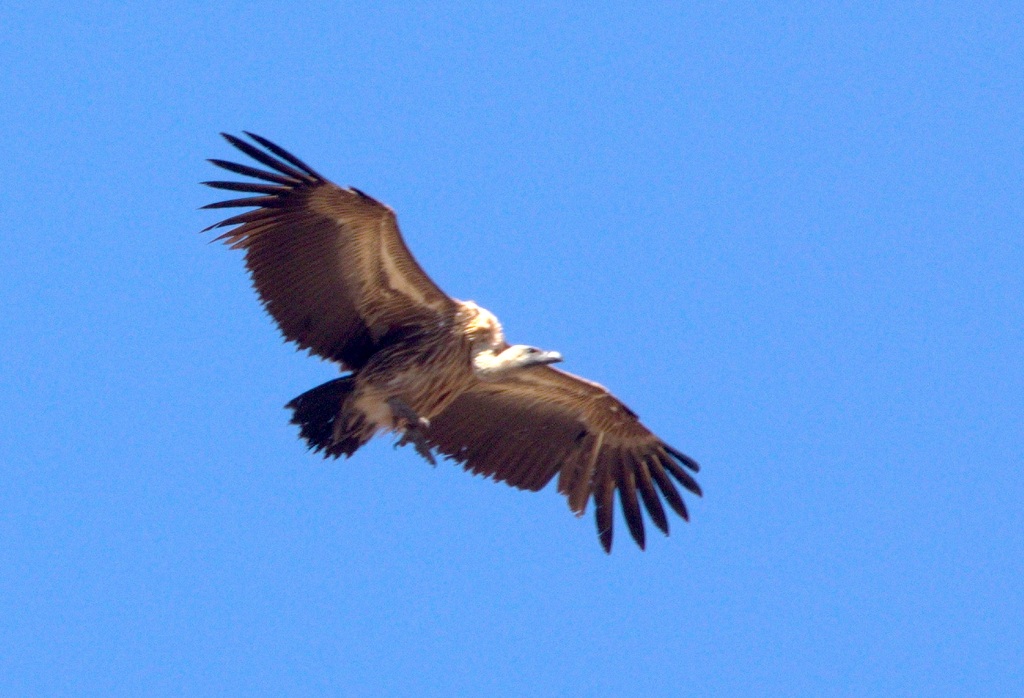
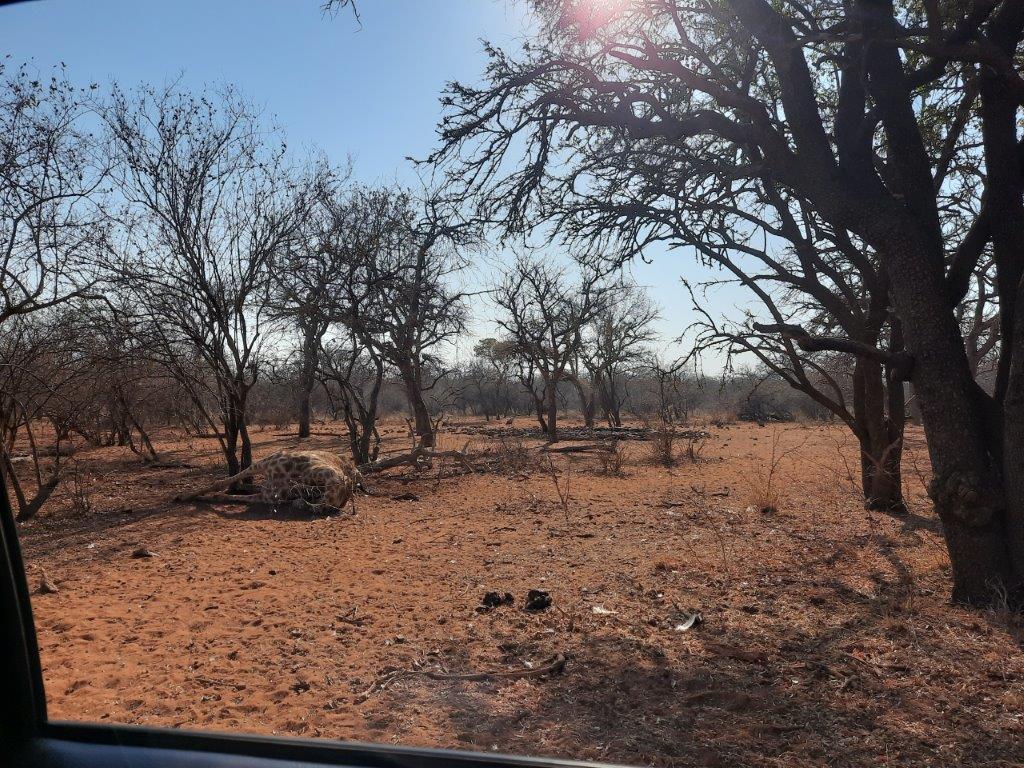
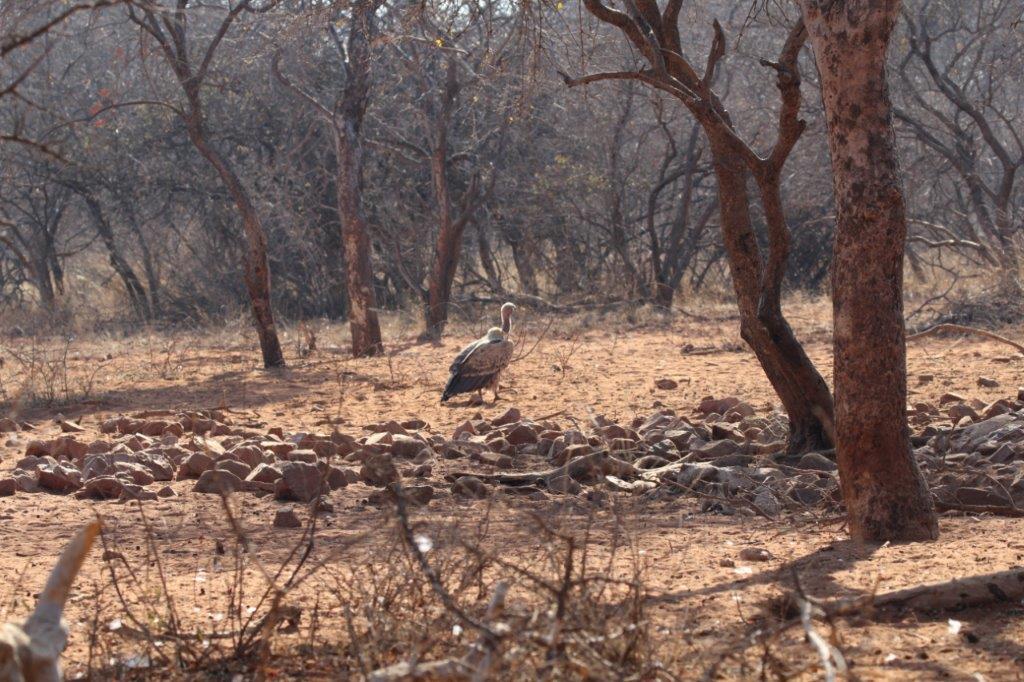
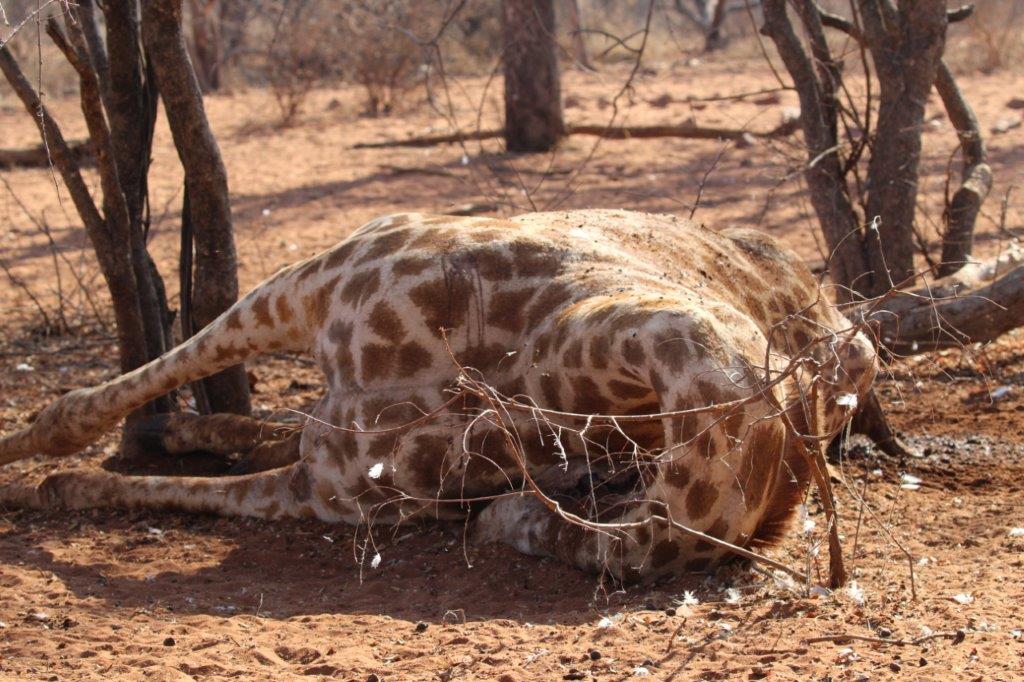
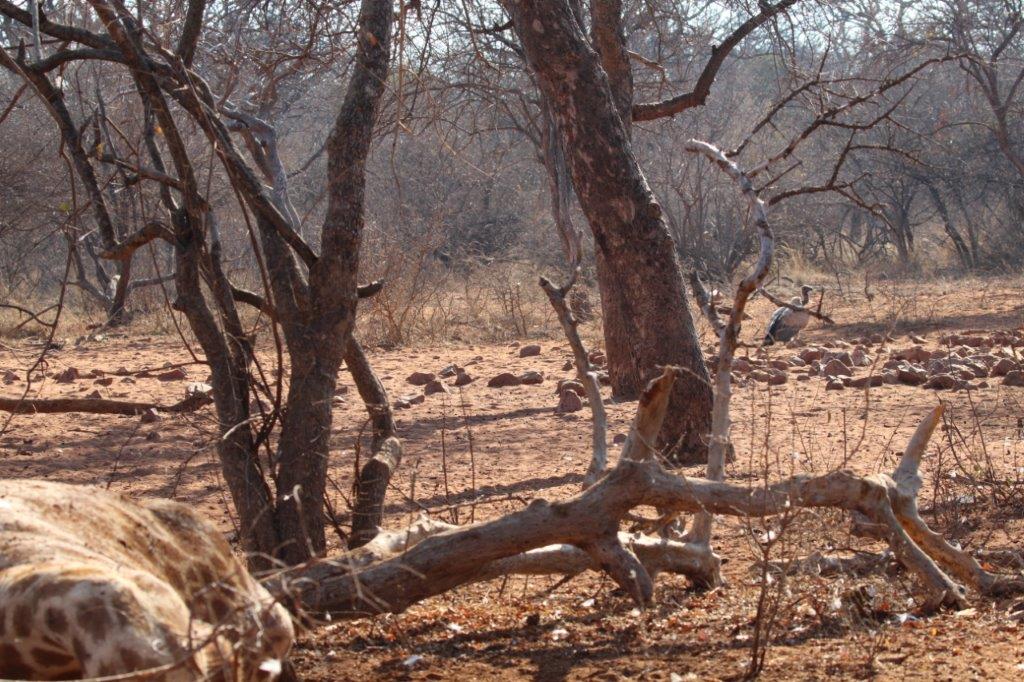
We had White-backed Vultures in the bush beside us trying their best to guzzle on a corpse – perhaps a dead Hippo.
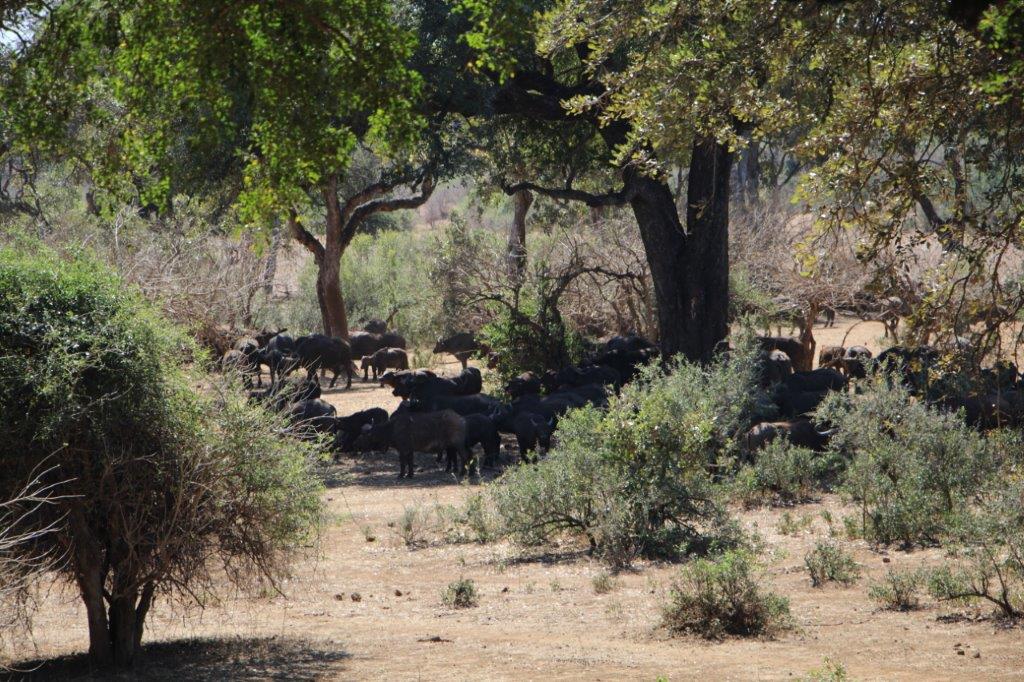
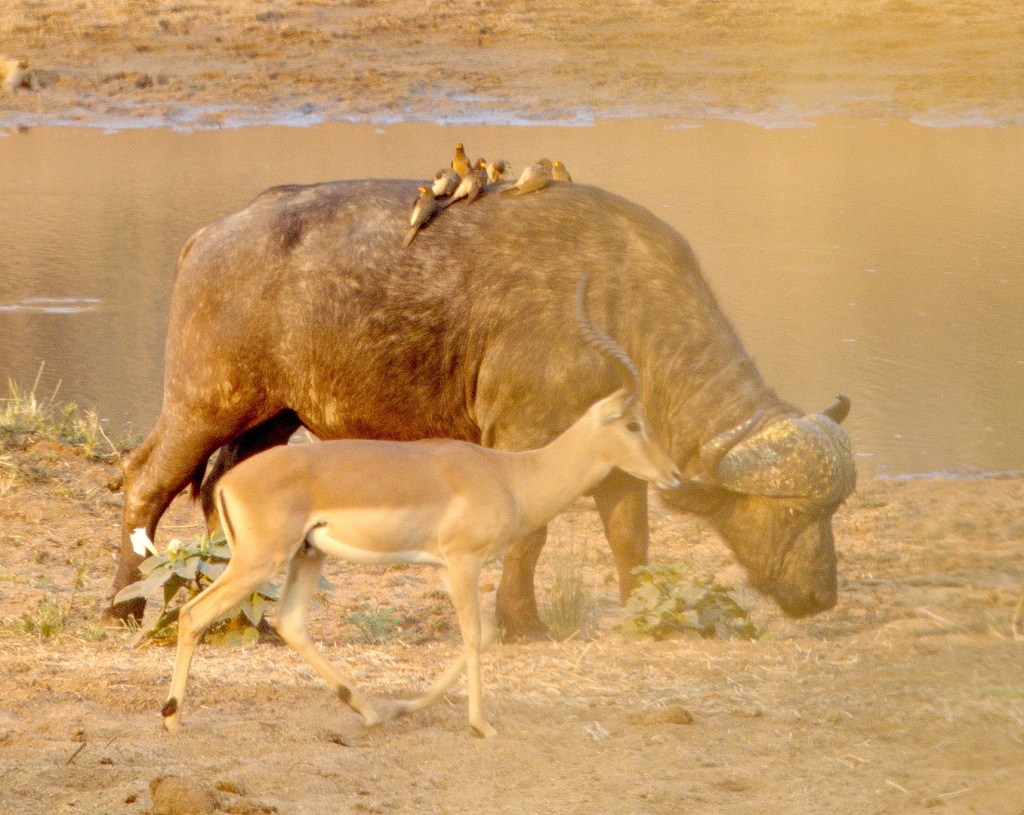
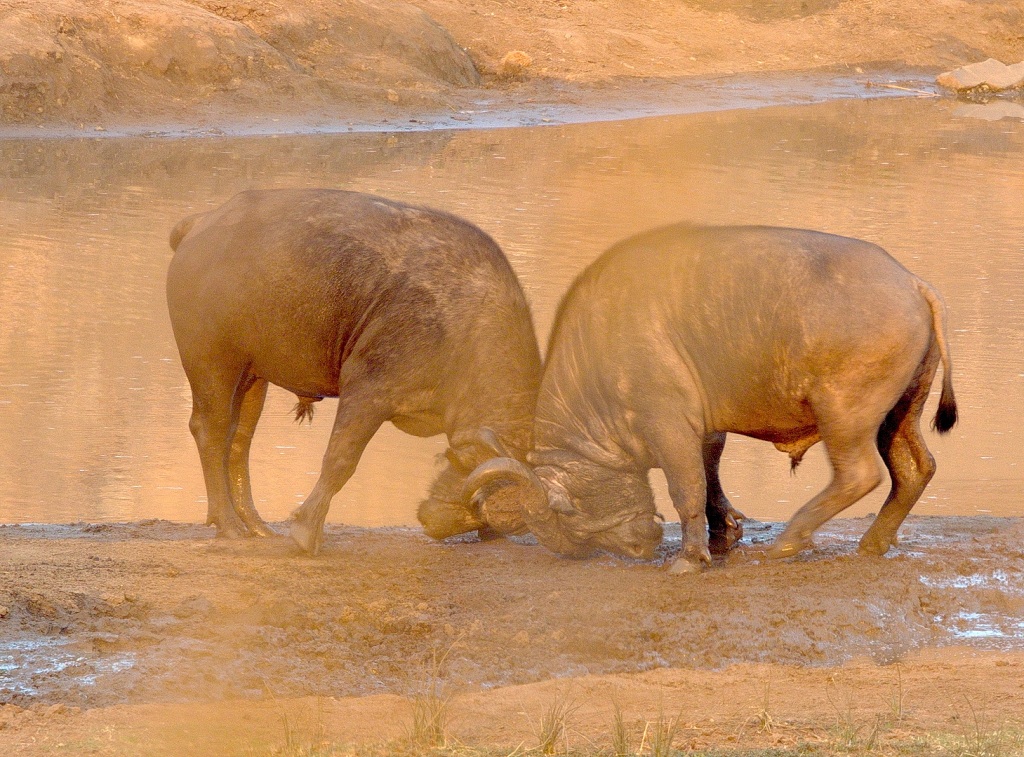
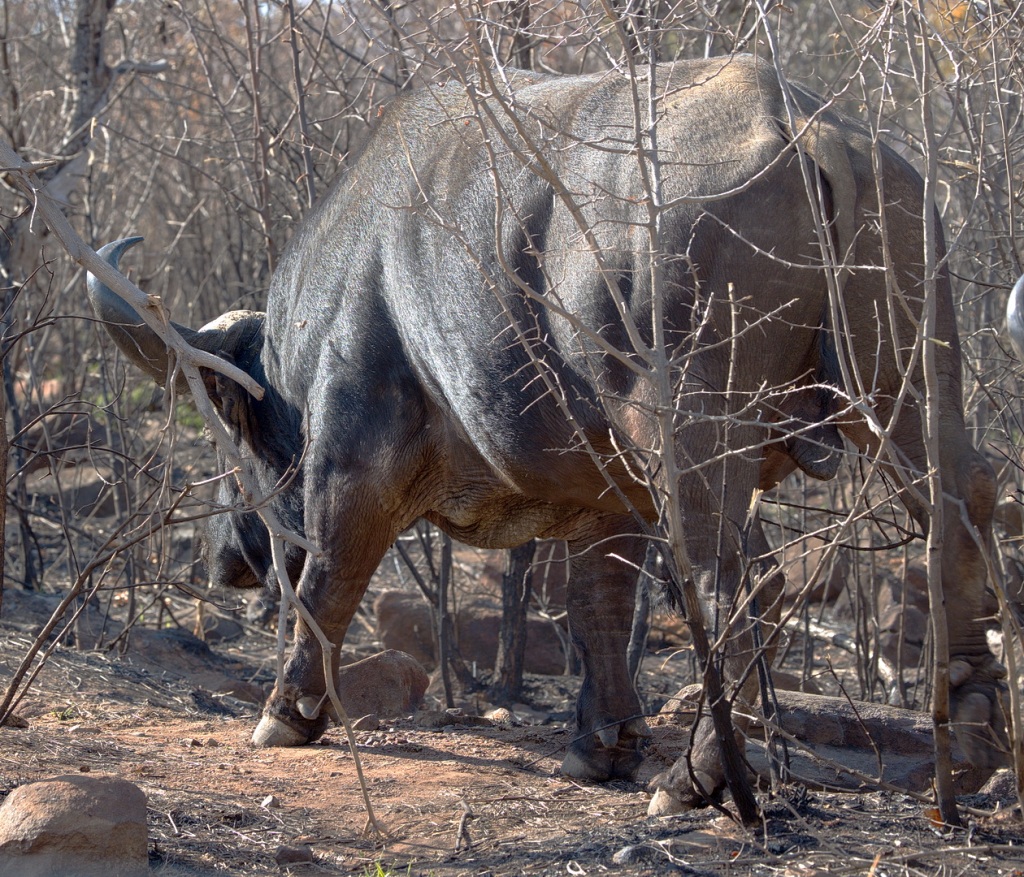
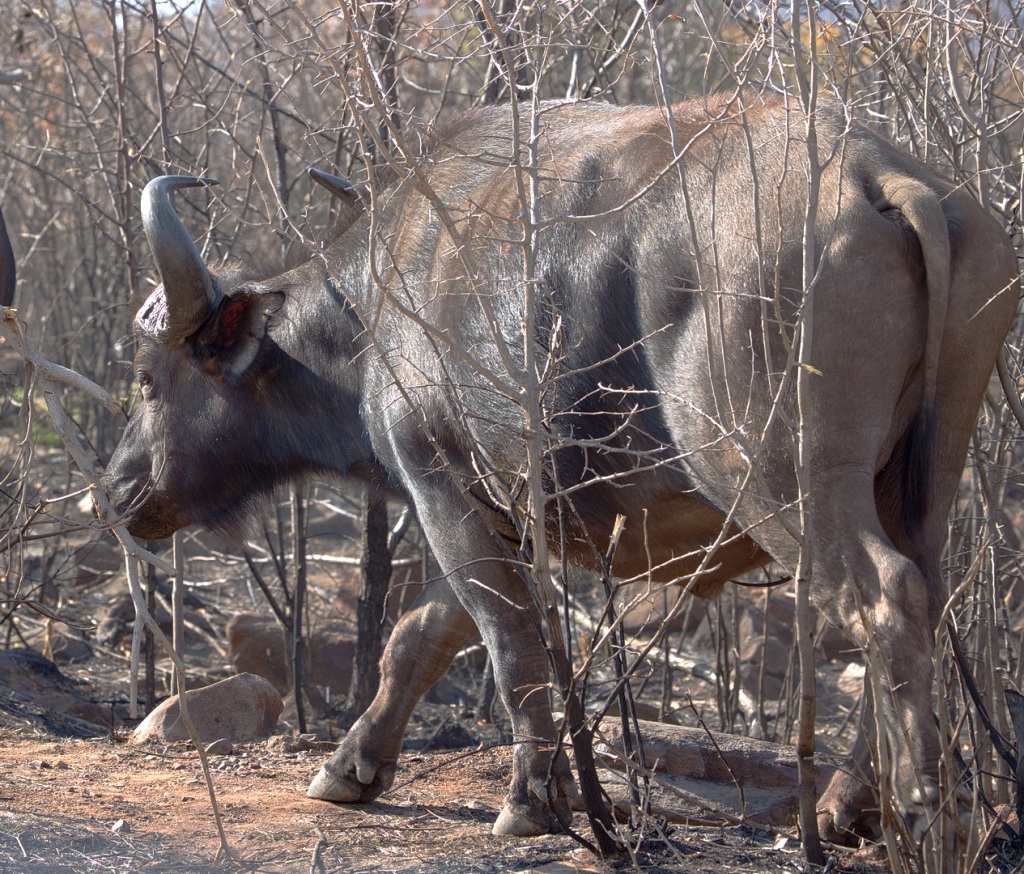
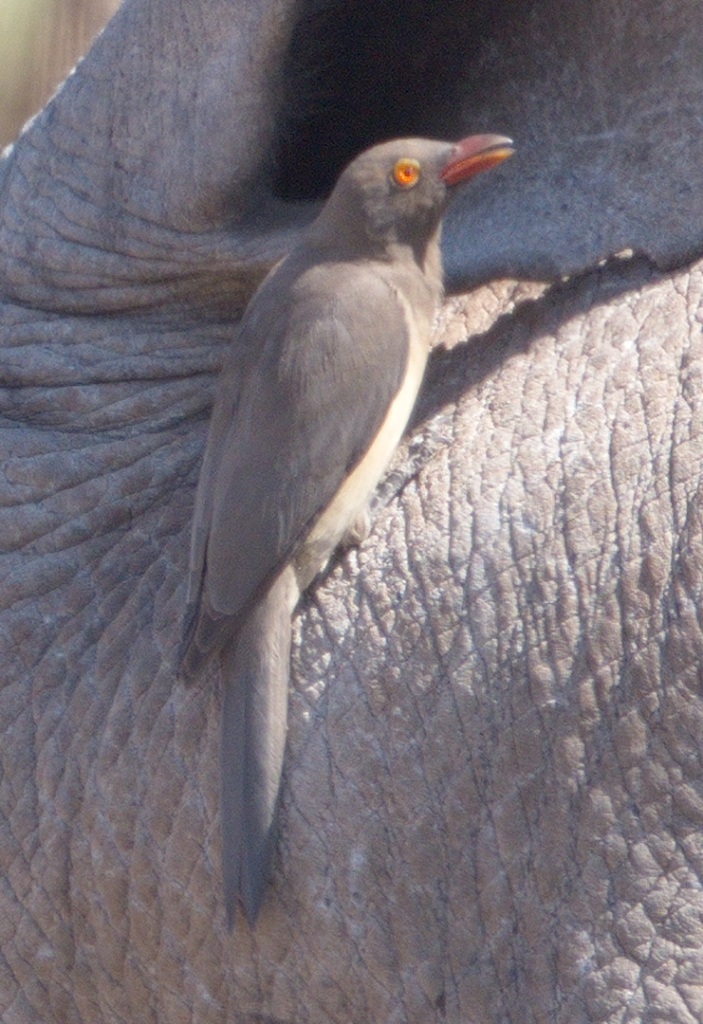
Then there were 2 Buffalos having a tussle in the riverbed to the camp and one with yellow-billed Oxpeckers on its back.
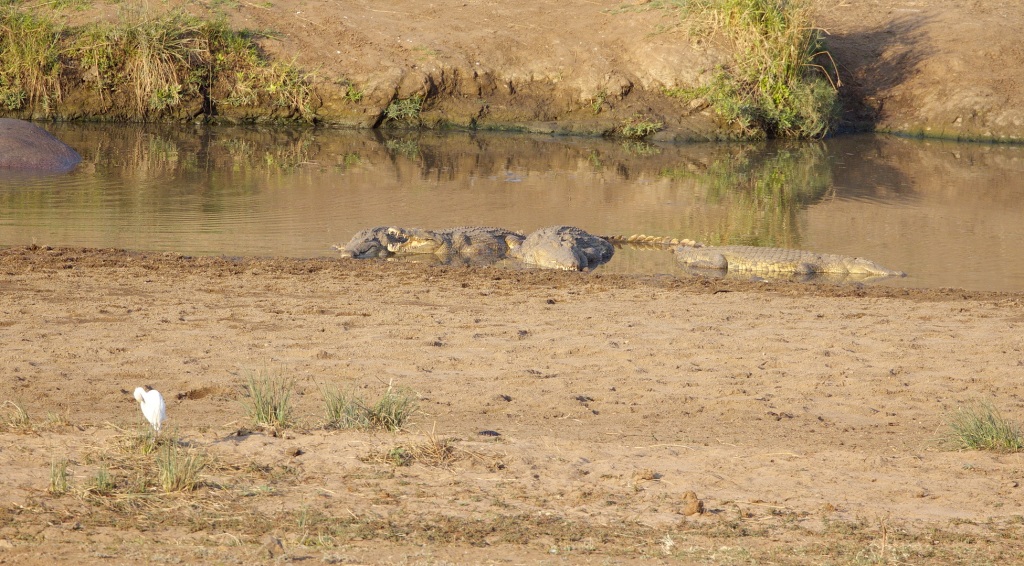
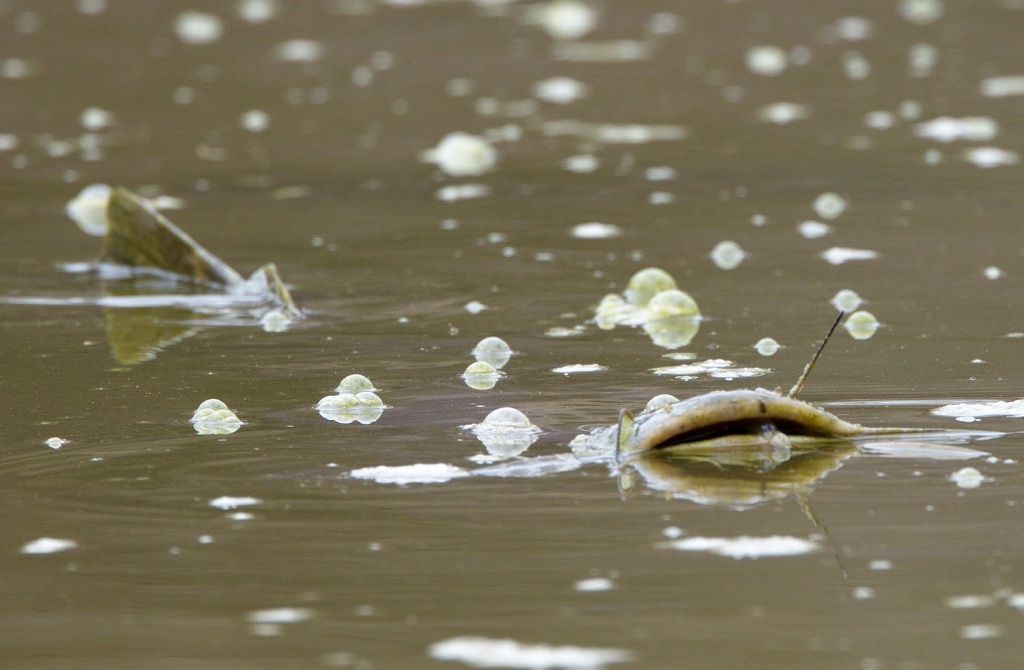
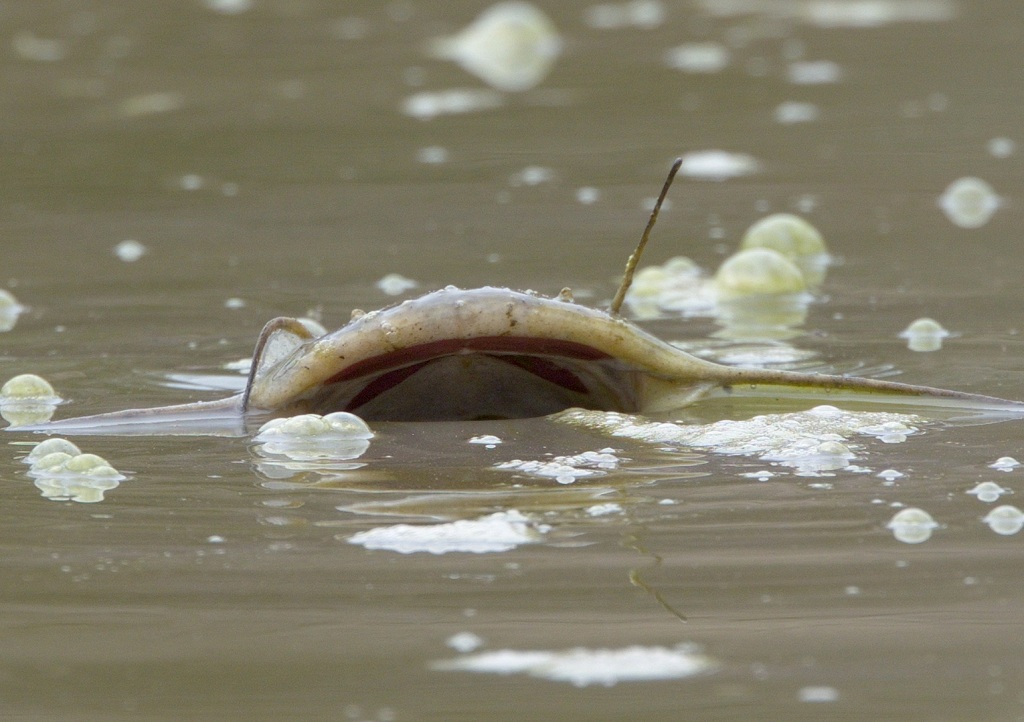
Crocodiles amassed together in whatever water they could find.
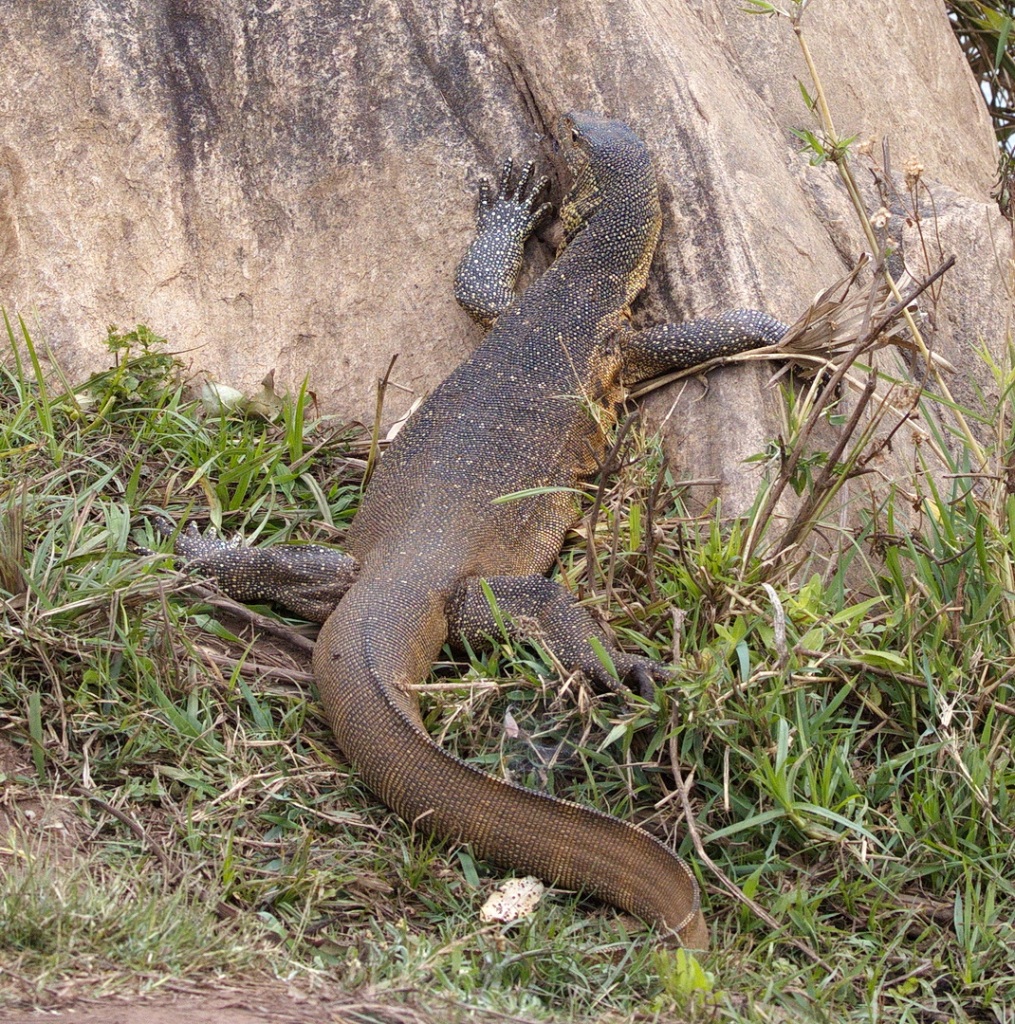
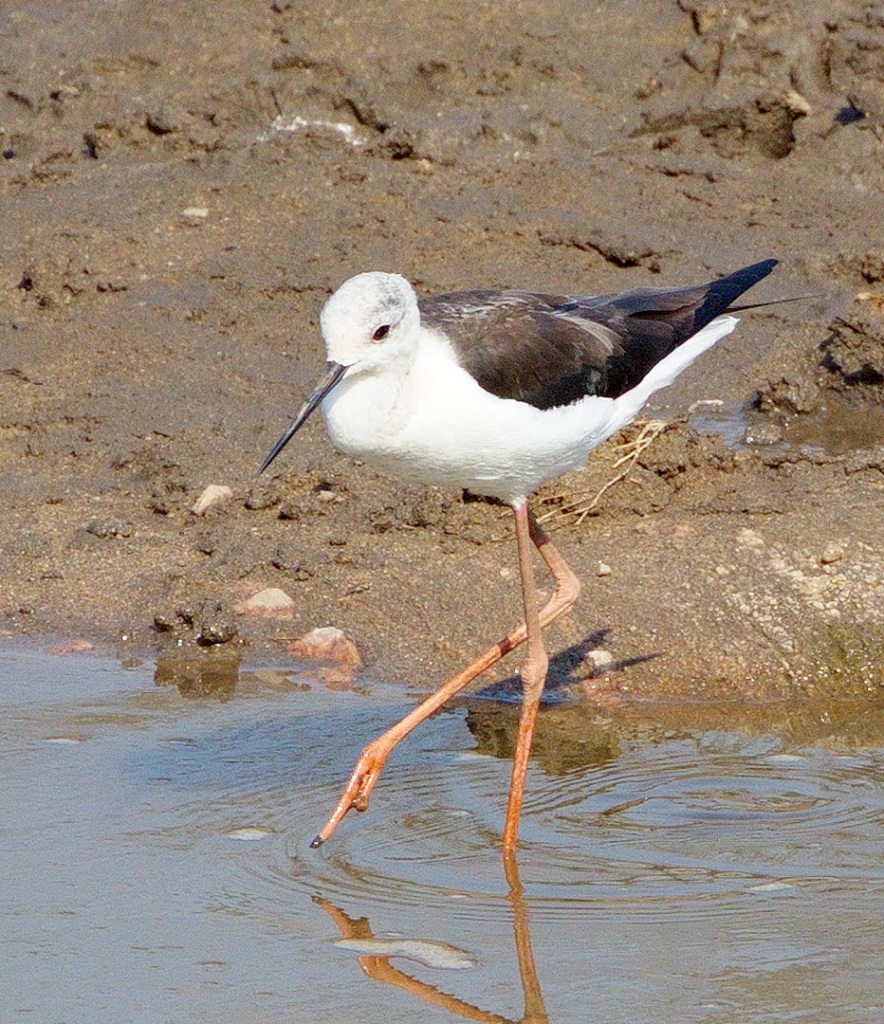
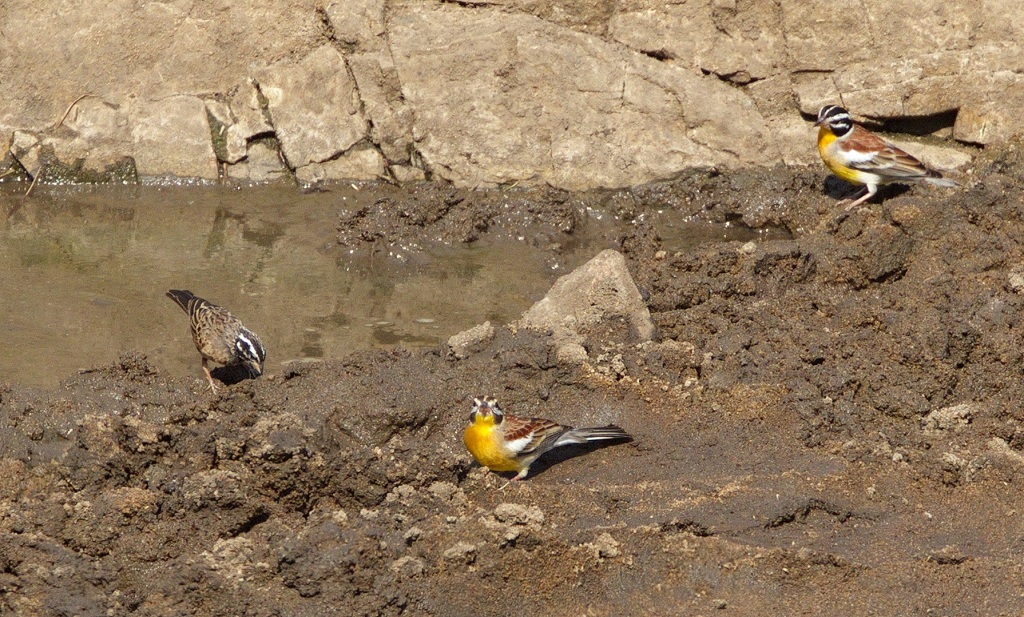
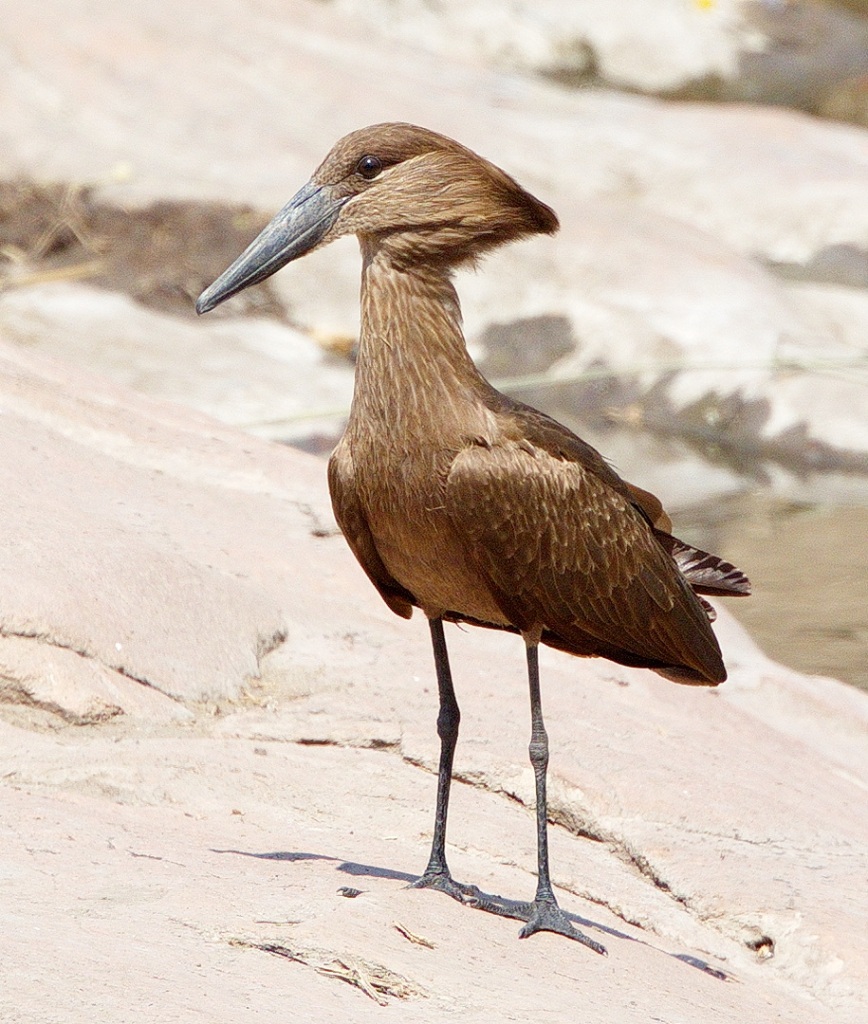
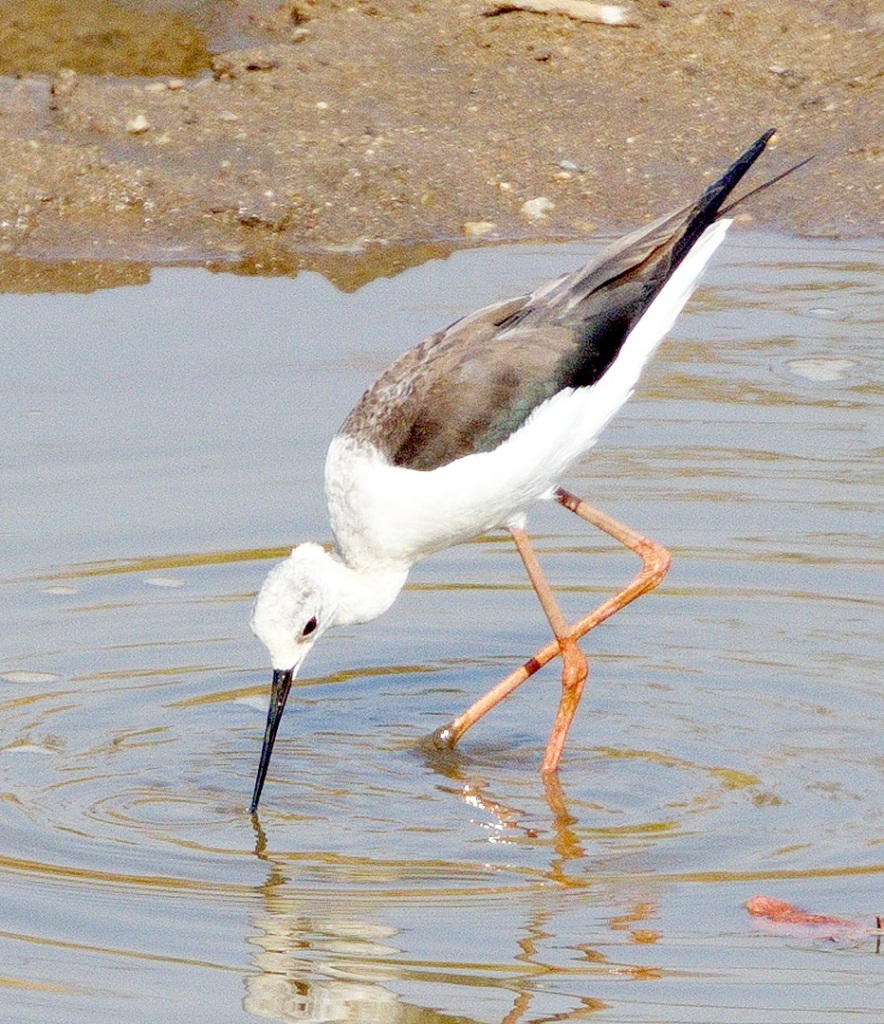
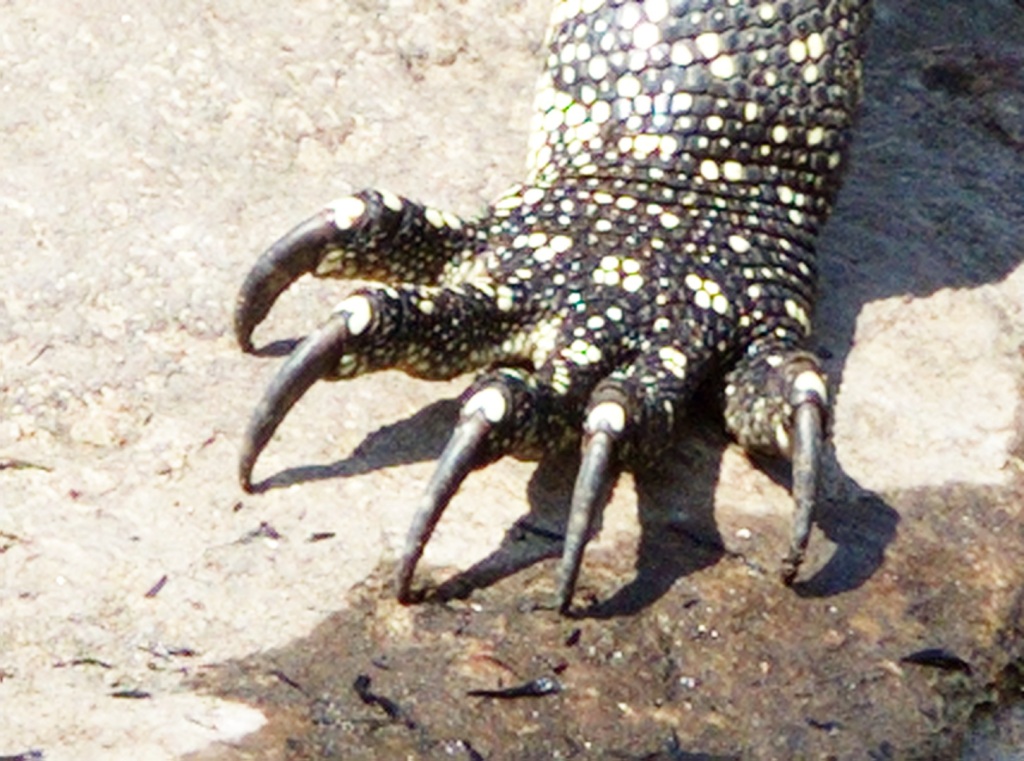
At the Nyawutsi Hide, a leguaan made an appearance showing its grappling claws as well as numerous Buntings – Golden-breasted and Cape, a Black-winged Stilt and a Hamerkop.
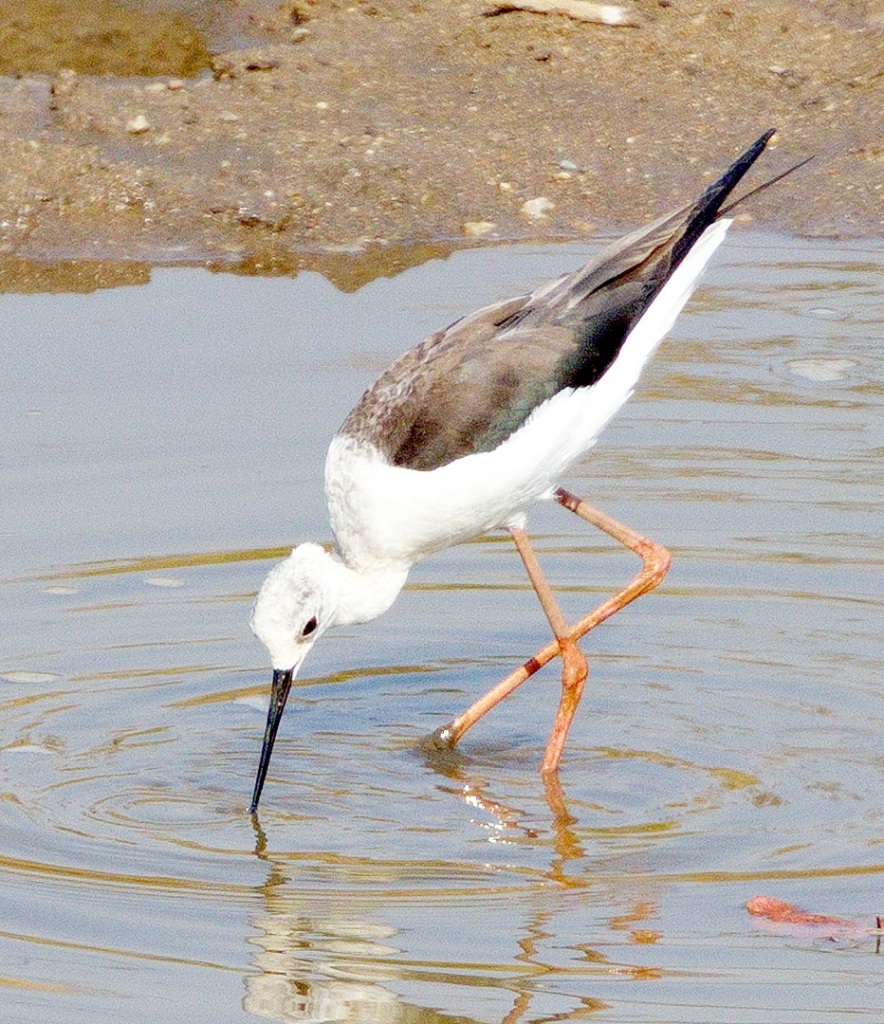
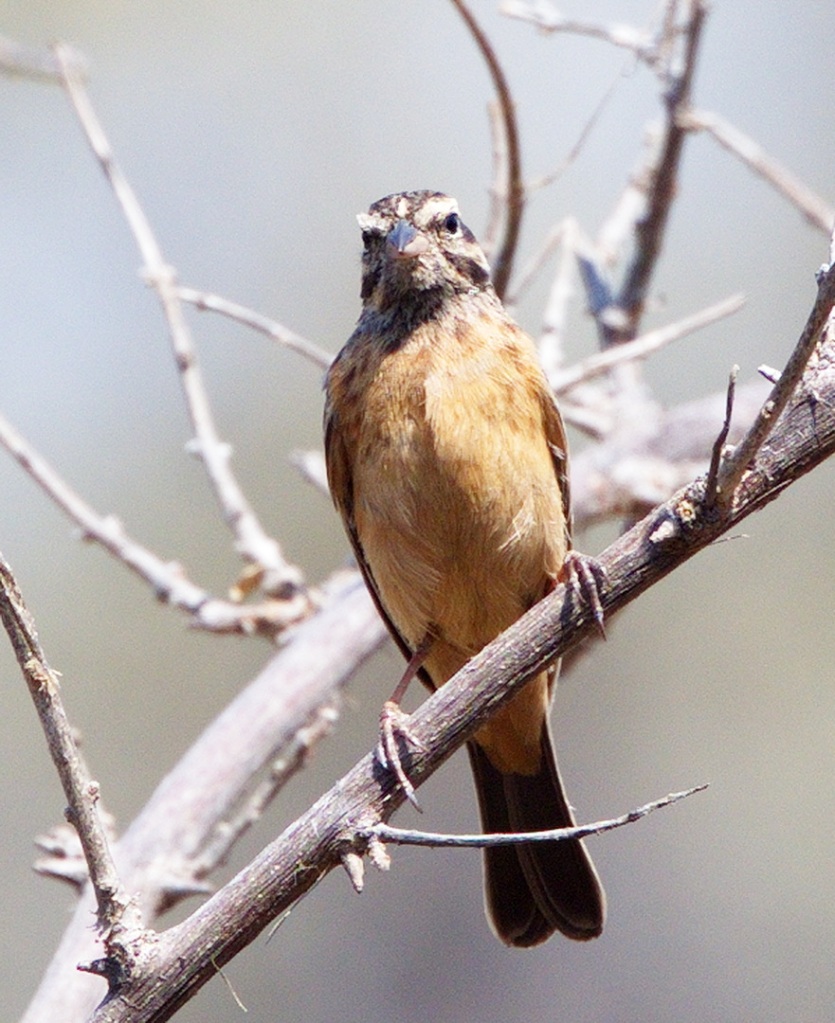
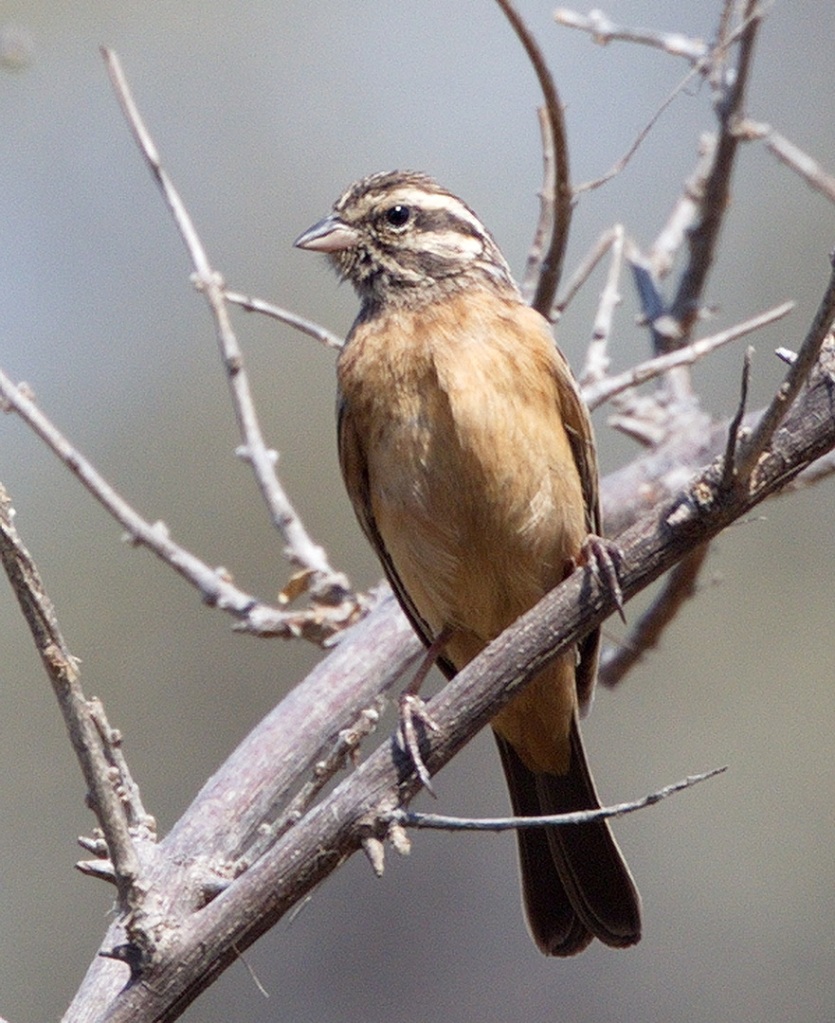
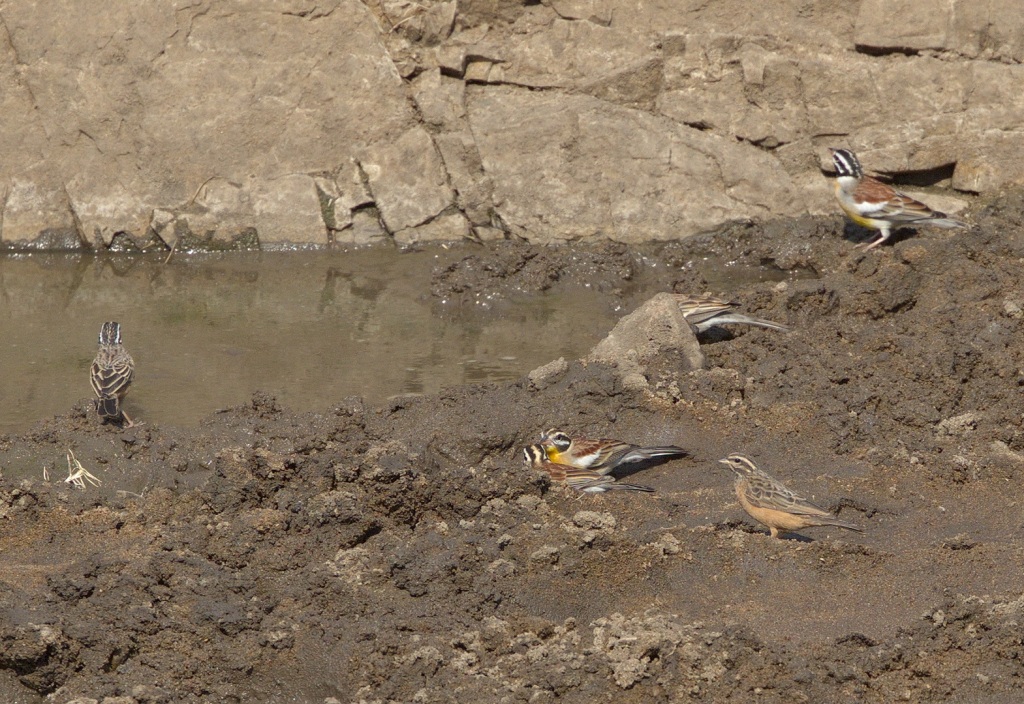
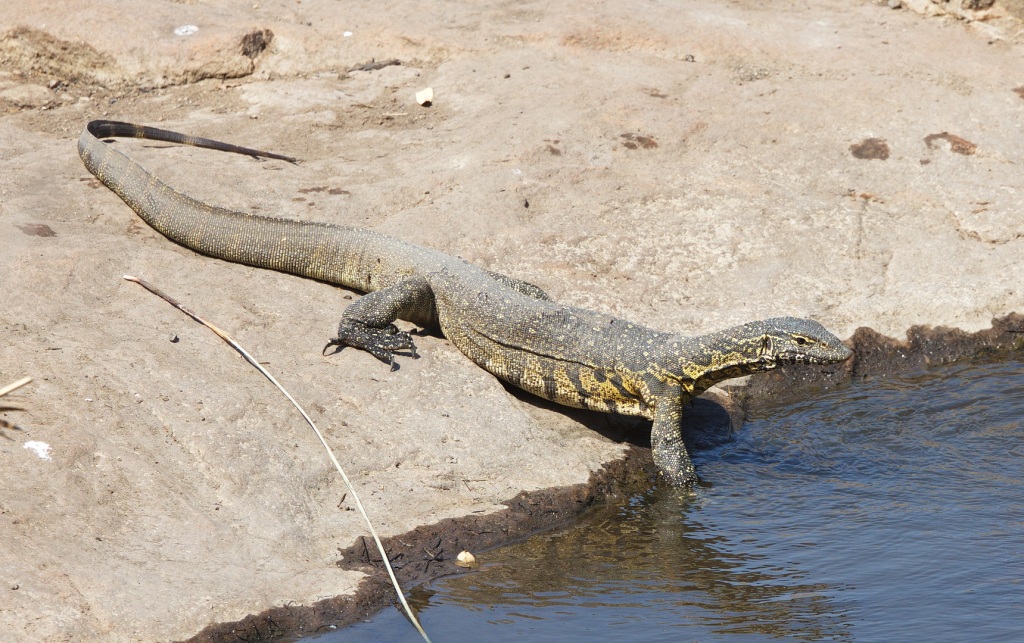
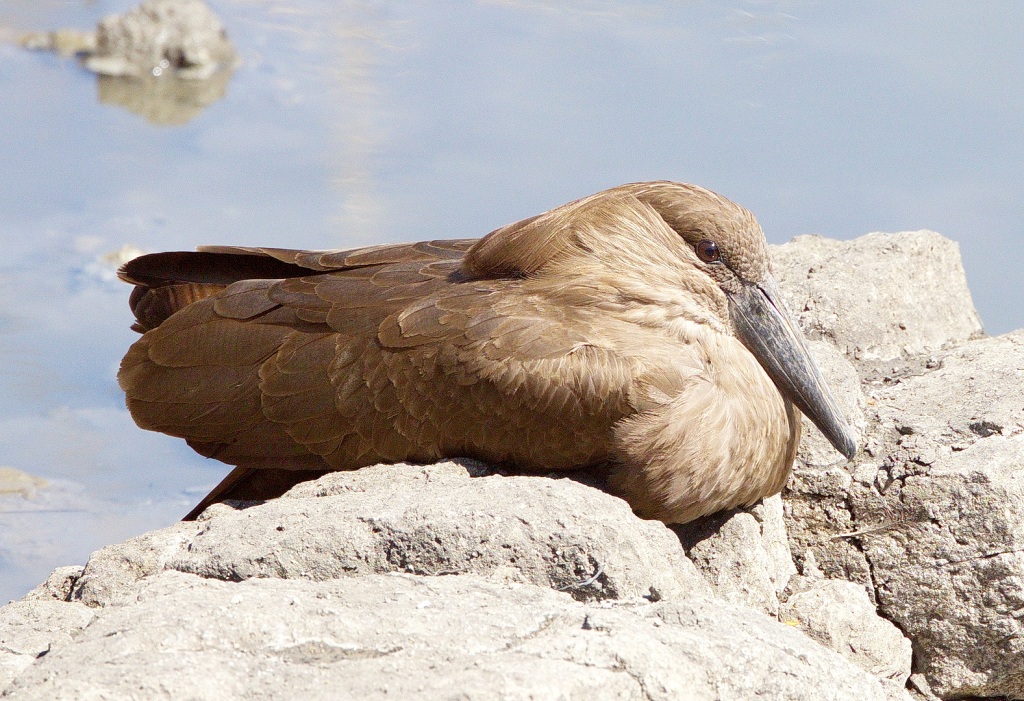
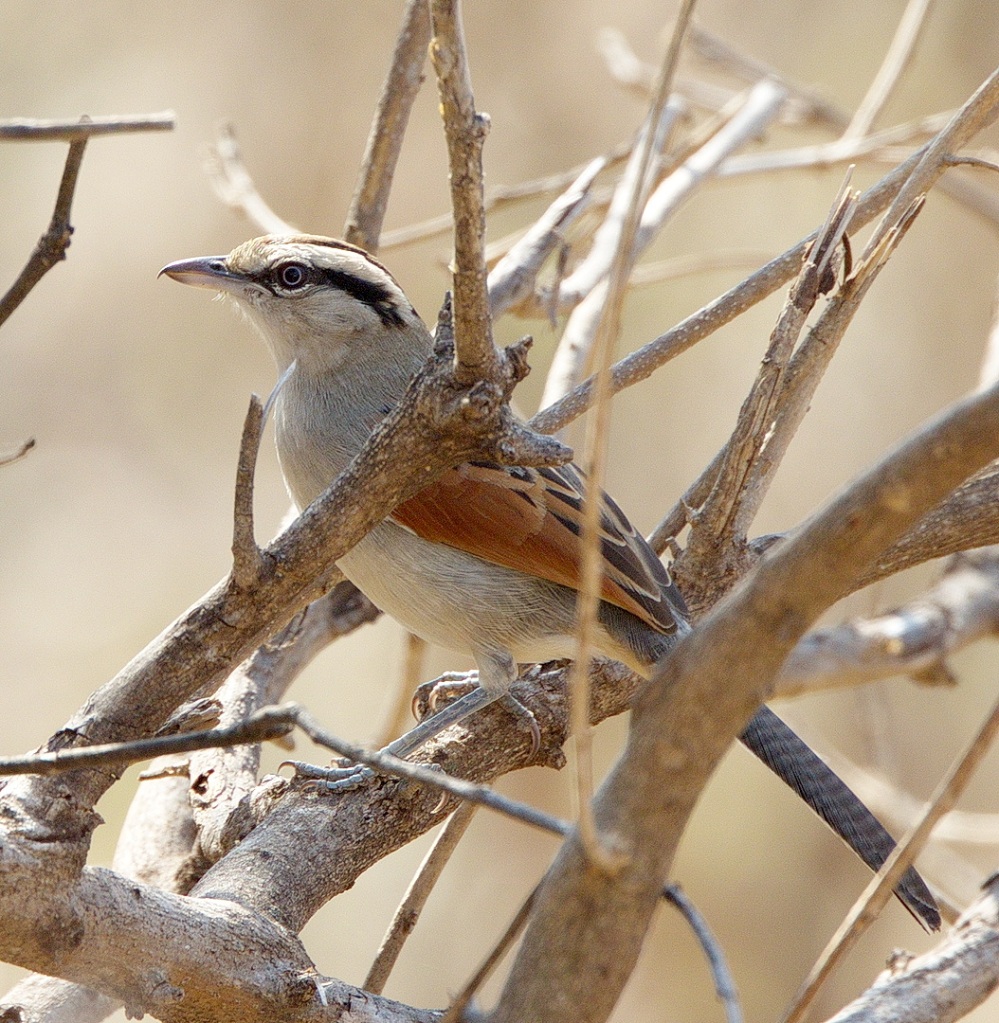
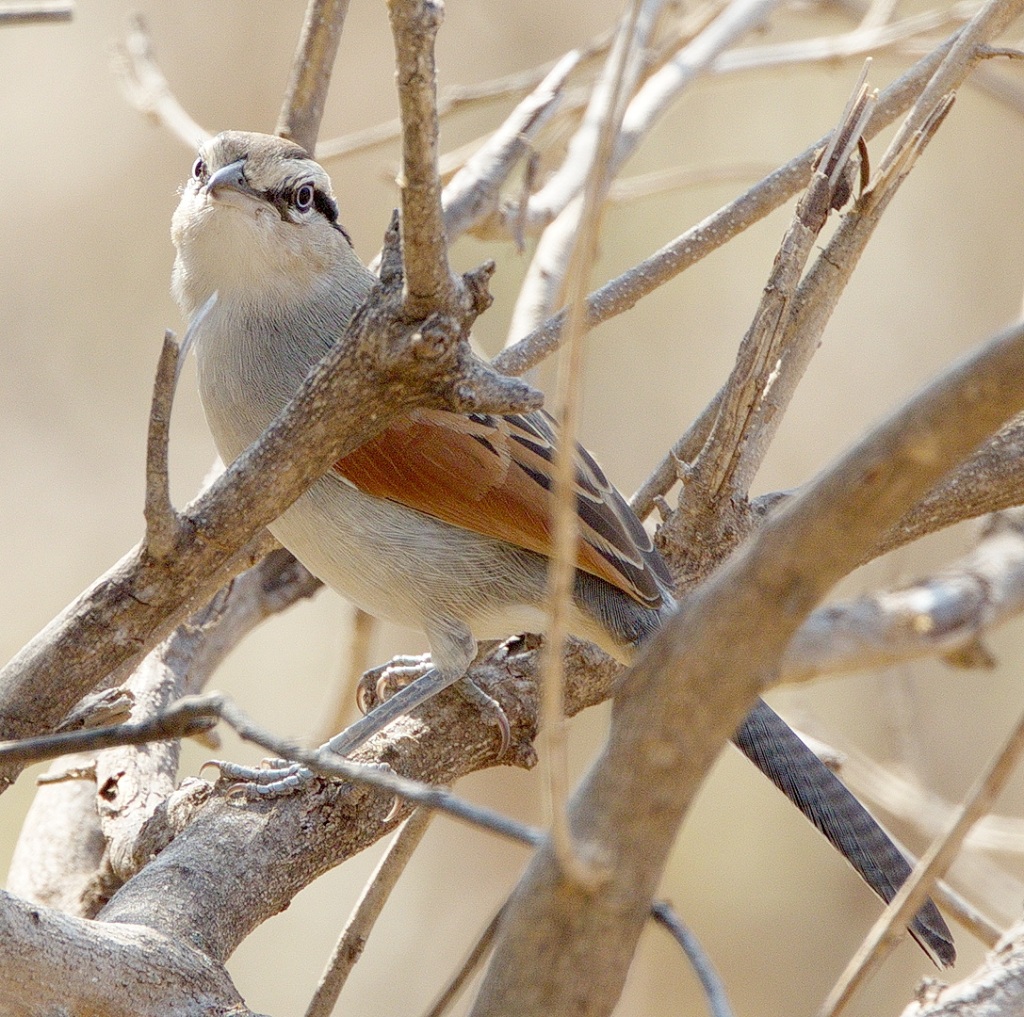
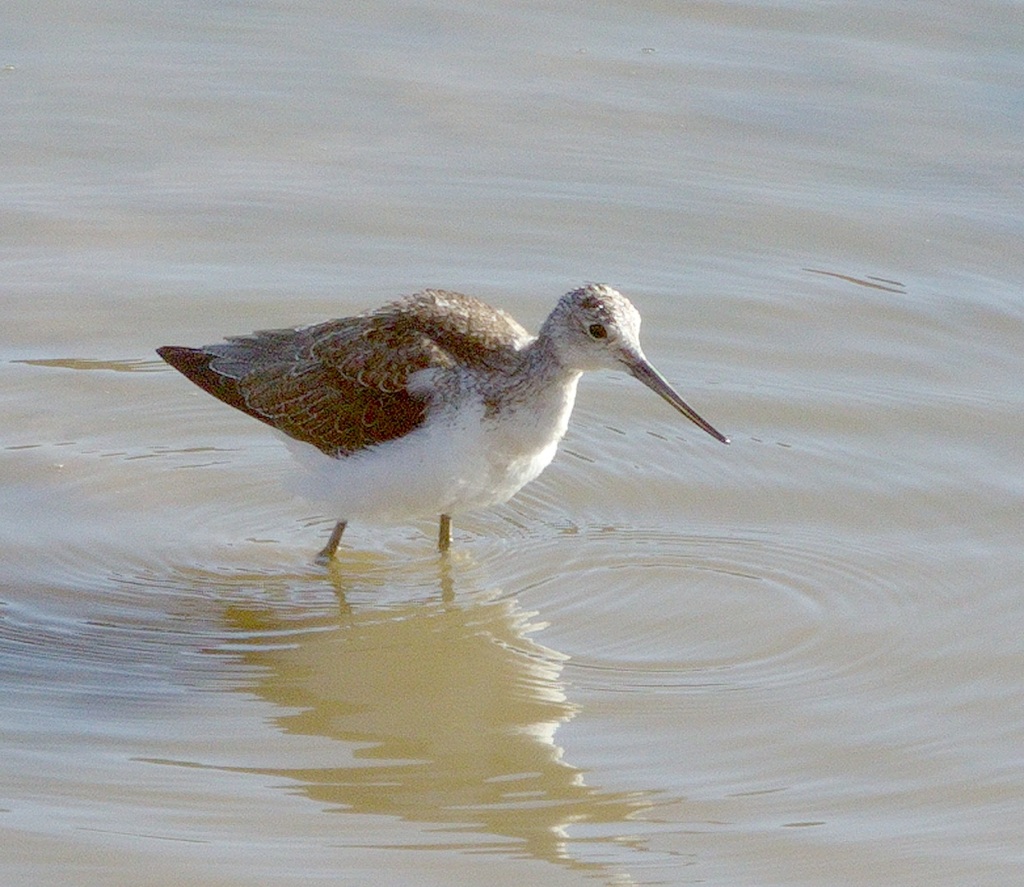
In the camp there were many colourful birds and an occasional creature.
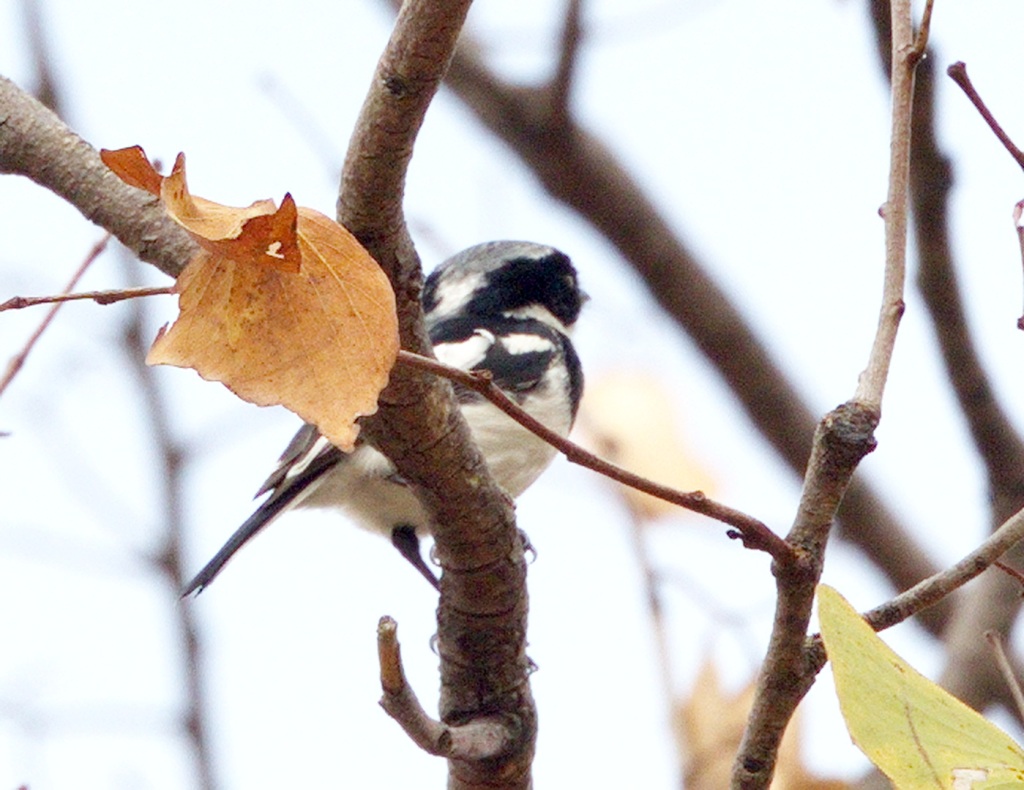
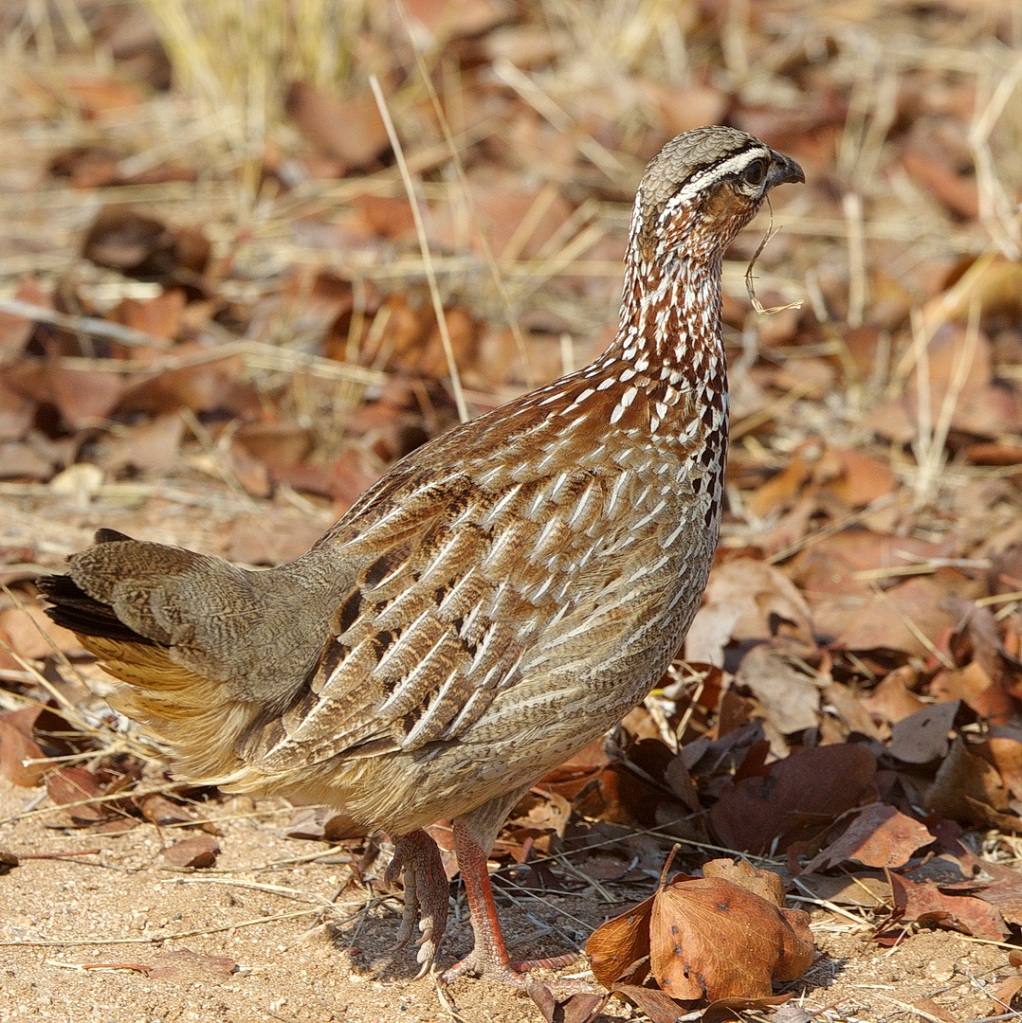
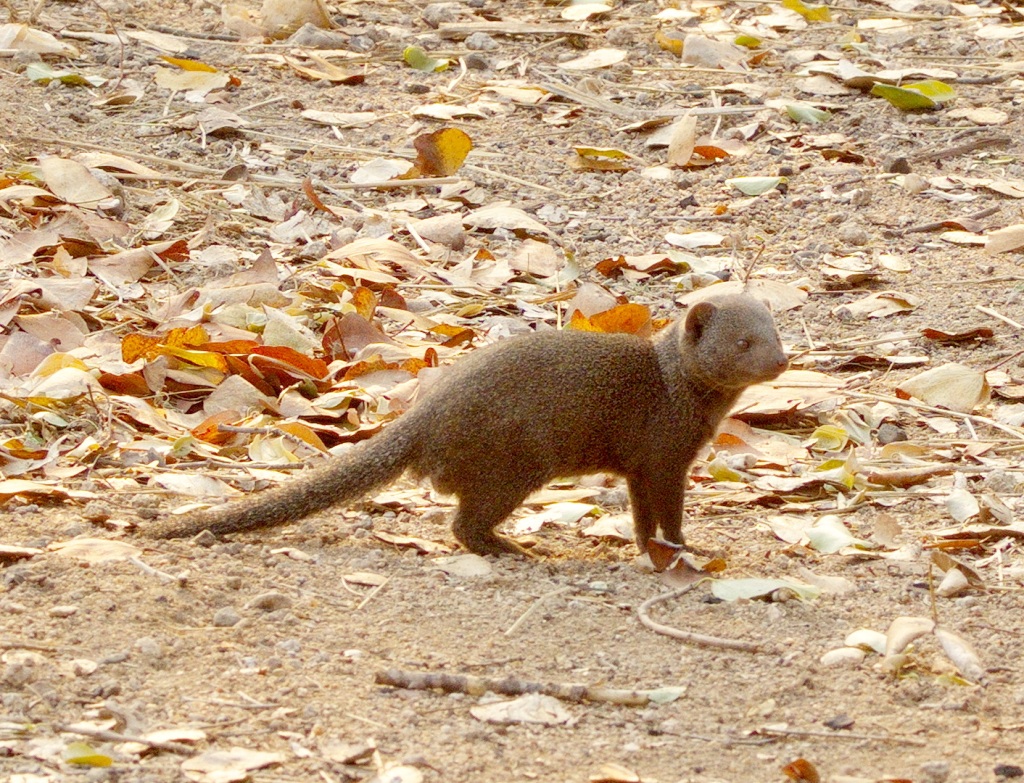
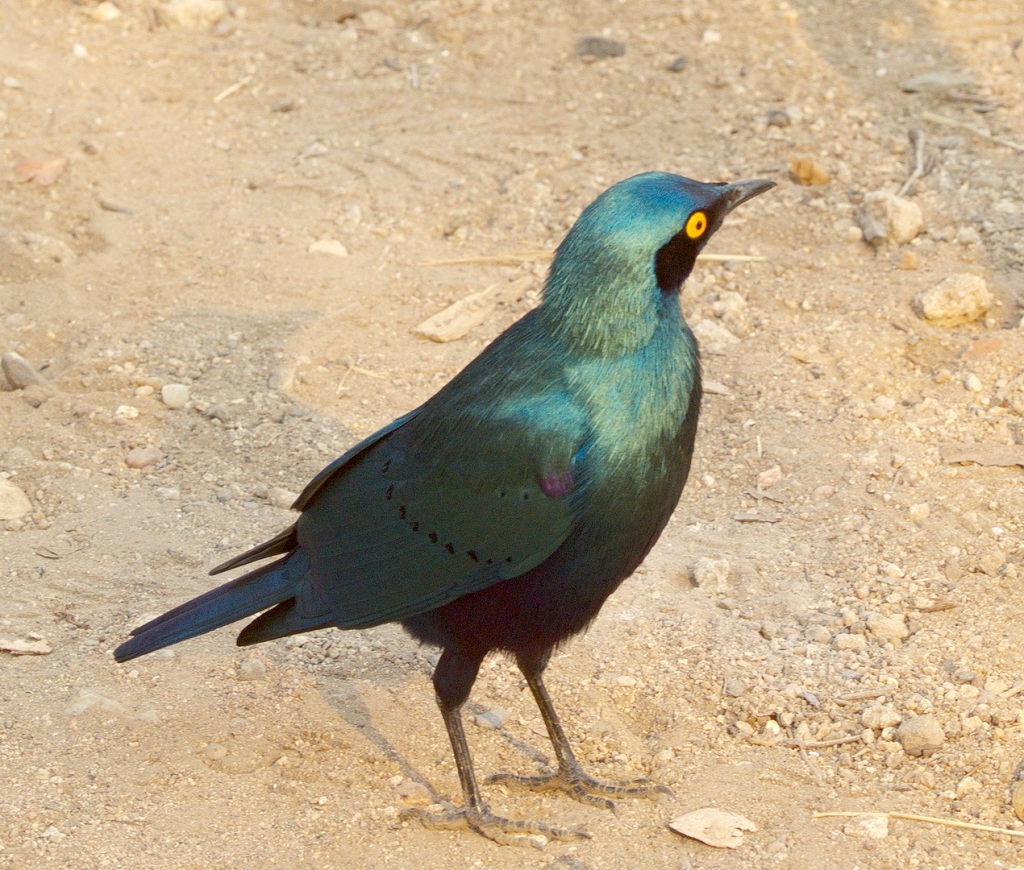
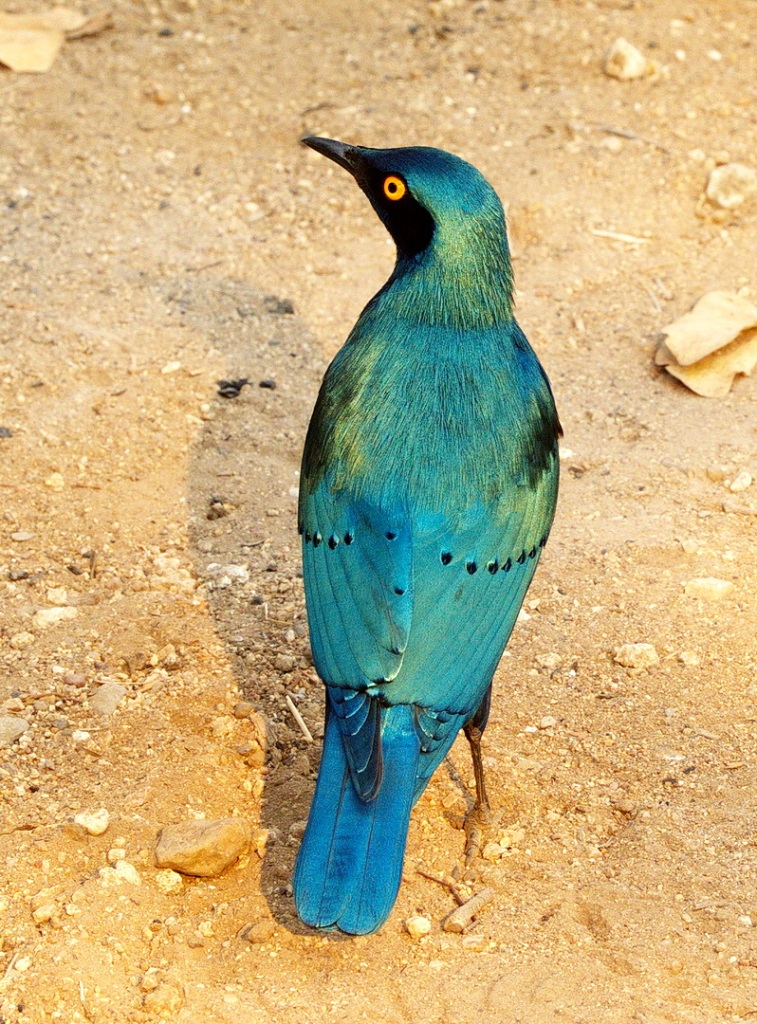
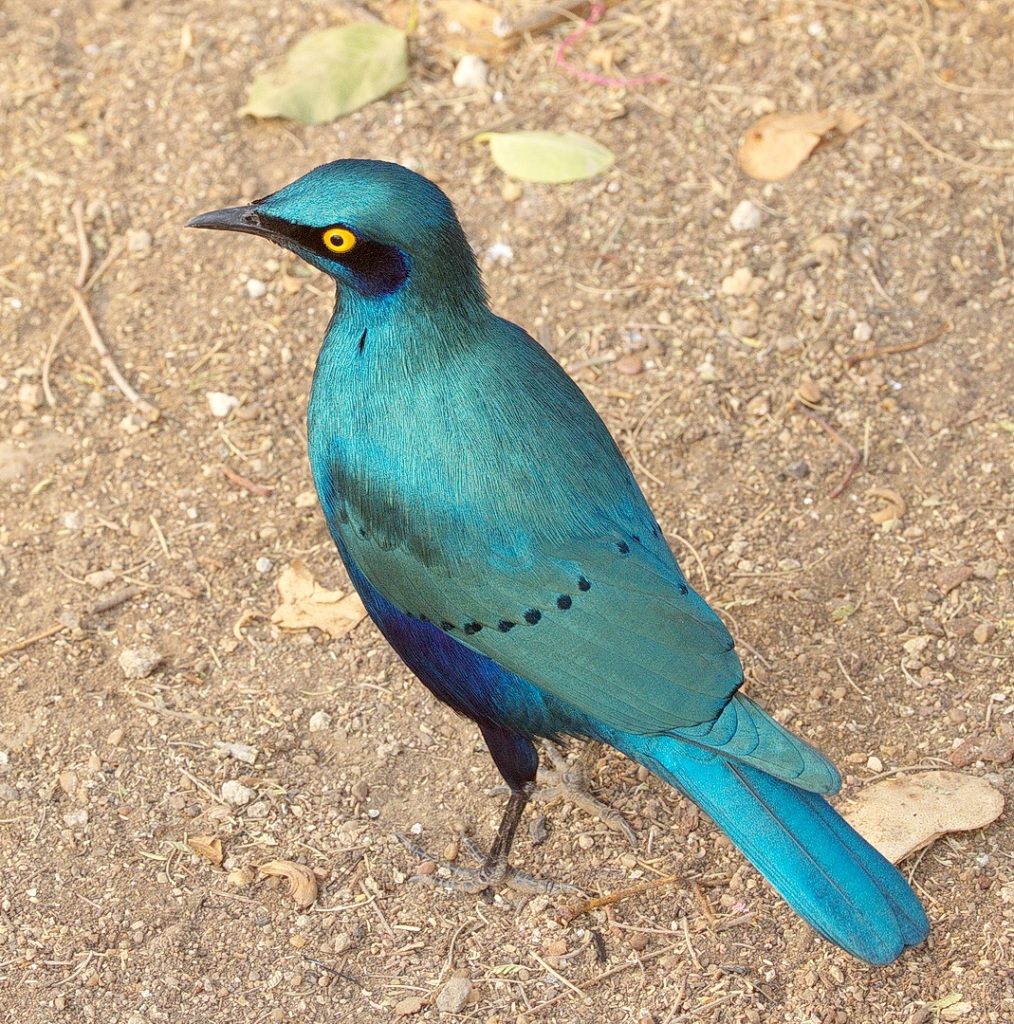
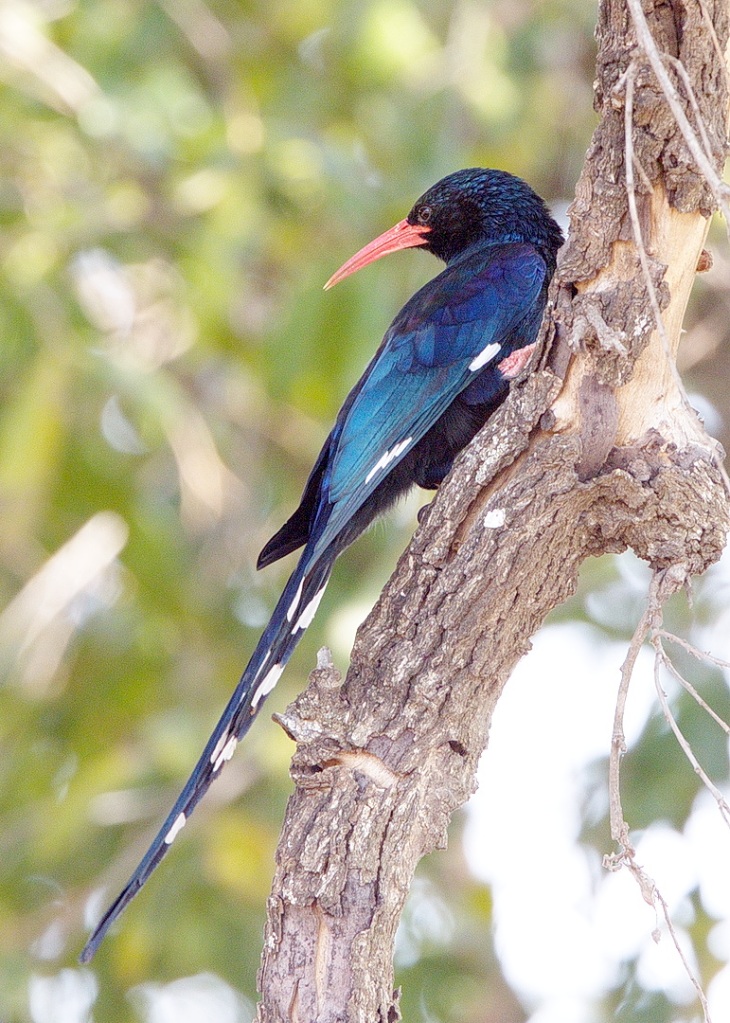
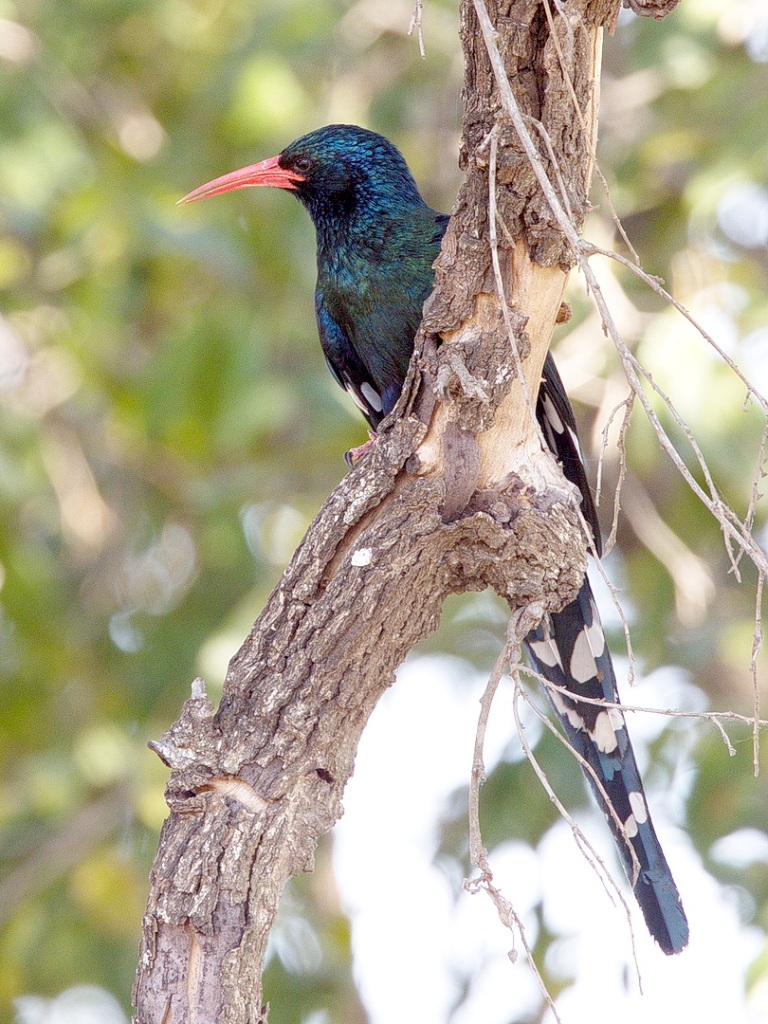
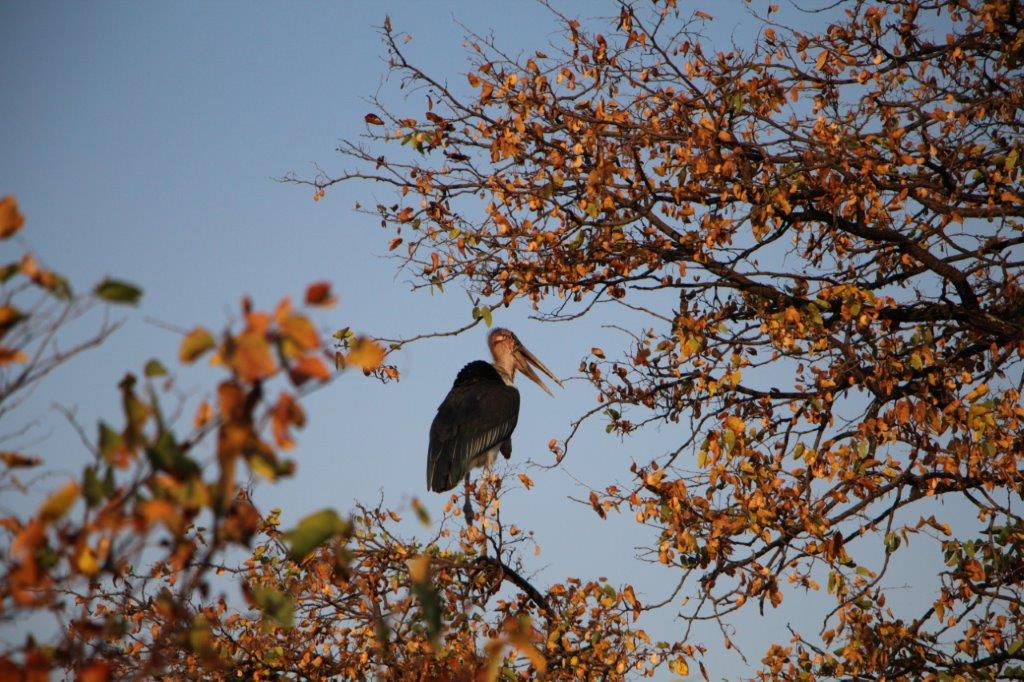
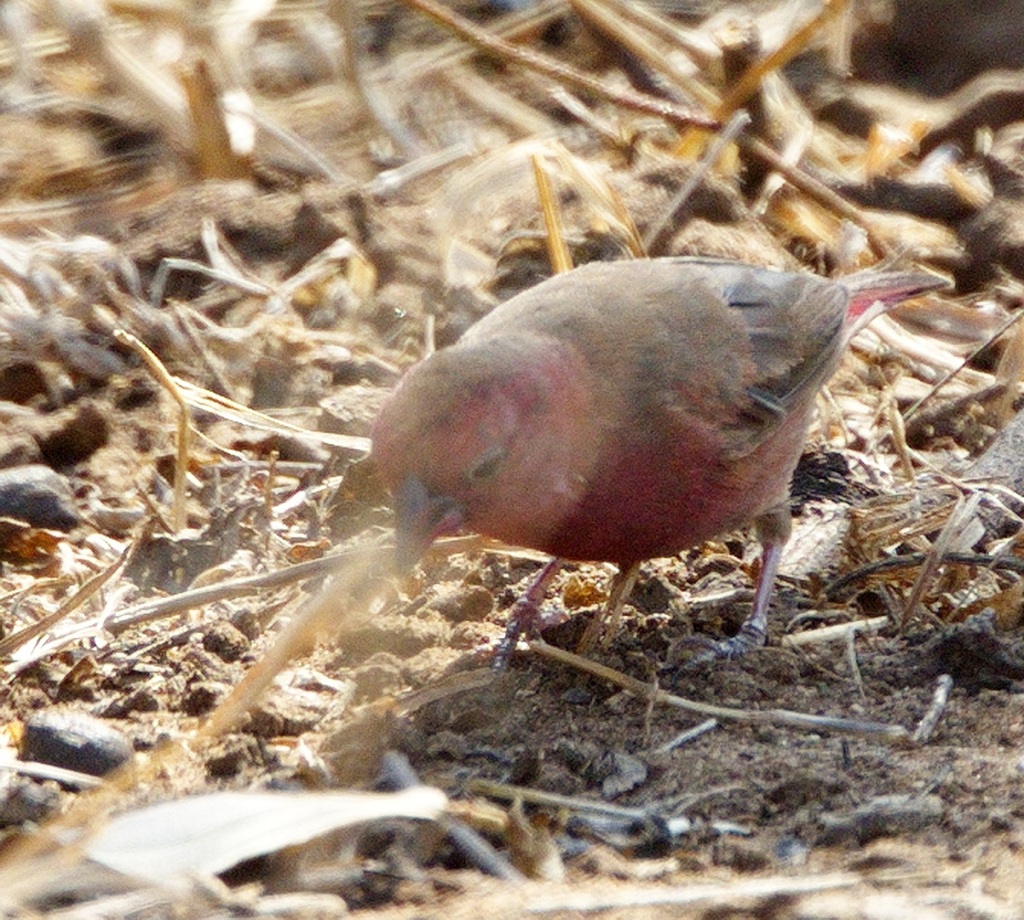
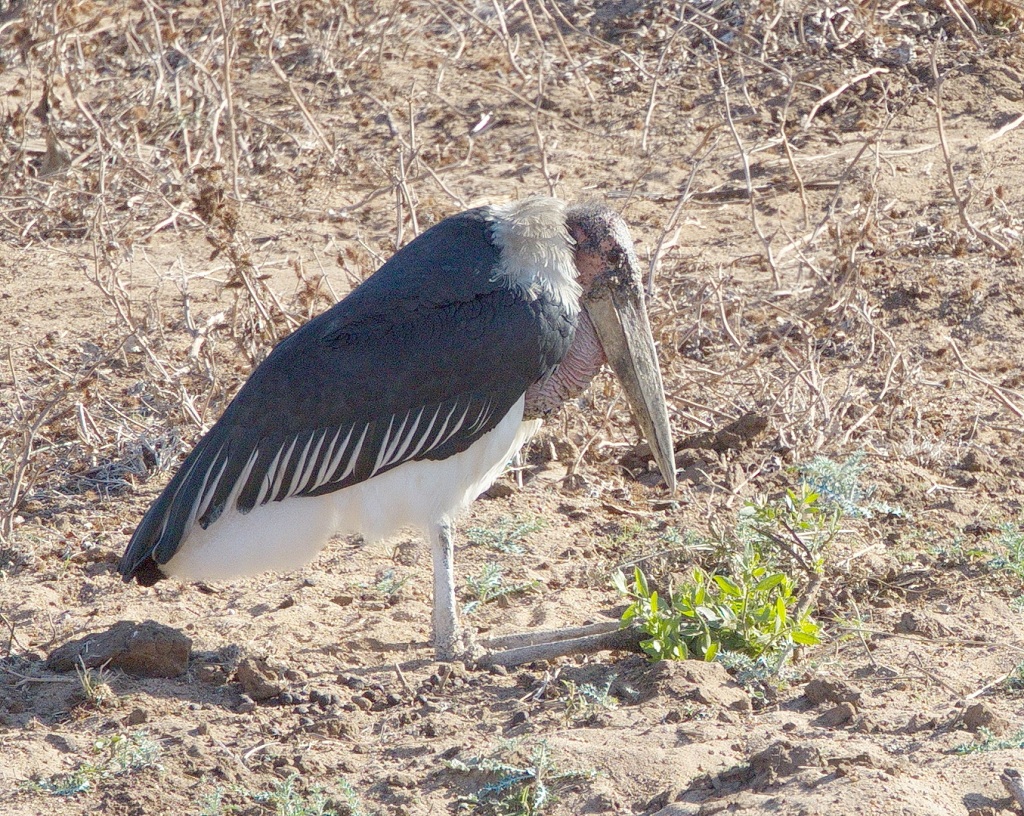
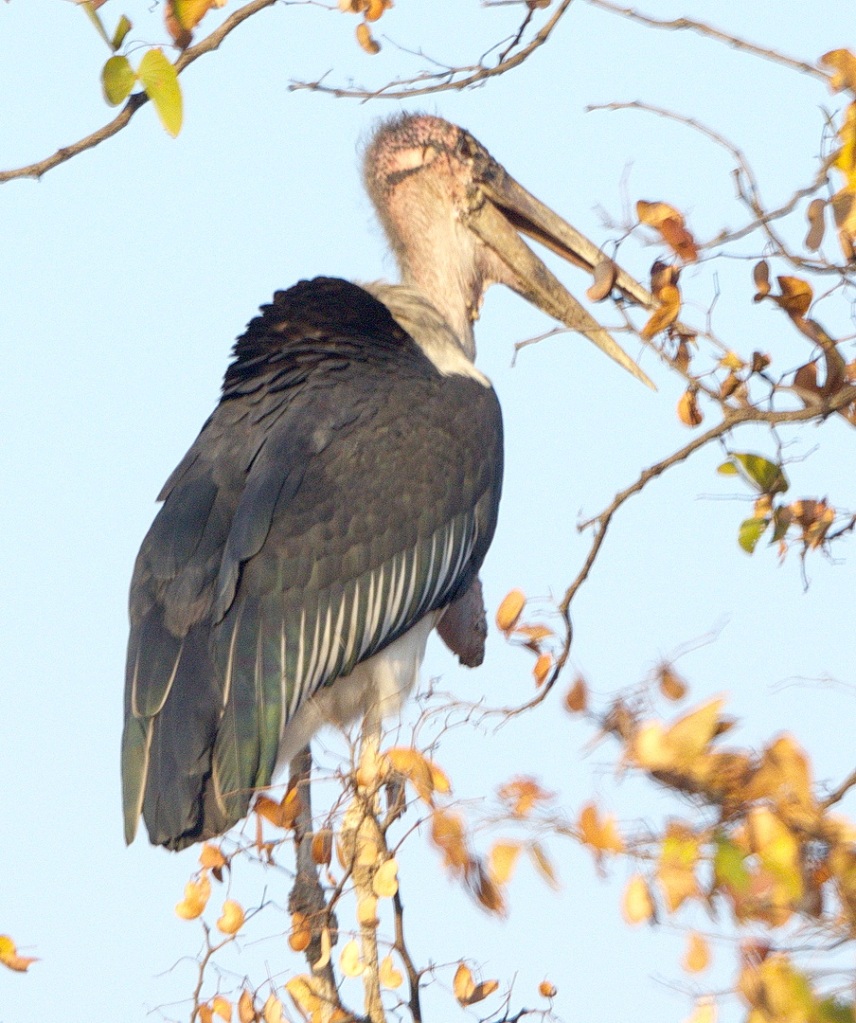
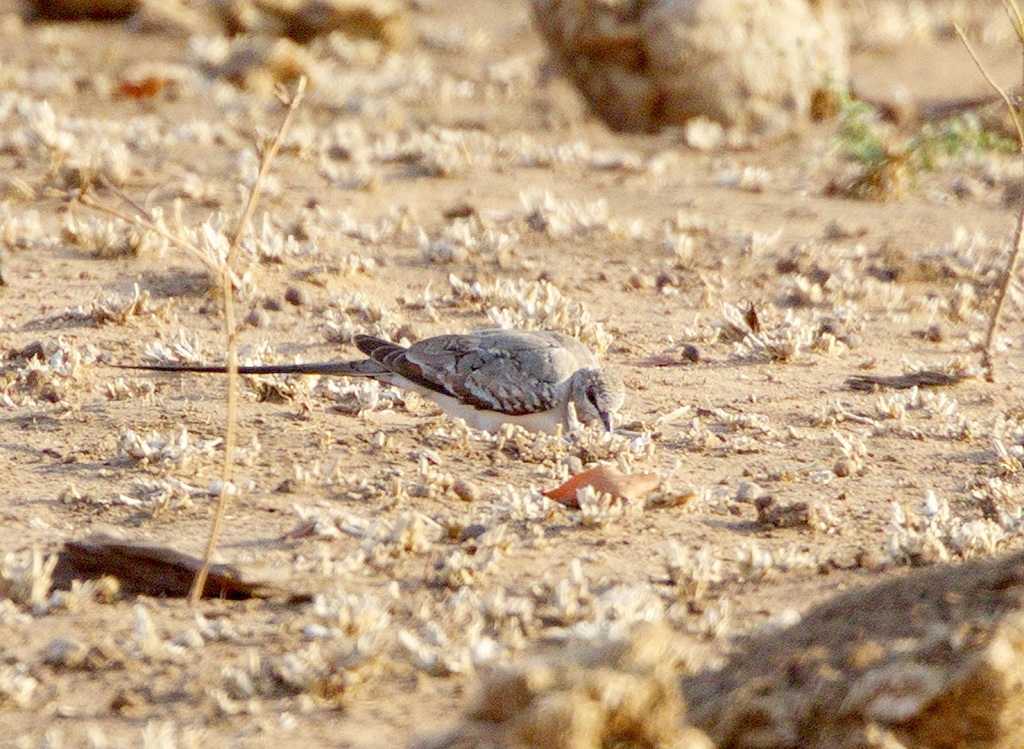
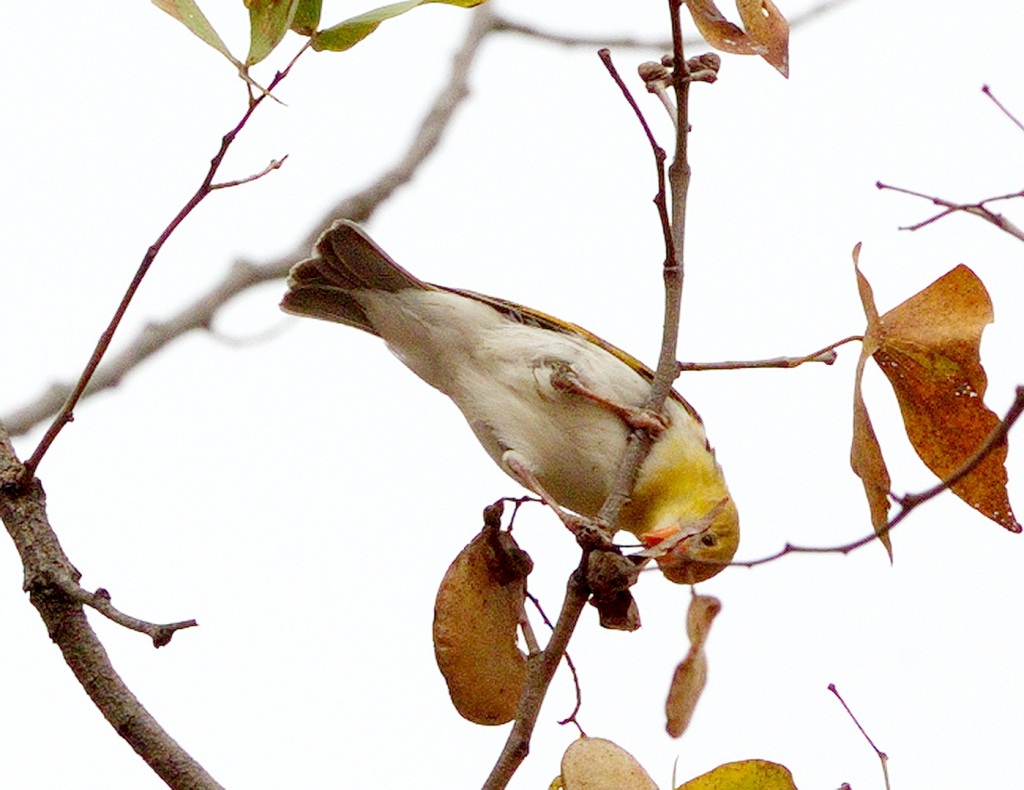
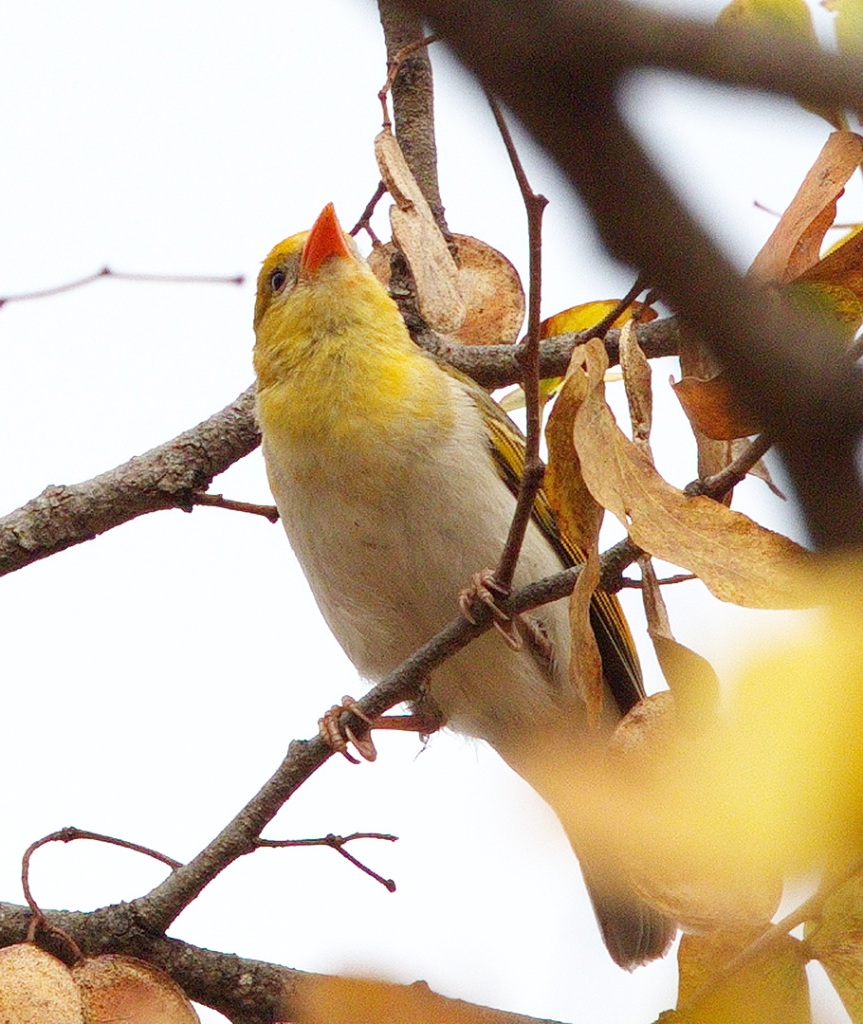
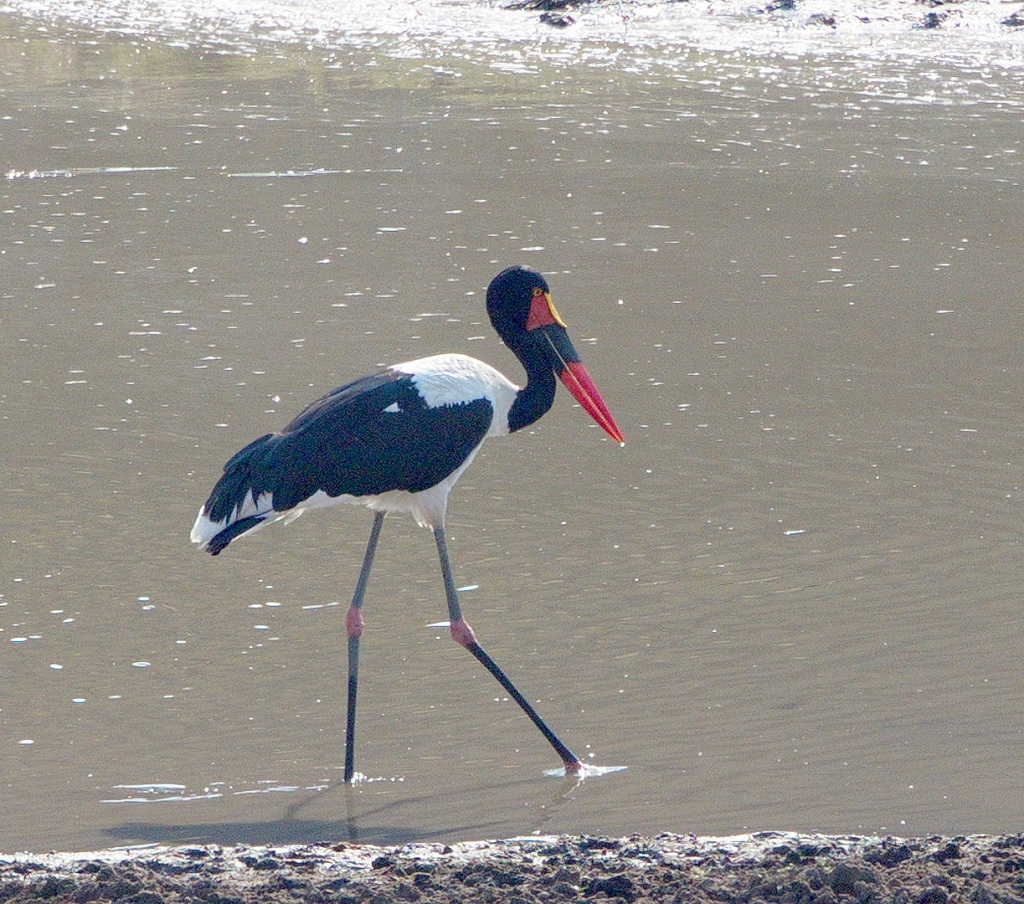
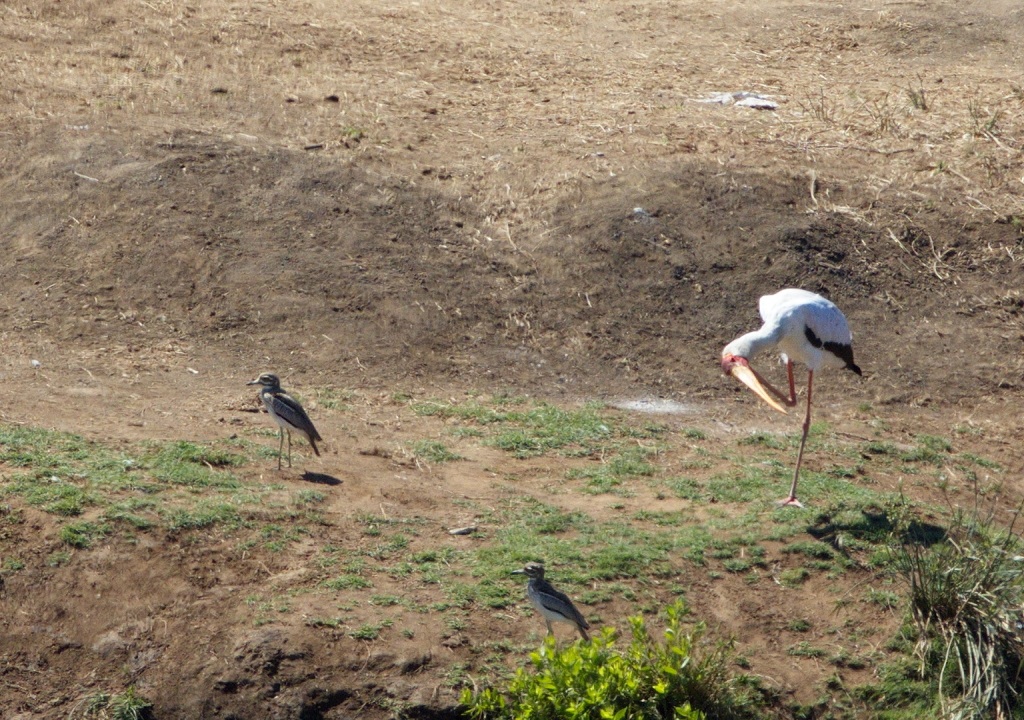
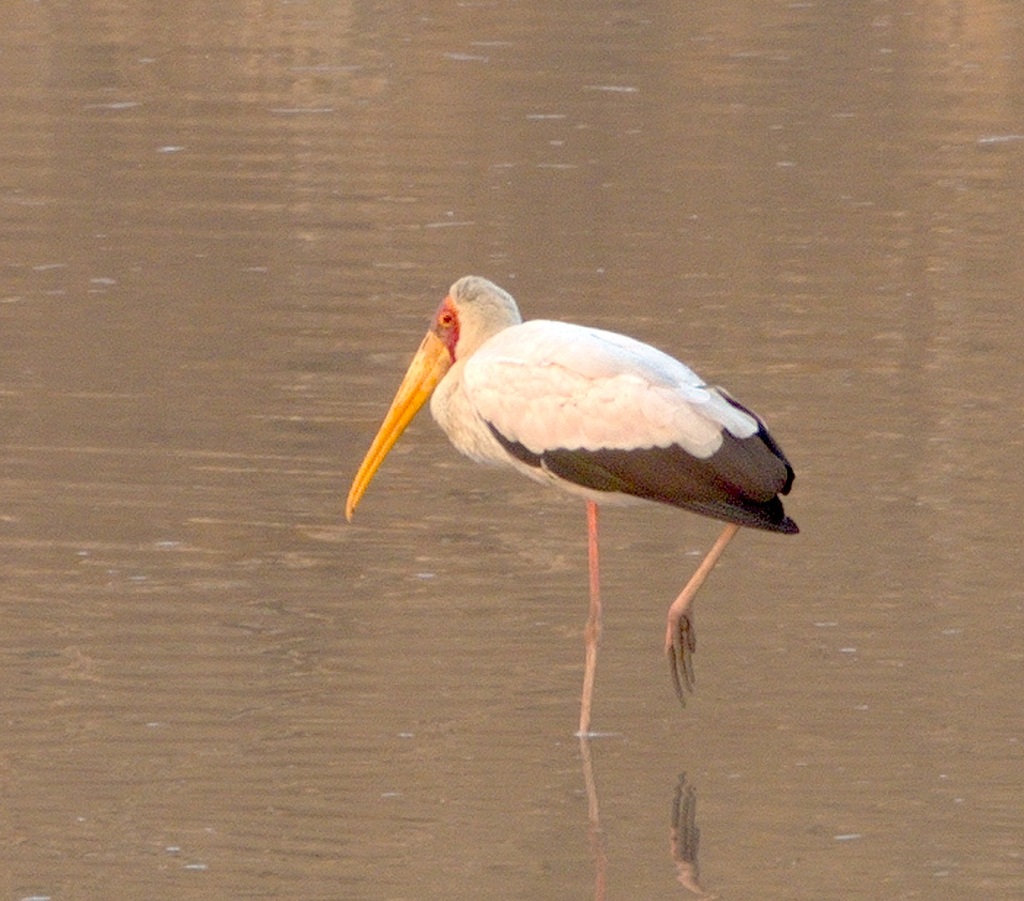
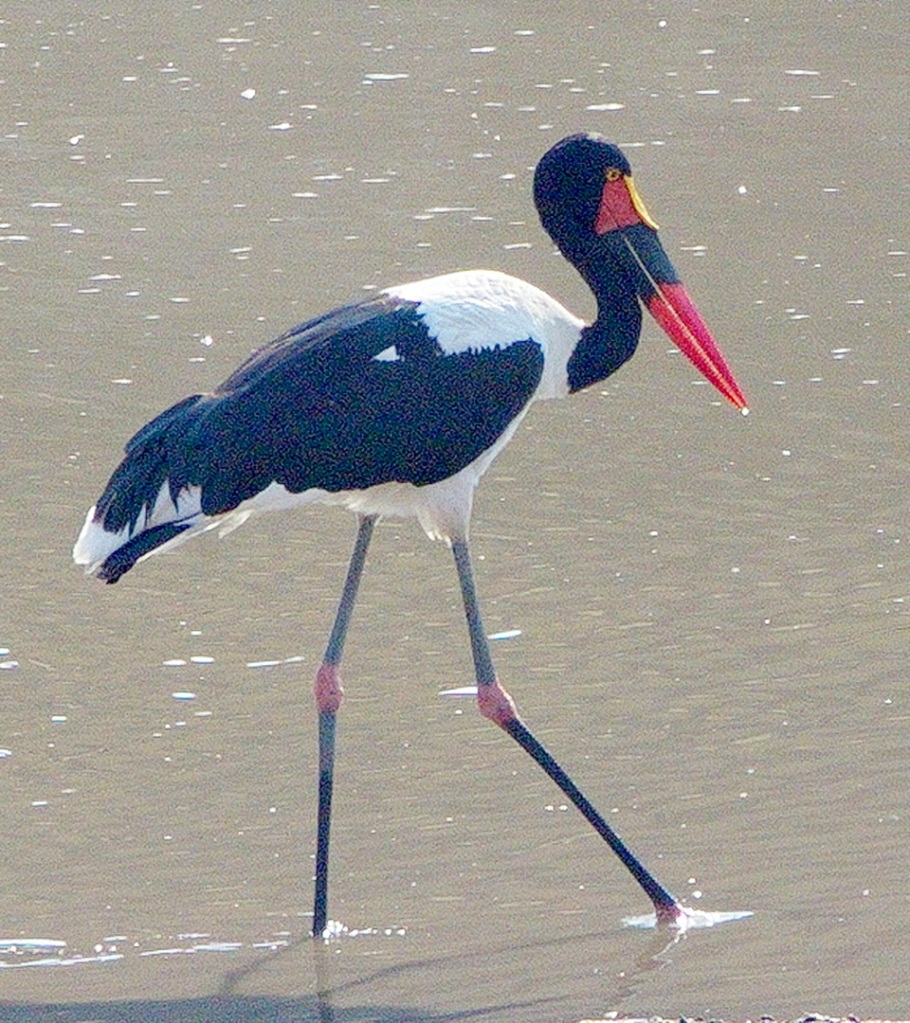
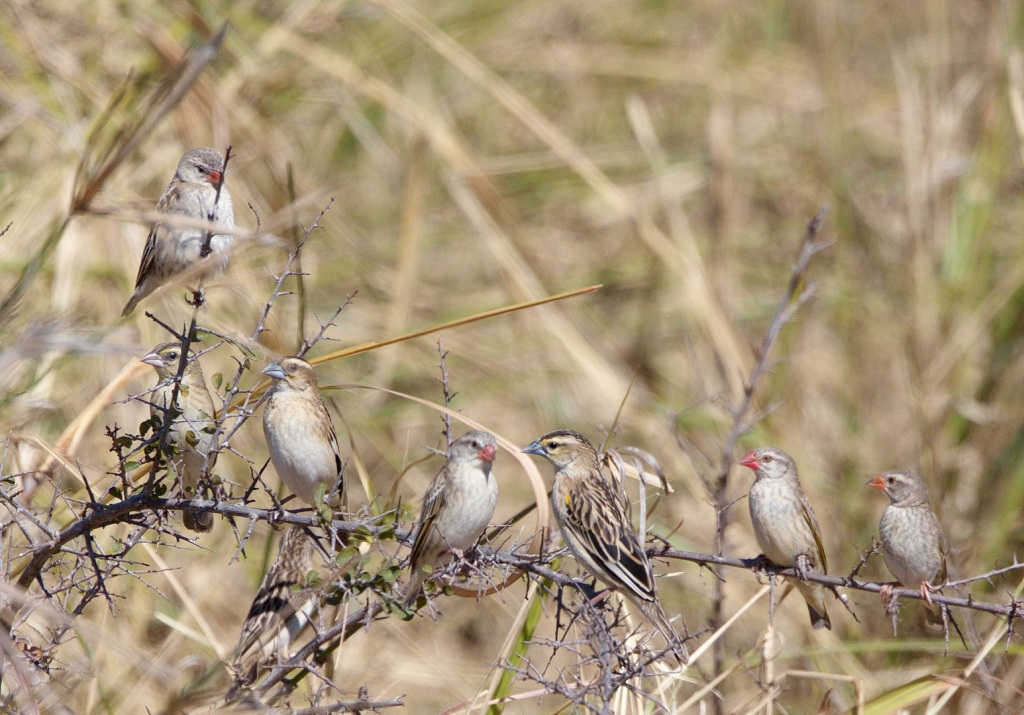
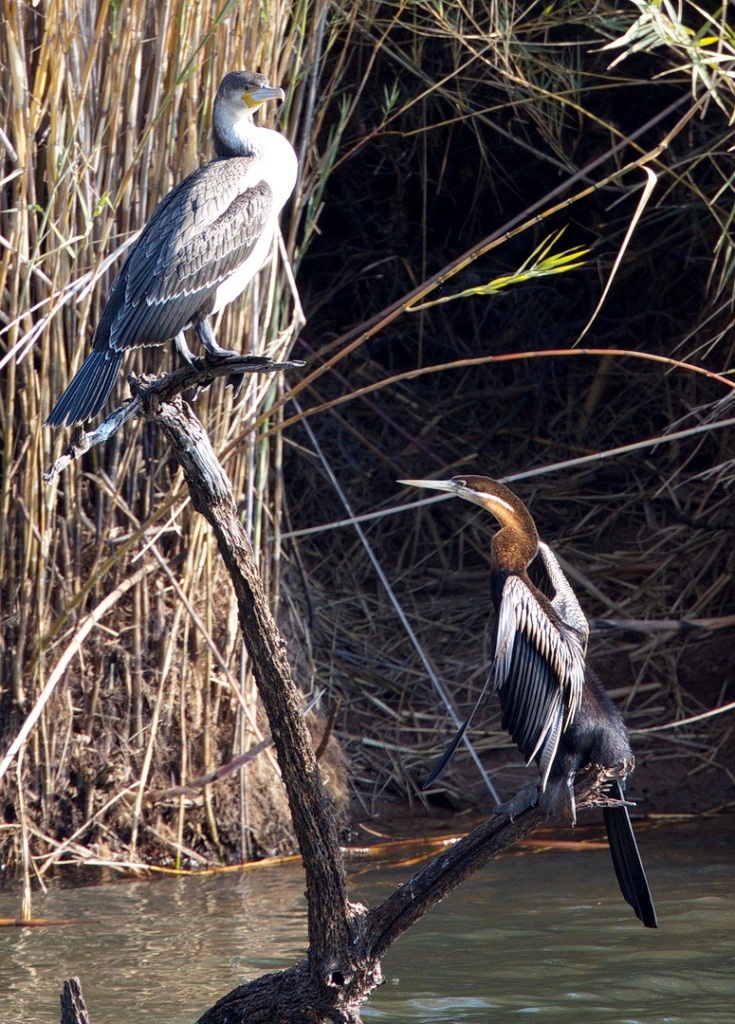
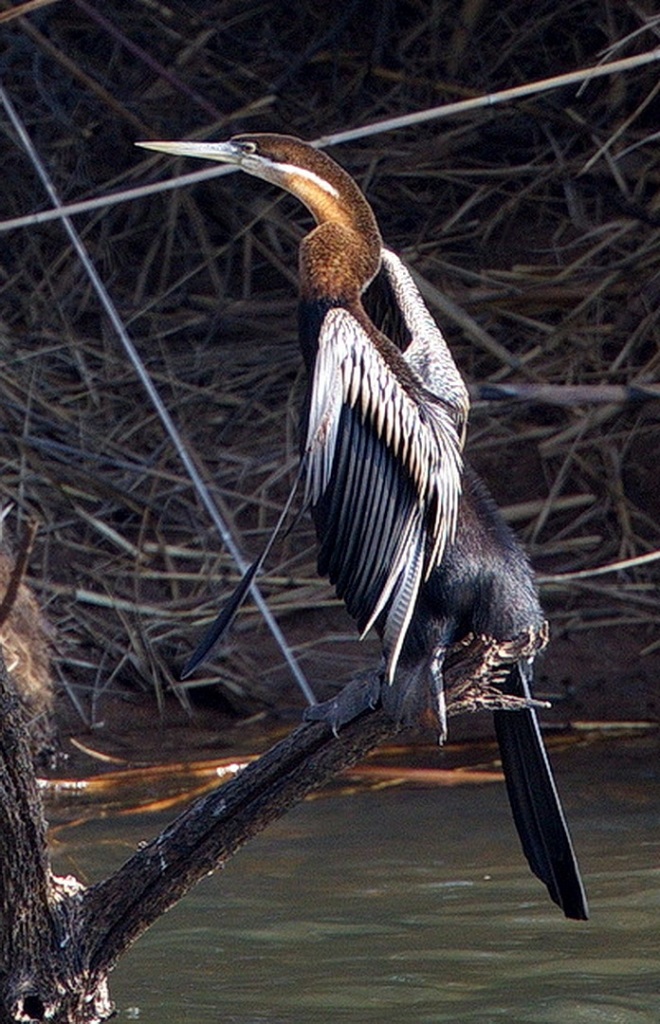
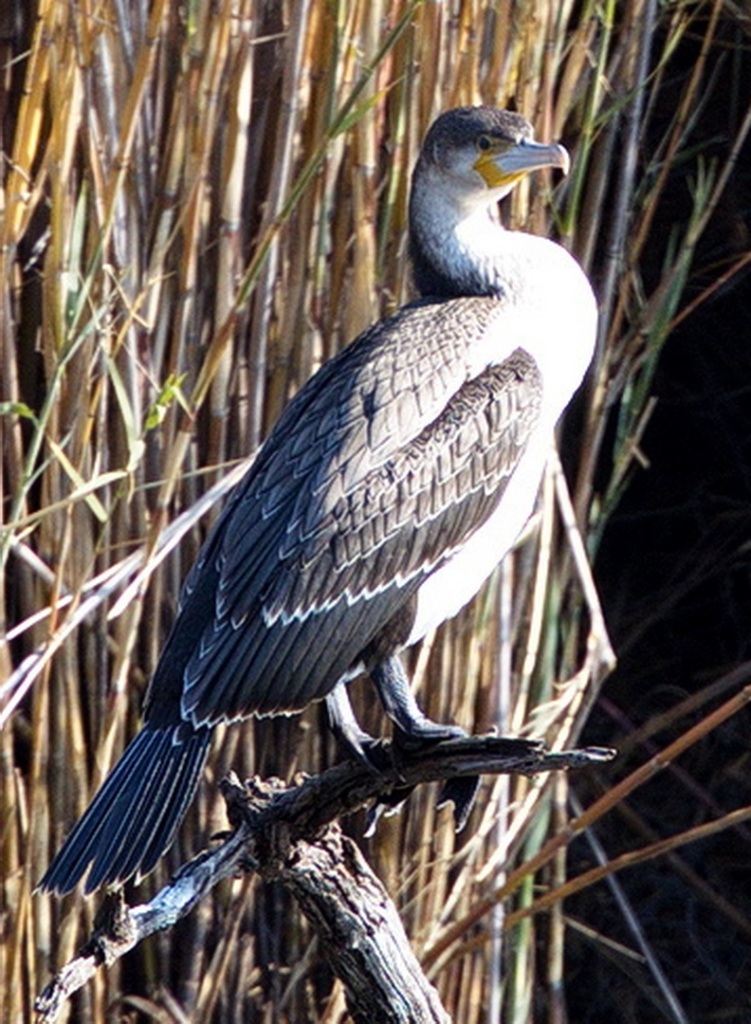
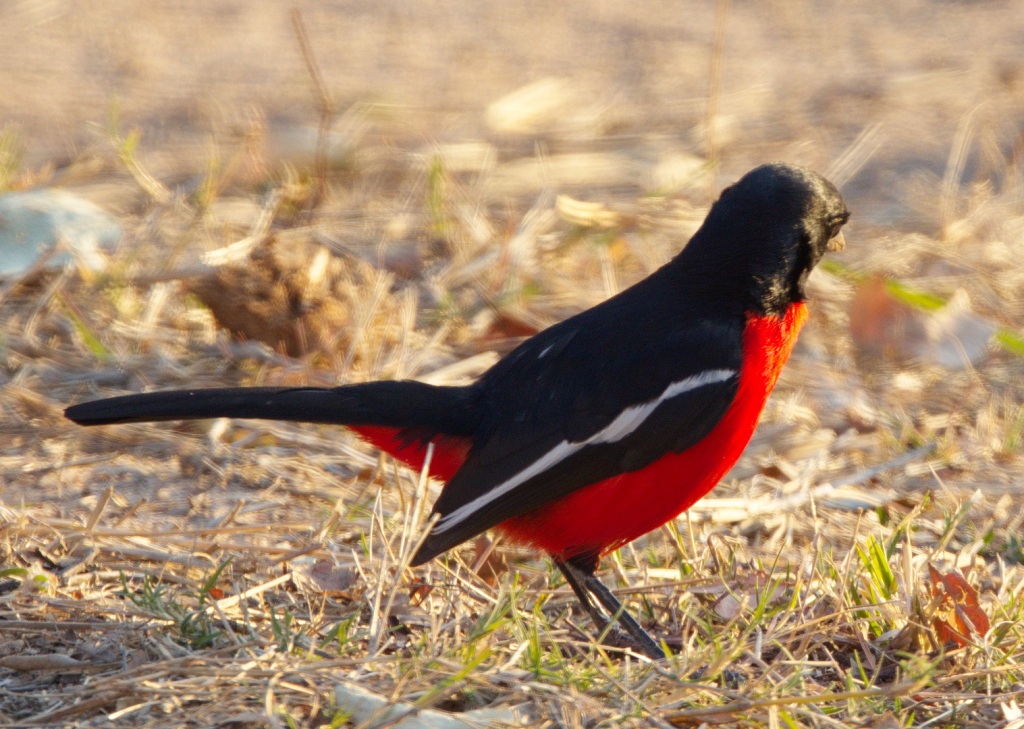
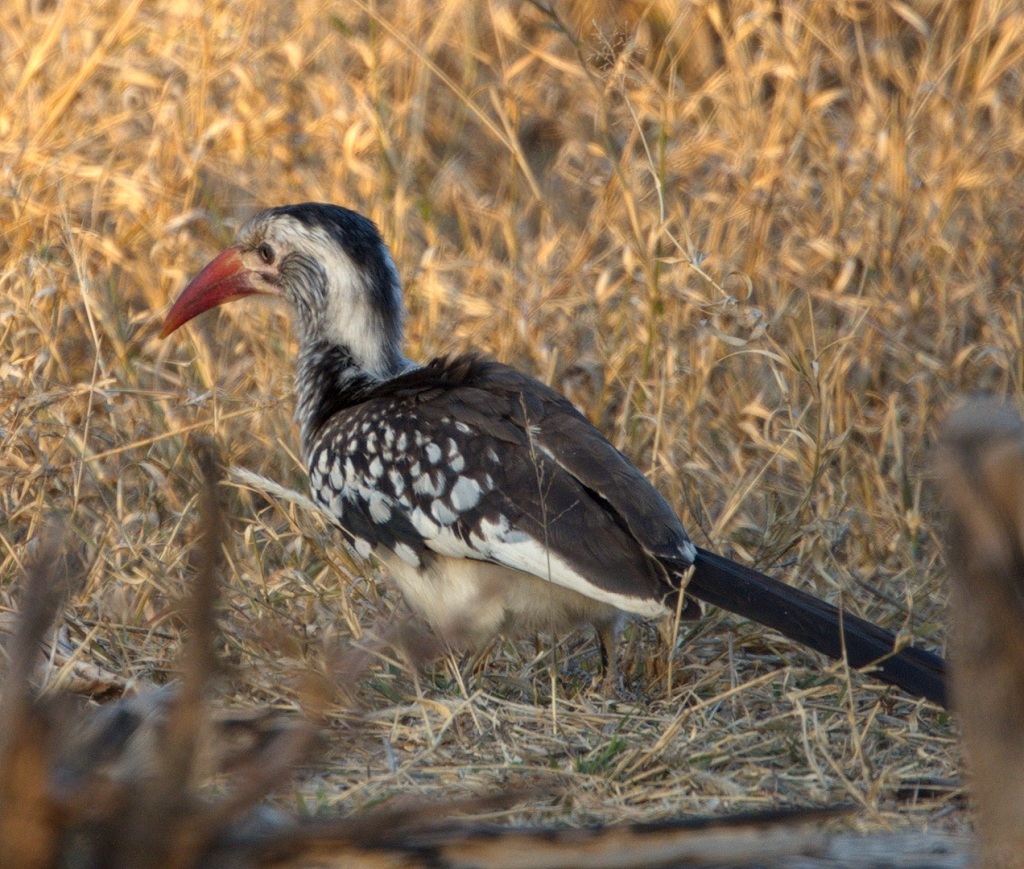
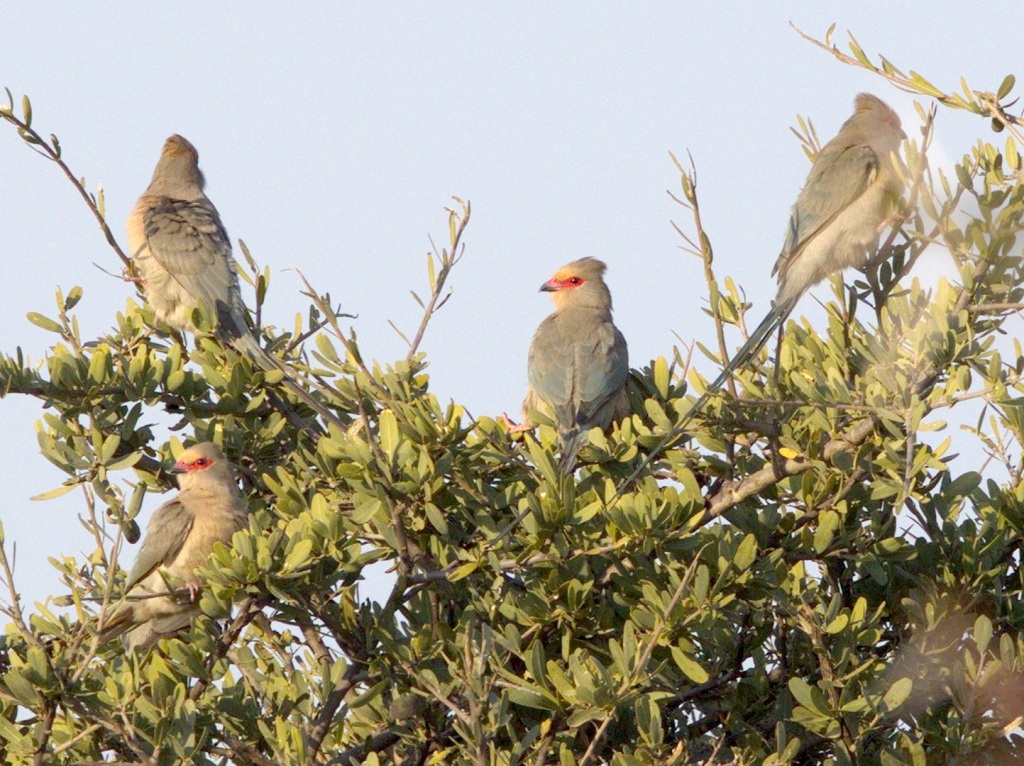
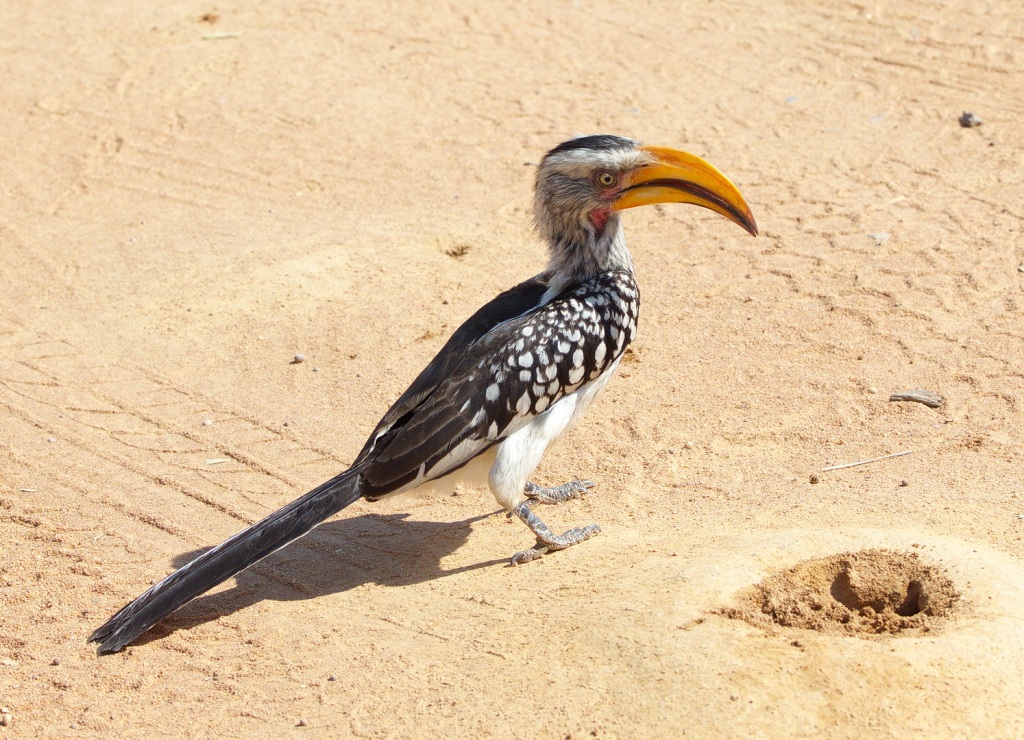
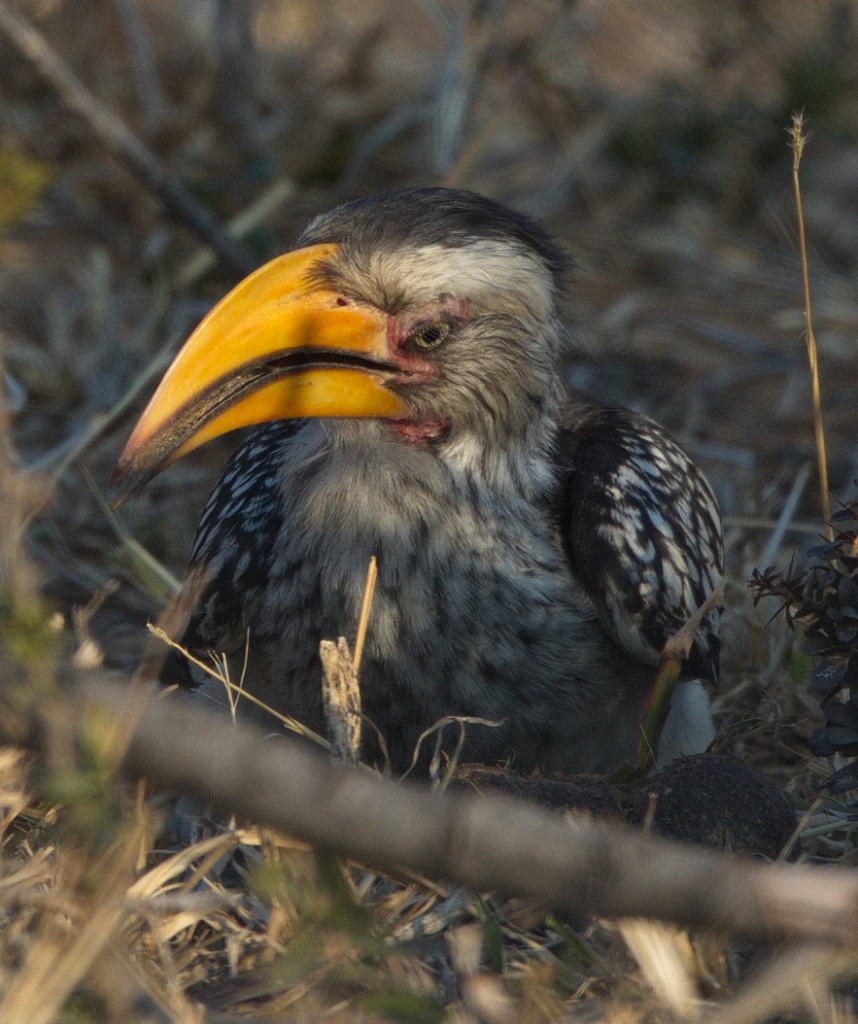
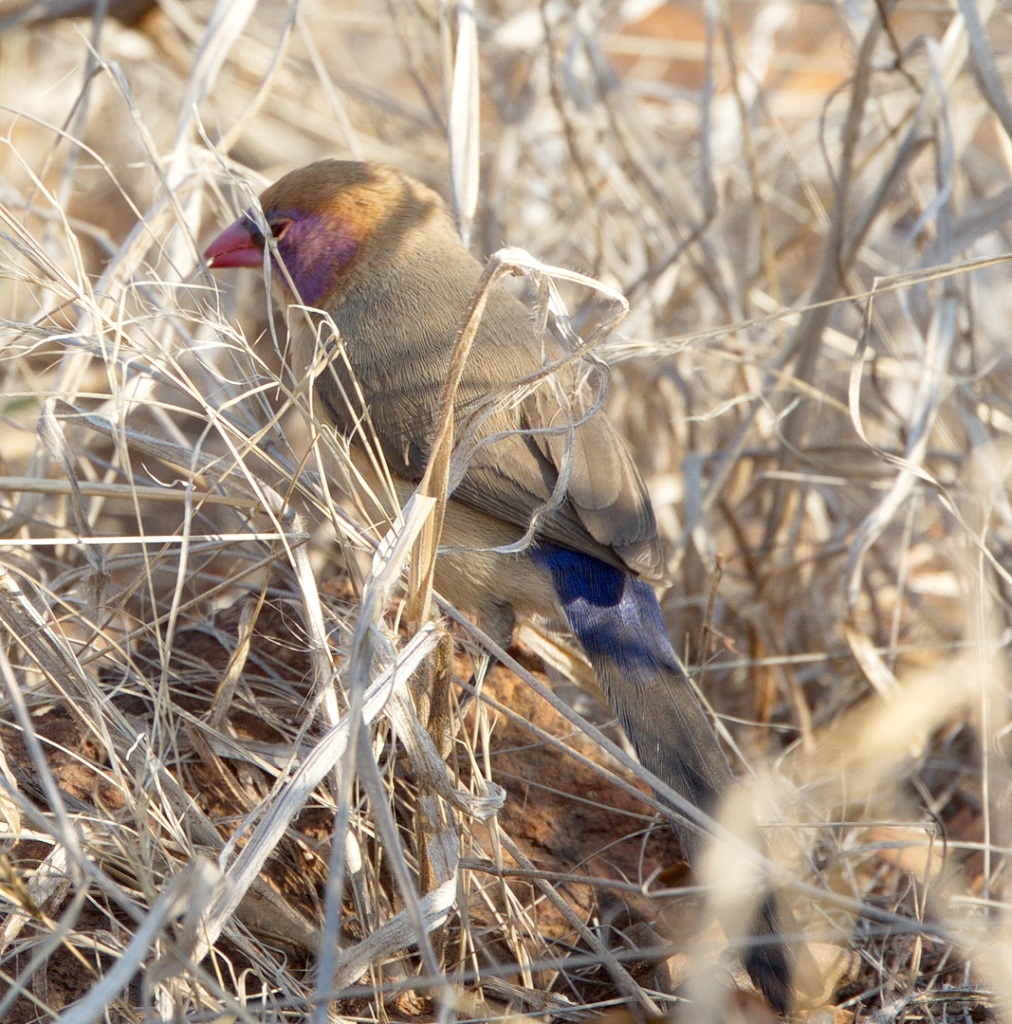
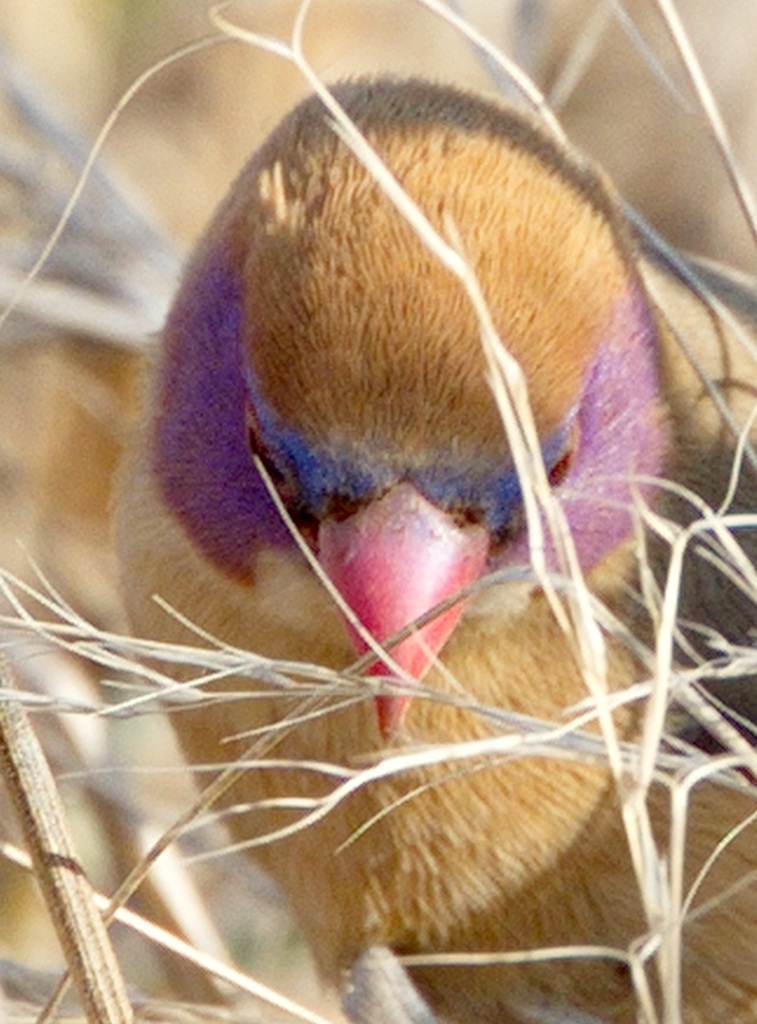
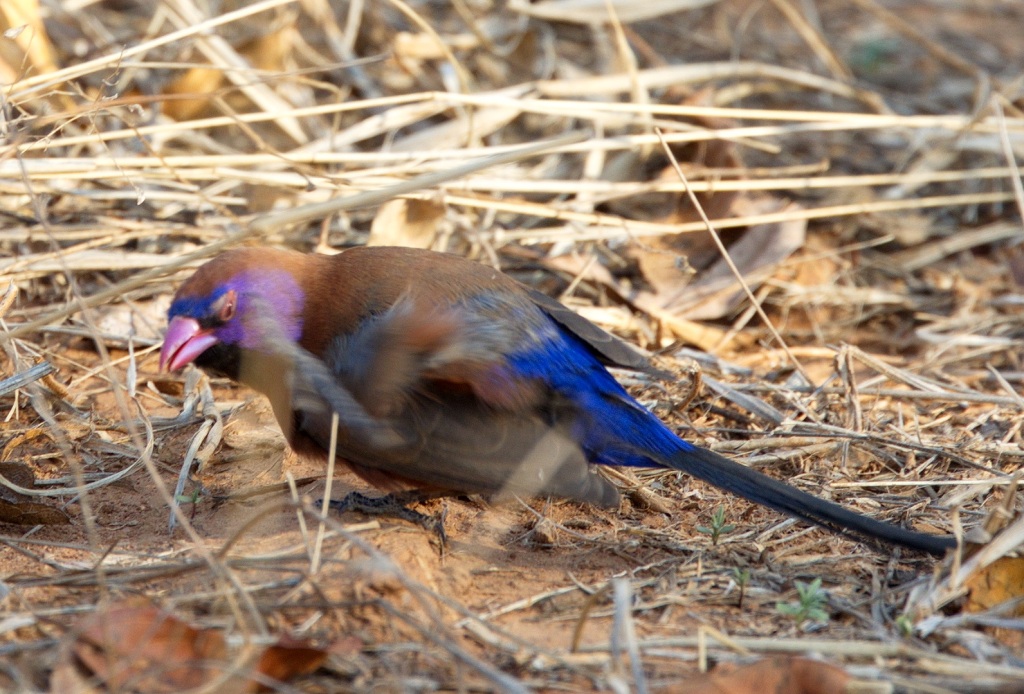
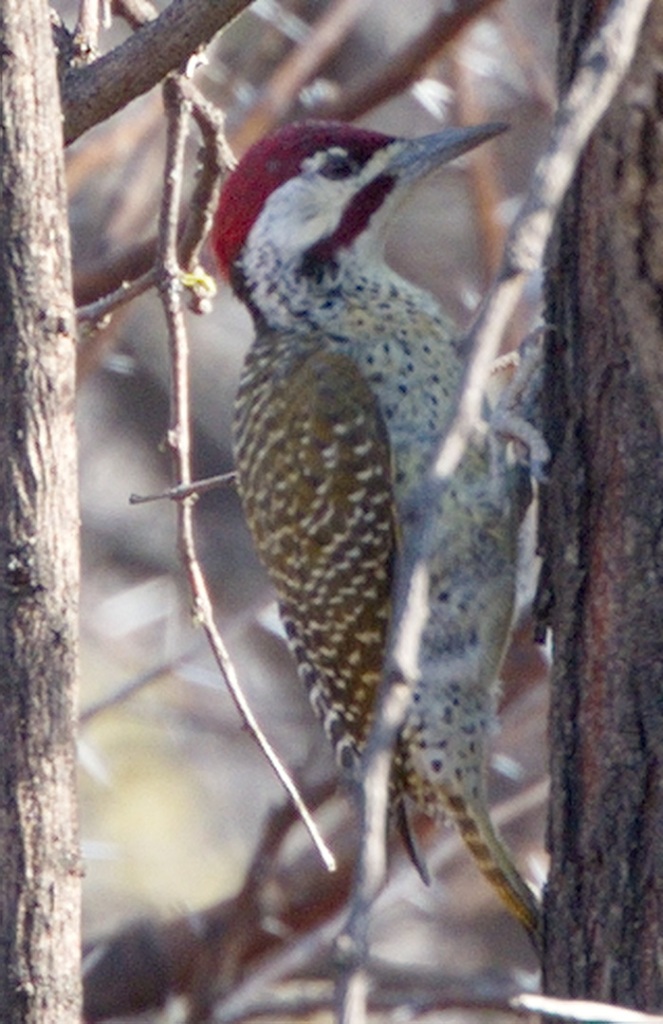
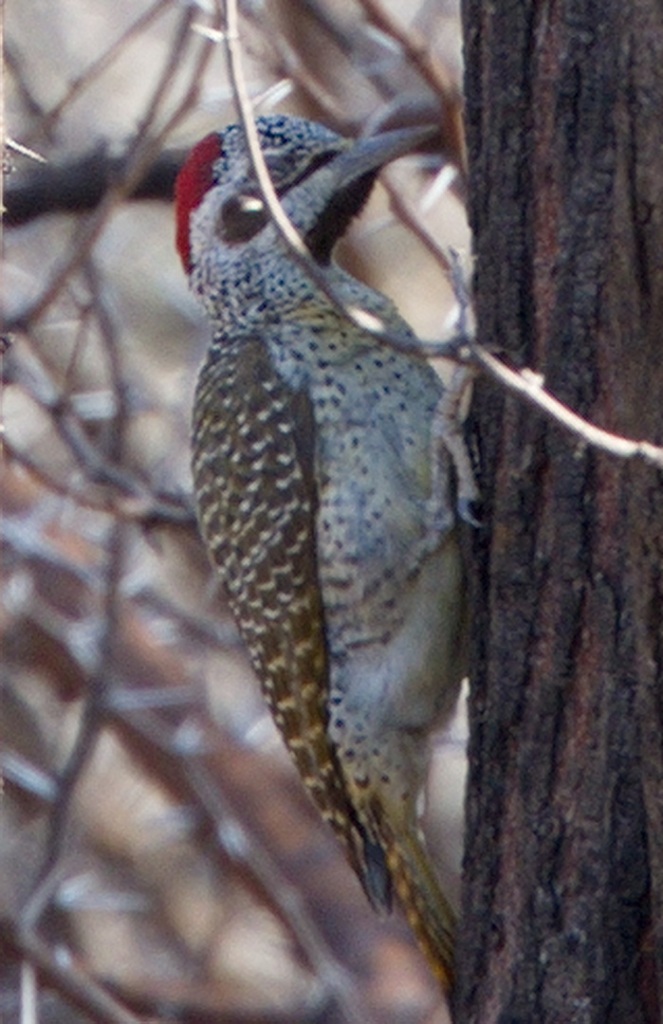
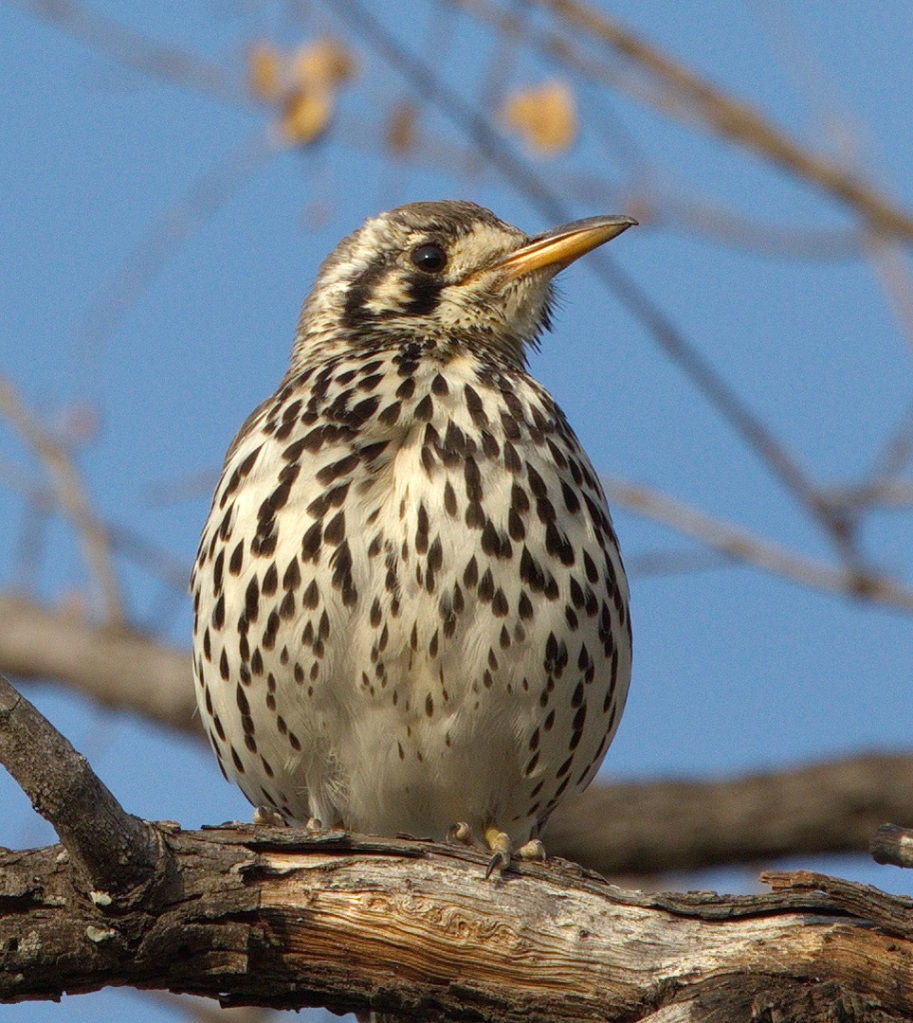
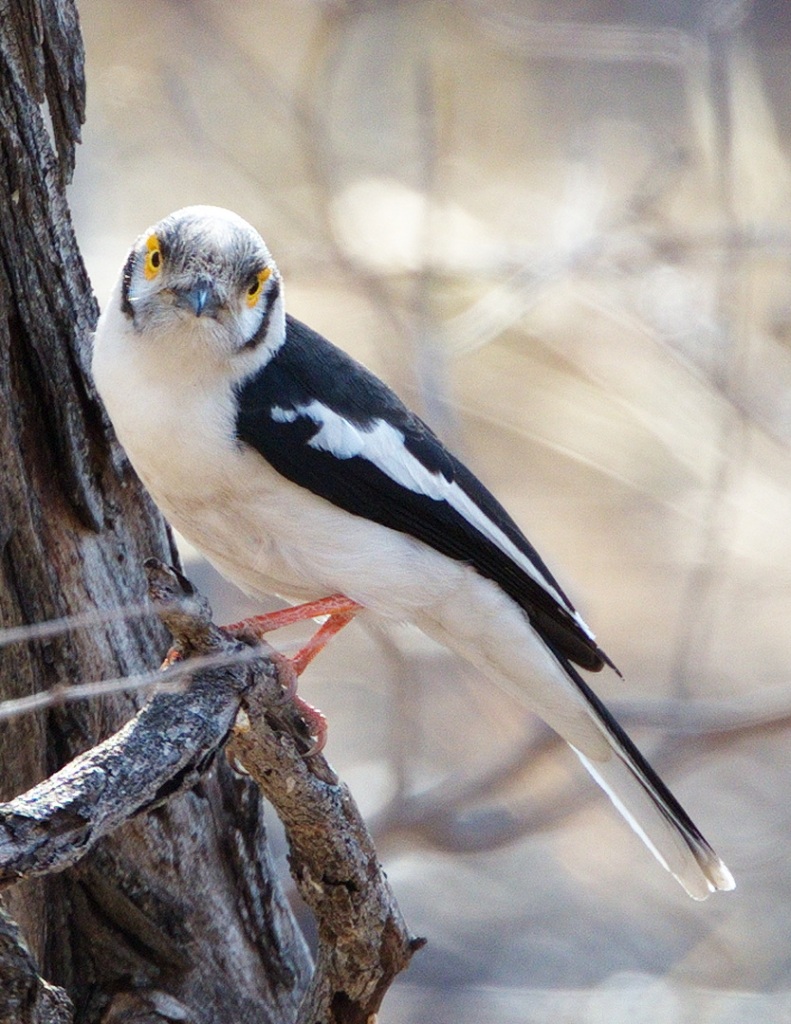
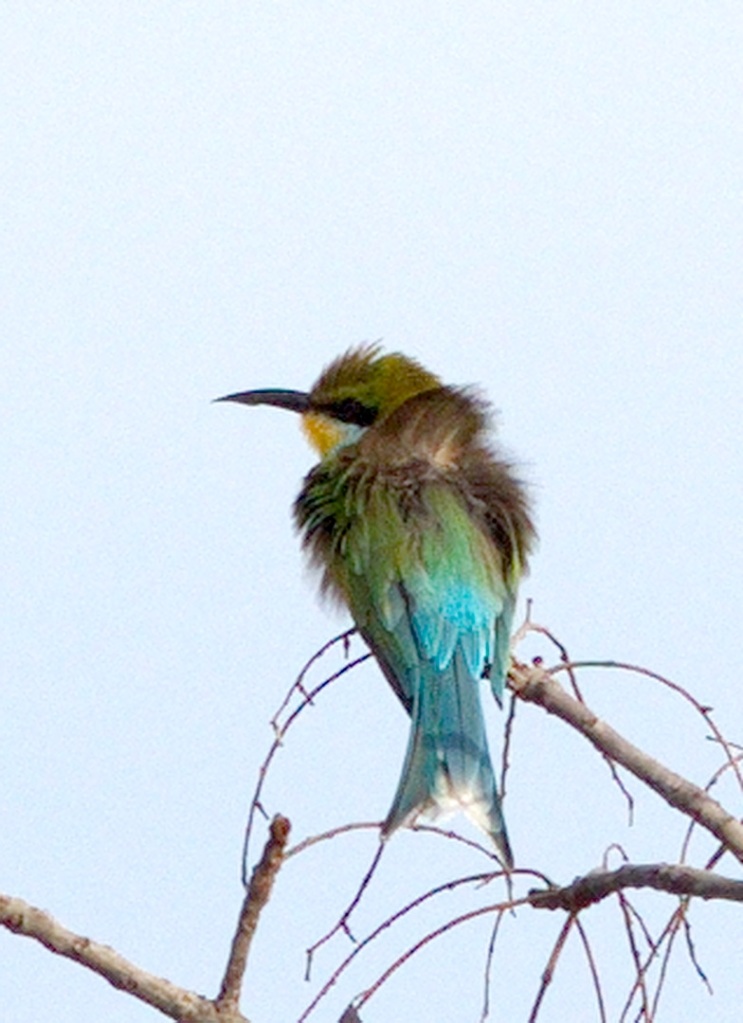
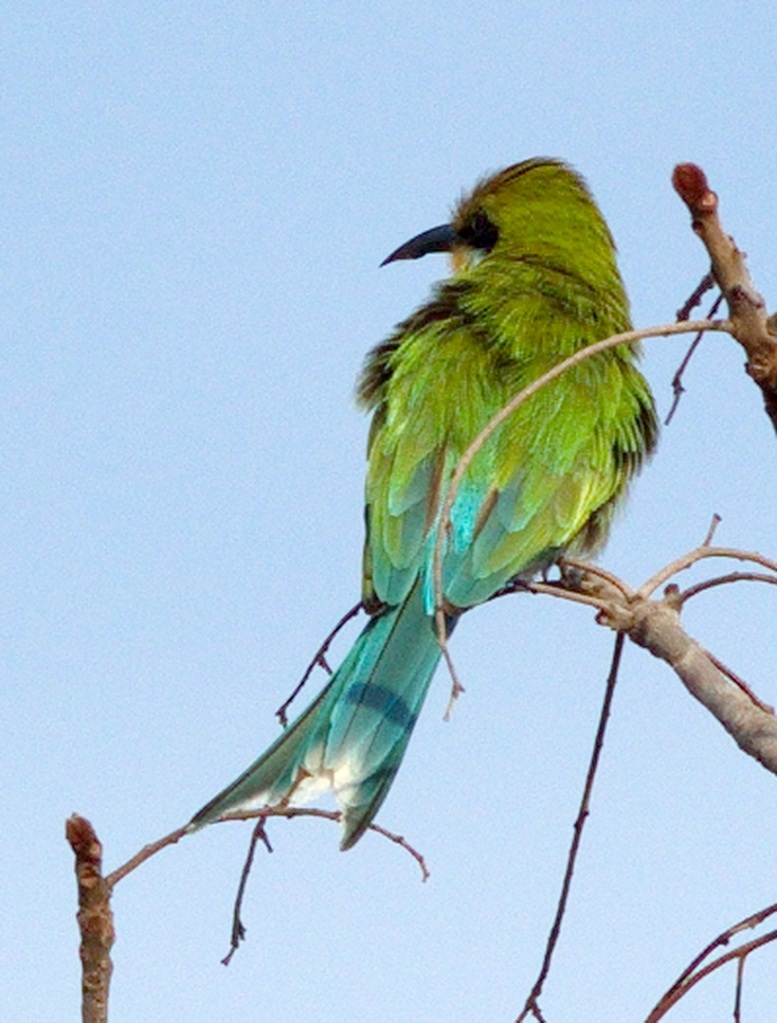
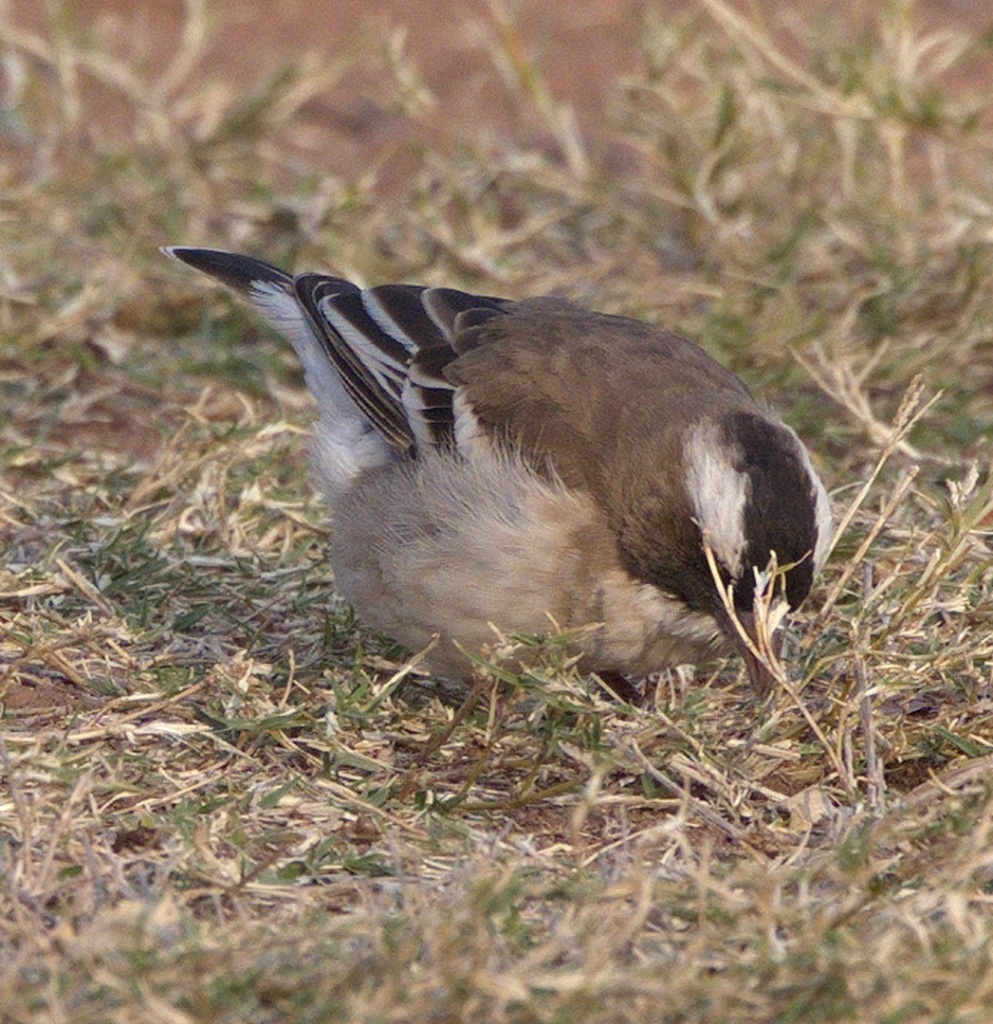
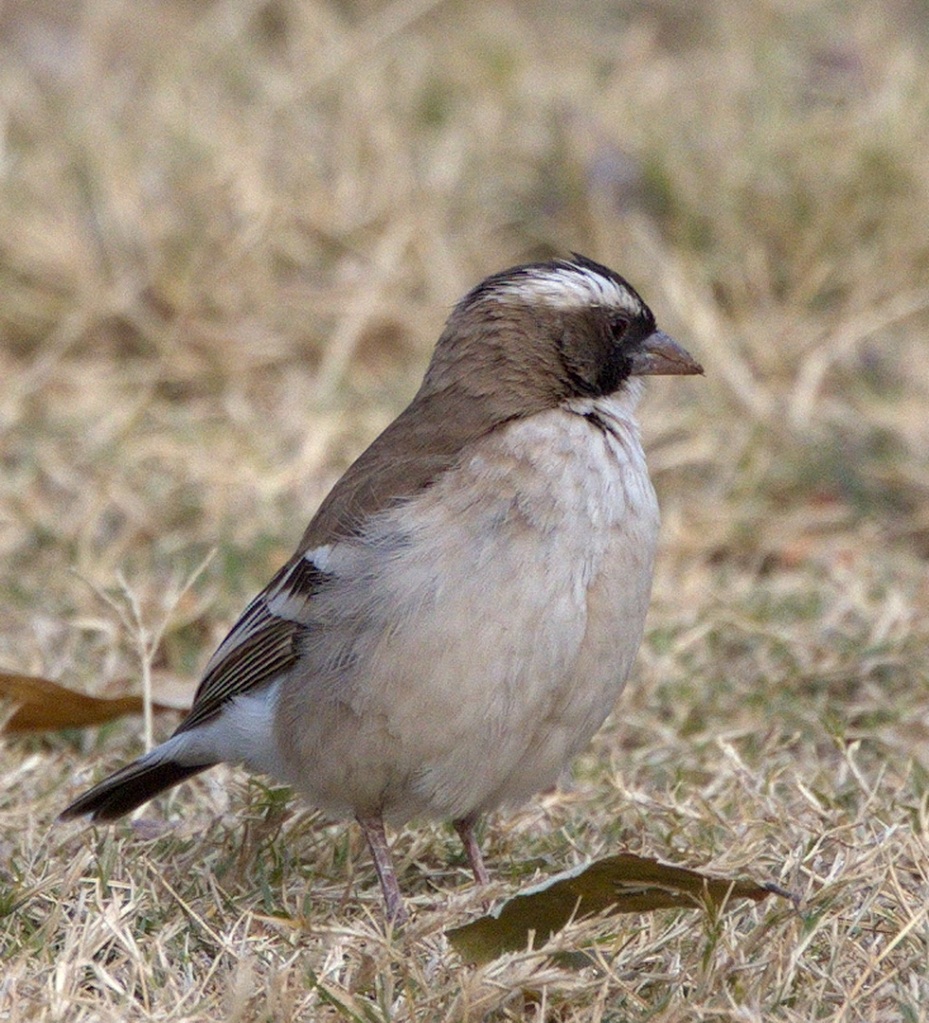
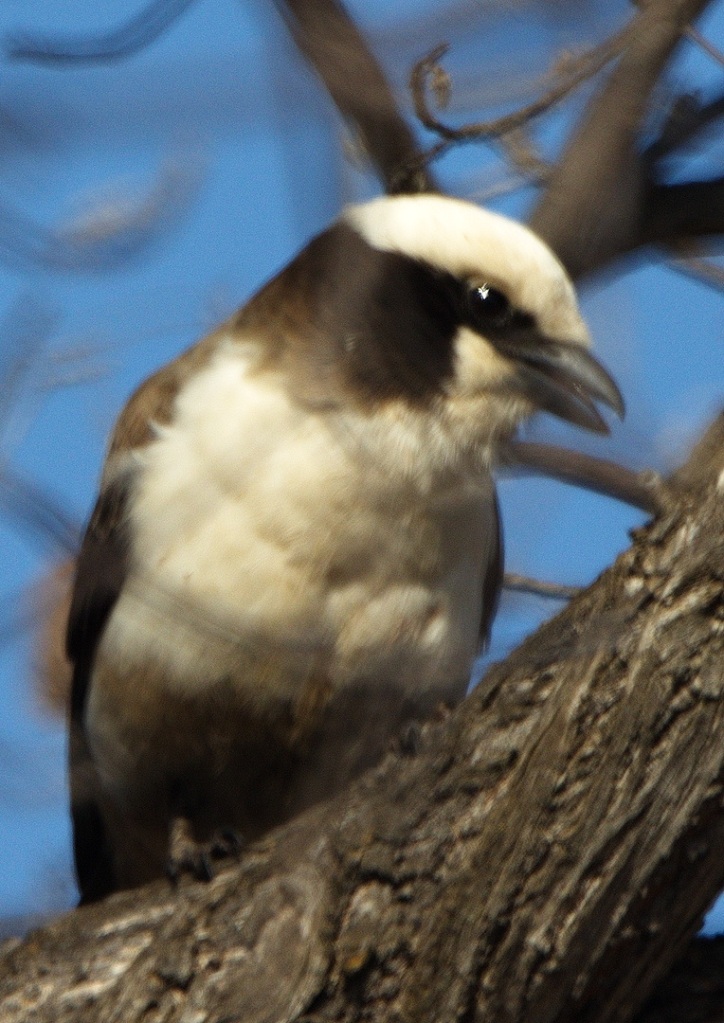
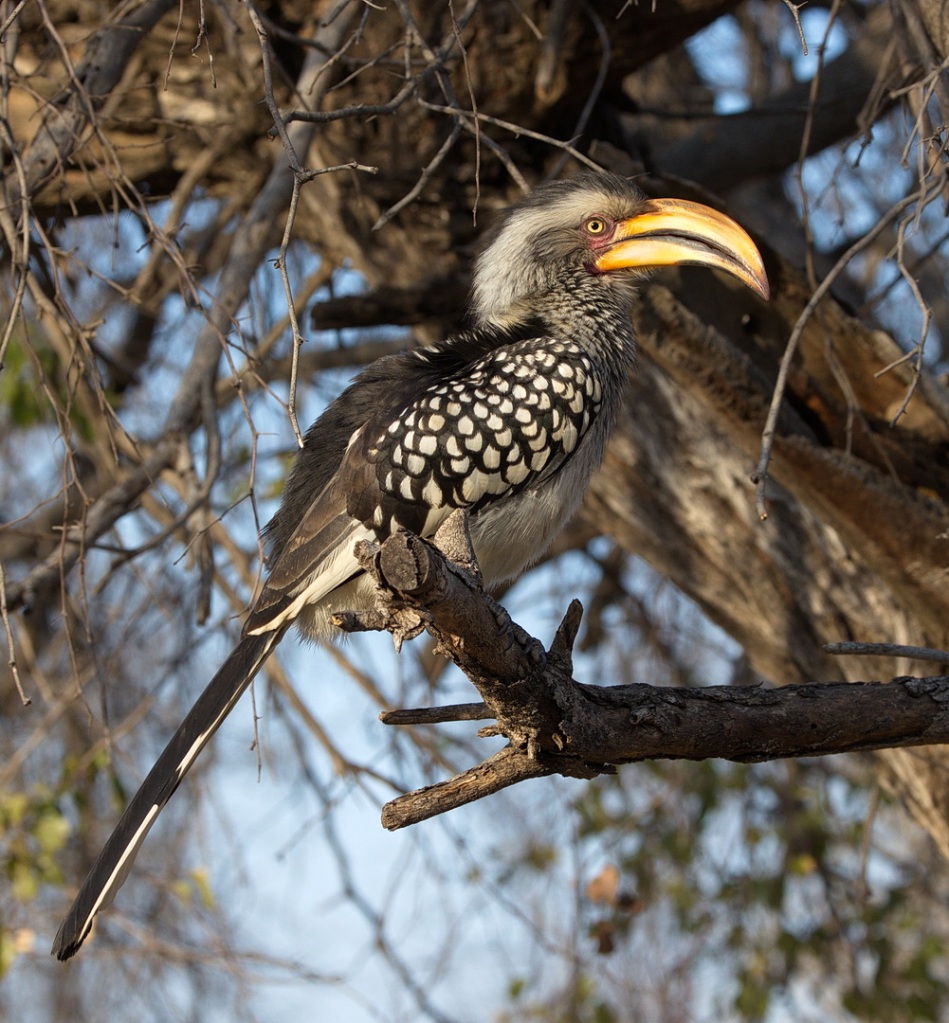
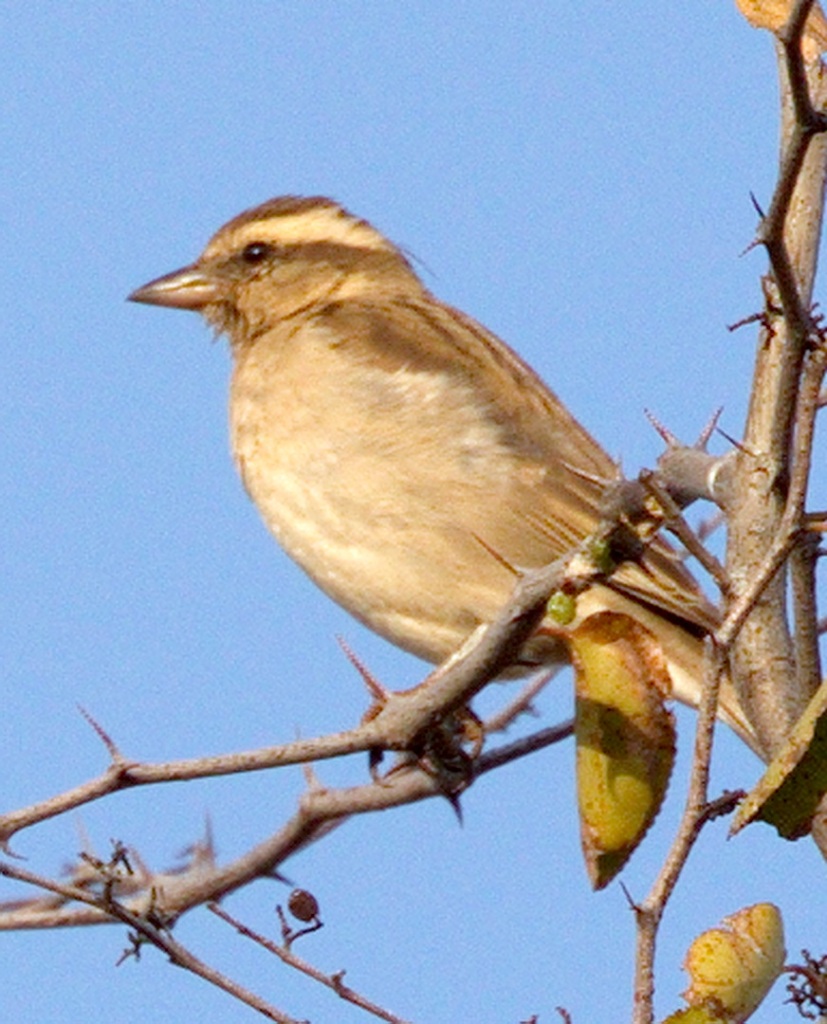
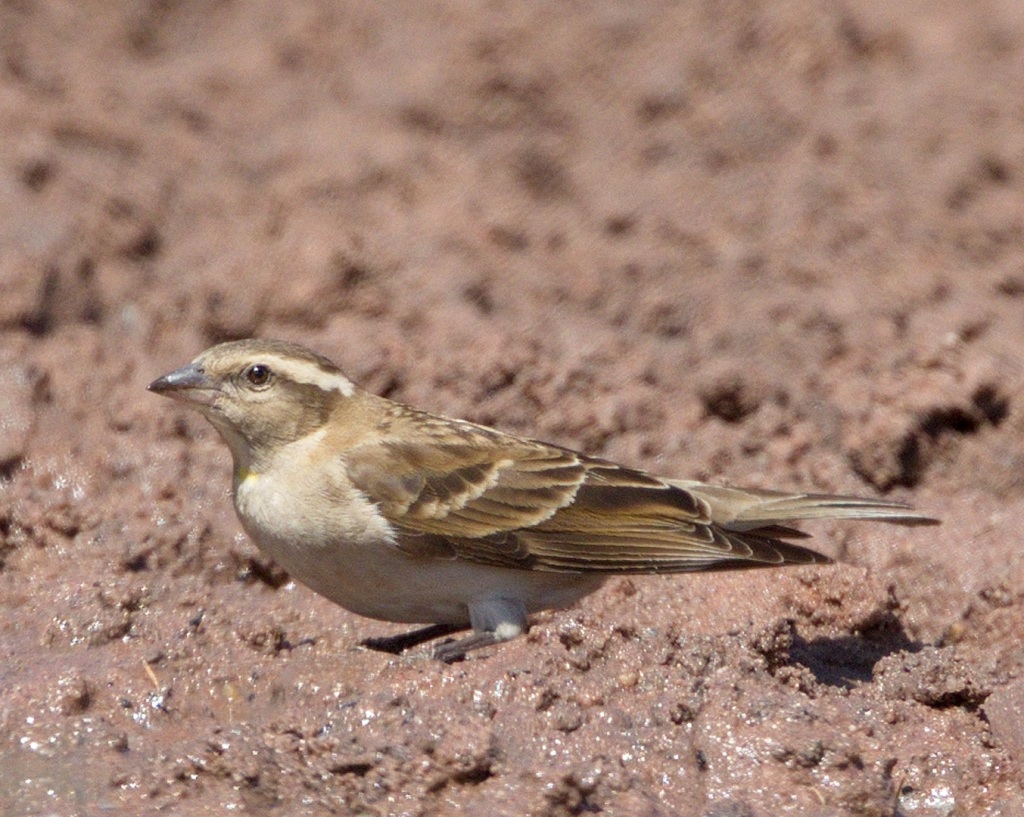
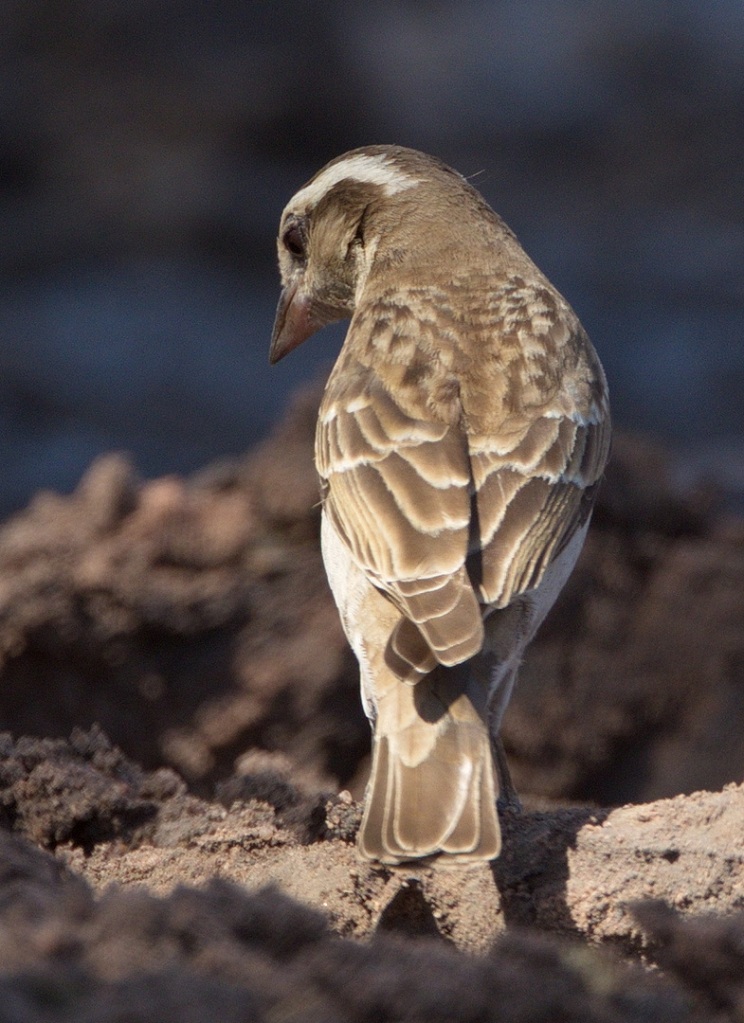
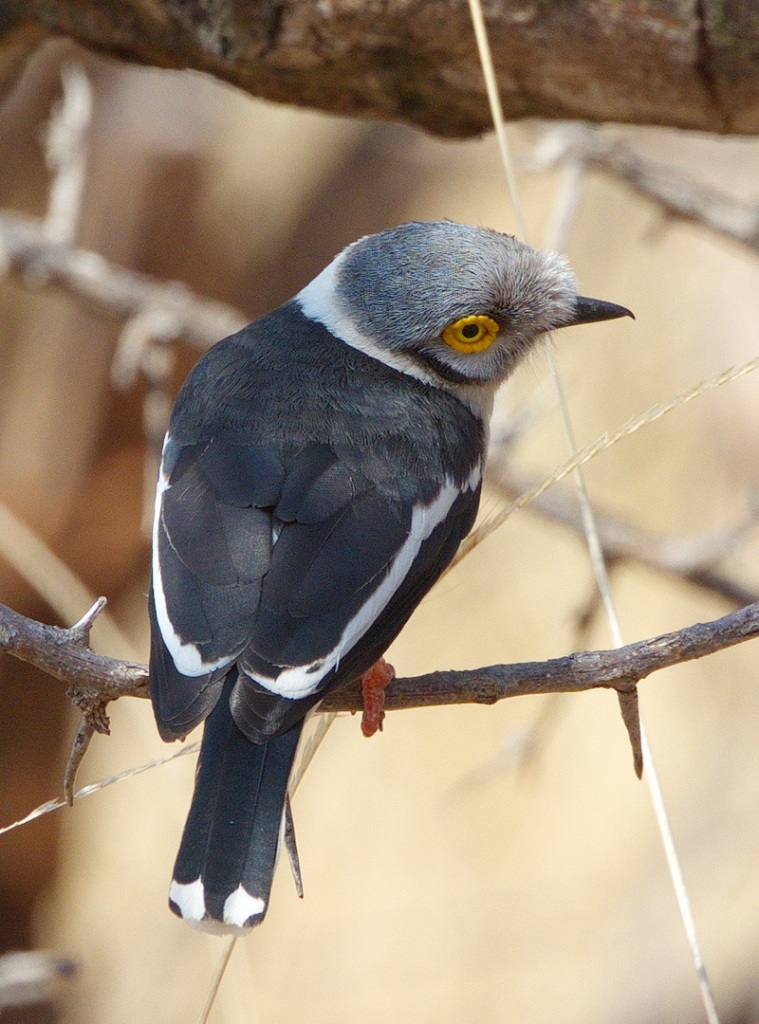
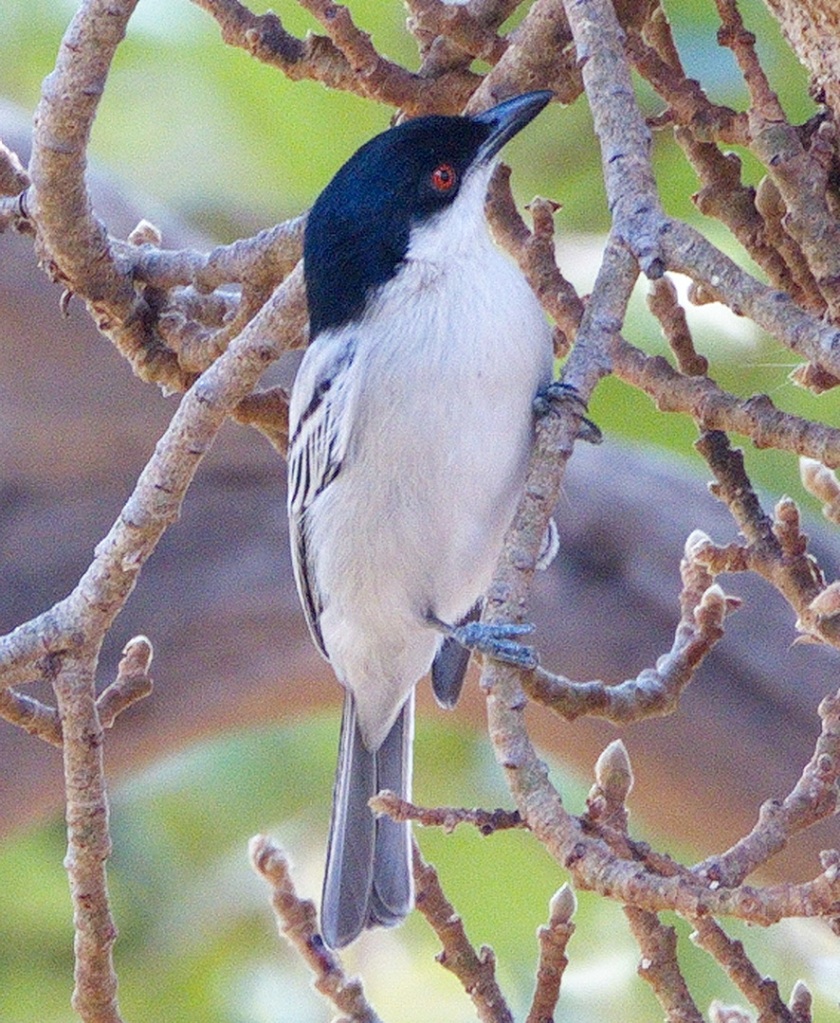
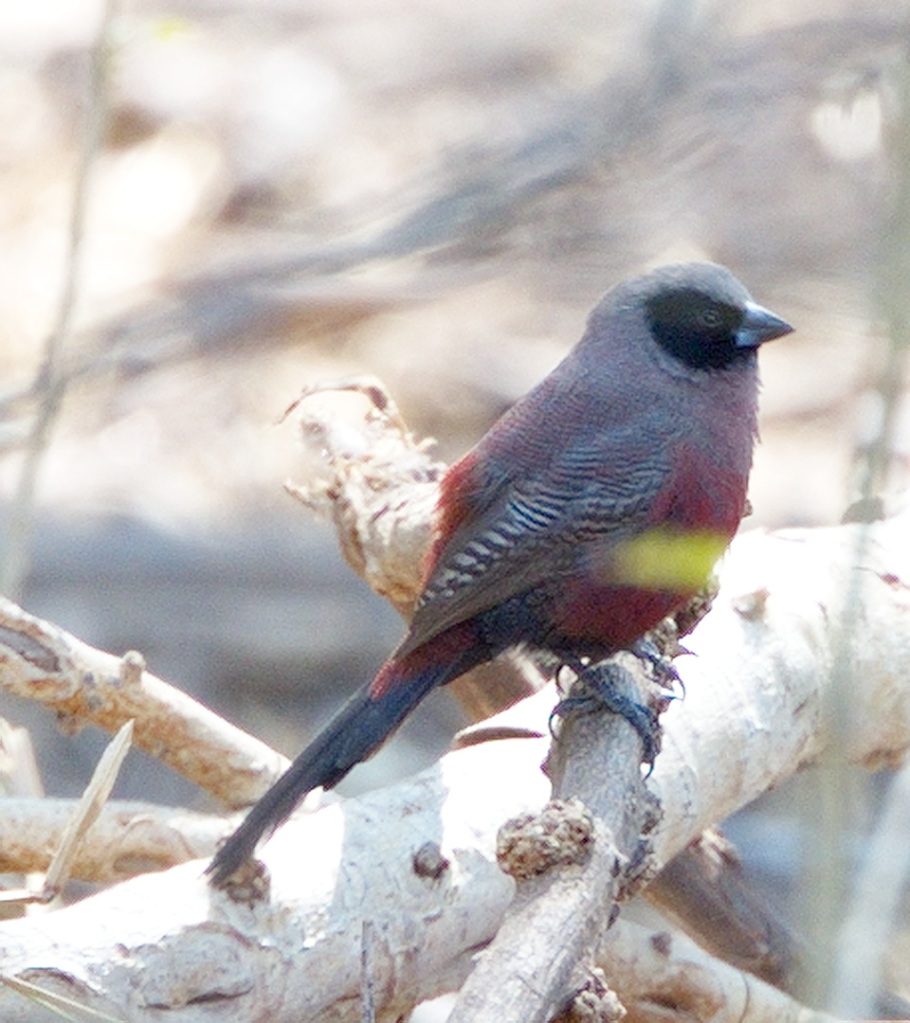
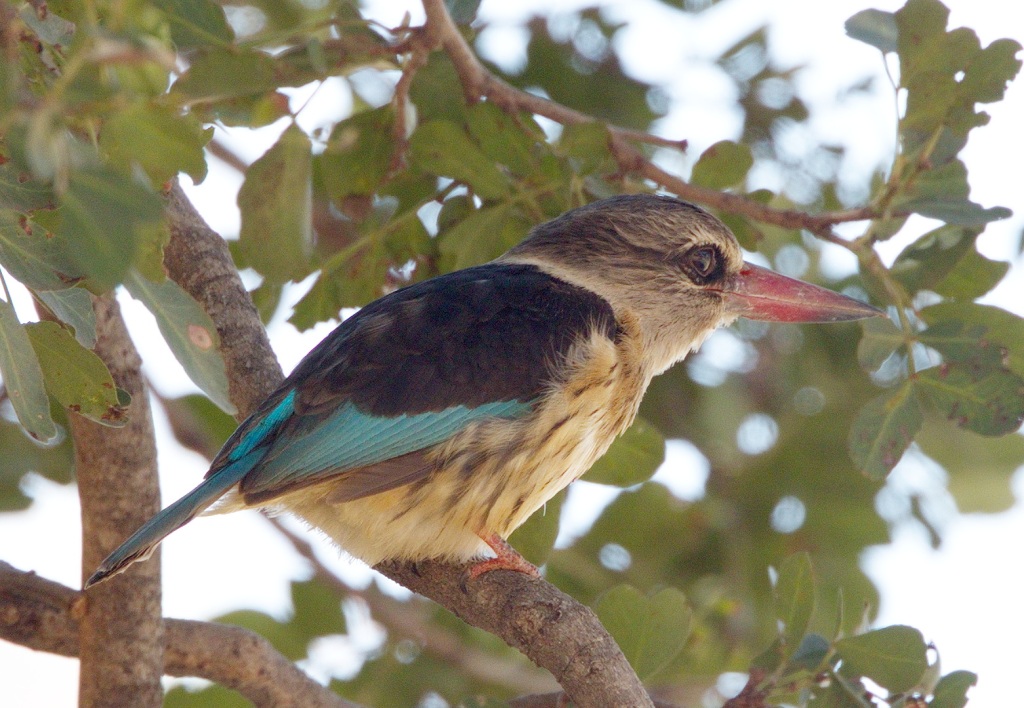
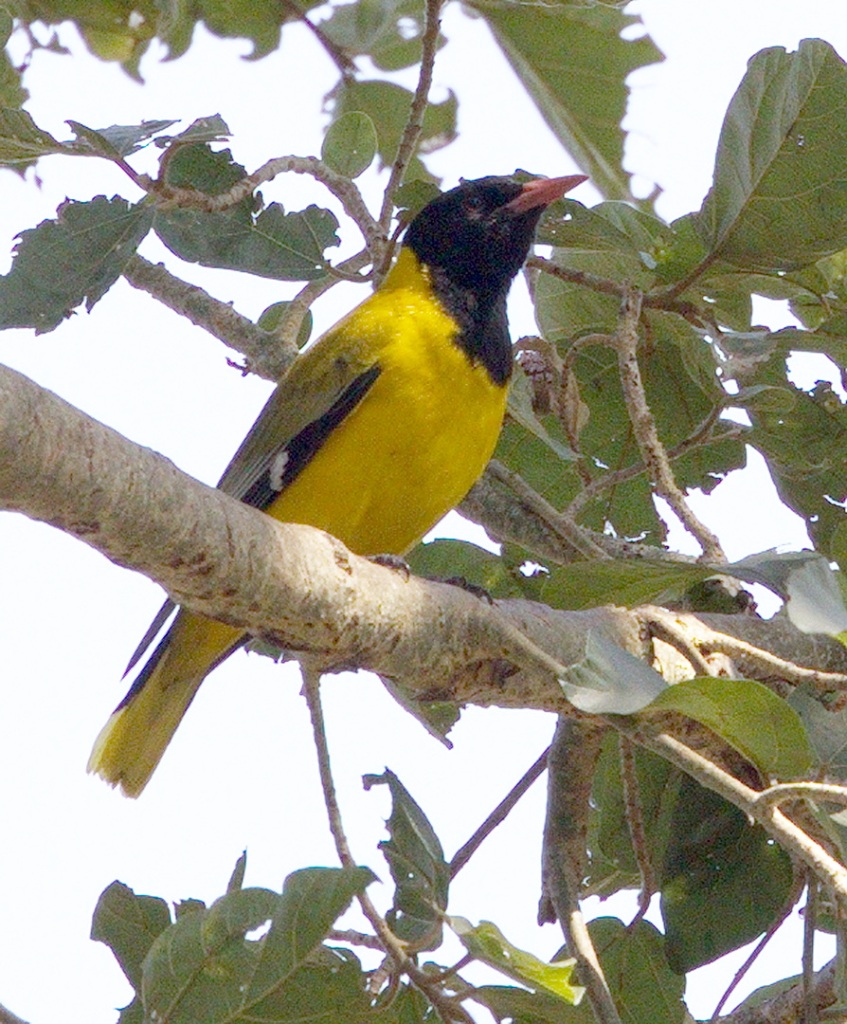
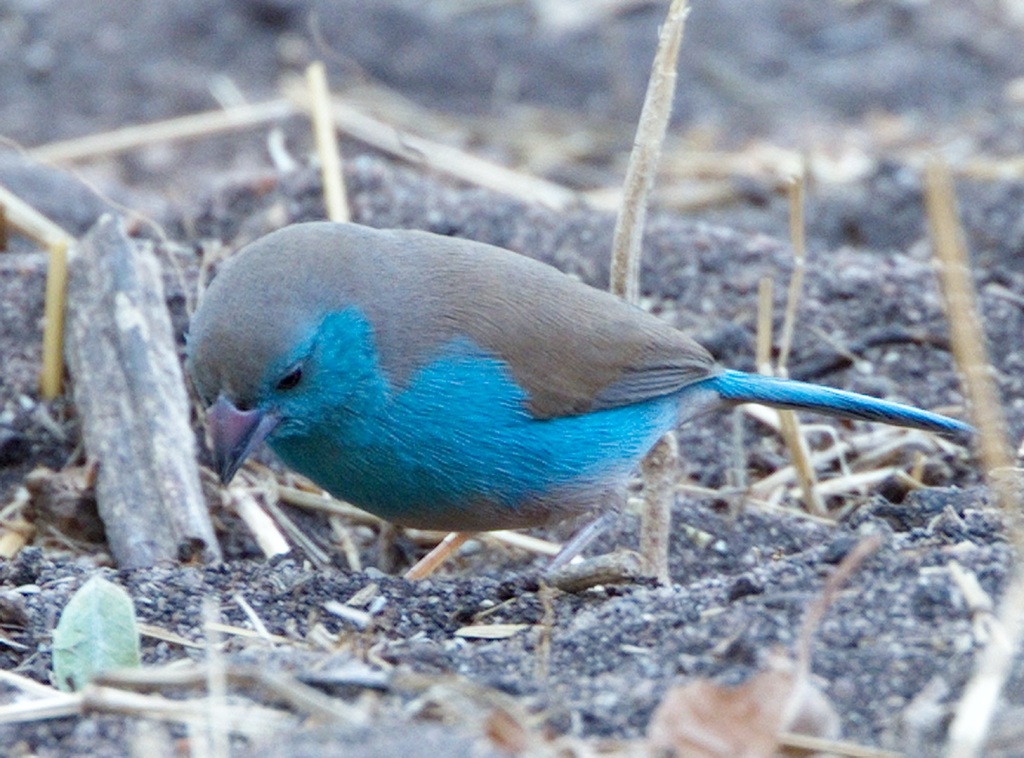
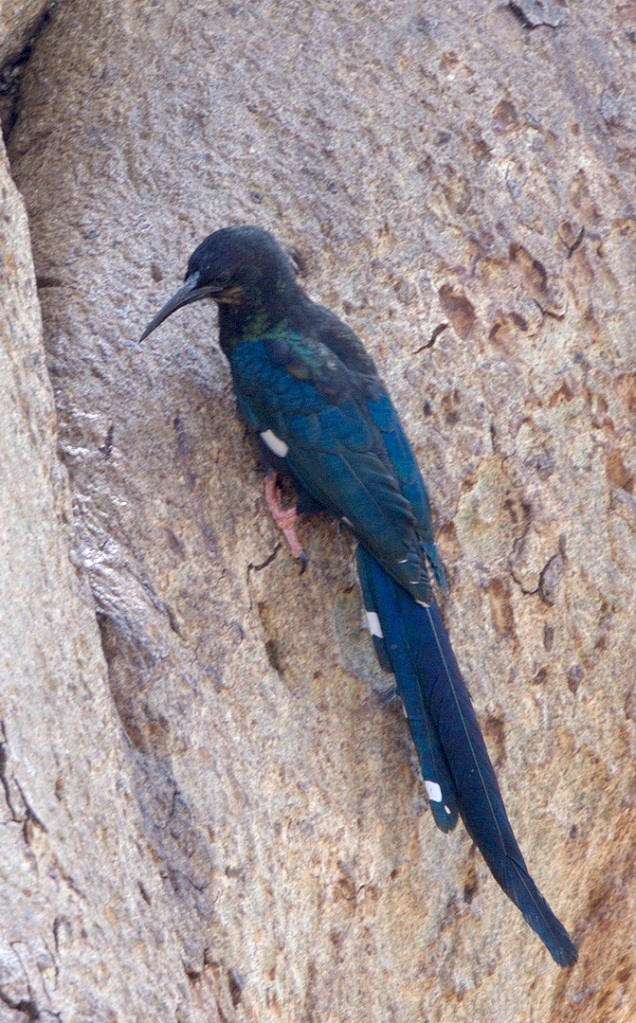
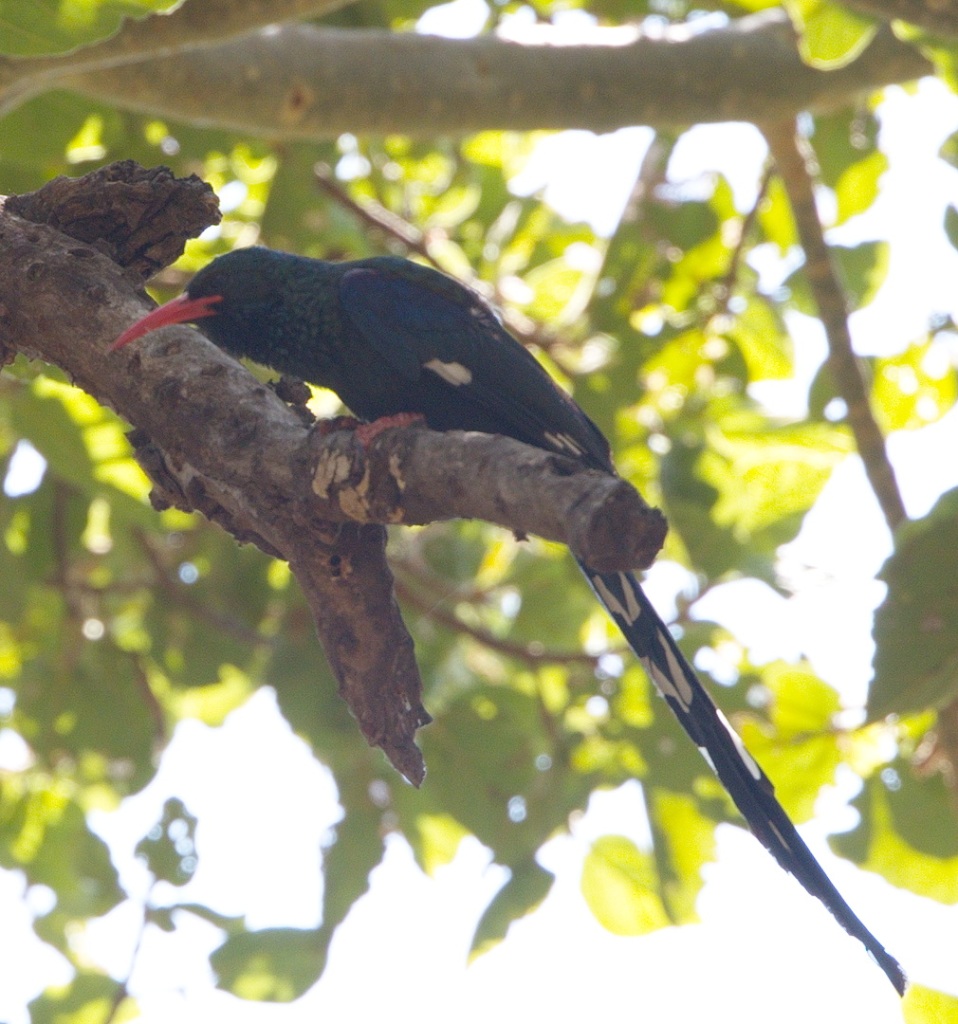
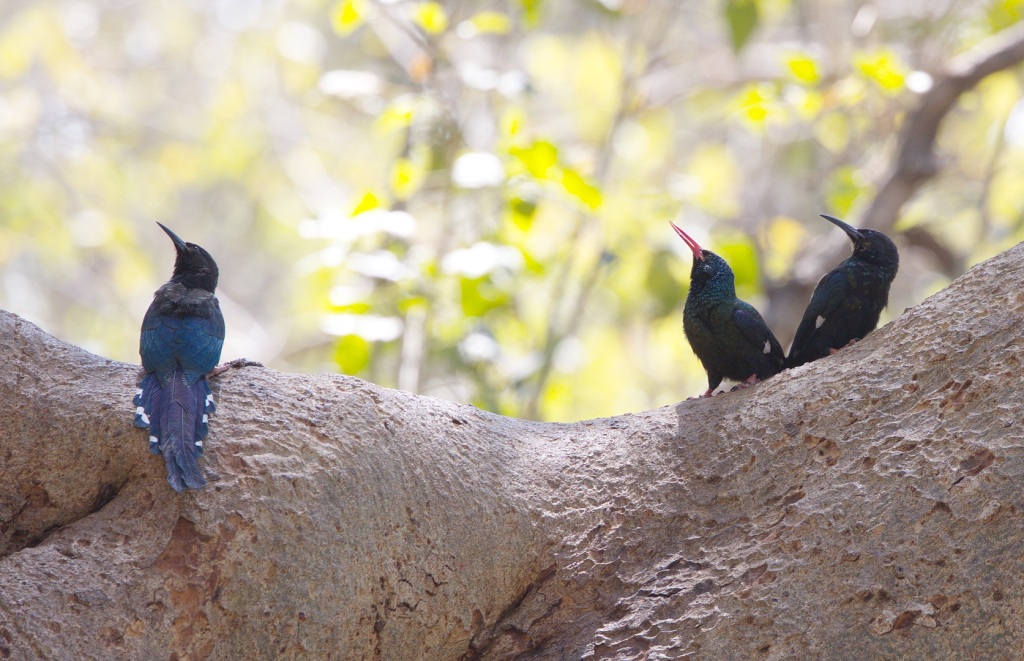
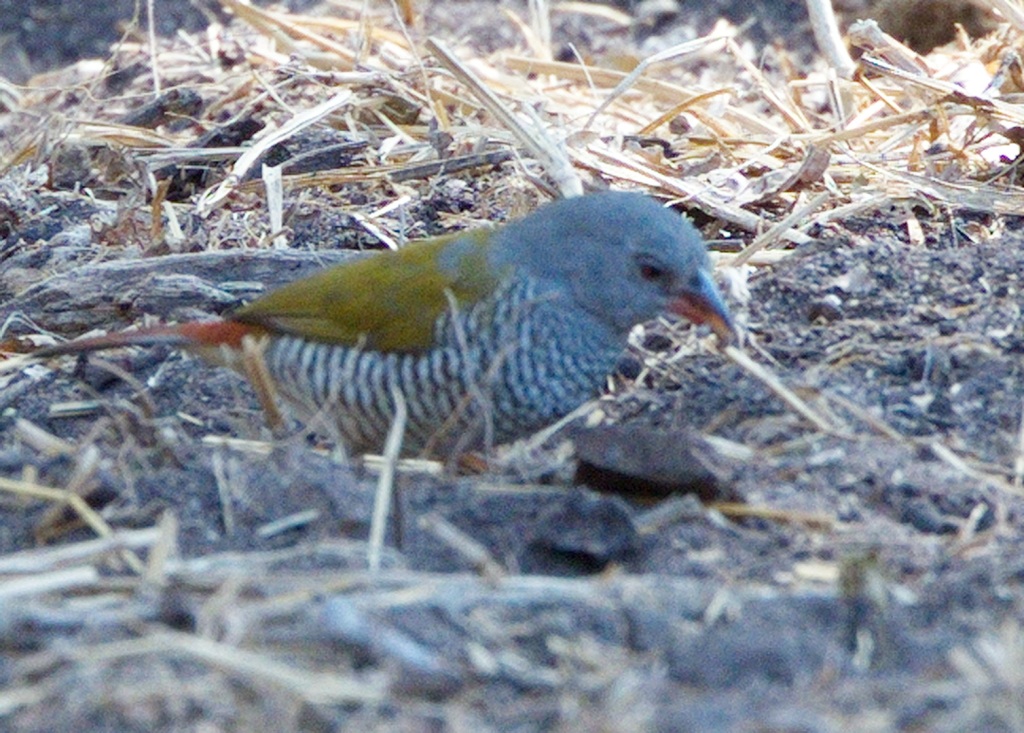
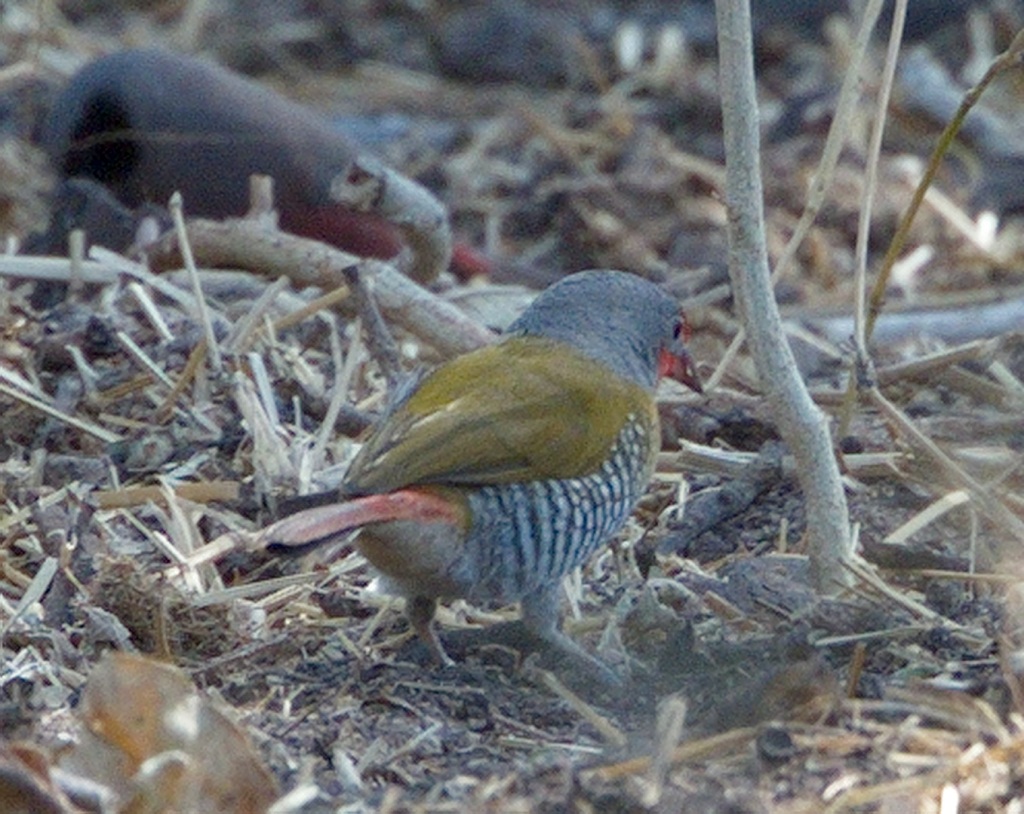
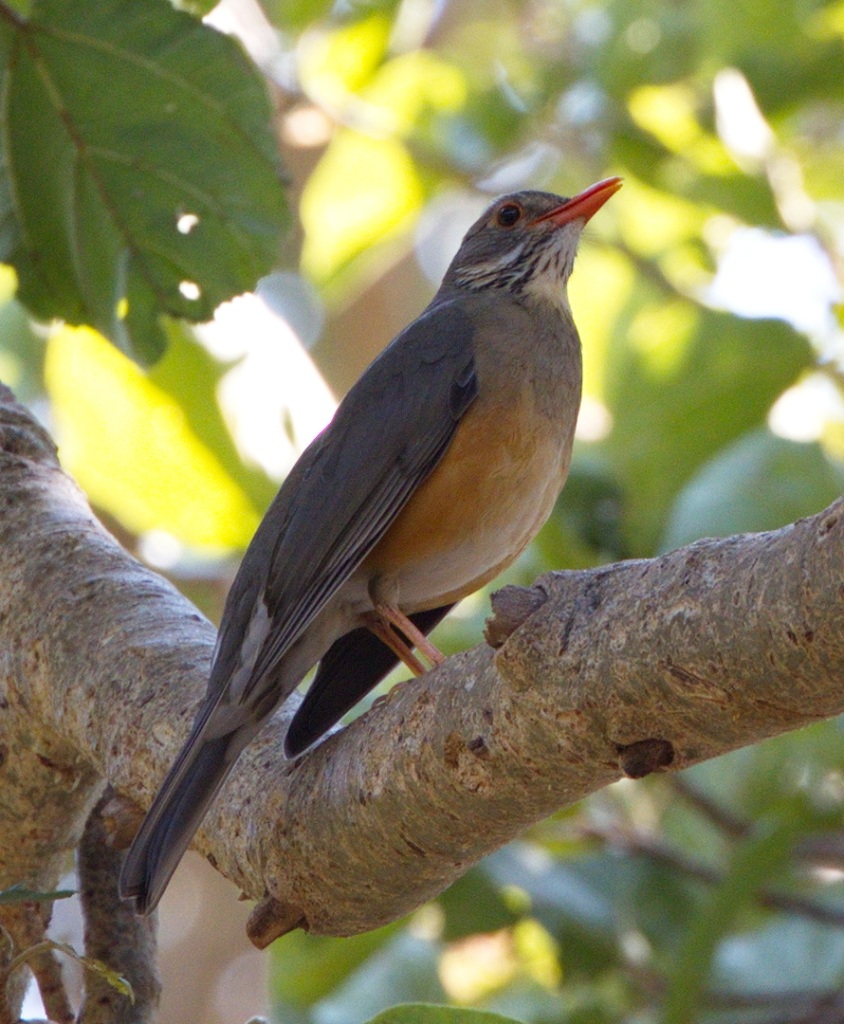
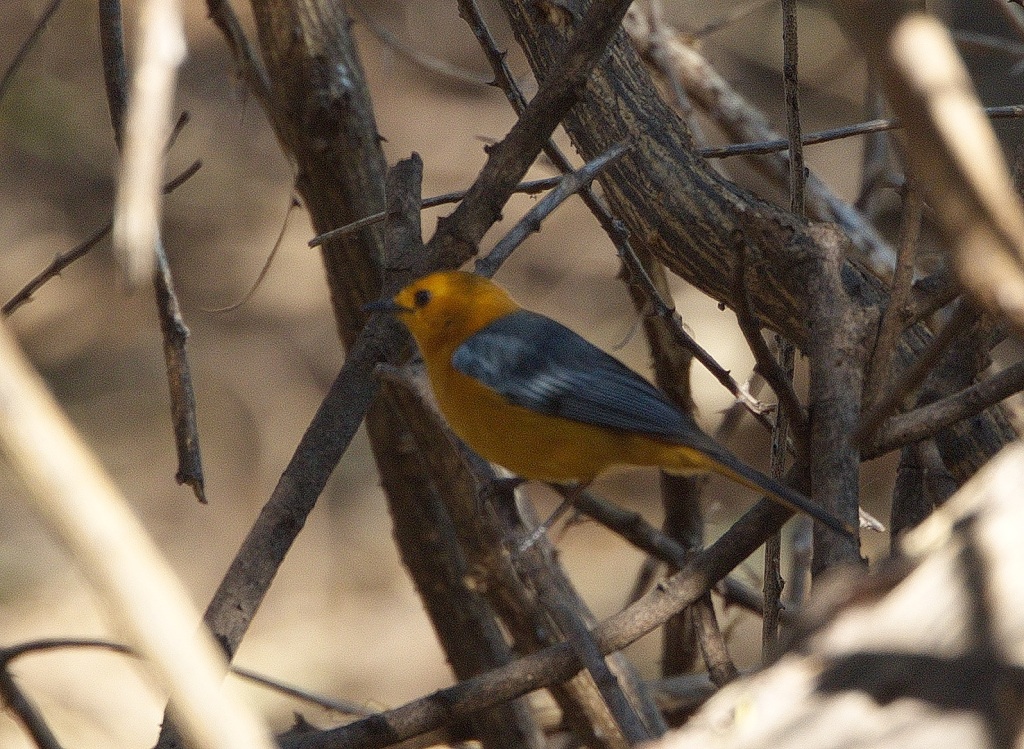
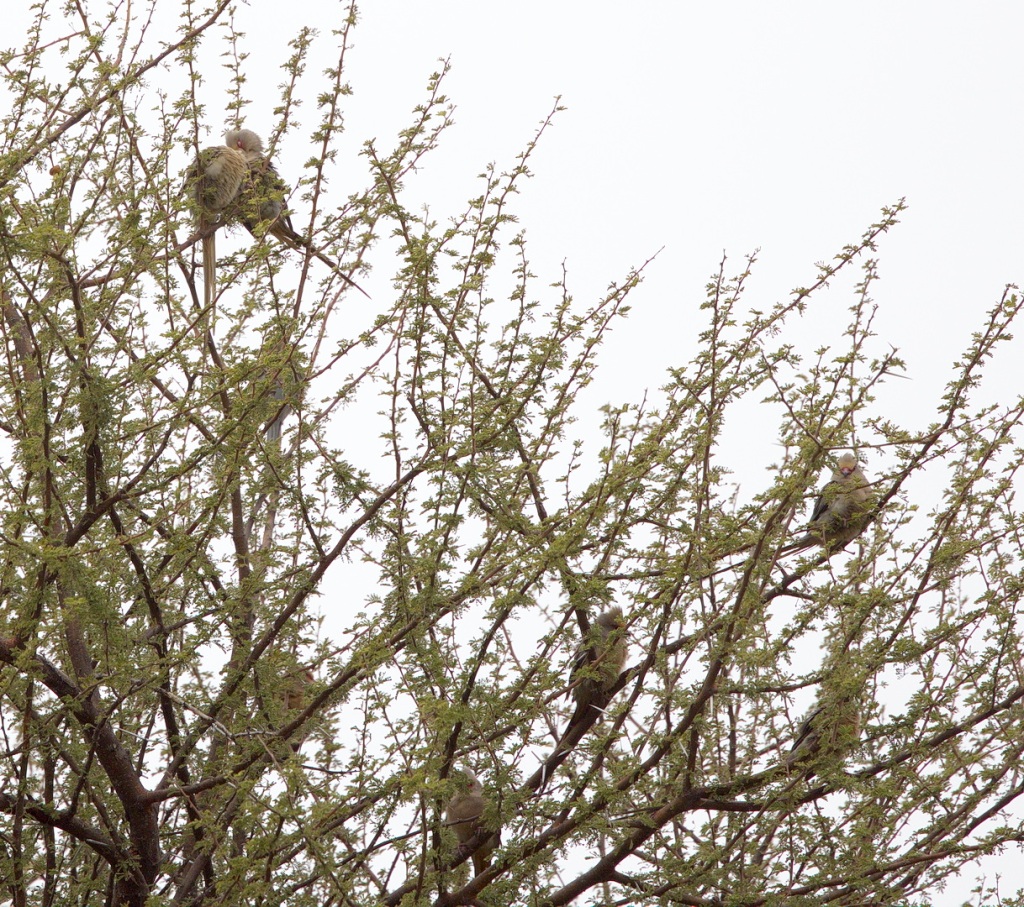
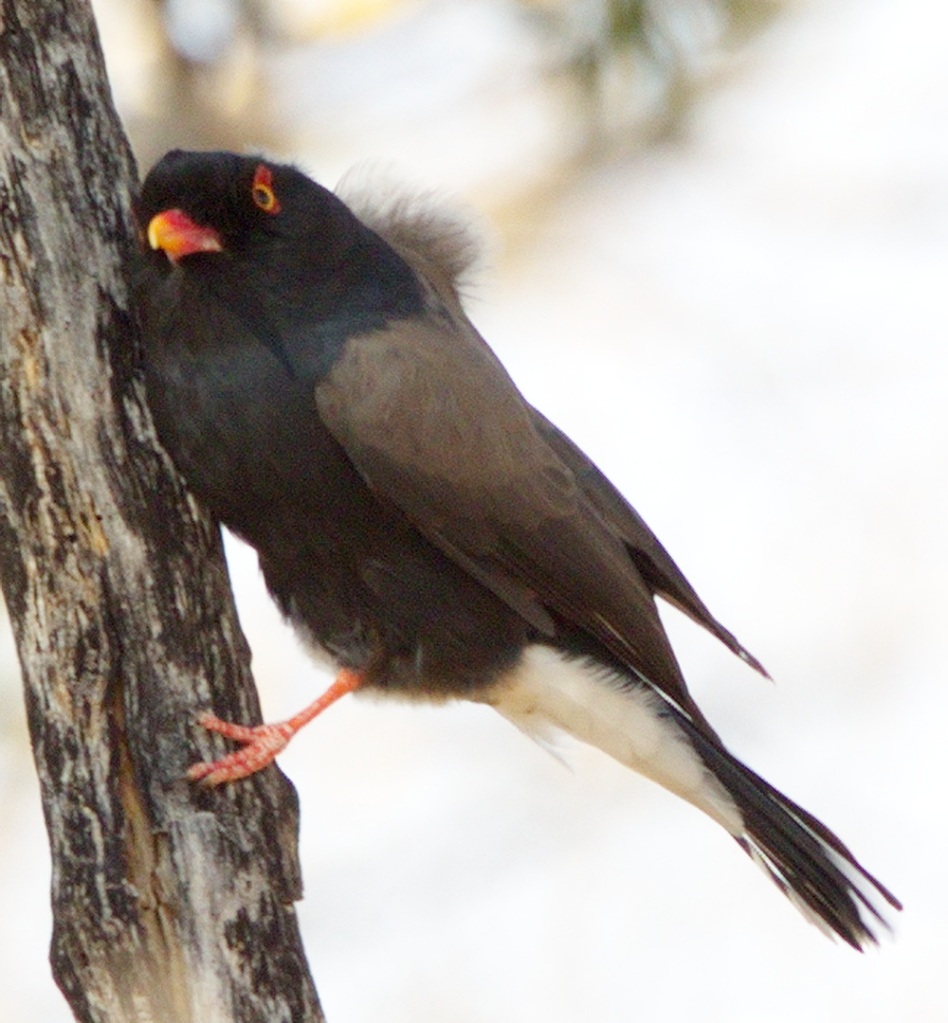
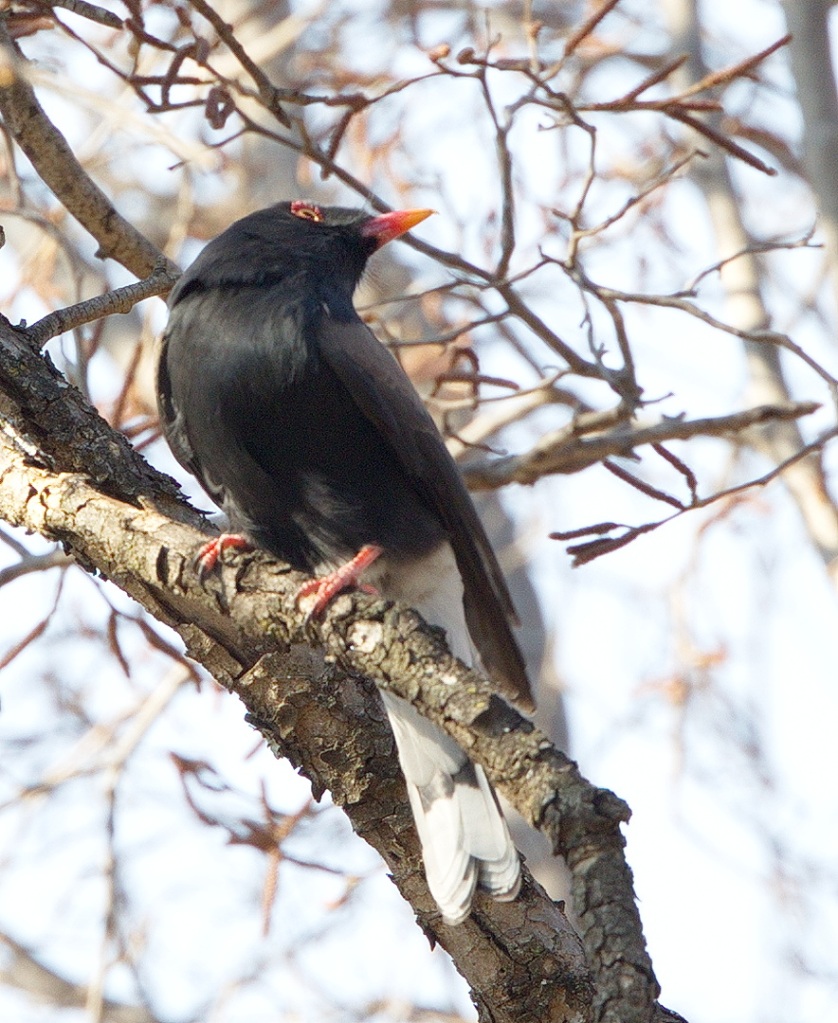
Some beautiful birds we saw round and about.
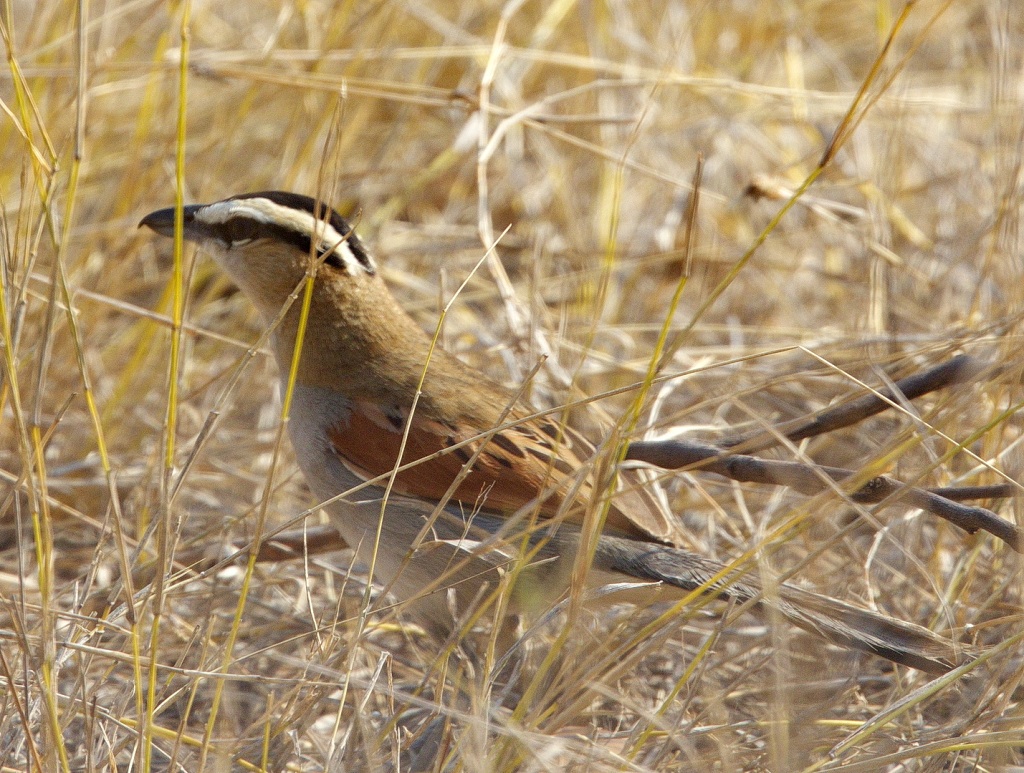
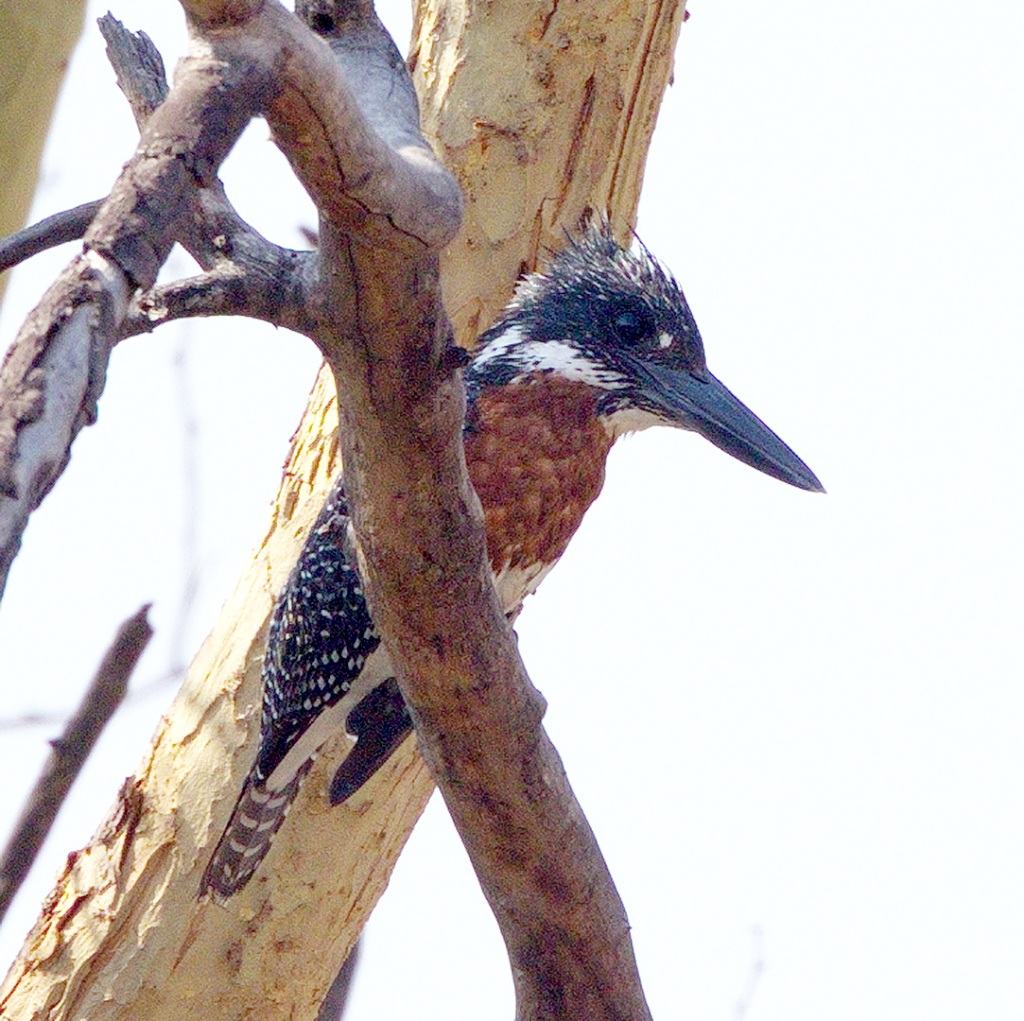
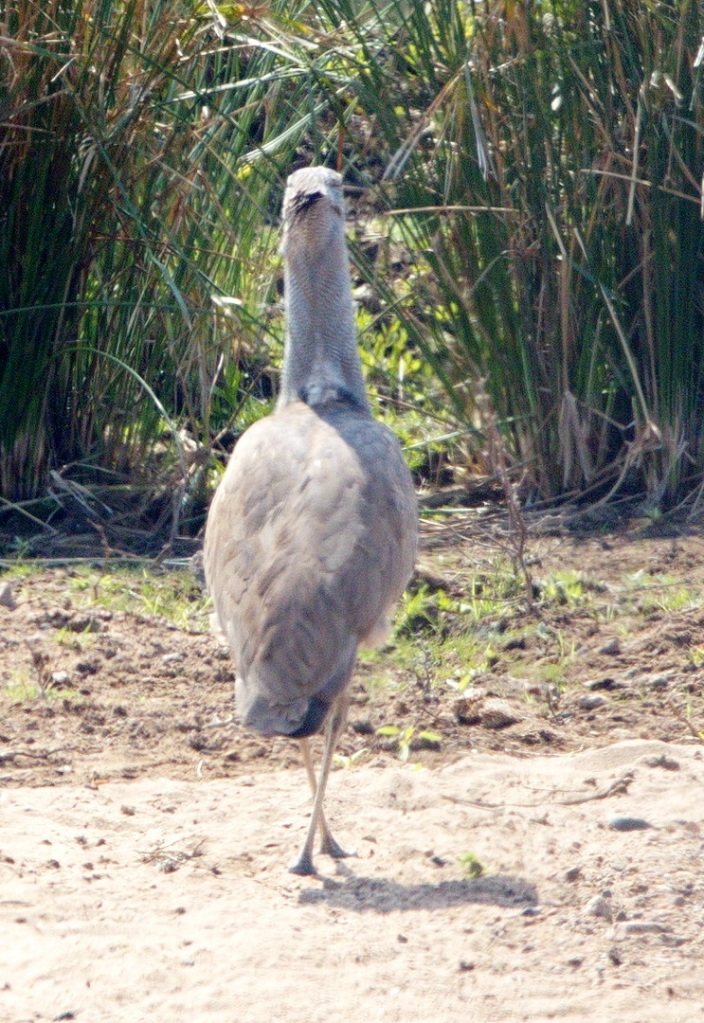
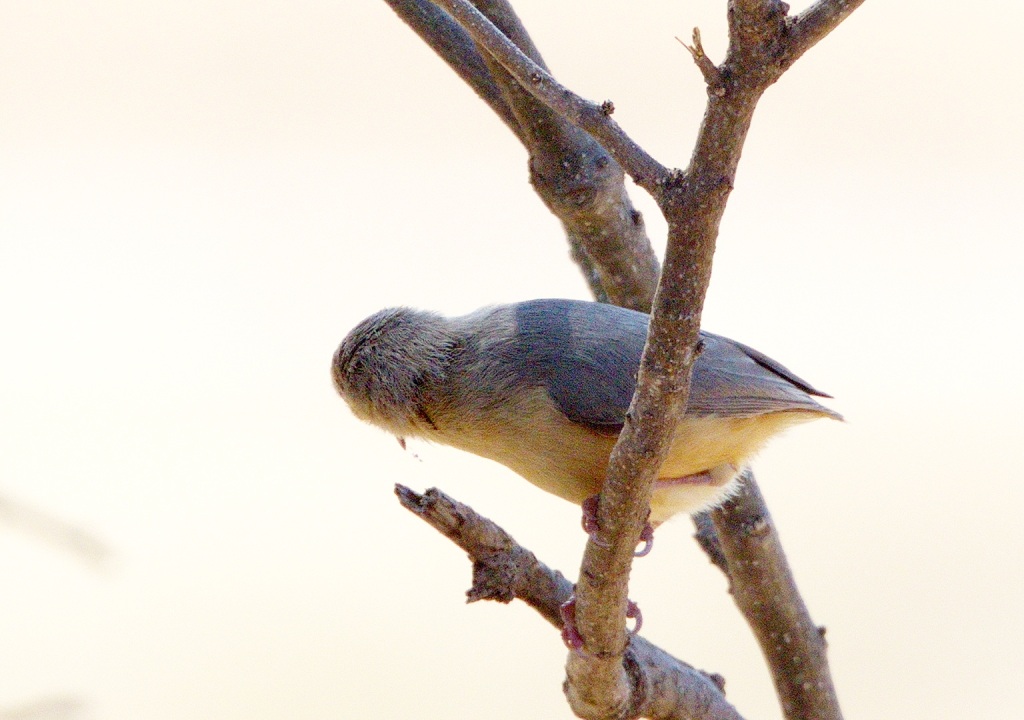
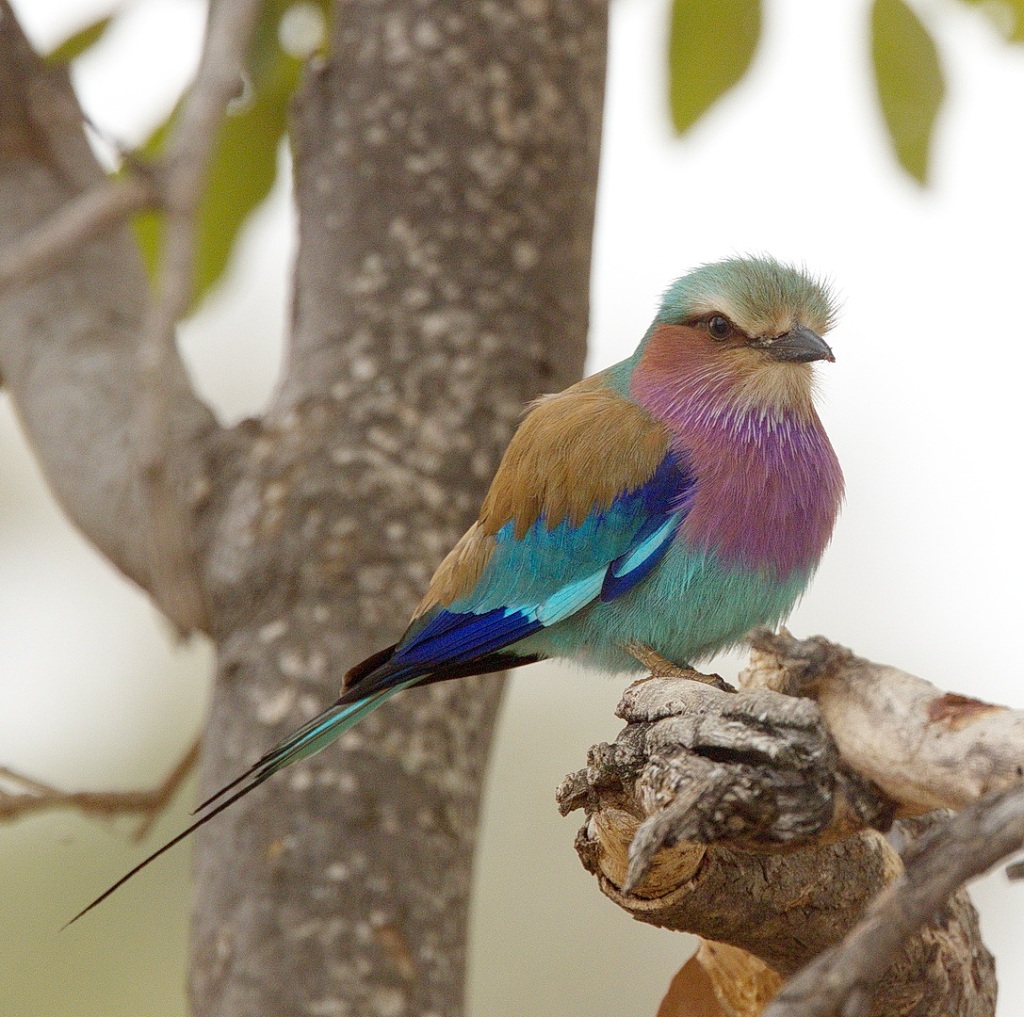
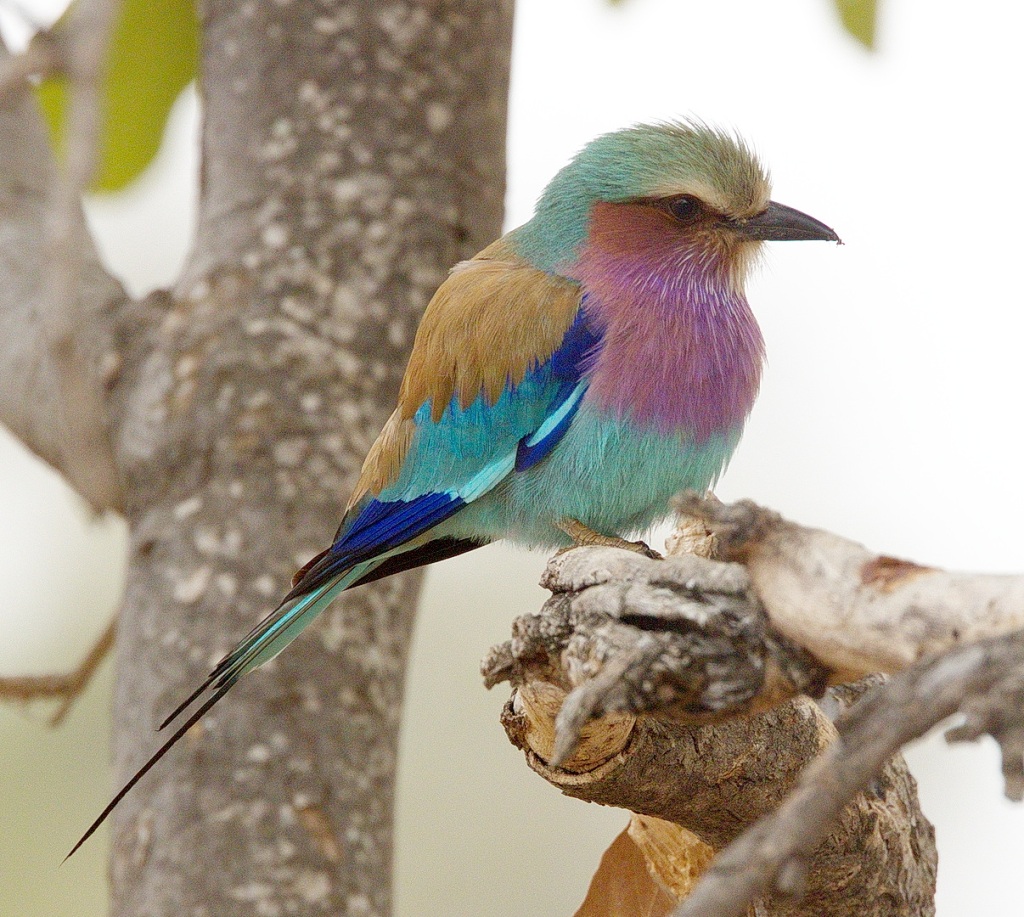
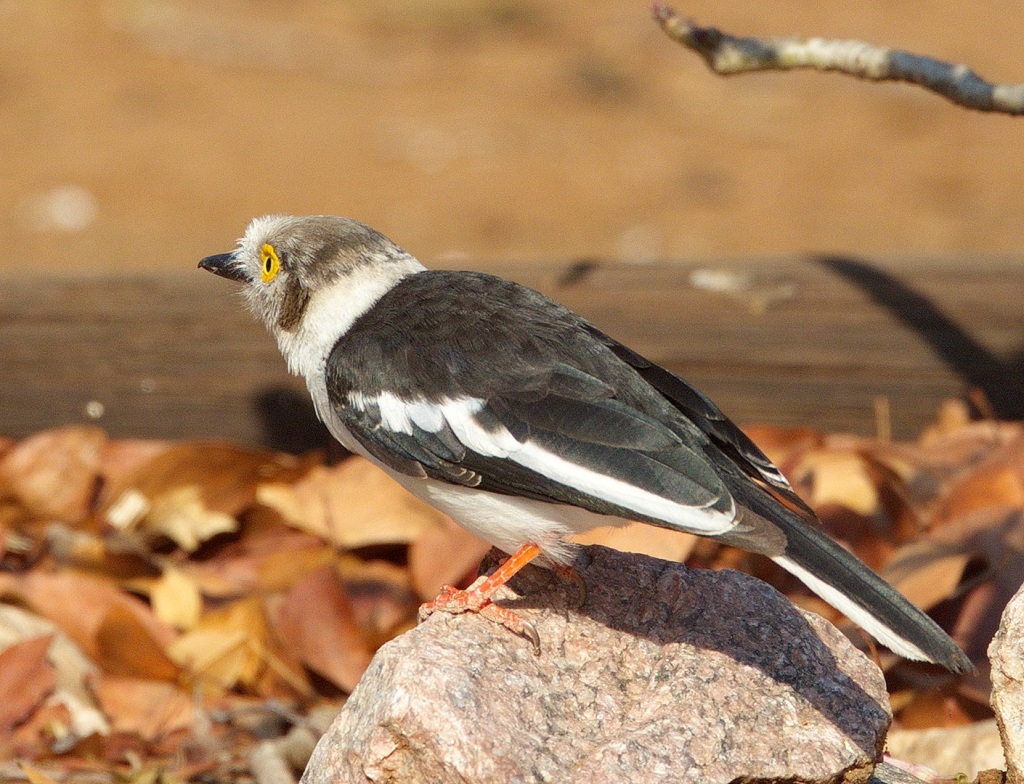
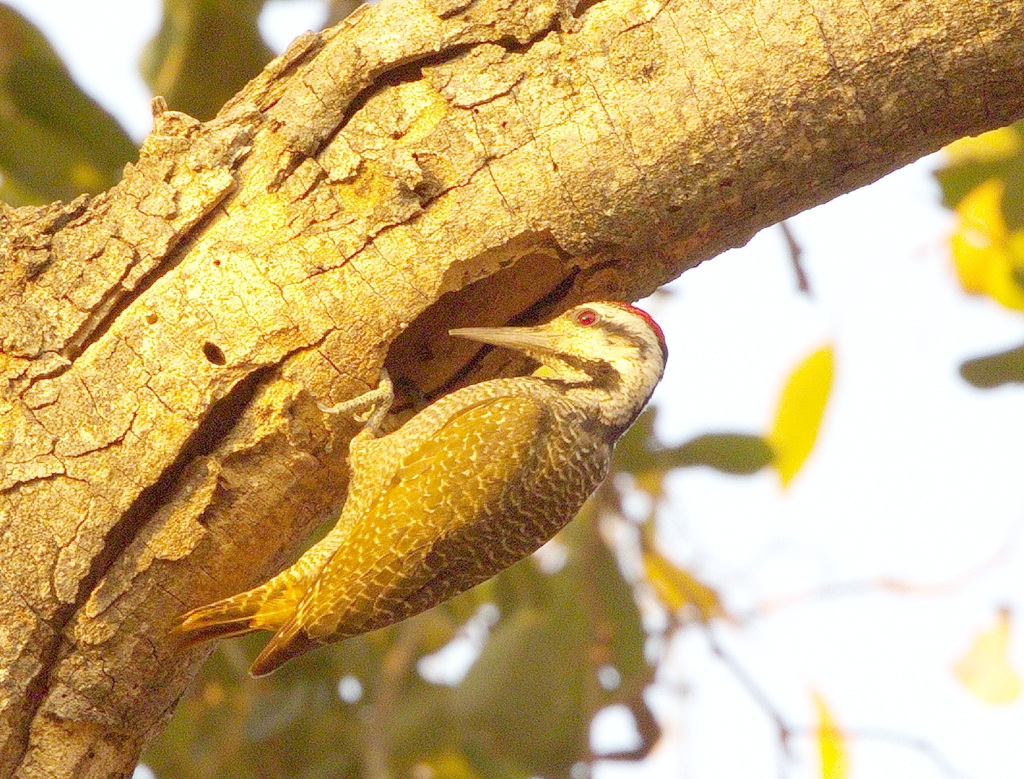
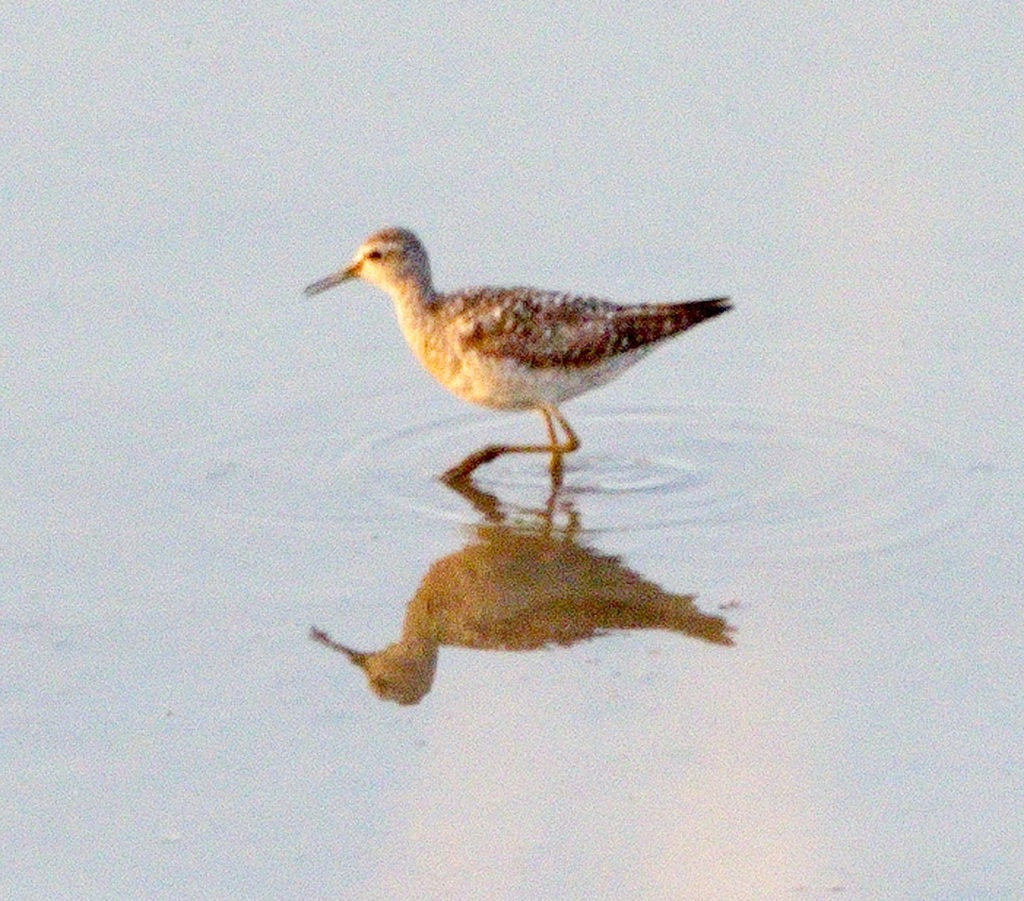
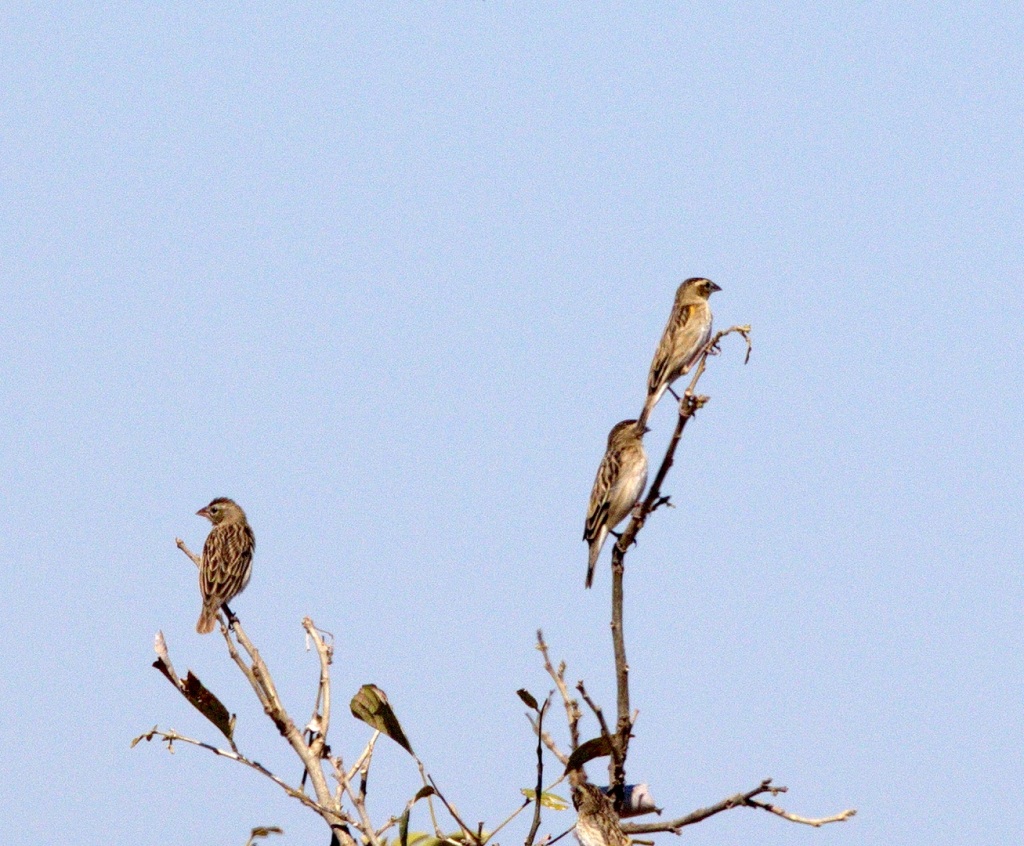
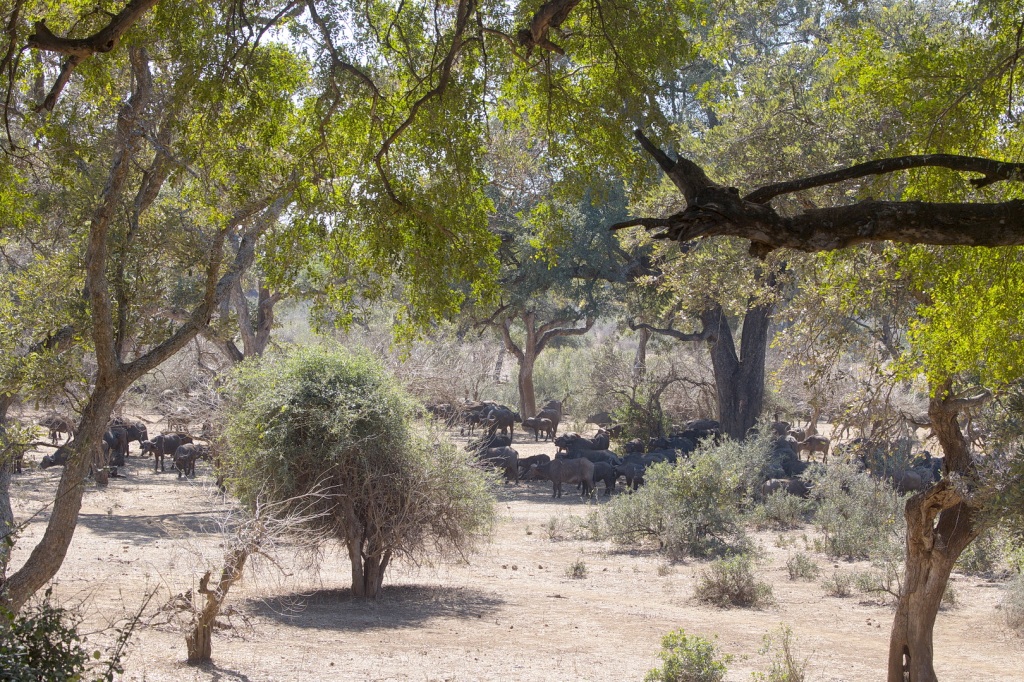
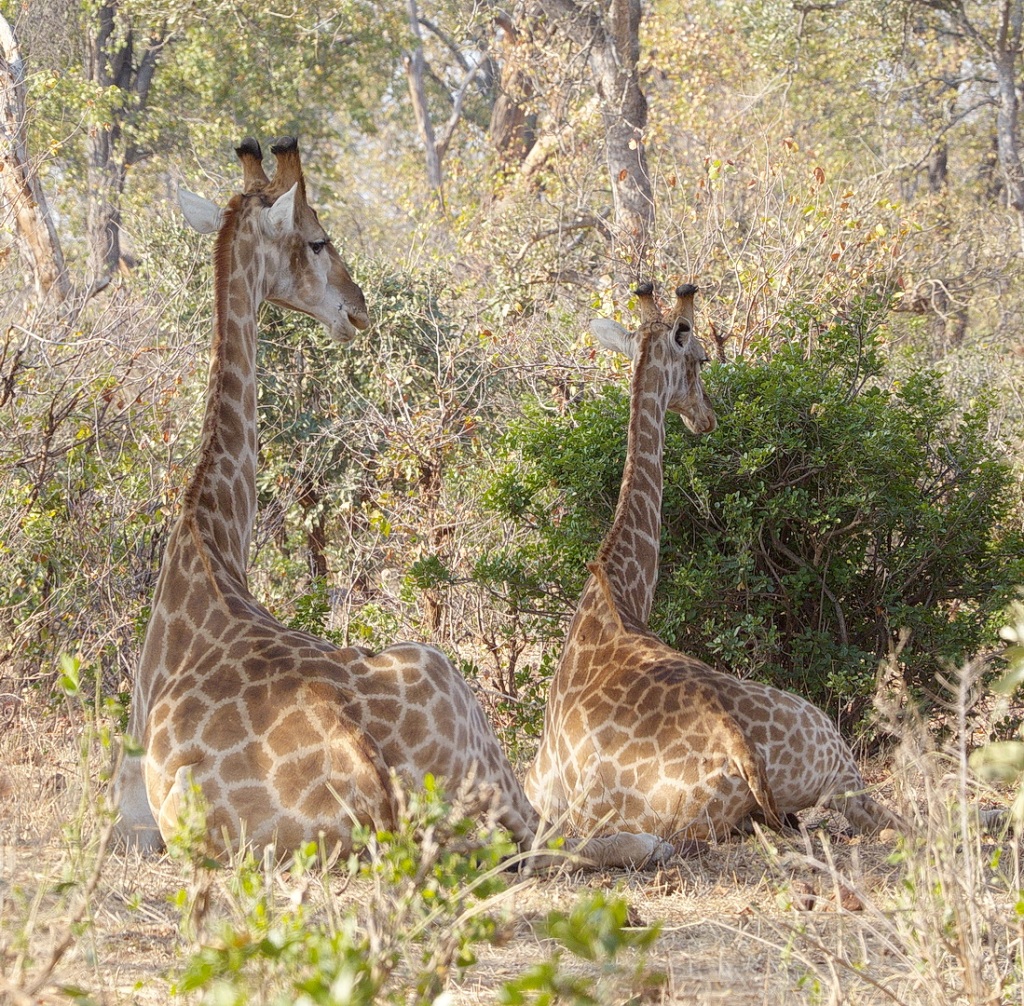
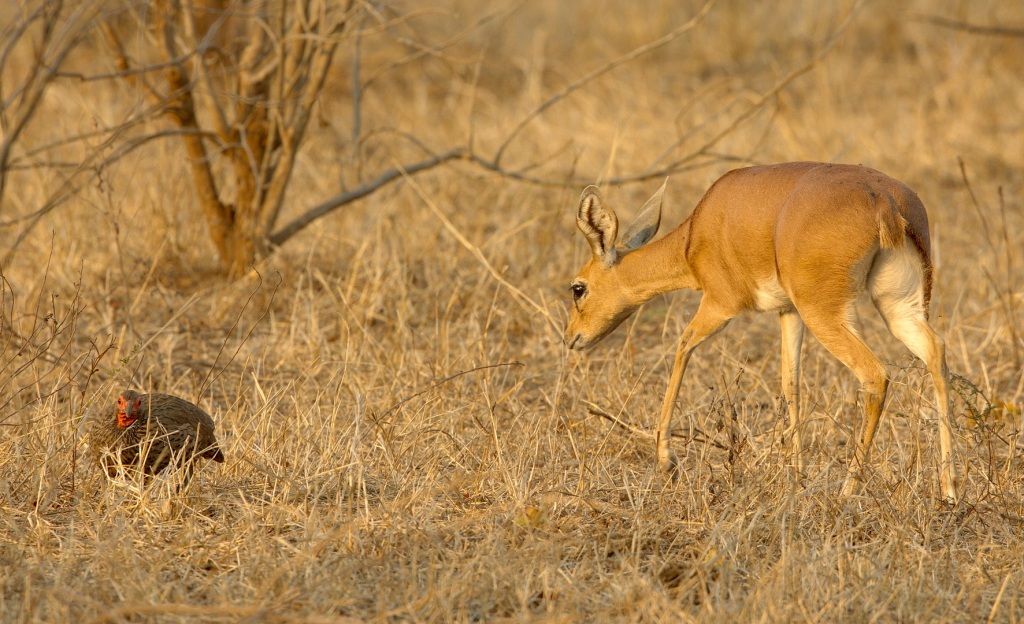
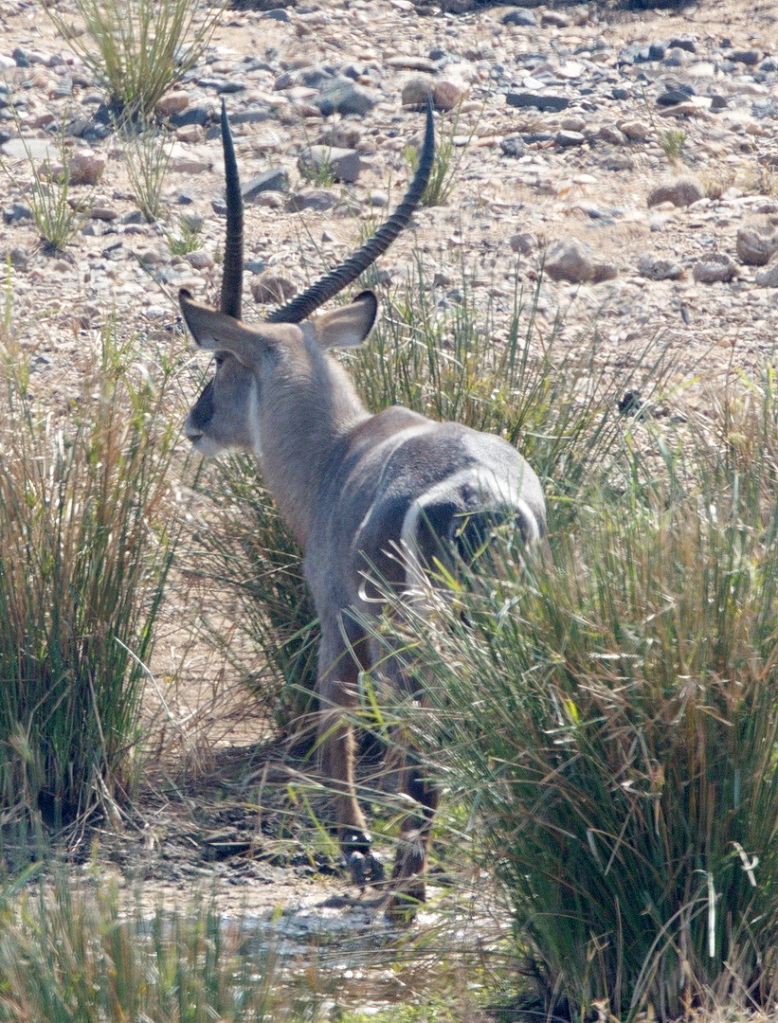
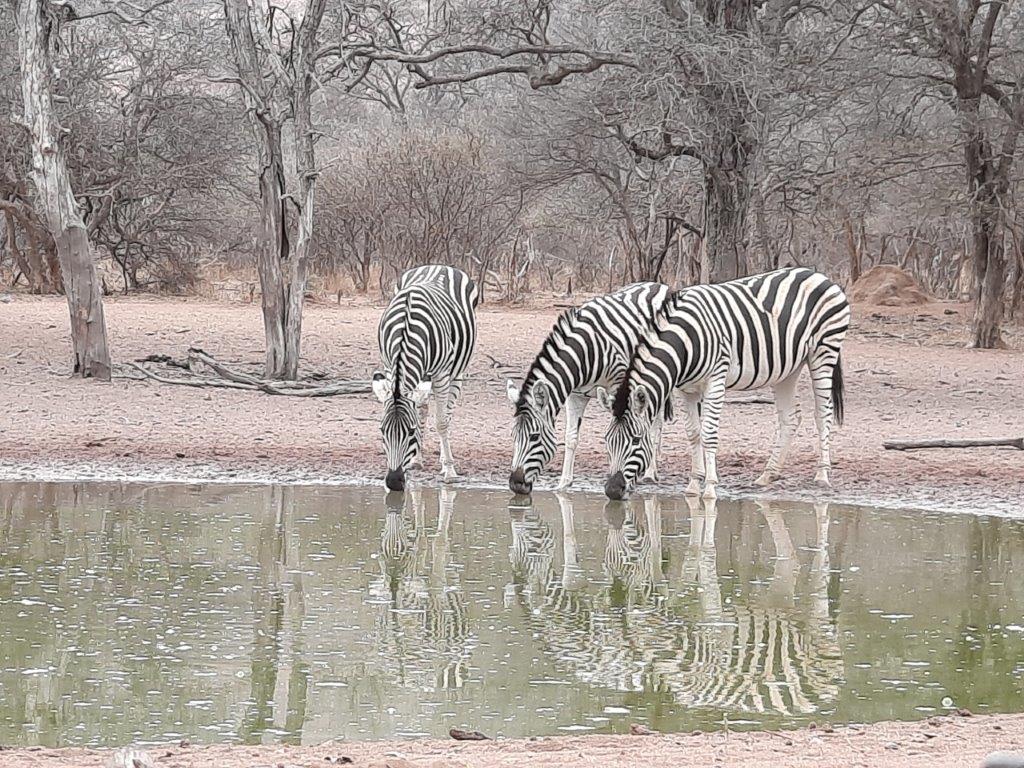
Then there were some of the aminals;
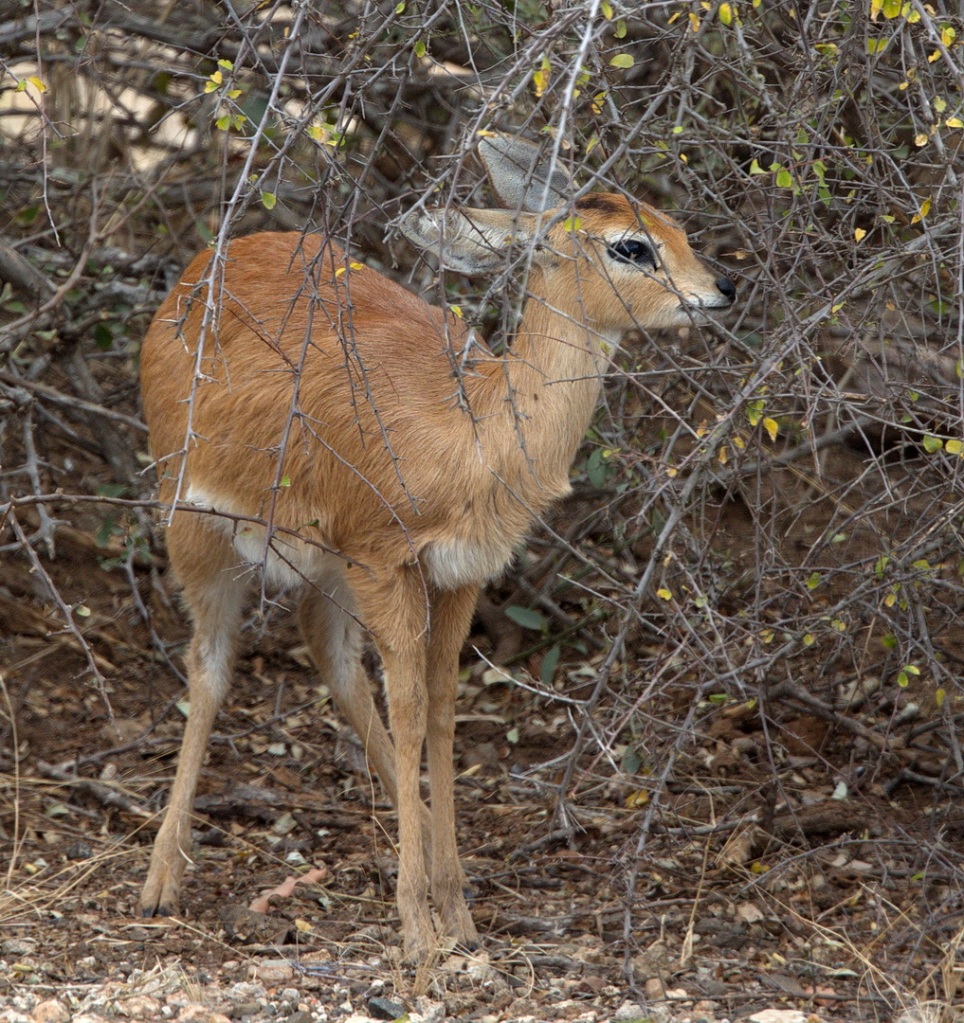
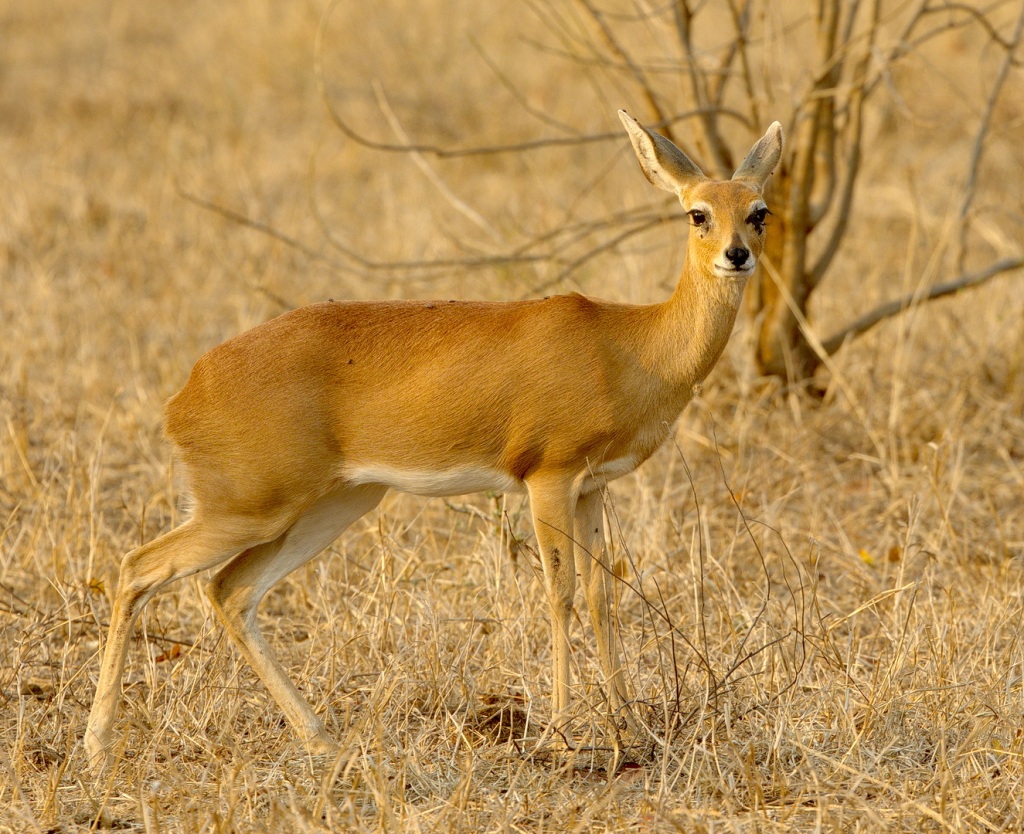
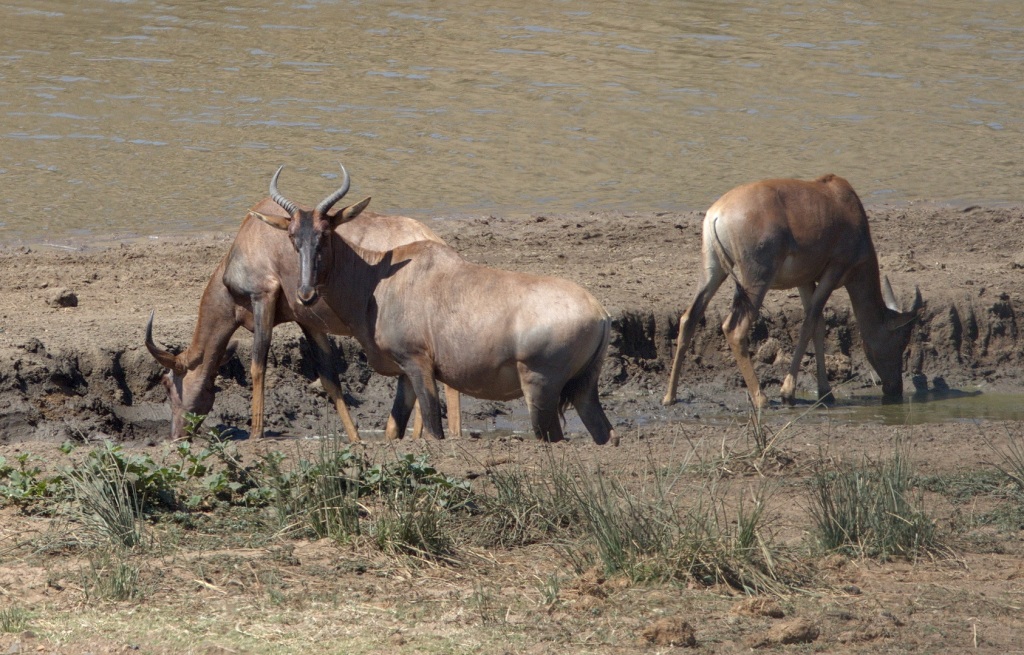
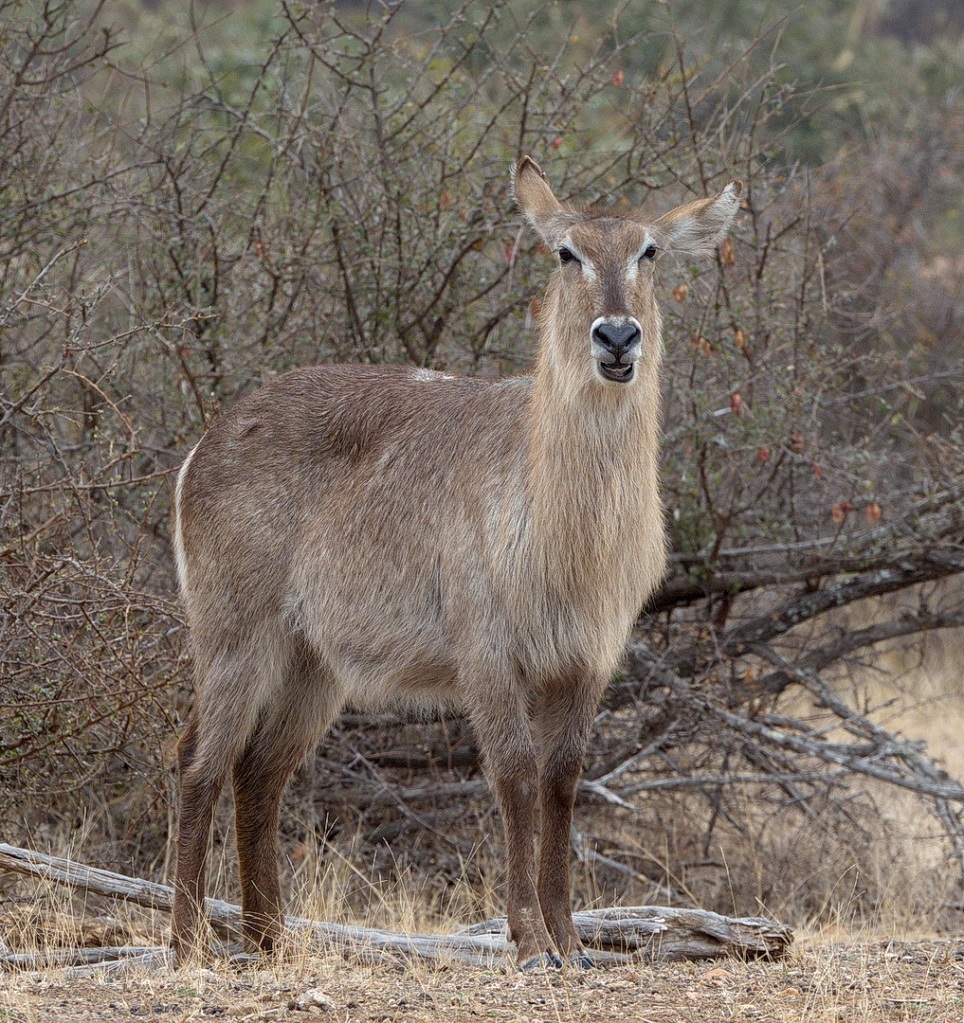
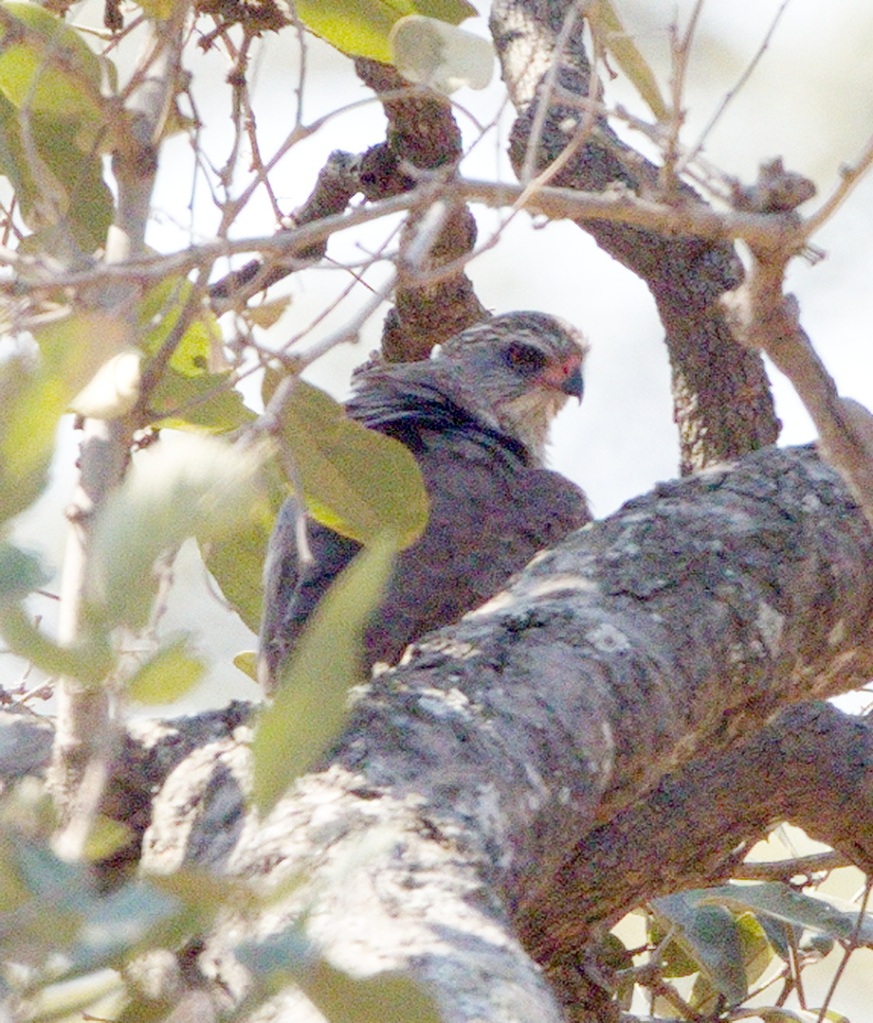
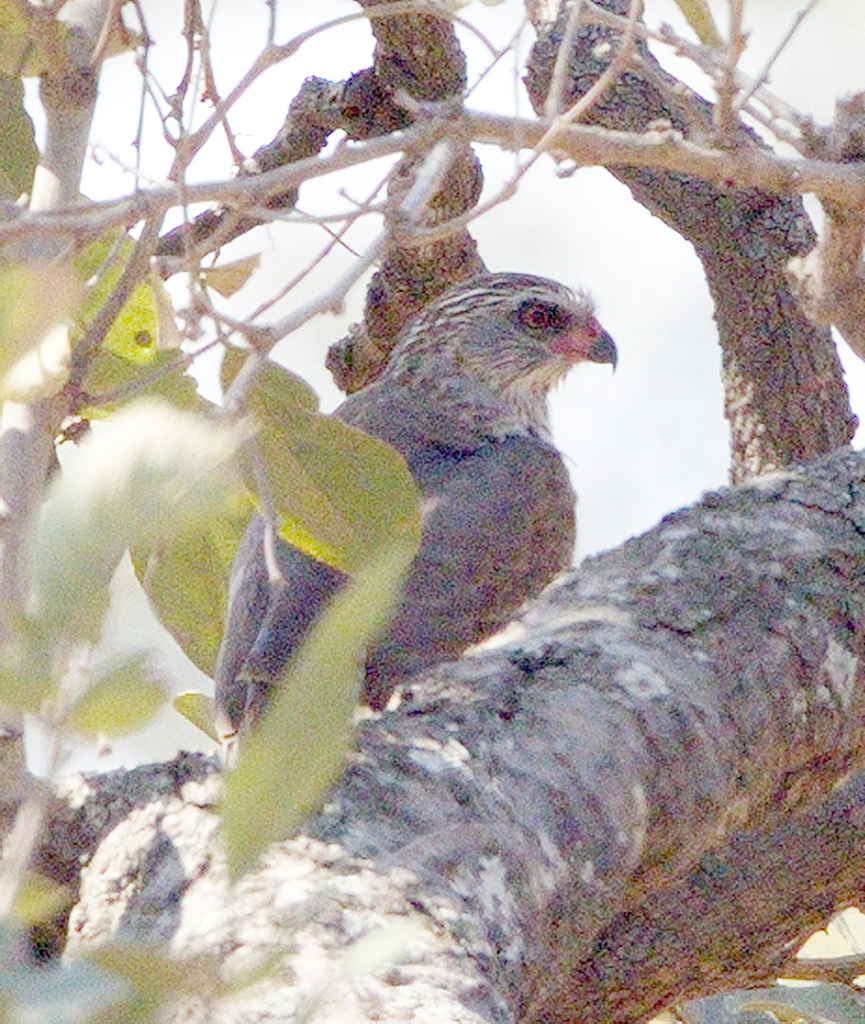
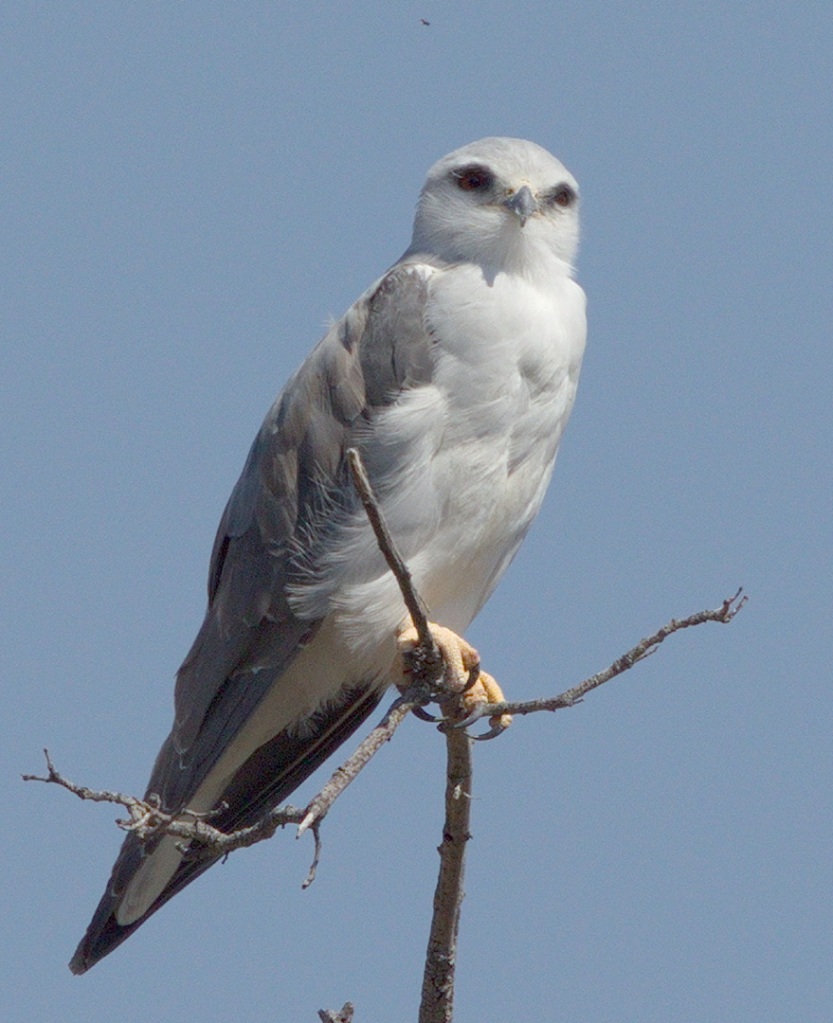
Raptors: Not many seen and only one photoed.
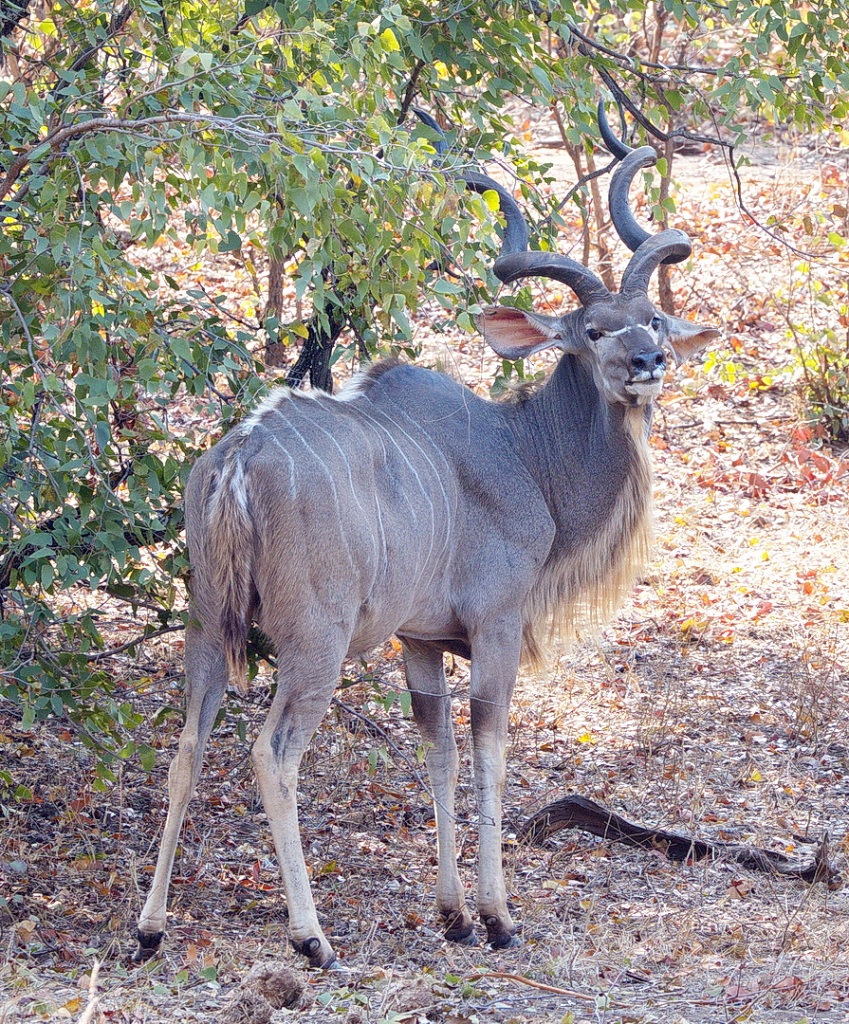
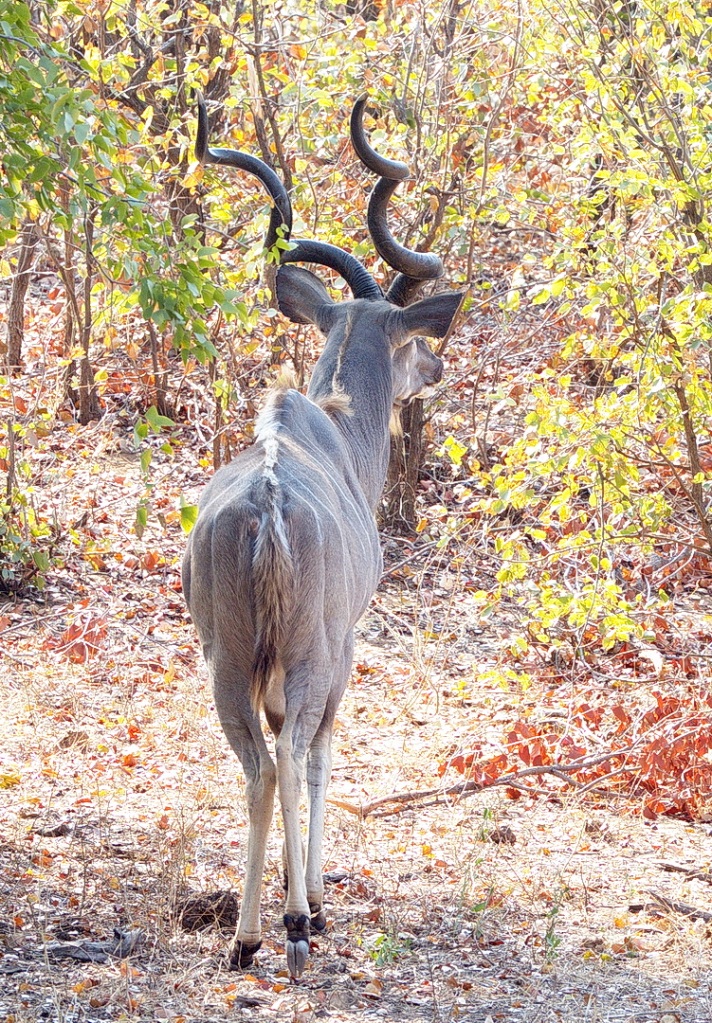
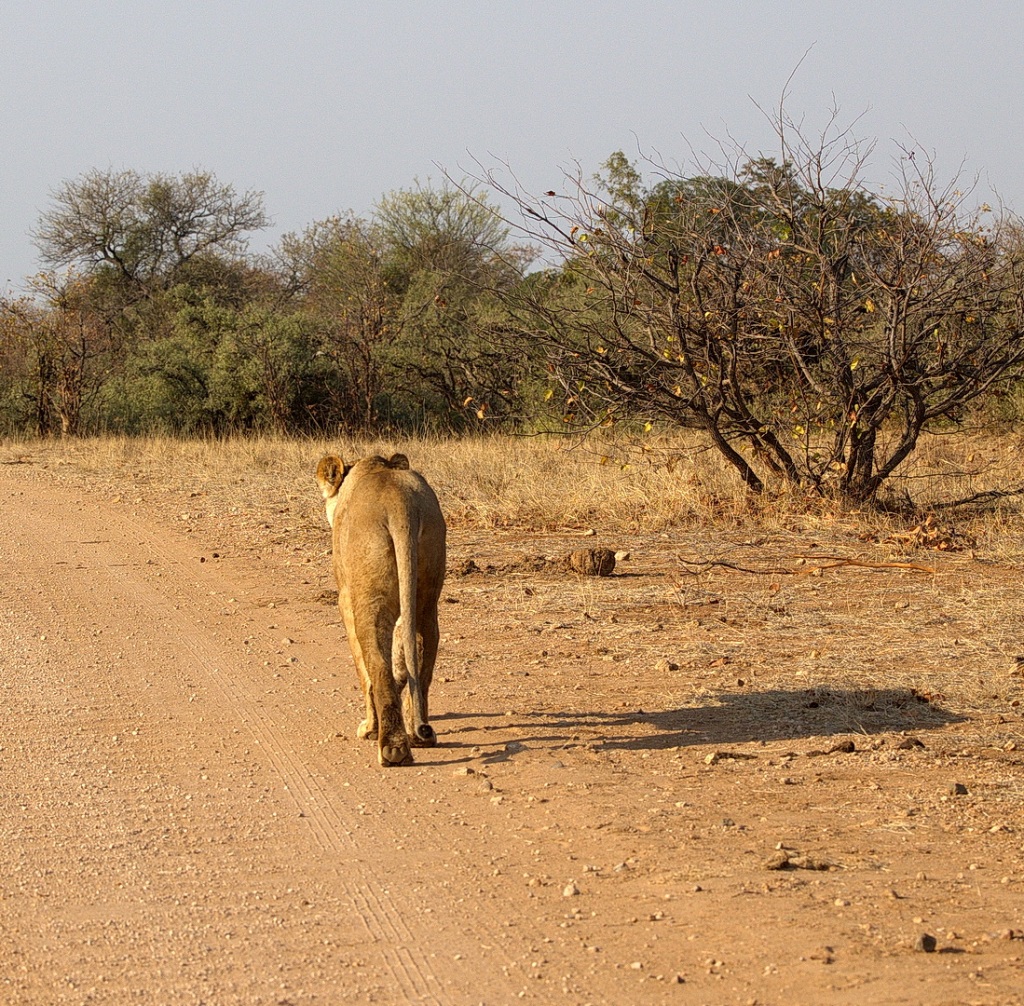
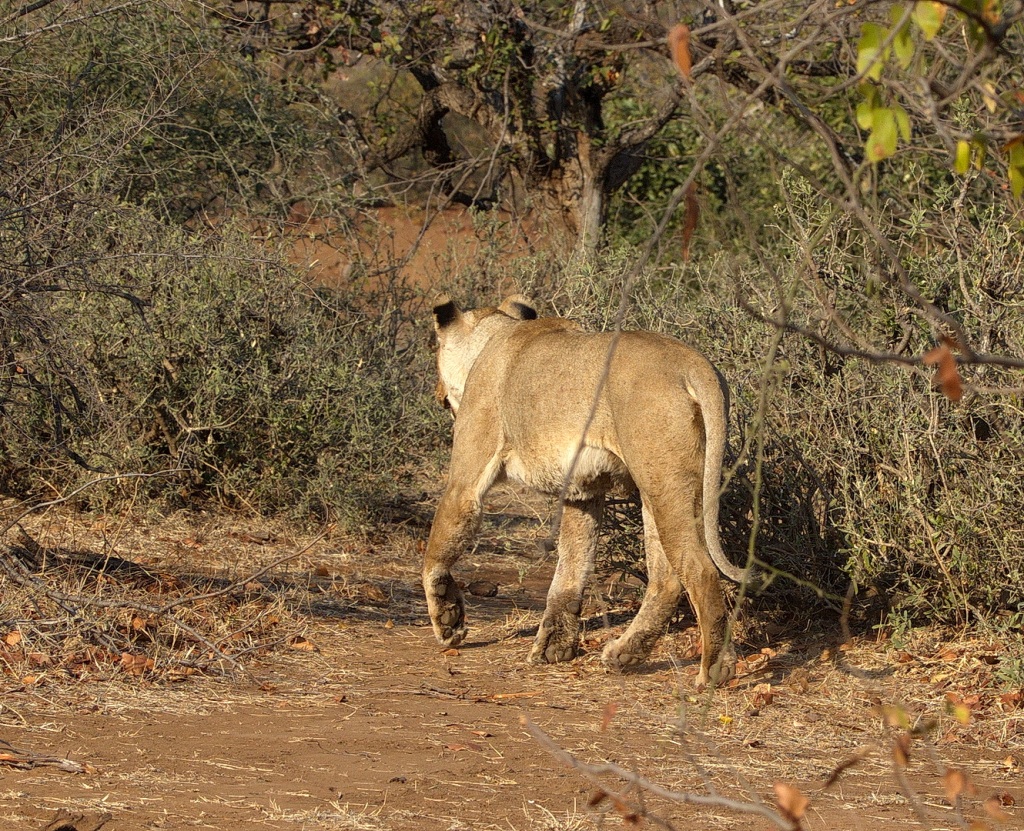
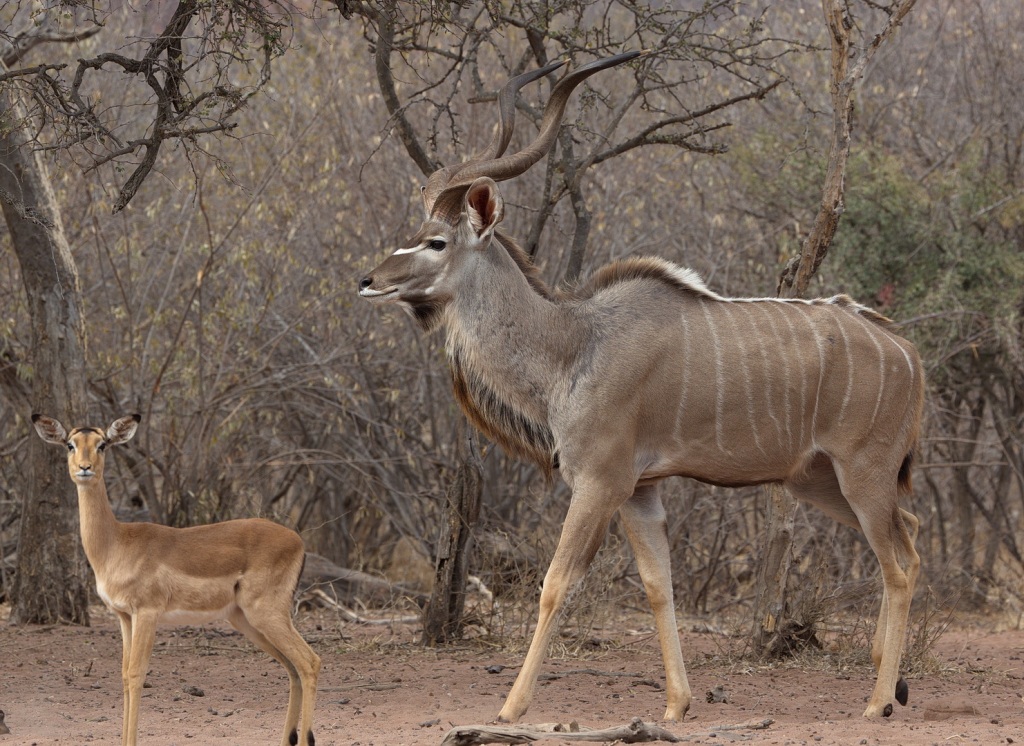
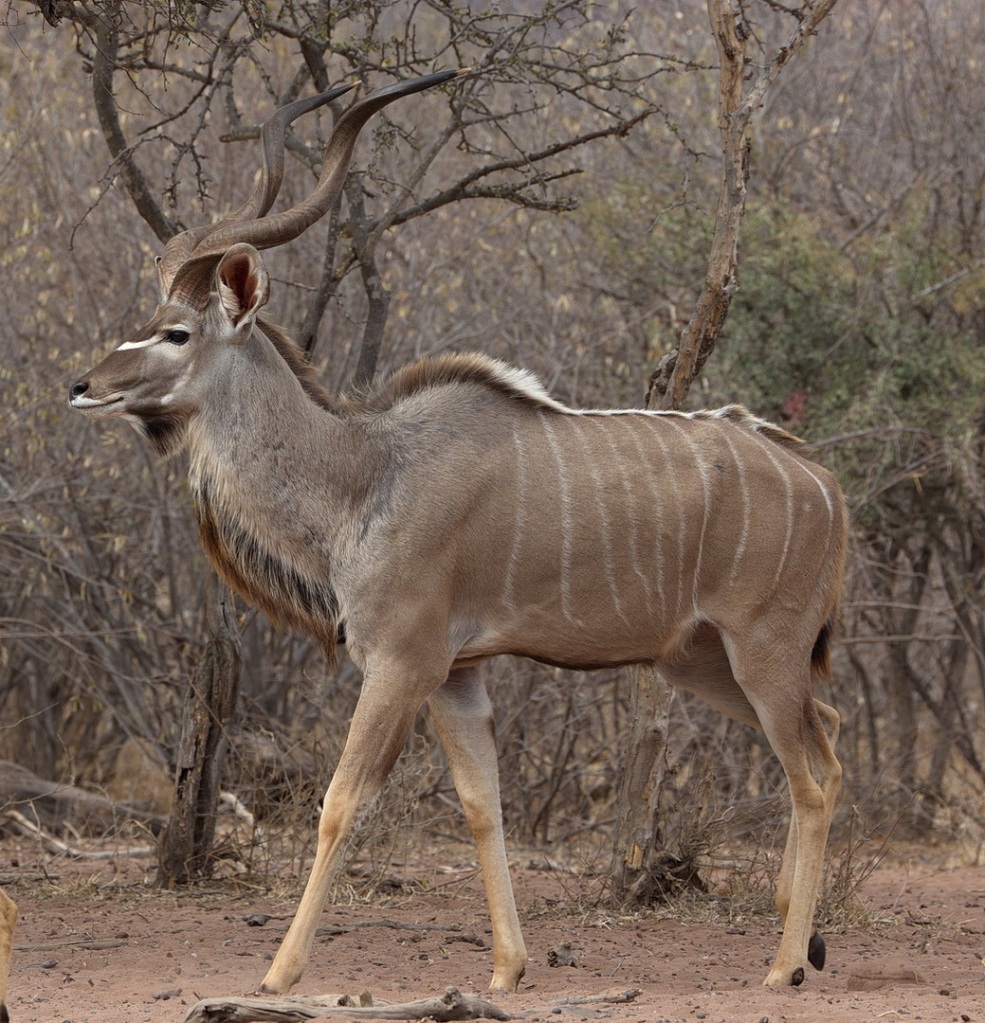
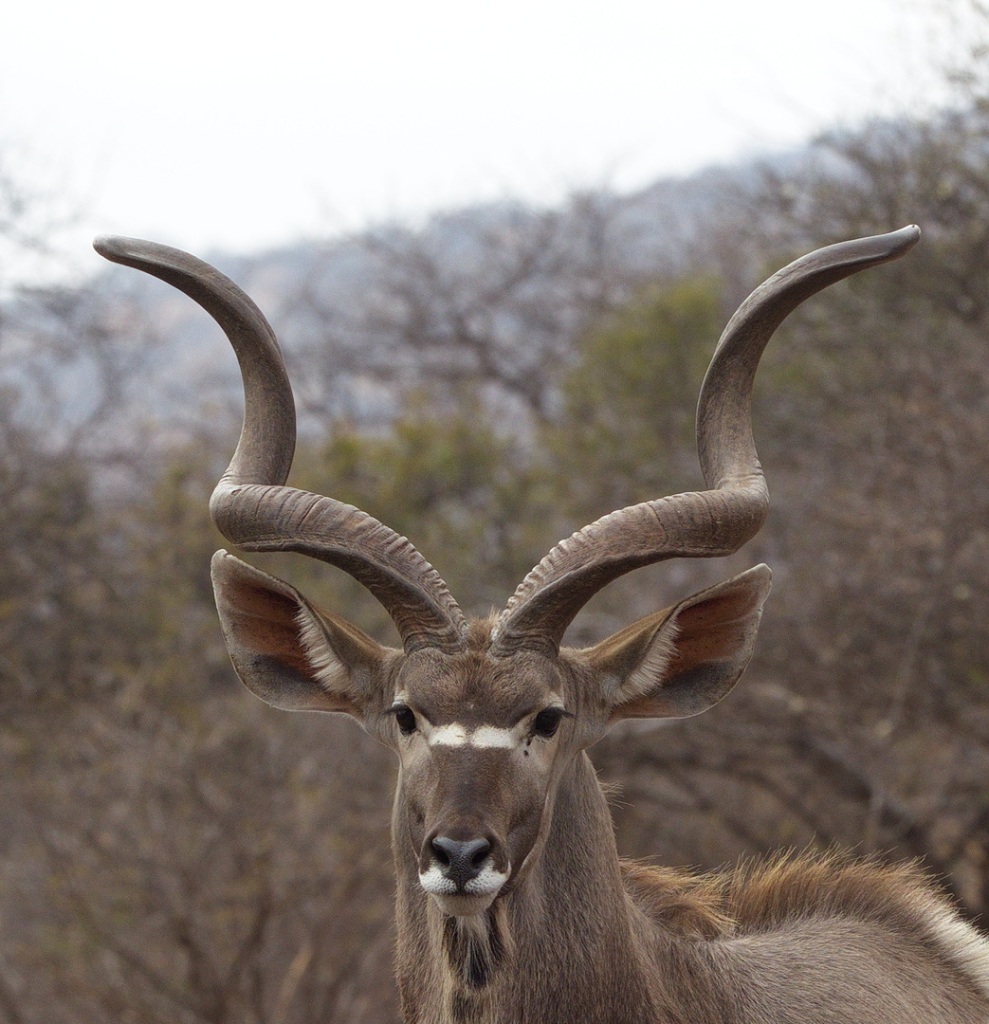
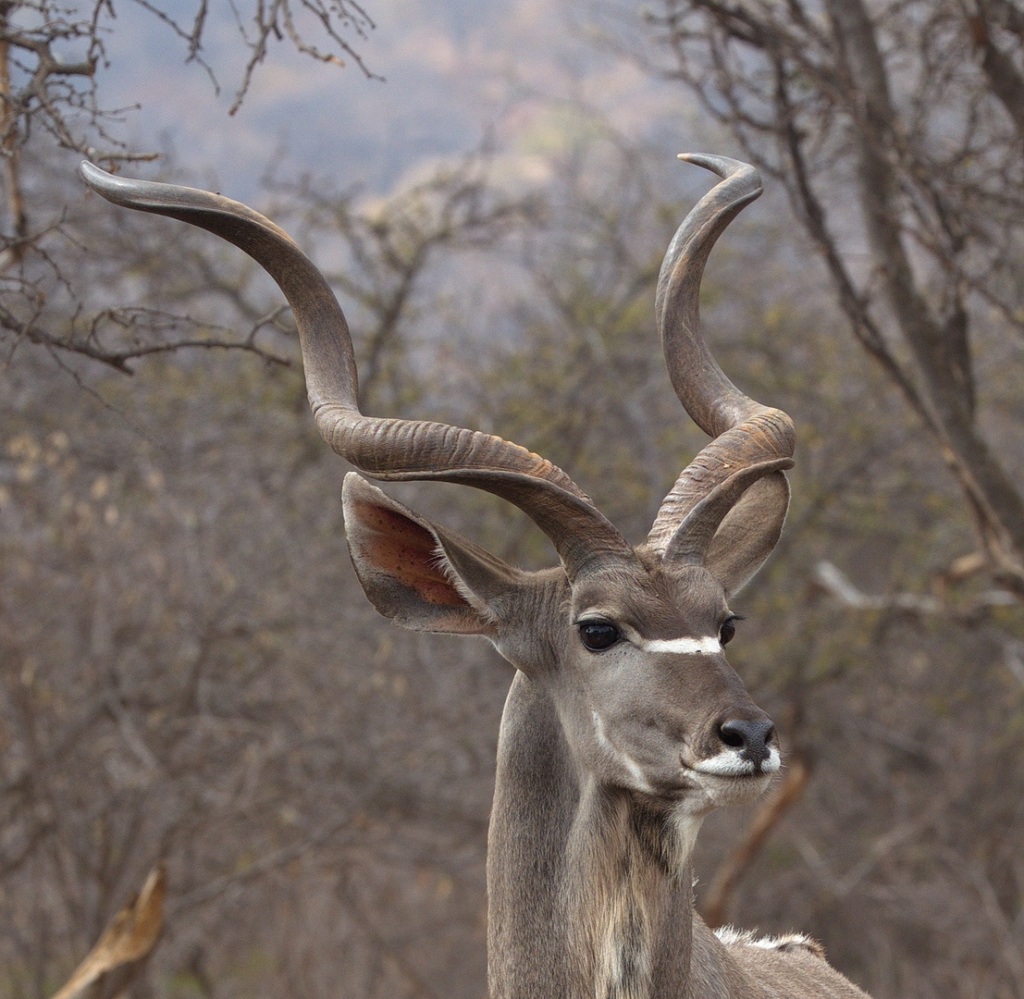
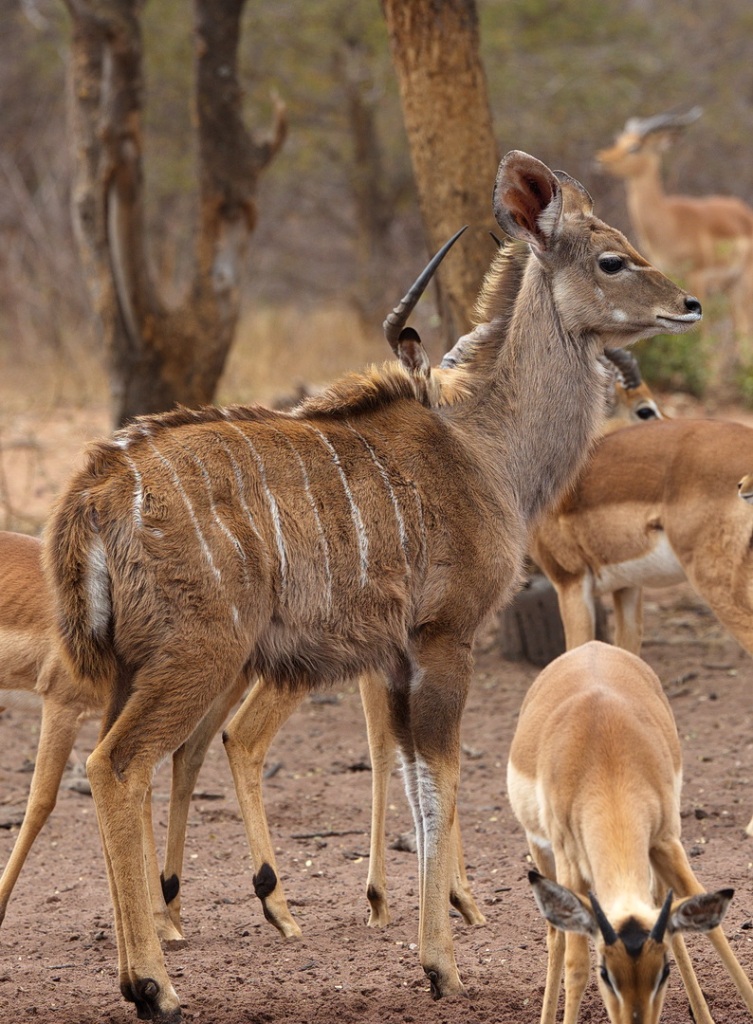
And on the Shongololo Loop we had 2 treats. A large male Kudu with an extra twist in its horns and a Lioness. Our first big cat.
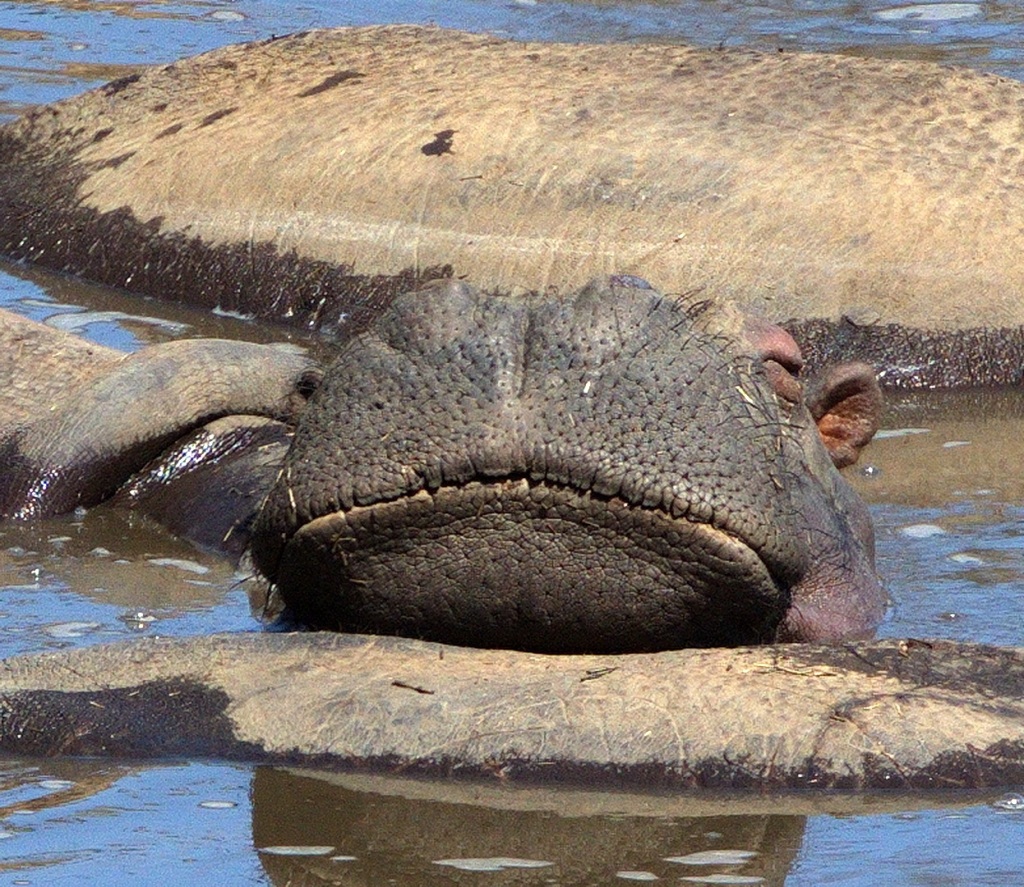
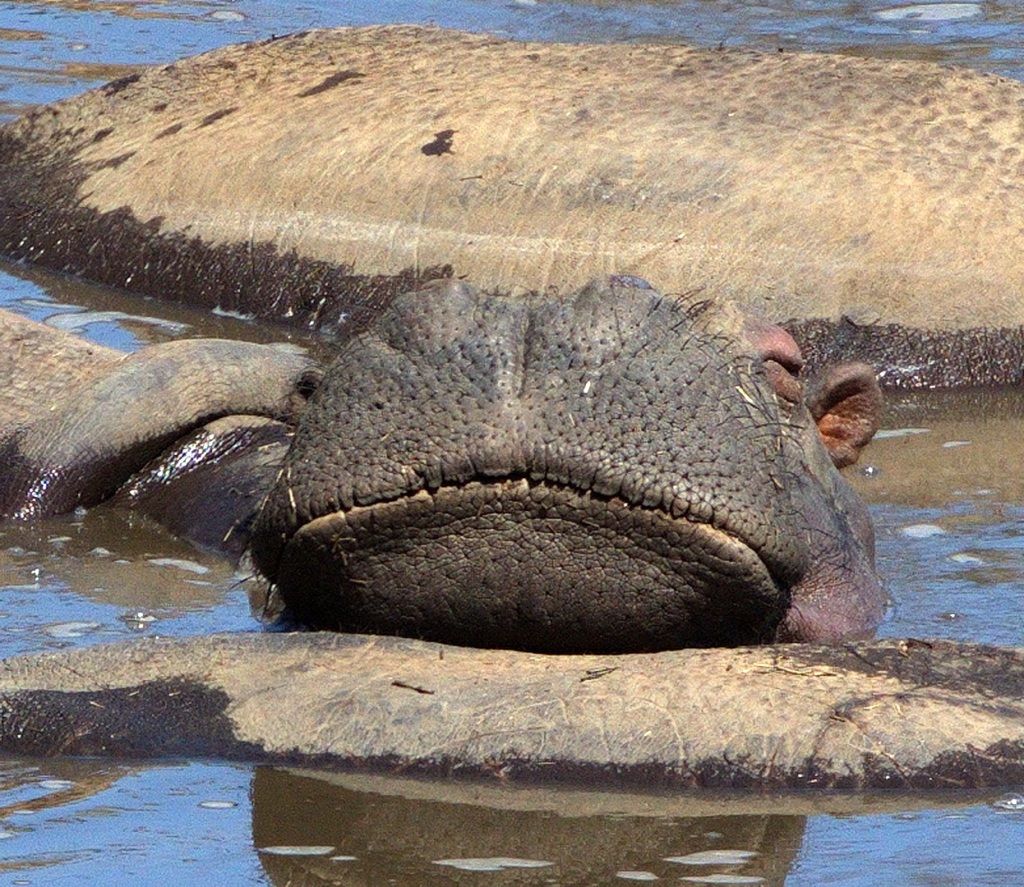
And to cap off our time in Shingwedzi I love this Hippo photo taken along the R56 to Babalala.
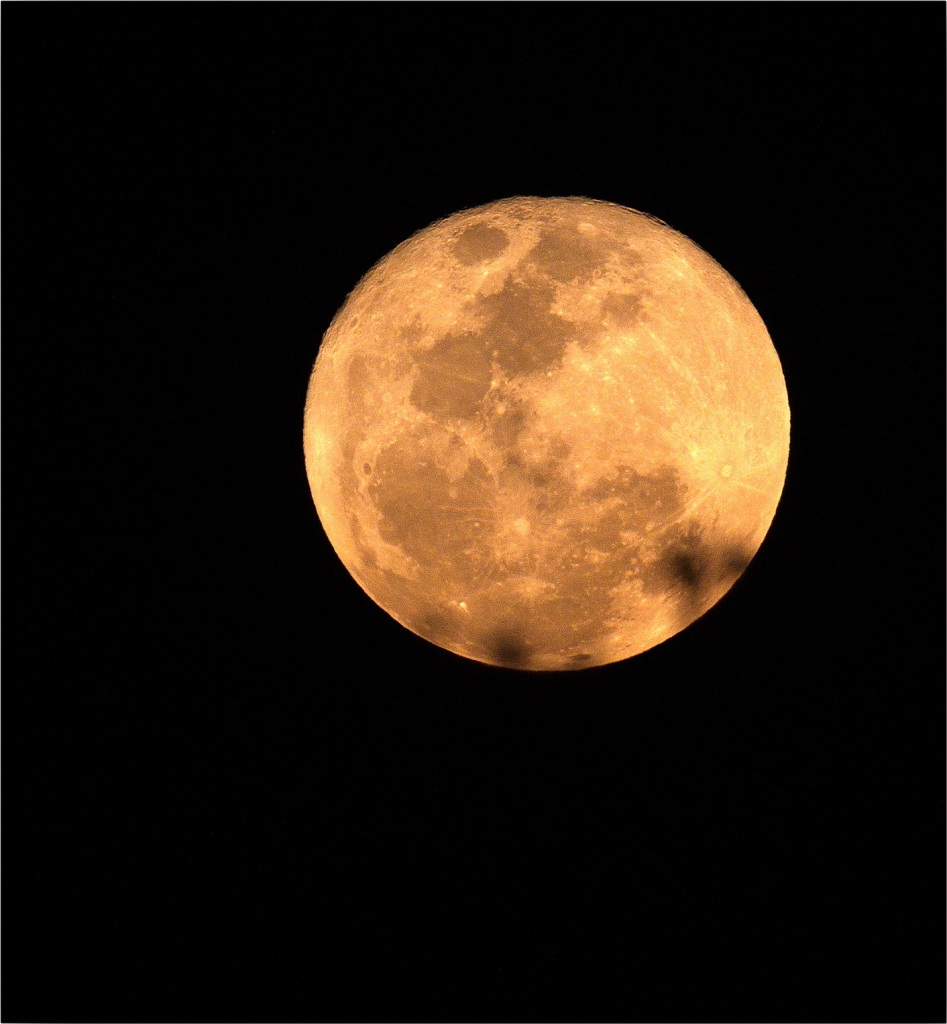
The days flew quickly and it was time to go but not before the Moon had its piece to say.
In total we recorded 97 different bird species in the 2 full days there. Eventually it was time to head south to Letaba.
Letaba
3rd to 5th September 2023
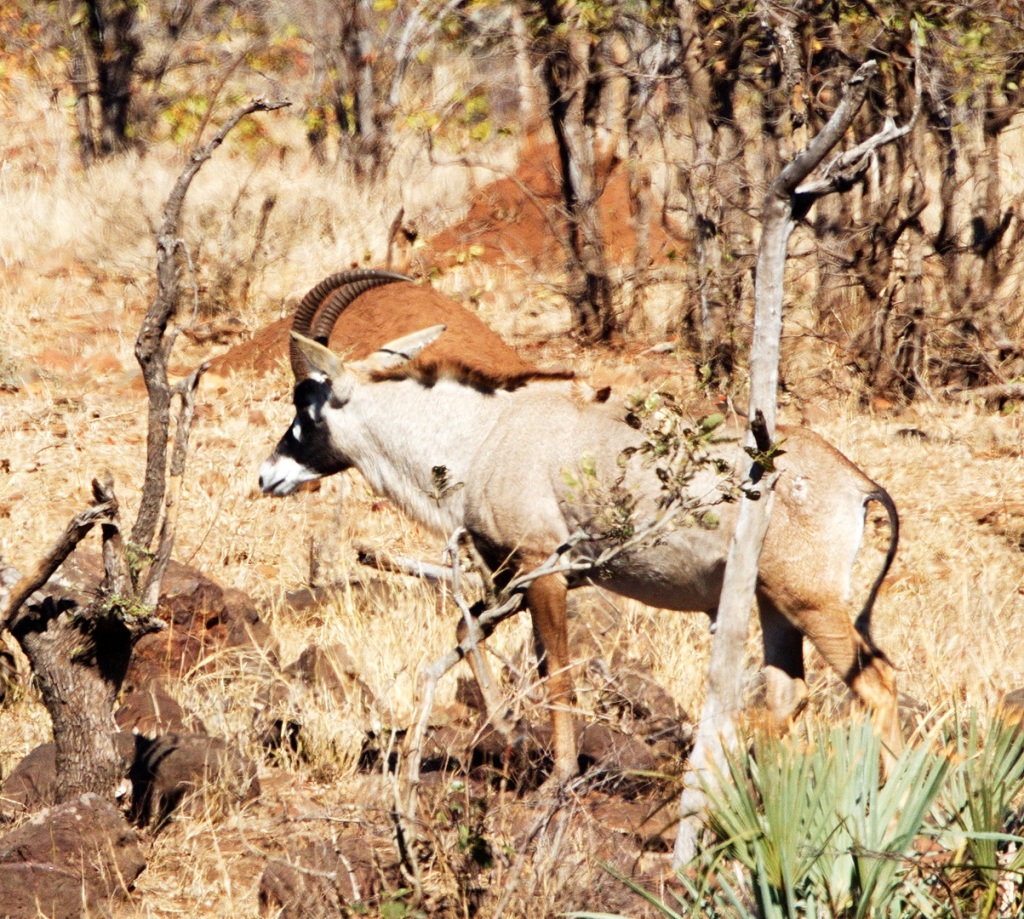
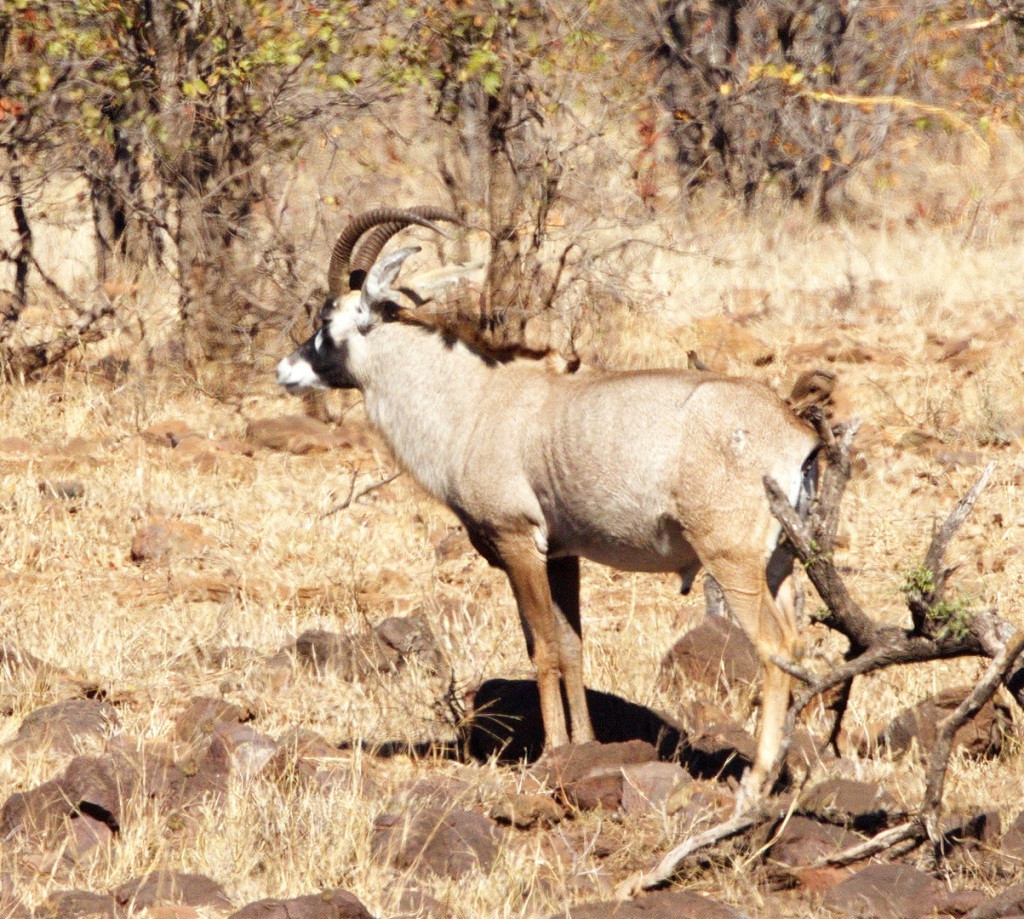
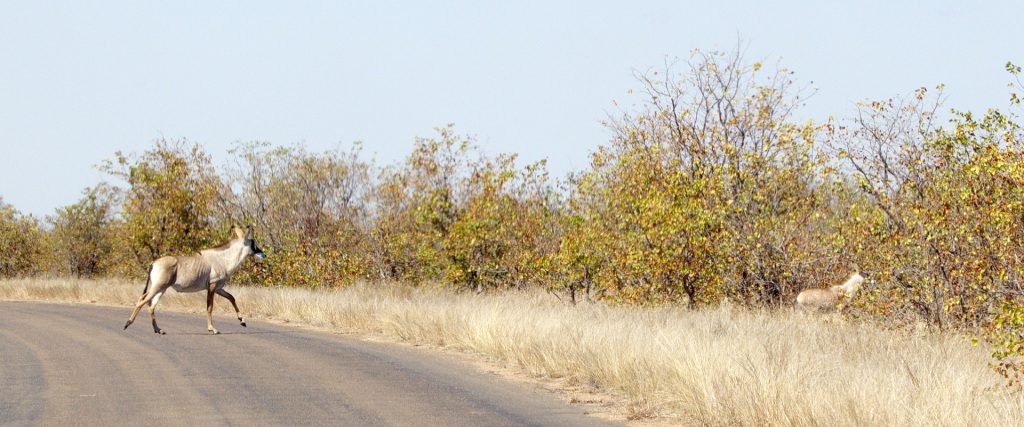
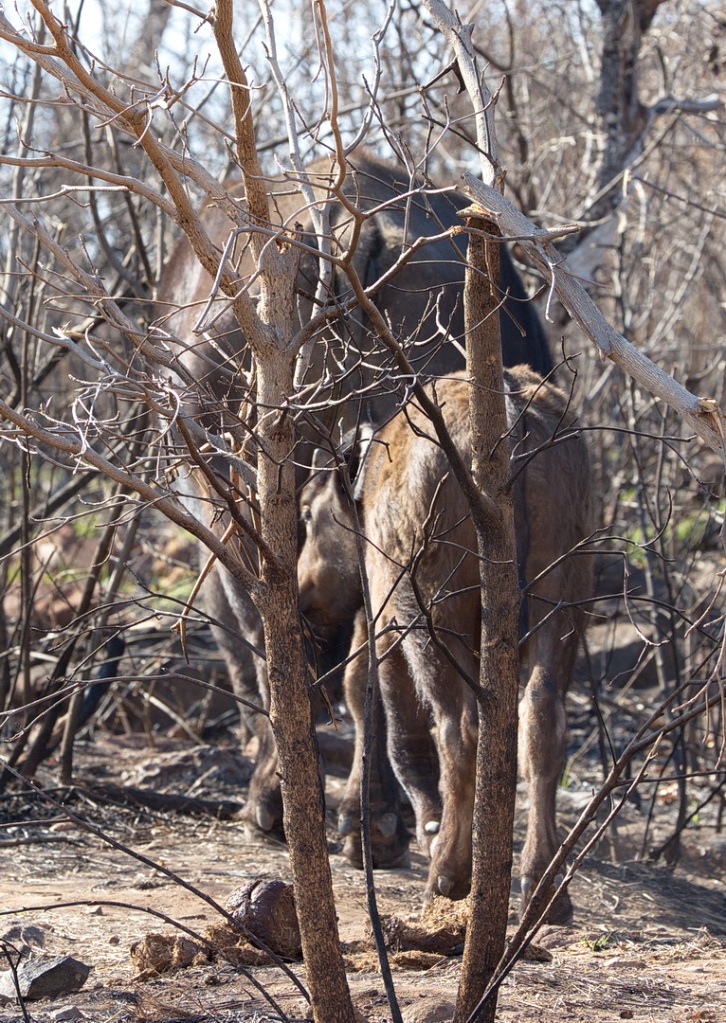
So, no sooner than we headed south on the H1-6 than we had large animals with several young racing across the road in front of us.
Surprise – Roan Antelope;
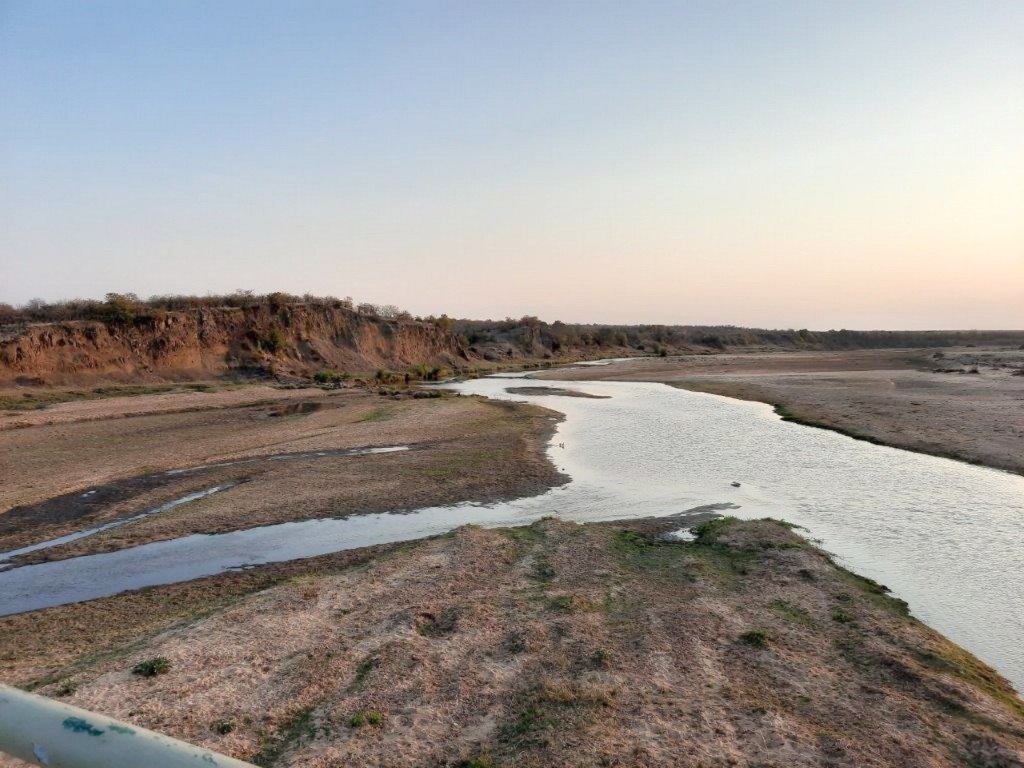
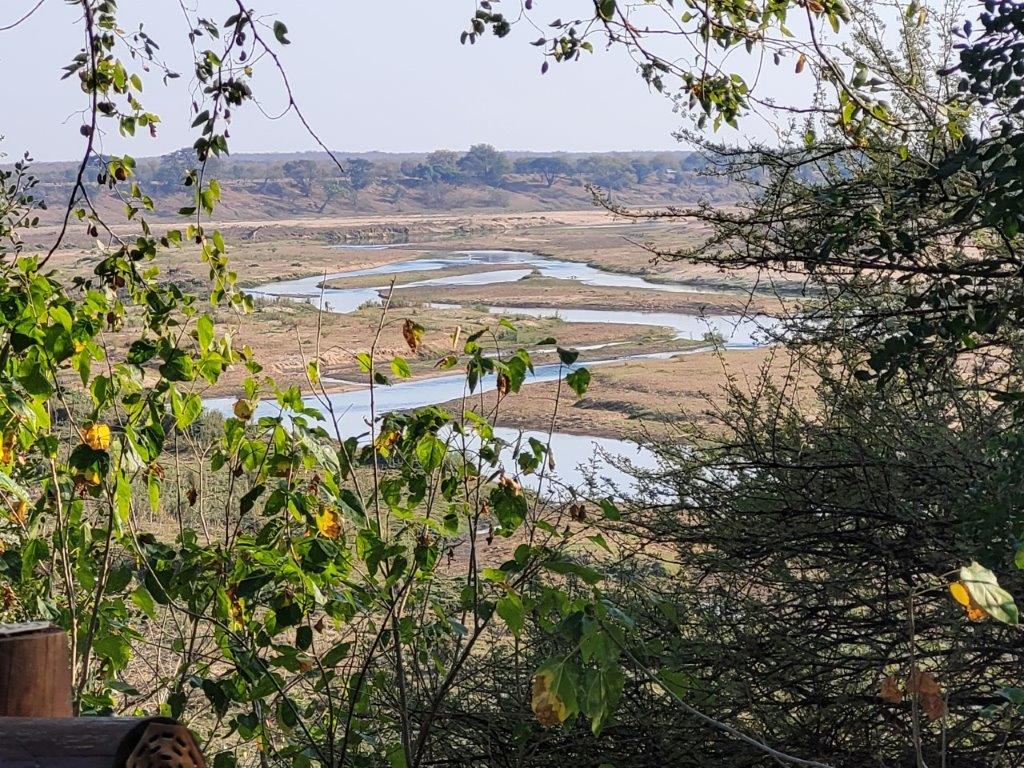
As we approached Letaba we noticed that the river had more water in it than those further north.
In the evening we watched a Wahlberg’s Eagle catching bats from the vantage of the bridge.
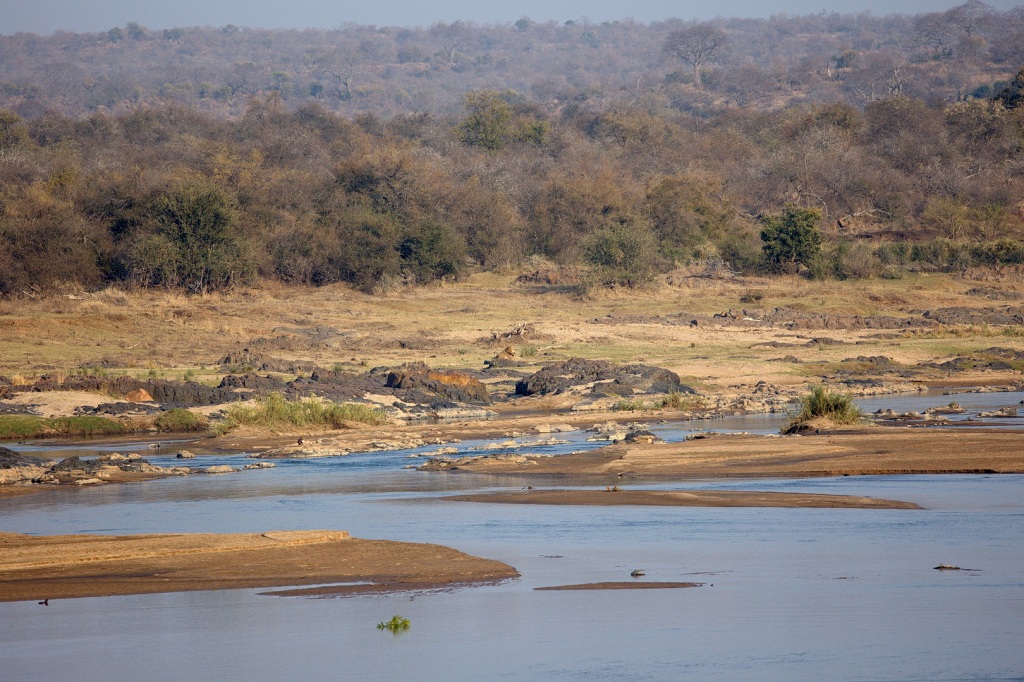
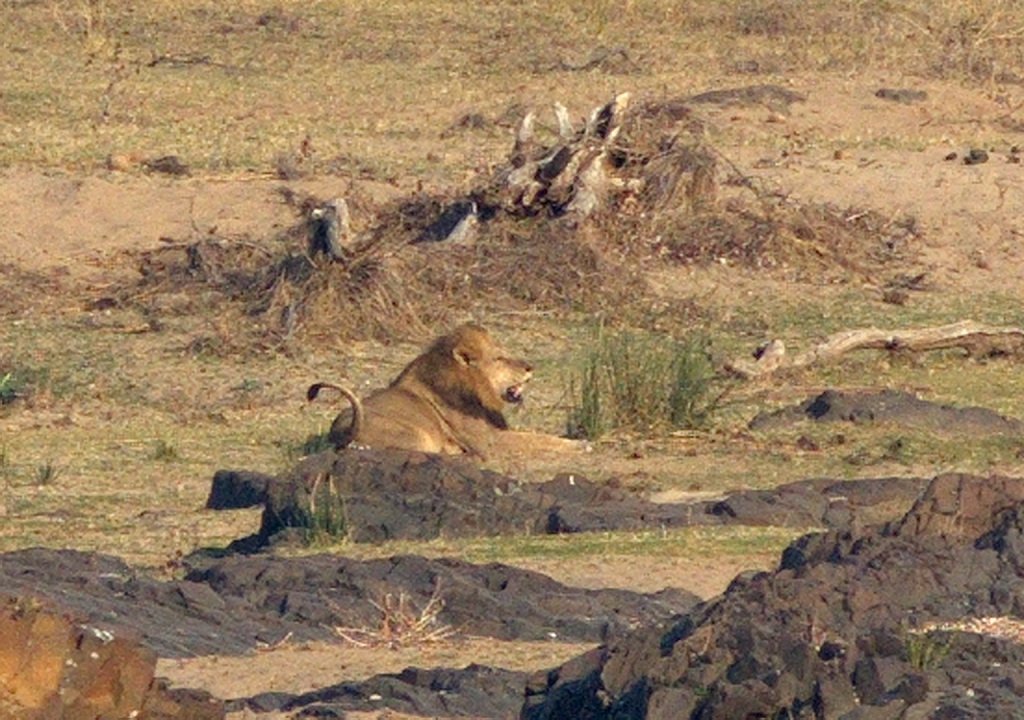
And in the morning we looked up river and what did we see?
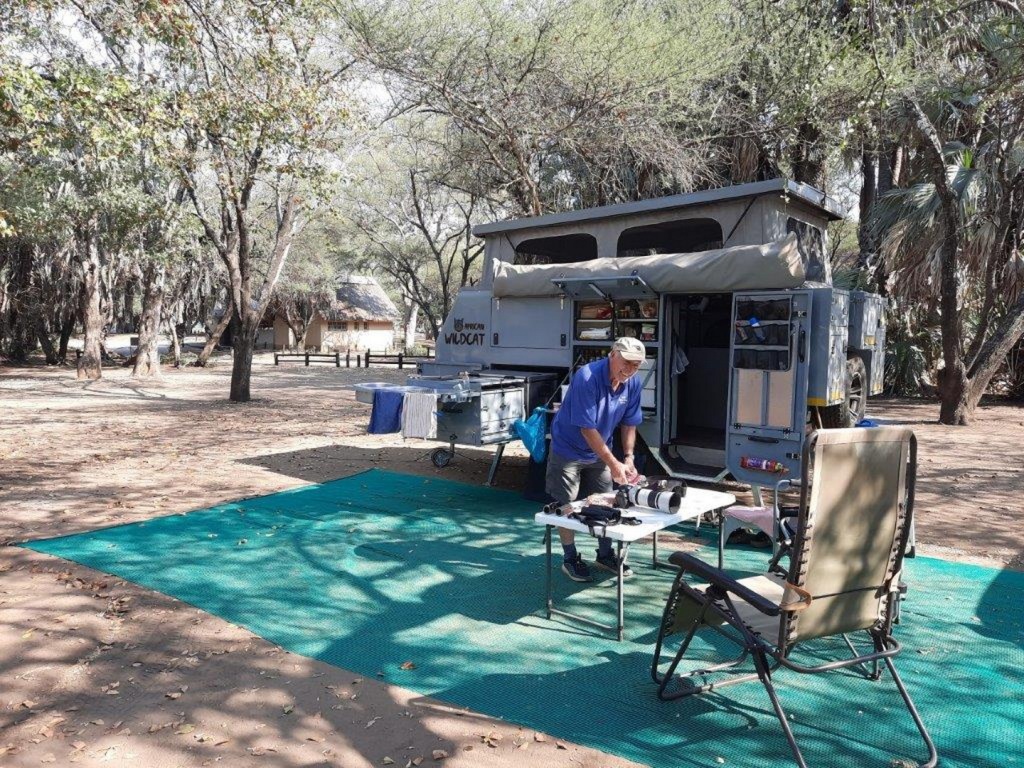
On arrival we looked around for a suitable campsite close to an electric point. In the end we got lucky as someone was moving out of a shady site close to the entrance with a close by power point.
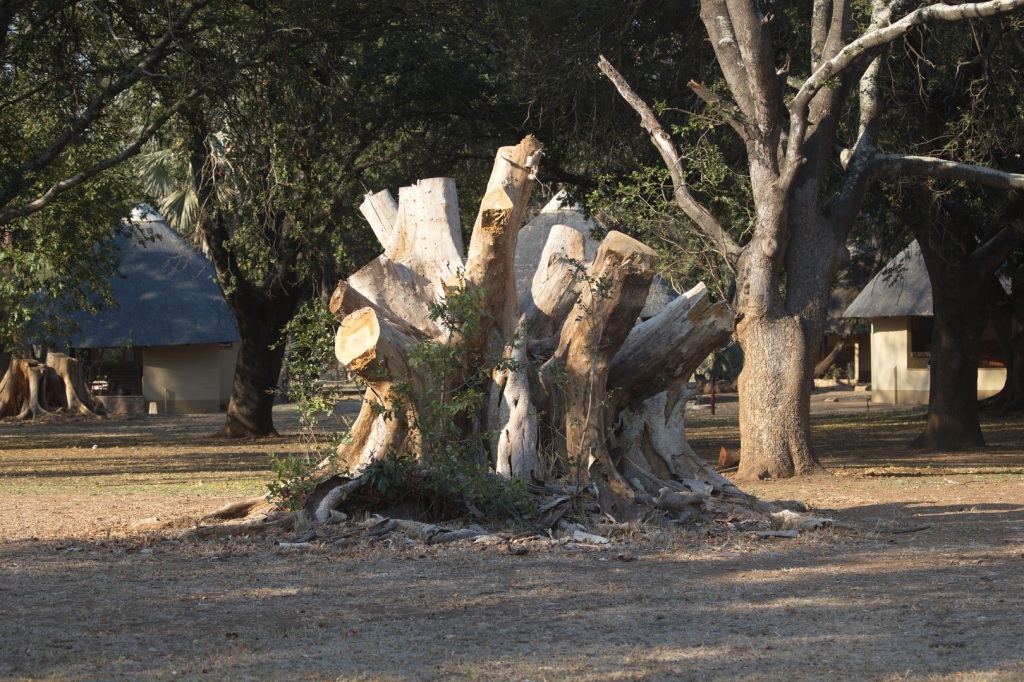
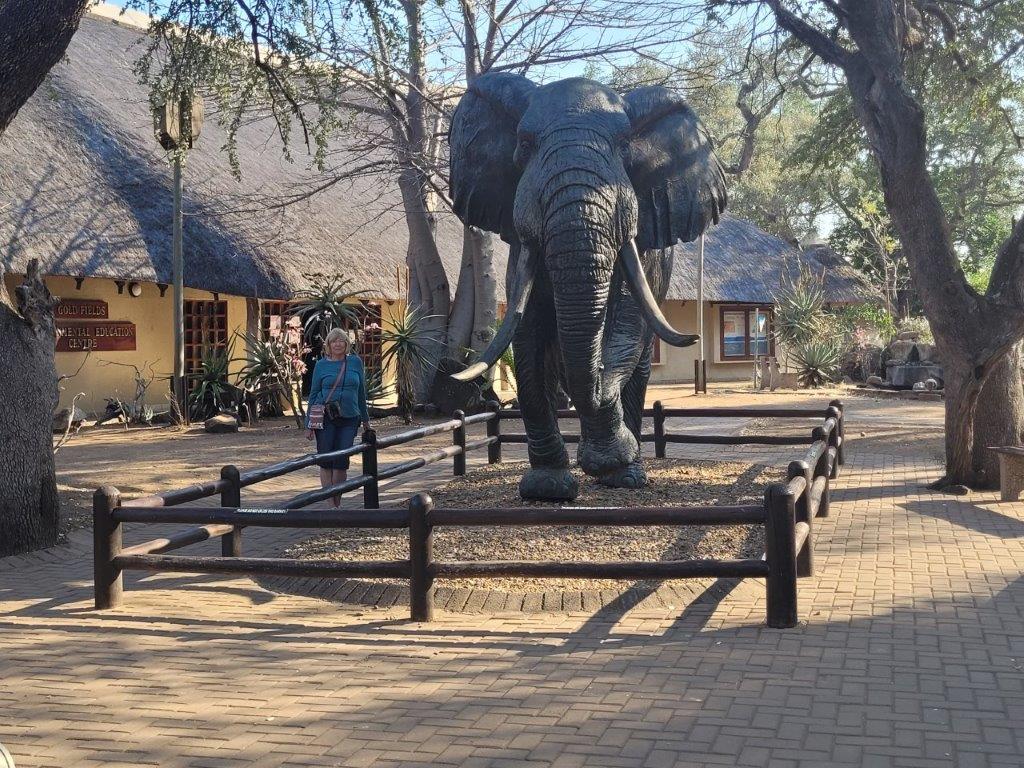
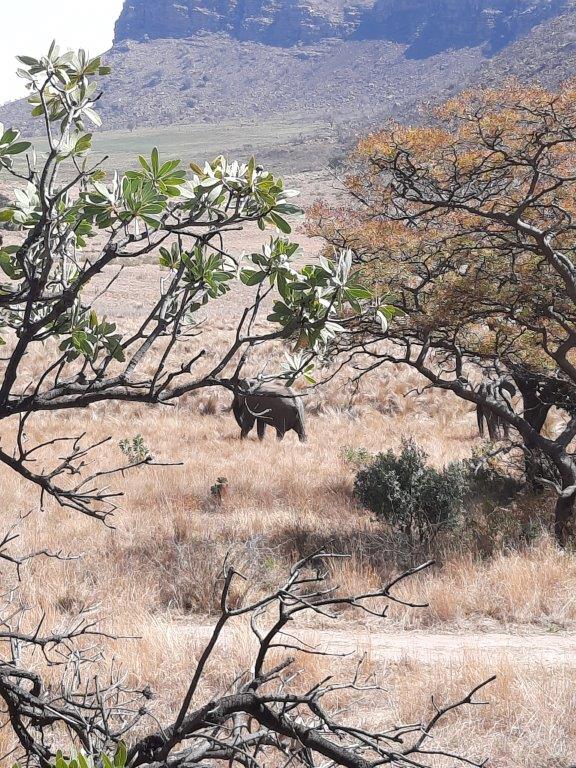
We had a stroll around the camp and enjoyed the view of the river, the camp elephant and sadly the cut down stumps of a tree which my niece and nephew used to climb.
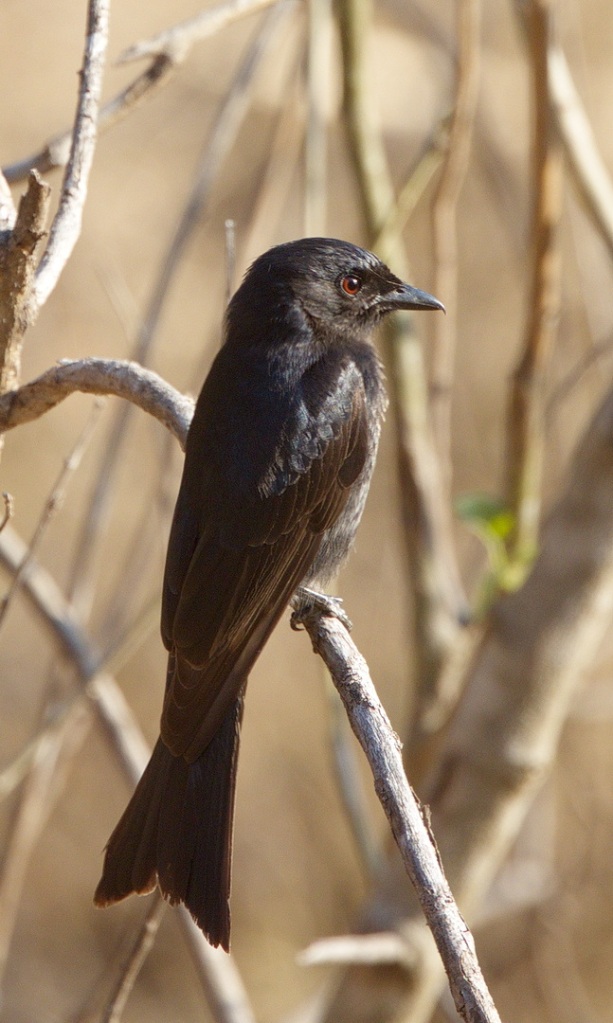
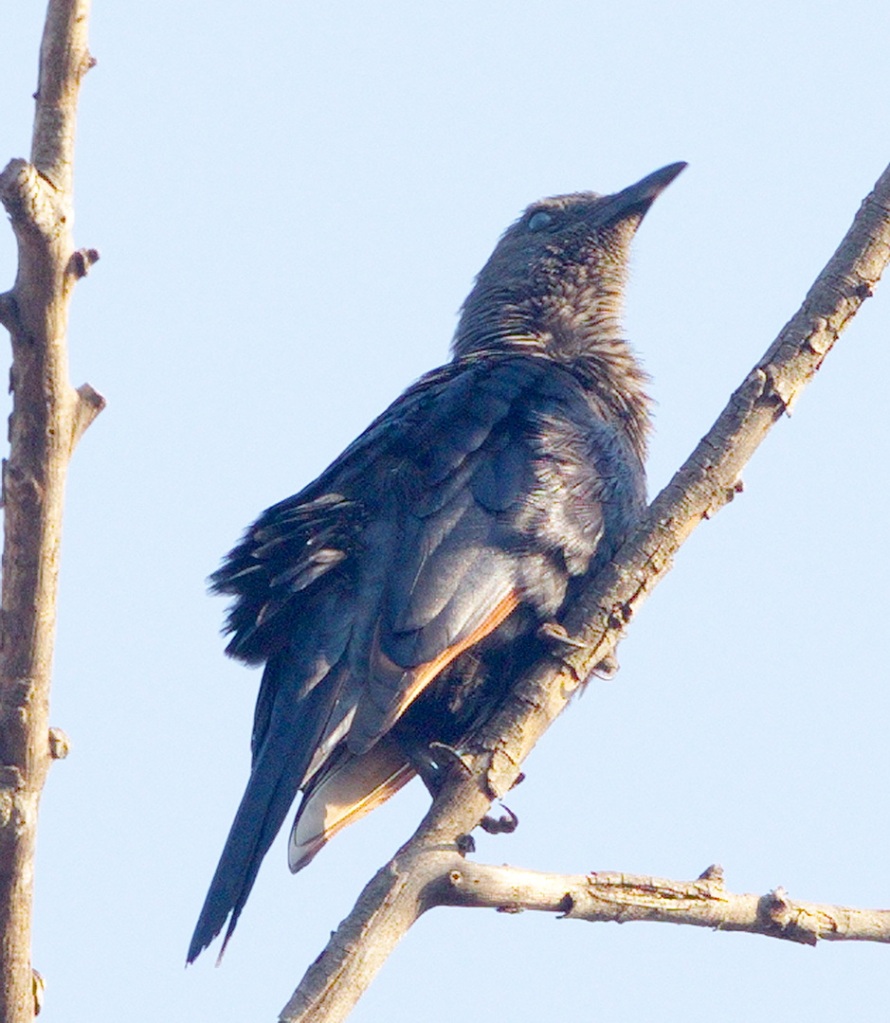
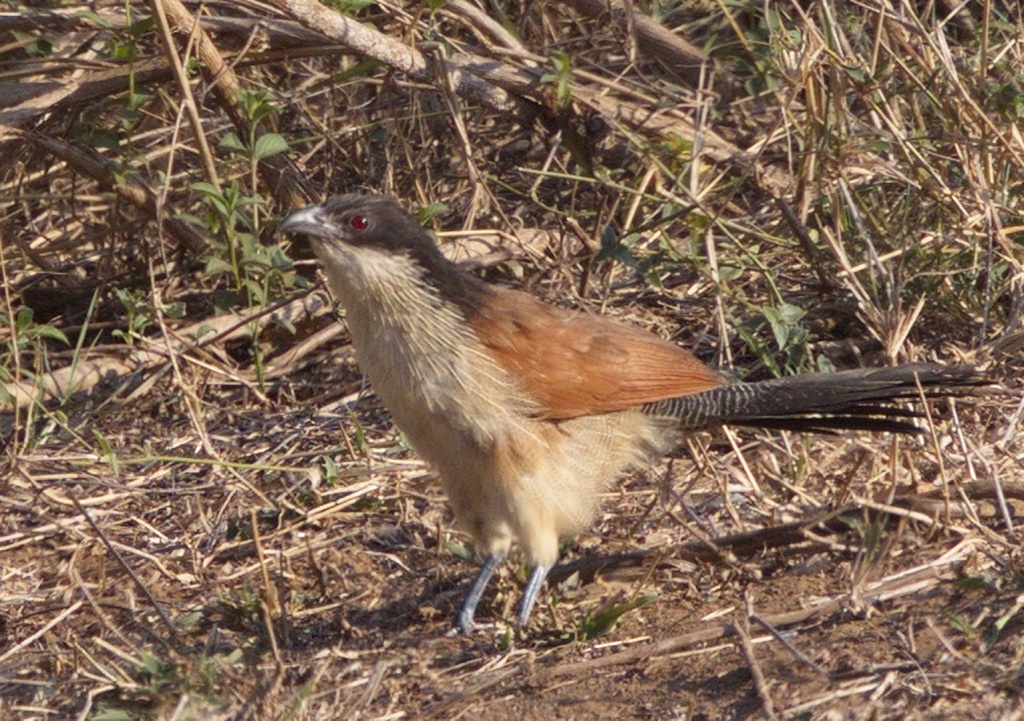
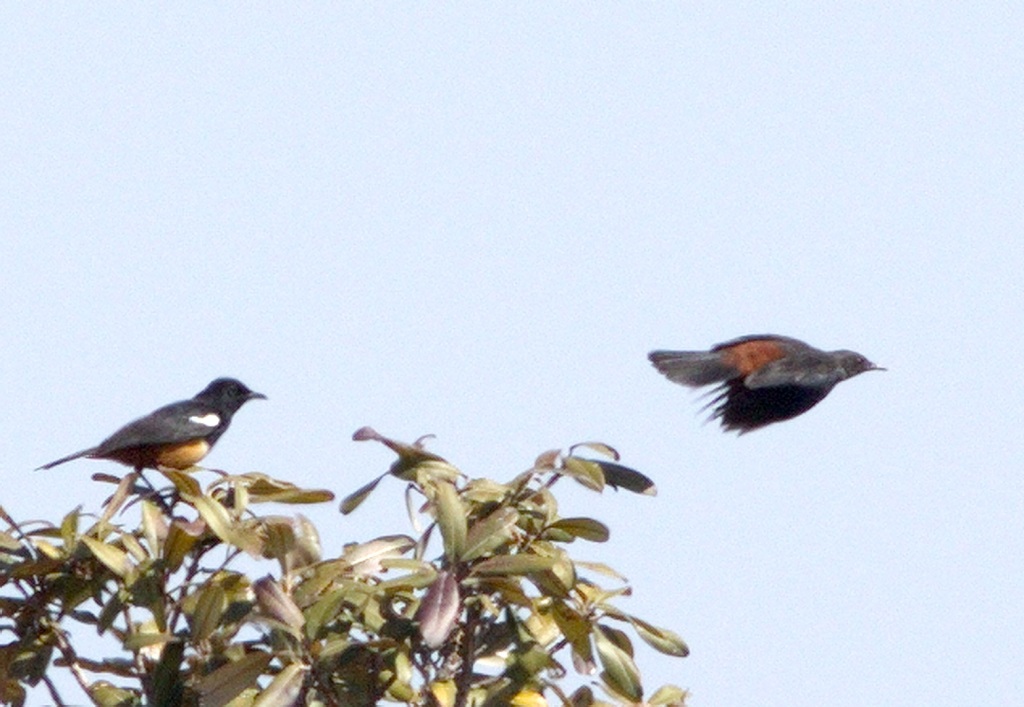
On our walk round the camp we had several bird encounters.

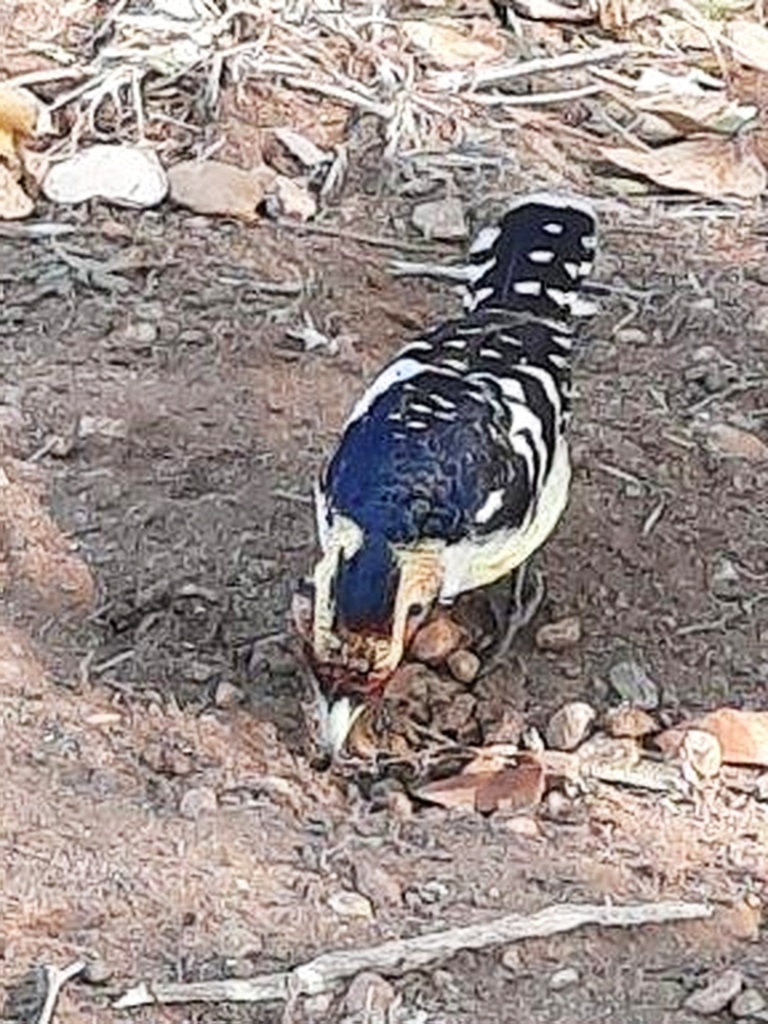
A video of our friendly Crested Barbet.
Raptors seemed more plentiful than further north.
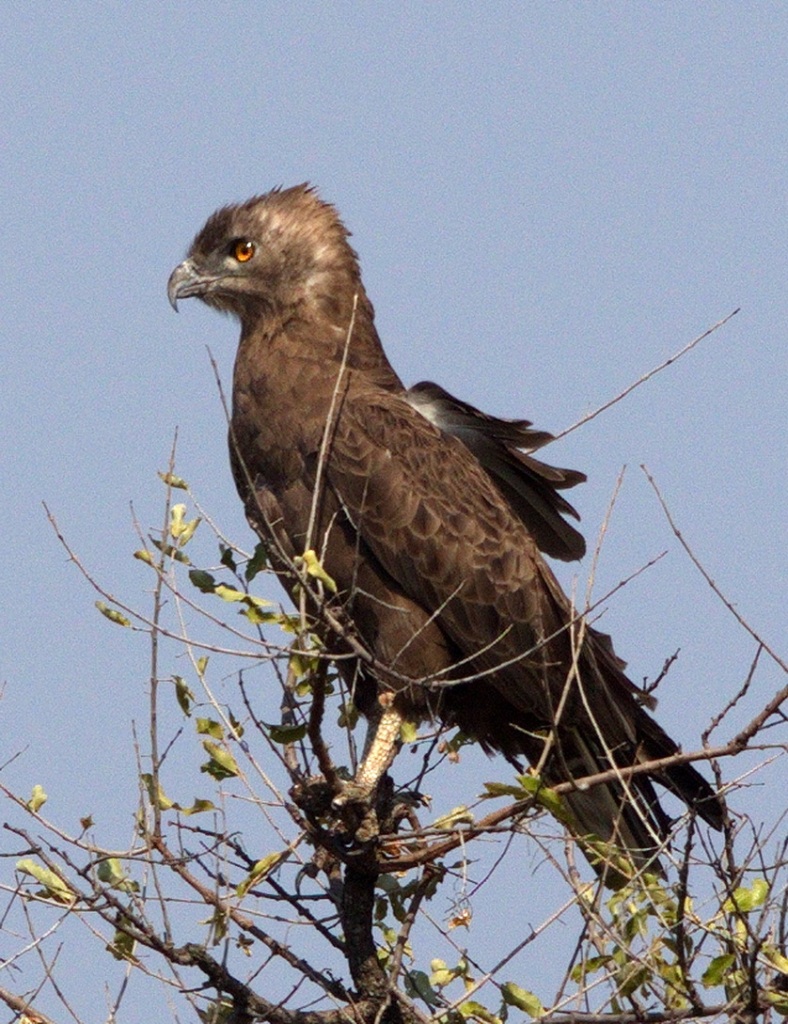
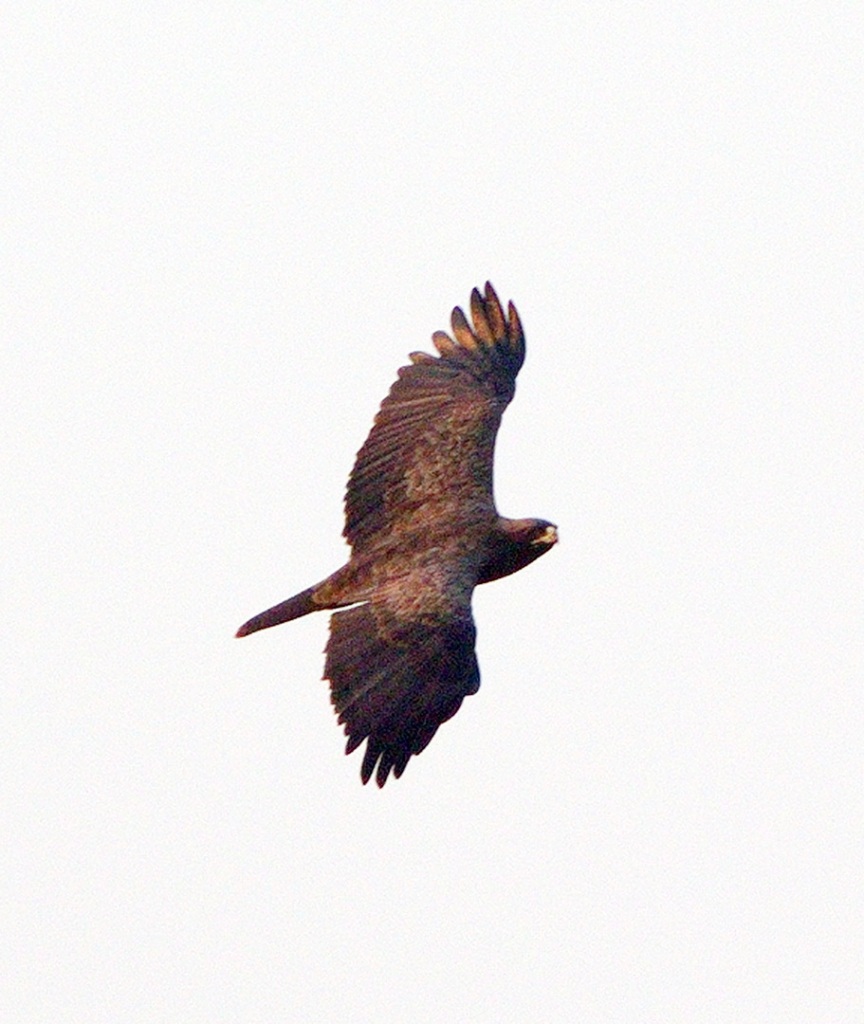
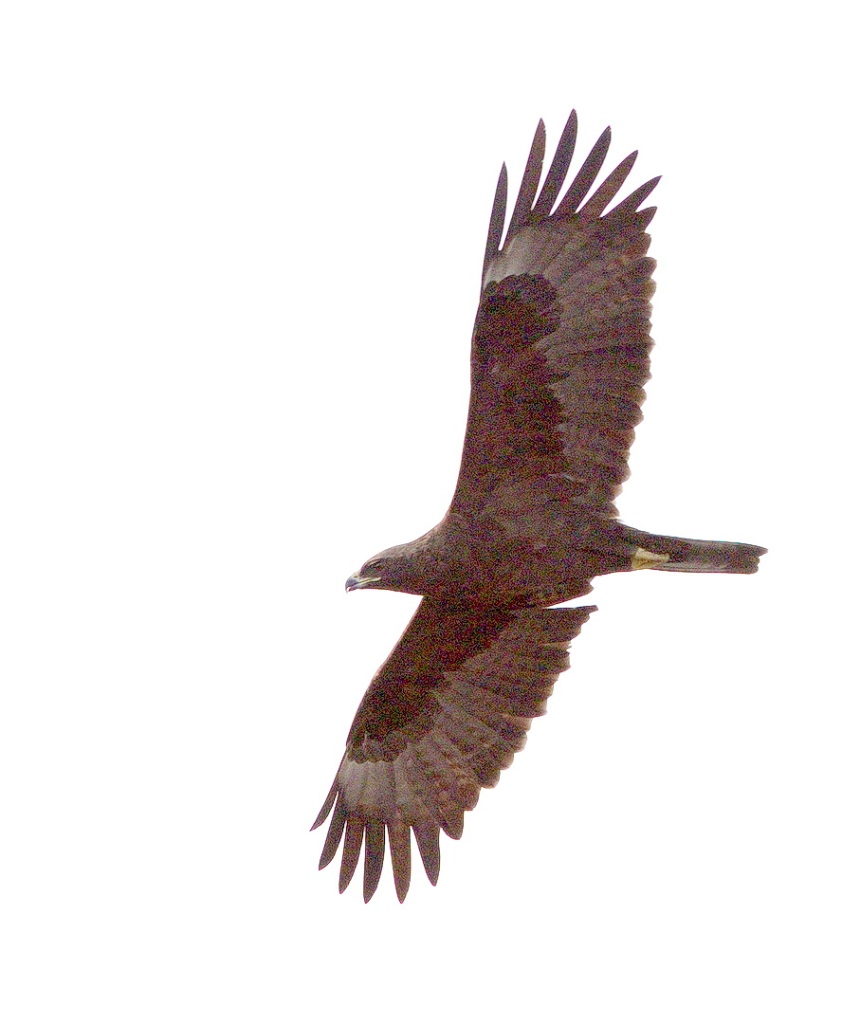
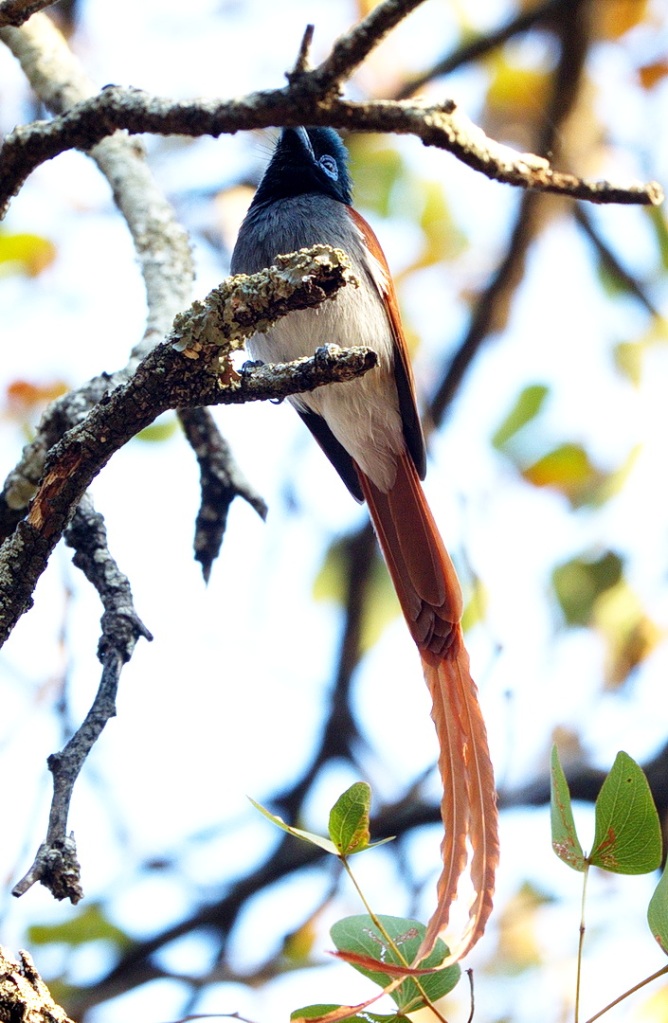
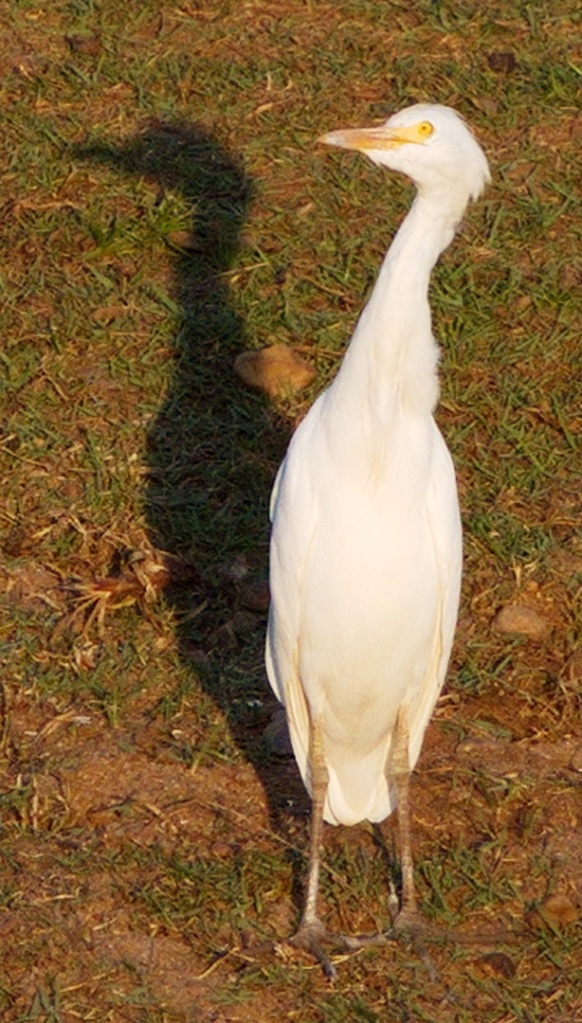
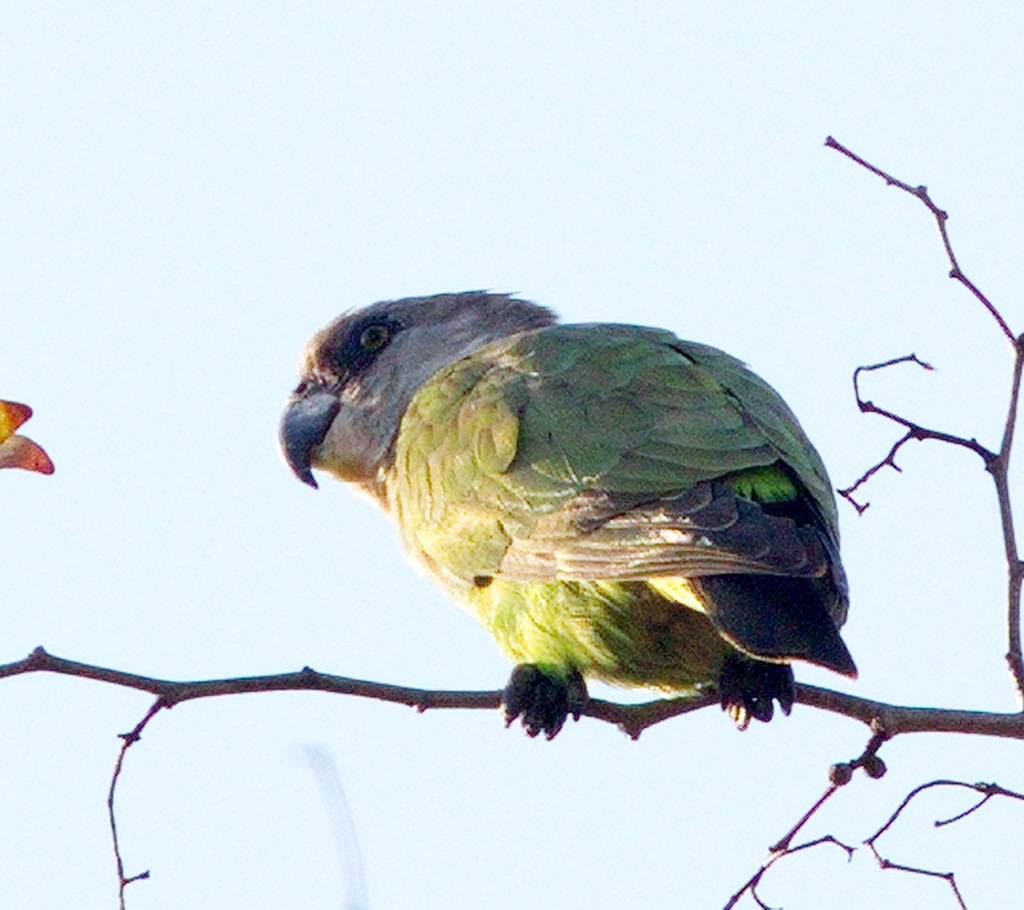
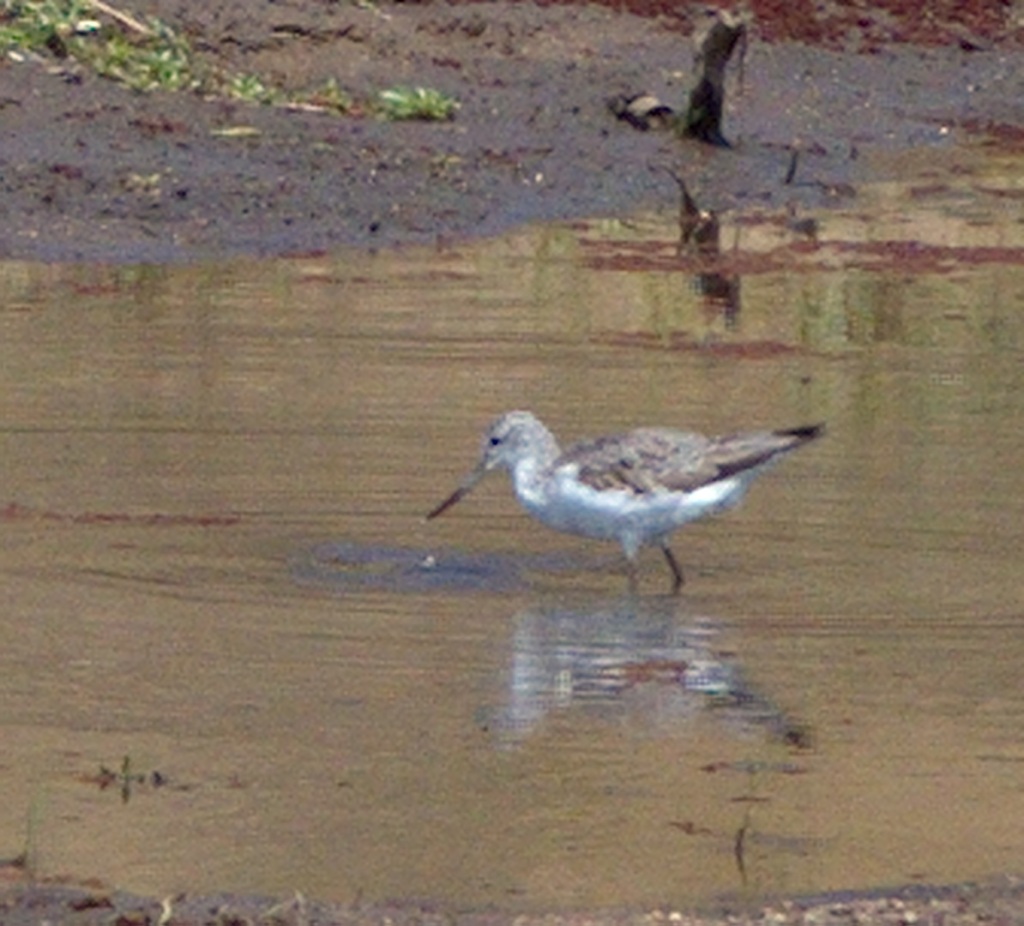
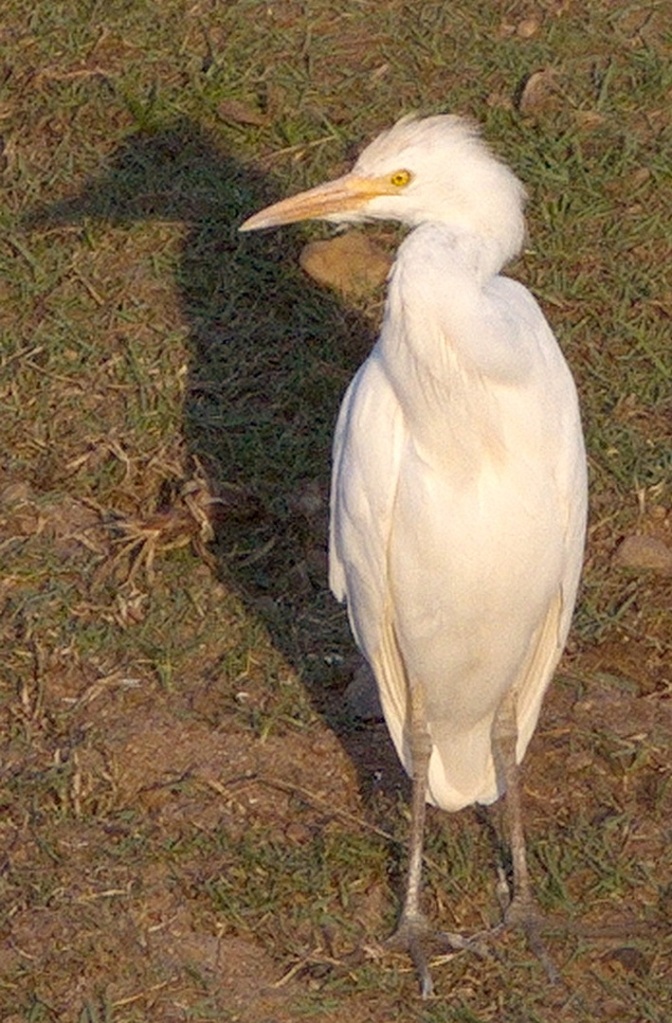
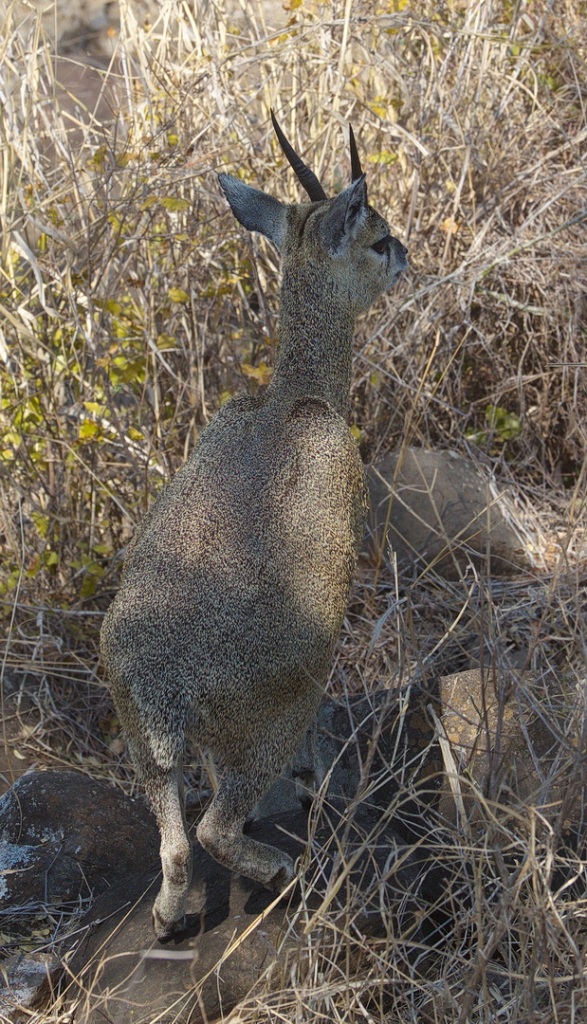
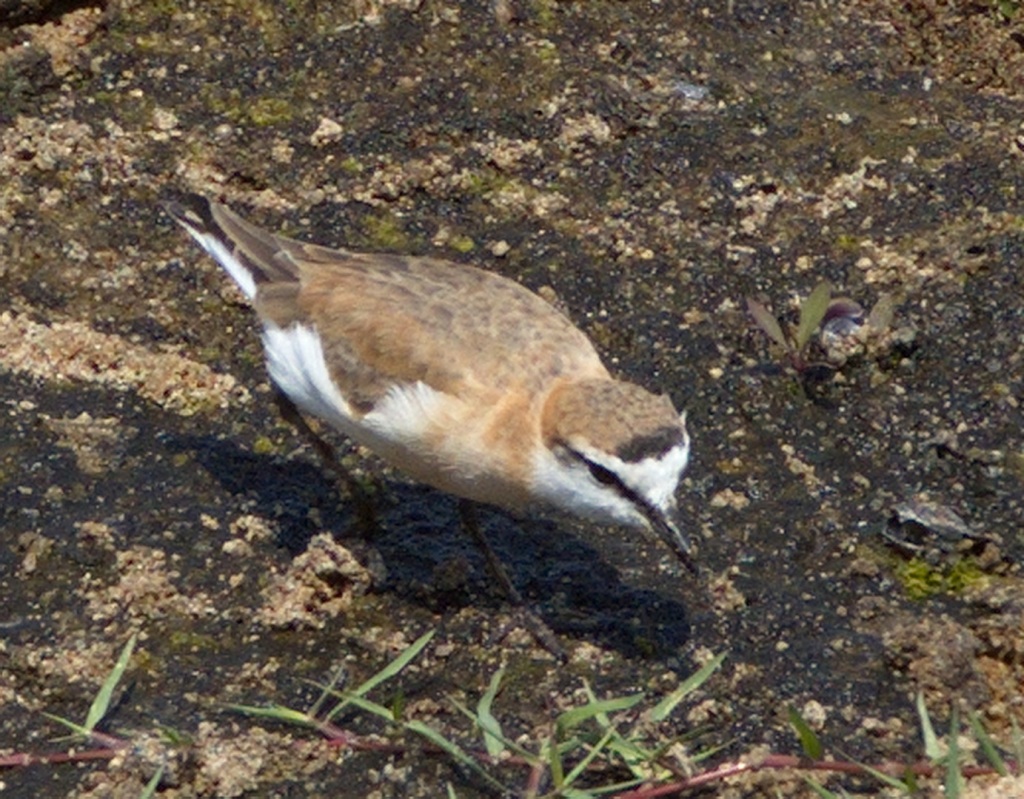
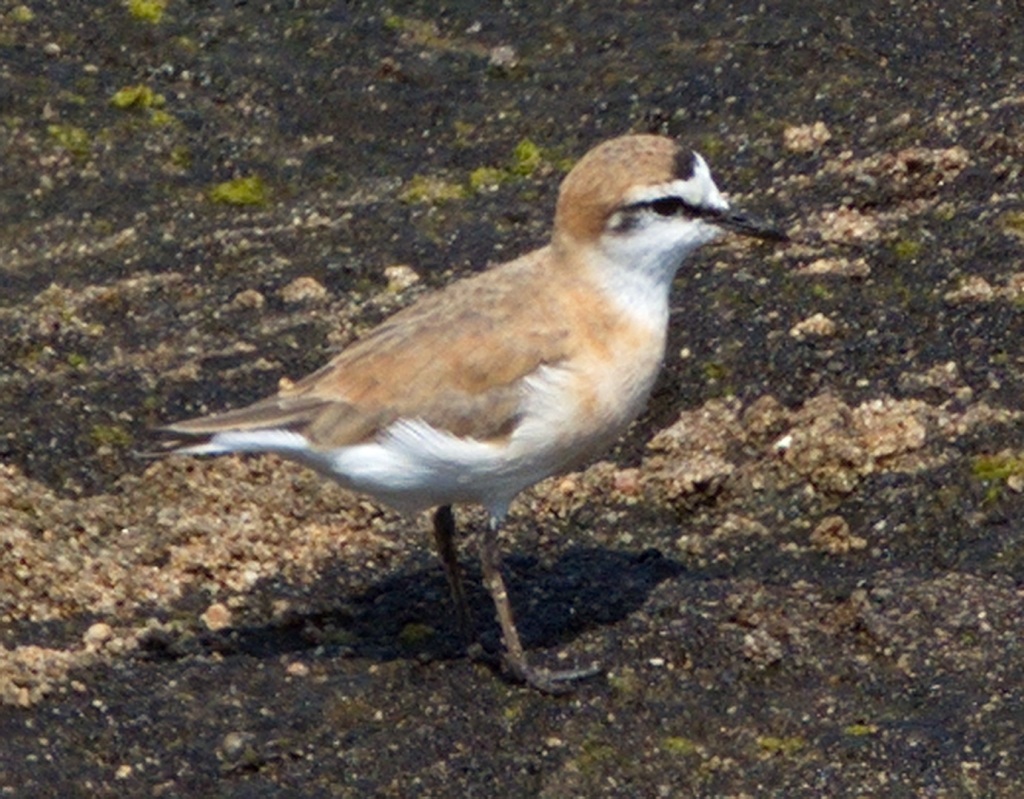
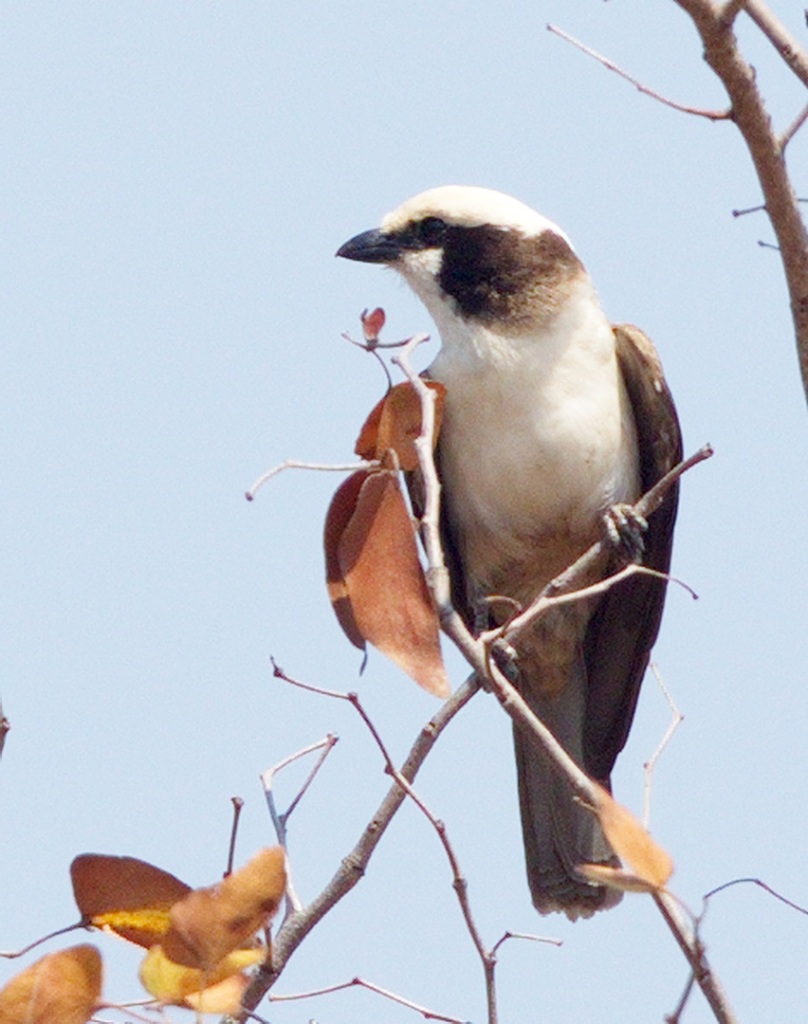
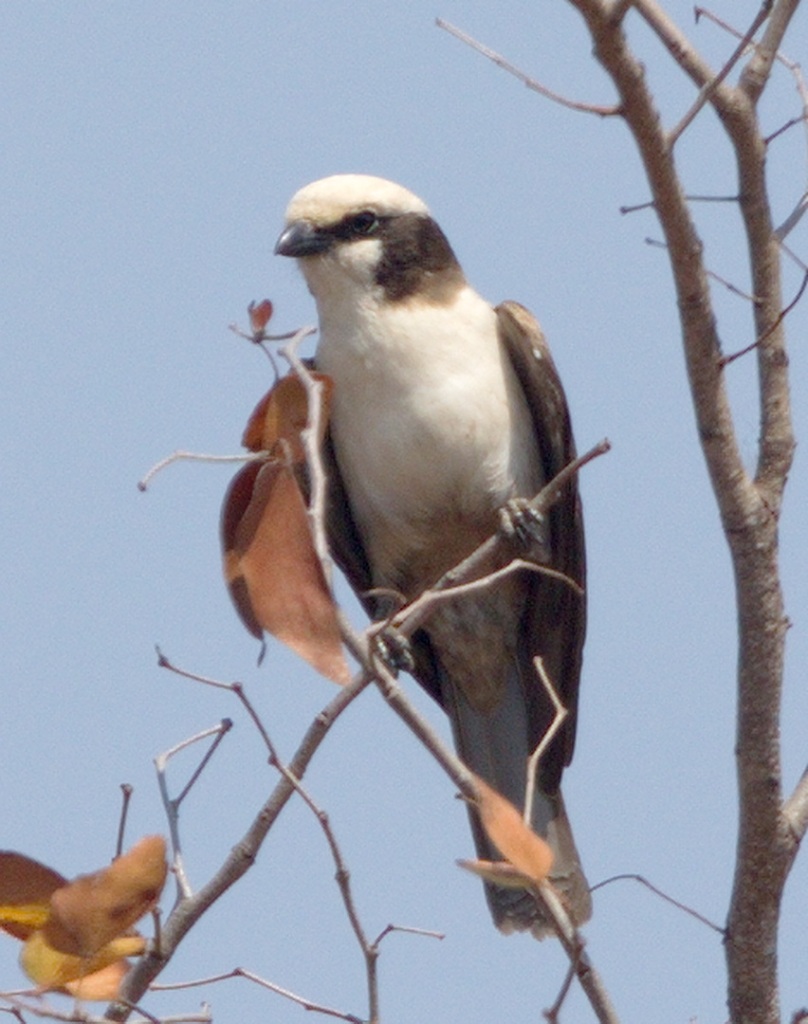
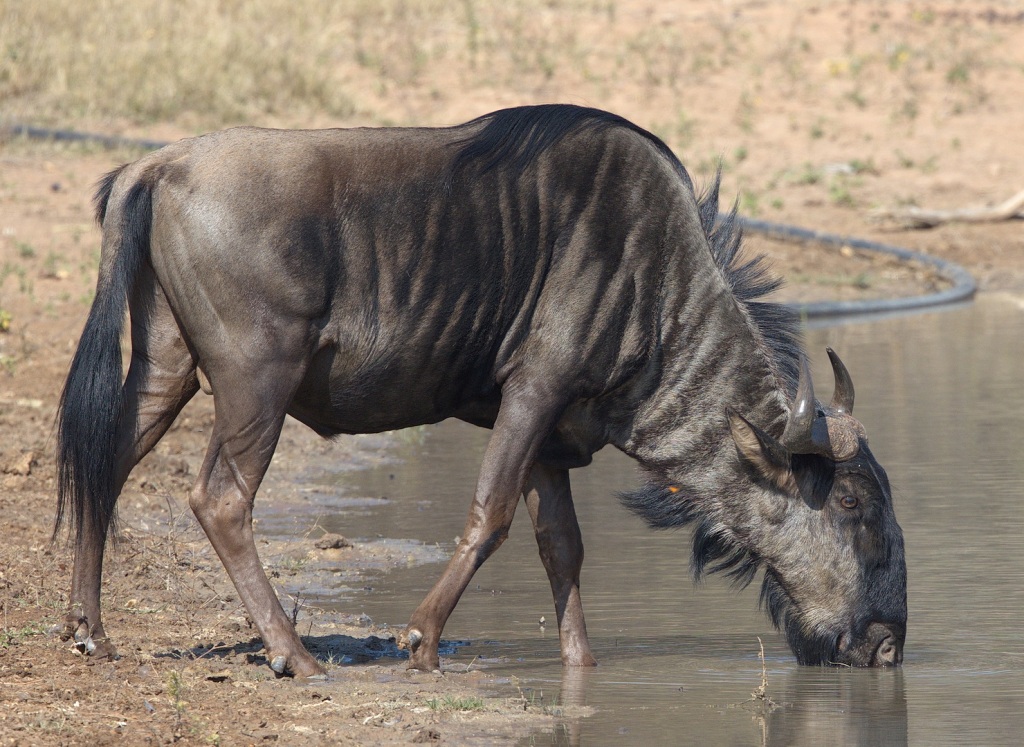
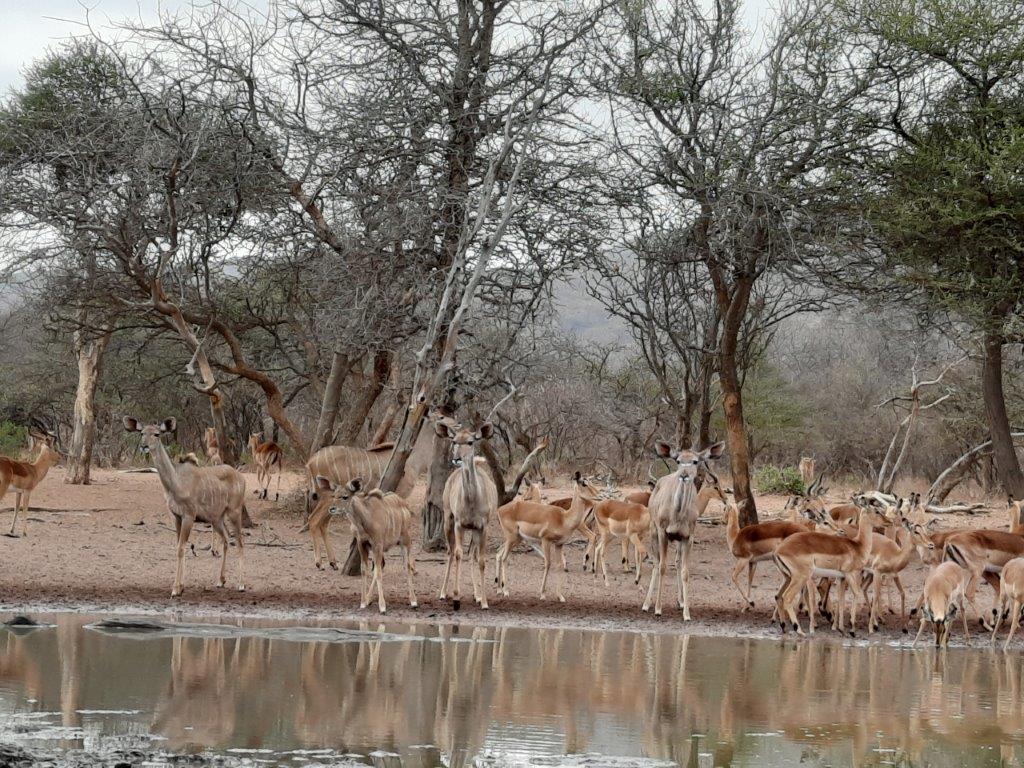
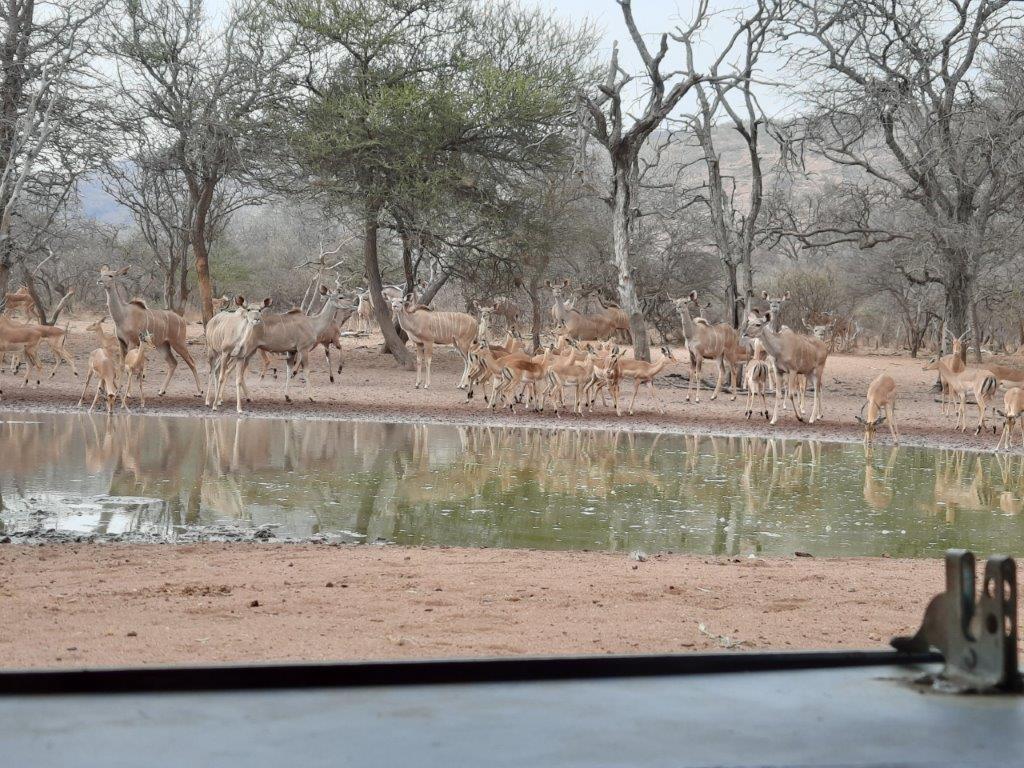
And then there were other species on our drives around the area – birds and animals.
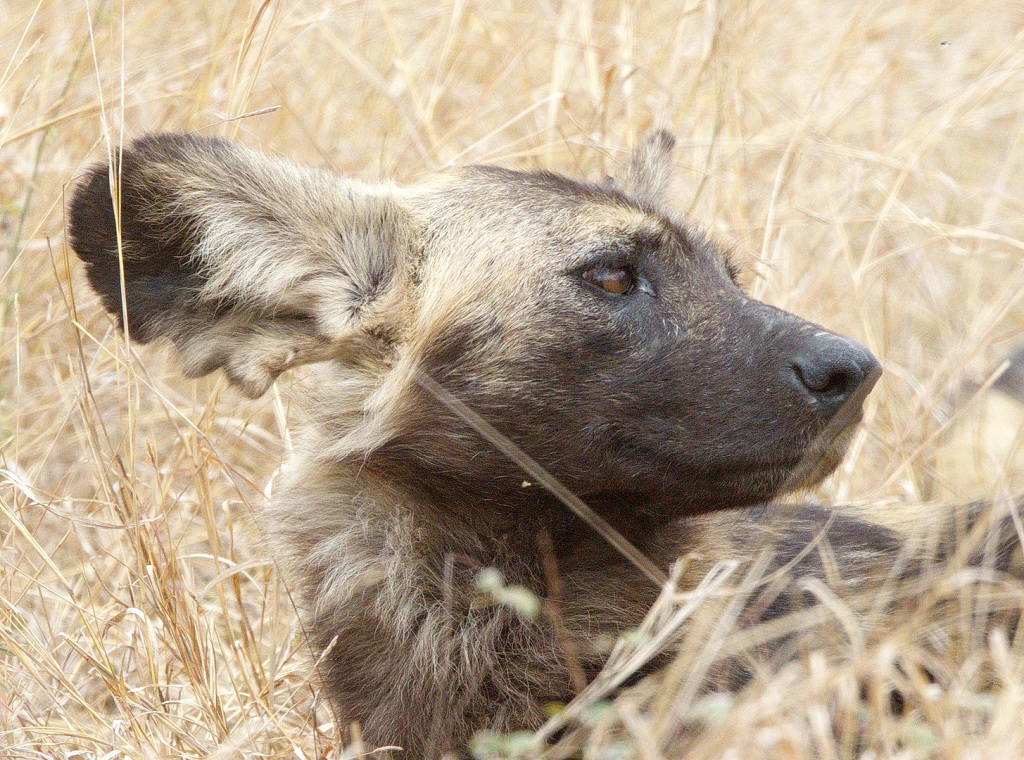
Then we had some time with a small pack of Wild Dogs. A chance sighting of these athletic light- footed creatures.
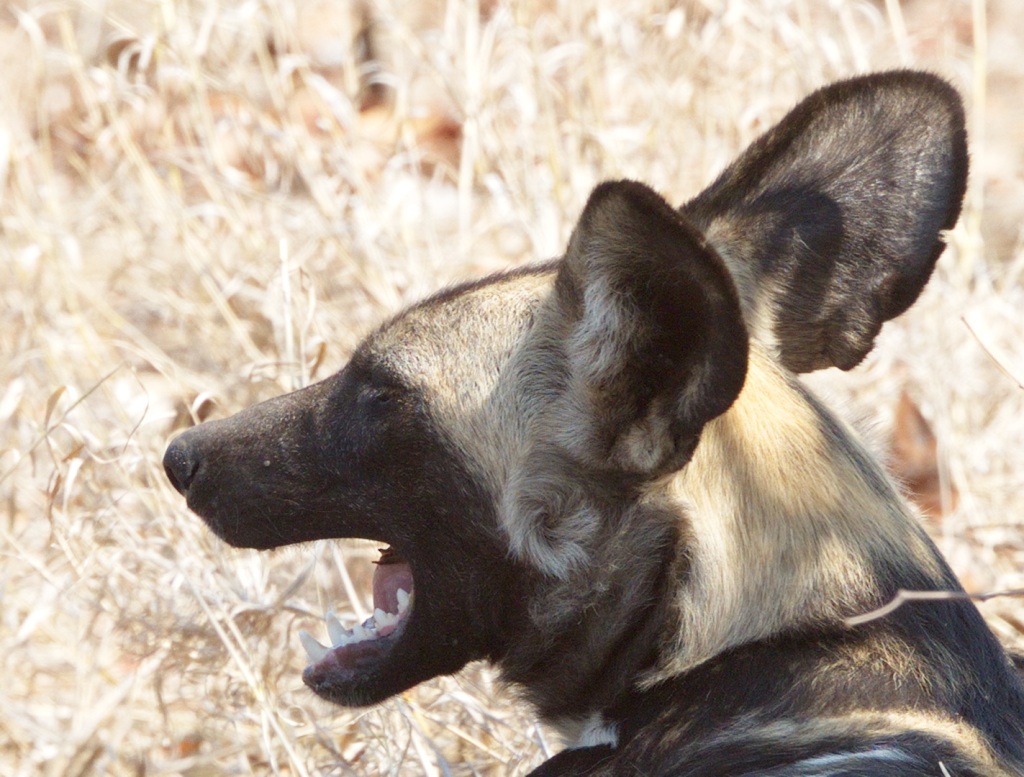
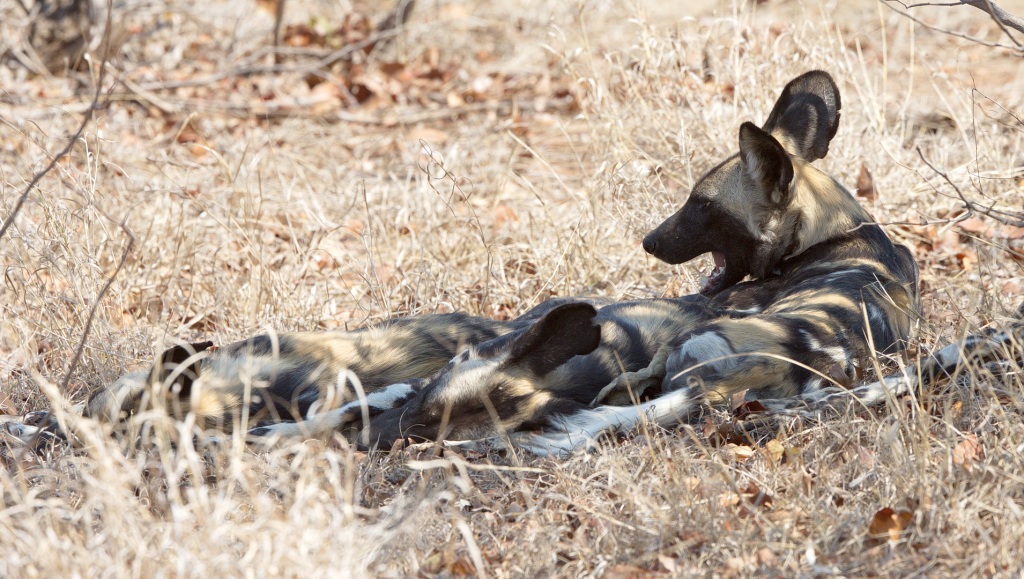
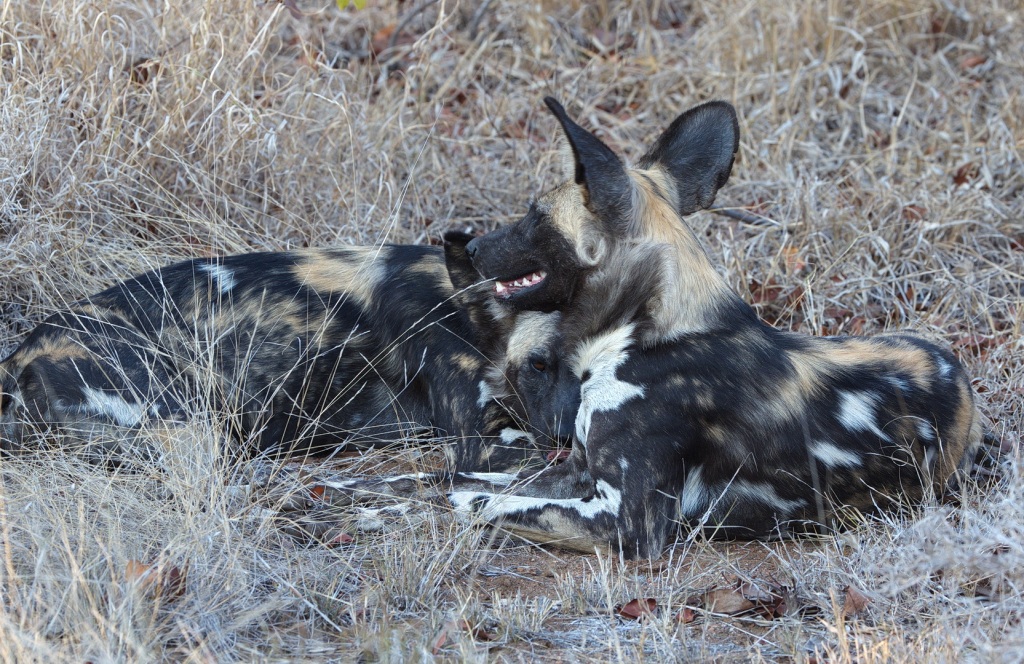
Surprisingly we recorded 79 different bird species in the short time we were there.
From Letaba we wanted to get to Malelane. A very long drive. We popped in to Satara on the off chance of a night or two on the way down. One night was all we could get.
Satara
5th to 6th of September 2023
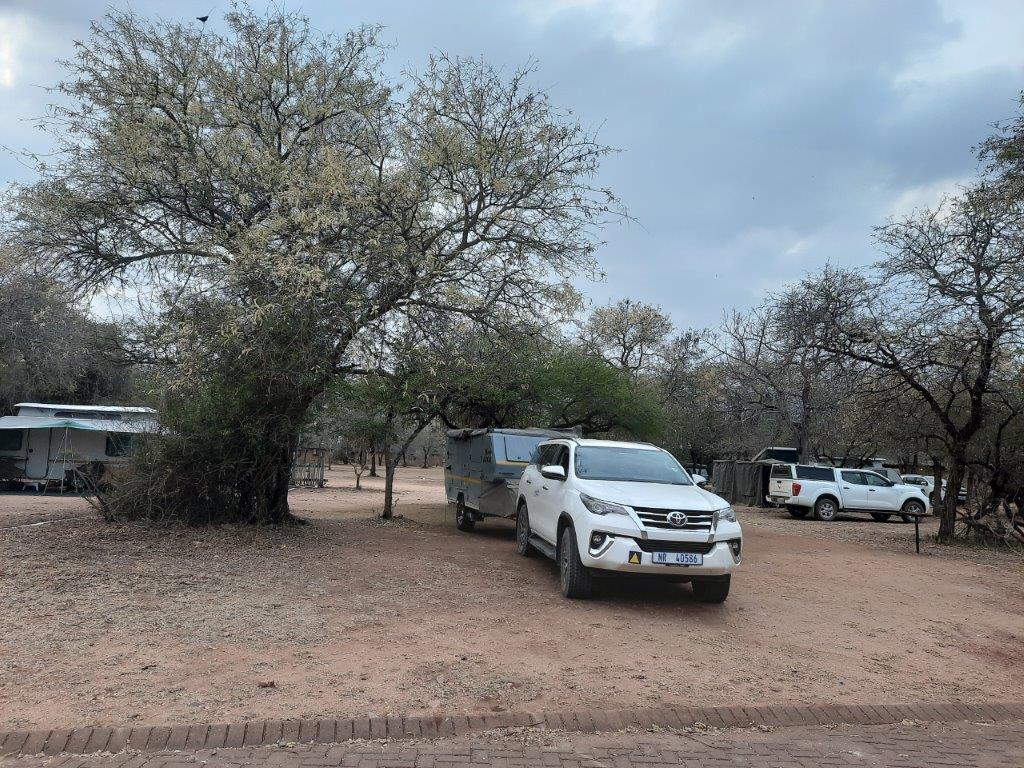
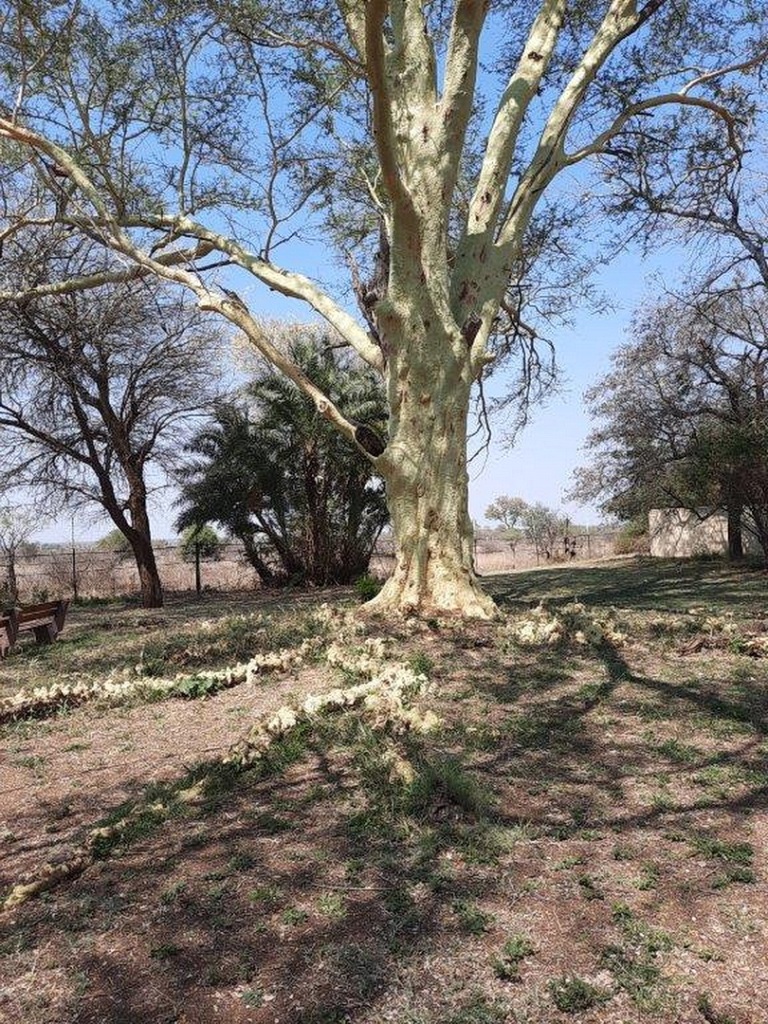
On arrival we quickly set up camp and spent the afternoon and part of the early morning of the next day driving the S100 and H7 south of the camp. Not a lot to see game wise, however we did identify 51 bird species in the short time there.
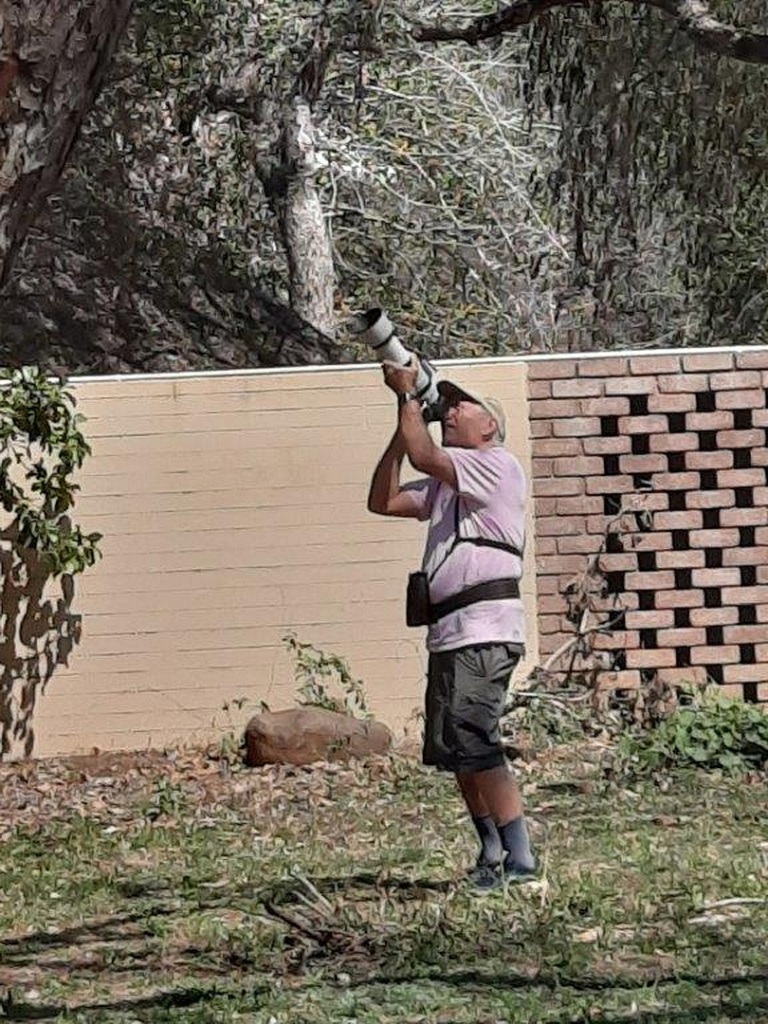
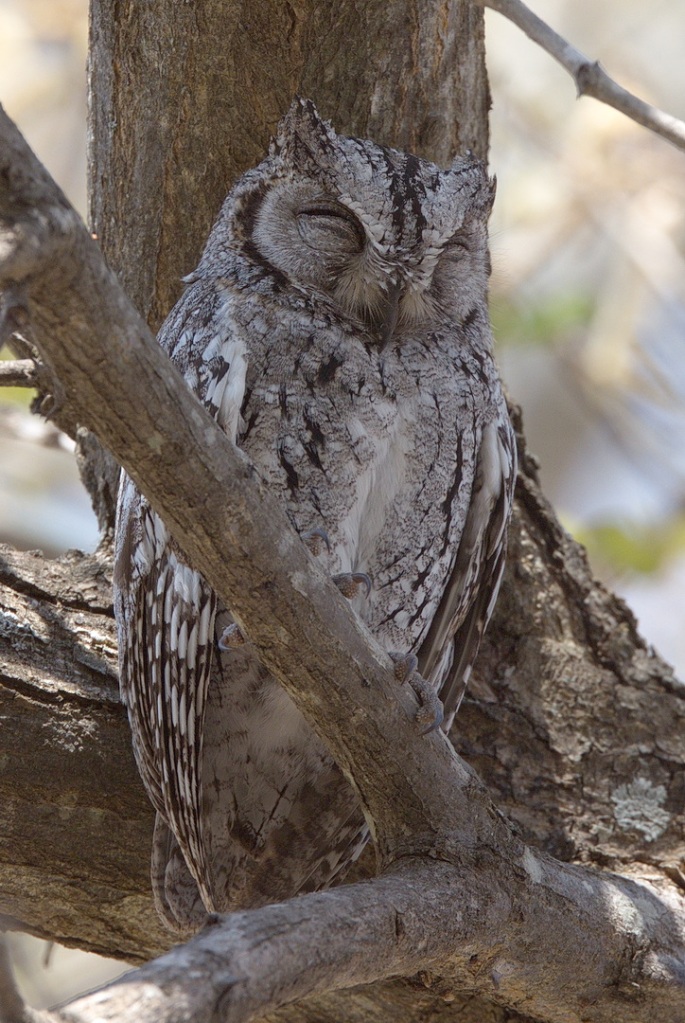
On a walk around the camp, we headed to the reception area hoping to pick up some interesting birds. However, seeing an African Scops Owl immediately in front of the restaurant was a bit of a surprise. A pleasant surprise.
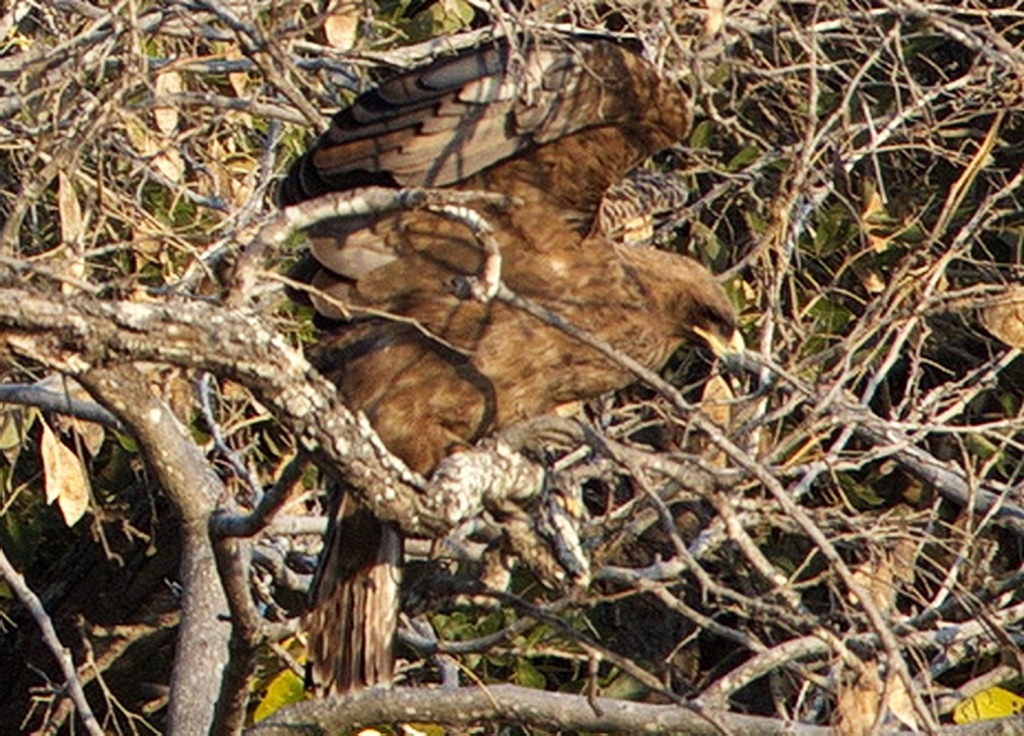
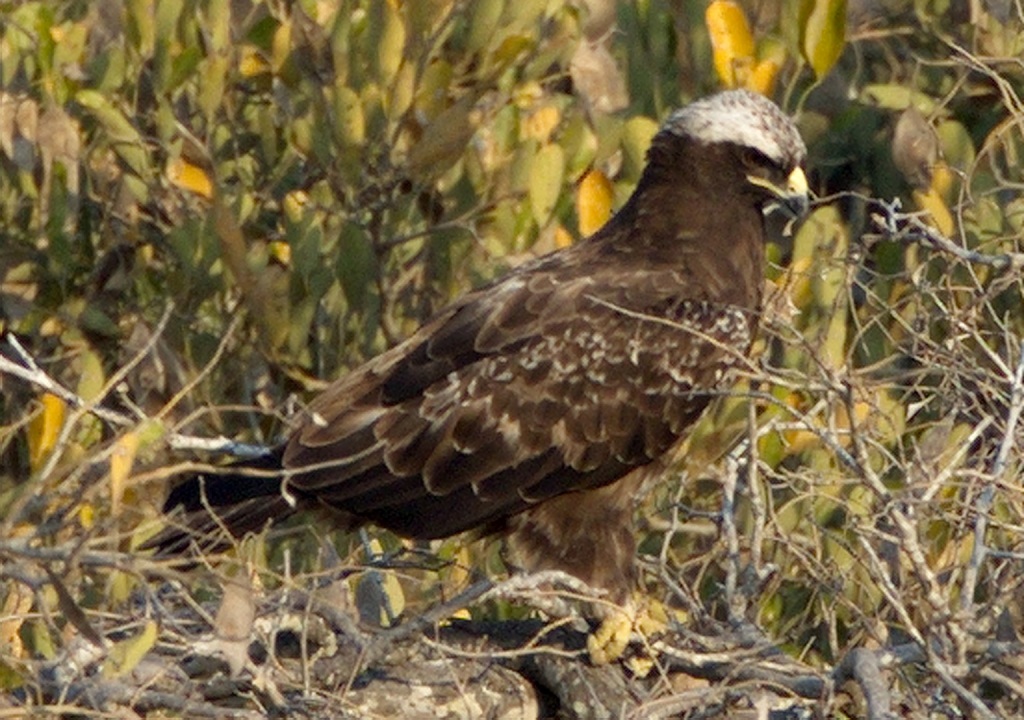
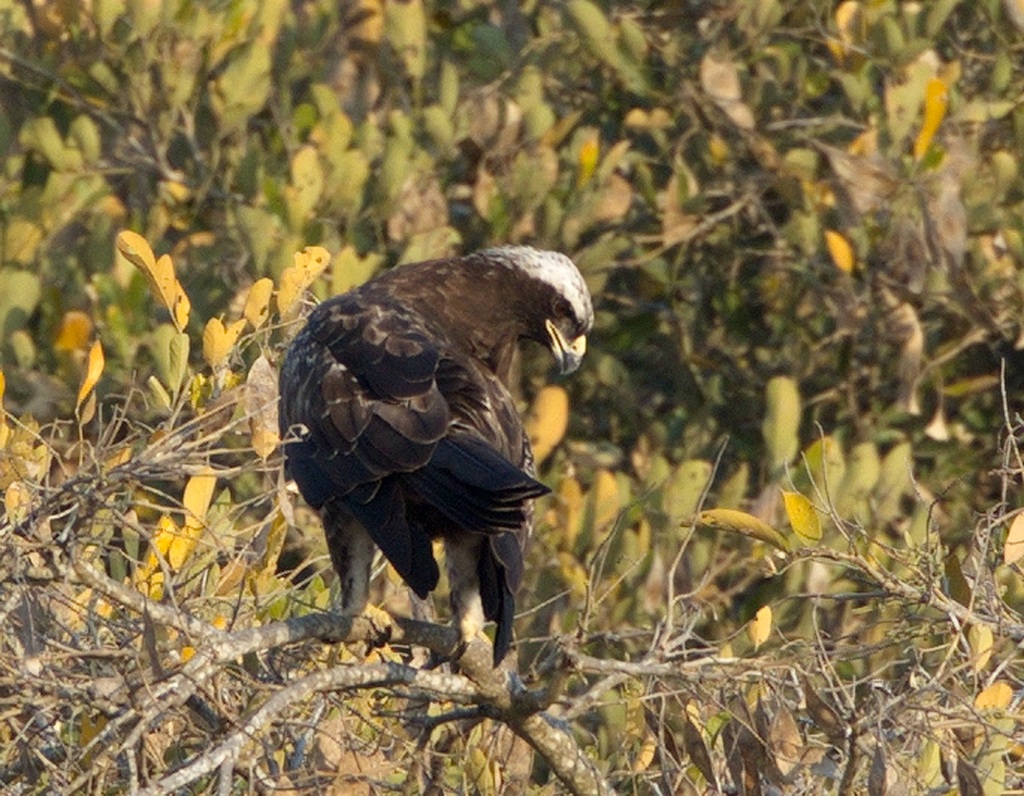
We did come across Wahlberg’s Eagles. A brown morph and another not so brown with a grey /whitish head.
Here are some of the other bird species we managed to photograph.
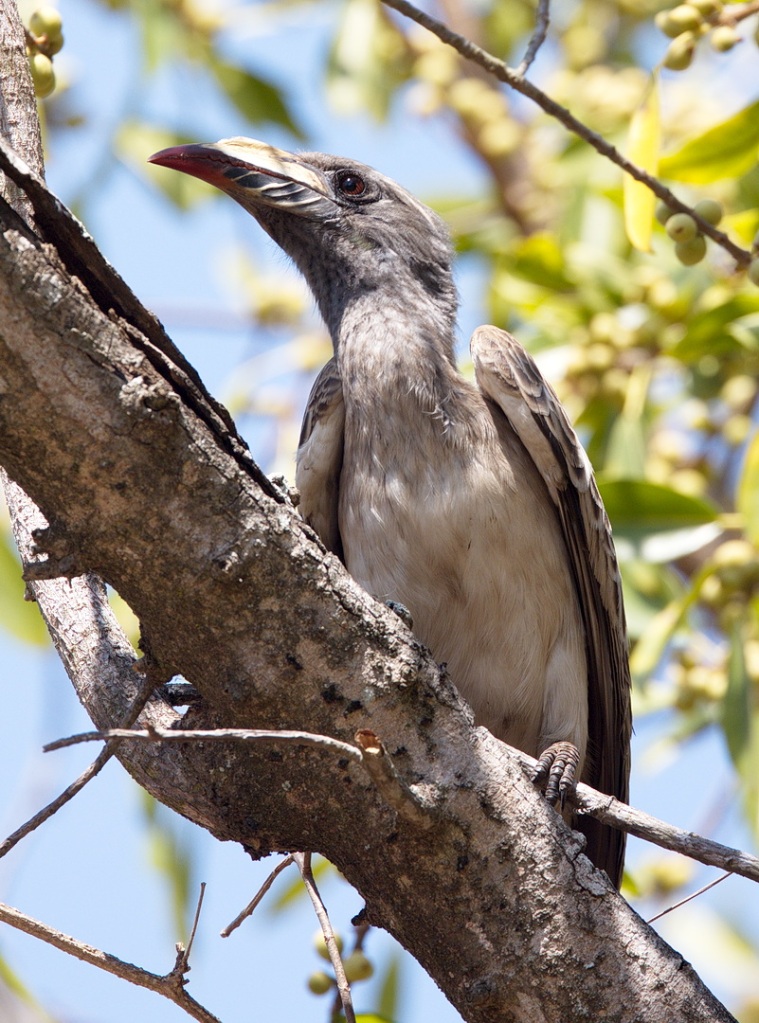
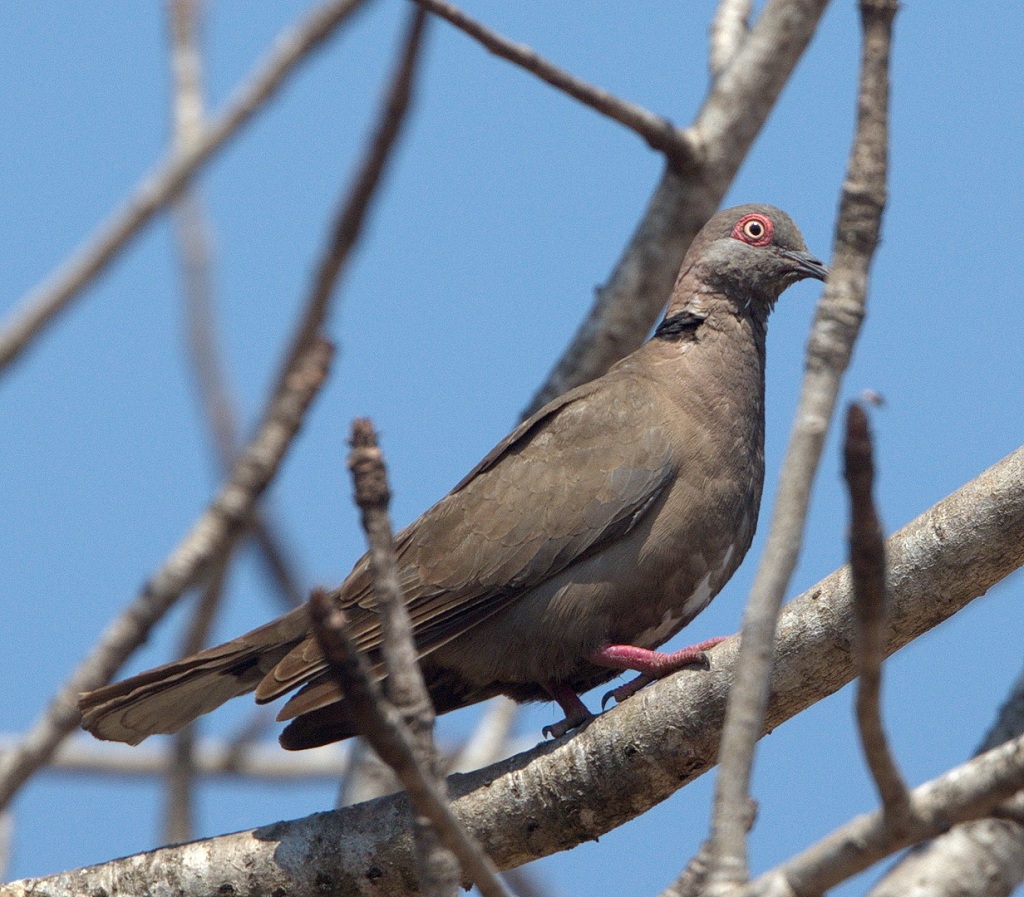
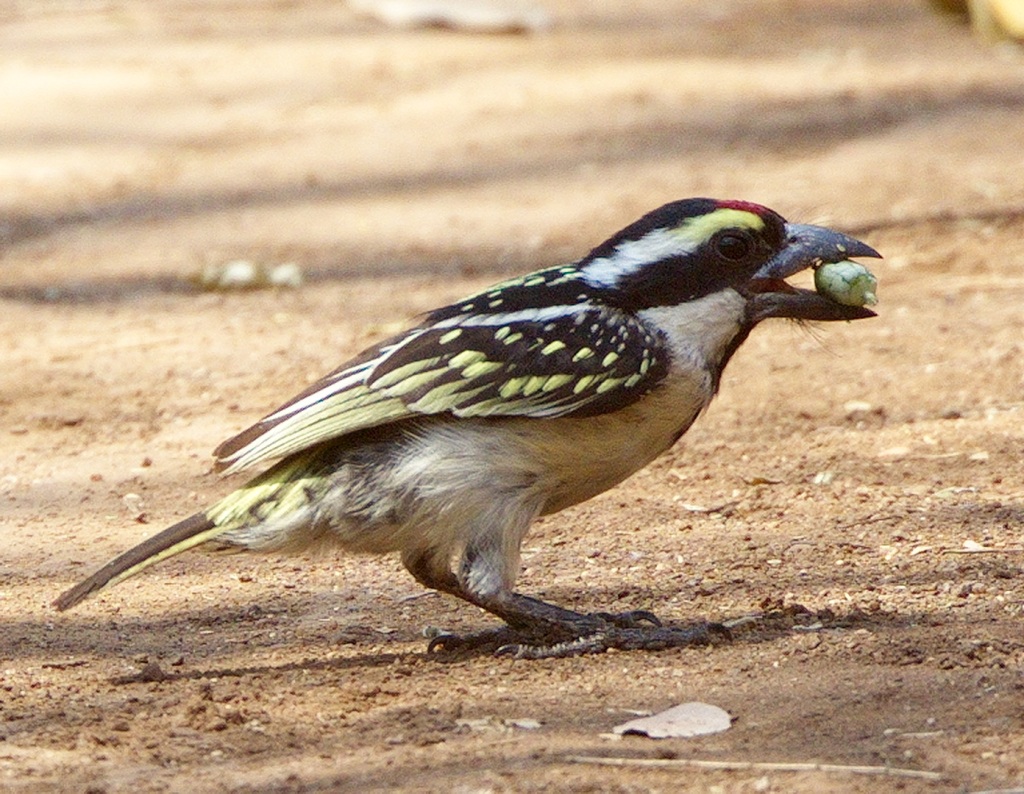
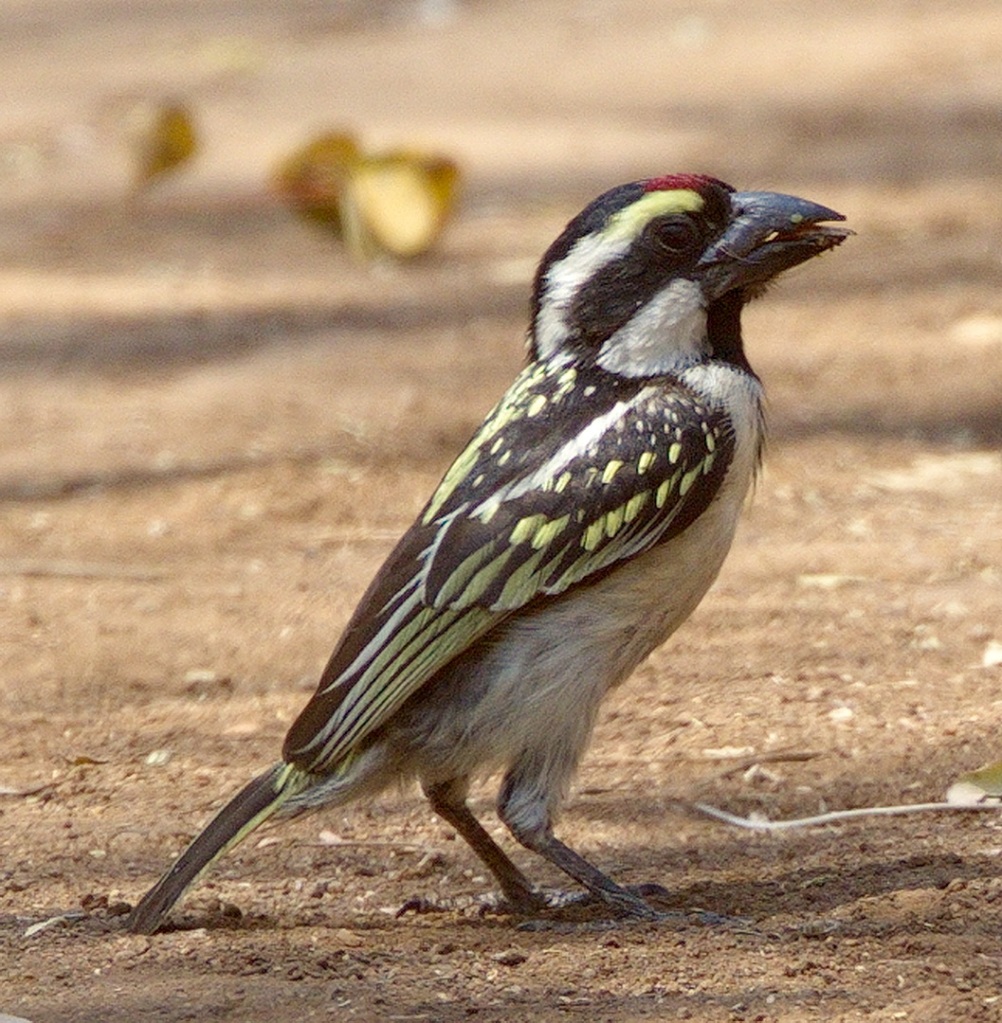
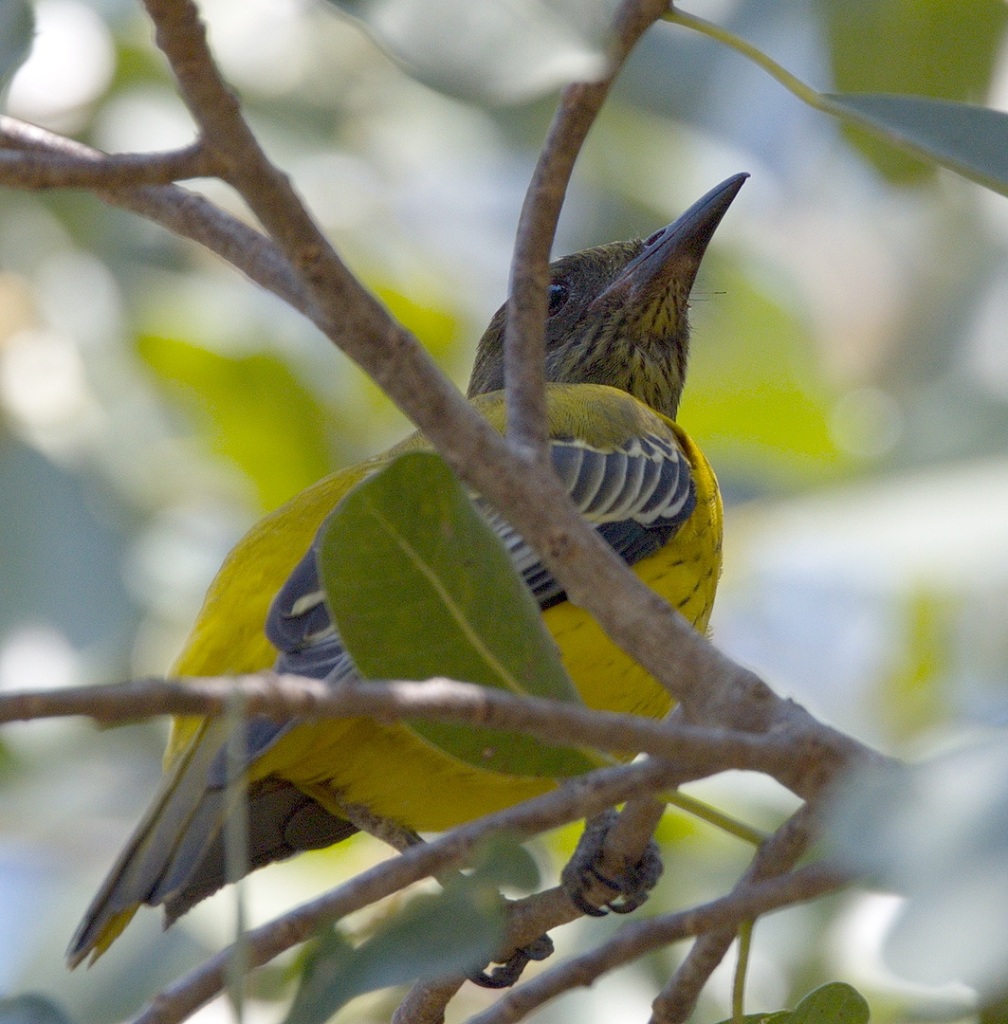
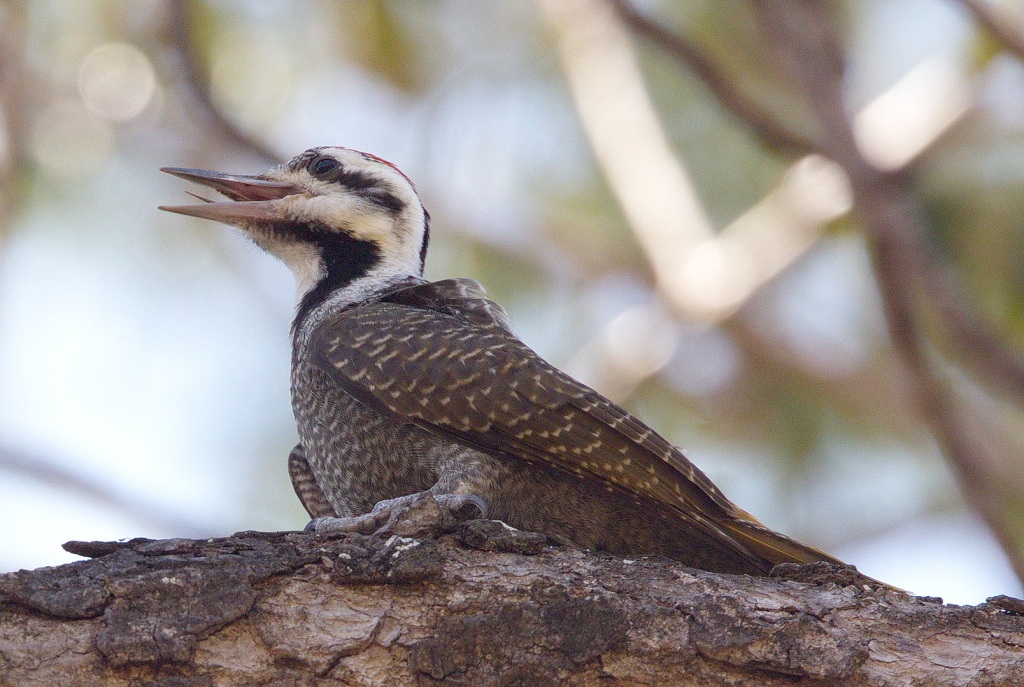
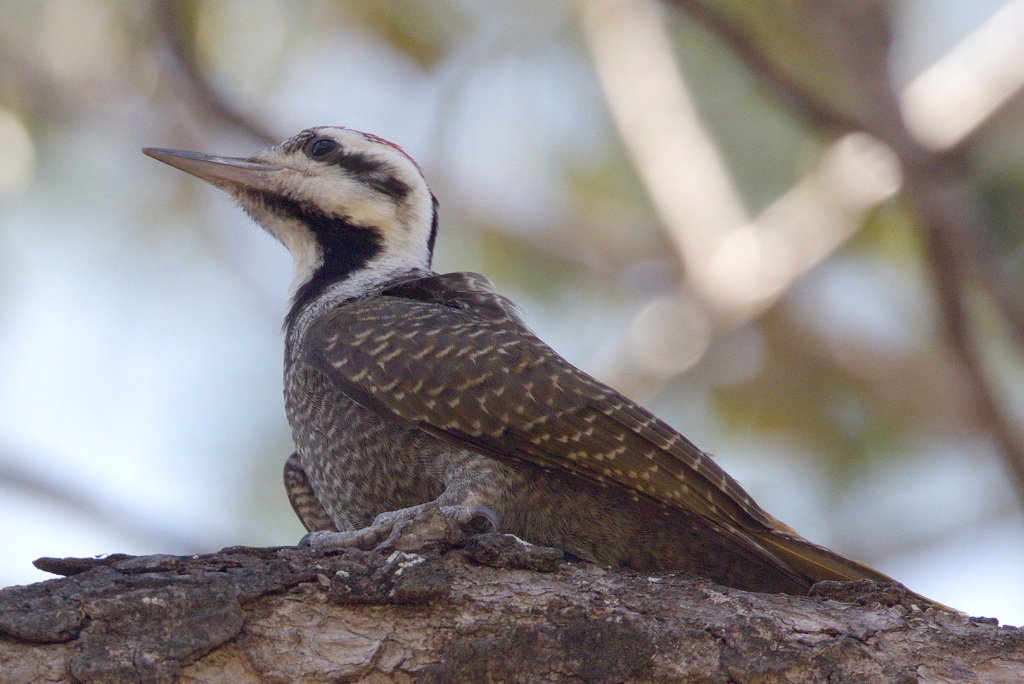
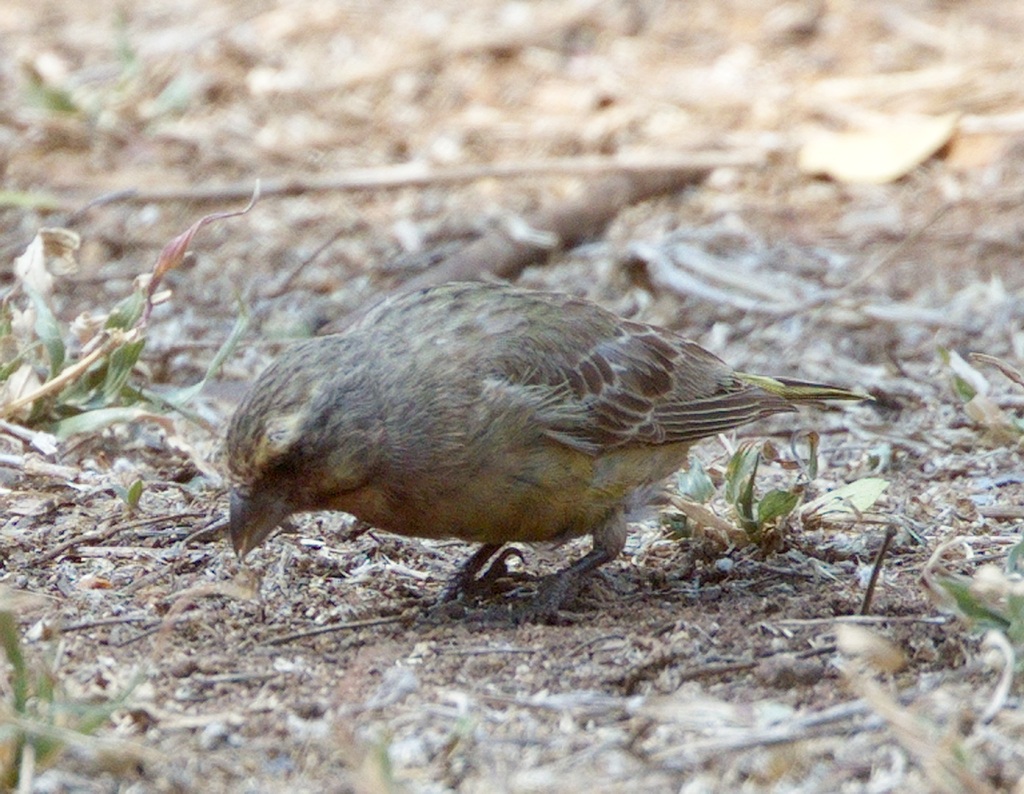
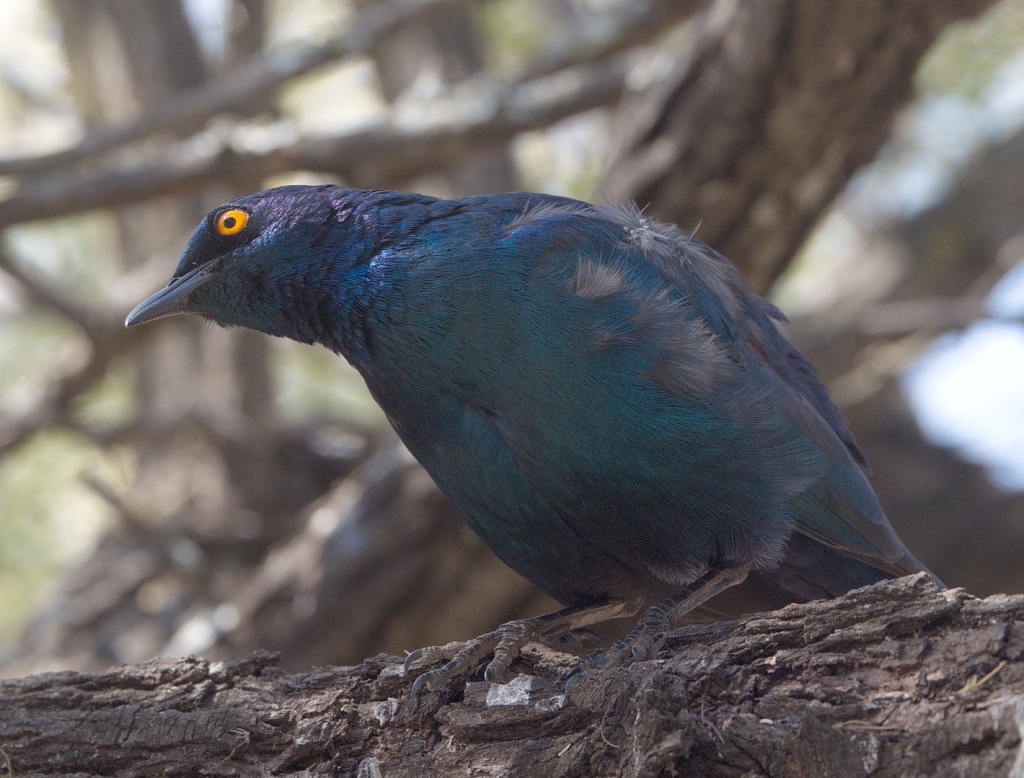
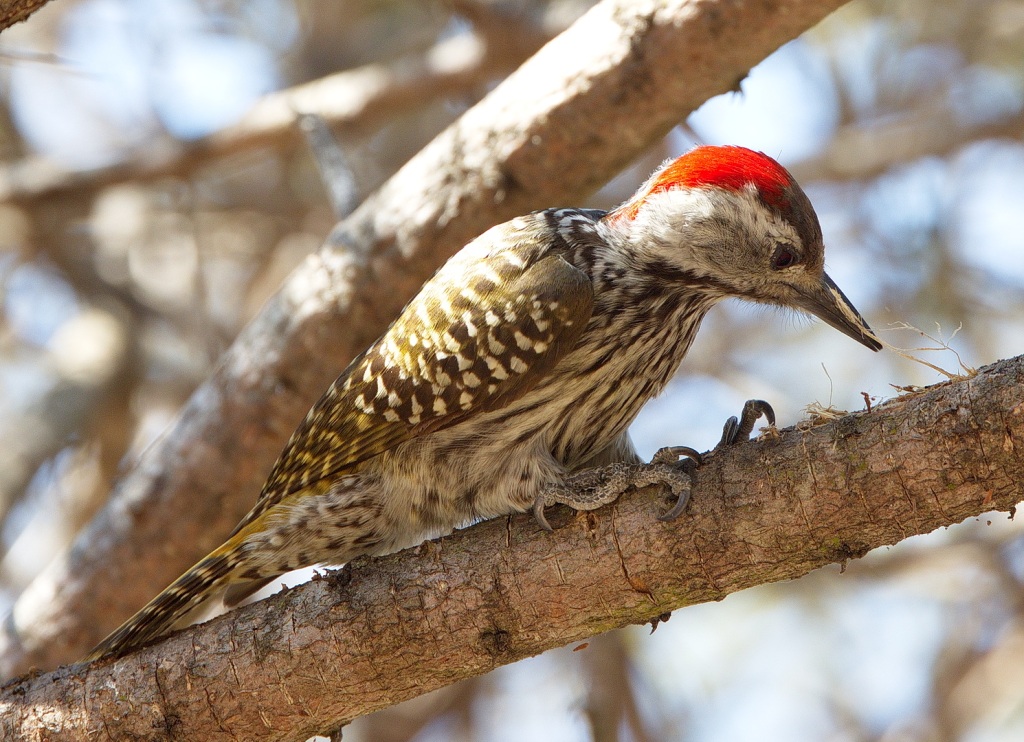
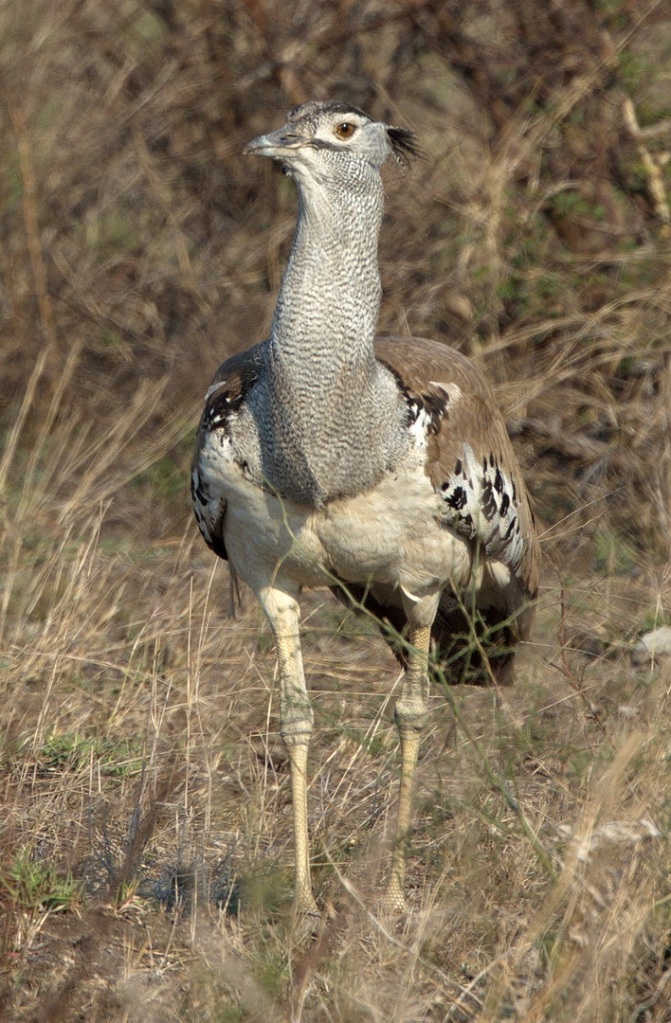

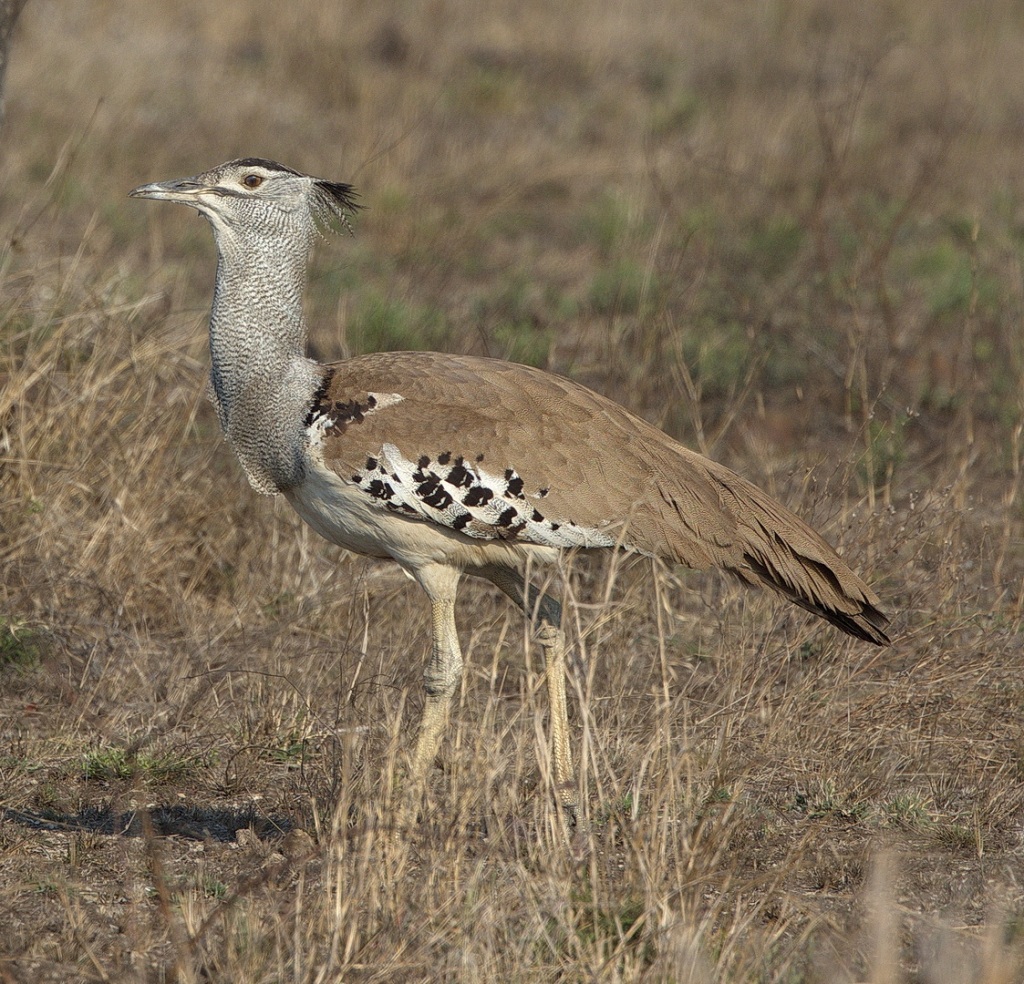
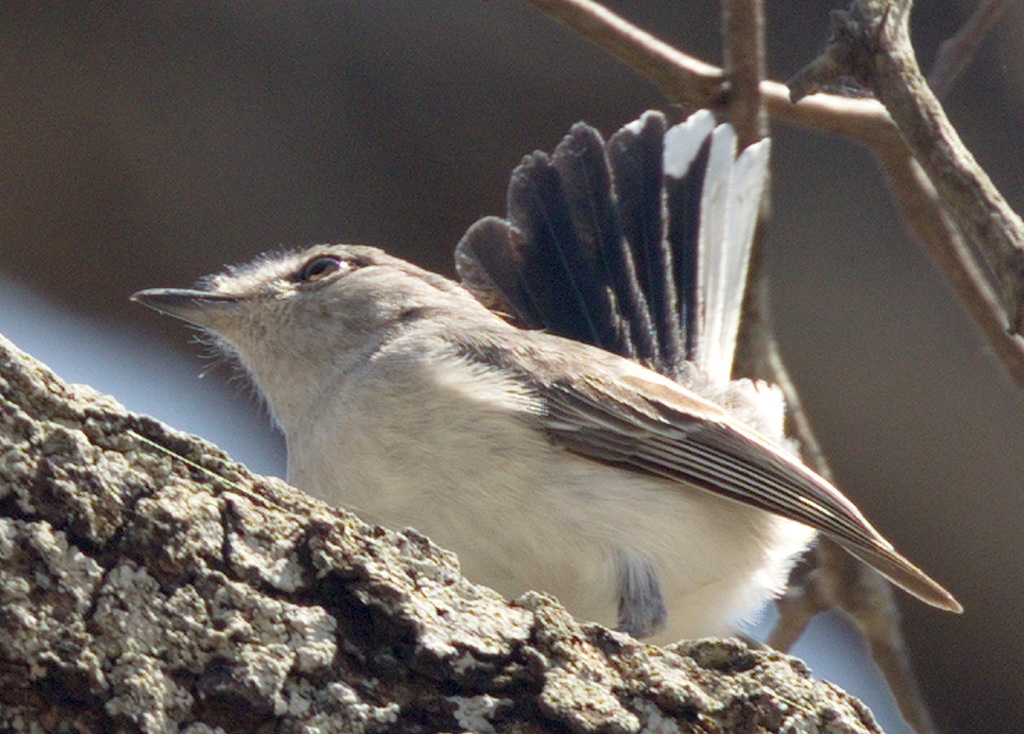
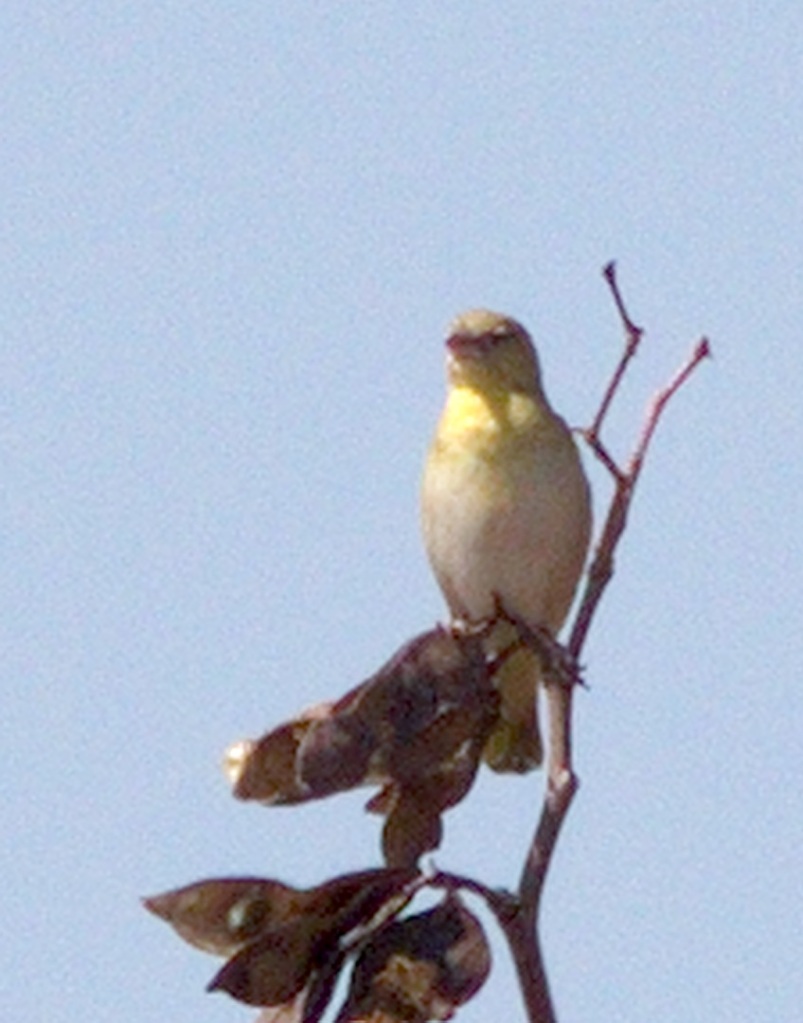
Some special species amongst those above – the Lemon-breasted canary being the main one. In all we identified 51 bird species in and around Satara.
The next day we were on our way to Malelane – a long drive.
Malelane
6th to 9th September 2023.
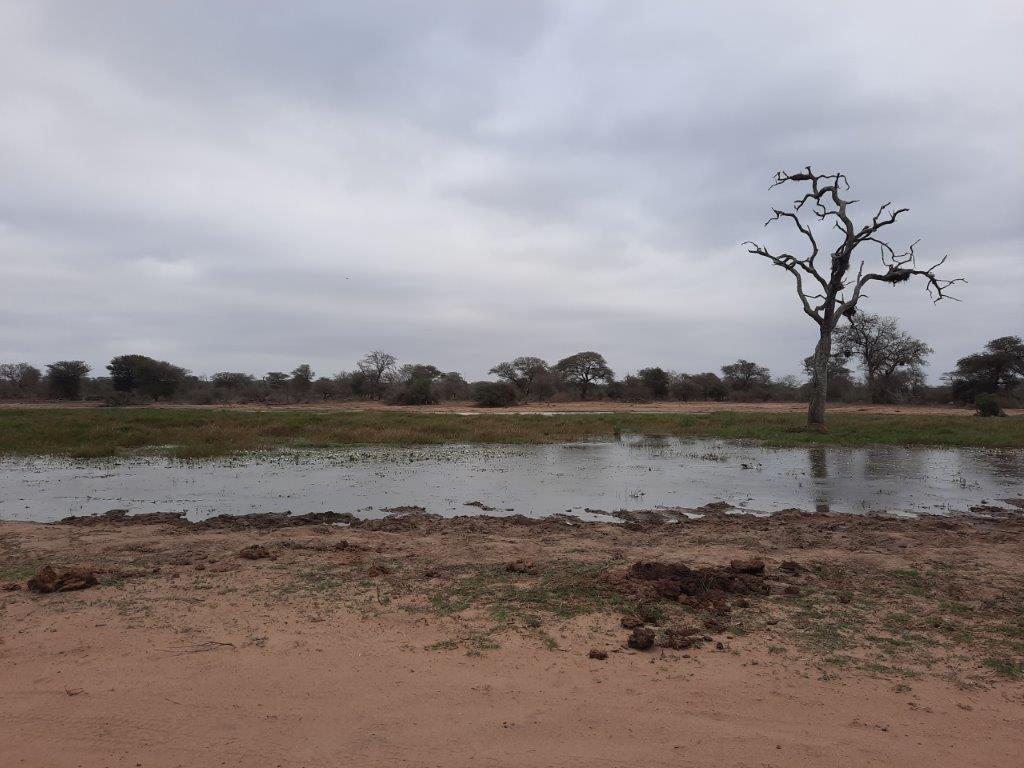
On the way to Malelane we did stop at several places – Tshokwane for breakfast, Leeupan to check what birds were there, On the bridge over the Sabi River on the way passed Skukuza, Afsaal as a loo stop. All in all, it took us almost 8 hours to get to Malelane Private Camp.
Tshokwane was cold and void of birds. Leeupan had water but the weather limited what birds were about.
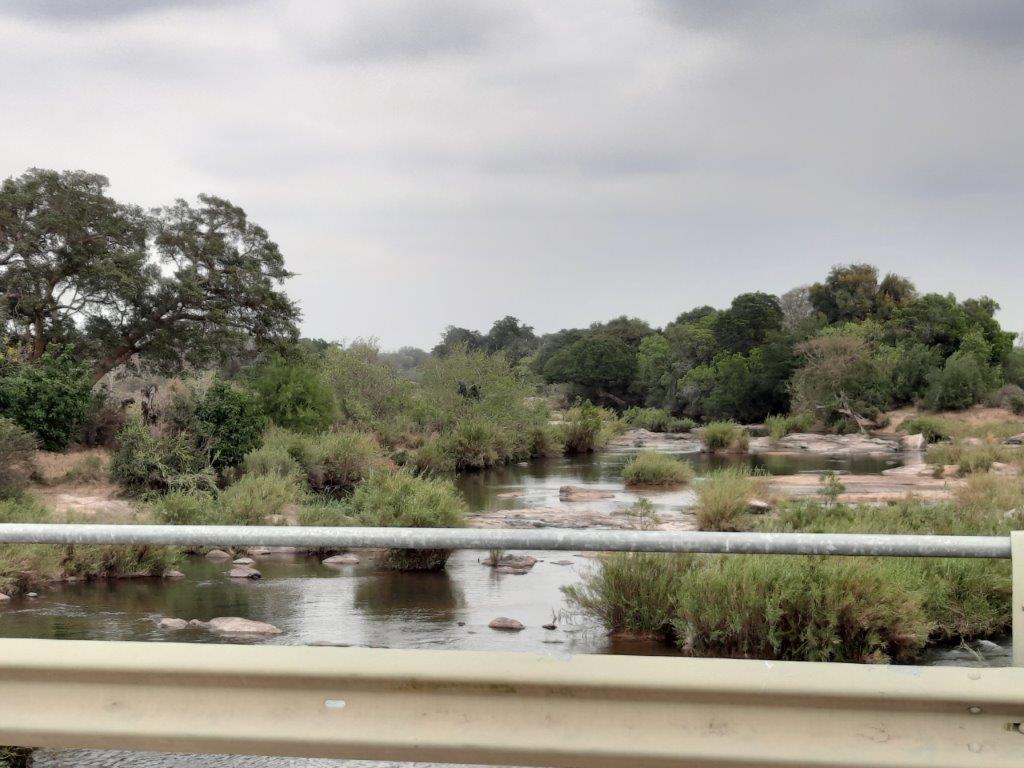
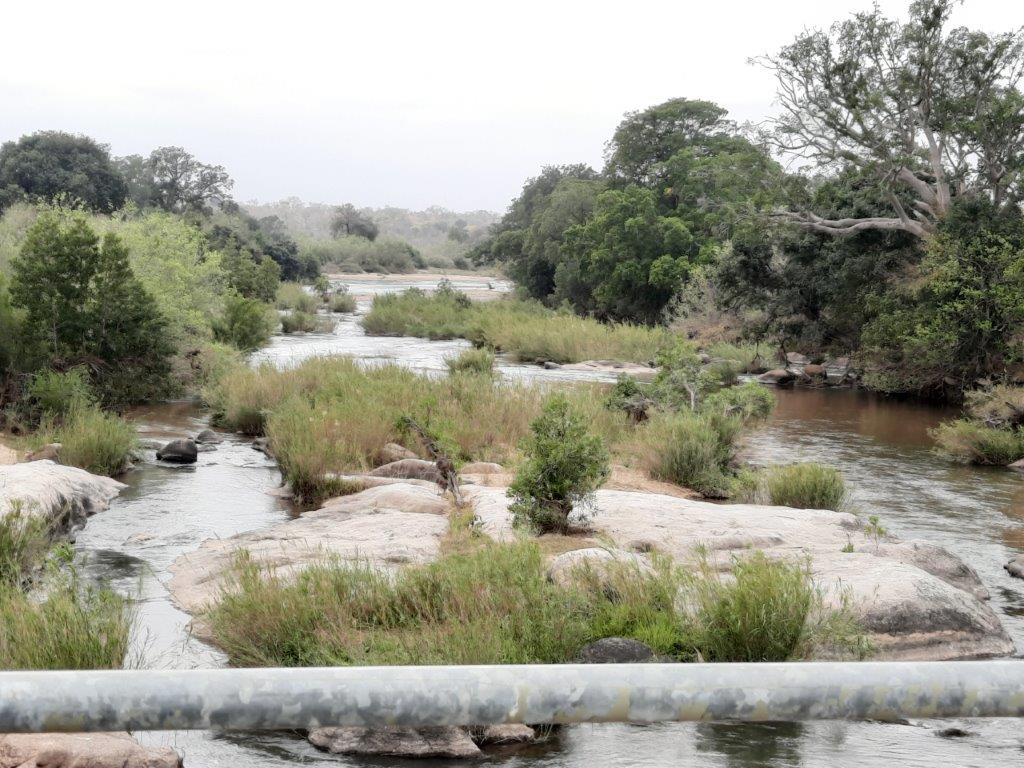
The Sabi River was low. Here are pics taken on the bridge looking up and down river.
Afsaal was crowded with many game viewing vehicles – expected as the park was full full.
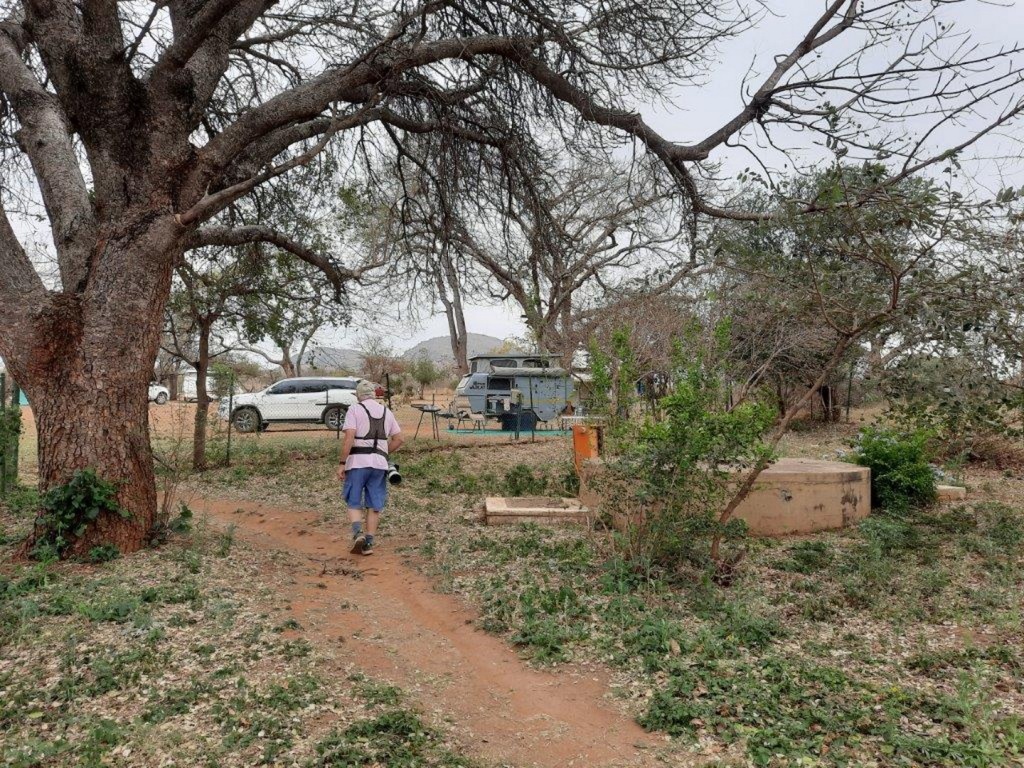
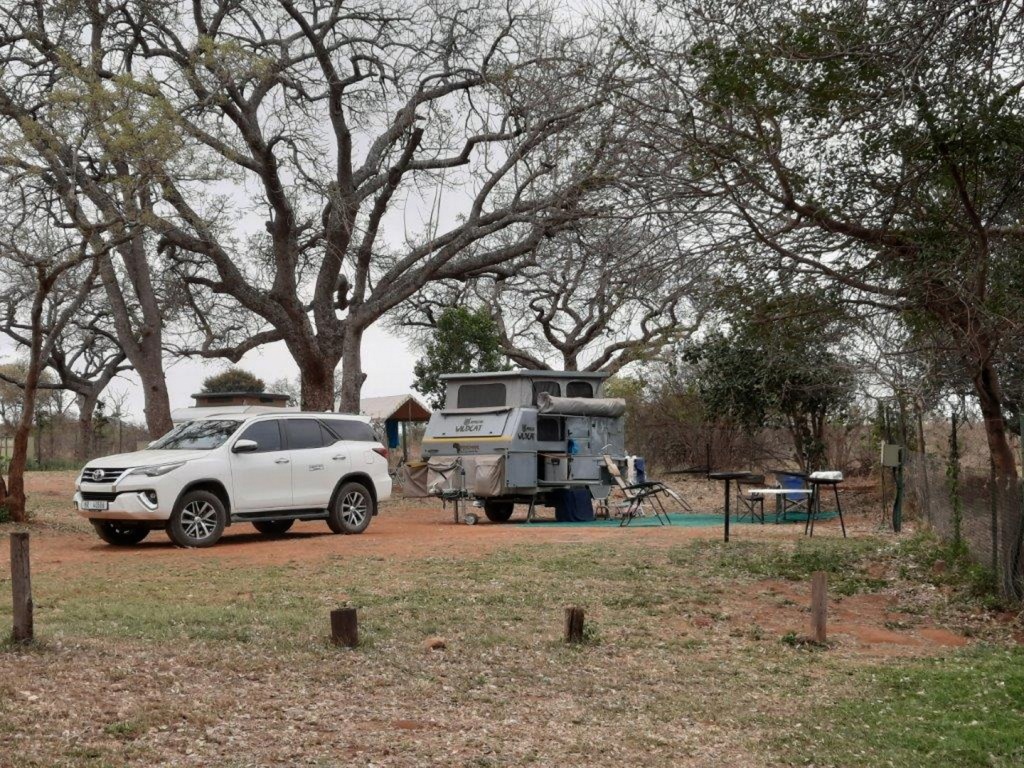
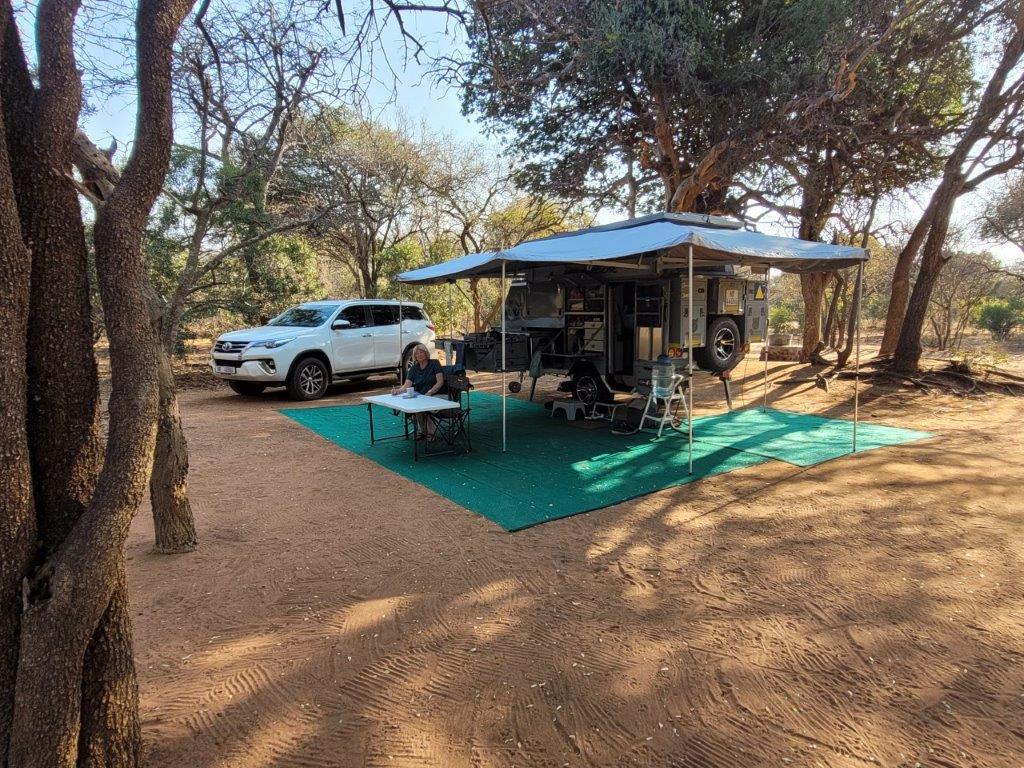
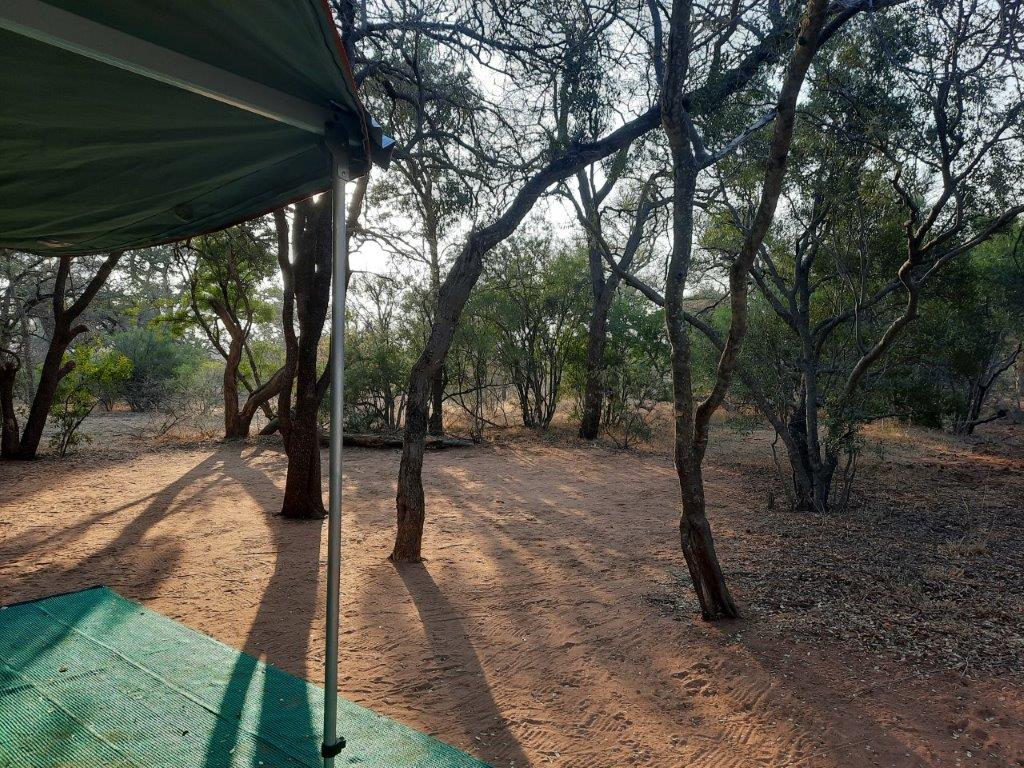
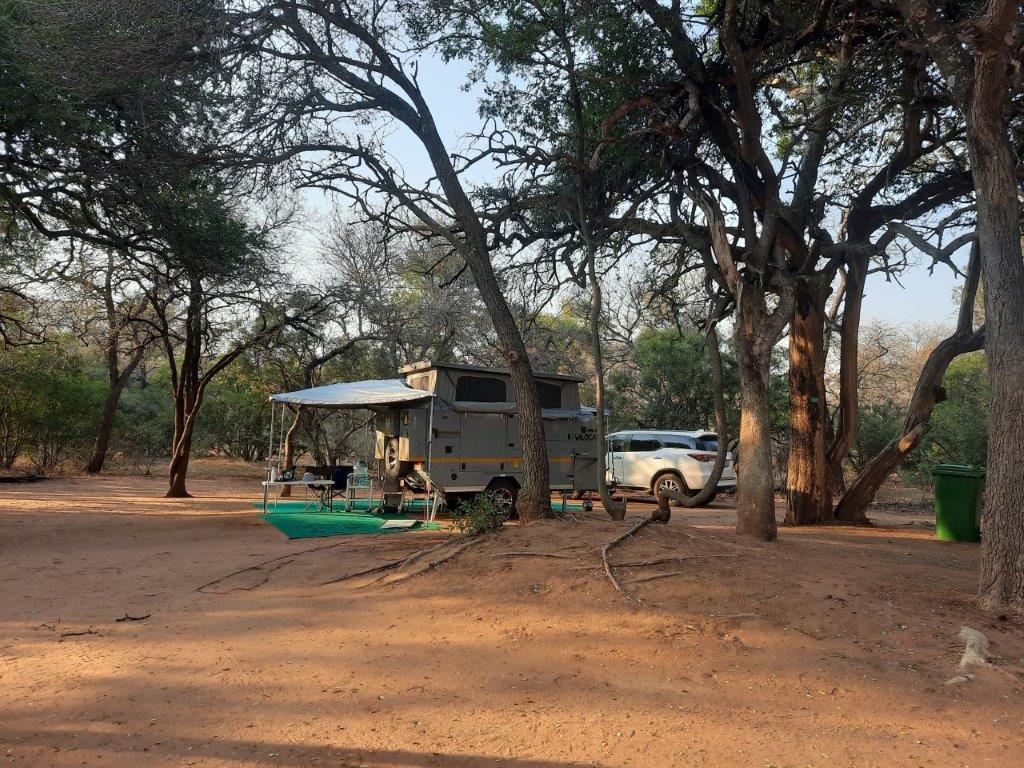
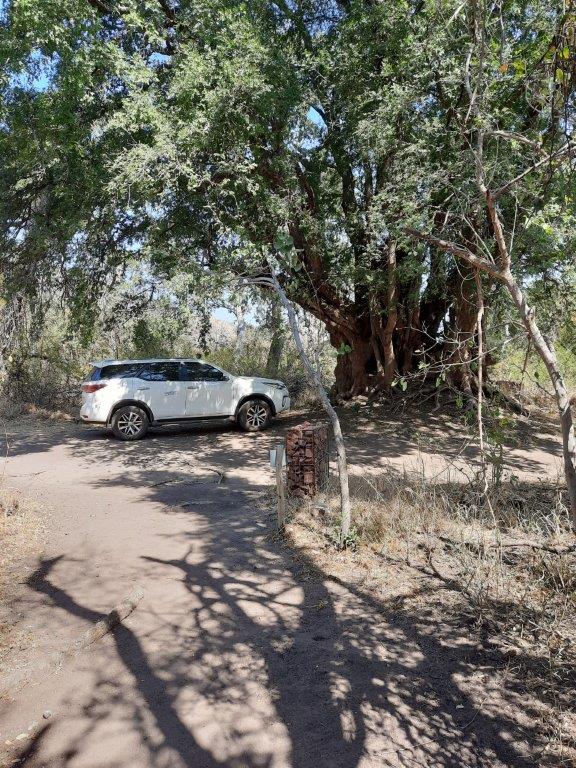
Then we arrived at Malelane Private Camp close to the Malelane gate. And were able to get probably our favourite spot at the bottom of the camp. We have yet to try the sites on the right on entry which we understand are also level.
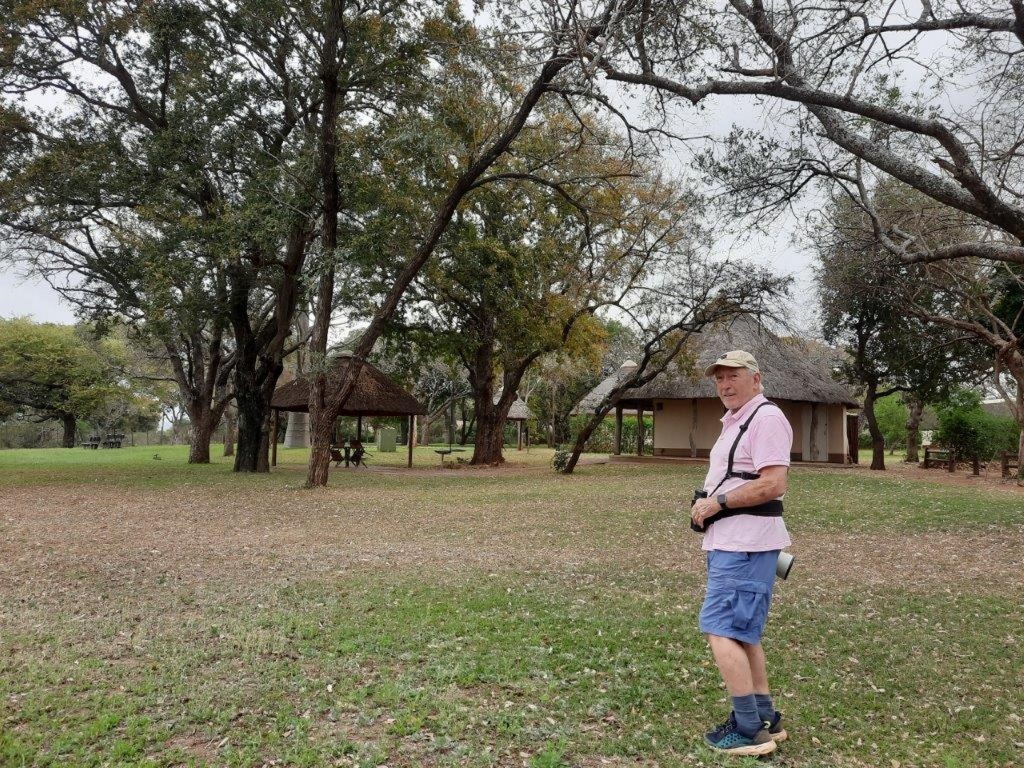
Berg-en-dal camp is always worth a visit. Its birdlife is excellent and we were not disappointed this time despite the dam being almost empty.
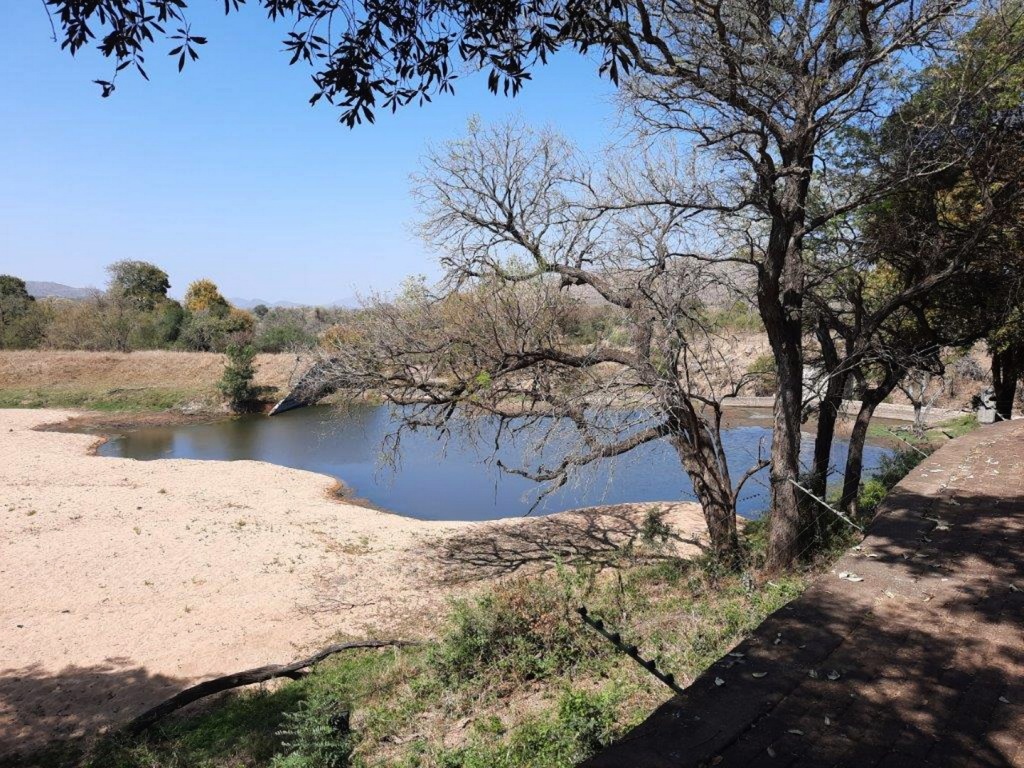
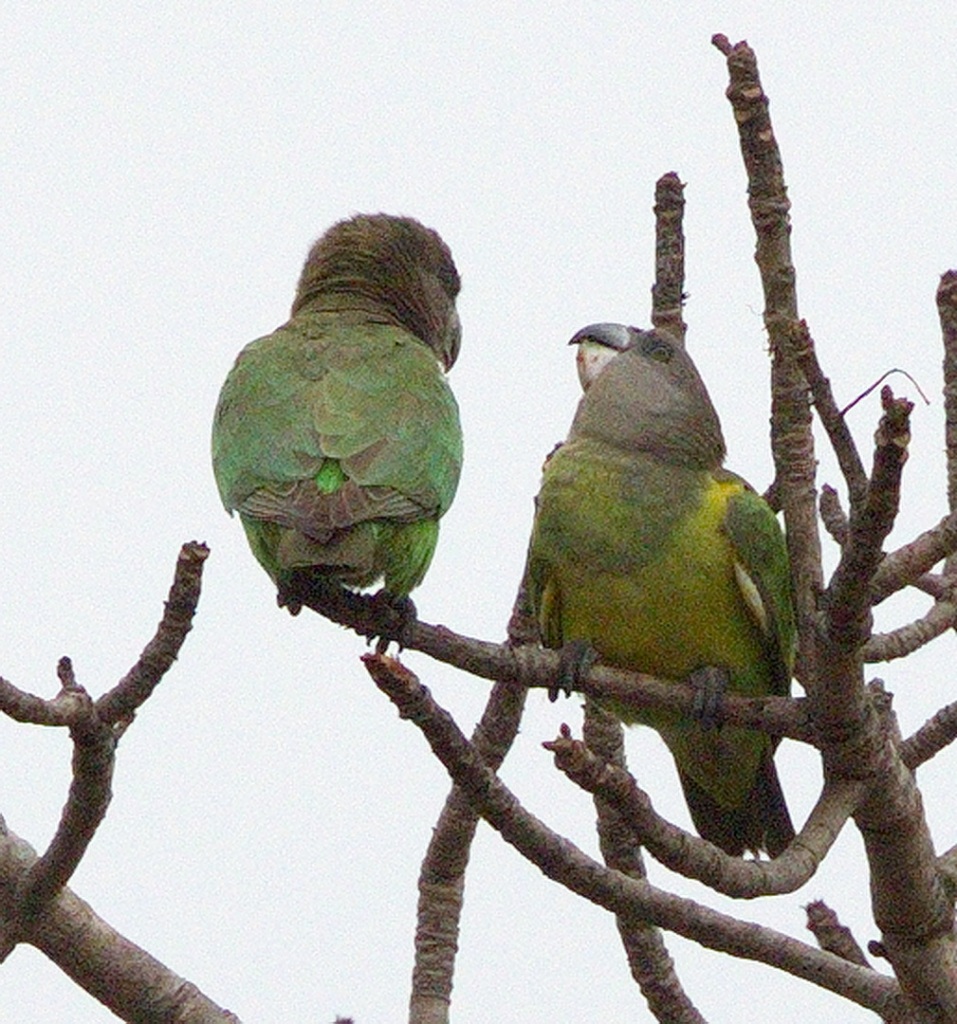
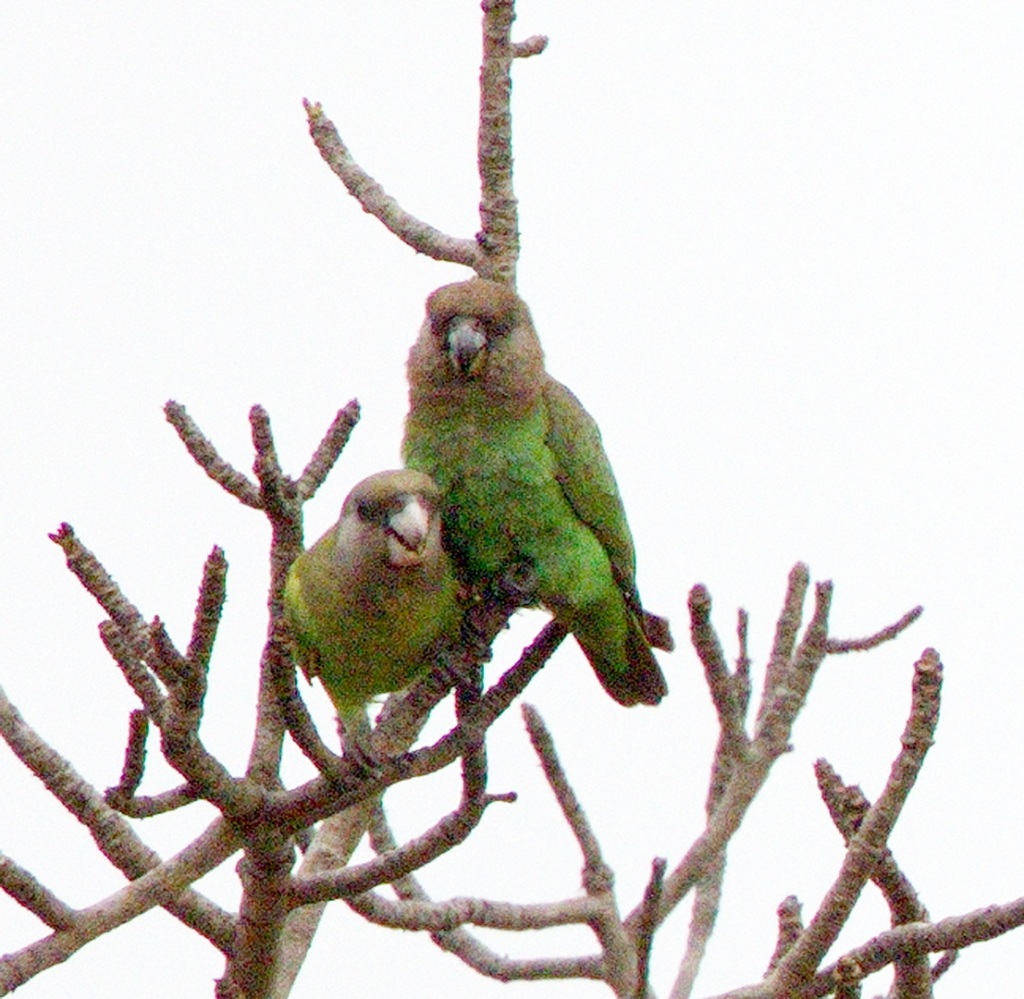
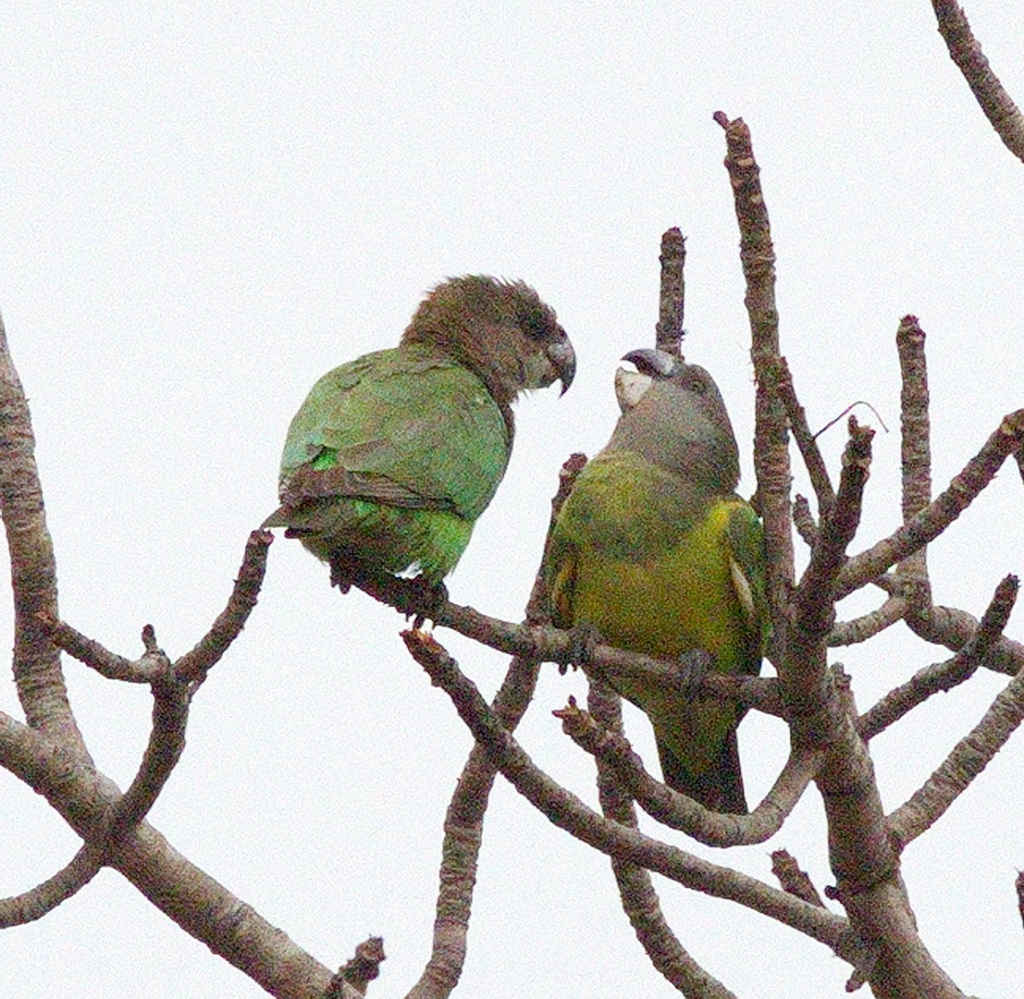
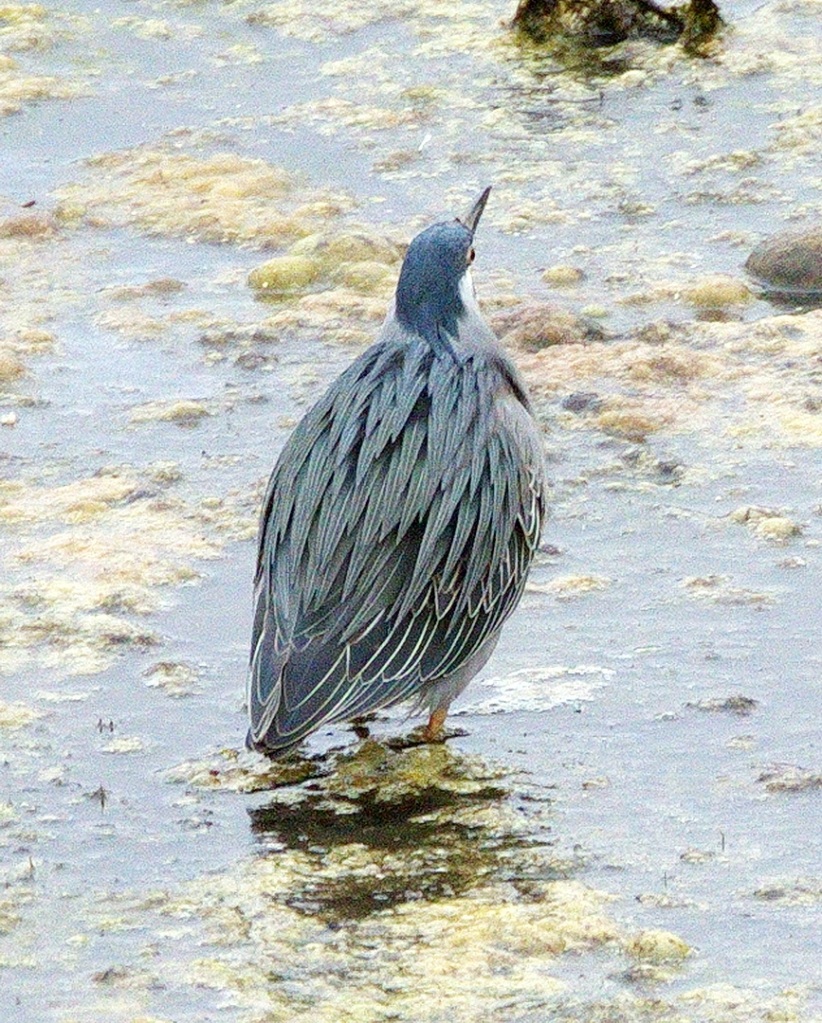
The dam was where the action was for us. A Hamerkop flew over. Brown-headed Parrots landed above us. A Green-backed Heron was seen in the mud then up on the dam wall being chased off by a Grey-headed Heron before taking a hiding place opposite waiting for dinner to arrive. Then beside us in a tree we noticed a pair of Little Sparrowhawks – one a juvenile calling for food. And as we were about to leave, we heard an African Barred Owlet calling to the right of the dam. After searching for a while we finally spotted it and watched it continue calling.

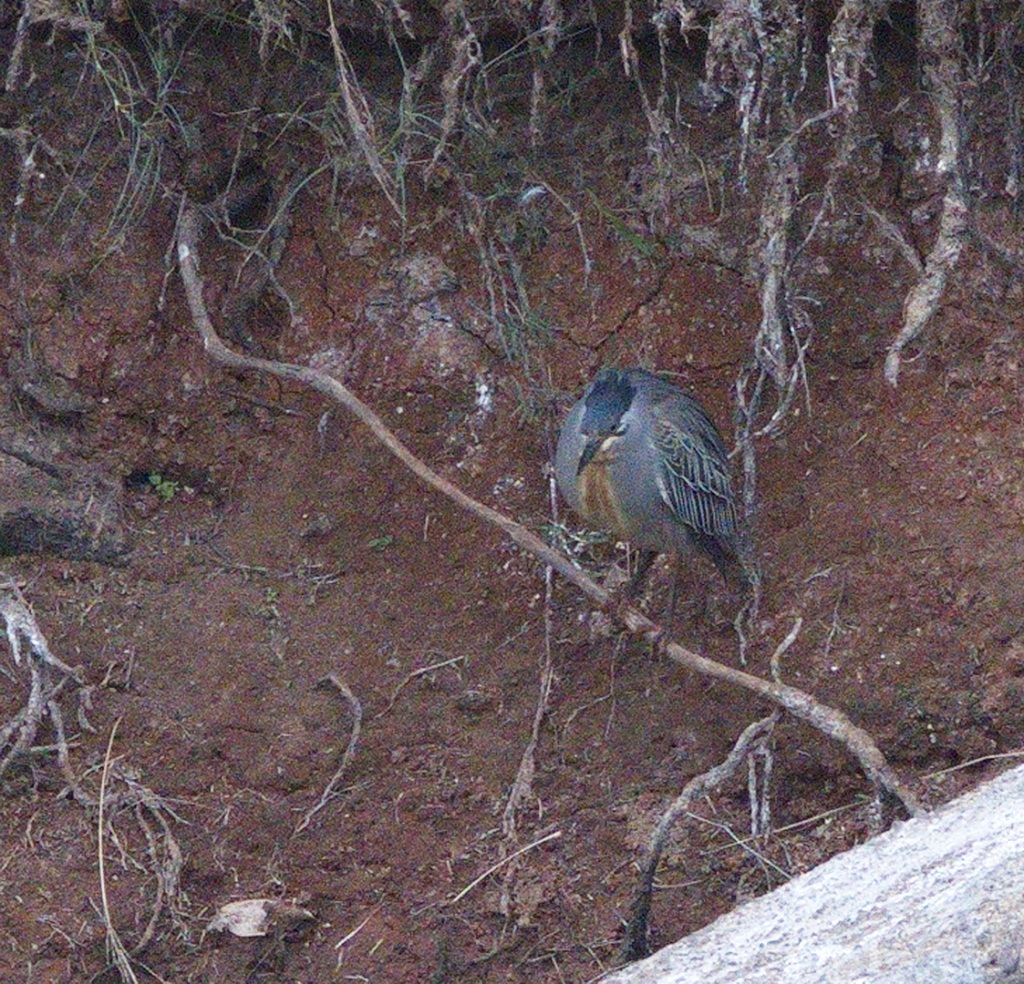
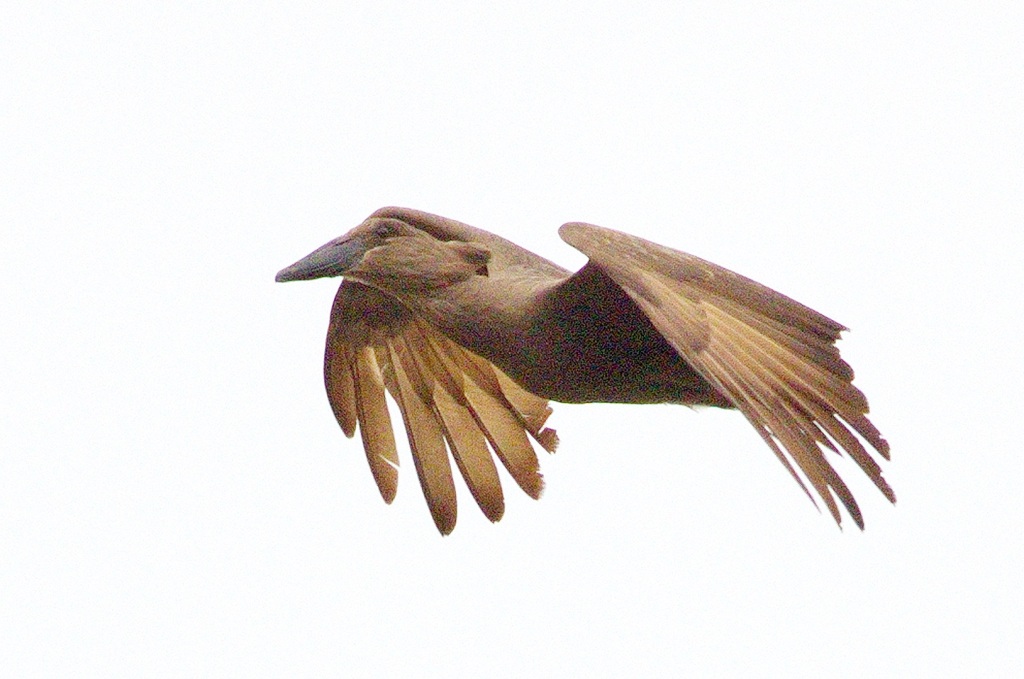
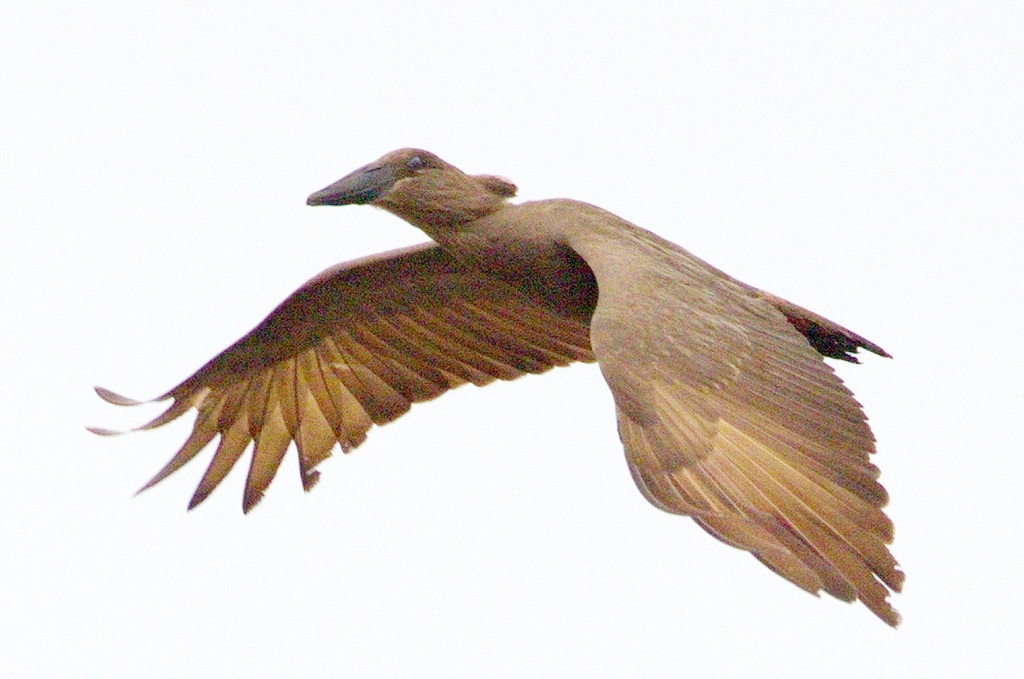

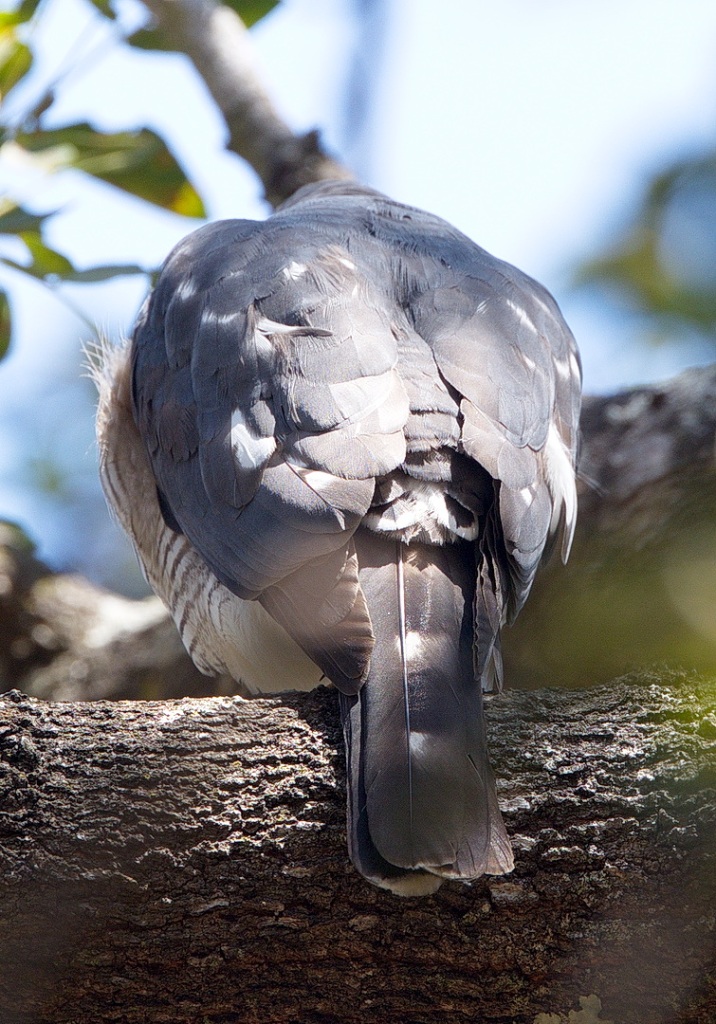
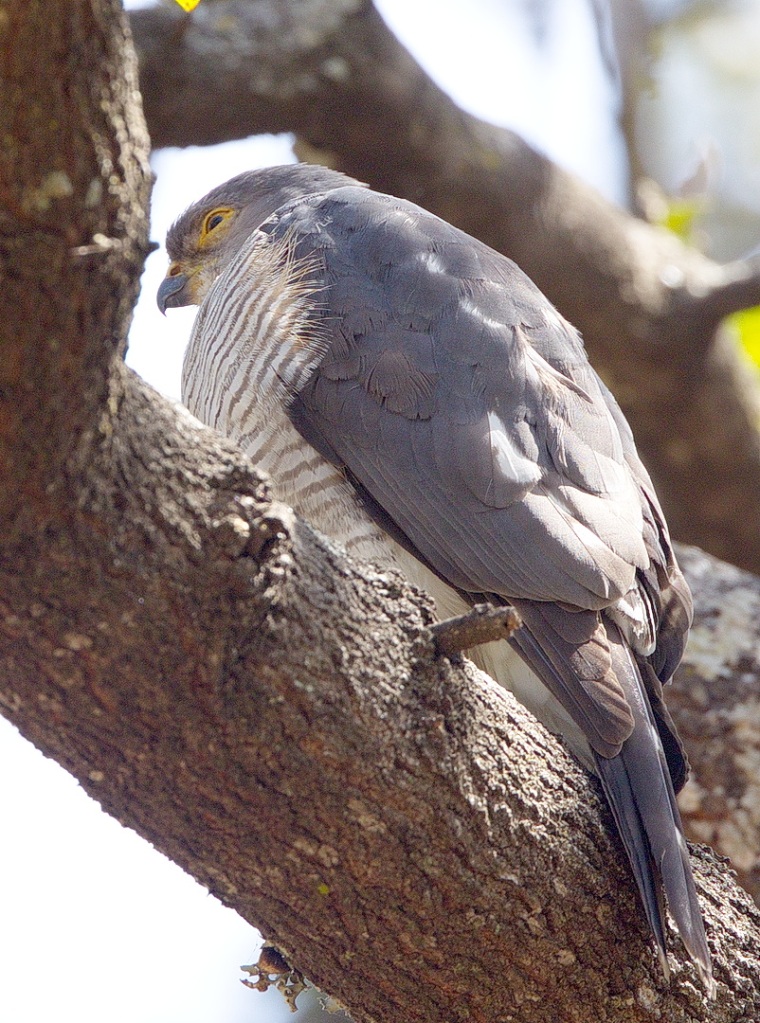
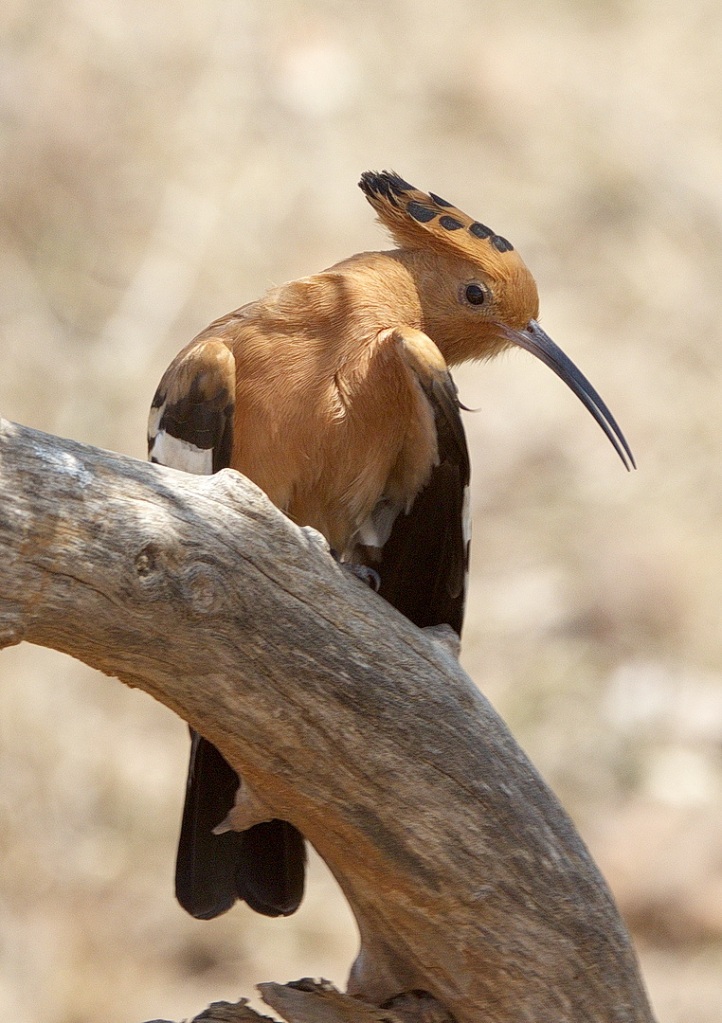
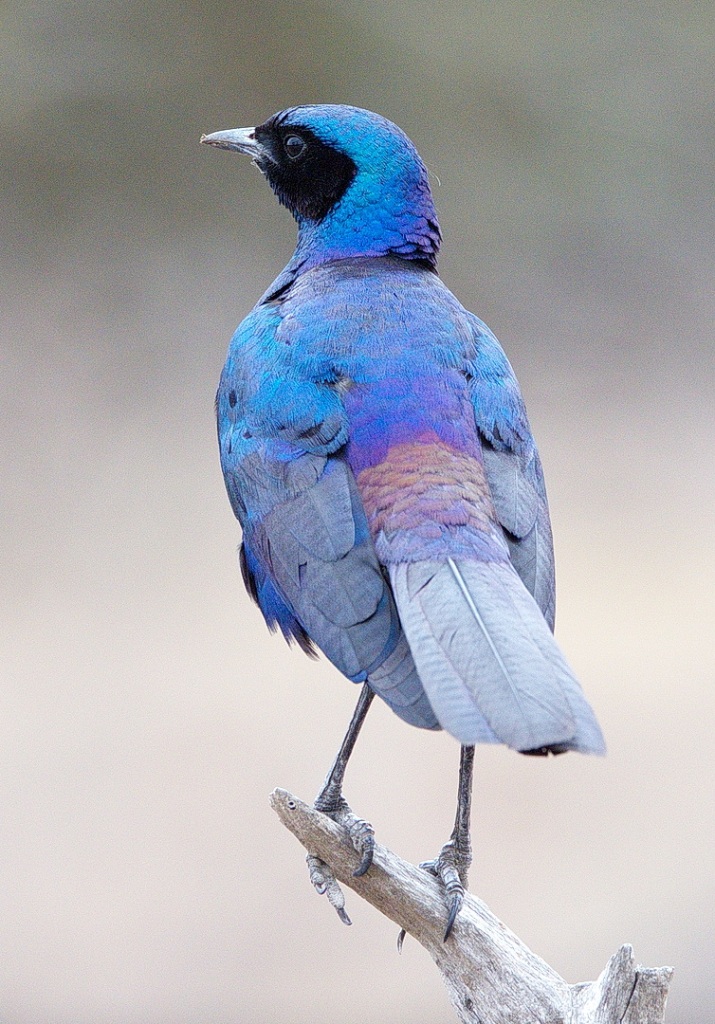
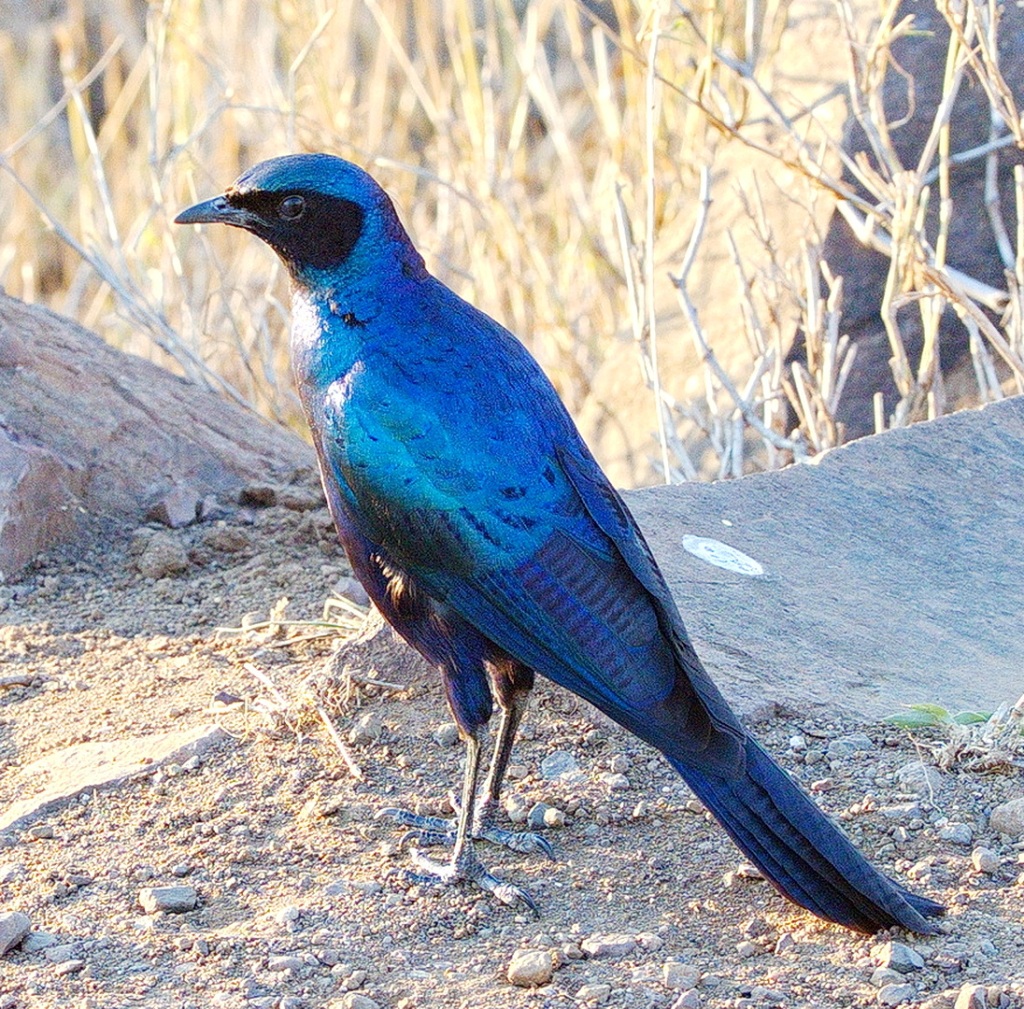
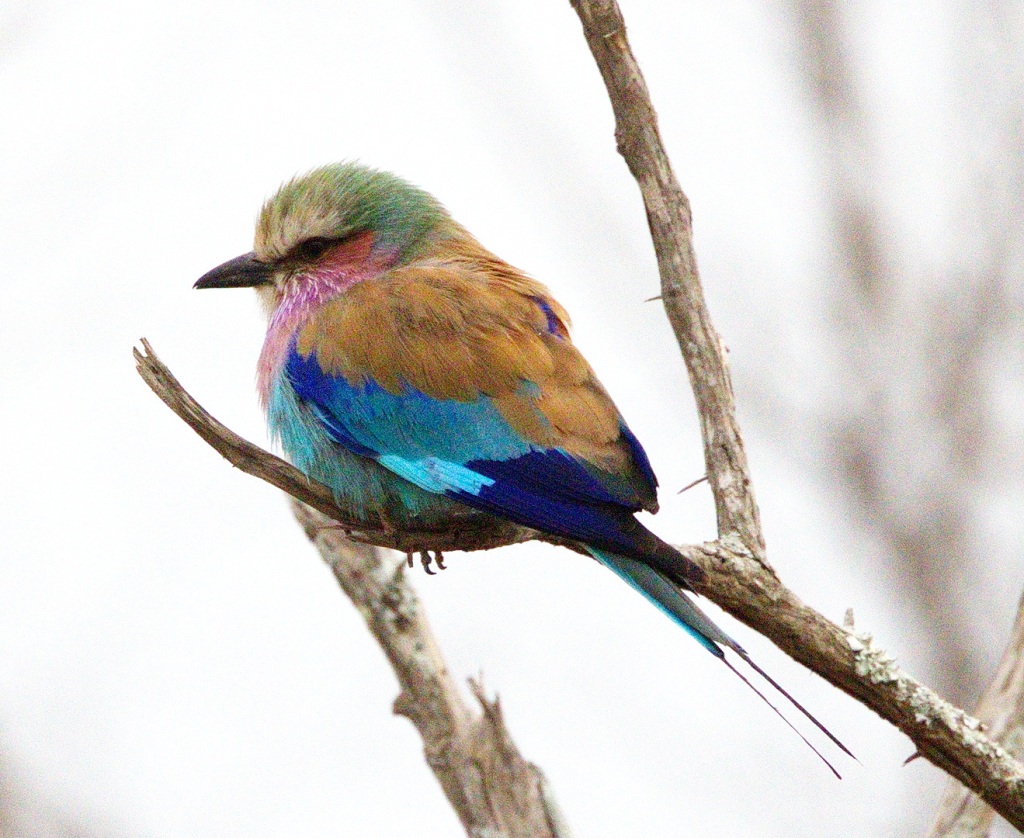
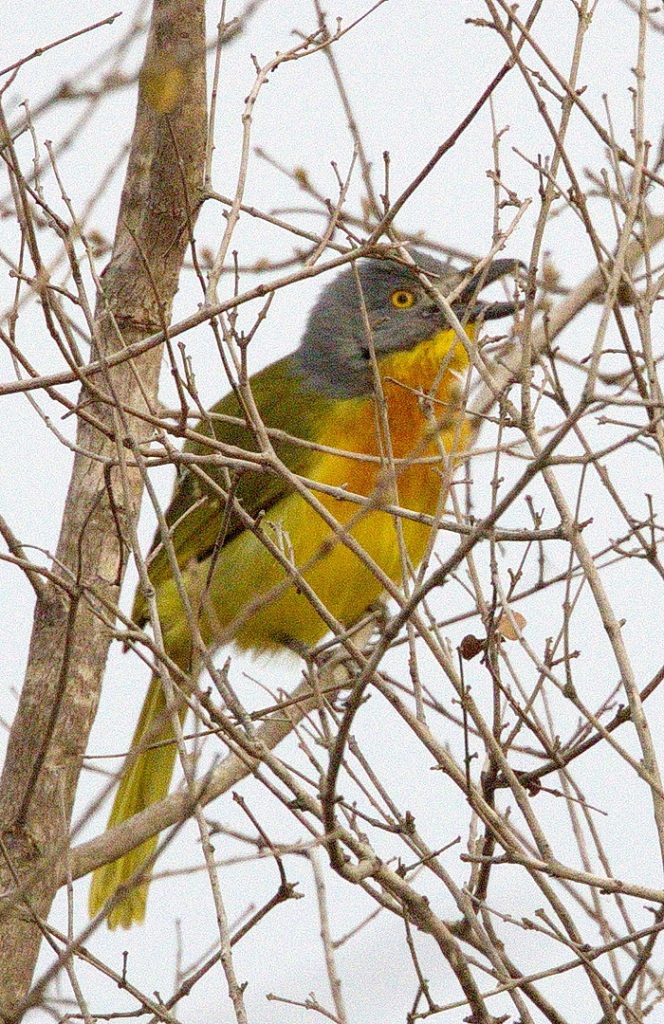
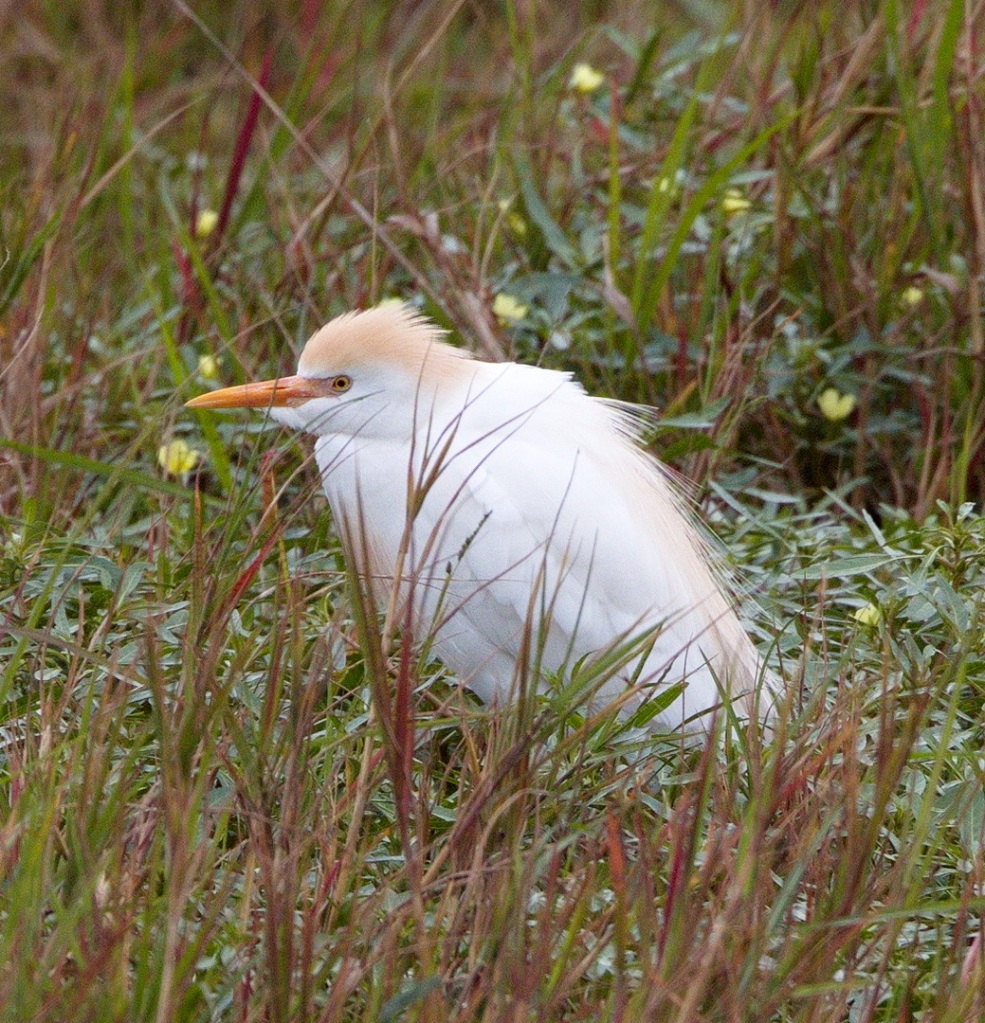
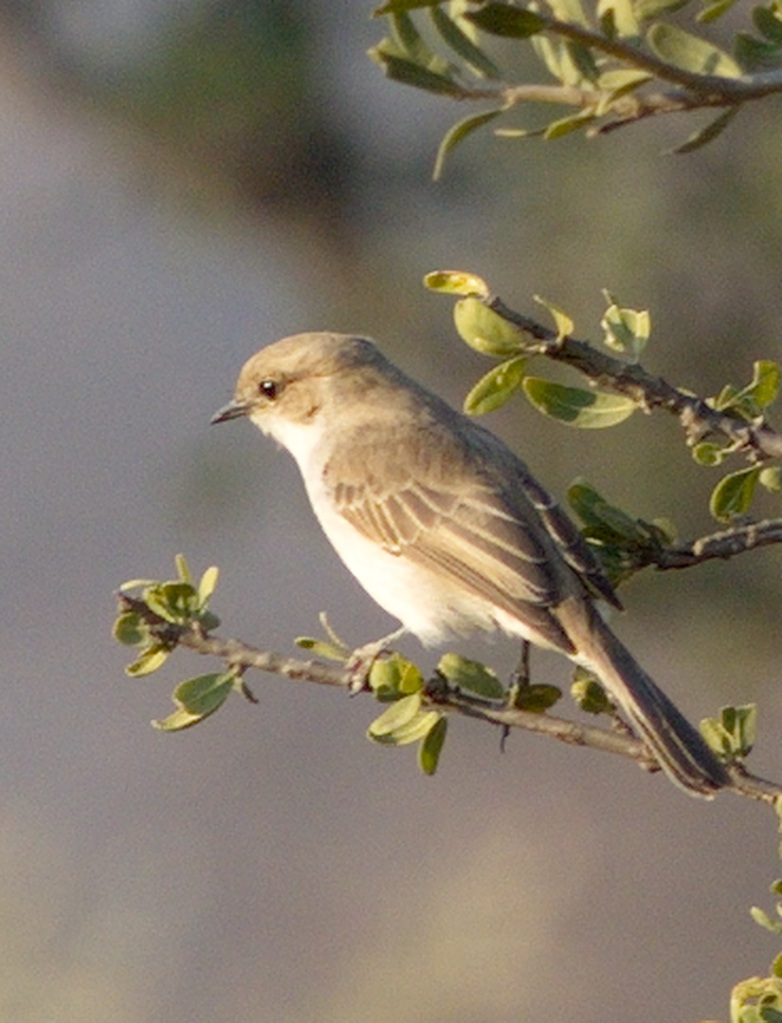
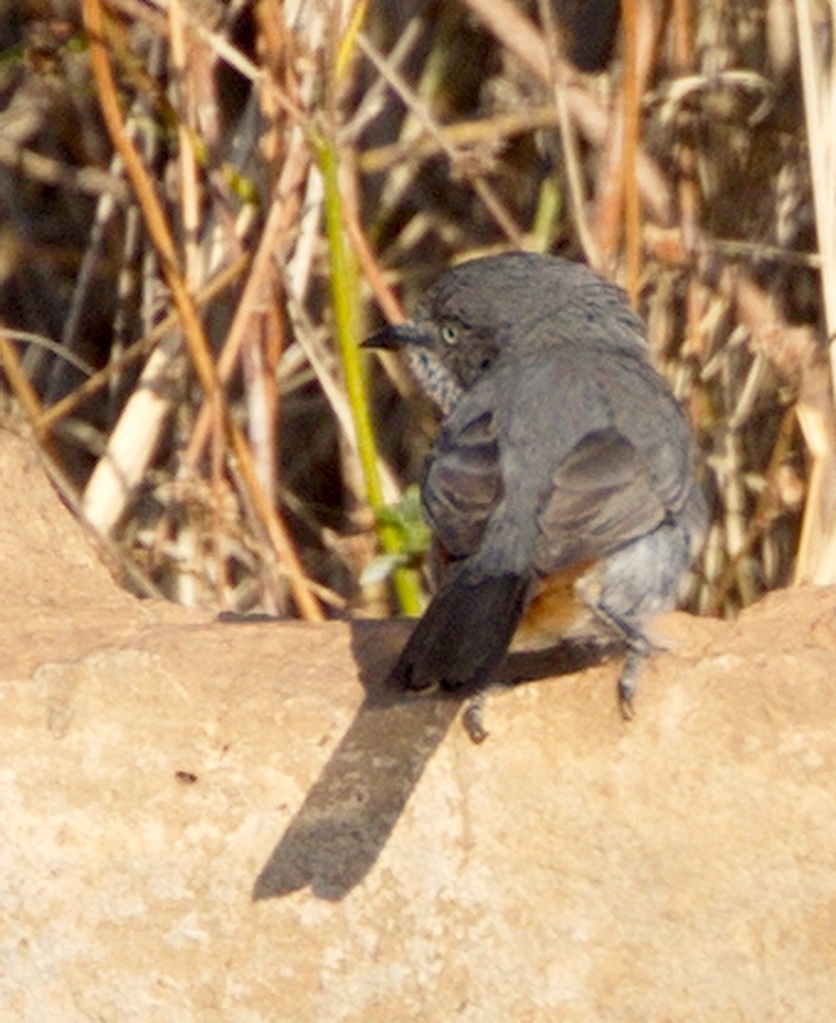
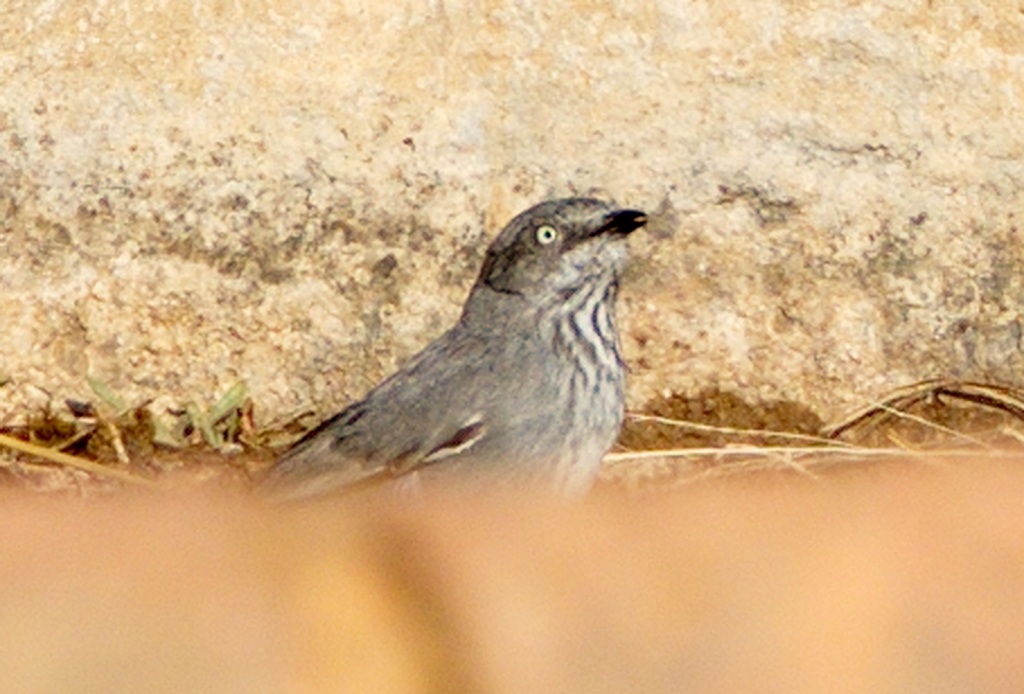
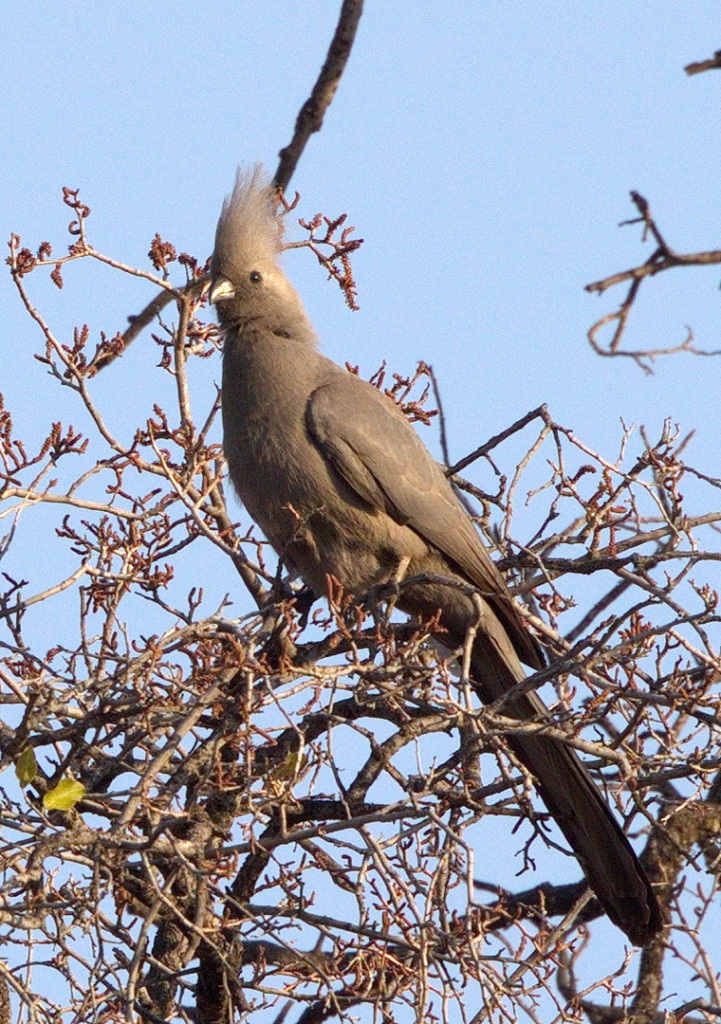
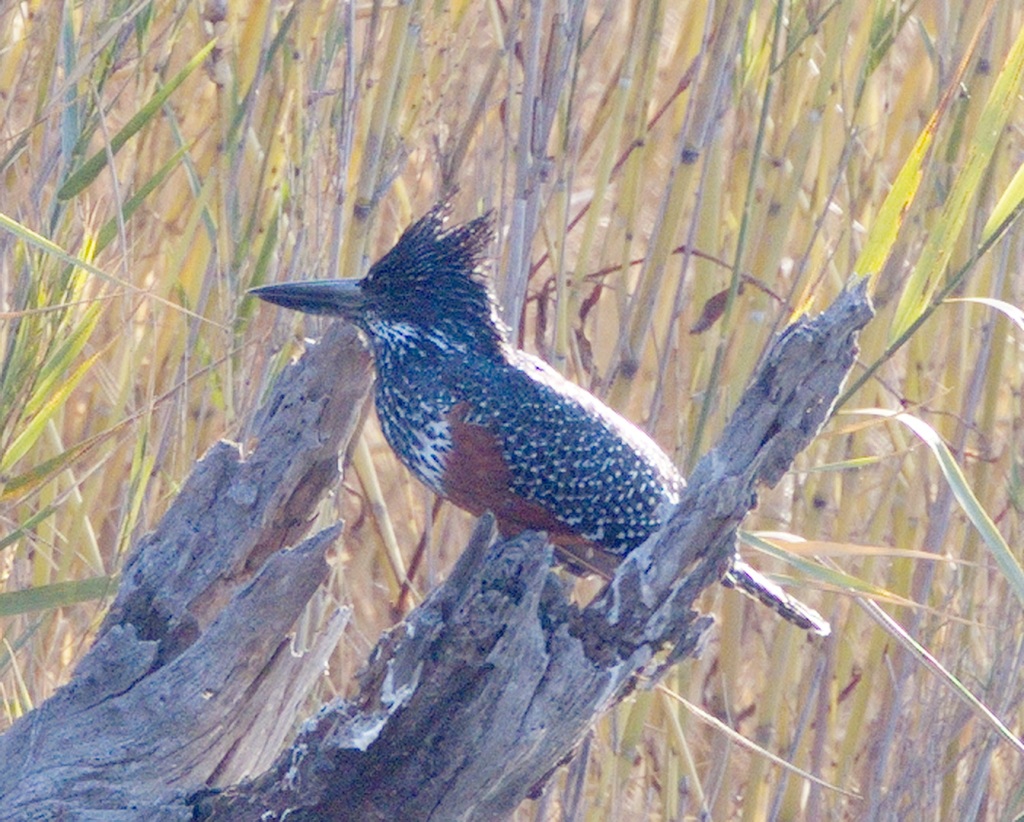
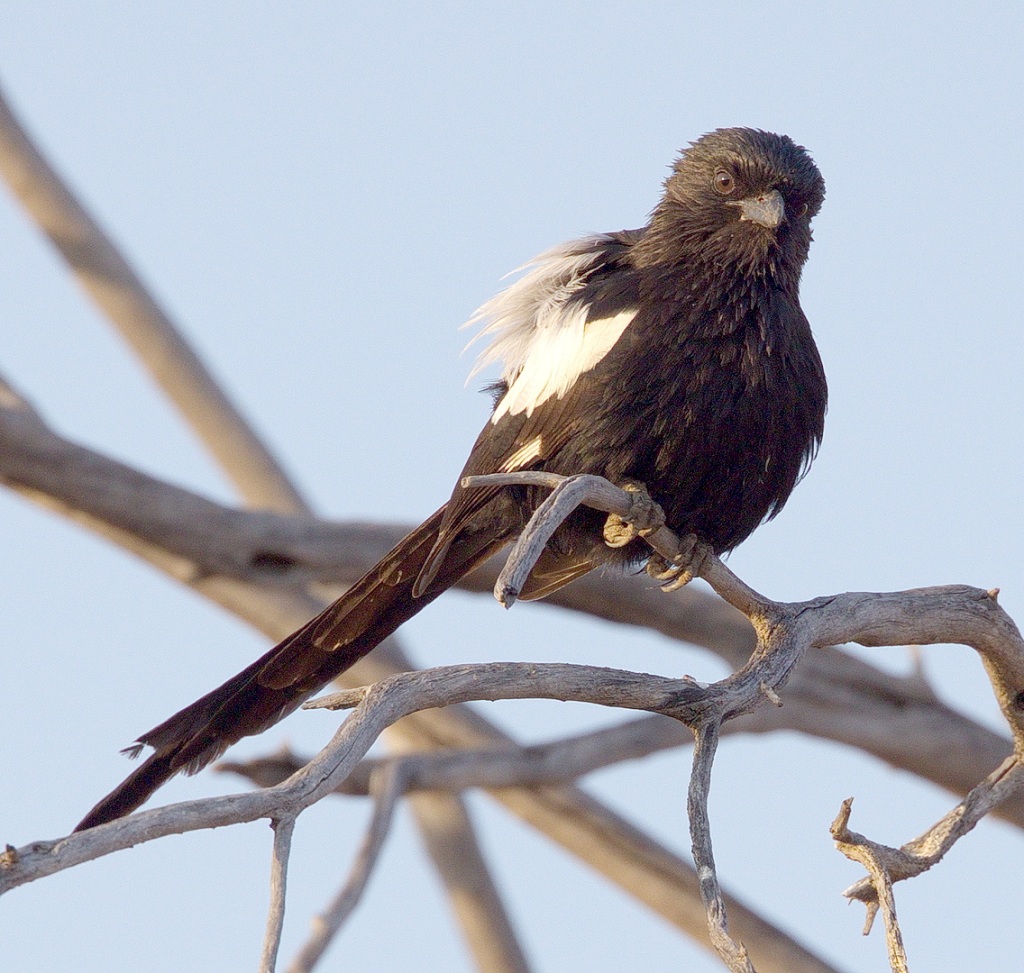
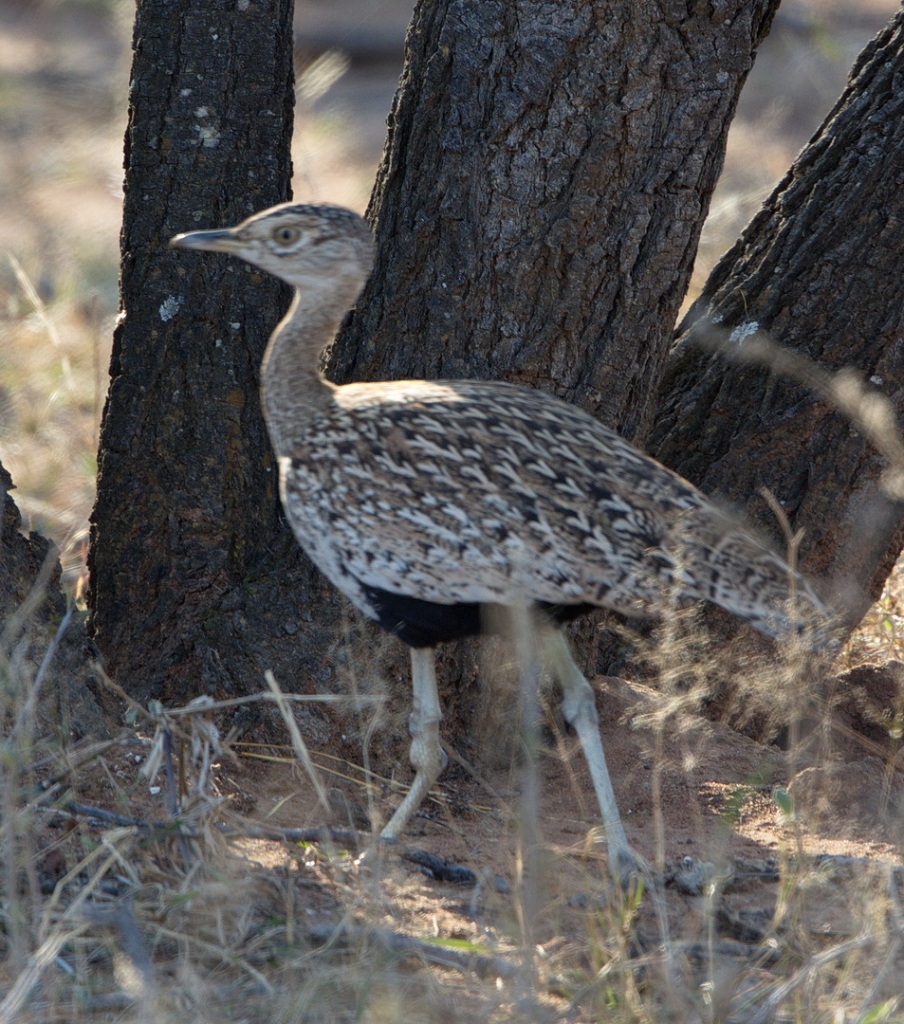
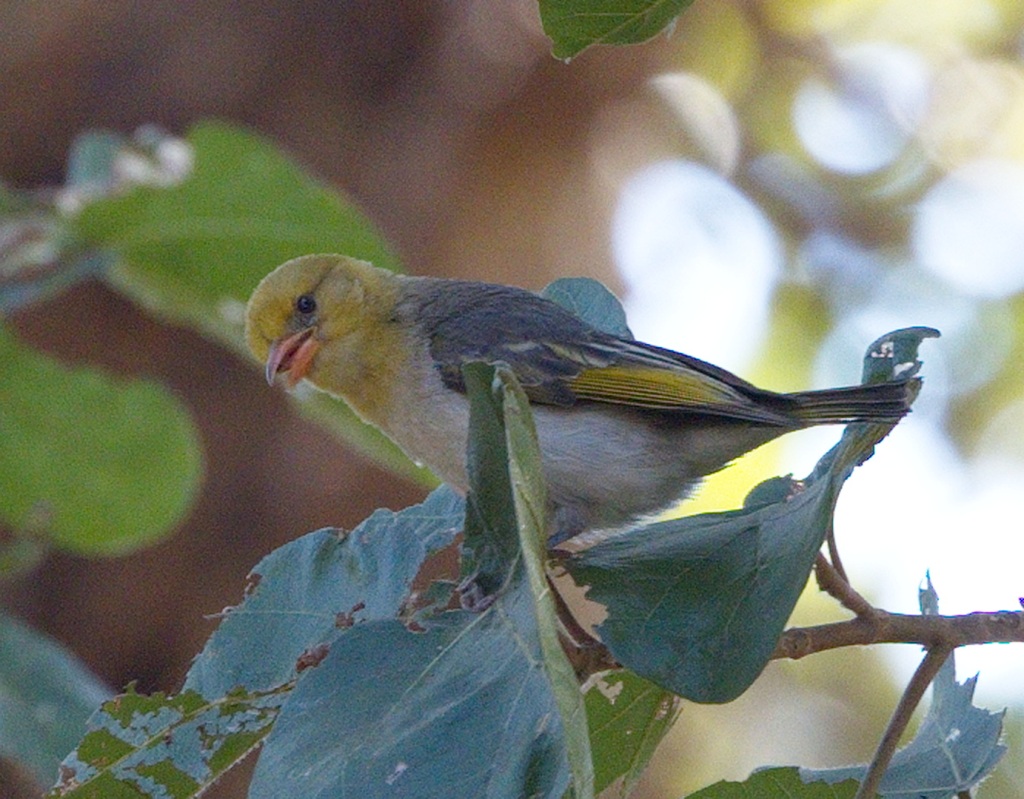
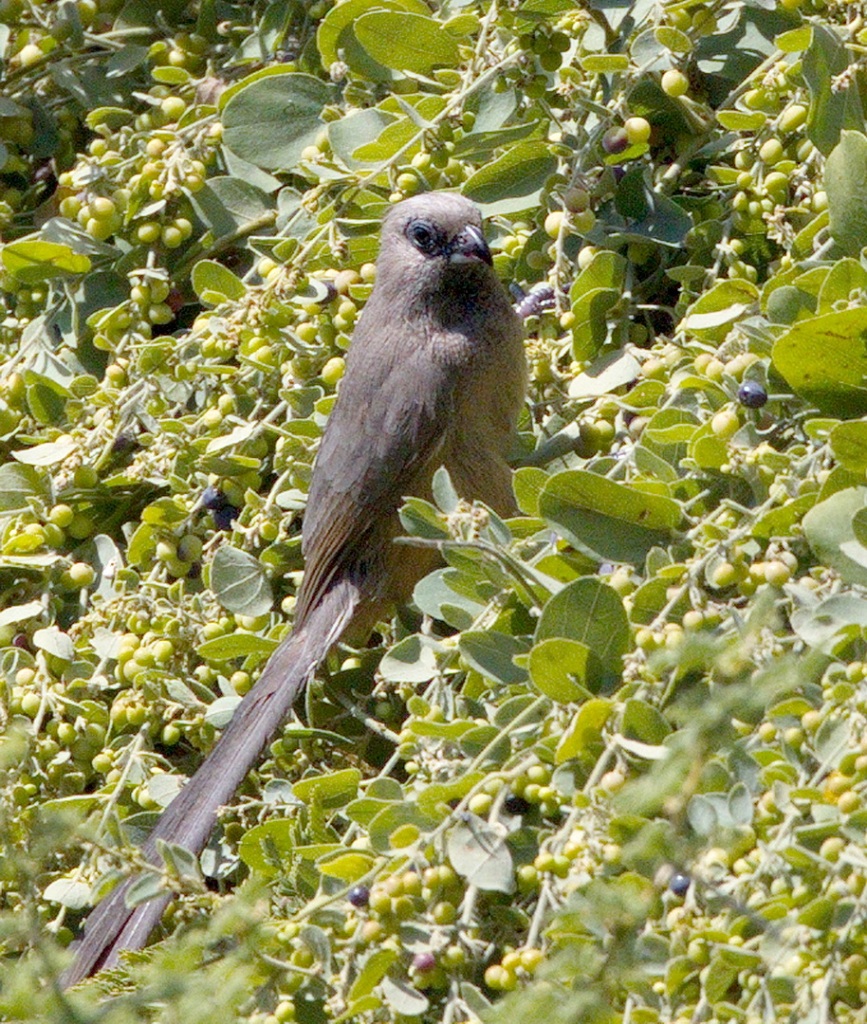
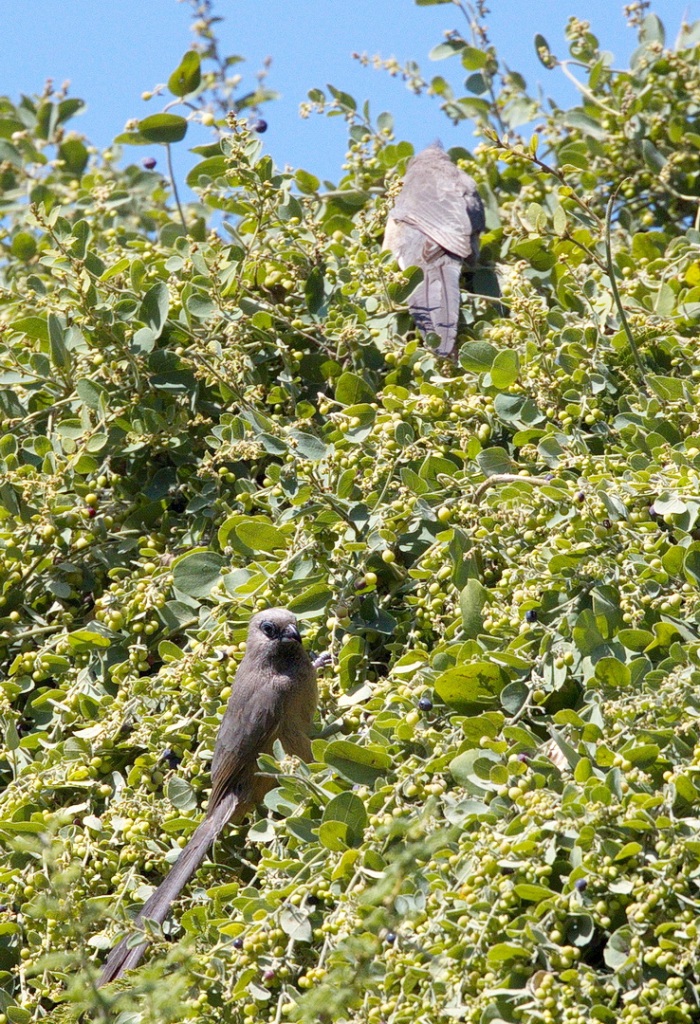
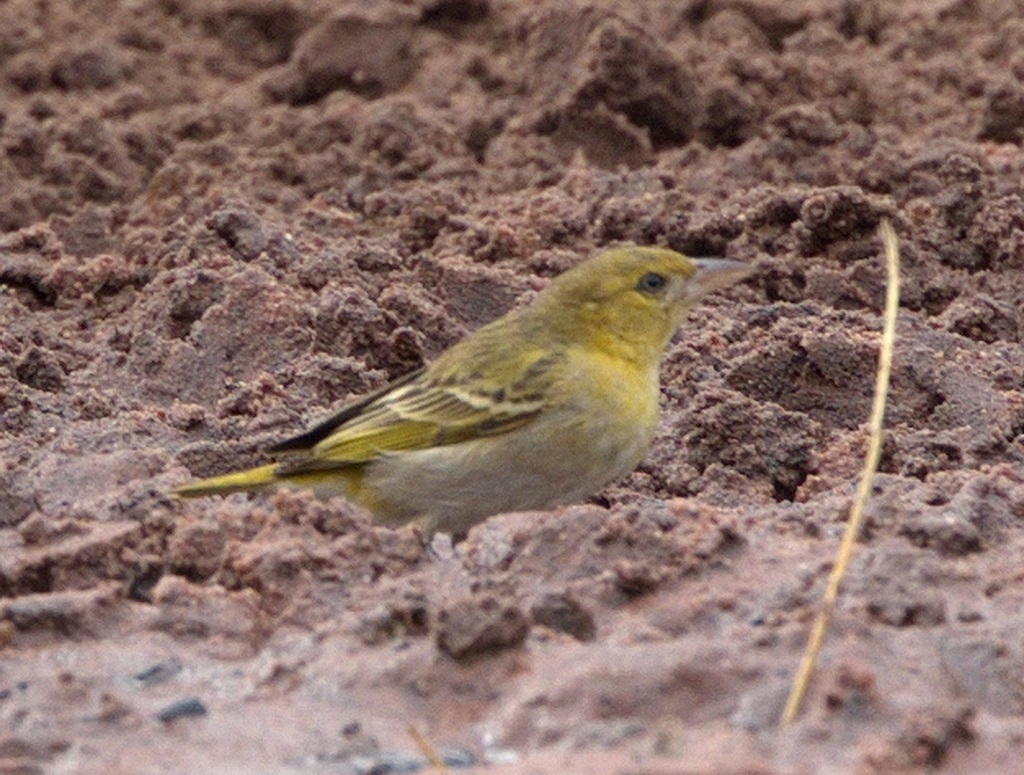
The S114 to S25 then onto the S119 and S118 before returning along the tarred road – H3 – is a loop we often take. Here are some of the birds we encountered along the way:
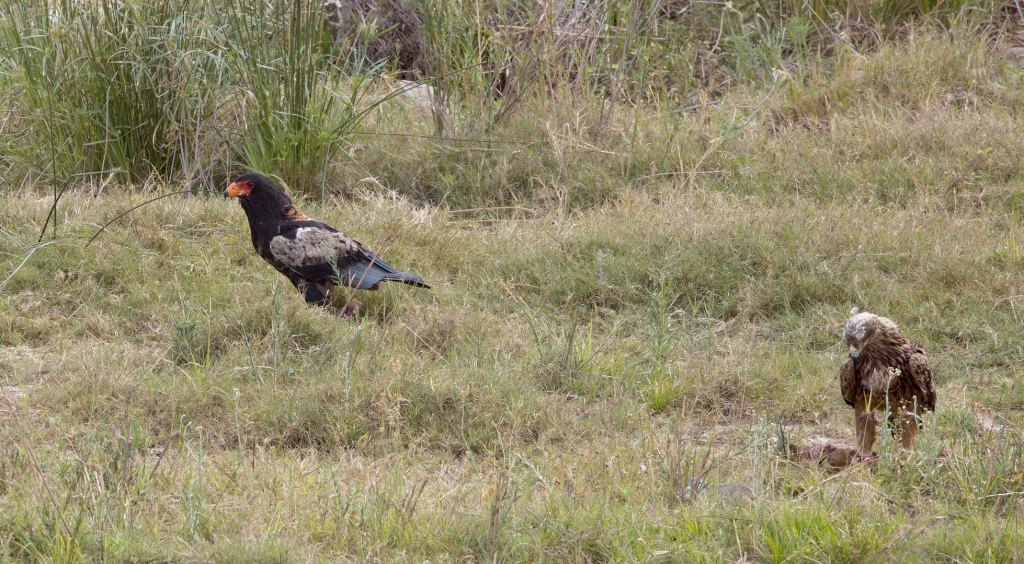
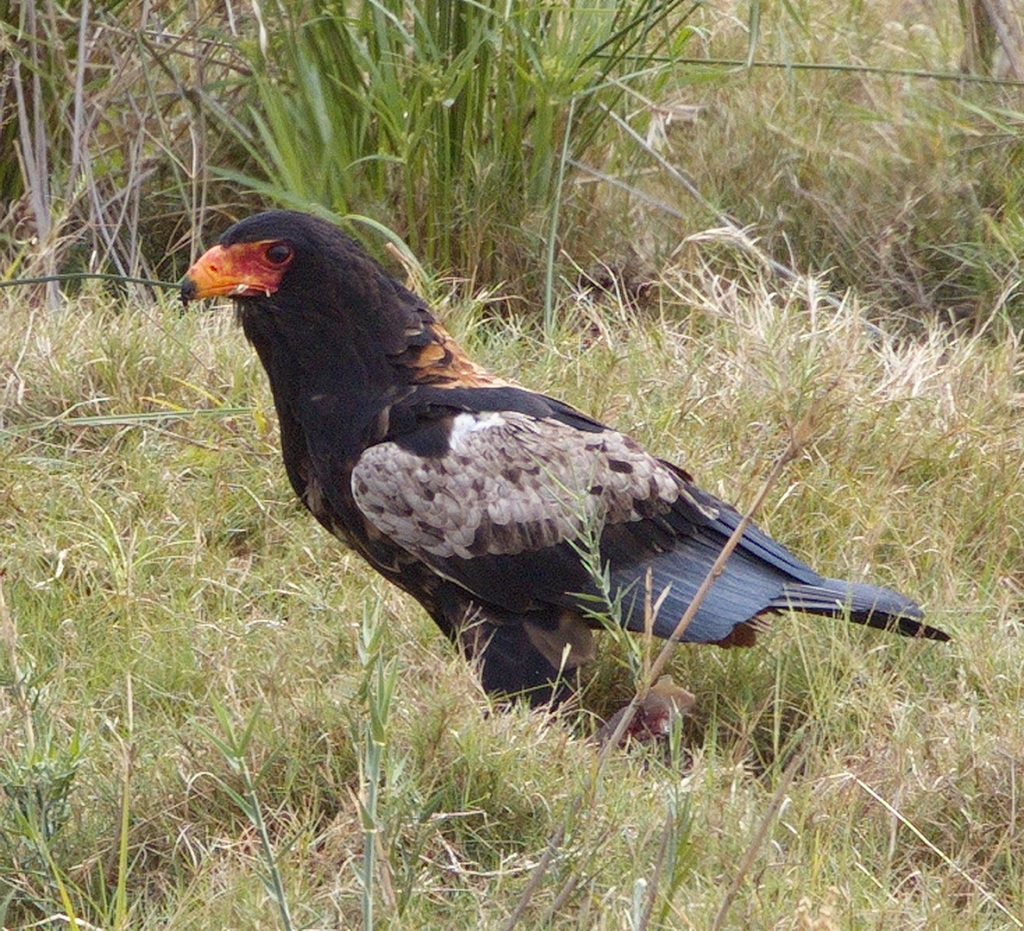
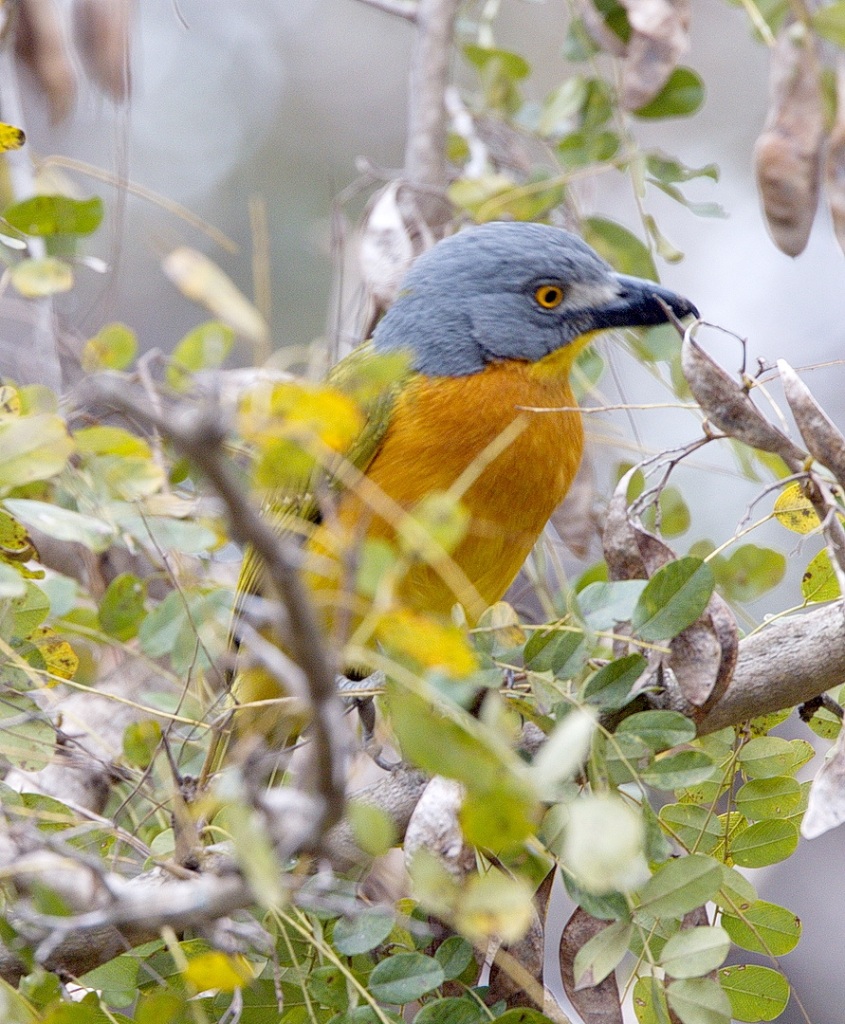
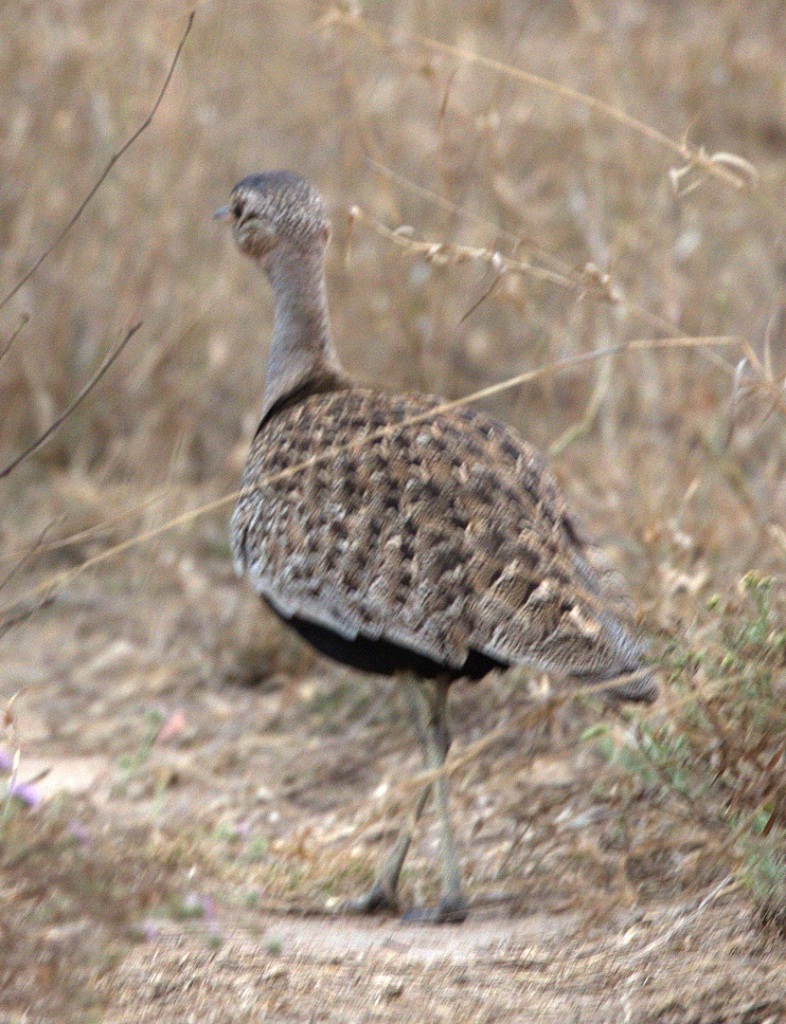
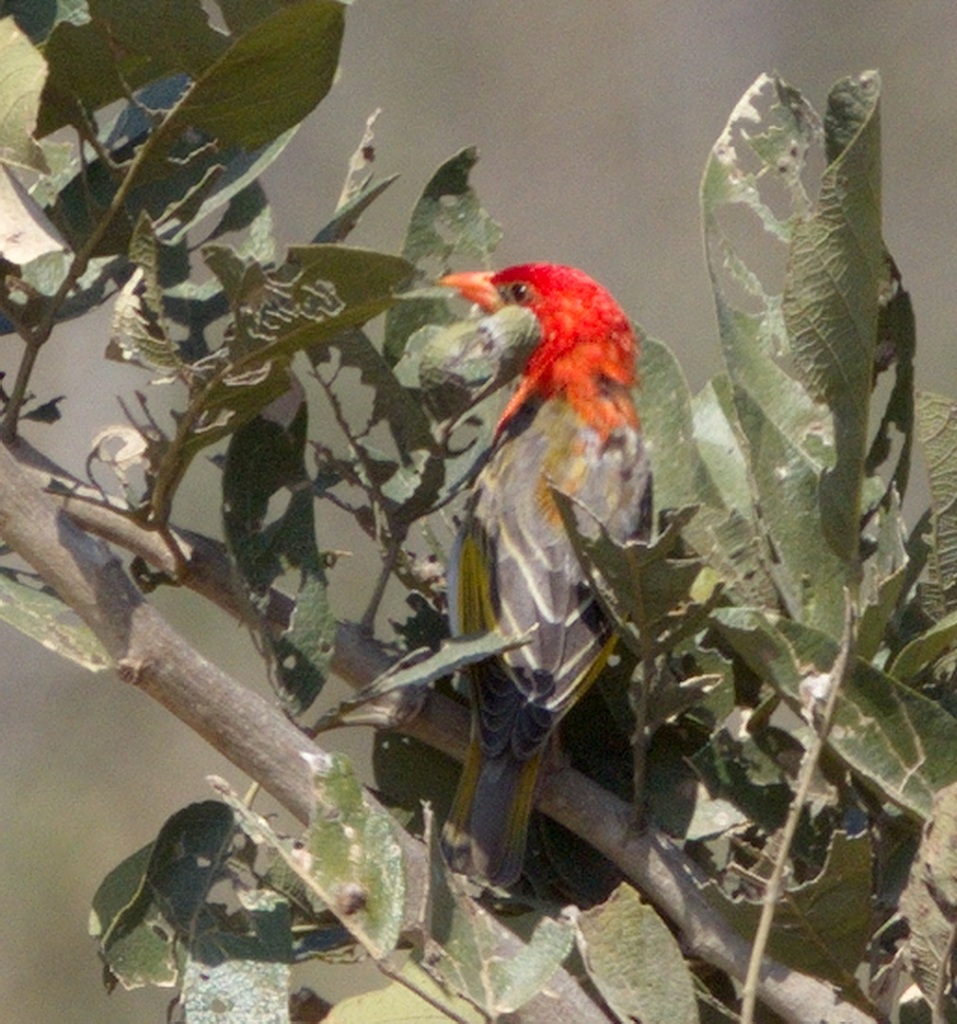
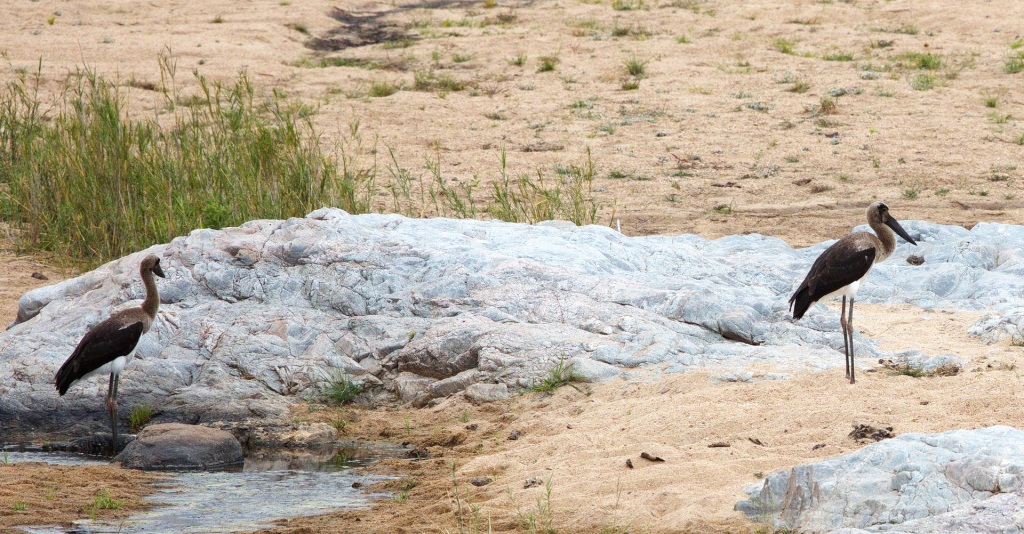
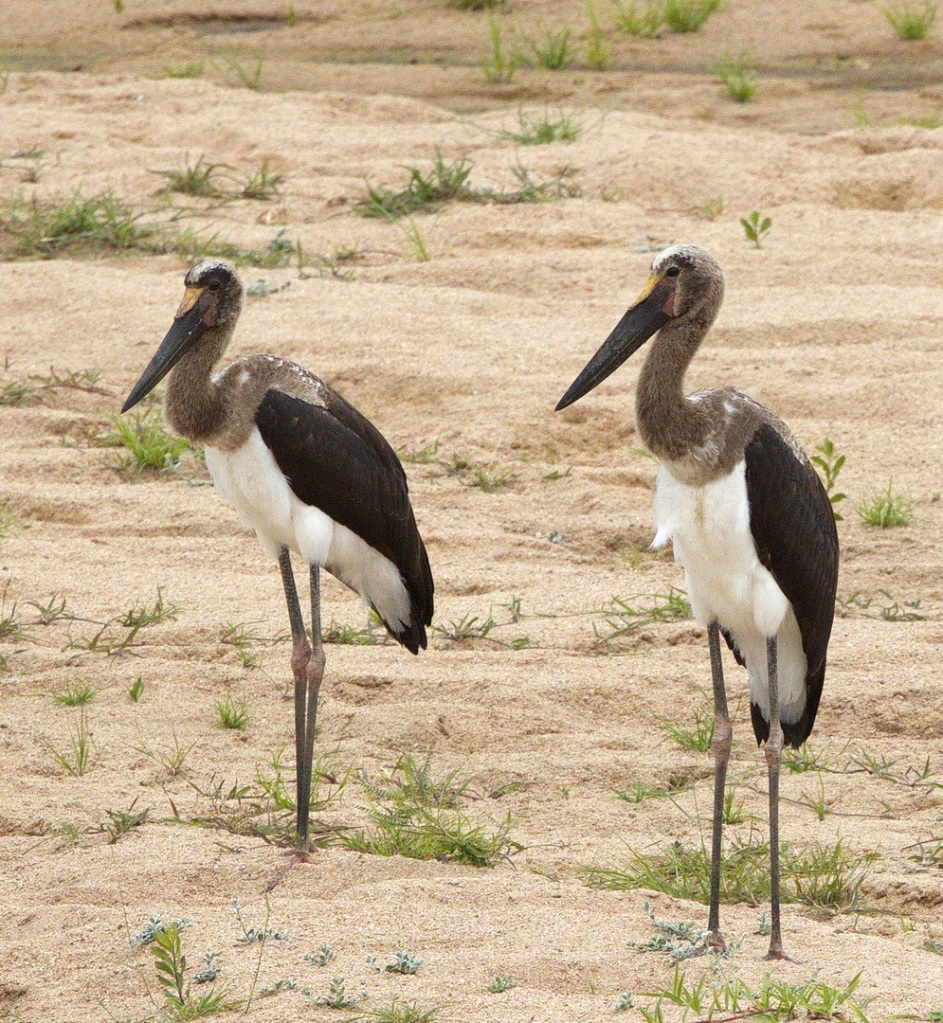
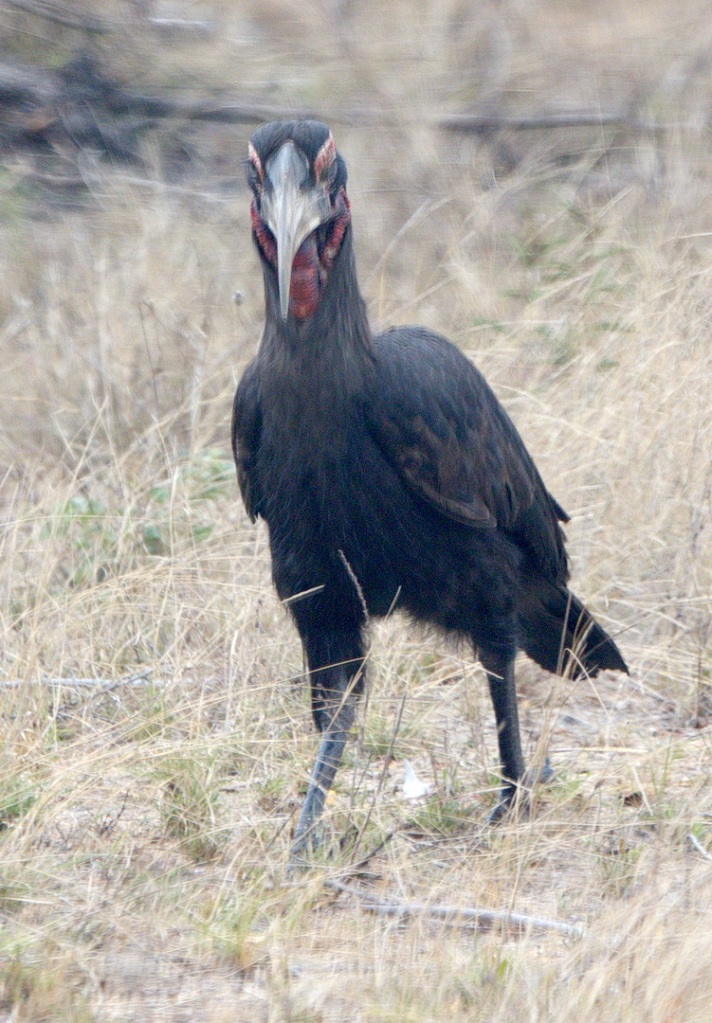
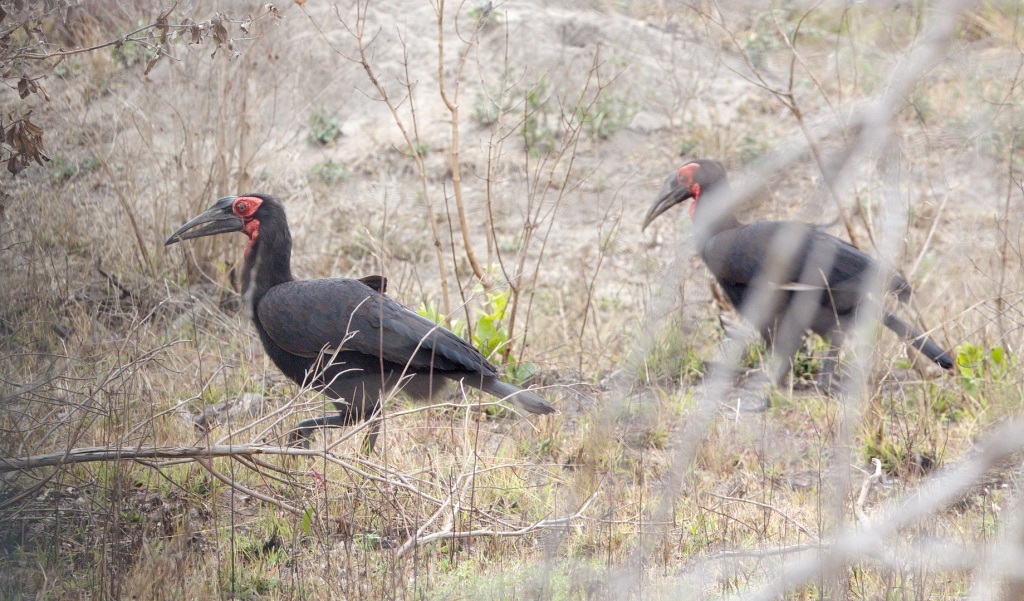
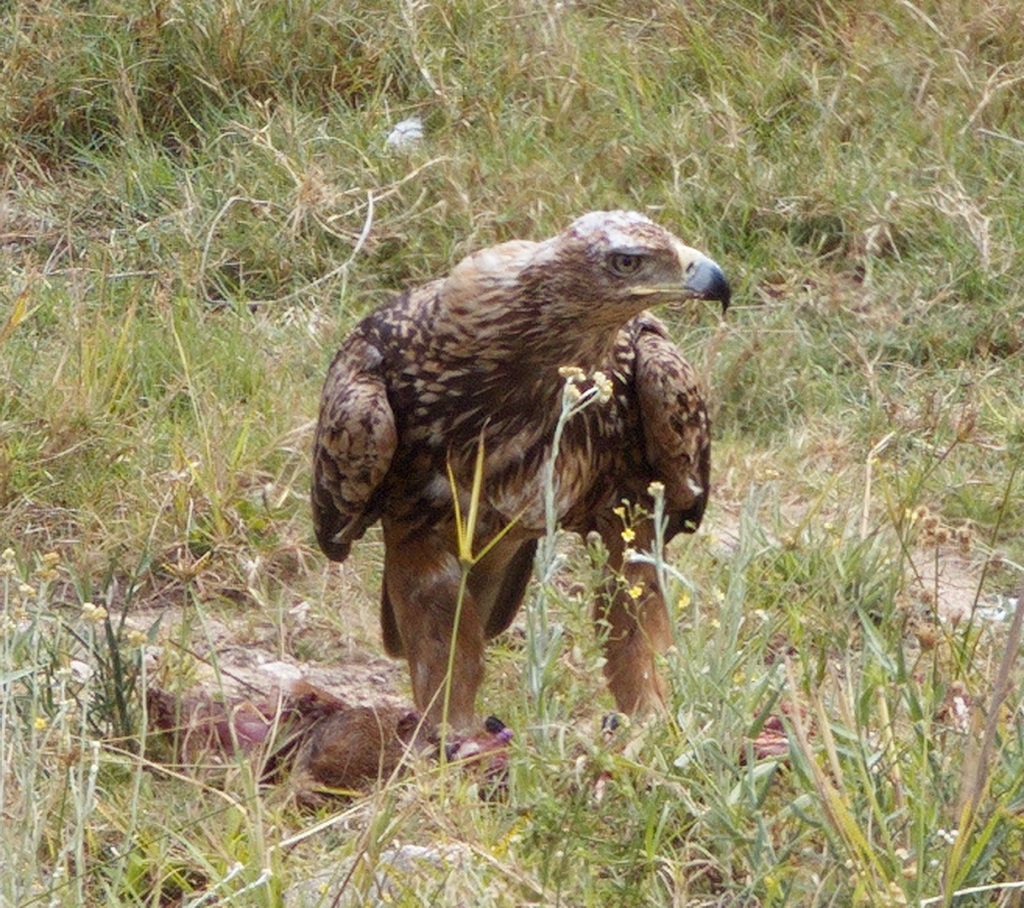
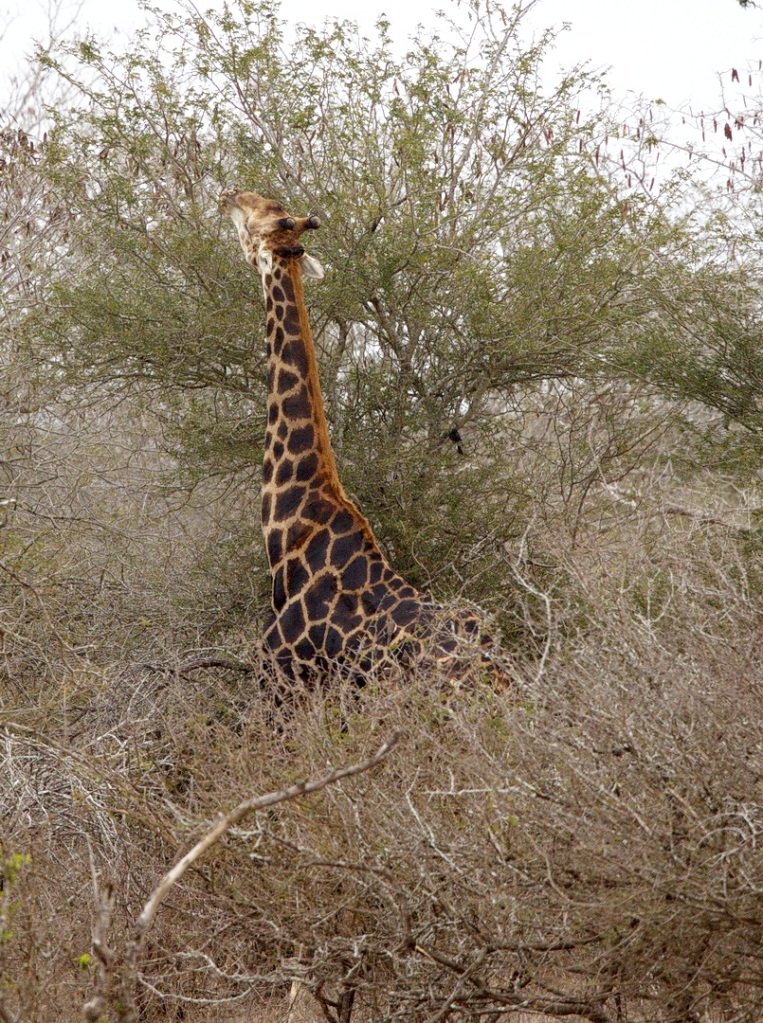
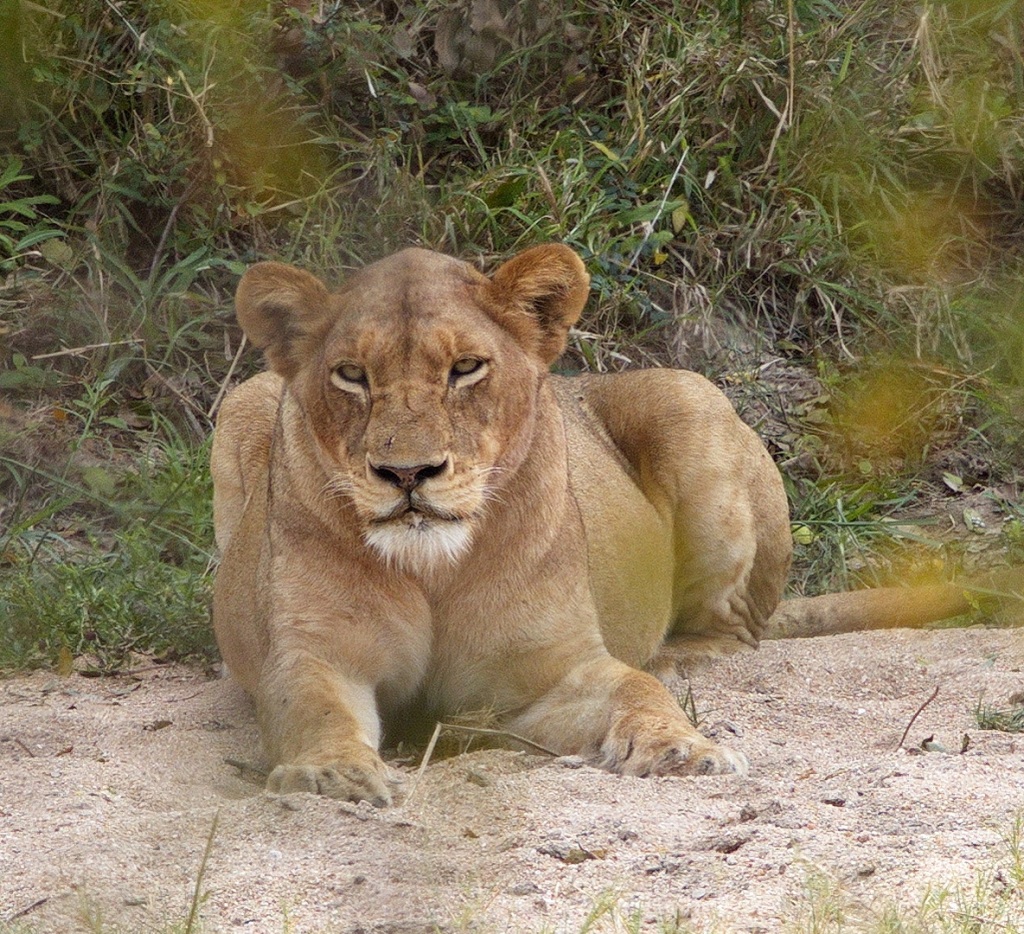
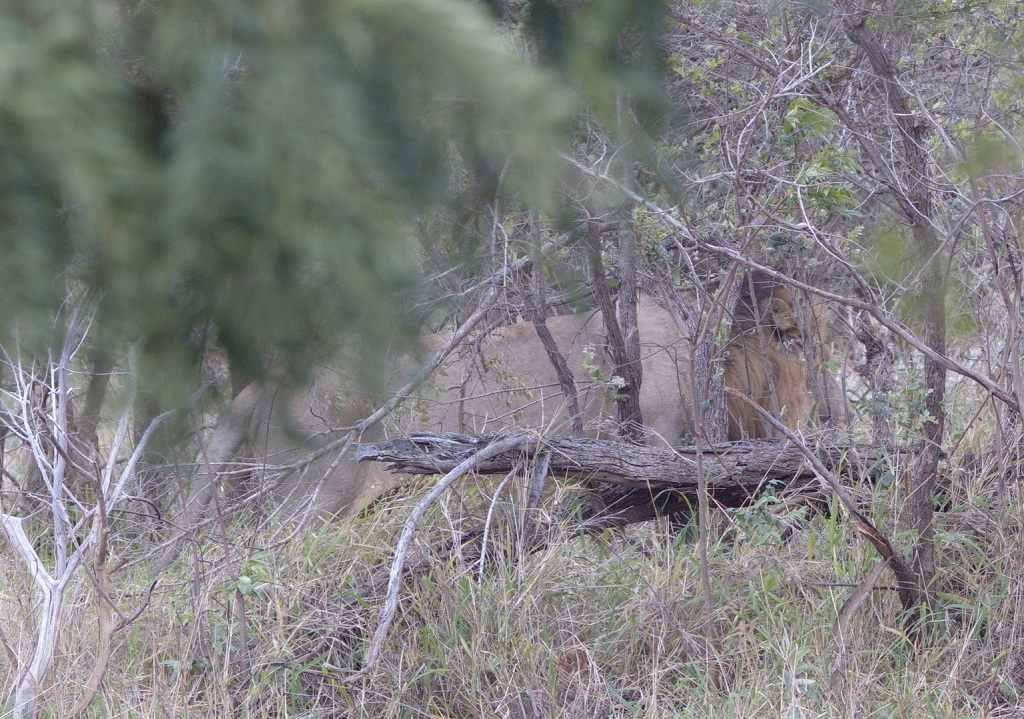
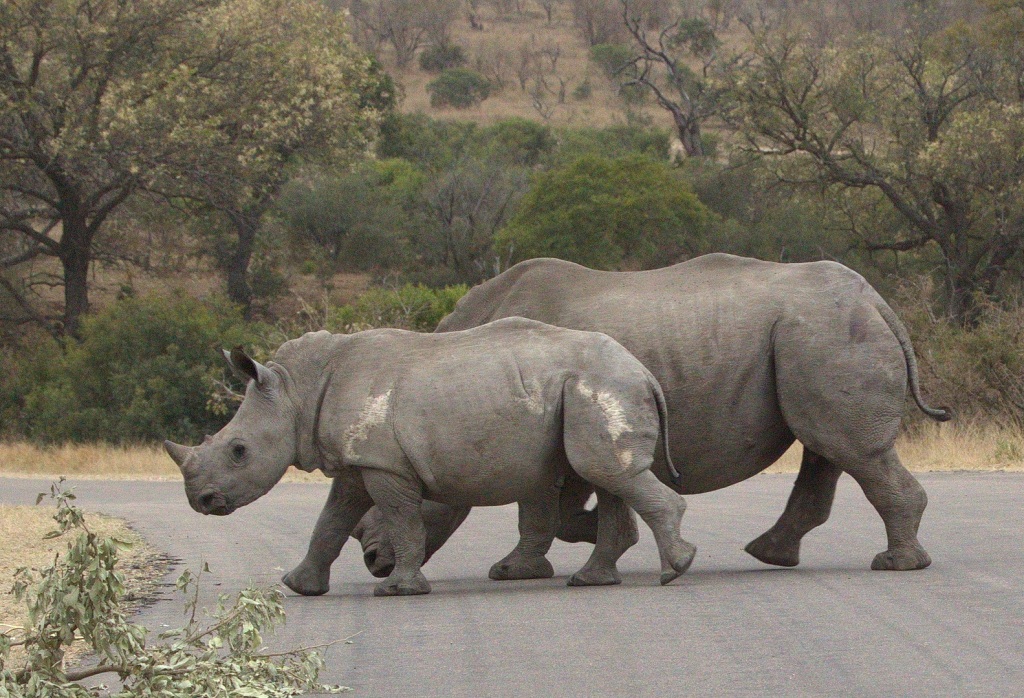
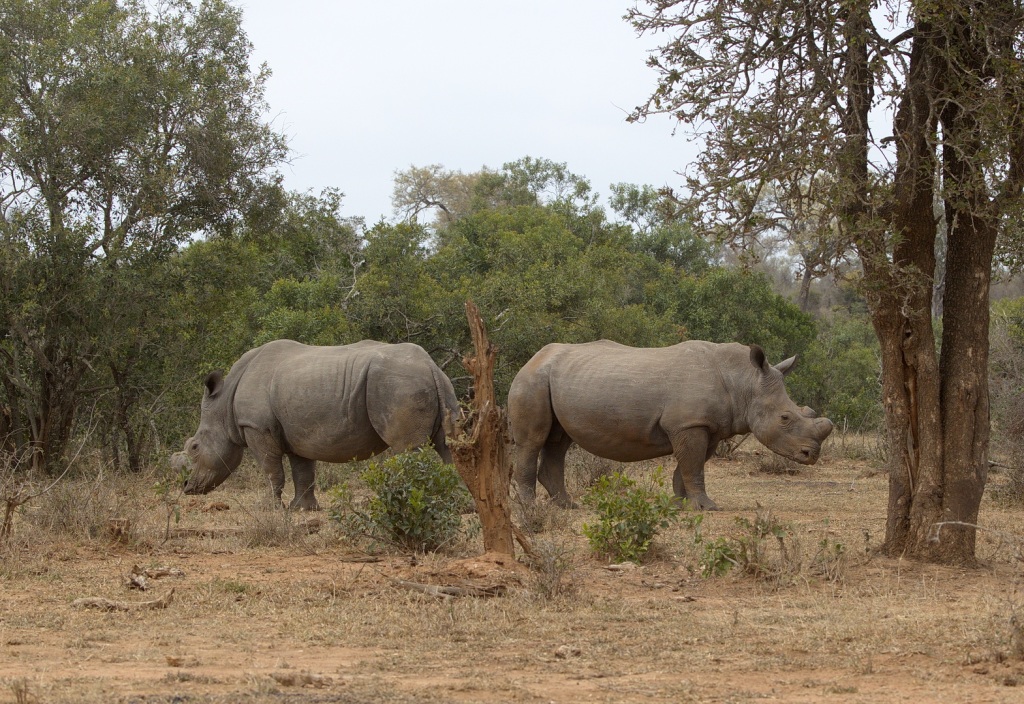
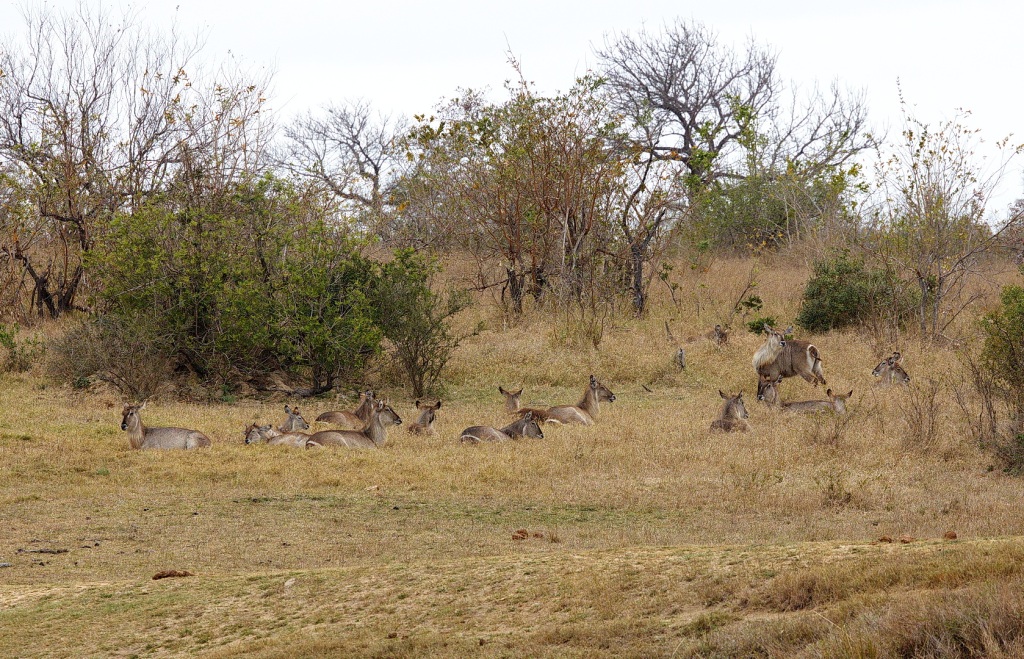
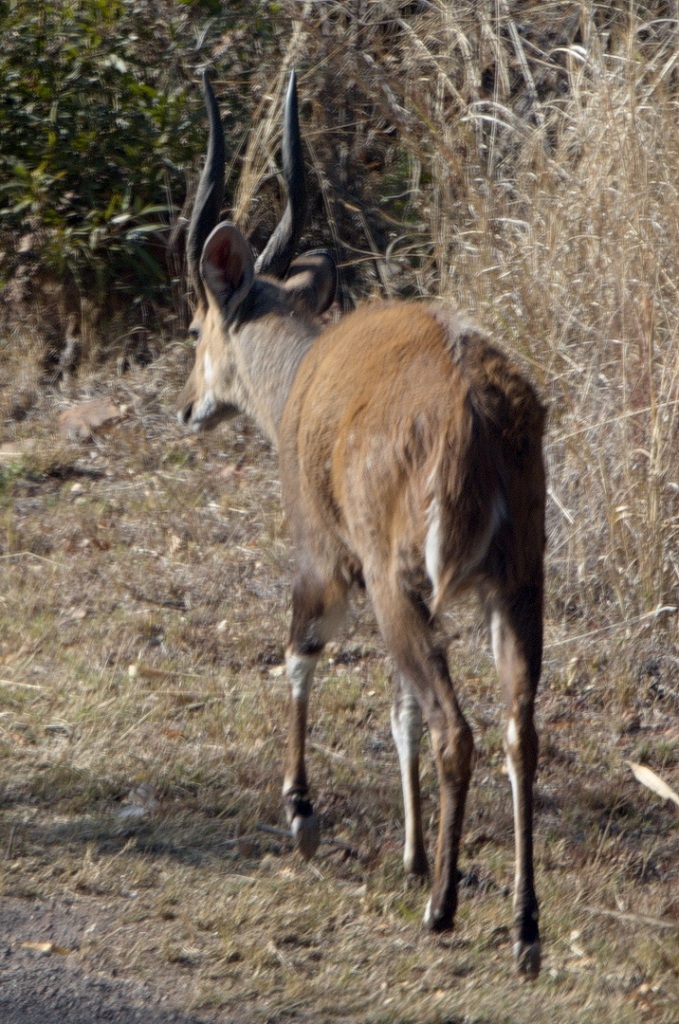
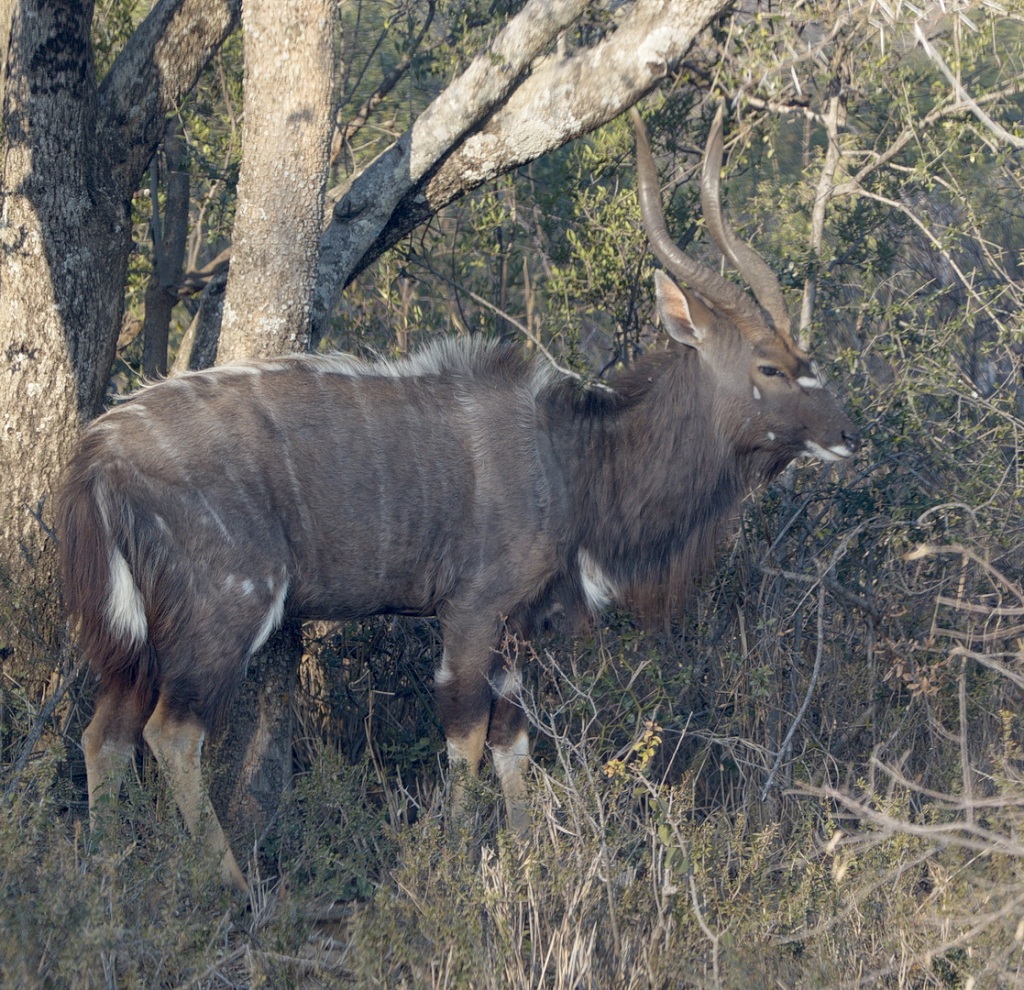
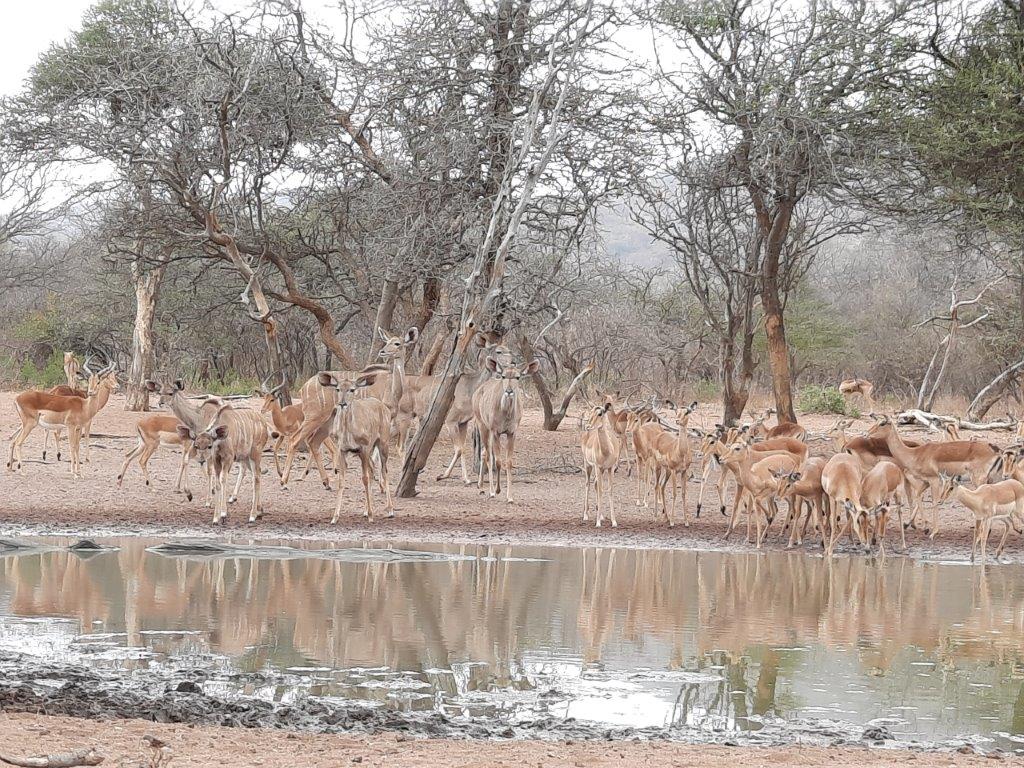
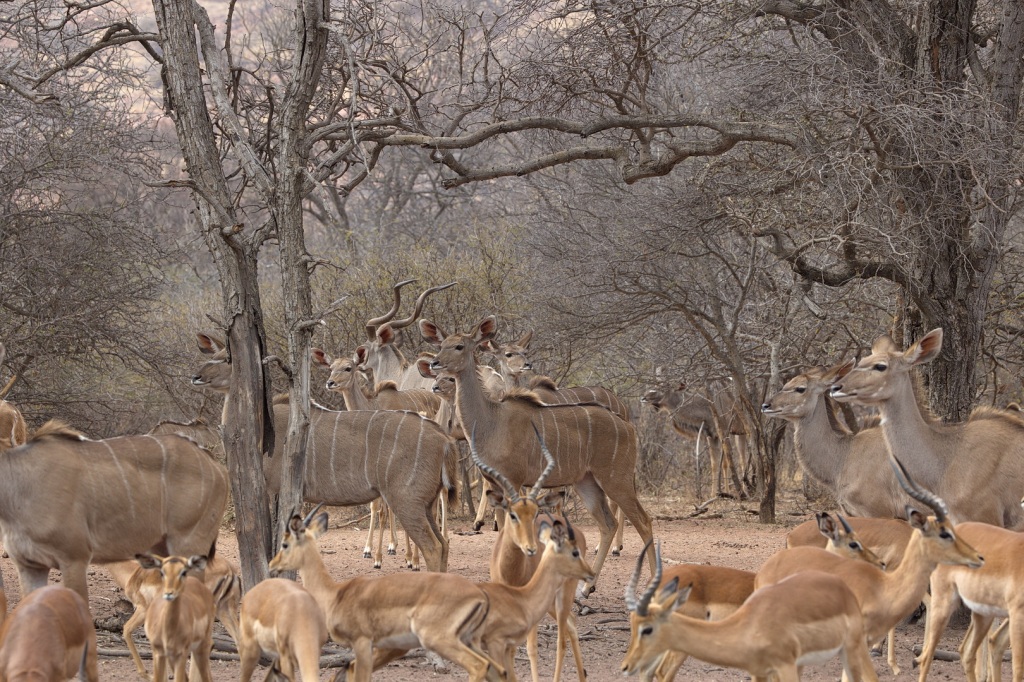
And some of the aminals seen on the circuit:
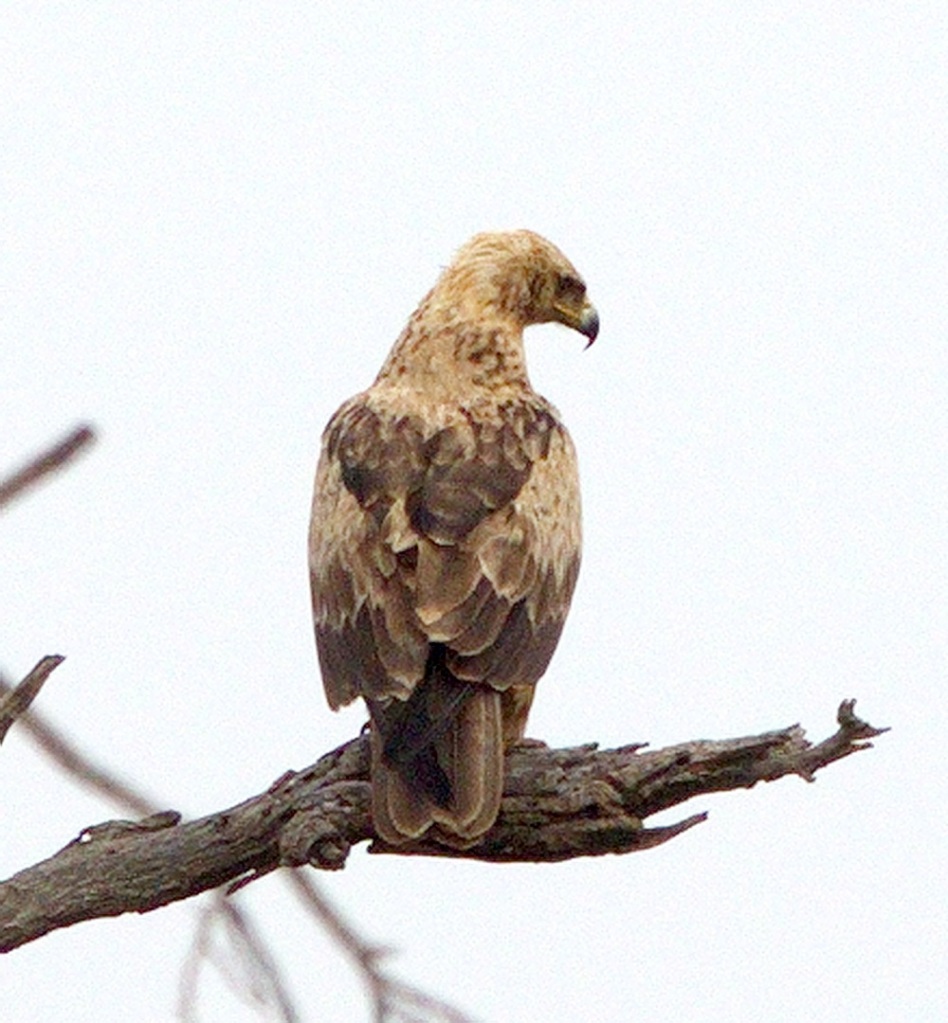
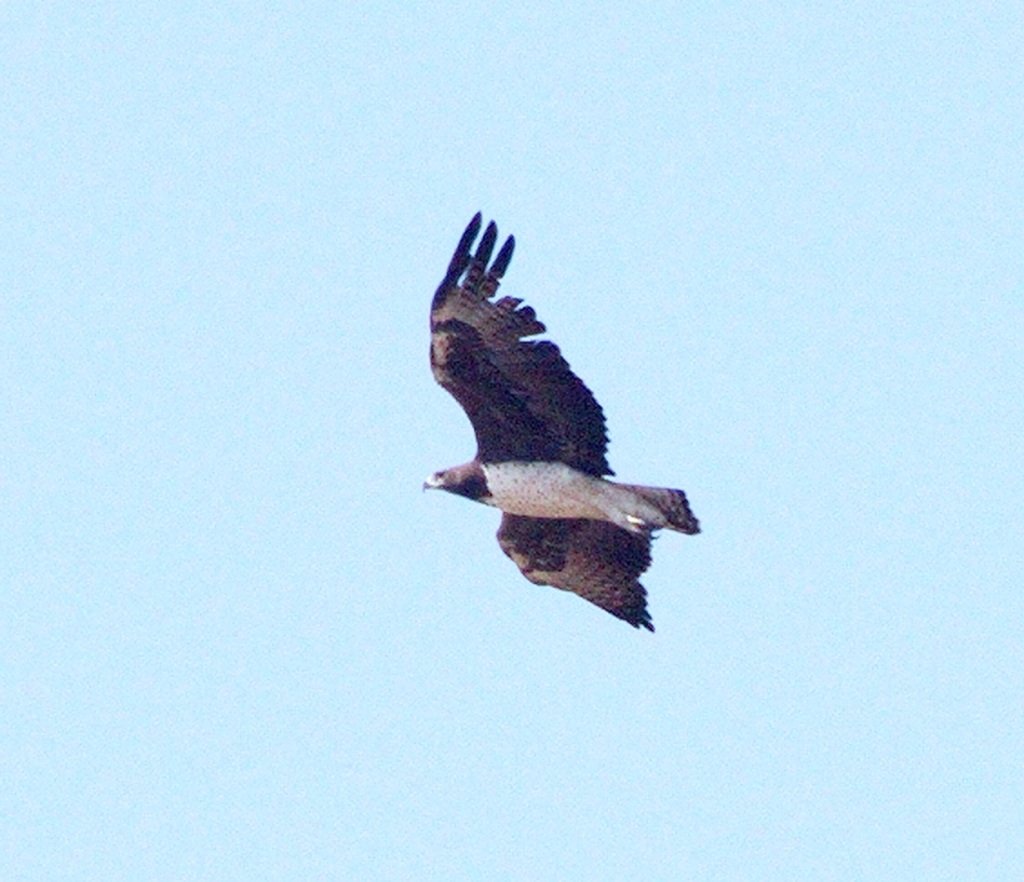
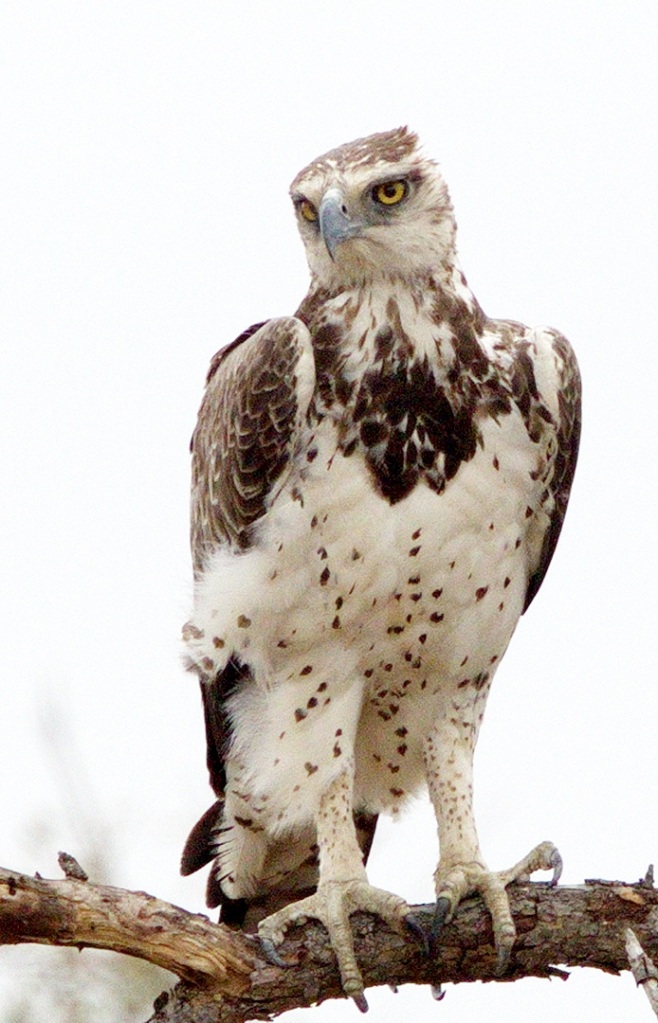
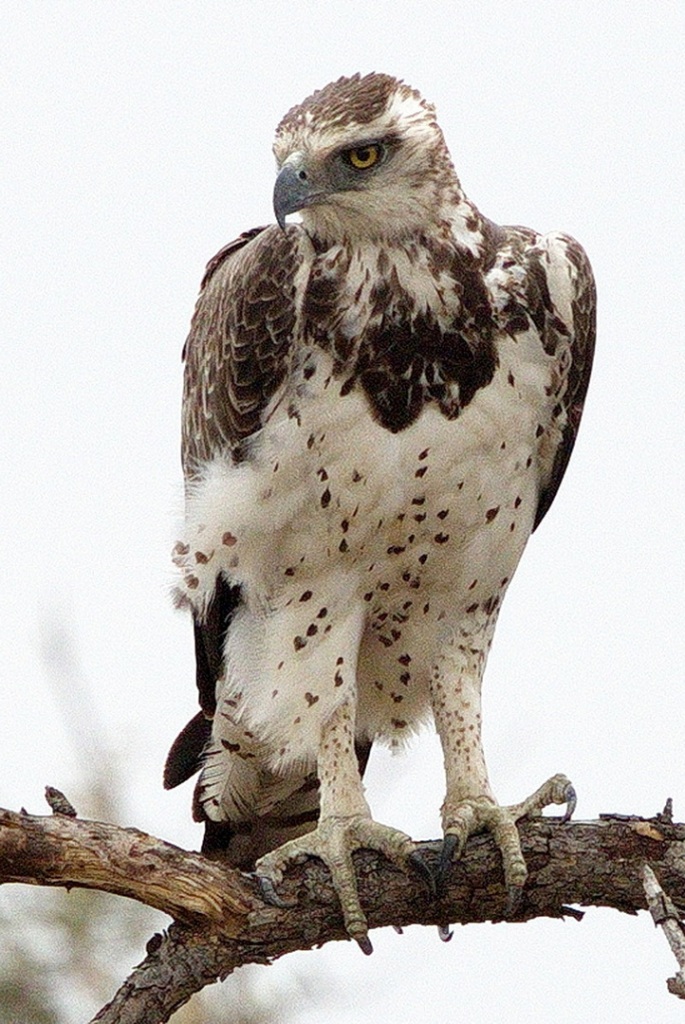
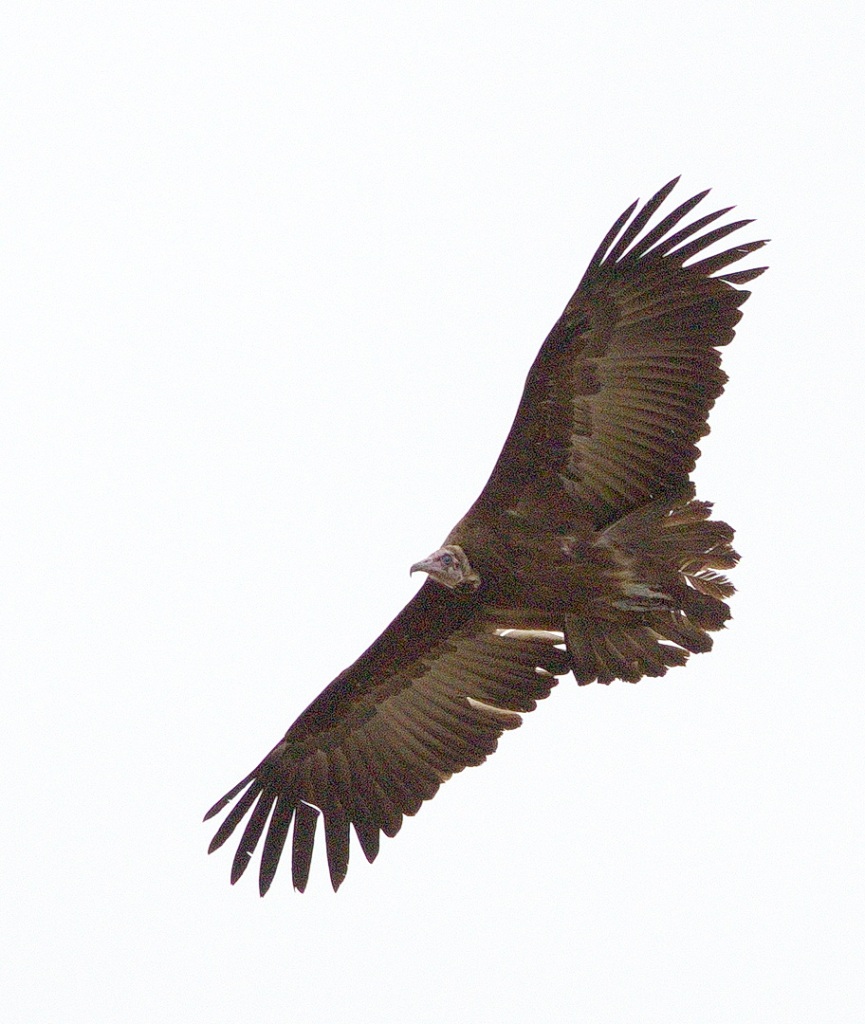
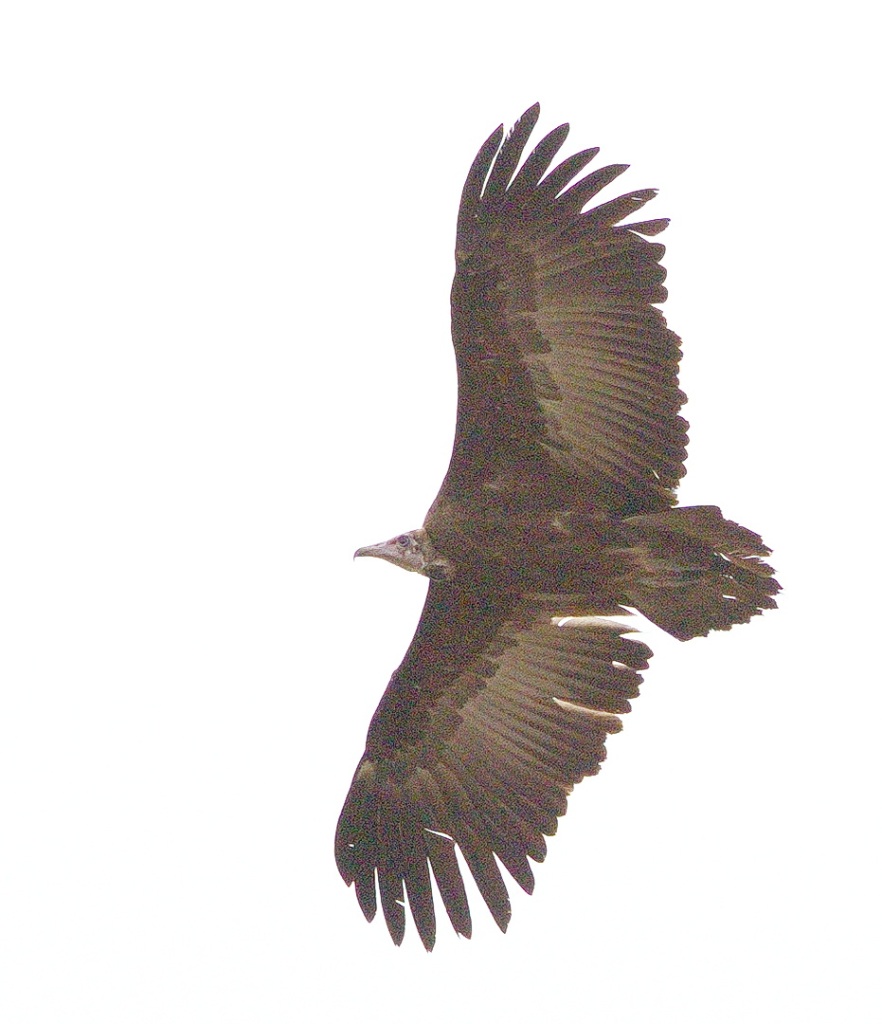
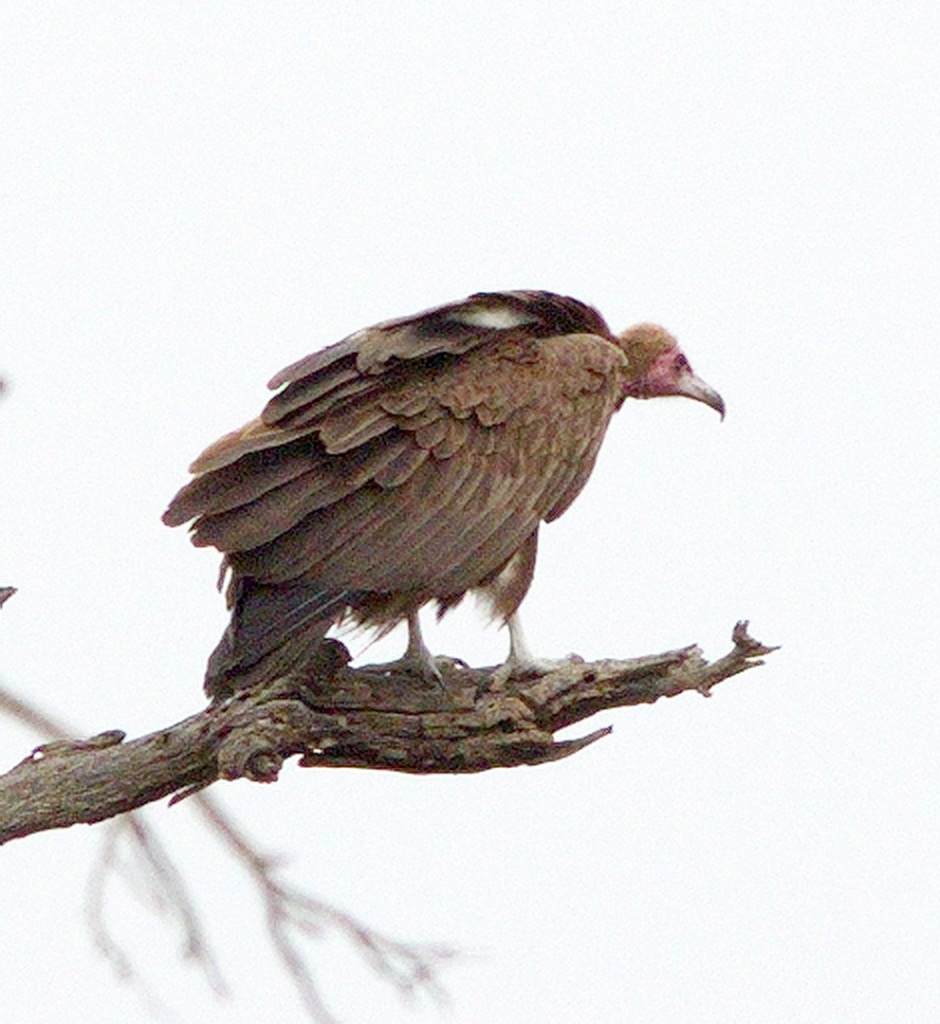
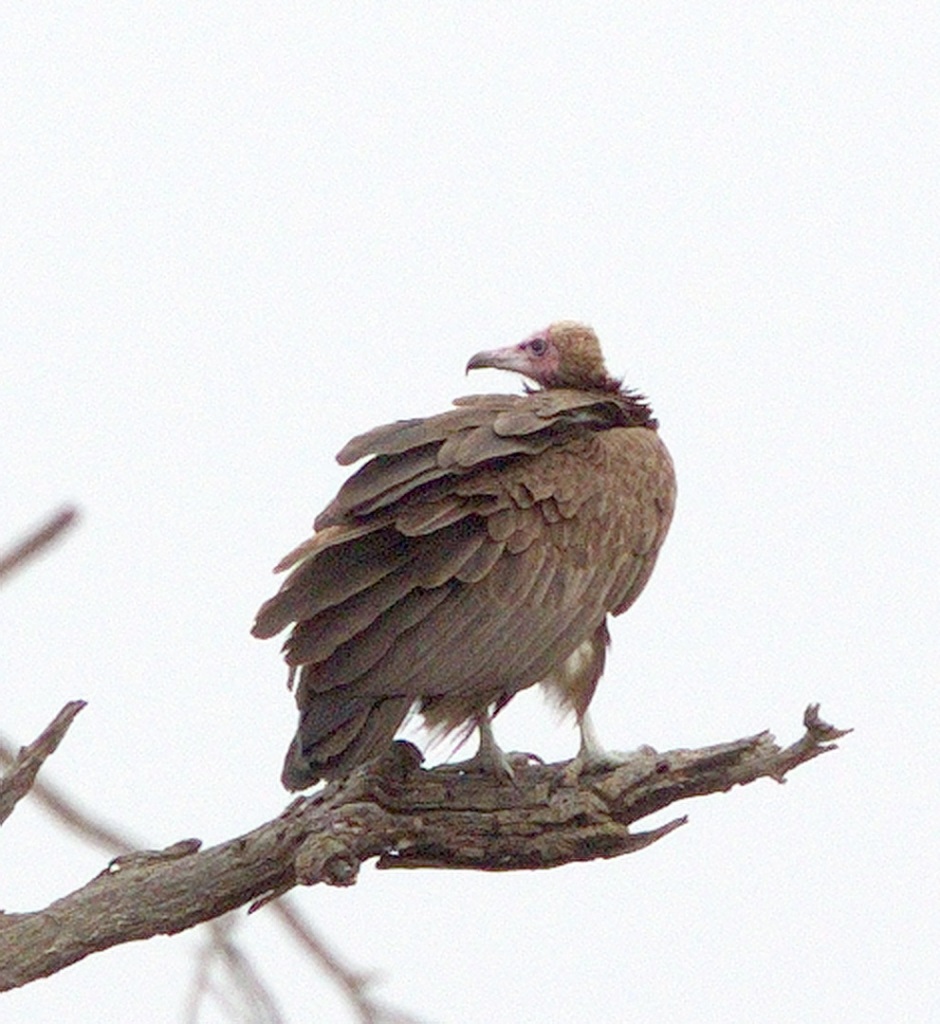
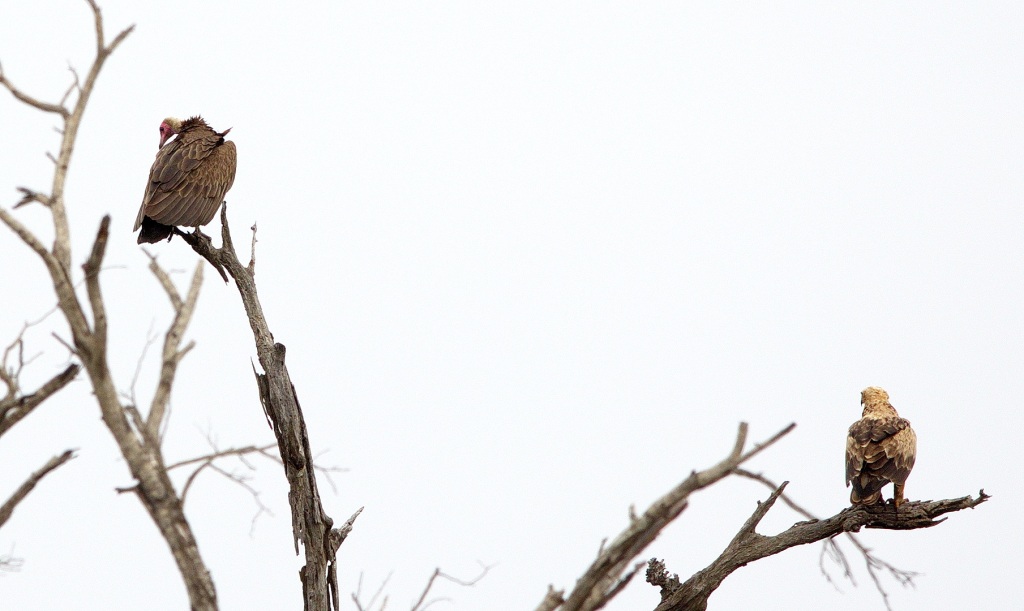
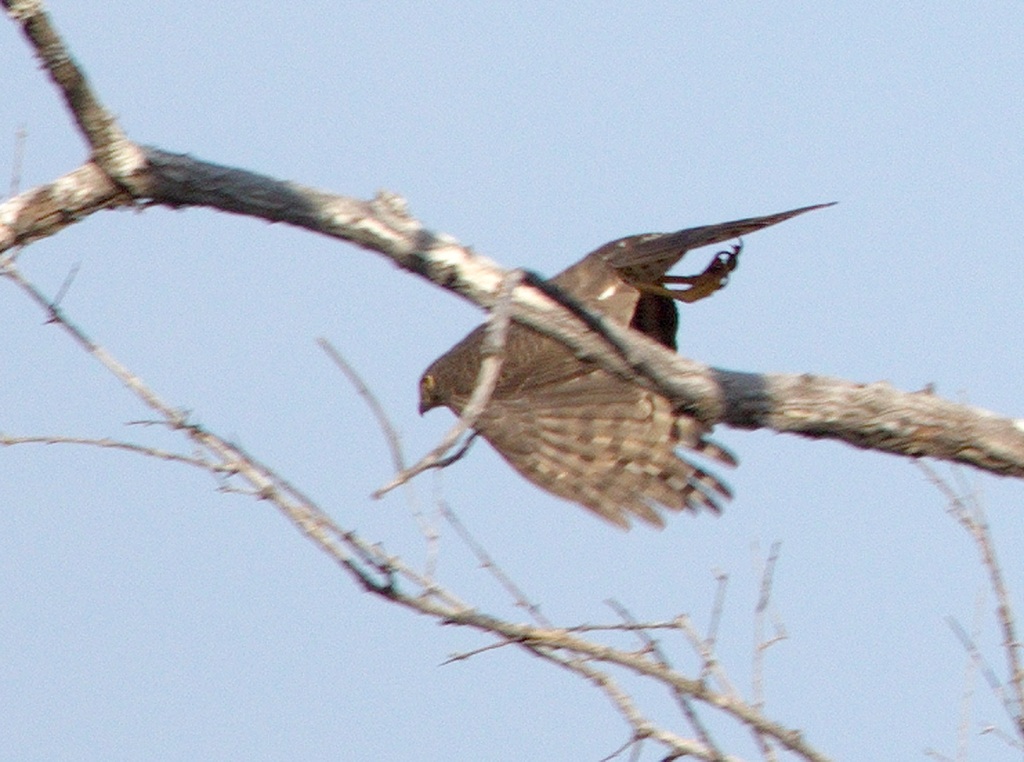
The Gardenia Hide is on the S119. This hide can be birding dull or full of life. This time we visited there were raptors in the trees and flying overhead – severely testing our skills at identifying them.
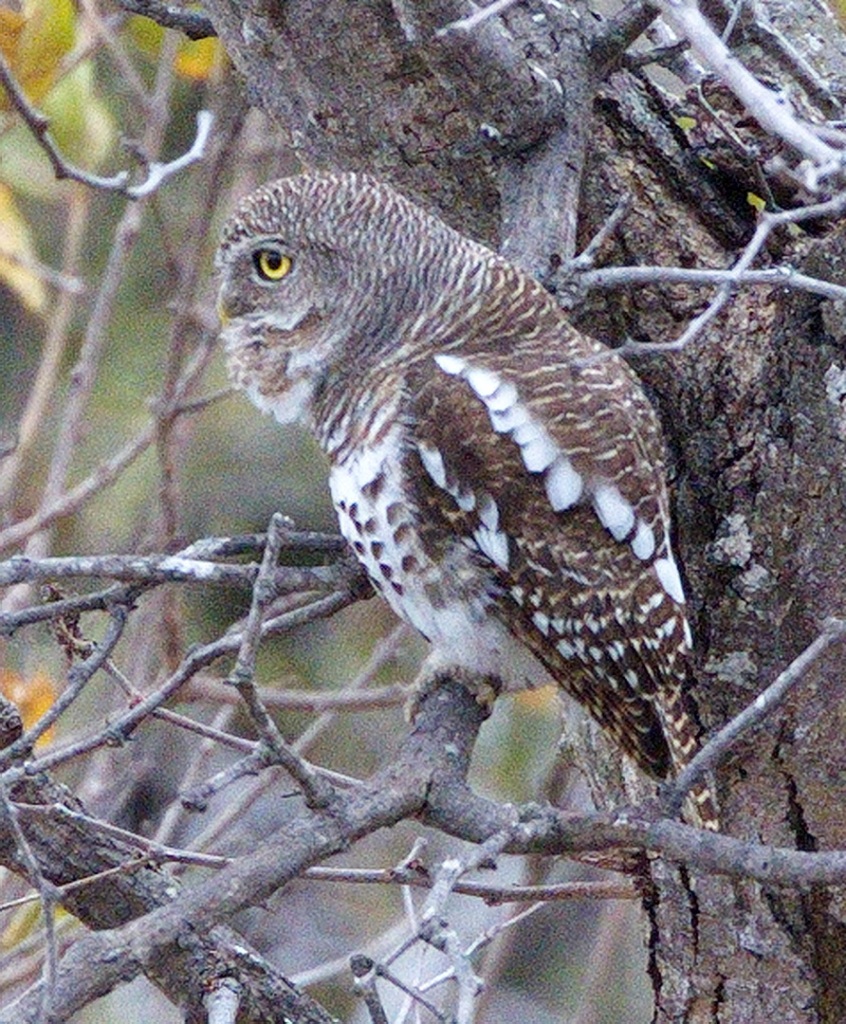
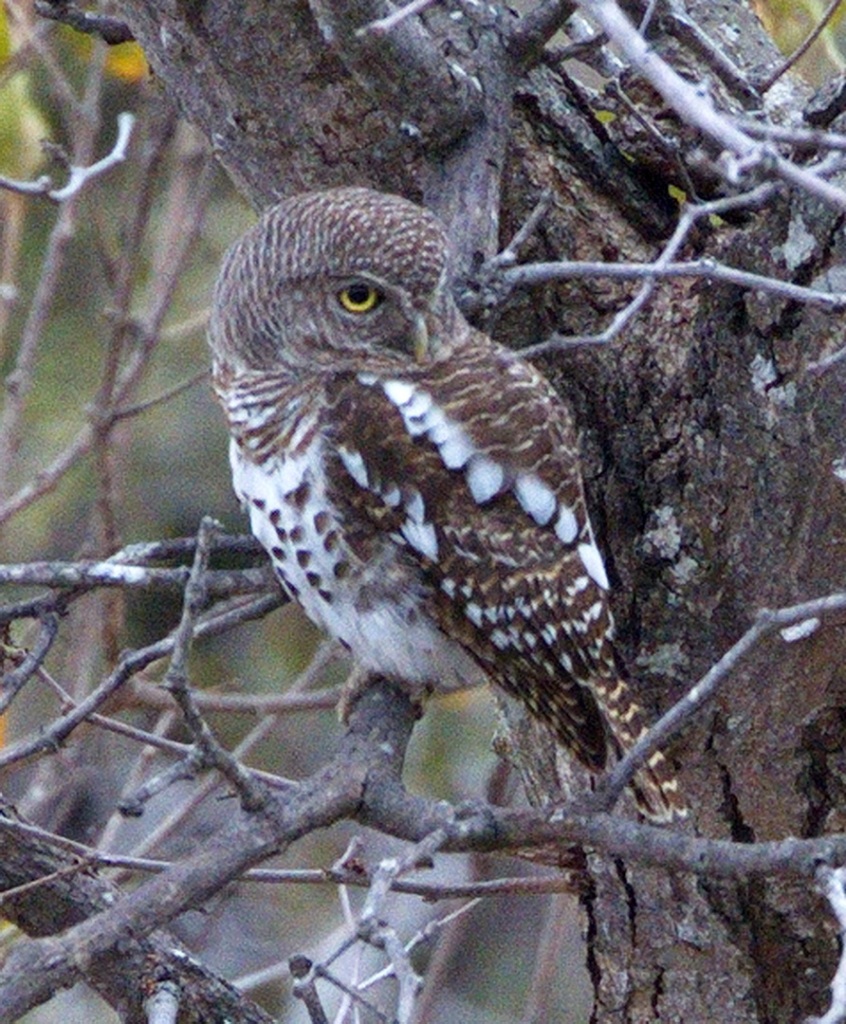
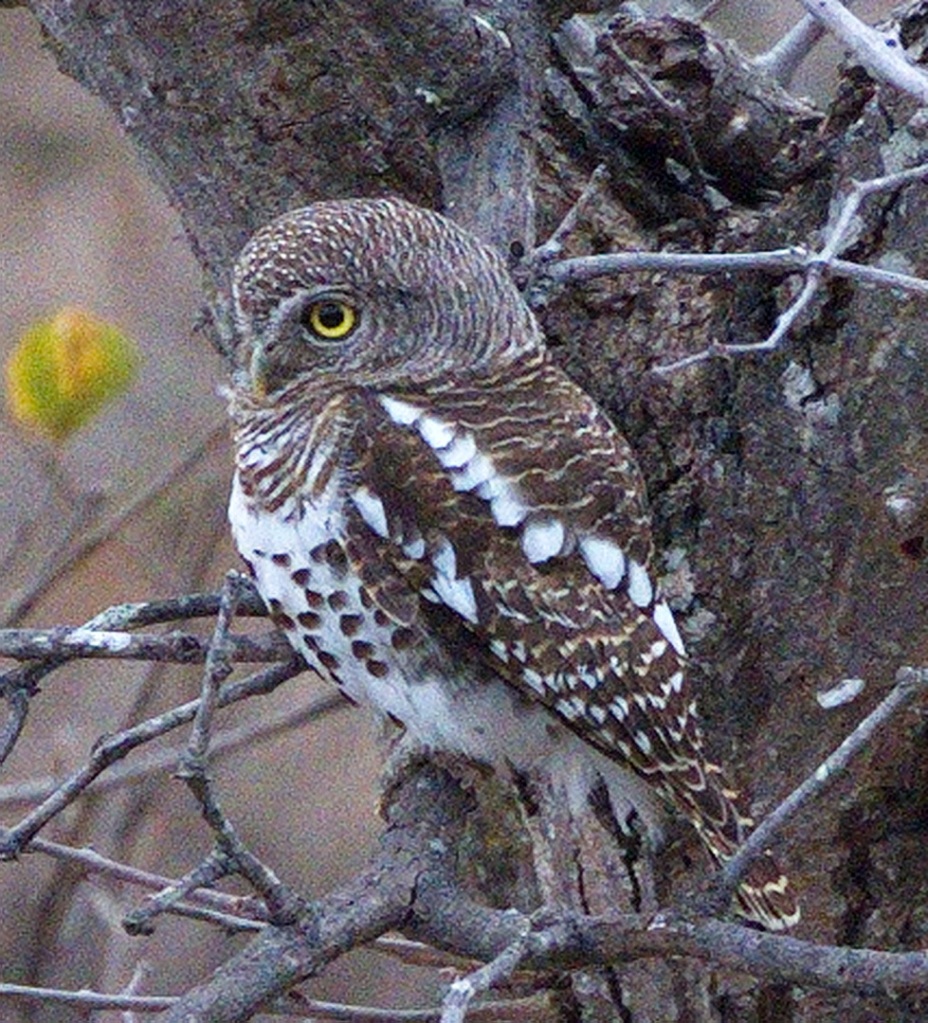
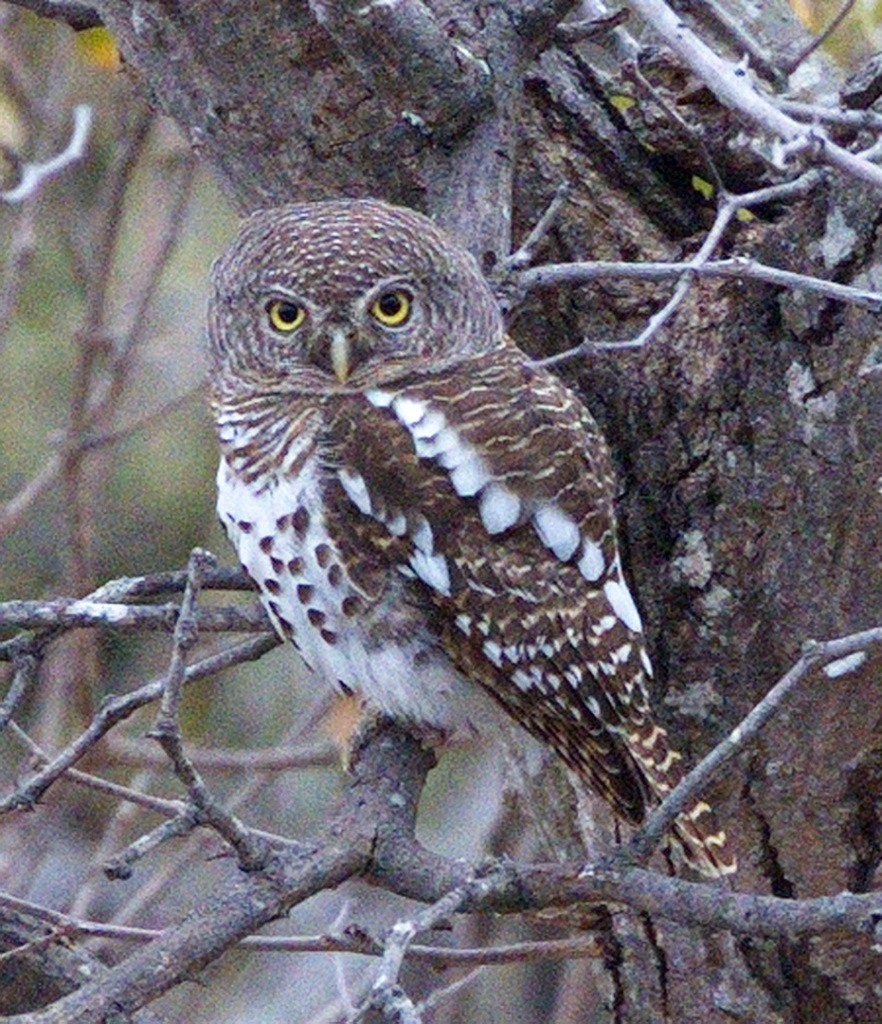
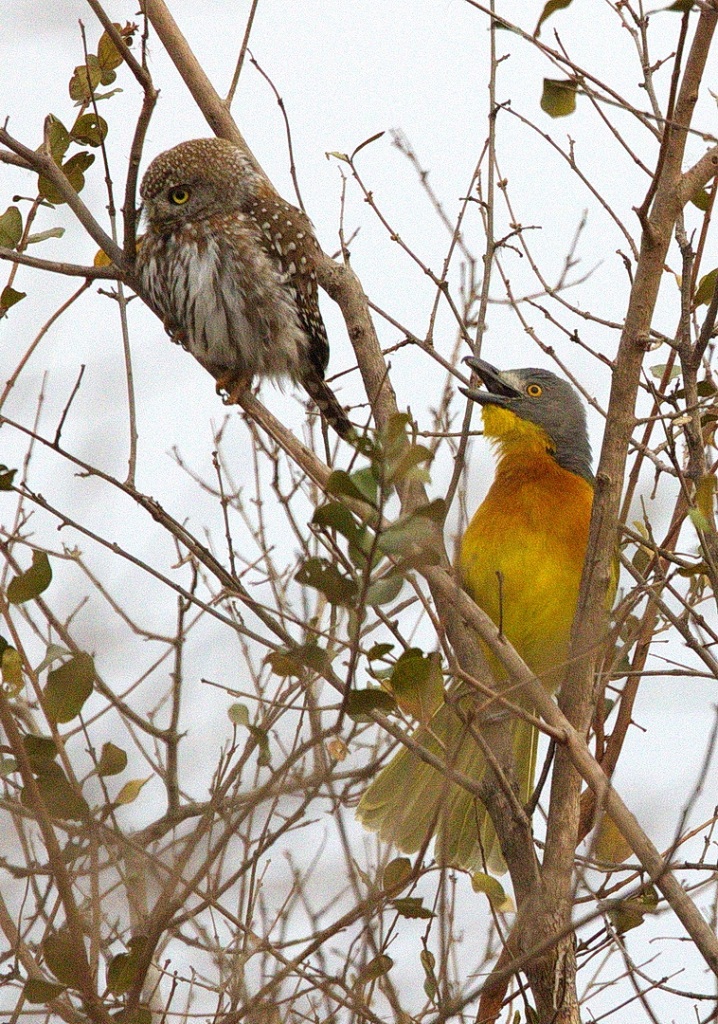
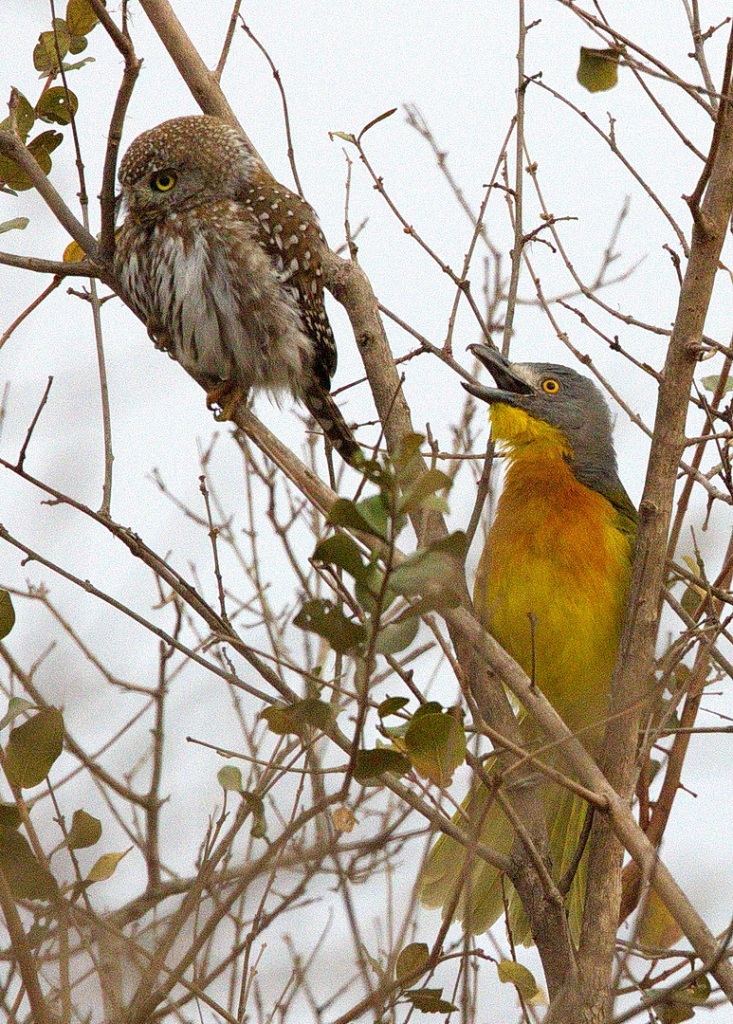
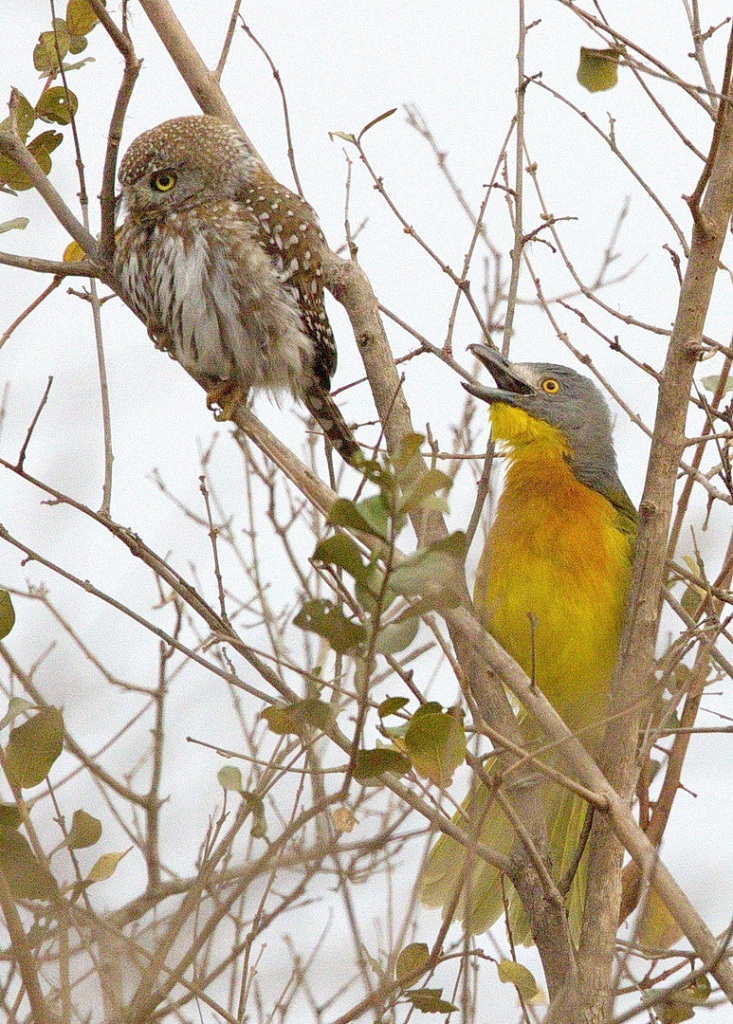
Ahh….. yes, the hilarious incident of the Pearl-spotted Owlet and the Grey-headed Bushshrike.
As we drove along the S114 we stopped at a tree with many birds calling like crazy – Starlings and Fork-tailed Drongos. We looked for a possible snake but saw none. Eventually they flew off. As we moved off too, I noticed that one small dark bird was left behind. Just in case, we had a better look and realised that it was this bird causing all the tumult – a Pearl-spotted Owlet.
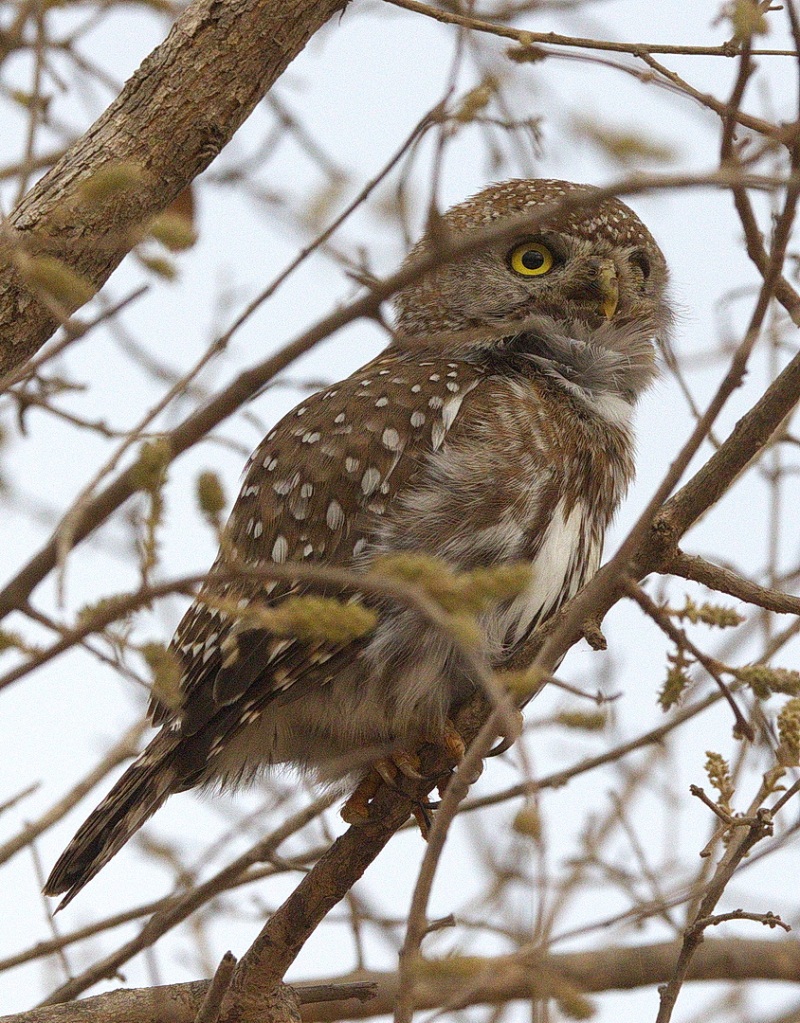
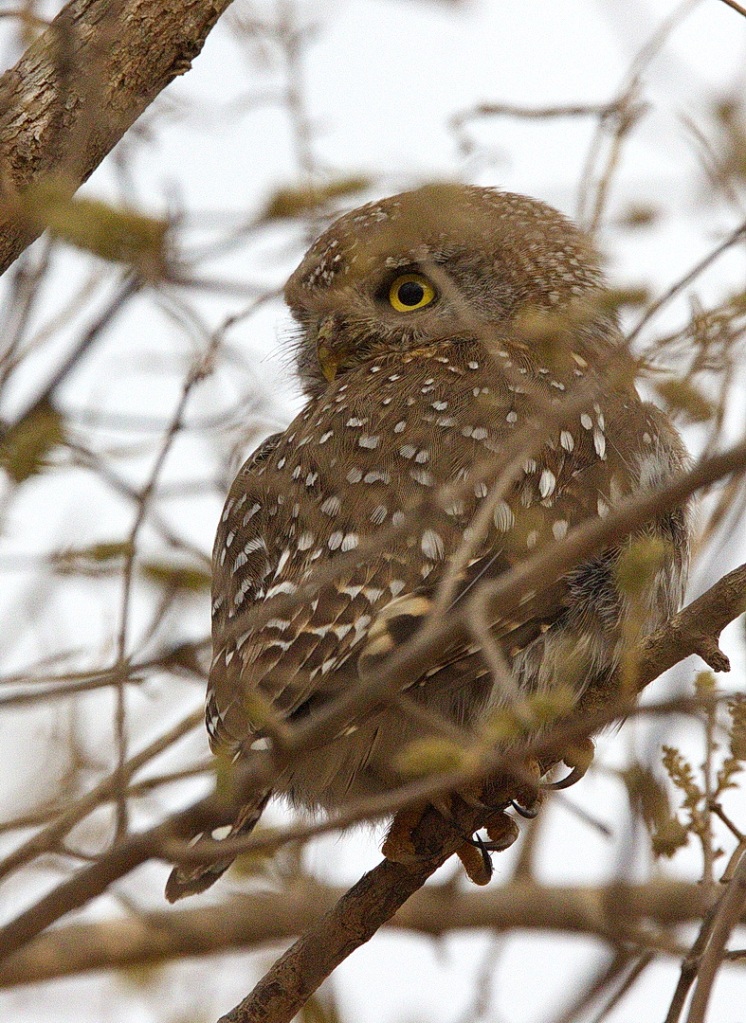
Next thing we knew another bird came flying in calling like mad and went straight for the Pearl-spotted Owlet. The Owlet as calm as you like, turned its head away from the Grey-headed Bushshrike and totally ignored it. The Bushshrike continued its ministrations getting ever closer to no avail. Hilarious to watch.
In all, 72 different bird species were identified in the Malelane area and a total of 232 species for our whole 4 week trip. You can download our trip list here.
And so ended our trip. It was great to get away in the winter months.
Hope you have enjoyed the read.
Paul and Sally Bartho (King).








 Birds are our Story