Flock 2017 was an outstanding birding experience which I know many people would relish doing again. It is incredible that BirdLife South Africa managed to virtually fill all the cabins with birders on MSC Sinfonia. As everyone said, this must be a world record for the largest flock of birders gathered together in one place.
MSC Sinfonia
Almost 2000 birders from all over the world were on board including many of the seabird experts worldwide.
The BLSA organisation of the trip was highly professional. The AGM was well organised, there were interesting talks, prizes and entertainment and the guiding on board was exceptional for us novices.
We left Cape Town on a lovely clear day and were escorted out to sea by a number of seals and dolphins.
Cast off from the Cape tugboat
Sally and view from the cabin
Seals seeing us off
Pod of Dolphins
The route was planned by the very willing captain according to BLSA wishes.
Our first day of birding started at dawn and lasted to dusk (as did every day) with quick dashes away for food etc. It was also one of those days when numerous different exciting and rare birds appeared. Sometimes we were unable to keep up with a special bird appearing on one side of the boat and another rare bird on the opposite side.
And from our height above the sea we were lucky if we got a few decent photos of any of the birds. For me, virtually every bird was a lifer having never been on a pelagic trip before.
A quiet moment at the back of the ship – normally each level was teeming with birders. Also at the front too.
The ship’s entertainment areas were virtually empty during the day, however the bars at night were quite popular. I think the staff were mystified by all us birders as they tried to talk us into the large empty casino and away from the birding.
That first morning there were seven different species of Albatross seen – Black-browed, Indian Yellow-nosed, Light-mantled, Shy, Sooty, Tristan and Wandering. The Light-mantled Albatross had all the guides screaming as this was most unexpected.
For our Bird List click here. Of the 21 species shown 17 were lifers for me, and 7 for Sally. There were numerous other lifers called out which unfortunately we were not at the right place at the right time.
A Ghostly Albatross
Here are some photos of birds I did managed to connect with. I hope I have correctly identified most of the birds in the pictures. Do let me know my mistakes. Note the Tristan Albatross was identified by Peter Harrison. I am aware that there is not full consensus on its ID as there is not enough published about the bird to clearly identify it beyond doubt. However Peter Harrison has done a huge amount of research on the bird and I will happily accept his opinion.
Black-browed Albatross
Black-browed Albatross
Black-browed Albatross
Black-browed Albatross
Tristan Albatross
Tristan Albatross
Yellow-nosed Albatross – juvenile
Yellow-nosed Albatross – juvenile
Yellow-nosed Albatross – juvenile
Yellow-nosed Albatross – juvenile
Indian Yellow-nosed Albatross gaining momentum for lift off
Indian Yellow-nosed Albatross
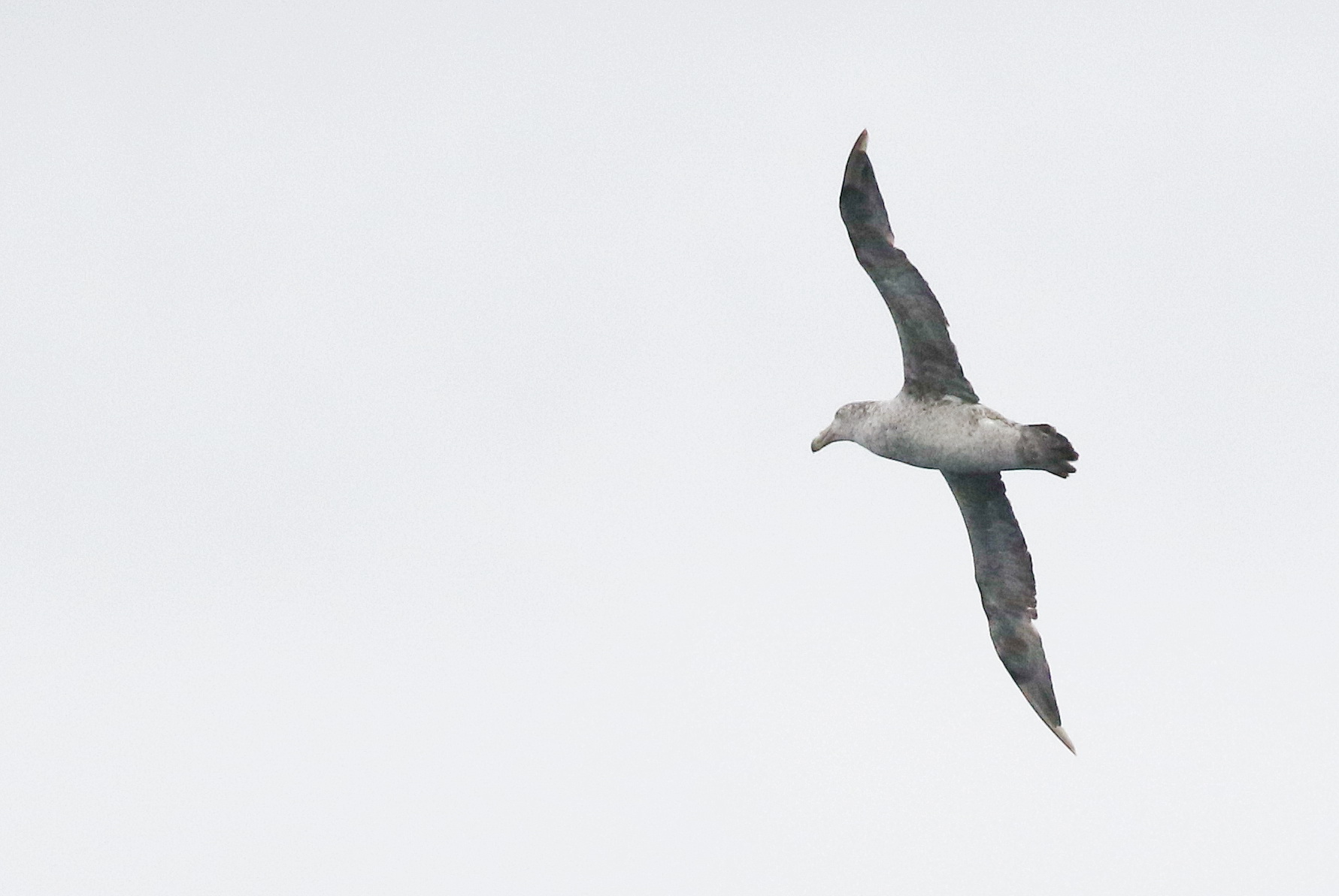
Wandering Albatross
Shy Albatross – juvenile
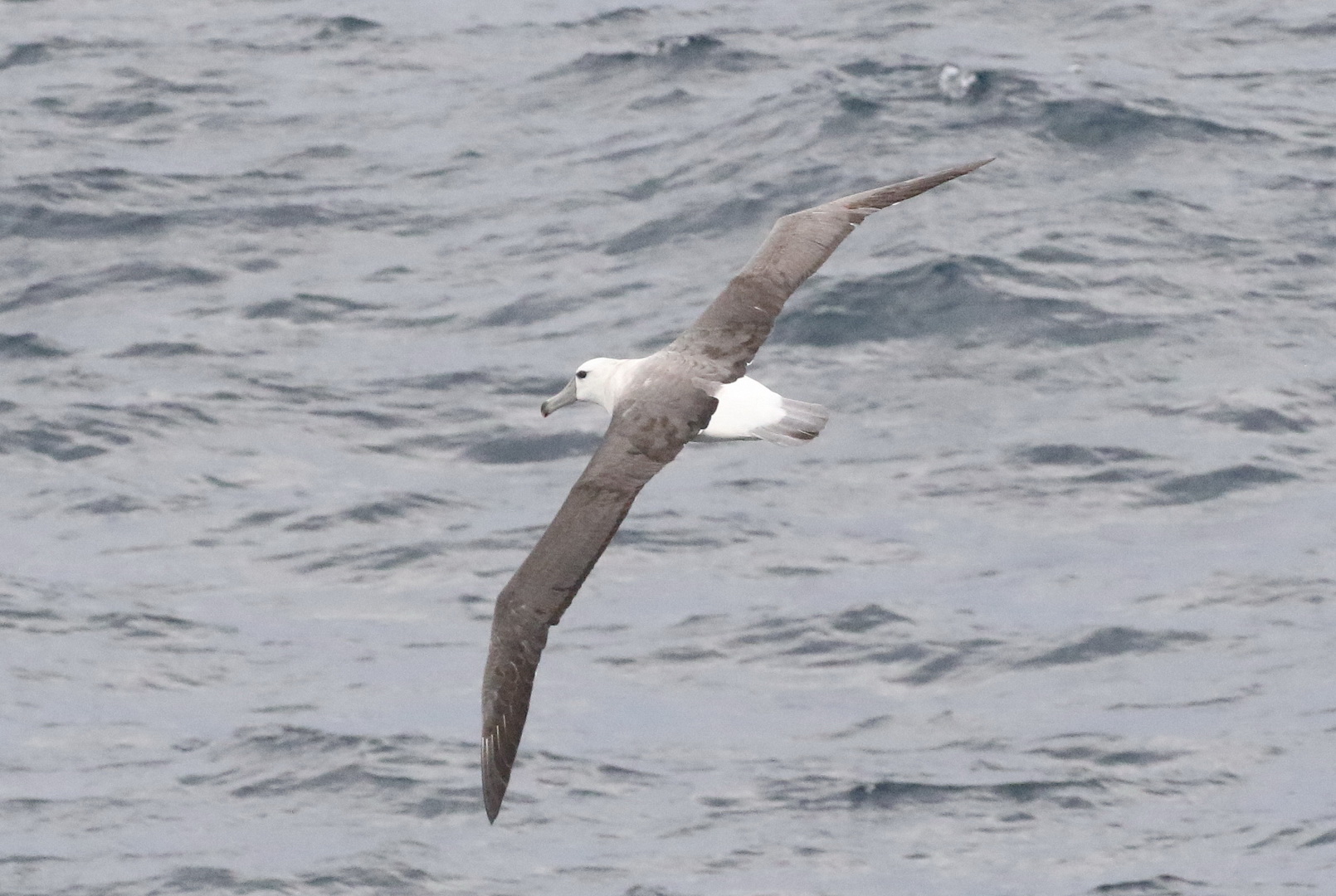
Shy Albatross adult
Shy Albatross – juvenile
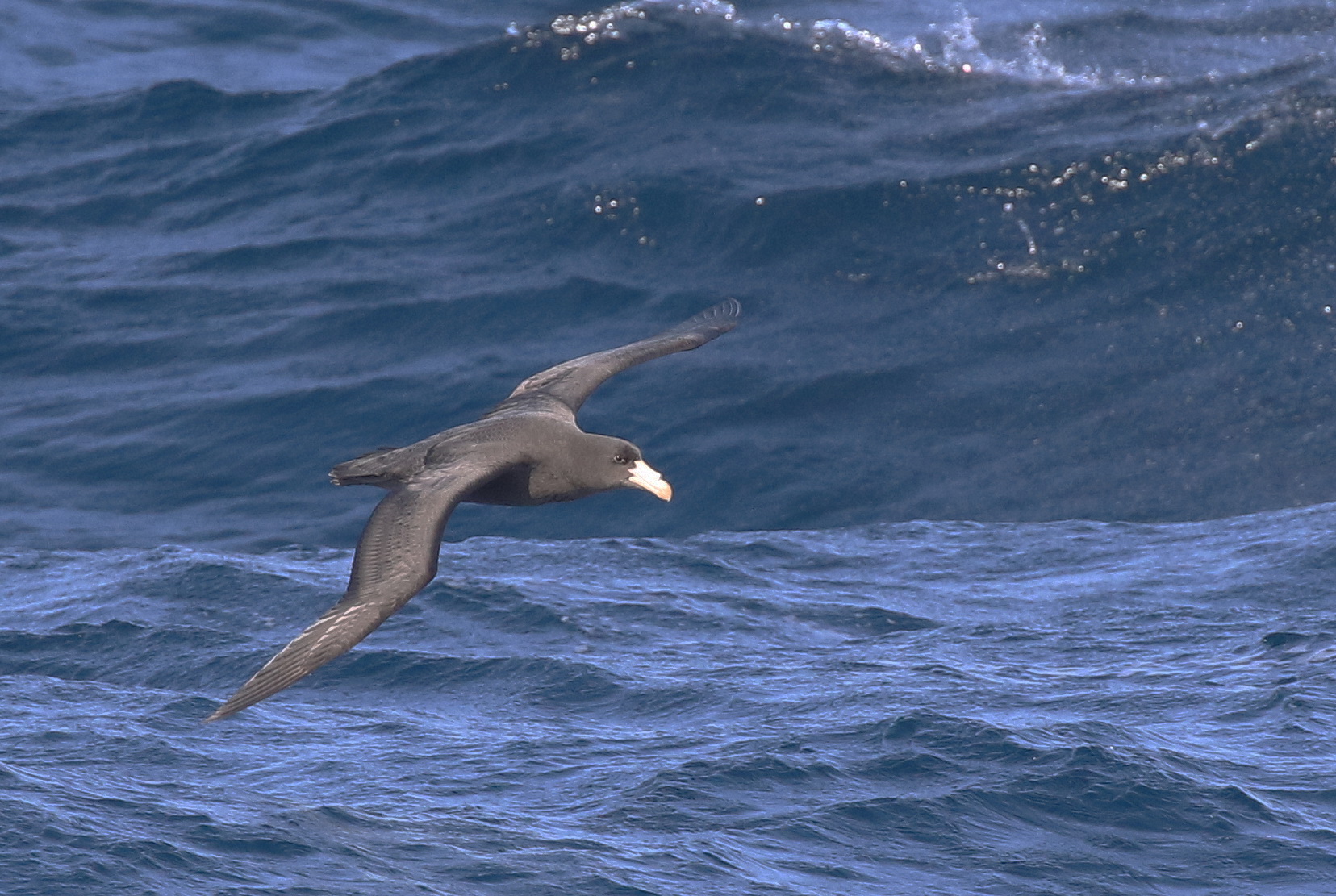
Northern Giant Petrel
Brown Skua aka Sub-Antarctic
Brown Skua
White-chinned Petrel
White-chinned Petrel
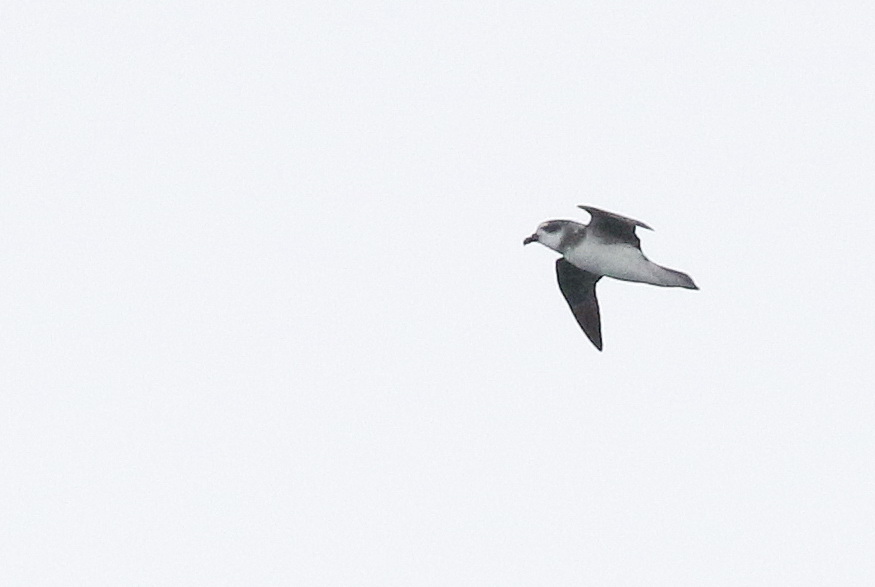
Soft-plumaged Petrel
Soft-plumaged Petrel
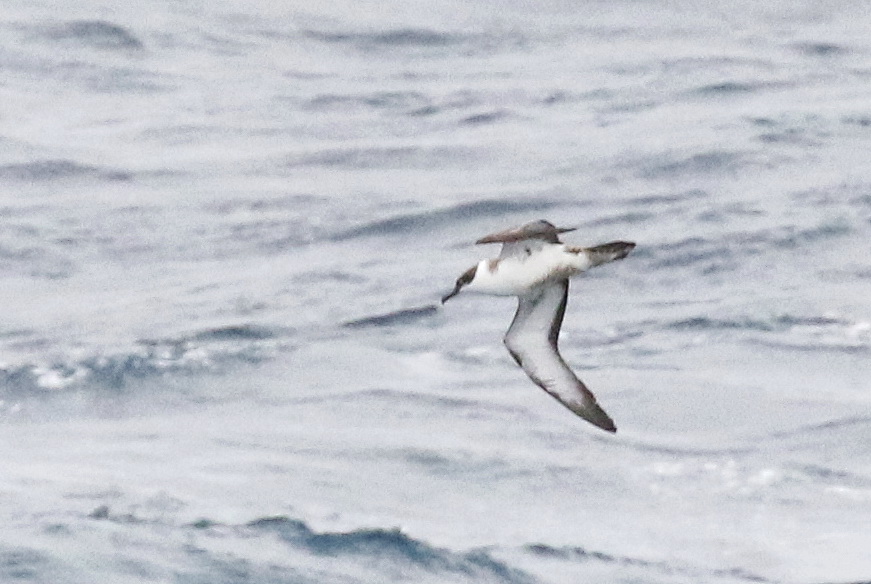
Great Shearwater
Great Shearwater
Cape Gannet – the only one in these photos that I had seen before.
Some birds I have struggled to identify from my photos include this Giant Petrel:
Giant Petrel
Giant Petrel
And these two birds:
Mystery UFOs
There was fascinating birding along the sides of the ship each night. The lights from the ship enabled us to see the birds as they bobbed on the water alongside. It was interesting to watch as the Great Shearwaters diappeared behind the boat only to returne to the front and bob alongside again catching squid and other delicious morcels.
We understand that the bewildered captain was so impressed with the BLSA organisation and nature of our trip that he suggested we do it again but for a week or more next time.
Another memorable moment was the sunset and double rainbow at the end of the four nights at sea.
Intense golden double rainbow taken from our cabin
This was a wonderful trip that Sally and I will always fondly remember.
(An aside: Remember by clicking on a photo it will enlarge).
Our trip to the Kgalagadi ended when we got to Tsabong. As we were so close to Namibia we decided to pay a visit to Namibia. Our goal was to get to Epupa Falls and take in the various Parks along the way there and back.
Our first stop – Kalahari Rest Lodge and Camping – was our only stop in Botswana once we had left the Kgalagadi. It was about 25 kms north of Kang on the Kalahari Transfrontier Highway. This was a long journey (some 430 kms taking over 5 hours) to add to the day we had already driven. We left Tsabong mid-day so arrived just before dusk.
We certainly recommend this campsite as a stop over point. It is a small campsite with four bathrooms – each with toilet, shower and basin- as the ablution block. After a long day we ate at the restaurant and the food and ambiance was good.
The next day we headed to Windhoek to a campsite near the inner city Eros airport – Arebbusch Travel Lodge. A distance of about 710 kms taking close to eight hours. The border post was a tad busy so it took us a while to get through. However checking our insurance documents later we found they had entered the licence place of our campervan incorrectly. We hoped it would not be noticed at the police check points.
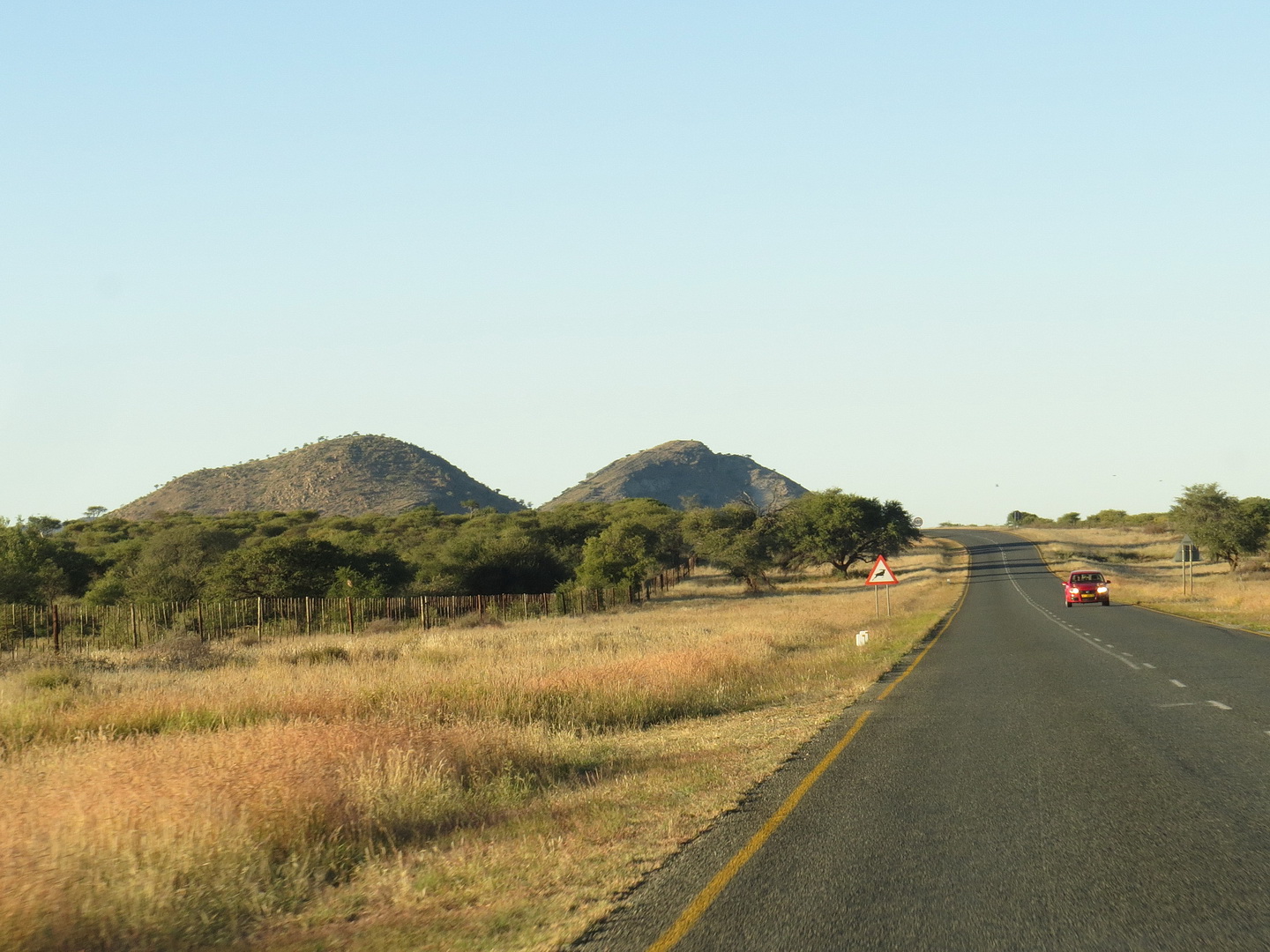
Some Namibian Scenery:
On the way to Etosha
On the way to Etosha
On the way to Etosha
On the way to Etosha
On the way to Etosha
On the way to Etosha
On the way to Etosha
On the way to Etosha
On the way to Etosha
At Arebbusch we spent two nights, the first in a chalet and then camping. There are only 4 campsites all of which are under cover round a large glassy patch.
Our provisions needed replenishing otherwise we would have only stayed one night. Unfortunately our night’s camping was loudly disturbed by the antics of an open air concert right next door after a soccer match. Avoid Saturday nights camping here.
No bookings had been made for our time in Namibia. We called Etosha for a booking but all they could offer us was 5 days camping at Halali in three days time – we took it. So we booked a campsite ten kms before Okaukuejo at Etosha Safari Lodge for two nights. Nice grassy sites and entertaining ablutions. 420 kms taking a almost five hours due to the police checks. Very nervous at the first as he was fairly thorough checking the car licence plate. However he did not see it necessary to check the campervan licence plate. This was the case fortunately at all the police stops.
Etosha Safari Camp
Laddies
Gentle Men
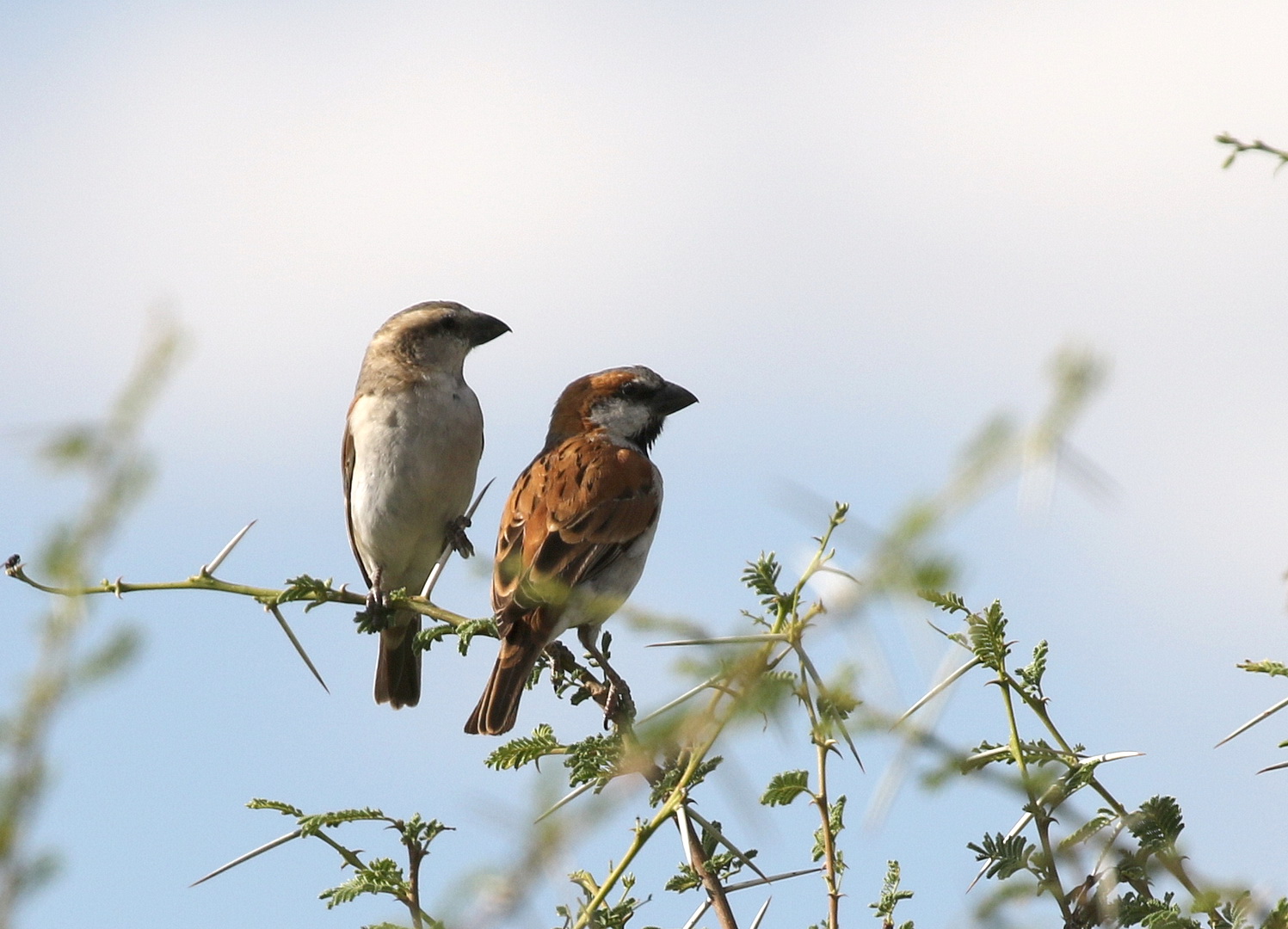
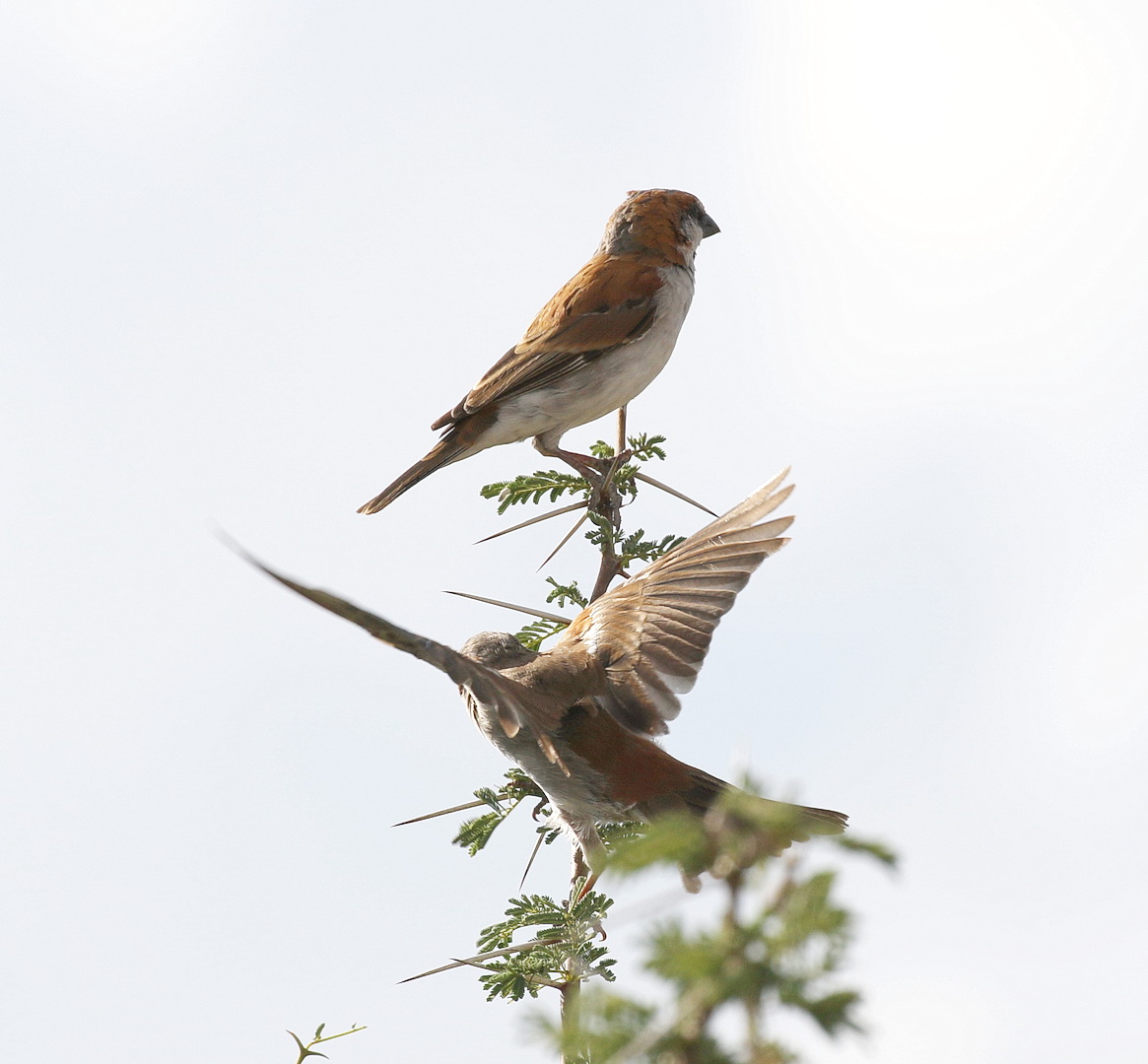
Campsite birding was good. We had a nesting pair of Great Sparrows right beside us.
Great Sparrows
Great Sparrows
Great Sparrow coming out of nest
Great Sparrow coming out of nest
Great Sparrow
Great Sparrow
Other campsite birds
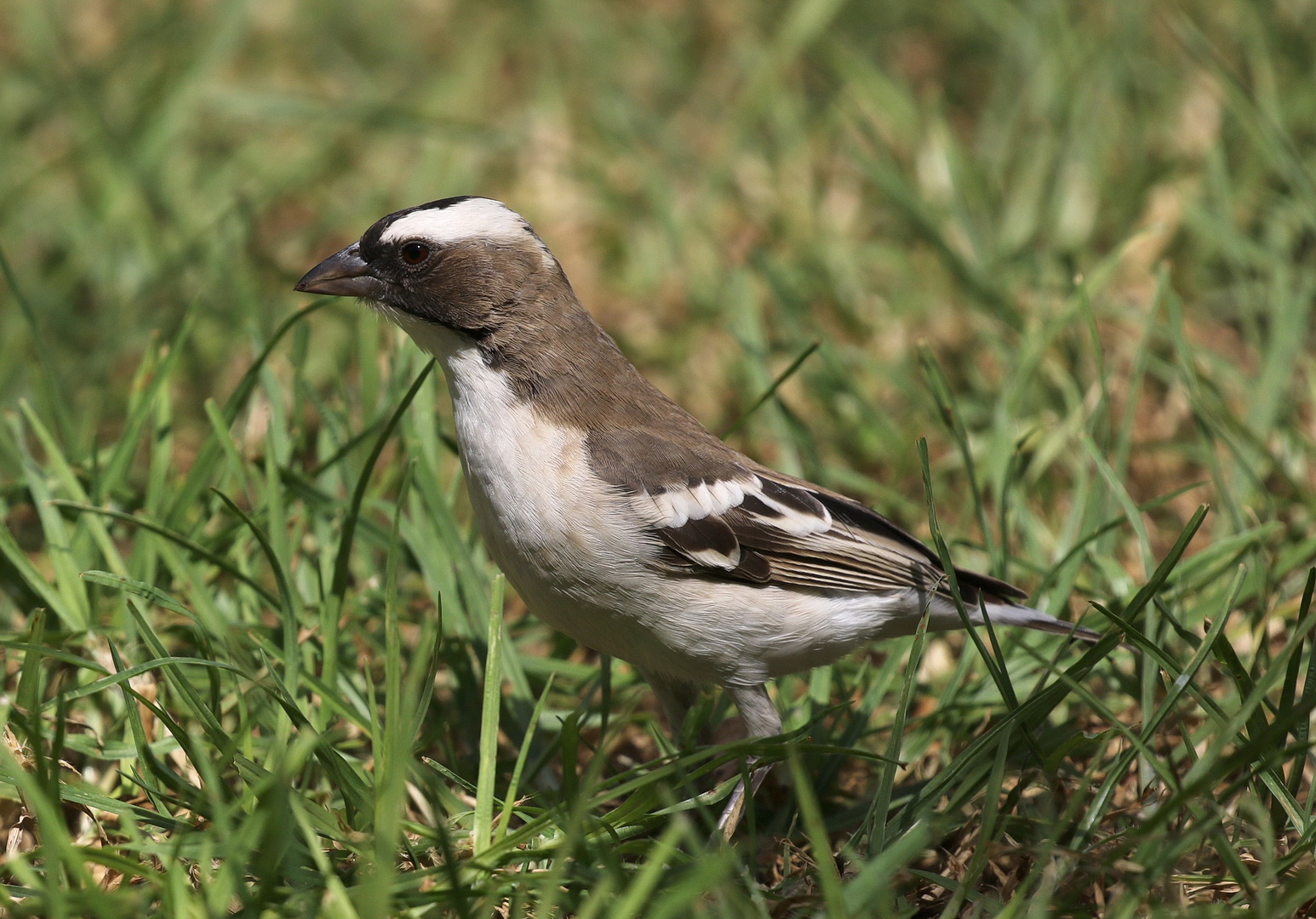
White-browed Sparrow-Weaver
White-browed Sparrow-Weaver
Yellow-bellied Eremomela
Cape Glossy Starling
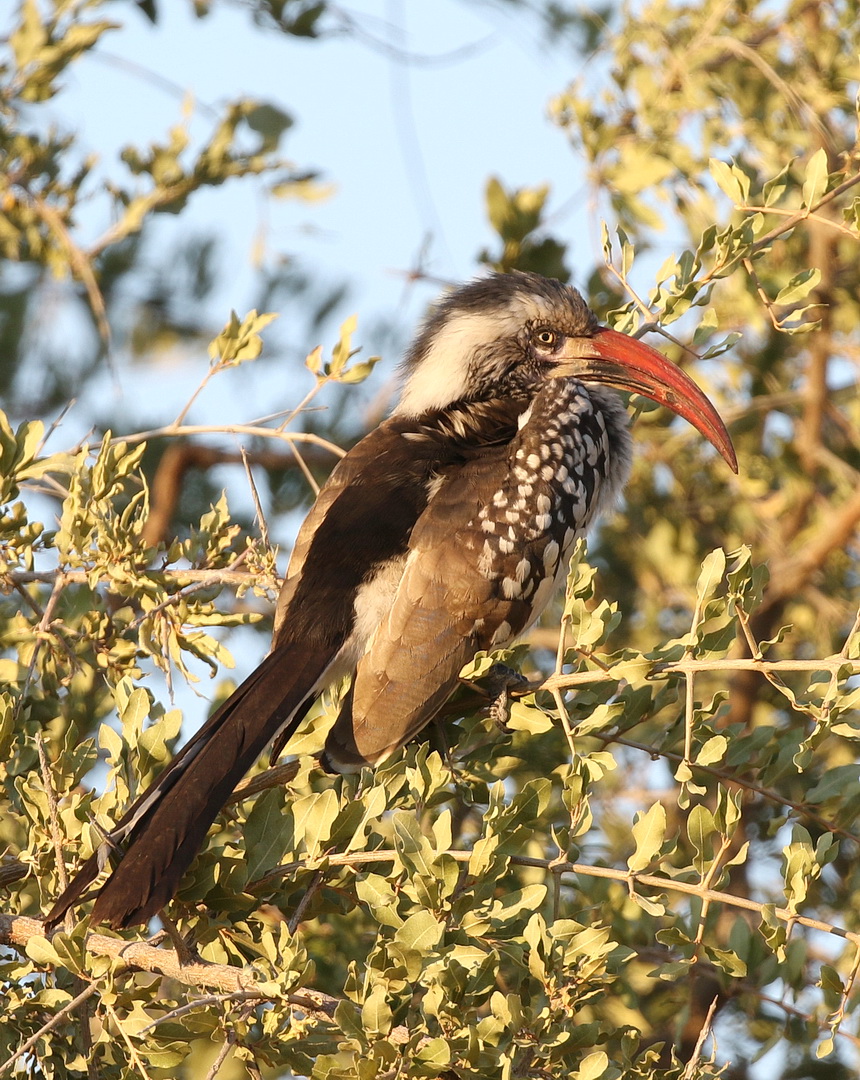
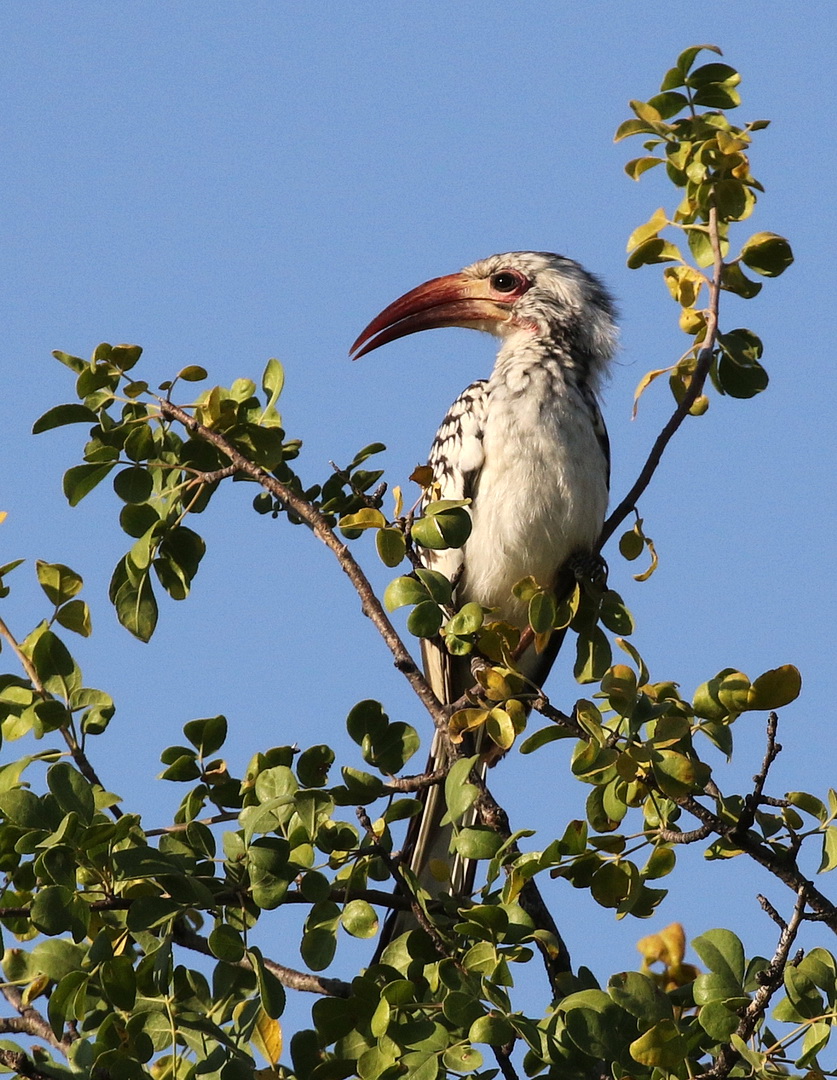
Southern Red-billed Hornbill
Groundscraper Thrush
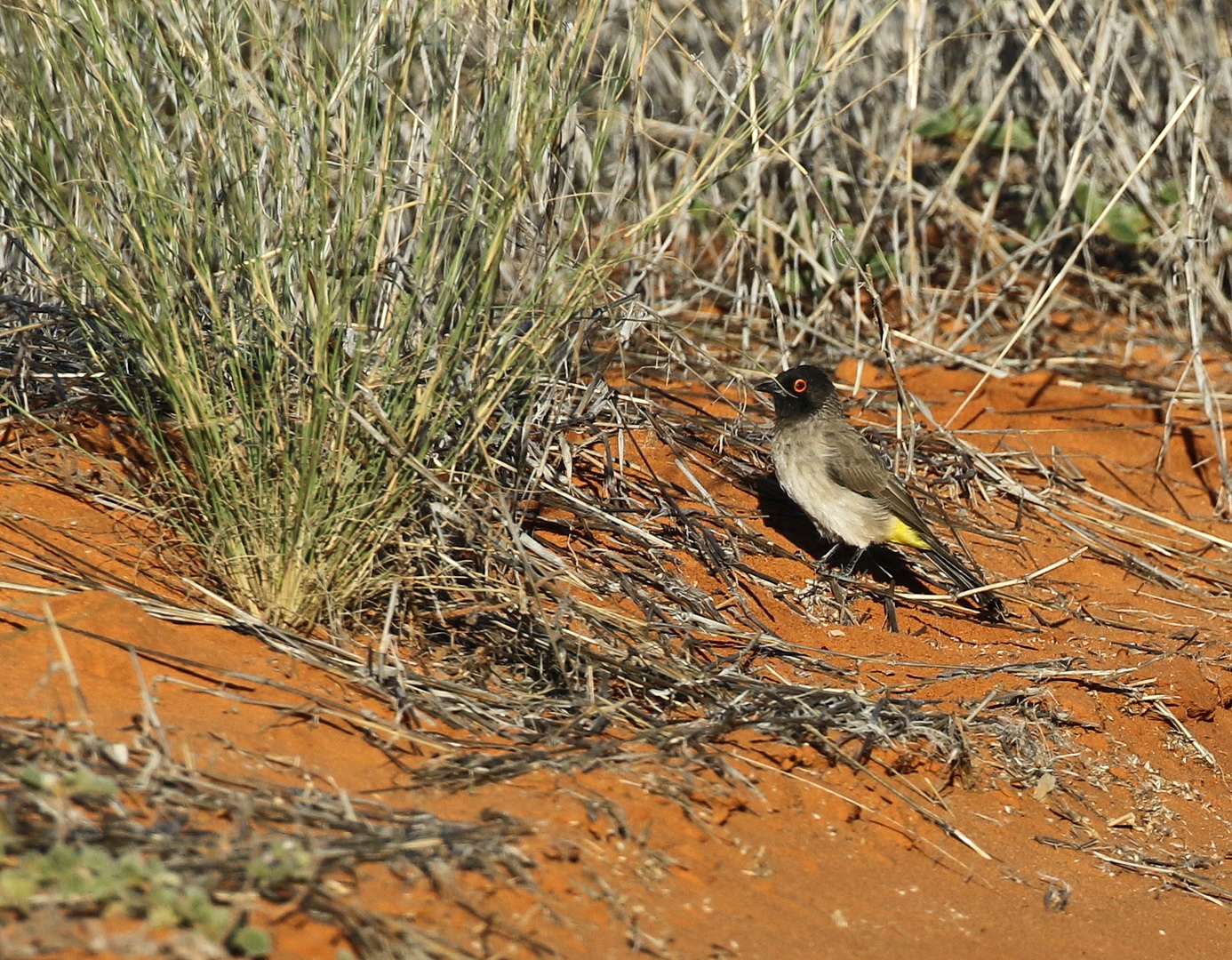
Red-eyed Bulbul
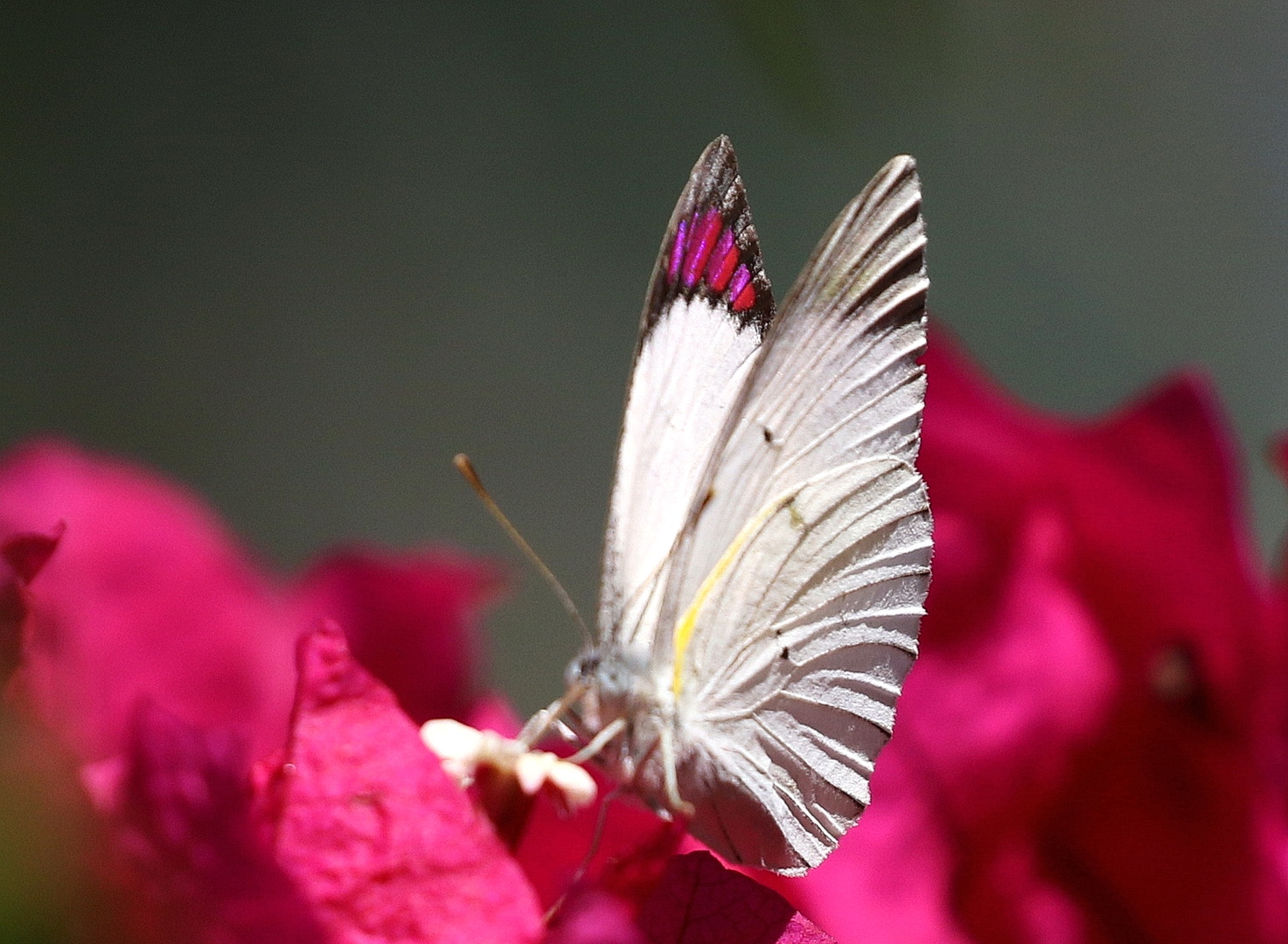
Red Butterfly
Time was spent in Etosha around Okaukuejo puzzling over the various larks and other ground birds favoured by the open flat grassland/scrub area. We saw a good variety of different species which we did not see elsewhere in the park.
However there is one big criticism that I have to make. Outside of the main camps there are no ablution facilities fit for humans at the various run down picnic spots. Some picnic sites are so bad that they have been closed. We never found one that had an even passable excuse for a toilet. I dread to think what foreign tourists think. For the cost of entering and staying in the park this is shameful.
Okaukuejo waterhole – very quietBlue Crane – double header
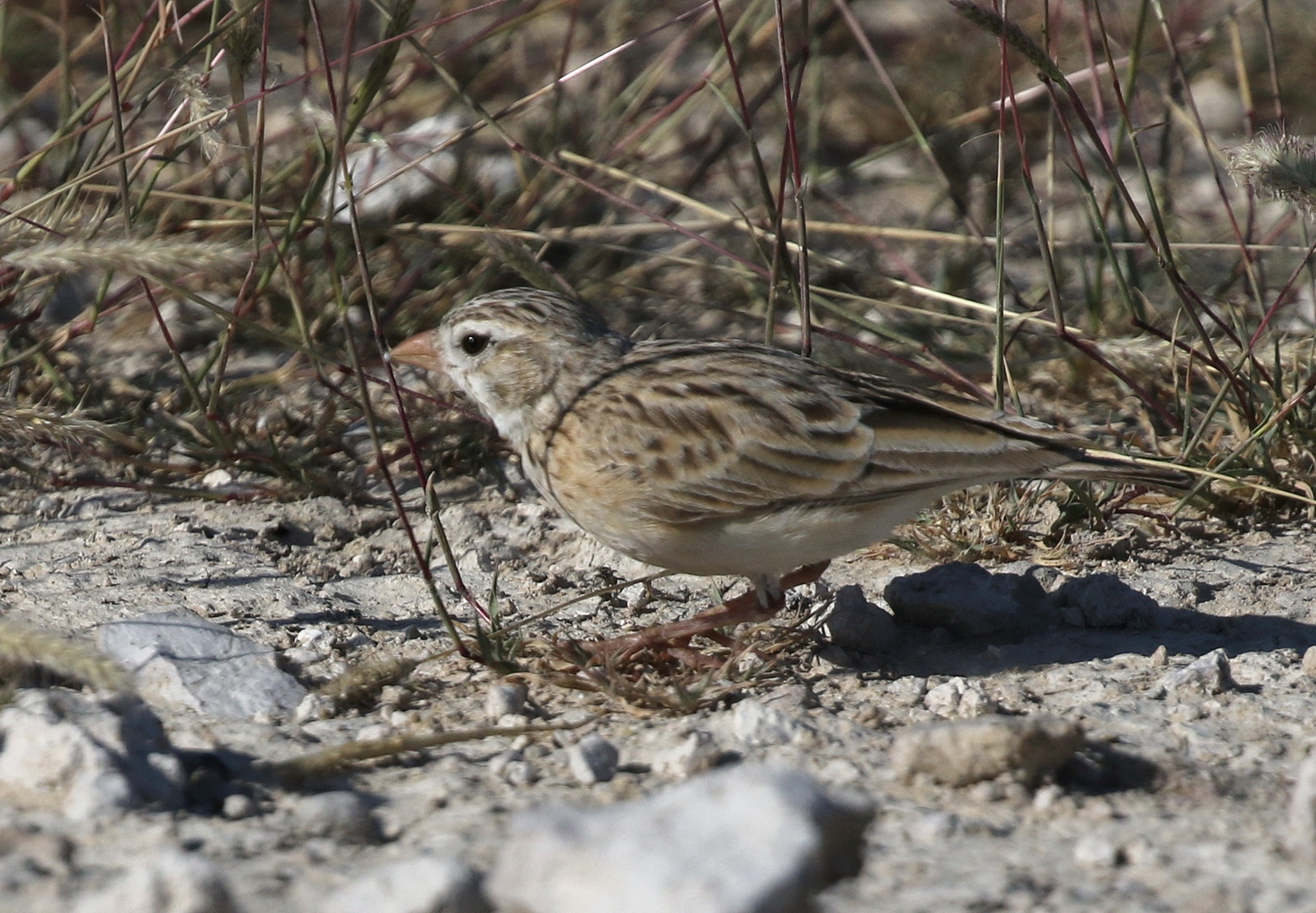
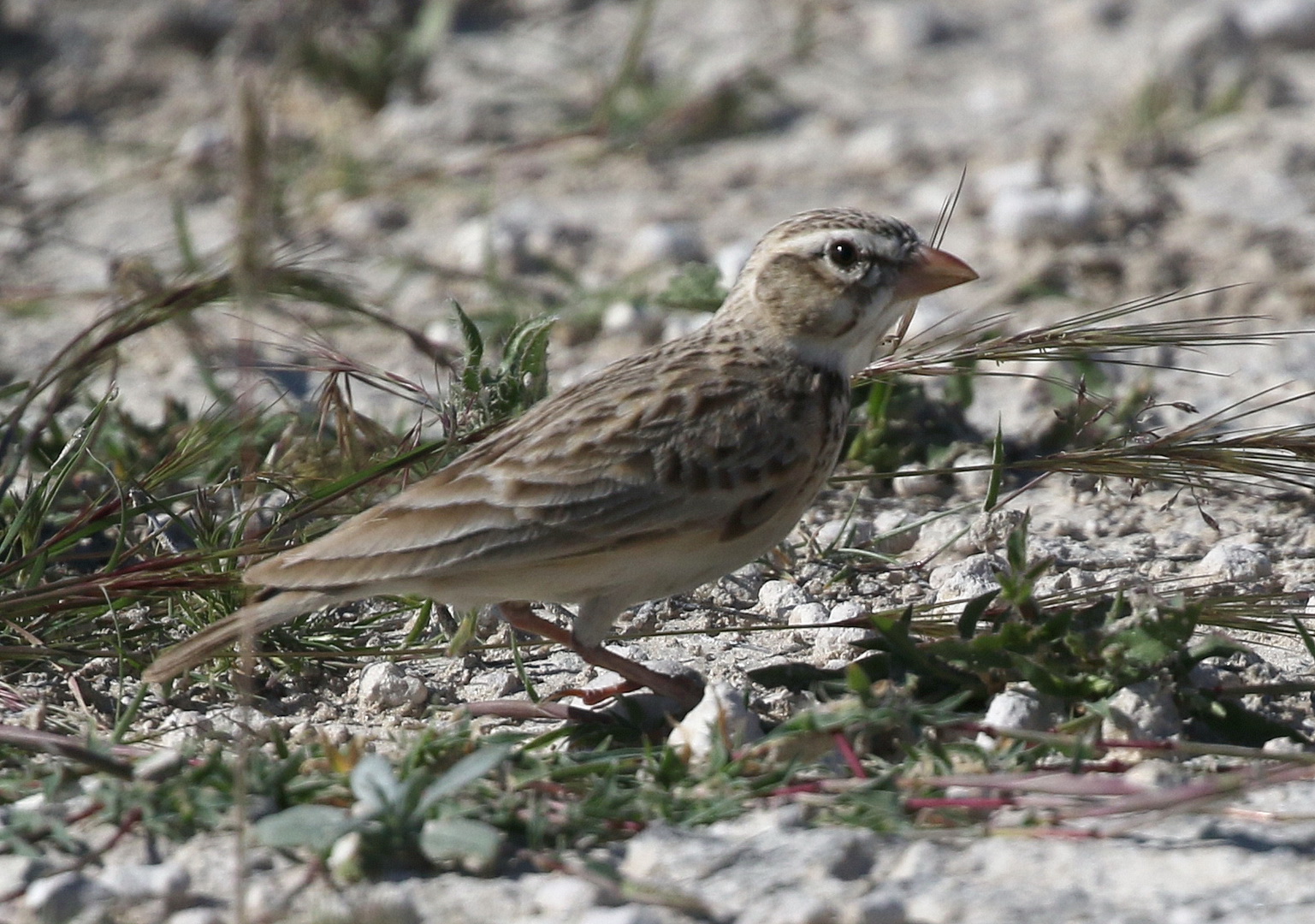
Pink-billed Lark
Pink-billed Lark
Pink-billed Lark
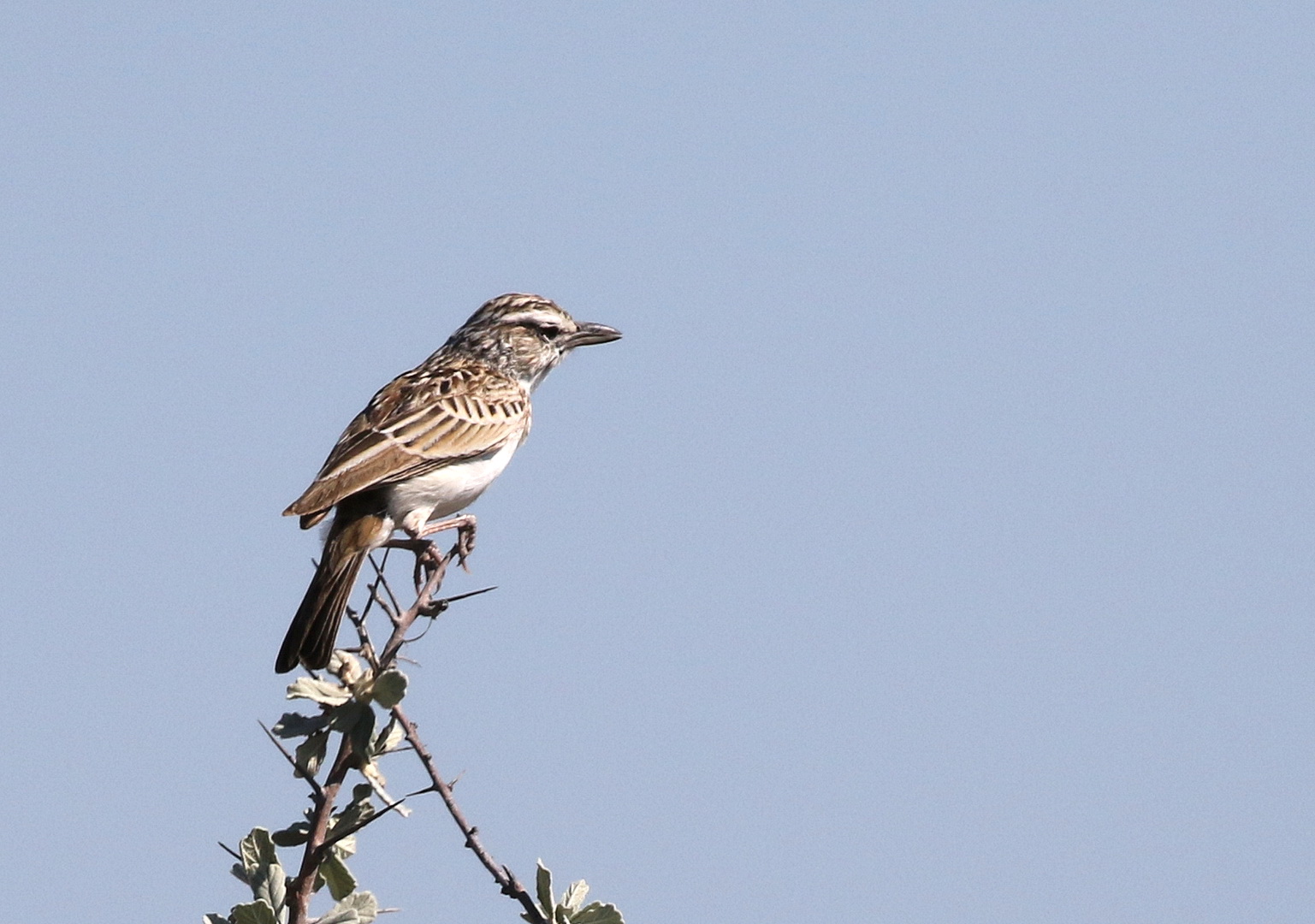
Sabota Lark
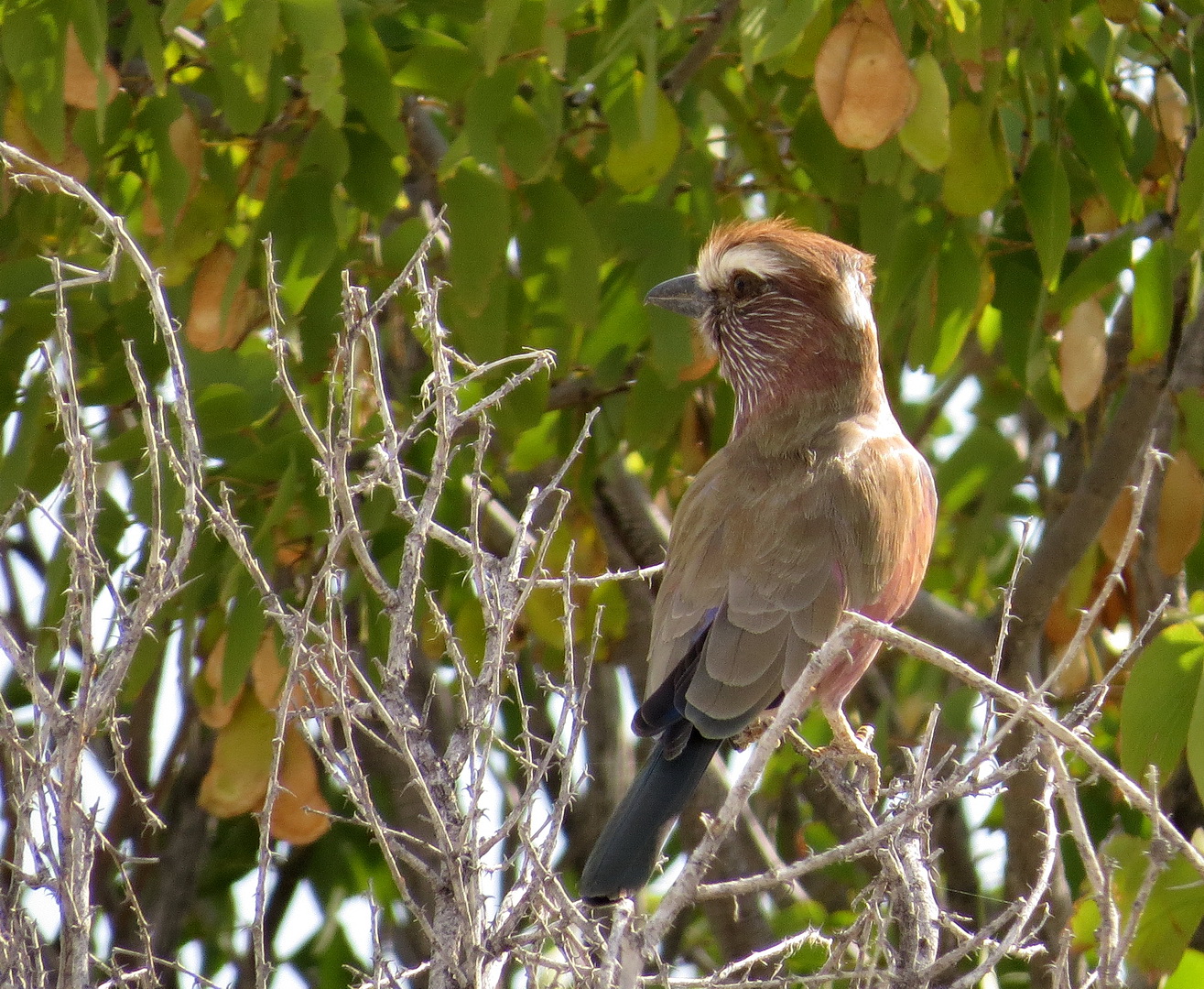
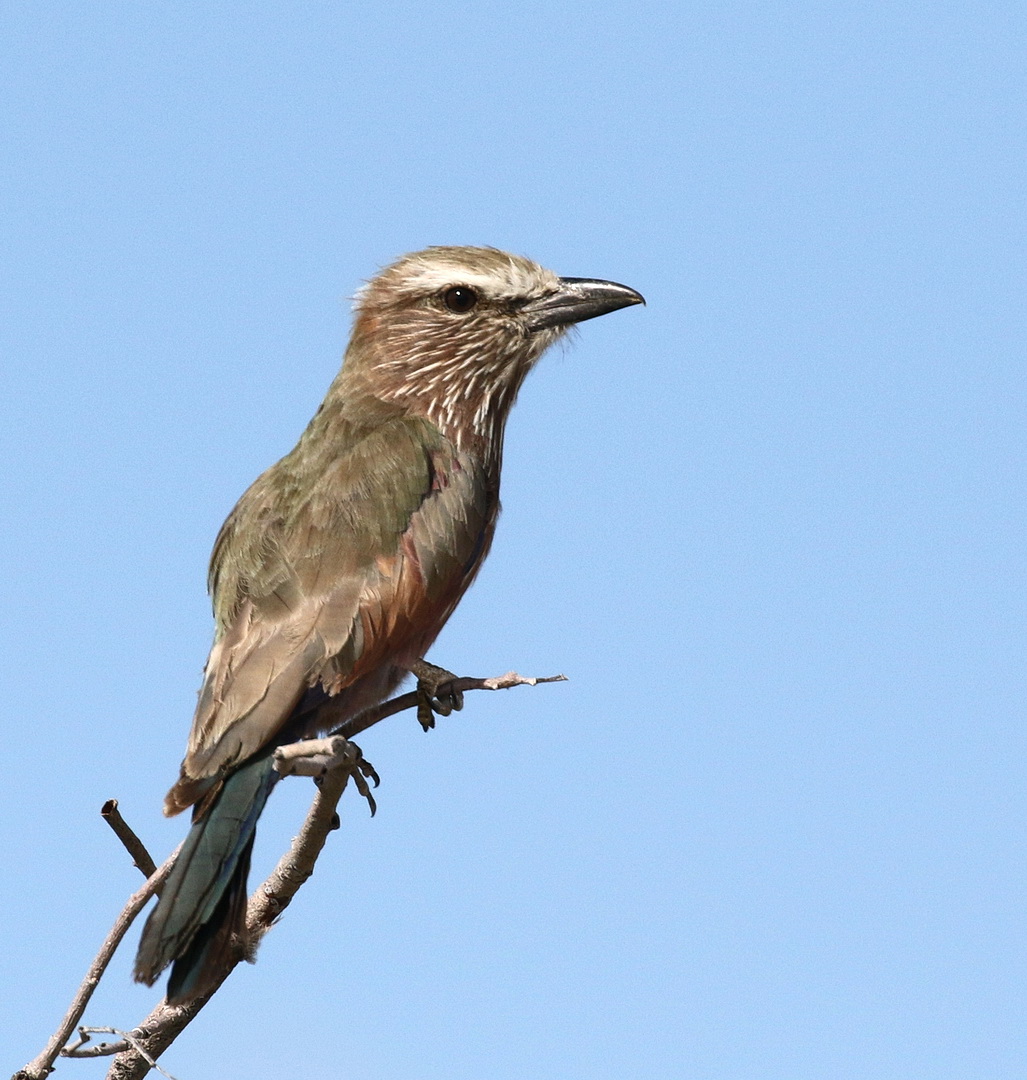
Purple Roller
Purple Roller
Rufous-eared Warbler
Red-headed Finch
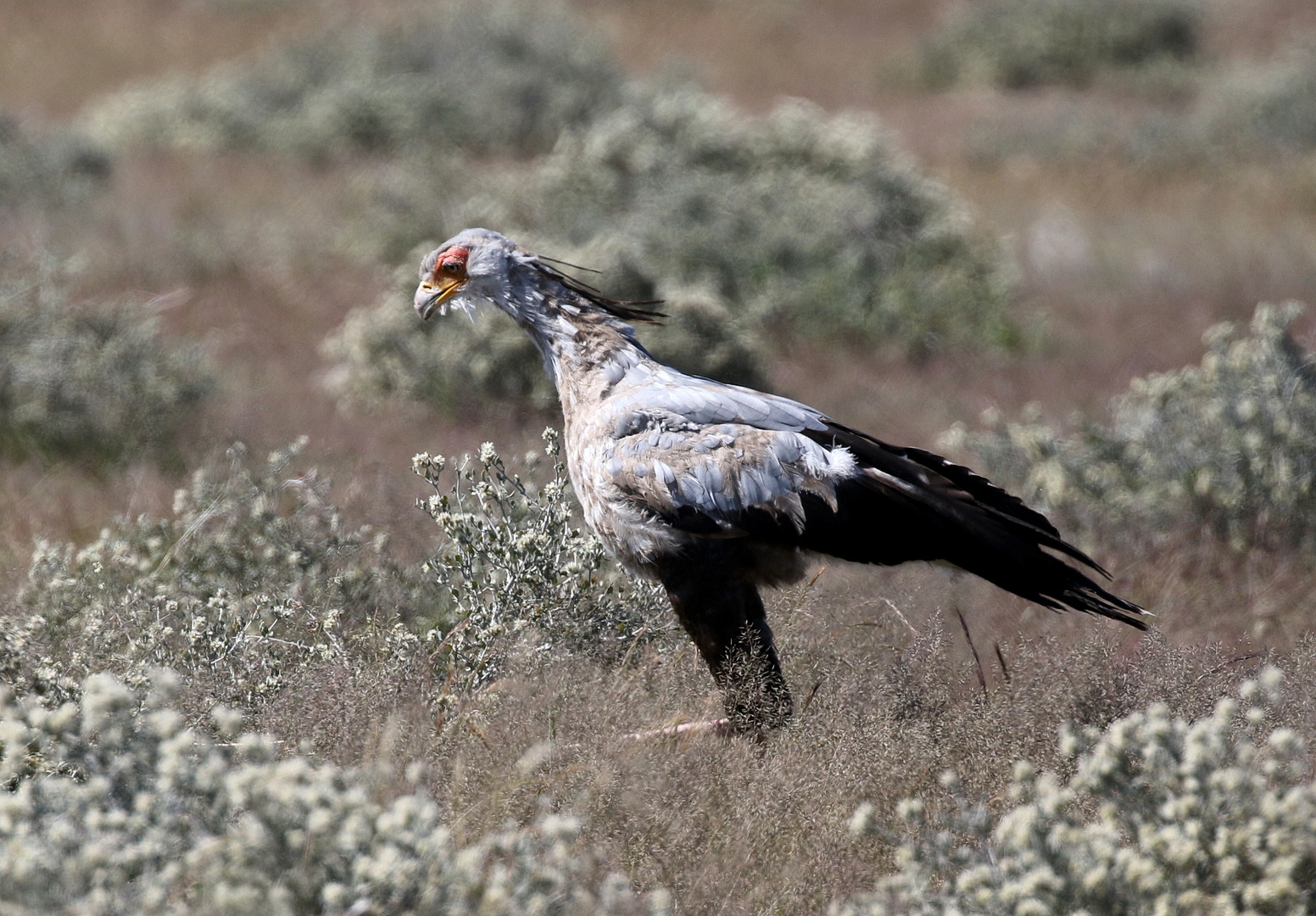
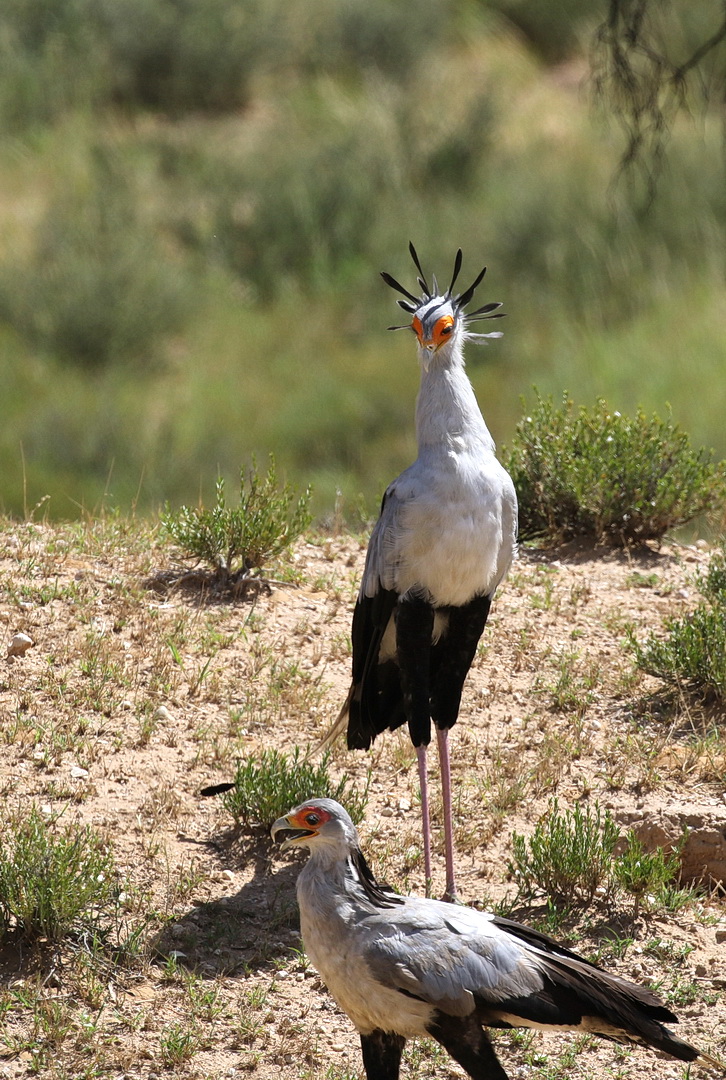
Secretarybird
Sociable Weaver
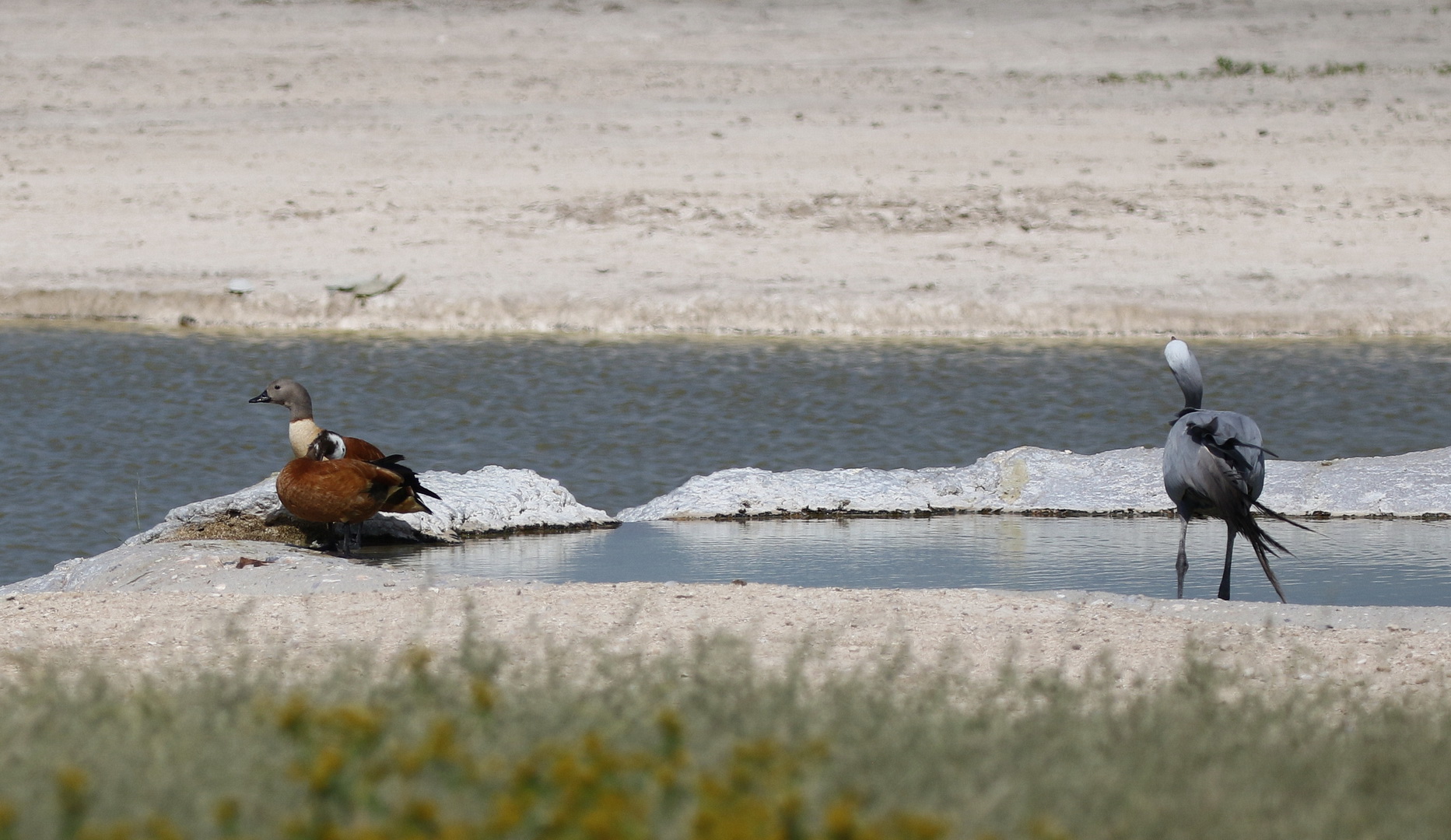
South African Shelduck – male and female with Blue Crane
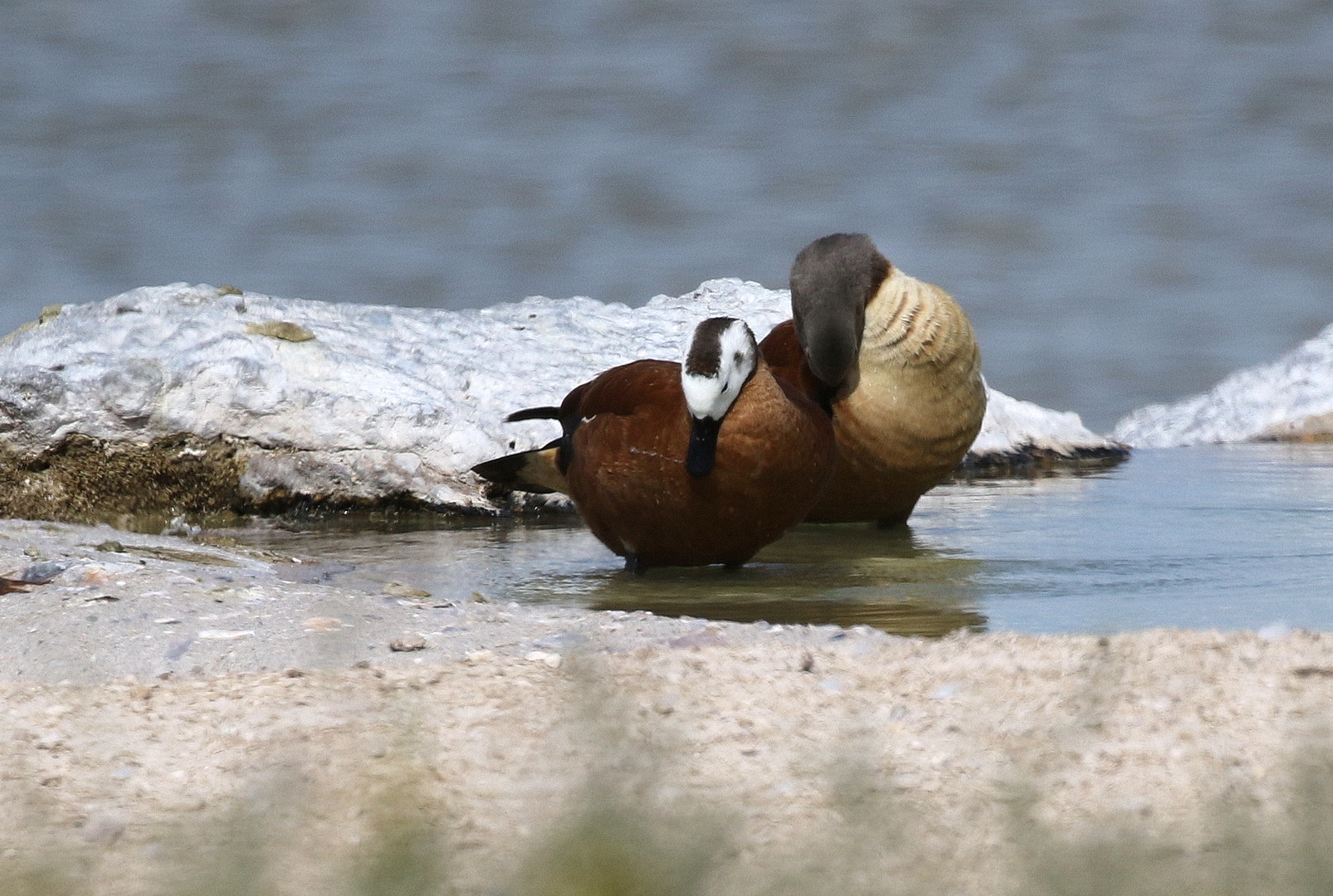
South African Shelduck – male and female
Spike-heeled Lark
Spike-heeled Lark
Spike-heeled Lark
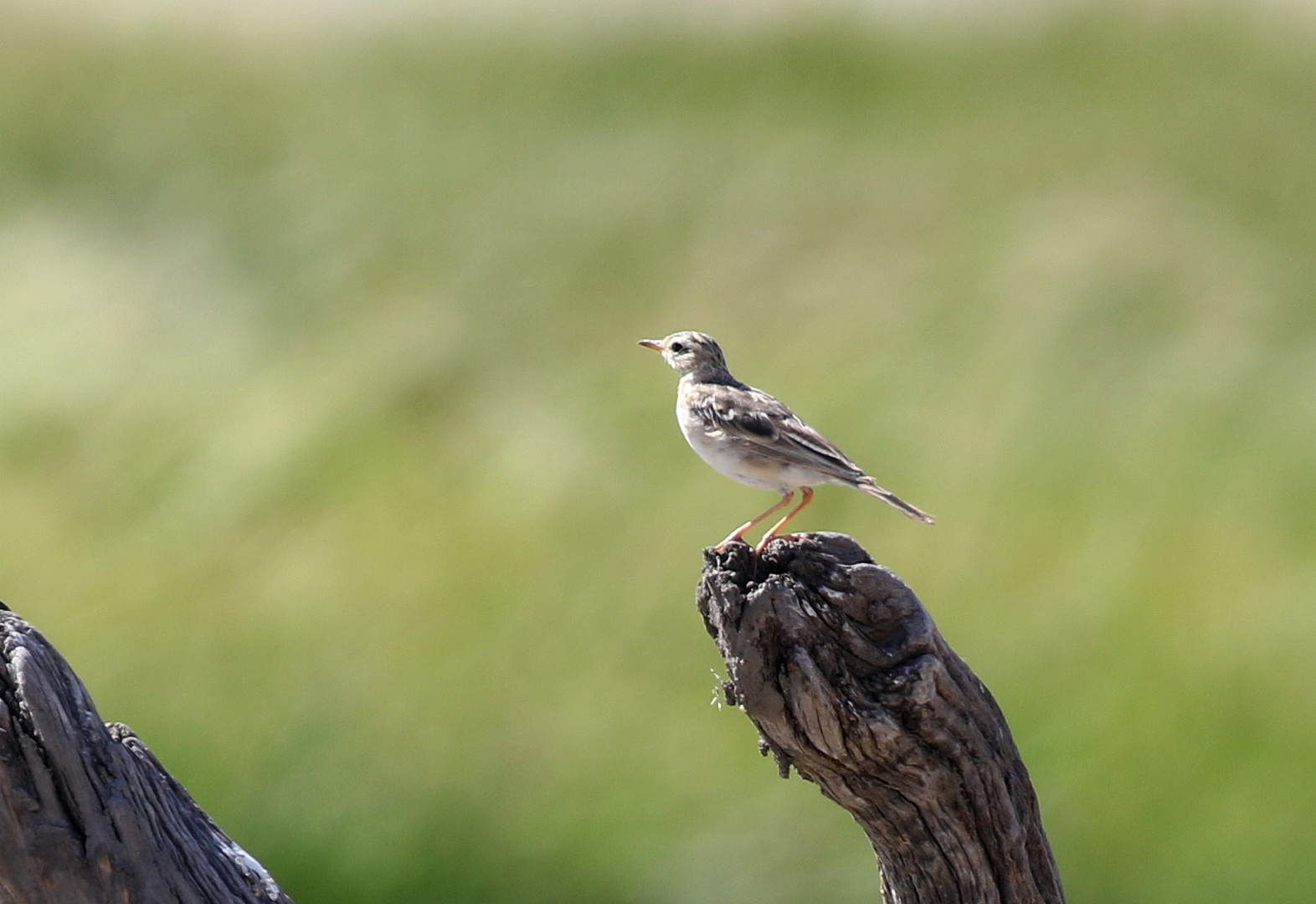
UI Pipit
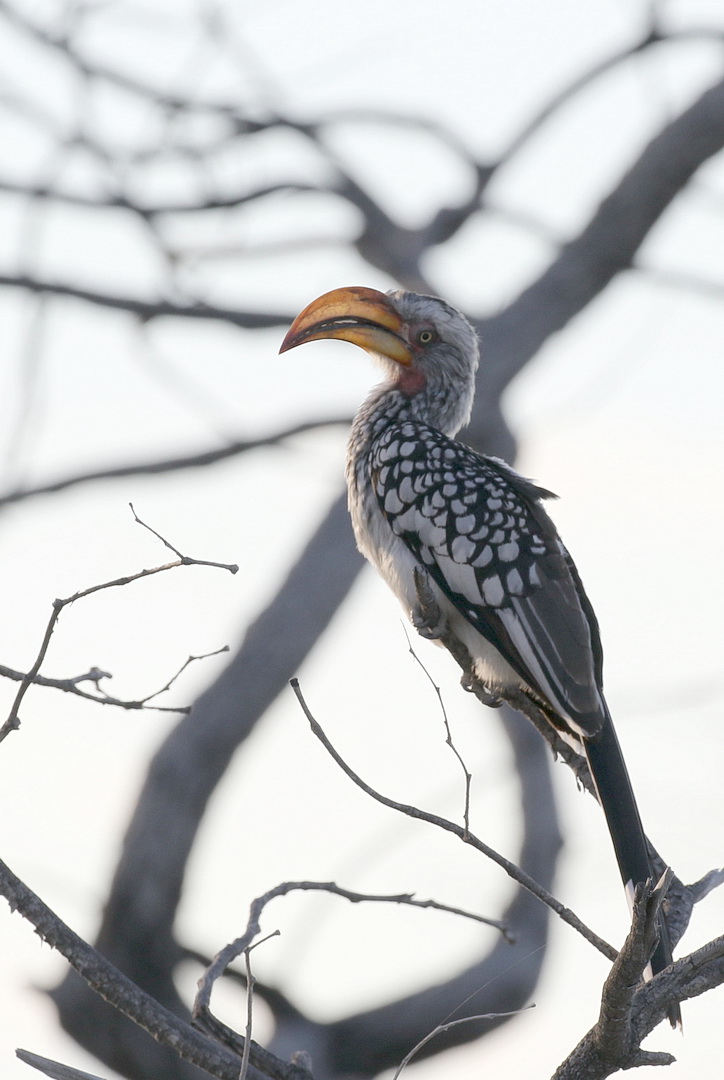
Yellow-billed Hornbill
African Harrier-Hawk – juvenile
African Harrier-Hawk – juvenile
African Harrier-Hawk – juvenile
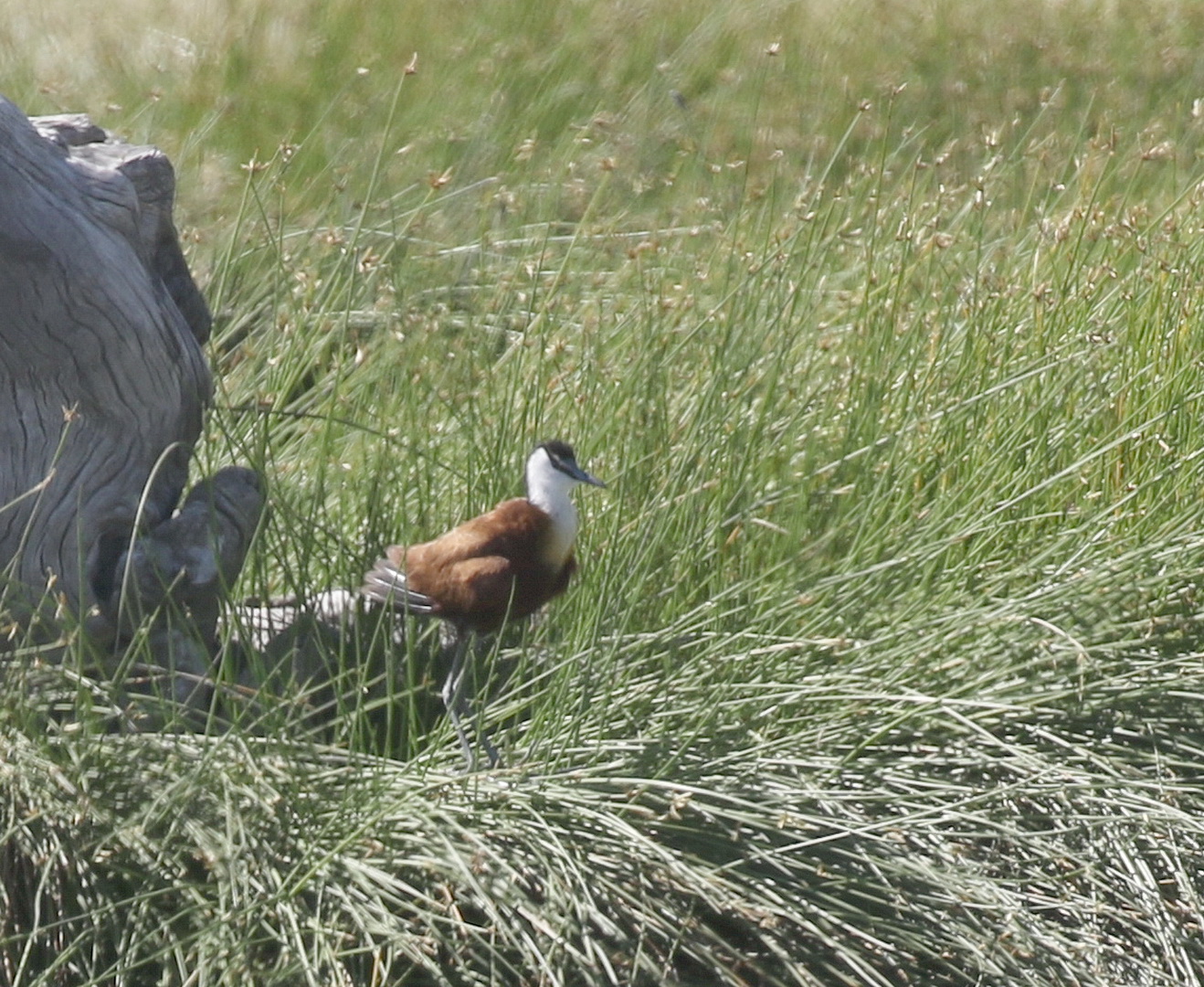
African Jacana
Blacksmith Lapwing
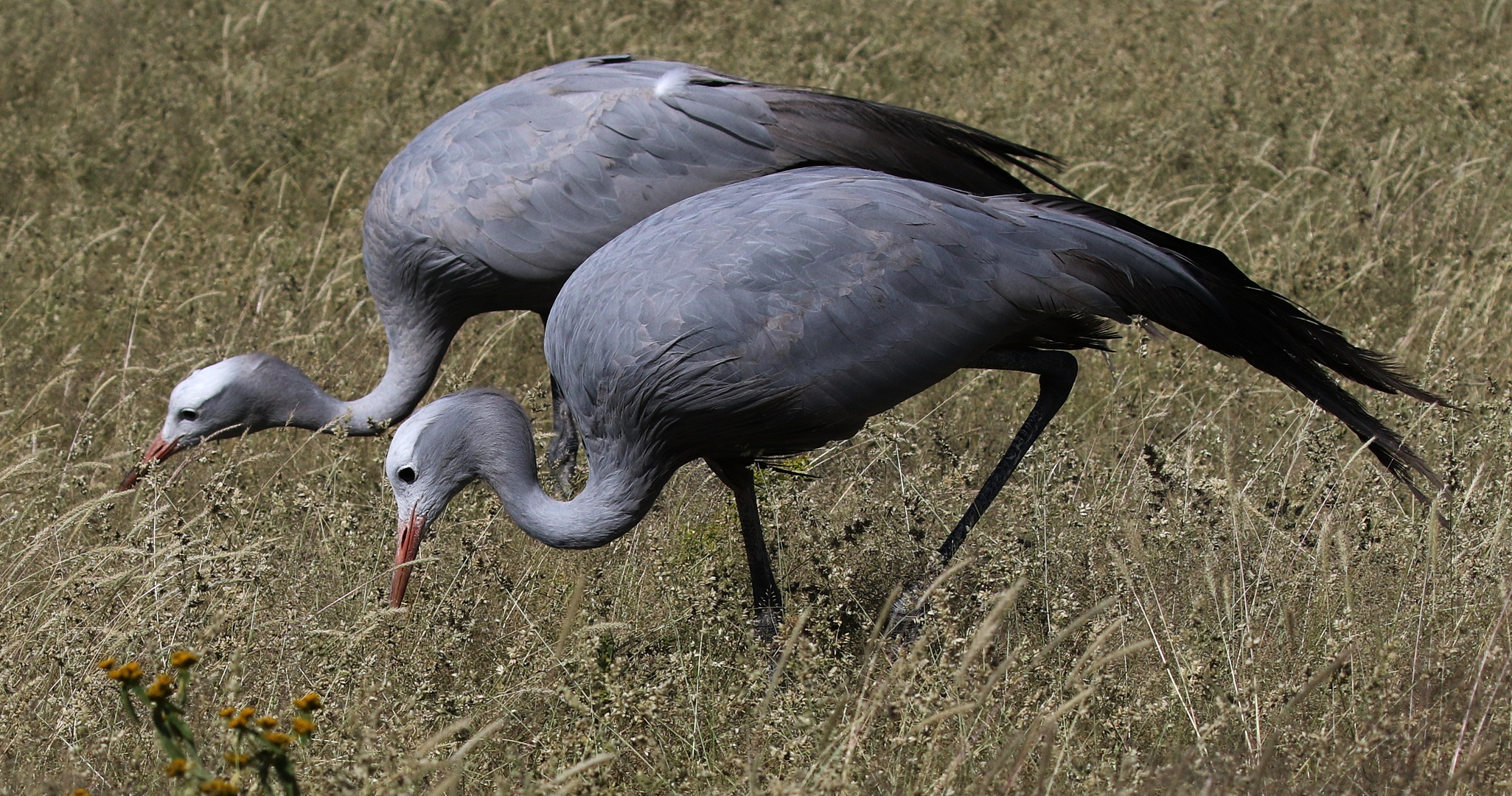
Blue Cranes
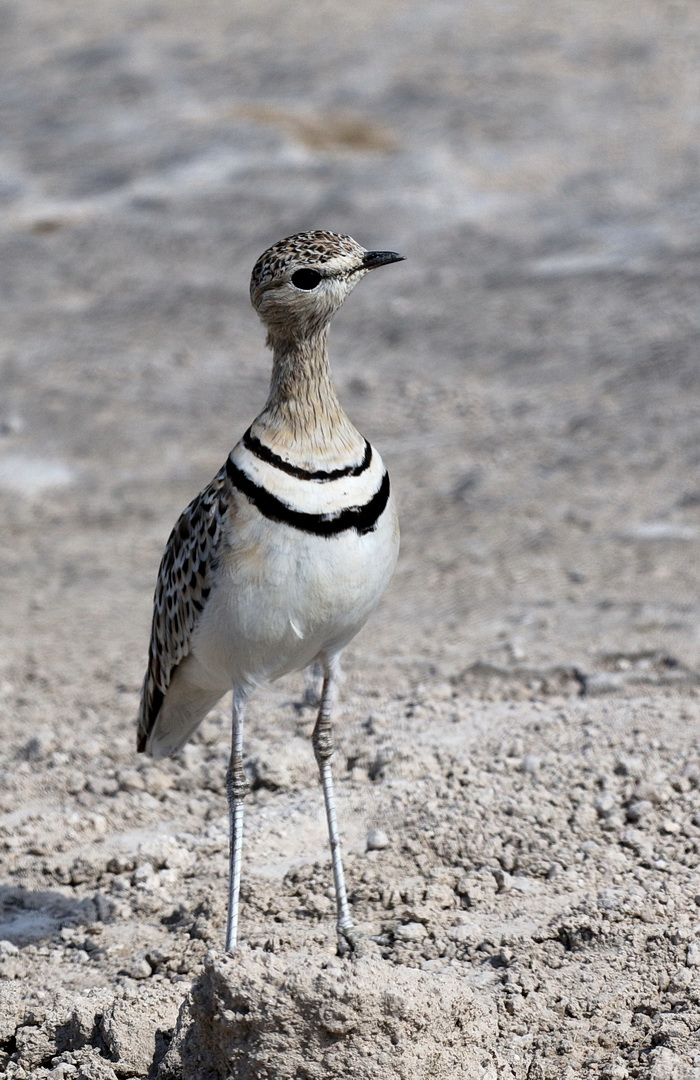
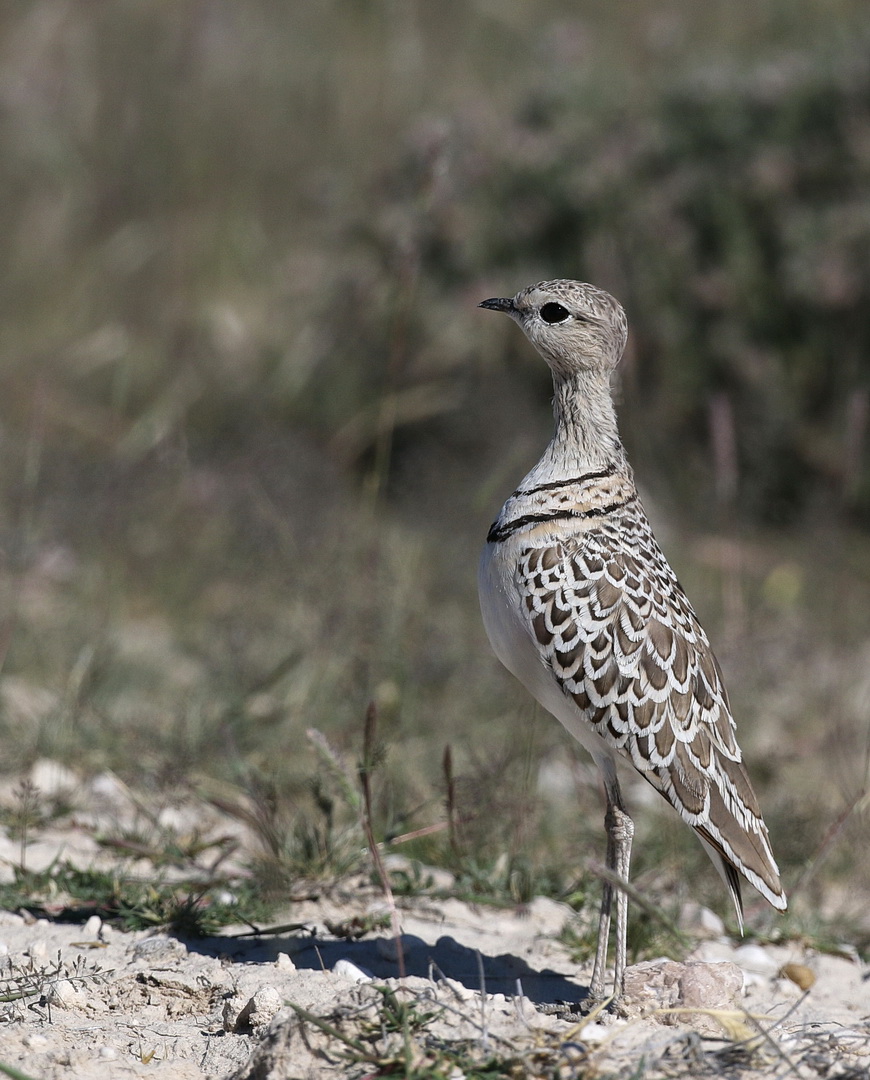
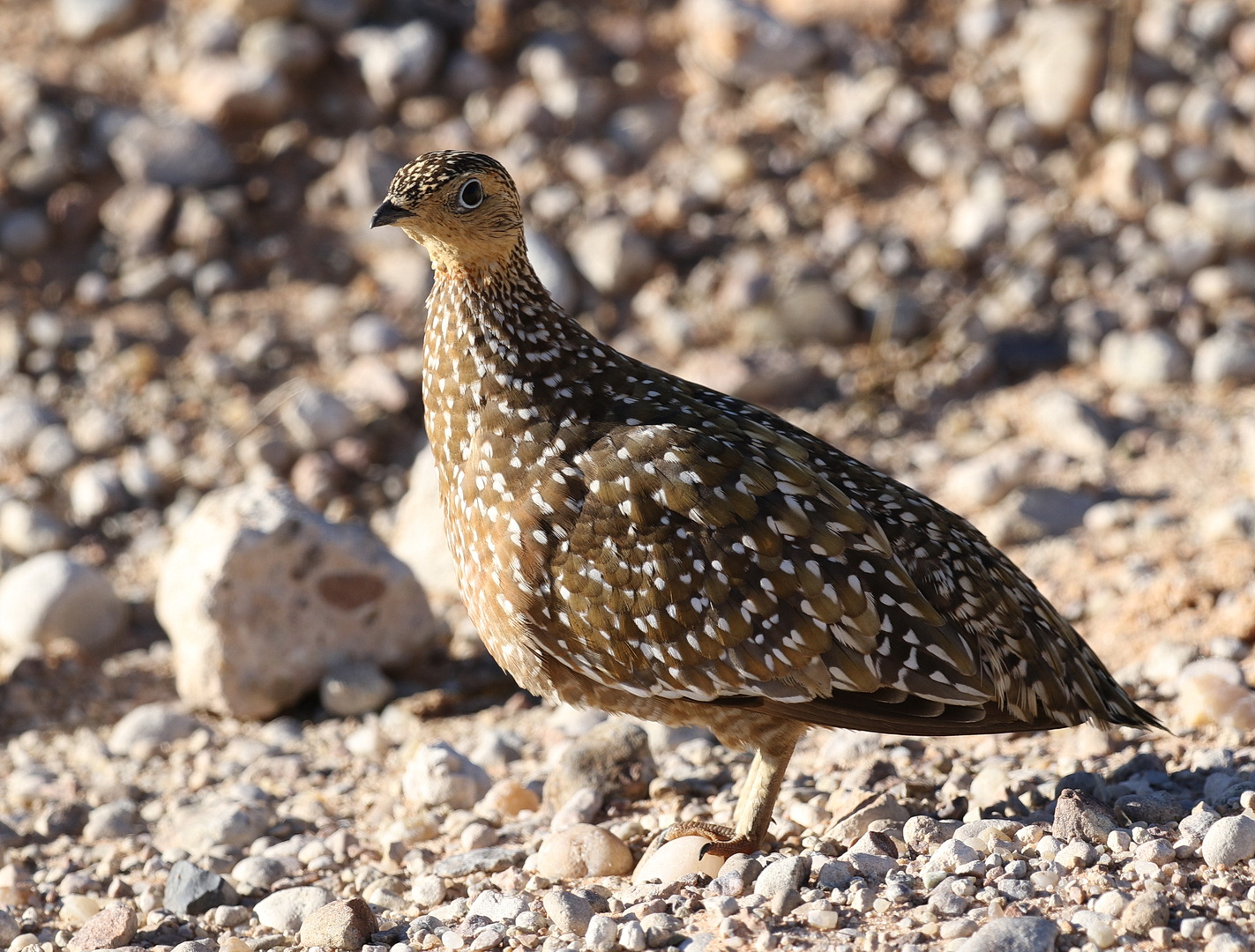
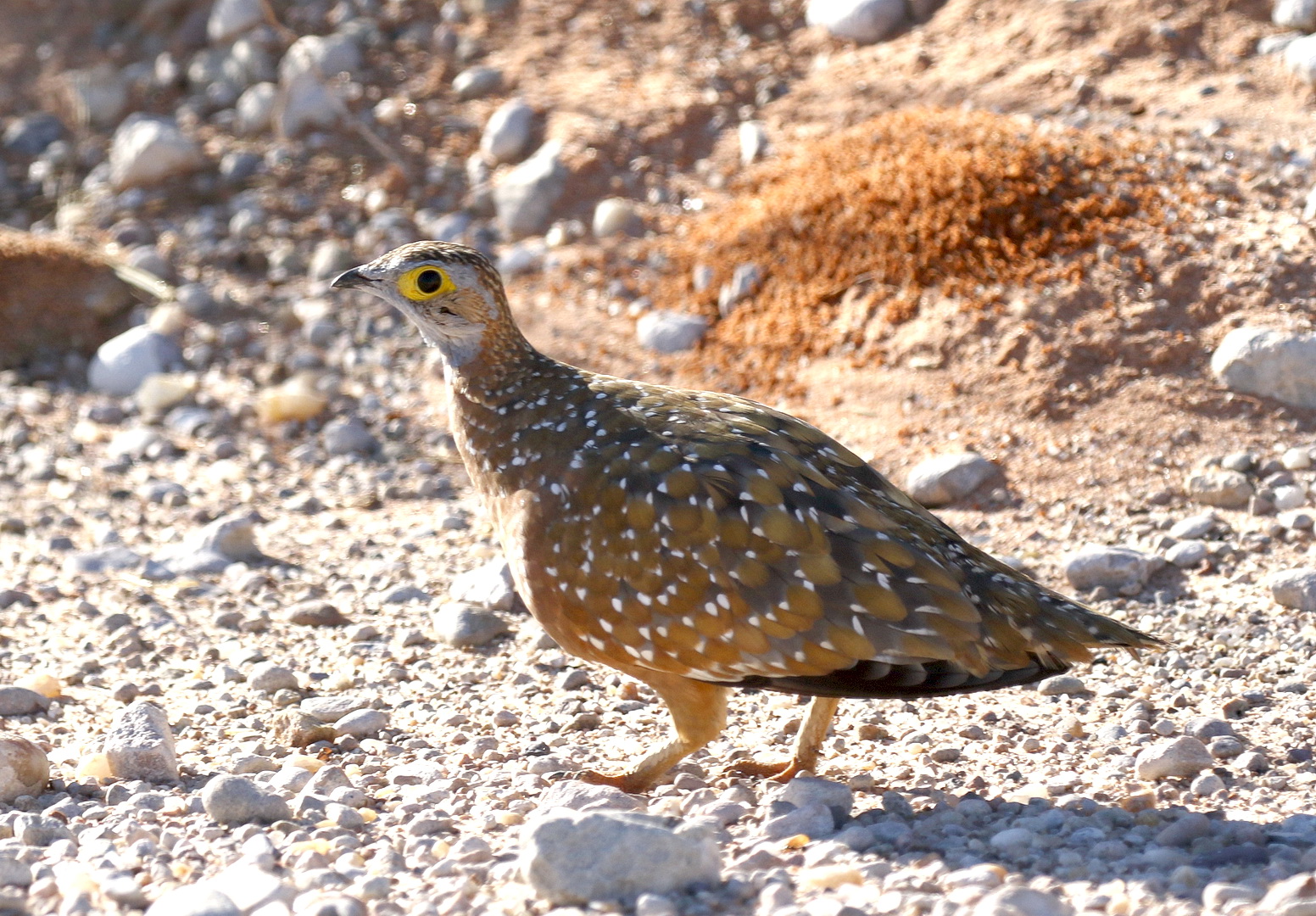
Double-banded Courser
Double-banded Courser
Double-banded Courser
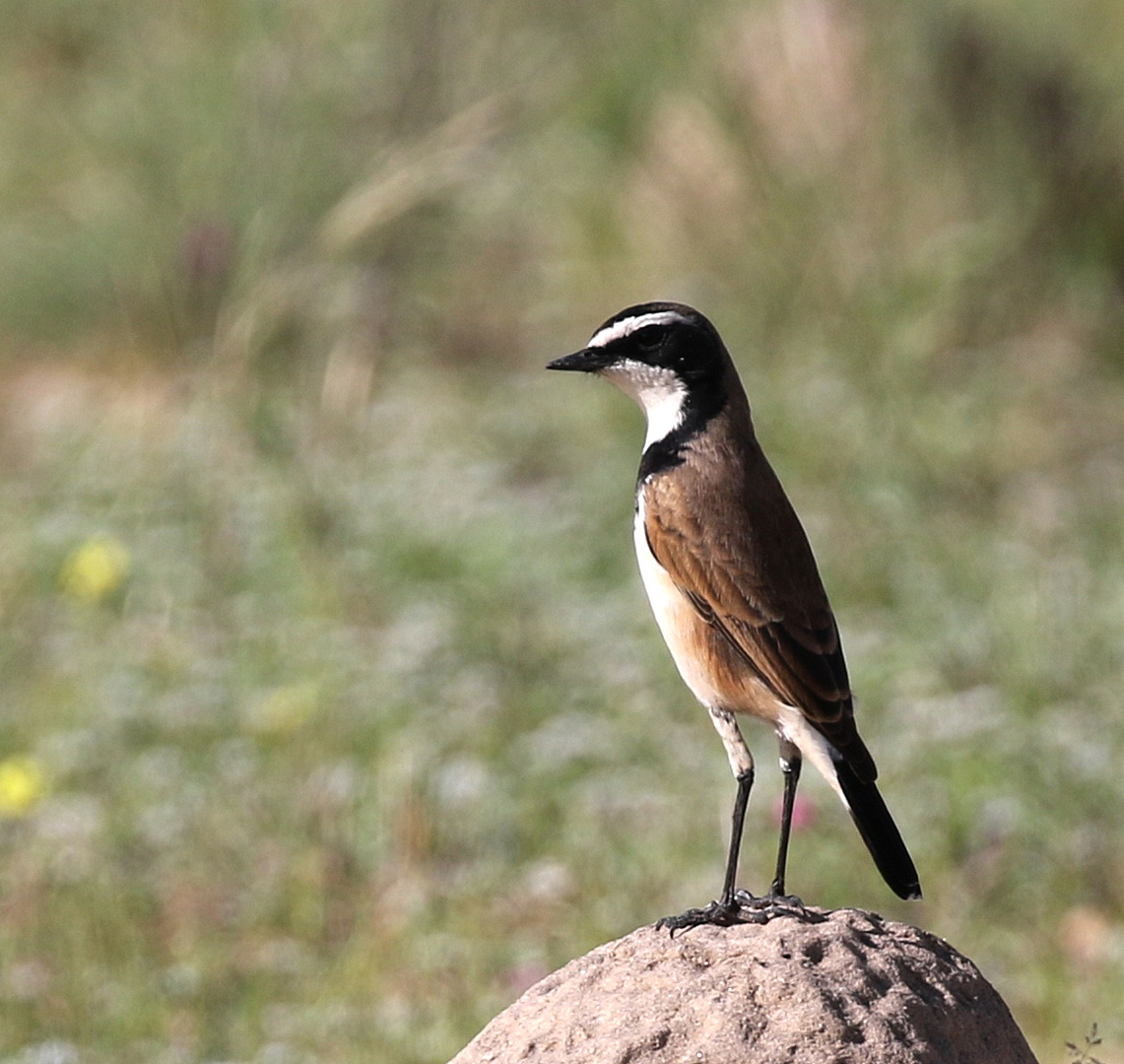
Capped Wheatear
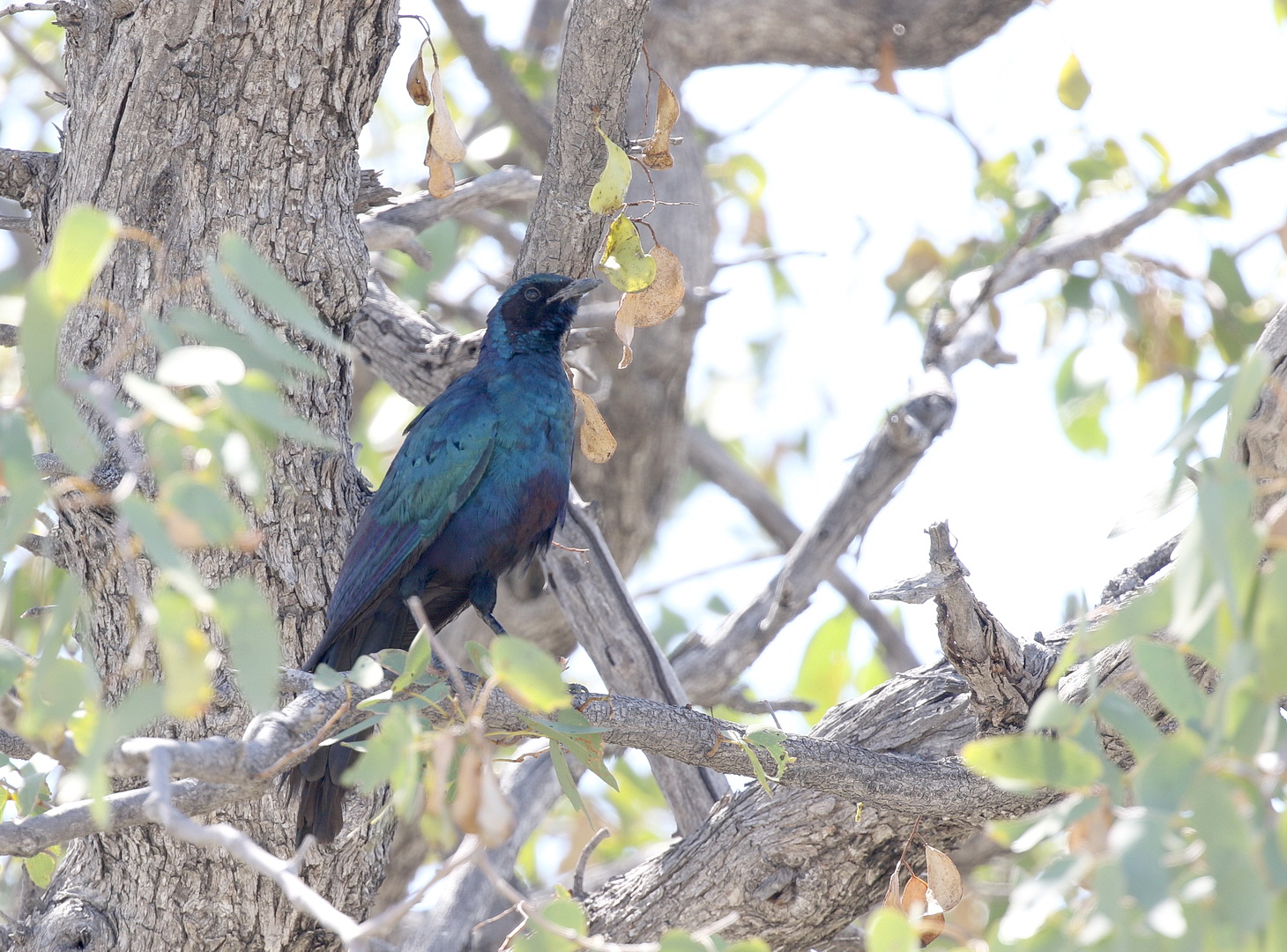
Burchell’s Starling
Chestnut-backed Sparrow-Larks
Grey-backed Sparrow-Lark
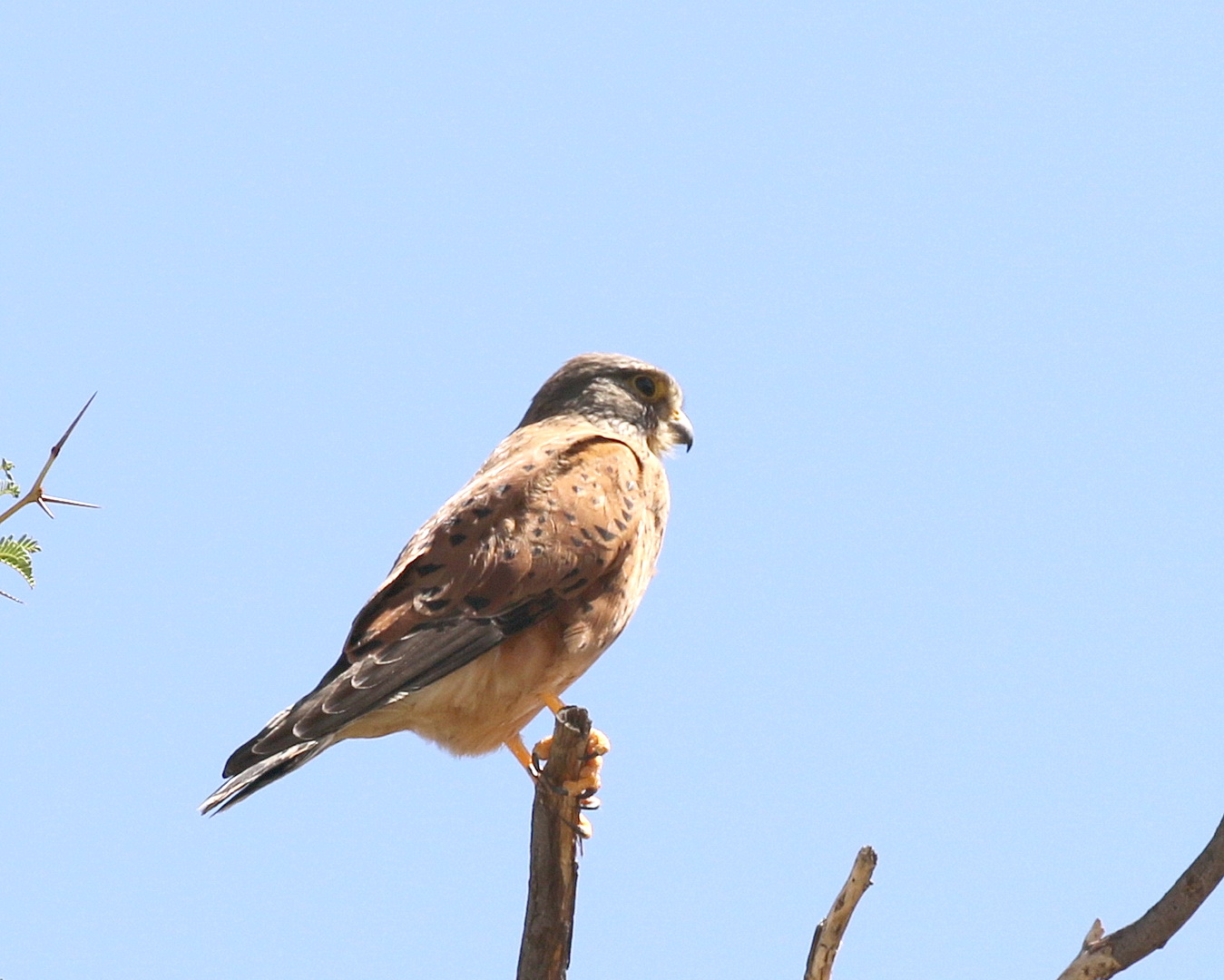
Greater Kestrel
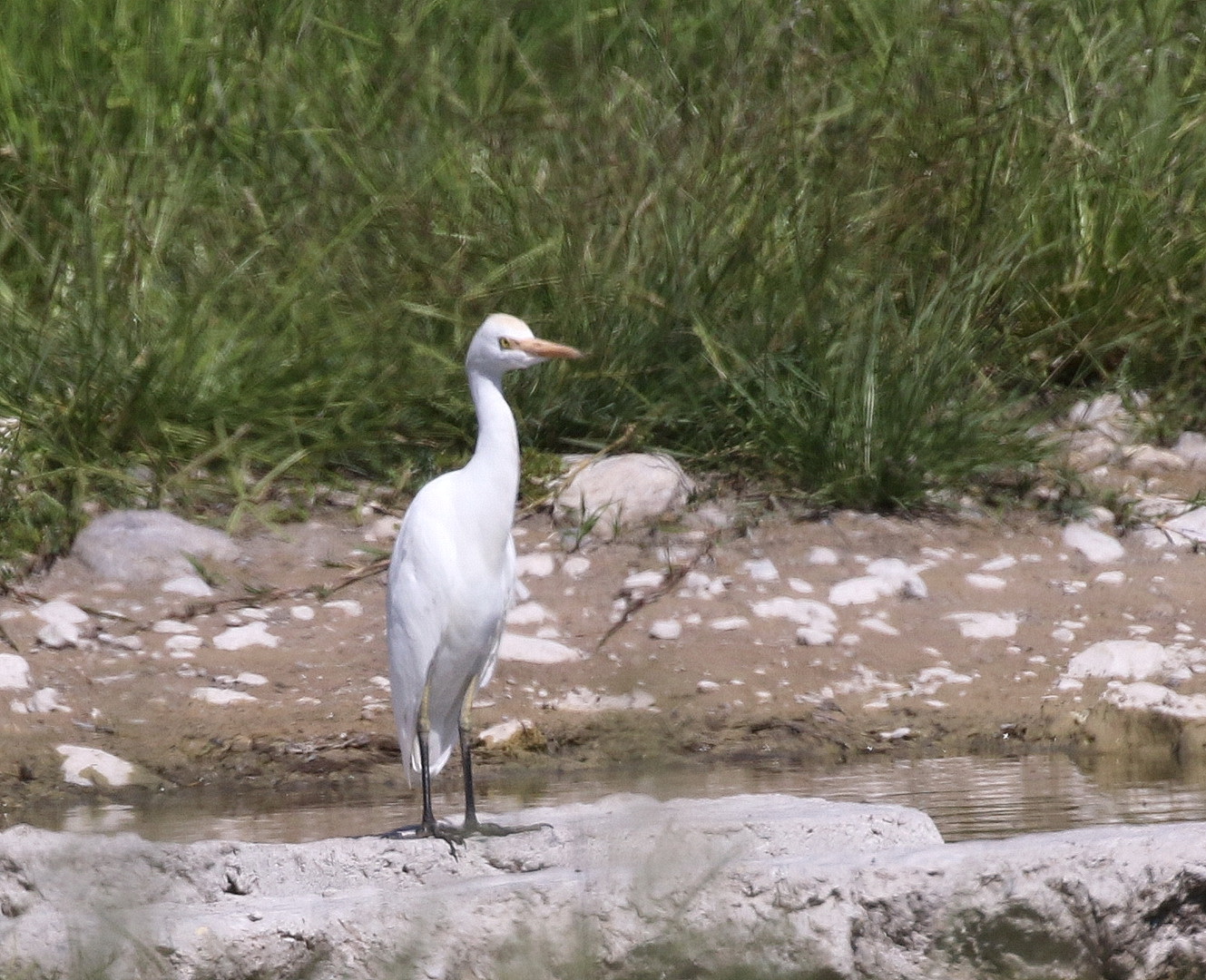
Western Cattle Egret
Kori Bustard
Northern Black Korhaan
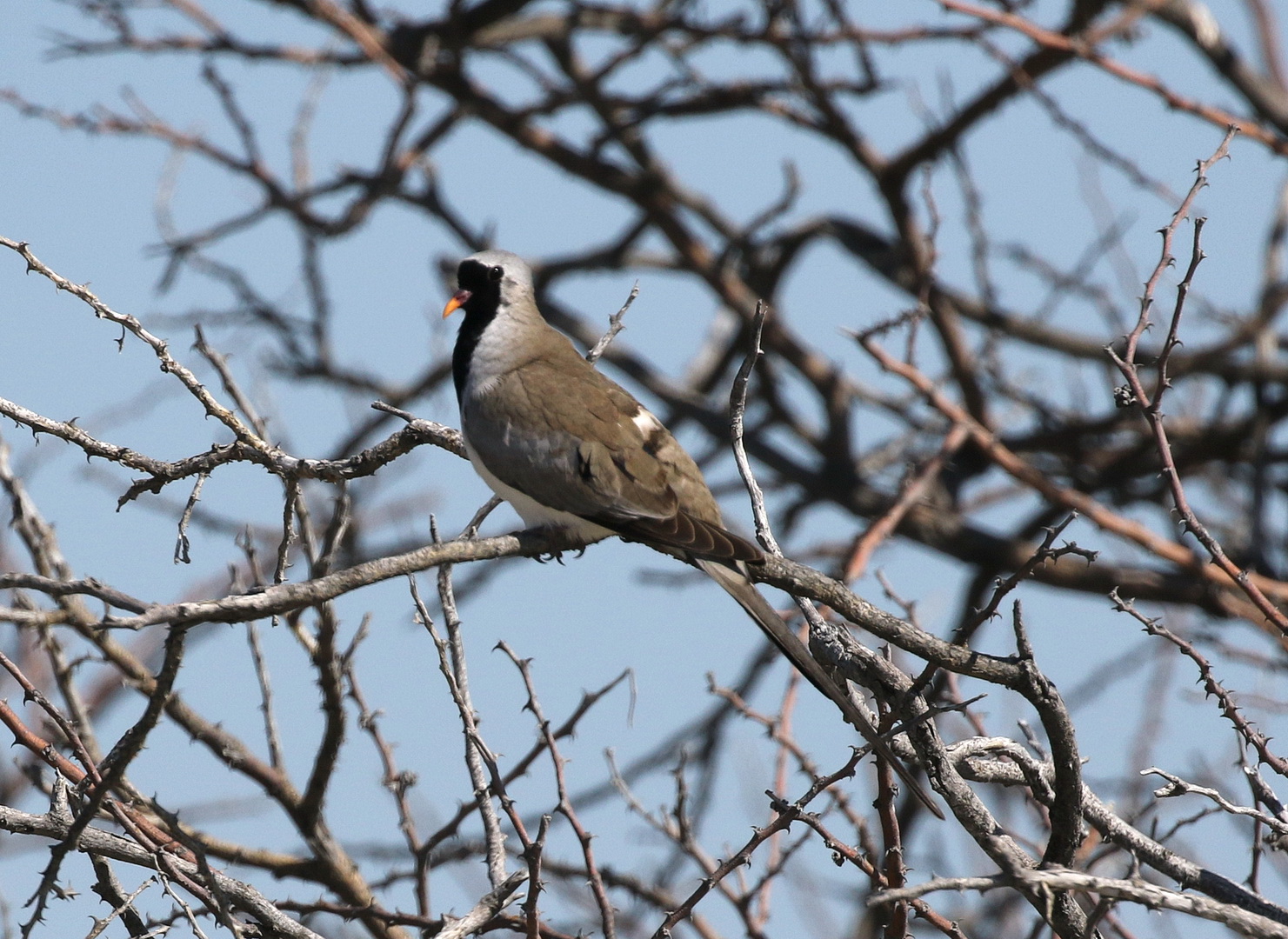
Namaqua Dove
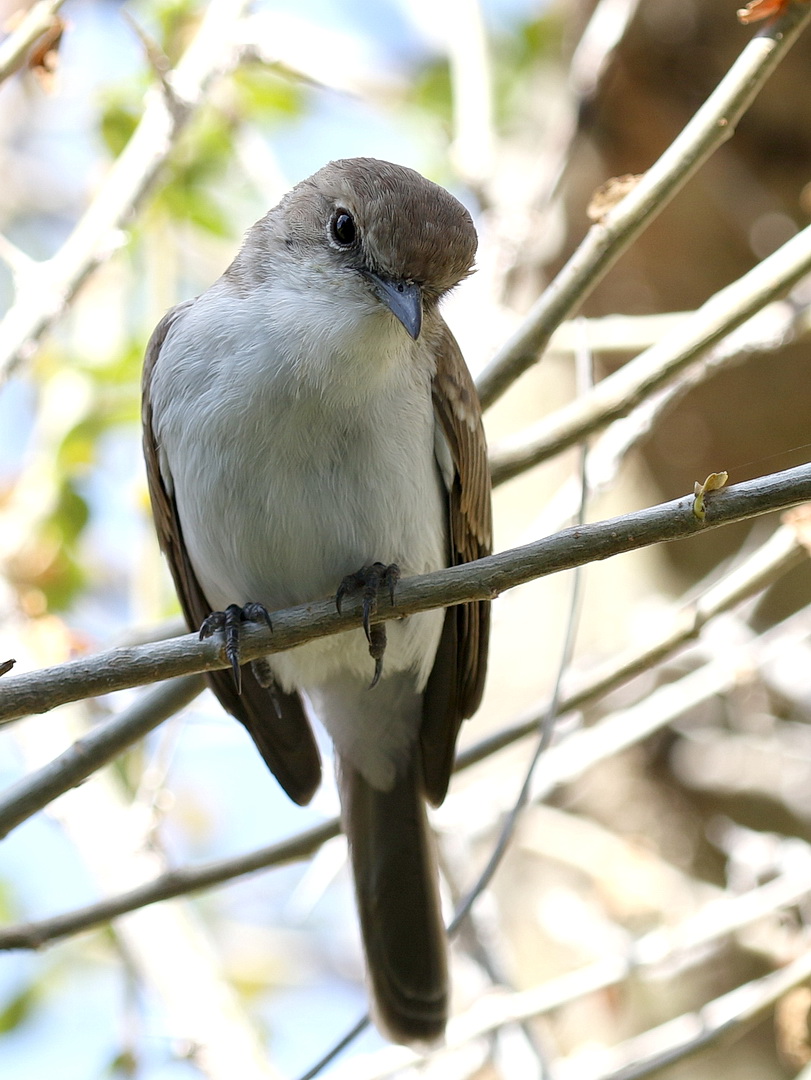
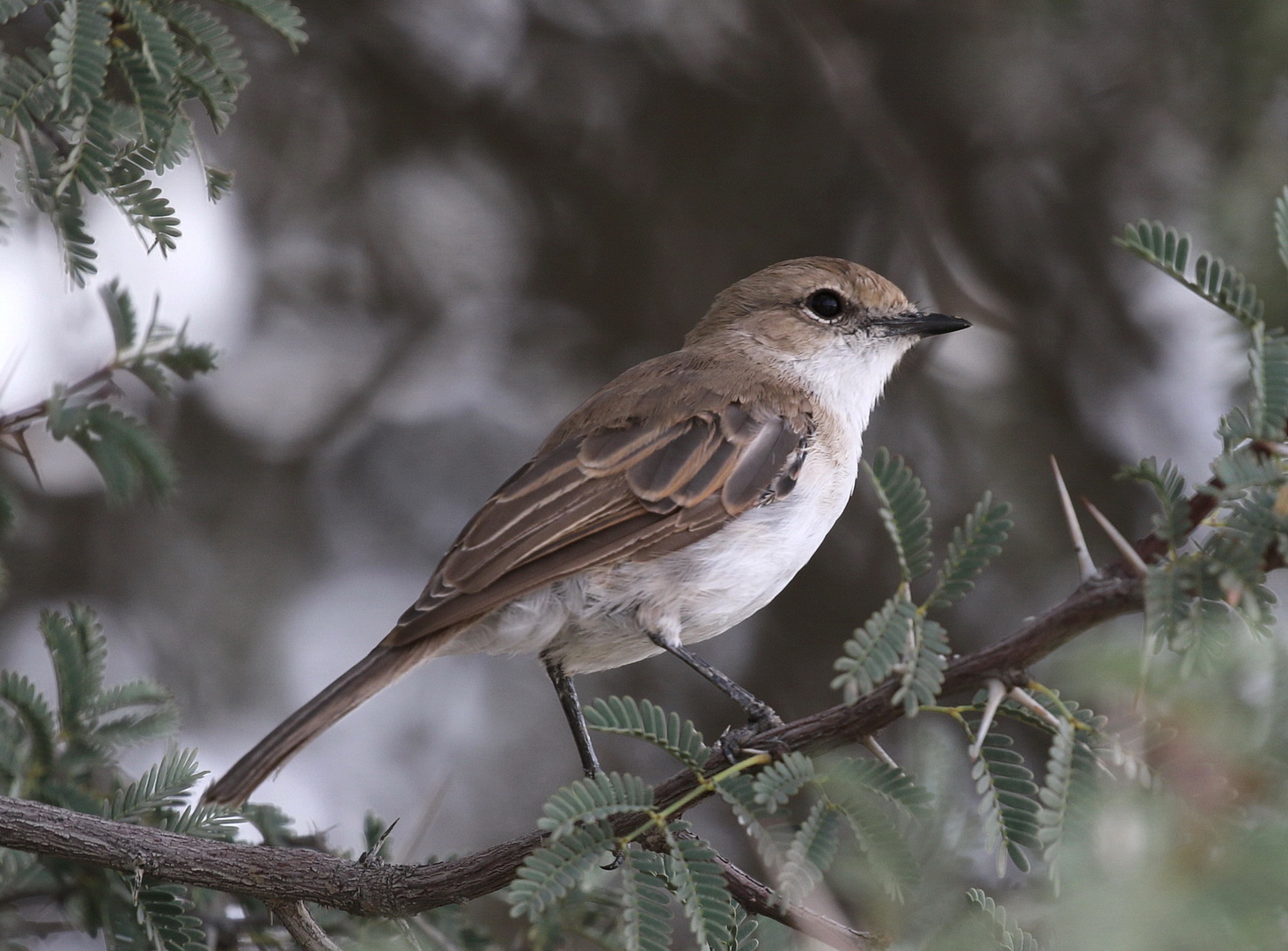
Marico Flycatcher
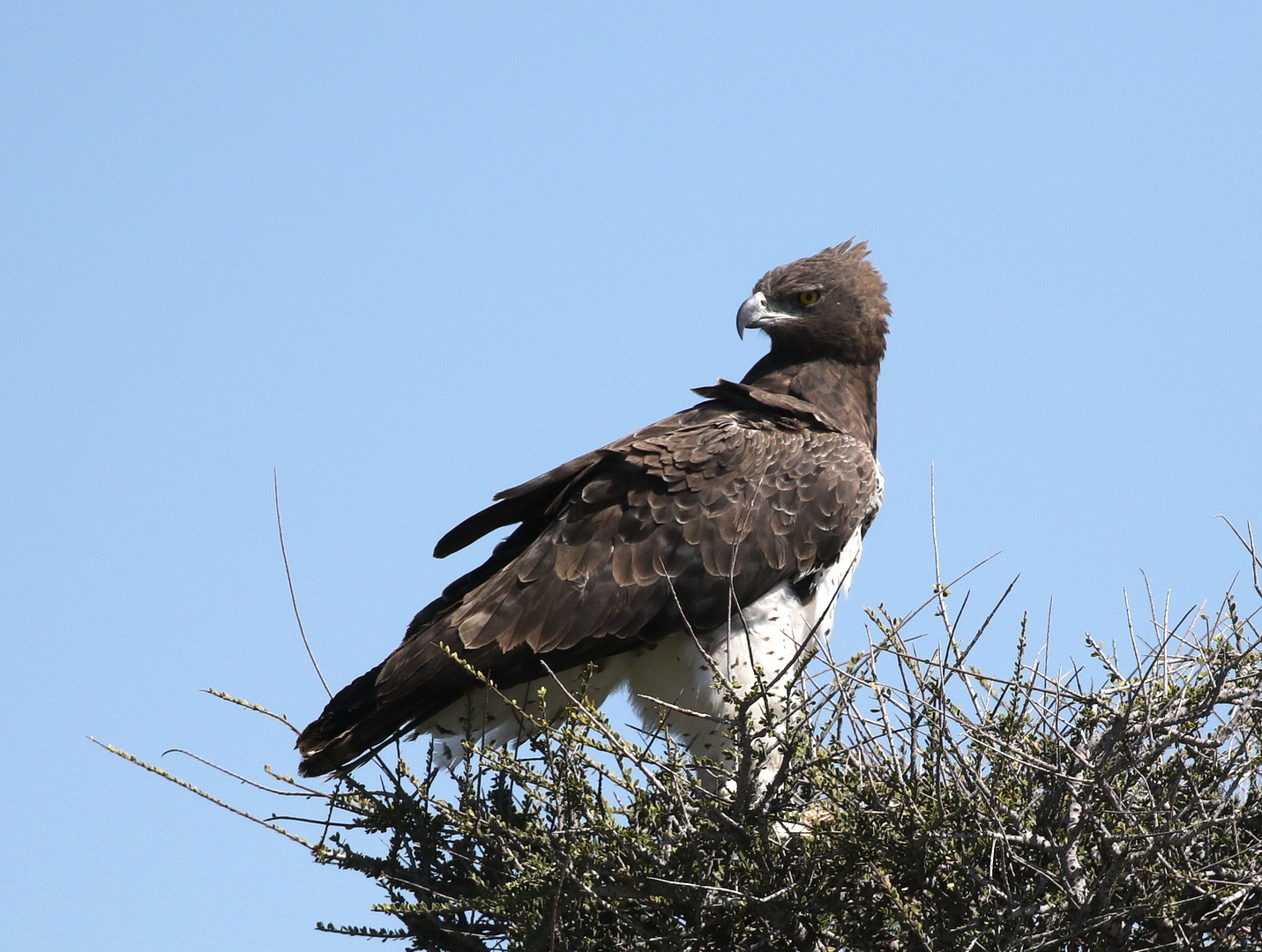
Martial Eagle
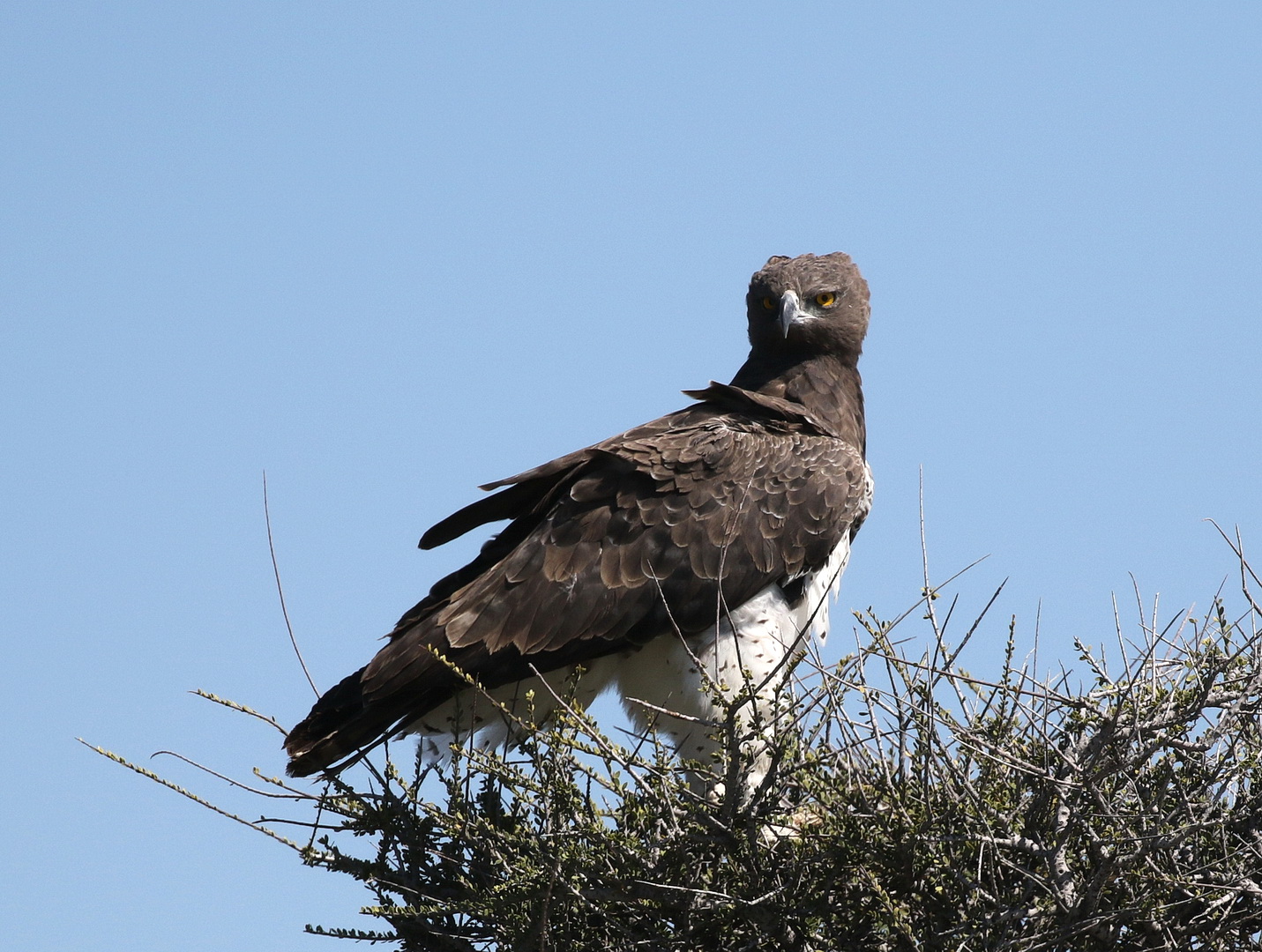
Martial Eagle
At last we arrive in Halali – the central camp between Okaukuejo and Namutoni – about 70 kms from each. We just miss the best campsite – No. 37 – by about 5 minutes. However we did recamp there when the people left after two nights.
Campsite 37 at Halali – large and private
Campsite 37 at Halali – large and private
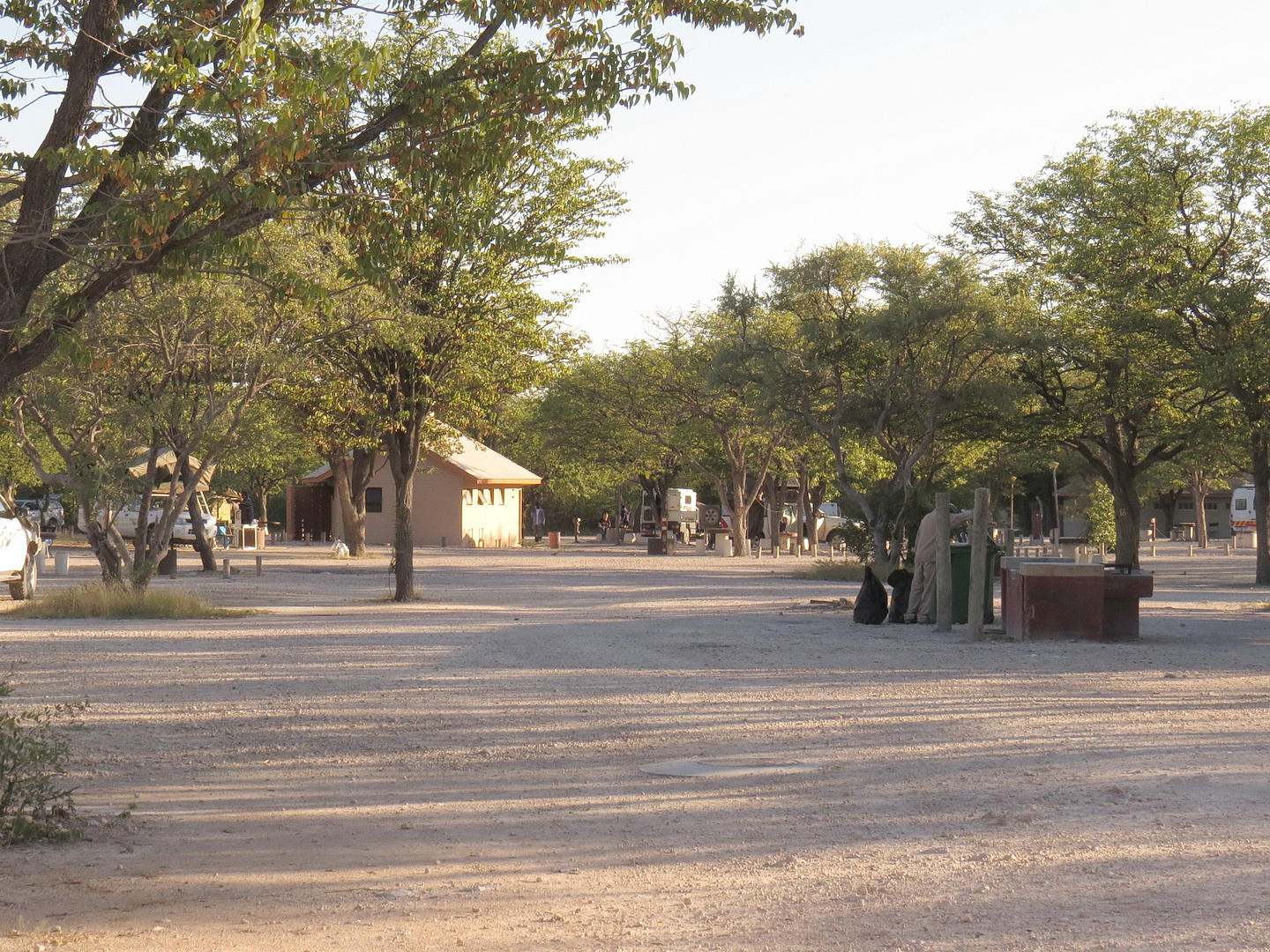
Halali camp
Moringa sign to the waterhole viewing site
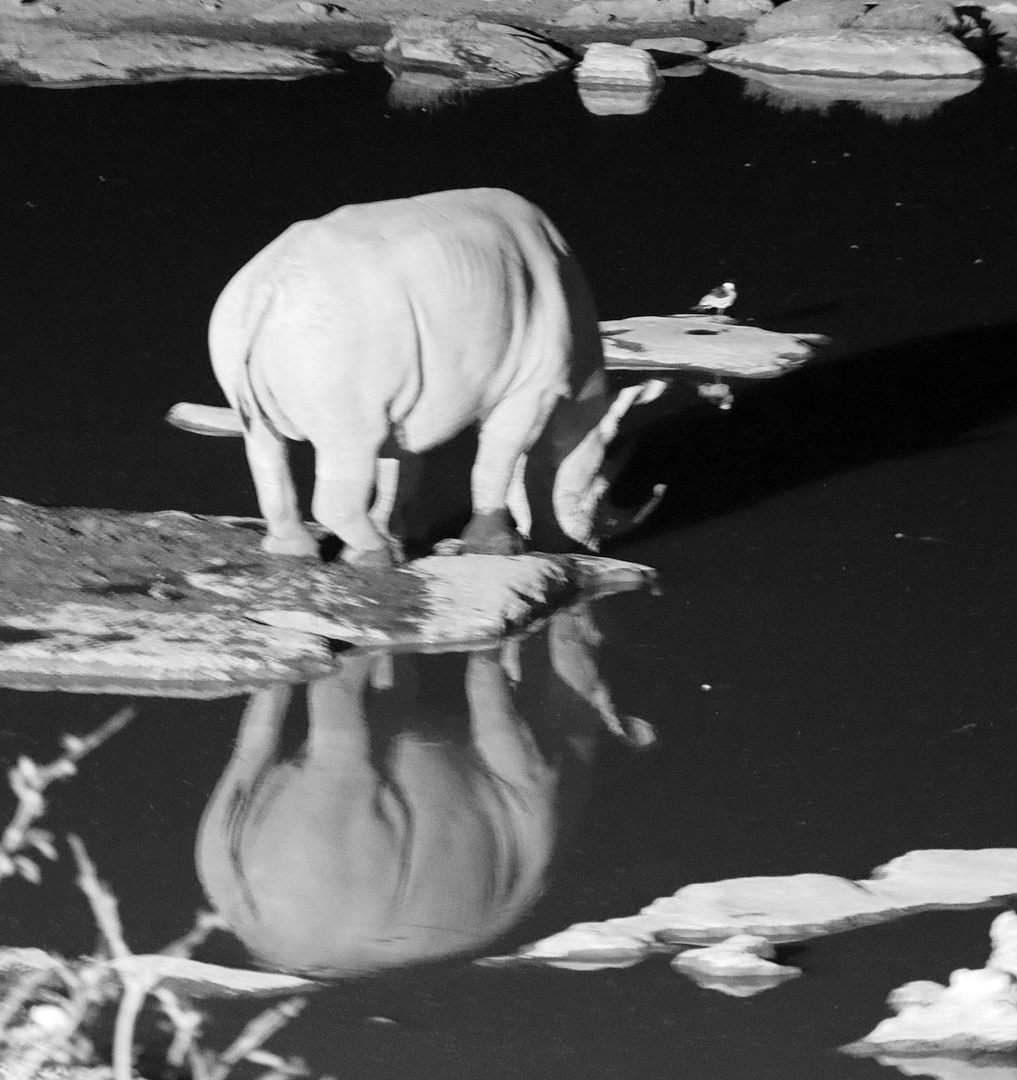
Many overlander safaris visit the camp and they can be very noisy at night. I don’t think we would camp there in future although the waterhole can be interesting at night. While there this time we saw Elephants, Black Rhinos, Hyenas and Jackals there plus hundreds of Double-banded Sandgrouse each night, maybe more.
Sandgrouse in their hundreds at Halali waterhole every evening
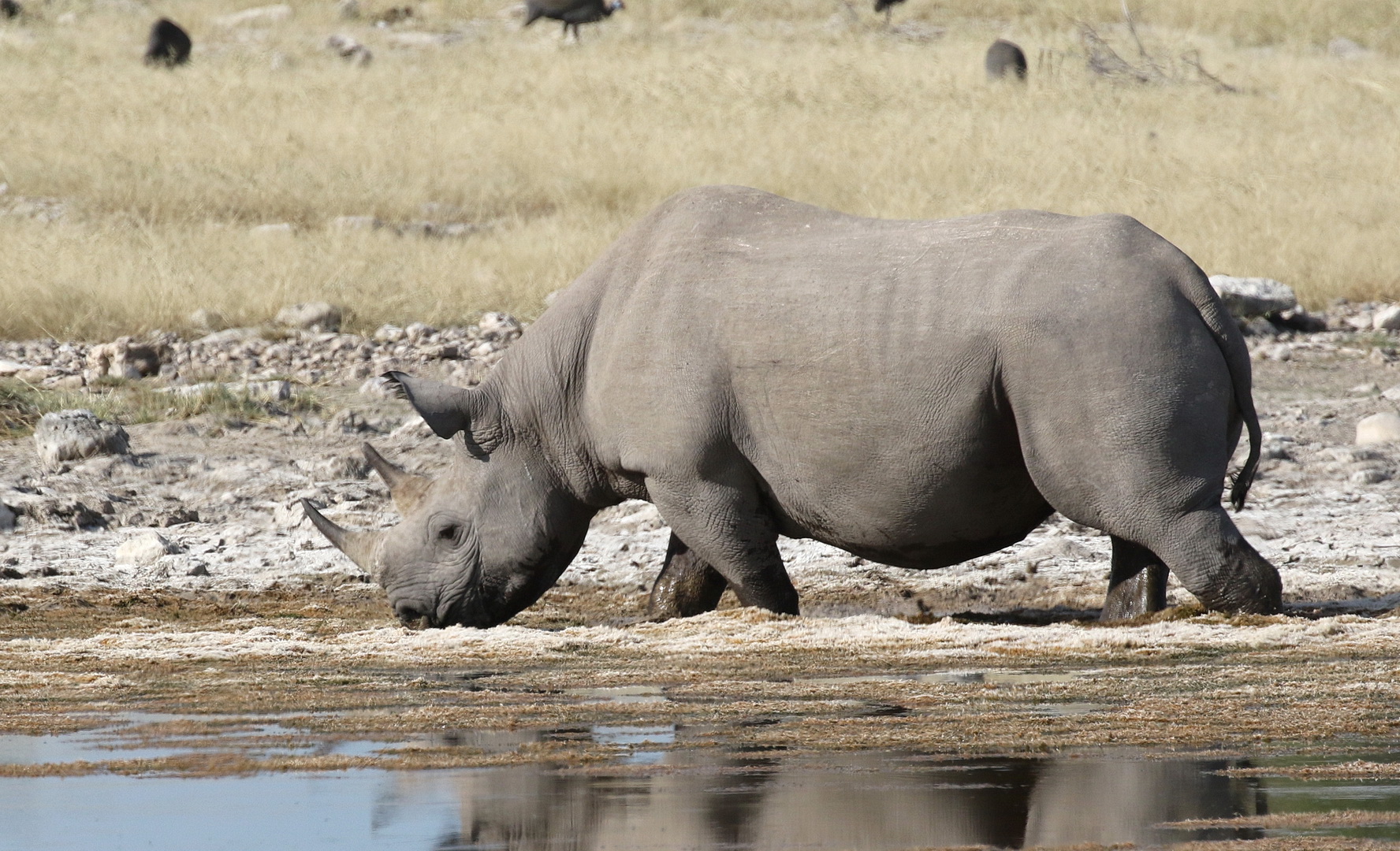
Black Rhino
Black Rhino
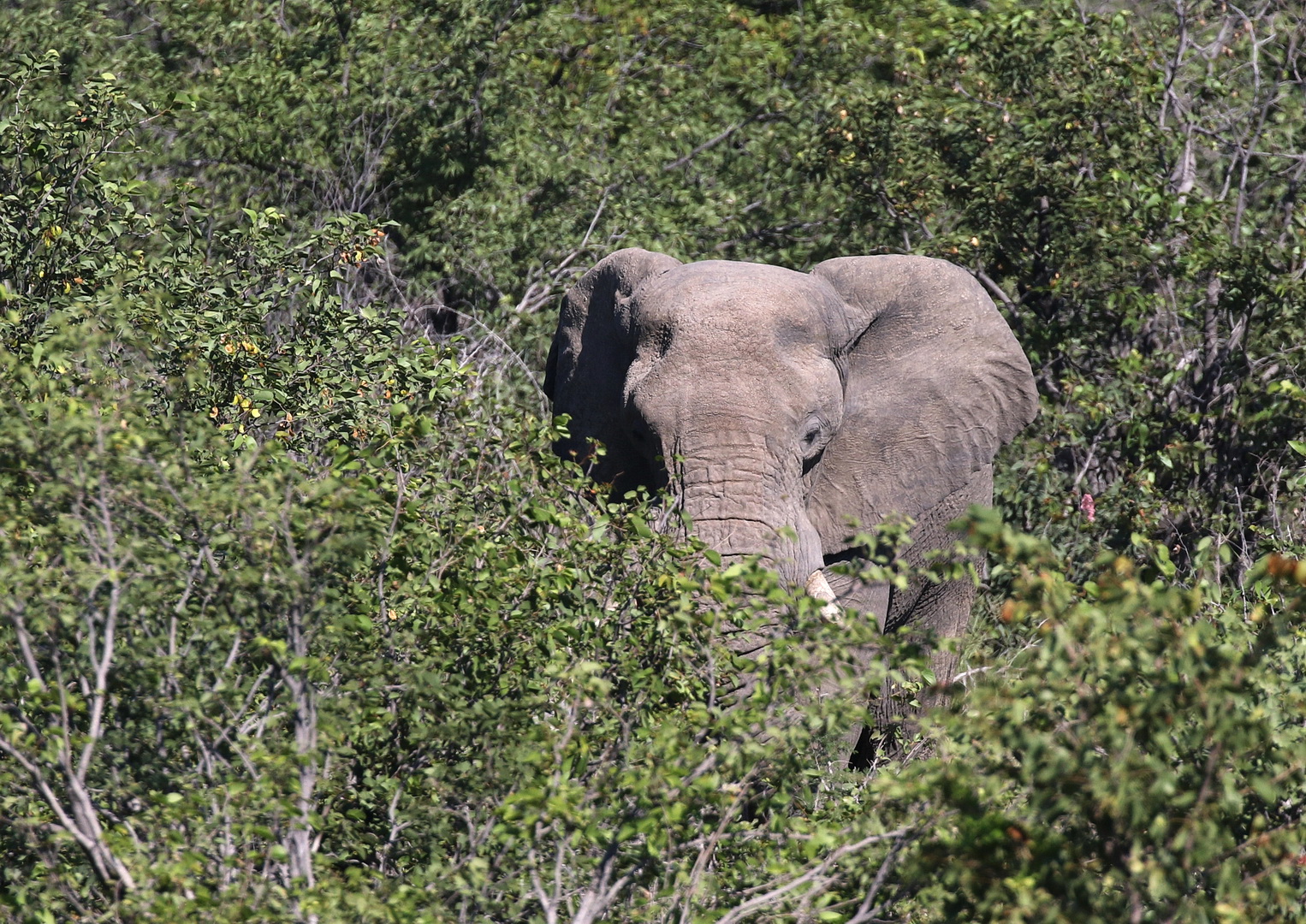
Elephant hide
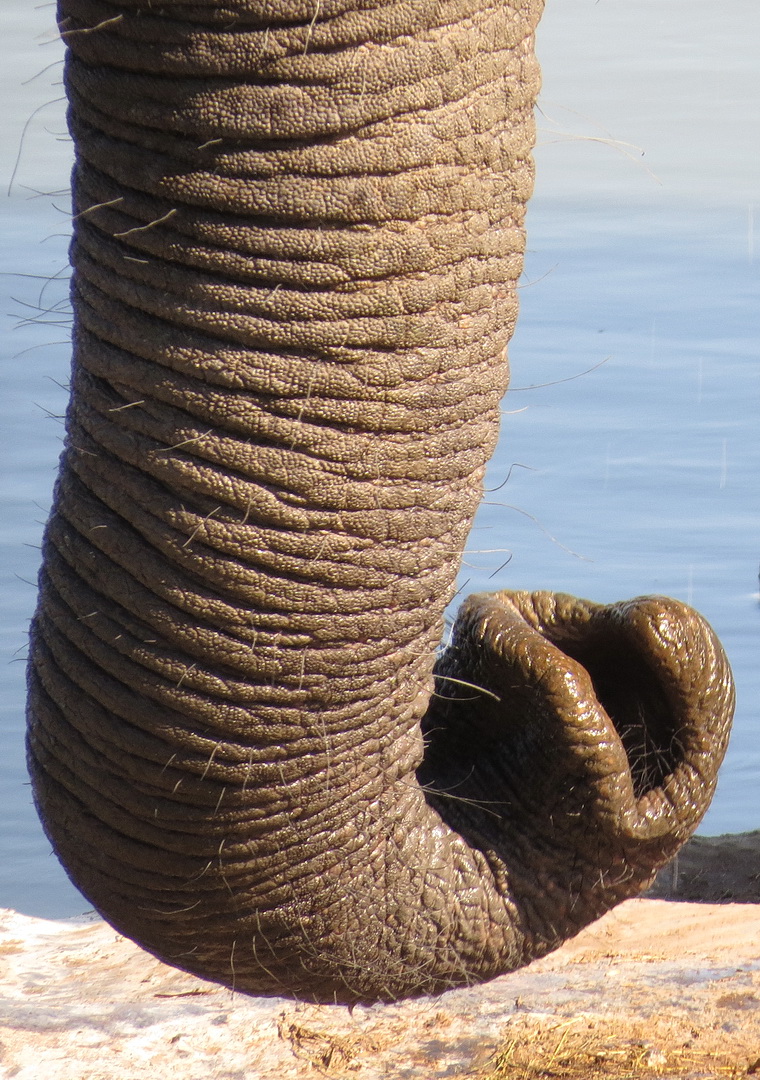
Elephant – truncating
Elephant toenails
Perhaps because of the rains we did not see a wide variety of game. We did have one sighting of three Cheetah on the first morning leaving the camp. After that no big cats. Much of our time was spent away from the camp in and around Namutoni.
Cheetah
There were of course many Black-faced Impala, Springbok, Burdhell’s Zebra, Steenbok, Black-backed Jackals about with campsite Banded Mongooses, Tree Squirells, lizards etc.
Banded Mongoose
Banded Mongoose
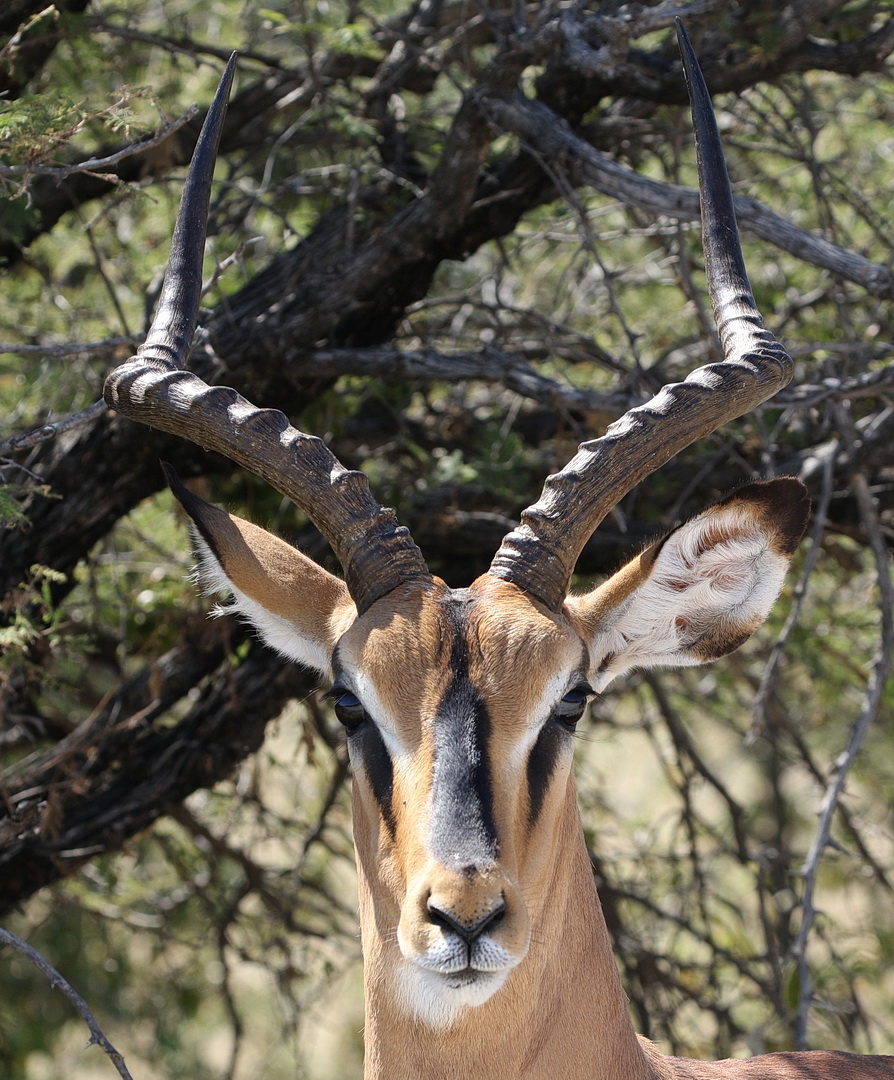
Black-faced Impala
Black-faced Impala
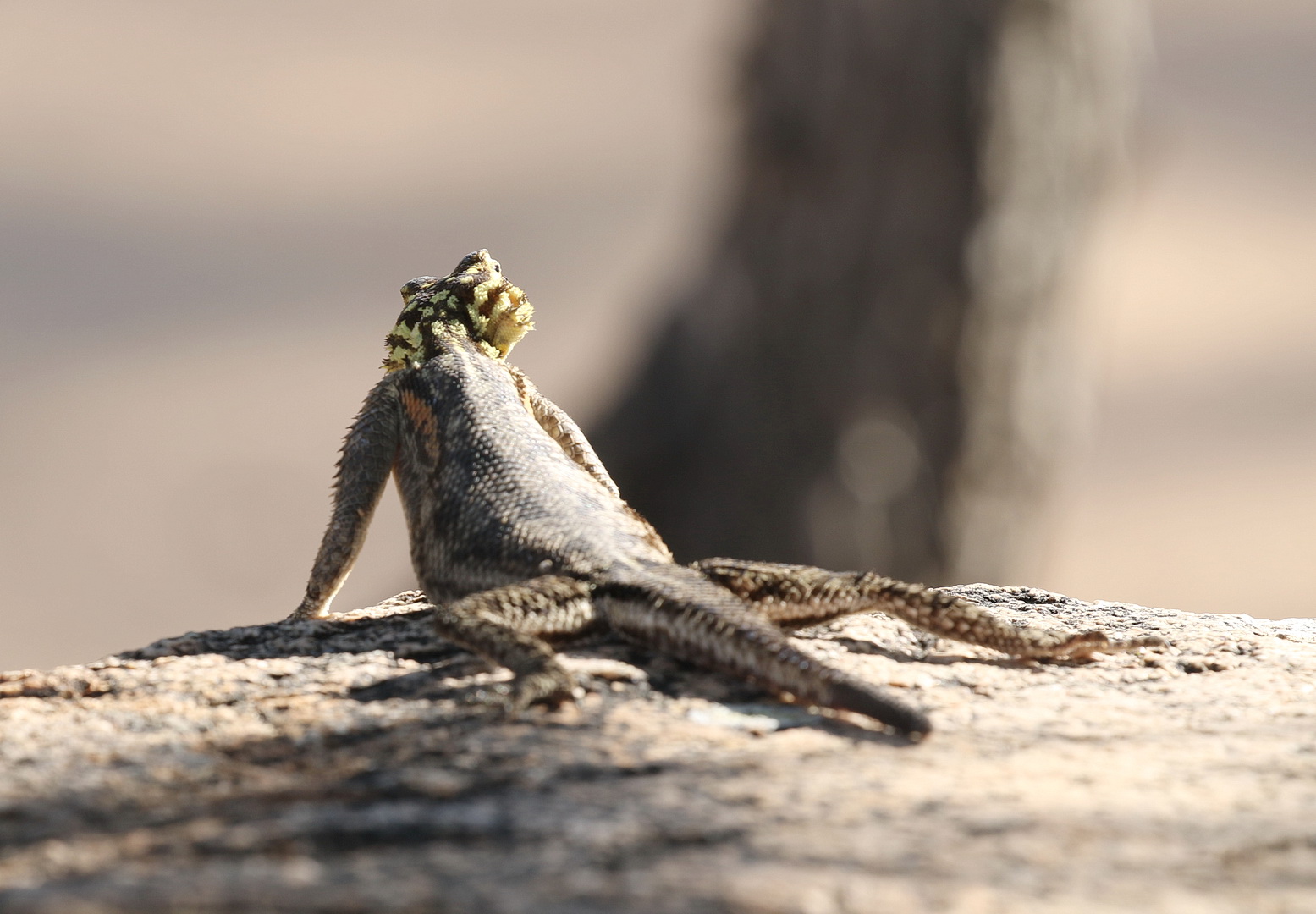
Yellow-headed Lizard
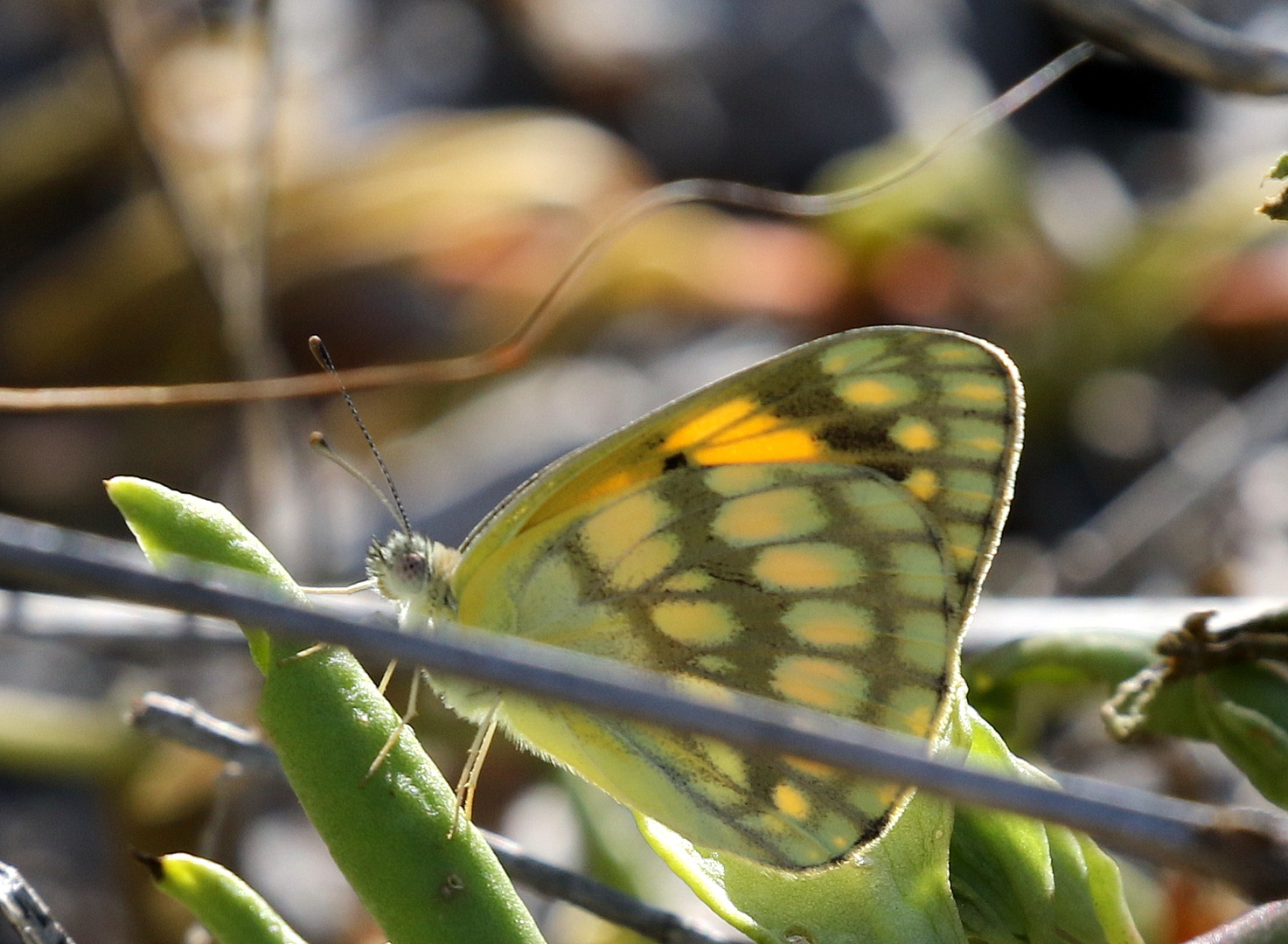
Green Butterfly
Steenbok
Burchell’s Zebra juvenile
Burchell’s Zebra
A triage of Burchell’s Zebra
Springbok
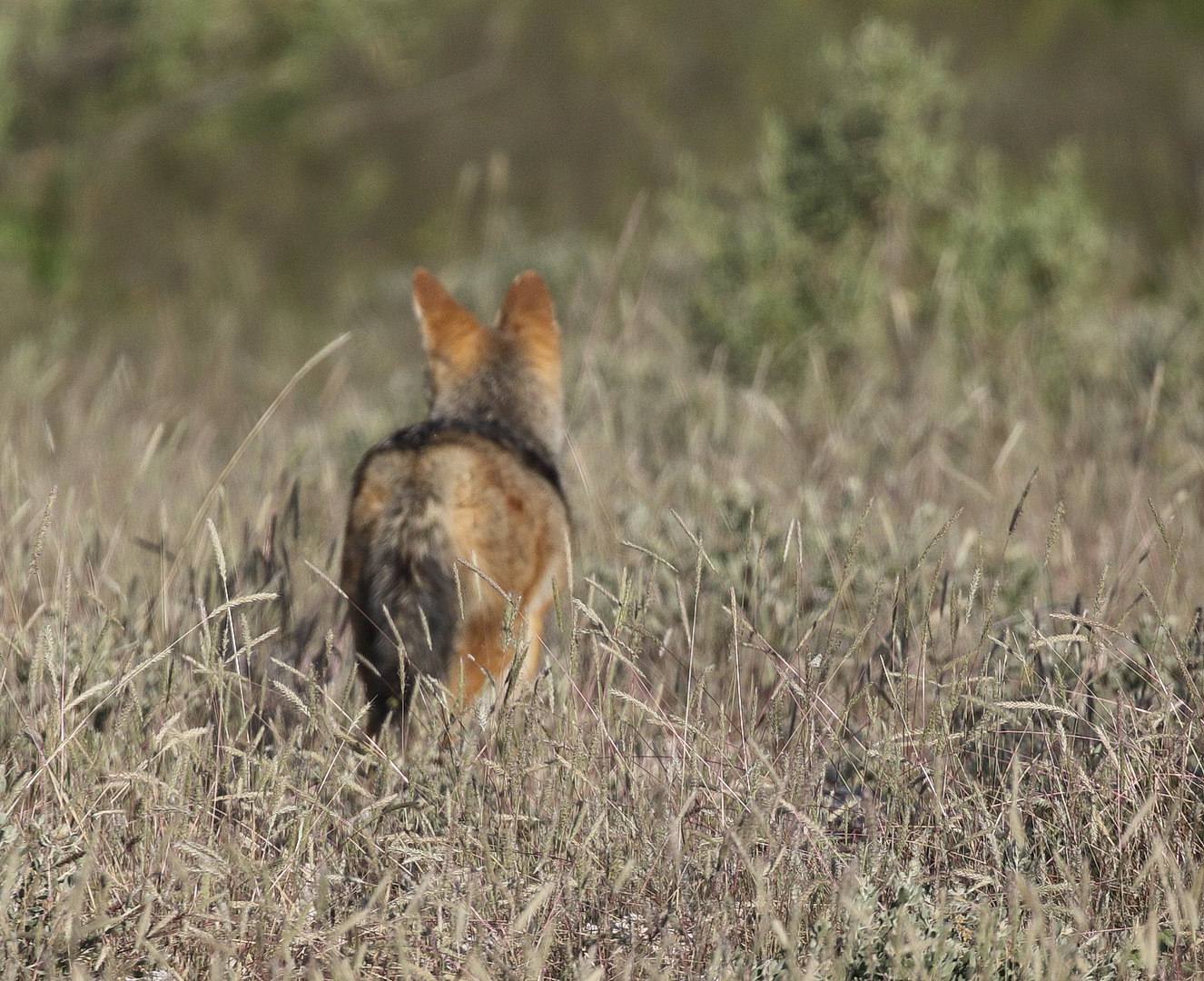
Black-backed Jackal
Tree Squirrell
Tiny green Terrapin in the middle of nowhere
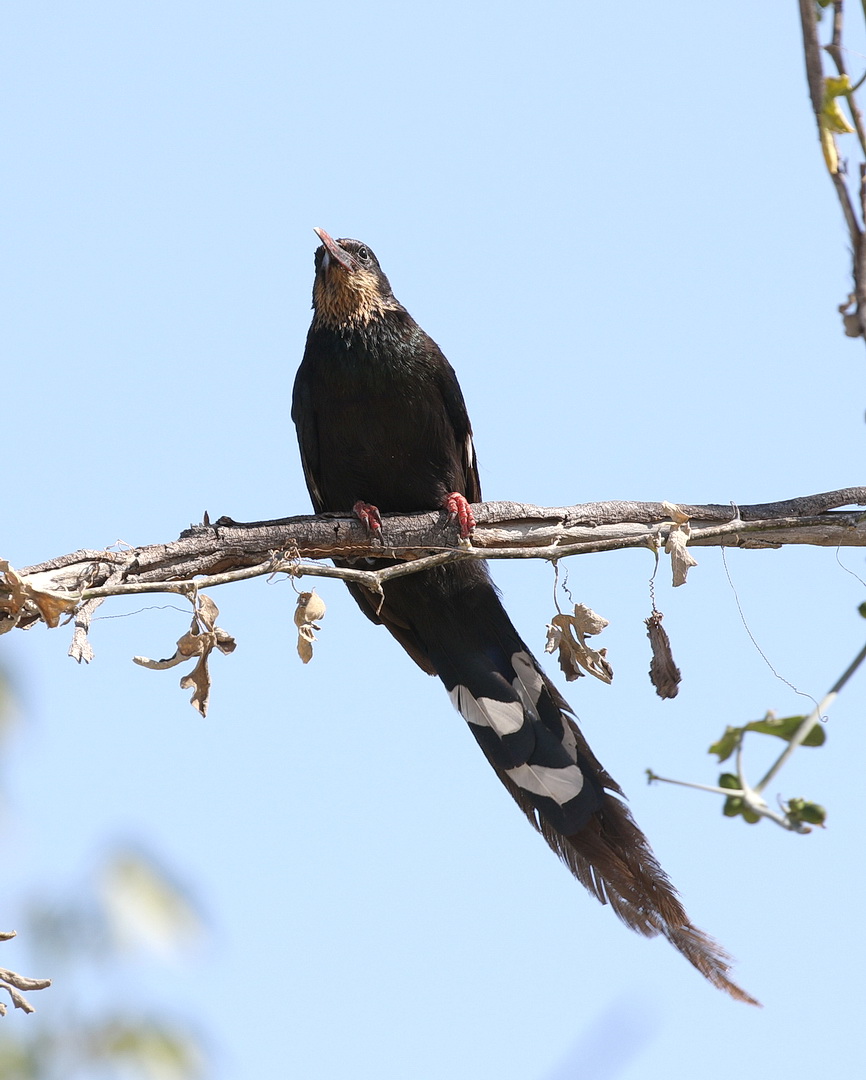
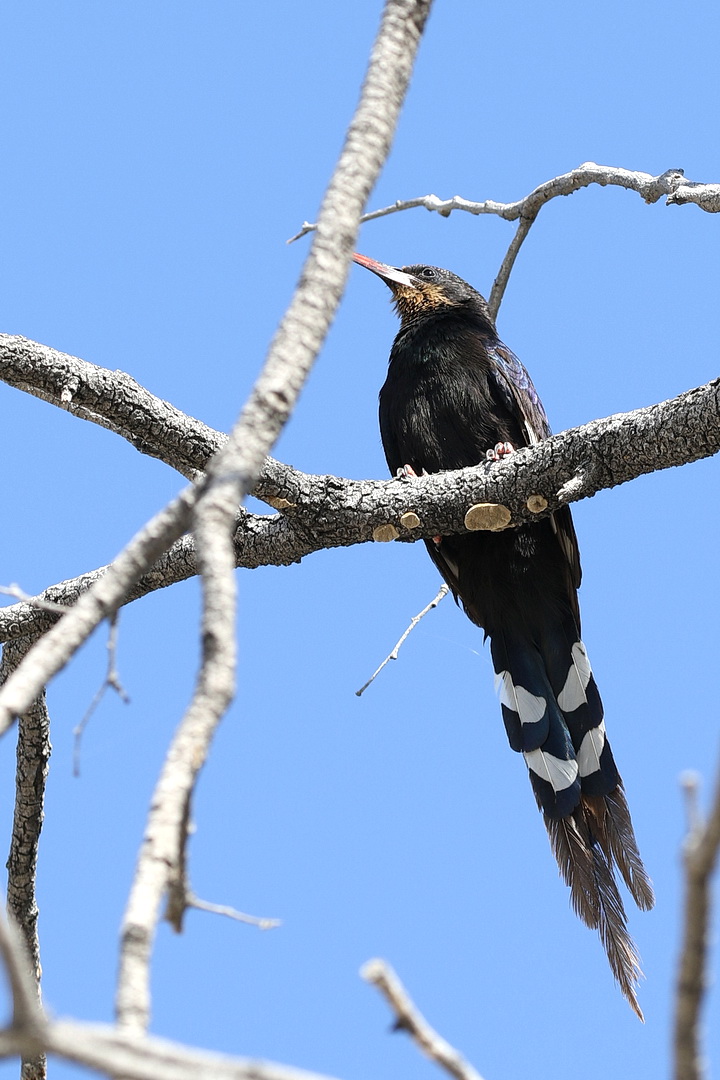
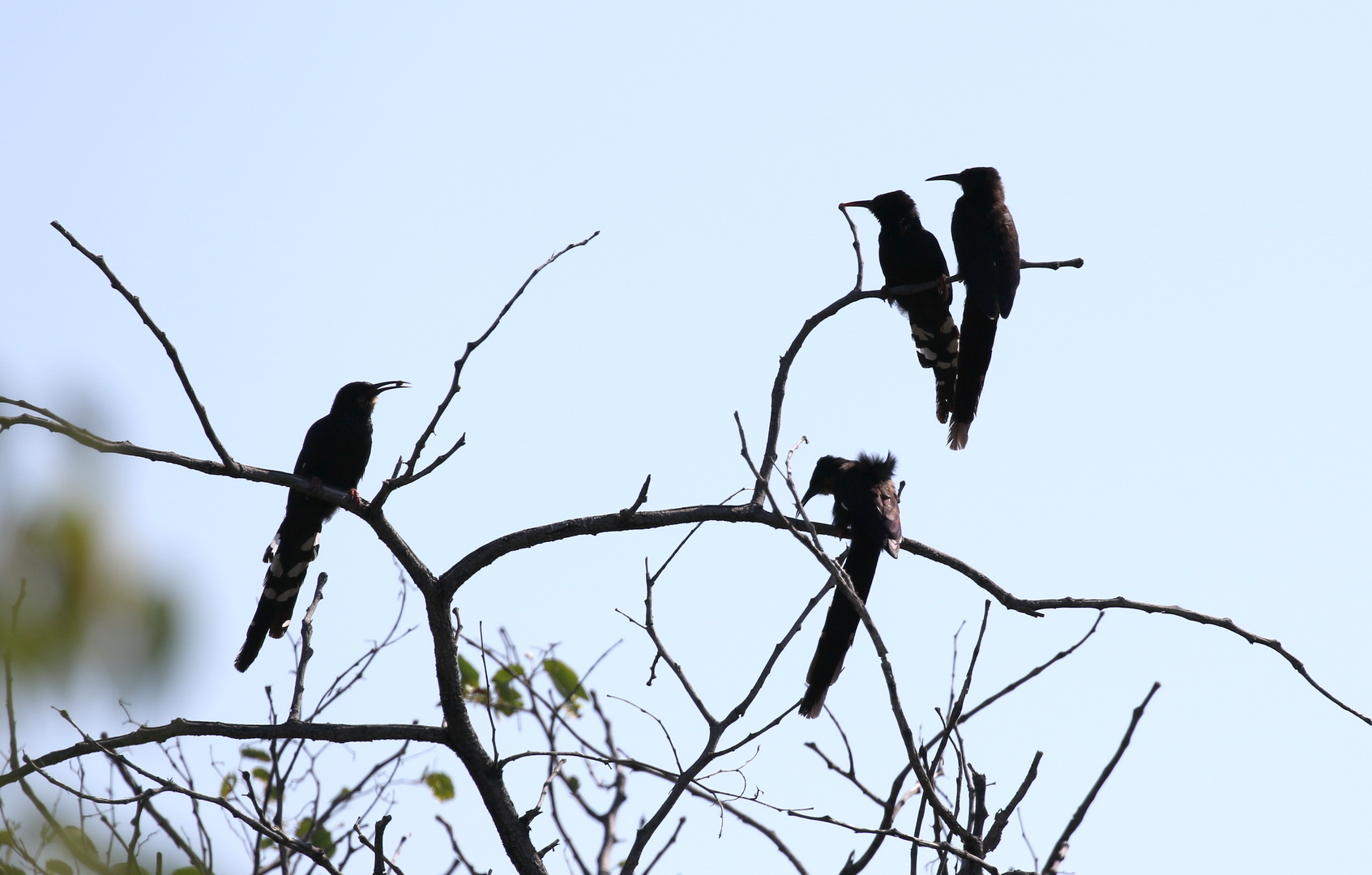
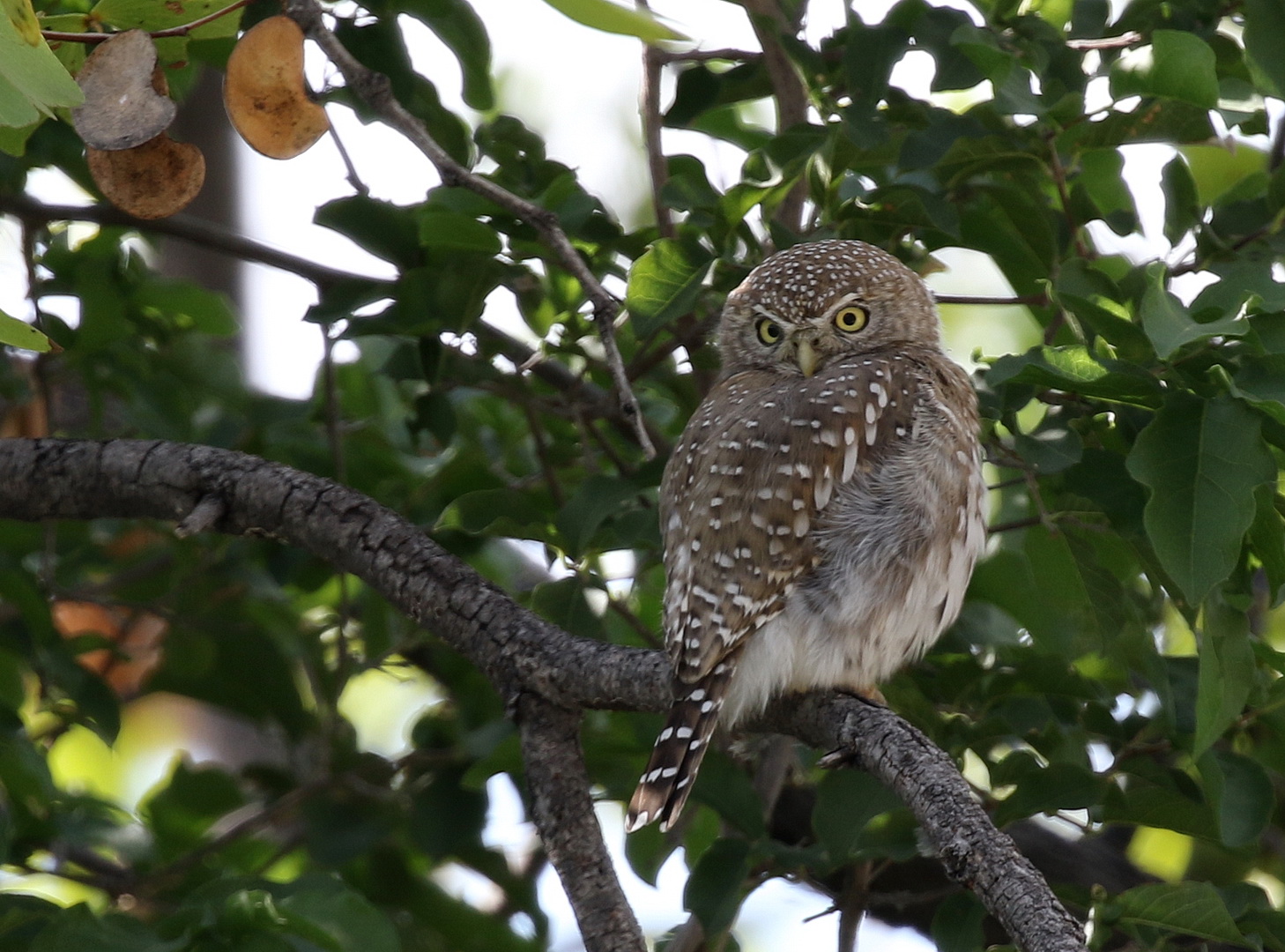
In the camp wew had a selection of special birds visiting us. There was a flock of about twelve Violet Woodhoopoes, a Pearl-spotted Owlet, a Red-billed Buffalo-Weaver, Southern Red-billed and Monteiro’s Hornbills, and a Red-billed Spurfowl.
Violet Woodhoopoe
Violet Woodhoopoe
Violet Woodhoopoe
Violet Woodhoopoe
Violet Woodhoopoes
Violet Woodhoopoes
Pearl-spotted Owlet
Red-billed Spurfowl
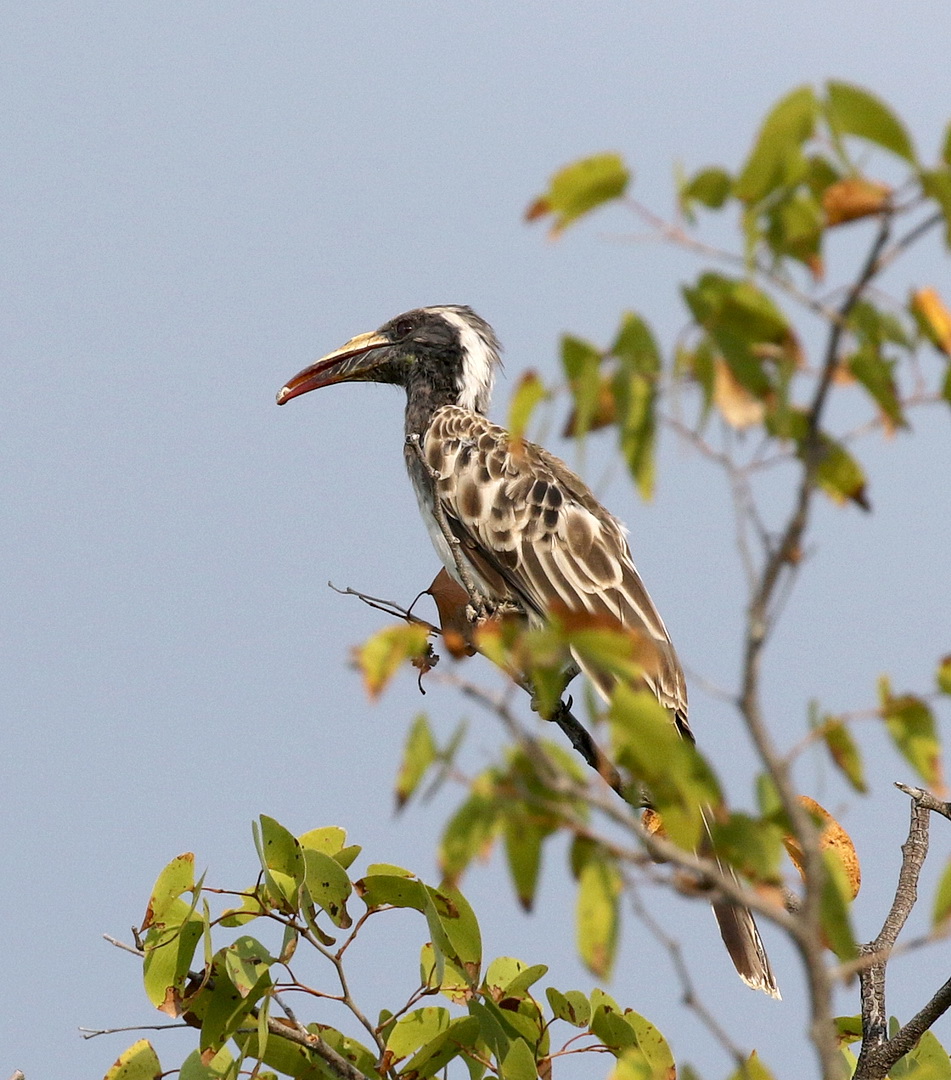
African Grey Hornbill
African Grey Hornbill
Southern Red-billed Hornbill
Fork-tailed Drongo
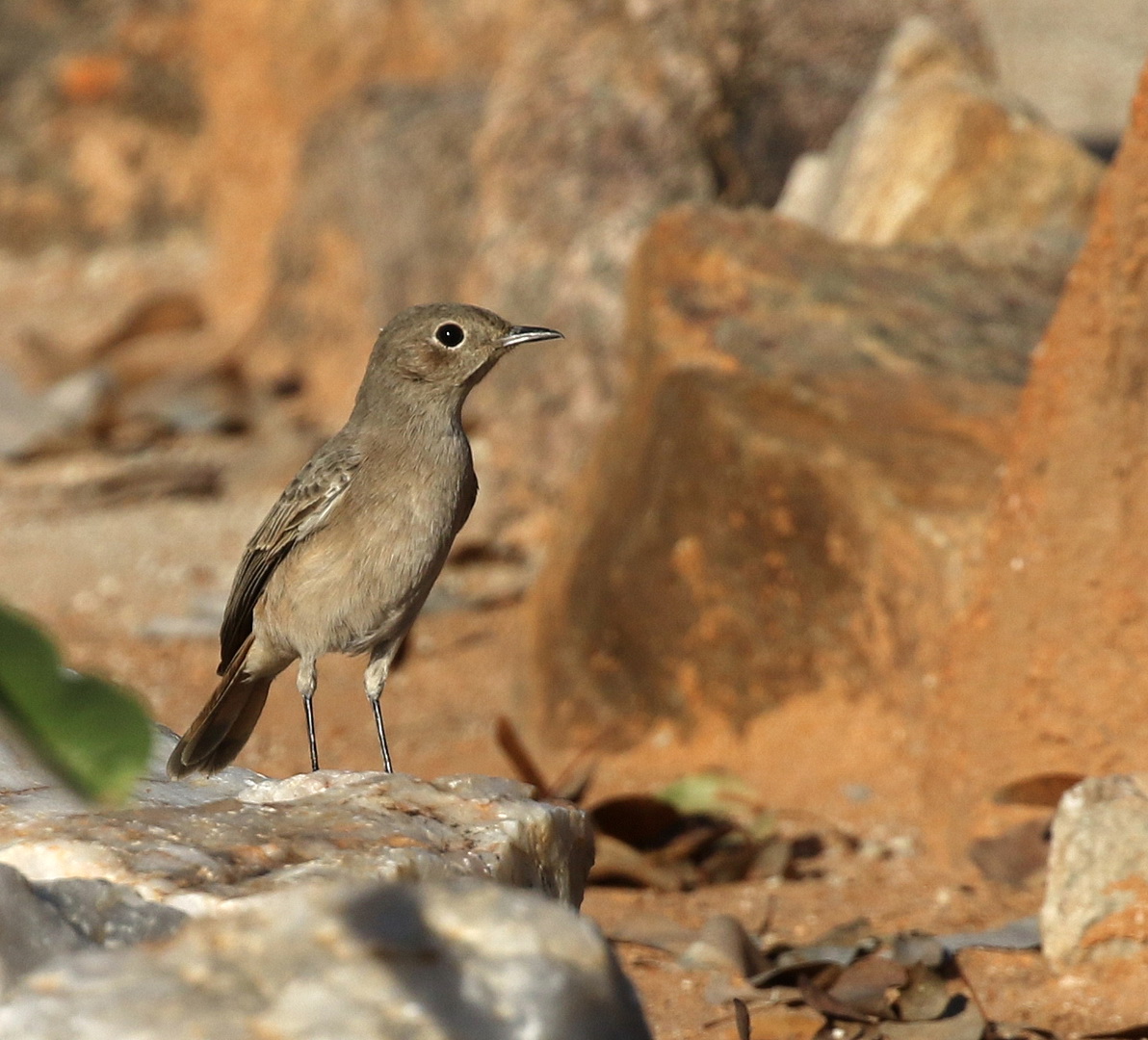
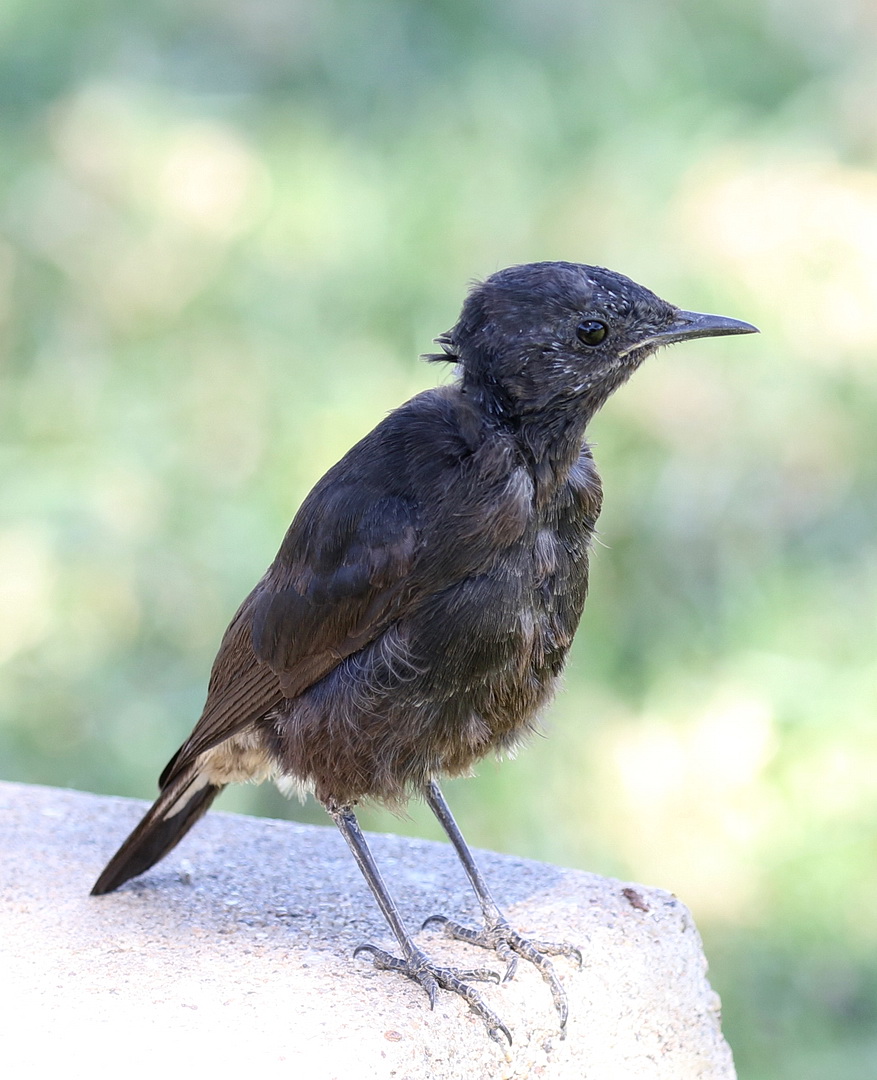
Familiar Chat
Grey-headed Sparrow
Laughing Dove
For birding, one of the nearby waterholes – Goas- had the most interest for us.
Goas Waterhole close to Halali
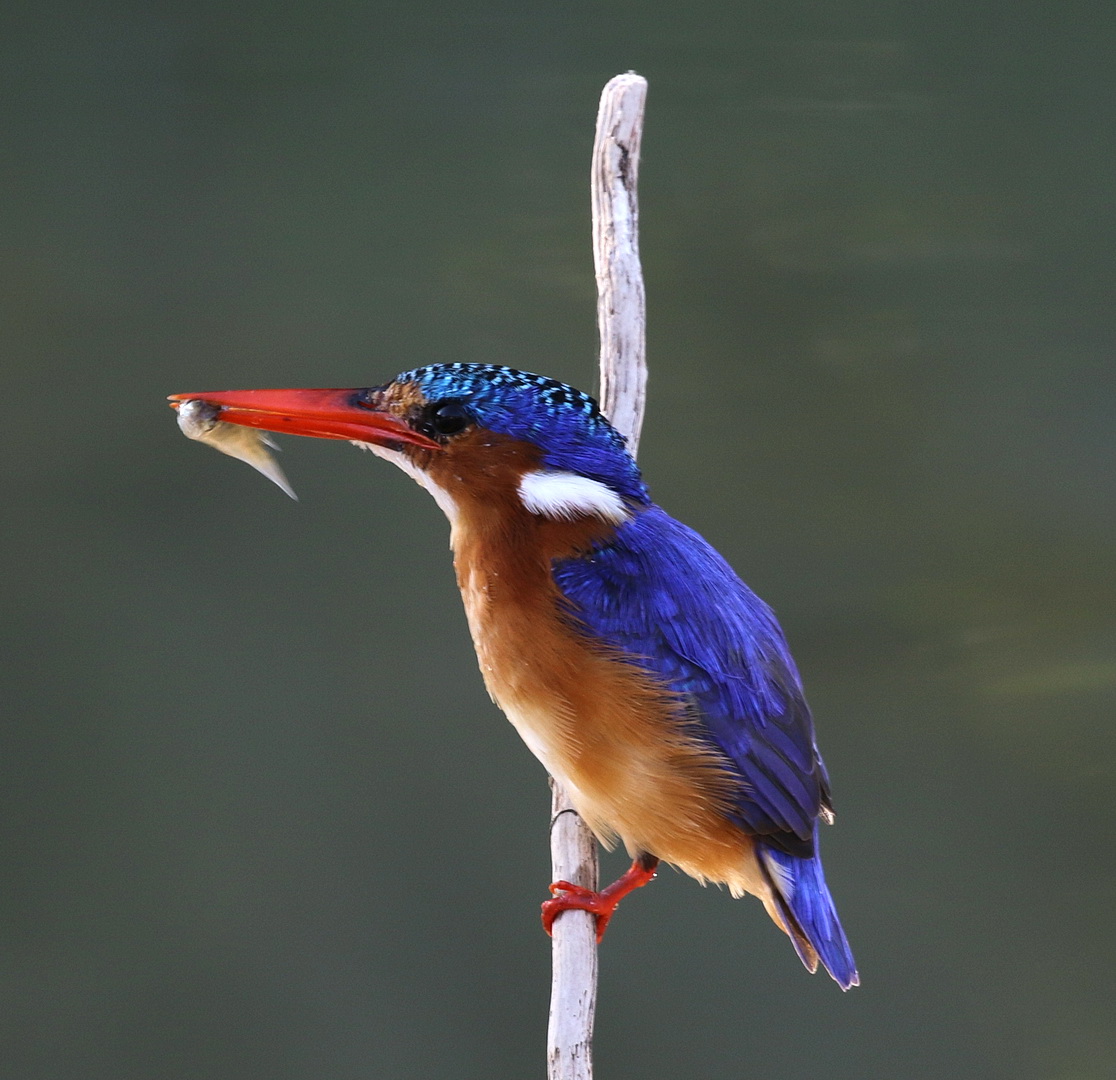
Malachite Kingfisher with catch
Marabou Stork
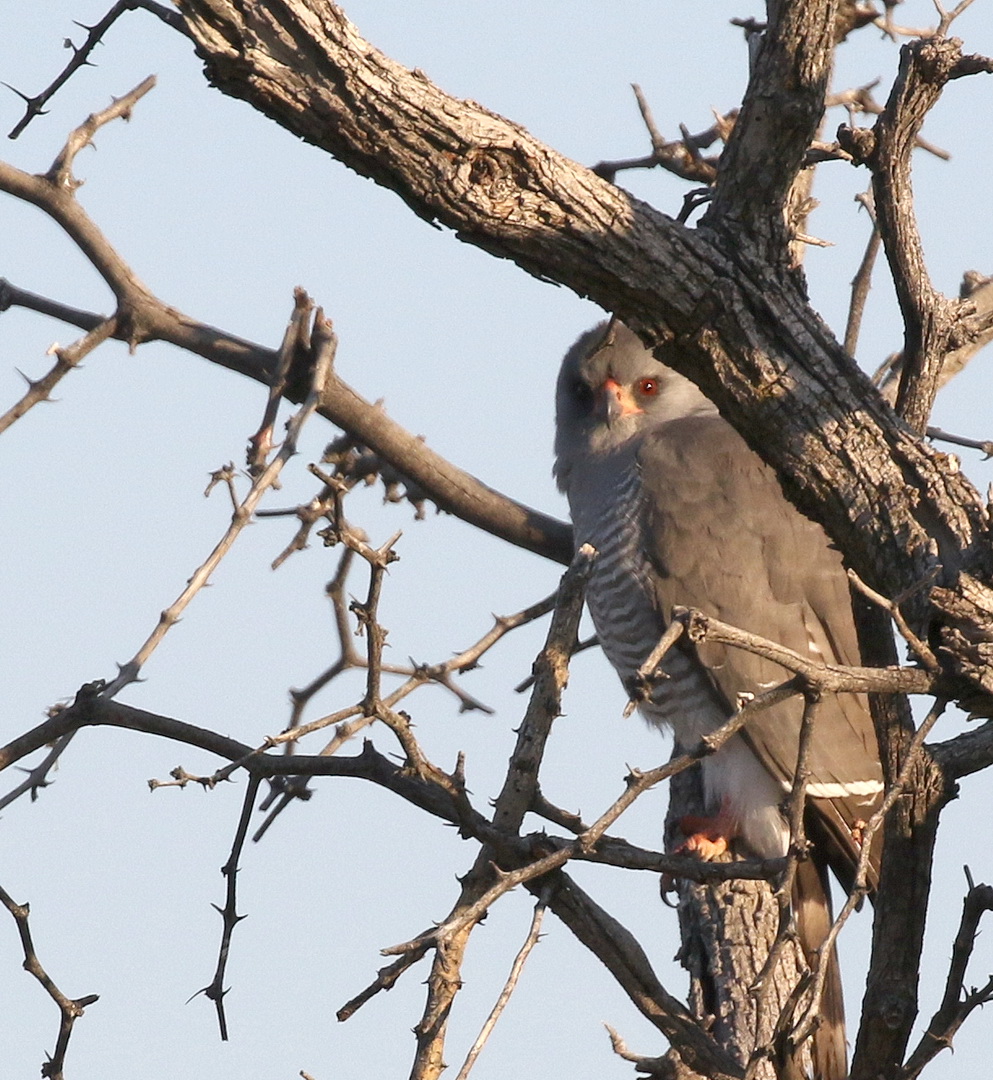
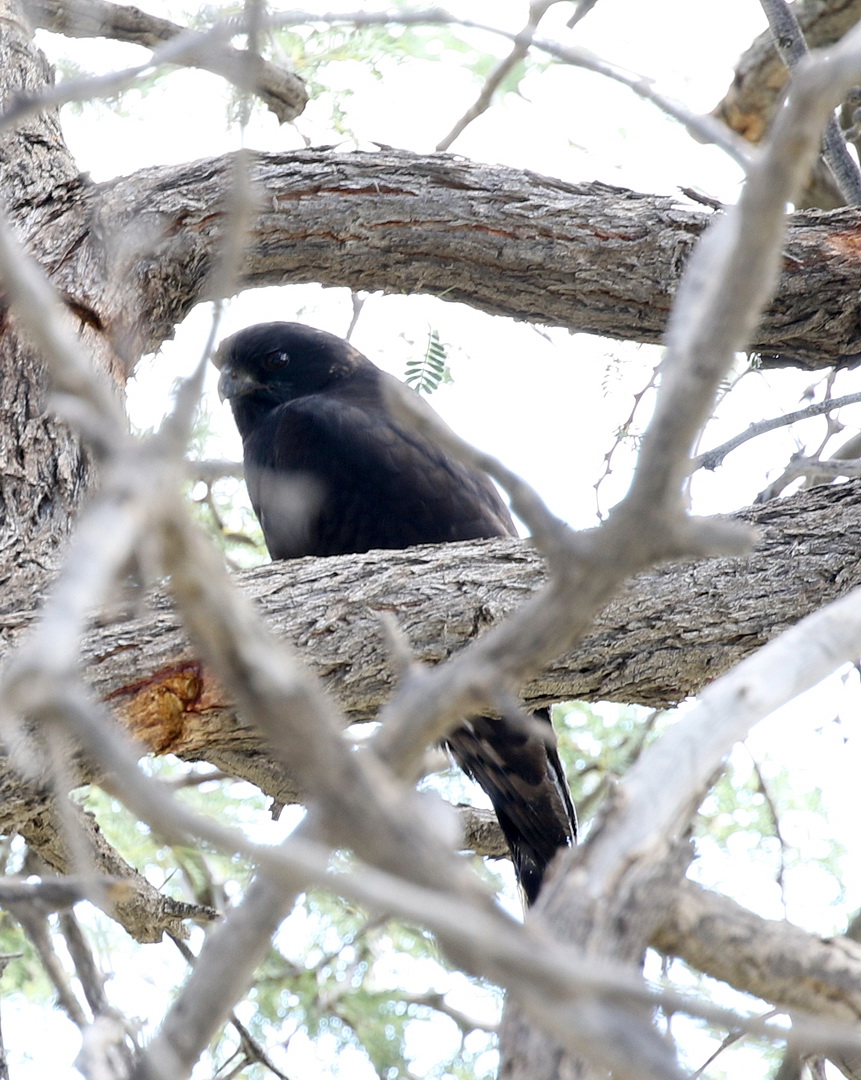
Melanistic Gabar Goshawk
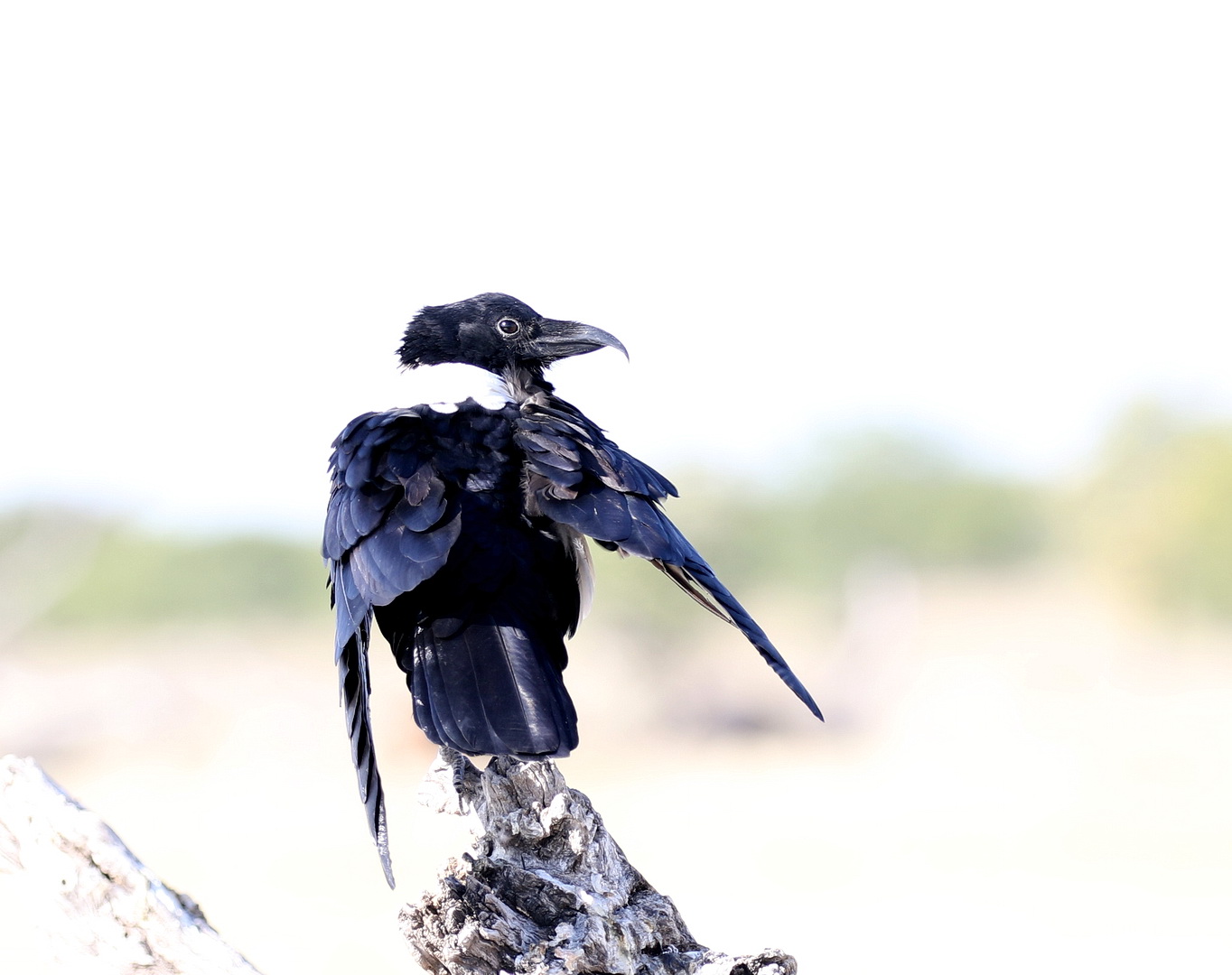
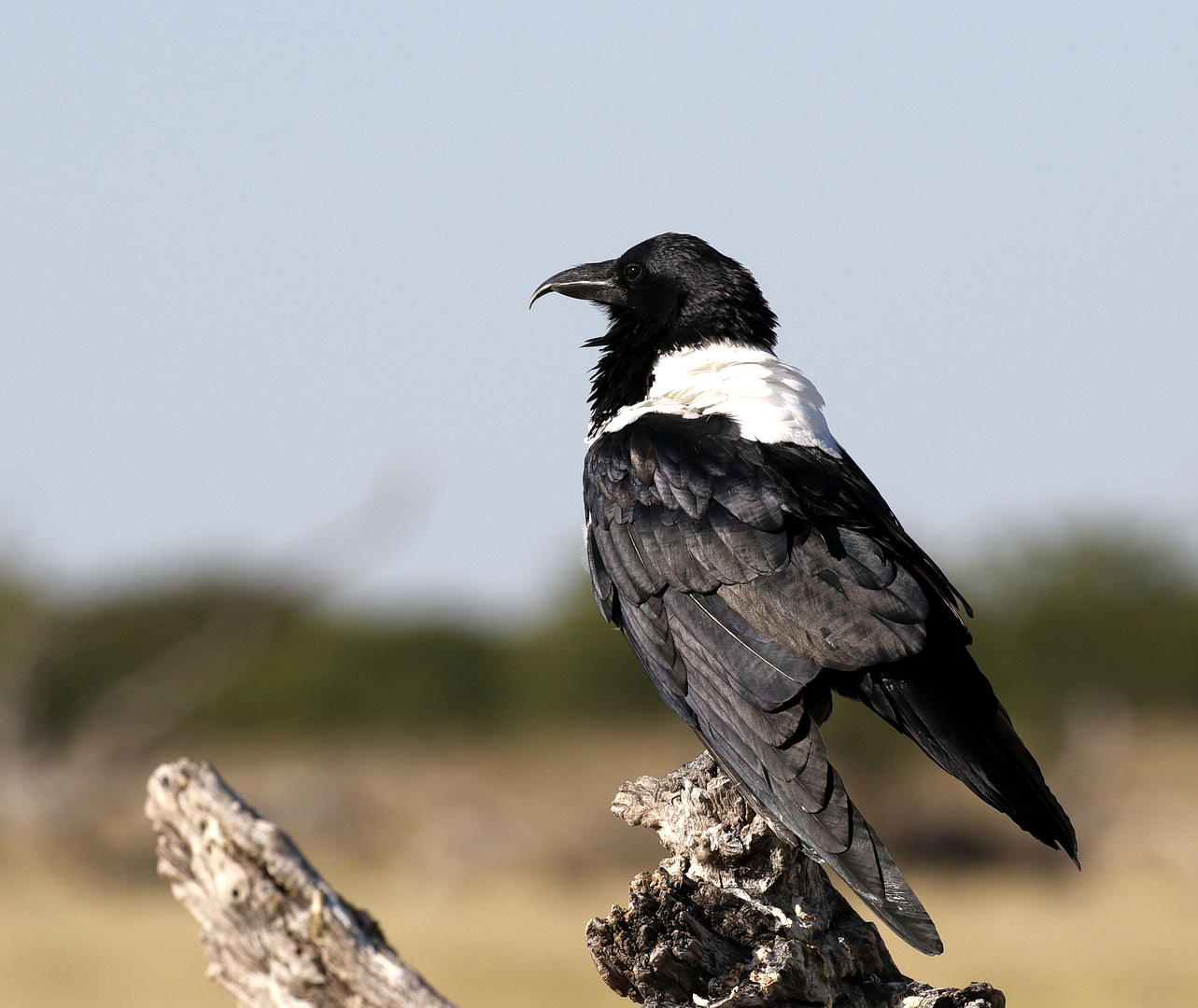
Pied Crow -off with its head
Pied Crow
Wood Sandpiper
Little Grebe
Red-billed Teal
Just north of Namutomi is Fischer’s Pan. It was full of water so we had excellent sightings of numerous water birds.
Great White Pelicans in various poses
African Marsh Harrier
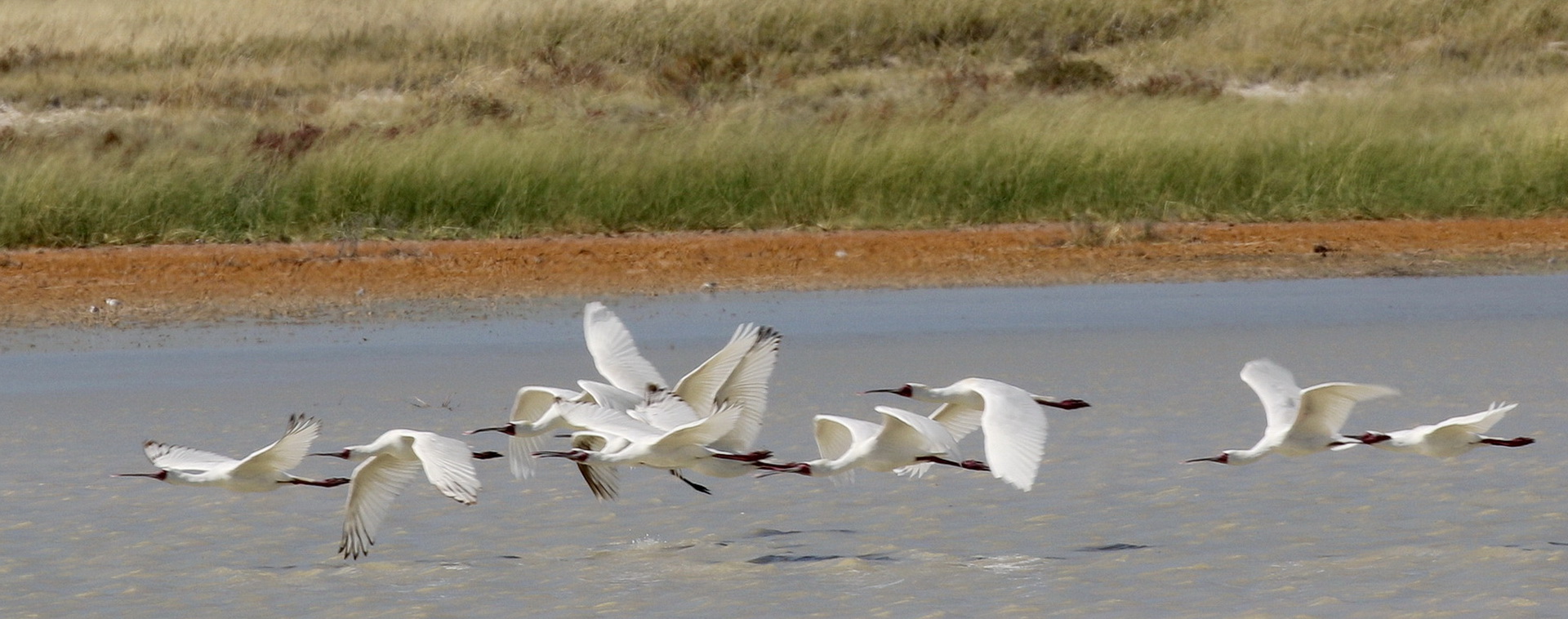
African Spoonbills in flight
Cape Shoveler
Cape Teal
Common Moorhens
Glossy Ibis Red-knobbed Coot and Red-billed Teal
Glossy Ibis
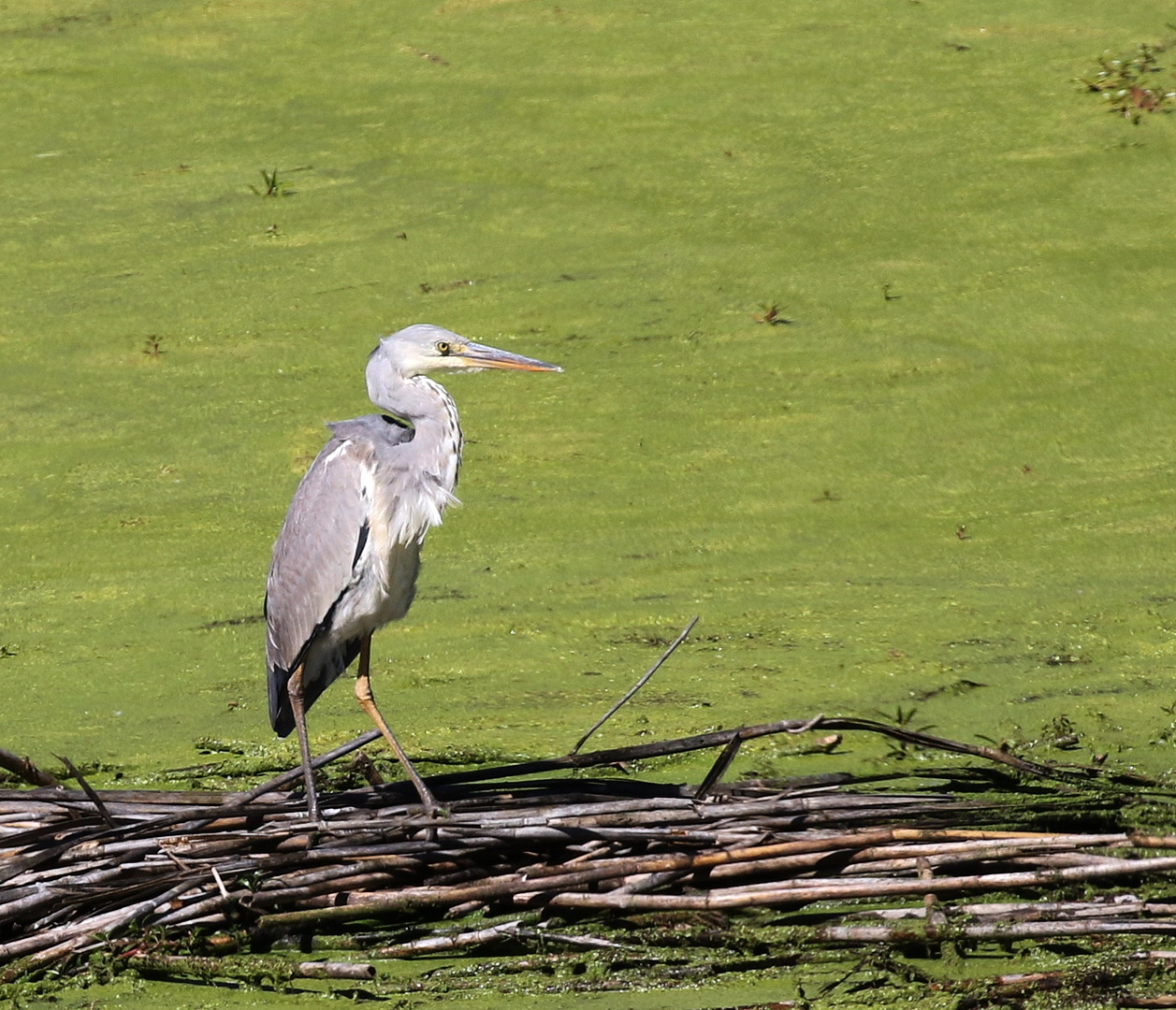
Grey Heron
Kittlitz’s Plover
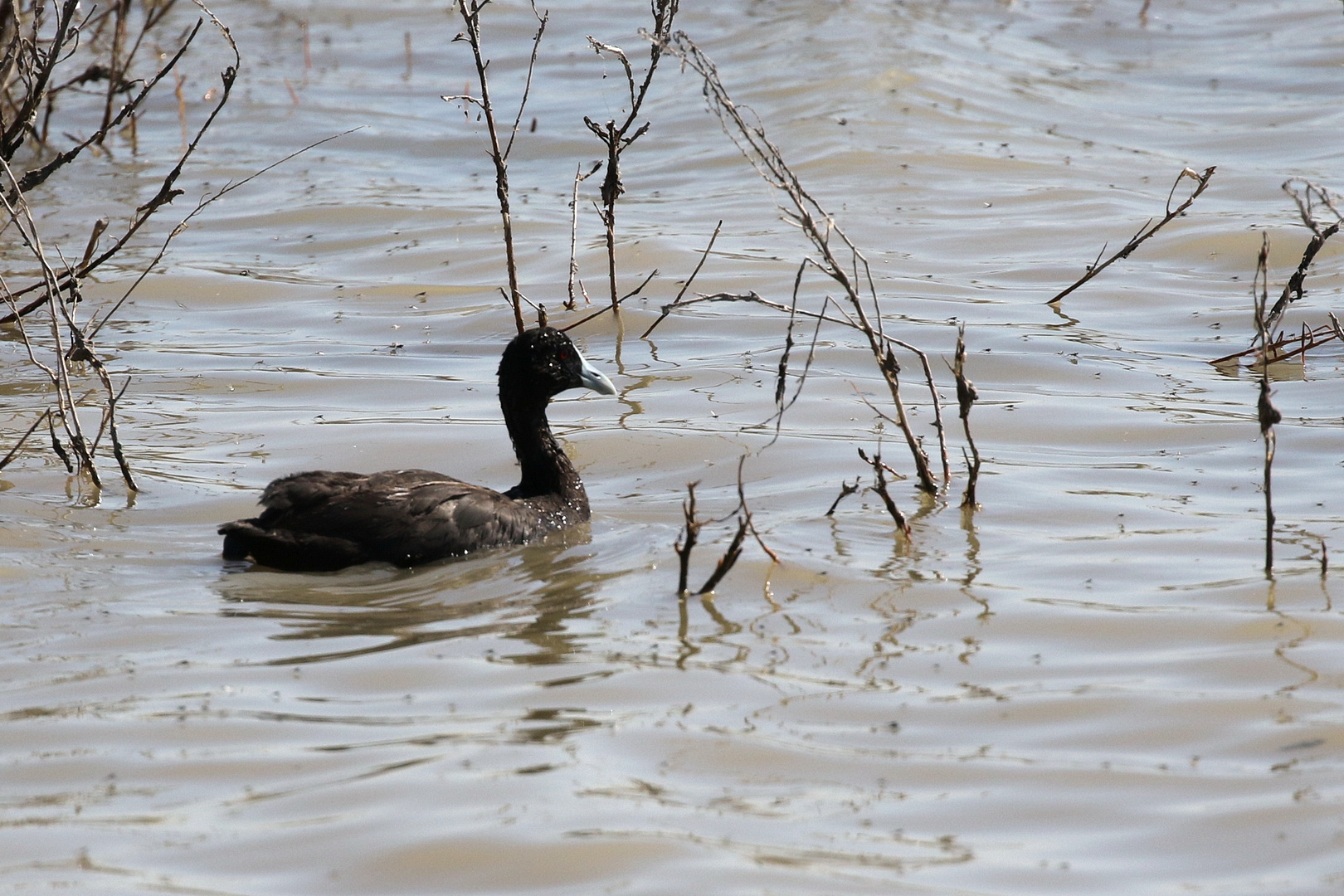
Red-knobbed Coot
Red-billed Teal
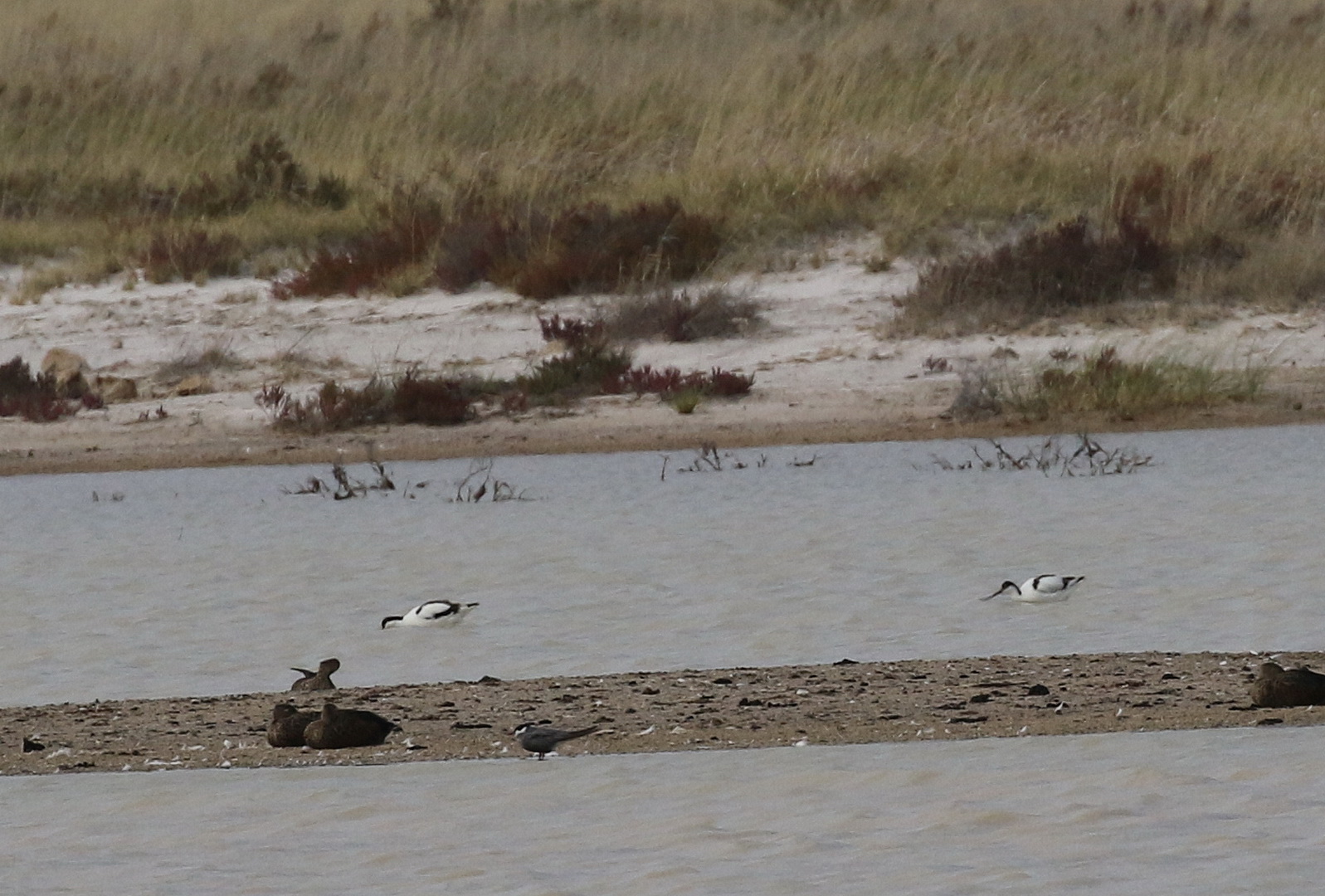
Pied Avocets
Greater and Lesser Flamingos
Flamingoes – heads up
Greater Flamingo
Saddle-billed Stork
Lesser Flamingos and the odd Greater
Whiskered Tern
At Namutoni picnic site there were some interesting birds.
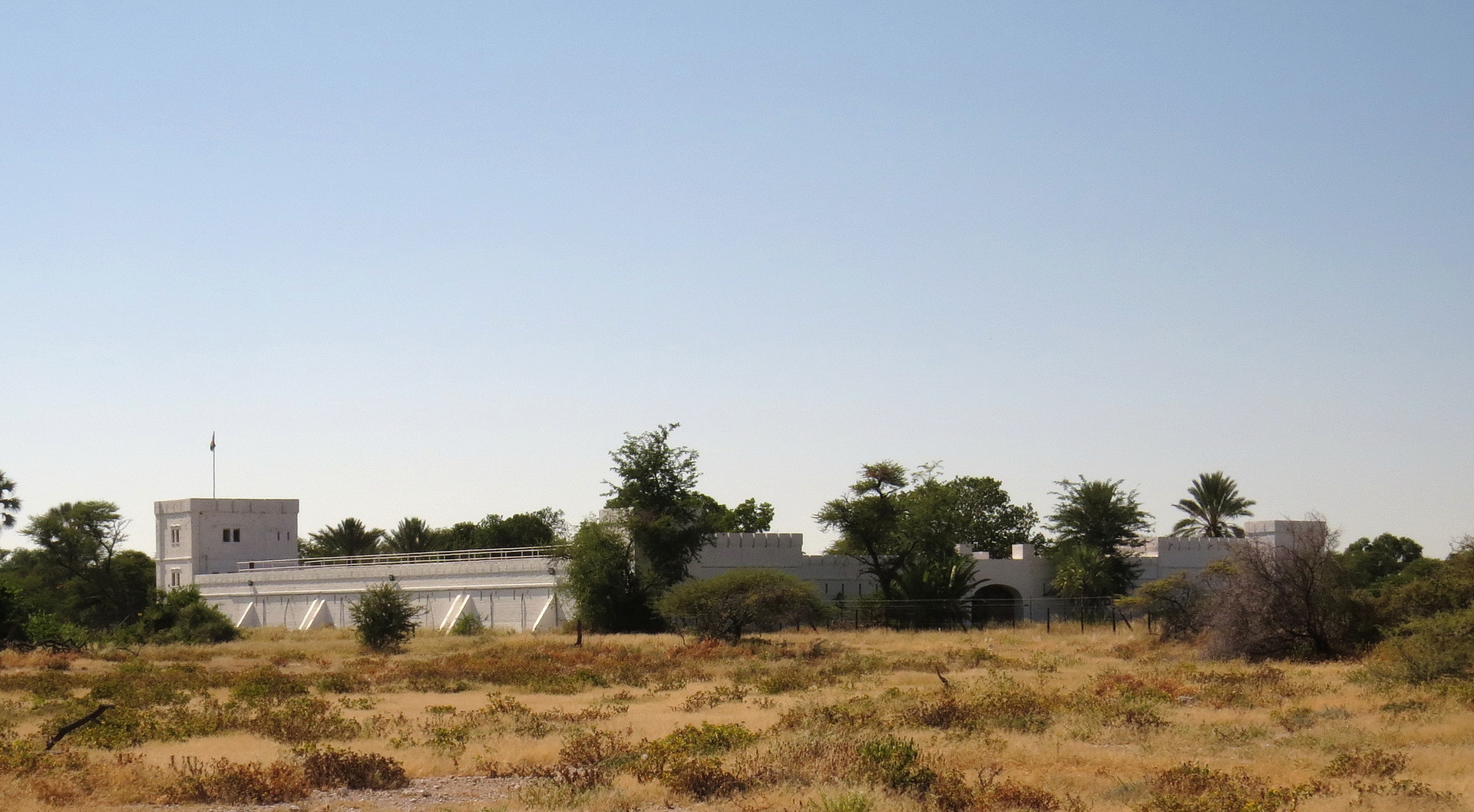
Namutoni
Namutoni
Palms around Namutoni
Emerald-spotted Wood-Dove
Red-billed Quelea
Black-backed Puffback
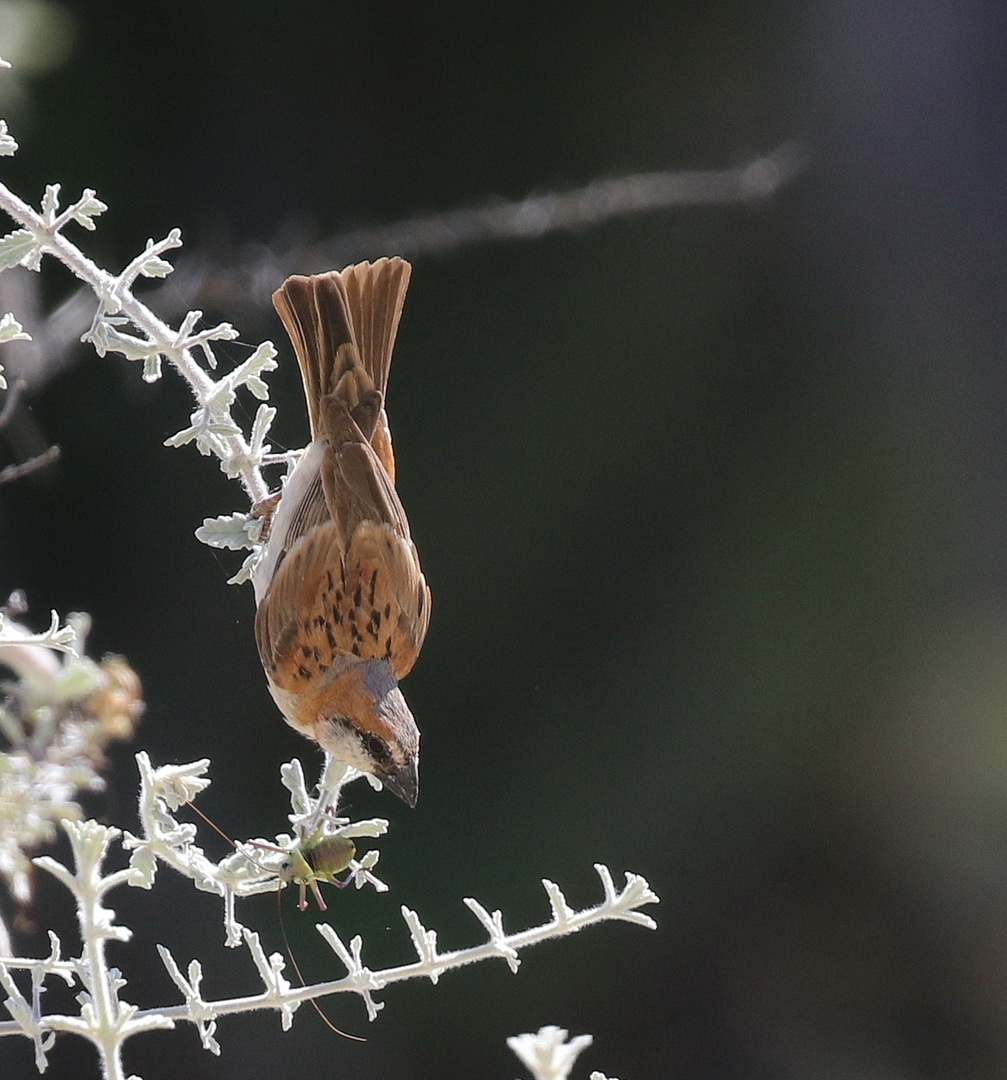
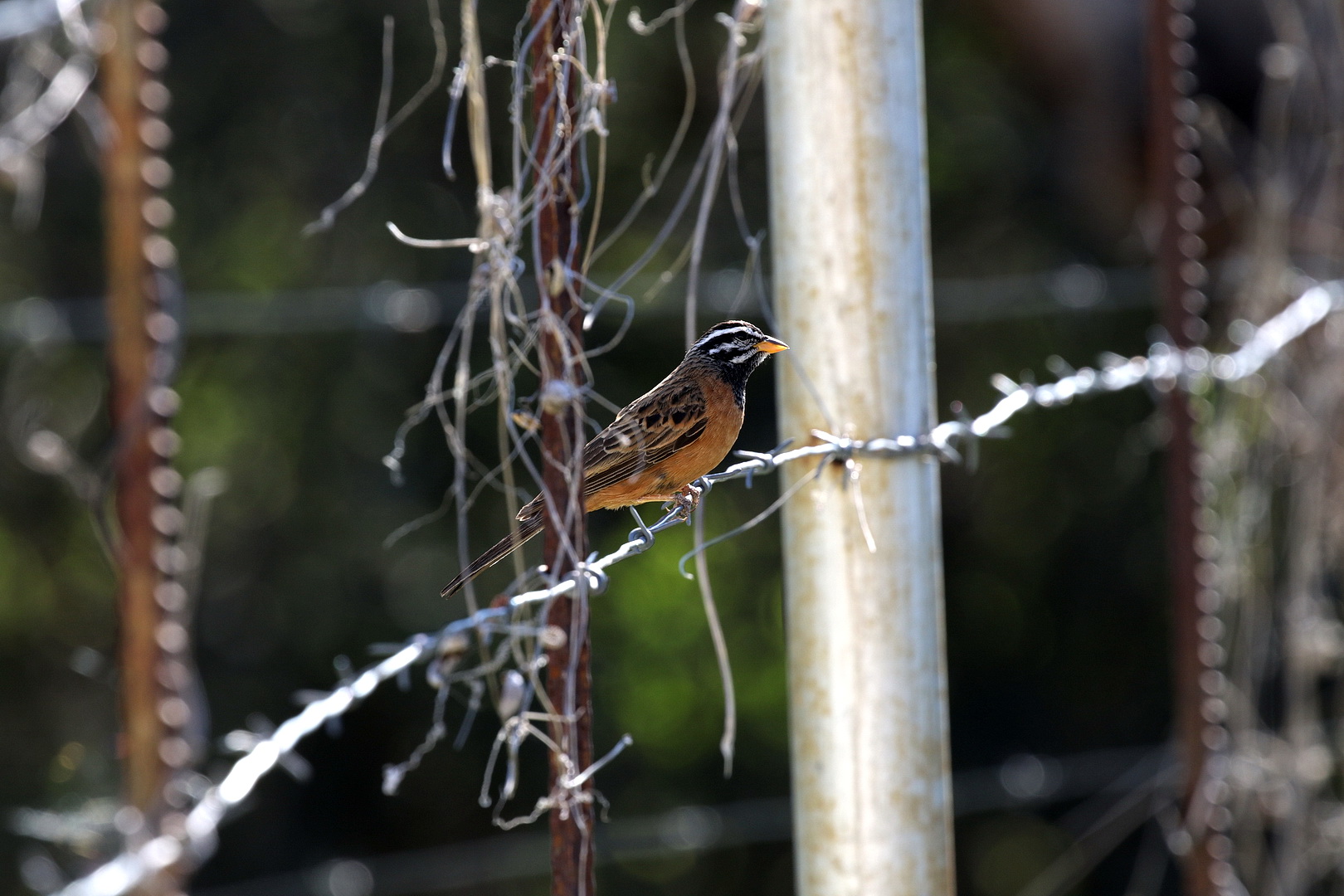
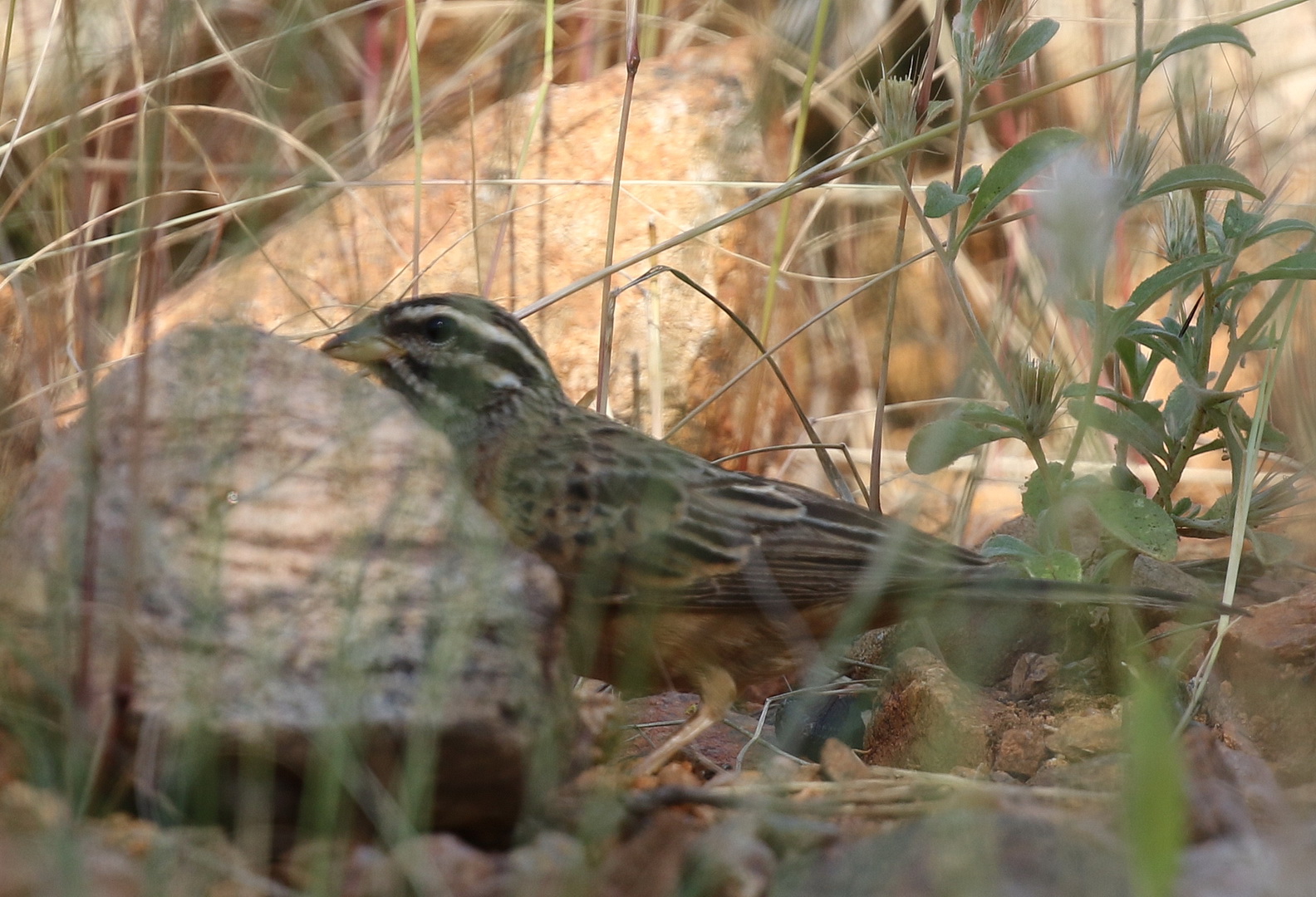
Cinnamon-breasted Buntiing
Common Scmitarbill
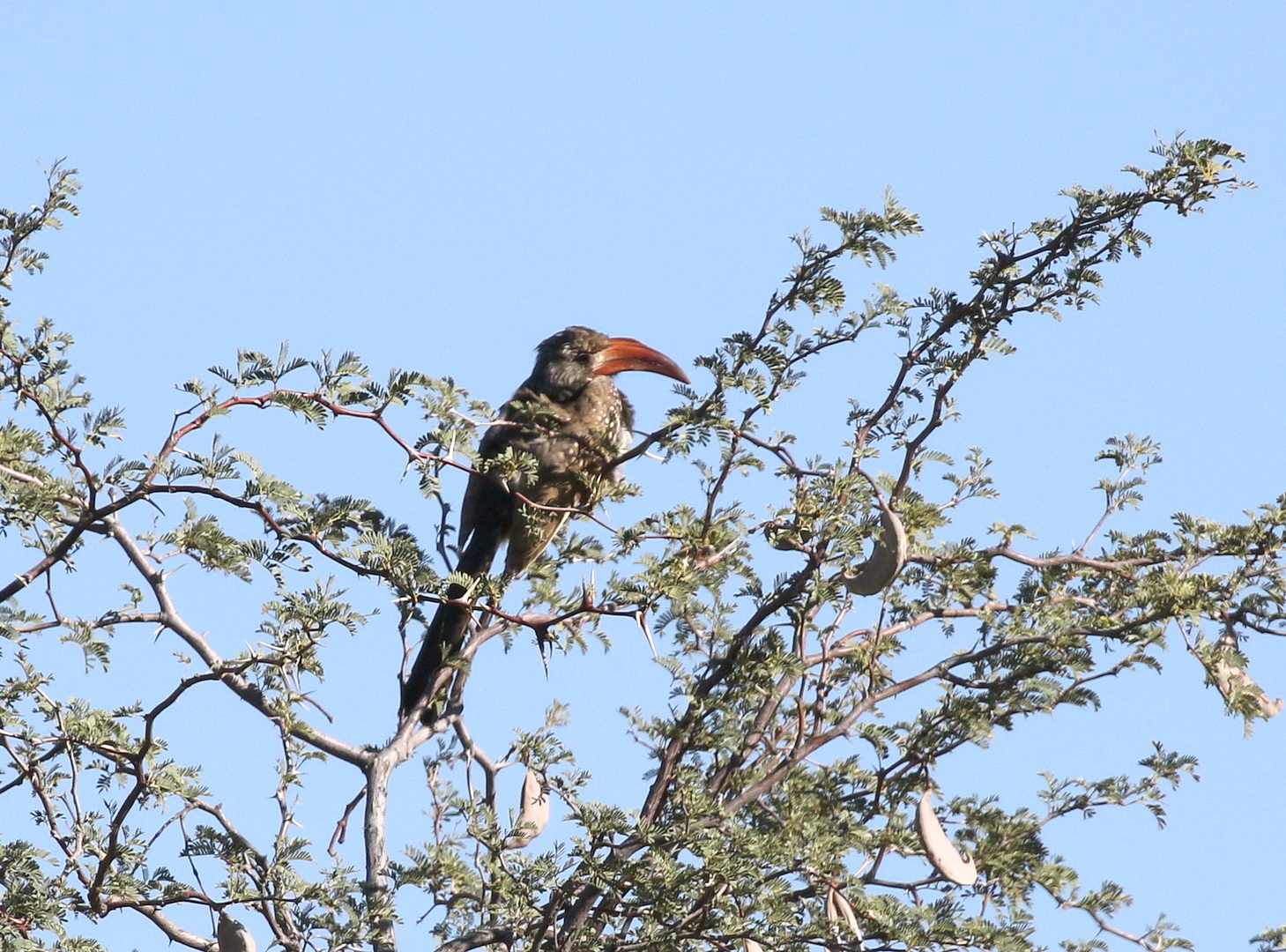
Damara Red-billed Hornbill
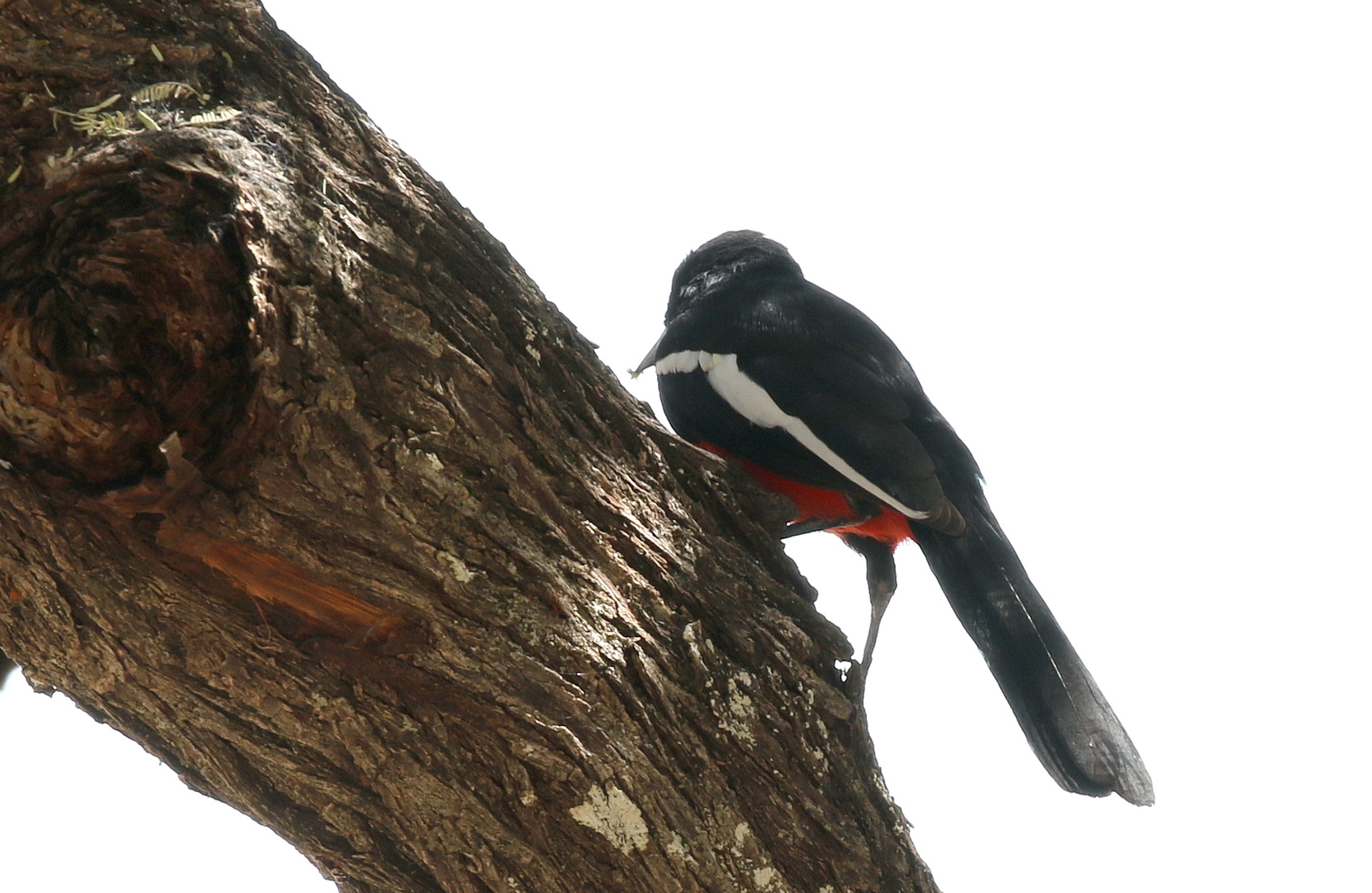
Crimson-breasted Shrike
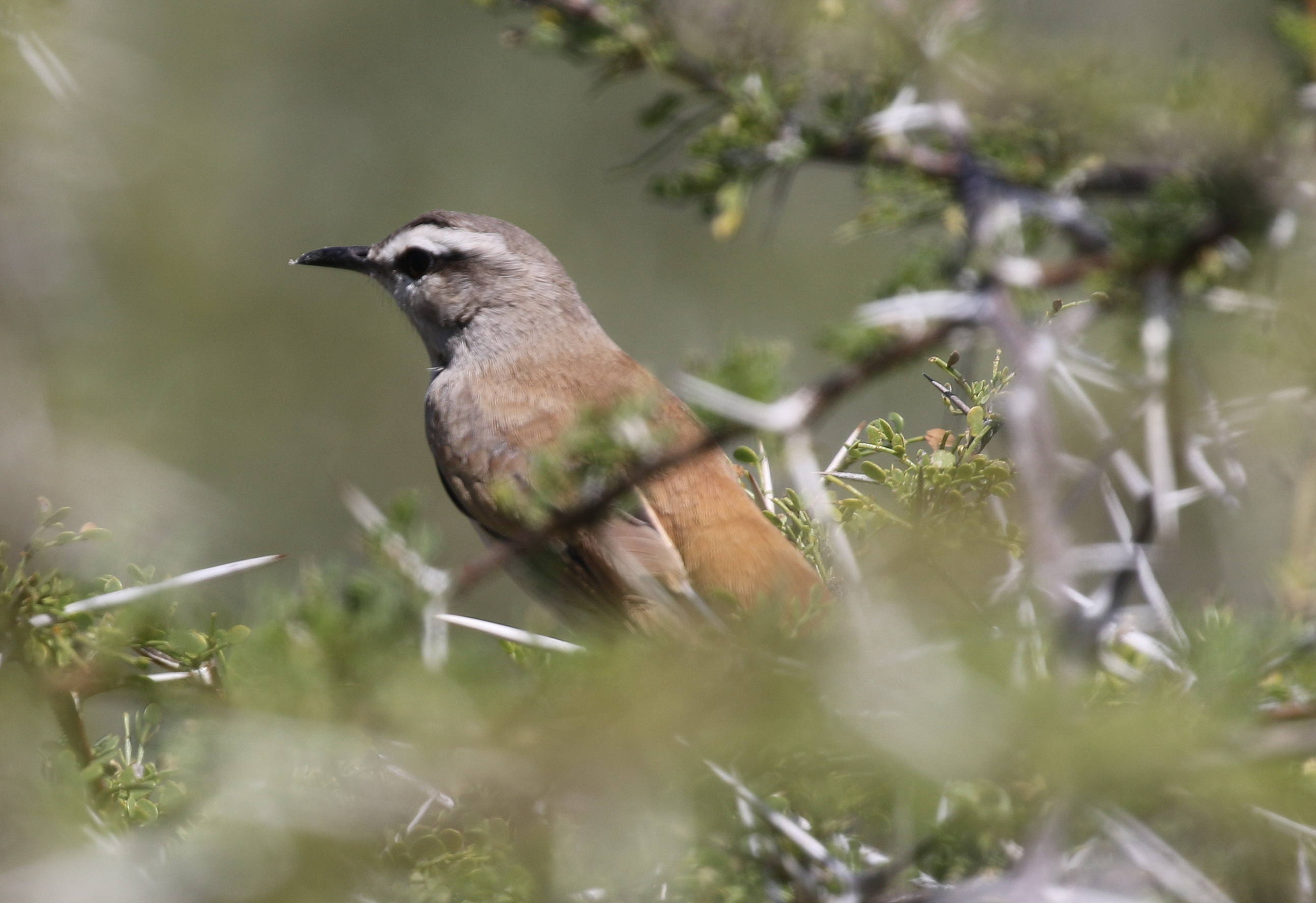
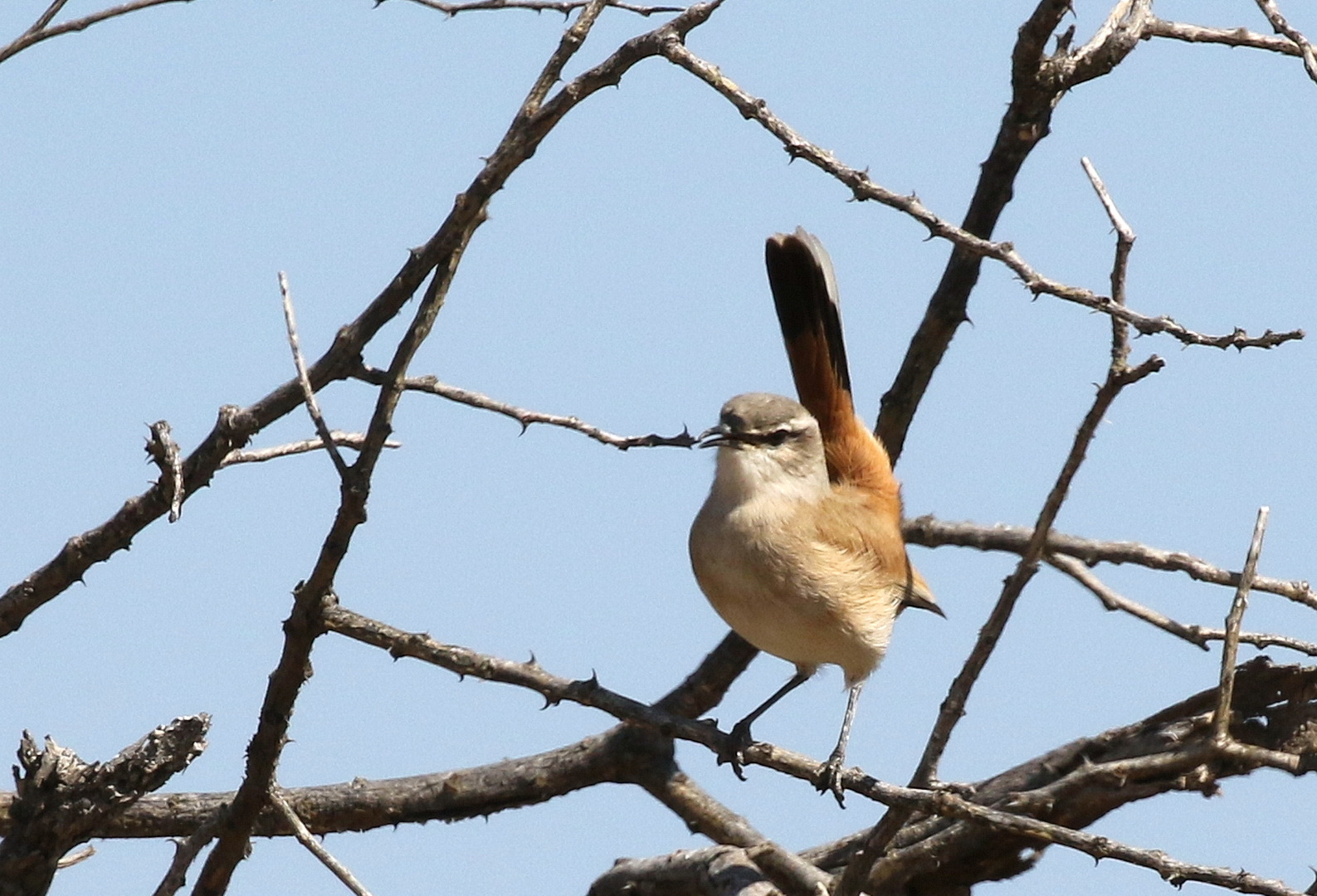
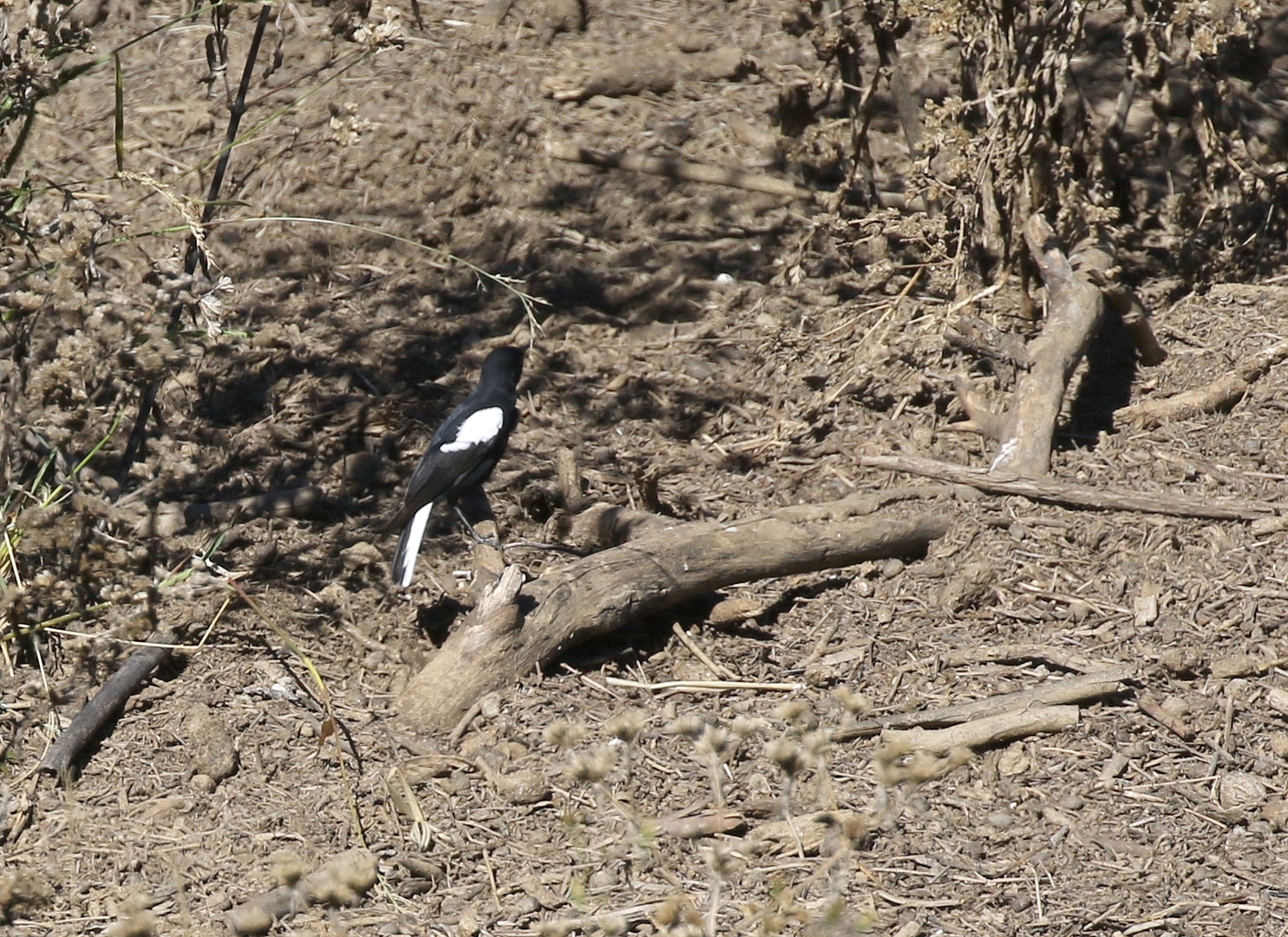
Kalahari Scrub-Robin
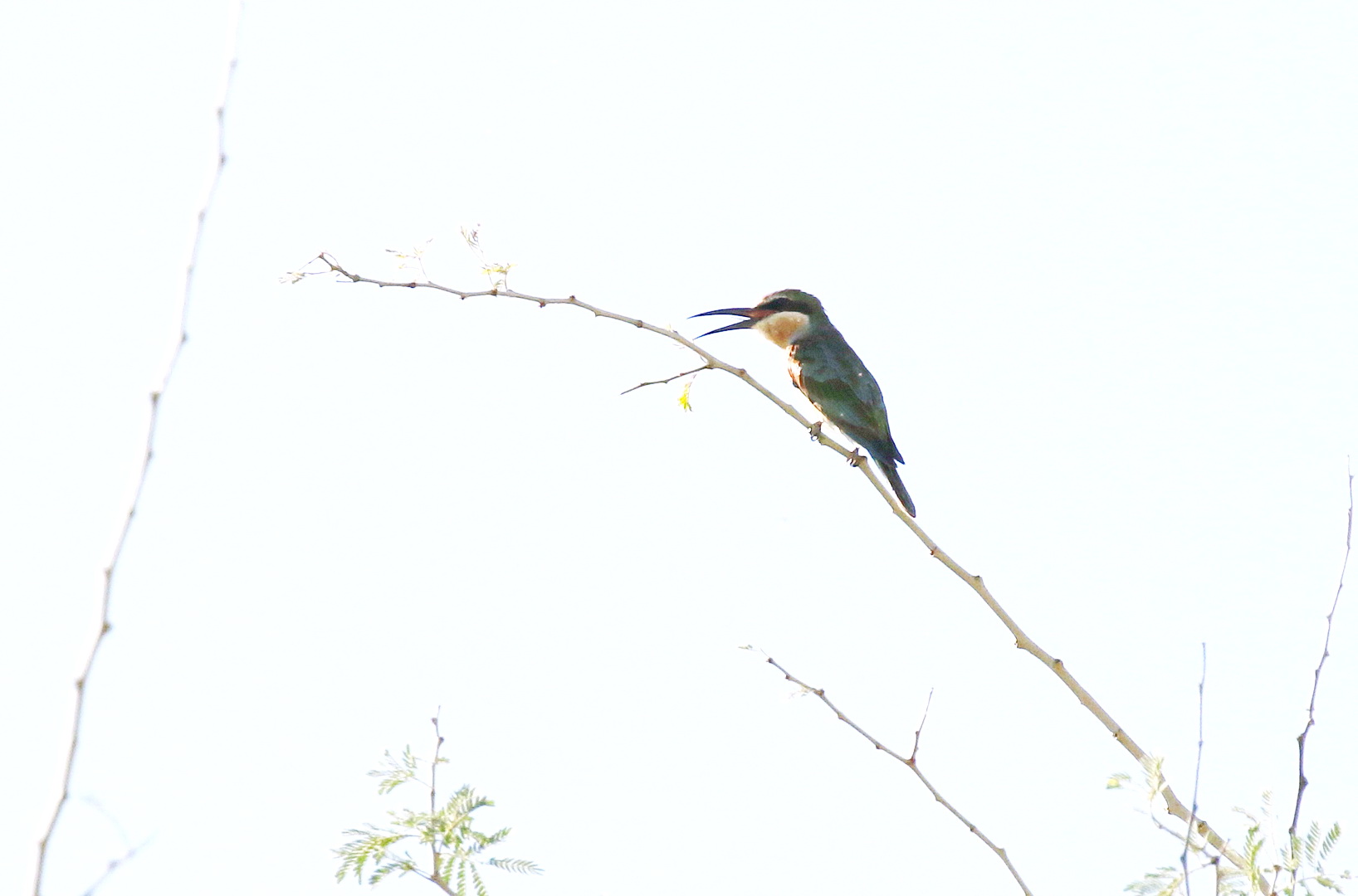
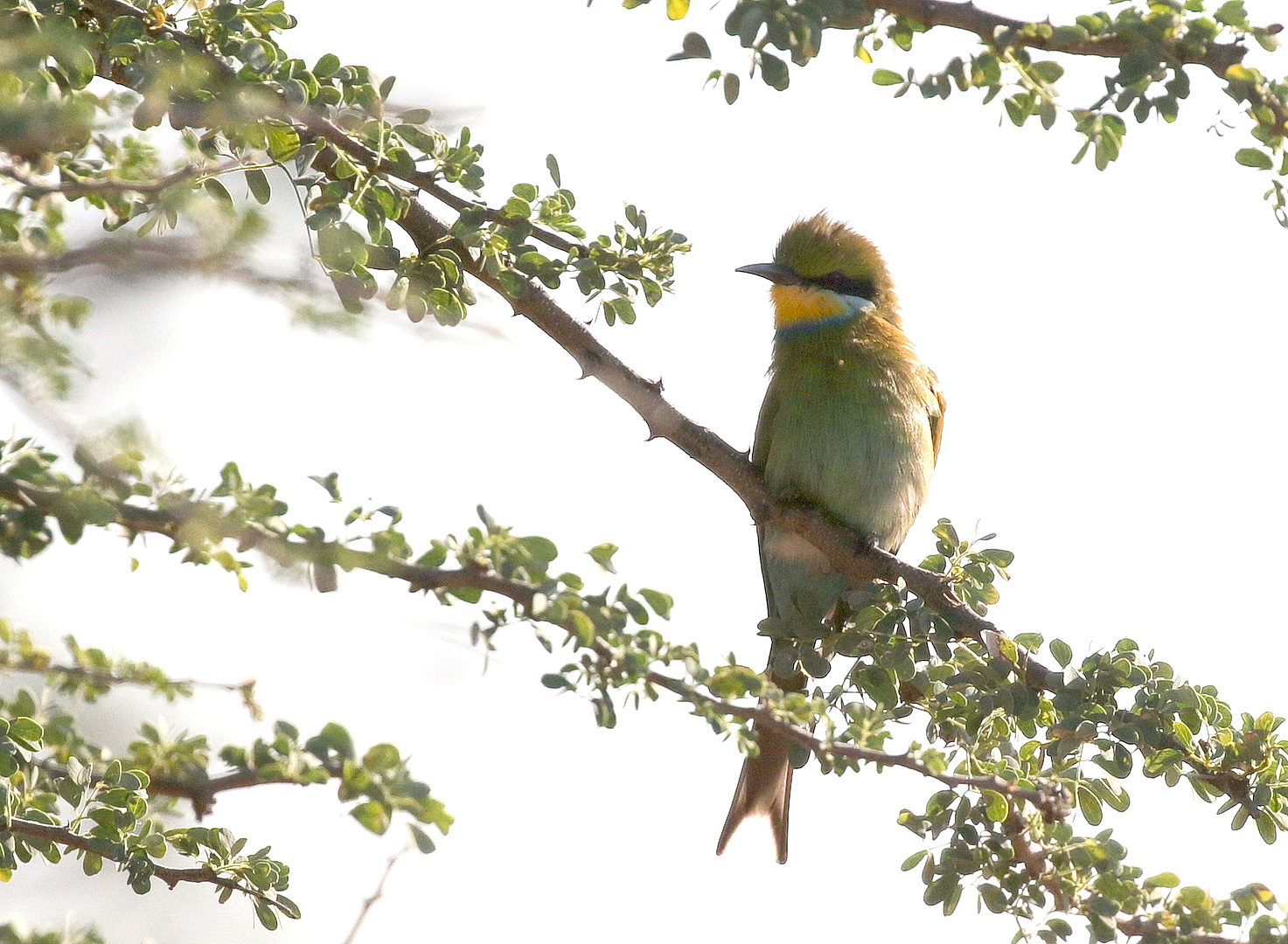
Swallow-tailed Bee-eater – adult
Familiar Chat
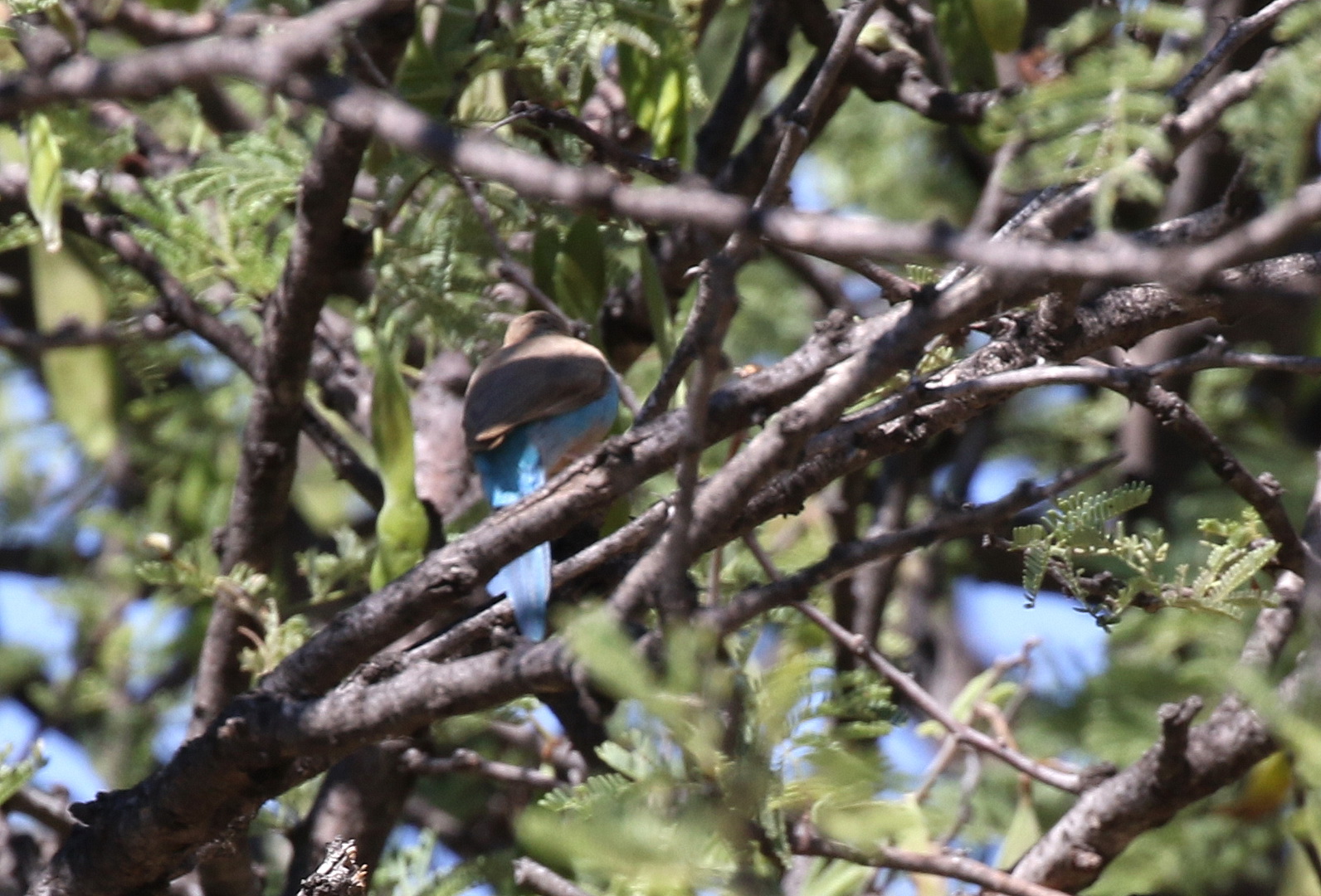
Blue Waxbill
Long-billed Crombec
Marico Sunbird
Then at the Klein Namutoni waterhole south of the camp there was a mix of animals and birds.
Drinking Giraffe
Kudu
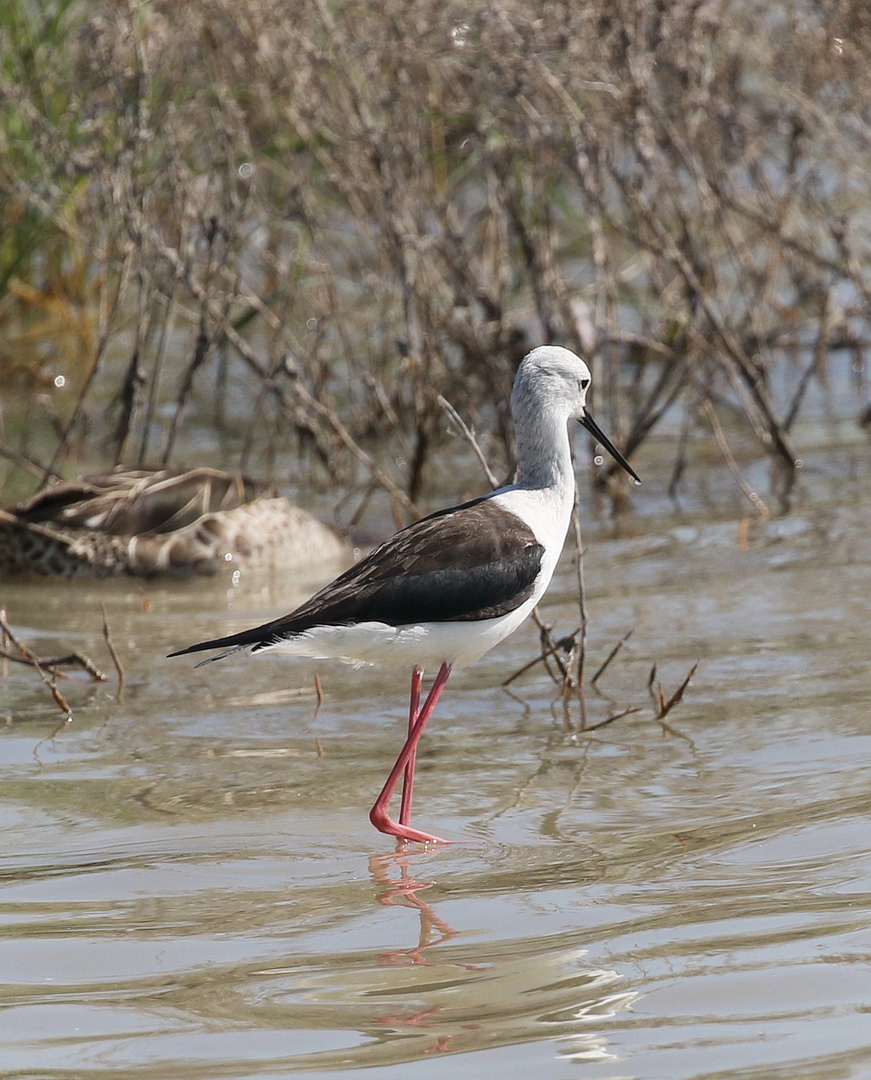
Black-winged Stilt
White-backed Vulture
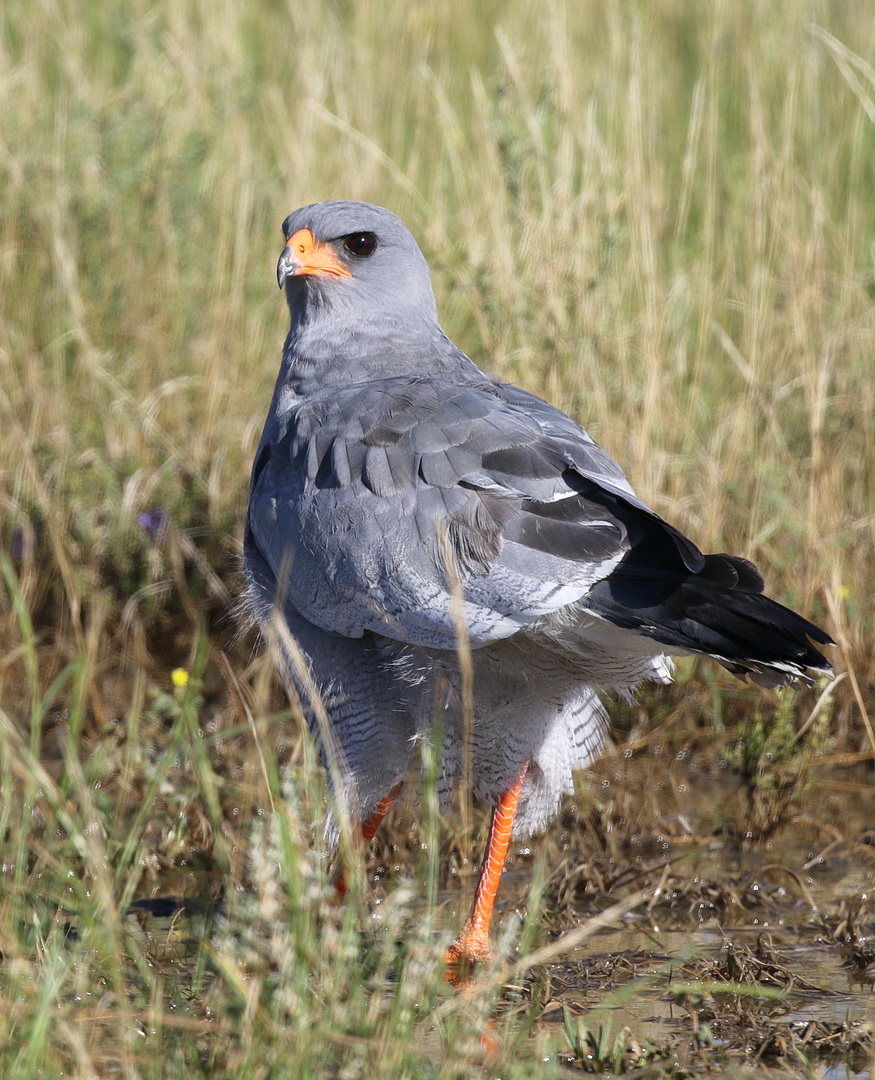
Juvenile Pale Chanting Goshawk
Gabar Goshawk – juvenile
Purple Roller
Lilac-breasted Roller
Marabou Stork
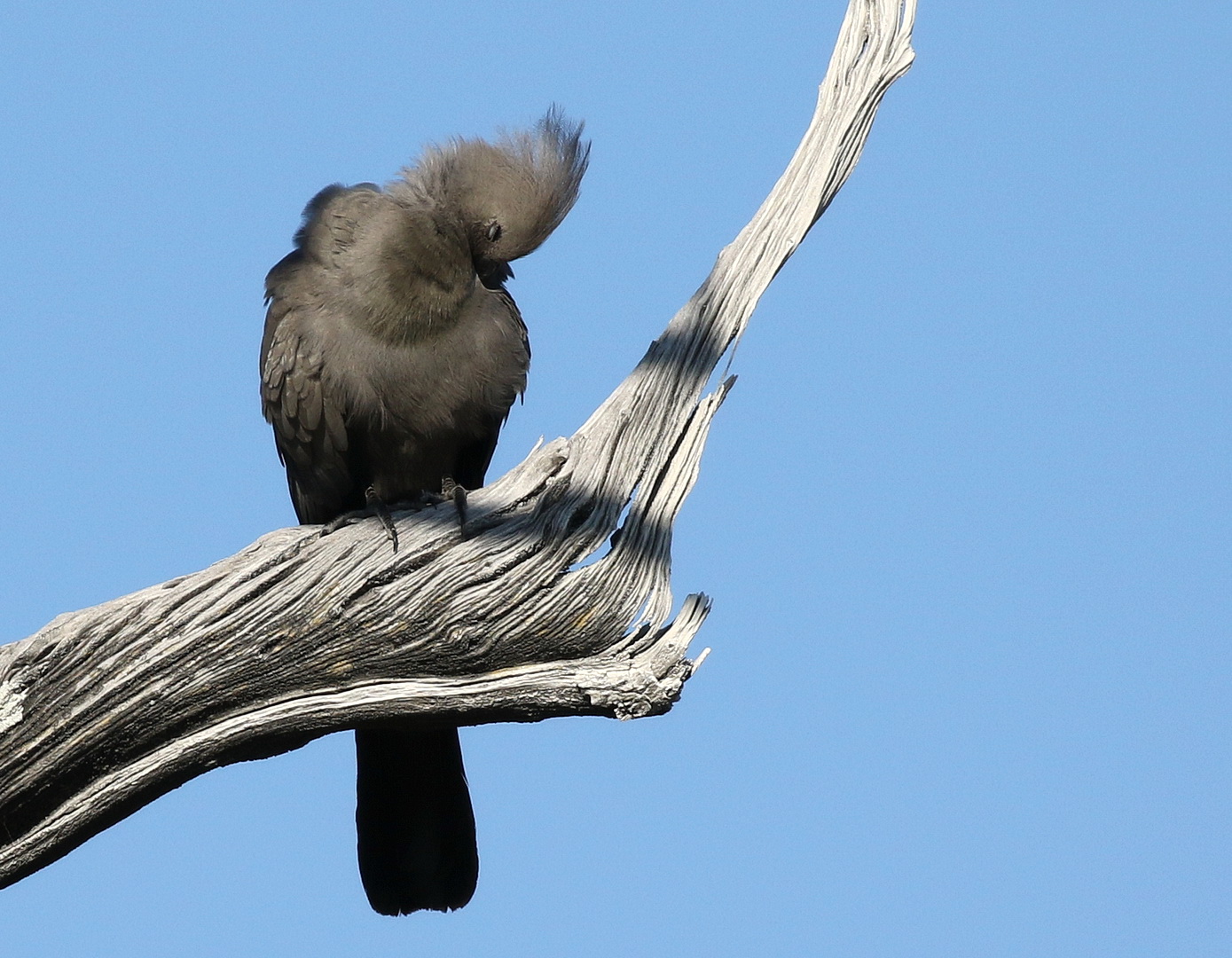
Grey Go-away-bird
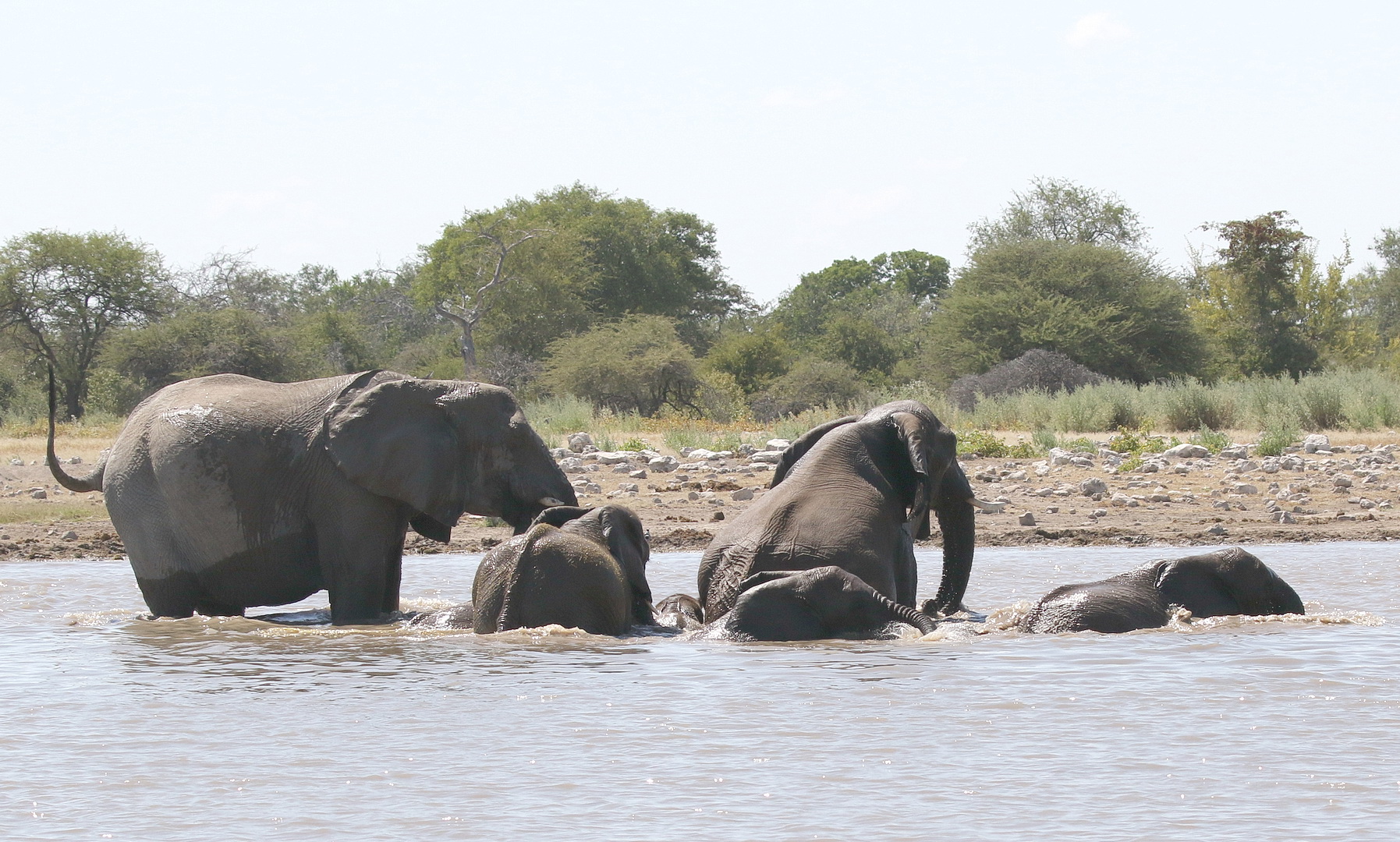
Elephants – here we come
Elephants – playtime
Here are some photos of unidentified birds that we saw which we hope you can identify.
Black-throated Canary
Black-throated Canary
Black-cheated Snake-Eagle – juvenile
Black-cheated Snake-Eagle – juvenile
Black-cheated Snake-Eagle – juvenile
Black-cheated Snake-Eagle – juvenile
After five nights in Halali it was time to move on. Epupa Falls was our goal via Ruacanna and Kunene River Lodge, then on to Epupa along the recently improved road. We called Epupa Falls Lodge to book a few nights there and quickly learned that flooding had severely damaged this road and we would not be able to get through that way. We would have to go via Opuwo – a route I did not particularly fancy.
So after this disappointment and a disappointing time in Etosha we considered going home via the Caprivi. Not on. Most of the places we were interested in staying were flooded. When we contacted the Caprivi Houseboat Safari Lodge for a campsite so we could see the Leaflove, they told us “Sure you are able to see the bird but we will have to come by boat to fetch you”.
Then we considered simply heading back home.
On the day of departure, Sally said that as we had come this far we ought to go to Epupa Falls. I agreed reluctantly as I was not looking forward to the drive. We contacted Epupa Falls Lodge and booked ourselves in for three nights.
Fruit and Flora which Sally had photoed
Bush melon
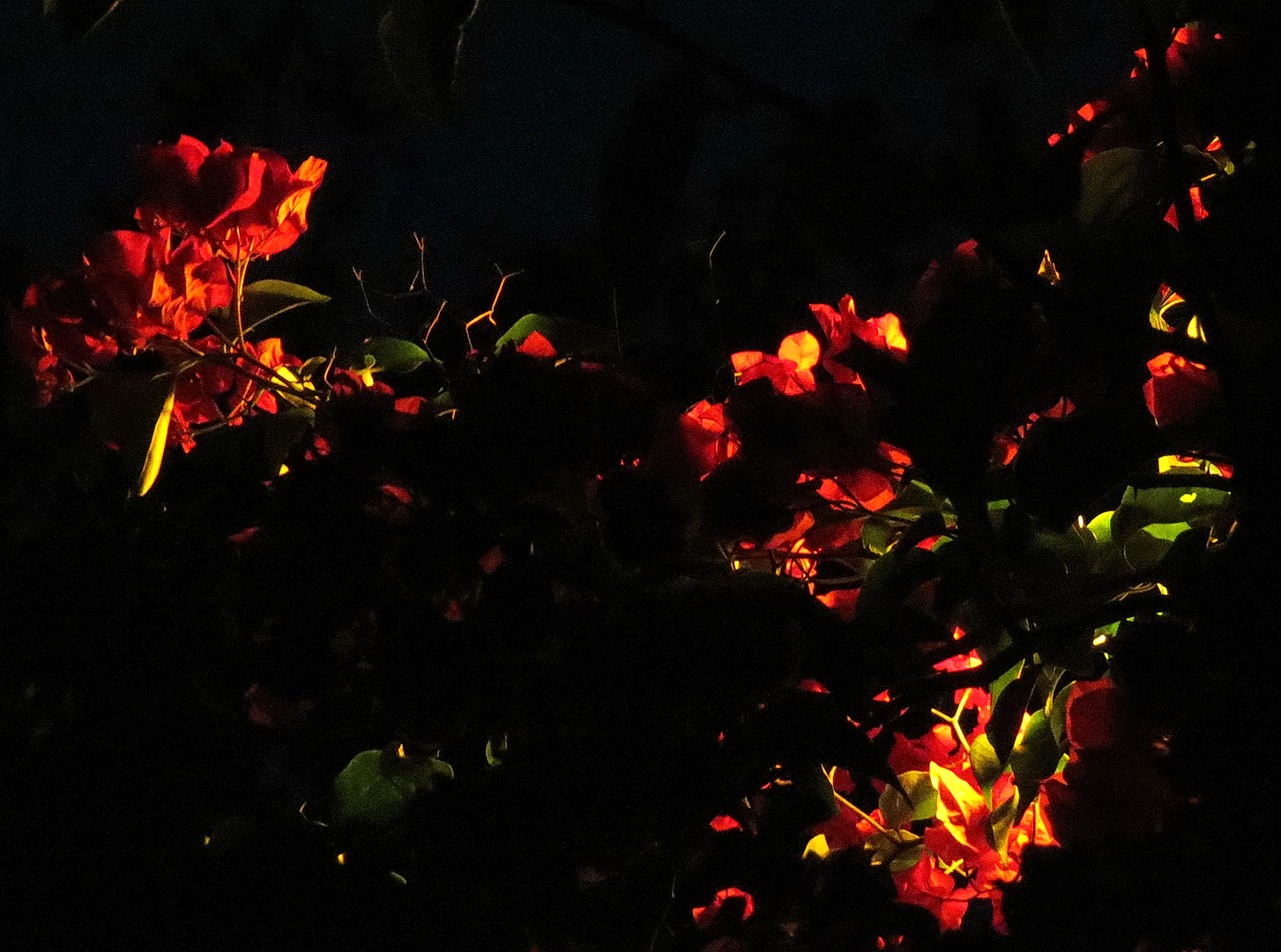
Night flowers
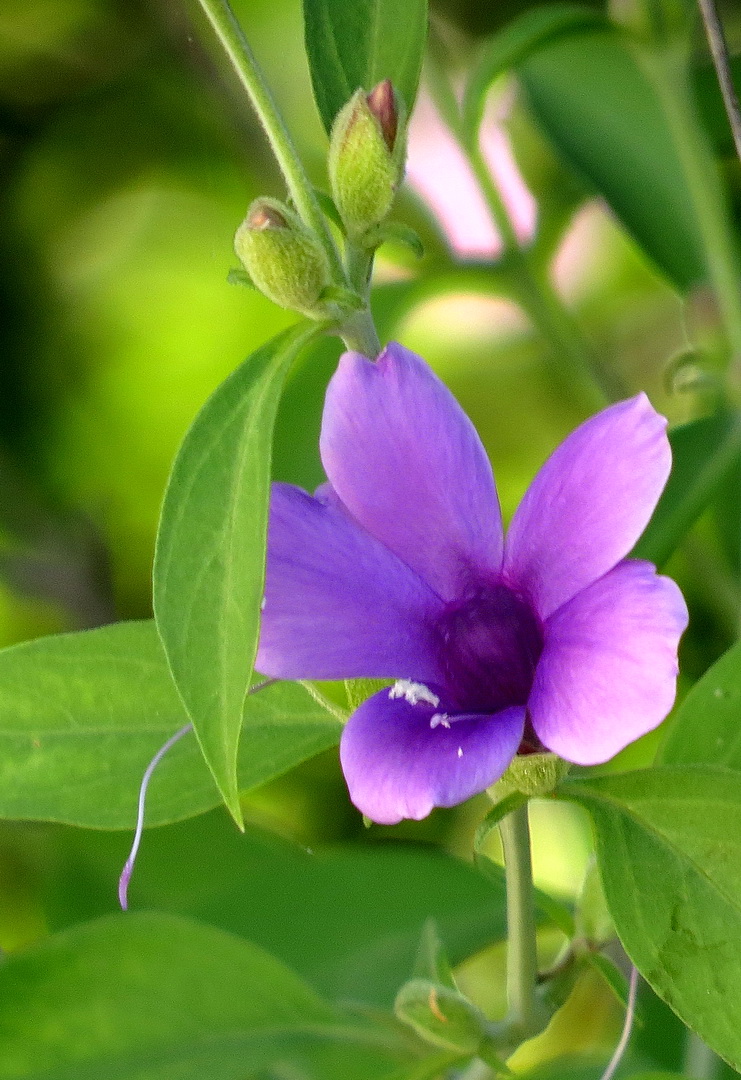
Pink
Pink
Purple
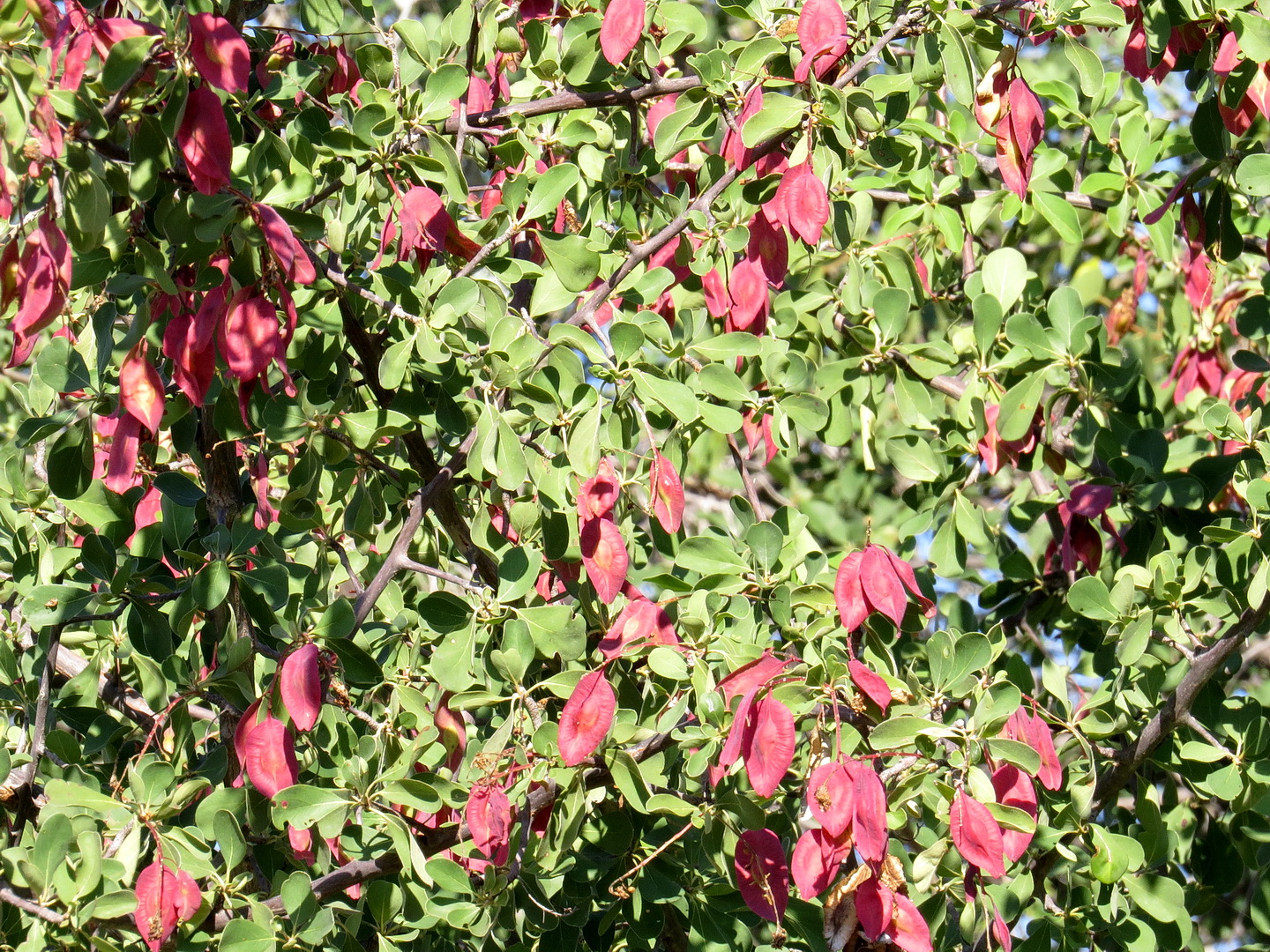
Tree
Yellow and Red
Yellow Mouse Whisker
Leaves
We had always wanted to see the recently opened western side of Etosha and decided that we would do so on our way to Epupa Falls. 70 kms to Okaukuejo then another 200 kms to the Anderssen gate at the west of the park.
It was too long a journey to comfortably get to Epupa Falls in one day. That being the case we unthinkingly booked ourselves a campsite in Kamanjab for a night as there was nothing close to the Anderssen gate. Instead we should and could have camped in Ruacana and given ourselves a chance to find the Grey Kestrel. It would have meant backtracking about 40 extra kms compared to going to Kamanjab. Unfortunately we only considered this as we reached Kamanjab.
The west side of the park was quite different from the rest of Etosha. It started much like the area around Okaukuejo for a long part of the journey to the new campsite at Olifantsrus where the road forks. We took the left fork to the campsite and were quite impressed. Although there is no shade nor power for the 10 campsites, they were neatly arranged and the ablutions good. One of the big plusses was the double level hide. Walk along a boardwalk to the hide which is situated overlooking a wetland area.
Continuing along the left fork to the gate the landscape changes and we drive through rugged and hilly country well vegetated. Quite different and unexpected. We would like to spend a short time to explore this area in the future. The problem is that the campsite is extremely popular and hard to book.
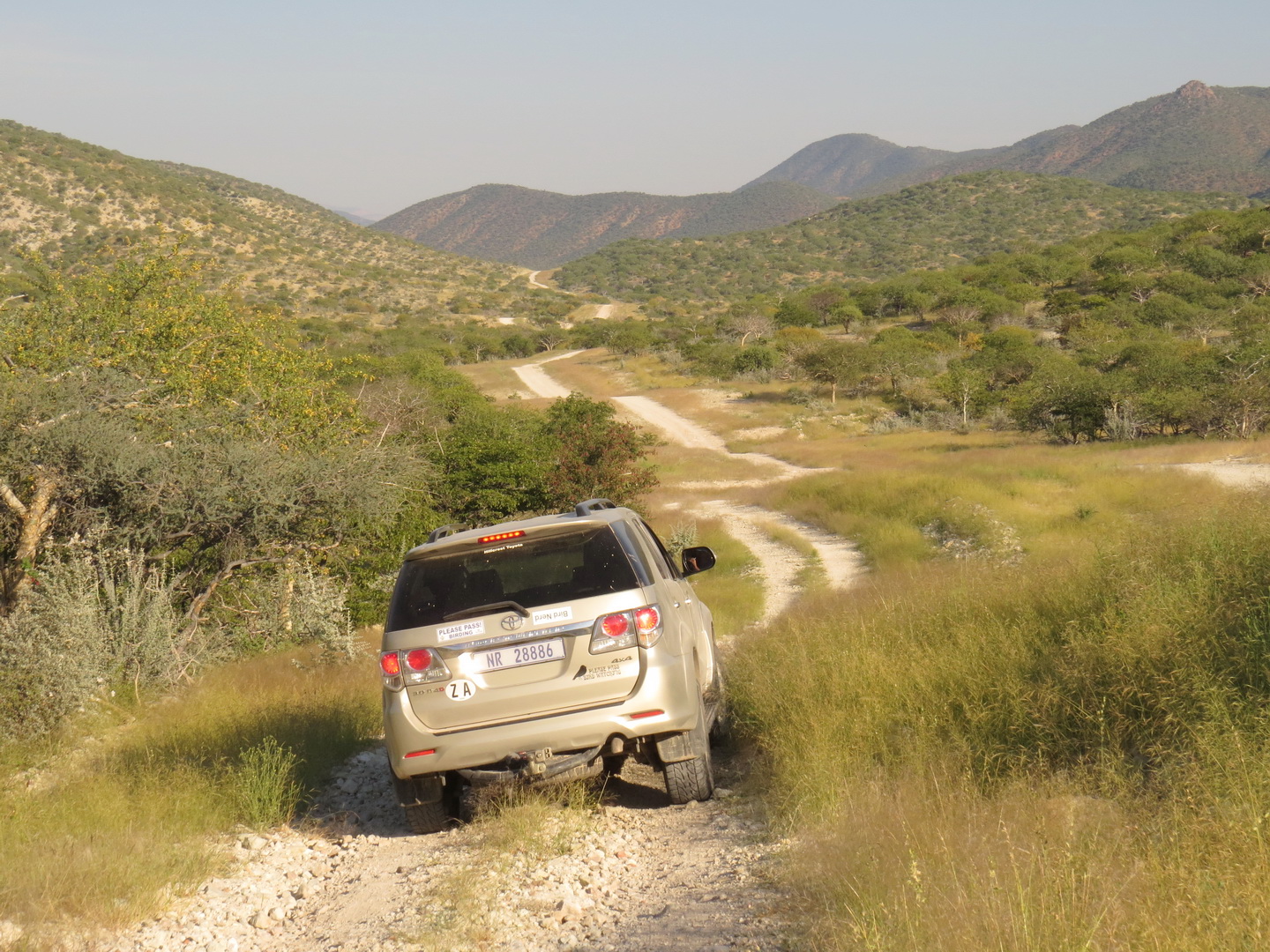
Kamanjab to Epupa Falls is about 430 kms and takes a good 6 hours to do when you are towing. In fact it took us four hours from Opuwo – a journey of 180 kms. The last 70 kms travelling through over 100 marked dips in the road. It meant virtually stopping at the bottom of the dip each time to protect the tow hitch.
Smiley sign means dips ahead. We counted over 100 of these on the way back.
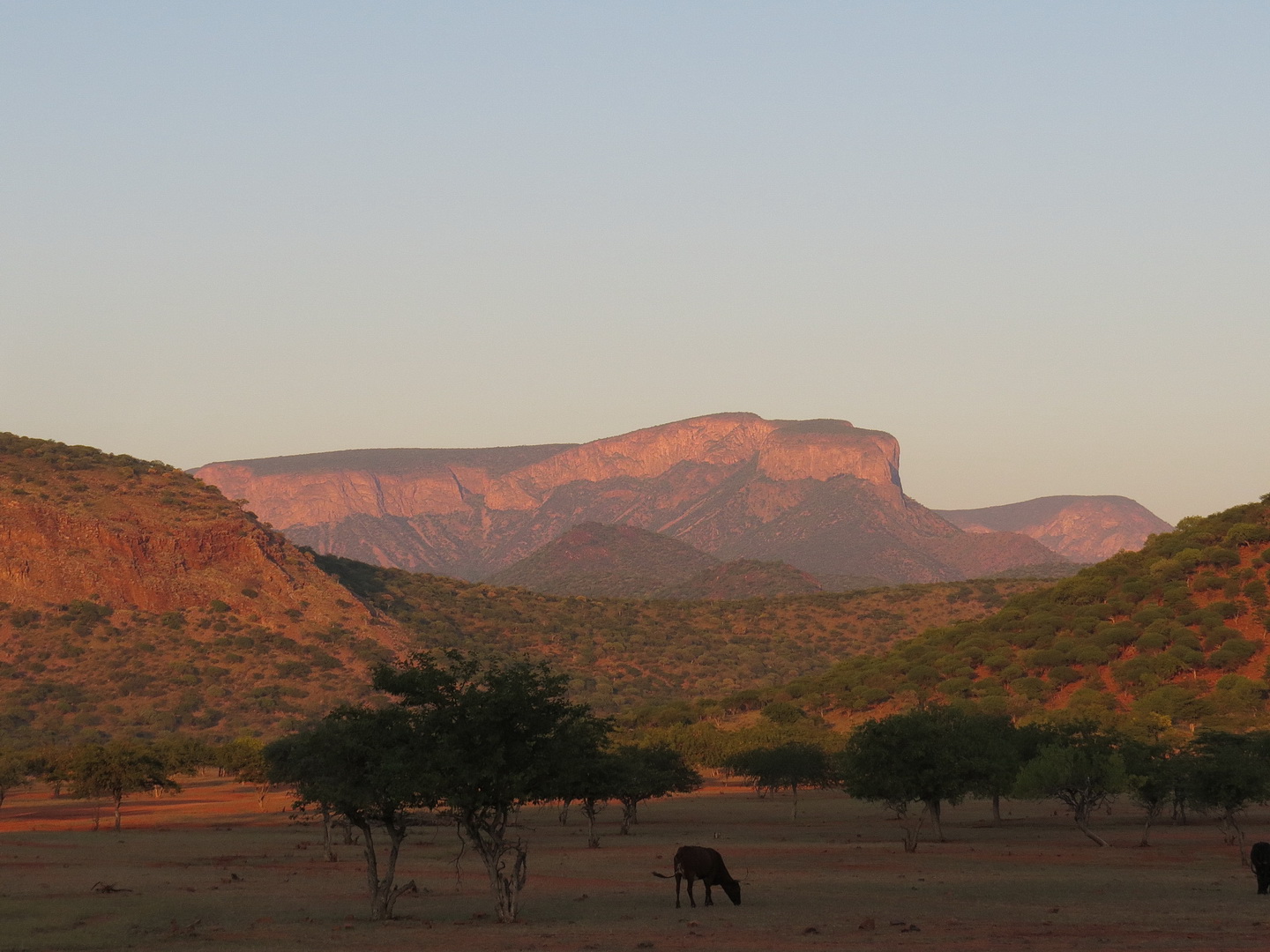
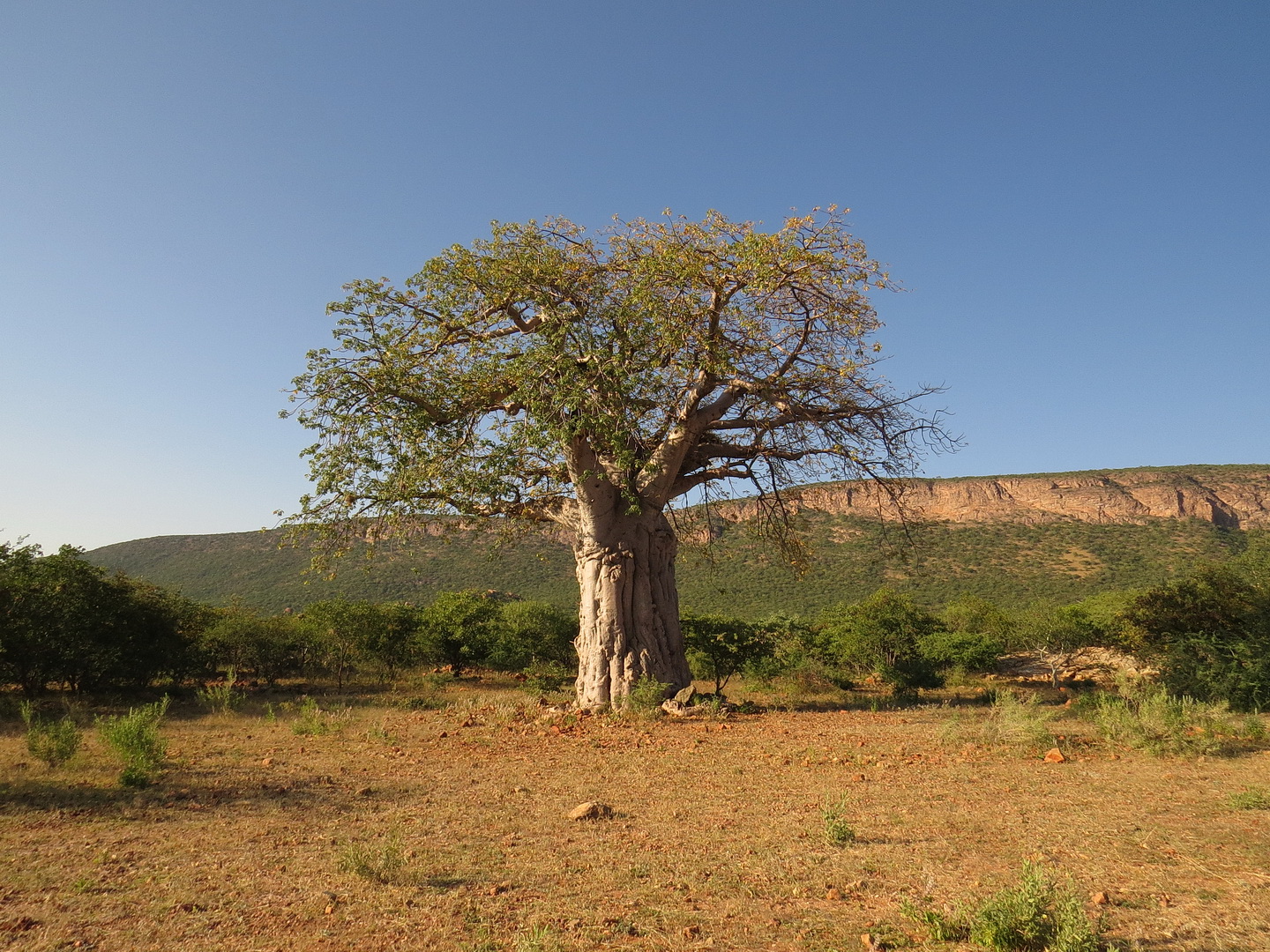
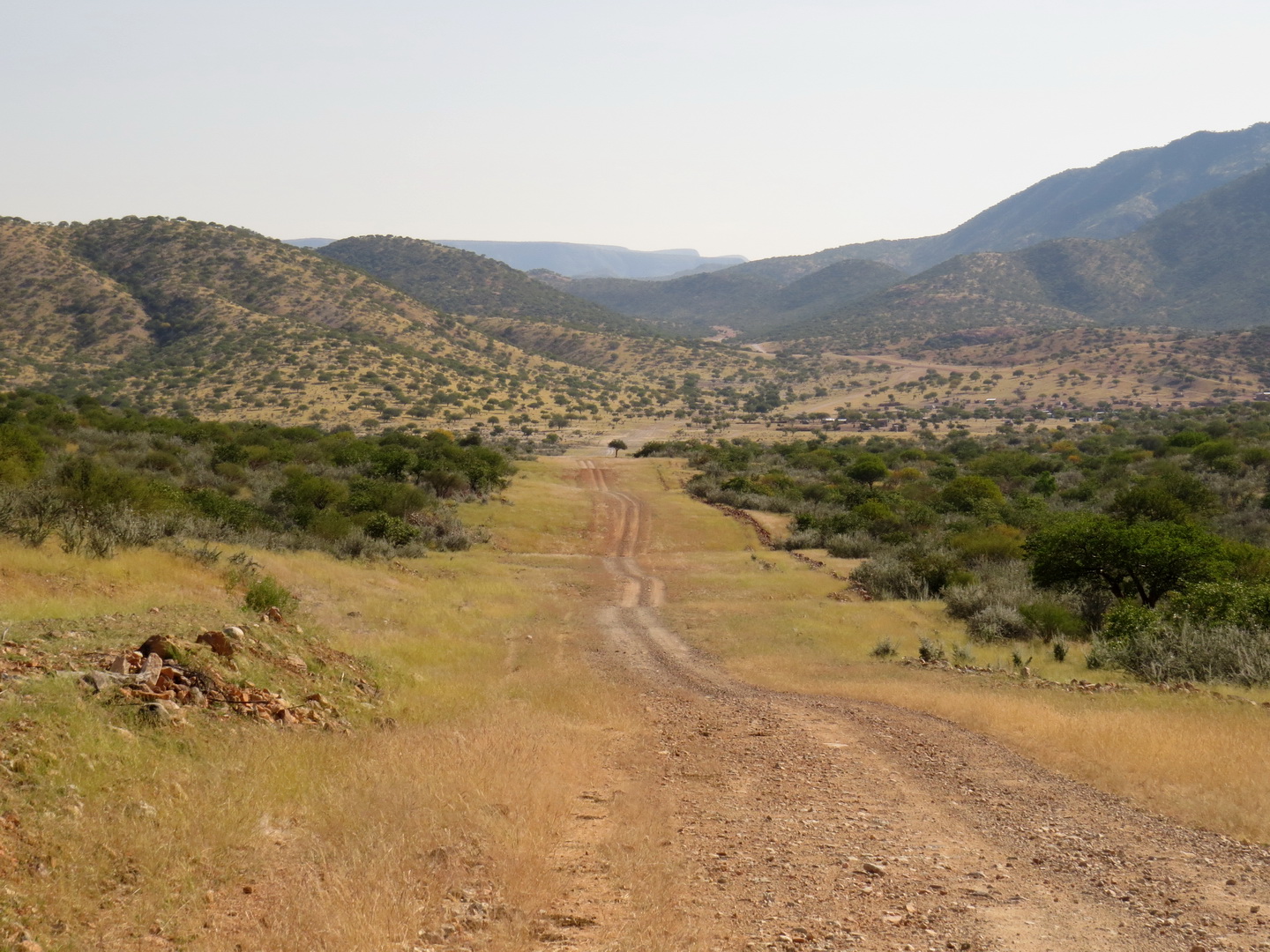
The scenery was spectacular along the way especially as we approached Epupa Falls.
Scenery
Scenery – Baobab with Ruppel’s Parrots
Scenery
Scenery
Scenery Zebra-like Mountains
Scenery Zebra-like Mountains
Scenery
Scenery
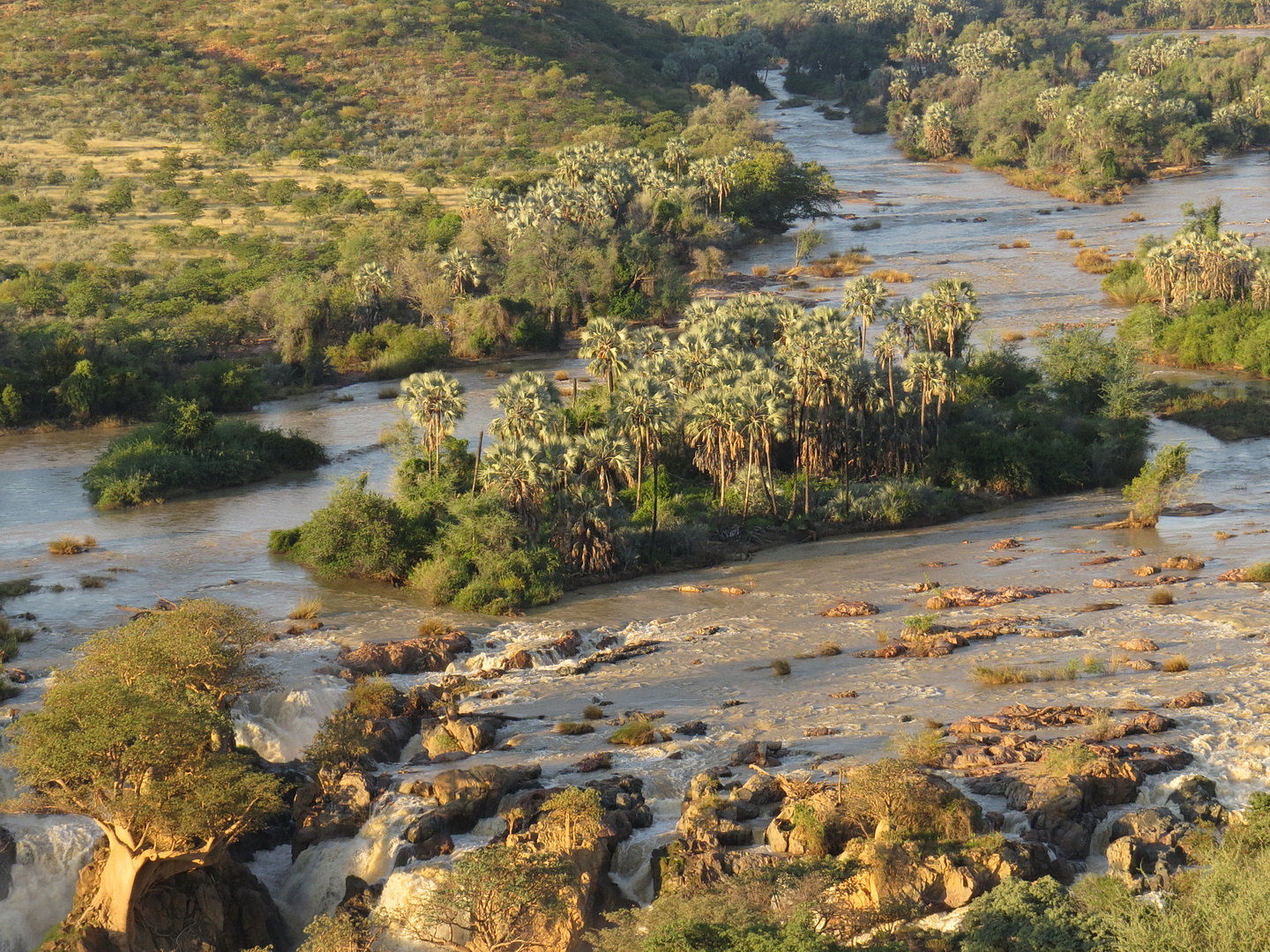
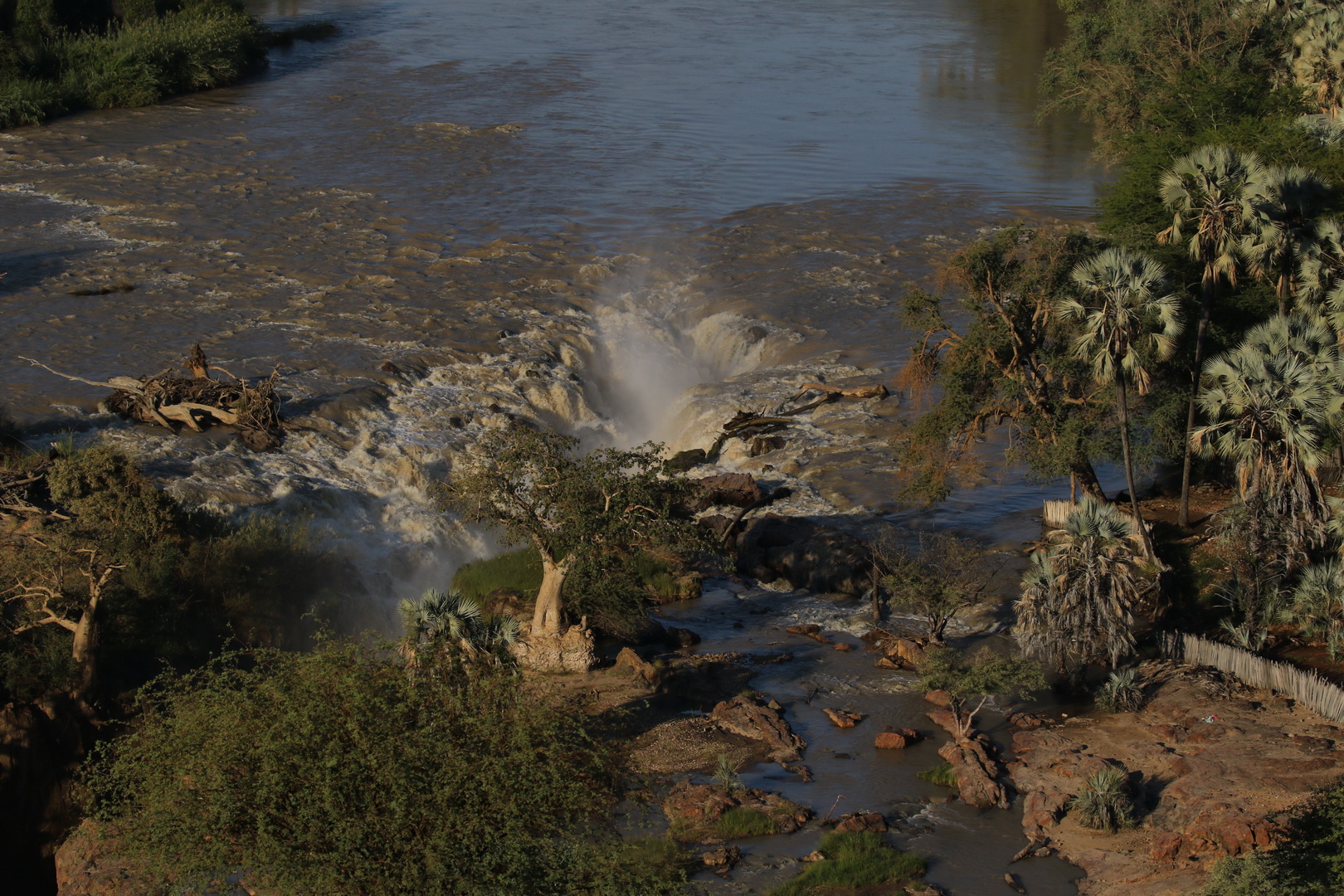
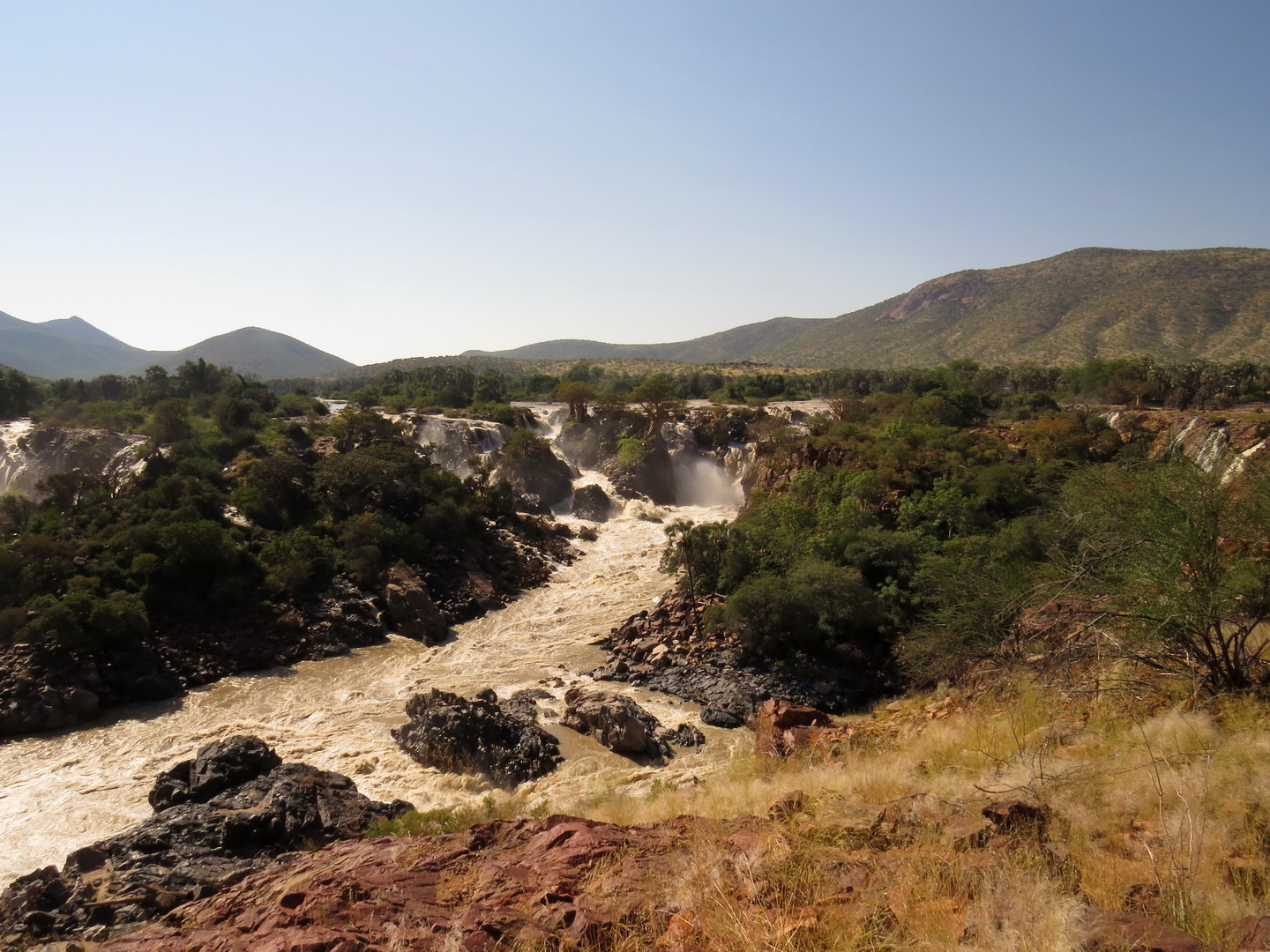
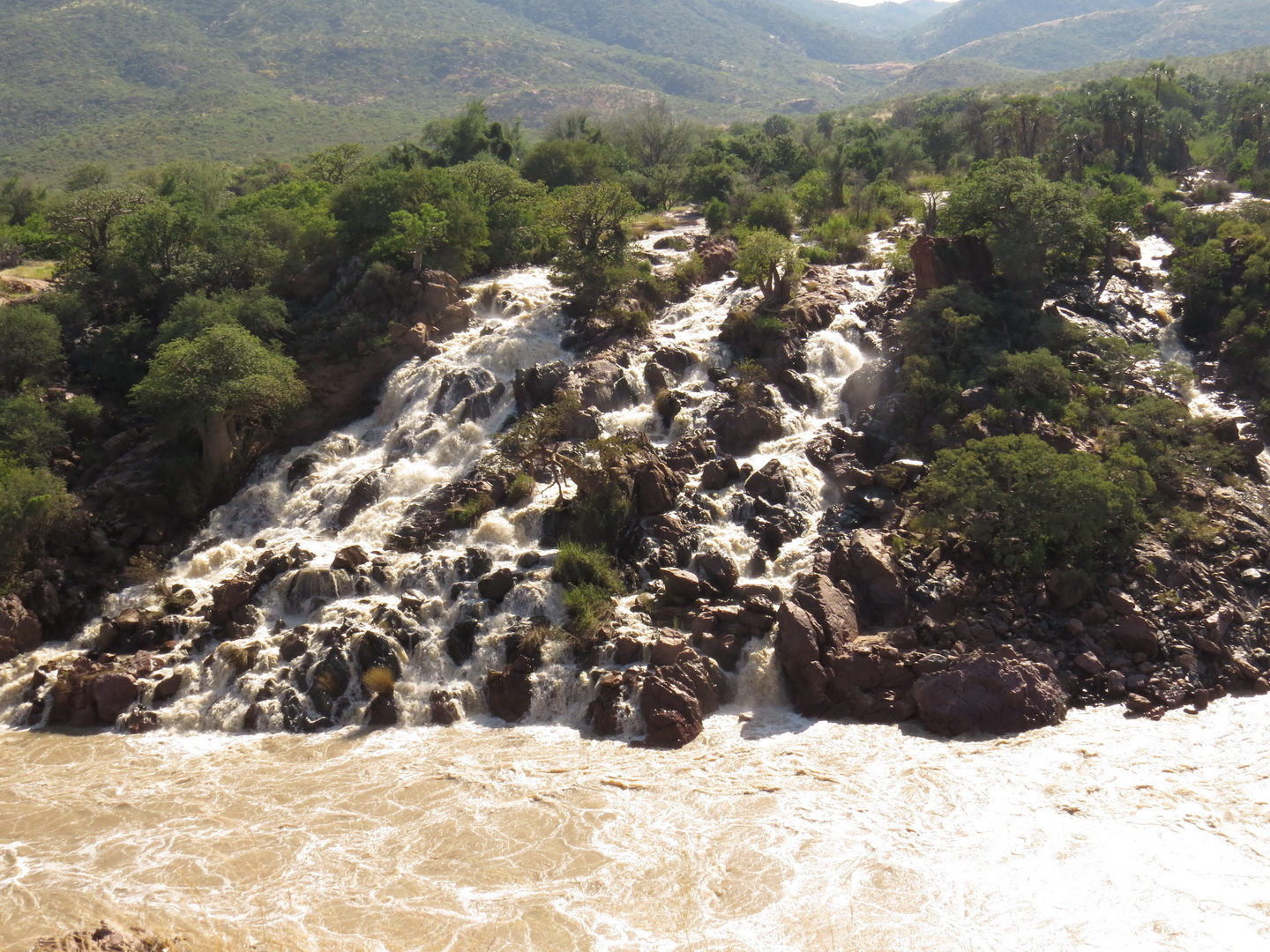
Epupa Falls was was worth all the effort to get there. Fortunately we were there when the Kunene River was flowing strongly. The dam gates up river in Angola had been opened.
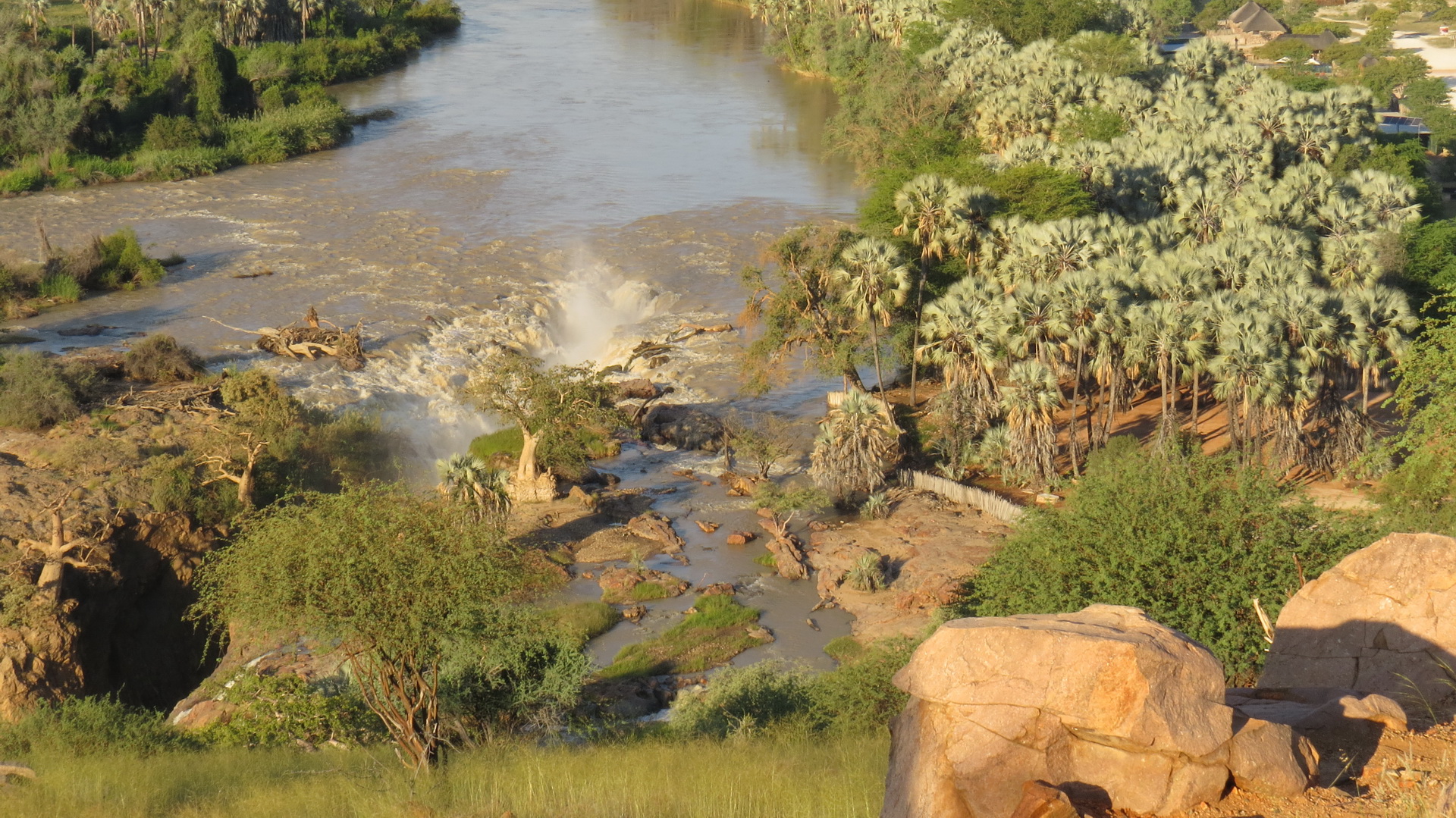
We checked in to Epupa Falls Lodge. The campsite is right beside the river and from our site we could see the spray as the water started going over the falls. It is a well palm shaded campsite but without power. The solar panels had to be constantly moved every hour to find some sun.
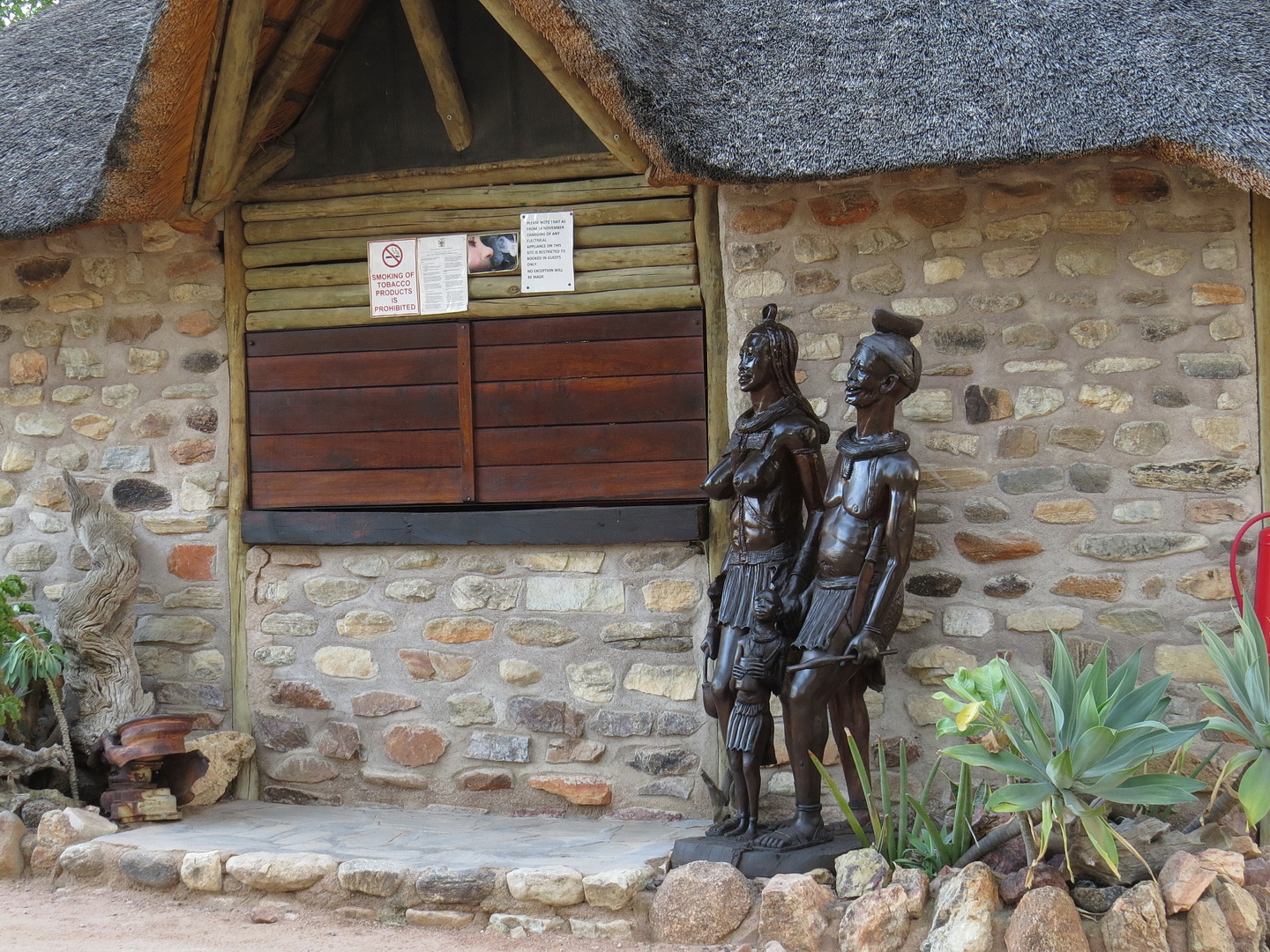
Epupa Falls entrance
Epupa Falls entrance
Epupa Falls reception
Epupa Falls pool
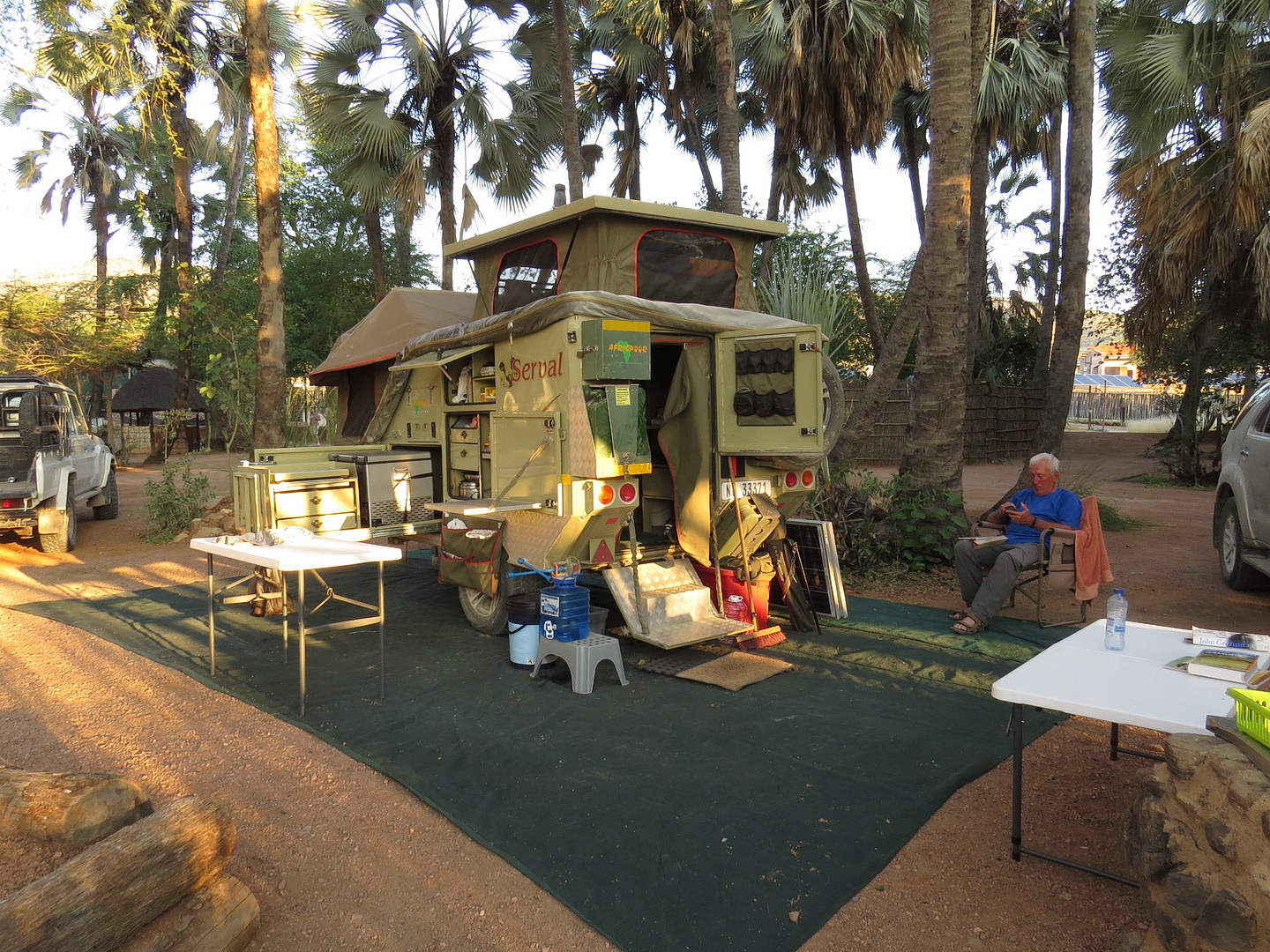
Epupa Falls – our campsite by the river
Epupa Falls campsite
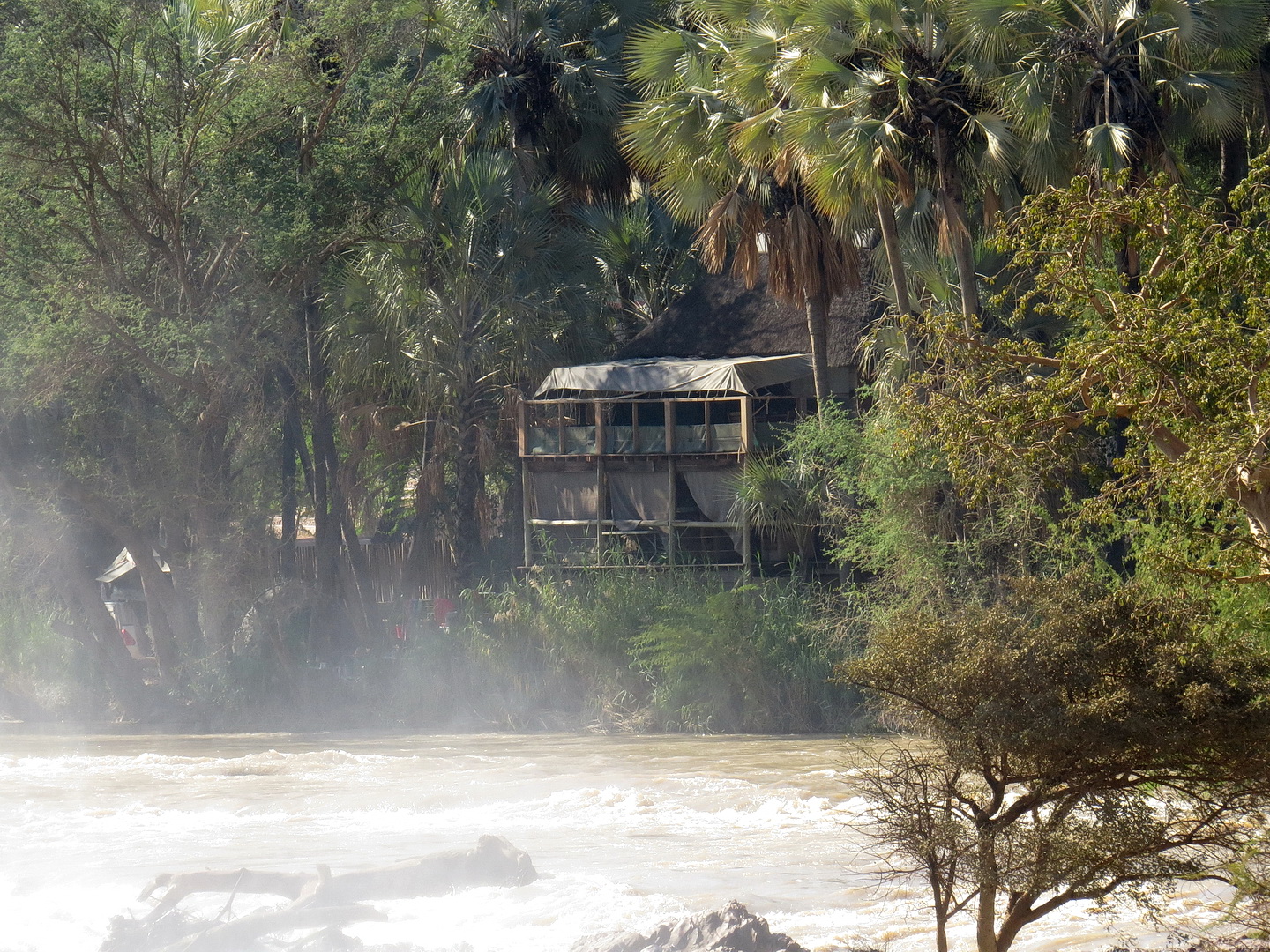
Epupa Falls from our campsite
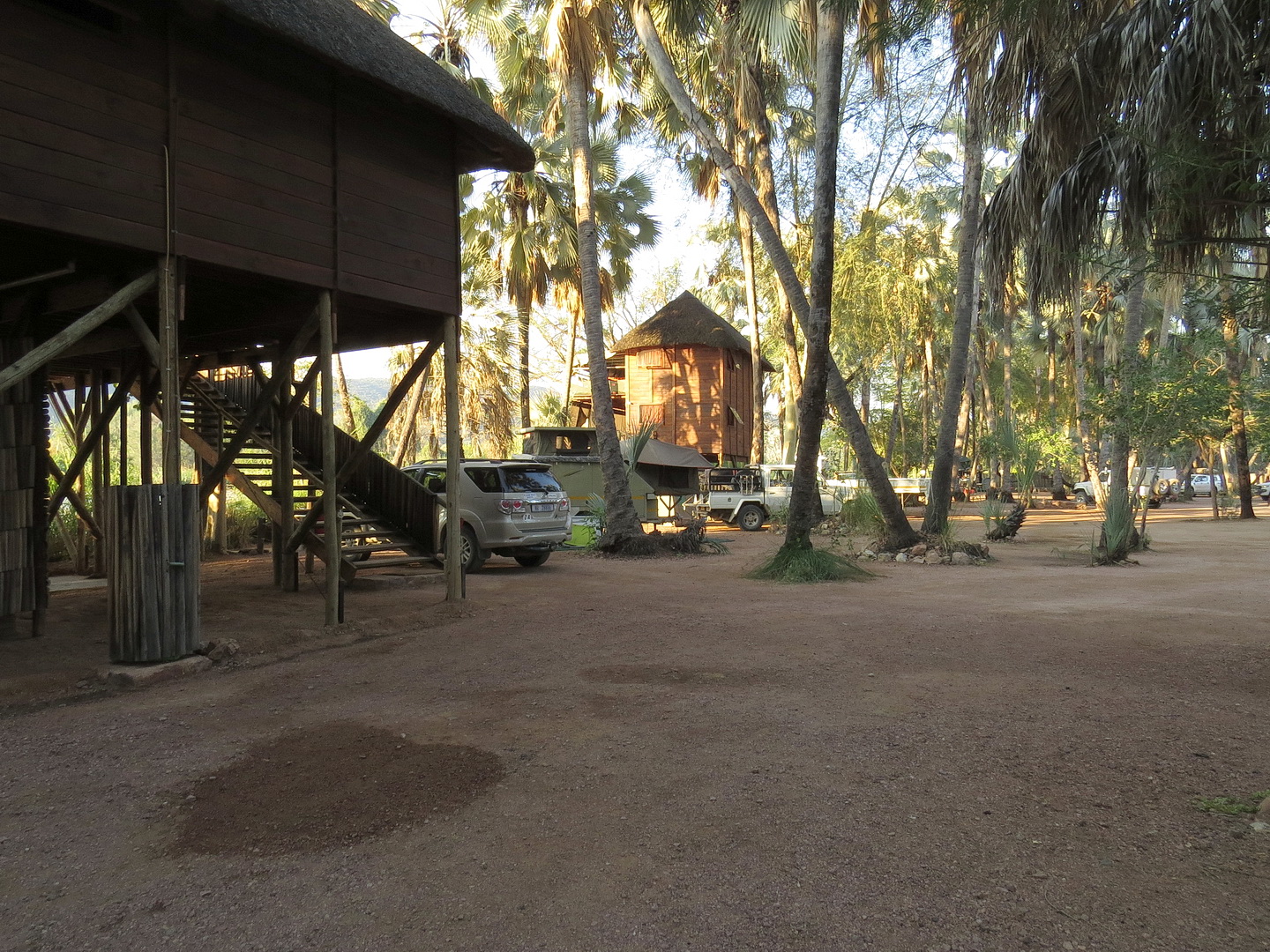
Epupa Falls campsite and restaurant
Epupa Falls campsite
Epupa Falls chalets
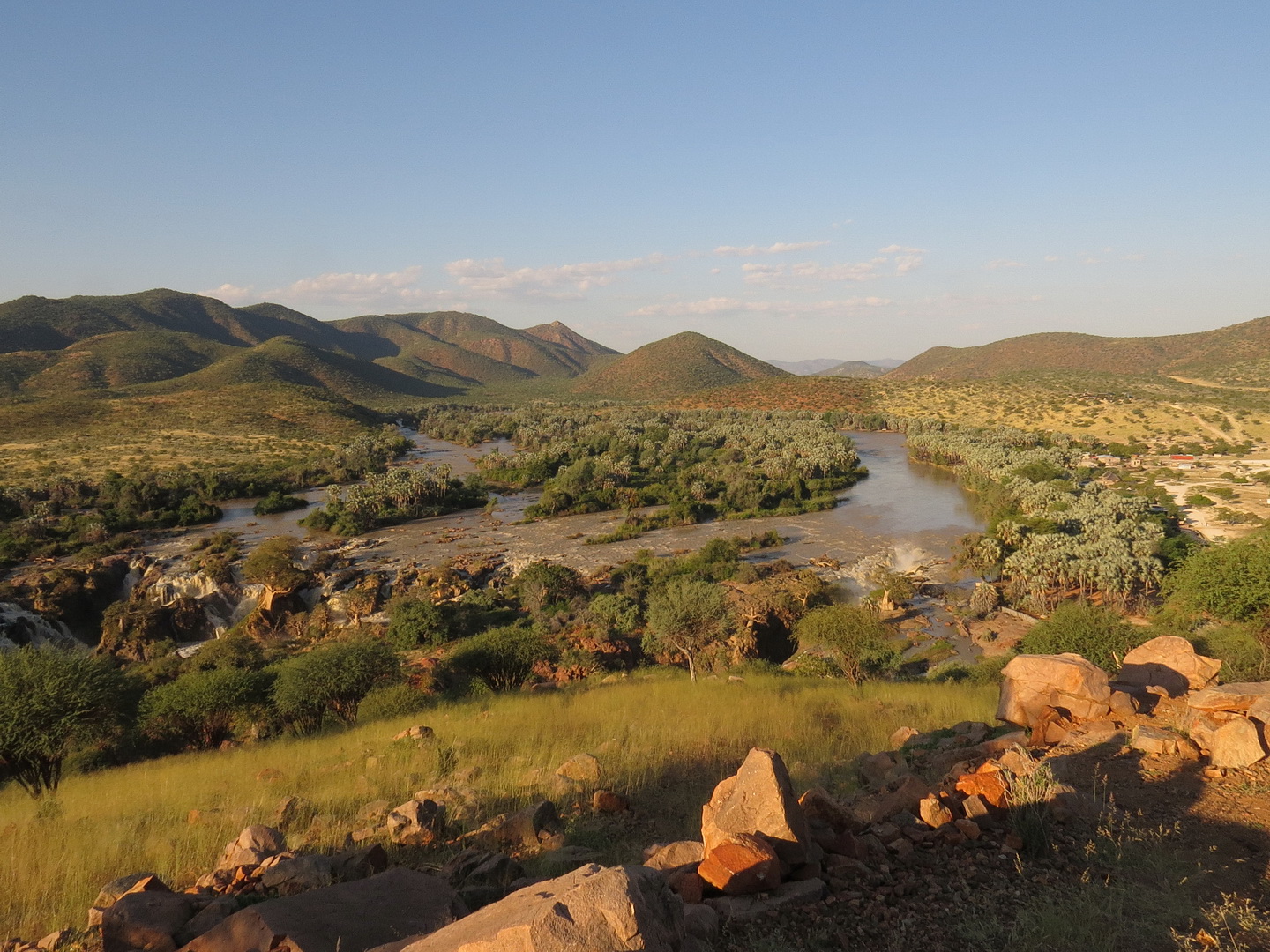
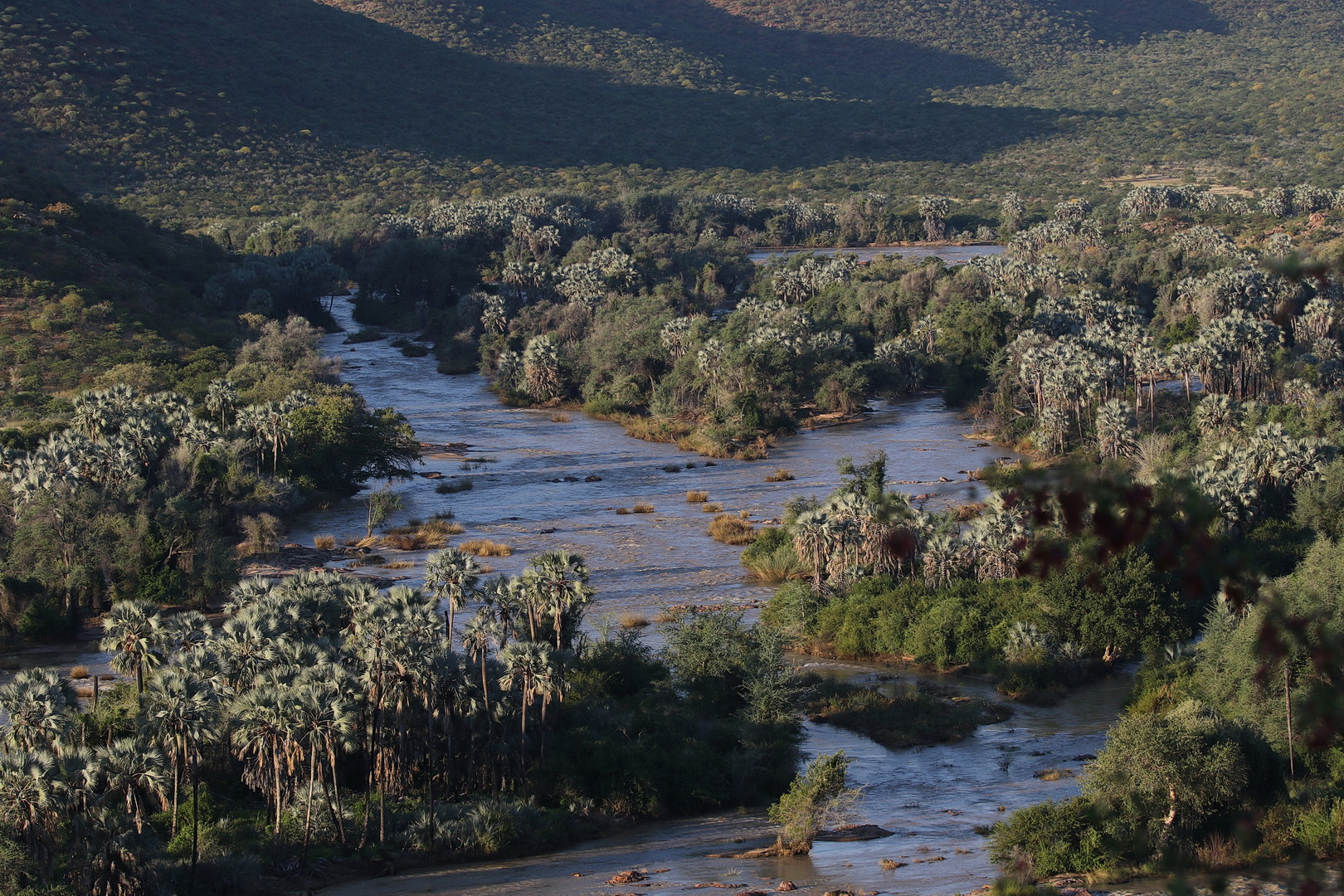
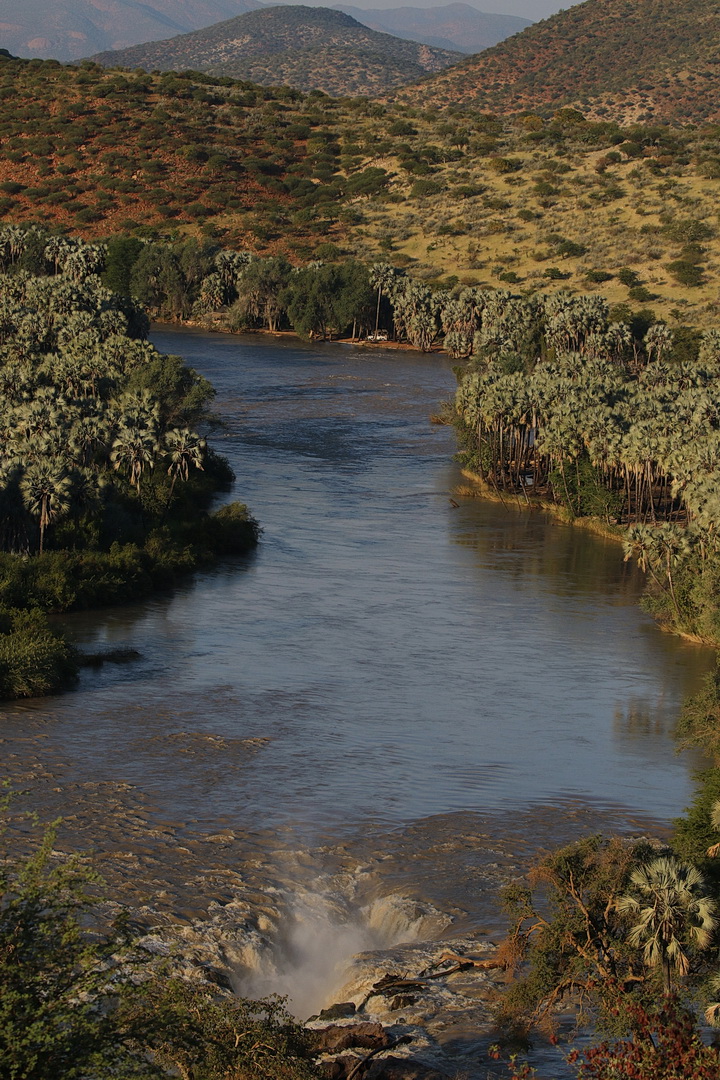
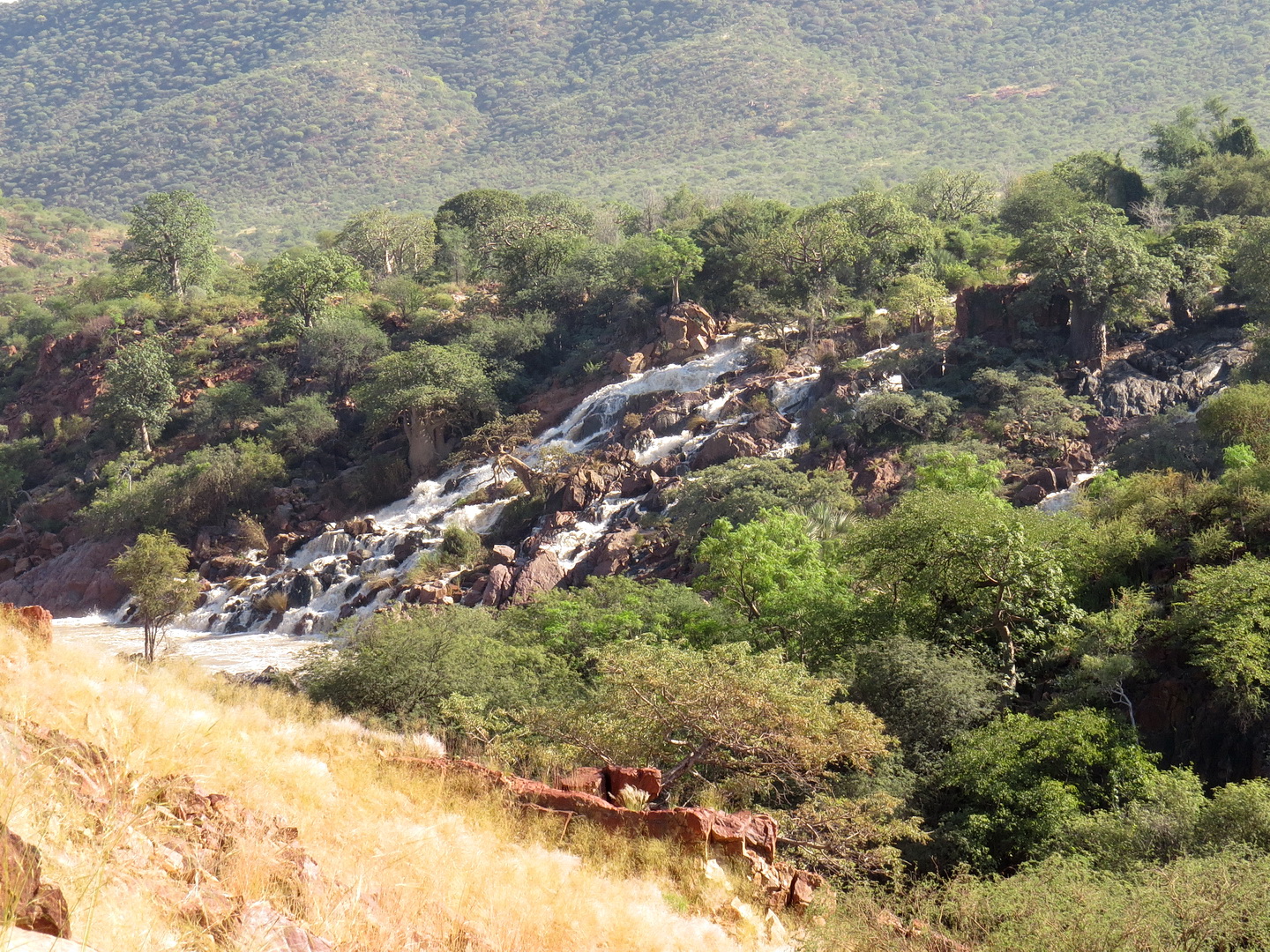
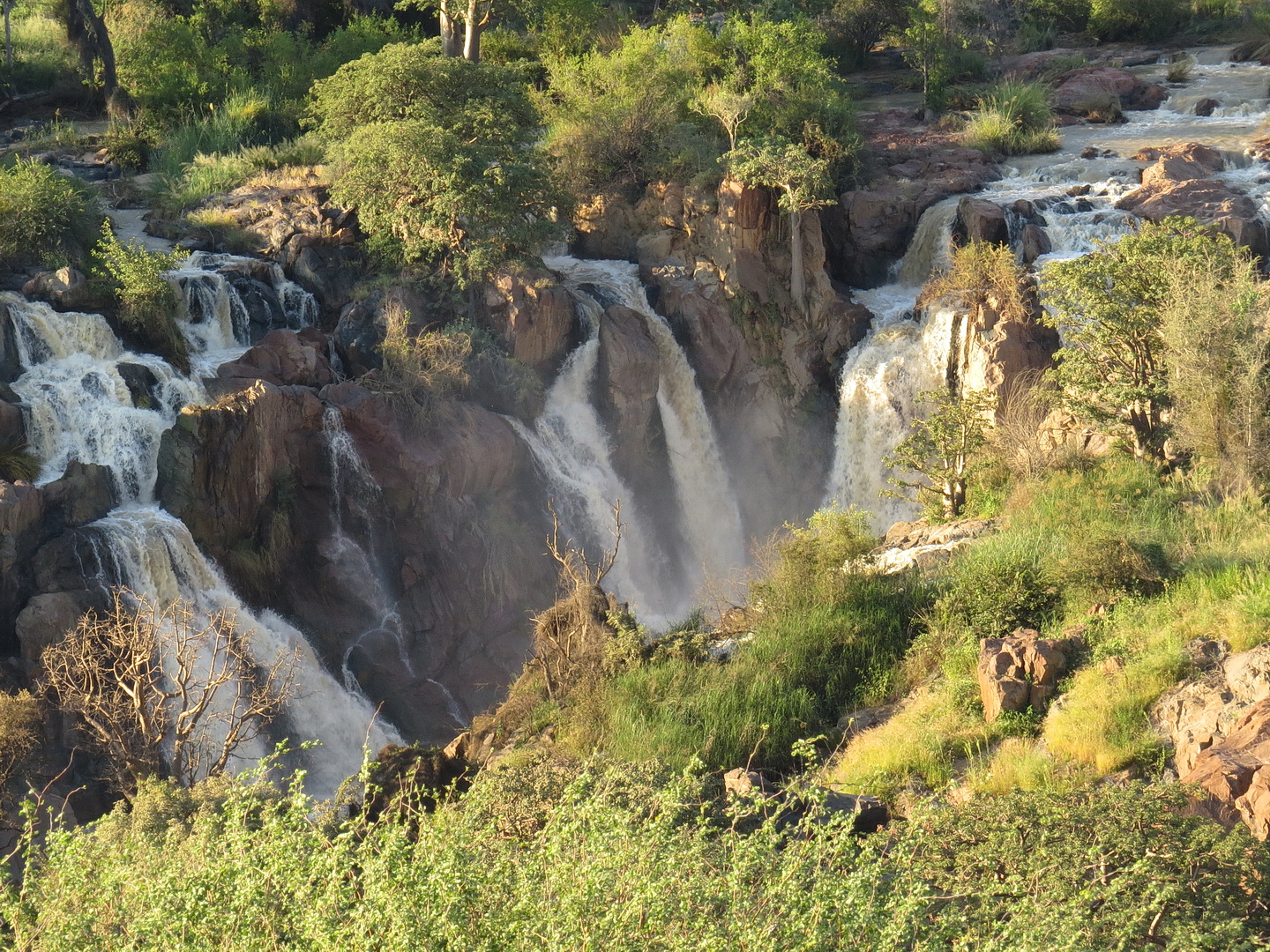
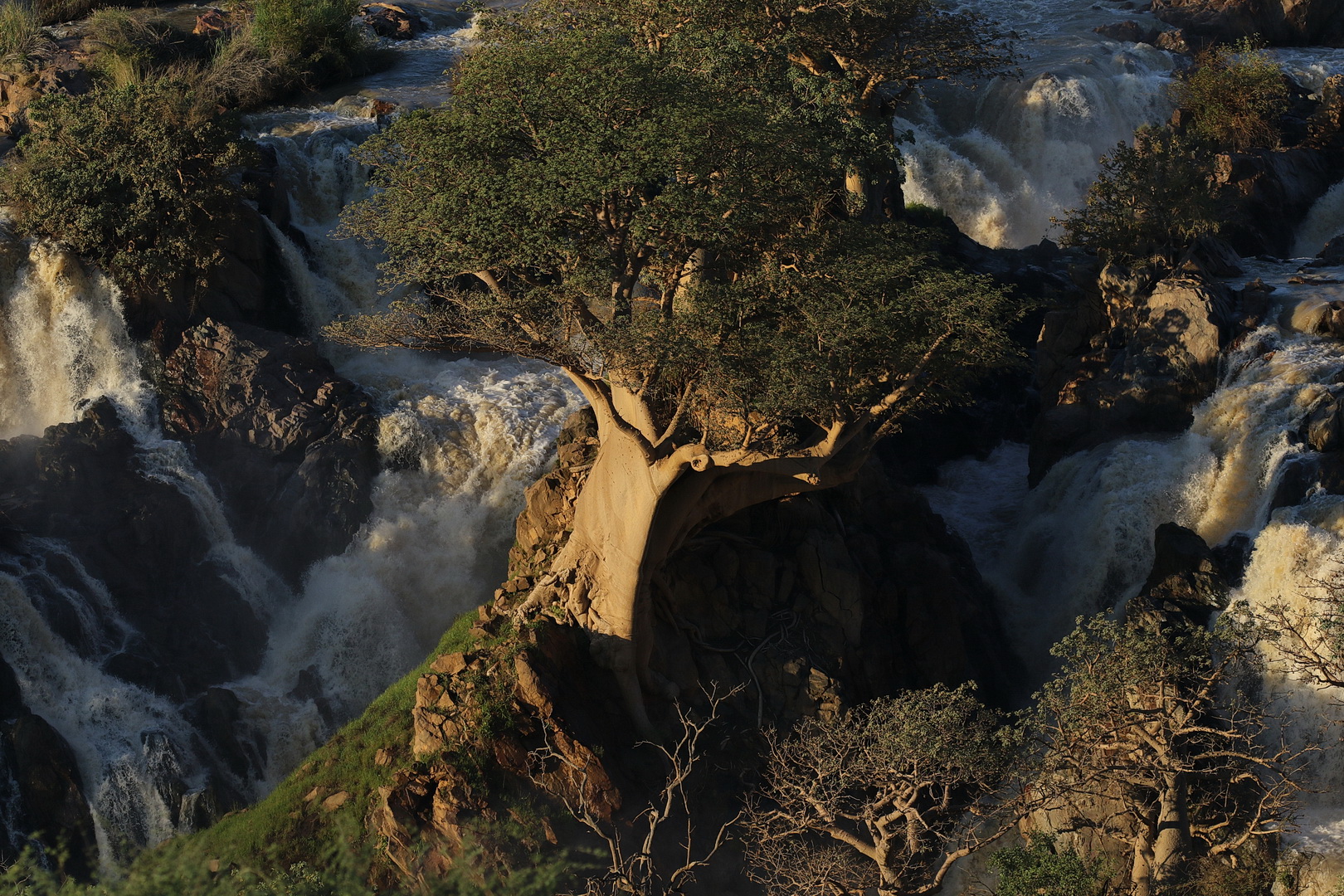
On our first evening we went up to the lookout point over the Falls. What a view especially to see it in flood.
Epupa Falls complete
Truely Spectacular.
Epupa Falls
Epupa Falls
Epupa Falls
Epupa Falls
Epupa Falls
Epupa Falls
Epupa Falls
Epupa Falls
Epupa Falls
Epupa Falls
Epupa Falls
Epupa Falls
Epupa Falls
Epupa Falls
Epupa Falls
Epupa Falls
Epupa Falls
Epupa Falls
Epupa Falls
Epupa Falls
Epupa Falls
Epupa Falls
Epupa Falls
Epupa Falls
The birding was excellent. We had birding round the camp with numerous Rosy-faced Lovebirds, Rufous-tailed Palm-Thrushes and Ruppel’s Parrots amongst them.
Campsite Orange-headed Lizard
Orange-headed Lizard
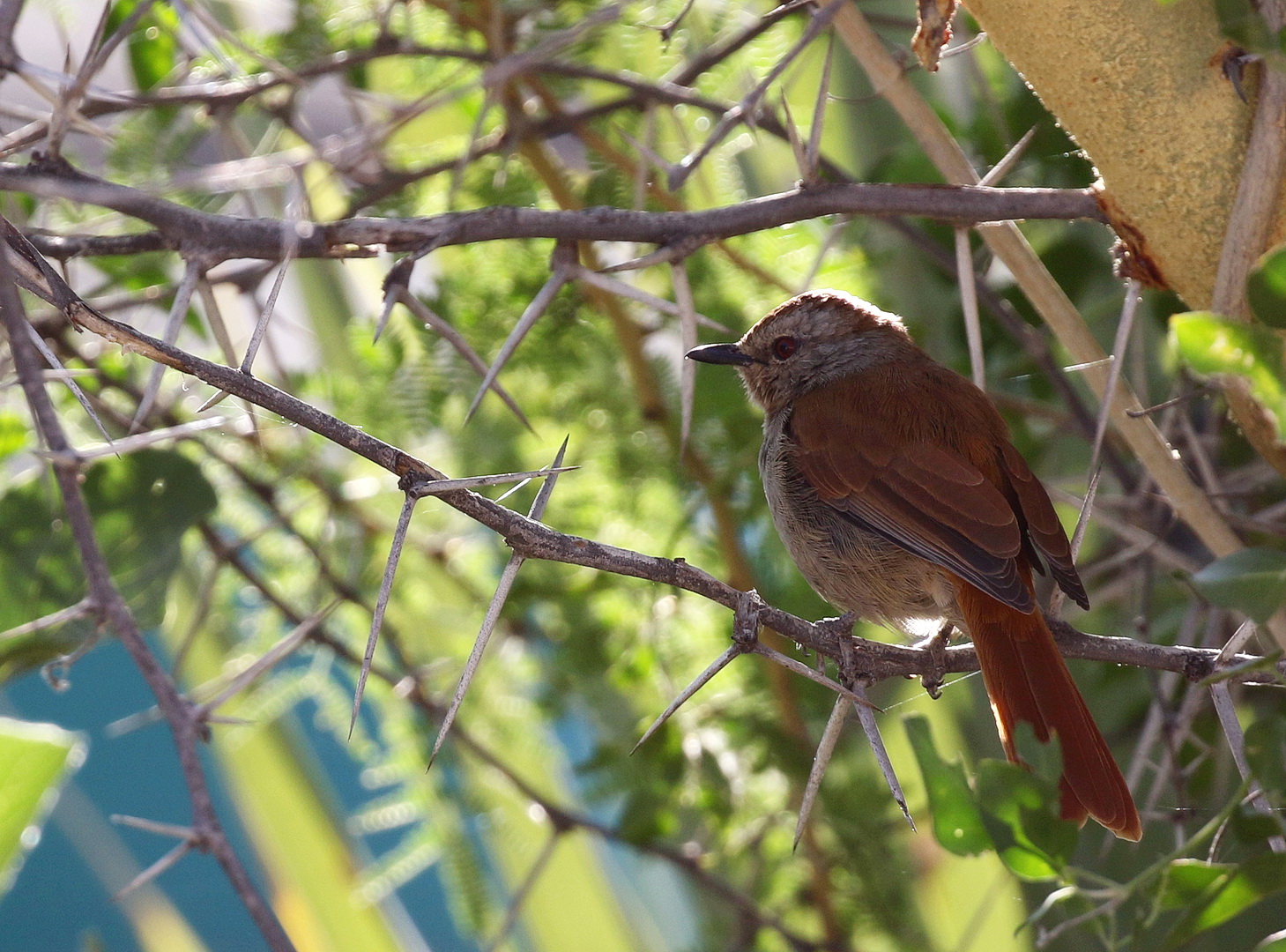
Rufous-tailed Palm-Thrush
Rufous-tailed Palm-Thrush
Ruppell’s Parrot
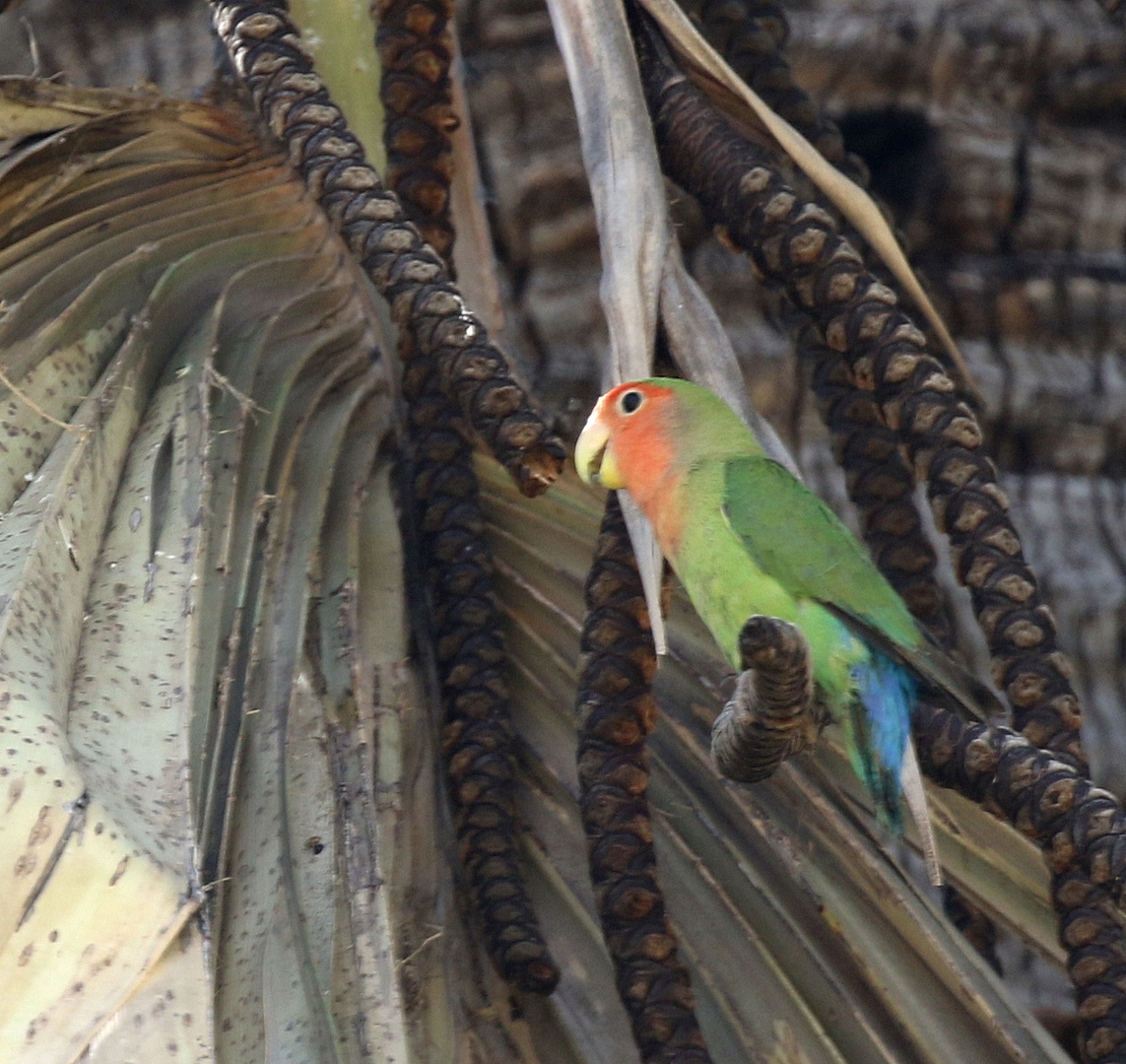
Rosy-faced Lovebirds
Mourning Dove
Mourning Dove
Then there was the birding beside the banks going upstream along the road towards Kunene River Lodge. We drove 20 kms along this road without difficulty.
Epupa Falls road to Kunene River Lodge
Road from the camp. Makalani Palms in the distance
And down into the Makalani Palms
Makalani Palms
Epupa Falls road to Kunene River Lodge
Epupa Falls road to Kunene River Lodge
Epupa Falls river bank
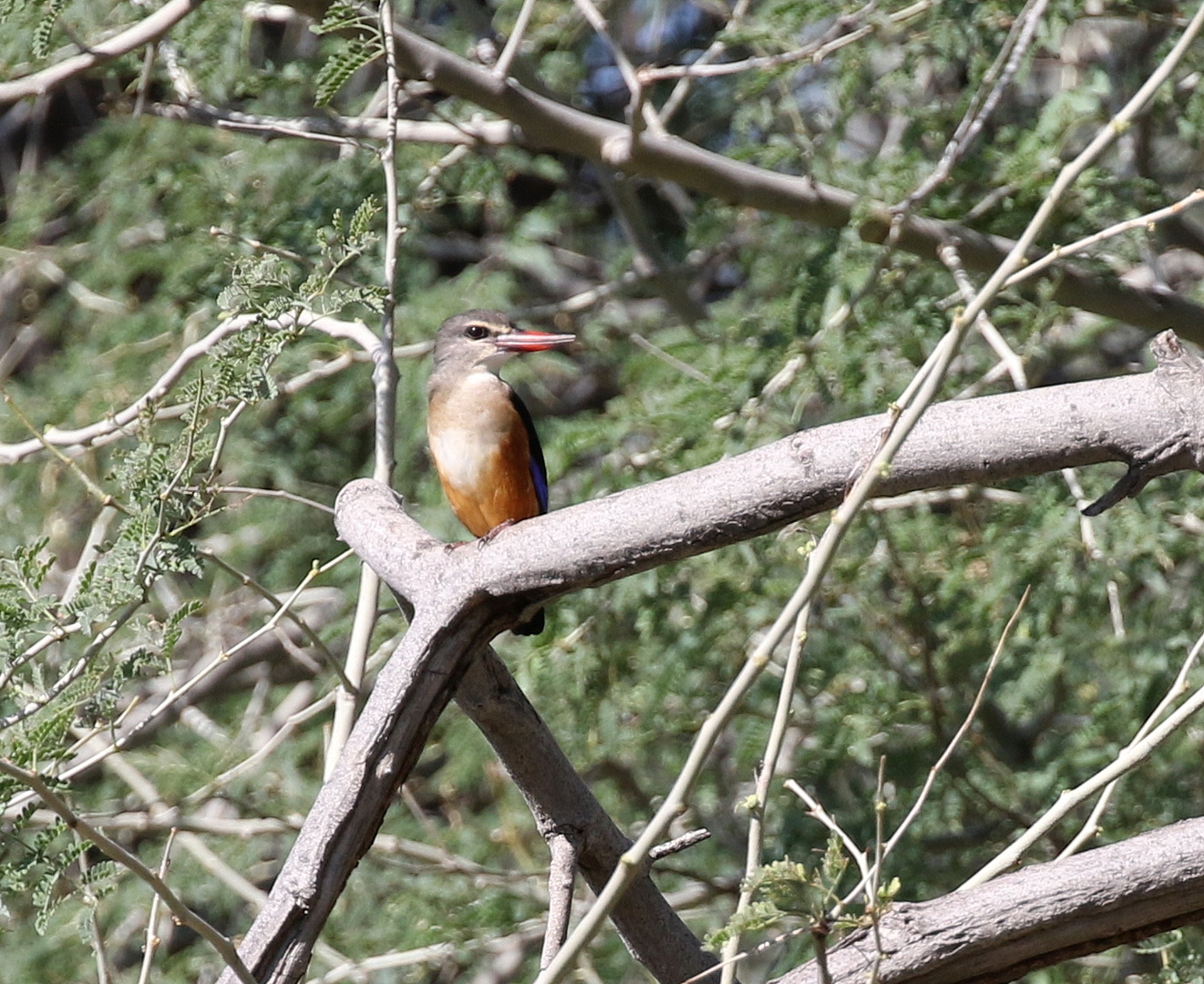
Banks of the Kunene River – some of our best birding along here. Numerous special Kingfishers
Banks of the Kunene River
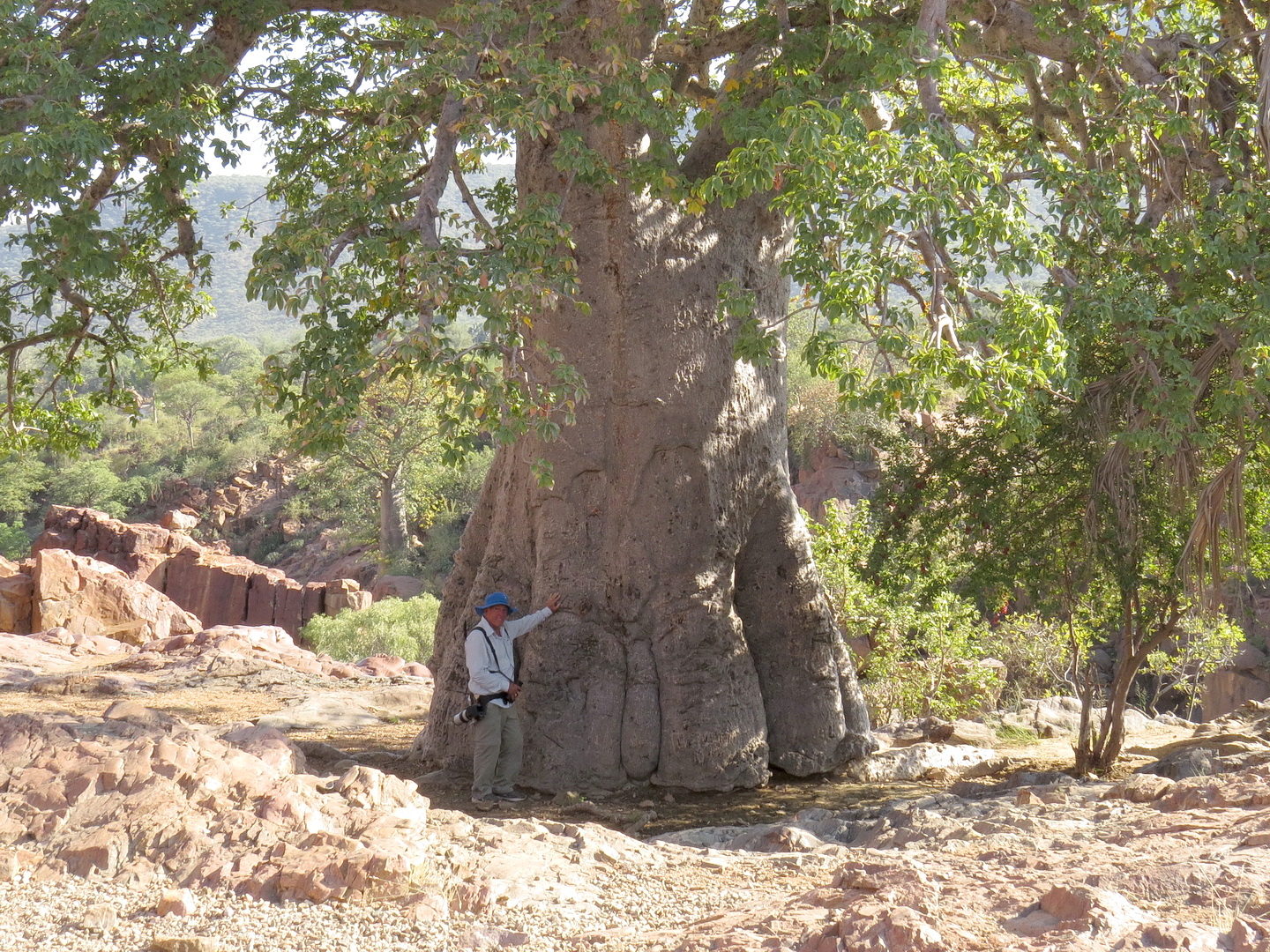
Baobab and Paul
Big Bug. Many in the fields from road to river. Body alone about 4 cms.
Grey-headed Kingfisher
Grey-headed Kingfisher
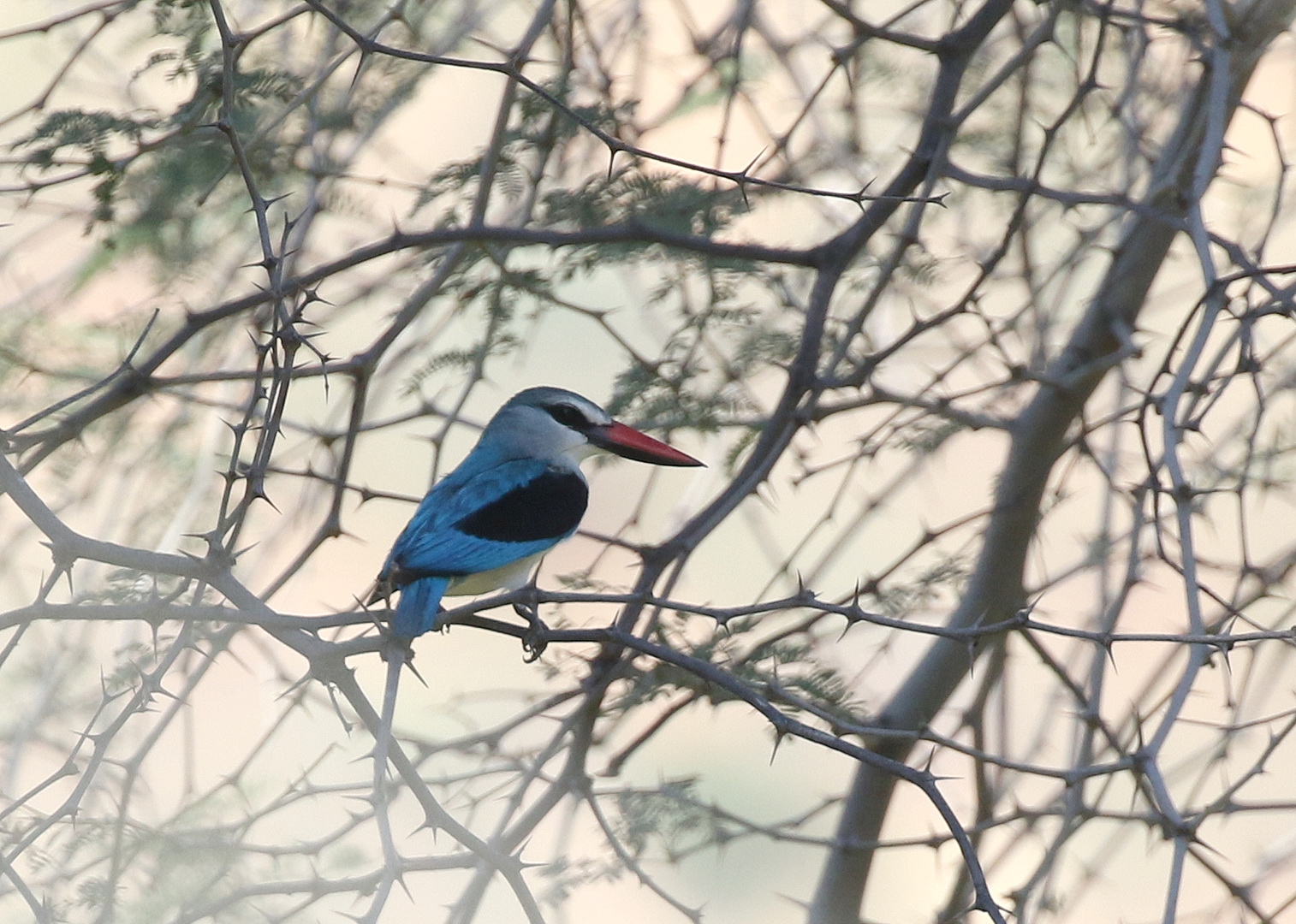
Woodland Kingfisher
Bare-faced Babbler
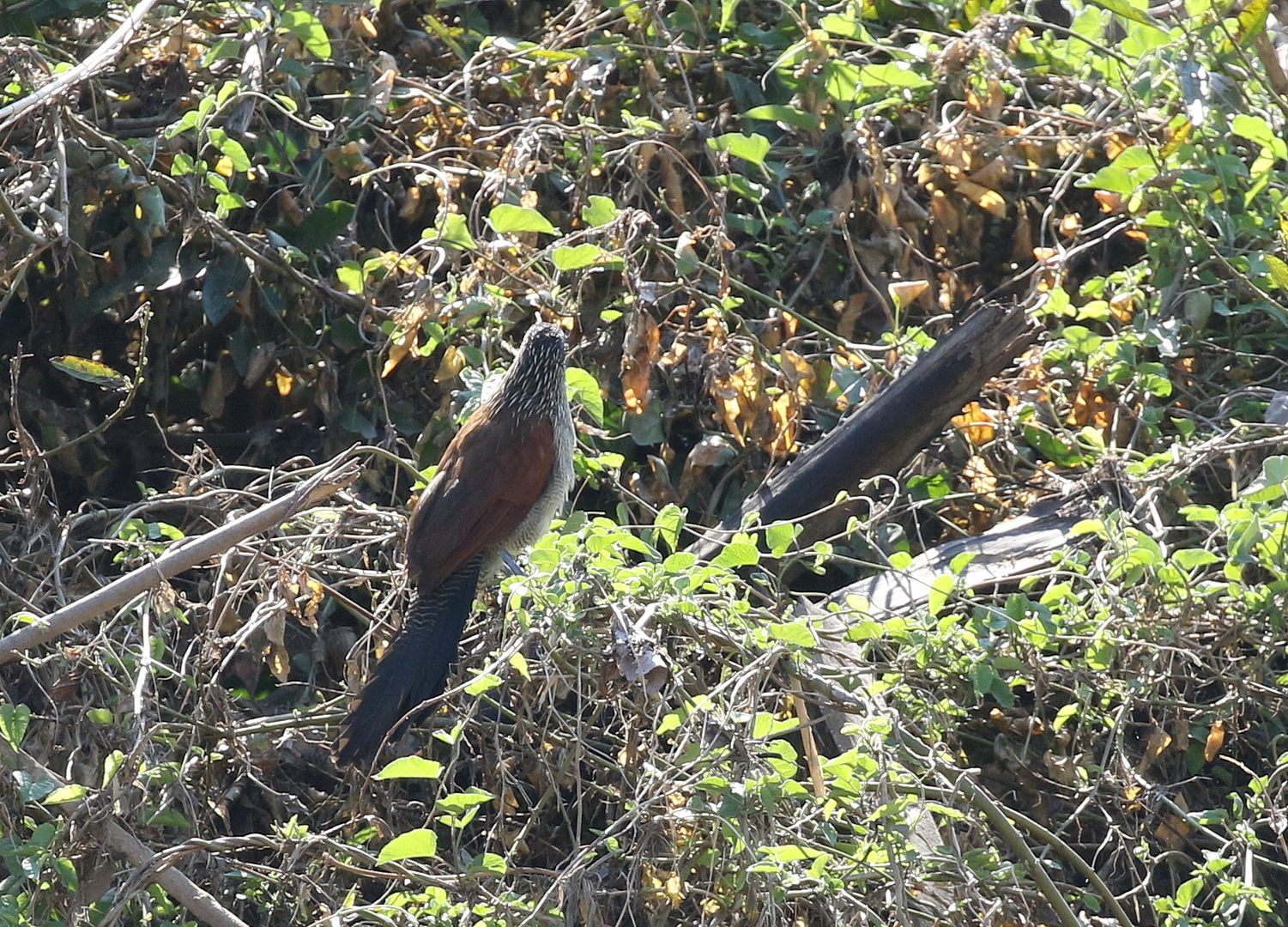
White-browed Coucal
White-browed Coucal
Damara Red-billed Hornbill
Monteiro’s Hornbill
Damara Hornbill and Rosy-faced Lovebird
Rosy-faced Lovebirds
Ruppell’s Parrot
Meve’s Starling
Southern White-crowned Shrike
Dusky Sunbird
Pririt Batis
Perigrine Falcon
Cinnamon-breasted Bunting
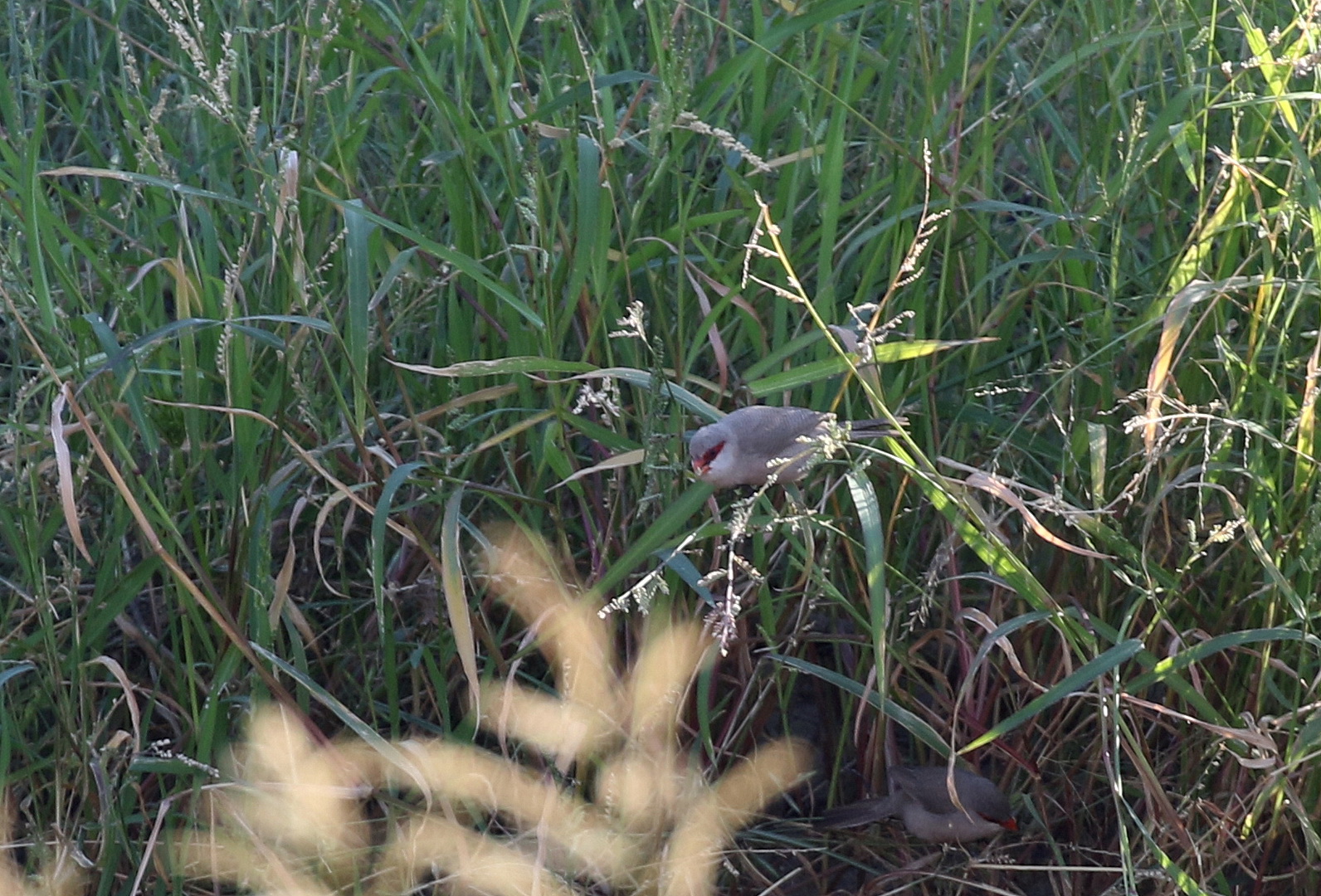
Common Waxbill
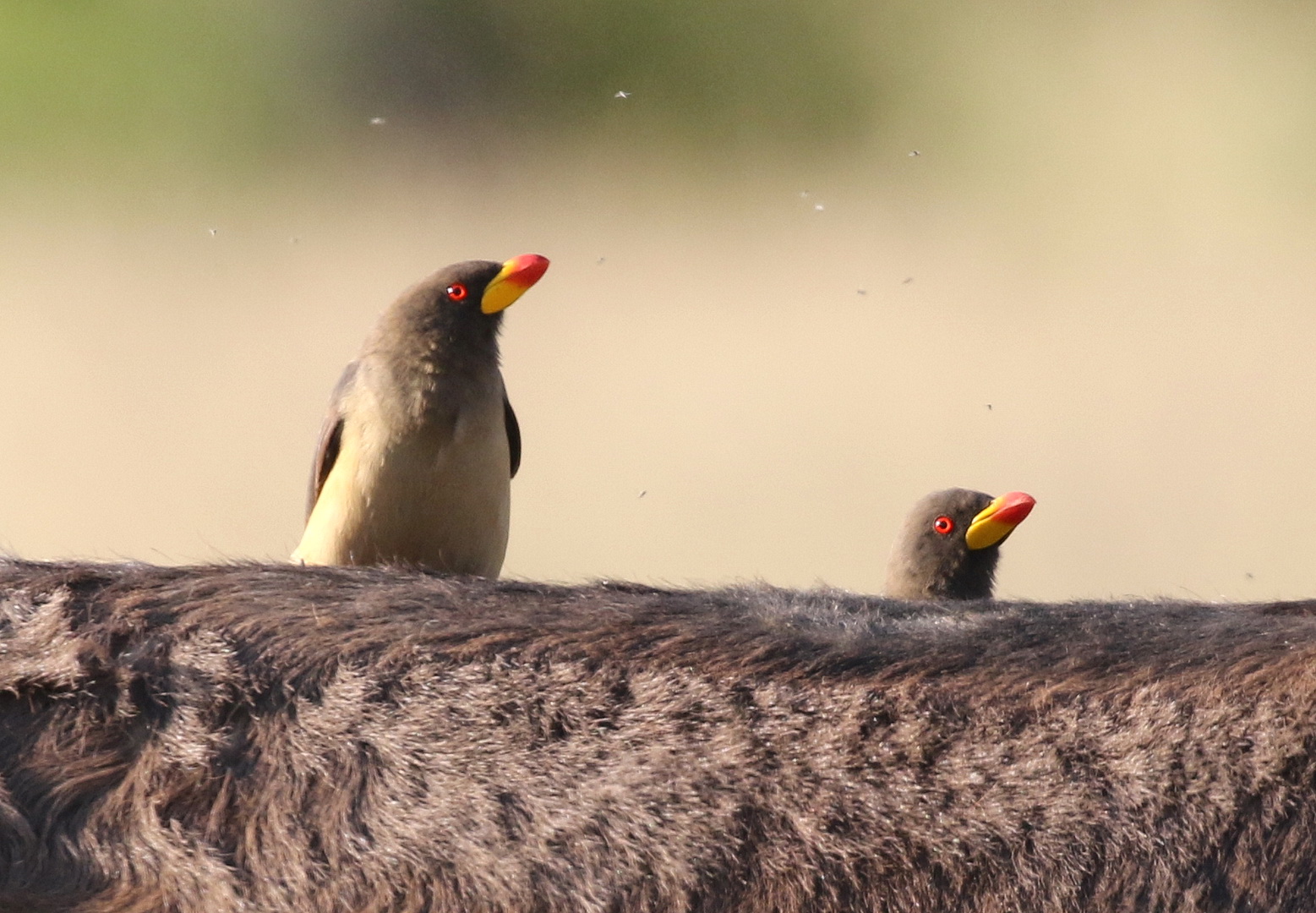
Yellow-billed Oxpeckers
Pale-winged Starling
Great Sparrow – female
Black-chested Prinia
Black-headed Oriole
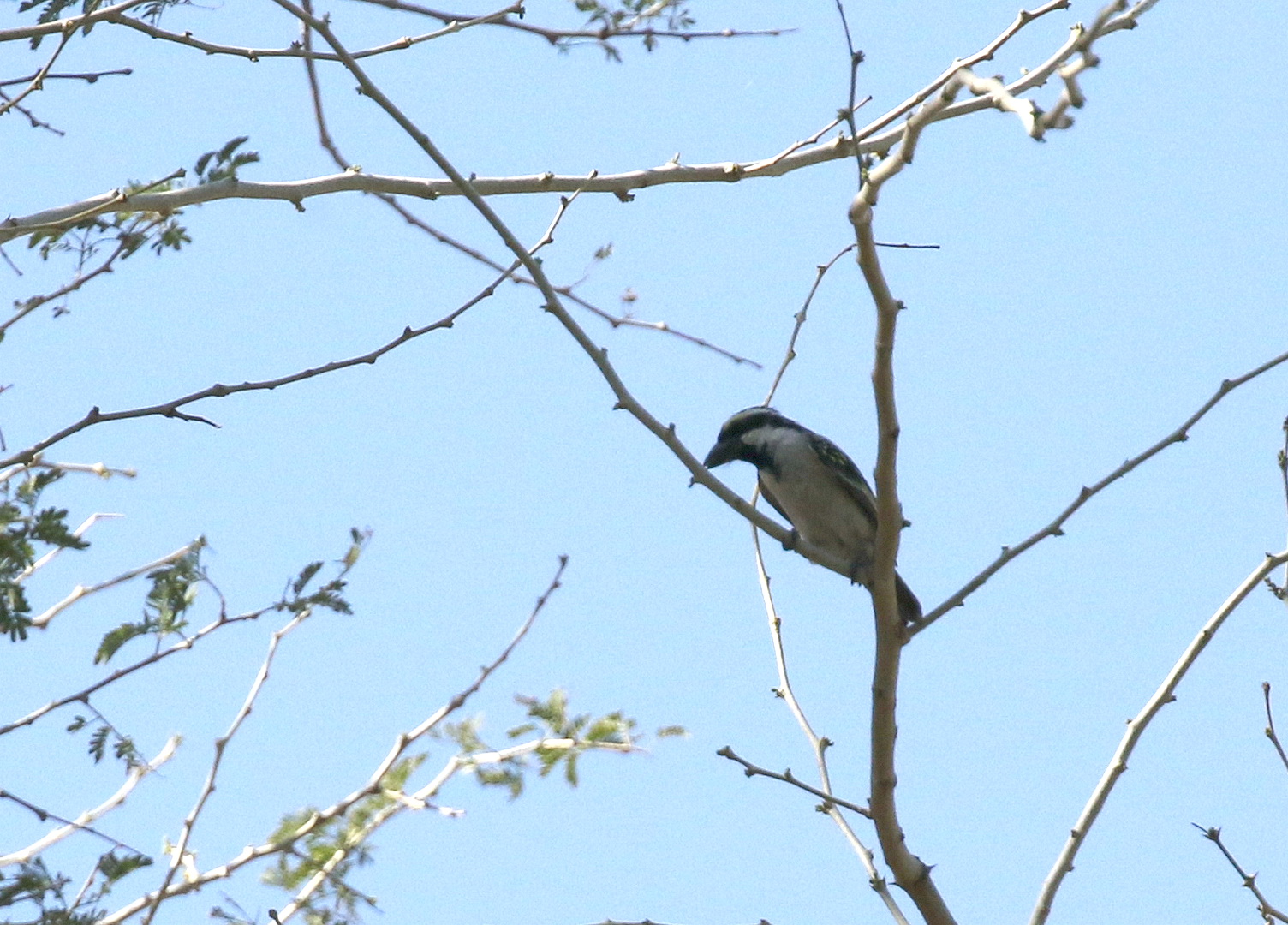
Accacia Pied Barbet
Swallow-tailed Bee-eater
Little Bee-eater
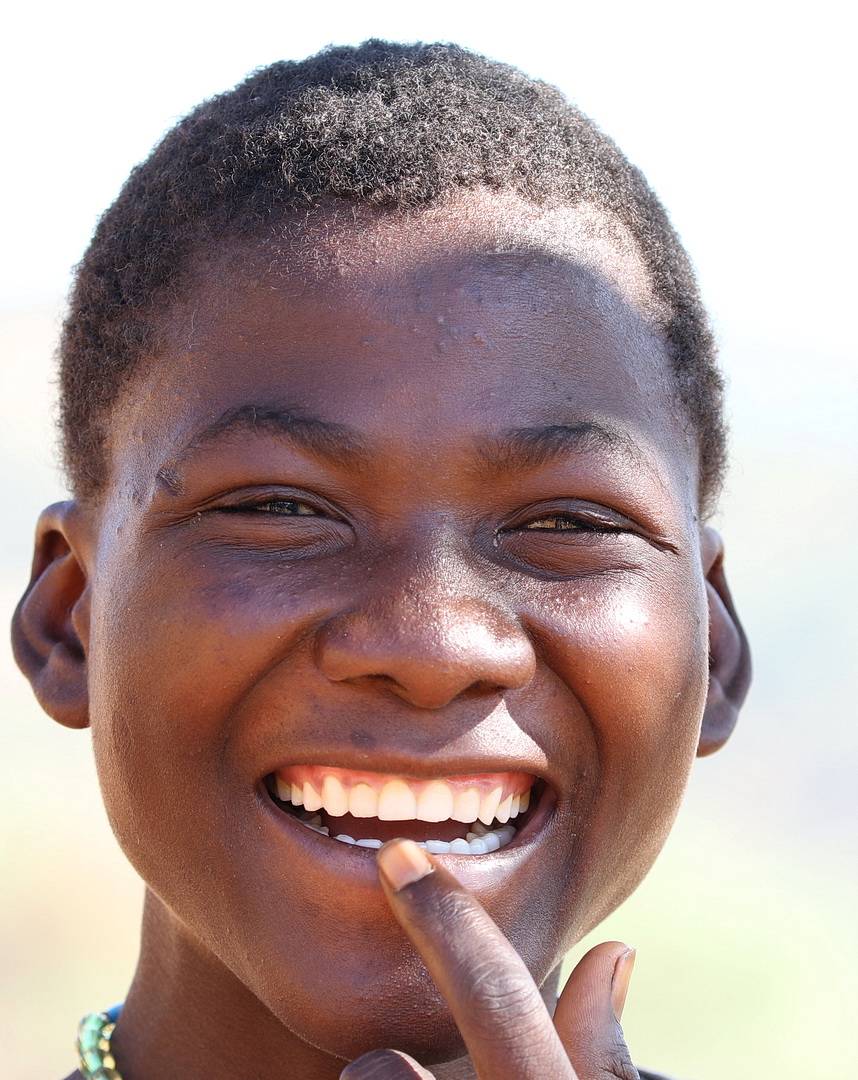
The local population were always smiley and friendly.
Epupa lass
Epupa lad
Undoubtedly Epupa Falls was the highlight of our trip to both the Kgalagadi and Namibia.
Sadly leaving Epupa Falls behind we headed back to Windhoek – the car was due for a service there.
We had a one night stopover at Buschfeld – Igaba camp near Otjiwarongo. 670kms taking about 10 hours. The campsite is small but attractive. The restaurant was excellent and the birding not bad.
Buschfeld – Igaba camp
Buschfeld – Igaba dining area
Buschfeld – Igaba garden
Buschfeld – Igaba camp
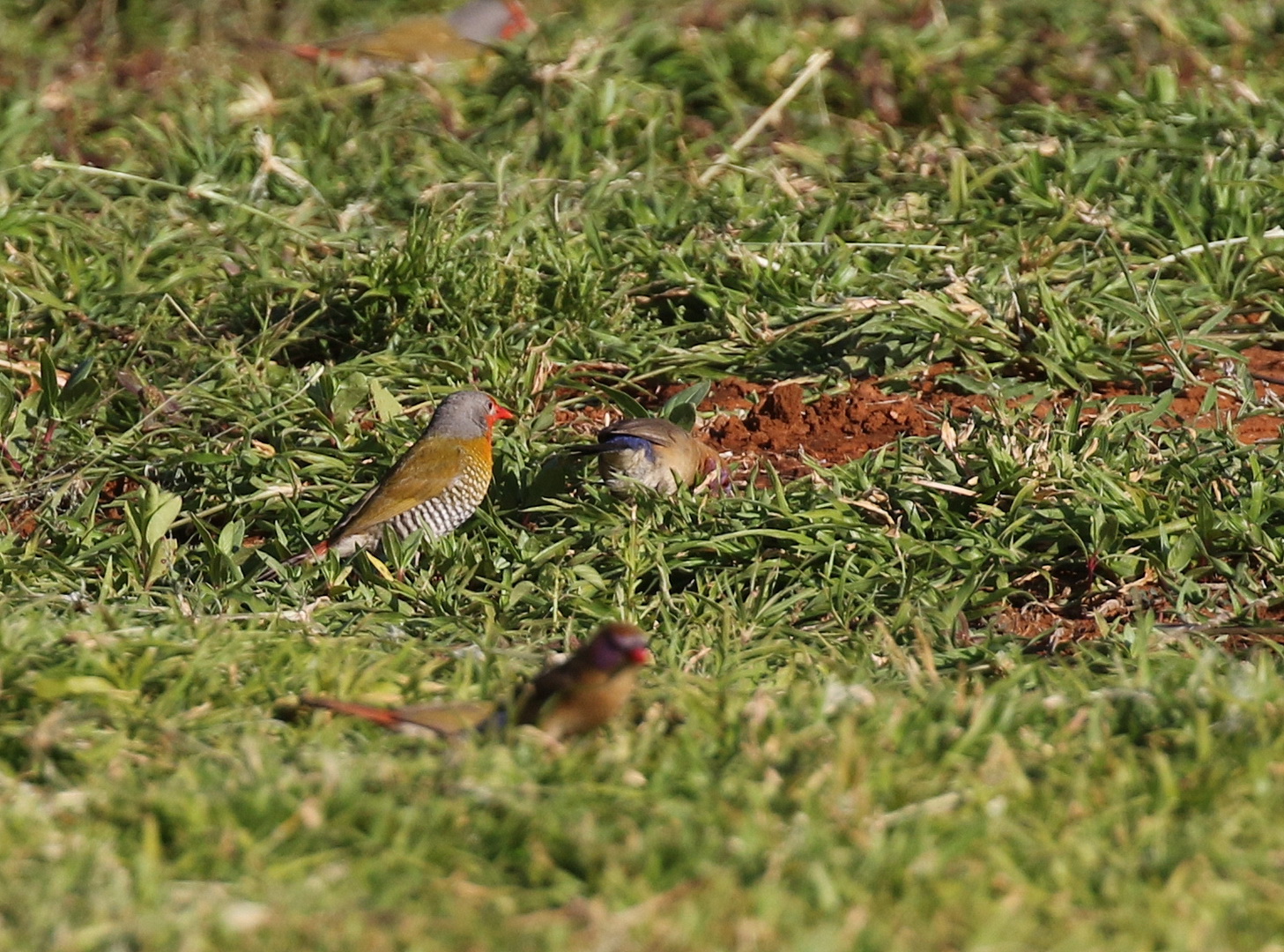
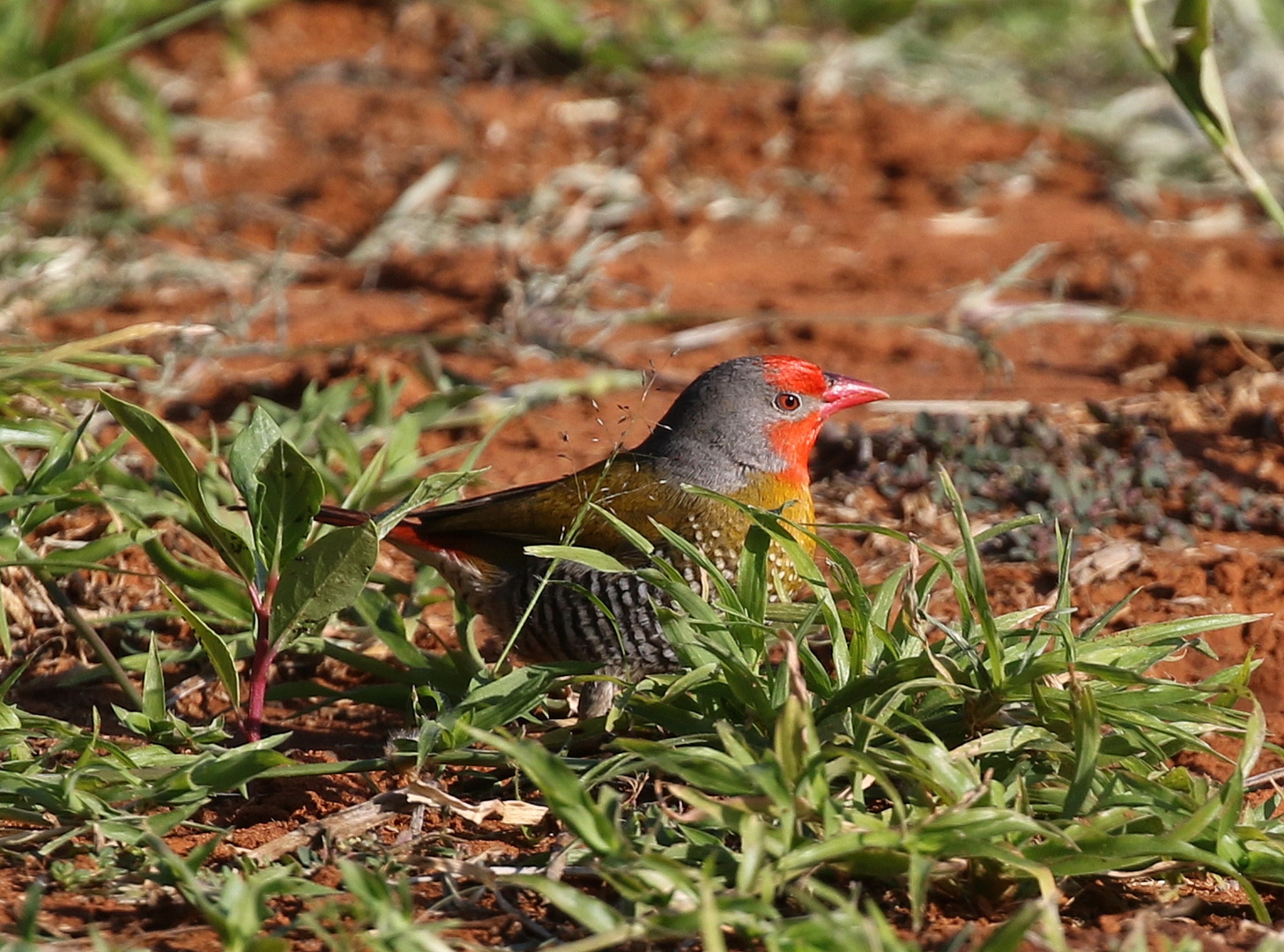
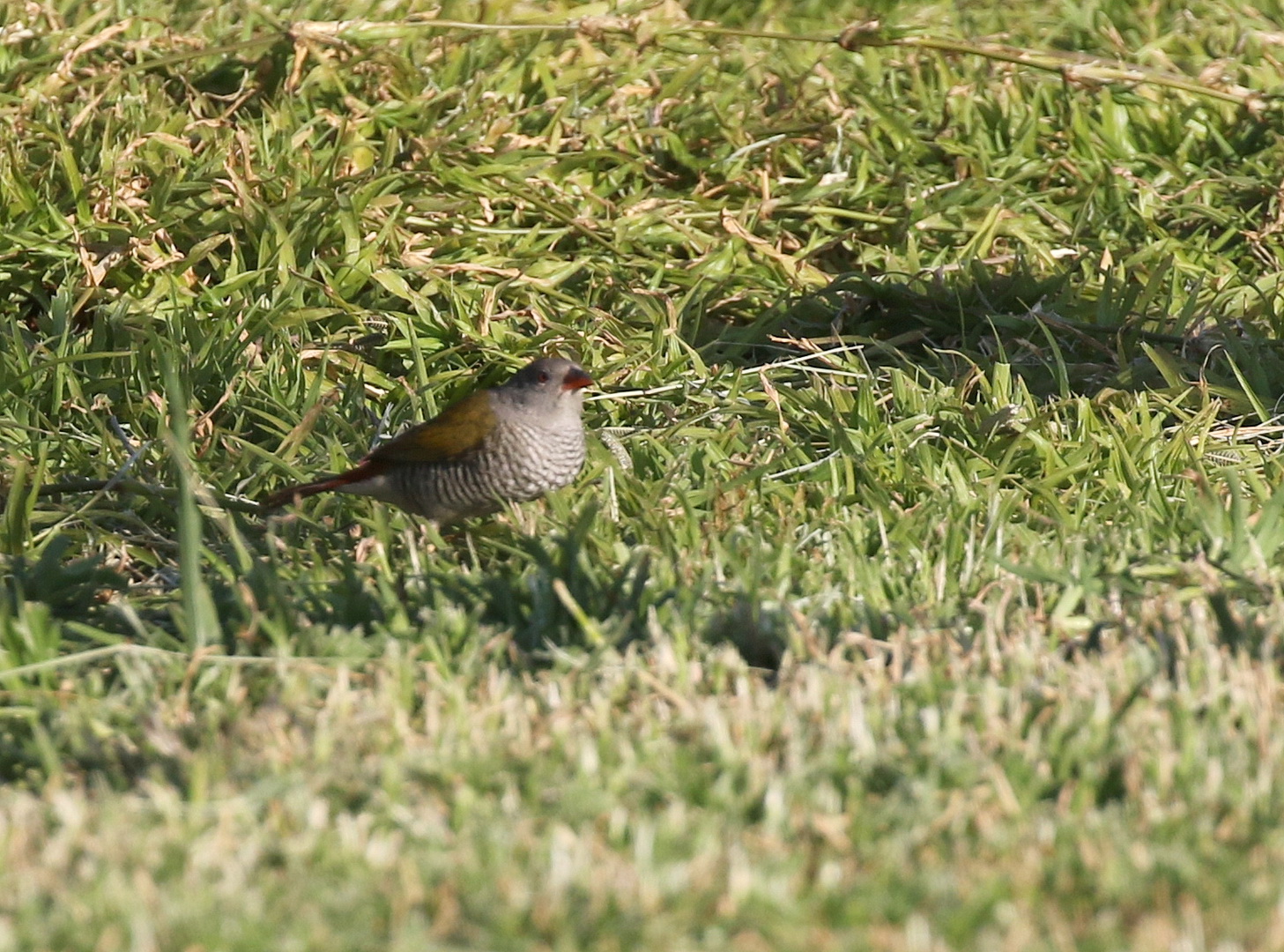
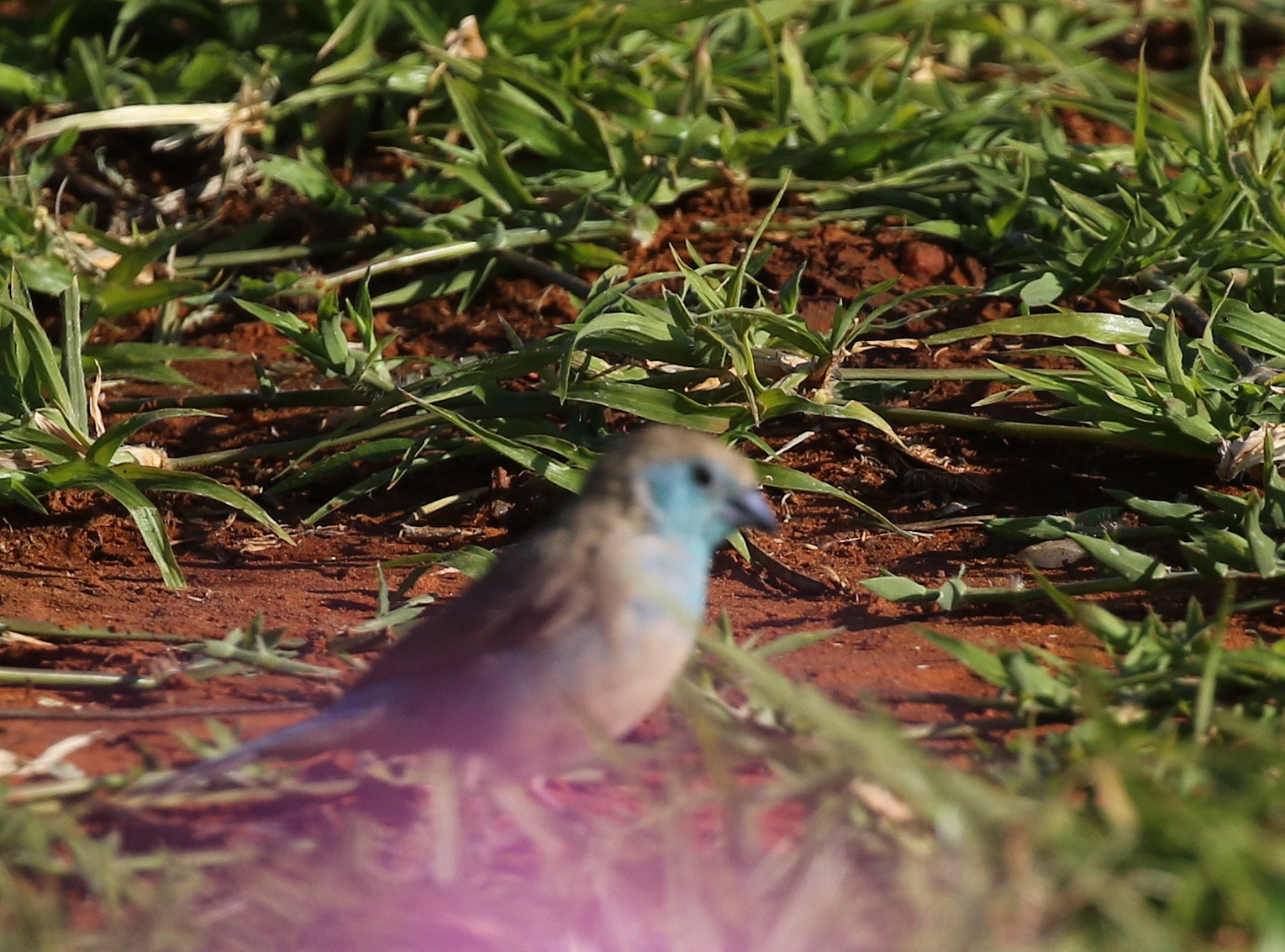
In the garden there was a large bird party of Green-winged Pytilias and Violet-eared and Blue Waxbills.
Green-winged Pytilia and Violet-eared Waxbill
Violet-eared Waxbill
Green-winged Pytilia
Green-winged Pytilia
Green-winged Pytilia female
Kalahari Scrub-Robin
Red-billed Spurfowl
Blue Waxbill
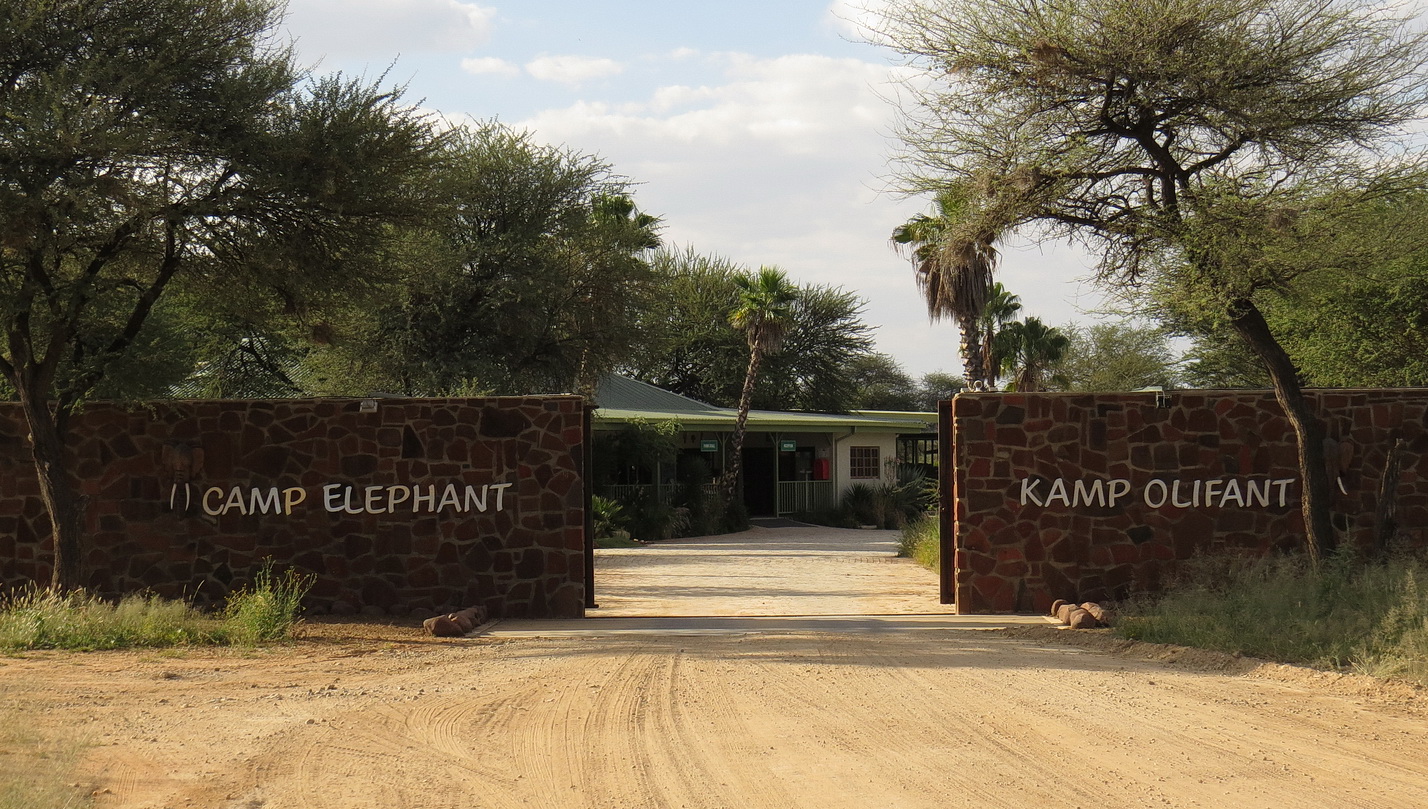
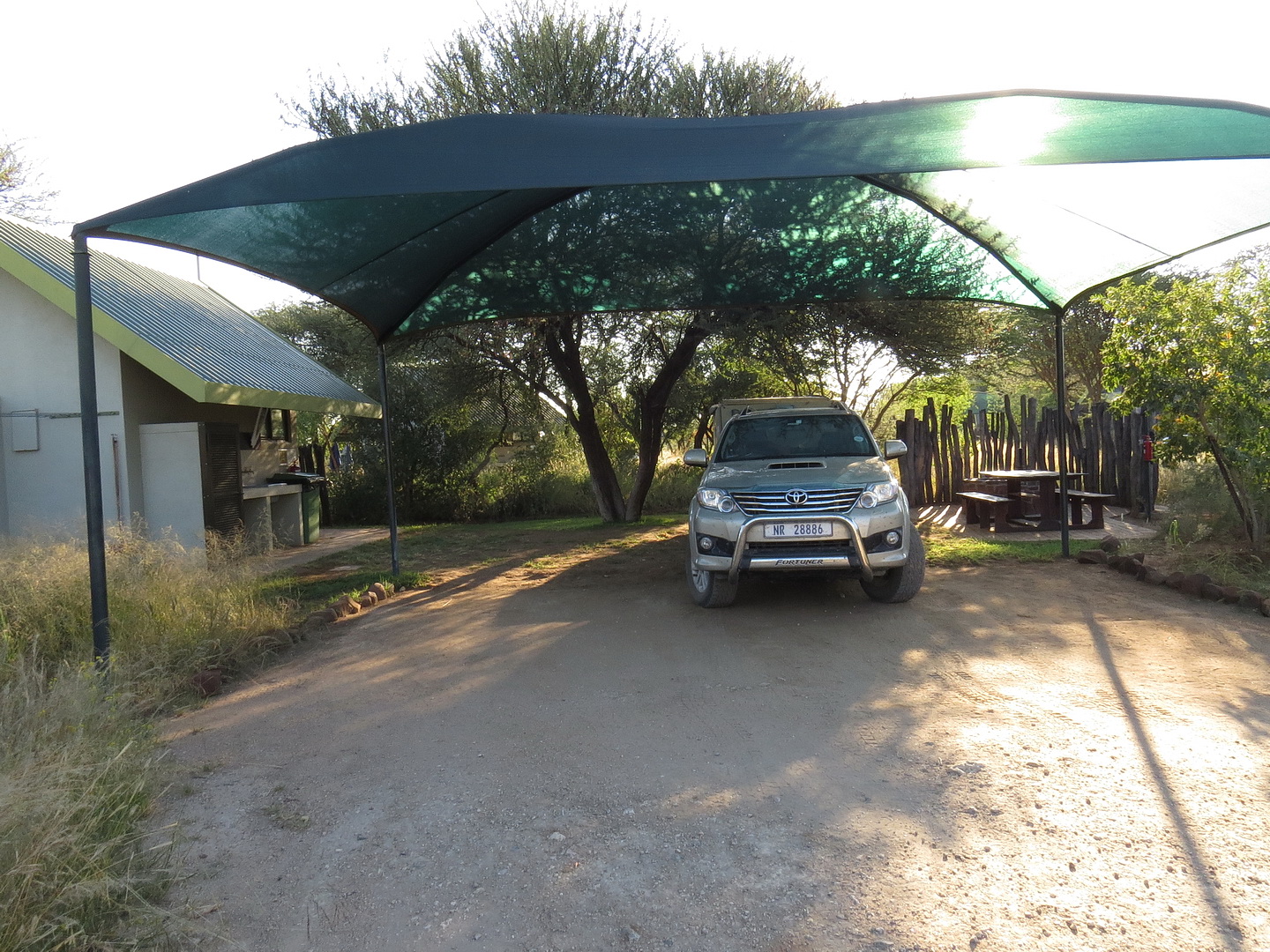
Then we had a two night stay at Erindi camping at R850 a night plus a daily R300 charge to access the wilderness area. The campsite had its own ablution and wash-up area with power – pretty smart. However, despite camping in Namibia being double RSA rates, we felt the price here was a rip-off.
Erindi – Camp Elephant
Campsite
The wilderness area is small and not all that exciting from an animal perspective.
Erindi scenery
Most of the game animals were seen in the camp along with some very annoying buzzing bugs hovering around your ears.
Annoying buzzing Hoverfly
Annoying buzzing Hoverfly
Mix of Butterflies
Steenbok
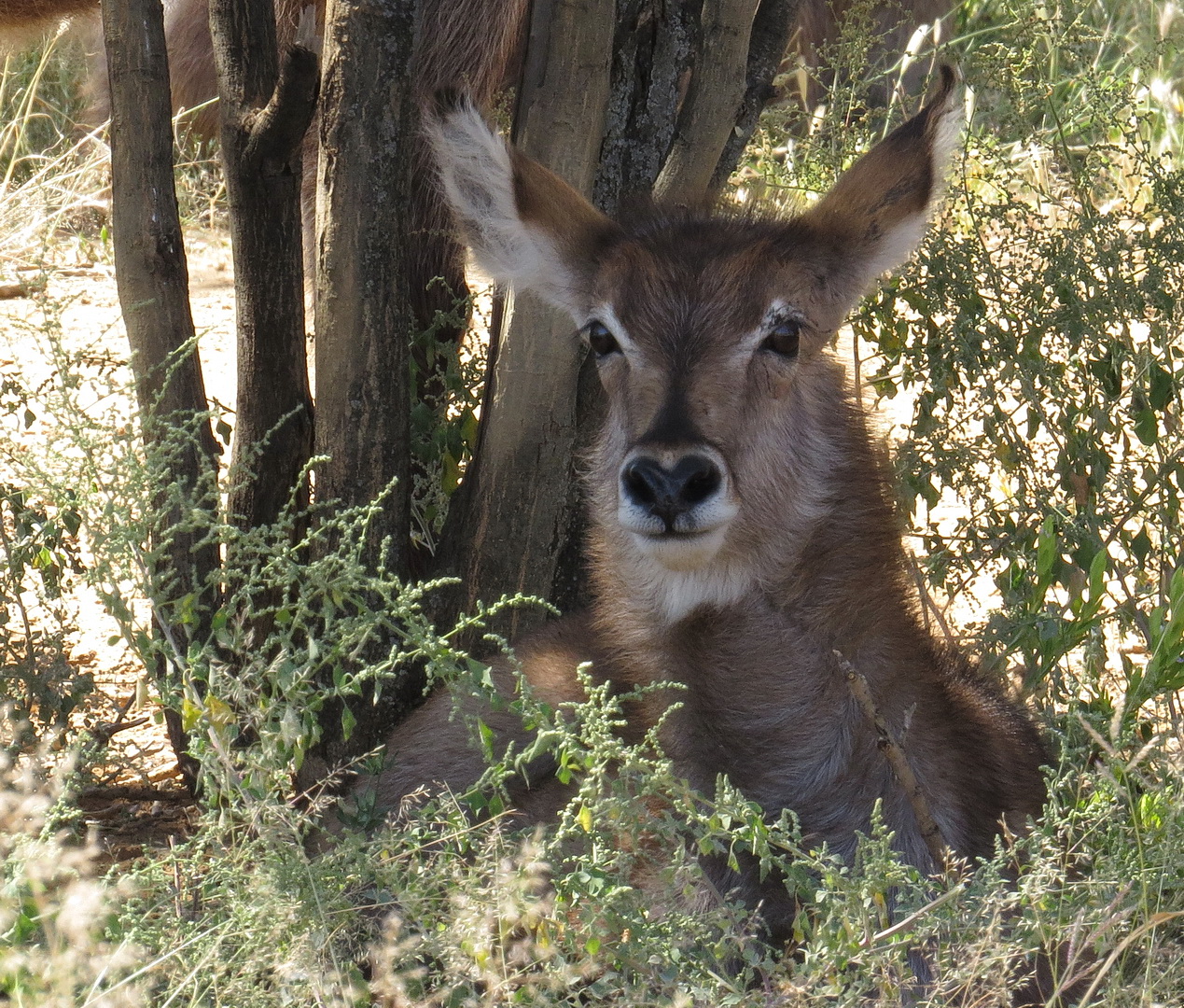
Waterbuck young
Waterbuck young
The camp does have a waterhole where animals came in to drink. Two hippos are also resident there and kept us entertained with their antics.
Bellowing Hippo
Bellowing Hippo
However the highlight of our stay was right in our campsite. I was busy copying photos onto my PC inside the trailer. For no particular reason I got up to see what Sally was up to outside. So I walked out to her totally unaware of what was beside me. When I reached Sally she pointed. I looked round and was most surprised I had walked within feet of the animal. I could not believe my eyes as we had scoured around Namutoni to see one of these.
Damara Dik-Dik
The best birding in the Wildereness area was when we heard a Hartlaub’s Spurfowl.
Damara Red-billed Hornbill
Desert Cisticola – IDed by call
Gabar Goshawk
Gabar Goshawk s
Kalahari Scrub-Robin
Maccoa Duck
Swallow-tailed Bee-eater – adult
Swallow-tailed Bee-eater – juvenile
When we entered Windhoek from Botswana we had noticed a campsite just before entering the city and close to Avis Dam. The Vineyard Country Lodge. It looked inviting and as it turns out we are sorry we did not stop there originally. This was our next stop for three nights. It took us less than three hours to get there – about 190 kms. And it was one of the cheapest places we camped at in Namibia at R 180 per person per night. It was the best value for money as well as being close but out of town.
Vineyard Country Lodge outside Windhoek
Vineyard Country Lodge outside Windhoek
Train bridge close to Vineyard Country Lodge as viewed from Avis Dam
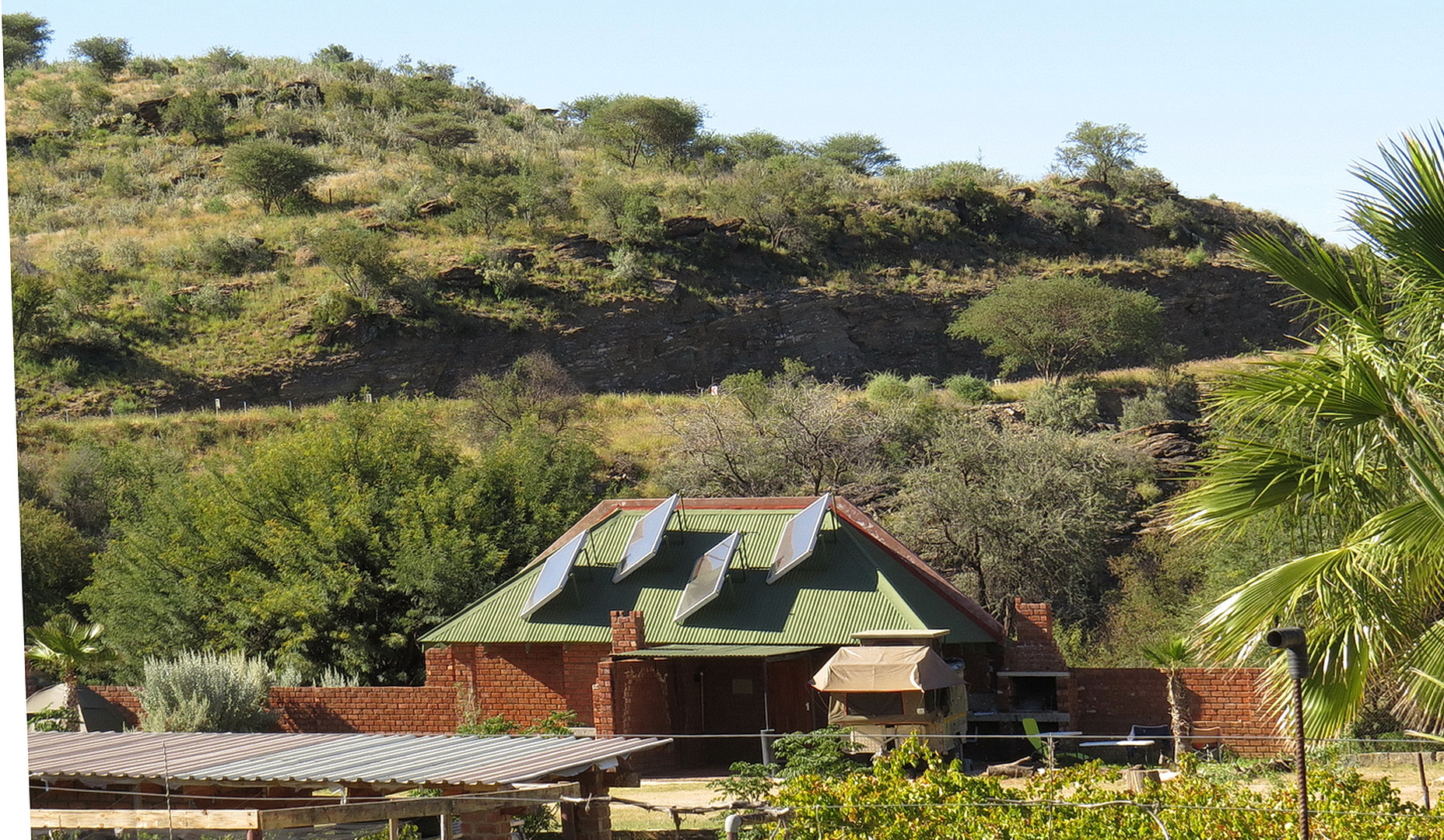
The car went in for service the next day and we caught up with laundry and shopping once the car returned. We had parked and set up camp next to our own ablution facilities. Sally outside, me inside when I hear a quiet call from Sally. This time I sneak out of the campervan and there on a post very close was a Rockrunner. However it had gone before I was able to get my camera. Such a lovely and unexpected sighting.
We visited both Avis Dam and Daan Viljoen the next day. At Daan Viljoen we had a few sightings of birds we had not yet seen on the trip. The picnic site area is slowly collapsing unfortunately. The camp grounds look flat, grassy and level – inviting. Perhaps one should check if any events – like weddings – are planned if you wish to camp there.
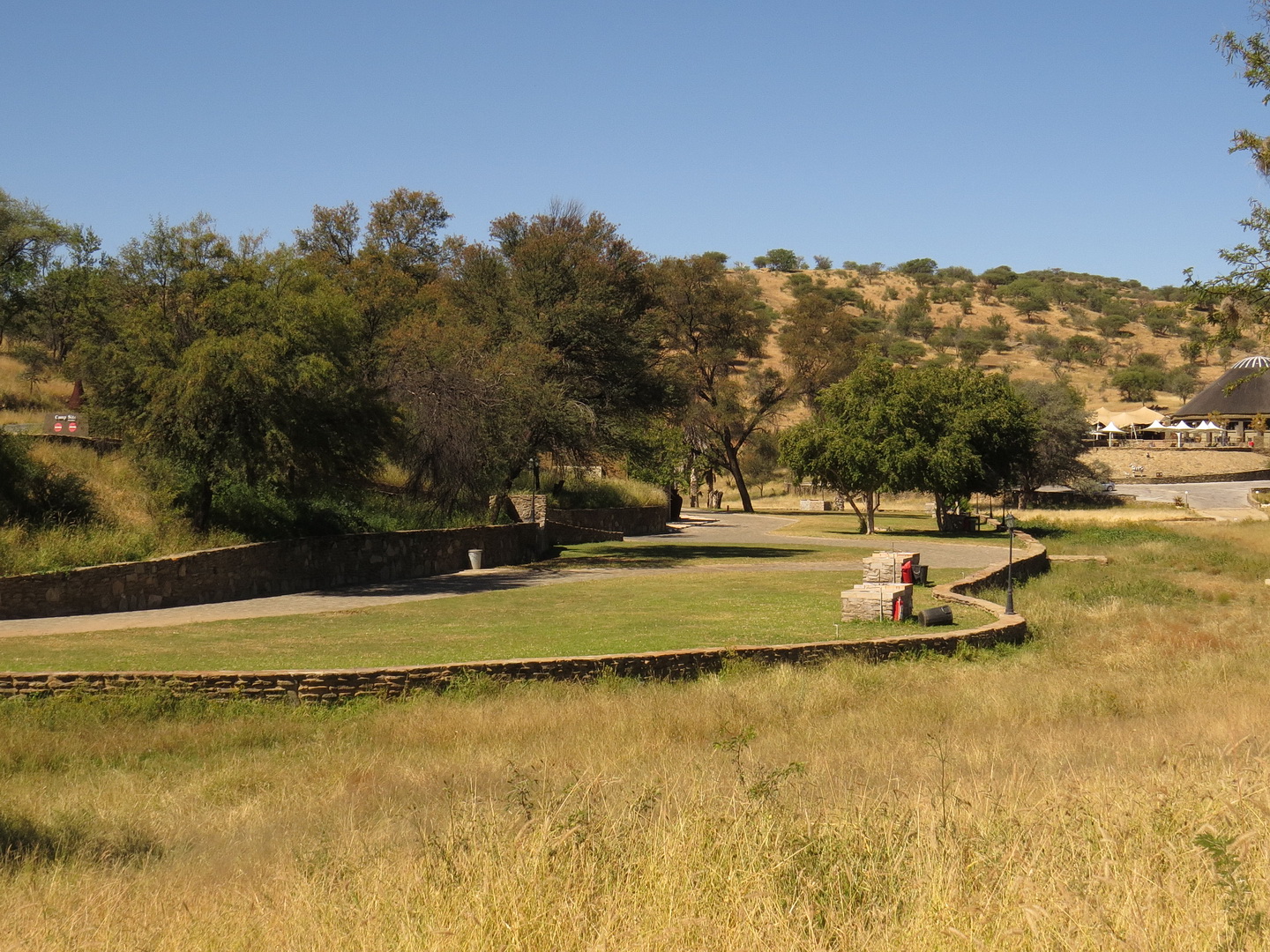
Daan Viljoen reception
Daan Viljoen campsite
Travelling round the park we came across some interesting birds, the odd scorpion and lizard.
Orange-headed Lizard
Large Scorpion
Bearded Woodpecker – female
Blacked-faced Waxbill
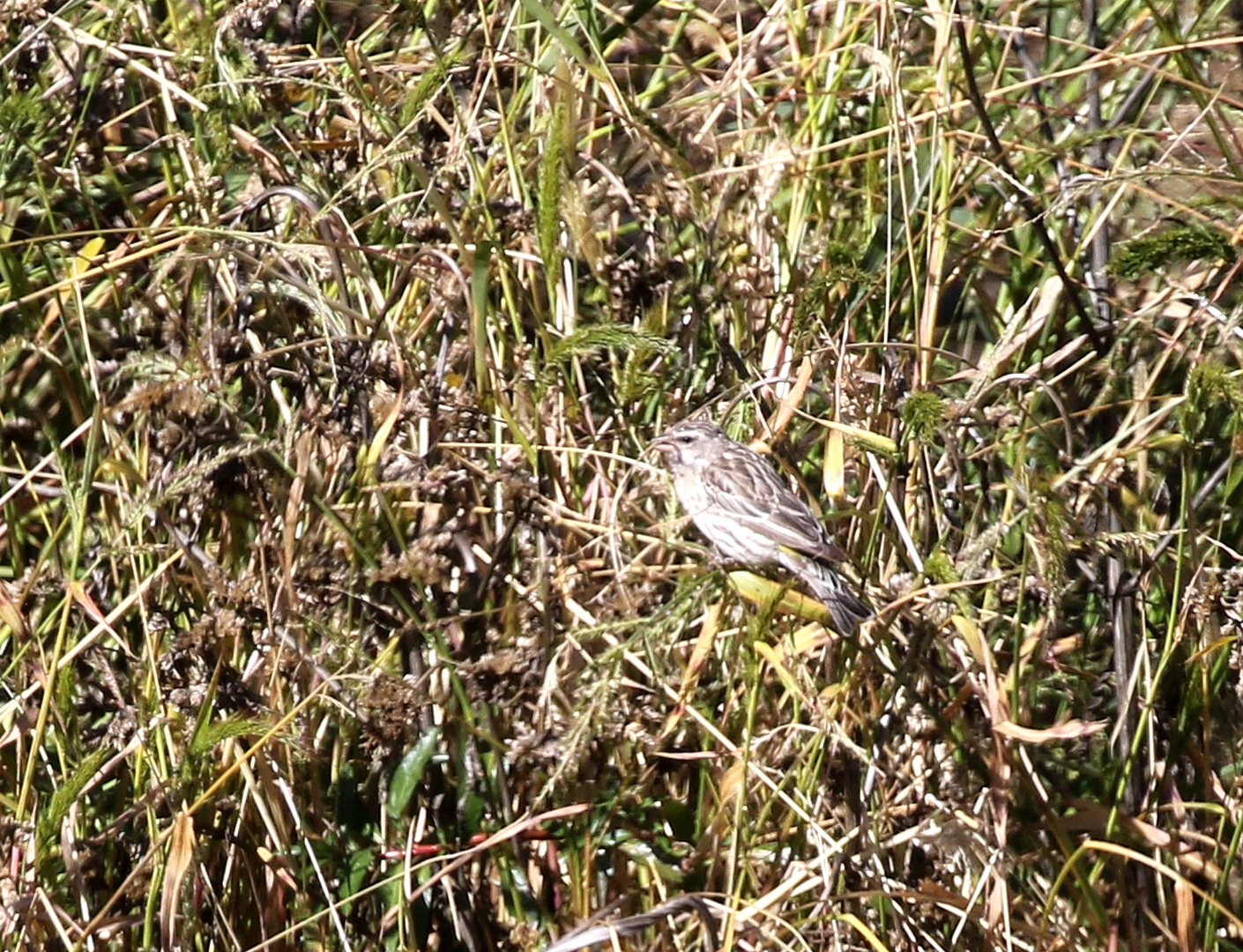
Black-throated Canary
Red-headed Finch
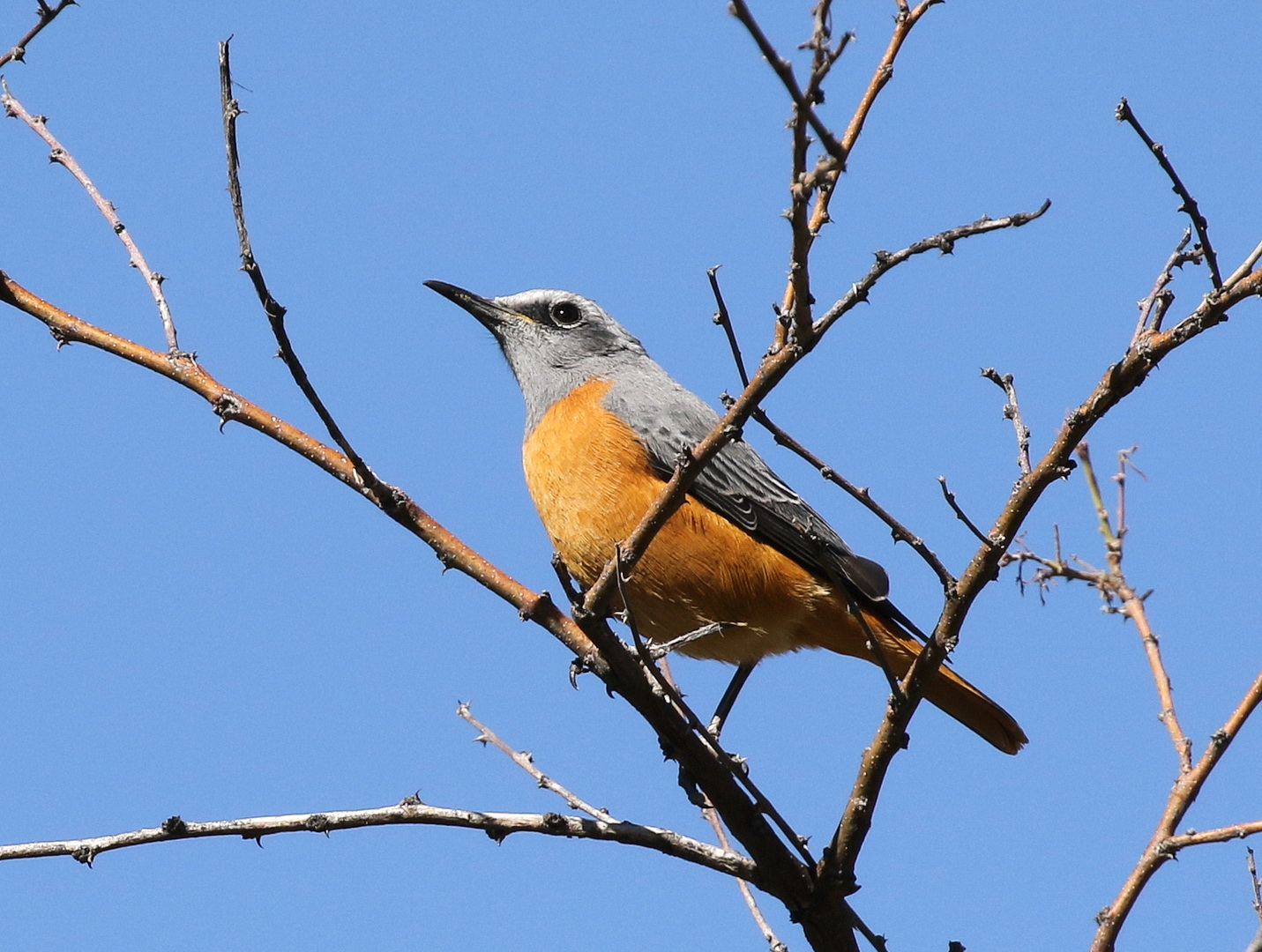
Short-toed Rock-Thrush
Short-toed Rock-Thrush
Village Indigobird
Village Indigobird
Mountain Wheatear
Mountain Wheatear
Mountain Wheatear – female or juvenile (
Pririt Batis
Chestnut-vented Tit-Babbler
Monteiro’s Hornbill
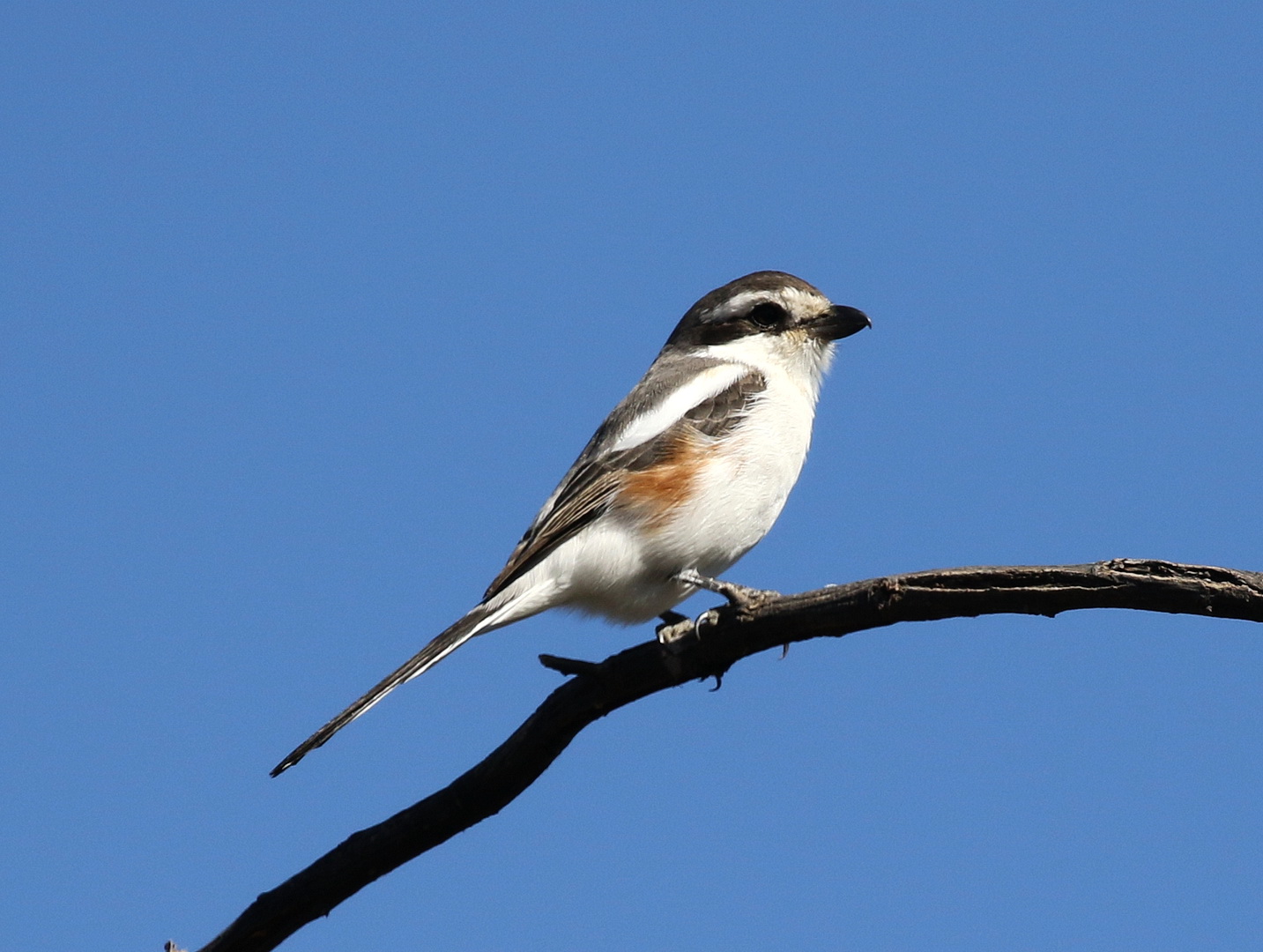
Common Fiscal – female
Cape Bunting
Grey Heron
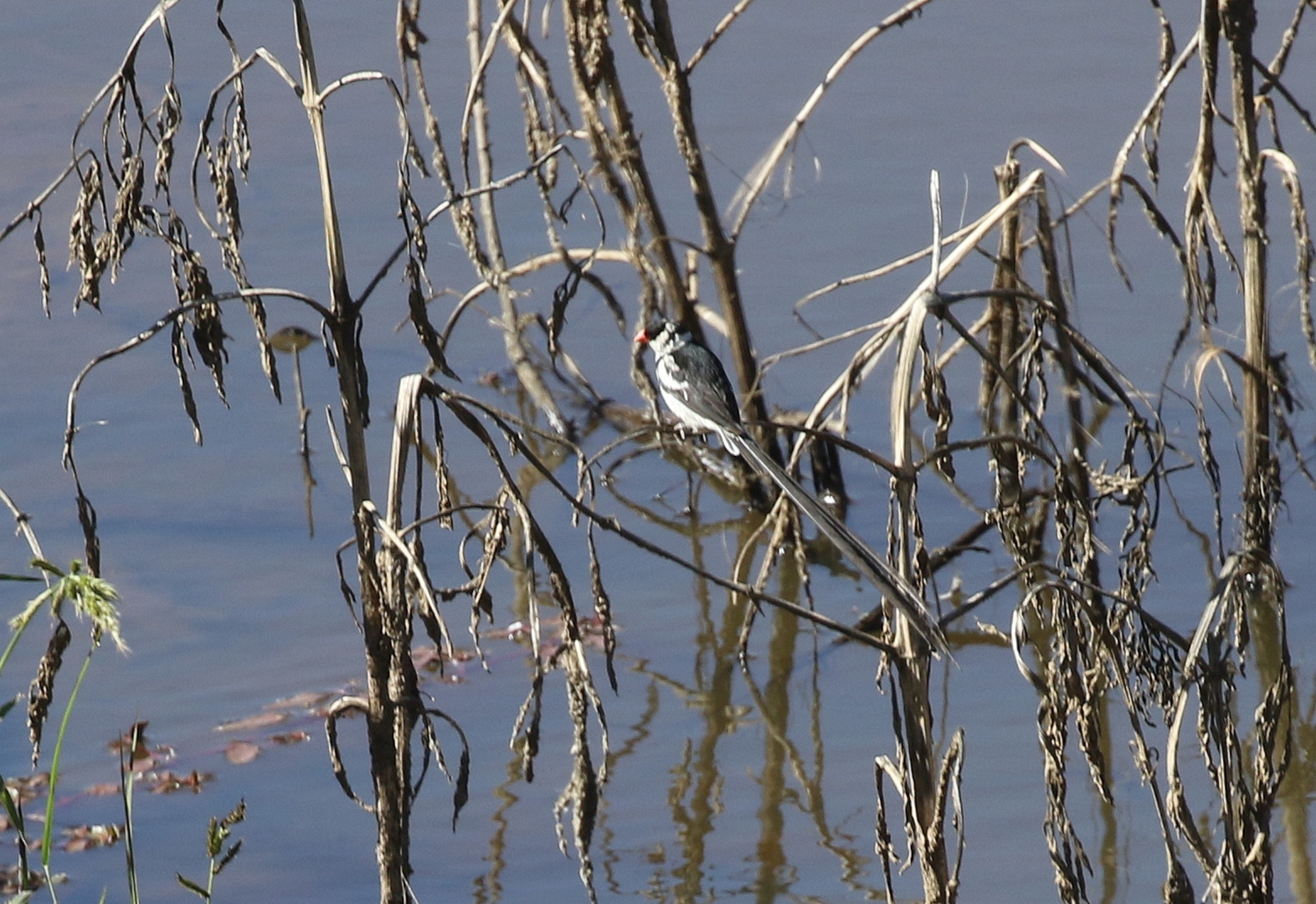
Pin-tailed Whydah
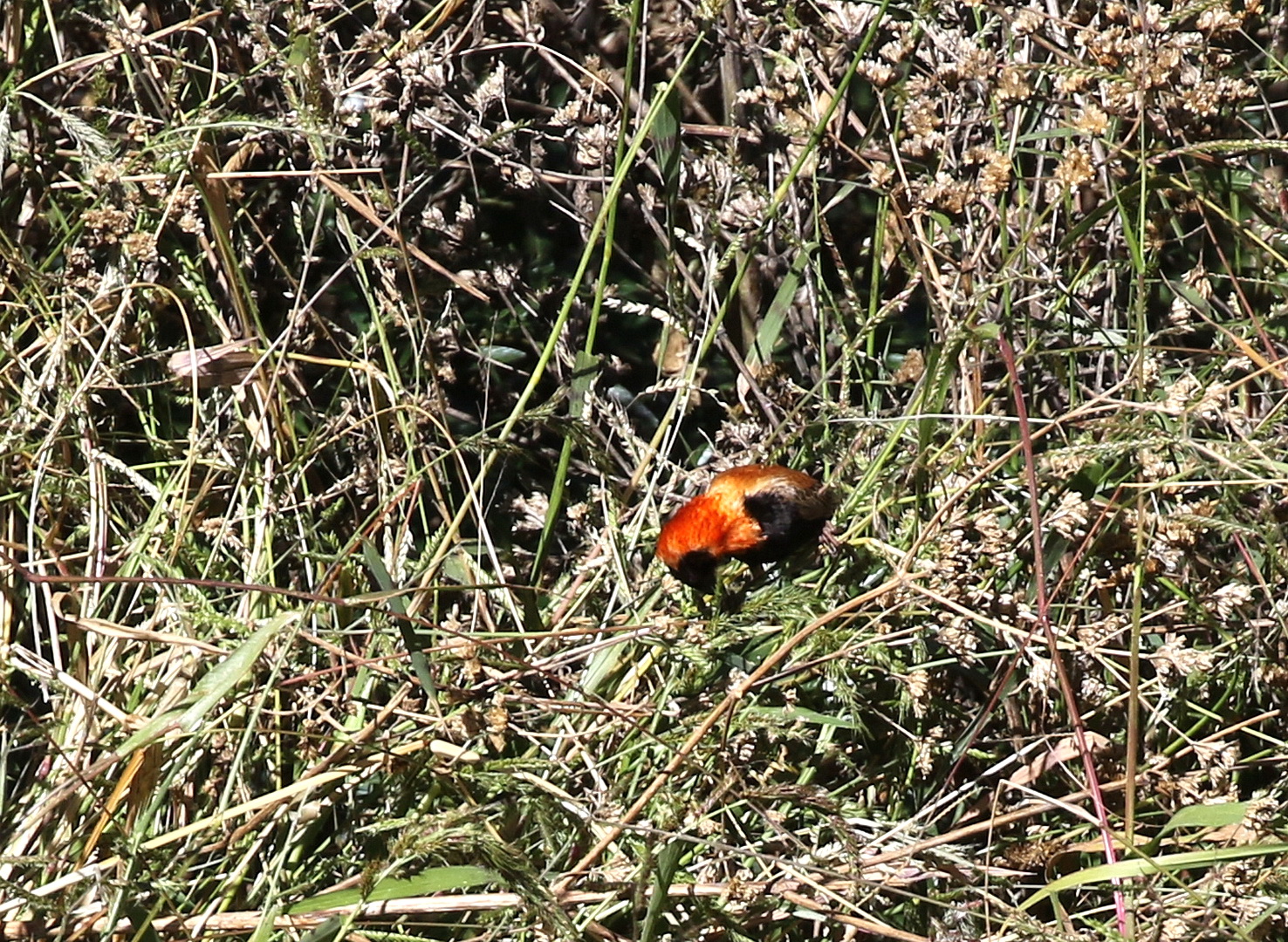
Southern Red Bishop
Red-eyed Bulbul
At Avis Dam there were numerous Long-tailed Paradise-Whydahs and a Rock Martin which caught our interest.
Rock Martin
Long-tailed Paradise-Whydah
Long-tailed Paradise-Whydahs
Cinnamon-breasted Buntiing
White-backed Mousebird
Eventually it was time to return home. We could have gone through Botswana on the Trans Kalahari Highway but we could not find a place to safely camp in South Africa near the Botswana border. So we headed south to the White House just before Grunau. (660 kms in about 7 hours). Little did we realise that this was owned by people we met in Epupa Falls. We recognised each other on arrival. We did not camp but took a cheap room in the house including dinner as a treat.
Interesting Tree at White House
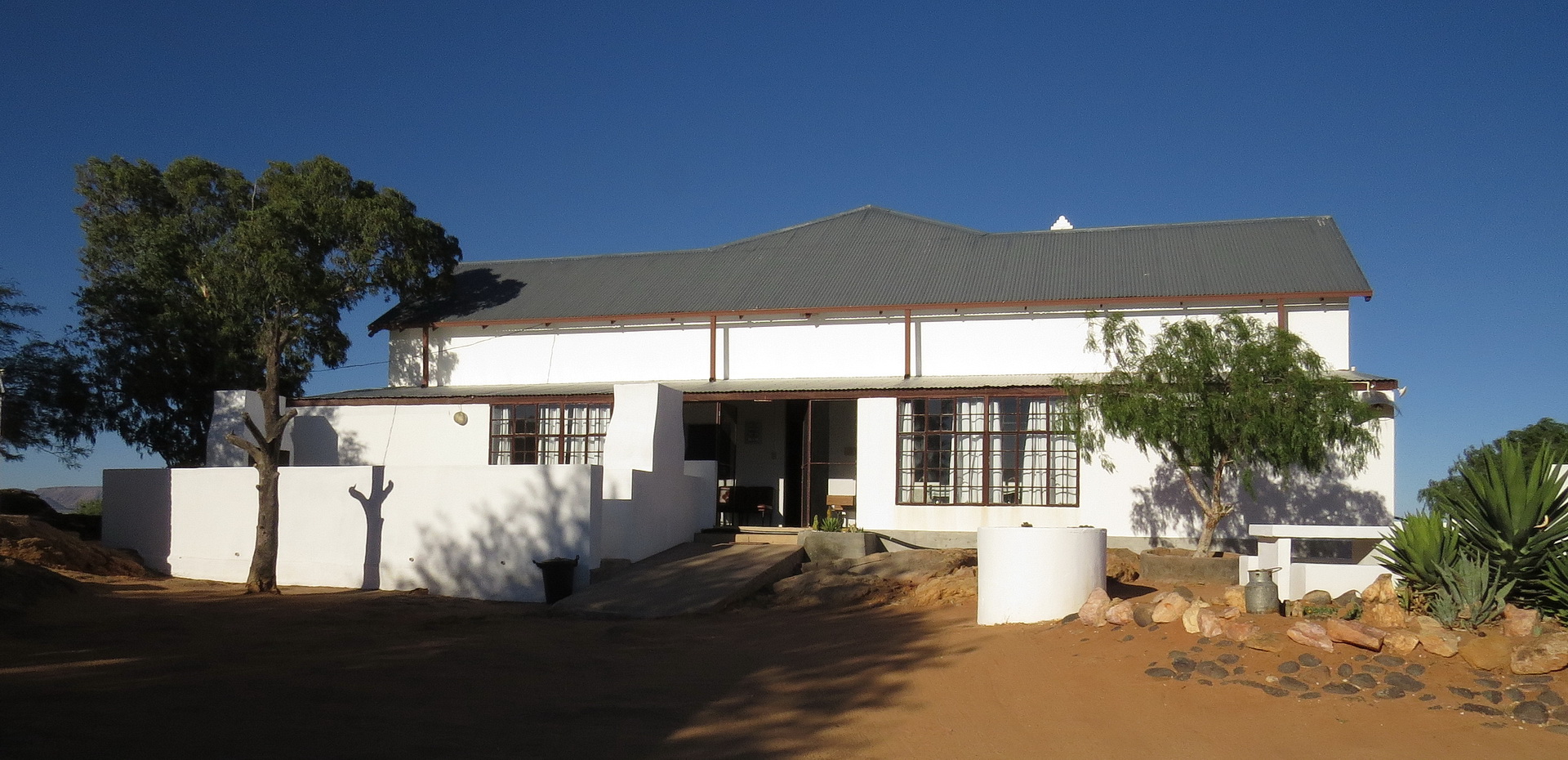
The White House
The White House
White House directions
Scenery round The White House
Getting there early we had a short drive round the property and were pleasantly rewarded by some special birds.
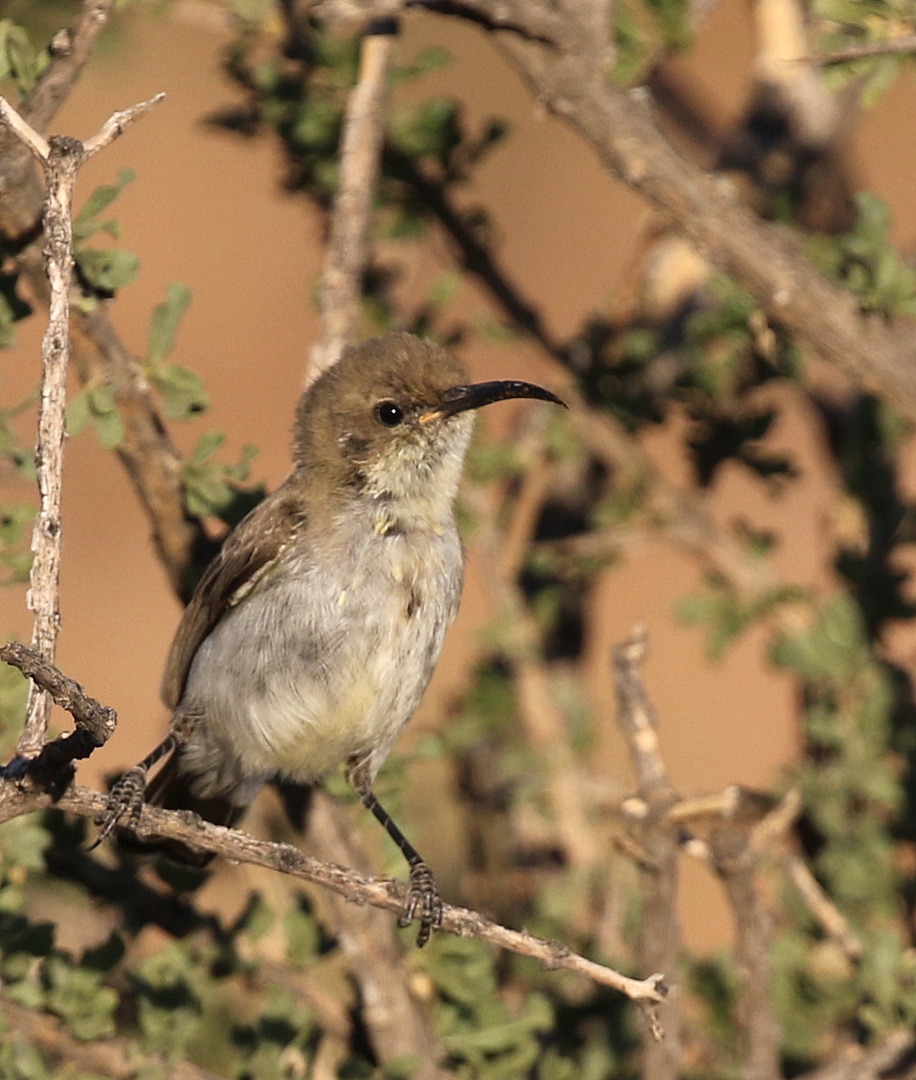
Dusky Sunbird – juvenile
Karoo Korhaan
Karoo Korhaans in flight
Karoo Korhaans in flight
Spike-heeled Lark
Spike-heeled Lark
Mountain Wheatear
Ui Another little bird
Our intention was to take two more nights on the road to get home in Howick. However we sort of made a detour to find a place near Kendall to stay. It was not where we expected so we pushed on doing almost 1000 kms when we fortunately saw a sign for Kandirri Game Lodge. The detour had cost us an extra 200 kms and several hours more.
We were thankful to have arrived there as it was almost dark. We were the only guests. Not wanting to cook, we asked if the restaurant was still open. No problem, we were told they will call the chef to come in just for us – fish and chips never tasted so good.
Our campsite was surrounded by caged lions and other animals (a good security shield if ever you need one). Next to us was a white lion – obviously a youngster and very good looking. As we set up tent we noticed a large black dog in its cage. Oh no, we thought – not for dinner surely. Then we saw the dog playfully give the lion a swipe on its head – the return cuff was markedly stronger but it was obvious they were playmates – must have been brought up together.
The next day we set off early to do the last 630 kms taking about 7 hours to get home with daylight to spare.
Altogether our bird list was 195 different species. Click here to see our list as well as the list per area.
Sally and I were invited by our friends, Arthur and Rose Douglas to join them for 3 weeks in the Kgalagadi. Also with us was another couple, Bernard and Lynda Kriel.
Our first night was spent at the River of Joy campsite close to Bloemfontein. A 528 km journey from Howick taking around 6 hours. A pleasant enough spot to overnight. We went down to the river but did not see much. Our best birding was up the entrance road .
River of Joy
River of Joy campsite
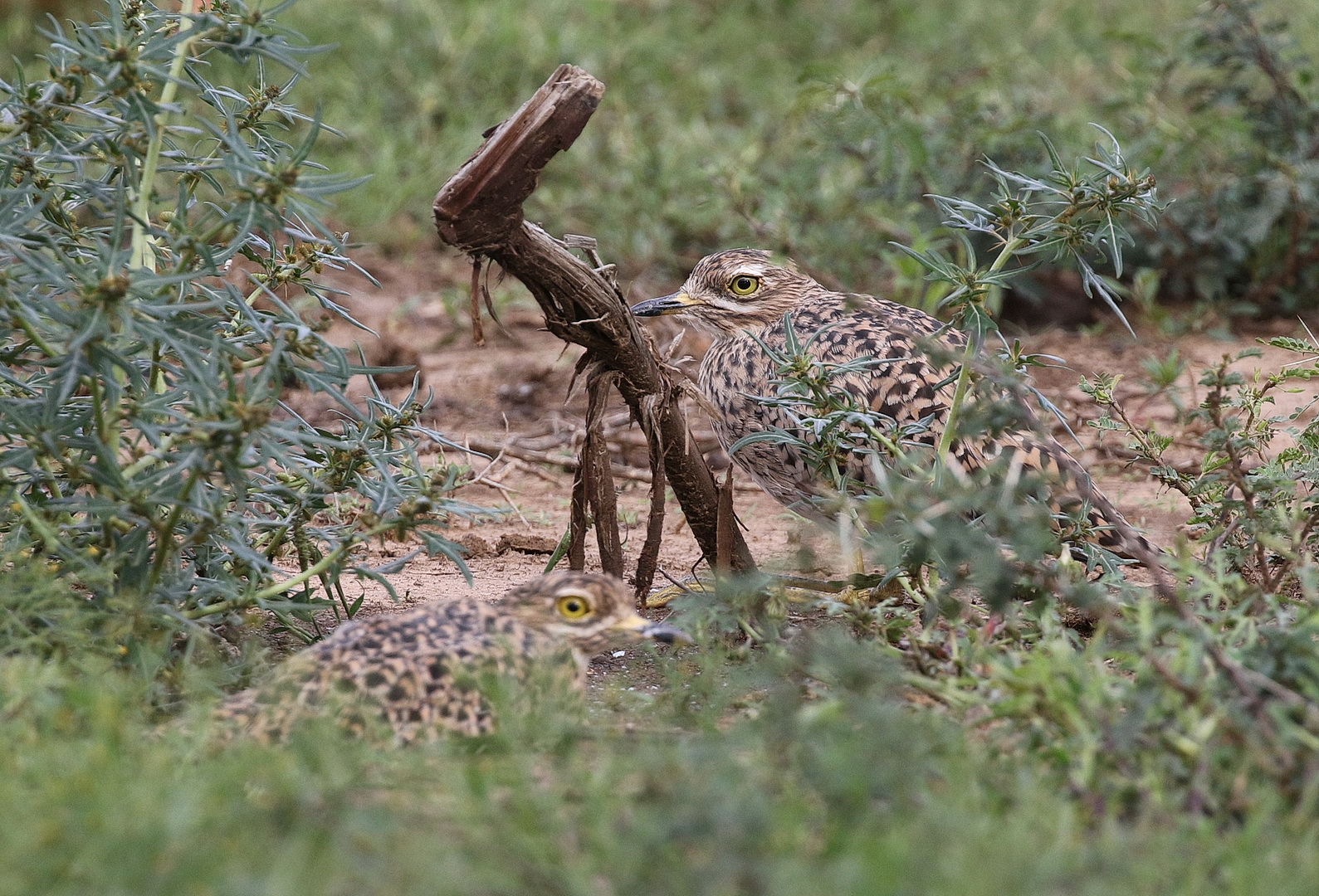
Here we managed to do a little birding and our best sighting was that of a pair of Spotted Thick-knees.
Spotted Thick-knees
Spotted Thick-knee
Common ScmitarbillHoly Sally
The next day we took it easy and headed for Kheis Riverside Lodge. This time a 445 km journey taking about 5 hours. That left us with a shortish drive the following day to reach Twee Rivieren (a 379 Km journey taking about 4 hours) with time to do any last minute shopping in Uppington.
Kheis Riverside Lodge campsite is very pleasant – shady and green and right next to the Orange River.
Arthur and Rose’s campsite
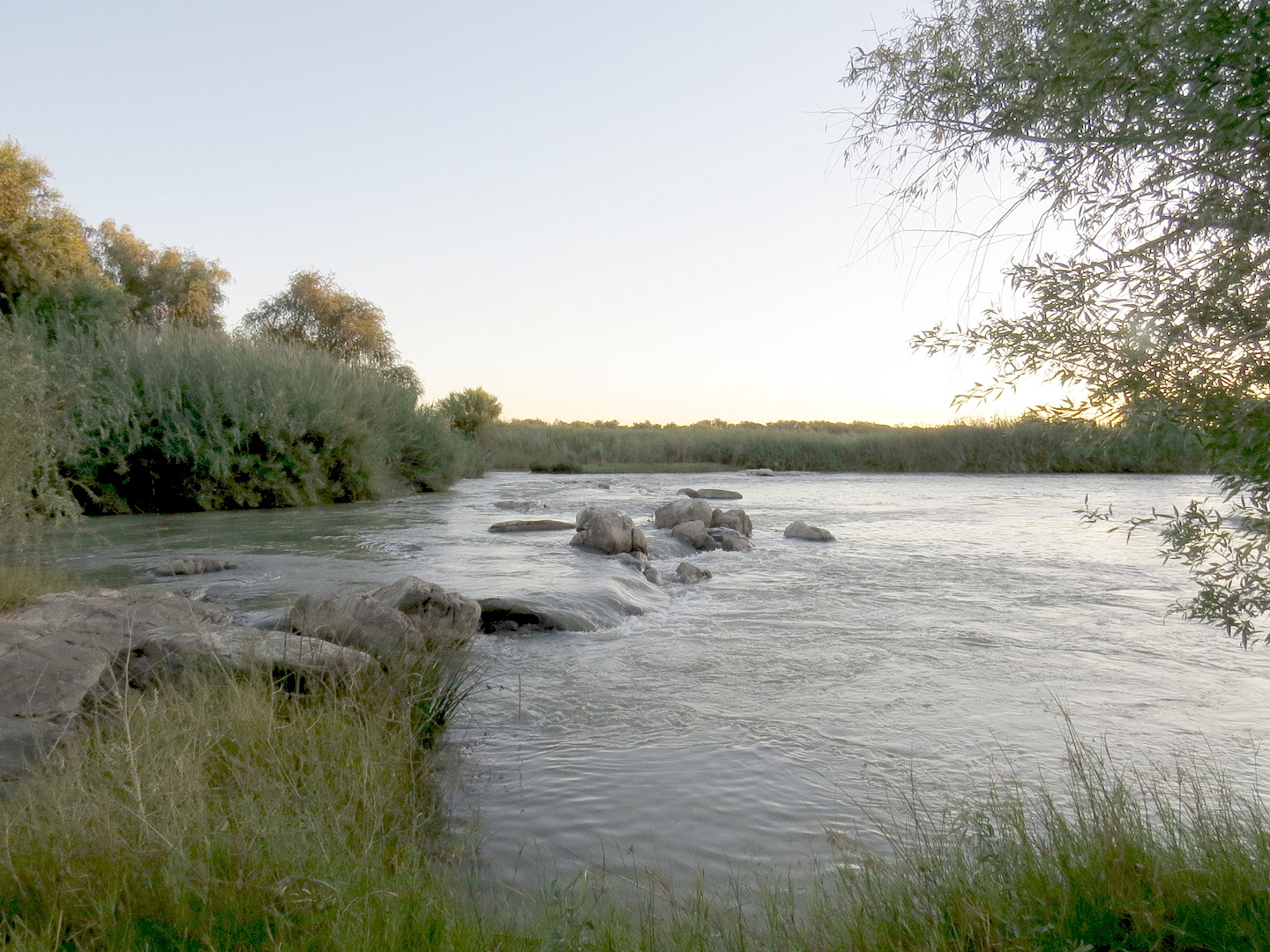
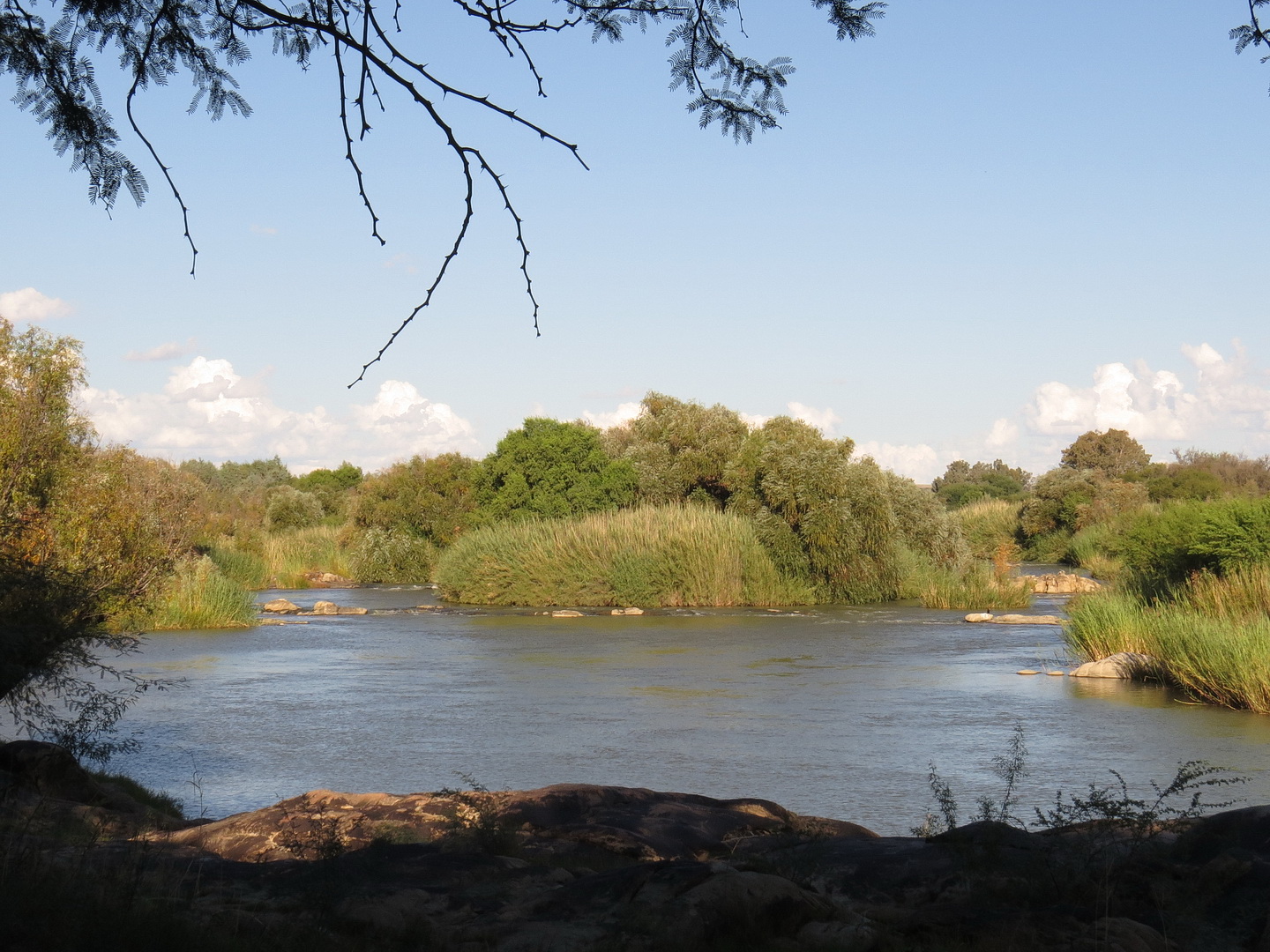
Orange River at Kheis
Orange River at Kheis
Orange River at Kheis
Birding was quiet but we did see some nice birds – Orange River White-eye and Black-chested Prinias.
Orange River White-eye
Fiscal Flycatcher
African Darter
At last we arrived in the Kgalagadi. After checking into the Transfrontier Park at Twee Riv1eren we headed for Rooiputs. Because we were leaving the Park into Botswana at the eastern gate of Mabuasuhube at the end of our trip, we remembered to get our passports stamped as entering Botswana (easily forgotten).
We shared campsite number 2. A large site with an A-frame, cold water and a loo and shower a tad far away to walk comfortably to at night especially as there were lions about.
Entrance to Rooiputs campsites
Rooiputs A frame
Rooiputs campsite
Early to bed and early to rise – typical of enjoying the bush.
Then it happened – the first of three nights worth at Rooiputs. Big thunderstorm and loads of rain. Each night the same. Wake up and find the river bed was surprisingly full of water. However by evening it had gone.
Rooiputs entrance after rain
The road after rain
The rain covered most of the Park each night.
Green Melkvlei Picnic site showing wet road
Melkvlei Picnic site after rain
Melkvlei Picnic site after rain
Melkvlei Picnic site with Sally, Rose, Arthur, Bernard and Lynda
As well as down to Twee Rivieren and across to Mata Mata.
Waterhole just outside Twee Rivieren
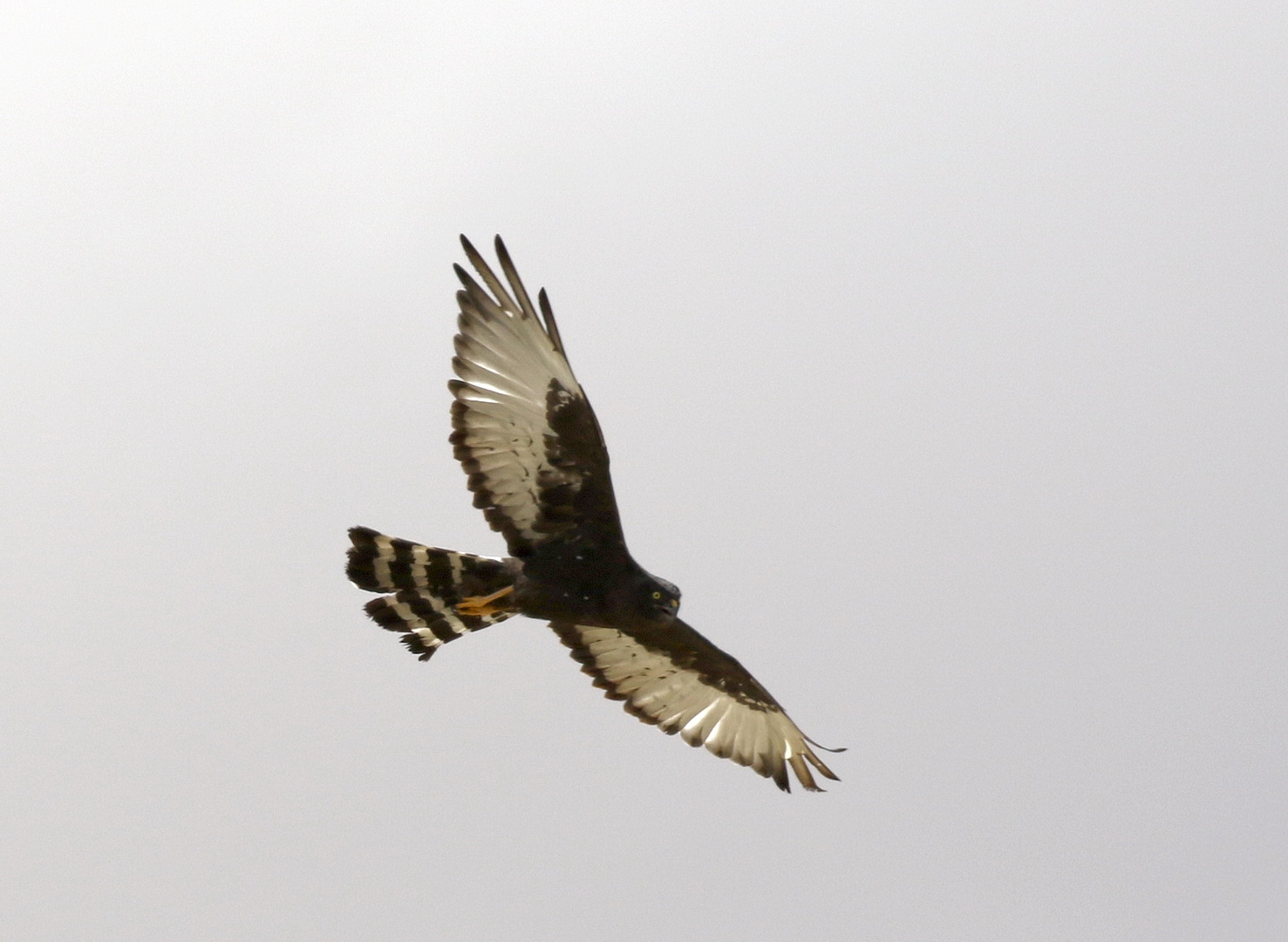
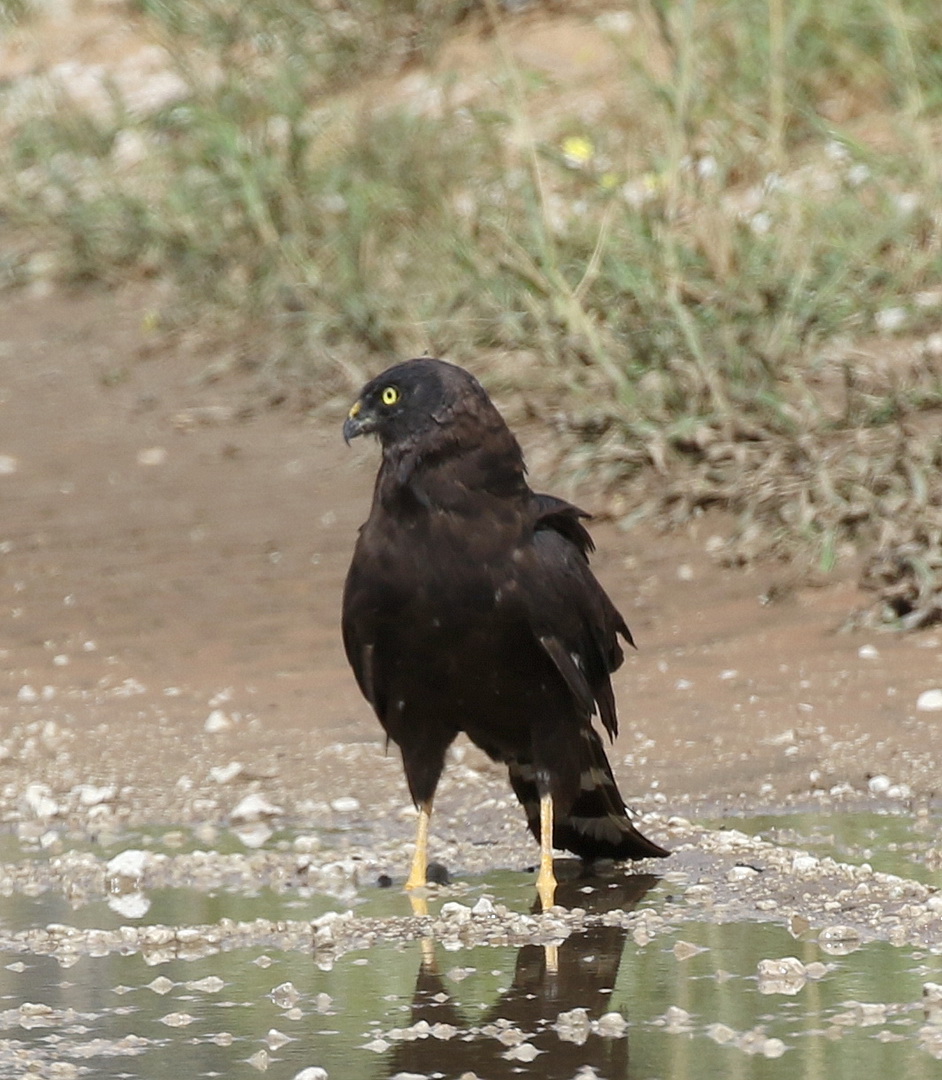
Over the four days in Rooiputs we had some lovely bird sightings. Great raptor sightings – Black Harrier in particular.
Black Harrier
Black Harrier
Black Harrier
Black Harrier
Black-chested Snake-Eagle
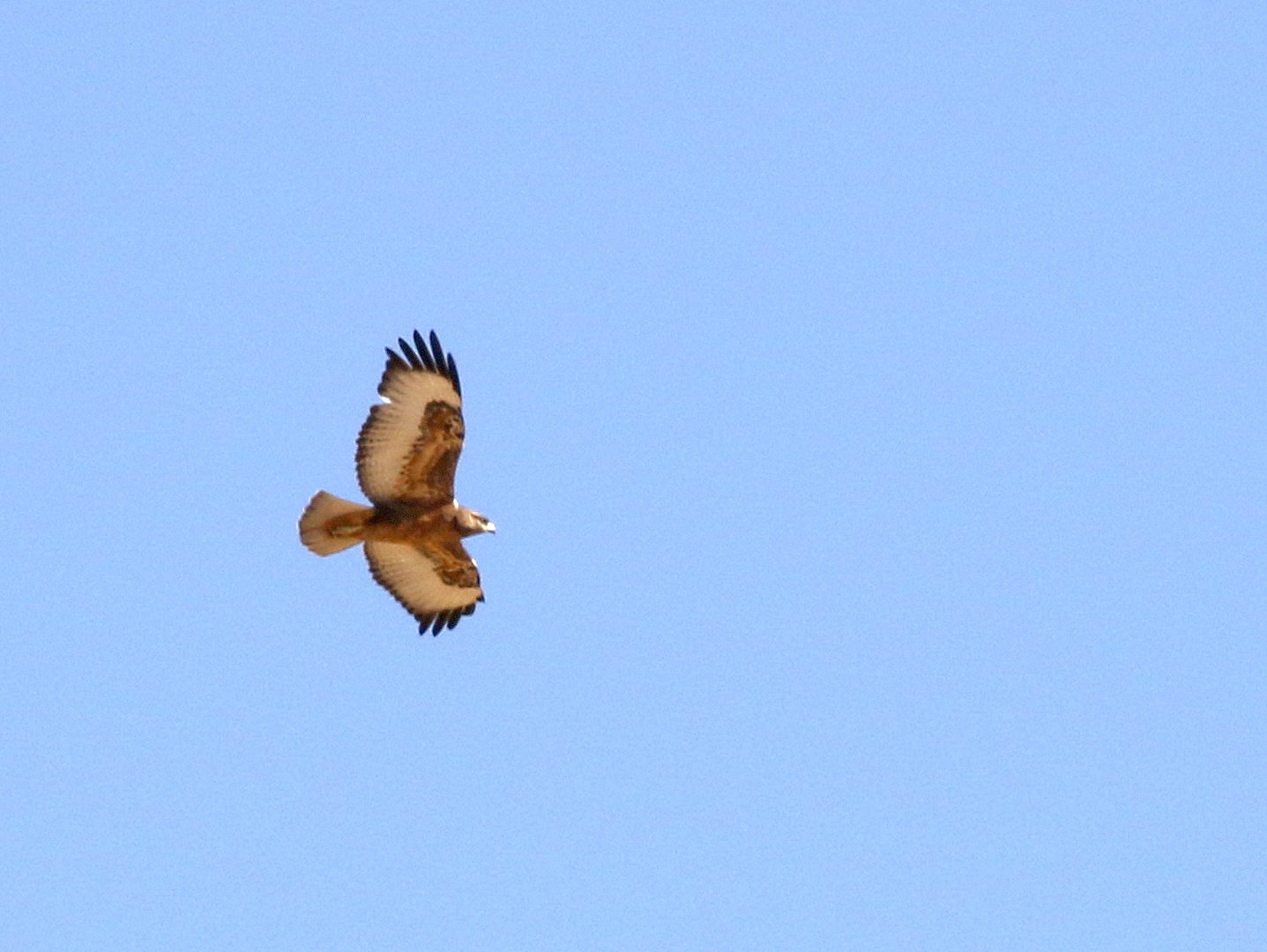
Jackal Buzzard
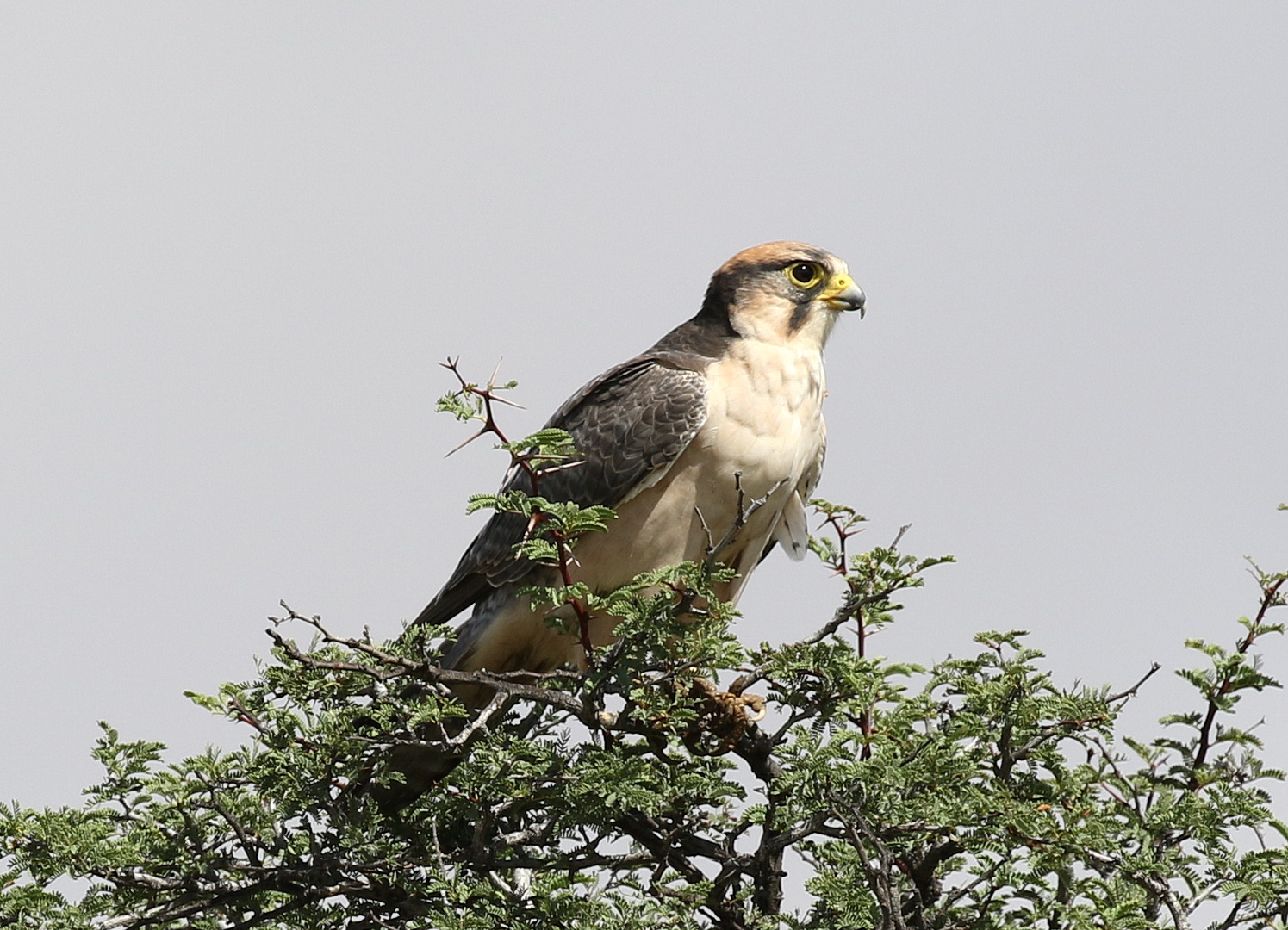
Lanner Falcon
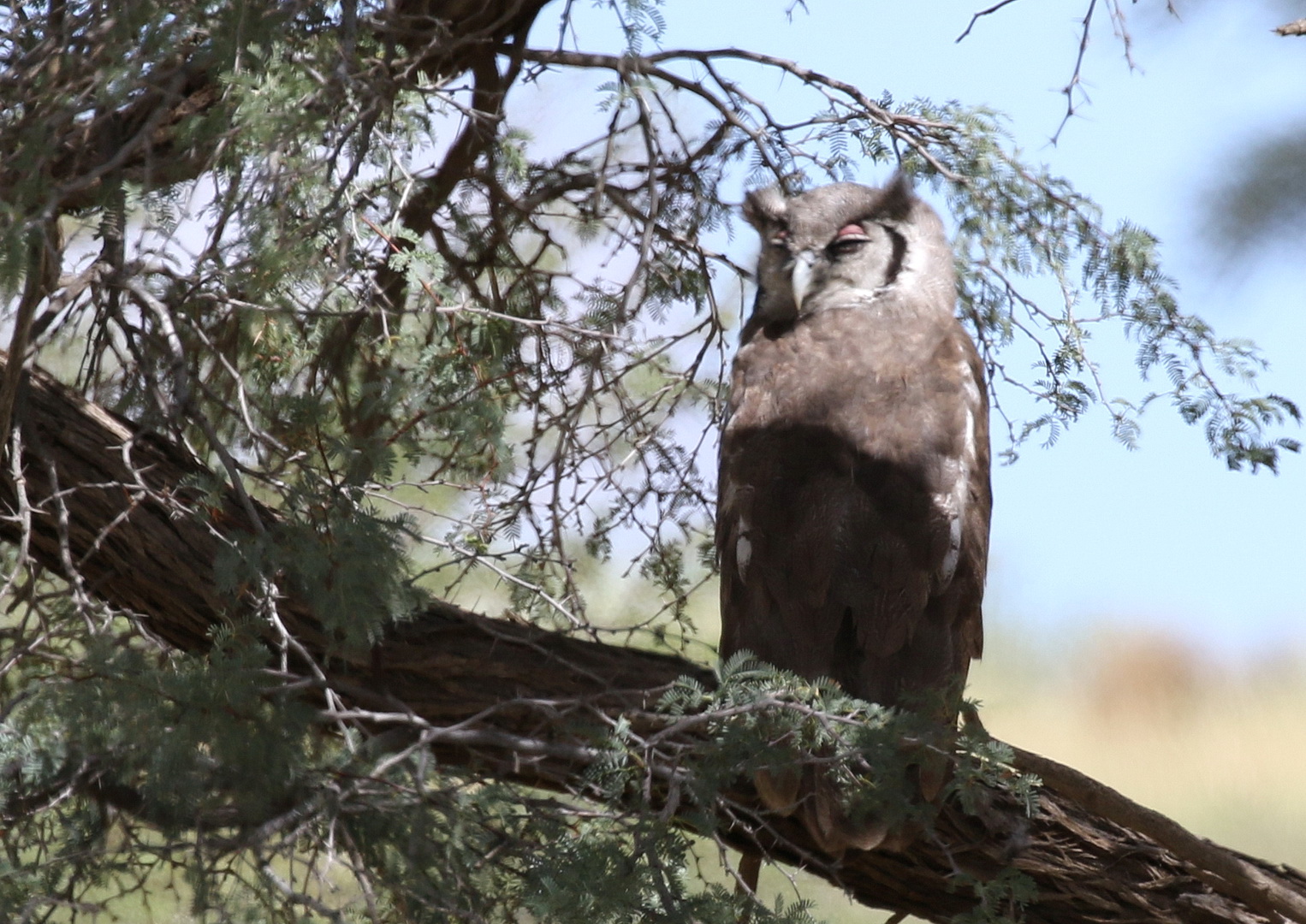
Verraux’s Eagle-Owl
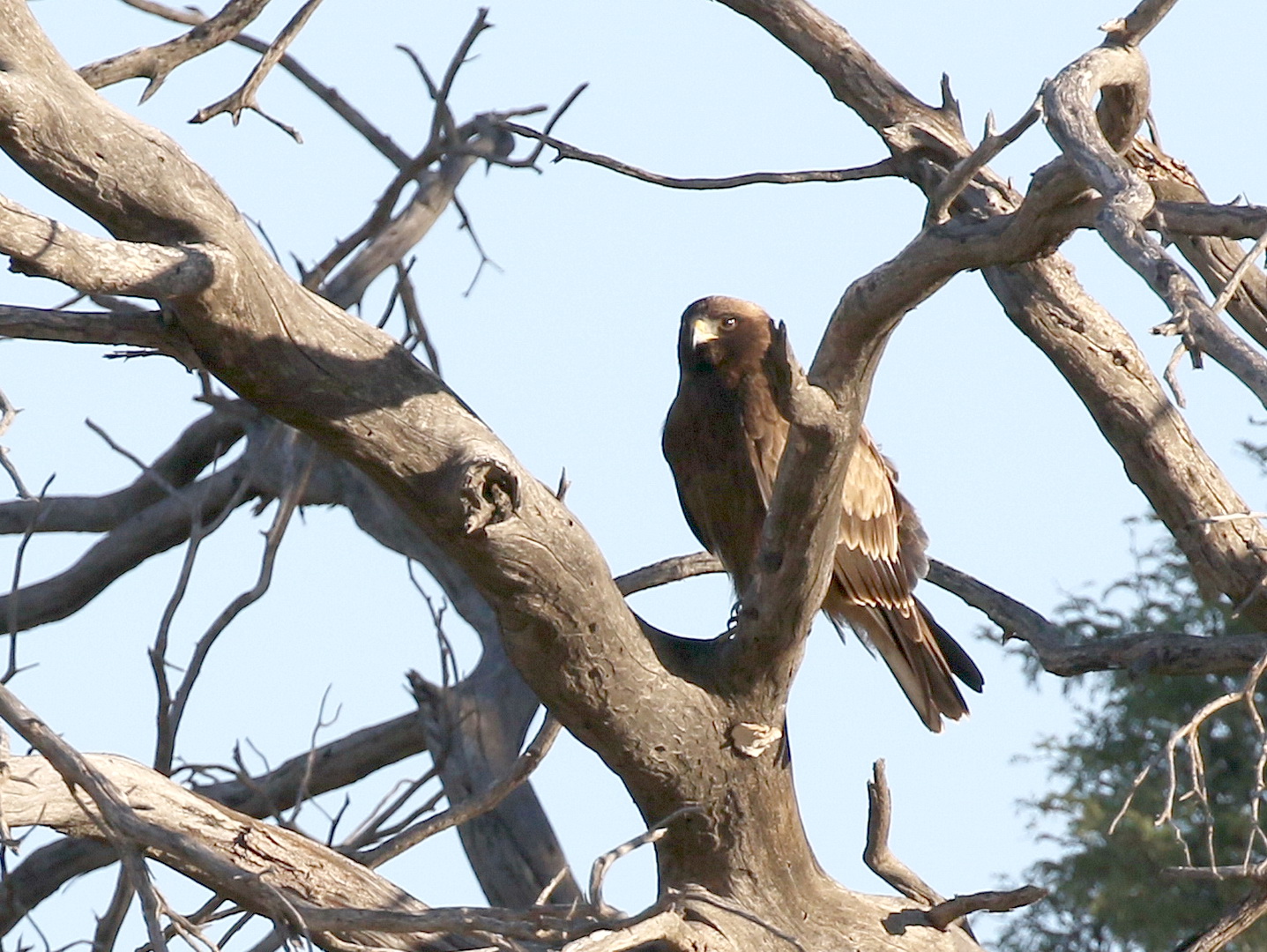
Wahlberg’s Eagle
White-backed Vulture
Amongst the non-raptors there were
Karoo Chat.
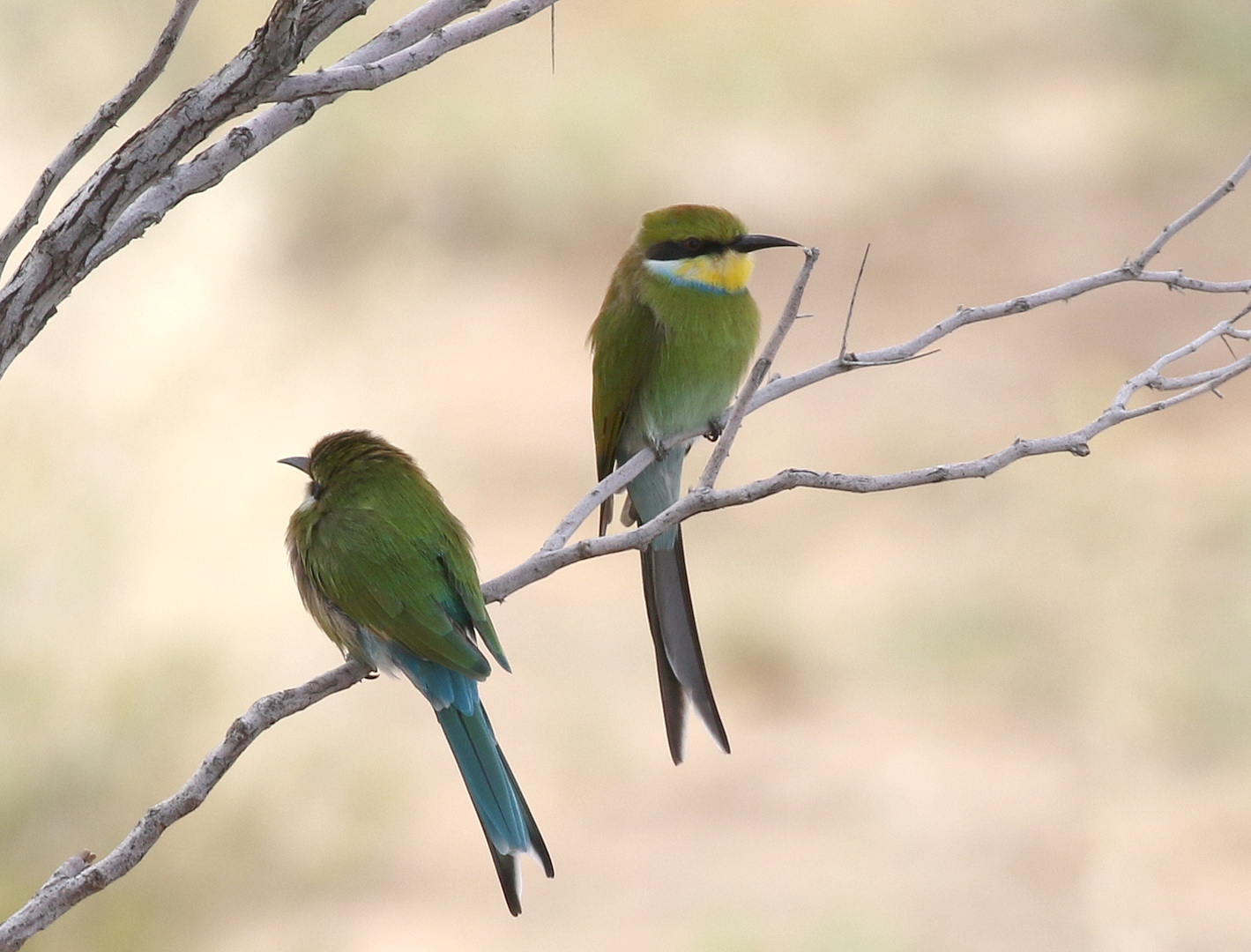
Swallow-tailed Bee-eaters
Swallow-tailed Bee-eaters
White-backed Mousebird
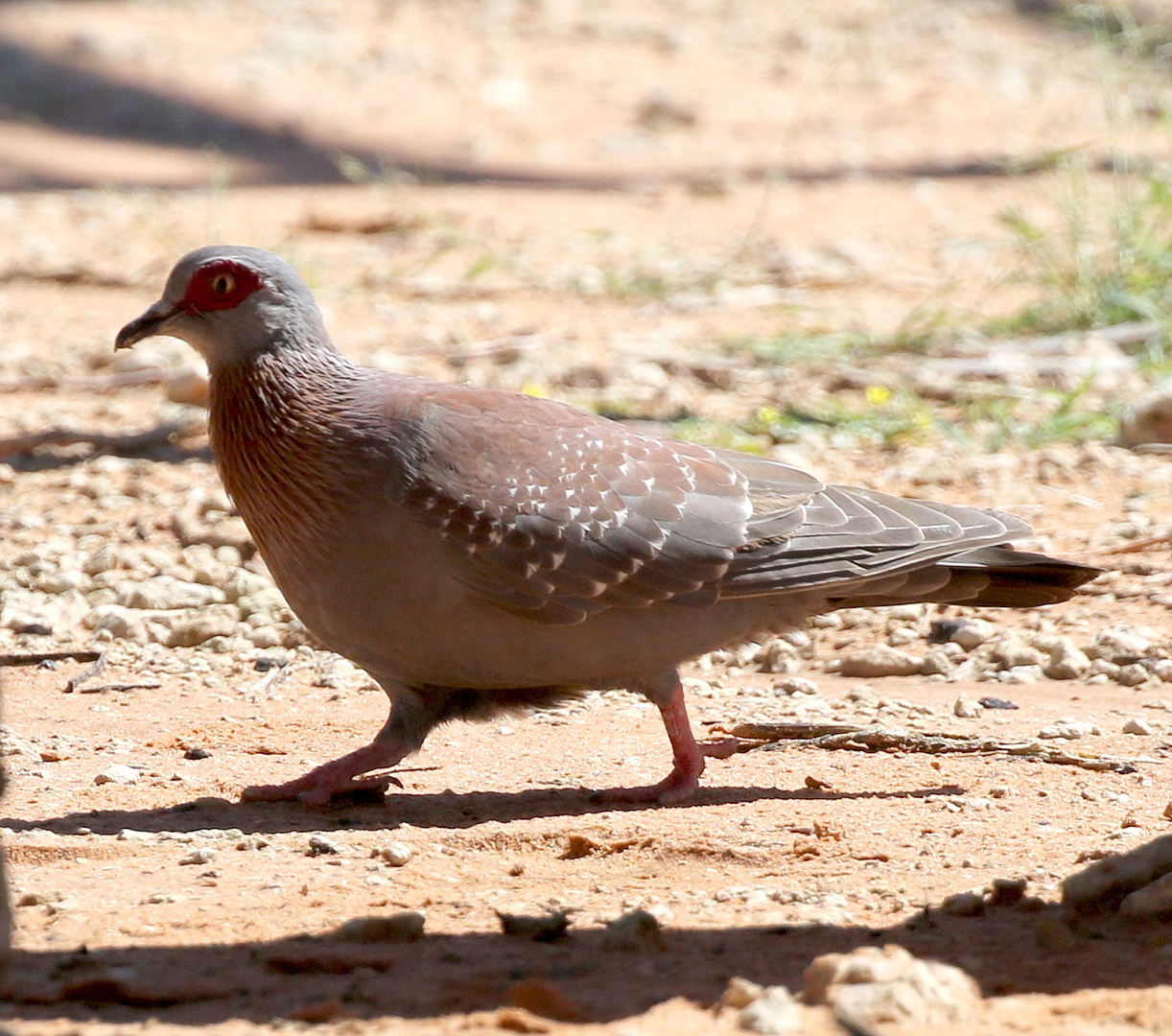
Speckled Pigeon
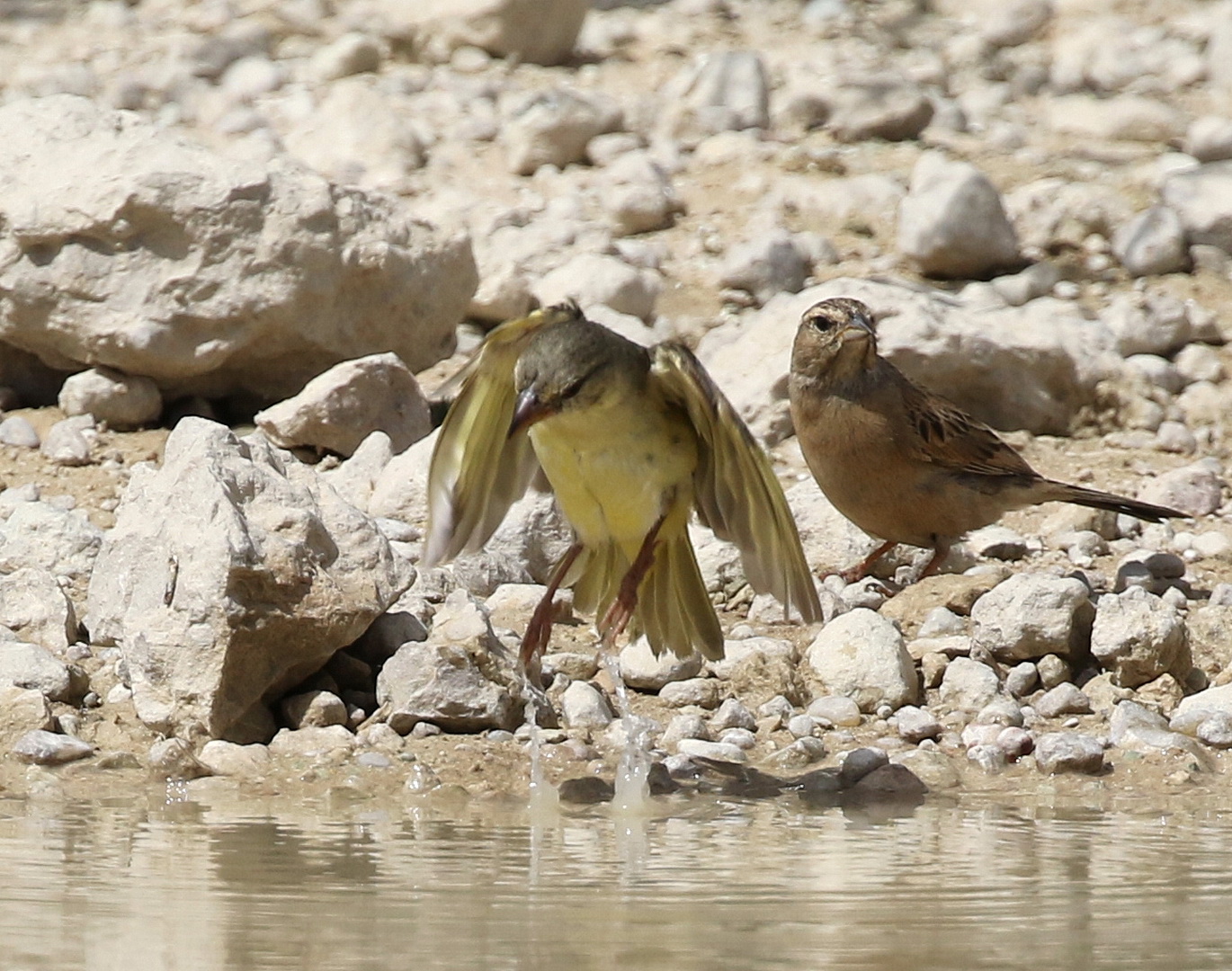
Southern Masked-Weaver – female and Lark-like Bunting
Of course it was not just about birds. In the Sociable Weavers’ nest we found a Cape Cobra.
Cape Cobra in Sociable Weaver nest
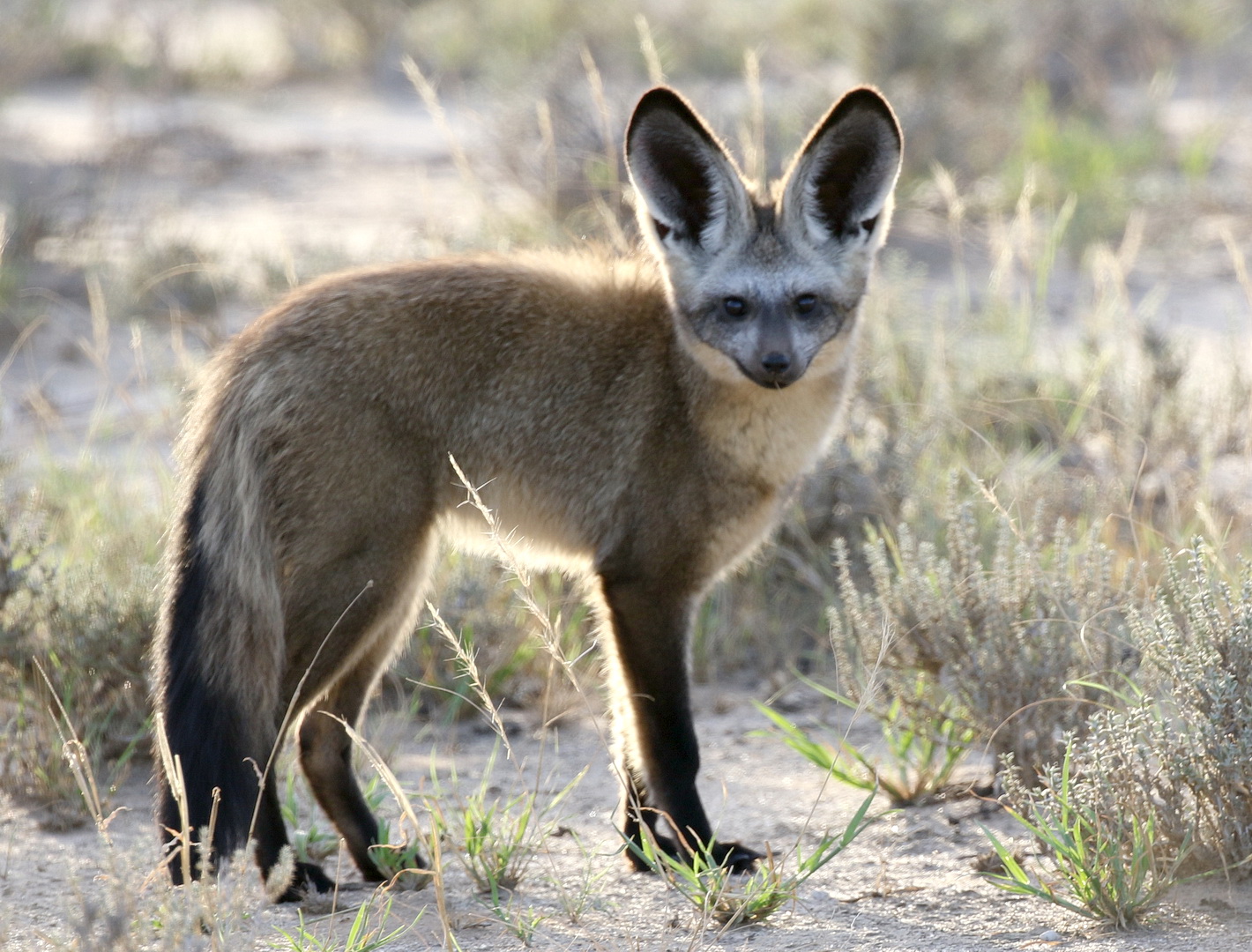
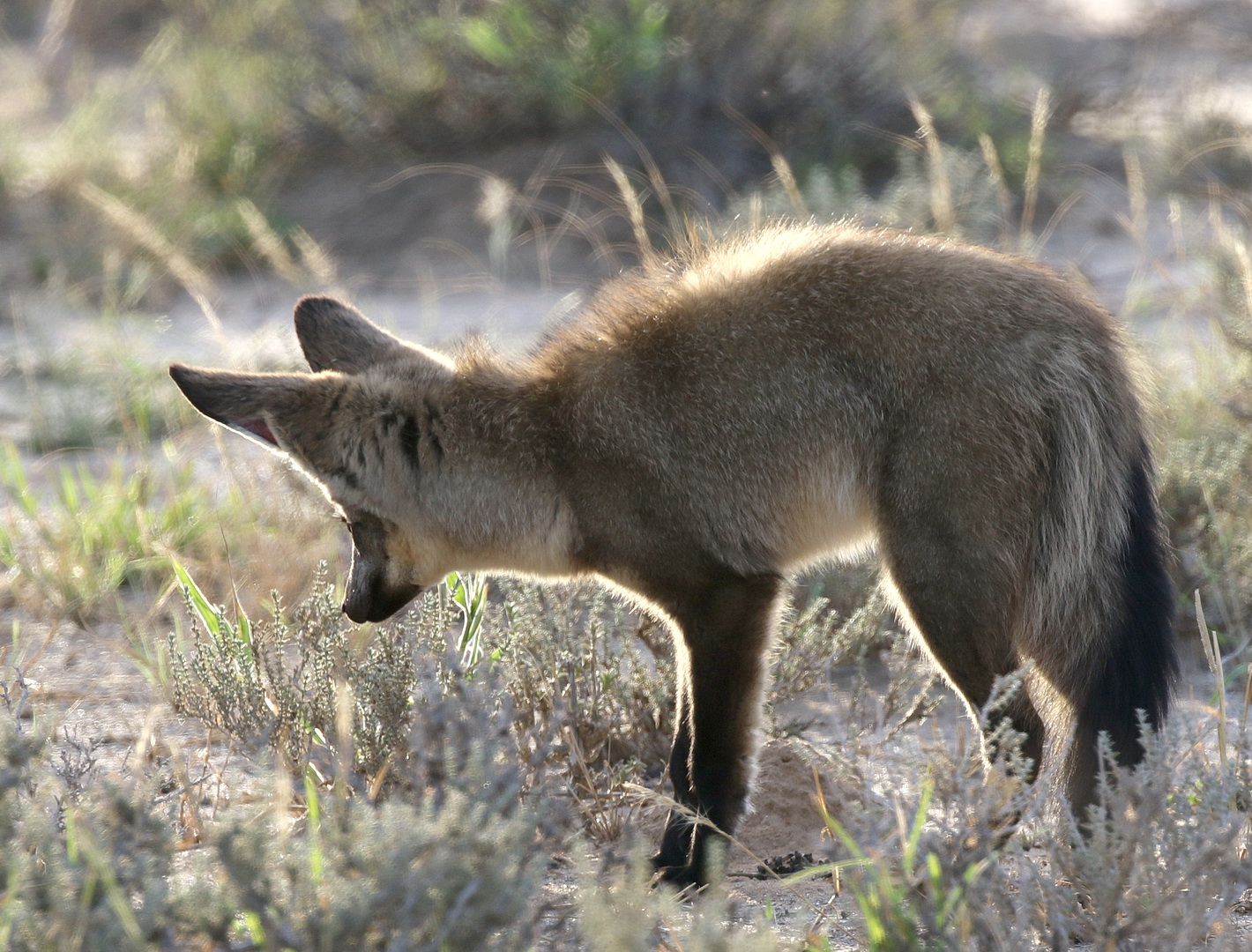
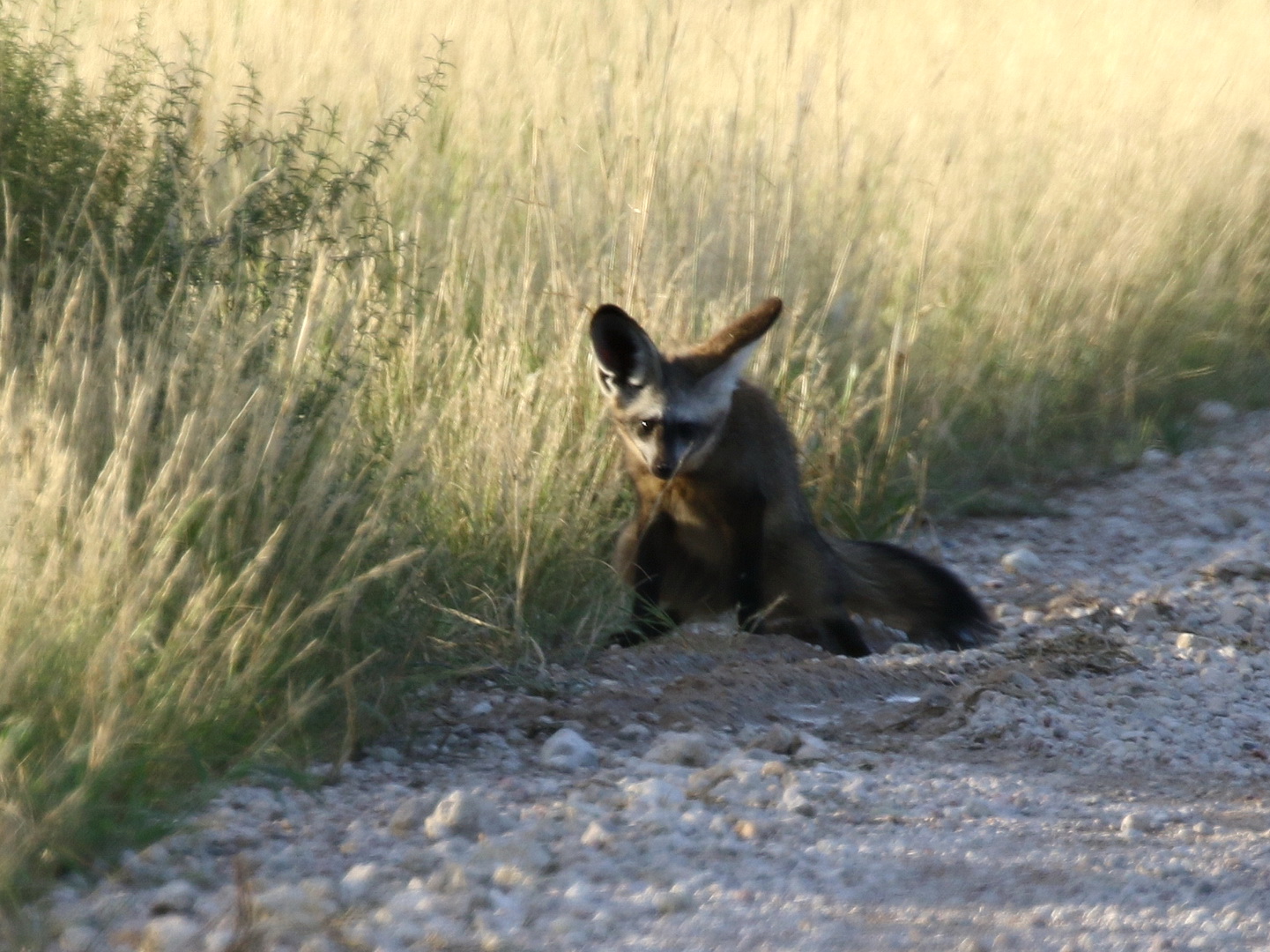
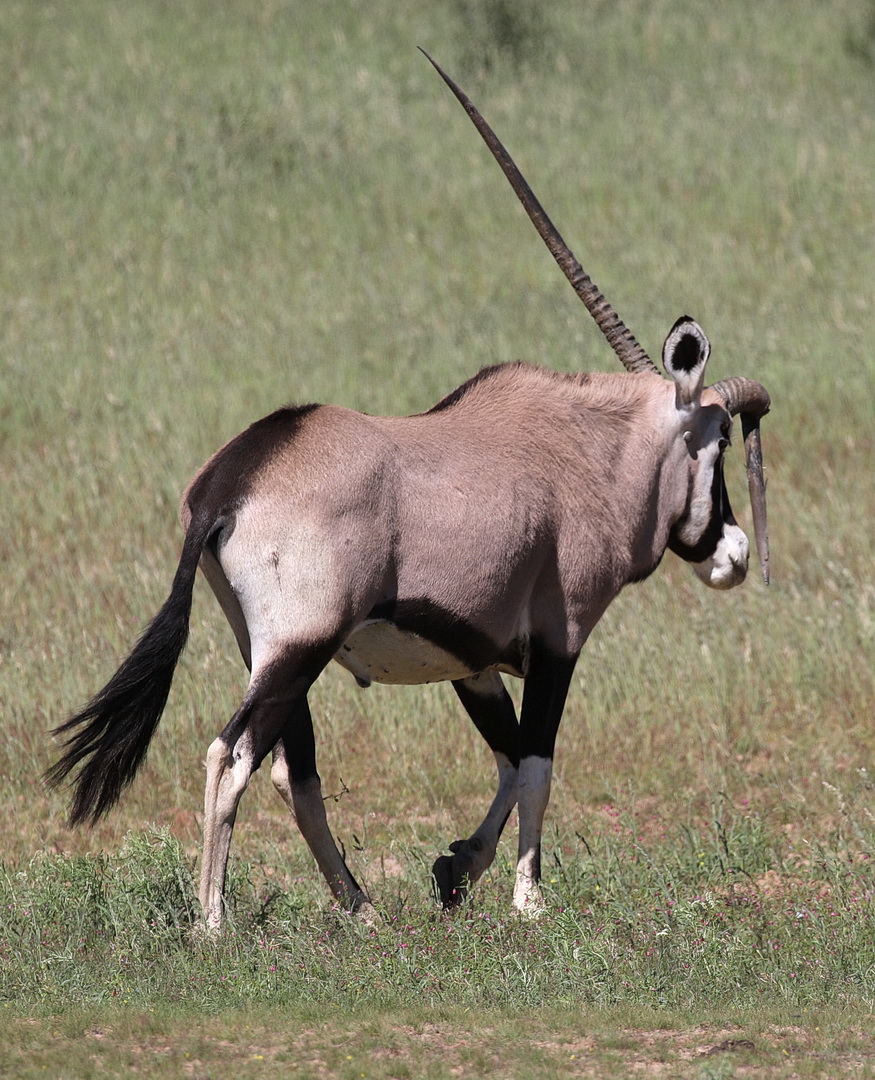
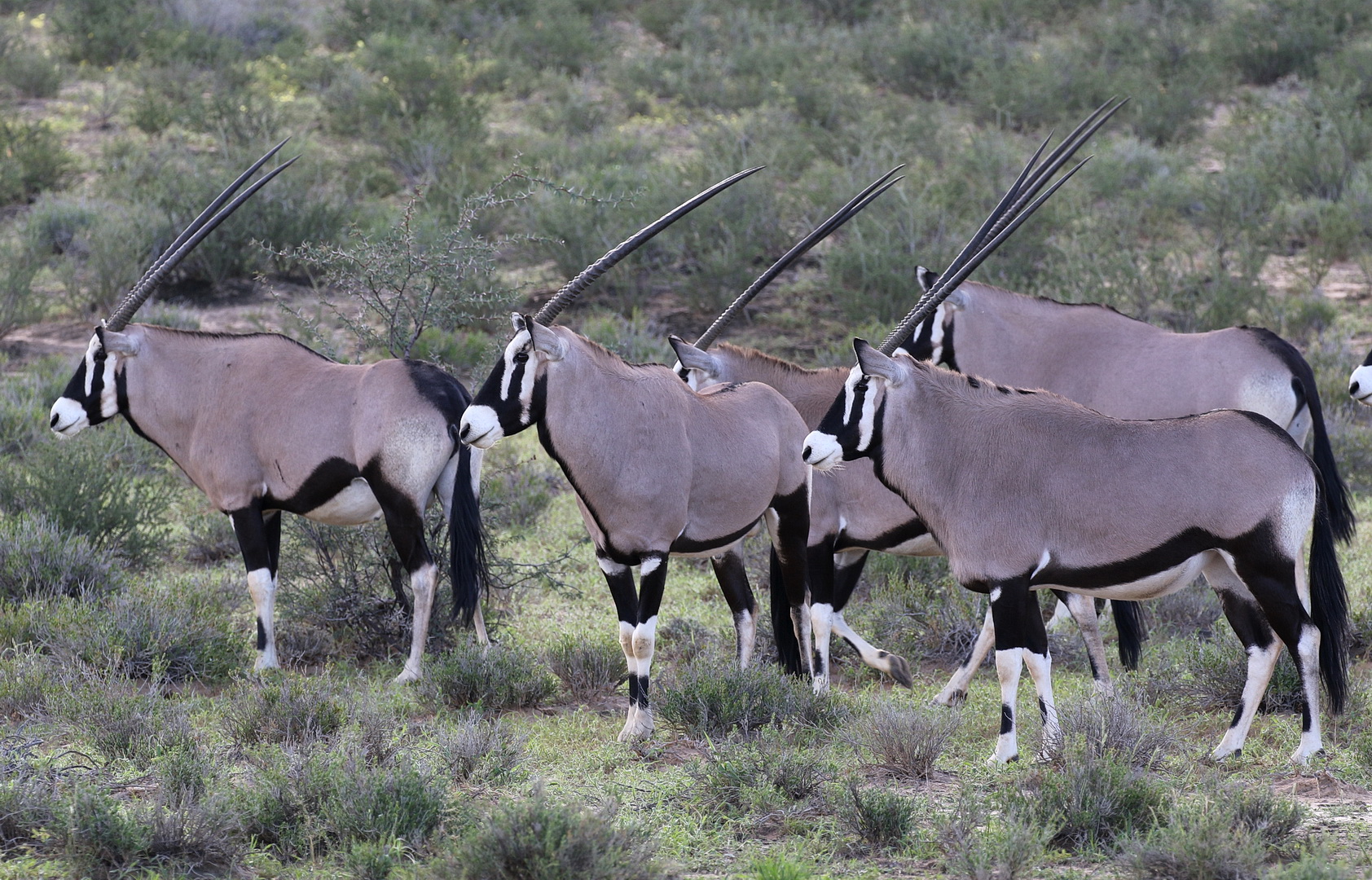
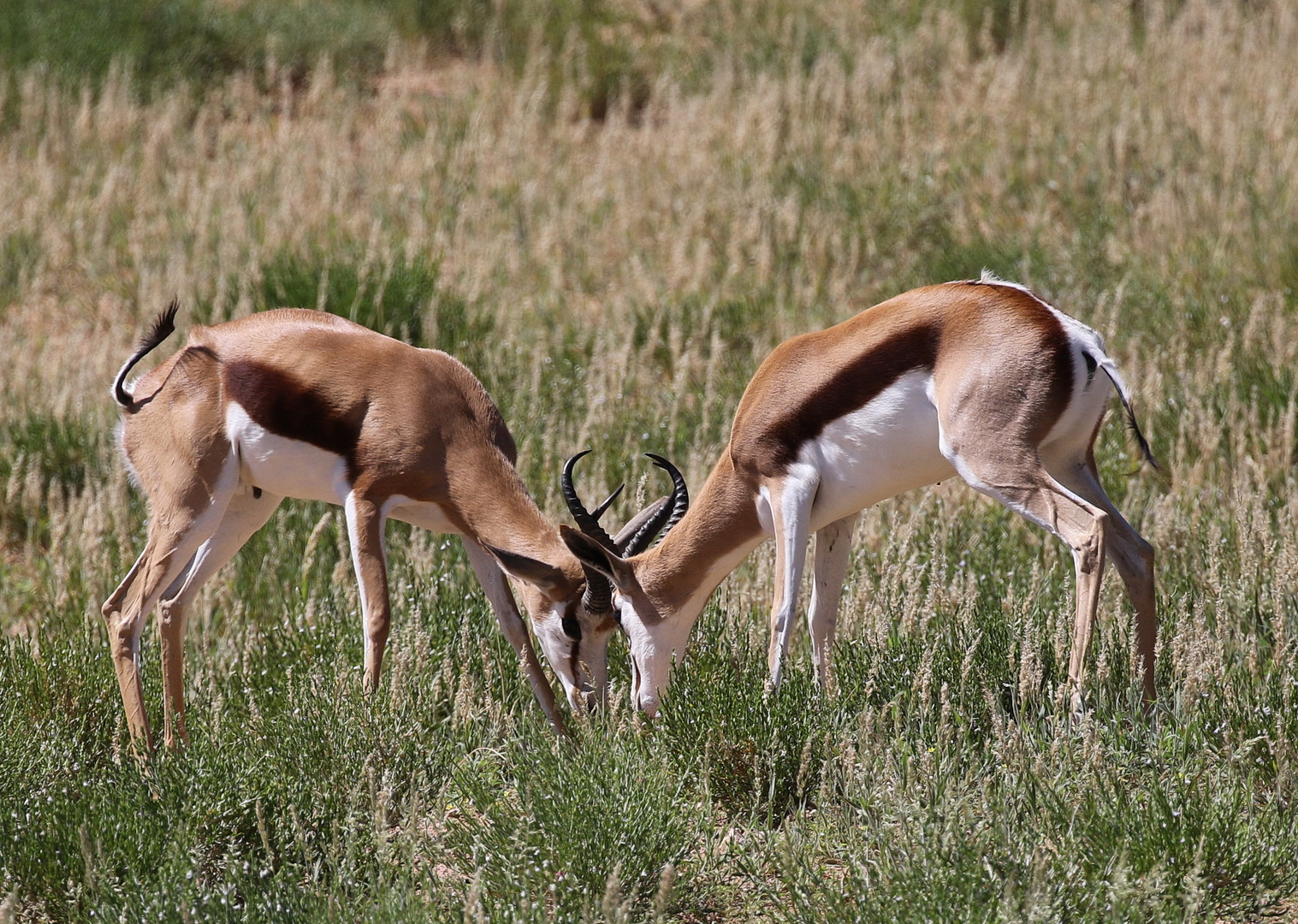
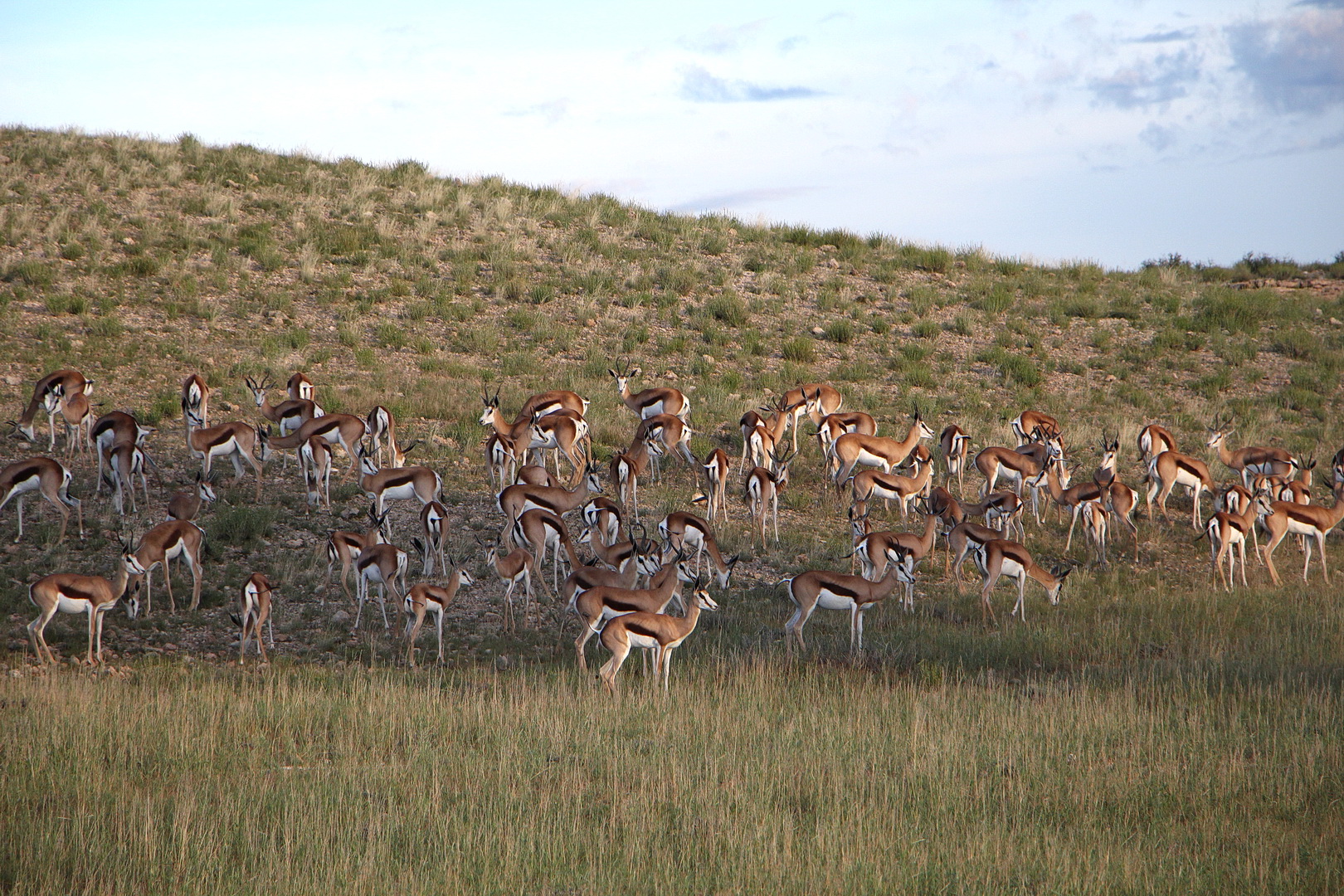
And Black-backed Jacal, Brown Hyena, Lions on a kill, Bat-eared Foxes, Cheetah and cubs on a kill, a Honey Badger with opportunistic friends, Oryx (aka Gemsbok), numerous Springbok and Mongooses to name a few.
Honey Badger and opportunist Pale Chanting Goshawks
Bat-eared Fox
Bat-eared Fox
Bat-eared Fox
Black-backed Jackal showing his back
Black-backed Jackal
Cheetah and cubs on kill
Cheetah and cubs on kill
Cheetah and cubs on kill
Cheetah and cub on kill
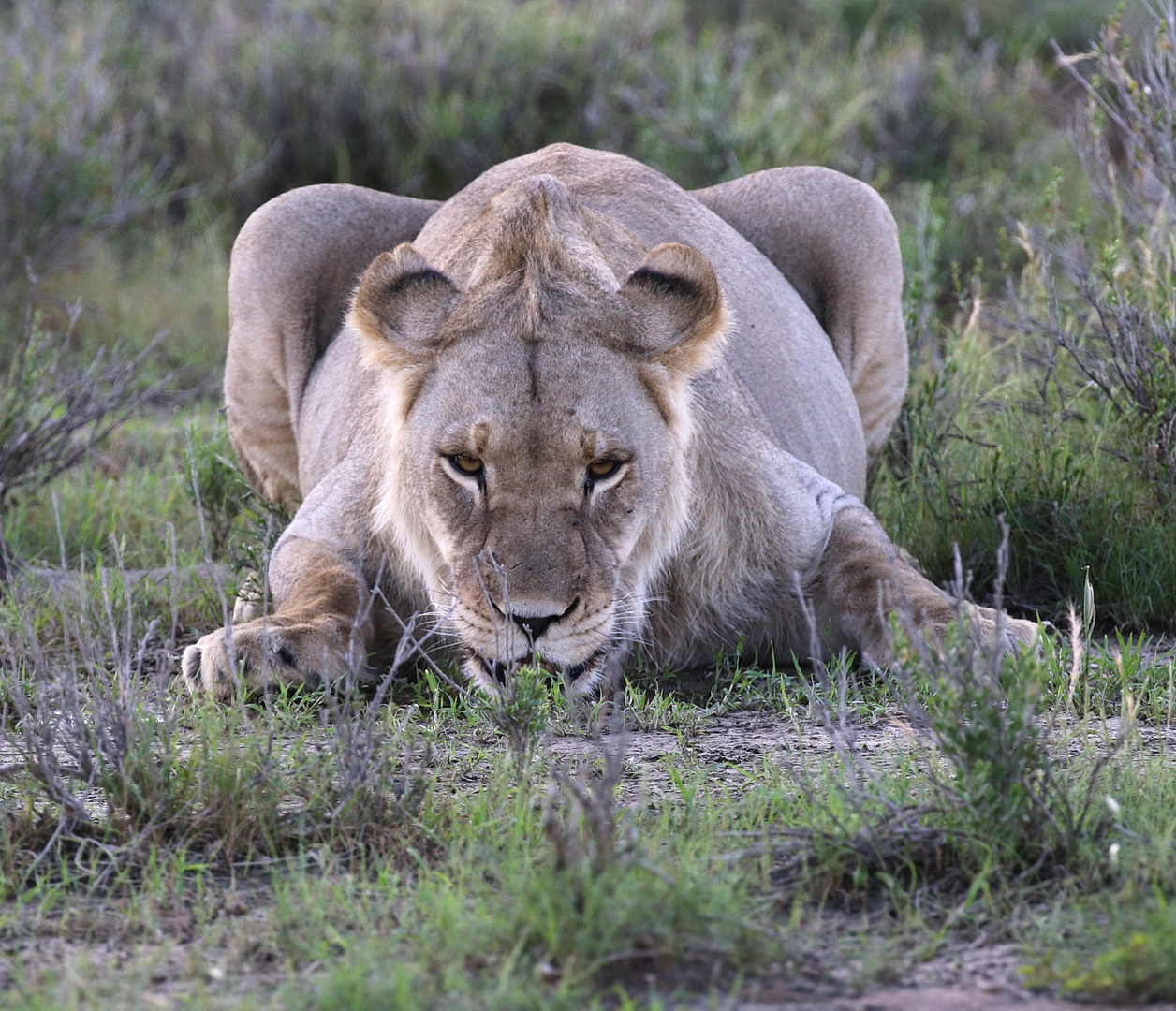
Lionesses guarding an Oryx kill
Lioness ready for us next
Oryx aka Gemsbok
Oryx aka Gemsbok
Springbok locking horns
A hillside of Springbok
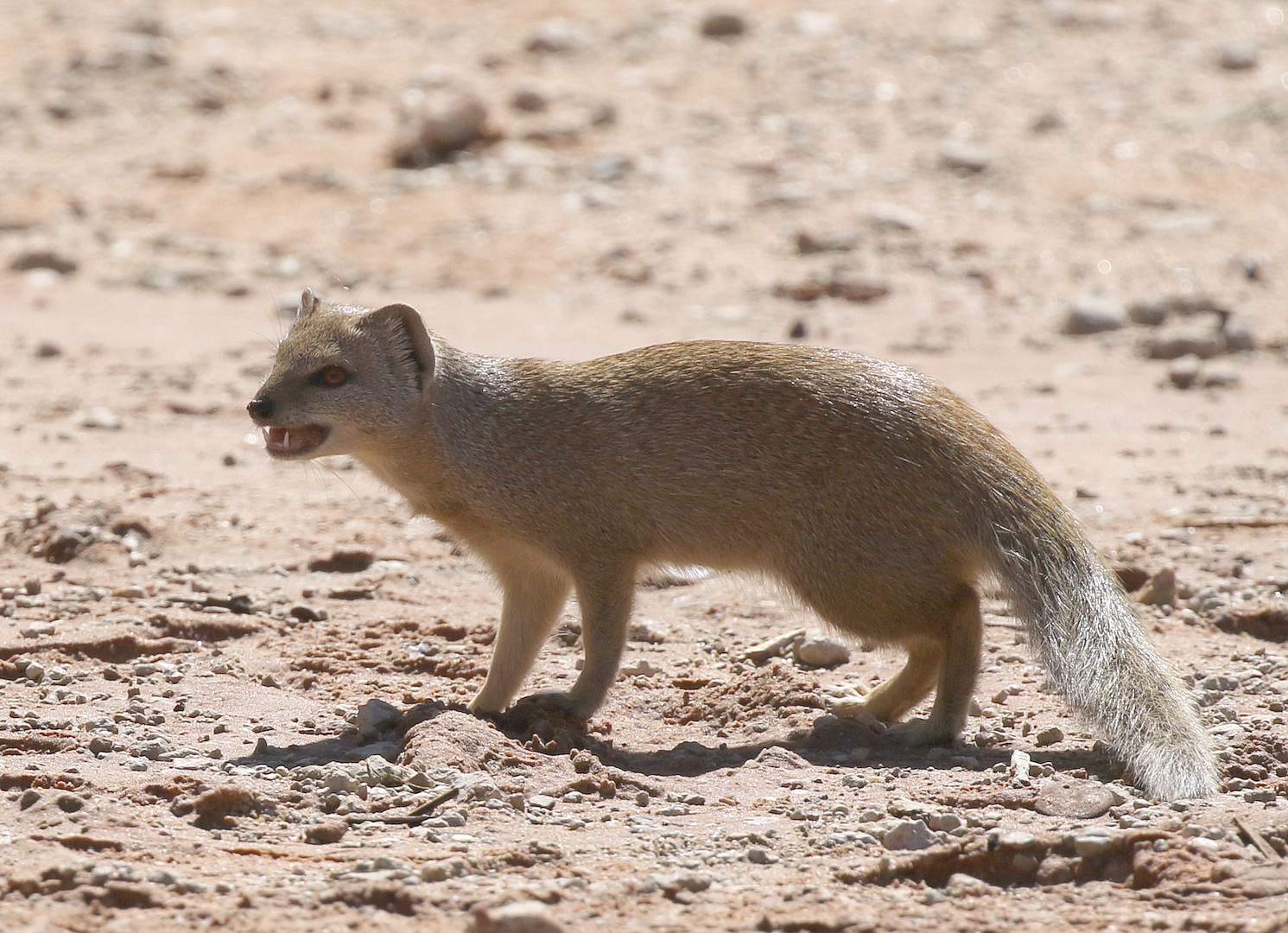
Yellow Mongoose
Yellow Mongoose
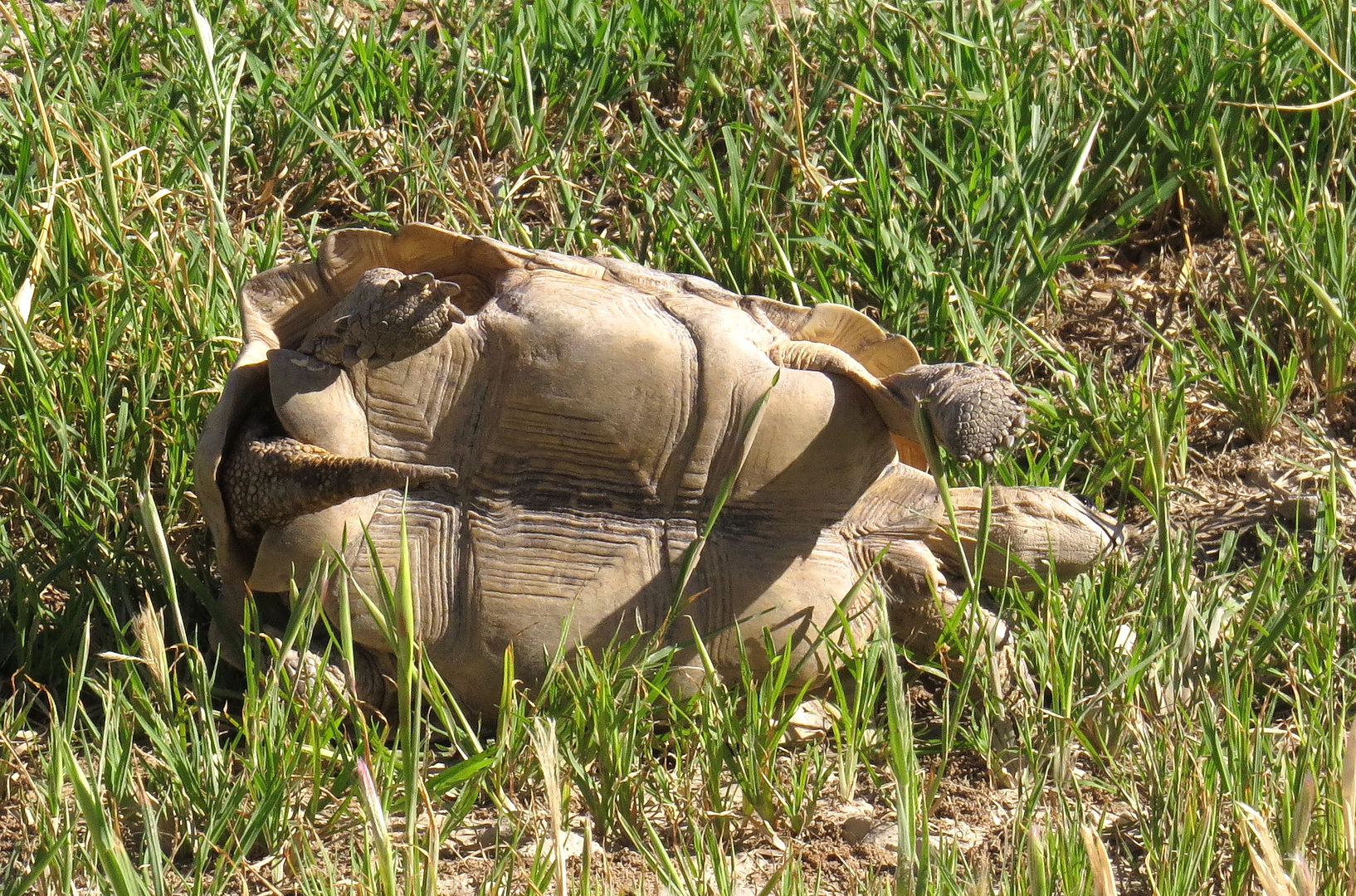
We even came across a randy tortoise. He did his best to mate with a somewhat larger female. Very persistent. Eventually after mounting her and perhaps doing his business he was summarily tossed over backwards behind her.
Tortoises – he was a bit too small for the job methinks
Tortoise – oops tossed off
Each evening we sat around a campfire watching the flames and occasionally putting the torch behind us to check for sneaky dangerous animals. However we were not always as alert as we should have been. Sitting around the campfire one night, chin wagging as one does, we suddenly notice this animal under Sally’s chair – an uninterested Cape Fox fortunately. This was not the only time we had such an experience. It happened again in Polentswa with another Cape Fox.
After four nights in Rooiputs we headed for Mata Mata – taking the crossing at Kij Kij rather than going via Twee Rivieren. The campsite was full but fortunately Sally and I arrived early enough to secure two reasonably comfortable campsites side by side for tall of us to share.
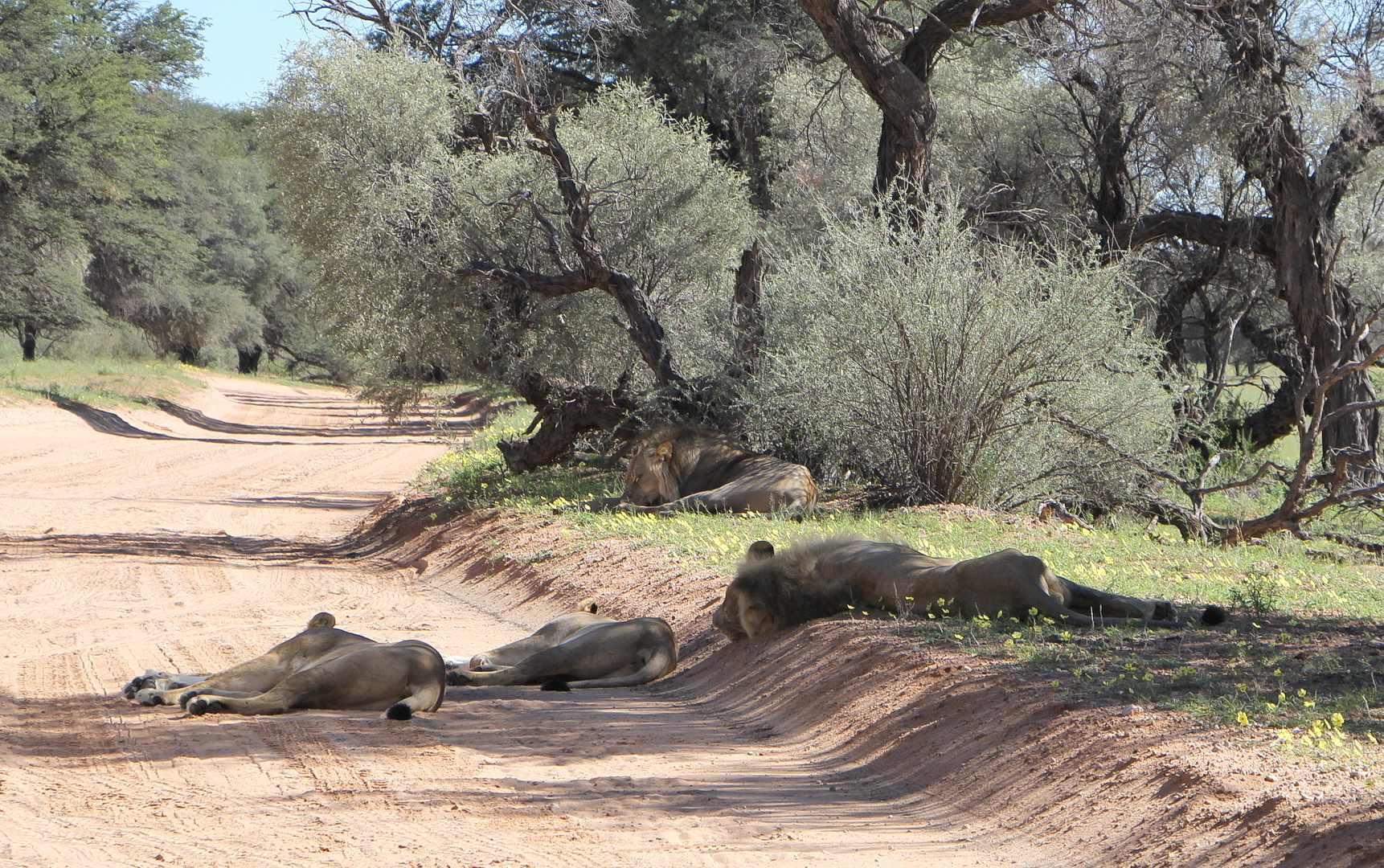
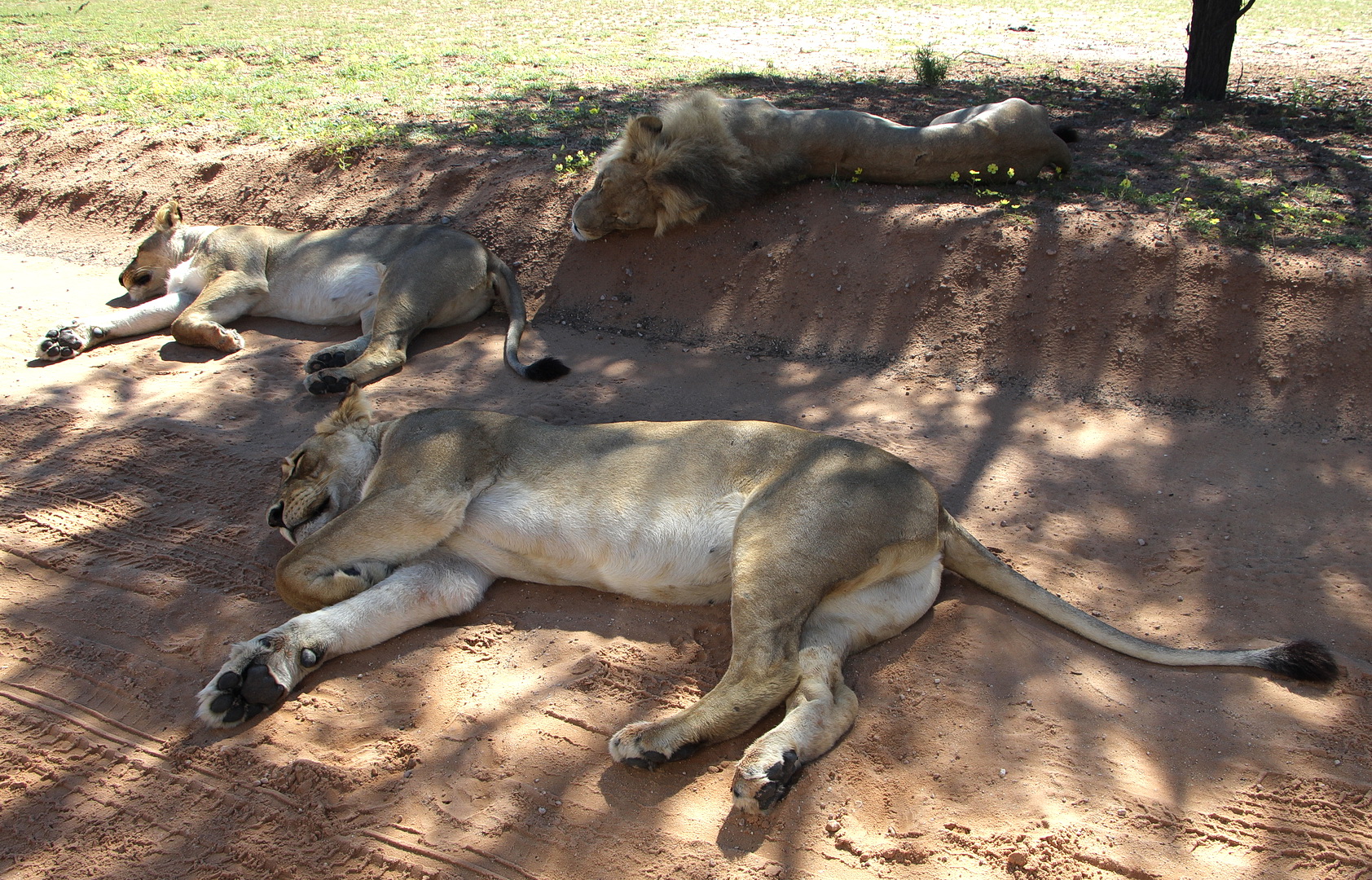
On the way there we came across a pride of thoroughly lazy lions – not willing to shift off the road to let us past. Not a flinch as our wheels came close.
Lion – sensibly out of the way
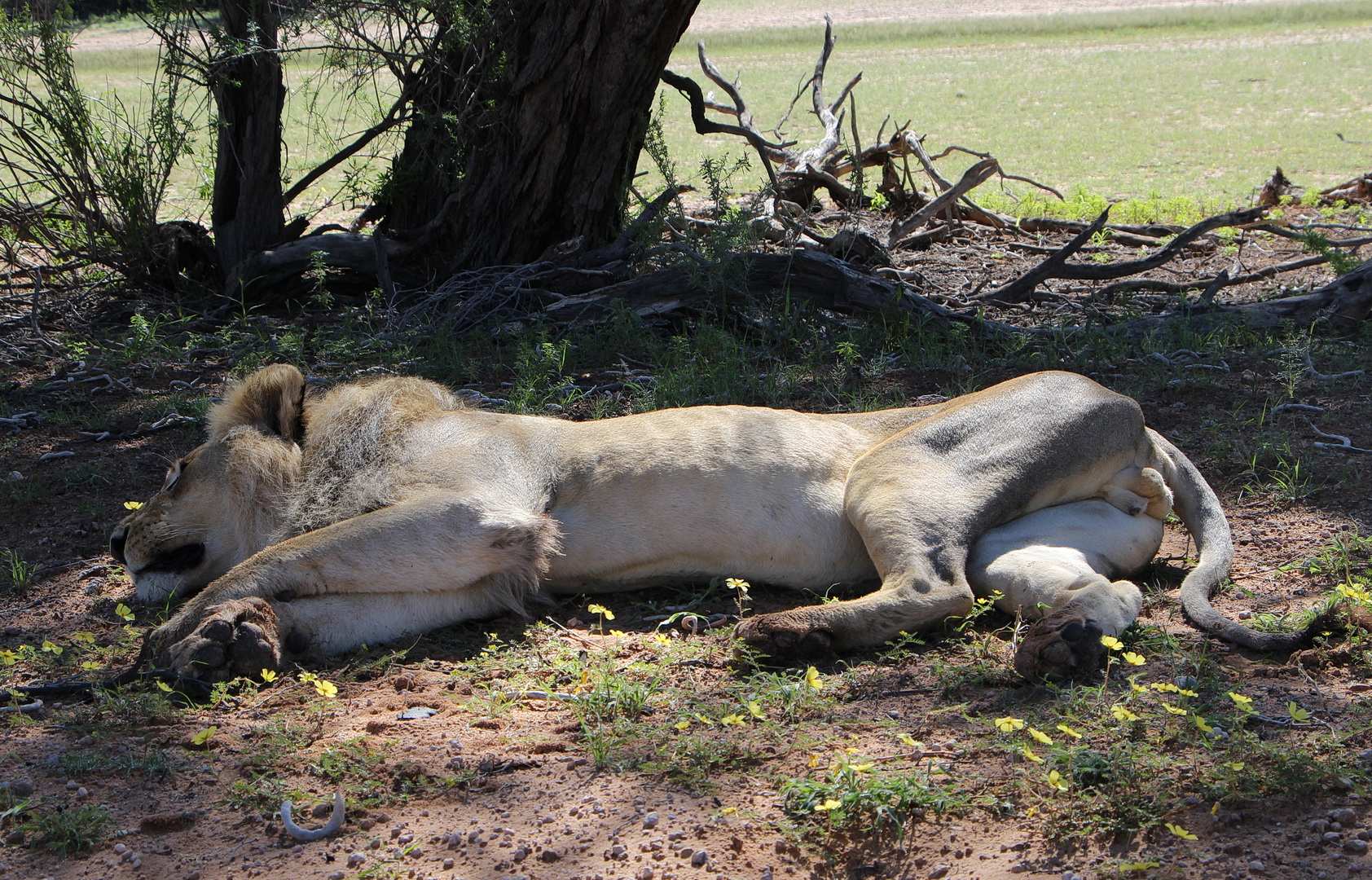
Lazy lying lions
Lazy Lying Lions
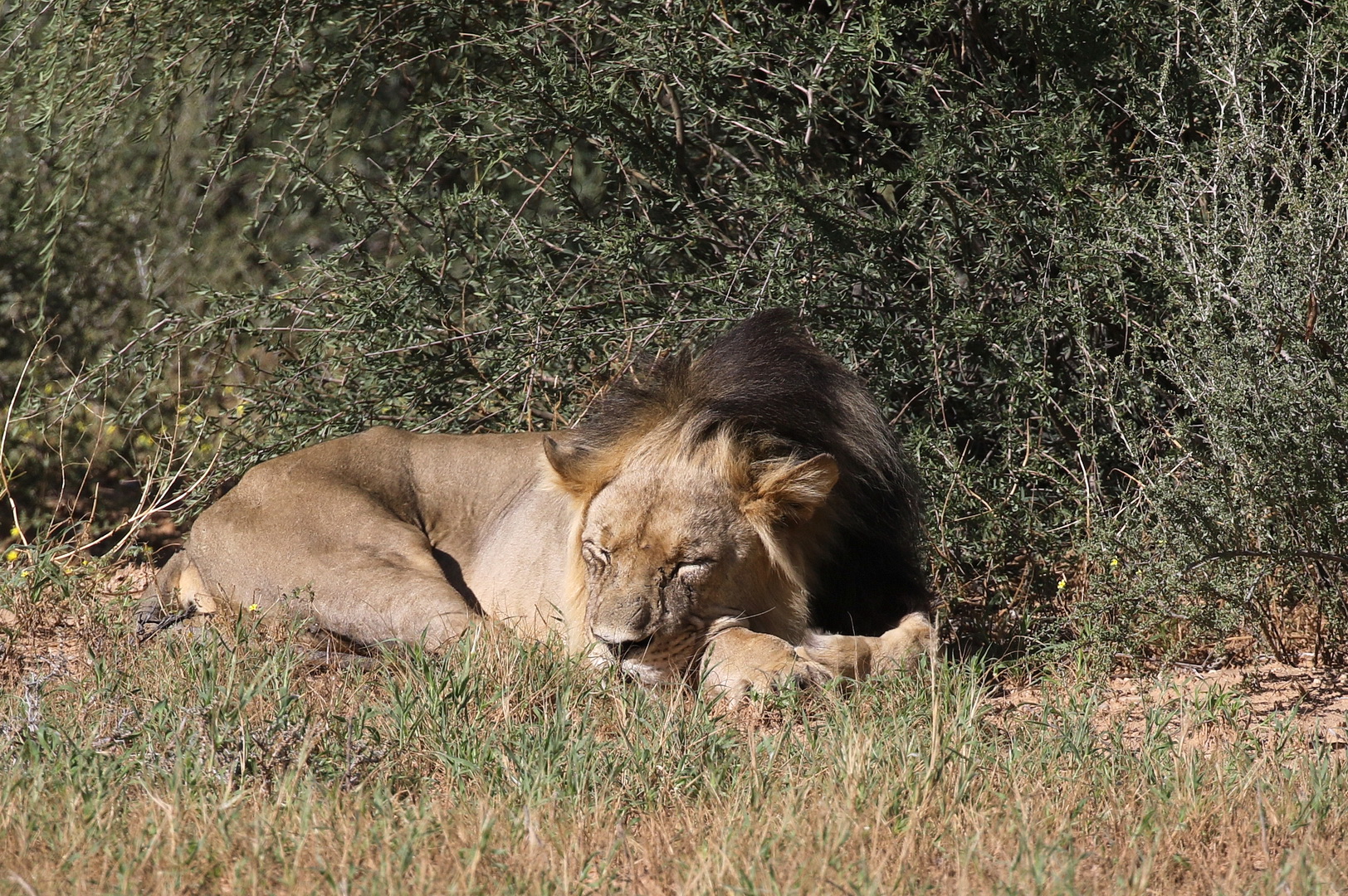
Lion – young male do you agree!!
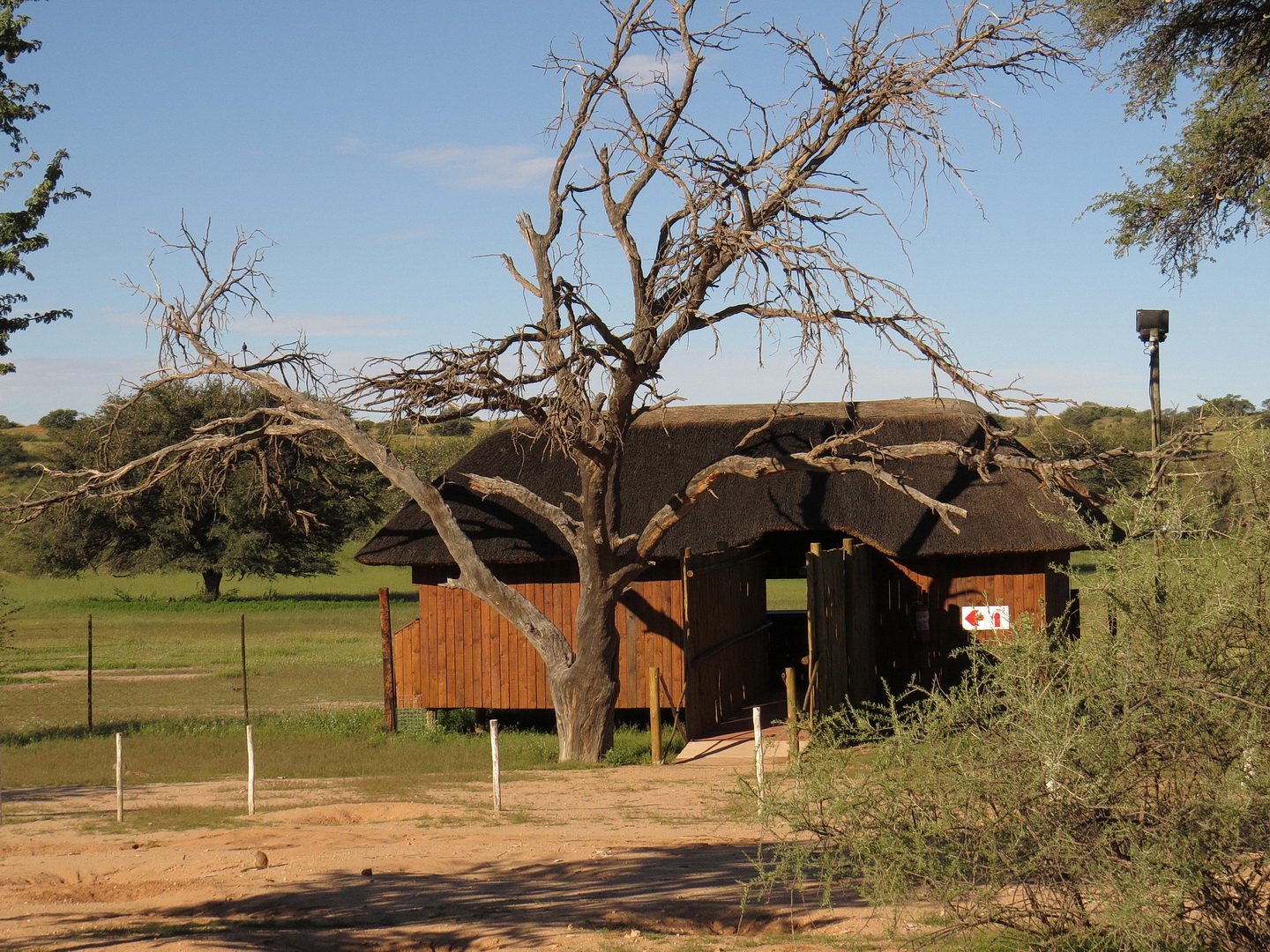
The Mata Mata campsite has a hide overlooking a wetland area. And wet it was yet again – more nightly thunderstorms and deluge of rain.
Mata Mata hide
The skies are open and the nightly rain she cometh yet again
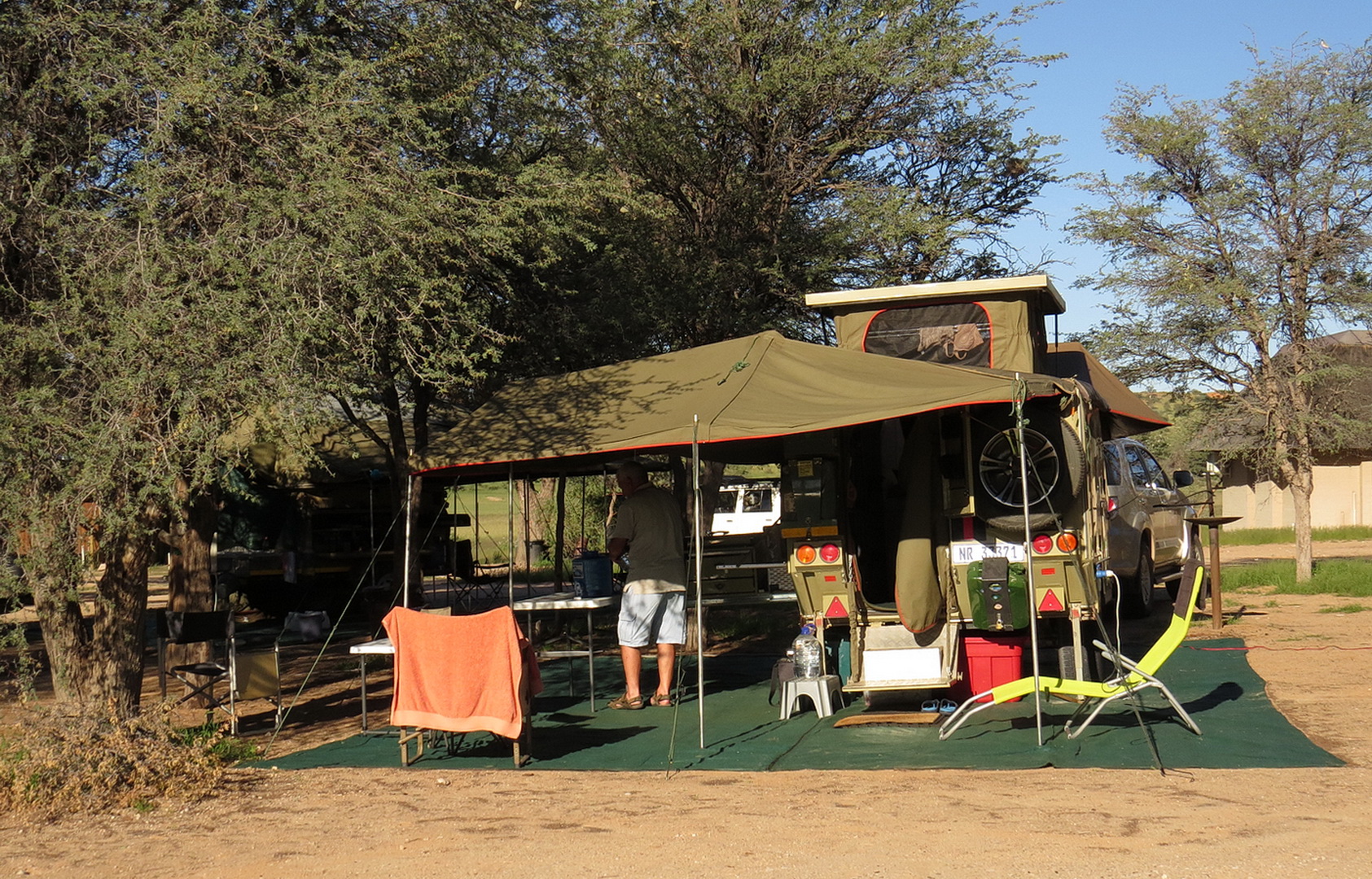
Paul and Sally campsite
Mata Mata campers
Game viewing and birding in Mata Mata involves driving back towards Twee Rivieren for 20 kms (one hour) before you have a chance to get off the main road onto a loop road. Then it is the same again for the second and third loops.
Normally we would expect to see some owls but we were not lucky during our three night stay there. Much of our birding was in the campsite. In fact we were serenaded very sweetly every morning at dawn by White-browed Sparrow-Weavers – from inside their nests above us.
White-browed Sparrow-Weaver
Some of the other birds we photographed:
Kori Bustard
Crimson-breasted Shrike
Martial Eagle
Martial Eagle
Laughing Dove
Rock Martin
Kalahari Scrub-Robin
Southern Grey-headed Sparrow
Brown Snake-Eagle
Crowned Lapwing
Familiar Chat
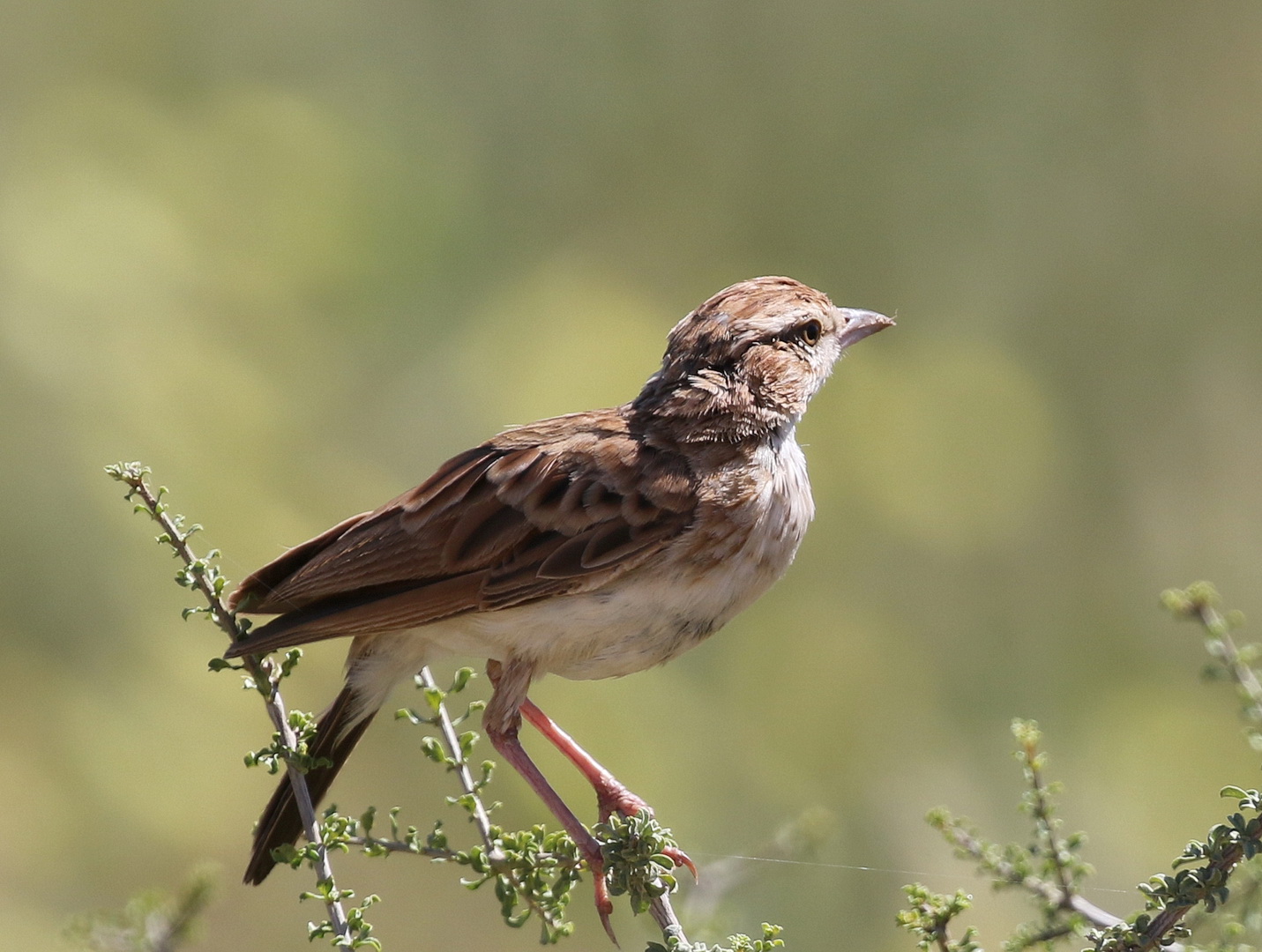
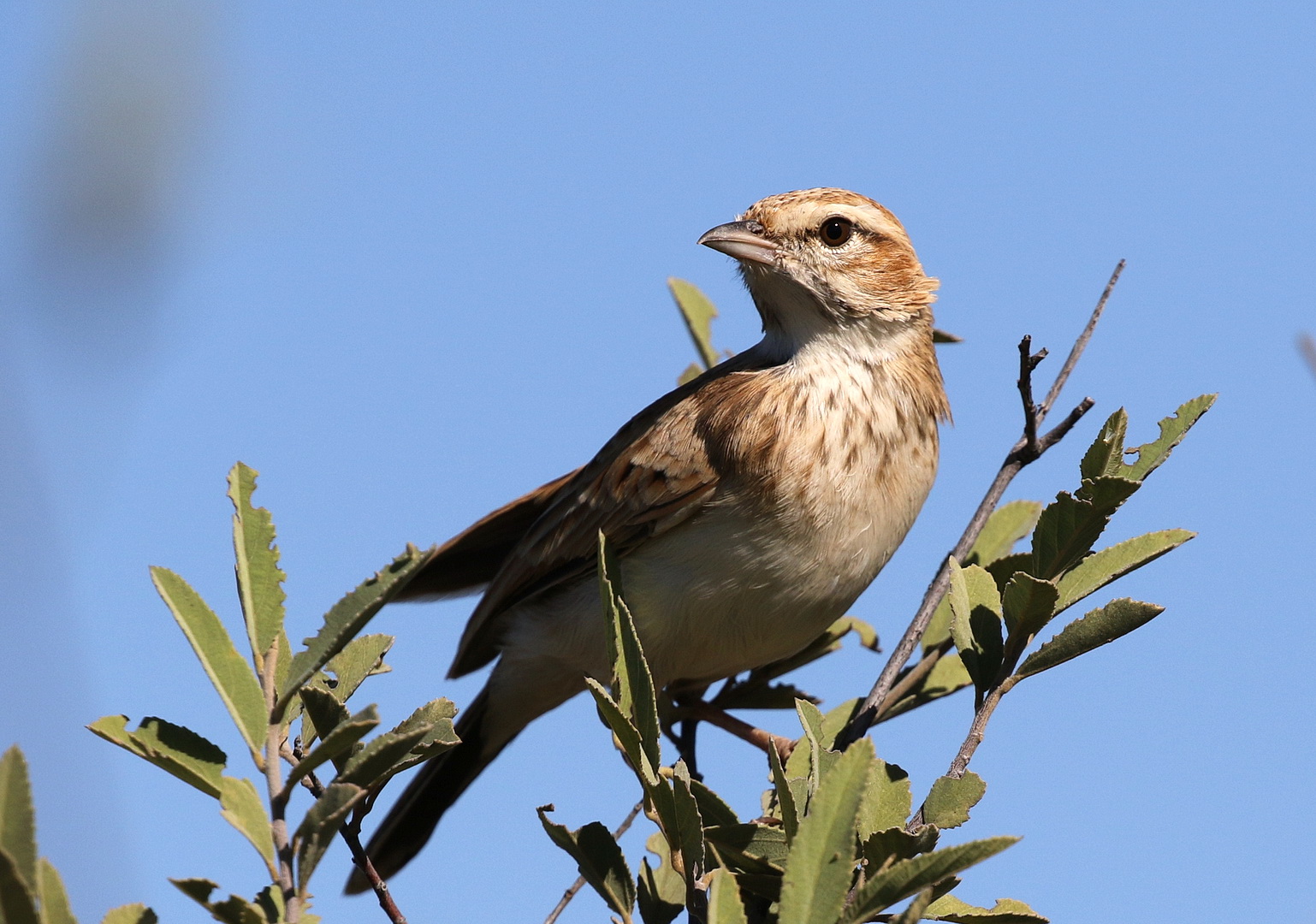
Fawn-coloured Lark
After three nights in Mata Mata we headed for Polentswa via the cross road to Dikbaardskolk picnic site and then Nossob. A long 200 km drive cross country. Fortunately the roads were not too corrugated and the sand was compacted due to the rain. Having seen few interesting animals during our time in Mata Mata we were hopeful but also realised that if we saw anything interesting that we could not afford to stop for long.
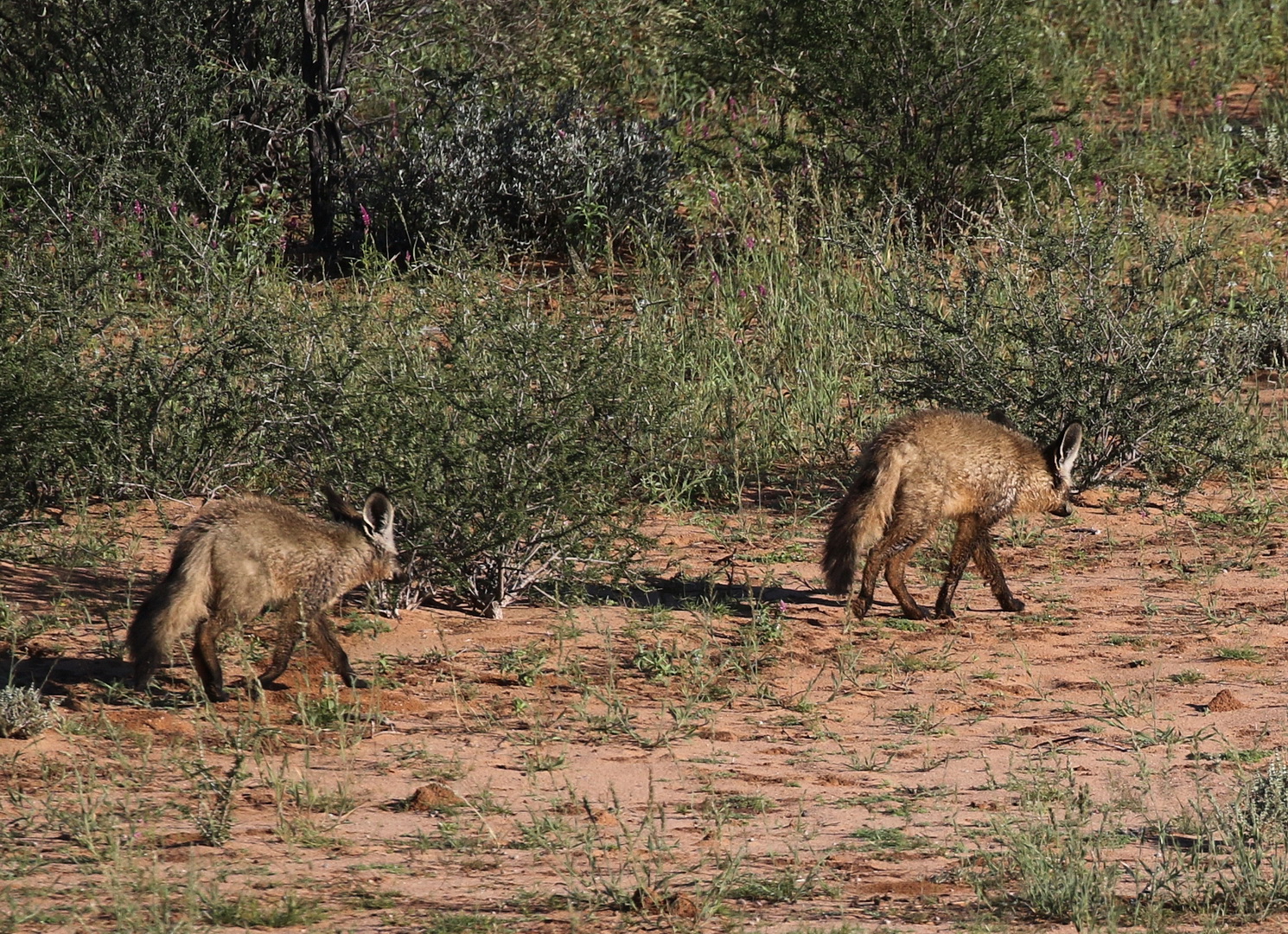
Of course that is when it all started to happen. Early start and not far out of Mata Mata and we encounted our first pride of lions – about 10 if memory serves me well. Quick photos and then we are moving on while everyone else stops. Then the next group of lions, then more lions (we saw 19 in all over the 60 kms to the cross road to Nossob) and Bat-eared Foxes. Then to cap it all a young Leopard walks towards us and right alongside the driver’s side of the car. Everyone else was probably still ensconsed round the first group of lions that we saw!!
Bat-eared Foxes
Bat-eared Foxes
Leopard juvenile
Leopard juvenile
Just before we started the crossing to Nossob we had a salute Good-bye from a lone Giraffe perched on the top of a hill.
Giraffe at top of hill
Giraffe at top of hill
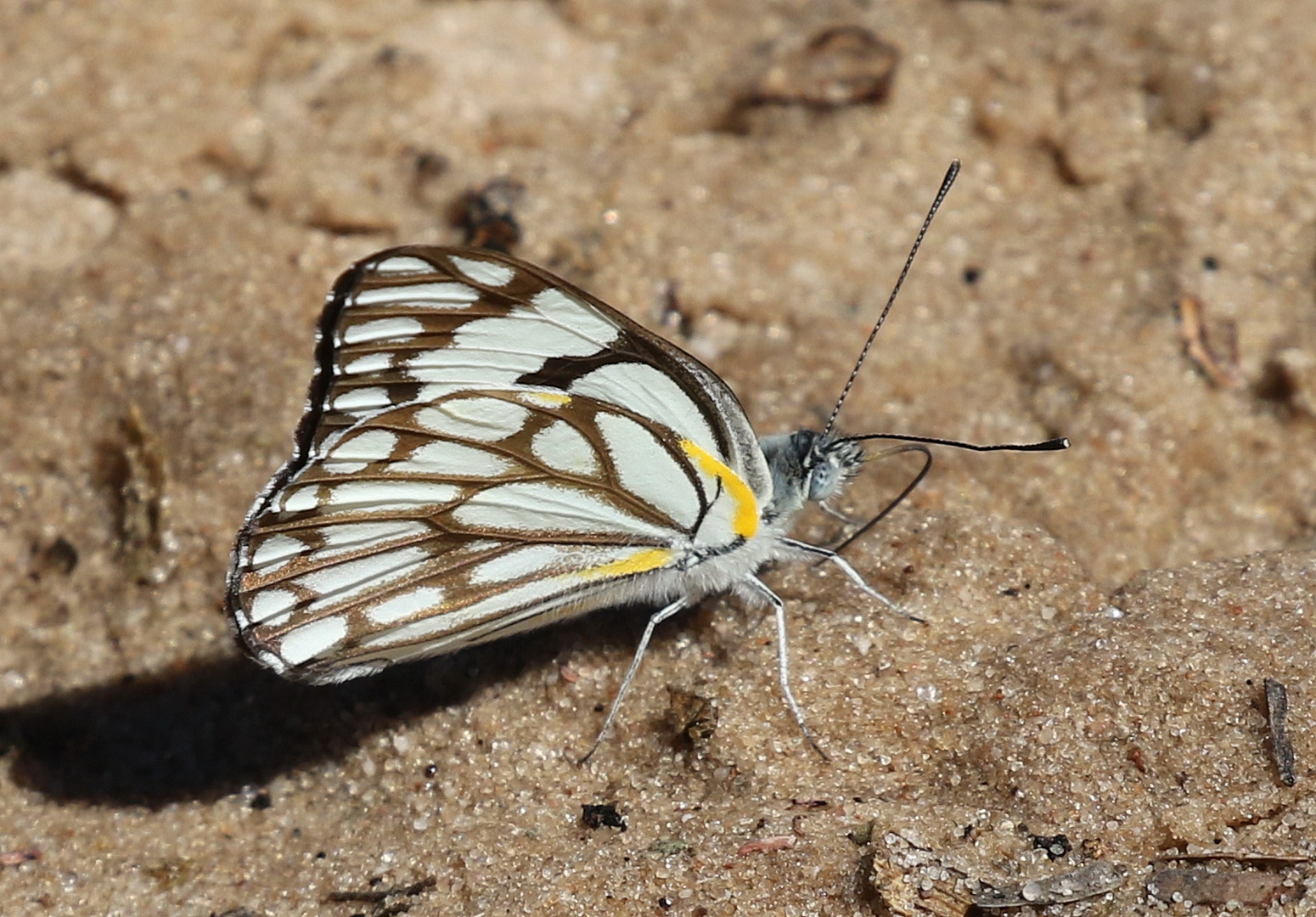
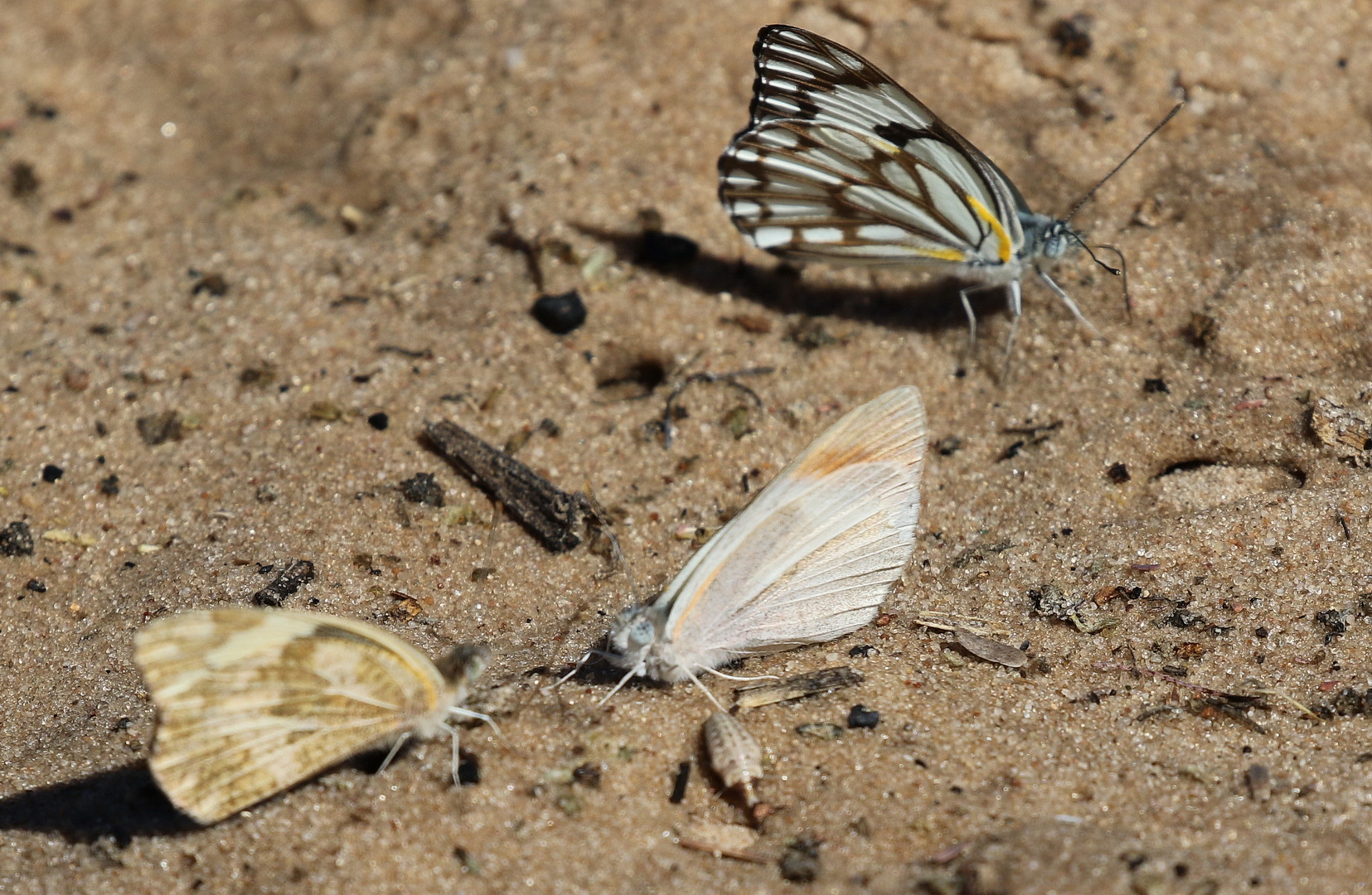
On the crossing to Nossob we had several sightings of butterflies in the road and a Gabar Goshawk having a bath.
Gabar Goshawk – juvenile
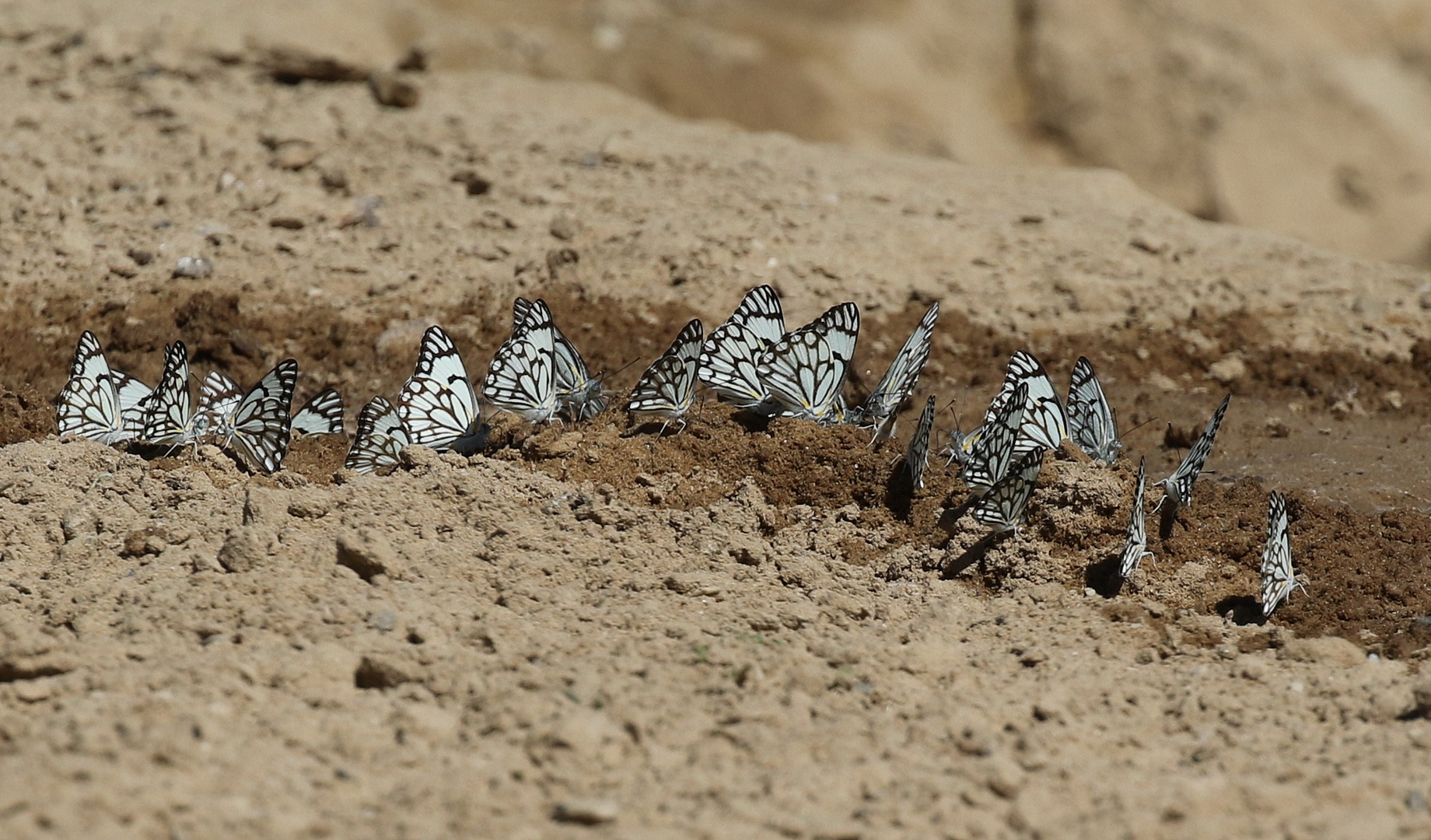
White Butterflies
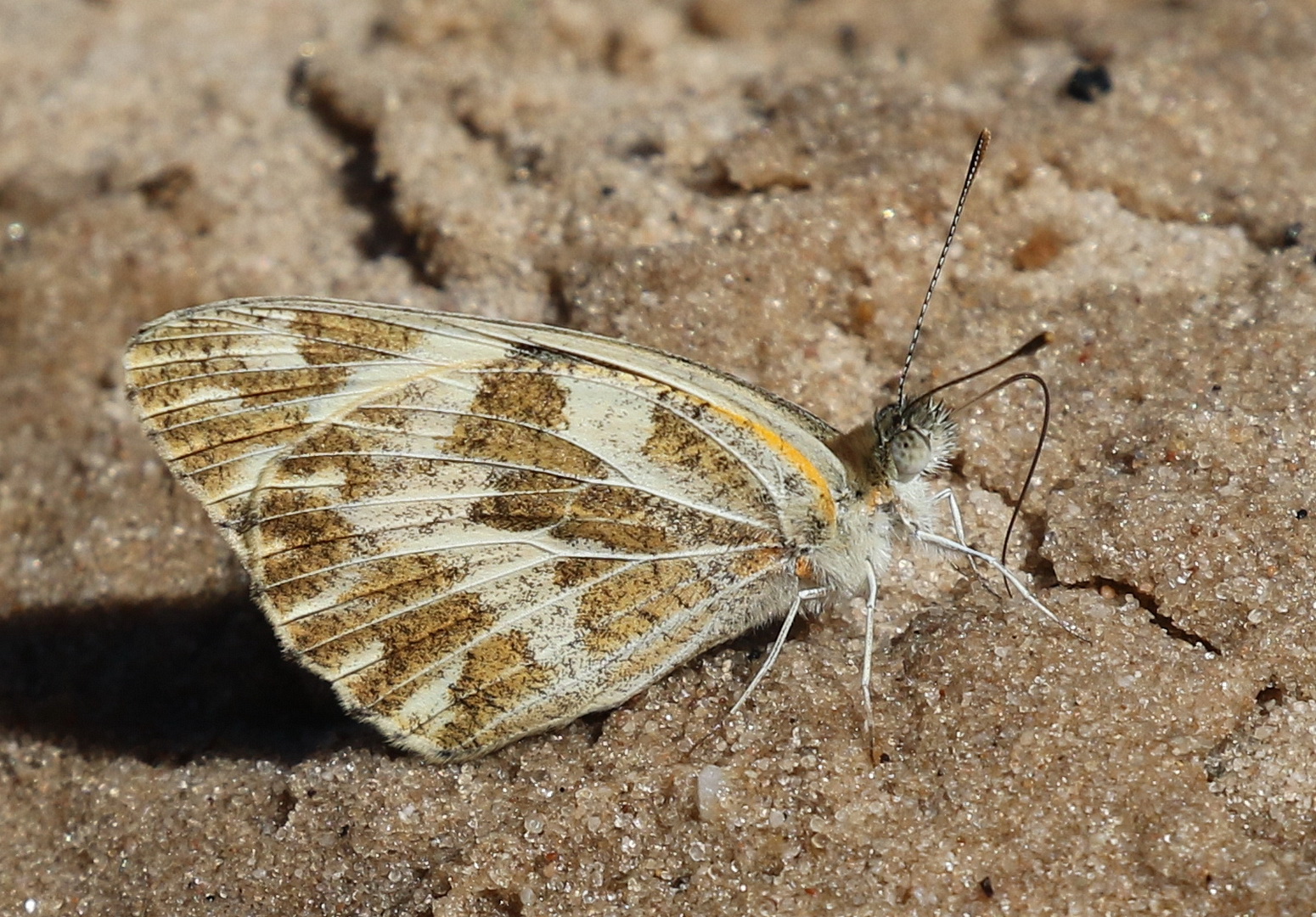
Yellow-lined Butterfly
Yellow-lined Butterfly
Mixed Bag of Butterflies
Red-spotted Butterfly
White and green Butterflies
At Nossob Arthur and Rose’s son Brad and friend joined us.
So now we were eight in all with three off-road campervans and one roof-top bakkie (Bernard and Lynda’s). Once filled up with diesel and water we headed for five nights at Polentswa – campsite number 2.
On arrival we noticed that someone had changed the numbering of the campsites so we rectified that and settled in. It was a tight squeeze around the A-frame but we managed quite well – one couple on each side.
Polentswa campsite
Lynda showing the view from the campste
Sunset over Polentswa camp
Polentswa has no water nor electricity – just a shower (with your own water) and a long drop. We each had solar panels which kept the freezers and fridges running without issue. To have a warm water for our showers, we used the sun to heat up our 5 lt bottles of water. All rubbish had to be collected to take back out with us.
Being an hour and a half’s drive from Nossob we hardly had anyone else about. Just those of us in the three separate campsites.
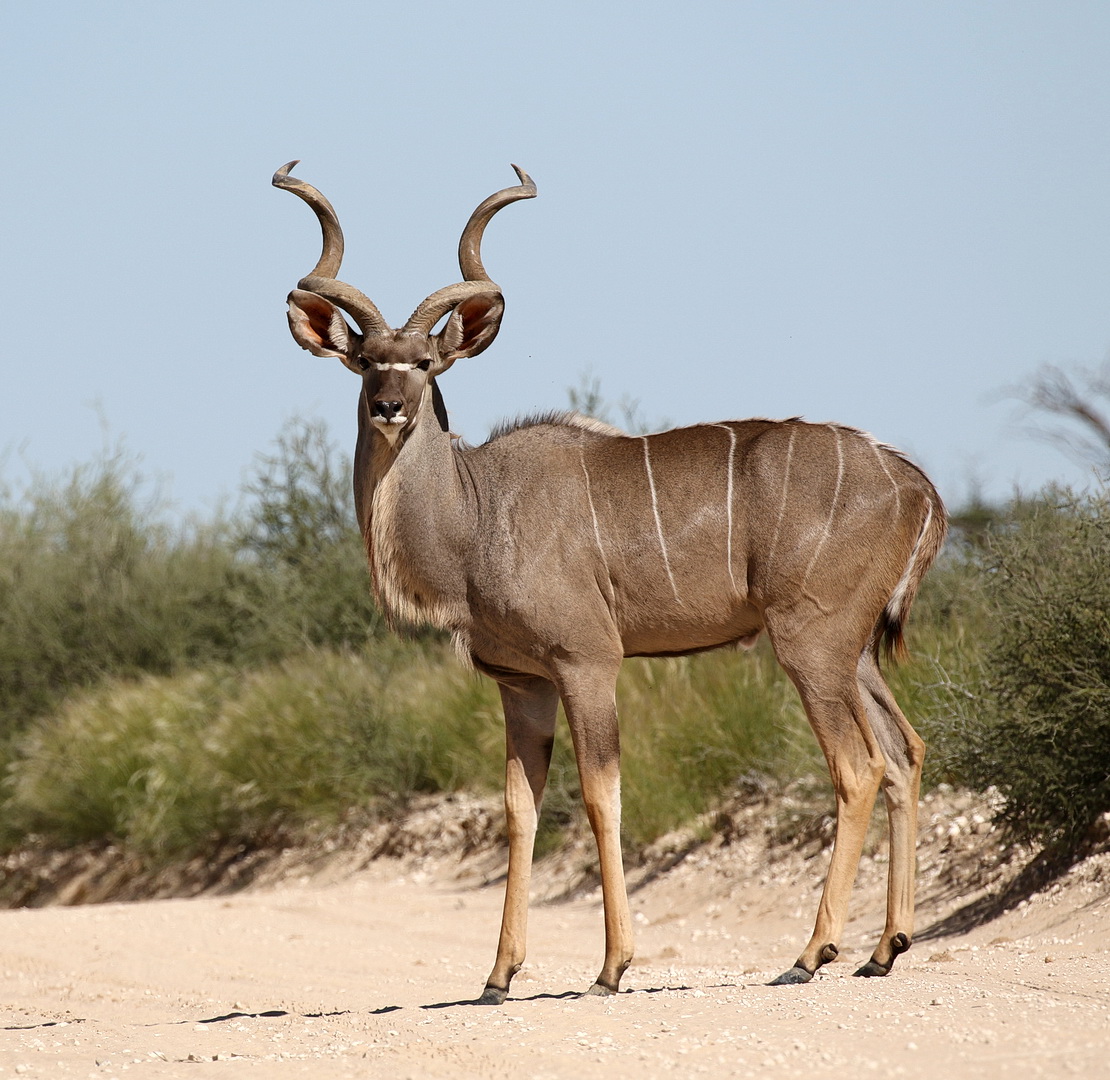
Both birding and animal sightings were interesting. The Kudu sighting was most unexpected.
Is it a wasp or hornet’s nest
Blue Wildebeest
Field mouse
Kudu
Kudu
Red Hartebeest aka “Partybeest” based on their pale bottoms and black stockings.
Young Red Hartebeest
Most of the looped viewing points were inundated as well as the roads in places.
Inundated Windmill at Langklaas waterhole near Polentswa
Birds too were special.
Bateleur – juvenile
Babbler Pied
Black-chested Prinia
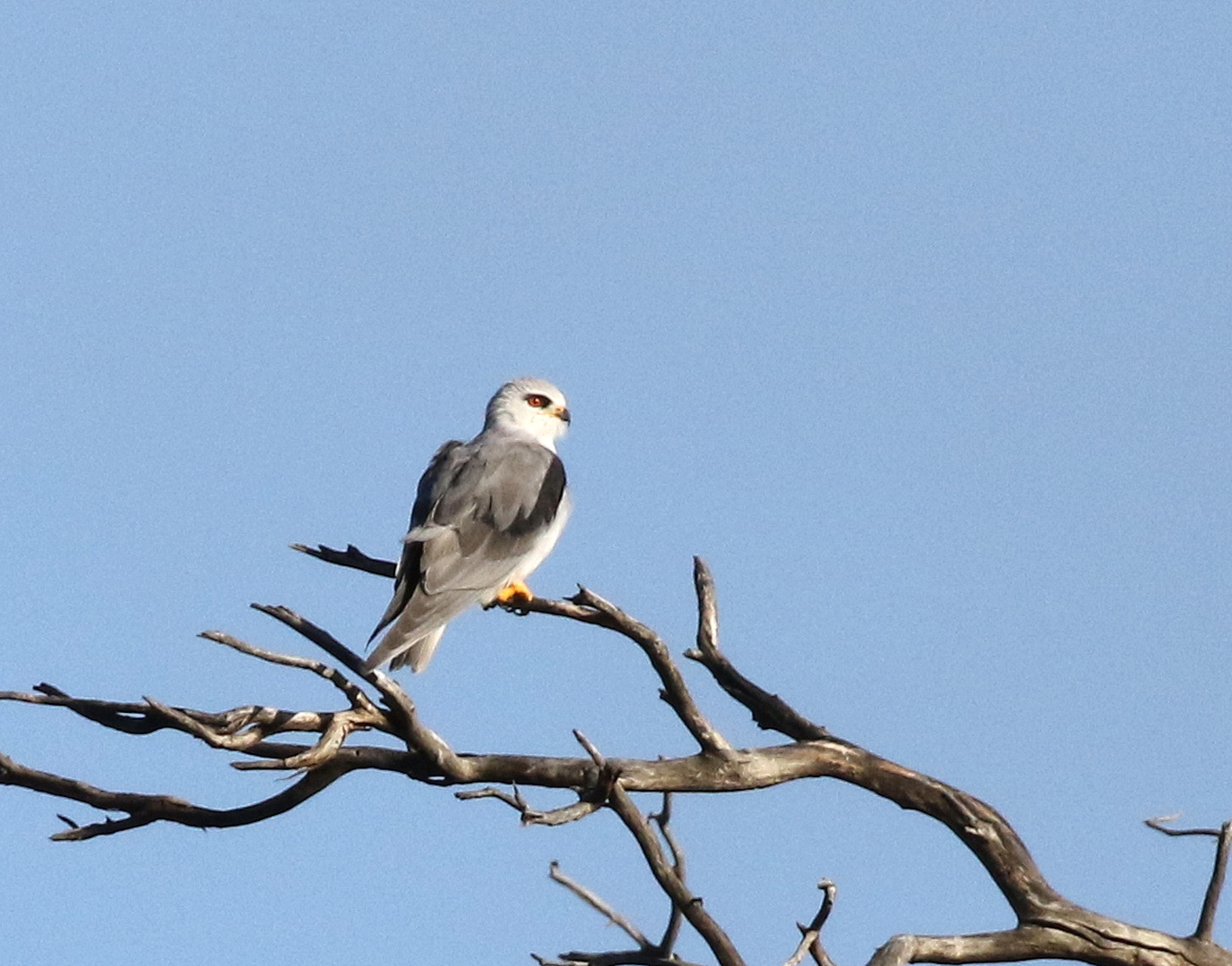
Black-shouldered Kite
Capped Wheatear
Gabar Goshawk melanistic
Little Grebe
Namaqua Sandgrouse
Namaqua Dove
Ostrich chick
Ostrich
Pale-chanting Goshawk – with bloody mouth
Pale-chanting Goshawk juvenile
Pale-chanting Goshawk juvenile
Pale-chanting Goshawk
Red-billed Spurfowl
Scaly-feathered Weaver
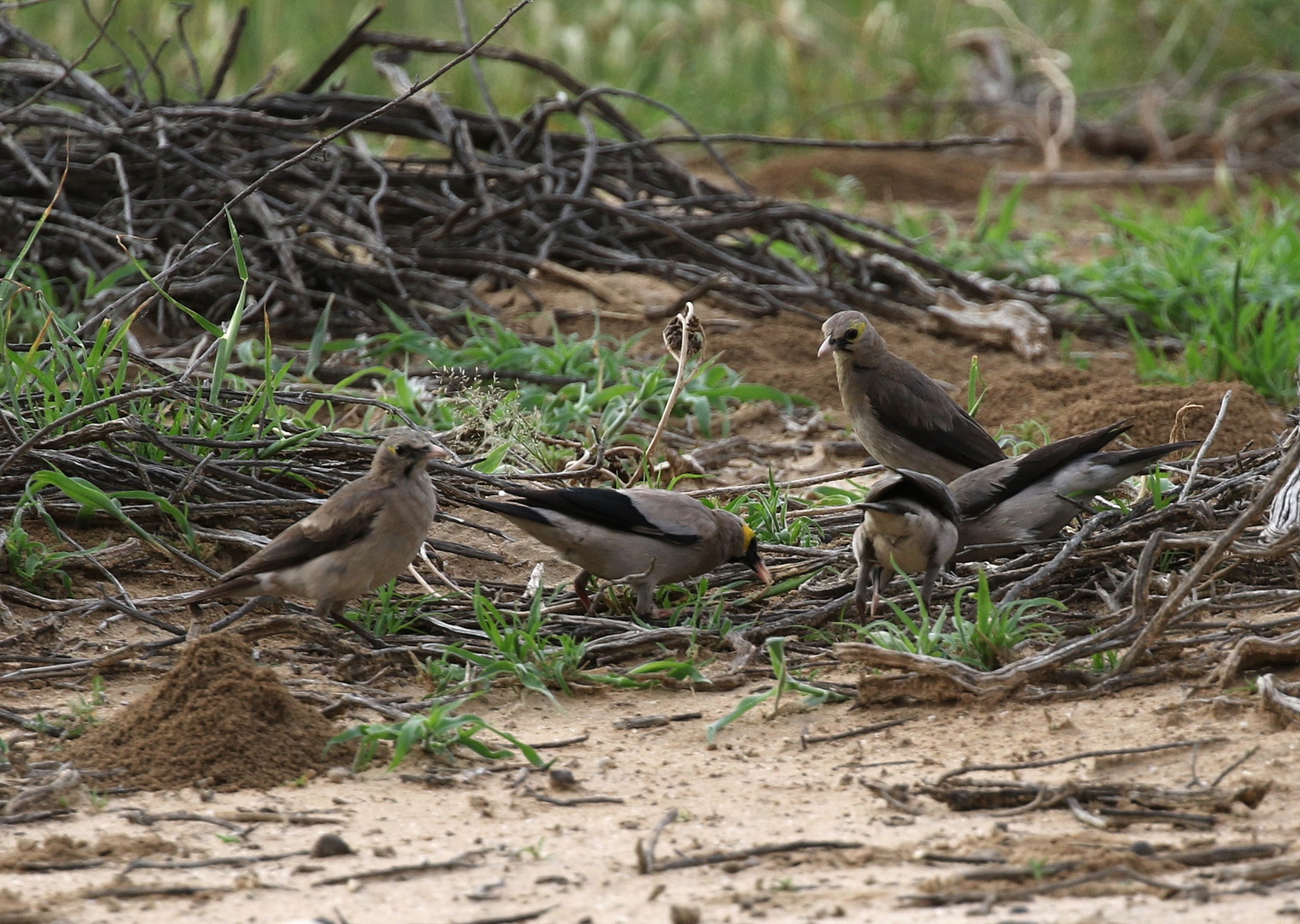
Wattled Starlings
Western Cattle Egret
Then on one of our drives north we came across a large road puddle – full of Ostriches (about 20) bathing together.
About 20 Ostriches bathing together in one of the road lagoons!
Then on another escapade we were truly rewarded. Again we had to avoid one of the larger road puddles and as we drove along the roadside track we spotted this beautiful Bateleur.
Bateleur
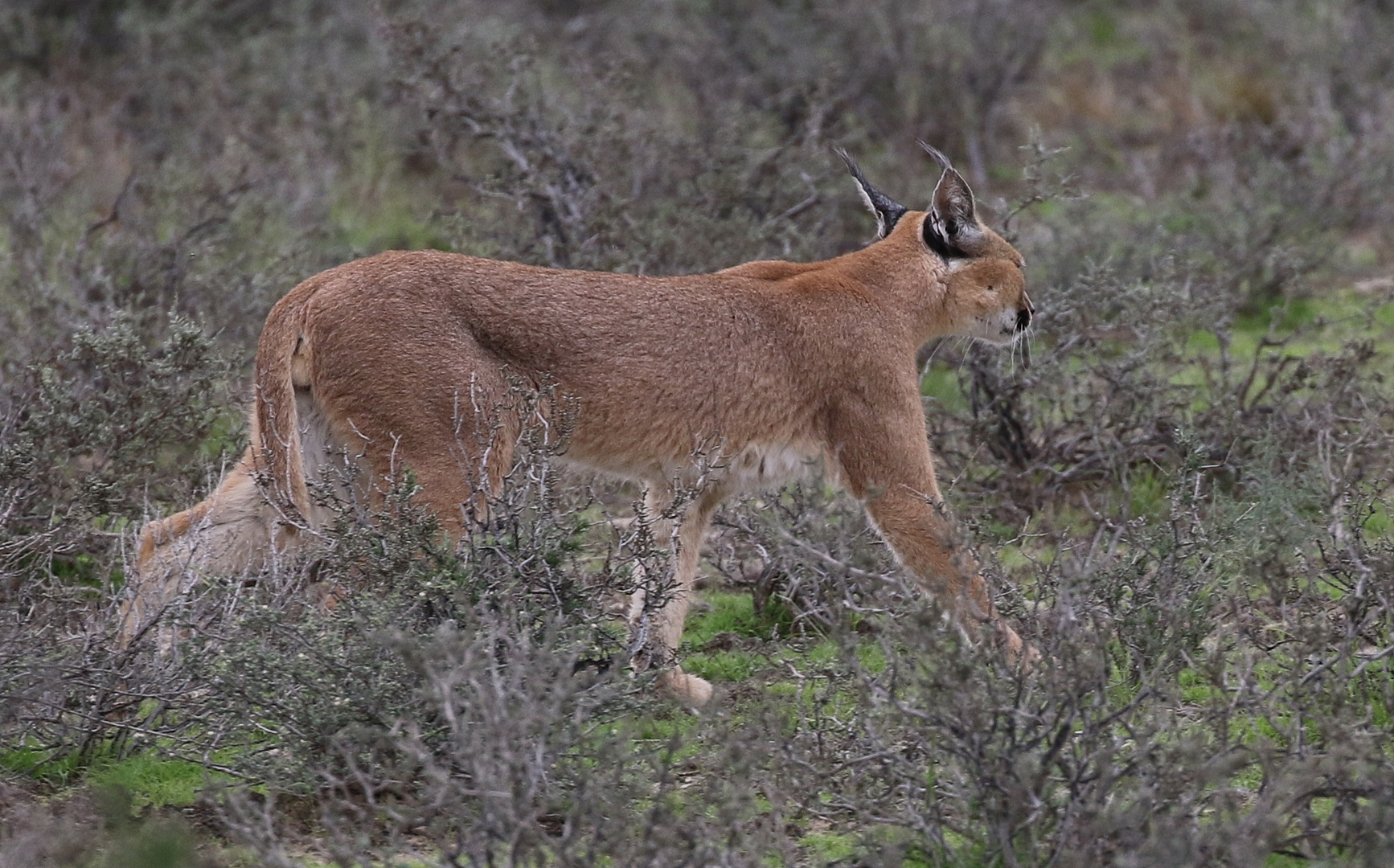
Eventually it flew off and we continued round the track to get back on the main road. We had not gone far when we observed what we thought was a Jackal in the distance. As we got closer we realised we had made a serious mistake – see photos.
Caracal
Caracal
Caracal
Caracal
Caracal
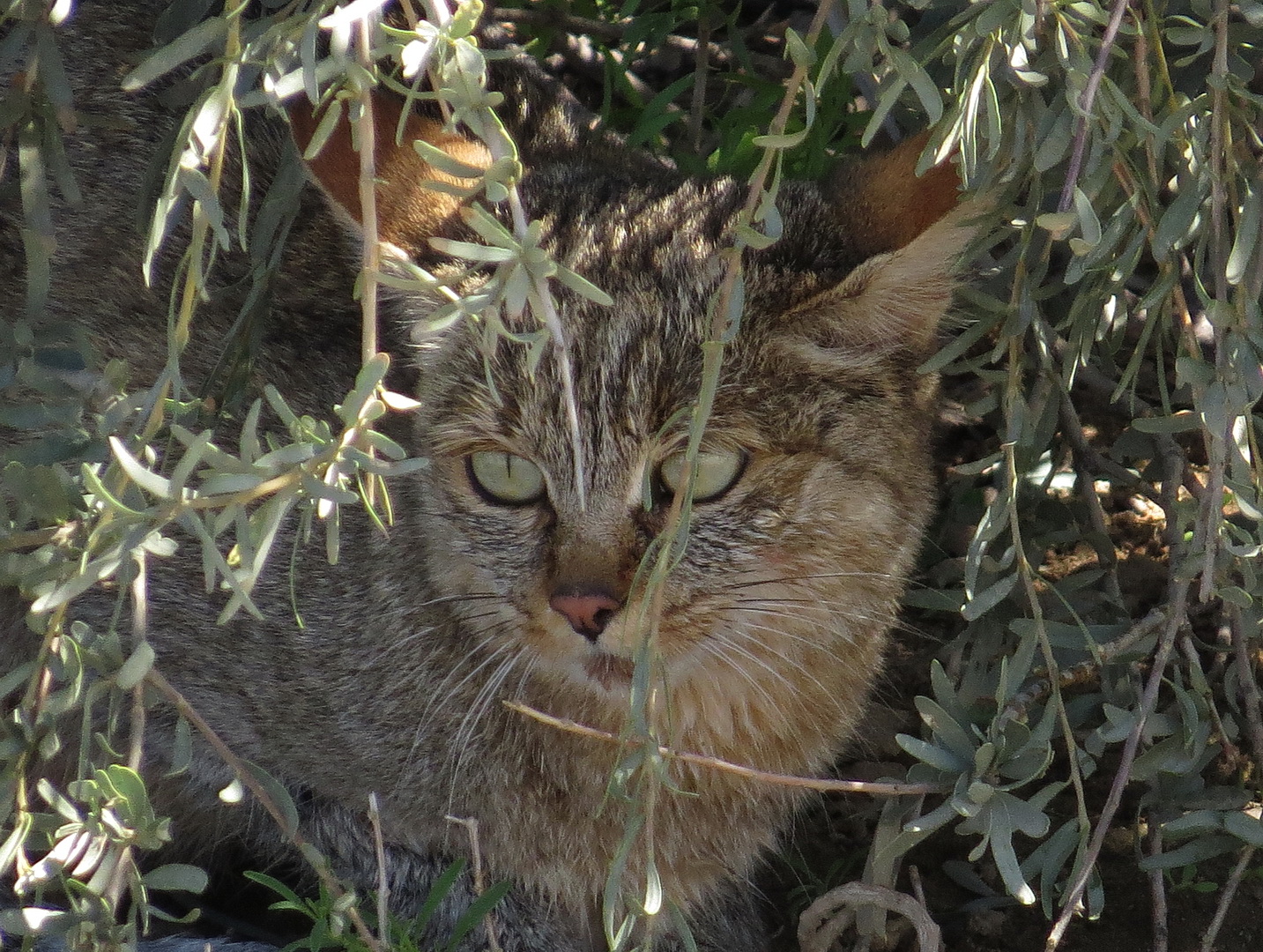
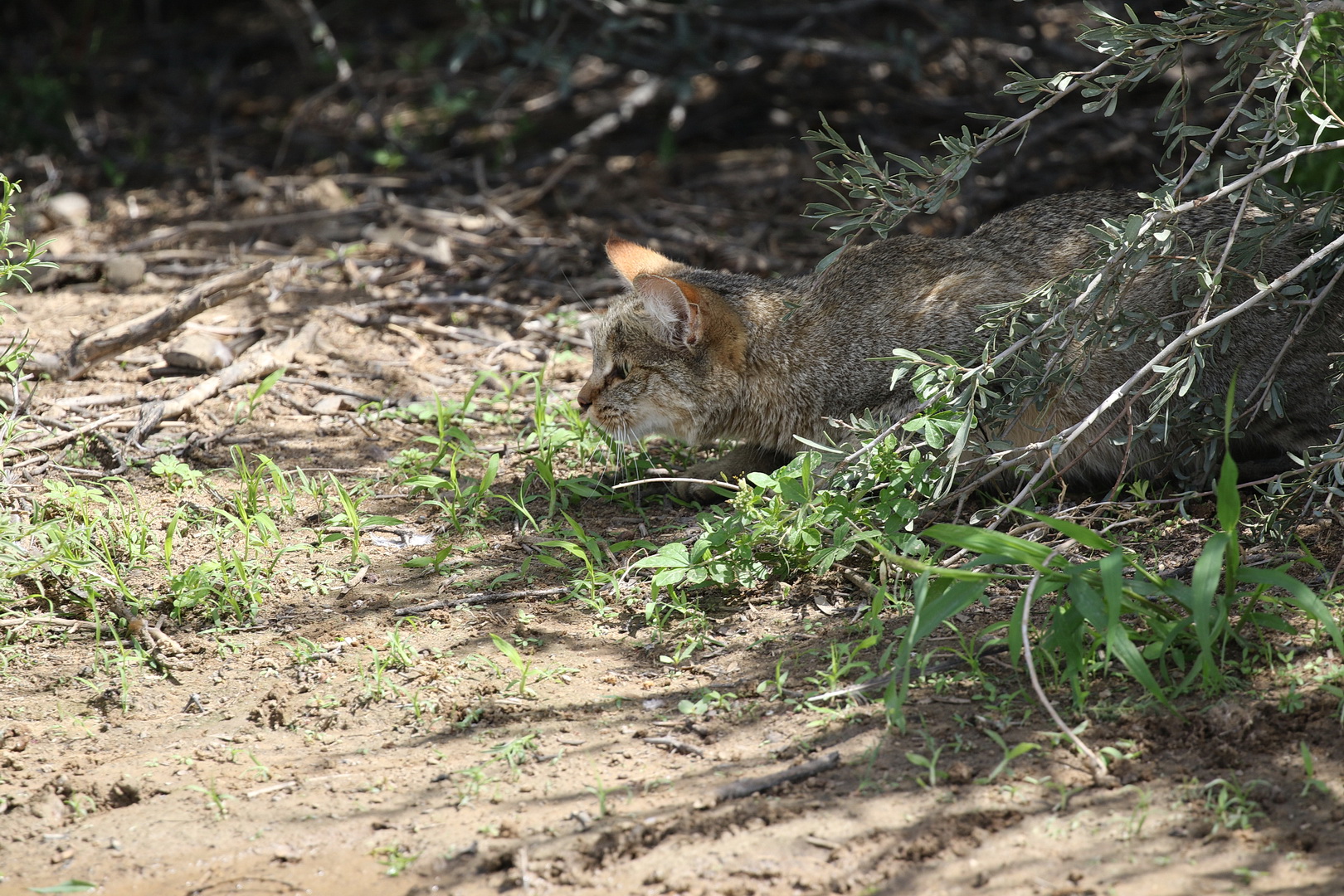
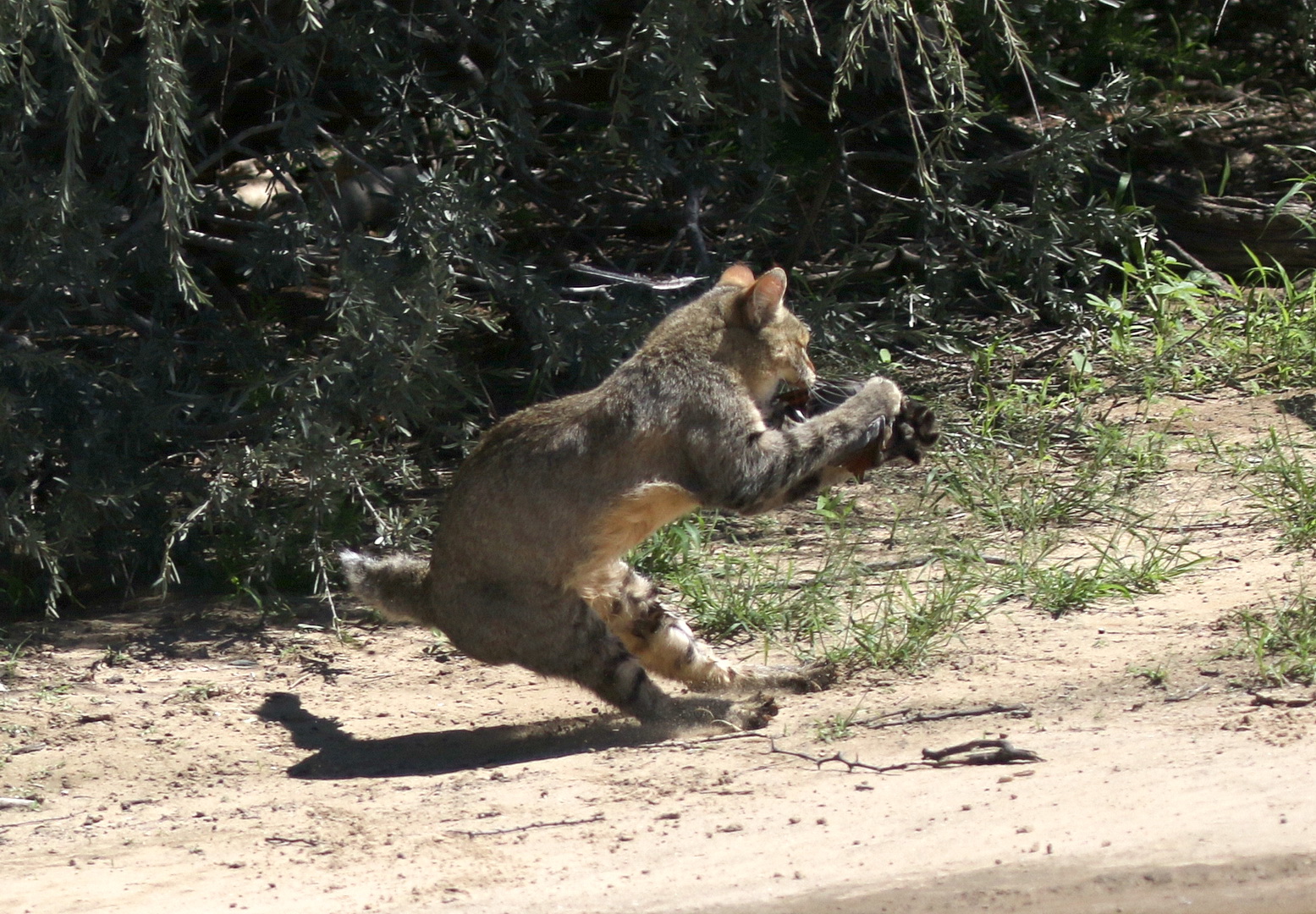
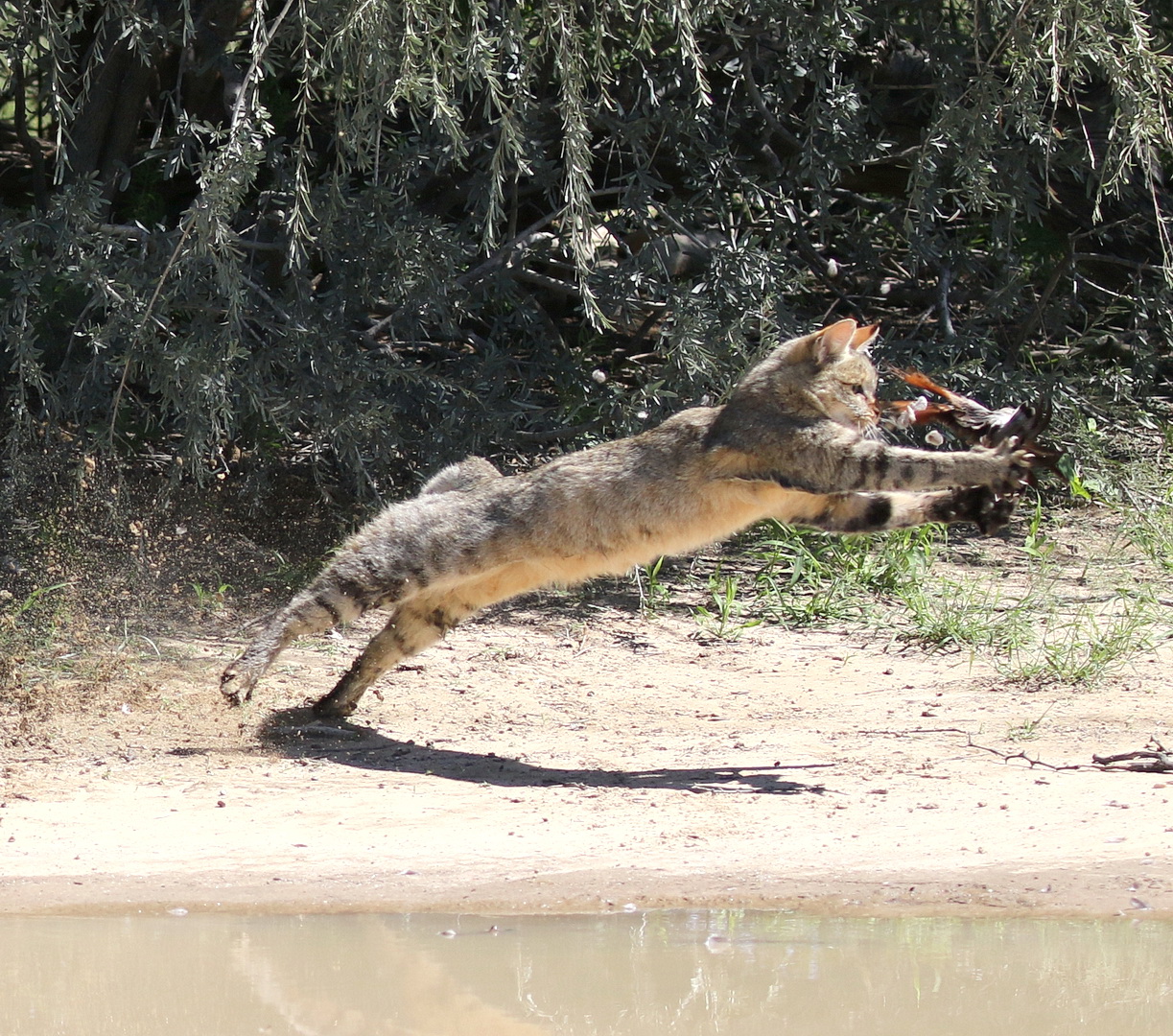
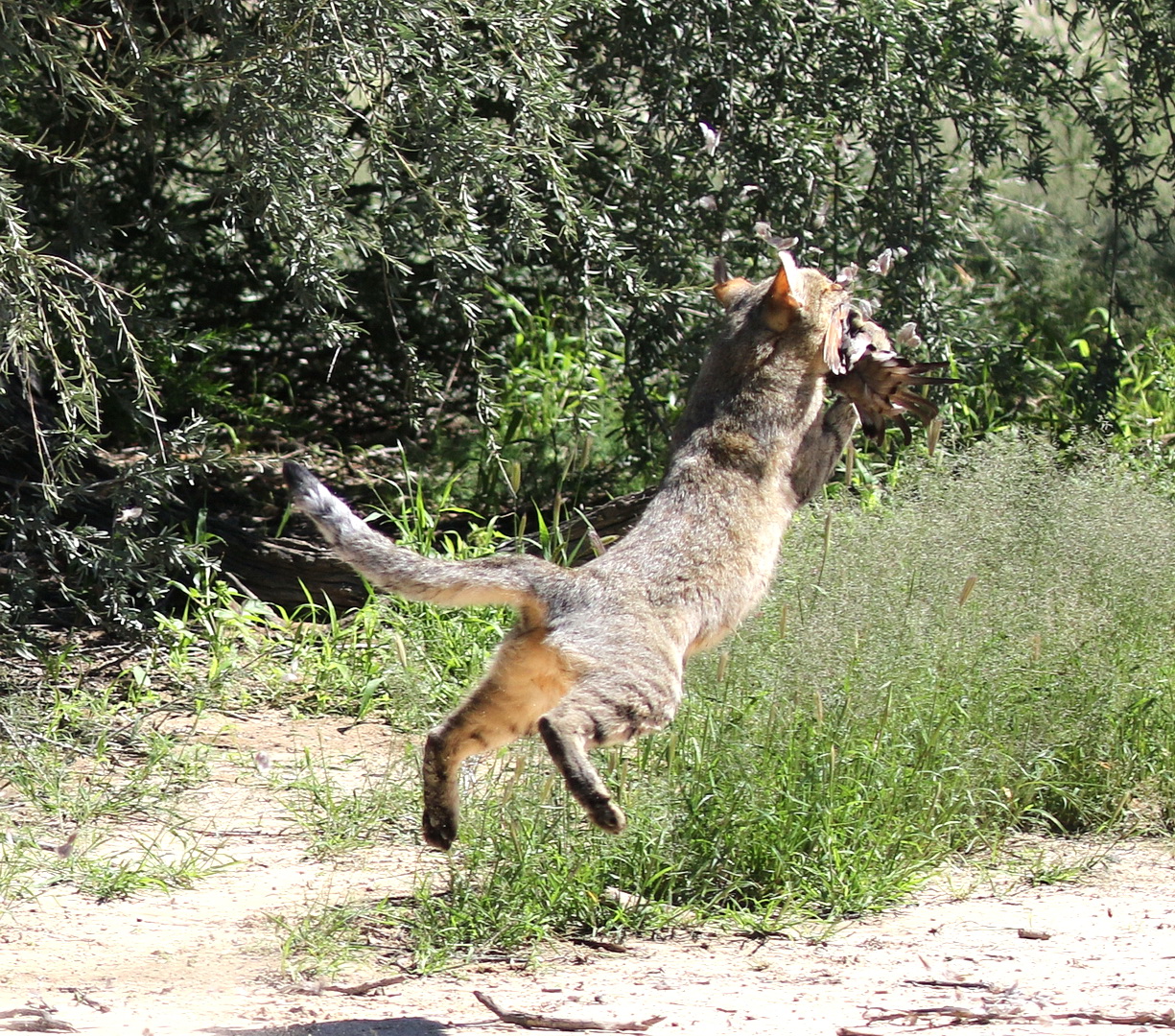
Not to be outdone a Wildcat at one of the viewing sights gave us a special treat. We had been watching hundreds of Namaqua Doves drinking from one of the larger puddles at the Kousant side road and after some time decided to move off. As we did so Sally exclaimed “Wildcat”. It took me ages to see it as it was so well camouflaged. We spent another hour there watching its antics. Fortunately it made several appearances there during our time at Polentswa and we were able to watch it several times more along with the rest of our group.
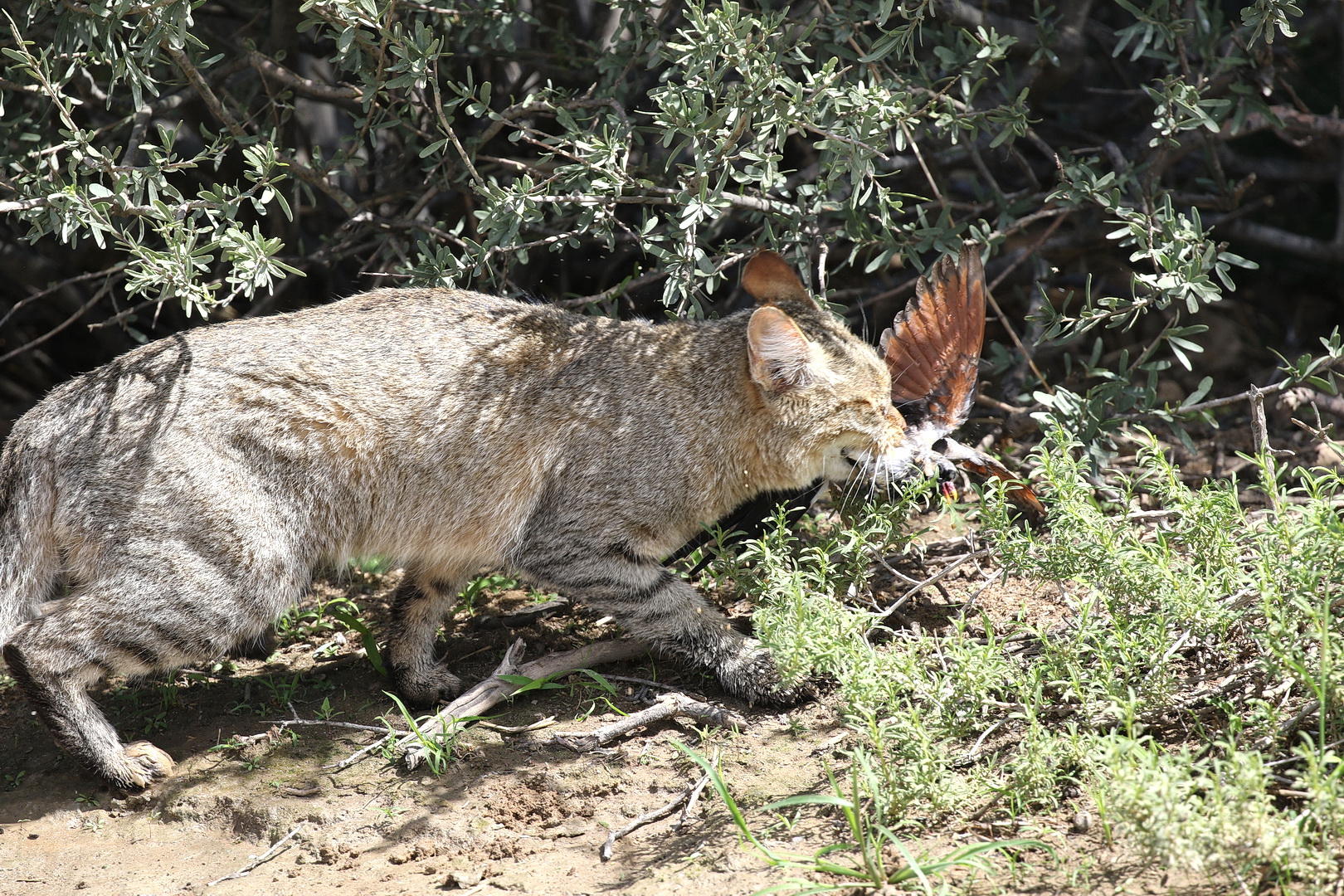
In doing so, we drove quite close to the action with the water lapping at our running boards. There it was, camougflaged beneath a bush at the water’s edge preying on the Namaqua Doves. The birds would spot the Wildcat and fly off but always returned. Many ended as prey to the cat. We saw over a dozen instances where the Wildcat leapt for its prey with about a 50% success rate in the first hour we were there. Amazing agility and speed.
Wildcat in camouflage
Wildcat
Wildcat – I have my eyes on you
Wildcat – what’s up there
Wildcat – here I come
Wildcat – gotcha
Wildcat – dinner
Wildcat – gotcha
Wildcat – gotcha
Wildcat getting wet
Wildcat in action
Wildcat in attack mode
As mentioned earlier we had nightly visitors round our campsite fire- in particular a friendly Cape Fox and the occasional Black-backed Jackal.
Campsite fire
Our plan after leaving Polentswa was to enter Mabuasehube from Nossob. First we needed to get back to Nossob to re-fuel, take on water and buy wood. By 09h30 we left Nossob to head for the halfway stop at Matopi campsite.
The following day we were to be in Mpaya campsite for three nights then four more at Lesholoago before departing the Park via the Mabuasehube Gate into Botswana. At this point Bernard and Lynda left us so it was just the three campervans in tow.
Off we set – 200kms to cross. We expected the dunes to be a real trial – soft sand and hugely uneven tracks. As it turned out this was not the case because of the rains.
Mabuasehube 200 kms.
We had not gone more than two kms on the crossing road when we came across our first dune challenge – a long steepish and rough climb. Arthur and Rose were in the lead with Brad and friend behind – then came tail-end Charlie who was most likely to need a hand.
The Incident:
Sally and I lagged behind to watch the lead vehicle and campervan go up the hill. All going well but a lot of speed and heavy bouncing about. Then we hear on the radio “Hey dad, is that your wheel coming towards me?” A joke I thought. But a joke it was not. The back right wheel of their trailer had broken off and the axle was caput too. Fortunately this happened near the start of the crossing and not midway.
So what to do. The back of their trailer was well dug in on the right side of the narrow track. Arthur and Brad summed up the situation and set out to fix the problem themselves. First, clear the bush either side for manoeverability of their vehicles. Then they dug out the axle so that they could turn the trailer round without digging it further into the sand.
Meanwhile Sally and I took Rose back to camp to order a new axle and get accommodation for all of us for the next few days. The camp manager was very helpful with the former but the accommodation was a problem as the site was full. Eventually they realised they had no choice but to let us stay. “One night that is all that is allowed for emergencies” we were told.
That sorted and a new axle from Cape Town ordered to be collected from the dealer in Upington the next day, we returned to the helpless trailer. On arrival we were surprised to find that the trailer had been turned around and was now being organised to limp back to camp somehow. Both vehicles had winches at the front to make this manoevre possible. Sally and I returned to camp to await their hopeful arrival.
What an amazing sight greeted us when eventually the trailer was brought back into camp. Arthur and Brad had somehow not only got the trailer turned around but hooked its front onto Arthur’s Fortuner while Brad’s Land Cruiser had winched the back right of the trailer off the ground. Arthur then towed both the trailer and Brad’s Land Cruiser the 6 kms back to camp.
Arthur and Rose’s trailer being brought in
The whole camp came out to greet them in total amazement. The trailer was quickly put on bricks and the axle removed.
Trailer on bricks
The following day Arthur and Rose headed for Upington with the broken axle on their roof to make sure they had the correct one to return with.
On arrival in Upington the replacement had arrived from Cape Town and they headed back to the Park. Too late to reach Nossob they camped just outside the Park. The next day after a hideous drive from Nossob in muddy conditions they arrived mid-day. The axle was installed and we were ready for the long journey the following day.
Sally and managed to do some birding near-by but mainly round the camp.
Ant-eating Chat
Ashy Tit
Chestnut-vented Tit-Babbler
Chestnut-vented Tit-Babbler
Burchell’s Starling
Eastern Clapper Lark
Gabar Goshawk
Lappet-faced Vulture
Grey-backed Finch-Lark
Lark-like Bunting
Pygmy Falcon
Pygmy Falcon
Lilac-breasted Roller
Southern Fiscal
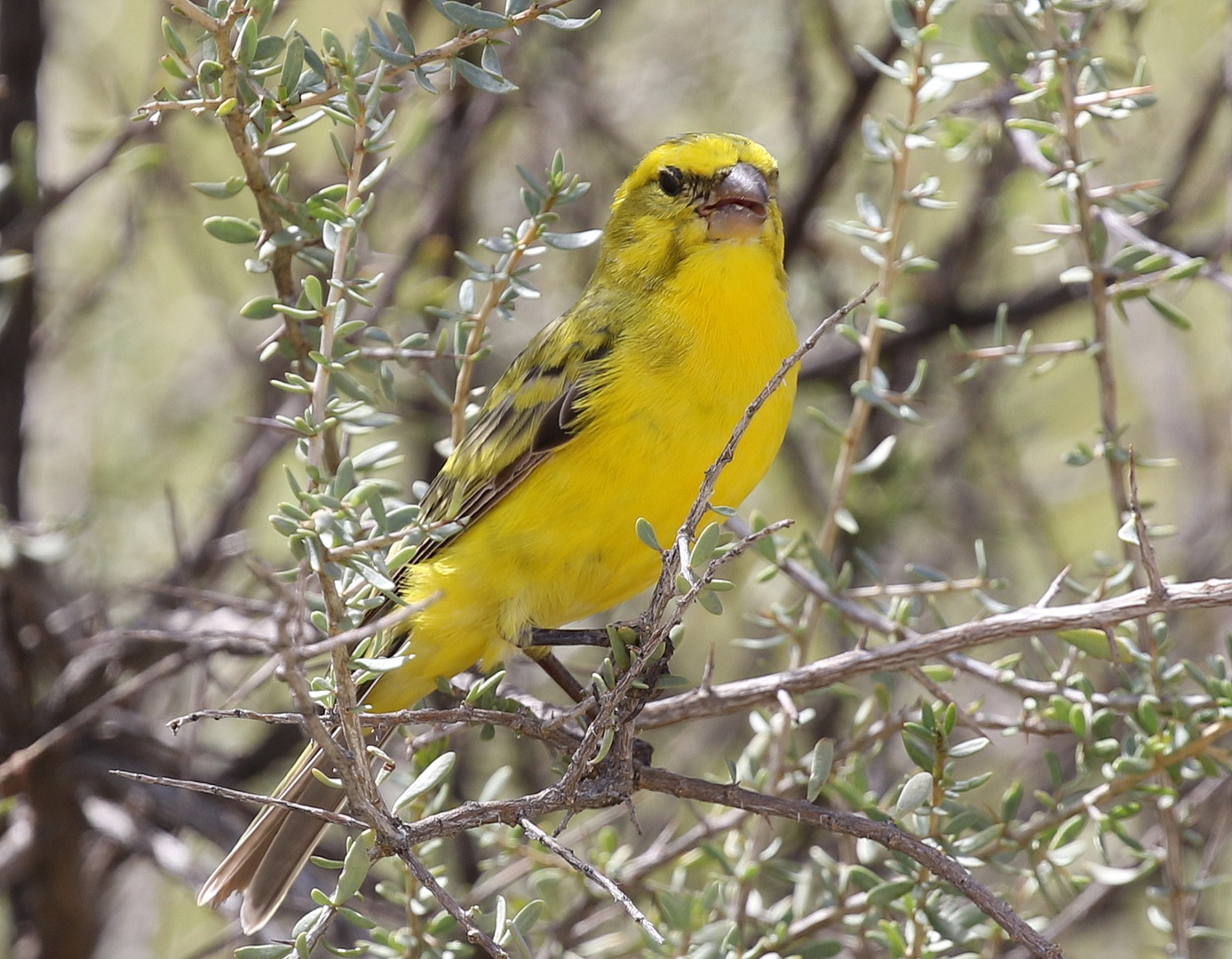
Yellow Canary
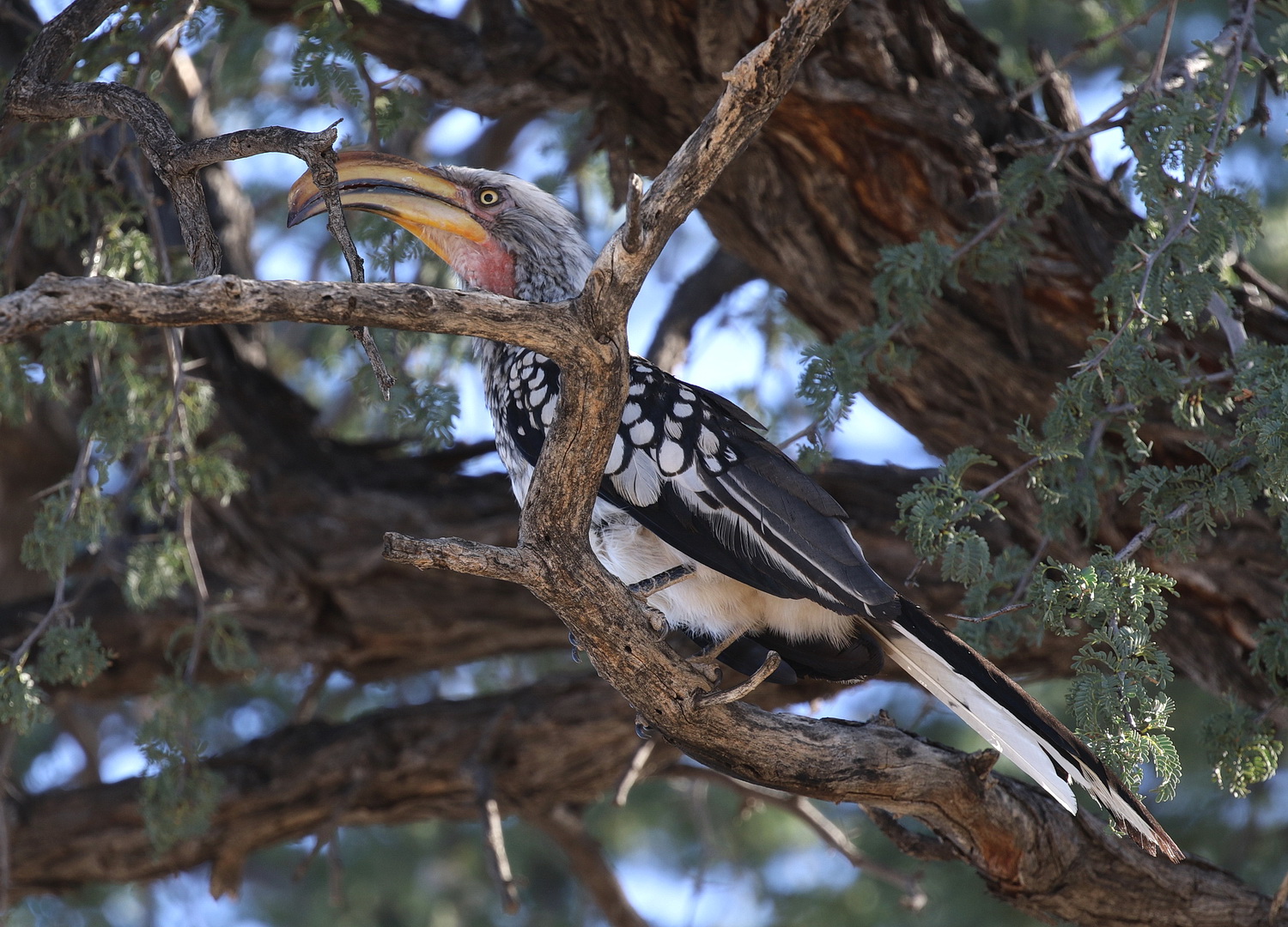
Southern Yellow-billed Hornbill
In the meantime the diesel truck had broken down and never arrived in Nossob the three nights we were there. Diesel was limited to 30 litres the first 2 days and not at all on the third day. We took a chance with spare Jerrycans we had filled up earlier and they proved well more than we needed.
Now it was time to try the cross over into Mabuasehube again. This time it was taken a lot easier and we reached Mpaya in good time. The crossing was easy once over the first few dunes. In fact, because of the rains, we never needed low range throughout the five nights we were there.
Crossing over into Mabuasehub
Crossing over into Mabuasehub
On the way over Steenbok were plentiful.
Steenbok
Unfortunately we lost several days camping in Mapaya due to the broken axle. It is a good spot overlooking a wetland area. The next morning as we prepared to leave we saw a large male lion approaching our campsite. It eventually disappeared into the bush near us never to be seen again. Creepy.
Kalahari Scrub-Robin
Village Weaver
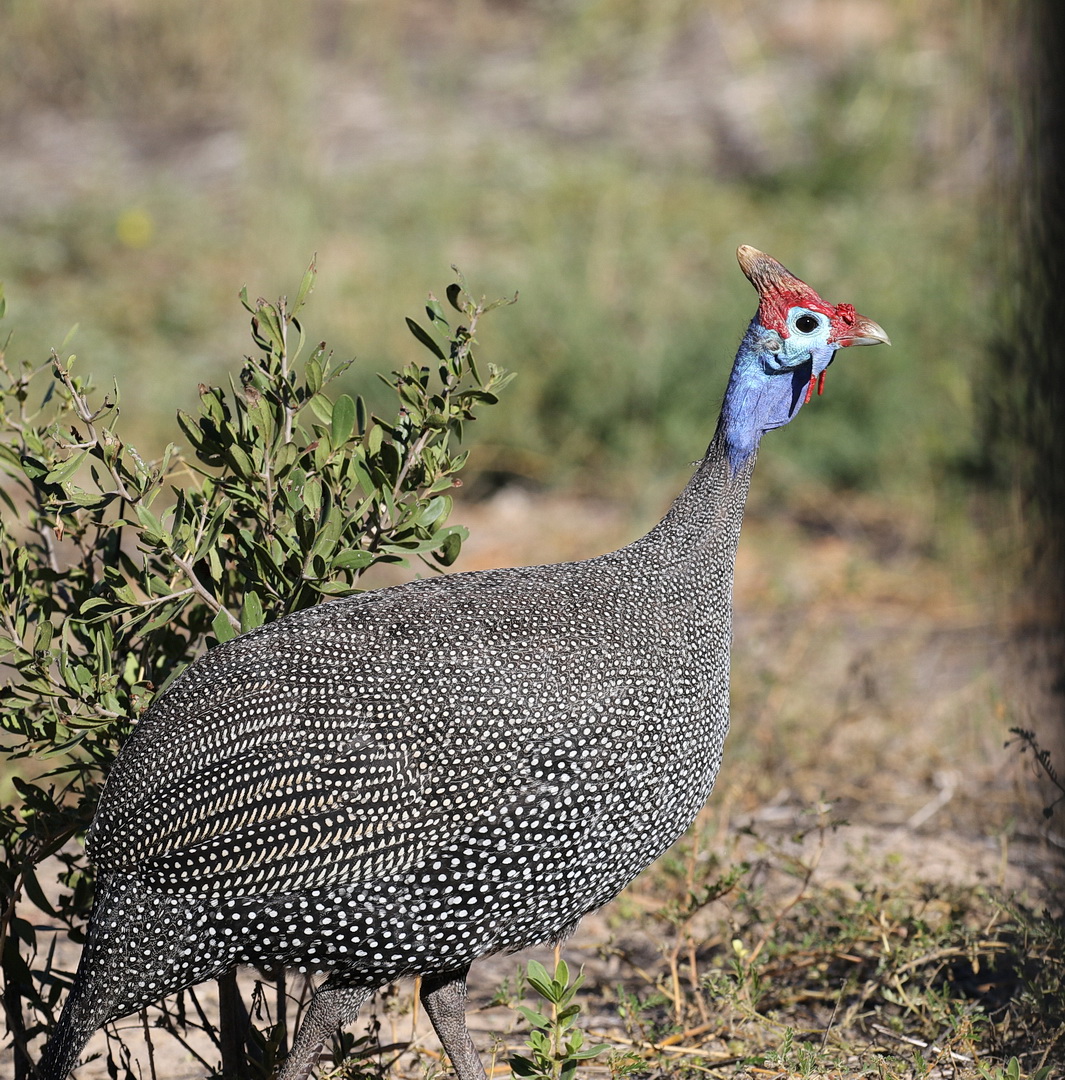
Helmeted Guineafowl
From Mpaya we headed to Lesholoago. A short hour and a bit away. The campsite is very private and overlooks the Lesholoago Pan very nicely. There is also a man-made water hole nearby which was well used by animals and birds while we were there. Again an A-frame, a long drop and separate cold water shower area. Even a double washup basin with cold water.
Our campsite
Our campsite
Lesholoago pan
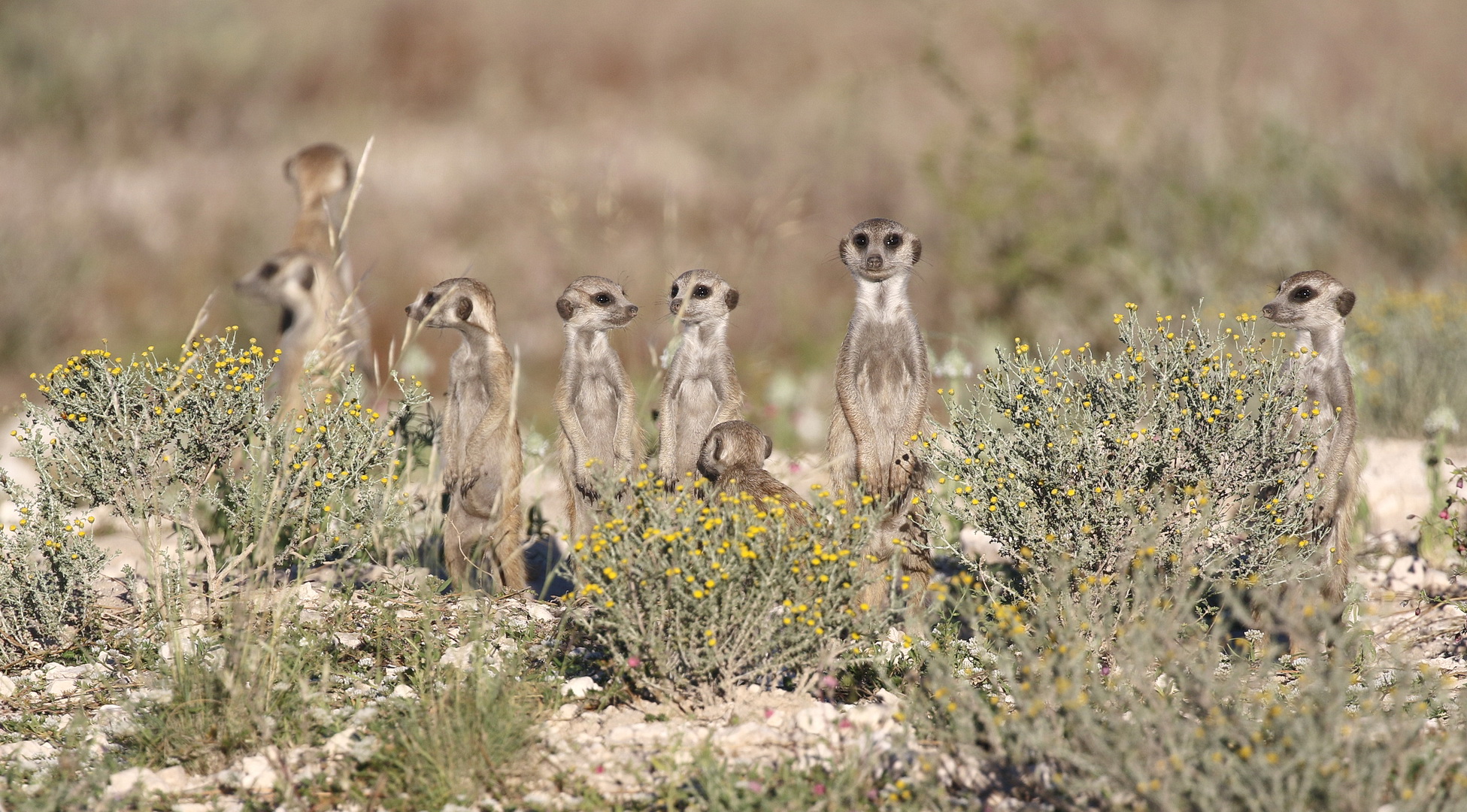
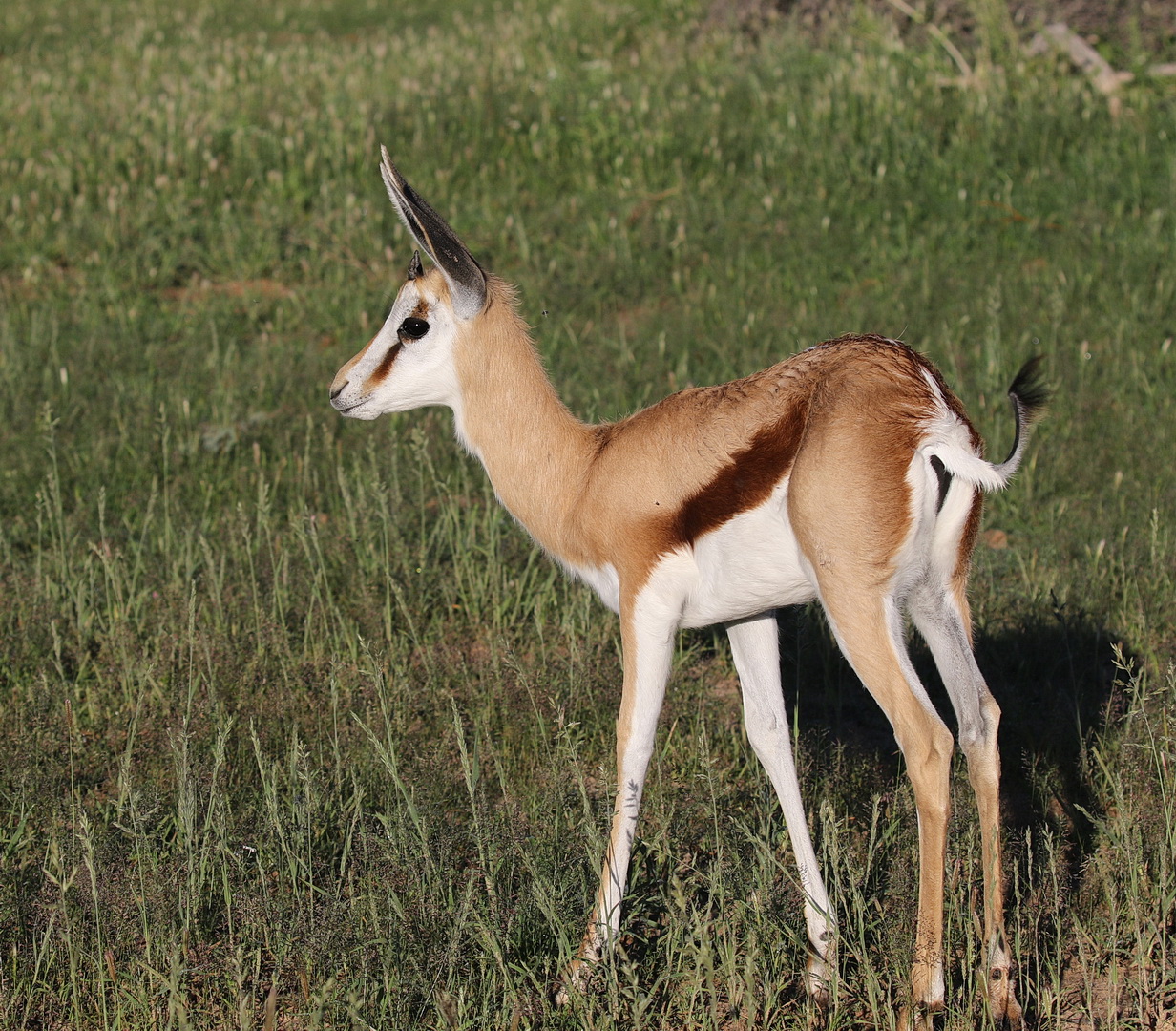
Driving round the Pan we saw many interesting creatures – Sun Squirrels, Meercats with their antics, Steenbok, Black-backed Jackal, Springbok as well as other antelope from time to time.
Meercats
Meercats
Meercats
Young Springbok
Steenbok
Steenbok
Sun Squirrel
Sun Squirrel fully fed
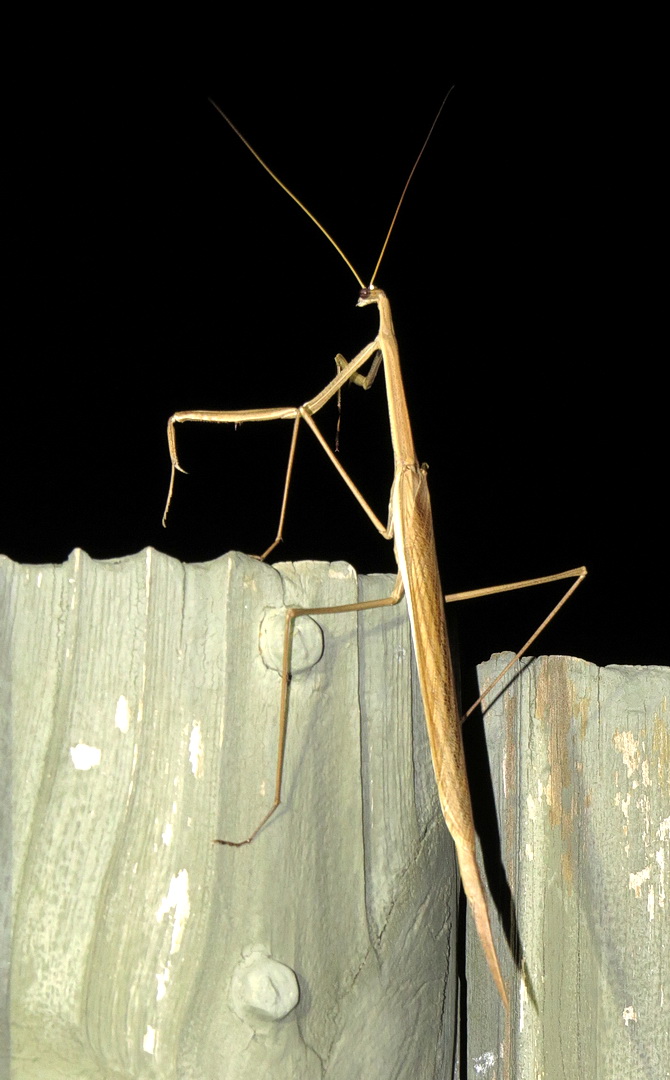
At night even the insects made for good viewing too.
Stick Insect
Stick Insect
As always the birds were special. In particular at the waterholes there were a huge variety of birds coming and going. Constantly flying in as a group and then scampering when one decides it is a bit nervous and flies off – the others following.
Some campsite birds:
Red-necked Falcon
Red-necked Falcons
Red-necked Falcons
Greater Kestrel
Greater Kestrels
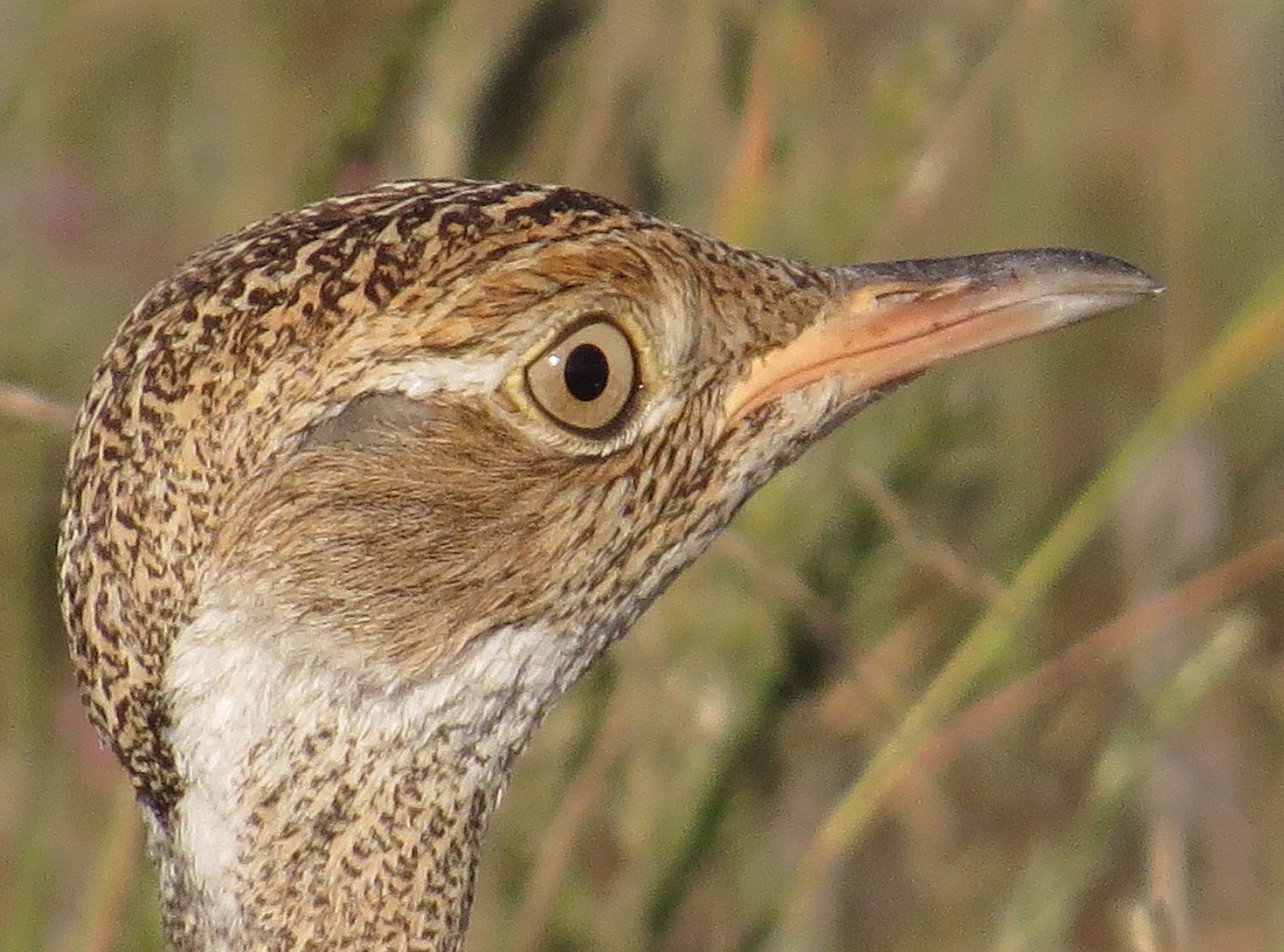
Northern Black Korhaan
Northern Black Korhaan
Northern Black Korhaan female
Northern Black Korhaan female close up
Red-eyed Bulbul
Rock Kestrel
Then there are the waterhole birds:
Cape Turtle-DoveMix of birds waiting for one to make the first move towards the water.
Burchell’s Sandgrouse and incoming doves and whydahs
Burchell’s Sandgrouse and Red-headed Finch
Burchell’s Sandgrouse female
Burchell’s Sandgrouse
Burchell’s Sandgrouse coming in to waterhole
Shaft-tailed Whydahs
Shaft-tailed Whydah
Cape Turtle-Doves
Some other birds seen around and about the area:
Tawny Eagles
Cape Crow with Greater Kestrel
Rufous-eared Warbler
Chat Flcatcher
Gabar Goshawk
Rufous-naped Lark
Sabota Lark
Sabota Lark
And not to be outdone here are some photos of the flora Sally caught on camera;
Fruit of the dessert
Yellow and Pinks
Yellow
Cat’s Tails
Lily
Mouse Whiskers
Pink Flowers
On our last evening there was a Leopard seen at the waterhole. We raced down to see it as it was starting to get dark. However our campsite Jackals (seen in camp each evening as we sat by the fire) decided that we might be in trouble. They hollered and chased the Leopard away before most of us had a chance to see it. We did try!!
Looking for the leopard
Looking for the leopard
Finally it was time to leave. Our plan was to drive out the Mabuasehube gate and drive down the fenceline to Tsabong. We were expecting thick sand but on the whole the road was very wide and more gravelly in nature especially after the first 40 kms along the fenceline.
Tsabong is very close to the RSA border. Should we consider going back to the Kgalagadi Transfrontier Park we would choose to either visit Mabuasehube (via Tsabong and McCarthy’s Rest border post) or alternatively to visit the West side of the Park entering at Twee Rivieren. That avoids the unpredictable nature of the 200 km crossing from Nossob to Mabuasehube and back.
At Tsabong we all went in different directions. Arthur and Rose back to Twee Rivieren for another week in the Park. They travelled along the RSA/Botswana tarred road all the way. Brad and friend went back home via McCarthy’s Rest border post. While Sally and I headed for the Trans-Kalahari Highway at Sekoma to continue on to Namibia for a few more weeks.
Look out for the next installment of our time in Namibia.
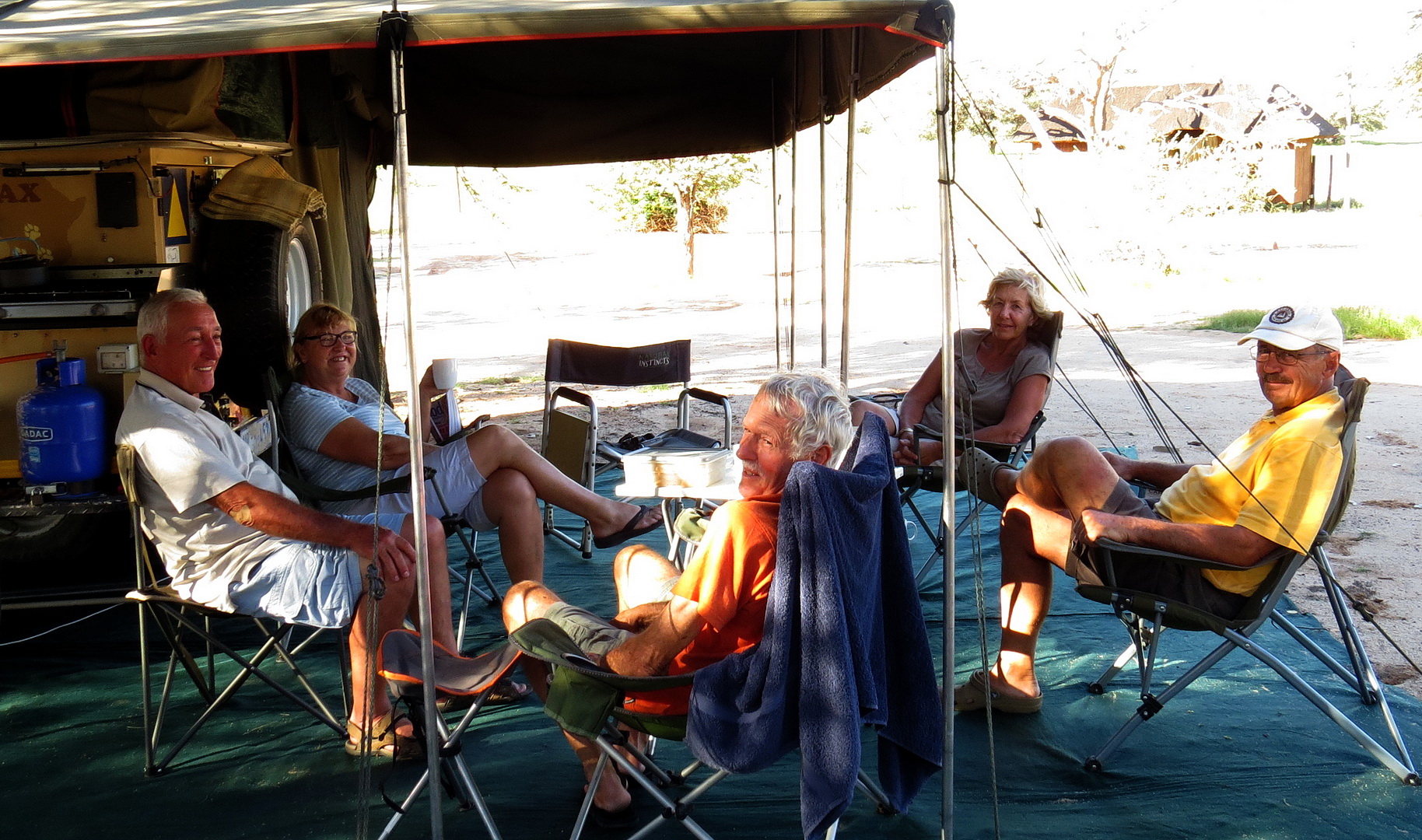
Altogether we all had a great time together. The company was excellent with numerous tales each night round the campfire – of things seen or experienced during the day and past trials in the bush.
We all did our own thing daily depending on our interests – sometimes together, sometimes not. The food arrangements were well organised with a communal braai every third night – each couple assigned with a part of the meal for the night. Other days we all did our own thing for dinner but sat around the fire together to finish our meal.
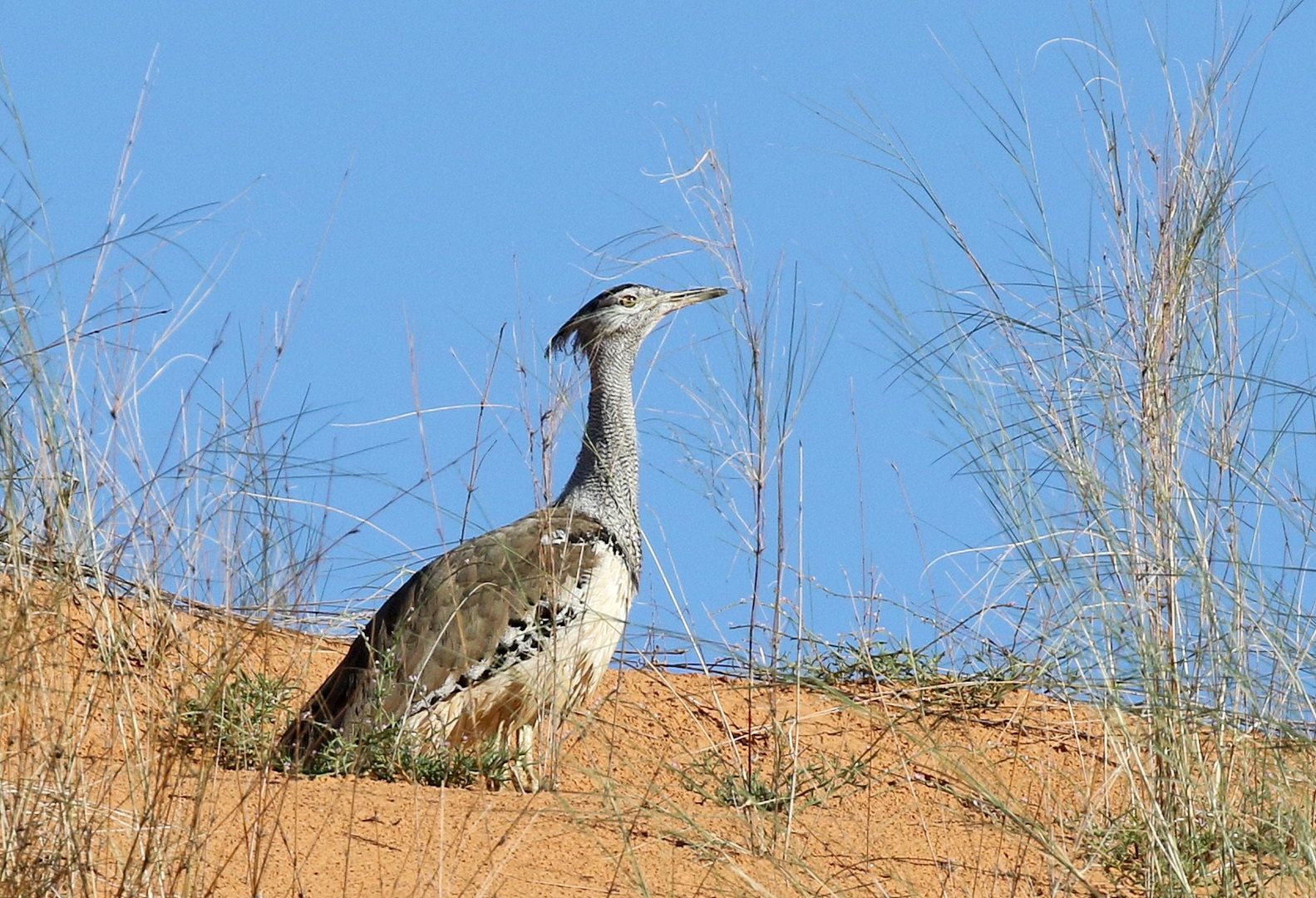
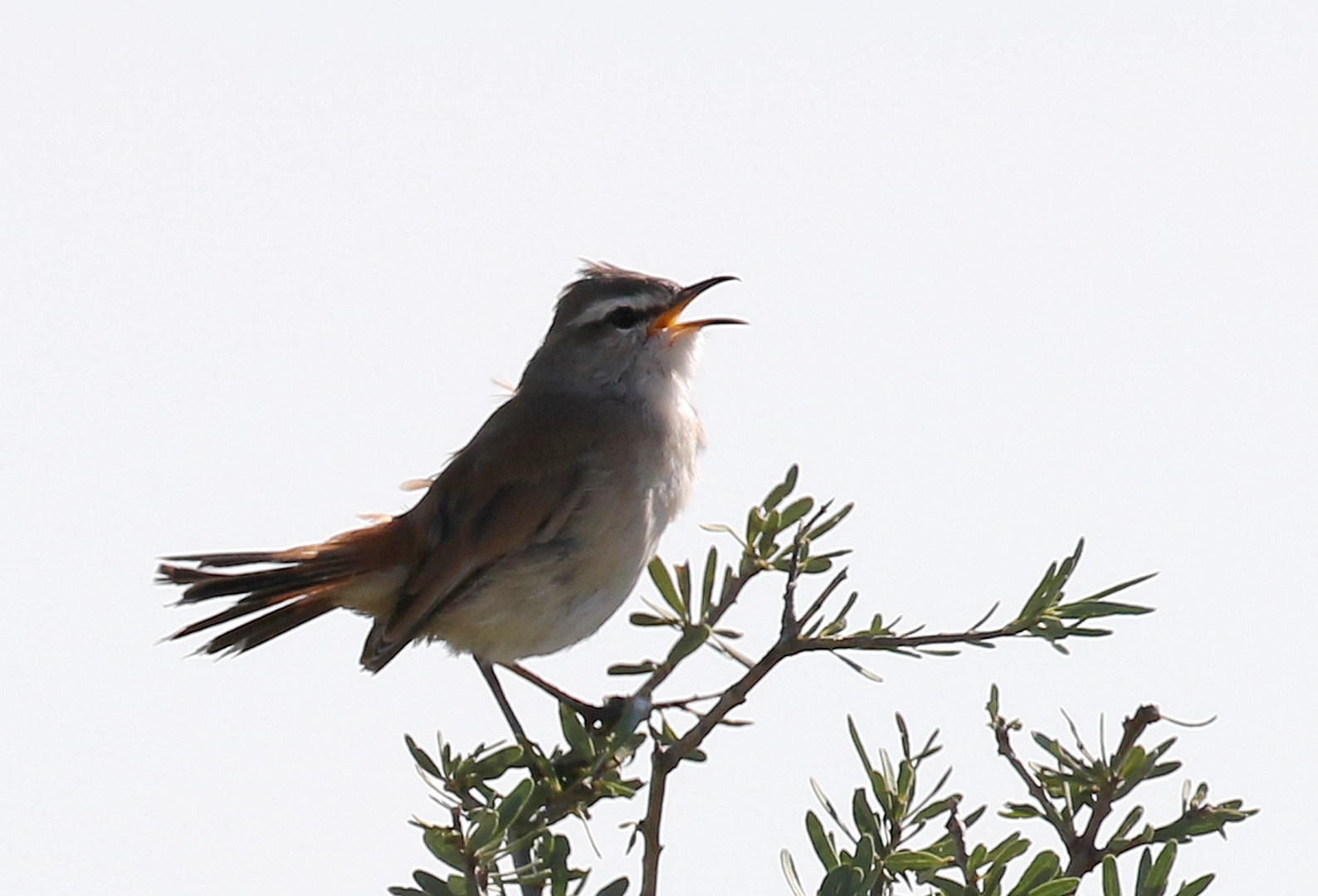
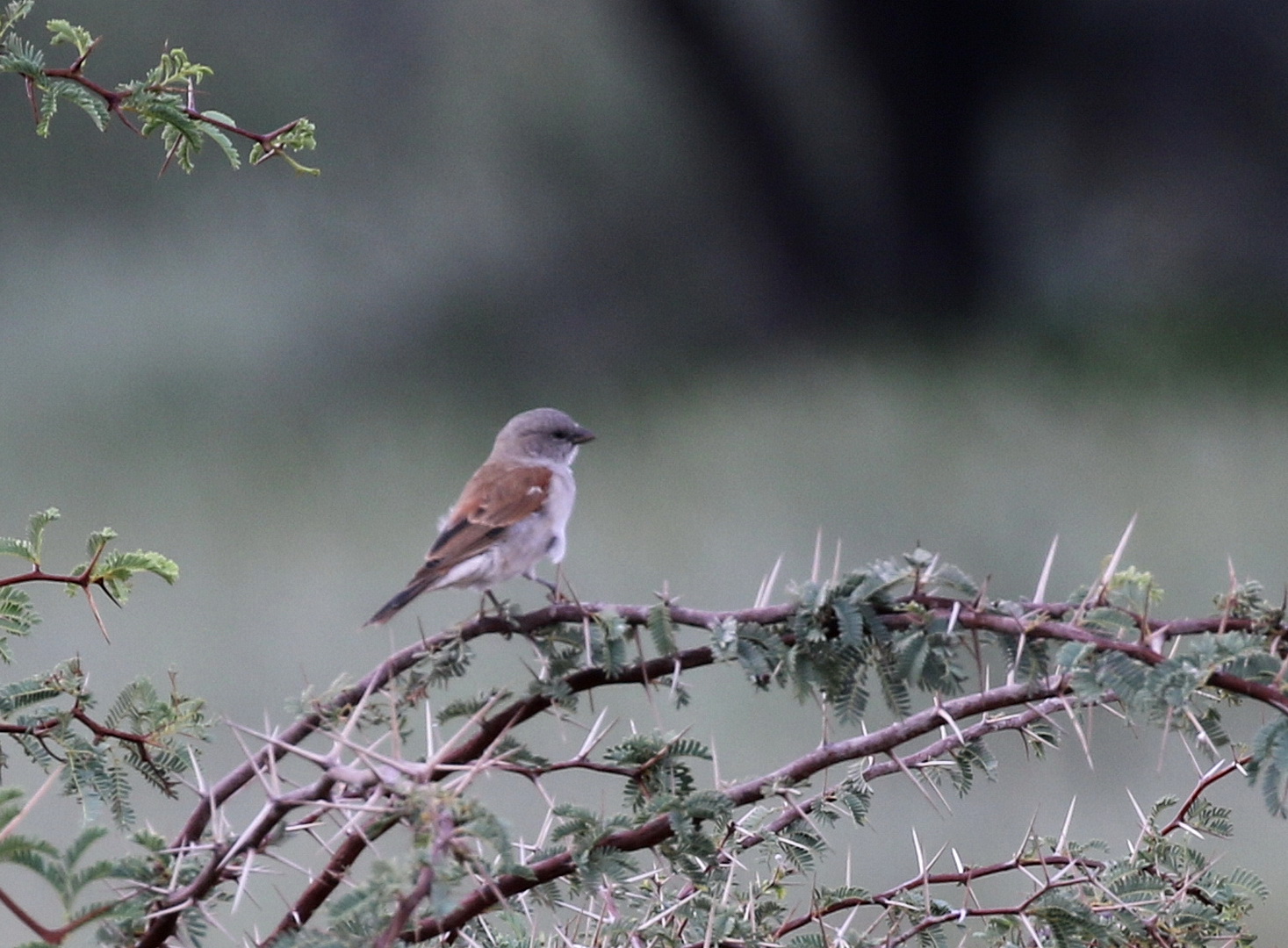
Animal sightings were good and our bird list of 106 species included some very special sightings. If you would like to see our list then click here.
Of the 106 birds we identified I managed to get photos of about 80 – most shown above.























































































































































































































 Birds are our Story