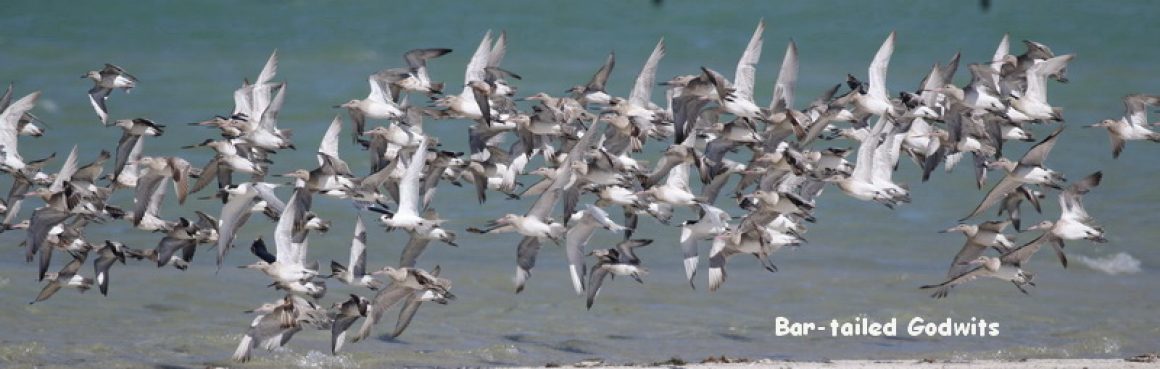
Addo Elephant National Park
16th to 21st April 2017
This was the start of our homeward journey from Sedgefield.
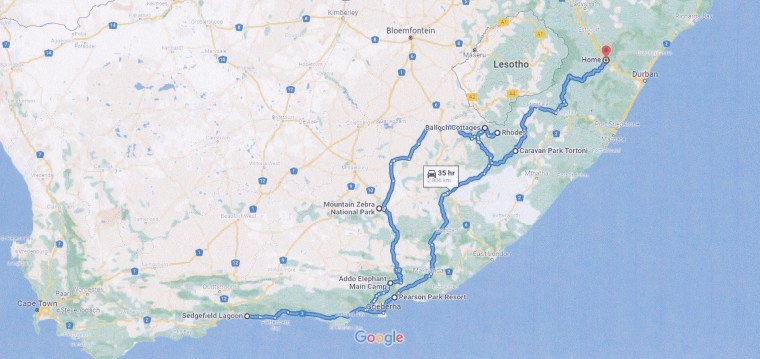


As you can see from the map, Addo includes seven distinct areas: Darlington, Kabouga, Zuurberg, Nyathi, Addo Main Camp, Colchester and Woody Cape. Each are in fact separate areas. Some of which you have to book accommodation in it in order to visit – Darlington and Nyathi. We visited Kabouga and Zuurberg while staying in Addo Main Camp.
Kabouga is in the high mountains. The road is recommended for 4×4 or high clearance vehicles. The road follows a valley between mountains. There is a wild camp there – you need to take everything including water and a porta potty if you want to stay there. We did not see much game nor birds in Kabouga and would be unlikely to visit it again.


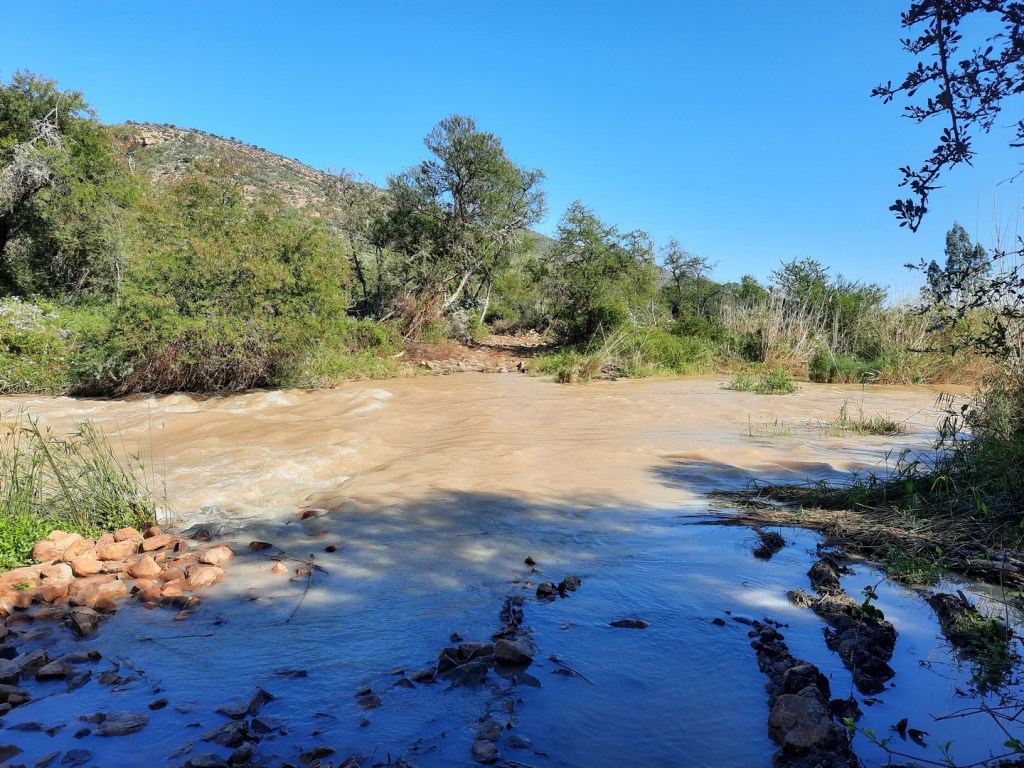
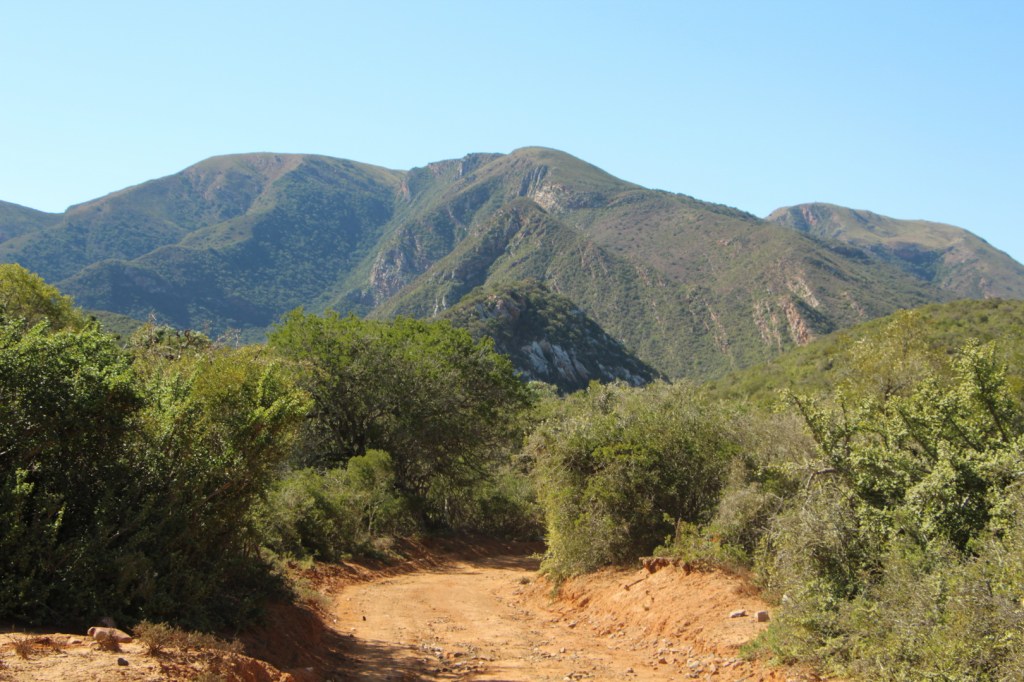

Our one interesting experience was coming round a corner to see a red-headed Bushpig in the middle of the road. It quickly scampered into the bush so no photos. Red-headed as it had obviously just had a bloody meal.
Zuurberg is situated at the top of another closeby mountain. A pretty drive up. However on arrival we discovered there were no tracks to drive but it did have mountain trails. We were not properly equipped to go trekking. It was bitterly cold and windy.


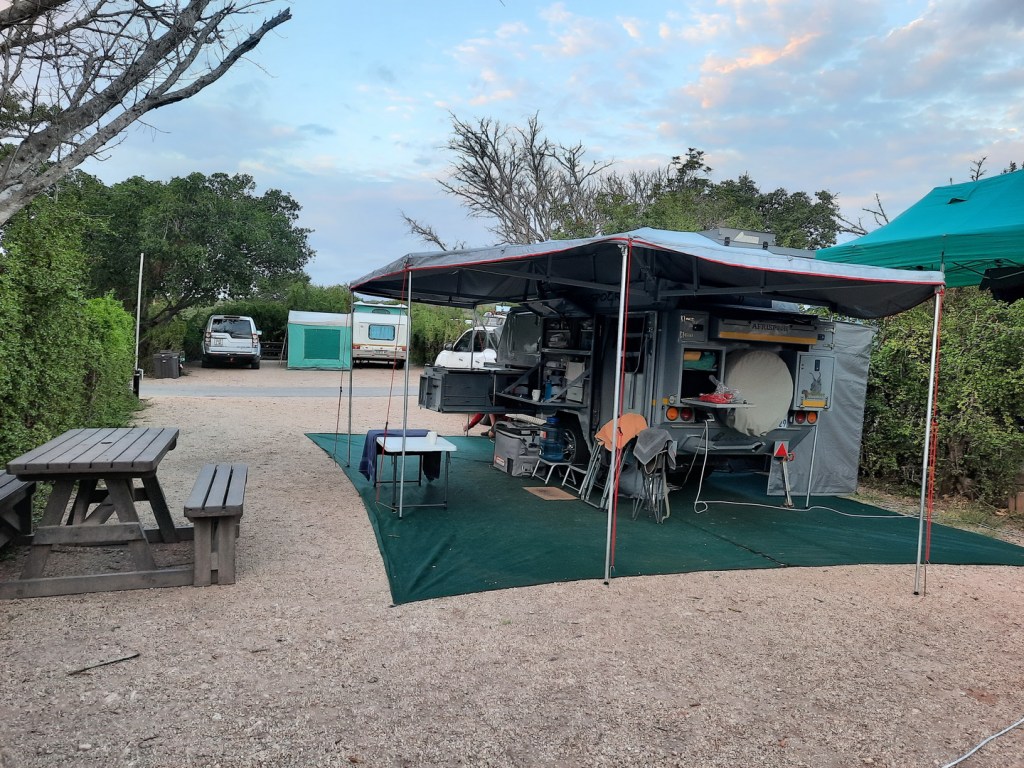
The camp site we had was hedged in so nicely private, level and partly shady.



Skull 
Elephant
Early morning the birds would pass through our campsite looking for scraps from the previous evening. They ranged from Laughing Doves, Red-winged Starlings, Francolins, Terrestial Brownbulls, a Southern Tchagra, a pair of Black-headed Orioles and even an inquisitive pair of Brown-hooded Kingfishers.
Addo Main Camp and Colchester may be two separate areas but they are effectively one large area. This is the main game viewing area. The north section of this area has open grassland but the majority of the roads are between thick spekboom scrub making it difficult to see into the bush. The south – Colchester – has views of the sea.

An open area 
Bush 
Spekboom roadway 
Fairy Chimneys 
Open area at top of park 
Proteas 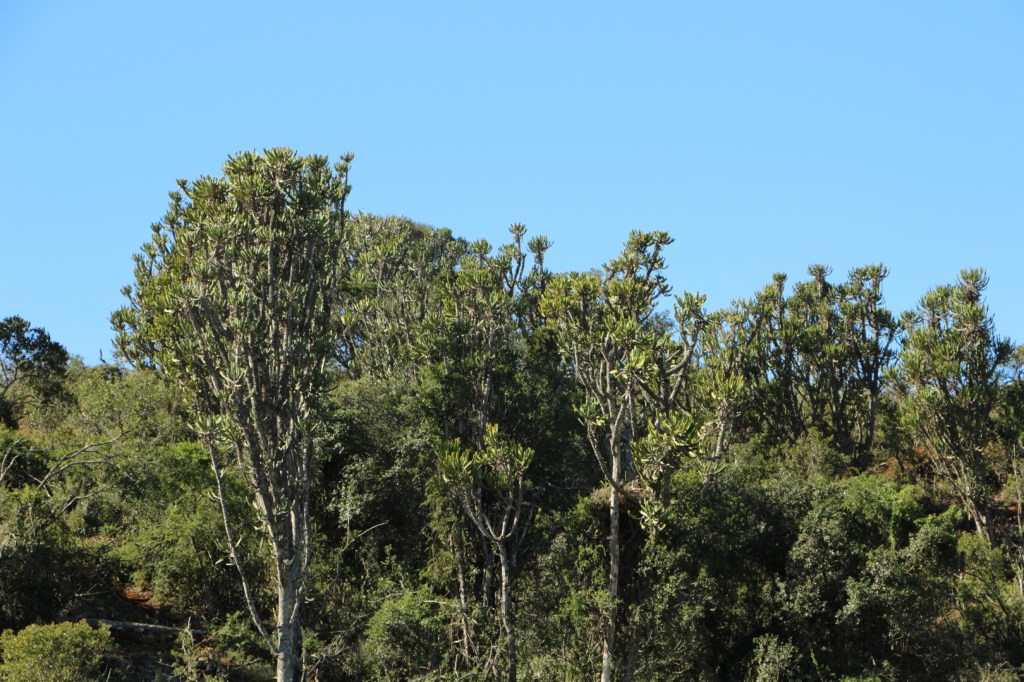
Roadside bush 
View to the sea 
View to the sea 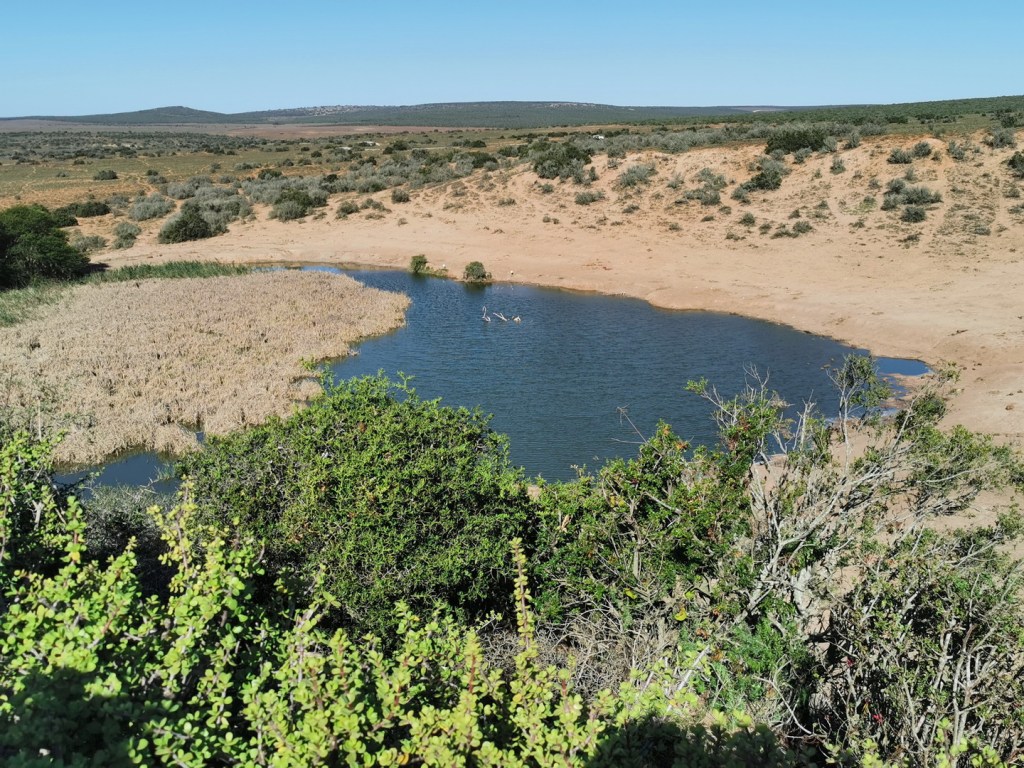
Waterhole
Jack’s Picnic site was an interesting area. So who was Jack?
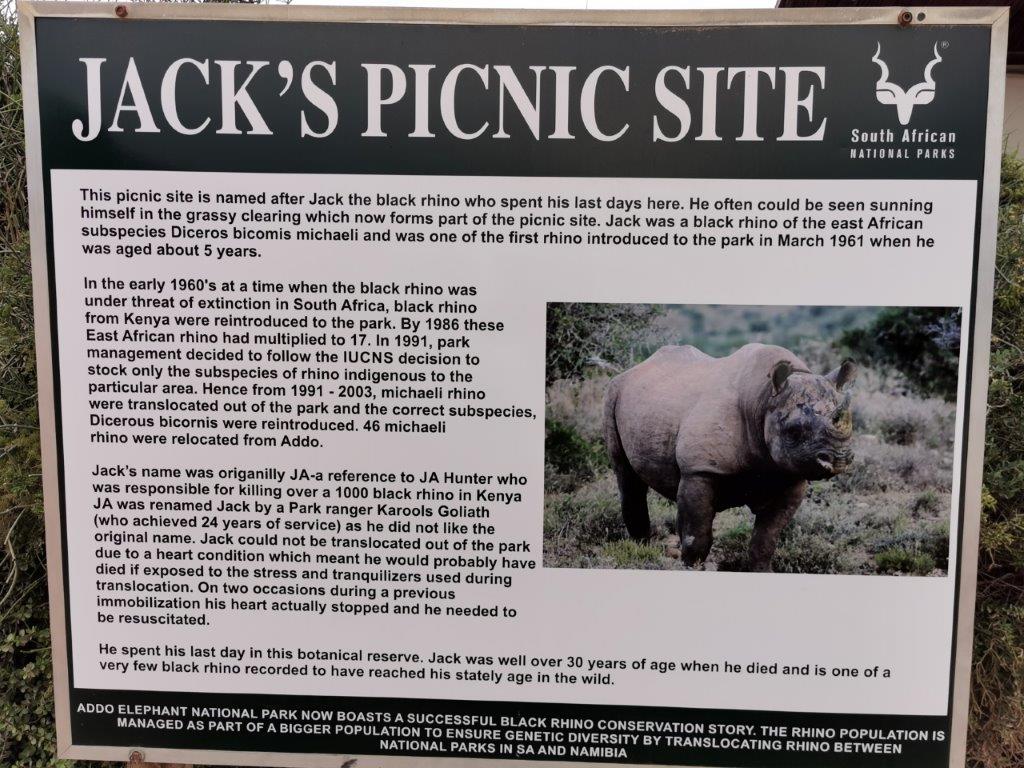
Some of the action at Jack’s were the visiting birds while we had tea.
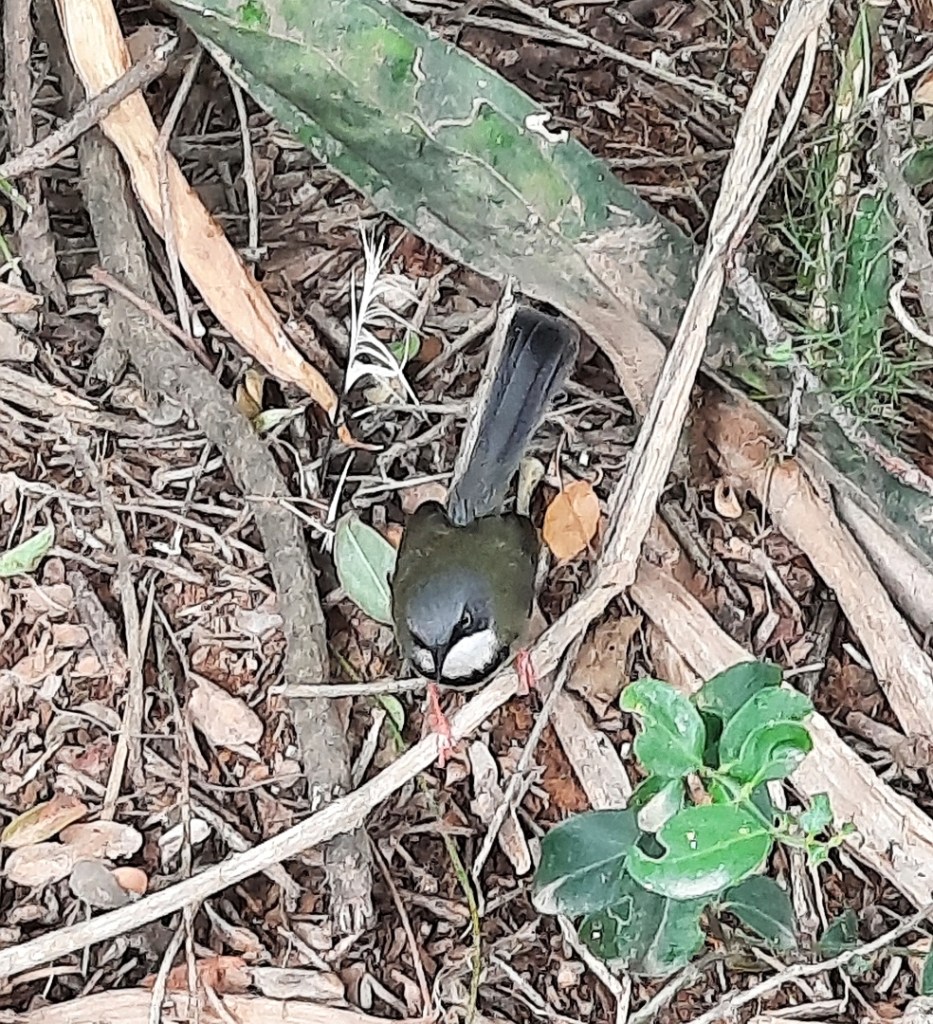
Bar-throated Apalis 
Red-necked Spurfowl 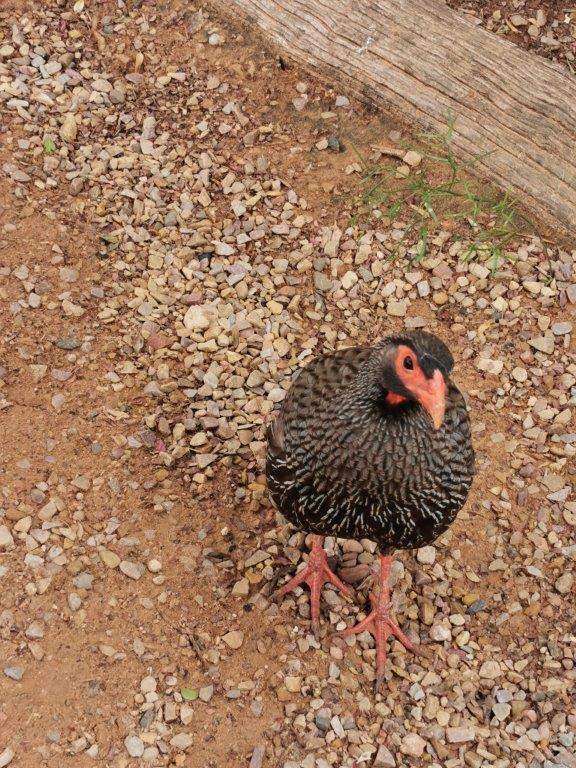
Red-necked Spurfowl 
Red-necked Spurfowl 
Southern Boubou 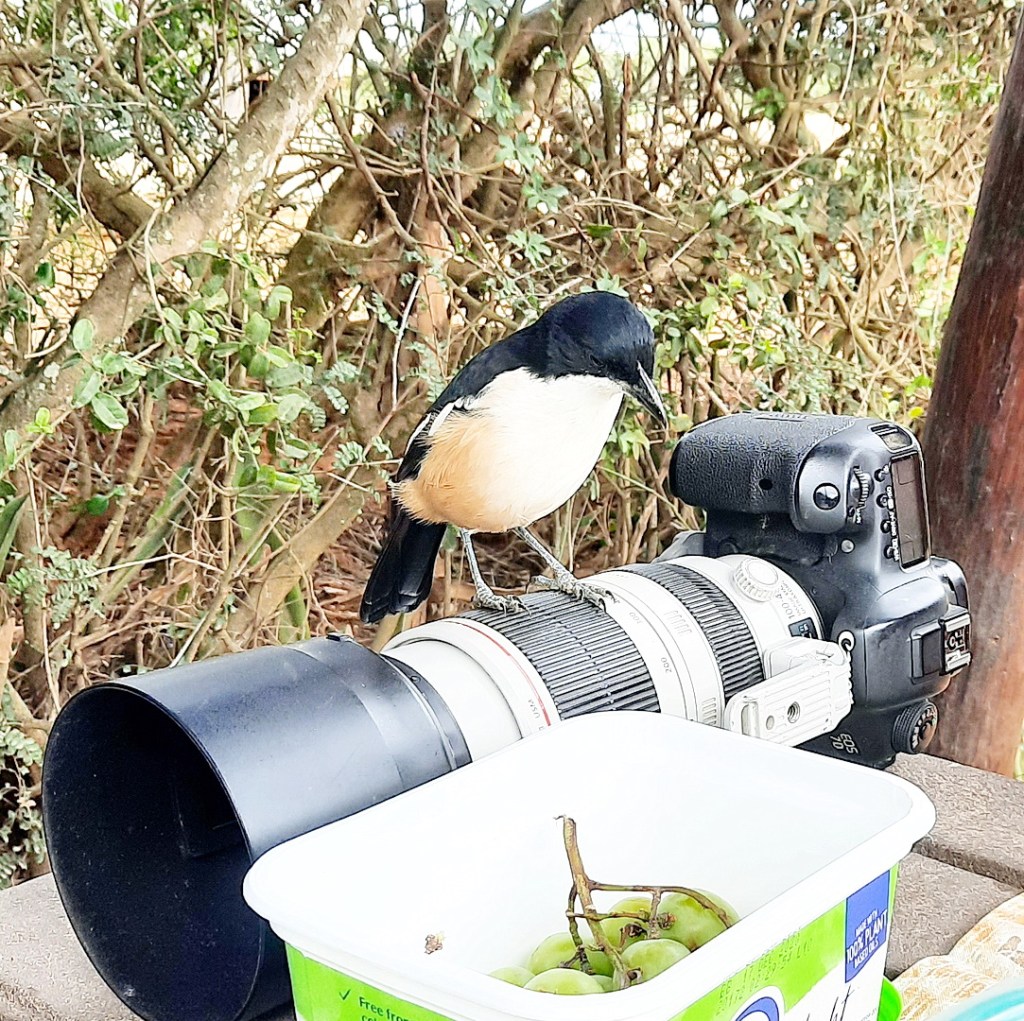
Southern Boubou


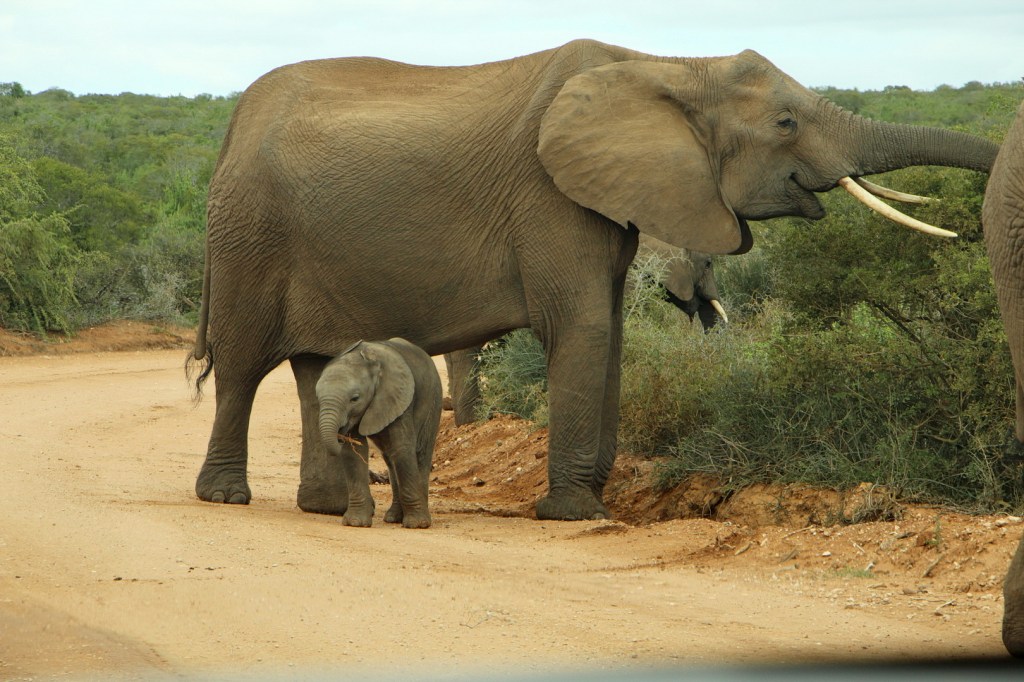
The few species of animals that we saw were mainly Elephant and Burchell’s Zebra with an occasional Warthog.

Elephant pan 
Elephant pan 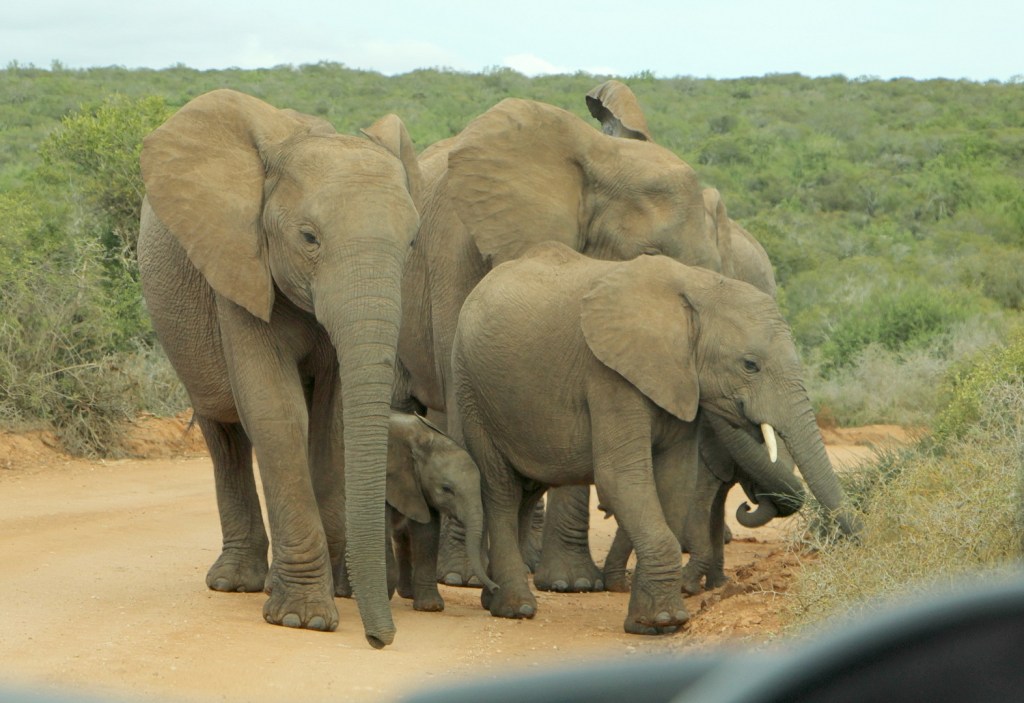
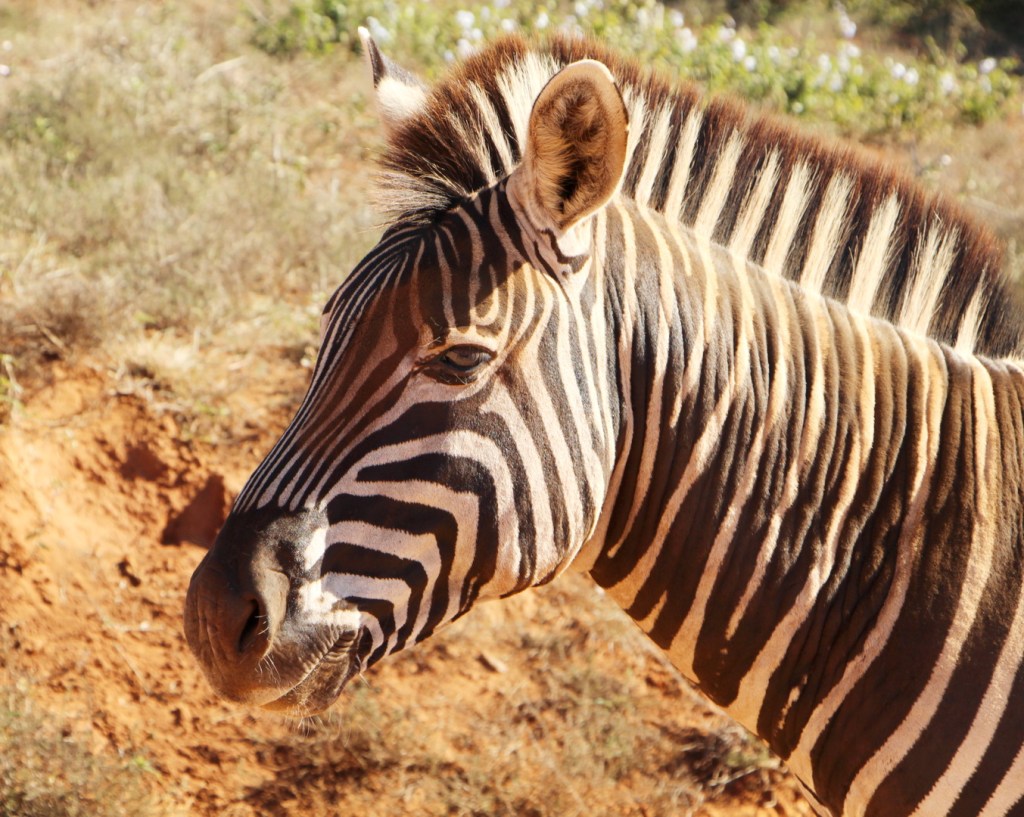
Burchell’s Zebra 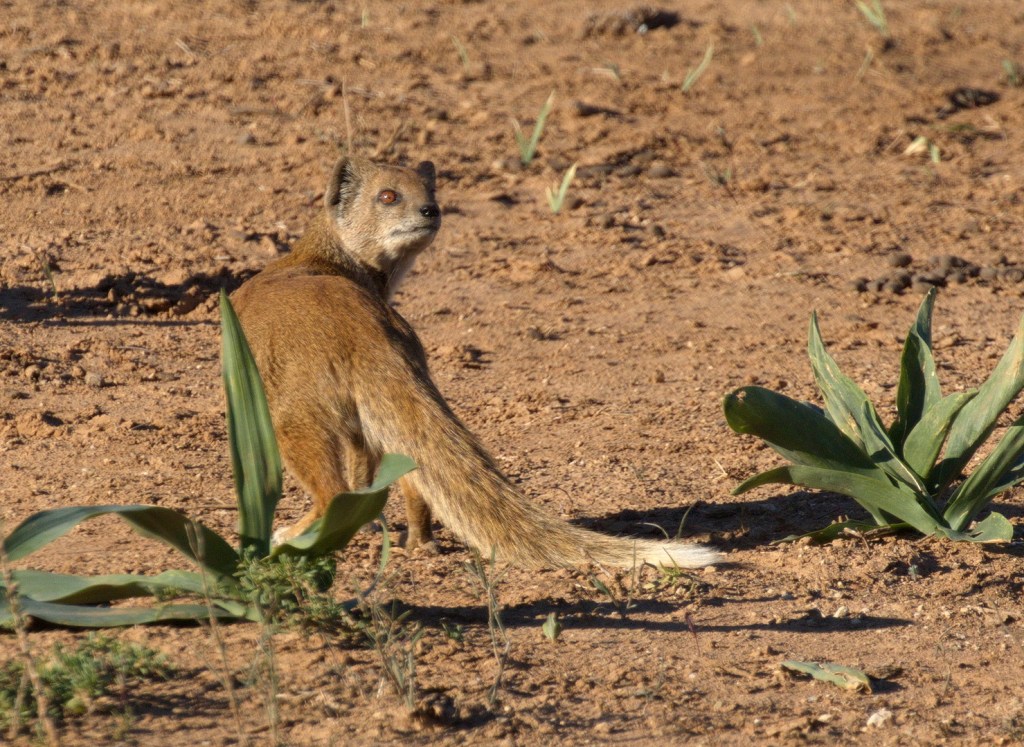
White-tailed Mongoose 
Doing it together 
Red Hartebeest 
Still wobbly footed 
Warthog 
Trying to see eye-to-eye 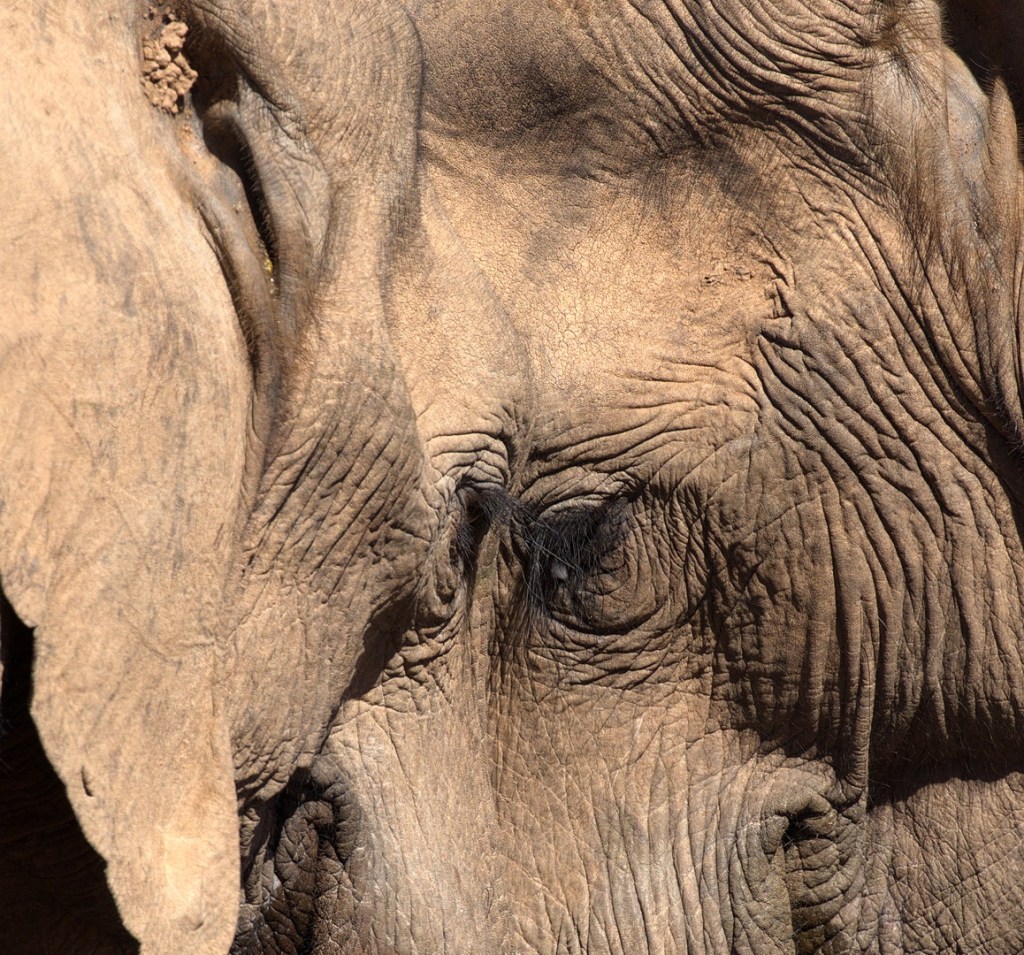
Trying to see eye-to-eye
There was a waterhole which we frequented – despite the cold drizzly days – which had a reasonable variety of waterbirds. African Black Duck, a large number of White-breasted Cormorants, South African Shelducks, Blacksmith Lapwings, African Spoonbills and a Grey Heron. There was always activity at this waterhole – especially brought about by a bedraggled juvenile African Fish-Eagle.

African Black Duck 
African Spoonbill 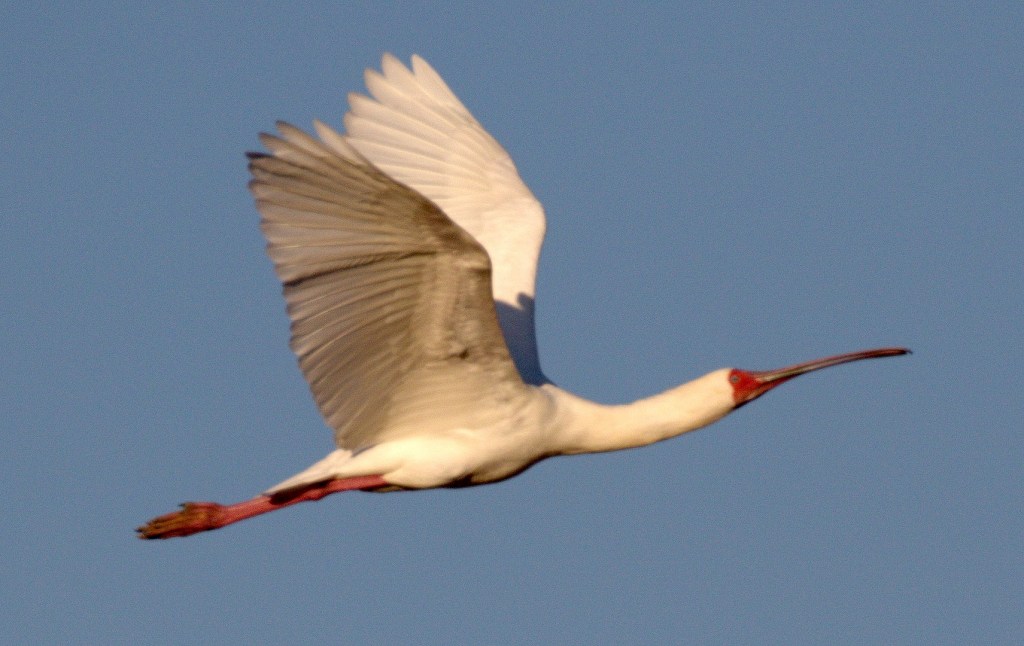
African Spoonbill 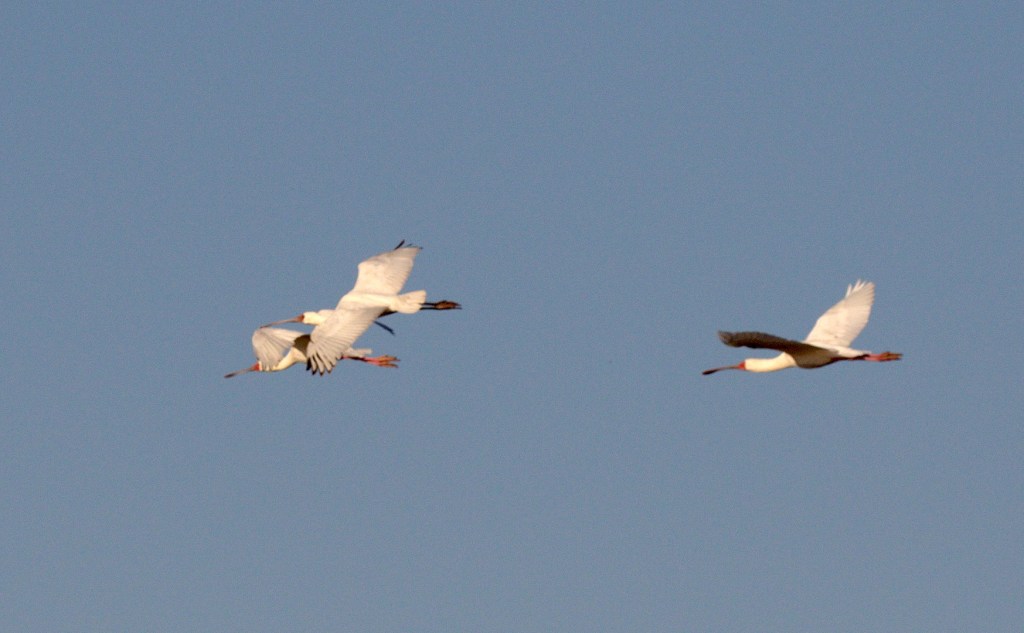
African Spoonbills 
Grey Heron 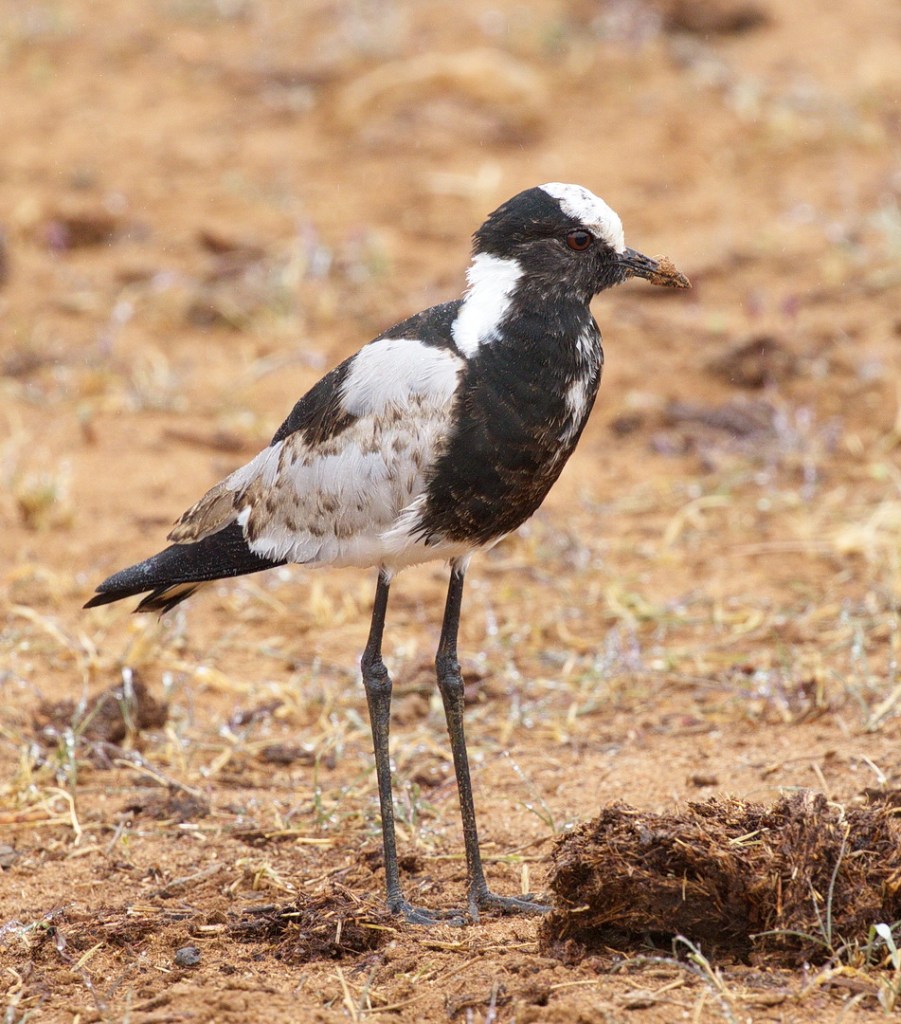
Juvenile Blacksmith Lapwing 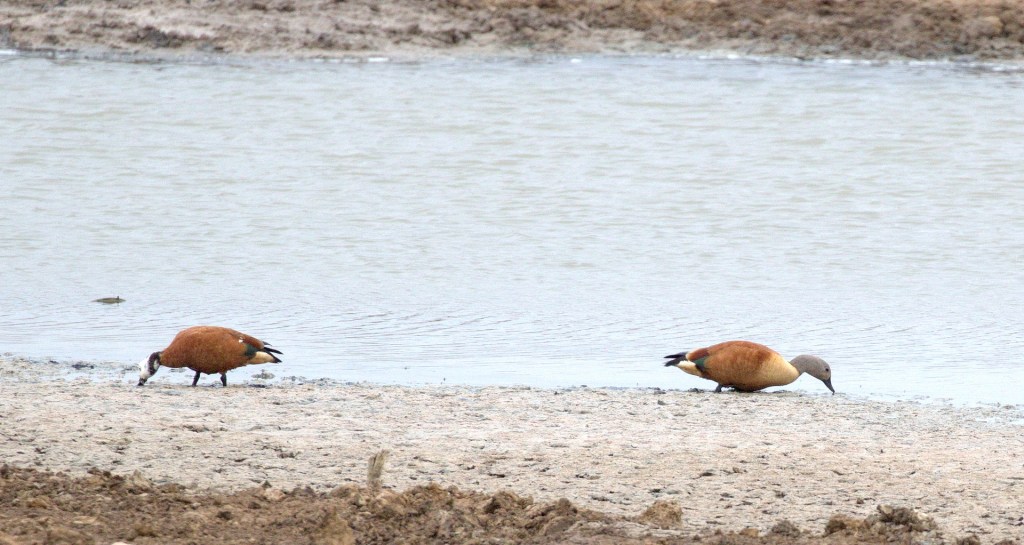
South African Shelducks 
White-breasted Cormorants – heads up 
Juvenile African Fish-Eagle 
African Spoonbills, White-breasted Cormorants and a Black Duck
And here are some of the other birds photoed during our stay.

Ant-eating Chat 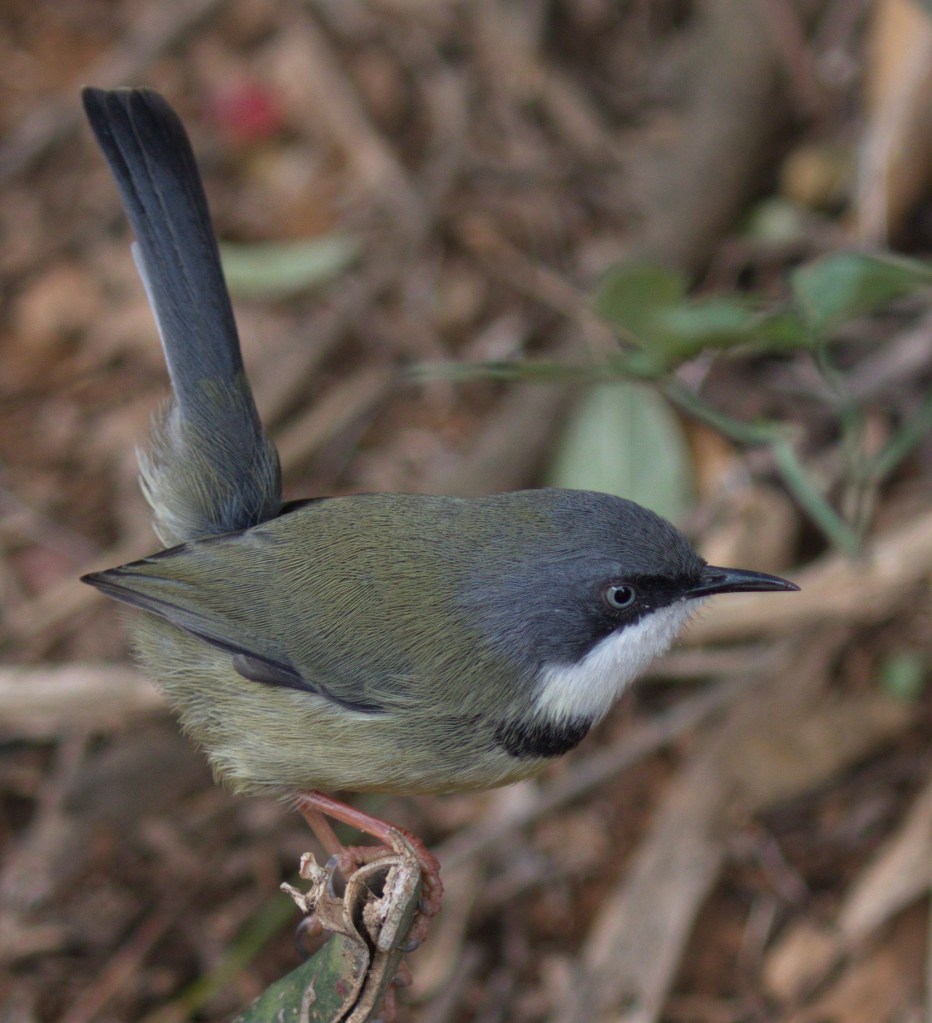
Bar-throated Apalis 
Bar-throated Apalis 
Black-bellied Bustard female 
Black-headed Oriole 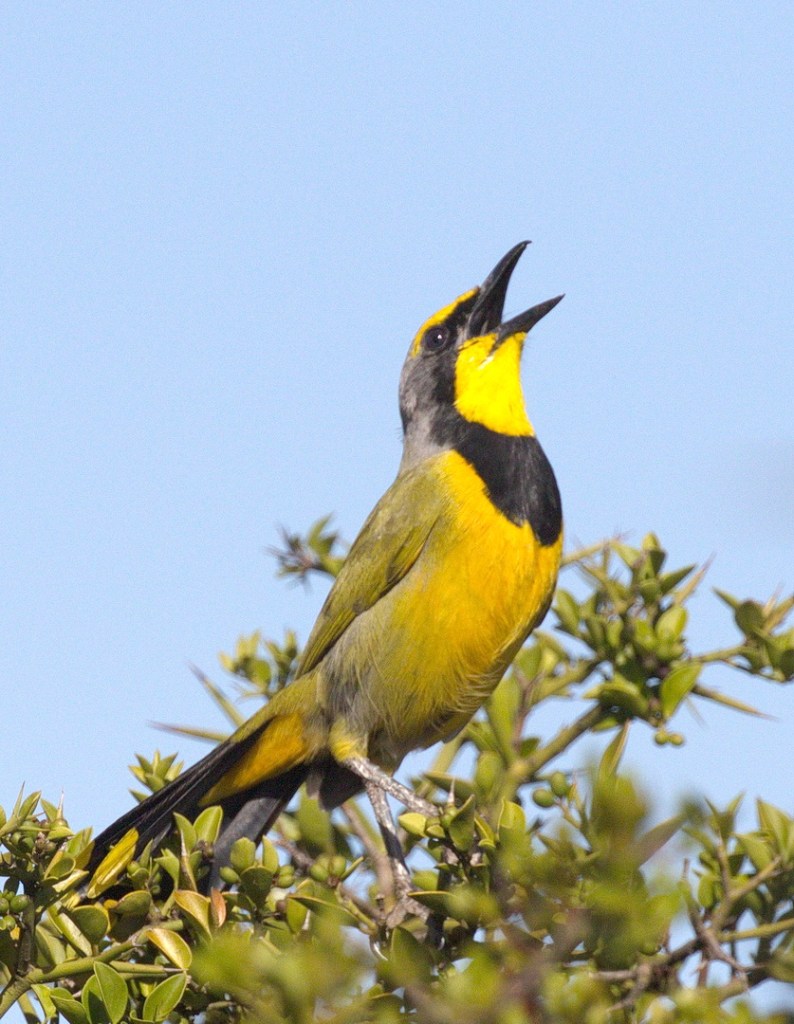
Bokmakeirie 
Bokmakeirie 
Bokmakeirie 
Bokmakeirie 
Brown-hooded Kingfisher 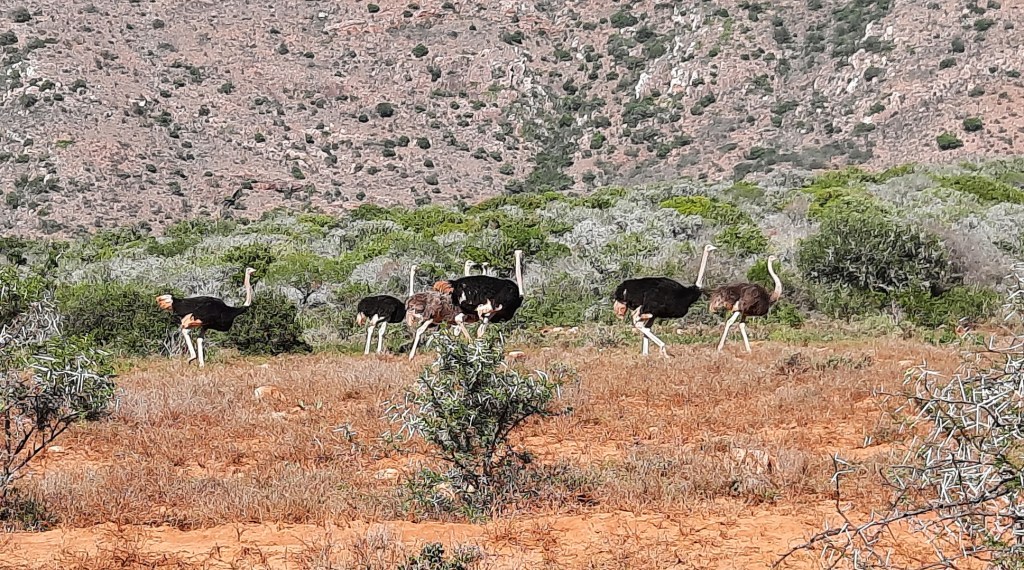
Common Ostriches on the run 
Denham’s Bustard – male 
Denham’s Bustard – male 
Denham’s Bustard – female 
Denham’s Bustard – female 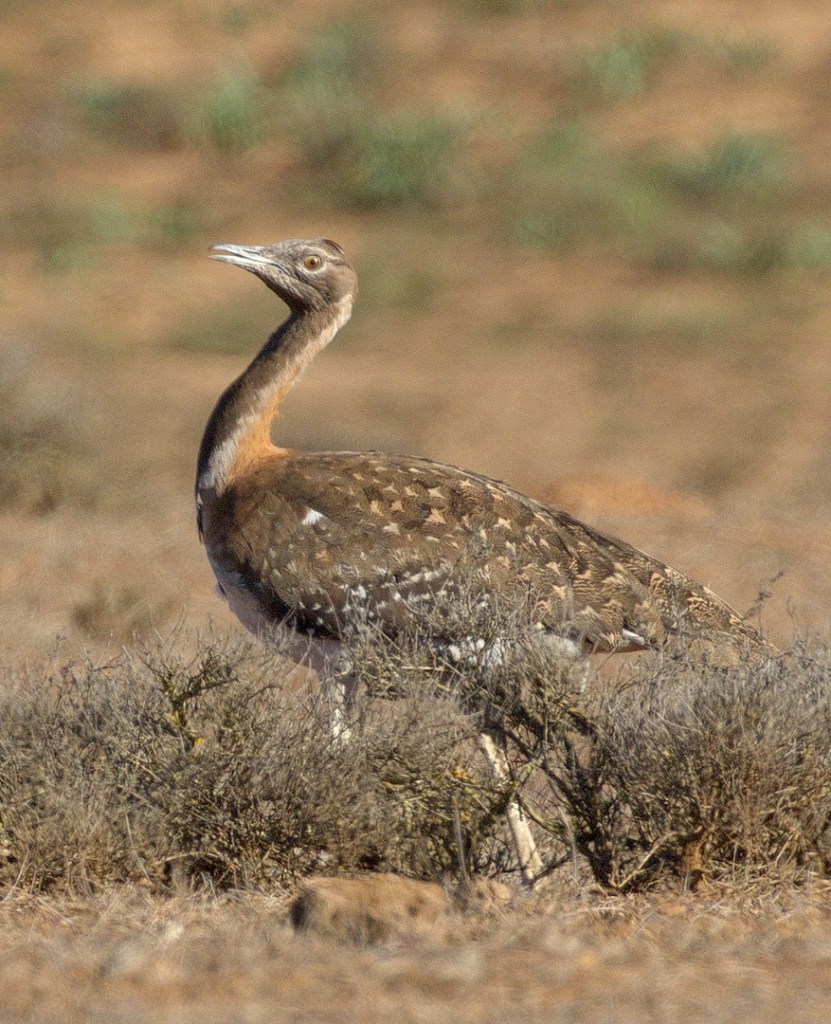
Denham’s Bustard – female 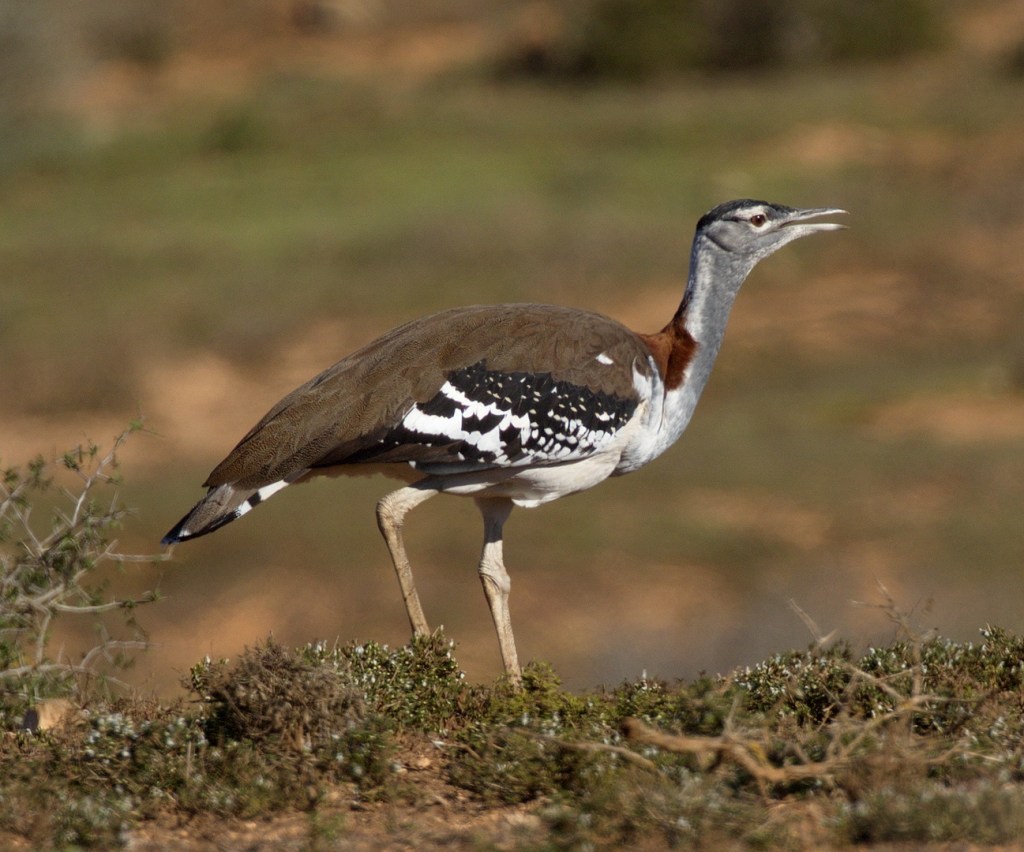
Denham’s Bustard – male 
Greater Double-collared Sunbird 
Jackal Buzzard 
Karoo Scrub-Robins 
Malachite Sunbird 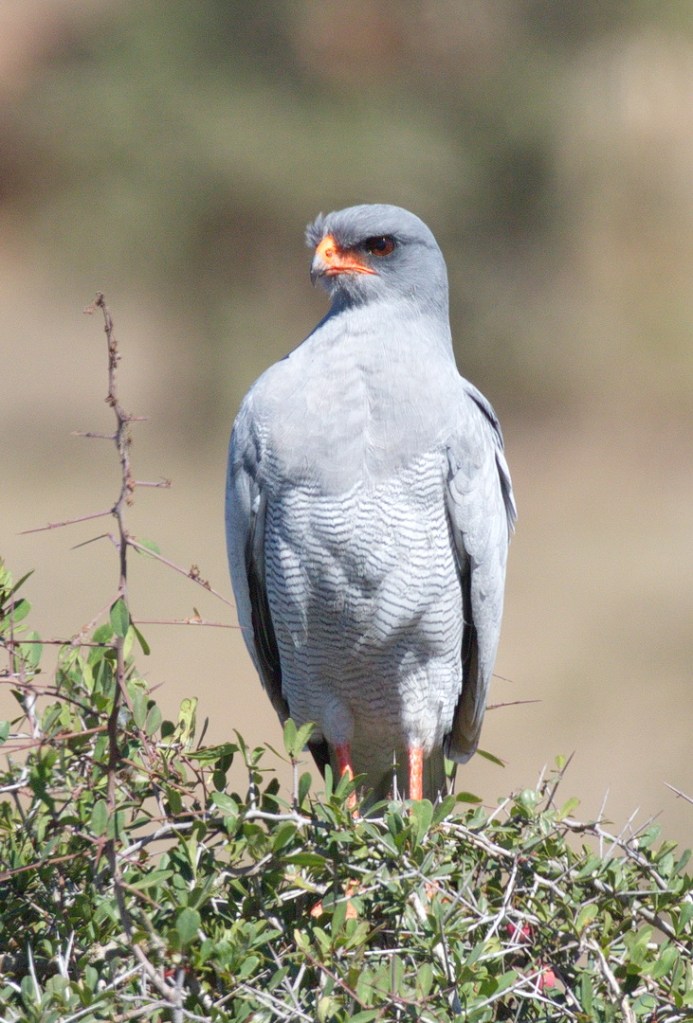
Pale Chanting Goshawk 
Red-necked Spurfowl 
Red-necked Spurfowl 
Rufous-naped Lark 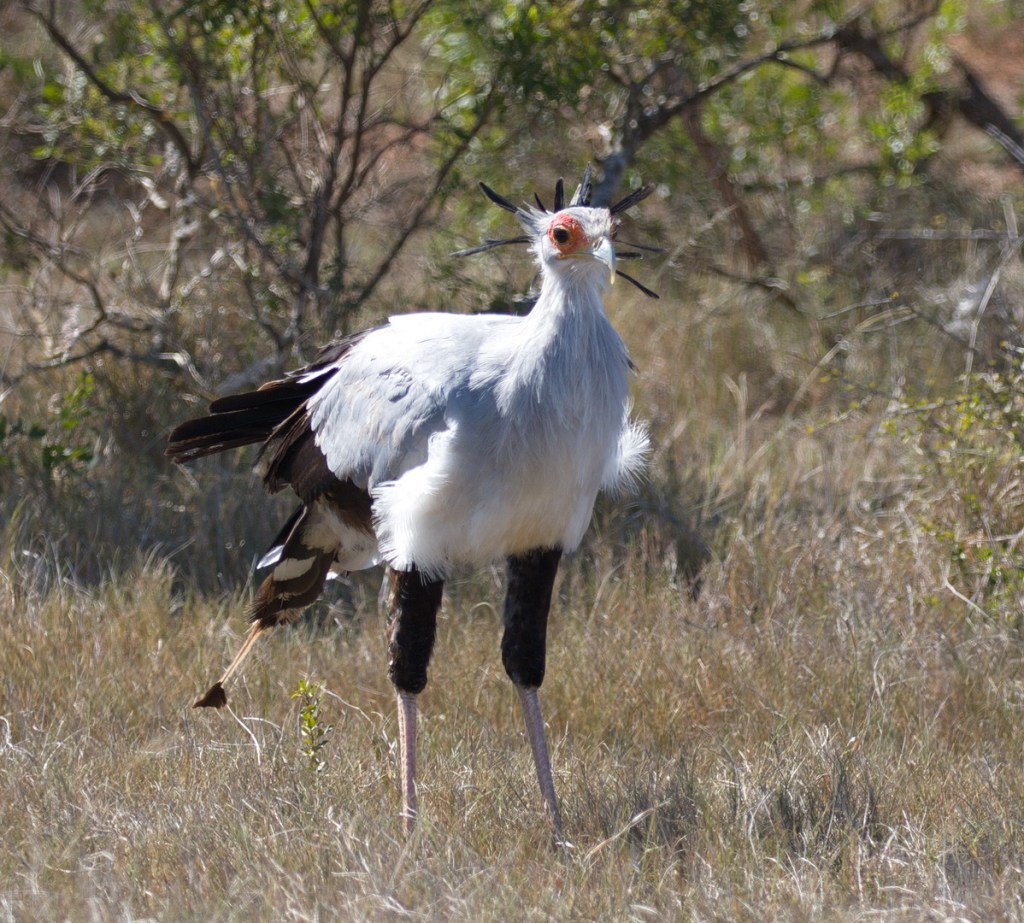
Secretarybird 
Secretarybird 
Sombre Greenbul 
Southern Black Korhaan male 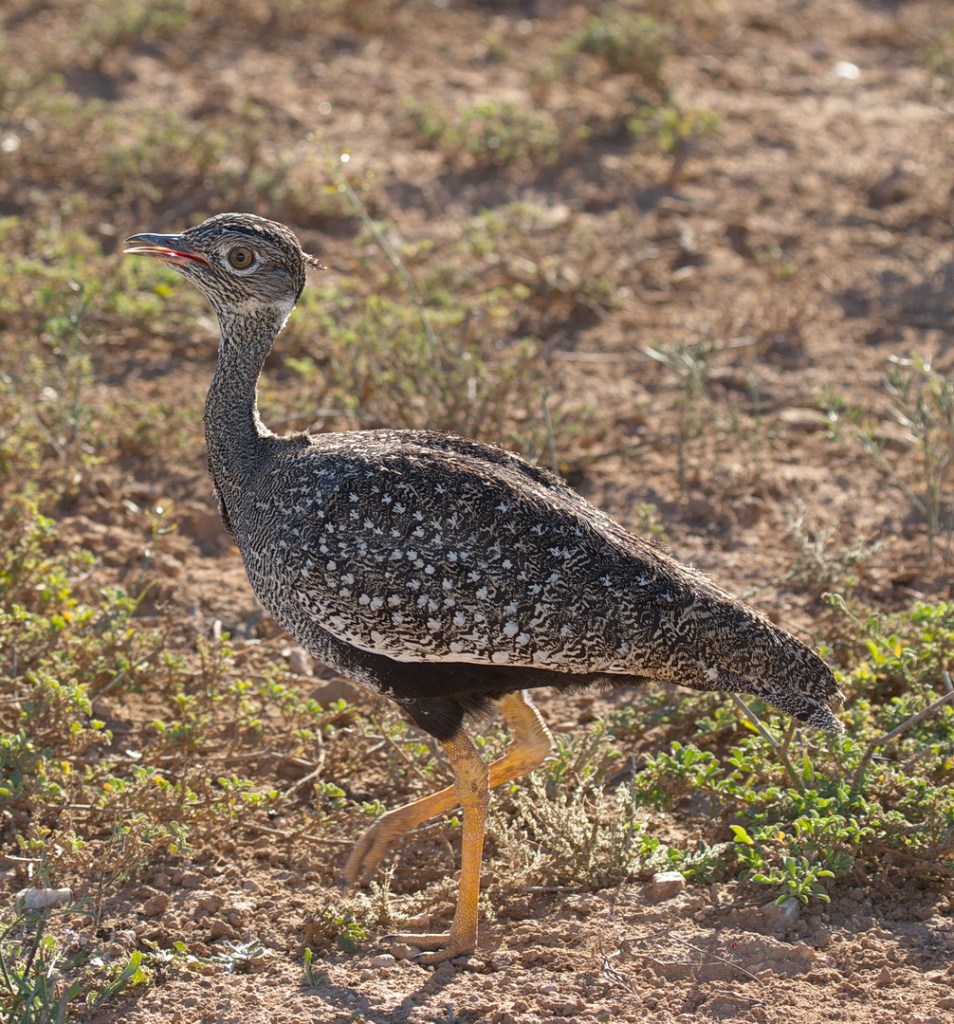
Southern Black Korhaan female 
Southern Tchagra 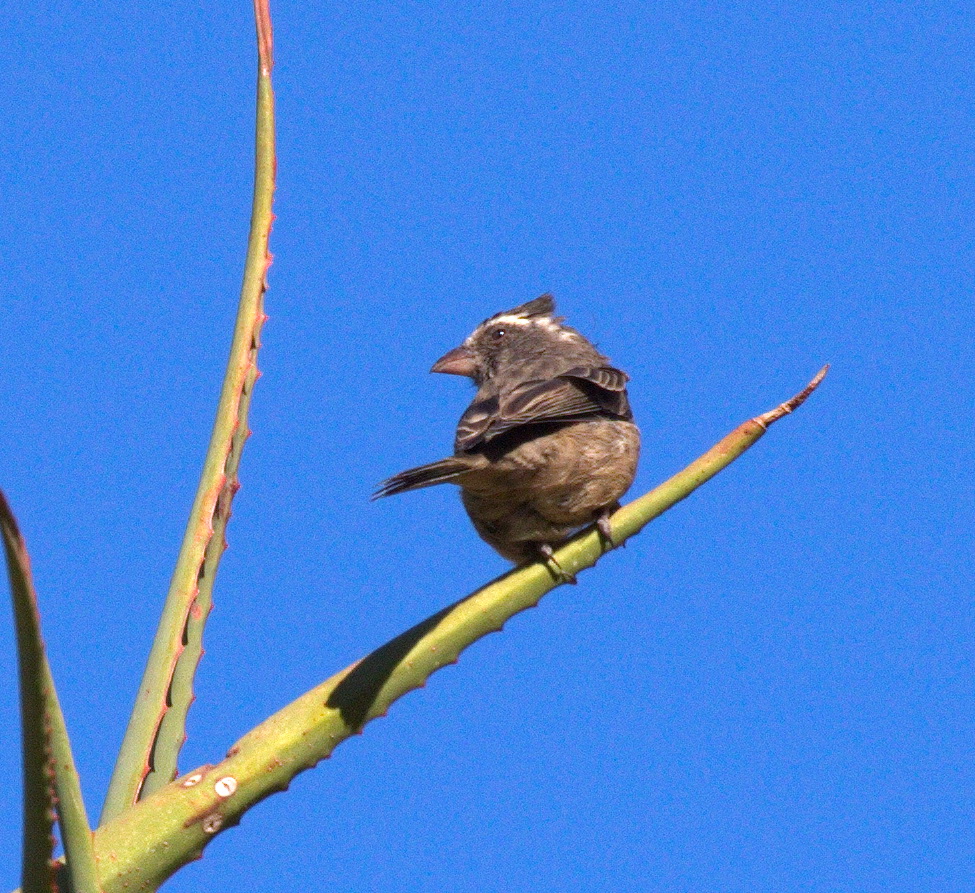
Streaky-headed Seedeater 
Terrestial Brownbul 
Sombre Greenbul
We had booked to stay for five nights. In fact, for us, 2 or 3 nights would have been plenty. Although we had several nice bird sightings we are reluctant to return unless it is at a different time of the year.
On one of the days at Addo we heard that the Sooty Gull had appeared at Kabeljous, Jeffreys Bay. We went hoping to be lucky this time. Alas not to be.

Kabeljous 
Grey-headed Gull 
Kelp Gull 
Grey-headed Gull 
Kelp Gull
Mountain Zebra National Park
21st to 25th April 2021

From Addo we headed north to Mountain Zebra National Park. The campsite was fairly full so we ended placing our Caracal on a gentle slope to give us some privacy from neighbours and a view to enjoy.

Mountain Zebra is one of the National Parks we enjoy the most. It is scenic and has a variety of bird and animal species difficult to find elsewhere – Cape Mountain Zebras, Bat-eared Foxes, Red-winged Francolin, Black Harrier to name a few.
The camp is in a valley below the high mountain grasslands. It has four 4×4 only routes each with their own degree of difficulty. We tried one -Juriesdam 4×4 Trail- and having gone up 100 metres we had no choice but to continue.

Slow going to the top, not a great deal of animals nor birdlife. Having said that we did encounter a Ludwig’s Bustard in the distance.

The scenery at Mountain Zebra is awesome, getting to the top, the high grasslands the dams.
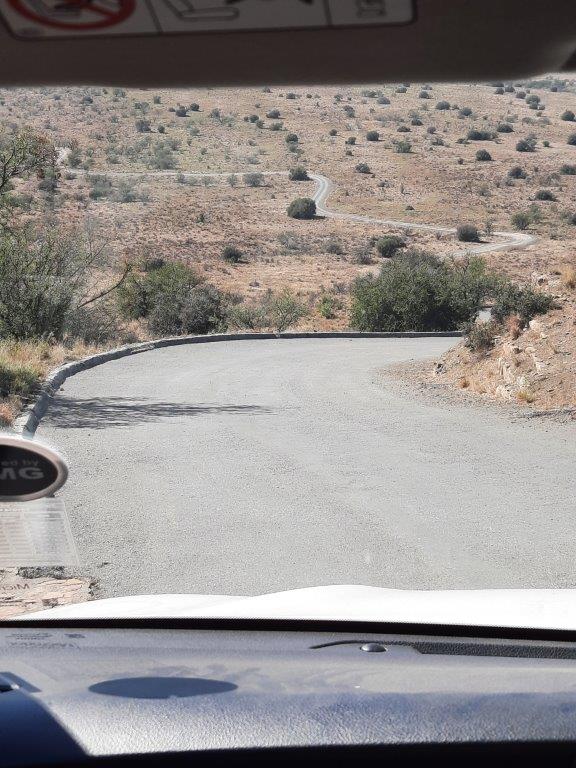


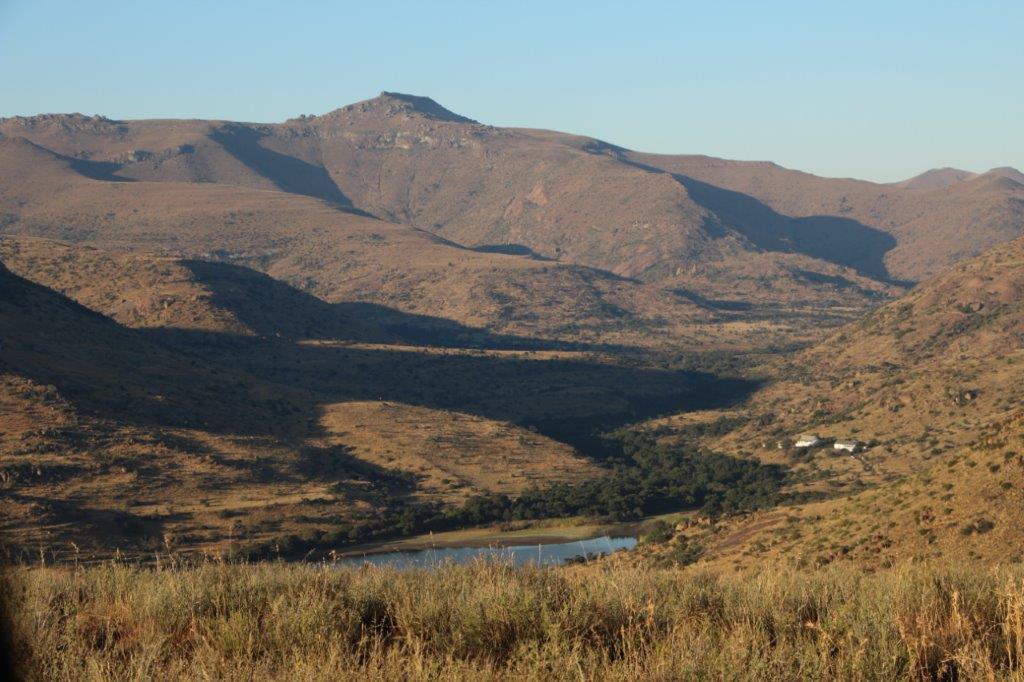
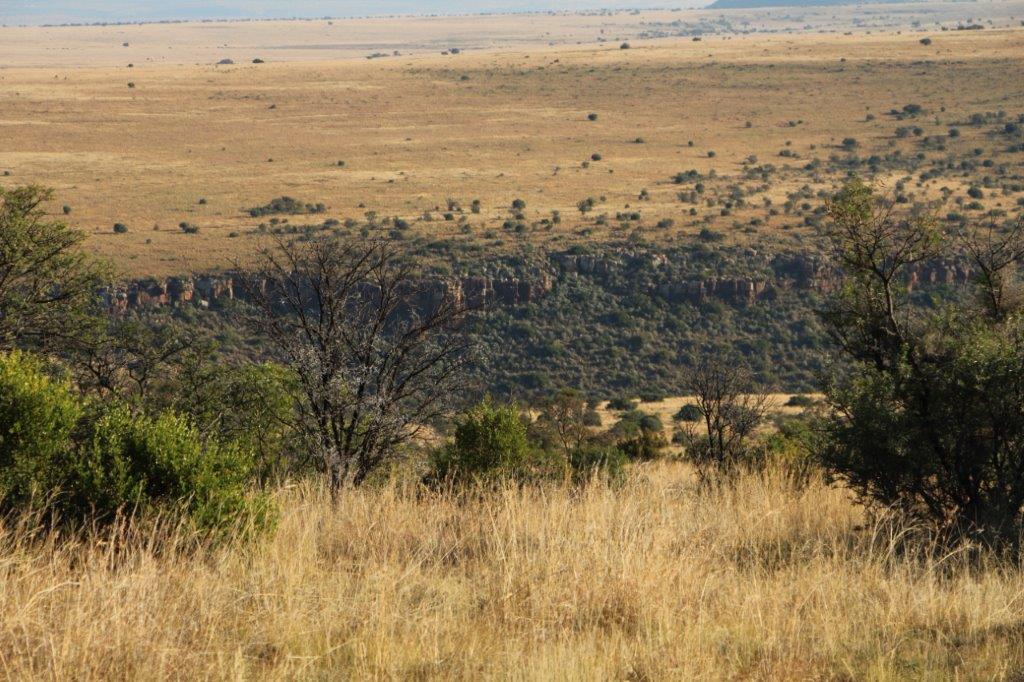


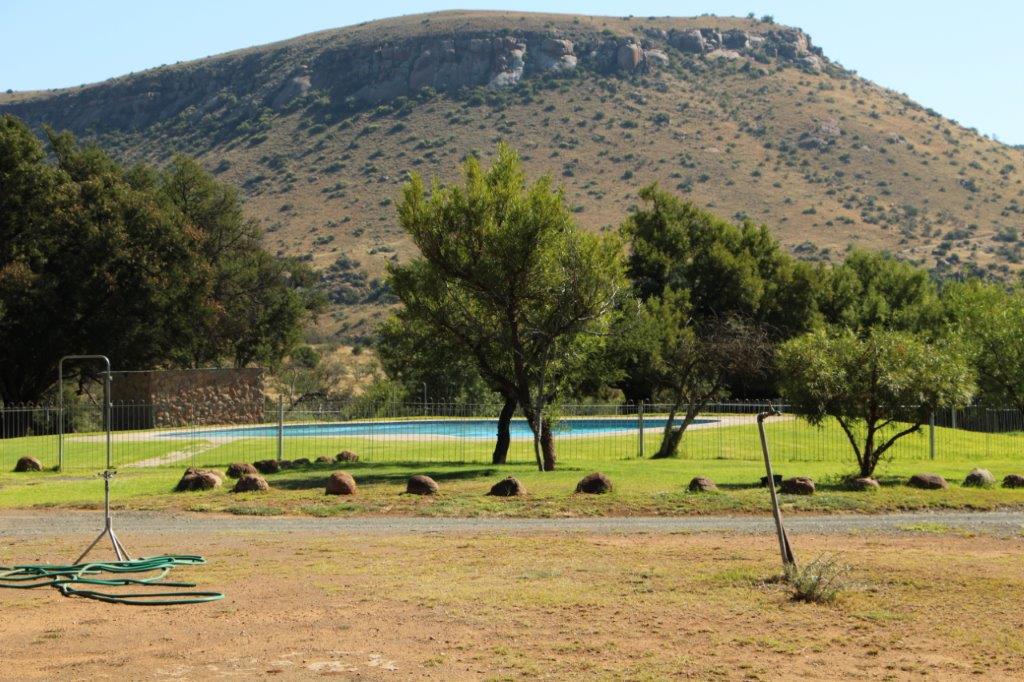

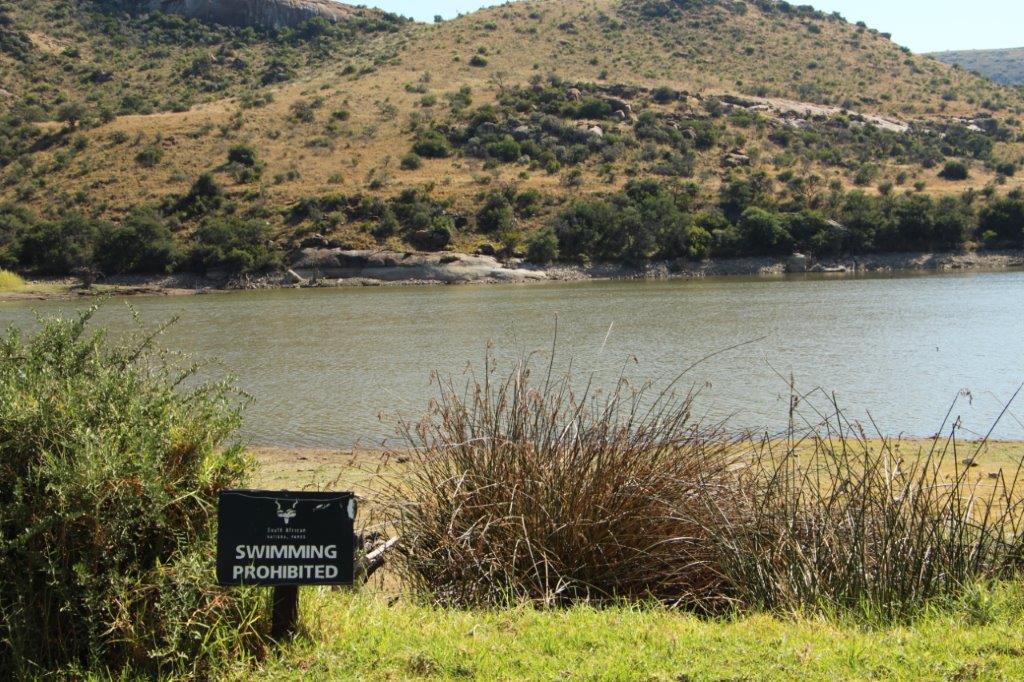

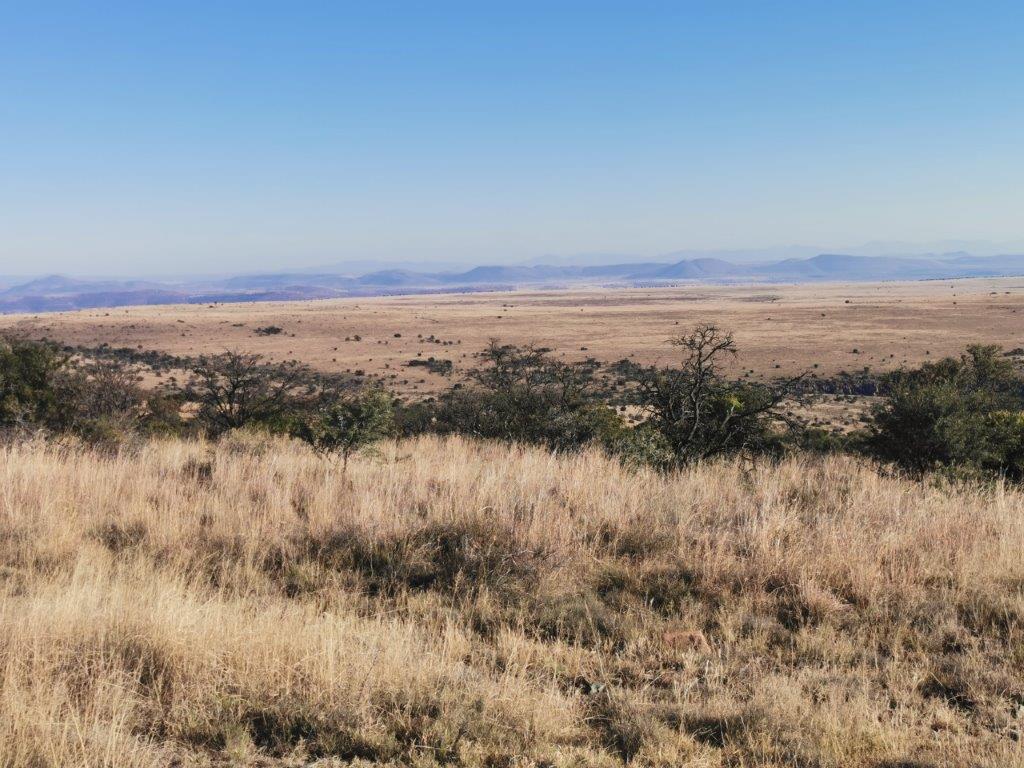
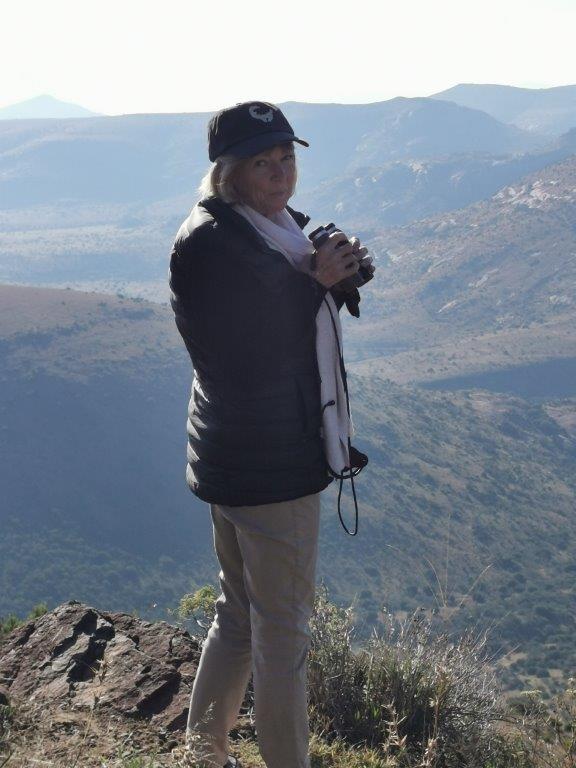

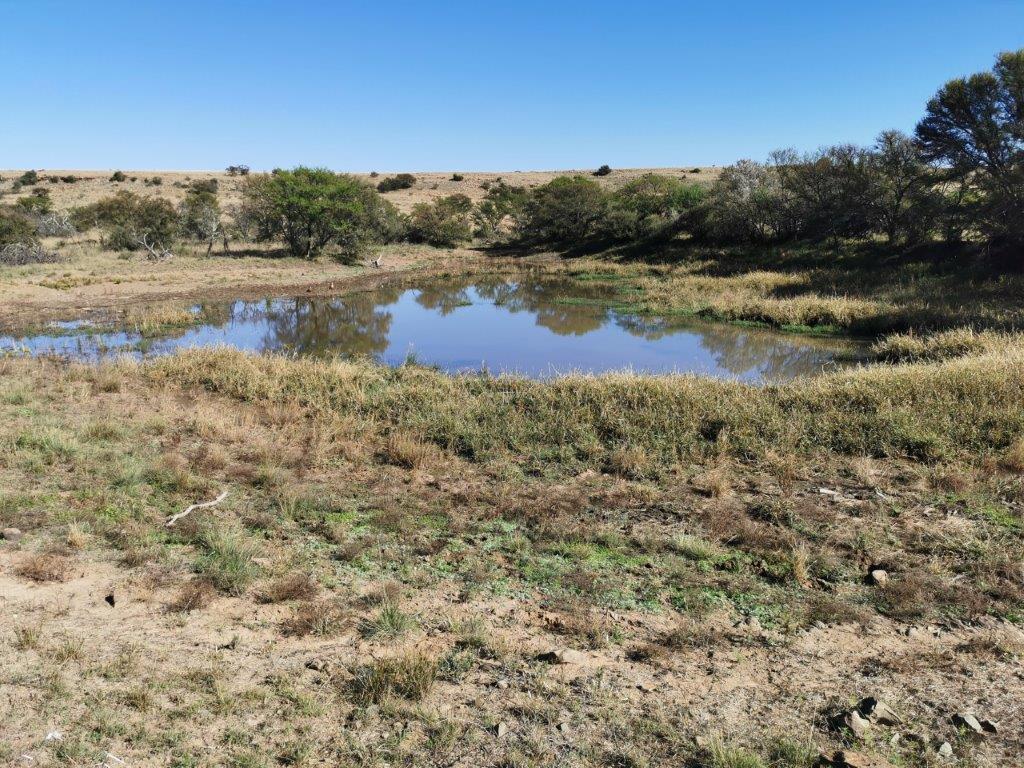
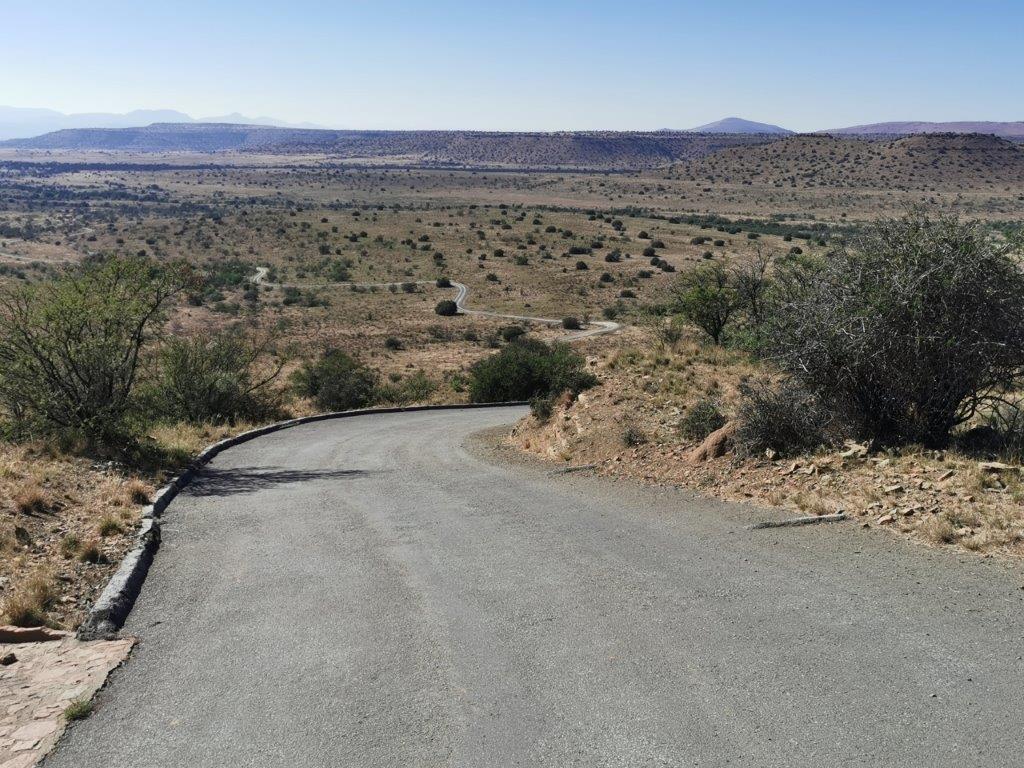


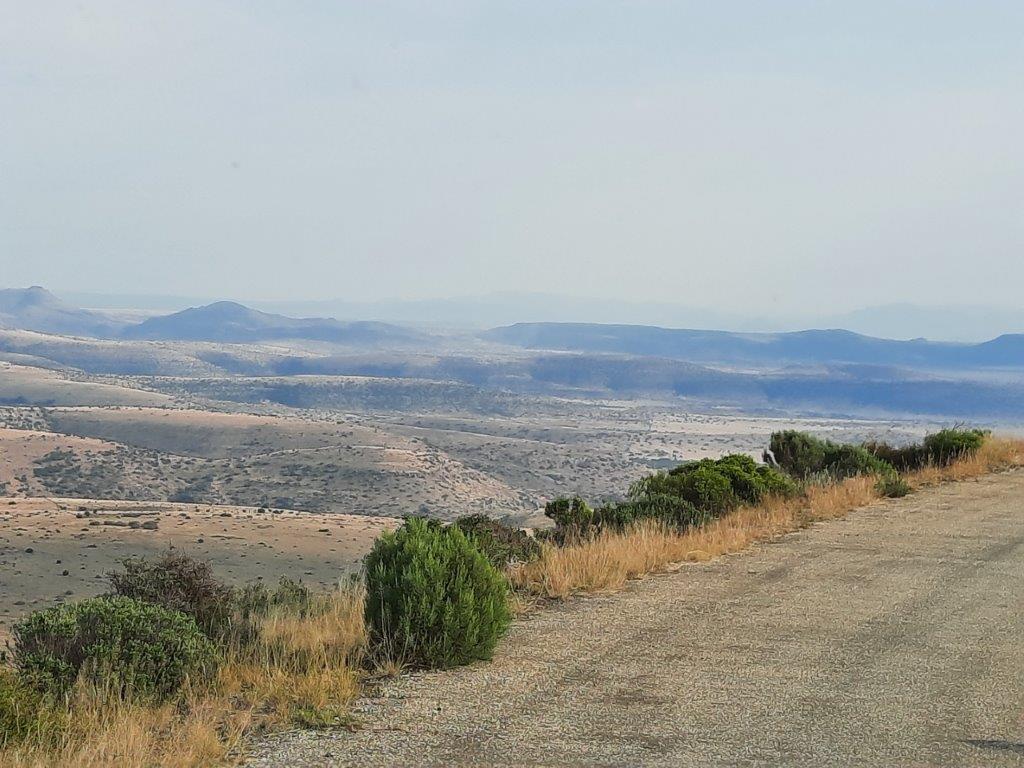
After the first day there we managed to extend our stay by another day- we had originally only been able to book 3 nights.
We had a couple of creepy experiences – spiders and a bark.

Face and arm or leg of a creepy whatyoumacollit. 
Golden Orb Web Spider
Then there was an unbelievably large Gum tree.

We were fortunate to see Bat-eared Foxes on 2 occasions.


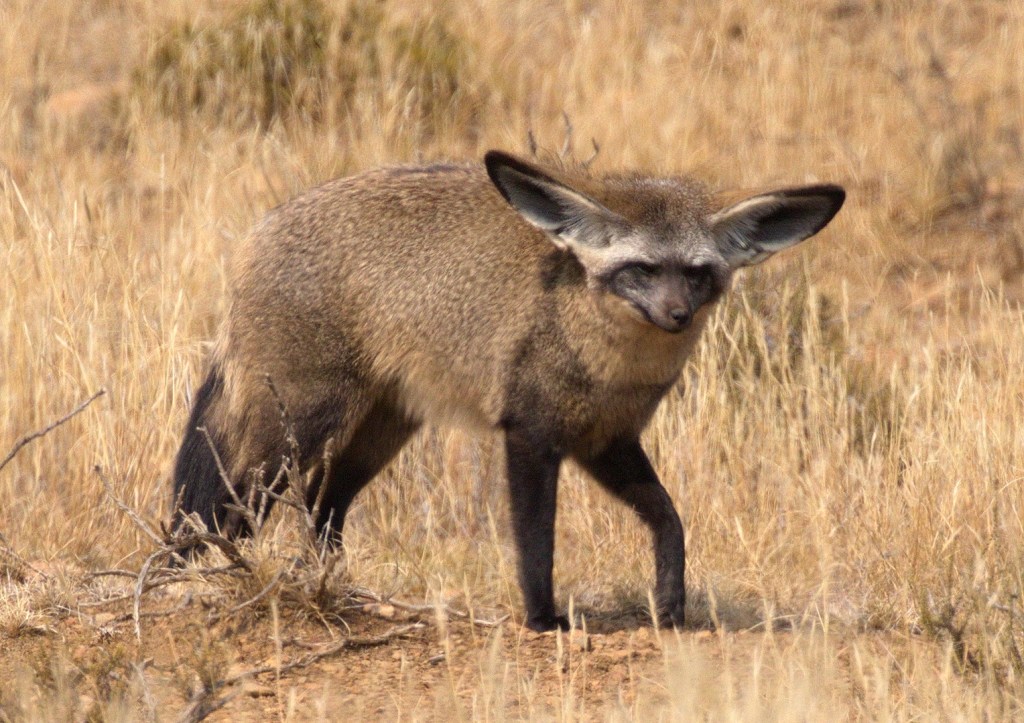


We saw Eland and one with several Red-billed Oxpeckers on its back – most unexpected.

Eland 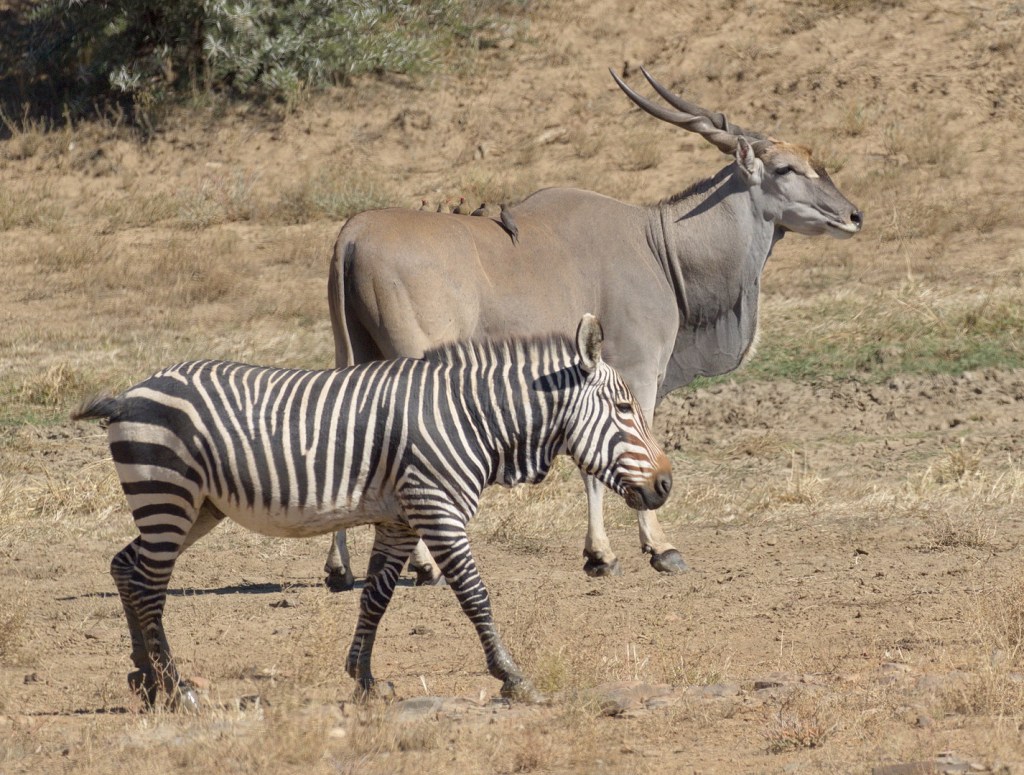
Short-tailed Cape Mountain Zebra escorting an Eland with 5 Red-billed Oxpeckers on its back.
The Cape Mountain Zebra were everywhere and the young looking so cute.


Here are some of the other animals photoed.
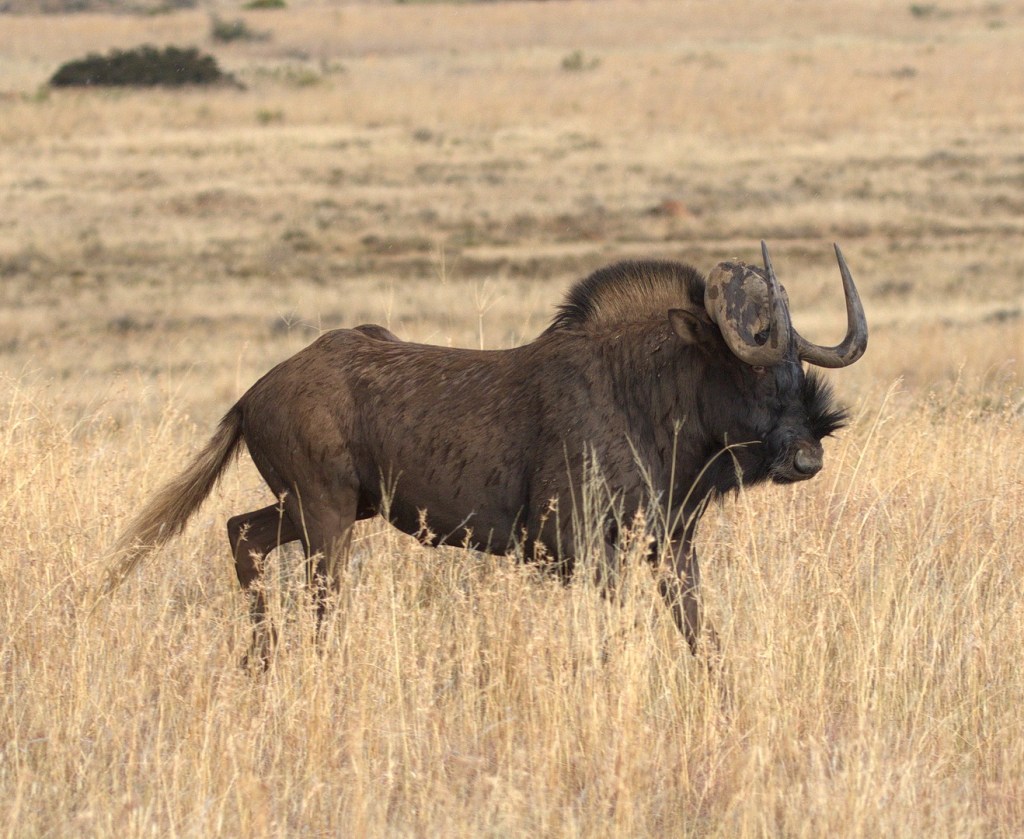
Black Wildebeest 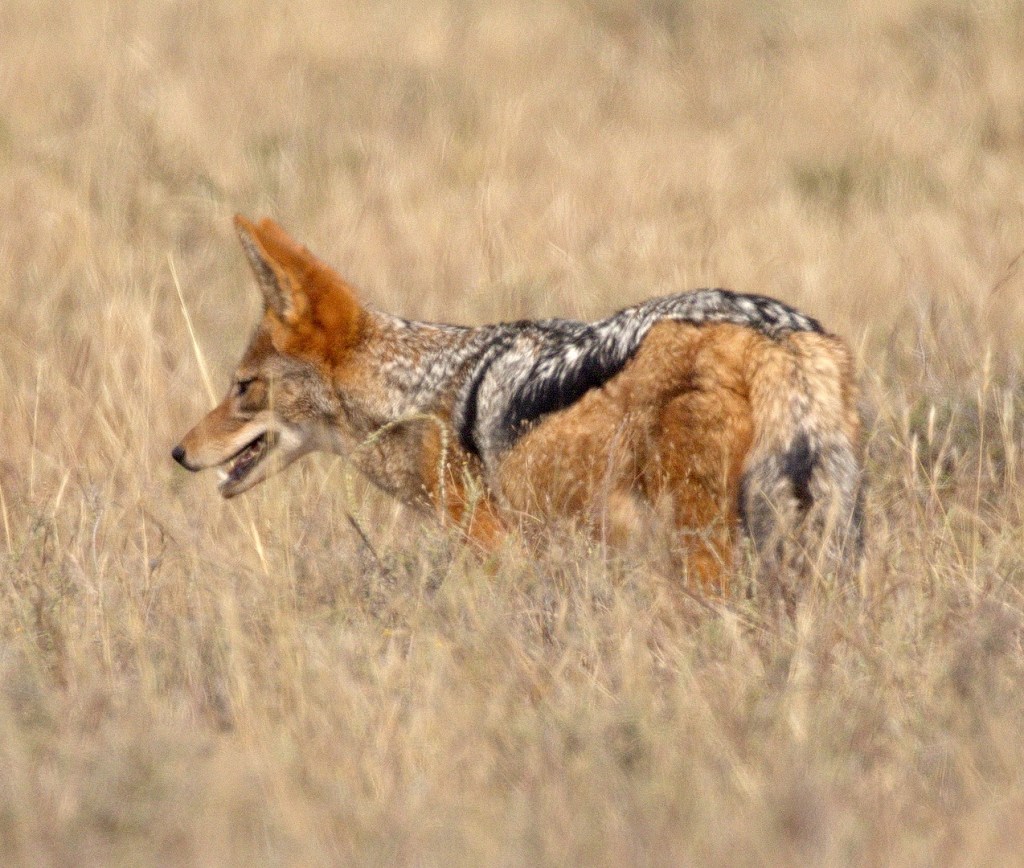
Black-backed Jackal 
Ground Squirrel 
Black Wildebeest 
Red Hartebeest
Then there were the birds.
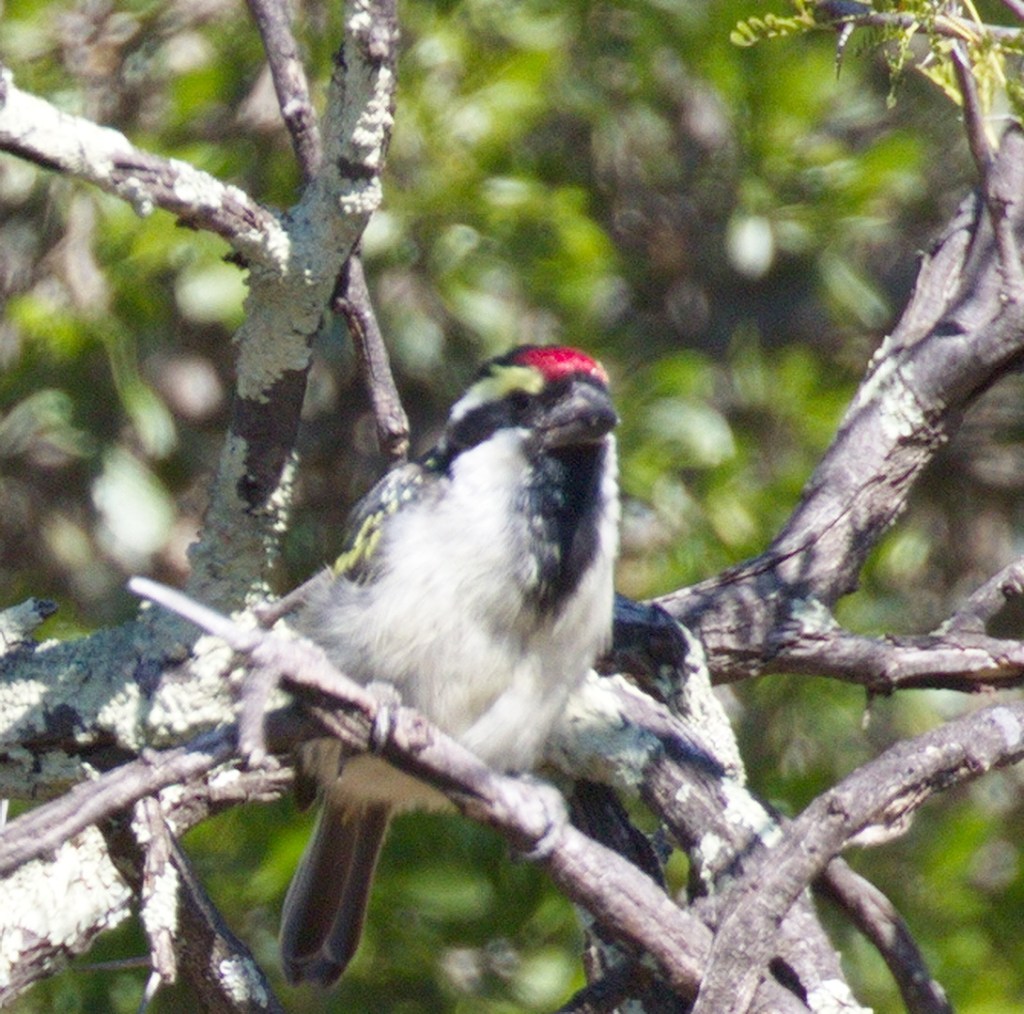
Acacia Pied Barbet 
Black Duck 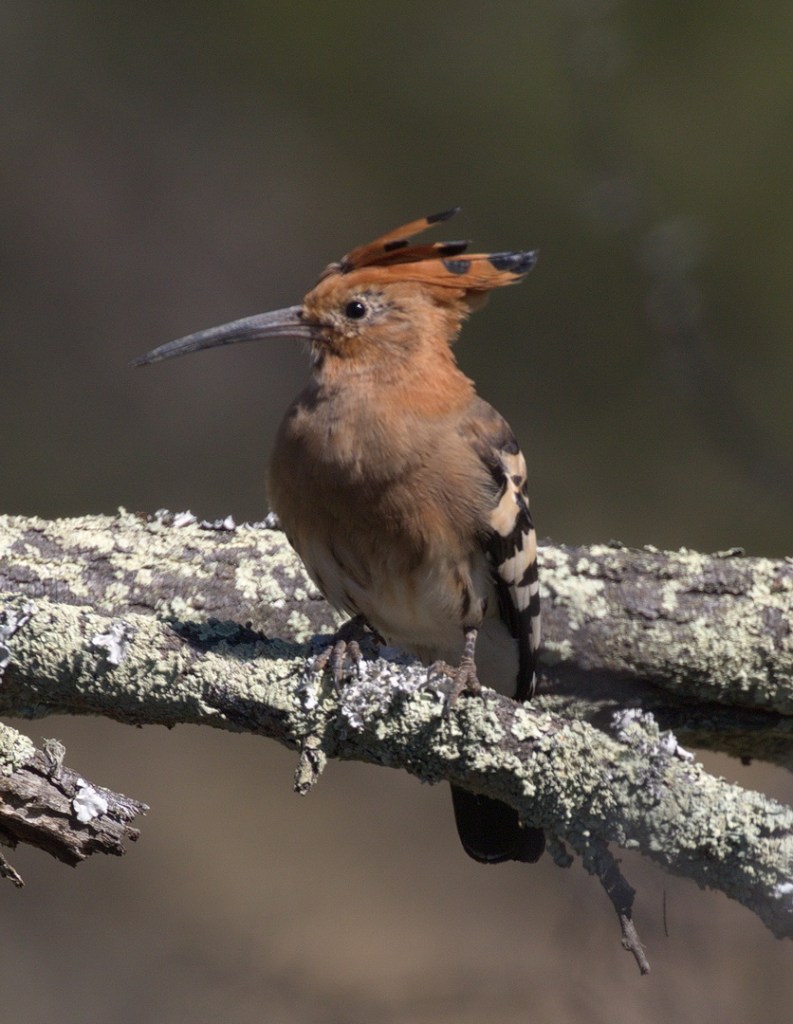
African Hoopoe 
African Hoopoe 
Ant-eating Chat 
Black Harrier 
Rufous-eared Warbler 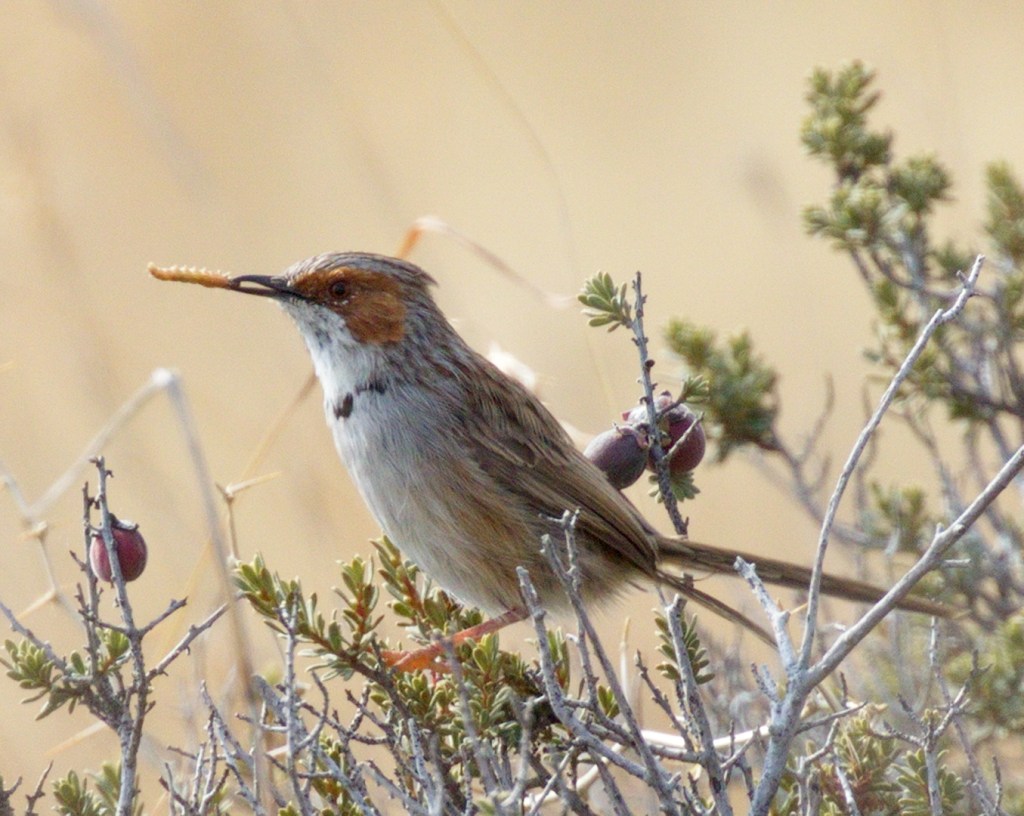
Rufous-eared Warbler 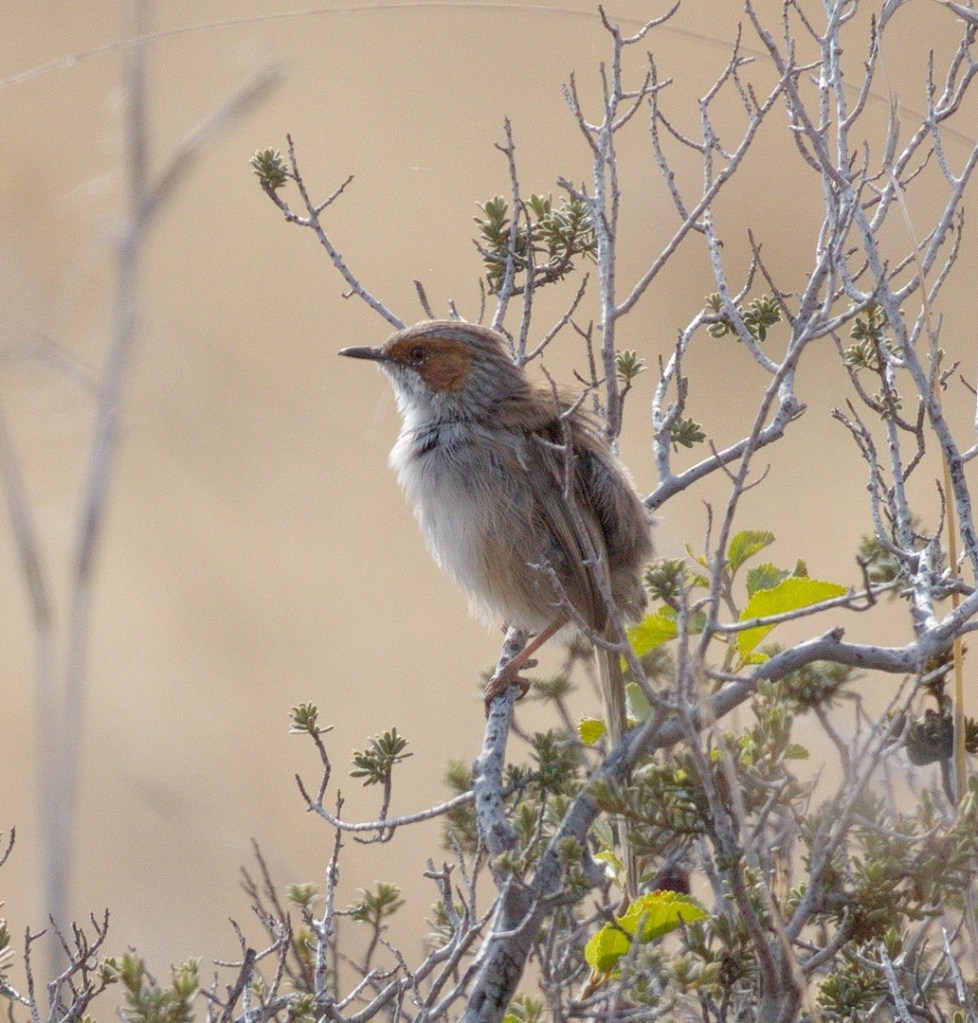
Rufous-eared Warbler 
Blue Crane 
Blue Korhaan 
Cape Bunting 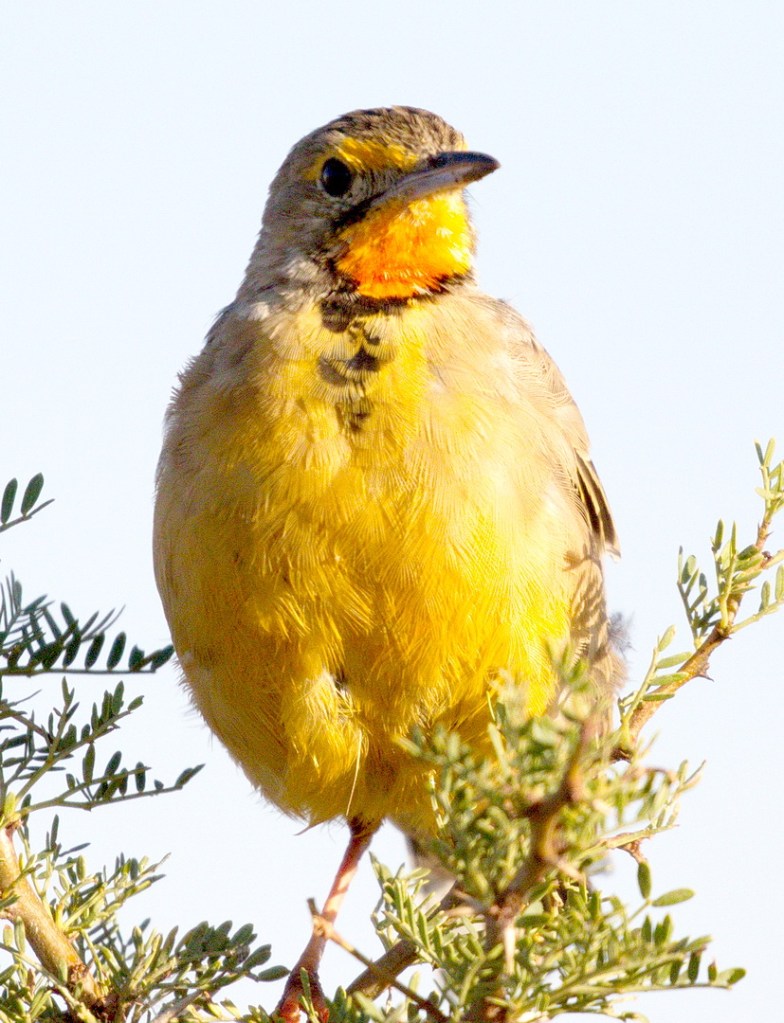
Cape Longclaw 
Cape Longclaw 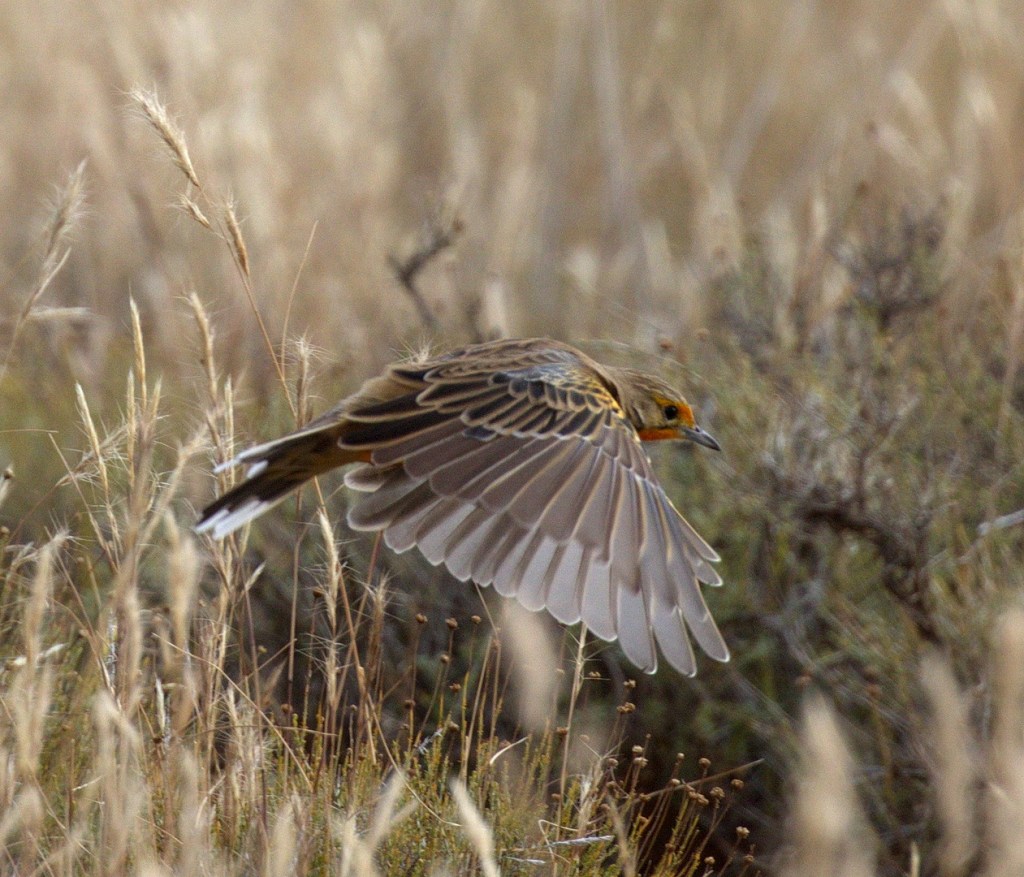
Cape Longclaw 
Cape Sparrow 
Cape Sparrow 
Capped Wheatear 
Capped Wheatear 
Common Ostrich 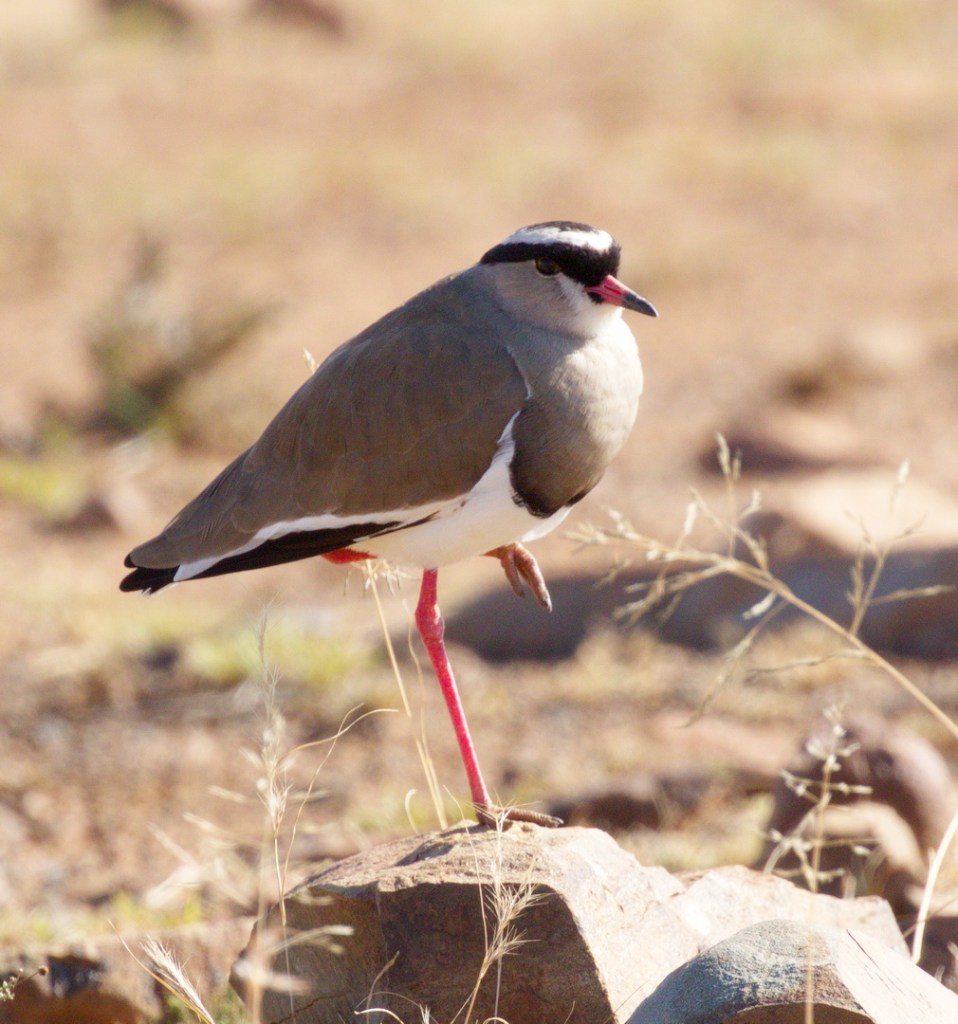
Crowned lapwing 
Crowned lapwing 
Red-winged Francolin 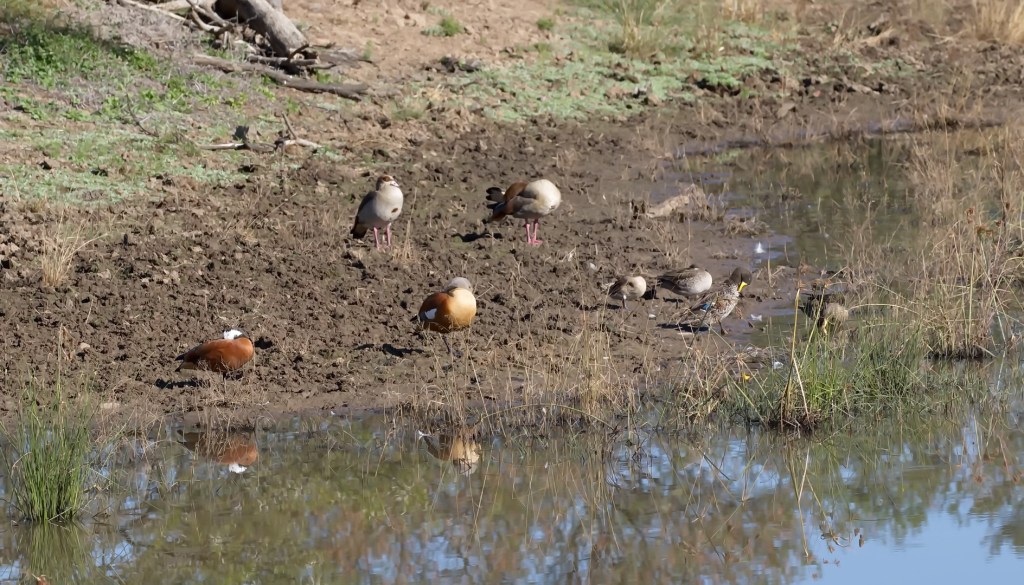
Ducks and Geese 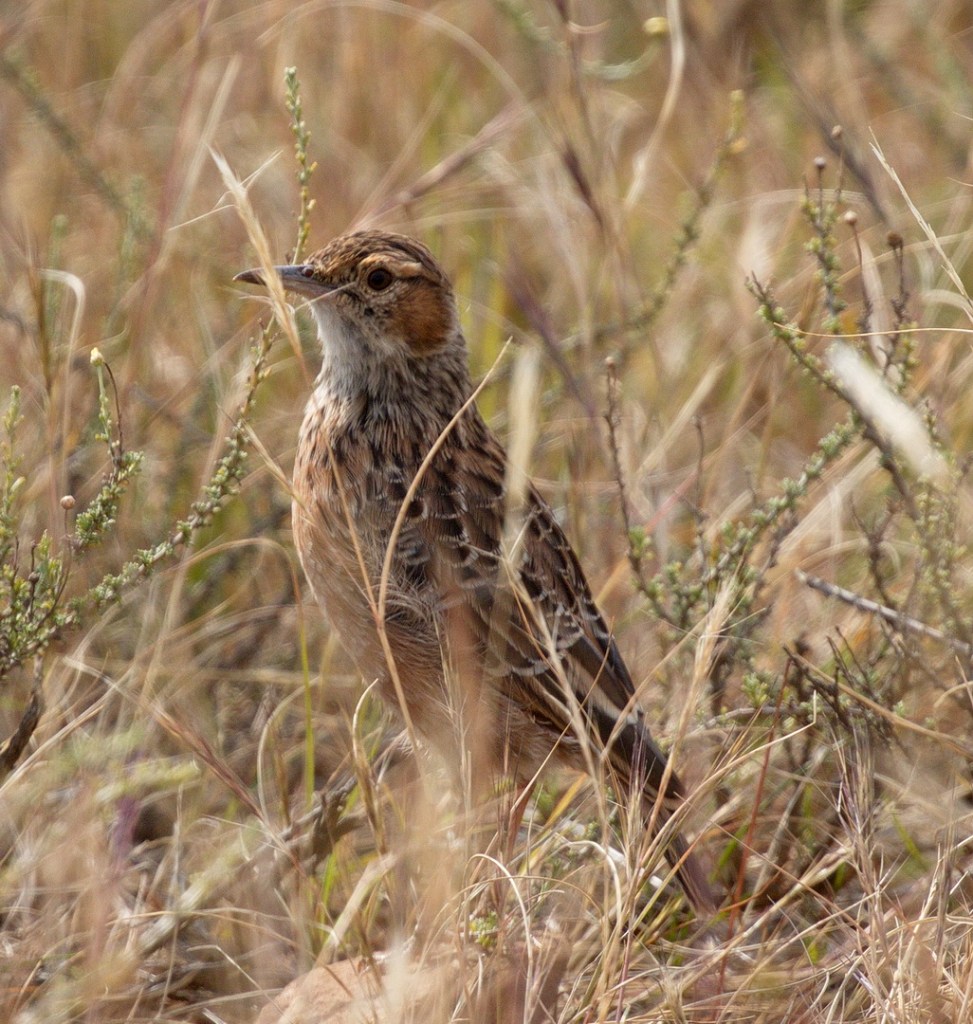
Eastern Long-billed Lark 
Eastern Long-billed Lark 
Familiar Chat 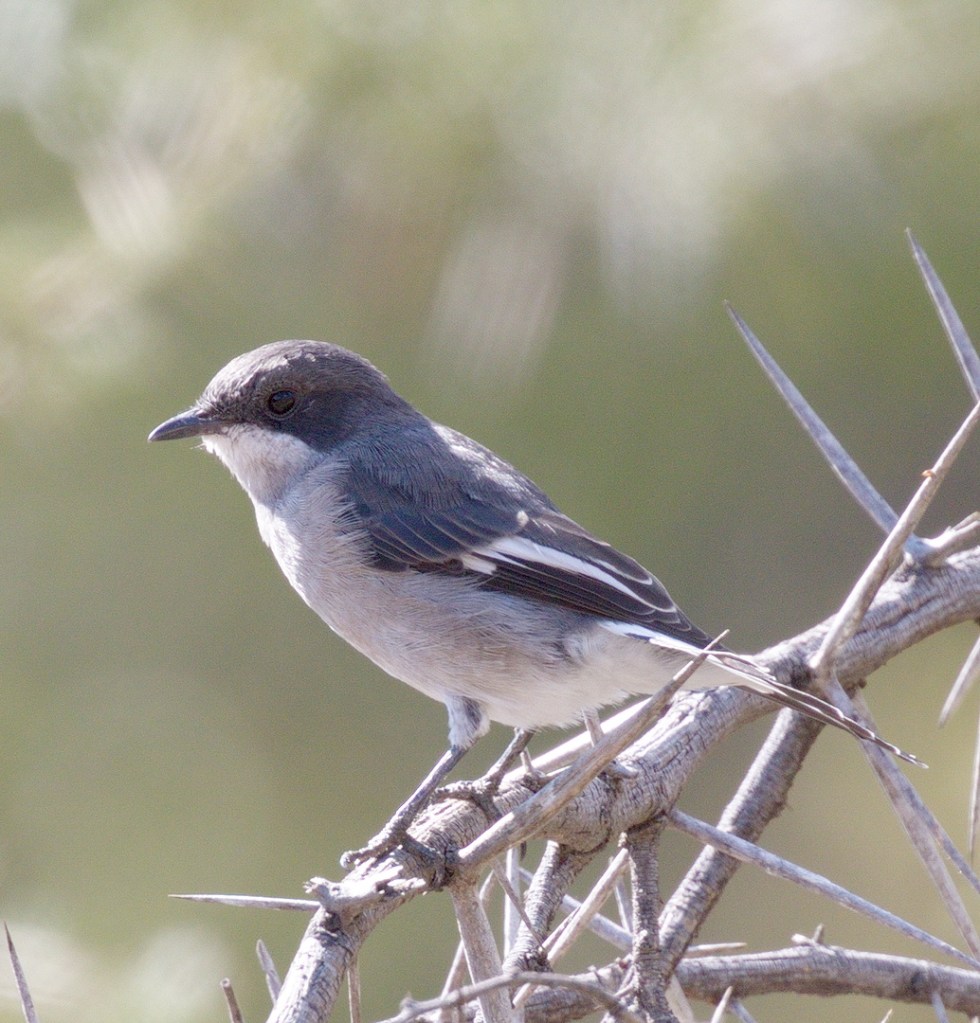
Fiscal Flycatcher 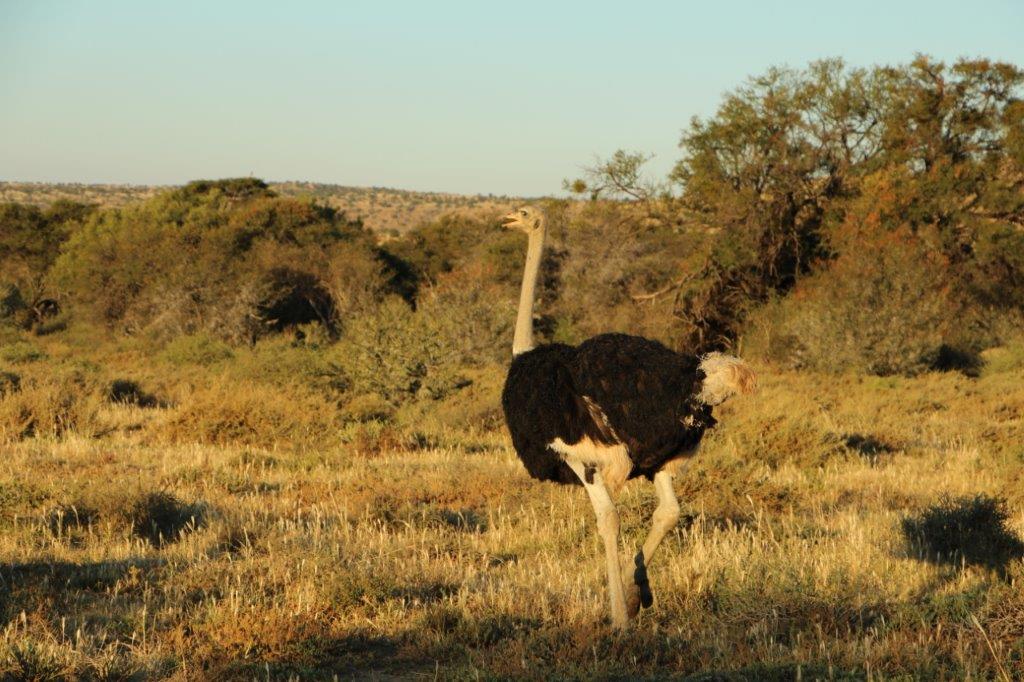
Common Ostrich 
Karoo Scrub-Robin 
Lanner Falcon 
Large-billed Lark 
Large-billed Lark 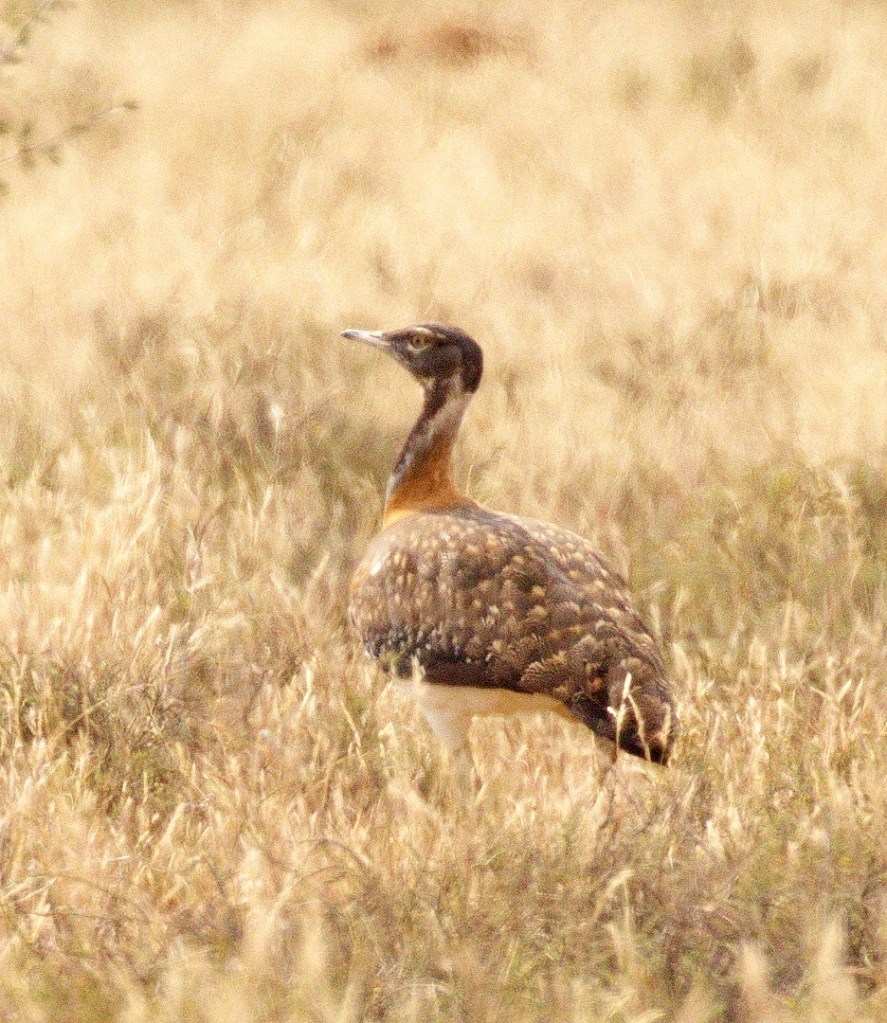
Ludwig’s Bustard 
Pale Chanting Goshawk 
Pied Starling 
Pied Starling being fed 
Red-eyed bulbul 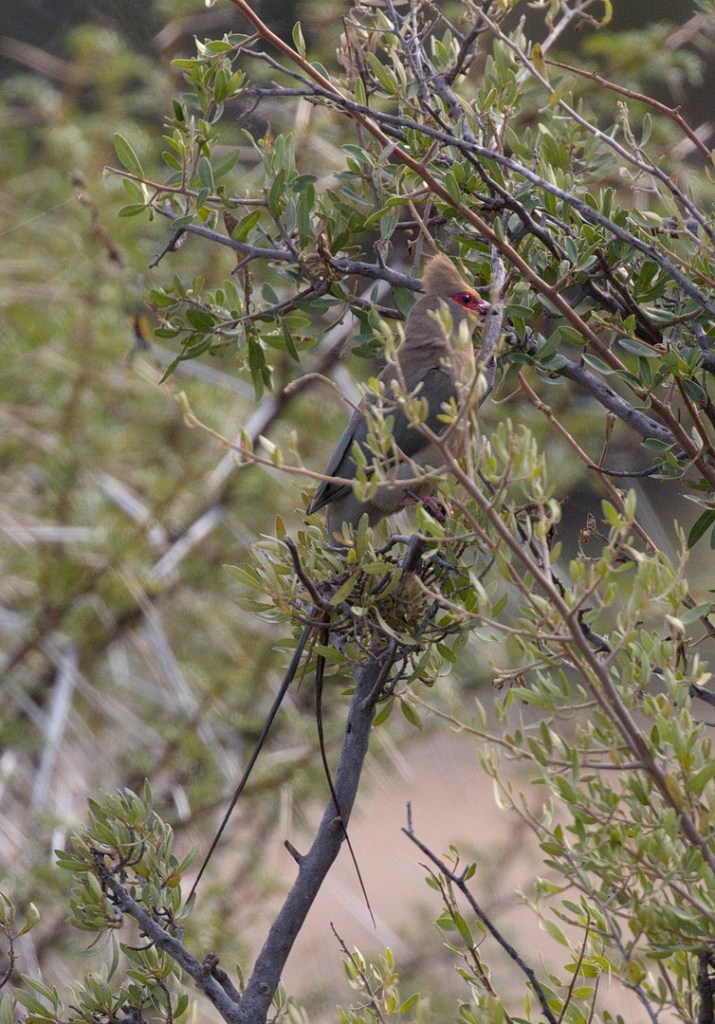
Red-faced mousebird 
Red-headed finch 
Red-headed Finch 
Scaly-feathered Weaver 
Scaly-feathered Weaver – Mexican Bandito 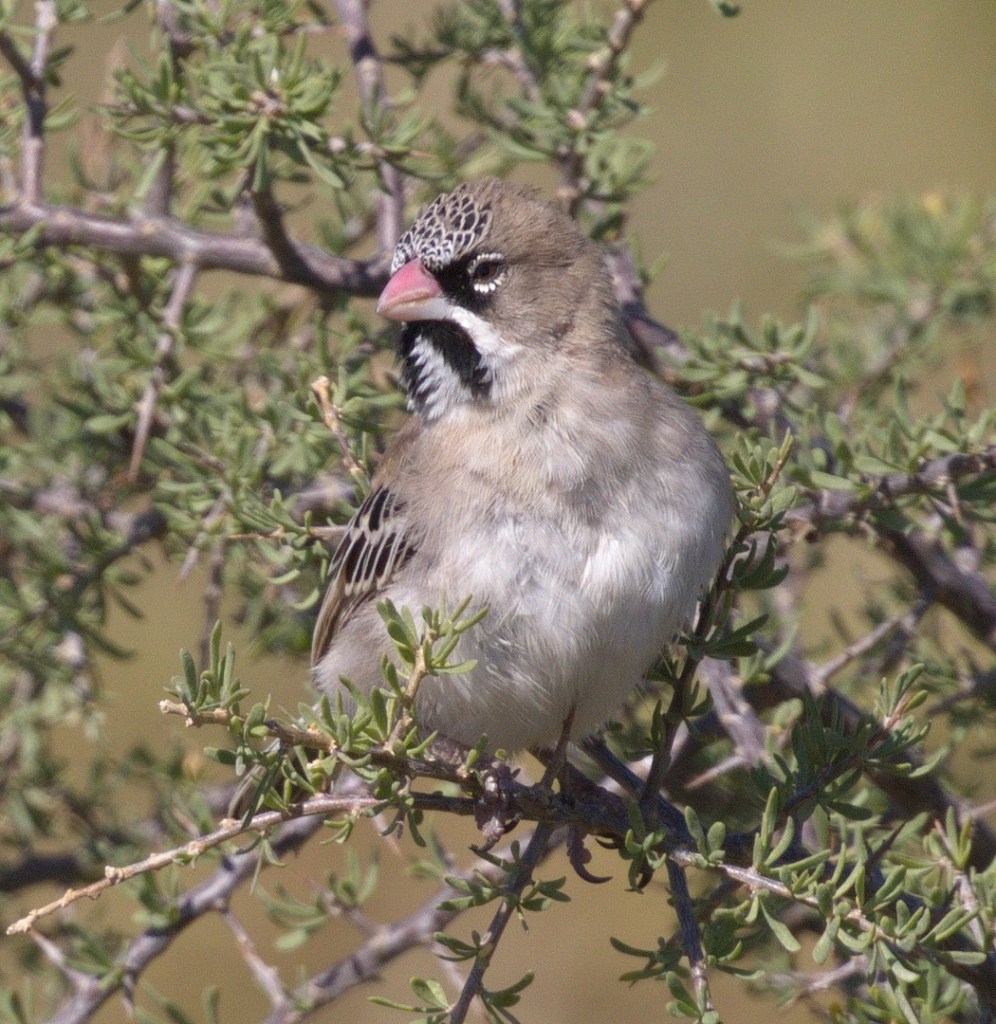
Scaly-feathered Weaver 
Secretarybird 
Red-winged Francolin 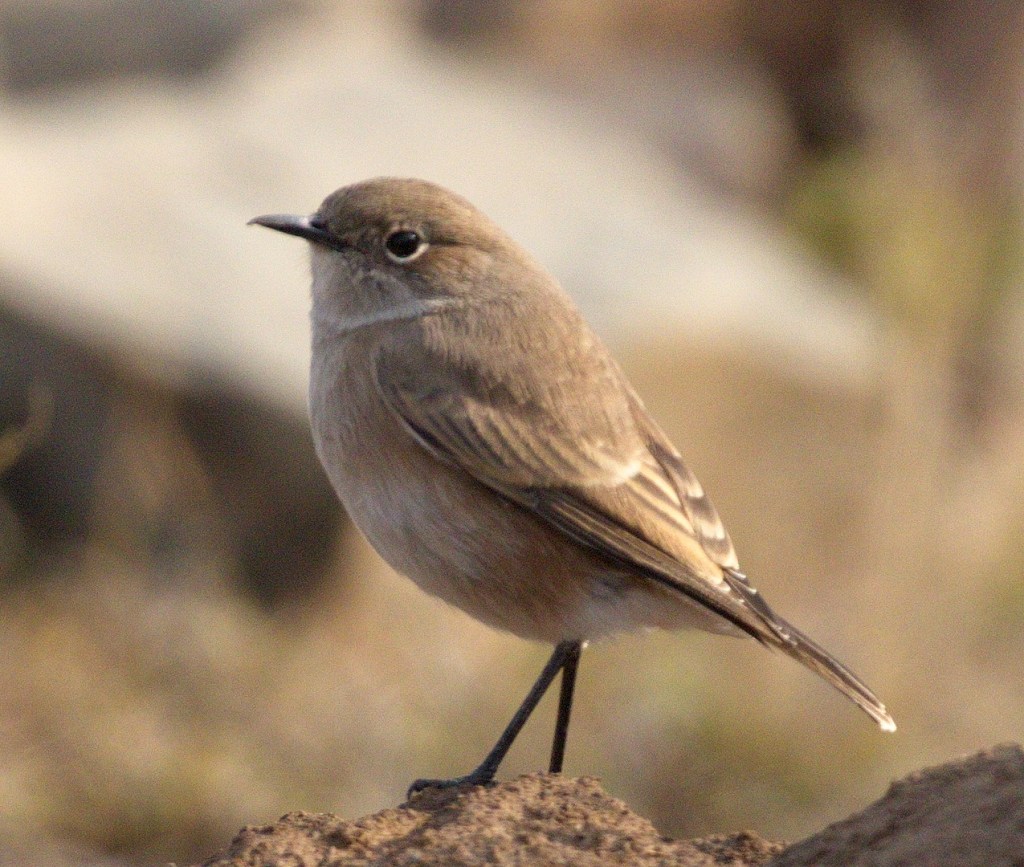
Sickle-winged Chat 
Streaky-headed Seedeater 
Unsure 
Verreaux’s Eagle 
White-browed Sparrow-Weaver 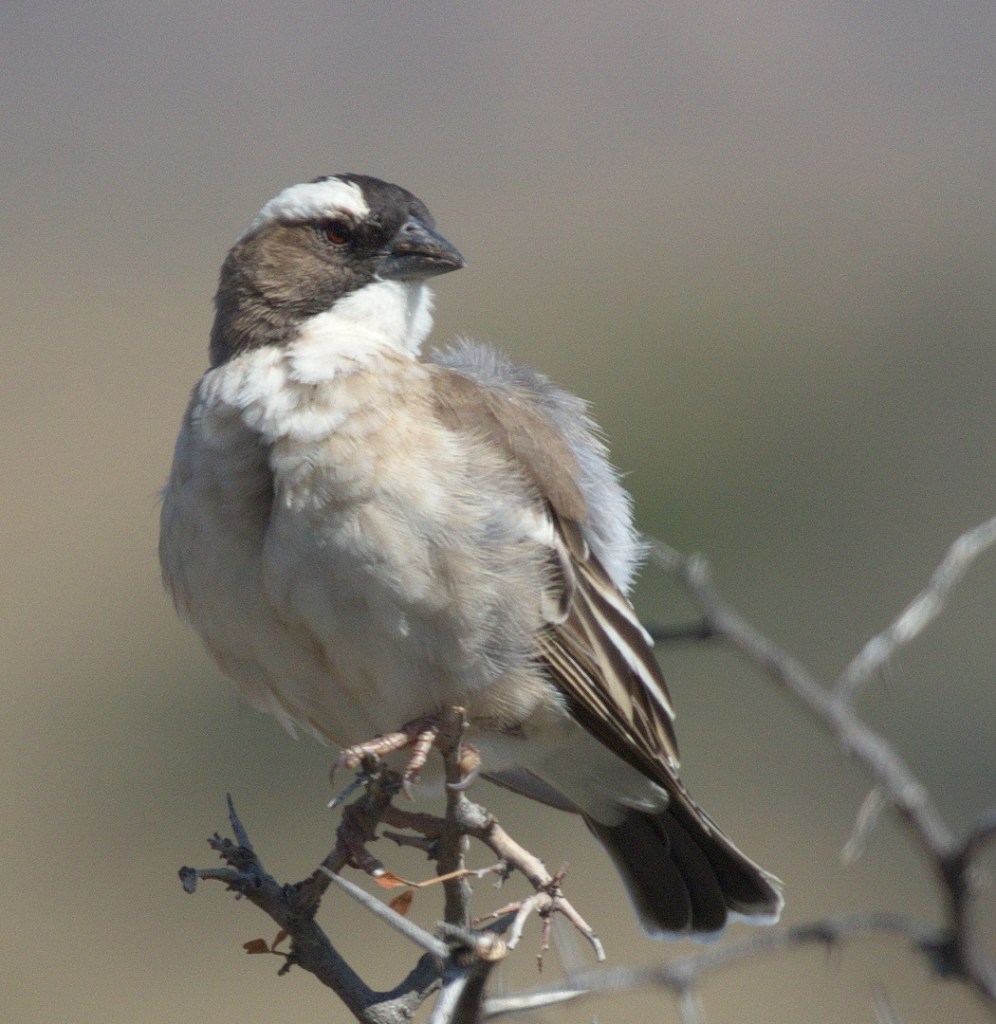
White-browed Sparrow-Weaver 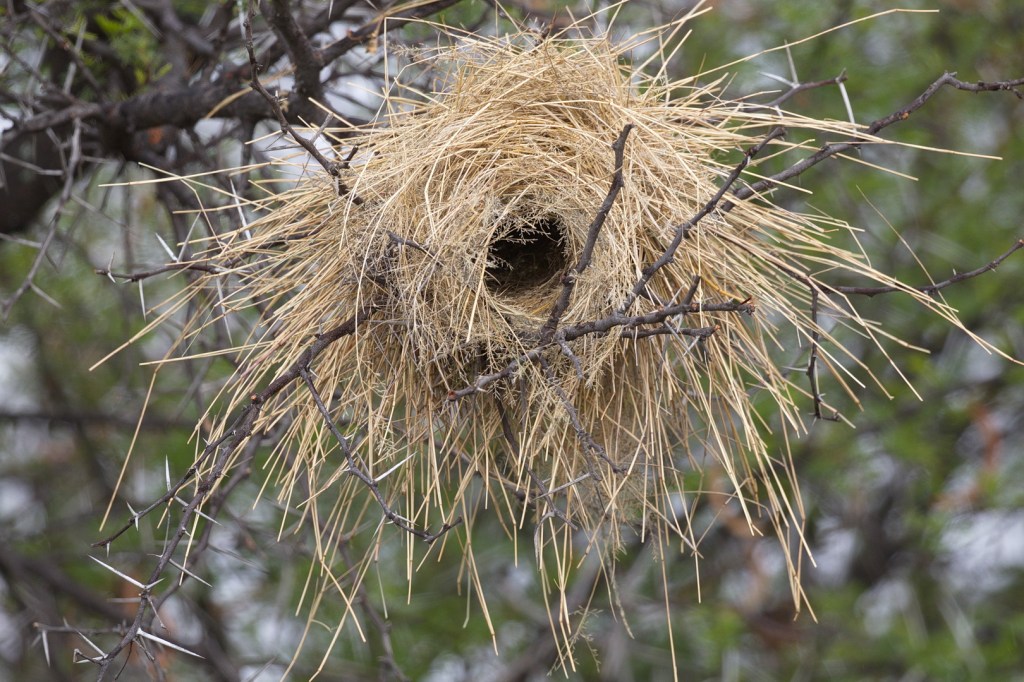
White-browed Sparrow-Weaver nest
Our next destination was Balloch Cottages close to Barkly East near the southern Lesotho border. To be reported in Part 3 of this series.
Paul and Sally Bartho
 Birds are our Story
Brilliant as always Paul! Thanks for sharingâ¦â¦â¦â¦â¦
Richard Stephens
Email:- rwstephens44@gmail.com
Mobile No.:- +27 (0) 73 763 3610
LikeLike