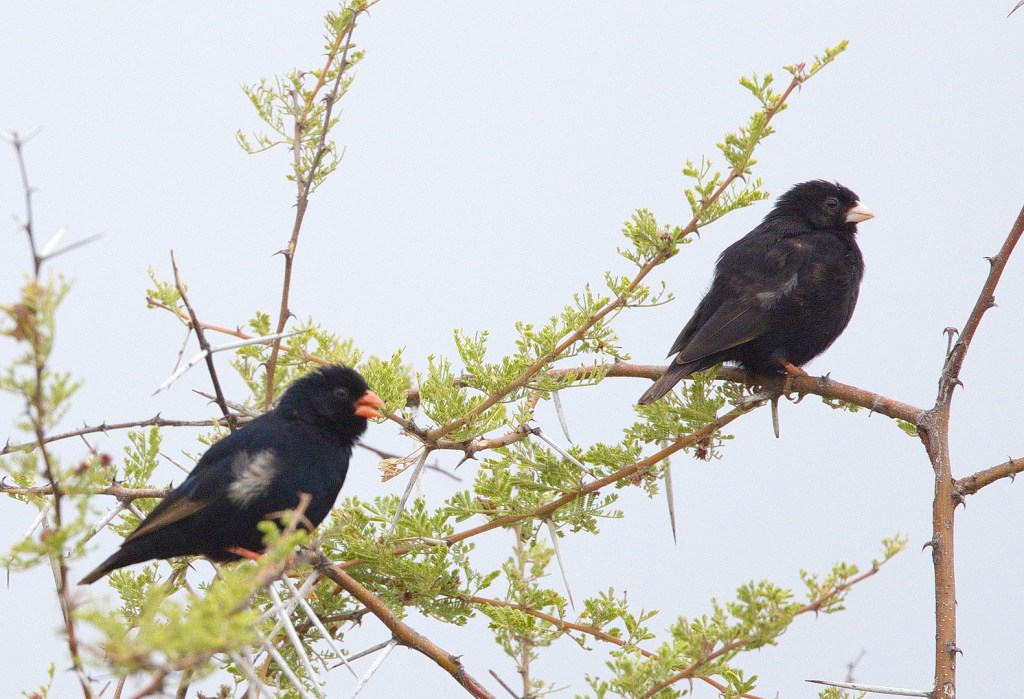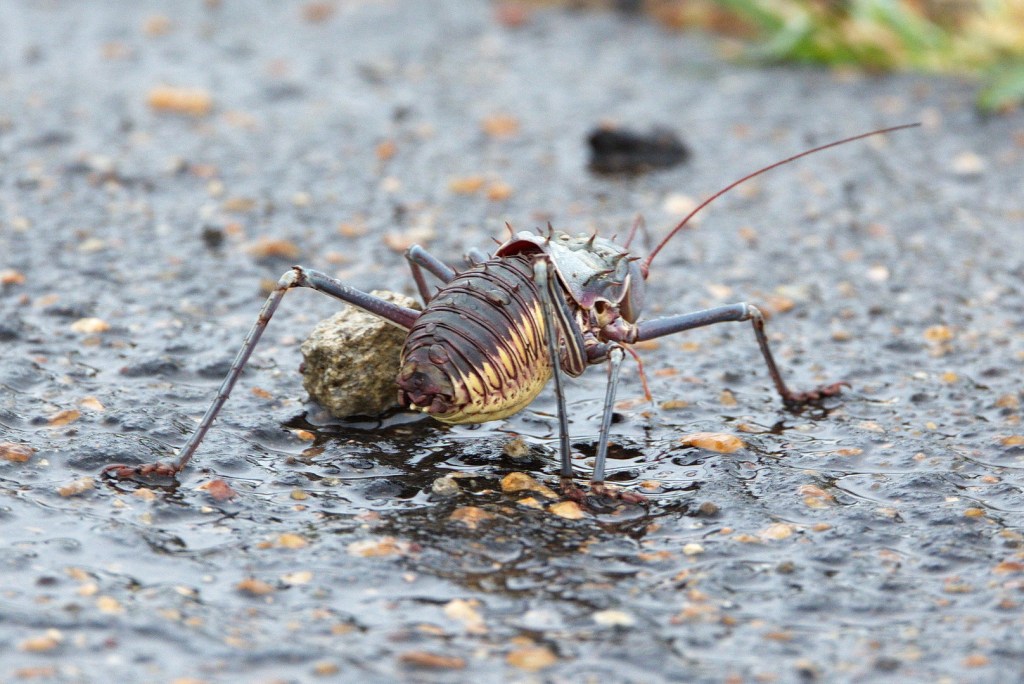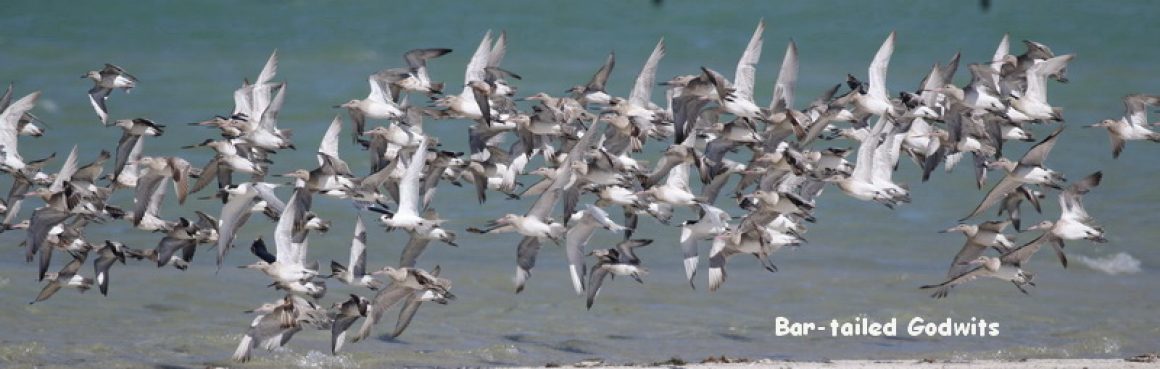
Kruger top to bottom – Part 3

Lower Sabie

14th to 18th April 2024
Lower Sabie

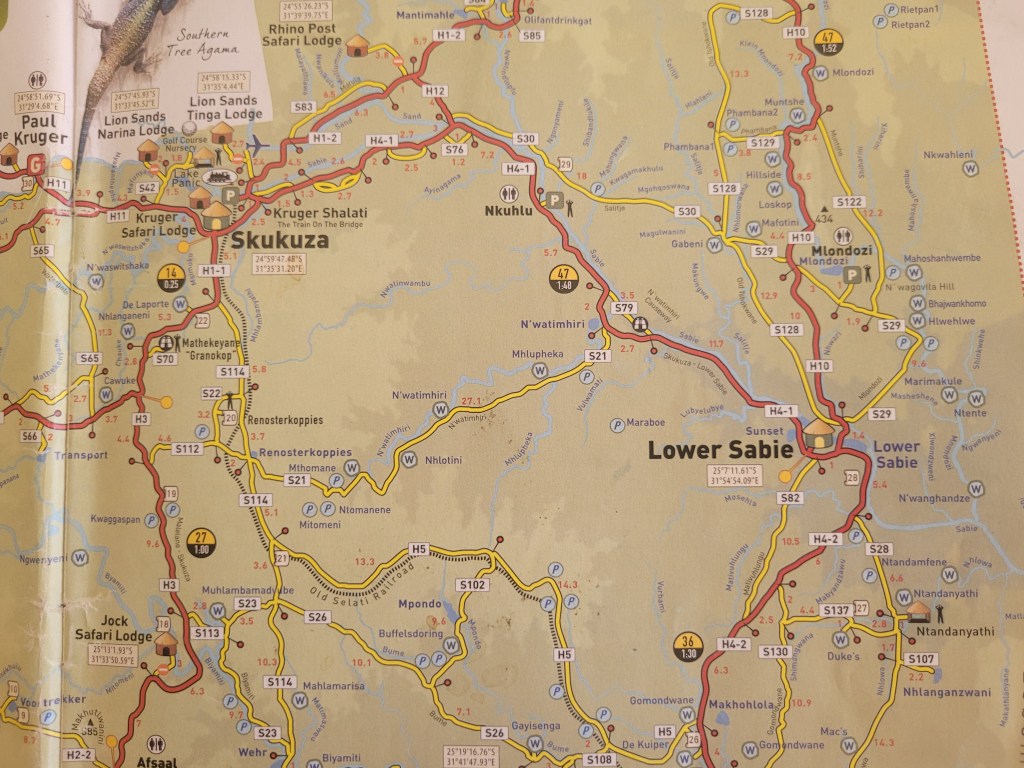
And so we left Satara on an overcast and slightly dribbly day. We headed for Tshokwane and then directly to Lower Sabie.

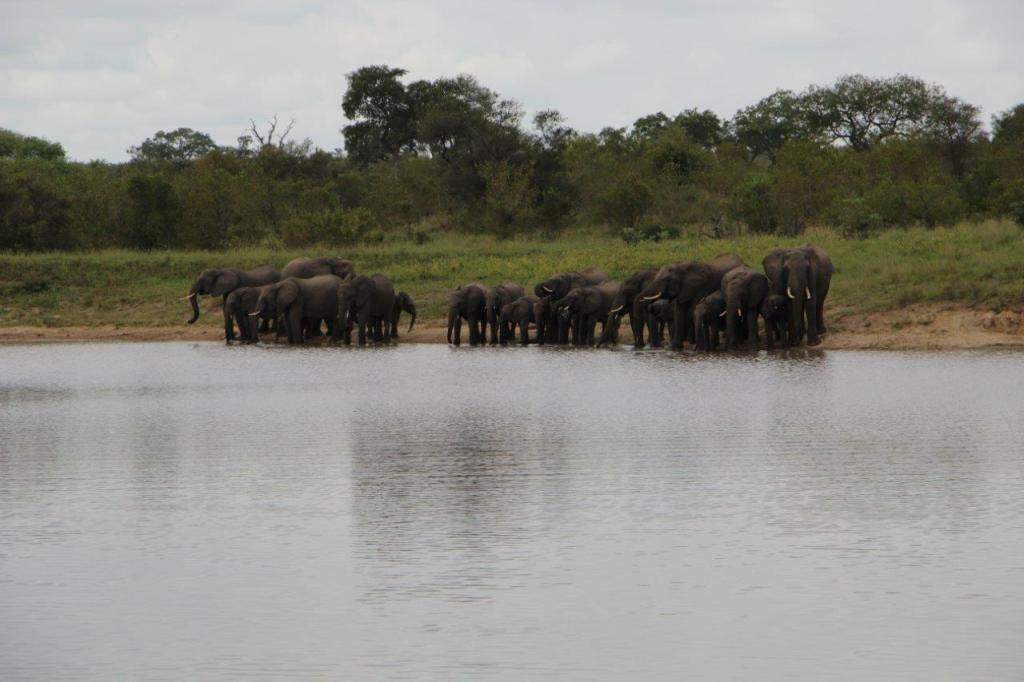
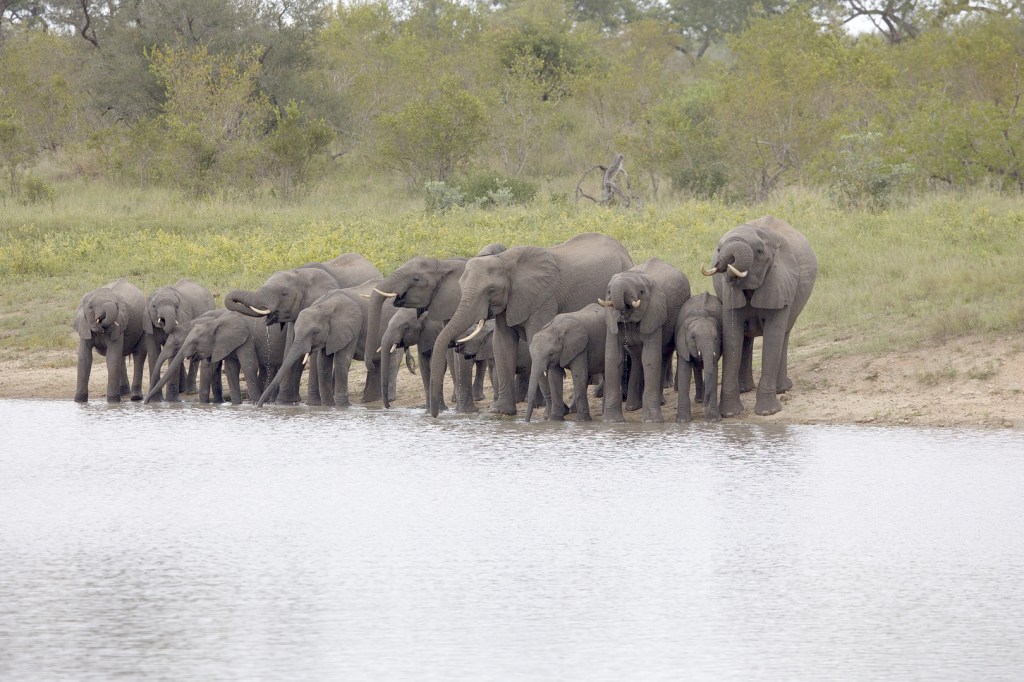
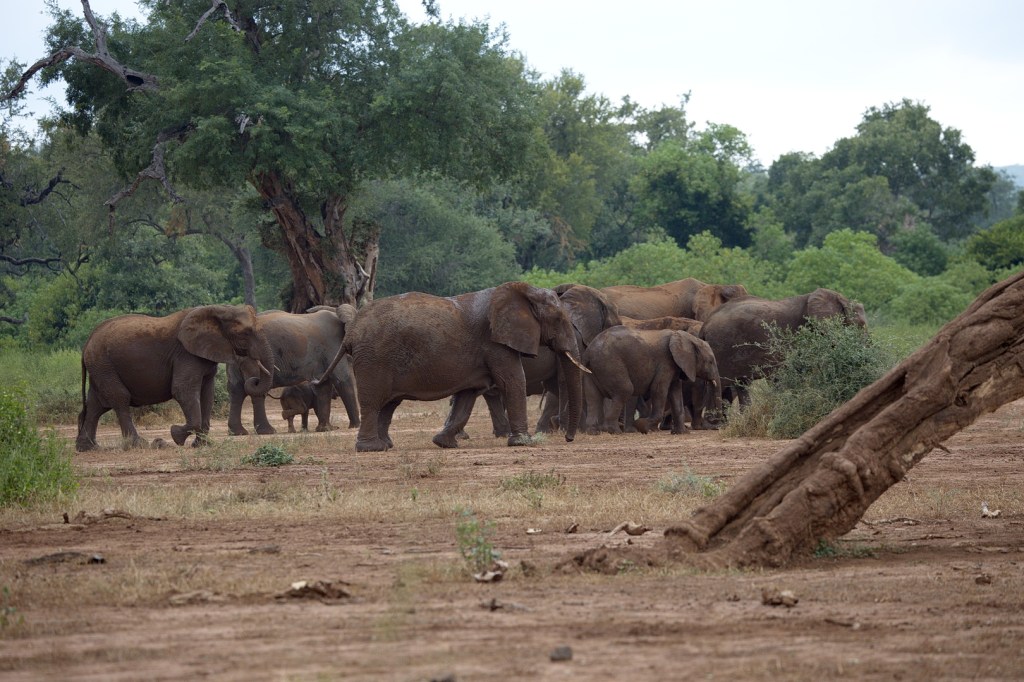
We love seeing herds of elephants but are nervous when they appear in the middle of the road while we are towing our Wildcat. As is usually the case they then appear behind as well – coming towards you. Reversing is not an option.

Really, we were not that close!!

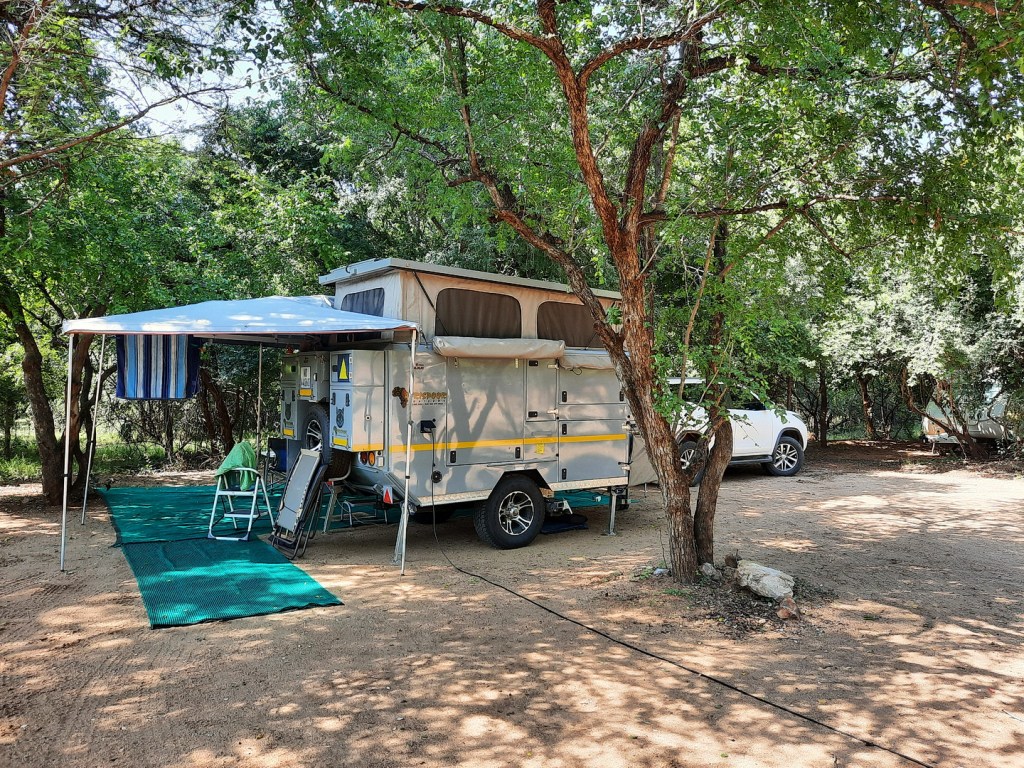
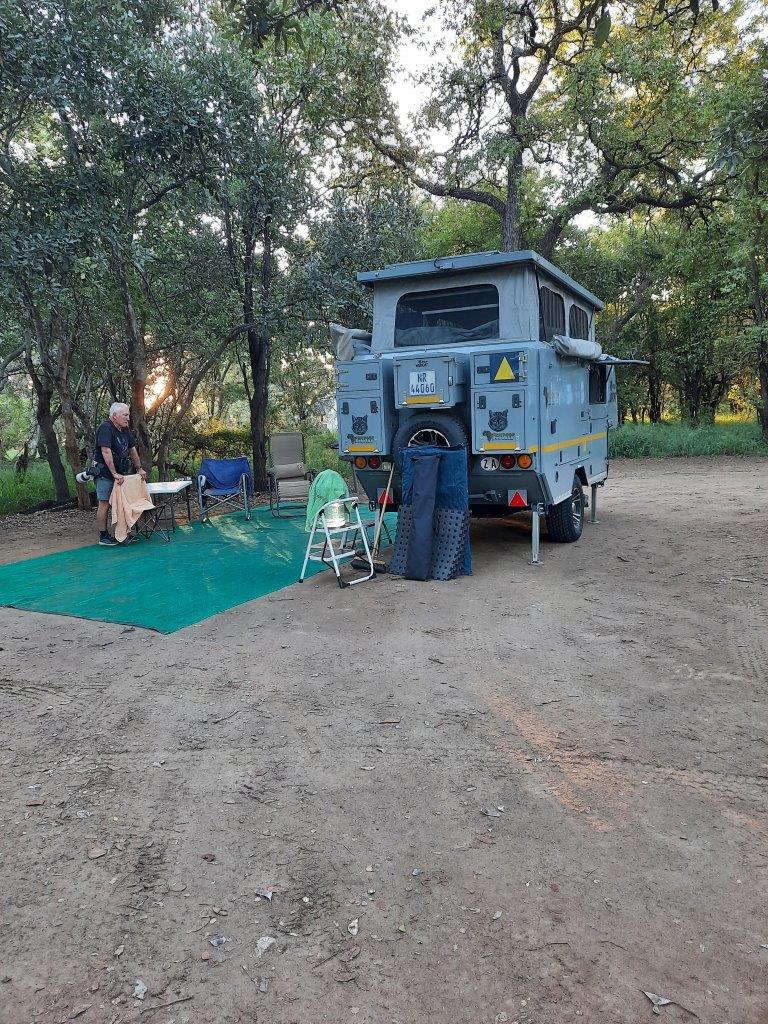
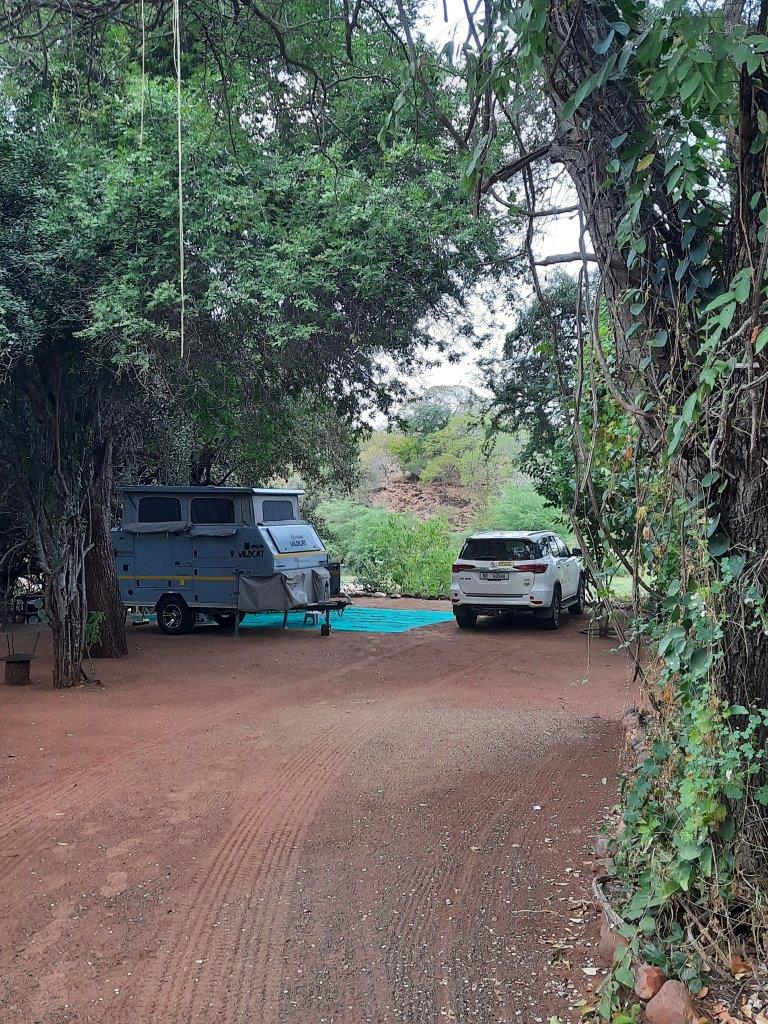
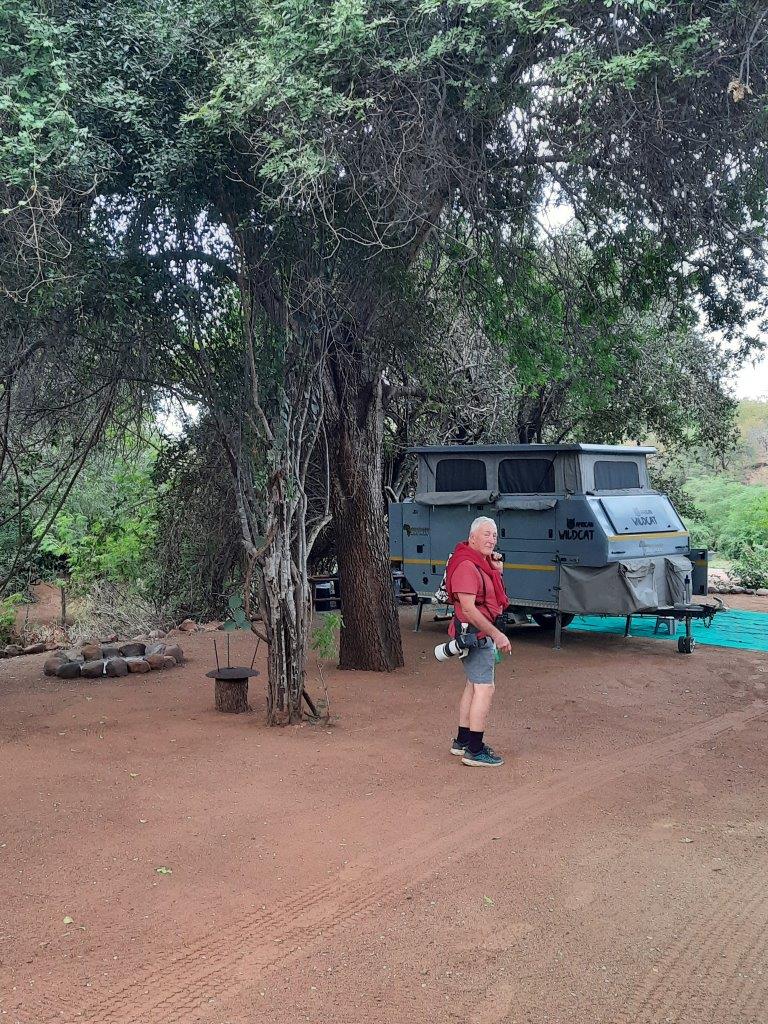
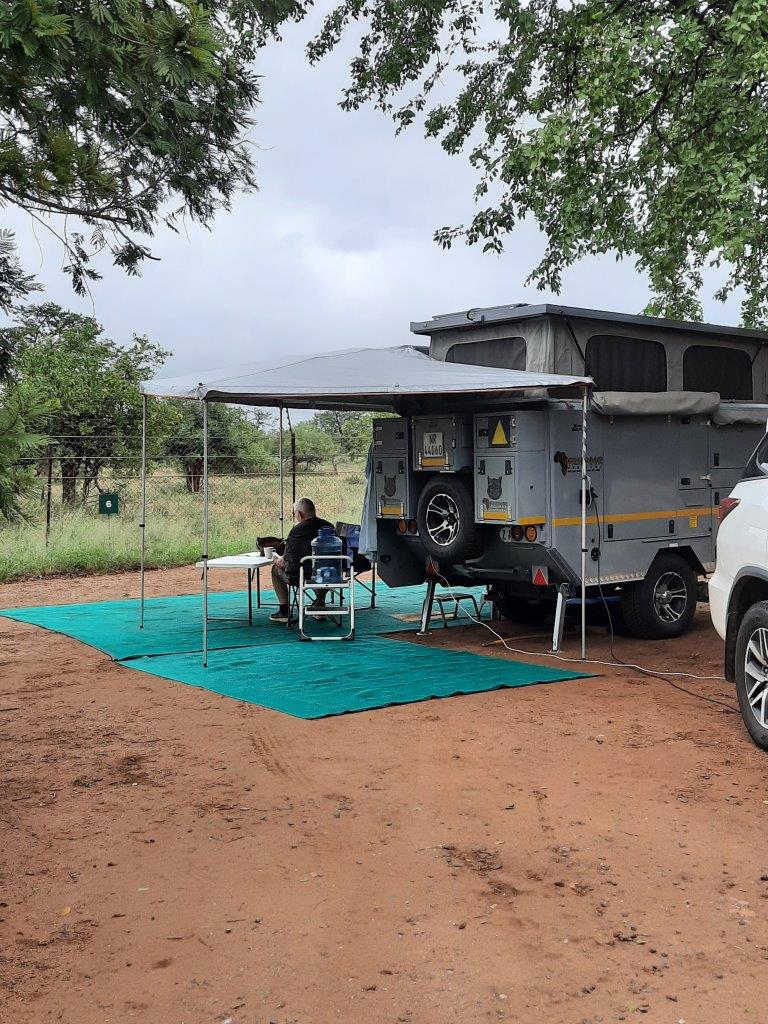
Camp was set up in a convenient spot.

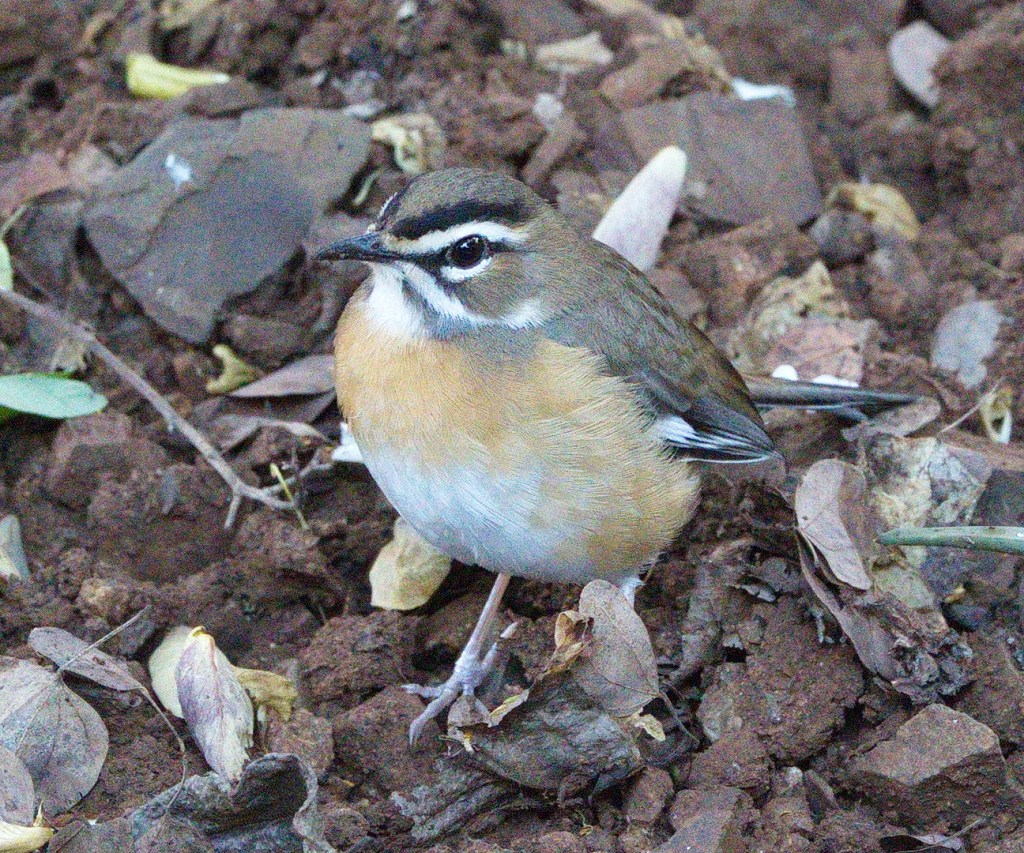
We had a pair of White-browed Robin-Chats (Heuglin’s) chorus us each morning always from the same spot in the bush.
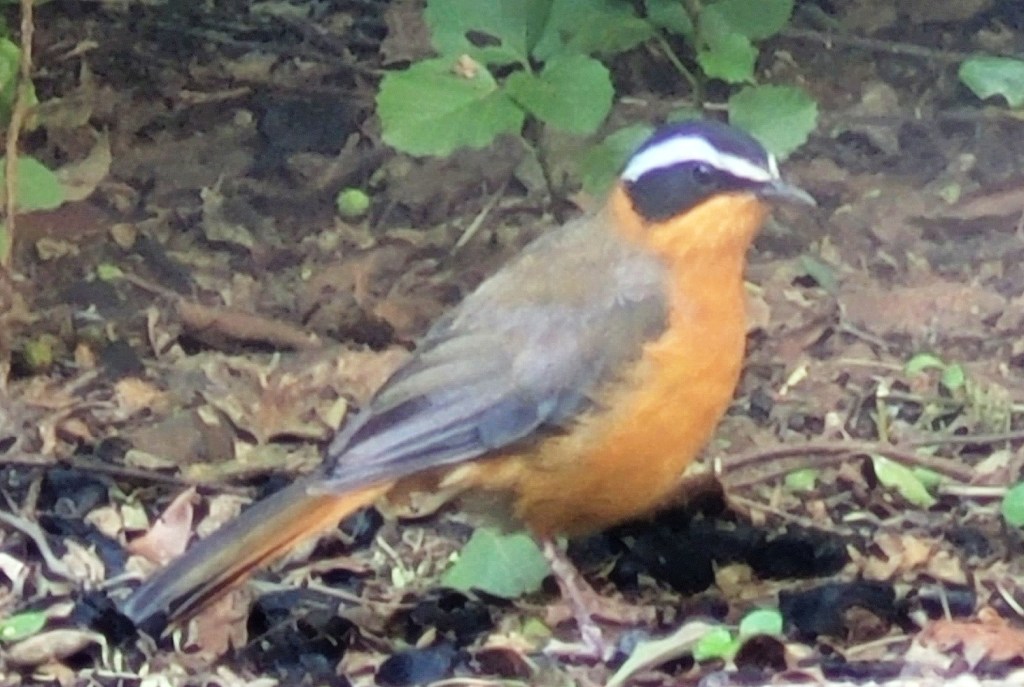
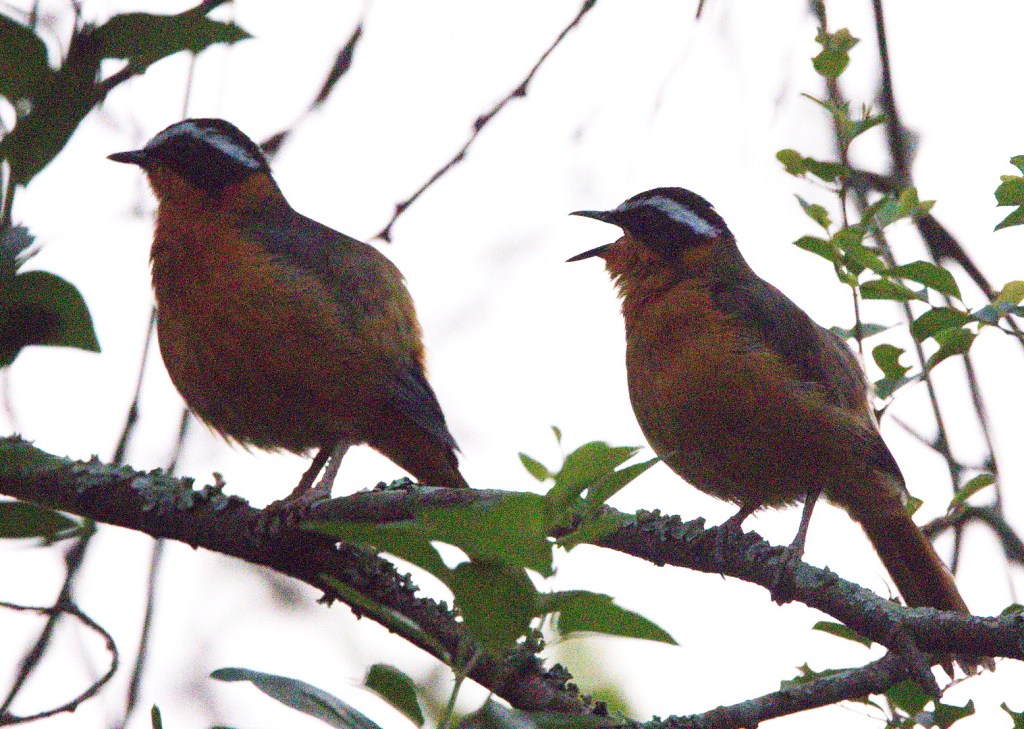
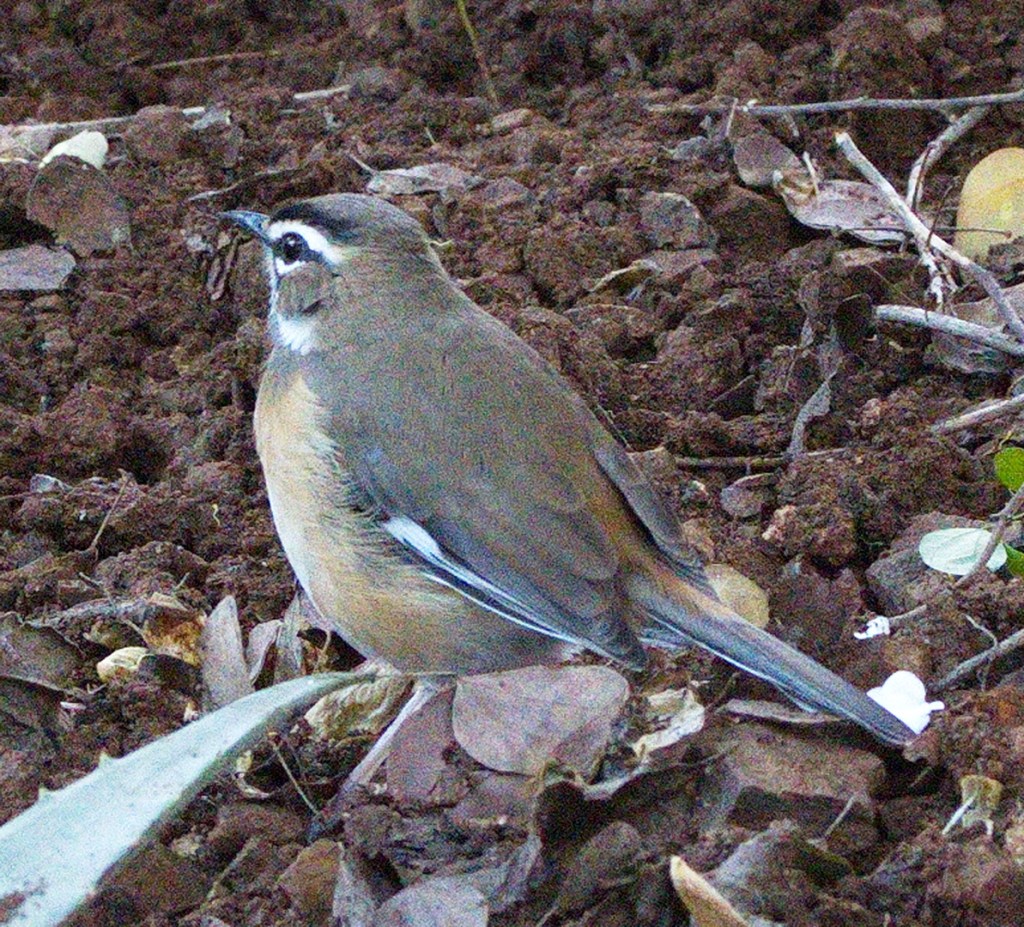
Other camp visitors.
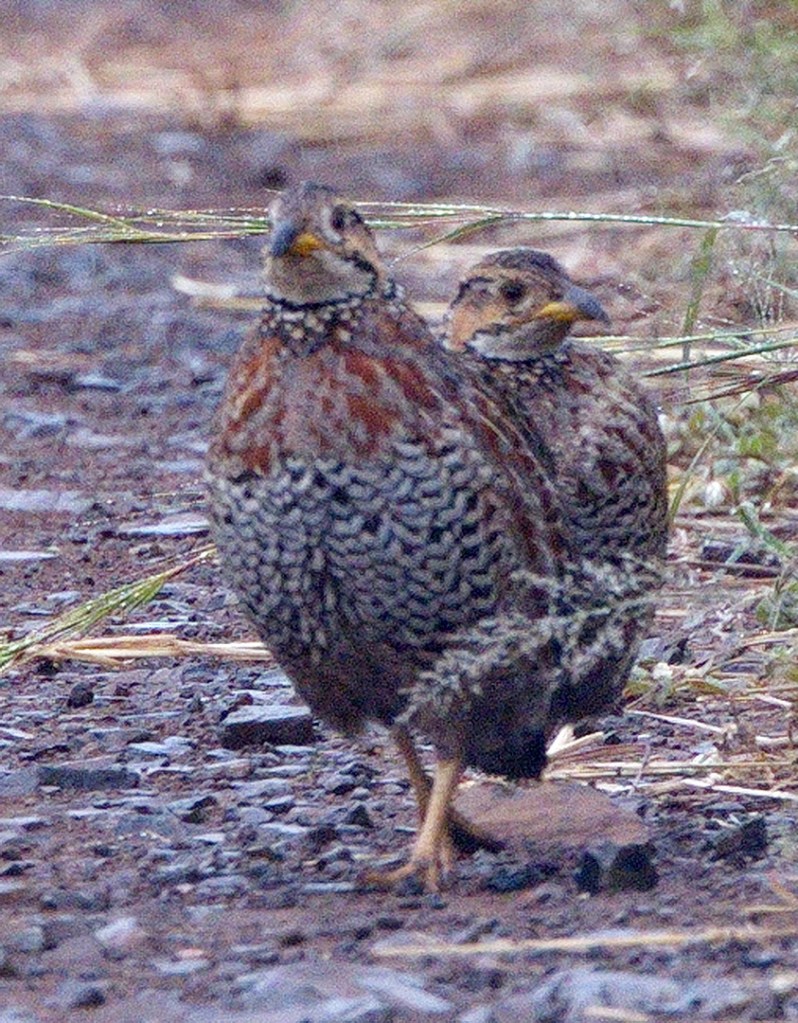
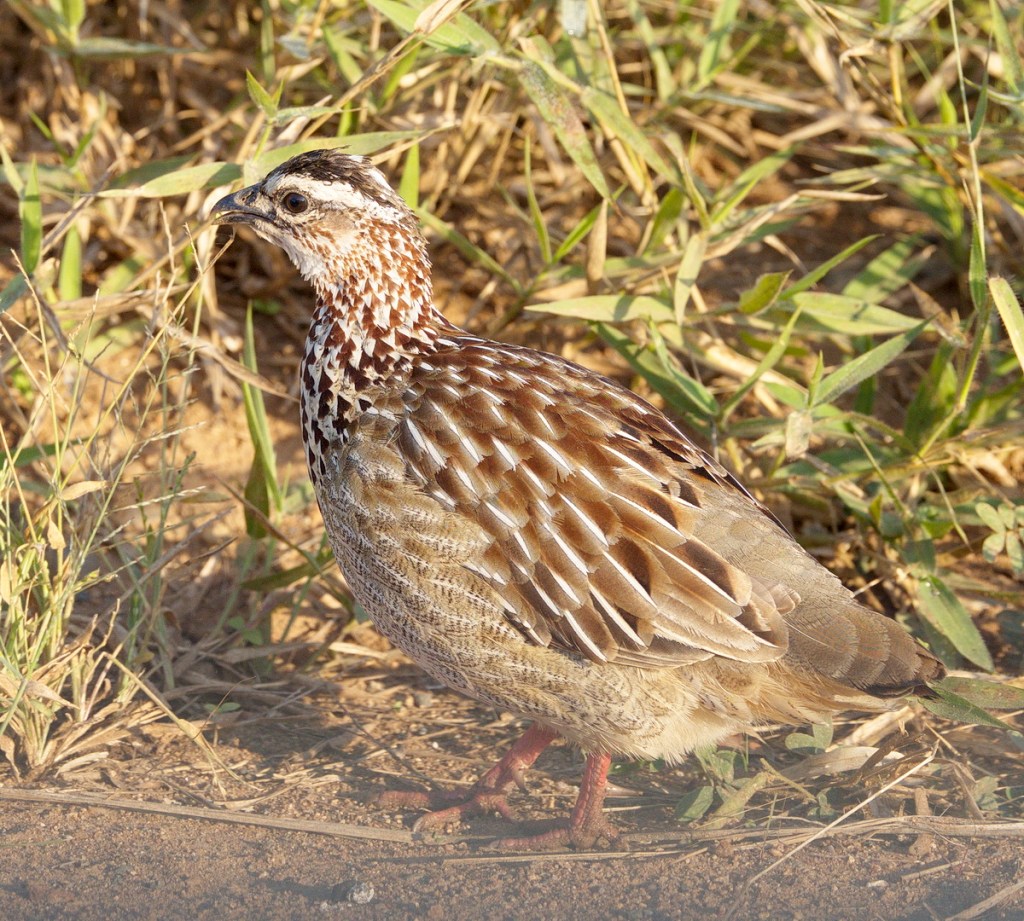
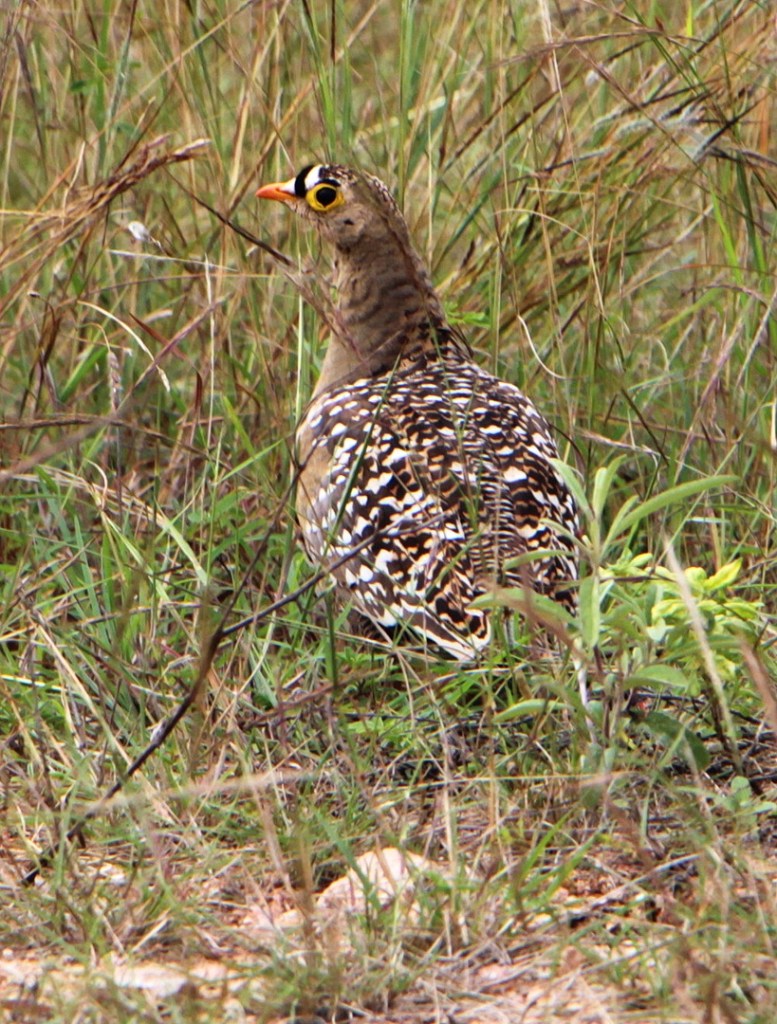
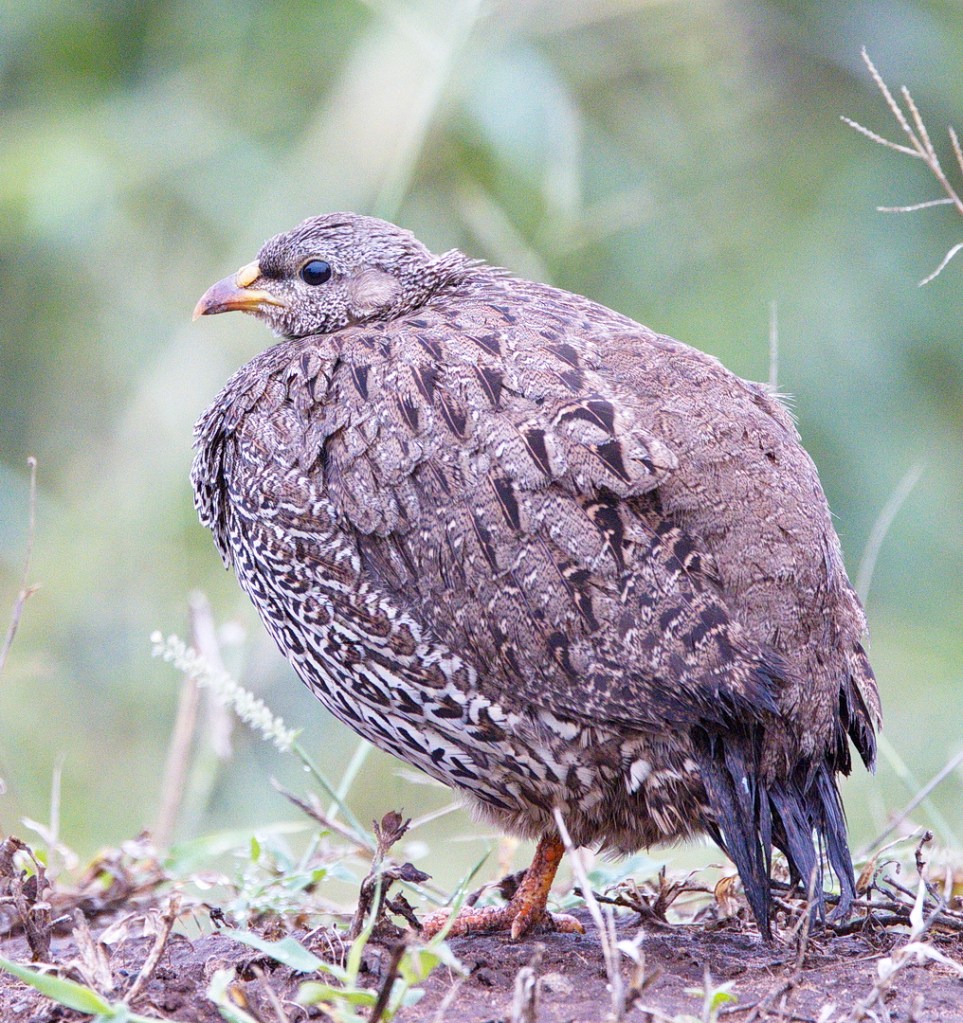
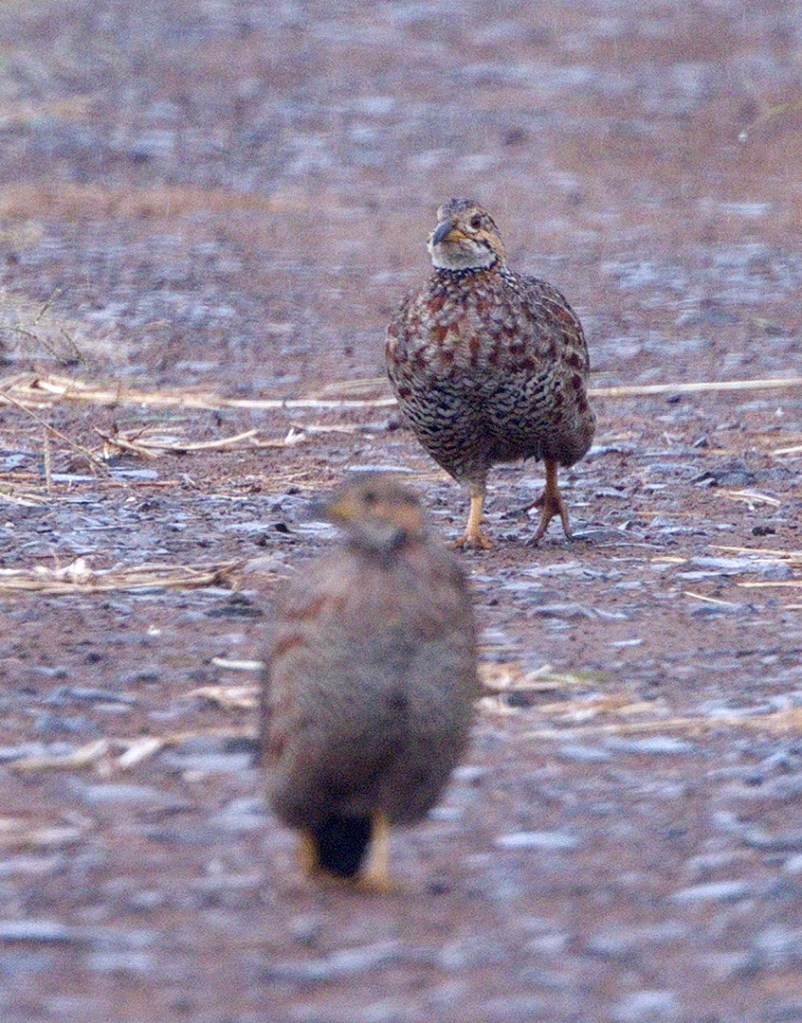
One day we took a drive on the back roads around the Mlondozi Picnic site, all the way to Tshokwane and down to Skukuza. The weather continued to be wet and overcast. Days like that sometimes bring out the unusual – like a family of Shelley’s Francolins.
On another day we headed for Skukuza and the hide at Lake Panic. We took the two detours along the H1-4 Lower Sabie to Skukuza .
A Baboon sat on the road using his guile and jaw strength to rip into a sausage pod from a Sausage tree. Persistence pays off obviously. Watch.

The birdlife was very quiet at the Lake Panic hide.

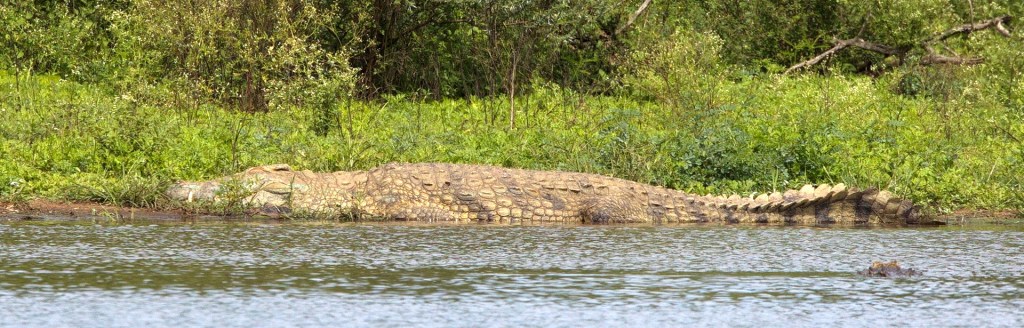
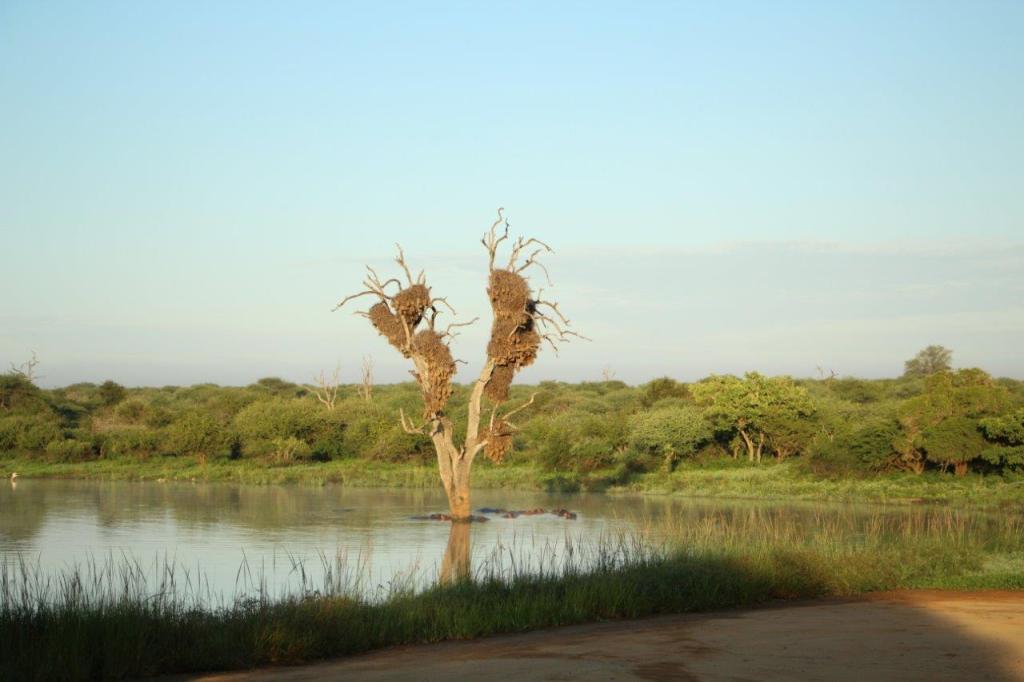
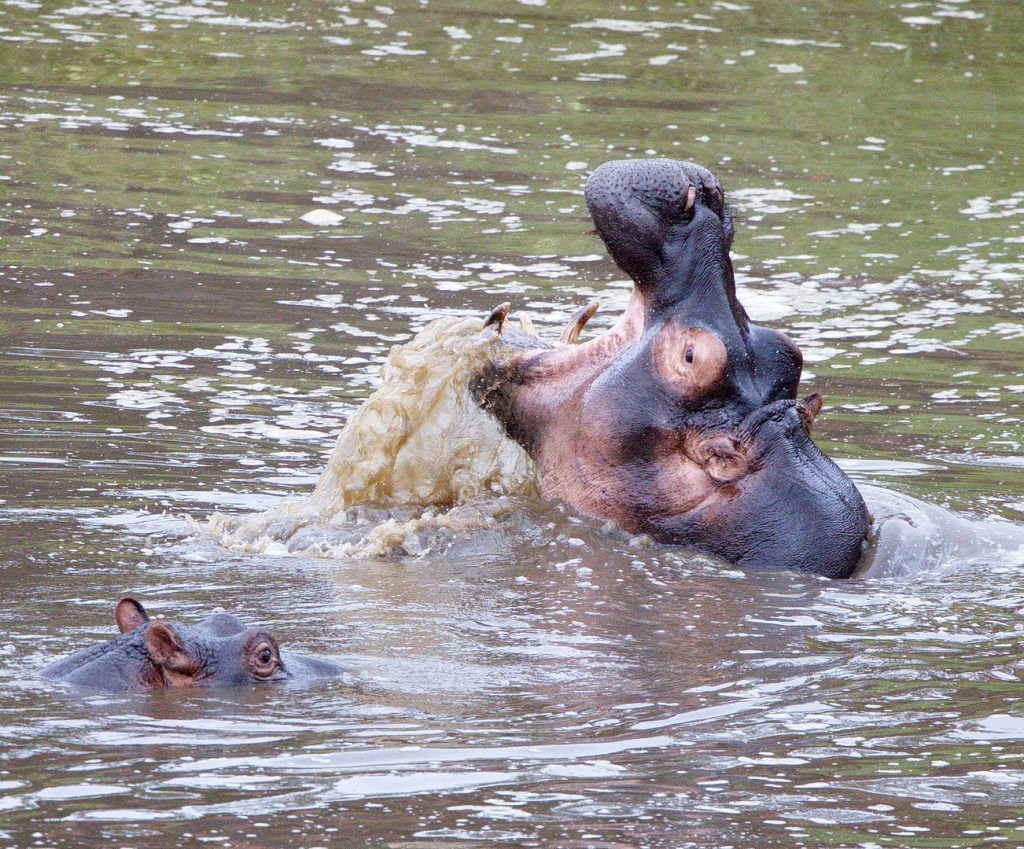
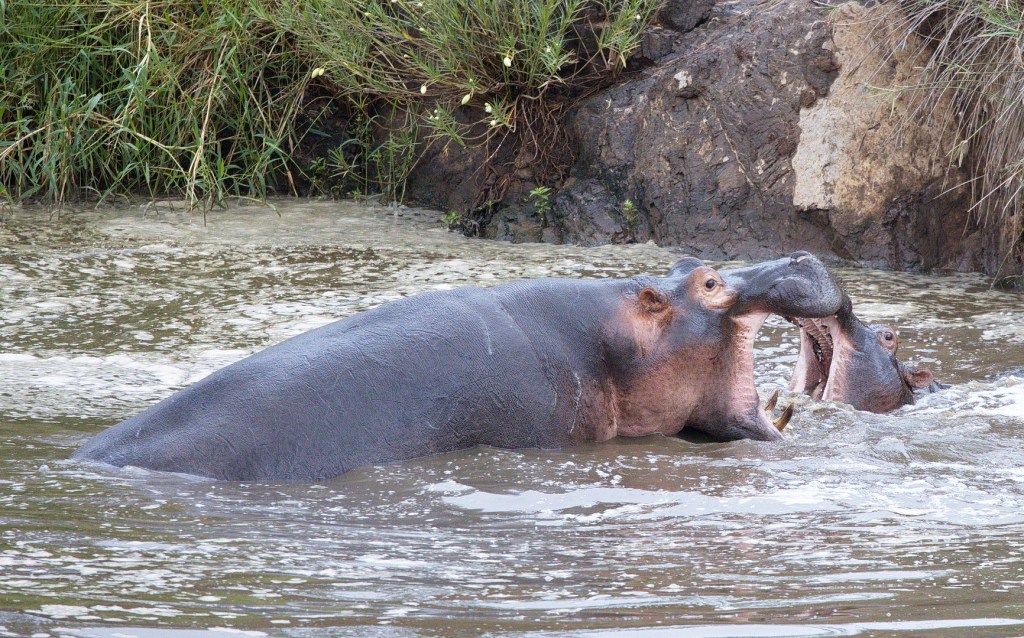
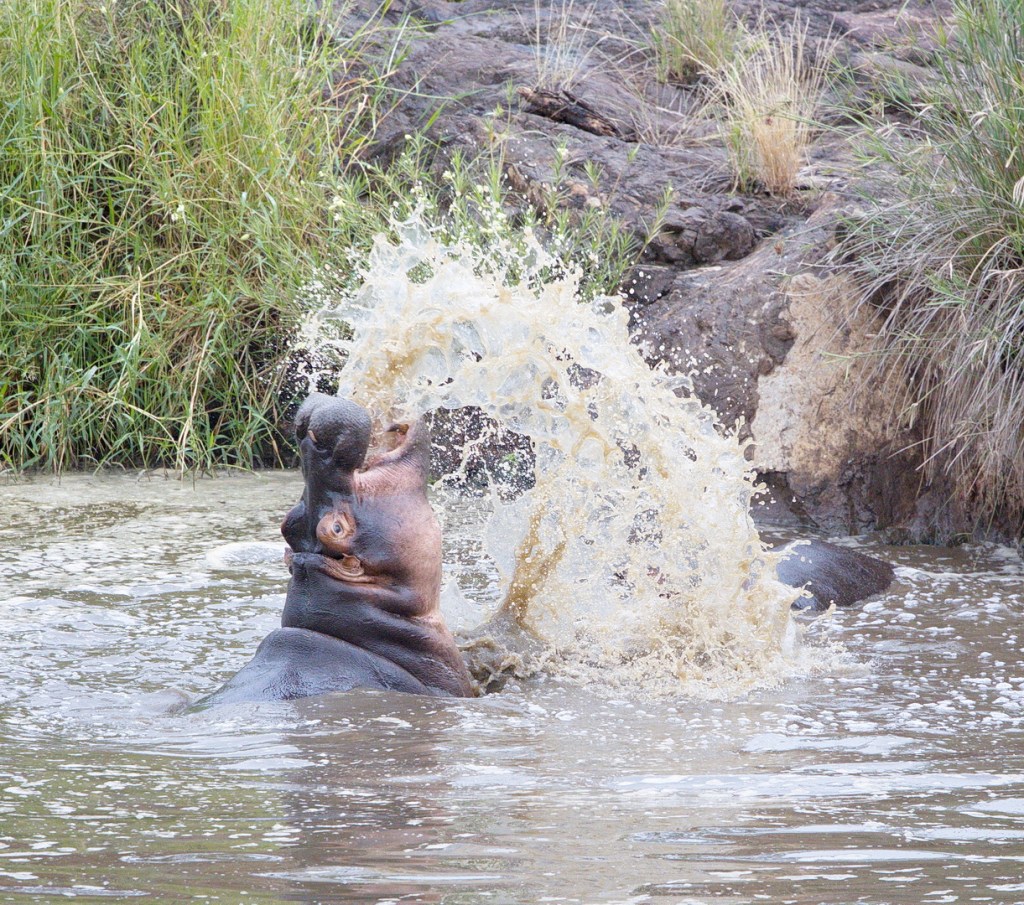
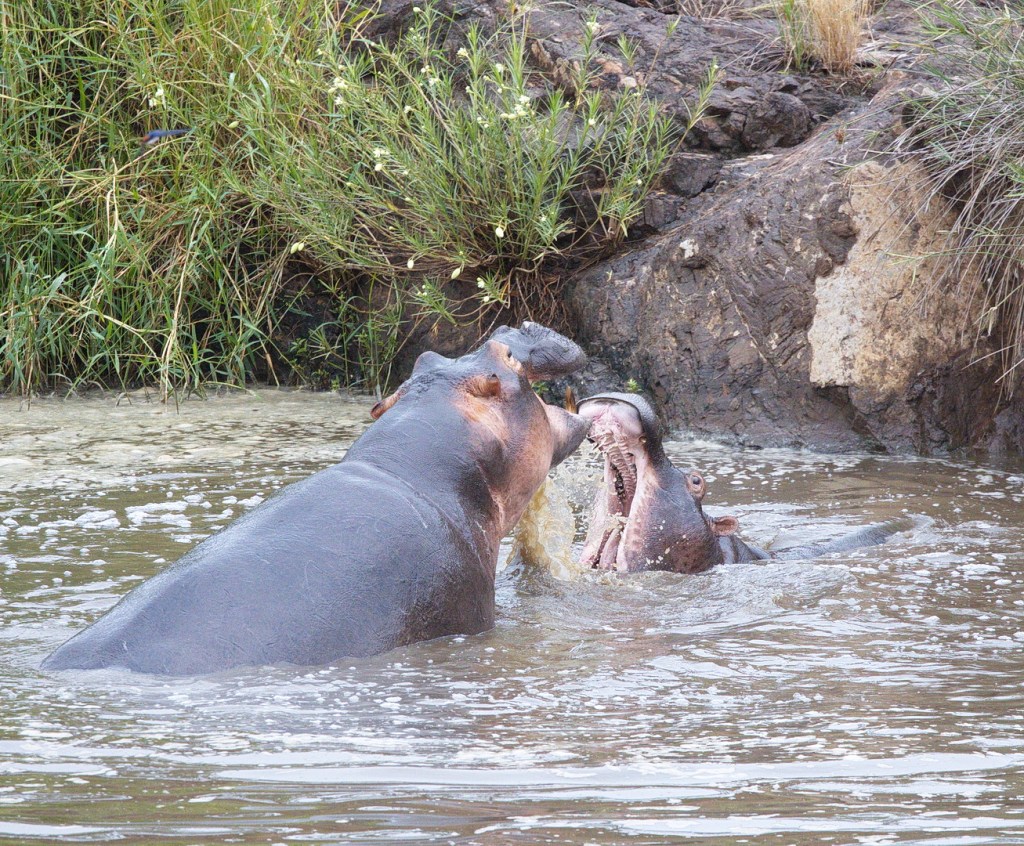
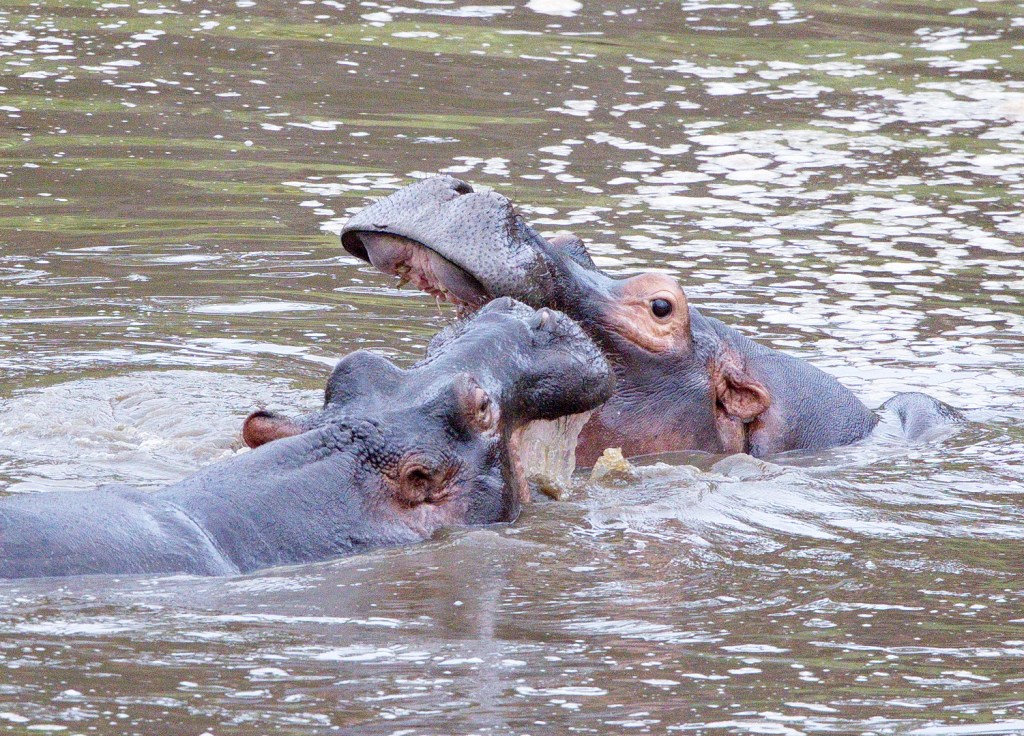
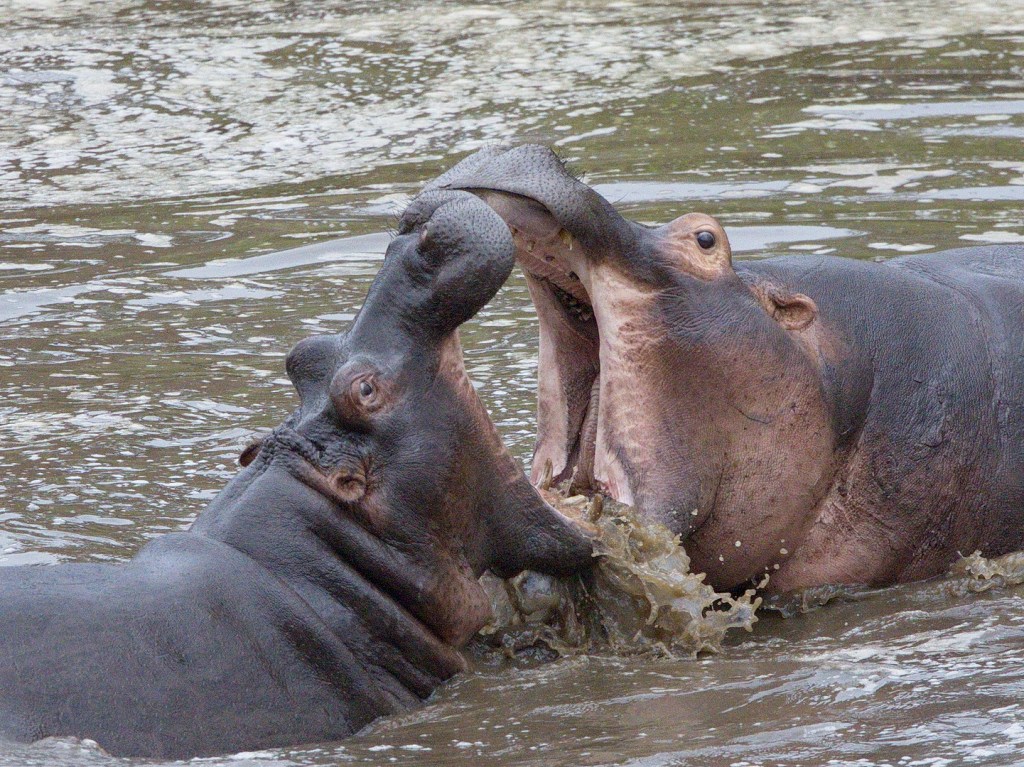
However, Sunset Dam did not disappoint. Apart from the antics of the hippos and the length of the crocodiles, birdlife was abundant.
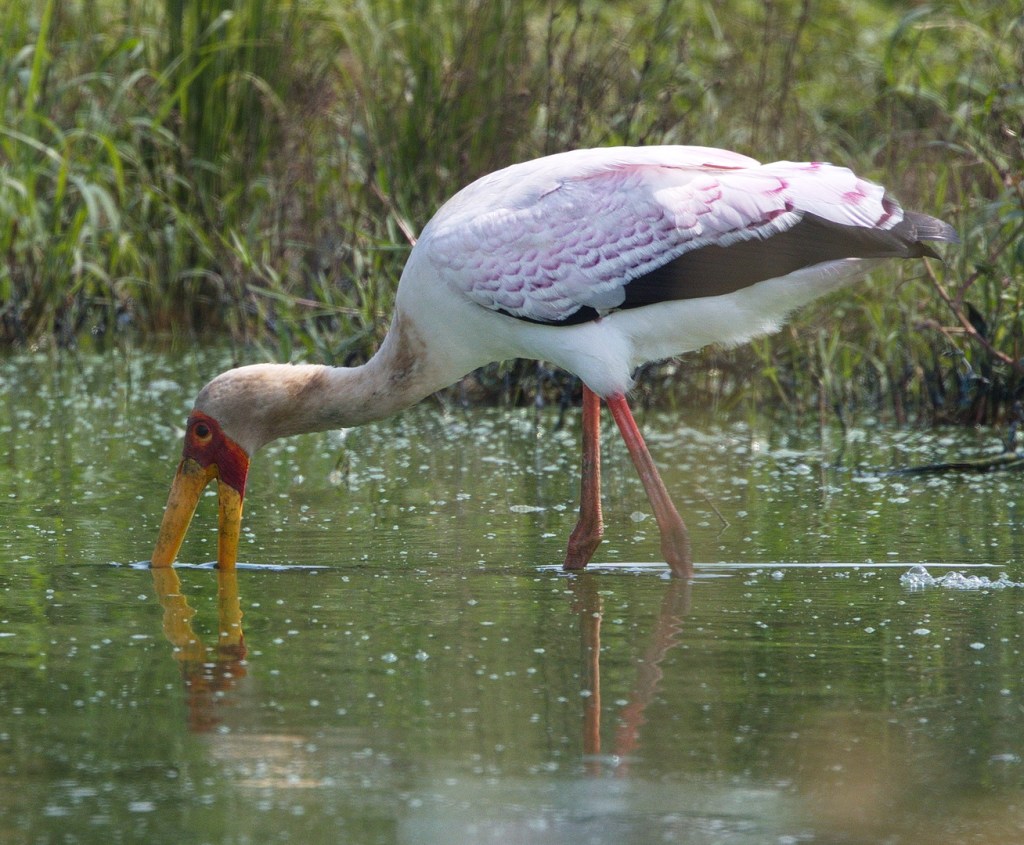
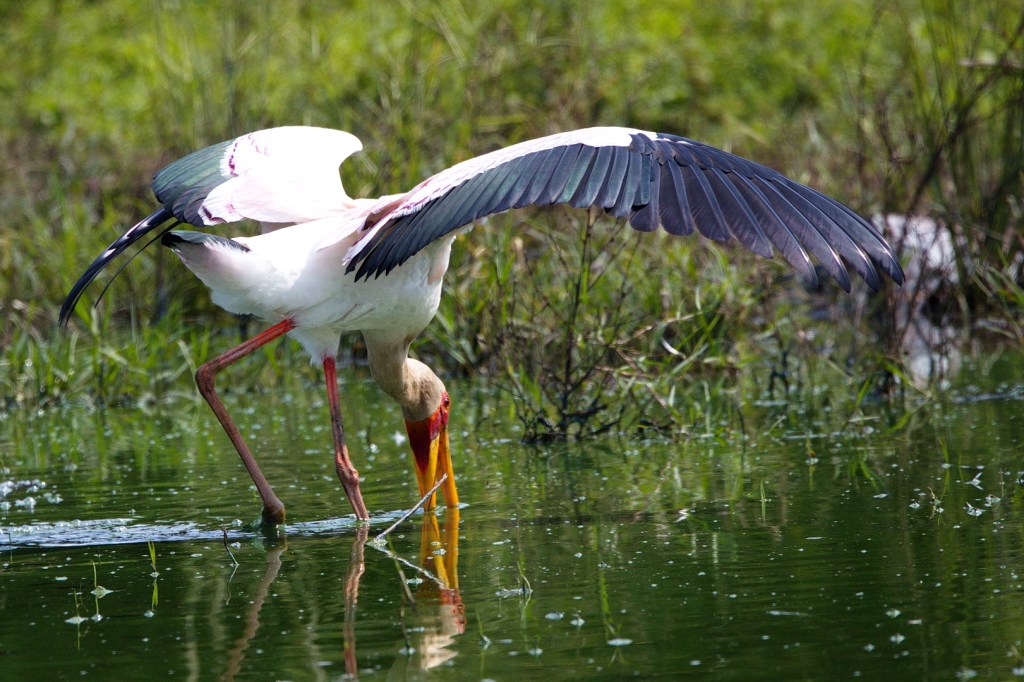
A Yellow-billed Stork showed how it uses its wings to move around quickly chasing dinner in the water.
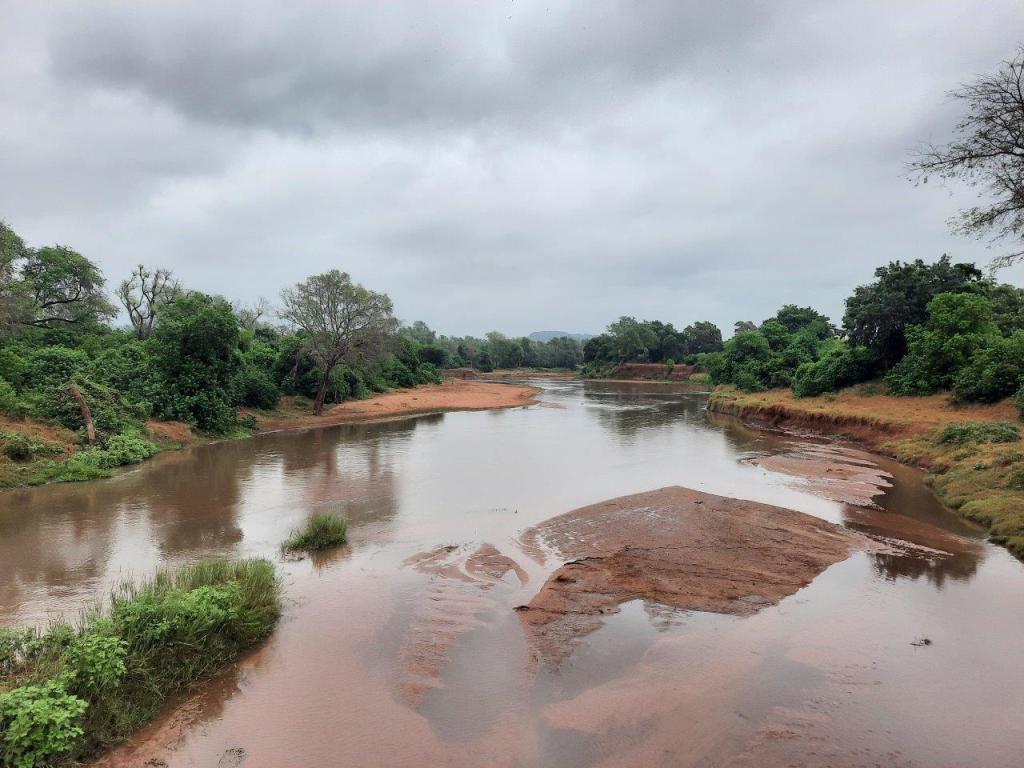
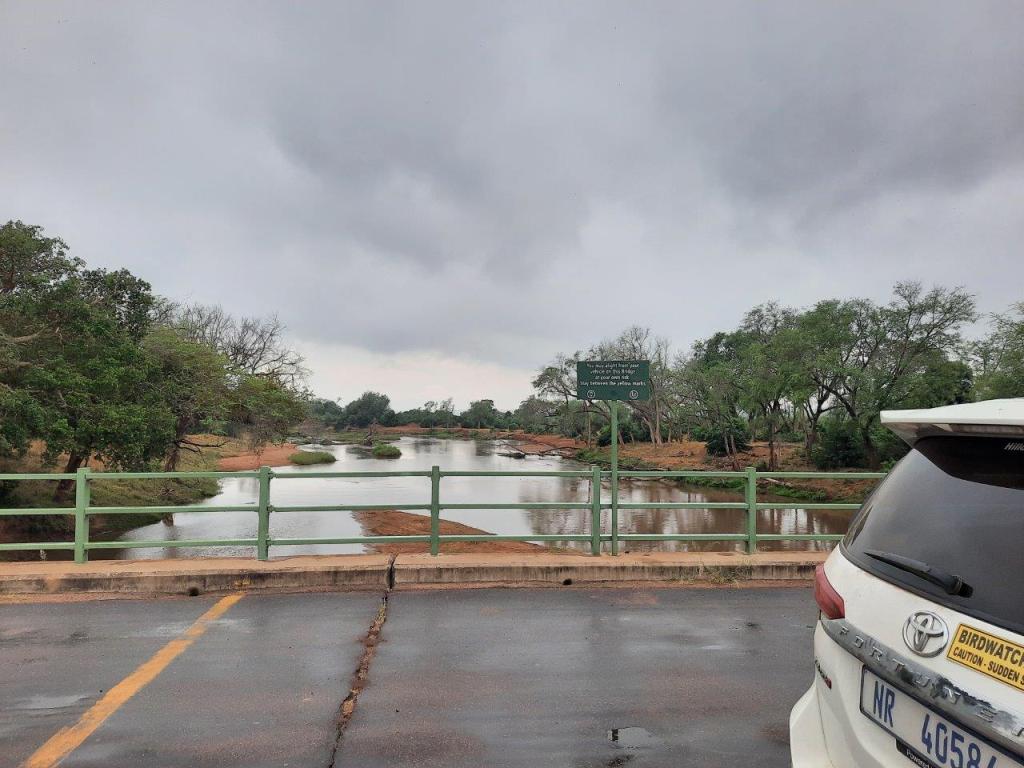
Surprisingly, we saw several pairs of White-crowned Lapwings in Sunset Dam as well as near the main bridge crossing lower Sabie. In the past we had only ever seen them in the north of the Park around Pafuri.

White-crowned Lapwing.

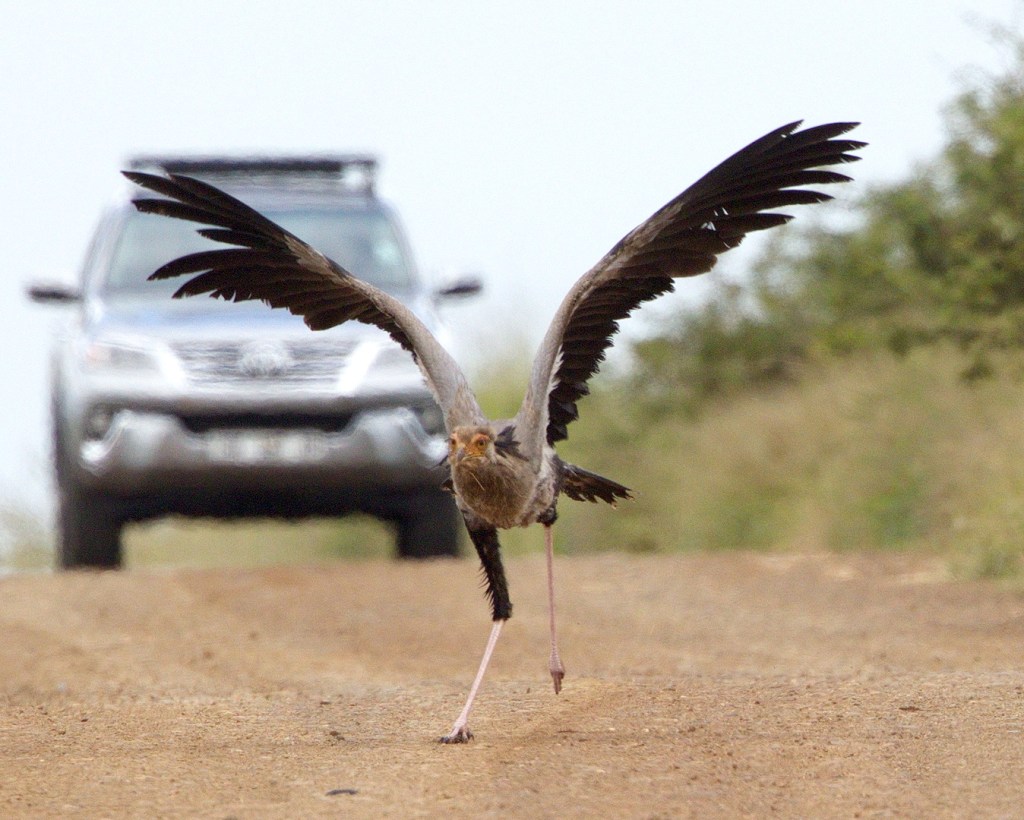
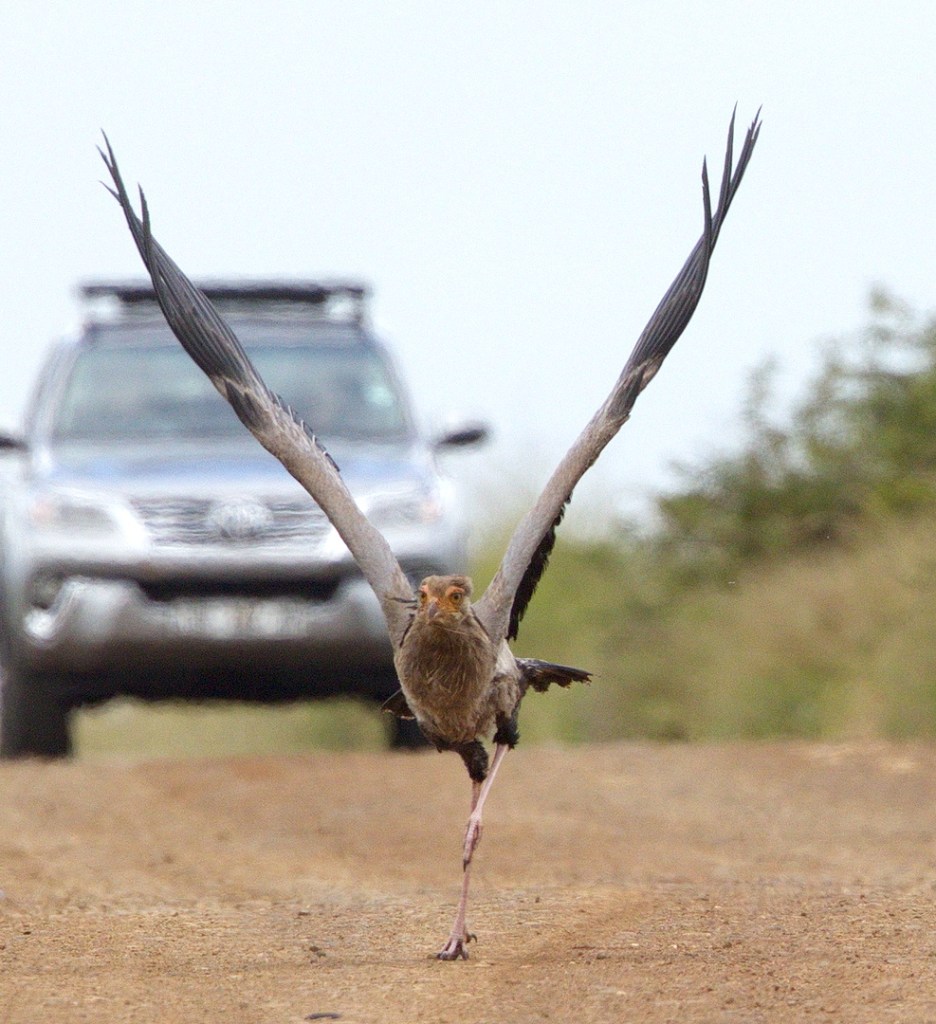
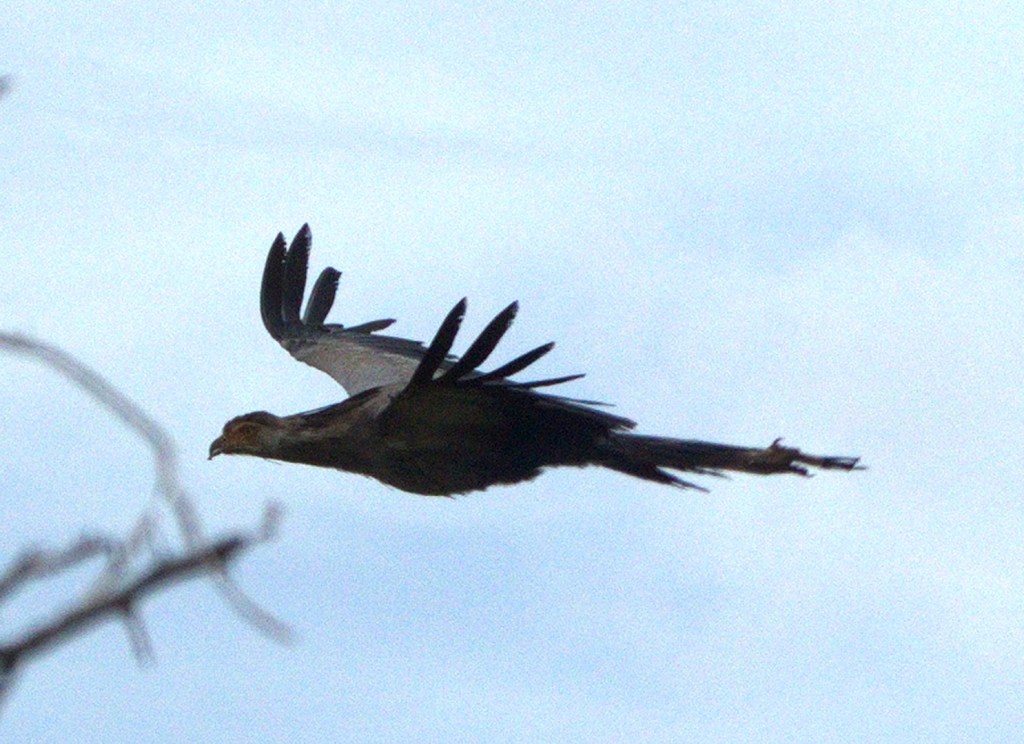
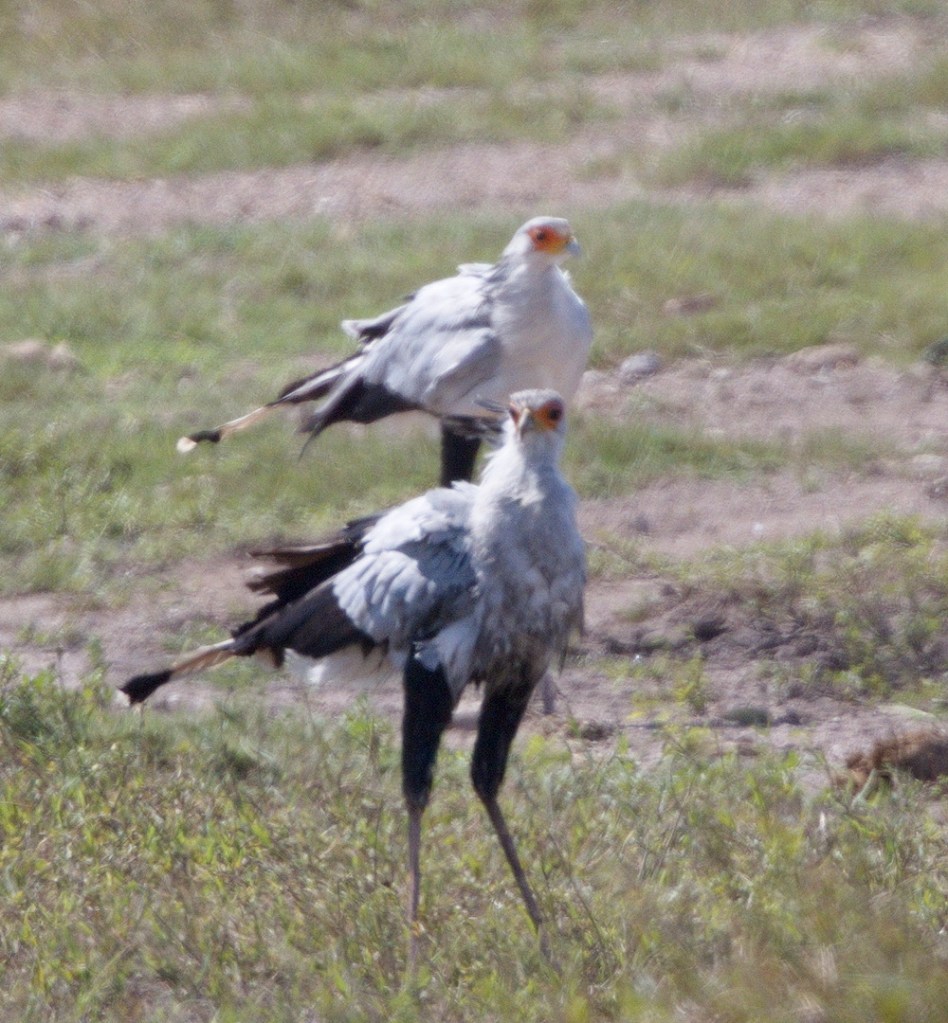
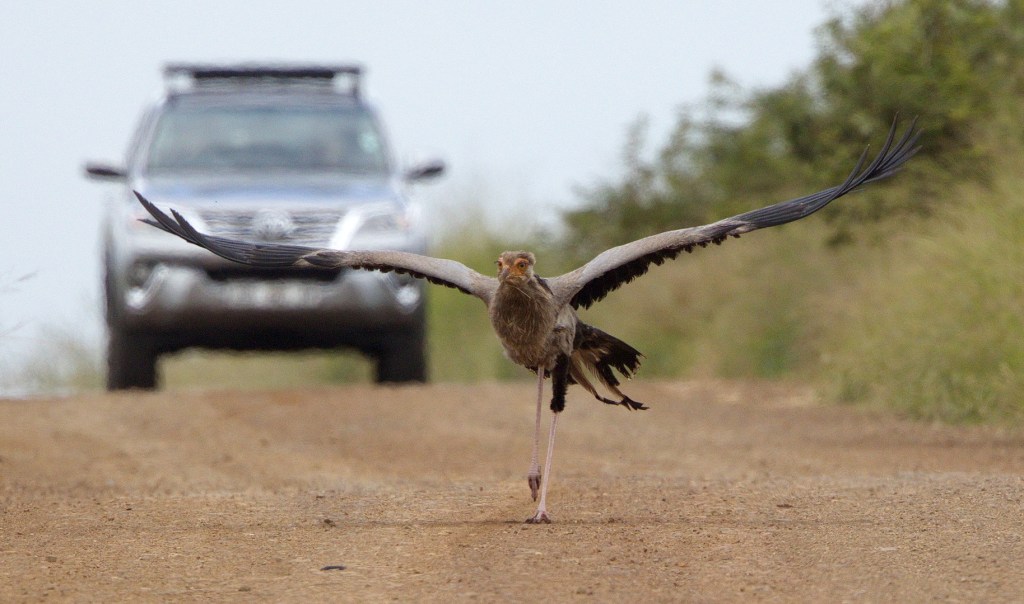
On one of the back roads, we noticed a Secretarybird way ahead of us. As I was about to take a photo, a car came over the hill and it took off towards us fortunately.
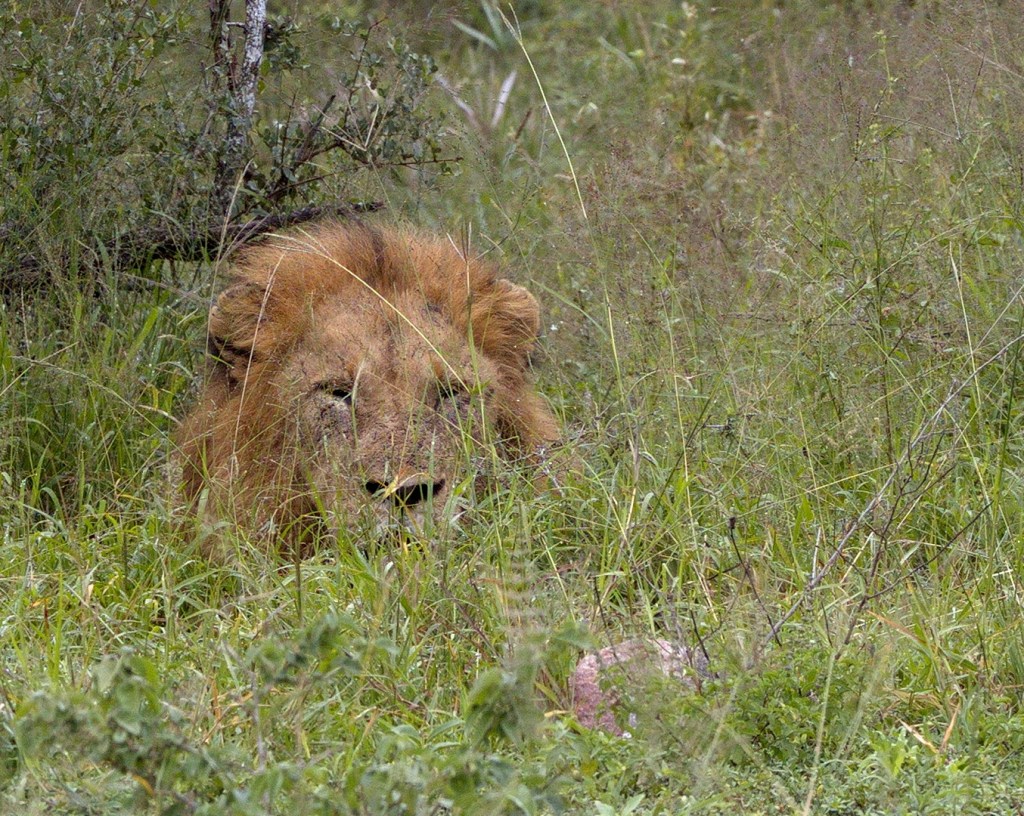
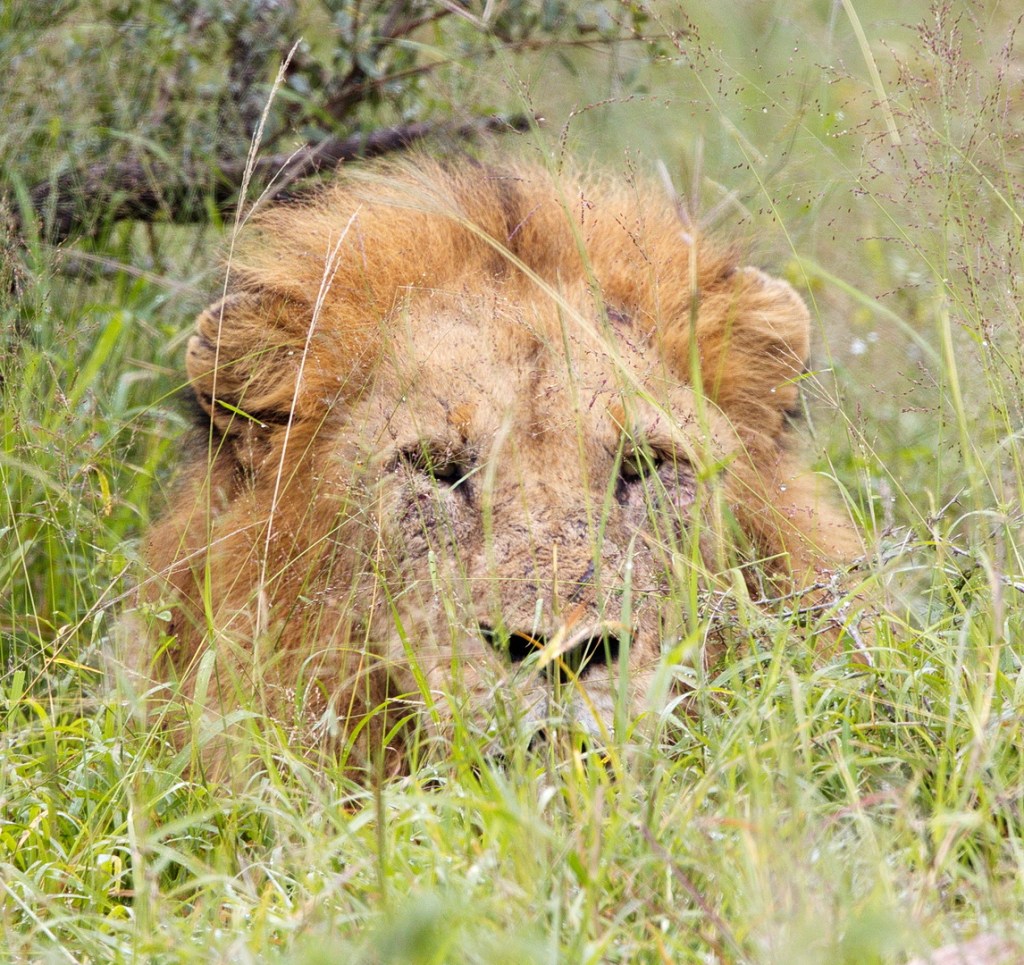
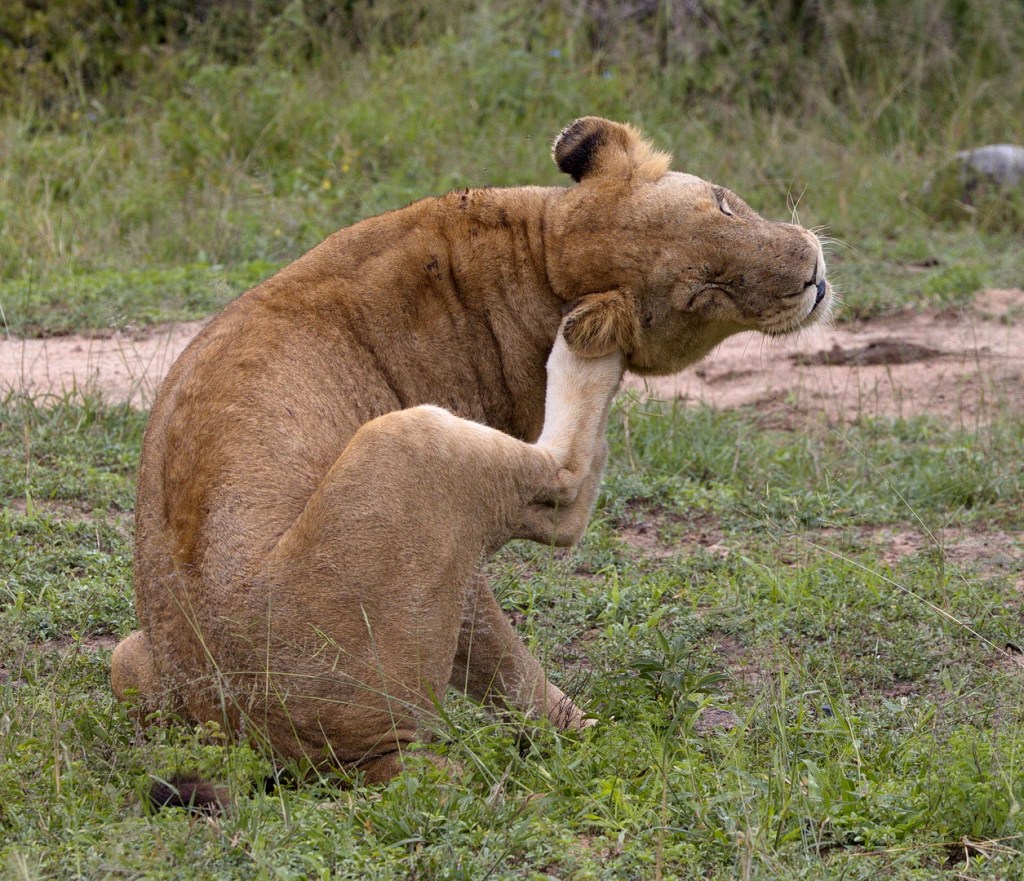
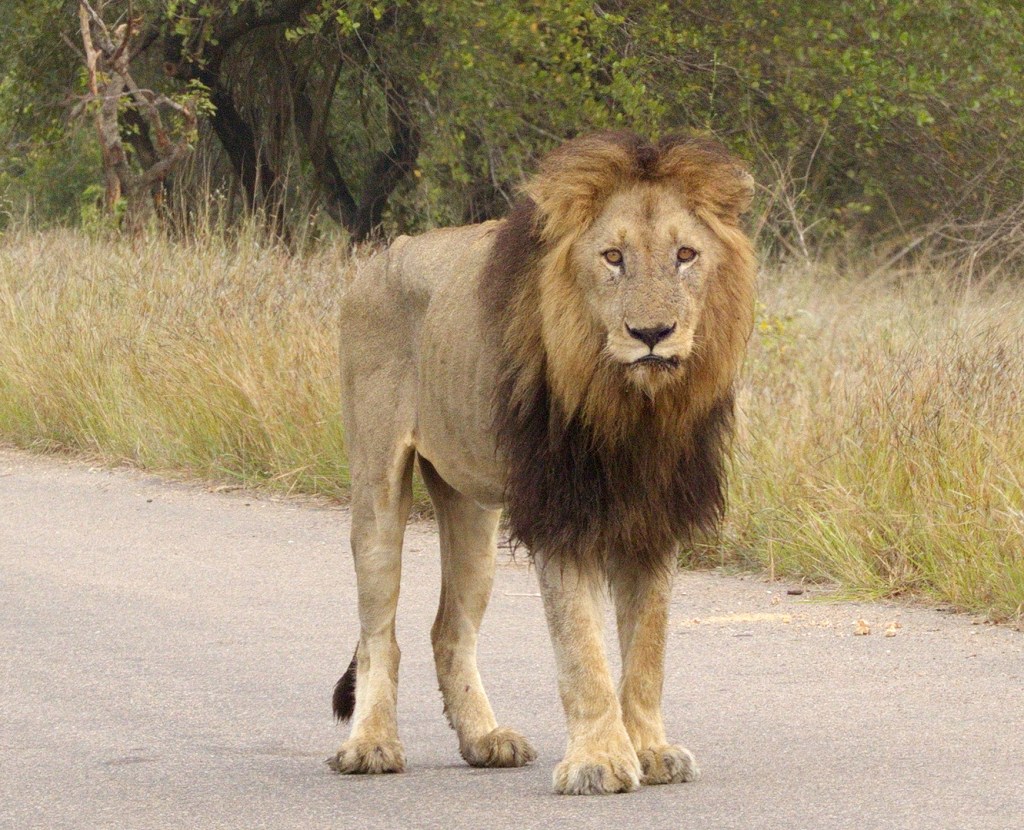
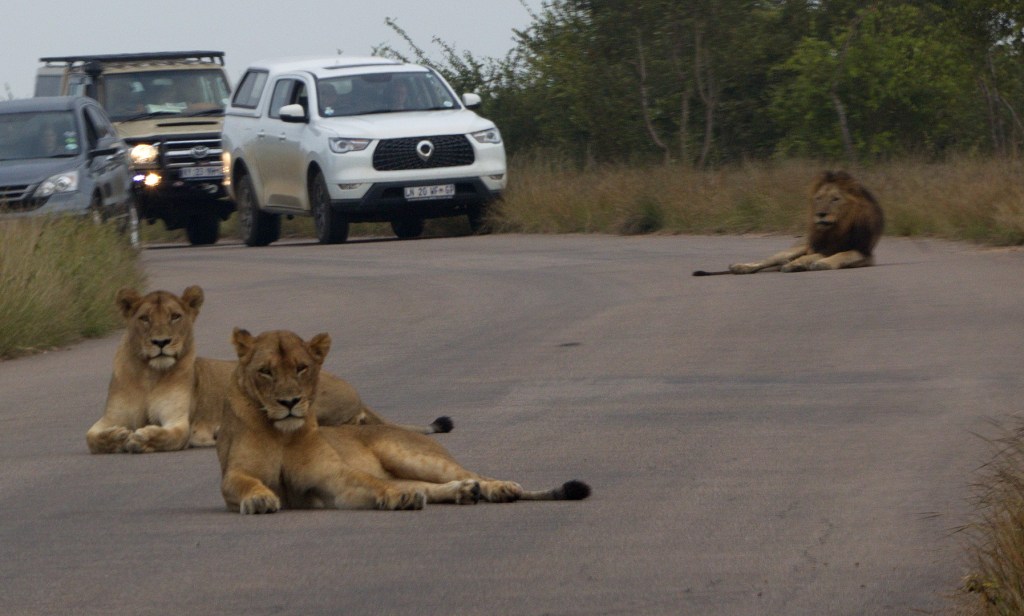
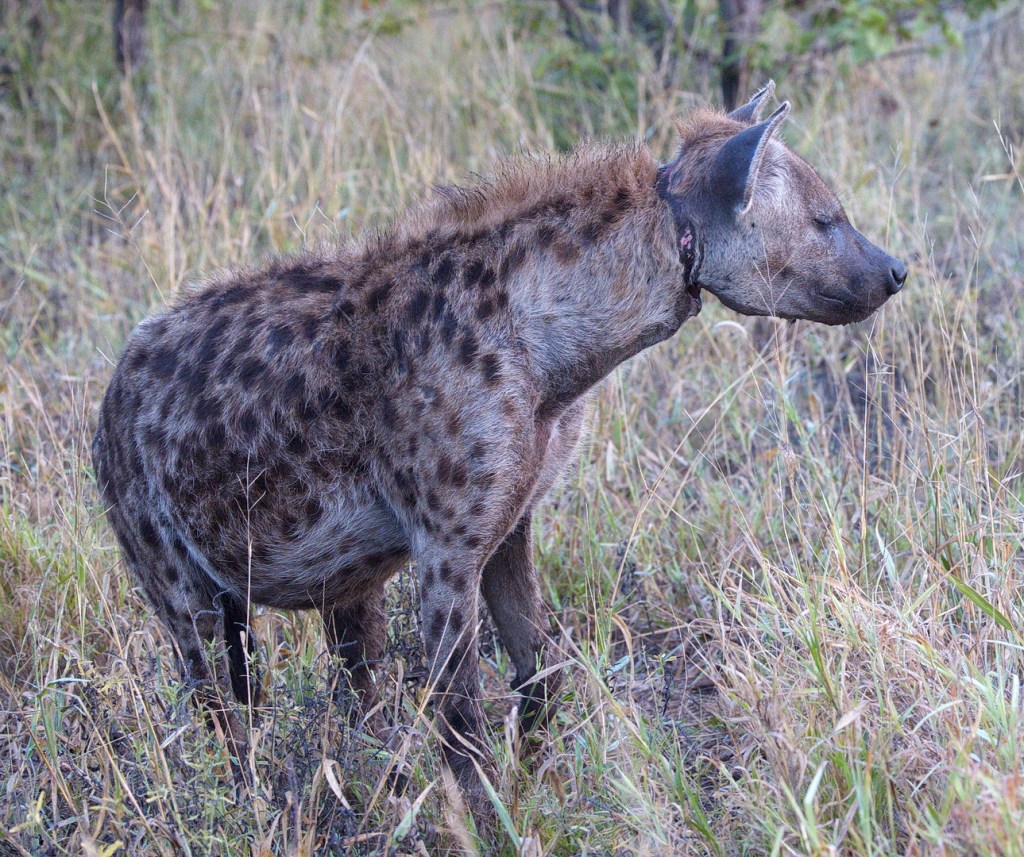
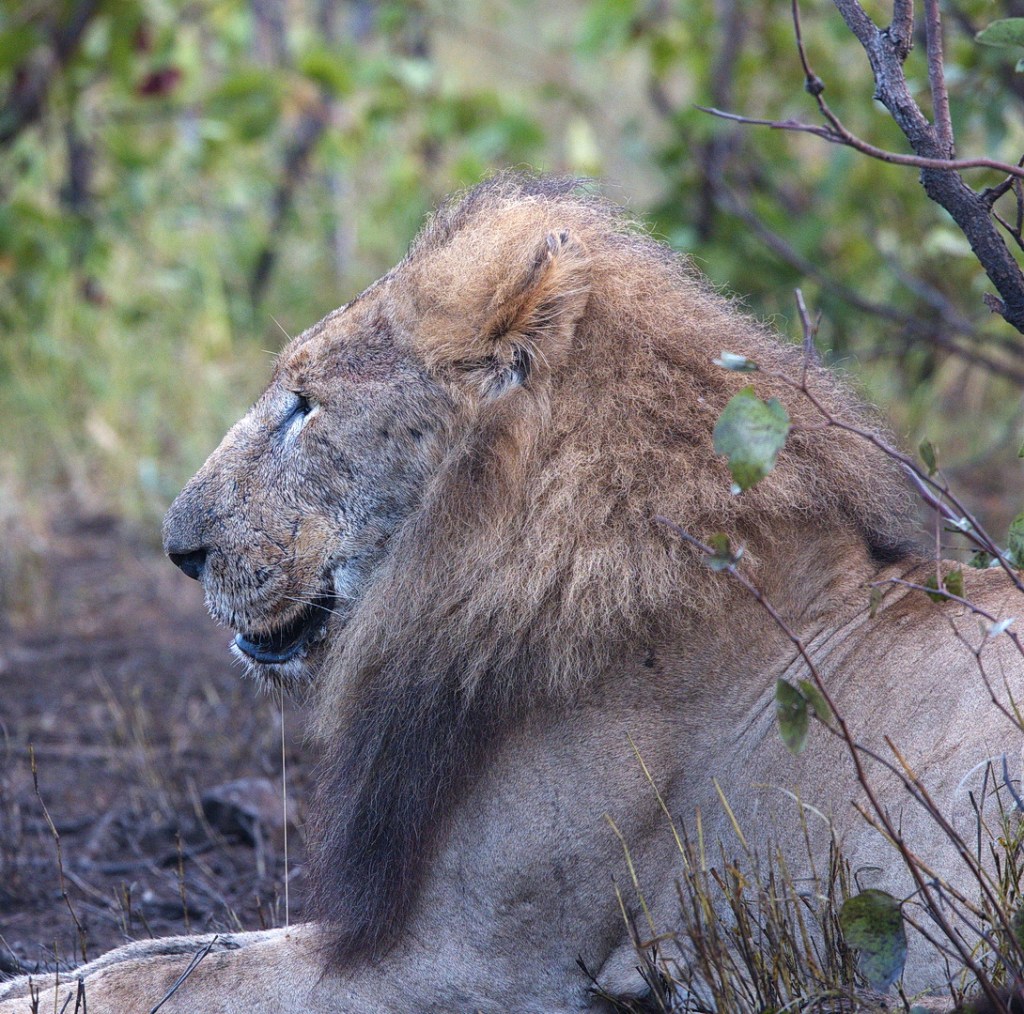
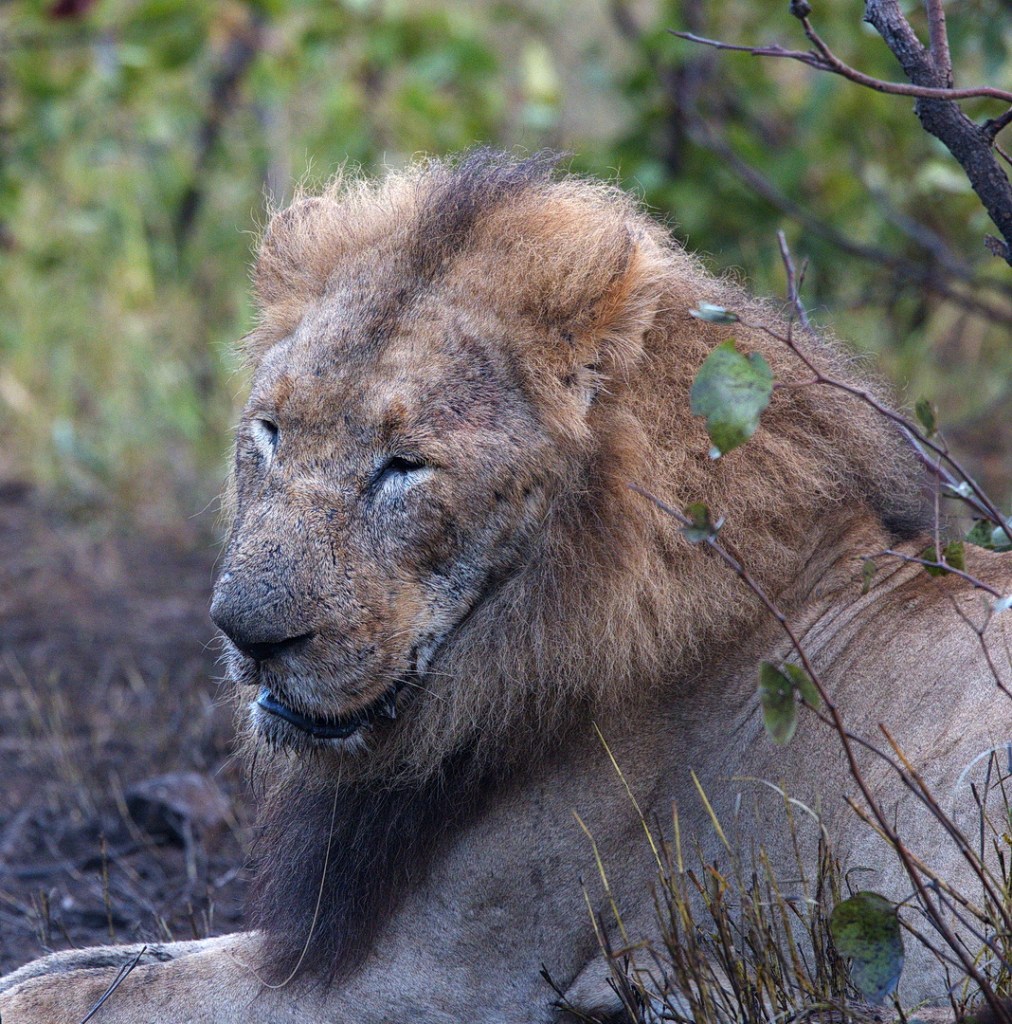
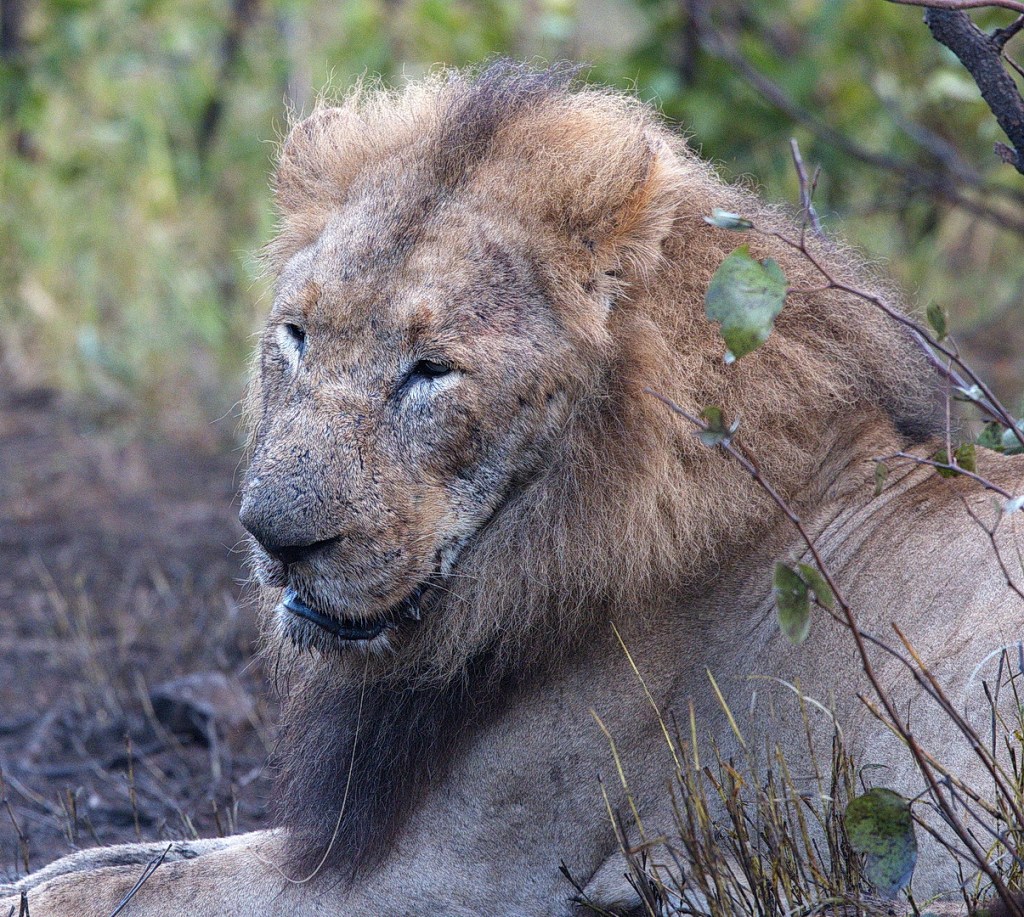
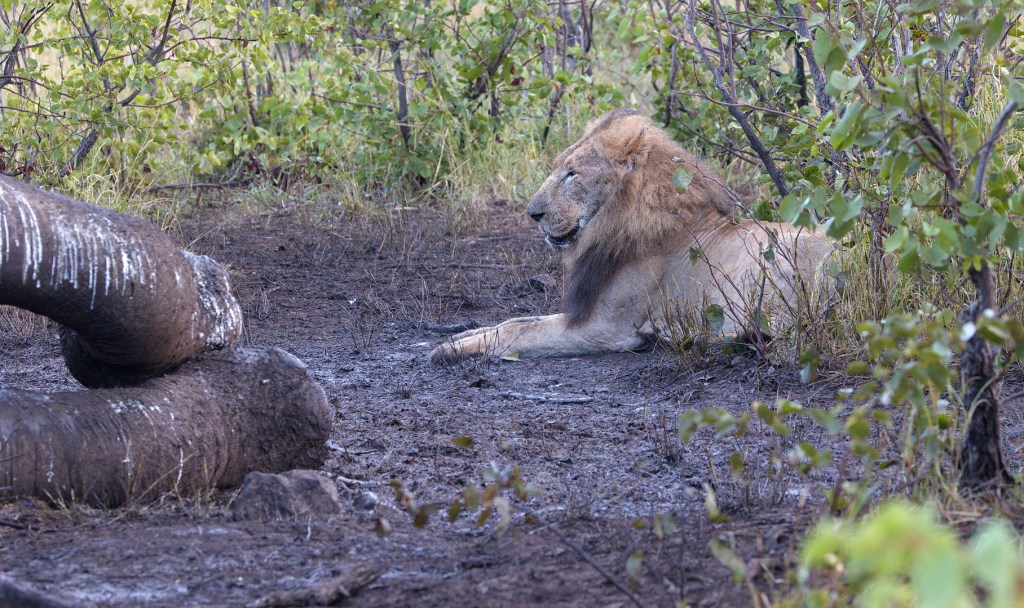
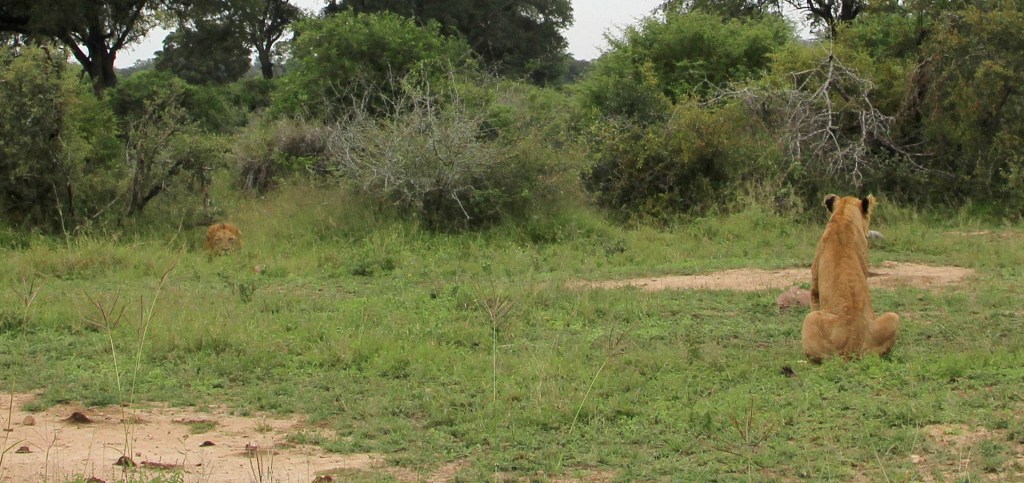
We did come across several Lion sightings – a mating pair in one instance and a pride lying across the road with the usual traffic jam. We also saw briefly our only Cheetah and took a video of a Hyena walking by.

Hyena
Hyena with wounded back.

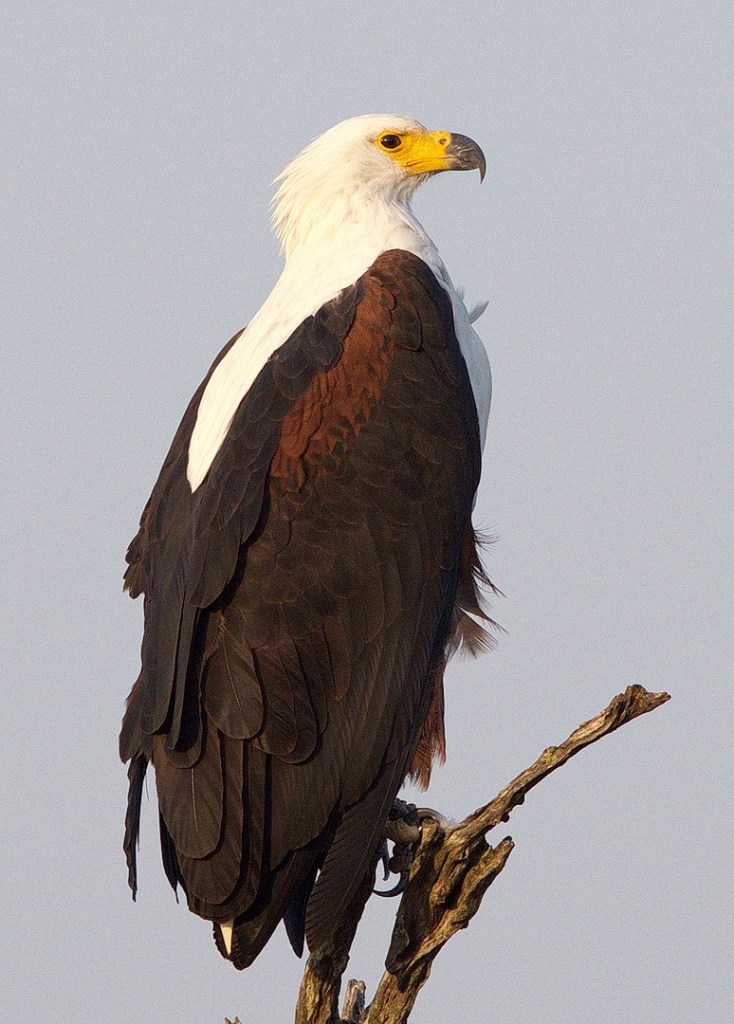
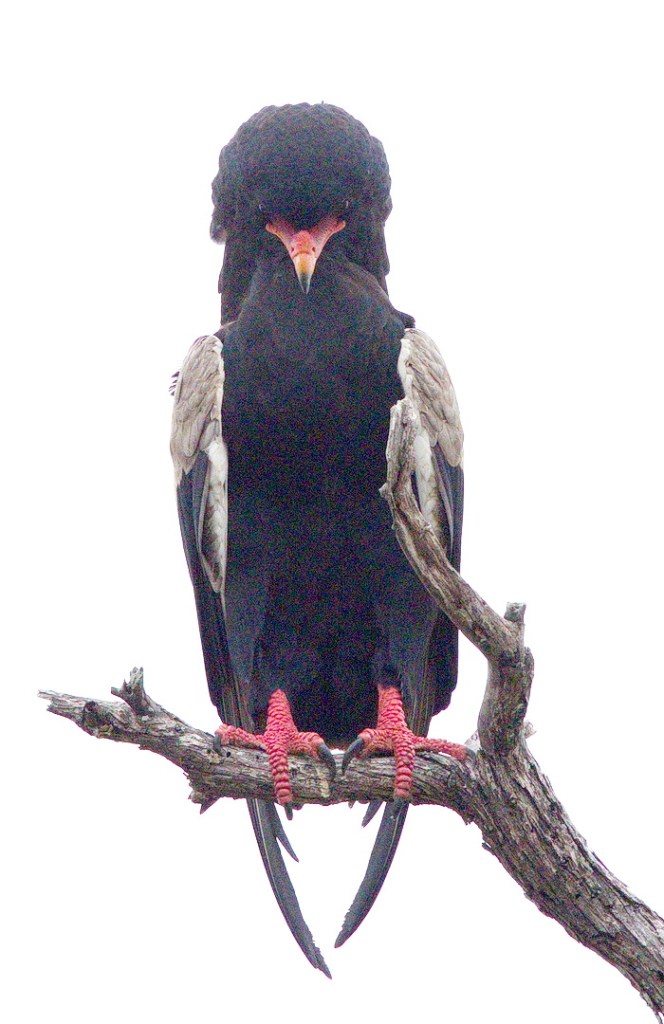
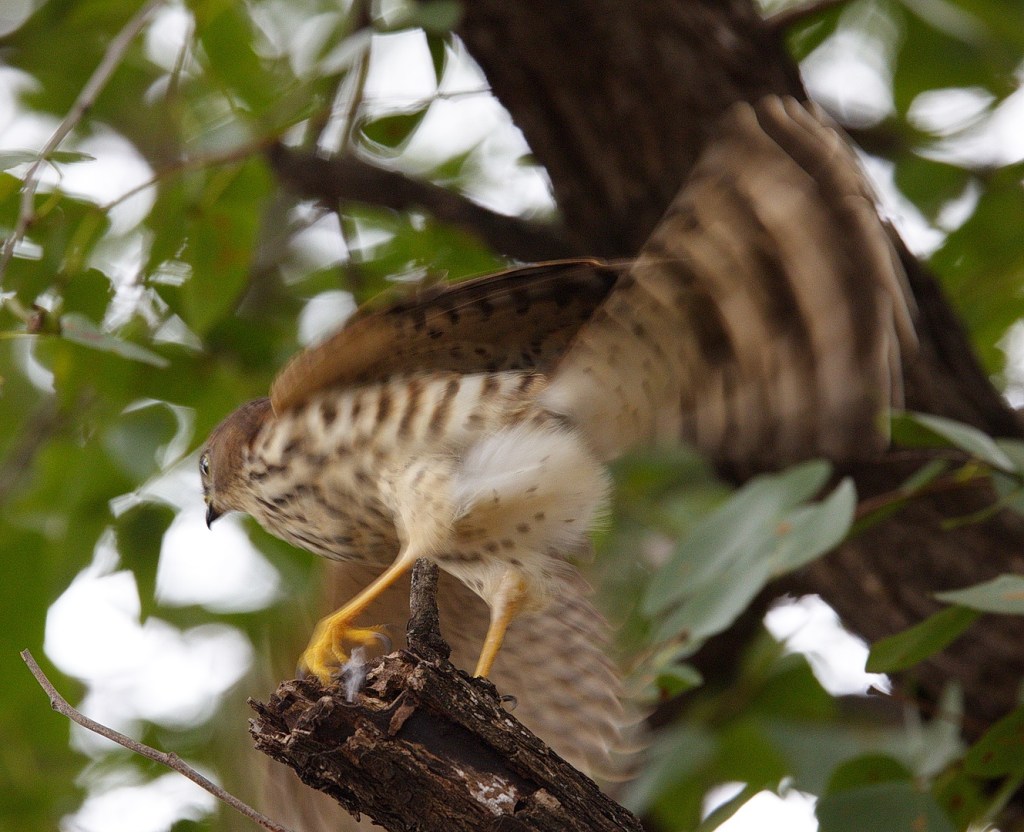
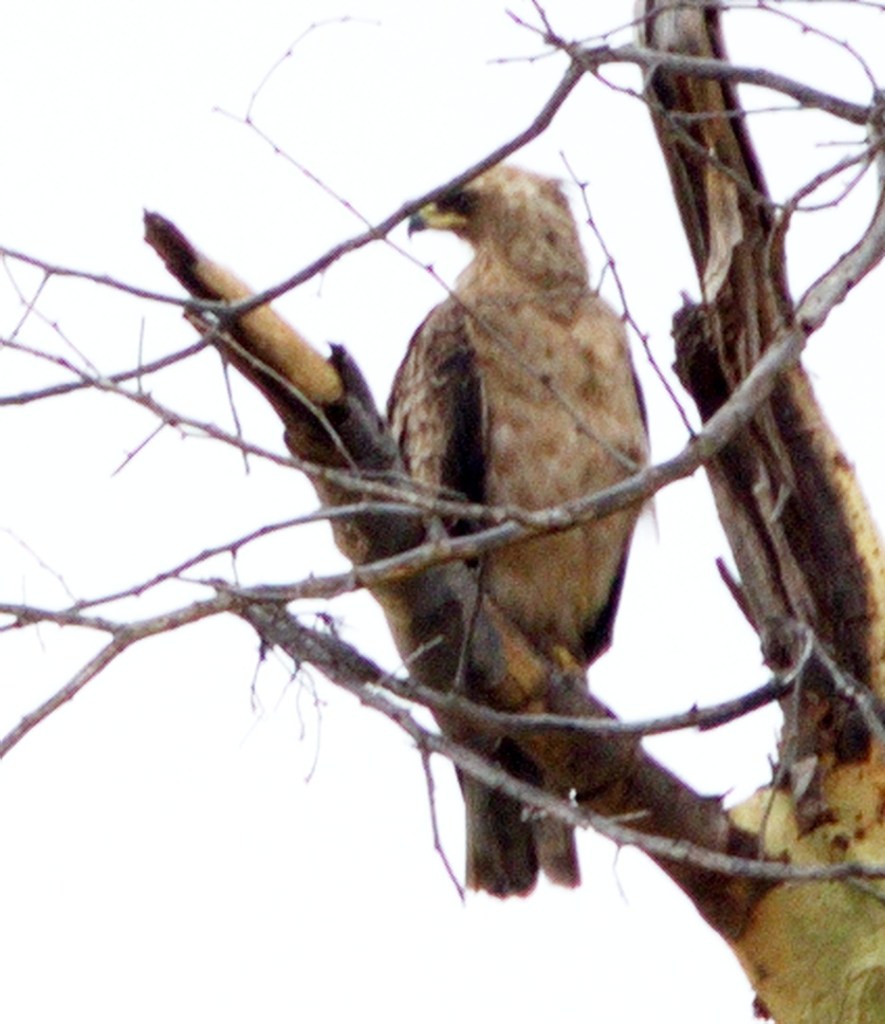
Raptors

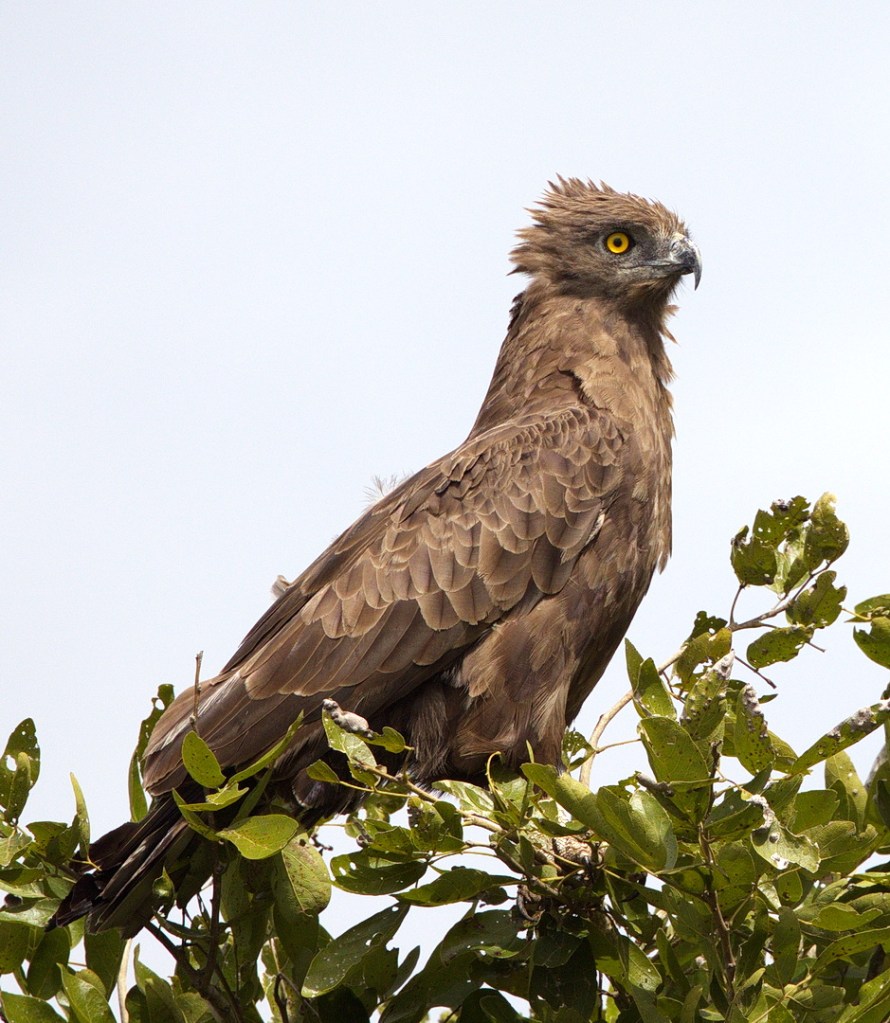
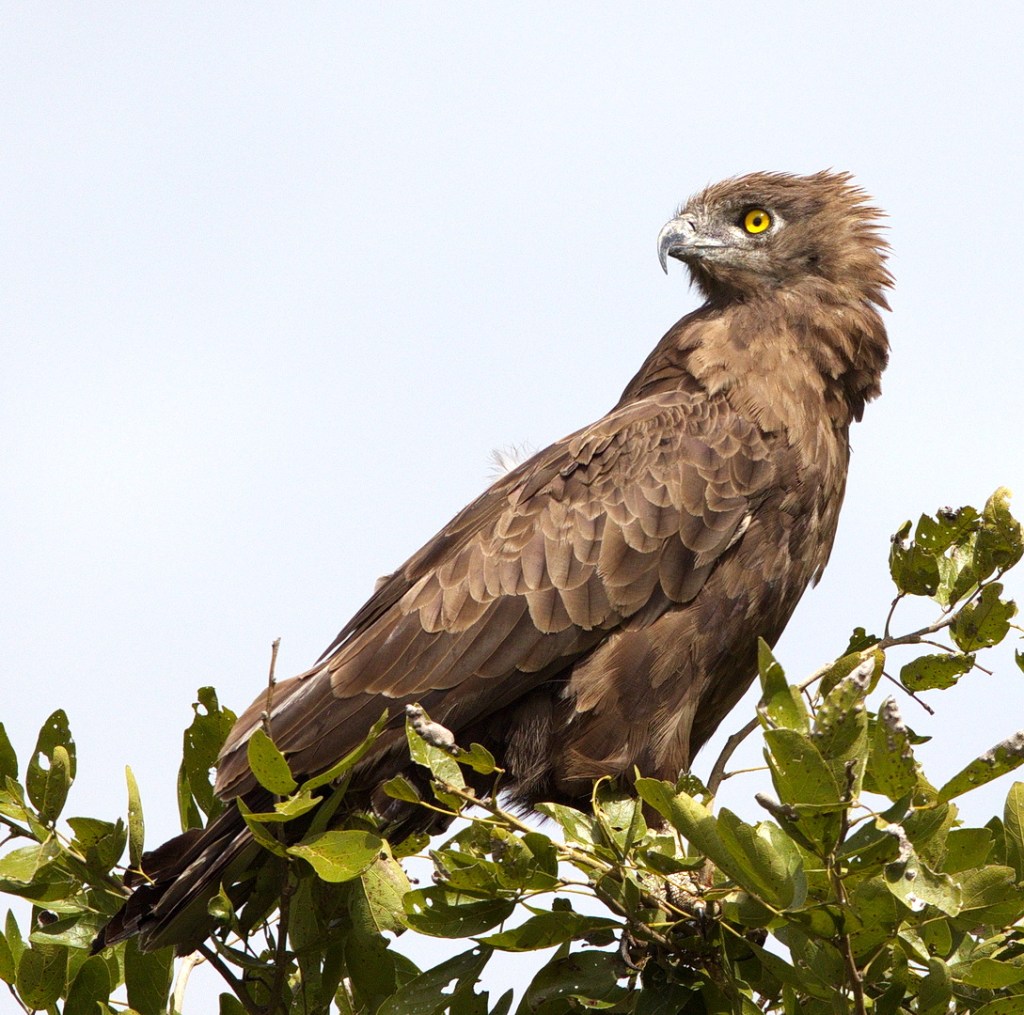
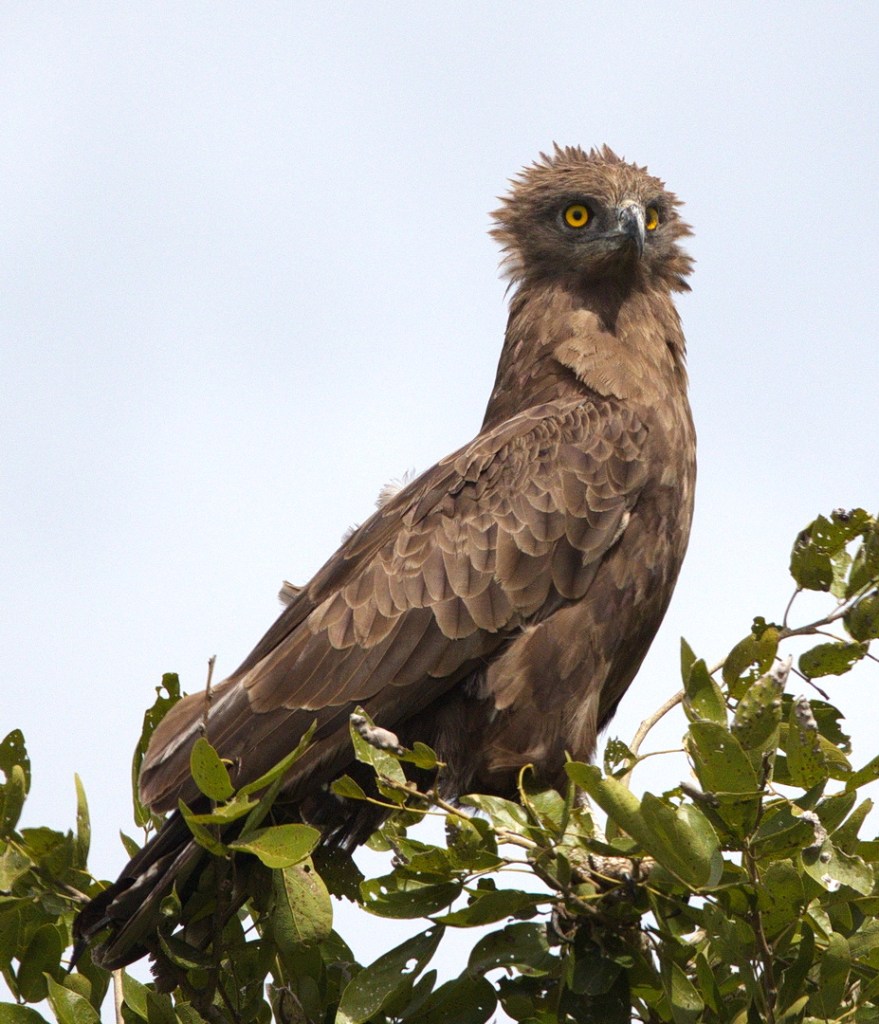
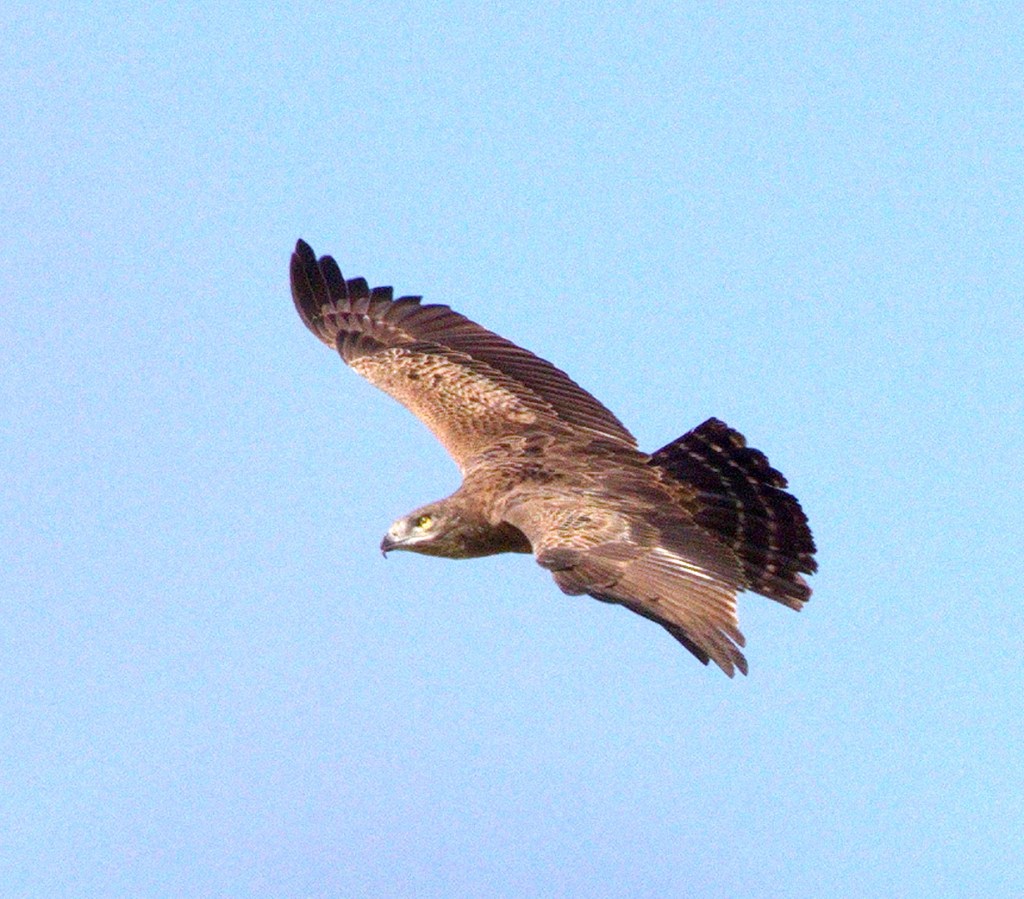
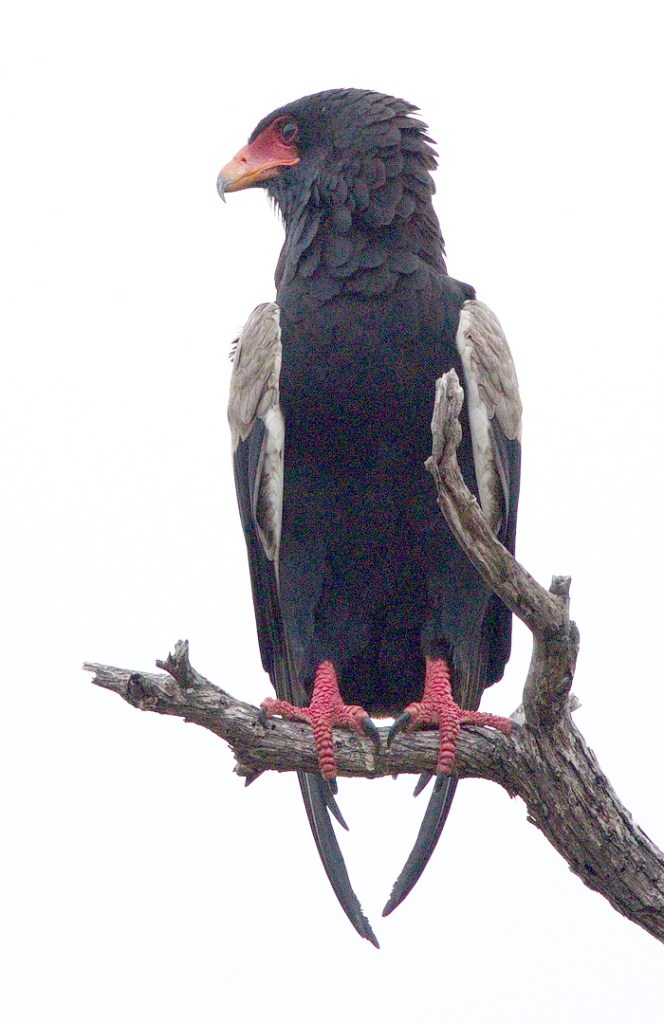
Several Brown Snake-Eagles, Martial Eagle
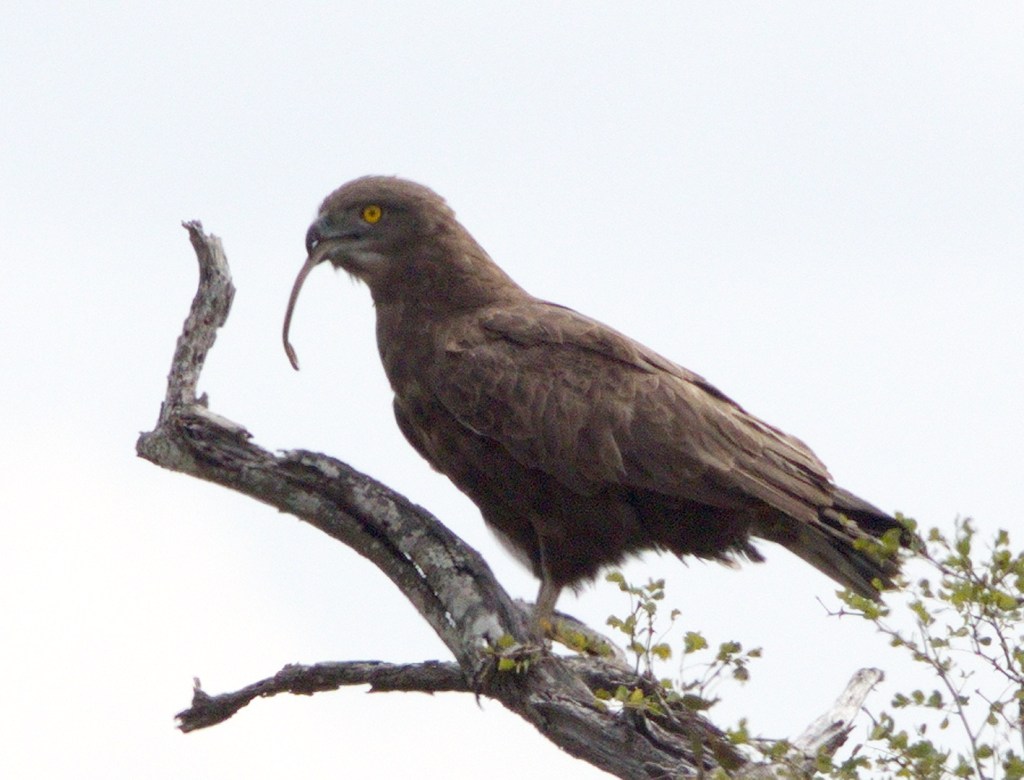
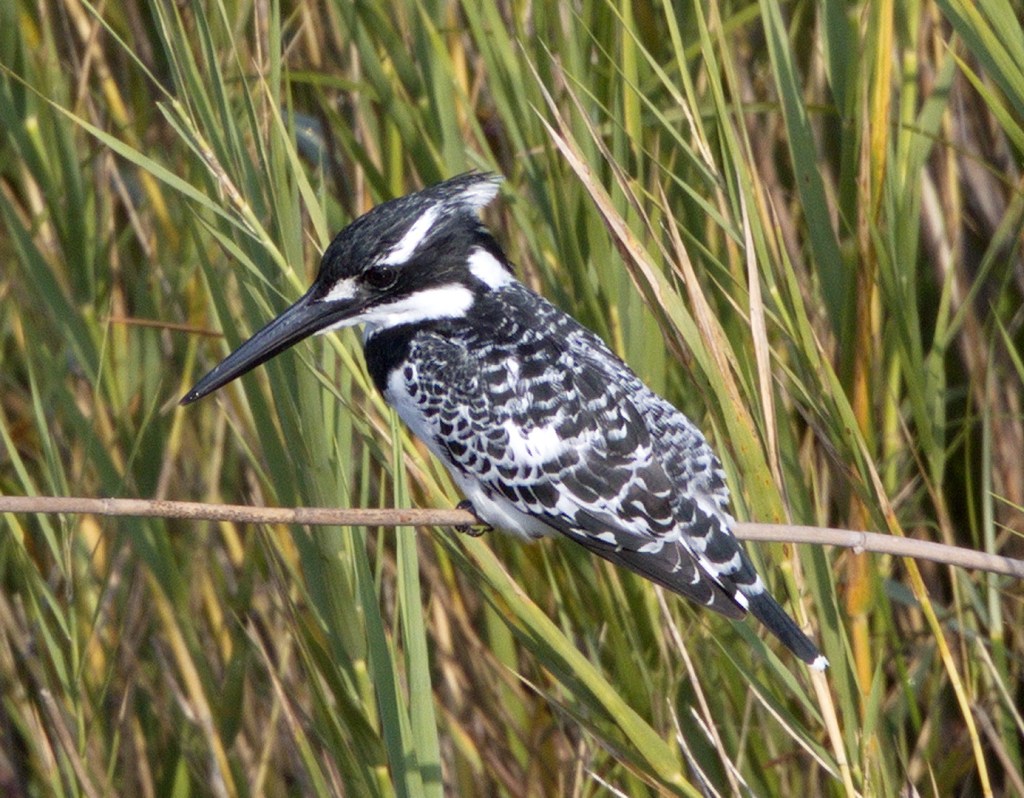
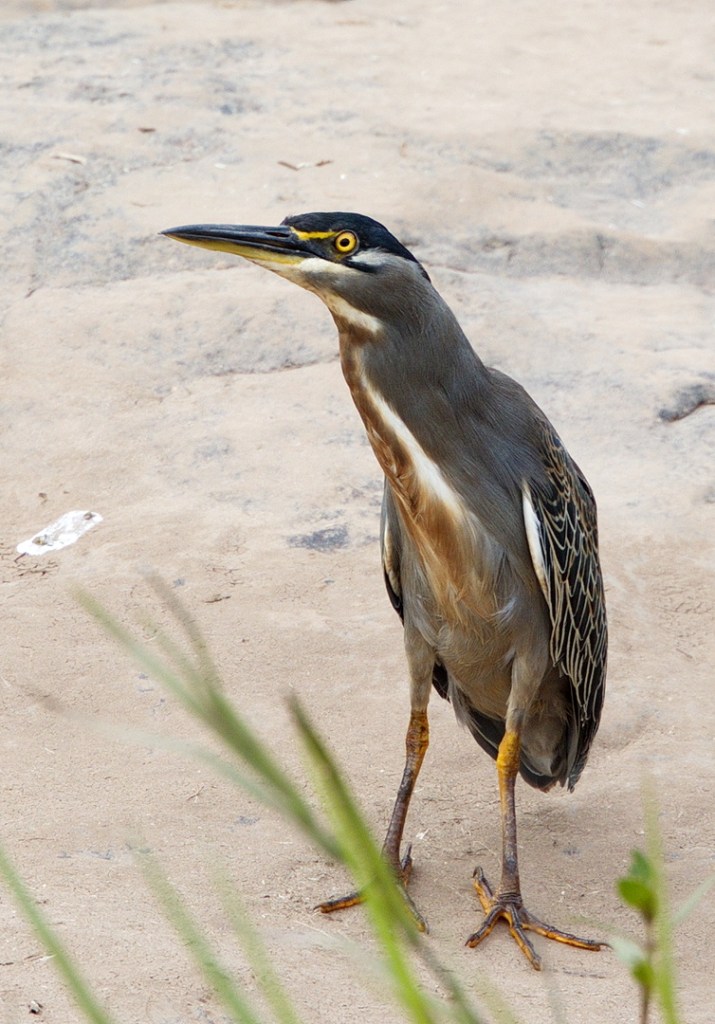
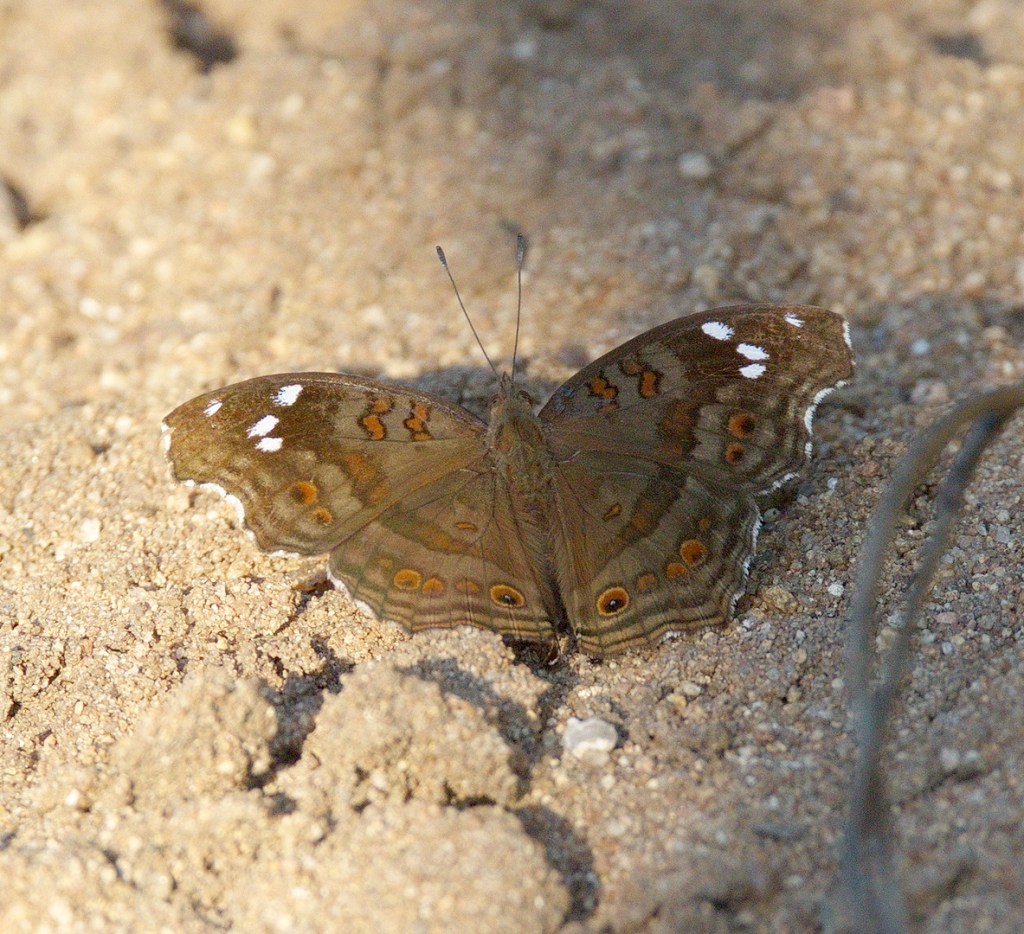
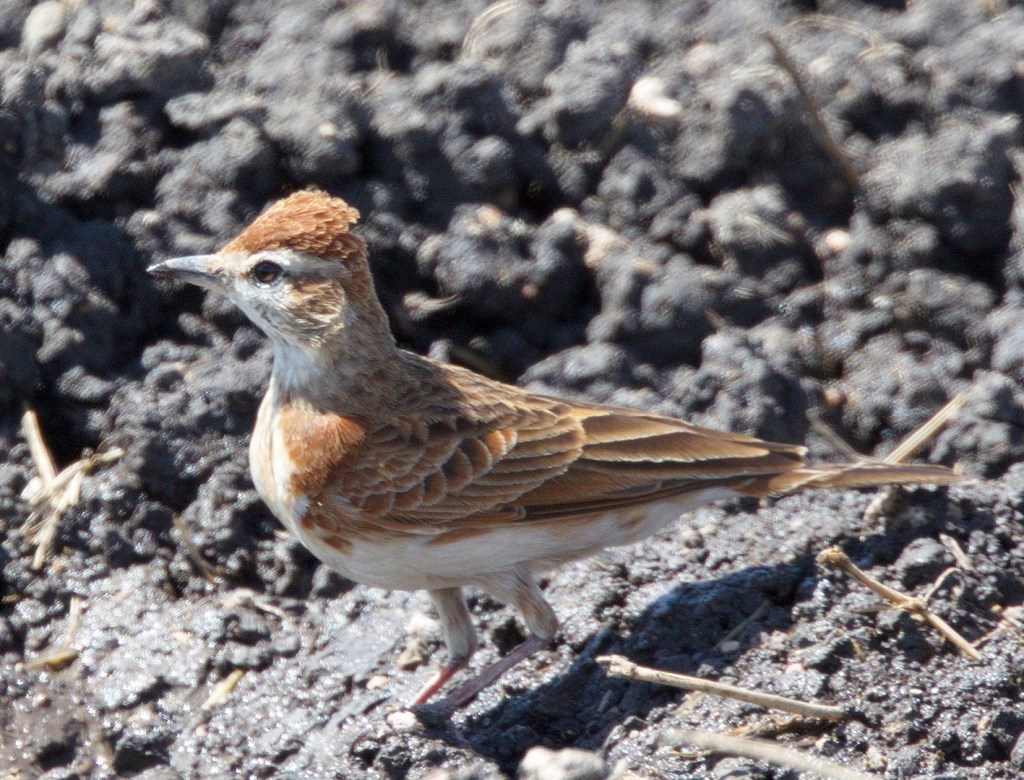
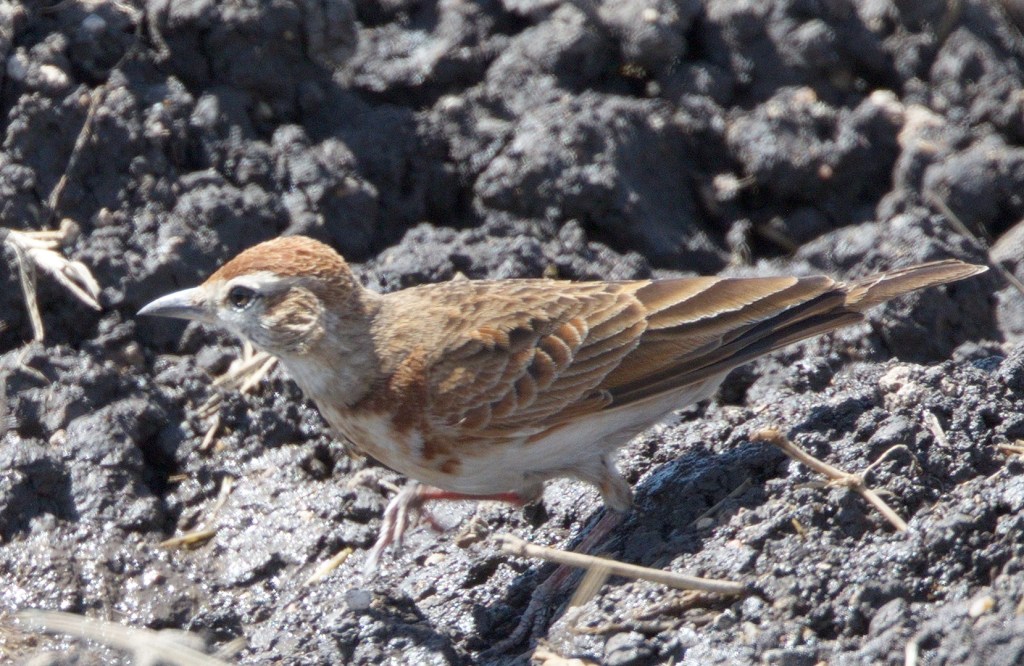
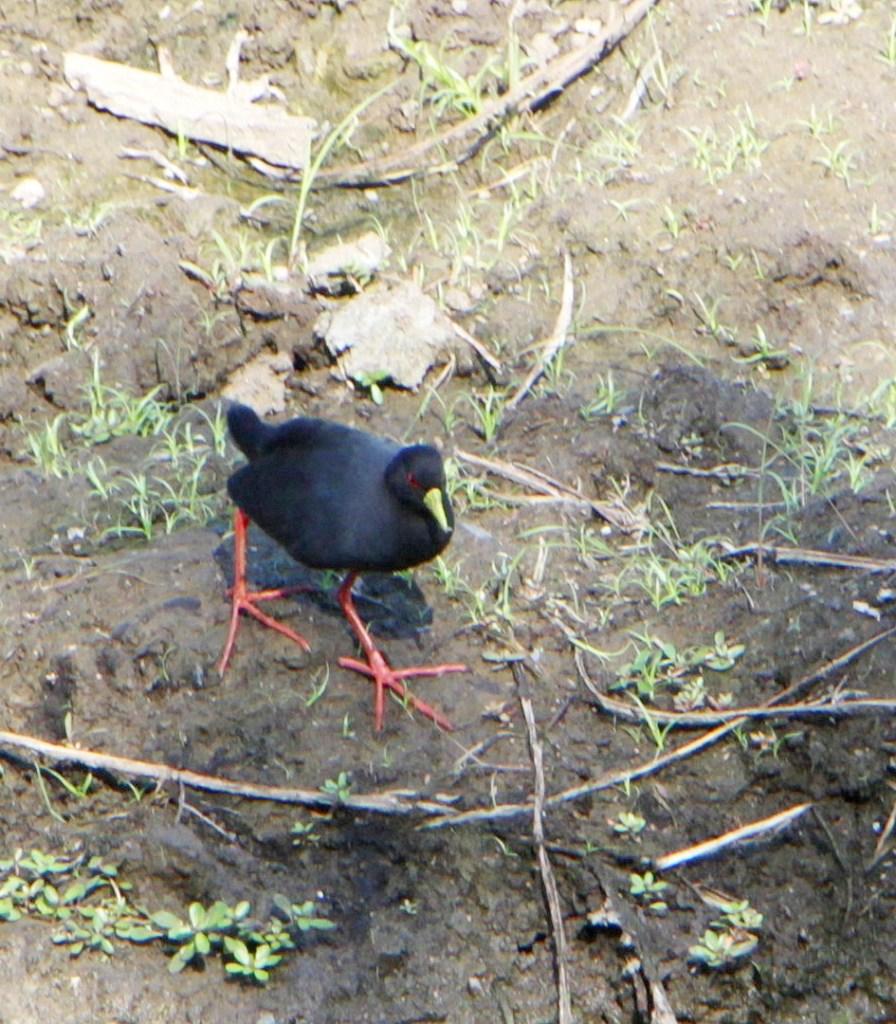
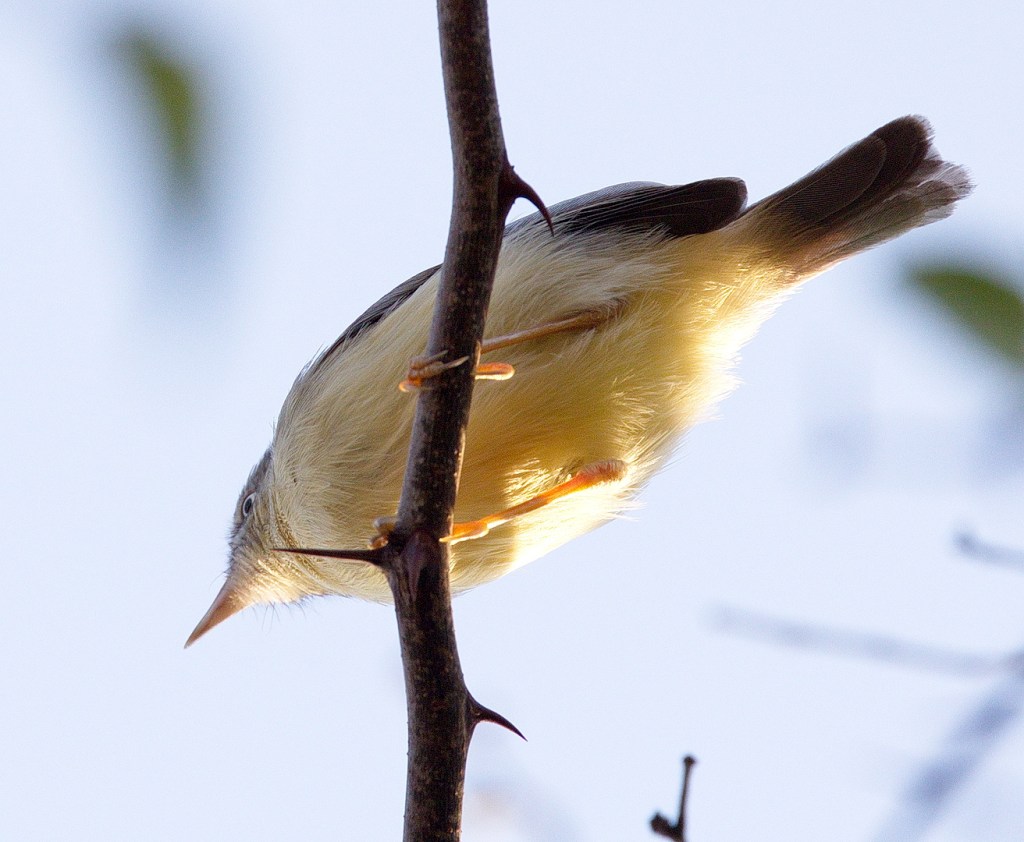
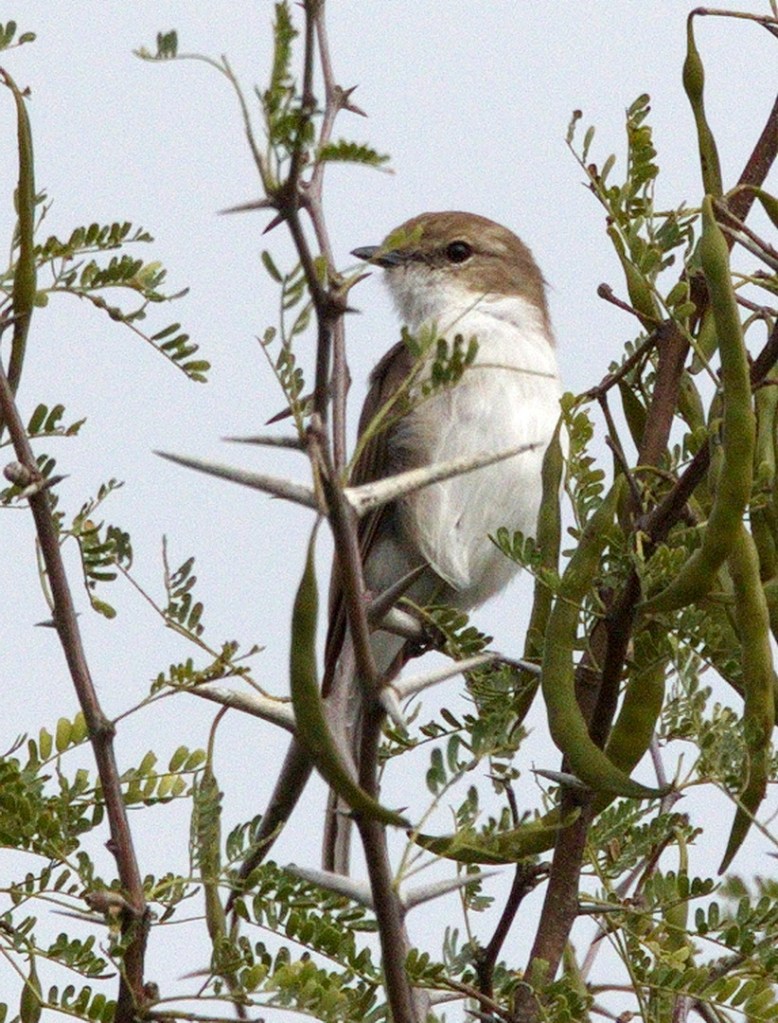
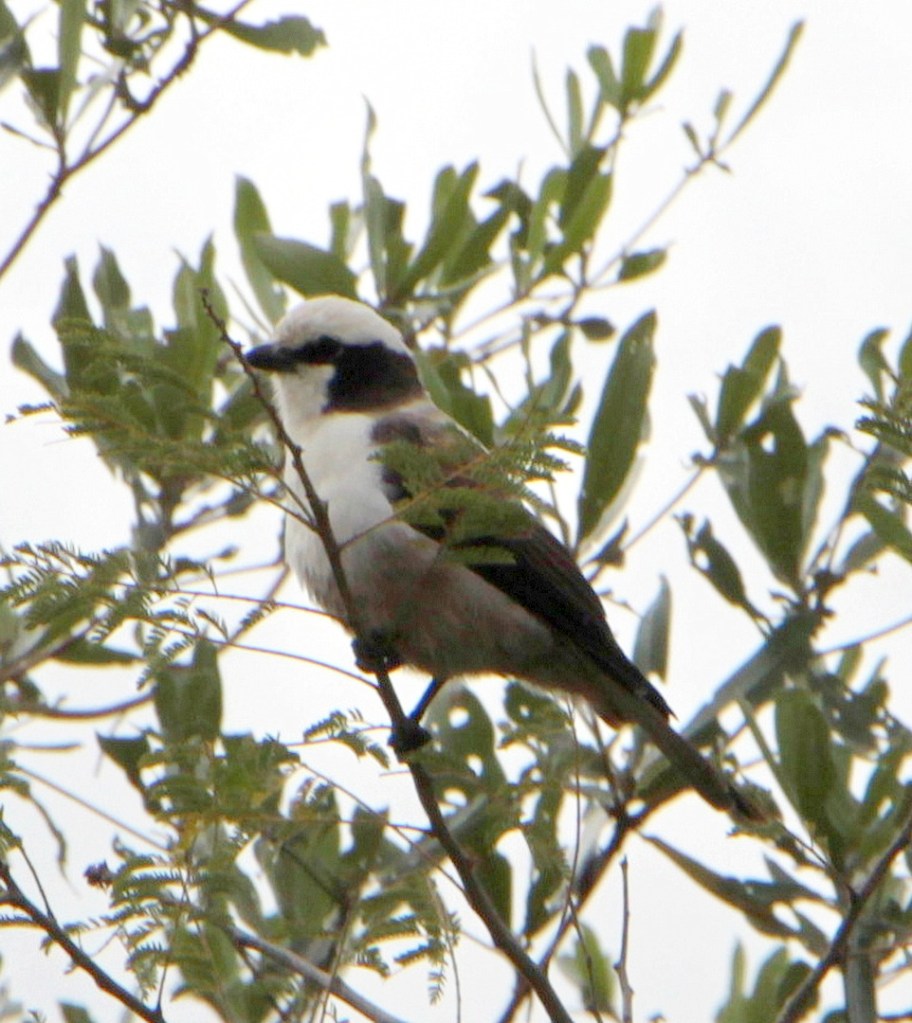
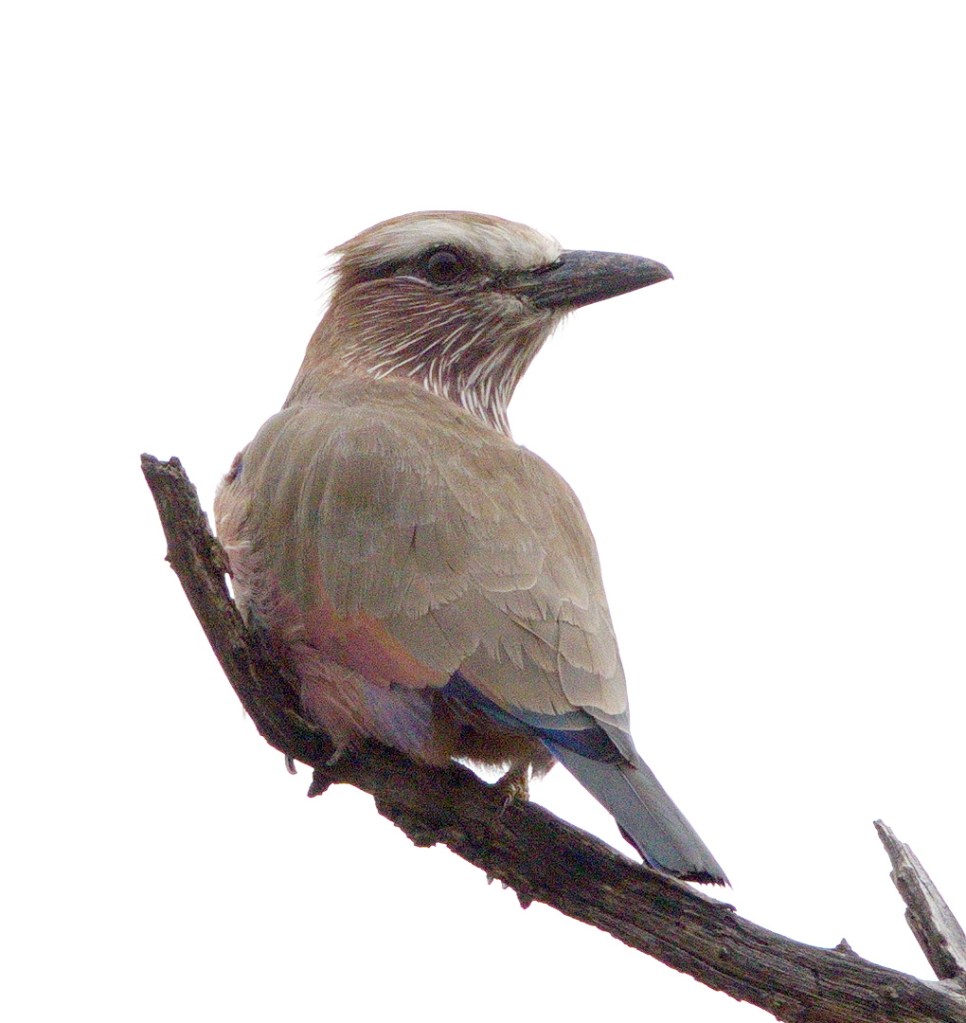
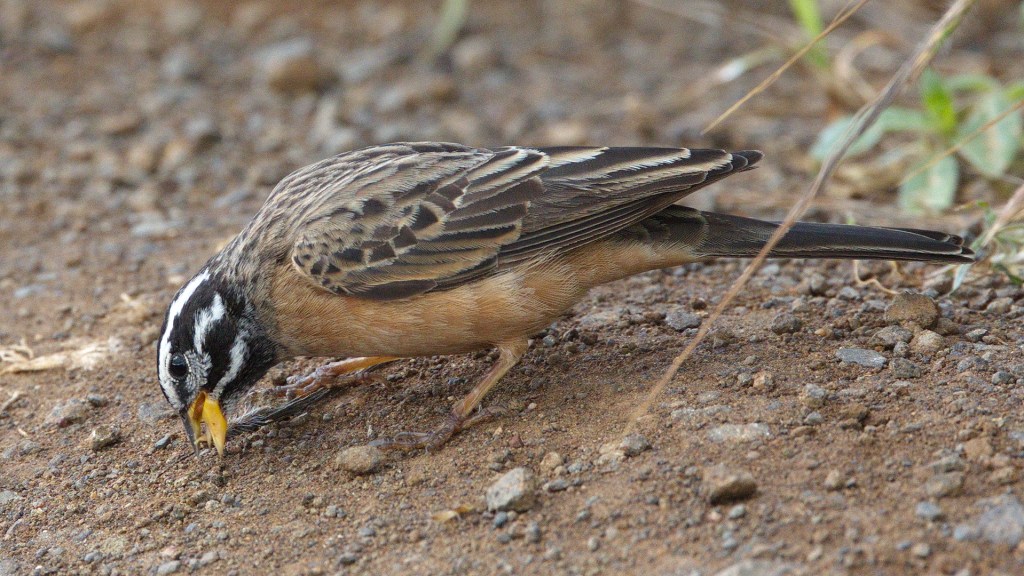
And here are some of the other species we managed to capture.
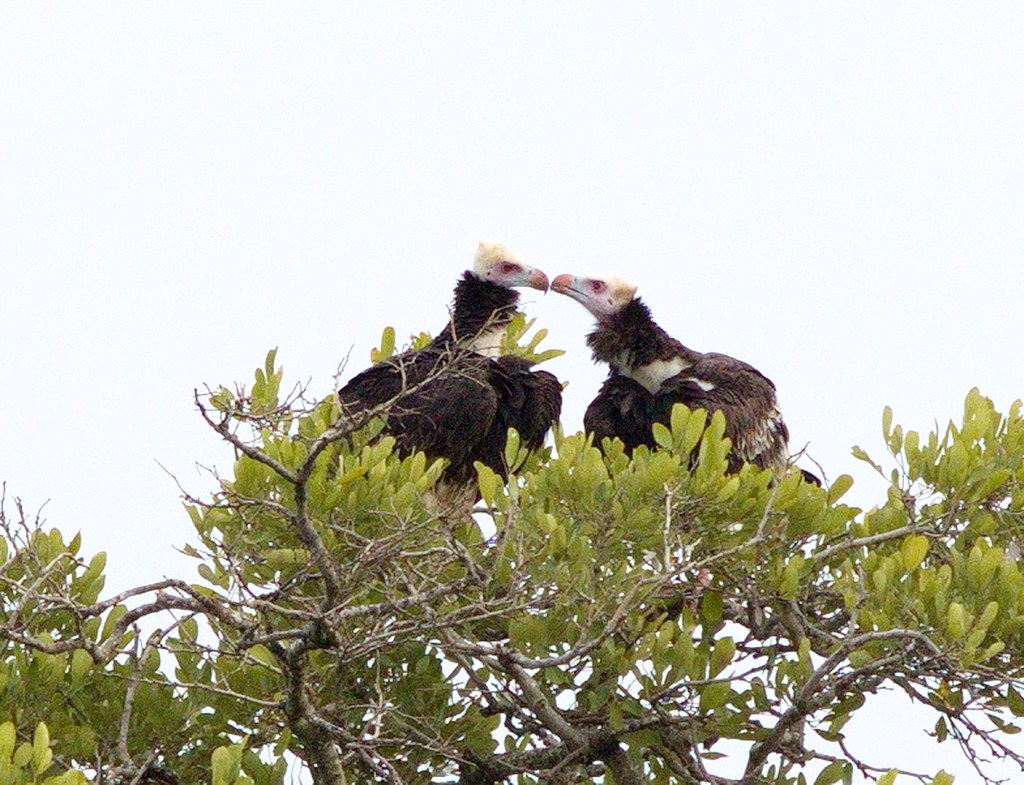
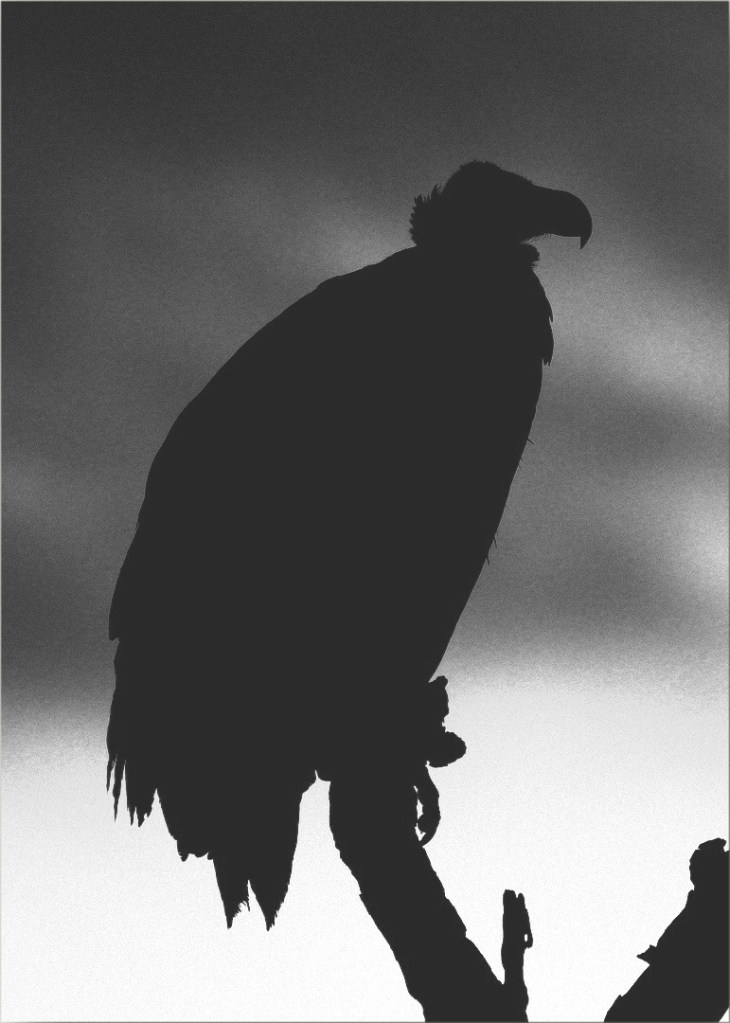
And finally, a Lappet-faced Vulture.
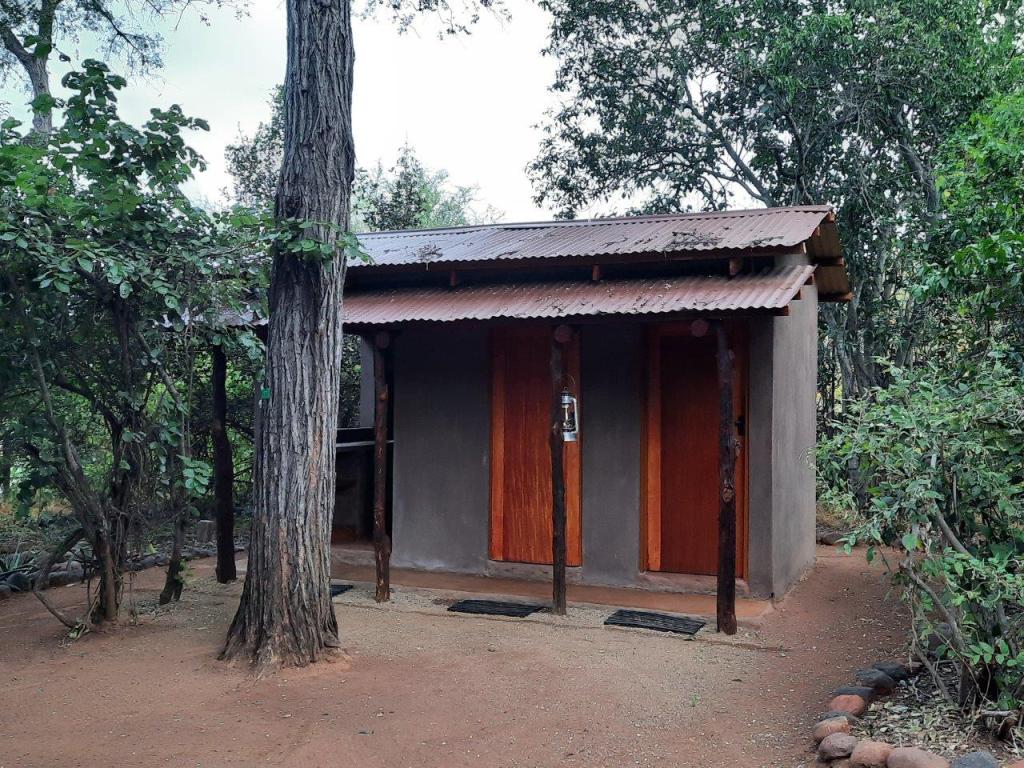
Our last camp was Berg-en-dal for 3 nights.

Berg-en-dal

18th to 21st April 2024
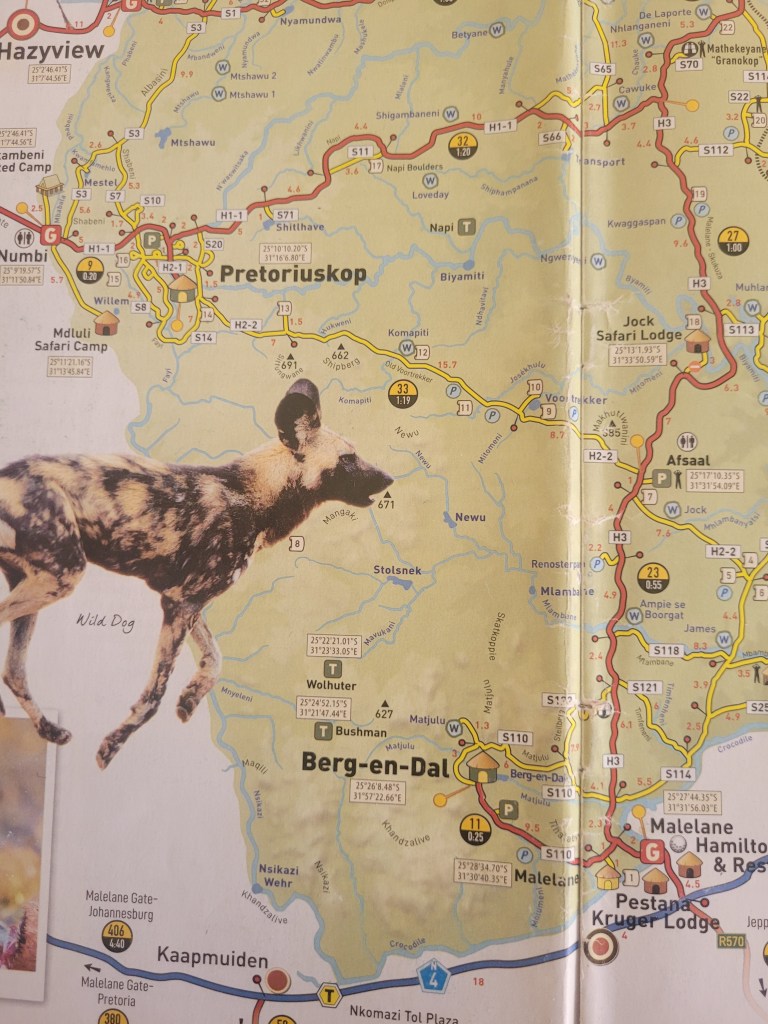
Berg-en-dal
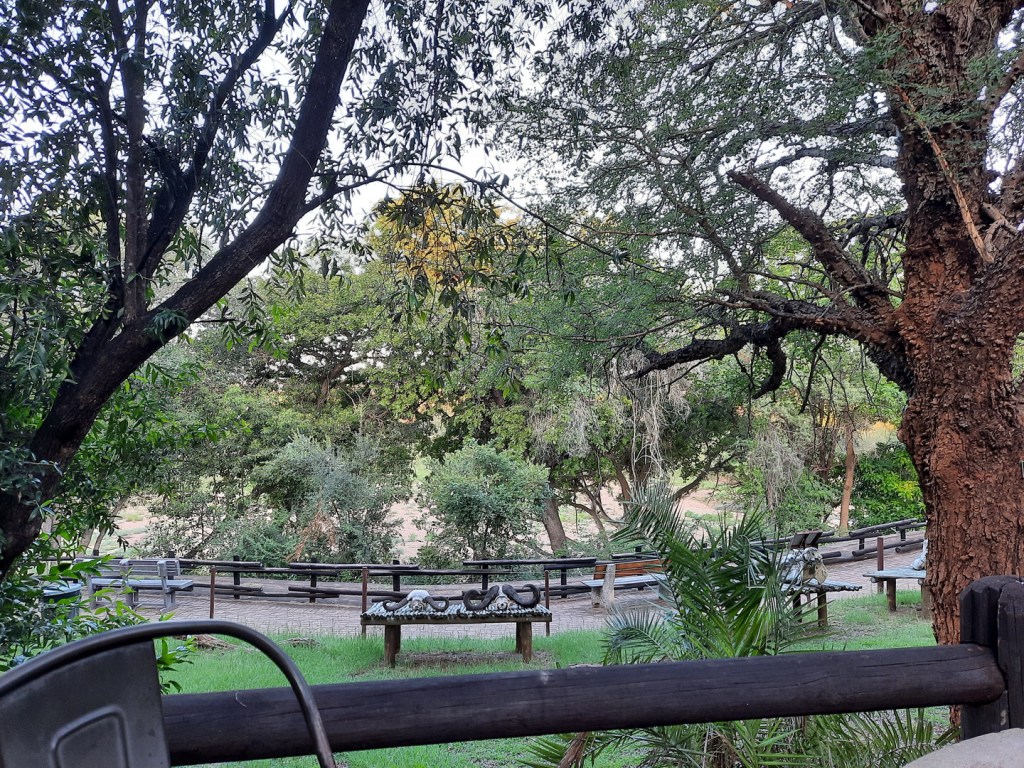
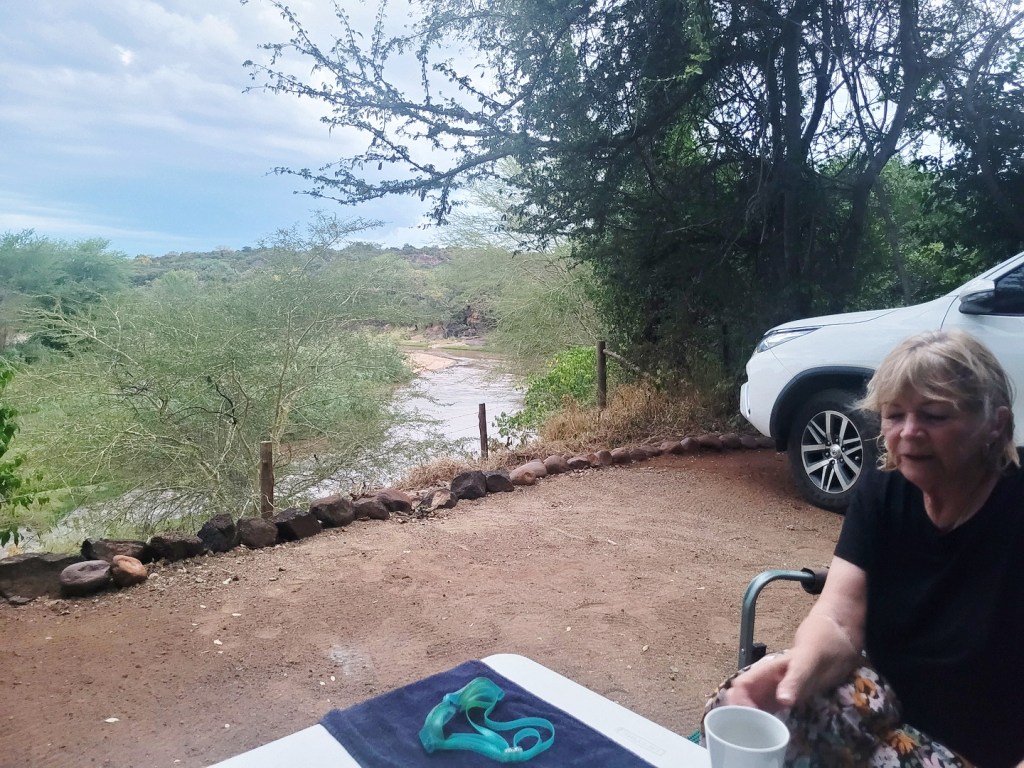
Sally and Paul enjoying a sundowner at the Berg-e-dal bar.

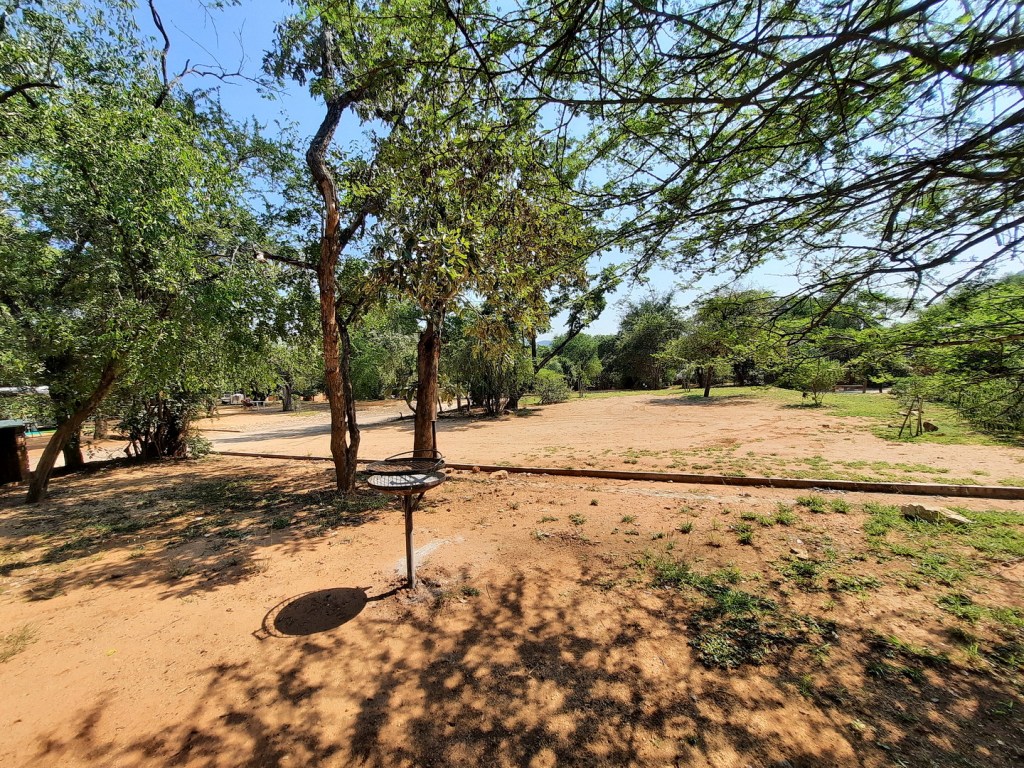
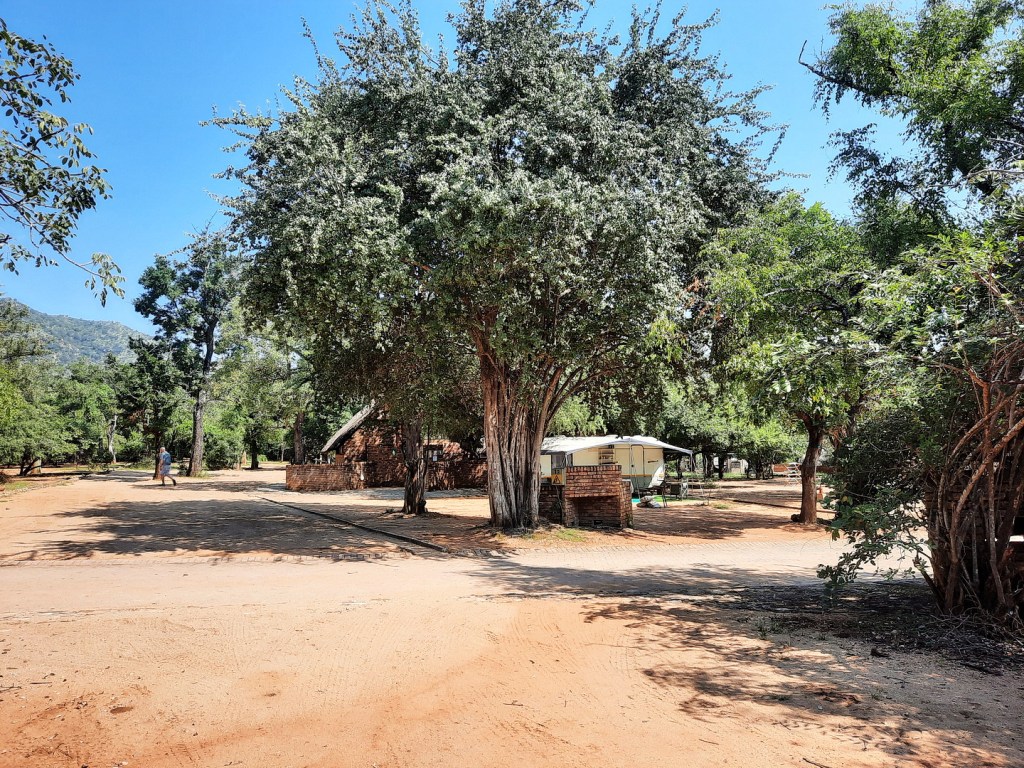
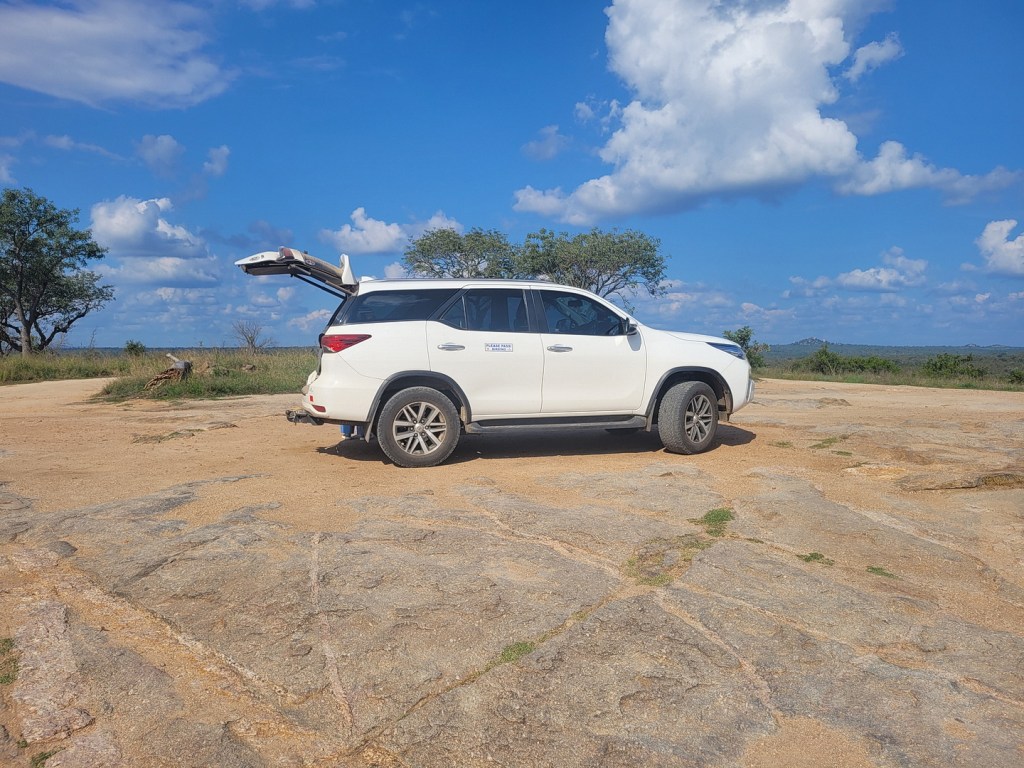
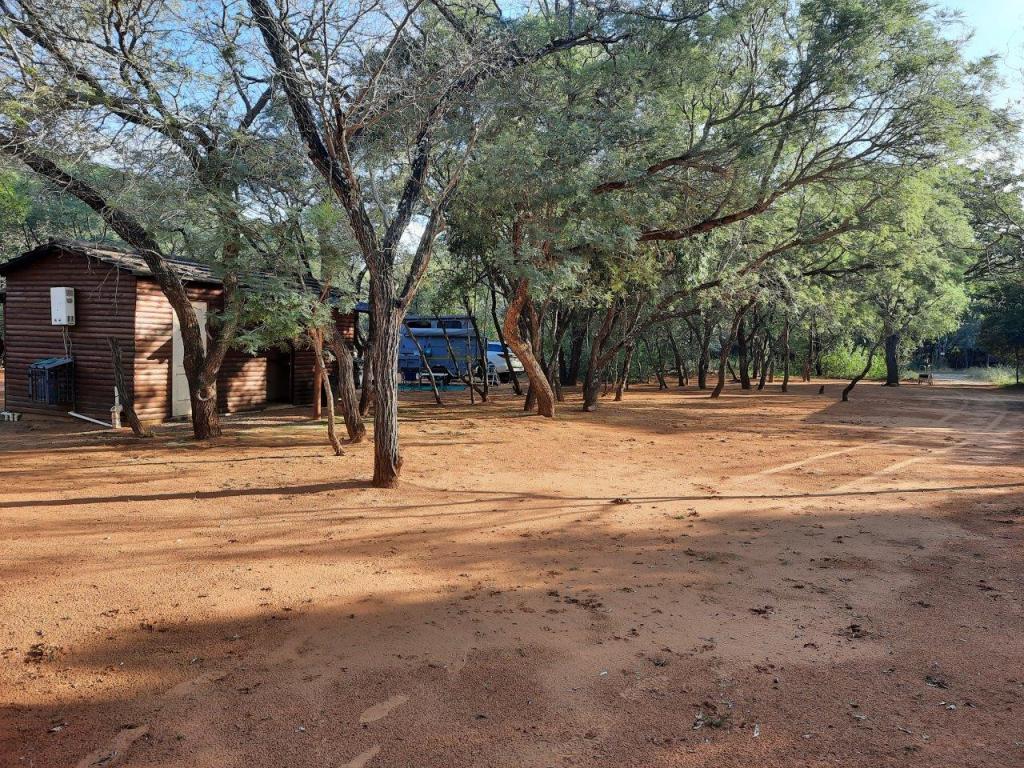
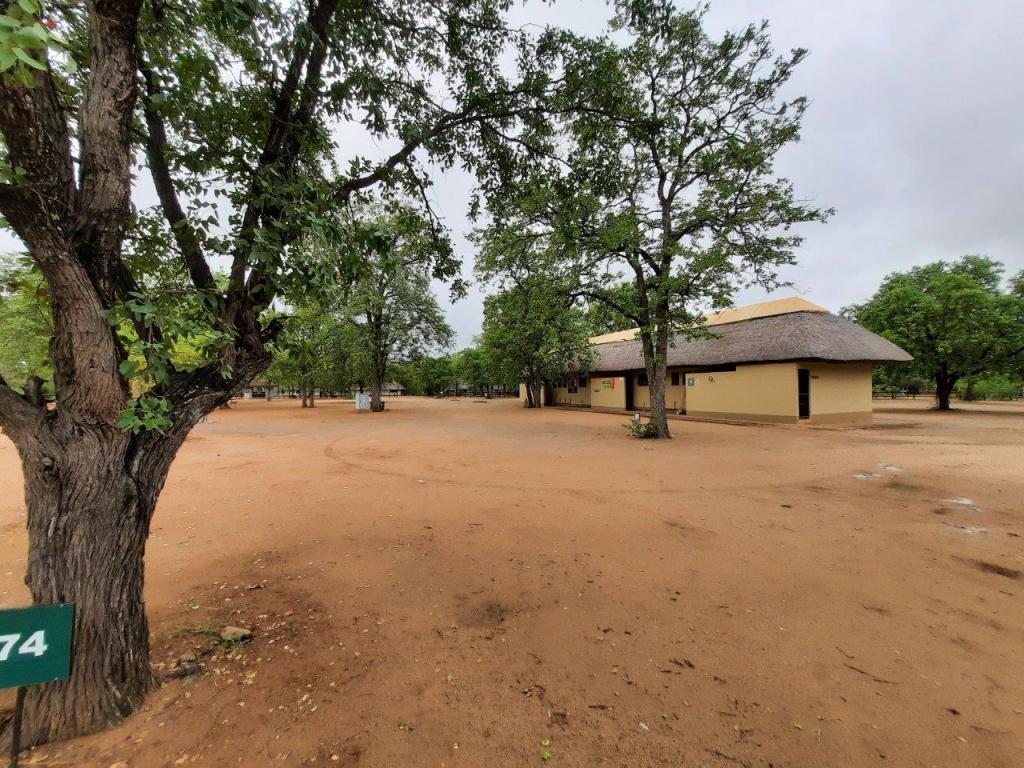
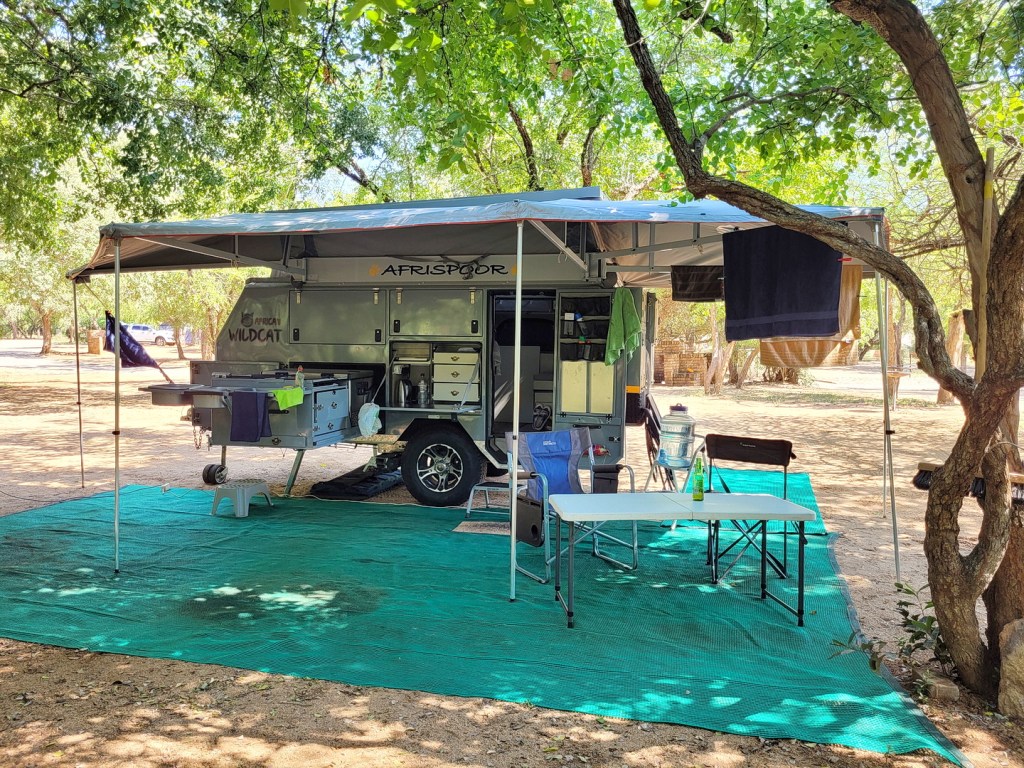
After driving around the camp for ages looking for a spot, we eventually settled on a site we had first seen. And we enjoyed the privacy and outlook.
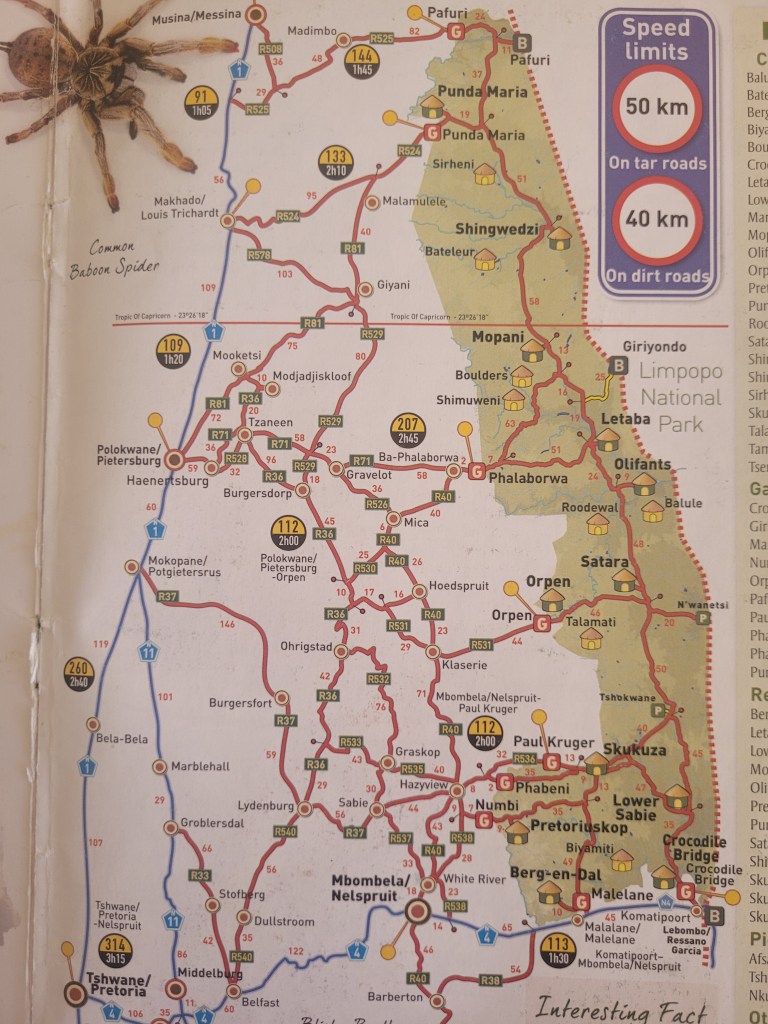
We ventured around the area but also took a long day out to Pretoriuskop – taking the H2-2 from Afsaal to Pretoriuskop. Then back along the S1-1 and H3, visiting dams and other features along the way.

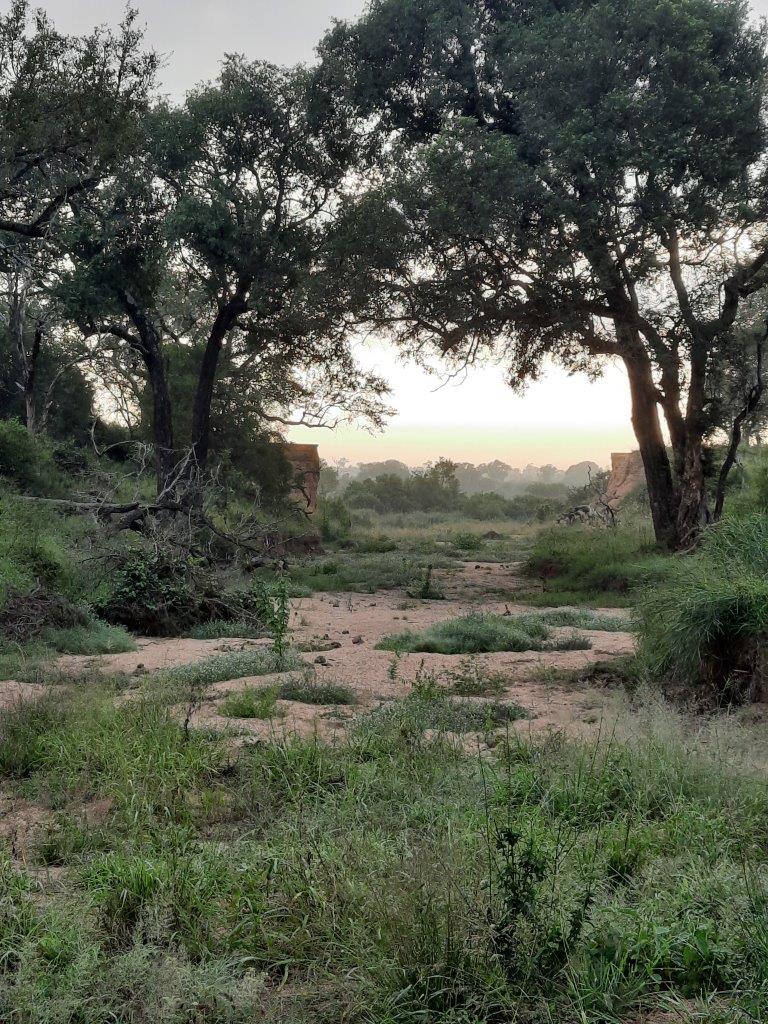
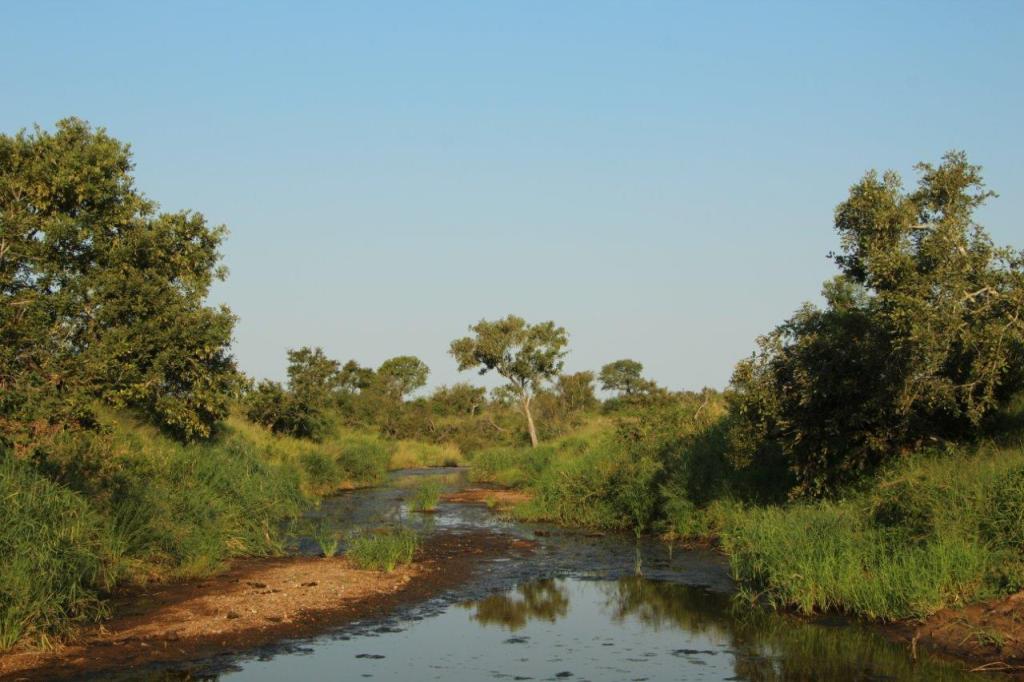
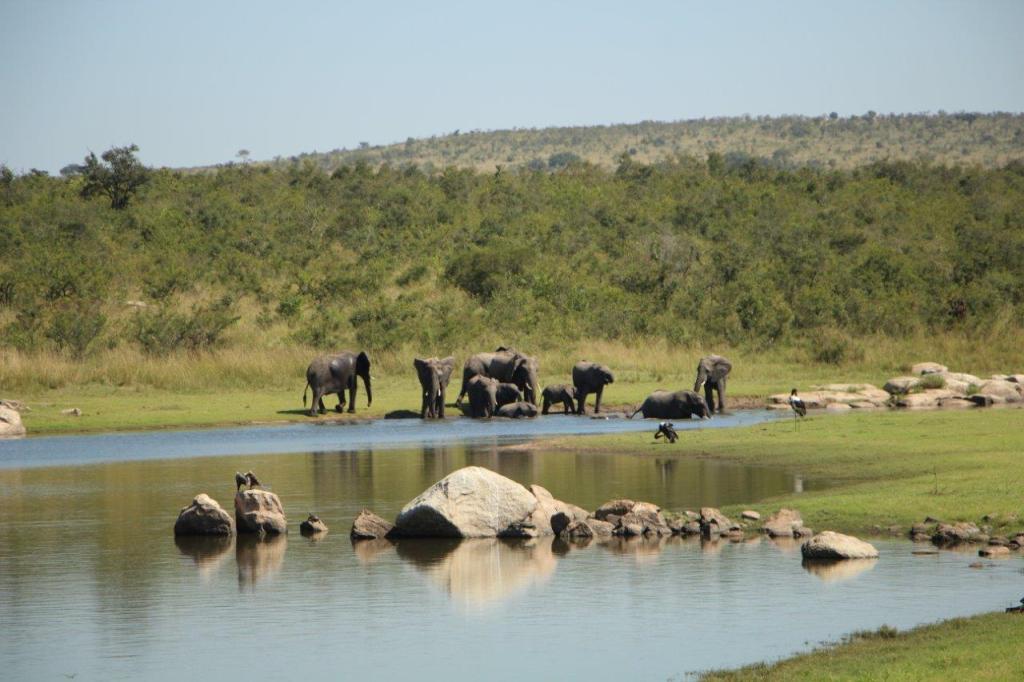
Typical scenery.

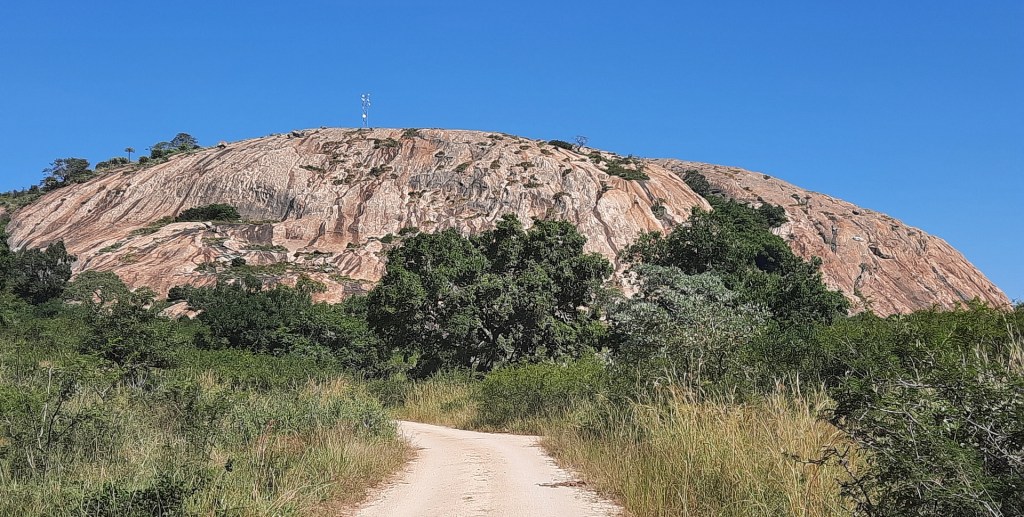
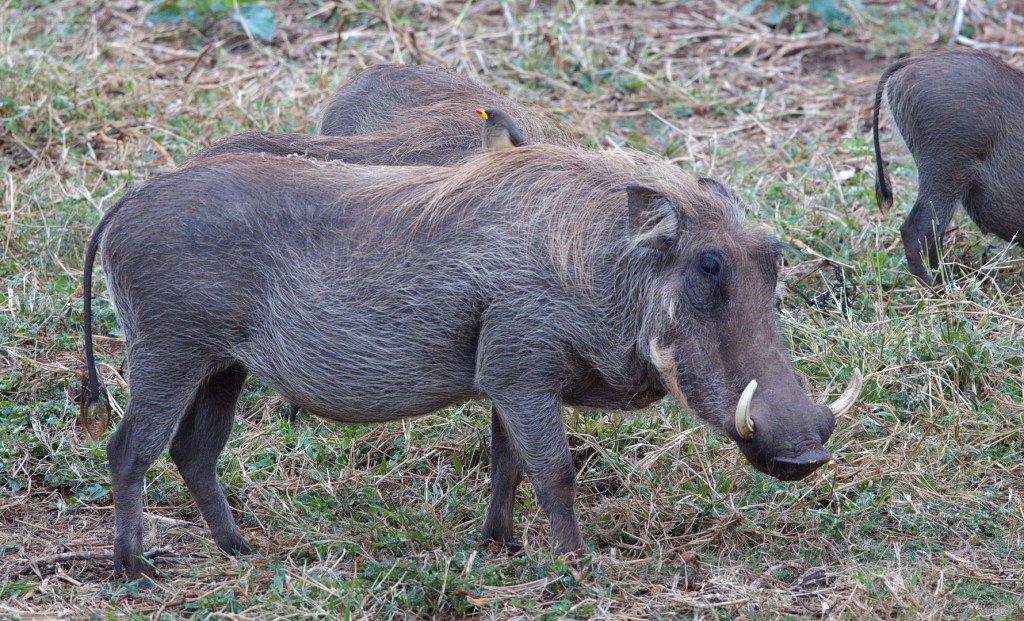
A natural rubbing post for Warthogs and Rhinos usually.

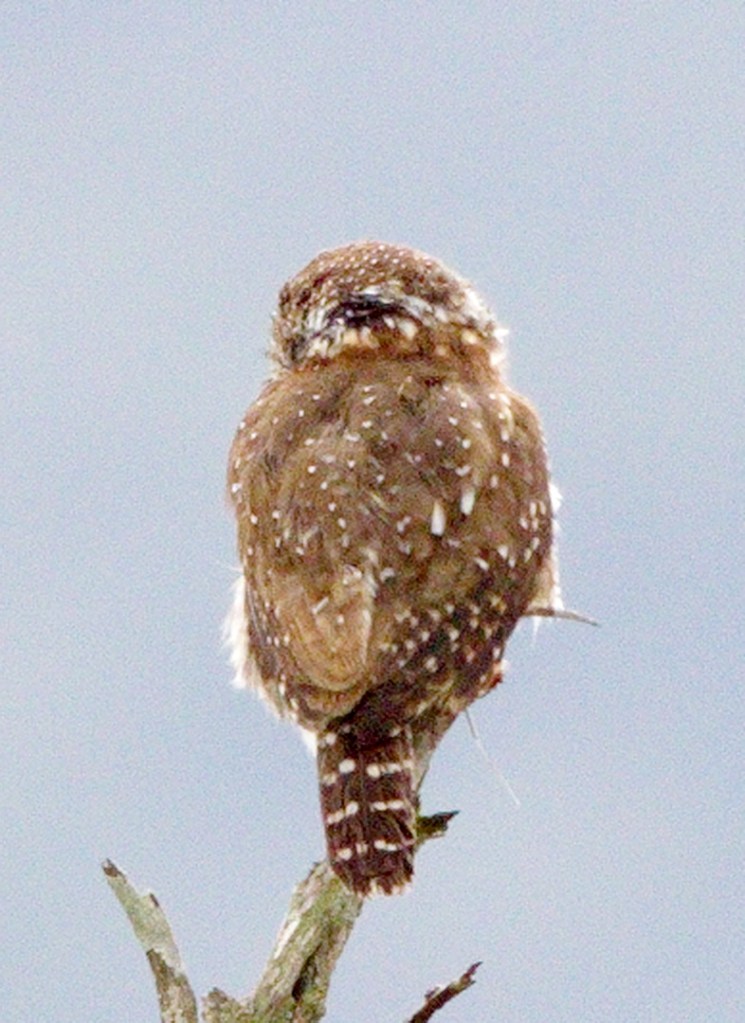
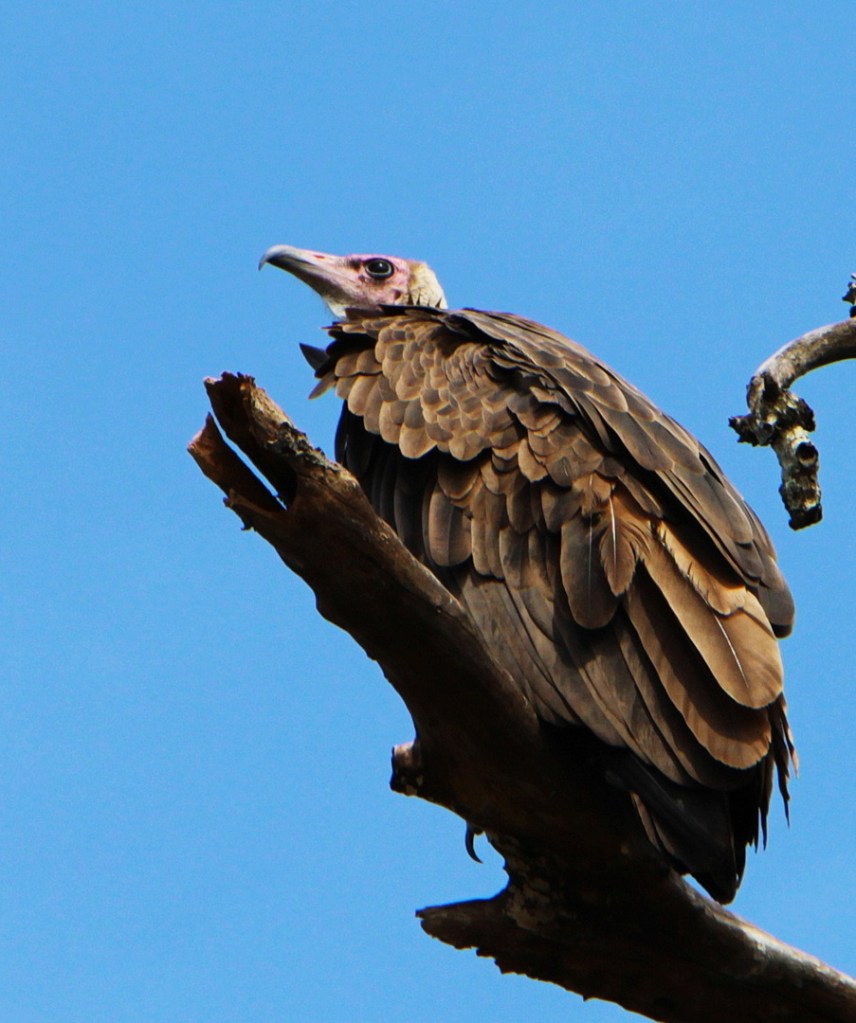
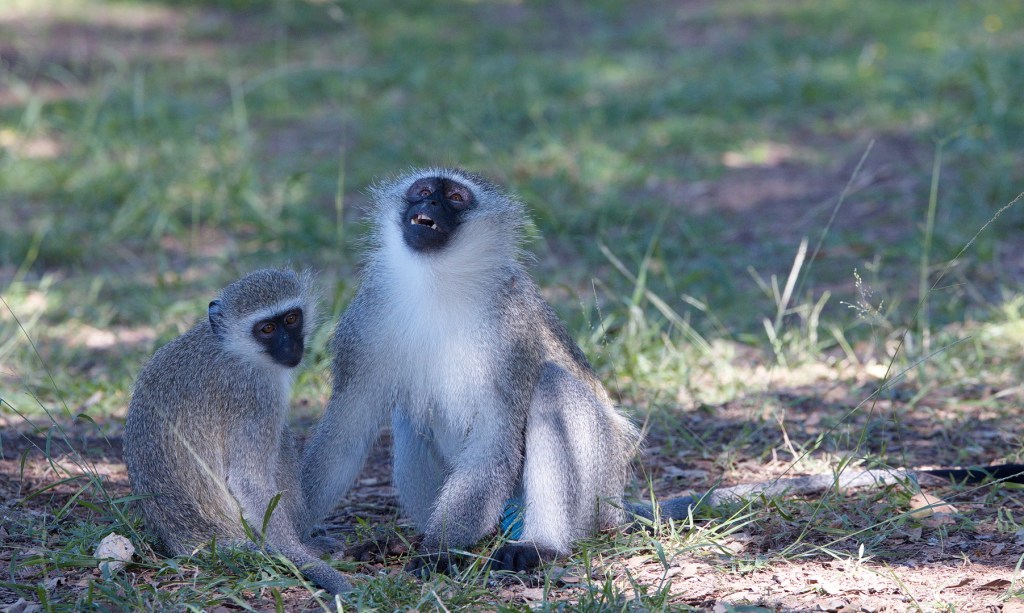
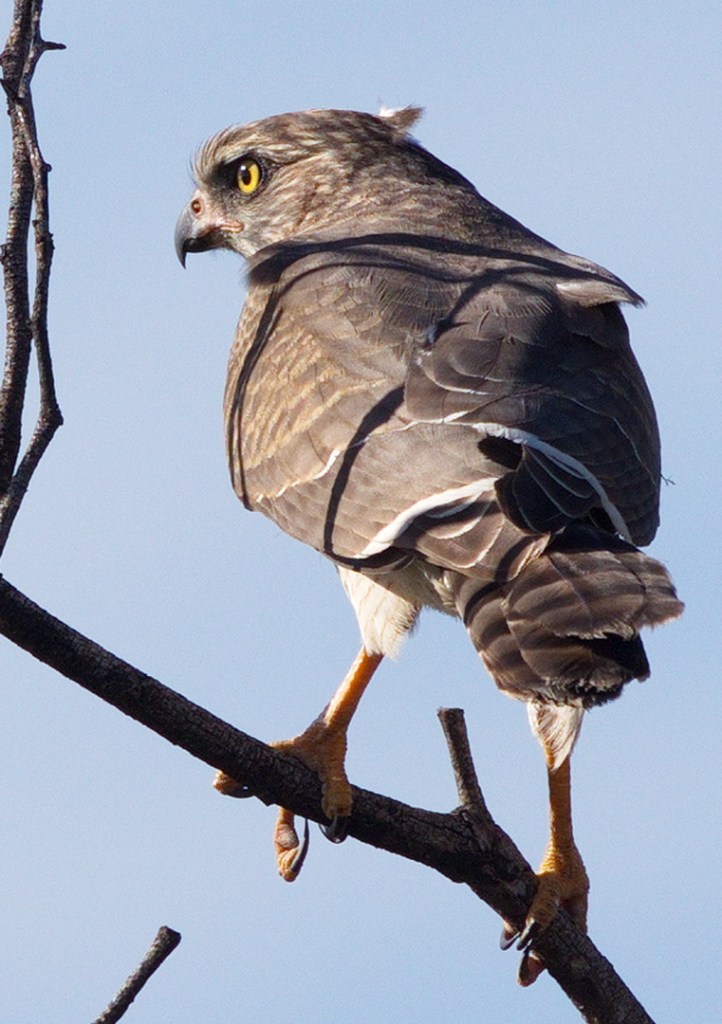
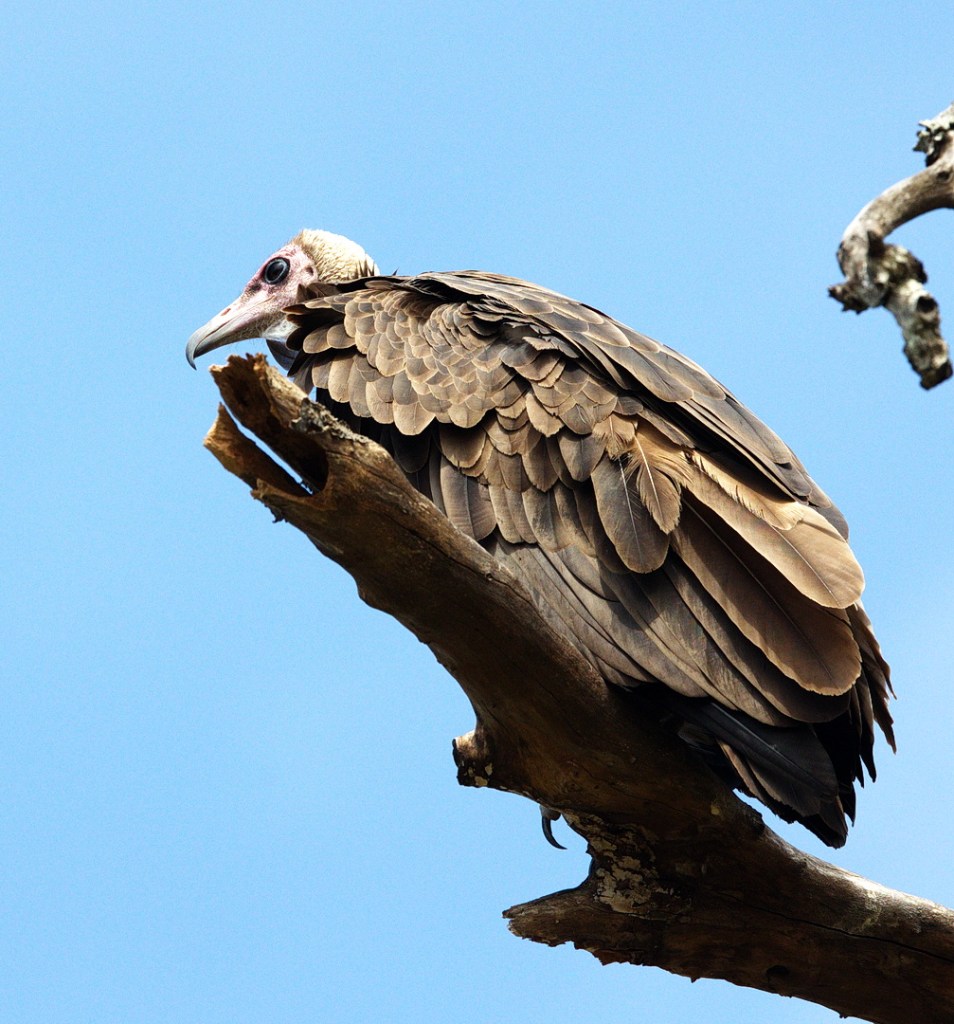
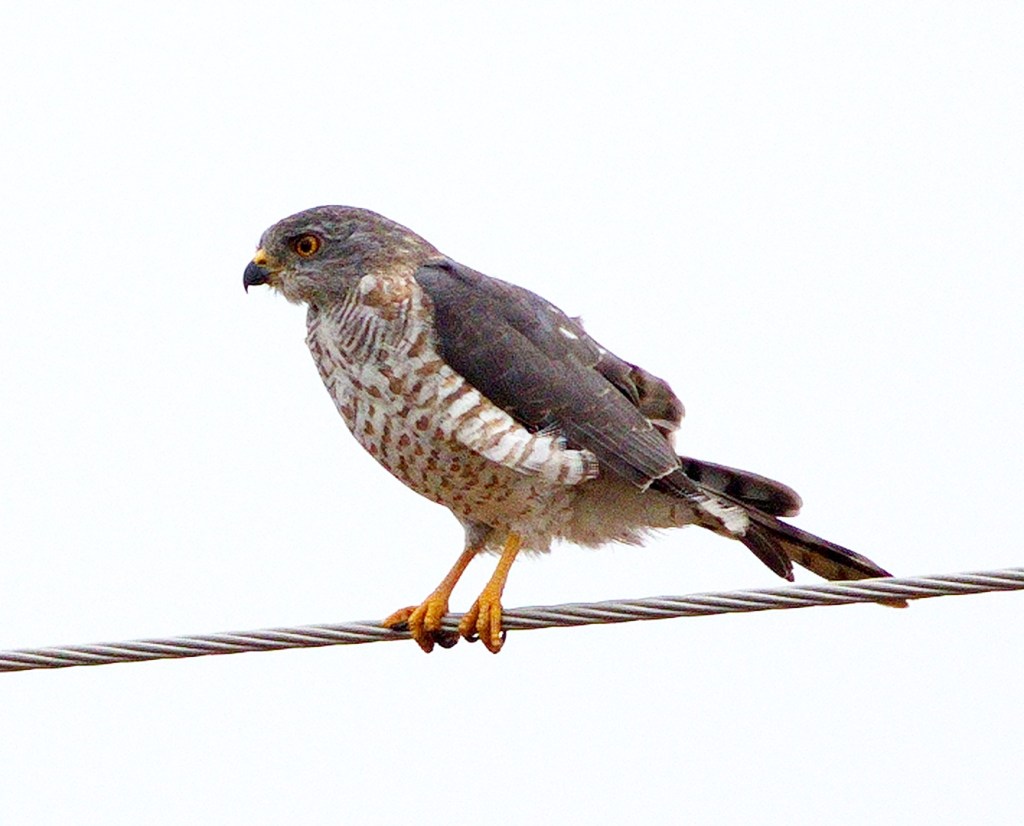
Along the way we had some lovely birds too. A pair of African Hawk-Eagles, a Gabar Goshawk, a Black-winged Kite high above and a Martial Eagle were the raptors which stood out. Of course there was an unidentified raptor photographed as well. An ear-torn Hyena walked up to us and a pair of Vervet Monkeys were nervous of life above in Pretoriuskop. Even a Hooded Vulture made an appearance.

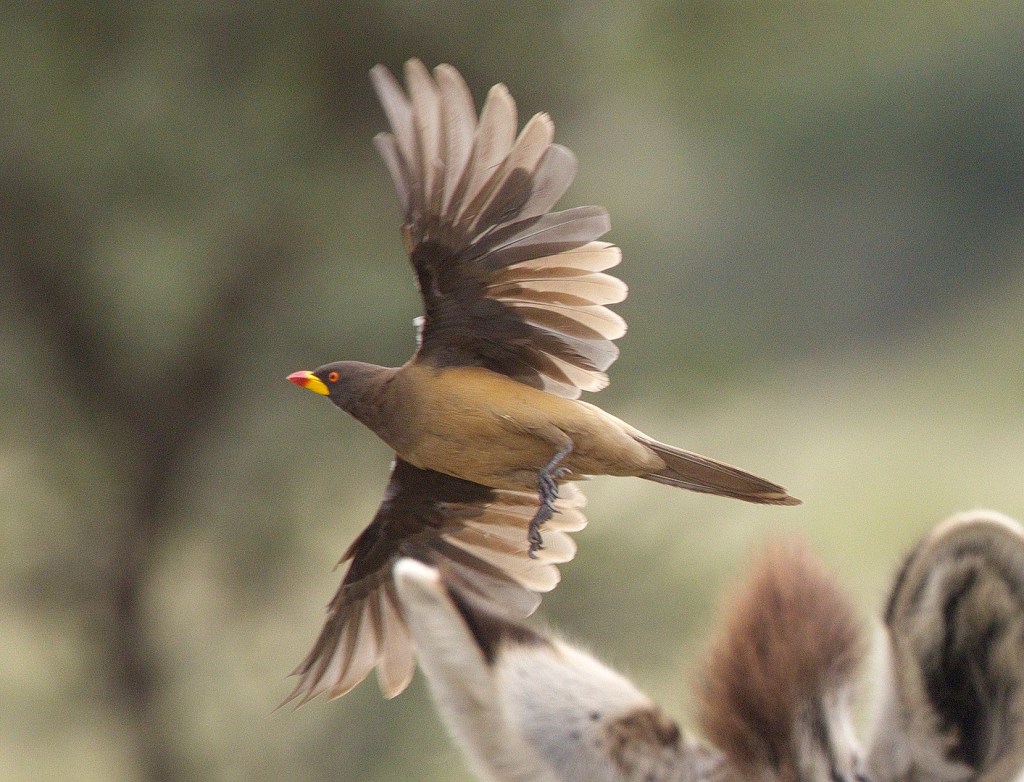
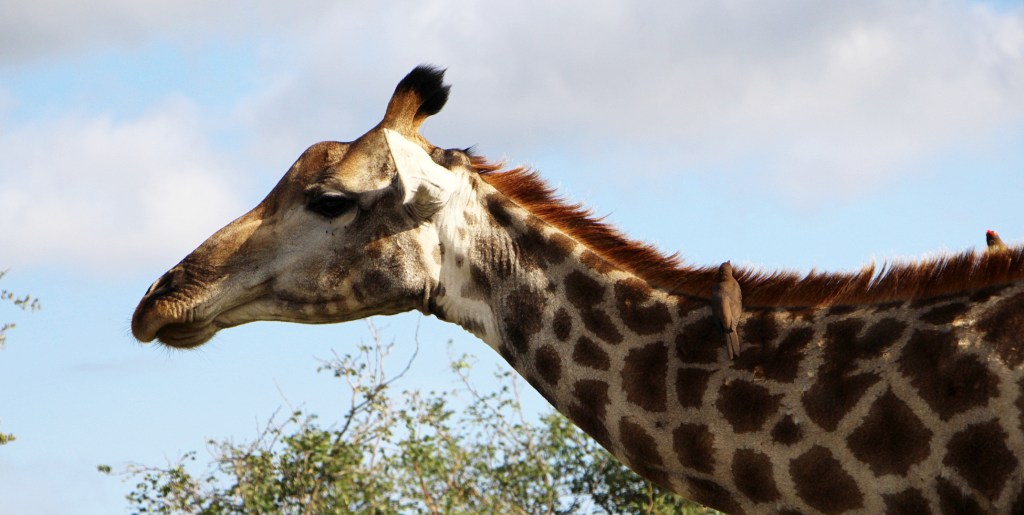
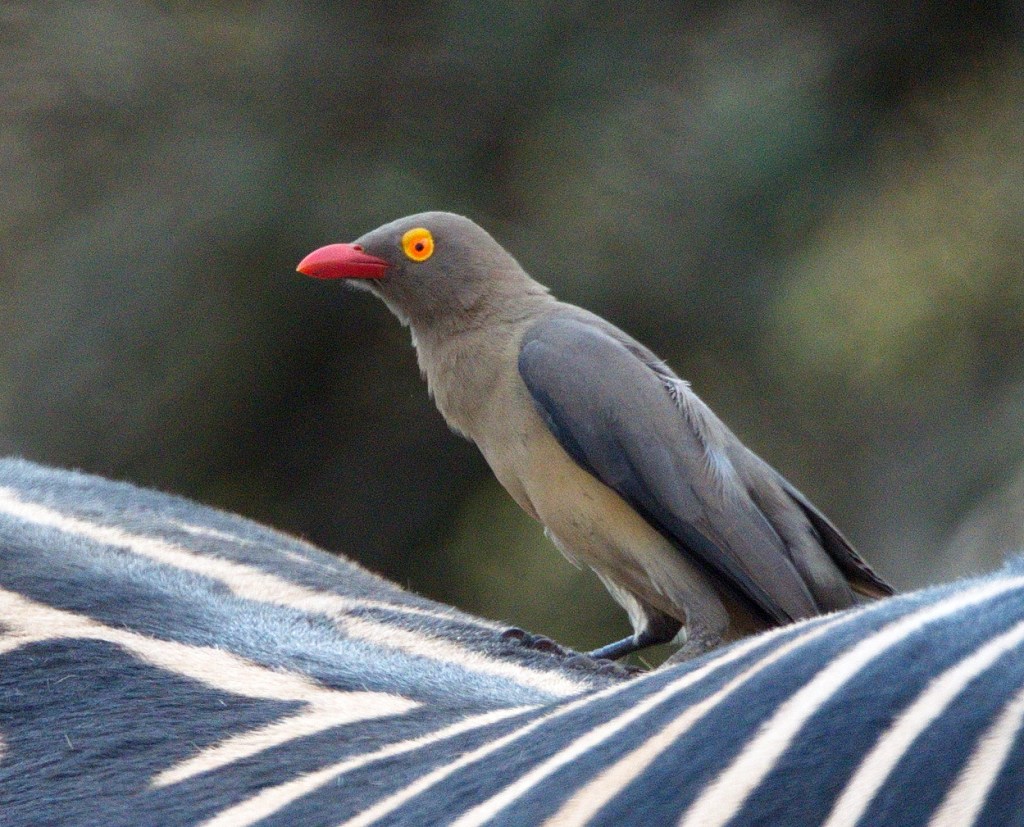
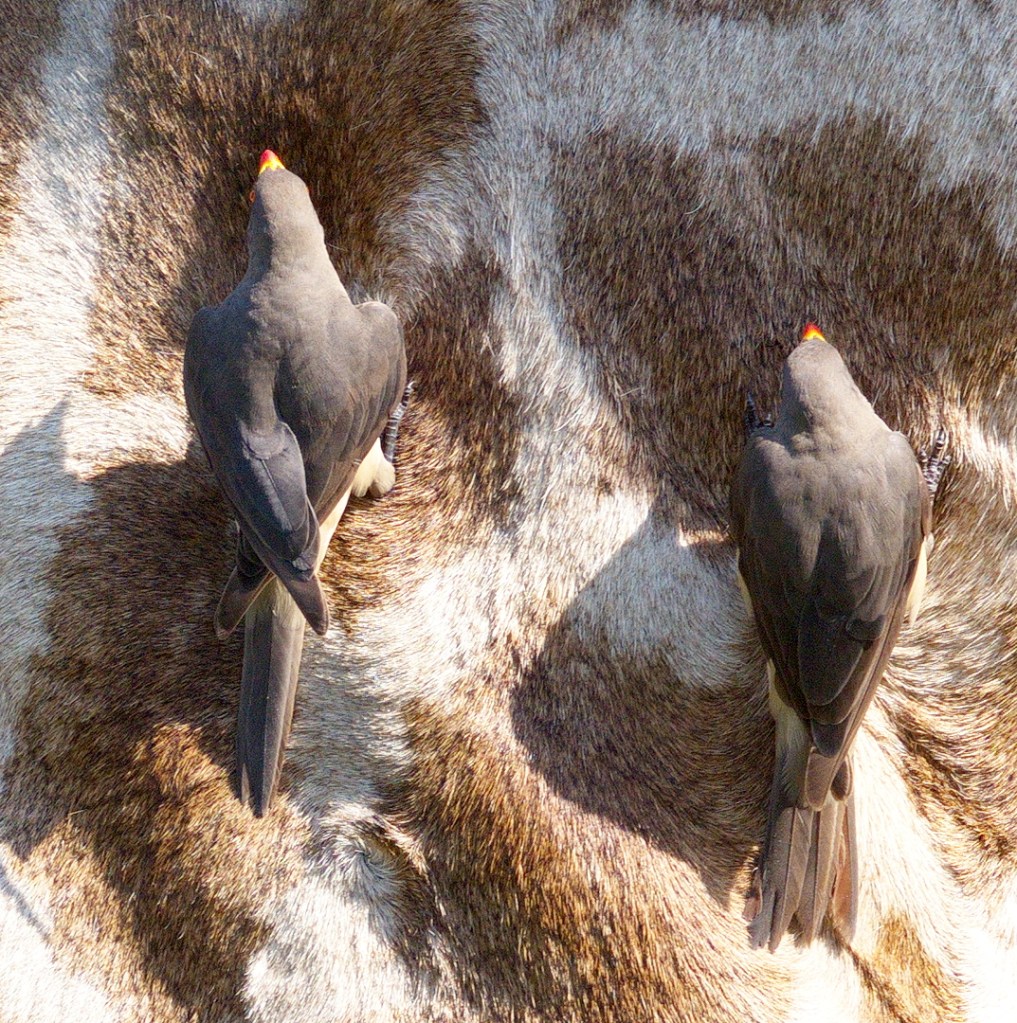
Then there was a sighting of Yellow-billed Oxpeckers on a Giraffe. There range has extended well.
We even found some Rhinos – our first for the trip!

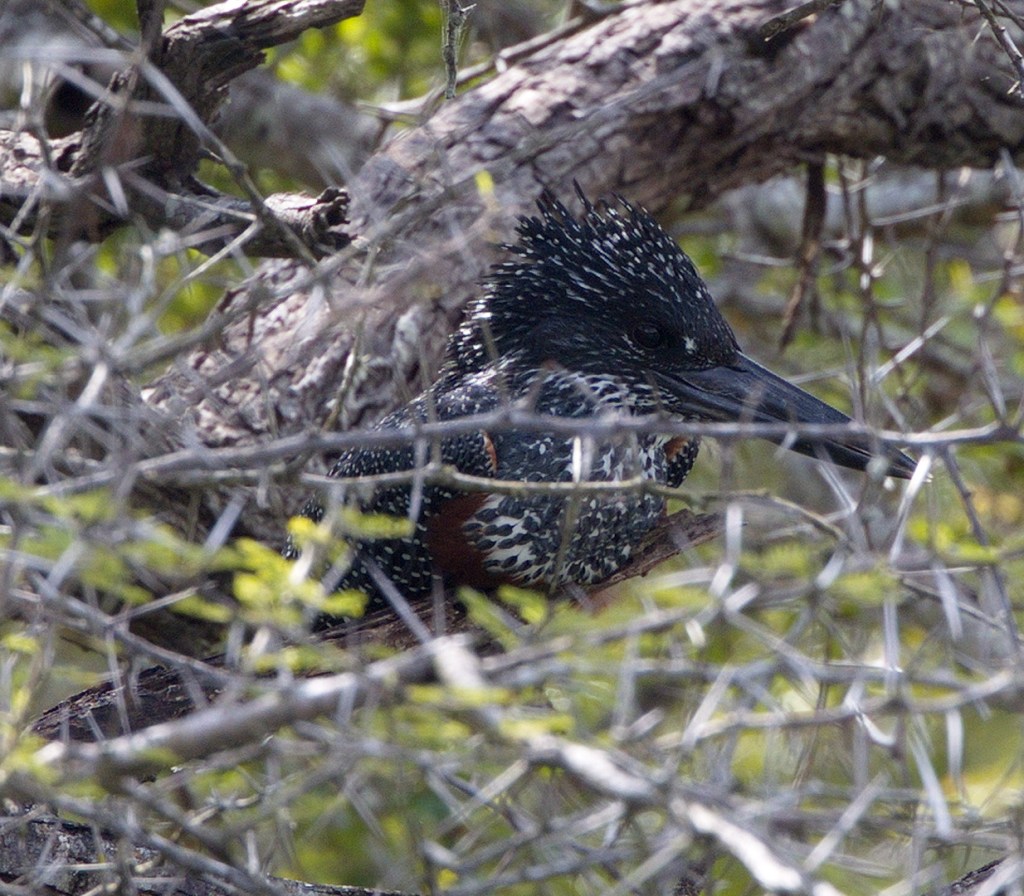
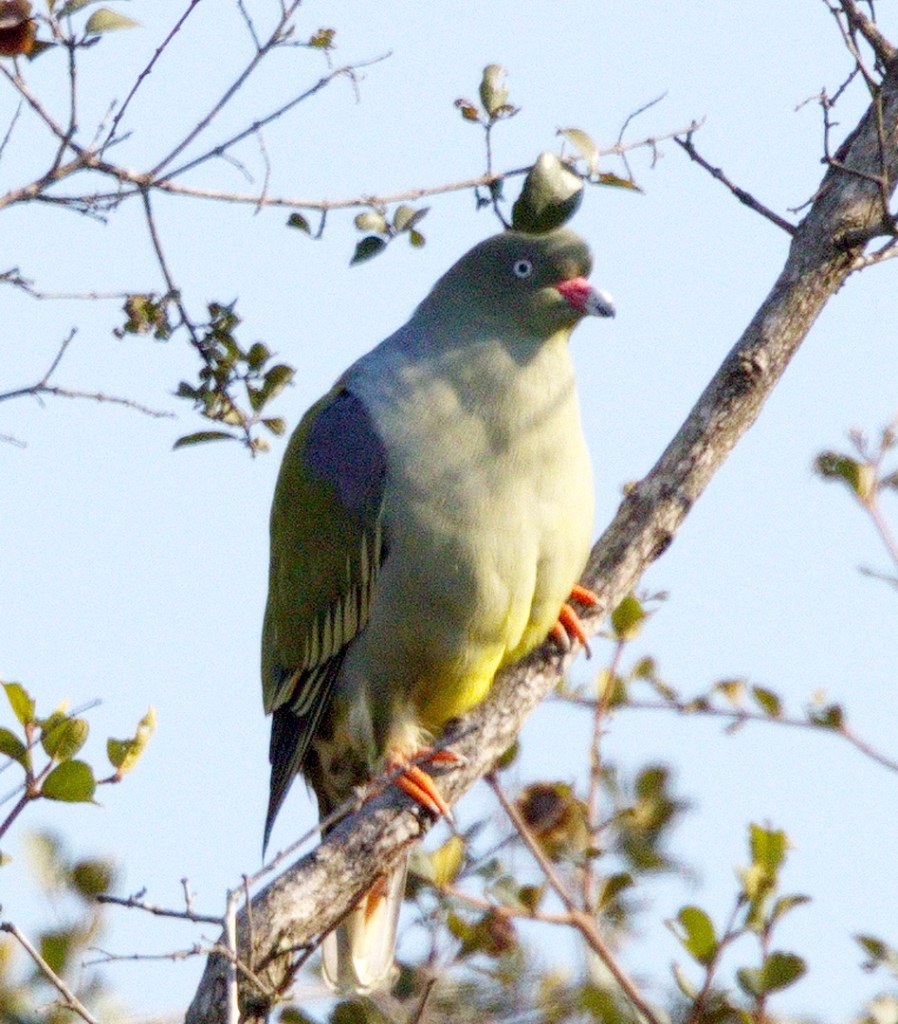
Around the camp we were also treated to some fine species.

And eventually it was time to return home.

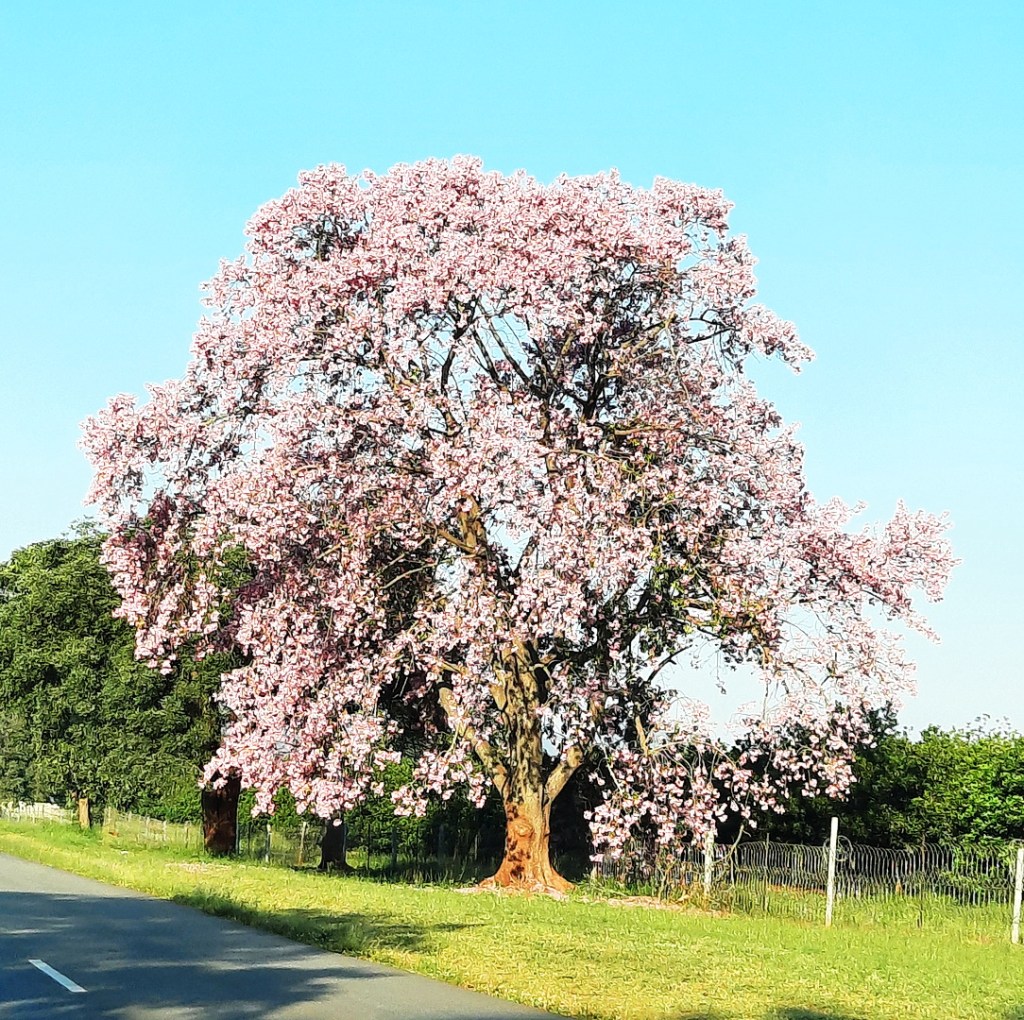
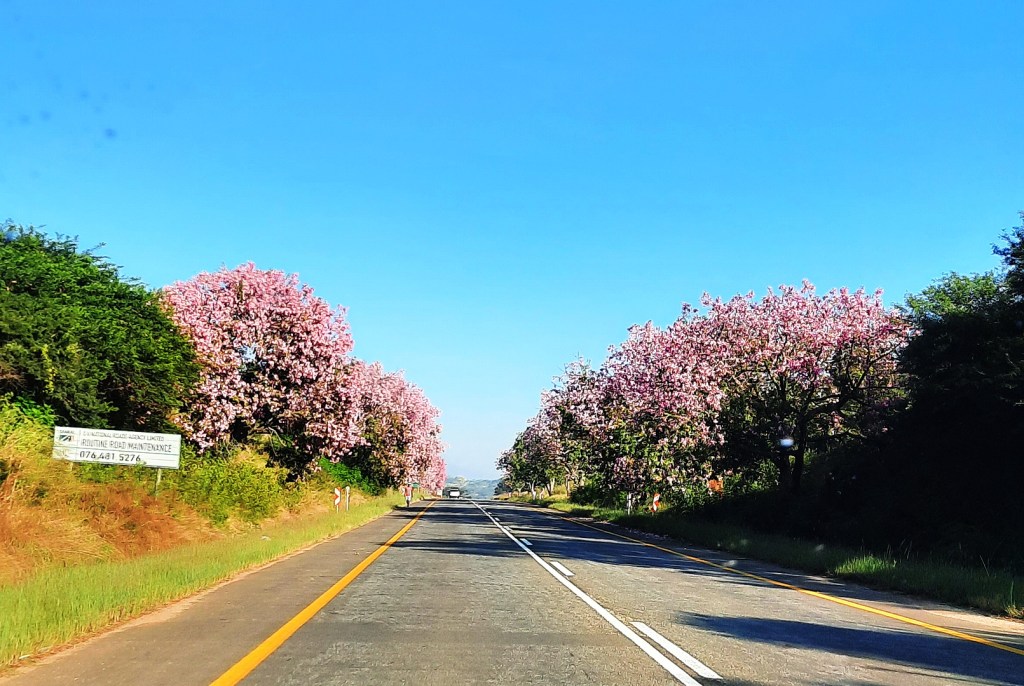
And this was the scene as we passed Barberton. The Tebushina were flowering.
Click on the following link to see a list of the birds we identified on our trip. In all different bird species.

Hope you enjoyed the read and photos.

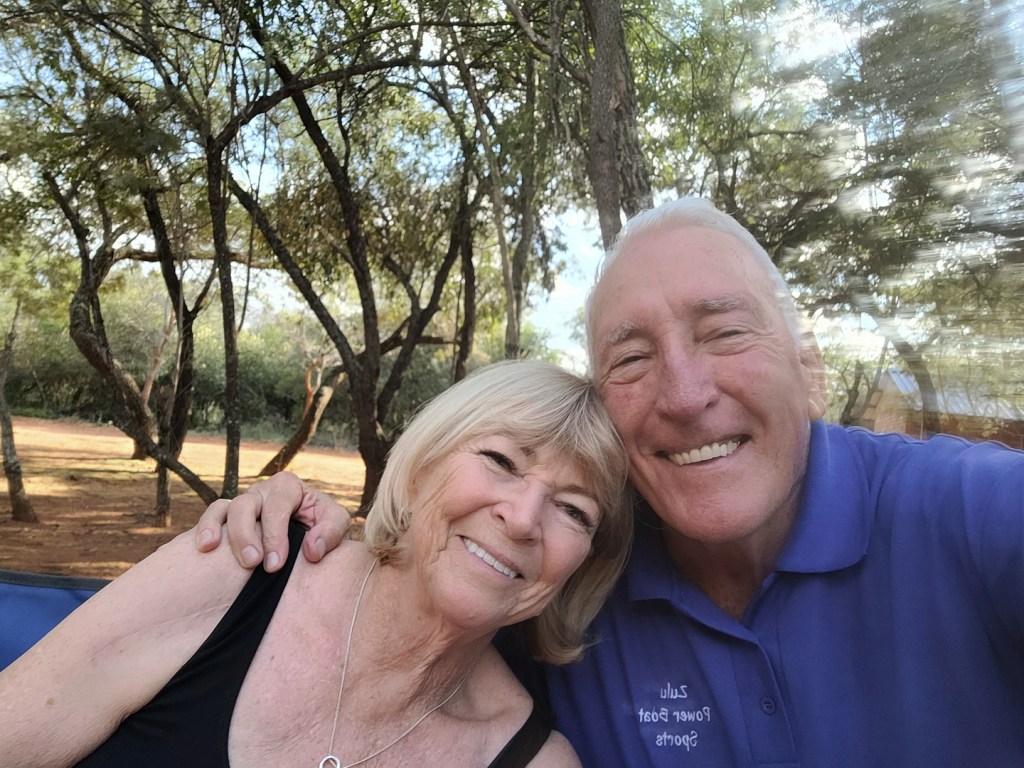
Paul and Sally Bartho

Kruger top to bottom – Part 2

Tsendze

10th to 11th April 2024

Tsendze Area

We only had one night here – all booked out. So, we got here early from Shingwedzi to give us time in the afternoon to have a look around. We set up quickly without putting up our awning.

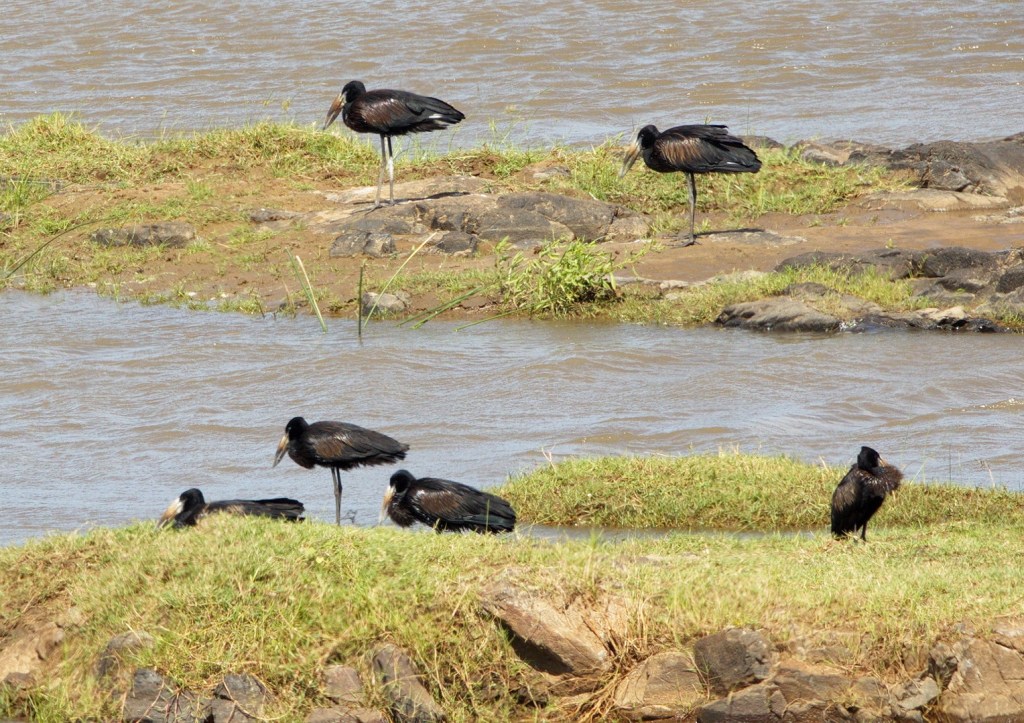
On the way down to Tsendze, we notice many Openbills together in the river.

On our first sortie into the area, we headed to the Mooiplaas Waterhole and saw a few interesting bird species on the open ground nearby.

However, as we continued towards the wetland area, the road was taped off. Why? No rain so it must be passable. Perhaps they were grading the road, we thought. Annoyed, we returned to camp.

Back at camp we heard talk of an elephant seen just after the Mooiplaas Waterhole on the S49. The story intrigued us and as a result and our time in Tsendze focused there. Time well spent.

We went back and the taped off road was now open. We continued. Our first indication that we were getting close:

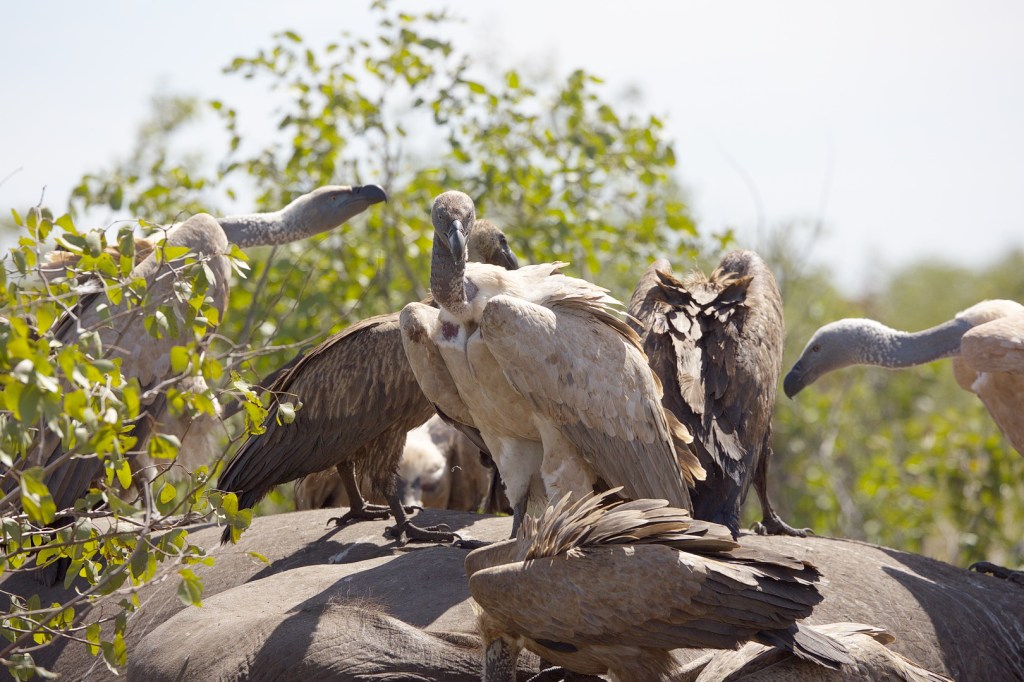
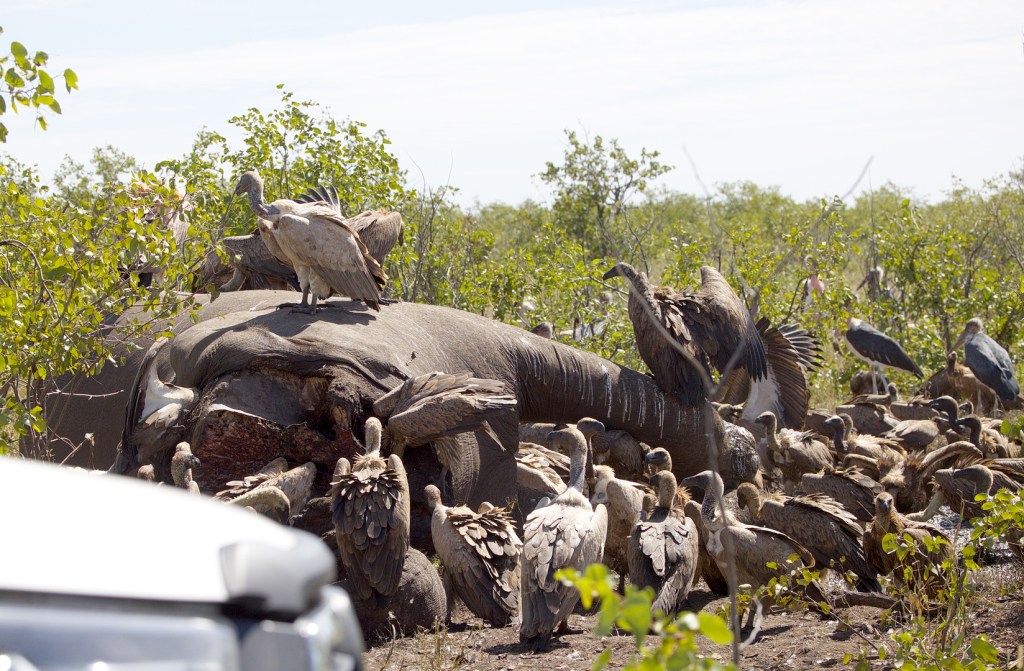
Hundreds of Vultures

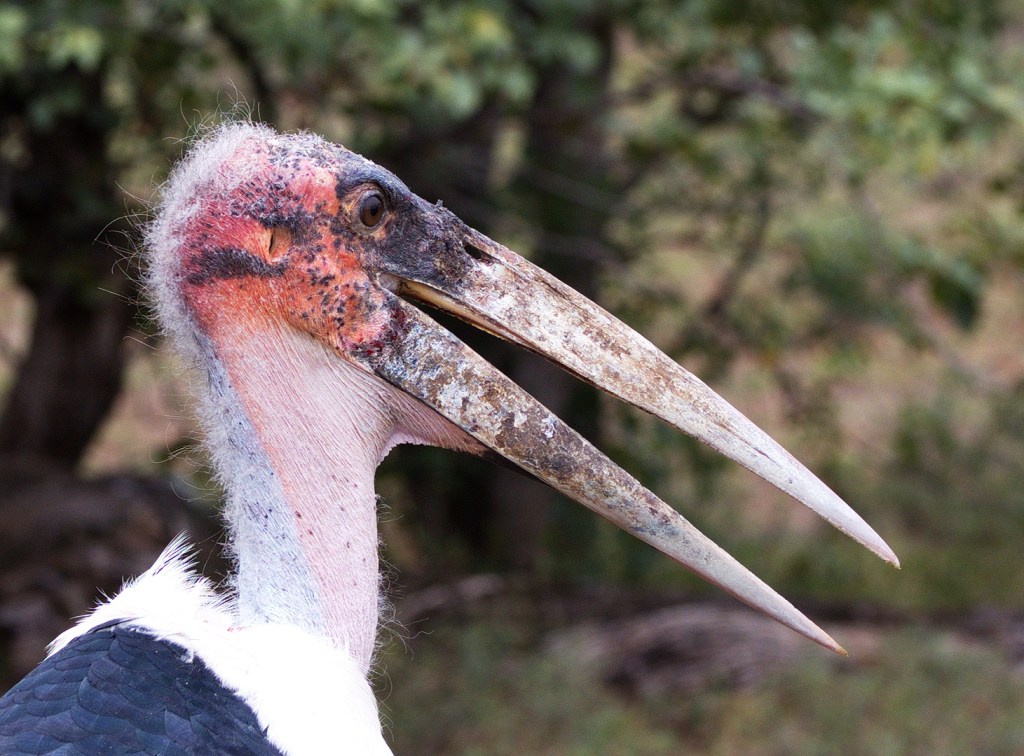
Then there were the animals and Marabu Storks blocking the road.:

Eventually we arrived and realised what all the fuss was about and the stories were sadly confirmed.

The next morning we returned and all the vultures and storks were in the bushes and none around the carcass. We understood why as we got close. His majesty was waiting to fill his fill further.

And that amounted to our time spent in Tsendze.

Next Satara and our explosive time there for 3 nights.

Satara

11th to 14th April 2024

Satara

Having set up camp, we took a run along the S100 to Gudzani Dam. This was the third time we were disappointed with little to see – both game and birds.

We did visit the Sweni Hide briefly. It was not very active until the elephants showed up and entertained us with their water antics – especially the young ones trying to show who was boss among each other.

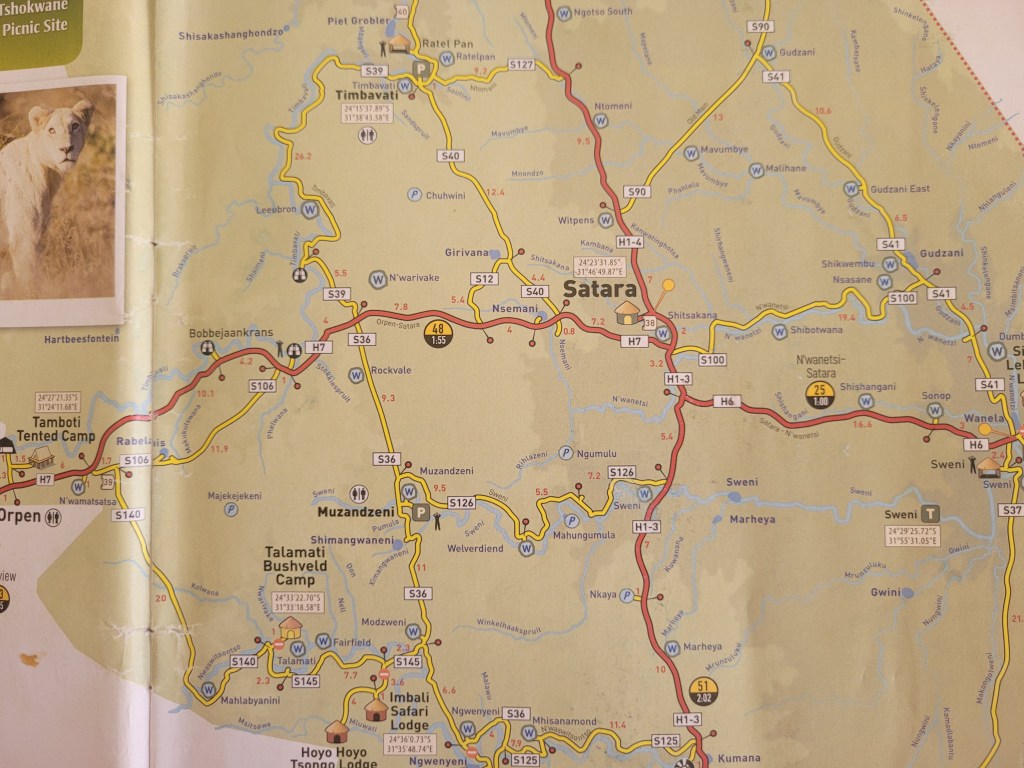
The next day we headed north along the H1-4 to the turnoff towards Balule camp on the S147. One of our newly favourite roads.

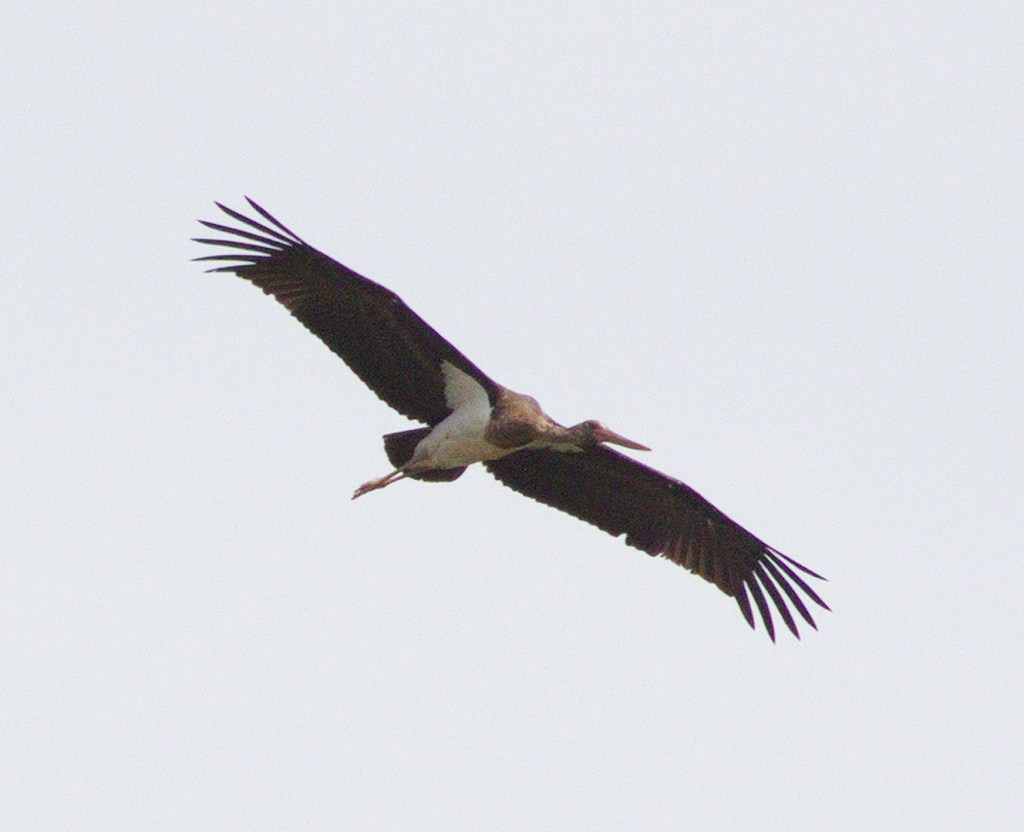
And then turned west and backtracked along the Timbavati loop – S39. We stopped at Ratel Dam Hide. The area in front of the hide had very little water. We had a few sightings with the standout being a juvenile Black Stork.

There was also a large black crocodile present on the sandbank.

On another day we chose to take the H7 to Orpen Gate and then back along the Talamati Bush Camp road (S140) turning onto the S36 to the Muzandzeni Picnic site. From there taking the S126 to the H1-3 tar road back to camp.

Breakfast at Orpen Gate.

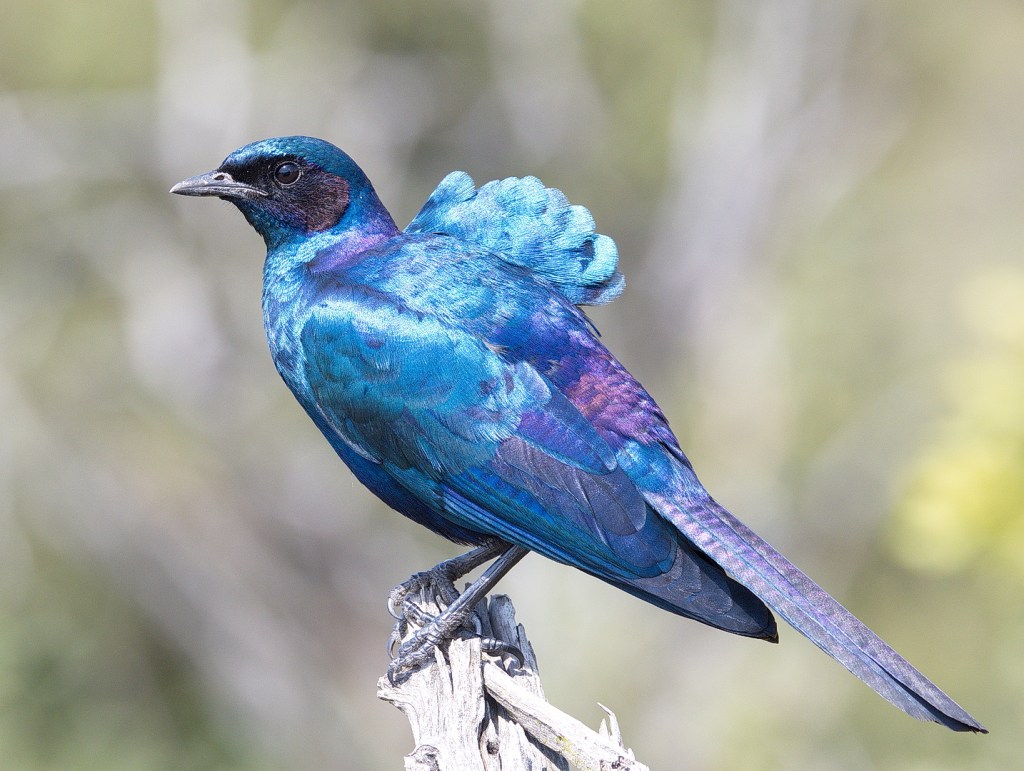
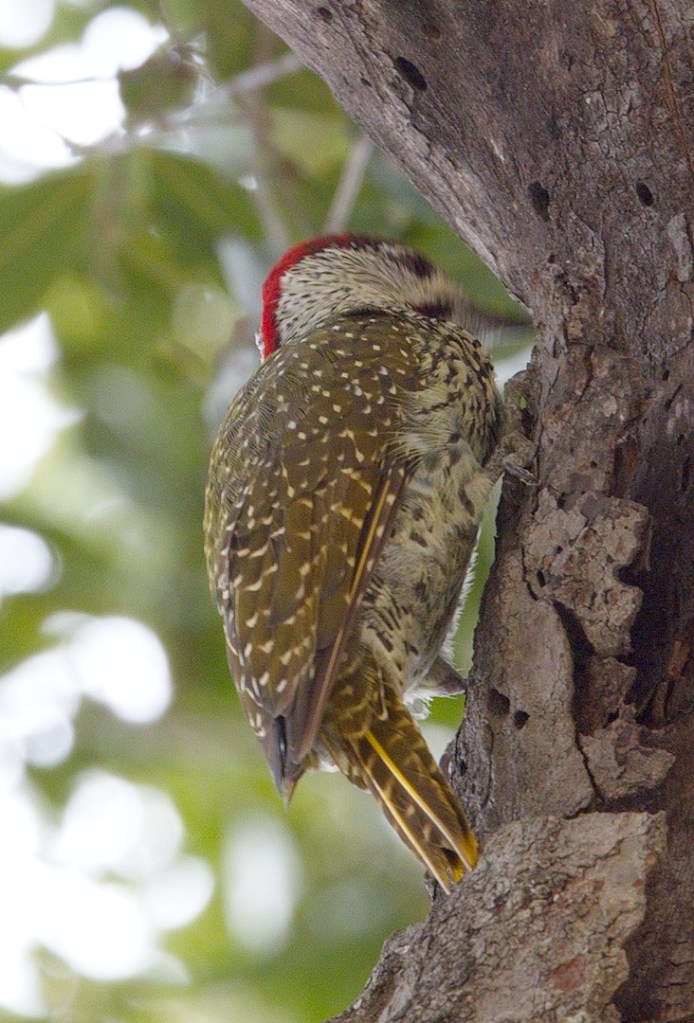
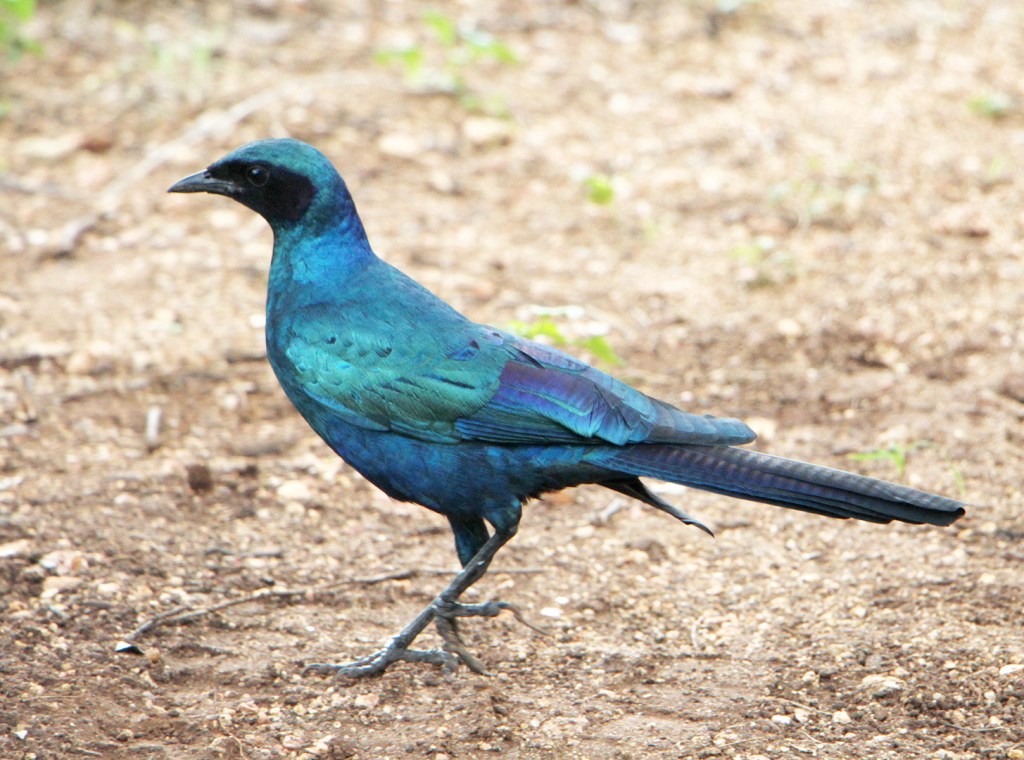
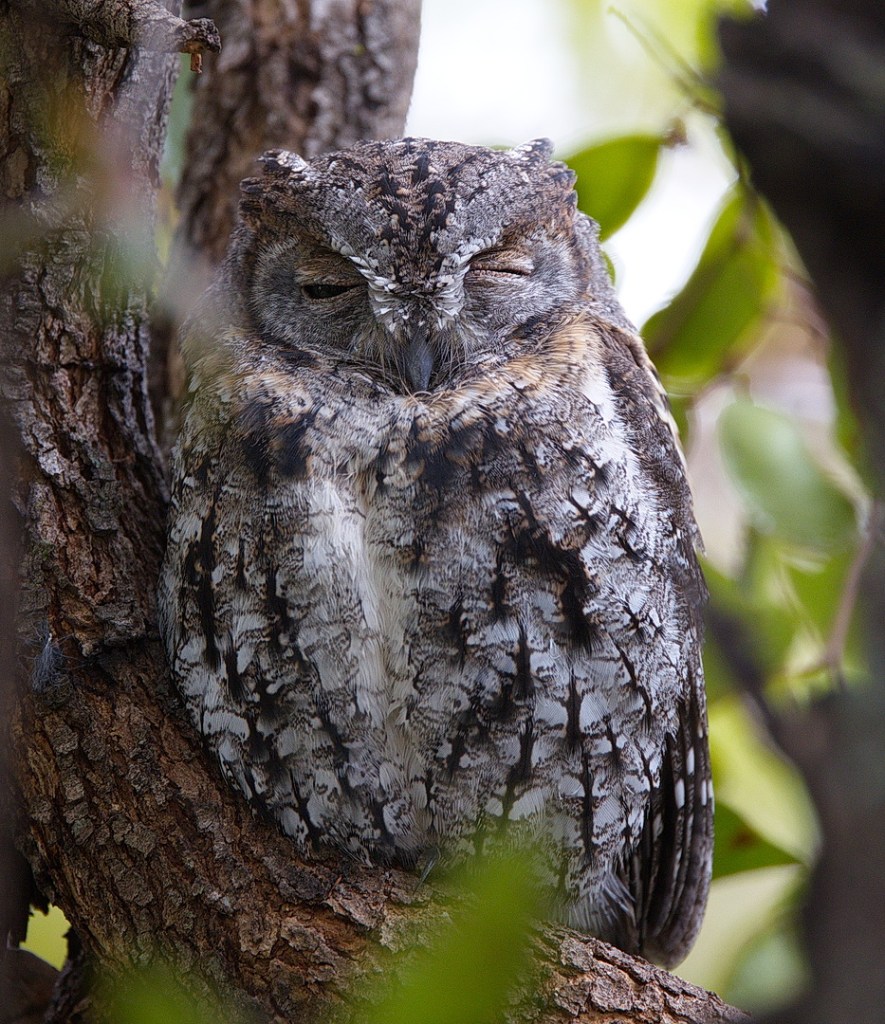
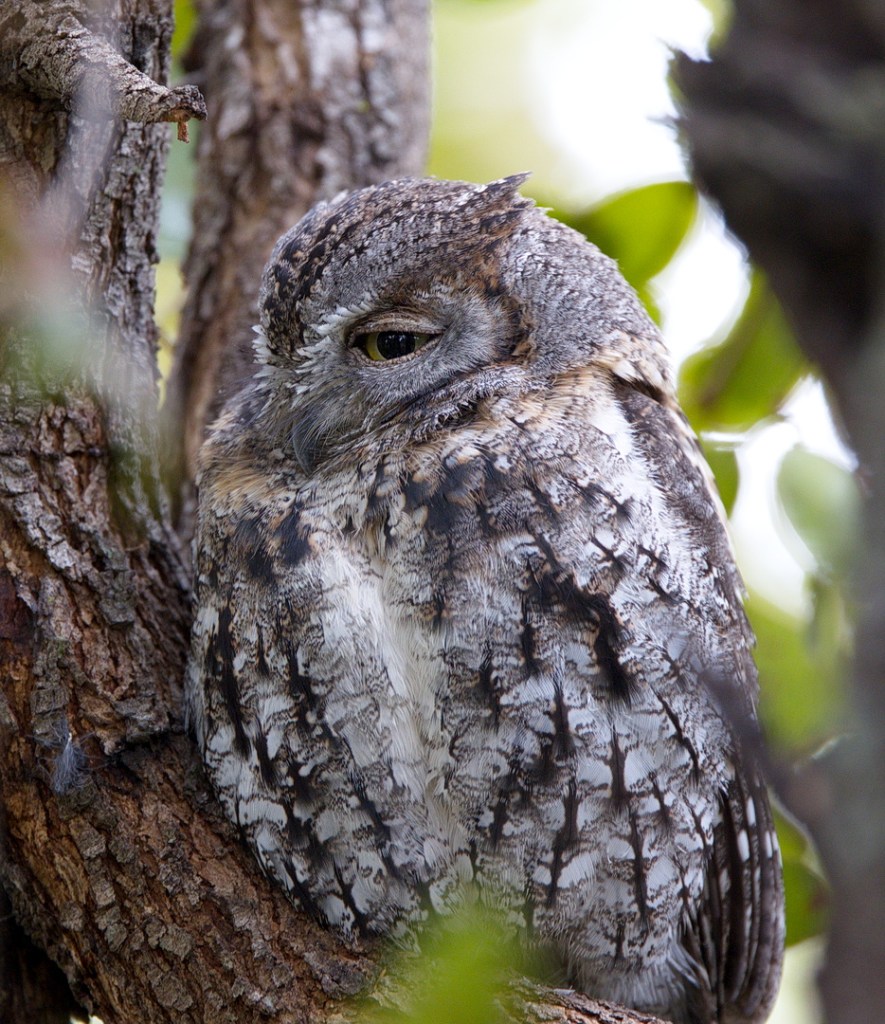
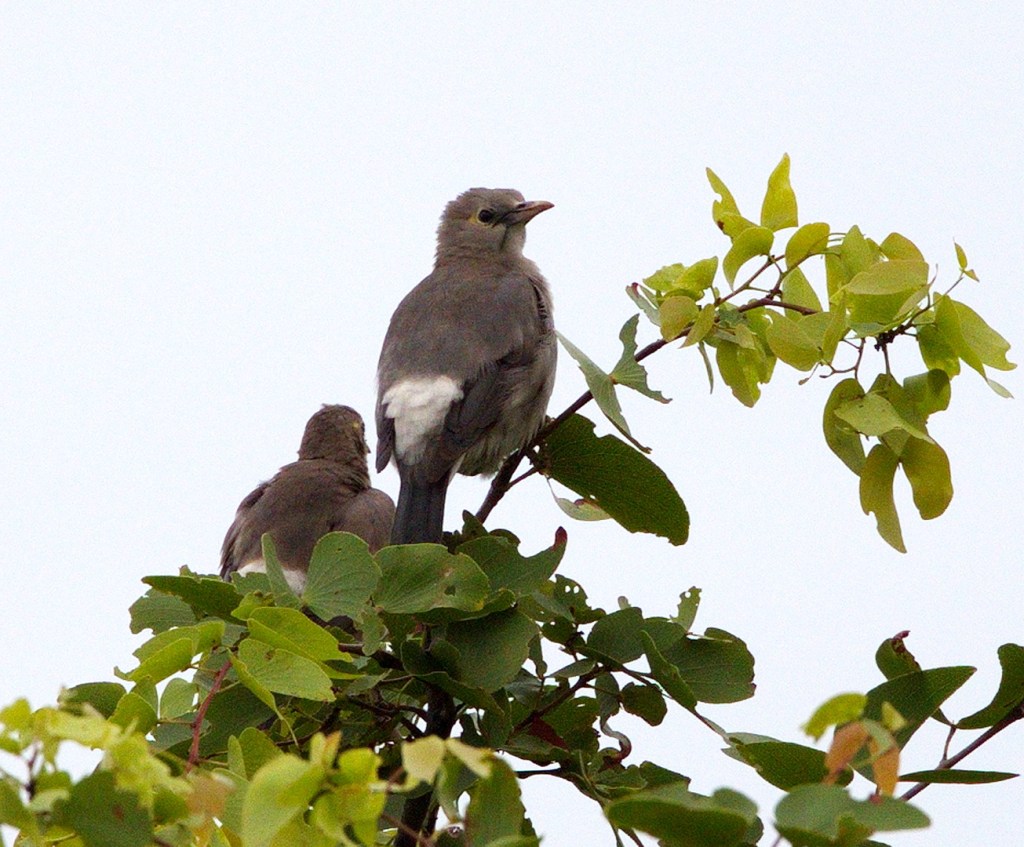
We stopped at the Muzandzeni Picnic ground for a T&P but in order to enter we had to skirt round an inquisitive elephant – which we were told had also entered to do its business. The picnic ground had some active birds – a sleepy African Scops Owl, a radiant Burchell’s Starling, a pair of Bennett’s Woodpeckers – tantalising us with their knocking in the branches above us.

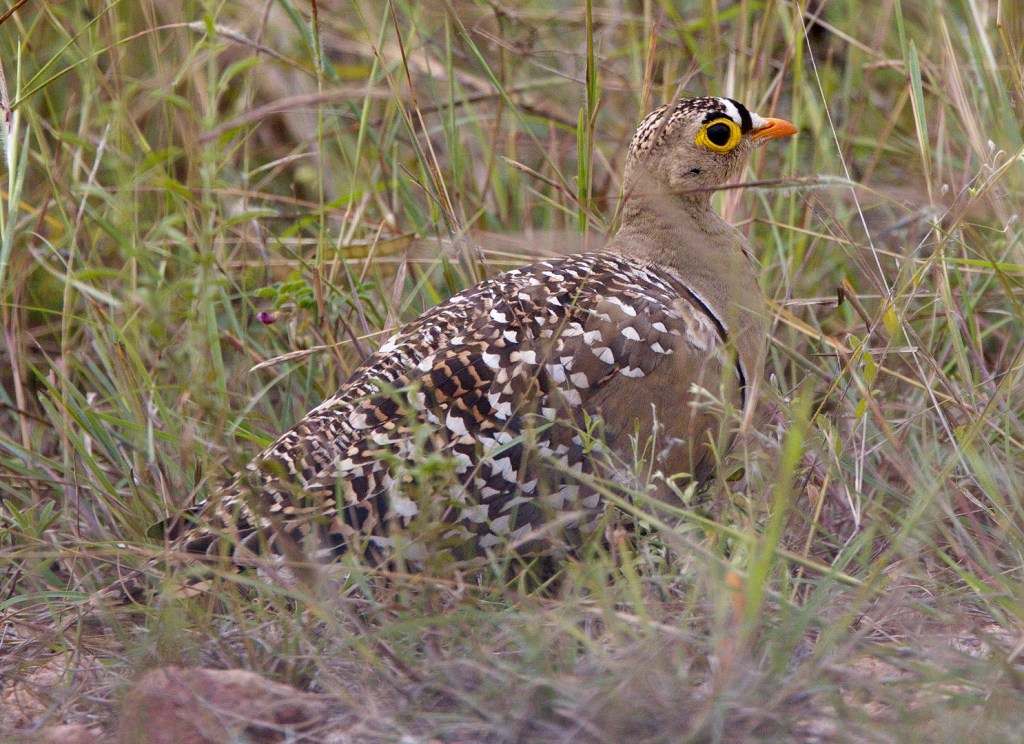
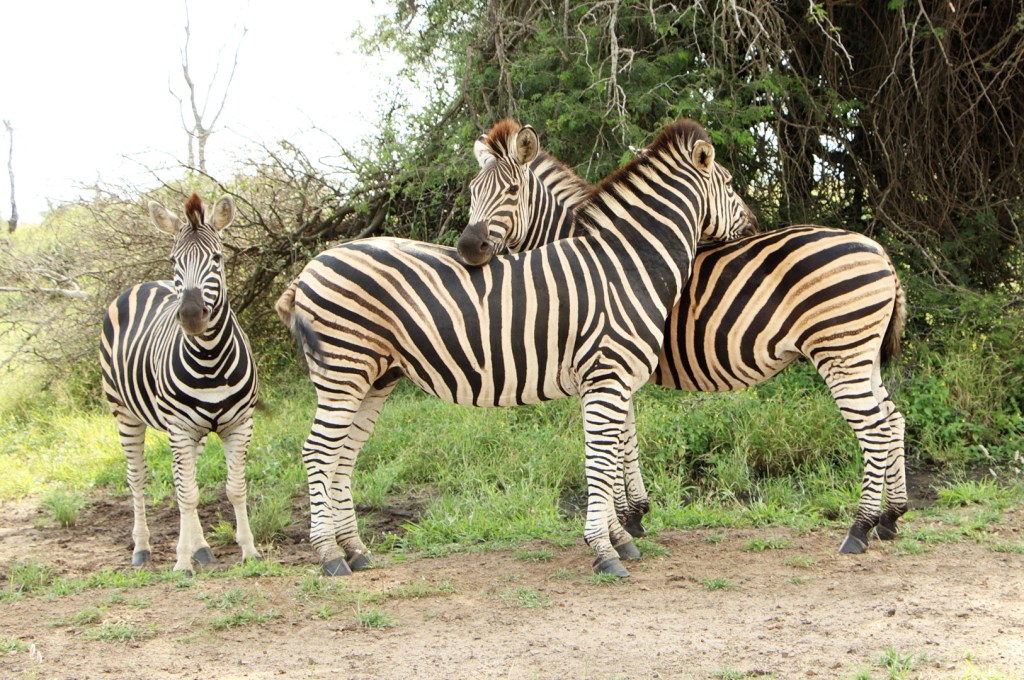
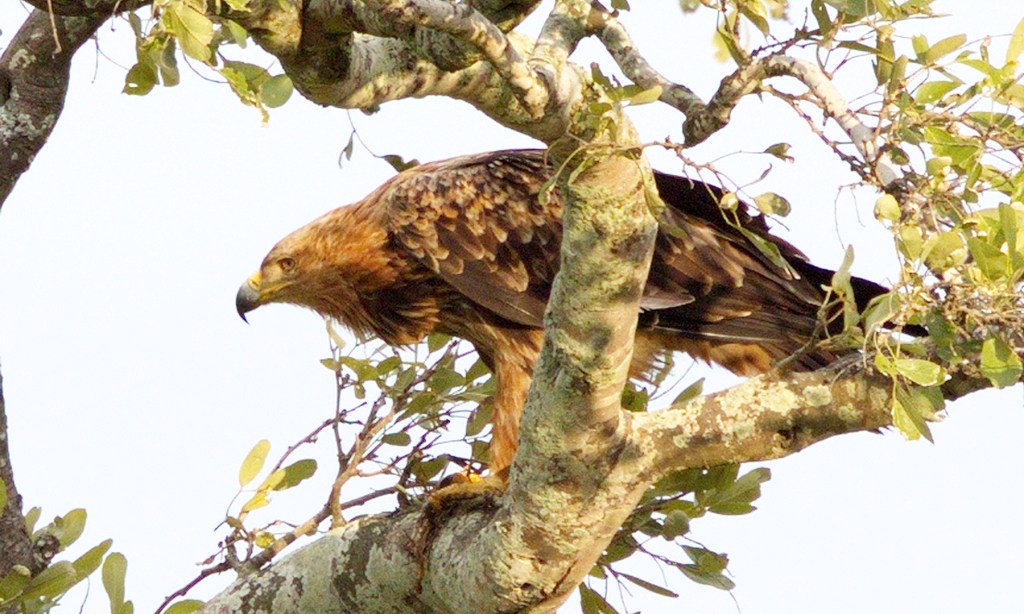
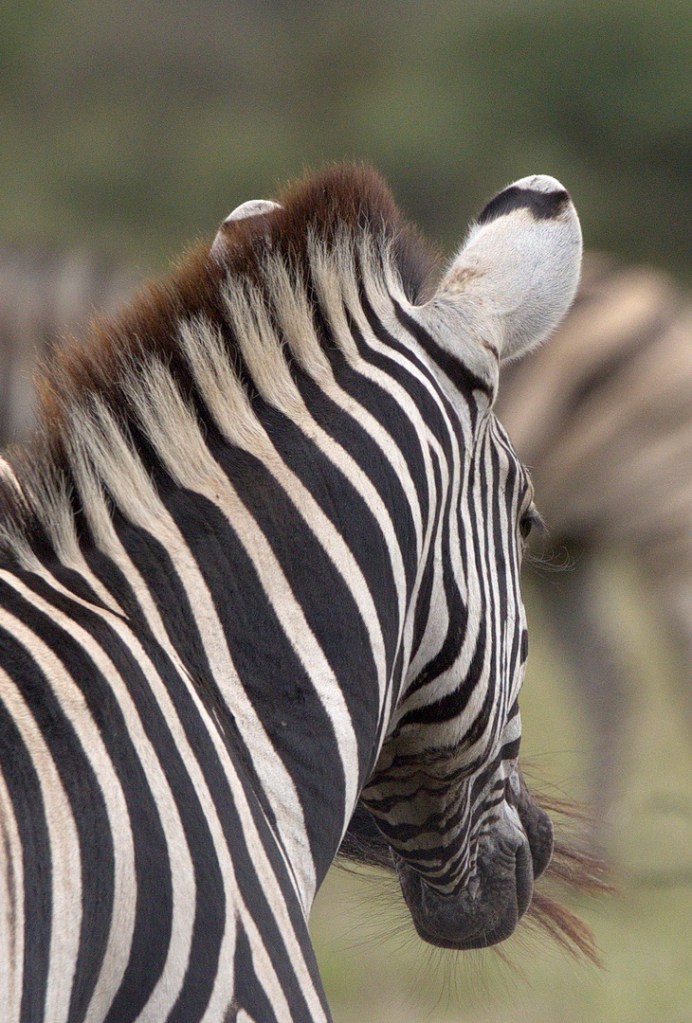
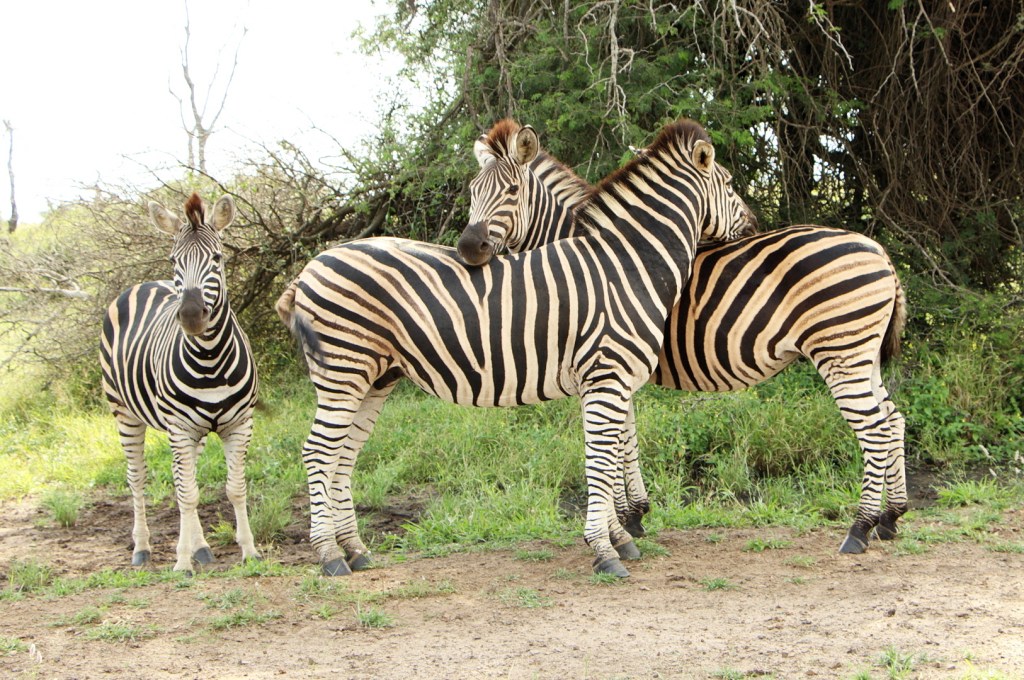
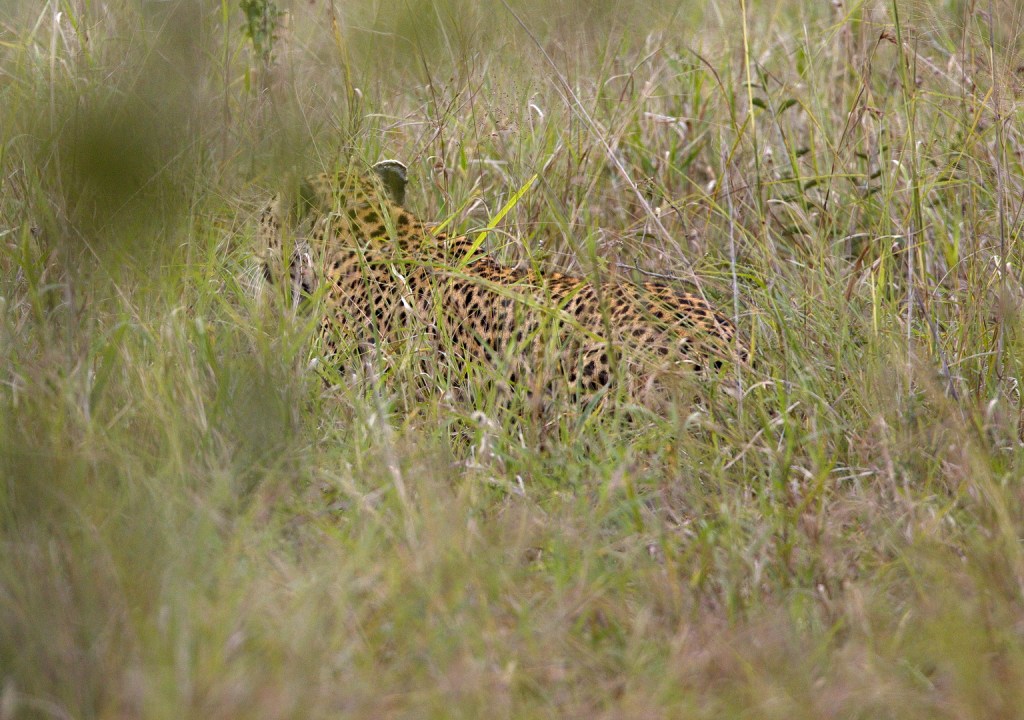
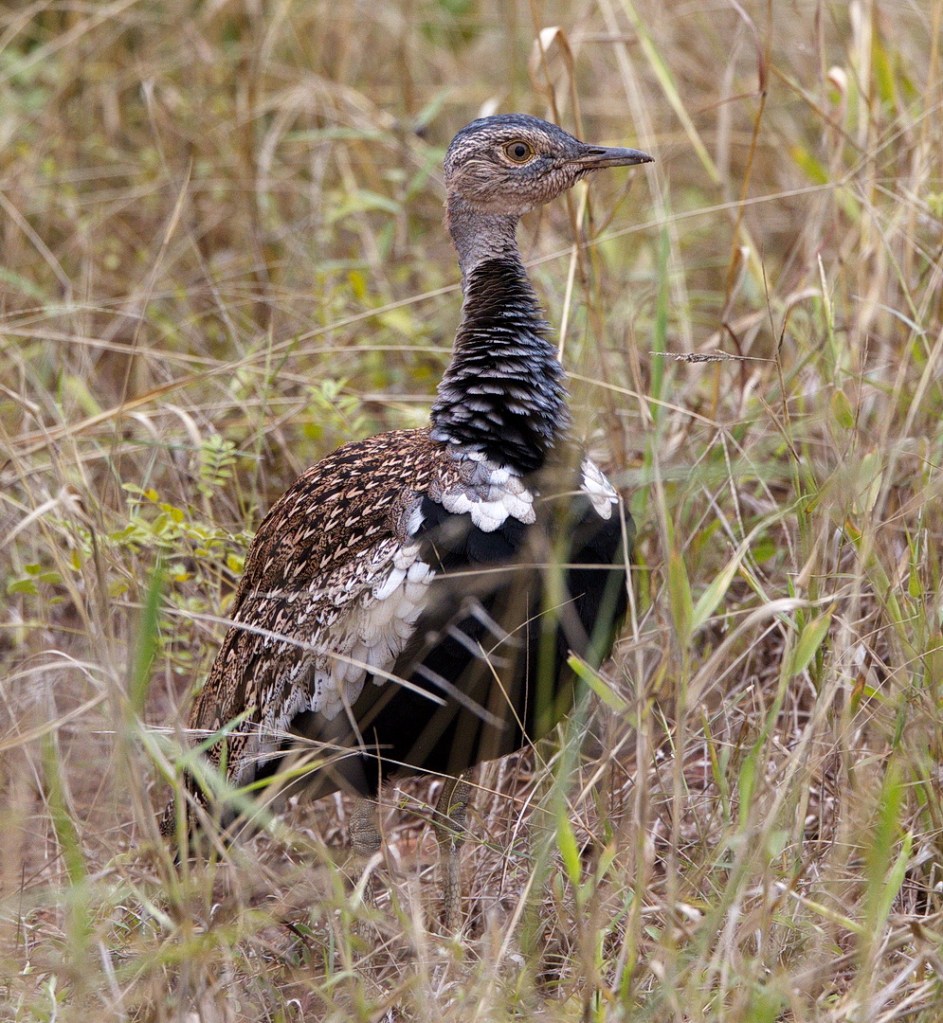
The S126 from Muzandzeni to the main road proved to be rewarding for us. We not only saw a Leopard – admittedly quite fleetingly – but also many Sandgrouse and Red and Yellow-billed Oxpeckers – primarily on Zebras and some on Giraffe. Red-crested Korhaans called close to the road, and we had sightings of a Marico Flycatcher, a Lappet-faced Vulture, Tawny Eagle to name a few.

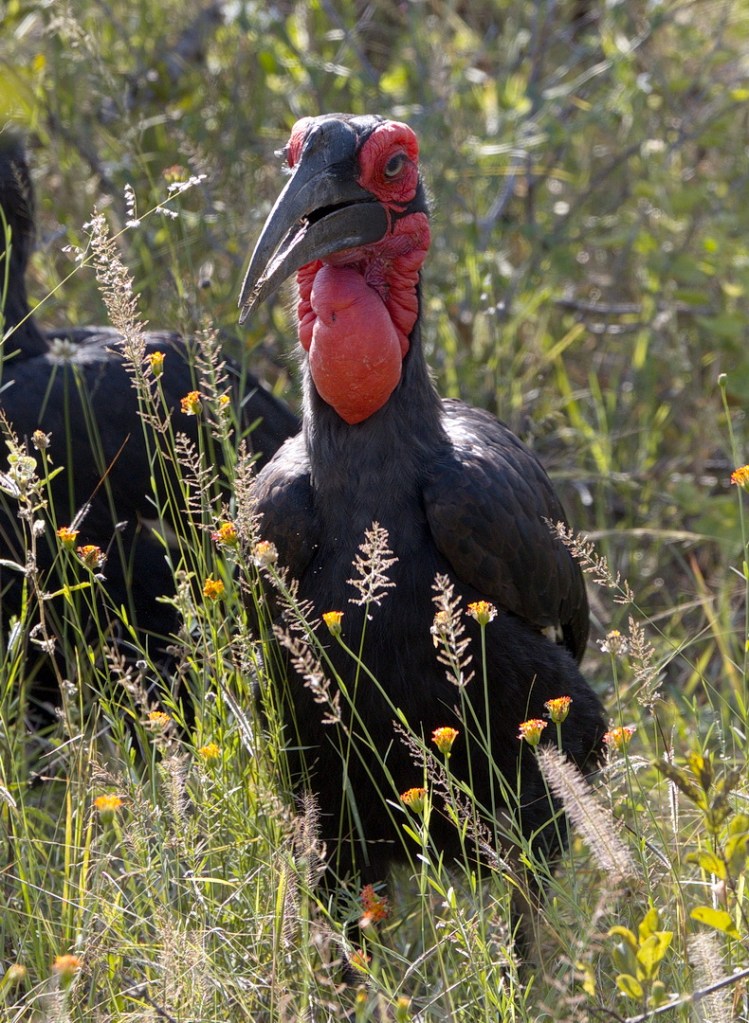
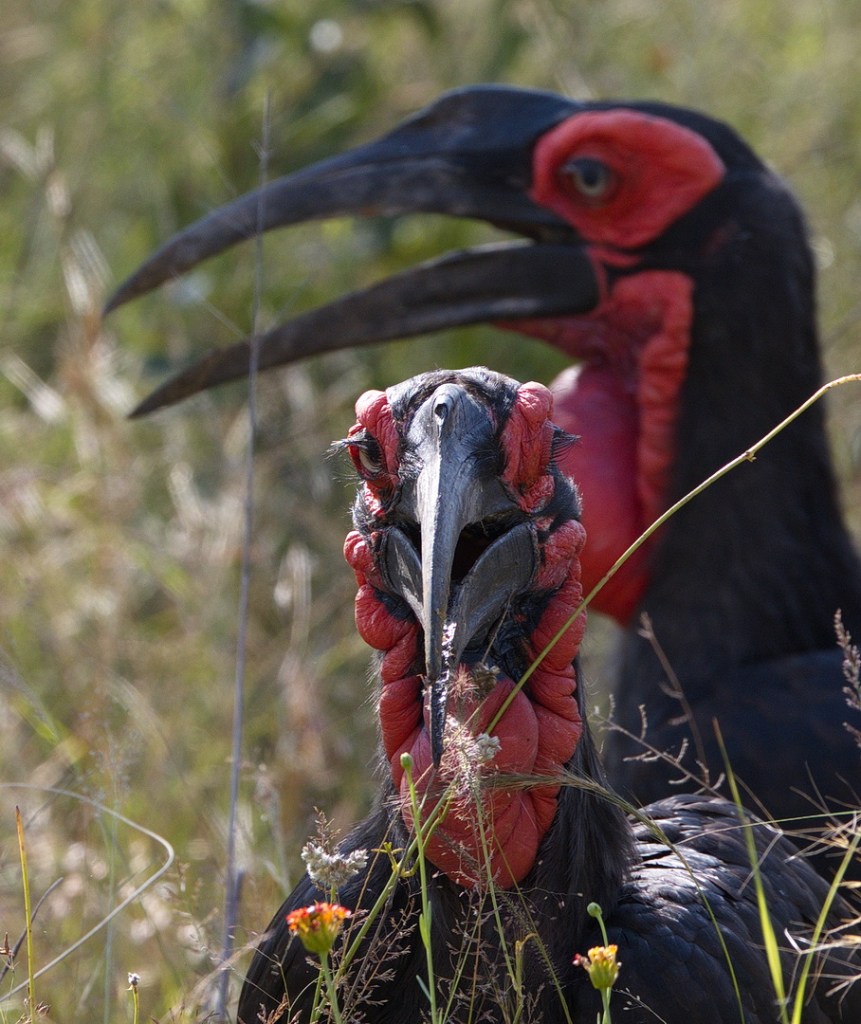
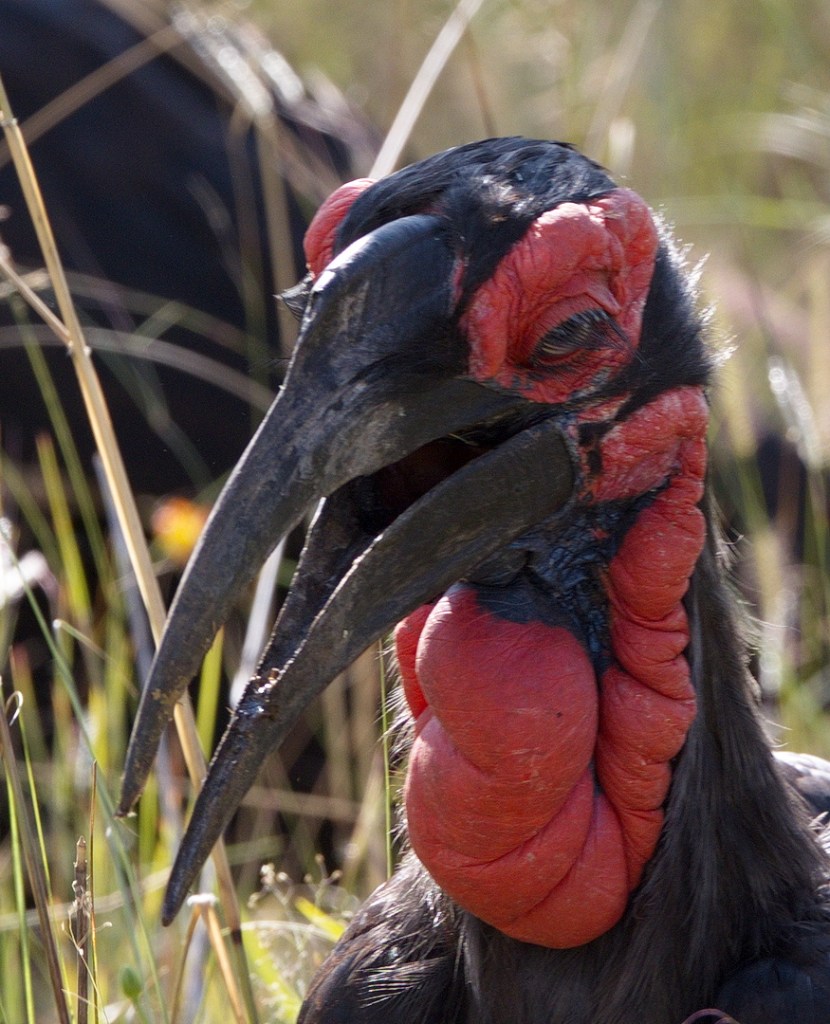
Every morning the Southern Ground Hornbills were calling close by. It was only on our last day at Satara that we saw them – close to the camp entrance. They were right beside the road.

And to hear them call:

Southern Ground Hornbills calling to each other. Very memorable call.

Almost forgot. Our Explosive experience.

In camp Sally was making tea. I was elsewhere. Walking back to our Wildcat, I could see many people chatting to Sally. Unusual I thought.

Sally told me that she had heard what sounded like a gun shot and suddenly everyone nearby came to her rescue. She was perplexed. And then realised that she had actually caused the commotion when she turned on the hot water tap. The explosion had occurred because there was gas build up in the closed compartment where the gas water heater was stored. And by opening the hot water tap a spark was created – boom. The closed compartment door was blown open with a loud bang. Fortunately the damage was not excessive. But it taught us a lesson to always turn off the gas supply when the compartment door is closed and preferably remove the batteries from the igniter switch as well !

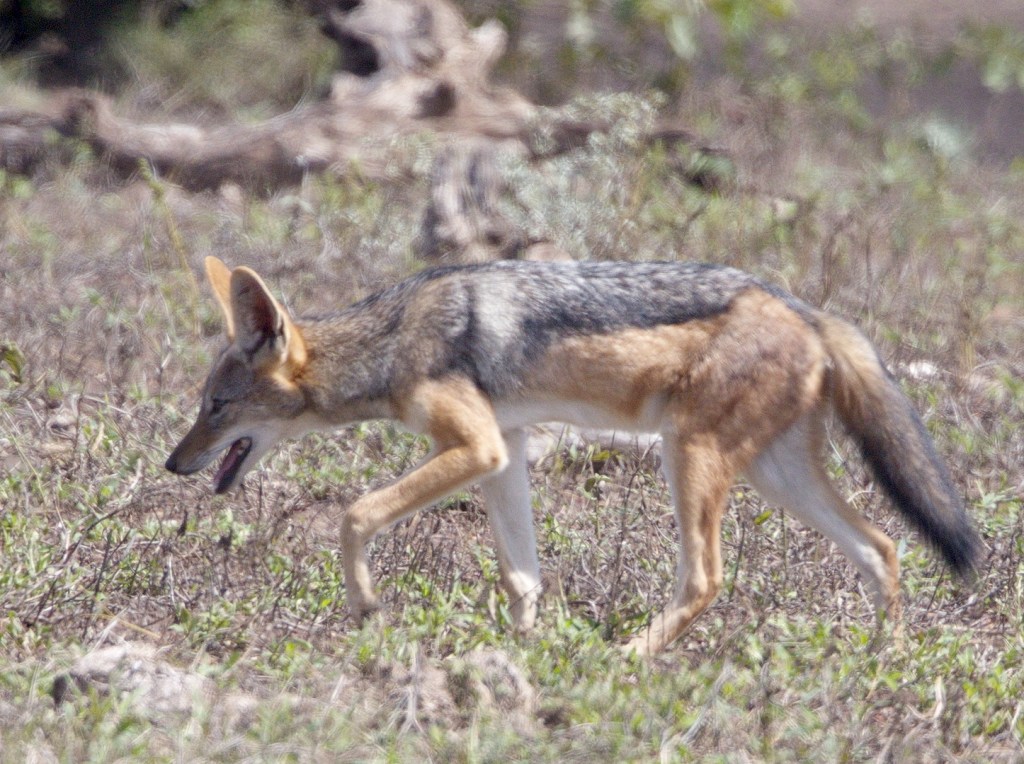
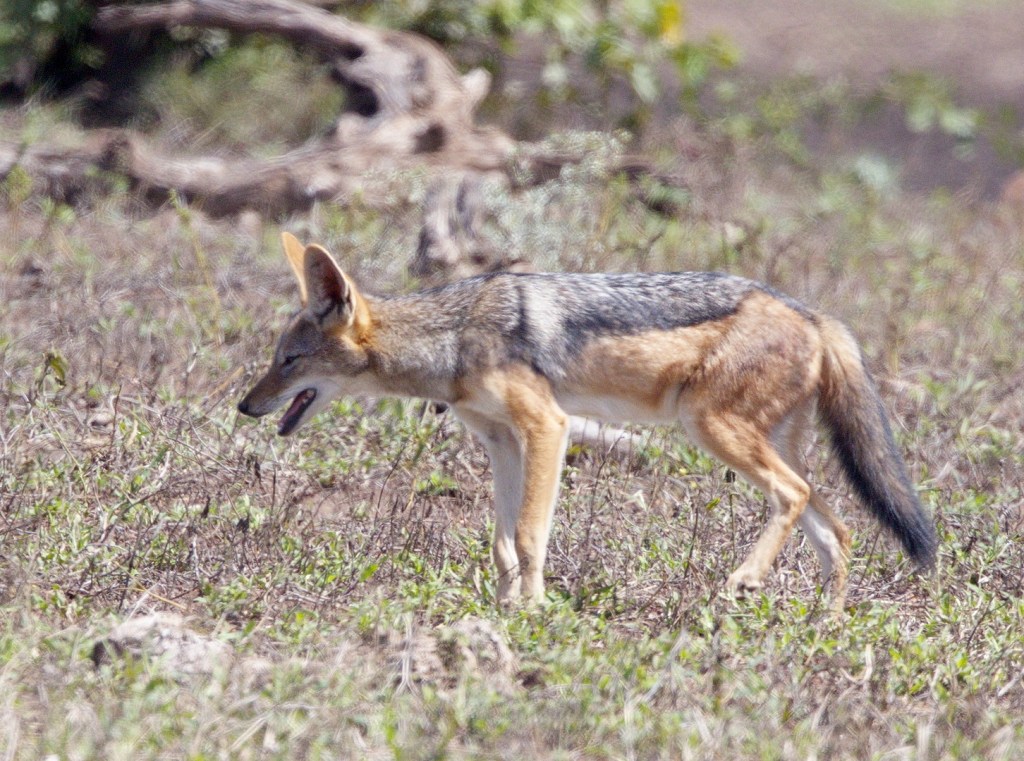
Almost forgot. Jackals in camp. People reported that the Jackals were eating guy ropes. Well we had a slightly different experience. My clogs had gone for a walkabout. Later to be found, the clogs intact but both straps had been removed and chewed into almost precisely one inch pieces and left around the each clog.

Then we moved on to Lower Sabie for 4 nights. See Part 3.

Paul and Sally Bartho

Kruger top to bottom – Part 1
3rd to 21st April 2024
Muddy Finger

Sally and I decided to get away before winter started. Our destination – the Kruger National Park. However, unlike our usual Kruger visits, we went in at the top of the Park and exited at the bottom.

We headed for the Pafuri entrance gate via a stopover along the way. 1080 Kms in one day was not an option for us so we overnighted at Waterberg Resort near Bela Bela. Our thinking was that it was close to the N1 and we could get onto the N1 first thing in the morning and be on our way early. Not so. We followed our map but the road we took went over the freeway and we wasted almost an hour backtracking to where we got off the freeway the previous day. Oh well.

Waterberg Resort

4th April 2024

The Resort was empty – sadly for the owners as it was a public holiday.

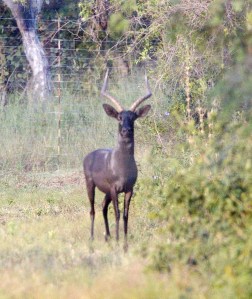
Once the Wildcat was set up, we took a walk around the Resort into the game area. The rains had been poor so there were not many creatures to see. There was an unusual Black Impala in the grounds next door.

Black Impala
Mourning Collared Dove

Nthakeni Bush and River Camp

5th to 7th April 2024

Whenever we are visiting the north of the Kruger, we always choose to camp at Nthakeni Bush and River Camp. The hospitality of Kobus and Annalise is special and the campsite, in our opinion, is one of the best we have stayed at AND it is close to the Pafuri area in the Kruger.

We used this campsite as our base to head into the north of the Kruger Park – in particular to explore the Pafuri area. As you can see from the following photos, the area was very dry. Being April, most migrants had already gone and birding was quiet. Having said that we did find one or two special species (for us anyway).

Dryness:

Birds photographed:

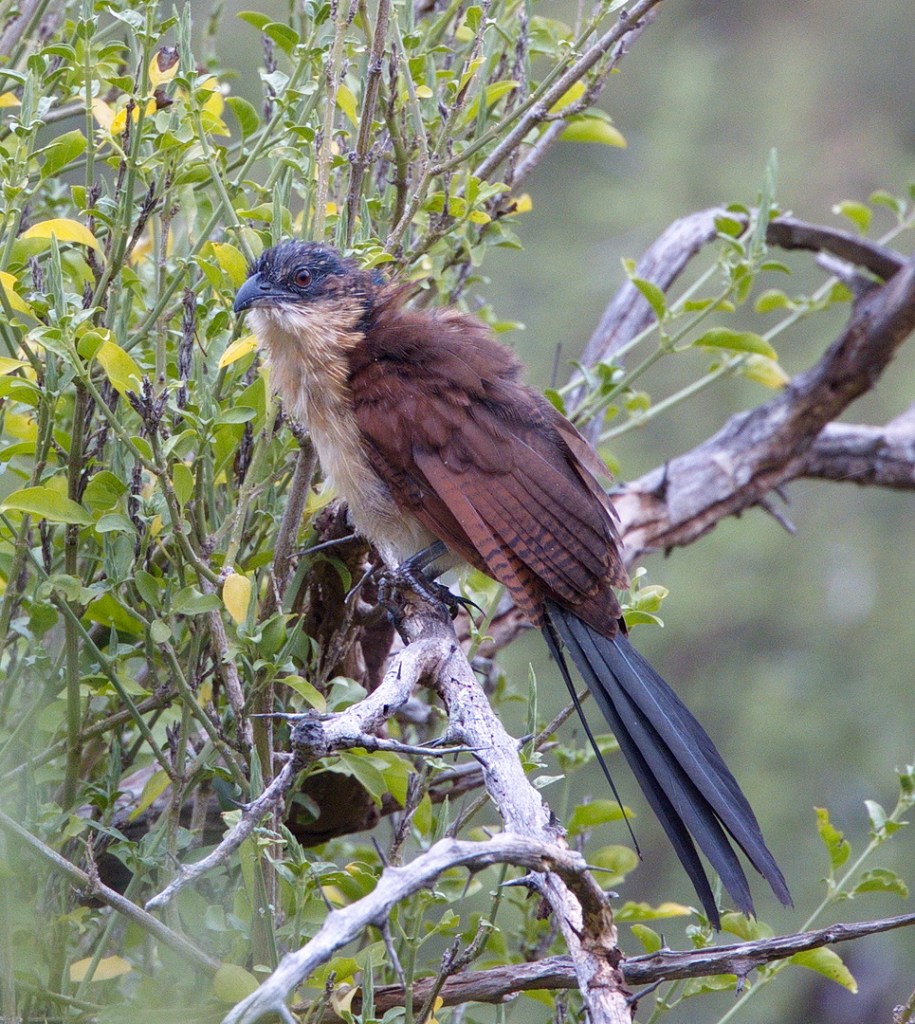
Then there was this bird seen close to the turn-off to the Pafuri Picnic sight:

Yes, a Coucal. Senegal. Special special. Confirmed by Trevor Hardaker.

Shingwedzi

7th to 10th April 2024

Shingwedzi Area of Kruger

We had three nights in Shingwedzi. Mostly overcast. We explored north to Babalala, east along the S50, south down the H1-6 and taking the S142 Shongololo loop to Mopani and also the Redrocks loops.

Like everywhere else the ground was dry, yet the grass seemed greener as we headed south.

We had booked our trip at the last minute so we had little choice of where to stay and for how long. Fortunately we managed to get 3 nights in Shingwedzi but they only had fenceline sites available – not unhappy about that as we found a pleasant site.

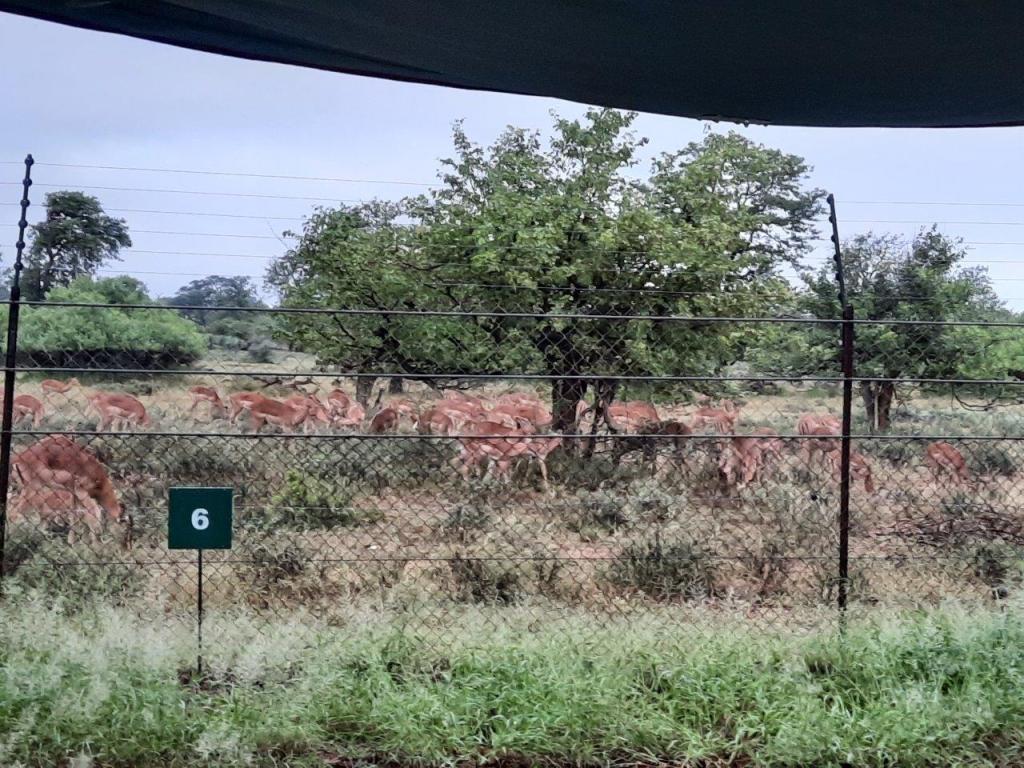
Being on the fenceline was entertaining at times. On one occasion a huge herd of Impala came roaring passed very close by. And of course, the camp birds and animals visited our site – forever hopeful.

The S56 Mphongolo loop was very quiet but Ribye waterhole was full of active Hippos and kept us amused watching their behaviour.

A herd of Buffalo were also seen marching along the dry river bed.

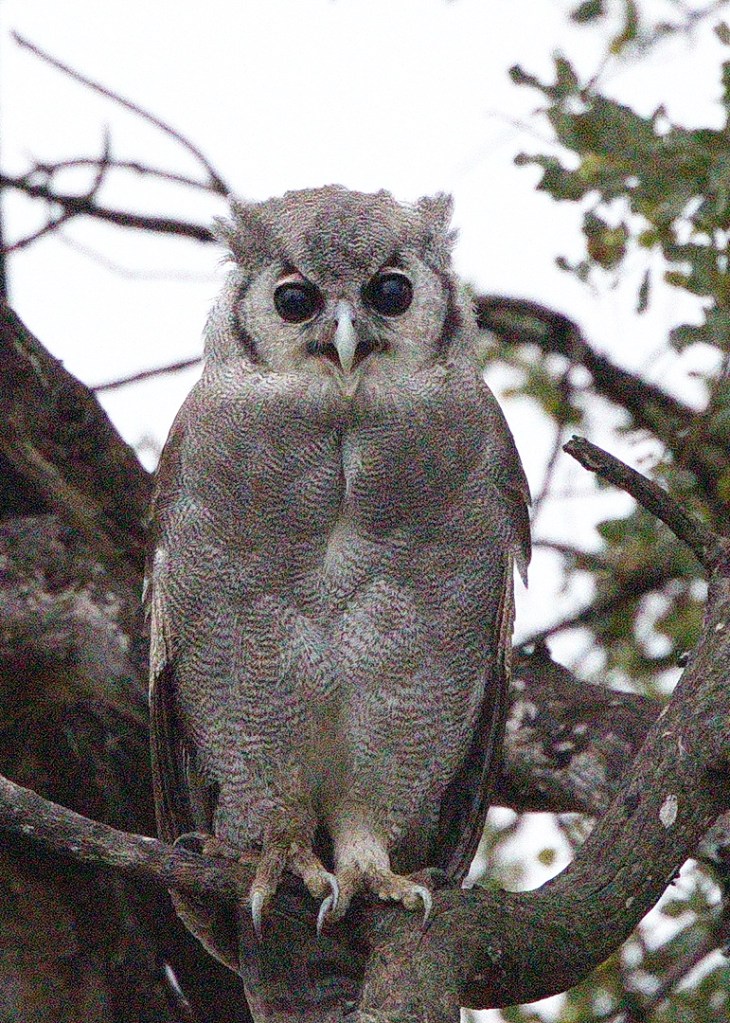
Some raptors and owls photographed while in the area.

Some other animals;

Then of course, the birds

And then we were on to Tsendze for one night – it was all we could get.

Kruger Top to Bottom Part 2 follows.

Paul and Sally Bartho