Gallery
Copy and paste link above to see Gallery
Gallery
Copy and paste link above to see Gallery
Eastern Cape – copy link to view.
14th to 24th August 2024

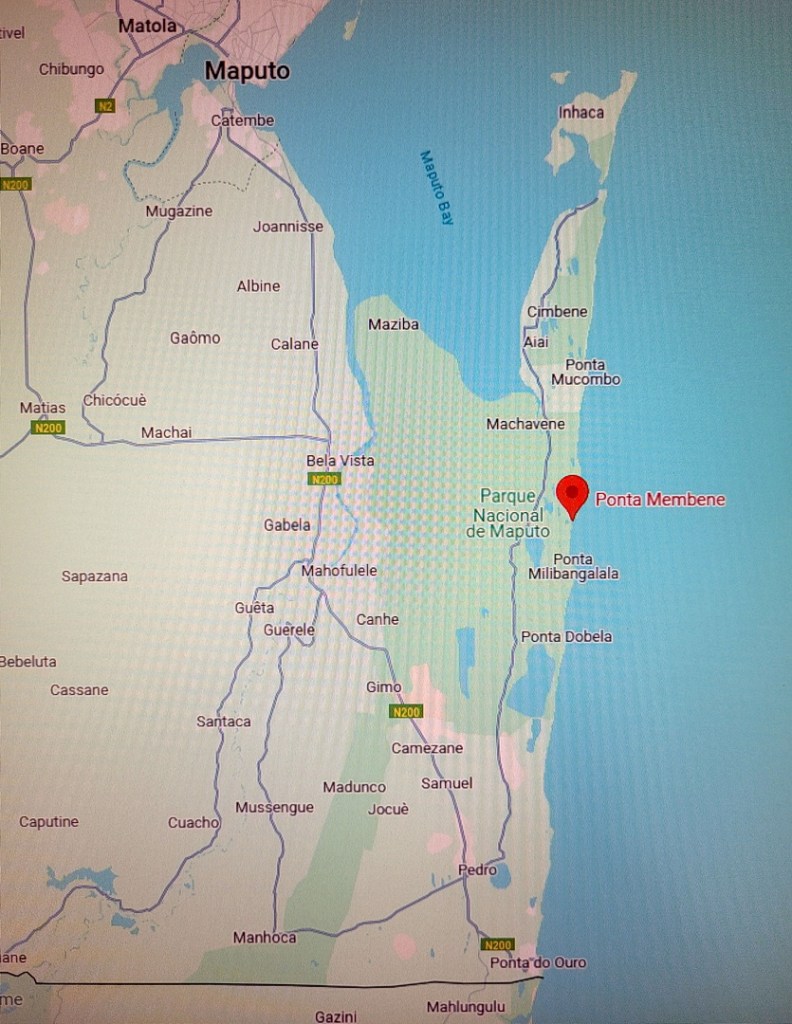
Sally and I decided that we needed to get away. On impulse we thought that it would be interesting to see what was once known as the Elephant Park in Mozambique – now Maputo National Park, south of Maputo and bordering on South Africa at Tembe Nature Reserve.
We had heard so much about the new road from Kosi Bay all the way up to Maputo that we decided to see it for ourselves and to visit Macaneta north of Maputo as well.
On the way back we stopped at Bonamanzi and visited Hluhluwe.
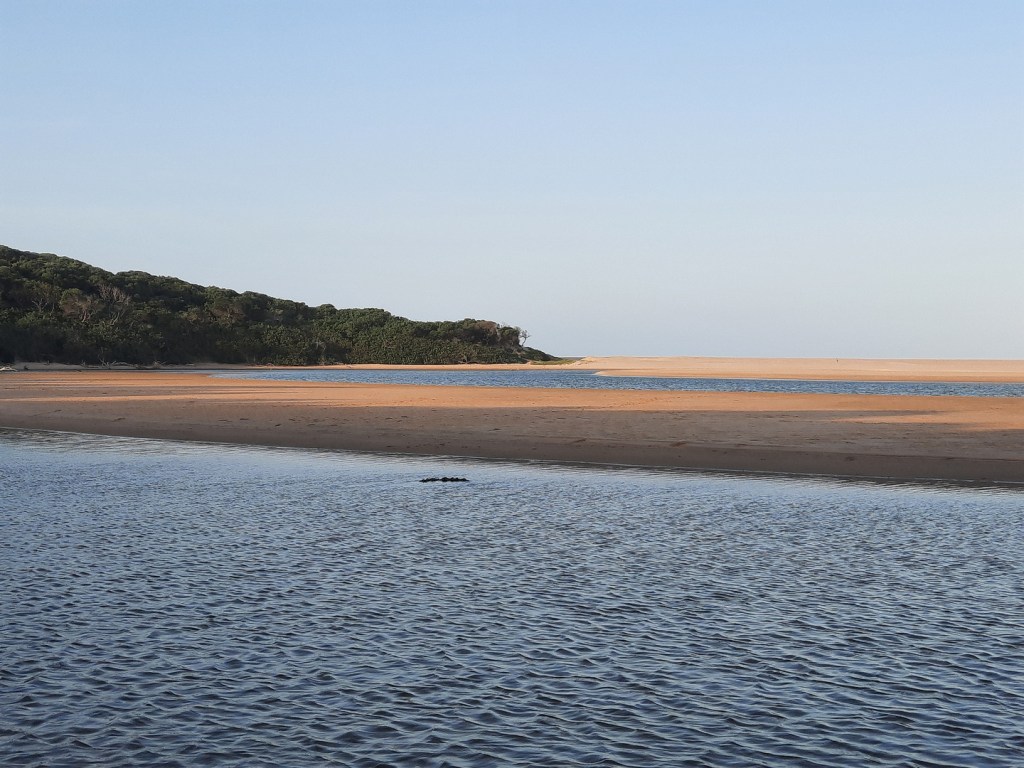
Our first night was spent camping at Utshwayelo Kosi Mouth Lodge. A very hospitable camp right at the entrance into Kosi Bay. We had a very large sandy campsite with power and our own ablution. They were able to get us entry permits to the Kosi Bay mouth.


We spent part of the afternoon going down to the Kosi Bay Mouth, returning at dusk.



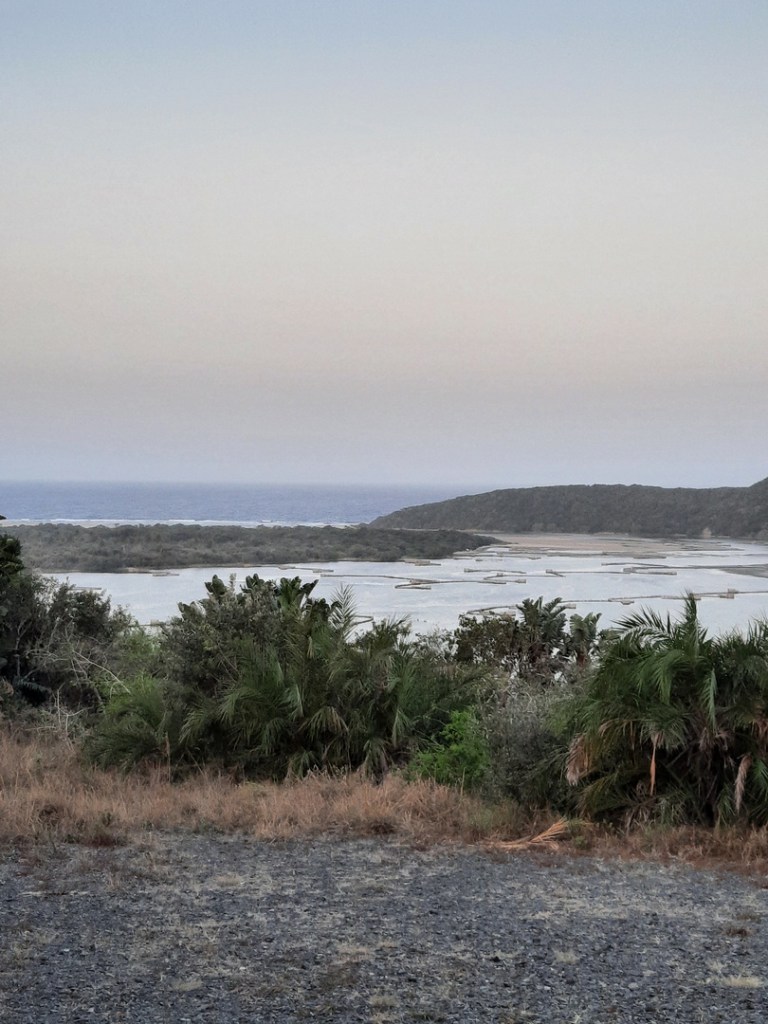


The next day we were up early to cross the border and drive to the Maputo National Park. We were booked to camp in Ponta Membene for 4 nights.
Crossing the border was simple and confusing. The RSA and Mozambique immigration and Customs were all together and no-one to tell you where to go first nor when to take your car through.
Go through the fence to RSA immigration – leaving car and Afrispoor Wildcat on the RSA side of the fence. An RSA immigration official filled in the form for us but forgot to write in our Wildcat details. Then there was customs on the RSA side of the fence. Then proceed through for customs inspection.
Eventually through, we were on our way. And how the countryside seemed to change. Open flat areas with wetlands beside the road here and there.


The Futi Gate – entrance to the park – is about 40 kms from the border. After 30 kms the cattle grid tells you that you are in the reserve and every 200 metres there are serious speed bumps. And there are numerous different signs warning you of angry elephants.

Eventually we got to the Futi gate.


Park entrance fees are paid at the gate. They managed to use my credit card.

Then off we set after reducing tyre pressure to 1.5 bar. Only 40 kms to Ponta Membene on sandy roads. Towing the Wildcat went well for more than half the distance. Many a time not using hi or lo range – very occasionally lo range. Followed the numbered trail to Point 13.
We enjoyed the scenery.
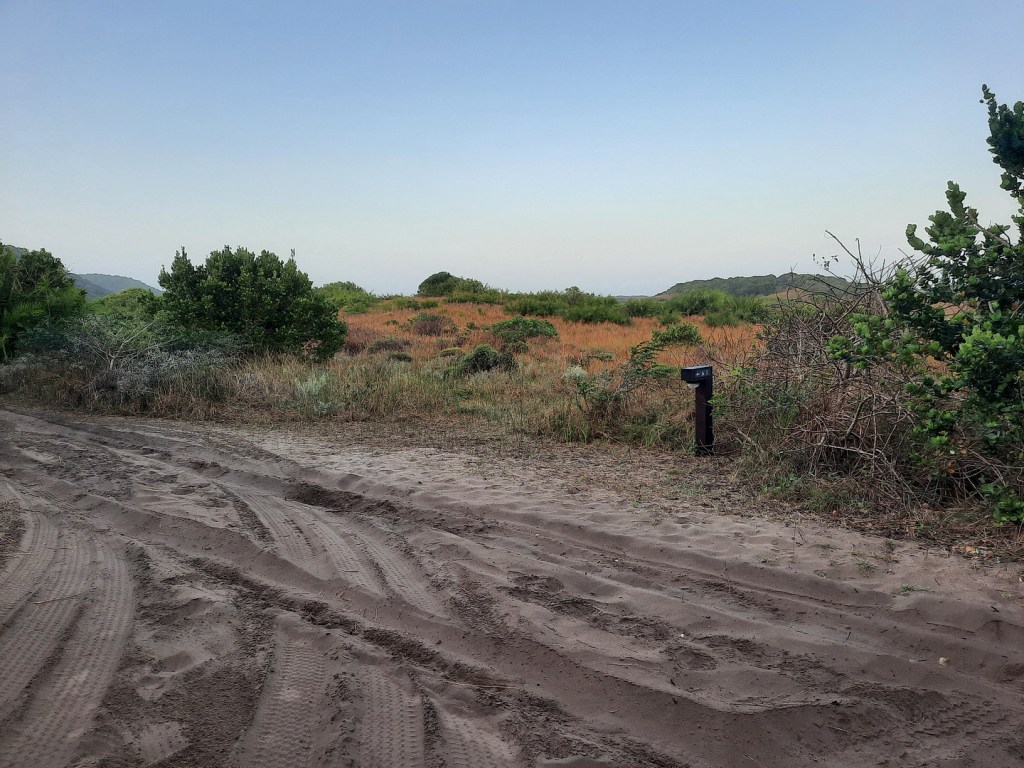


Then the inevitable happened. We came upon an intersection with 3 alternatives (as all the intersections seemed to have – all leading to the same place). We chose what looked best (you should always stick to the high ground if given a choice). Down we went, then looking ahead a steep rise in thick sand, into Lo range and almost made it.

Dig, dig, dig. Sand tracks down but getting nowhere. Decided to reverse to the bottom. More digging and sand tracks to get going back and downward. The bottom was gravellier and I was able to drive off road and make a U-turn going back the way we came. At the intersection we were unable to turn onto one of the other tracks – too tight. Ended up driving back several kms to find a place to make a U-turn.
More careful as we got closer to camp as the sand was thick and there were many steep hills to climb. Often had to choose our own way up.
Camp at last, four and a half hours from gate!!

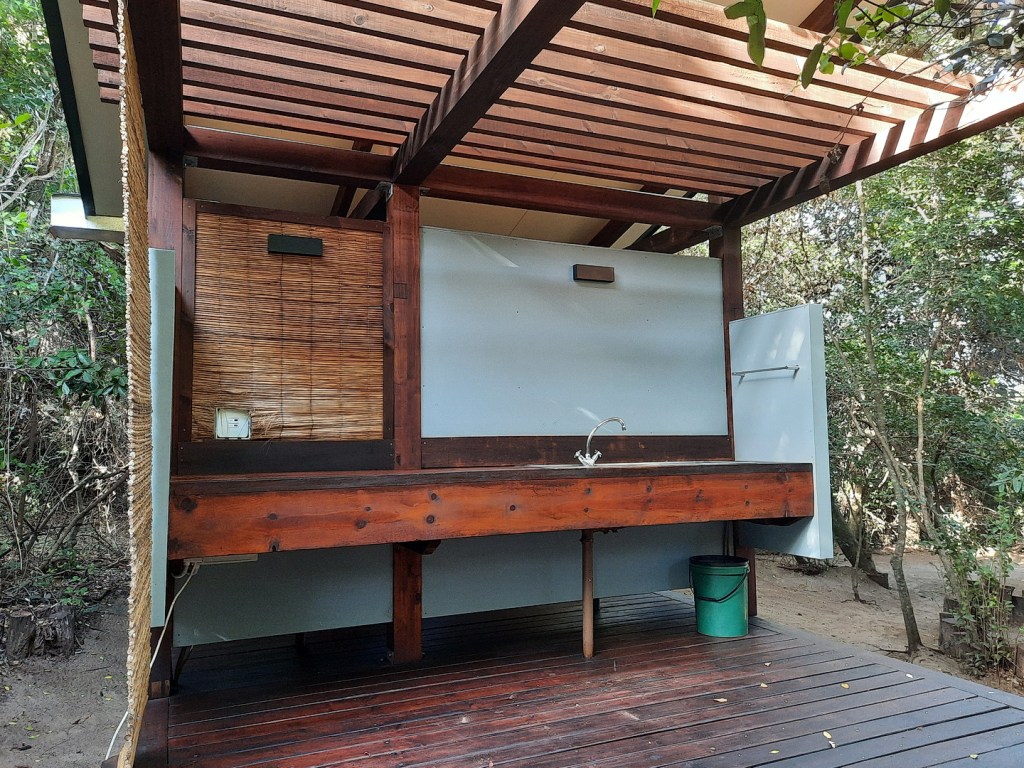
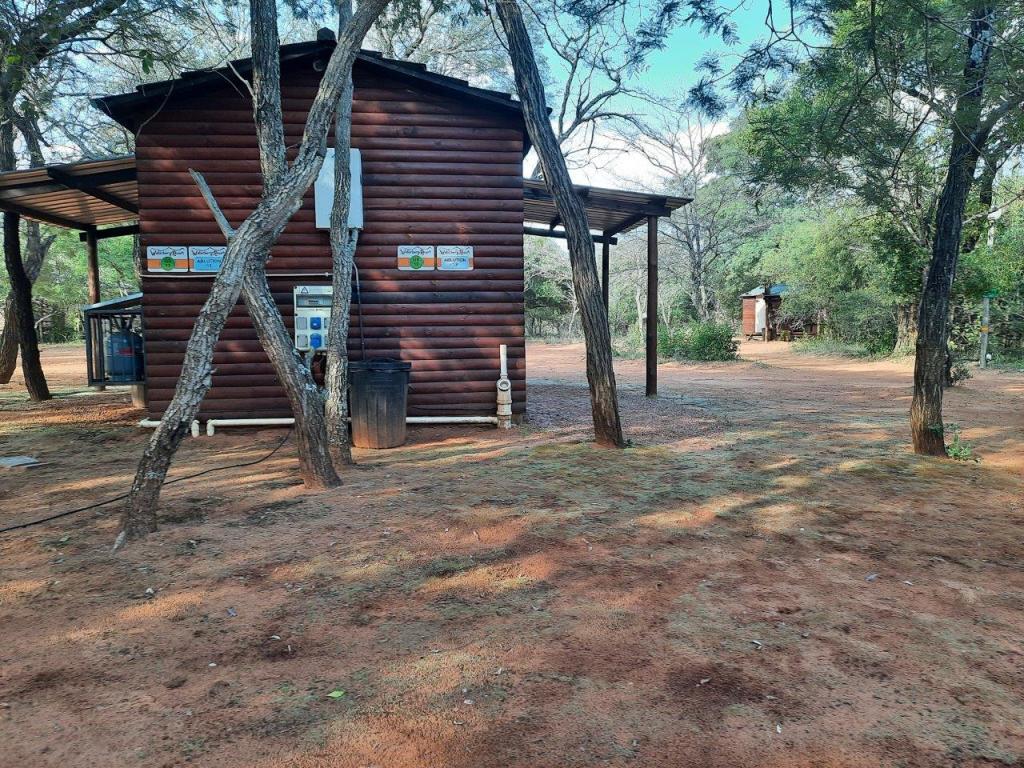
We were allocated to campsite 2. The site was huge and buried into the canopy of the Dune Forest. Two areas to park vehicles, 2 places for tents and one just big enough for our Wildcat. Plus a modern ablution and washup area attached. Hot water, shower and power.


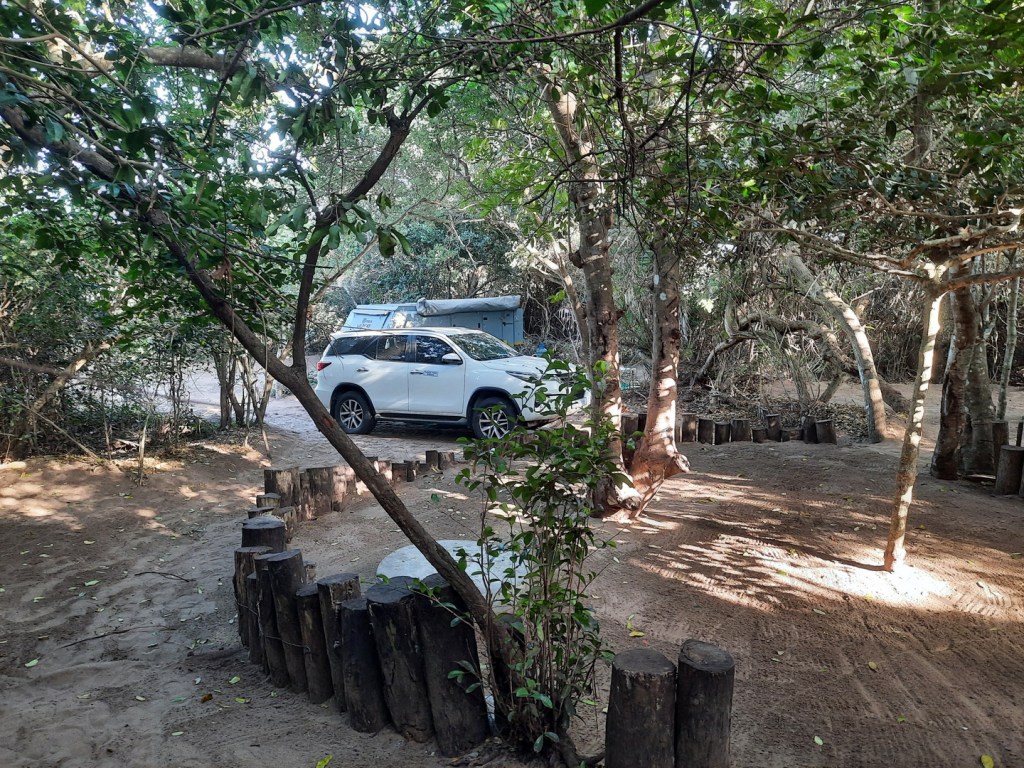
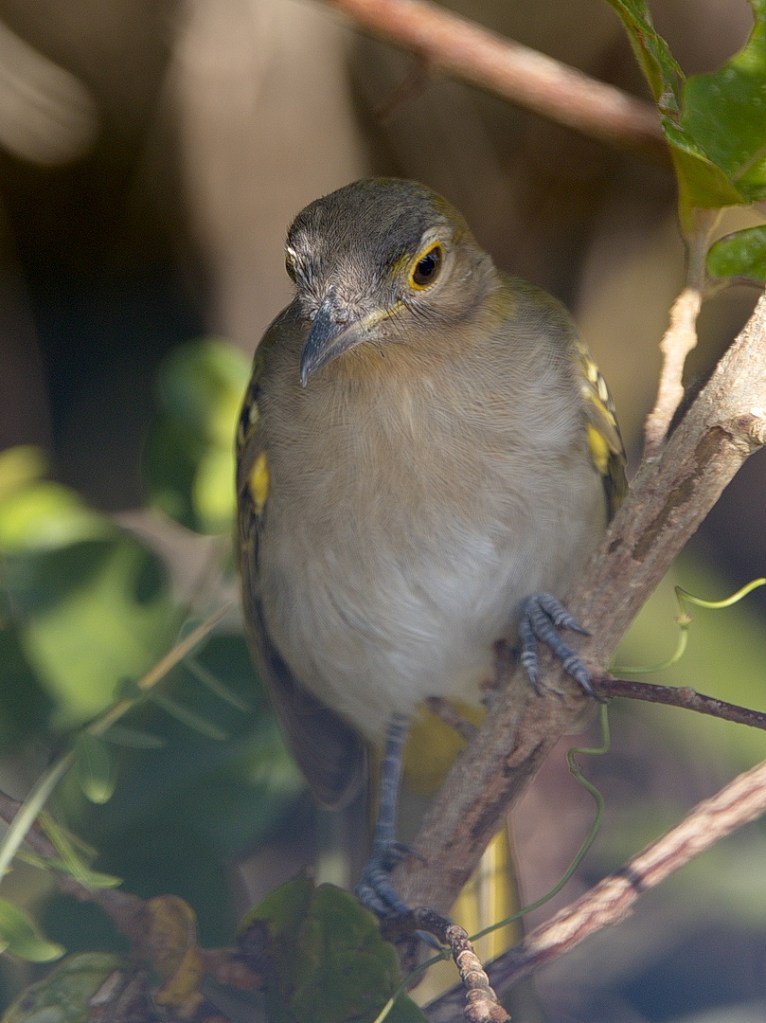
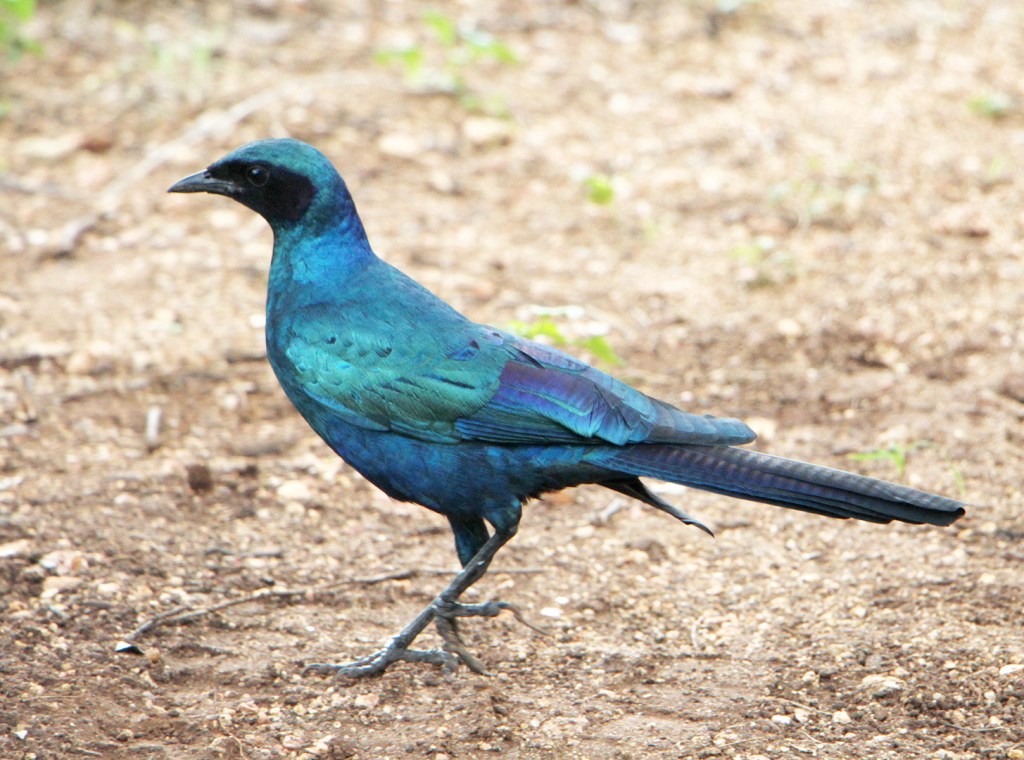
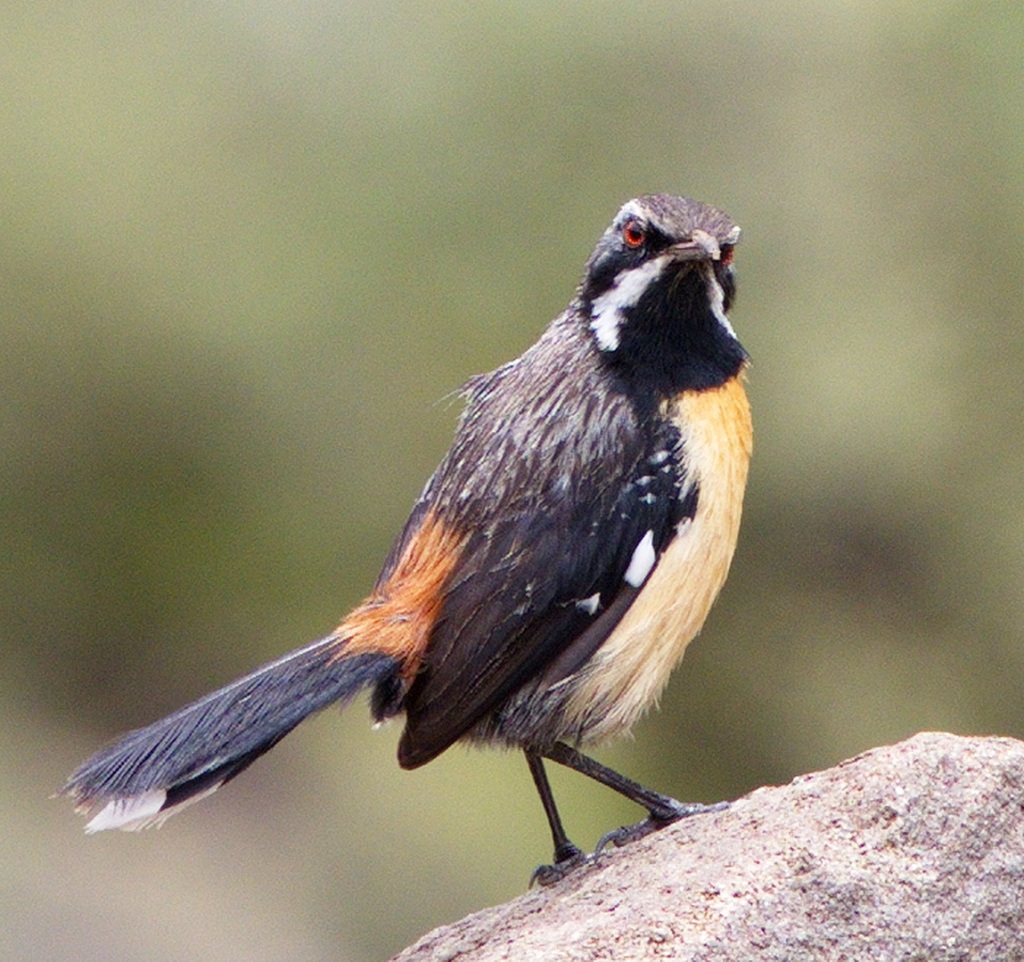
One particular campsite bird stood out from the excessive numbers of Dark-capped Bulbuls.

On our first morning we explored the camp. A short steep climb up to the top of the dune through the forest brought us to a board walk which ran along the top of the ridge. At the top we looked out to sea and the beach below. Following the boardwalk to its end took us to the restaurant and swimming pool.

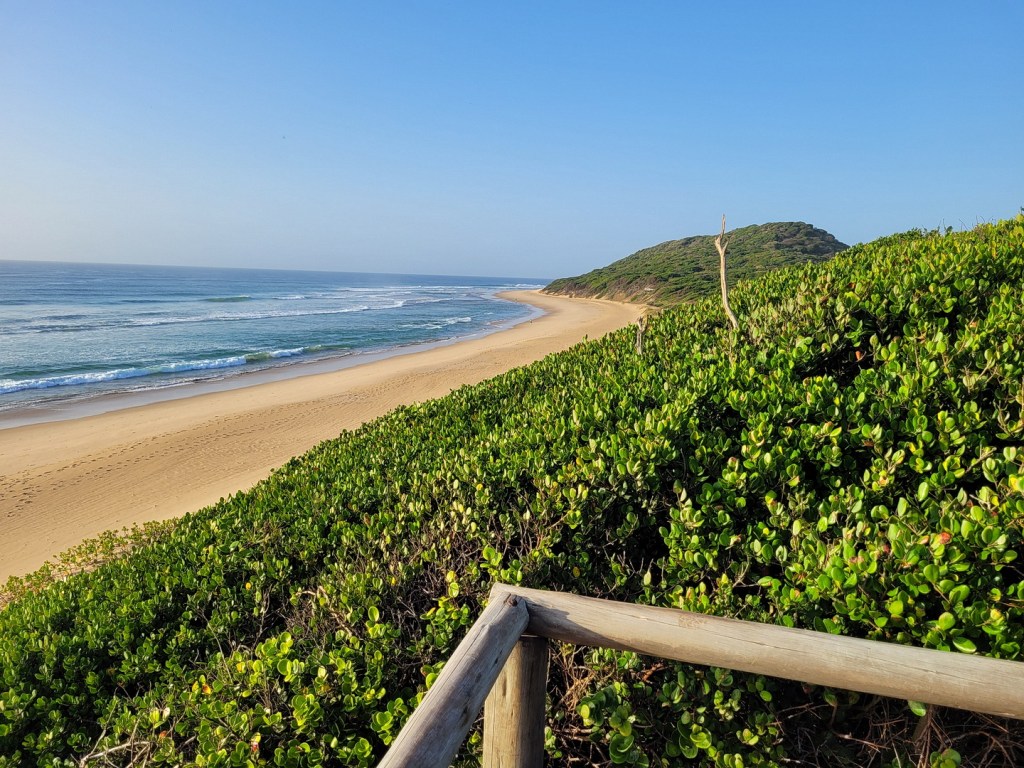
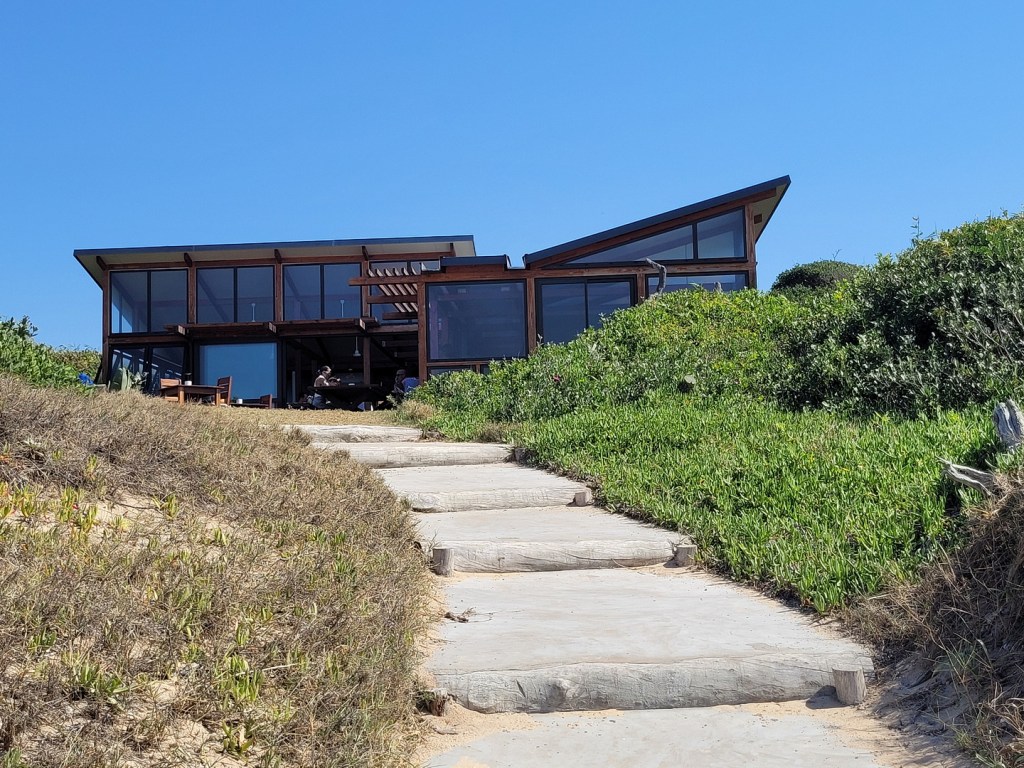

On that first morning we got to the top before sunrise – quite a view.


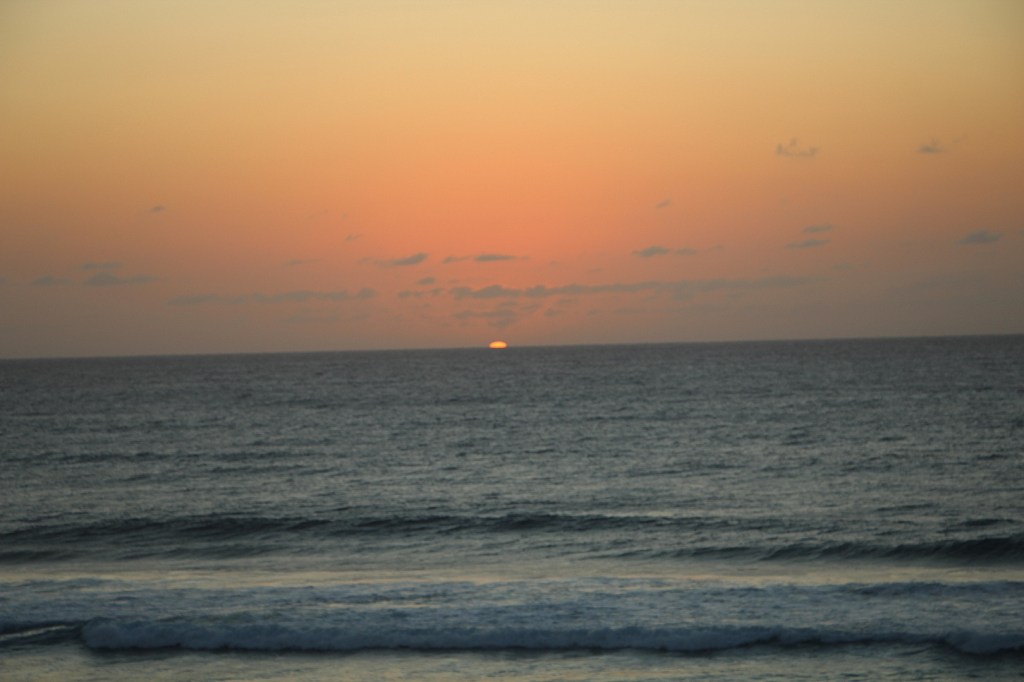
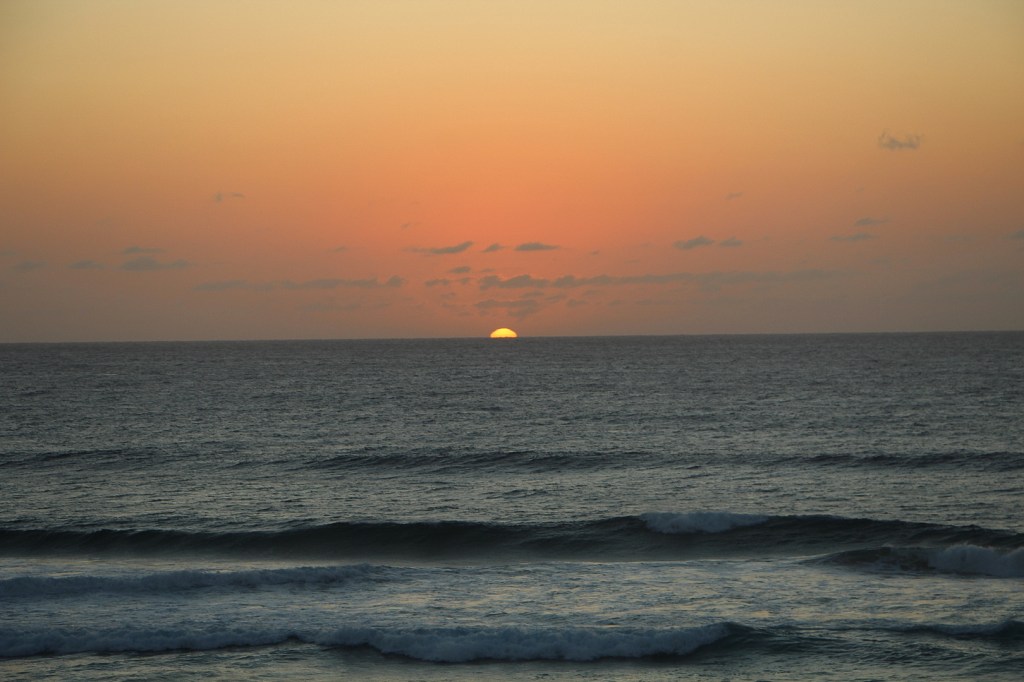
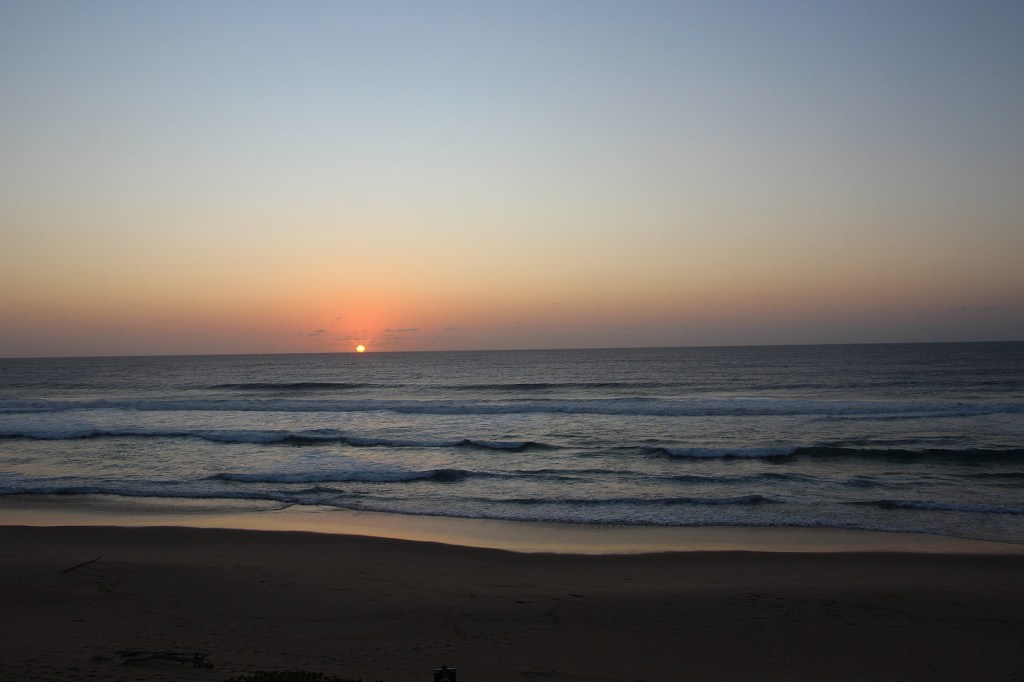
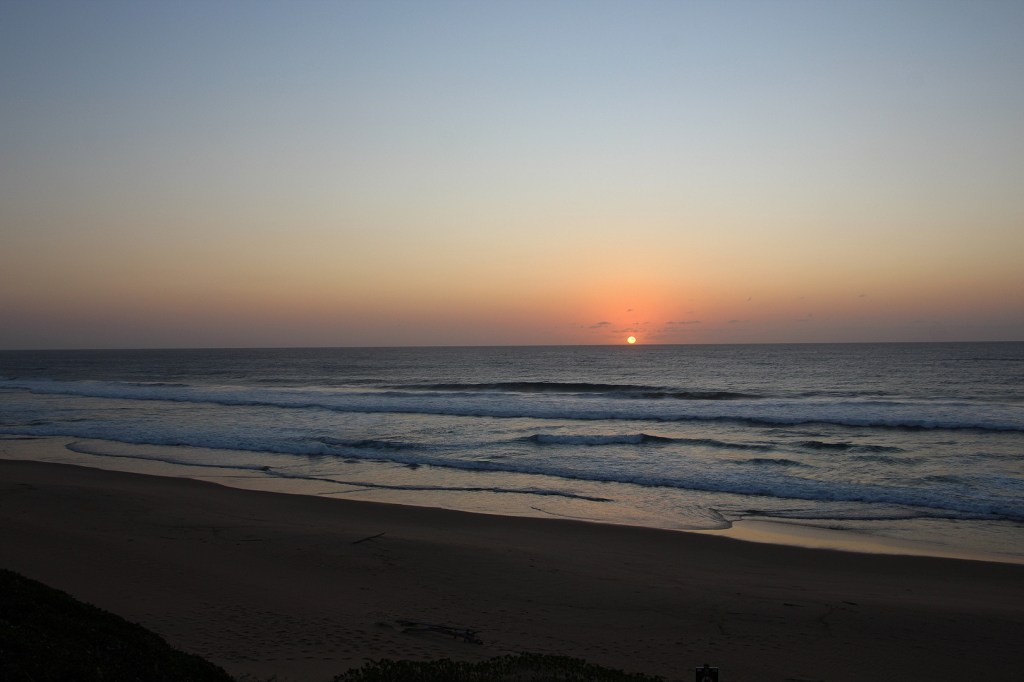
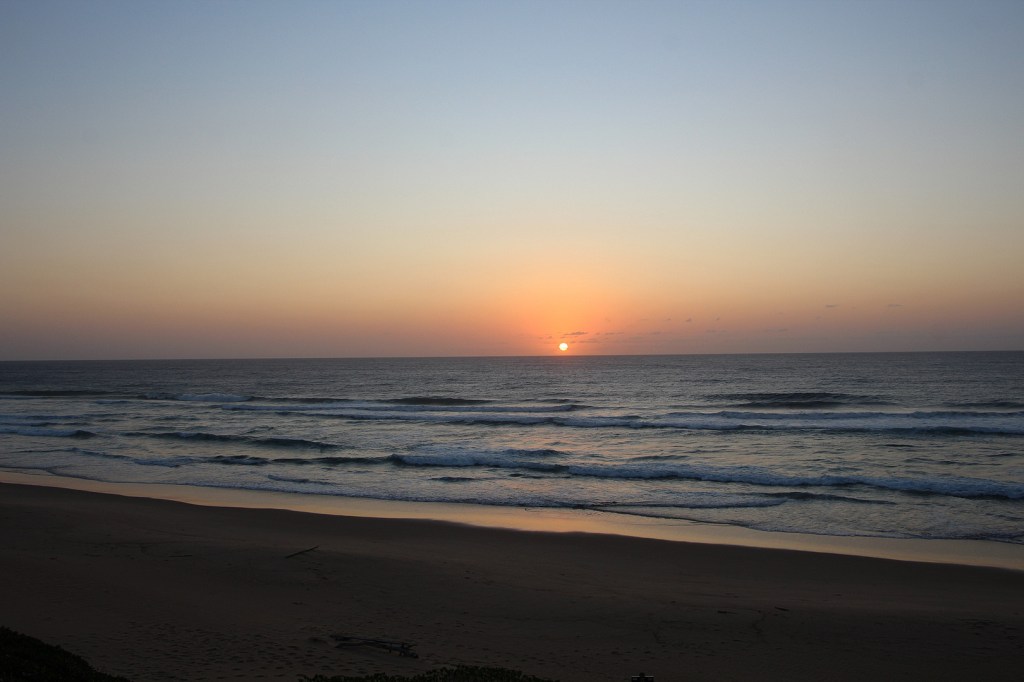
Sunrise:
From the top, not only did we watch the sunrise, but we also observed whales close by. Perhaps you can identify the one closest to us.


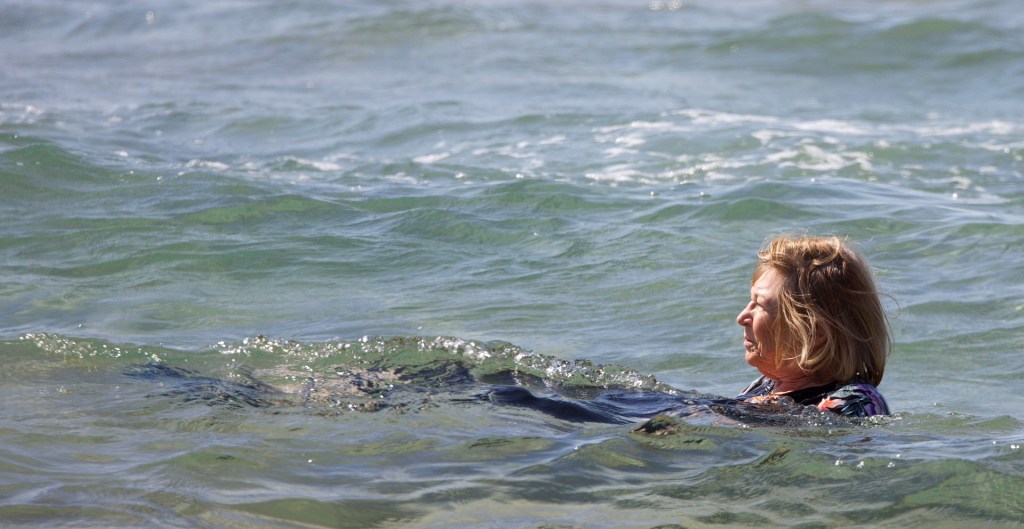
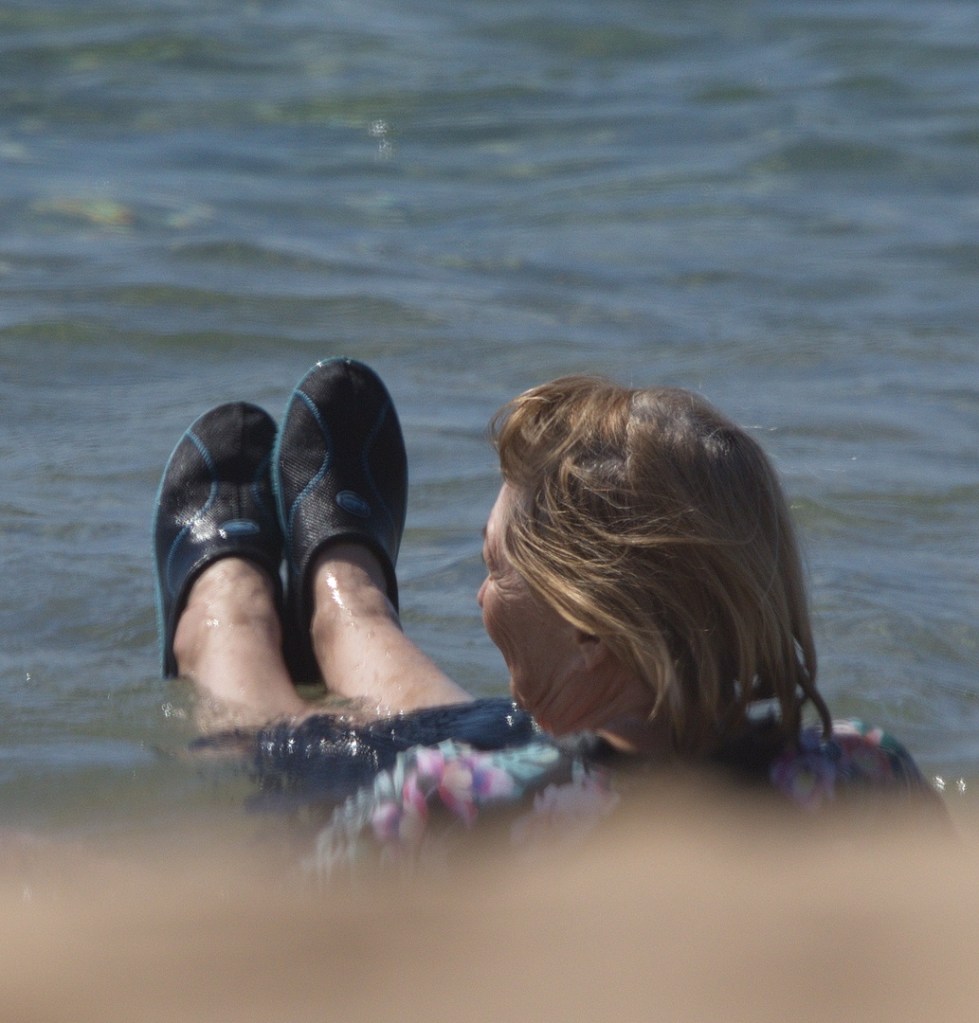
To celebrate seeing the whales, we took a long walk along the beach and Sally even managed a dip.

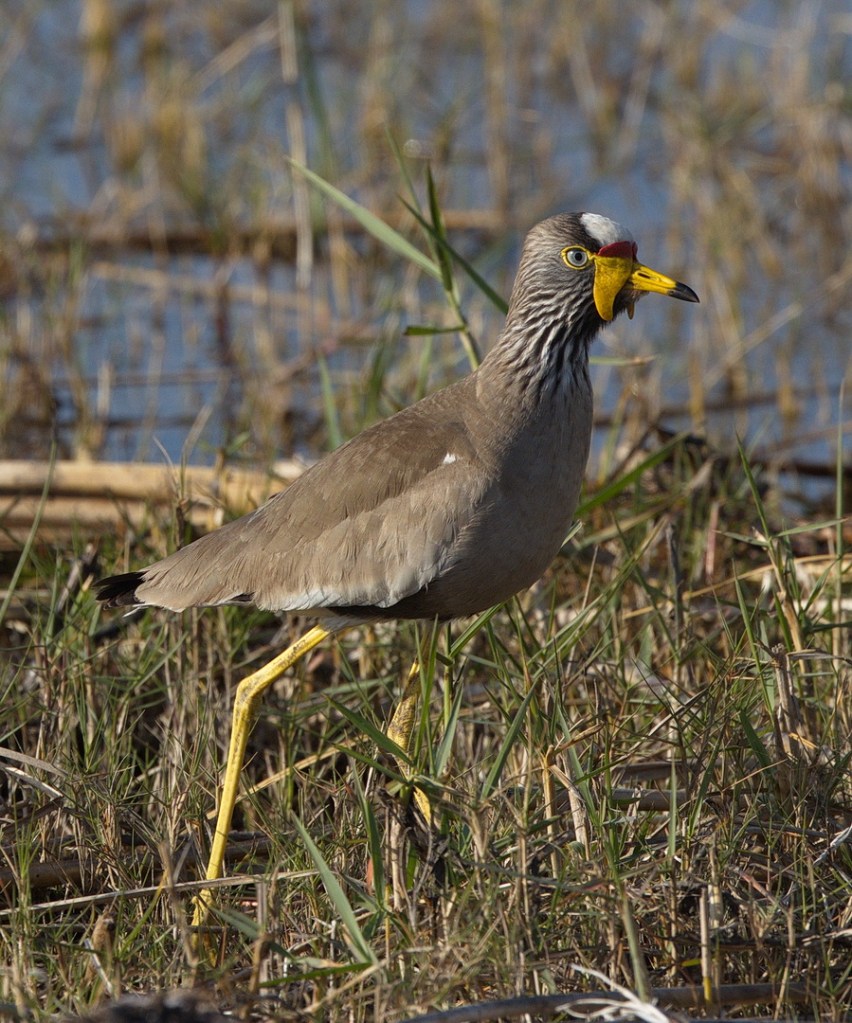
Our time was spent exploring the places we passed on the way to the camp. One spot Lagoa Xinguti was right next to the road – more like a muddy track. There was not a large variety of birds present. However, we did see Great and Little Egrets, Crowned Hornbills overhead, African Wattled Lapwings, a Squacco Heron, a White-fronted Plover, Yellow-billed Storks, a Western Osprey fishing, hippos and crocodiles.


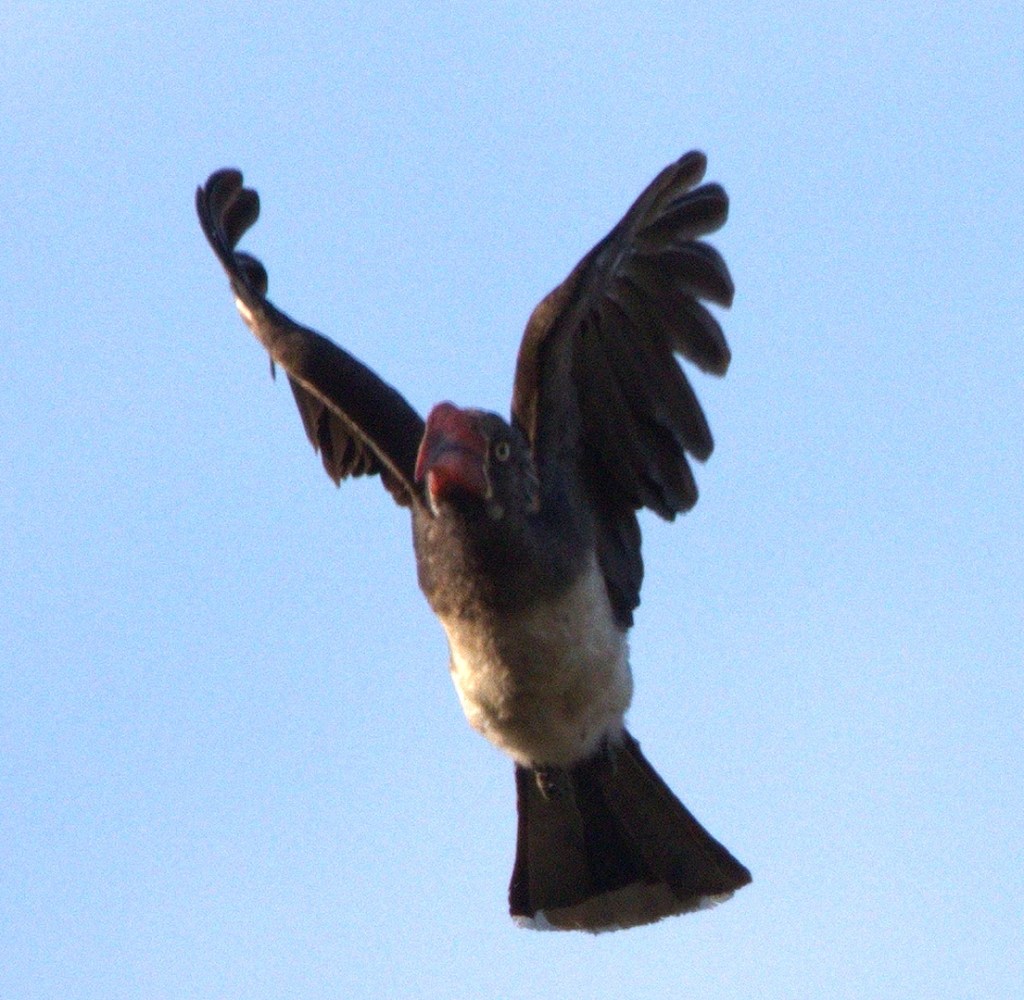


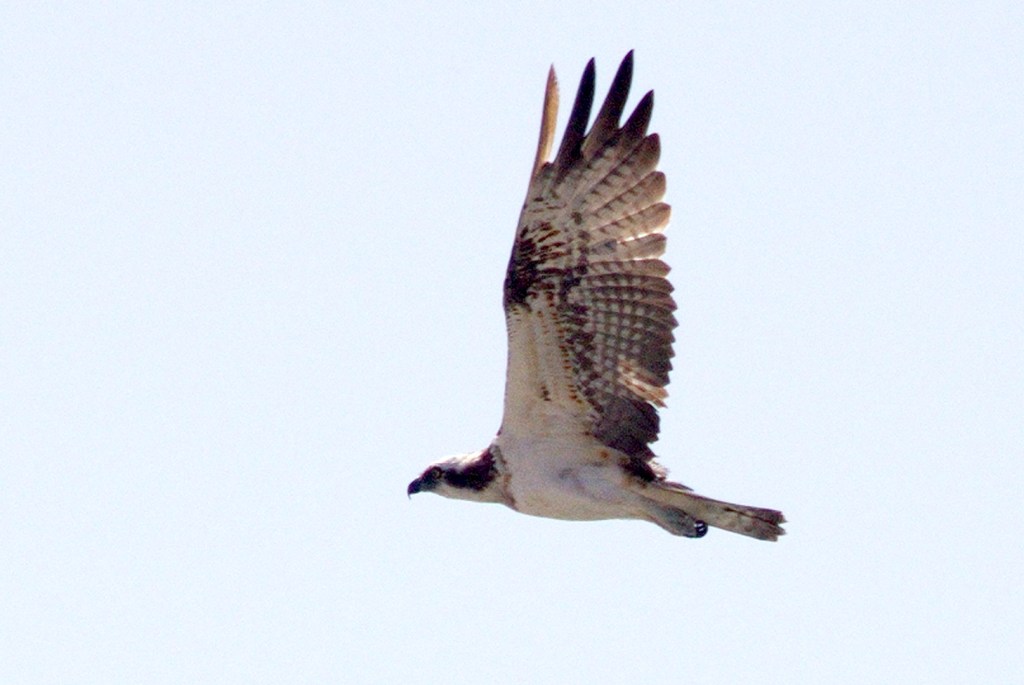


This area also has picnic sites – attractively laid out partly in the bush..


From the shoreline, we watched literally hundreds (and I mean hundreds) of White-breasted Cormorants fishing together. Herding the fish towards the shore. Quite an amazing sight to watch so many fishing together in a leap-frog action.


At another Picnic site, we saw a Black Coucal dash into the bush beside us – never to be seen again.


And yet another Lake, Lagoa Finixli.


Driving around we came across different habitats and we saw wetland birds, forest birds, animals and raptors. Here are some of those birds captured on camera.
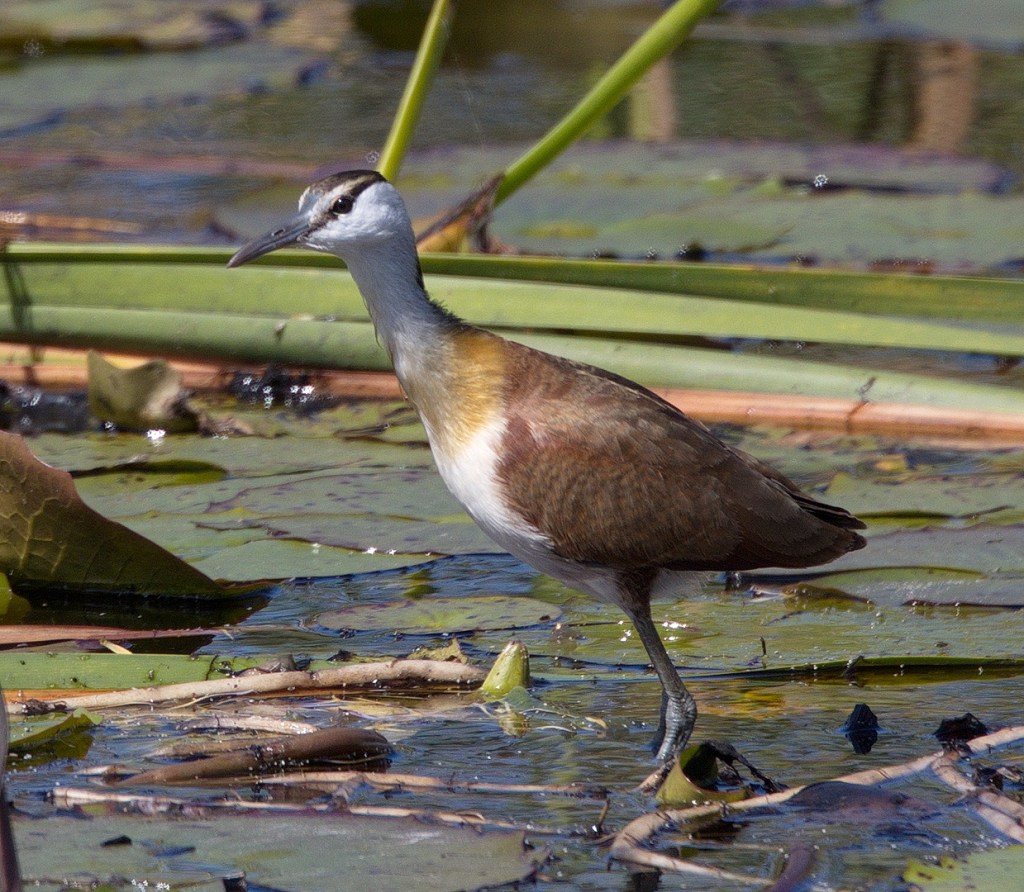






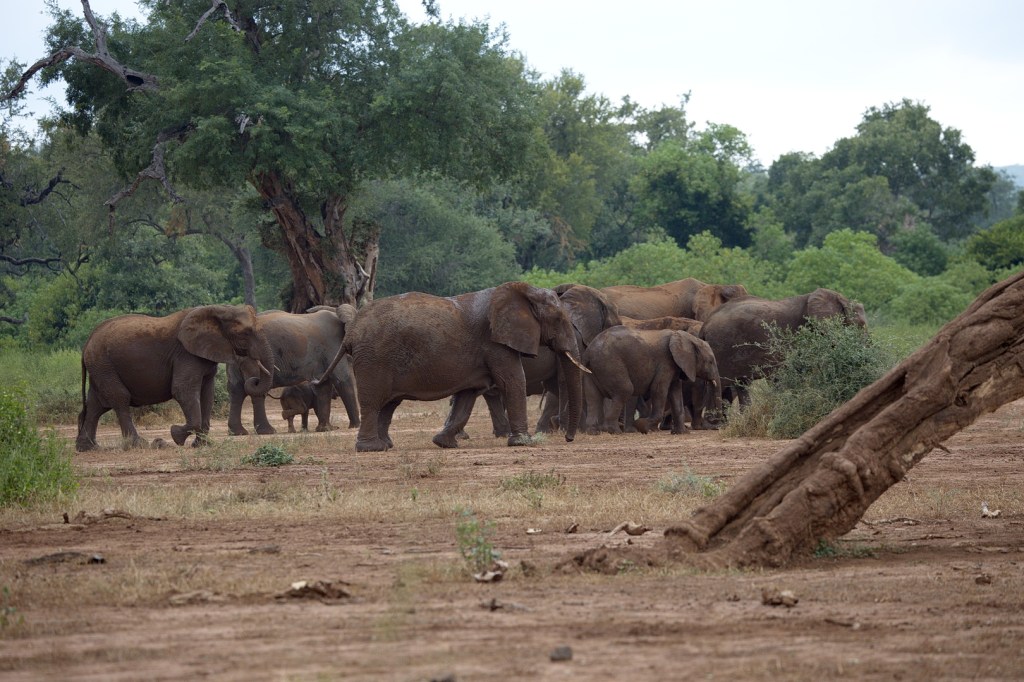
Elephants were few and far between. Having said that, we had an encounter with an angry elephant. Hey look, an elephant at the top of the slope ahead. It is on its way down. Wow, it looks like it is strolling. Hang on, that is deceptive it is actually moving quite quickly and it is actually heading straight for us. Best move fast. Foot down and, whew, we were away. As it passed behind us, it firmly blew its trumpet, and we relaxed. Close call.
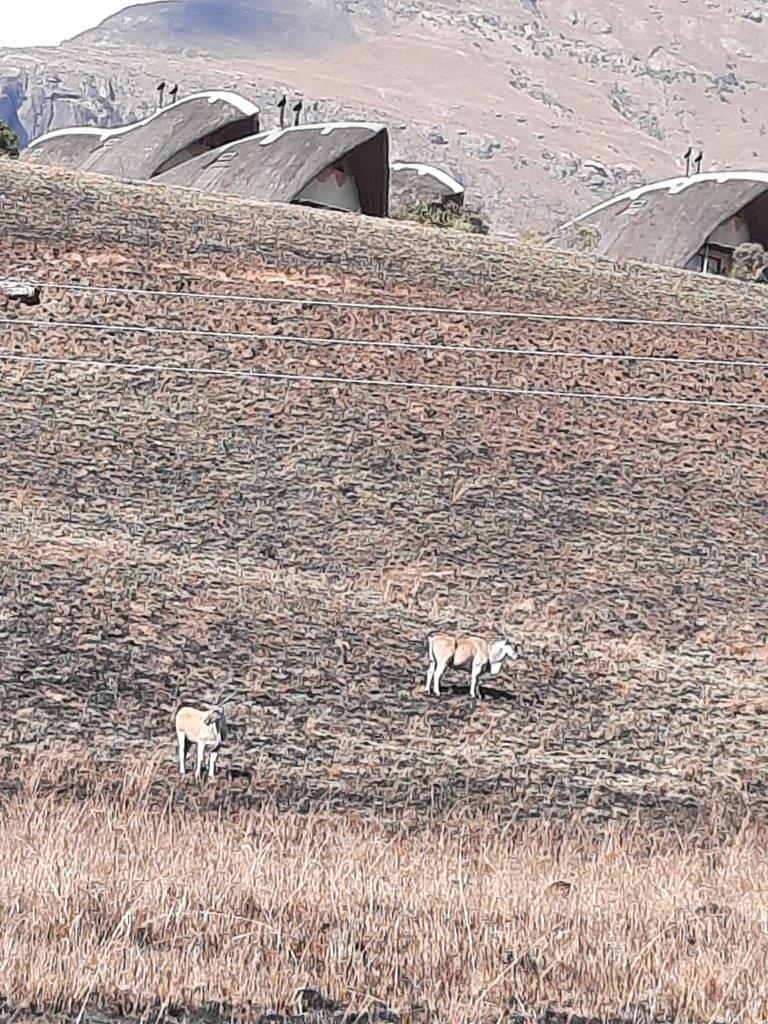
We were also fortunate to see another aminal twice in different locations. Not one we ever expected to see.

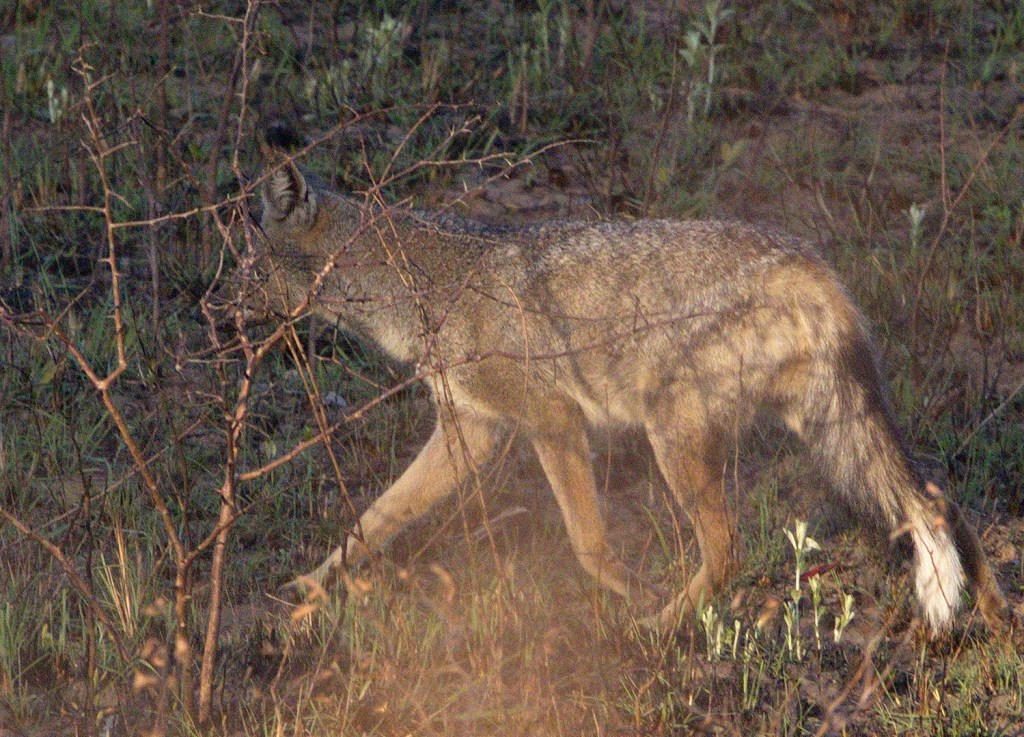

Then there was one route we took which had unexpectedly brilliant scenery and was excellent for game viewing in particular. At the end of this route is another Lake – Lagoa Maxanfi. On the way in, we noticed that one of the numbered signs that we were following gave no notice as to where this road led – Sign 11.
We decided to explore it. (apparently you need a permit to do so which we were not aware of at the time).
The first thing we noticed was the road was not sandy and that we were into open countryside, driving along a ridge with great views both left and right stretching for miles each way with hillocks of animals everywhere and a great expanse of a flood plain in the distance on our left. And I mean it appeared to be kms across and stretched the full length of the 11km ridge road that we were on.
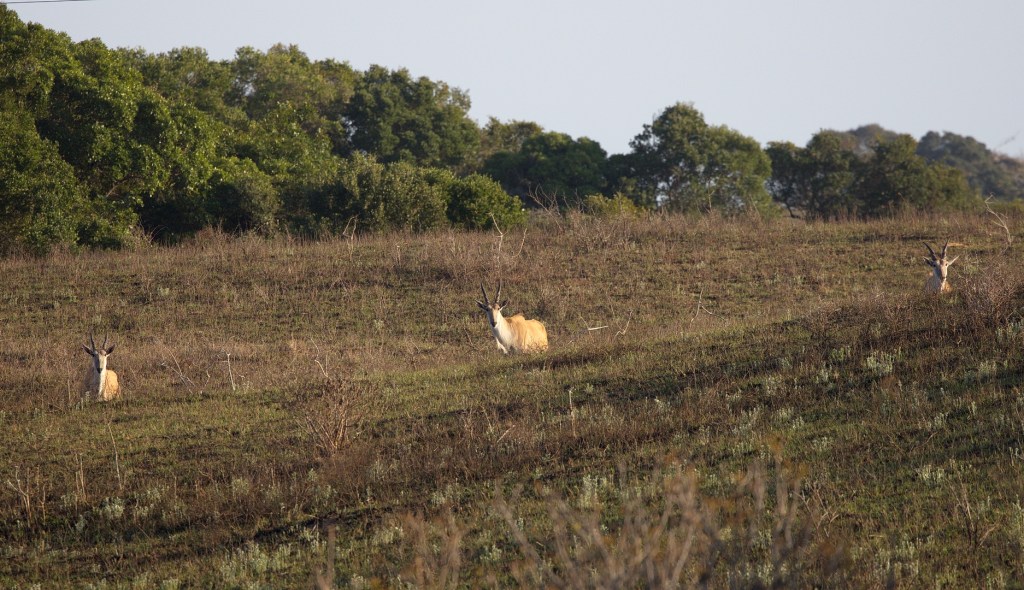
Maybe there was not a huge variety of animals but what was there was made up in numbers. There were Blue Wildebeest, Burchell Zebras, Grey Duikers, Red Duikers, Eland and hundreds of Reedbuck. Even elephant were seen in the distant flood plain. The animals tended to stick to their own species on sides of slopes and on the whole were not concerned about us.


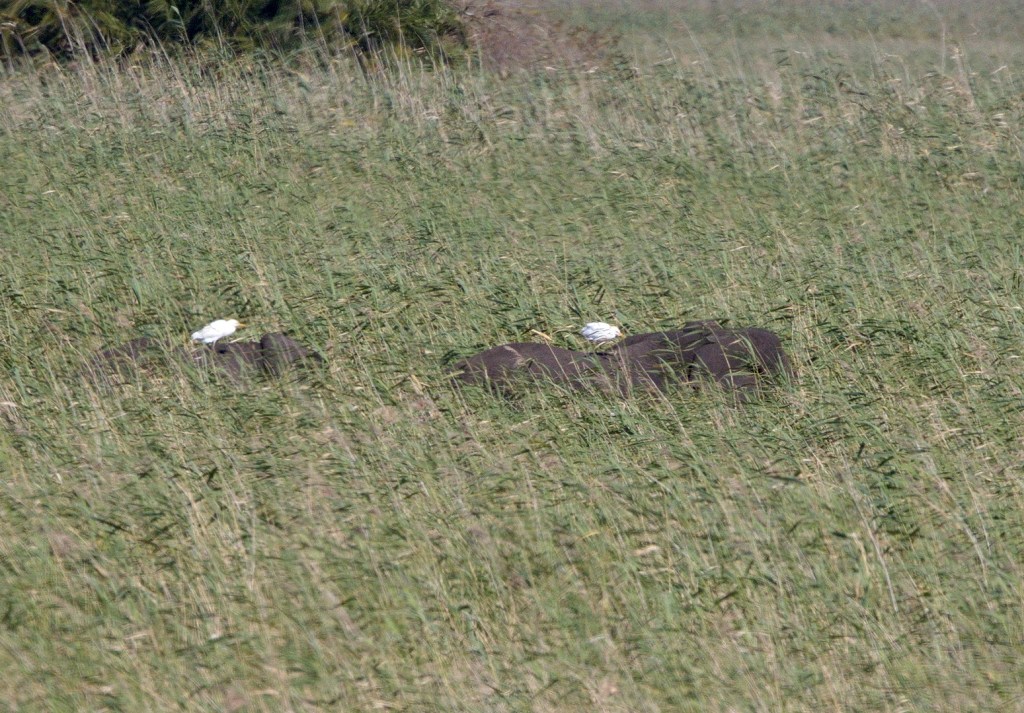


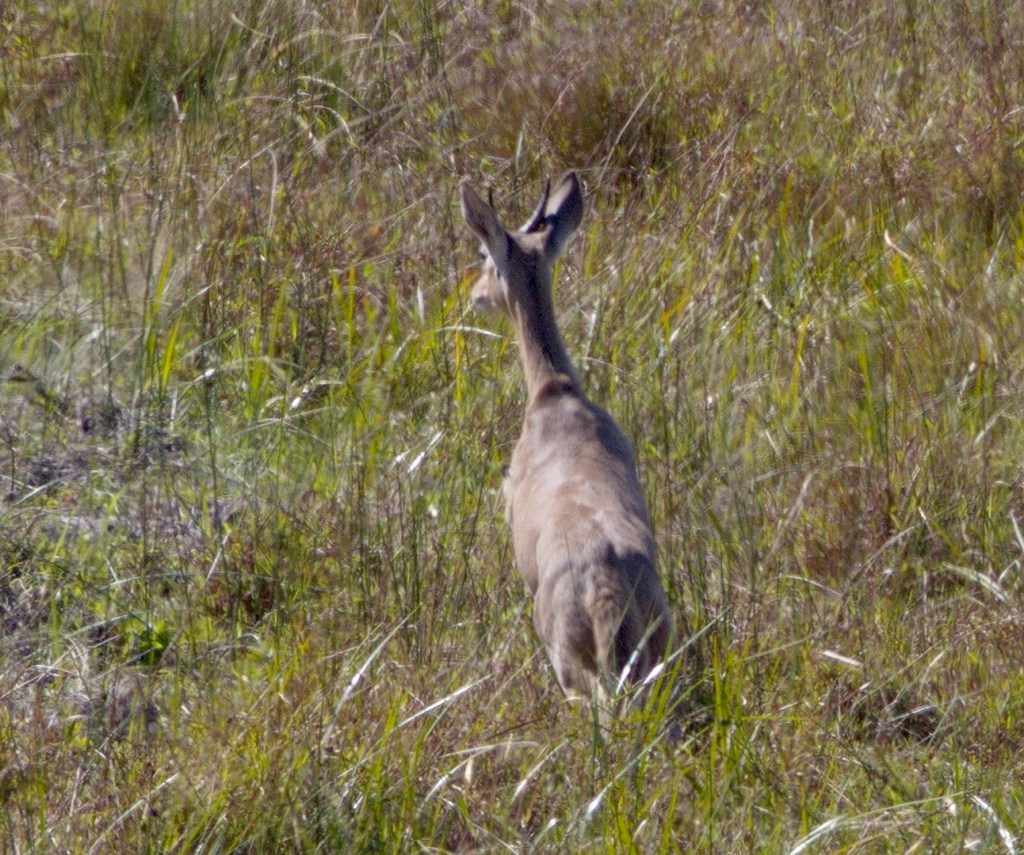

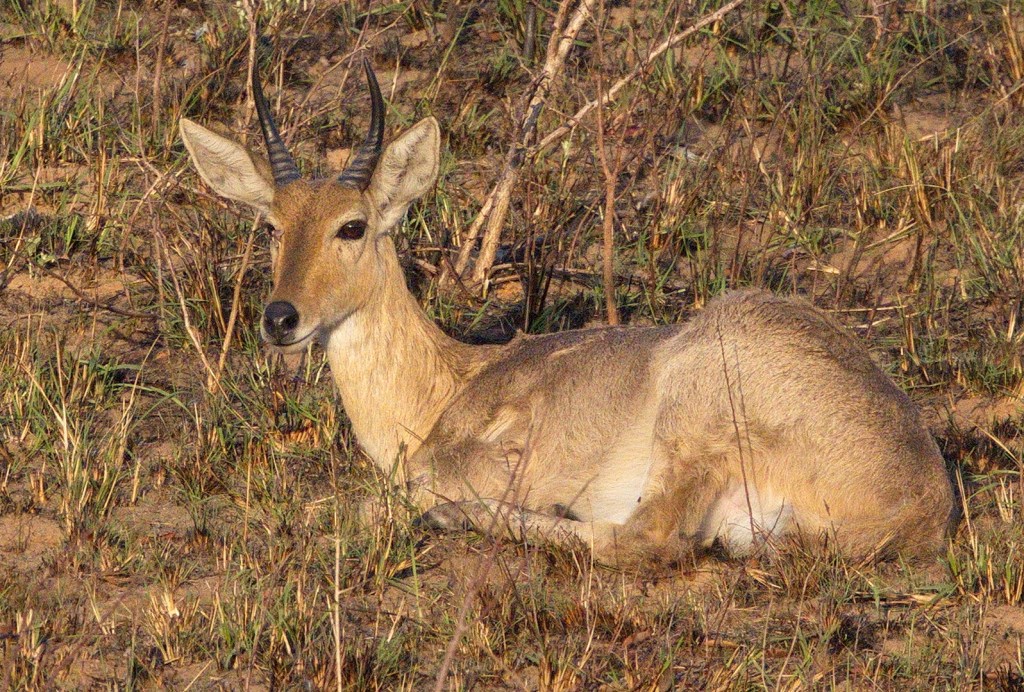


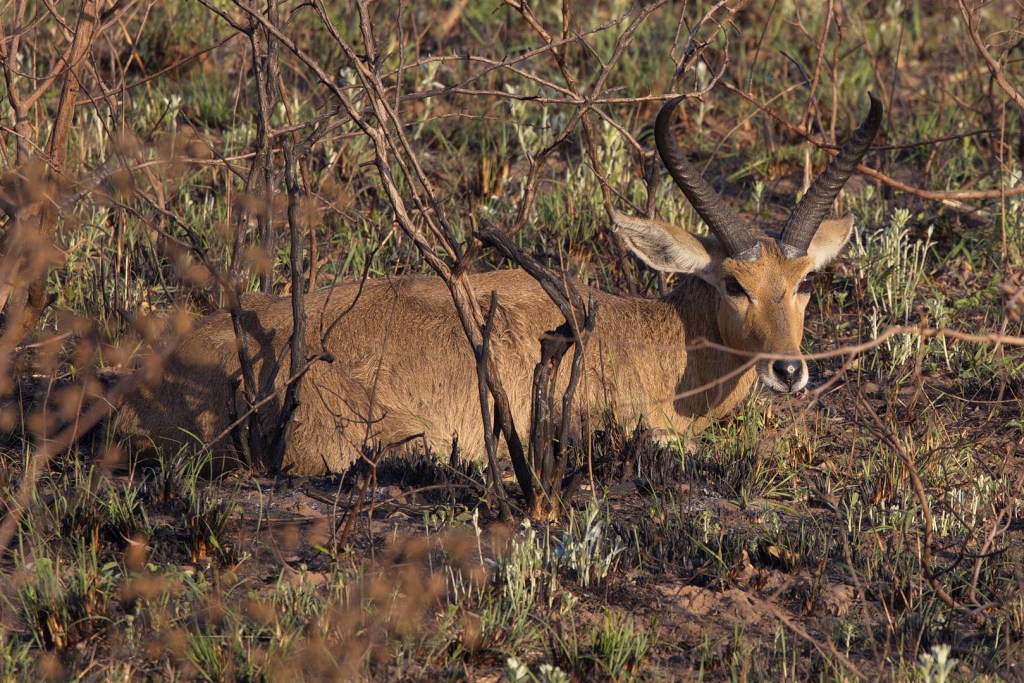
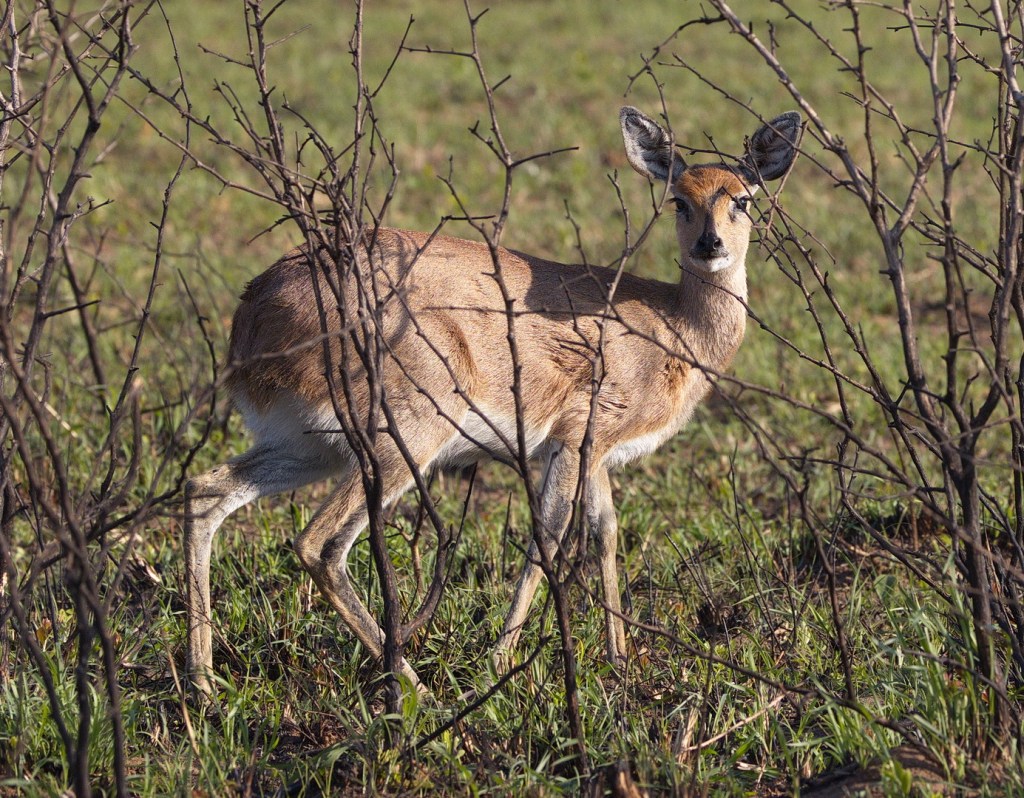
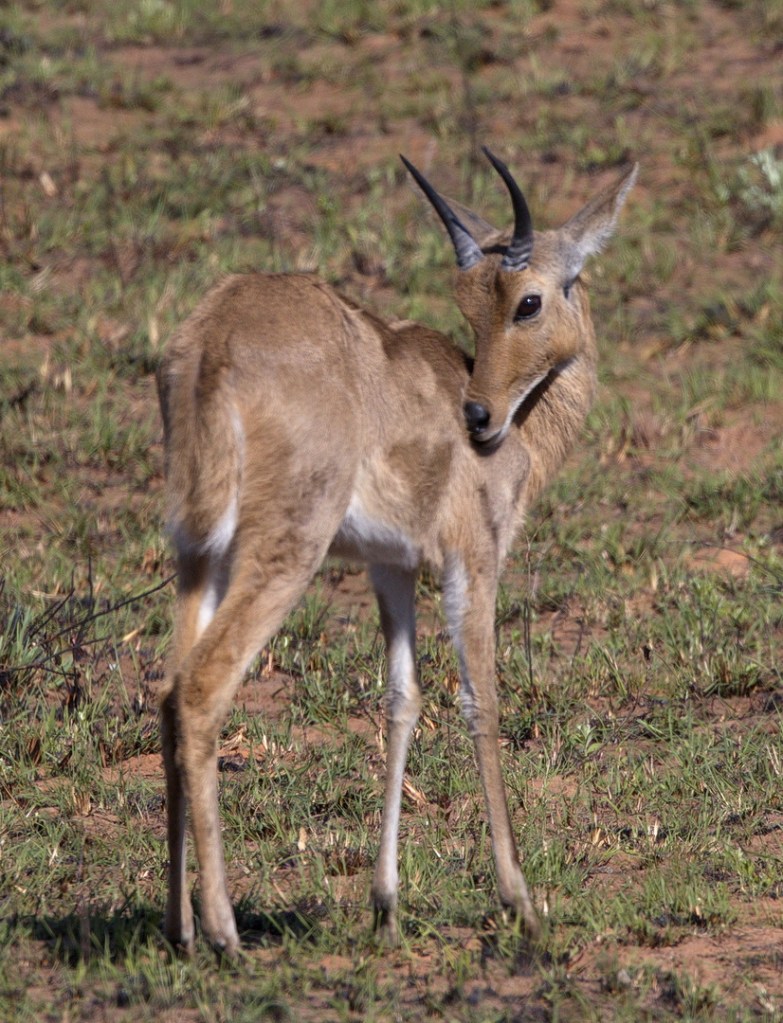


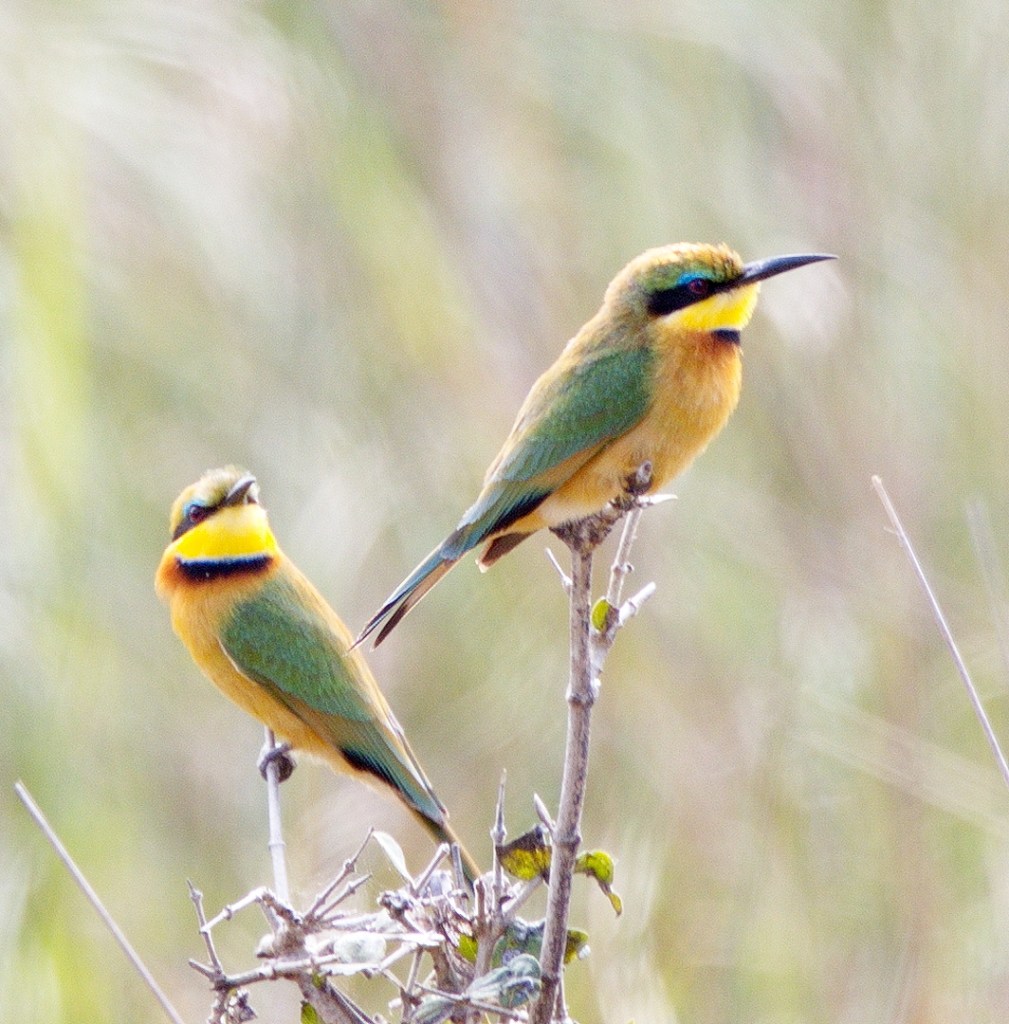
And bird species seen include:


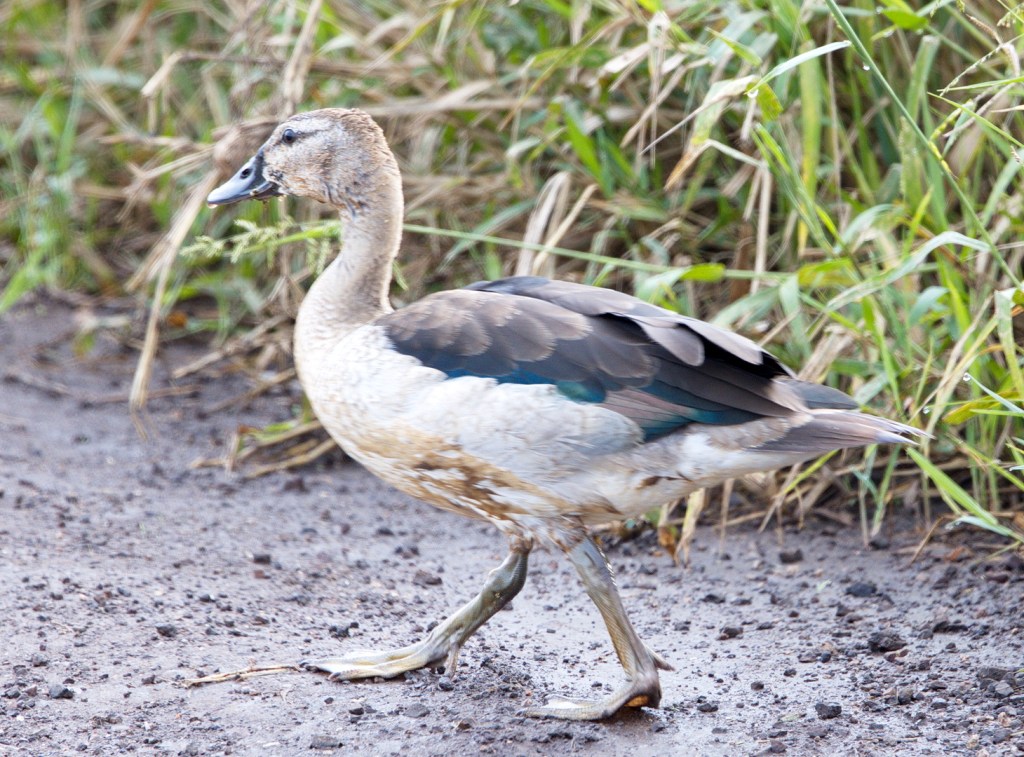
At the end of the road we went down to Lagoa Maxanfi. Loads of reeds at first opening up to open water. Water birds popped in and out of the reeds – Common Moorhen, Black Crake and African Swamphen. Reed Cormorants, Darters, Egrets and Spoonbills were present. There were numerous White-faced Ducks and a Yellow-billed Stork amongst them. Purple Heron was seen on one bank and several raptors made a fleeting appearance as well as a Woolly-necked Stork.


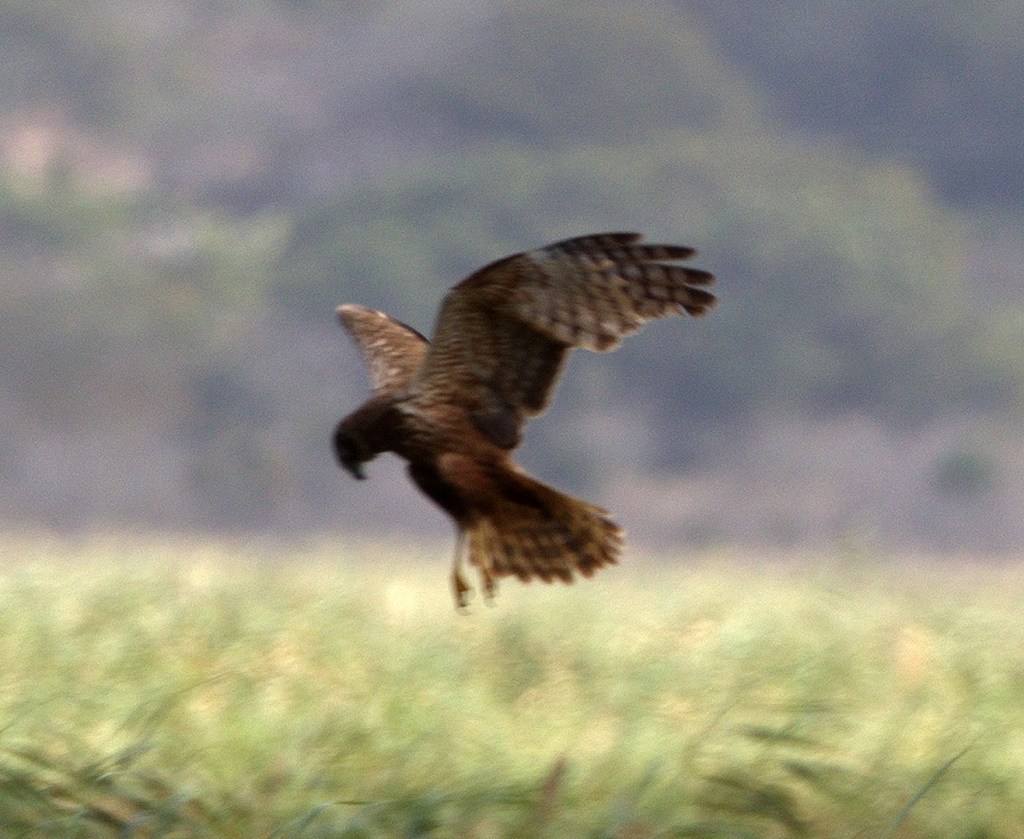
And this raptor flew over in the distance.


This road was our favourite and we took several drives along it.
Our drive out of the park to the Futi Gate took us a third of the time that we took on the way in – only one and a half hours. At the gate we spent quite some time at their pump to get our tyres back up to the correct pressure. And then we were on our way to Macaneta north of Maputo.
In all we recorded 79 different bird species. You can download the list here:

Next stop Macaneta.
Macaneta
19th to 21st August 2024
Then we were on our way, continuing up the highway to Maputo and across the new bridge into bedlam.


An hour and a half later, fighting through traffic with our Wildcat in tow, we reached the north side of Maputo and eventually to Macaneta and our campsite at Tan-N’-Biki.
The campsite is not very impressive – more interested in being a conference hotel. There were three campsites. We chose the one more hidden but beside a sandy road leading to the beach. There was power and a choice of ablutions with hot water round the corner. Wifi was available in the office area.

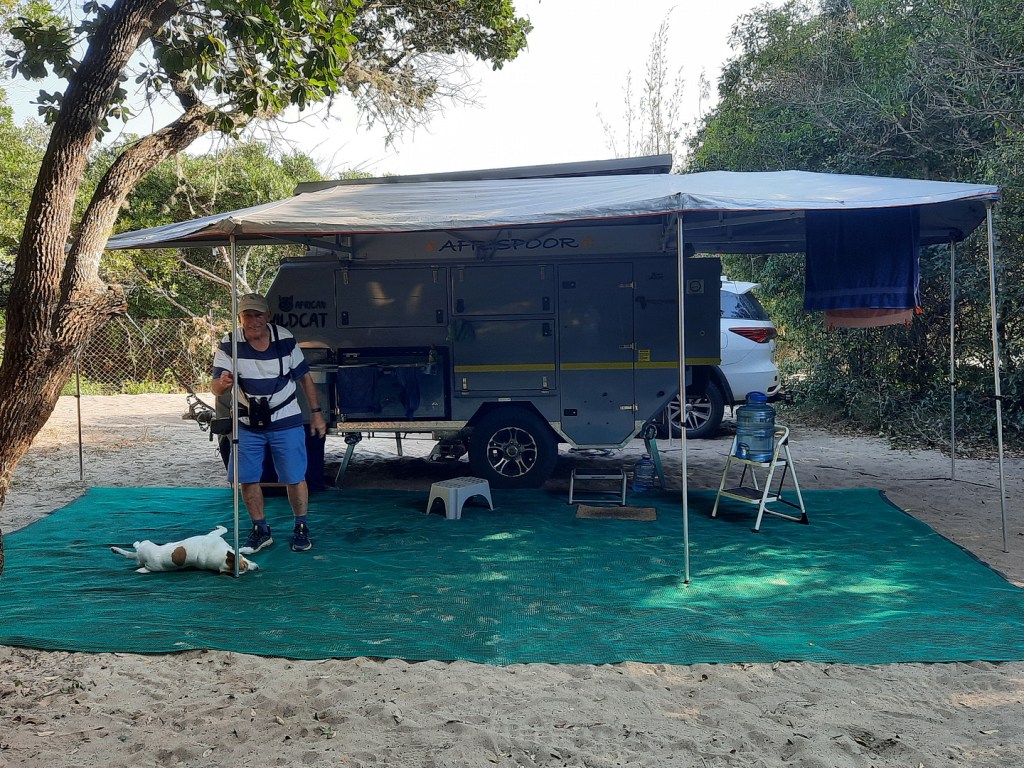

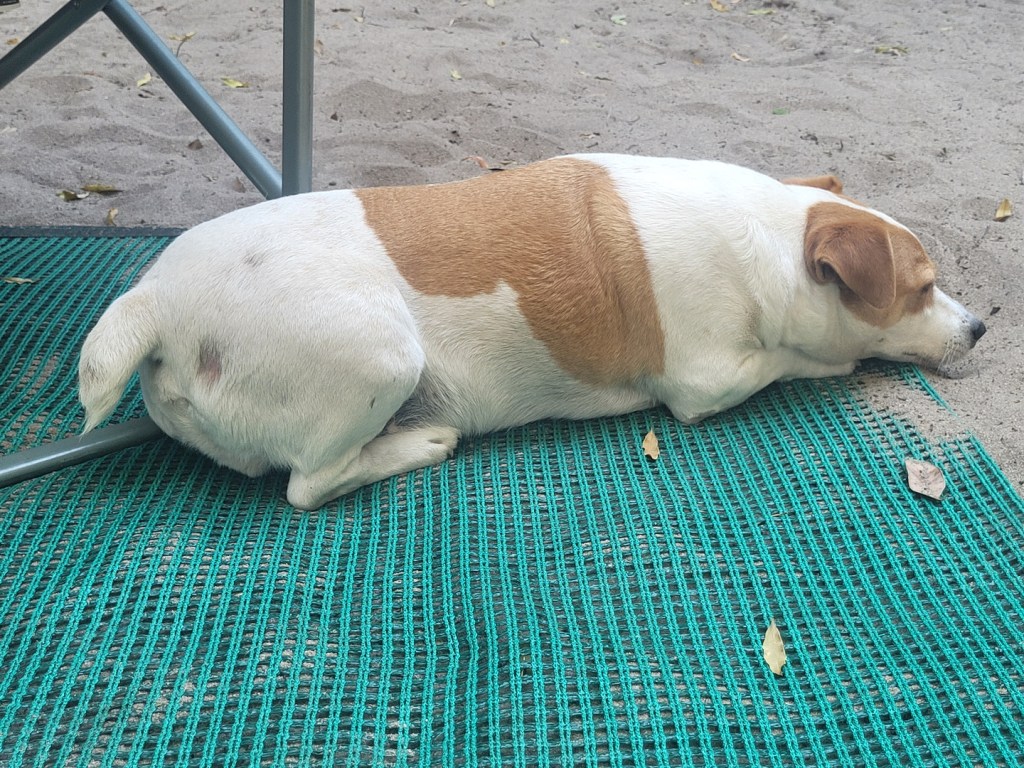
We had several hosts at the campsite.


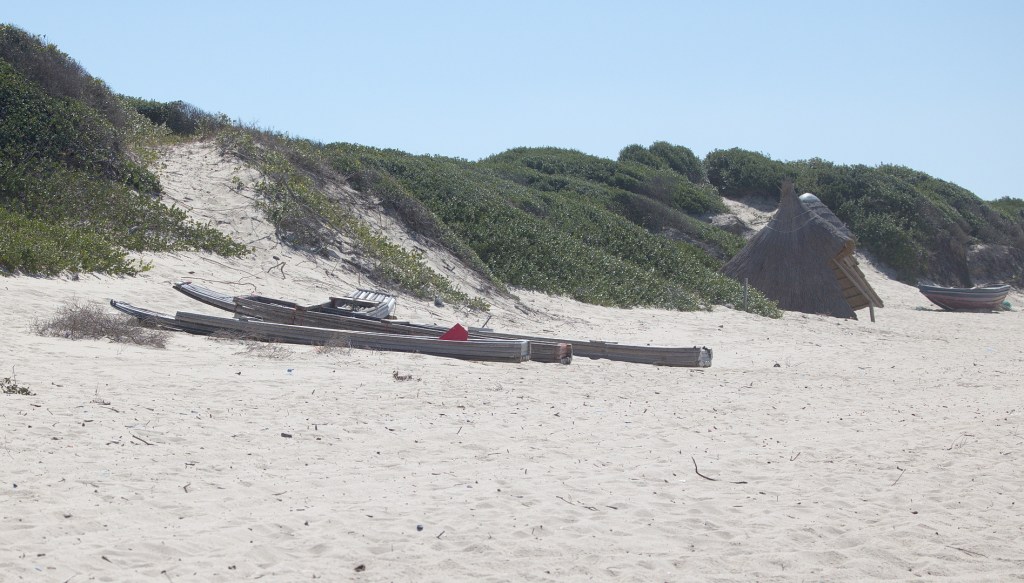
It was a short walk to the beach. Another long stretch of white sand.




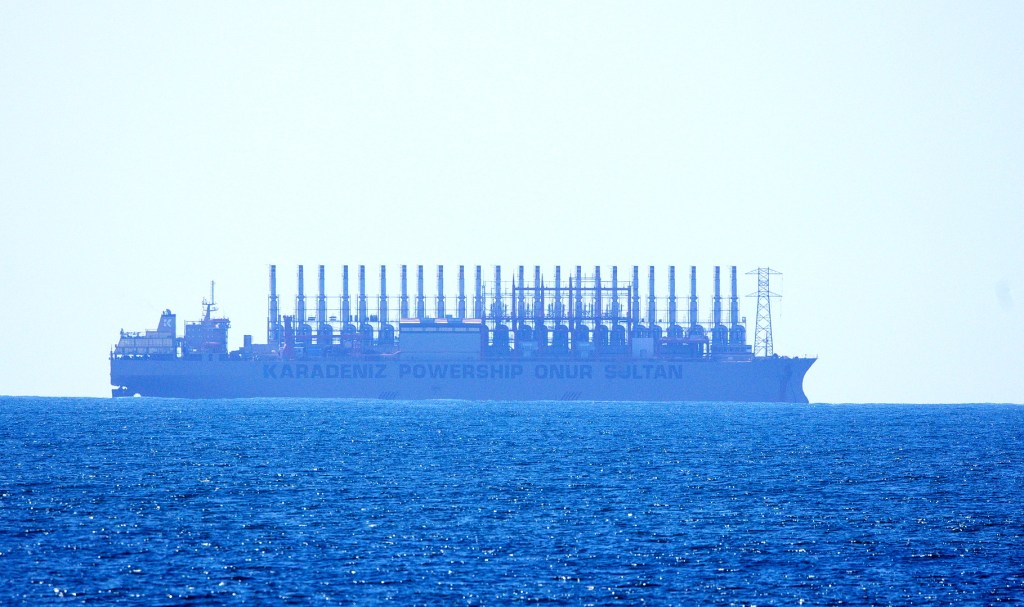
Looking out to see, many ships were passing by. But one very controversial in South Africa stood out – anchored.
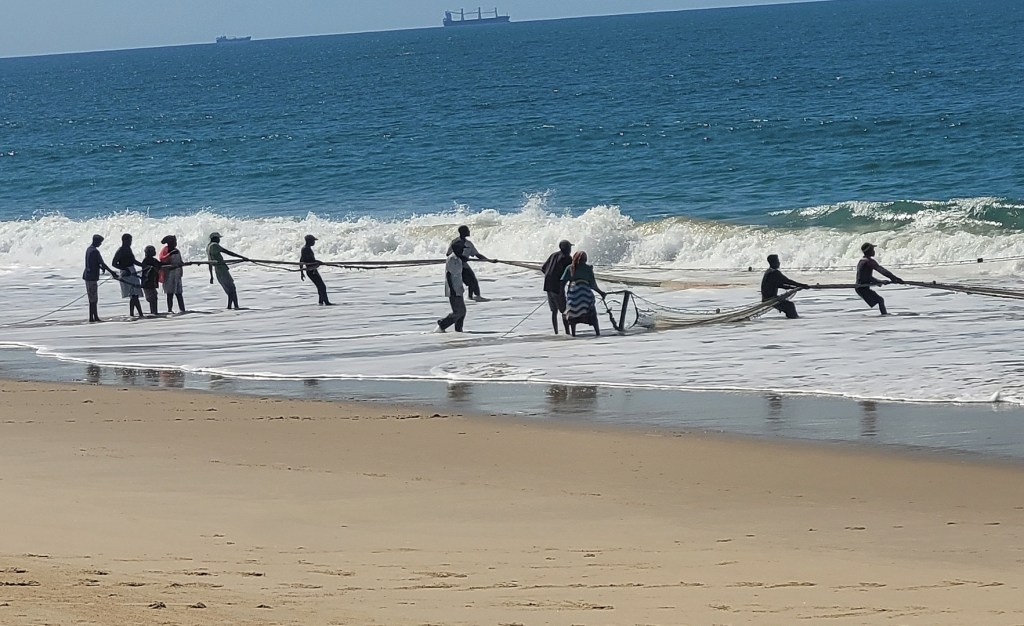
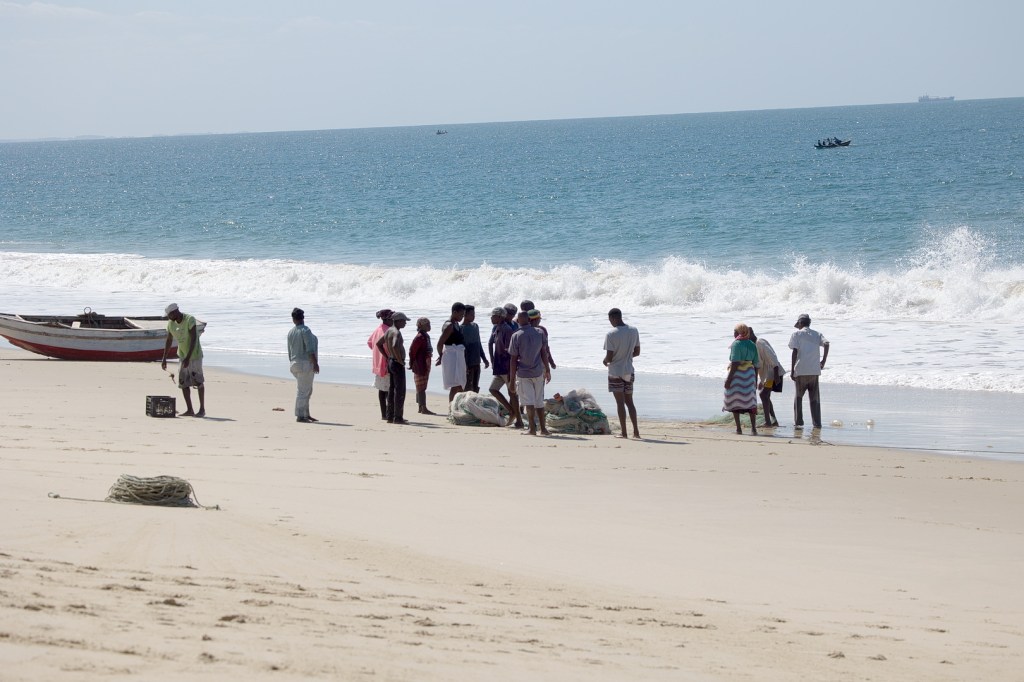
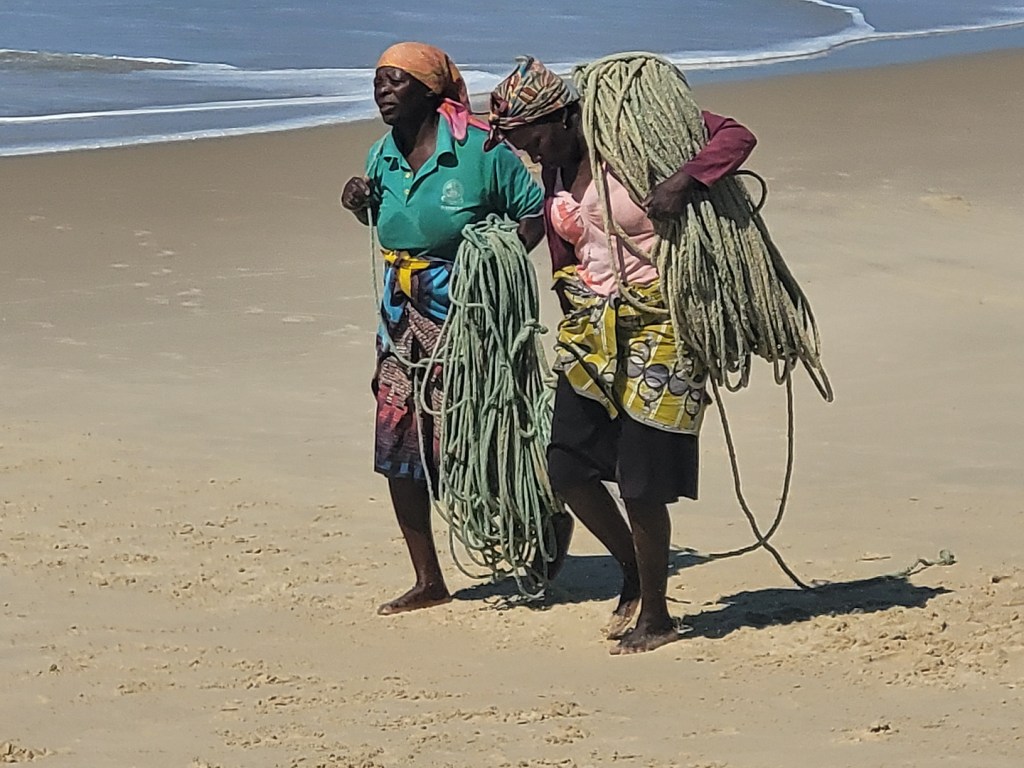
On another visit to the beach, we watched as dozens of people were pulling in their fishing net.



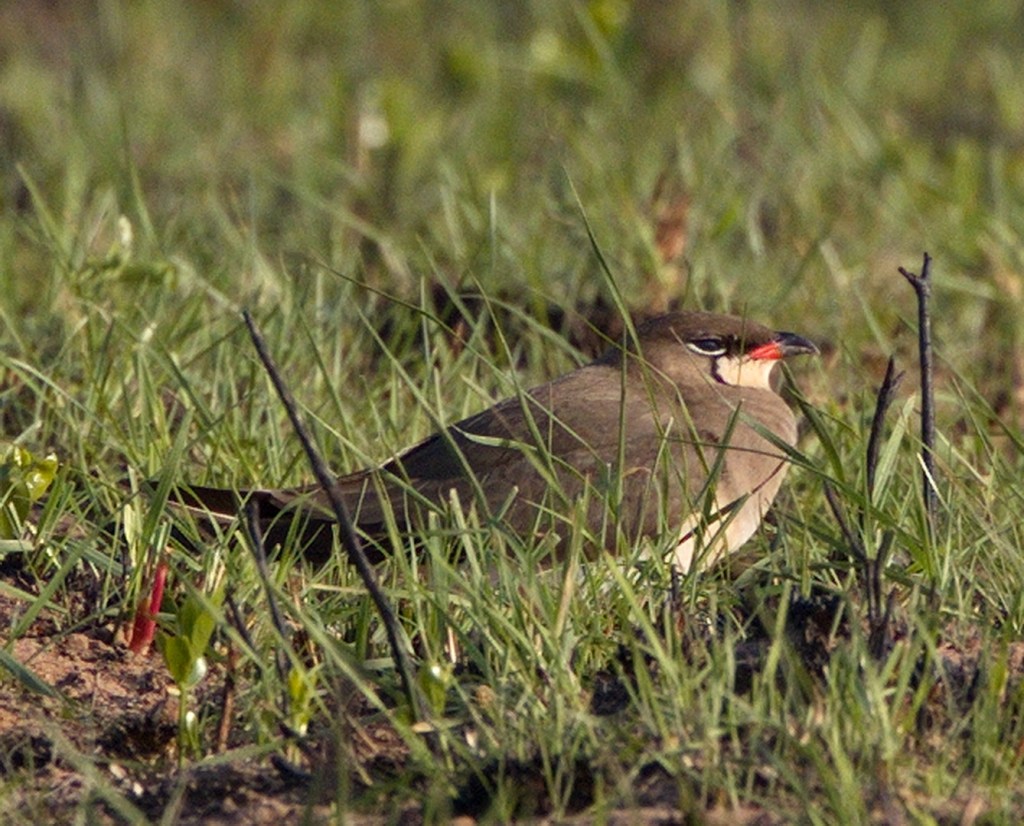
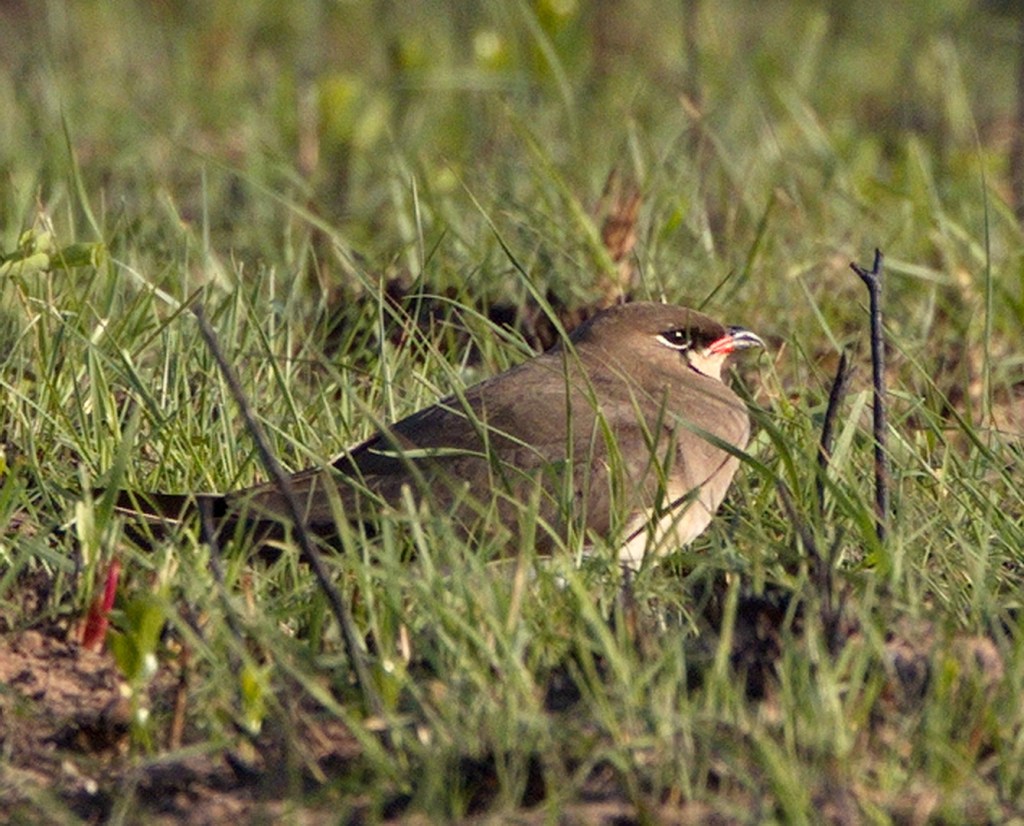
Birding was not great, mostly because we stuck to driving and not parading ourselves on the open flood plains. To get to the camp we had to cross a toll bridge over the river. Once crossed, the habitat changed to open flood plain on either side. And this is where we did our birding – apart from in camp.


We had planned to stay 4 nights but after two we decided to leave and head home via a stopover at Bonamanzi for 3 nights.
In all we recorded 34 different bird species in the area. You can download our list following:
So back to the border at Kosi Bay, we headed. But instead of going round Maputo the way we came, we took the coastal road. A good 4 lane highway with numerous cheap toll stations, speed bumps and under-used to our benefit. We diligently stuck to the 60Km/hour speed limit. We were sorry were unaware of this alternative.
It was only as we approached to go over the new bridge that we joined the turmoil of traffic. Fortunately, this was a very short distance to endure.
Once over the bridge it was a very pleasant drive to the border.
At the border, one of the customs people asked for our papers and noticed that the official who prepared it had forgotten to put our Wildcat on the document – a fine was coming. Fortunately, Sally had the original official to add our Wildcat to the gate pass which we should have handed in.
We did all the paperwork for both sides, came back for the car and drove off quickly.
Bonamanzi
21st to 224th August 2025
We arrived at Bonamanzi in good time and setup camp quickly before going for a drive around the camp.
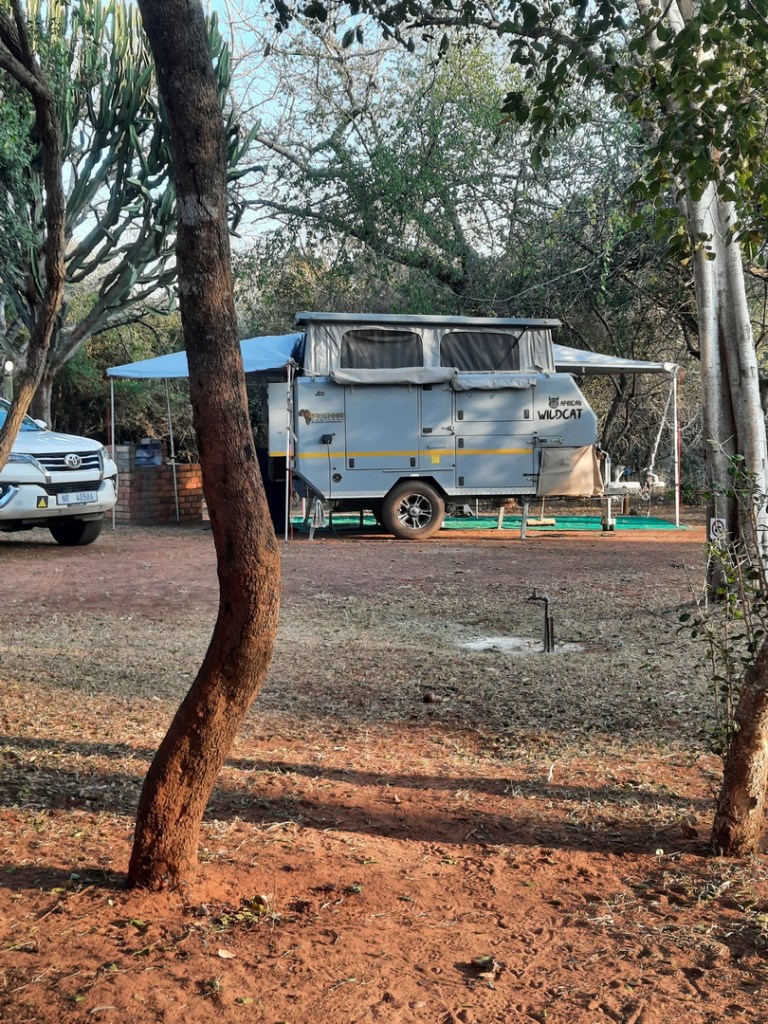
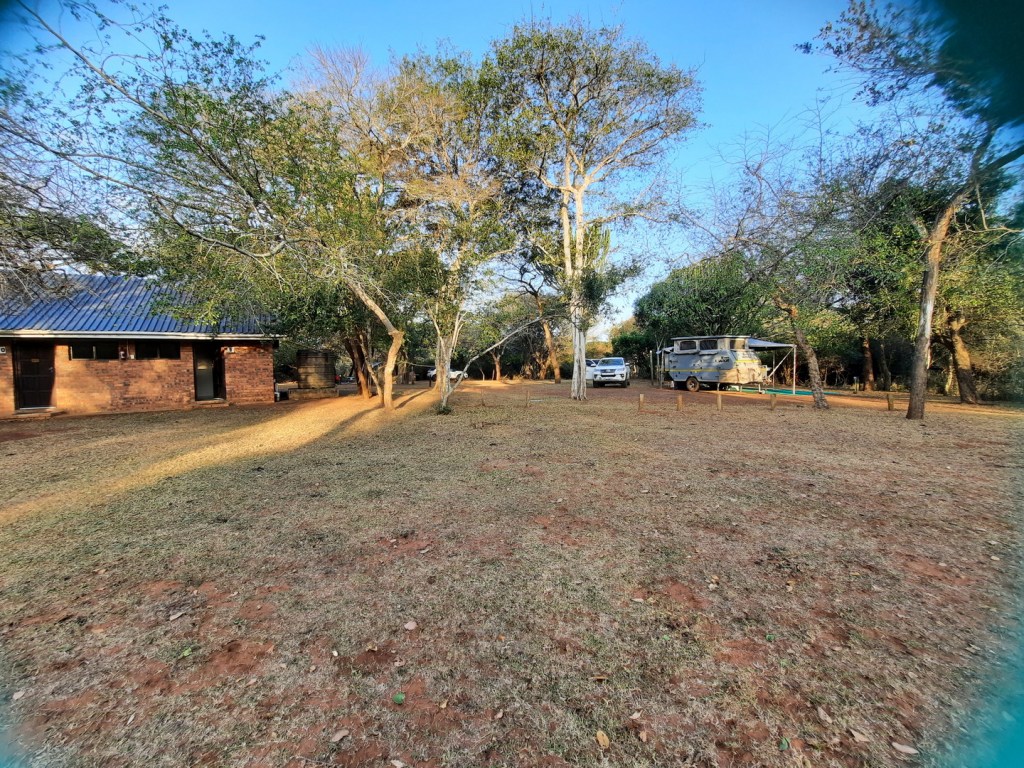


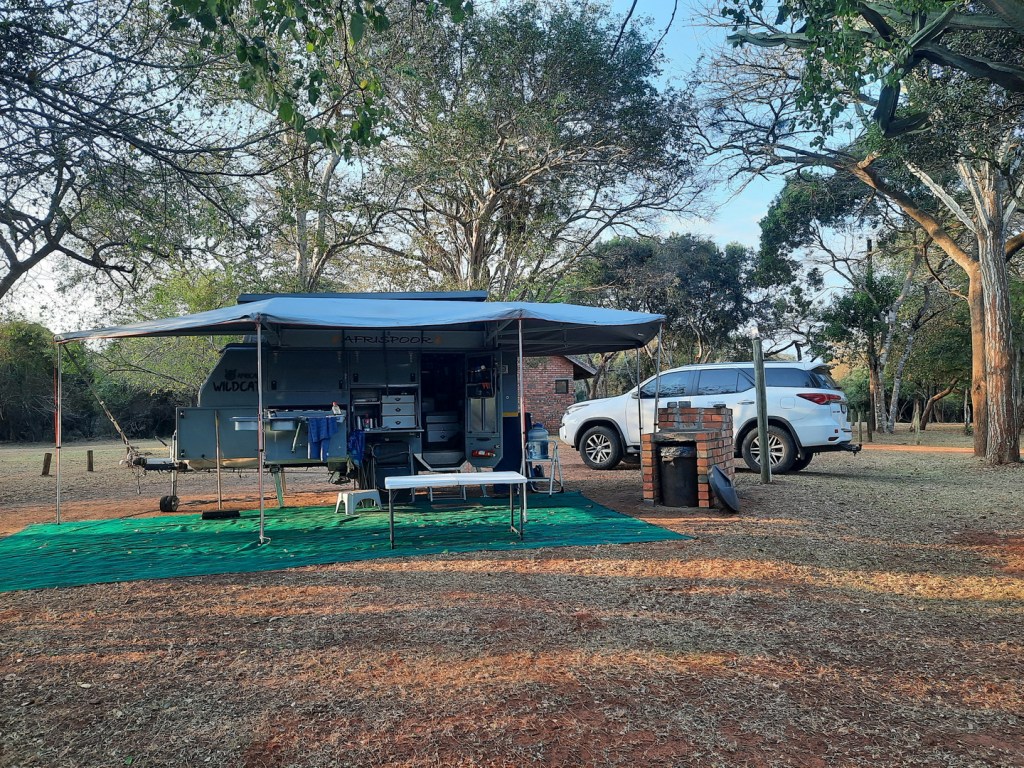
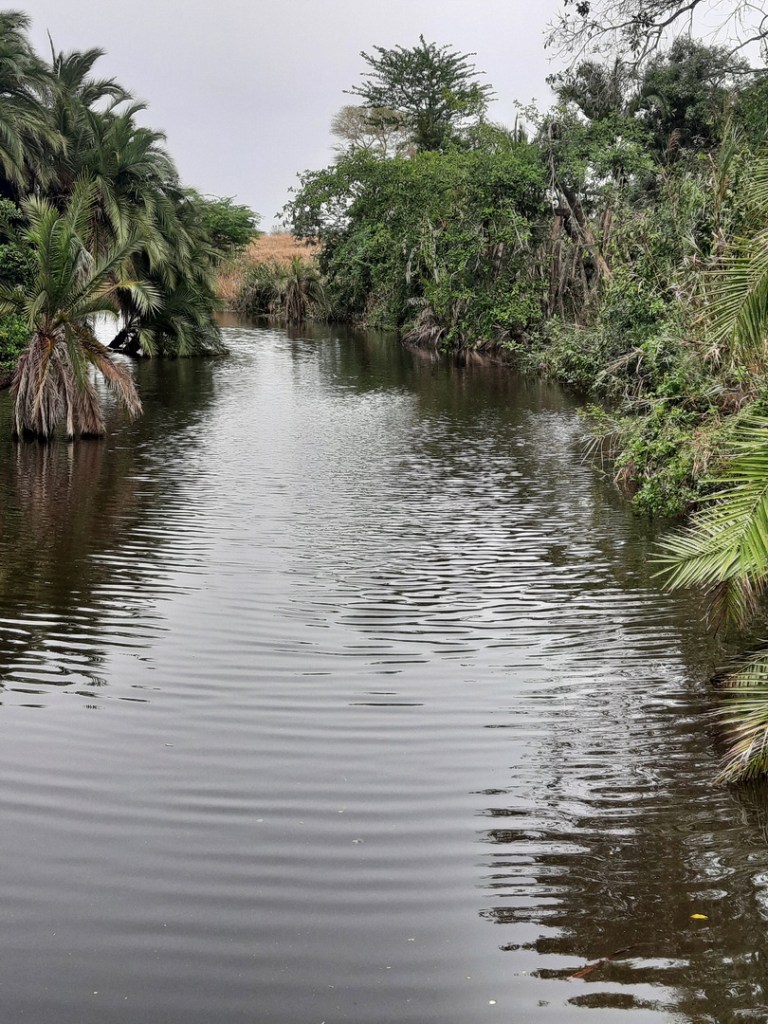
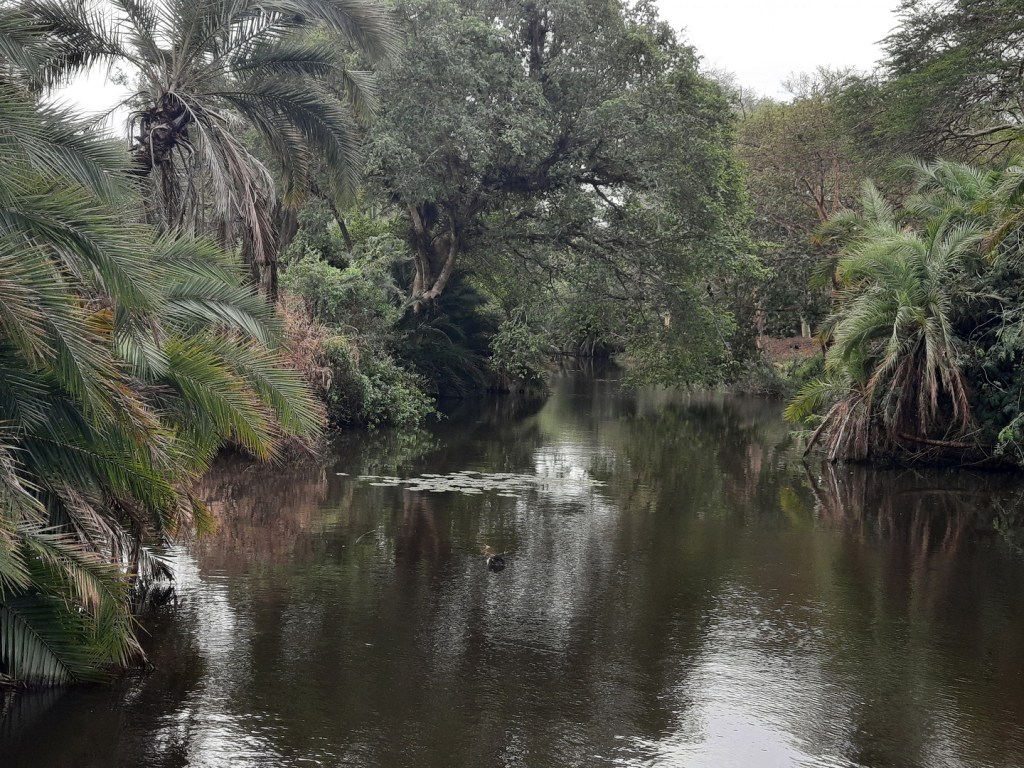
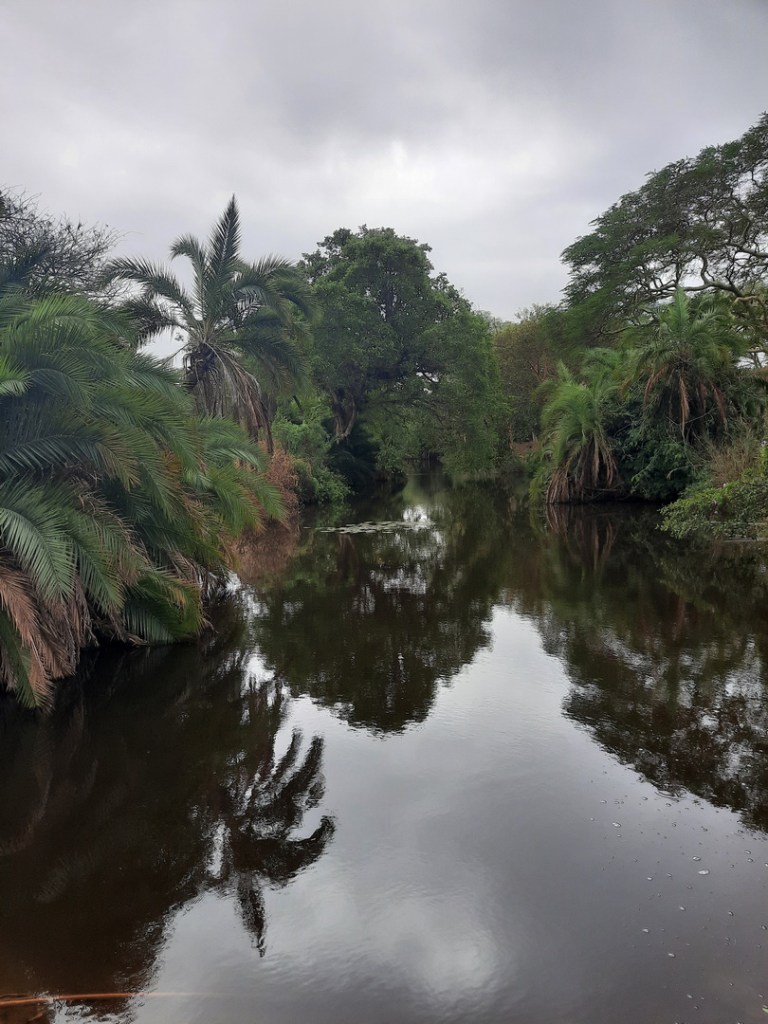
One of the habitats on our drive around in rainy conditions.


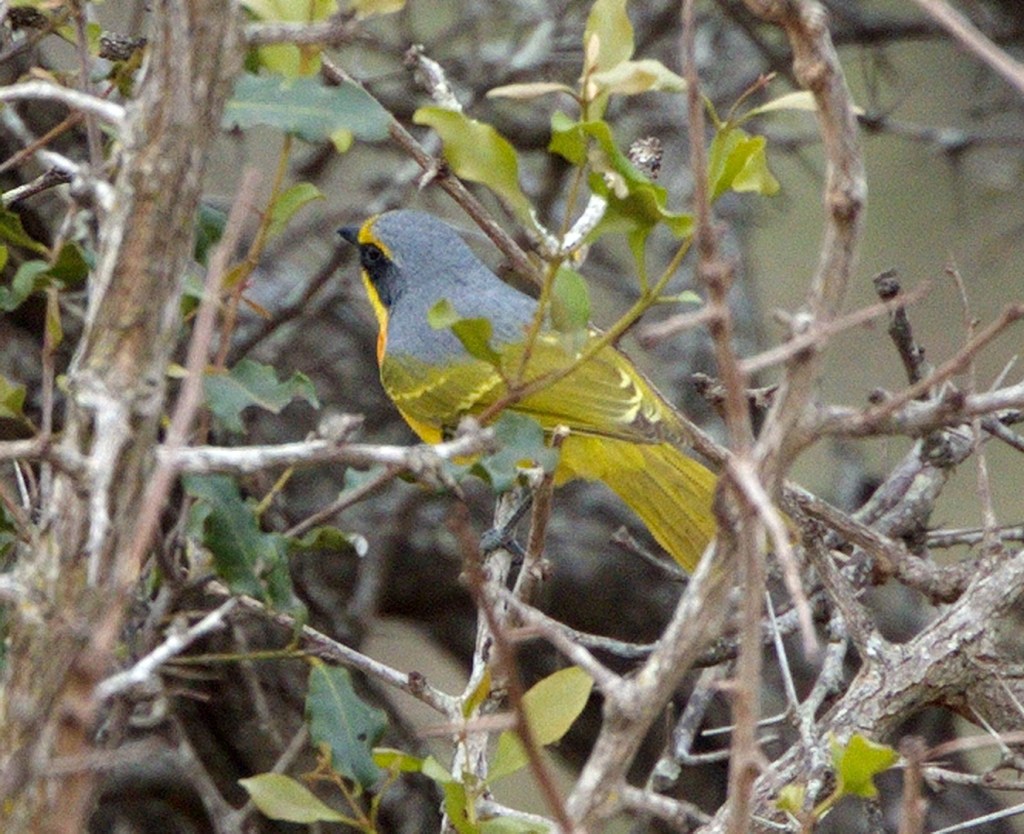
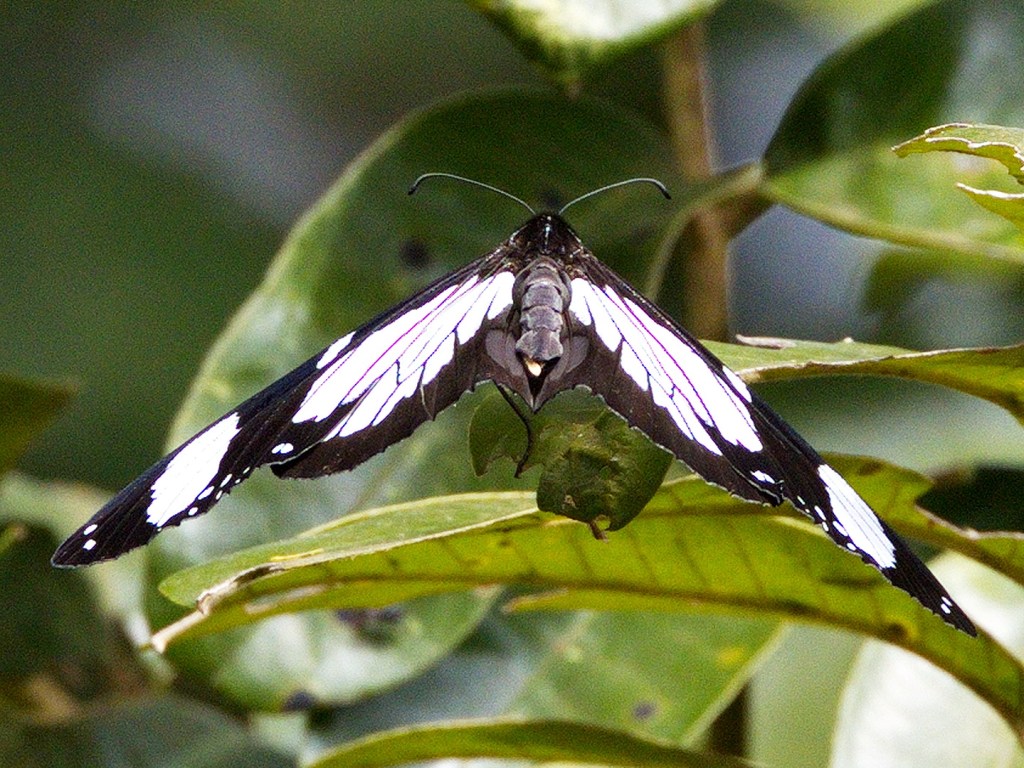
The rainy conditions limited our bird photography, but here are a few of the species photographed – a number rather wet.
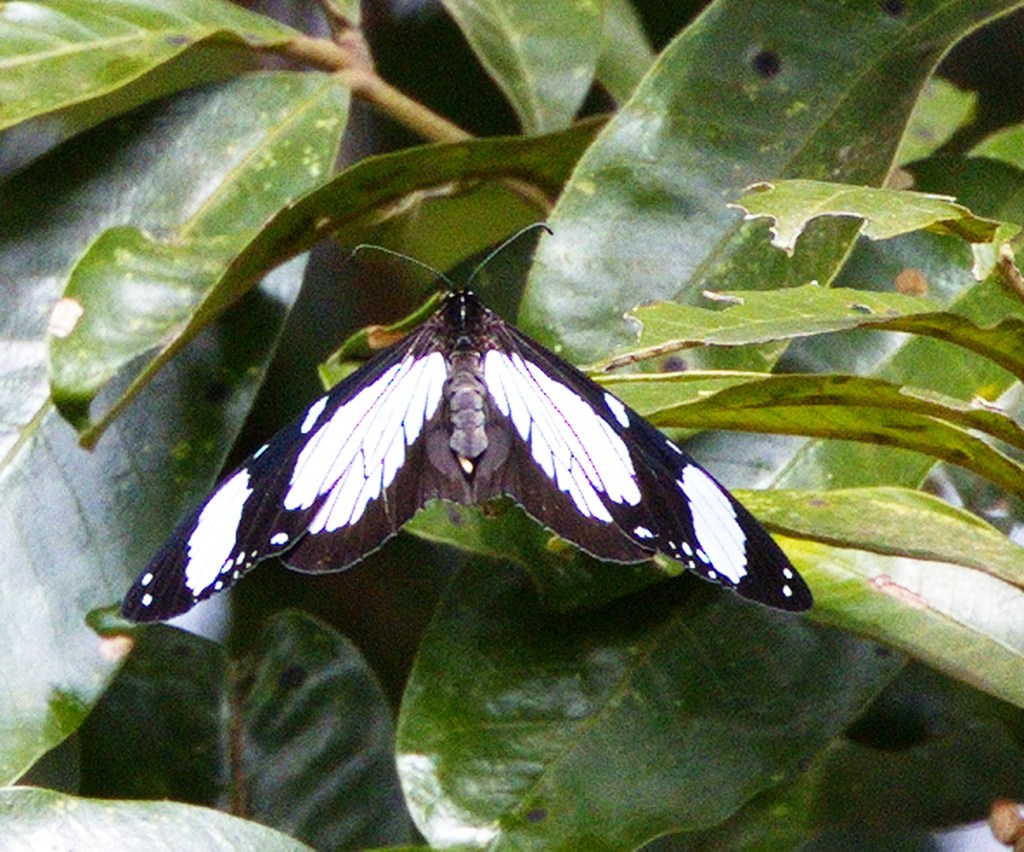
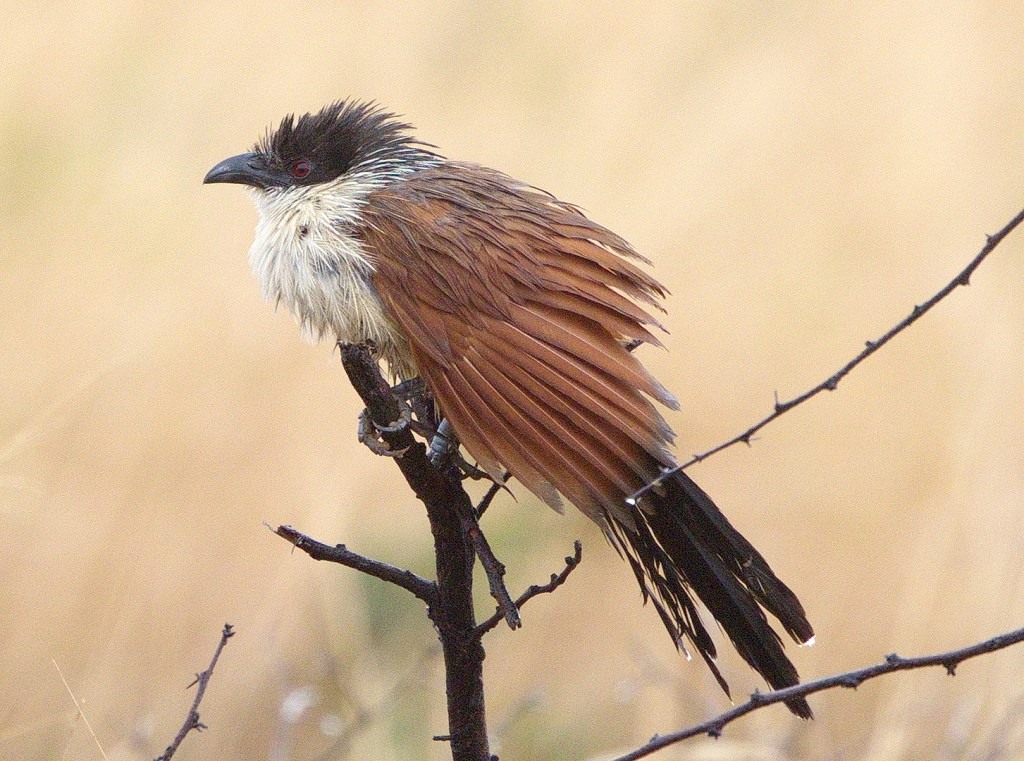


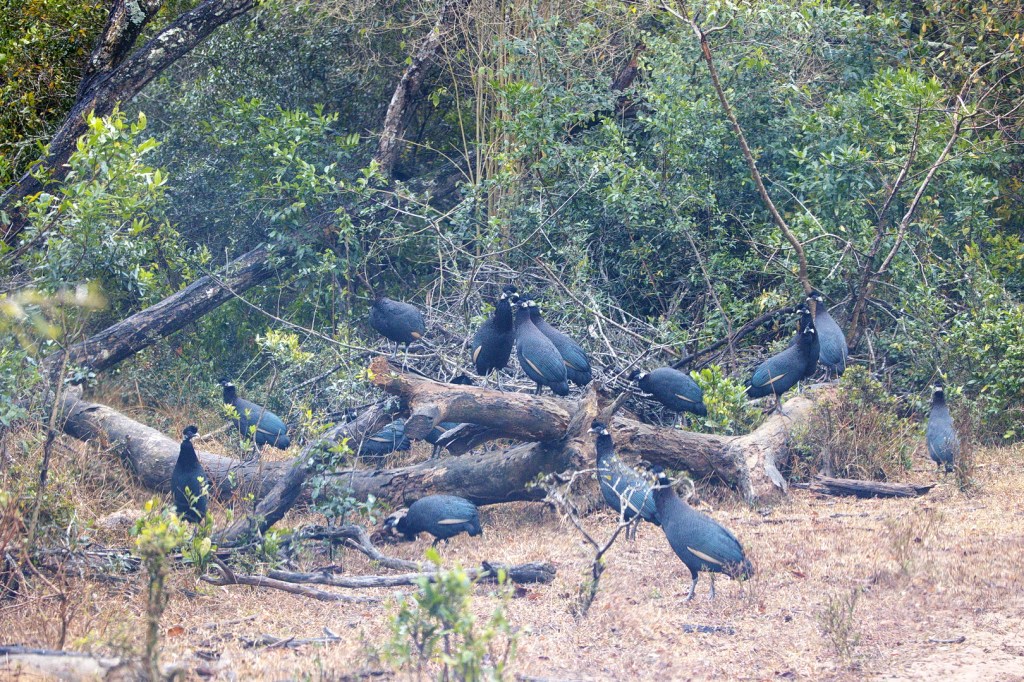
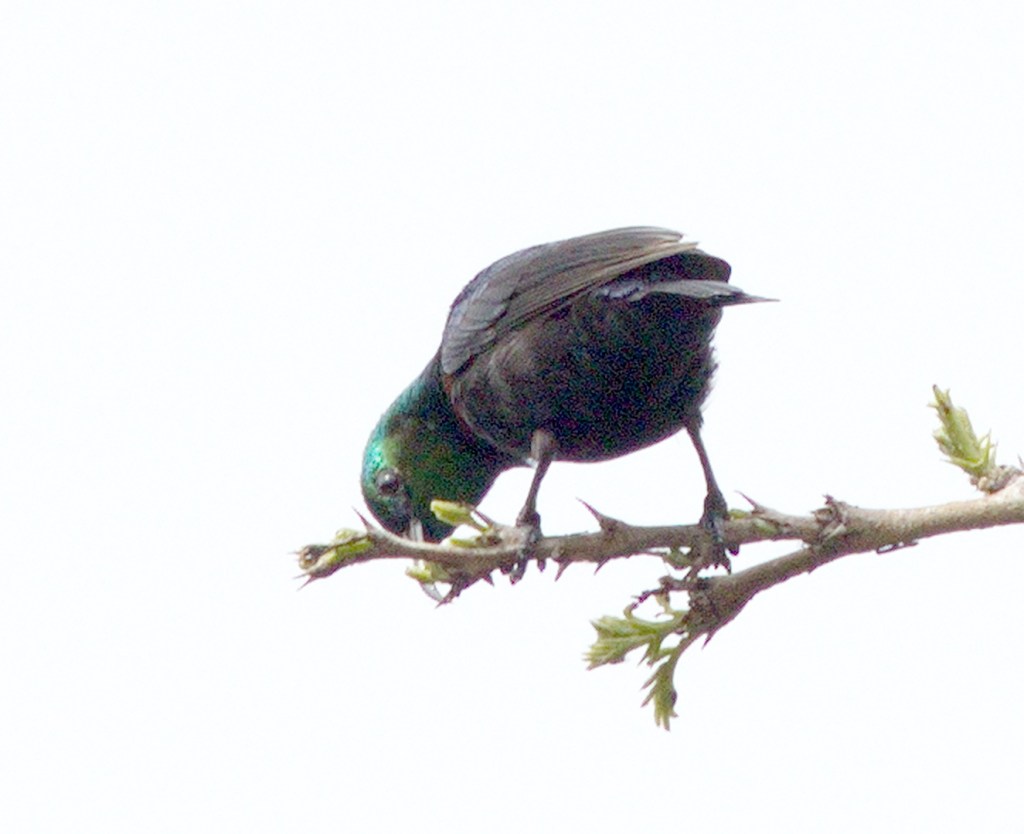


When the weather got unpleasant, we headed for the lookout over the dam at the main camp. From there we watched the few waterbirds that were present.


In total we recorded 69 different bird species in Bonamanzi. You can download the list here:
Hluhluwe
23rd August 2025
One morning at Bonamanzi we went to Hluhluwe.
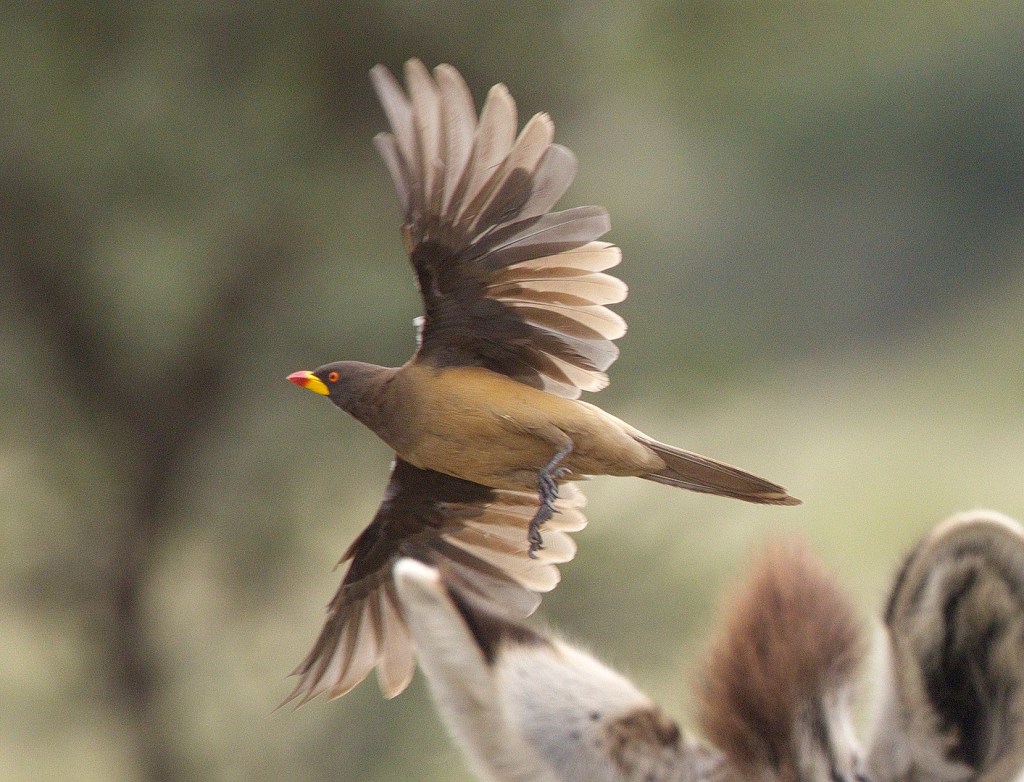
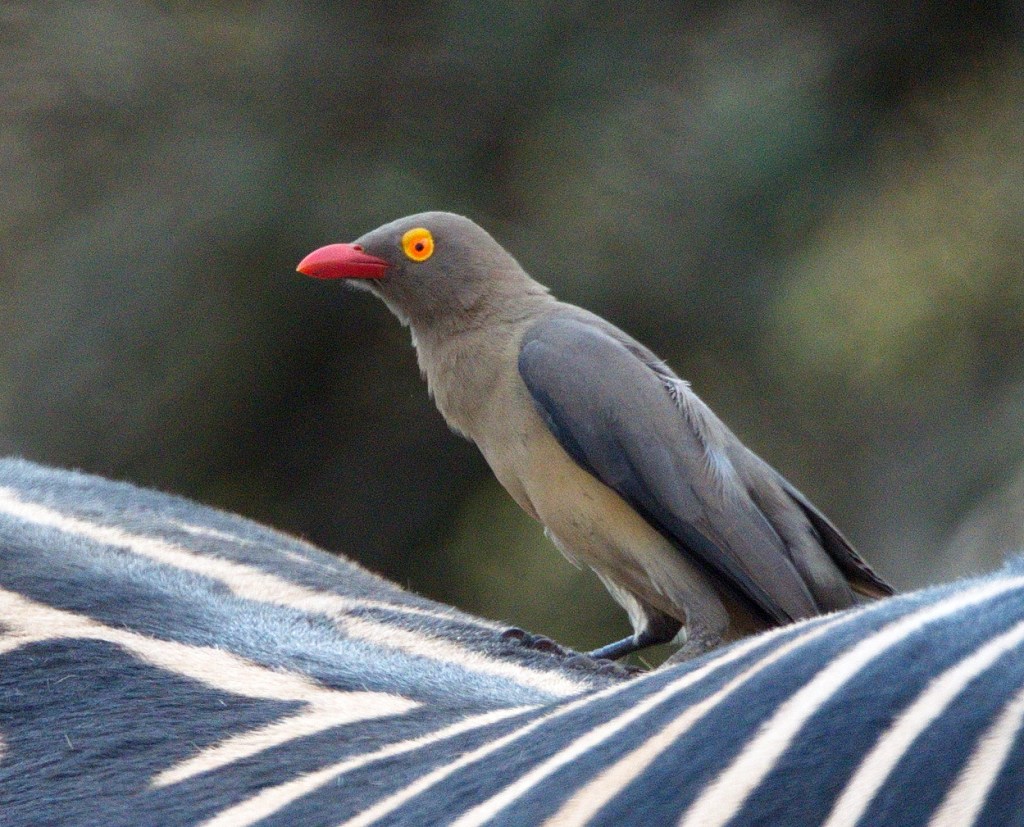
As we entered the park we immediately turned right and into the mountainous open area. It was quiet at first until we got over the first of the hills. At the bottom we found Buffalo and Rhino with Red-billed Oxpeckers having breakfast atop them. We travelled along the lower road heading back to the tar. As we approached the tar a heard of Elephant blocked our way.

Fortunately, they moved out of the way and we were able to get to the tar. However, we could not turn back towards the gate as they blocked that road also. Wanting to head for the off-tar picnic site, we were obliged to head towards Hilltop and then turn off. Elephants were all along beside us until the turn off.
Picnic site for breakfast. A good spot overlooking the river. Birding is always interesting there.




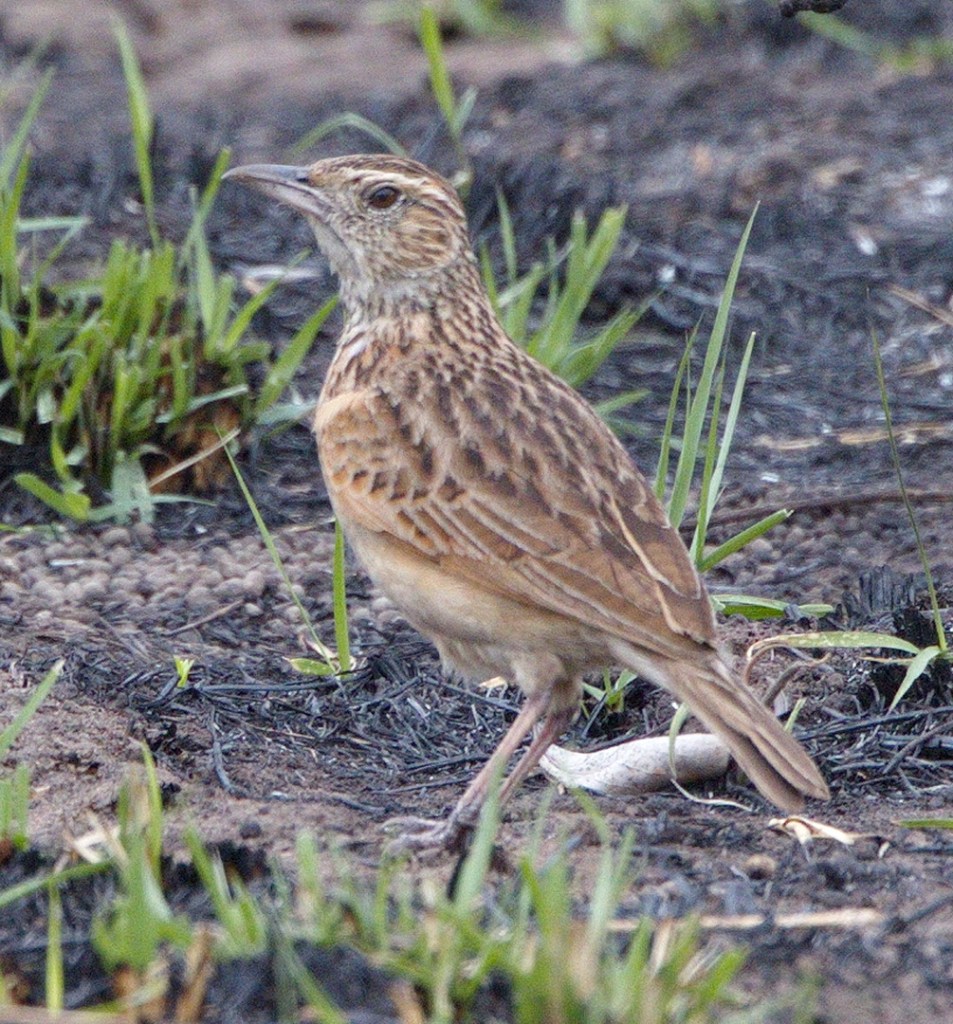

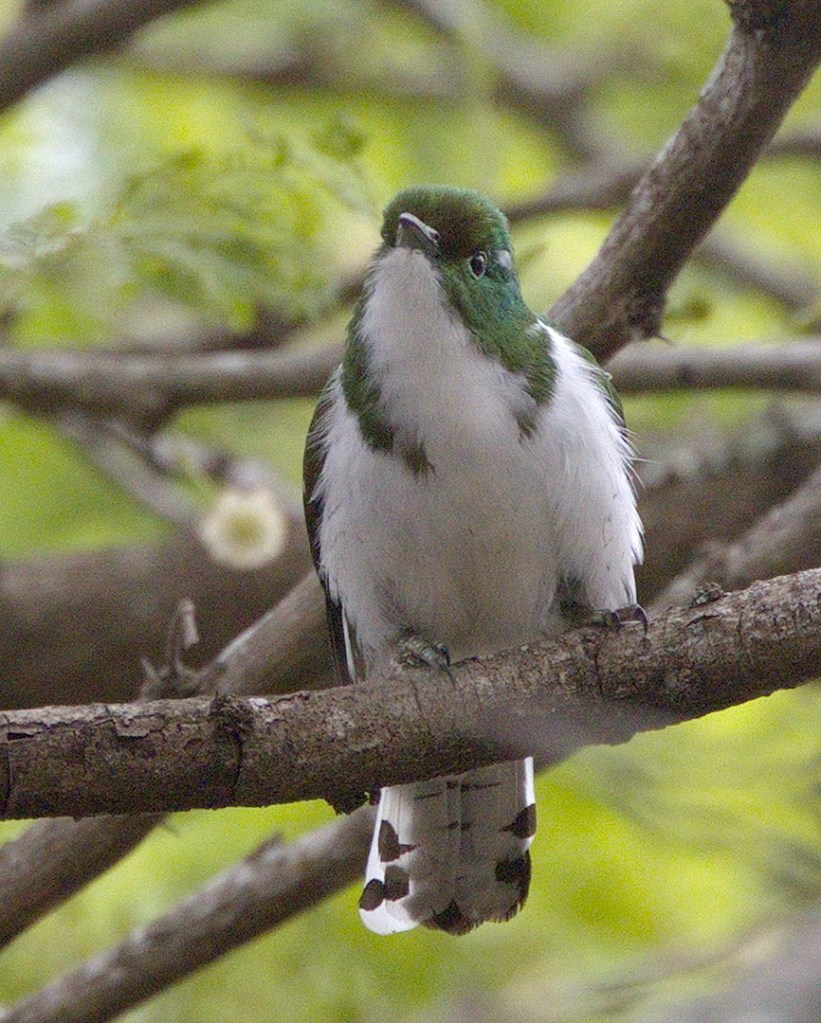
The other picnic site on the way to Umfolozi had a few birds but as the day was dull we did not stay long.


Instead, we headed back towards Hilltop and decided to take the Magangeni Loop. This loop road had been closed the last several times we had visited – due to flooding. It too was quiet except for a lovely king Kudu.


Well, the loop road was not as we expected – a loop. We almost got back to where we started the loop when we came to a river crossing totally flooded. So, we had to turn round and go back the way we came. Grrr…. no warning.
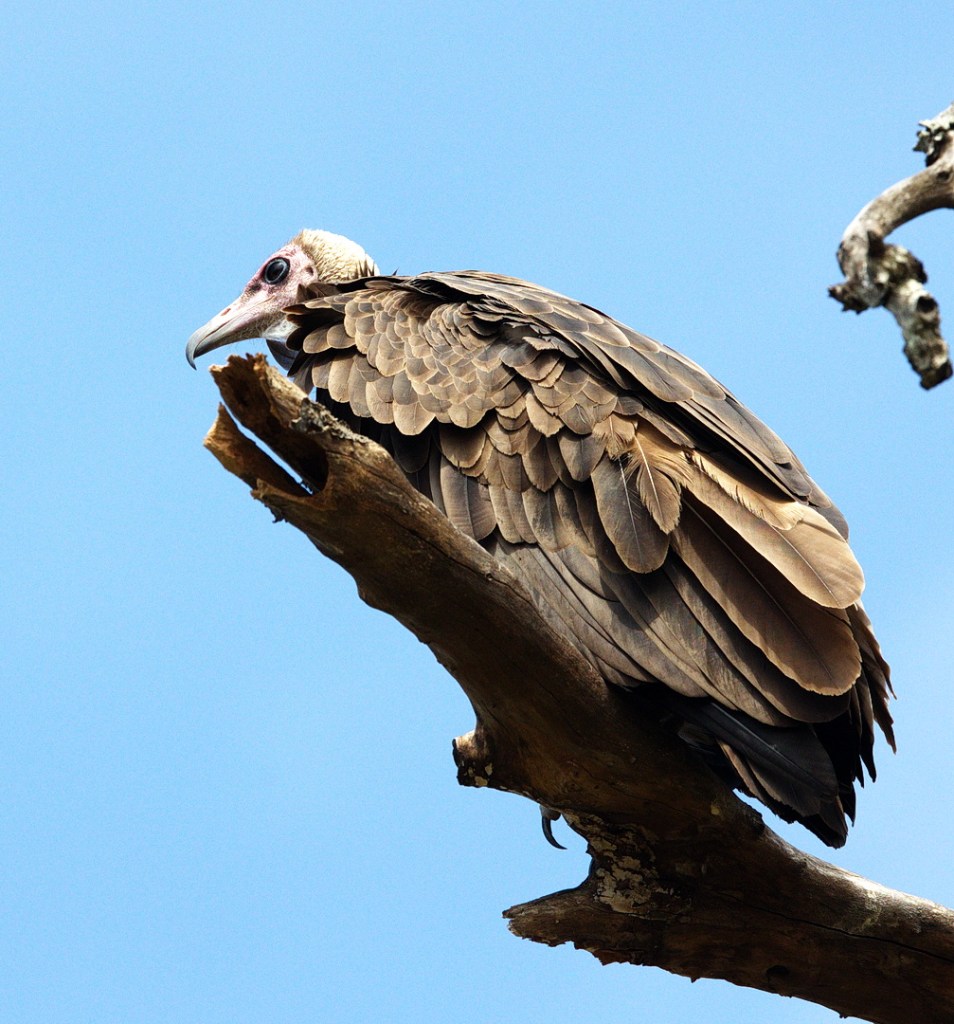
A quick stop at Hilltop Camp and then we started to head back to Bonamanzi. As we drove out and around to the back of the camp, we noticed numerous White-backed Vultures flying ahead. Then as we became able to look down to our left we noticed a number of trees loaded with vultures.


So, what brought them to this place – must be a big meal waiting somewhere near-by. We did not have much further to go to find out.
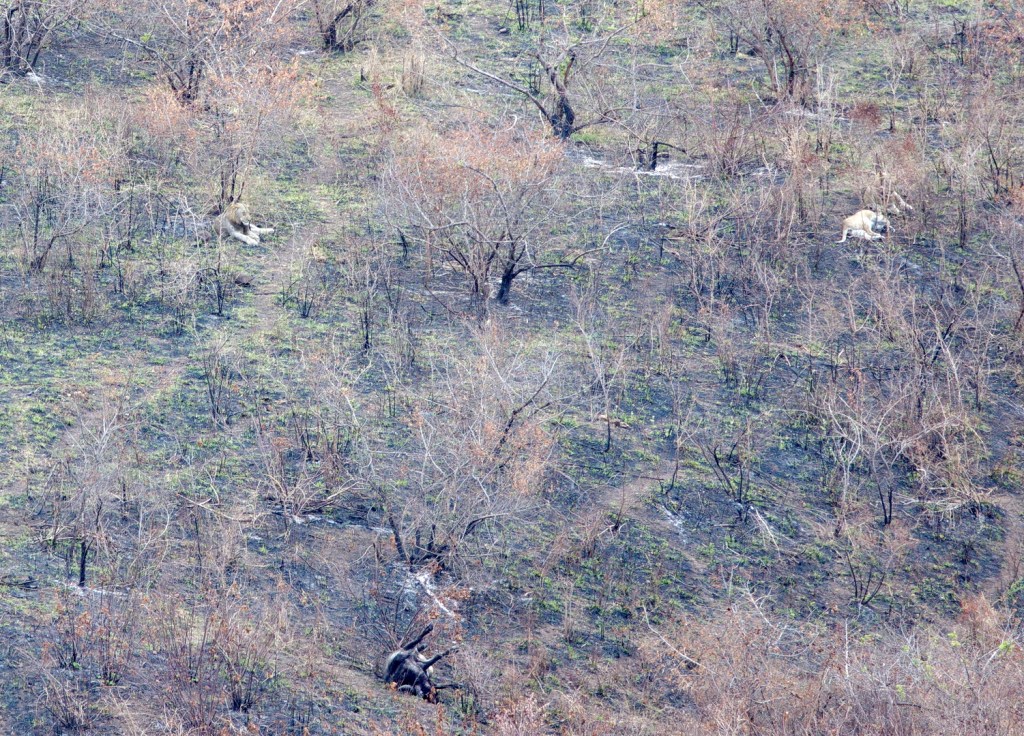

Well, that was a good way to end our day there. Back to Bonamanzi for dinner and getting ready to leave the next day.
A pride of Impala decided to visit us in camp – perhaps inviting us back sometime soon.


Dinner finished and relaxing, listening for Nightjars. Then suddenly, a maddening crash of bushes and trees just out of sight – elephants – several making quite a racket and blowing their trumpets. In all the times we have visited Bonamanzi we have never seen one. This was the second time we have come close. The previous time was late at night when one came into the camp breaking down trees, digging up the road leading out of camp and breaking one of the water taps flooding a part of the camp. We stayed inside not to rattle its temper.
If you download the following, you will be able to see the list of birds we identified in both Bonamanzi and Hluhluwe.
That was the end of the trip, and we headed home uneventfully the next day.
Hope you enjoyed the read.
Sally King and Paul Bartho
July 4th 2024
On our 15th Independence Day anniversary, Sally treated us to a few days in the Drakensberg at Cathedral Peak Hotel. Neither of us had been there before so it was a special treat for both of us.


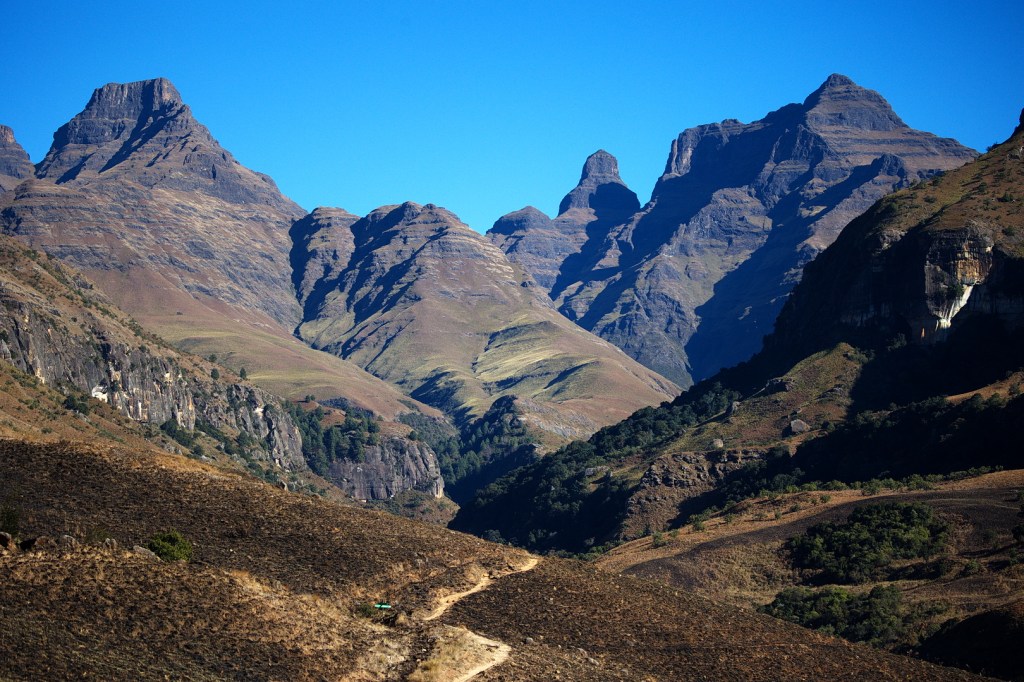
Some of the scenery as we approached the hotel, showing the Drakensberg mountains.


And views from Cathedral Peaks hotel.
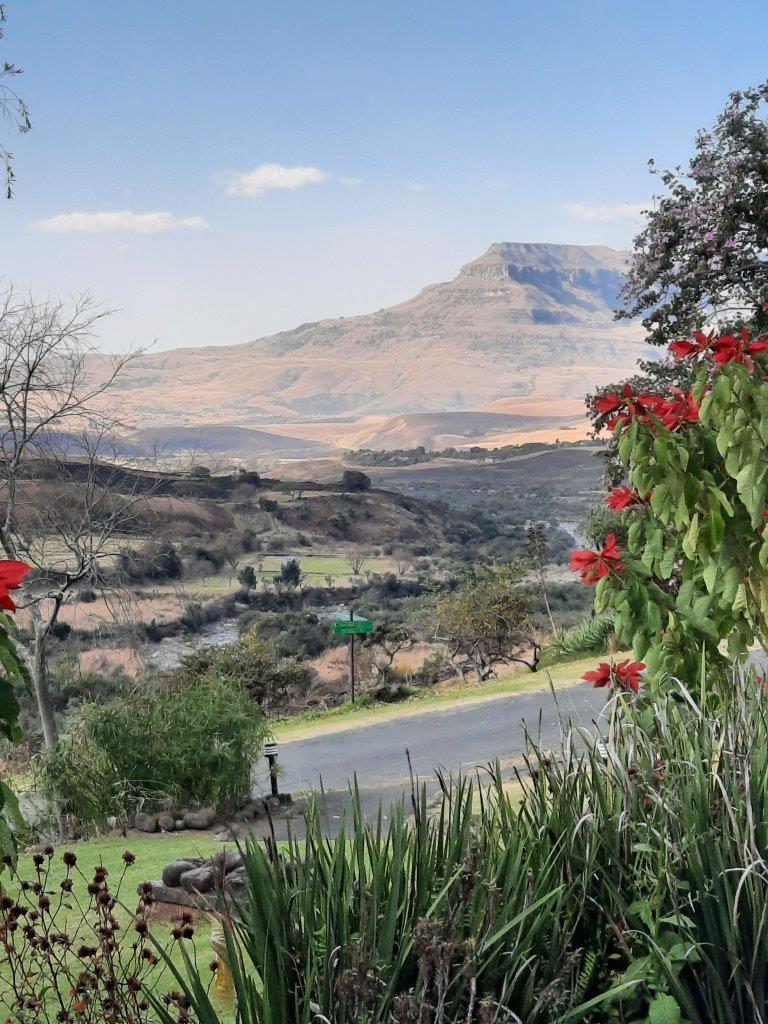


As you can see from the photos, the weather was gloriously sunny. However, when we set out on our morning walk the wind was blowing strongly and being well cocooned was imperative. As on all walks in the Berg, it is stupid if you don’t take a backpack of provisions like water, chocolate for energy and more warm clothes. It was also useful later in the day when it warmed up – somewhere to put all those warm clothes you started out with.

We set out at 09h00 heading to Blue Pools – top right of map above. And eventually got back at about 14h00. Here are some photos of the scenery on our walk.
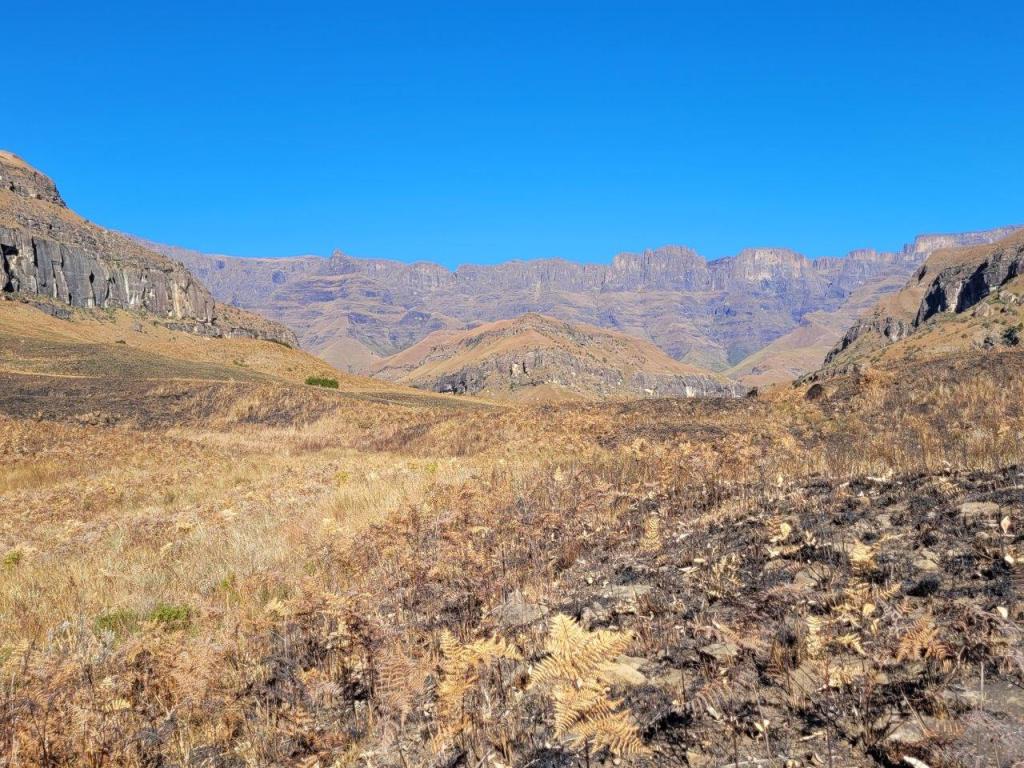


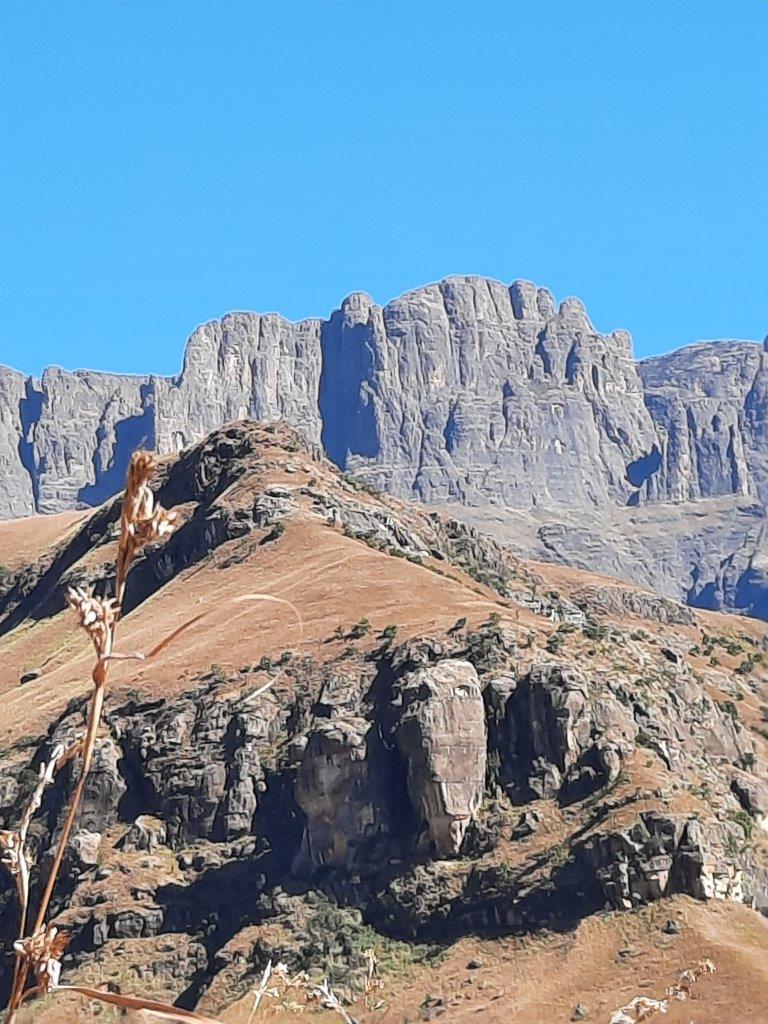
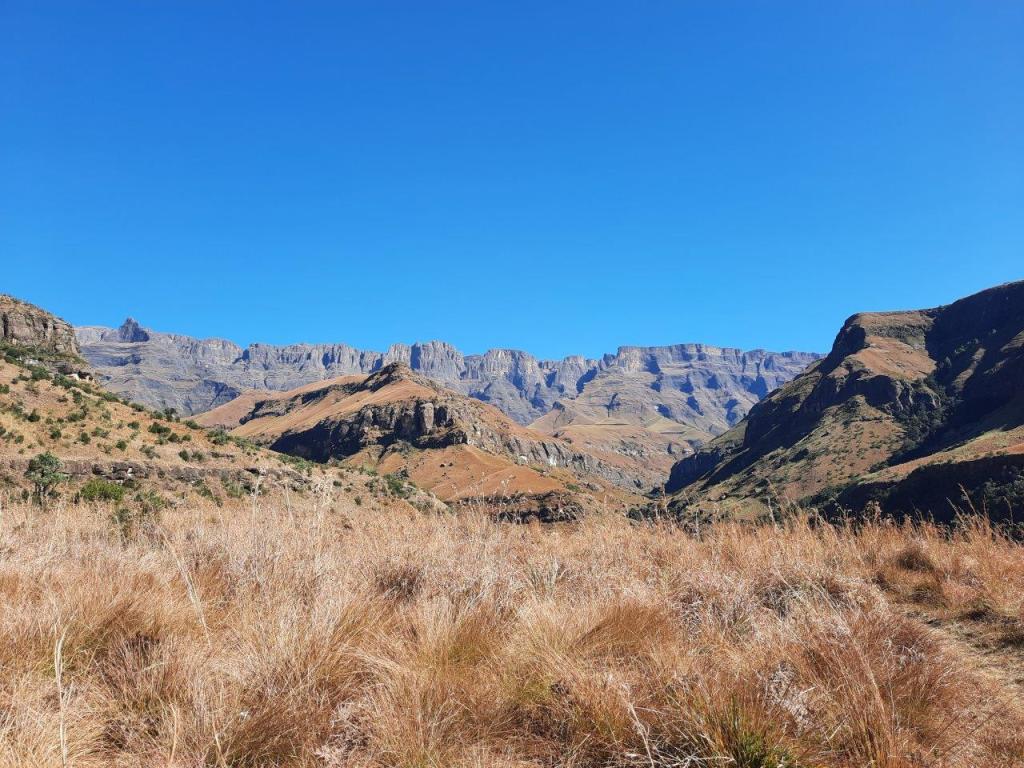

Birds and animals were few and far between. Not surprising at this altitude and the habitat dry and in many parts burnt.
The following photos show pictures of the birds and animals lower down – around the hotel and on the way to and from the hotel.


Cathedral Peaks Hotel is an all-inclusive resort. The hotel rooms were well sized and decorated. The dining area large with help-yourself food everywhere – smorgasbord style. An island for breakfast staples like cereals etc, deserts at lunch and dinner, breads etc. Another location for coffees and teas. Yet another for cooked dishes for breakfast, lunch and dinner. Another cooking location for trout and yet another for Stir Fry of your choice.
Then between main meals there was a between meals tea, coffee and cakes station outside the dining area.
The bar area was cosy with a fire and comfortable seating.
The range of activities was extensive. Catering not only for walkers with trail guides but also activities for children of all ages.
We enjoyed the location and social interaction.
Would we go back? Yes, but as pensioners, only on a special occasion.
Birding was best on our journey to the hotel and around the grounds. In all we recorded 45 different bird species in 2 locations: Cathedral Peaks and a Wetland near Winterton.. You can see our list by downloading the following link.
Cheers
Paul and Sally Bartho
12th to 18th July 2024
A week’s break in Zululand was called for – missing nature. We timed it so that we could go to Zamanga on Saturday 13th July which was opened for members of the bird club to see their huge array of Aloes.
We booked 4 nights at Mkuze from the 12th to 16th and a further 3 nights in St. Lucia on the way home.

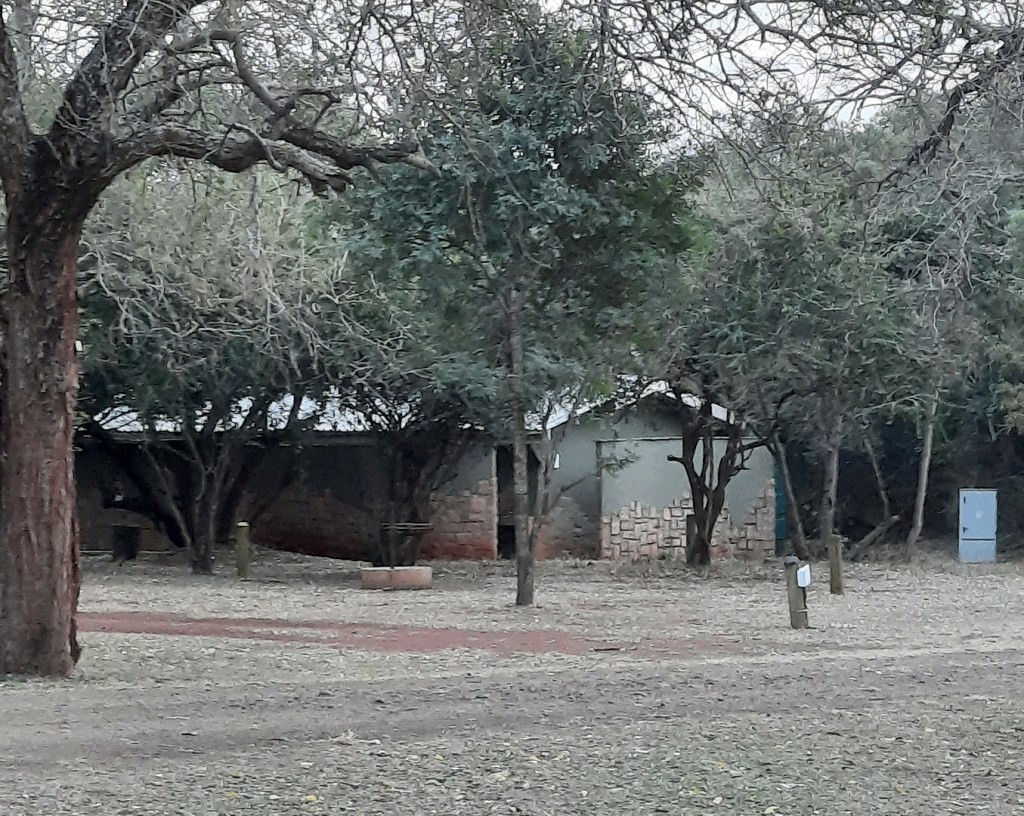
We always enjoy the Mkuze campsite as it is never full. There is always a shady spot to find, and the ground is flat. The ablutions are passable – just need to chase up about hot water at times. Power is erratic too. Sometimes it is available 5am to 8am and again at 5pm to 10pm – depends on reminding them to run the generator.


The Park has 2 entrances. One on the east (Opansi Gate) and another on the west side (Mshopi Gate).
The campsite is at the entrance on the west of the park at the Mshopi Gate entrance. Other accommodation is at Mantumo – almost halfway between the two gates. Other accommodation includes Chalets, Huts and a Fixed Tents with your own ablutions and cooking facilities.

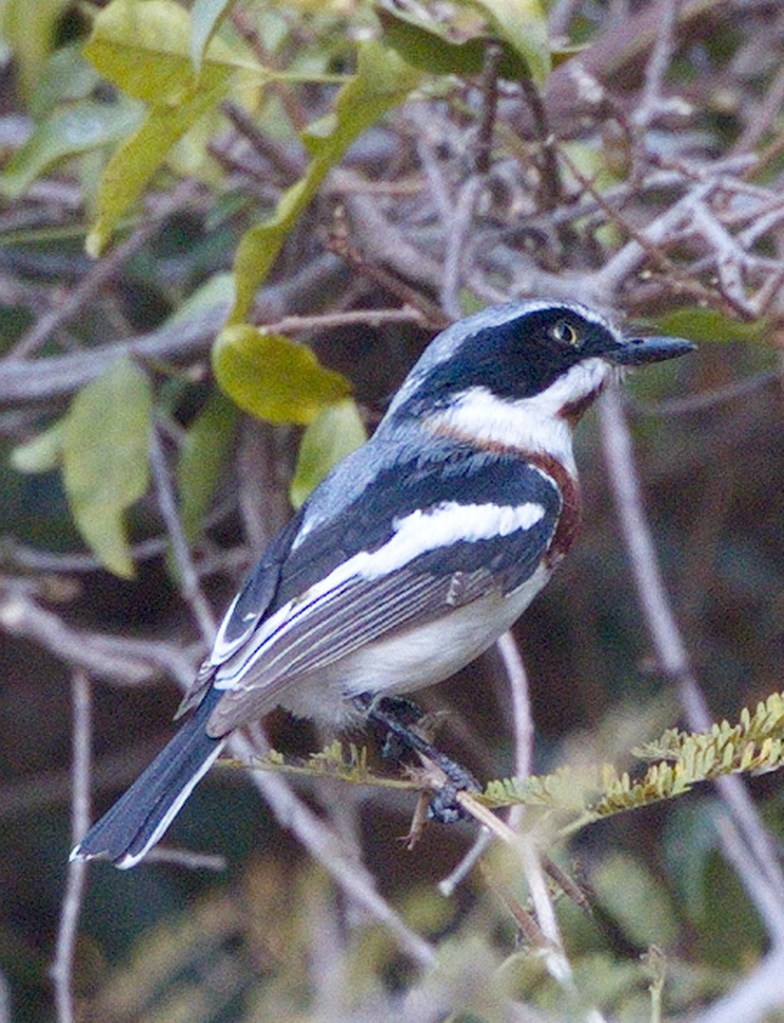
The campsite always has loads of birds. Calls to wake you up in the morning. There are also some special species and on occasion you get a bird party close-by in the scrub next to your camp.



Now this was mid-winter yet the car did not agree.

34C mid-winter – unbelievably hot. I wonder what summer temperature has in store for us.
So, we spent time driving around (with aircon on to keep cool) and stopping at the various hides. Nsumo Pan was full and windy so there was not much to see there. But a lone Lesser Flamingo was seen on the far side. An African Fish-Eagle flew over with its catch. A White-breasted Cormorant checked out the lesser Flamingo and a Goliath Heron and a Great Egret glided past.
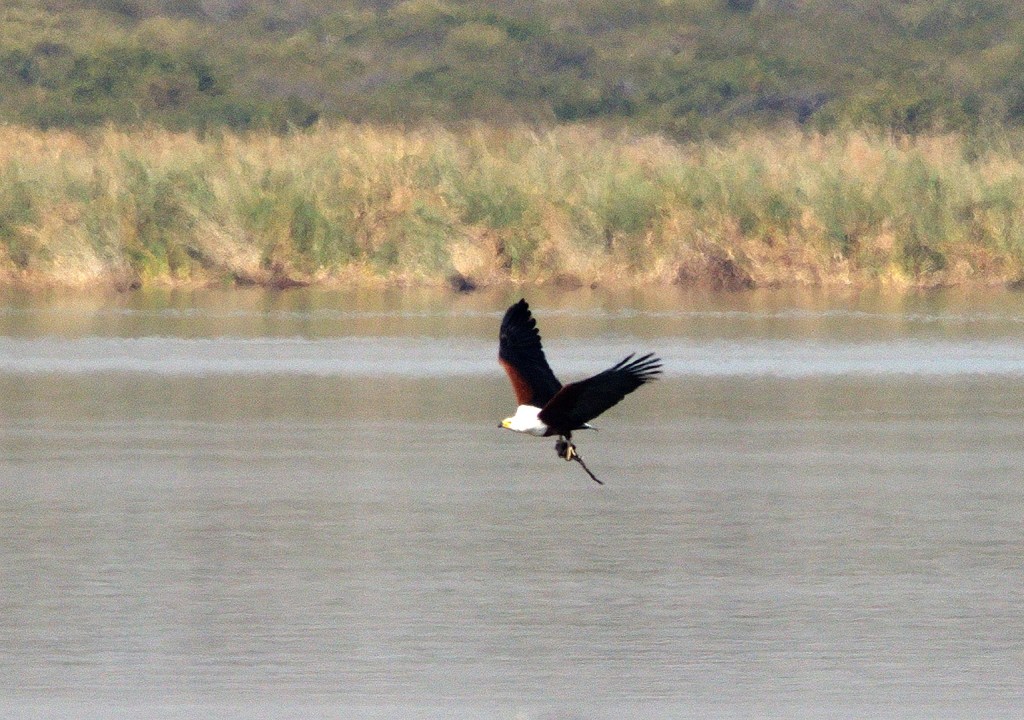


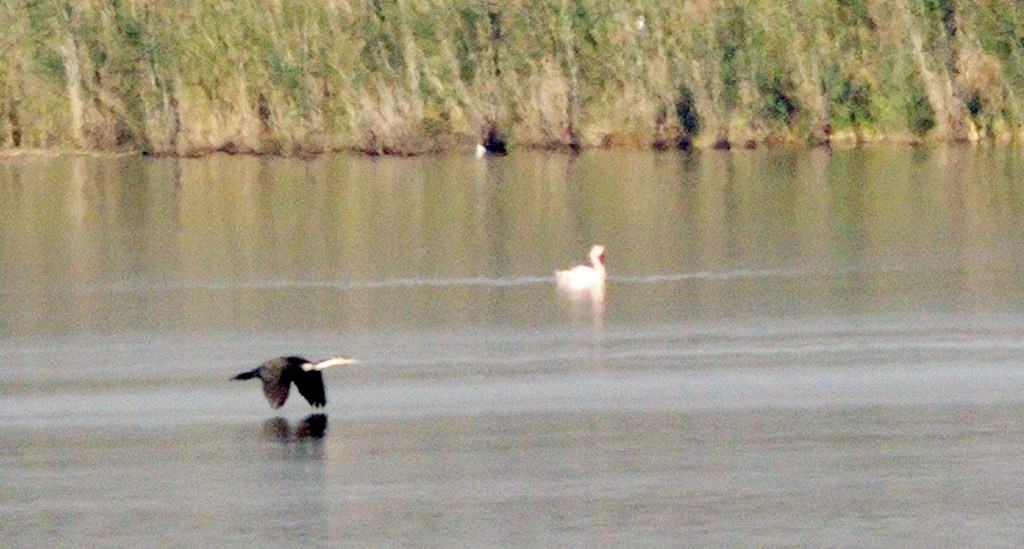


Elsewhere on our drives around the Game Reserve we saw a number of inteeresting birds.


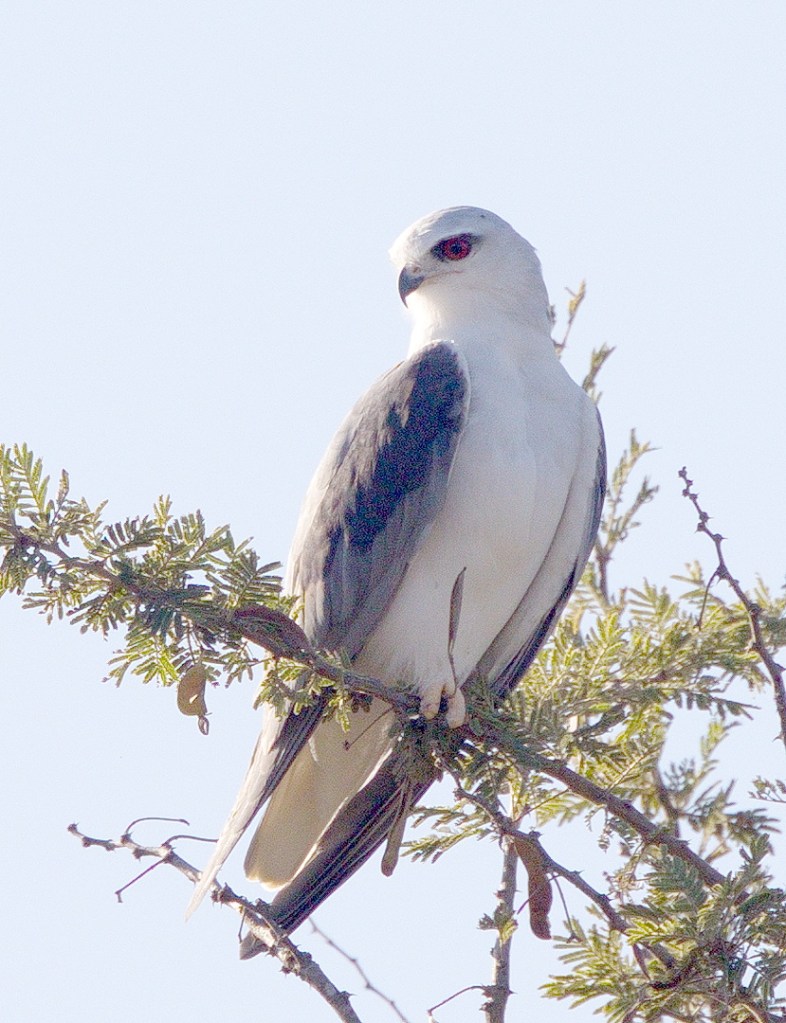
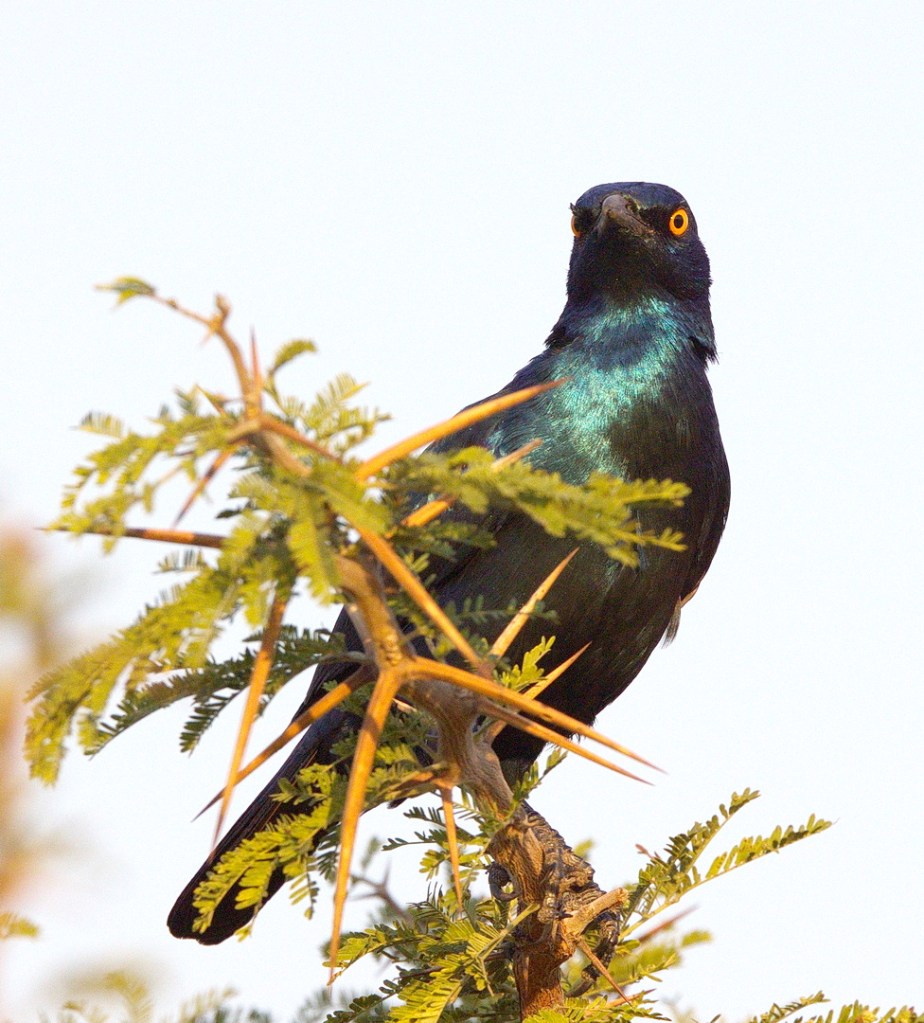

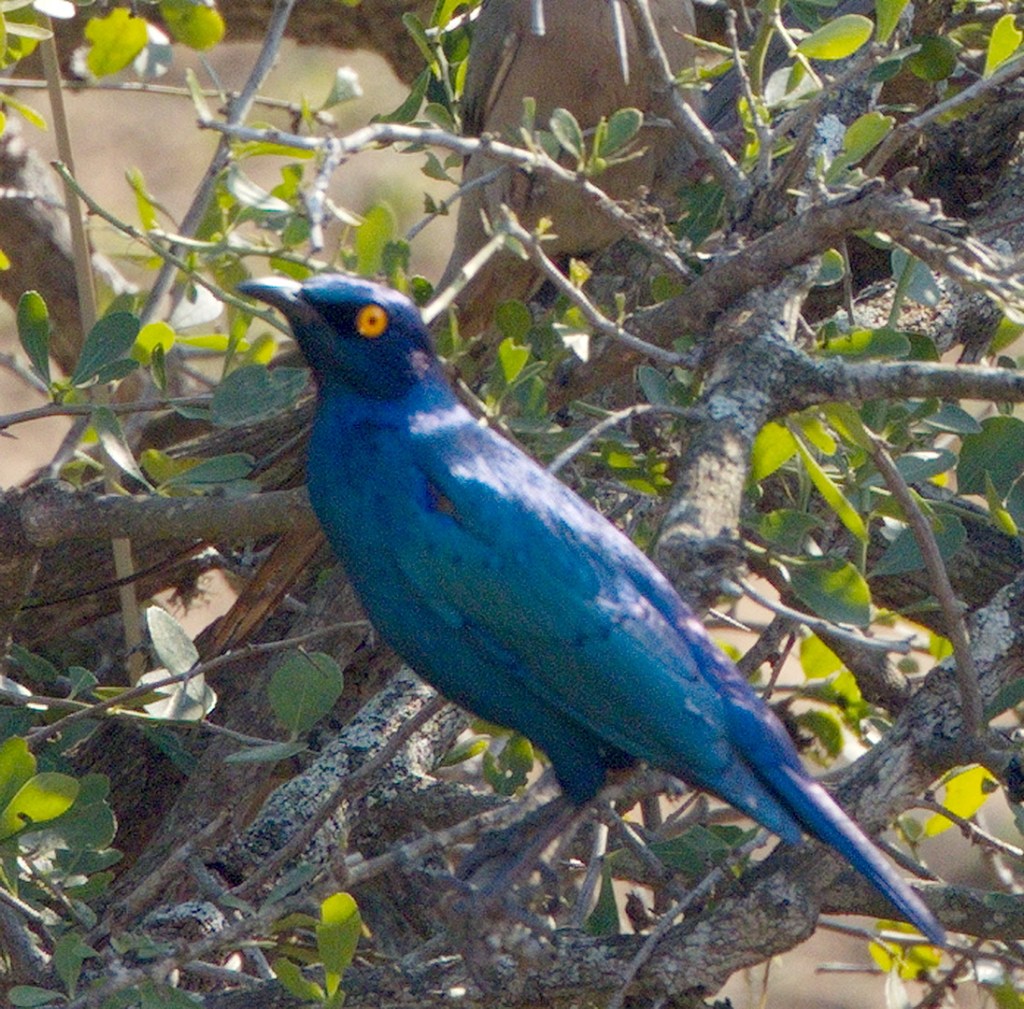

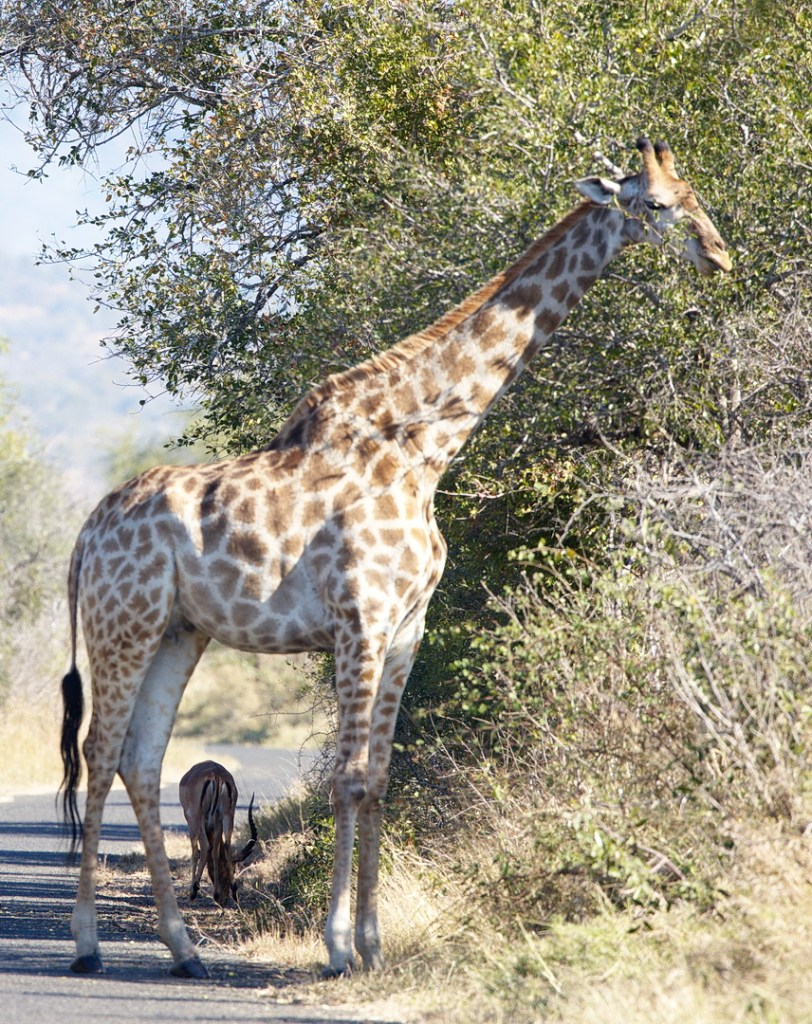


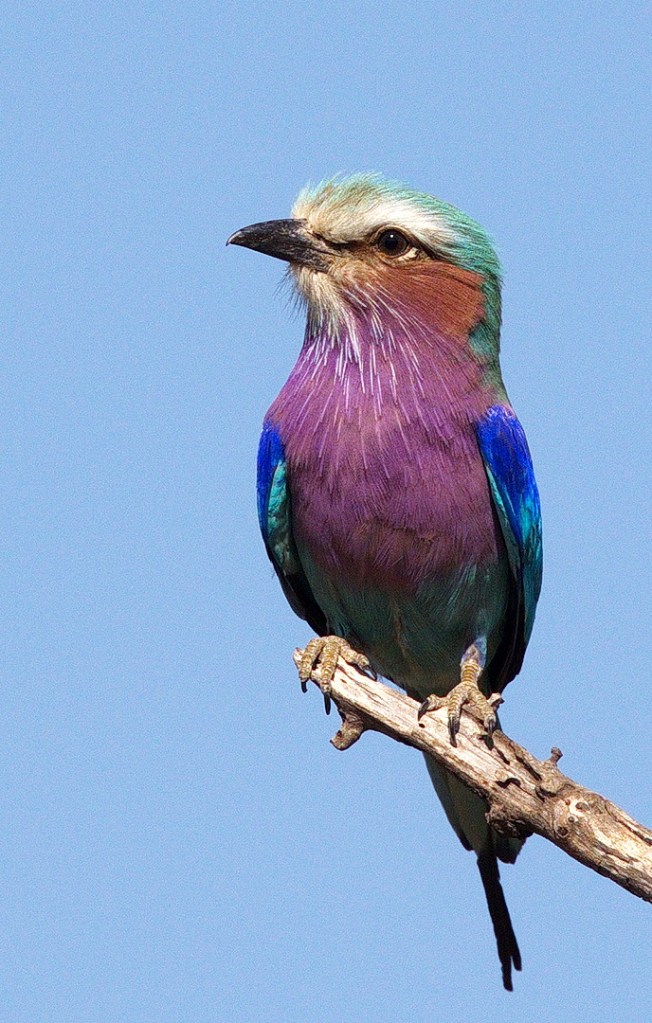
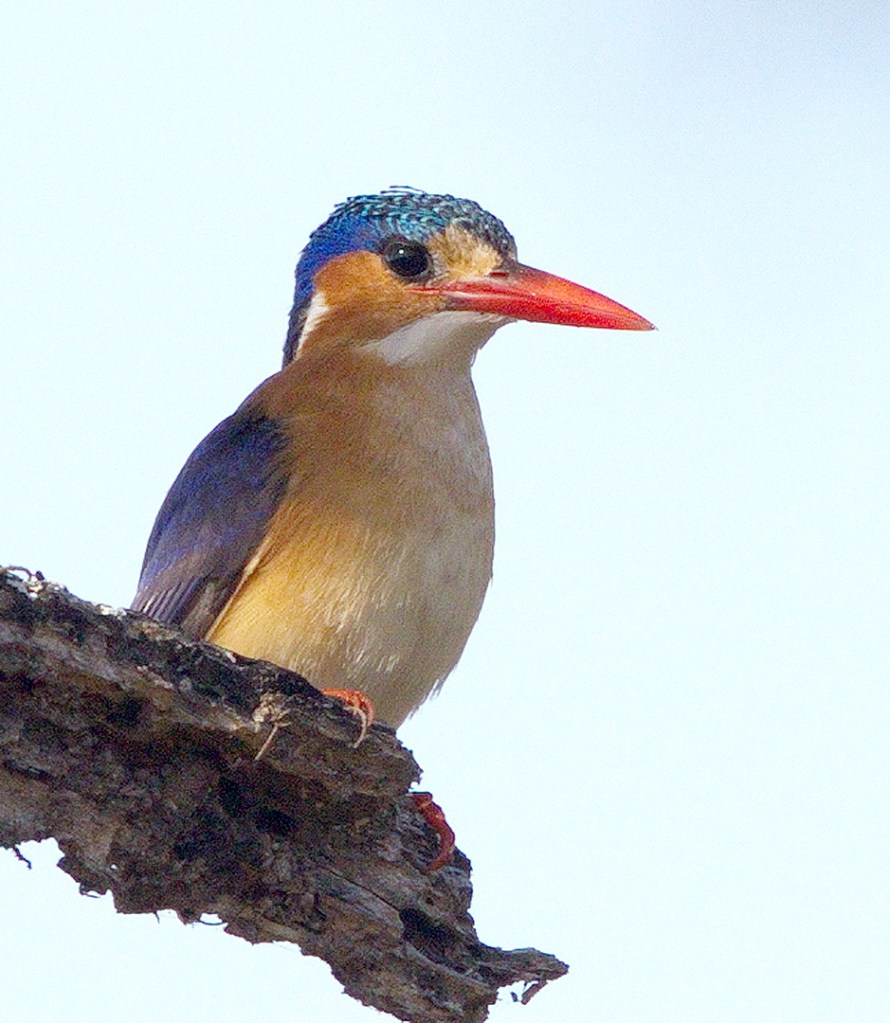


There are two hides where we spend a lot of time. They are very active with both aminals and birds at various times of the day. The two hides are kuMasinga and Malibala. The latter is closest to the campsite. Ku Masinga is quite central and is south of the Mantumo main camp.
We have found that the birds are most active at kuMasinga hide around midday. Aminals appear at any time when they are thirsty.
As you enter the hide, looking left, there is a small tree/bush- leaning right – close to the water’s edge. This is the secure waiting spot for the birds (especially the small ones) before they chance a drink at the water’s edge. They congregate at the water’s edge together for safety.


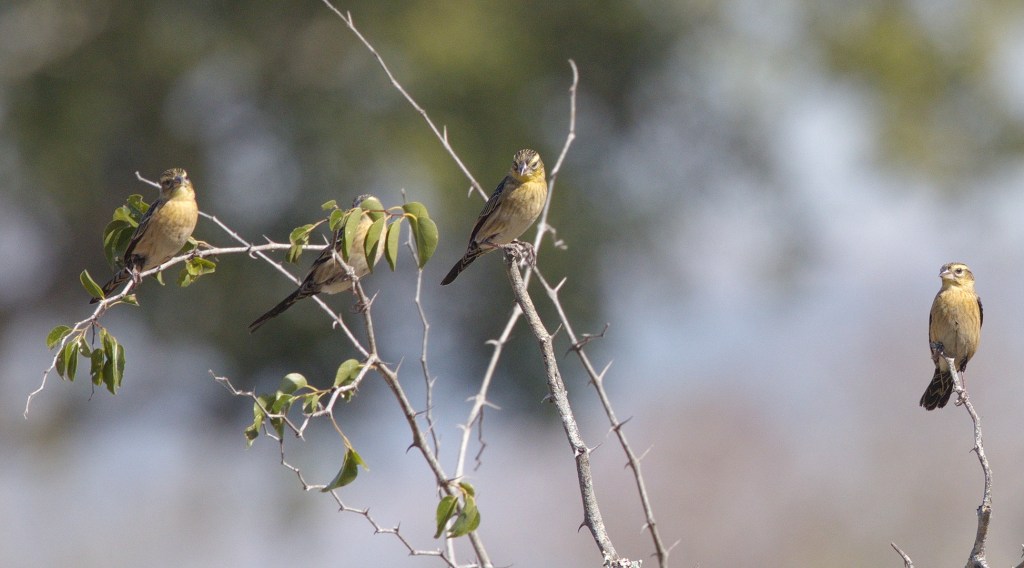


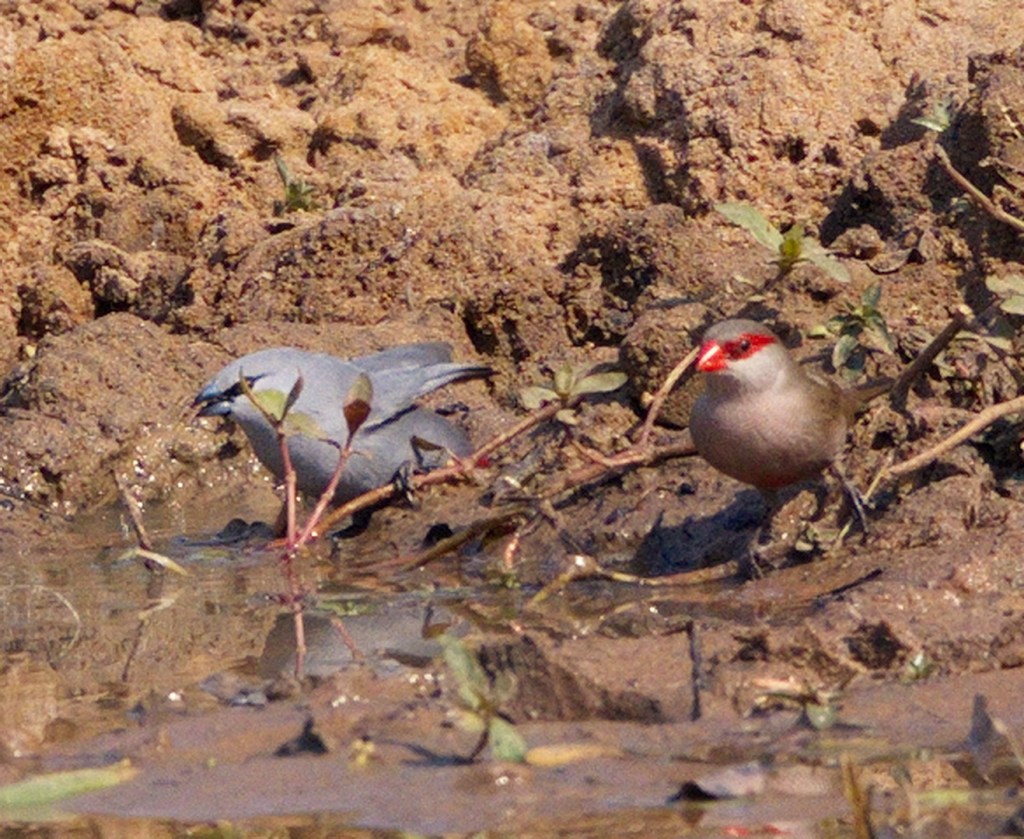


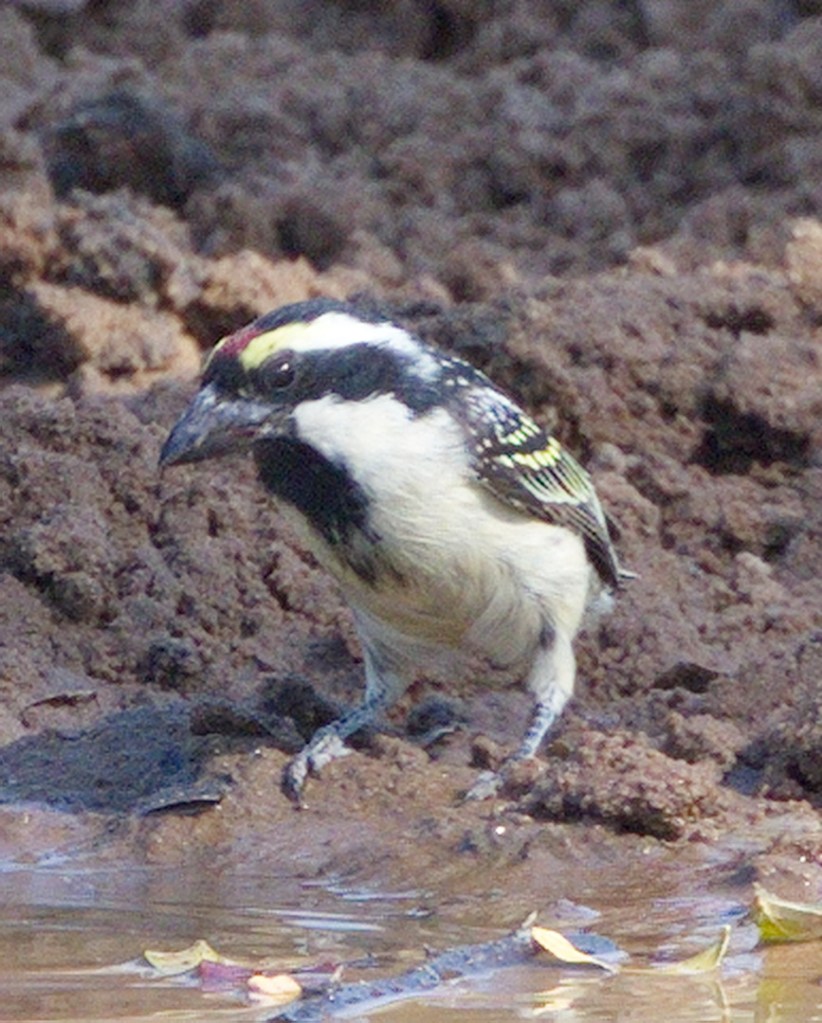

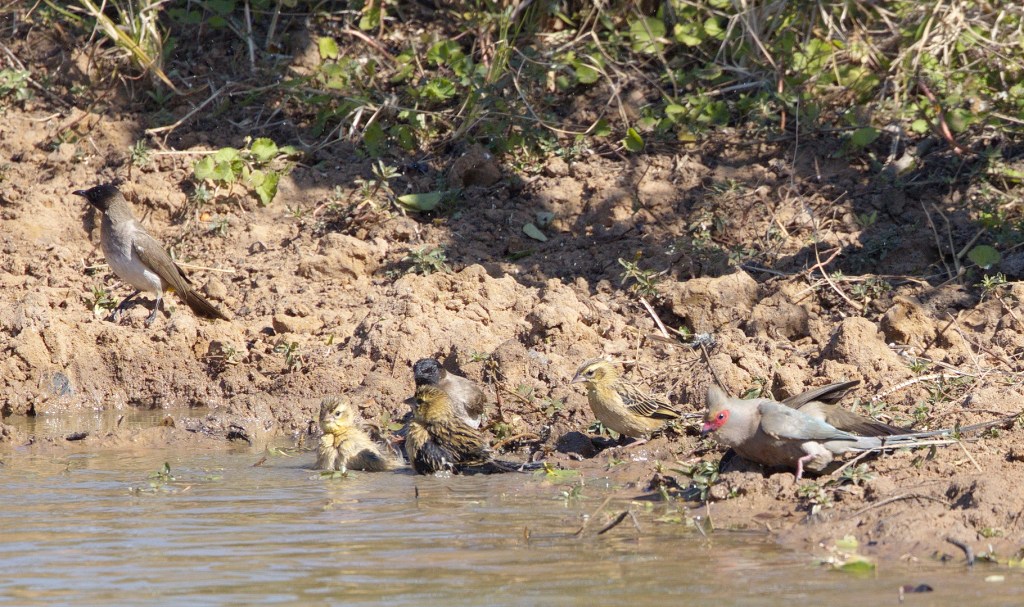


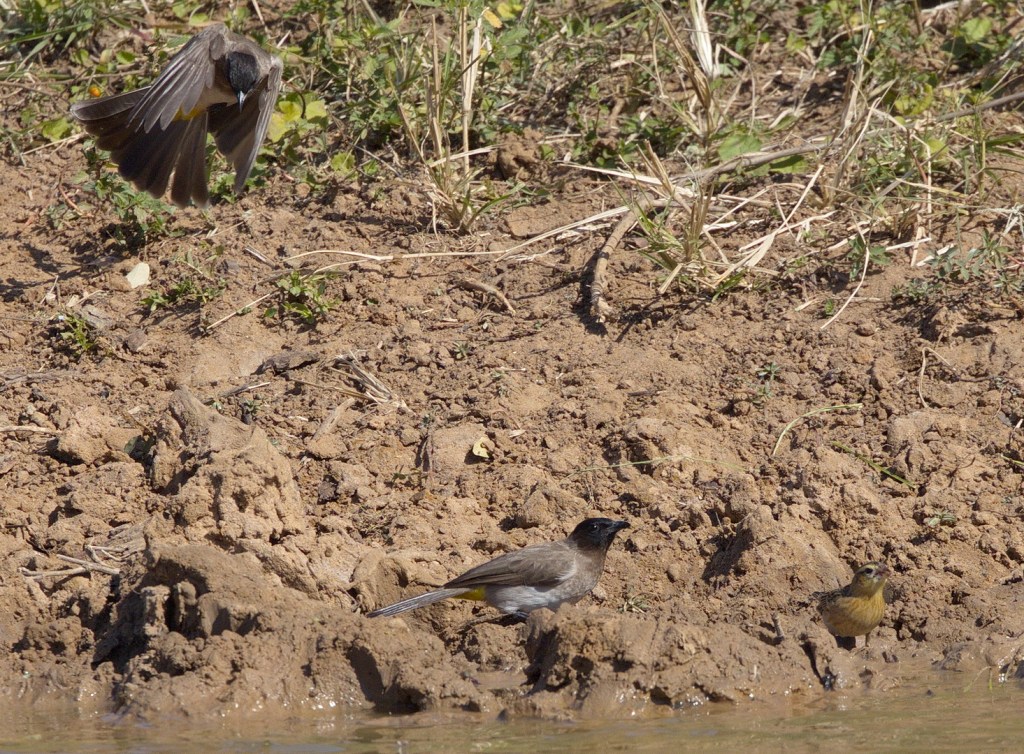


And then there is the Malibala Hide. We enjoyed this hide often as it is the closest to the campsite. Midday and late afternoons were the best for both birds and aminals.


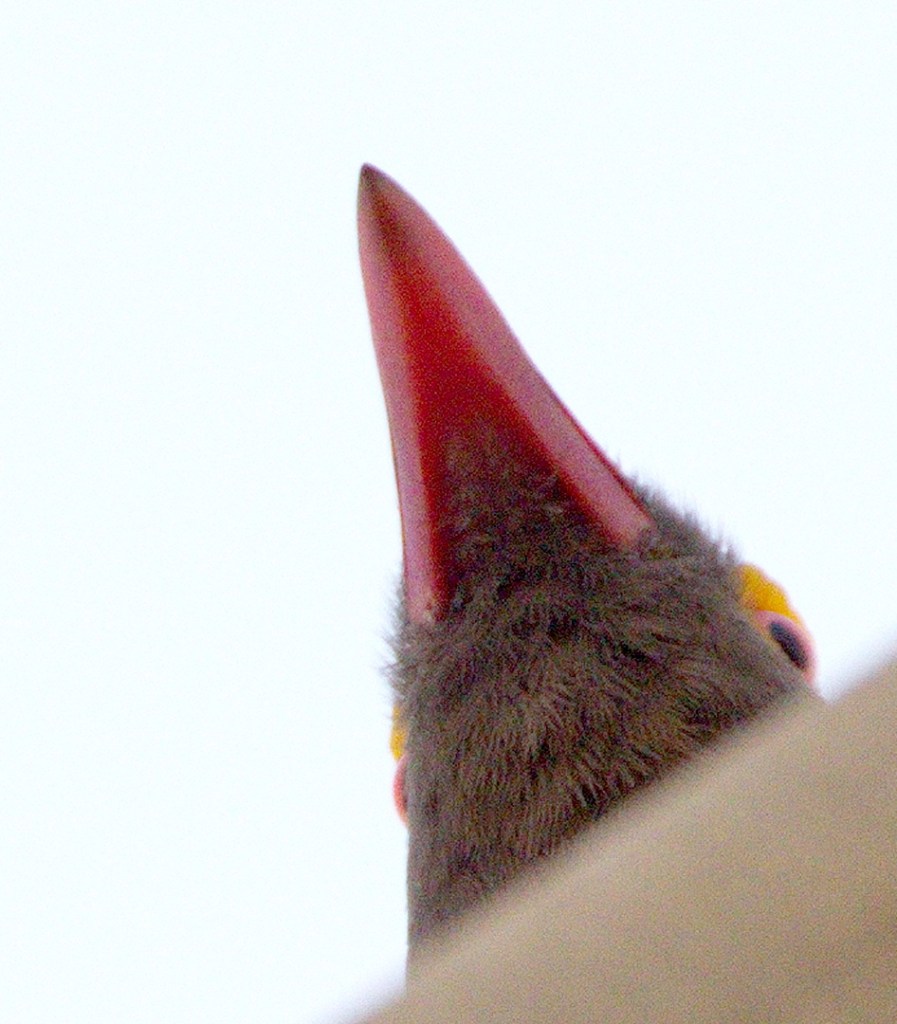


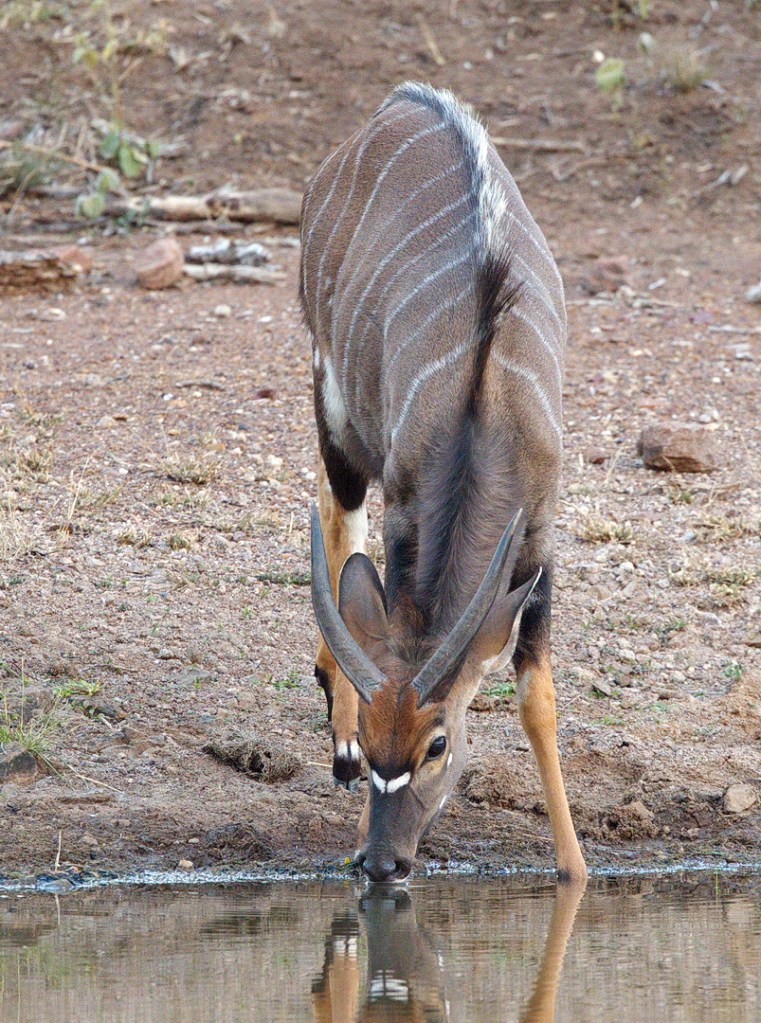


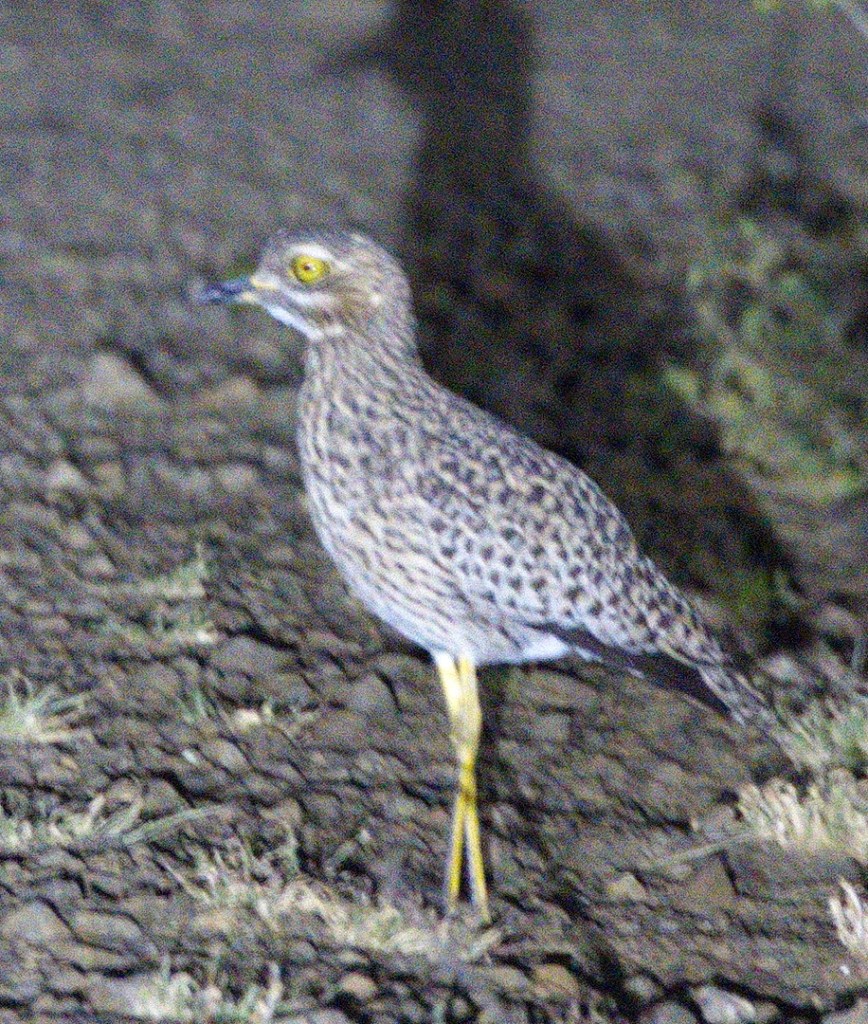


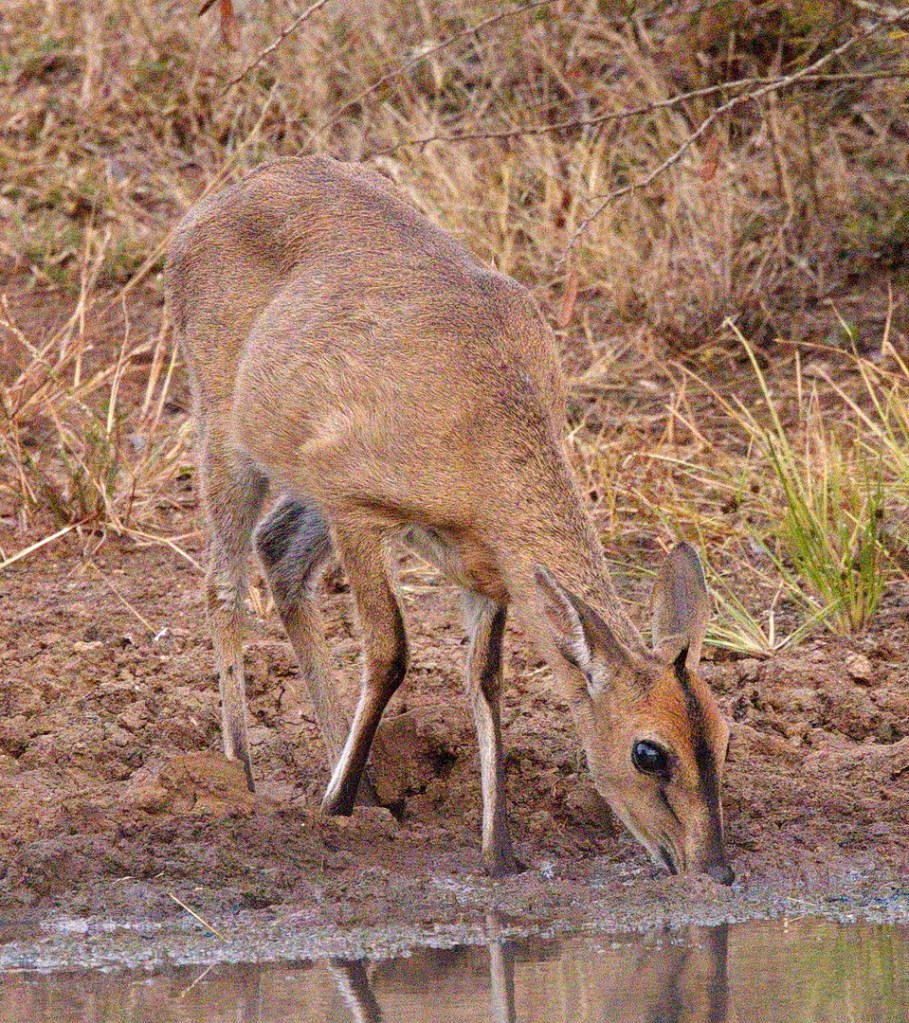

Then one morning we had the unfortunate sighting of a Nightjar which had been run over during the night.


That summarises our experiences in Mkuze Game Reserve during our stay. However, one morning we visited Zamanga Gardens – some 6kms north beyond the turnoff to Mkuze Town on the M2.
Zamanga Gardens
Saturday 13th July 2024
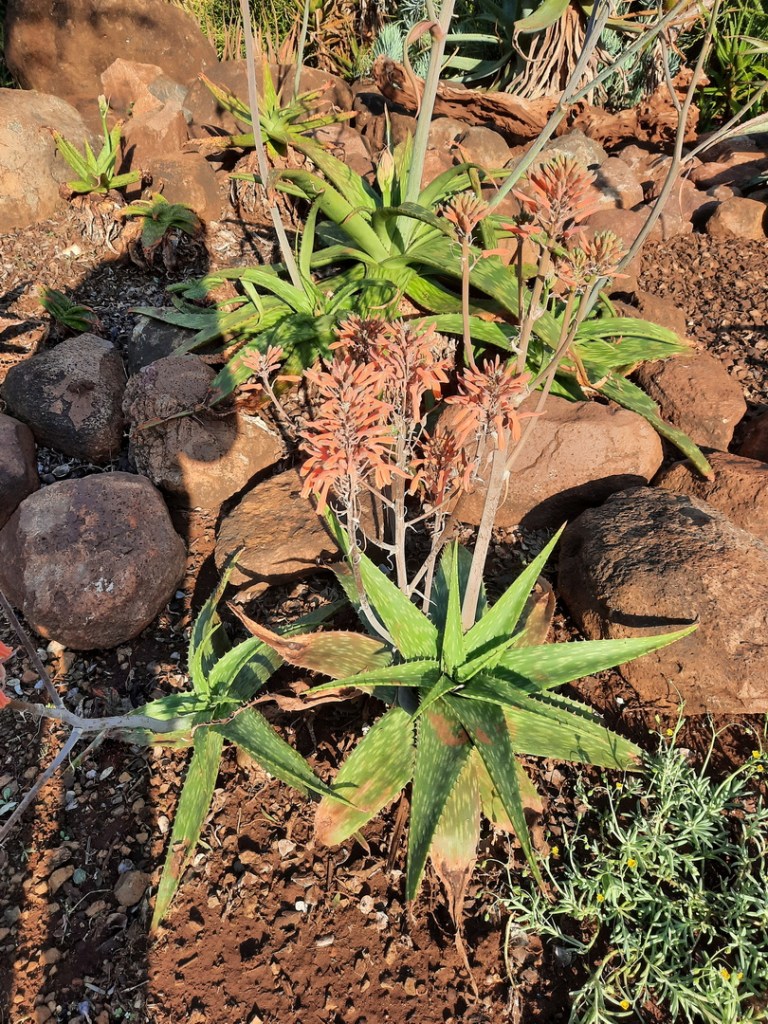
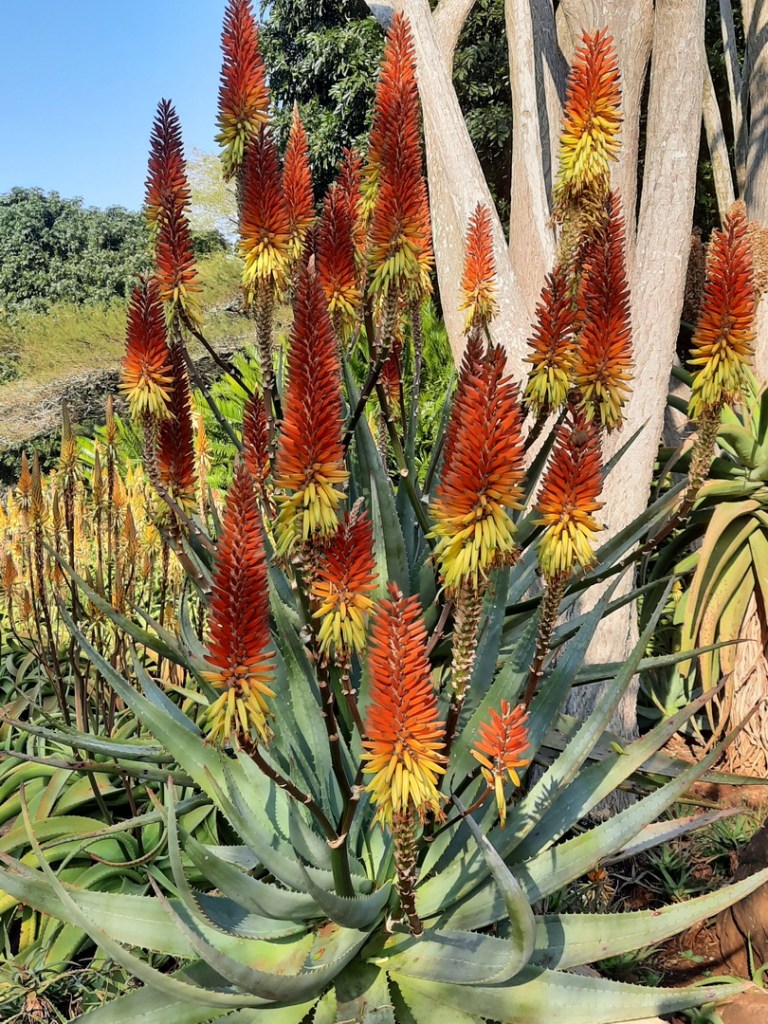
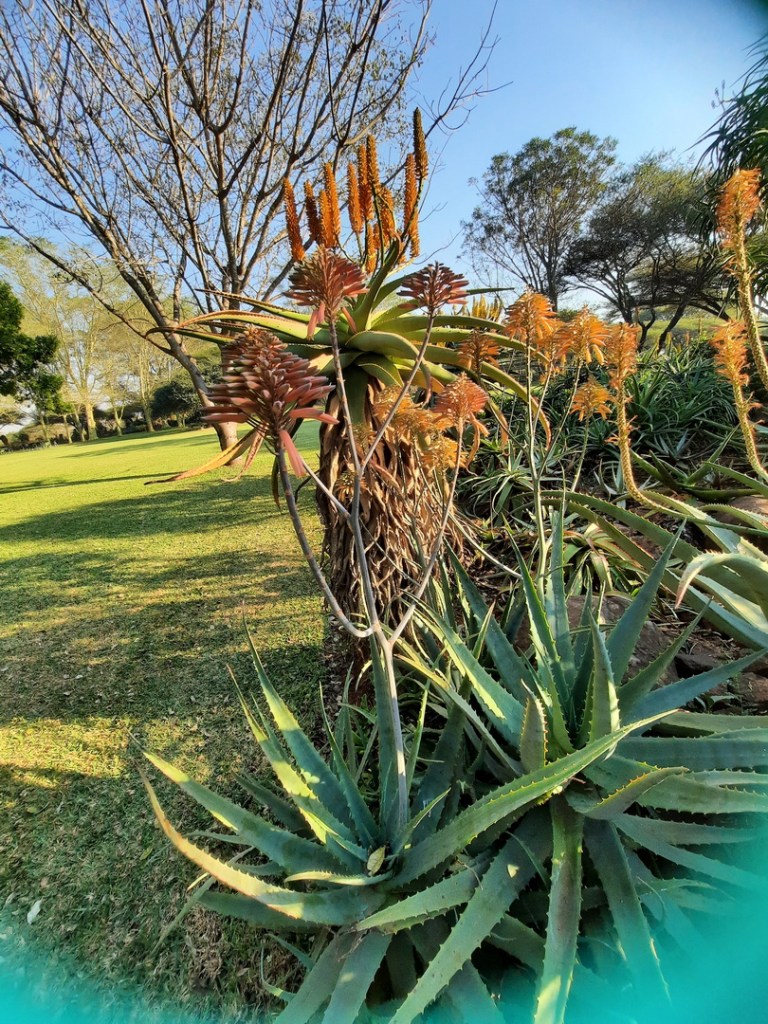
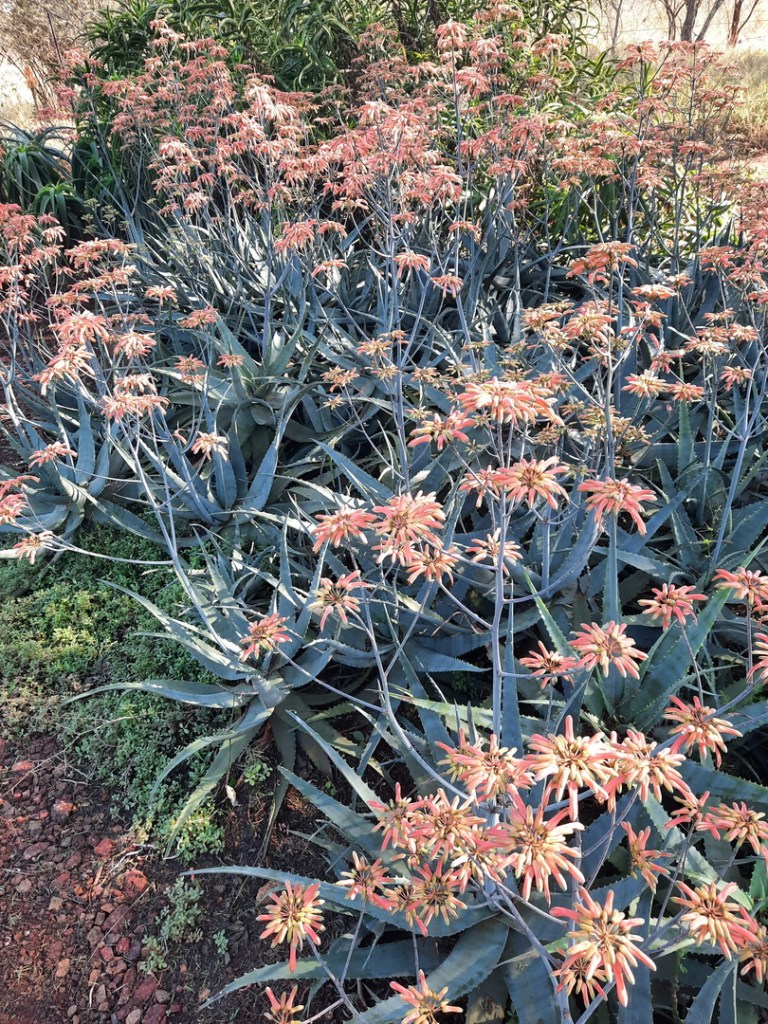
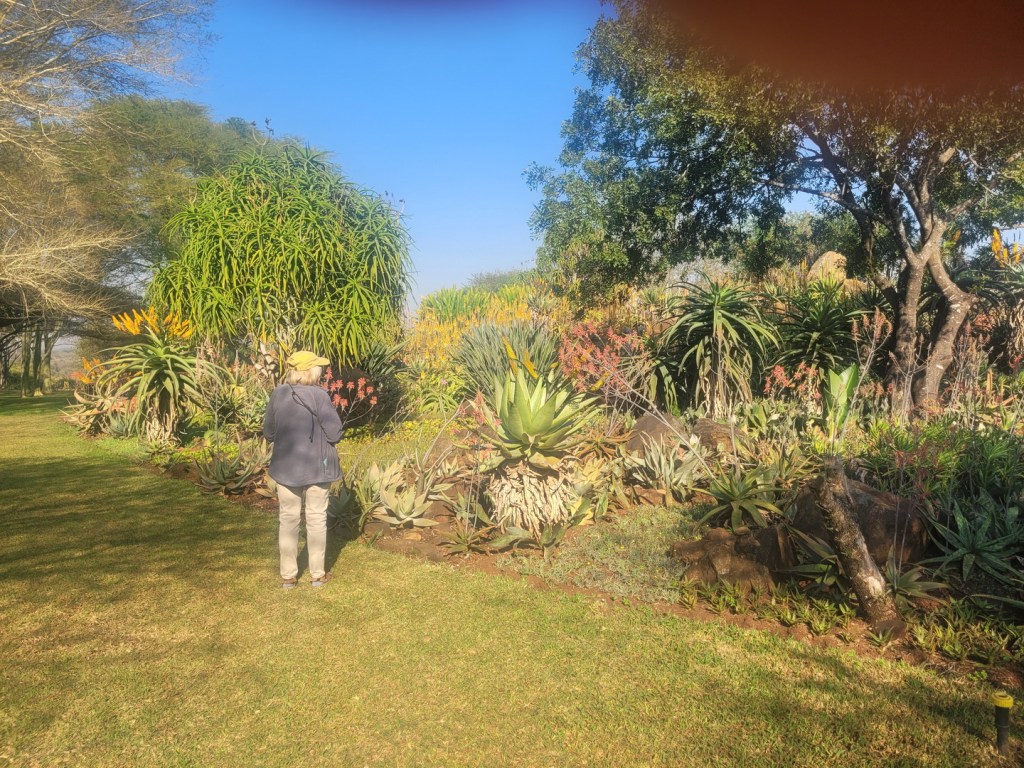
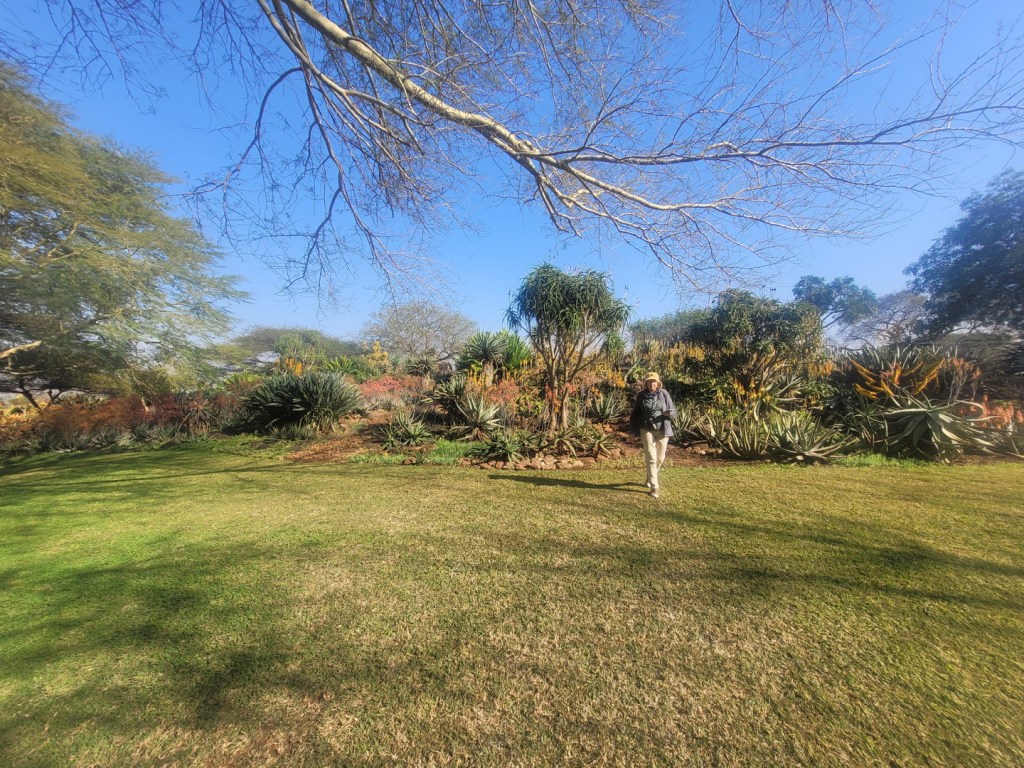
Such an impressive display of Aloes. The garden is huge approximately 6 hectares I would guess. There was also a large variety of Sunbirds in their different stages of plumage amongst the aloes. And because of this, positive identification of the Sunbirds was a big challenge.
Here is a video trying to show you the extent of the gardens. Clusters of aloes are everywhere.
And here is a slideshow of the aloes.
Birds making an appearance among the aloes were in constant motion, moving quickly between one flower and the next. Various Sunbirds and a Thick-billed Weaver shown here. Photos of the Neergaard’s Sunbird male were too poor to show.
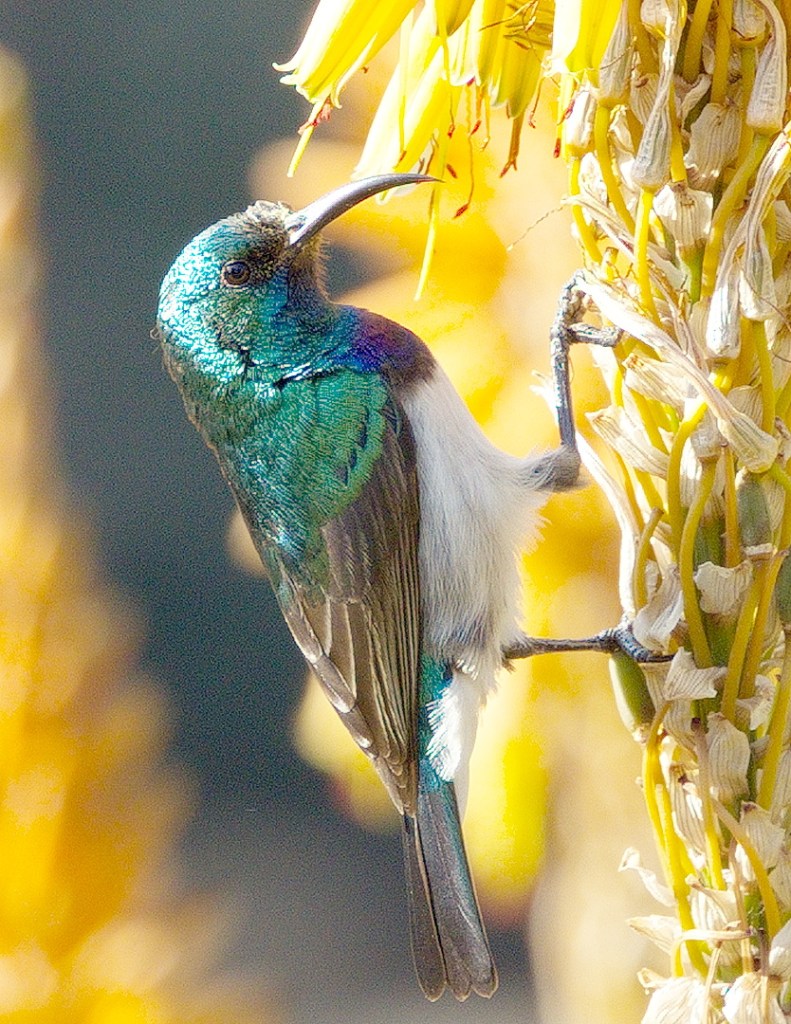


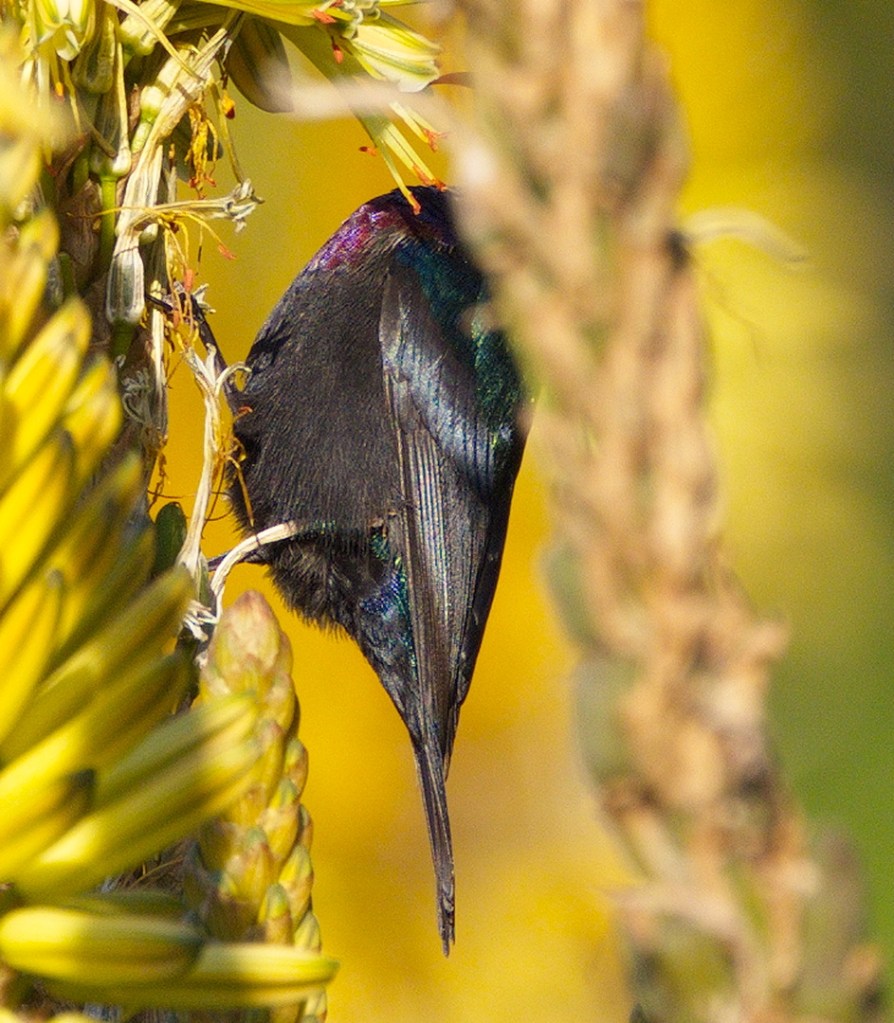


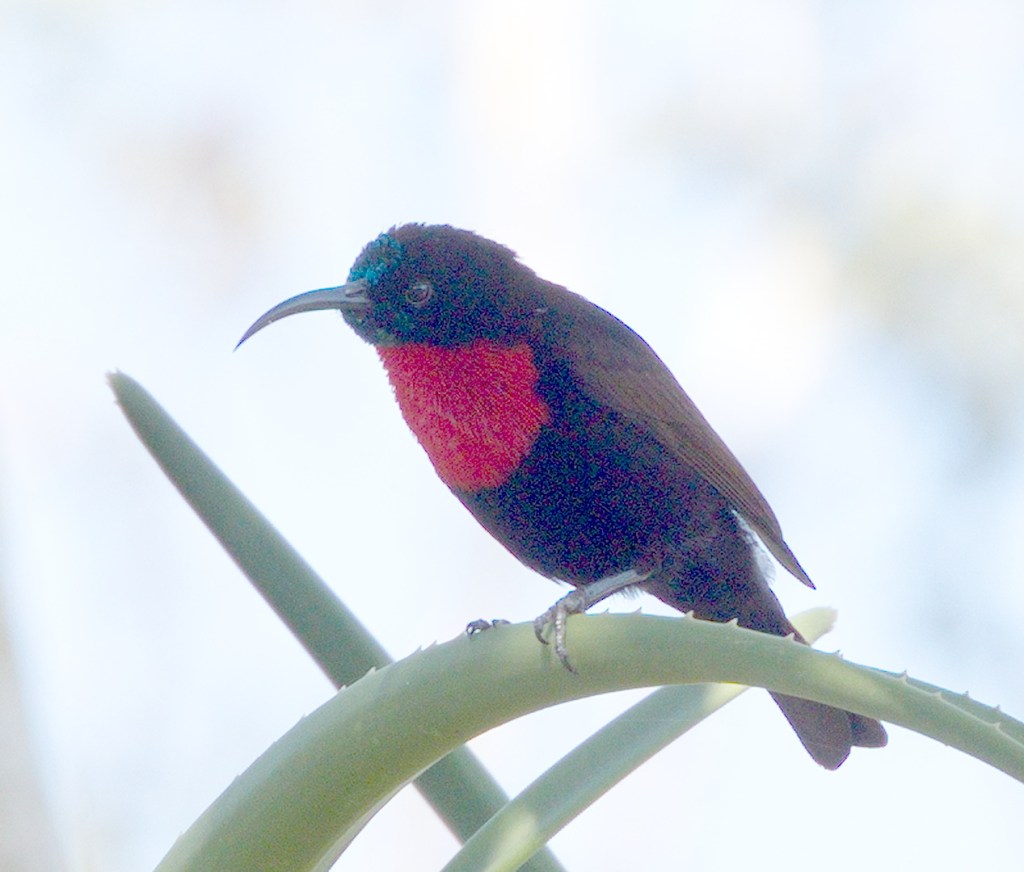
In total we identified 106 different bird species in Mkuze and Zamanga Gardens. Click on the link following to see our list.
Then we were off to St. Lucia.
St. Lucia
16th to 19th July 2024
On our way back to Howick and home, we stopped off in St. Lucia for 3 nights. Camping at Sugarloaf in St. Lucia.

Birdlife in the camp is always good. It is a pleasure to wake up and hear such a variety of bird calls. The challenge is to ID the calls. Animals are spotted too, Banded Mongooses and Small Buck in particular.


Since the Rhino Card is no longer accepted to enter Isimangaliso Wetlands, it is more expensive to enter on a daily basis. Cheaper to stay at Cape Vidal campsite if you intend to stay 3 nights or more as you only pay entry fees once. The advantage of camping at Sugarloaf in St. Lucia is that you are very central with much quicker access to the estuary, Western Shores of Isimangoliso and the Gwala Gwala trail.
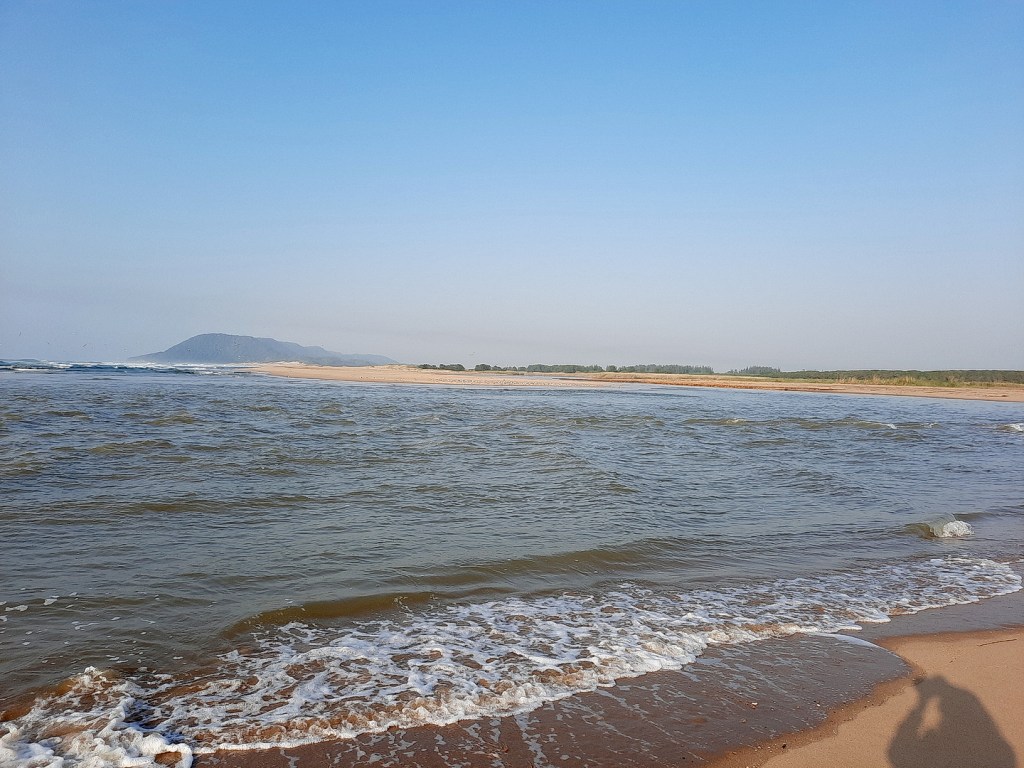
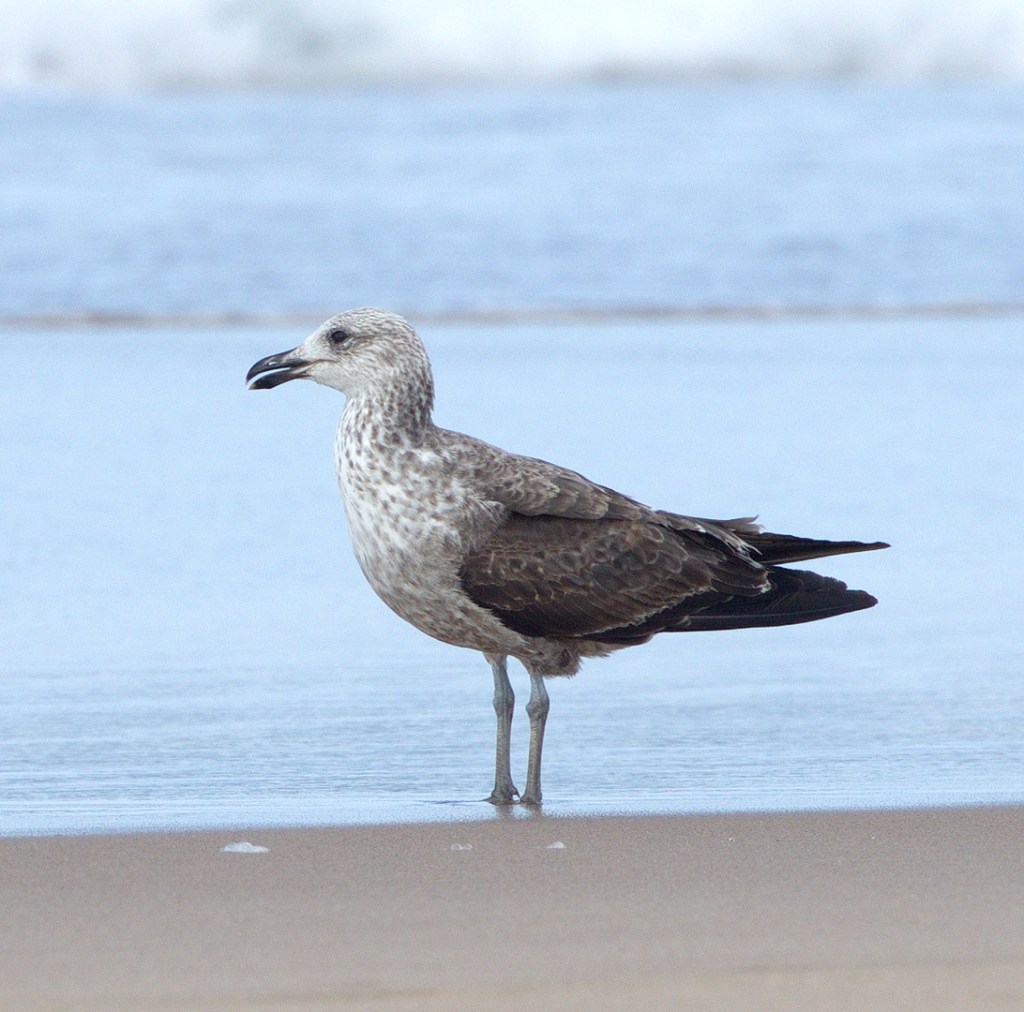
At the estuary there were a large number of Swift Terns (Greater Crested Terns now) but they were the only Terns present. Among them there were a few Kelp Gulls and six African Oystercatchers.



On the way to the roost, we had some interesting sightings. The first of which was a lone Cape Cormorant.


Looking out to sea we observed a pair of Cape Gannets flying past. An adult below the juvenile.


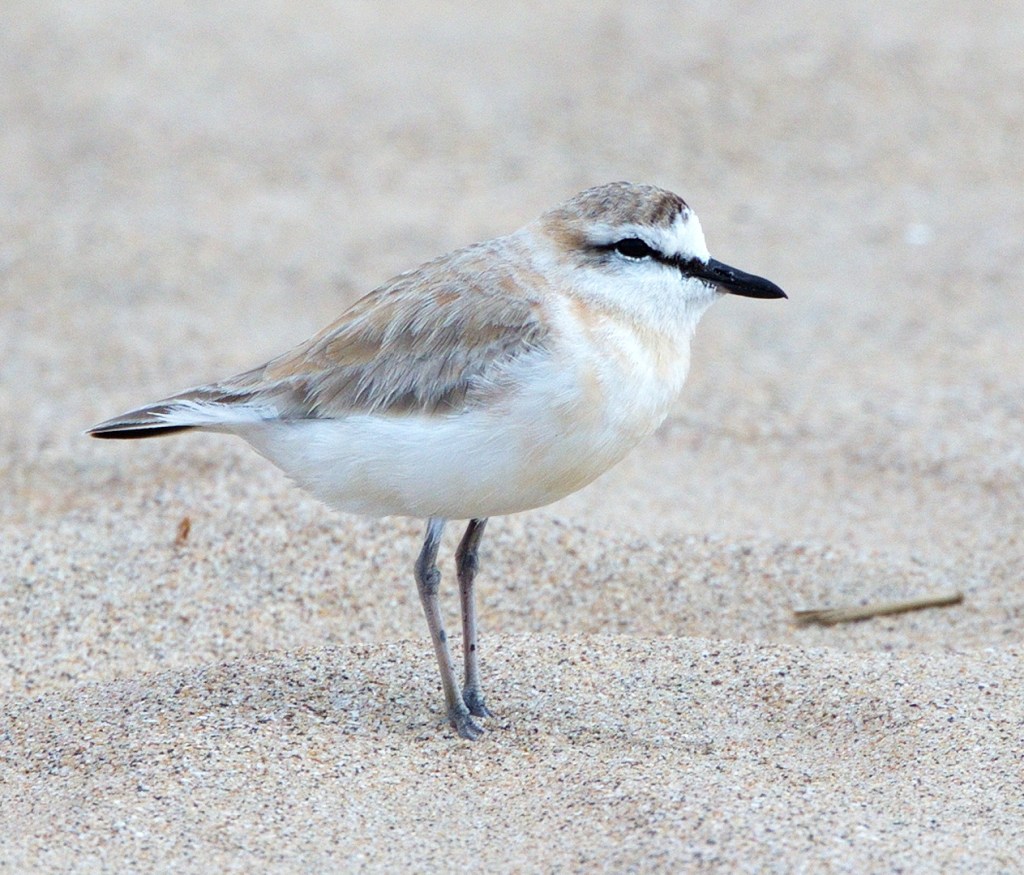
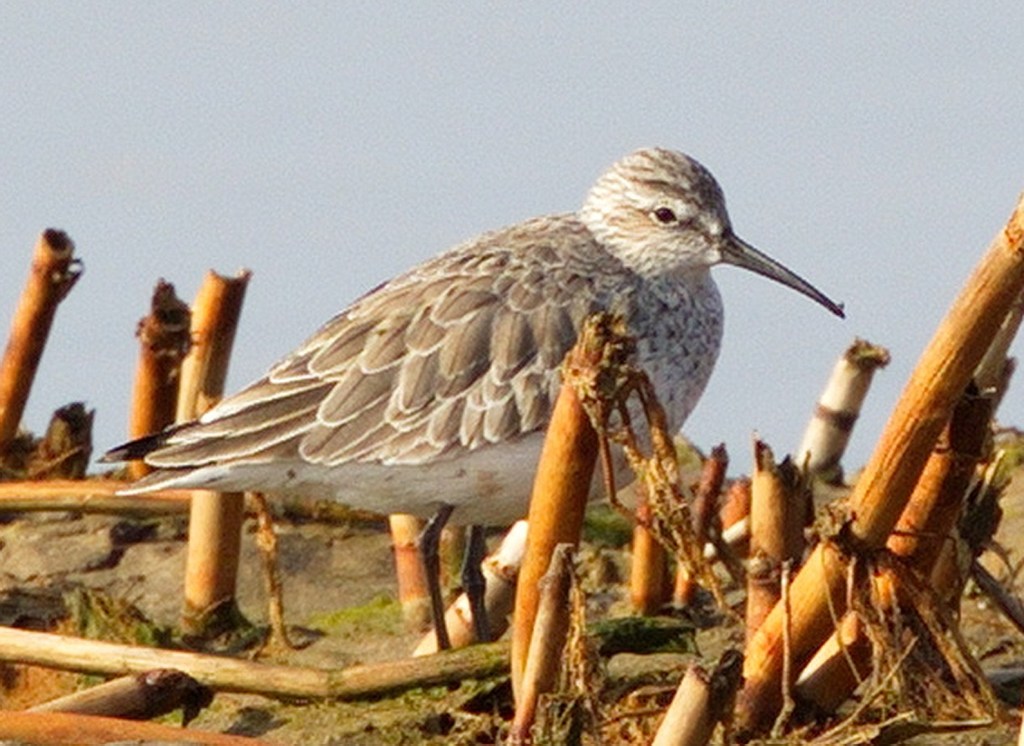
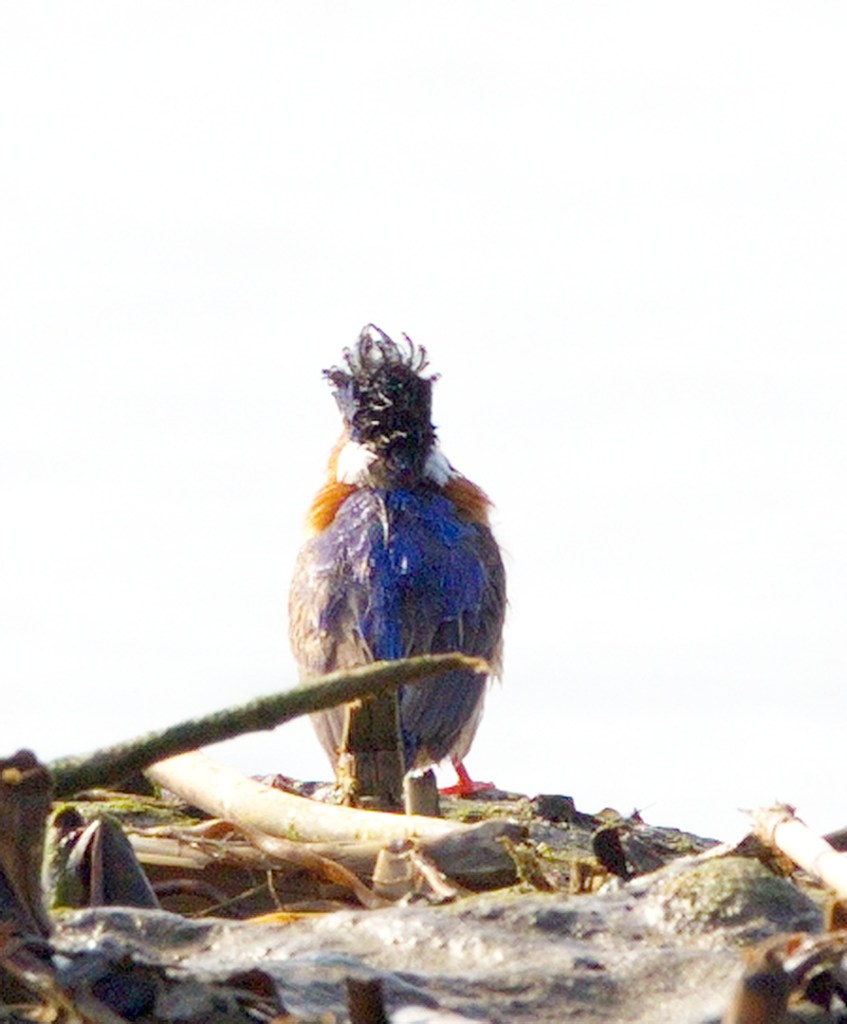
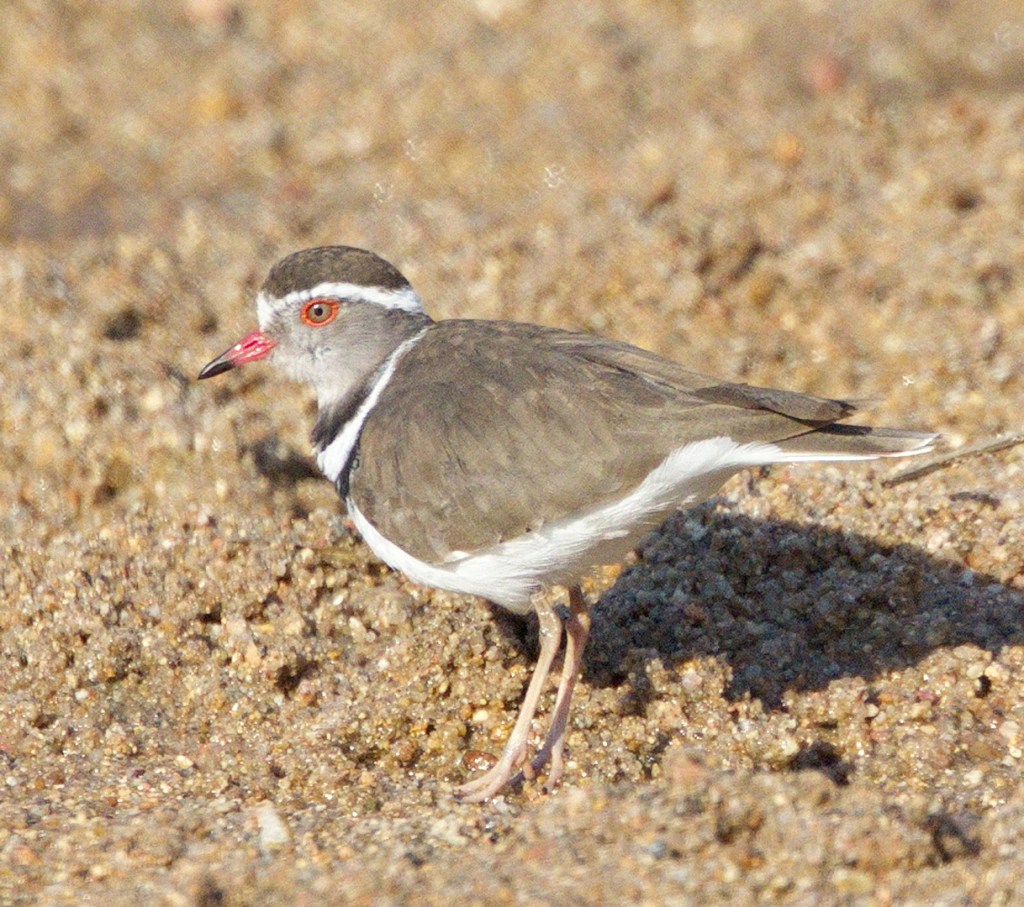
Along the shoreline we spotted a Little Egret, White-fronted Plovers, and among an area along the estuary showing a reedy edge, there were Curlew Sandpipers and a Malachite Kingfisher with an erratically unique hairstyle.




Then we had another aerial display from a Western Osprey.


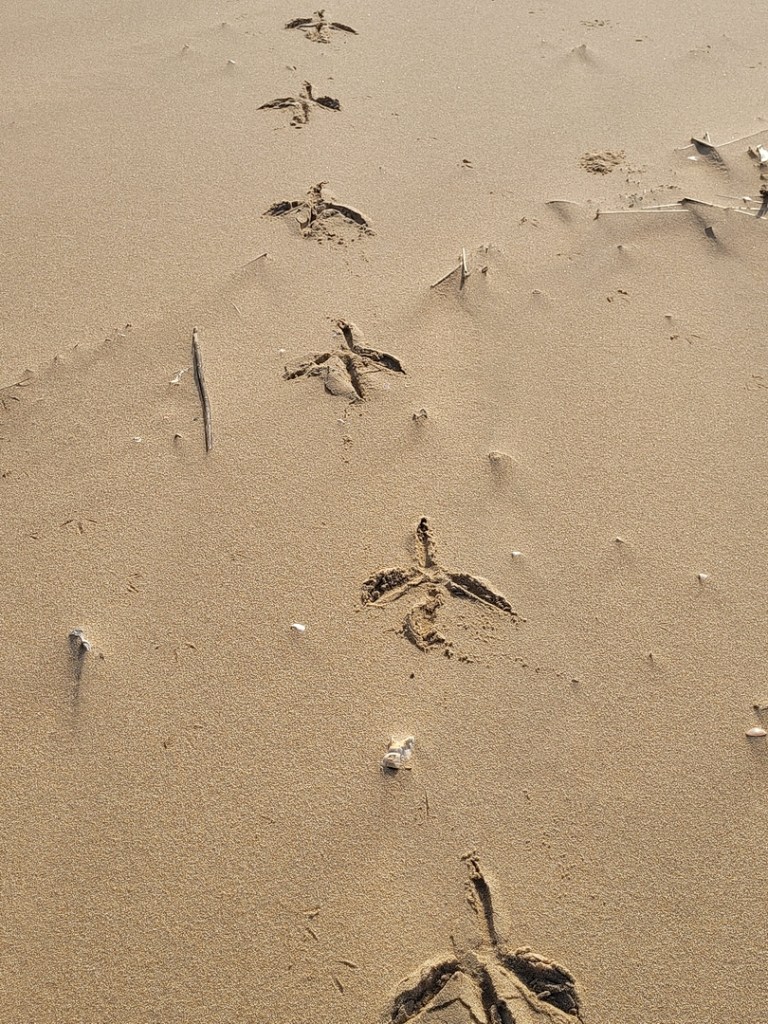
On the way back to the campsite we came across some unusually large bird tracks. Maybe you can ID the bird?

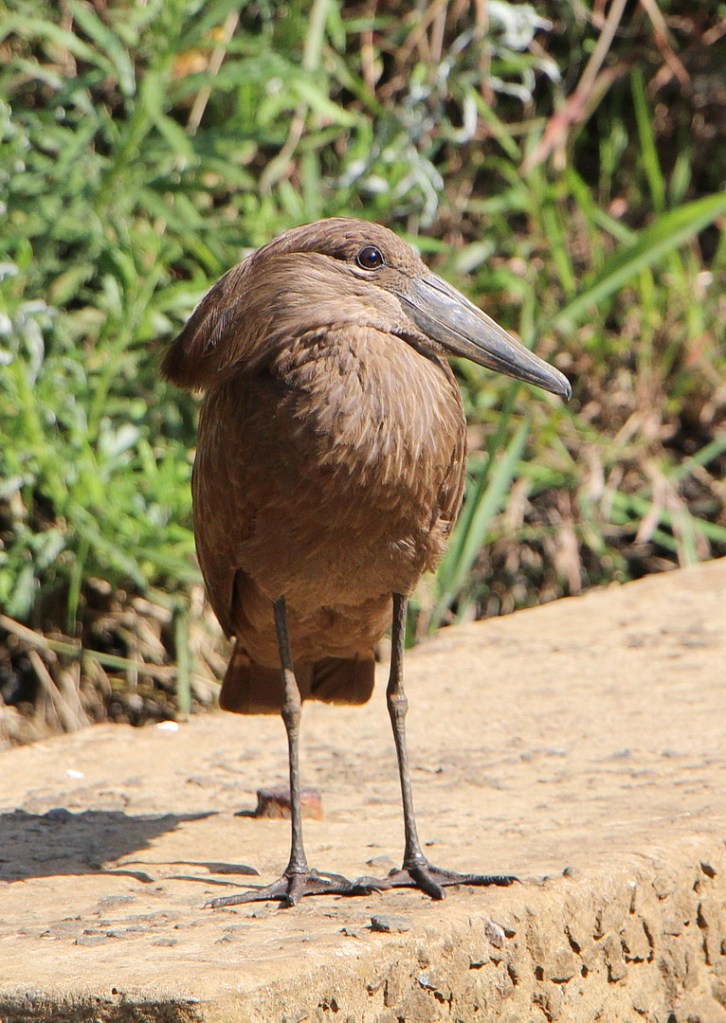
The Isimangoliso Wetland was truly waterlogged. Free standing water was everywhere you went. For this time of the year – July – we had never seen Park like this. Indeed, even in the rainy season we have not seen it so. This made for some good close-by sightings in both the Western and Eastern Shores sections of the Isimangoliso Wetland Park.
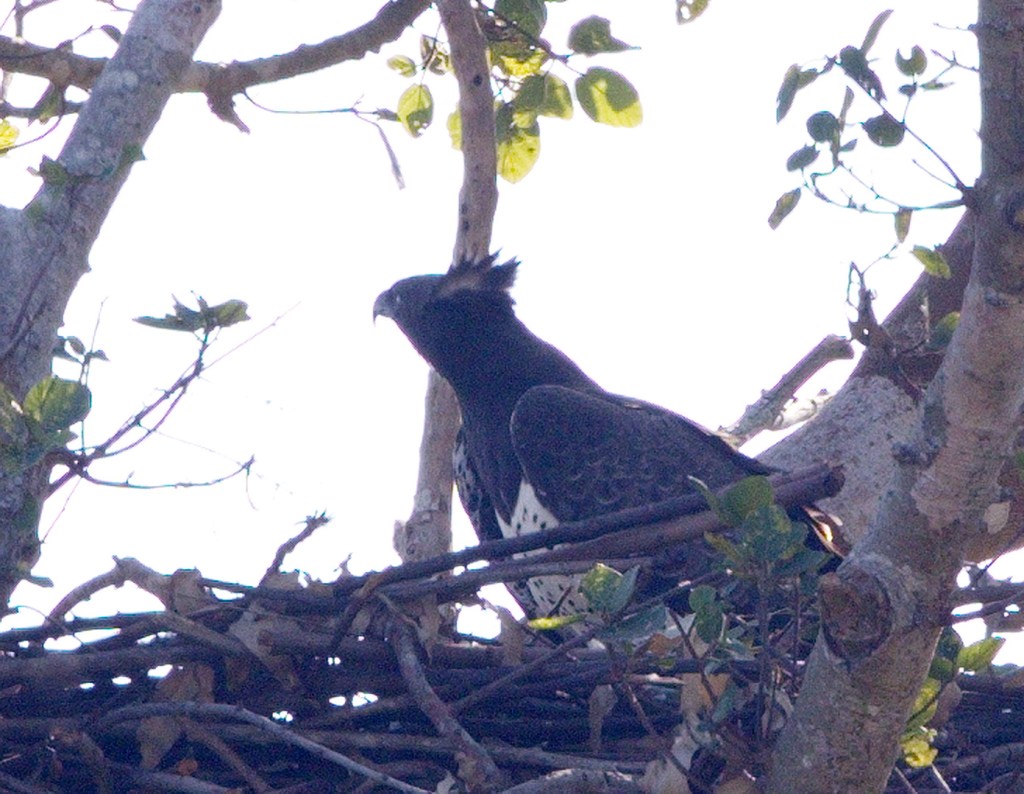
We happened to visit the Western Shores on a rainy overcast day. Birding as you might expect was quiet. However, we had some nice sightings: White-backed Ducks, a Martial Eagle on a nest and a curious Eastern Nicator that not only was a few metres away but was not inclined to fly off.








A very short clip of Buffaloes enjoying a swim. Click on the photo.
Lake Bengazi was full to the brim. We stopped at one of the pull over stops on the causeway and Sally took this video to show how full it was. Normally when we have visited, the water was a good 100 metres away from where Sally was standing.
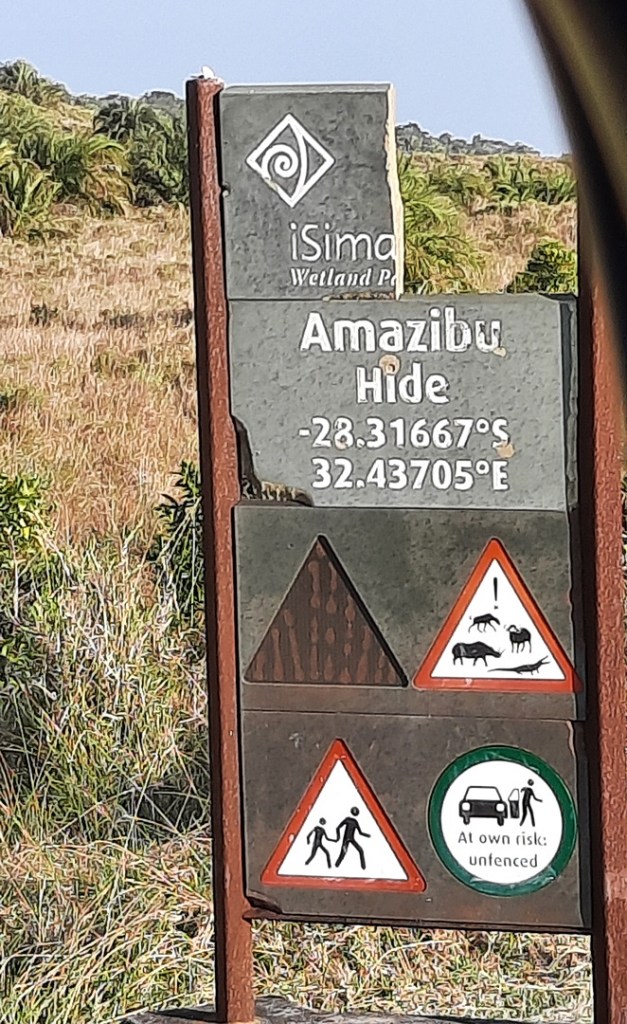
Then there was the Eastern Shores and the road close to the Amazibu hide. Again, water beside the road everywhere we went. Amazibu hide was our first destination. We went to see the Rufous-bellied Herons which have been showing well for a long time now.
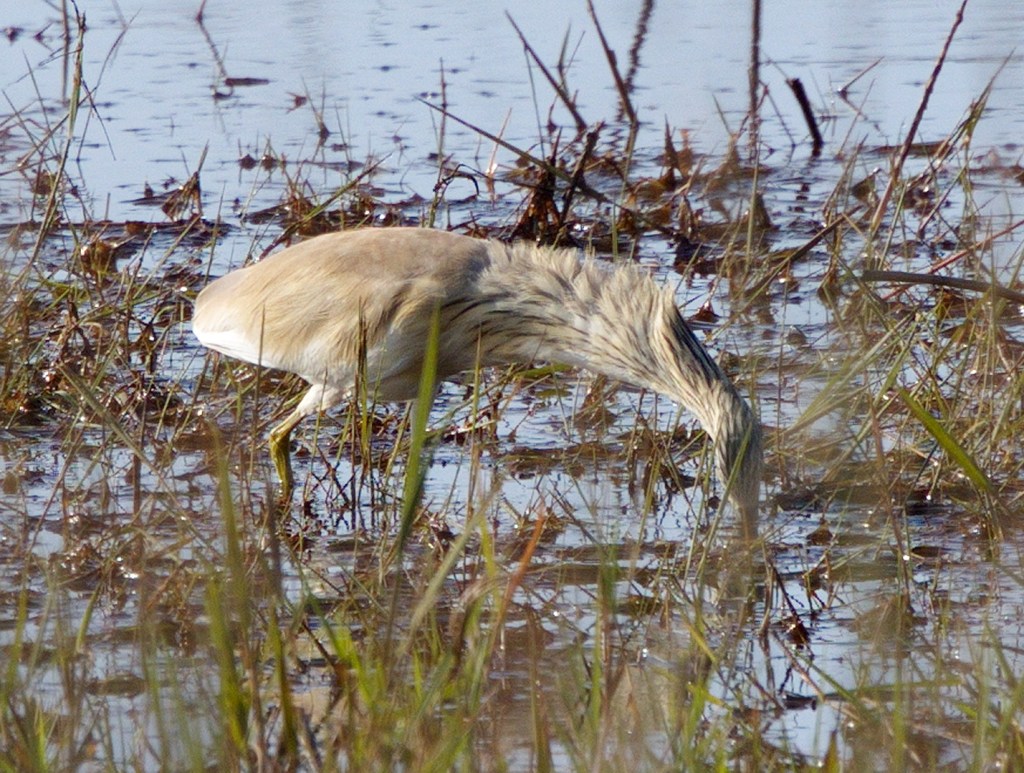
However, on the way there we stopped overlooking a wetland area beside the road – loads of Spoonbills together feeding with the typical sweeping action of their bill. There was also a Squacco Heron and a Great Egret present. A Reed Cormorant was watching carefully from its perch.


And then we got to the Amazibu Hide and a Rufous-bellied Heron appeared just as we were about to leave.


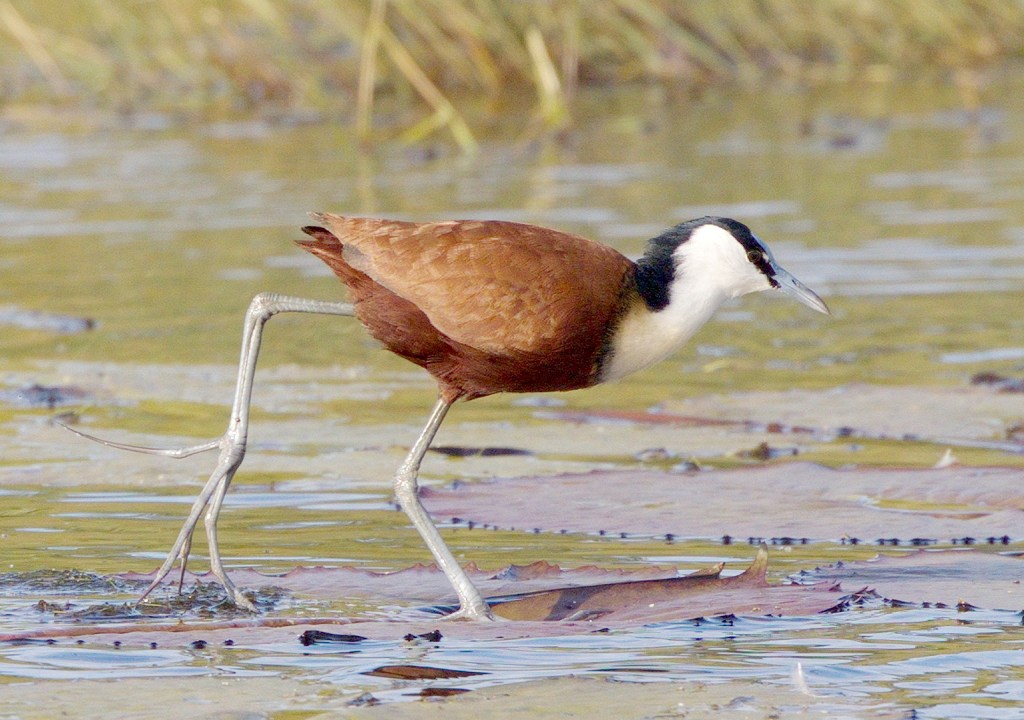
A short distance further along from the hide was another stretch of water beside the road. In fact on both sides of the road. However, it was the wetland on our right that blew us away with the number and variety of waterbirds present. There were Blue-billed and Red-billed Teals, African Jacanas, White-backed Ducks, many Pygmy Geese – never seen them in such numbers in Isimangoliso before.


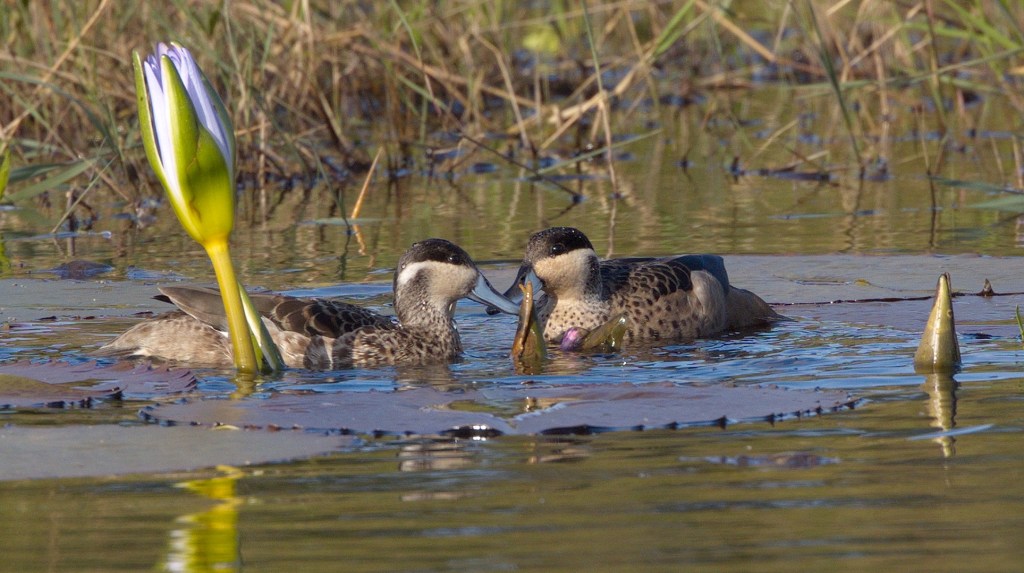

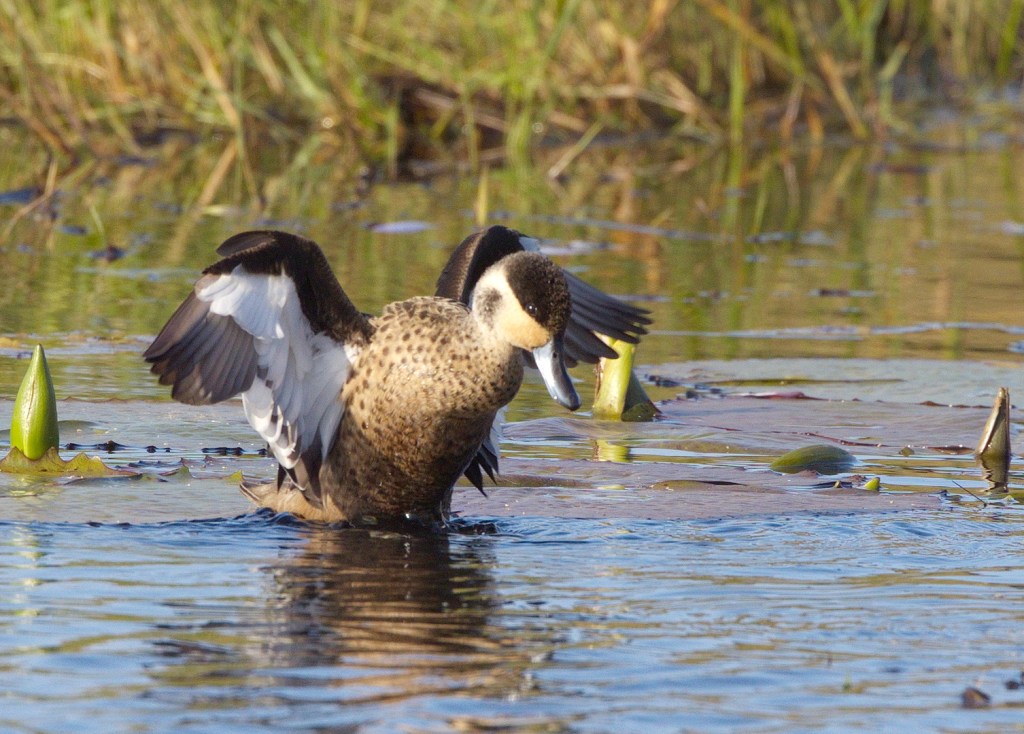


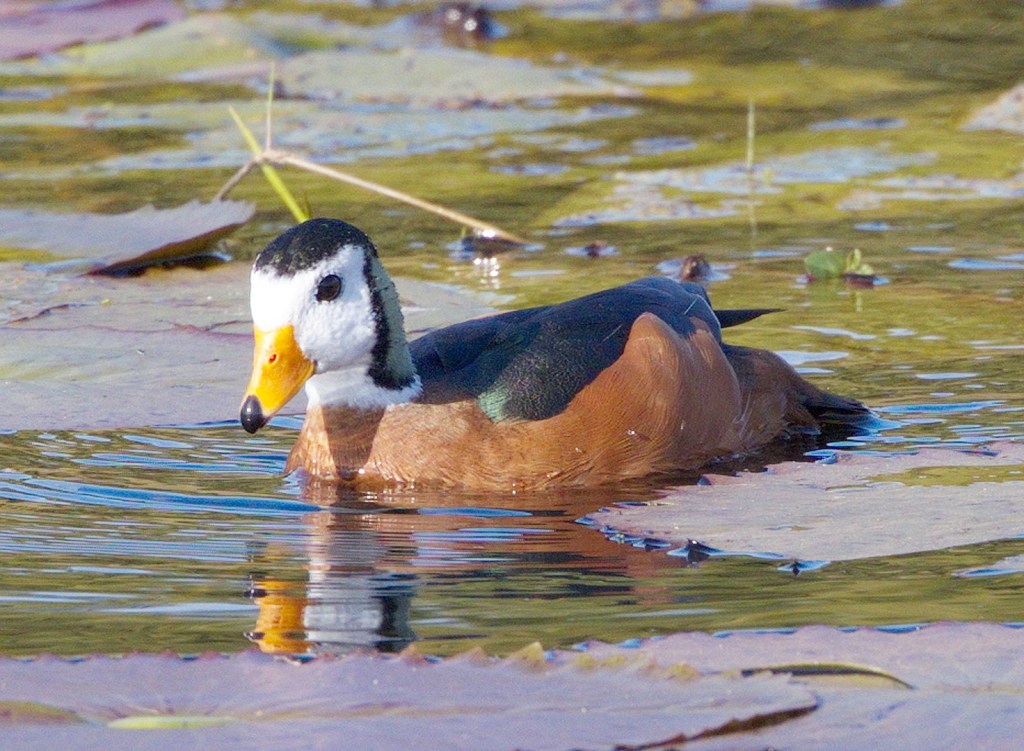


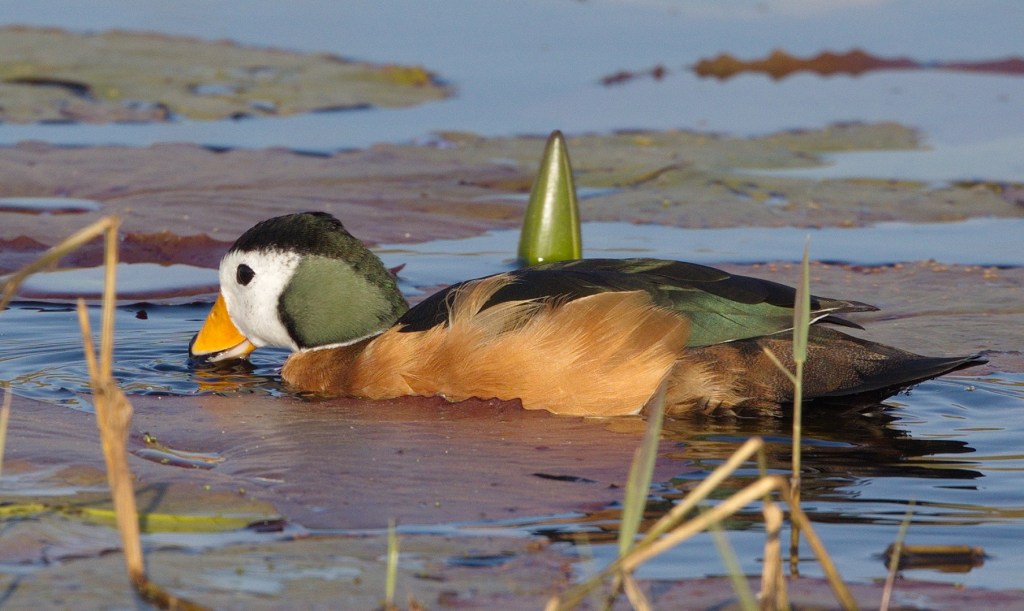


And then another Rufous-bellied Heron popped up right next to us beside the road, followed by another a little further along.


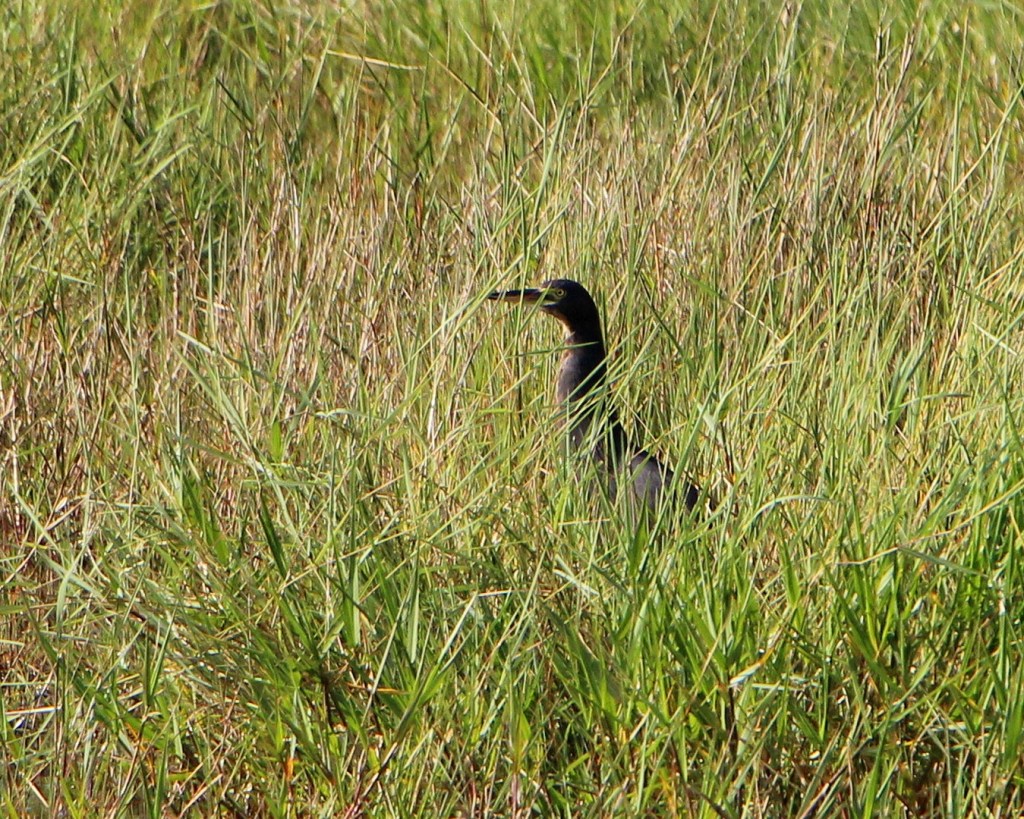

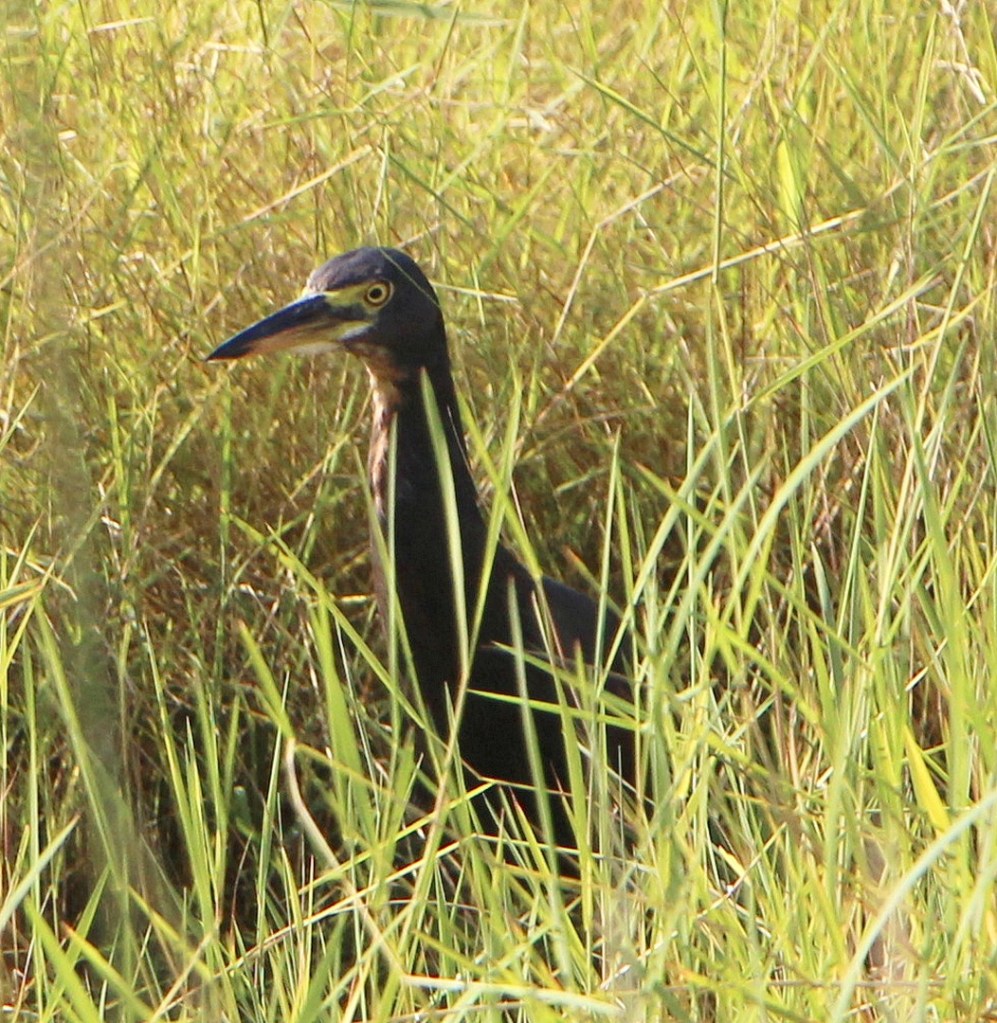


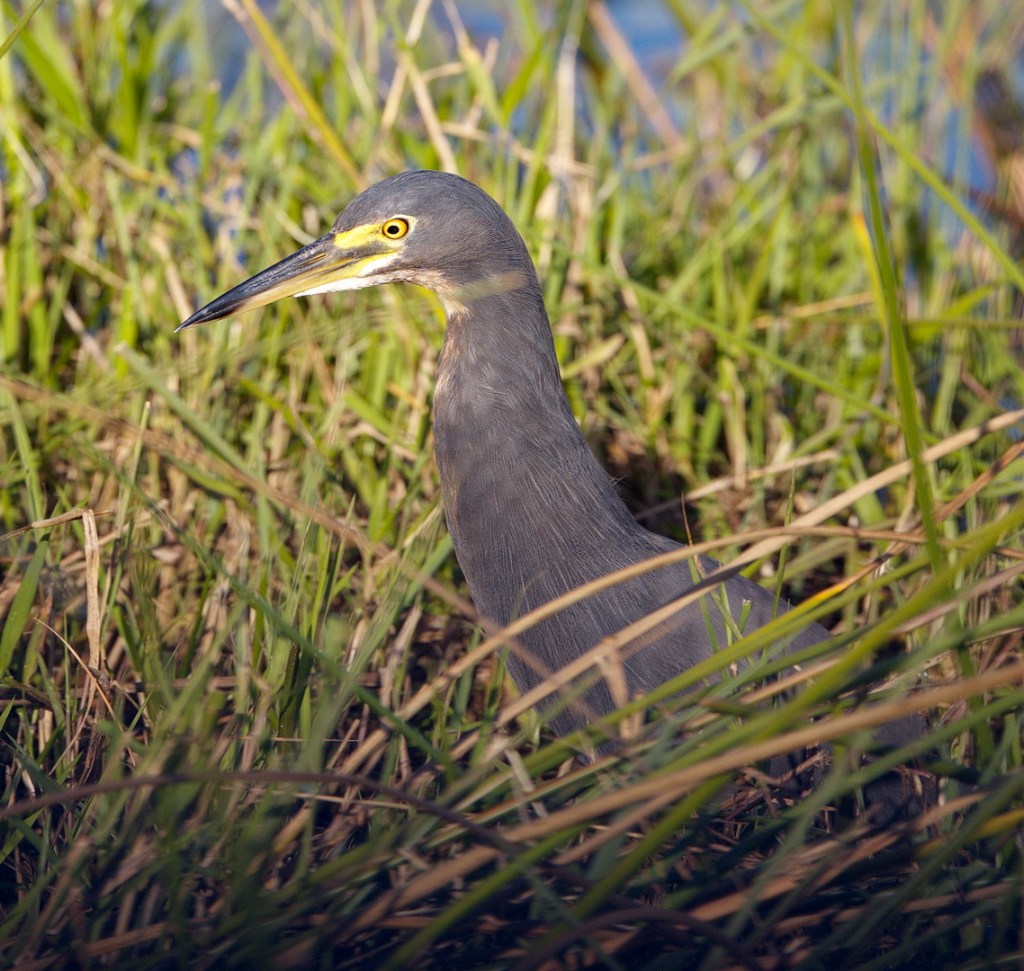
Of course, there were other birds about, but these are the special ones we recorded on film.
Although we did not record a lot of different species of birds, this was not unexpected as the weather was poor and the time of year was not in our favour. What we did see were a number of special species.
In all we identified 85 different bird species. You can download our list below to see what we saw.
Paul and Sally Bartho

Lower Sabie
14th to 18th April 2024
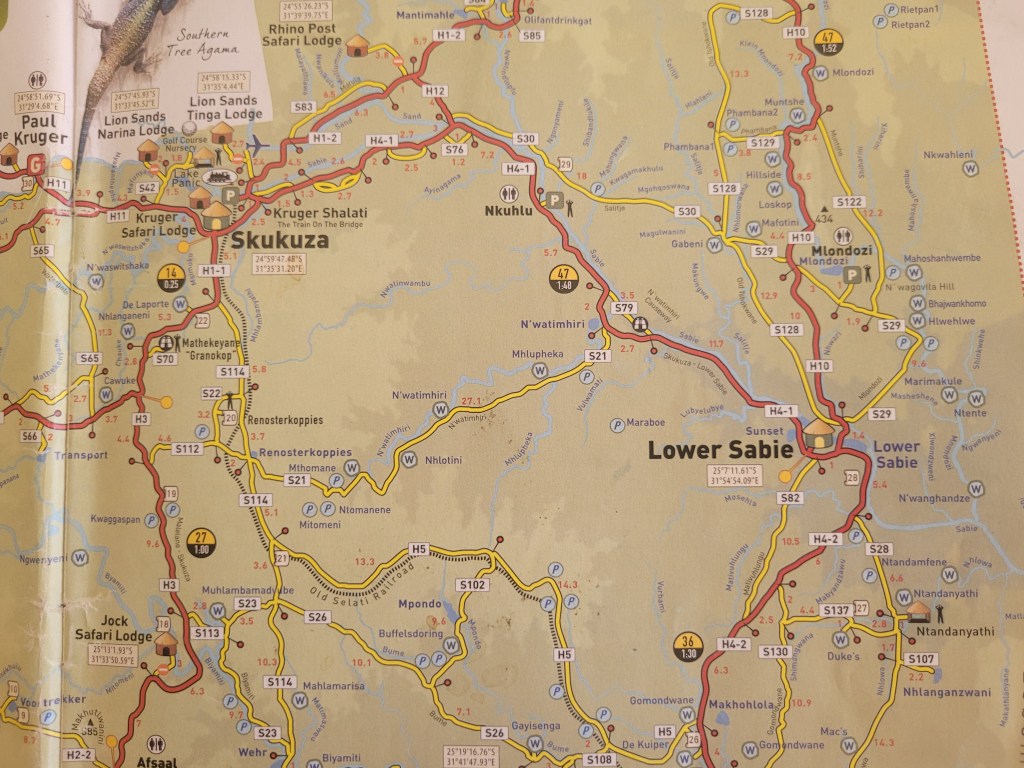
And so we left Satara on an overcast and slightly dribbly day. We headed for Tshokwane and then directly to Lower Sabie.
We love seeing herds of elephants but are nervous when they appear in the middle of the road while we are towing our Wildcat. As is usually the case they then appear behind as well – coming towards you. Reversing is not an option.
Camp was set up in a convenient spot.

We had a pair of White-browed Robin-Chats (Heuglin’s) chorus us each morning always from the same spot in the bush.
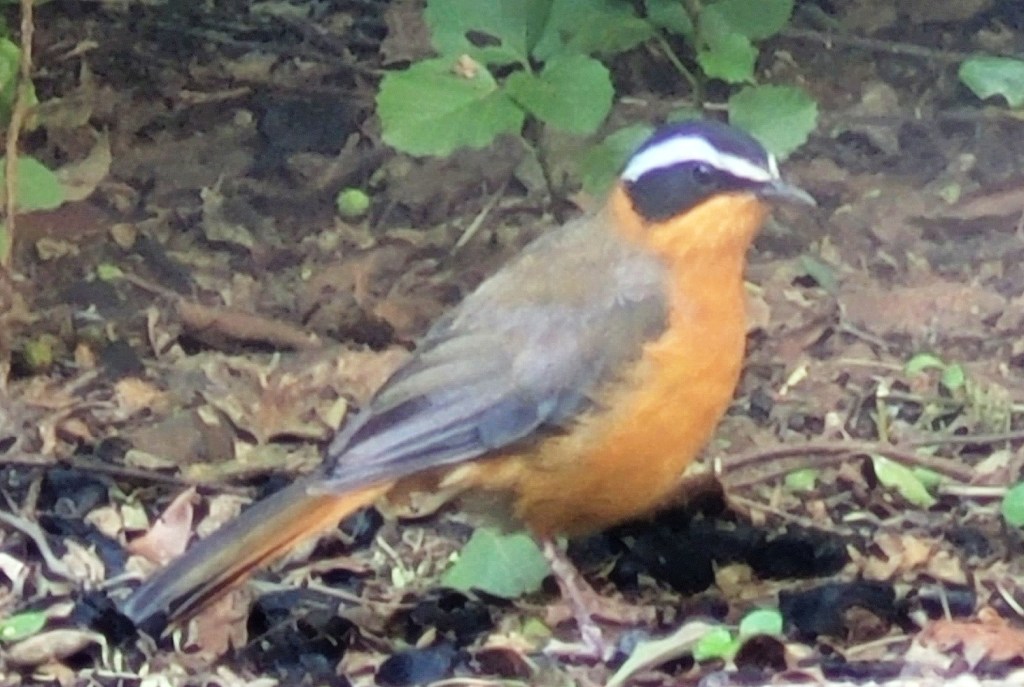
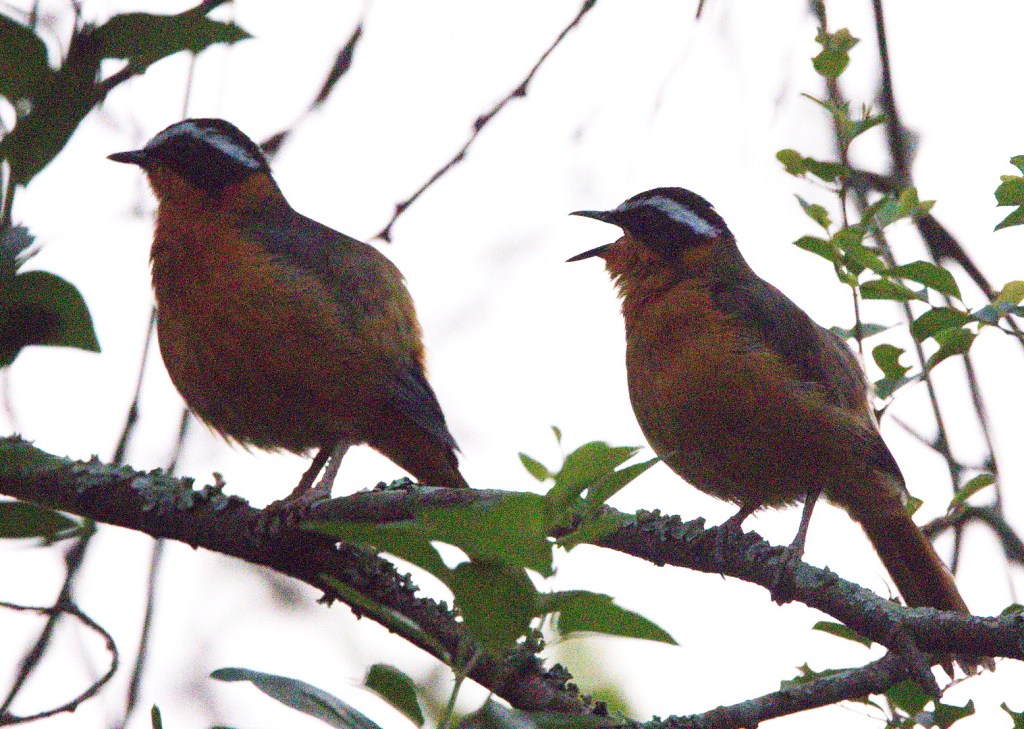
Other camp visitors.
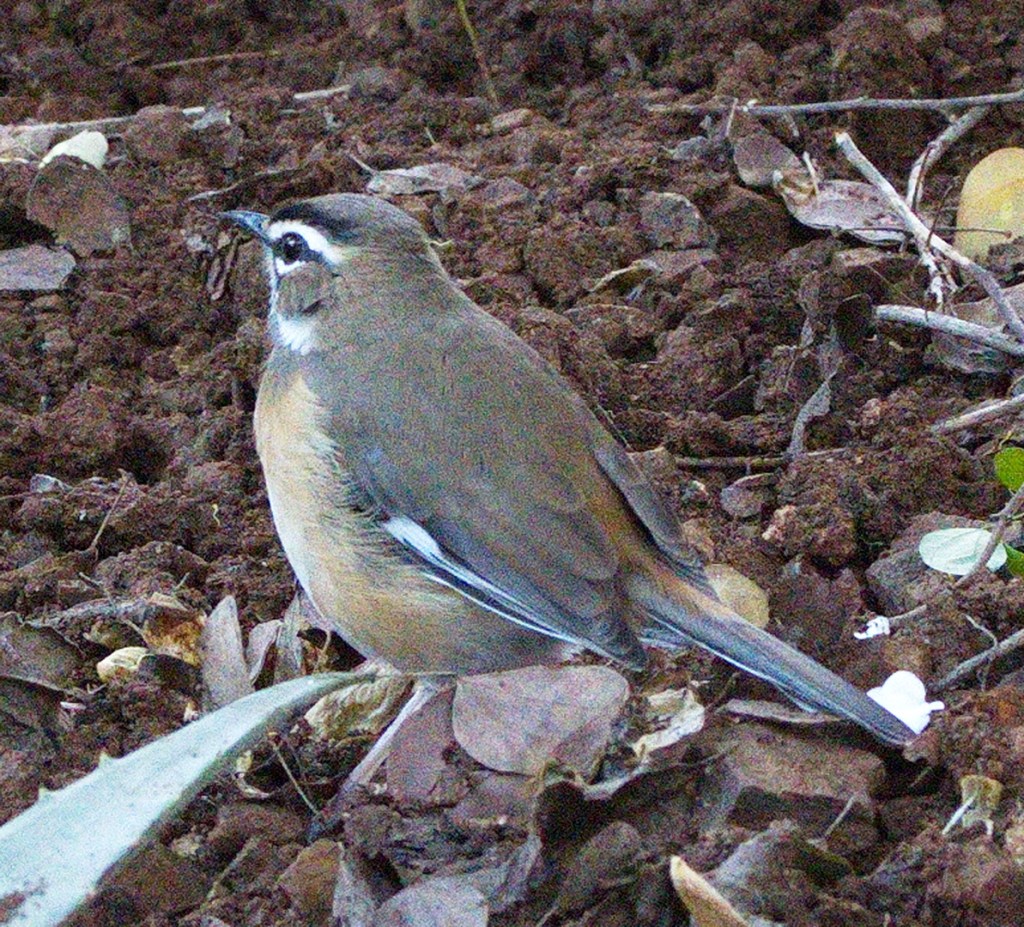
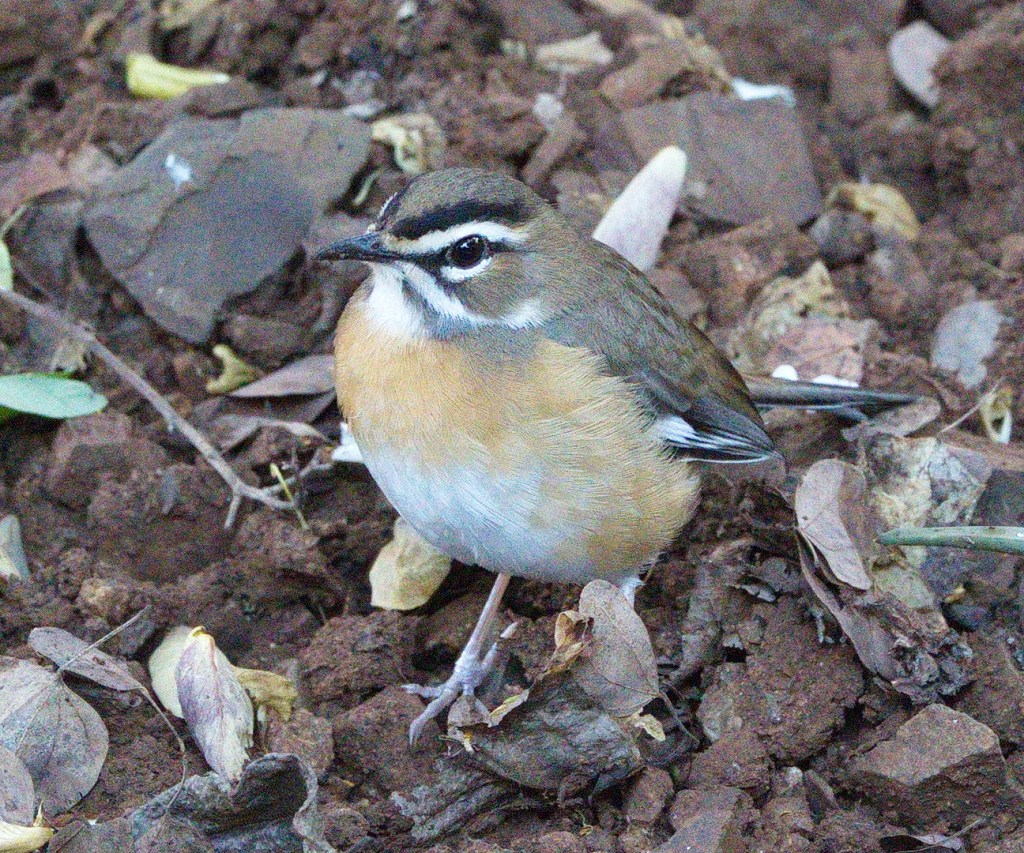


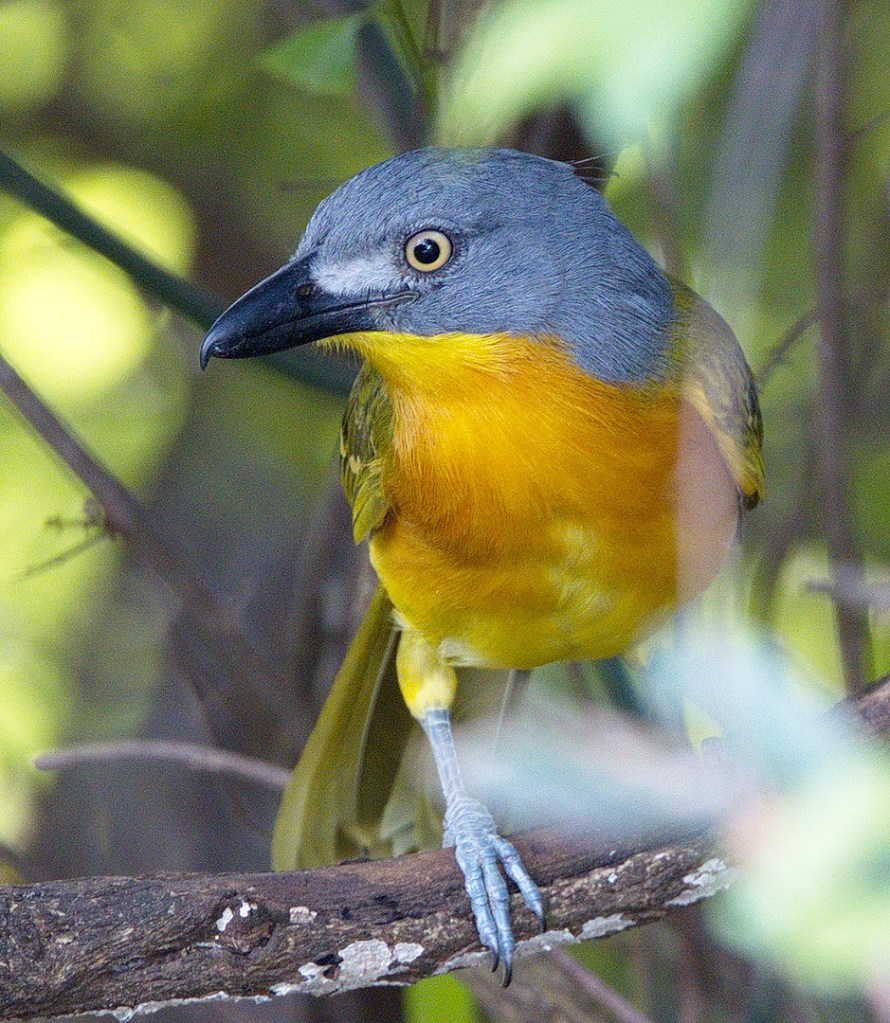
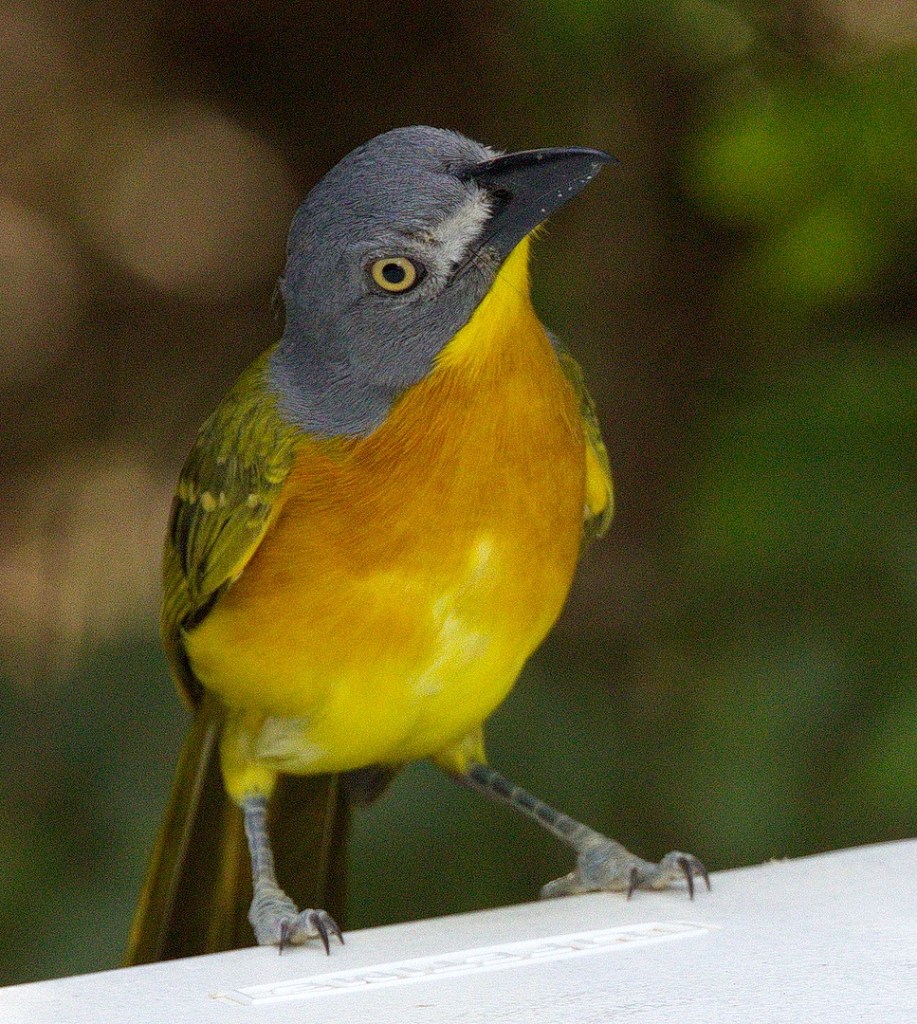
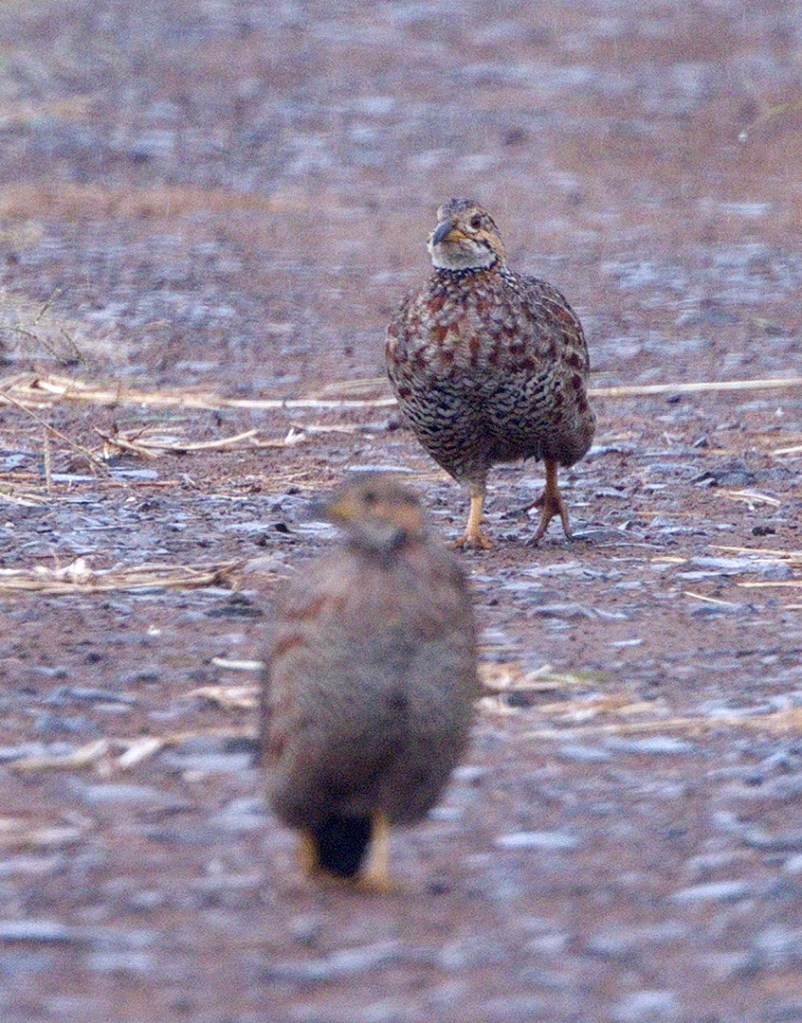
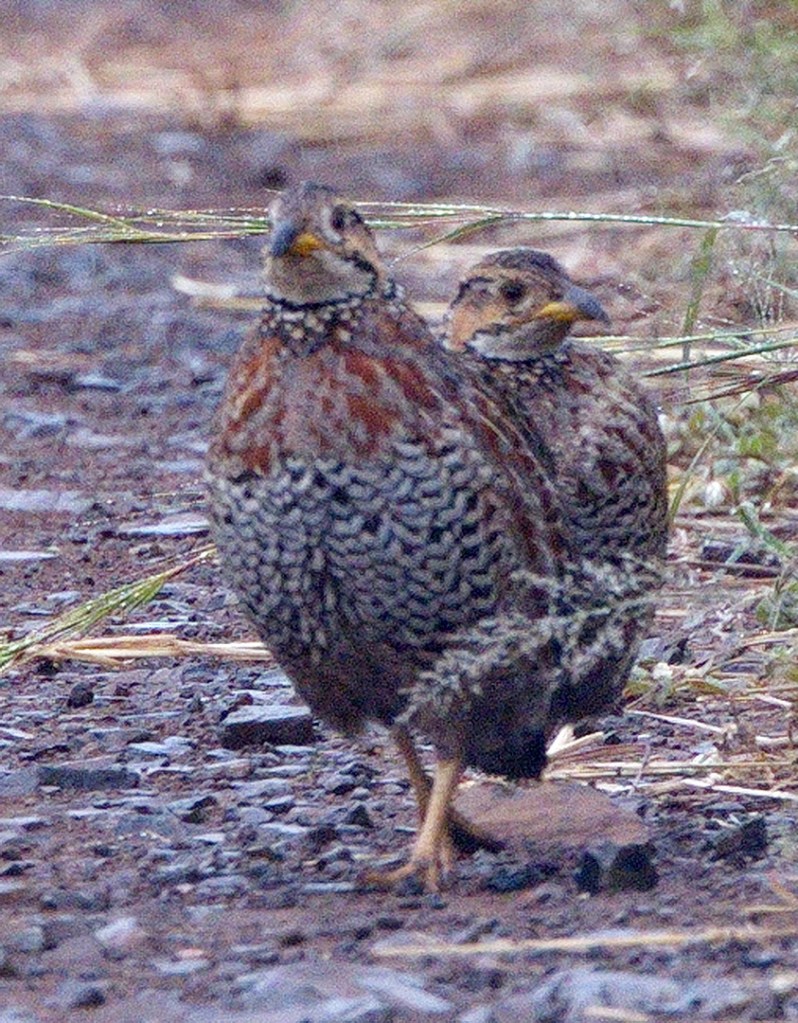
One day we took a drive on the back roads around the Mlondozi Picnic site, all the way to Tshokwane and down to Skukuza. The weather continued to be wet and overcast. Days like that sometimes bring out the unusual – like a family of Shelley’s Francolins.

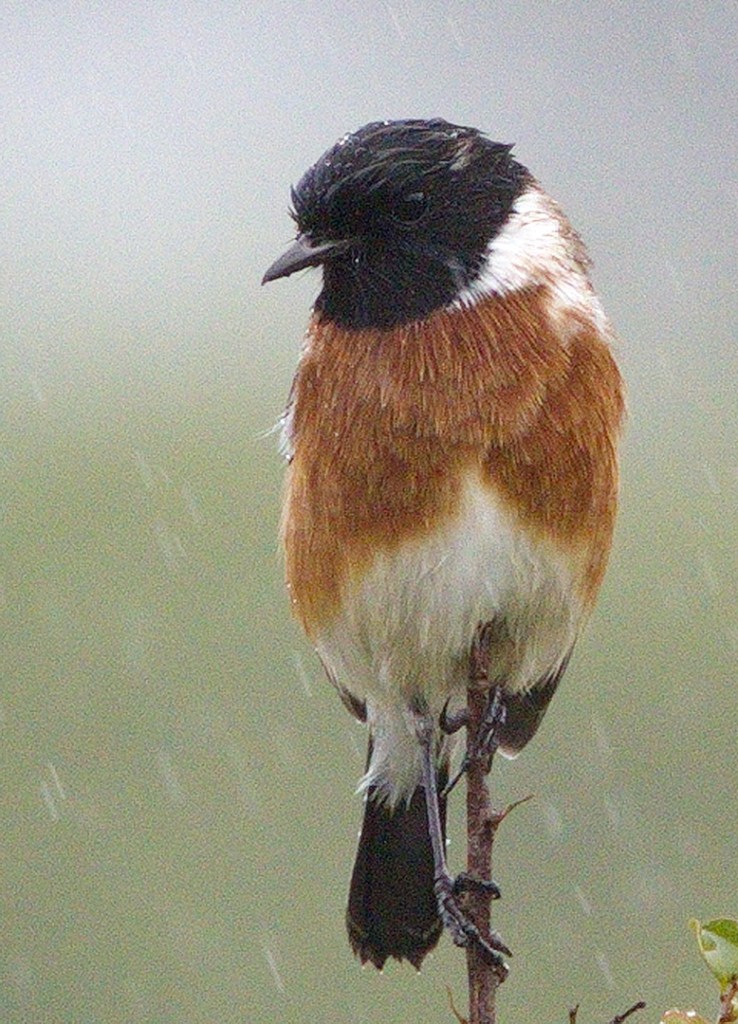
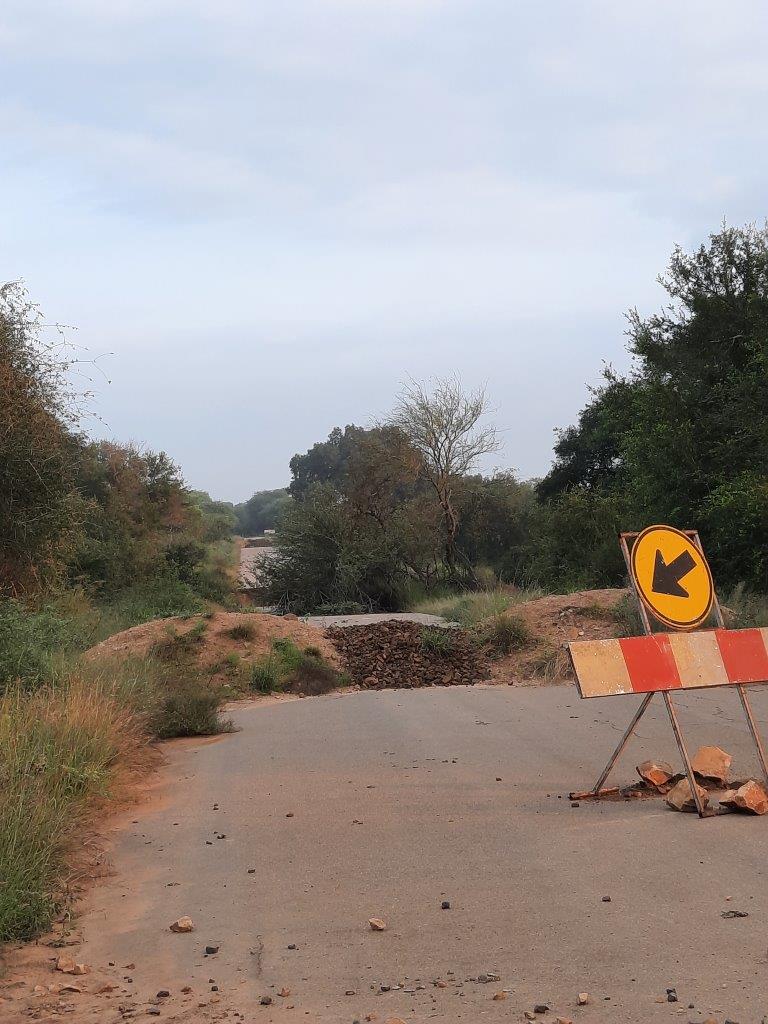
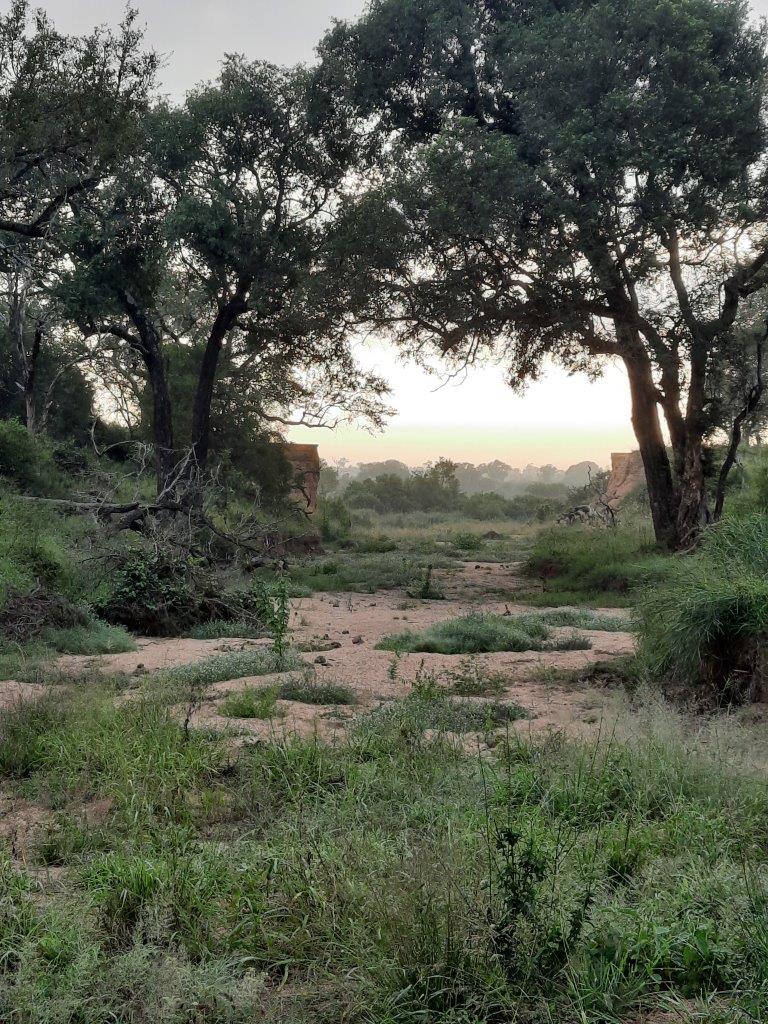
On another day we headed for Skukuza and the hide at Lake Panic. We took the two detours along the H1-4 Lower Sabie to Skukuza .

A Baboon sat on the road using his guile and jaw strength to rip into a sausage pod from a Sausage tree. Persistence pays off obviously. Watch.
The birdlife was very quiet at the Lake Panic hide.

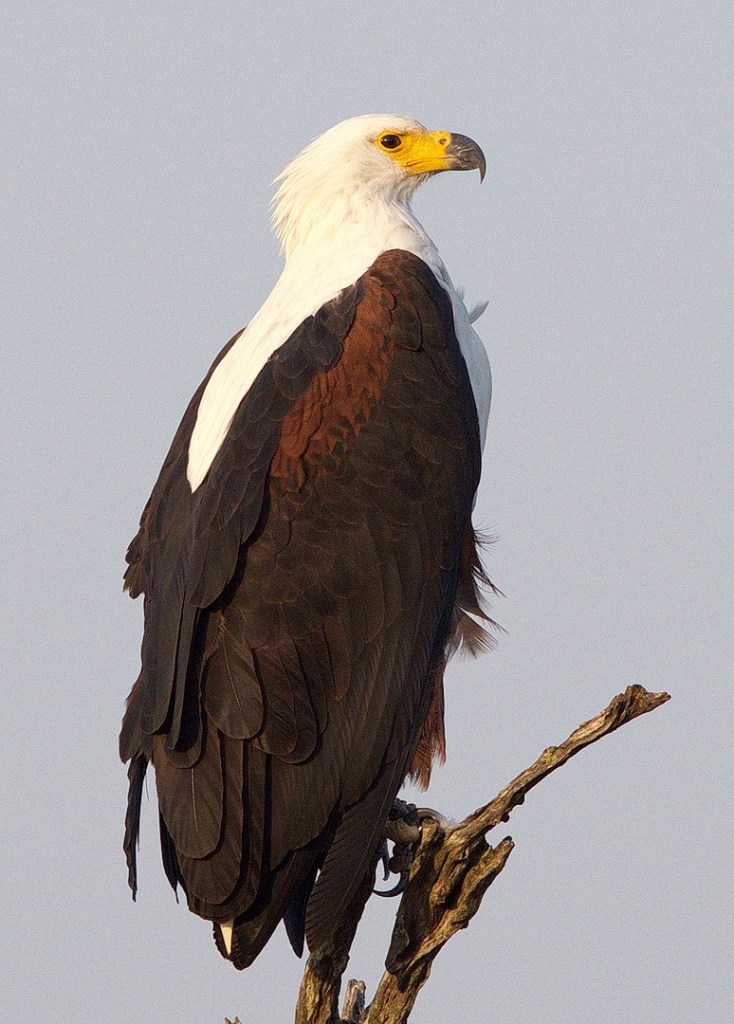
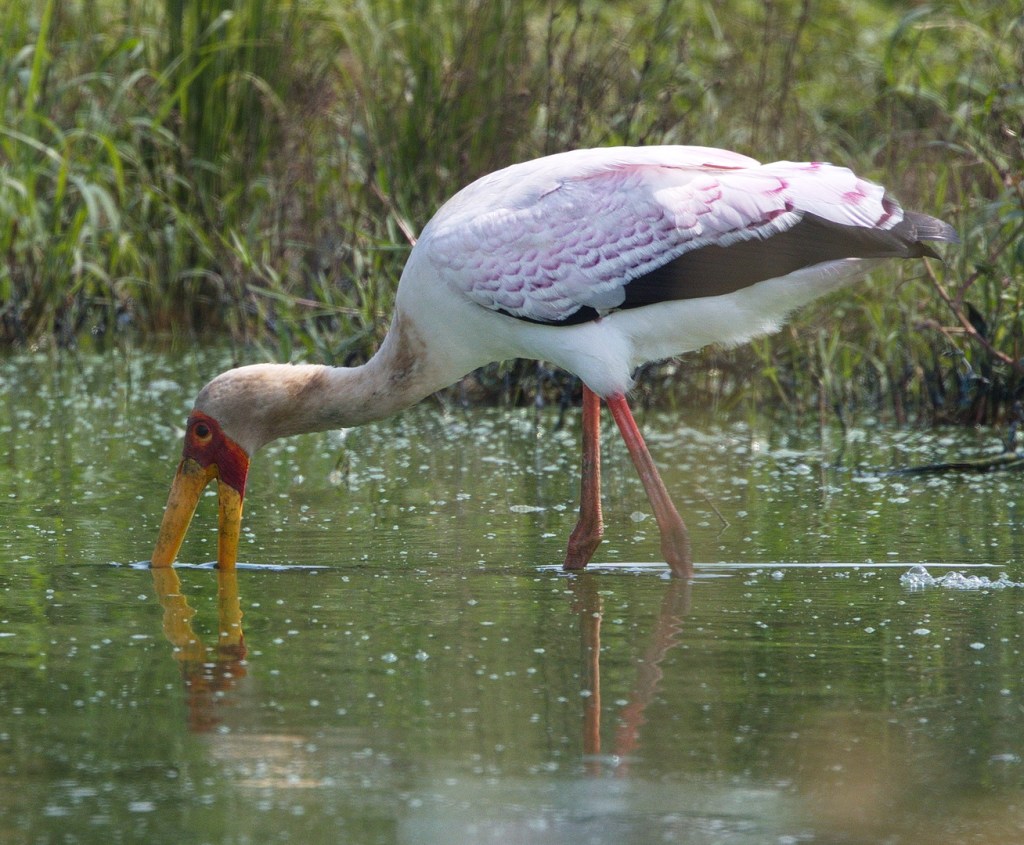
However, Sunset Dam did not disappoint. Apart from the antics of the hippos and the length of the crocodiles, birdlife was abundant.
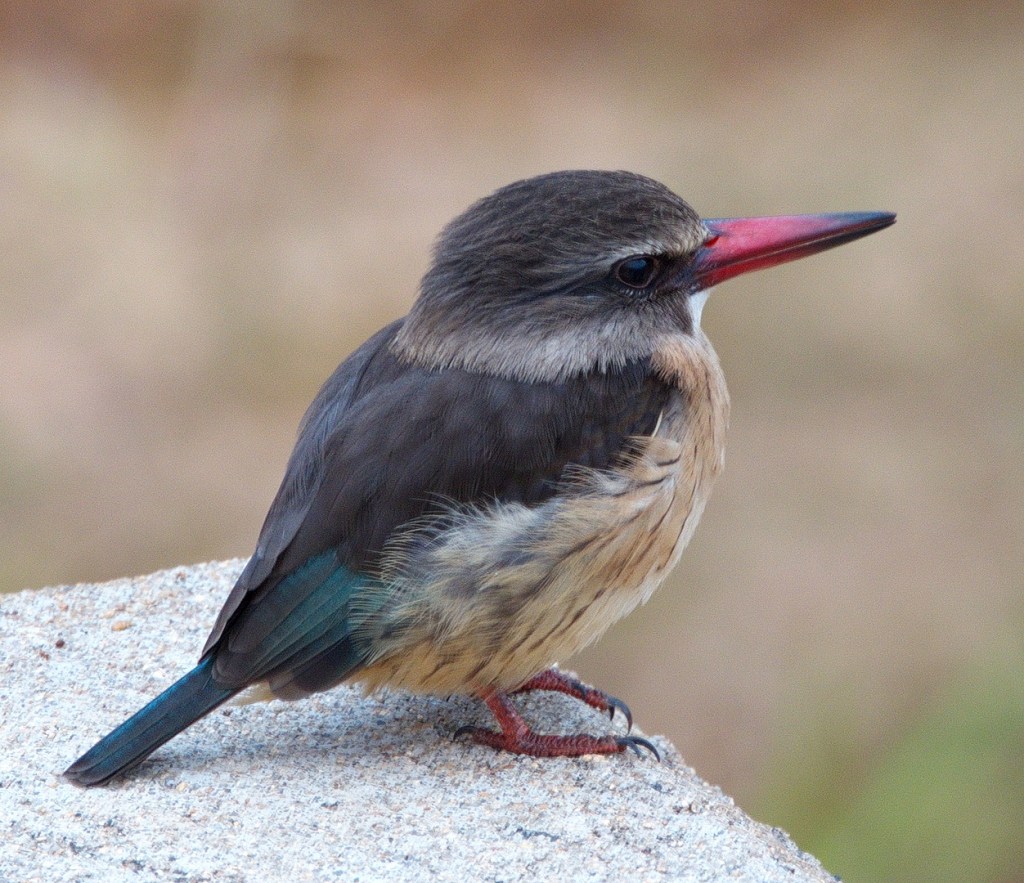
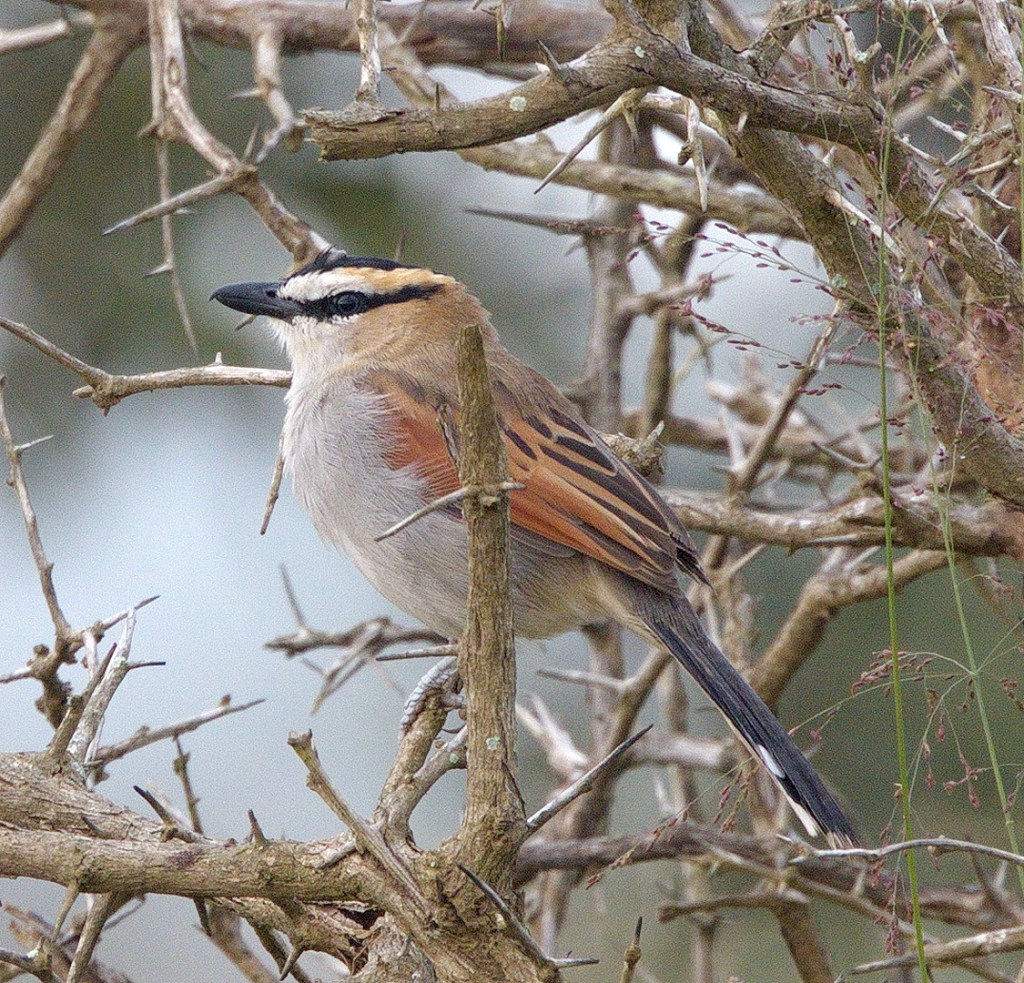
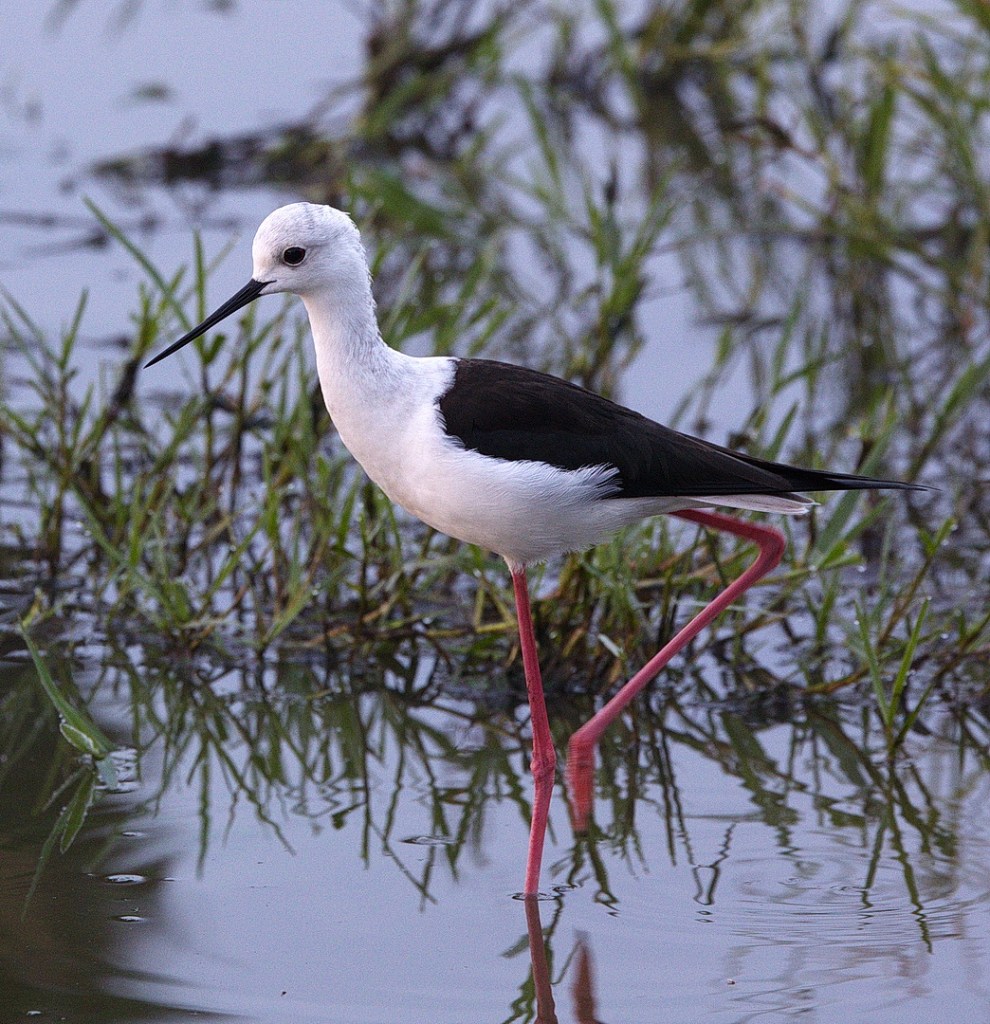
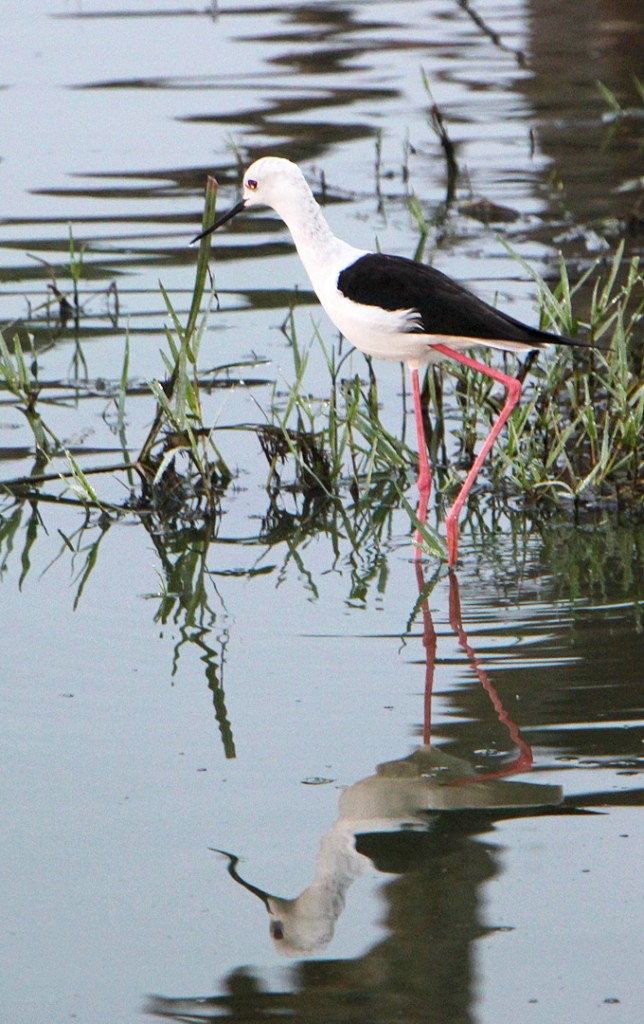
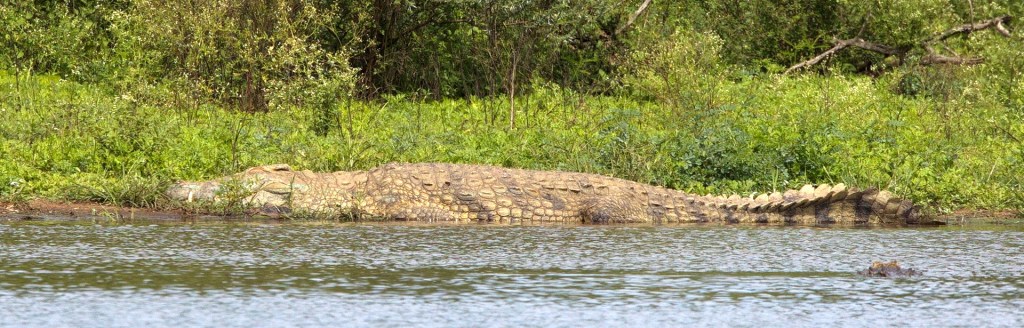
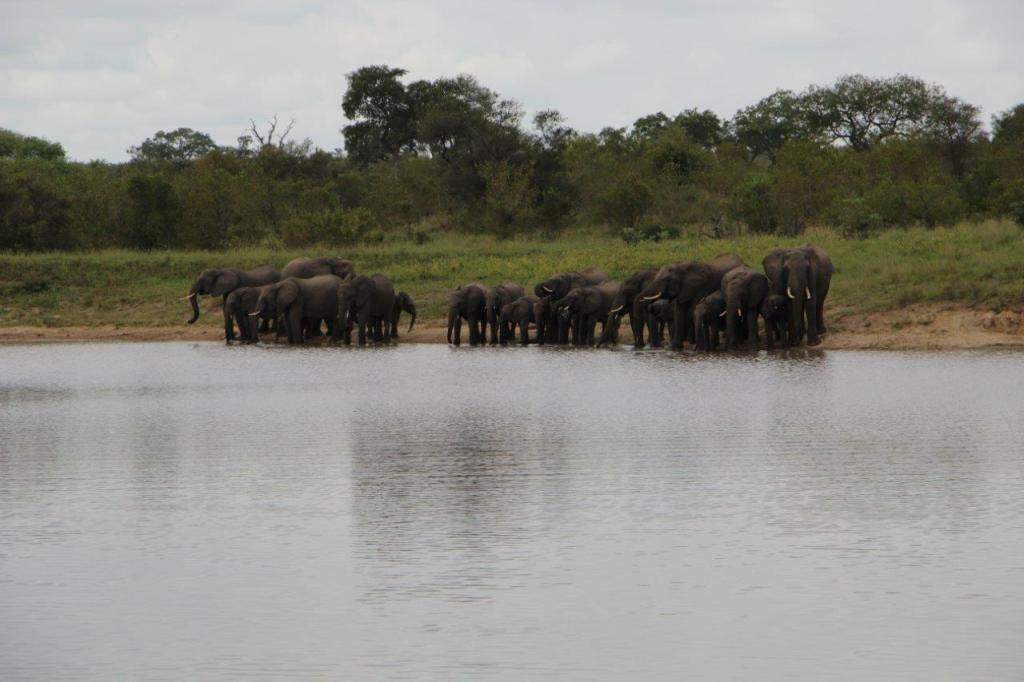
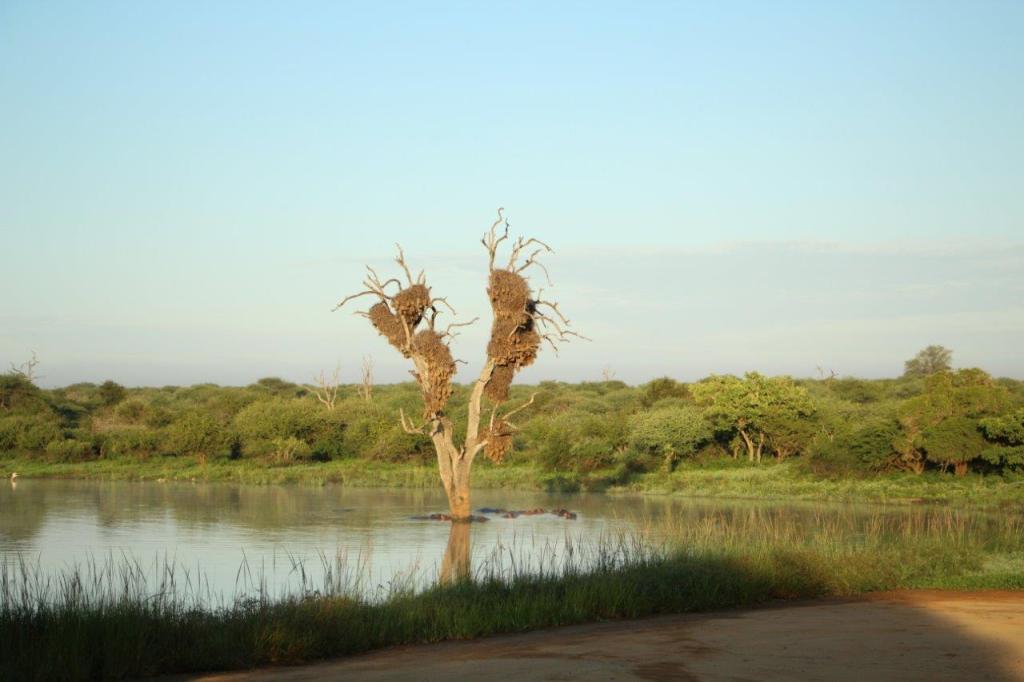
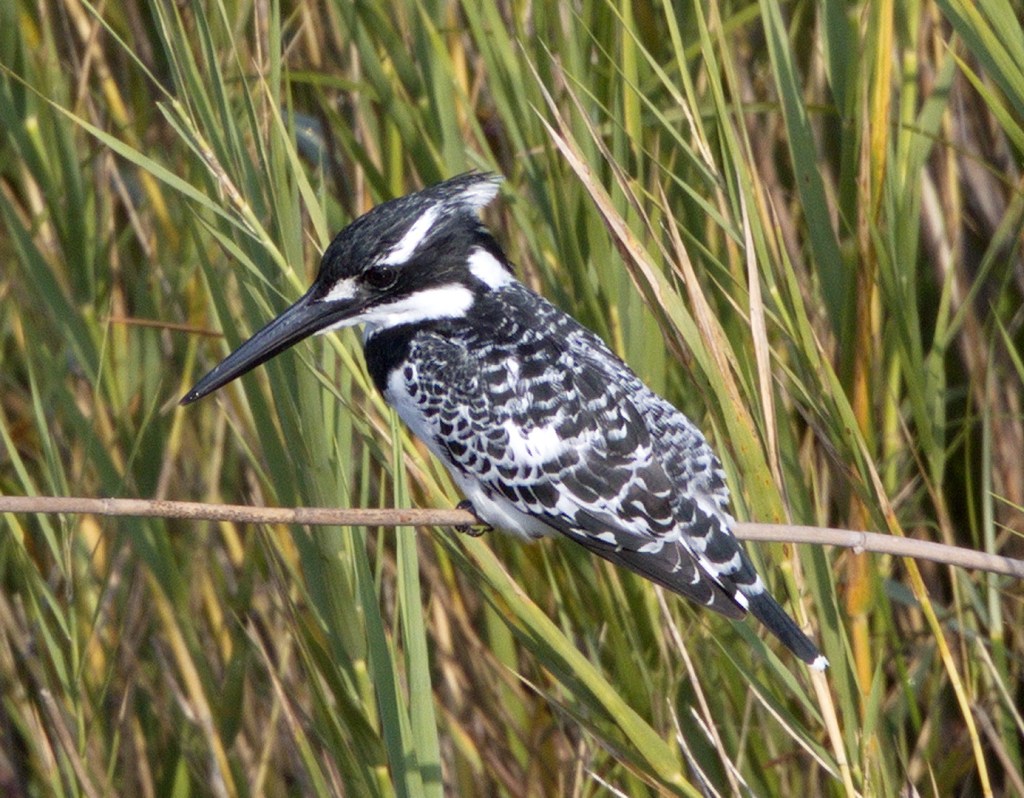
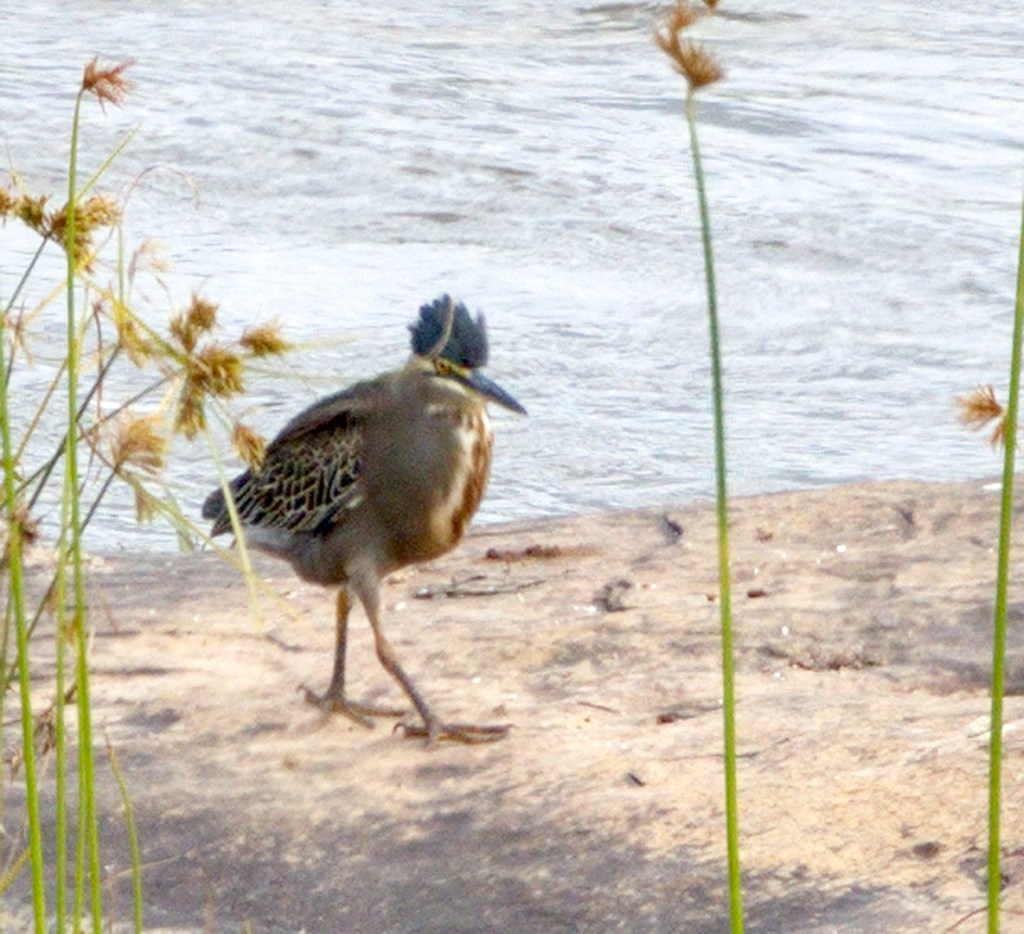

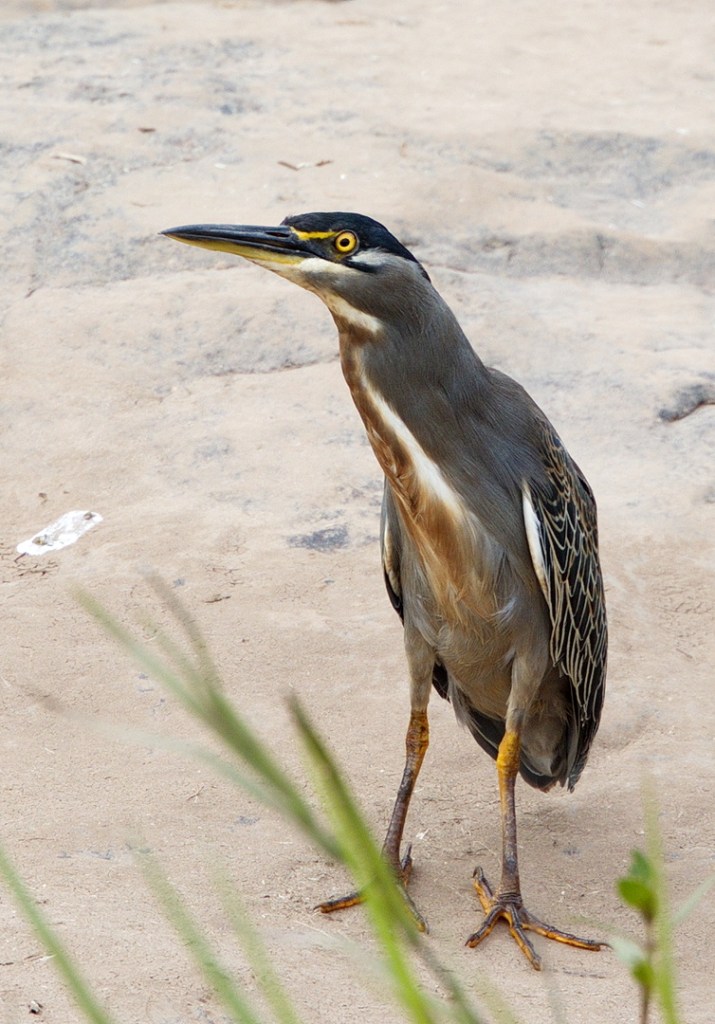
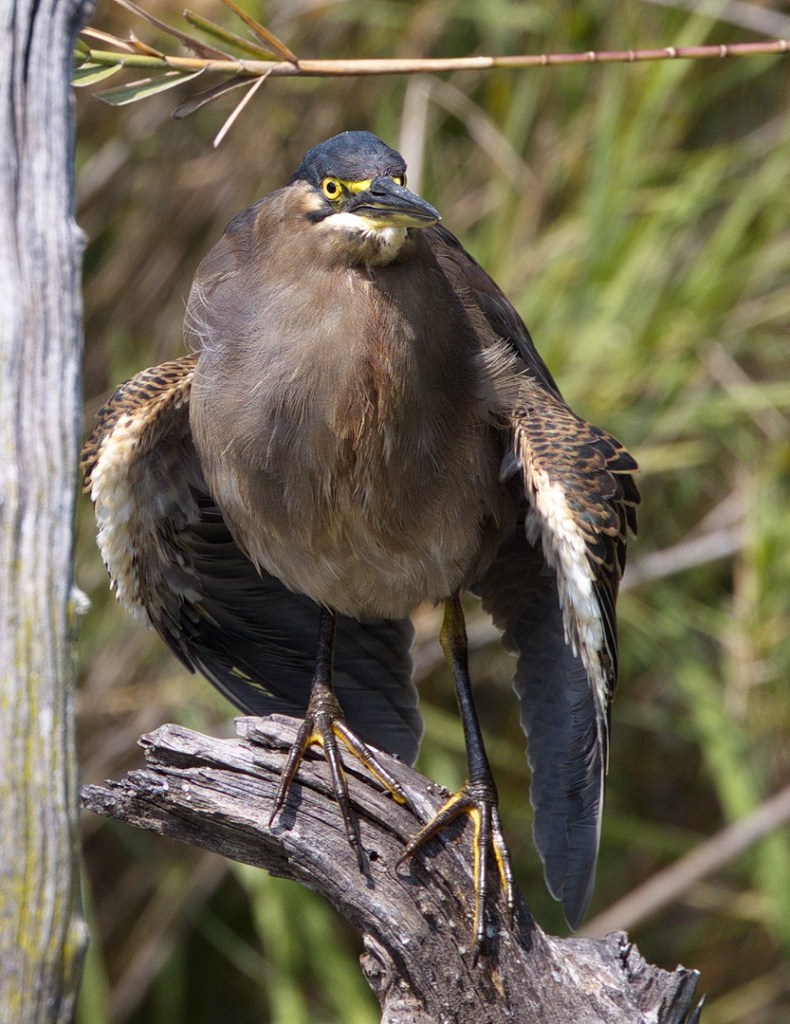

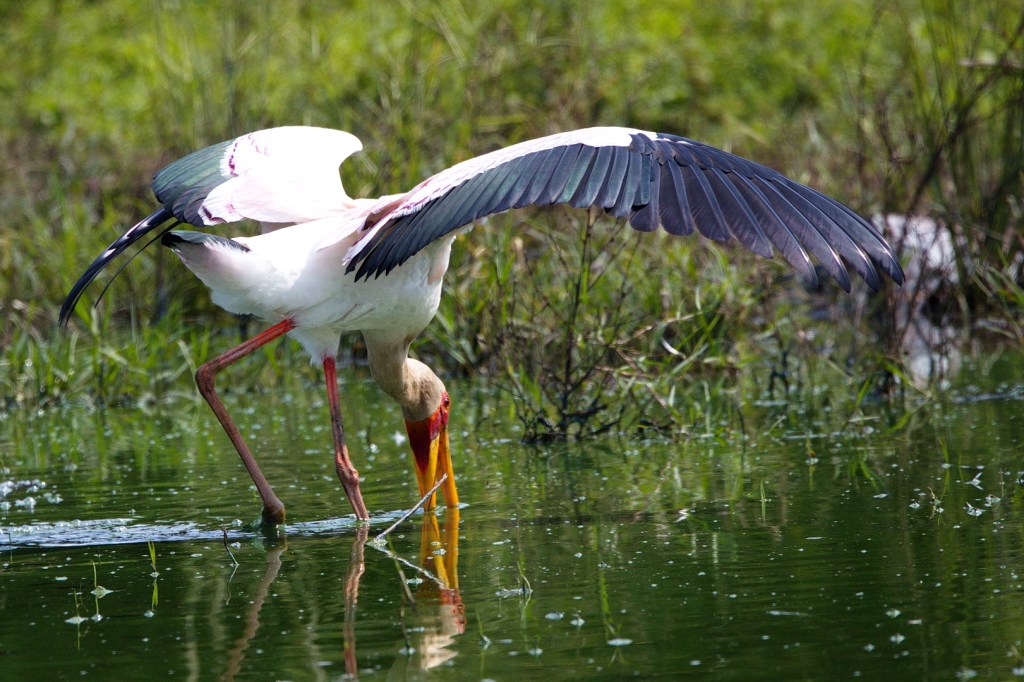
A Yellow-billed Stork showed how it uses its wings to move around quickly chasing dinner in the water.


Surprisingly, we saw several pairs of White-crowned Lapwings in Sunset Dam as well as near the main bridge crossing lower Sabie. In the past we had only ever seen them in the north of the Park around Pafuri.

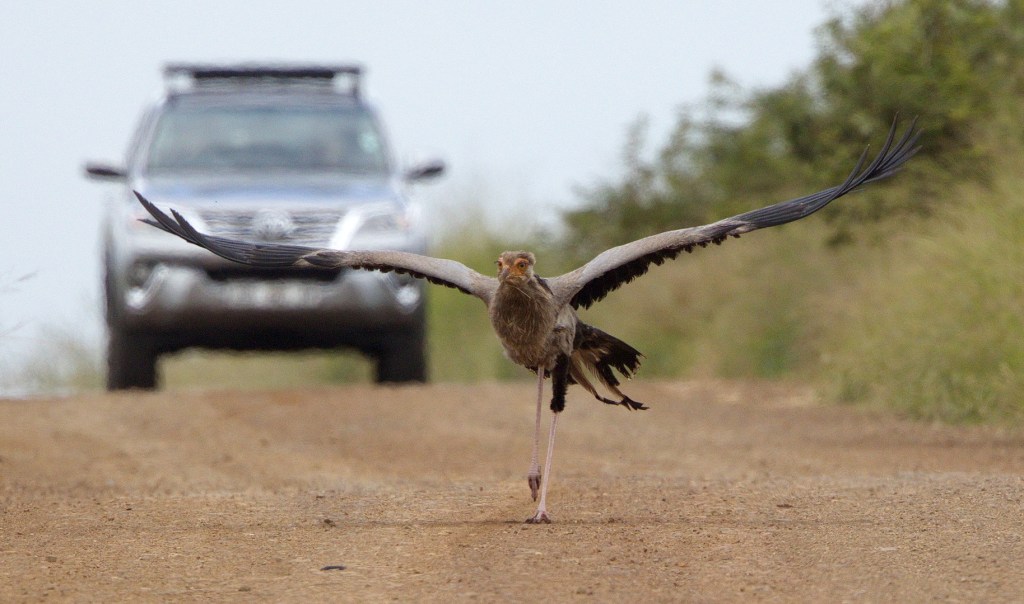
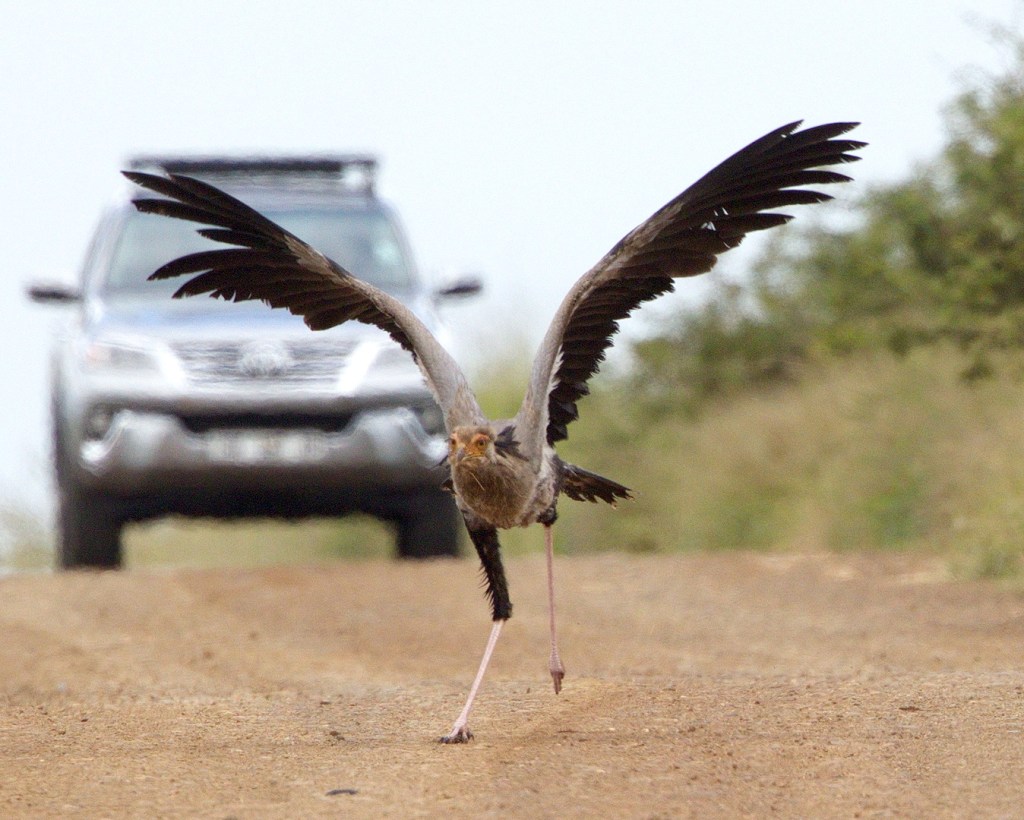
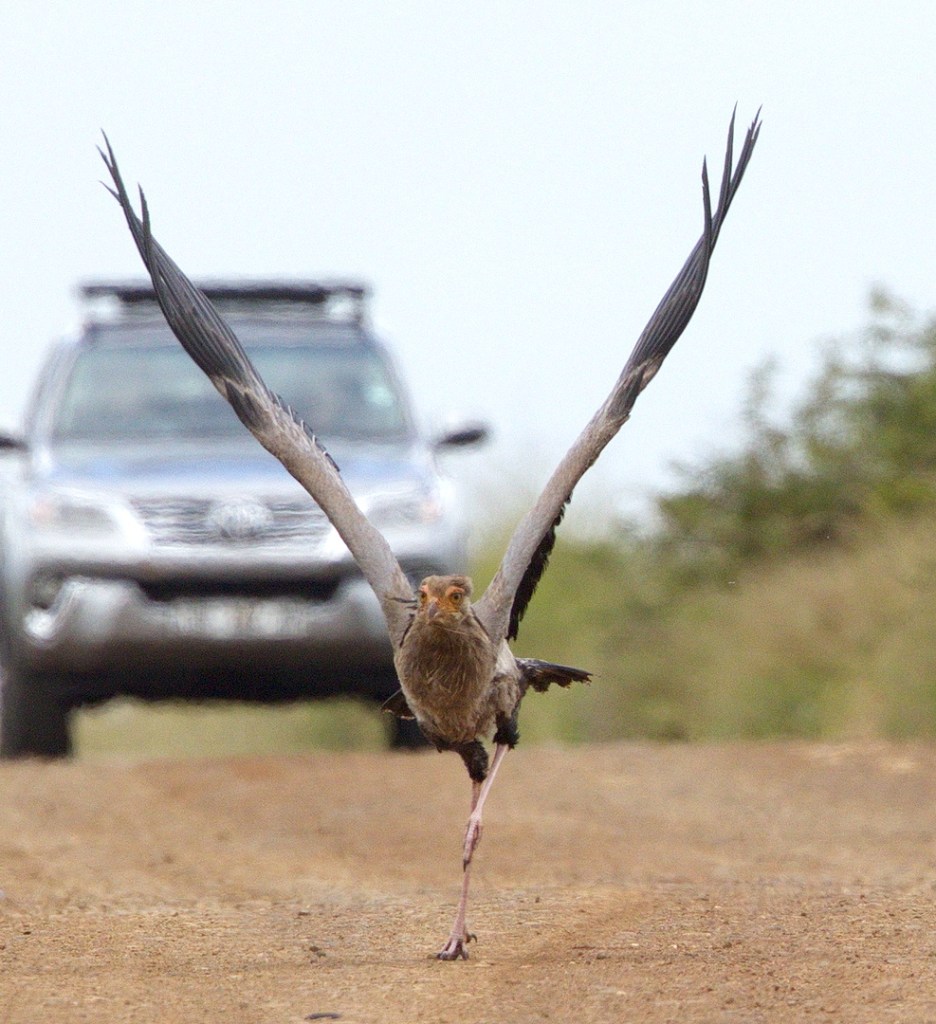
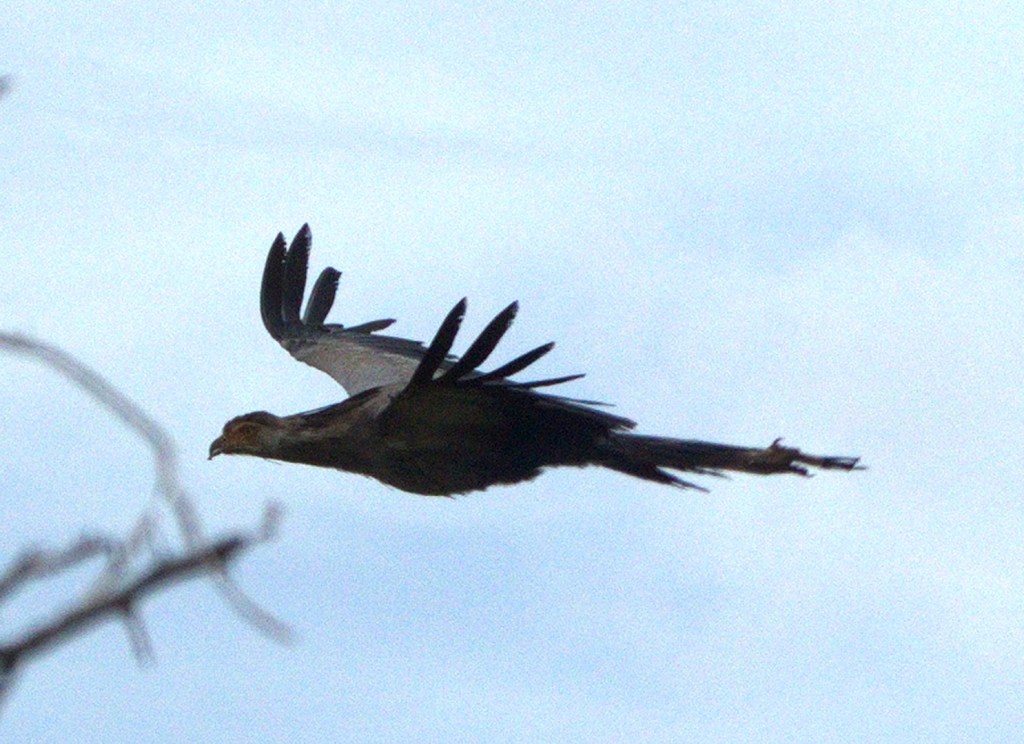
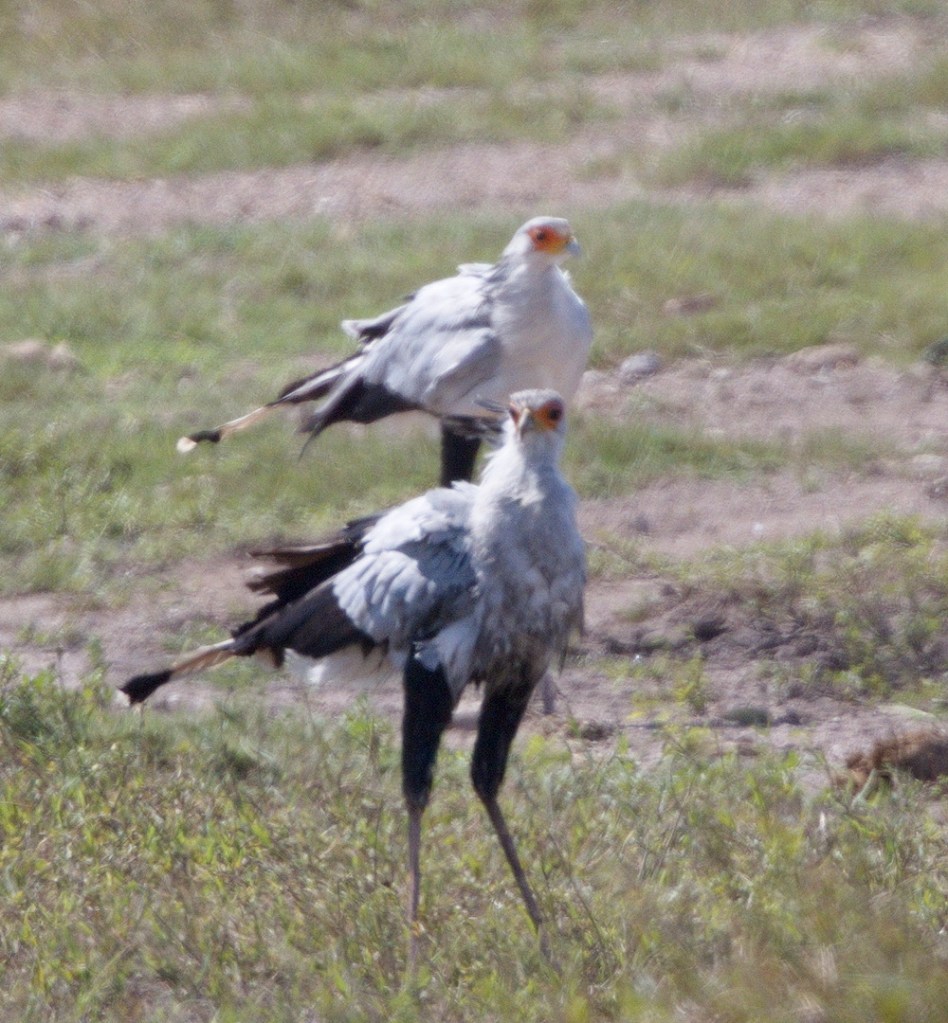
On one of the back roads, we noticed a Secretarybird way ahead of us. As I was about to take a photo, a car came over the hill and it took off towards us fortunately.


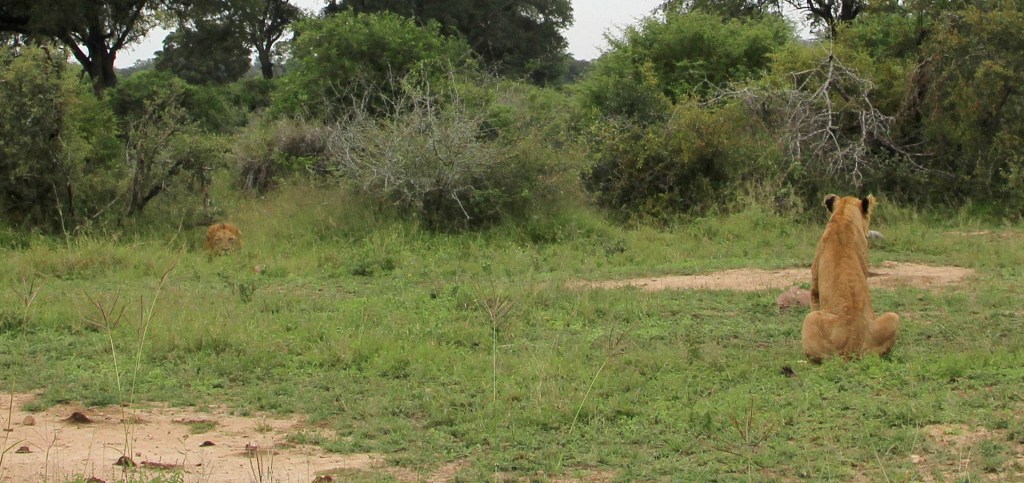
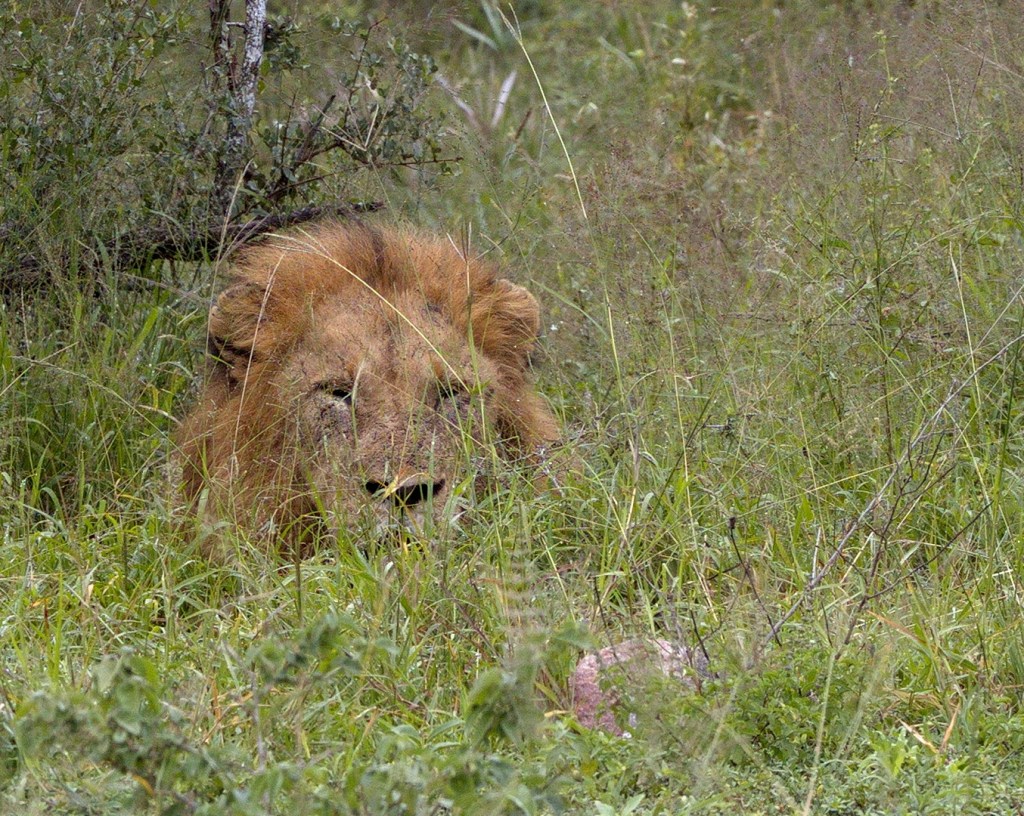
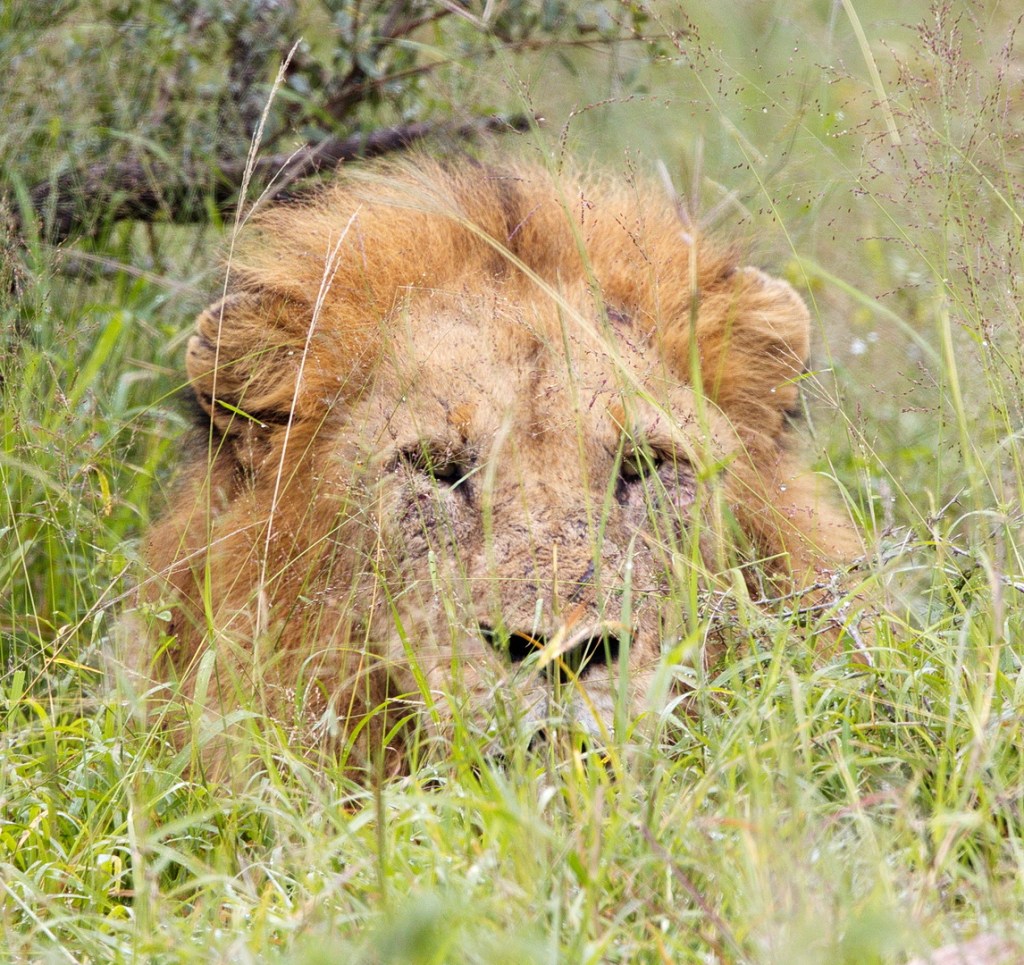
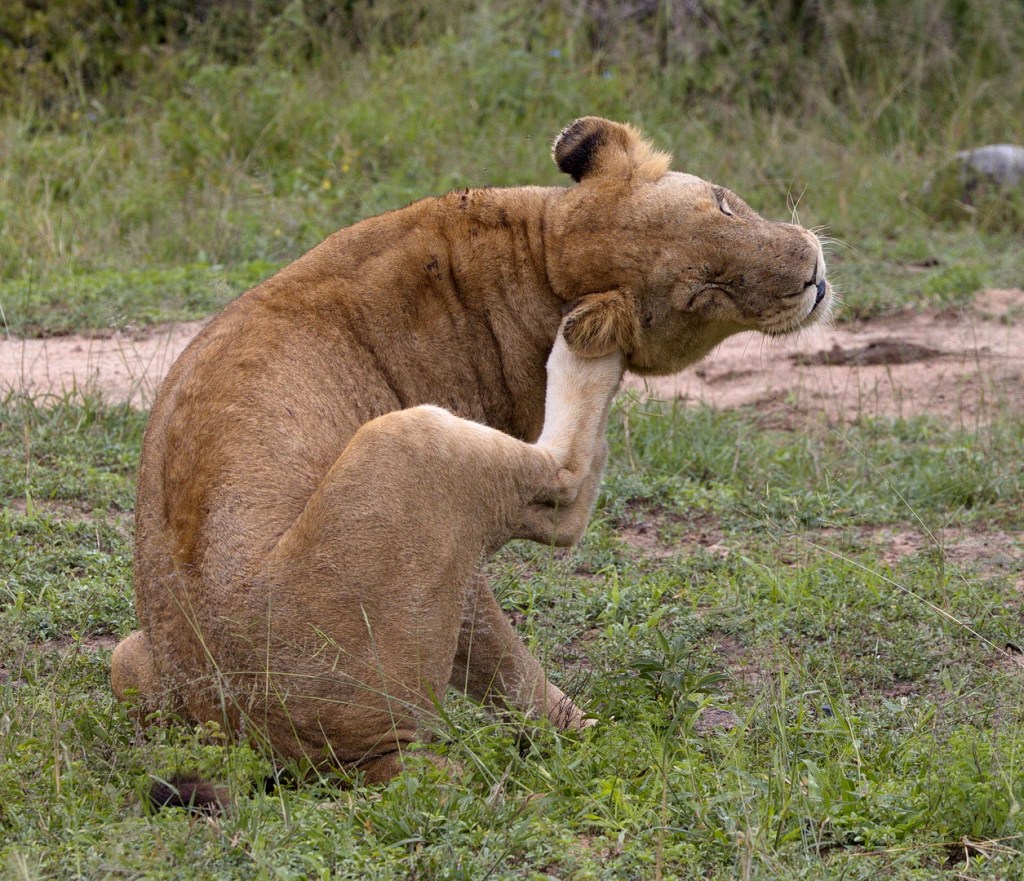
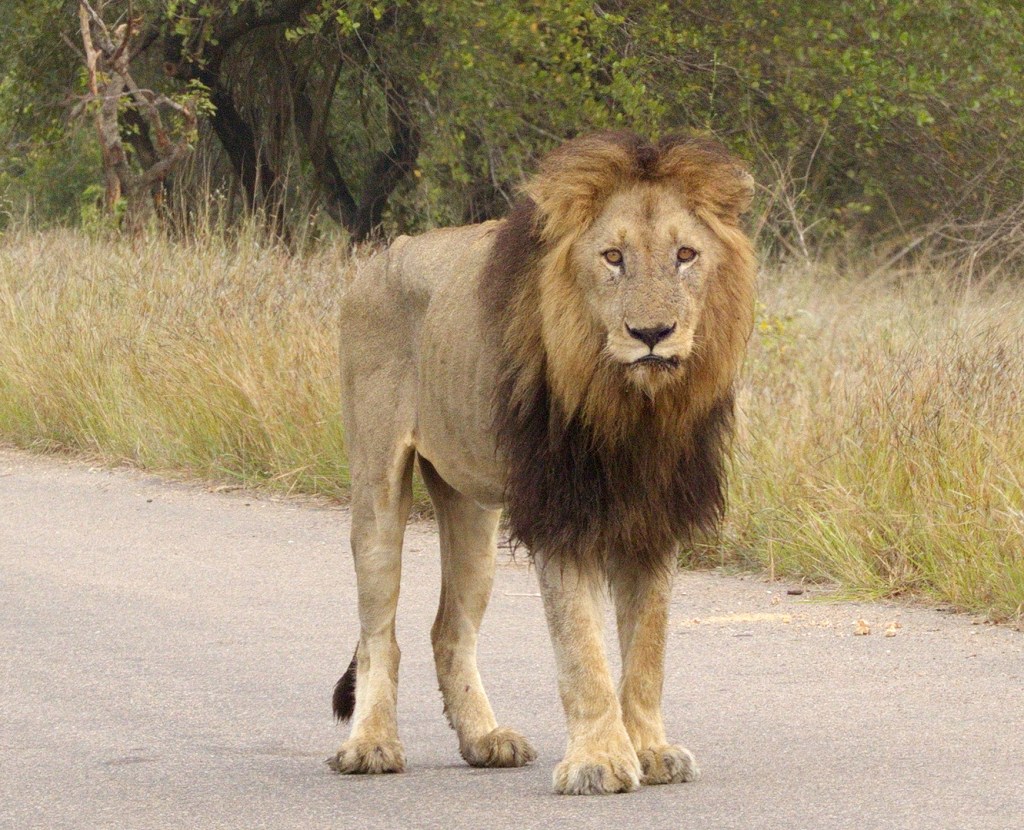
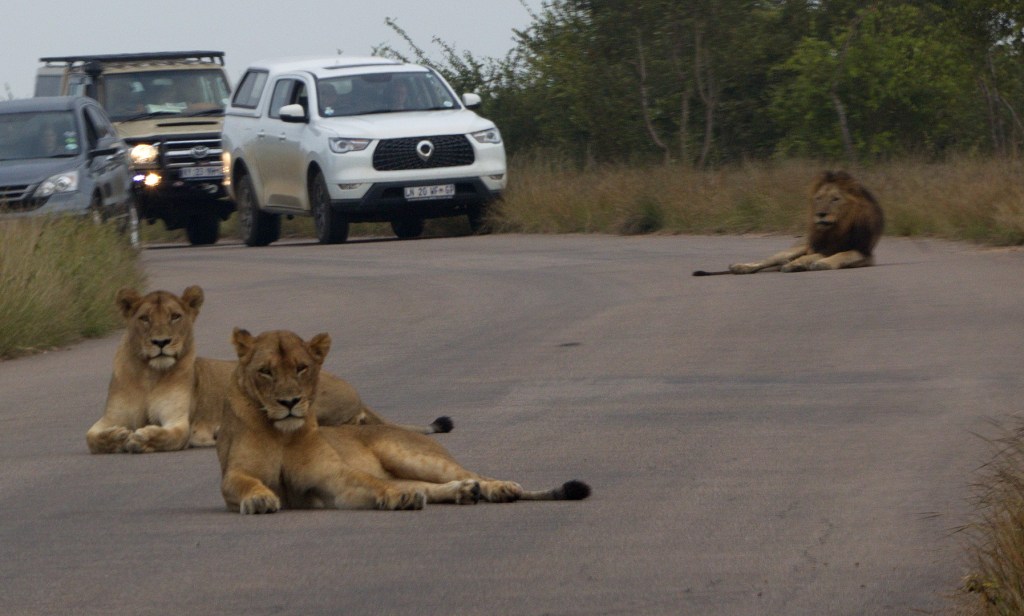
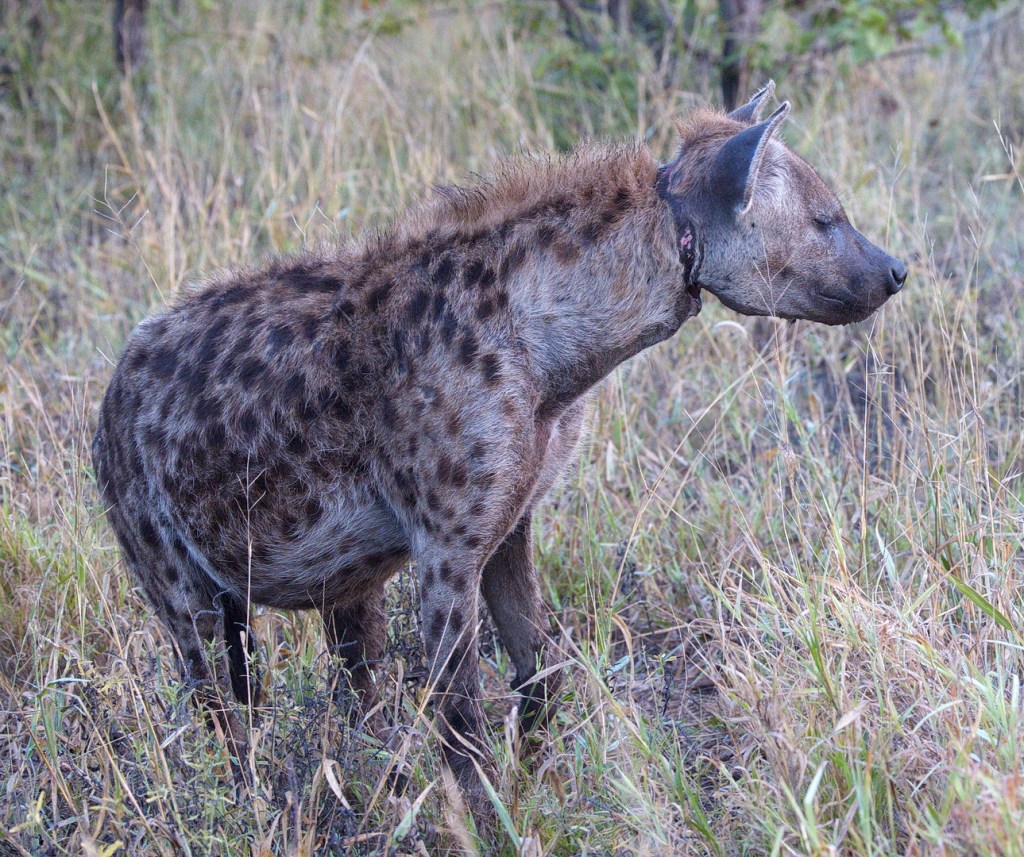
We did come across several Lion sightings – a mating pair in one instance and a pride lying across the road with the usual traffic jam. We also saw briefly our only Cheetah and took a video of a Hyena walking by.




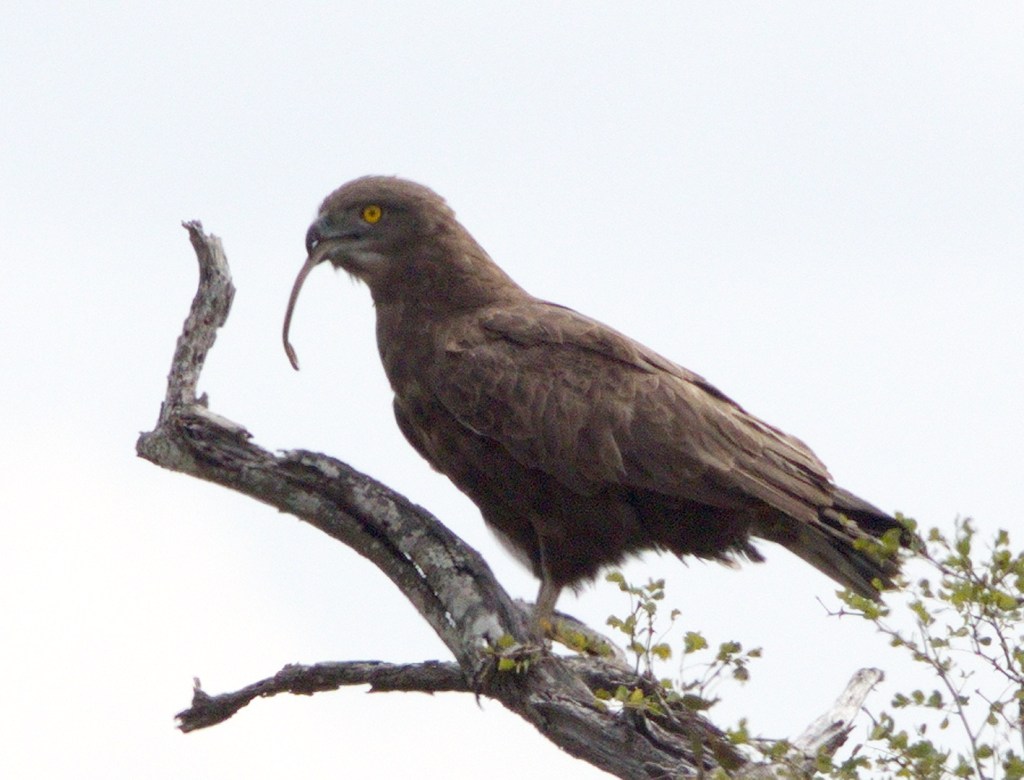
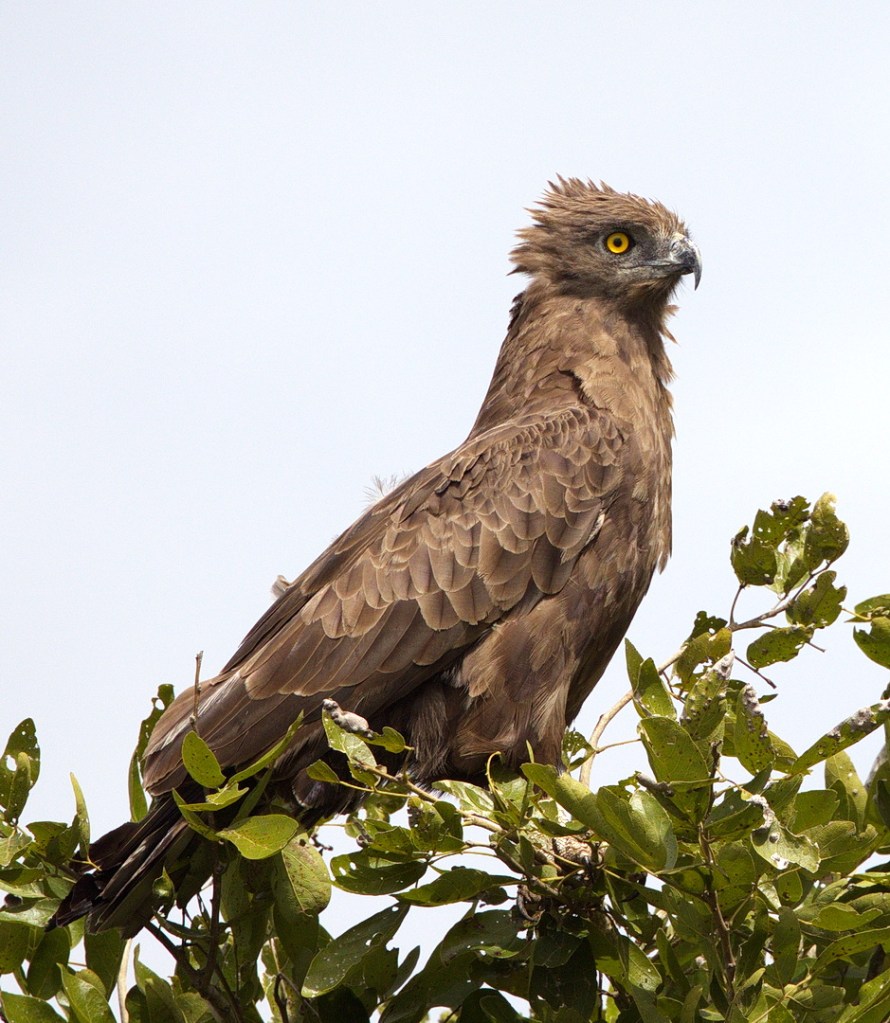
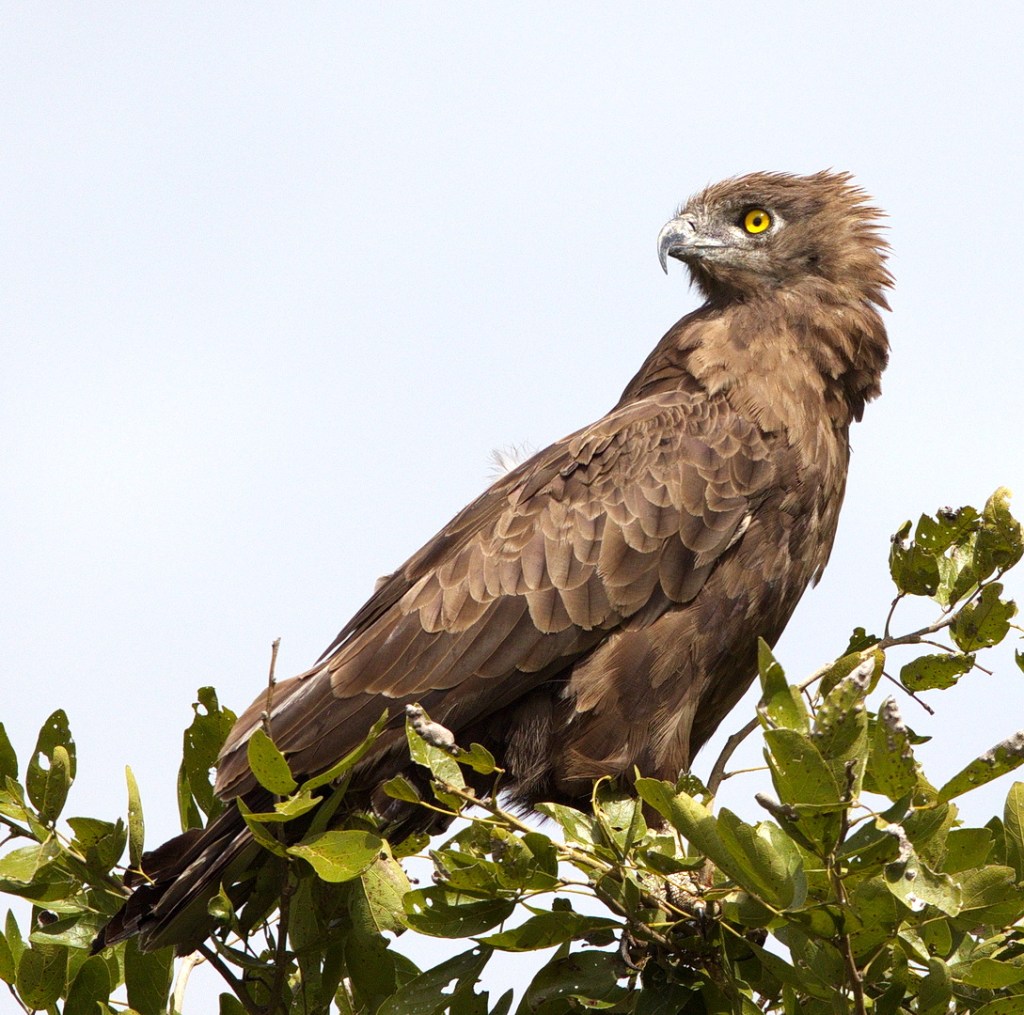
Raptors
Several Brown Snake-Eagles, Martial Eagle



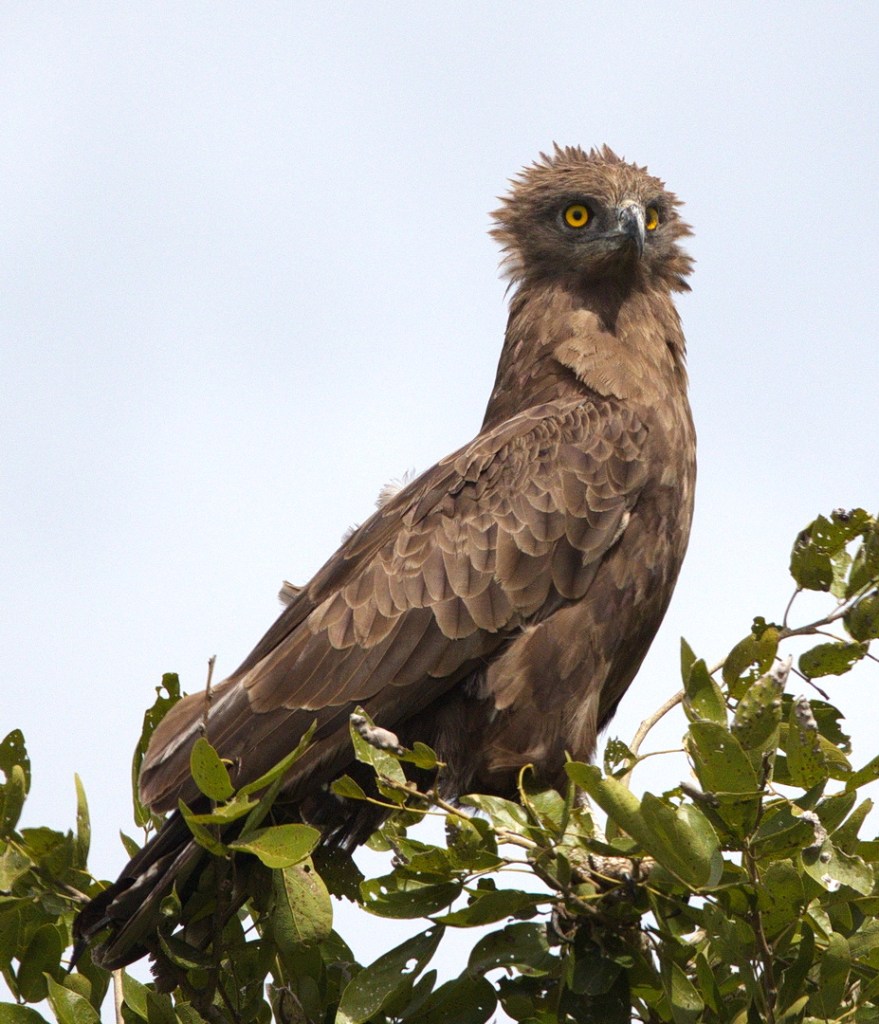


And here are some of the other species we managed to capture.
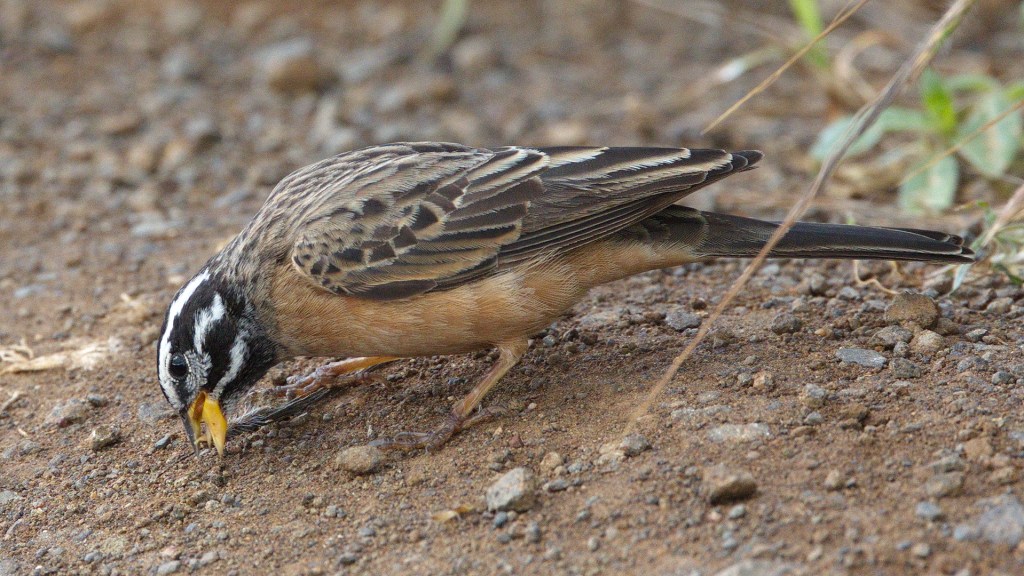


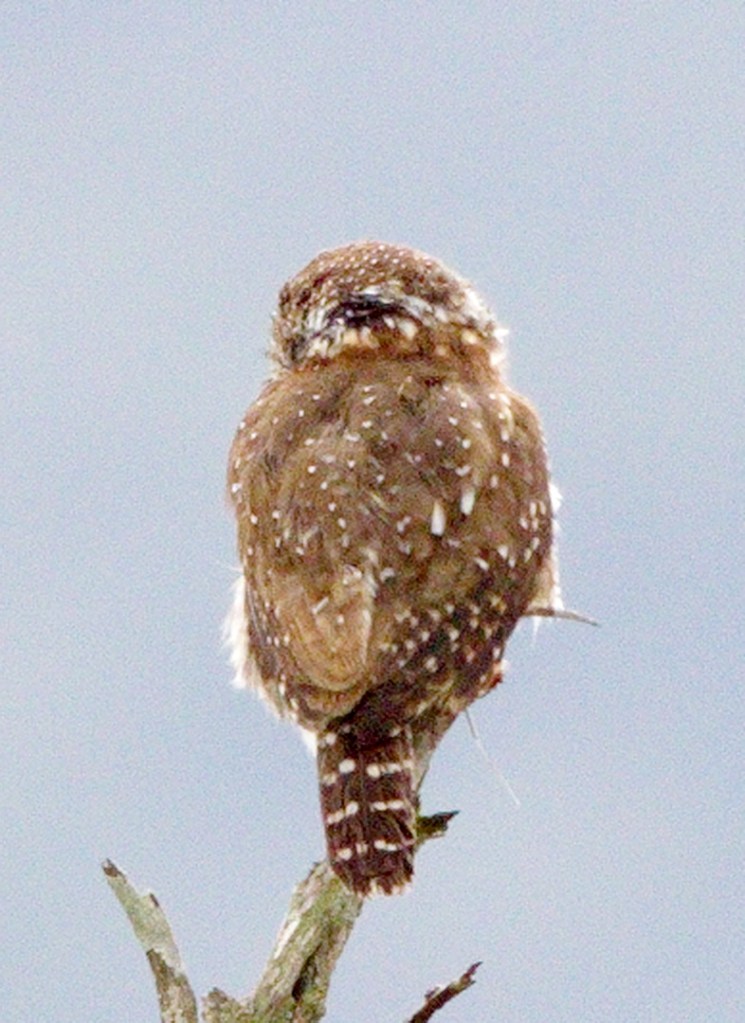

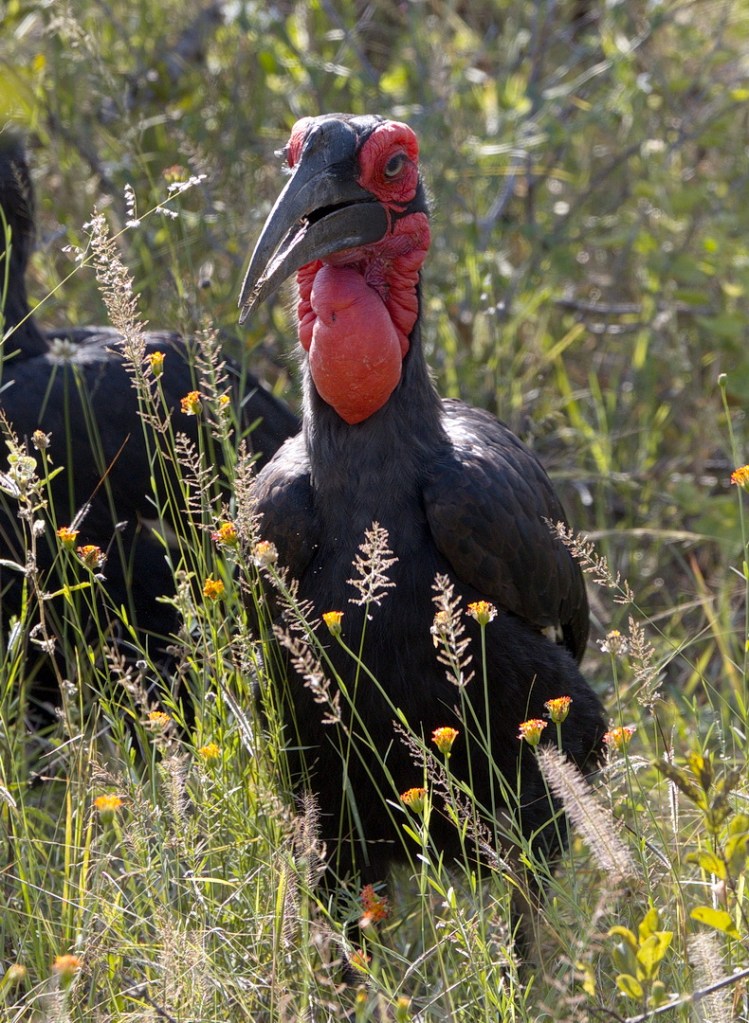
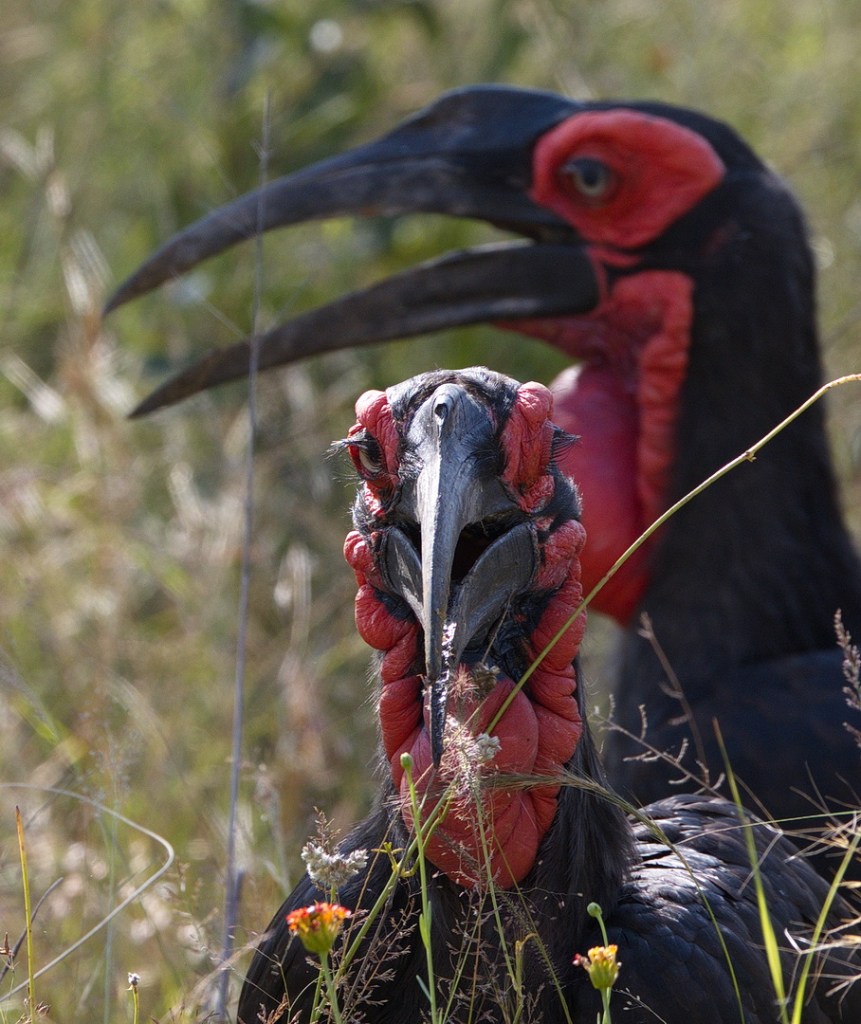
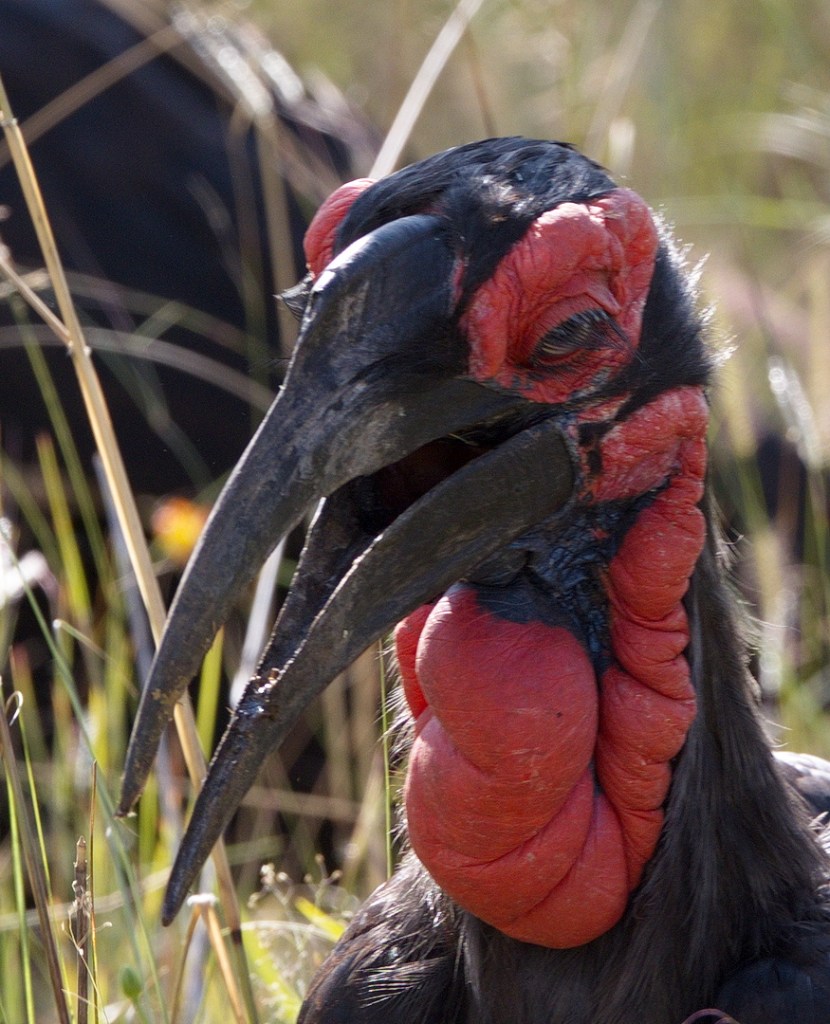

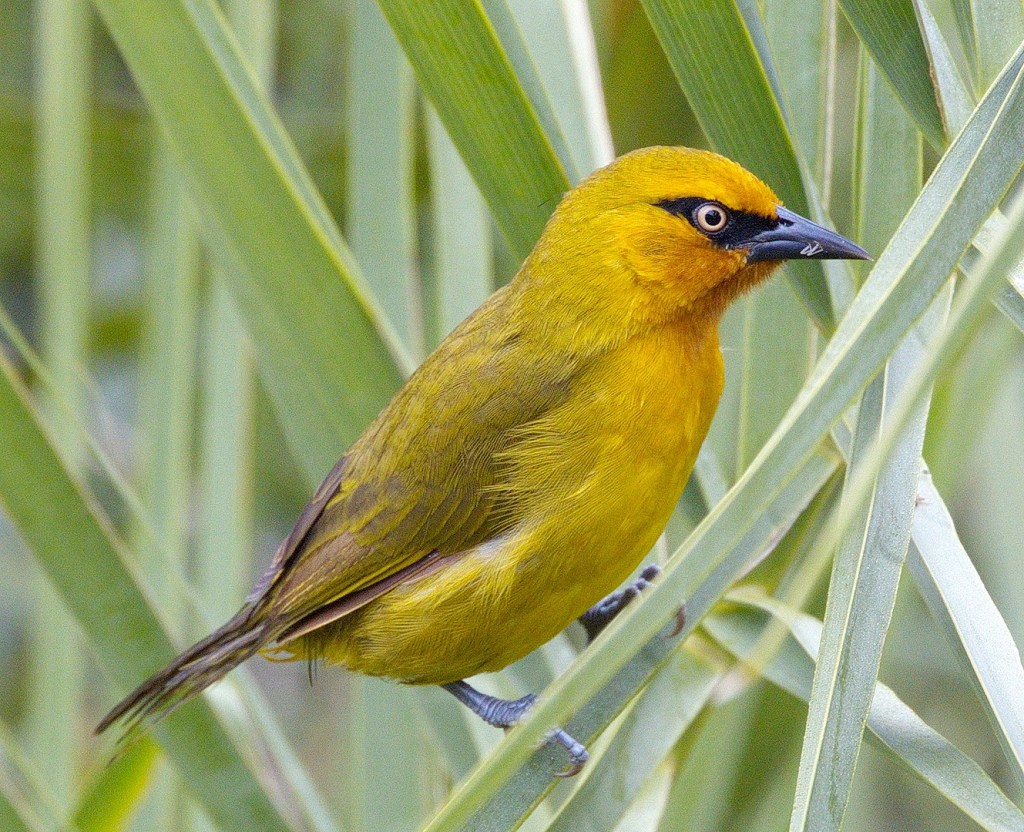


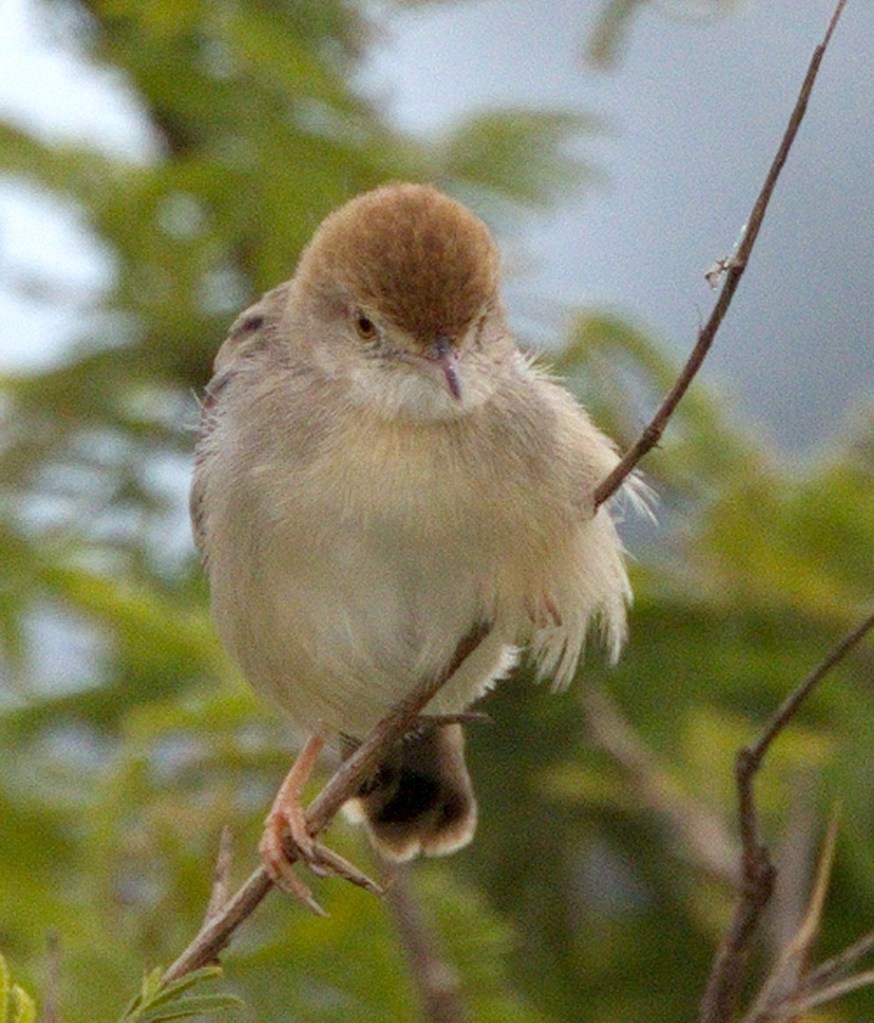


And finally, a Lappet-faced Vulture.
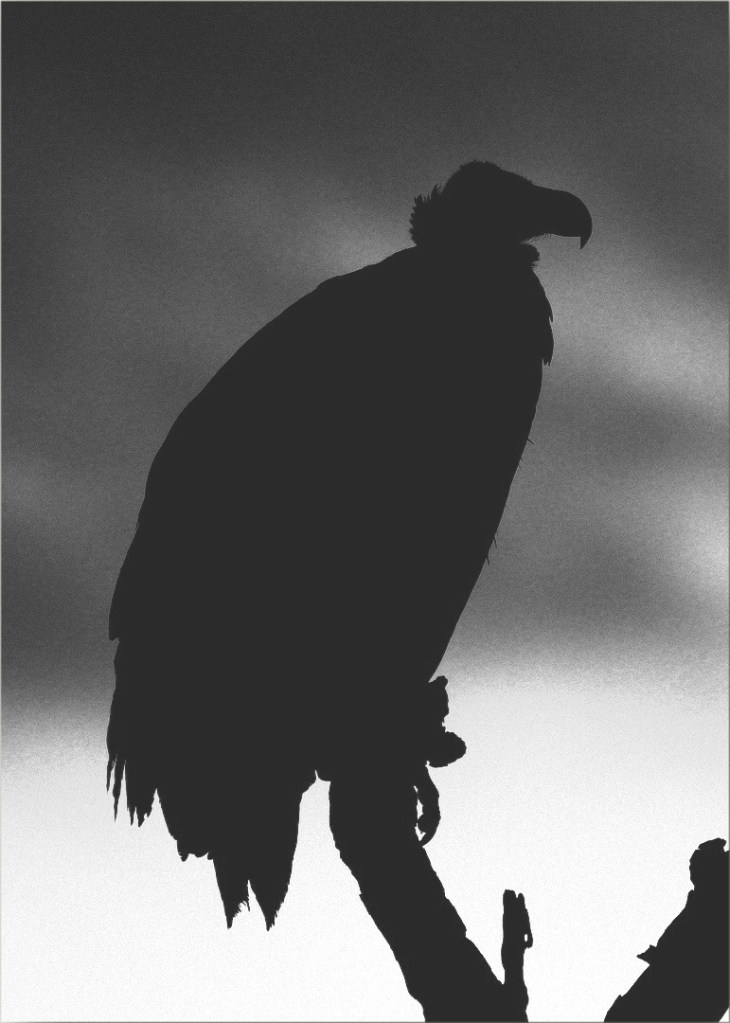


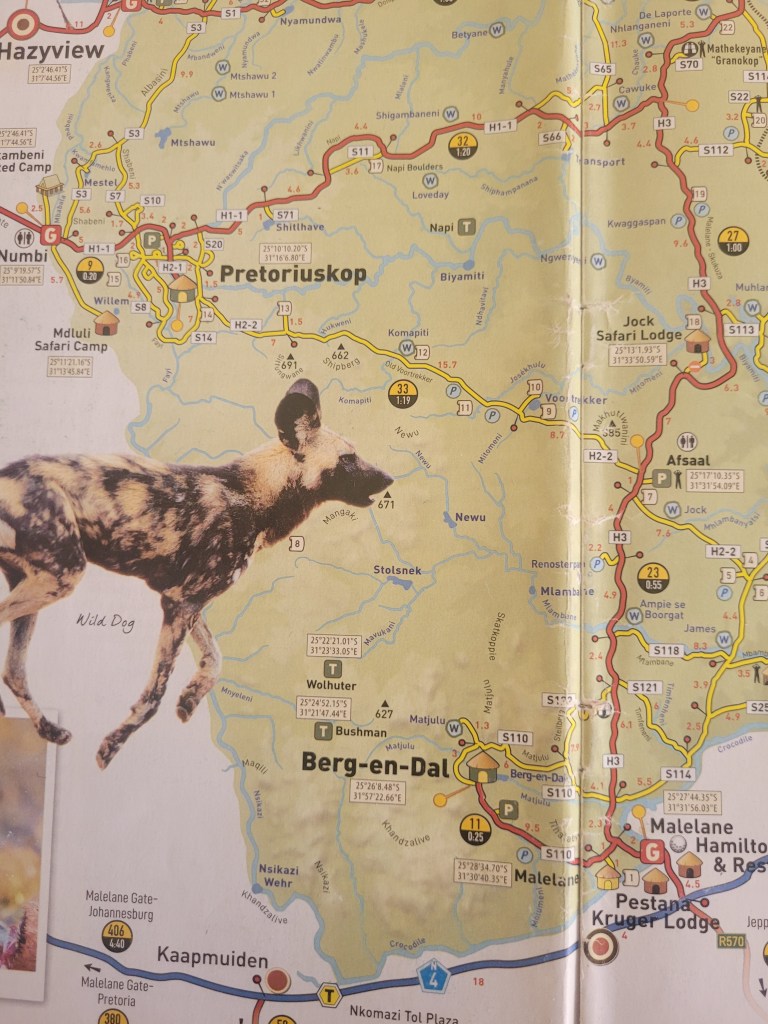
Our last camp was Berg-en-dal for 3 nights.
Berg-en-dal
18th to 21st April 2024

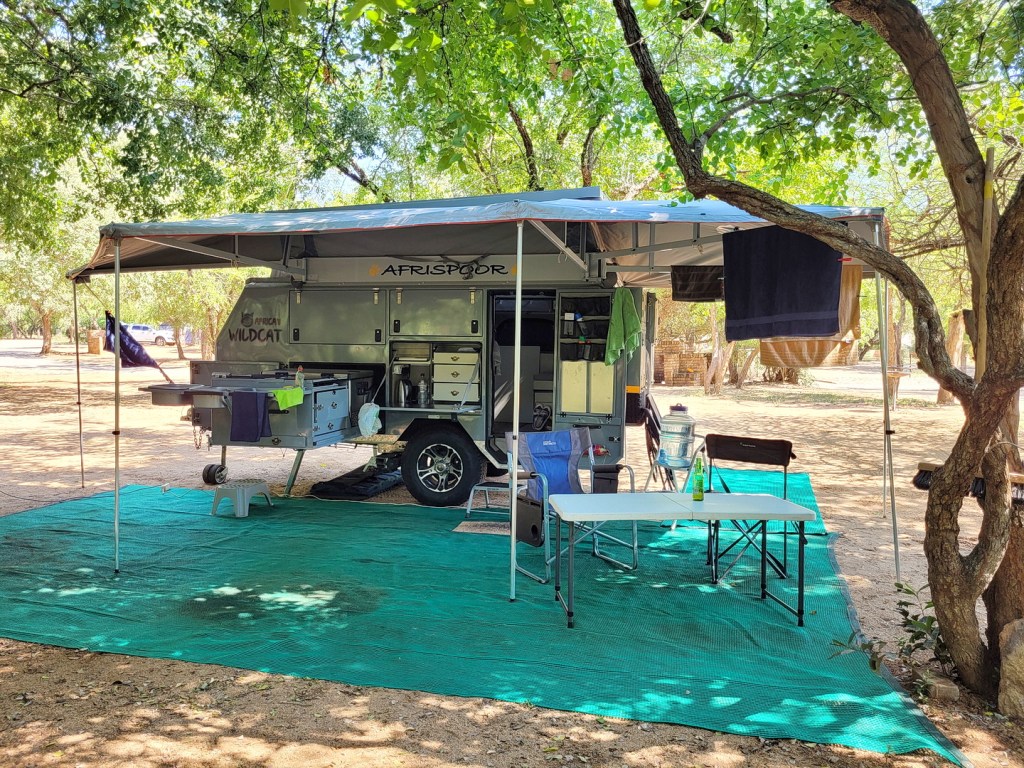
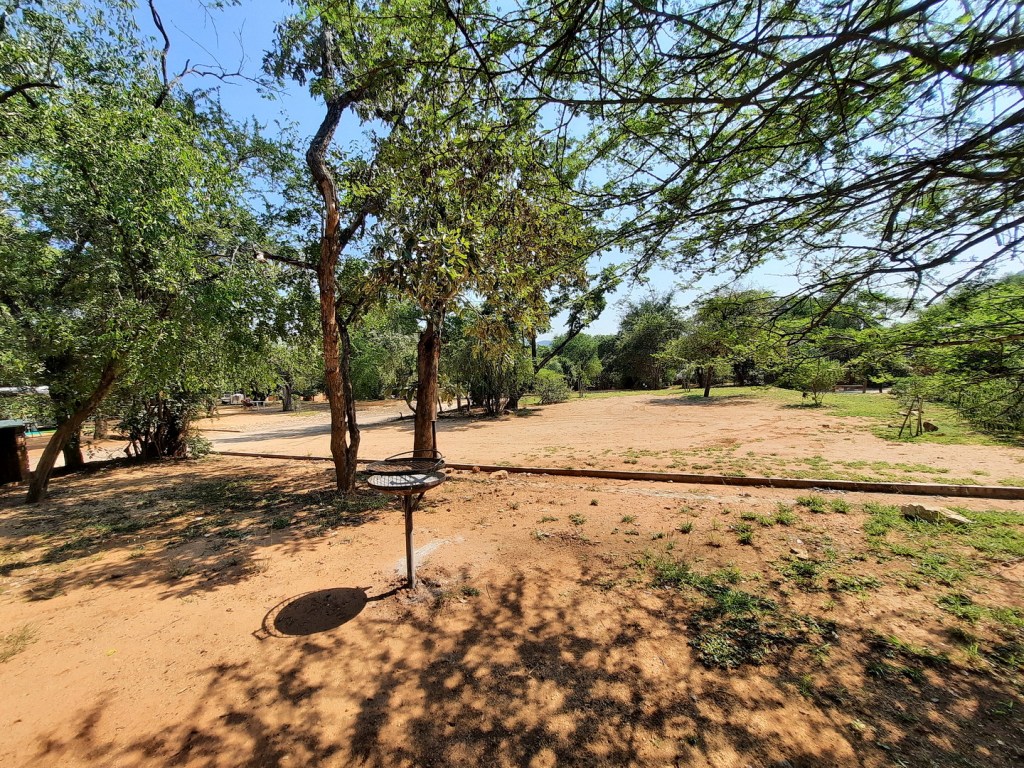
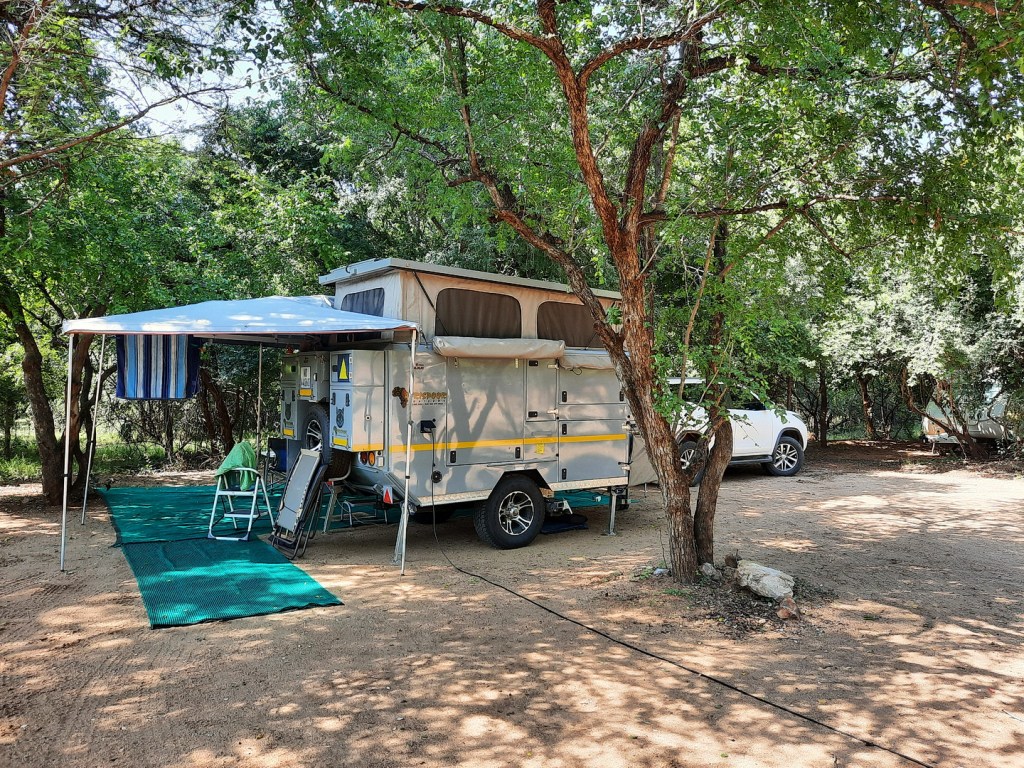
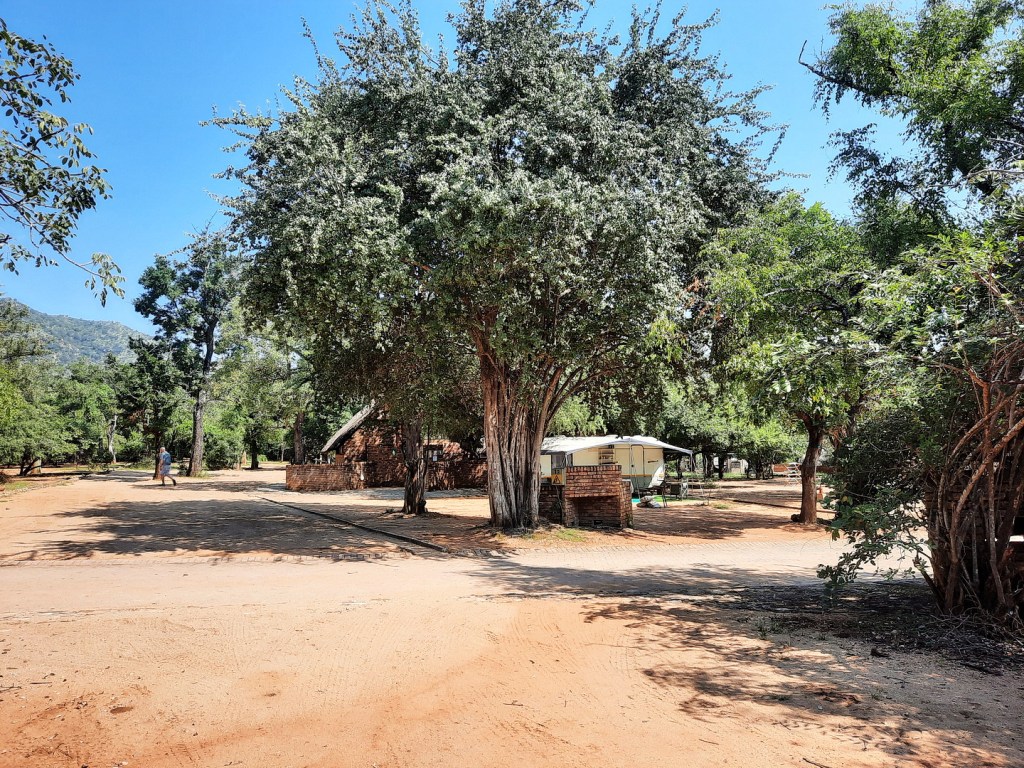
After driving around the camp for ages looking for a spot, we eventually settled on a site we had first seen. And we enjoyed the privacy and outlook.


We ventured around the area but also took a long day out to Pretoriuskop – taking the H2-2 from Afsaal to Pretoriuskop. Then back along the S1-1 and H3, visiting dams and other features along the way.
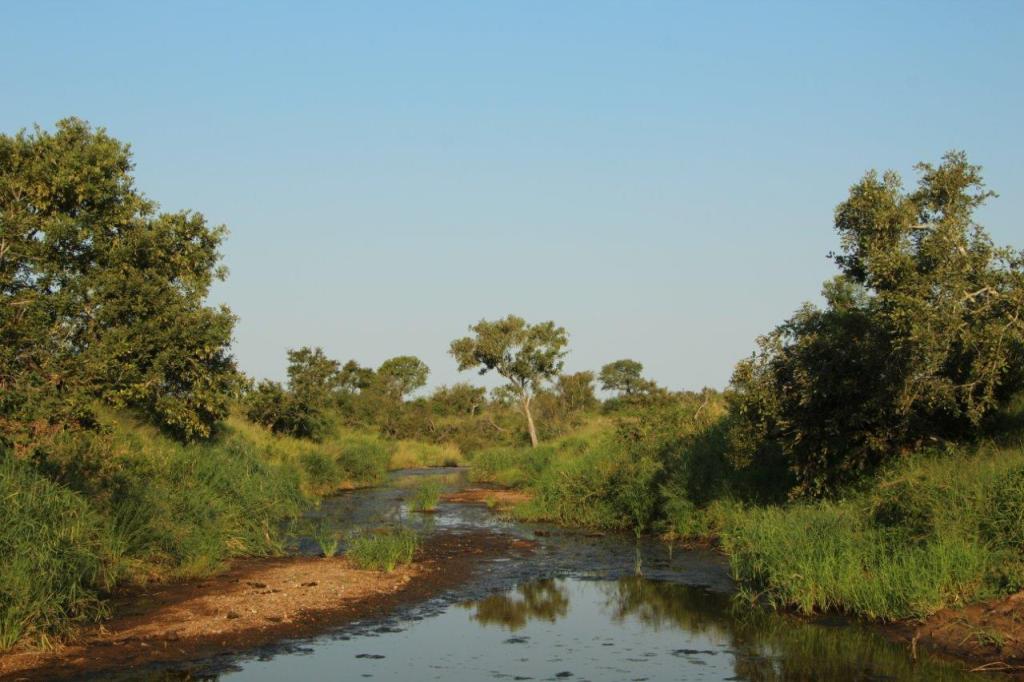
Typical scenery.




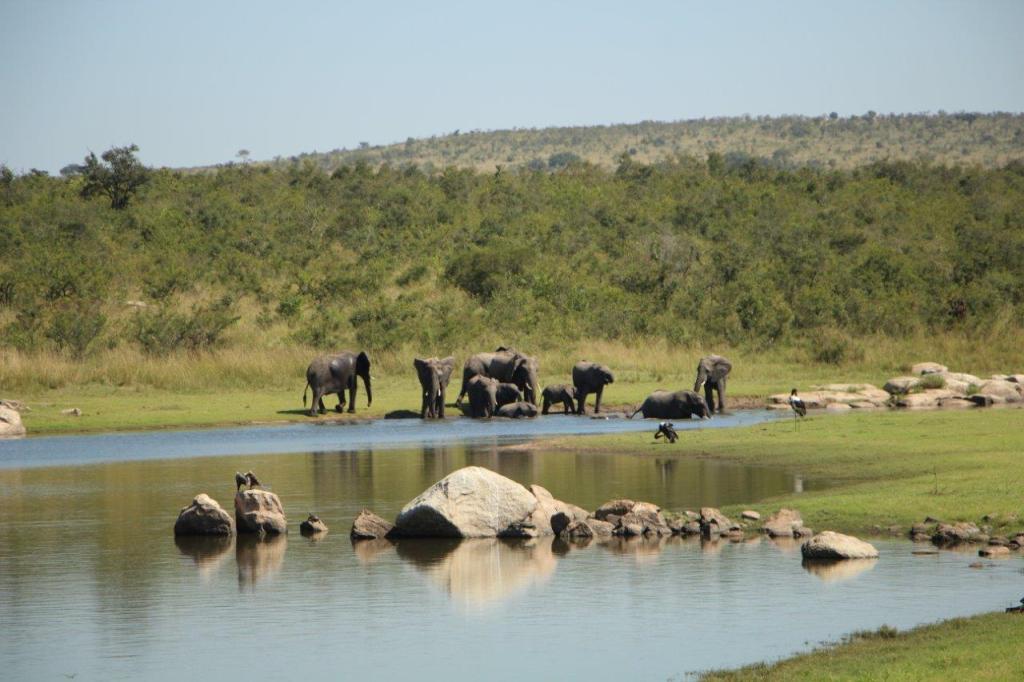

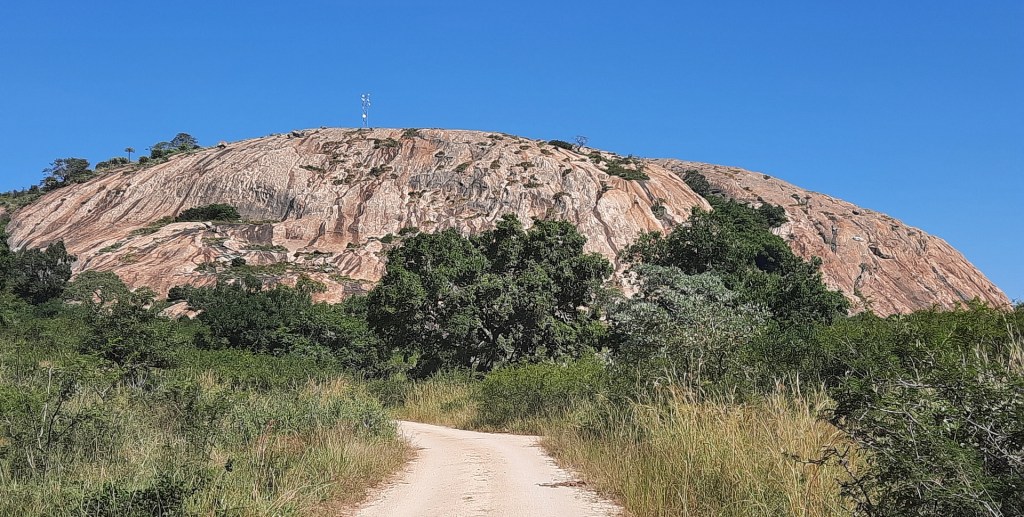
A natural rubbing post for Warthogs and Rhinos usually.


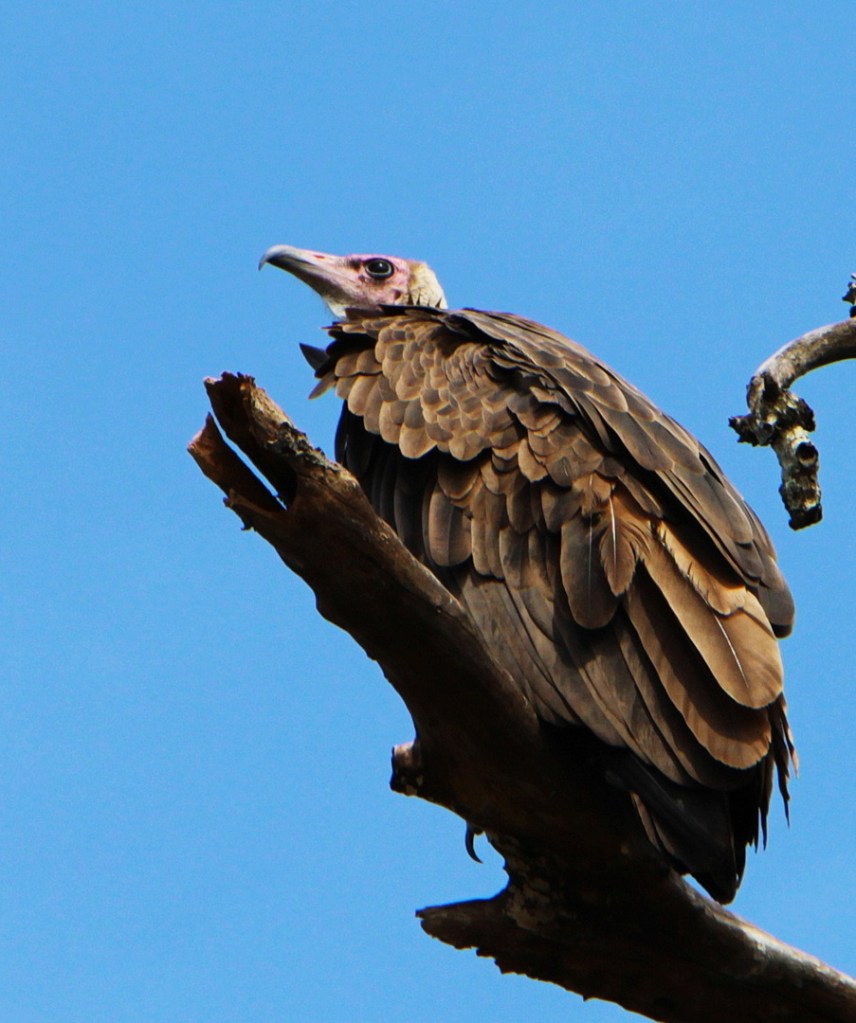
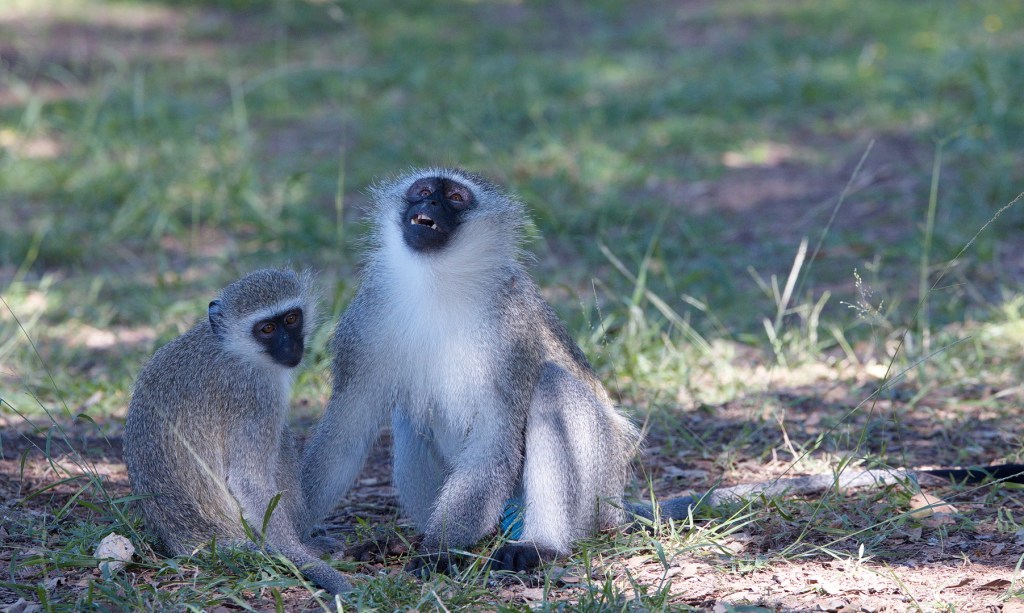
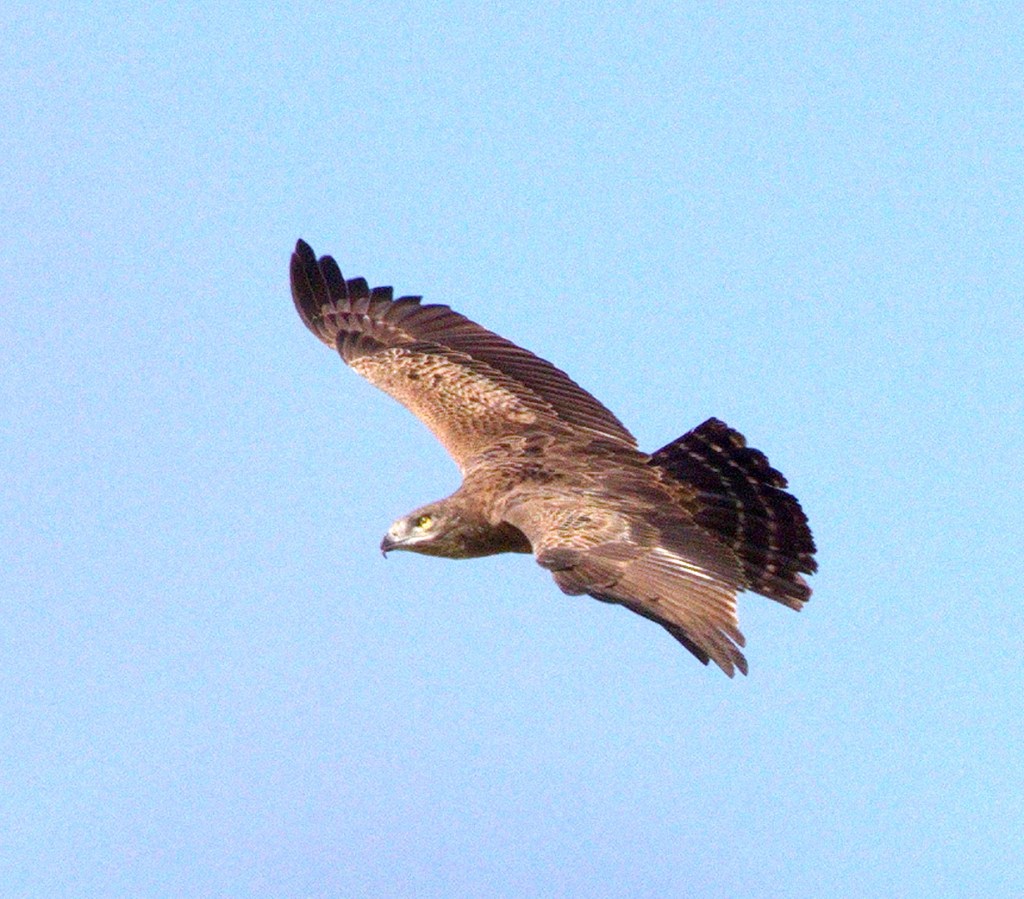
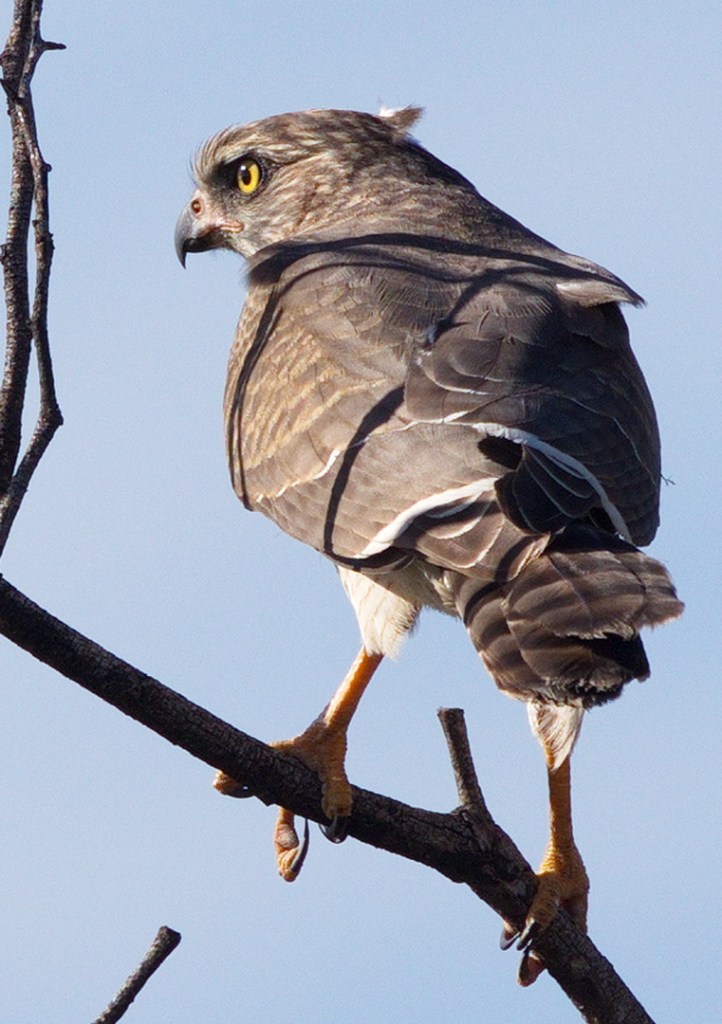
Along the way we had some lovely birds too. A pair of African Hawk-Eagles, a Gabar Goshawk, a Black-winged Kite high above and a Martial Eagle were the raptors which stood out. Of course there was an unidentified raptor photographed as well. An ear-torn Hyena walked up to us and a pair of Vervet Monkeys were nervous of life above in Pretoriuskop. Even a Hooded Vulture made an appearance.





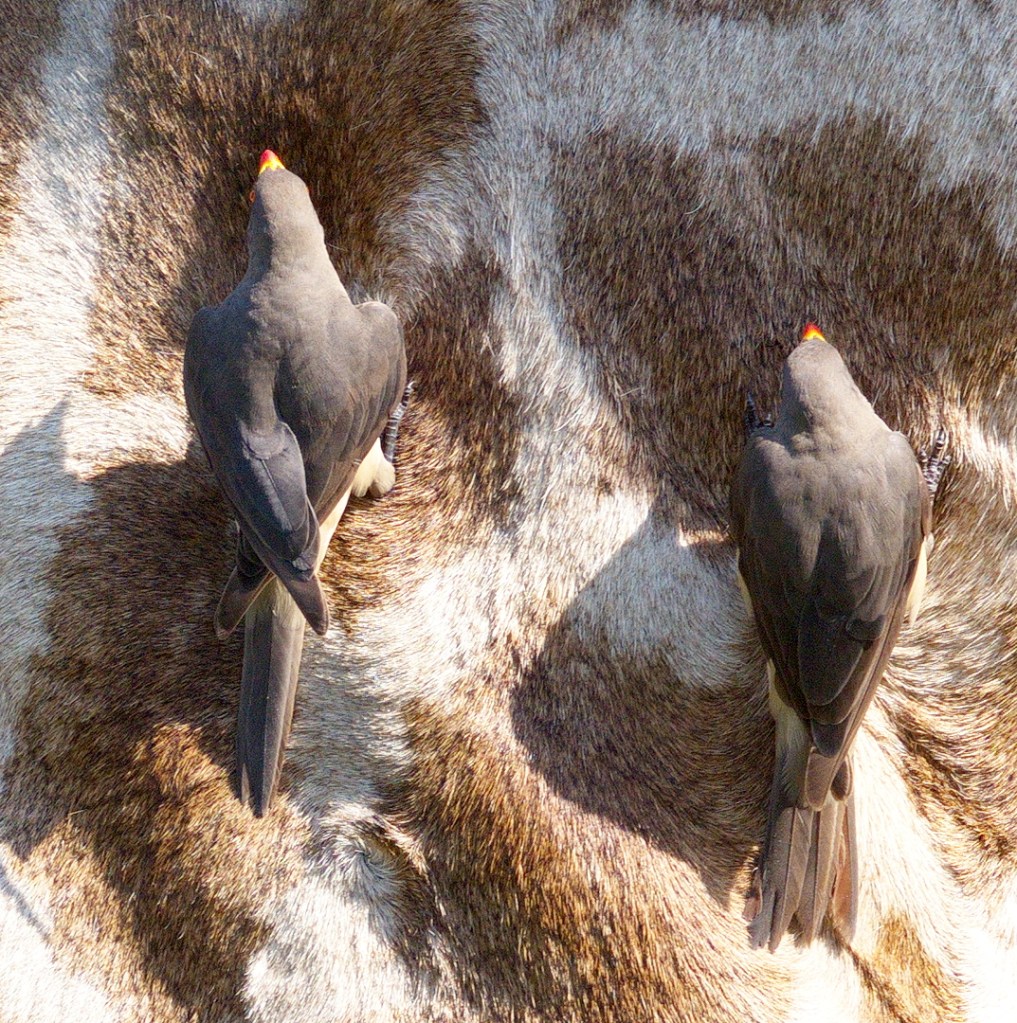
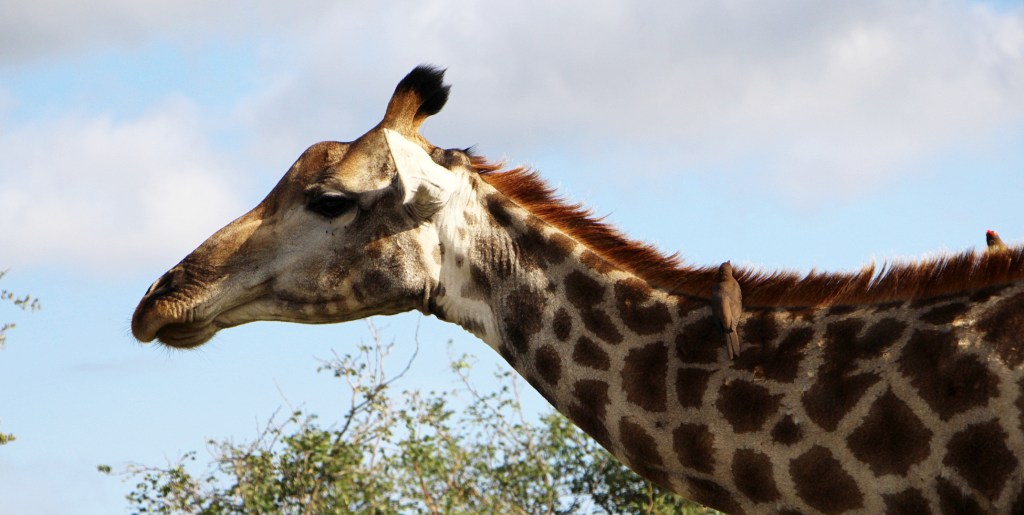
Then there was a sighting of Yellow-billed Oxpeckers on a Giraffe. There range has extended well.
We even found some Rhinos – our first for the trip!

Around the camp we were also treated to some fine species.

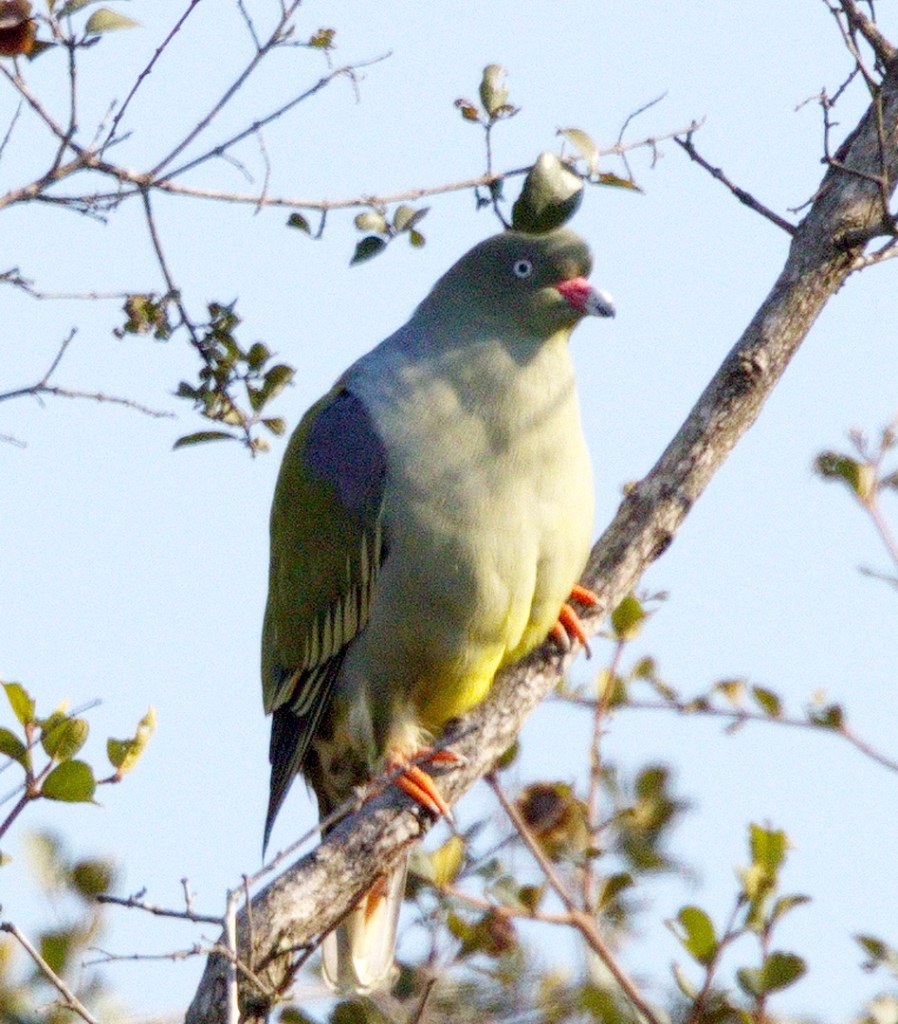
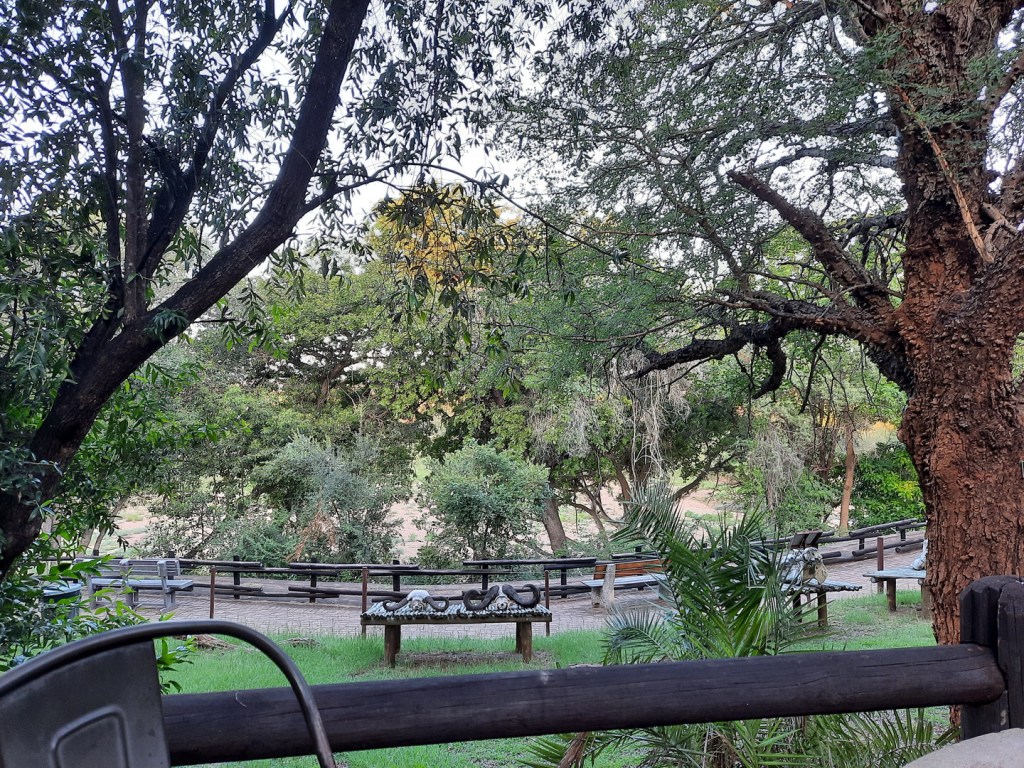

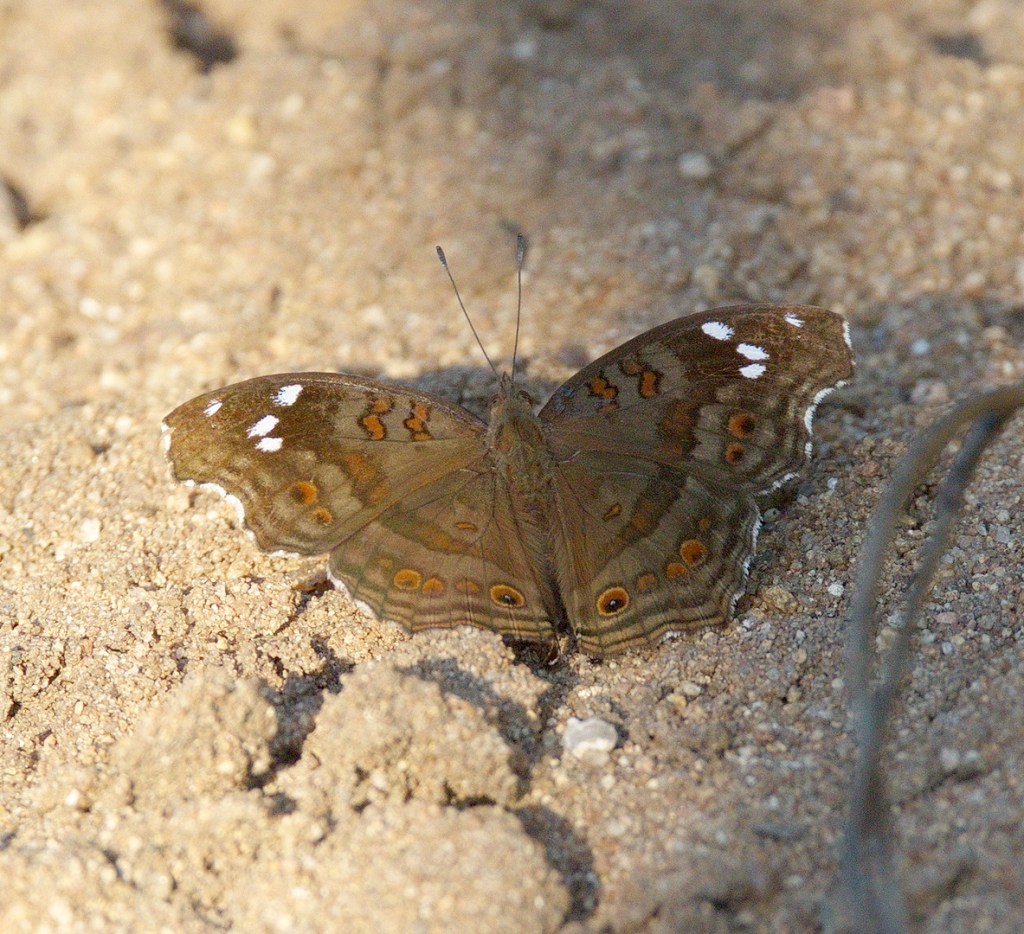
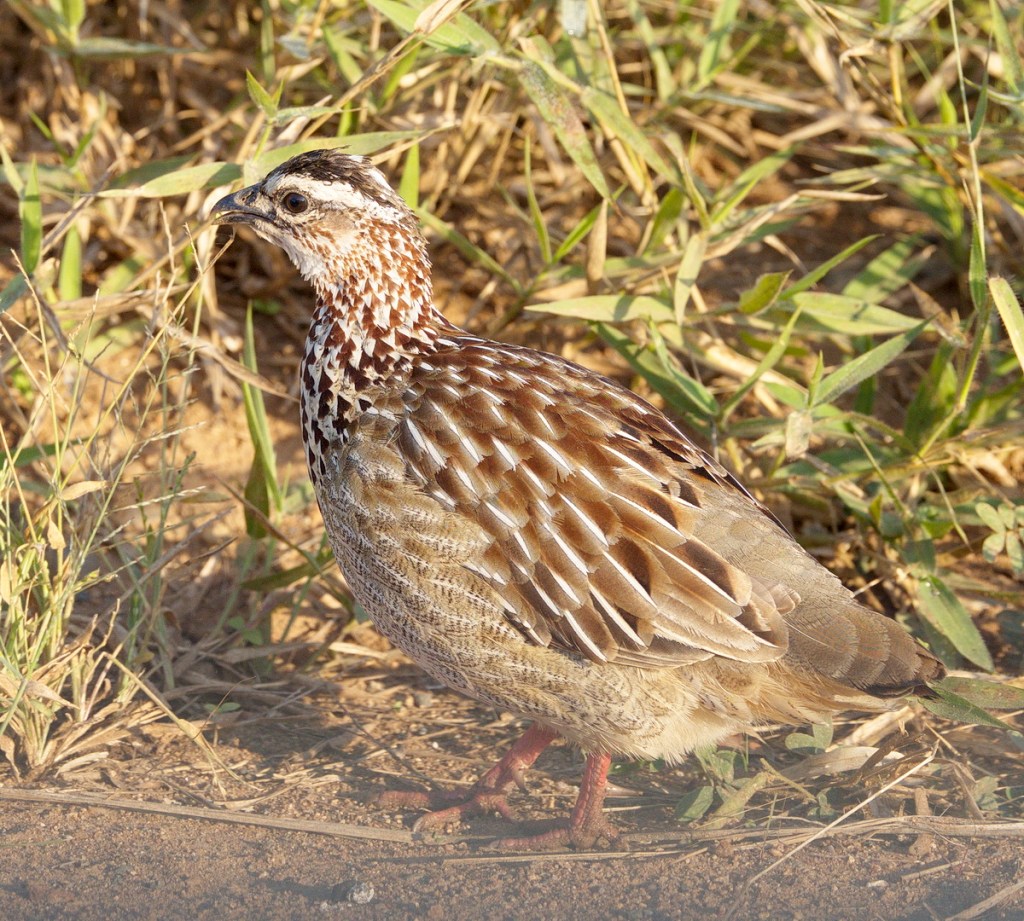

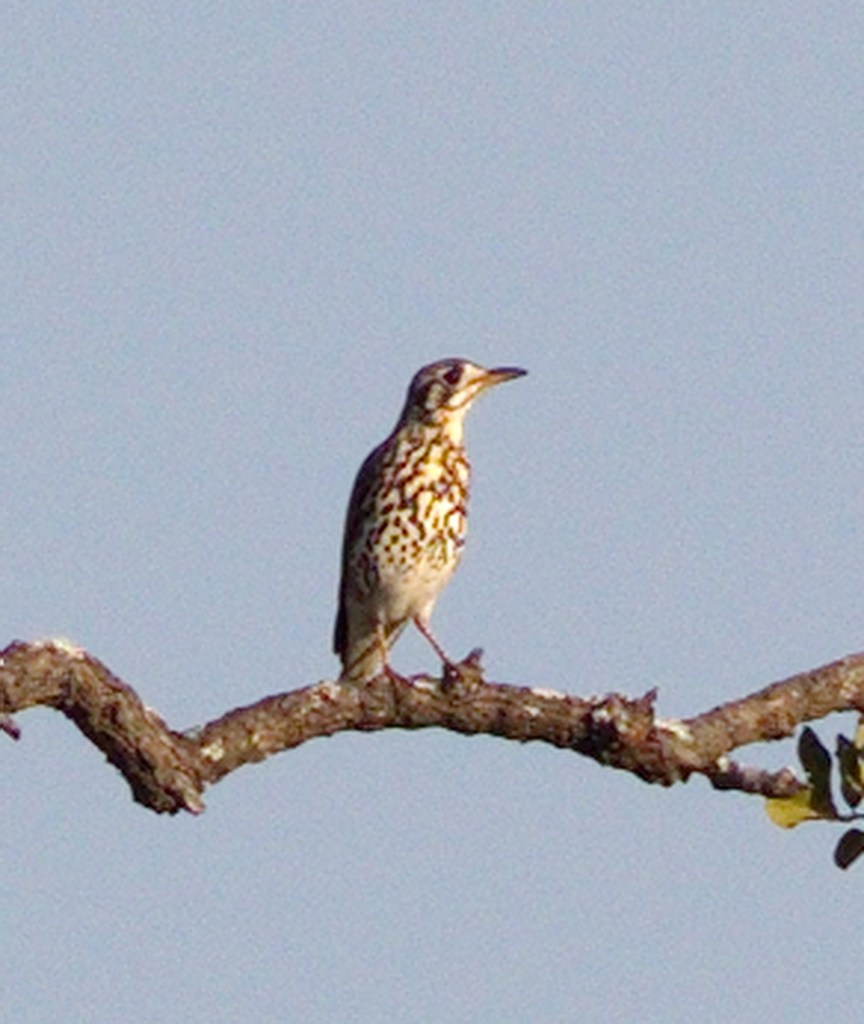
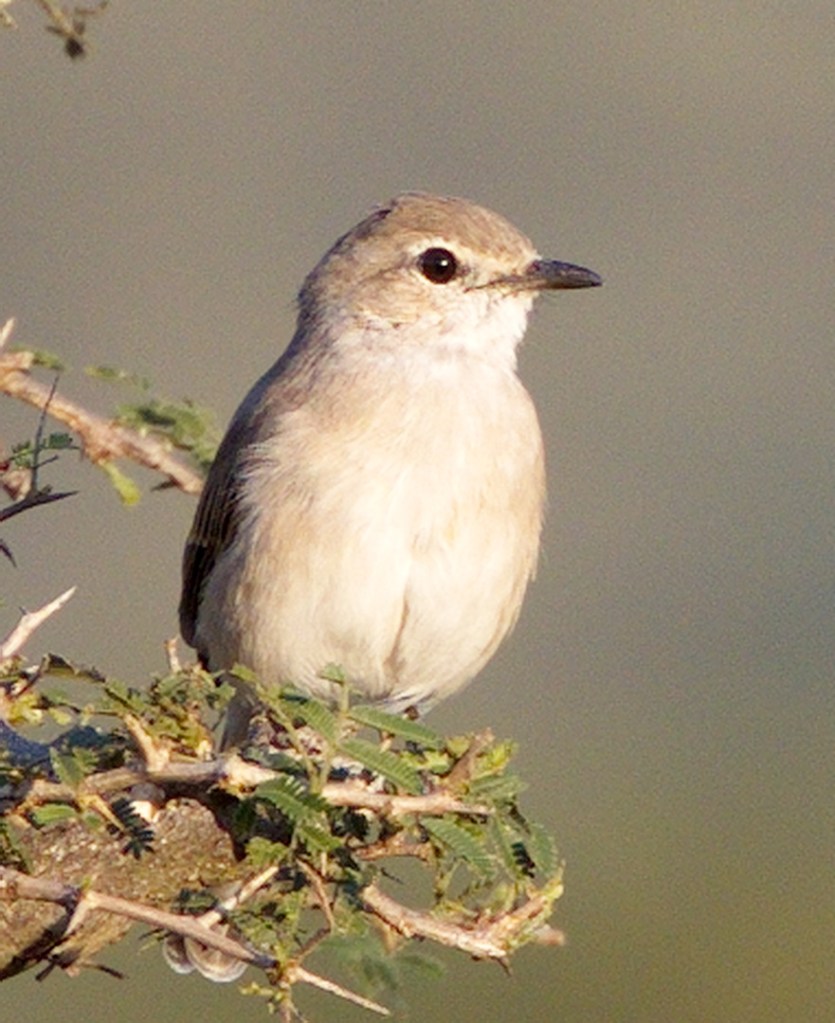



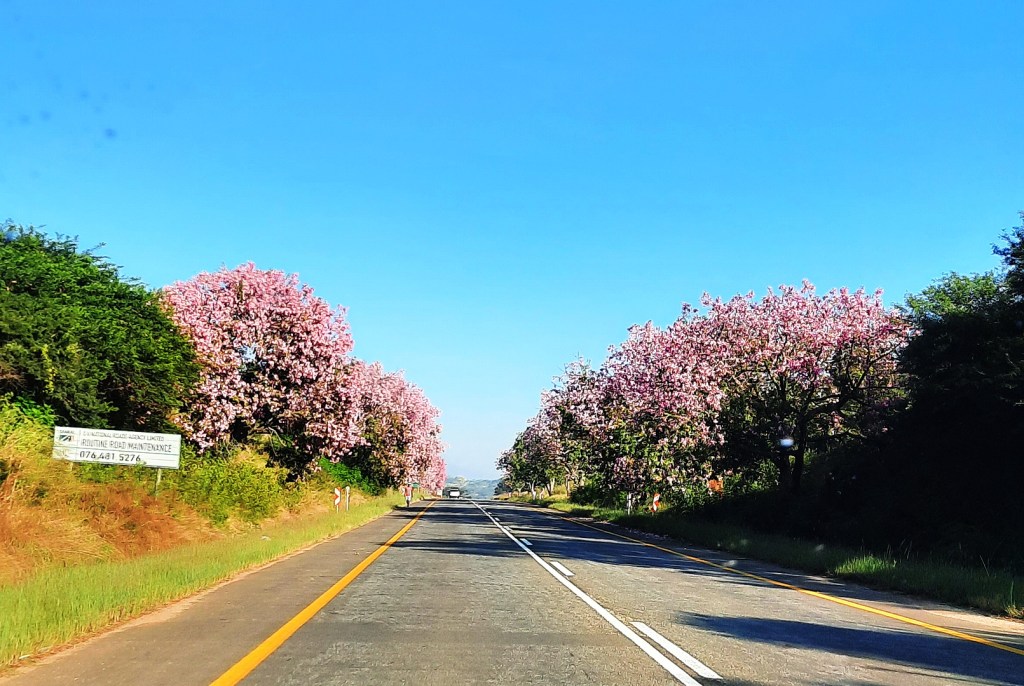
And eventually it was time to return home.
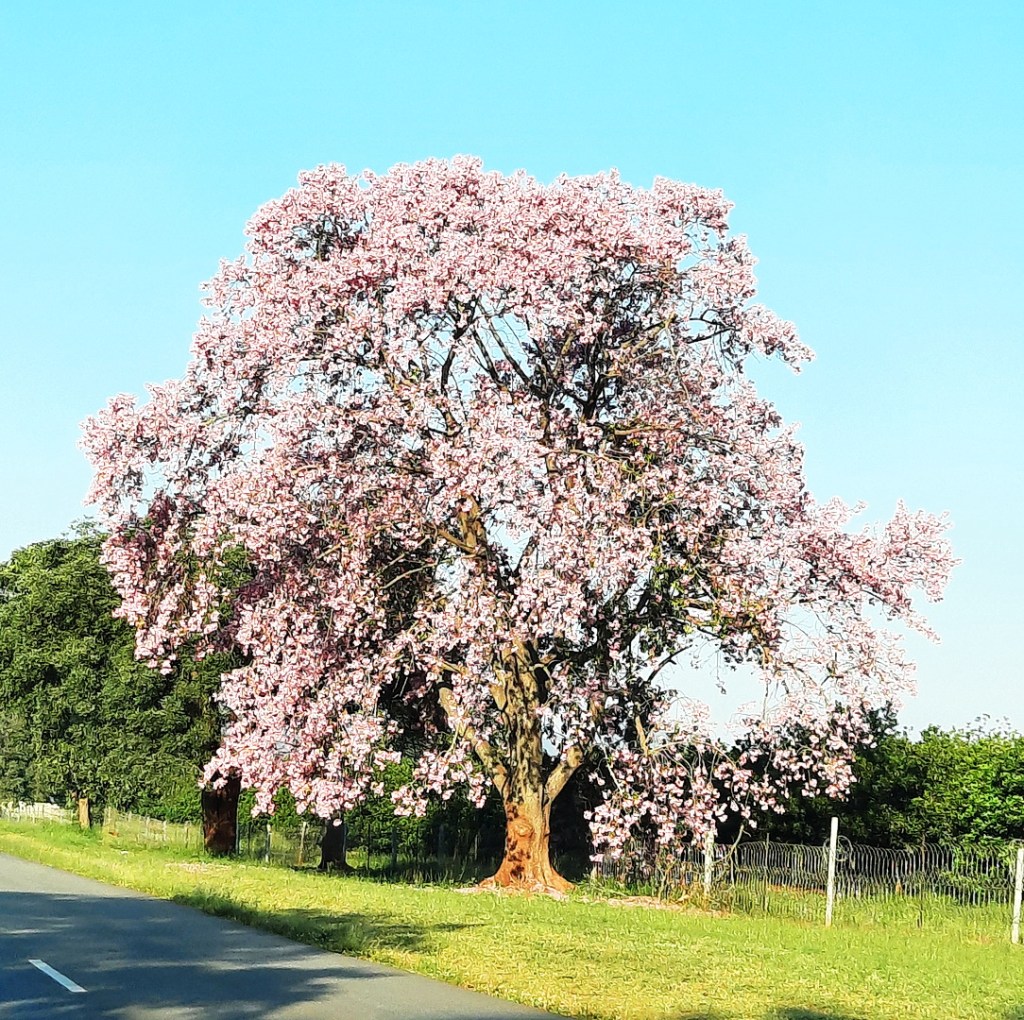
And this was the scene as we passed Barberton. The Tebushina were flowering.
Click on the following link to see a list of the birds we identified on our trip. In all different bird species.
Hope you enjoyed the read and photos.
Paul and Sally Bartho

Tsendze
10th to 11th April 2024

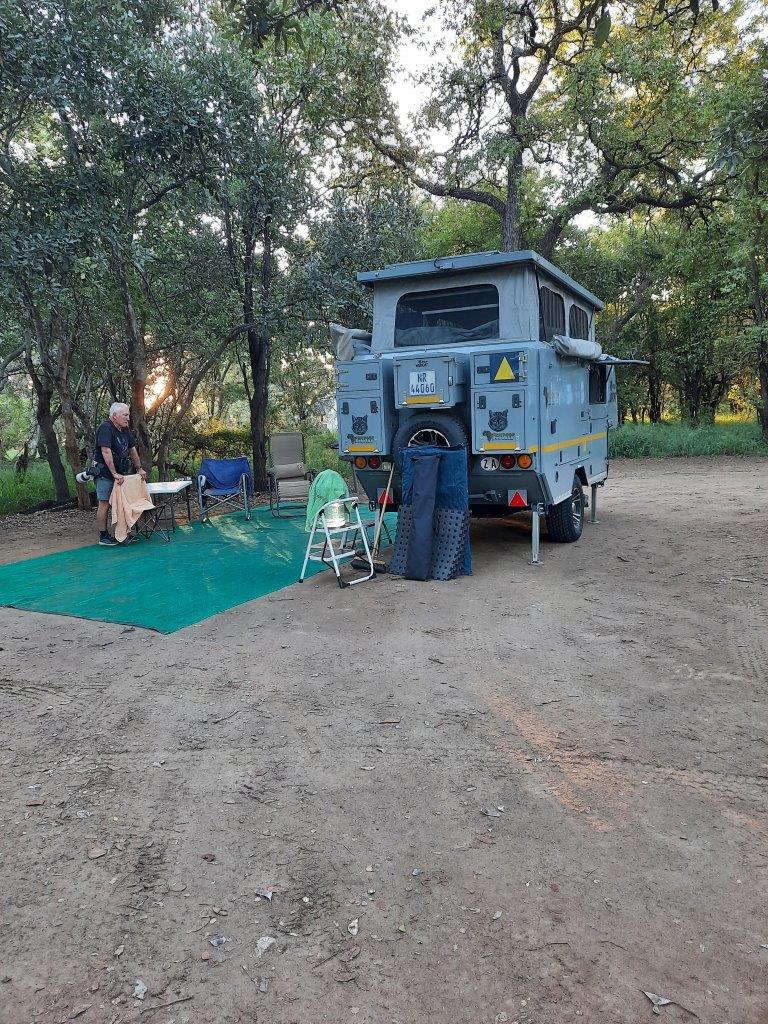
We only had one night here – all booked out. So, we got here early from Shingwedzi to give us time in the afternoon to have a look around. We set up quickly without putting up our awning.


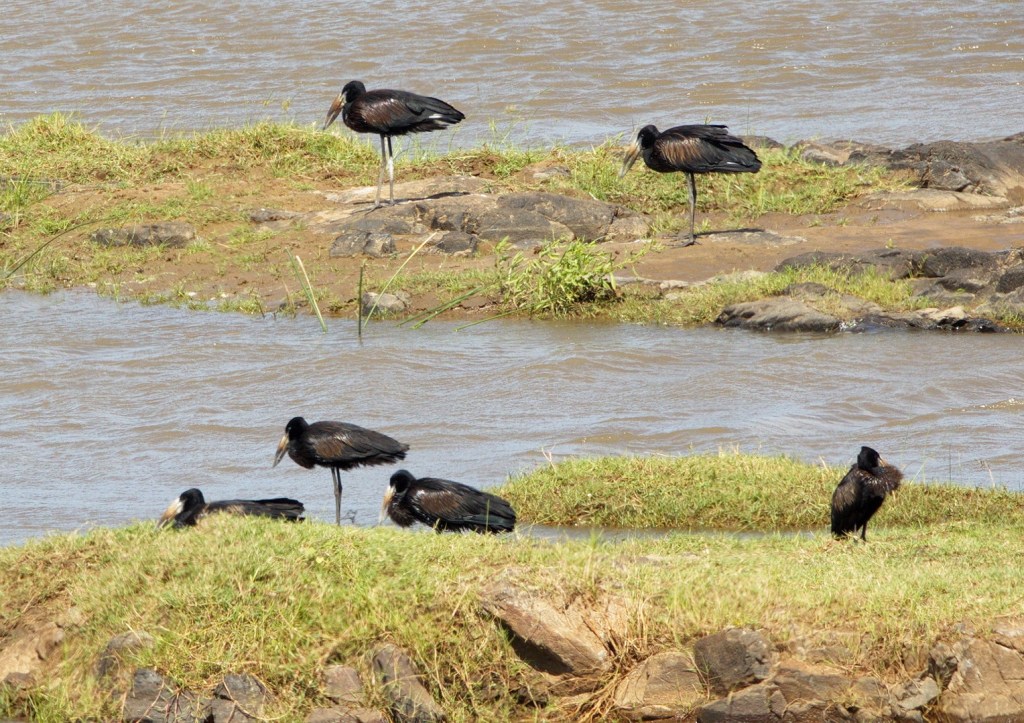
On the way down to Tsendze, we notice many Openbills together in the river.

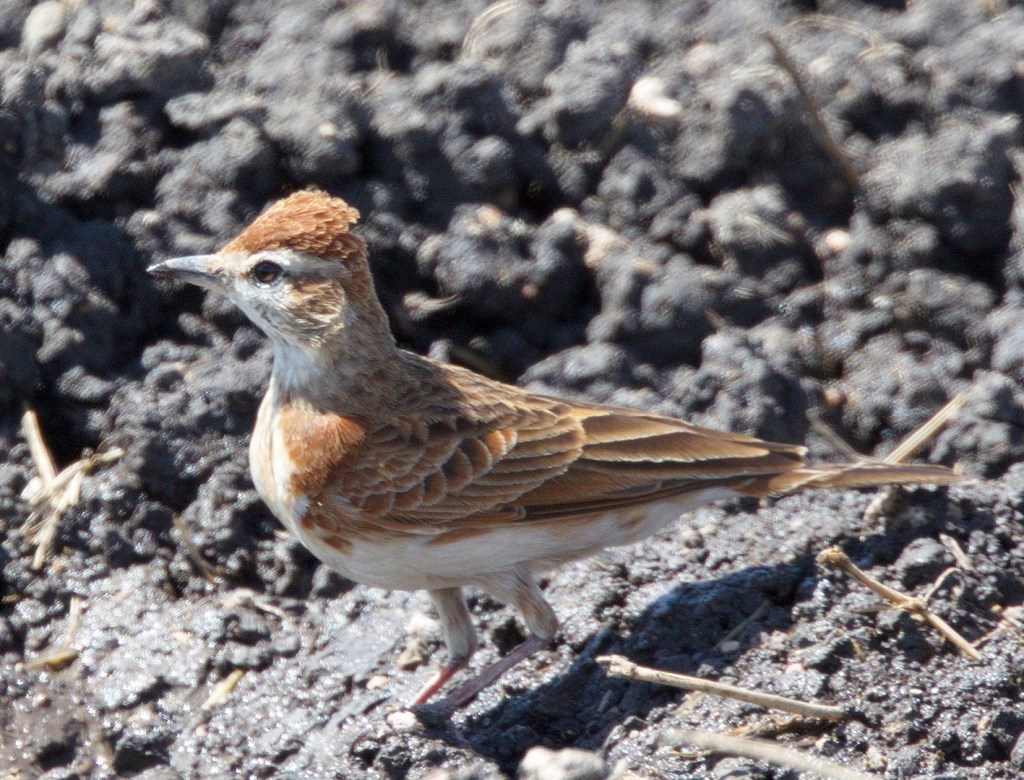
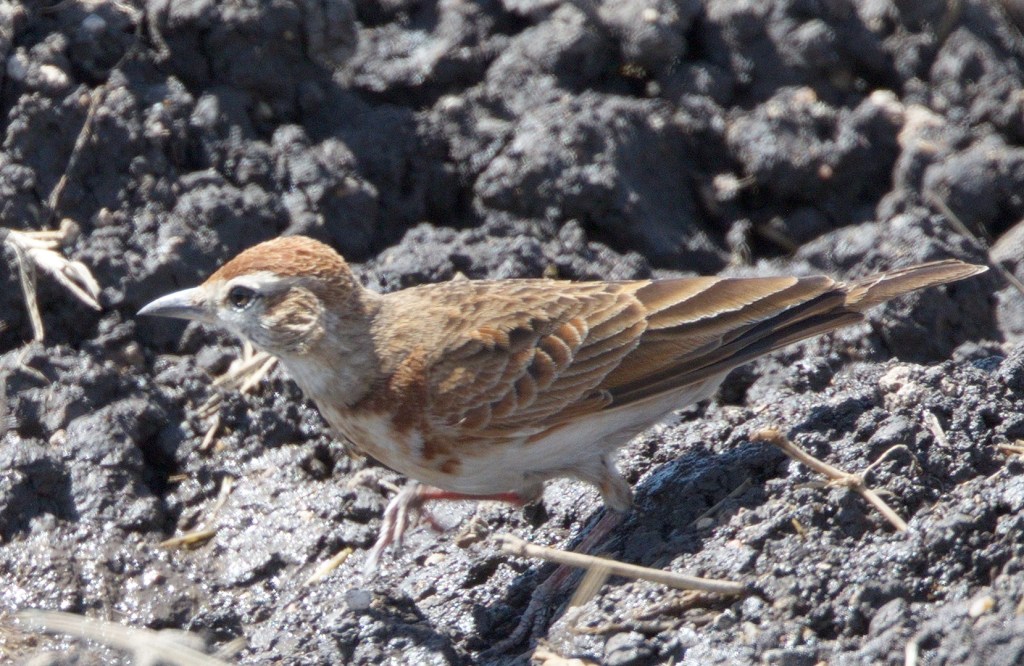
On our first sortie into the area, we headed to the Mooiplaas Waterhole and saw a few interesting bird species on the open ground nearby.



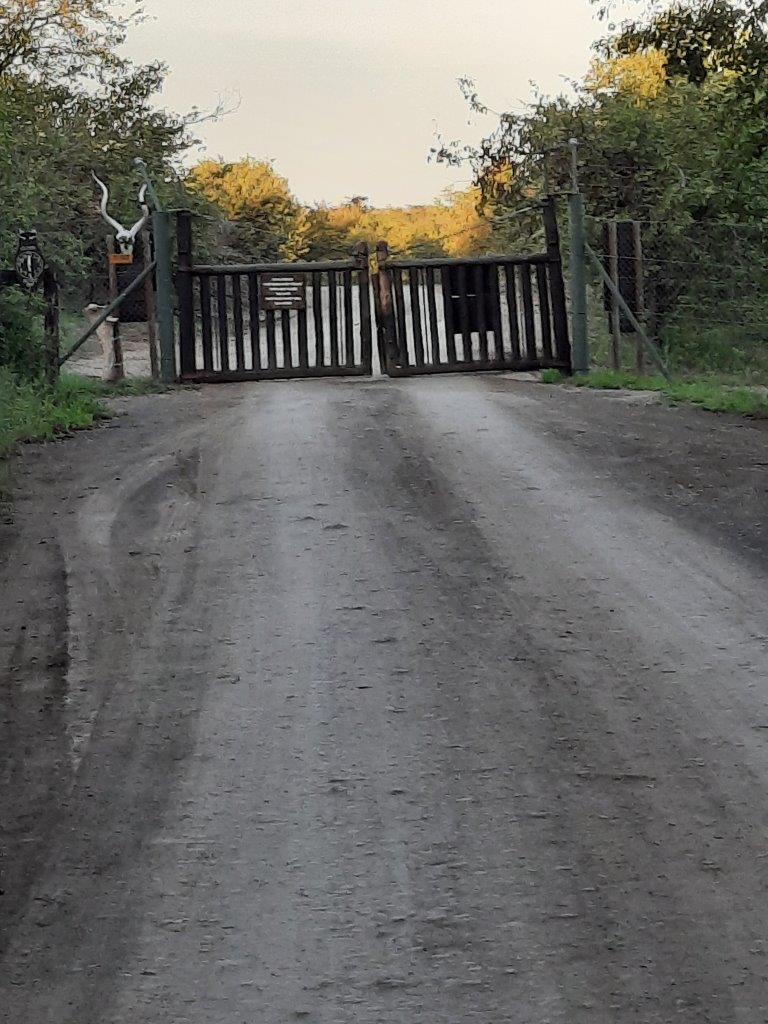
However, as we continued towards the wetland area, the road was taped off. Why? No rain so it must be passable. Perhaps they were grading the road, we thought. Annoyed, we returned to camp.
Back at camp we heard talk of an elephant seen just after the Mooiplaas Waterhole on the S49. The story intrigued us and as a result and our time in Tsendze focused there. Time well spent.
We went back and the taped off road was now open. We continued. Our first indication that we were getting close:

Then there were the animals and Marabu Storks blocking the road.:


Eventually we arrived and realised what all the fuss was about and the stories were sadly confirmed.


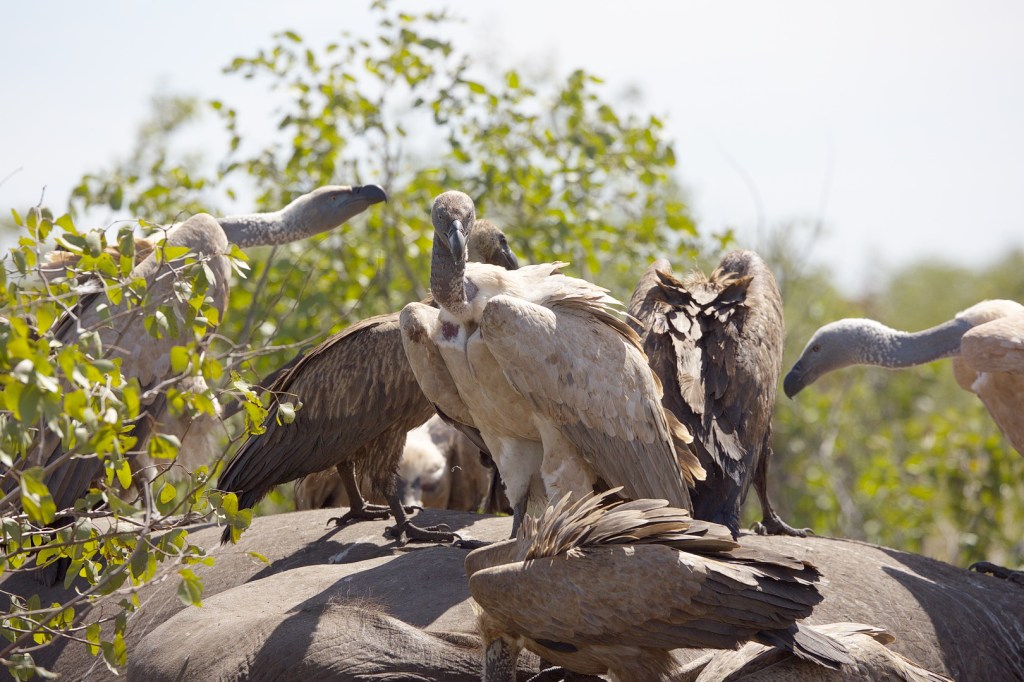

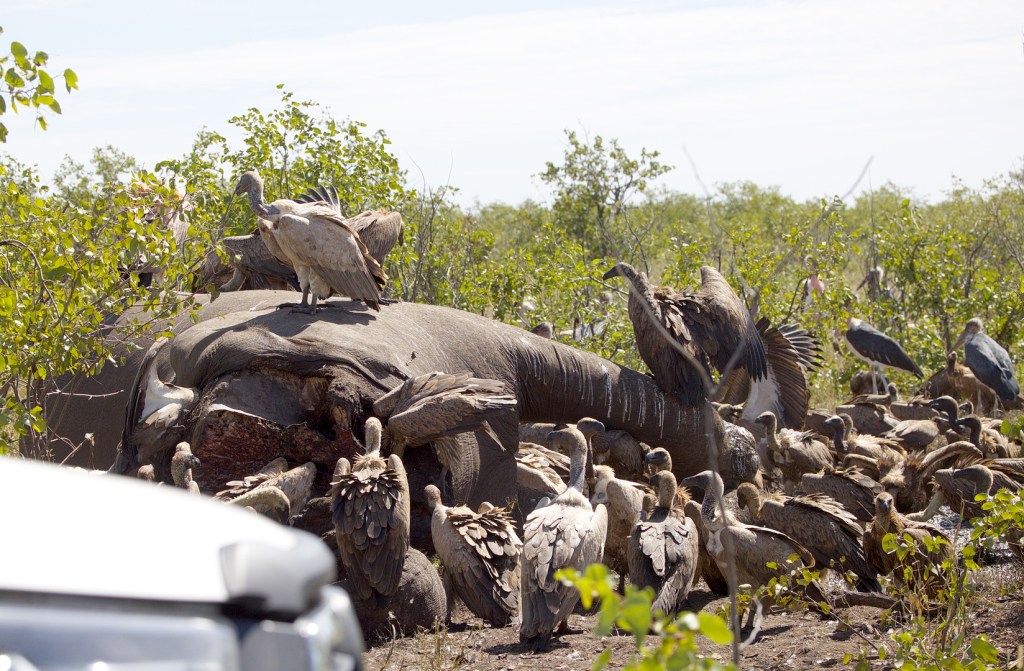

The next morning we returned and all the vultures and storks were in the bushes and none around the carcass. We understood why as we got close. His majesty was waiting to fill his fill further.

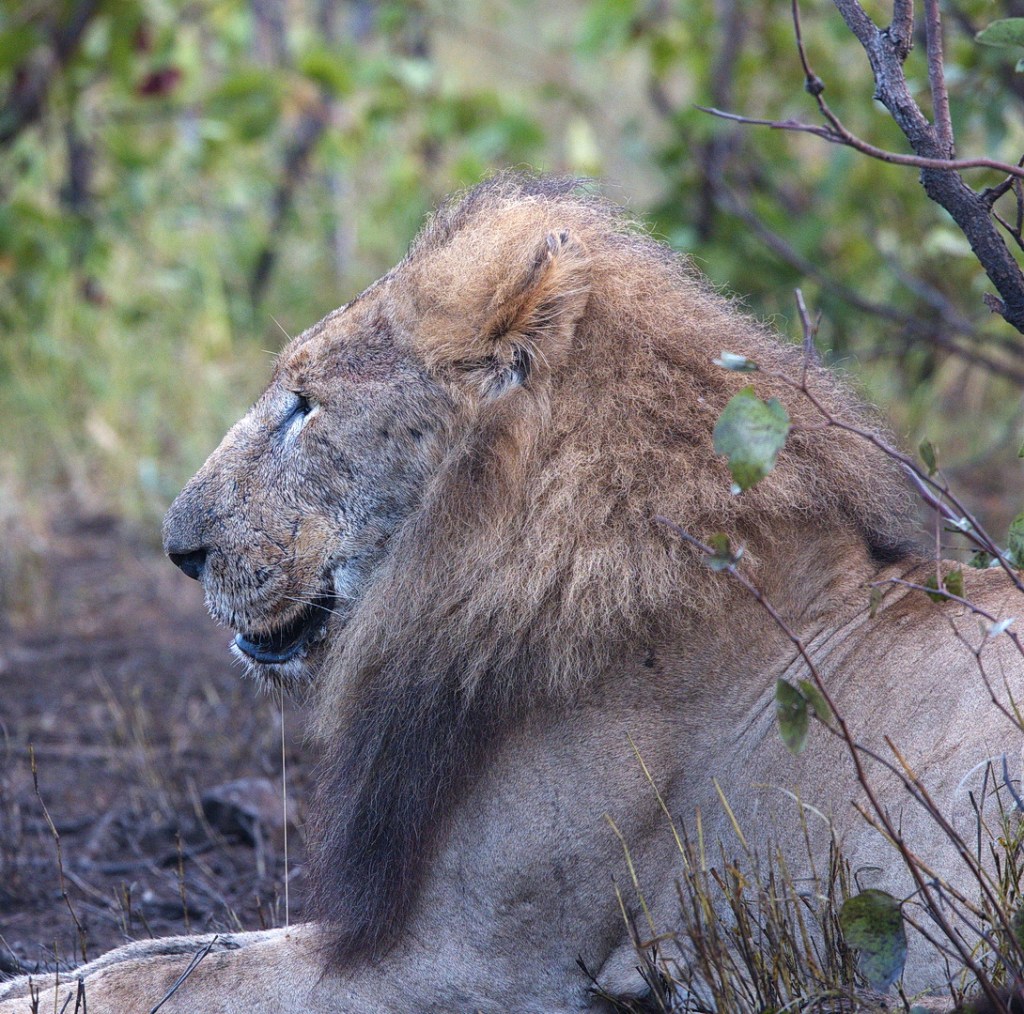
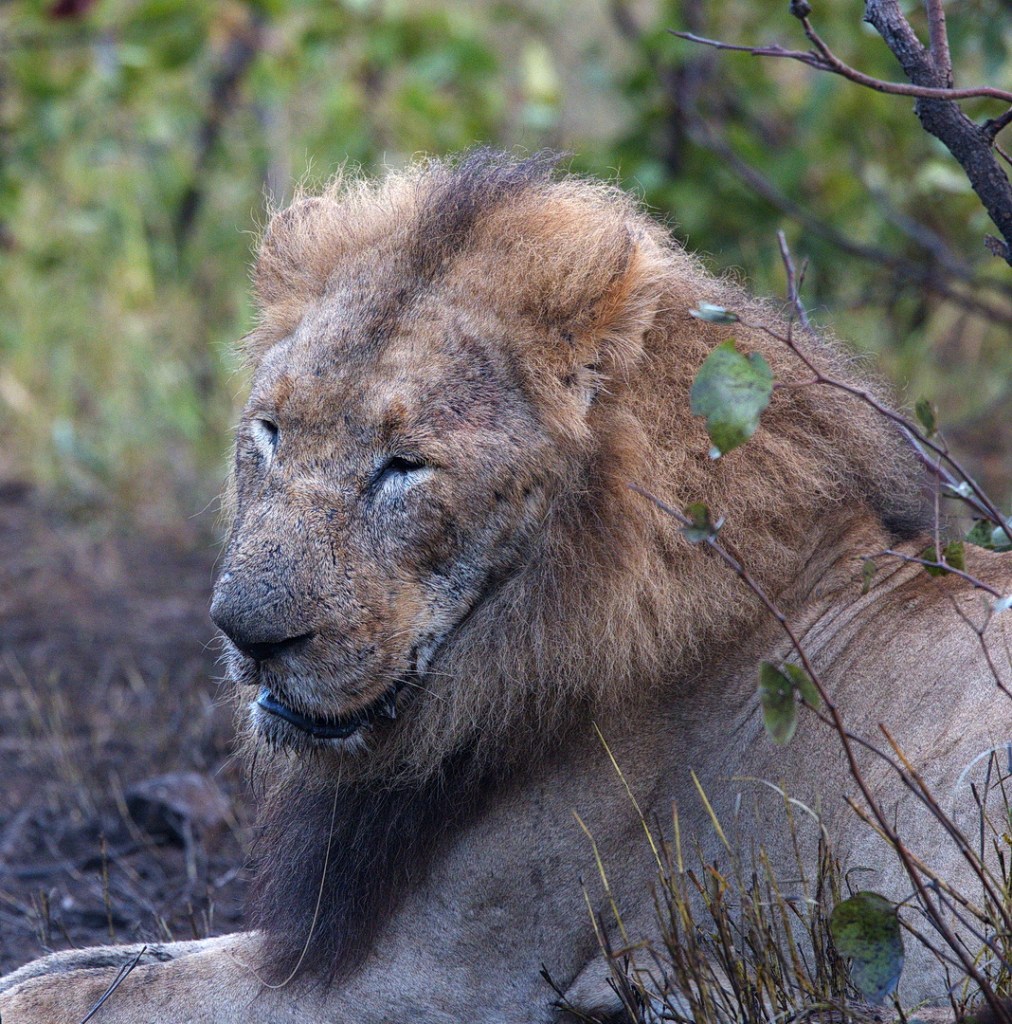
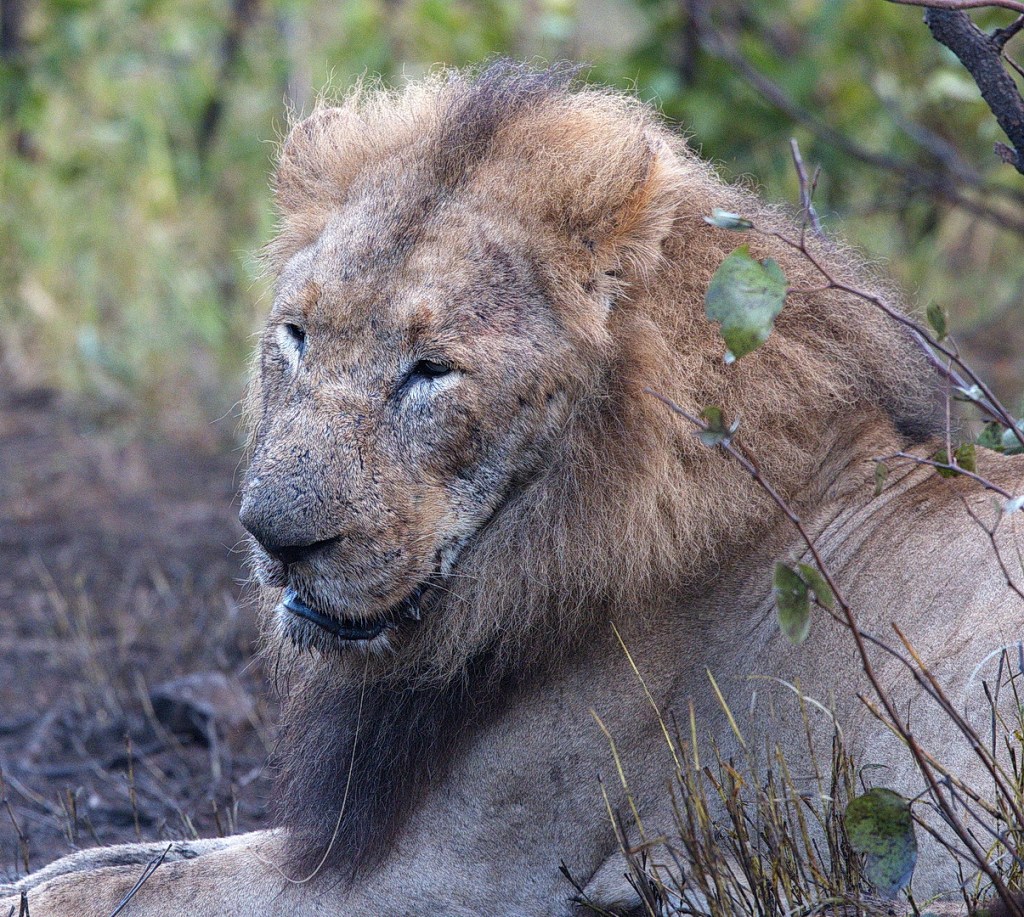
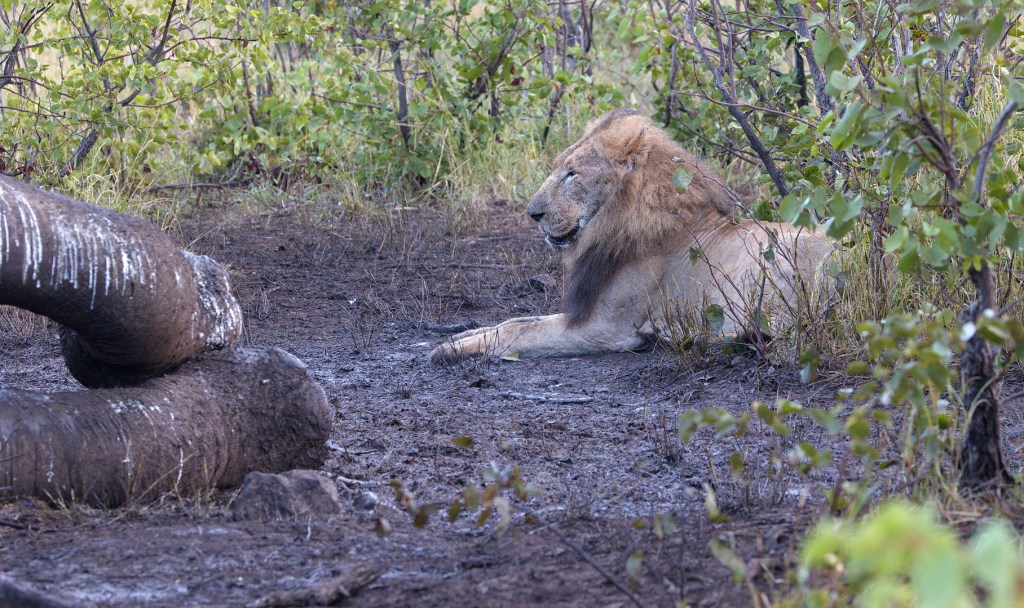
And that amounted to our time spent in Tsendze.
Next Satara and our explosive time there for 3 nights.
Satara
11th to 14th April 2024
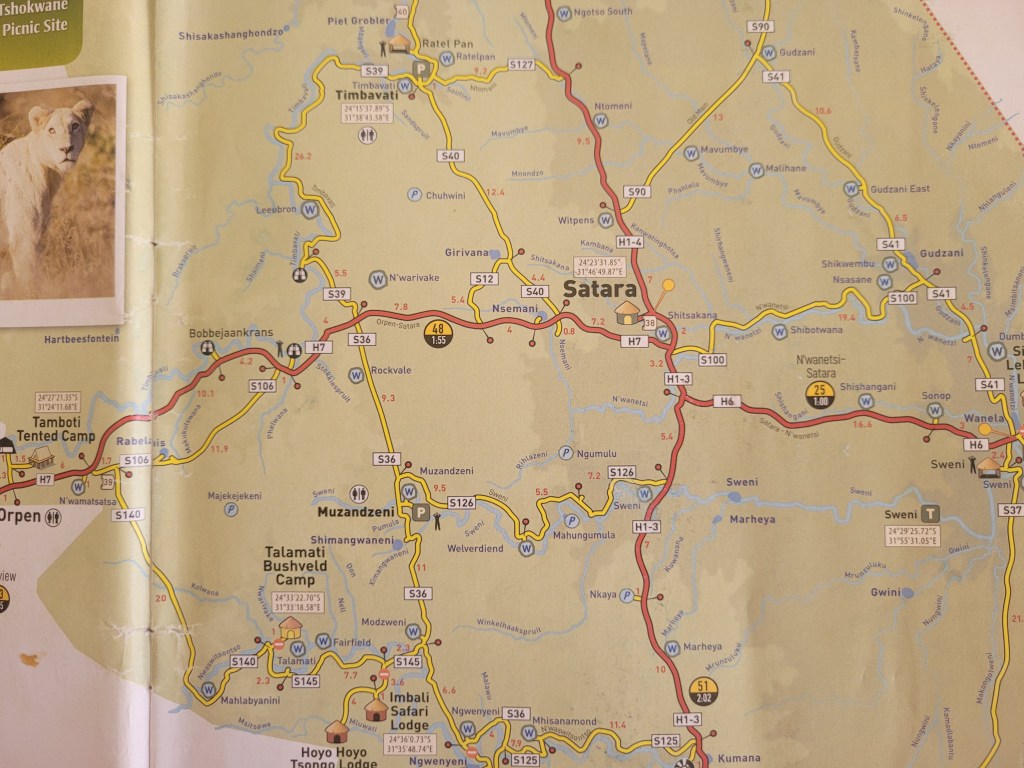
Having set up camp, we took a run along the S100 to Gudzani Dam. This was the third time we were disappointed with little to see – both game and birds.
We did visit the Sweni Hide briefly. It was not very active until the elephants showed up and entertained us with their water antics – especially the young ones trying to show who was boss among each other.

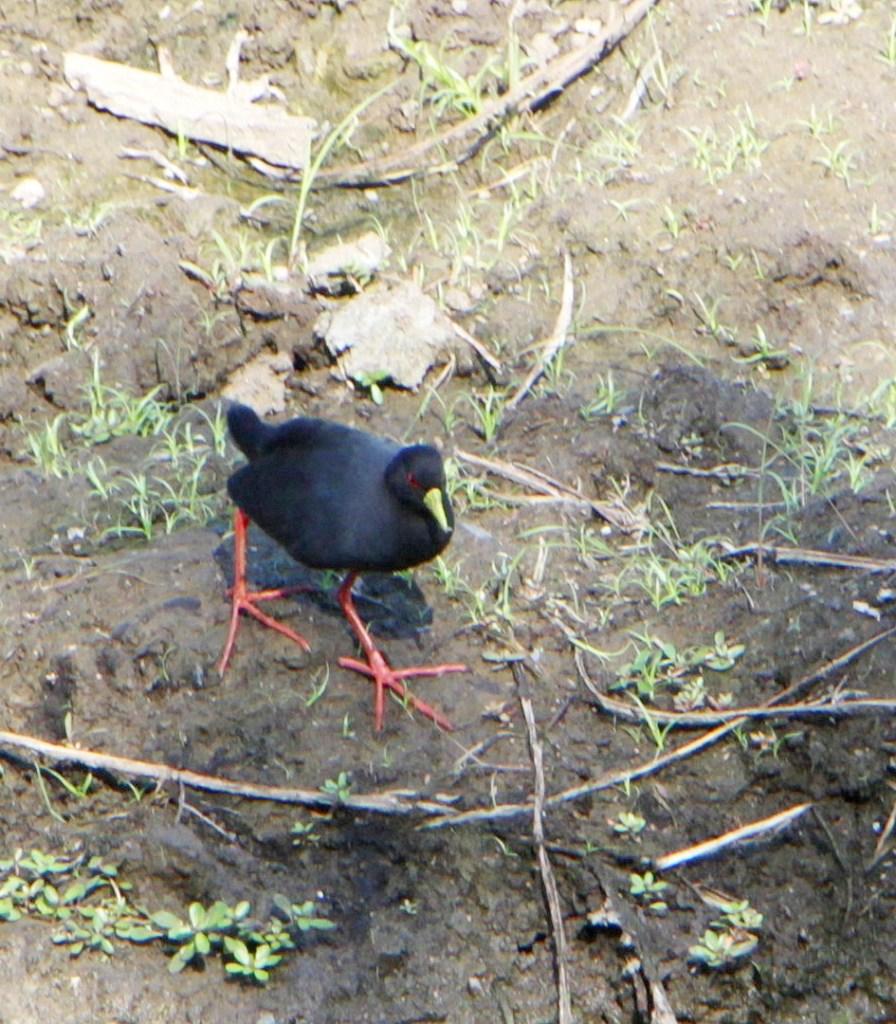


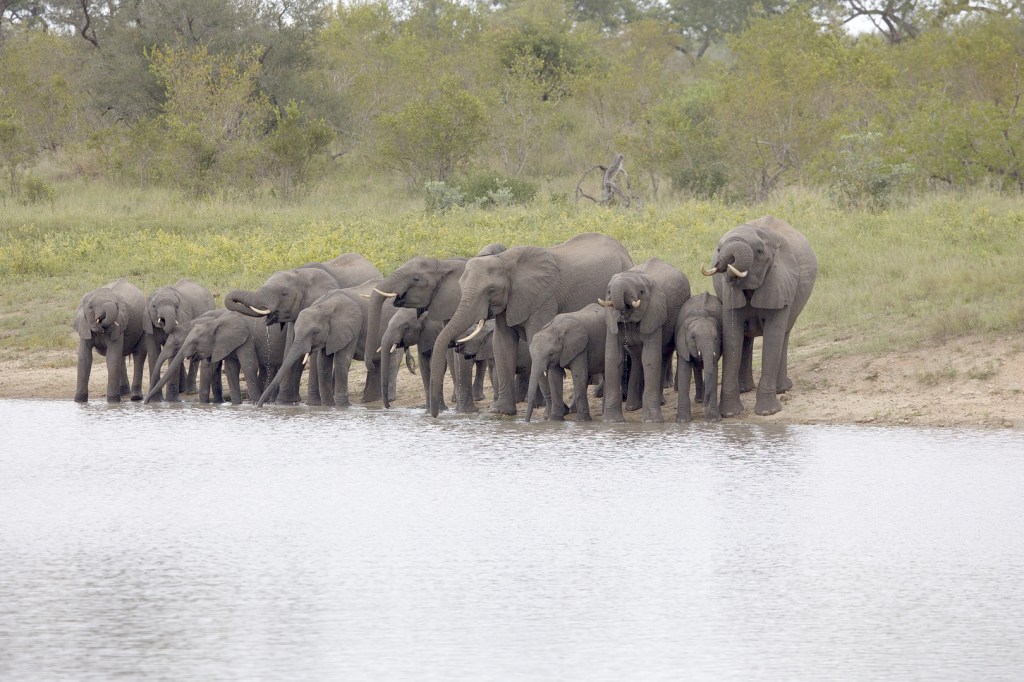


The next day we headed north along the H1-4 to the turnoff towards Balule camp on the S147. One of our newly favourite roads.


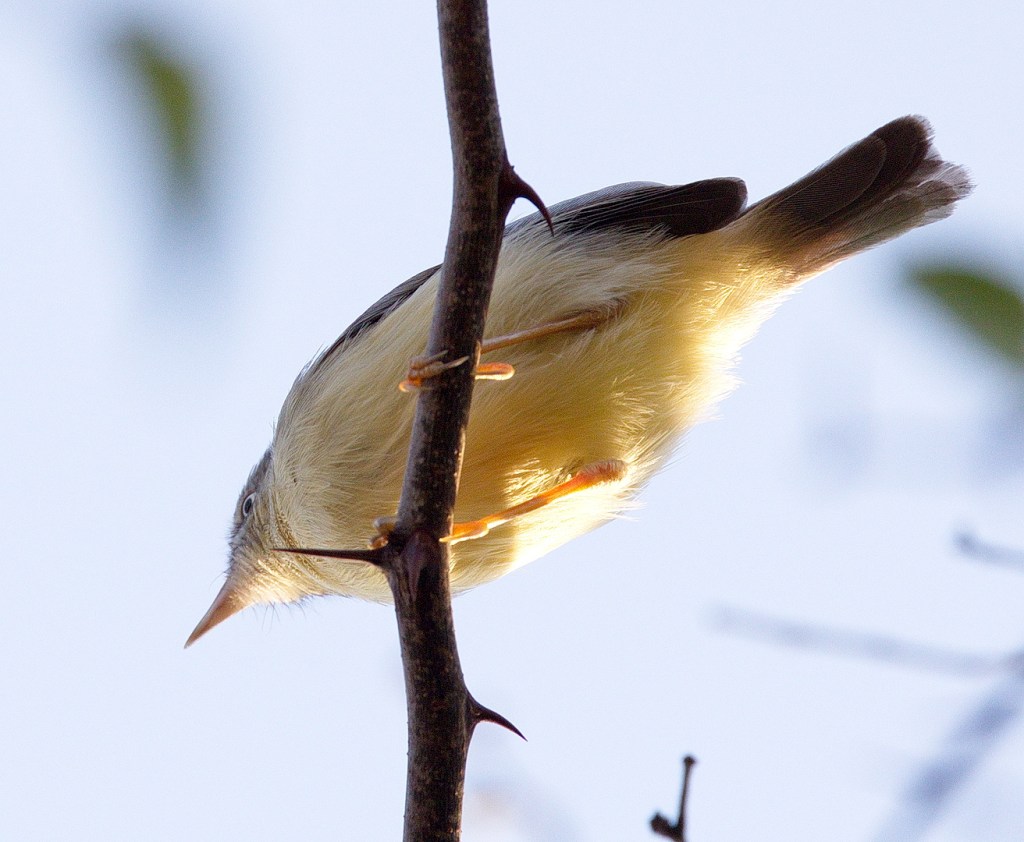
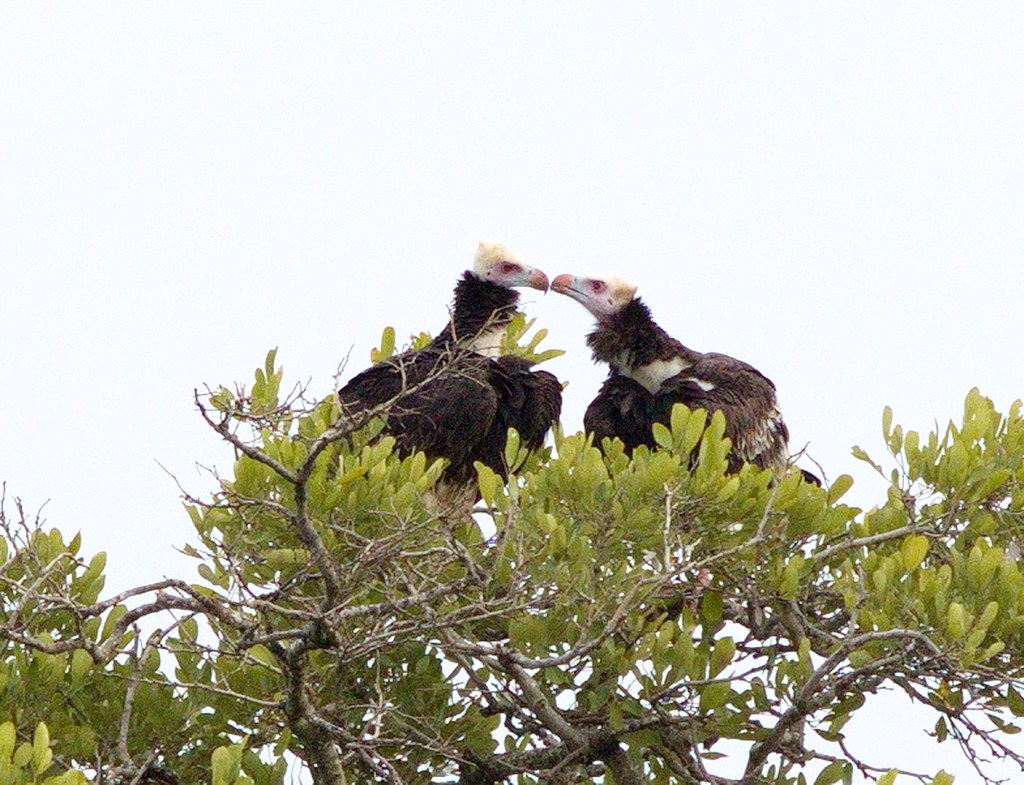



And then turned west and backtracked along the Timbavati loop – S39. We stopped at Ratel Dam Hide. The area in front of the hide had very little water. We had a few sightings with the standout being a juvenile Black Stork.
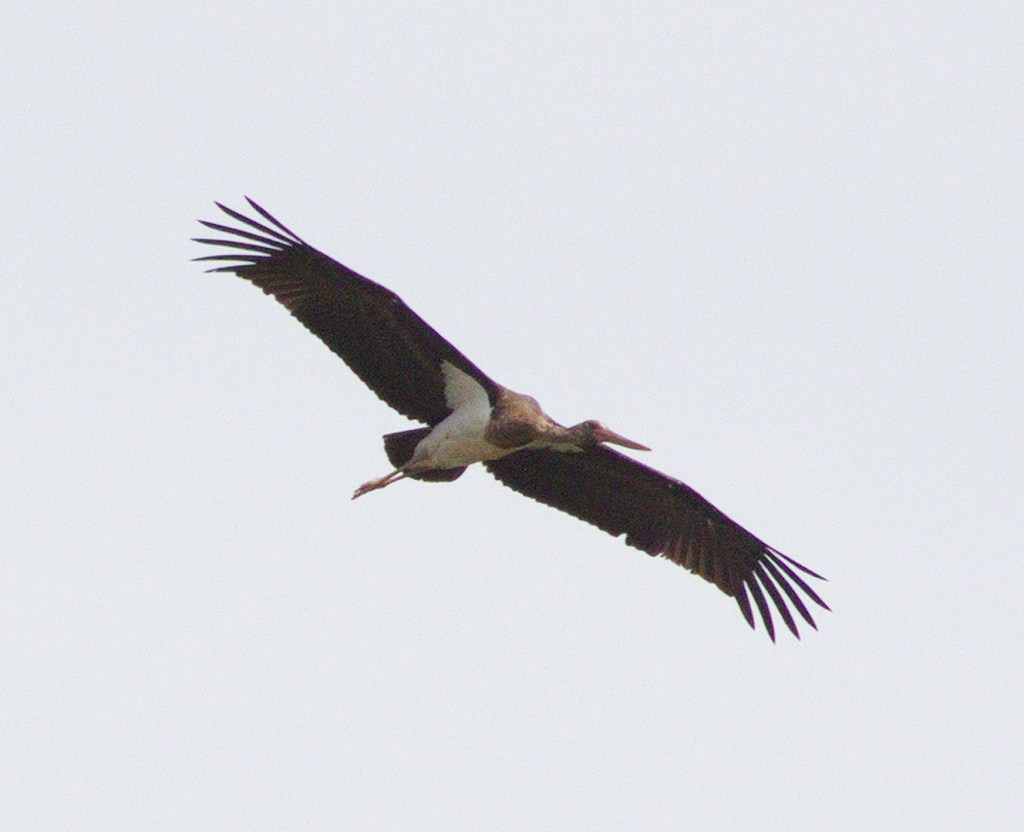

There was also a large black crocodile present on the sandbank.

On another day we chose to take the H7 to Orpen Gate and then back along the Talamati Bush Camp road (S140) turning onto the S36 to the Muzandzeni Picnic site. From there taking the S126 to the H1-3 tar road back to camp.
Breakfast at Orpen Gate.

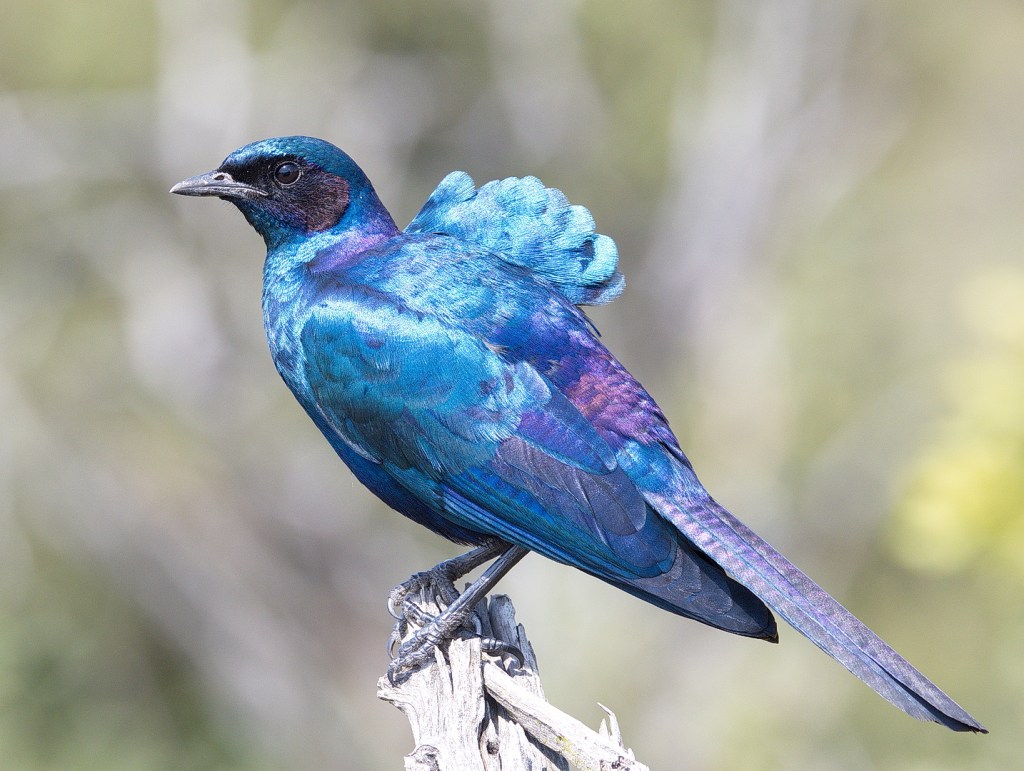
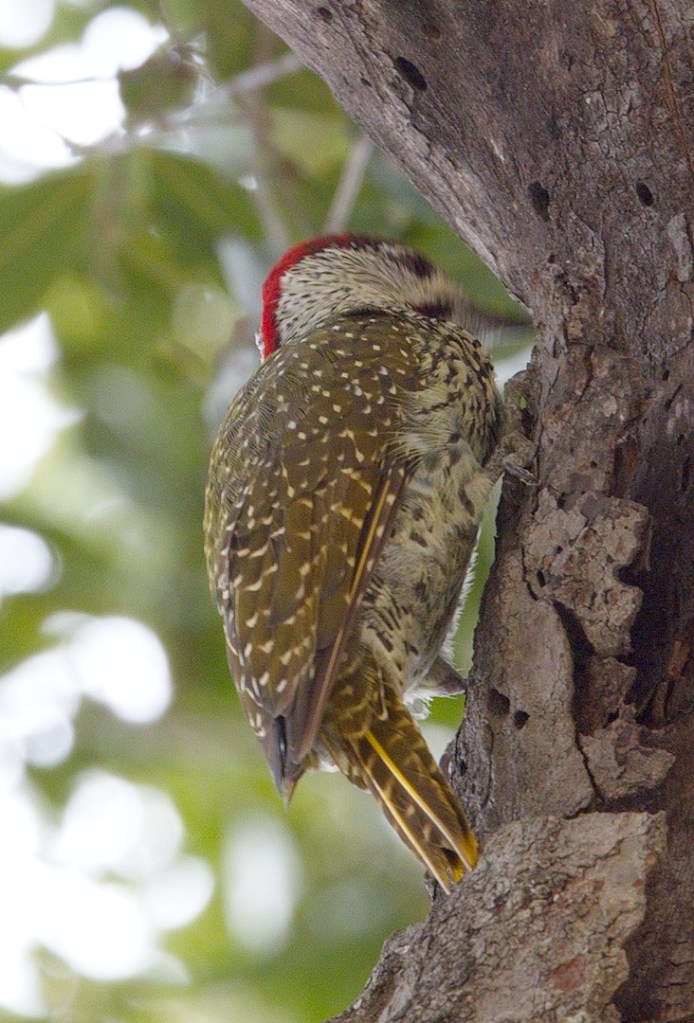
We stopped at the Muzandzeni Picnic ground for a T&P but in order to enter we had to skirt round an inquisitive elephant – which we were told had also entered to do its business. The picnic ground had some active birds – a sleepy African Scops Owl, a radiant Burchell’s Starling, a pair of Bennett’s Woodpeckers – tantalising us with their knocking in the branches above us.



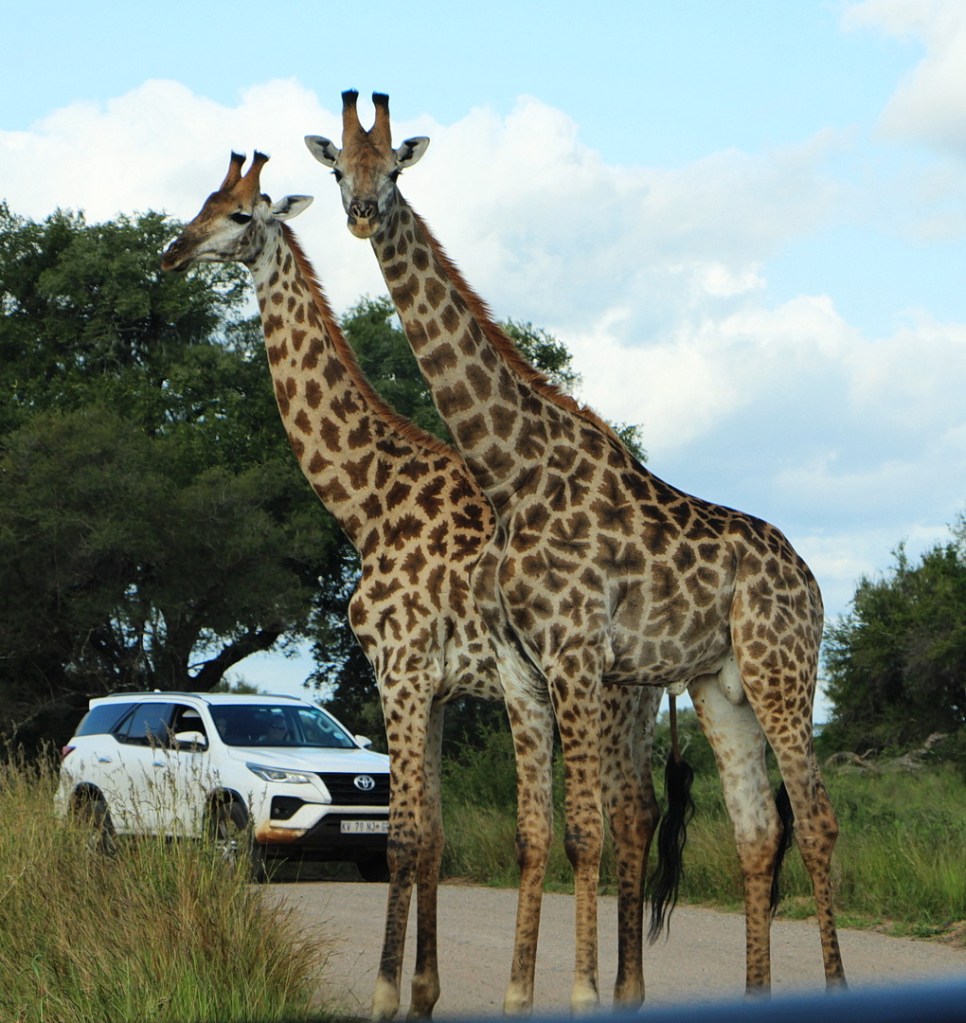
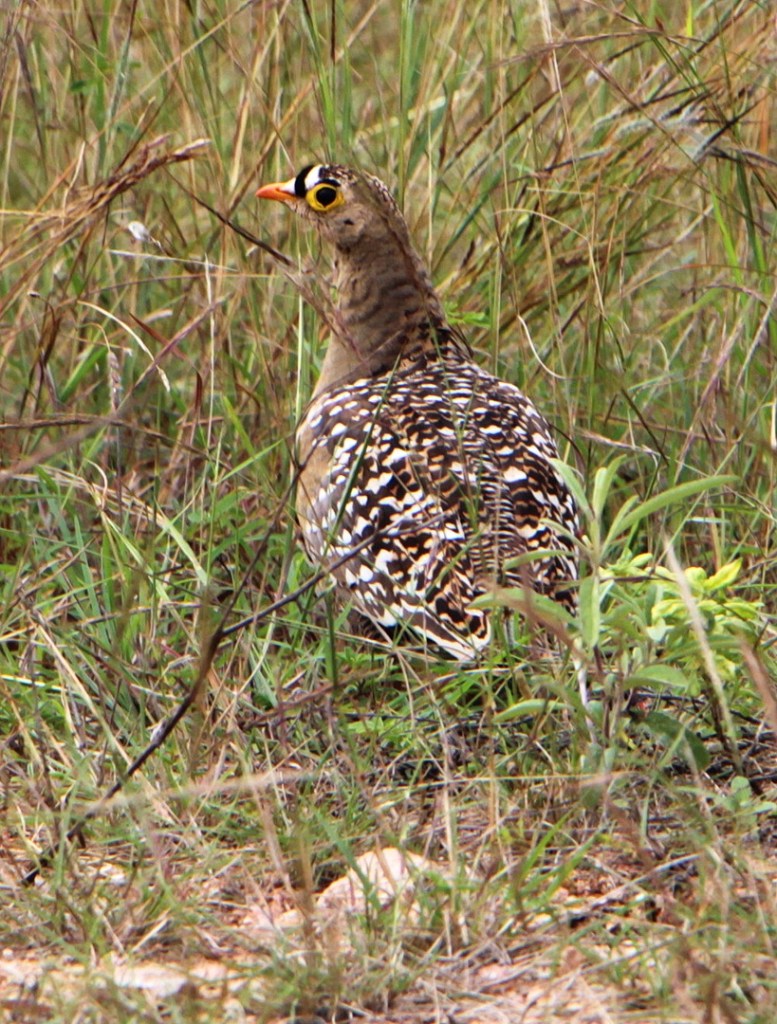
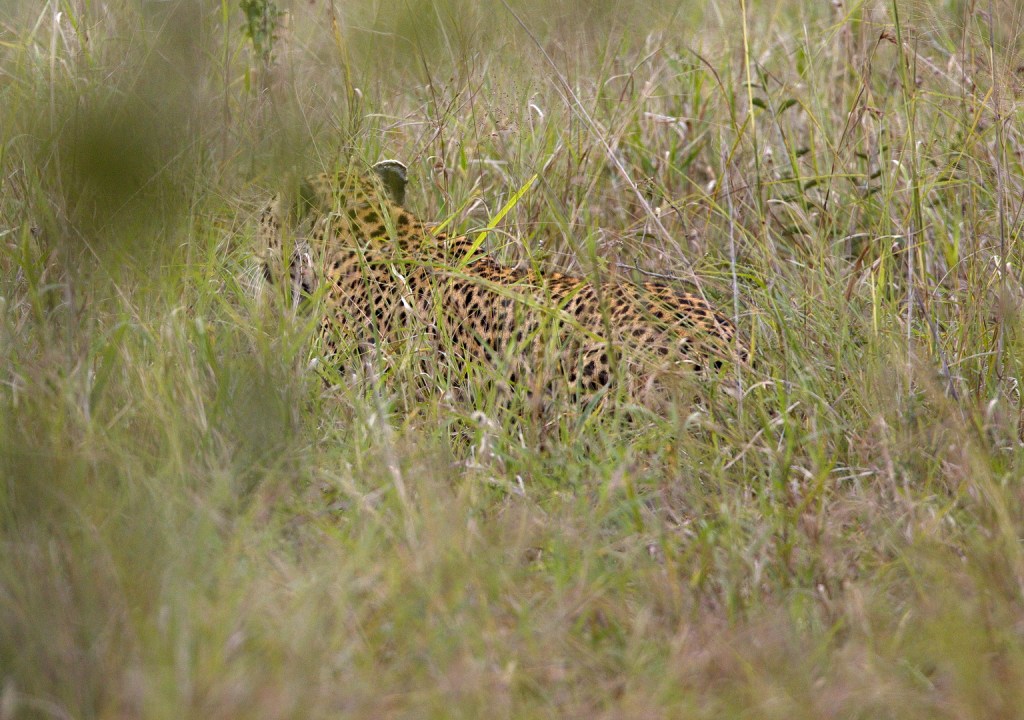
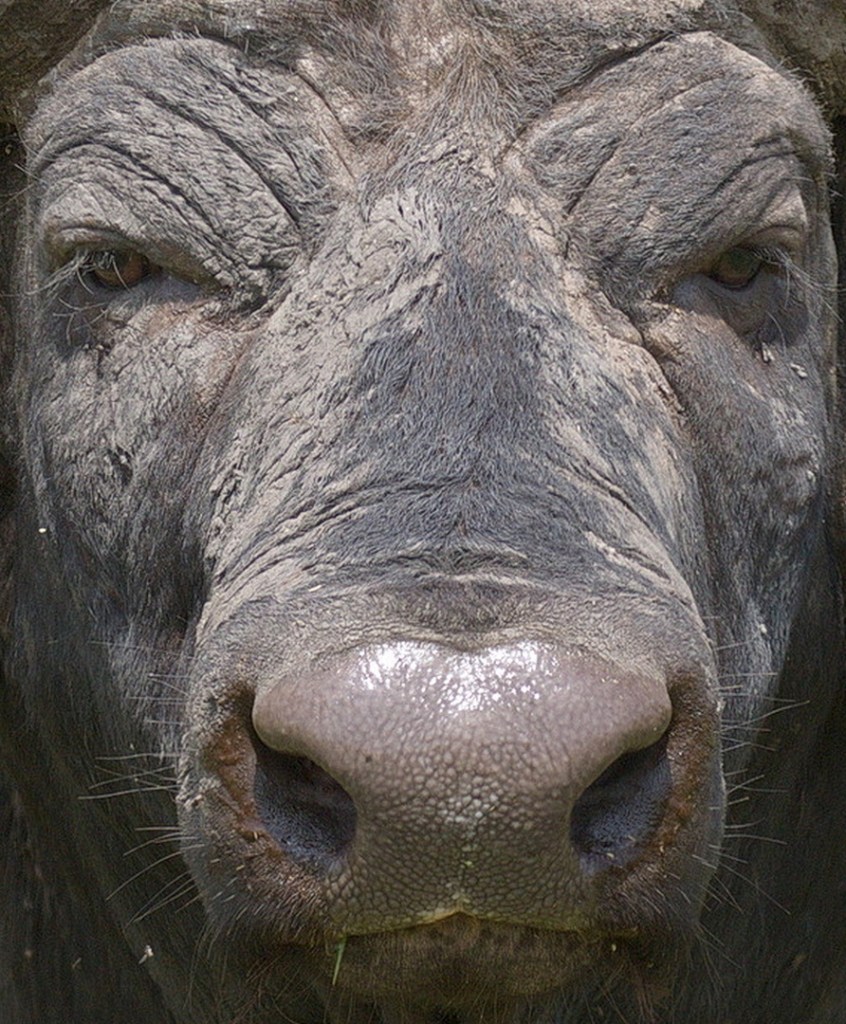
The S126 from Muzandzeni to the main road proved to be rewarding for us. We not only saw a Leopard – admittedly quite fleetingly – but also many Sandgrouse and Red and Yellow-billed Oxpeckers – primarily on Zebras and some on Giraffe. Red-crested Korhaans called close to the road, and we had sightings of a Marico Flycatcher, a Lappet-faced Vulture, Tawny Eagle to name a few.
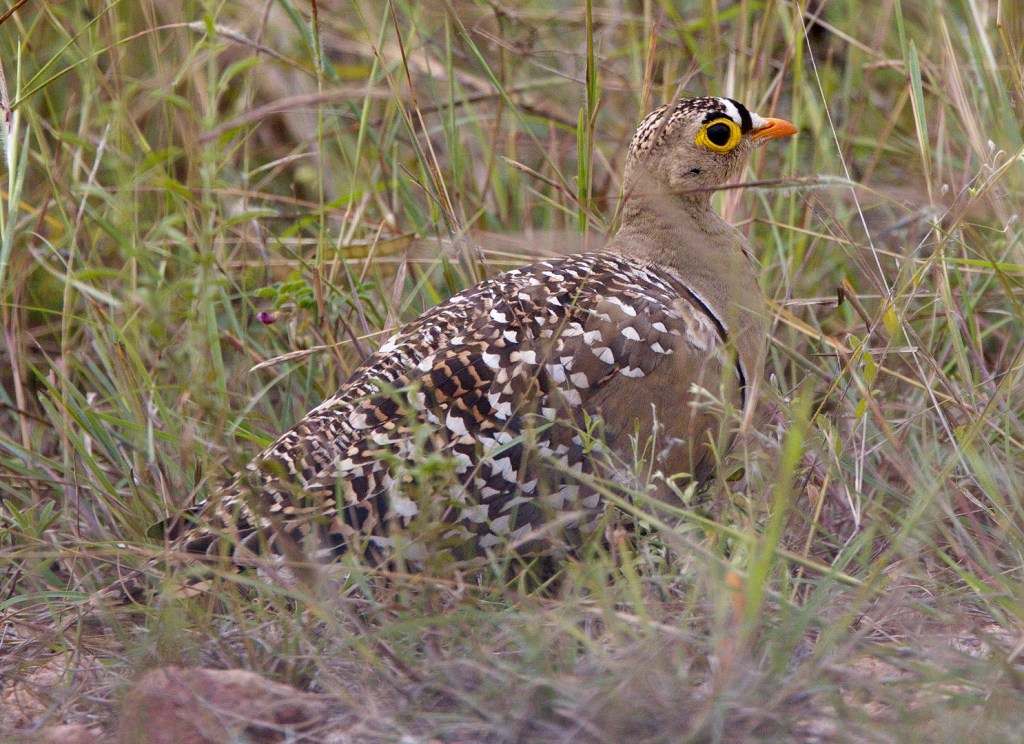
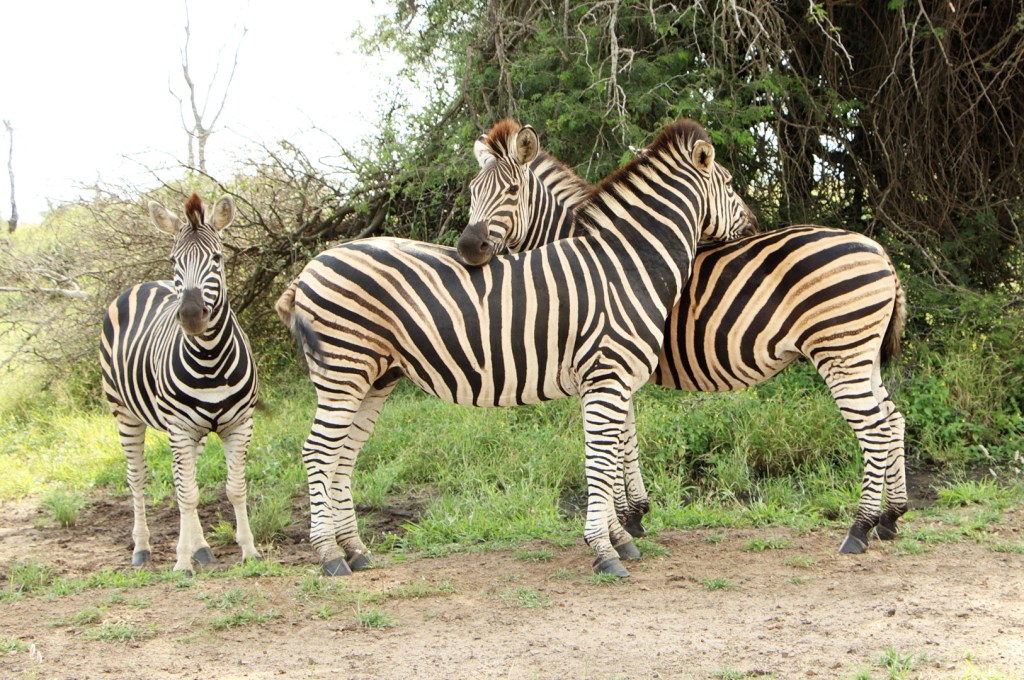


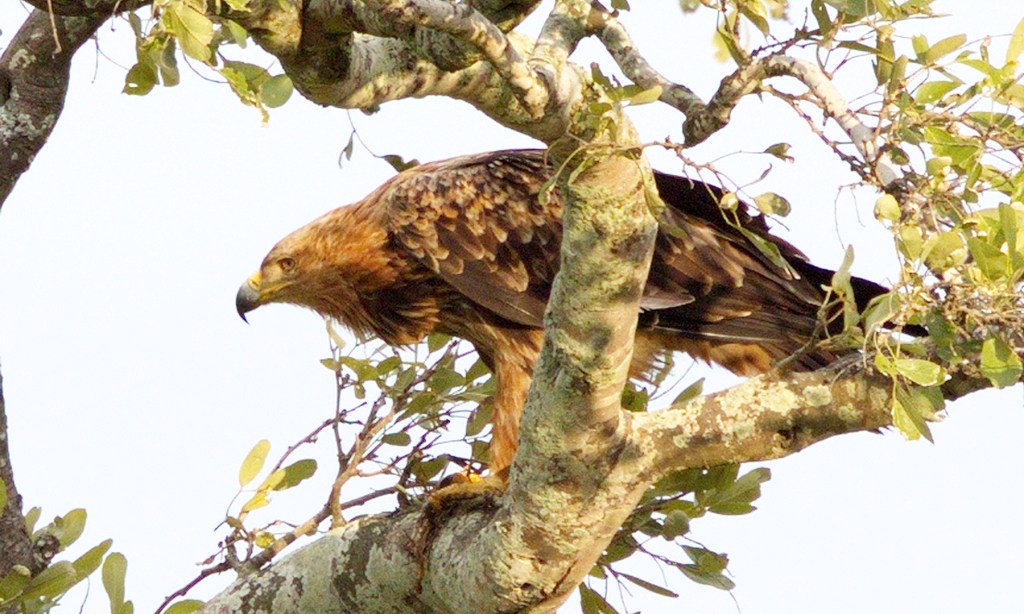

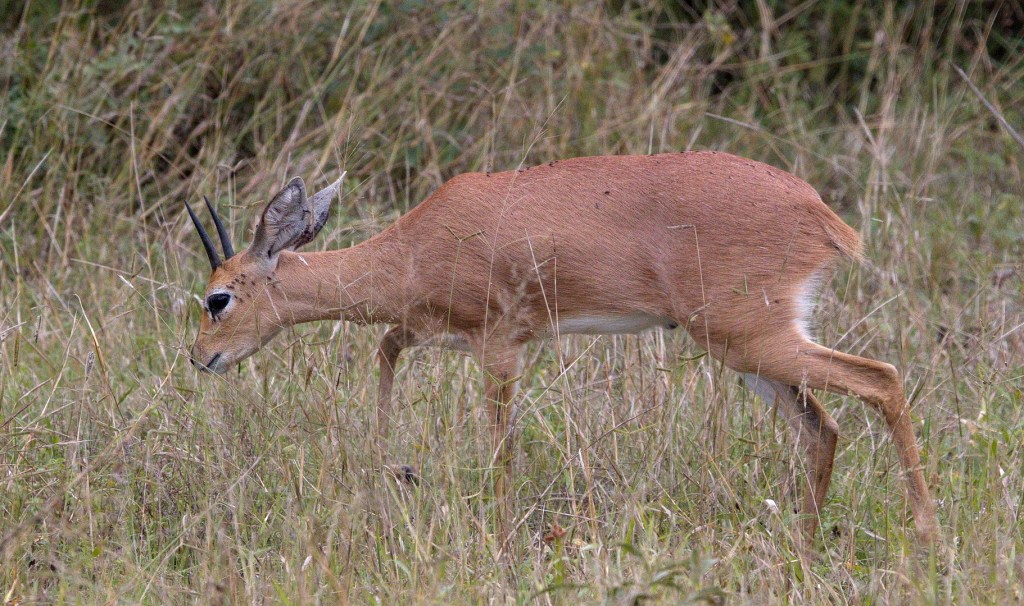


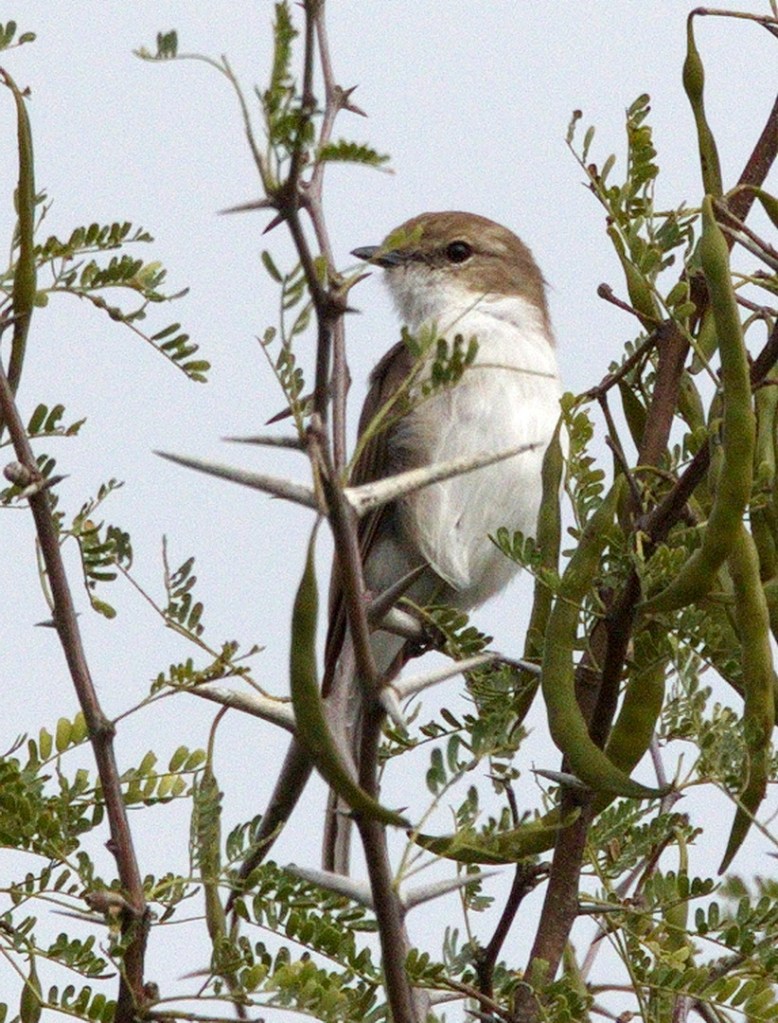


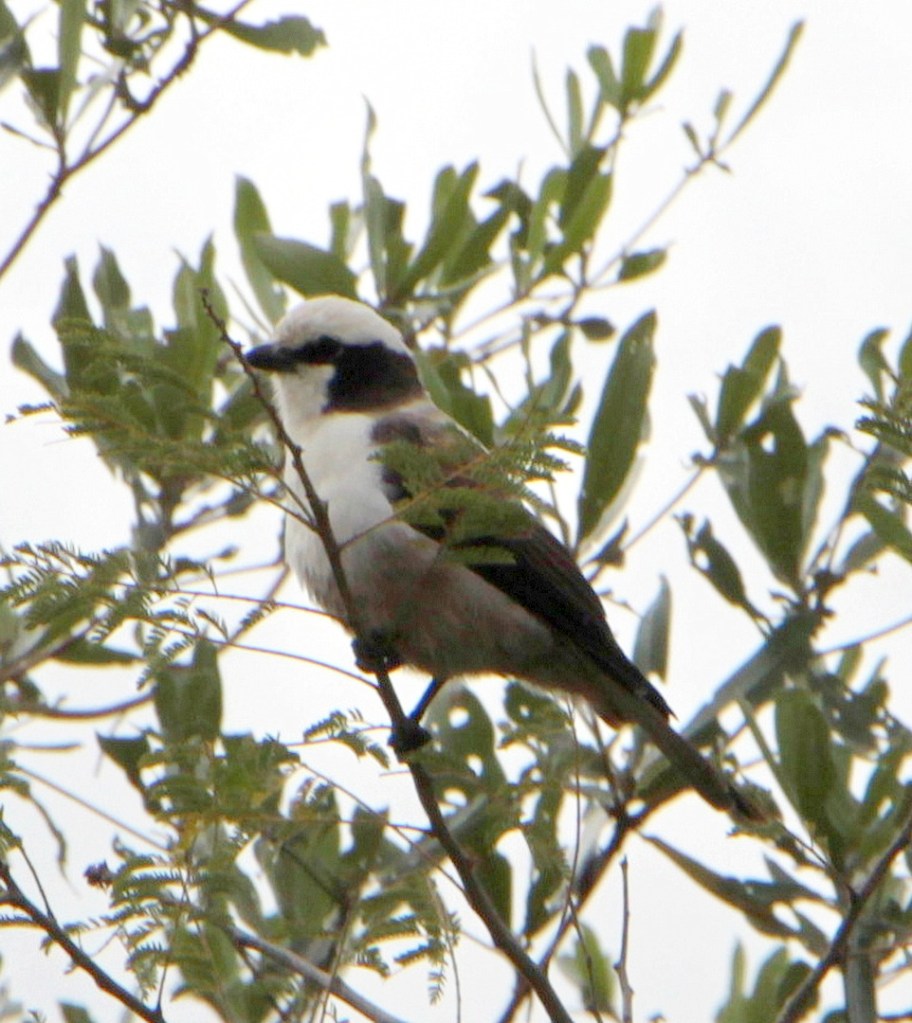
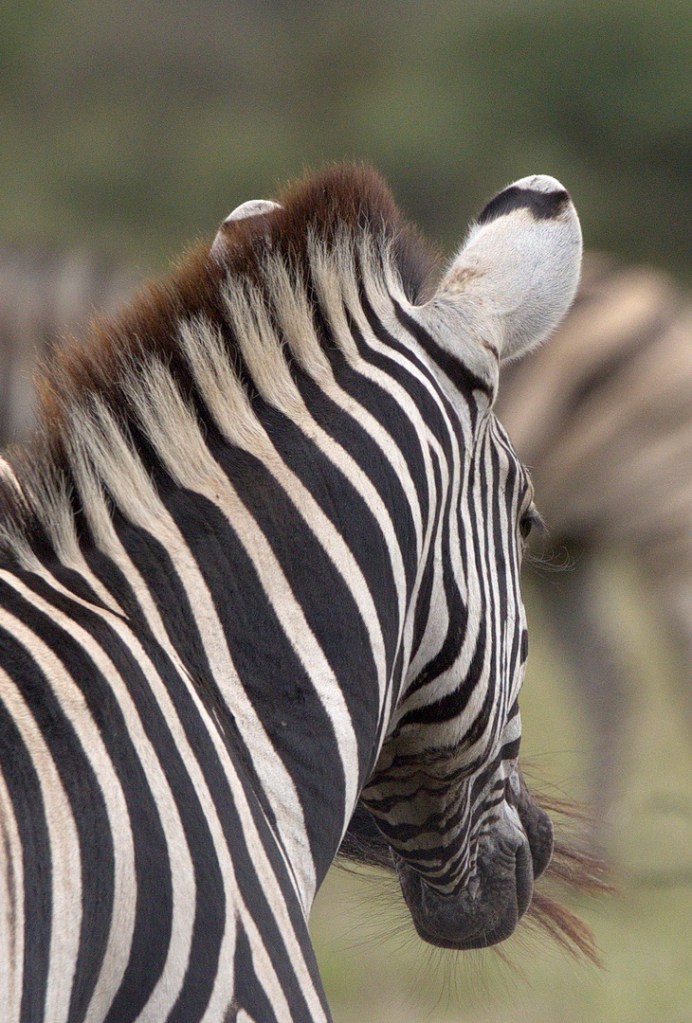
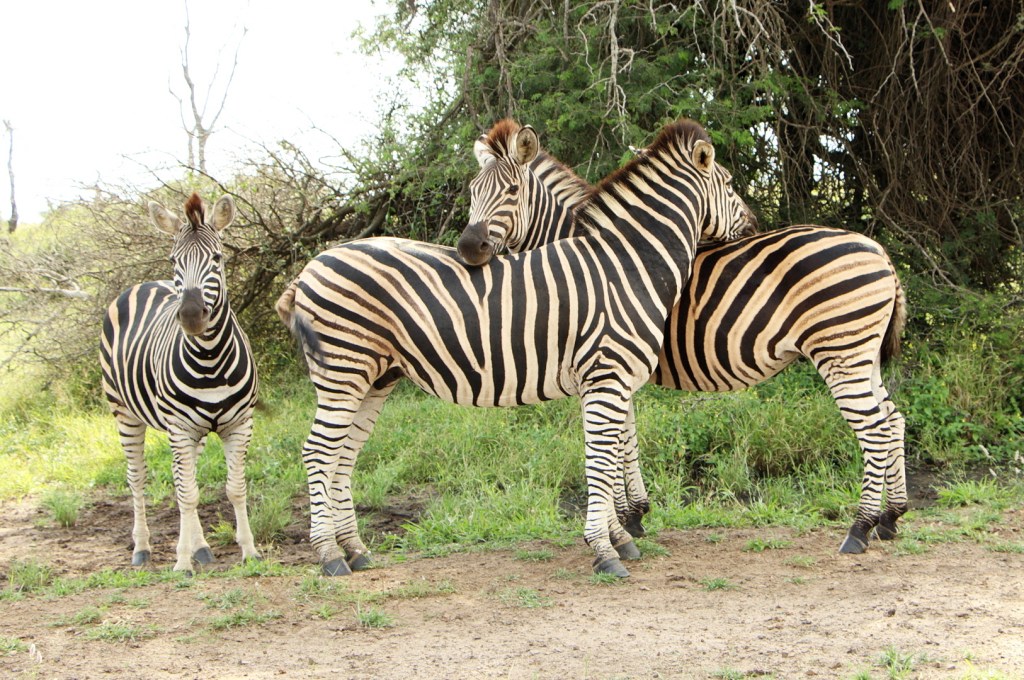

Every morning the Southern Ground Hornbills were calling close by. It was only on our last day at Satara that we saw them – close to the camp entrance. They were right beside the road.


And to hear them call:
Almost forgot. Our Explosive experience.
In camp Sally was making tea. I was elsewhere. Walking back to our Wildcat, I could see many people chatting to Sally. Unusual I thought.
Sally told me that she had heard what sounded like a gun shot and suddenly everyone nearby came to her rescue. She was perplexed. And then realised that she had actually caused the commotion when she turned on the hot water tap. The explosion had occurred because there was gas build up in the closed compartment where the gas water heater was stored. And by opening the hot water tap a spark was created – boom. The closed compartment door was blown open with a loud bang. Fortunately the damage was not excessive. But it taught us a lesson to always turn off the gas supply when the compartment door is closed and preferably remove the batteries from the igniter switch as well !
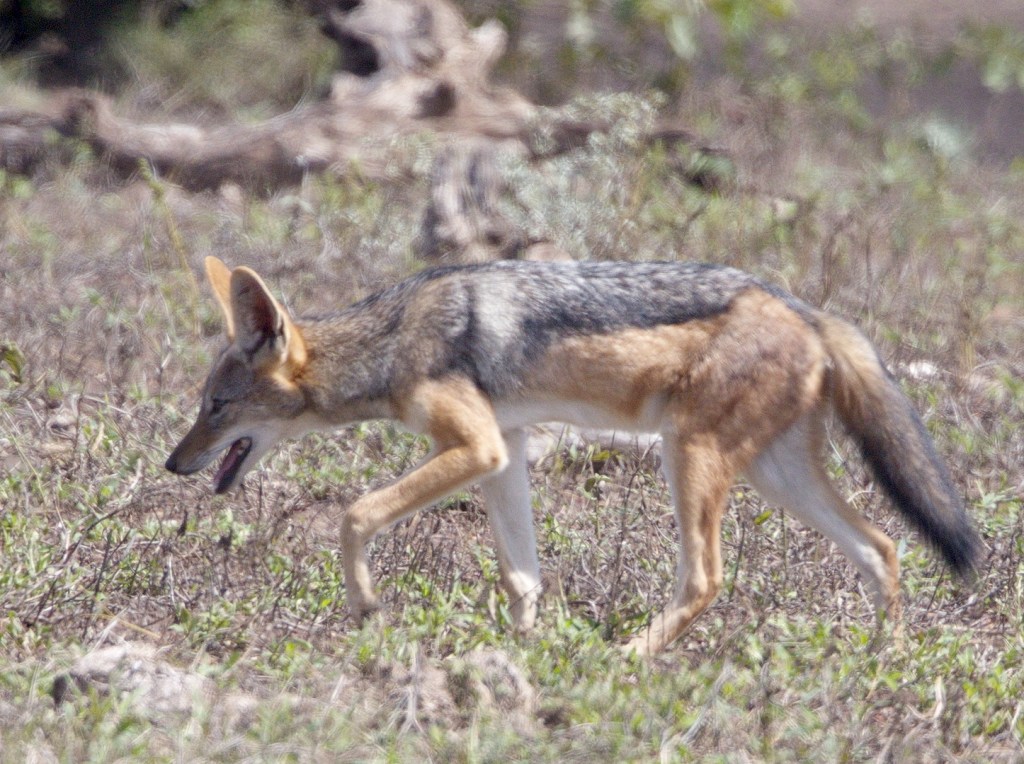
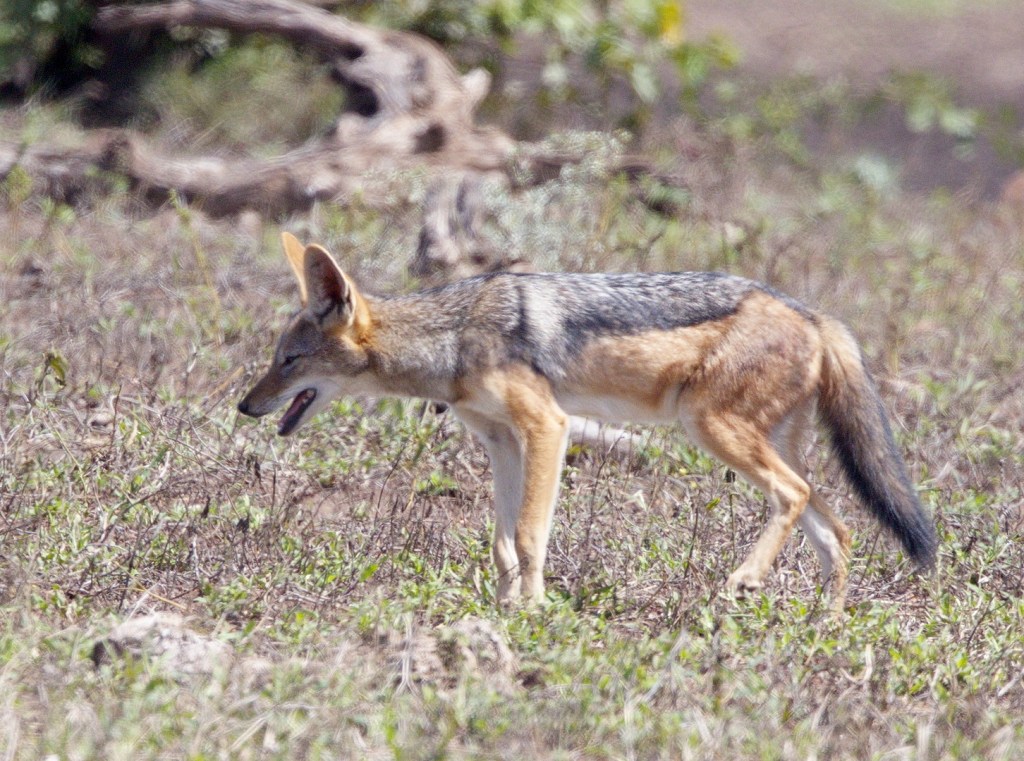
Almost forgot. Jackals in camp. People reported that the Jackals were eating guy ropes. Well we had a slightly different experience. My clogs had gone for a walkabout. Later to be found, the clogs intact but both straps had been removed and chewed into almost precisely one inch pieces and left around the each clog.
Then we moved on to Lower Sabie for 4 nights. See Part 3.
Paul and Sally Bartho
3rd to 21st April 2024

Sally and I decided to get away before winter started. Our destination – the Kruger National Park. However, unlike our usual Kruger visits, we went in at the top of the Park and exited at the bottom.
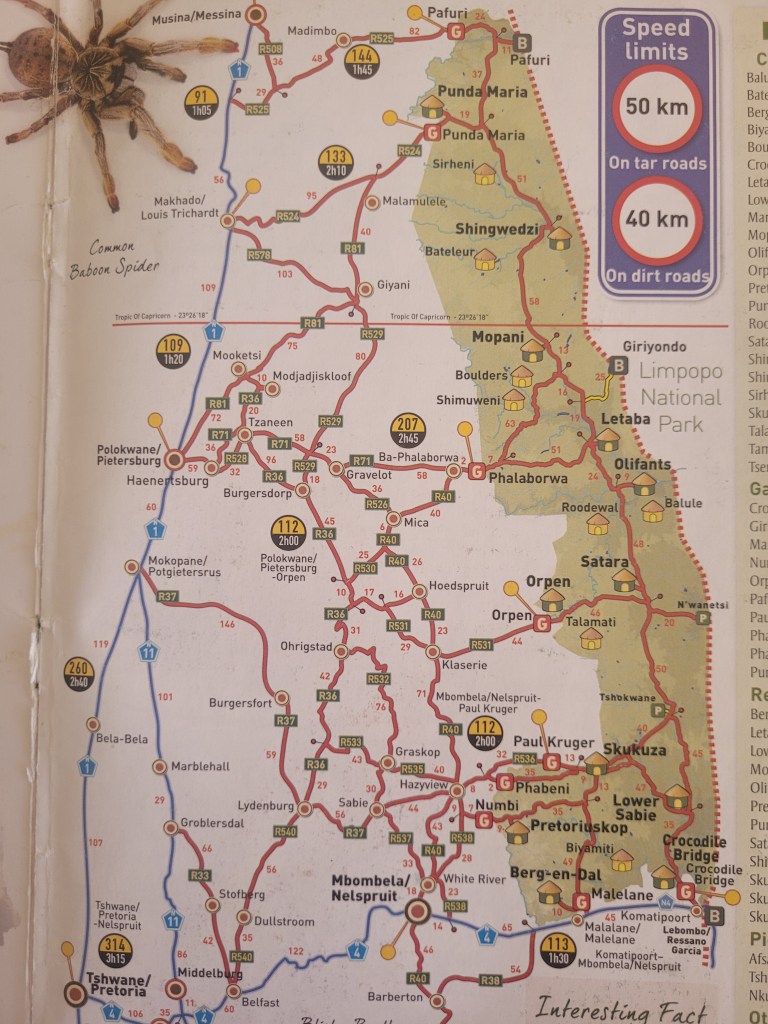
We headed for the Pafuri entrance gate via a stopover along the way. 1080 Kms in one day was not an option for us so we overnighted at Waterberg Resort near Bela Bela. Our thinking was that it was close to the N1 and we could get onto the N1 first thing in the morning and be on our way early. Not so. We followed our map but the road we took went over the freeway and we wasted almost an hour backtracking to where we got off the freeway the previous day. Oh well.
Waterberg Resort
4th April 2024
The Resort was empty – sadly for the owners as it was a public holiday.

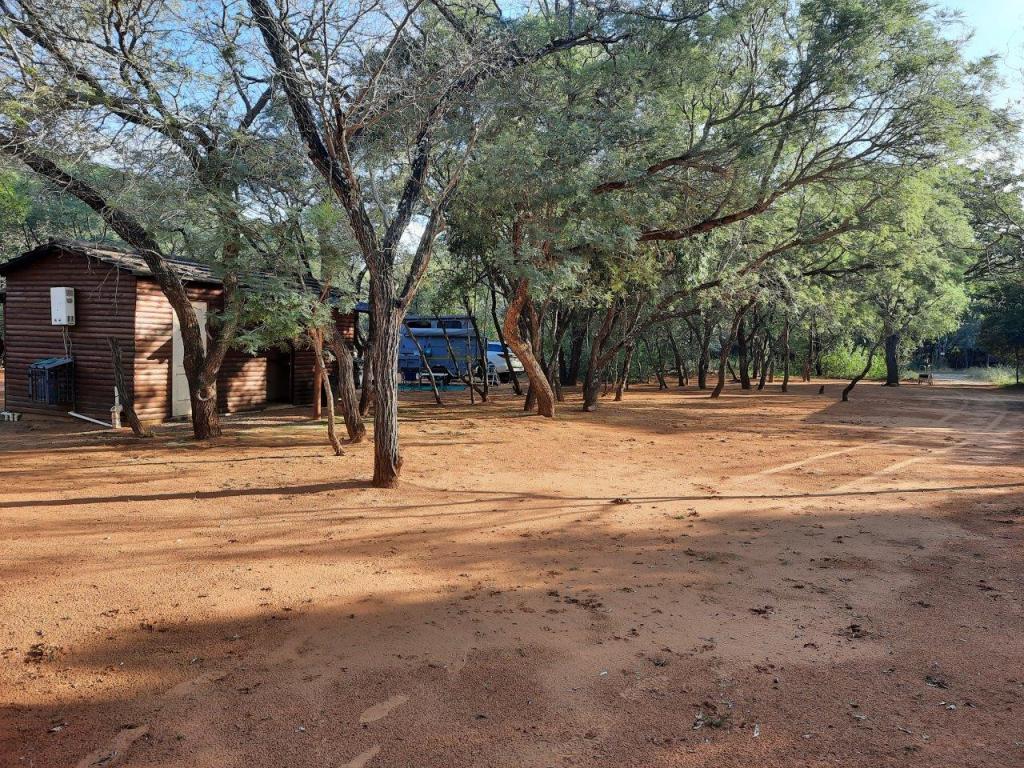
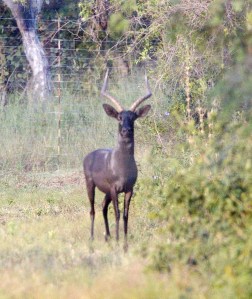
Once the Wildcat was set up, we took a walk around the Resort into the game area. The rains had been poor so there were not many creatures to see. There was an unusual Black Impala in the grounds next door.

Nthakeni Bush and River Camp
5th to 7th April 2024

Whenever we are visiting the north of the Kruger, we always choose to camp at Nthakeni Bush and River Camp. The hospitality of Kobus and Annalise is special and the campsite, in our opinion, is one of the best we have stayed at AND it is close to the Pafuri area in the Kruger.


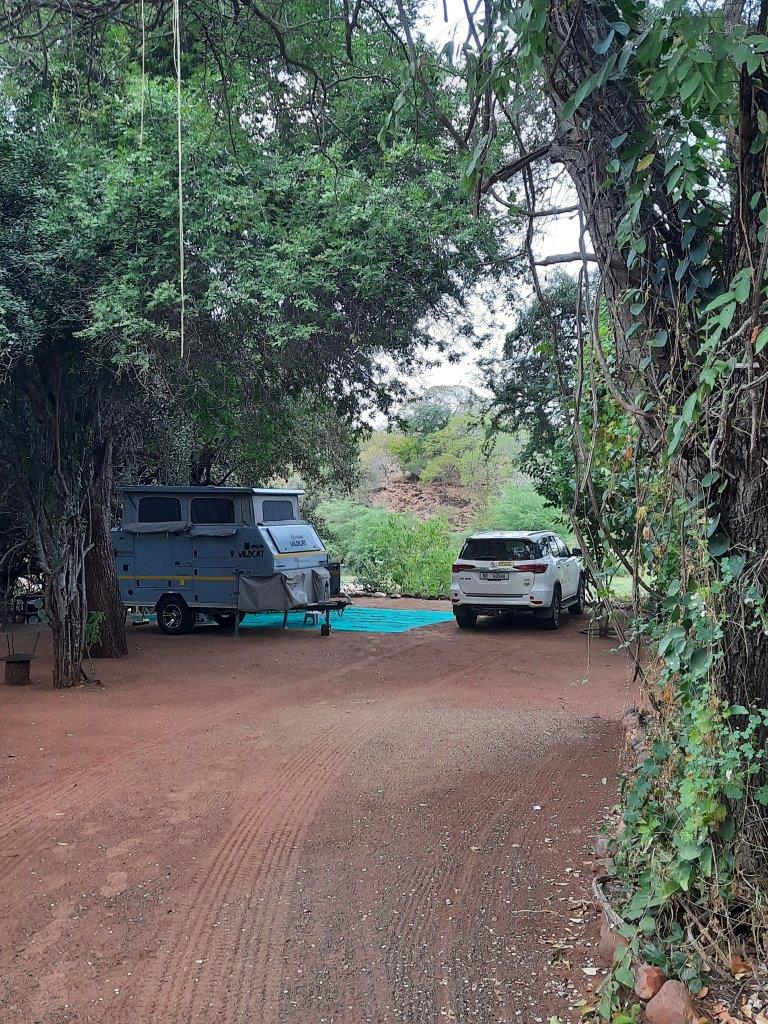
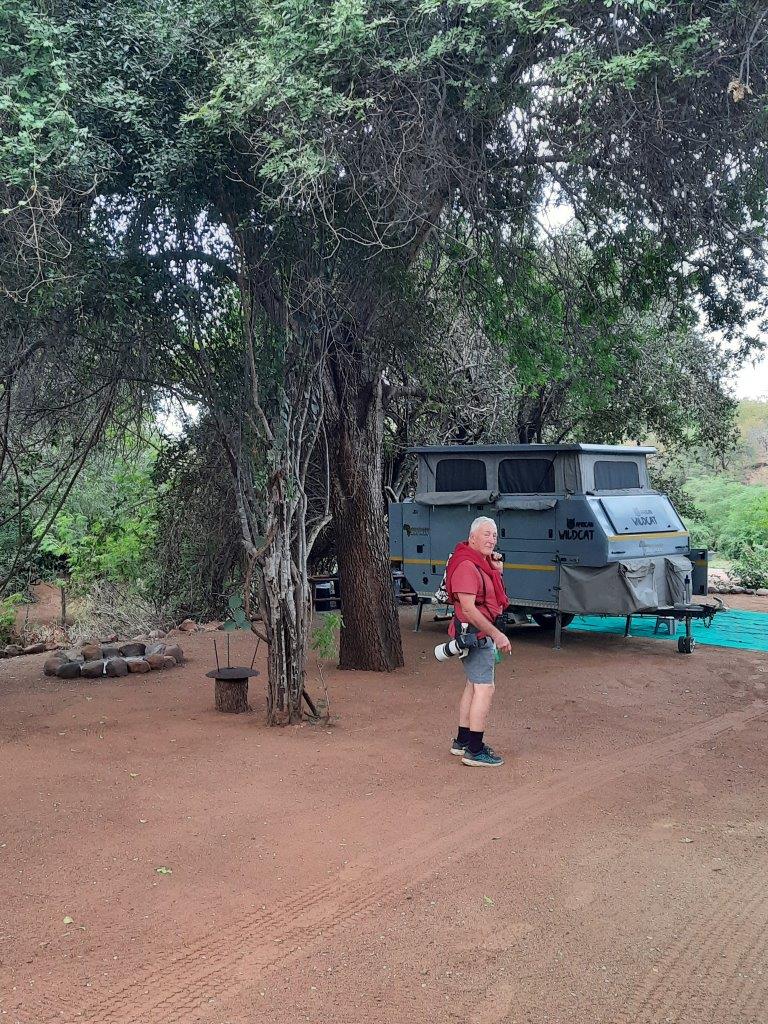
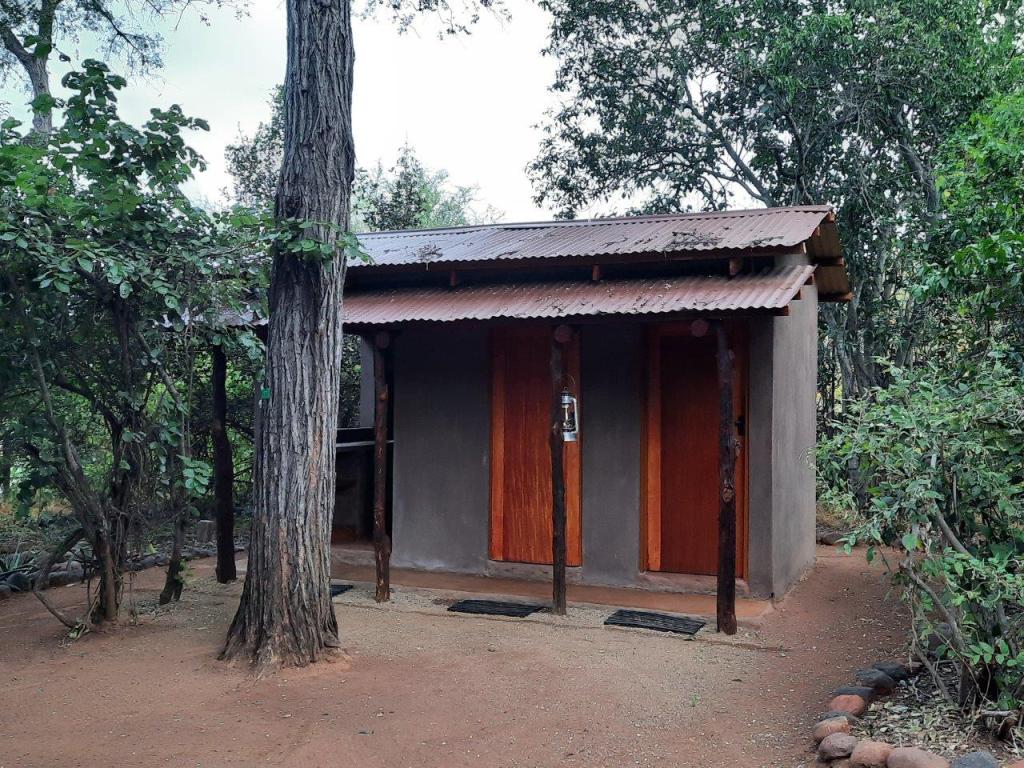


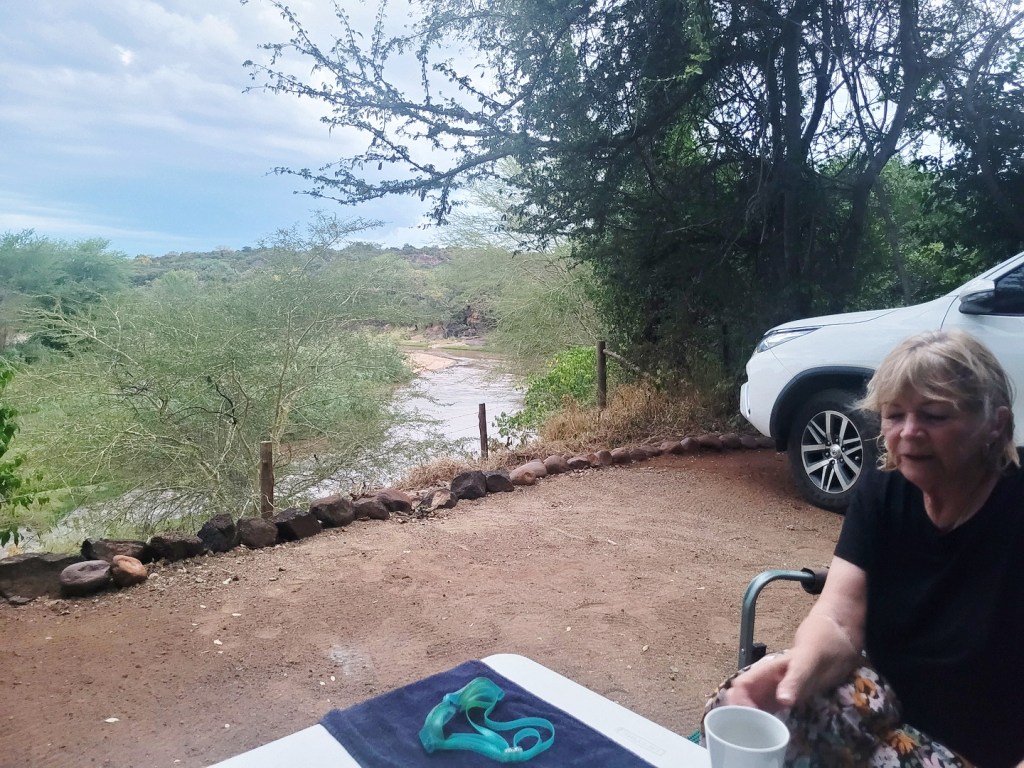
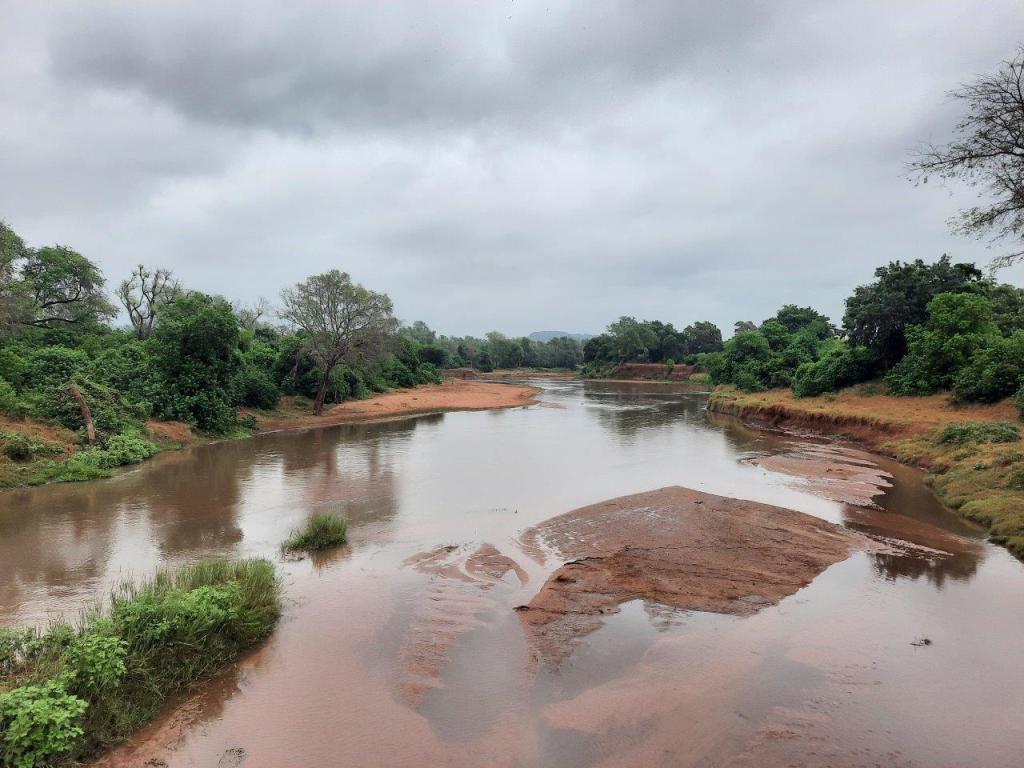
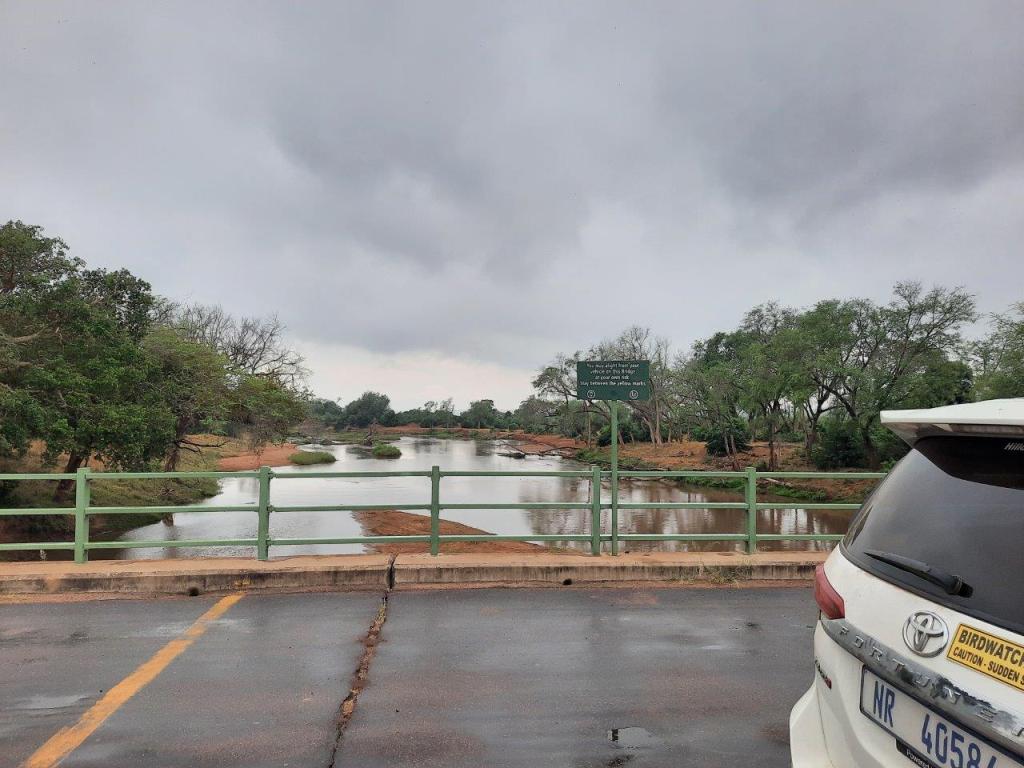
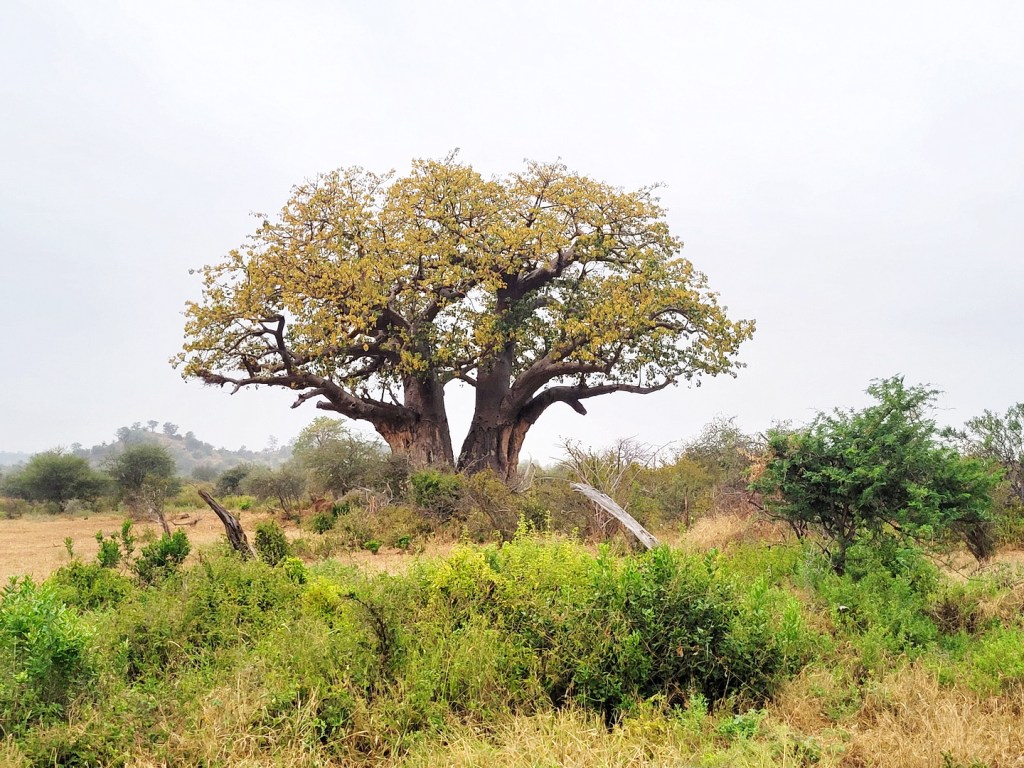
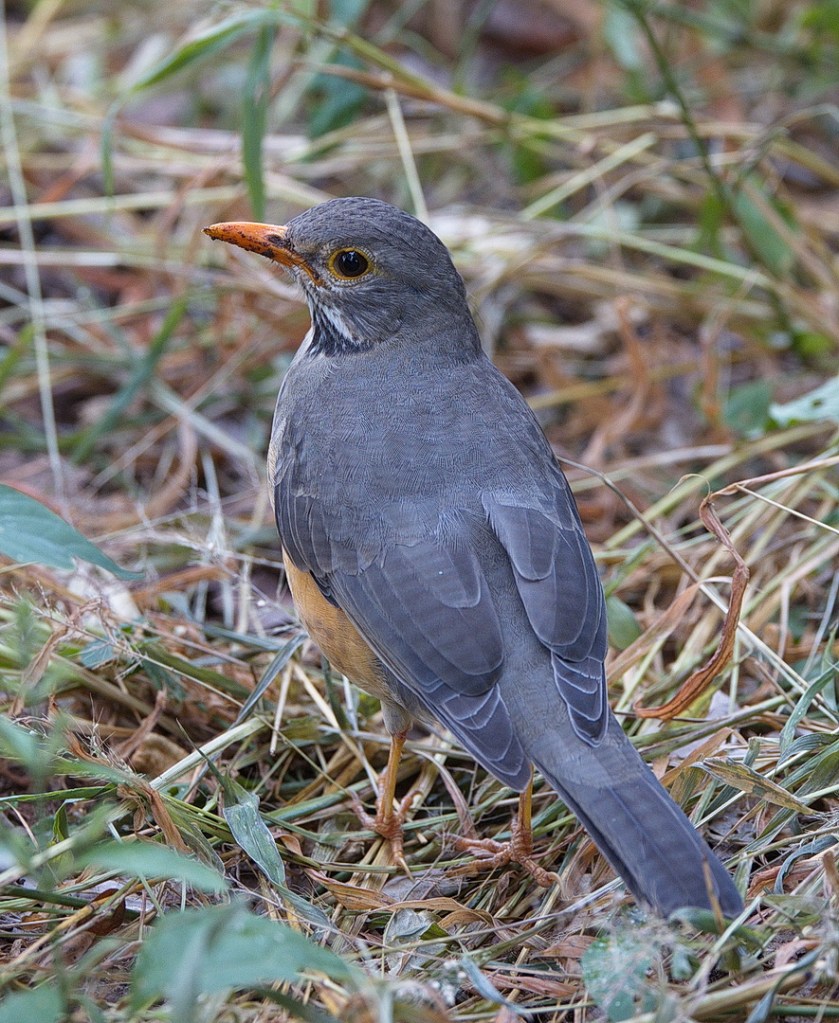
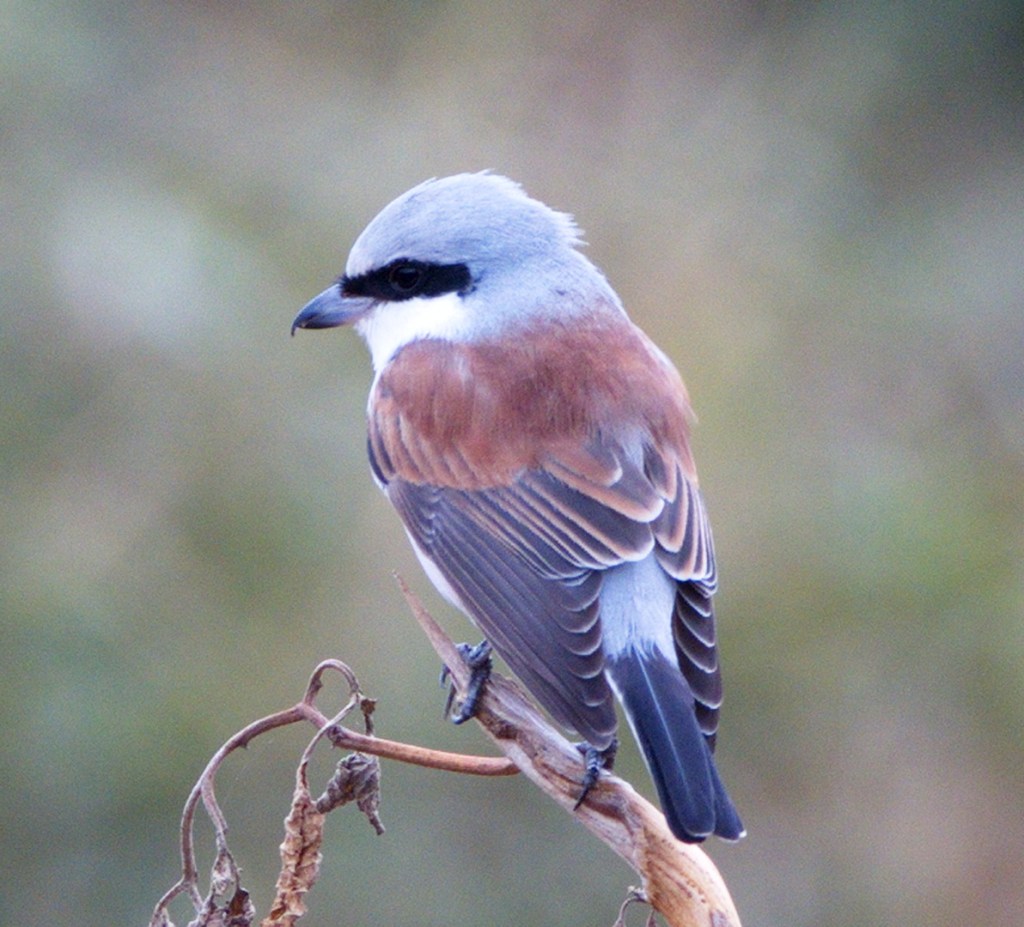
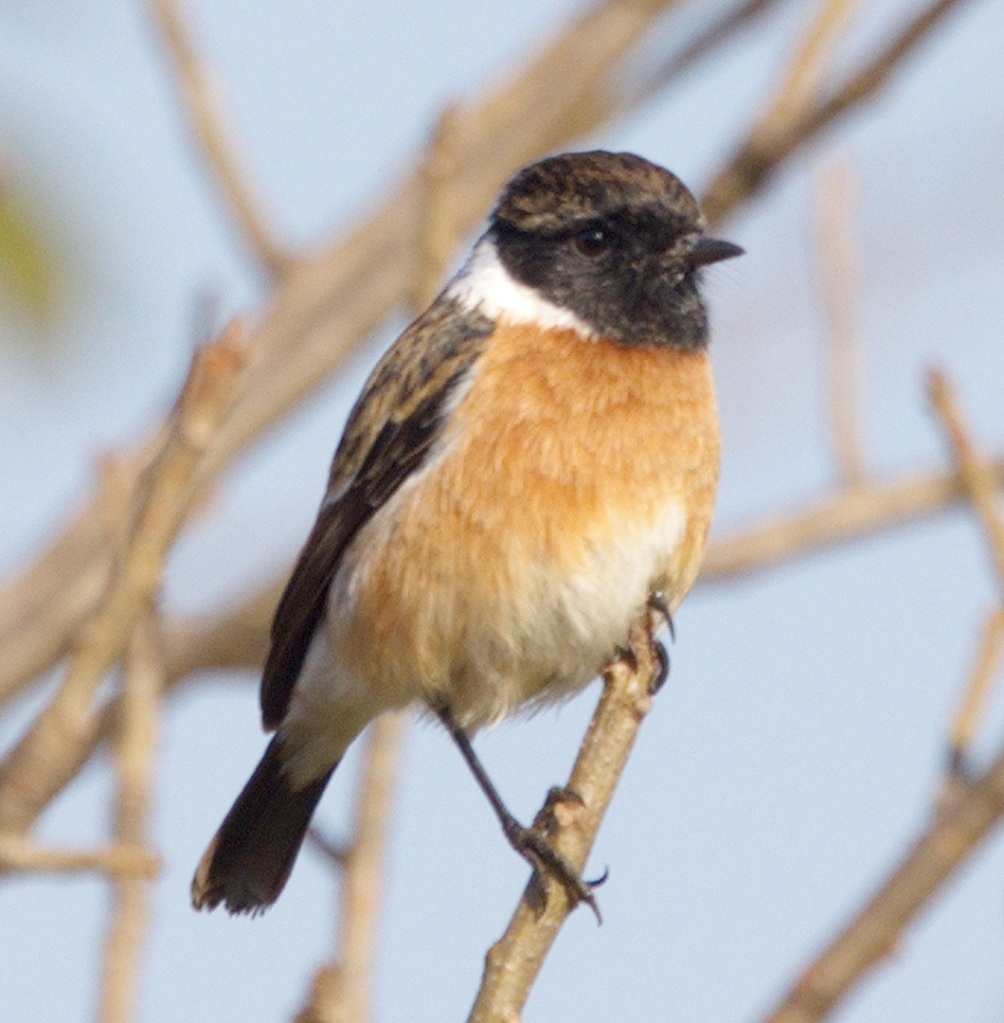
We used this campsite as our base to head into the north of the Kruger Park – in particular to explore the Pafuri area. As you can see from the following photos, the area was very dry. Being April, most migrants had already gone and birding was quiet. Having said that we did find one or two special species (for us anyway).
Dryness:


Birds photographed:





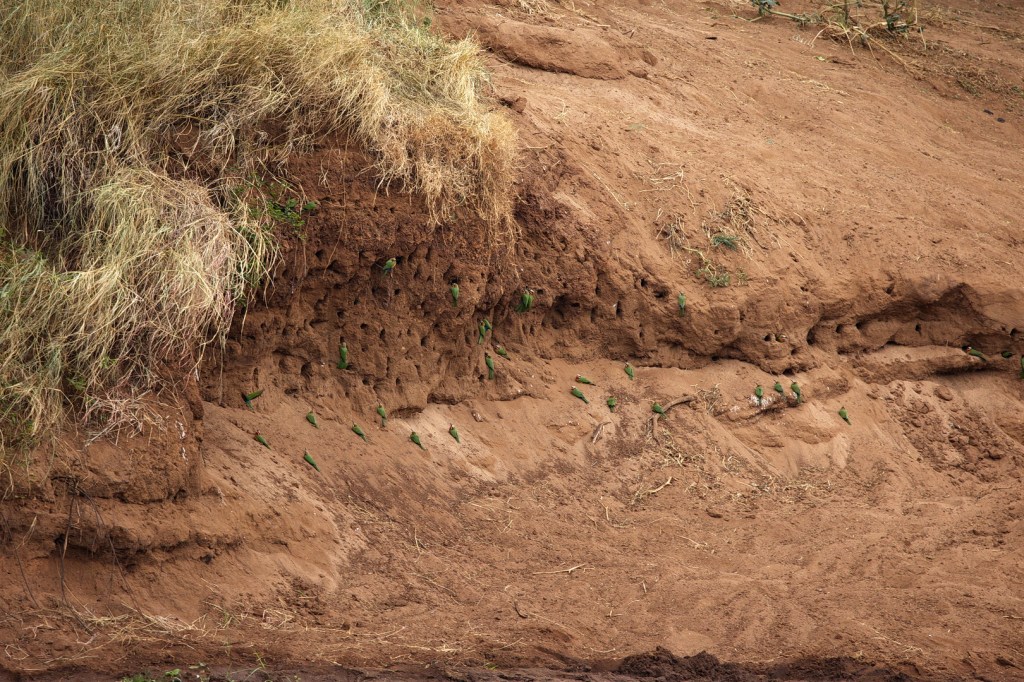
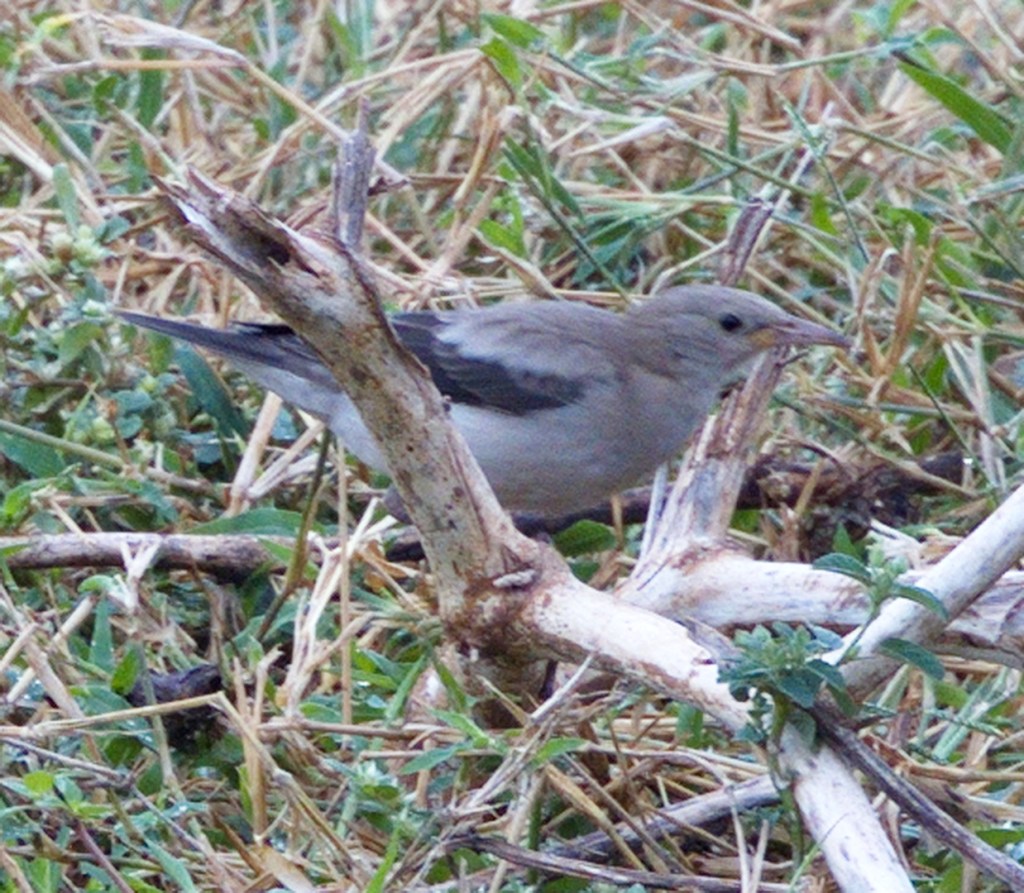


Then there was this bird seen close to the turn-off to the Pafuri Picnic sight:
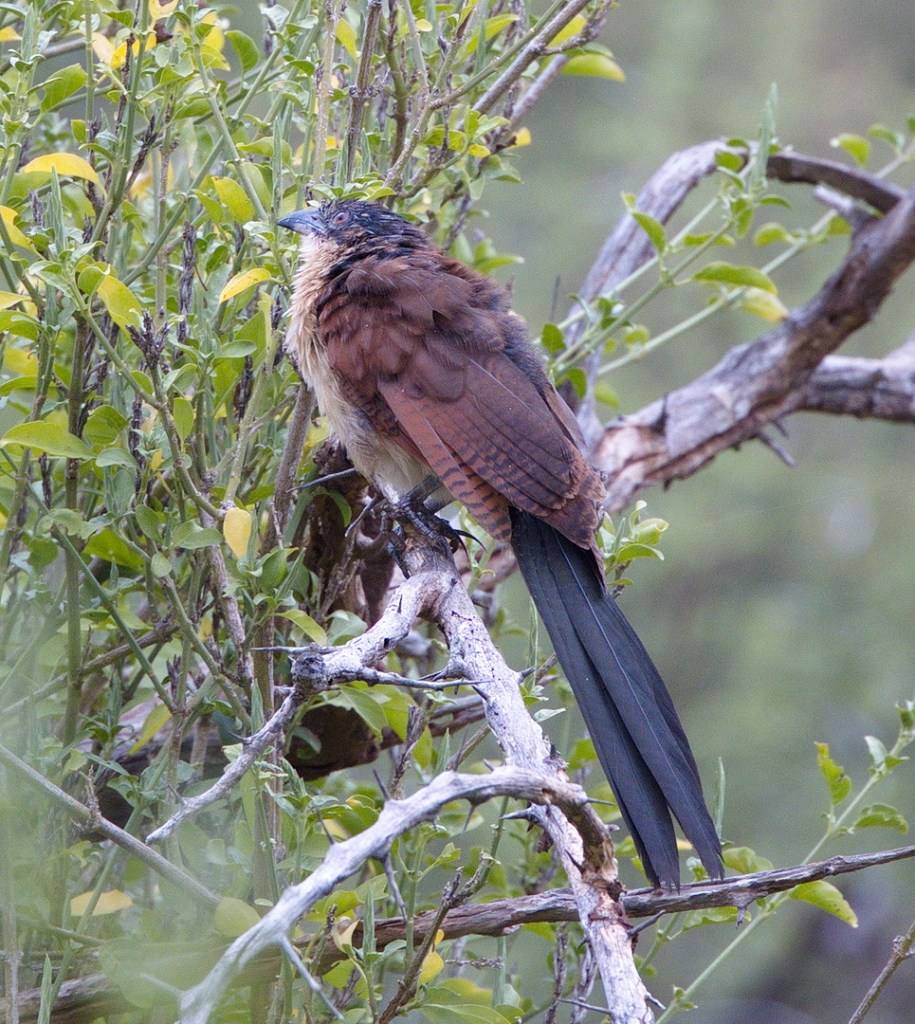
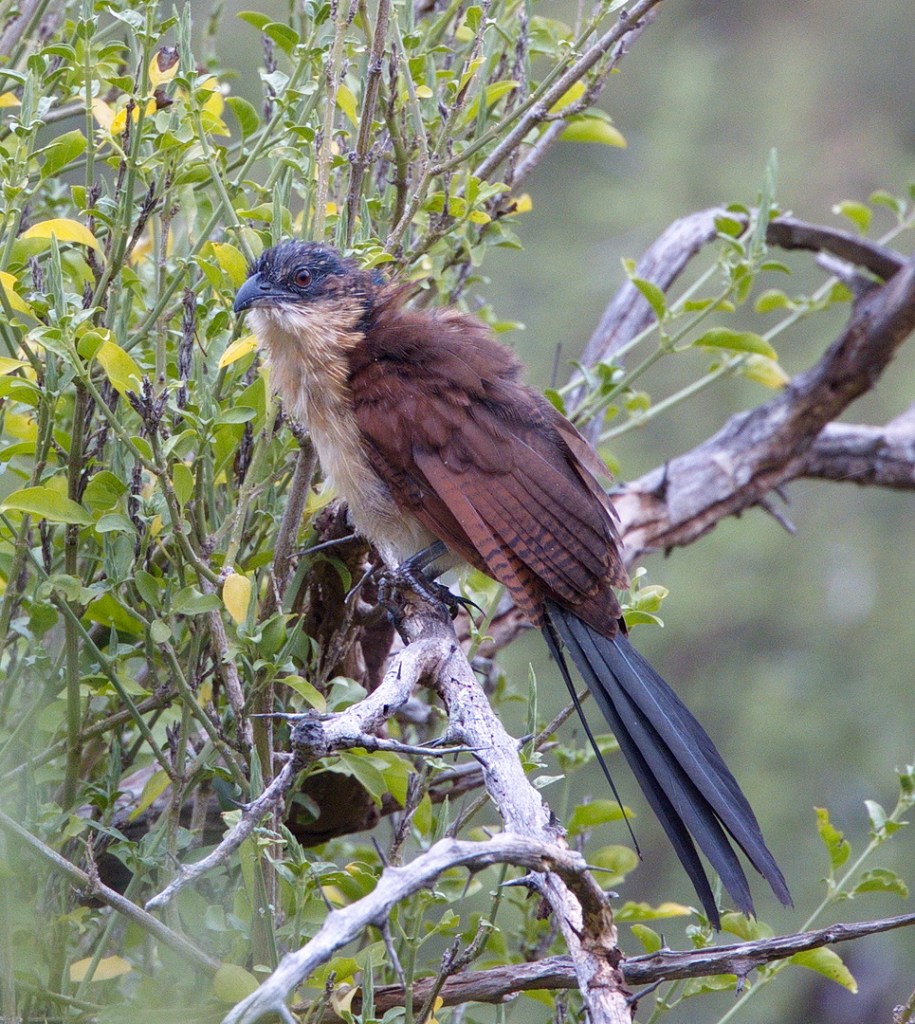
Yes, a Coucal. Senegal. Special special. Confirmed by Trevor Hardaker.
Shingwedzi
7th to 10th April 2024

We had three nights in Shingwedzi. Mostly overcast. We explored north to Babalala, east along the S50, south down the H1-6 and taking the S142 Shongololo loop to Mopani and also the Redrocks loops.
Like everywhere else the ground was dry, yet the grass seemed greener as we headed south.
We had booked our trip at the last minute so we had little choice of where to stay and for how long. Fortunately we managed to get 3 nights in Shingwedzi but they only had fenceline sites available – not unhappy about that as we found a pleasant site.


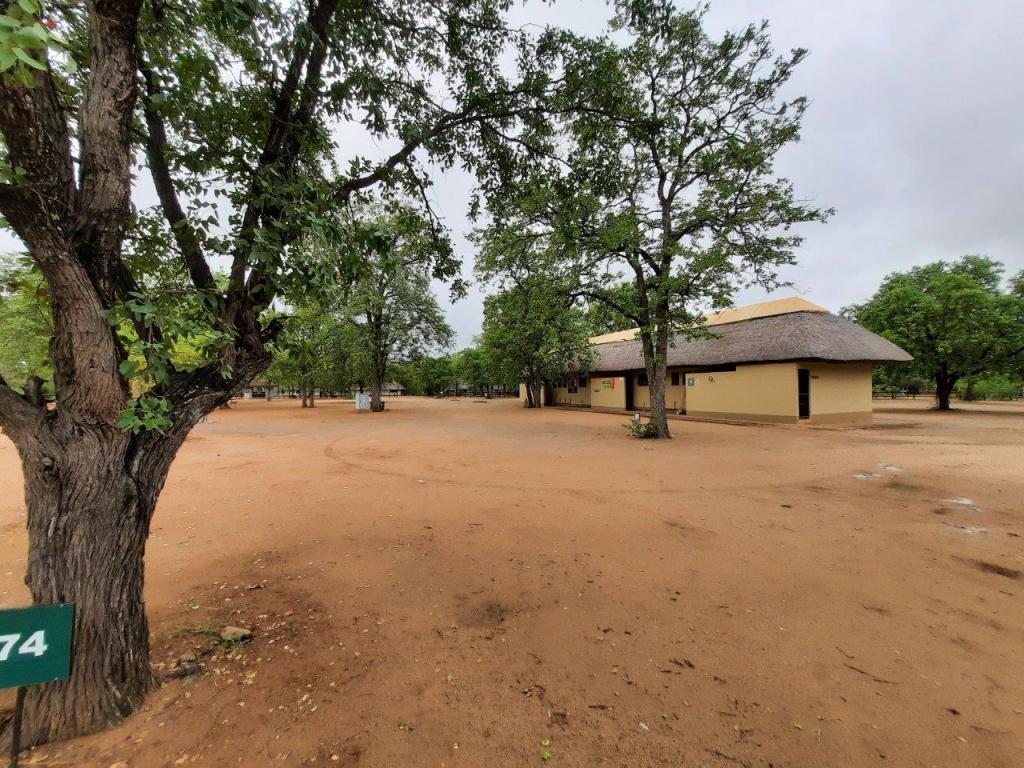
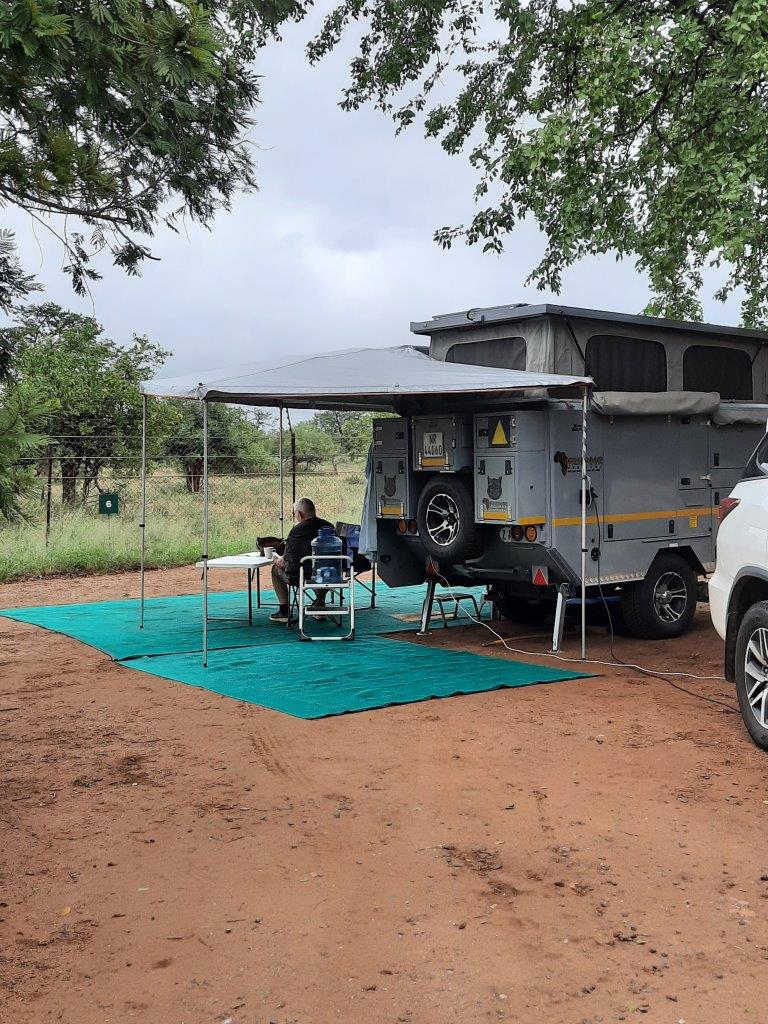
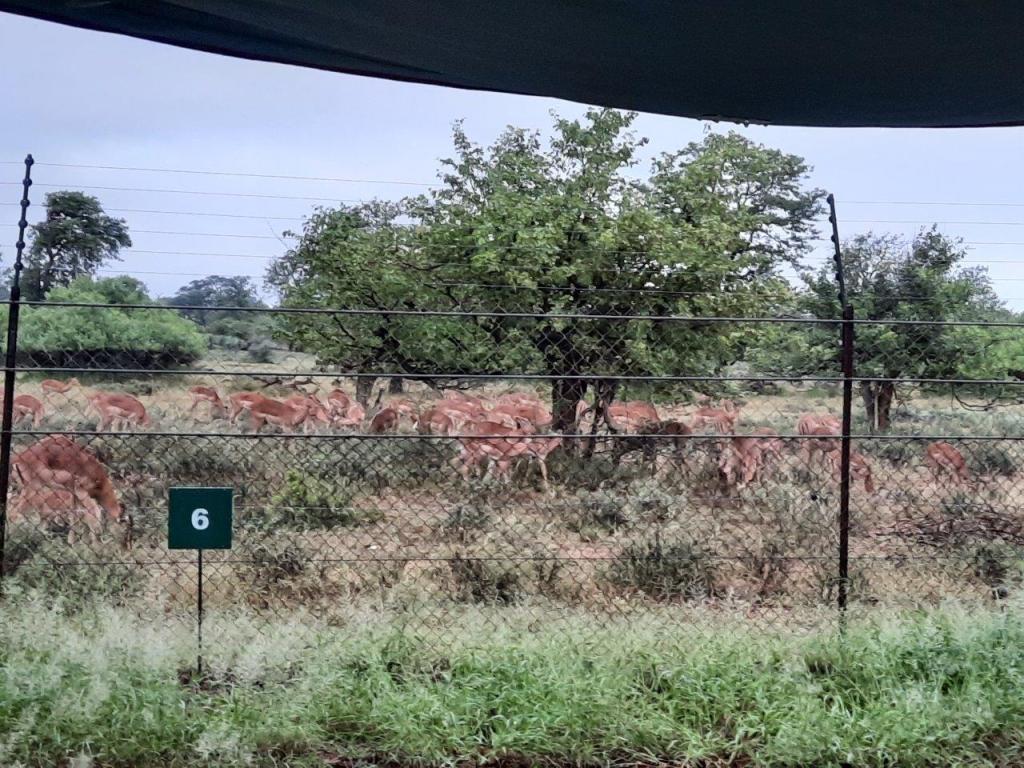
Being on the fenceline was entertaining at times. On one occasion a huge herd of Impala came roaring passed very close by. And of course, the camp birds and animals visited our site – forever hopeful.


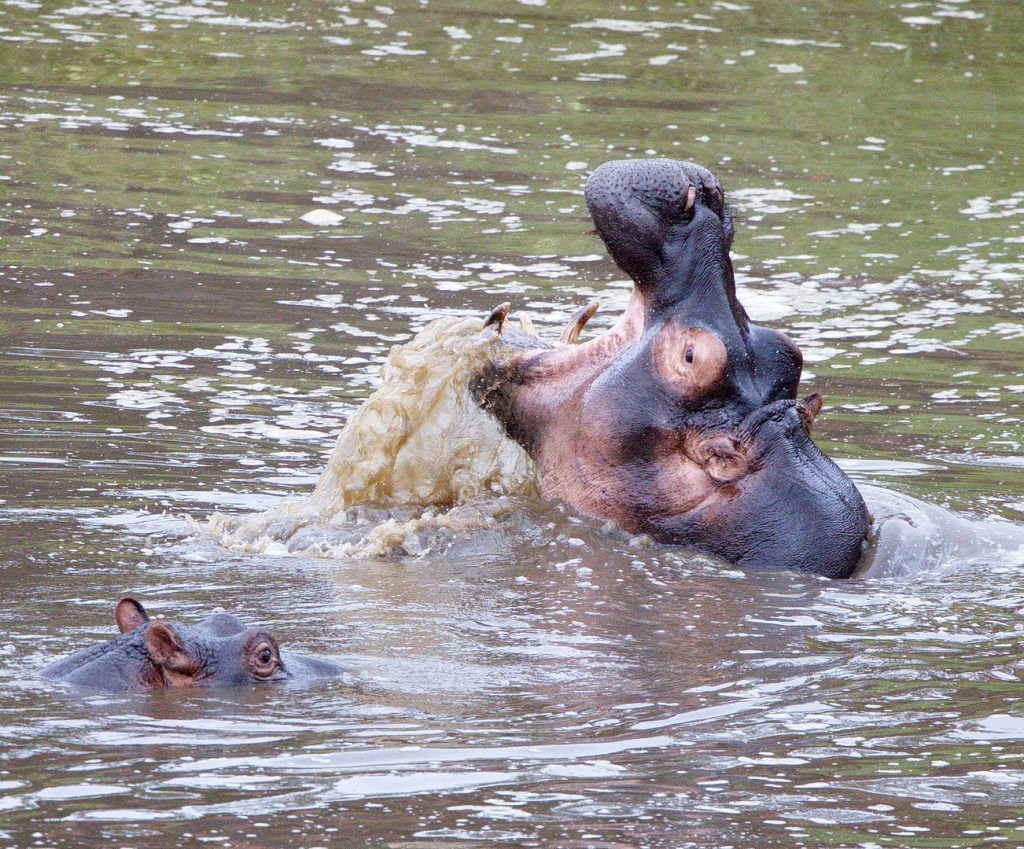
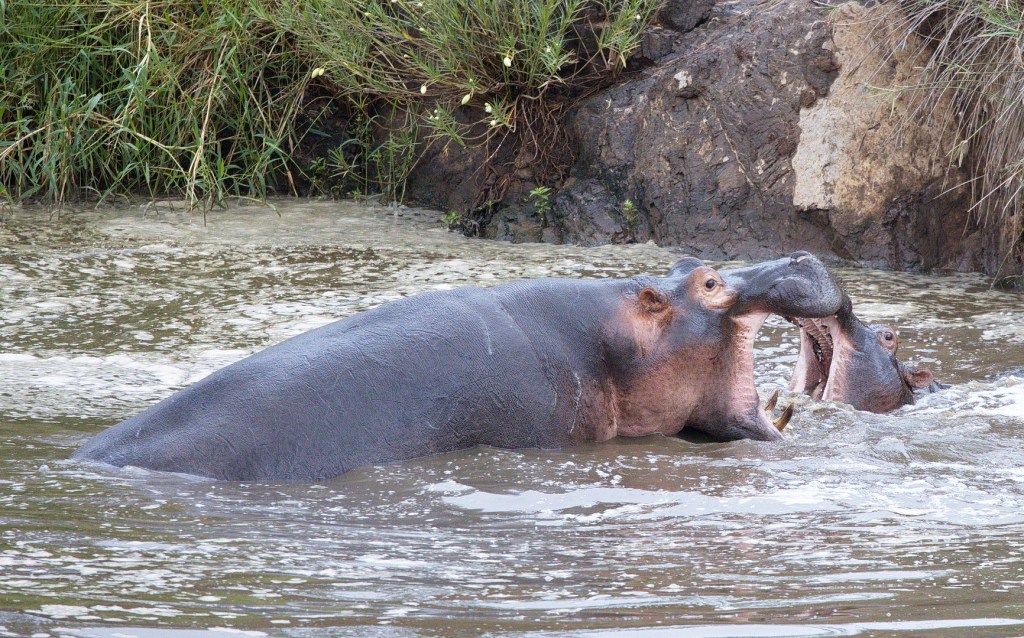
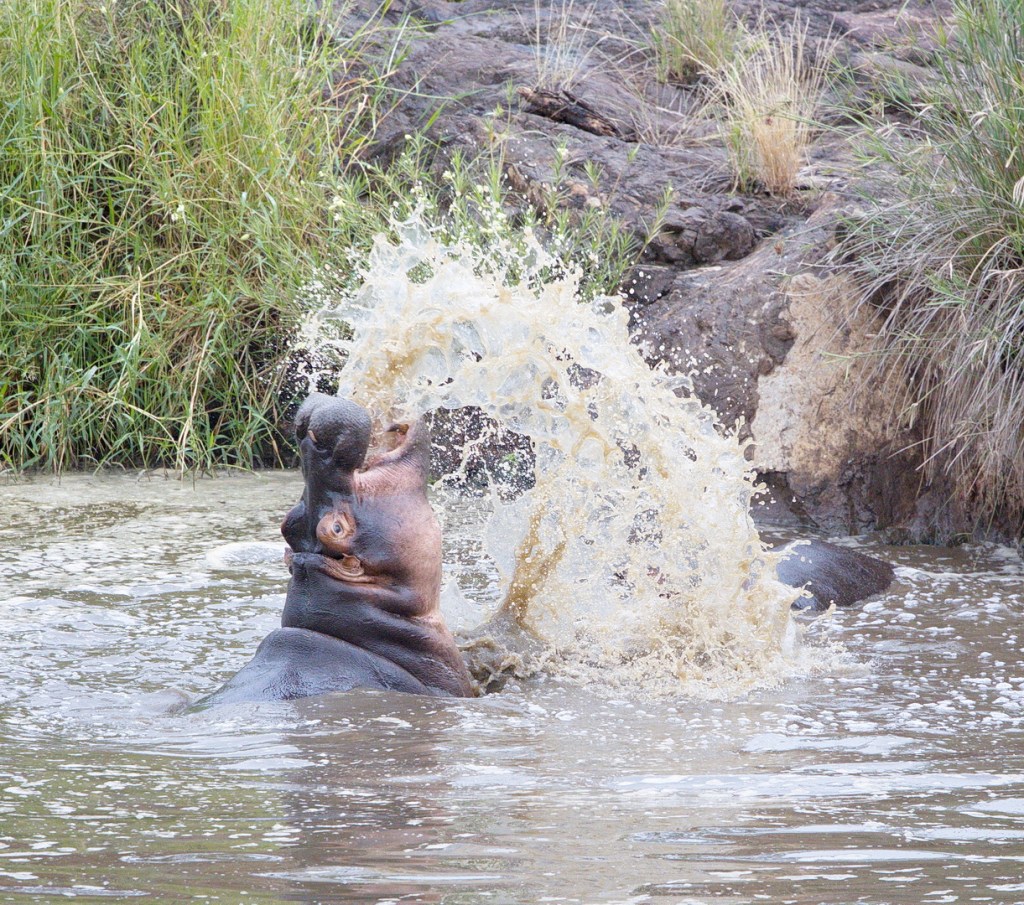
The S56 Mphongolo loop was very quiet but Ribye waterhole was full of active Hippos and kept us amused watching their behaviour.


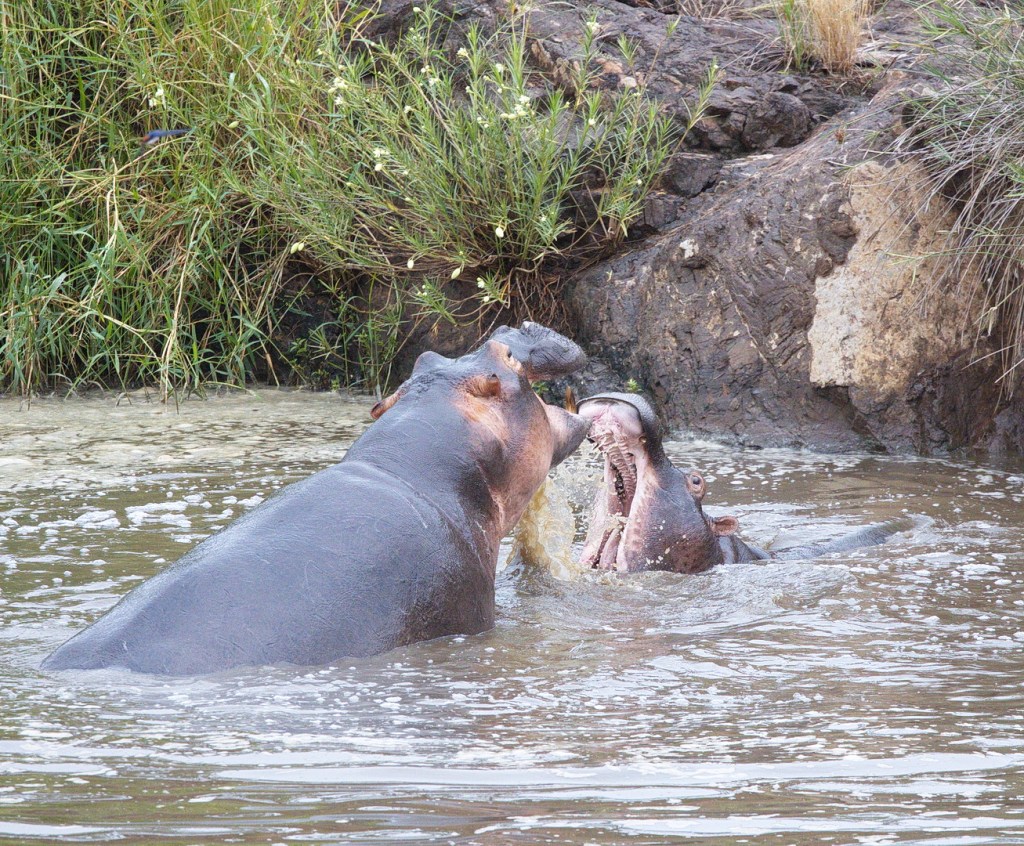

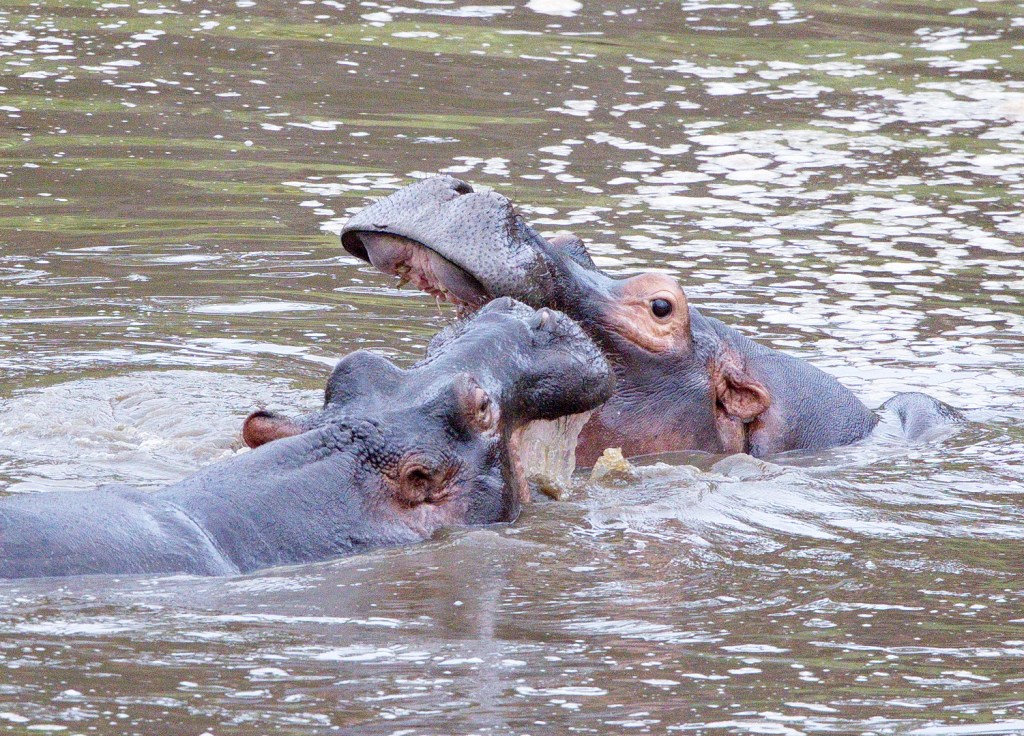
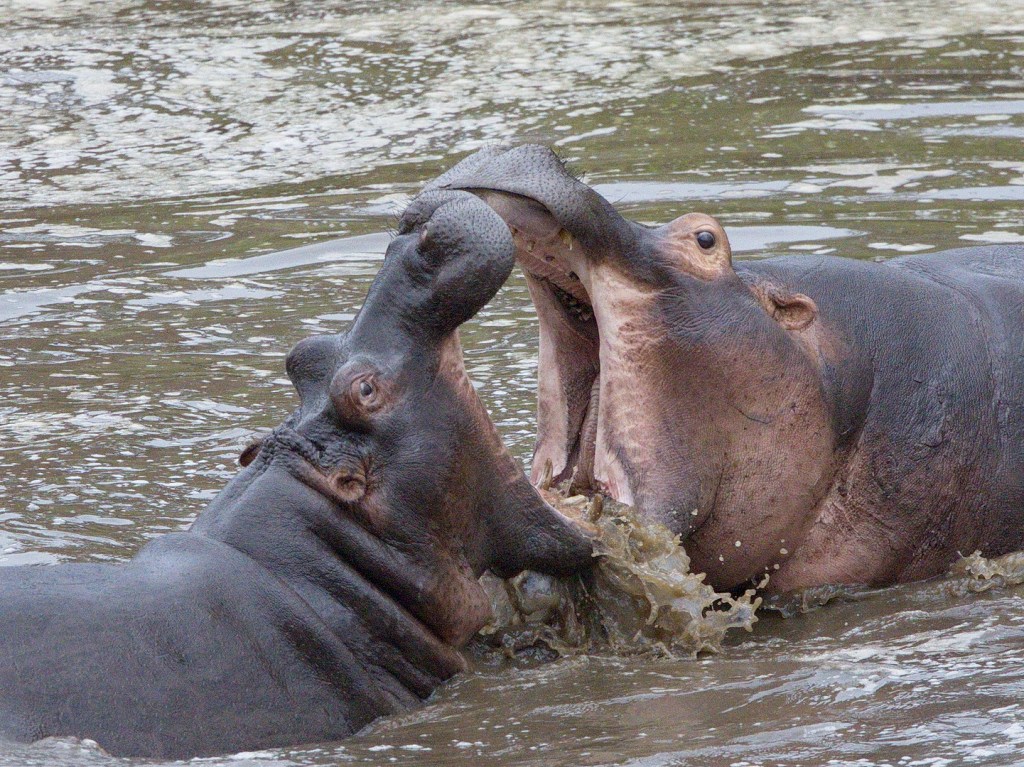


A herd of Buffalo were also seen marching along the dry river bed.
Some raptors and owls photographed while in the area.
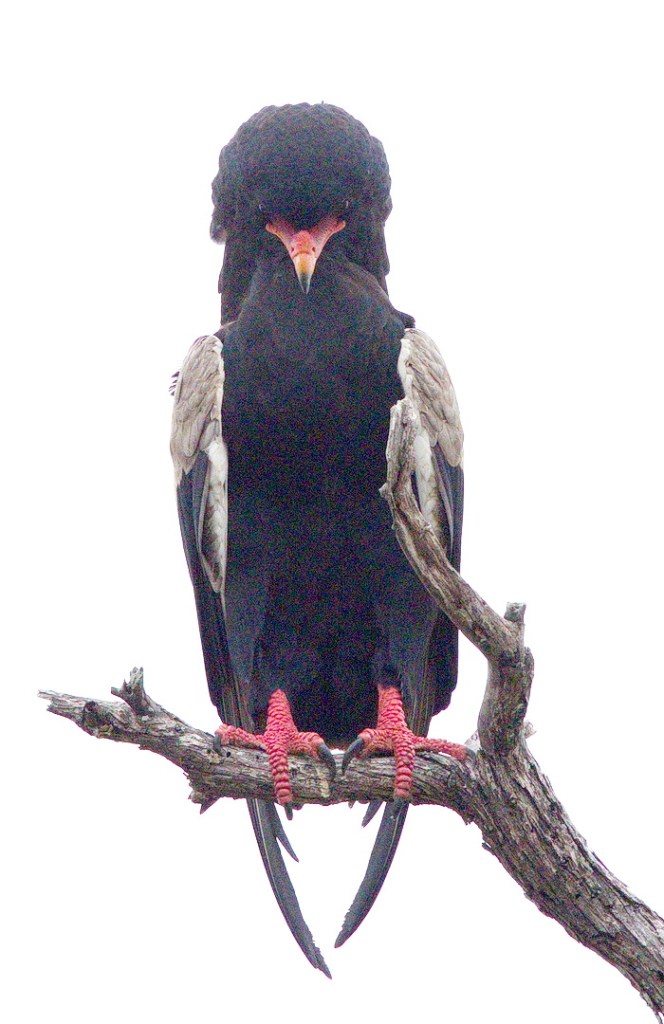
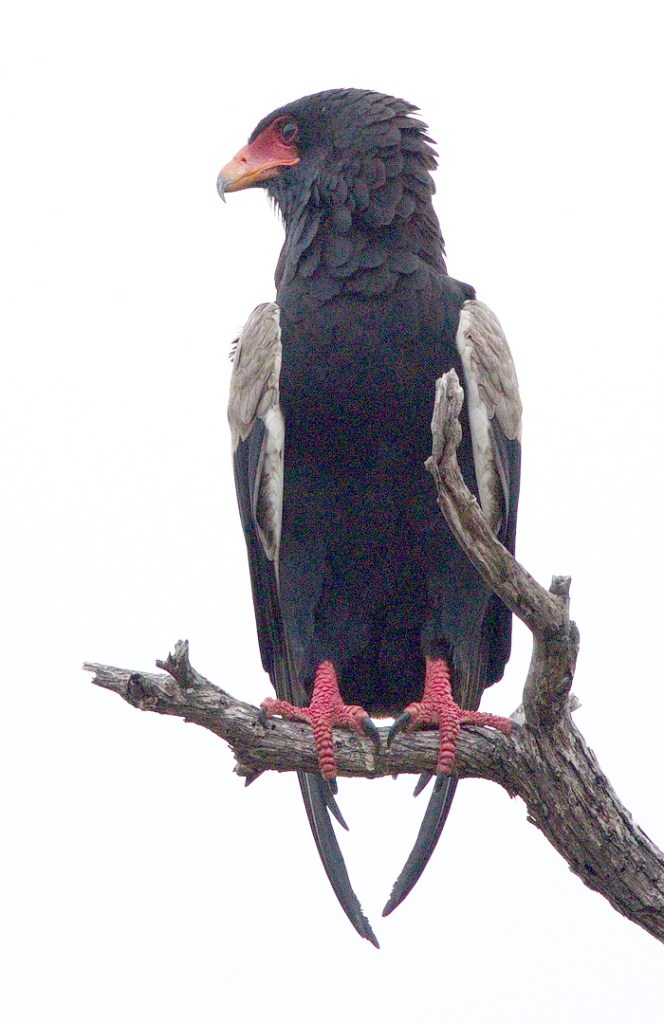
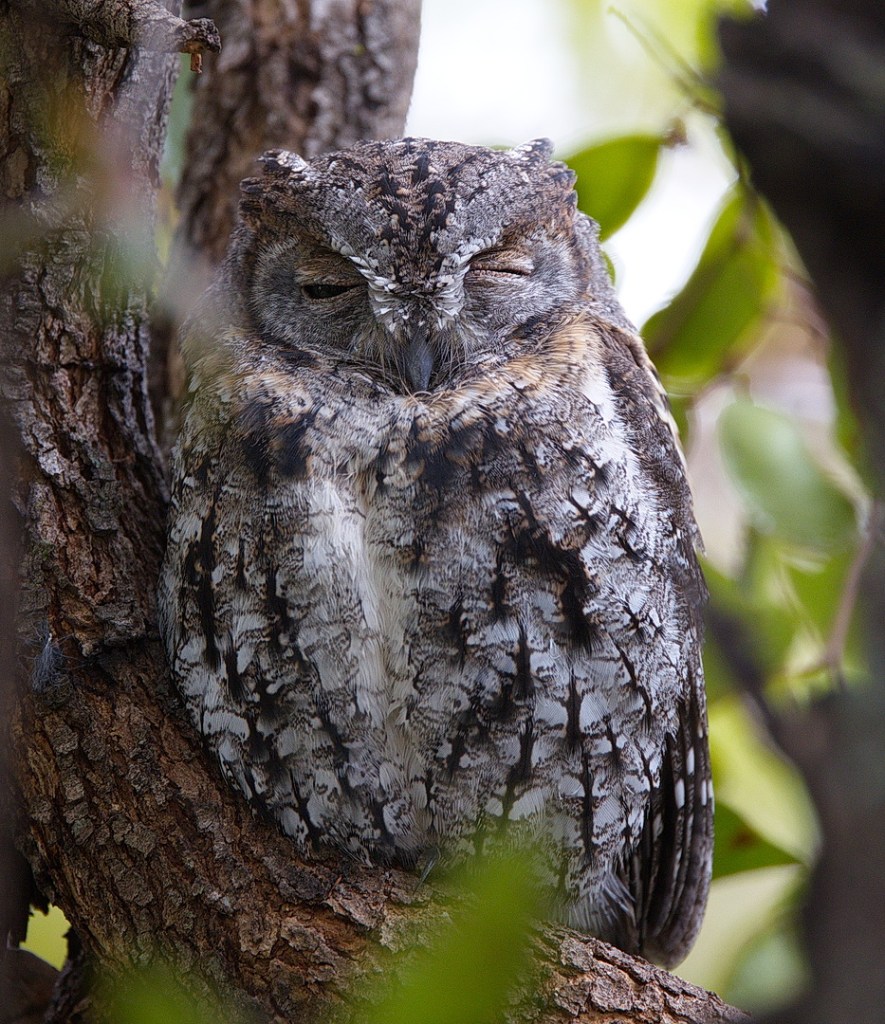
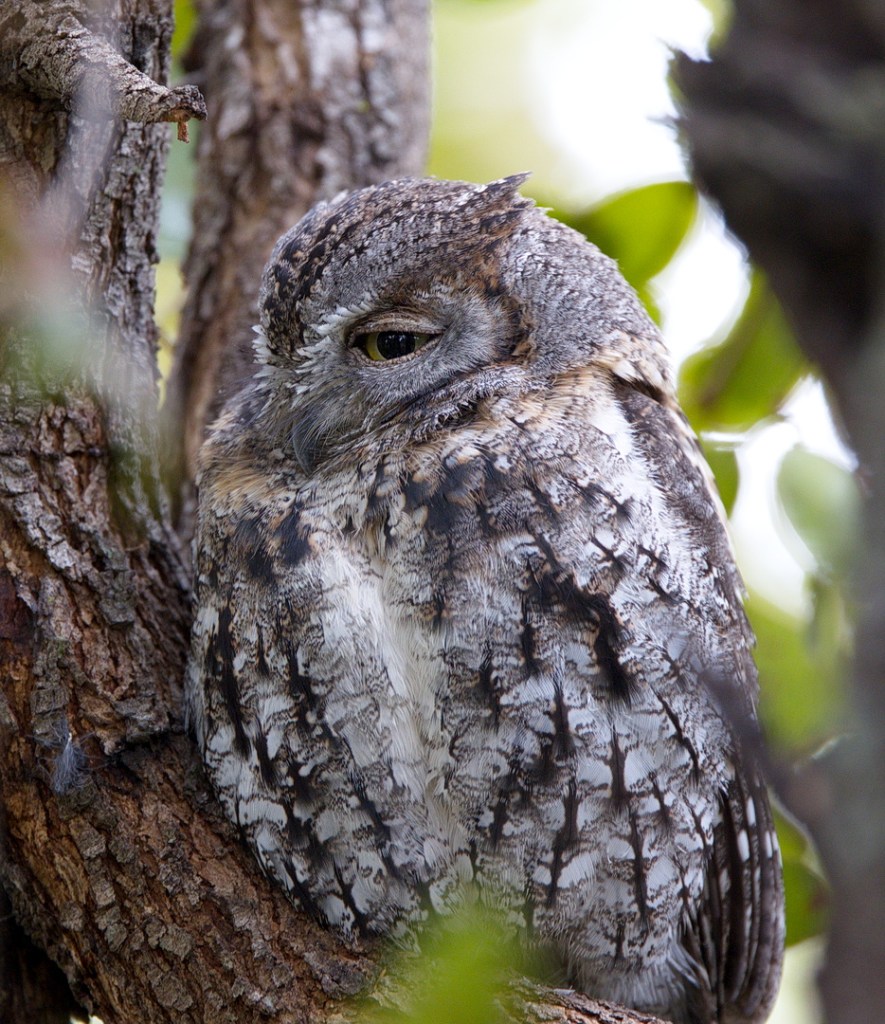


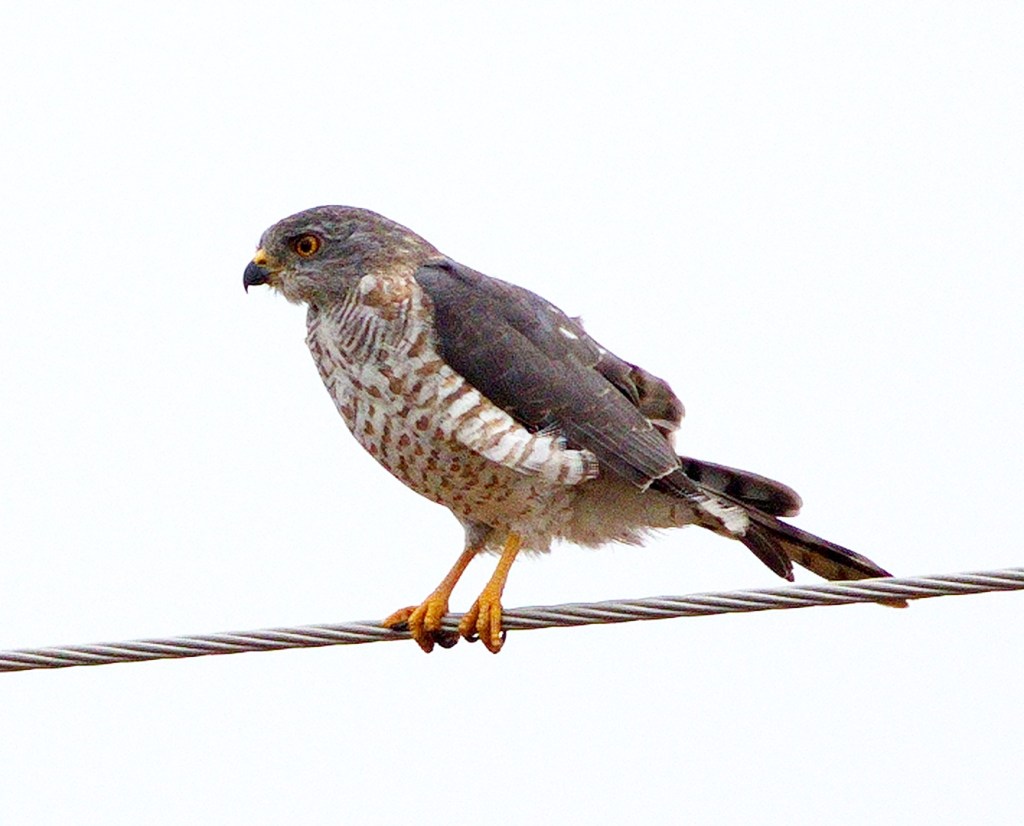


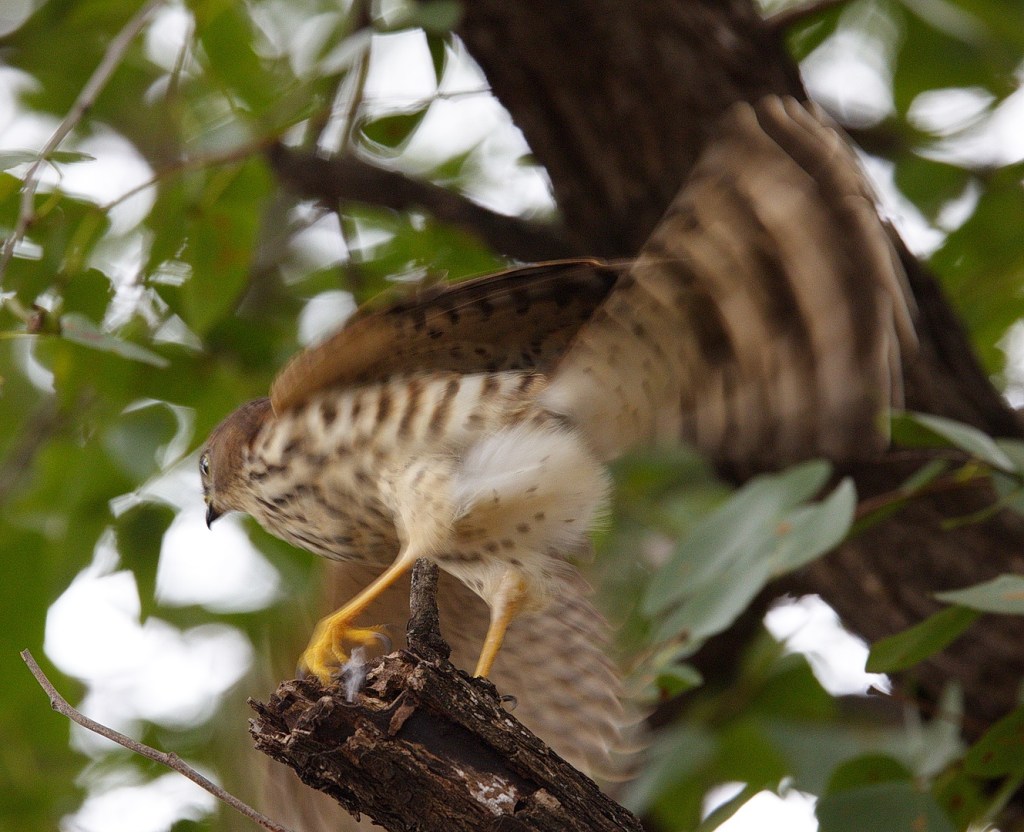

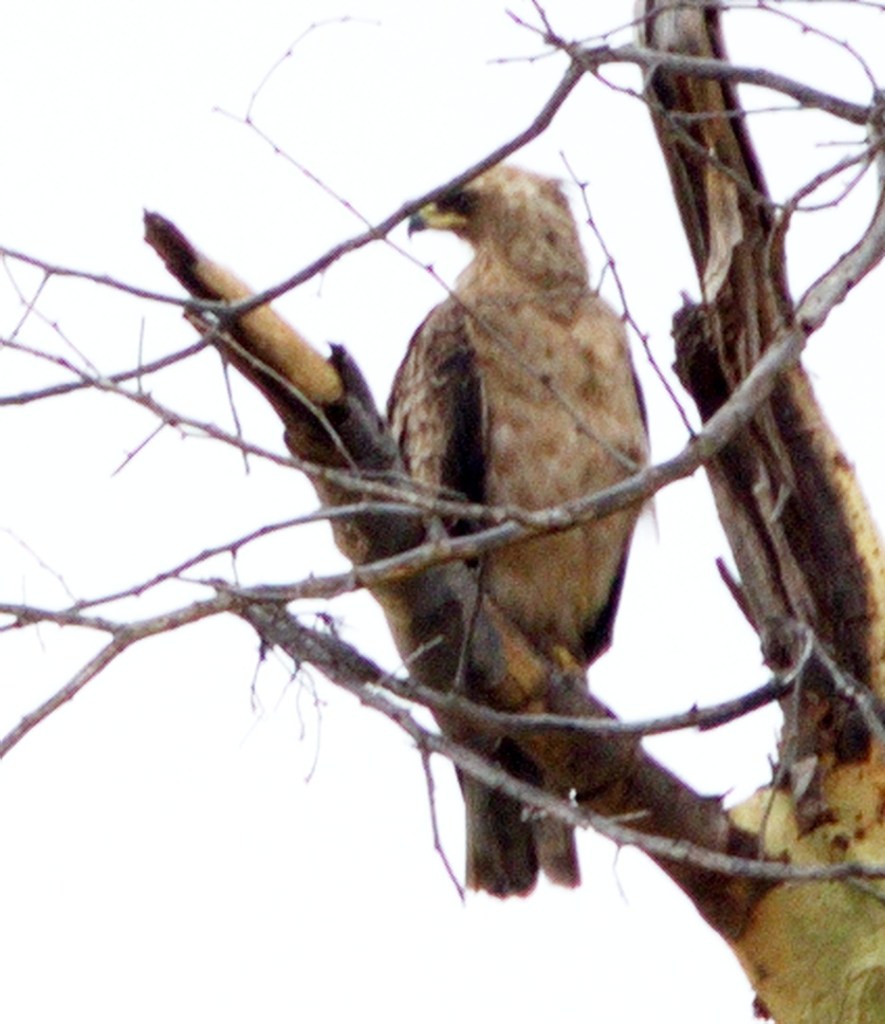

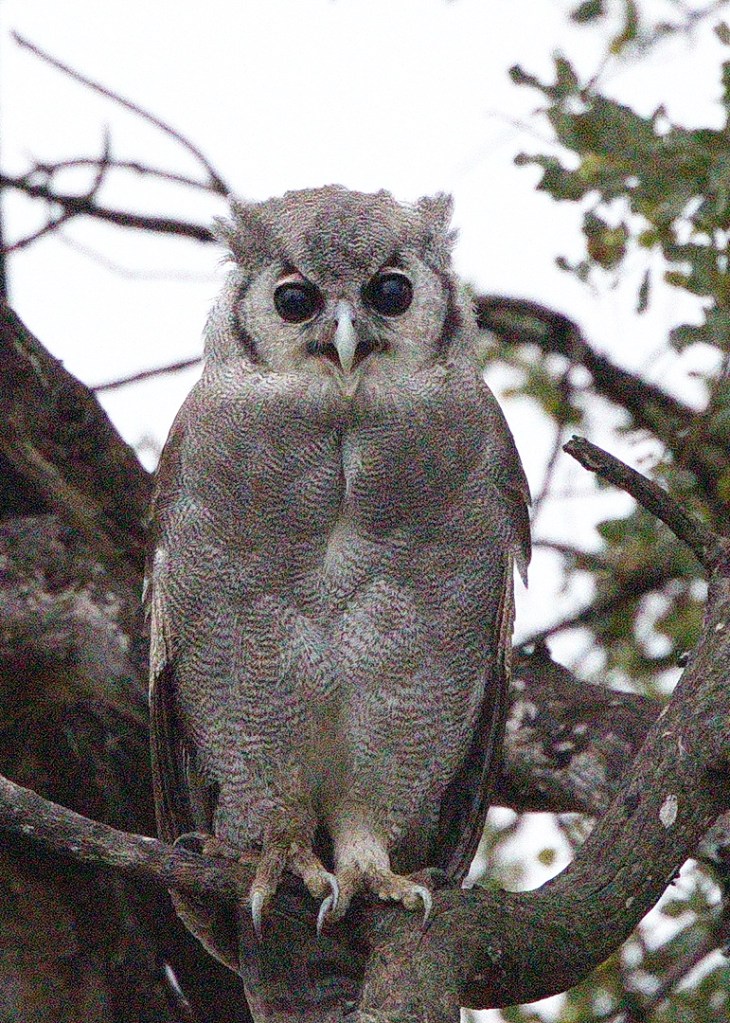
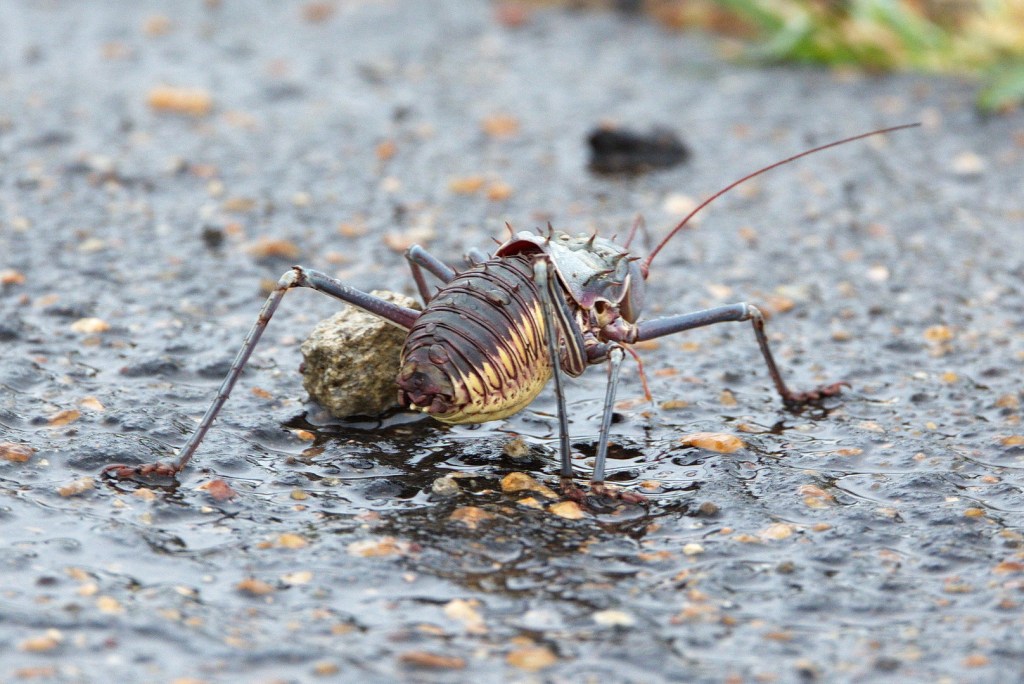
Some other animals;

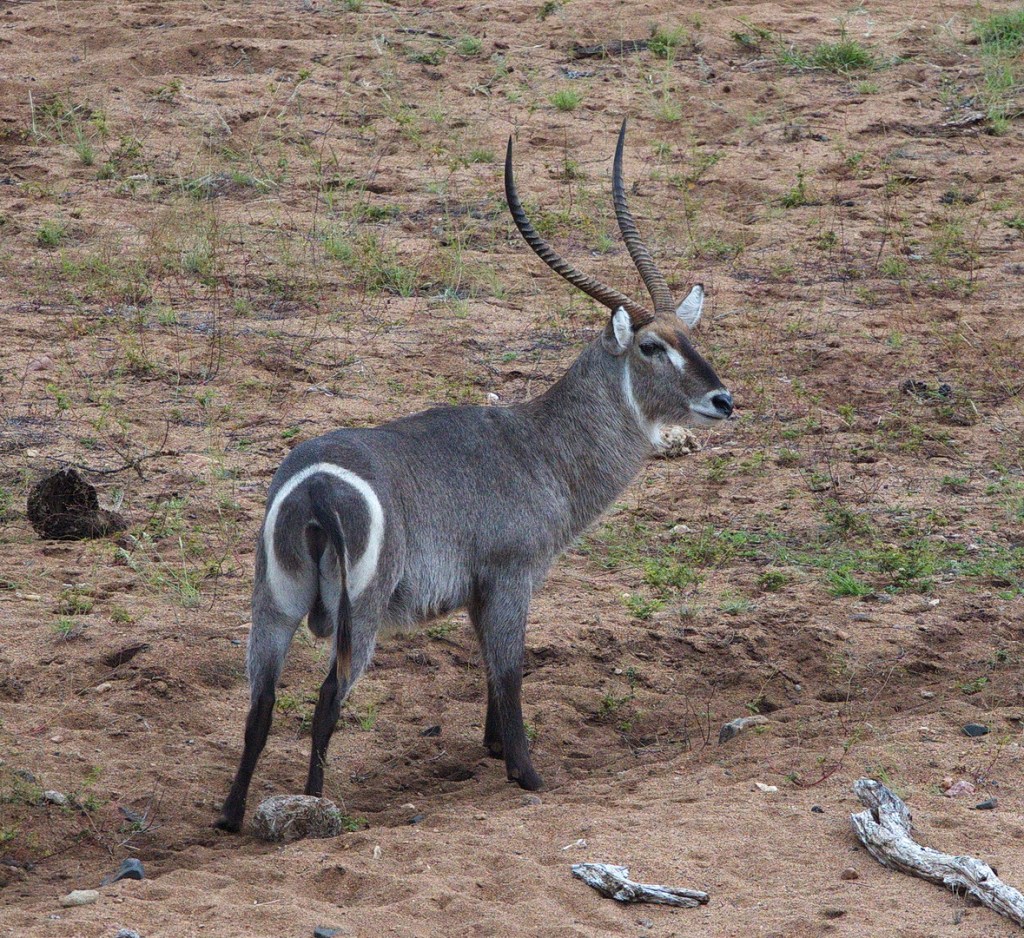
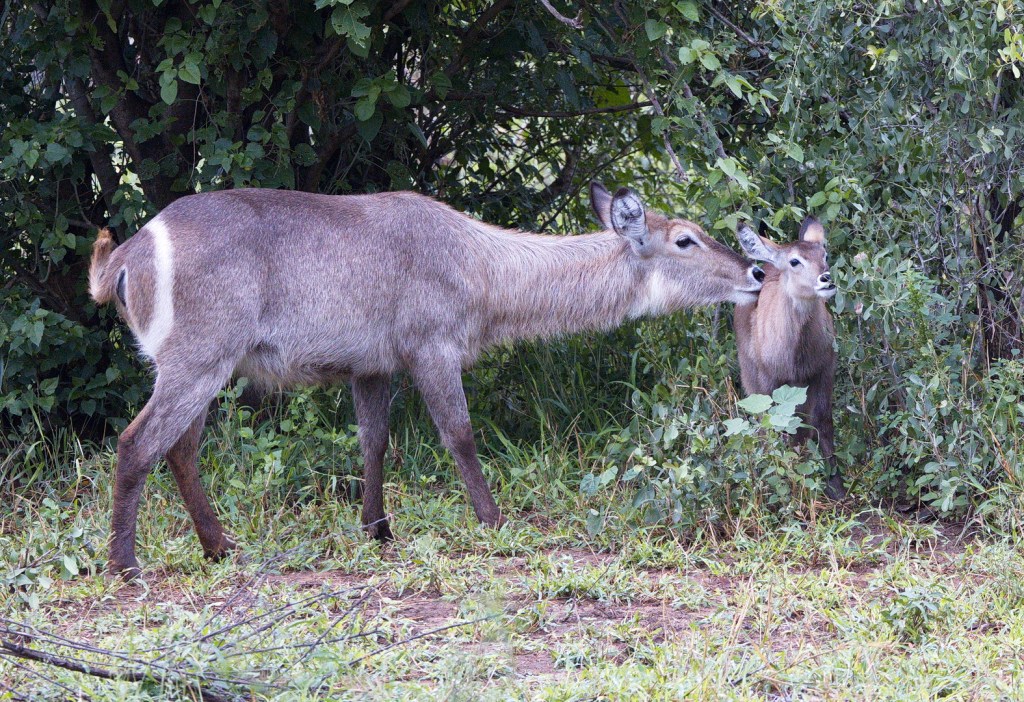
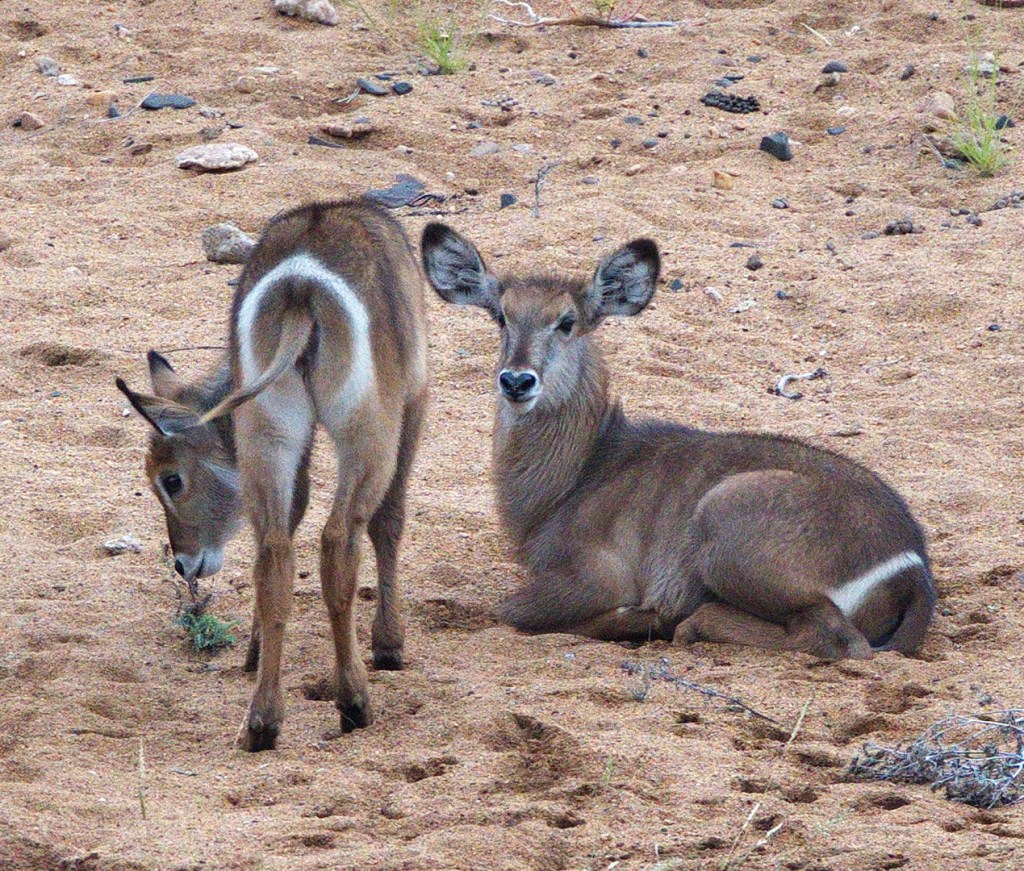
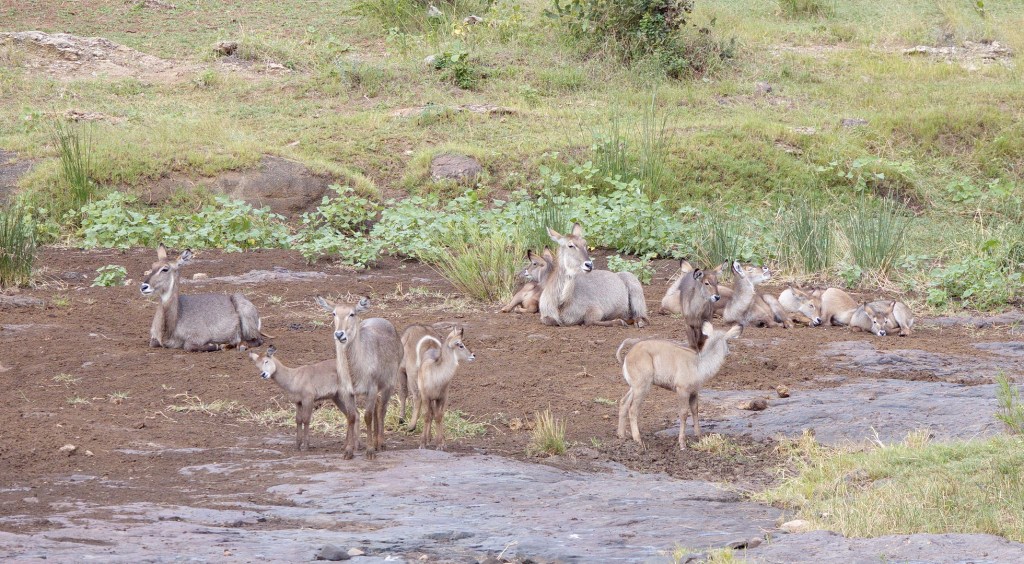
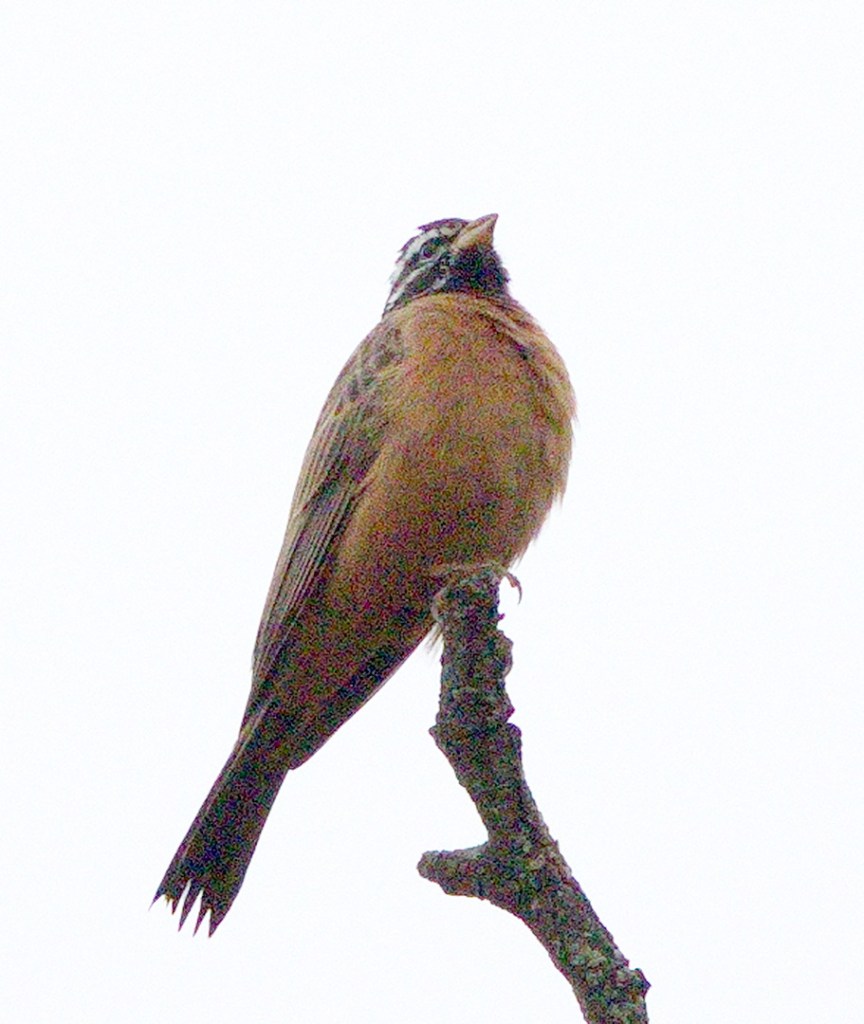
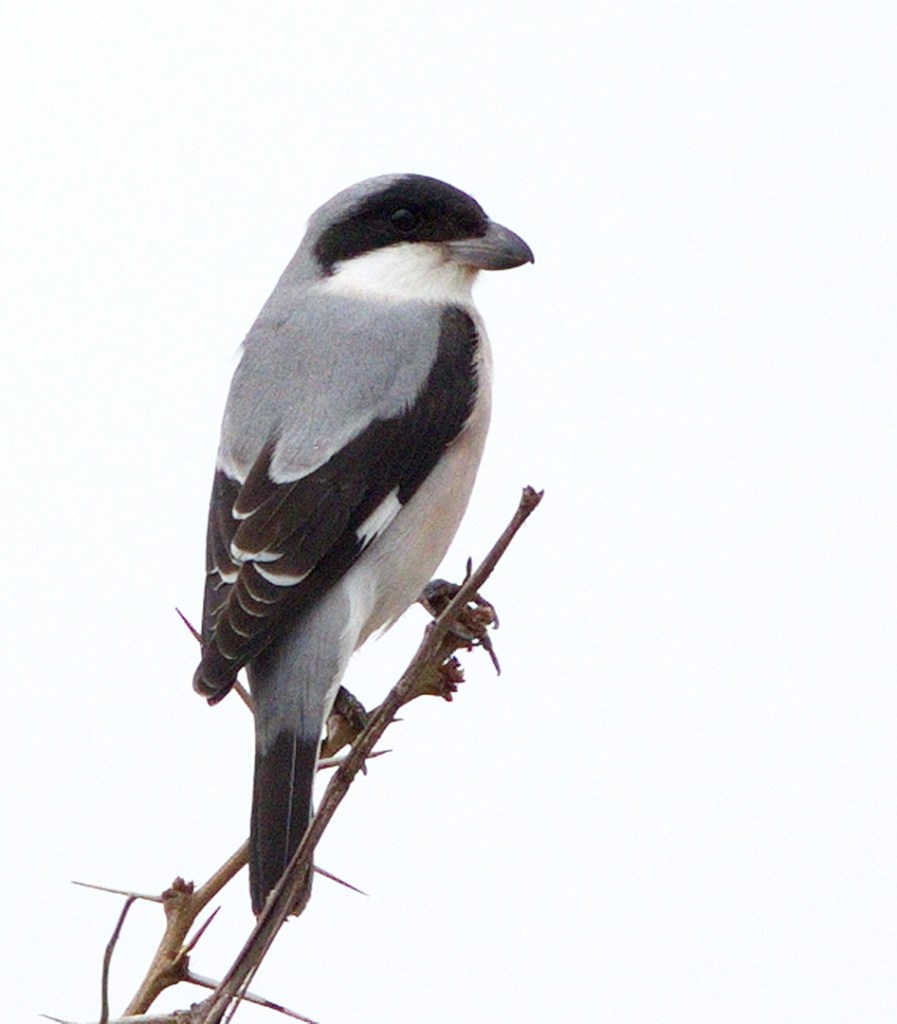
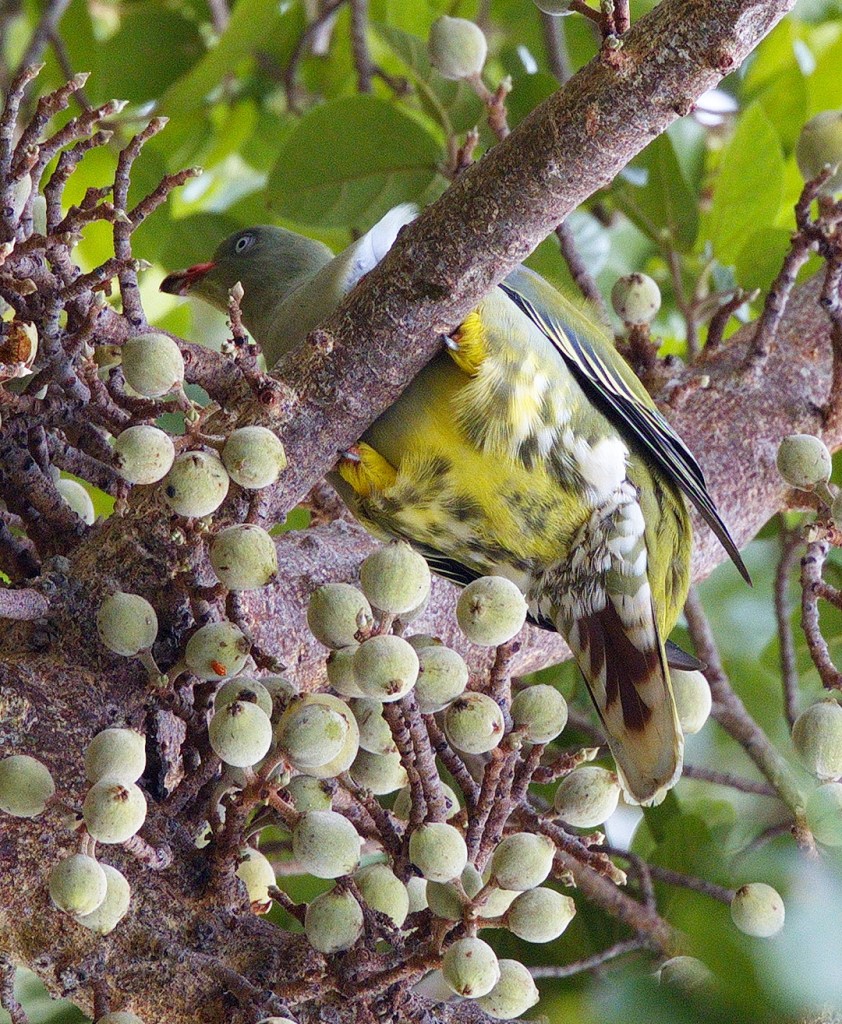
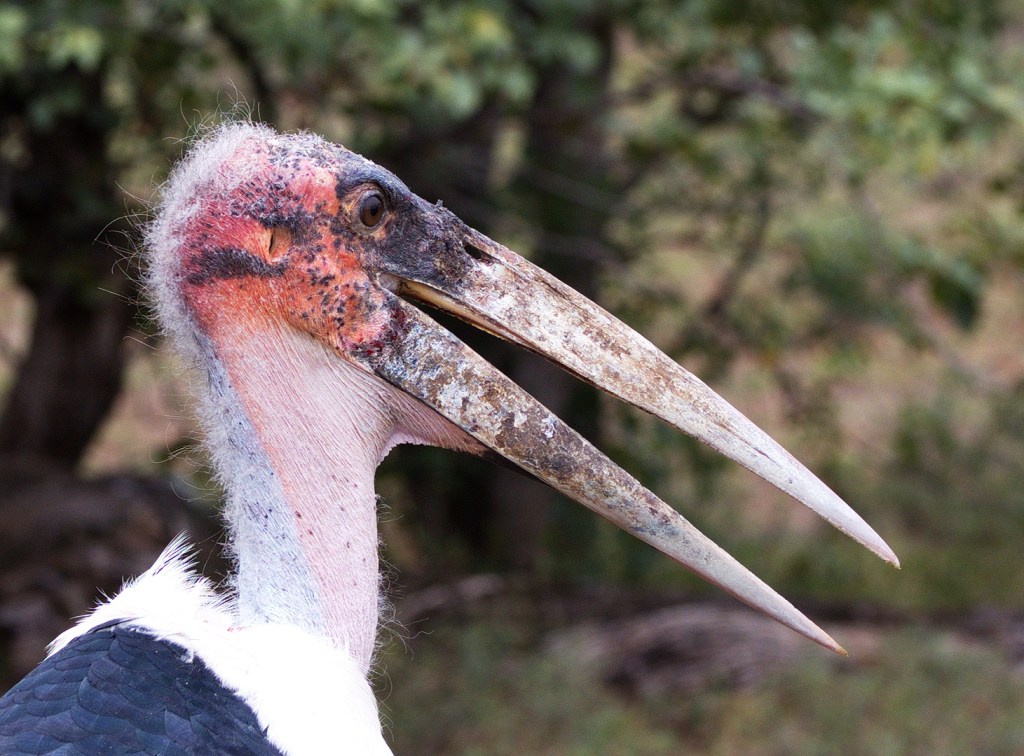
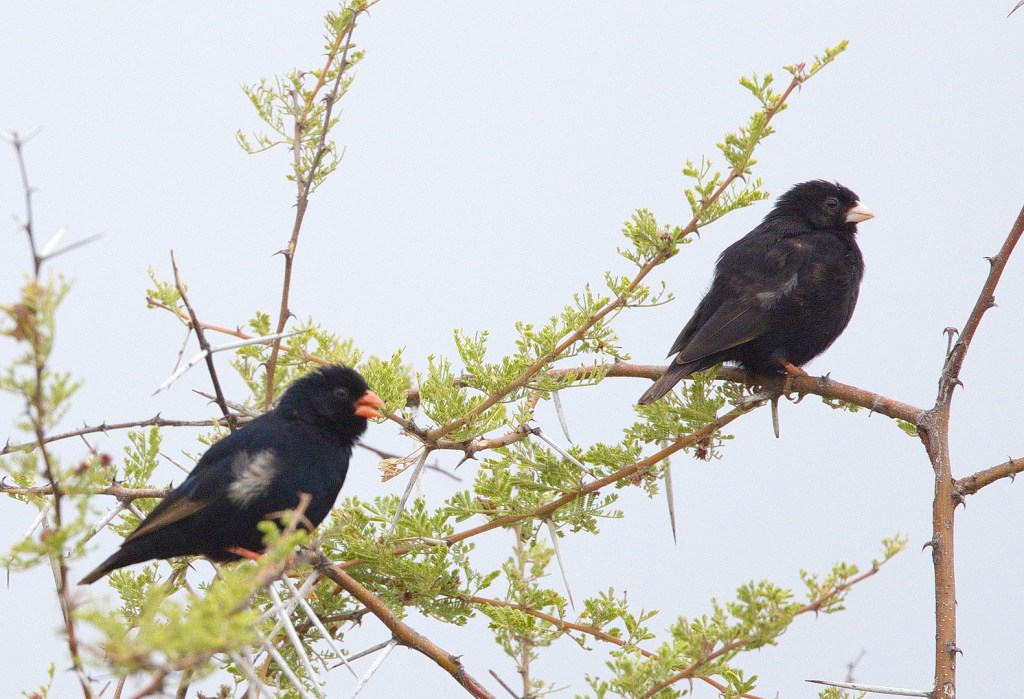
Then of course, the birds





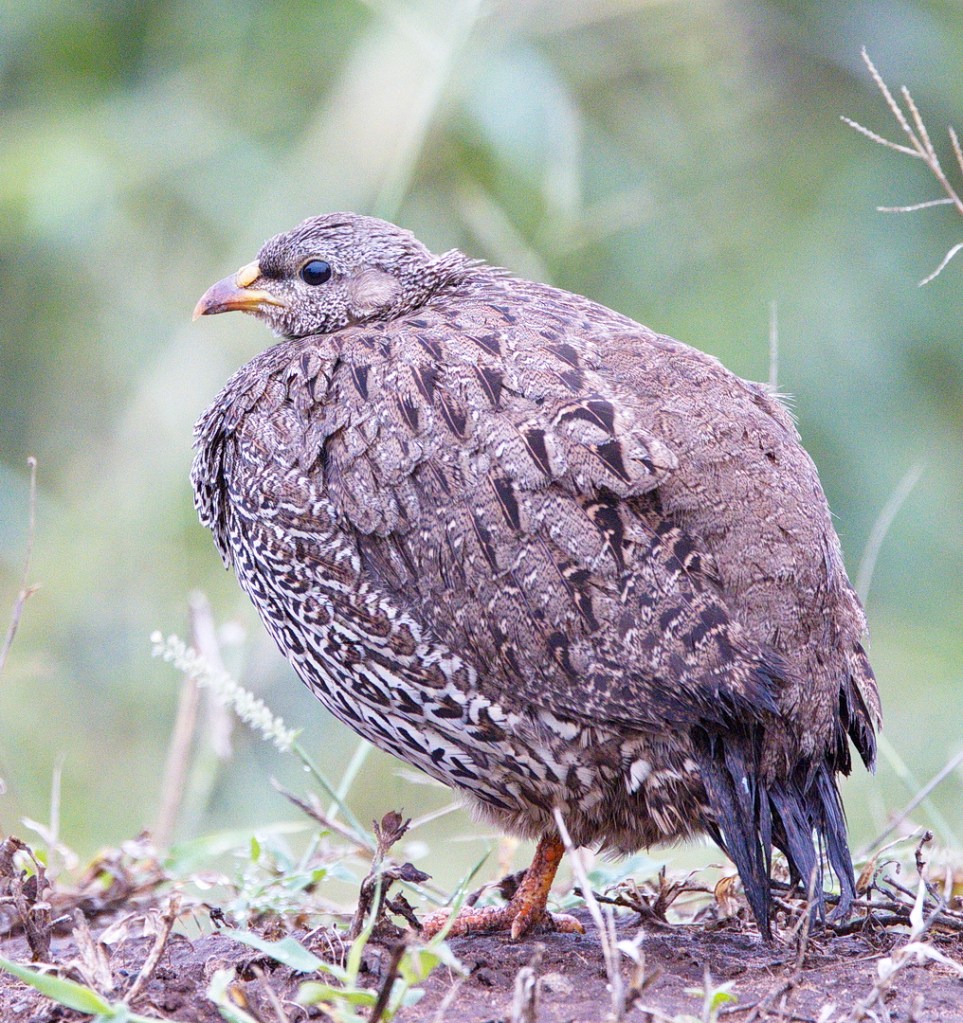
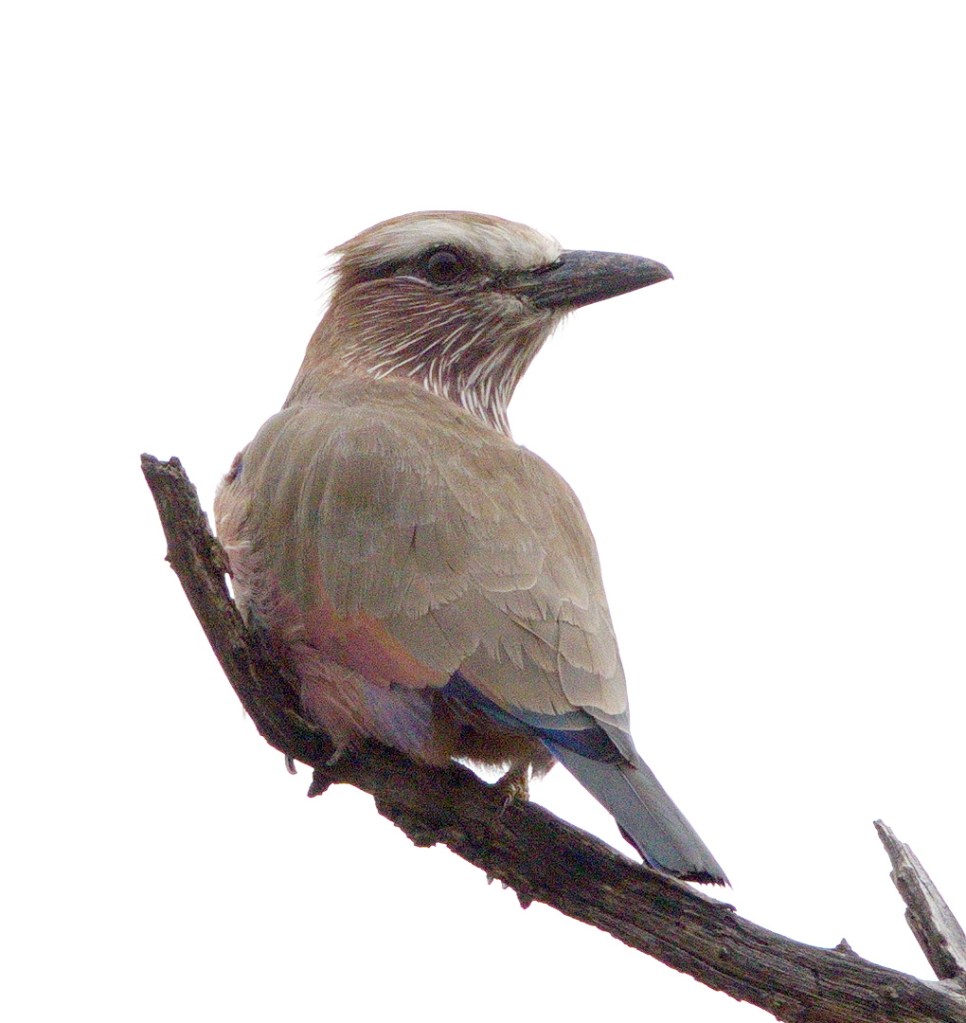

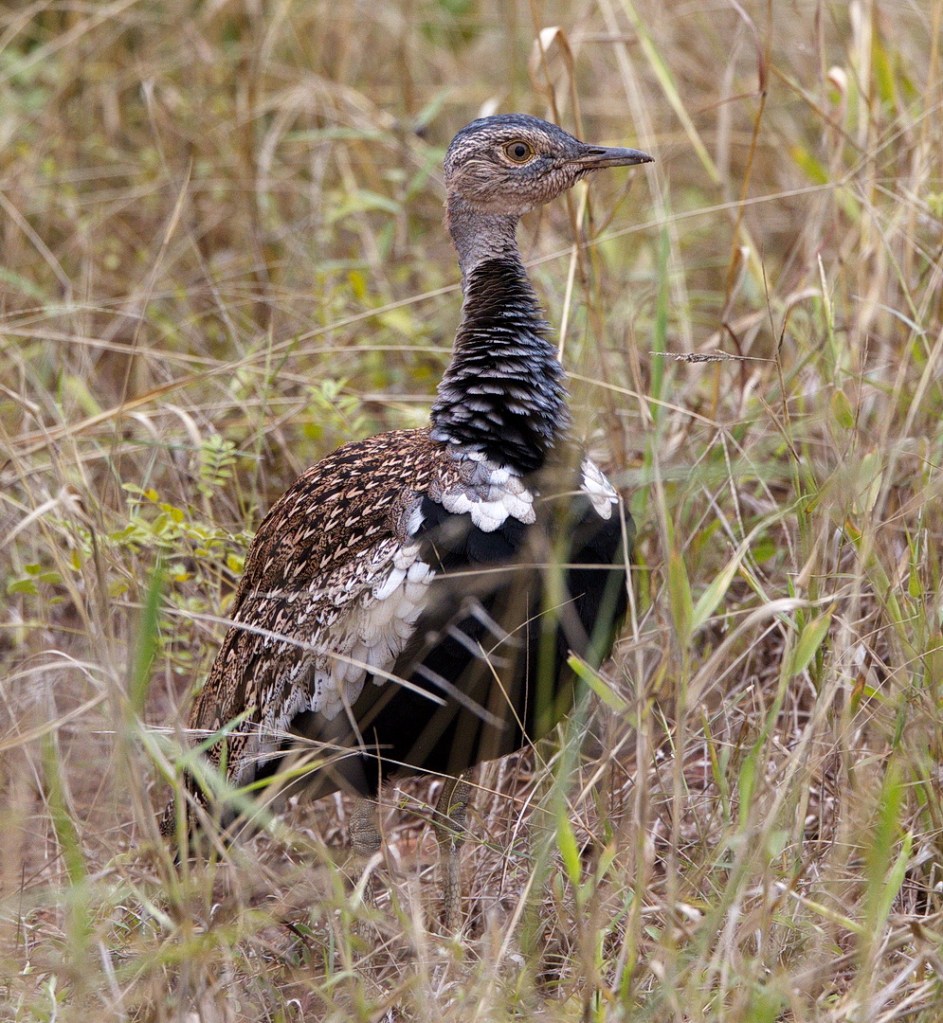
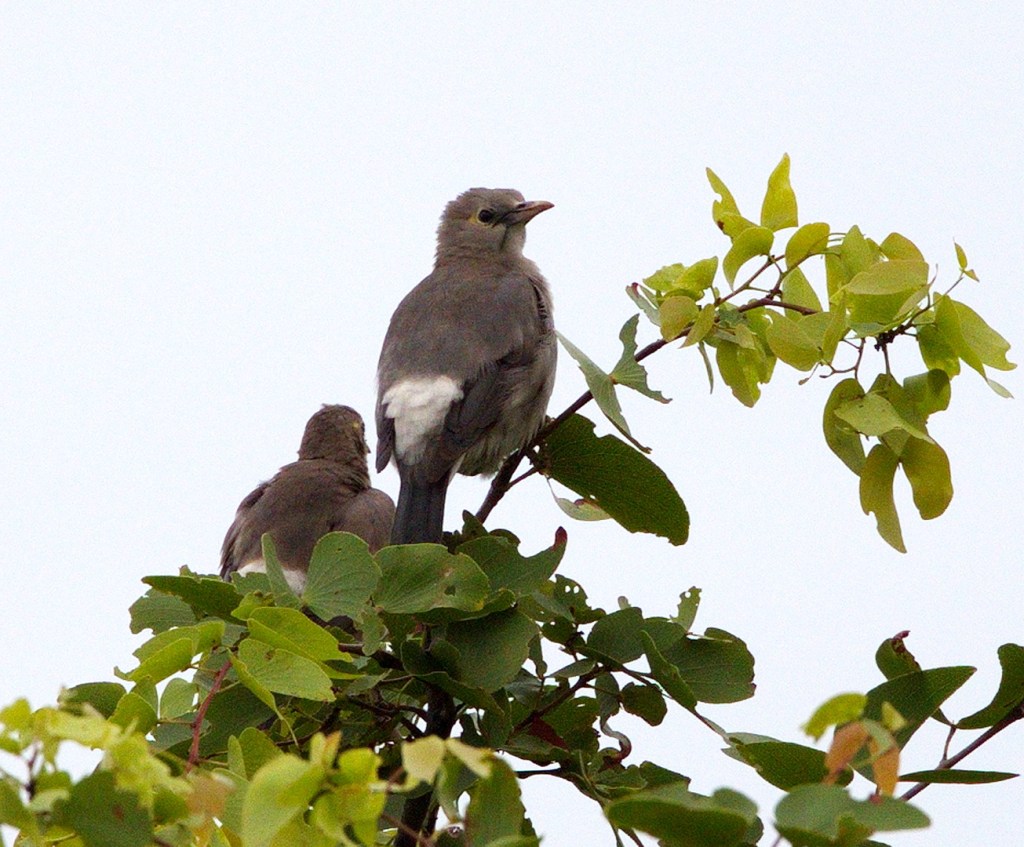


And then we were on to Tsendze for one night – it was all we could get.
Kruger Top to Bottom Part 2 follows.
Paul and Sally Bartho
Mount Moreland 14th June 2024
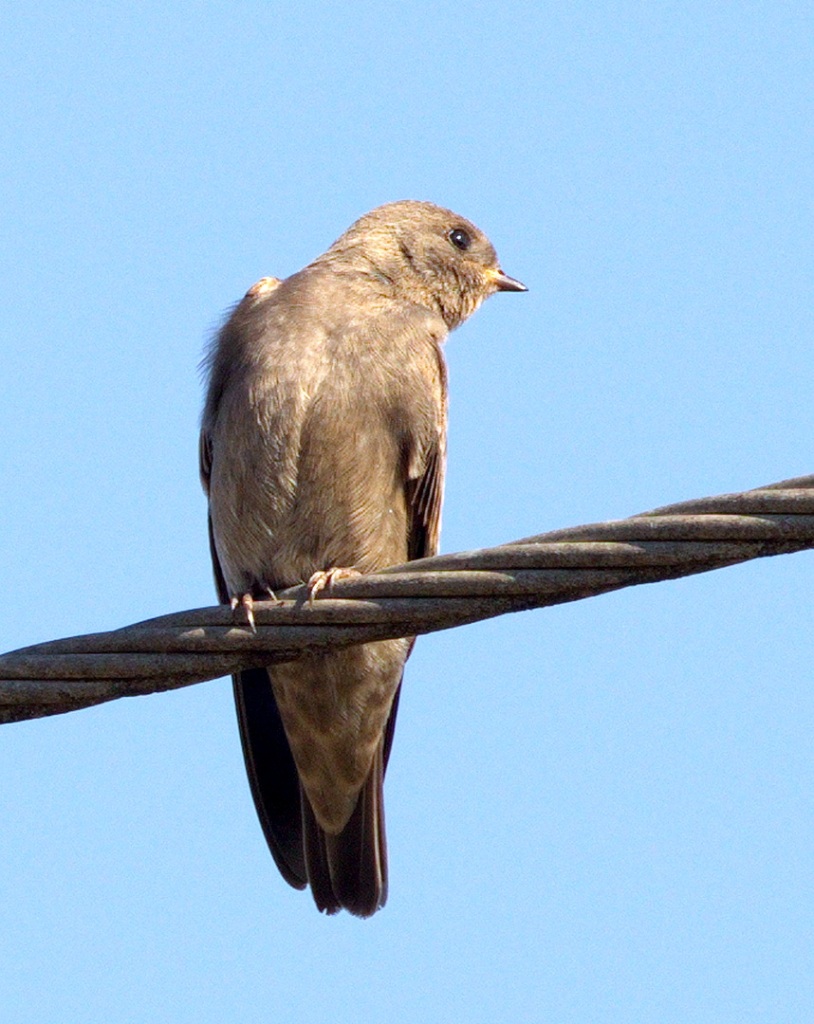
A single Mascarene Martin was spotted near Mount Moreland earlier this week (June 10th 2024). Only the second time it has been reported in South Africa. It is a bird which comes from Madagascar to the coastal area of Mozambique in the winter.
Anyway, Sally and I decided on Thursday lunchtime to see if it was still around. We got there around 15h15 and joined the crowd patiently awaiting and hopeful for an appearance.
We planned to stay over in Durban and get a better chance to see it in the morning.
Much to our surprise it suddenly appeared on the line close to us at 16h30 among all the Brown-throated Martins. Great sighting as it hung around for about 40 minutes – on the line just above us.
Took loads of photos into the sun. Should have the sun behind us in the morning so we planned to go back.
Despite no news of it being present this morning, we returned ever hopeful of some better photos of the bird with the sun behind us.
There was a large crowd present. most had been there since first light. We waited. And waited eventually leaving at 10h00. Most of the crowd had already left to get to work.
Sadly it was a no show for everyone. Hey, that’s birding.
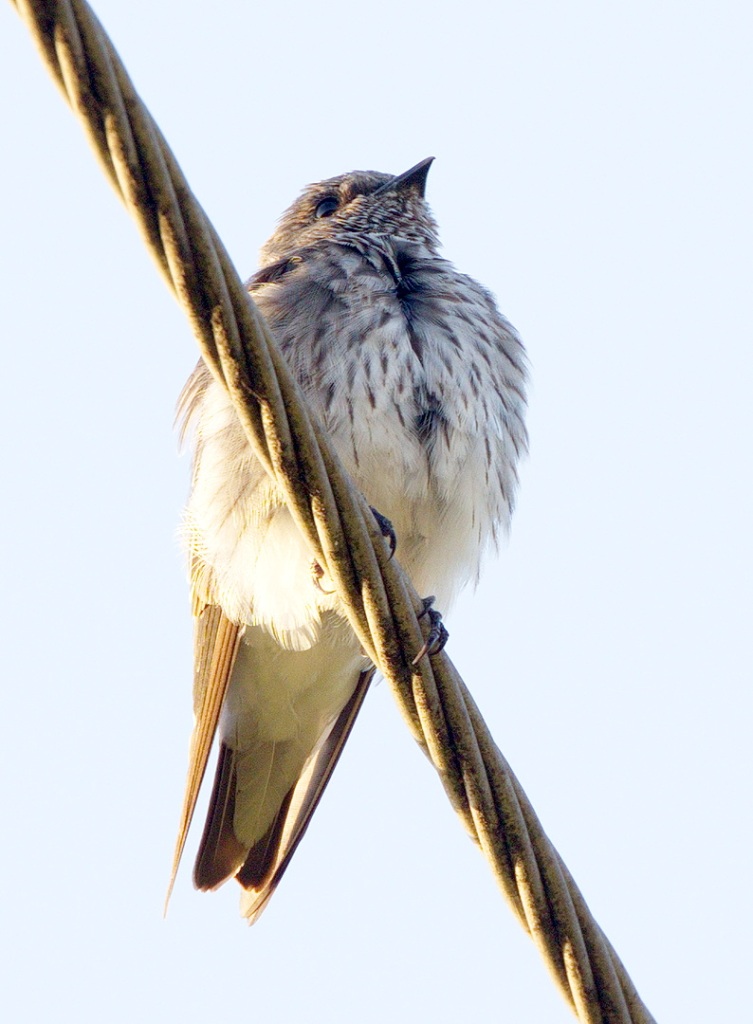
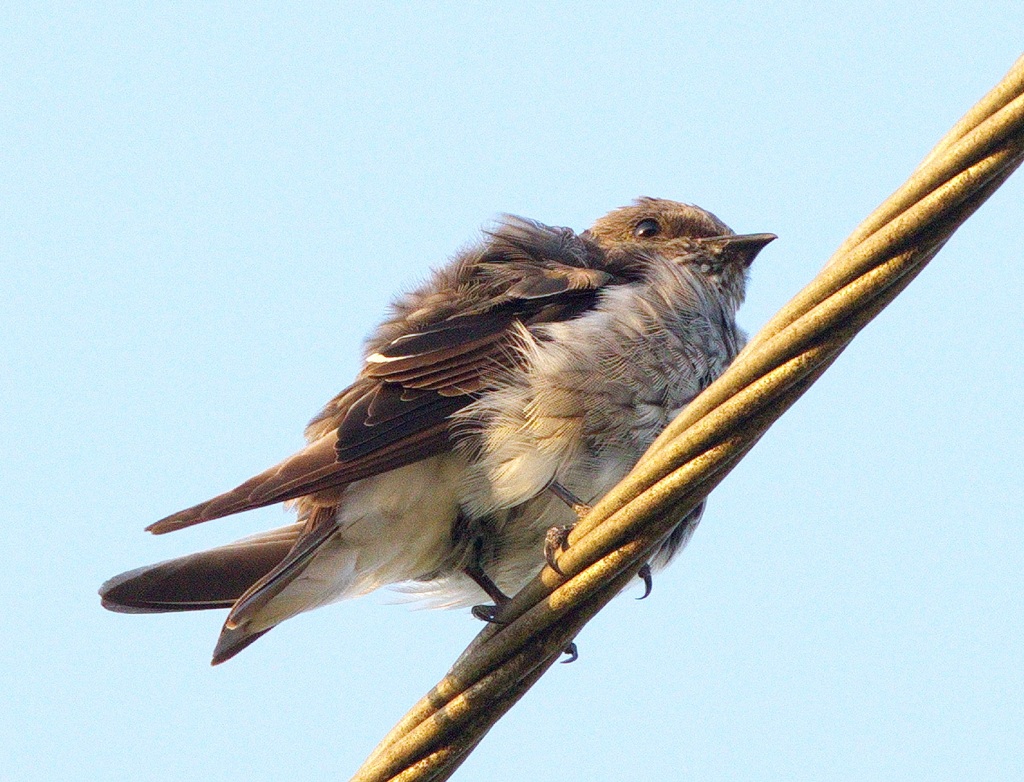
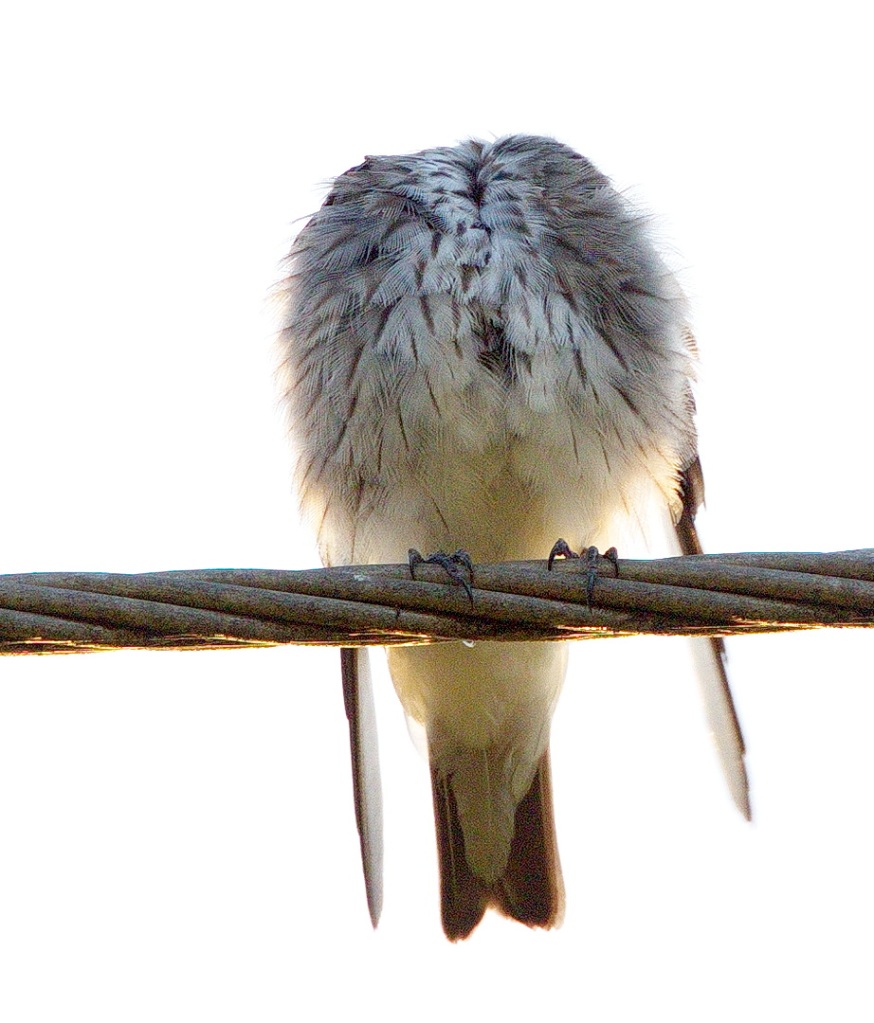
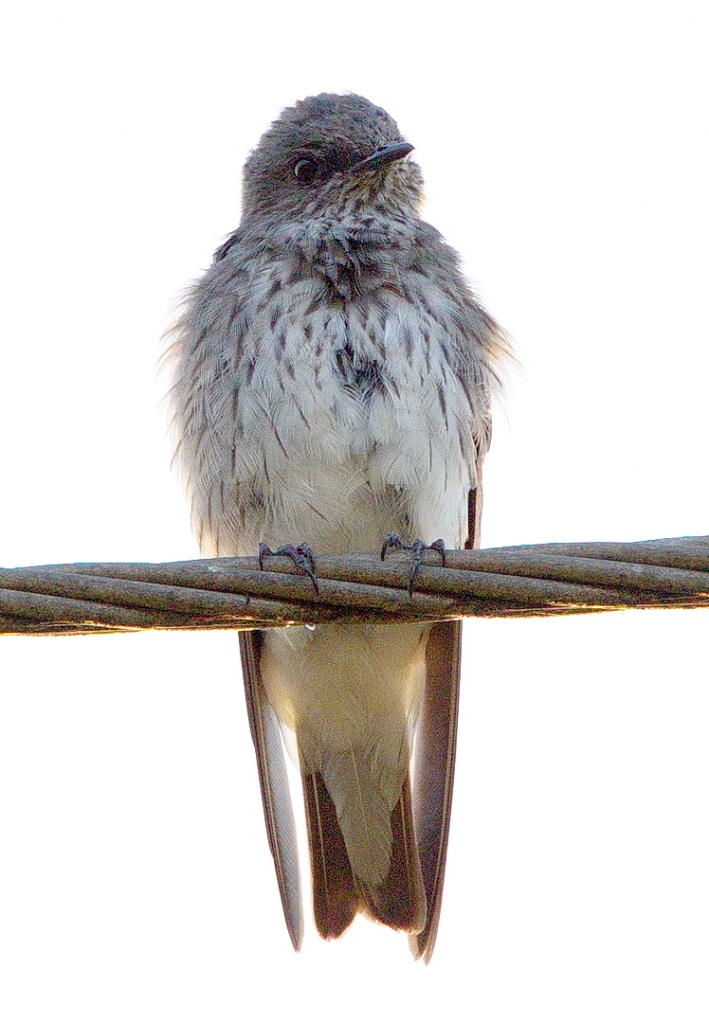
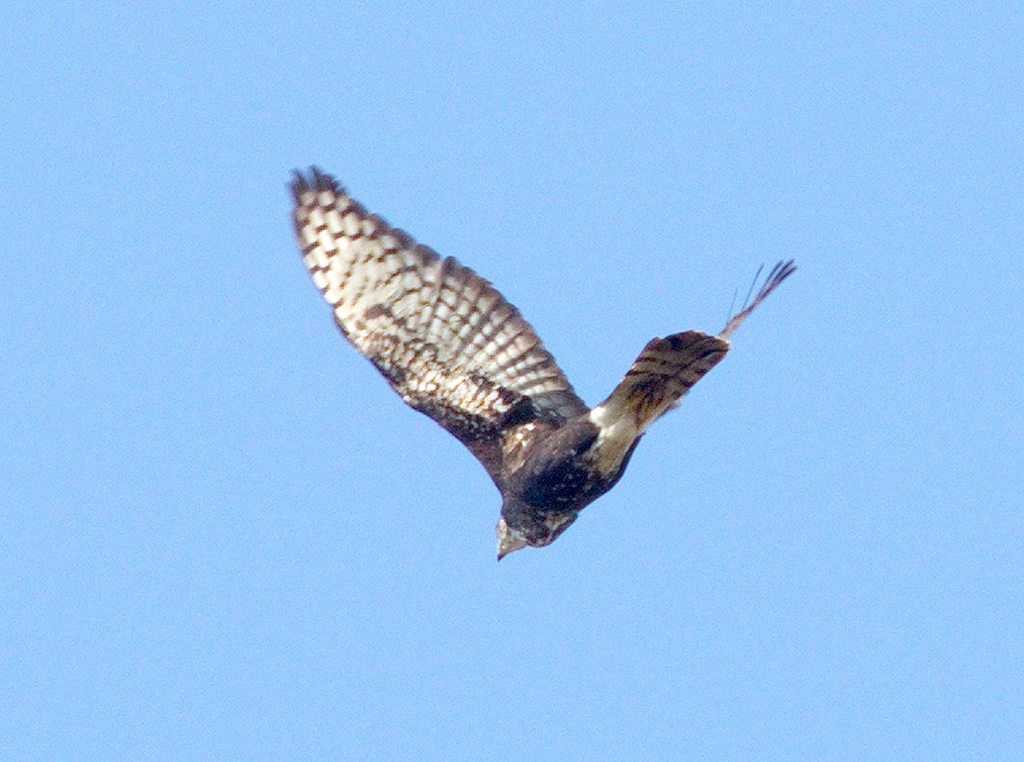
Here are some of the pics I managed to get of the bird – but one is not what it seems. Which is it and what is it? It is among the Mascarene Martins which have not been labelled. Click on the birds for a better view.


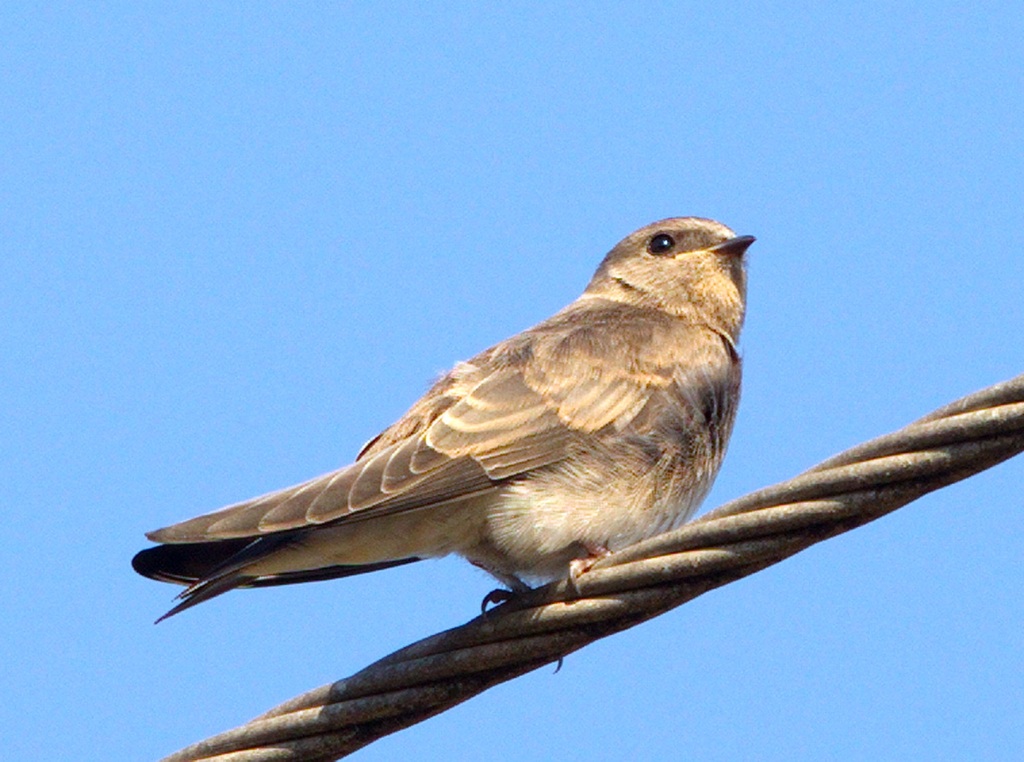

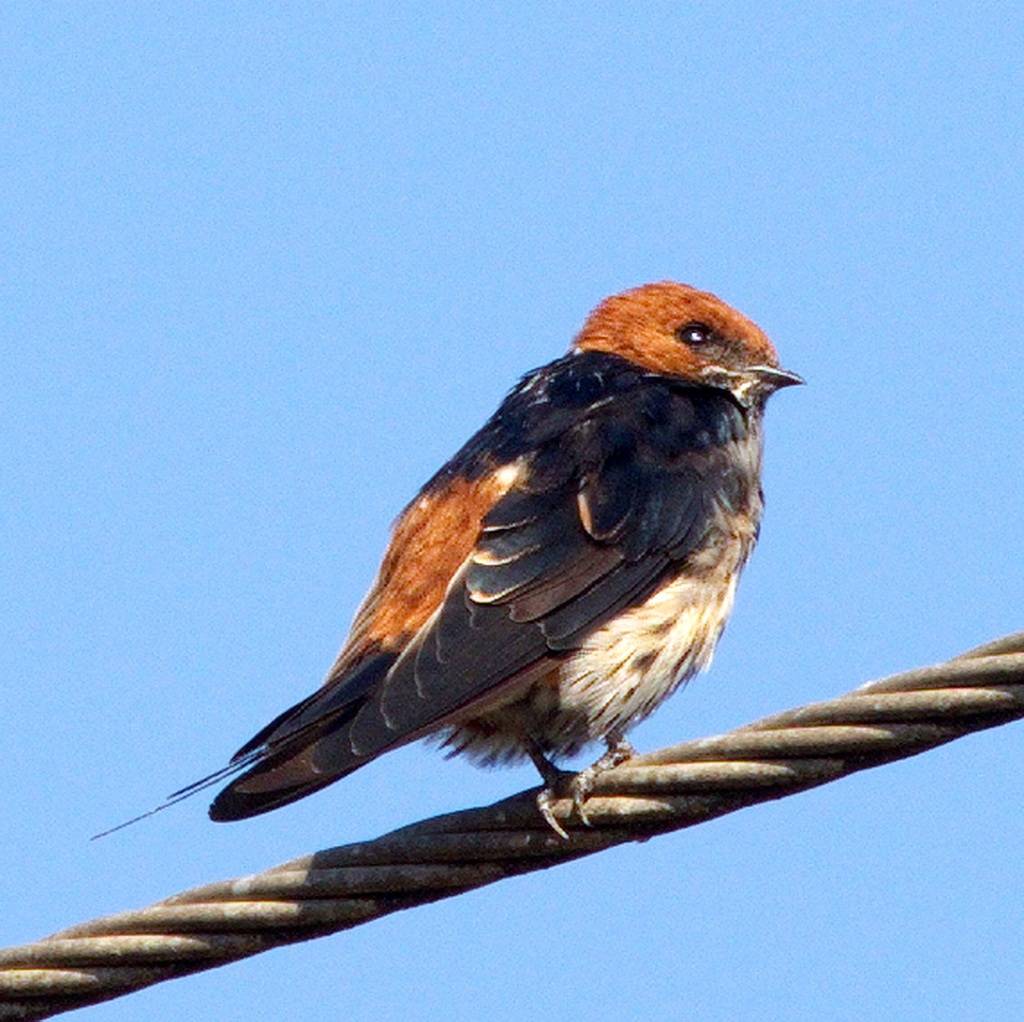

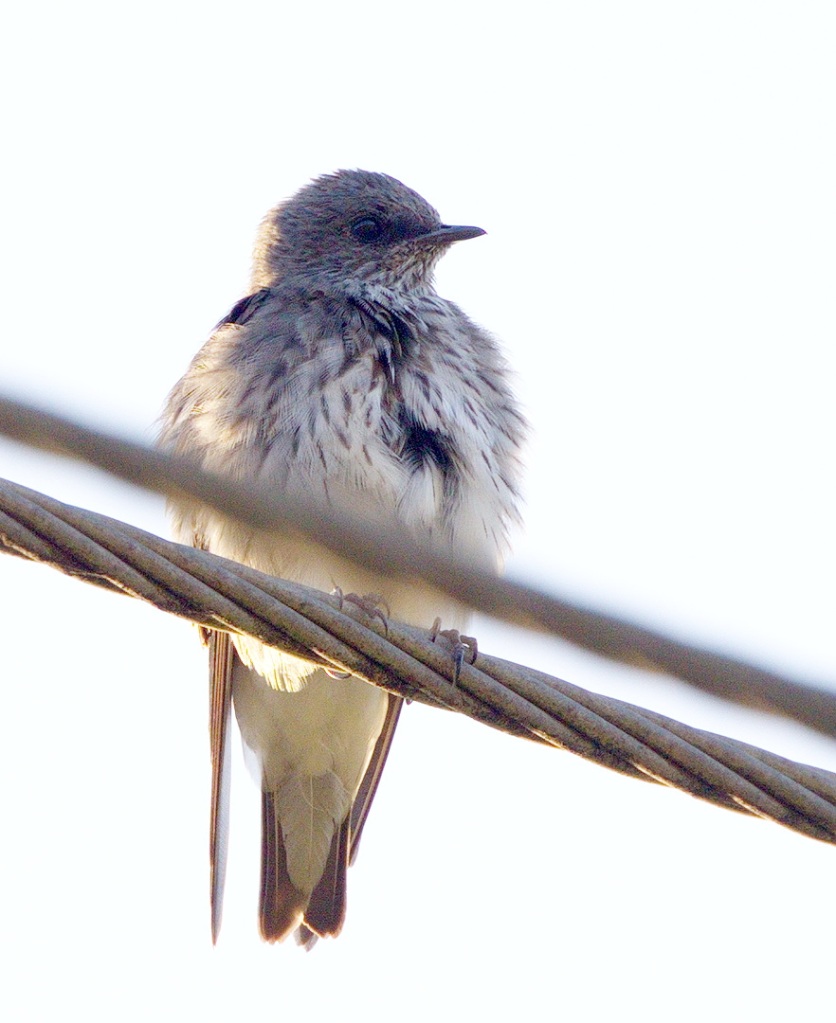




Paul and Sally Bartho – King
January 9th to 11th 2024


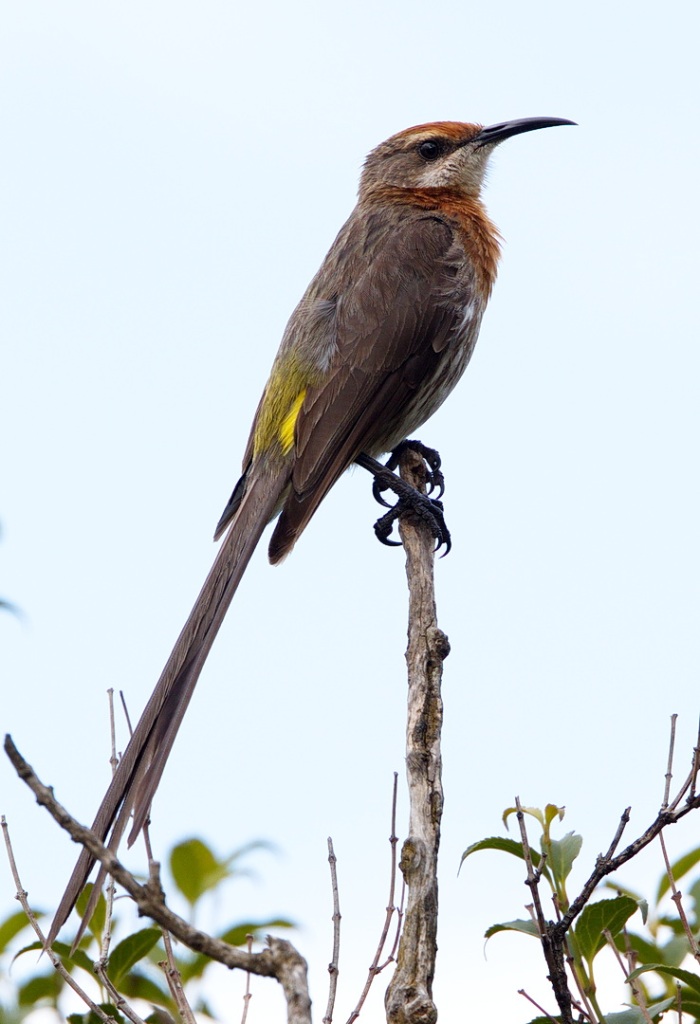

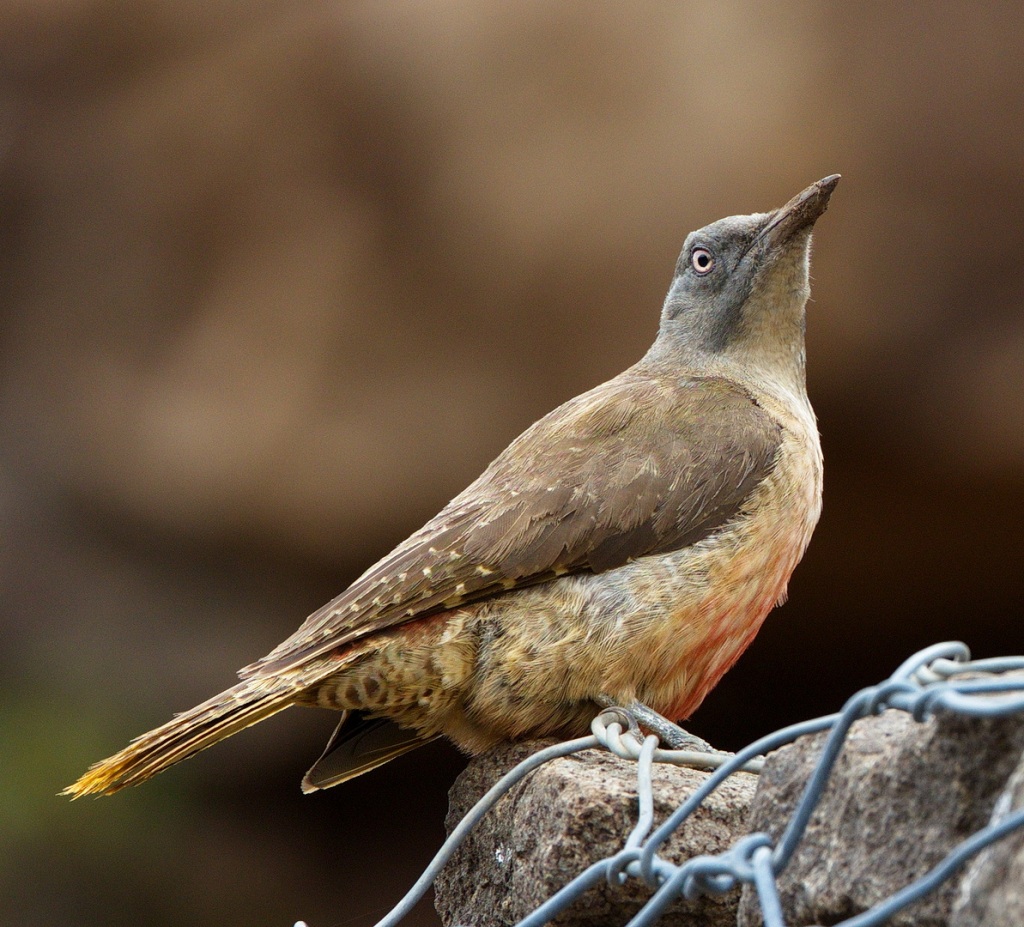


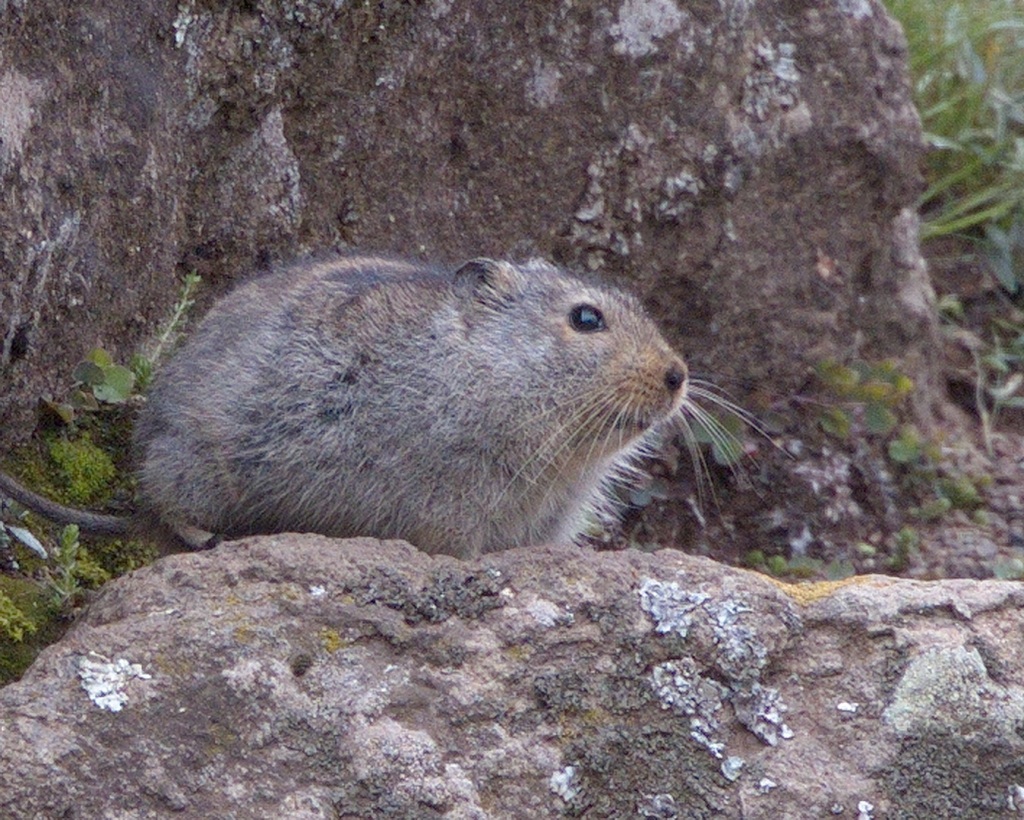
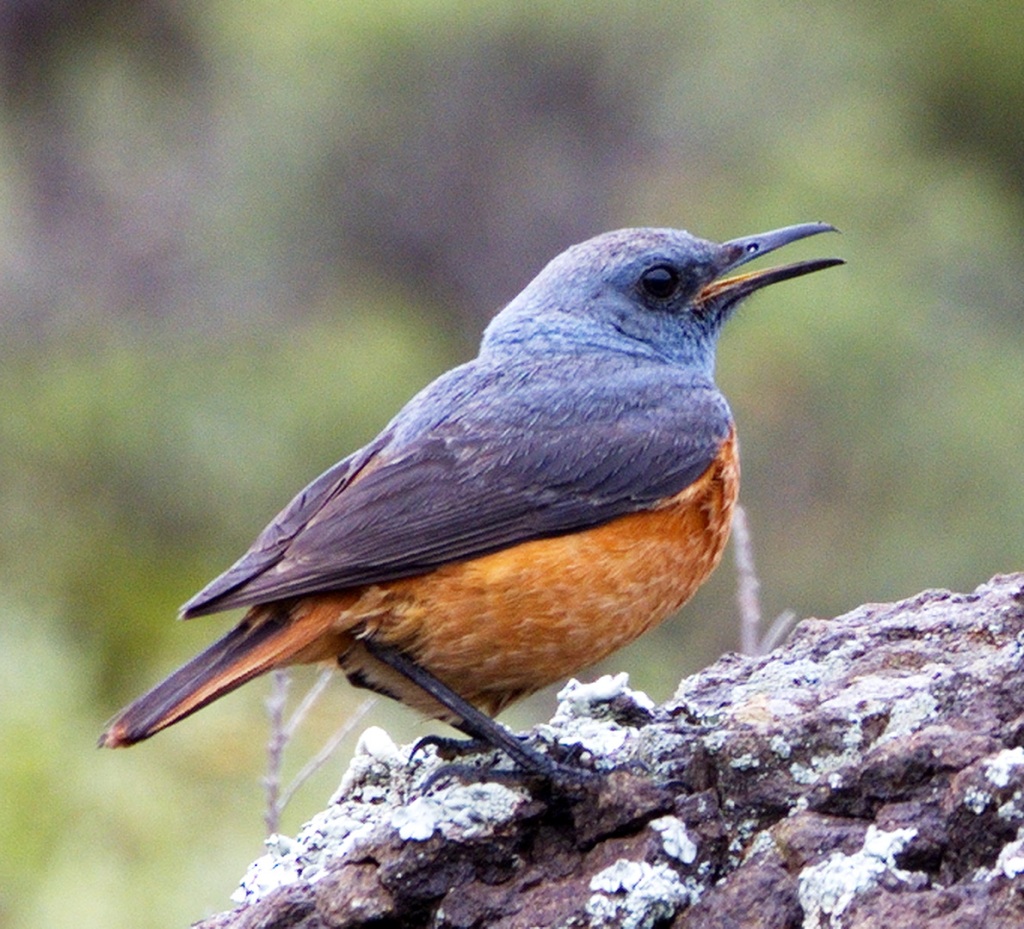
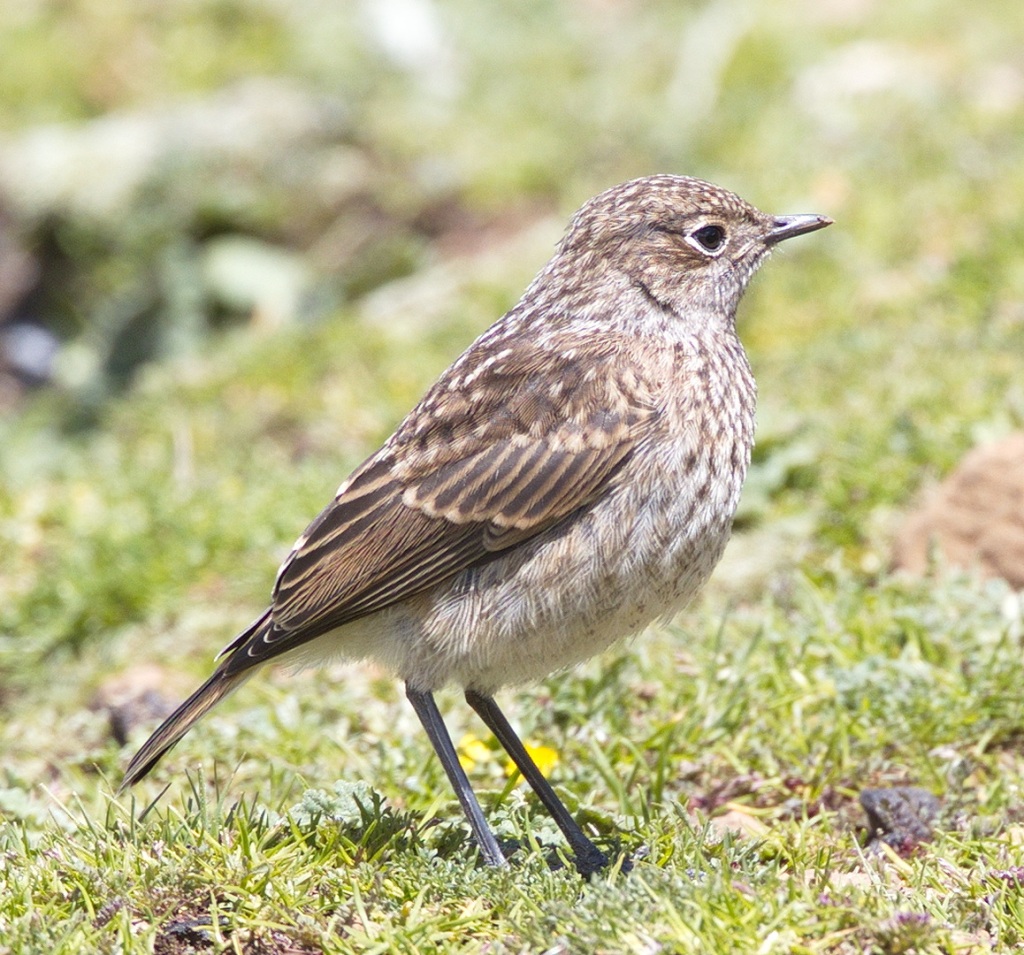

Sally was given a Christmas present to go up Sani Pass with a bird guide.
Sally arranged with Stuart McLean to go up the pass on January 10th. The price included up to two other persons – myself and a good friend Judy Zingel.
For those of you who are not aware of Sani Pass – it is a treacherous drive on an extremely rocky road to Lesotho. It has numerous hair-pin bends which get narrower and tighter as you ascend. A 4×4 is imperative to make the 8 Kms trip safely.
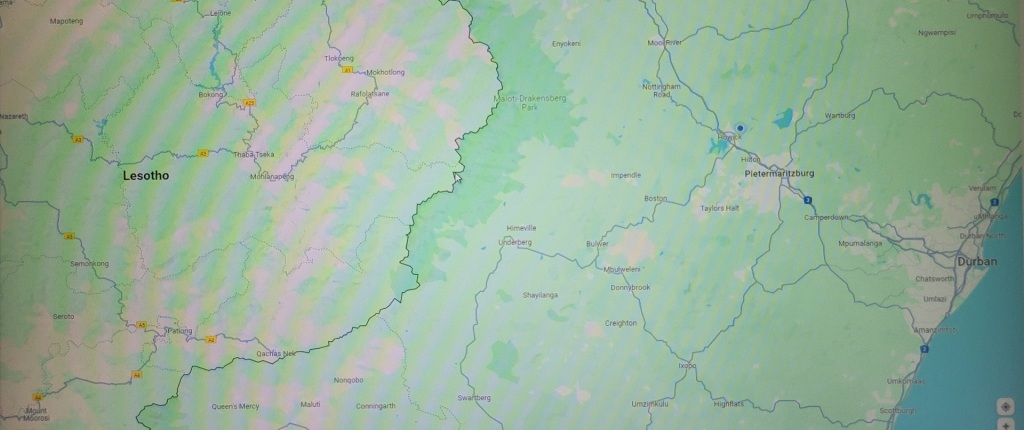

And a view up the Pass:

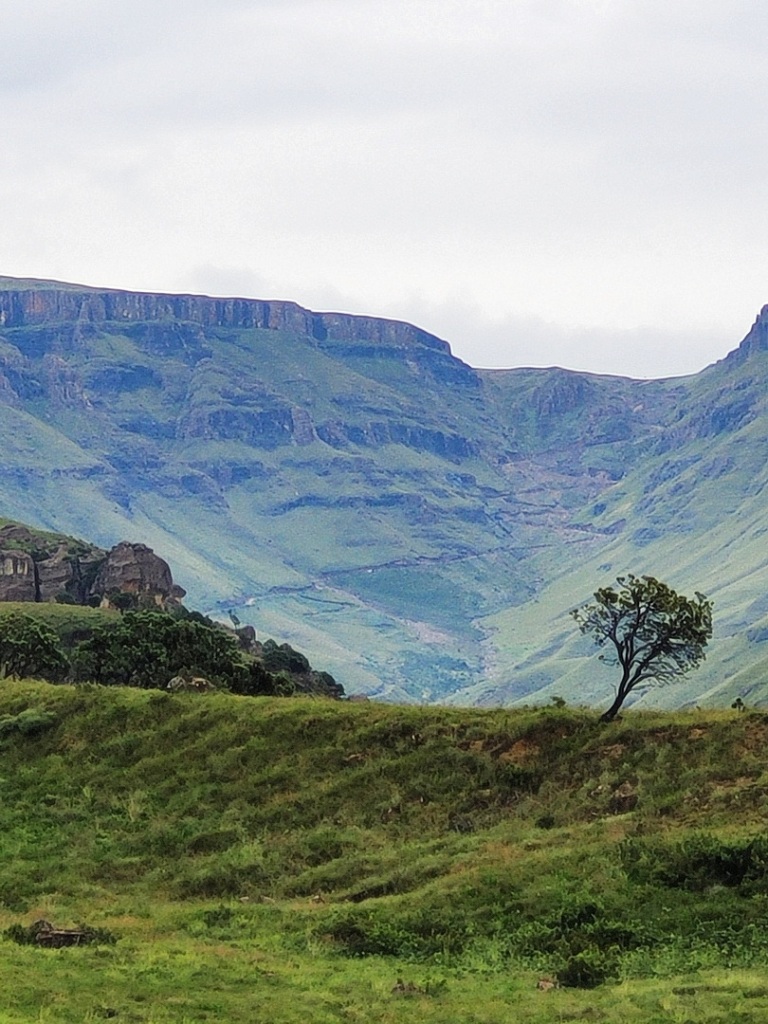
We planned to meet Stuart at 05h30. So, rather drive there from Howick, we decided to camp at the bottom at Sani Lodge Backpaackers and meet him there. We took our Afrispoor Wildcat (Off-road Caravan) and Judy a tent.
The night before they had a drenching and more rain seemed likely. So, Judy put her tent up beneath our awning and we were able to enclose it by putting up sides to the awning.
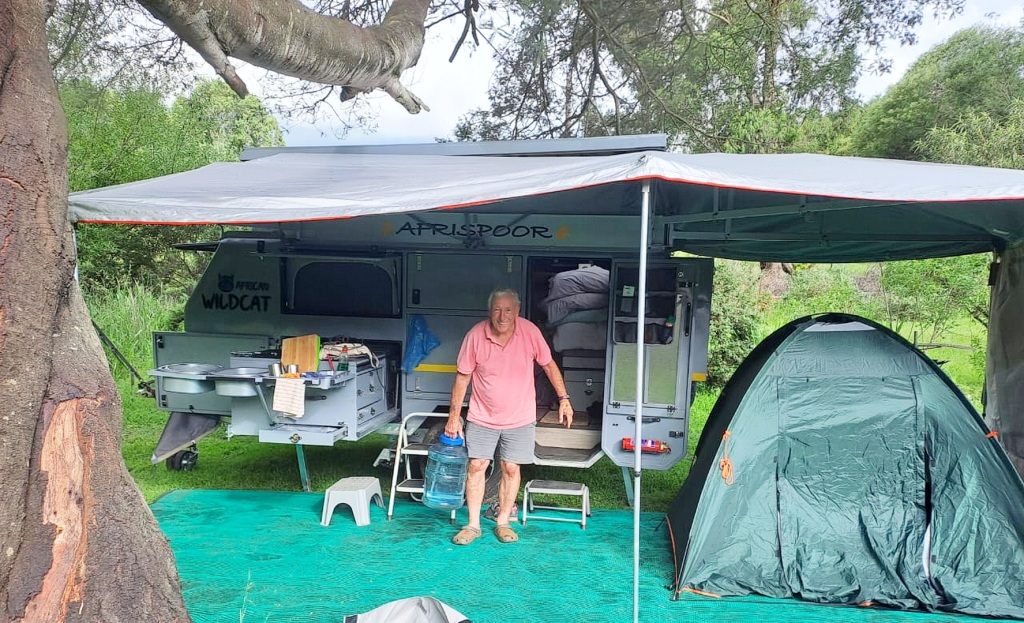
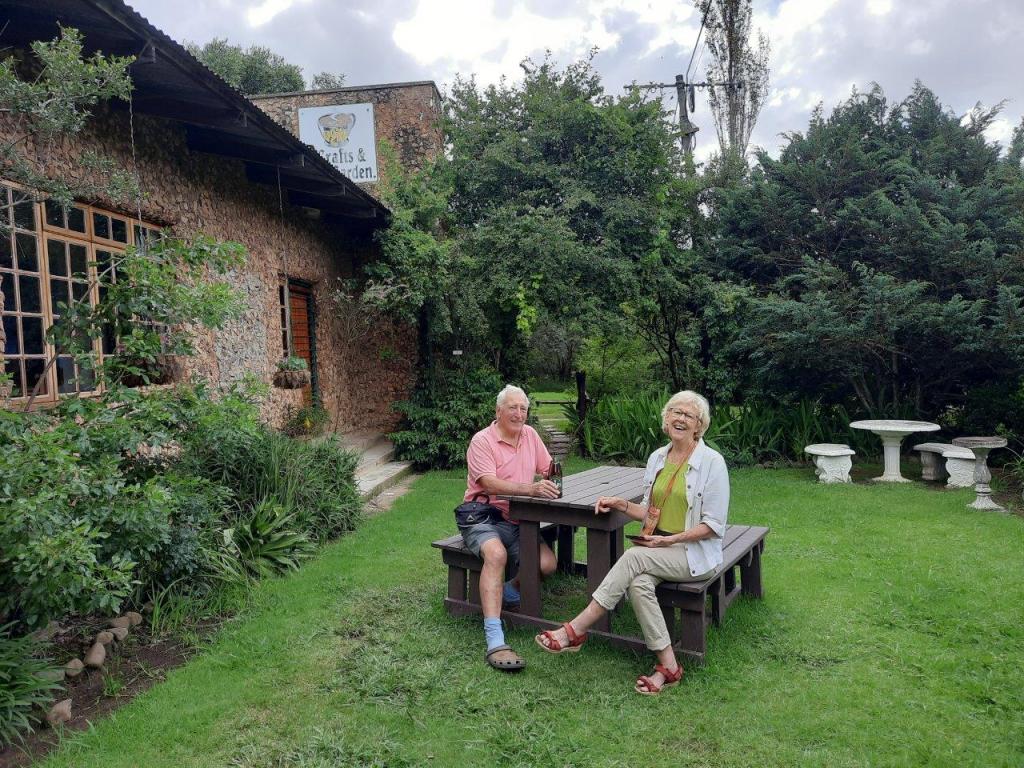

Later on that afternoon we took a drive to Himeville Nature Reserve. Very disappointing. Totally run down. We did see a few birds there.


We had hoped to see the hoards of Lesser Kestrels coming in to roost. Nothing appeared. We later learned that they had not been seen in Himeville for a number of years. No-one really knows why.
The next morning, we were up bright and early, prepared our food and drink for the day and ready for Stuart at 05h30.
Comfortably sat in Stuart’s Fortuner 4×4, we headed for the Border Post and then drove to the top. We took an hour and a half birding up those 8 kms – stopping here and there to admire the birds, scenery and flora and one other fauna – several Mountain Reedbuck. Weather started overcast and drizzly and as the day went on, it got cold. However, it brightened up and we had glorious sunshine halfway through the day.
At the border.


Here are some photos of the scenery up and down Sani Pass.
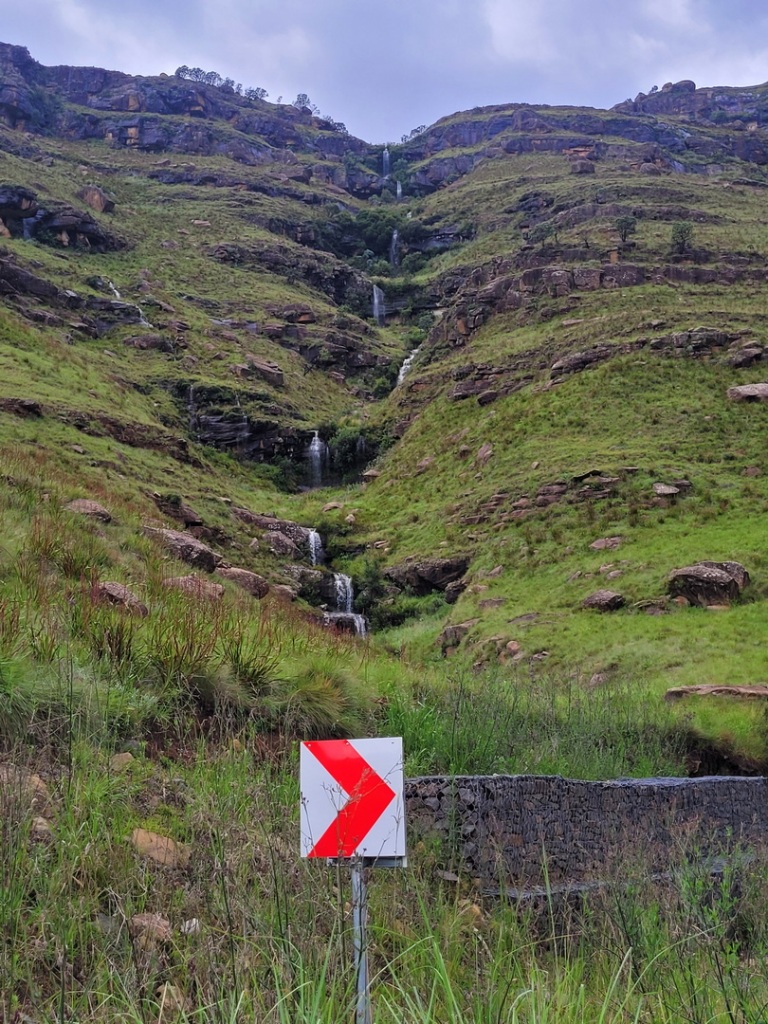
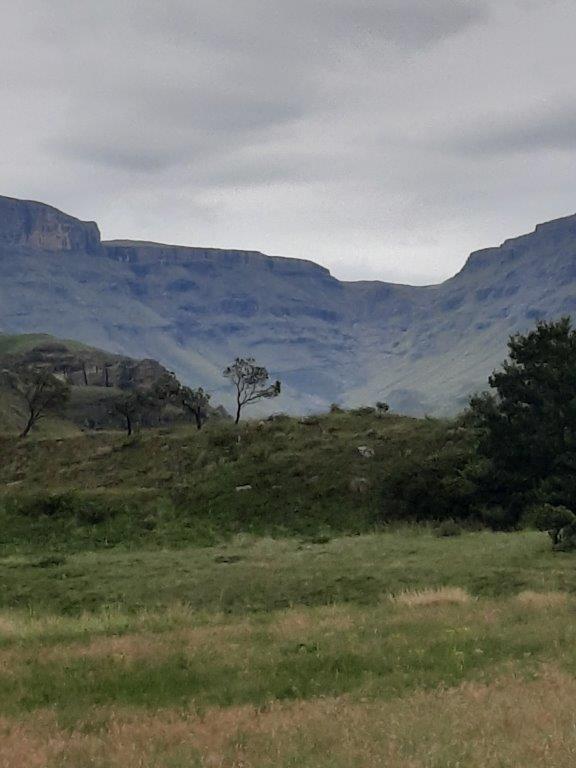
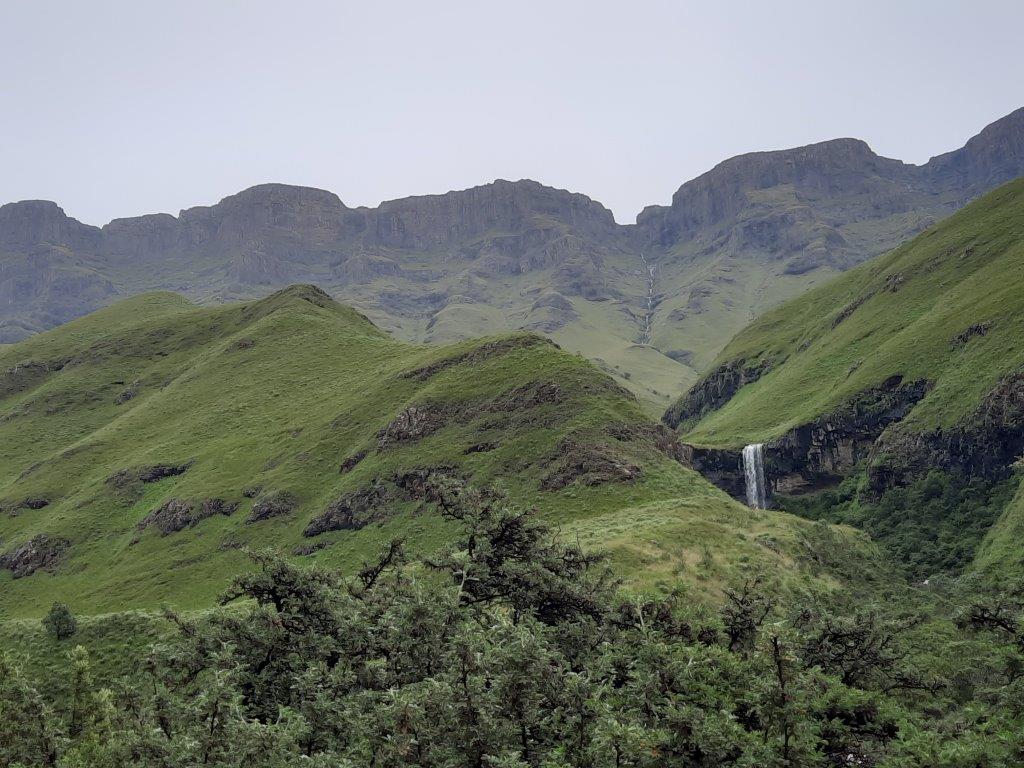

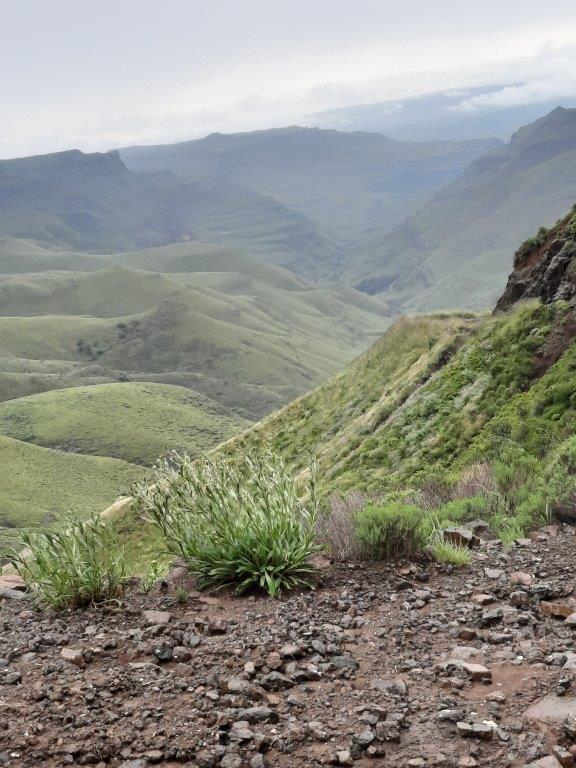
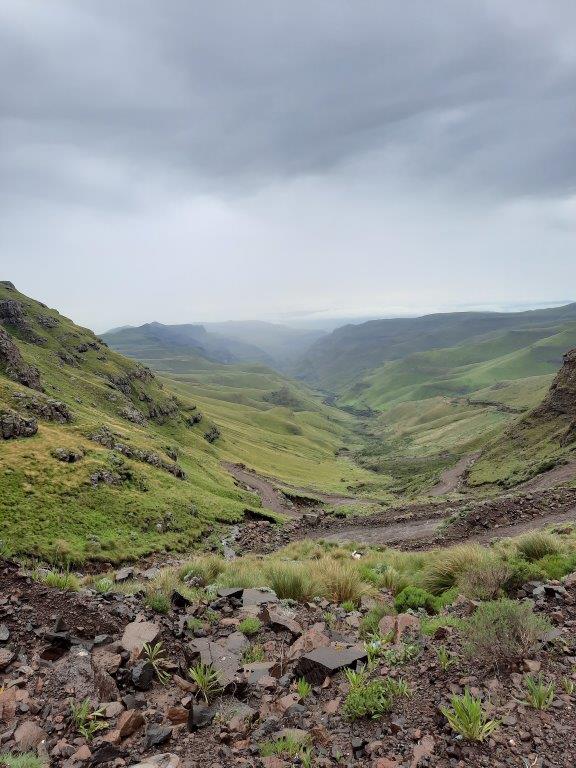
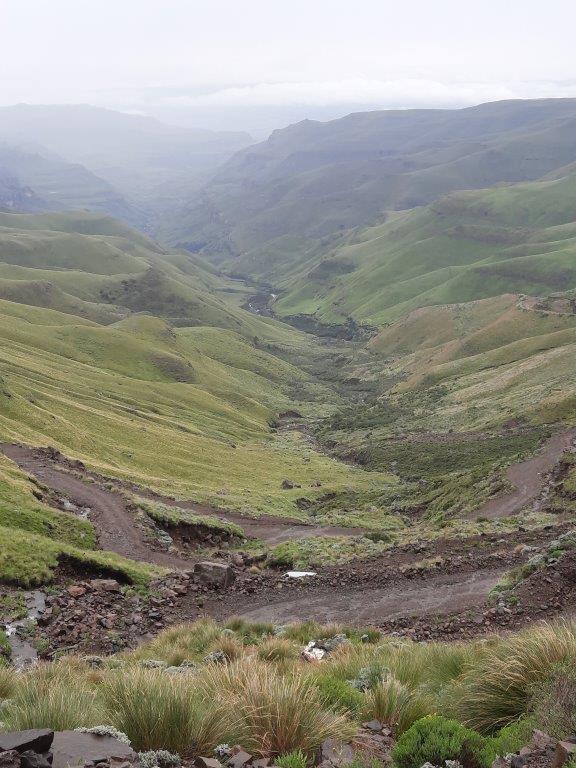


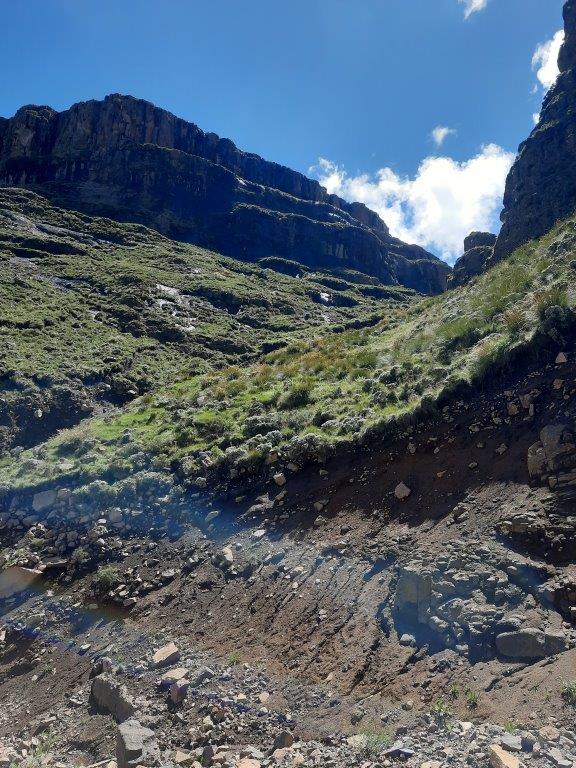
Here are some of the flora and fauna photoed on the ride up and down.
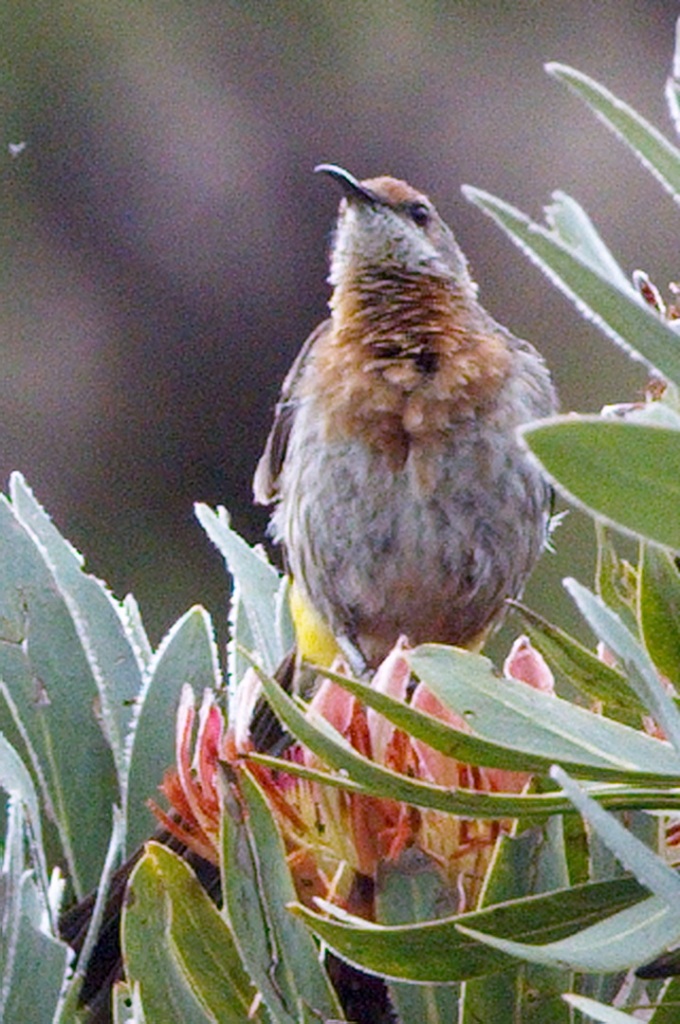

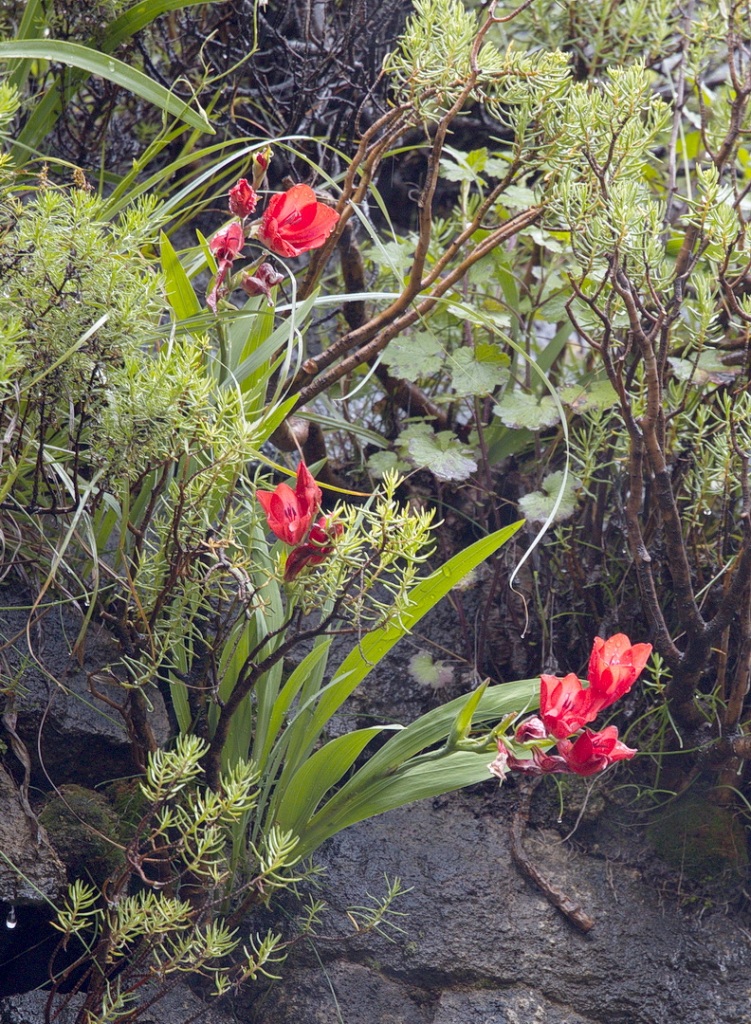
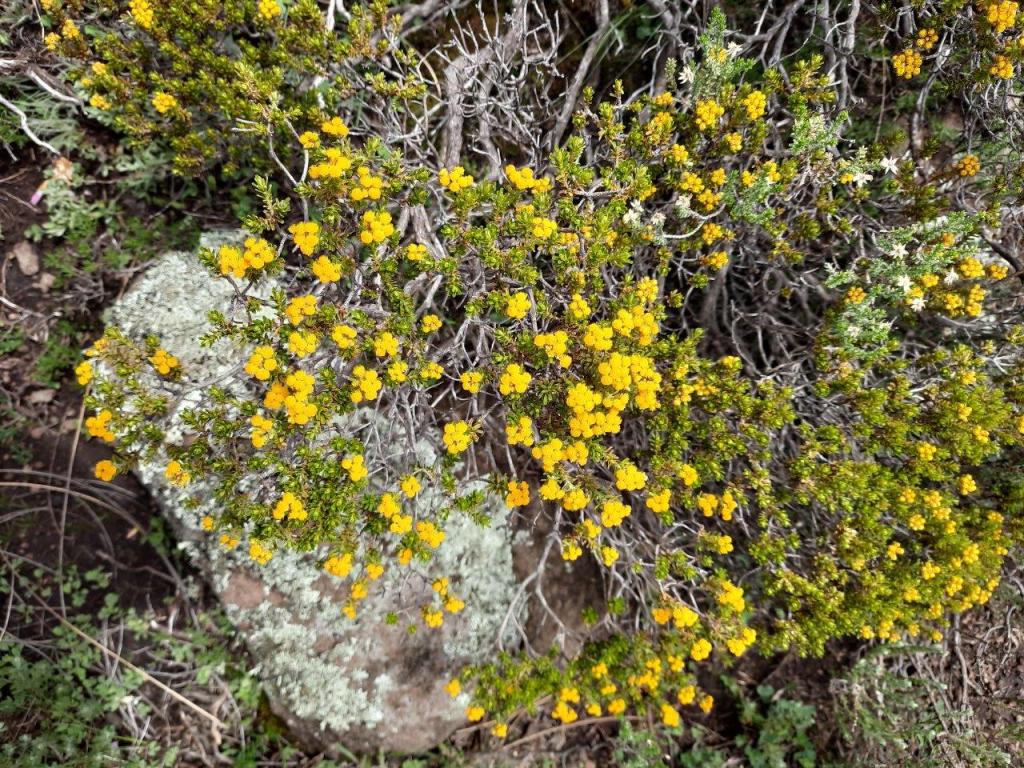
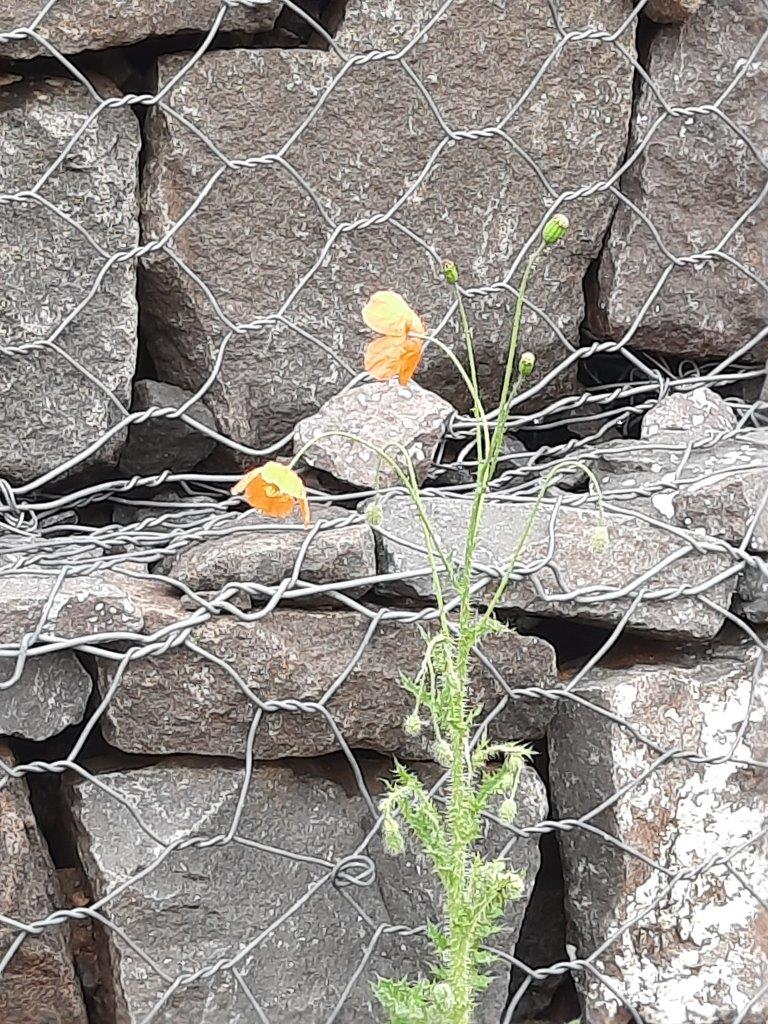
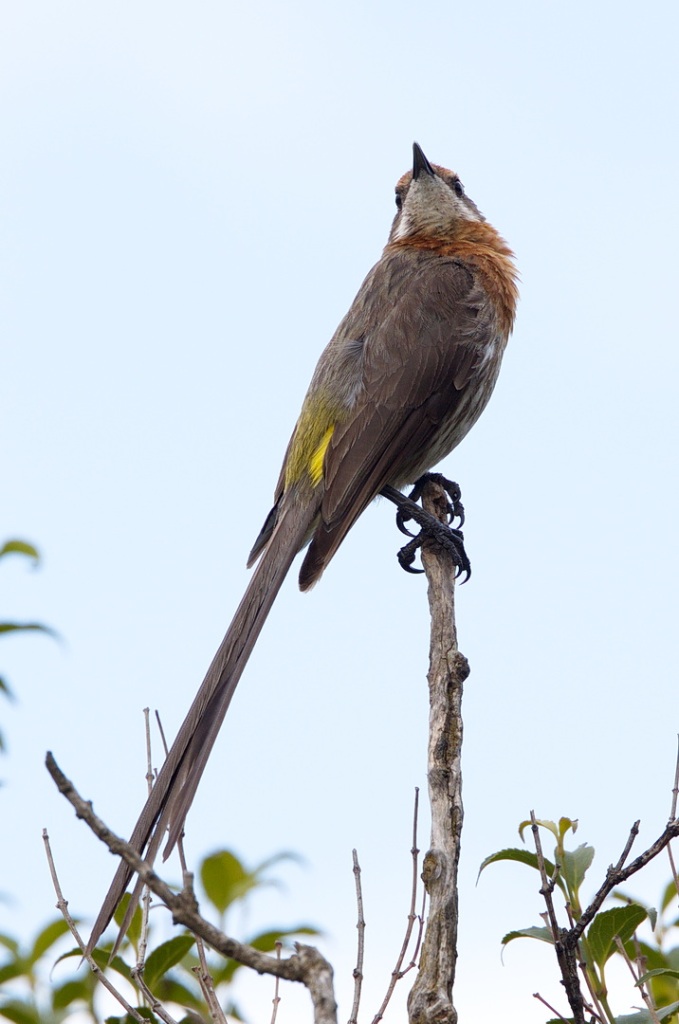

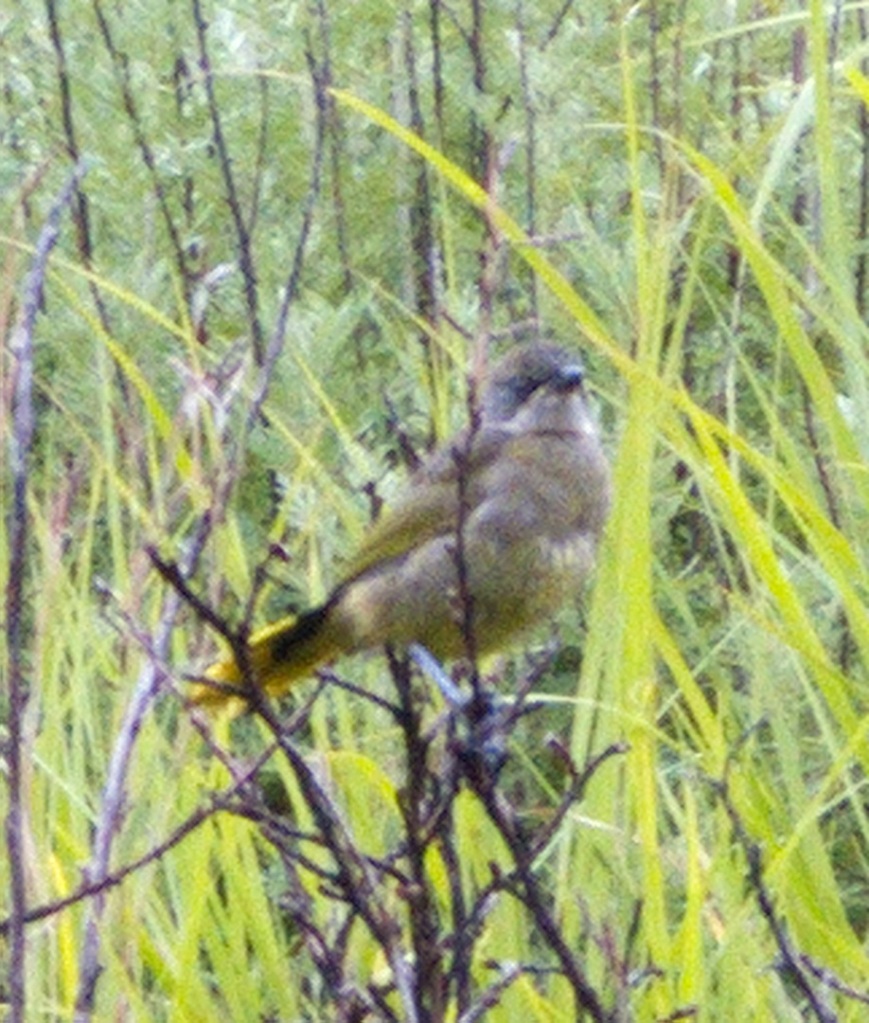


At the top, we went through the Border Post into Lesotho. Immediately, the driving became easier and comfortable. The Chinese build road was wide and well asphalted. Here are some photos of the scenery in Lesotho.


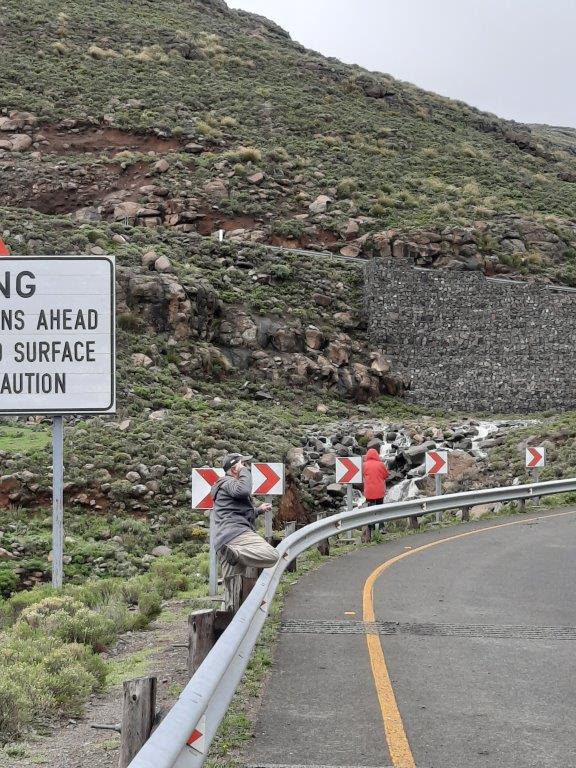
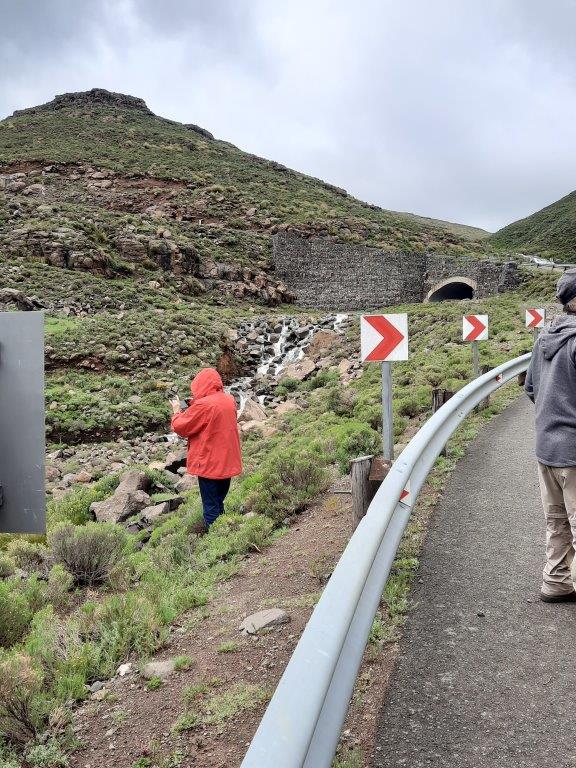
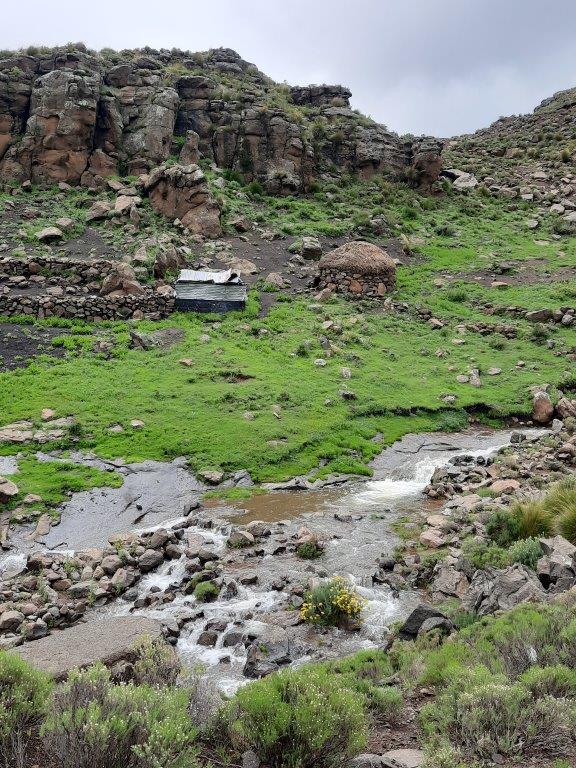


Before we set off into the hinterland of Lesotho, we visited the highest Pub in Southern Africa – Sani Mountain Lodge at 2874 metres above sea level. Stuart told us that this is apparently no longer the highest in Africa. However, it is spectacularly set overlooking the Sani Pass.

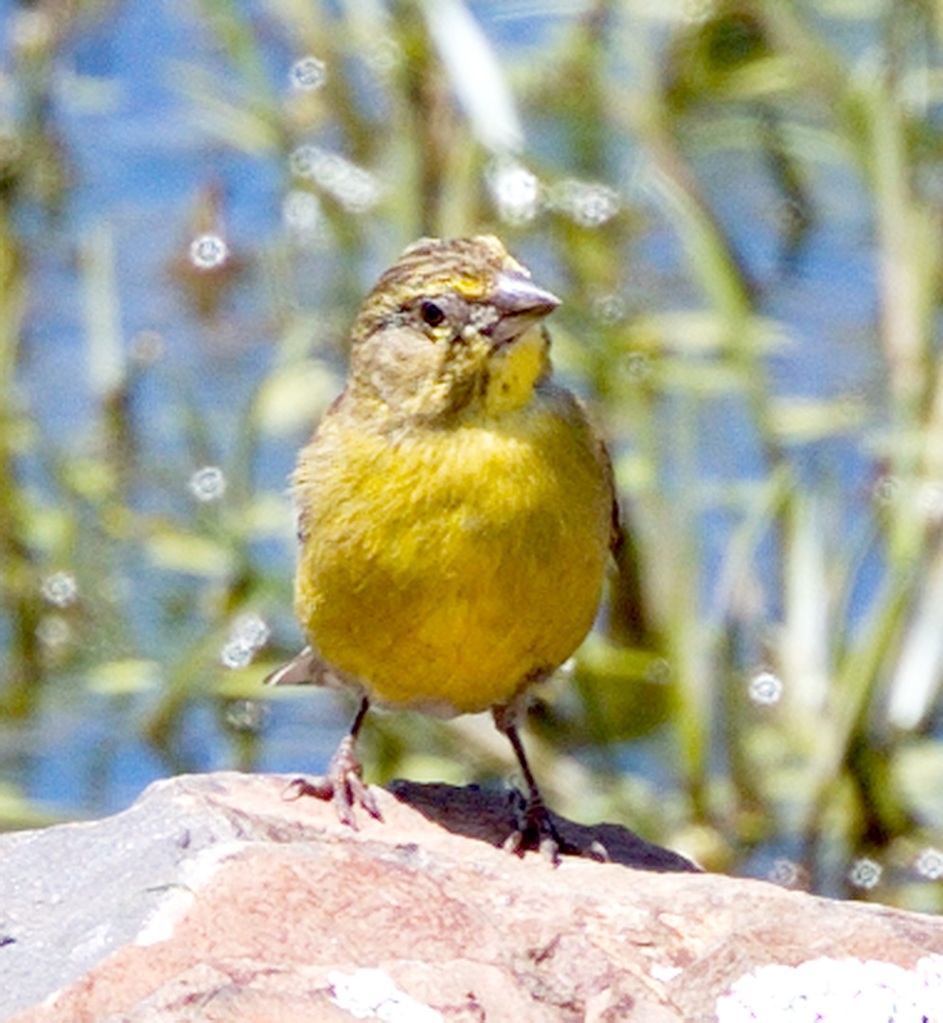
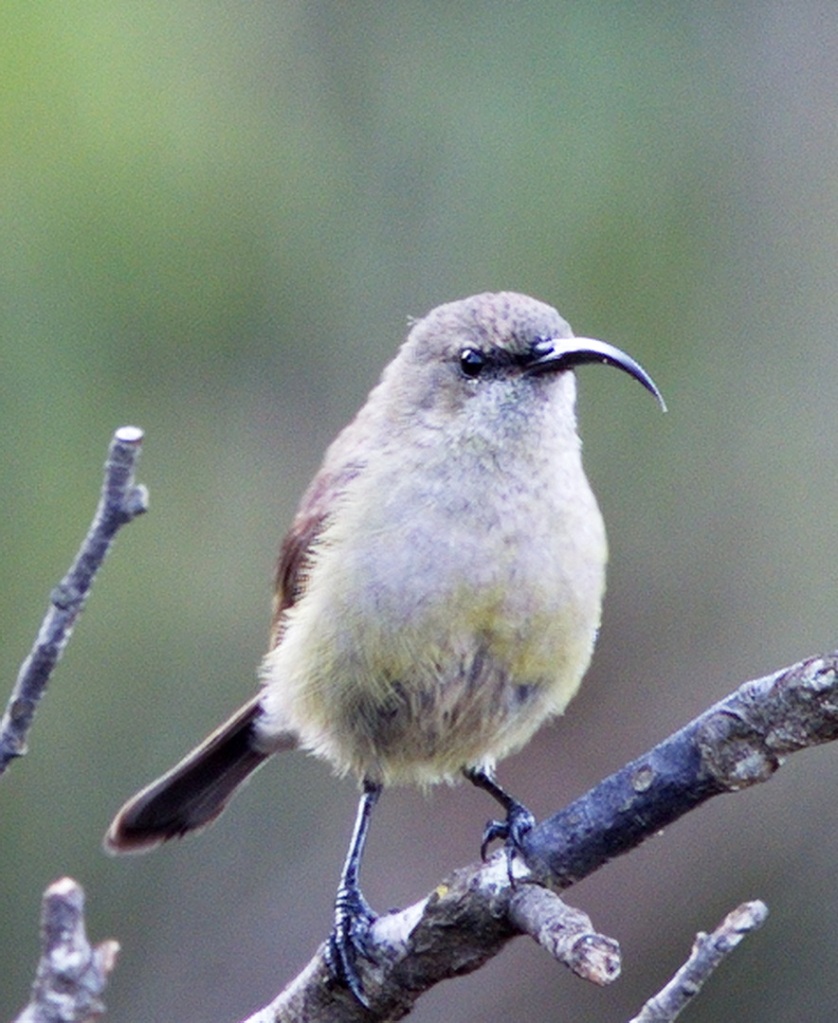
At the Pub we had drizzly views of some special species – Sentinel Rock Thrush, Drakensberg Ciskin and a Sloggett’s Ice Rat.
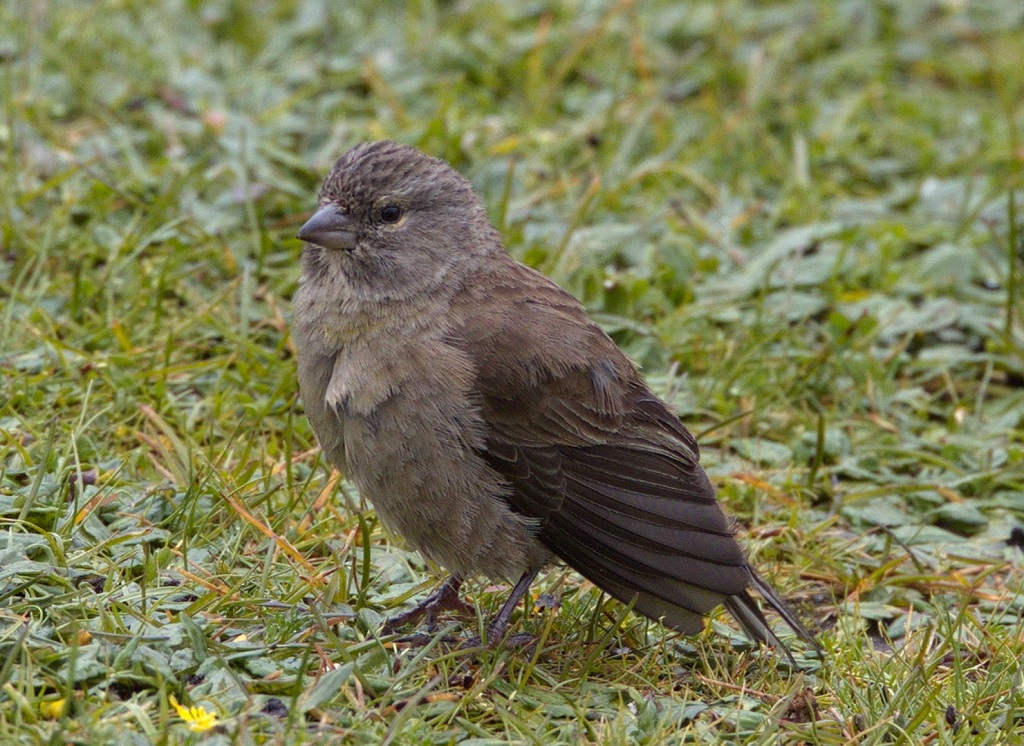
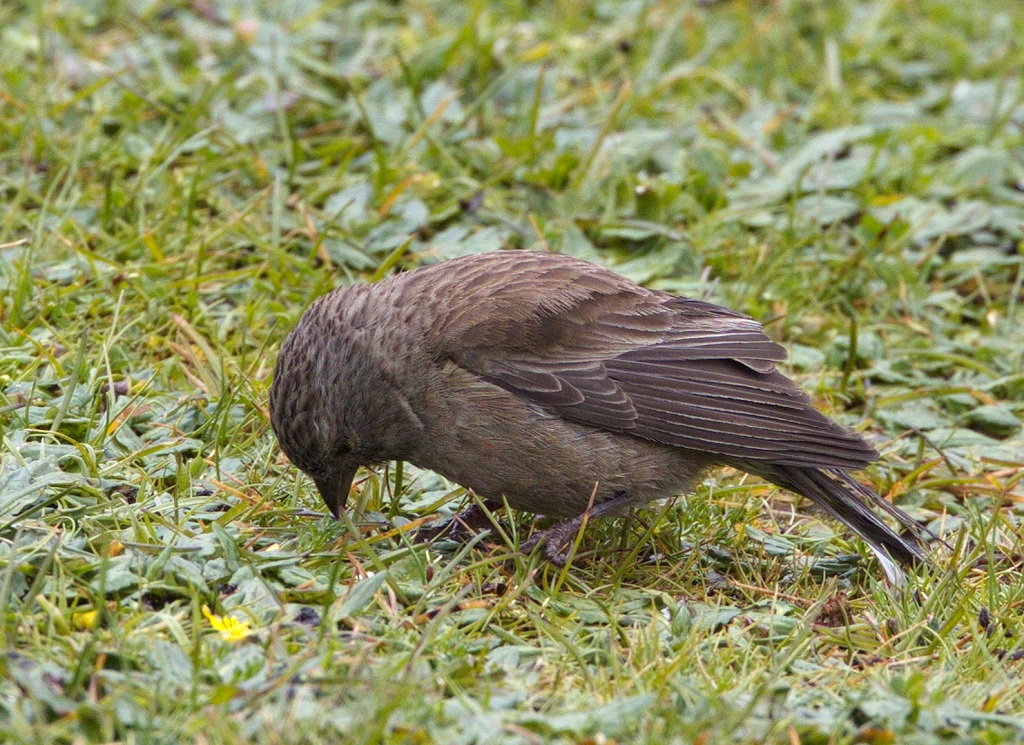


On the way back we found an obliging male Drakensberg Siskin to photograph.
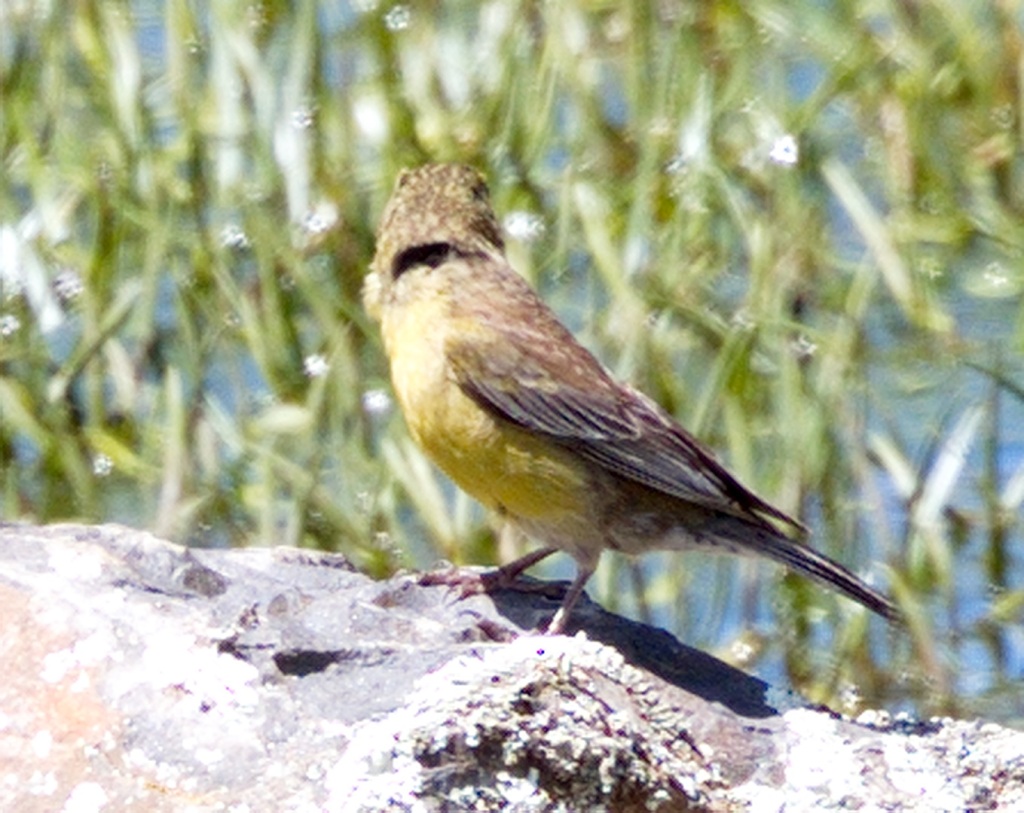
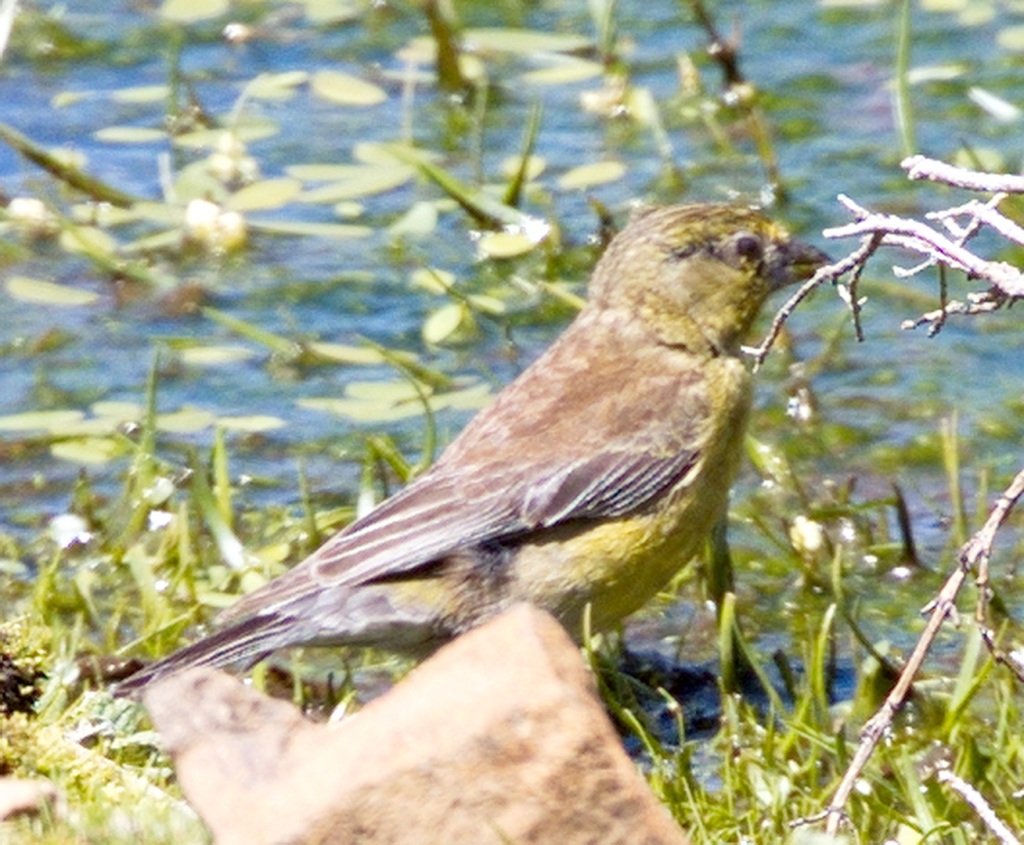

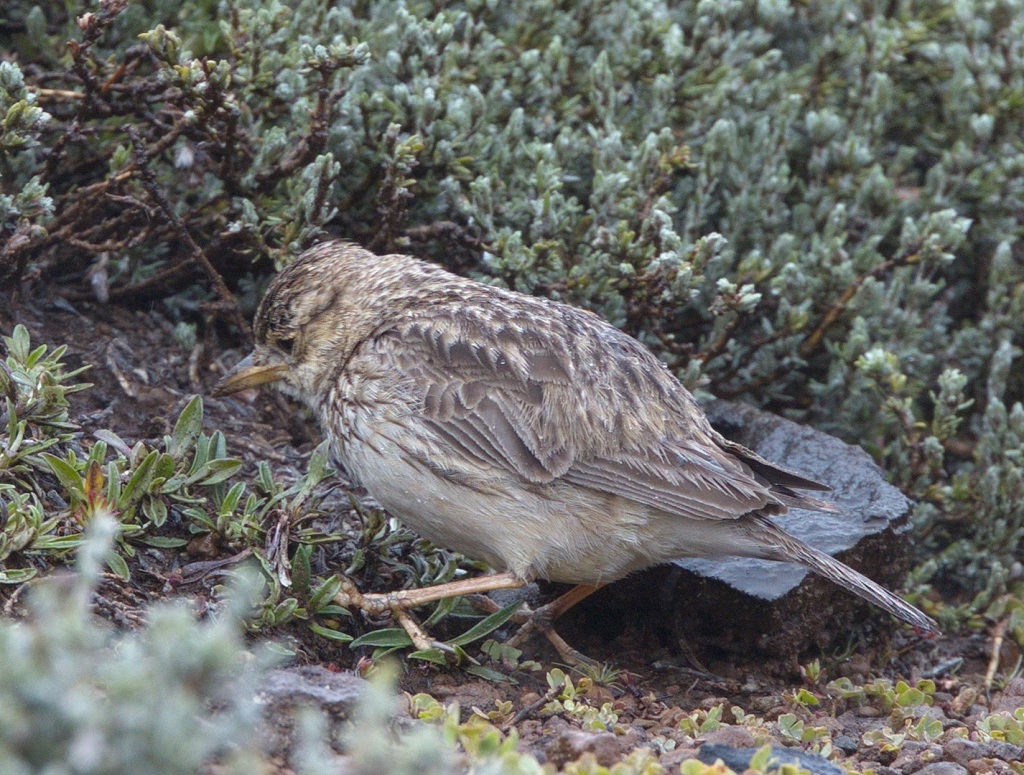
As we drove onto the tar, a pair of Large-billed Larks were seen in the bushes beside the road.

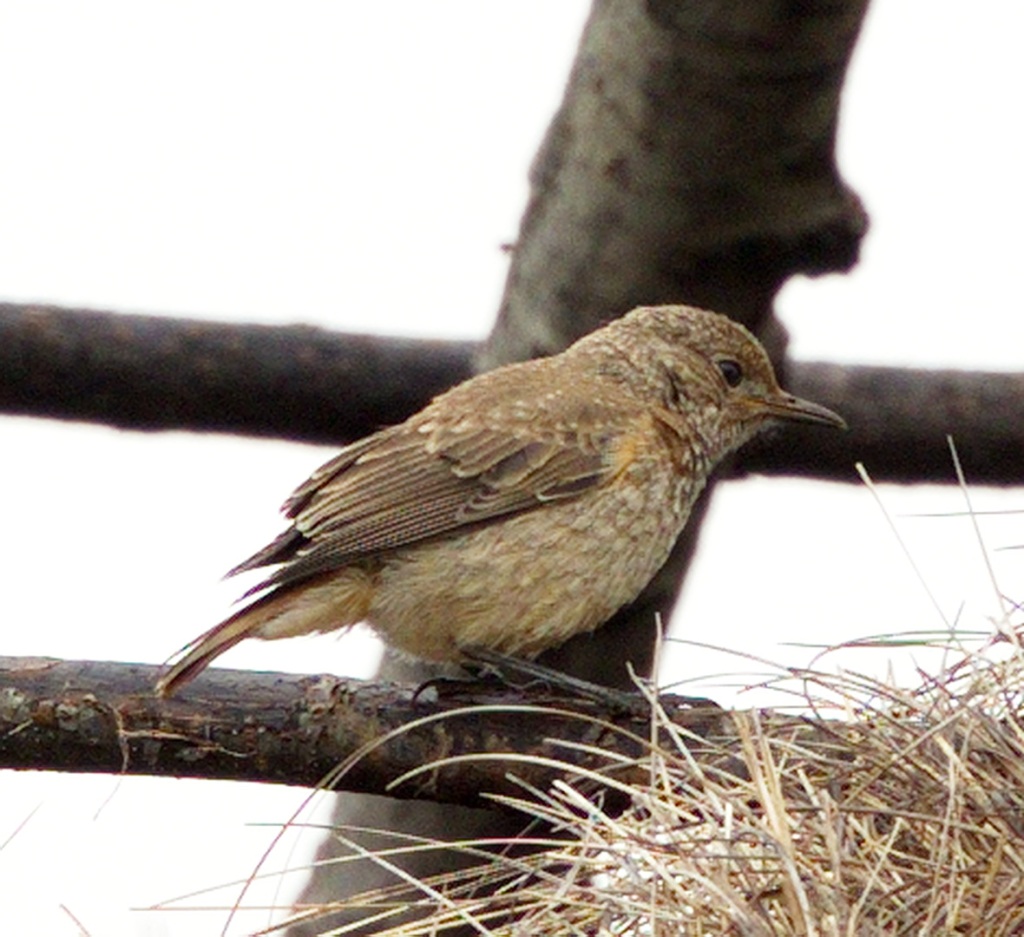
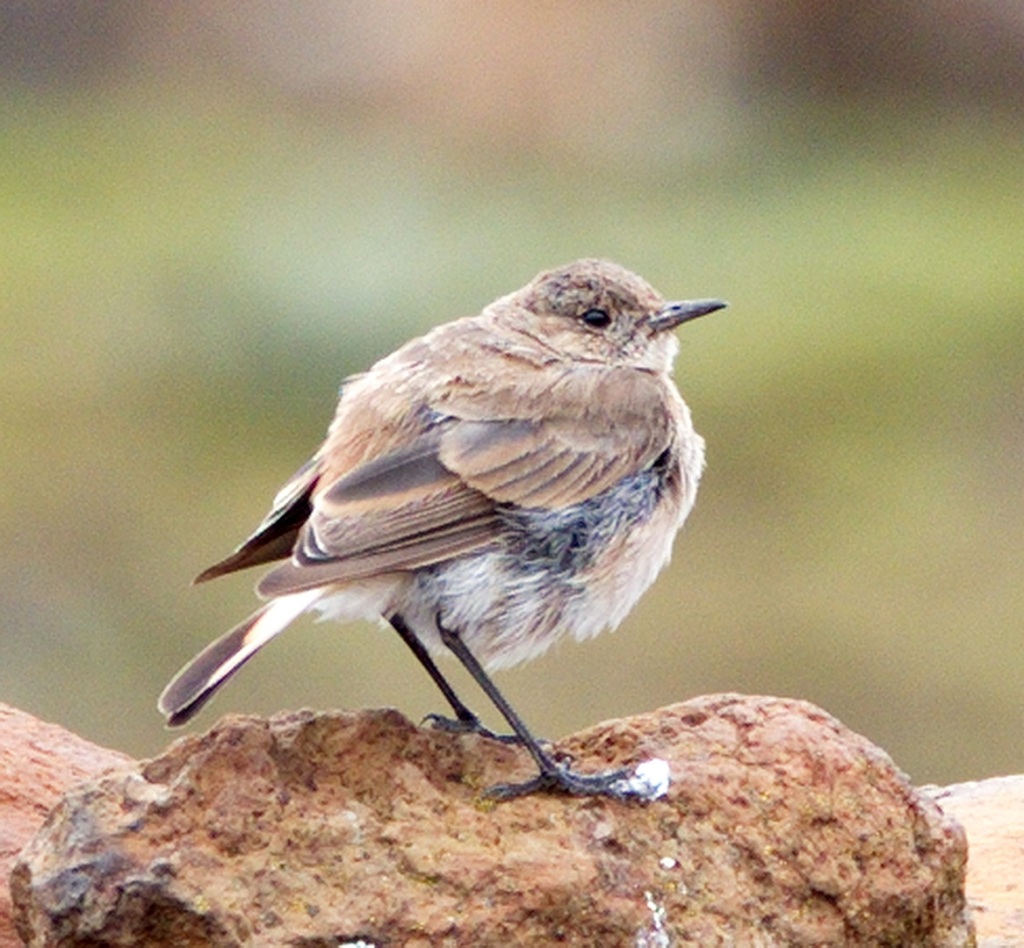
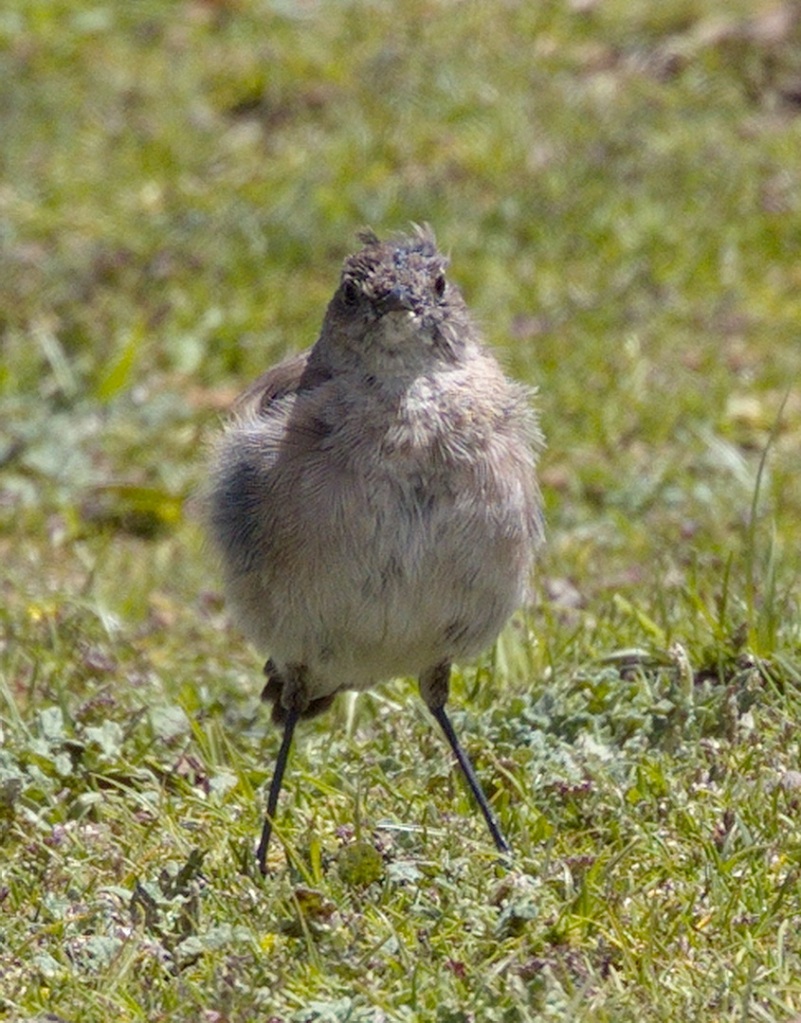
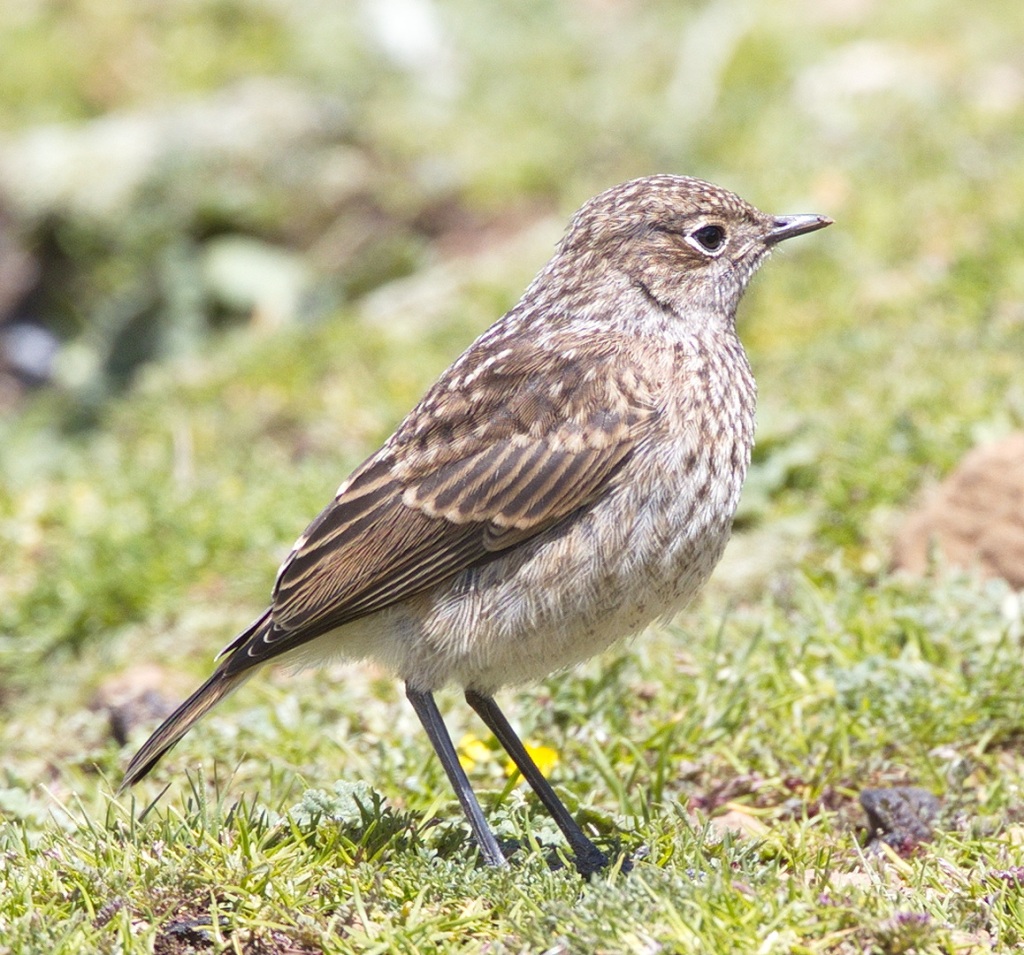
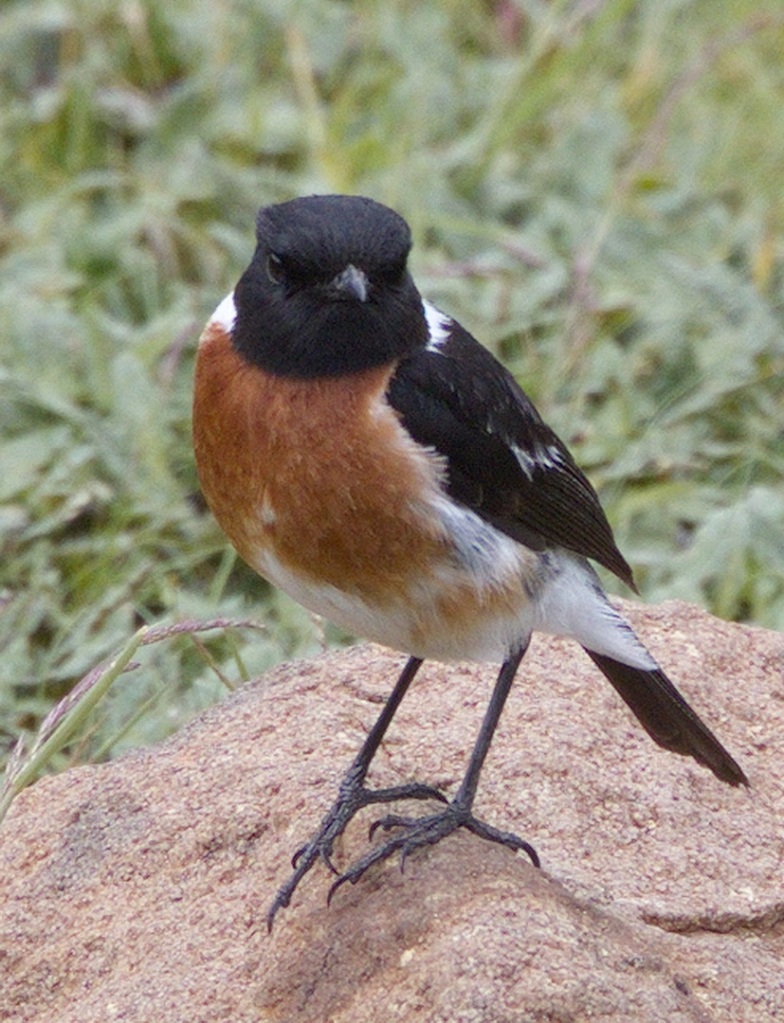
And in the open area ab bit further along, a juvenile Sentinel Rock Thrush and Sickle-winged Chats.

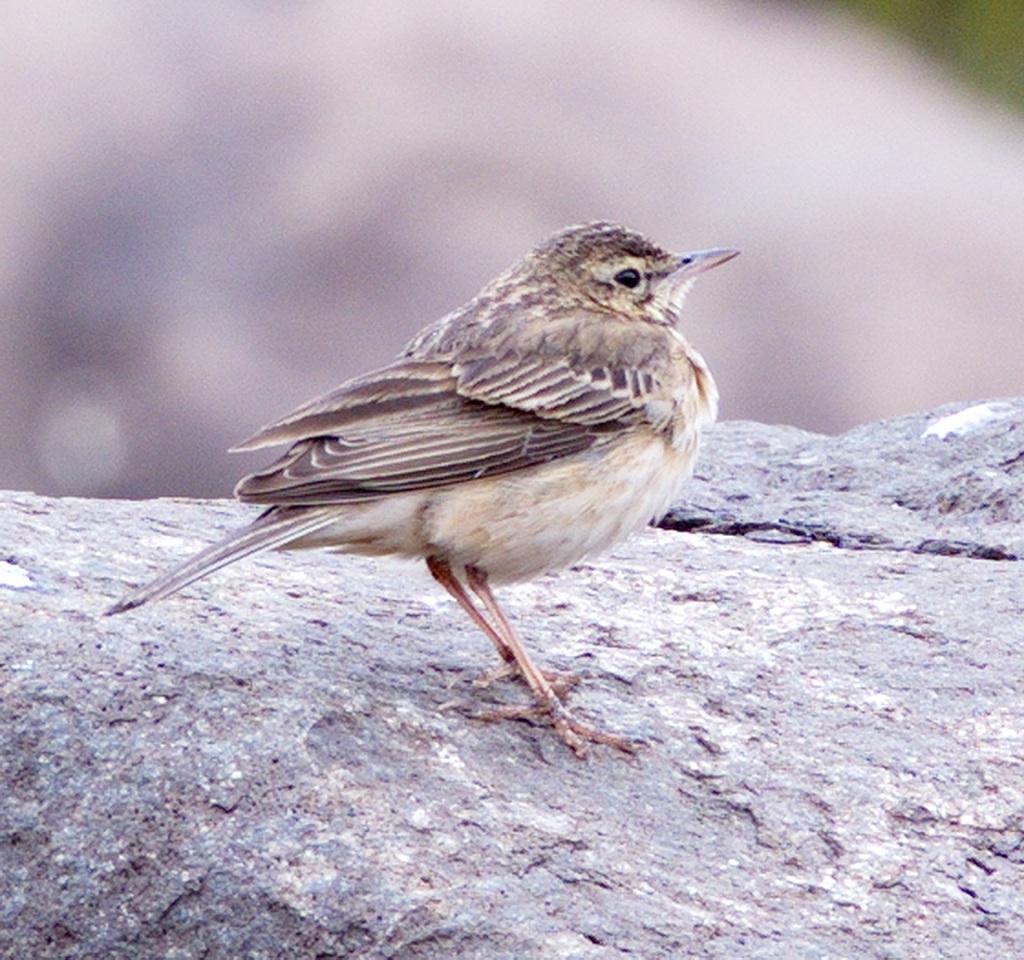


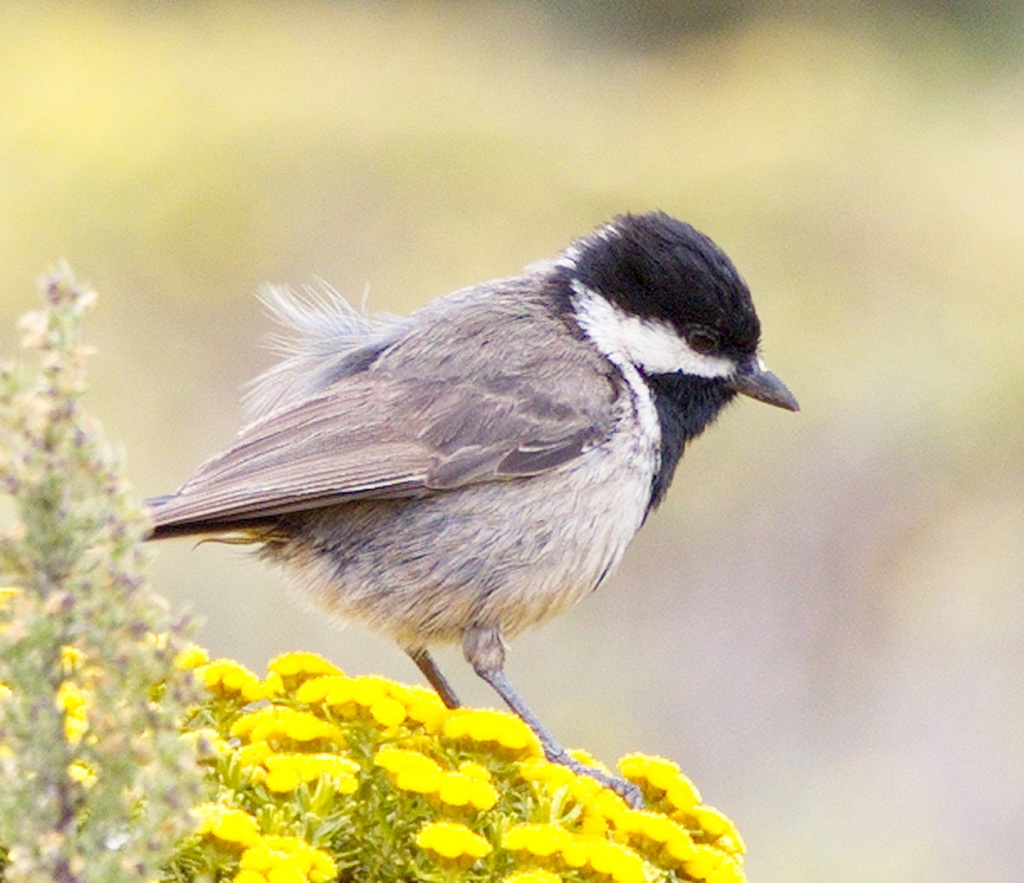
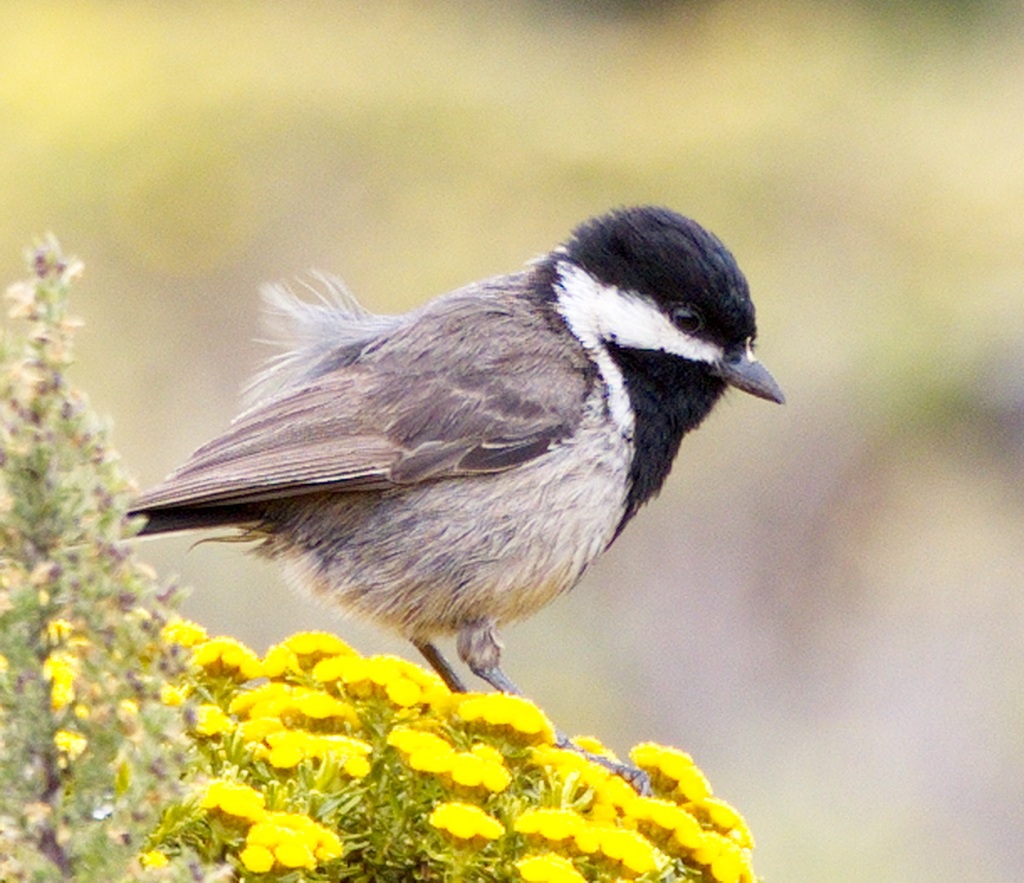
Further along we came across Grey Tits – a lifer for me.

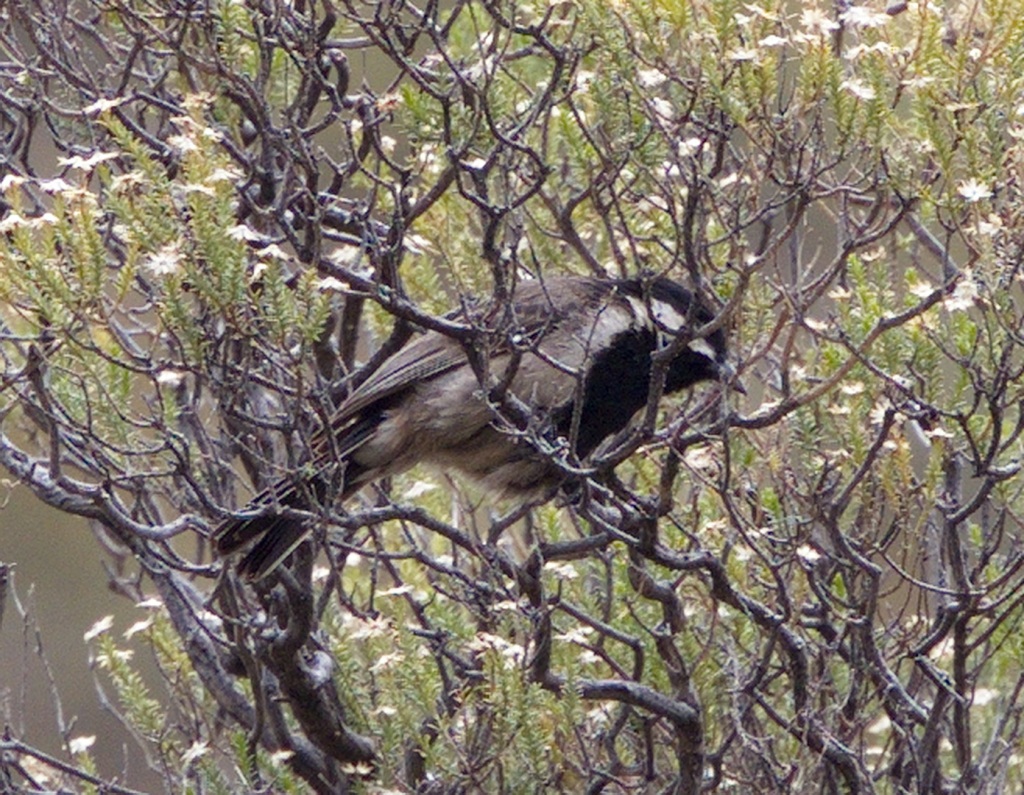

Then we stopped for very friendly Ground Woodpeckers. A Cape Bunting and a Drakensberg Prinia also presented themselves for a photo.


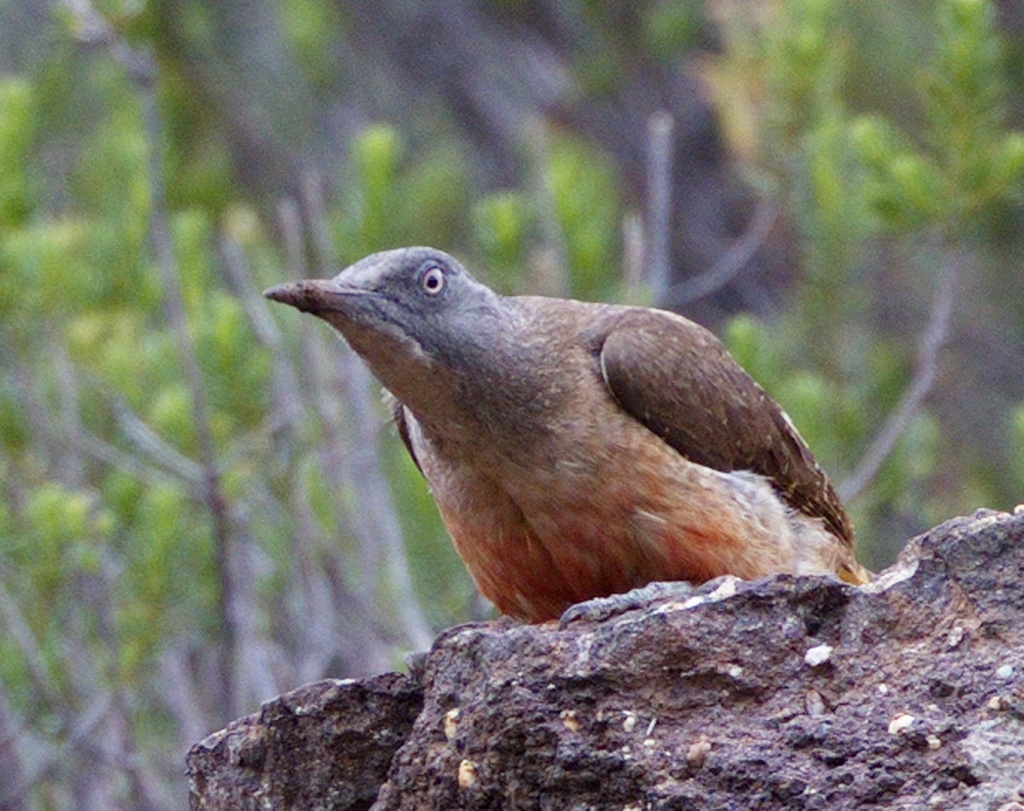

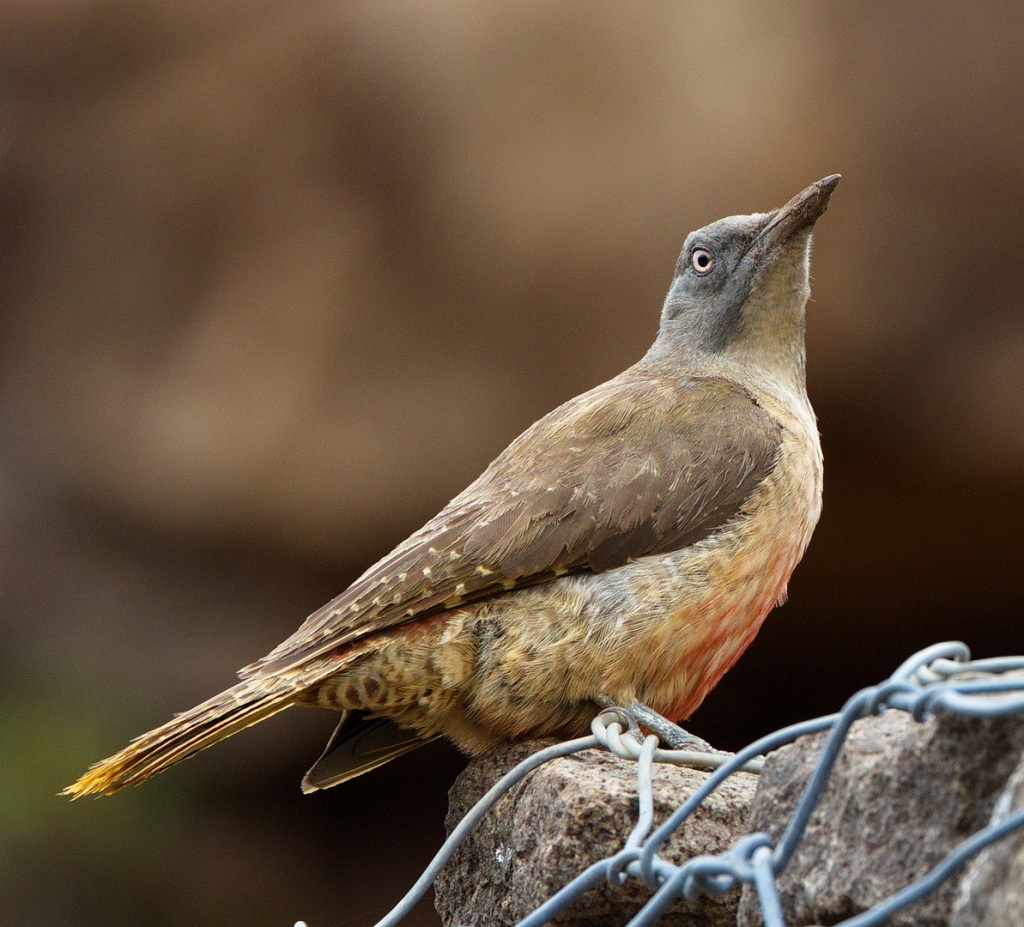
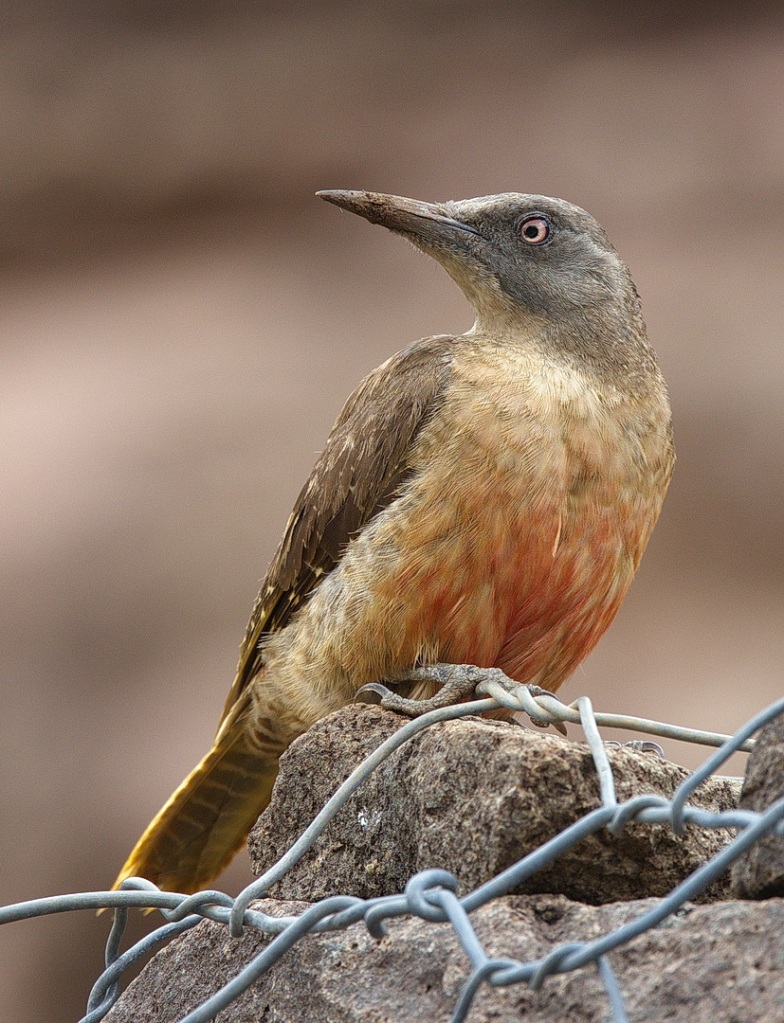
All the time we were on the lookout for the Drakensberg Rockjumper. More Sentinel Rock Thrushes appeared, a colourful lizard and a pair of Karoo Scrub-Robins.
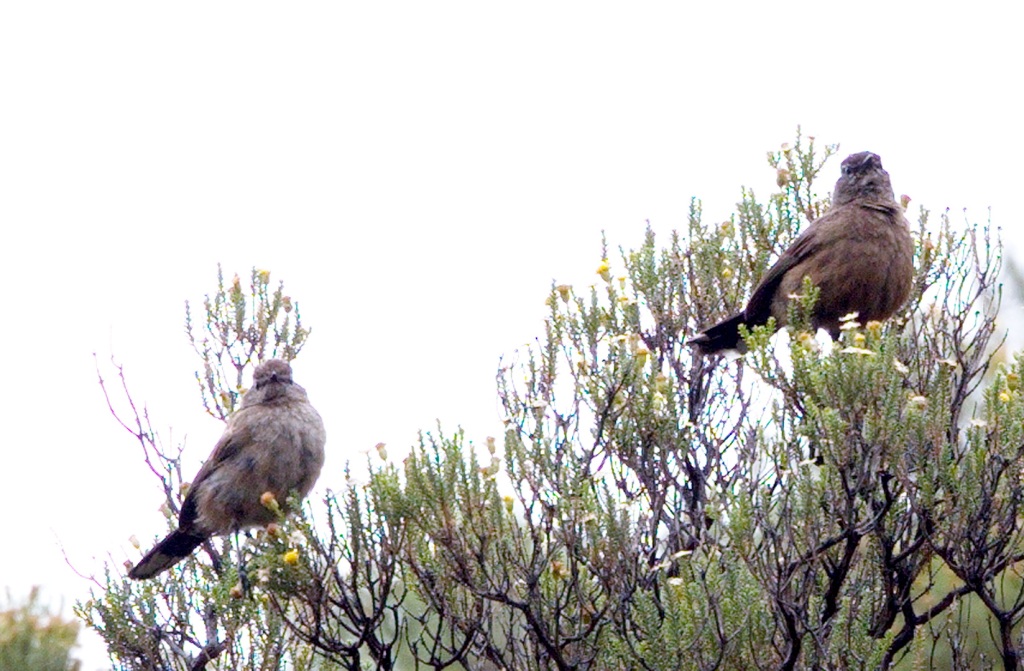

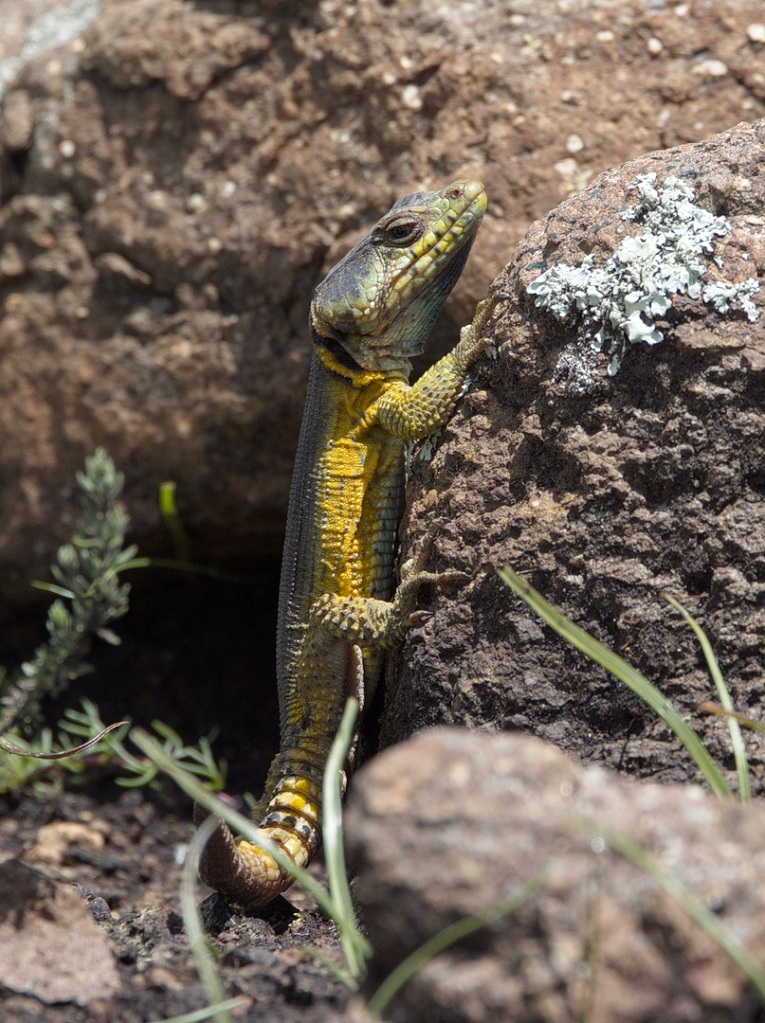

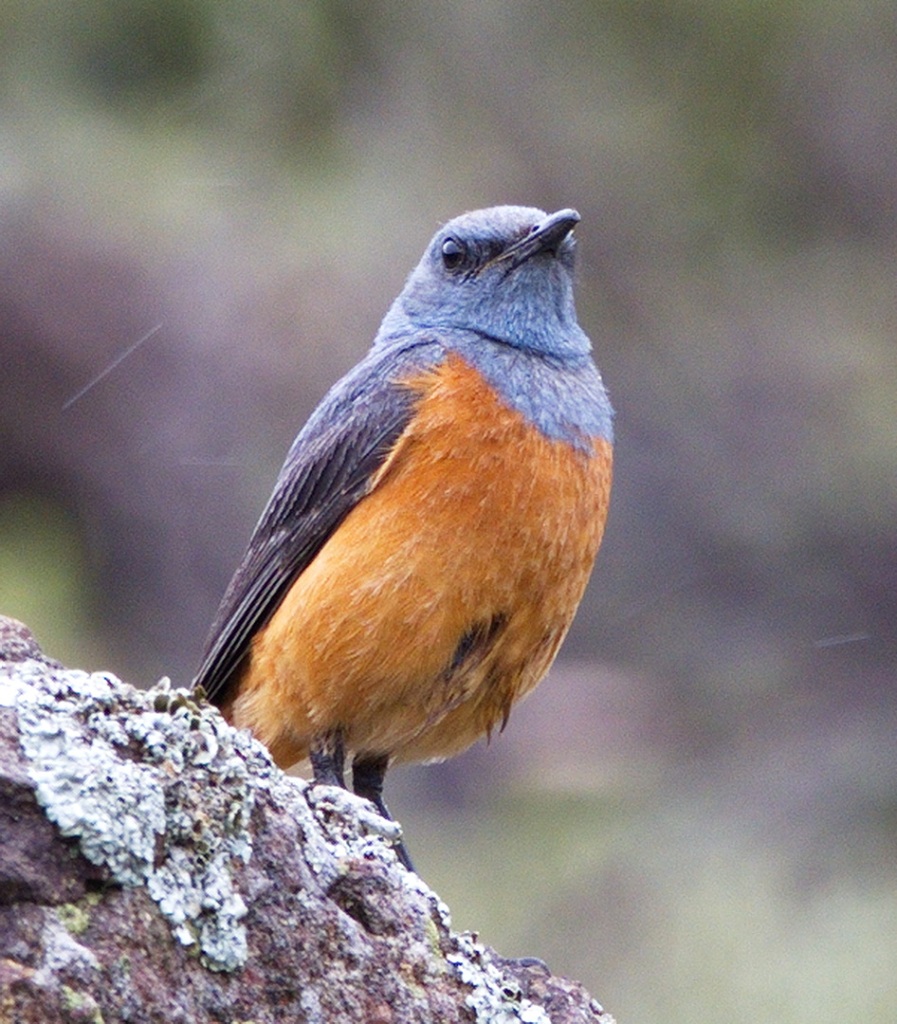
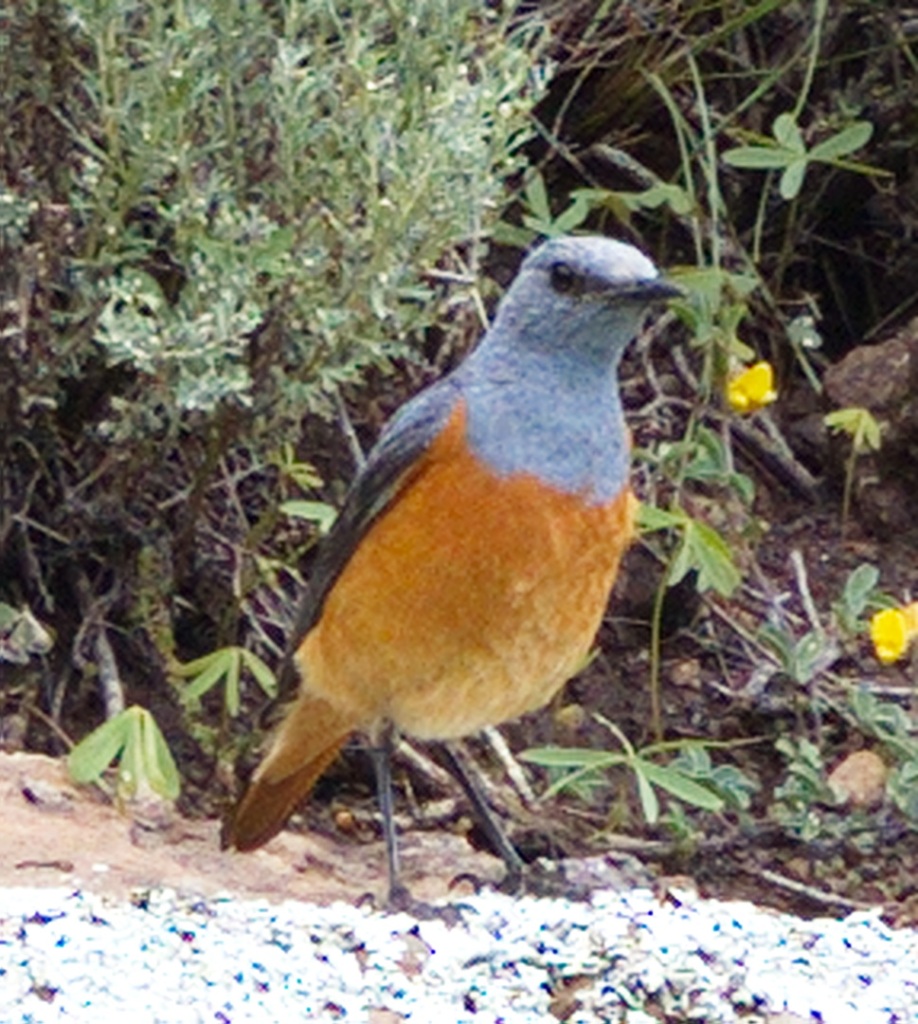
Then we reached an open flat land next to the river where the Chinese had their base. At this location there were a number of Mountain Wheatears – males and females, Sentinel Rock Thrushes and Black-headed Canaries – the adults are striking looking birds.


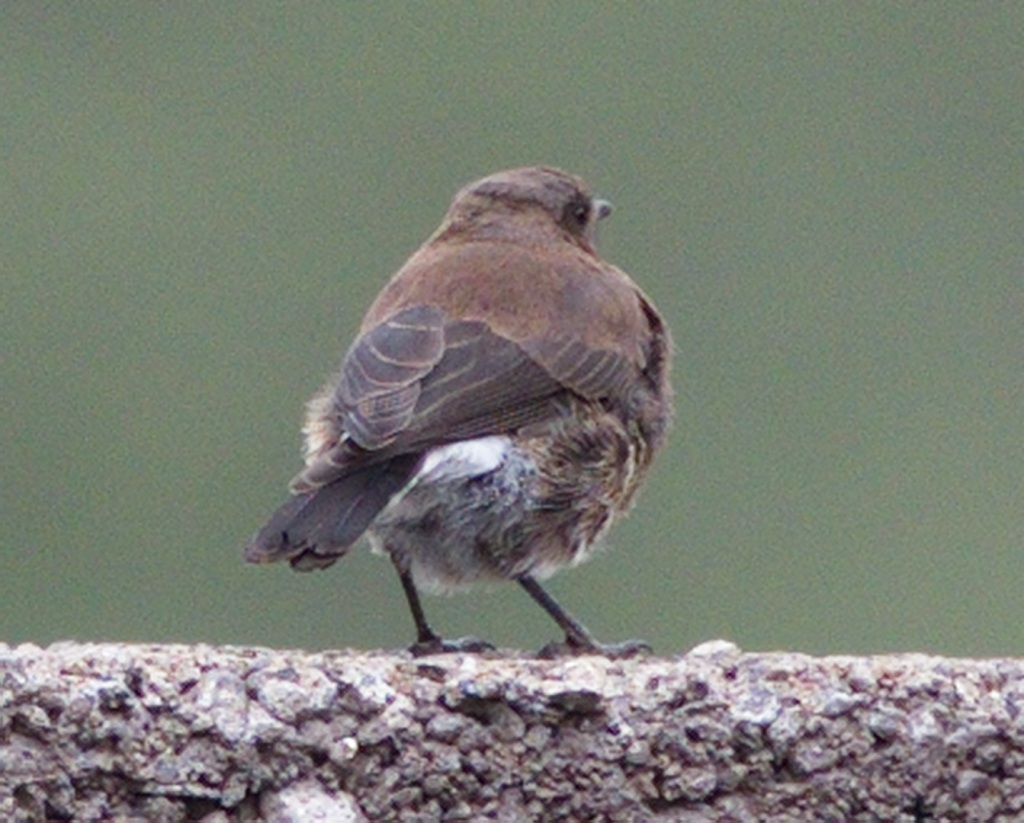
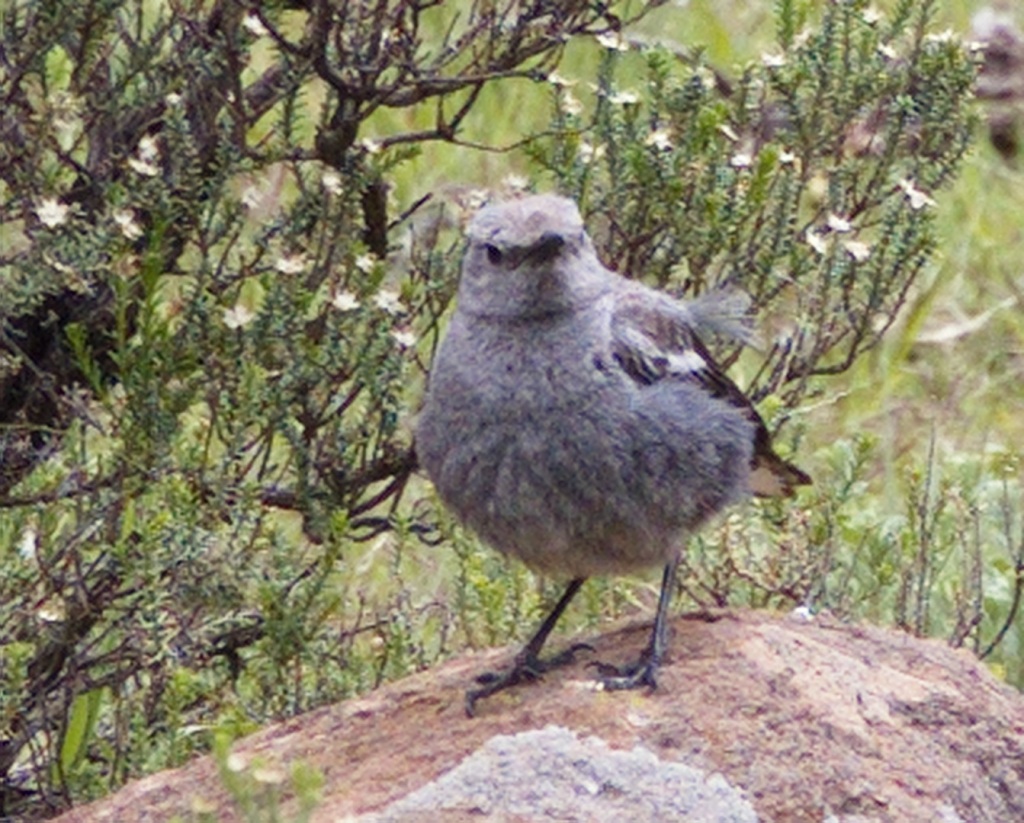
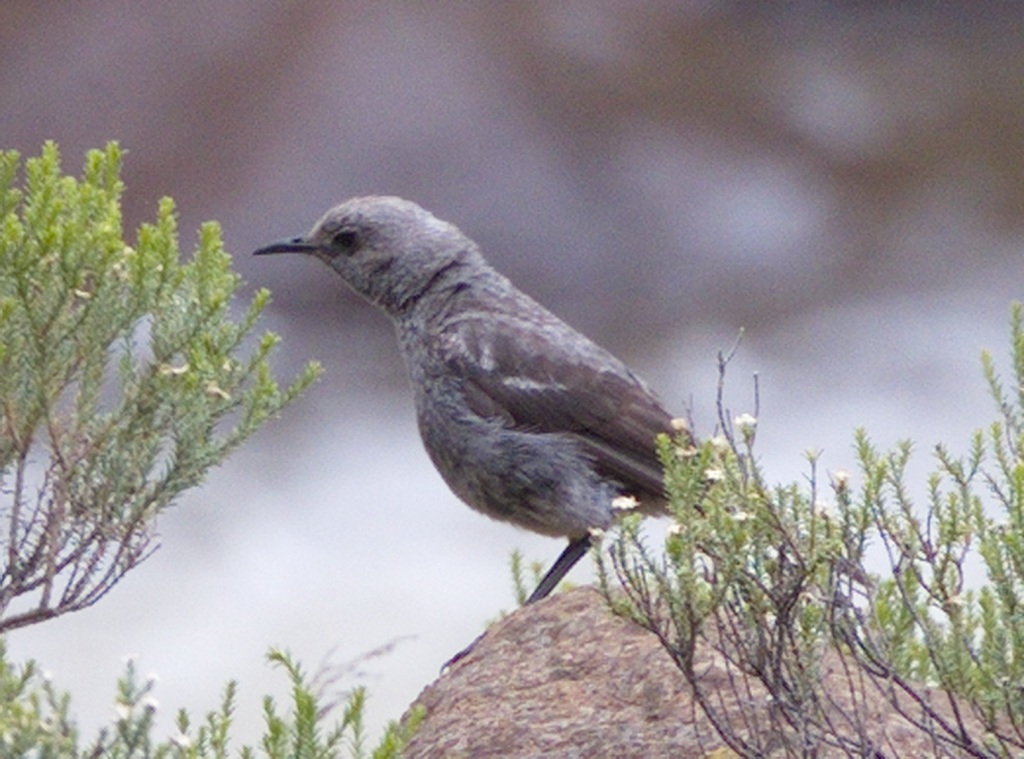
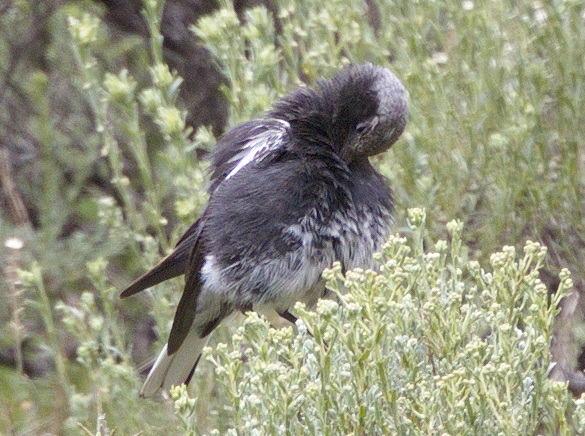

How cold it got – as shown in this picture below.

During our time there we came across the Drakensberg Rockjumper on a number of occasions – particularly on our way back to the Lesotho border.
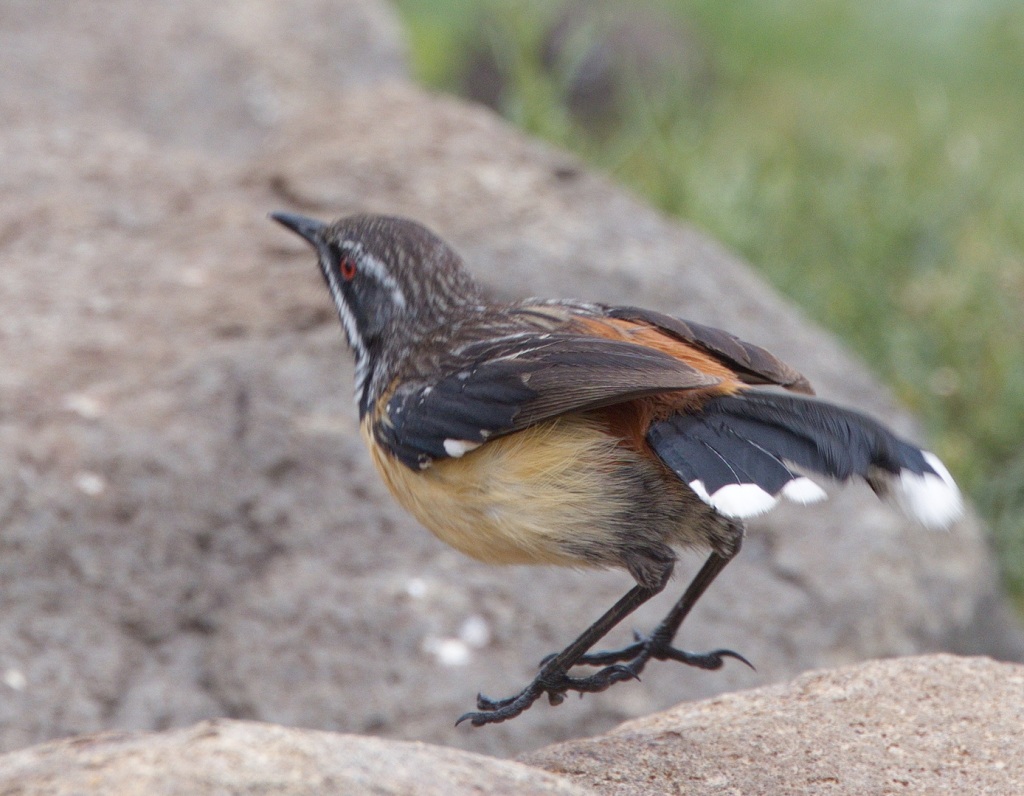
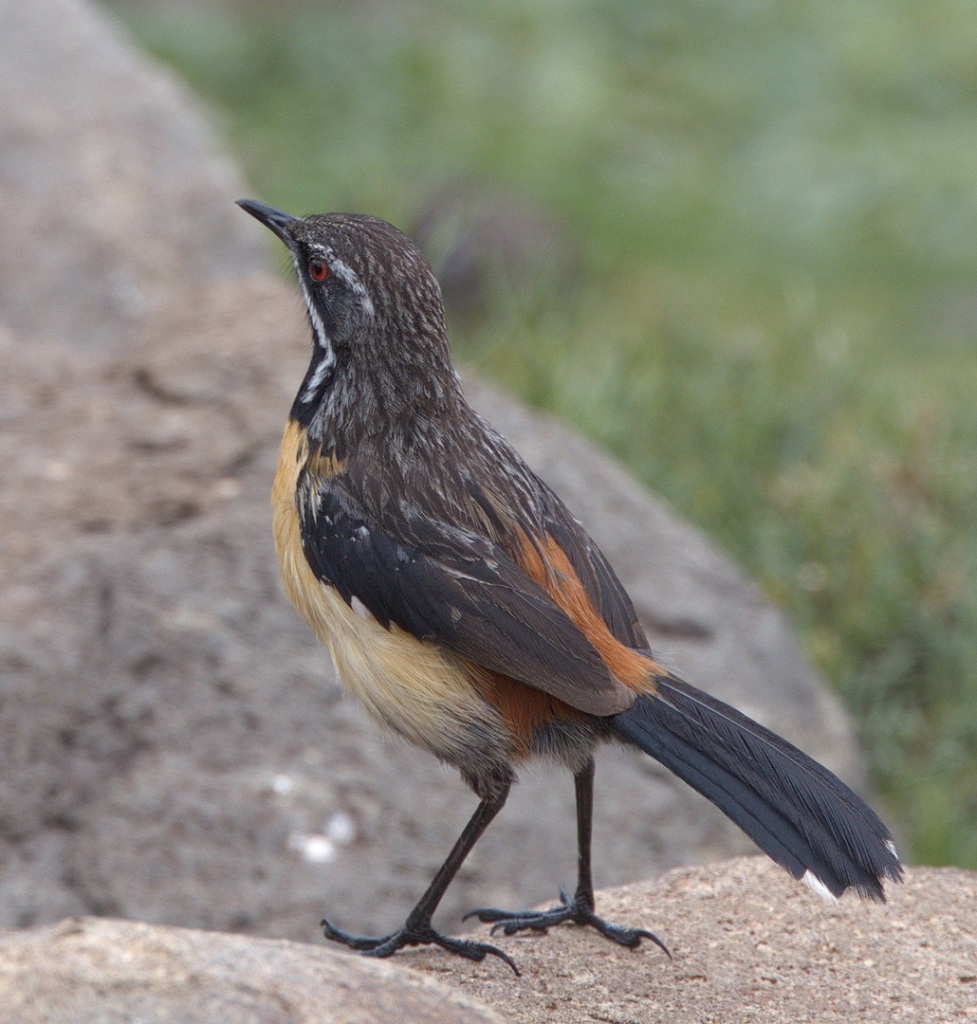
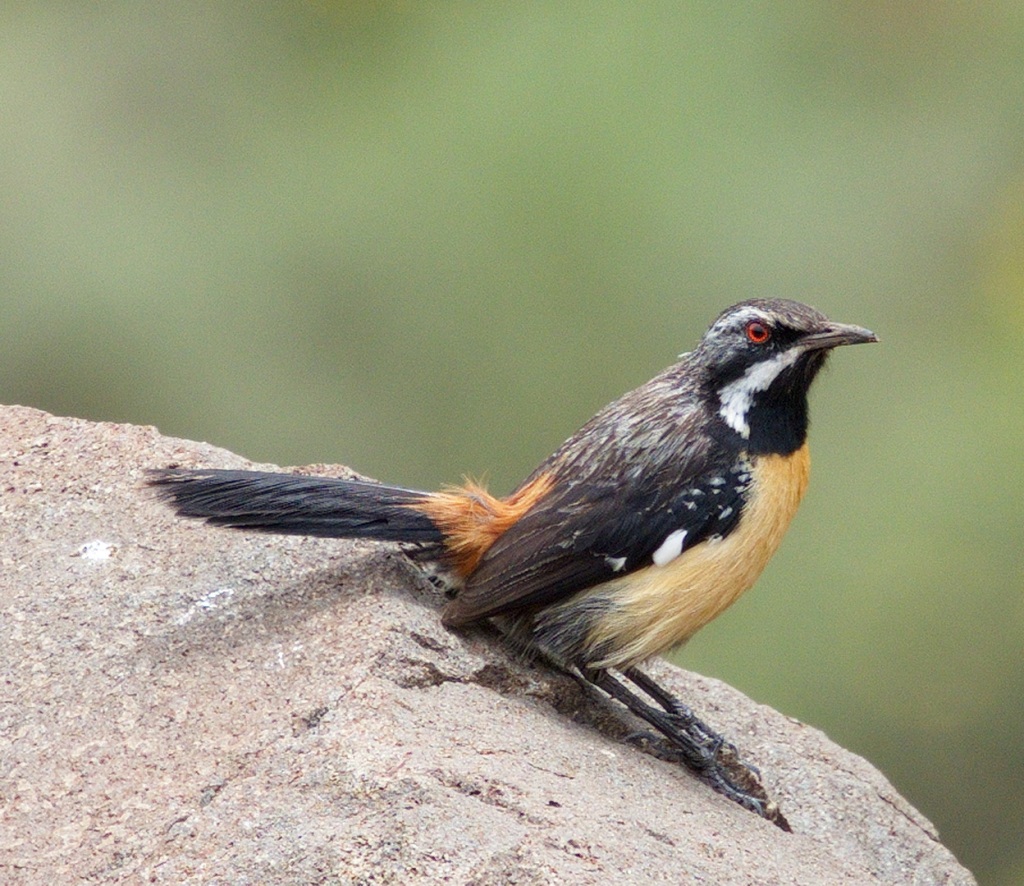


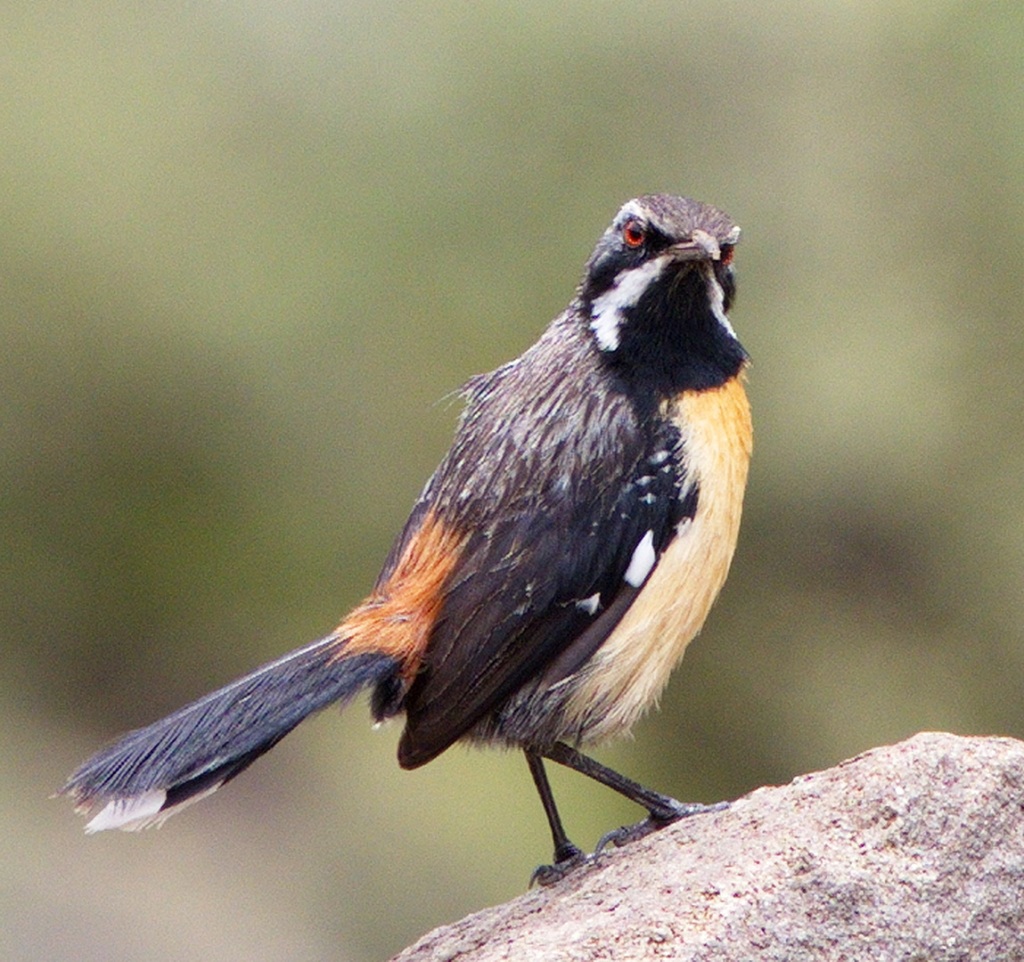

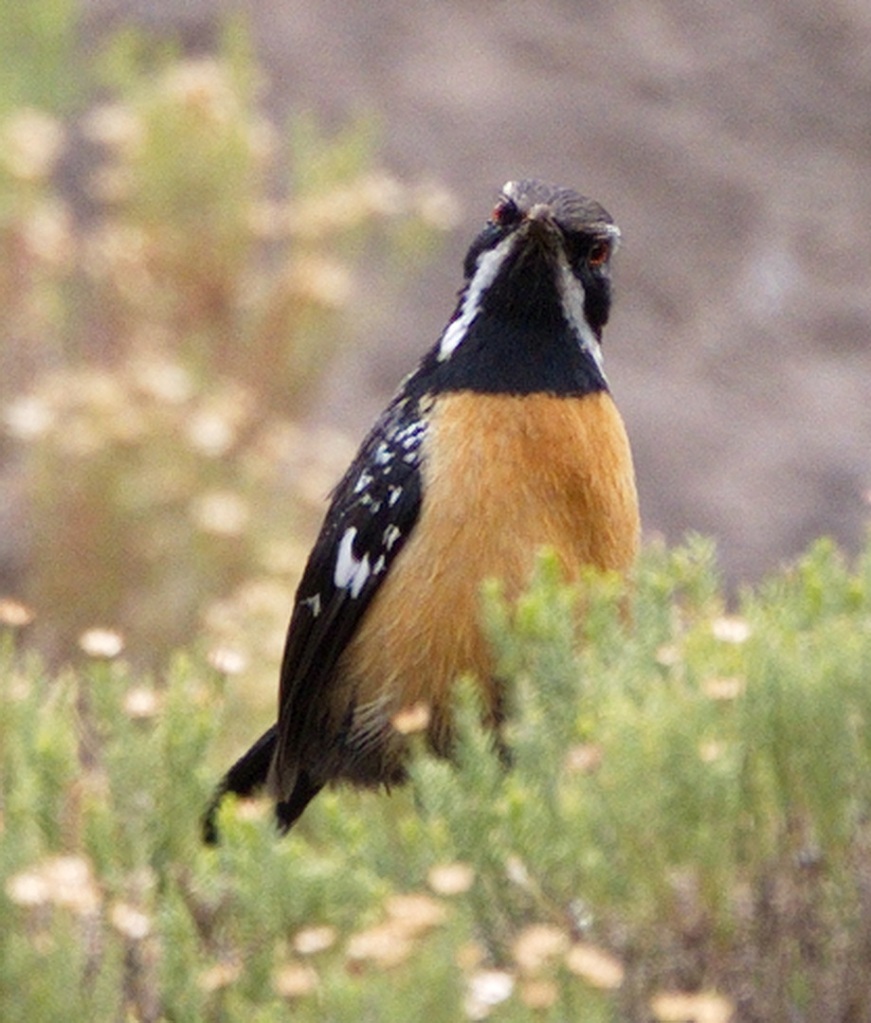

It was a long day but extremely enjoyable. The birds were exciting to see in their natural habitat. But there was more to come.
Stuart lives in Himeville. His home is a bird sanctuary. Stuart invited us to come round at 18h00 to see a special bird that habituates his garden and appears every evening to enjoy a bath and devour some mealie worms.
On arrival, the drizzle began again. However, we sat quietly on Stuart’s verandah with eyes peeled on a particular spot in his garden less than 10 metres away. Sure enough, the bird appeared on schedule. Setting my camera on 40000 ISO, I managed a few shots before the darkness engulfed us.

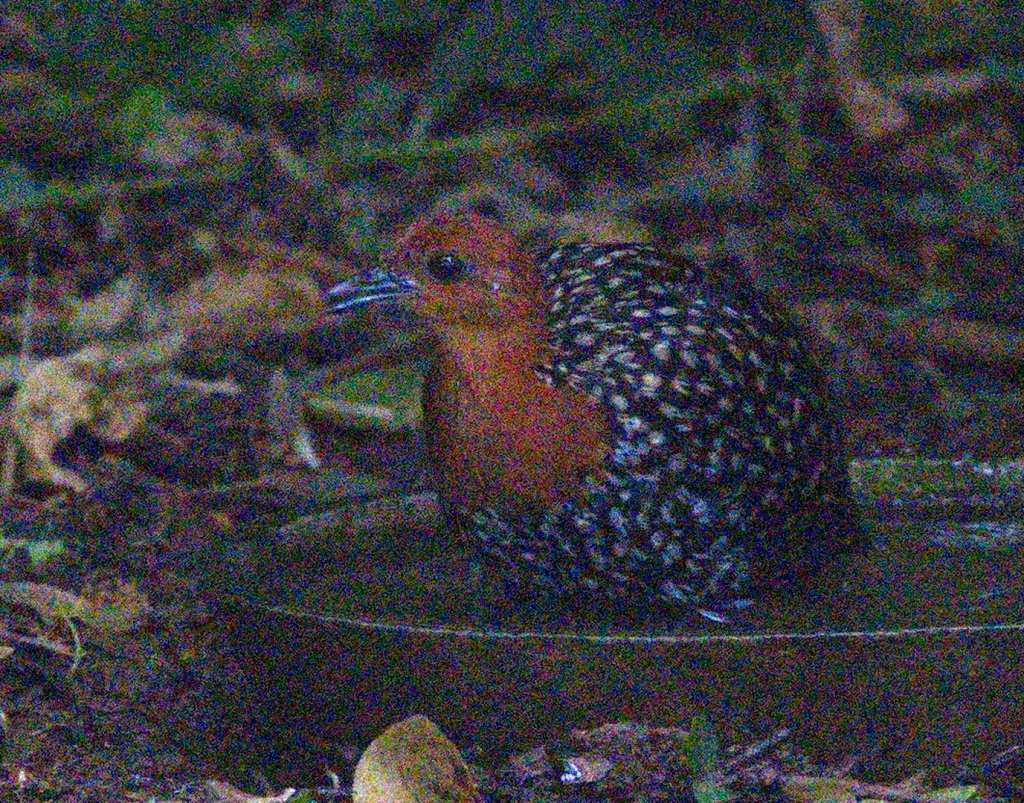
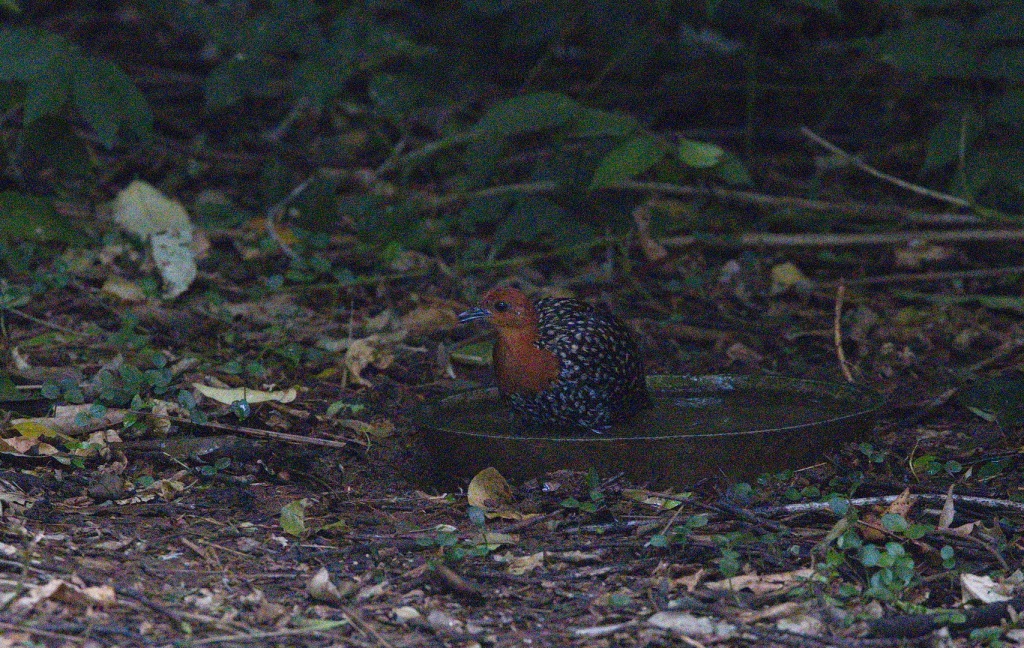
What a treat.
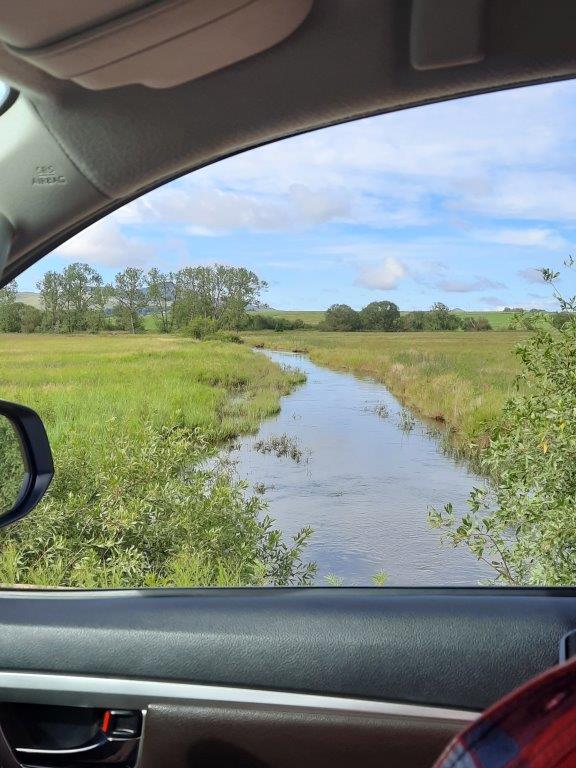
The next morning we got up early and explored a road which Stuart mentioned to us. A wetland area and a location for cranes. Not to be disappointed we saw scores of Grey-crowned Cranes as well as a few Blue Cranes. The cranes were set far away from us so sadly no photos.
At the wetland area we spotted several Yellow Bishops and Long-tailed Widowbirds. There was also a raptor seen at a distance. It was a Harrier which appeared to have a pale head though it was hard to be sure.


Altogether we identified 89 differnent bird species. Click on the link to see our list.
Hope you enjoyed the read and photos.
Paul and Sally Bartho


















 Birds are our Story