Birding England in August

Sally and Paul Bartho

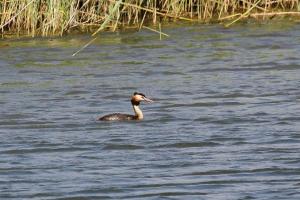
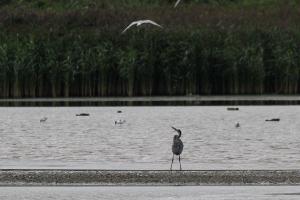
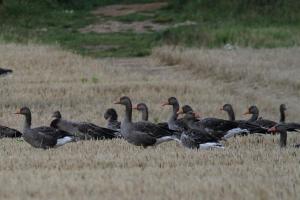
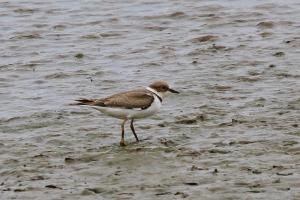
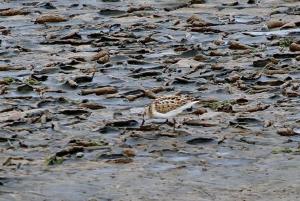
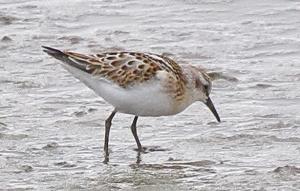
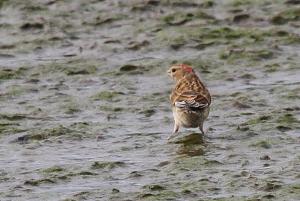
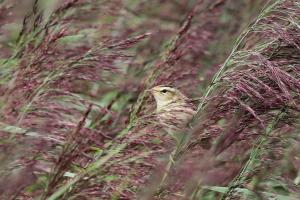
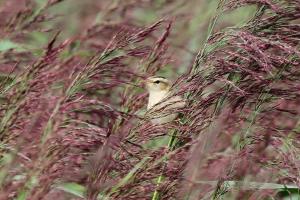
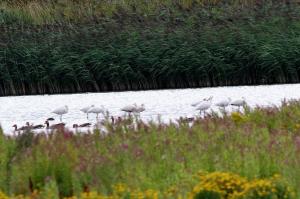
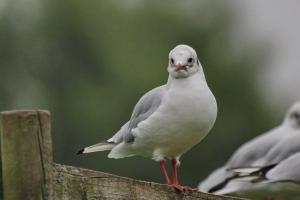
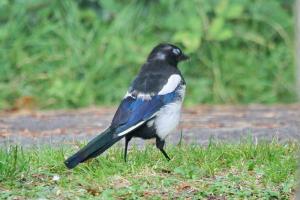
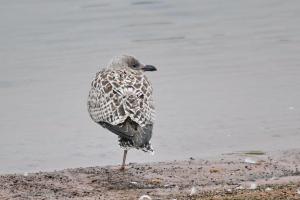
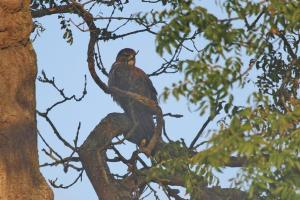
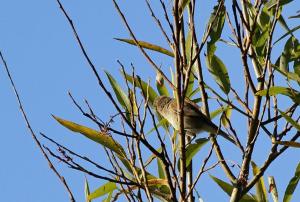
This is not the best time of year to see birds in England – breeding waders are changing from their summer plumage and migrants have yet to arrive. We were here for a wedding so took our chances anyway. Unfortunately the weather was rather wet and gloomy and photography suffered too as a consequence.

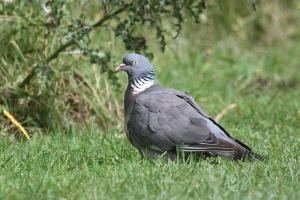
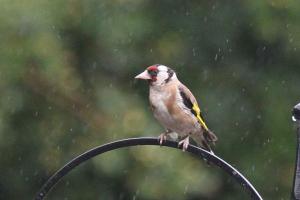
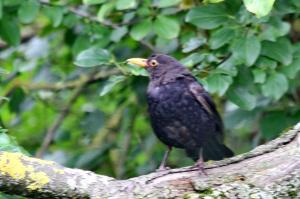
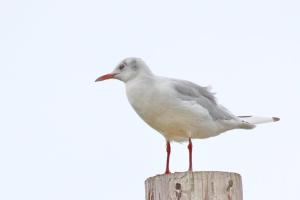
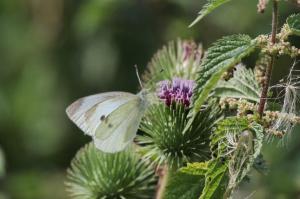
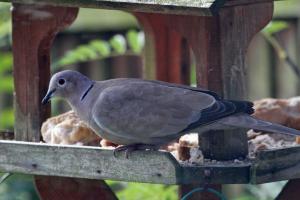
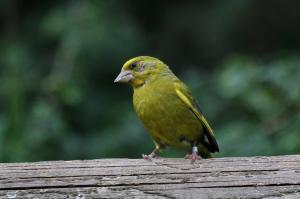
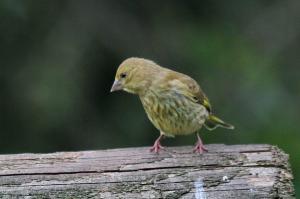
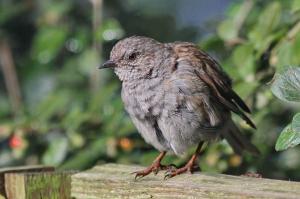
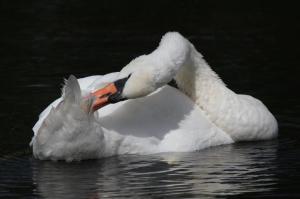
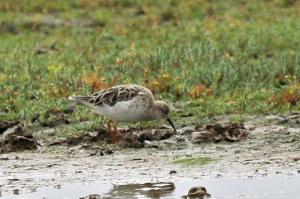
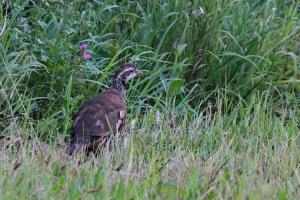
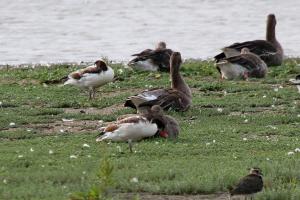
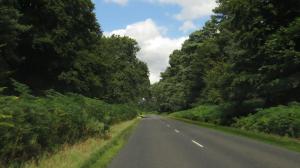
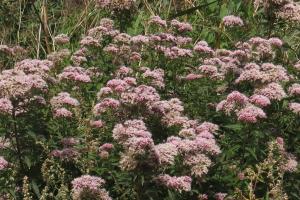
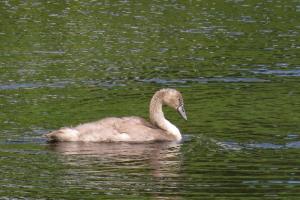
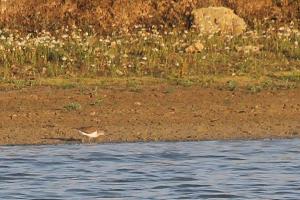
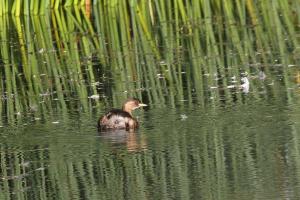
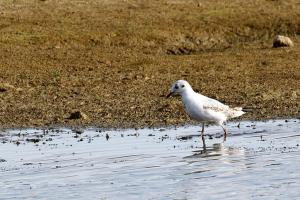
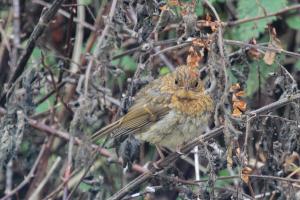
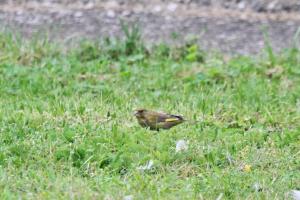
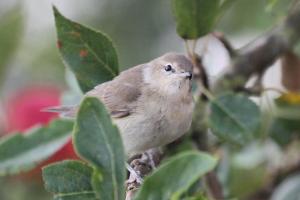
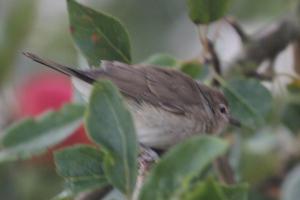
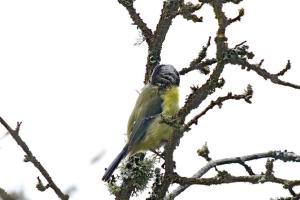
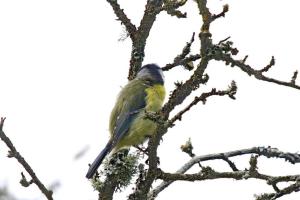
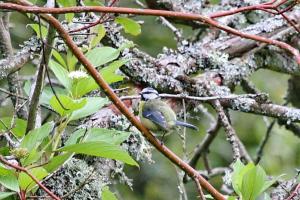
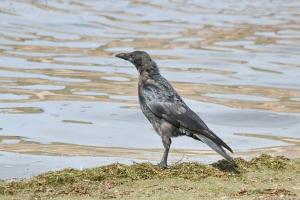
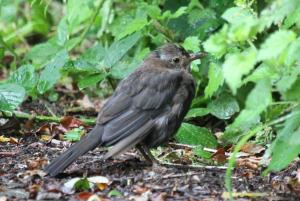
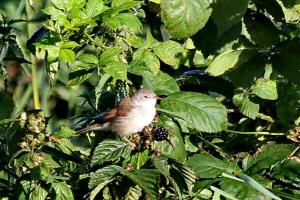
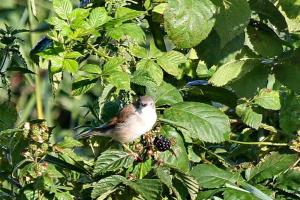
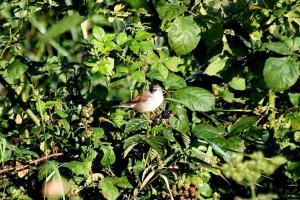
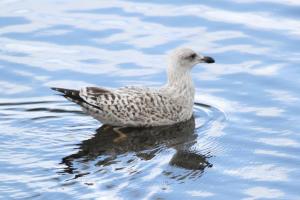
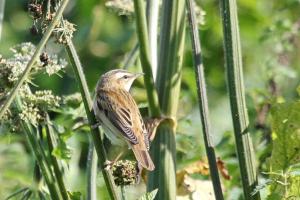
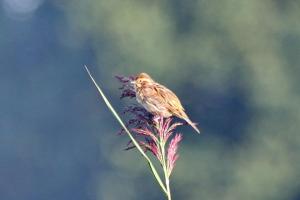
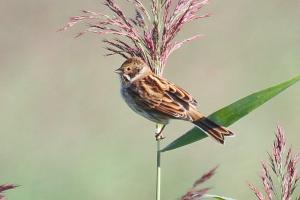
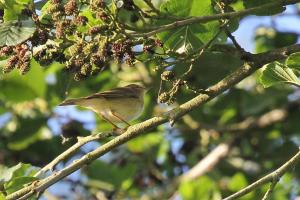
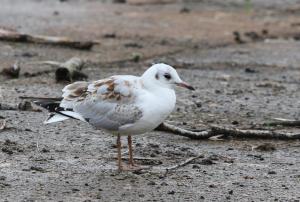
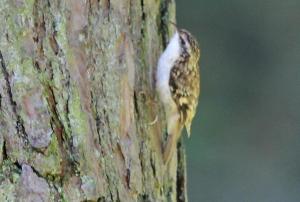
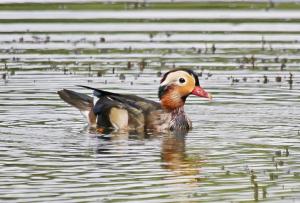
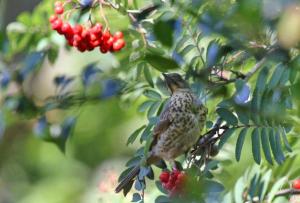
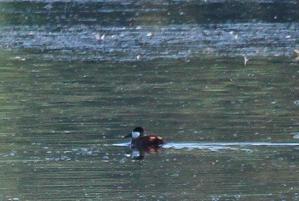
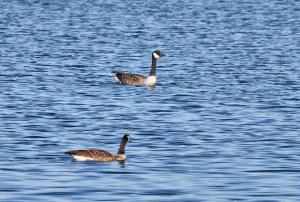
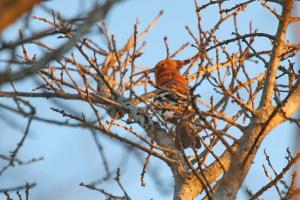
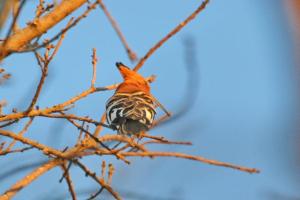
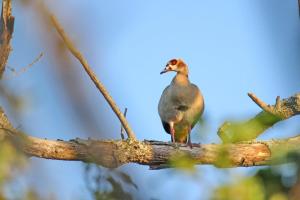
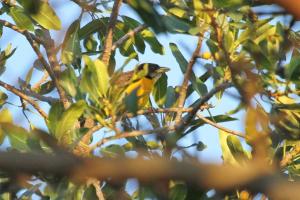
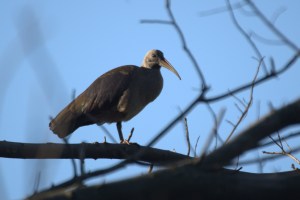
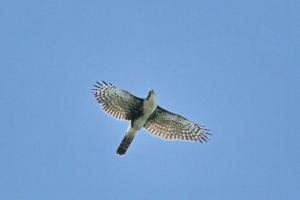
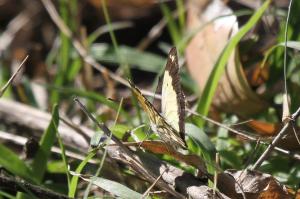
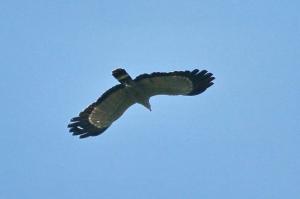
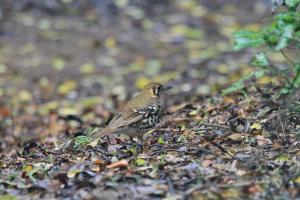
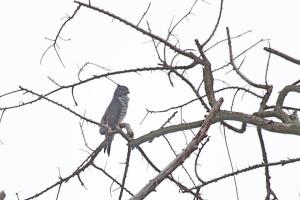
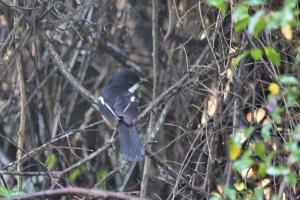
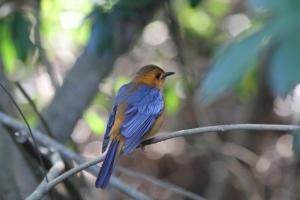
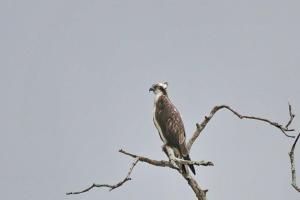
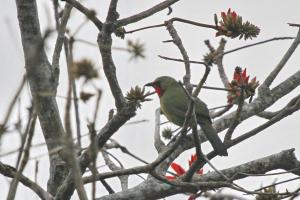
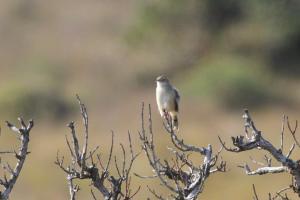
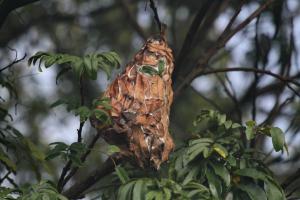
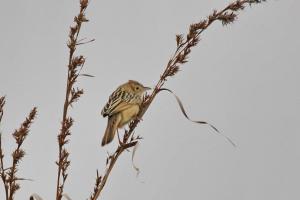
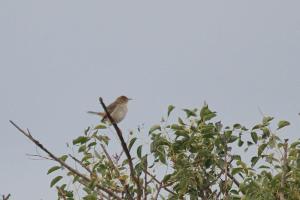
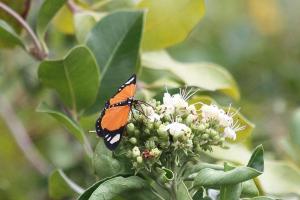
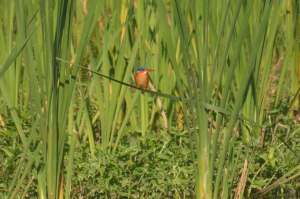
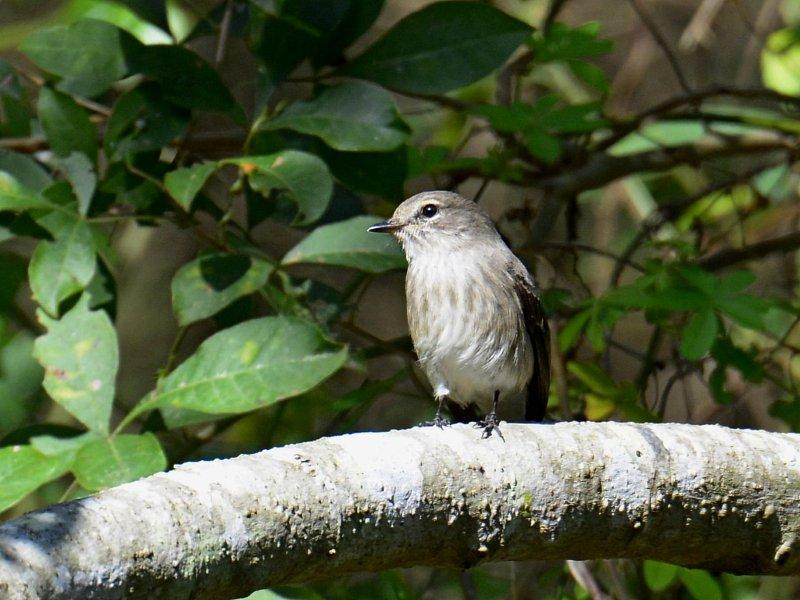
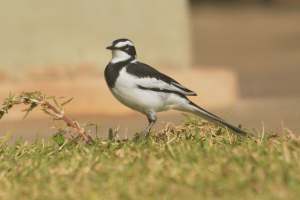
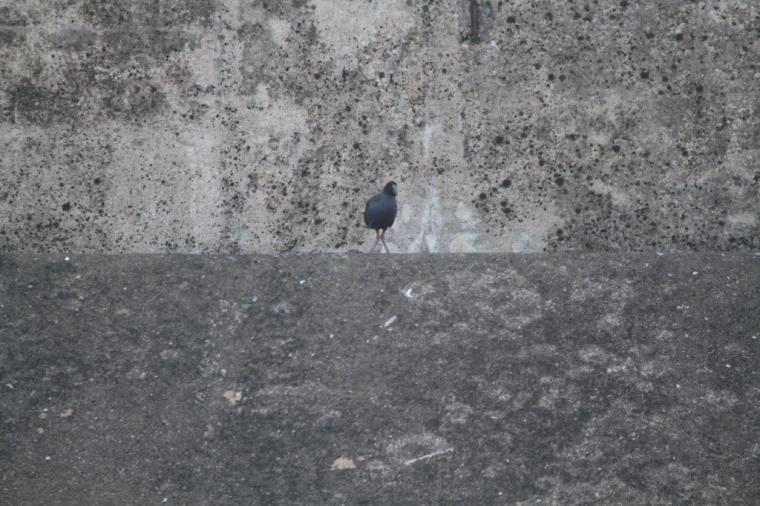
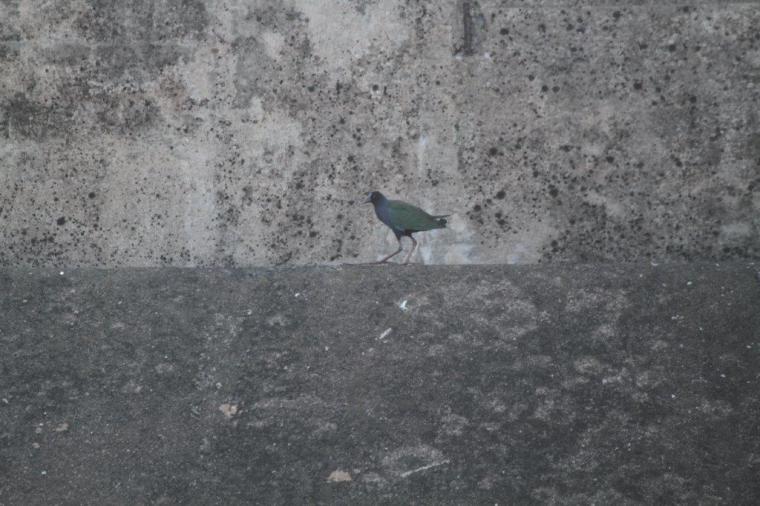
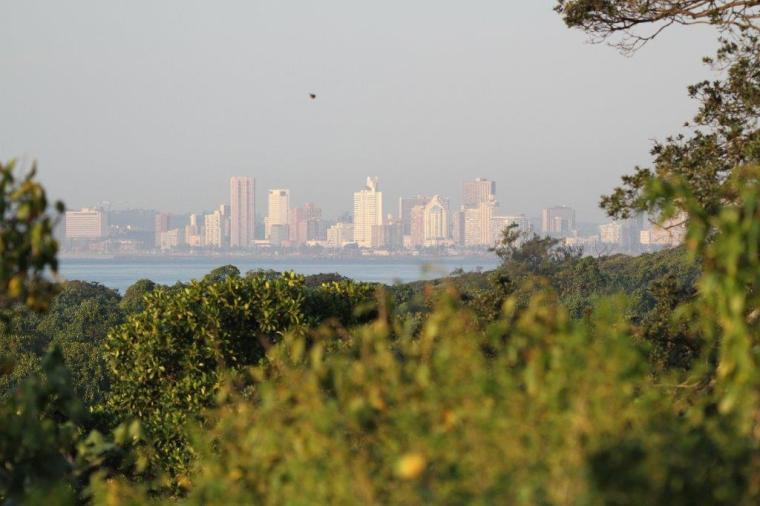
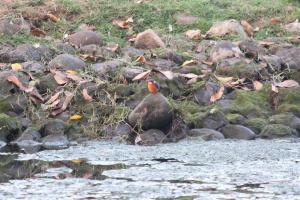
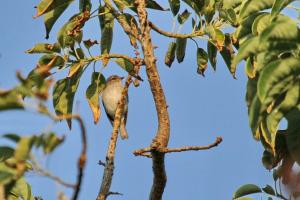
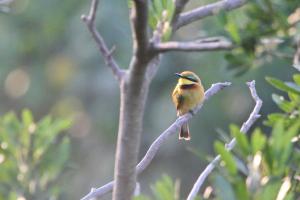
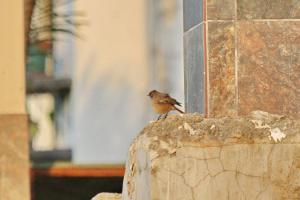
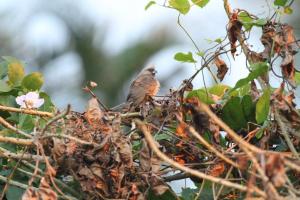
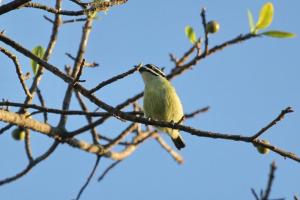
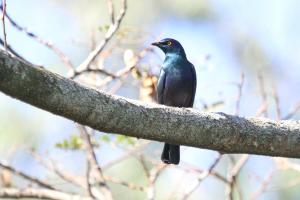
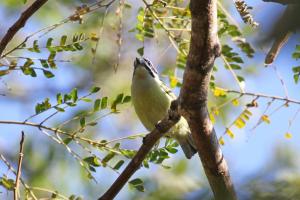
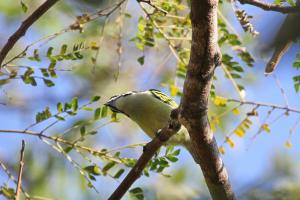
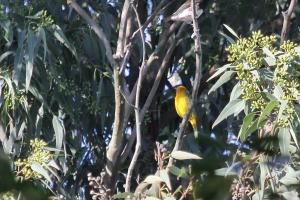
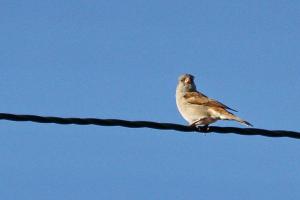
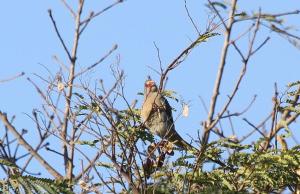
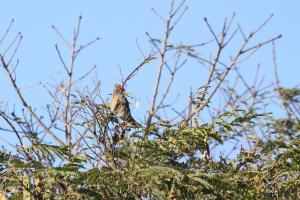
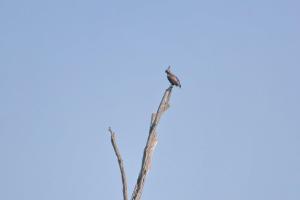
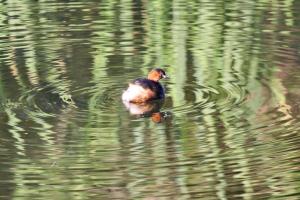
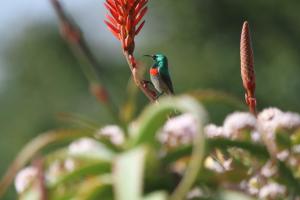
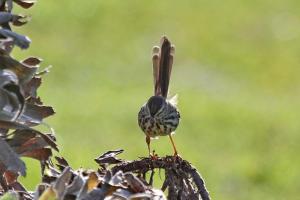
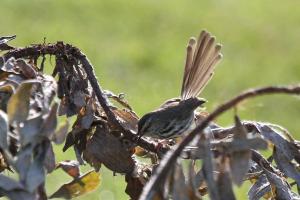
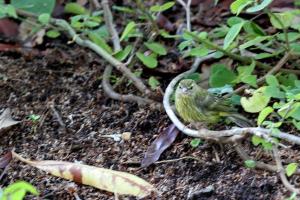
Some birds around the wedding venue near Whitney:

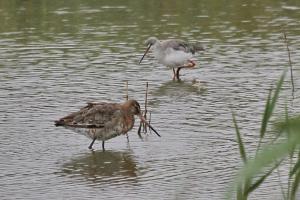
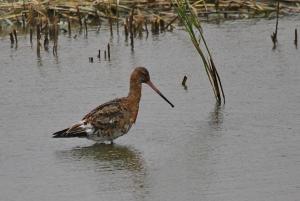
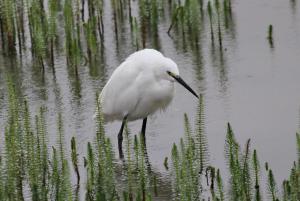
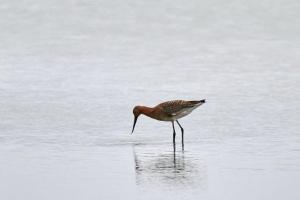
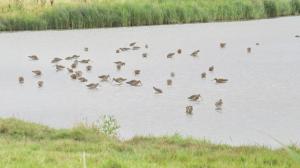
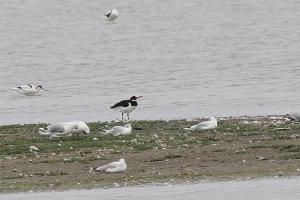
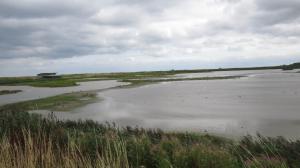
We headed for Norfolk and visited Minsmere, Cley, Titchwell Marshes and Lakenheath over three days. Wet and overcast weather greeted us at each place. Of these our 2 favourites were Minsmere and Titchwell Marshes. They have excellent hides and the waders were varied and plentiful. Minsmere also had woodland/forest habitat.

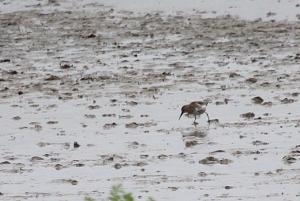
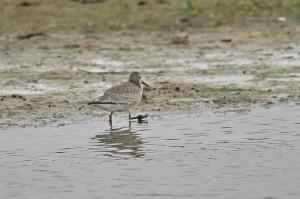
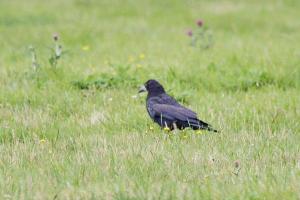
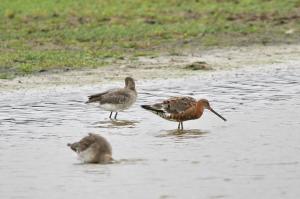
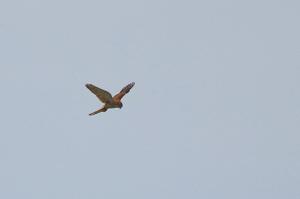
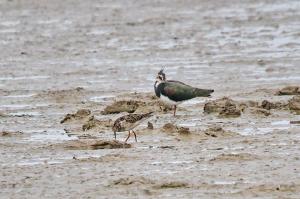
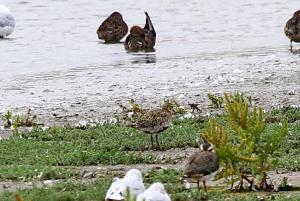
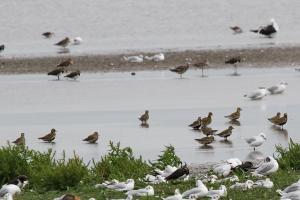
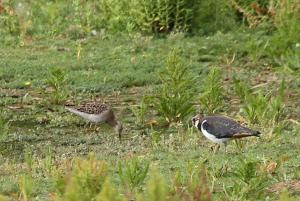
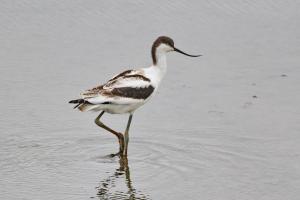
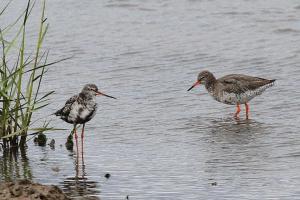
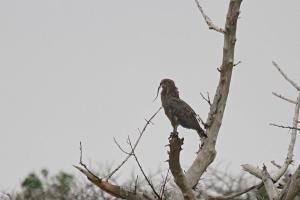
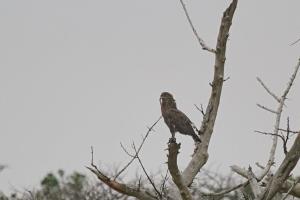
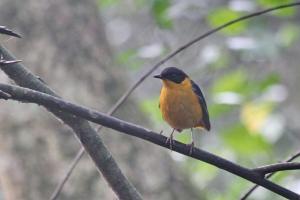
Here are some pictures of some of the birds seen.

Minsmere:

Cley:

Titchwell Marshes:

Lakenheath:

Although the birds are plentiful in these areas, they are very distant and a scope is essential. And because the areas are quite vast, cycling from one location/hide to the next is a good option. You get there quicker and it saves your poor old knees.

From Norfolk we headed back to Chew Magna – south of Bristol. On the way back our timing coincided with the Rutland Birdwatching Fair. We visited the spectacle. It is amazing the number of birding people who were present. There must have been well over 1000 cars in each of the 3 car parks and another field full of campervans etc for overnighters and exhibitors. The Fair had 8 huge marquees – each at least 50 metres long; 3 venues for talks plus an enormous event marquee. Then there were the tents for food and drink as well as other displays for optics and cameras. This is all nestled among the numerous birding tracks and hides – well over 20 hides – so lots of walking. If you ever want to find out about birding in any country then this is the place to visit. Every country and in some cases different regions in a country seems to be represented by at least one tour operator. Very impressive occasion.

Rutland birds:

The following days we explored reserves around Bristol going as far afield as Exeter on the south coast. Each day was dogged by rain unfortunately so variety of birds seen was poor. We went to Chew Lake, Exeter (and the RSPB reserves close by), Ham Wall/Shapworth Heath (twice) and Swell Wood.

Some birds in and around Chew Magna and Chew Lake – just south of Bristol;

At Ham Wall and Shapworth Heath:

And at Exeter on a very wet day:
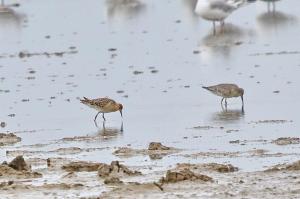
Finally on our second last day we had sunshine and spent the day in the Forest of Dean with a fellow birder – Nigel Milbourne. It was excellent having someone so locally knowledgeable. Nigel took us round all the potential areas in the Forest of Dean and then spent the next morning showing us around Blagdon Lake – an area to which we look forward to return one day.

Here are some of the birds photographed in the Forest of Dean:
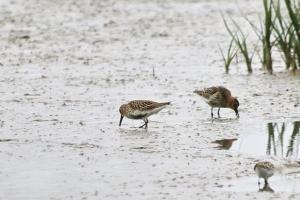
And some birds around Blagdon Lake (just south of Bristol):

Finally, midday on our last day in the UK we met up with Nigel to recover the scope which we left in the back of his vehicle. He suggested we have a go at finding a Dipper in the Pensford area. Off we went to the first bridge, then the second, then the third and finally another – but without luck. We searched up and down along the banks of each of the fast running areas without luck. They like fast running water and not too deep.

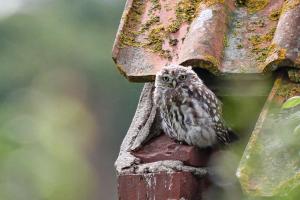
However we did bump into a Little Owl.
Then on the way back we crossed back over a bridge we had not stopped at since the water was barely flowing and deep and there were repairs being made to it with workmen on it. Fortunately we were travelling quite slow through the repairs and I spotted our Dipper. The British Dipper is unique in that it has a chestnut band below the white bib. This can be seen in the photos below.

A lovely way to end our birding in the UK.
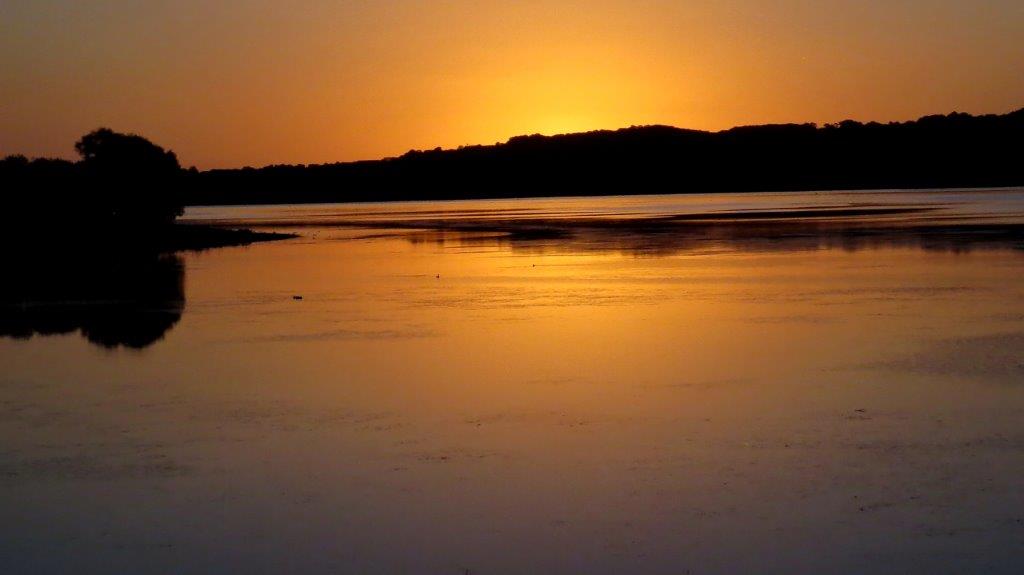
Dawn or Dusk
Dawn or Dusk

Paul and Sally Bartho

Next – France for 10 days with family and some birding.
 

Pigeon Valley

Sally and I popped in to Pigeon Valley for an hour midday today. Here are some of the photos taken.

Paul Bartho


Vumbuka Saturday 1 August.

Report on our Saturday outing- Elena Russell

15 hardy souls braved the very early morning start – we gathered by the light of a full moon and it was very very cold!!

Full Moon Greeted us on Arrival

As we headed off for Vumbuka the ‘quick’ of an African Goshawk could be heard high above us in the sky – intoxicating stuff!

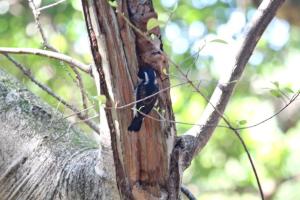
Vumbuka is fabulous – walking through the forest we were accompanied by the dawn chorus. Our tiny hands may have been frozen but we were having fun. The birds were hunting for the sunniest spots. The White-eared Barbets had found an excellent dead tree in which to perch and catch the sun and an African Hoopoe was calling high up in an adjacent tree. We could hear a Black Sparrowhawk calling in the distance but it was only later in the day that we had great views of the Spars. Red-fronted & Yellow-rumped Tinkerbirds, Yellow-fronted Canaries and Cape White-eyes were everywhere feasting on the figs. Plenty of Sombre Greenbuls, Dark-capped Bulbuls, Dusky, Paradise and Black Flycatchers. Brief glimpses of Tambourine Doves and Yellow-bellied Greenbuls.

Excellent sightings of Grey Cuckooshrike, Sunbirds; Amethyst, Olive, Grey & Collared, Weavers; Thickbilled, Spectacled, Village and Dark-Backed. Yellowbreasted Apalis were calling and a Bar-throated Apalis was seen later at the gazebo. Natal Robins (Red-capped Robin-Chat), Southern Black Tit, Fork-tailed Drongos. Black-collared Barbets and the calls of Purple Crested Turacos and Southern Boubou kept the list ticking up nicely.

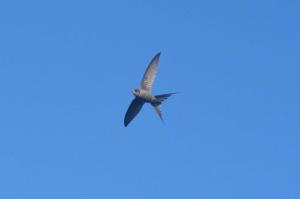
Walking back through the grasslands we had masses of Palm Swifts, Black Sawwings and quite a few Lesser Striped Swallows (presumably they over-wintered on the balmy South Coast). Tawny-flanked Prinias, Speckled Mousebirds, Bronze Mannikins and a Black-headed Heron.

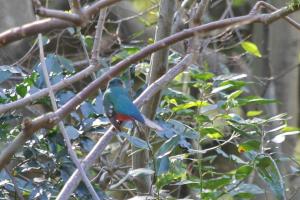
We had our tea at the gazebo and our count at that stage was 54. After tea we went on down to Umbogavango and at that stage we had decided the bird of the day was the Grey Cuckooshrike but driving into Umbogavango we good views of a female Narina Trogon. We quickly parked and hurried back up the road with the rest of the group and managed to get some good photos of the beautiful bird.

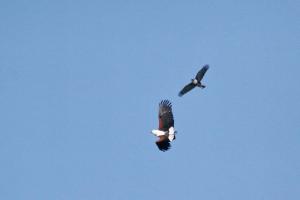
We then went on another walk – and added some really nice birds to our list. An African Fish Eagle was being harassed by the Black Sparrowhawks, White-bellied Sunbird, Little Bee-eaters, Giant and Malachite Kingfishers, Red-backed Mannikins, Hamerkop, Cape Wagtail, Olive and Kurrichane Thrush, Sacred Ibis and Woolly-necked Storks flew overhead, Little Rush and Lesser Swamp Warblers in the reeds and we thought we had done pretty well but of course Jenny, Rowena and Vauneen who had stayed behind in the hide picked up Lesser Honeyguide and Green Twinspots (drat) – in total our bird count was 80!!.

The photo of the tree with the pretty white flowers – Tabernaemontana Ventricosa or in plain English a Toad Tree.

The Erythrinas – Lysistemon and Caffra were in full bloom and plenty have been planted all over this pretty reserve.

Thanks to John, Dave, Paul and Hennie for the pics.

Cheers

Elena

Kenneth Stainbank NR 2 August 2015

Mike Roseblane, Jane Morris, my wife Sally and I visited Kenneth Stainbank NR last Sunday. Here are some photos taken while there. The bird of the day was a very obliging Red-fronted Tinkerbird.

Paul Bartho

Paul

St Lucia July 2015

Report by Paul and Sally Bartho

Monday 20 July to Friday 24 July 2015

Sugarloaf campsite in St Lucia was not too busy. School holidays had ended. There was water rationing in St Lucia which meant that one day we had no tapped water but the rest all day. Water bottles were laid out at each of the ablutions blocks. Power cuts were from 5 to 6 pm several nights – yes only one hour.

We spent a morning in each of the two parts of the Isimangaliso Wetland Park – Eastern and Western Shores. And one morning in the Gwalagwala trail. Time was spent on the beach too, though the gulls and terns were mostly down the coast chasing the sardines. No Franklin’s Gull!

The weather was mostly kind to us and we did have rain on several nights which helped to bring out the birds the following mornings.

In all we identified 63 birds in Eastern Shores, 64 birds in Western Shores and 82 birds in and around the campsite, Gwalagwala trail and on the beach. In total 125 different bird species were identified. Click here to see the lists.

Here are some photos of the birds seen.

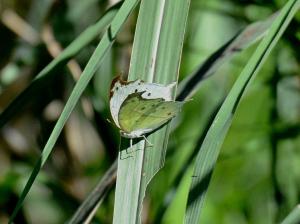
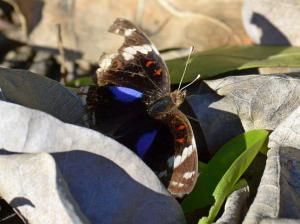
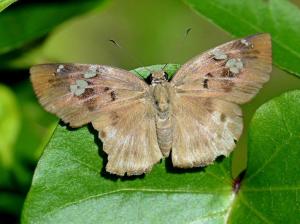
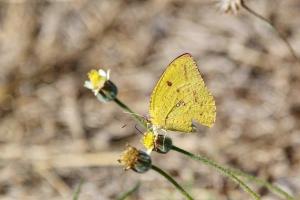
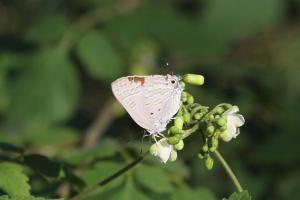
And a few butterflies and mystery Cisticolas for ID.

Simbithi July 19th 2015

Report by Jenny Rix

We had a lovely sunny day for our outing to Simbithi on Sunday the 19th July

Eighteen birders came including two environmental ladies from Simbithi. Margi Lilianveld organised all our security codes so that we could get through the security. Many thanks to her.

We drove down to the Fish Eagle dam and met up with Elayne Tranter who was the other environmental lady. We decided to do the Mfuleni Trail and split into two groups, the one doing the trail clockwise and the other anti clockwise.

Birding around the Fish Eagle dam was rewarding with Village Weavers very busy building their nests and collecting nesting material. We saw the Goliath, Black-headed, Grey and Purple Herons, the Common Moorhen, Burchell’s Coucal, the White-eared Barbet and lovely views of the Malachite Kingfisher.

Birding along the pathway was quiet as it was still in shade but as we reached the beginning of the pathway into the forest the sun was shining and the birds were all there. We had wonderful sightings of the Red-fronted Tinker Bird, White-browed Scrub-Robin, Tawny-flanked Prinia, Olive Sunbird, Black Cuckooshrike and a very fast flyby of the Grey Waxbill.

The mature riverine forest growing along the stream was beautiful with many trees over 100 years old. A lot of the trees were named and along the path a camera had been placed to capture the night animals. Sunbirds were plentiful and we saw Amethyst, Collard, Grey, Olive and Purple-banded Sunbirds. The Black-collard Barbets, Crested Barbets, Sombre Greenbul and Yellow-bellied Greenbul were calling and we had a quick fly past of the Tambourine Dove.

When we reached the other side of the Fish Eagle dam there were a lot of Bronze Mannikins and we saw two nests and then another three built under the eaves of a house – just like the swallows do. It had us all fascinated.

In the open grassland area we heard the Neddicky and saw the Lesser-striped Swallow – that was a surprise, White-rumped Swift, Little Swift and African Palm Swift. Walking alongside the dam we saw the Black-throated Wattle-eye, lovely sightings as the bird sat still for quite a while.

In the next patch of grasslands we saw the Yellow-fronted Canaries and the Dusky Flycatcher. The next part of riverine forest we saw a lot of orchards growing on the trees but unfortunately they were not flowering.

African Dusky Flycatcher

We met up with our other group there and they had seen an African Crake at the Heron Dam. Elena was delighted as it was a lifer for her.

We eventually reached the dam but the African Crake had disappeared but we did see the White-throated Swallow, Little Rush Warbler, Spur-winged Goose and heard the Fish Eagle calling.

On the way back to the Fish Eagle dam we heard Yellow-breasted Apalis and saw a Kurrichane Thrush. We had tea at the Fish Eagle Community Centre, very civilized with table and chairs provided and whilst having tea we saw the Red-capped Robin Chat, two sparrow species, the Yellow-rumped Tinker Bird and another good sighting of the Purple-banded Sunbird.

We managed to see 78 birds altogether which is not too bad for a winters birding. The bird of the day – African Crake.
Photos courtesy of Decklan Jordaan and Dave Rimmer.

Egg on the deck
Egg on the deck

Jenny Rix

Beachwook Golf Course

Led by Cecil Fenwick

Saturday 27 June 2015

Sally and I took a stroll around Beachwood Golf Course with Cecil Fenwick. Although this is not a club outing Cecil and  friends usually have a stroll around either Beachwood or Royal Durban golf courses on the last Saturday of each month.

Here are some of the photos of birds seen on our visit.

Paul and Sally Bartho

Umbogavango and Vumbuka

Led by Barry Swaddle

Sunday 28 June 2015

Eleven birders gathered at the entrance to AECI in Amanzimtoti. The plan was to bird in Vumbuka. However Barry suggested we visit Umbogavango first as his reconnaissance the previous week had revealed that Vumbuka was quiet by comparison.

Barry took us into the grassland area behind the ablutions and then around the site visiting the bird hides and through its many various habitats.

Altogether 77 bird species were recorded including a number of raptors – African Crowned Eagle, African Fish-Eagle, Long-crested Eagle, Lanner Falcon and Black Sparrowhawk. To view the list click here.

Here are photos of some of the birds seen.

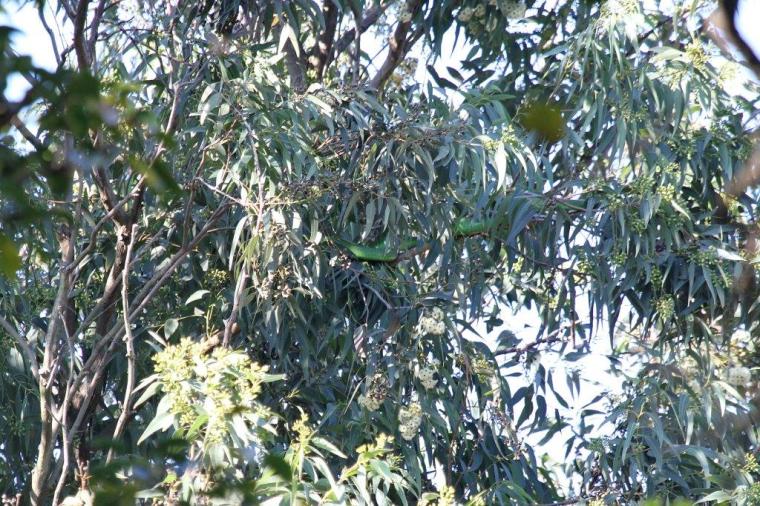
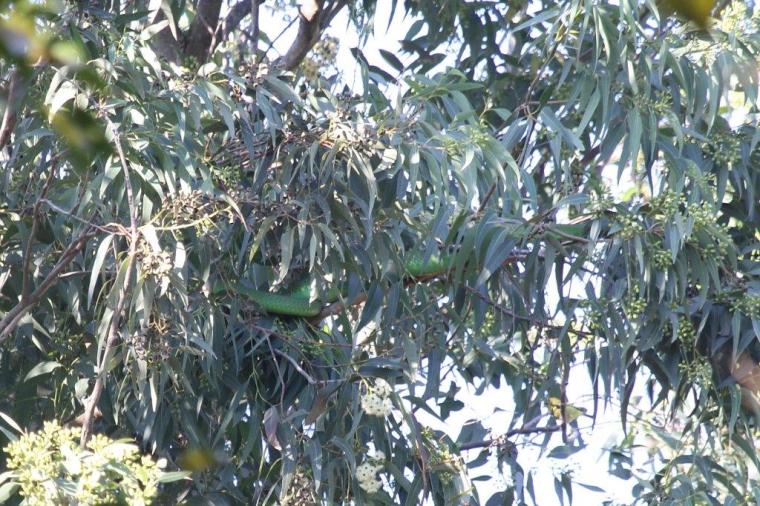
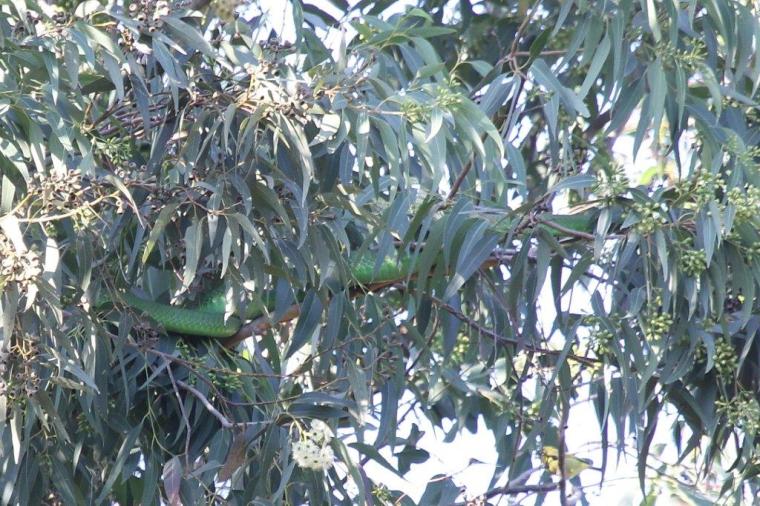
The most interesting sighting was not that of a bird. Sally searched for why birds were going crazy in a distant tree when she spotted a rather large Green Mamba in the tree next to all the action.

After several hours at Umbogavango we headed for tea at the newly refurbished Lapa in Vumbuka. The Lapa has been extended and can seat many more people under shelter. There are also braai facilities available.

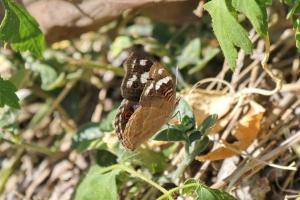
Several of us took a stroll around a section of Vumbuka after tea. Birds were calling but were few and far between – probably as it was already midday. However a number of butterflies were photographed and are included here to challenge your skills at IDing them.

Paul and Sally Bartho

Kirstenbosch

Sally and Paul Bartho

First it was Black River and the Snowy Egret then Stranfontein and finally Kirstenbosch – the third and final part of our quick visit to Cape Town.

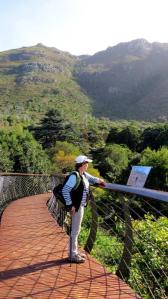
Kirstenbosch National Botanical Gardens is one of those special treasures any country would be proud of. Recently they added an aerial boardwalk.

We had a number of pleasant surprises with birds that we saw.

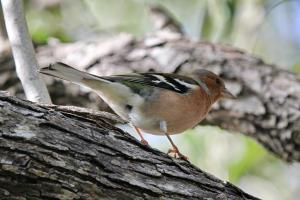
The first was a Common Chaffinch. Stopping for a sit-down Sally noticed a bird in a distant bare tree. Unable to see exactly what it was, she took a  photo and zoomed in. It became obvious that it was a Common Chaffinch. So we went to see if we could get a closer look and it obliged.

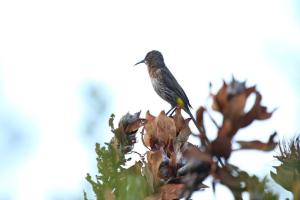
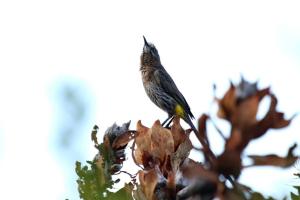
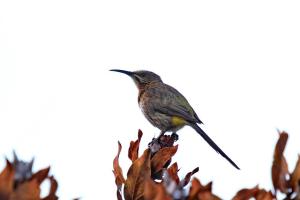
Towards the end of our visit and still quite high up, we heard a call which Sally did not recognise. On investigation it turned out to be a pair of Cape Sugarbirds. Another pleasant surprise.

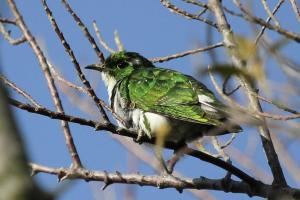
Then as we started to head down we were surprised by a Klaas’s Cuckoo.

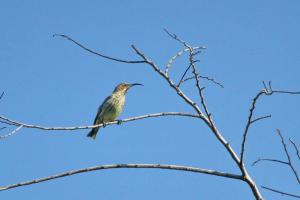
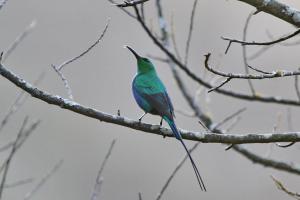
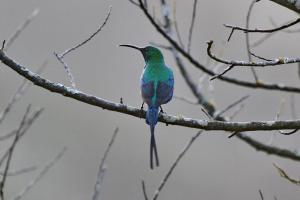
As if that was not enough we turned round to watch another bird settle in a bare tree beside us – a Malachite Sunbird.

As we reached the Protea garden we kept our eyes open for an Orange-breasted Sunbird – a species we rather hope to find. Very elusive. We had seen dozens of Southern Double-collared Sunbirds so were optimistic. Then playing its call we realised why they are so elusive. The Southern Double-collared Sunbirds made it clear that they did not want to hear that species on their turf. We weren’t exactly dive bombed but their calls in response to the call and their closeness made it obvious.

Some photos of other birds seen at Kirstenbosch:

Eventually it was time to return home but we left with a strong desire to return. Lets hope for another Mega and a lot more Avios points!