For the record we had a good turnout +25 members & visitors and the bird count was +53.
Crispin Hemson joined us a little later and at the end when we were having tea and only a couple of people had seen the Spotted Ground-thrush he went off and looked for it and eventually most of us had good views. Unfortunately no sign of the Blue-mantled Crested Flycatcher.
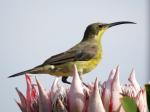
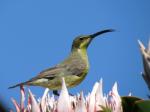
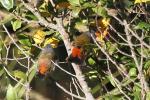
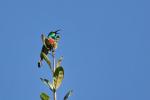
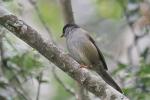
Collared Sunbird
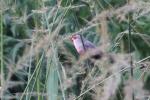
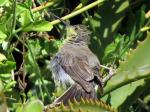
Tawny-flanked Prinia
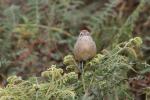
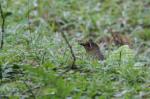
Spotted Ground-Thrush
Yellow-rumped Tinkerbird
Thanks to John Bremner and Dave Rimmer for the pics.
Bushwillow Park campsite is spectacular. Grassy, large flat sites, good hot water with great views and surrounded by mistbelt forest. It is located just beyond the Karkloof Conservancy 20 kms from Howick.
View
View from the mistbelt forest including one of the two cottages
View up through the campsite with the mistbelt forest as a background.
Looking down at the campsite and clubhouse
The clubhouse
View towards the clubhouse
Campsites towards the ablutions
Eleven of us braved the conditions – cold but not wet thankfully.
Some arrived early on the Thursday and enjoyed an extra day birding around the campsite. One of the first things noted was the abundance of seed available in the long grass attracting a host of Euplectes species (out of breeding plumage) and numerous Thick-billed Weavers.
Over the long weekend a lot was packed in.
Friday, everyone else arrived and enjoyed a stroll around the campsite followed by an evening braai.
Birds seen and photographed around the campsite include:
African Black Ducks
African Black Duck
African Stonechat
African Swee Waxbills
African Swee Waxbill
African Swee Waxbill
Amethyst Sunbird
Cape Wagtail
Black-backed Puffback
Cape Grassbird
Cape Grassbird
Diderick Cuckoo
Drakensberg Prinia
Drakensberg Prinia
Collared Sunbird
Collared Sunbird
Common Waxbill
Dark-capped Yellow Warbler
Dark-capped Yellow Warbler
Dark-capped Yellow Warbler
Dark-capped Yellow Warbler
Greater Double-collared Sunbird
Greater Double-collared Sunbird
Lazy Cisticola
Fork-tailed Drongo
Giant Kingfisher
Malachite Sunbird
Malachite Sunbird
Malachite Sunbird
Olive Woodpecker
Red-winged Starling
Southern Black Tit
Southern Black Tit
Southern Double-collared Sunbird
Speckled Mousebird
Speckled Pigeon
Thick-billed Weaver
Village Weaver
Yellow-throated Woodland-Warbler
Yellow-throated Woodland-Warbler
There was an exciting experience observing a host of Red-billed Queleas. Walking down a path with long grass on either side, Red-billed Queleas were seen and heard in numbers. At one point on the left going down they all flew up at once creating a loud “whooshing” sound. Then immediately on the other side behind there was a similar louder “whooshing” sound. It drew immediate attention. Expecting that there was another large flock of Queleas everyone looked round to see only 2 birds creating this noise. A Lanner Falcon hot on the heels of probably a Speckled Pigeon. No luck for the Lanner but we enjoyed the spectacle.
Saturday morning, a trek up one of the trails behind the campsite – an arduous walk through the mistbelt forest. It was all uphill and very steep in places – sometimes slippery. Going up was one challenge but coming down probably more so especially for those with dicky knees. The birding was quiet but those birds seen were special in particular Olive Woodpecker and Yellow-throated Woodland Warbler.
In the afternoon there was a visit to the Karkloof Conservancy and its two hides followed by another evening braai. Karkloof did not disappoint: Southern Bald Ibis and all three species of Cranes being the star attractions.
Some birds photographed at the Karkloof Conservancy:
Walk to Karkloof Conservancy bird hides
Twitcher’s Delight
White-faced Ducks in a row
Wattled Lapwing
South African Shelduck – male
South African Shelduck – female
Sacred Ibis
Little Grebe AHV
Black-winged Lapwings
Black-winged Lapwing
Wattled Cranes
Wattled Crane
Grey-crowned Cranes
Blue Crane
Blue Crane
Blue Crane
Blue Crane
Bald Ibis
Bald Ibis
Bald Ibis
Sunday, a stroll round Benvie on a cold and overcast morning – a garden paradise with many specials seen.
The rest of the day was downtime in and around the campsite.
Benvie Gardens
Benvie Gardens
Benvie Gardens
Samango Monkey – Big Daddy
Knysna Turaco
Knysna Turaco
Long-crested Eagle in silhouette
Mountain Wagtails
Olive Thrush
Southern Boubou
Bush Blackcap
Orange Ground-Thrush
Chorister Robin-Chat
Monday, a time to do last minute birding and to reflect and prepare for departure.
In all 94 bird species were seen and or heard including many of the specials in the area.
Some of the special birds seen and or heard included Bush Blackcap; Olive Bushshrike; Forest Canary; Blue, Grey-crowned and Wattled Cranes; Grey Cuckooshrike; African Black Duck; Lanner Falcon; African Goshawk; Scaly-throated Honeyguide; Southern Bald Ibis; Cape Parrot; Drakensberg Prinia; Chorister Robin-Chat; South African Shelduck; Red-necked Spurfowl; Malachite Sunbird; Orange Ground-Thrush; Knysna Turaco; Mountain Wagtail; Dark-capped Yellow-Warbler; Yellow-throated Woodland-Warbler; Swee Waxbill; African Wood-Owl; Olive Woodpecker.
Please help with ID of these two sets of Sunbirds. Both sent to me by a resident of Le Domaine here in Hillcrest, Durban.
Click on the picture and add your comments below the enlarged Photo.
The First set:
The Second set:
The first 2 pictures in this sequence were taken on 4th April and the last one on the 19th April. Looking up at what? Scouring above could yield no clues – maybe you have an idea?
Crispin Hemson leads a short morning walk on the 2nd Saturday every month at Pigeon Valley. He has a Friends of Pigeon Valley Facebook page and a mailing list. You can contact him by email to confirm his outing at email: hemsonc@gmail.com.
This Saturday it was a beautiful morning and we were treated to a feast of sunbirds though none of them stayed still long enough to be photographed. Sandi du Preez felt compelled to hug one of her favourite trees; Chrysophyllum viridifolium. We also had some nice views of a Red-capped Robin-chat and heard many of them singing away all over the reserve.
Please enter your ID for each bird with reasoning by clicking on the image and writing your comments in the box below the enlarged image.
The following 4 birds were seen in the Satara area in March.
Greater Blue-eared Starling?
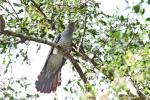
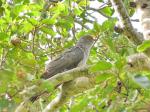
Cuckoo – which juvenile/female is this?
Cuckoo – which juvenile/female is this?
Common or African Cuckoo?
Common or African Cuckoo?
Common or African Cuckoo?
Common or African Cuckoo?
Grey-headed Sparrow but which one?
The birds below were seen at Lake St Bernard above the St Bernard Peak Hotel, just south of Underberg – a Chat? or….. what?. it was seen in the company of another Chat – second picture below.
There were 18 of us and our bird count was 51 but after sitting at the picnic site having our coffee and a good chat (no pun intended) we managed to add olive sunbird and a yellow weaver which brought the total to 53! We have had much better birding at the Bluff in the past but the morning started off with a nasty cold wind and the pond aka dam was rather sterile – a few Reed and White-breasted Cormorants, a Darter, Moorhen and Little Grebe. Later on from the hide we had Malachite Kingfisher and superb close ups of a Lesser Swamp Warbler – hopefully John will post some pics. We had lots of good bird parties but mainly of Mannikins, Weavers, Prinias, Batis, Flycatchers etc the best bird of the day must have been the Lesser Honeyguide – but only seen by a few. We had a Purple Heron and Lanner Falcons fly over and of course heard the Sombre and Yellow-bellied Greenbuls calling from every thick and leafy tree but never to be seen!! The Bluff is a good spot for butterflies and other bugs and some lovely ones were seen – again hopefully some pics will be posted.
21 Birders attended the SAPPI Hide outing so the group was split in two. One group staying at the hide and the other doing the walk through the picnic area for about a kilometre around the Hide Dam. This proved to be excellent birding with the assistance of two members having scopes. The group from the hide eventually joined the walking group.
Birdlist for the day amounted to 52 including 3 ticks for myself . Thanks to all the knowledgeable Twitchers who made the day a success.
The day ended with Bacon rolls for those who wanted and a lovely picnic enjoyed by all.
Some photos:
African Marsh Harrier
African Marsh Harrier
African Pied Wagtail
African Pied Wagtail
Burchell’s Coucal
African Spoonbill & Sacred Ibis
Comb Duck among Egyptian Geese
Comb Duck, Spur-winged Goose and Grey-crowned Crane
Comb Duck
Great White Pelican
Great White Pelicans
Comb Duck with Grey-crowned Crane and Spur-winged Goose
Hottentot Teal
Hottentot Teal
Little Stint
Little Stint
Mongoose
Mongooses
Mongoose
Osprey
Osprey
Pied Kingfisher
Ruff
Ruff
Ruff
Spur-winged Goose
White-faced Duck
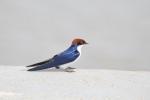
Wire-tailed Swallow
Wood Sandpiper
Wood Sandpiper
Wood Sandpiper
Wooly-necked Stork
African Darters
White-faced Duck
White-breasted Cormorants on nest with young
Water Monitor
Water Monitor among friends
Water Thick-knees
A sequence of a yawning Pelican:
Great White Pelican
Great White Pelican
Great White Pelican
Great White Pelican
Great White Pelican
Great White Pelican
Great White Pelican
Great White Pelican
Great White Pelican
Pelicans in flight and landing:
Great White Pelican in flight
Great White Pelican in flight
Great White Pelican in flight
Great White Pelican in flight
Great White Pelican in flight
Great White Pelican coming in to land
Great White Pelican coming in to land
Great White Pelican coming in to land
Great White Pelican coming in to land
A few people went back to the hide after the picnic and were lucky enough to see the Grey-crowned Cranes that were seen in a mating ritual earlier this month (and shown in an earlier post):
Comb Duck with Grey-crowned Crane and Spur-winged Goose
Have your say. Identify each of the sunbirds in the following photos. All seen in Hillcrest, Durban. When you enlarge each photo there is a box below it where you should write that bird’s ID.
Our original plan was to stay 3 nights camping at each camp – Crocodile Bridge, then Satara, Tsendze Bush Camp, Balule, Skukuza and Berg-en-dal. Unfortunately this was cut short due to the flooding and we left after 3 nights at Crocodile Bridge and Satara and 2 nights at Tsendze.
The journey to the Swazi border and through Swazi passed off uneventfully and we made good time although there were a few potholes to be essentially missed between Big Bend and the turnoff to Siteki.
Between the exit from Swaziland and Komatiport there were 3 sets of roadworks – each quite long but we were lucky at each and did not have to wait long – perhaps because we were looking for an excuse to have a cup of tea from our picnic basket.
Altogether from home in Hillcrest, Durban to Crocodile Bridge took us less than 8.5 hours – about 640 kms with 4 essential stops including 2 for diesel.
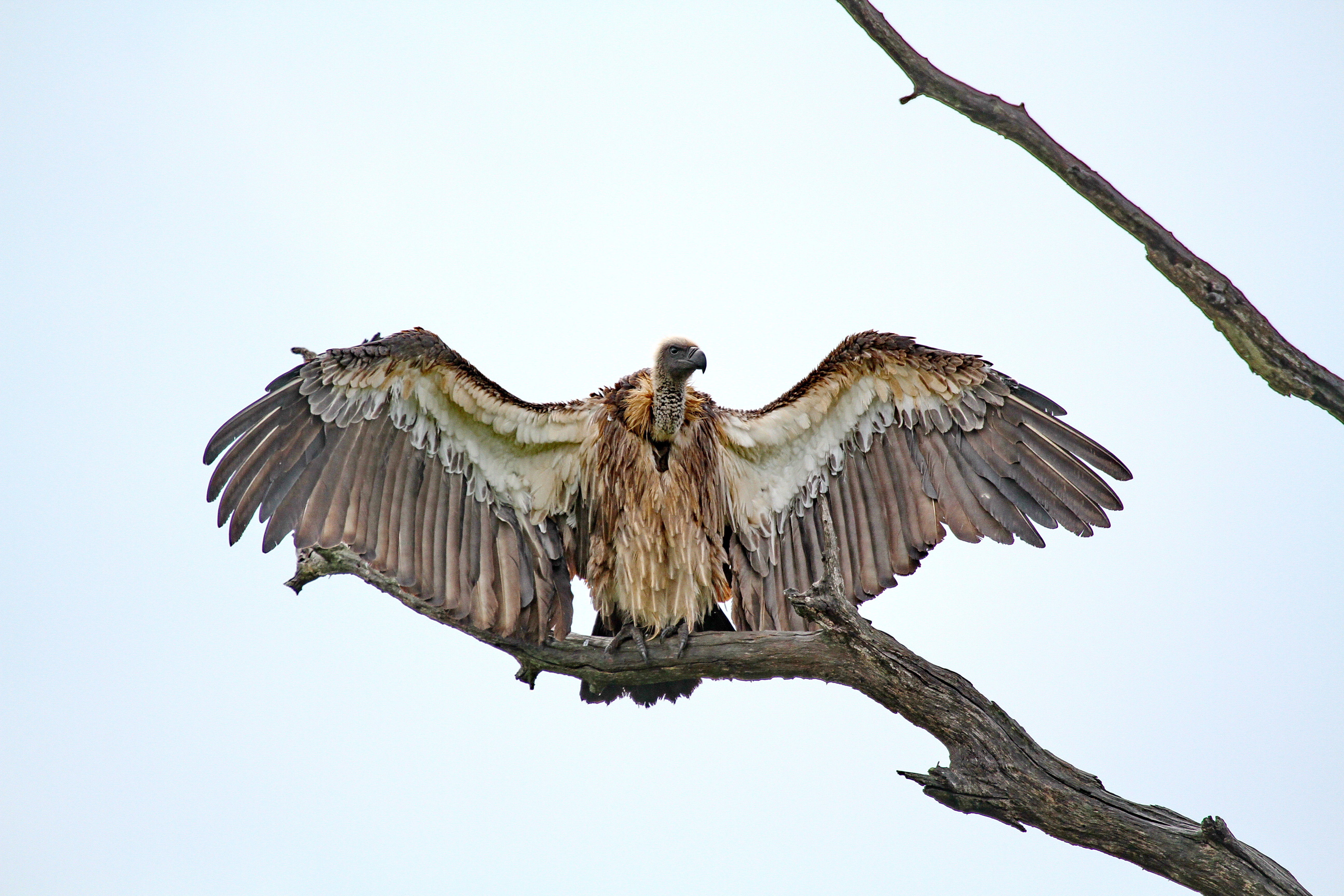
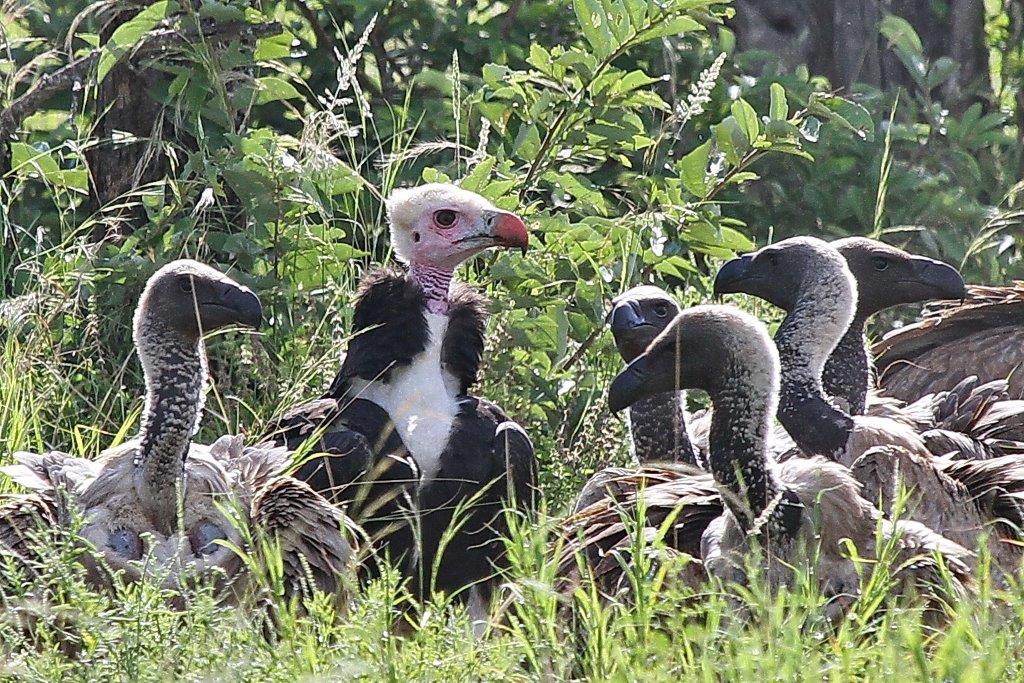
White-backed Vulture
Our main goal in the Crocodile Bridge area was to try and find the reported White-throated Bee-eaters along the S25. So off we set the first afternoon (after setting up camp). European Bee-eaters were aplenty and we saw the odd Carmine but no White-throated. Birds were plentiful however and in the three days there we notched up 135 different species – probably the most interesting being a Western Osprey, Lesser Grey Shrikes, Brown-hooded Parrots, Chestnut-backed Sparrow-Larks, White-crowned Lapwings and several Garden Warblers. The Garden Warblers were heard in the Lower Sabie entrance, along the road to the S28 from Lower Sabie and then at the hide along the S28. None was seen clearly unfortunately.
Woodland Kingfishers were calling -it seemed from every tree, Red-backed Shrikes were numerous and European Rollers everywhere and of course the Rattling Cisticolas were giving their all in their various styles. This was true everywhere we visited.
Rattling Cisticola
European Roller
European Roller
Woodland Kingfisher
Red-backed Shrike
An aside: We were unable to get onto the Lower Sabie decking overlooking the river because Mugg & Bean are revamping the restaurant. There was no indication as to when it was due to open.
Some bird photos:
Hippo heading for a raging river
Hippos fighting
Lappet-faced Vulture
Lesser Grey Shrike
Lilac-breasted Roller
Lion – male
Lioness
Lions – sleeping it off!
Magpie Shrike
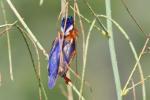
Malachite Kingfisher
Martial Eagle
Martial Eagle
Mystery Raptor
Natal Spurfowl
Purple Roller
Red-billed Buffalo-Weaver
Sabota Lark
Spectacled Weaver
Steenbok
Swainson’s Spurfowl
Terrapin looking for water
Verreaux’s Eagle-Owl
Wahlberg’s Eagle
Waterbuck – challenging
White Storks
White-browed Scrub-Robin
White-crowned Lapwing
White-fronted Bee-eater
Wire-tailed Swallow
Wood Sandpiper
African Fish-Eagle
African Green Pigeons
African Pied Wagtail
African Spoonbill
Amur Falcon – female
Bateleur – juvenile
Black-backed Jackal
Black-shouldered Kite
Brown Snake-Eagle
Brown Snake-Eagle
Brown-headed Parrot
Brown-headed Parrot
Buffalo – rather concerned about us.
Butterfly – which one
Chestnut-backed Sparrow-Lark
Common Sandpiper
Crowned Lapwing
European Bee-eater & European Roller
European Bee-eaters
Giant Kingfisher – male
Giraffe – hobbling youngster
Golden Orb Web Spider
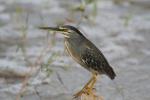
Green-backed Heron
Grey Hornbill
European Bee-eaters
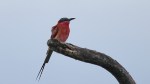
Carmine Bee-eater
Then there was the weather. First night pouring rain followed by an overcast and dribbly day and night. The second full day was cool, overcast but dry – until evening. We had dinner comfortably outside. Sitting there hearing the weather approach discussing this and that when a bushbaby suddenly appeared on the pole in front of us – not 3 feet away. So Tiny. Looking straight at us for a long time. We remained motionless transfixed – or whatever. Desperate to try and take a photo but fearful any movement would scare it away. It went to the ground beside us then appeared to fly a good 10 feet back in front of us and out of view – a truly amazing sight. “Flew” is the only word we could use to describe the action we saw.
Then the heavens let loose all night it seemed. A constant battering of water on our roof – for hours. Fortunately we had a second insulating layer over our rooftop tent and we remained dry. Packing up the next day was a challenge with the ground soaking wet – somehow we managed.
Off we headed for Satara via Lower Sabie and Tshokwane – overcast and cool and dry – luckily for us.
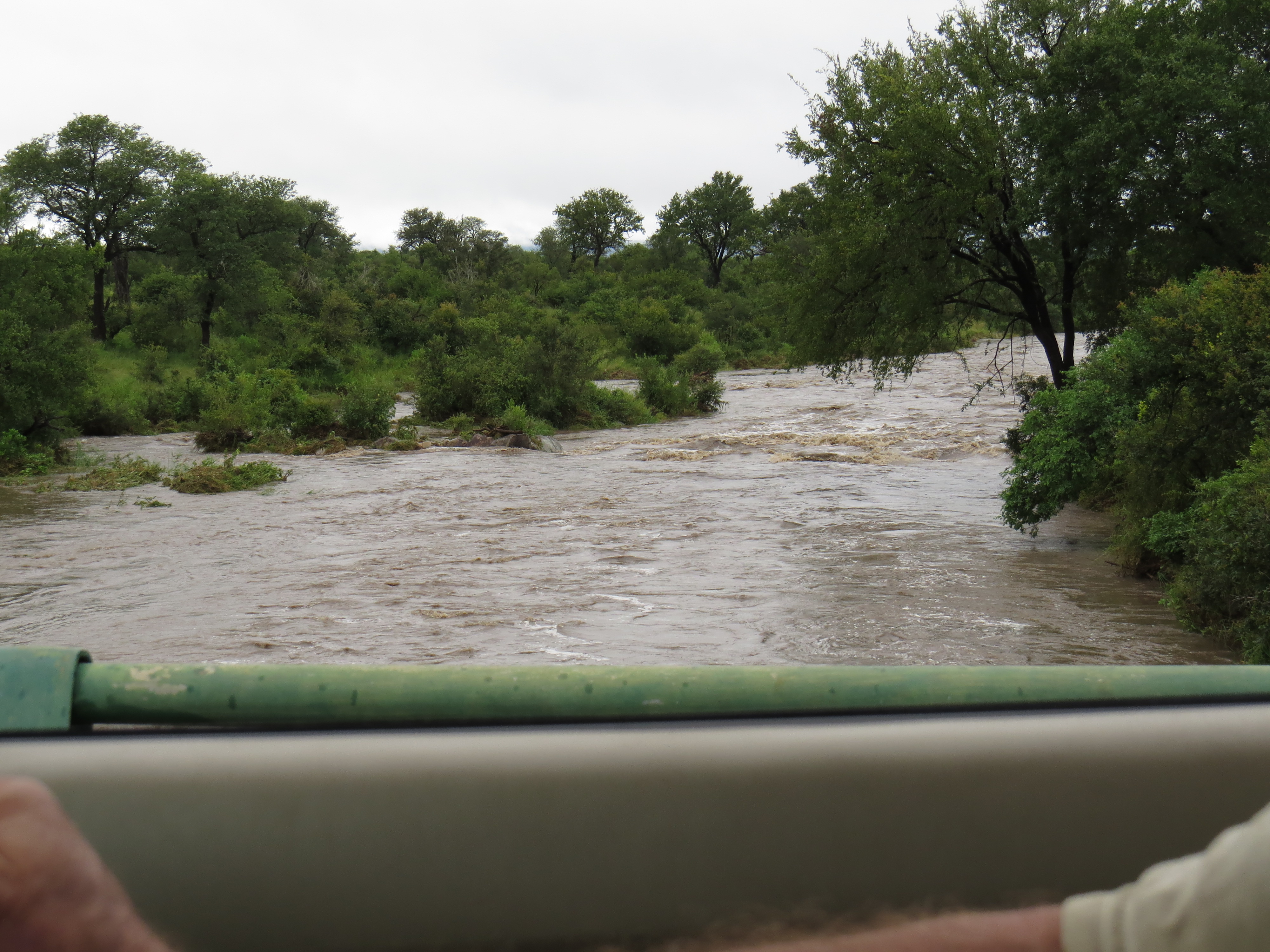
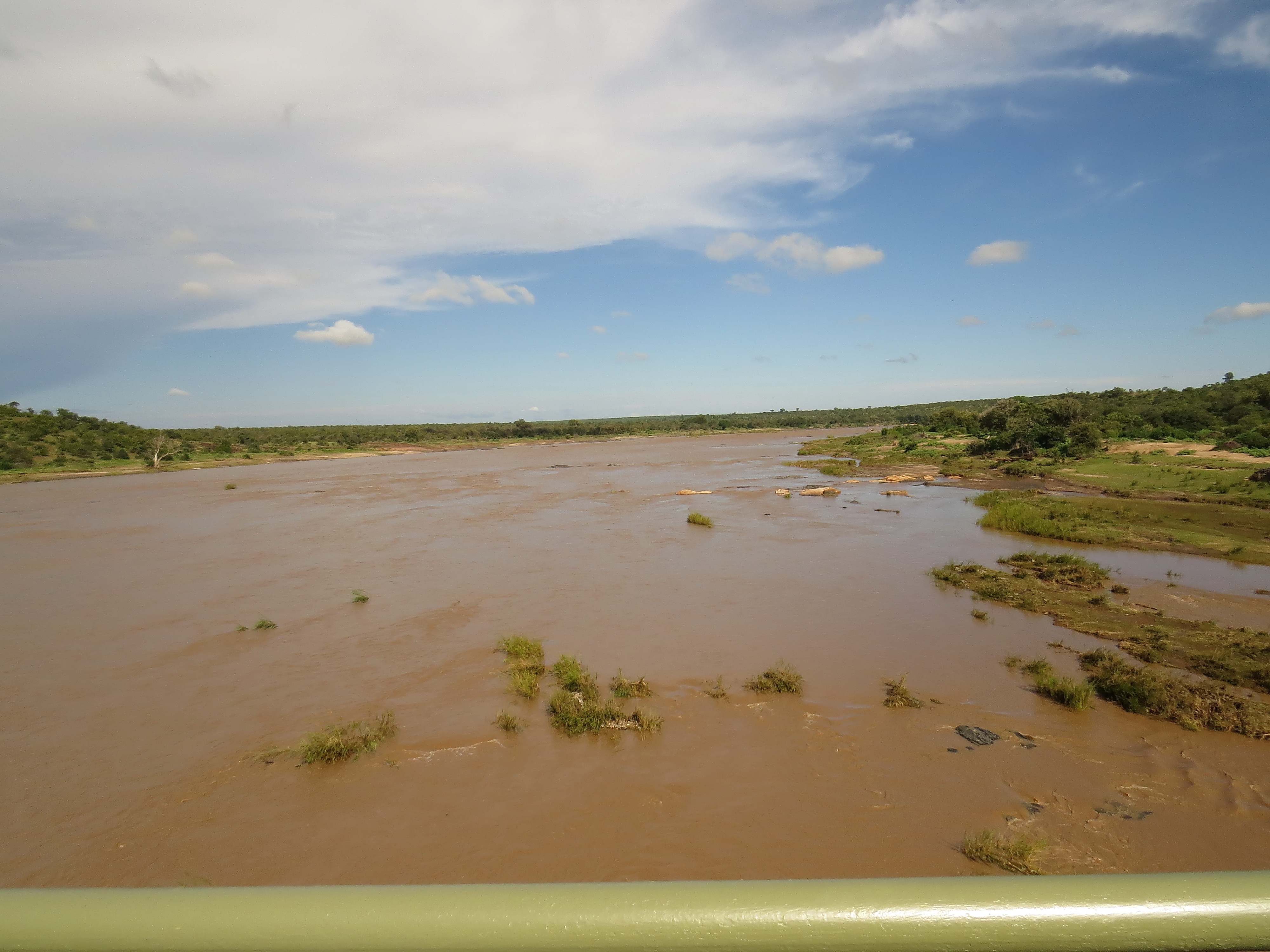
Just north of Crocodile Bridge is a small dam. From the bridge the dam wall can be seen with a pond or two – normally – beneath either side of the bridge. But when we got there it was a raging torrent!! The water level on the lower side was almost to the top of the dam!
Dam at Crocodile Bridge – overflowing wildly.Crocodile Bridge Dam – powerfully going downstream.
About 10 kms short of Lower Sabie, just after the turnoff to the S28 (north), there is another bridge overlooking a tranquil pond or two if you are fortunate normally. Another raging torrent!! Never seen anything like it. An amazing transition from the day before.
Normally a serene pond with a little water sometimesNormally a little pond – with water raging down river
As we continued north so the weather seemed to improve and we were hopeful that this would be the last of the torrential rain. Between Lower Sabie and Tshokwane we settle into a pleasant tootle alongside the open plains. We stop for a picture shoot of a pair of Red-breasted Swallows – not to be. They flew off as I was about to press the shutter – why does that always happen!
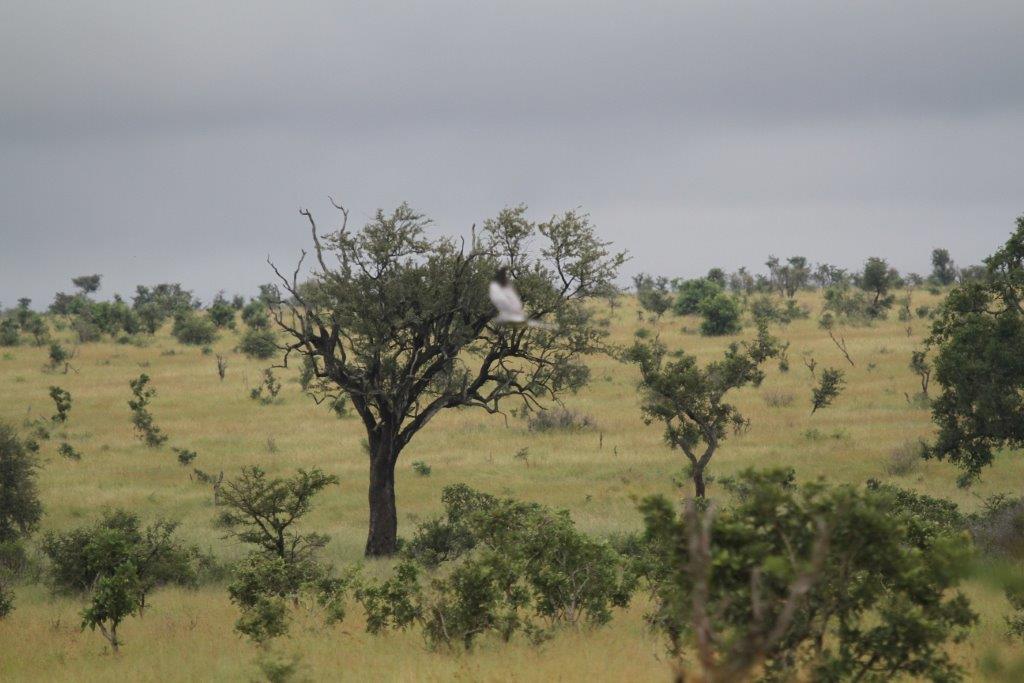
However in the distant view was what appeared to be a Black-shouldered Kite. Then we realised it was quartering the grassland – definitely a Harrier – an exciting Harrier- Montagu’s or Pallid? As it came closer we were able to see that it was a Pallid – unfortunately the photo we got was poor but clearly shows which it was. We would have loved to have chased it down the road but it was too much of a challenge to turn round with the trailer in tow.
Pallid Harrier
Along the road we also saw Hooded and White-headed Vultures to compliment our viewings of the Lappet-faced and more common White-backed which we had seen earlier in several locations.
White-headed VultureHooded Vulture
Before we get to Tshokwane we decided to deviate to Leeupan and Silolweni Dam on the way to Skukuza. Silolweni is closed due to blue-green algae. Leeupan – an old favourite – despite the rains was overgrown and not much water was visible – however six Southern Ground Hornbills made an appearance on the way in to the Pan.
Southern Ground Hornbill
Tea at Tshokwane and on to Satara. Little did we realise that the next day there would be a raging river of water across the main road at Tshokwane cutting the park in two.
We settle in to the Satara campsite – eventually finding a shady site. Soggy camping gear – yuk but despite the weather things soon dried out – smells and all!
All appears well with the world and we settle into peaceful sleep. Midnight and the heavens open once again. Our campsite is a soggy mess underfoot yet again! Thoughts of going home abound!
The morning starts with a glorious red sunrise – great light. I know….. Red sky in the morning etc.
Sunrise Satara
Despite our doom and gloom we decide to try some birding and head along the S100 – having first dug a channel to drain our site!
Birding again, relaxation sets in and we enjoy the moment. Not too much activity then we pull into a short loop and stop. Activity in the large fig tree – but what is it. Yes, a Cuckoo – great. Which. Not sure. There it is – can we get a photo. Looking in to the sun – try anyway. Fortunately it moves and gives us a better sighting – African or Common Cuckoo? Much ado. We check the bill and get the distinct impression that it is quite yellow at the base – African we think. Then again is the plumage tatty or in good nick? I will leave you to decide. Tatty it means African. But the telling detail we believe is the barred undertail coverts. So finally we conclude Common. See what you think.
Common or African Cuckoo?
Common or African Cuckoo?
Common or African Cuckoo?
Common or African Cuckoo?
Ah but there is more. What is that – another Cuckoo and another. The tree must be teeming with caterpillars. The first a Jacobin. The next a male Diedrik’s but what is this – a female Diedrik’s or Klaas’s? Your choice – see photos into the sun unfortunately!
Jacobin Cuckoo
Cuckoo – which juvenile/female is this?
Cuckoo – which juvenile/female is this?
On we go – a pleasant loop to the north and along the way we find Amur Falcons, Lesser Kestrel – females, a Peregrine Falcon and an unidentified juvenile Goshawk – suspiciously like a Gabar to me – see photos.
Lesser Kestrel – female
Goshawk – which
Goshawk – which
Amur Falcon – male
Bliss – a night without a downpour.
The last full day at Satara we headed north for Timbavati picnic site. Great as virtually no traffic all the way to the turnoff from the main road heading towards Timbavati. Not a car had passed us.
After a while there are Sandgrouse on the road – several pairs – Double-banded. Out with the cameras as 2 cars draw up behind us – unbelievable. A quick few shots then we reluctantly let the cars past. Why does this always happen when you see something interesting we complain to each other.
Double-banded Sandgrouse
Double-banded Sandgrouse
Anyway we drive on and after no more than 1 km we observe some birds on the road bathing in a puddle at the road’s edge. We stop about 20 metres from them and notice that they are Magpie Shrikes and Wattled Starlings. At that point I get very excited and point out another bird – far more interesting than anything else we had seen so far. I carefully park the car across the road so we can observe unhindered through the open windows.
The bird calmly steps out a bit further into the road – still in the puddle and starts preening. Cameras shuttering, video taping and we watch the whole scenario for 20 minutes until it steps back into the rank grass. And to spite the axiom, not another car had arrived to spoil our day. It was a lifer for both Sally and me – see photos.
Corn Crake
Corn Crake
Corn Crake
Corn Crake
Corn Crake giving us a clue to his ID!!
Corn Crake
Corn Crake
Corn Crake
Corn Crake
Corn Crake
On we go to Ratelpan hide – very much on a high trying to ingest and appreciate what we had just witnessed.
The hide overlooked a subdued but still swift flowing Timbavati River. We enjoy a cup of tea and watch the few birds on the sand banks and round the hide. One bird, a Tawny-flanked Prinia was making his/her nest directly in front of us and we managed to get several photos of him/her in the nest.
Ratelpan hide view of Timbavati River
Ratelpan hide view of Timbavati River
Tawny-flanked Prinia- peek-a-boo
Tawny-flanked Prinia nest building
Then on the way back to the picnic site we find some monkeys playing at the roadside. Splat joined in their fun. One little monkey happened to be pure white – quite human like.
Splat
Vervet Monkey – pale phase
Vervet Monkey – looking rather human
Vervet Monkey – power to de nu people
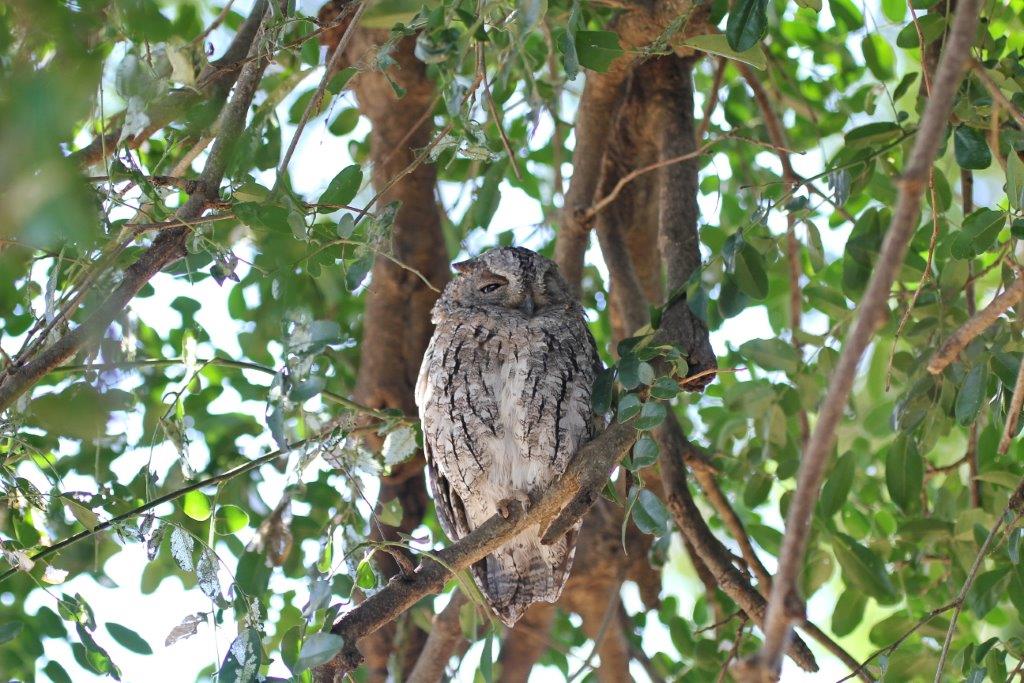
At the picnic site we found an African Scops-Owl.
African Scops-Owl
Then we headed for the other hide near N’wanetsi – Sweni Hide – followed by lunch at the picnic site. Lo and behold 3 friends from the bird club (BLPN) – David & Tessa White and Sarah Burns turned up at the same time – small world. Here we see a Grey-headed Sparrow with a bit of a white throat and hardly any flashing in its wings – but which one, surely not a Northern – you decide, see photo:
Grey-headed Sparrow but which one?
On the way back to the camp we stopped at our “Cuckoo” tree from the day before and find it harbouring an Eurasian Golden Oriole – unfortunately a photo escaped us.
And that was the end of our birding around Satara. Altogether we had seen and or heard 128 different bird species. Some photos including one of a Pink-fronted Red-backed Shrike – presumably getting ready for the breeding season back home.
Woodland Kingfisher
Woodland Kingfisher
Yellow-throated Longclaw with Elephant building material
Yellow-throated Longclaw
African Mourning Dove
African Pipit
Bearded Woodpecker
Black Stork
Brown-headed Parrot
Brown-headed Parrots
Burchell’s Coucal
European Roller
Crocodile – large 4 metres+
Crocodile – small 2 to 3 metres
Crocodiles together – to show comparative sizes
Glorious morning sun
Golden Orb Web Spider
Grassland north of Satara
Greater Blue-eared Starling?
Green Woodhoopoes
Helmeted Guineafowl
Kori Bustard
Malachite Kingfisher
Malachite Kingfisher
Martial Eagle
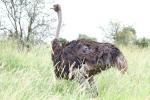
Ostrich
Pink-fronted Red-backed Shrike
Plain-backed Pipit
Red-billed Buffalo-Weaver
Red-billed Hornbill
Rivulet just north of Satara
Sabota Lark
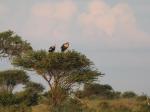
Secretarybirds
Senegal Lapwing
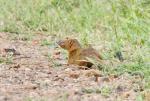
Slender Mongoose
Slender Mongoose
Southern Red Bishop
Spotted Flycatcher
Thick-billed Weaver
Village Indigobird
White Stork
White-backed Vulture
White-crowned Shrike
Saturday morning and we discover that one of our intended camps – Balule was closed. So on our way to Tsendze Bush Camp we stop in at Letaba and alter our booking to stay there instead for those 3 nights. However this was not to be.
Excitement on the way north as we find an obliging Montagu’s Harrier perched quite close and a Eurasian Hobby at a little more distance – unfortunately both on the sunny side of the car making it difficult for decent photos.
Montagu’s Harrier
Eurasian Hobby
We arrive in Tsendze in sweltering sunshine and hear about all the flooding chaos further south – the main road to Tshokwane under a raging river of water cutting the access to the park in two. The Olifants River in full flow.
Olifants River in full flow
That afternoon we take a drive to the Shipandani Hide. The causeway immediately before the hide is far more interesting with a number of different birds on it – the bullying Lapsmiths, a pair of Hamerkops, Black Crakes, Goliath Heron (having a swim) and a Croc right at the side waiting for his chance. The next afternoon there were also a pair of Black Storks, a Cinnamon-breasted Bunting, the Black Crakes had 2 chicks in open display on the causeway, a Green-backed Heron appeared, as did a Common Sandpiper, 2 crocodiles and the star, a Little Bittern.
View from Shipandani Hide, nr. Mopani
View from Shipandani Hide, nr. Mopani
Lapsmith
Hamerkop
Green-backed Heron
Goliath Heron
Goliath Heron in for a swim
Black Stork
Black Stork
Black Crake – chick
Black Crake and chicks
Black Crake
Common Sandpiper
Crocodile Rock
On the way back we take the first River loop road and come across a short loop next to the Tsendze River. At first we thought it inactive birdwise but as we waited so the birds began to appear – and no-one else there to badger us along.
During the night we hear our first Fiery-necked Nightjar as well as a Pearl-spotted and a Barred Owlet.
We set off early the next day and head for the plains to the East of Mopani.
Sunrise Tsendze
We come across Wattled Starlings in their hundreds and Sally gets a great picture of the head of a Swainson’s Spurfowl.
Wattled Starlings
Wattled Starlings
Swainson’s Spurfowl
Chestnut-backed Sparrow-Larks are everywhere. And we are treated to good views of several Dusky Larks hopping along the road in front of us.
Dusky Lark
Dusky Lark
Shibavantsegele Lookout was another special place teeming with numerous different species, but the best bird we saw there was a Grey-headed Kingfisher.
Grey-headed Kingfisher
Grey-headed Kingfisher
Grey-headed Kingfisher
Grey-headed Kingfisher
Grey-headed Kingfisher
Grey-headed Kingfisher up in arms!
Grootvlei Dam had a fair amount of water in it and we saw a number of new species including White-fronted and Kittlitz’s Plovers.
Grootvlei Dam
Kittlitz’s Plover – juvenile
On return we stop at the Tihongonyeni waterhole situated in a vast open plain. An elephant is consuming from the water storage tank, loads of different game are about as well as many different bird species. It was as if it were winter with little water to be found elsewhere. Chestnut-backed Sparrow-Larks were everywhere as were Red-capped Larks, Lapsmiths, Egyptian Geese, the odd Kittlitz’s Plover and African Pipit.
Thirsty Elephant at Tihongonyeni waterhole
Zebra
Chestnut-backed Sparrowlarks
Kittlitz’s Plover – juvenile
Red-capped Lark
Red-capped Lark
Lapsmith
We return via the Tropic of Capricorn and of course Splat has to have his photo taken there.
Splat on Tour
Back at camp, we found that our solar panel was working well after all. We realised that the 40 degree temperature of the previous day had had its toll on the freezer performance -taking it up to zero degrees C – and it was not as a result of failing batteries or poor charging. Big relief.
In all we saw 94 different species in the area. Some other photos from around Tsendze:
European Bee-eater
European Bee-eaters
Long-tailed Paradise-Whydah
Red-crested Korhaan
Red-crested Korhaan
Red-crested Korhaan feathers
Sabota Lark
Wahlberg’s Eagle
White-winged Widowbird
That night the heavens open again and we get up to be treated to a mud bath beneath us and the rain still coming down. After an attempt to drive out of the rain towards Shingwedzi we realise it is fruitless and we return to Mopani to postpone the rest of our booking for another day.
This is a tiresome process as each camp has to be called and each reservation attendant has different ideas about what has to be done. Eventually Berg-en-dal helps by postponing our 3 days there until October.
So after getting our gate pass from Mopani we return to Tsendze camp to pack up. The rain abates but the ground is even more waterlogged beneath the trailer. Despite this we manage somehow. Our biggest headache was the groundsheet as it was sodden. Where to put it? Not in the car. So on the roof of the trailer it goes – in its cloth bag and with two dustbin liners over it. We pray it does not leak too much and soak our matress. Throughout this process the birds gave us a tuneful farewell – Firefinches sang around us, a male and female Black Cuckooshrike made an appearance and a Black-headed Oriole sang to us.
On our way out we stop in at Letaba to see if we can deal with that booking and perhaps Skukuza. We found the duty manager and he was very helpful though a little confused about what should exactly be done. After three quarters of an hour we get something sorted and end up having to redo the whole thing over on return home.
We plan to return home via Phalaborwa and to the N11. The scenery and high altitude passes were great but the Potholes were man size in places. It reminded us of our early days travelling in Mozambique.
A funny story. At our stopover one of the other guests shows us a picture in the Die Beeld newspaper – shown a month previously and again that day. In the photo you see a lady in a bikini washing her hair, drinking champagne sitting waist deep in a pothole. The nearby warning sign read “Potholes” and beneath it someone had put a second notice saying the usual rules you find in public swimming pools – No Diving; No Jumping etc.
Anyway despite the weather we had a very enjoyable birding experience seeing some amazing birds. Altogether 191 different species were seen and or heard throughout the Park.



























































































































 Birds are our Story