BirdLife South Africa (BLSA) organised a special bird trip to Marion Island on the MSC Orchestra. There were 1700 birders on board – from all over the world. BLSA found 40 seabird guides to help guests positively identify the many different seabird species seen.
The purpose of this trip was to raise funds to eradicate mice on Marion Island. It has a large breeding colony of over quarter of a million seabirds especially Albatrosses. Marion Island is plagued by mice. The mice are eating the young Albatrosses alive and depleting Albatross numbers significantly – in particular the unique Wandering Albatross – with its 3.6 metres wingspan.
We urgently need your support. Please help if you can…. please. Visit the website: https://mousefreemarion.org/ to learn how to support this valuable initiative.
Most of the world’s best known seabirders were on board. In particular we were privileged again to have the distinguished Peter Harrison MBE (considered as the David Attenborough of Seabirds). His new book was published in time for this event and is considered as the definitive guide to Seabirds worldwide. “Seabirds. The New Identification Guide” supercedes his first Seabird book published in 1983 which until now has been considered as The definitive book on Seabirds worldwide.
Sally and I booked our place on the trip as soon as the MSC Cruises started taking bookings. That was three years ago. Covid played havoc with the timetable and the cruise was delayed a year as a consequence.
Map of the route:
Cape Town to Marion and back to DurbanMarion Island south of Prince Edward Island
The cruise started in Cape Town and ended in Durban. For us, we left our car at King Shaka airport and flew to Cape Town a day before the cruise’s departure. That night was spent with Sally’s brother Robin and his wife Annmaree in Somerset West.
The time of departure was brought forward on the evening before due to potentially heavy winds forecast. We needed to exit the harbour by midday. And that we did. However, as many people were unable to change their travel times the ship anchored outside the harbour and sent several lifeboats to fetch the remaining guests. Looked like they experienced a rough ride to the ship.
A sunny day in Cape Town gave us good views of Table Mountain and some of its aerial acrobatics.
While we waited for everyone to board, we had a look around the MSC Orchestra to get our bearings and to see what was where. However this did not stop us getting lost inside the ship – going to the front when we though we were heading for our room at the stern!!
Sally holding onSmiles before we set offPaul Upper deck entertainment areaTable Mountain and Nipple Hill behind
Some more shots of the ship.
BowDeck 7 View of top going to stern
Sally took a video:
Time to leave – casting off as the tugs prepare to take us through the harbour entrance.
Cast offCast offSeal takes the opportunity for a zizzJellyfishMoving outTugsOne Tugboat
And then we were on our way – calm seas and gloriously sunny weather.
On our balcony
We are away.
With the combination of wind, rough sea and drizzle we even had a sea rainbow.
Sea Rainbow
Sunset on the night before arrival at Marion Island.
Sunset
Three days birding slowly cruising to get to Marion Island. We had glorious sunshine until we approached Marion Island.
Approaching Marion
Clouds descended covering the island. However birds and sea mammals abounded especially as we got closer to the island.
Meanwhile there were lectures throughout each day everyday. We attended all three of Peter Harrison MBE’s lectures – Seven Years and Seven Continents; The Penguins: Ocean Nomads- the Albatrosses.
The first, Seven Years and Seven Continents, was a fascinating account of his life during those seven years that he spent with a view to produce a definitive Field Guide of the world’s sea birds. His presentation, anecdotes, animation and enthusiasm captured the audience. What a great speaker.
Peter Harrison MBE
This cruise was about fundraising for the Mouse Free Marion project. There were many ways funds were raised. From going on the cruise, sponsoring a Hectare of Marion Island, becoming a BirdLife Custodian, Donations, auctions at lectures (seabird plates from his new book donated by Peter Harrison MBE), Silent Auction for a special edition of Peter Harrison MBE’s new book and more. Altogether over 3 million rand was raised. More is needed and I hope many of you reading this will feel the need to sponsor at least one hectare.
In celebration all passengers gathered on the top deck to show their support.
Mouse Free Marion
Many marine mammals were seen on the cruise – thanks to the Guides and their ability to identify often fleeting moments that the mammals shared with us. To share how fleeting some of these mammals were here are a few photos I managed to take.
Not sure but not a sharkCape Fur Seal at the docks in Cape TownSouthern Right WhaleSperm Whale I believe
Although we did not get many photos we did see the plumes from a number of different sea mammals. The most exciting that of a Blue Whale – the largest of all mammals this earth has seen.
Our Guides:
Specialist guides from all over the world.
And the local South African Guides which we sponsored to come on the cruise.
Local South African bird guides.
And of course the cruise was about birds. Here are some of their photos which I took. I bear full responsibility for the quality.
But where is the Giant of them all – the Wandering Albatross with its 3.6 metres wingspan. Here are some of my shots.
Two togetherJuvenileJuvenileJuvenileWandering Albatross
We were fortunate to see two different species of Penguin (apart from the African seen near Cape Town). The first was a pod of Macaroni Penguins close to the ship side. They were porpoising at speed – a sight which brought Sally to tears. Then we had a view of King Penguins and their colourful beaks again close to the ship.
After our short time near Prince Edward Island we turned north and headed for Durban. Short because that the storm the captain feared was breathing down our coattails. A storm with 12 metre waves which settled over Marion Island as we sailed home.
Directly over Marion Island
And so the cruise ends. We awake to see the sun rise behind as Durban appeared in the distance ahead. And before we knew it, we were ashore.
Last Sunrise
Here is a link to the bird and mammal species identified on the cruise. Unfortunately Sally and I only managed about a half of those listed.
From Balule we went to Skukuza for 4 nights, meeting up with my sister.
On the way there was a dam by the road with some water in it. On the mud bank we noticed Knob-billed Ducks displaying a variety of colours.
Knob-billed Ducks
Skukuza was nowhere near as full as it was the last time we stayed. That was during Covid restrictions when 50% occupancy was ignored and we struggled to find a campsite. This time we had little problem finding a level site.
CampsiteCampsiteThe new railway carriage hotel atop the bridge at Skukuza camp.
We spent our days going to Lower Sabie and Sunset Dam, going to Pretoriaskop, having a wet day picnic at the Mlondozi lookout, visiting Mpondo Dam where we were attacked by Terrapins!!!
. We had hoped to see the renovated Nlandanyethi Hide, however the road to it was closed – roadworks.
We went to Lower Sabie to sit in the Mugg and Bean restaurant and enjoy the view over the river. Not much happening as the river was full and it was overcast. We noticed the burnt out wreck of their Petrol Station – rather sad.
Sad Sight
Sunset Dam is always a great place to stop. There were the usual crocodiles and hippos aplenty. Waterbirds were easily visible too, even African Jacanas, Common Sandpipers and Black-winged Stilts coming right up to the car. And a crocodile oblivious of us lying on the grass beside us.
Black-crowned Night-HeronBlack-winged StiltCommon SandpiperCrocodilePartial view of Sunset dam.
On another wetter day we drove northside of the Sabie river to the Mlondozi lookout. Birding was quiet but the view at the lookout is always special.
View from the Mlondozi Lookout – picnic area.
The Sabie river was flowing well and everywhere was green.
Water level at low level bridgeSabie River.
On the road north of the Sabie River we were fortunate to see some Lions resting on a bank.
What do you wantOh well back to sleepKeeping watch
Elsewhere we bumped into a pack of Wild Dogs. Resting restlessly under trees by the road.
Wild Dogs or Painted Dogs.
We visited Pretoriuskop in the drizzling rain. We chose to go via the S1 towards Albasini Ruins and then turn off south along the S3 just before reaching the Ruins. One or two patches of the road were a bit slippery. Despite the rain birds were about. A pair of Woodland Kingfishers were heard and seen playing their mating game.
At Pretoriuskop the rain subsided and we took the chance to walk around the camp. Birding in the camp is often rewarding.
One day as we drove out of Skukuza heading south, we had not gone far when we came across Hyenas including youngsters by the road. Usually they sit around but this lot were different.
Hyena adult with youngsters.
Then this happened. A game of catch me if you can.
So Innocent.
And then we went to Berg-en-dal for one night which turned into 3 nights – staying there until my sister planned to leave.
Berg-en-dal
28th, 29th and 30th November 2021
Tasha and Dick arrived a day before us. The campsite was overflowing. It was an Honorary Rangers get together that weekend. When we arrived the next day the place was relatively empty and my sister had found us a site right on the fence – where an elephant liked to visit. With other game popping by including a tame Bushbuck which walked up to our front door.
Our Cheetah by the fenceOur Cheetah by the fenceBushbuck paying a visitRumbling elephant also paying a visitCamp CampAblutioonsOur view through the fenceOur Afrispoor Cheetah
We were camped right next to a couple of Honorary Rangers who kept telling about these wonderful bird sightings in the camp. In particular a Greater Spotted Cuckoo (among many other cuckoos) as well as an Eurasian Hobby. Neither of which we had seen on this trip and which over the coming days we searched far and wide for them.
We were so nicely settled that we decided to stay an extra day then another extra day as we were enjoying both the birding and animal sightings!!
The first afternoon a water pipe burst and the camp was without water for long periods over the following 2 days. We managed. As it had happened next to our ablution bloc it got closed!
One evening on the way to the wash-up area a snake was sighted – a thin 1 metre long culprit – which we all eventually agreed was pretty harmless (or so we hoped). Also a stick insect appeared on a wall at the entrance to the loos.
SnakeStick InsectStick InsectLarge Moth
Of course we spent many hours wandering around the camp. At the main reception area overlooking the dam, there was a ruffle over our heads and a Little Sparrowhawk was seen flying away. But it did not go far. it have food in its claws but not eating. Looking around a juvenile was spotted. We were able to watch as the juvenile screeched away and the parent gave it food.
Little SparrowhawkLittle Sparrowhawk – with foodLittle Sparrowhawk – juvenileLittle Sparrowhawk – juvenile
In the trees above Tasha and Dick’s campsite a lovely pair of birds were courting – not Lovebirds but very colourful. Female and male Red-headed Weavers.
FemaleMale
A sort of leucitic Kurrichane Thrush was hopping round our campsite – an odd looking bird.
Kurrichane Thrush
Another very special bird seen in camp. Retz’s Helmetshrike.
Lions and Leopards were seen as well as White Rhinos, Elephants and Buffalos. A good but busy part of the park to see many of the “Big Five” in one day.
LeopardLeopardLionUpside down LionLionWhite Rhinos enjoying a dipLionsSaddle-billed Stork checking out Buffalos.Tree hugger Leopard
Probably one of our favourite sightings in the Kruger was this Chamelion crossing the road in its unique way – “one foot forward, shake it too and fro in a jerky motion then put it down” Repeat this with each leg until you are eventually across. One eye looking up the other looking all around etc. (Tap on photo to enlarge it).
We focused our drives around the Berg-en-dal and Gardenia Hide areas. At times quiet and as you might expect sometimes busy. Quite a number of large birds were seen including a few Eagles – some of which we are still unsure of their ID. Here are some of their pictures.
Gape to middle of eye – Lesser Spotted EagleGape to middle of eye – Lesser Spotted EagleRed-tongued Tawny EagleRed-tongued Tawny EagleRed-tongued Tawny EagleRed-tongued Tawny EagleAnother Lesser Spotted EagleAnother Lesser Spotted EagleAnother Lesser Spotted EagleAnother Lesser Spotted EagleMartial EagleMartial Eagle
Other birds in and around these areas:
Black StorkBlack Stork Black-bellied KorhaanPied KingfisherMonotonous LarkMonotonous LarkSouthern White-crowned ShrikeSouthern White-crowned ShrikeSouthern White-crowned ShrikeSteenbokWattle-eyed Lapwing – love the apparent red eyesWattle-eyed Lapwing – love the apparent red eyesWattle-eyed Lapwing – love the apparent red eyesYellow-billed Stork and Great Egret below Malelane Bridge
We get up early on our last day determined to find the Great Spotted Cuckoo and maybe the Hobby. We listened for calls where we were told they had been present – at the meeting of the S100 from Malelane and the main road north H4-2 to Skukuza. We give up after a while – no calls at all. So we head to look and see if there is anything interesting along the road to the S25. We cross the bridge and turn right towards Croc Bridge. The light is terrible for seeing silhouetted birds. I think I see a Falcon so we retreat to the main road to get a better look. It is the Great Spotted Cuckoo with the Eurasian Hobby close by. We were both happy and could not believe our luck.
Our campsite overlooks the river and is much like the Pafuri picnic site. Special place.Our campsite view of the Mutale riverOur campsite view of the Mutale river
We arrived at Nthakeni around midday and settled in.
Camp trailAnother CampsiteBig Baobab CampsiteRoad down to our campsite by the riverLocal restaurant in the campRiver in front of our campsiteSwimming PoolImpala Lilies
That afternoon we spent time in and around Pafuri and for most of the next morning.
Each night we heard three different Nightjars, the Fiery-necked, the Square-tailed and the Freckled as well as the Wood Owl. This is a special place for us.
Midday and early afternoon was usually spent in the pool to cool down and in late afternoon a bird walk around the camp.
Broad-billed RollerRoller Moon
Here are some of the species we managed to get photos of in the Pafuri area mainly.
As we drove towards the Pafuri picnic site on one occasion we spotted what we thought was a shiny flapping something wrapped round a tree trunk. A better look revealed that it was a very long shedded snake skin right round the trunk and back.
Snake Skin
Two birds stood out for us. In the Pafuri picnic site there was a nesting pair of Black-throated Wattle-eyes and three kilometers from the Pafuri Bridge heading north we saw a Racket-tailed Roller – definitely our bird for the trip.
Black-throated Wattle-eye on nestRacket-tailed Roller
From Nthakeni we went to Punda Maria for a few days with my sister and her husband.
Punda Maria
16th and 17th November2021
Sally and I had booked to stay at Punda Maria for one day only so that we could go to Shingwedzi at the same time as my sister. However we ended up for 2 nights and persuaded my sister to stay an extra night – sacrificing a night at Shingwedzi. We had all booked Shingwedzi for 4 nights so it meant only 3 nights in Shingwedzi.
We were camped on the fence line for a change within close proximity to the Hide and good views of the waterhole from our camp spot as well.
We were camped to the right next to T&D here.View from the hide
At night the waterhole always had herds of Elephants – a ghostly bunch creeping silently in and out. Their massive size emphasized by the moonless night.
Too close for comfortSally’s heady elephant at the waterholeWheere is my body?Move on – my turn to have some fresh water.
At night we heard the calls of Nightjars, Square-tailed and Freckled as well as the trumpeting of the elephants around the waterhole.
In the afternoons it was very hot so we ended up in the green waters of the swimming pool to cool off.
On one evening in the hide we watched as Buffalo arrived to drink (later they retreated when the Ellies arrived). Anyway as we sat there in the hide we watched an unusual sight of a Buffalo lying with its back in the water. It was straining to give birth. Eventually the calf popped out in its sack into the water and the Buffalo walked away. We assume the Buffalo knew it was a still birth.
We circled the Mahoney loop and went out to Klopperfontein. After the first couple of early hours in the mornings the birds became quiet and scarce because of the heat.
It was unusual to see two impalas at the top of a well bushy and tall ant hill.
Impalas atop a tall ant hill.
And then we headed to Shingwedzi.
Shingwedzi.
18th, 19th and 20th November2021
Shingwedzi campsite was far from full so we had a lot of choice as to where we camped and because we had booked a fence line campsite that is where we headed. The heat had followed us! But where was the shade? Eventually we made a decision which we regretted later.
Our Campsites on the fence.
Empty campsite and empty river.
Empty CampEmpty River
During our time in the area we explored the Red Rocks Loops, drove up to Babalala picnic site on the S56 and went down river along the S50 as far as Nyawutsi Hide. Each of these routes have had their attractions in the past – weather dependent. November 2021 the heat was almost exhausting so whenever possible we resuscitated in the swimming pool.
On our way down to the Nyawutsi hide following the river there were patches of water in the river. The hide is situated in a tropical setting.
Gnarly TreePatches of water like thisView from the hideView from the hide
Here are some of the birds we photoed along these routes.
A very colourful female Bennett’s Woodpecker gave us a show of her beauty
Female Bennett’s Woodpecker
A Dwarf Mongoose popped out of an ant hill and gave us the stare.
Dwarf Mongoose
Then there were the Lions resting in the long grass as they do most of the day.
Lazy Lions
A few animals too.
Impala and youngGiraffe preparing to fightGiraffe fightingSpotted Hyena which had just scared away the sighting of the day
The Spotted Hyena had chased away a Jackal in the river. Fortunately I was able to get a few photos as it ran away from us down the river. The photos confirmed our suspicions that this was no ordinary Jackal.
Side-striped Jackal
Eventually the heat broke and we had a storm. Not any storm but a drenching. Not just a drenching but a nightmare driving into it on slippery road surfaces. Sally and I took a mid afternoon drive along the S50 and on the way we noticed dark clouds off to the side of us and we thought moving away. We were wrong. It came straight for us as we decided to return to camp. Heavy rain. Full on straight towards us.
Water logged ground in no time.
Pelting Rain
By the time we got back to camp the rain had stopped. Alas our campsite was under water – well a couple of inches – and it was not draining away. Trench digging was the order of the moment up hill to the fence. The further I went the deeper it got. It needed a lot of help to drain away. So out came the broom, pushing the water into the trench. As quickly as the water reached the trench so half of it returned. Good exercise and a few necessary kilos lost.
Bye bye Shingwedzi
That was our time in Shingwedzi. Now to Balule as T&D went to Letaba, 4 nights in each.
Balule
21st, 22nd, 23rd November 2021
All four of us left together. Tasha and Dick in the car ahead heading for Letaba and we to Balule. We had not gone too far when we saw Lions charge Tasha’s car – her side. Later Tasha told us she had a huge fright as it felt that they would come in the window. We all screeched to a halt. Four lionesses ran across the road followed closely in their footsteps by four cubs. Quite a sight for us and relief for my sister.
Then 10 minutes later we came across an elephant way ahead of us drinking water from the side of the road. He was thirsty. We wanted to keep going. However when you are towing it is nigh impossible to reverse at any speed if the ellie wants to be obstreperous- we waited for about 15 minutes before he went off into the bush.
After a quick cup of tea we left Tasha and Dick in Letaba. On we went. One annoying thing with checking in to the Balule camp is that you do so at Olifants camp. In this instance we became pleased that we had to. We had turned off the main road heading on the tar to Olifants. We had not gone far when a Leopard popped out of the undergrowth ahead of us, walked down the road before re-entering the bush. Excitement number one.
We checked in. And took the opportunity to have a look at the view of the surrounding panorama from the deck – with the river some way down and directly below us.
Olifants DeckOlifants View
Now we trundled our way to Balule. After about a couple of kms our second excitement – a pair of white-tailed Wild Dogs climbed up onto the road and strolled towards us.
Wild Dogs.
With rain threatening we hurriedly set up camp.
Finding shade. Looking towards the fence line.Among the trees a cooking and washup lapa. To the ablutions and the entrance
Most days it rained. Sometimes quite hard for short periods with wind that made it uncomfortable for cooking – up came the awning sides.
Sides up windy sideSoaking wet ground. Water collecting on the roof.Sodden ground
Despite the weather we rose early and out we went. On one occasion a very long trip to Satara via the Timbavati loop road as far as Ratel Pan and Timbavati Picnic site then across to the H1-4 on the S147. Down to Satara and along the S100 before returning. A long day out but not without its incidents.
Taking the S99 and S97 to the Timbavati Loop and despite the drizzle and promising looking rain clouds we passed several good looking birds of which the African Green Pigeon was outstandingly colourful.
African Green Pigeon
At one point along the S99 there is an unusual fever tree growing sideways across a stream with branches shooting up vertically.
Sideways growing fever treeSideways growing fever tree
Most of the drive to Ratel Pan was in constant drizzle. But that did not put off the birds – we had lovely sightings of many wet species and some totally drenched – the Brown-throated Martin in particular and a Barn Swallow not quite so. Others seen include: a Black Heron fishing, Greater Painted Snipes, Black-crowned Night-Heron and even a Steppe Eagle.
Steppe Eagle
Barn SwallowBarn SwallowGreater Painted Snipe femaleBlack-crowned Night-HeronSoaking wet Rock KestrelBlack Heron hunched up in the rainBlack Heron fishing
The Brown-throated Martin deserves a collage of its own.
As the day progressed the weather improved. By the time we got to Ratel Pan it had stopped drizzling but it remained cloudy. The Pan had water for a change. There were a number of waterbirds present, the odd crocodile and leguaan.
Openbill and African SpoonbillAfrican SpoonbillYellow-billed StorkThree-banded PloverCrocodile with Yellow-billed Ducks and an African SpoonbillLeguaanKnob-billed Ducks flew over us and landed way way away.A cautious African Spoonbill passing a crocodileThree Bills: Yellow-billed Stork, African Spoonbill and an Openbill
There were a some slippery waterlogged spots on the S125 gravel road to the H1-4. However when we reached the main road it was chained off. We were in a pickled if the other exits to main roads had been chained off too. What to do? In the end, with time constraints, we followed the car in front and drove round the barrier.
Here are some of the other photos taken in the area.
African Hawk-EagleAfrican Hawk-EagleGolden-tailed WoodpeckerJacobin CuckooJacobin CuckooMarico Sunbird juvenilePale phase Wahlberg’s EaglePale phase Wahlberg’s EagleRed-billed QueleaSteenbokStierling’s Wren-WarblerSteppe EagleRather damp Steppe EagleTawny Eagle with an unhappy Fork-tailed Drongo going for its head
We saw a number of Lilac-breasted Rollers courting. Here is one offering its sweetheart a delicious morsel.
WaitingHere I amThis is for youTeasingNow she is happy.
As you will see the water level at the low level bridge beside Balule was quite full. Baboons use it while the ellies prefer walking through the river.
Baboons crossingLittle oneMum and infant
Then we moved on to Skukuza to meet up with my sister.
Number 1 Bird of the trip. A South African rarity.
Sally and I were planning a trip to the Caprivi in November when my sister, Natasha and her husband Dick took advantage of the half price offer for the full November month in the Kruger. As a result we changed our minds and decided to join them from November 7th onwards.
Malelane 7thNovember 2021
We began with an overnight stop at Malelane – a good resting spot after a nine hour drive from Howick.
Afrispoor Cheetah and a cold beer.Enjoying Malelane entrance scenery.
We enjoyed a short drive around the area later in the day. Even managed to see a fully maned Lion.
Sleeping with his friend nearby.
A young Hyena entertained us and a Rhino had lost its horn. There were birds too posing for a shoot out.
Crowned LapwingEuropean Bee-eaterPlayful Hyena Saddle-billed StorkSwainson’s SpurfowlShort-nosed White RhinoBroad-billed RollerBrown Snake-EagleWahlberg’s EagleWood SandpiperAfrican Mourning Collared Dove
As you may have noticed from the picture above, we had not put up our awning. We were only there for one night. So of course it rained that night. Half expecting this we put everything outside that we did not want to get wet into the boot of the car.
As I lay in bed the dribbles of rain started and my mind wandered to what else I had forgotten to do. Ah yes, I need to put the rain cover over the canvas roof over our bed. Up I got and managed to do that without getting too wet. Back to bed.
Almost asleep when it occurred to me that I should push the fridge and stove inside. Up I got again and went outside with the rain a lot stronger and did what I had to do. Back to bed fell asleep the rain now pouring down.
What was that poking me on the shoulder? Now alert and Sally asked me if I had put the rain cover on the power cable where the 2 cables met. Of course I had forgotten that too. Now it was pouring down. Not bothering to get properly clad (no neighbours) I hurriedly went outside once again and simply pulled the plug out from the Cheetah. Now fully drenched and a bit shivery, had a good rub-down and dried off and went to bed. Listening to the rain, thunder and lightening beating down and wondering what else I needed to do, I eventually fell asleep.
But not before I realised I had been bitten on the back of my neck by a bug which caused an intense burning pain. (Took over a week for it to abate). I nudged Sally to say I had been bitten. “Oh”, she said and went back to sleep. The next morning she realised how bad it was.
Satara8th to 10thNovember 2021
The following morning we went to Satara to meet up with Natasha and Dick.
Natasha and Dick
We spent 2 nights in Satara as that was all we were able to book at the time.
Our Satara Camp site with some shade.
Natasha and Dick had a camp site along the fence line so we dined with them each night, watching the Hyena patrolling just outside the fence and an African Wildcat patrolling passed us inside the fence as we enjoyed dinner and a bottle of wine.
During the day we went our separate ways to explore what was out there.
The Sweni bird hide is one of our favourite places to visit around Satara. Again it did not disappoint us. There were a number of interesting birds to see. The hide outlook:
Sweni Hide outlookSweni hide looking down to the road bridge
At the far end of the first photo above, a herd of elephants came down for a drink. Some young ones among them. As usual they were boisterous and enjoying quenching their thirst. Trouble was afoot. We noticed that a number of the pools hippos were unhappy with their presence and surprisingly advanced to within less than 2 metres with intent. To start with the ellies ignored them then feeling a bit nervous they moved off.
And the birds seen at the hide:
Black CrakeRed-billed OxpeckersRed-billed Oxpeckers having breakfastStriated Heron fishingStriated Heron fishingYellow-billed Stork
A Yellow-billed Stork was idly wandering about in front of the hide while an African Openbill had found a cosy spot to rest:
African Openbill posing as if it was nesting
African Openbill posing as if it was nesting and then along came trouble and usurped him of the resting place:
UsurperUsurper and Usurped.
In another location we came across a male African Jacana attending its chicks.
From Satara, Sally and I left a day earlier than Dick and Tasha and headed to Tsendze for 4 nights. Dick and Tasha joined us a day later for 3 nights.
Tsendze10th to 14thNovember 2021
Tsendze is one of our favourite camps in the Kruger. It is well treed so owls are present and can be heard calling every night – Verreaux’s Eagle-Owl with its pretty pink eyelids, African Wood-Owl, African Scops Owl, African Barred Owlet and Pearl-spotted Owlet. In the morning you often wake to the sound of Southern Ground Hornbills. Magic place.
Campsite 10 next to 9 T&D’s (behind car)Path to ablutions and washup areaCampsite 10
There was an interesting campervan in one of the closest sites to the gate – even had its own vehicle attached to it.
Way to Go
Mooiplaas Picnic site is right next to Tsendze and overlooks the Tsendze river. It has a big boma for shelter from both the sun and rain as well as a picnic spot overlooking the river. Like Tsendze it is also known for its owls. Unlike Tsendze camp it is not fenced.
Looking upriverLooking downriverMooiplaas Picnic site
On your way from the camp to Mopani there are a number of short loops to explore. In the past I have experienced a herd of elephant running across one of the tracks right in front of us. Sally and I have also seen a rather large and lame Civet.
Civet seen in the past.
Anyway at the end of the last loop you can turn towards a couple of hides. One overlooking Pioneer Dam and the other an overnight hide overlooking the Tsendze river. To get there, you cross a low level bridge. There always seems to be bird activity either side of the bridge. Black Crakes have always been seen there by us. Striated Herons, Hamerkop, Blacksmith Lapwings, Water Thick-knees and other waterbirds are often there too. This time I took several photos of Blacksmith Lapwing juveniles scurrying close by.
Blacksmith Lapwing chick
One of the loops we enjoy doing is to access the S49 from the H1-6 just before reaching Mopani, drive to Mooiplaas waterhole and cut across to the S50, head north following the wetlands then turn onto the S143 – Tropic of Capricorn – past the Tihongonyeni waterhole and back to the H1-6 to return back to camp.
At the Mooiplaas we always see Chestnut-backed Sparrow-Larks. This time was no execption.
Chestnut-backed Sparrow-Lark
Along the S50 it is worth popping into the viewing points overlooking the wetlands. There, Lions tend to hang around the waterholes.
There was a surprise for us at the Tihongonyeni waterhole along the Tropic of Capricorn S143. There were several Tsessebees including a new born at the waterhole. An animal we don’t often seen in the park and usually as a loner among Red Hartebeest.
Along the way we came across Red-crested Korhaans calling beside the road and we were lucky to spot a Lesser Grey Shrike.
The weather was hot hot so we spent several afternoons in the pool at Mopani.
Views of Pioneer Dam from Mopani Camp
And then there was this large scaly-backed lizard wandering between the bungalows.
Scaly-backed Lizard about 50cm long.
The H1-4 to Phalaborwa gate is a scenic drive and one where we have seen hyena with cubs regularly especially along the first 20 kms from the H1-6. This time was no exception.
Hyena and suckling pup
Further down there is a low level bridge crossing the Letaba River. It crosses a wide stretch of the river and has a “stop and view” parking area half way across. The last two times we visited we have seen two male Greater Painted Snipes and this time was no different.
Greater Painted Snipes – males.
A bit further along there are a couple of short loop roads going down to the river. On one of these loops we sighted a Groundscraper Thrush singing away.
Groundscraper Thrush
We headed on towards the H9. About 6kms before the H9 we came across a large Kopje on our left. It was here that we observed a Southern Ground Hornbill nesting site. There were several on the ground and a couple few out of the nest.
Nest half way up in the photo.Juvenile
And then we were on our way to visit Sable Dam just the other side of the H9. Relatively quiet except for a herd of what looks like sock-wearing elephants.
A couple of these elephants had a bit of a tussle.
Also seen there was a blue-tongued leguaan, a blue-headed lizard, a crocodile and a Three-banded Plover chick.
Zululand was calling. We always enjoy our time in Zululand and the time of year is usually good for birding especially as the migrants are returning.
Our plan: to spend four nights in each of three campsites: Nyalazi, Bonamanzi and St. Lucia (Sugarloaf).
We had heard that the Nyalazi campsite was close to the Umfolozi gate. Little did we realise it was literally only about 300 metres from the cattle grid which demarks the entrance to the Hluhluwe/Umfolozi Park and less than 3 kms to the Nyalazi entrance gate into the Umfolozi side of the Park.
We had two choices to get to Nyalazi. Travel from Mtubatuba via the R618 and face the two lengthy Stop and Go hazards on the way.
Or alternatively travel 60 Km further north on the N2 to the Centenary Gate entrance to Hluhluwe and then through the Park back south to the Nyalazi Gate. The latter alternative would takes us two or more hours of extra driving – admittedly partly through the Game Reserve. We mulled over the choices and decided to go on the shorter route.
Taking the road from Mtubatuba, we prepared ourselves for the two “Stop and Go s”. A South African experience to be avoided in future. No problems till we got to the first of the Stop and Go signs. It then became apparent that the sign was meaningless for many vehicles. Taxis and other local vehicles overtook the queues and went round the Stop and Go despite it being the right of way for oncoming traffic. This happened at both Stop and Go s.
Painfully slow going but we eventually arrived at the campsite.
The camp has 8 campsites. All well laid out for privacy. Each had water and power. They had been levelled and then coarse sand applied. There was also a communal ablution – clean and with hot water. The campsite owners Nunu and … (http://www.nyalazicamp.com/) met us and were extremely friendly. We chose a site at the lowest point in the camp with a view into Umfolozi some few hundred metres distant.
Our CampsiteOur Campsite at the bottomAblutionsView from our siteElephants in Umfolozi?Hluhluwe Park from our campsiteCampsite
After setting up camp we took a drive into Umfolozi. The first three animals we saw were Elephant, White Rhino and Buffalo – good start animalwise. Birds however were scarce due to the weather. Cold, cold cloudy with a threat of rain which duly arrived and stayed for most of the time we were there. Mainly as a cold drizzle.
Our days were spent enjoying both Umfolozi – partly overcast with no rain on one day and drizzly on the other. And Hluhluwe – quite rainy and muddy off the tar roads.
Photos of the habitat.
Ubhejane HideUbhejane HideWhite Umfolozi River
Here are some photos of the birds and animals that we saw in our campsite and in Umfolozi.
Black Cuckooshrike – femaleCape StarlingGreen Wood-HoopoeKlass’s CuckooMartial EagleMartial EagleMocking Cliff-ChatPurple-banded SunbirdRhinoRhino and youngStriped KingfisherTawny EagleTerrapinDung BeetleDung Beetle and dungWhite-faced Whistling-Duck with not so white face. Breeding PlumageAfrican Wattled LapwingsWhite-browed Scrub-RobinWhite-browed Scrub-RobinBaboonsWhite-faced Whistling-Duck with not so white face.
As I said earlier we had a very wet and misty day in Hluhluwe. Both animals and birds were scarce. Having said that the sightings we did have were interesting.
Hluhluwe habitats
Quite a tropical landscape in places.
Why was this Buffalo lying on the road with an empty stomach?
Perhaps the answer lay nearby.
His Majesty
Then there were two Rhinos playing “Pick up Sticks” (Do you remember the game we played all those years ago?).
A few other photos taken in Hluhluwe.
Common SandpiperVegetable WeaverTete a tete.What are the Yellow-billed Oxpeckers up to.White-backed Vulture
On our last evening we had a not so cute visitor.
A Rain Spider
Altogether we identified ….different bird species. Not bad considering the conditions.
On our last morning we drove through Hluhluwe to the Centenary Gate on our way to Bonamanzi.
Bonamanzi
8th to 12th October 2021
On the way to Bonamanzi we hoped to stop at the Checkers in Hluhluwe town to re-provision. We were hoping it had not been burnt down in the riots. Our hopes were granted.
Not everything went smoothly though due to a huge crowd of people inside and outside, power cuts with tellers and customers who dawdled at the checkout tills. A train of blaring political vehicles drove through the garage next to the store causing chaos there and blocking traffic in the sore parking lot. Over an hour later we were on our way again.
At last we arrived at Bonamanzi reception. Through the grapevine we had heard that the Bonamanzi wilderness area was now open for individuals to drive around in their own vehicles. So at the desk I asked them to confirm. To our surprise the receptionist said it was true. To enter the areas we were told to ignore the No Entry signs. We took full advantage of this and covered about perhaps half of the roads/paths.
Our campsite was located at Bundu. Our tracks and coloured Blue.
As you can see from the map of our tracks we covered an extensive area during the 3 full days we were there. On the east we went into the wetland area and followed the canal for about 3 kms. And the north and west tracks are in the Game area.
We had chosen a campsite with our own ablution and kitchen. The site had water and electricity. We were allocated campsite 10. The campsite consisted of only four sites – each with masses of space. On arrival there was only one other camper and we were left alone after 2 nights.
On the second day there the one of the people in the other campsite came across and told us they had seen a huge bull elephant and logged its co-ords. It was until he got back that he realised that it was very close to our campsite. In all the years we have been visiting Bonamanzi we have never seen one there despite the occasional sightings of very old droppings. In our minds it had become a myth.
2 Campsite areas2 Campsite areasAblution Block.
In Bonamanzi there are six camping areas, A Forest Camp with six sites (own ablutions) The old main camp now split into 2 sections of 6 sites in each. One sharing ablutions and the other with individual toilet and kitchen facilities. Then there was our site with four campsites (own ablutions). The previous campsites numbered 5 and 6 are still the same but now numbered 17 and 18. Finally the Dinizulu picnic area has been converted into 6 non-powered campsites with shared ablutions.
Dinizulu outlookOutlook at Dinizulu from the campsite.
I doubt there were more than 6 campsites occupied in total while we were there.
Of interest, there was a film crew building old African village sets in the Bonamanzi bush. Did not find out what the film was called.
Our time was spent mainly driving around the game area. The weather was also unpredictable here with most days overcast, drizzly from time to time and very windy.
The game and wetland areas were interesting to drive around and a 4×4 was necessary in some places where the roads were muddy and at other times waterlogged.
Here are photos of the lovely birds and animals we saw while there:
At the edge of one of our drives in the game area we came across a flock of Barn Swallows sitting on a fence line. We had seen the odd Barn Swallow but no where near in these numbers. They are back in a big way.
Barn Swallow juvenileBarn Swallow juvenileJuvenile among the adultsBarn Swallow.A partial view of the fence lines.
In the wetland area Sally noticed Pelicans flying away from us. They were White-backed Pelicans and above the lower ones there must have been a good 100 flying.
And more behind themWhite-backed Pelicans
We had seen a bird in Mapungubwe and watched its interesting behaviour of crossing the road like a chameleon. We were so fortunate at the time to watch its behaviour and never expected to see it again – let alone so soon. But there one was before our eyes in the game area doing just that – a Common Buttonquail.
Common Buttonquail
In the grounds around the reception area we found this cycad among several others all with fruit. The fruit had a plastic look to it .
Cycad with fruit
Then there were our night visitors – three of them scampering around our feet as we cooked – quite brazen.
Bushbabies
But they were not the only animals visiting our camp. As we sat inside having dinner – cold and windy outside – we heard noises in the campsite. The sound of trampling and bushes and trees being knocked about. Then it became louder and closer. A tree pushed over, then another and another. Quite obviously an unhappy elephant.
It was not to the next morning that we observed the damage. Apart from campsite trees being uprooted, the elephant had up rooted one of the water points and water was everywhere. It was not that he was thirsty as he knows the pool right next door. He was just being his grumpy self. We were later told that he does this regularly at all the campsites and would probably stay away from this site for a month before returning.
Burst water pipeUprooted Tree in the campsite
During our time there we identified … different bird species.
St. Lucia
12th to 16th October
And then we went to St. Lucia to the Sugarloaf campsite for four nights.
During our time at Sugarloaf we explored both Western and Eastern Shores in Izimangolizo Wetland Park, False Bay and went for a long walk on the beach towards Maphelane.
We have stayed at Sugarloaf often. It has about 100 campsites, each with power. The place is like a garden of Eden – well treed, shady and mostly flat sites. There are 4 ablution blocks spread throughout the camp. It was empty – maximum 6 other campsites occupied during the 4 nights we were there sadly. I remember on one visit we logged about 95 different bird species in the camp.
Here is one of the special birds we saw in the campsite.
Zululand was calling. We always enjoy our time in Zululand and the time of year is usually good for birding especially as the migrants are returning.
Our plan: to spend four nights in each of three campsites: Nyalazi, Bonamanzi and St. Lucia (Sugarloaf).
We had heard that the Nyalazi campsite was close to the Umfolozi gate. Little did we realise it was literally only about 300 metres from the cattle grid which demarcates the entrance to the Hluhluwe/Umfolozi Park and less than 3 kms to the Nyalazi entrance gate into the Umfolozi side of the Park.
We had two choices to get to Nyalazi. Travel from Mtubatuba via the R618 and face the two lengthy Stop and Go hazards on the way.
Or alternatively travel 60 km further north on the N2 to the Centenary Gate entrance to Hluhluwe and then through the Park back south to the Nyalazi Gate. The latter alternative would takes us two or more hours of extra driving – admittedly partly through the Game Reserve. We mulled over the choices and decided to go on the shorter route.
Taking the road from Mtubatuba, we prepared ourselves for the two “Stop and Go s”. A South African experience to be avoided in future. No problems till we got to the first of the Stop and Go signs. It then became apparent that the sign was meaningless for many vehicles. Taxis and other local vehicles overtook the queues and went round the Stop and Go despite it being the right of way for oncoming traffic. This happened at both Stop and Go s.
Painfully slow going but we eventually arrived at the campsite.
The camp has 8 campsites. All well laid out for privacy. Each had water and power. They had been levelled and then coarse sand applied. There was also a communal ablution – clean and with hot water. The campsite owners Nunu and … (http://www.nyalazicamp.com/) met us and were extremely friendly. We chose a site at the lowest point in the camp with a view into Umfolozi some few hundred metres distant.
Our Campsite
Our Campsite at the bottom
Ablutions
View from our site
Elephants in Umfolozi/Hluhluwe Park from our campsite
Campsite
After setting up camp we took a drive into Umfolozi. The first three animals we saw were Elephant, White Rhino and Buffalo – good start animalwise. Birds however were scarce due to the weather. Cold, cloudy with a threat of rain which duly arrived and stayed for most of the time we were there. Mainly as a cold drizzle.
Our days were spent enjoying both Umfolozi – partly overcast with no rain on one day and drizzly on the other. And Hluhluwe – quite rainy and muddy of the tar roads.
Photos of the habitat.
Ubhejane Hide
Ubhejane Hide
White Umfolozi River
Here are some photos of the birds and animals that we saw in our campsite and in Umfolozi.
Black Cuckooshrike – female
Cape Starling
Green Wood-Hoopoe
Klass’s Cuckoo
Martial Eagle
Martial Eagle
Mocking Cliff-Chat
Purple-banded Sunbird
Rhino
Rhino and young
Striped Kingfisher
Wahlberg’s Eagle
Terrapin
Dung Beetle
Dung Beetle and dung
White-faced Whistling-Duck with not so white face. Breeding Plumage
African Wattled Lapwings
White-browed Scrub-Robin
White-browed Scrub-Robin
Baboons
White-faced Whistling-Duck with not so white face.
As I said earlier we had a very wet and misty day in Hluhluwe. Both animals and birds were scarce. Having said that the sightings we did have were interesting.
Hluhluwe habitats
Quite a tropical landscape in places.
Why was this Buffalo lying on the road with an empty stomach?
Perhaps the answer lay nearby.
His Majesty
Then there were two Rhinos playing “Pick up Sticks” (Do you remember the game we played all those years ago?).
A few other photos taken in Hluhluwe.
Common Sandpiper
Village Weaver
Tete a tete.
What are the Red-billed Oxpeckers up to.
White-backed Vulture
On our last evening we had a not so cute visitor.
A Rain Spider
Altogether we identified quite a number of different bird species in both areas of the Park. See at end of report which species we sa in each area we visited. Our list for these areas was not bad considering the conditions.
On our last morning we drove through Hluhluwe to the Memorial Gate on our way to Bonamanzi.
Bonamanzi
8th to 12th October 2021
On the way to Bonamanzi we hoped to stop at the Checkers in Hluhluwe town to re-provision. We were hoping it had not been burnt down in the riots. Our hopes were granted.
Not everything went smoothly though due to a huge crowd of people inside and outside, power cuts with tellers and customers who dawdled at the checkout tills. A train of blaring political vehicles drove through the garage next to the store causing chaos there and blocking traffic in the store parking lot. Over an hour later we were on our way again.
At last we arrived at Bonamanzi reception. Through the grapevine we had heard that the Bonamanzi wilderness area was now open for individuals to drive around in their own vehicles. So at the desk I asked them to confirm. To our surprise the receptionist said it was true. To enter the areas we were told to ignore the No Entry signs. We took full advantage of this and covered about perhaps half of the roads/paths.
Our campsite was located at Bundu. Our tracks and coloured Blue.
As you can see from the map of our tracks we covered an extensive area during the 3 full days we were there. On the east we went into the wetland area and followed the canal for about 3 kms. And the north and west tracks are in the Game area.
We had chosen a campsite with our own ablution and kitchen. The site had water and electricity. We were allocated campsite 10. The campsite consisted of only four sites – each with masses of space. On arrival there was only one other camper and we were left alone after 2 nights.
On the second day there the one of the people in the other campsite came across and told us they had seen a huge bull elephant and logged its co-ords. It was until he got back that he realised that it was very close to our campsite. In all the years we have been visiting Bonamanzi we have never seen one there despite the occasional sightings of very old droppings. In our minds it had become a myth.
2 Campsite areas
2 Campsite areas
Ablution Block.
In Bonamanzi there are six camping areas, A Forest Camp with six sites (own ablutions) The old main camp now split into 2 sections of 6 sites in each. One sharing ablutions and the other with individual toilet and kitchen facilities. Then there was our site with four campsites (own ablutions). The previous campsites numbered 5 and 6 are still the same but now numbered 17 and 18. Finally the Dinizulu picnic area has been converted into 6 non-powered campsites with shared ablutions.
Dinizulu outlook
Outlook at Dinizulu from the campsite.
I doubt there were more than 6 campsites occupied in total while we were there.
Of interest, there was a film crew building old African village sets in the Bonamanzi bush. Did not find out what the film was called.
Our time was spent mainly driving around the game area. The weather was also unpredictable here with most days overcast, drizzly from time to time and very windy.
The game and wetland areas were interesting to drive around and a 4×4 was necessary in some places where the roads were muddy and at other times waterlogged.
Here are photos of the lovely birds and animals we saw while there:
African Emerald Cuckoo
African Jacana
African Pipit with interesting hairstyle
African Pipit
African Pied Wagtail
African Pygmy-Kingfisher
African Pygmy-Kingfisher
African Pygmy-Kingfisher
Bearded Scrub-Robin
Black-backed Puffback
Broad-billed Roller
Broad-billed Roller
Crowned Hornbill
Dark-backed Weaver
Crowned Hornbills
Common Sandpiper
Dark-backed Weaver
Eastern Nicator
Eastern Nicator
Eastern Nicator
European Bee-eater
Golden-tailed Woodpecker
Grey-headed Gull
Klass’s Cuckoo
Leguaan
Large Nile Crocodile
Lesser Swamp Warbler
Senegal Lapwing
Malachite kingfisher
Malachite Sunbird
Pied Kingfisher
Red Duiker
Red Duiker
Scarlet-chested Sunbird
Scarlet-chested Sunbird
Scarlet-chested Sunbird juvenile
Scarlet-chested Sunbird juvenile
Scarlet-chested Sunbird juvenile
Senegal Lapwing
Senegal Lapwing
Senegal Lapwing chicks
Senegal Lapwing chicks
Senegal Lapwing
Dark-capped bulbul
Squacco Heron
Squacco Heron
Squacco Heron
Squacco Heron
Wire-tailed Swallow
Yellow-Billed Stork
Yellow-Billed Stork
Yellow-breasted Apalis
Yellow-breasted Apalis
Yellow-throated Bush-Sparrow
Yellow-throated Bush-Sparrow
At the edge of one of our drives in the game area we came across a flock of Barn Swallows sitting on a fence line. We had seen the odd Barn Swallow but no where near in these numbers. They are back in a big way.
Barn Swallow juvenile
Barn Swallow juvenile
Juvenile among the adults
Barn Swallow.
A partial view of the fence lines.
In the wetland area Sally noticed Pelicans flying away from us. They were White-backed Pelicans and above the lower ones there must have been a good 100 flying.
And more behind them
White-backed Pelicans
We had seen a bird in Mapungubwe and watched its interesting behaviour of crossing the road like a chameleon. We were so fortunate at the time to watch its behaviour and never expected to see it again – let alone so soon. But there one was before our eyes in the game area doing just that – a Common Buttonquail.
Common Buttonquail
In the grounds around the reception area we found this cycad among several others all with fruit. The fruit had a plastic look to it .
Cycad with fruit
Then there were our night visitors – three of them scampering around our feet as we cooked – quite brazen.
Bushbabies
But they were not the only animals visiting our camp. As we sat inside having dinner – cold and windy outside – we heard noises in the campsite. The sound of trampling and bushes and trees being knocked about. Then it became louder and closer. A tree pushed over, then another and another. Quite obviously an unhappy elephant.
It was not to the next morning that we observed the damage. Apart from campsite trees being uprooted, the elephant had up rooted one of the water points and water was everywhere. It was not that he was thirsty as he knows the pool right next door. He was just being his grumpy self. We were later told that he does this regularly at all the campsites and would probably stay away from this site for a month before returning.
Burst water pipe
Uprooted Tree in the campsite
During our time there we identified 118 different bird species.
St. Lucia
12th to 16th October
And then we went to St. Lucia to the Sugarloaf campsite for four nights.
During our time at Sugarloaf we explored both Western and Eastern Shores in Izimangalizo Wetland Park, False Bay and went for a long walk on the beach towards Maphelane.
African Goshawk
We have stayed at Sugarloaf often. It has about 100 campsites, each with power. Sugarloaf habitat is well suited for a variety of birds. It is well treed, shady and has mostly flat sites. There are 4 ablution blocks spread throughout the camp. It was empty – maximum 6 other campsites occupied during the 4 nights we were there sadly. I remember on one visit we logged about 95 different bird species in the camp.
Here is one of the special birds we saw in the campsite a Bananabill as we call it.
Green Malkoha
Just to let you know that the St Lucia Ski-Boat Club restaurant has re-opened following its closure during the Covid-19 crisis. We enjoyed Fish and Chips there one evening.
On our first day we went to the Western Shores in the Izimangalizo Wetland Park. After all the rains you can see from the slideshow below why it is called a Wetland Park.
It was a chilly and windy day hence birdlife was quiet.
Some photos.
Brown-hooded Kingfisher
Brown-hooded Kingfisher
Burchell’s Coucal
Rufous-winged Cisticola
Rufous-naped Lark
Rufous-naped Lark
Weaver
Thick-billed Weaver juvenile
Wood Sandpiper
We did get a view of an African Marsh Harrier quartering a field and diving for prey.
African Marsh Harrier
On another very windy day we took a drive to False Bay. The water level was way higher than we had seen in the past few years. It was right up to the road heading south. The birds were few and far between but we were entertained by 4 Yellow-billed Storks feeding along the shore line – see video below.
Shore line at False Bay
We did visit Eastern Shores on several occasions. Fortunately on one afternoon drive the weather conditions improved and we had an hour in the hide at kuMfazana Pan. The activity had improved from the day before. Migrants were about – Common Sandpipers, Common Ringed Plovers, Greenshank, Wood Sandpipers. Little Grebes and Black-winged Stilts were present. A group of African Spoonbills flew from side to side, Collared Pratincoles were on the grass by the water’s edge opposite us. Two groups of Water Thick-knees had a barney right in front of the hide hurtling loud insults at each other before settling down together. Even a rather pregnant Bushbuck came for a drink.
African Spoonbills
In flight to the other side
Landing
Pregnant Bushbuck
Common Ringed Plover and Wood Sandpiper
Common Ringed Plover and Wood Sandpipers
Little Grebe
Common Greenshank
Water Thick-knee in good throat
Water Thick-knees giving chase to the other group.
At Catalina Bay the water was right below the hide. No waders nor shore birds. However there was a bat sleeping on the floor of the hide overlooking the bay.
Bat
We were able to have a pleasant walk along the beach at Cape Vidal and observed Sanderlings and White-fronted Plovers enjoying the water’s edges. And the occasional Grey-headed Gull flying around.
Sanderling
White-fronted Plover
Sanderling
Grey-headed Gull
From Cape Vidal we headed back onto the Grassland Loop. As you drive on the raised causeway between Lake Bengazi and the eMfabeni Swamp there was water on both sides right up to the causeway. not something we have seen in a while.
It was on the Grassland Loop that we saw a variety of game, Buffalos and Kudu in particular.
Muddy Buffs
A pair of male Kudu posing together. Photos taken on the road to Mission Rocks.
Kudus posing
Back to the Grassland Loop. Our best sighting was that of a Denham’s Bustard trying to cross the road ahead of us.
Denham’s Bustard
We had heard that a Rufous-bellied Heron had been seen at the iMboma Pan on the Pan Loop. We had visited several times with no luck. We had also checked the Amazibu Hide and Sally had a fleeting sighting on the first visit of what she thought might have been the Rufous-bellied Heron but she was uncertain. So from the Grassland Loop we headed for the Amazibu Hide.
On the way we spotted an Egret in one of the wetland areas and stopped to check it out. First thoughts was that it was probably a Great Egret but with a closer look through the scope we could see that it was in fact an Intermediate Egret. As you can see from the photos the gape stops below the eye – not passed it.
By now the wind was up and when we got to Amazibu Hide it was blowing like crazy. A quick stop but no chance as everything had hunkered down.
The next morning we went back and checked the pans on the Pan Loop without success. At the Amazibu hide we sat down and waited to see if Sally’s bird appeared. No wind and birds about. we waited and enjoyed the time out of the car. We waited. Then Sally got excited she could just see a head appear in the grass. Was it? Yes, it was the Rufous-bellied Heron. In fact Sally thought she had seen two. (Now we know there were actually three, 2 adults and a juvenile). Special sighting as the bird made itself well visible.
Rufous-bellied Heron.
The beach and the lagoon are well worth a visit as long as it is not windy. Our first few days it was far too windy and overcast so we never ventured there. However on our last full day the coast was clear – no wind and blue skies. We got up early and went.
In the past when you walked down the boardwalk to the beach the water level was low enough to create sand banks and muddy patches. You could look out over water almost all the way to Maphalane. Now there is a mass of reeds within a 100 metres of dense reeds and all the mud and sand banks have gone.
The view of what used to be a lagoon – now just reeds with a patch of open water here and there.
A slideshow of the the beach habitat.
We walked maybe 3 kms along the sand dunes towards Maphalane before we came across a break in the reeds. This was where the beach had been breached and where the water birds were. Looking back towards the boardwalk you can see the extent of the new reed beds.
No more mud flats for the waders.
Along the walk we had a few interesting sightings. There was a Brimstone (Bully) Canary singing its heart out. Then at the sea’s edge we spotted White-fronted Plovers, a Common Whimbrel and a Ruddy Turnstone.
Brimstone Canary
Ruddy Turnstone and White-fronted Plover
Ruddy Turnstone
Ruddy Turnstone
Ruddy Turnstone
Eastern Golden Weaver
Common Whimbrel
A pair of African Fish-Eagles were loudly serenading each other perched on a nearby dune much to the annoyance of the birds scurrying around the shore line feeding on this and that.
African Fish-Eagle – far left- on a distant dune
African Fish-Eagle
Fortunately at this breached section there were no reeds. And there were plenty of birds but not so in numbers of different species. Perhaps it was a bit early for the waders to return in numbers.
Pied Avocets and dozens of White-faced Whistling Ducks as well as some waders at the shore line.Pied Avocets, Greater Crested Terns and hundreds of what we thought were only White-faced Whistling Ducks (more round the corner to the right).
Of the waders present we saw another Common Whimbrel and mainly Curlew Sandpipers and Little Stints.
Curlew Sandpipers
Curlew Sandpipers
Curlew Sandpipers
There were about 50 Pied Avocets all together.
Pied Avocets
It was not long before a flock of Great Crested (Swift) Terns arrived.
Greater Crested Terns with Pied Avocets behind.
A Little Egret appeared and walked in front of everyone showing its brilliant yellow feet.
Little Egret
On closer inspection of the White-faced Whistling Ducks we noticed that seven Fulvous Ducks were amongst them. This took us by surprise. Amongst the White-faced Whistling Ducks they did not stand out very well.
Fulvous among the White-faced Whistling Ducks – easily overlooked.
Fulvous Ducks among the White-faced Whistling Ducks
Fulvous Ducks
Fulvous Ducks
Fulvous Ducks
Pied Avocets with the 7 Fulvous Ducks to their right.
And that was our 12 days in Zululand.
During that time we recorded 205 different bird species. Click on the link below to see what we saw and where.
Leaving Nthakeni Bush and River Camp, Sally and I headed to Tshipise to stock up and spend some time relaxing. This was the start of our time in various Camps in the Limpopo region and a continuation of our trip which started in the Kruger.
10th to 13th August 2021
Three nights at the Forever Resort was more than adequate time to stock up and relax. We even had time and places to bird in the resort as well as to visit The Sagole Big Tree.
A bit about the resort. On entry the resort looks great – spacious, well laid out and green. Cottages dotted around in pleasant surroundings. However when you enter the campsite area you enter a different world. It was populated by trailers and tents chock-a-block and canvas spread out from one to the next.
There was an empty area which we avoided as we were told by previous visitors that the bats come out at night flying from one tree to the next and pooping on the way over unaware campers.
Luckily for us we found a campsite away from other people on a flat area on the hillside on the left as we entered. So we placed our caravan to look into the bush and up the hill with the squatter camp out of view. A great campsite birding view.
A part of the squatter campOur sitefacing away from the other residentsFacing into bush and hillside
The birds were lively and we were entertained by a number of Robins- White-throated Robin-Chat, White-browed Scrub-Robin, Bearded Scrub-Robin as well as Red-capped Robin-Chats. Often all together forever on the move. Other species also passed through. At night we heard and saw a pair of African Wood-Owl.
Wandering along one of the roads to the stables we noticed trees full of Red-faced Mousebirds. At the stables we listened to a bird calling and spotted a Klaas’s Cuckoo above us. It was a productive walk with many interesting species like Burnt-necked and Yellow-bellied Eremomelas, Southern White-crowned Shrike, Brown-crowned Tchagra, African Harrier-Hawk, Grey-backed Cameroptera, Yellow-bellied Greenbul, Orange-breasted and Grey-headed Bushshrikes to name a few.
The Big Tree was calling – from less than 50kms away. Out came the GPS and we plotted the way – well the GPS plotted the way and we followed it. Big mistake.
We followed the suggested blue route. It was only when we got to a point of no sense in returning that we realised we had been misled. The route was taking us through one local community after another on some interestingly rough roads. We should have continued along the main road and then turned south directly to the Big Tree – the route was not shown as an alternative but it was the way we returned.
Eventually we got there and paid our R50 entrance fee and drove to The Big Tree. Coming round one corner there was a large Baobab. Placed there to confuse tourists into thinking they had arrived.
It was not as we remembered so we continued. Arriving we sat in awe as we took in the actual size of the tree. It takes 20 grownup holding hands to completely encircle its girth. The largest tree by girth in Africa and second largest in the world. There were two previous Baobabs in South Africa with larger girths but they both died recently – 2009 and 2016.
A breeding colony of Mottled Spinetails (mottled spinetails) are said to be resident in the tree but they made no appearance when we were there. On our previous visit some years ago we heard them inside the tree and we were fortunate to be there at the right time to see them as they exited.
If you are in the area it is well worth a visit. You will leave impressed.
And that was the highlight of our visit to Tshipise. Next time we stay at Nthakeni we shall visit the Big Tree from there – only 57 kms away.
In all we identified 61 different bird species.
Our next destination was Boelamien River Camp for three nights.
13th to 16th August 2021
Boelamien Campsites are located on the banks of the Limpopo River with the Tuli Bloc (Botswana) on the opposite bank. The sites have power and there is an ablution block with hot water geysers. The sites are flat, among the trees and set apart from each other. We were in campsite 3 partly in the open. Next time we would opt for campsite 2 – well shady for summer time visits. Our site unfortunately had those niggling dubbeltjies aplenty (small grass thorns which irritatingly have a habit of painfully sticking into feet and on sox by the dozen).
Our campsite with neighbours in the distanceOur campsite showing ablution block on the left and neighbours on the rightOur Campsite.
Our days were spent wandering up and down river birding – on our side of the bank of course. It was a change from being in the car all day. Once parked our car stayed put for all three days. The Meve’s Starlings visited and sang at all times of the day. Woodpeckers were seen and heard knocking in the overhanging dead tree in front of us.
Male Bearded WoodpeckerFemale Bearded WoodpeckerFemale Bearded WoodpeckerMeve’s Starling
There was elephant poo everywhere – in the camp, on paths and in the bush. Obviously a large herd had stayed a while sometime in the past. Must have been challenging for those staying in the campsite at that time.
Verreaux’s Eagle-Owls were heard every morning and we eventually found a pair. Ground Hornbills flew across the river to our side and were seen several times on our walks. We were told that there was a pair of Pels Fishing-Owls further downstream – in a holey tree. Unfortunately we never found them – maybe they took the days off when we were there.
Pels Fishing-Owls’ holey tree
We were able to take long walks both up and down river. Birds surprised us in each direction. It was not the best time of the year to see a large variety of different bird species. However, many of the birds we did see were quite special. We would love to return at a better birding time of the year.
Walking up river we passed a hunting camp and came to a section of the river more open, shallow and sandy – a better area to see waders and waterbirds.
Up river to an open stretch of waterThrough the bush we goOh Oh where has he gone?Strangler vineHunter’s hide
Birds seen along the way included Black-faced Waxbill, a pair of Saddle-billed Storks………
Walking back late one afternoon we passed a pod of Hippos. There was one who disliked our presence and barked at us. We had not heard that sound from a Hippo before.
Downstream also had its interests. The river was more suitable for waterbirds but not waders. Walking alongside the river we often heard and fleetingly saw buck and a couple of rodent-like creatures which scampering away. We surmised them to possibly be Canerats or maybe Lesser Canerats.
Sandy open areaView of the Botswana campsite opposite usThe white rockThe white rock – where apparently we learnt you were supposed to walk no further.
We had heard the Verreaux’s Eagle-Owl often downstream and went looking for it. As luck would have it we saw a pair on several occasions..
Six Southern Ground Hornbills were seen flying across the river into RSA. They called constantly and we saw them whenever we ventured down river. They are one of the six birds with the largest wing span in Southern Africa.
Down river we saw crocodiles. In the camp we heard Hippos as they scrambled over the weir and plopped upstream. They were kind enough not to wander around the campsite at night.
Brown-hooded KingfisherGoliath Heron on the Botswana side of the riverLazing crocodile
We met a lovely family of three generations in Campsite 2. Carel Bosman’s family.
Carel’s Family
I took this photo – unfortunately without Carel. It was a spur of the moment shot. Carel had sent all the family to see Splat in my car. To show them Splat and its antics I had the family gather together 10 metres in front of the car. My camera was handy so I took a shot.
No doubt you want to know about Splat. Splat sits on my car mirror when we drive around the game parks – waving with both hands as each vehicle approaches. People’s responses when they see him varies from finger wagging (implying that wild animals are not allowed in the park), broad smiles showing lovely white teeth, an automatic wave back and then a puzzled look as they get closer, and laughter. Game vehicles often stop and the guests want to take pictures. Here is a picture of Splat when he stopped at the Tropic of Capricorn in the Kruger.
We recorded 78 different bird species while at Boelamien.
After three nights we left for a visit to Blouberg Nature Reserve.
16th to 19th August 2021
Blouberg NR has the largest colony of Cape Vultures in the country and sometimes a rare Ruppell’s Vulture can be seen there. We had been meaning to visit for many years.
There are 6 powerless campsites and an ablution block with a donkey boiler. Each of the sites are quite private. Ours was down a long lane to a shady site at the end. Very private.
The reserve has several attractions: a vulture restaurant, an eye-level hide at a waterhole, a “fig” forest area to the west and of course the Vulture colony on the other side of the reserve. Typical vegetation:
BaobabIn the “Fig” tree forestLandscapeOn the way to the Vulture colony on the back side of the mountain
There were no recent carcasses at the Vulture restaurant unfortunately. However the eye-level hide at a waterhole was where we spent a lot of time. It was an active area not only for birds but beasts as well.
The first thing we noticed were Red-billed Queleas in their thousands. They were not only visible by eye but by ear as well. A quiet noise as they arrived from the surrounding trees and took their place around the edges of the waterhole. One or two sips of water then off they went as they were replaced by incoming birds. Suddenly there would be an alarm and they would all take off together with a very loud whooshing sound – loud enough to drown out all other sounds. Spectacular.
Waterhole and HideIn-comingEverything white in the tree is a Red-billed QueleaAnother Red-billed Quelea Tree
Listen to the sounds of the Red-billed Quelea in this short video clip. Then imagine that 10 fold representing the actual number of birds there.
A small number of the Red-billed Queleas trying to drink.
Other birds photoed at the waterhole when they were able to find a spot:
A wide variety of animals came in regularly for a drink. There were Impala, Zebras, Nyalas, Warthogs, Baboons and Giraffe. Then there were Waterbucks, Hartebeest and Kudu.
Baboon and babyImpalaImpalaMale ImpalaMajestic Kudu maleKudu, Impala and BaboonsGiraffeGiraffeGiraffeSuckSuckSlurpRed HartebeestRed HartebeestZebrasYoung WaterbuckYoung WaterbuckWaterbuck maleWaterbuck maleQuizzicalBig hornedFemale and Young WaterbuckTwins
Then there was a group of four buck that we had never seen before. They were small like an Impala, had a grey woolly coat, white undersides , white eye-rings, long pointy ears and long-necked like a Llama.
Grey Rhebuck
Giraffe appeared then made their way slowly towards the water. Two steps forward then stop and look around. In general the animals were quite skittish. One alarm and they are all off and away. Like the Zebra in this series of photos.
Well alarmedOff they goPanic
Having come to Blouberg NR we had to make an effort to get to the other side of the mountain to see the Cape vulture colony. The 20 km drive took over an hour and a half to get there. The reason – the road that we took was definitely a 4×4 challenge. Fortunately we took the fenceline road back which saved us at least half an hour. Our big mistake was to leave it too late in the day to get there. Consequently we had little time when we arrived. The birds were distant and we could never have picked out a Ruppell’s Vulture among all the Cape Vultures even with a scope as it was quite a distance away and the nest-sites were all in shadow in the afternoon.
Vultures circling their nesting sitesNesting sites on the cliff face.
In total we identified 67 different bird species.
And then it was time to depart for Mapungubwe and Mazhou campsite in the western part of the National Park.
19th to 23rd August2021
Mapungubwe National Park is one of our favourites to visit. Choose the right time of year when the migrants are present and you never know what will turn up. Two of the very specials we have seen there are the Three-banded Courser and the Pels Fishing-Owl. The latter we have seen all five times we have visited – in the same place.
Campsite:
There are two separate areas to Mapungubwe – the East and West side. The reception is in the East and our Mazhou Campsite is in the West. The two sides are about 30kms apart by the main road or 20 kms cross country past Den Staat farm.
We spent most of our time in the West, birding along the Limpopo River, mornings and evenings in the hide at the waterhole and opposite the entrance gate with tracks in the open countryside.
Along the road by the Limpopo River we found a couple of lookout places over the river. One of them required 4×4 to reach the river, it was so sandy. There was some water in the river and we saw a number of waders.
Burchell’s CoucalLilac-breasted RollerMagpie ShrikeRuffRuffRuff, Sacred and Glossy IbisRuffWeaverSacred and Glossy IbisLilac-breasted Roller
The Maloutswa Hide overlooks a fair size pan. Not a lot of water but enough to keep the animals and birds watered.
Maloutswa Hide
The pan is supplied with water which enters just below the hide. One early morning we arrived to find four large elephants drinking from the pipe – one with his trunk engulfing the pipe. As we opened up the shutters we suddenly realised that they were there within touching distance. Fortunately they were more interested in the fresh water than us.
We had one surprising sighting early one morning – two colourful Bushpigs came down to drink. We did not realise that they were so colourful.
Bushpigs
The usual Impala, Zebra, Warthog and Wildebeest also came to drink. A pair of Black-backed Jackal wandered around the pan looking for whatever they could find. To our surprise Eland also appeared.
ElandBlack-backed JackalsBlue WildebeestBlue Wildebeest following the ElandEland wearing sox.Warthog after his bath.Eland
Colourful birds came – Black-headed Orioles, Meyer’s Parrots, Swainson’s Spurfowls and Grey Go-away-birds – and enjoyed the pan with their wader friends. And then there were the Red-billed Queleas in their thousands.
There is a dry and parched area opposite the Guardhouse entrance with tracks that you can explore – some need 4×4 not only for the wet areas but because the tracks cover some extremely rocky outcrops. We had not checked those tracks before so it was an interesting and rewarding experience for us. Mostly ground birds. Great Sparrow, Chestnut-backed and Grey-backed Sparrow-Larks were our specials.
One morning we went across to the western side. Once through reception we turned left heading for Treetop and the Confluence. After that we headed towards Poacher’s Corner and completed the circle back to reception.
At the start the road overlooks some magnificent scenery over the landscape below – best shown in the clip below.
Then just round the corner excitement awaited us. In the road ahead was a small bird which I came too close to. Expected it to fly – it didn’t. Fearing I might hit it if it flew I stopped and reversed. and this is what we observed. Behaviour we had not seen before and behaviour which helped us to identify the bird.
Common Buttonquail.
What a start to the day. And we had a number of other such pleasurable experiences in store for us.
We took a right turn onto a dead end road leading to Leokwe Camp. Leokwe Camp has quite a number of cottages laid out in a rocky valley surrounded by cliffs. A spectacular location. As usual, as we were about to enter the valley we were stopped by the sight of two dainty Klipspringers beside us overlooking the valley. And a Dassie on the other side of the road.
Leokwe Camp
The photos don’t do it justice. it is far more impressive when you are there.
From Leokwe we went to the Treetop walkway. Unfortunately half the walkway had gone the way of the Limpopo river.
Treetop lookout.
Despite missing half the boardwalk we were still allowed to walk to its new end. Quite windy at the time and a bit wobbly!!
At the confluence we stopped for tea. Very windy and cool so we did not stop long. But in that short time frame we had some great bird sightings. A Kori Bustard flew passed us, a pair of African Hawk-Eagles flew overhead and then a pair of Verreaux’s Eagles flew over.
African Hawk-EagleAfrican Hawk-EagleKori Bustard- another of the top six birds in Southern Africa with the largest wingspan.Verreaux’s EagleVerreaux’s EagleVerreaux’s EaglesVerreaux’s Eagles
Topography at the Confluence Lookout:
Next we headed along the river to Poachers Corner. Spotting a Steenbok, an Elephant and a Rock statue along the way.
Rock StatueElephant on highSteenbok
At Poachers Corner there is a good view over the river where waterbirds can be seen.
Looking down riverDown RiverLooking up riverUp river
Just round the corner is Zebra Pan – an attractive pan with interesting birds sometimes seen there.
Zebra Pan
However our intention at Poachers Corner was to find the Pels Fishing-Owl(s) which lurks in one of two large trees close to the old SADF bunker. The previous time we had to park our vehicle and walk with a member of staff to get to the trees. Today there is a rough road round them.
Within minutes to our joy we spotted our prey. Isn’t he gorgeous. Another one of the top six Southern African birds with the largest wingspan.
Pels Fishing-Owl
Completing the circle we arrived at a small pan just before reception. Waterbirds were aplenty – Red-billed Teals, Little Grebes, the odd Egyptian Goose and White-faced Ducks with their arses in the air most of the time.
Little Little Grebe escourted by a Red-billed TealLittle Grebe juvenileEgyptian Goose pensiveWhite-faced DucksWhite-faced DucksWhite-faced DucksRed-billed Teals
We identified 107 different bird species of which the following stood out for us: Common Buttonquail and its antics, Pels Fishing-Owl, Verreaux’s Eagle, Great Sparrow, Chestnut-backed Sparrow-Larks, Meyer’s Parrots, African Hawk-Eagle and of course the Bushpigs.
23rd to 25th August 2021
We were chatting to one of the campers at Mapungubwe asking about where to stay just north of Pretoria on our way home. As it happened he was the owner of Thorn Tree Bush Camp in Dinokeng near Rust De Winter. So that decided where to stay over on the way home. His description of the place piqued our interest so we stayed for two nights – giving us a day to explore the reserve.
As you will see from the pictures it was a well dry area. That said it produced several special bird species that we had not identified on our trip.
Our campsite had its own ablutions with ample hot water. The site was flat and the birdlife around it was plentiful and teasing. There were also tented lodgings and a reception area with a swimming pool.
Dinokeng is reputed to have several of the Big Five animals. We unfortunately saw none. Mind you our time was short. We did however see some special bird species.
Cardinal WoodpeckerMarico FlycatcherPearl-breasted Swallow foraging for nesting materialPearl-breasted Swallow foraging for nesting materialViolet-eared WaxbillA photo to show how different in size the White-breasted and Reed Cormorants actually are.
A map of the trails to explore in Dinokeng;
Coqui Francolins surprised us as we came round one corner. Six of them – a family. Special.
FemaleMaleFemaleMale
Another surprise Southern Pied Babblers
Southern Pied Babbler
Red-faced Mousebird showing its lovely white back.
Red-faced Mousebird.
A most enjoyable stopover on the way home.
It was great to get back into Limpopo to do some birding. There is always something different to see and experience. Happy memories.
On the way home we were held up for 45 minutes.
Entertaining to watch how the truck got back on its feet.
A brief Summary of how many different bird species we recorded in and around each camp we visited – for the whole trip including the Kruger:
Here is a list of what we considered to be special bird sightings on our trip through the Kruger NP and Limpopo.
August and September are not the best months to go birding but we needed to get away and test our new caravan. The weather was variable – and mostly cool to cold with a few days of T-shirt weather – also not good for birding. However we made the best of it and enjoyed our time up north especially in the Limpopo region outside of the Kruger NP.
After struggling to find places to camp in the Kruger, we eventually found 3 nights in Crocodile Bridge, 2 nights in Satara, 4 nights in Shingwedzi followed by 2 nights in Tsendze. It had to be in that order for only those nights at each of those camps as the park was full. It was the only sequence available. We had hoped to stay longer but unusually even Punda Maria was full.
With that booked we then made a plan to see other places in Limpopo. Leaving Tsendze we headed north for Nthakeni Bush and River Camp (just outside the Pafuri gate) spending 3 nights there, followed by 3 nights at Tshipise (to the west) to replenish food stocks and to see “The Big Tree” – Sagole Baobab (second largest tree by girth in the world) – absolutely impressive. A must see if you are in the area.
From Tshipise we headed west for a little known place on the Limpopo River past Alldays – Boelamien River Camp. 3 nights there then 3 nights at Blouberg Nature Reserve, followed by 4 nights at Mapungubwe National Park, and 2 nights at a campsite in Dinokeng – Thorn Tree Bushcamp – just north of Pretoria before heading home.
Part 1. The Kruger
27th July to 10th August 2021
Crossing the Crocodile River
A long drive to Crocodile Bridge in the Kruger NP – just over 9 hours, we arrived in time to set up camp and go for a short late afternoon drive. Three nights there meant we had only two full days to explore the vicinity round the camp and explore further afield – the S25 following the Crocodile River towards Malelane, north to Skukuza, Lower Sabie and as far north as Tshokwane.
Welcomed by a friendly female Bushbuck
We had sightings of Cheetah and Leopards before we eventually saw a Lion. Elephants abound and Buffalo present. No Rhinos seen however.
Our campsite and typical scenery.
Our Campsite
Sunset Dam nearby Lower Sabie Camp is a “must” visit. There is always activity there of some sort. Crocodiles and Hippos in the water or lying on the banks. Birds on the banks and in the dead trees in the Dam.
Elephants on the far side
Giraffe ambling in very slowly for a drink
Dust-bathing Zebras and an onlooking Giraffe
Loads of Yellow-billed Storks.
African Jacana walking casually past
Our interest was more focused on birds and keeping away from other people. In all we identified 121 different bird species . Here are some of the animals and birds that we photographed.
African Fish-Eagle
African Hawk-Eagle
African Hawk-Eagle
Black Stork
Black Stork
Black Storks
Brown Snake-Eagle
Burchell’s Starling
Cheetah
Cheetah
Cheetah
Leopard
Crested Barbet
Crested Barbet
Double-banded Sandgrouse – male
Double-banded Sandgrouse – female
Dwarf Mongoose
Emerald-spotted Wood-Dove – juvenile
Fiscal Flycatcher
Goliath Heron ignoring the Crocodile
One tuskered Elephant
Hammerkop
Hooded Vulture
Kori Bustards
Kurrichane Thrush
Lanner Falcon
Leopard
Little Bee-eater
Little Bee-eater
Little Bee-eater
Martial Eagle
Mosque Swallow
Juvenile Natal Spurfowl
Pearl-spotted Owlet showing its 2 eyes on the back of its head
Pearl-spotted Owlet
Pearl-spotted Owlet
Purple Heron
Purple heron
Purple Roller
Sabota Lark
Saddle-billed Stork
Saddle-billed Storks – female and 2 immatures
Swainson’s Spurfowl and chicks
Tawny Eagle
Three-banded Plover sheltering its chick
White-crested Helmetshrike
White-crested Helmetshrike
Yellow-billed Storks
Dwarf Mongooses
Wandering around the camp looking over the fence towards the Crocodile River we noticed a Saddle-billed Stork behaving like a Black Heron – casting its wings forward creating a shadowed area over the water ahead. It walked back and forth repeating this manoeuvre.
Saddle-billed Stork behaving like a Black Heron.
Saddle-billed Stork behaving like a Black Heron.
Another sighting was good to see. It involved a Burchell’s Zebra behaving quite wildly – as they do – kicking madly at other Zebras while rolling on its back. Dust flying everywhere. Perhaps that is what they do to dust their backs?
Upside down Zebra
Downside up Zebra.
From Crocodile Bridge we headed to Satara for 2 nights. Only one full day there.
An unshaded Campsite.
A wasted trip to the Sweni Hide:
Only green Crocodiles seen here – downstream
Only green Crocodiles seen here – upstream
Sweni Hide entrance
Sightings were quiet – both animals and birds. I think we only managed to see about 70 different species of birds. Here are some of them:
Blacksmith Lapwing sitting on eggs.
Fork-tailed Drongo
Greater Blue-eared Starling
Green Crocodile
Green Crocodiles
Grey Heron
Immature Grey Heron
Majestic Kudu
Marico Sunbird
Male Nyala
Orange-breasted Bushshrike
Flaming flowers
Red-crested Korhaan female
Immature Saddle-billed Stork
Squacco Heron juvenile
Young male Waterbuck
Yellow-billed Oxpecker piggy-backing on a Warthog.
White-crested Helmetshrike.
Buffalo
Leguaan
Shaded Leopard
Female Waterbuck with male youngster
From Satara we headed north to Shingwedzi for 4 nights – three full days.
Blue Route.A well-shaded campsite
Despite being at Shingwedzi for three full days, our bird list was only about 90 species.
Once we left Satara, Buffalo and Elephant were plentiful and they were the only two of the “Big Five” that we saw during the rest of our time in the Kruger. I lie – we did see one majestic Lion. We spent a little more time taking photos of animals that we saw. Here are those that we photographed:
A rather large Anthill
Impressive Baobab
Cape Buffalo
Elephants out of step
Hippo
Hippos
Playful Hippos
Male Impala with Red-billed Oxpecker removing the ticks.
Male Impala with Red-billed Oxpecker removing the ticks.
Male Kudu
Female Nyala
Female Nyalas
Male Nyala
Squirrel
Squirrel
On one drive we saw movement in the bush beside us – about 10 metres in. What was that we thought. Initial impression was a Grey Duiker. Back we went to get a decent look. Fortunately the animal did not immediately run away – as they normally do. There it was – I think I can safely say that this was the first time either of us had ever seen one.
Sharp’s Grysbok
Birds in the area:
Greater Blue-eared Starling
African Fish-Eagle
A pair of African Fish-Eagles
African Green Pigeons
Batteleur
Bennett’s Woodpecker
Bennett’s Woodpecker
Black-winged Kite
Black-winged Kite
Brown-headed Parrot
Brown-headed Parrot
Burchell’s Coucal
Burchell’s Coucal
Goliath Heron
Goliath Heron drying off – looks like a begging bowl.
Green-winged Pytilia
Green-winged Pytilia
Grey Go-away-bird
African Grey Hornbill
African Grey Hornbill
Hpuse Sparrow
Red-billed Oxpecker
Malachite Kingfisher
Marabou Stork
Marabou Stork – pretty ugly – which is it?
Marabou Storks
Rattling Cisticola
Red-billed Buffalo-Weaver
Red-billed Buffalo-Weaver
Immature Saddle-billed Stork
Southern Ground Hornbill
Wahlberg’s Eagle – pale phase
Wahlberg’s Eagle – pale phase
Water Thick-knee
Giant Kingfisher – male
Interesting geology in the area. Go to Red Rocks to see what I mean.
For a long time until quite recently our bogie bird was the Coqui Francolin. This visit to the Kruger was different as we saw it in several places. One instance was right in the road in front of us. A male on the left side and a female crossing over to join him.
Female
Male
Female
Male
Female
Male and Female
From Shingwedzi we back-tracked to probably our favourite camps in the Kruger – Tsendze Rustic Camp. Right next to the Mooi Plaas picnic site. The camp has no other accommodation other than camp sites with no power. It is a well shaded campsite with many fully grown trees. It is managed by Elena and Rodgers – superb hosts.
It is also known for its Owls and Owlets. We have seen African Scops Owl, Pearl-spotted Owlet, African Barred Owlet, Verreaux’s Eagle-Owl either in the camp or next door in the Mooiplaas picnic site. This time we added one more – the African Wood-Owl. Sitting above our heads as we washed our dishes in the wash-up area – pointed out to us by Elena who had remembered our interest for birds from previous visits.
We listened to the African Scops Owl all night each night, we heard the Verreaux’s Eagle Owl as well as the African Barred Owlet. The African Wood-Owl was silent but present.
African Scops Owl
African Wood-Owl
African Scops Owl
African Wood Owl
There are several areas around Tsendze which we always enjoy visiting. The low level bridge on the way to the Shipandani Hide and the Pioneer Dam at Mopani. Several spots on the H14 to Phalaborwa. And the Mooiplaas waterhole on the S49.
Amazingly we managed to visit all of these areas in the short time we were there. We did make a point of getting there early and setting up camp by lunchtime.
The low level bridge on the way to Pioneers dam was bird busy as usual. Black Crakes (frequently seen there) a Hamerkop and a Striated Heron were the main entertainers. A juvenile Blacksmith Lapwing chased the Striated Heron to the Hamerkop which faced off against each other in a friendly sort of way.
Black Crakes
Brown-hooded Kingfisher made an appearance
Hamerkop
Striated Heron
Hamerkop
Striated Heron
African Jacana
Lesser Striped Swallows collecting mud for their nest
A dribbling Hamerkop
An angry looking Striated Heron.
Immediately after the bridge is the Shipandani Overnight Hide overlooking this portion of the Tsendse River. As we approached the hide three Klipspringers blocked our path. Not what we expected to see so low down from their normal habitt on top of cliffs. s
Female
Dainty-footed Male
Male on the move
The Mooiplaas Waterhole is often busy with Elephant drinking and others like the Blue Wildebeest slating their thirst or hanging around. However one of the birds we look for there is the Chestnut-backed Sparrow-Lark.
Chestnut-backed Sparrow-Lark
Adult Blue Wildebeest
Blue Wildebeest juvenile
Chestnut-backed Sparrow-Lark
Arrow-marked Babbler
Sabota Lark
A pair of White-crowned Shrikes.
At the start of the H14 tar road heading south-west to Phalaborwa we have usually encountered an abundance of Hyenas and their pups every time we have driven it. Again we saw several groups of Hyenas hanging around the culverts.
Hyena
Hyena with pups
Cute black Hyena pup
Hyena
The Magpie Shrikes serenaded us as we drove. We then came across an obliging male Double-banded Sandgrouse which stayed by the road as its partner disappeared into the bush.
Magpie Shrike
Male Double-banded Sandgrouse
After a little while we came to the low level bridge across the Letaba River. Fortunately there are lay byes halfway across the bridge where one can park and look around. We must have spent at least an hour here and not only saw a goodly number of birds but we also listened to a Lion roaring from time to time in the veldt on the other side of the bridge. We looked for him along the river bank but he was moving about in the bush.
River Bed
River Bed – the water was running further to the left bank.
One of the special birds we saw by chance:
Greater Painted Snipe – male
Greater Painted Snipe – male
After an hour or more there, we headed for the 2 short loops on the left after the Shivulani Lookout point. The loops took us down beside the river with some slow moving shallow water.
However just after leaving the bridge we noticed an animal as it just entered the scrub on the left as we approached. Not thinking much of it we cruised up alongside it – only to discover it was a male Lion lying on the verge. What a male! All on our own, we stopped beside it and enjoyed its company and its shaggy hairstyle.
King of the Beasts
Eventually we arrived at the loop roads. A little spur off to one side provided an ideal place for a cup of tea and biscuits. The previous time we had seen several hyenas lolling about in the water. Not so fortunate this time. But we did see a pair of African Pied Wagtails trolling the shallow river.
On the second loop there is a lookout point high over the river. From here we admired the antics of a Honey Badger looking presumably for ants around the base of several trees. At one a Groundscraper Thrush joined him for a snack.
Groundscraper Thrush
Honey Badger
Honey Badger in full stride.
Sadly we had to leave Tsendze after 2 nights. Nthakeni Bush and River Camp beckoned us. Another one of our favourite camps in the area.
We followed the blue line north
Nthakeni Bush and River Camp is only 5 kms outside the Pafuri Gate situated on the Mutale River with vegetation similar to the Pafuri Picnic site. It is run by Annelize and Kobus who cannot do enough for you.
Large road sign
2 and a bit kms to the site.
On the way to the Camp you cross a low lying bridge over the Mutale River. The locals can be seen doing their laundry.
The water is so clear and clean
Nthakeni Camp has cottages and campsites, a pool and a clubhouse with an honesty bar. The campsites each have their own ablution and kitchen facilities.
There are also a couple of trails well laid out and kept in good condition. They meander through the bush, close to the massive Baobabs, past the Baobab campsites, alongside the river and up the hills for a scenic view.
One of the Baobab Campsites
Path up to a Baobab campsite
Trail
On the trail
Pleasant cattle bells rang all day on the opposite bank.
When we tried to book for our first night (of 3) nights they had no campsites available. However they offered us a cottage for that night and asked us to pay what we could afford. The cottage was close to and facing the Mutale river.
Cottage for the first night
Our Campsite for the next 2 nights and its view.
Our Campsite
Our View
Our View
Our View
It takes less than half an hour to get into the Kruger through the Pafuri entrance gate and down to the birding area of the Pafuri bridge, picnic site and Crooks’ Corner. Excellent for the birding we wished to do there.
Two mornings were spent visiting the Pafuri area. Back midday to enjoy the campsite. Our last morning we walked one of the Nthakeni trails and had good sightings of the abundant bird species. Here are some of the photos we took of birds around the camp.
Common Scimitarbill
Golden-breasted Bunting
Golden-tailed Woodpecker
Golden-tailed Woodpecker
Golden-tailed Woodpecker
Green-winged Pytilia
Grey-backed Cameroptera
Kurrichane Thrush
Meve’s Starling
Red-headed Weaver
Village Indigobird
Village Indigobird
White-browed Robin-Chat
White-throated Robin-Chat
As with the rest of the Kruger our birding was also quiet in the Pafuri region but we did have a couple of special sightings.
Grey-necked Bushbuck
Grey-necked Bushbuck
Nyalas
Warthog
White-browed Sparrow-Weaver
White-crowned Lapwing
White-crowned lapwing in reflection
As we neared the bridge from the picnic site we noticed a falcon-like bird at the top of a distant bare tree. Resting the scope on a bag over car window ledge we were thrilled to see a Dickinson’s Kestrel. No apologies for the quality of the photos. Rather distant!
Dickinson’s Kestrel
Dickinson’s Kestrel
And then at the bridge we were treated several times to a Bohm’s Spinetail flying overhead. Eight images to scroll through – not all of any quality but there to give an impression of the way they are shaped.
And that is it for our time visiting the Kruger. Part 2 will include the camps we visited after Nthakeni until we got home. Tshipise (and The Big Tree), Boelamien River Camp, Blouberg Nature Reserve, Mapungubwe National Park and Thorn Tree Bushcamp in Dinokeng.
On the 28th April we headed for Balloch Cottages near Barkly East. Here is some of the scenery along the way.
There are only 2 large campsites at Balloch – both are easily the size of four normal campsites. When you book the whole site is for you and your party only.
One campsite is by the river and the other in a cave above. We had hoped to camp in the cave but someone beat us to it. Our campsite was huge and a bit sloped.
View from our campsite
The cave campsite – see the photos :
There was power when the river generator was on – usually for a few hours in the evening. And it was cold being so high up with a cold front there and snow looming.
Balloch Cottages is about 6kms from the passing gravel road along a scenic dirt and sometimes challenging road. Let the photos speak for themselves:
Our time spent at Balloch was mainly spent walking – following paths up into the mountainous countryside or else down the road towards the cottages and beyond. Exploring the ponds and rivulets as well as the treed curbsides.
Reflection of a branch of a tree hanging over a rather calm pond.
One of the more interesting sightings occurred on one of these walks. We could hear people talking from what seemed miles away. They were at the top of one of the steep slopes. Then as we got closer we realised they were herding sheep down into our valley. However the sheep decided they wanted the quickest way down and that was straight down the steep slope – incredible. Never seen so many sheep altogether almost running down en masse.
On one day we decided to visit Rhodes. It took us a one and a half hours birding along the way.
Balloch to Rhodes
Again a stunning barren landscape with a few special birds along the way.
Rhodes
Rhodes town
Along the way
Bridge view
Scenery
On its last leg
Barkly-East
Birding was difficult at that time of the year. But we did see several specials : Sentinel Rock-Thrush both male and female; Karoo Prinia, Cape Vulture, Greater Kestrel, Grey Crowned Cranes, Red-eyed Bulbul, Yellow-crowned Bishop and even a Rock Hyrax.
Cape Canary
Female Cape Rock-Thrush
Cape Vulture
Cape White-eye
Cape White-eye
Greater Kestrel
Grey-crowned Cranes
Karoo Prinia having a bath
Olive Thrush
Red-eyed Bulbul
Female Sentinel Rock-Thrush
Male Sentinel Rock-Thrush
Yellow-crowned Bishop
Rock Hyrax
But the most unusual bird we saw was definitely this one.
Emu
Emu
Emu
We left a day early as we were informed that there would be a heavy dump of snow at the end of the week. We overnighted again at Tortini and drove home from there the day before the snow storm was about to hit the Drakensberg.
And so that brings to an end our trip to the Eastern Cape.
This was the start of our homeward journey from Sedgefield.
Home to HomeSedgefield to Addo Elephant ParkAddo (number 5 on the map) showing 6 of its 7 areas. The 7th is Woody Cape – east of Colchester along the coast.
As you can see from the map, Addo includes seven distinct areas: Darlington, Kabouga, Zuurberg, Nyathi, Addo Main Camp, Colchester and Woody Cape. Each are in fact separate areas. Some of which you have to book accommodation in it in order to visit – Darlington and Nyathi. We visited Kabouga and Zuurberg while staying in Addo Main Camp.
Kabouga is in the high mountains. The road is recommended for 4×4 or high clearance vehicles. The road follows a valley between mountains. There is a wild camp there – you need to take everything including water and a porta potty if you want to stay there. We did not see much game nor birds in Kabouga and would be unlikely to visit it again.
Typical Kabouga roads and scenery.
Our one interesting experience was coming round a corner to see a red-headed Bushpig in the middle of the road. It quickly scampered into the bush so no photos. Red-headed as it had obviously just had a bloody meal.
Zuurberg is situated at the top of another closeby mountain. A pretty drive up. However on arrival we discovered there were no tracks to drive but it did have mountain trails. We were not properly equipped to go trekking. It was bitterly cold and windy.
Zuurberg
The camp site we had was hedged in so nicely private, level and partly shady.
Skull
Elephant
Early morning the birds would pass through our campsite looking for scraps from the previous evening. They ranged from Laughing Doves, Red-winged Starlings, Francolins, Terrestial Brownbulls, a Southern Tchagra, a pair of Black-headed Orioles and even an inquisitive pair of Brown-hooded Kingfishers.
Addo Main Camp and Colchester may be two separate areas but they are effectively one large area. This is the main game viewing area. The north section of this area has open grassland but the majority of the roads are between thick spekboom scrub making it difficult to see into the bush. The south – Colchester – has views of the sea.
An open area
Bush
Spekboom roadway
Fairy Chimneys
Open area at top of park
Proteas
Roadside bush
View to the sea
View to the sea
Waterhole
Jack’s Picnic site was an interesting area. So who was Jack?
Some of the action at Jack’s were the visiting birds while we had tea.
Bar-throated Apalis
Red-necked Spurfowl
Red-necked Spurfowl
Red-necked Spurfowl
Southern Boubou
Southern Boubou
The few species of animals that we saw were mainly Elephant and Burchell’s Zebra with an occasional Warthog.
Elephant pan
Elephant pan
Burchell’s Zebra
White-tailed Mongoose
Doing it together
Red Hartebeest
Still wobbly footed
Warthog
Trying to see eye-to-eye
Trying to see eye-to-eye
There was a waterhole which we frequented – despite the cold drizzly days – which had a reasonable variety of waterbirds. African Black Duck, a large number of White-breasted Cormorants, South African Shelducks, Blacksmith Lapwings, African Spoonbills and a Grey Heron. There was always activity at this waterhole – especially brought about by a bedraggled juvenile African Fish-Eagle.
African Black Duck
African Spoonbill
African Spoonbill
African Spoonbills
Grey Heron
Juvenile Blacksmith Lapwing
South African Shelducks
White-breasted Cormorants – heads up
Juvenile African Fish-Eagle
African Spoonbills, White-breasted Cormorants and a Black Duck
And here are some of the other birds photoed during our stay.
Ant-eating Chat
Bar-throated Apalis
Bar-throated Apalis
Black-bellied Bustard female
Black-headed Oriole
Bokmakeirie
Bokmakeirie
Bokmakeirie
Bokmakeirie
Brown-hooded Kingfisher
Common Ostriches on the run
Denham’s Bustard – male
Denham’s Bustard – male
Denham’s Bustard – female
Denham’s Bustard – female
Denham’s Bustard – female
Denham’s Bustard – male
Greater Double-collared Sunbird
Jackal Buzzard
Karoo Scrub-Robins
Malachite Sunbird
Pale Chanting Goshawk
Red-necked Spurfowl
Red-necked Spurfowl
Rufous-naped Lark
Secretarybird
Secretarybird
Sombre Greenbul
Southern Black Korhaan male
Southern Black Korhaan female
Southern Tchagra
Streaky-headed Seedeater
Terrestial Brownbul
Sombre Greenbul
We had booked to stay for five nights. In fact, for us, 2 or 3 nights would have been plenty. Although we had several nice bird sightings we are reluctant to return unless it is at a different time of the year.
On one of the days at Addo we heard that the Sooty Gull had appeared at Kabeljous, Jeffreys Bay. We went hoping to be lucky this time. Alas not to be.
Kabeljous
Grey-headed Gull
Kelp Gull
Grey-headed Gull
Kelp Gull
Mountain Zebra National Park
21st to 25th April 2021
Addo Elephant Park to Mountain Zebra NP
From Addo we headed north to Mountain Zebra National Park. The campsite was fairly full so we ended placing our Caracal on a gentle slope to give us some privacy from neighbours and a view to enjoy.
View of Campsite from on high.
Mountain Zebra is one of the National Parks we enjoy the most. It is scenic and has a variety of bird and animal species difficult to find elsewhere – Cape Mountain Zebras, Bat-eared Foxes, Red-winged Francolin, Black Harrier to name a few.
The camp is in a valley below the high mountain grasslands. It has four 4×4 only routes each with their own degree of difficulty. We tried one -Juriesdam 4×4 Trail- and having gone up 100 metres we had no choice but to continue.
Start of Juriesdam 4×4 Trail
Slow going to the top, not a great deal of animals nor birdlife. Having said that we did encounter a Ludwig’s Bustard in the distance.
Ludwig’s Bustard
The scenery at Mountain Zebra is awesome, getting to the top, the high grasslands the dams.
After the first day there we managed to extend our stay by another day- we had originally only been able to book 3 nights.
We had a couple of creepy experiences – spiders and a bark.
Face and arm or leg of a creepy whatyoumacollit.
Golden Orb Web Spider
Then there was an unbelievably large Gum tree.
We were fortunate to see Bat-eared Foxes on 2 occasions.
We saw Eland and one with several Red-billed Oxpeckers on its back – most unexpected.
Eland
Short-tailed Cape Mountain Zebra escorting an Eland with 5 Red-billed Oxpeckers on its back.
The Cape Mountain Zebra were everywhere and the young looking so cute.
Here are some of the other animals photoed.
Black Wildebeest
Black-backed Jackal
Ground Squirrel
Black Wildebeest
Red Hartebeest
Then there were the birds.
Acacia Pied Barbet
Black Duck
African Hoopoe
African Hoopoe
Ant-eating Chat
Black Harrier
Rufous-eared Warbler
Rufous-eared Warbler
Rufous-eared Warbler
Blue Crane
Blue Korhaan
Cape Bunting
Cape Longclaw
Cape Longclaw
Cape Longclaw
Cape Sparrow
Cape Sparrow
Capped Wheatear
Capped Wheatear
Common Ostrich
Crowned lapwing
Crowned lapwing
Red-winged Francolin
Ducks and Geese
Eastern Long-billed Lark
Eastern Long-billed Lark
Familiar Chat
Fiscal Flycatcher
Common Ostrich
Karoo Scrub-Robin
Lanner Falcon
Large-billed Lark
Large-billed Lark
Ludwig’s Bustard
Pale Chanting Goshawk
Pied Starling
Pied Starling being fed
Red-eyed bulbul
Red-faced mousebird
Red-headed finch
Red-headed Finch
Scaly-feathered Weaver
Scaly-feathered Weaver – Mexican Bandito
Scaly-feathered Weaver
Secretarybird
Red-winged Francolin
Sickle-winged Chat
Streaky-headed Seedeater
Unsure
Verreaux’s Eagle
White-browed Sparrow-Weaver
White-browed Sparrow-Weaver
White-browed Sparrow-Weaver nest
Our next destination was Balloch Cottages close to Barkly East near the southern Lesotho border. To be reported in Part 3 of this series.
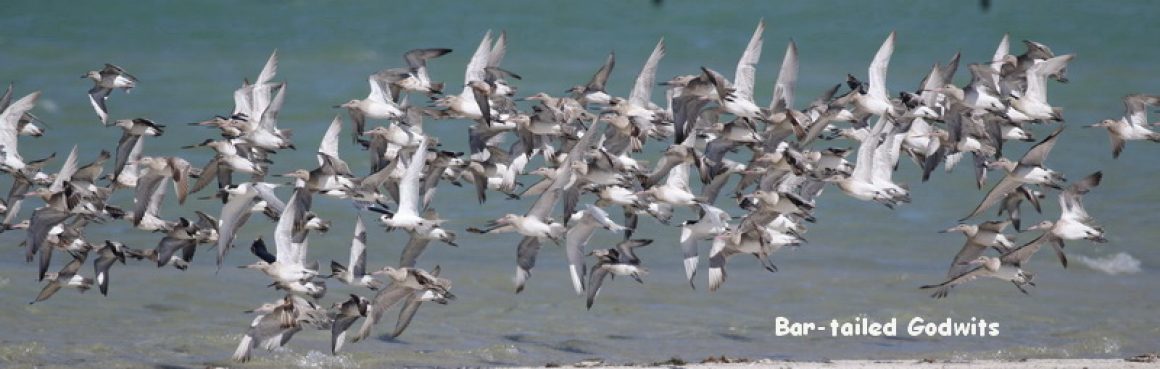
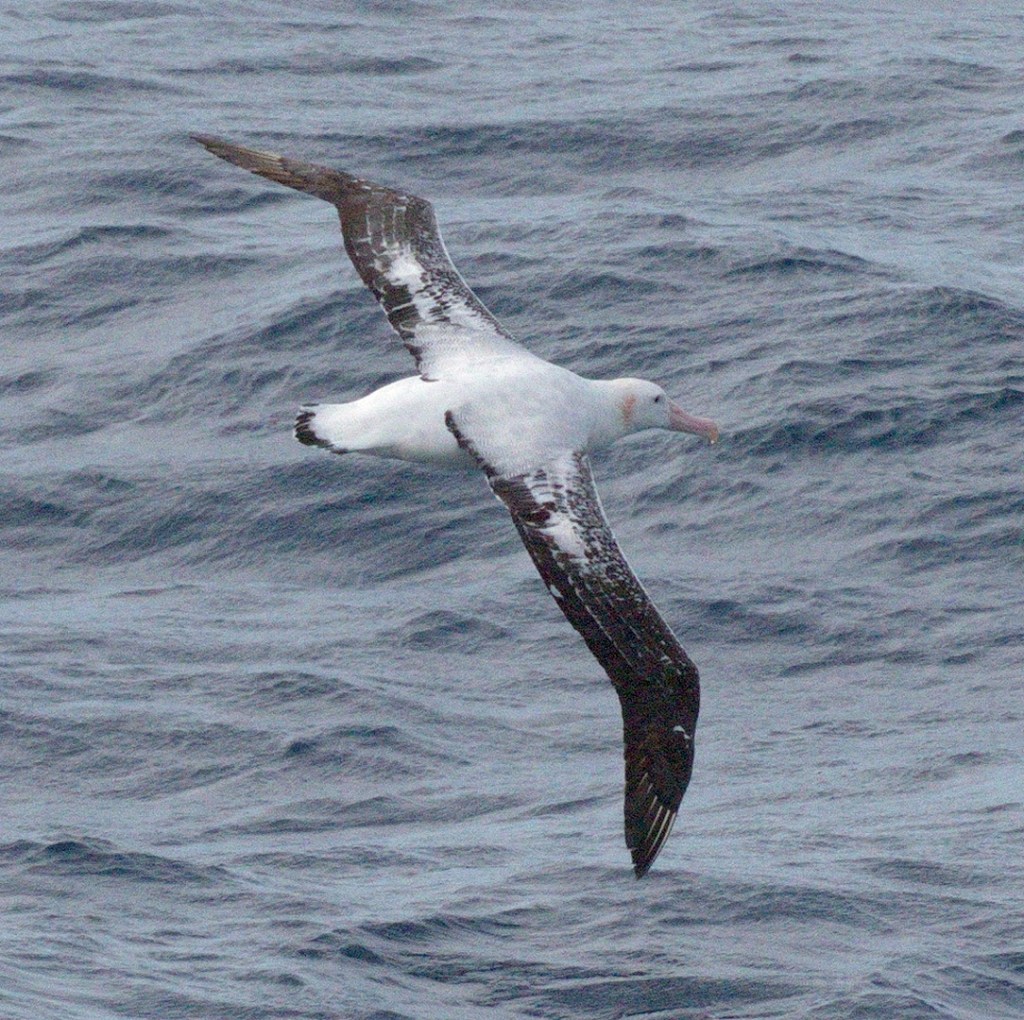
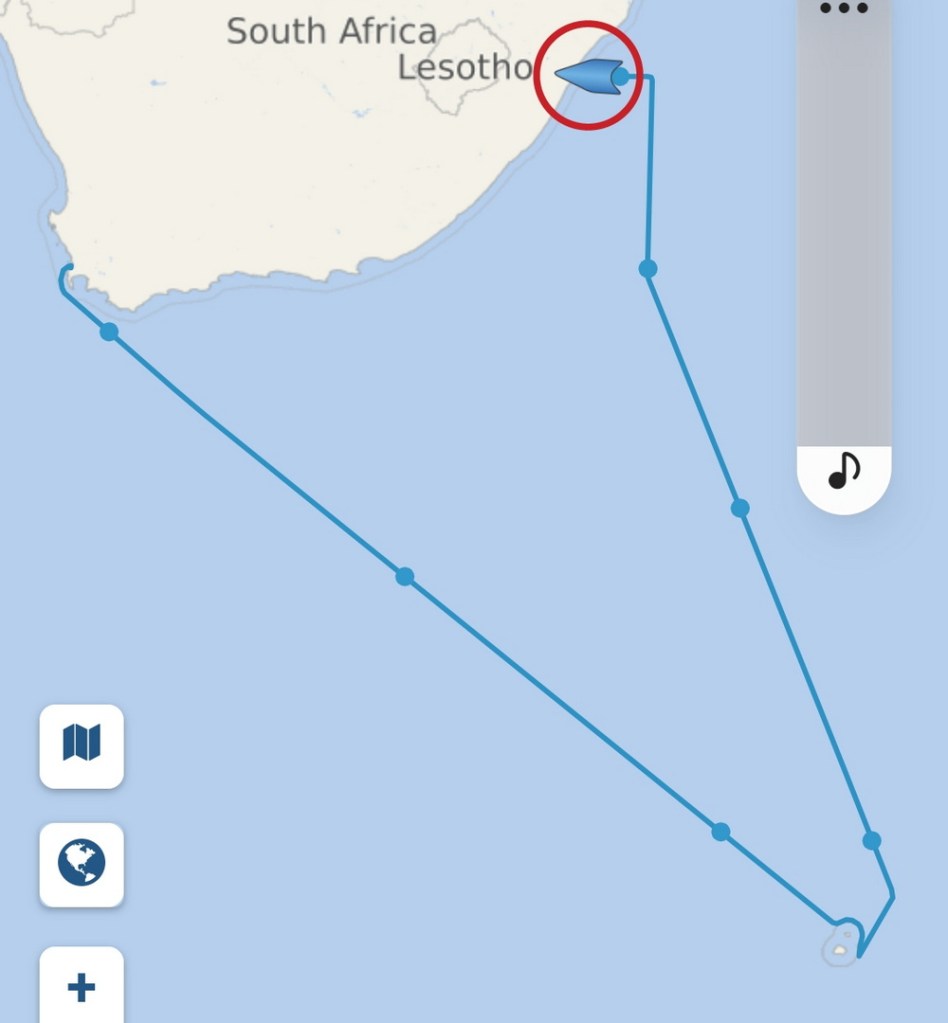
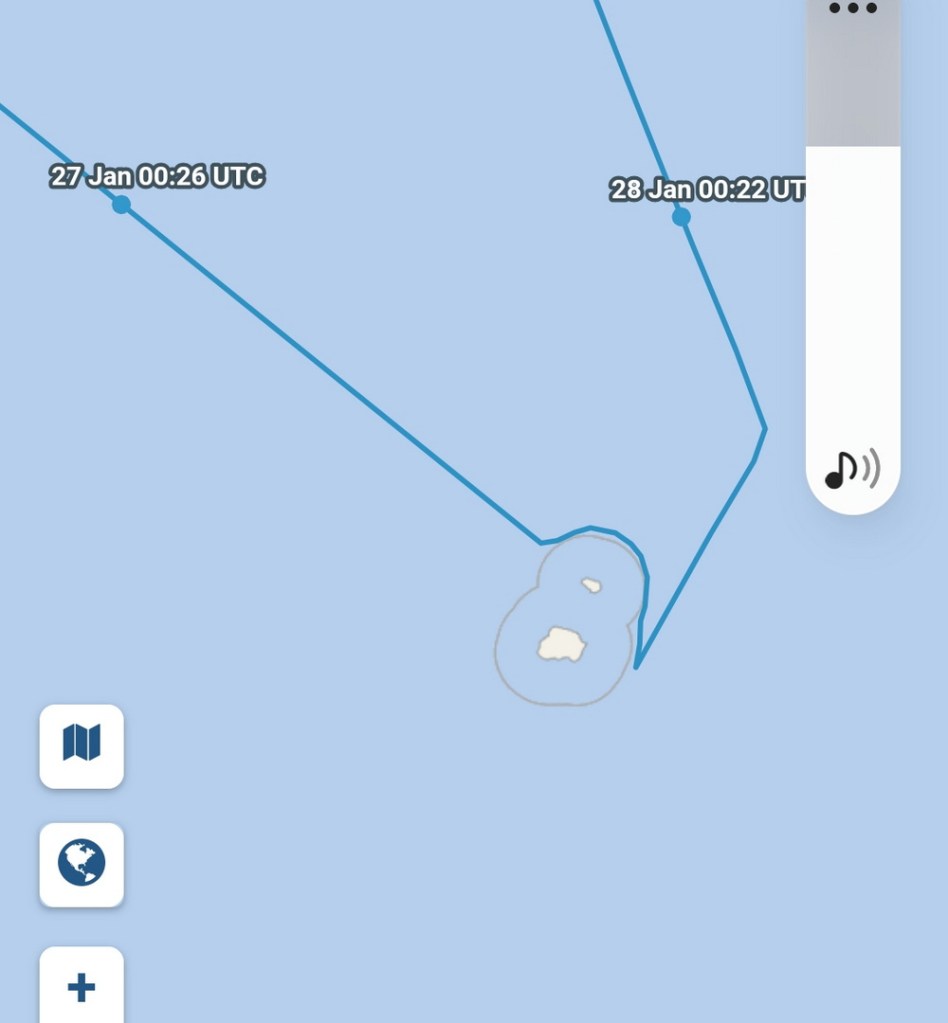

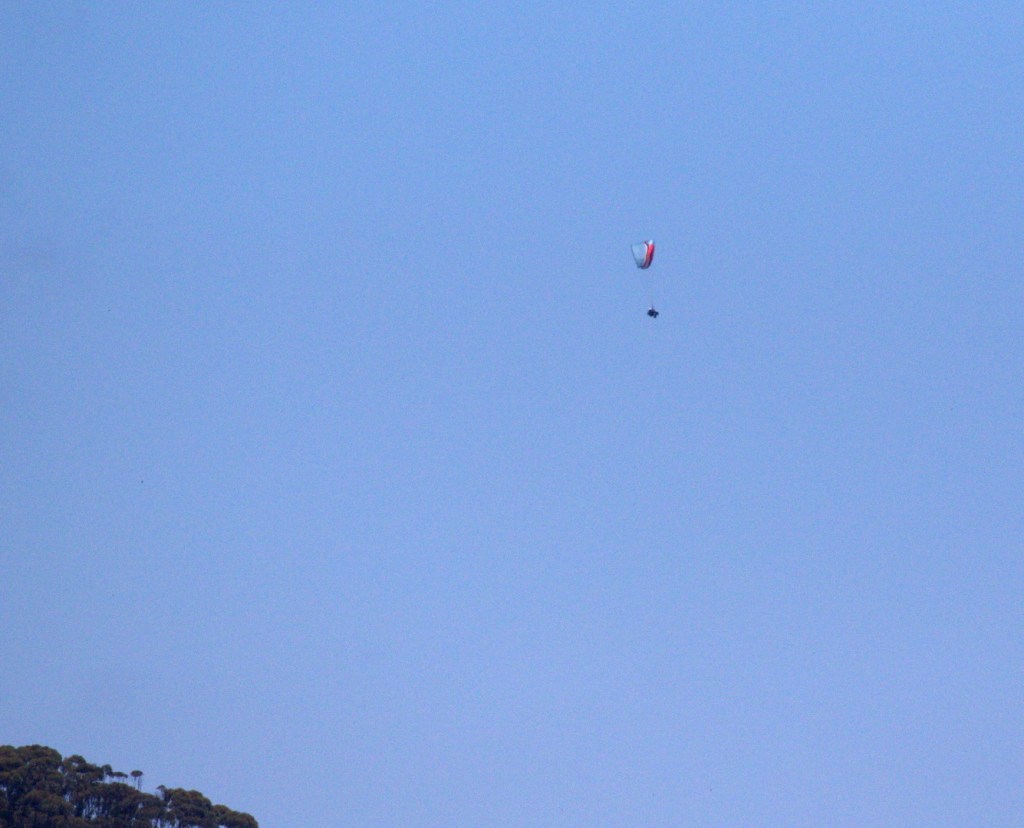
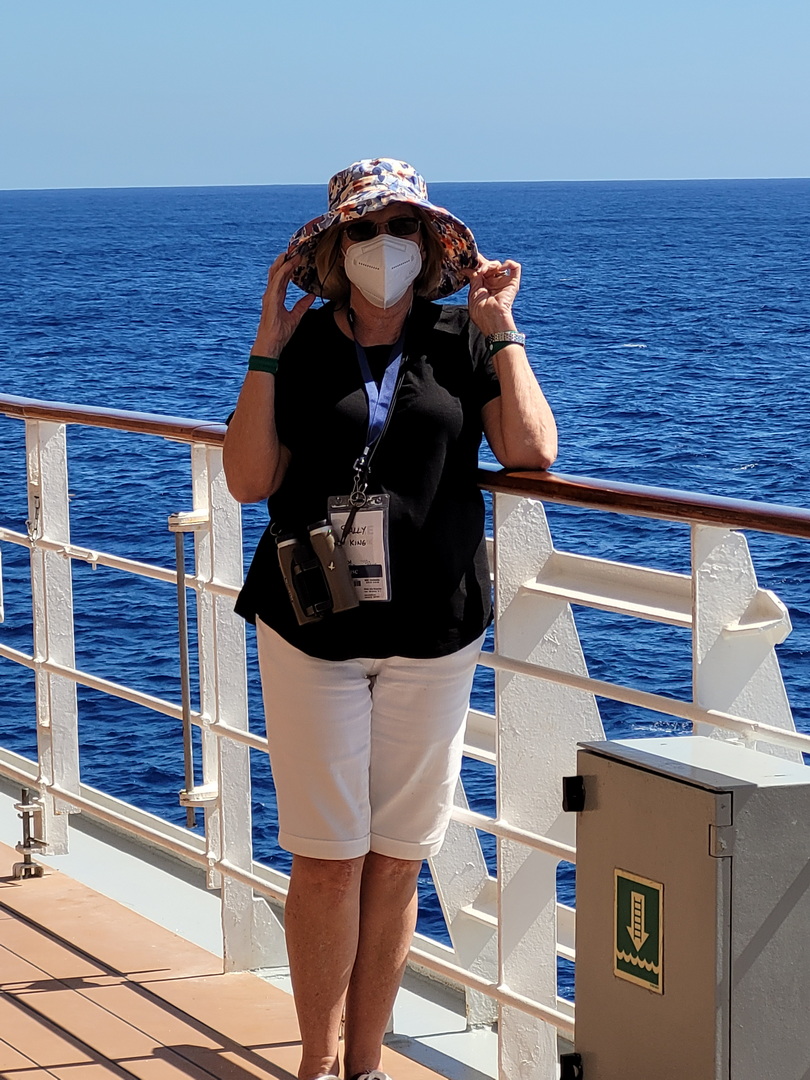

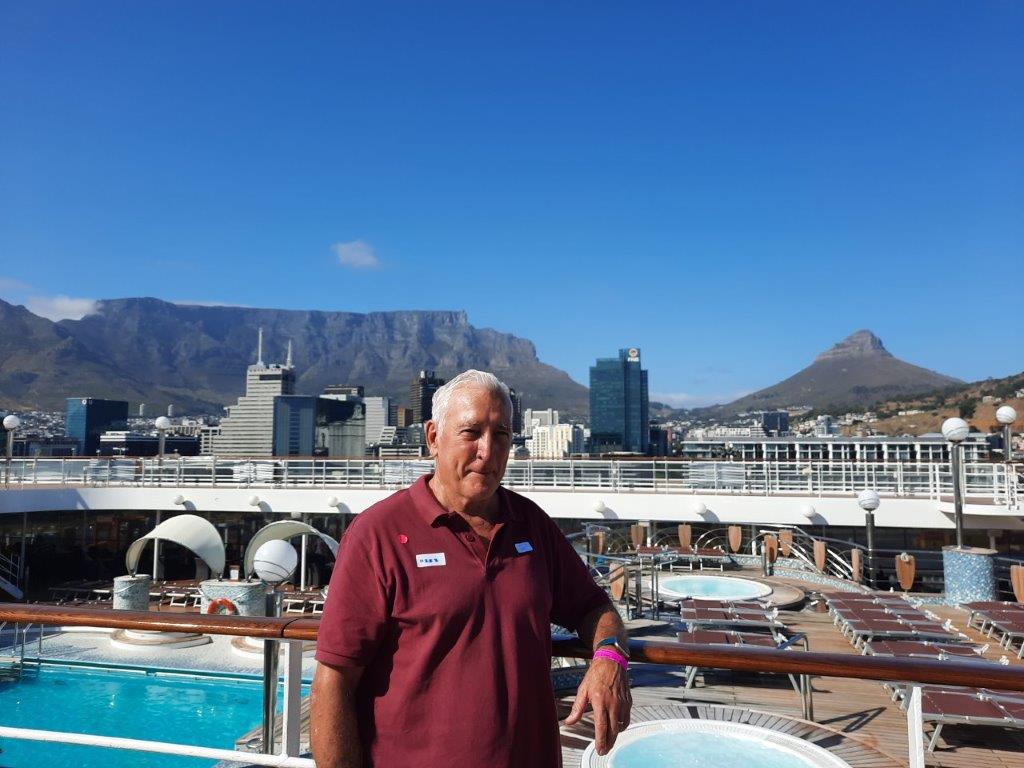


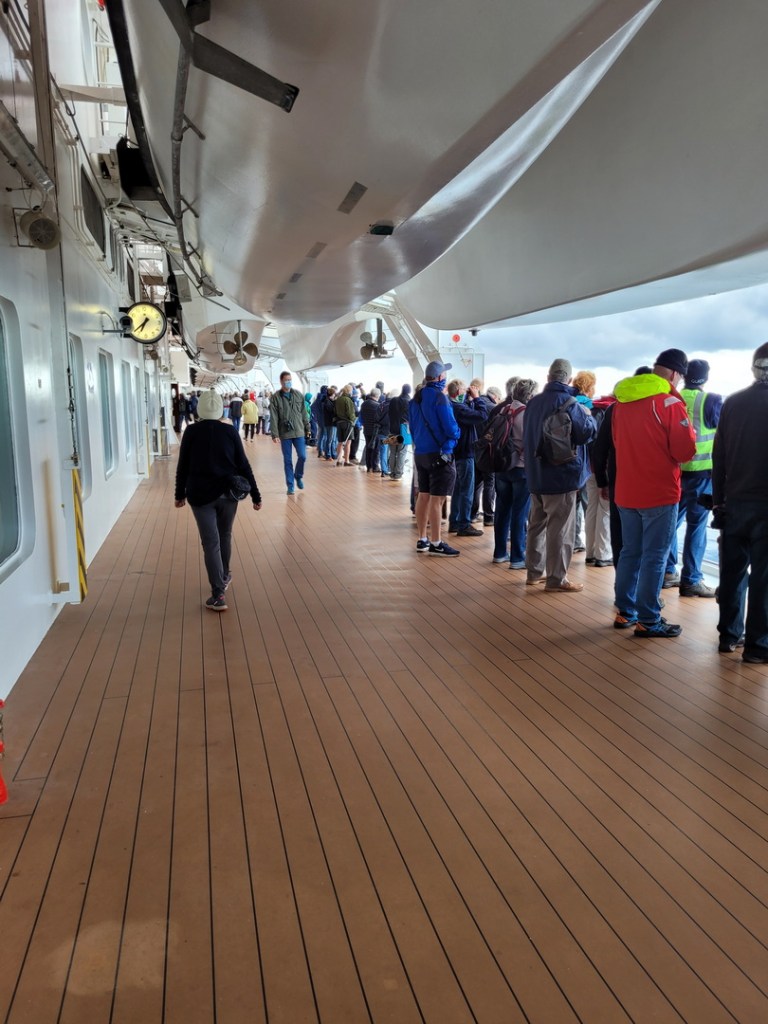


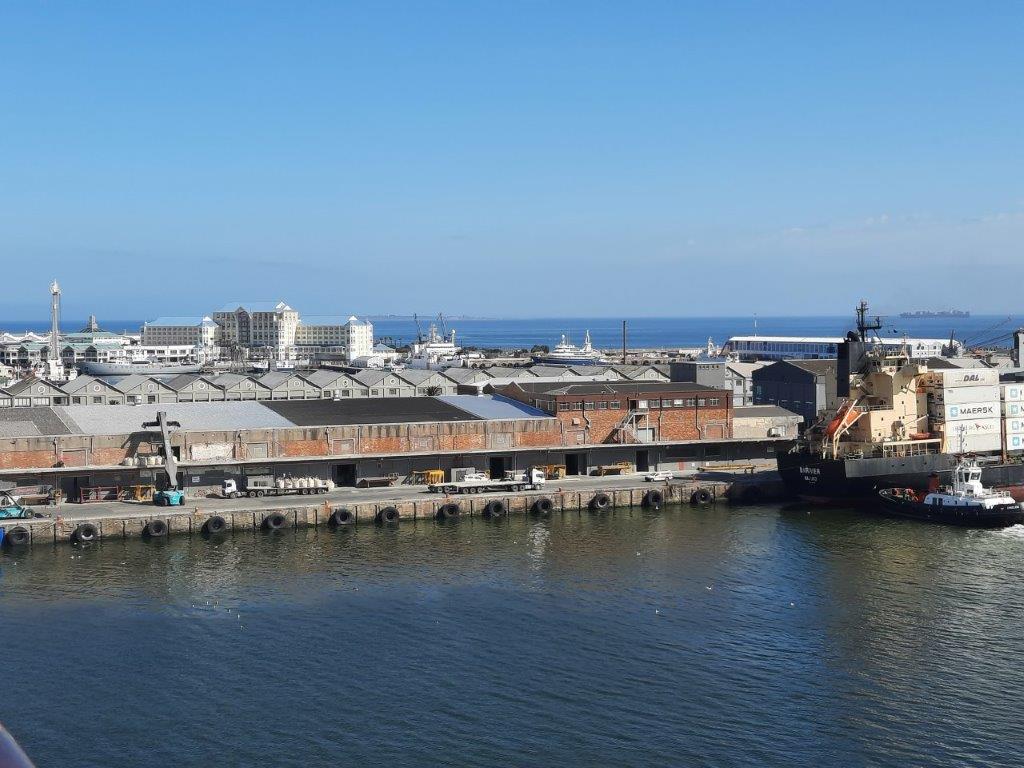

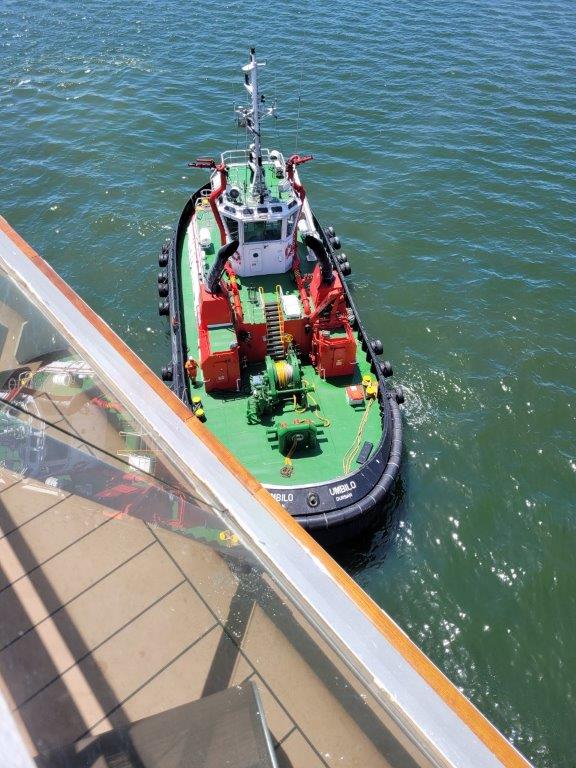

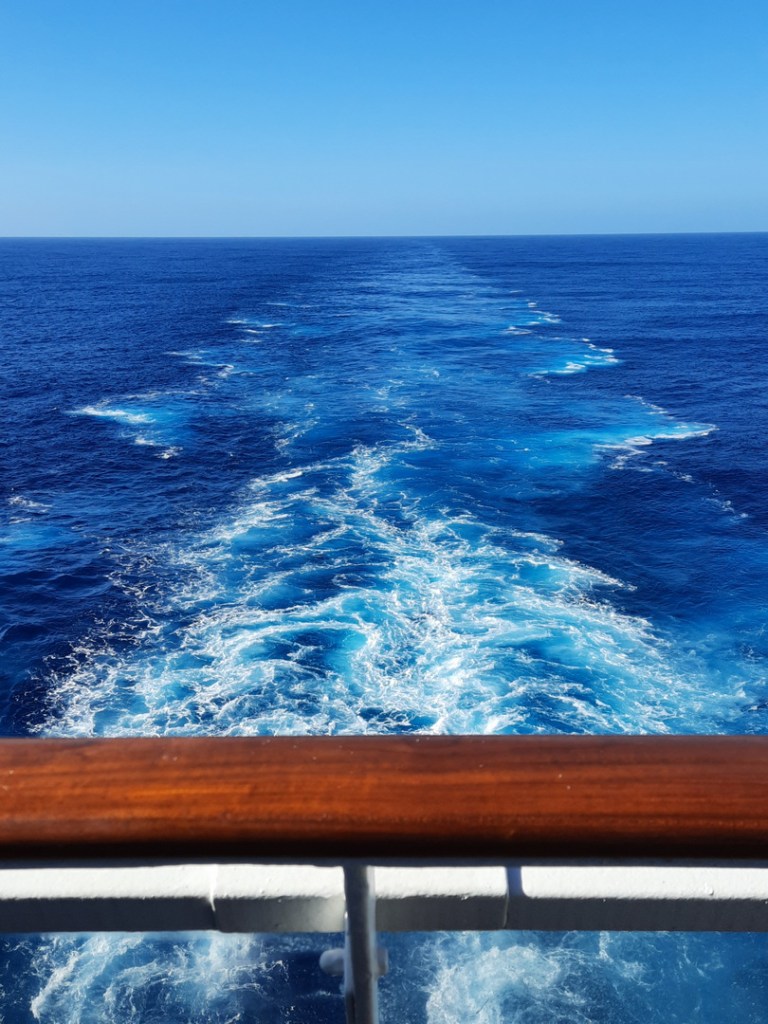


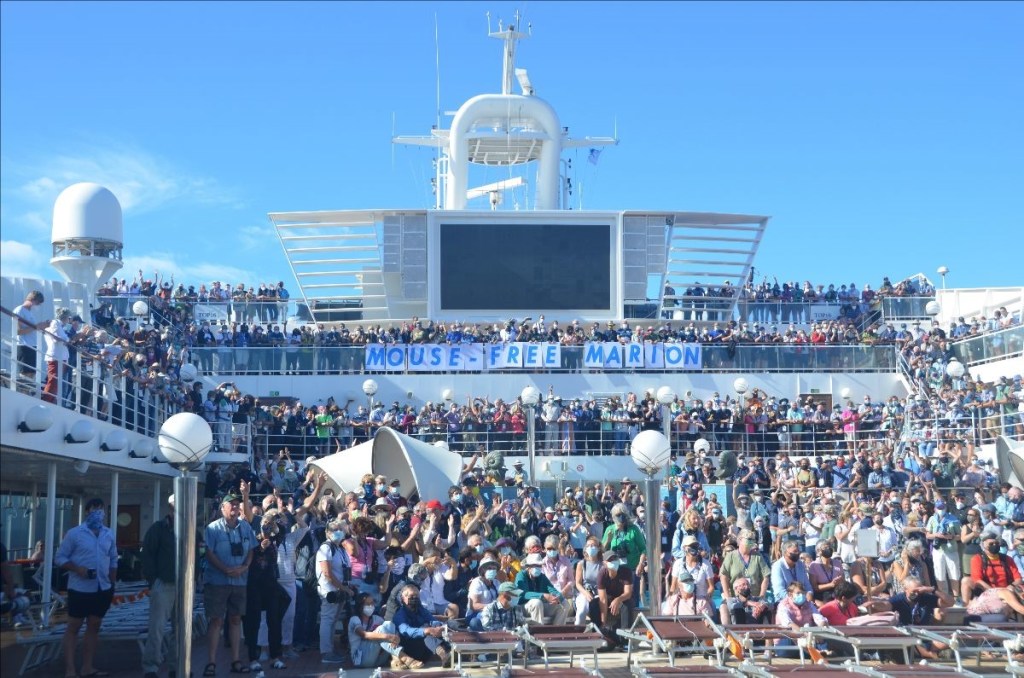
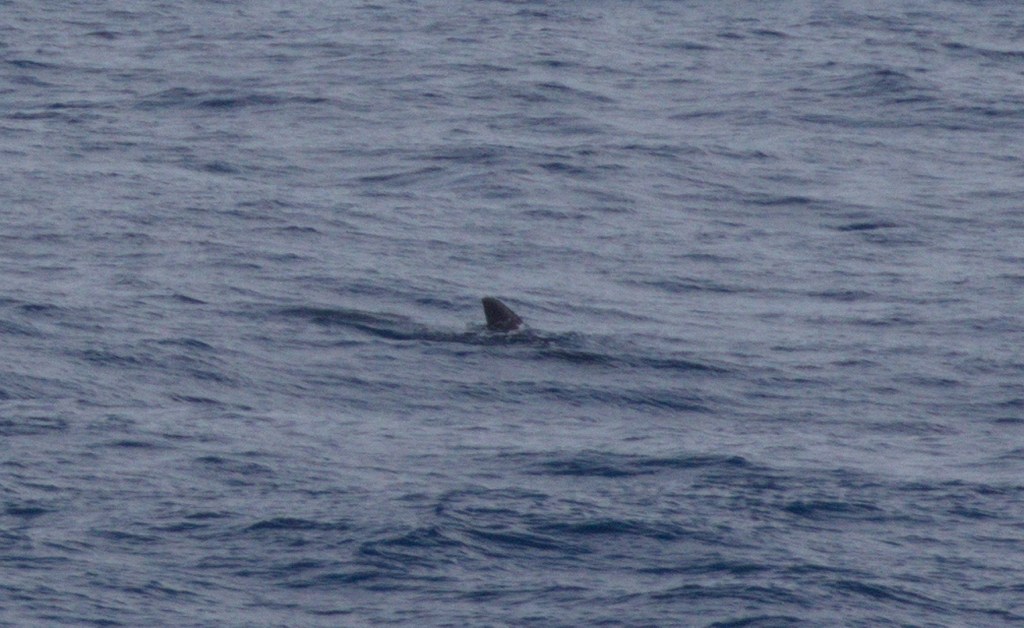
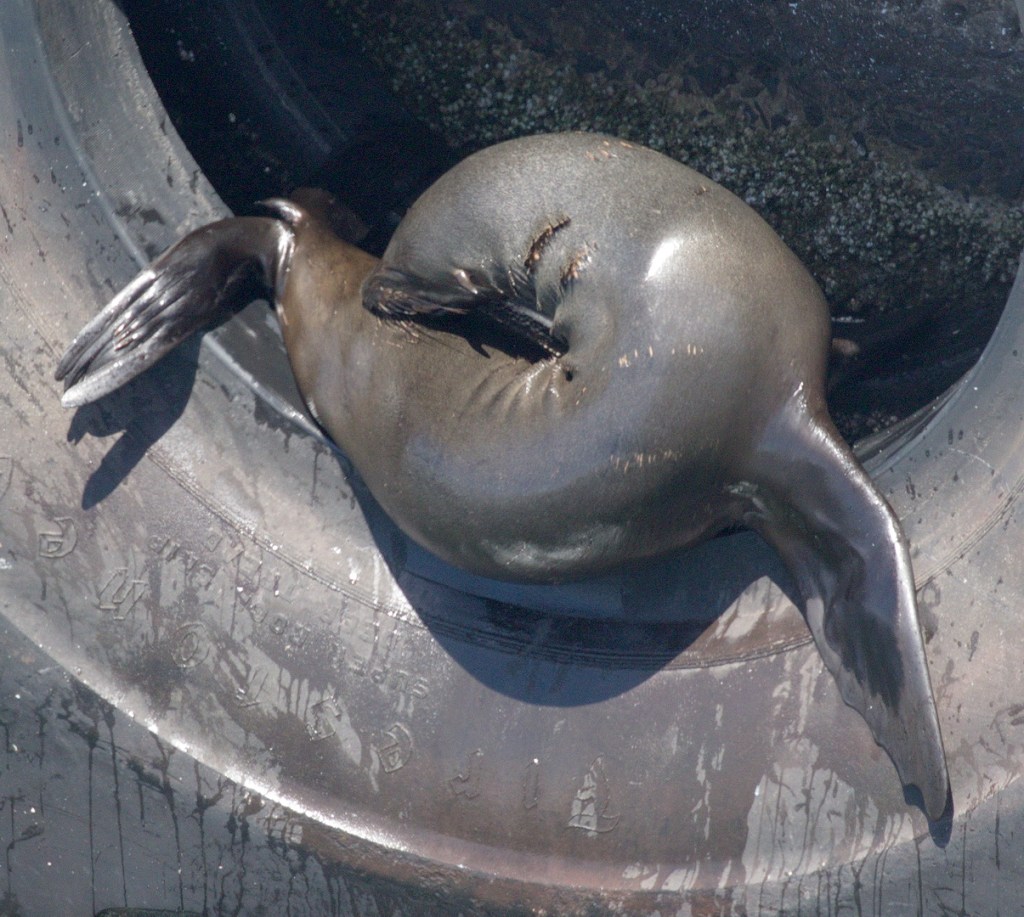
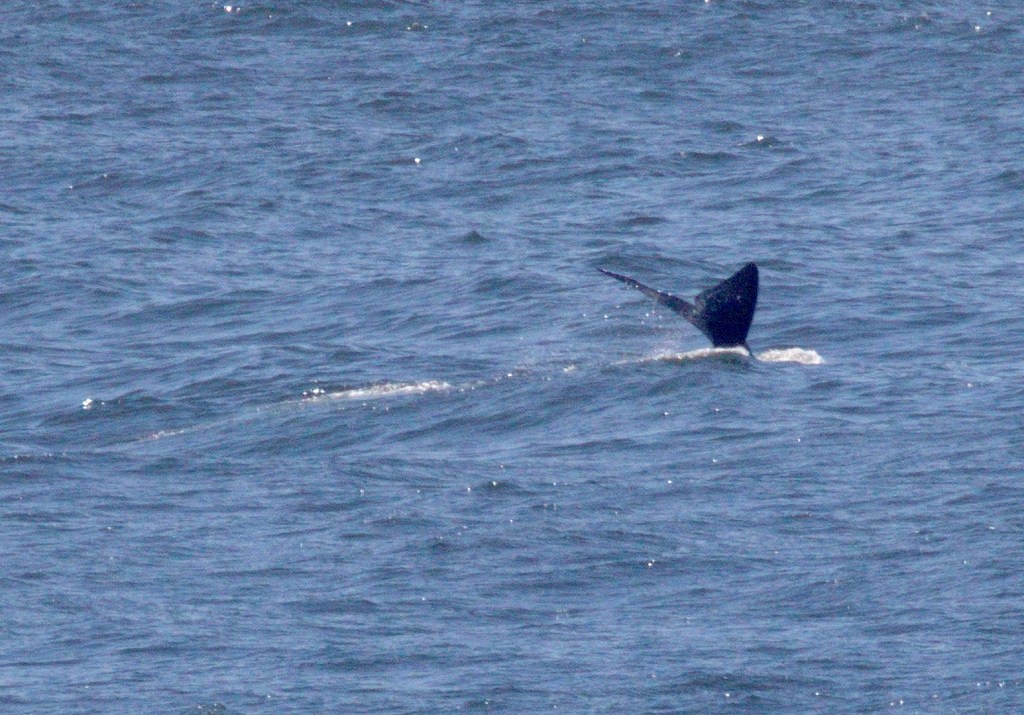
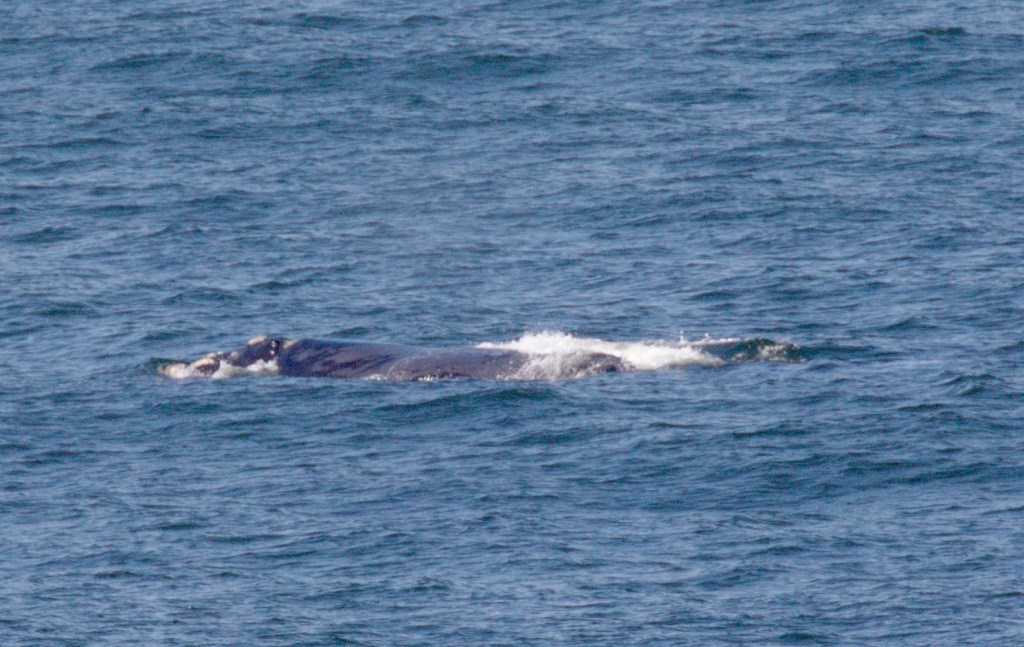
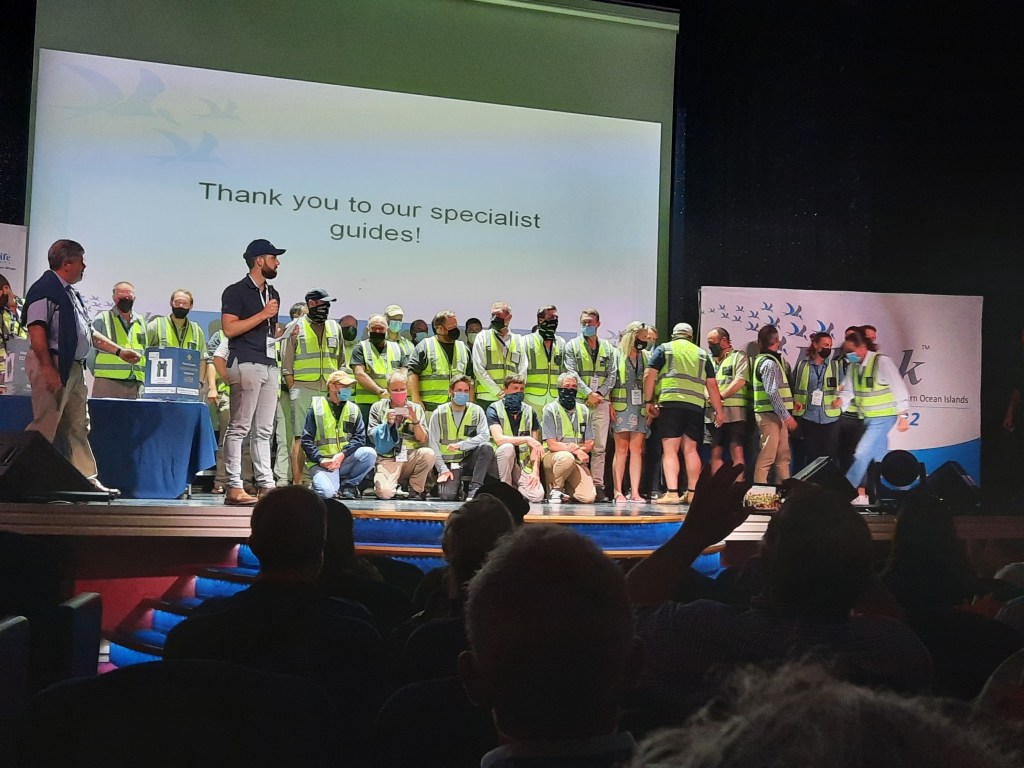

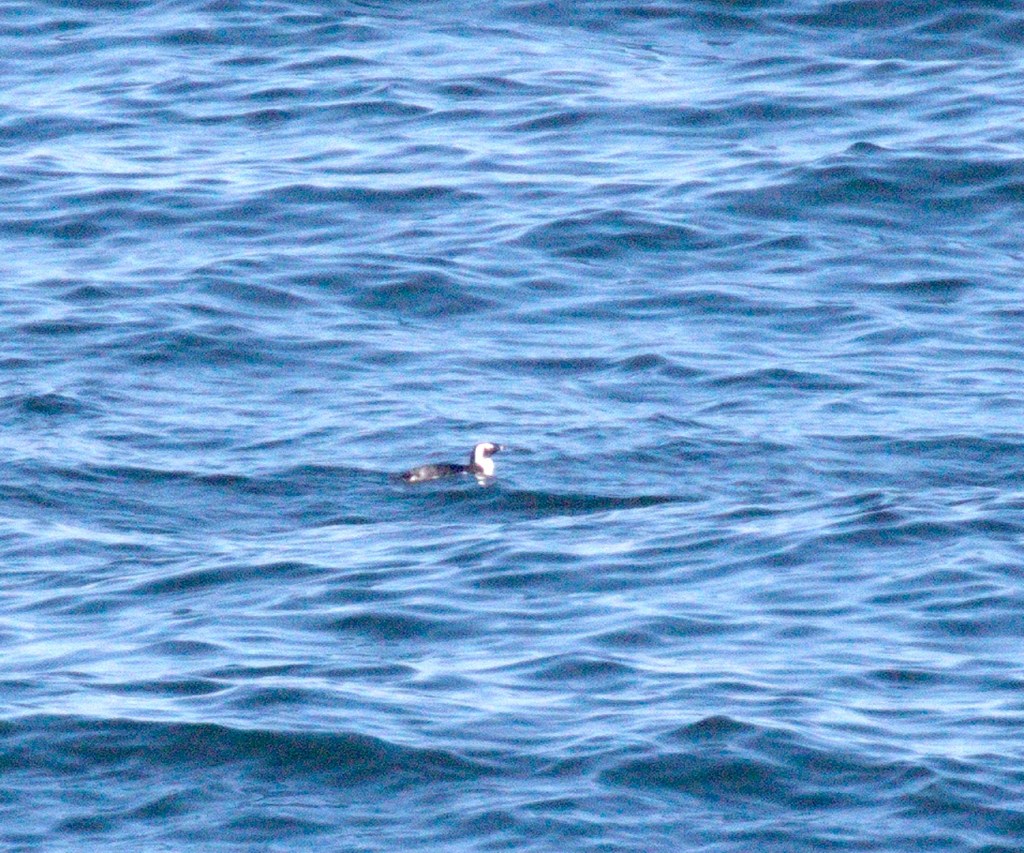

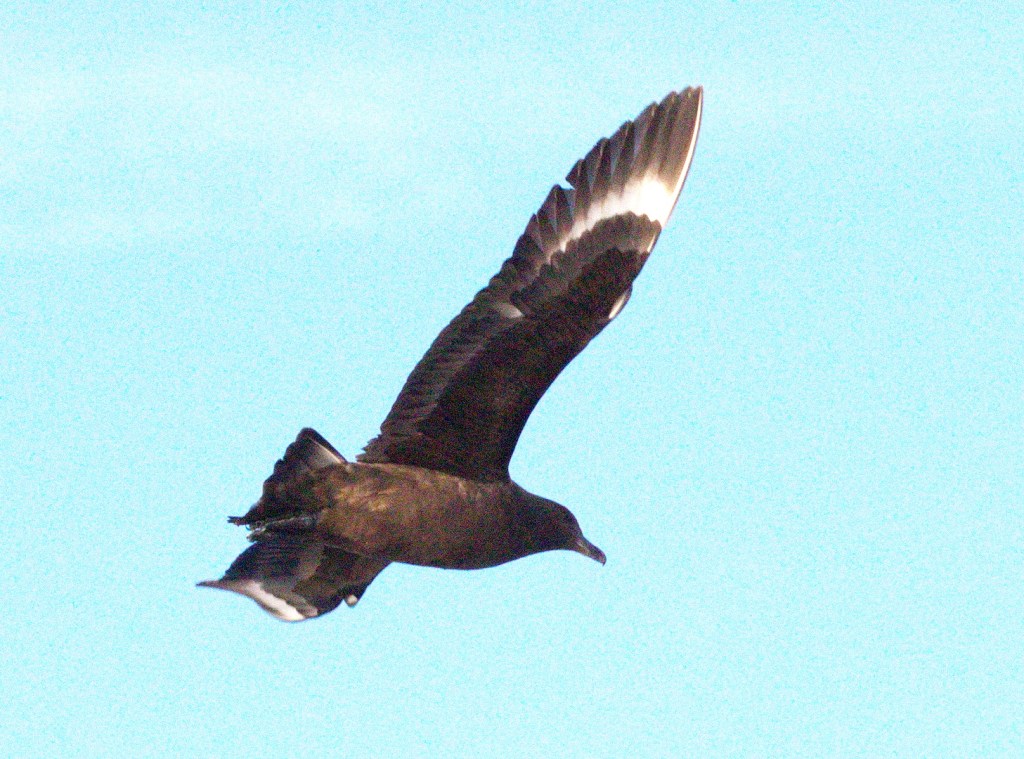

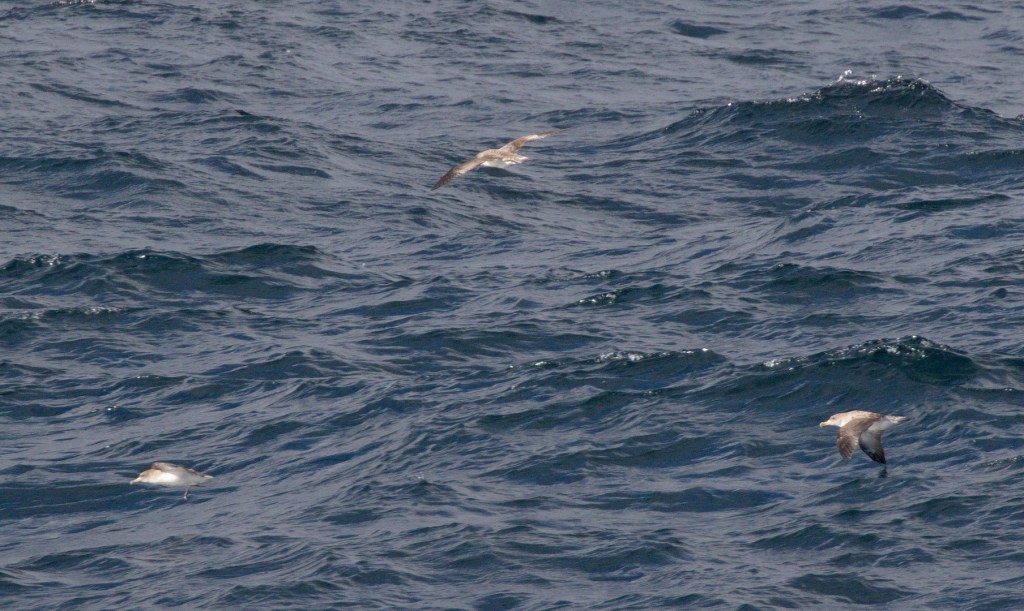
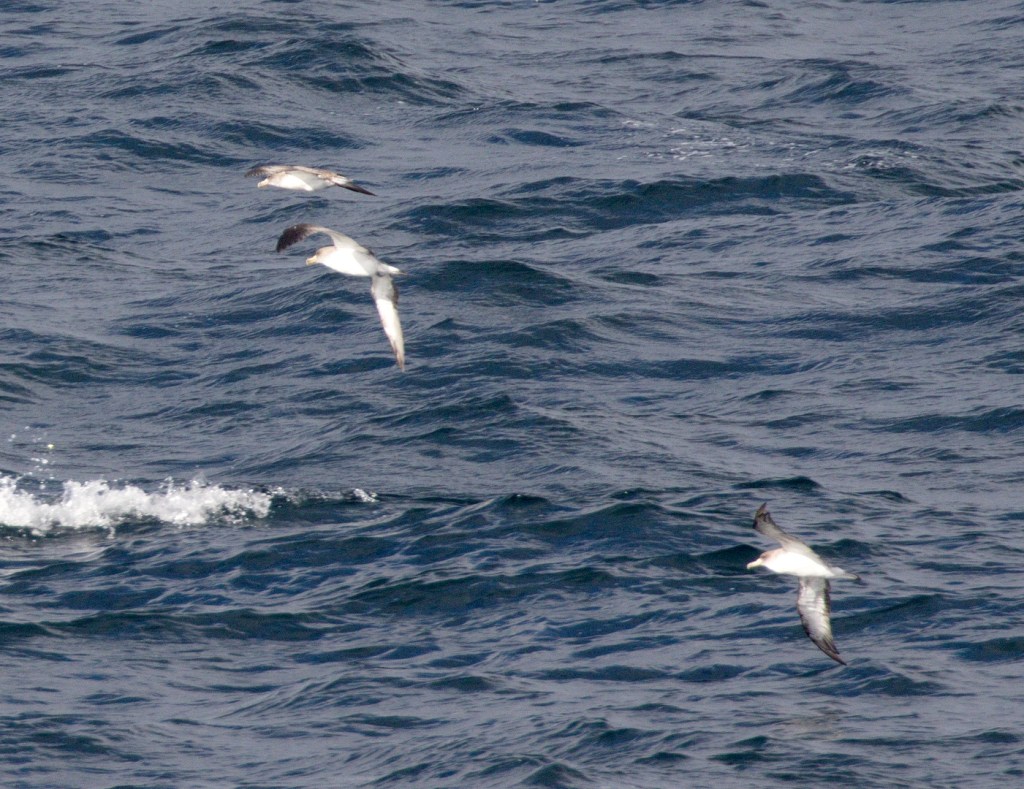
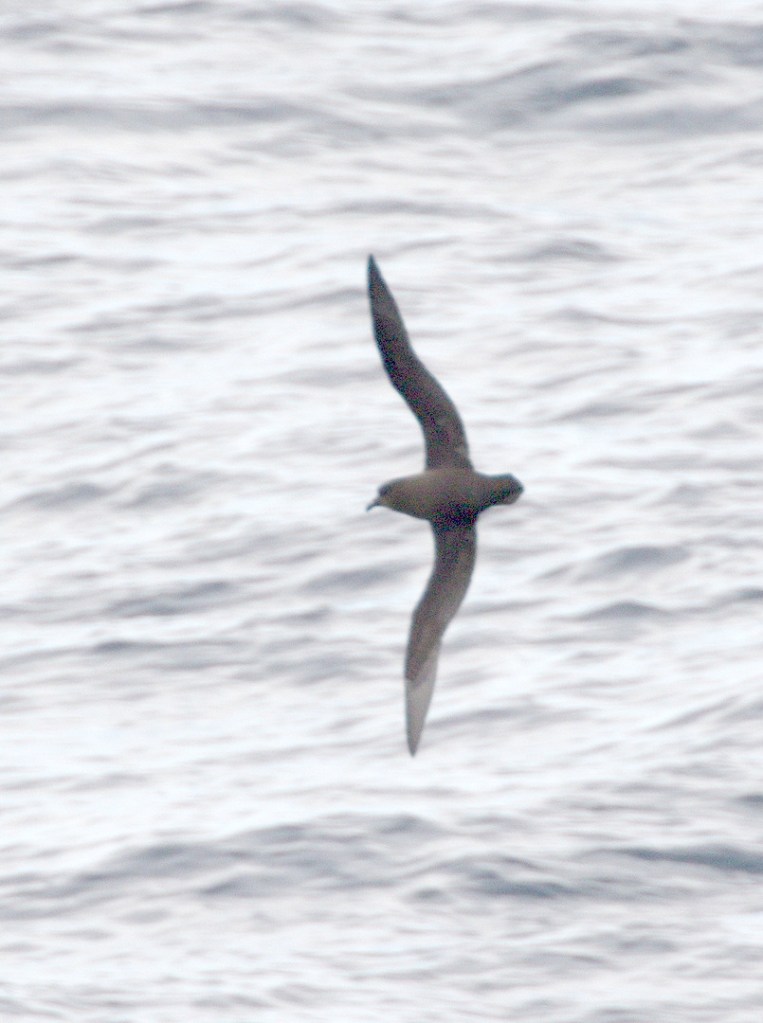


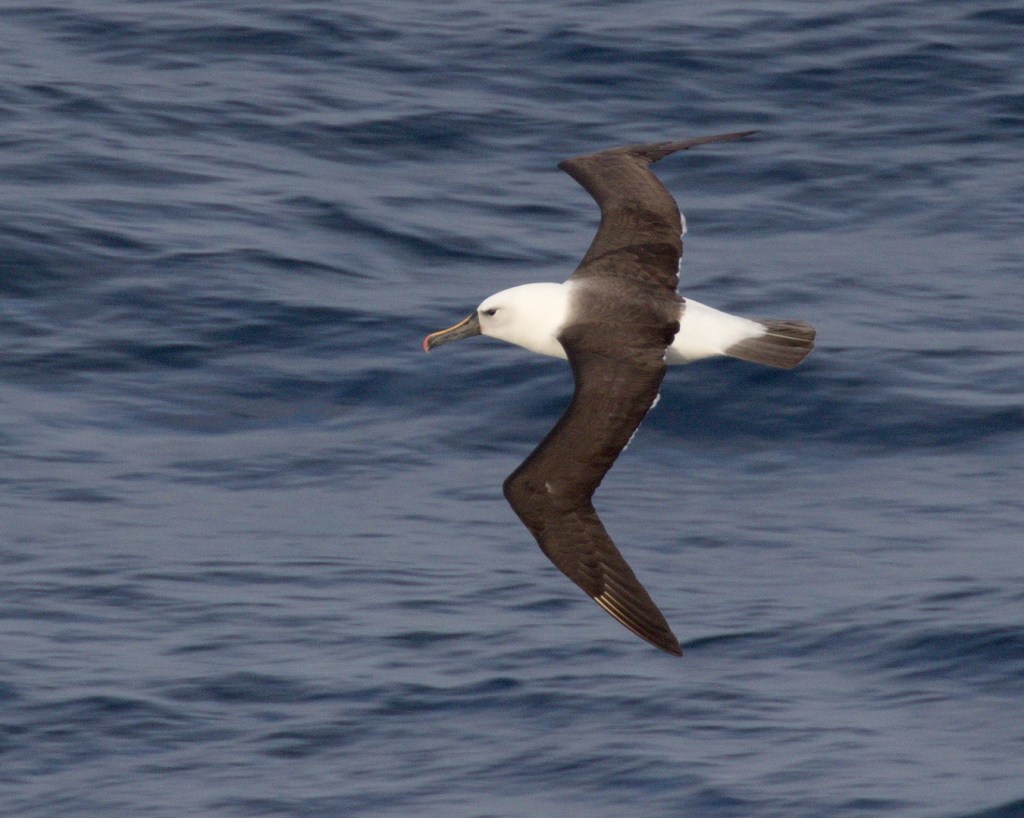


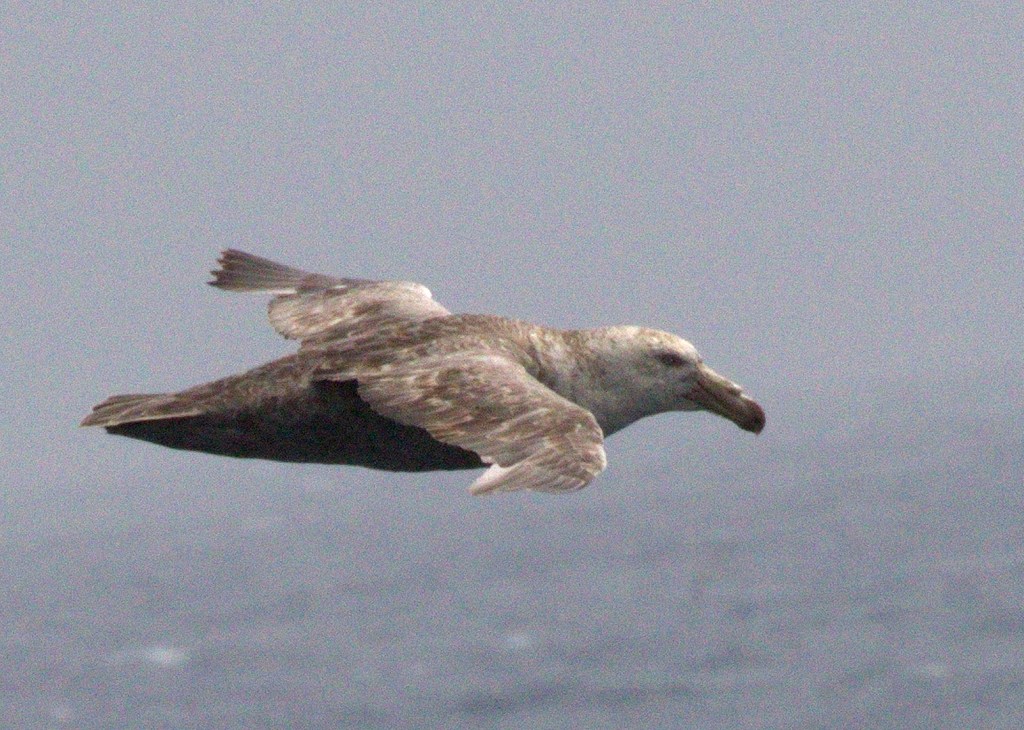


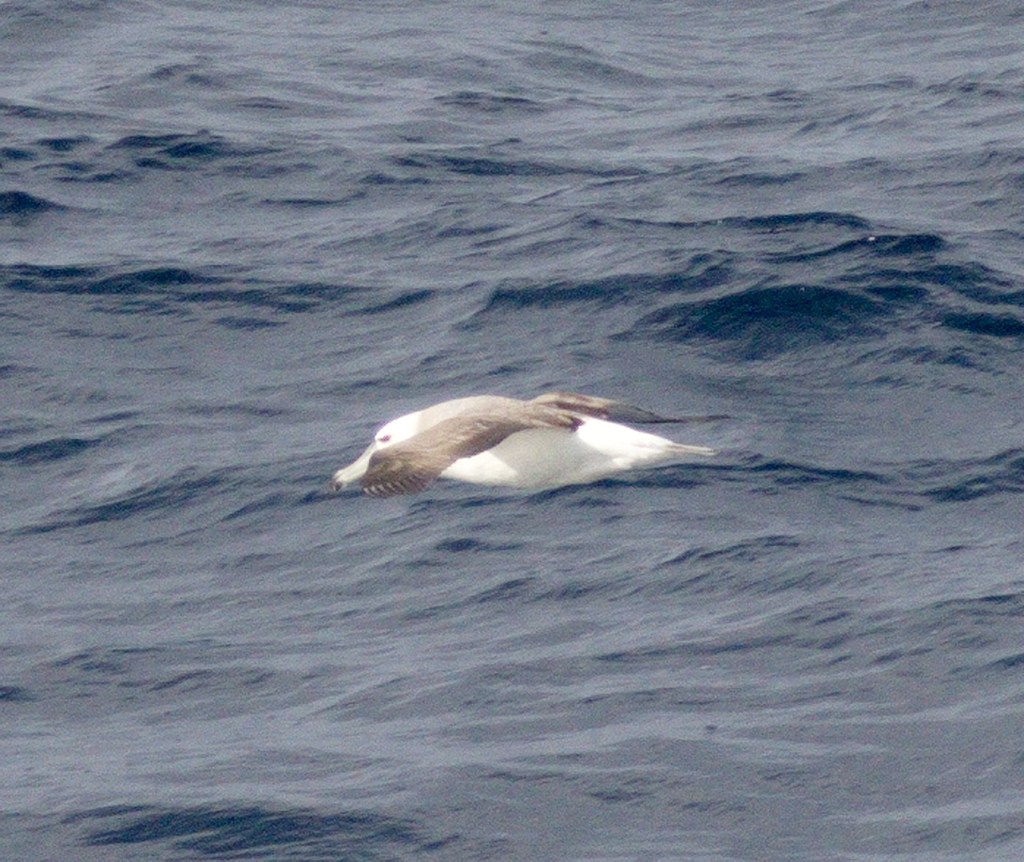

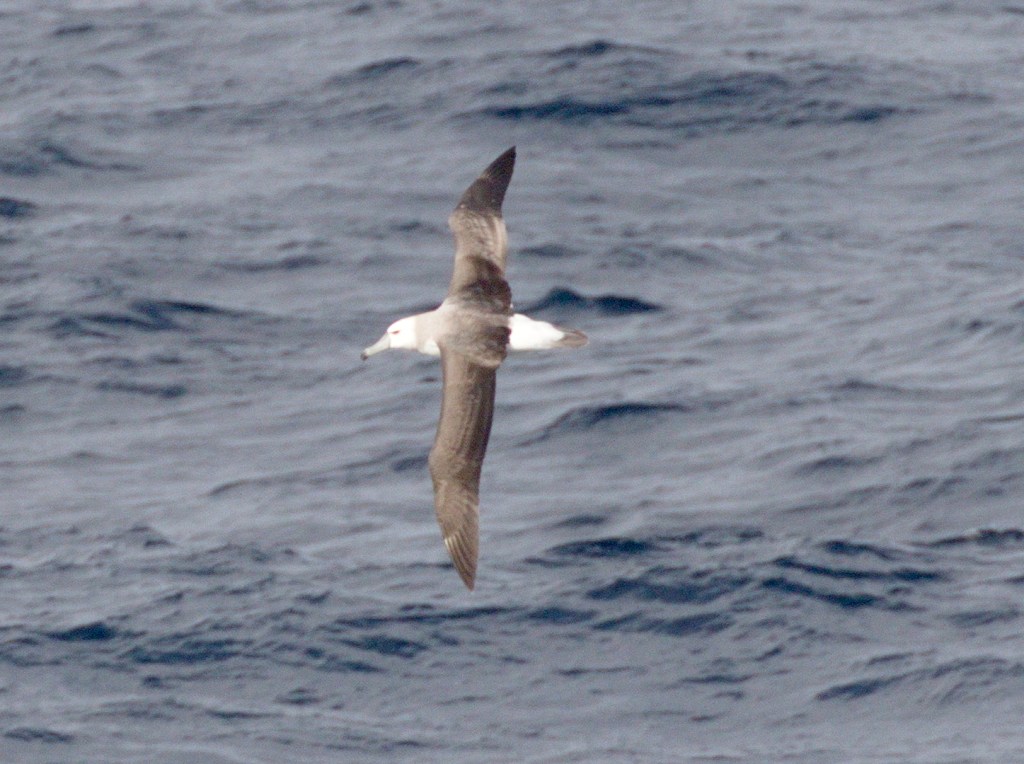


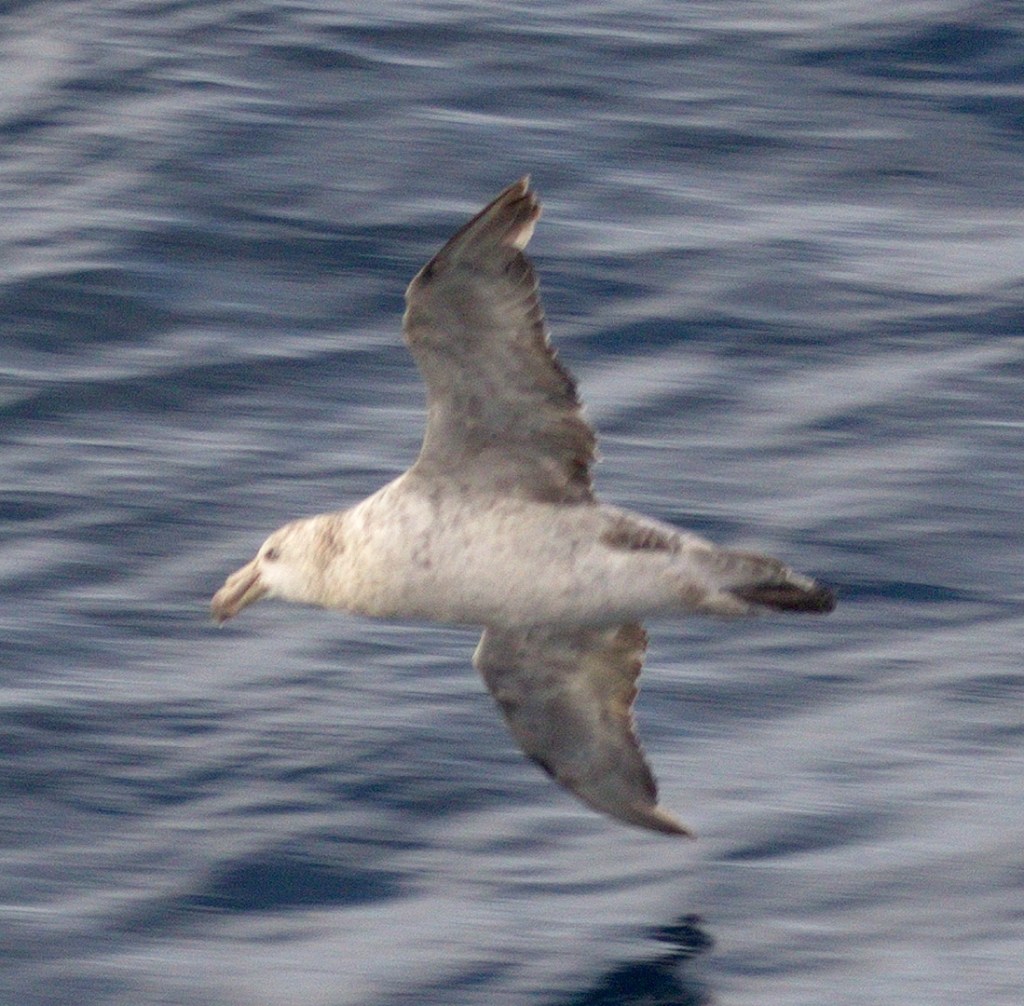
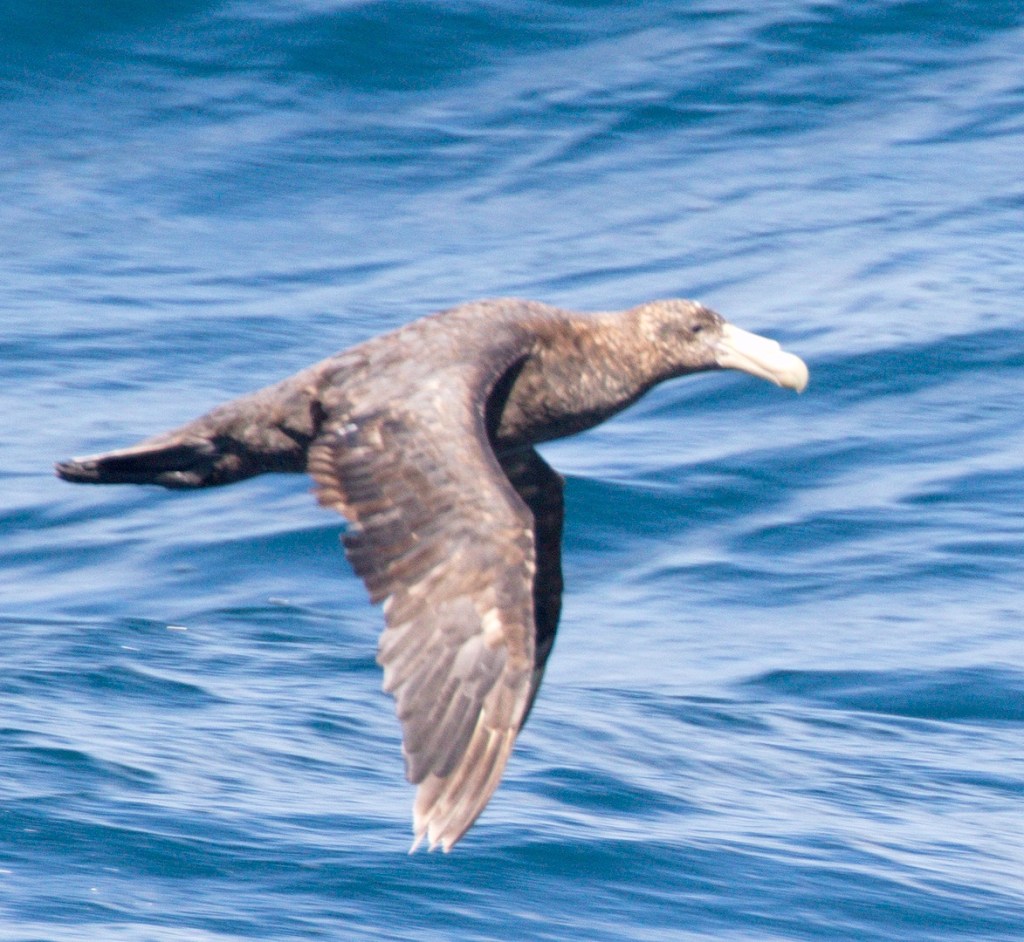
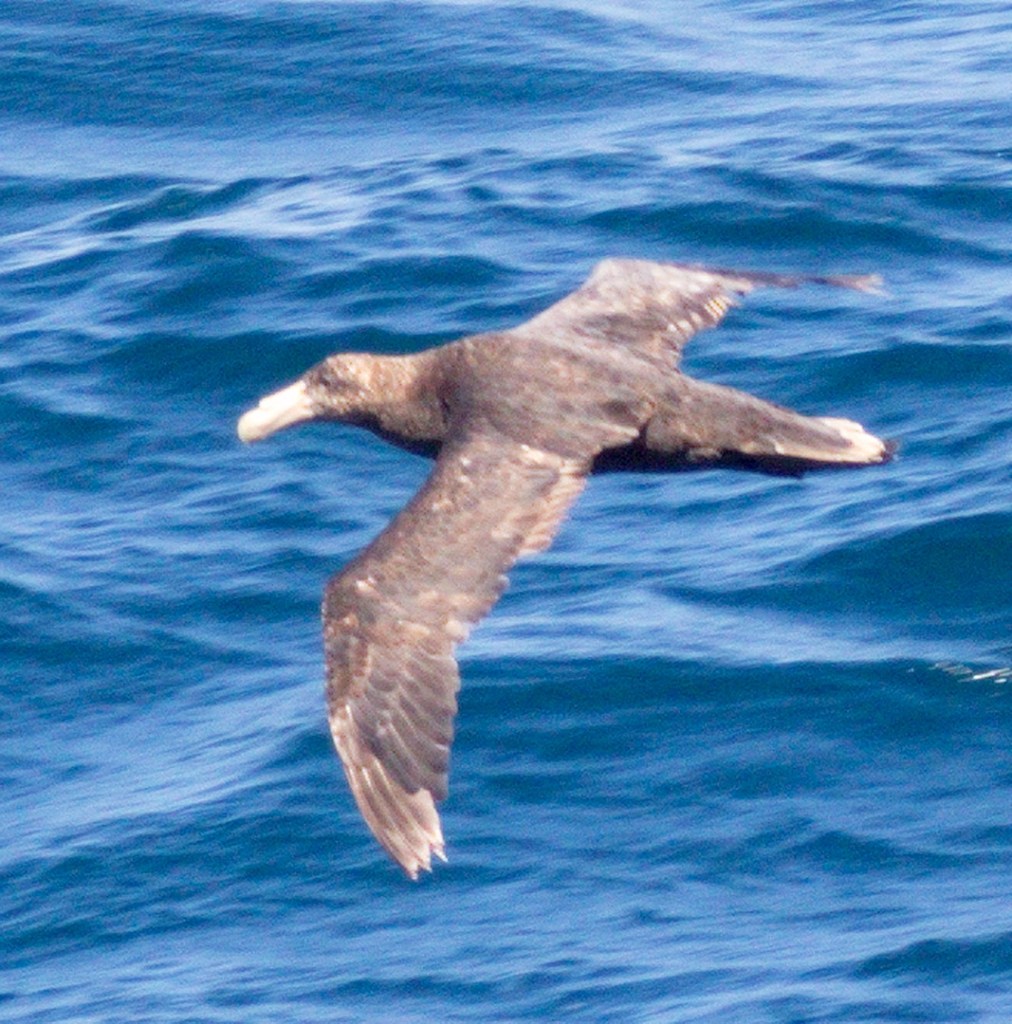


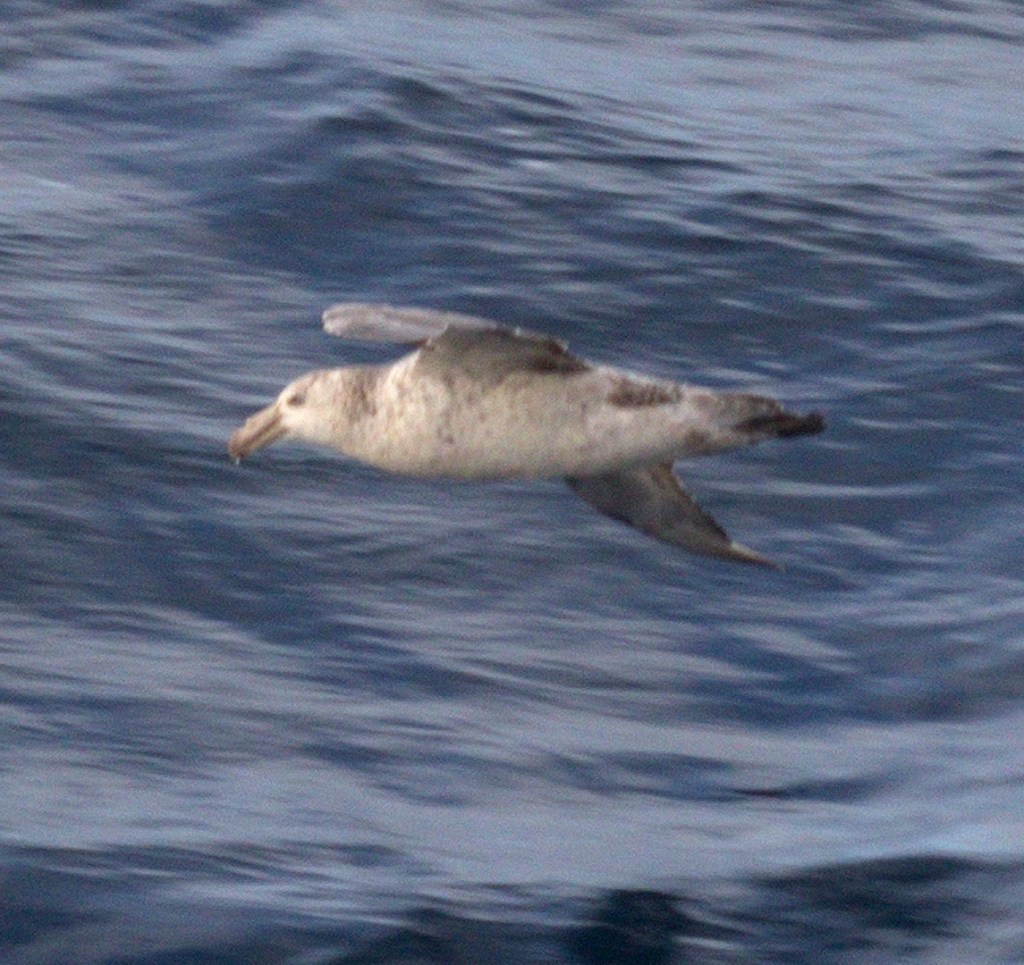

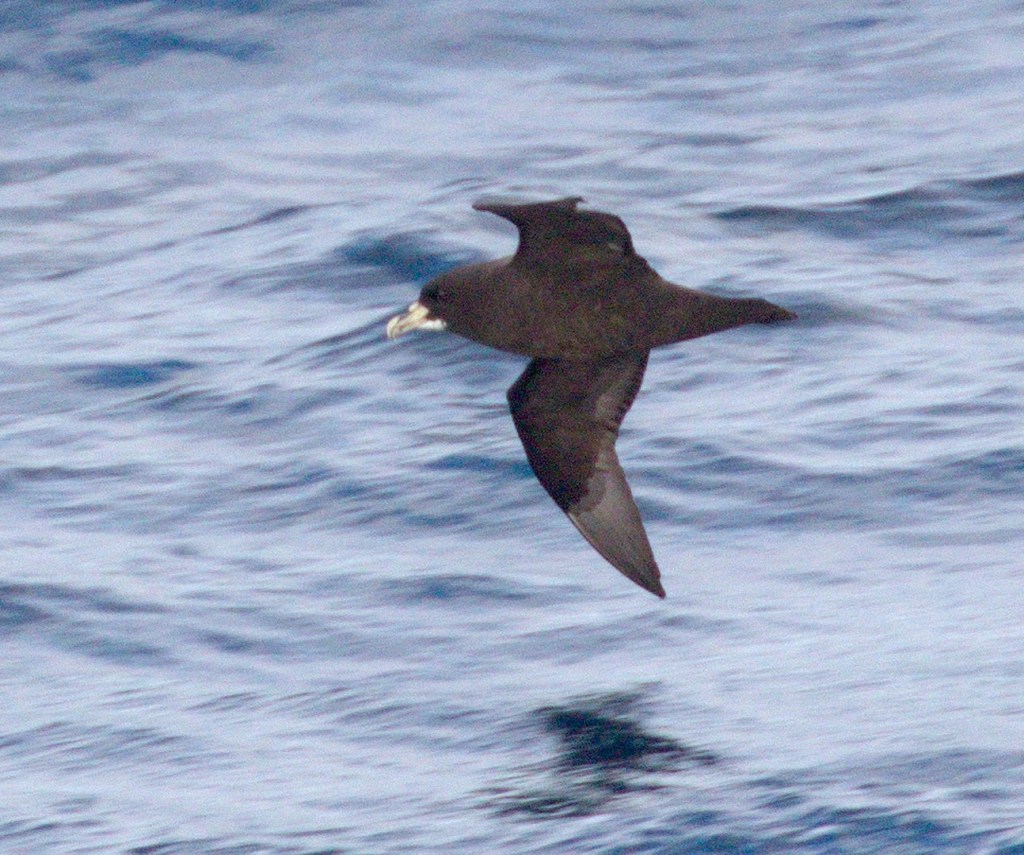


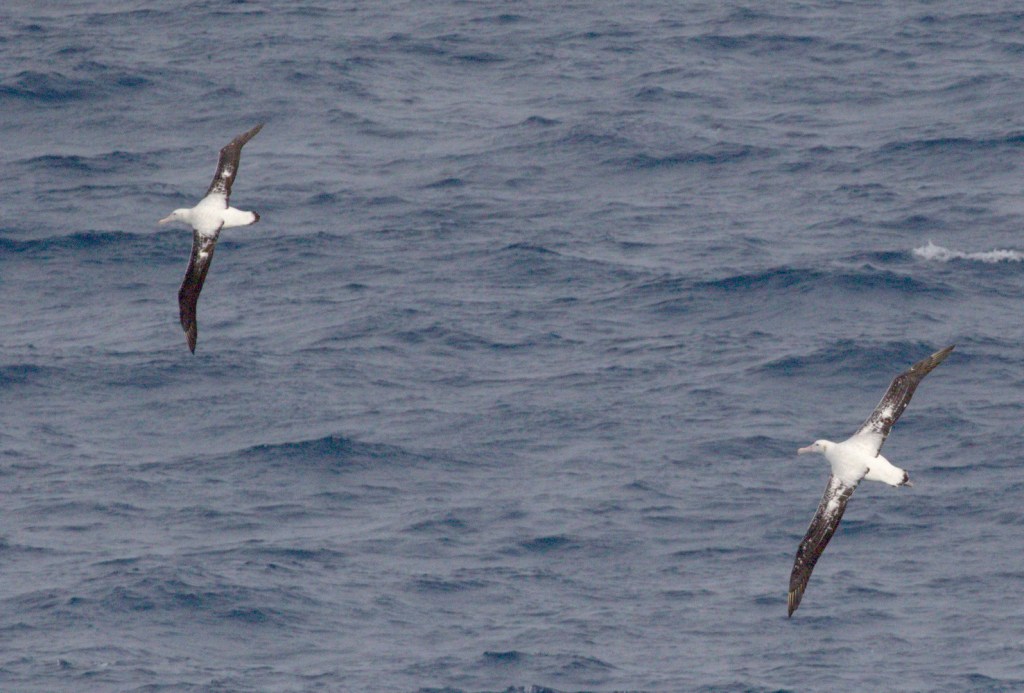


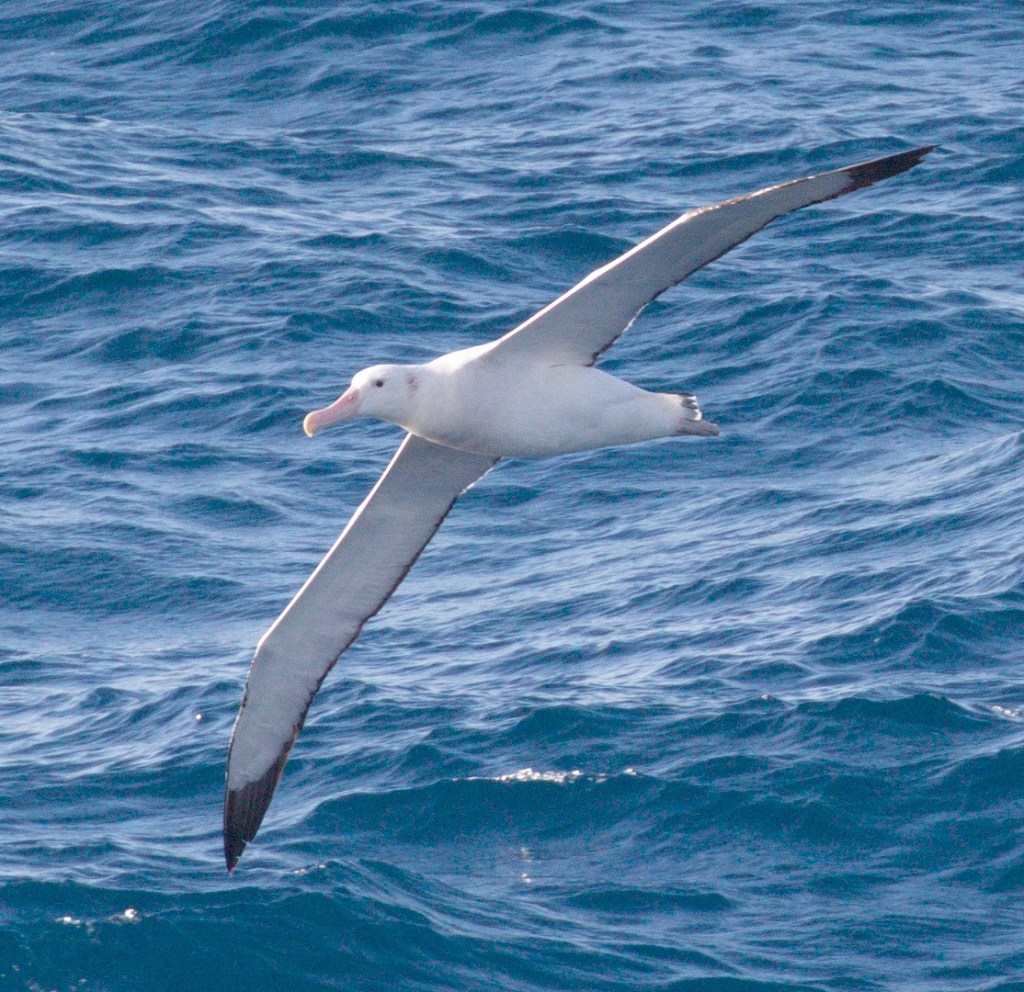
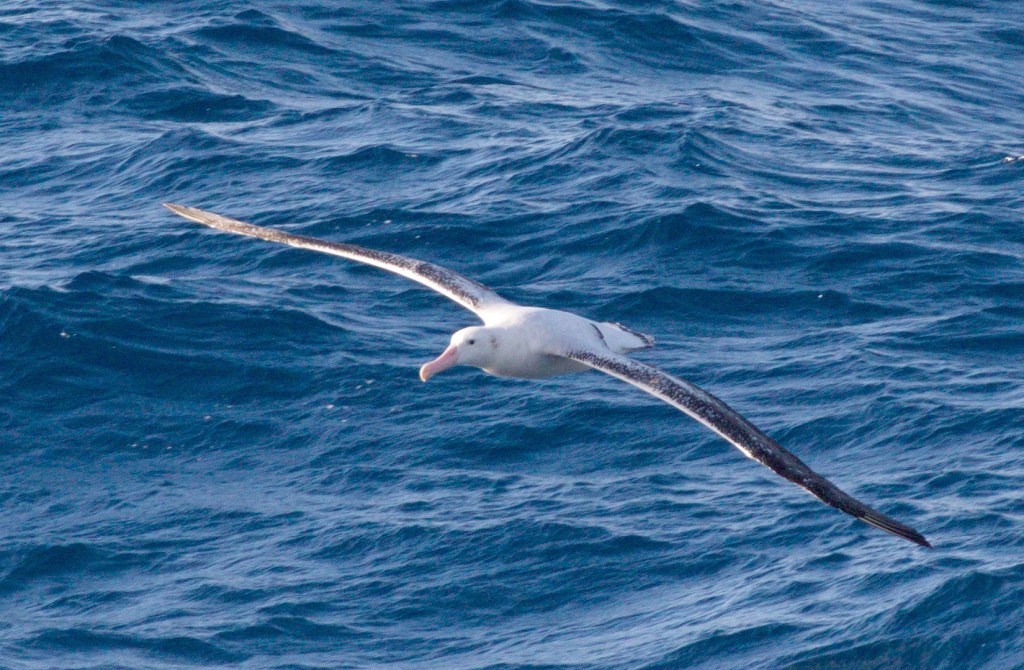

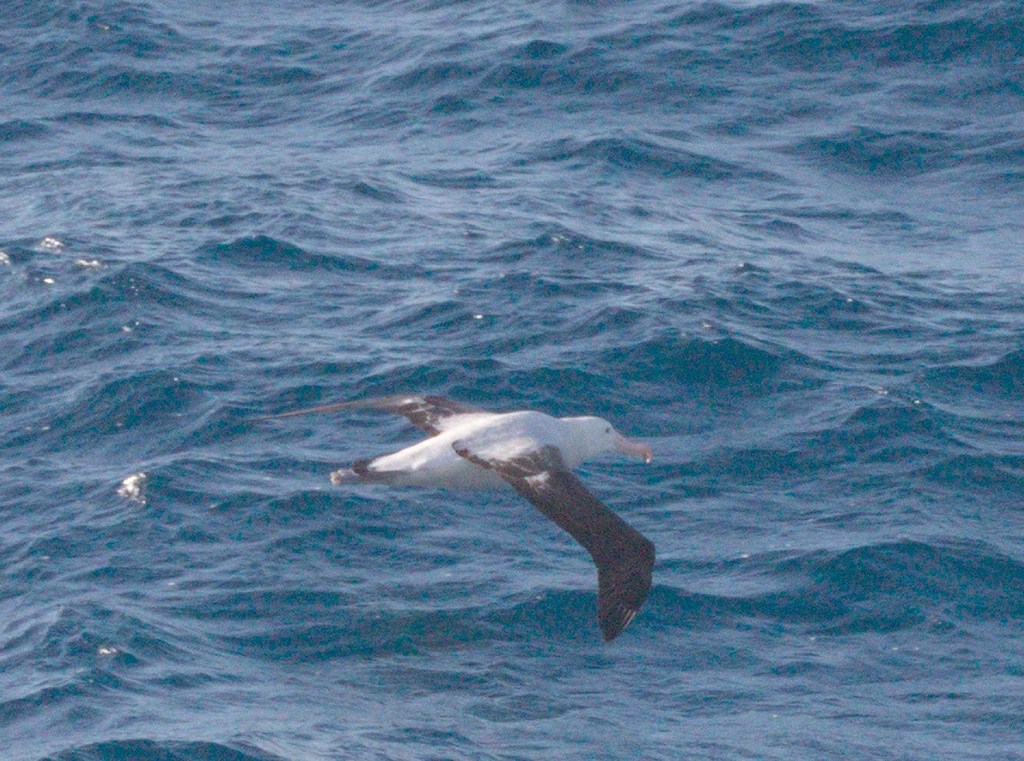

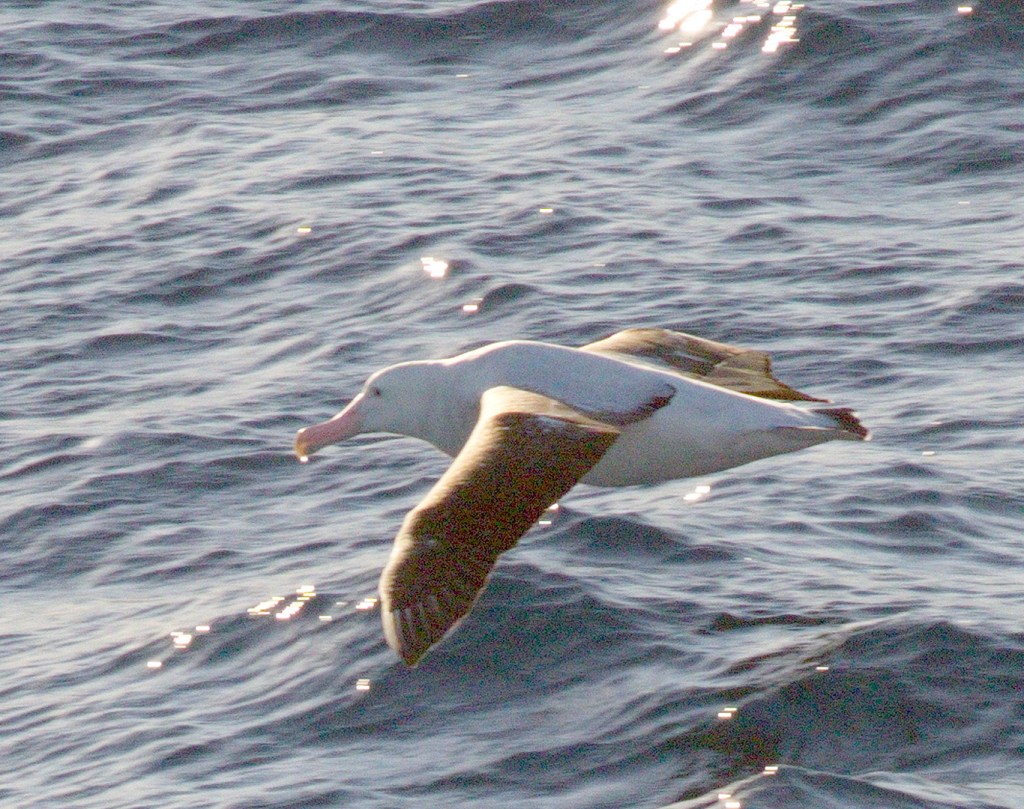
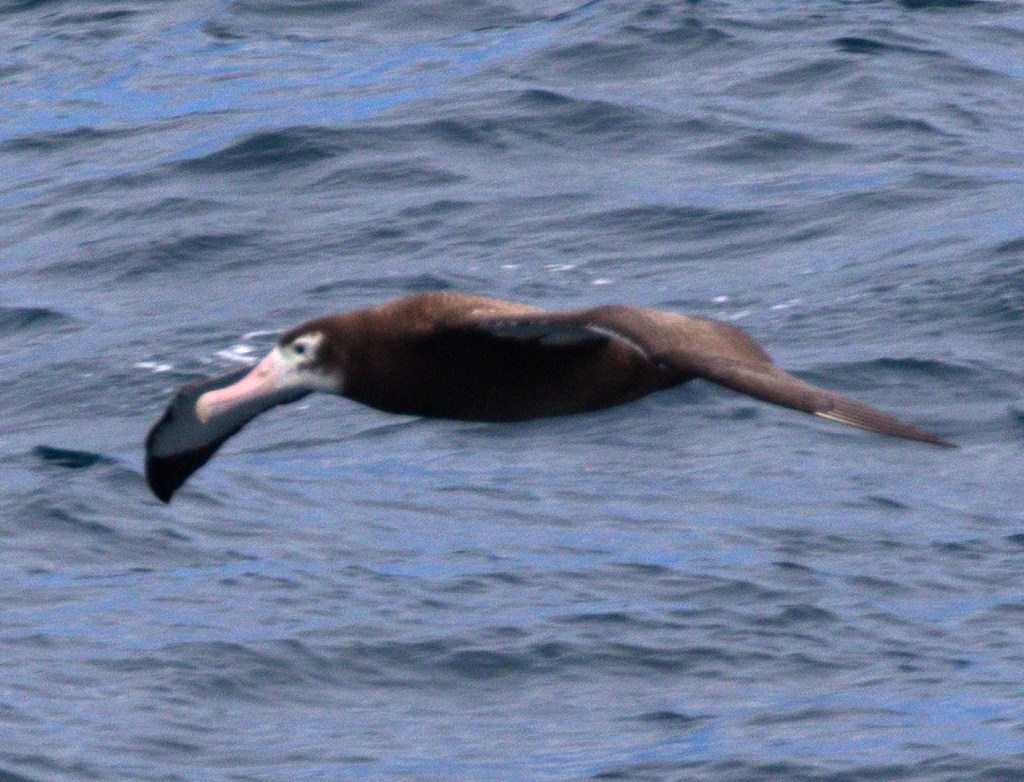

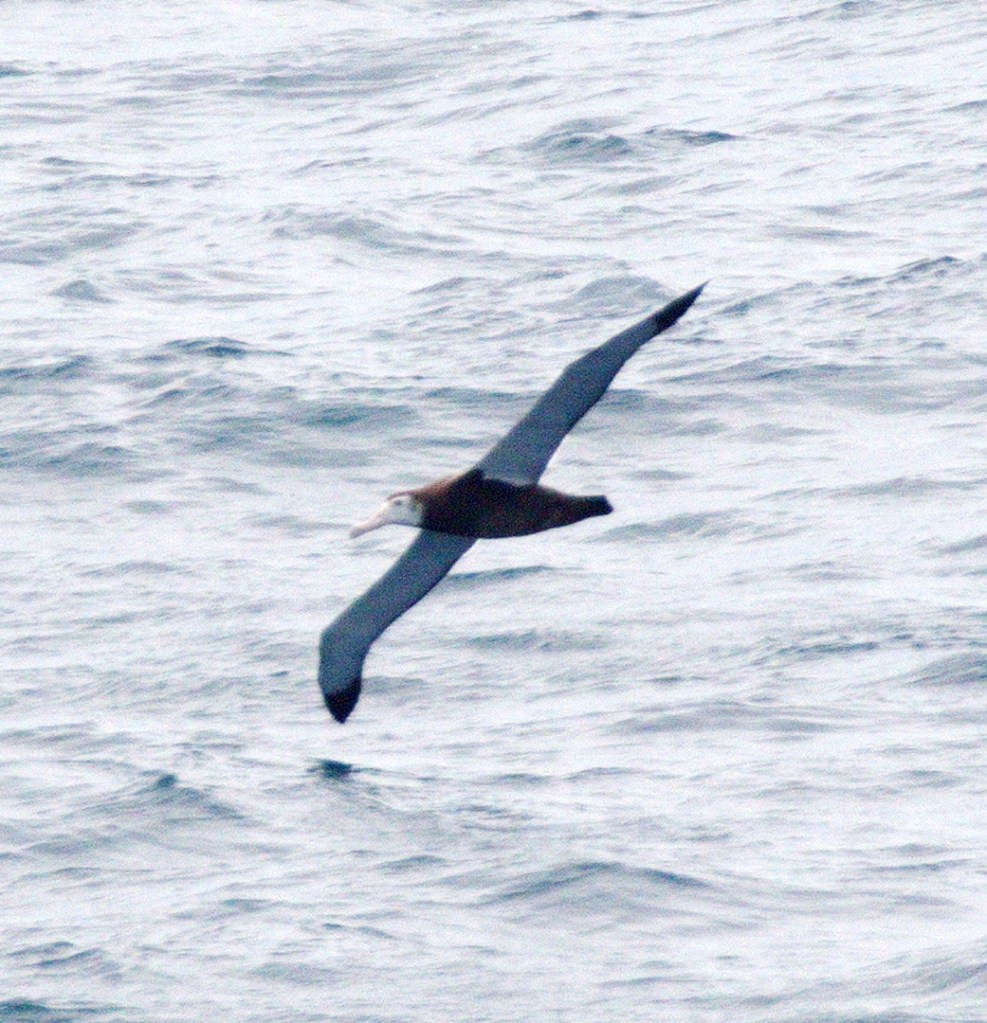


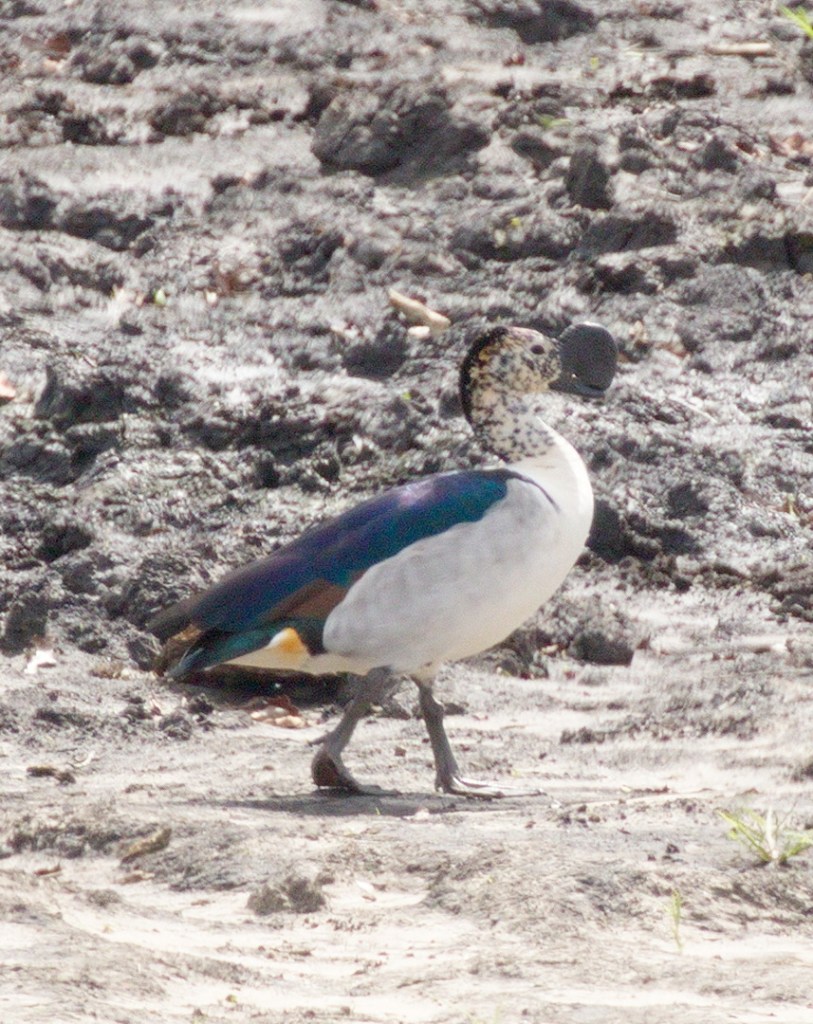


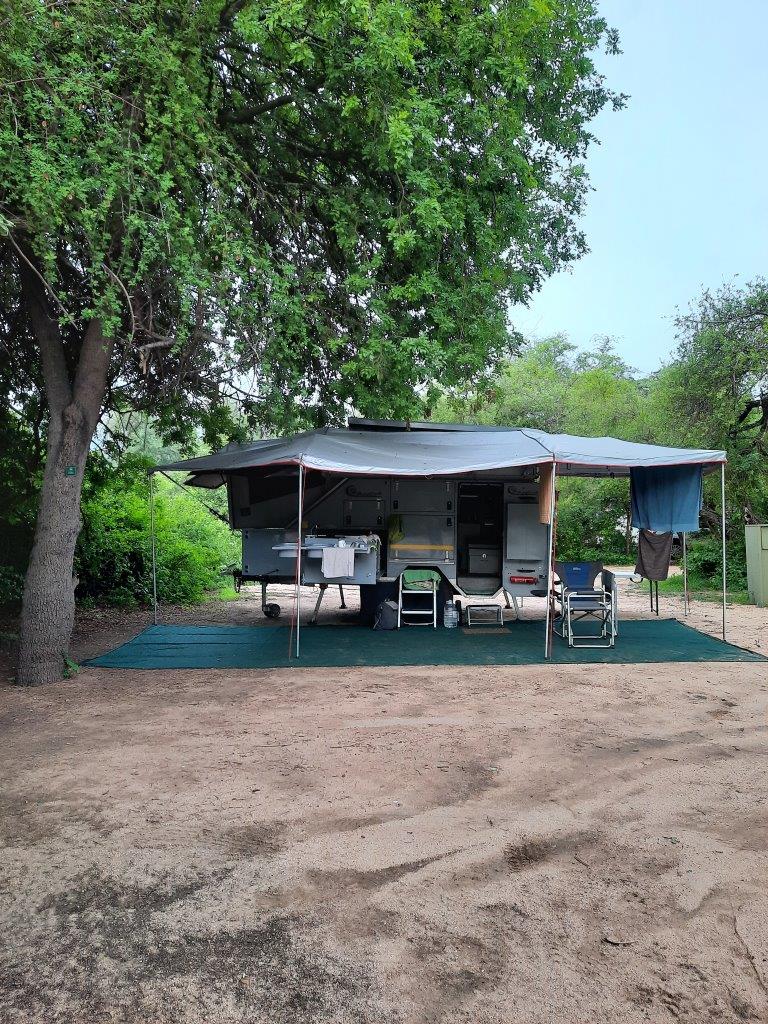
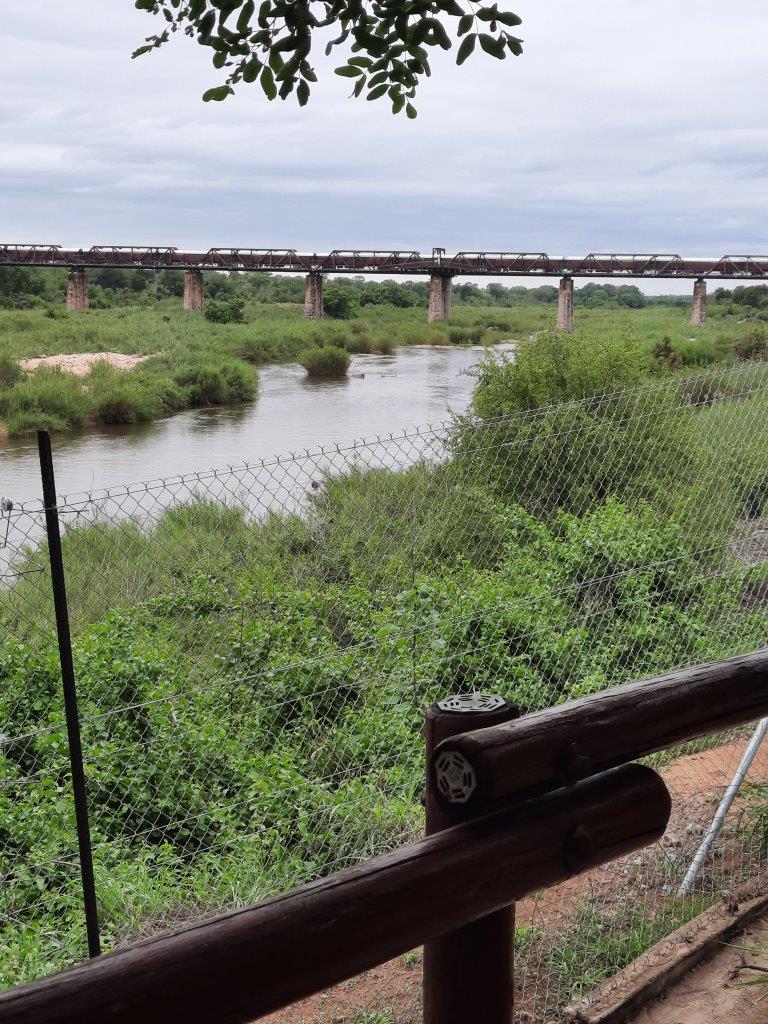

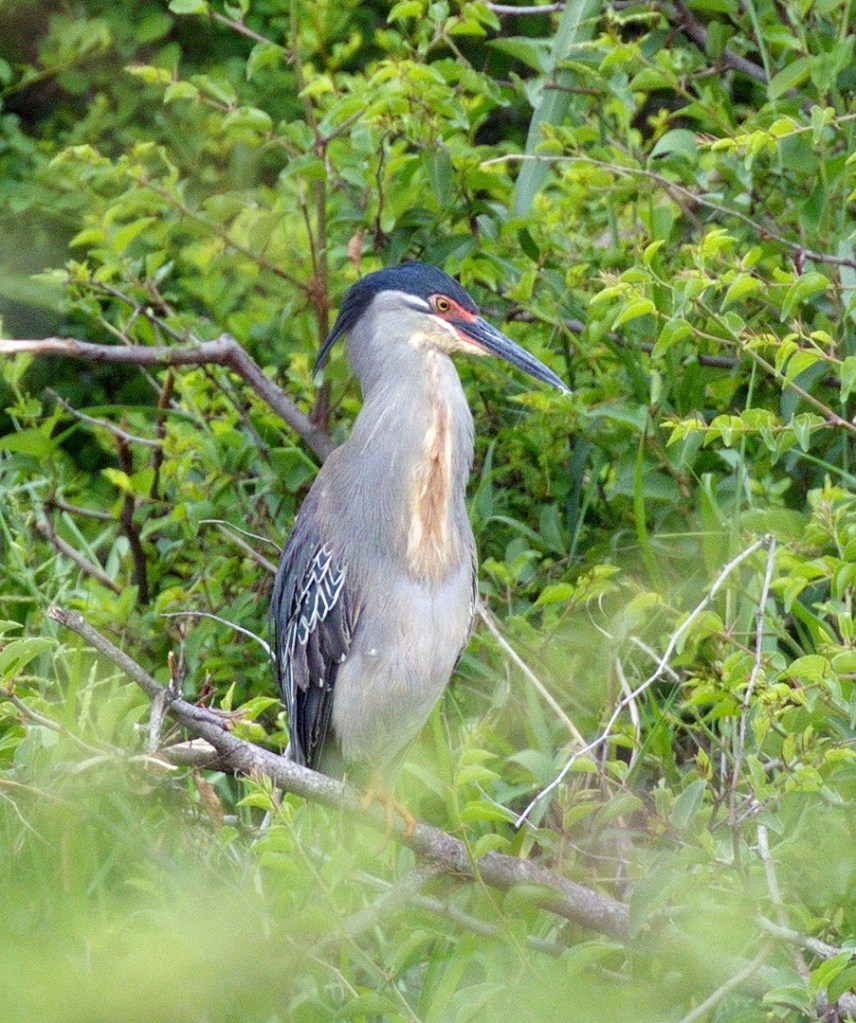
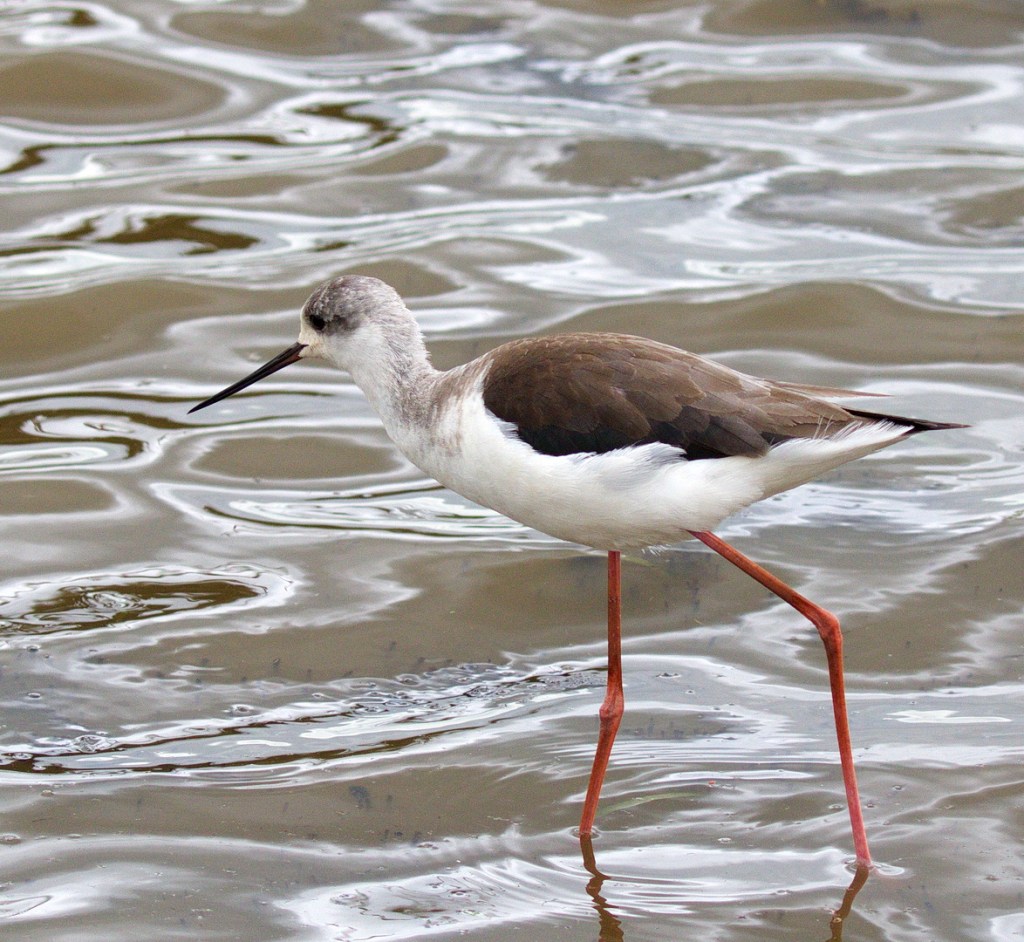


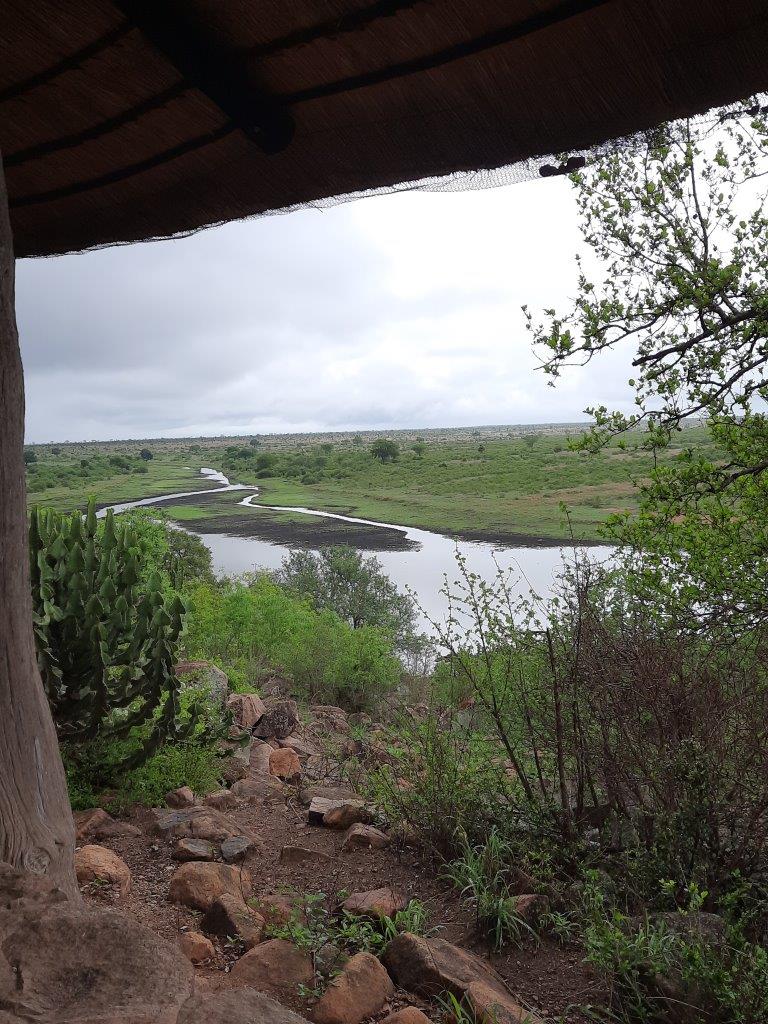
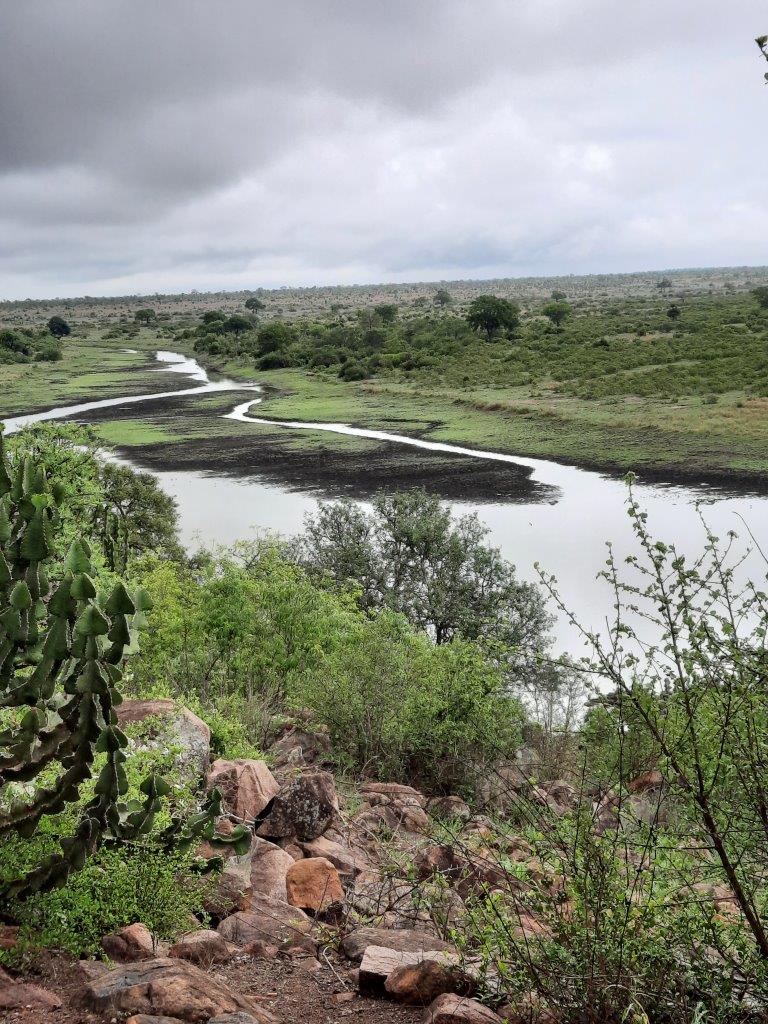


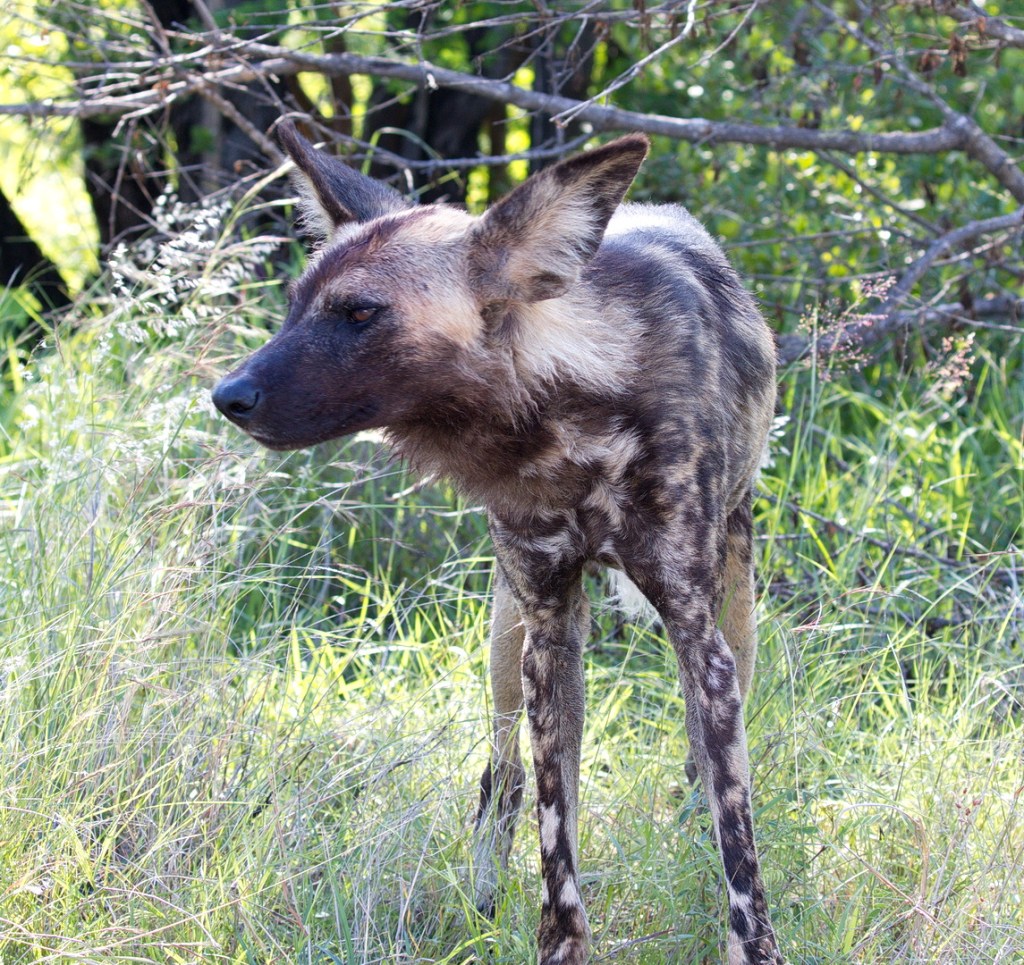


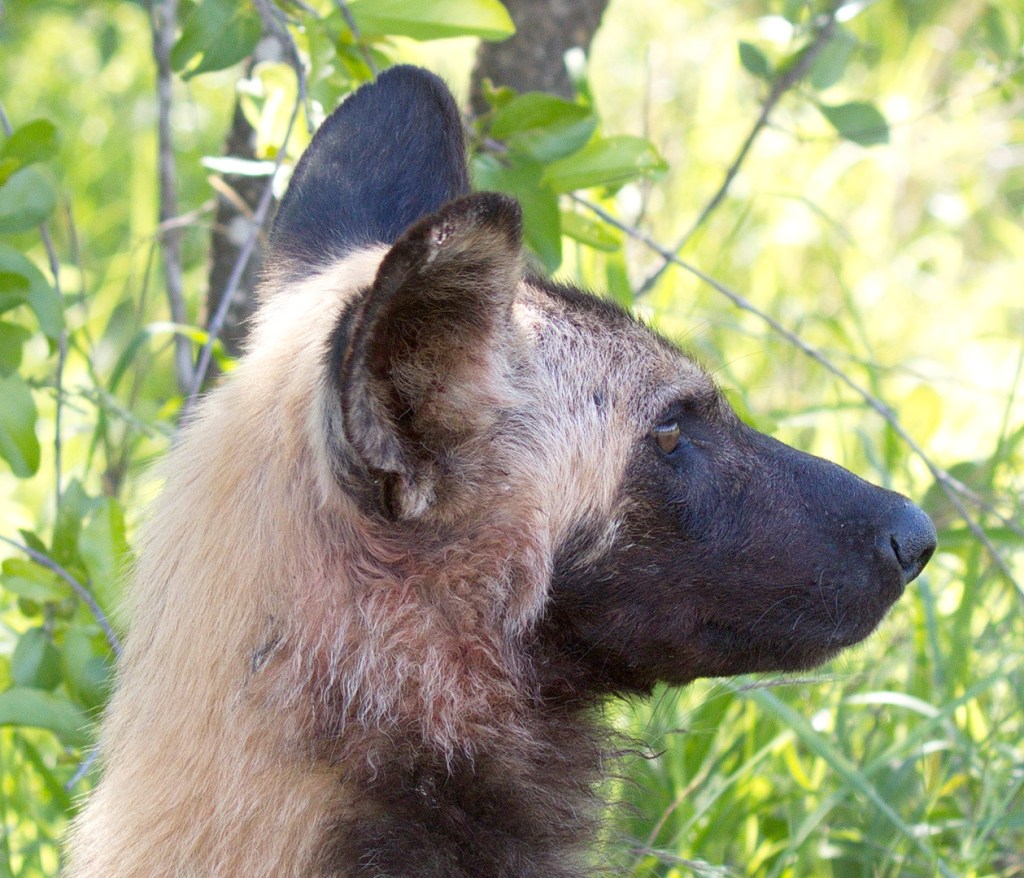


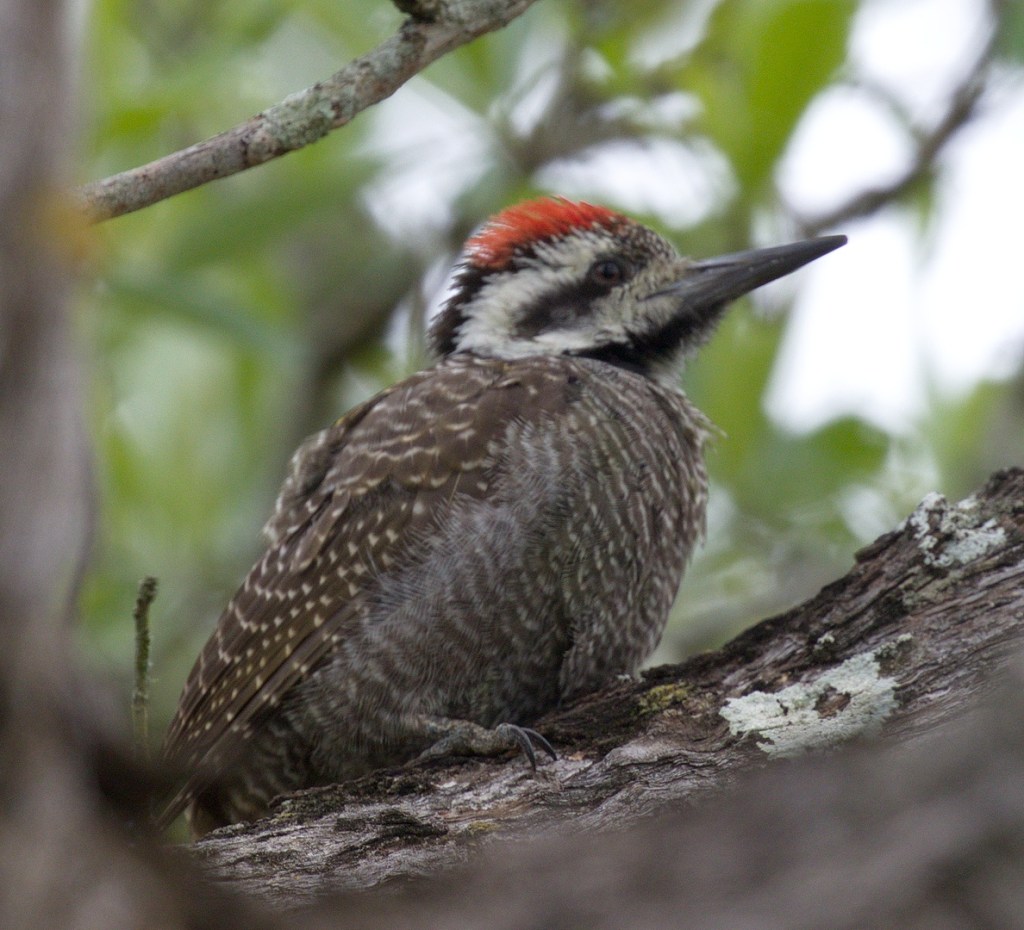


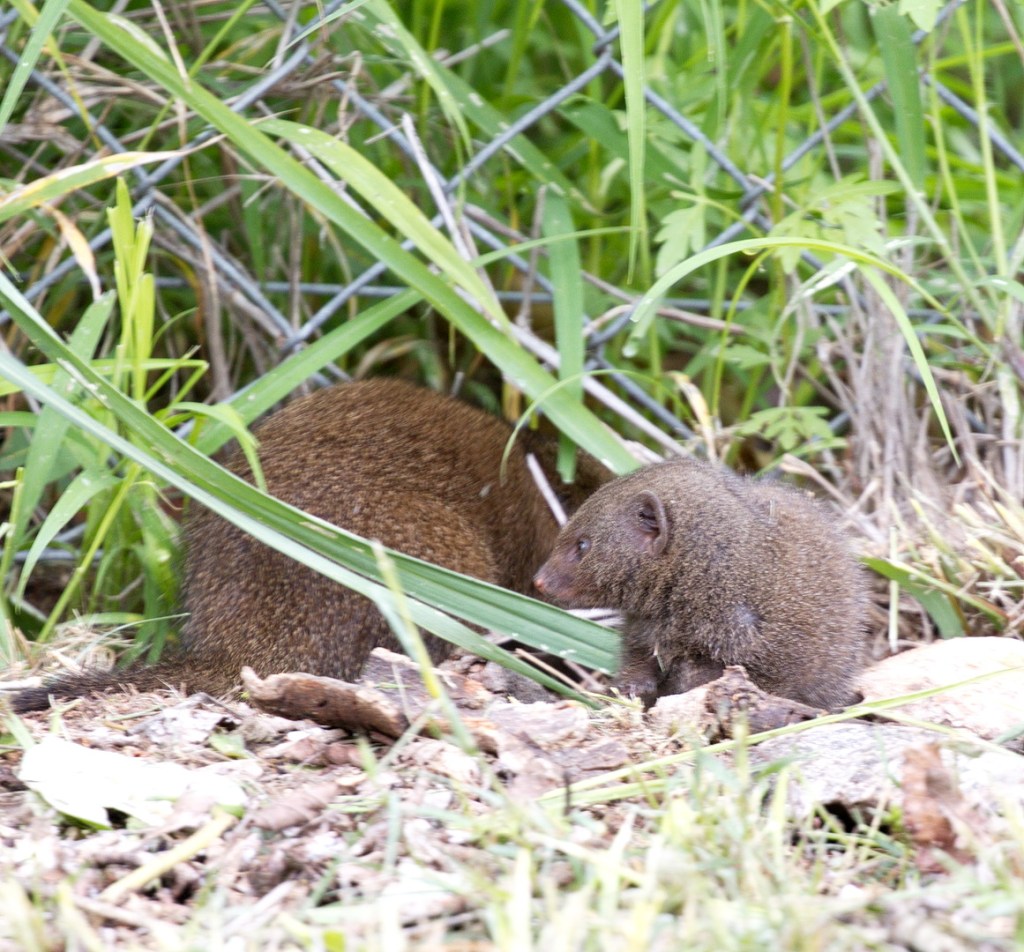


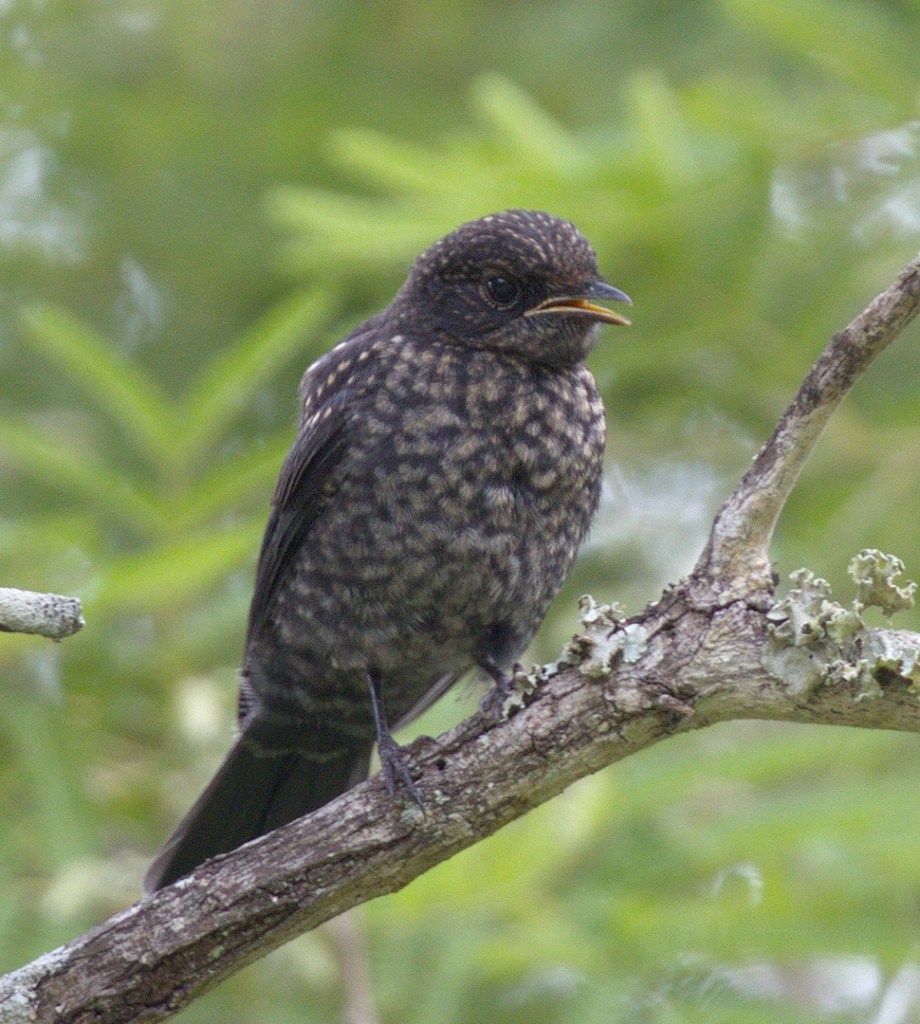
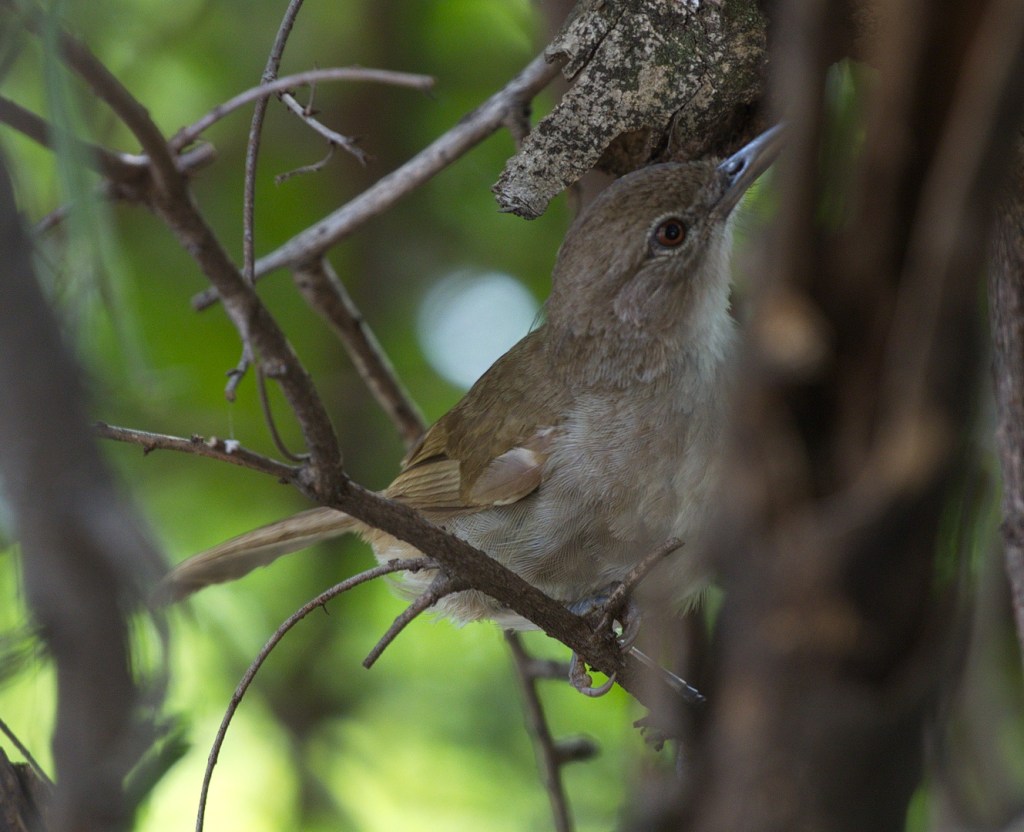

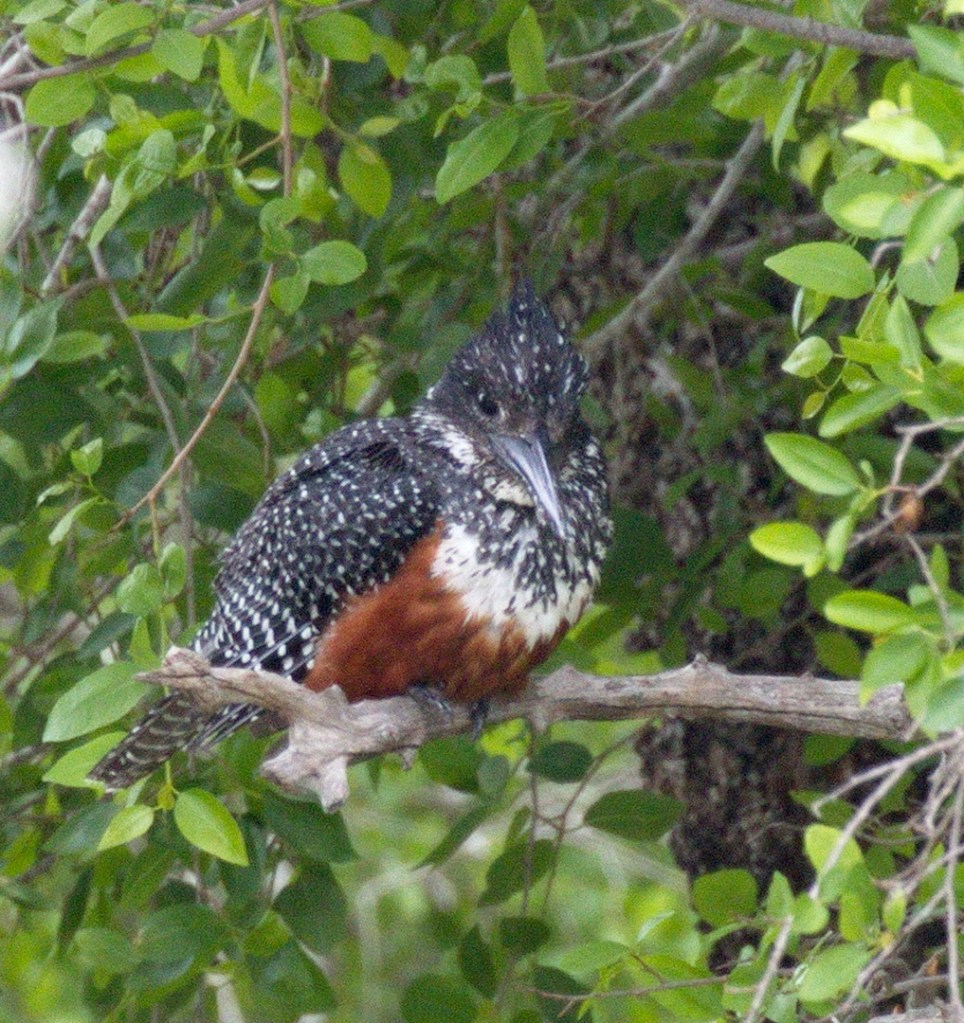
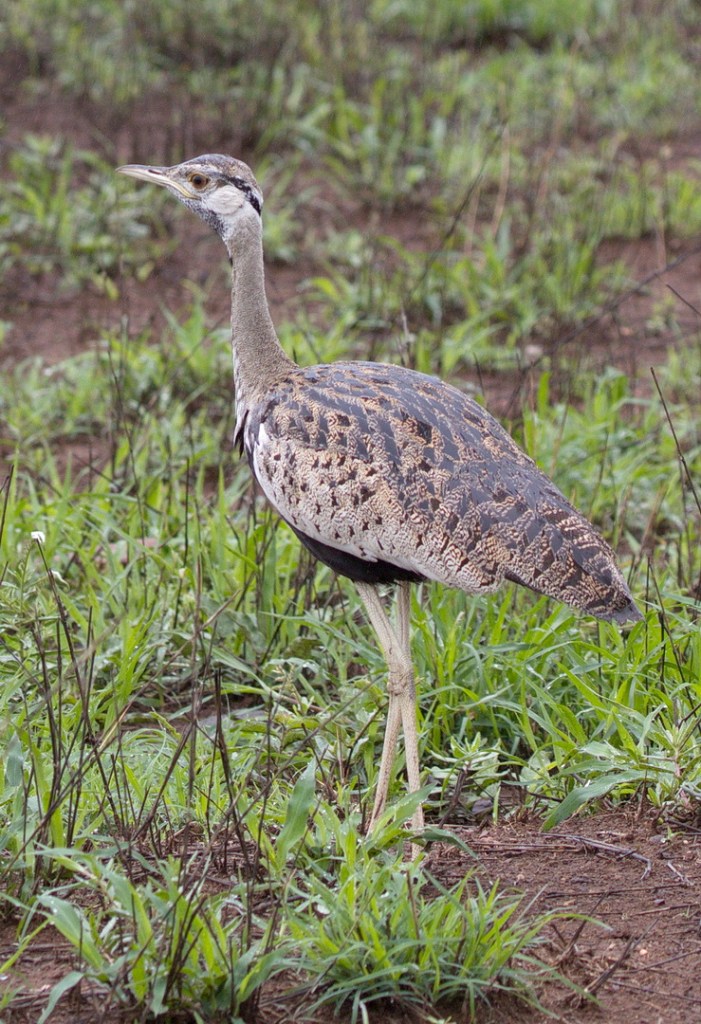


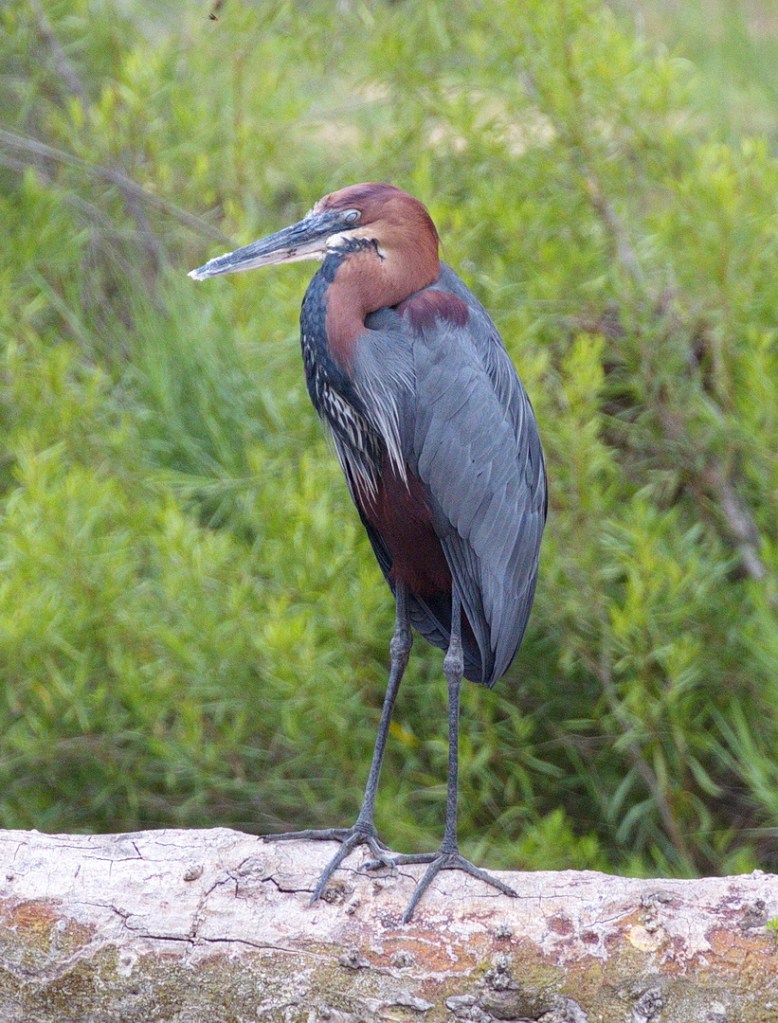


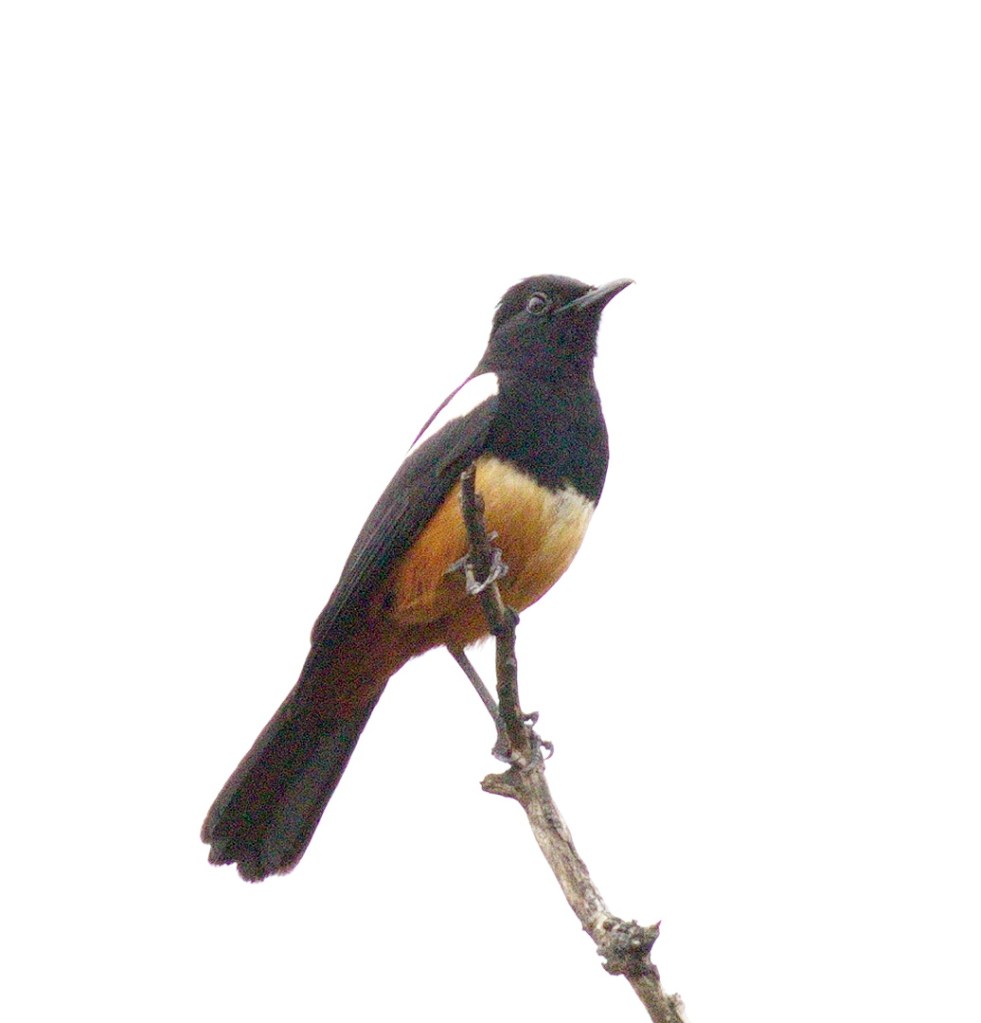




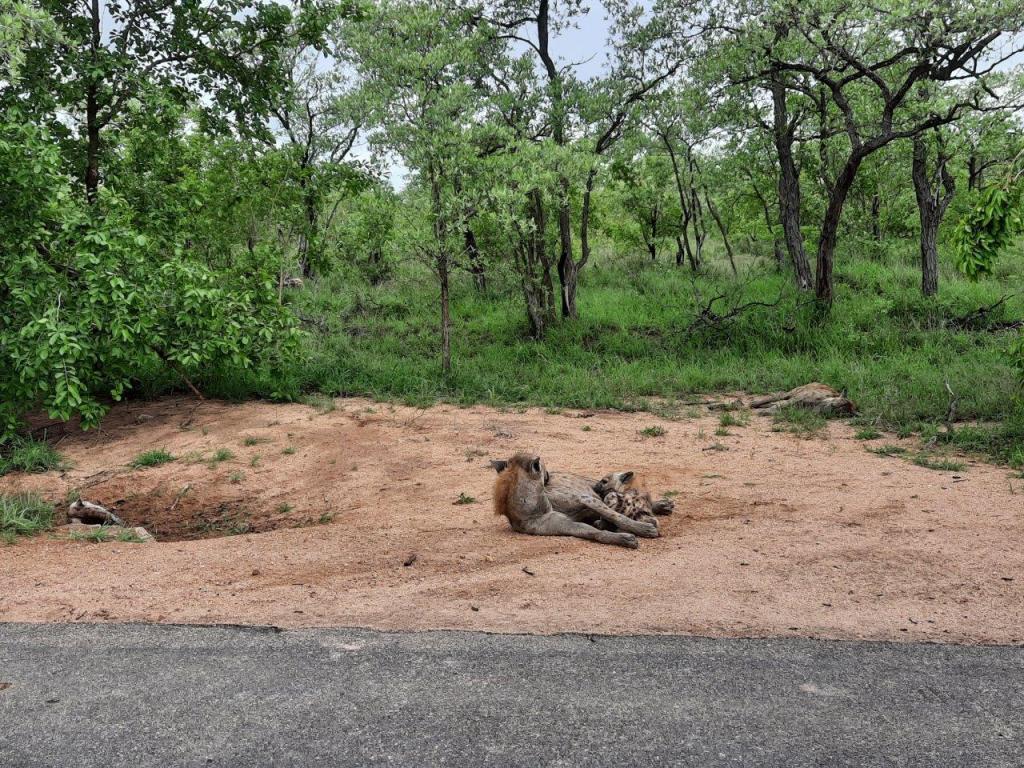


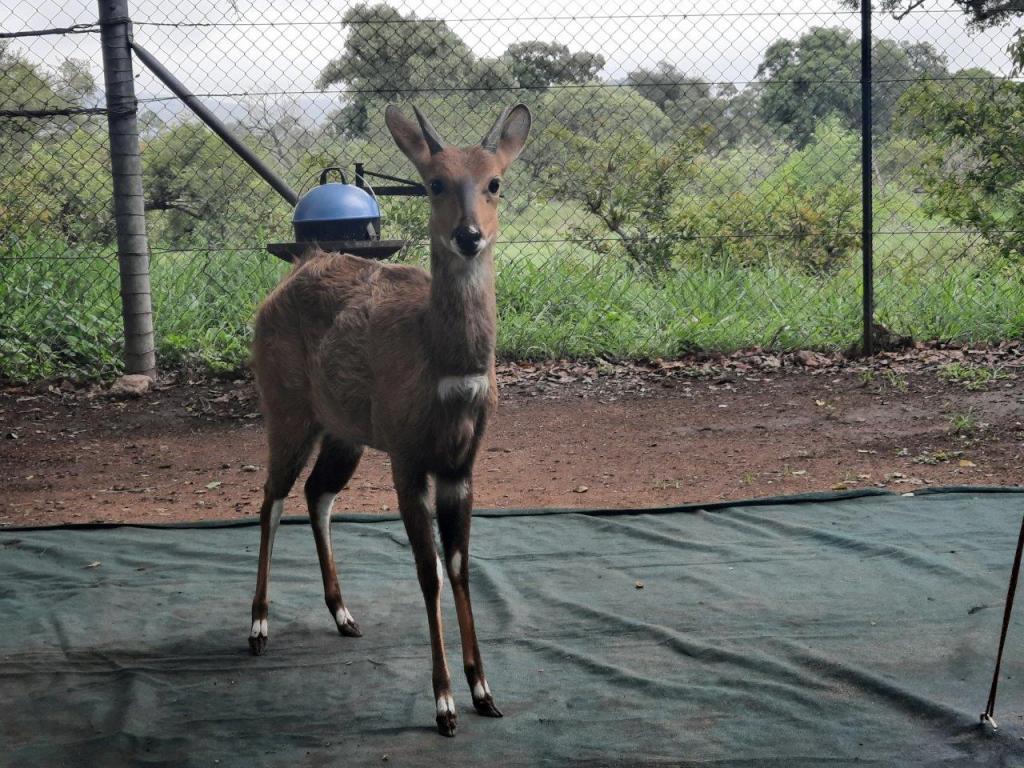

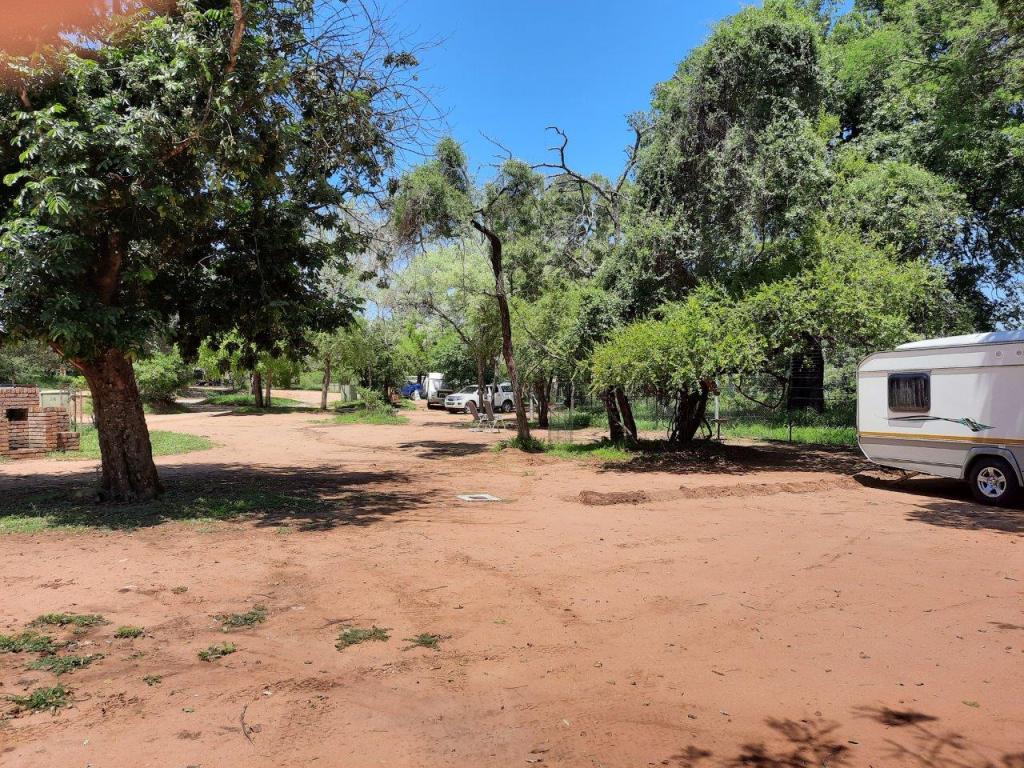

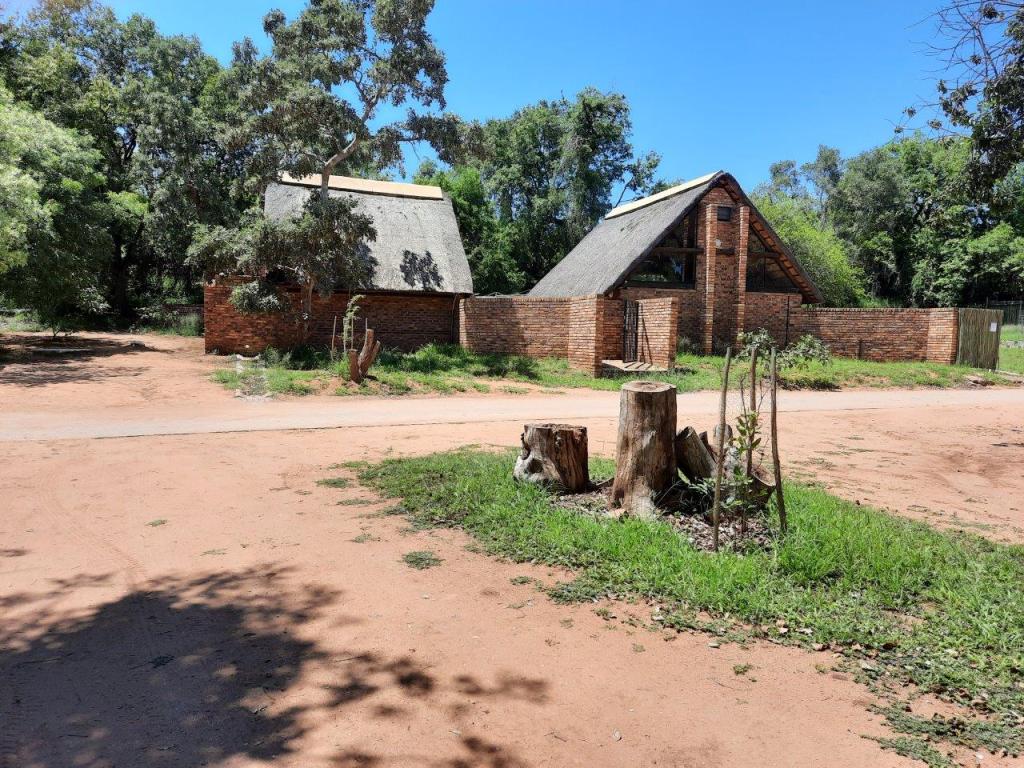
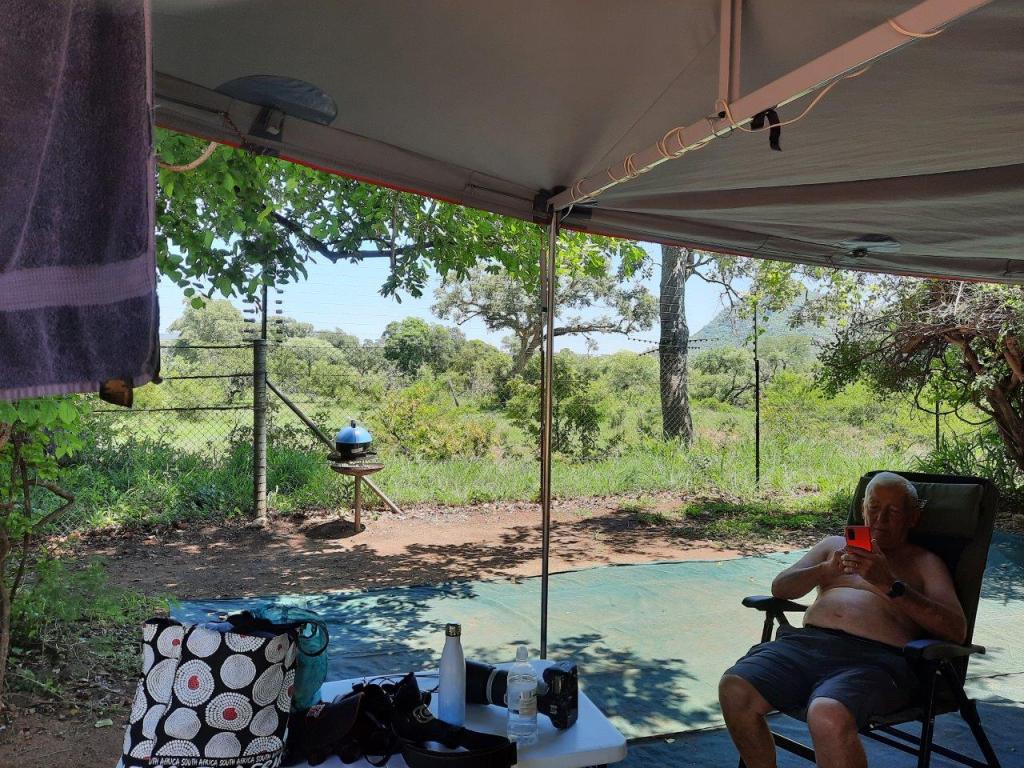


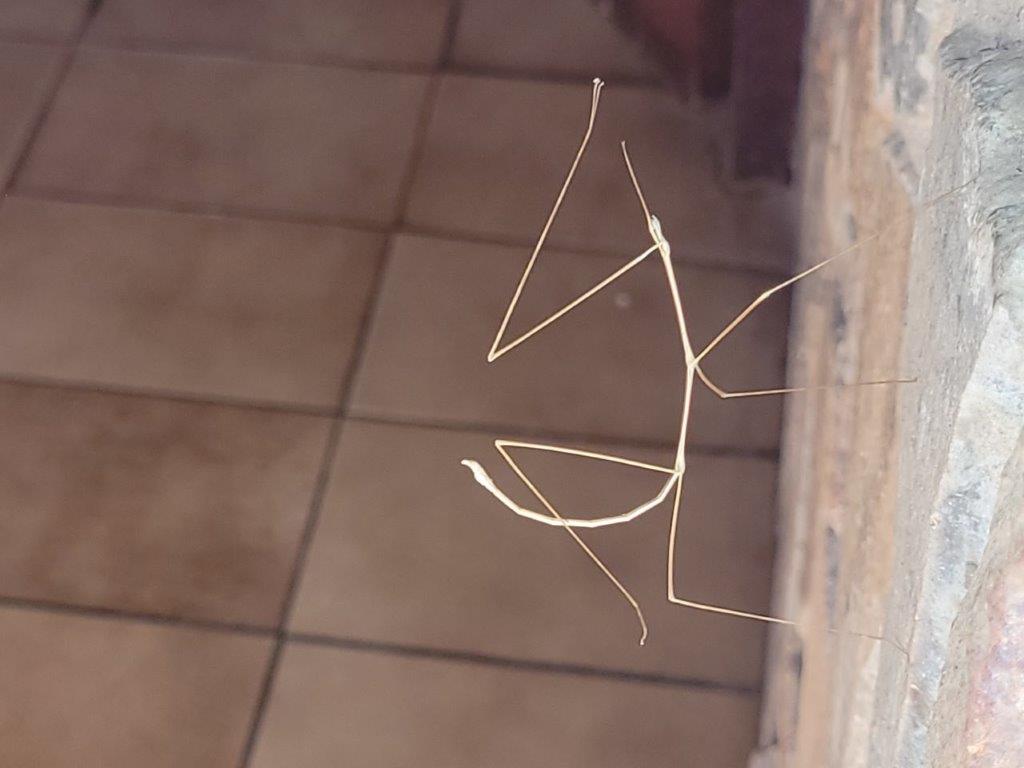


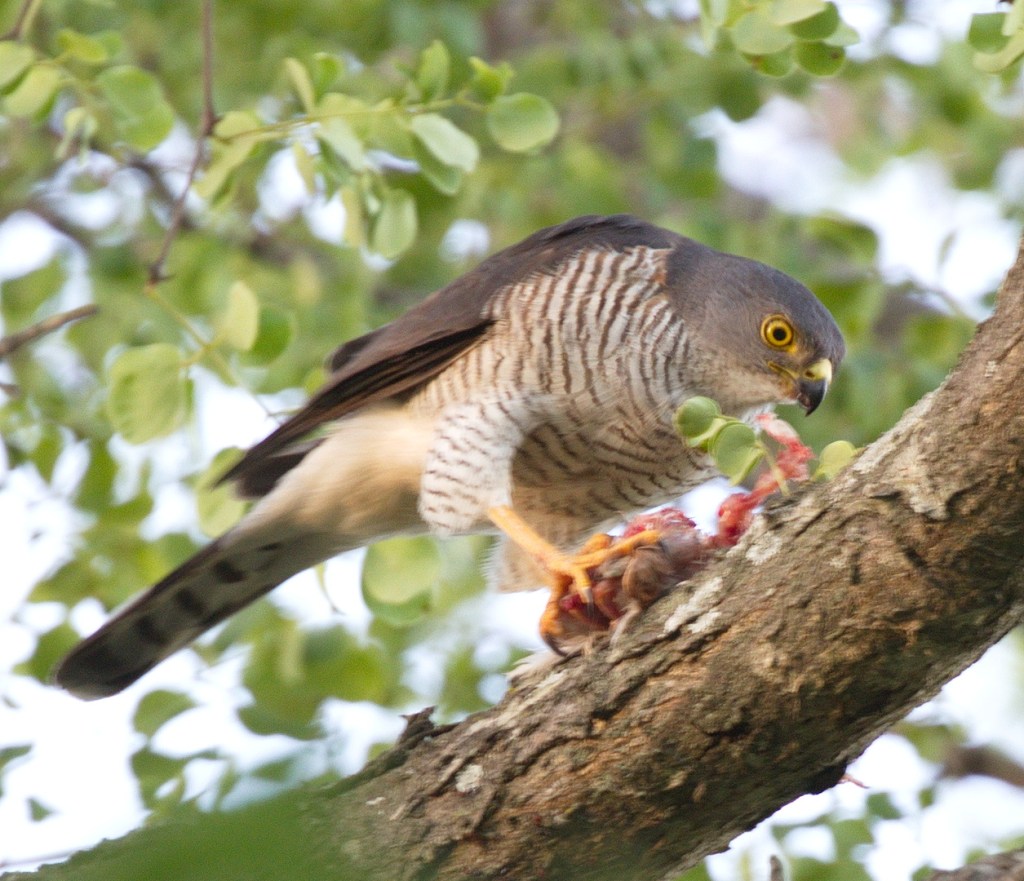


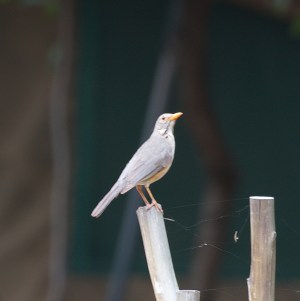


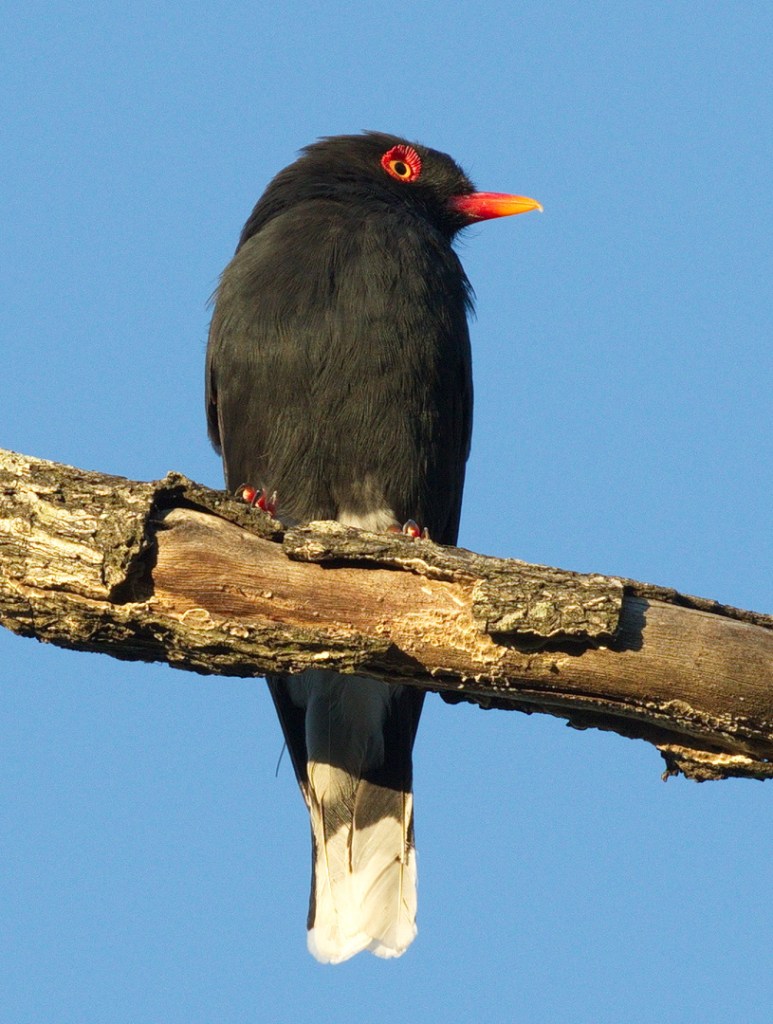
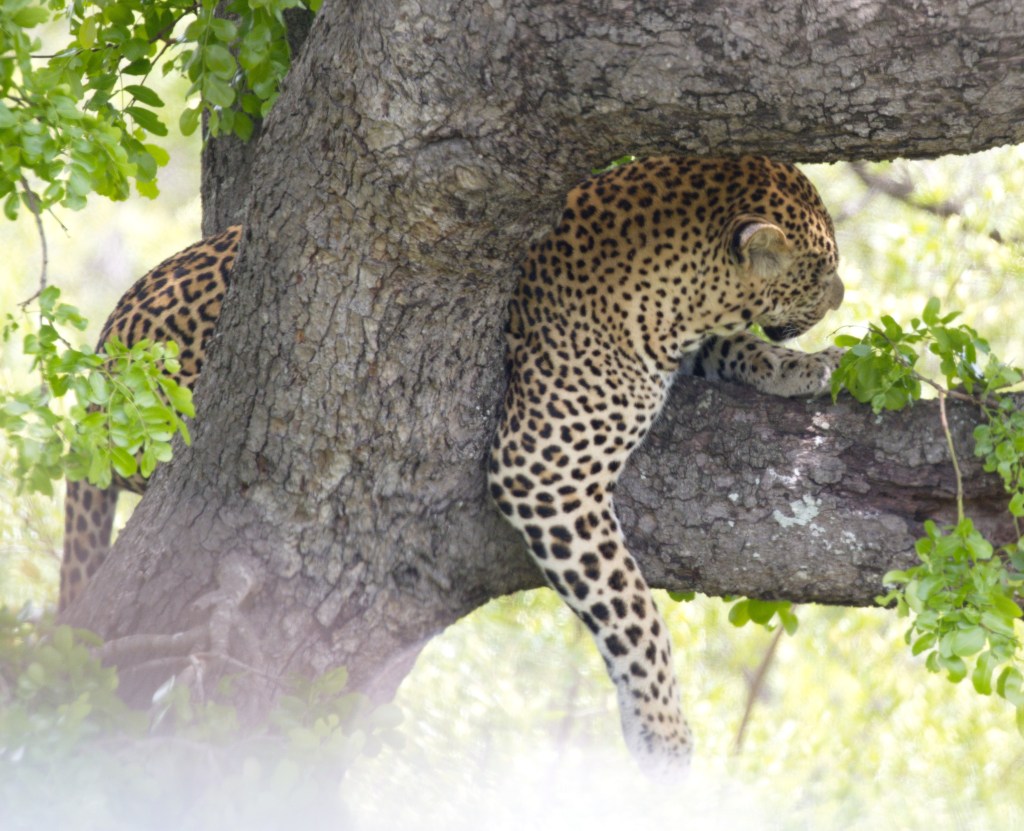


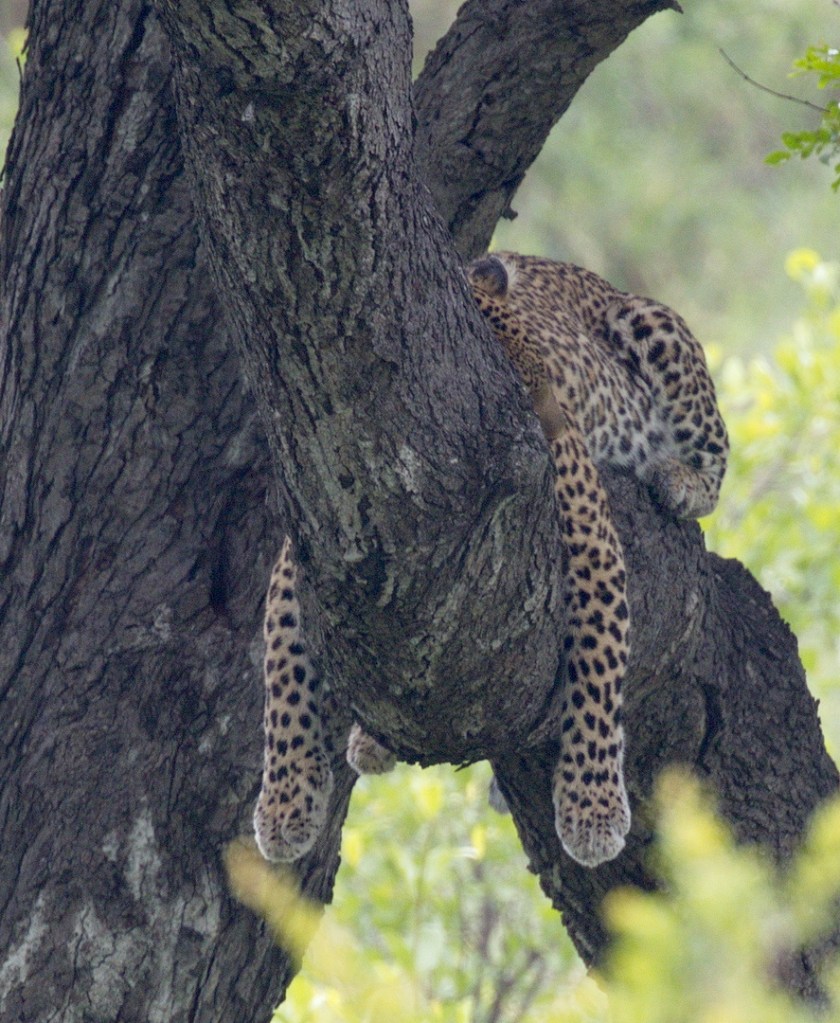


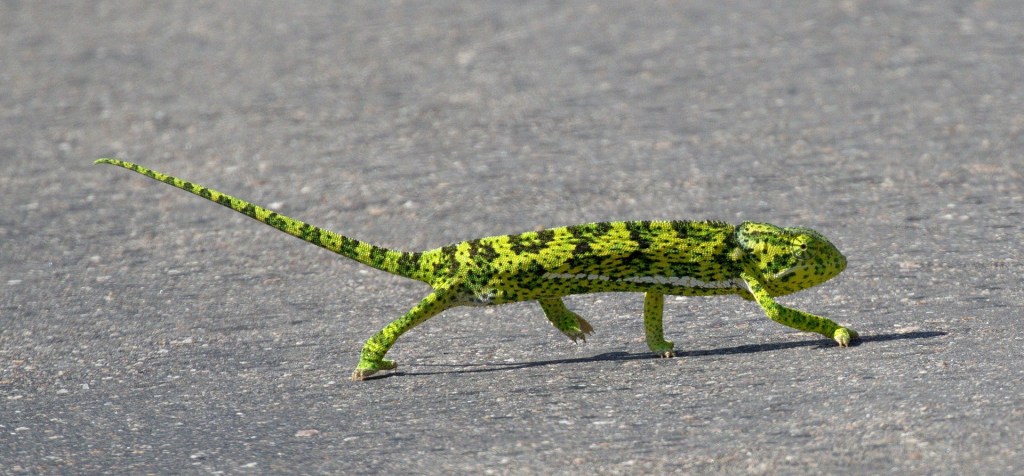


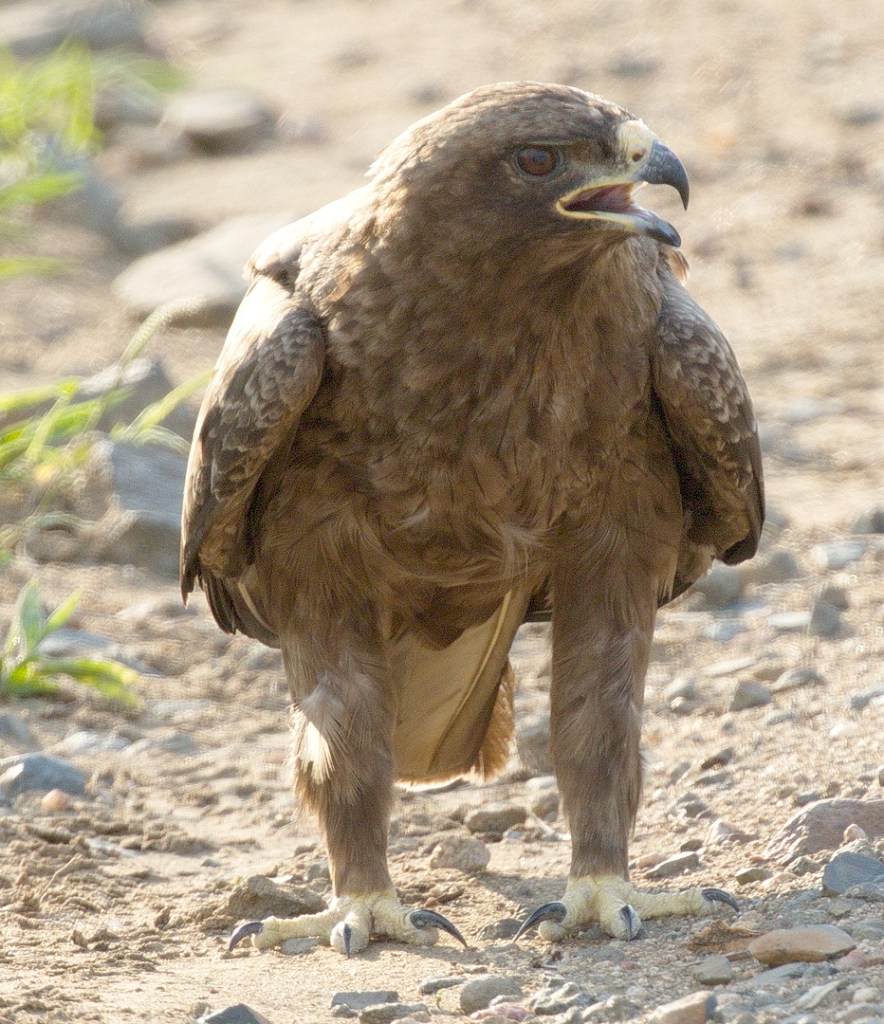


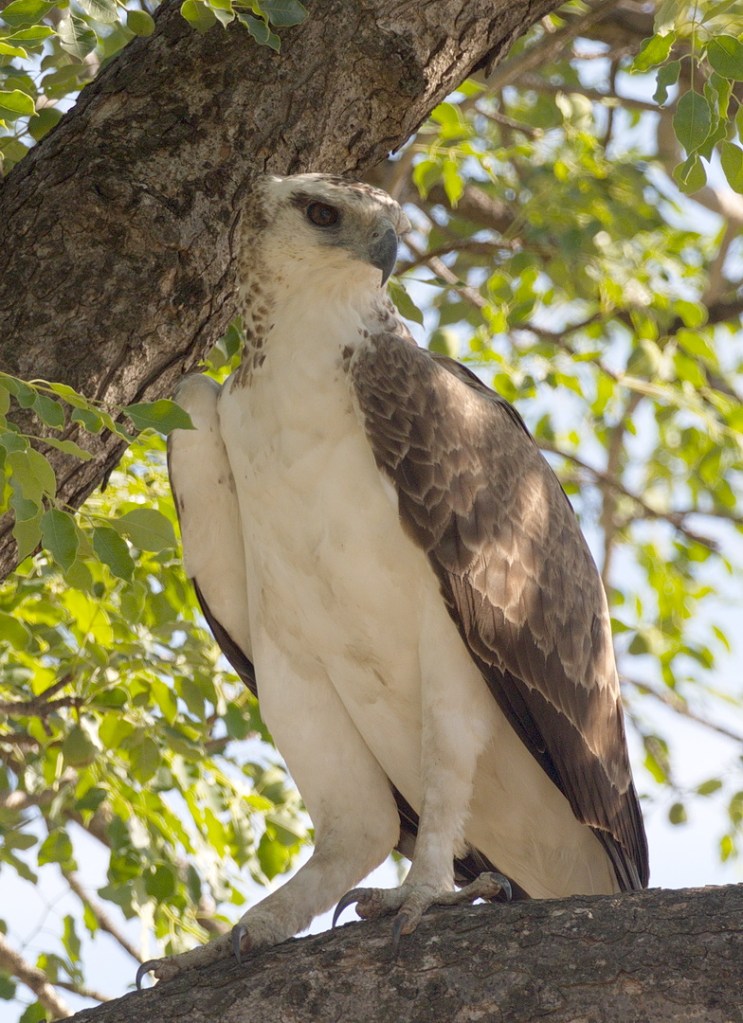
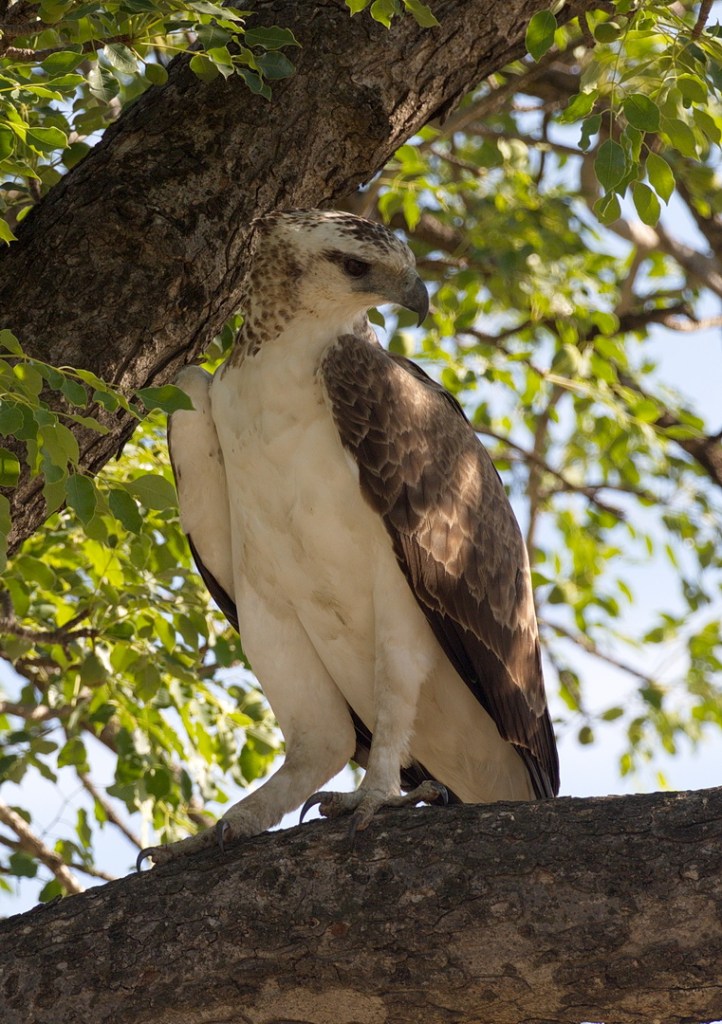

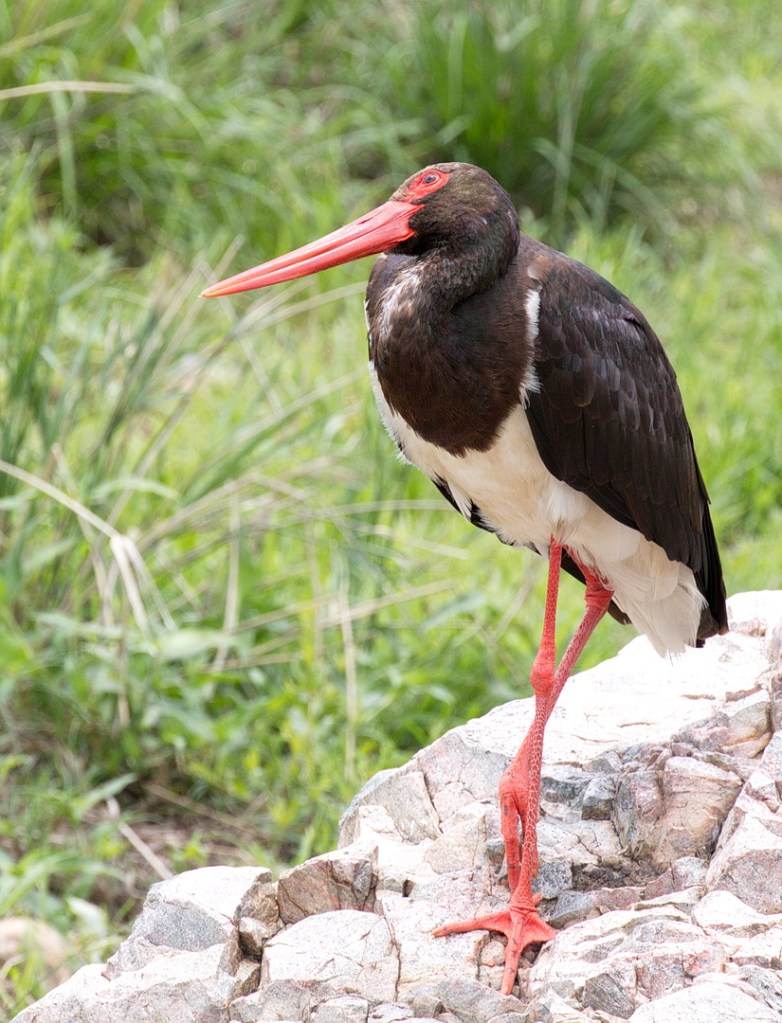


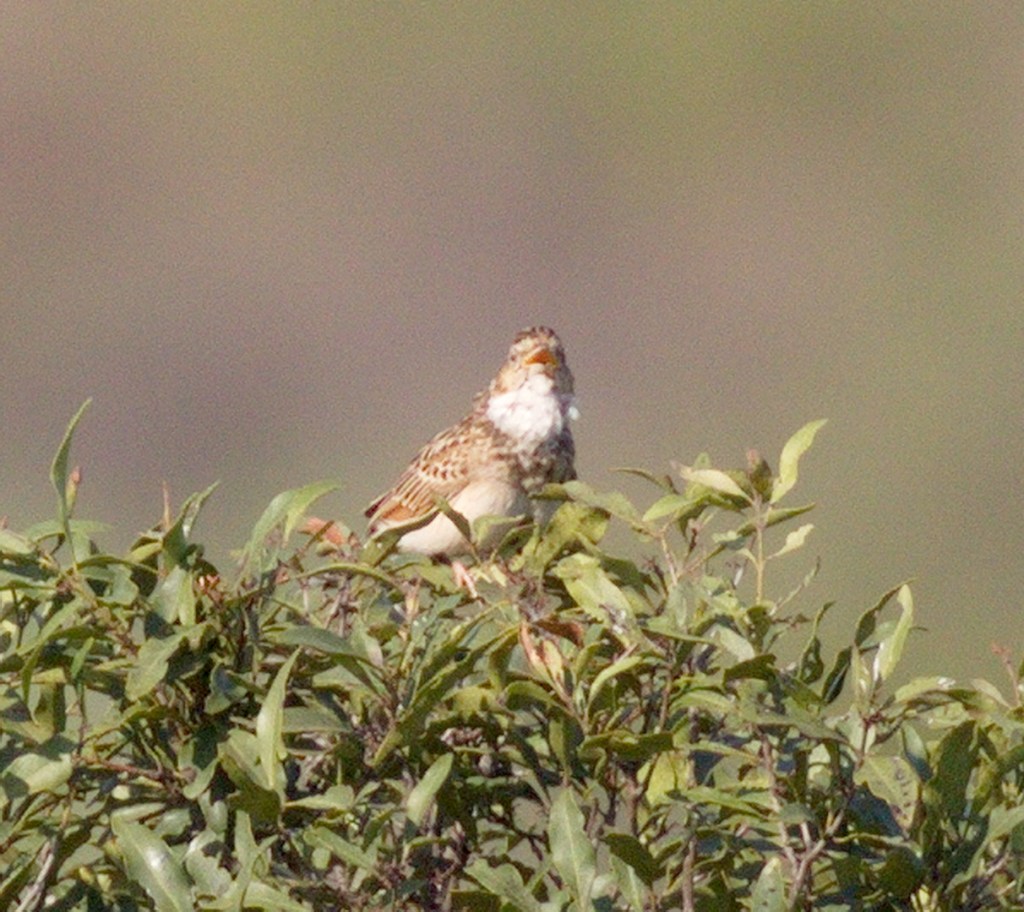
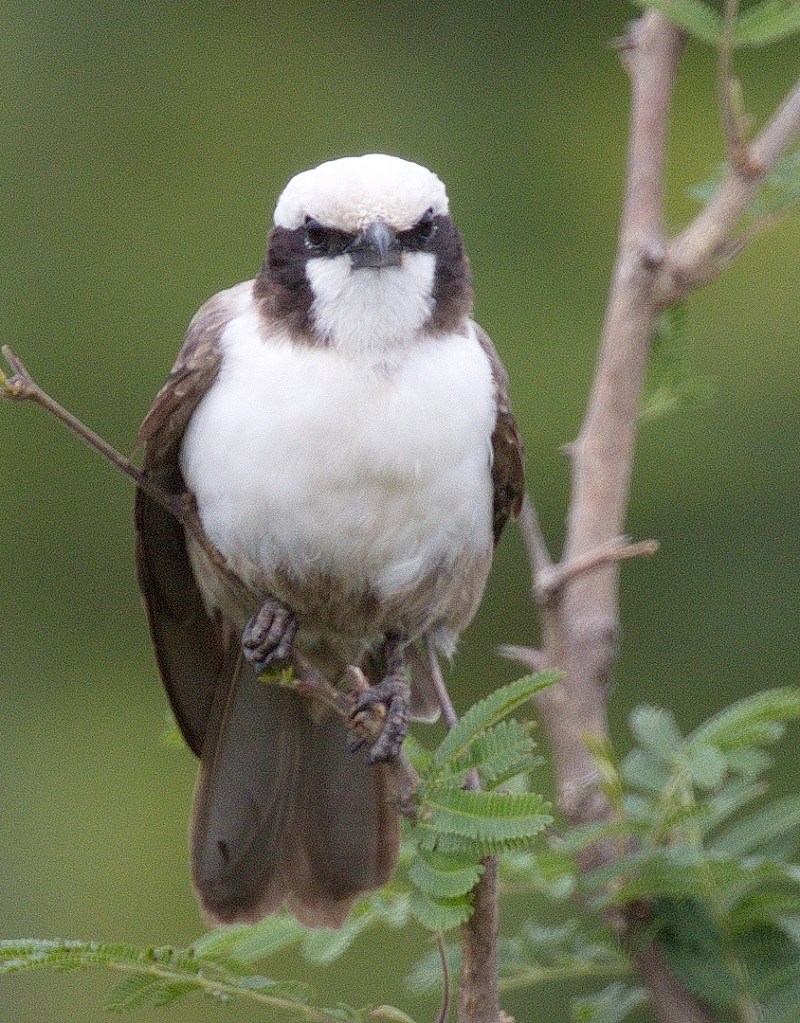
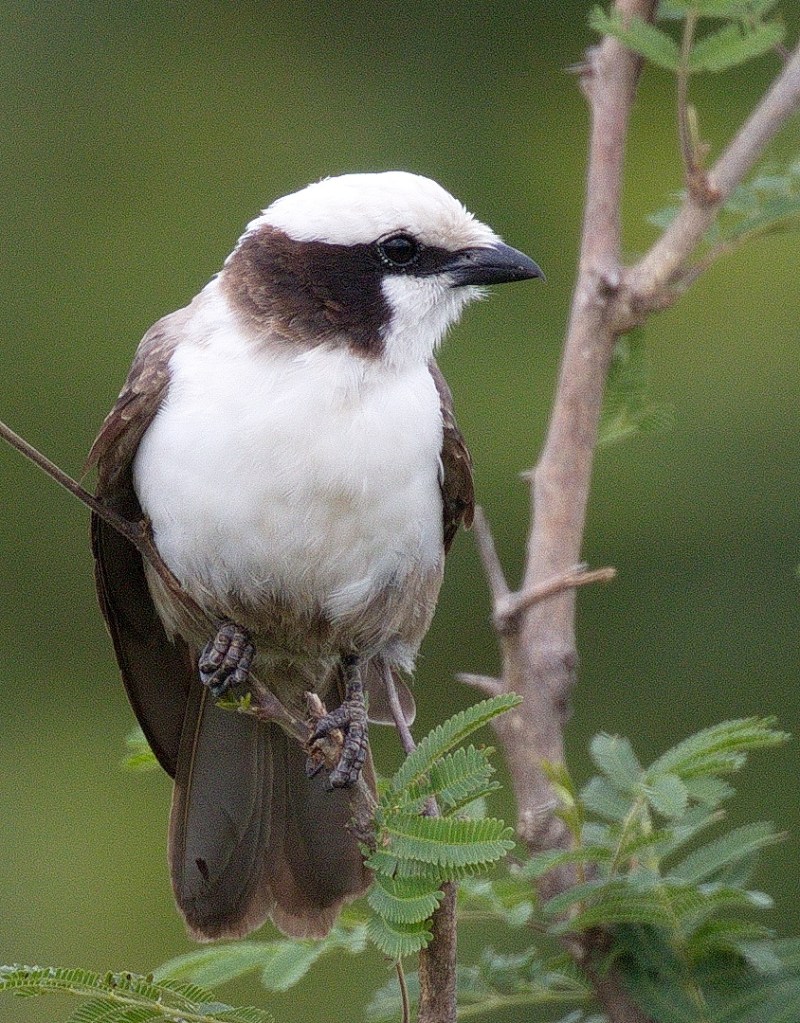


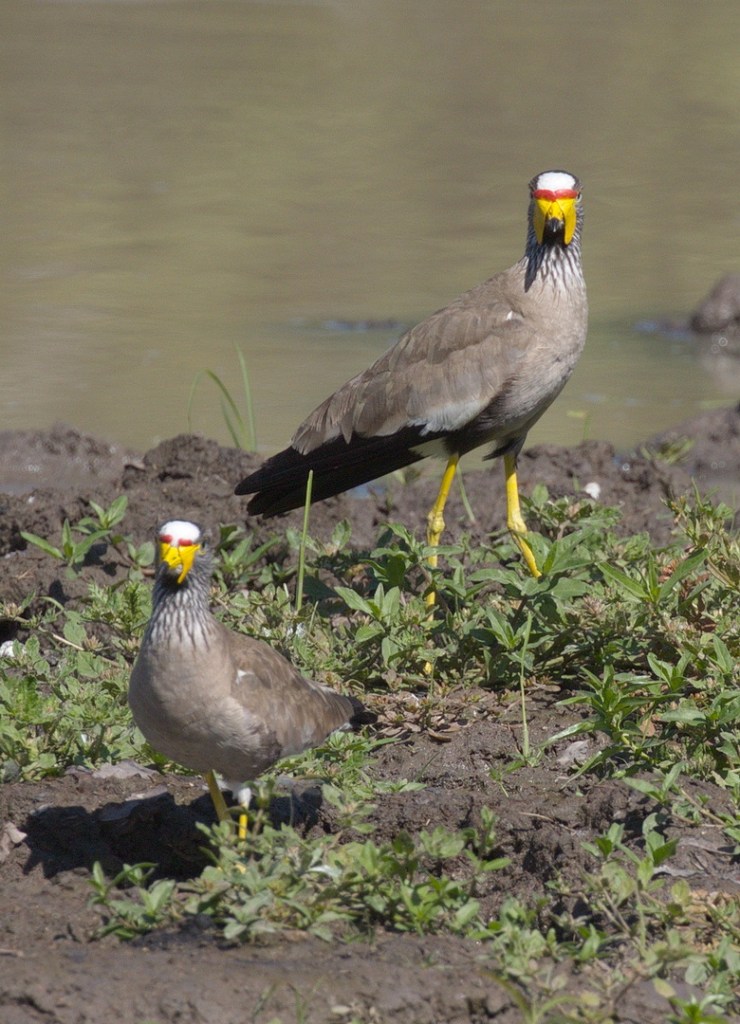


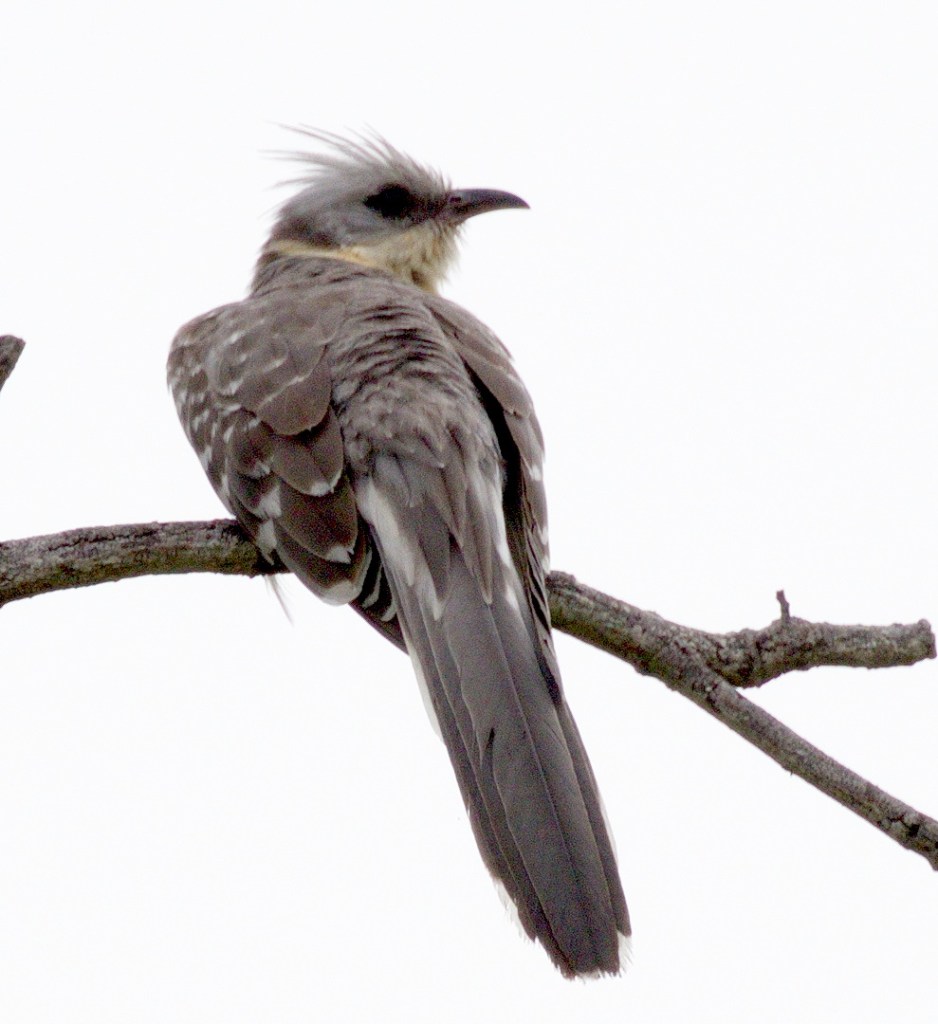


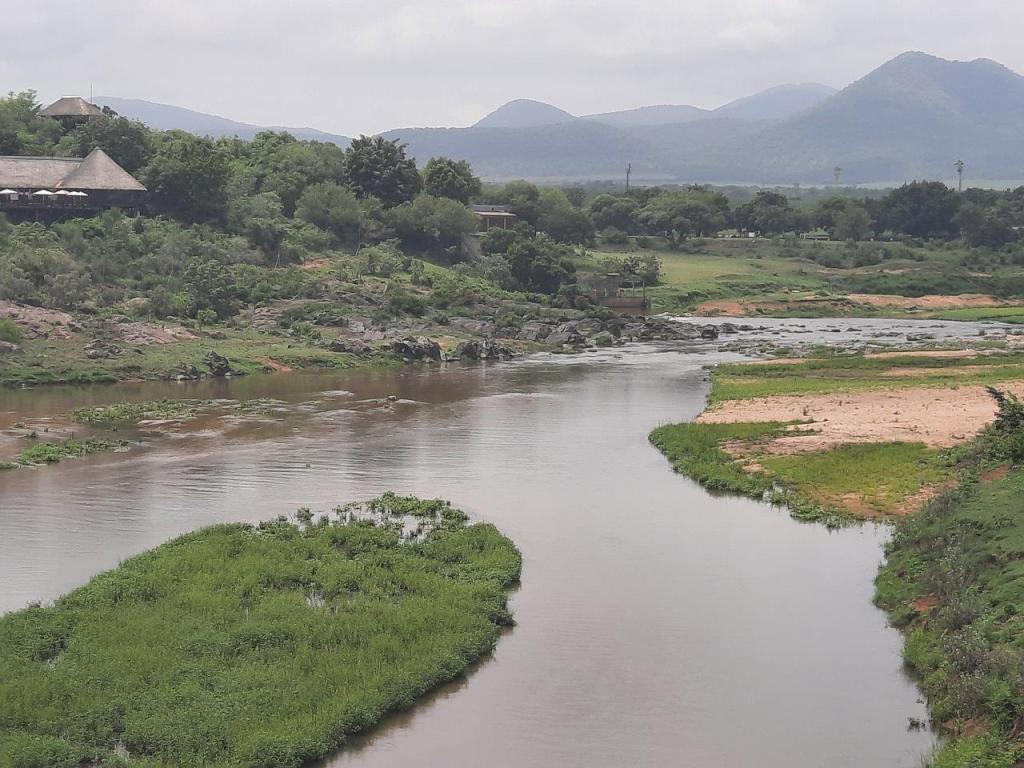


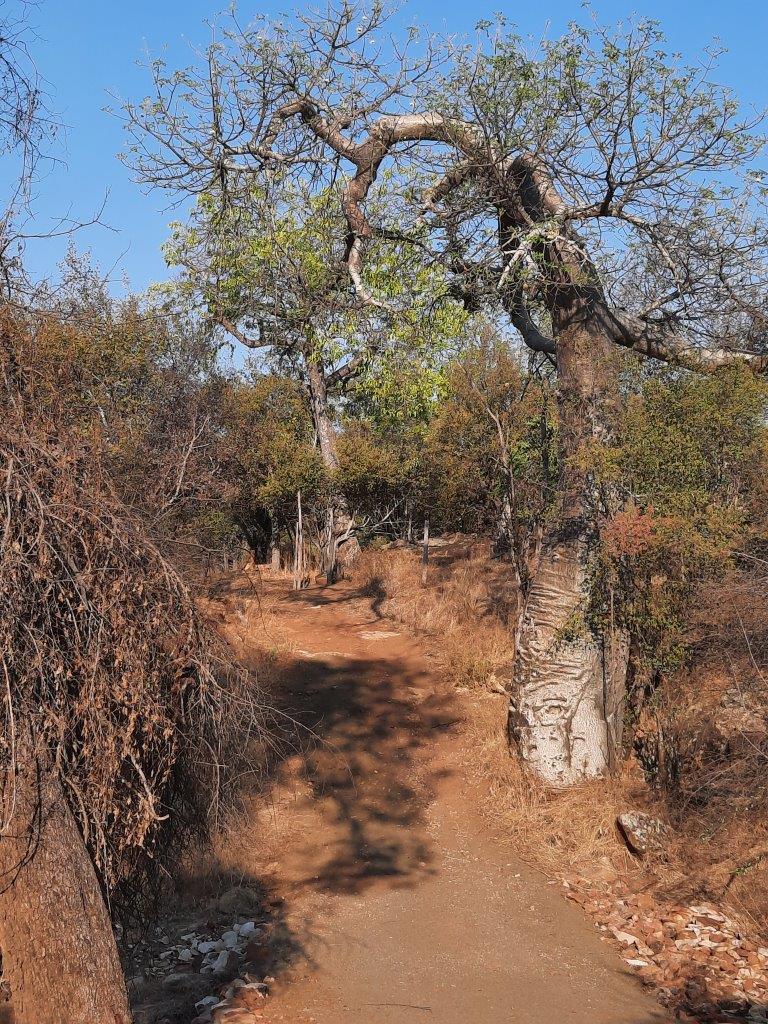

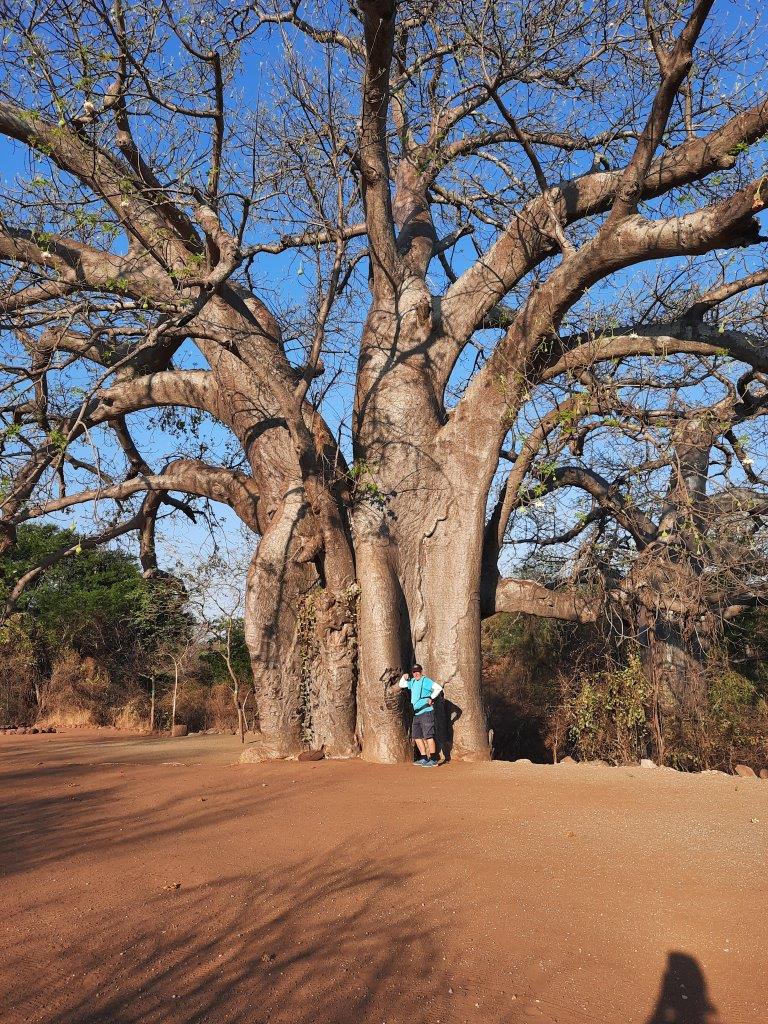
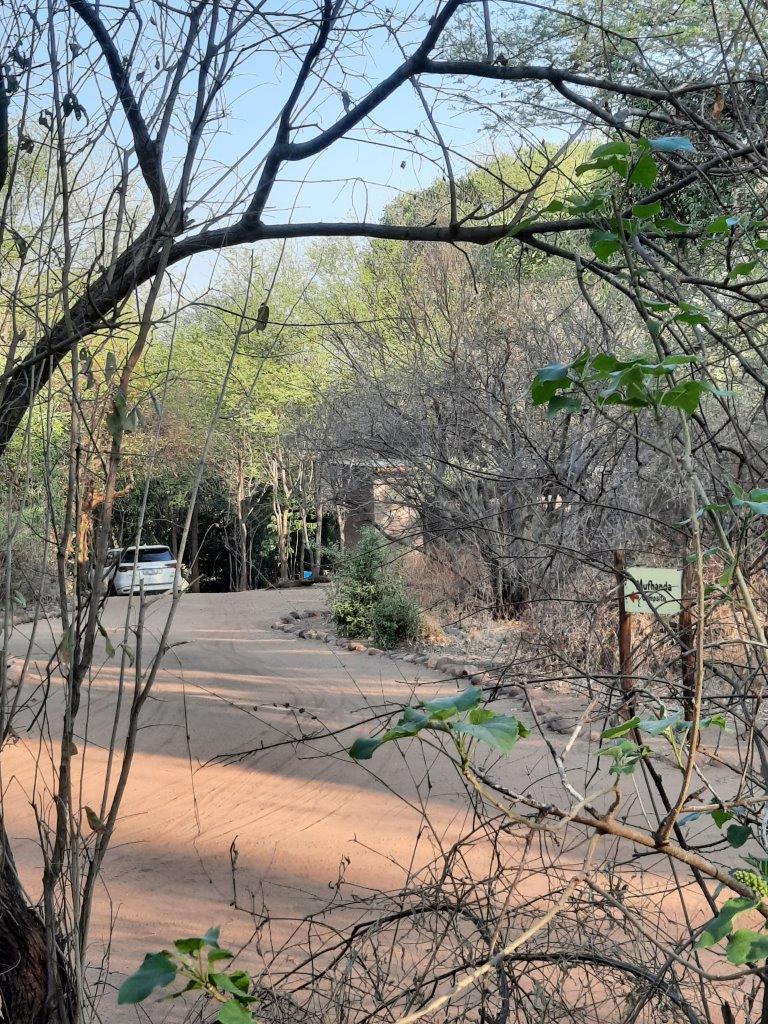
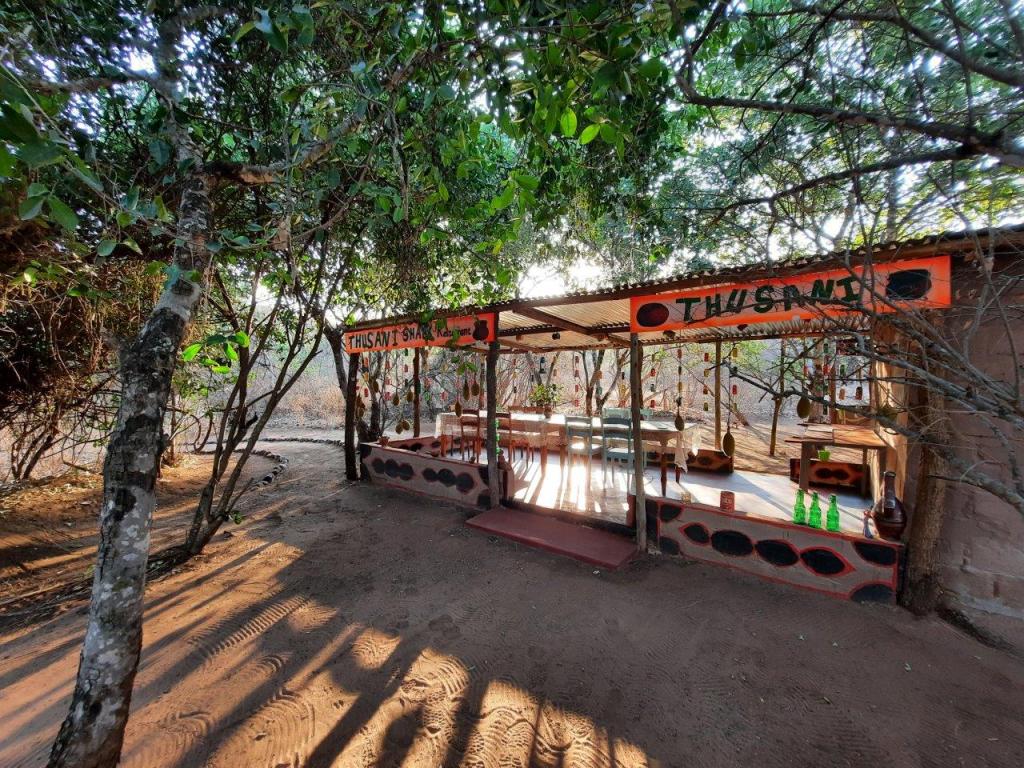


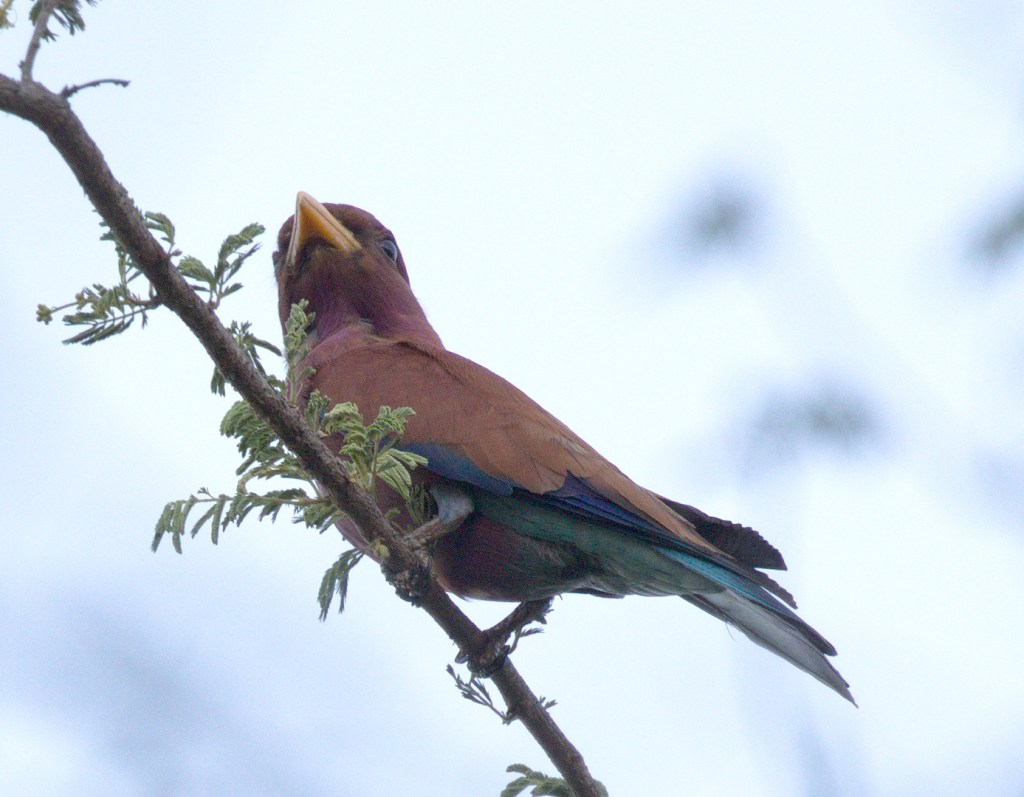

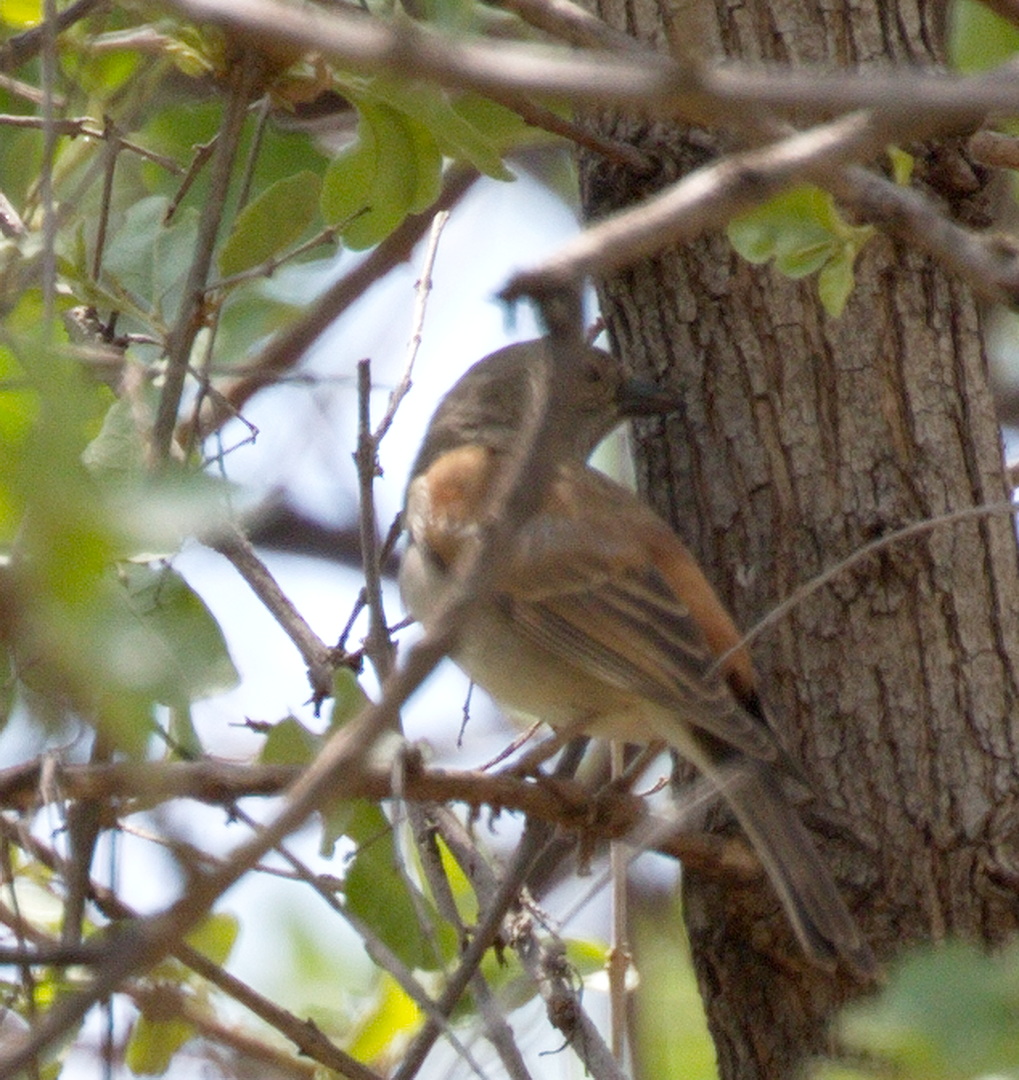


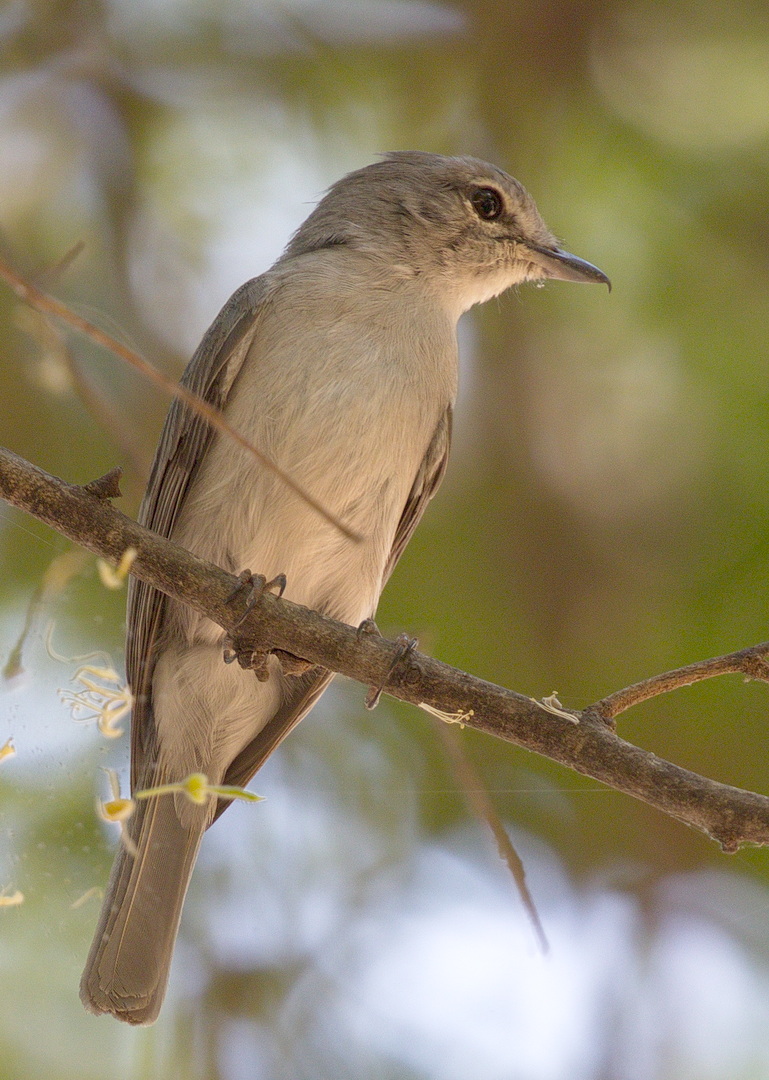


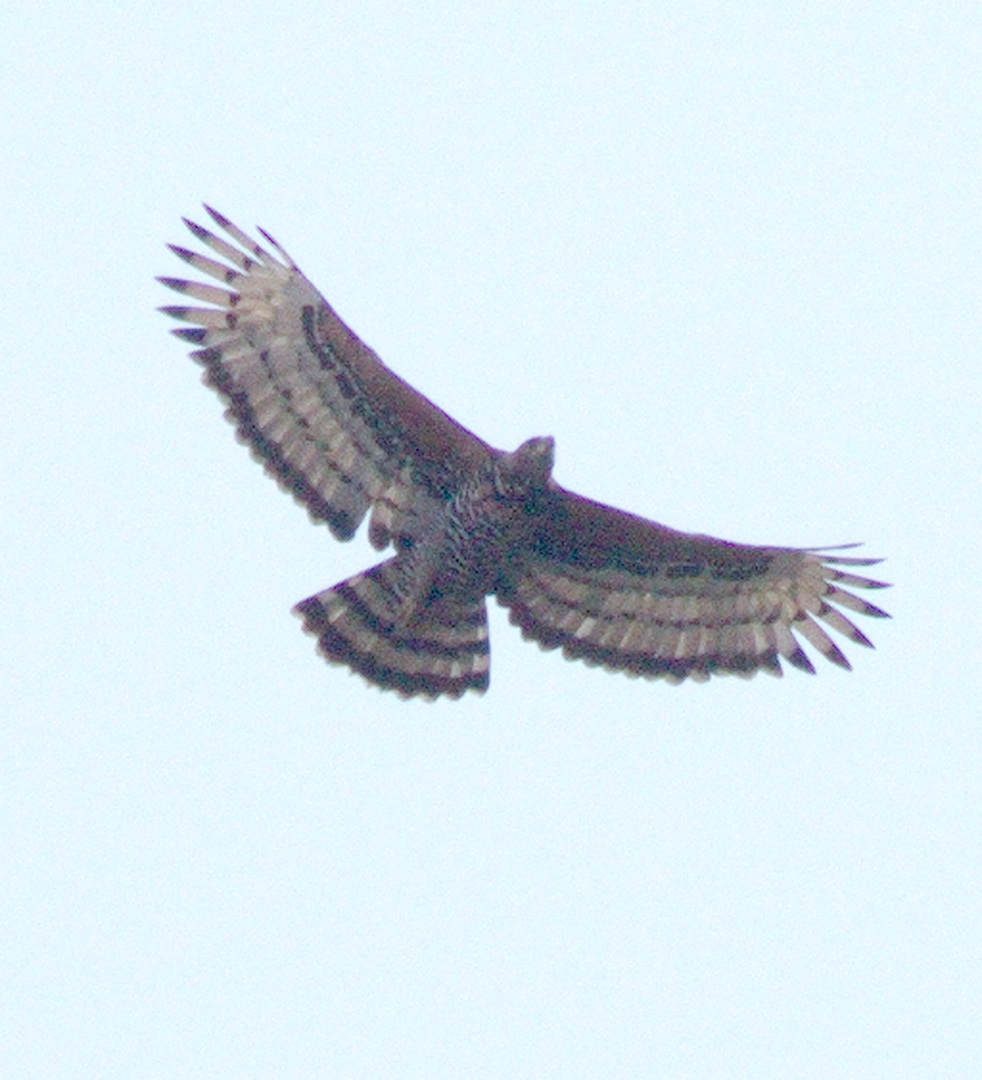


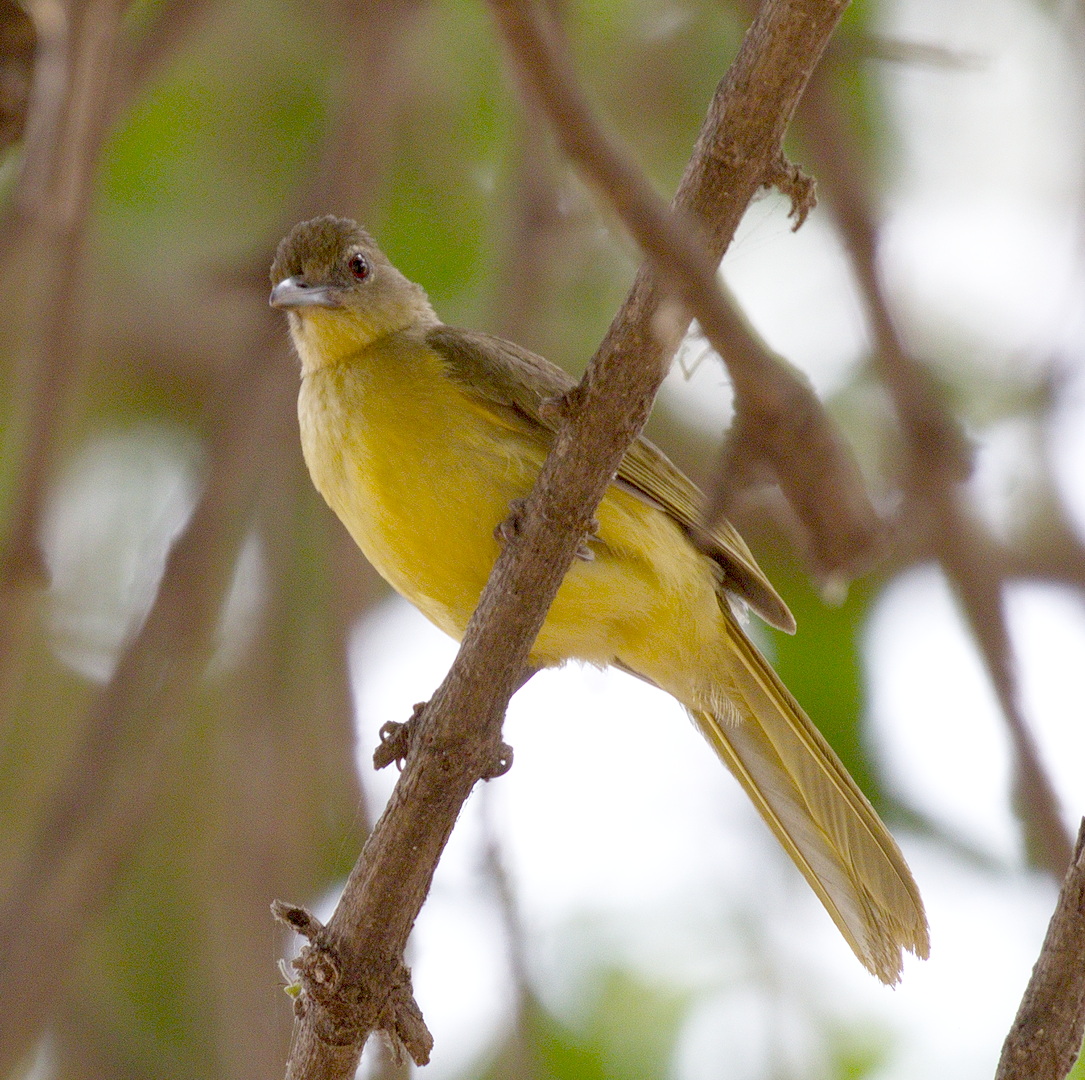
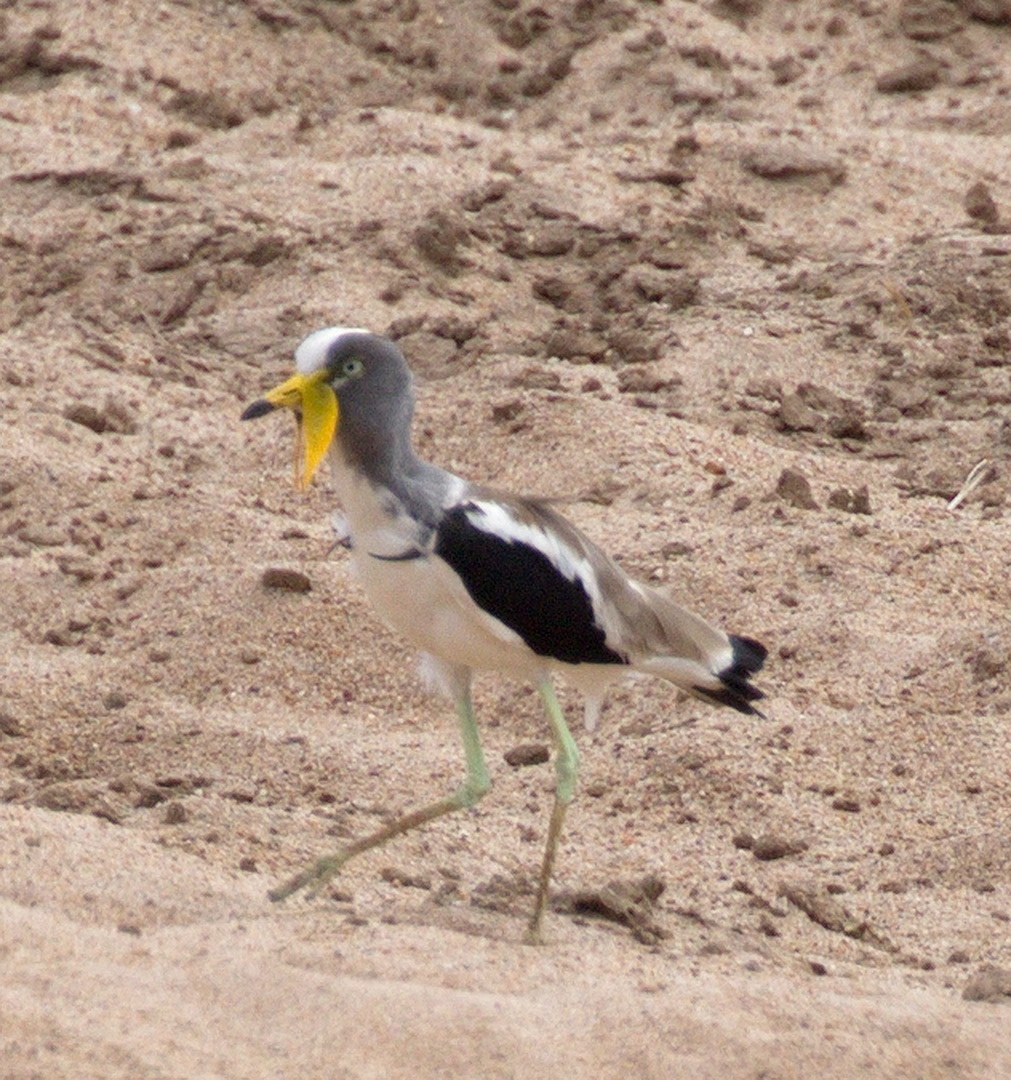


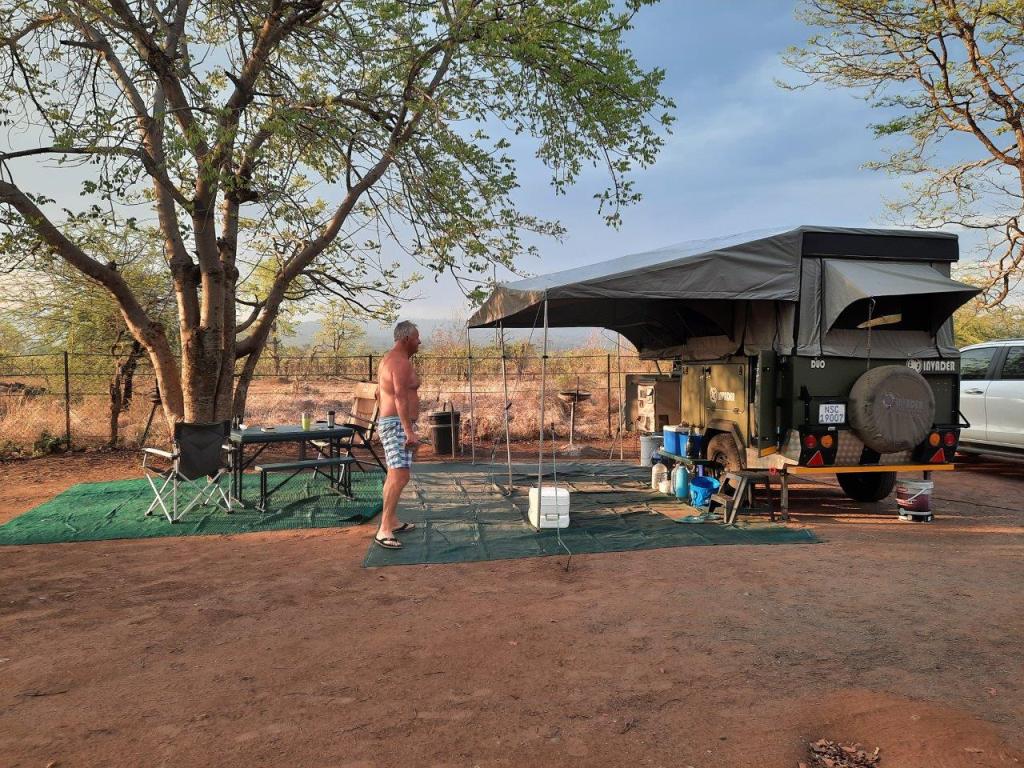


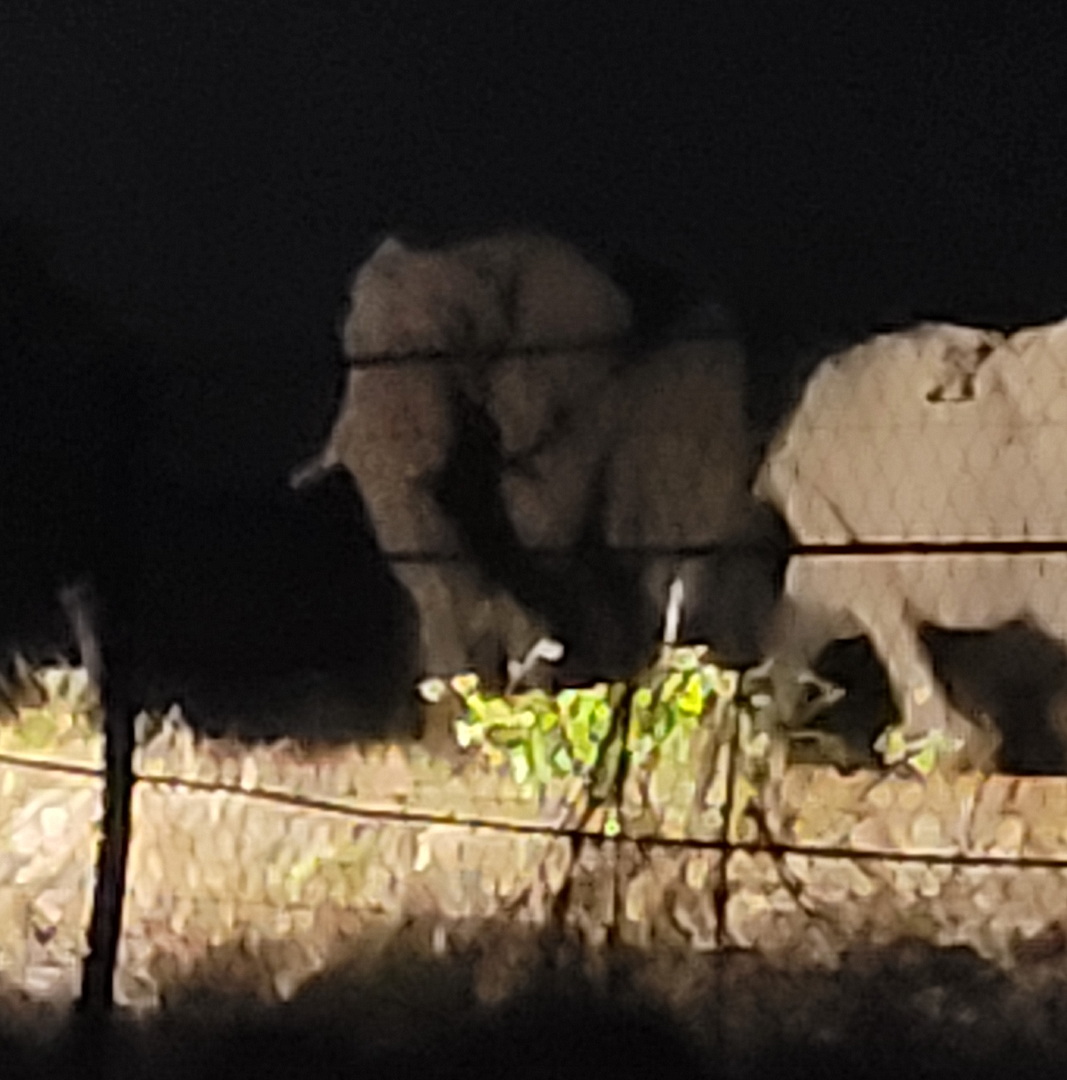

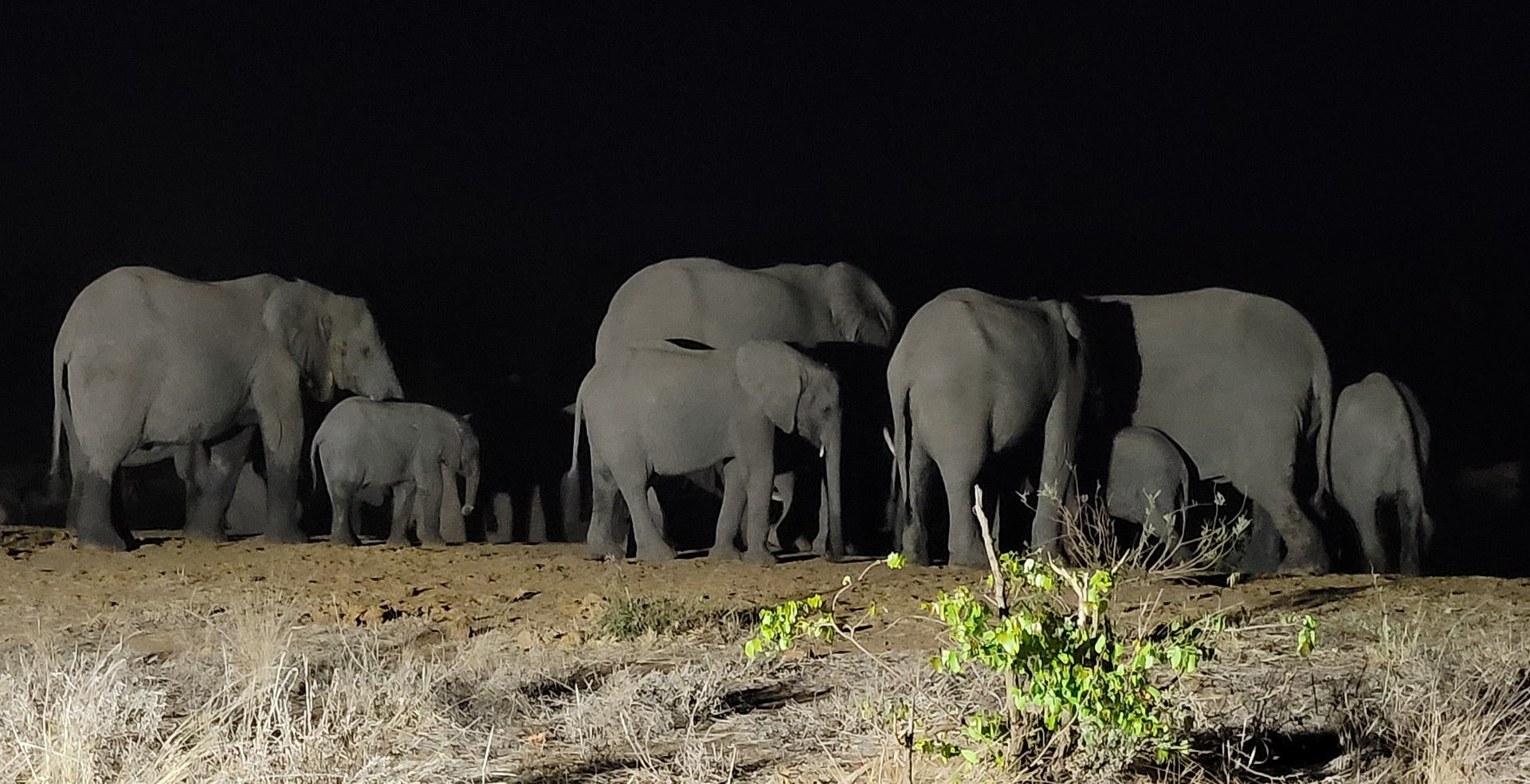

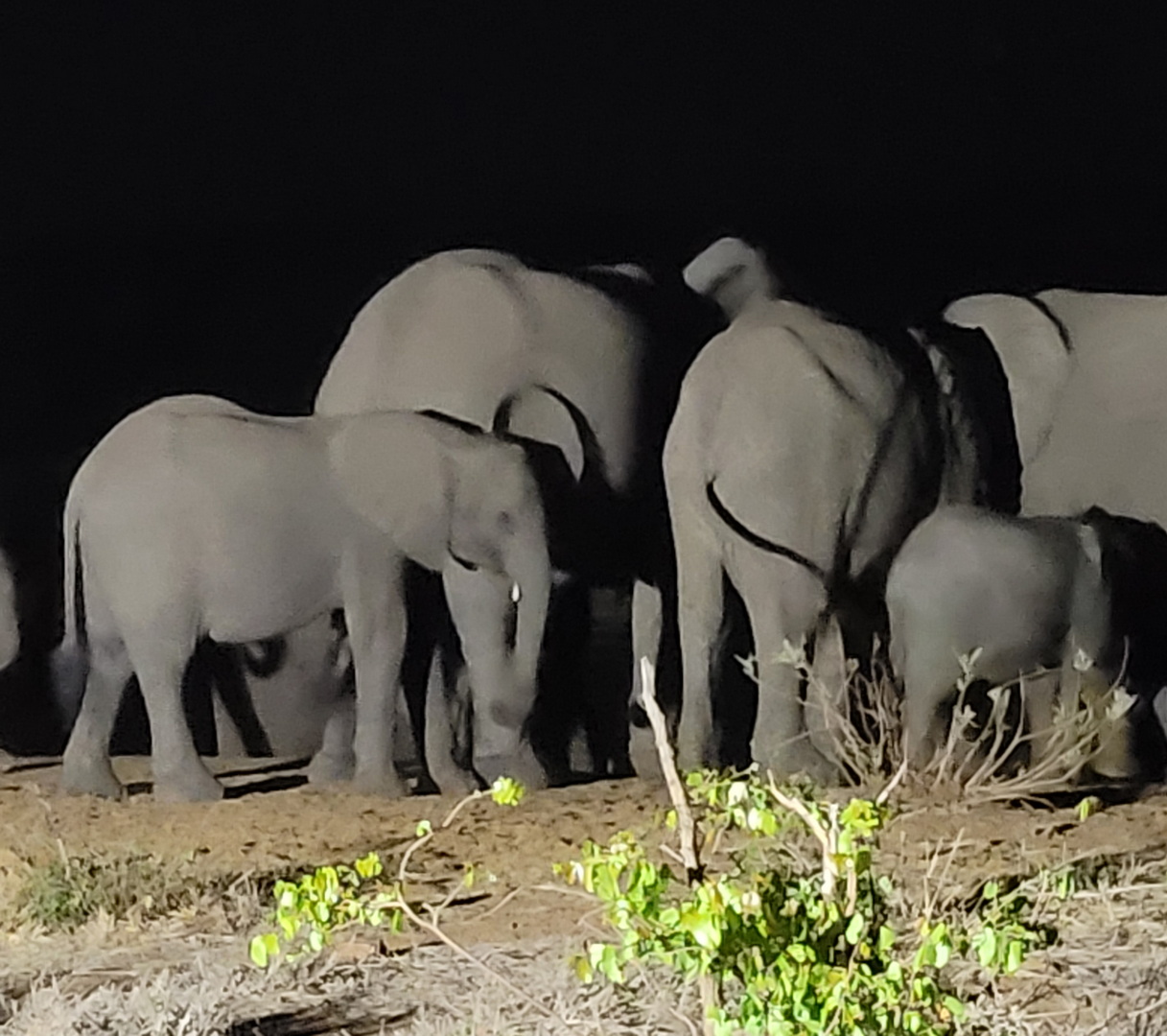
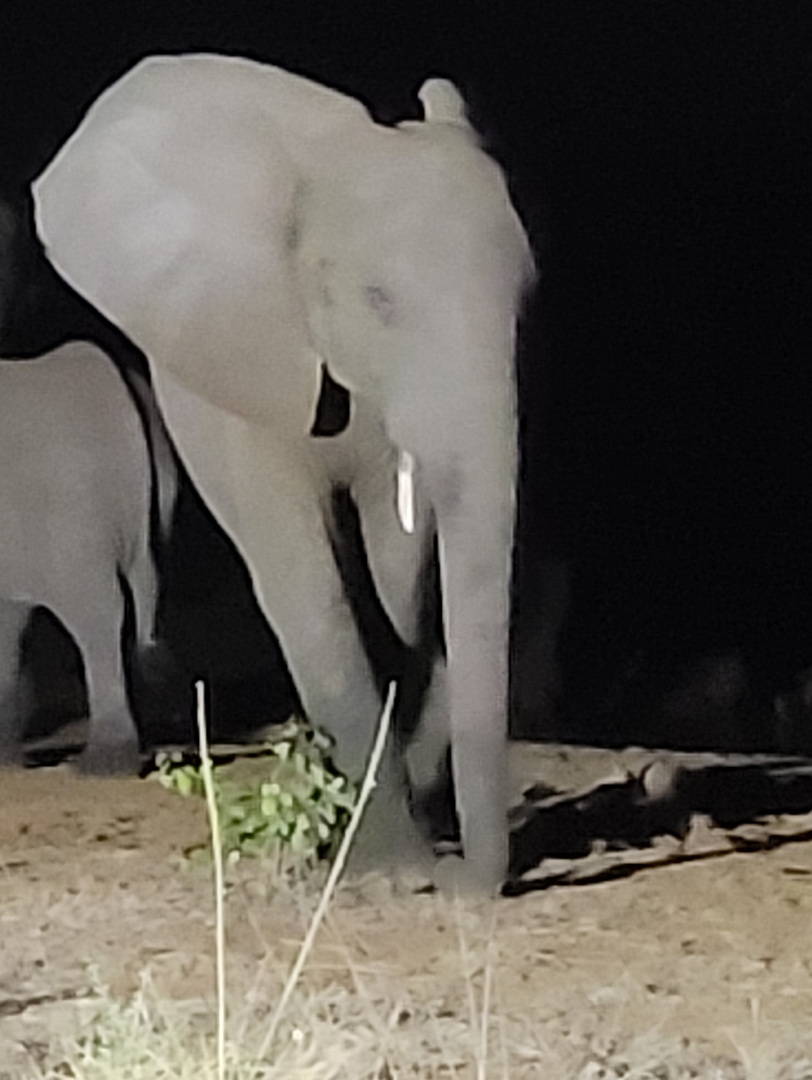

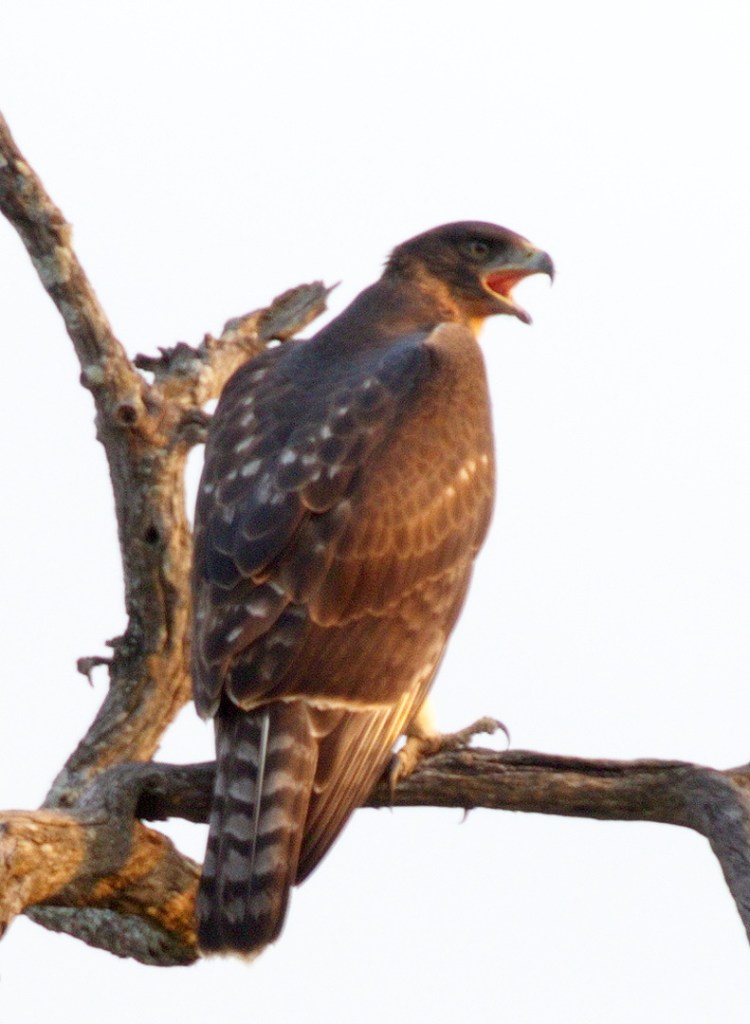


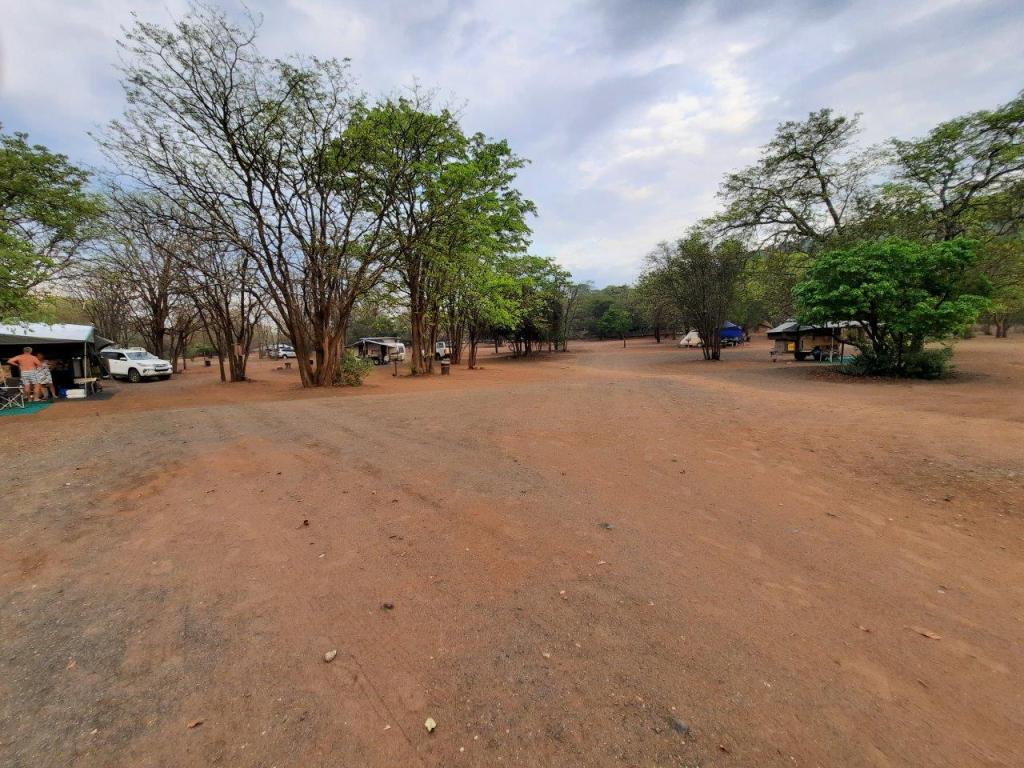


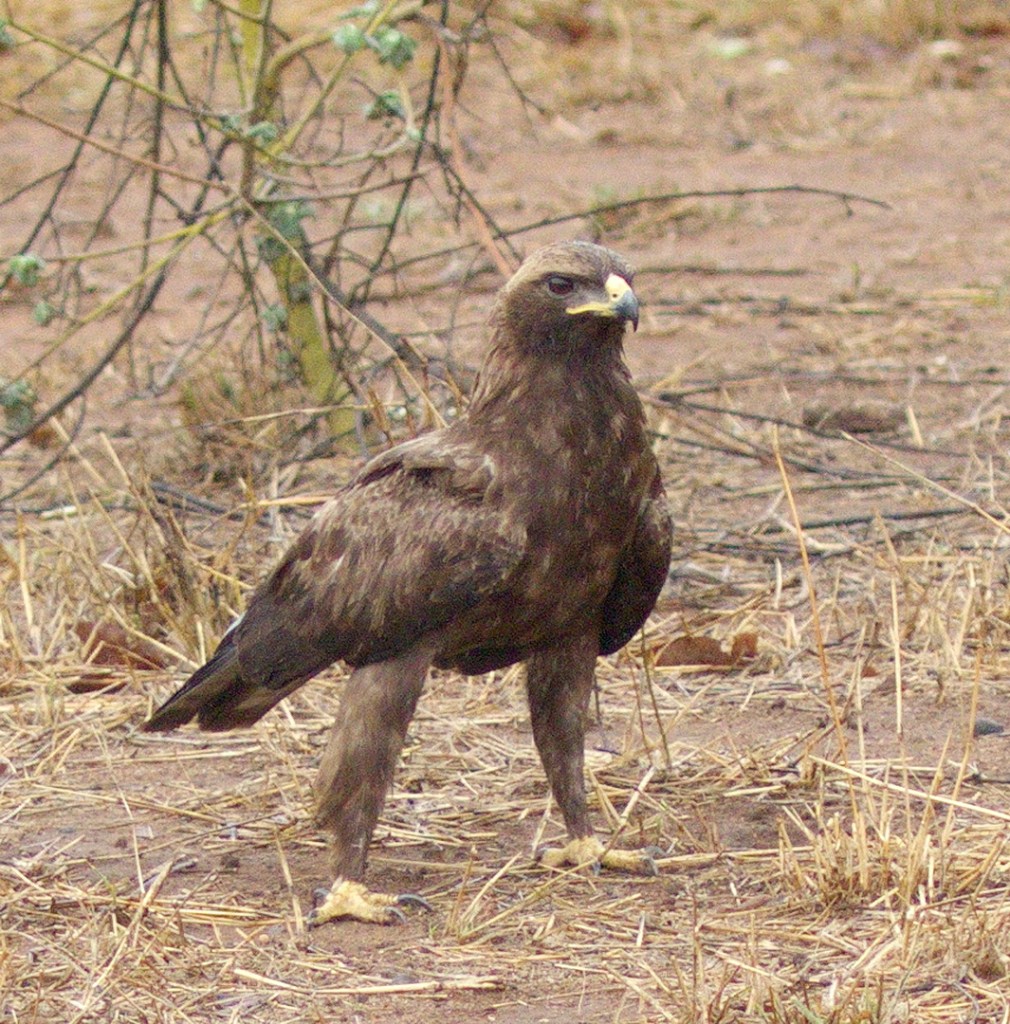
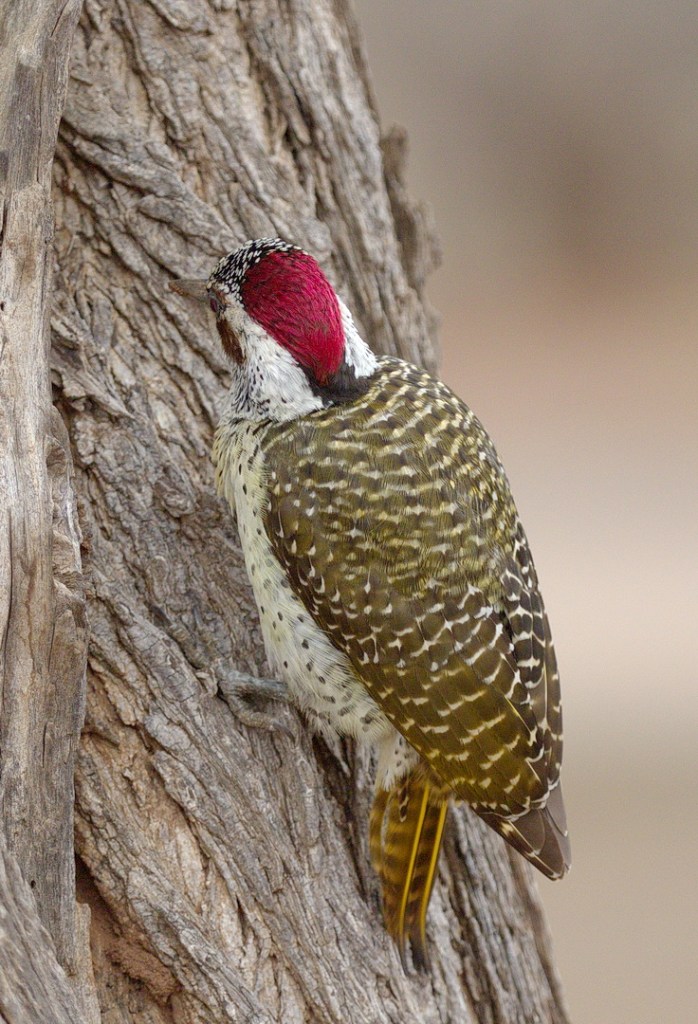


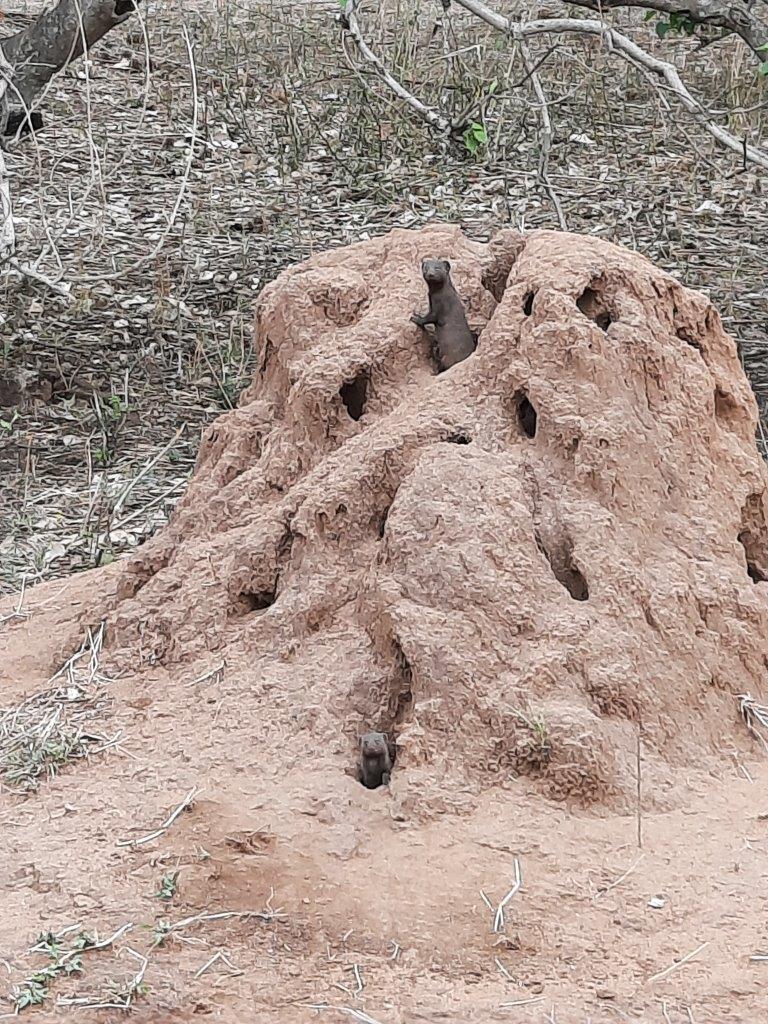
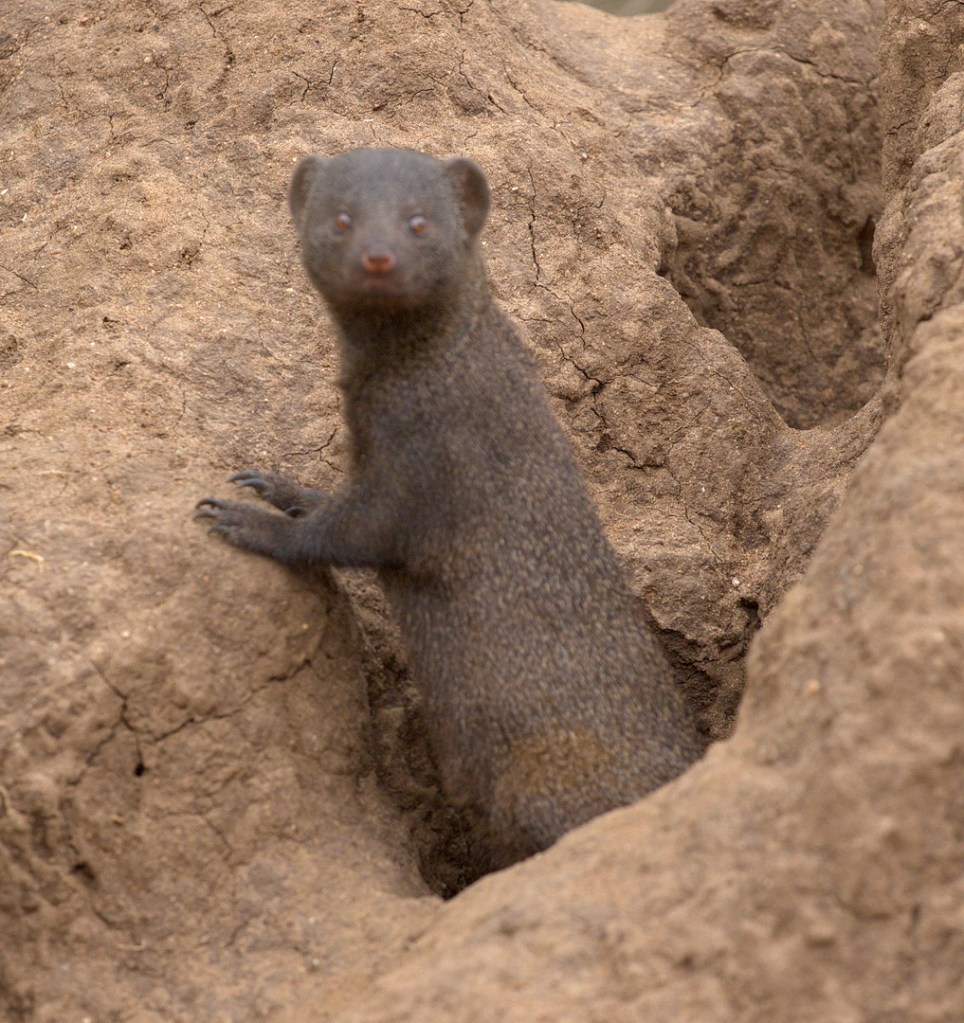
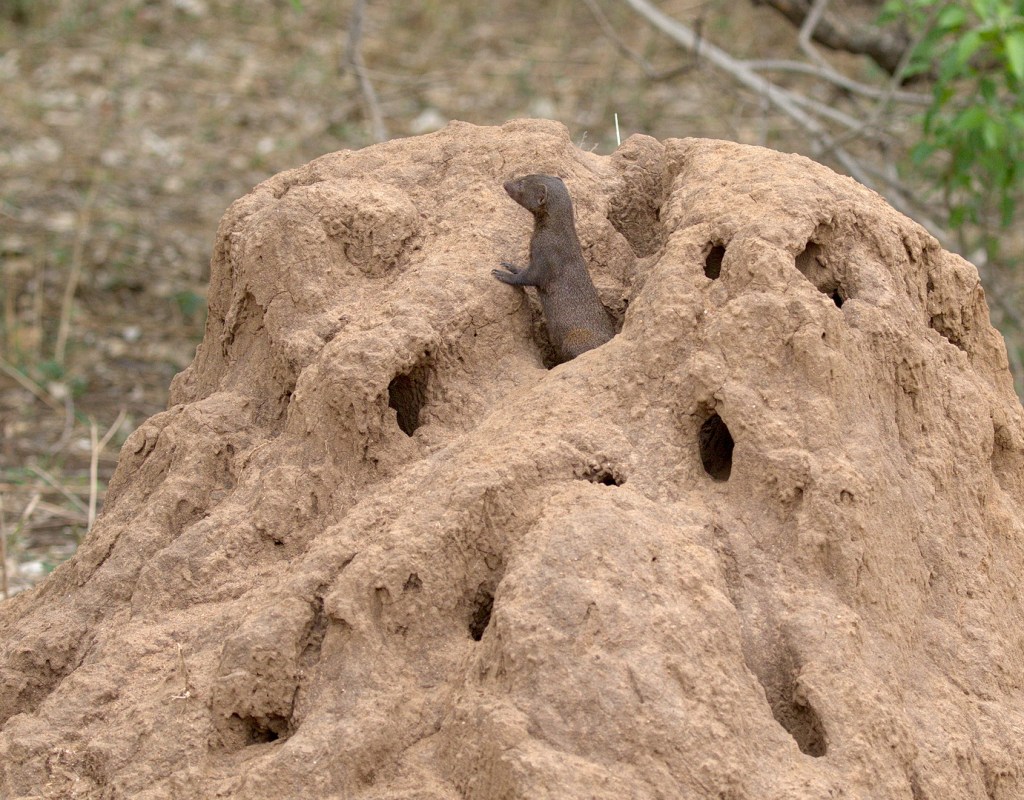


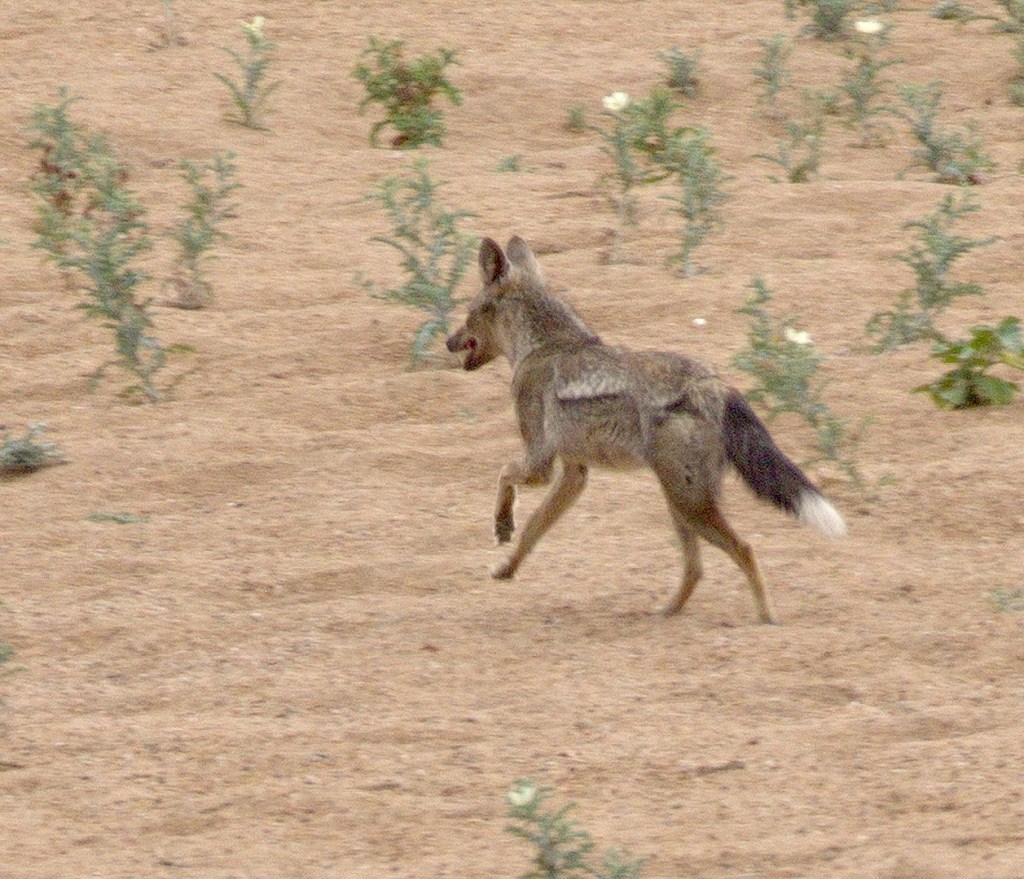



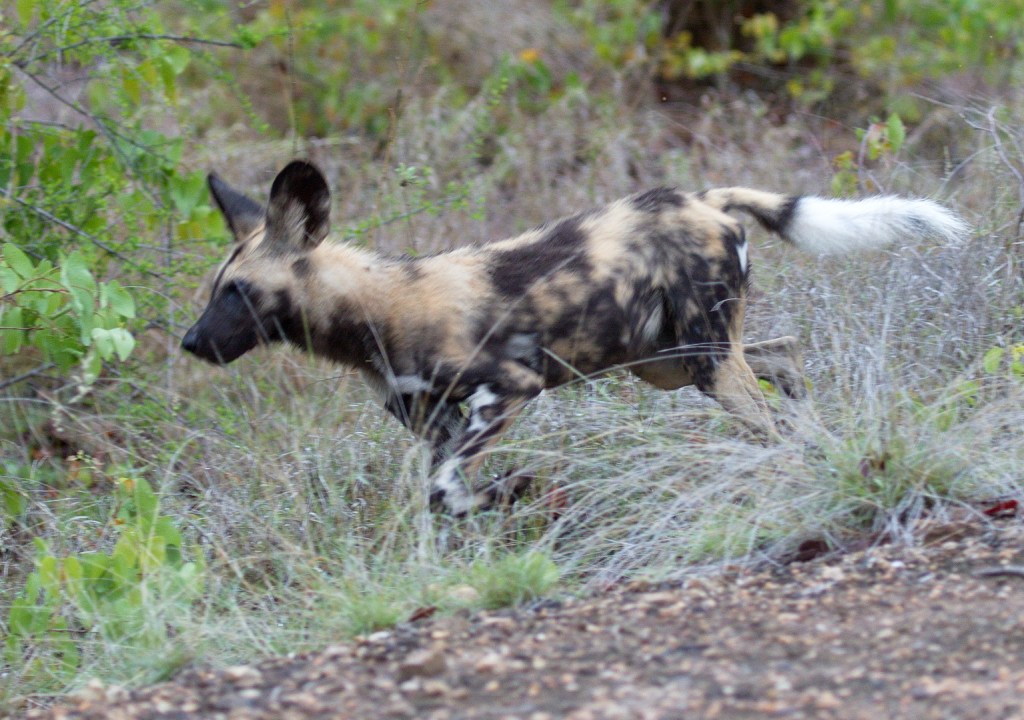


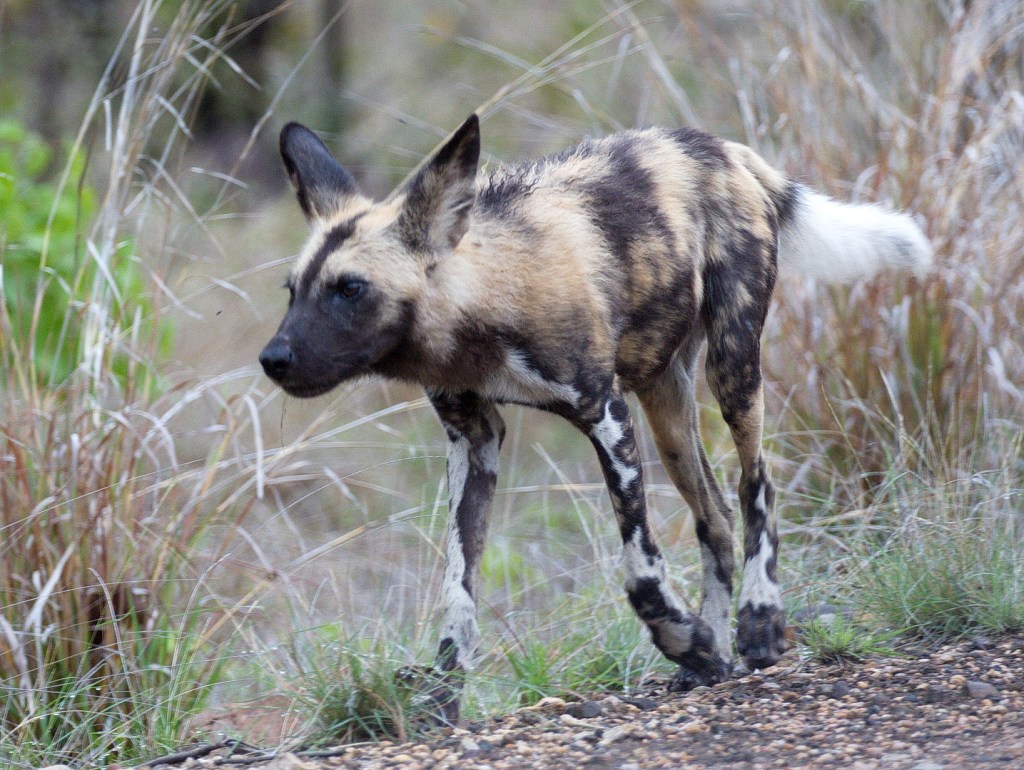


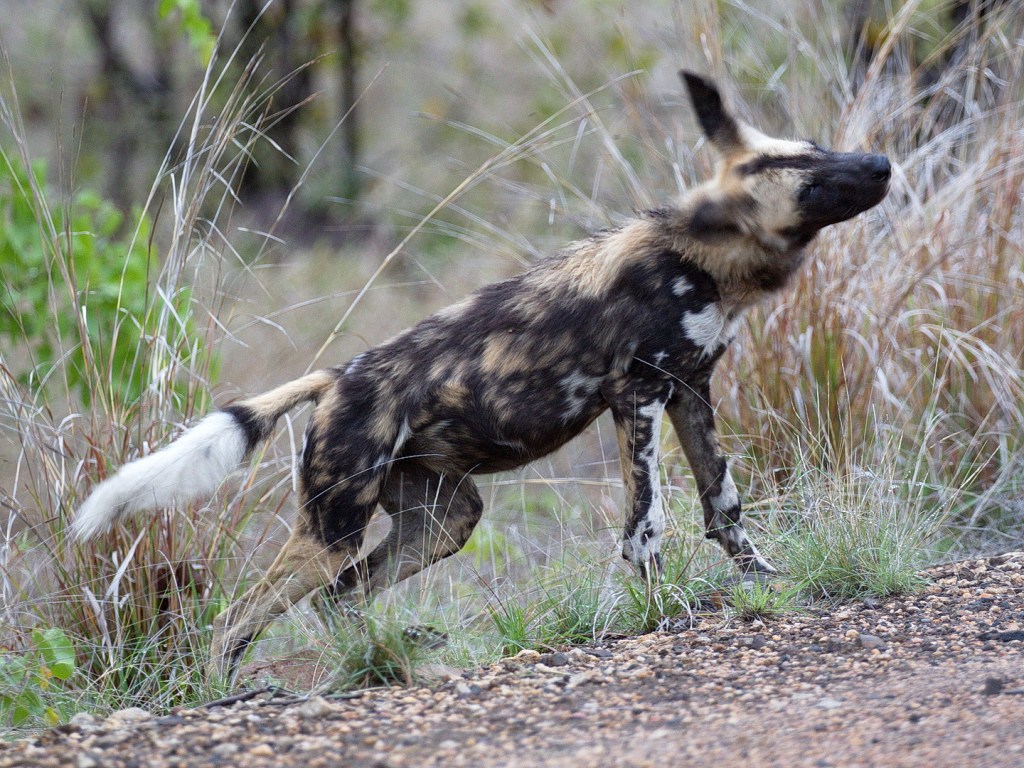


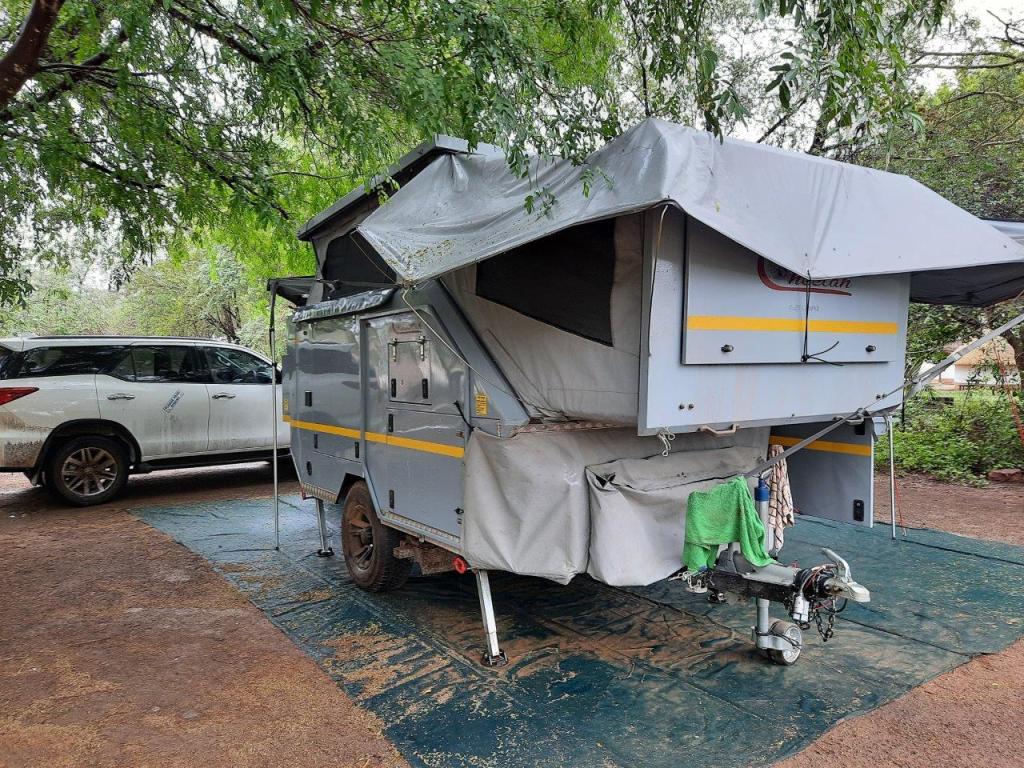


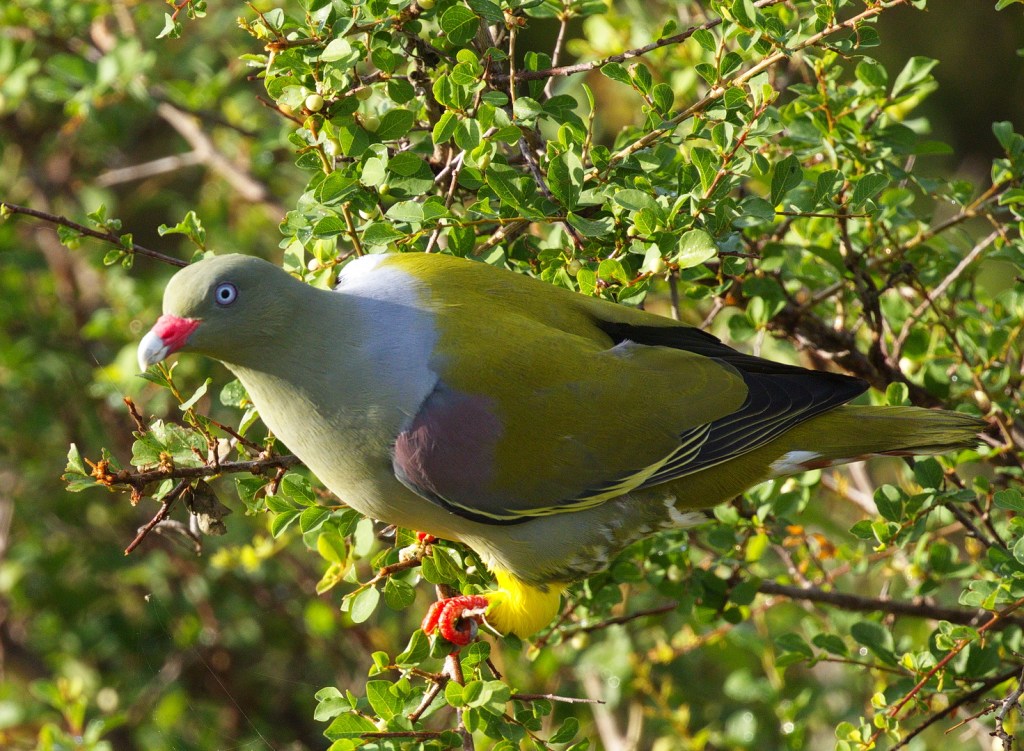


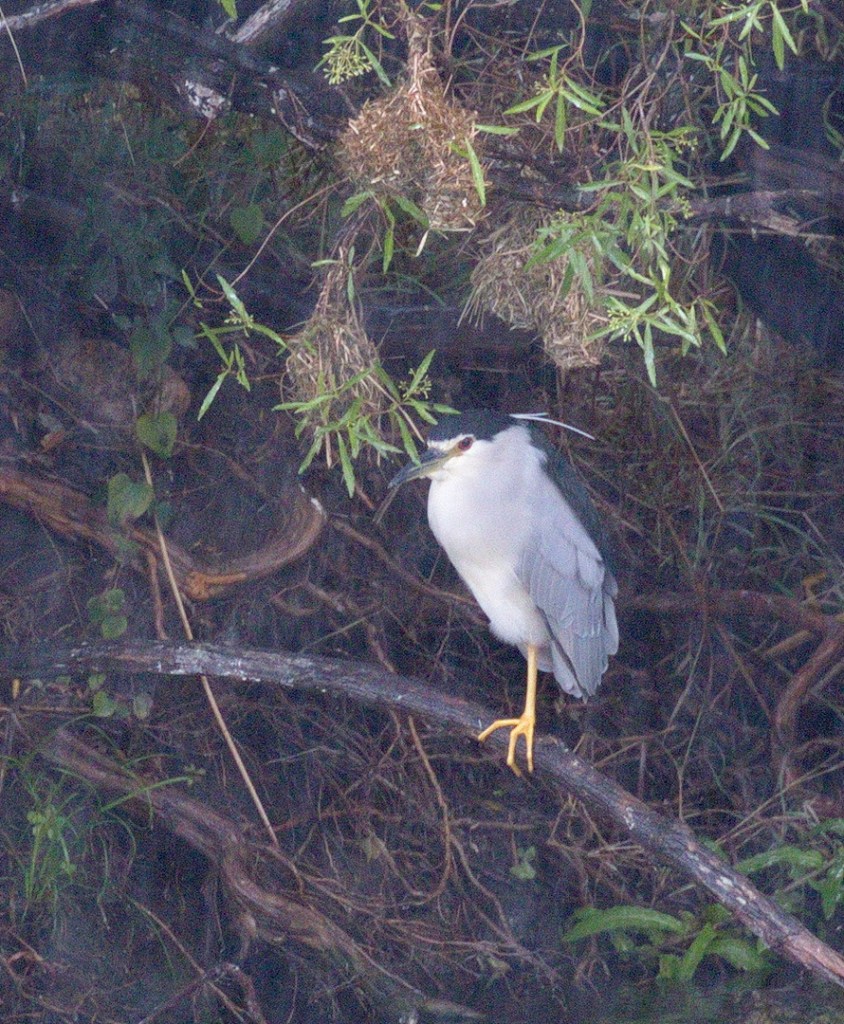

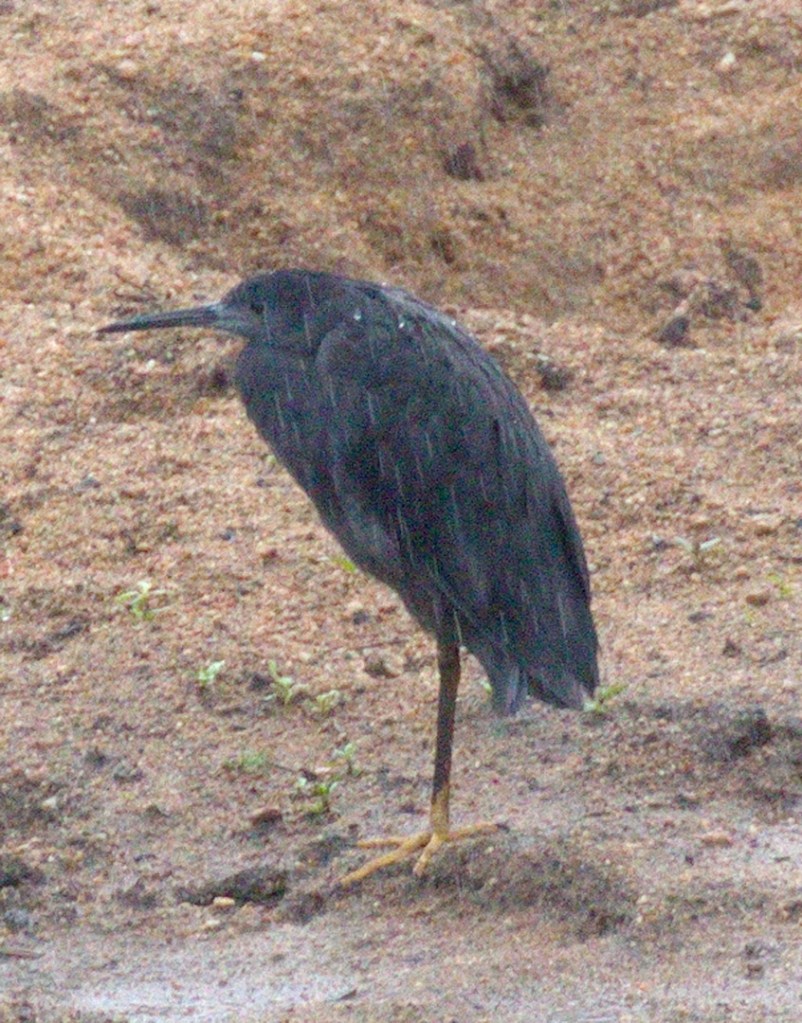


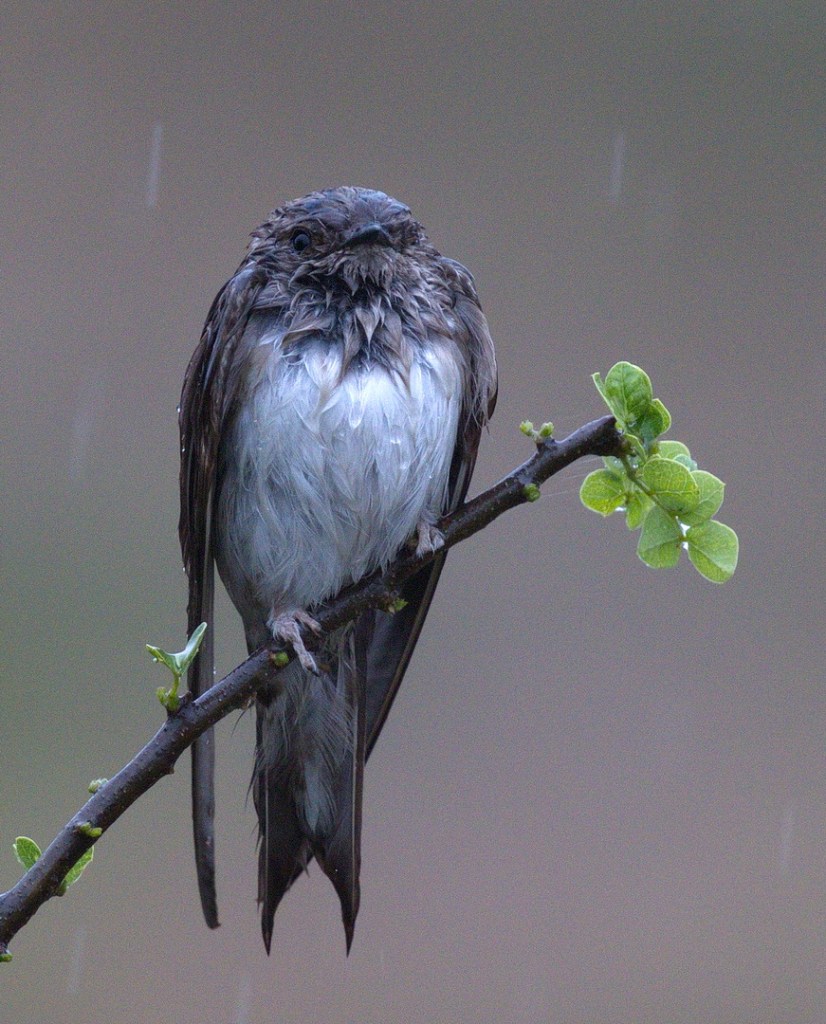


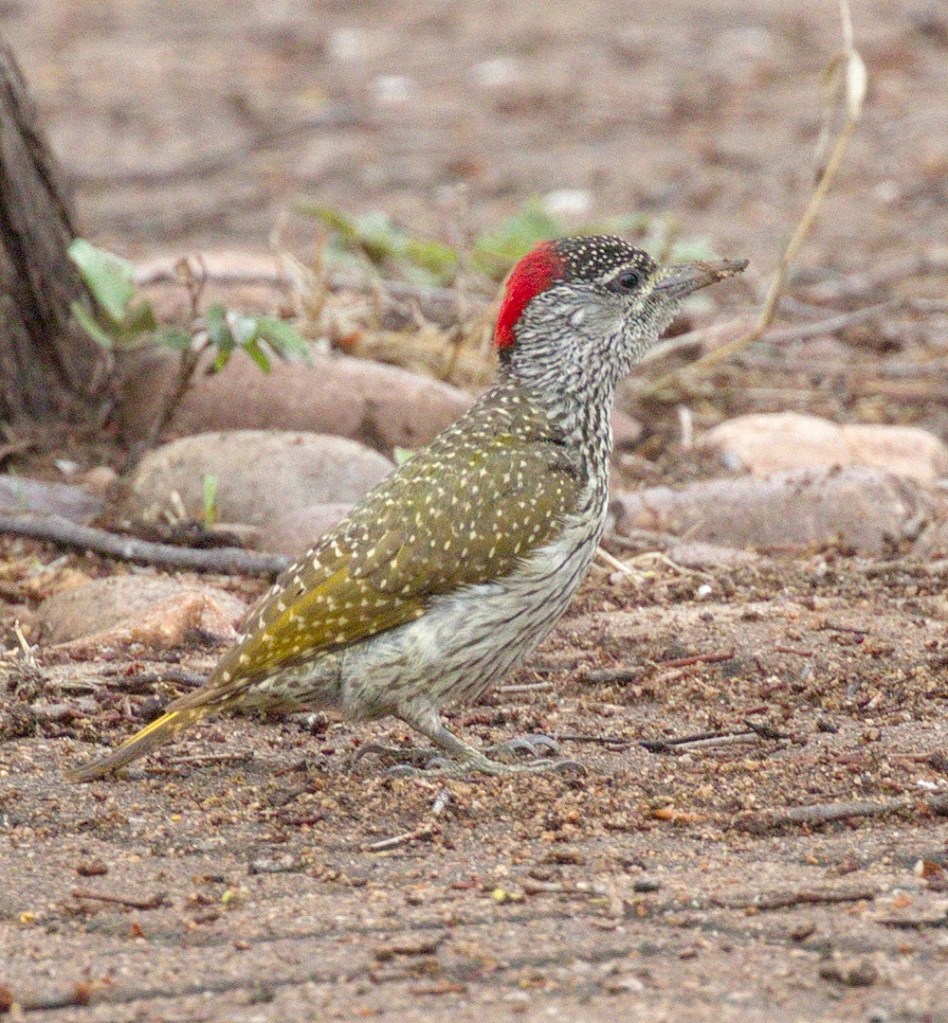
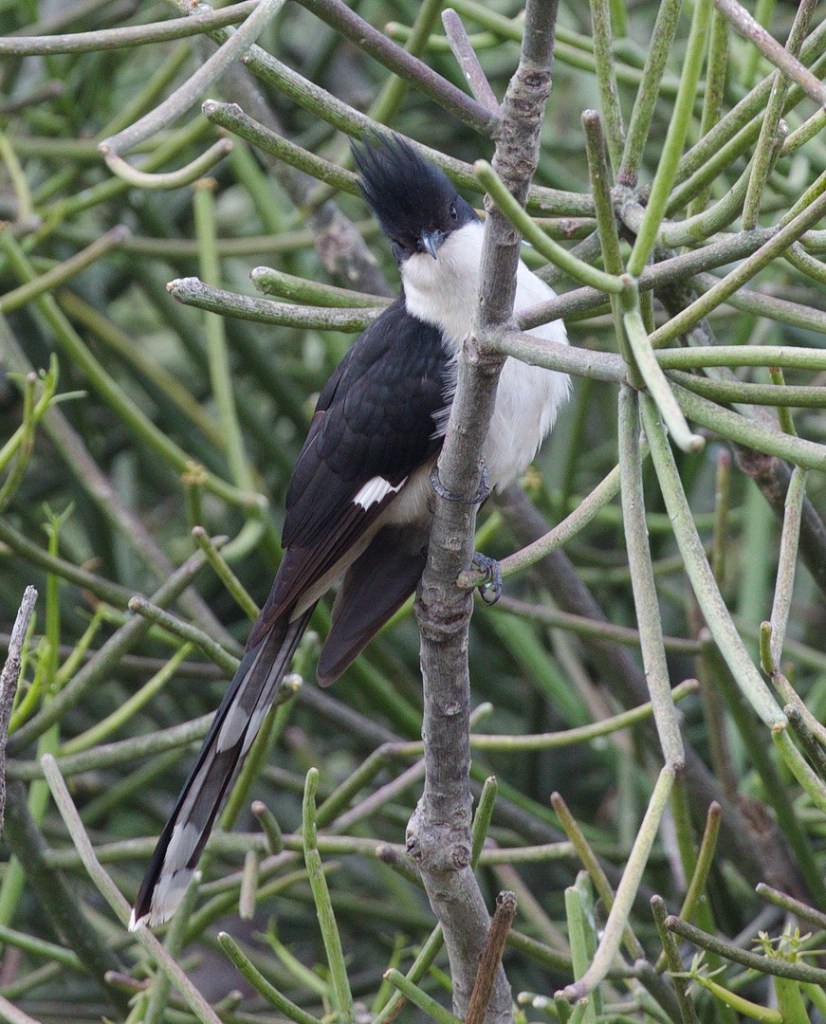

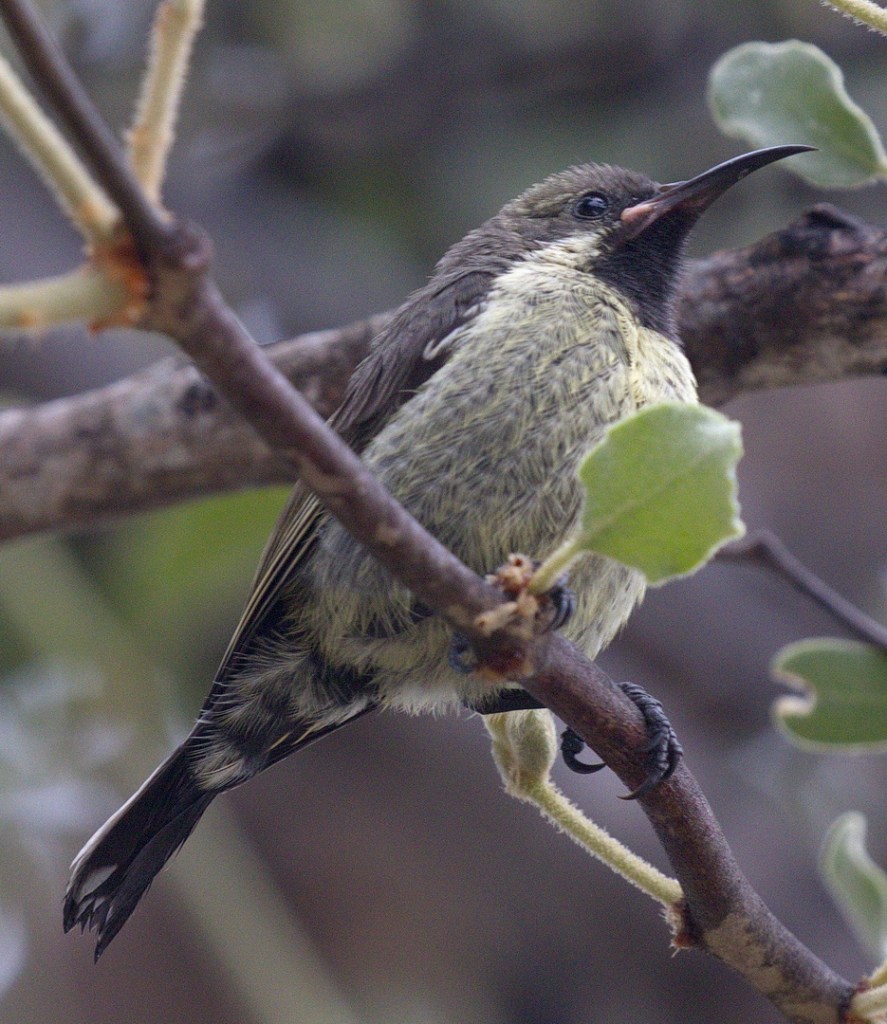


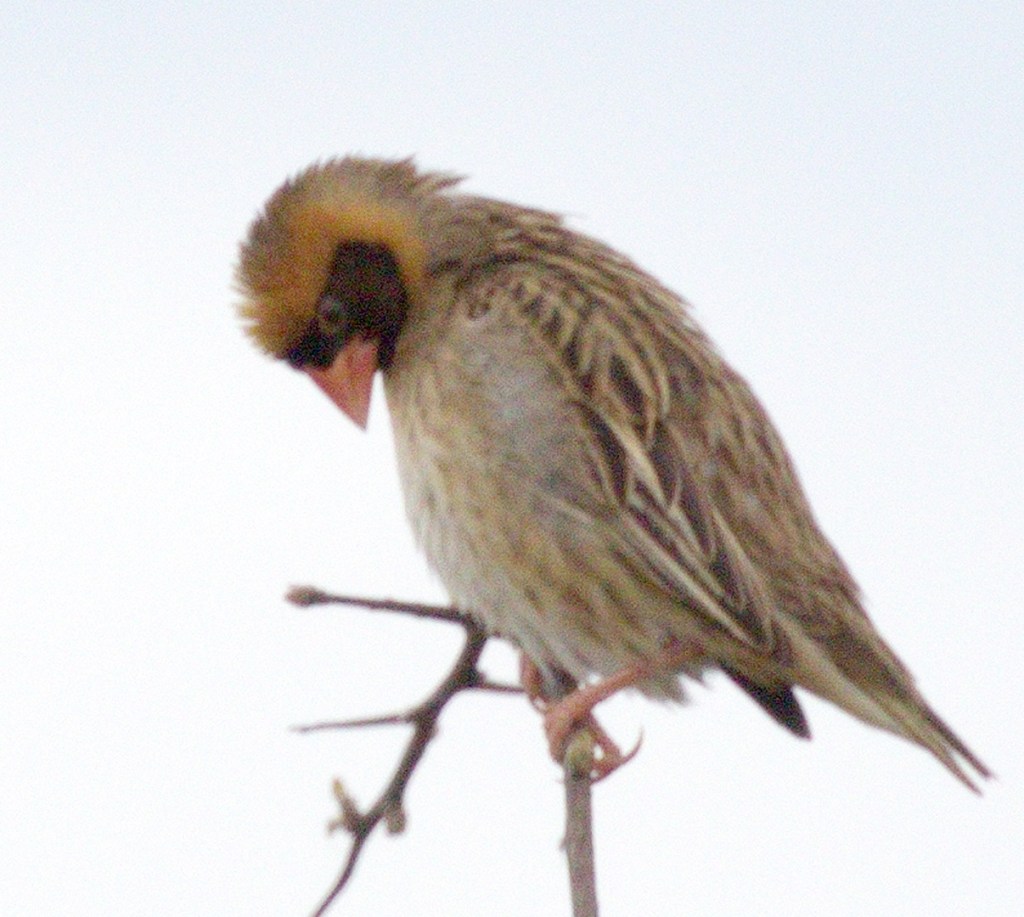
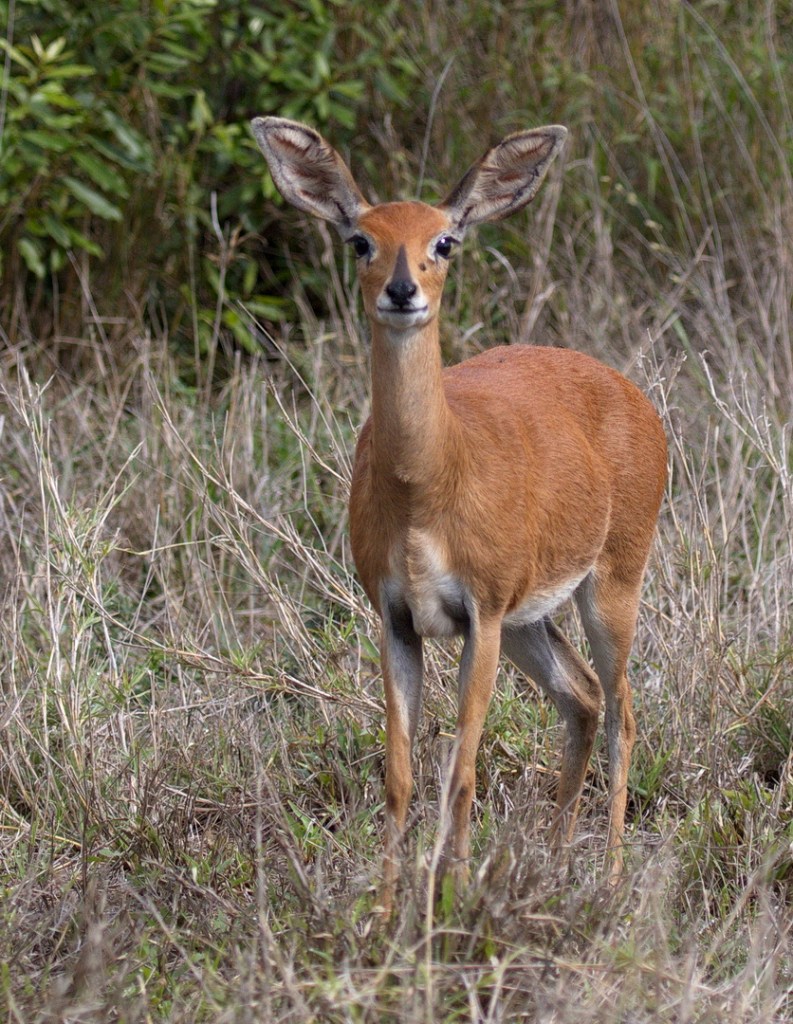


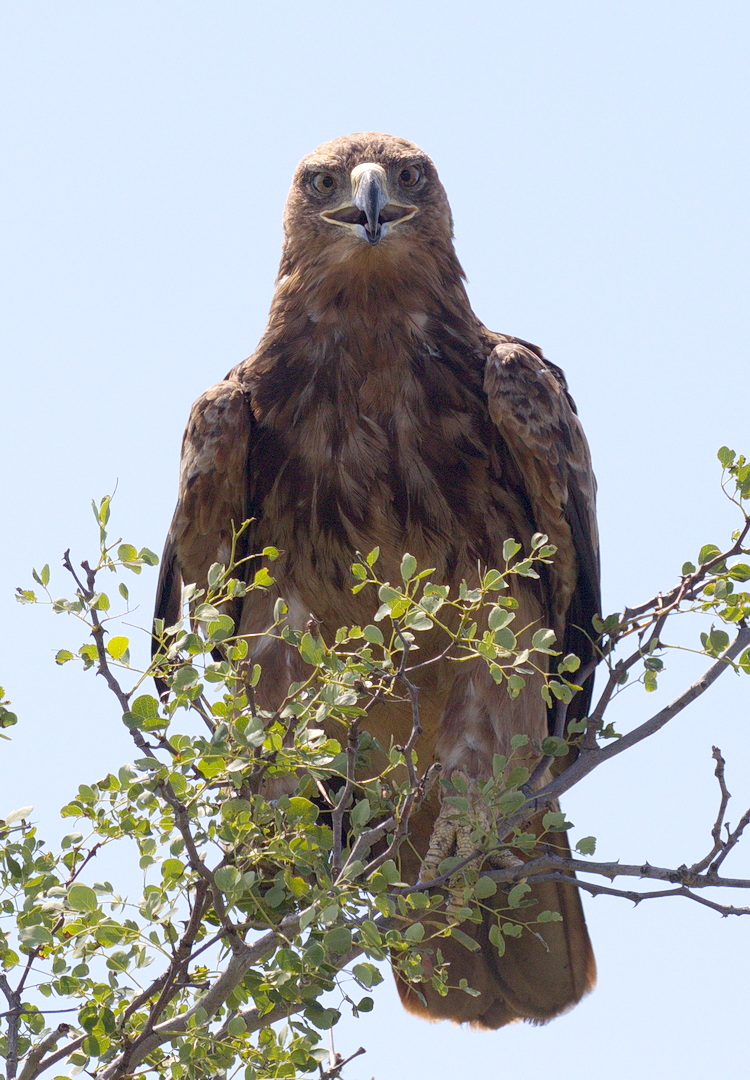


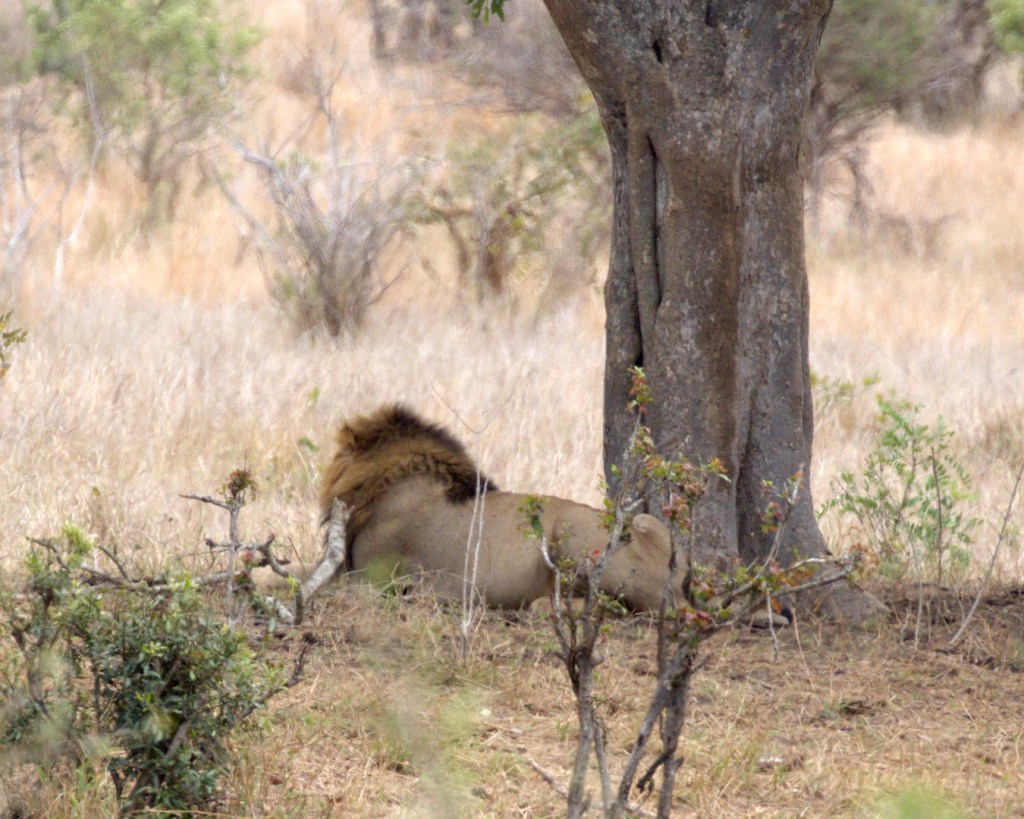


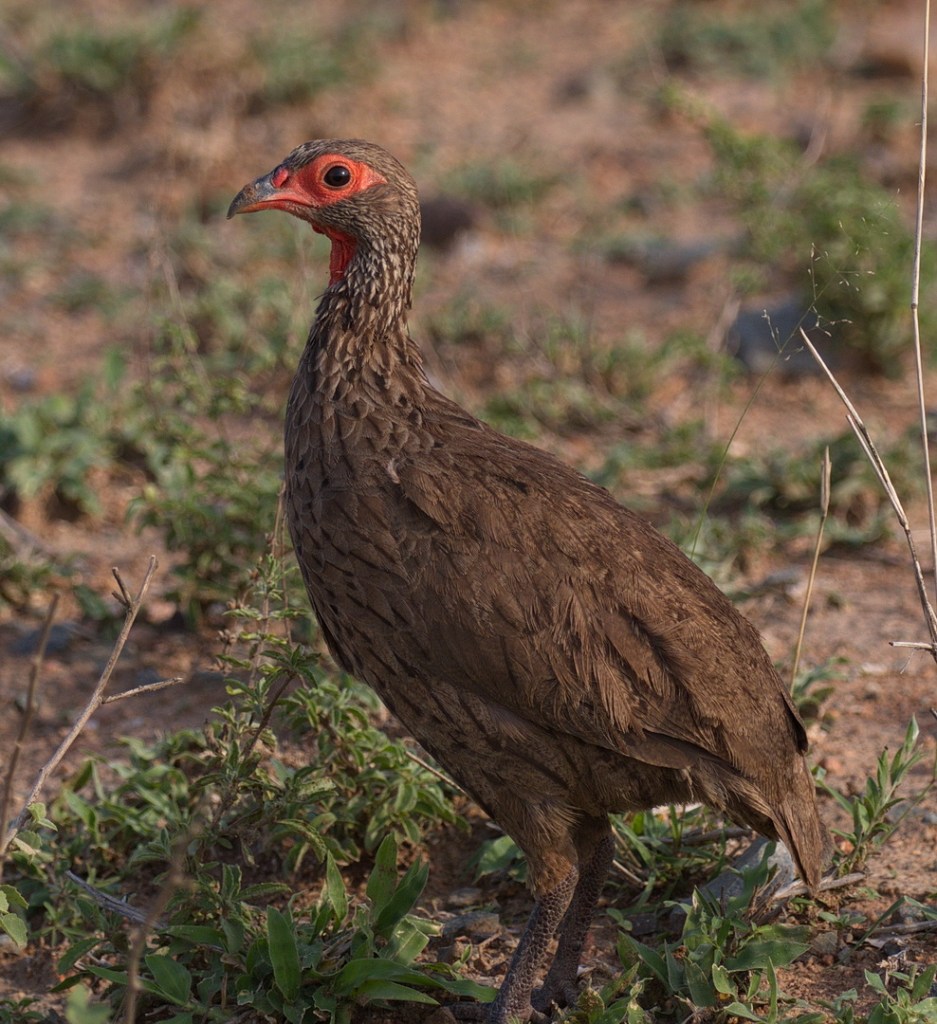
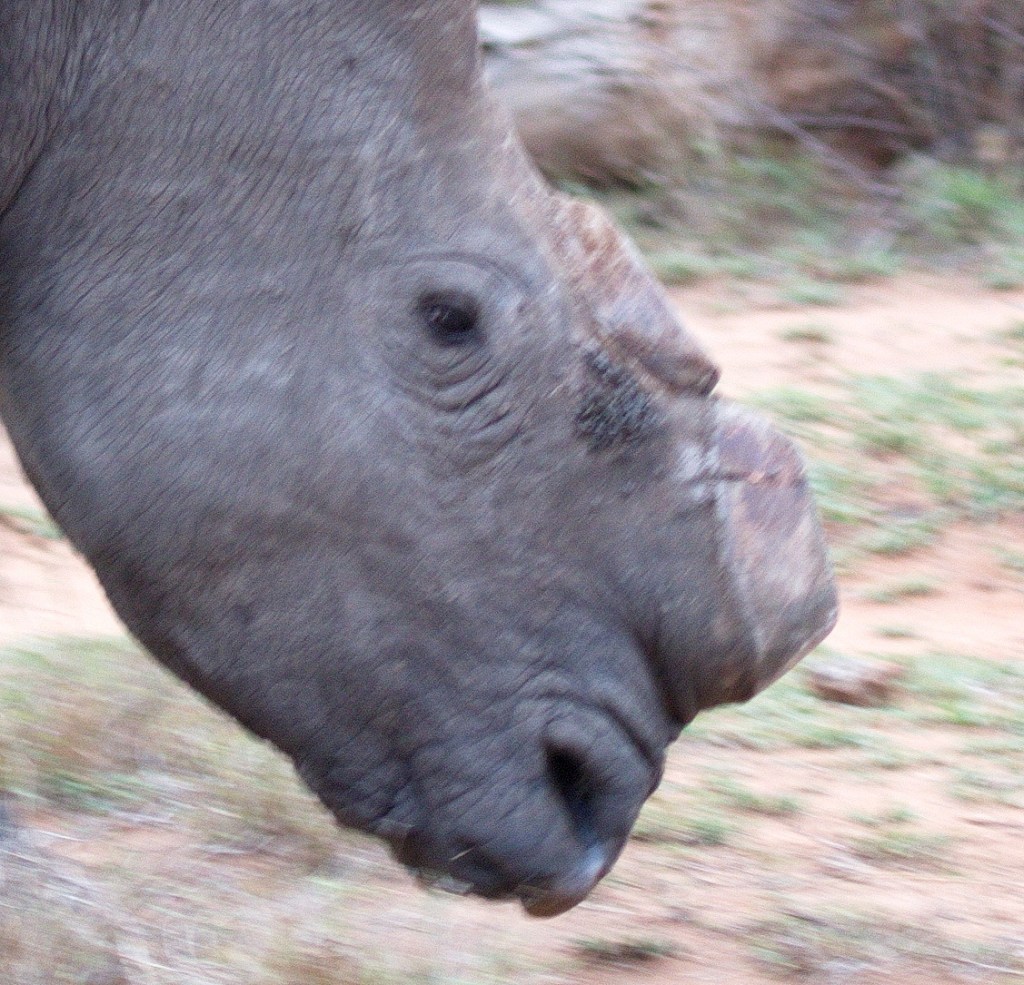

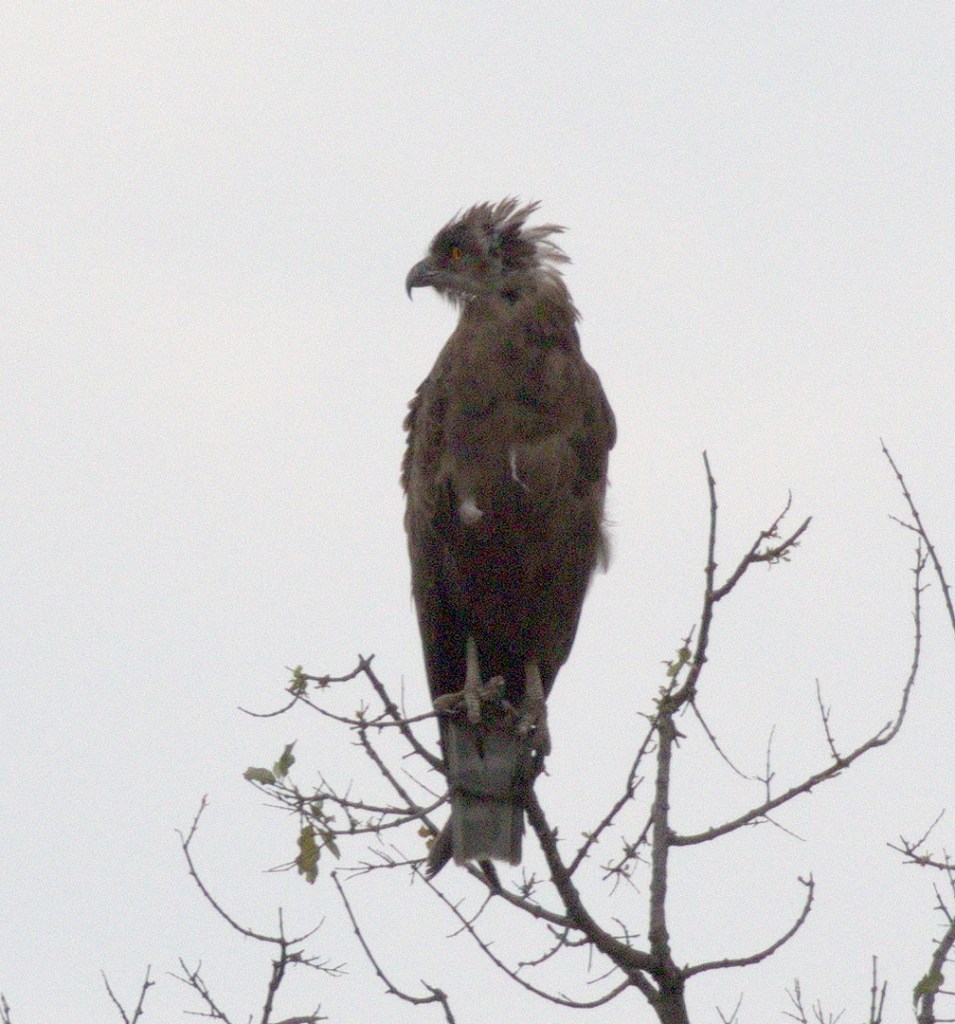


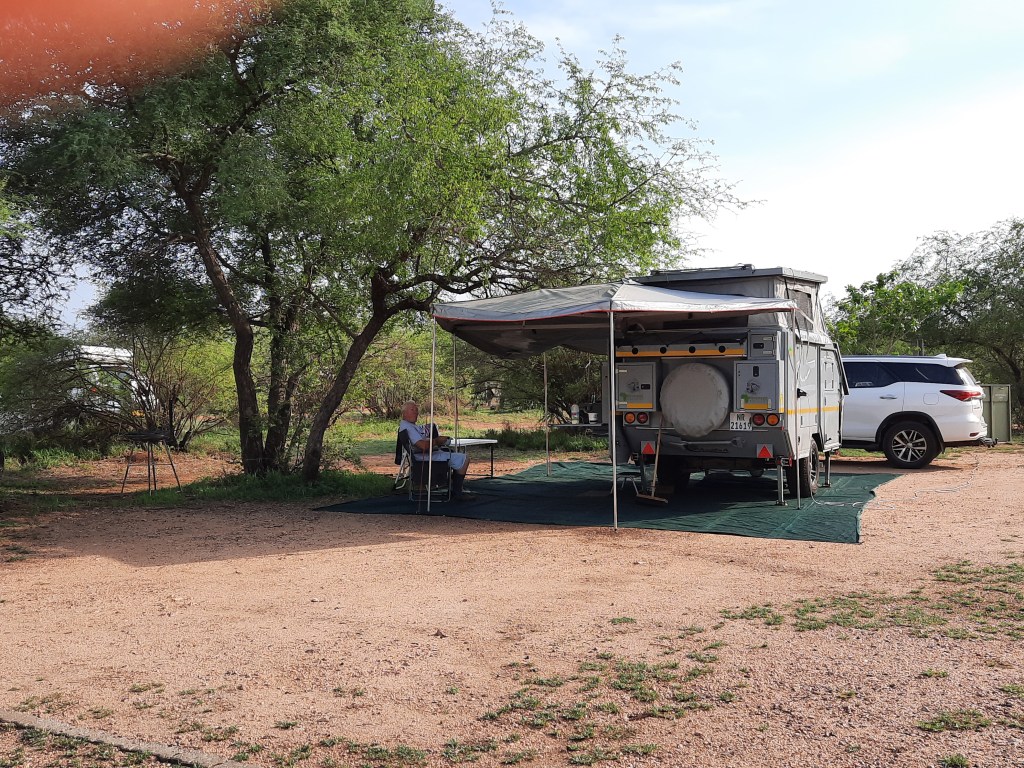


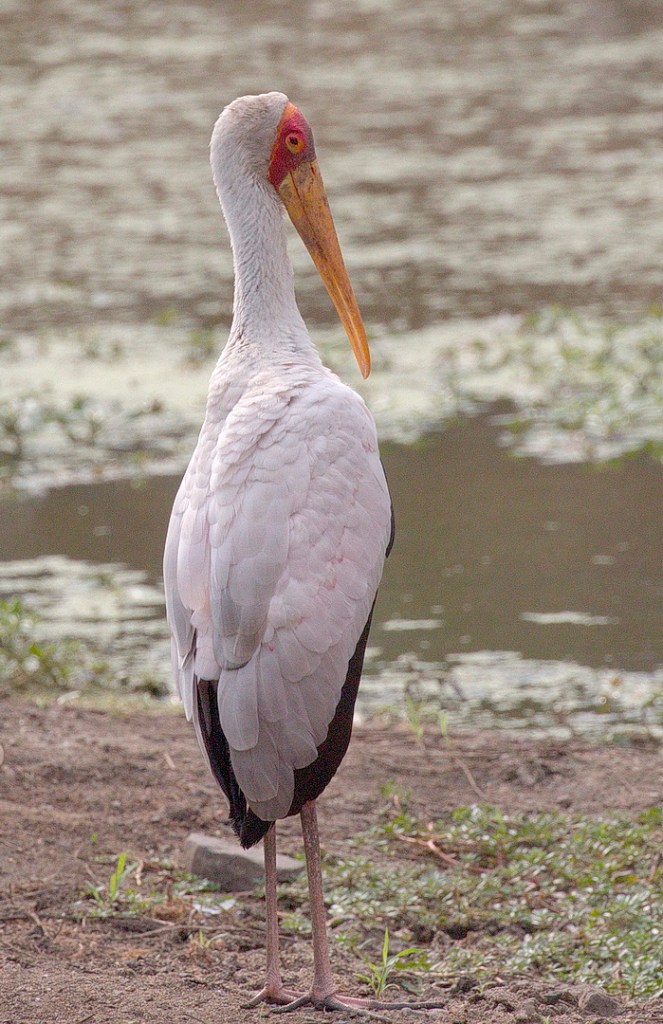


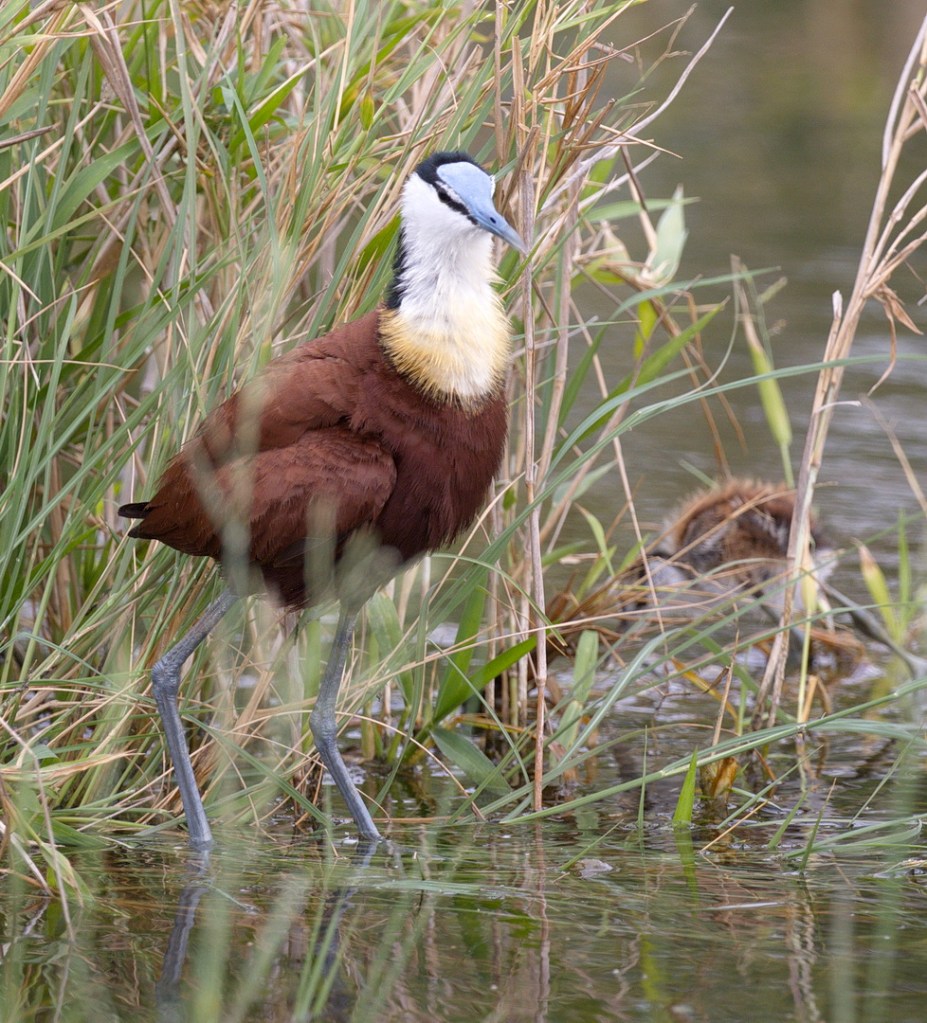


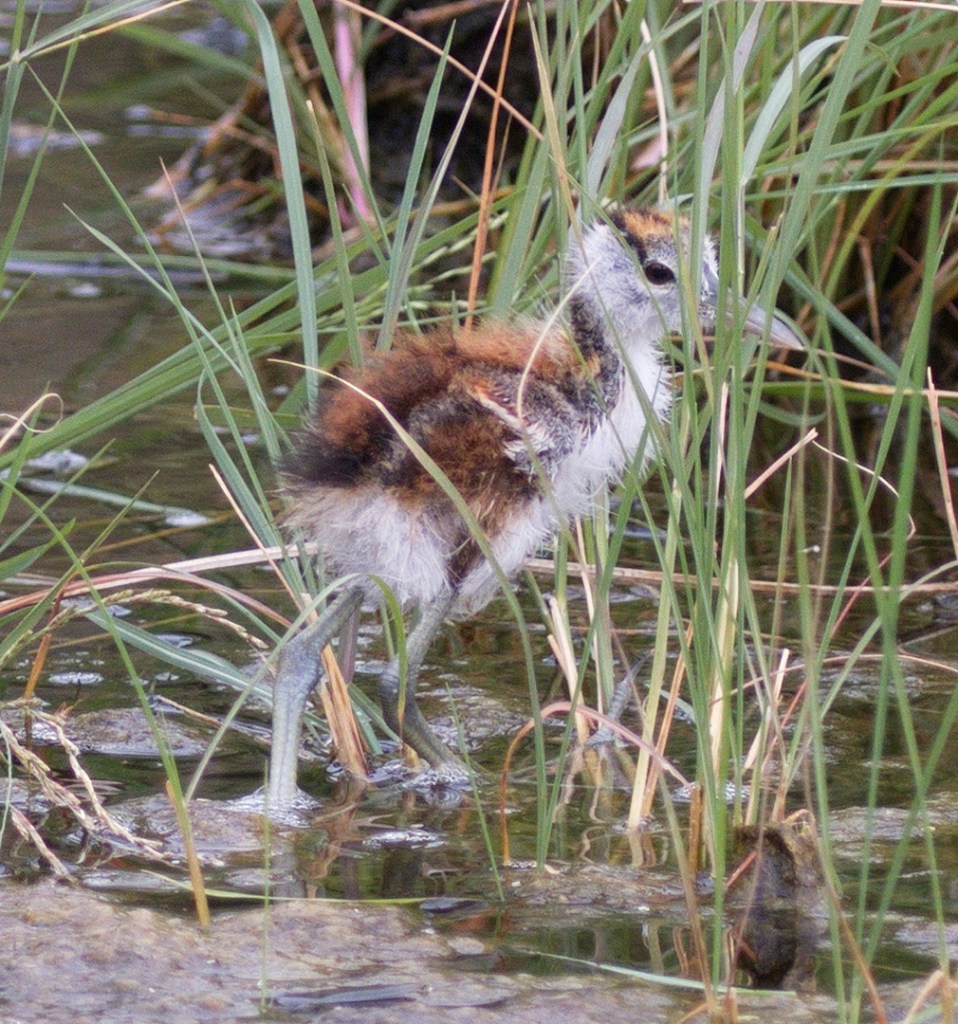

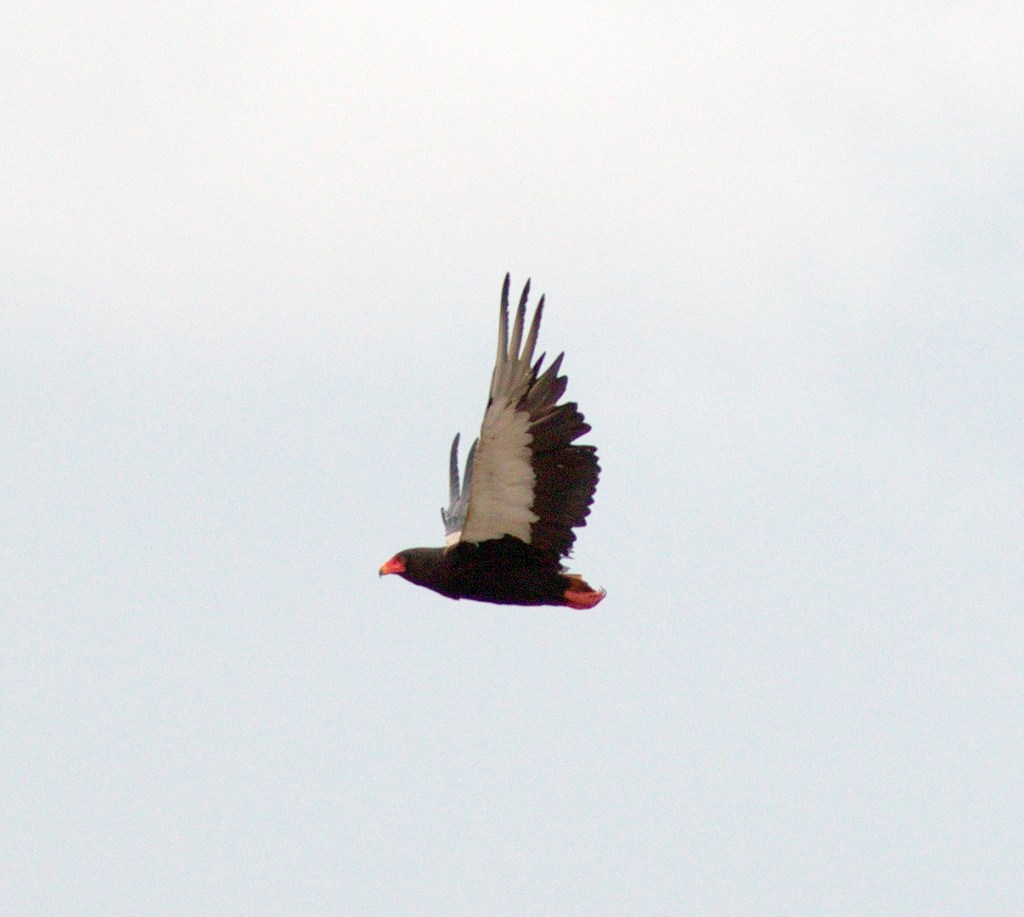


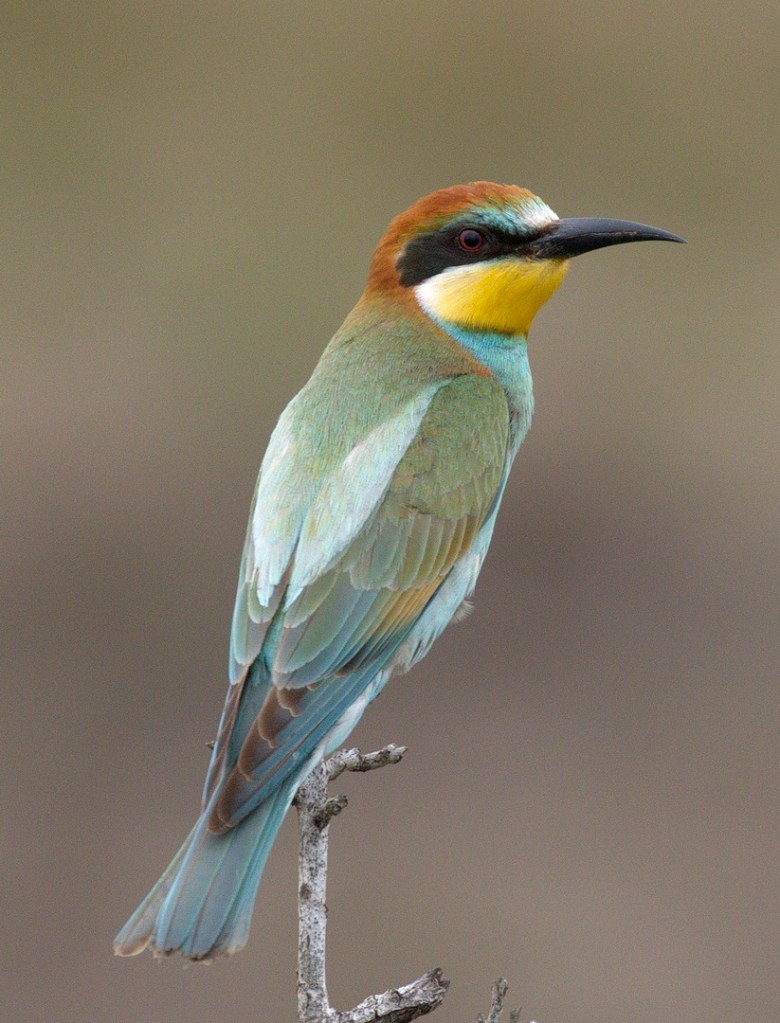


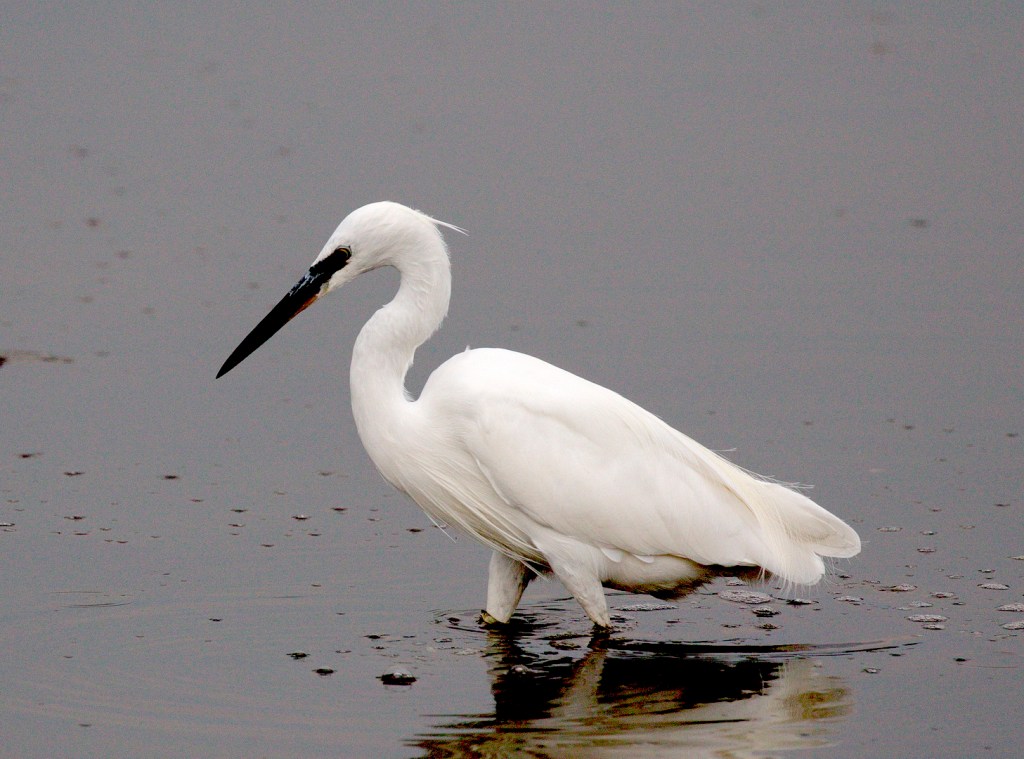


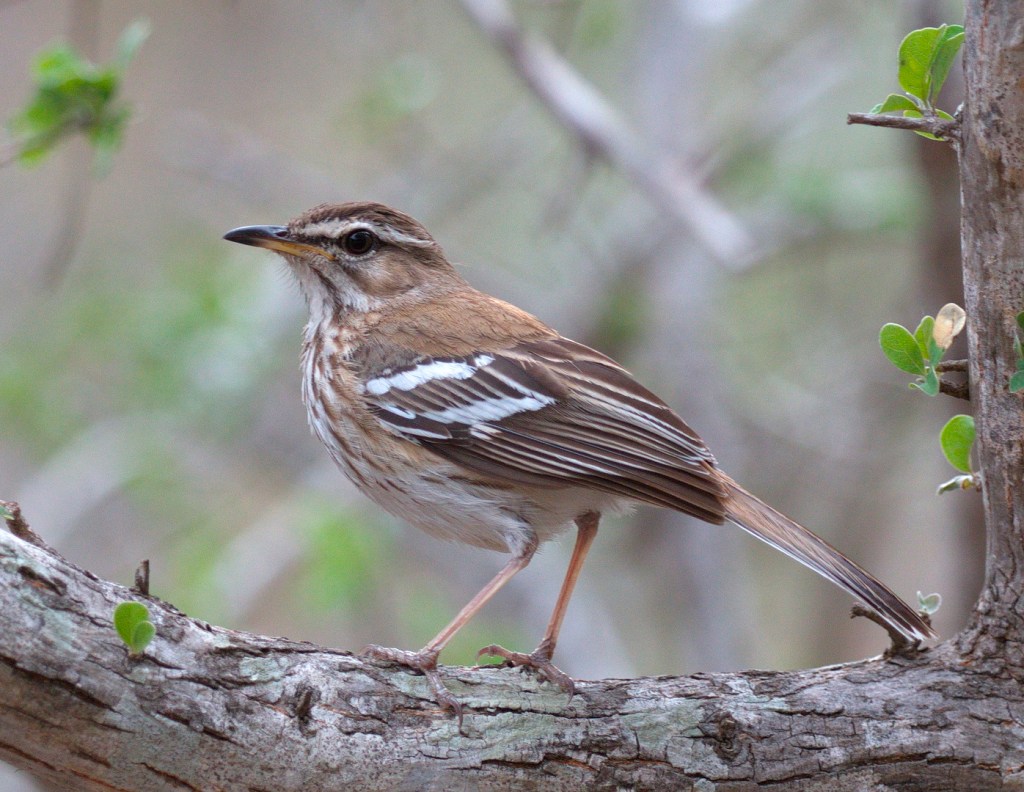

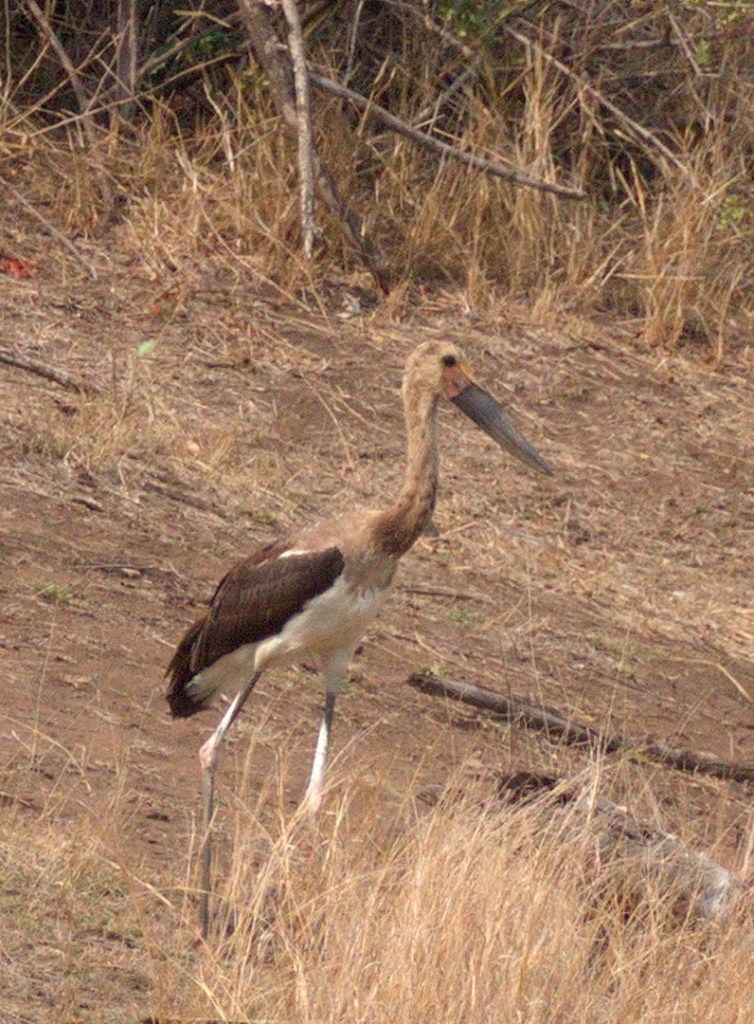
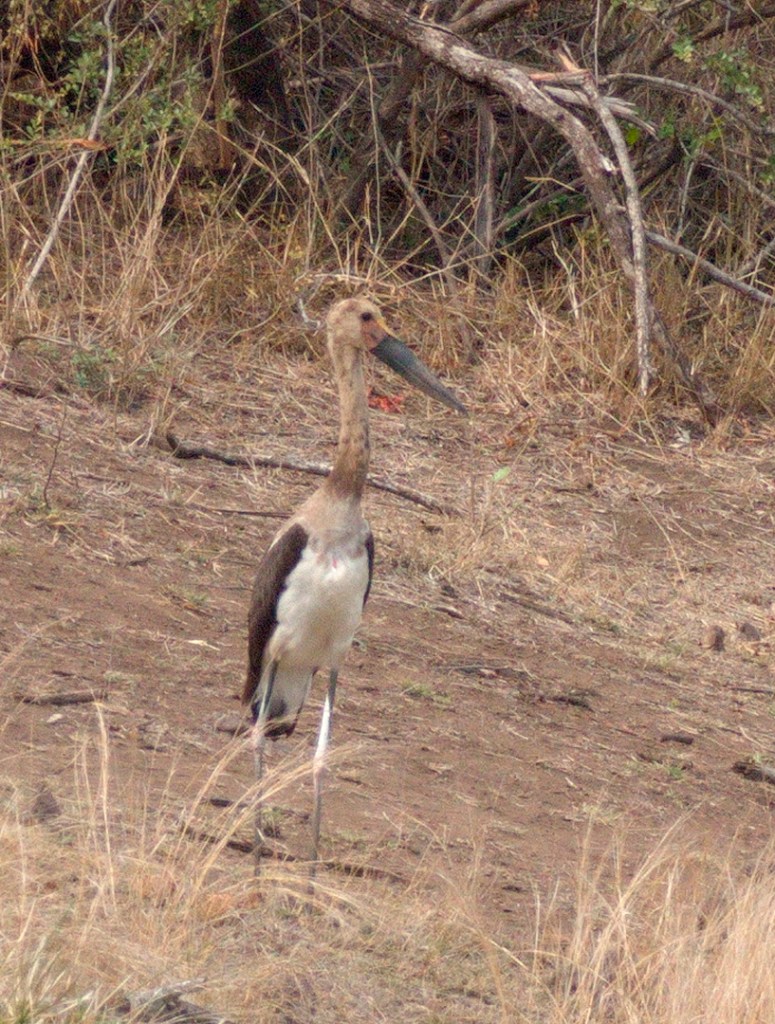


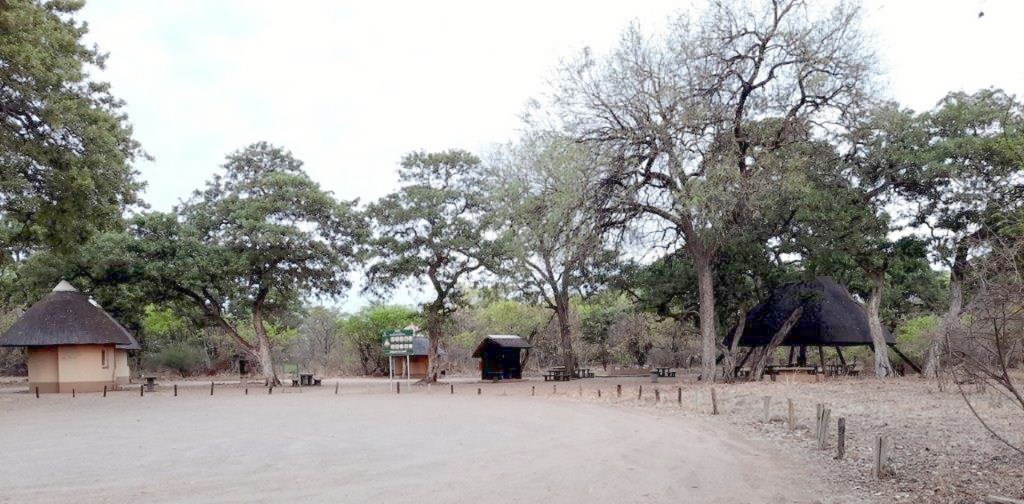


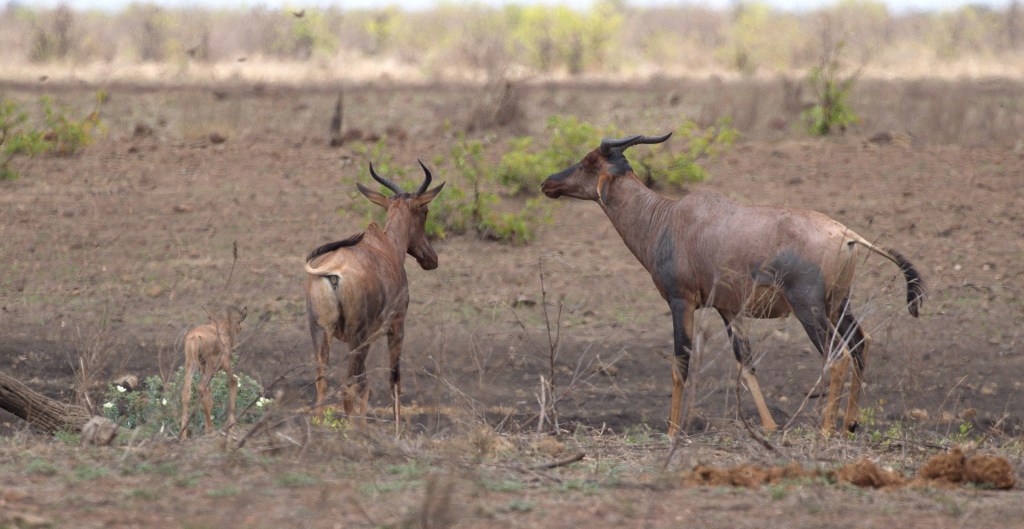

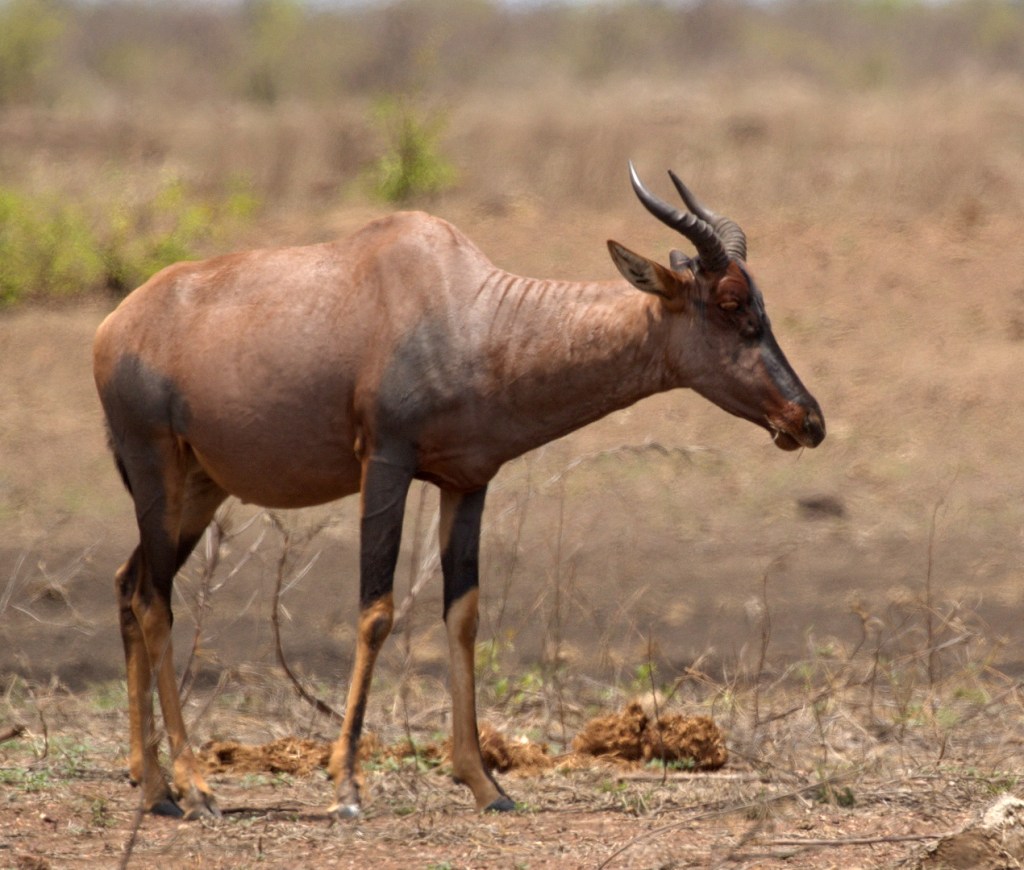


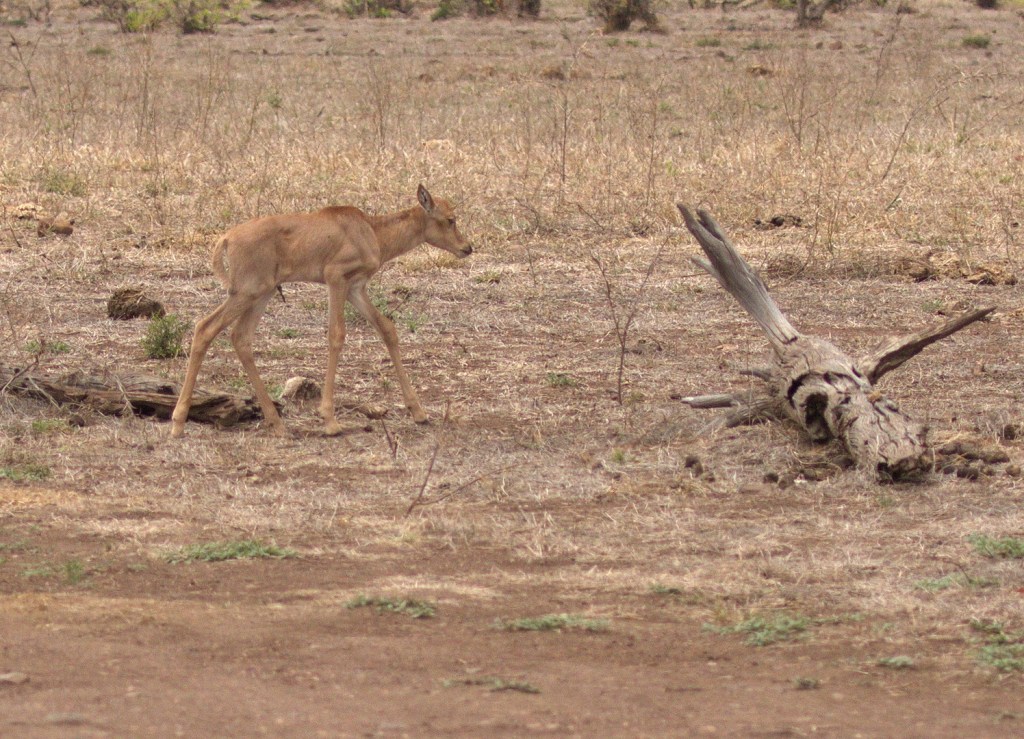

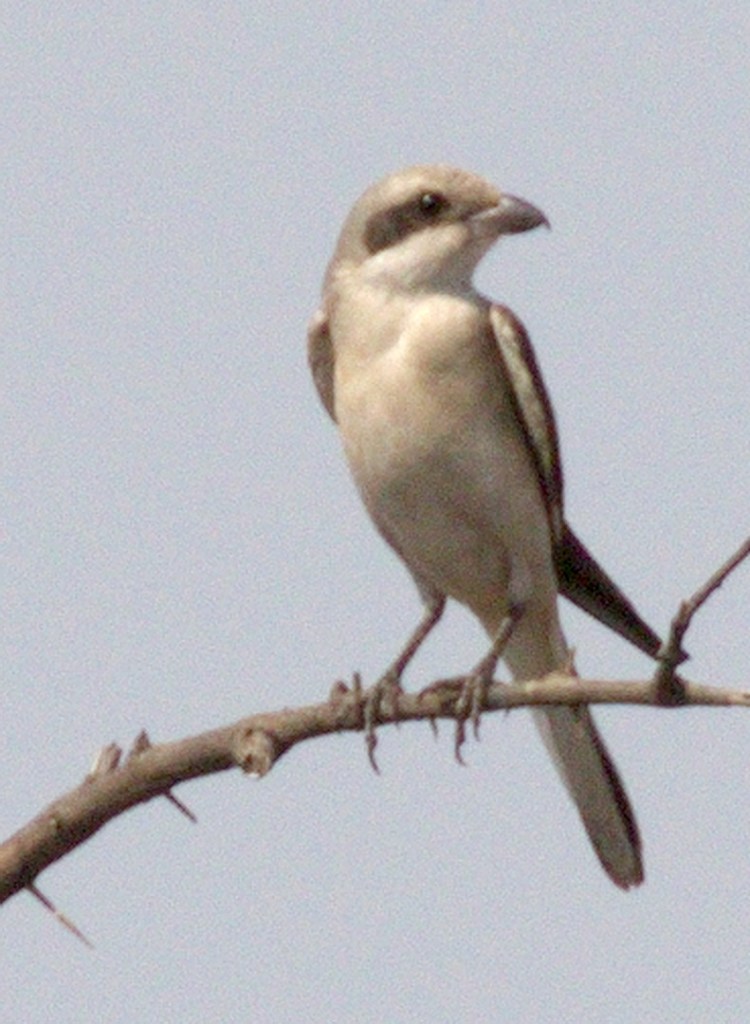


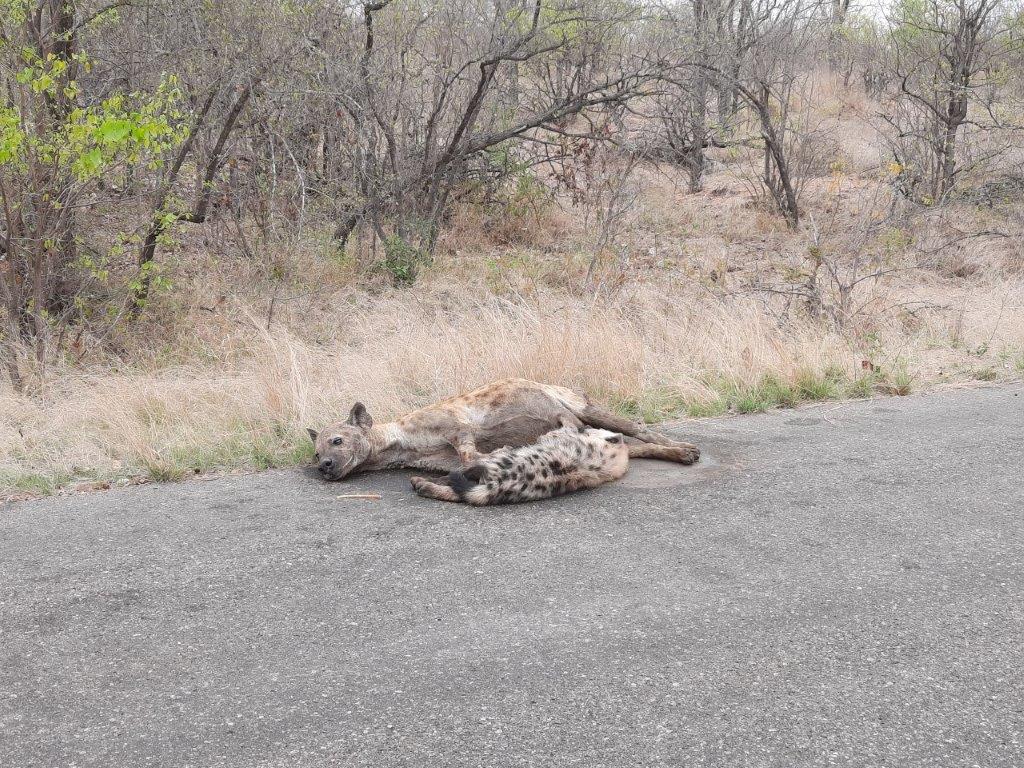


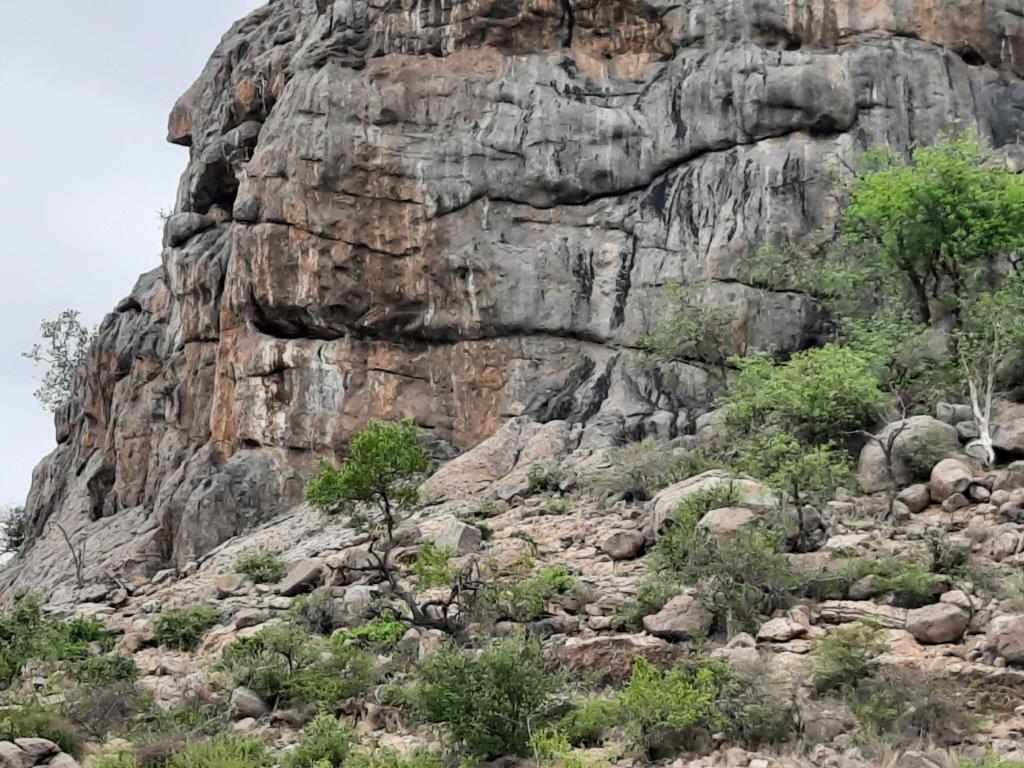

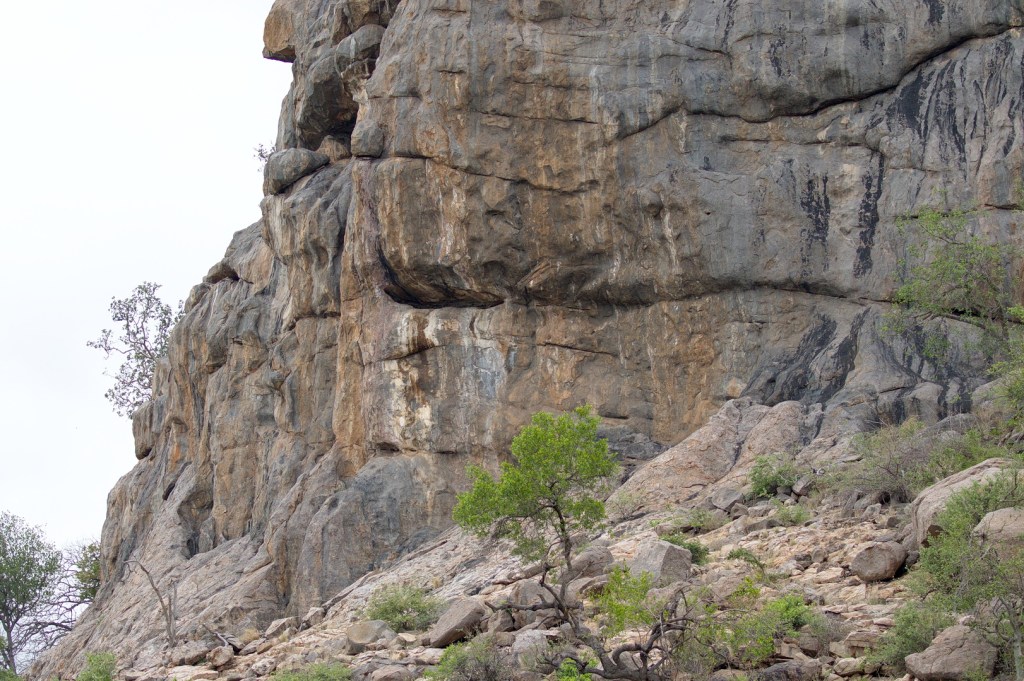

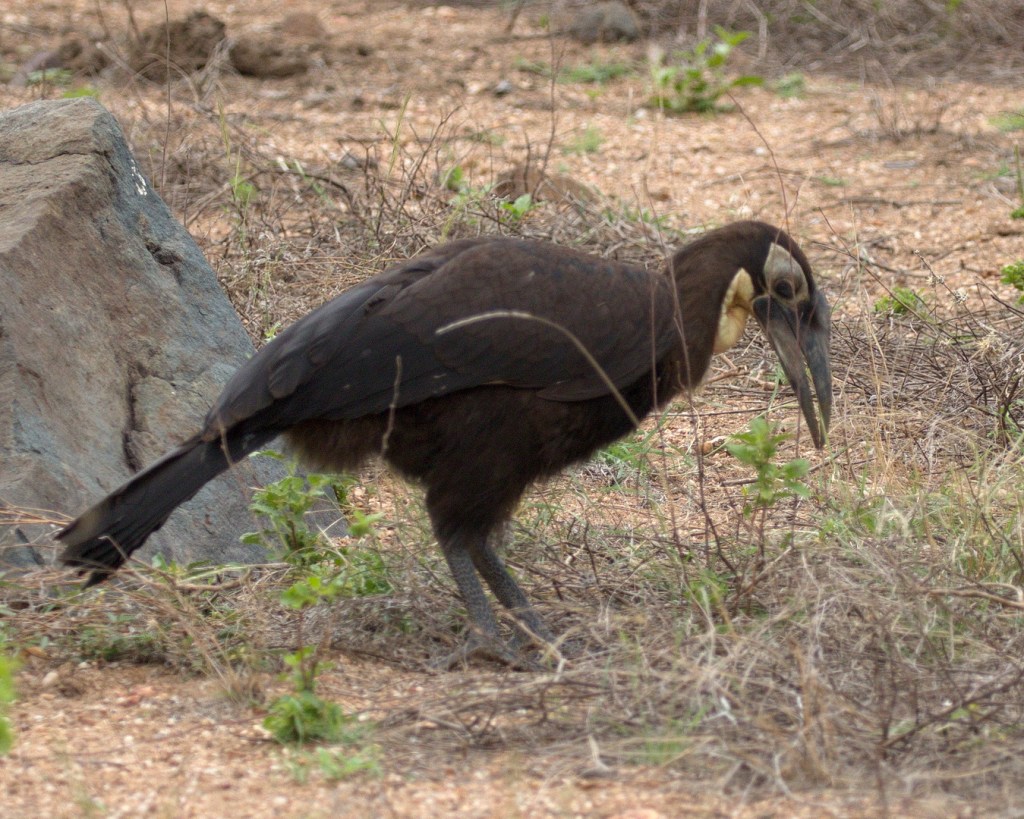

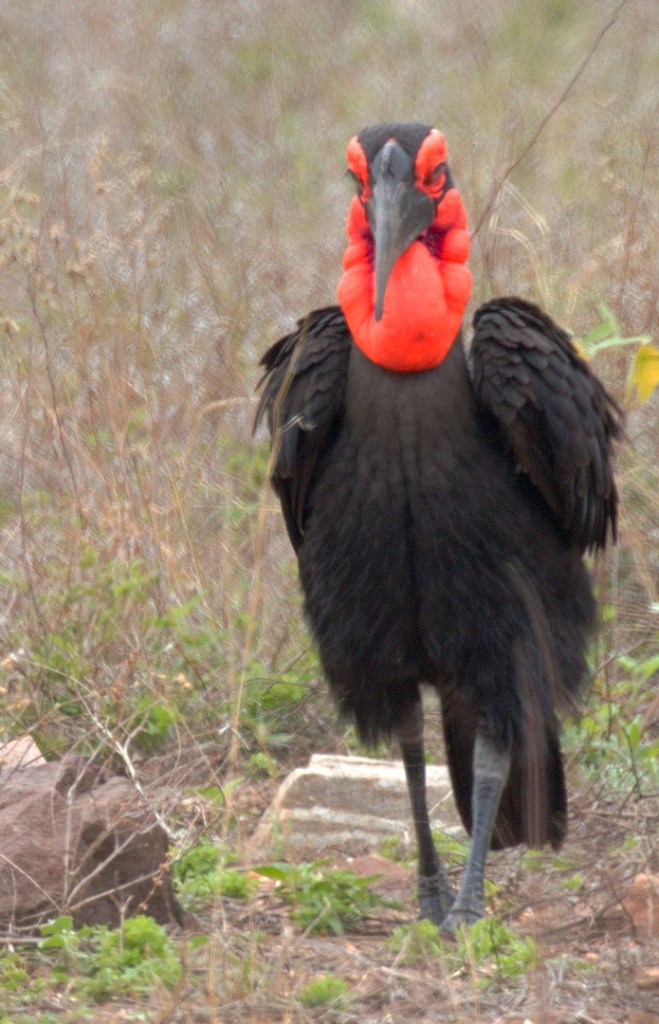


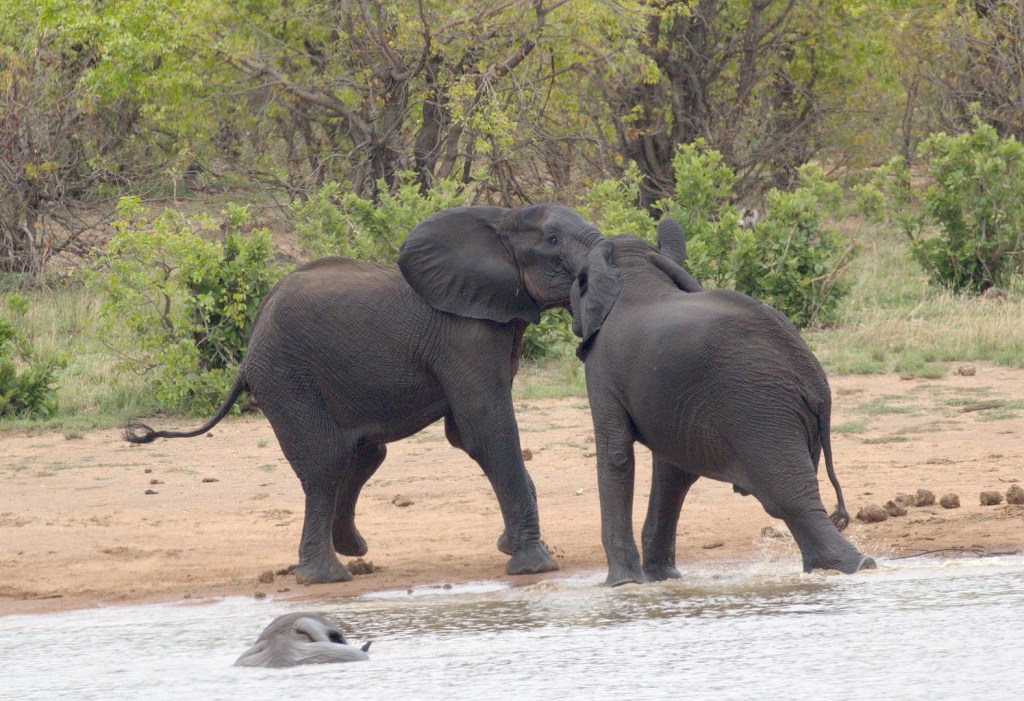


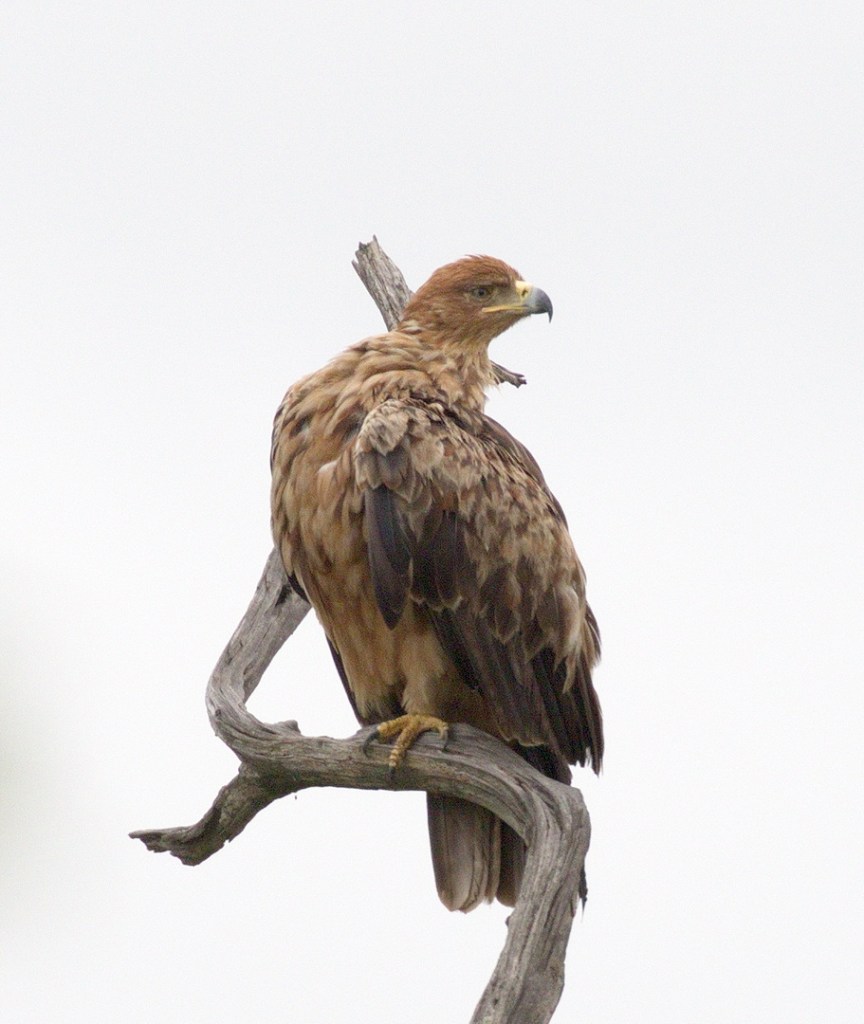
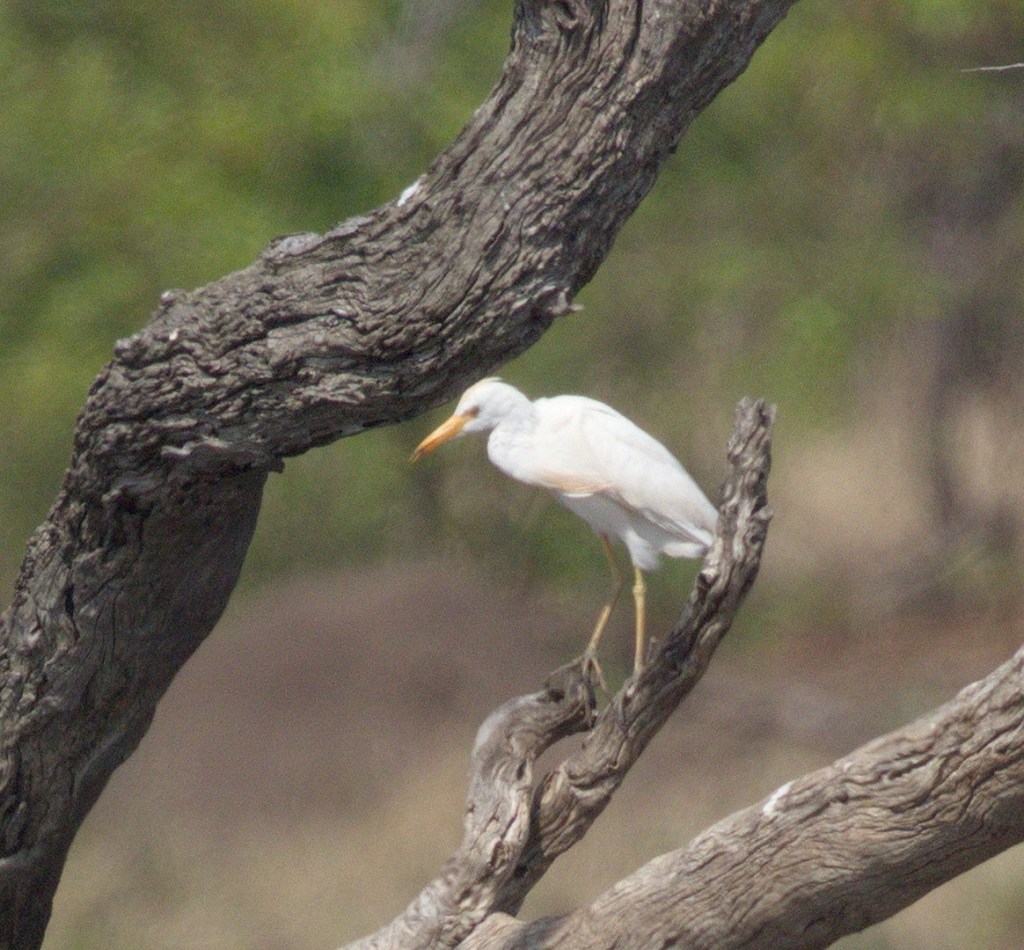


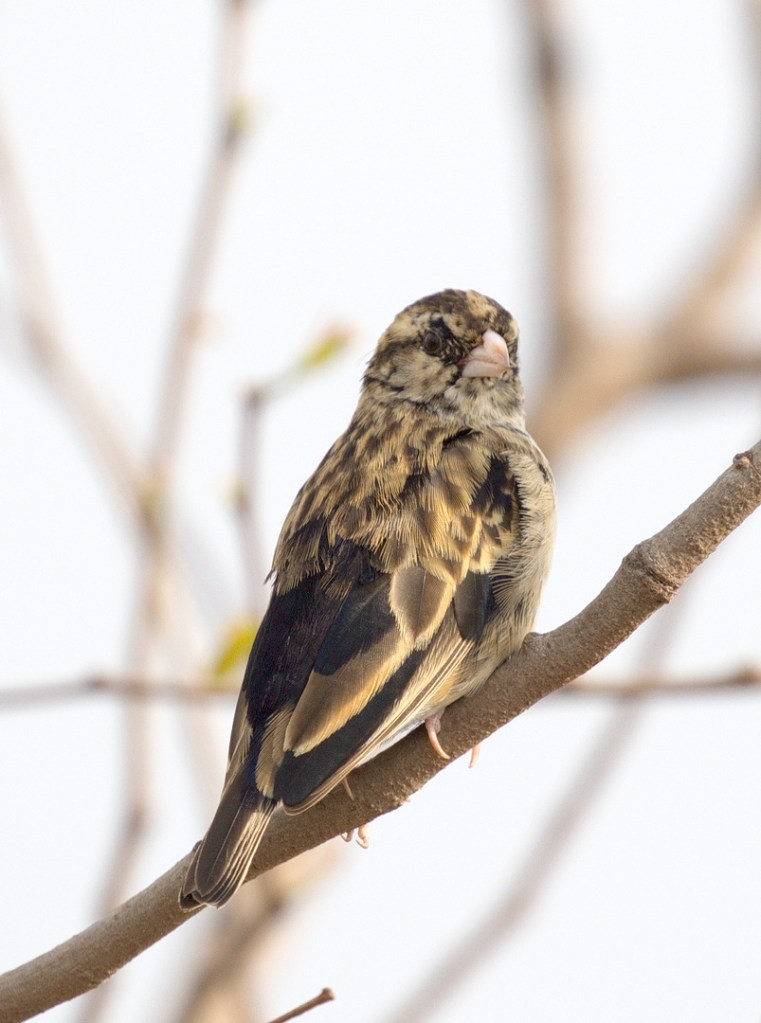


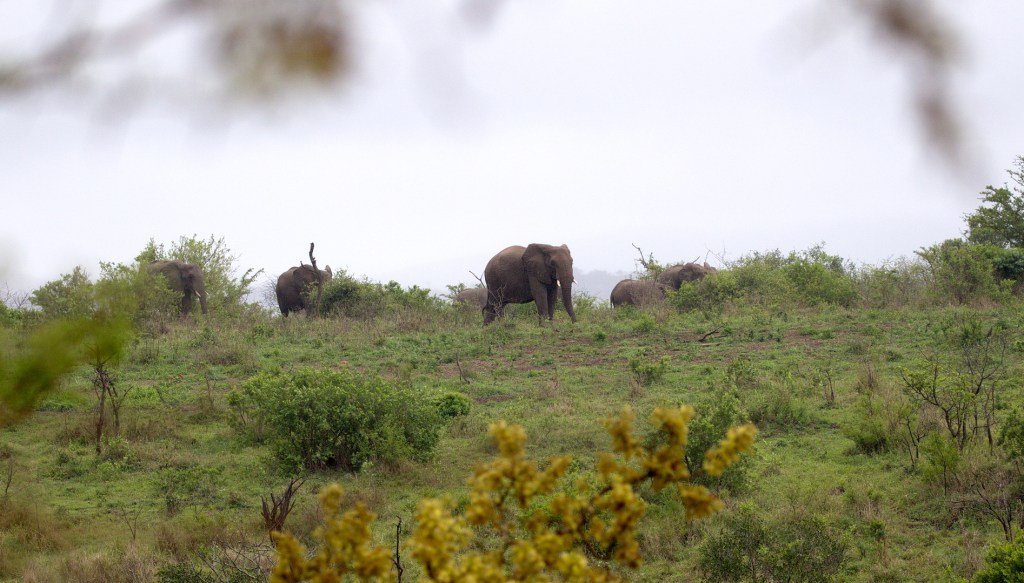


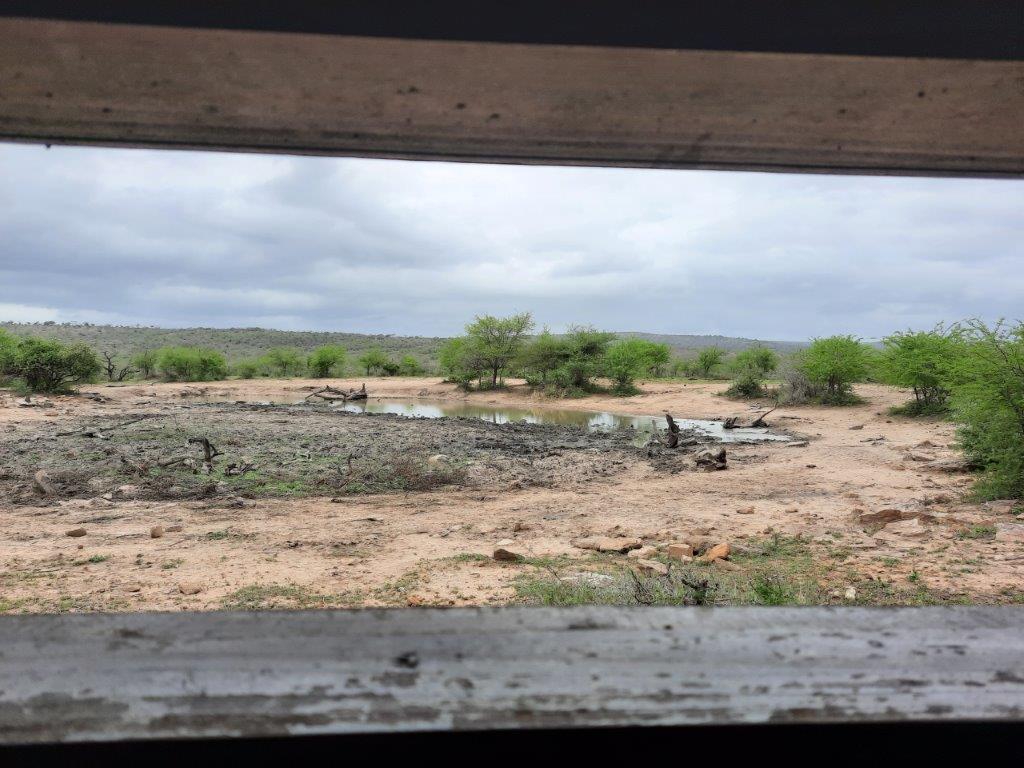

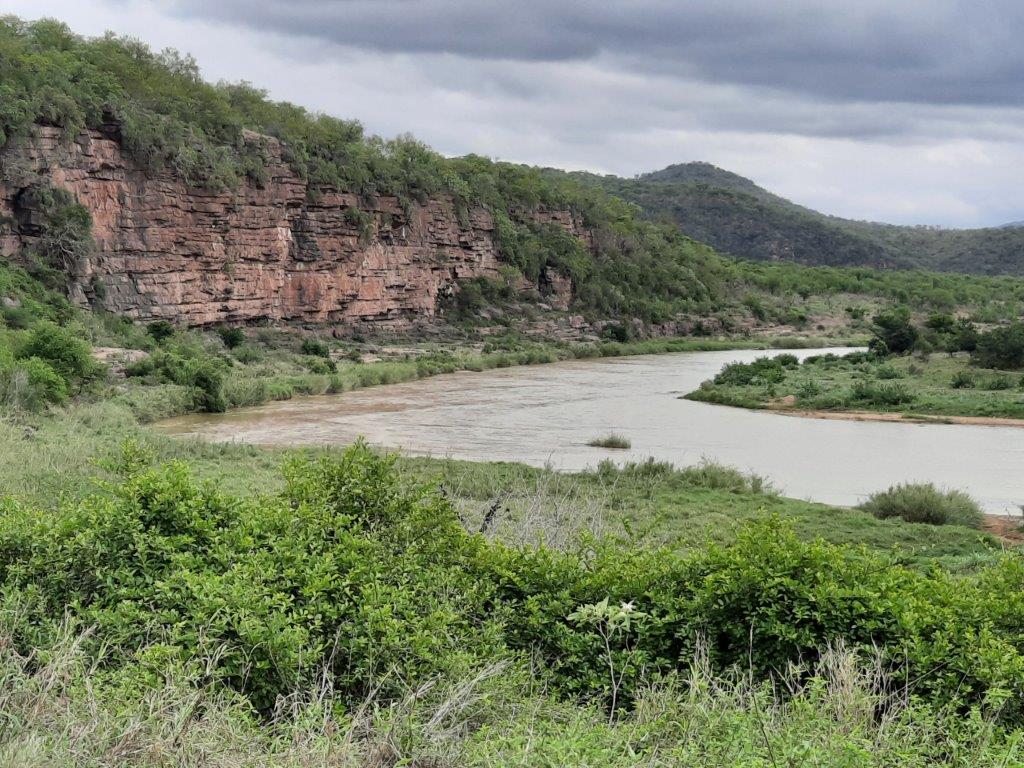

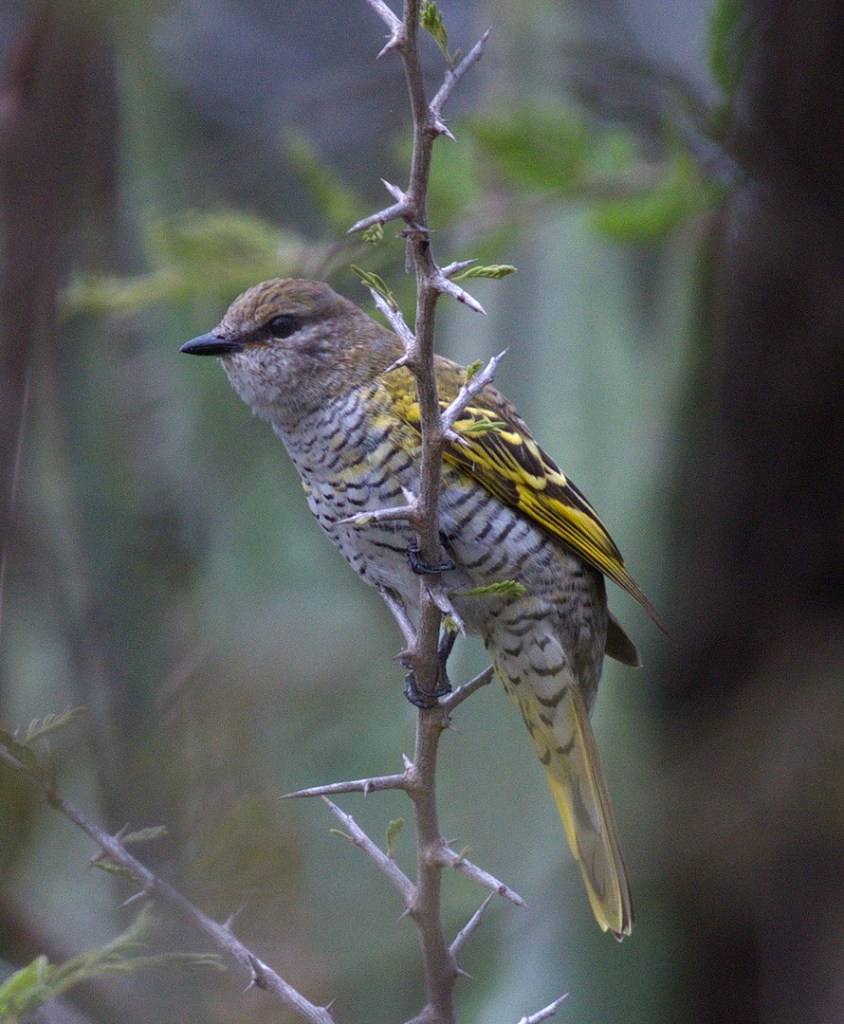


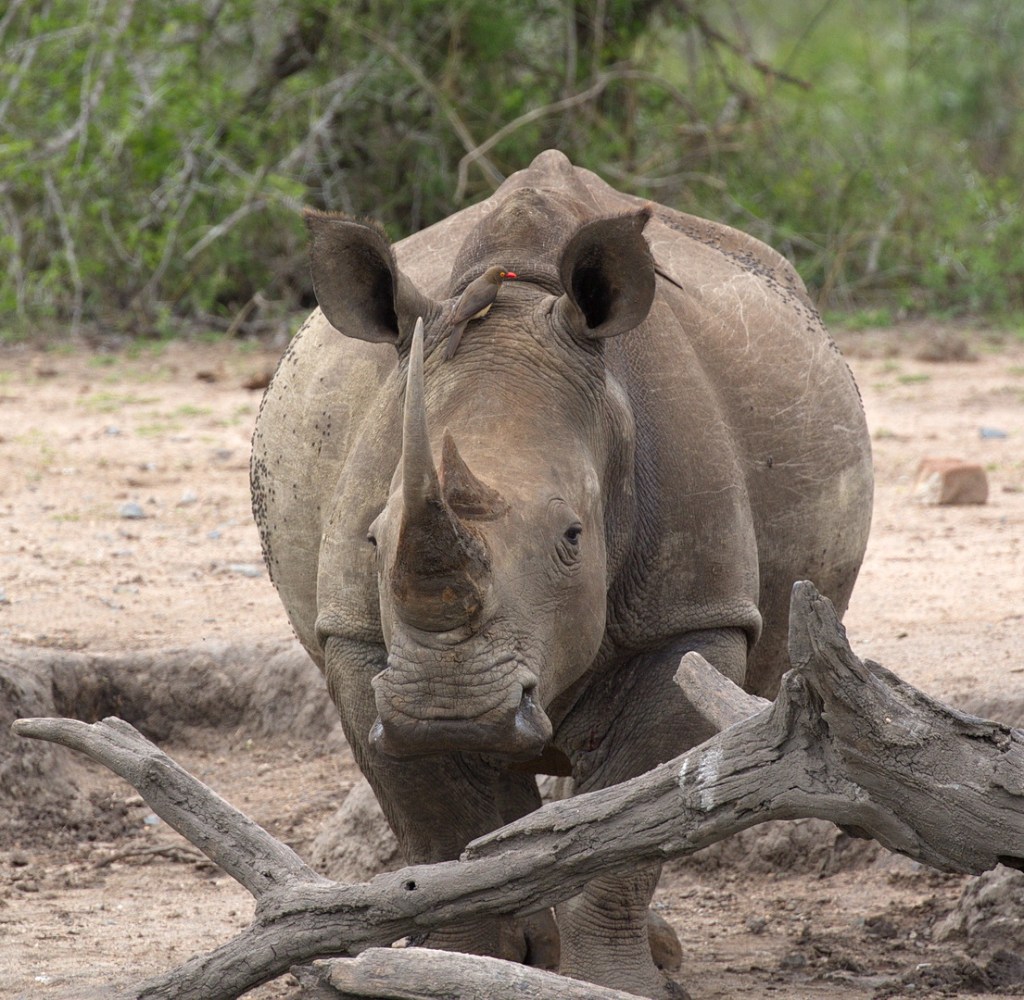
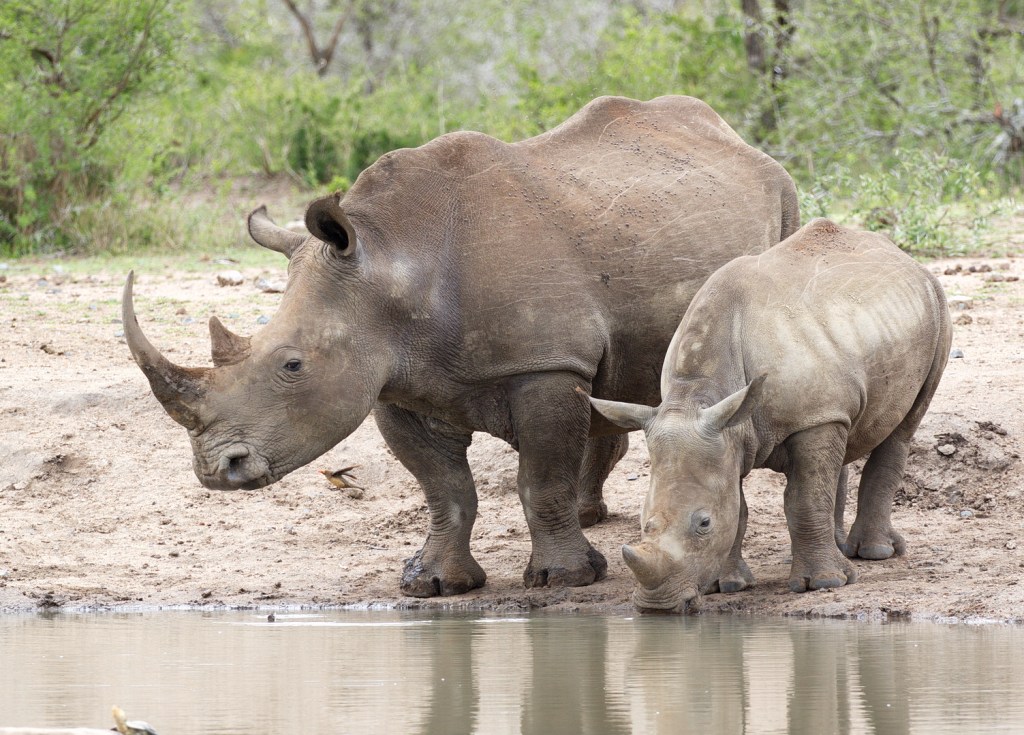
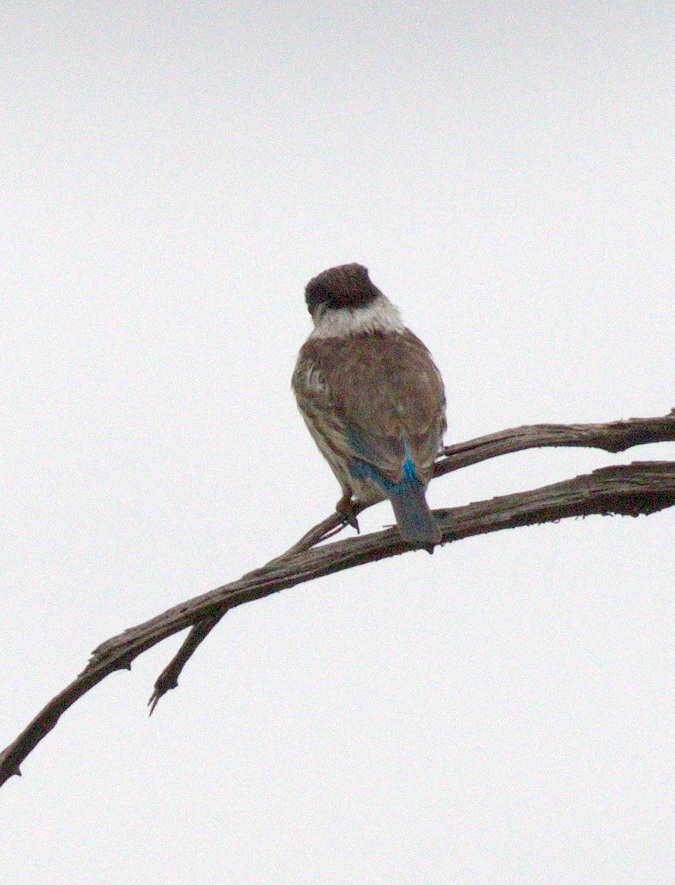


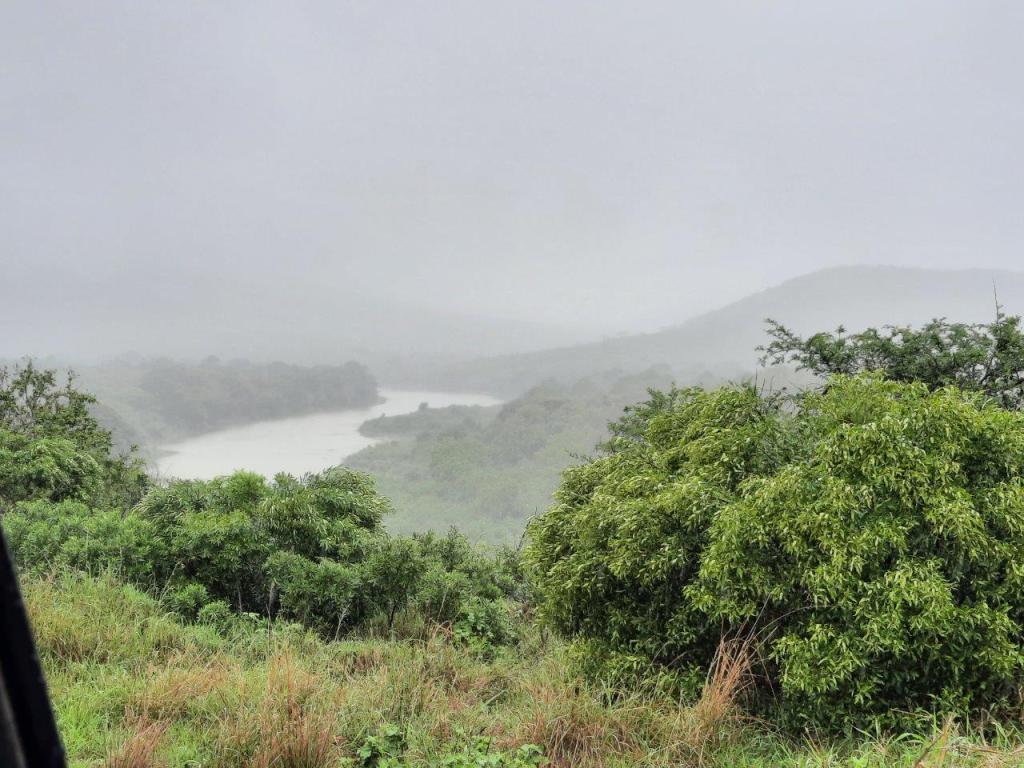
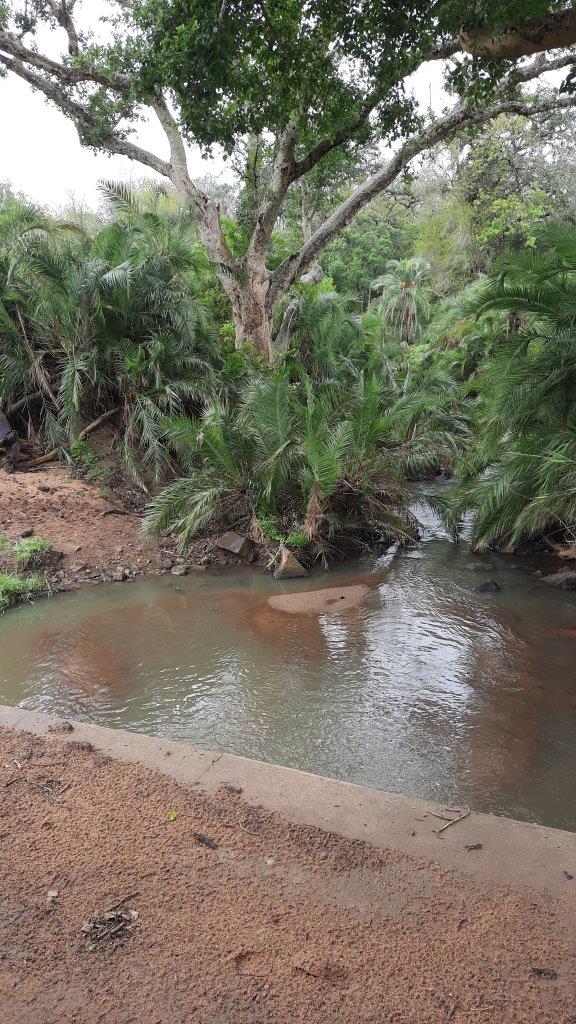
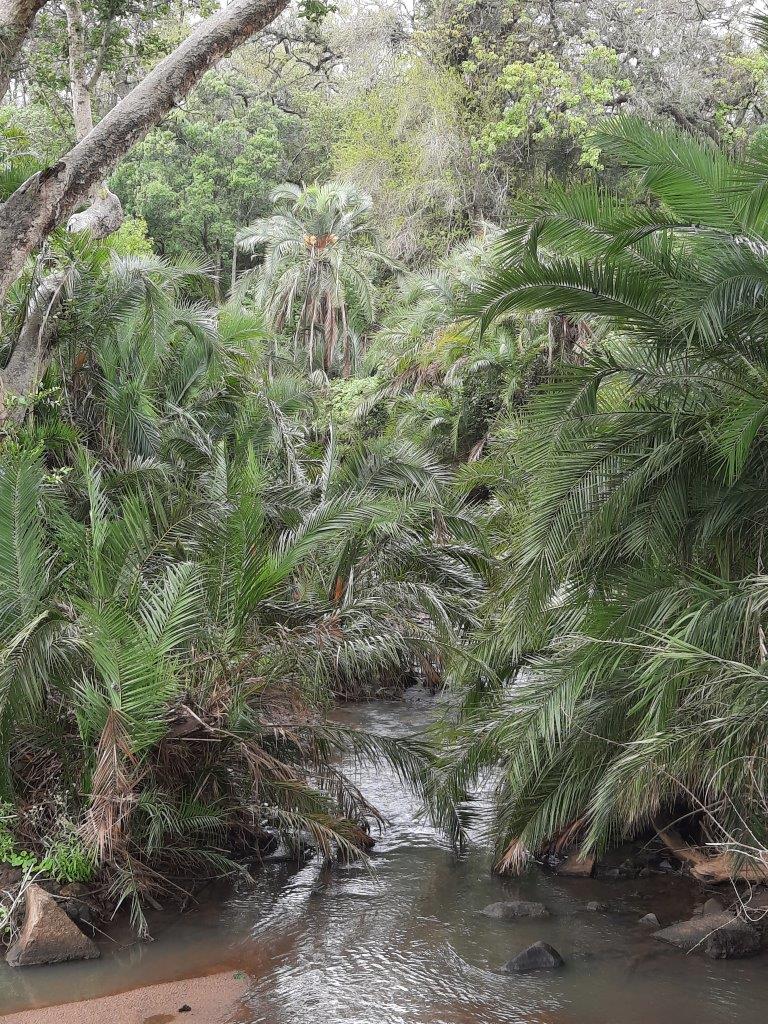


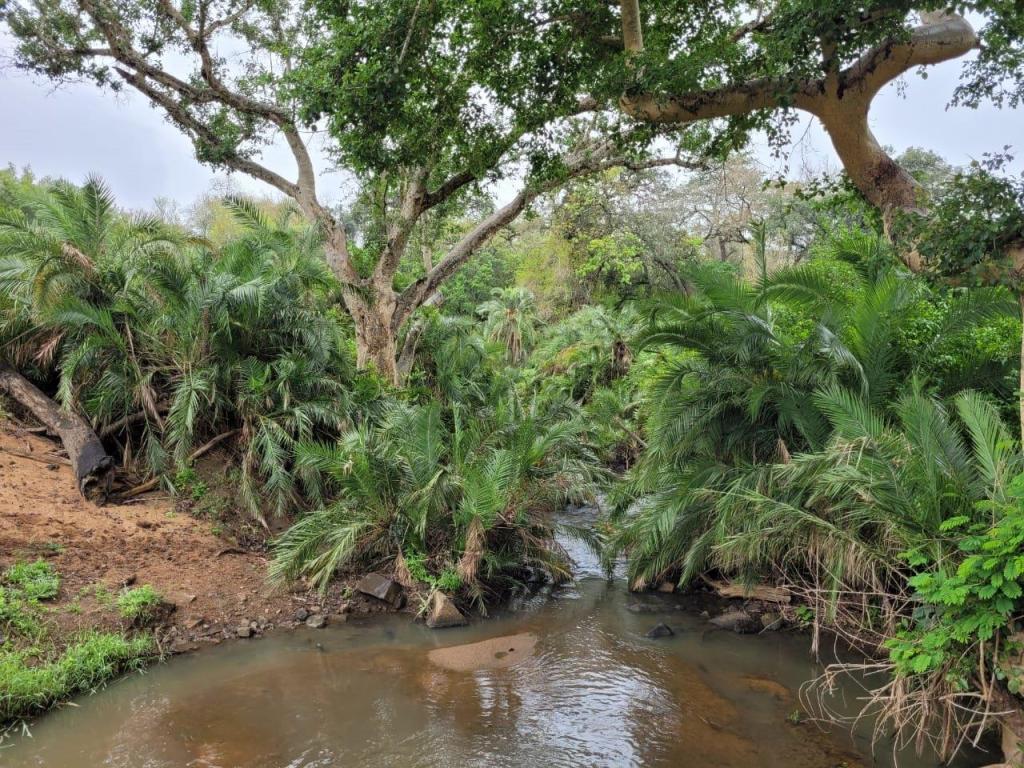
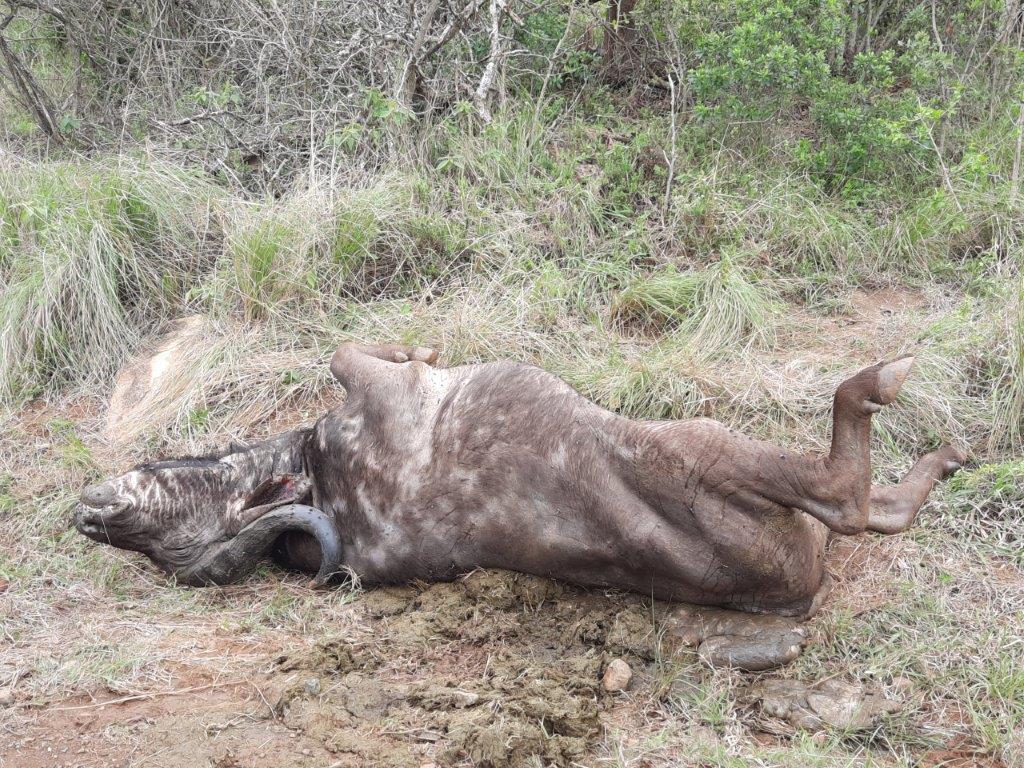

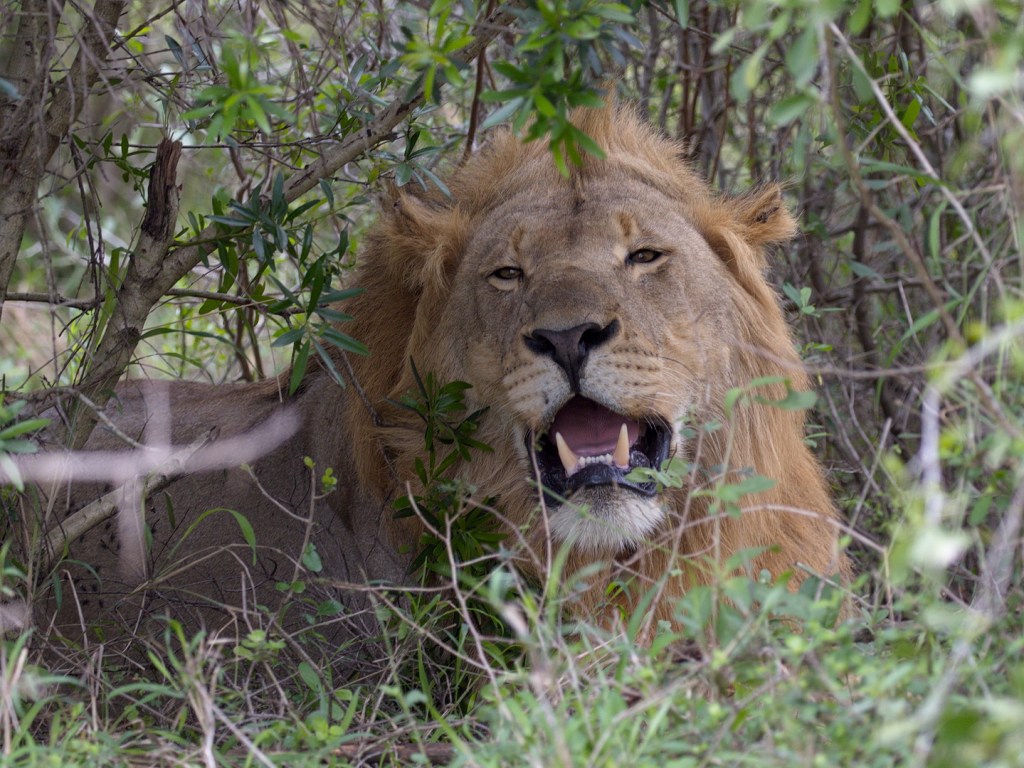
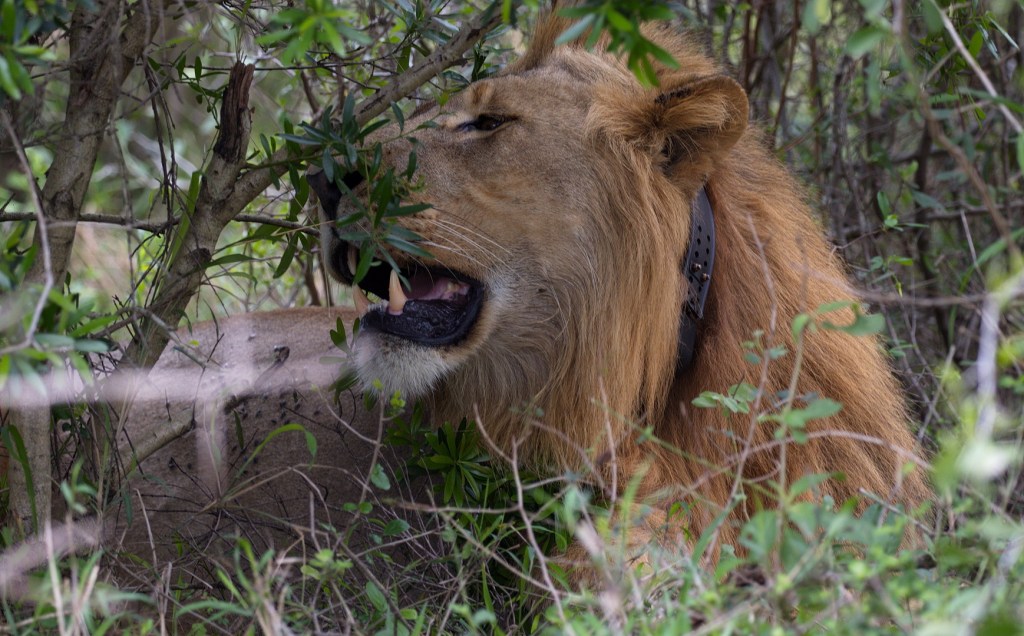
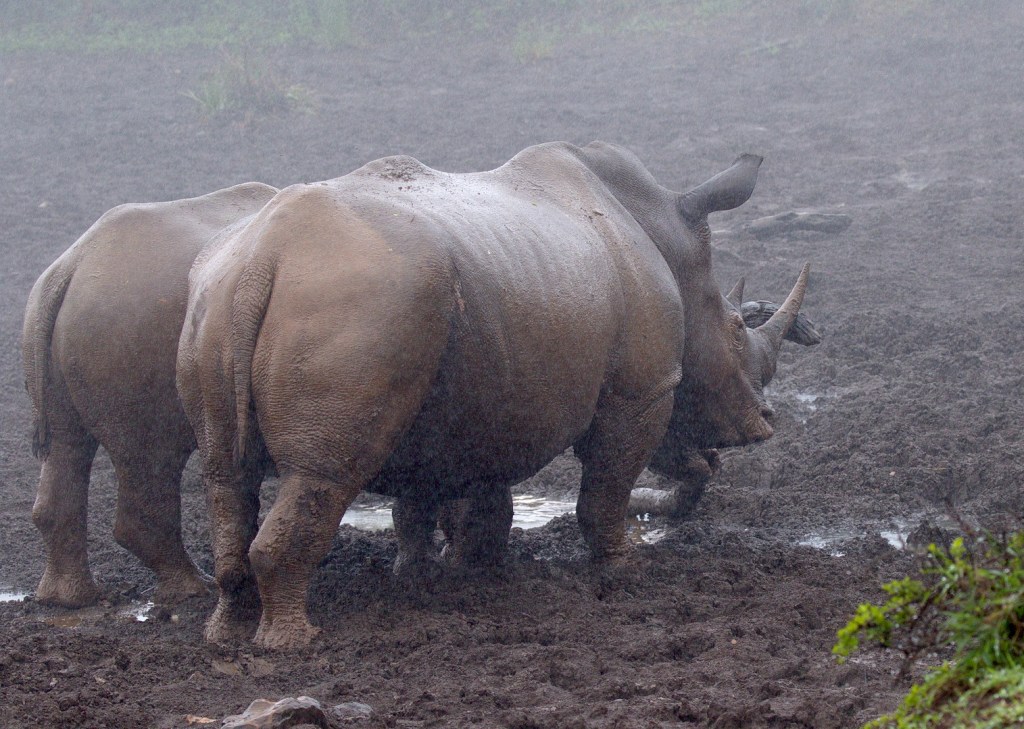

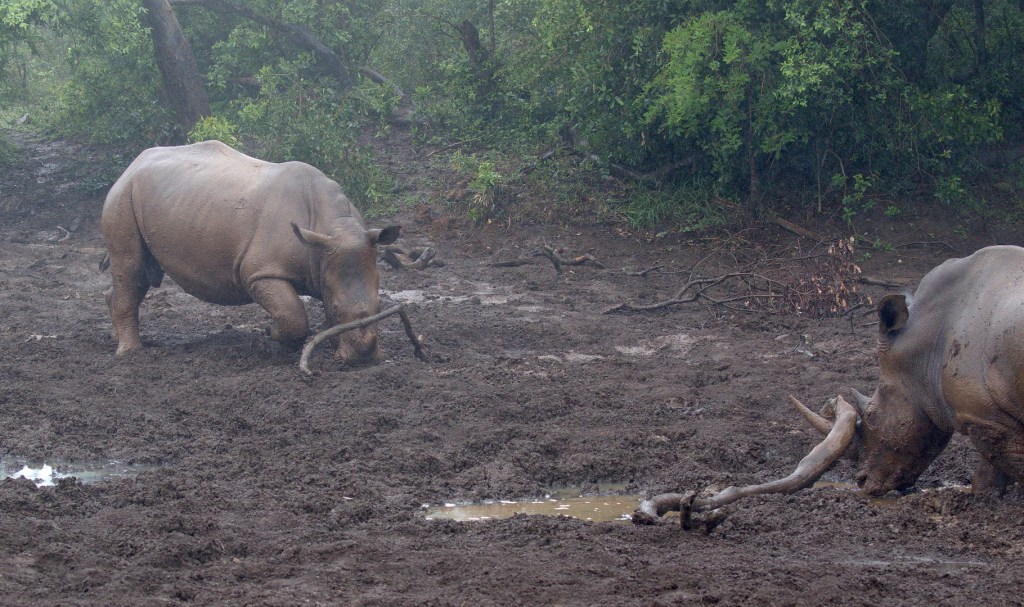


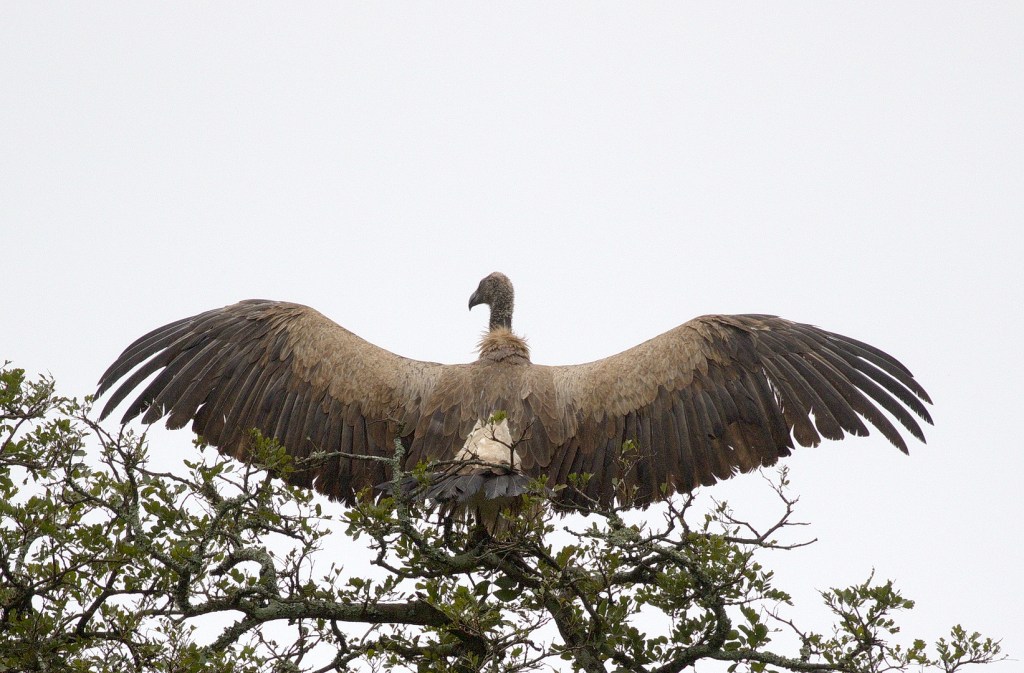
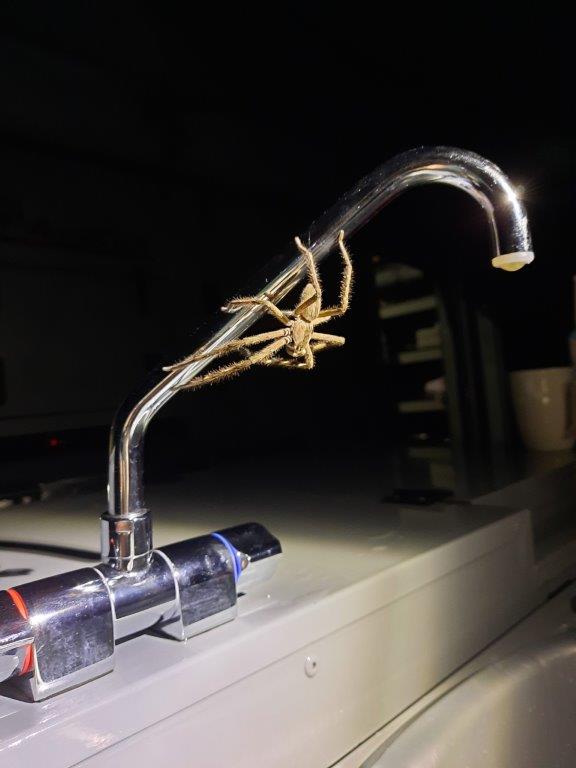


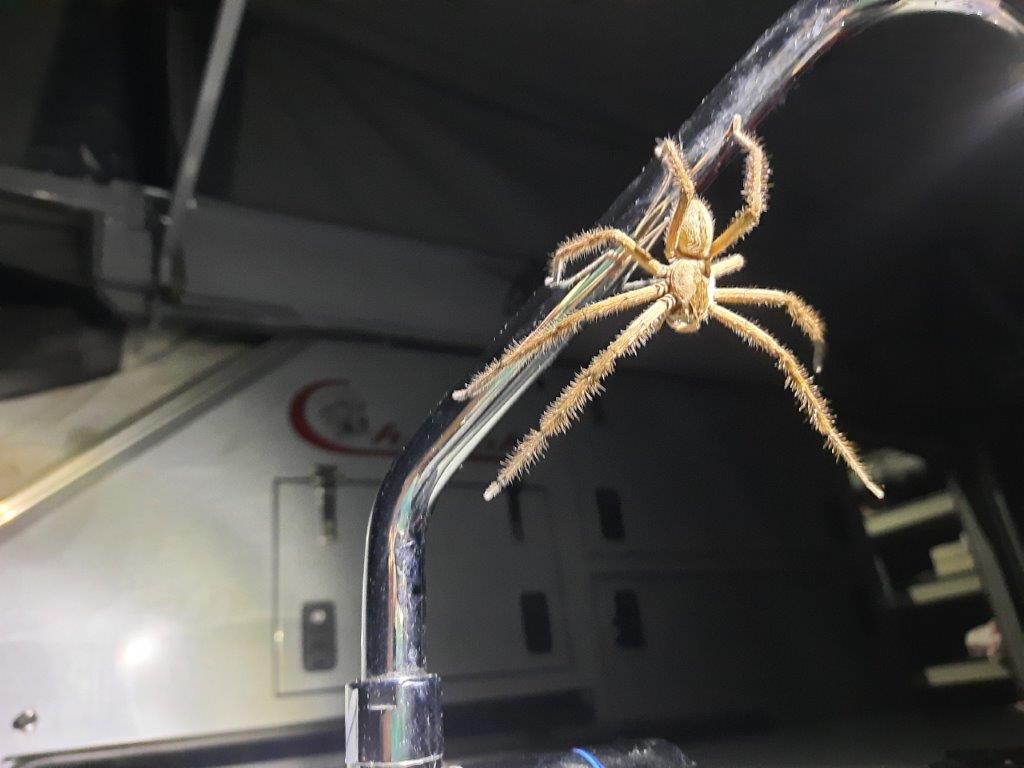


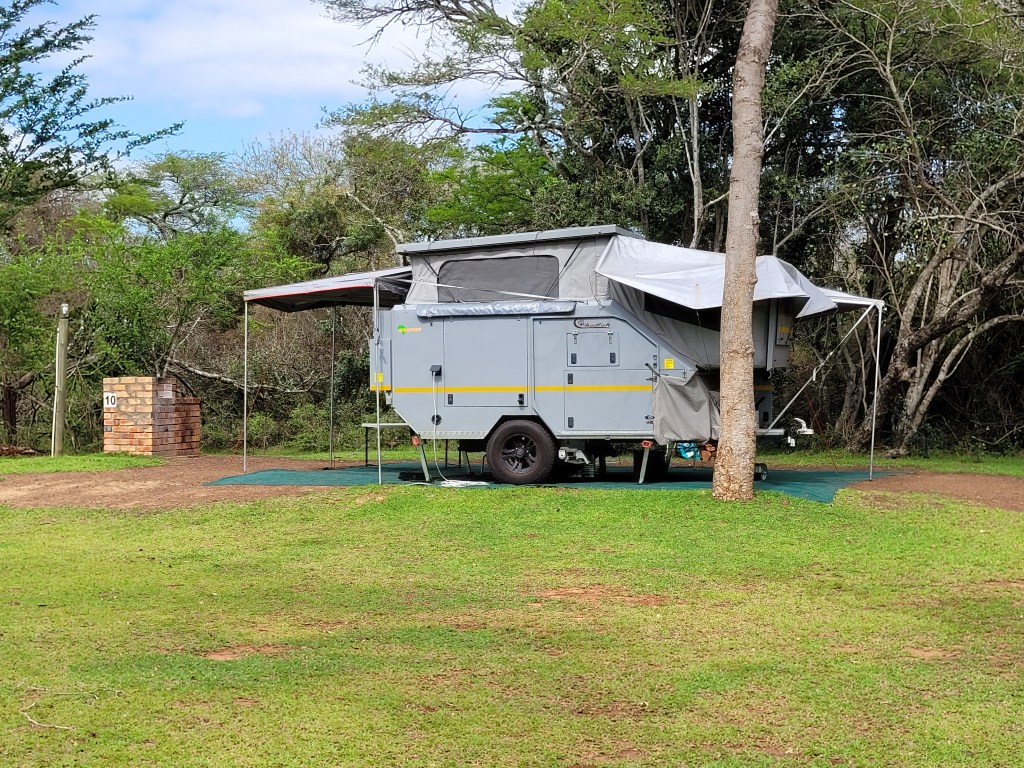


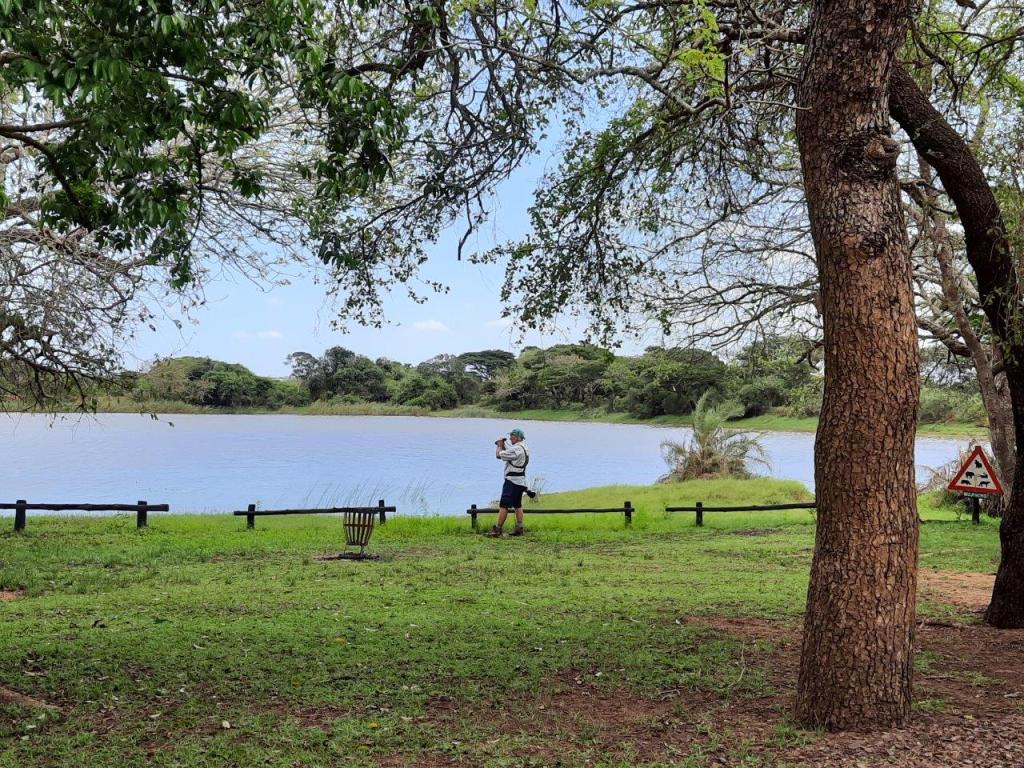

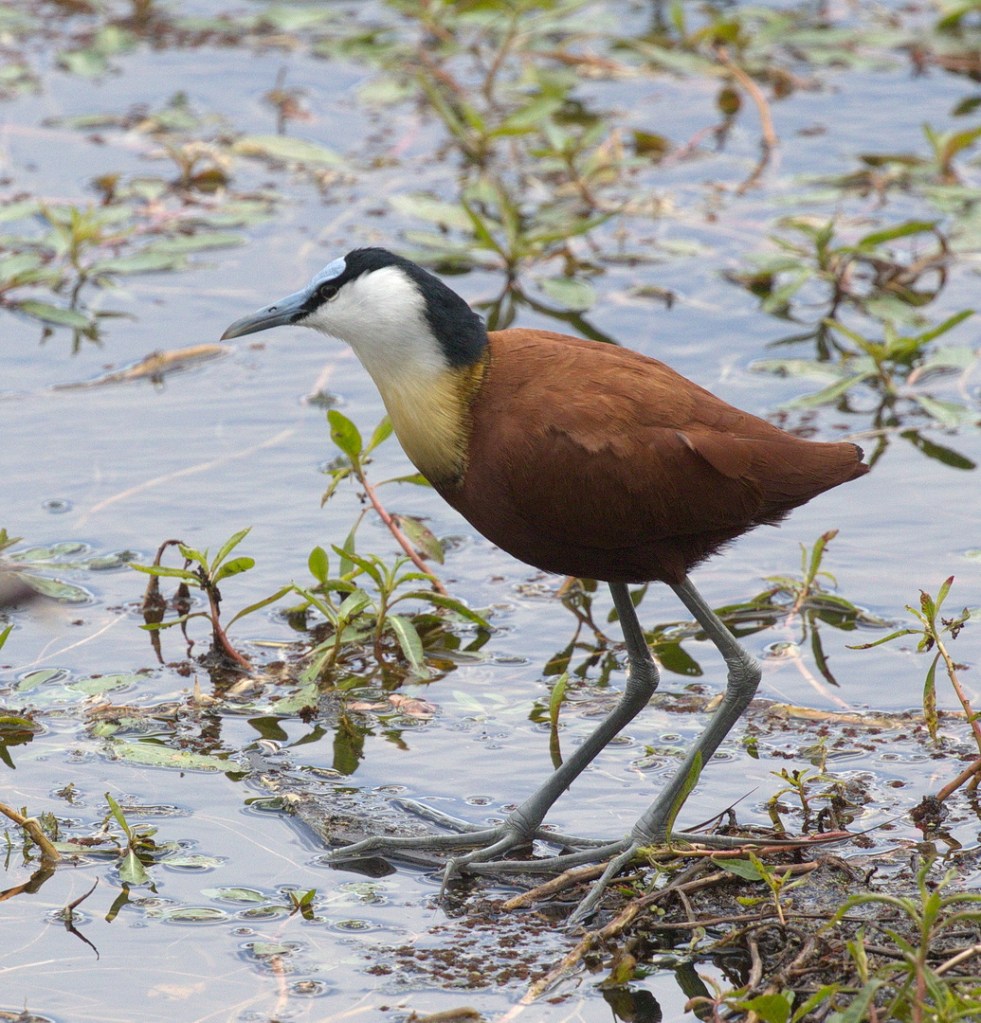


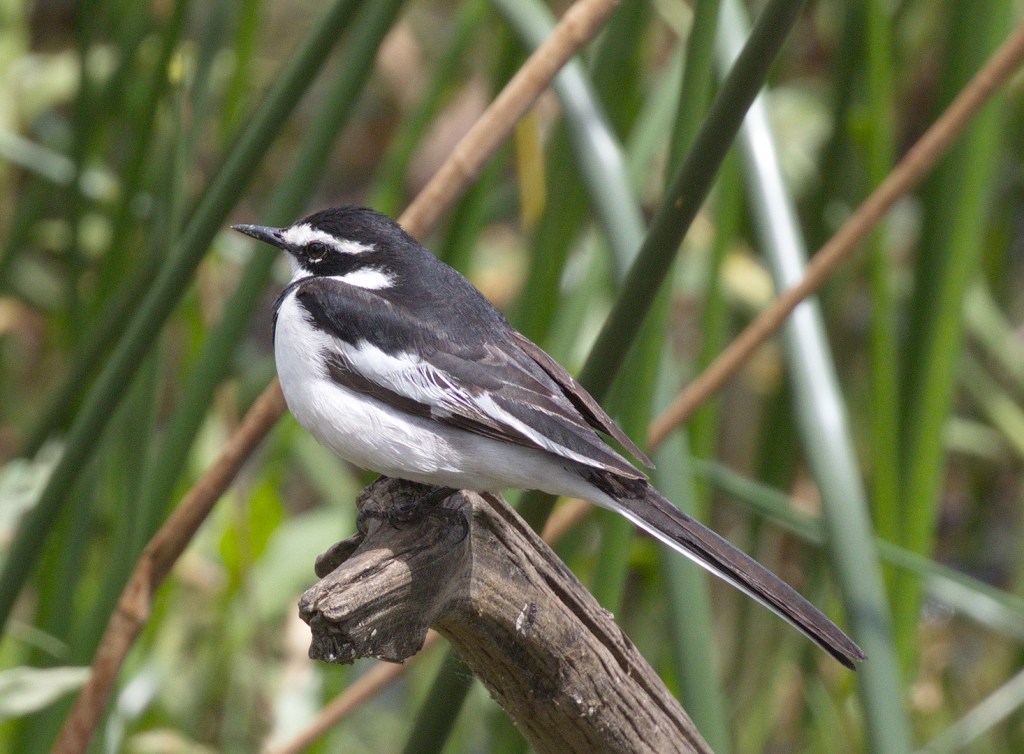

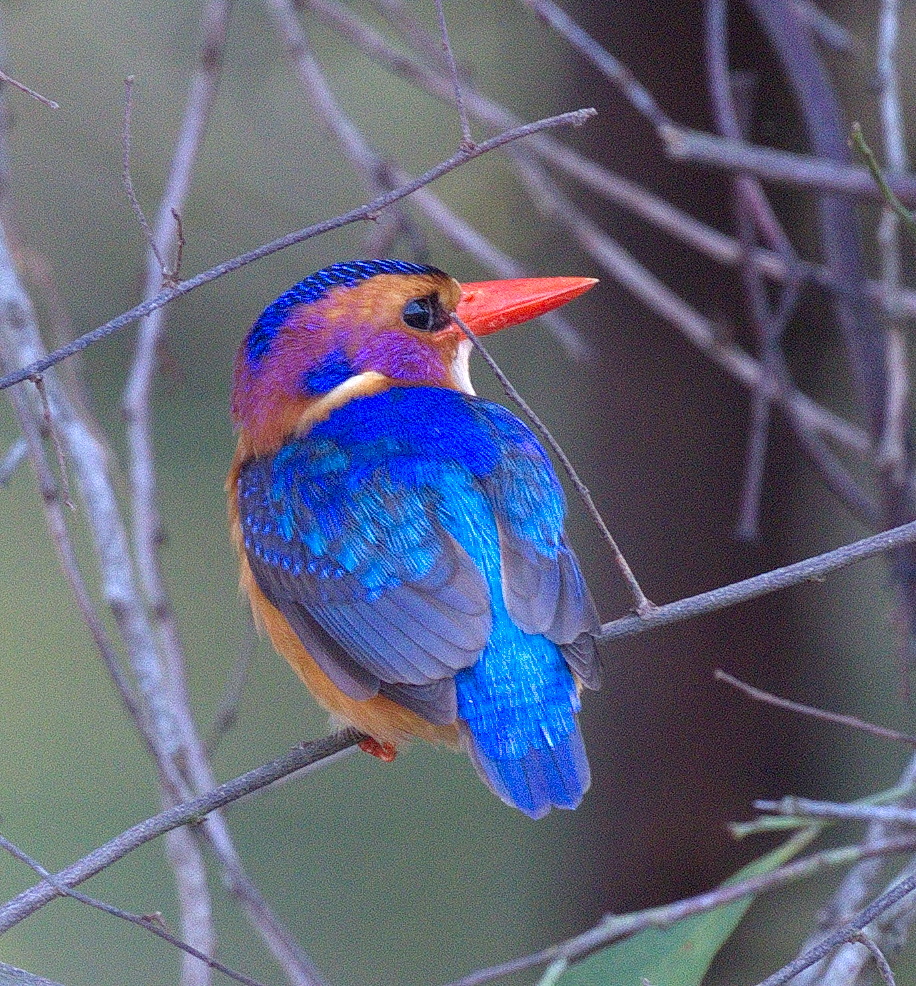
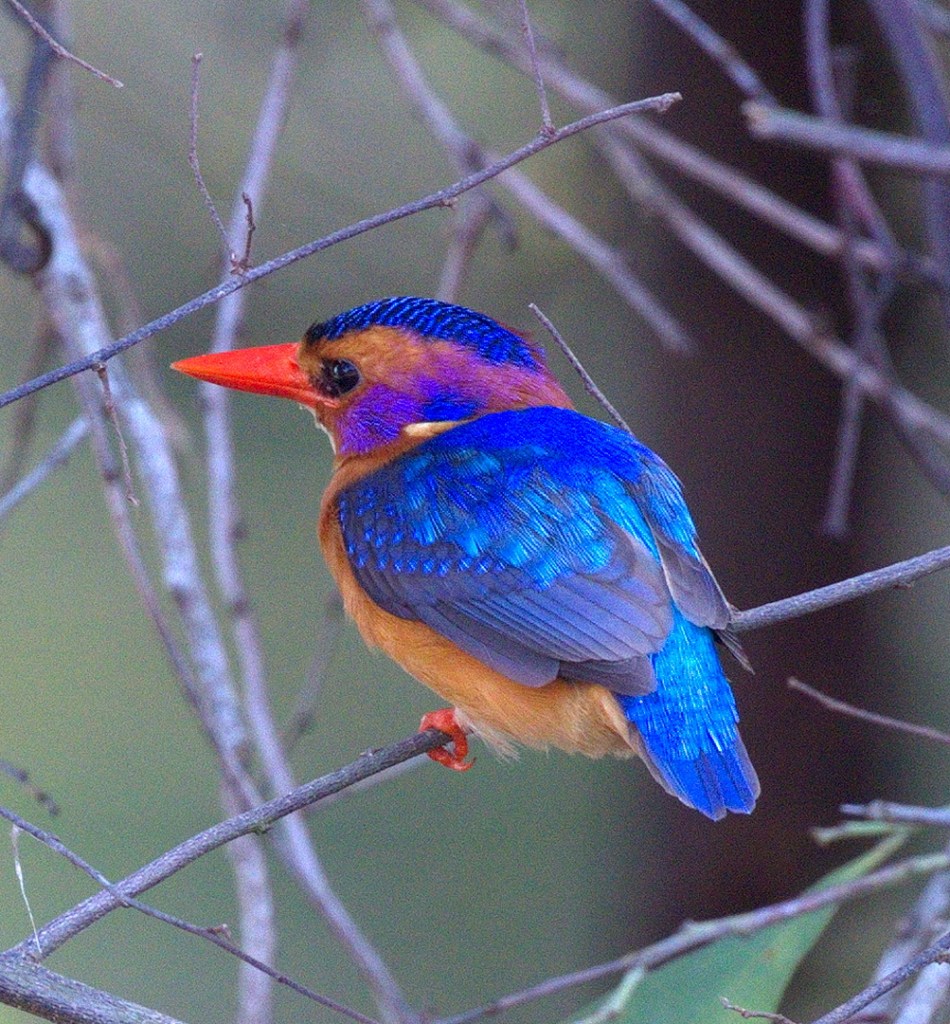


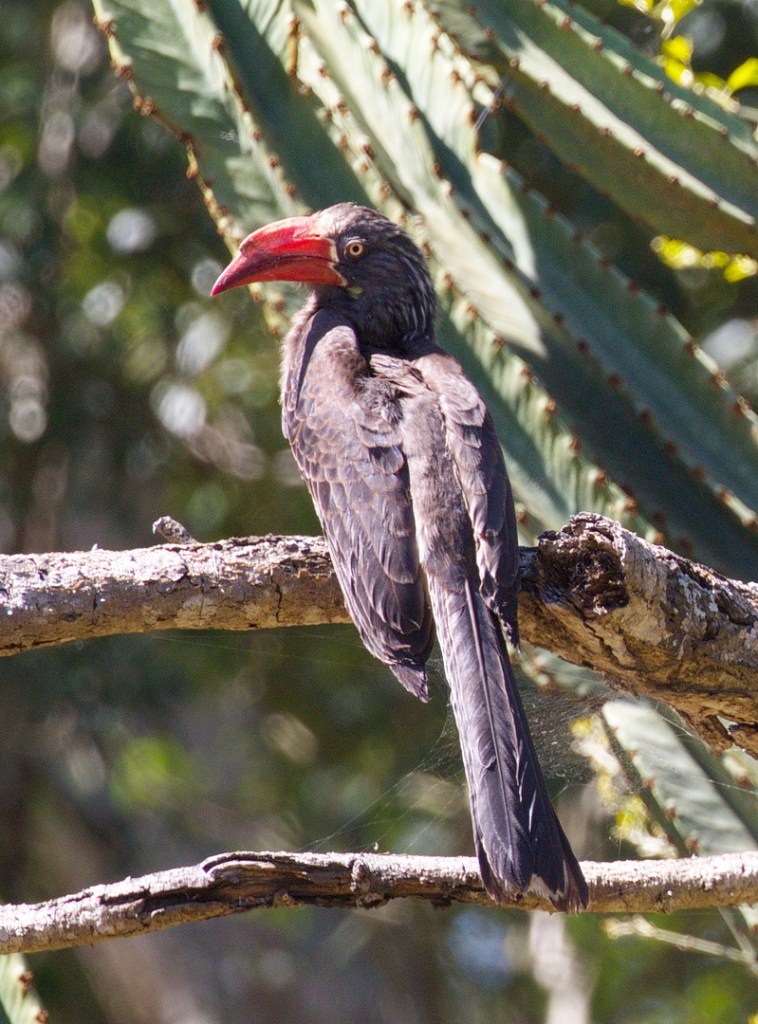


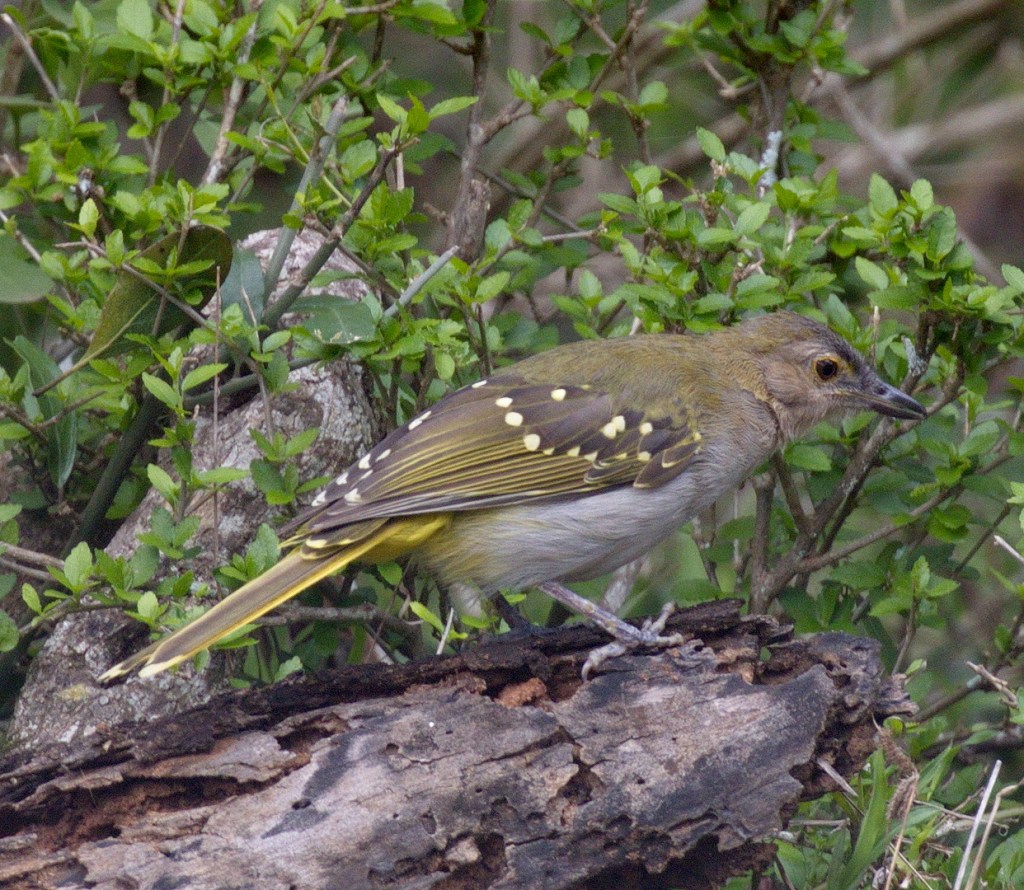
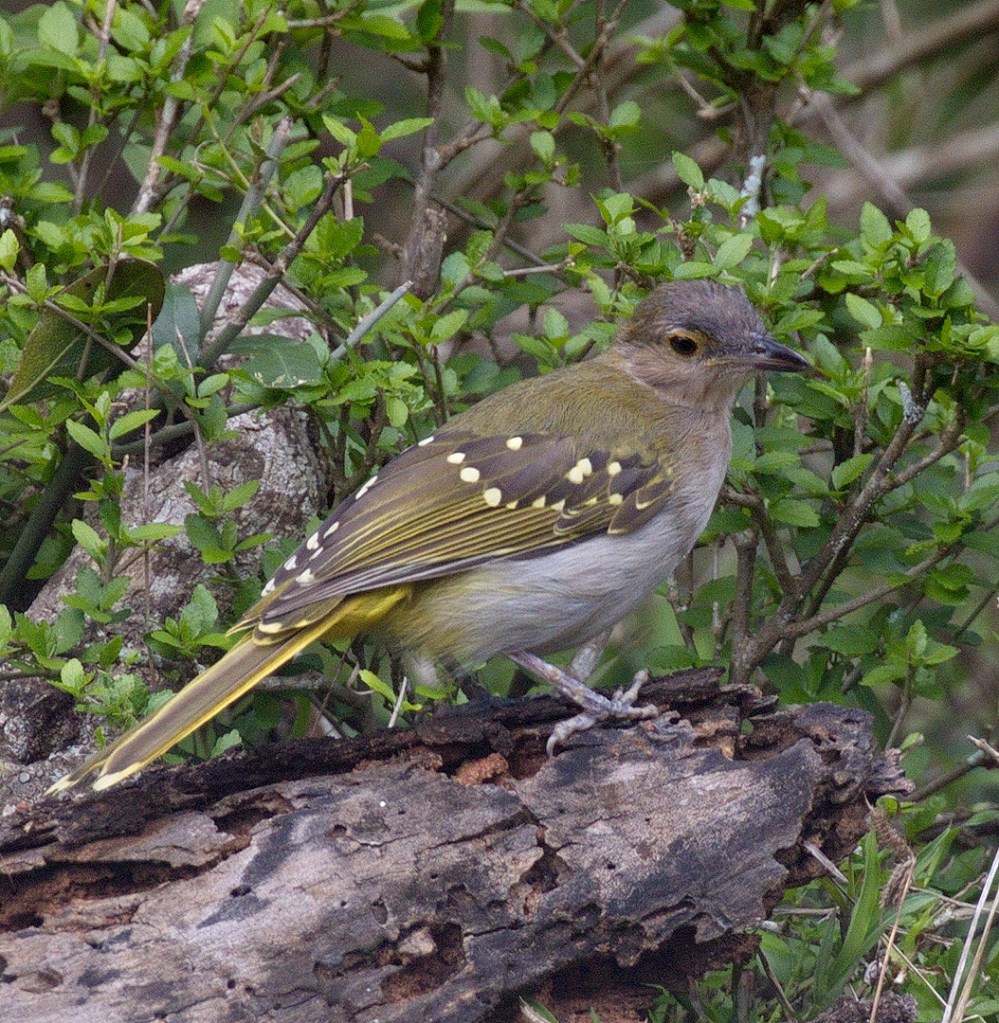
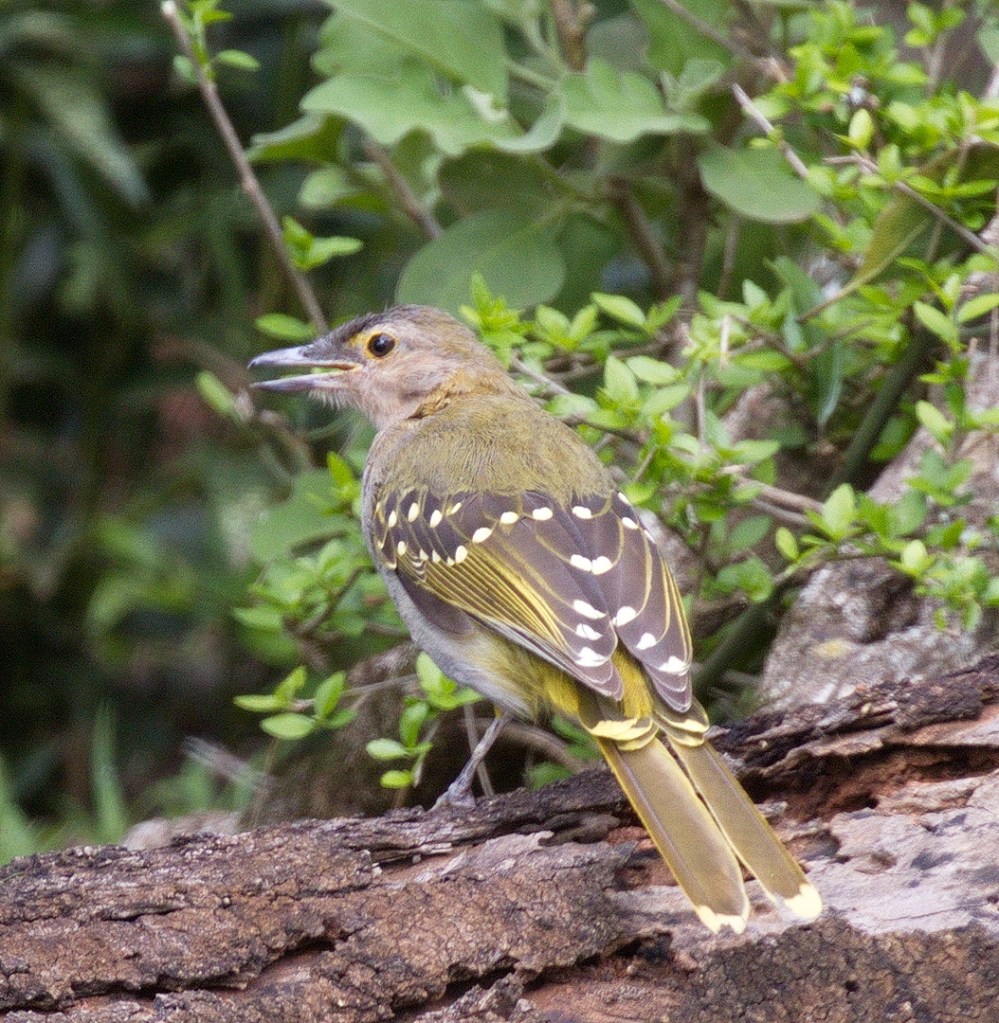


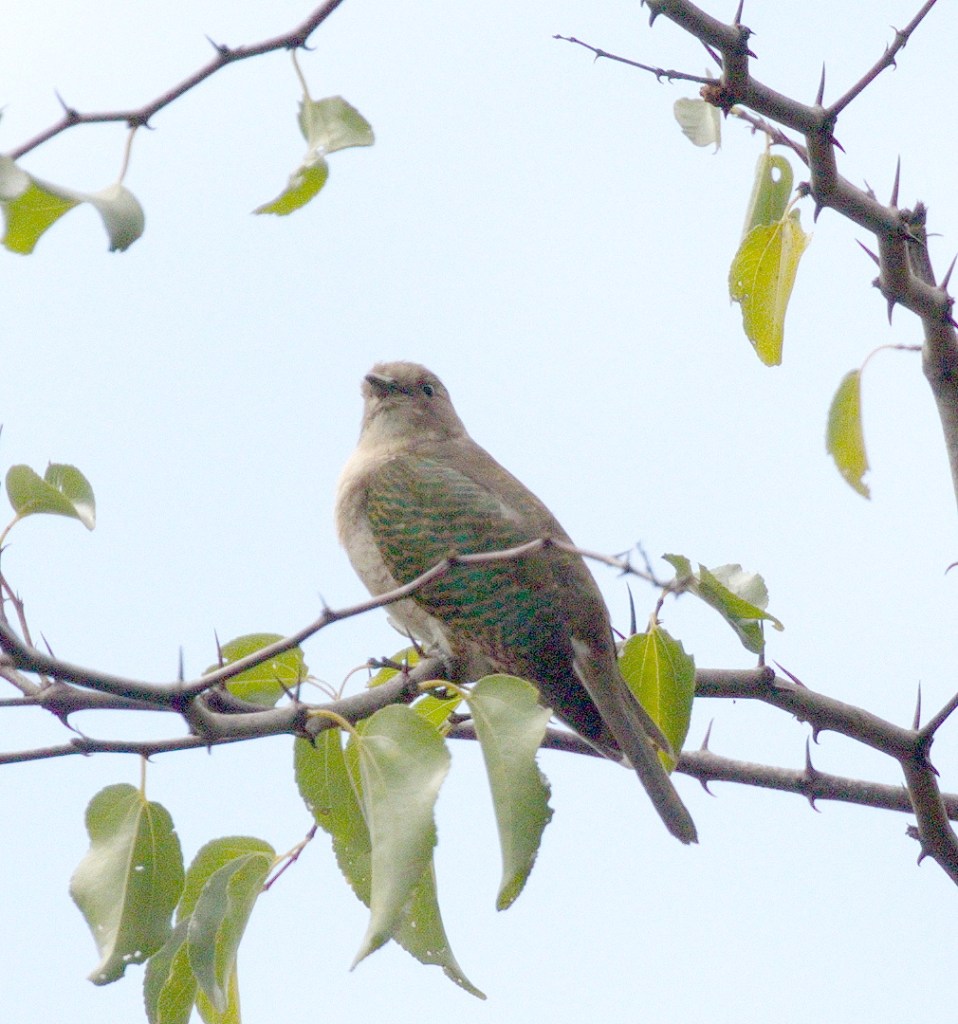


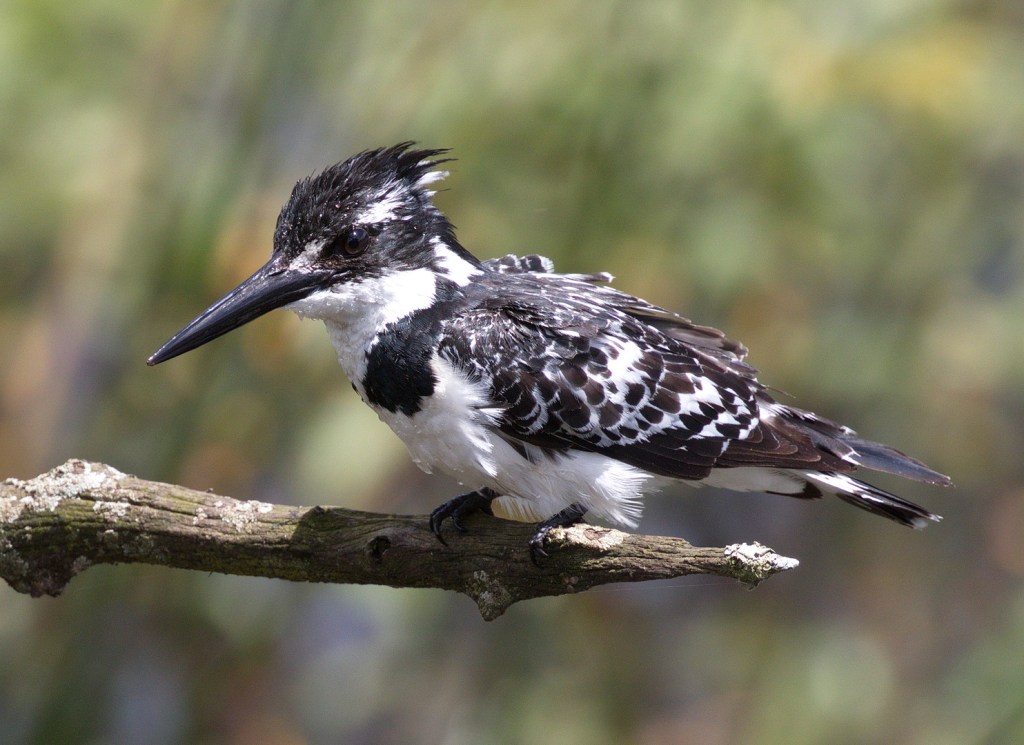


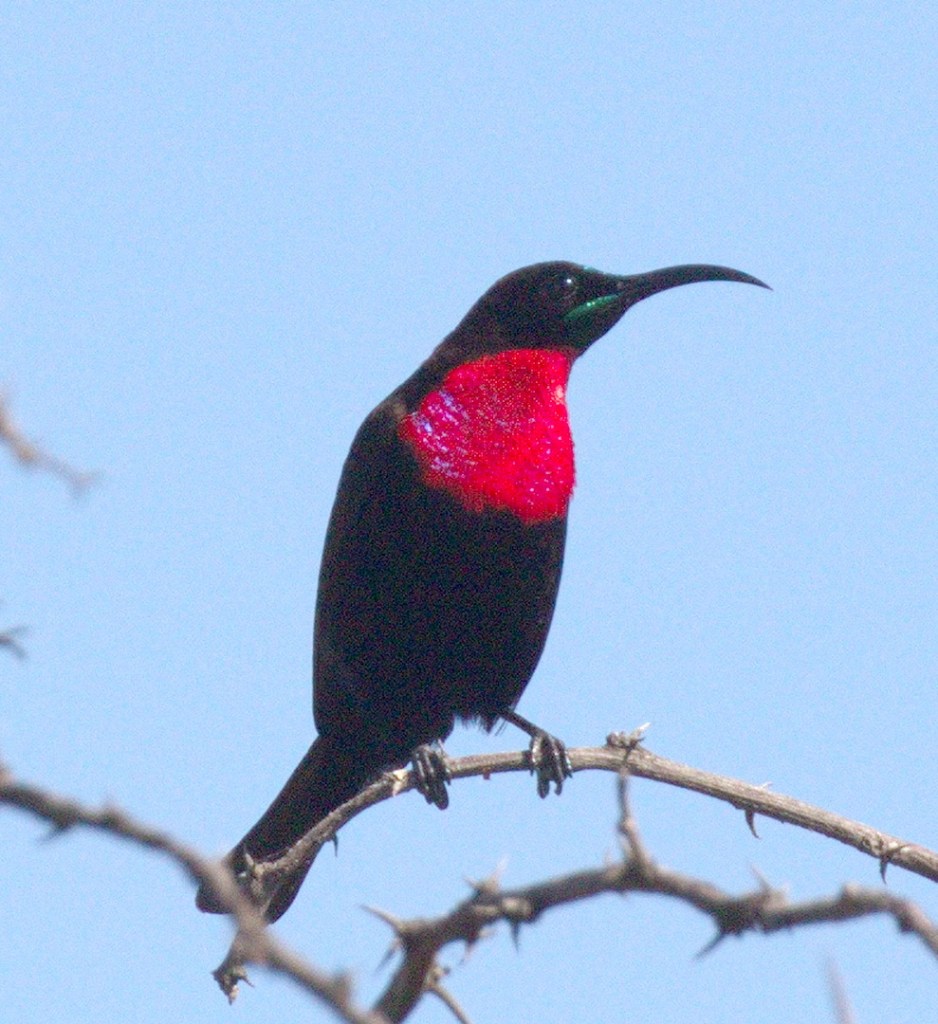
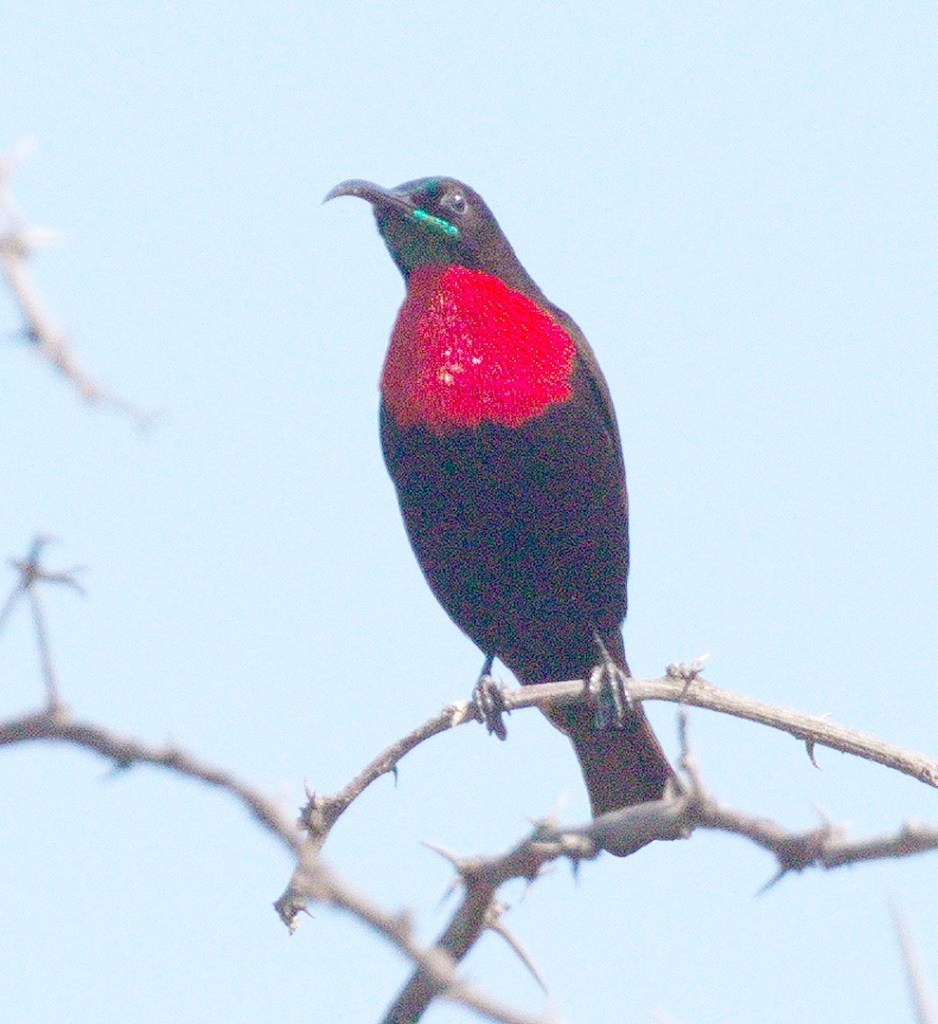

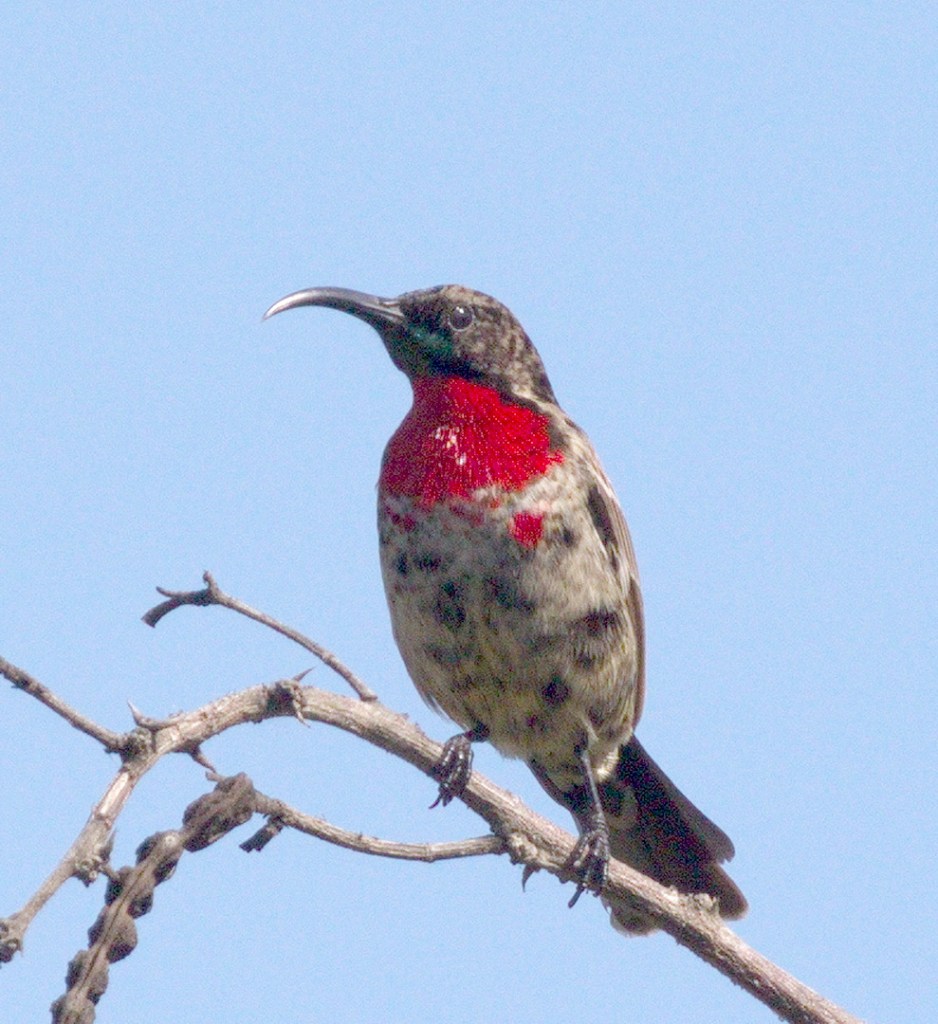


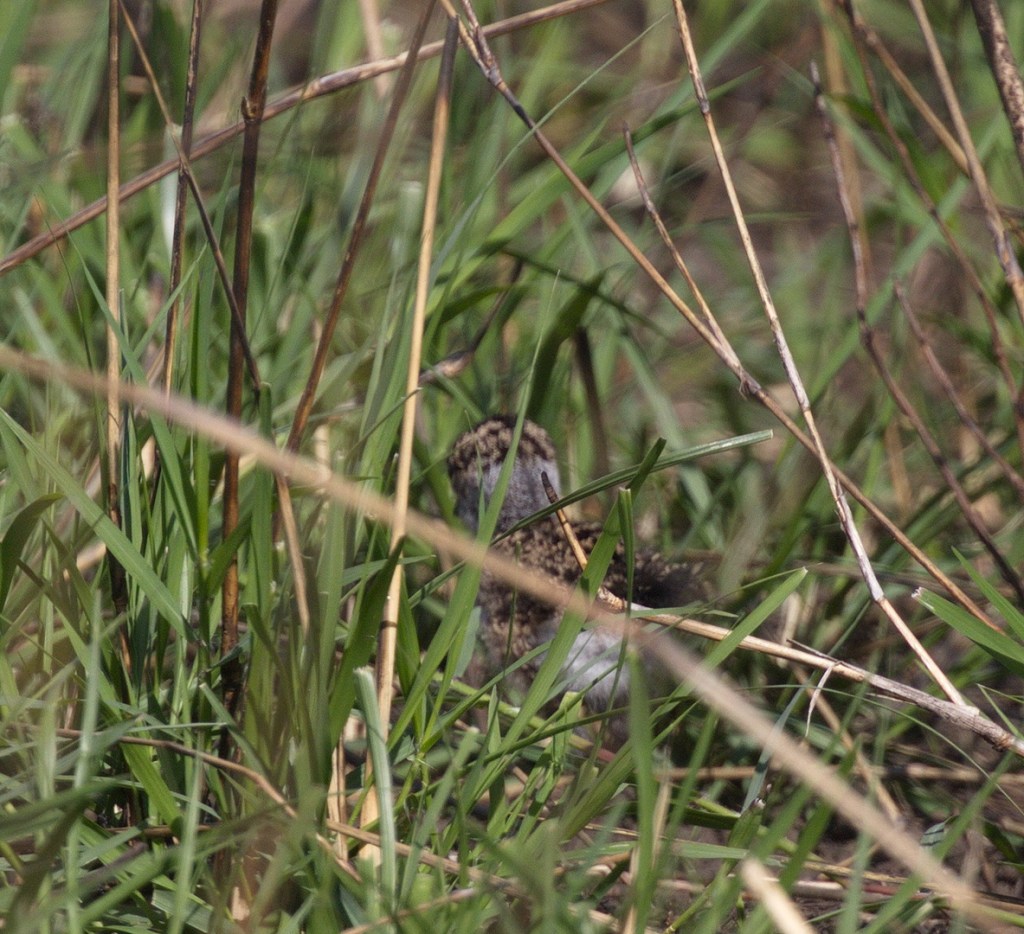



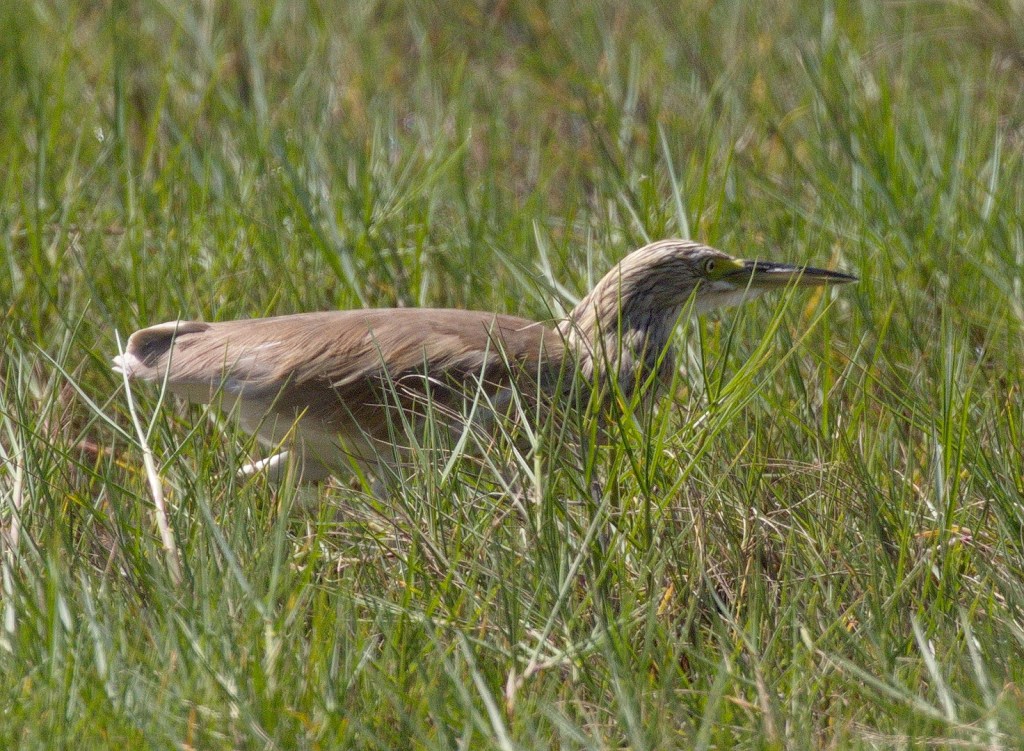
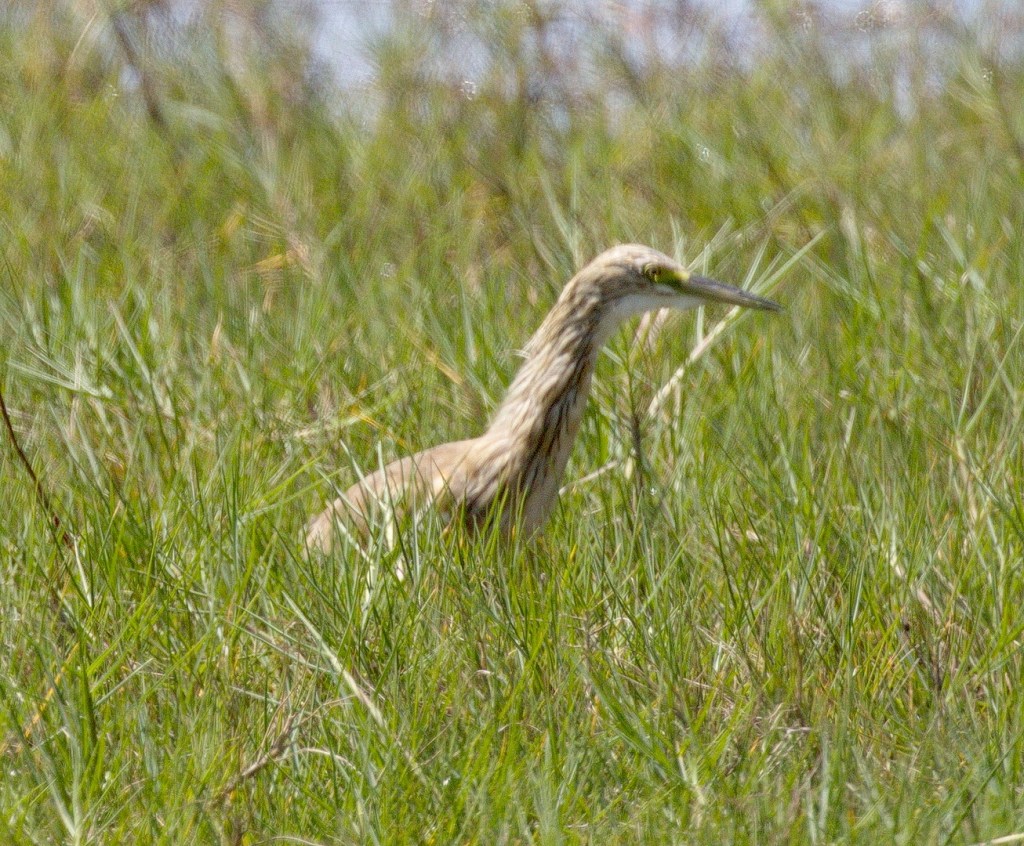


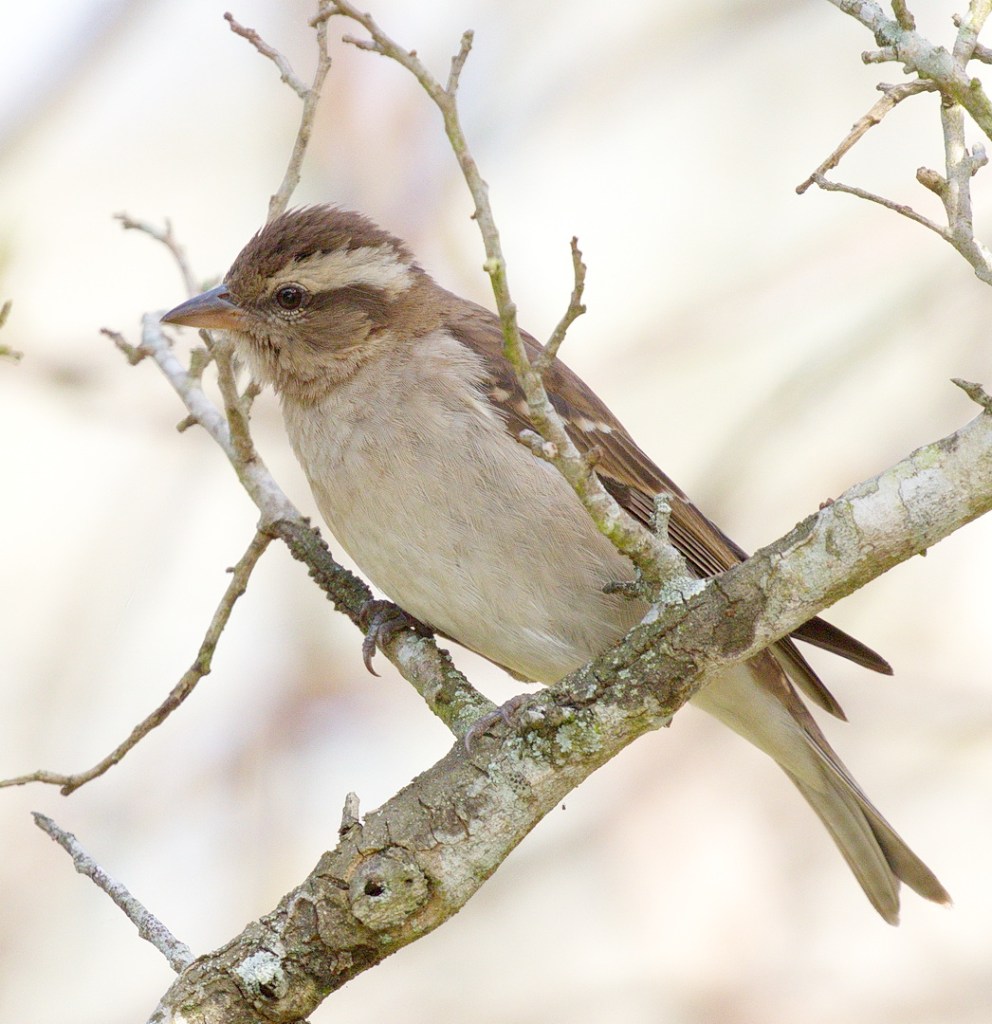


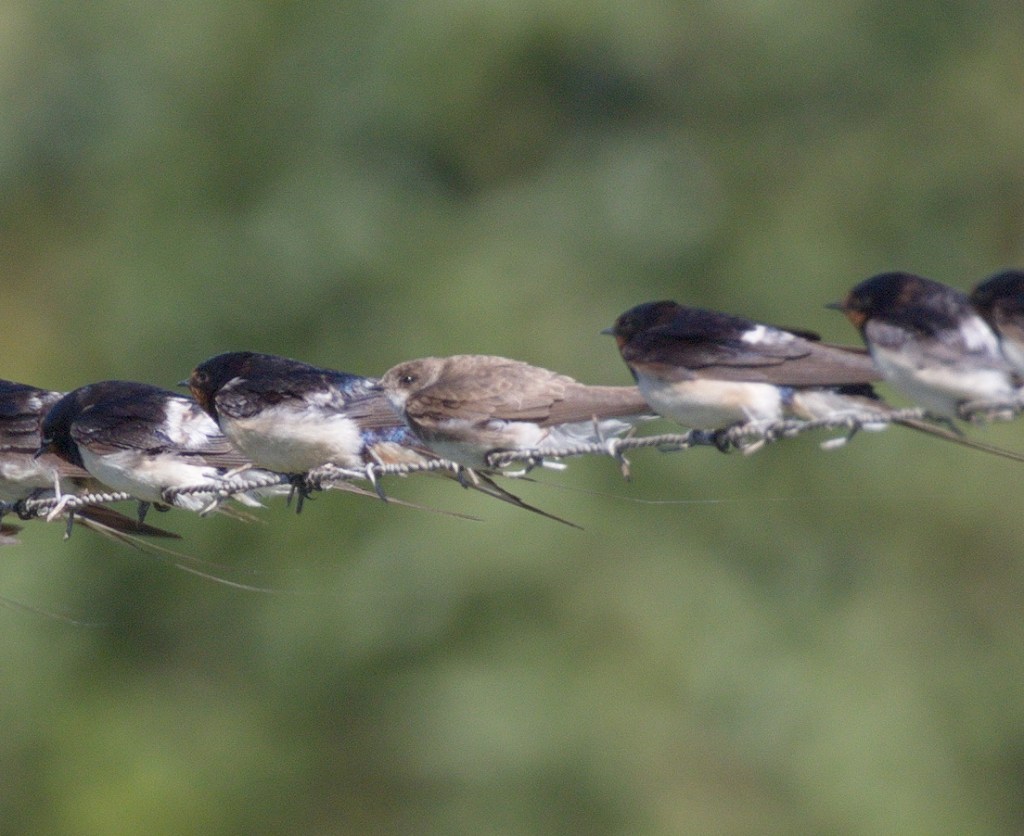


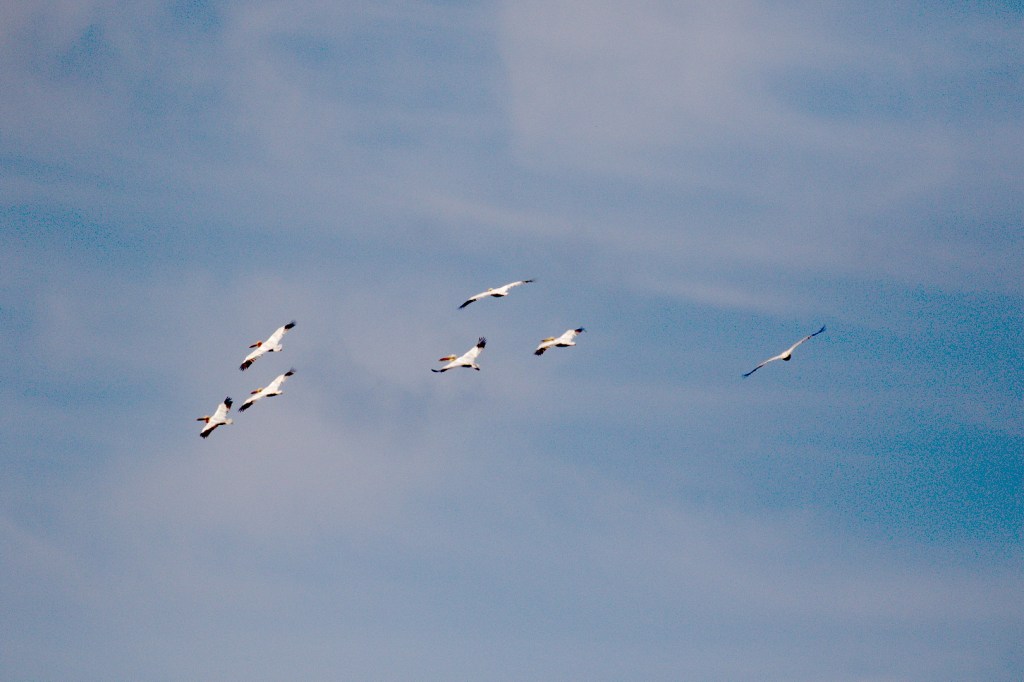
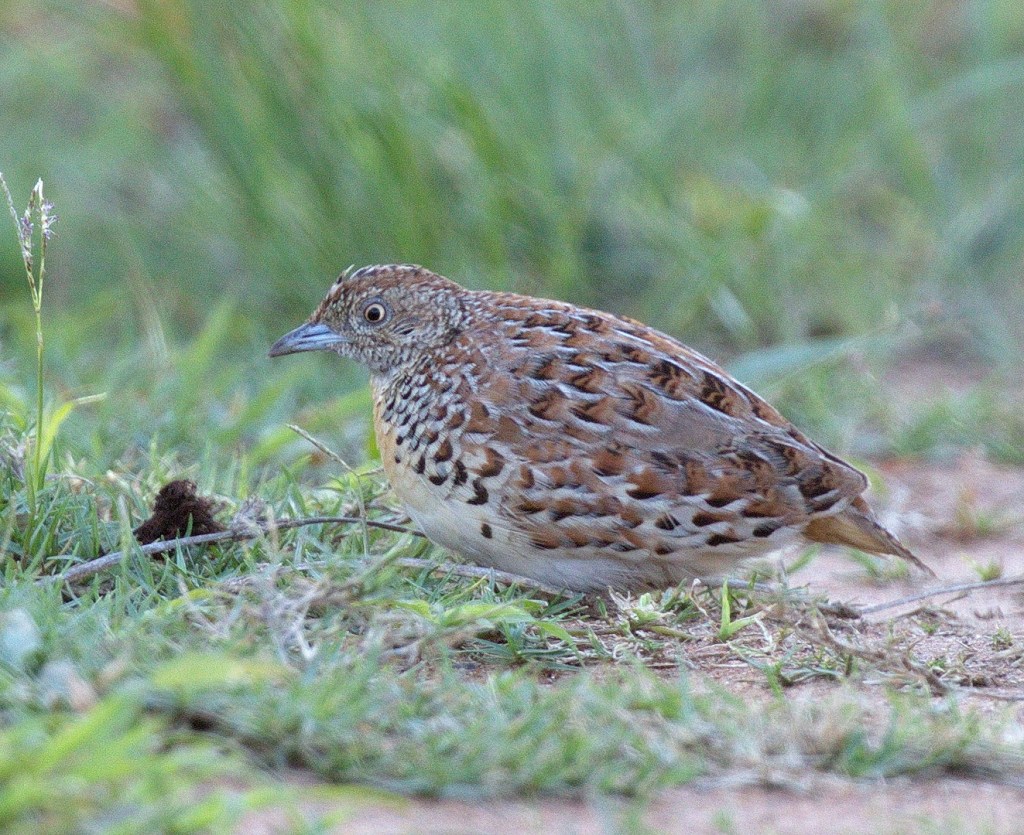


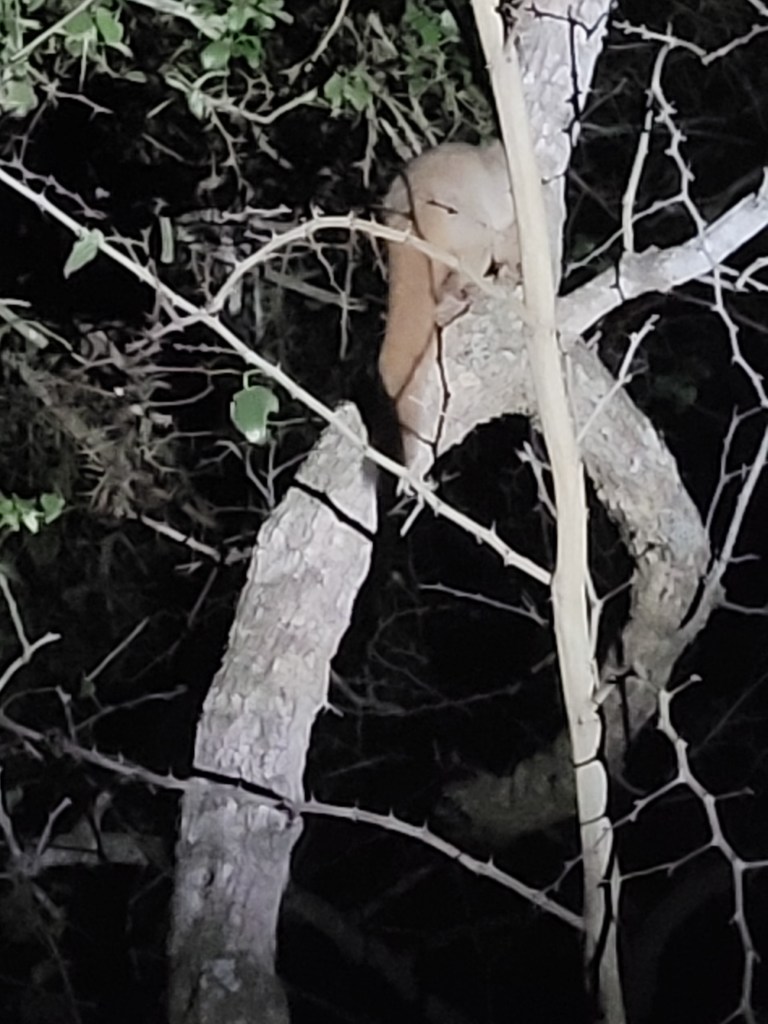


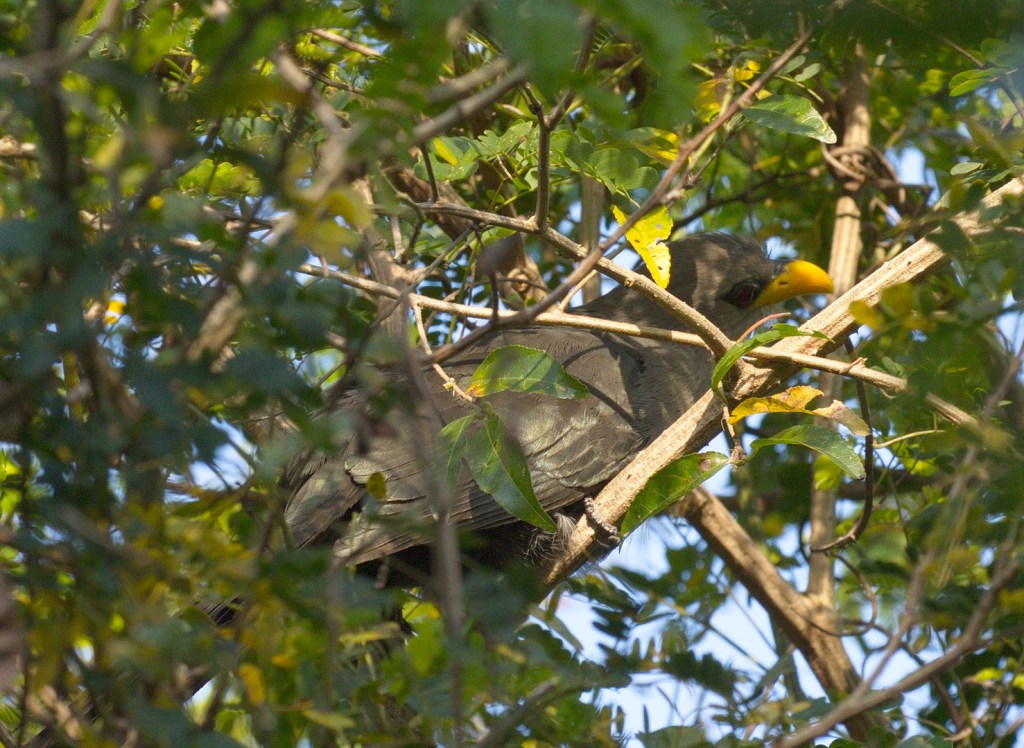
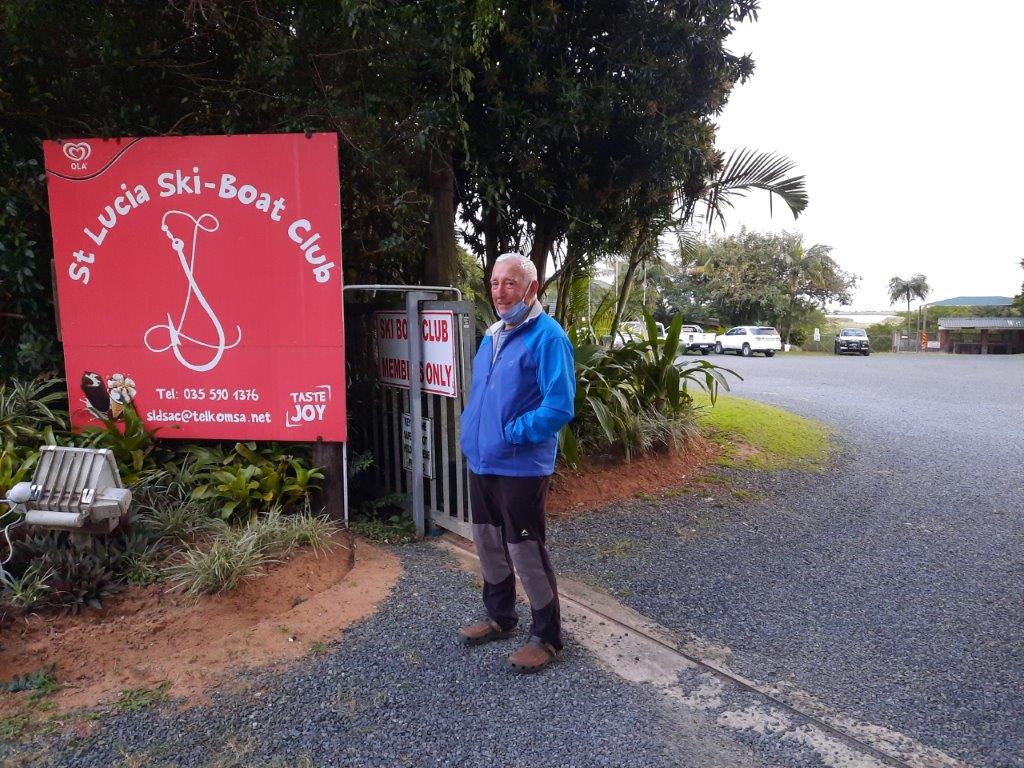


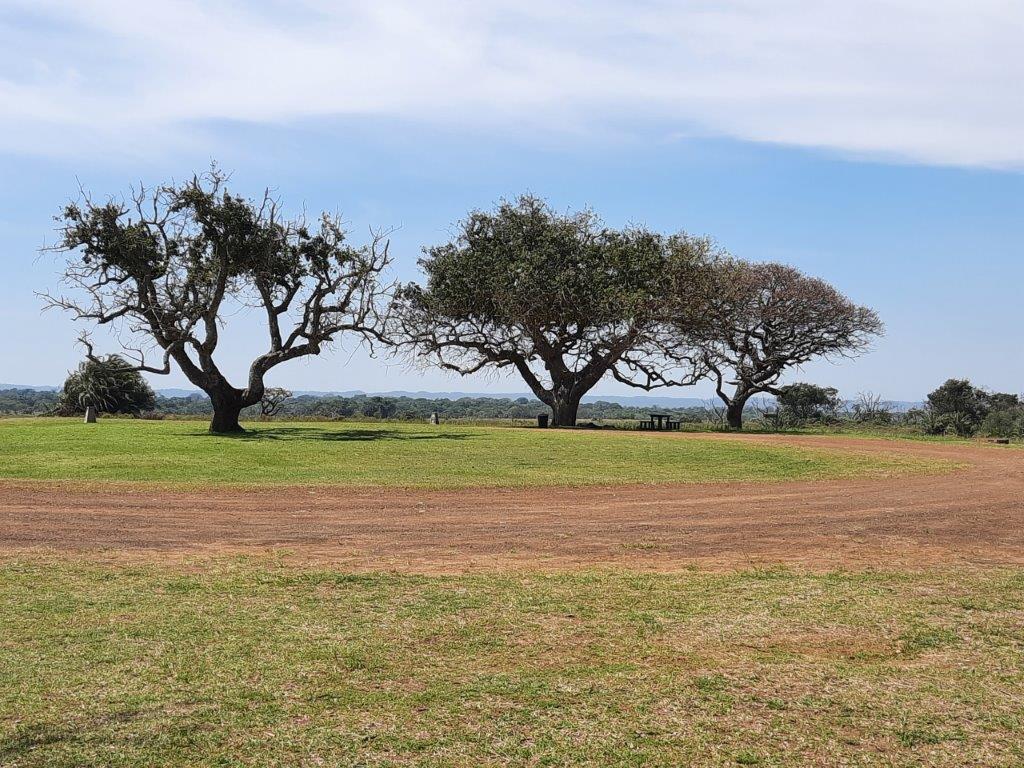
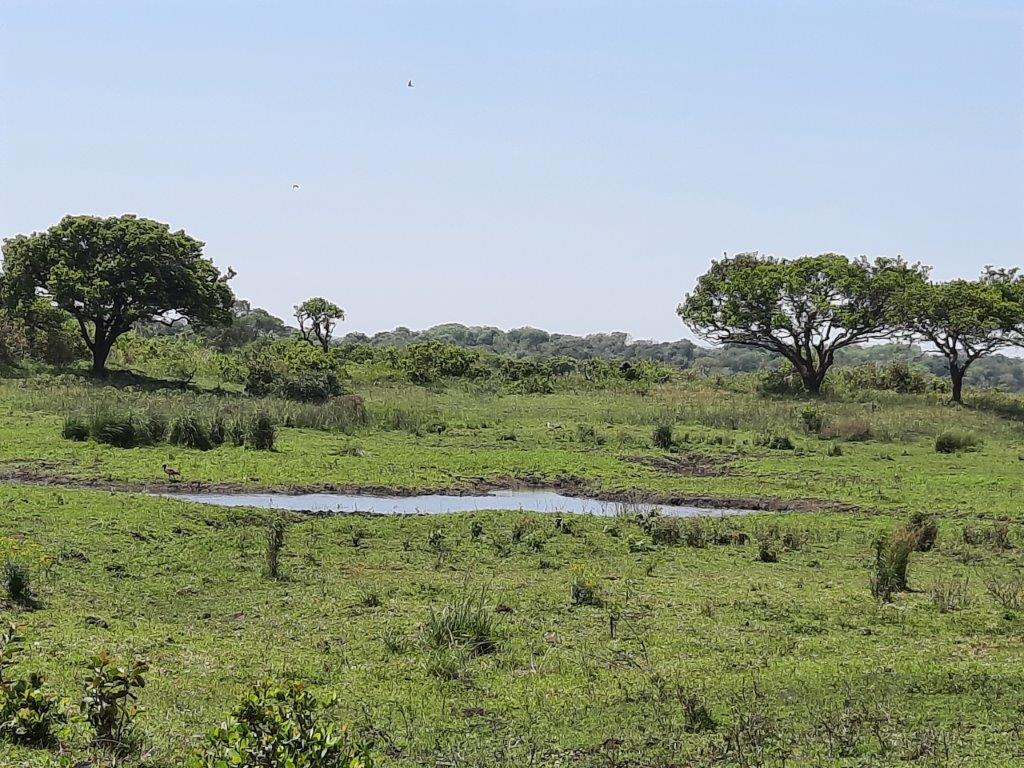
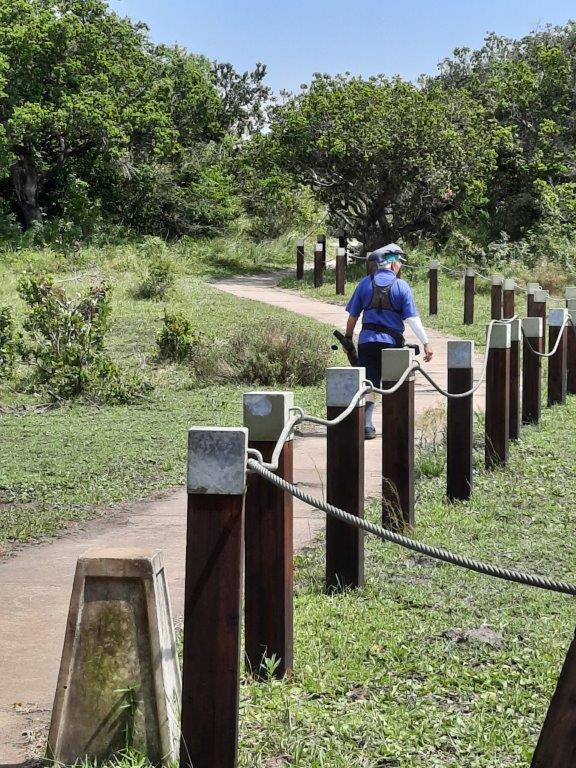
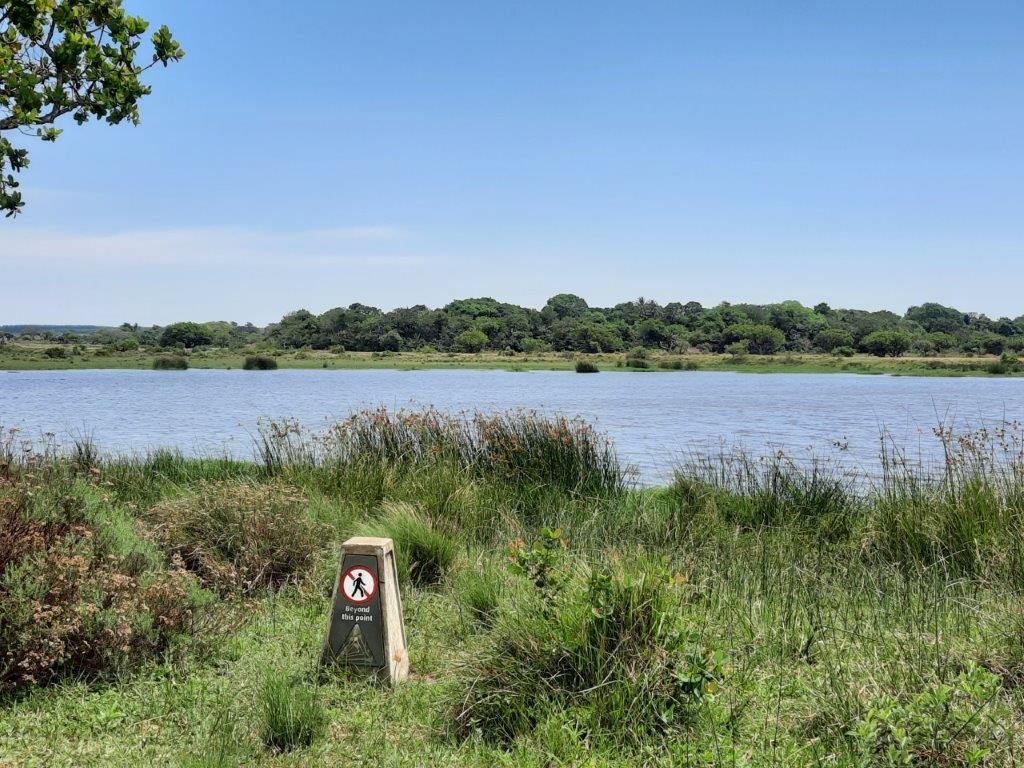
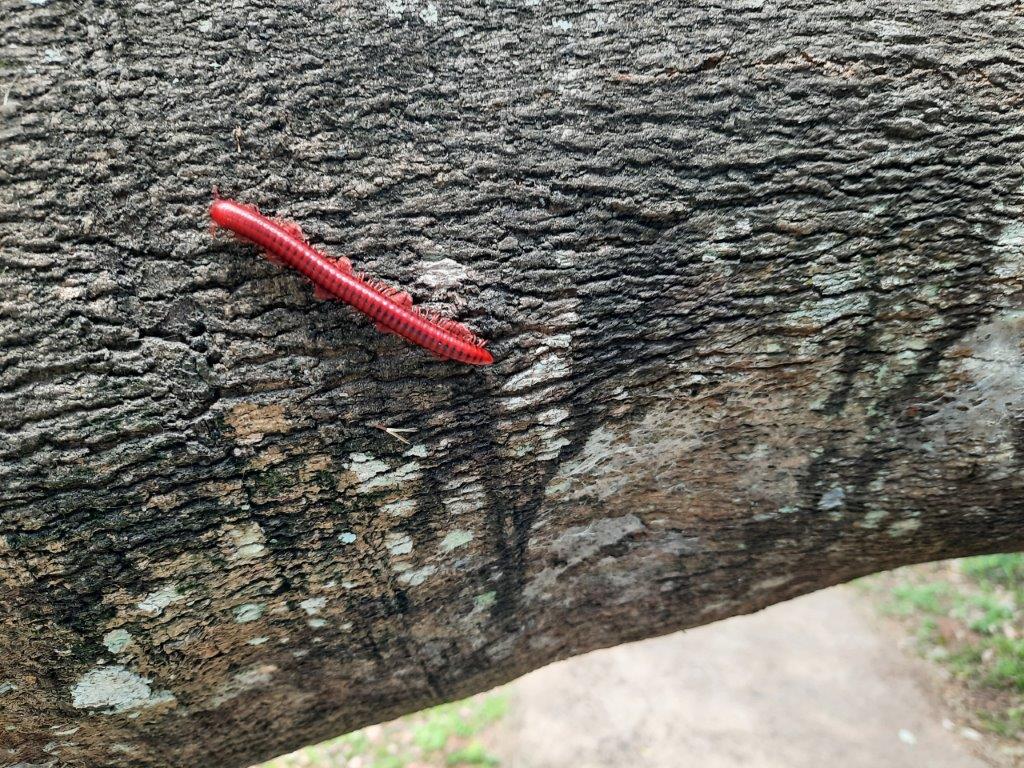
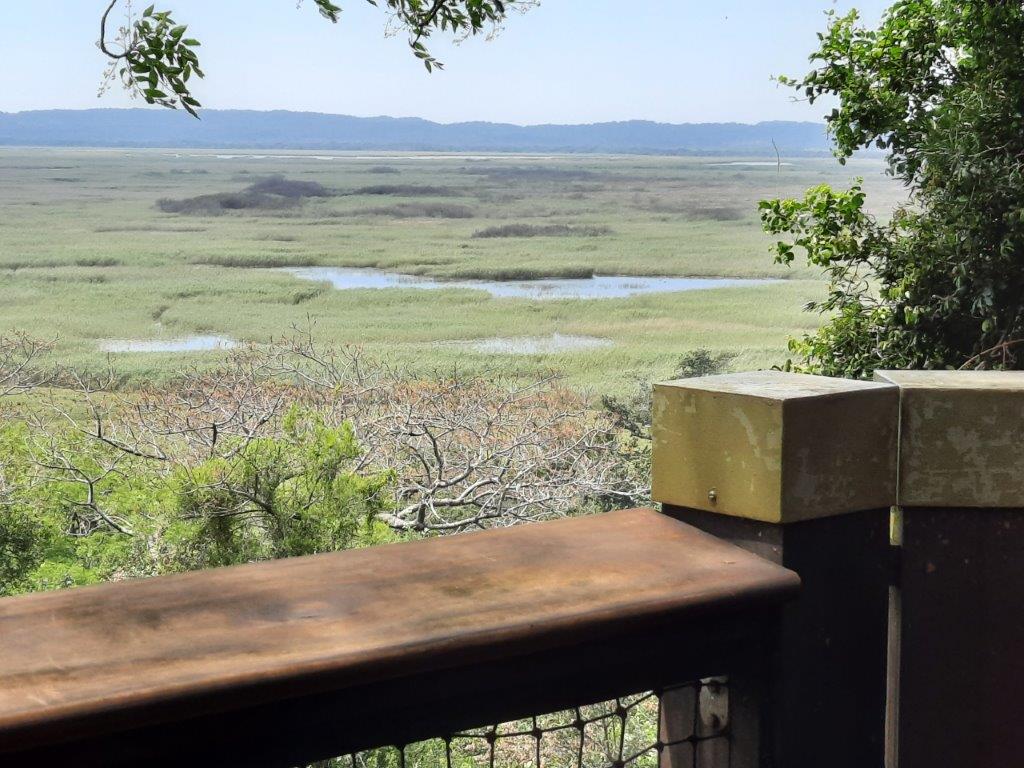


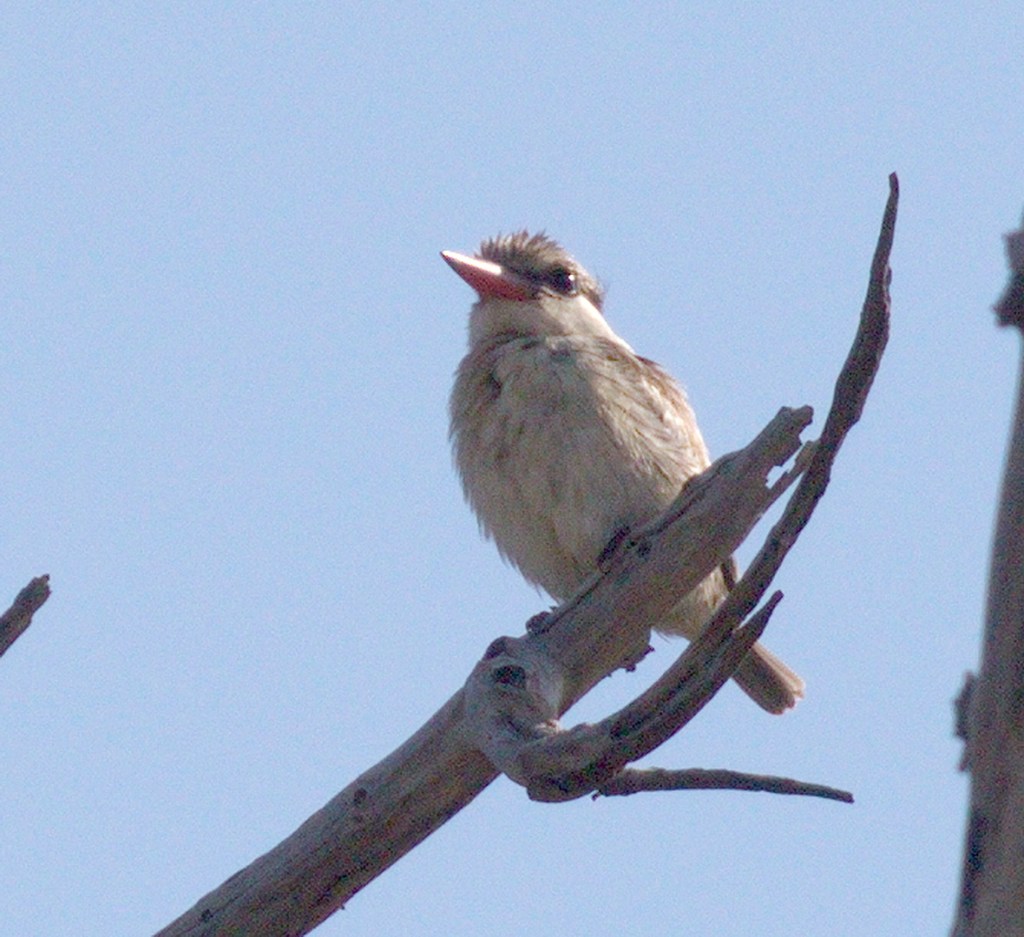

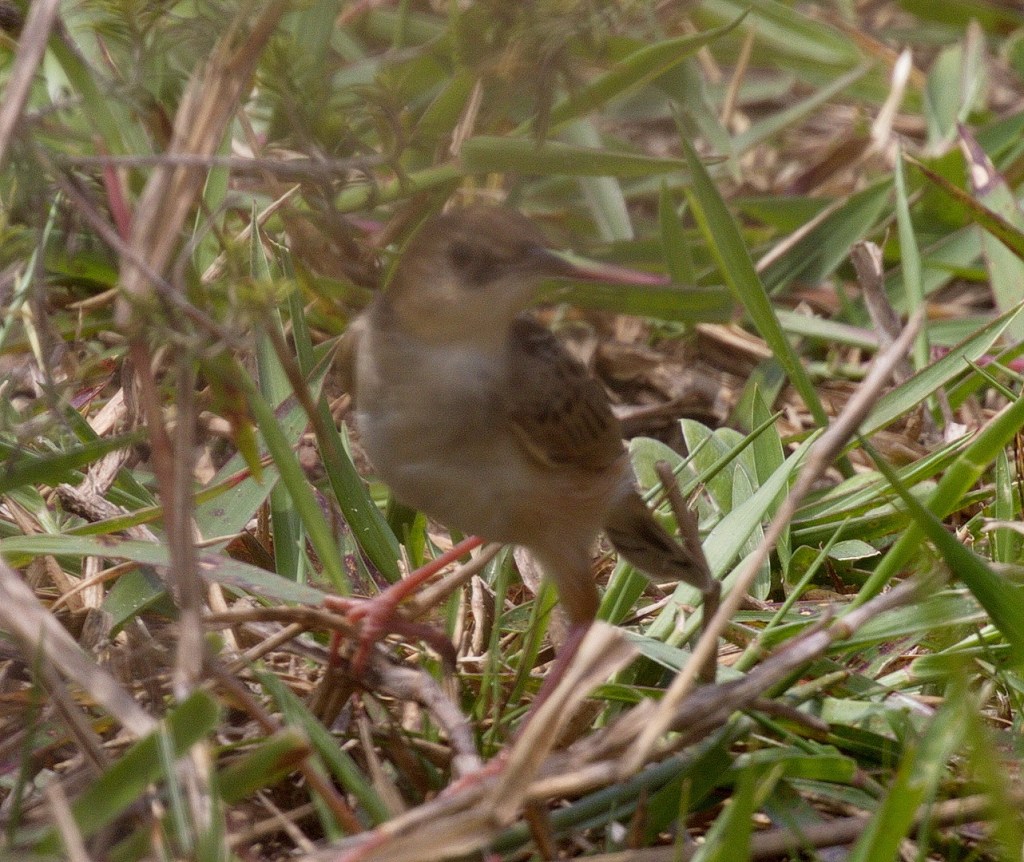

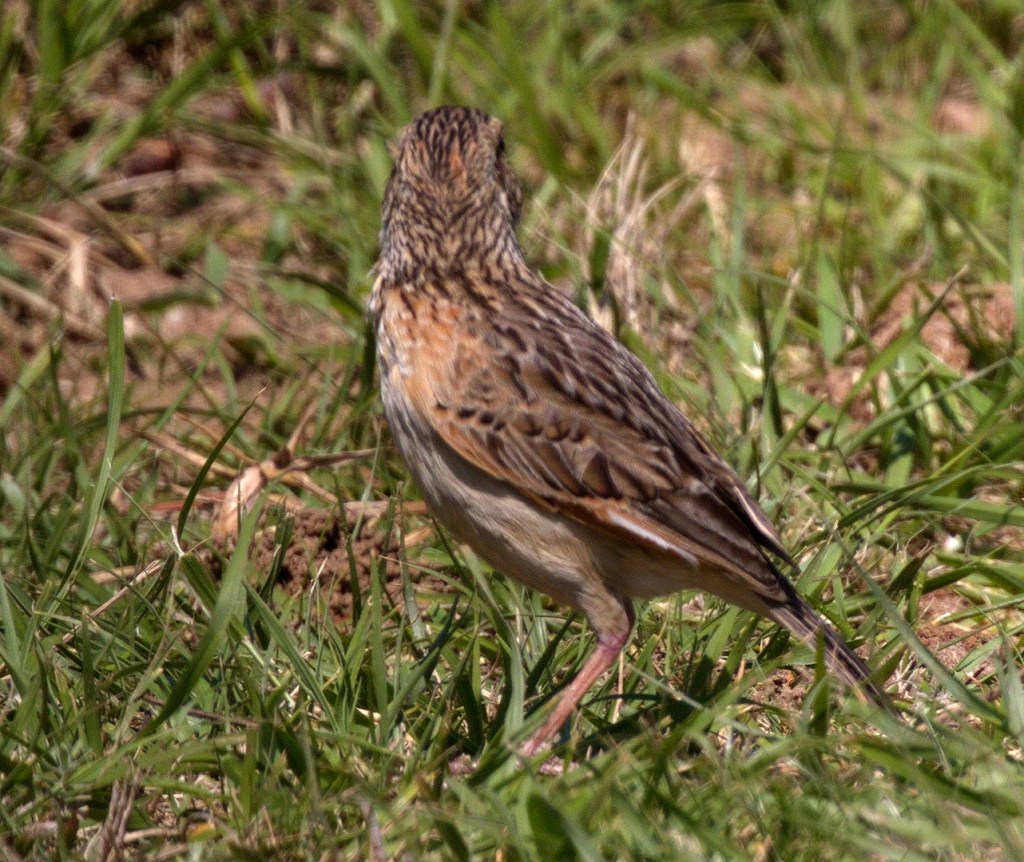
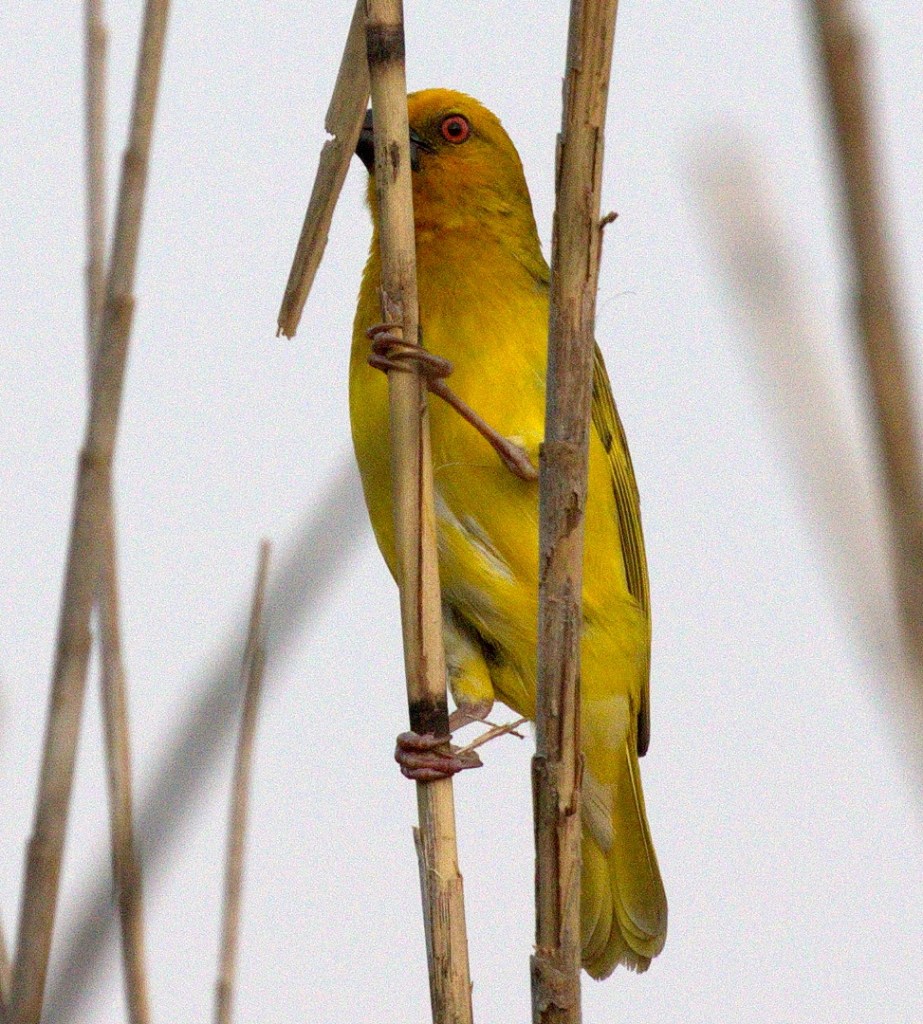
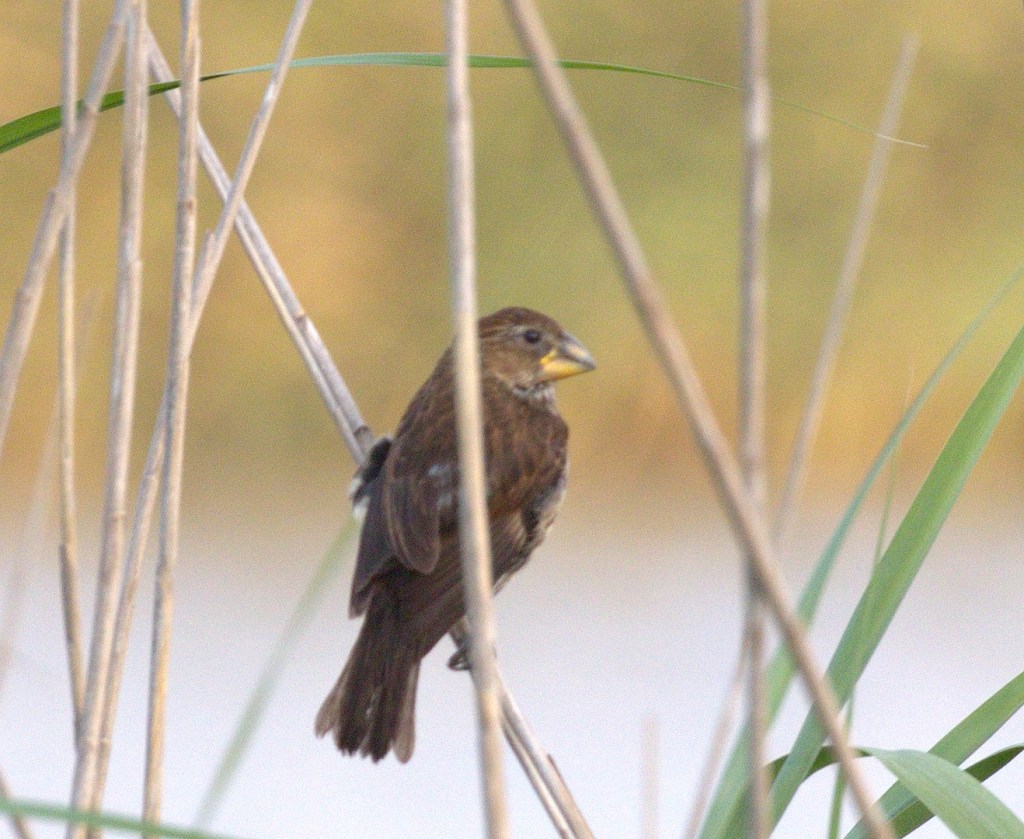


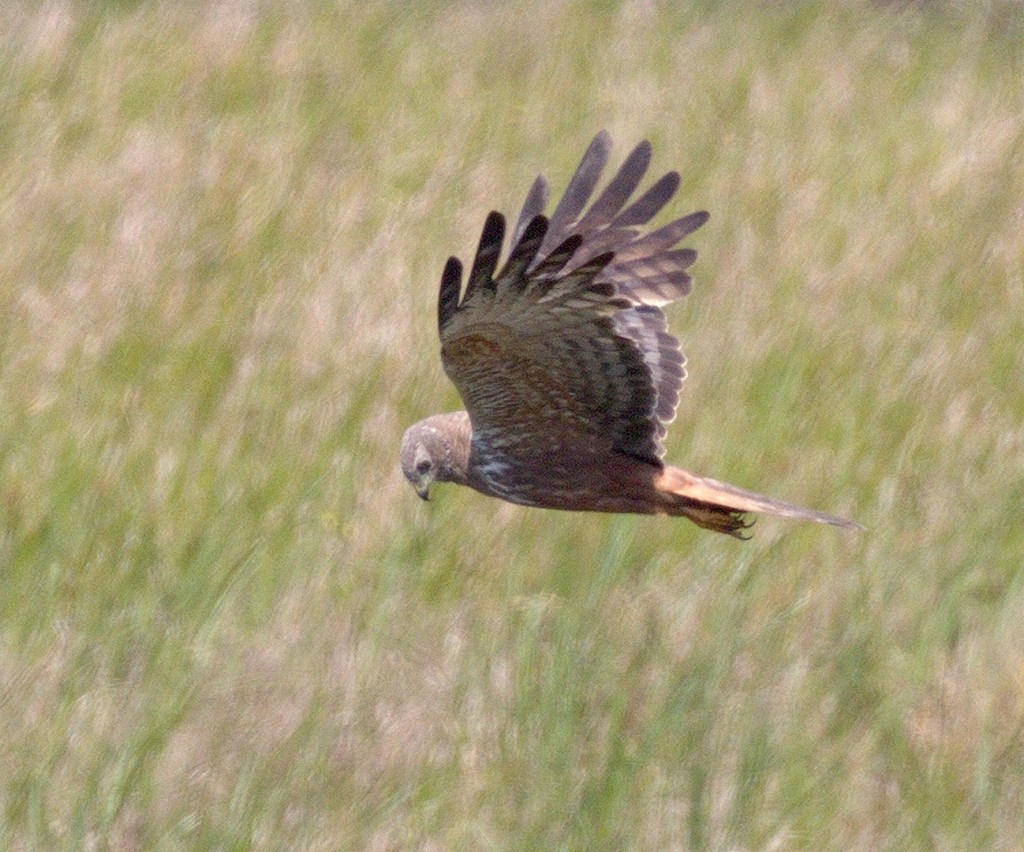
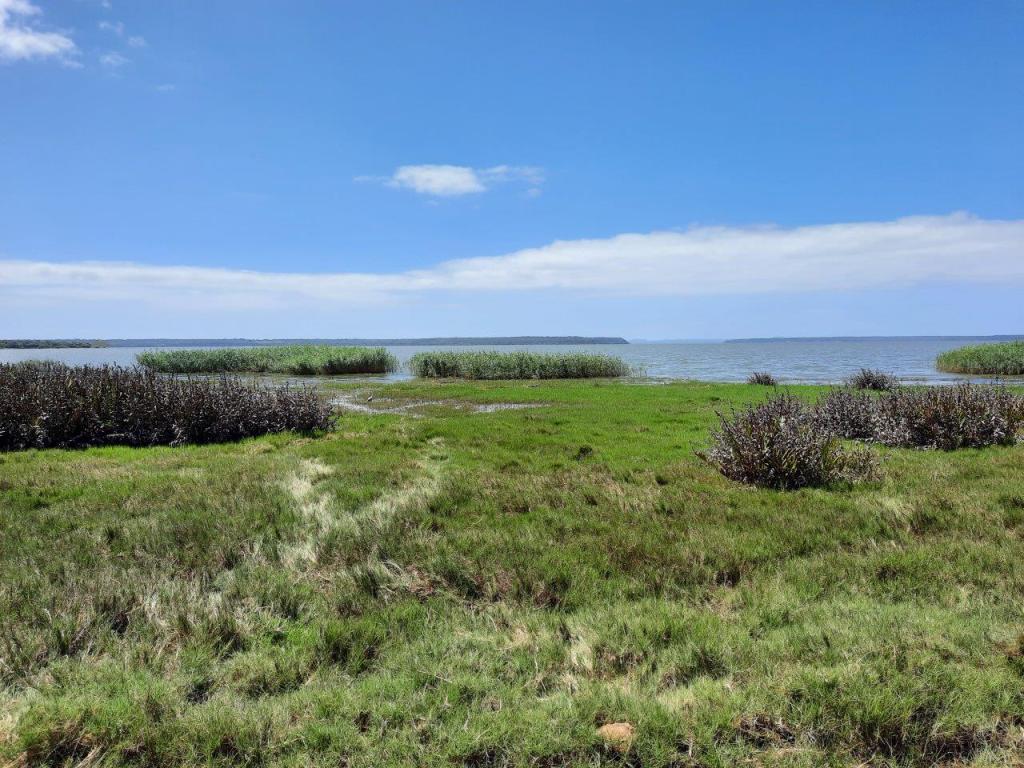
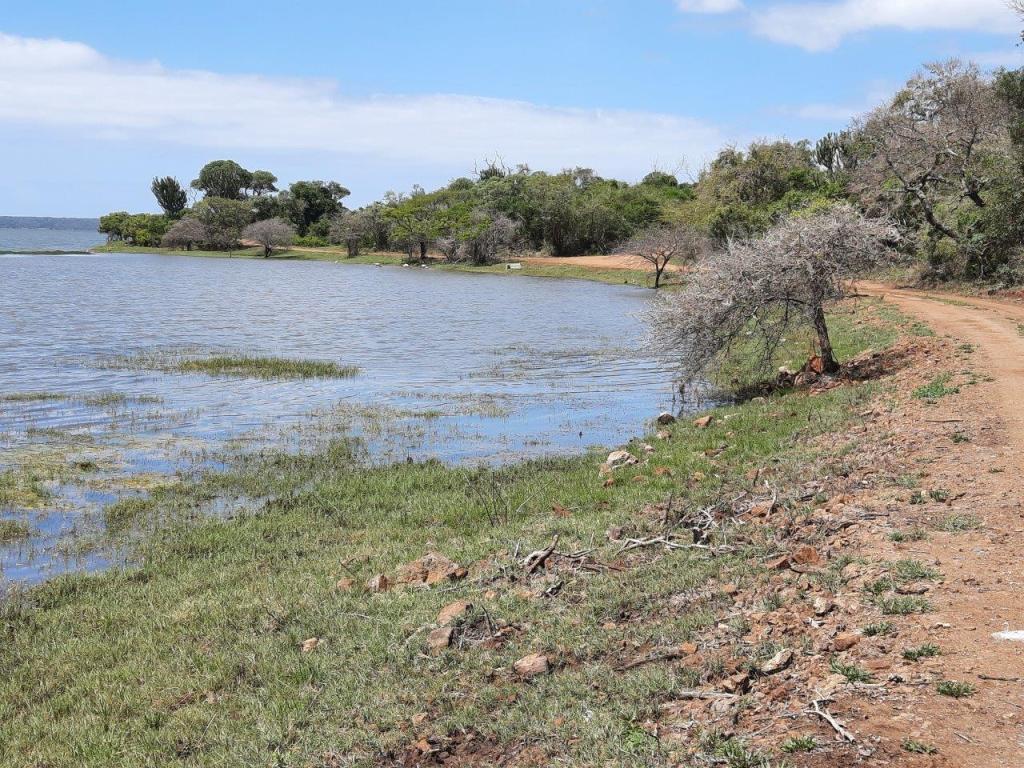

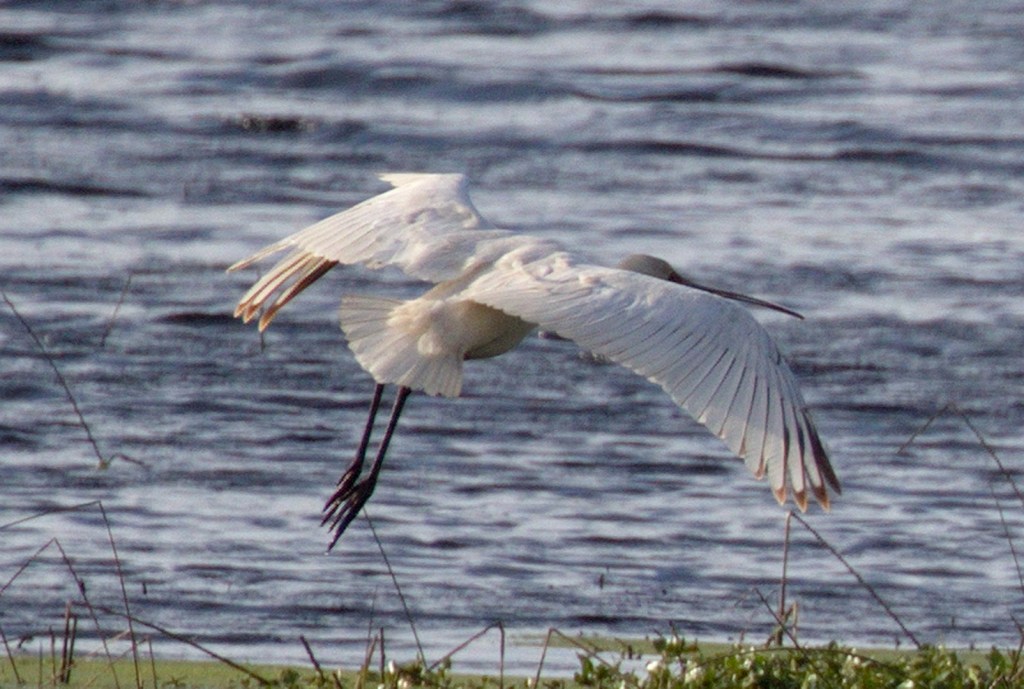
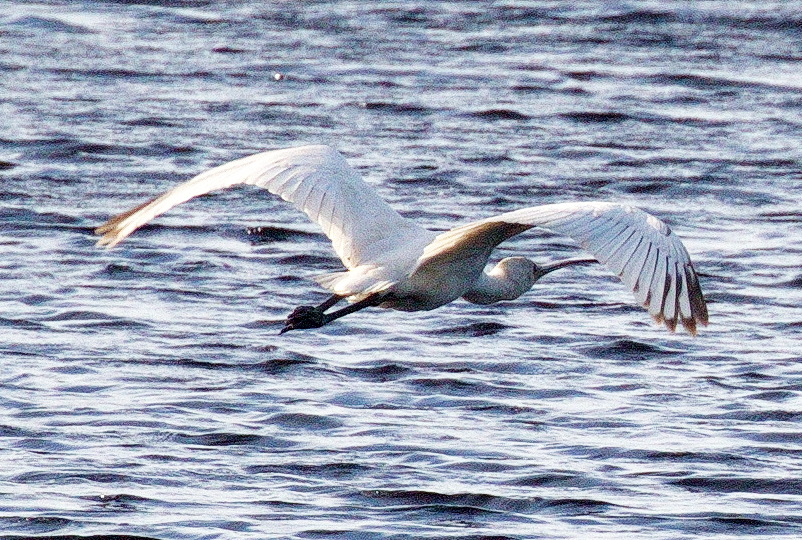

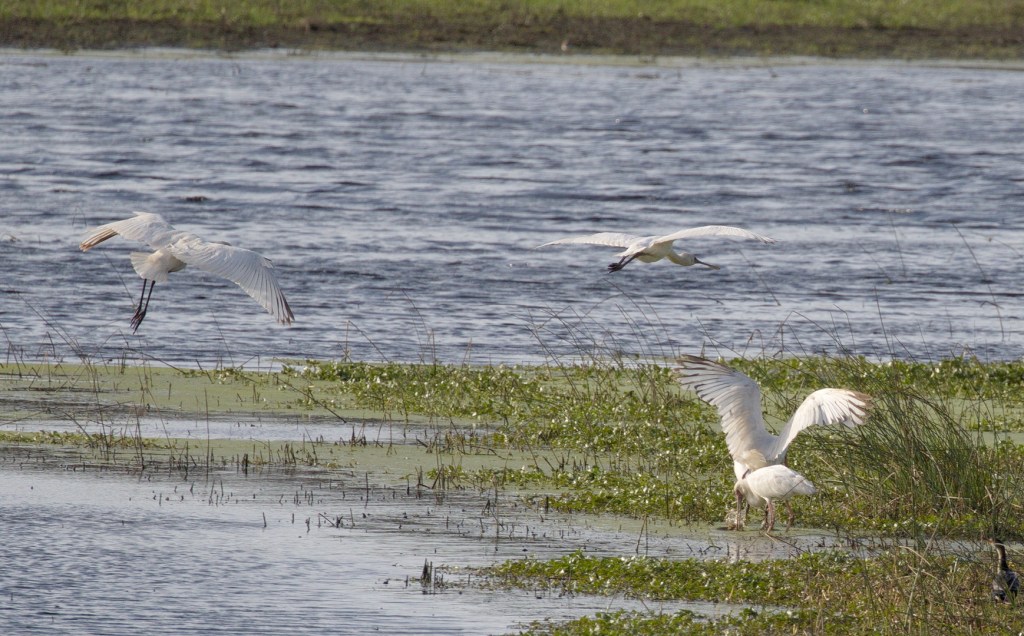


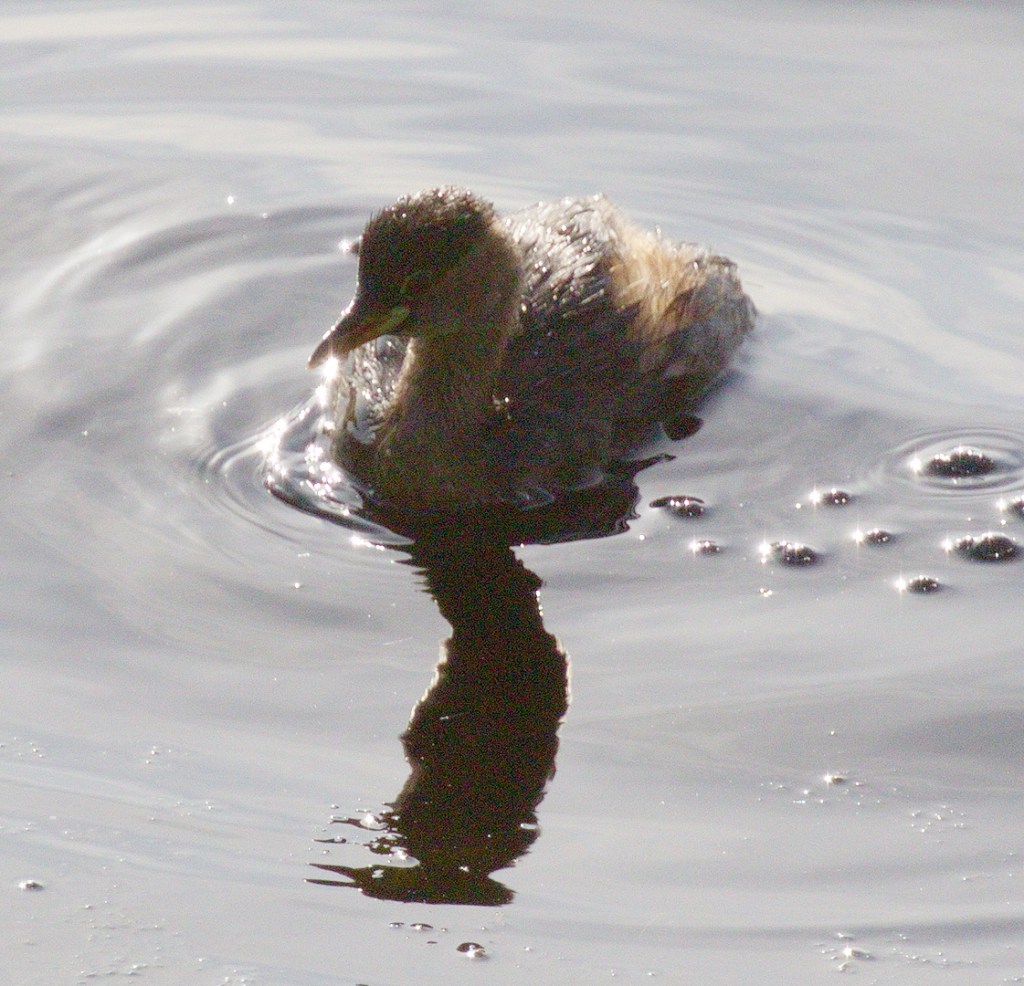

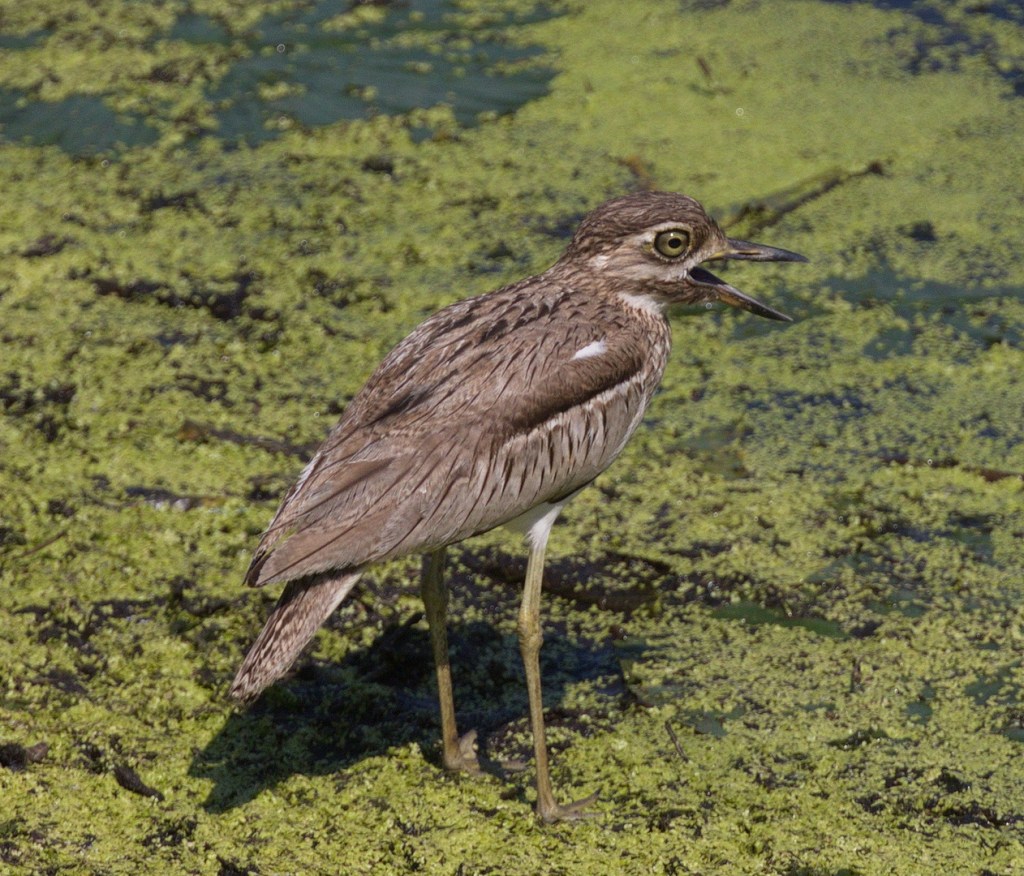

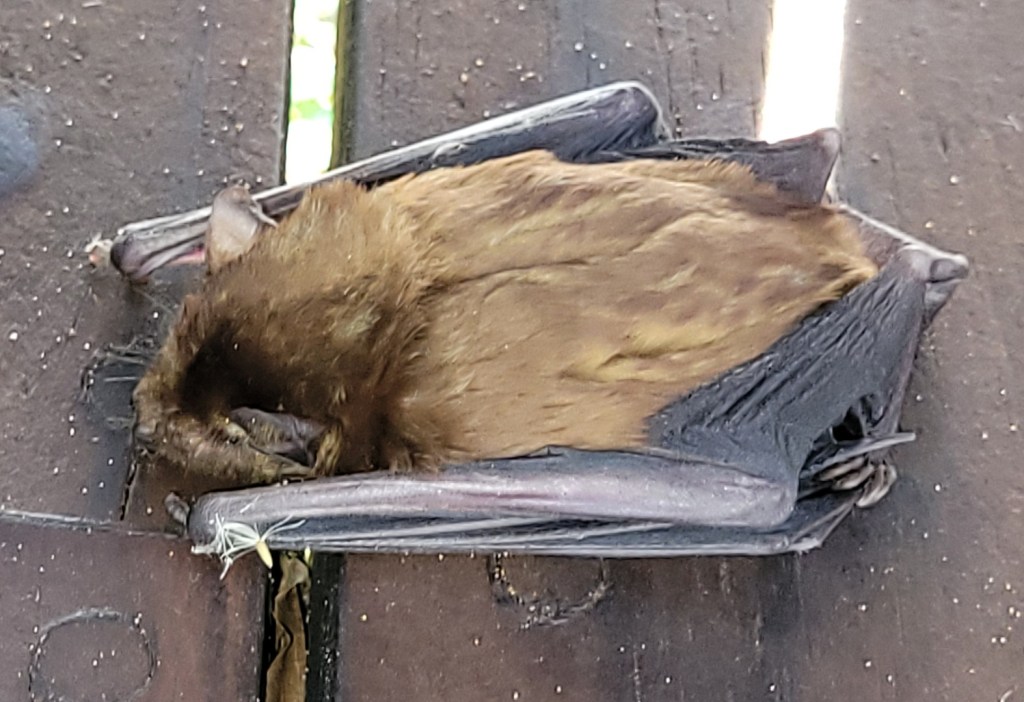

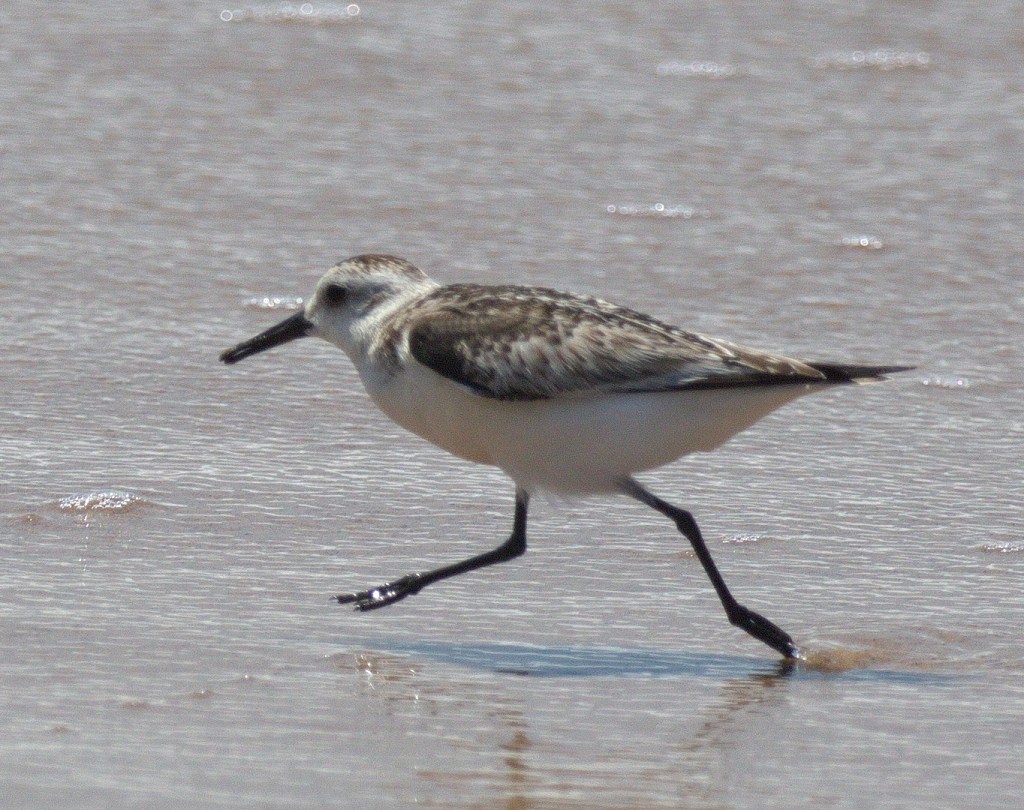
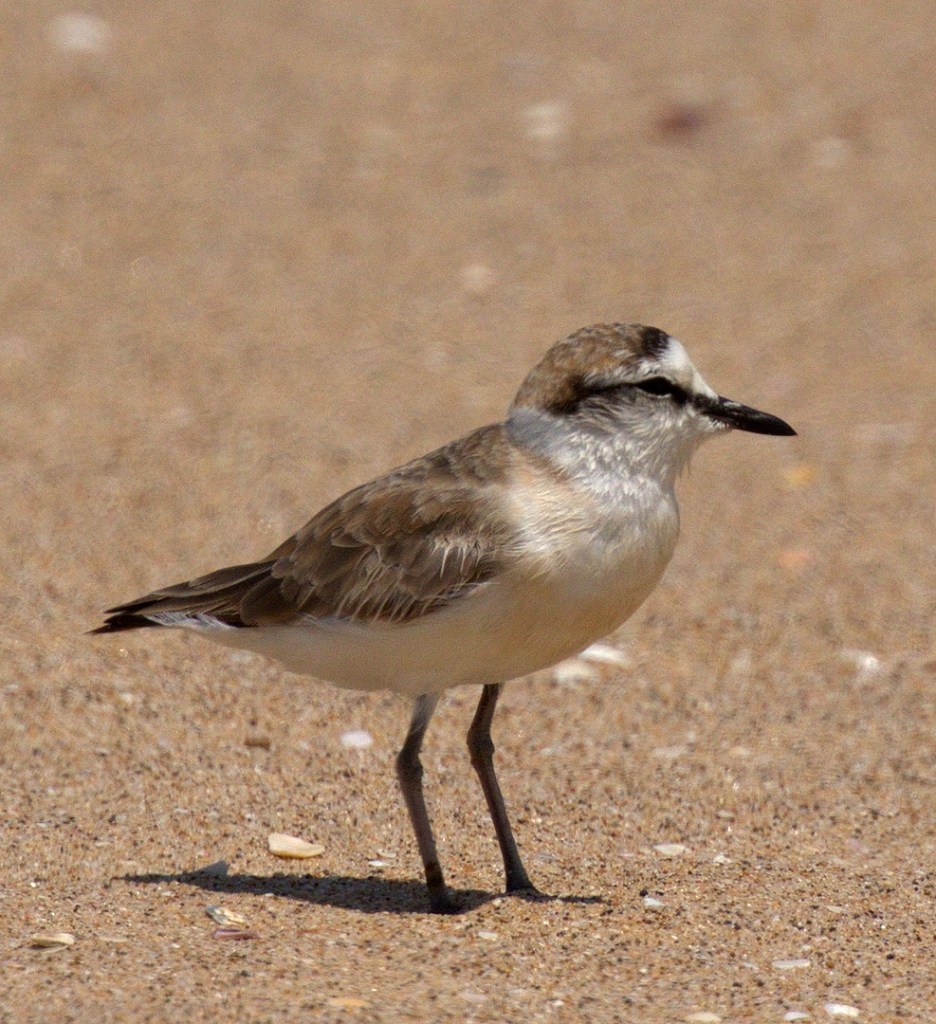

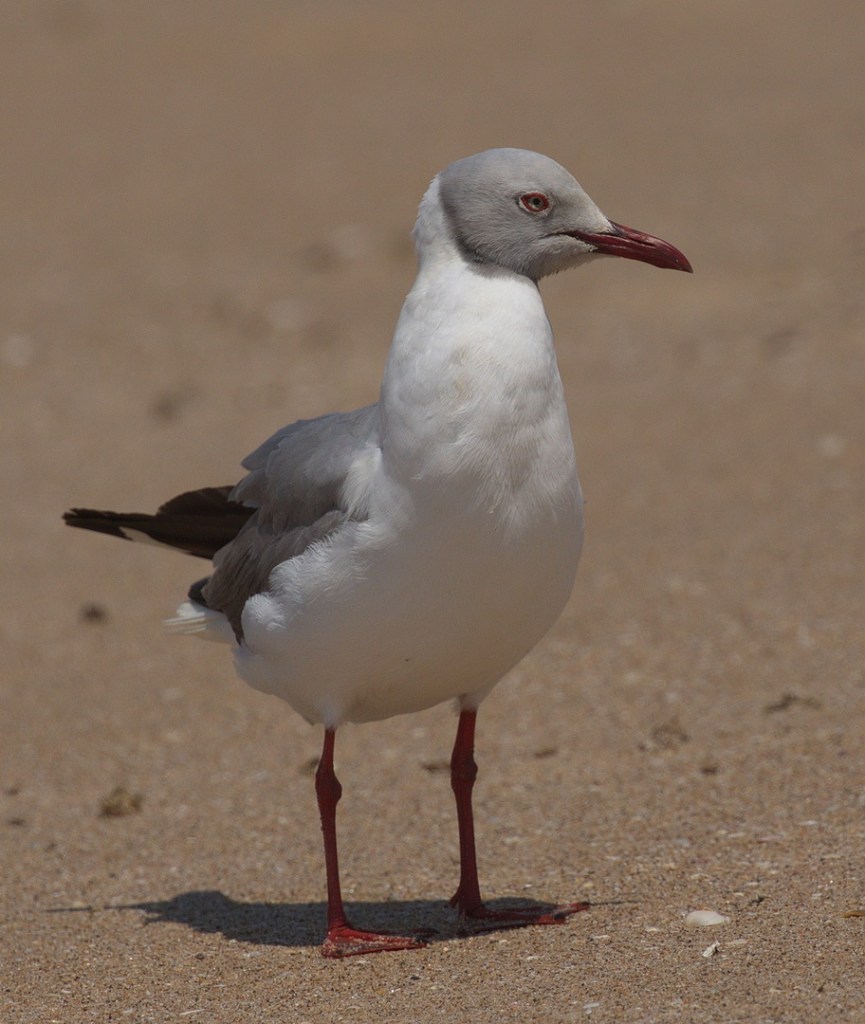


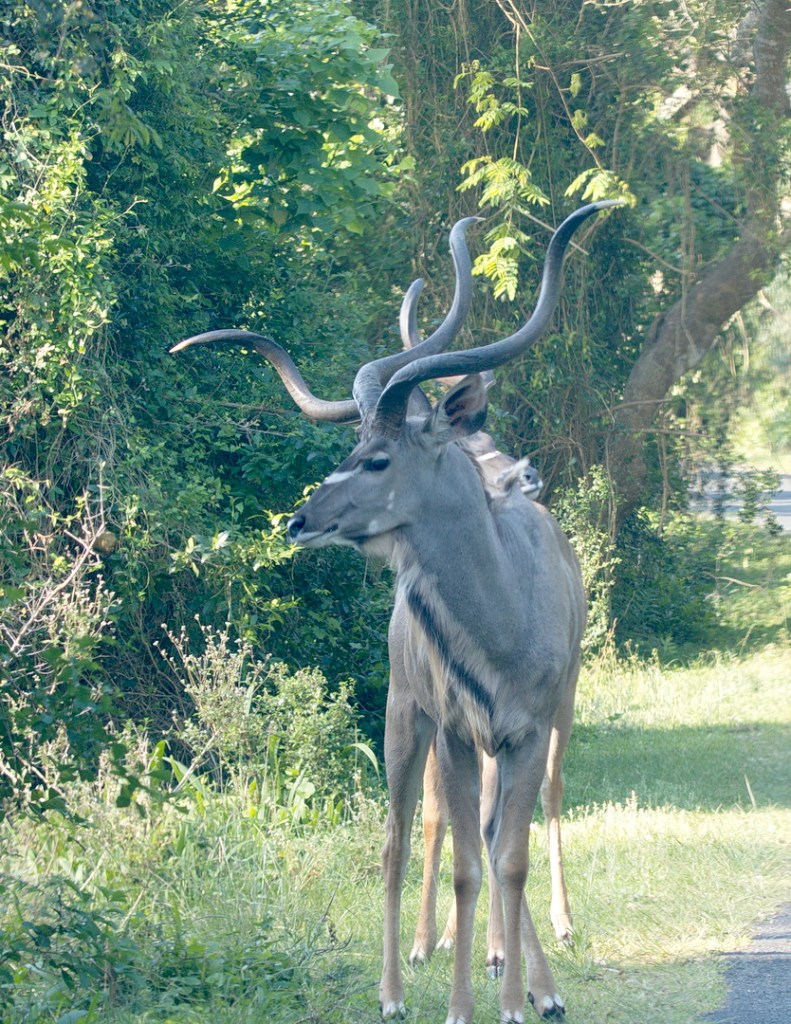


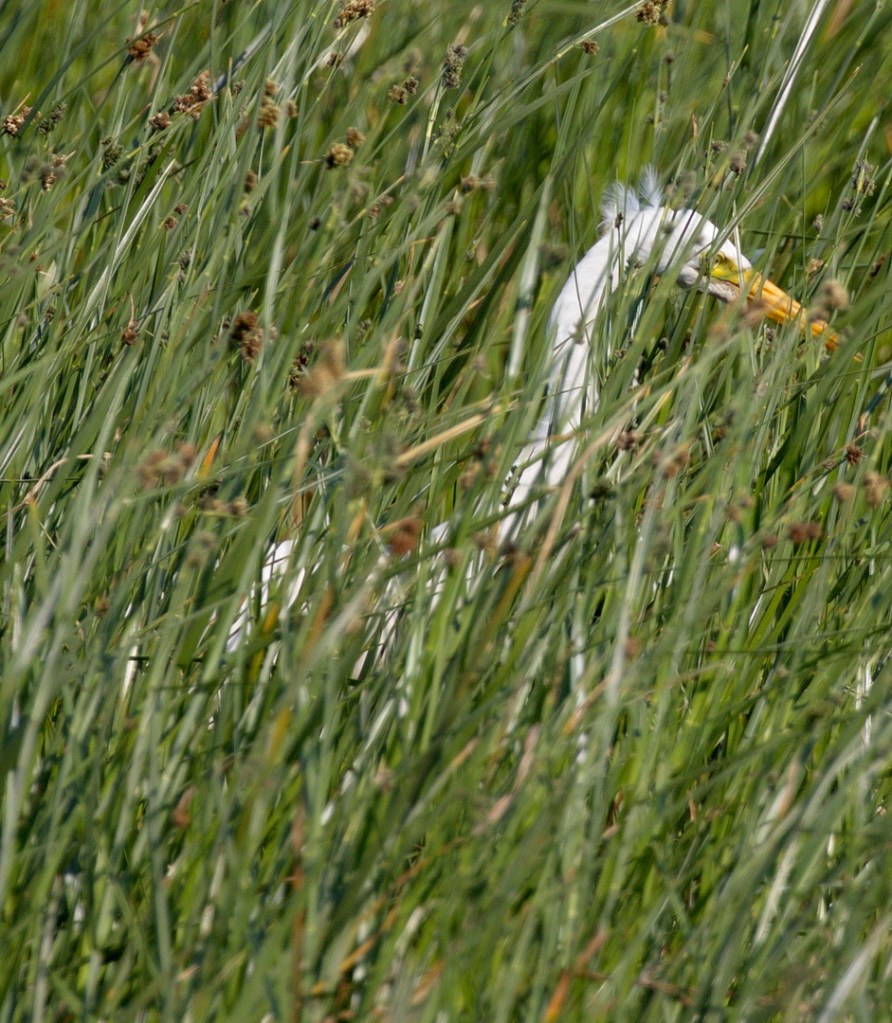

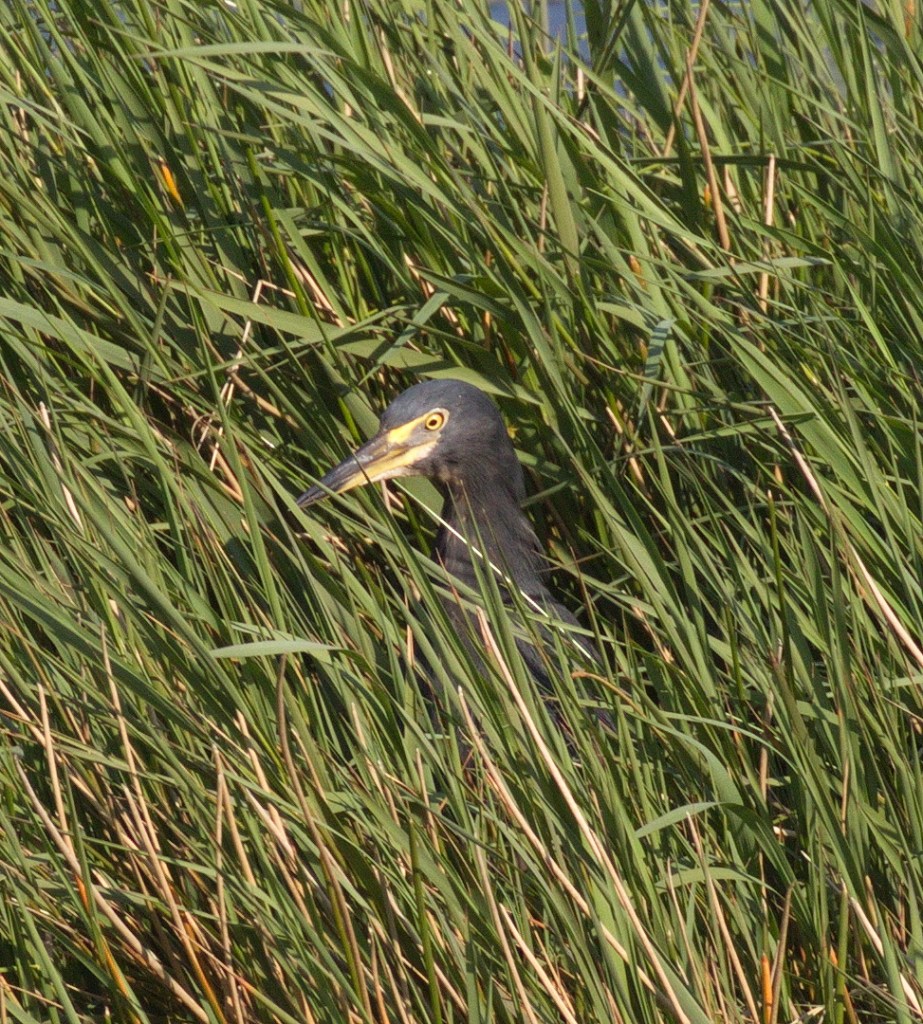

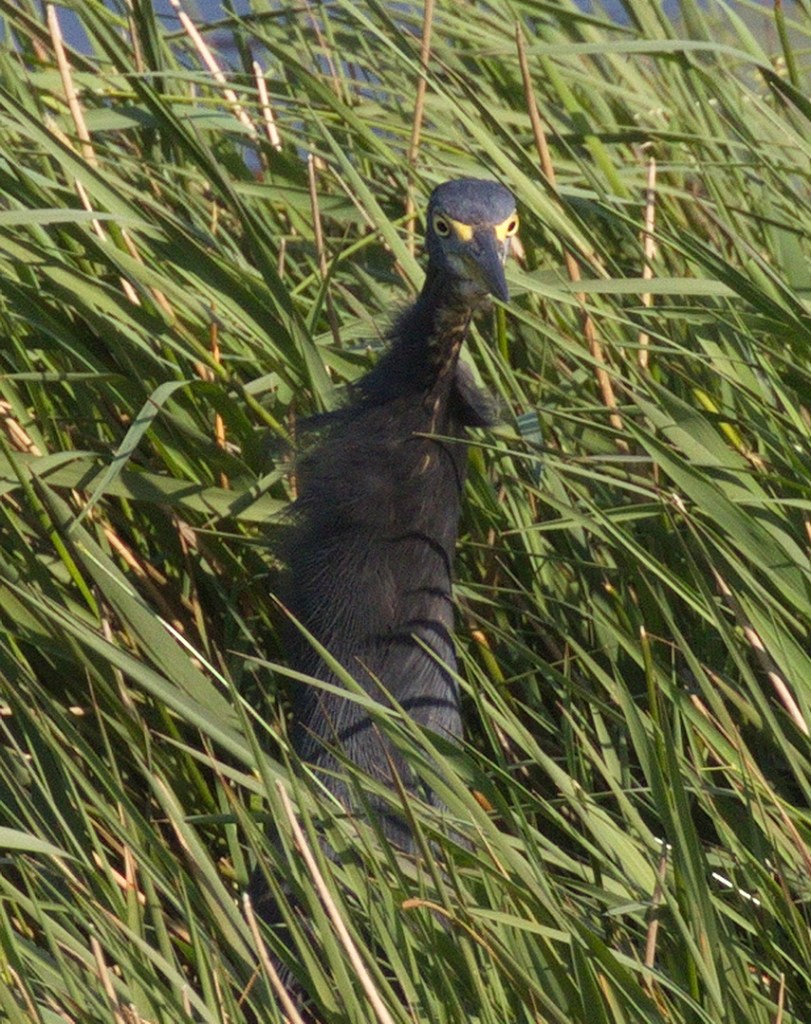
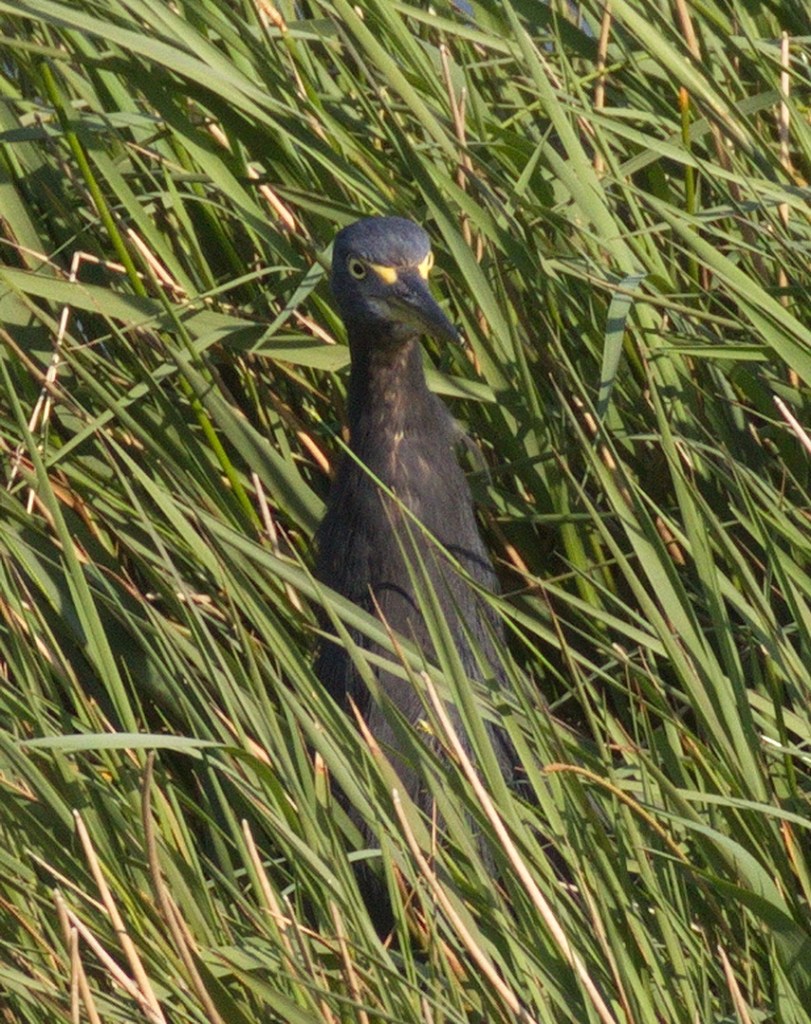
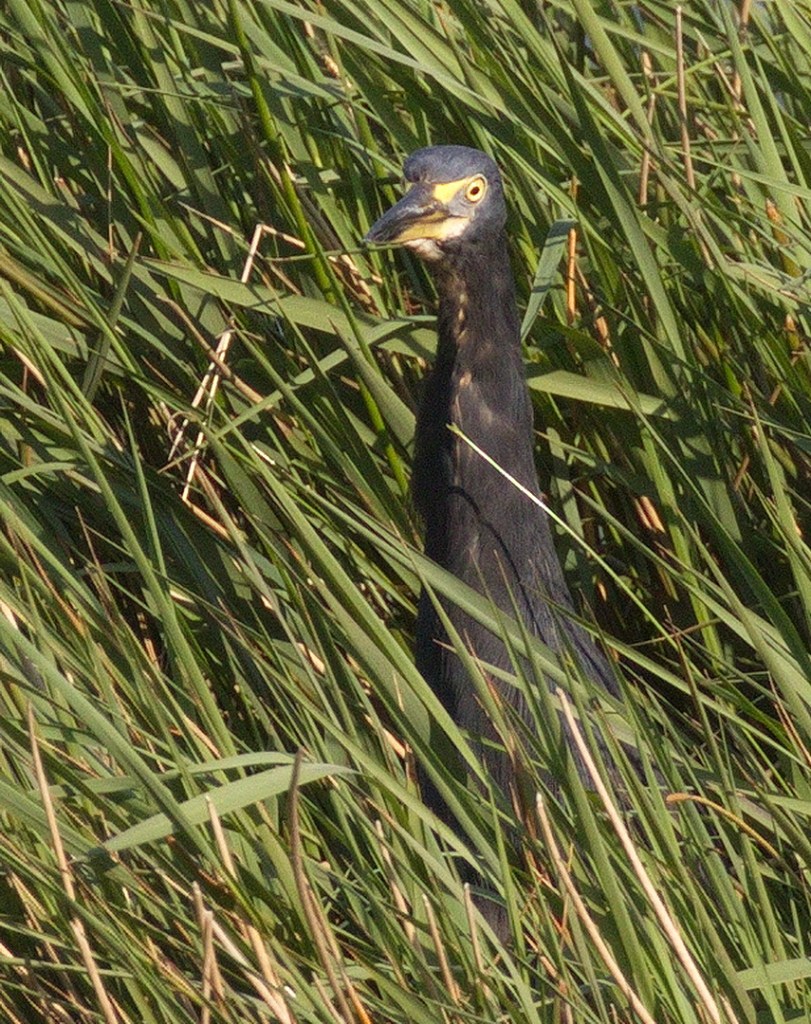

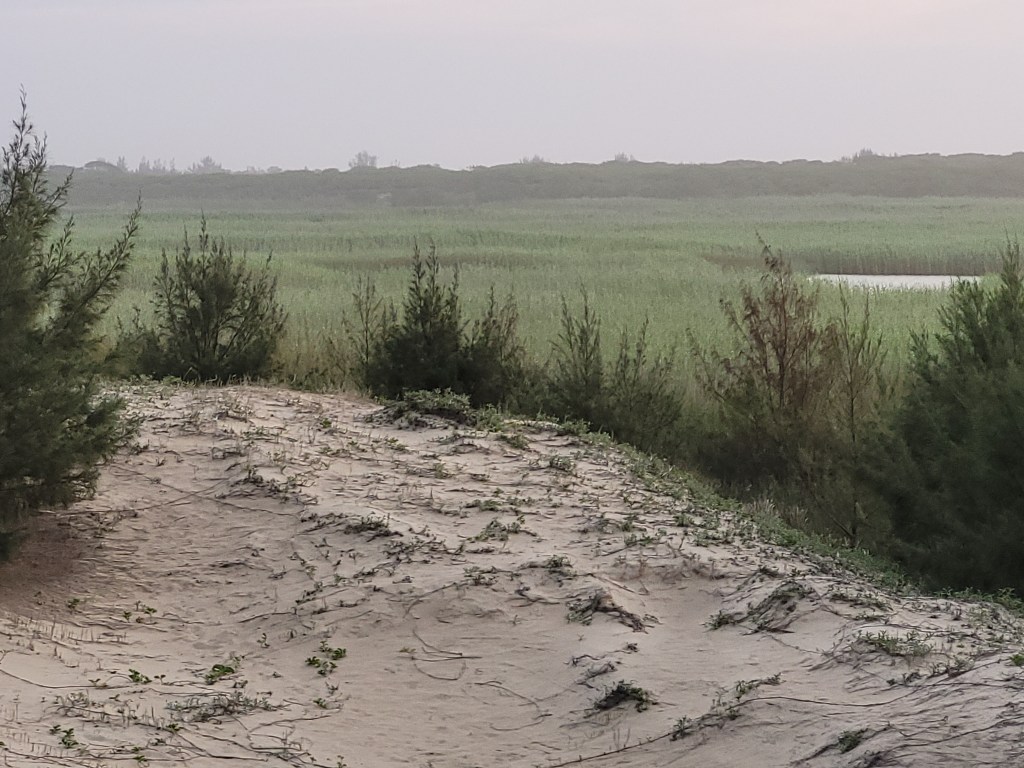
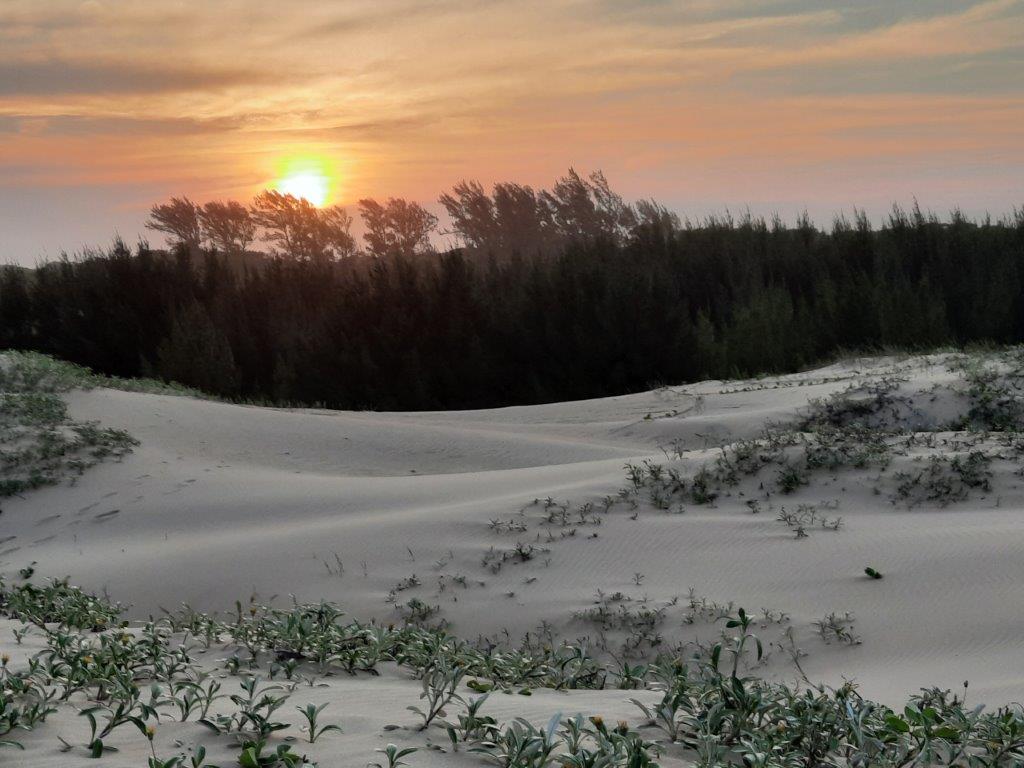

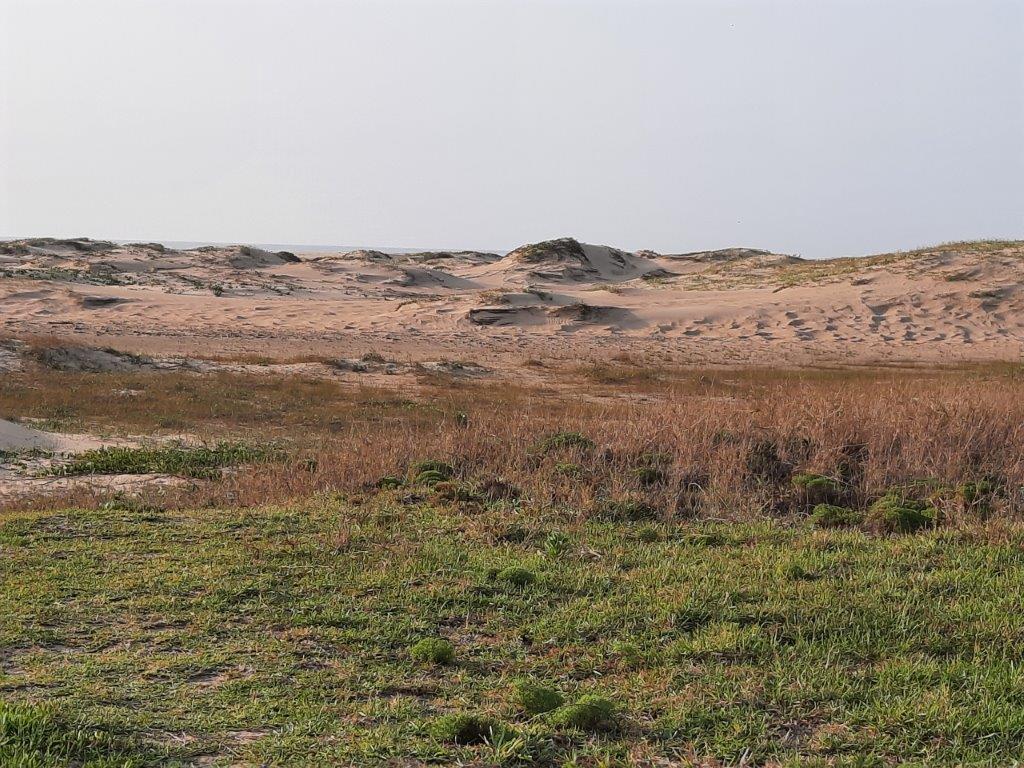


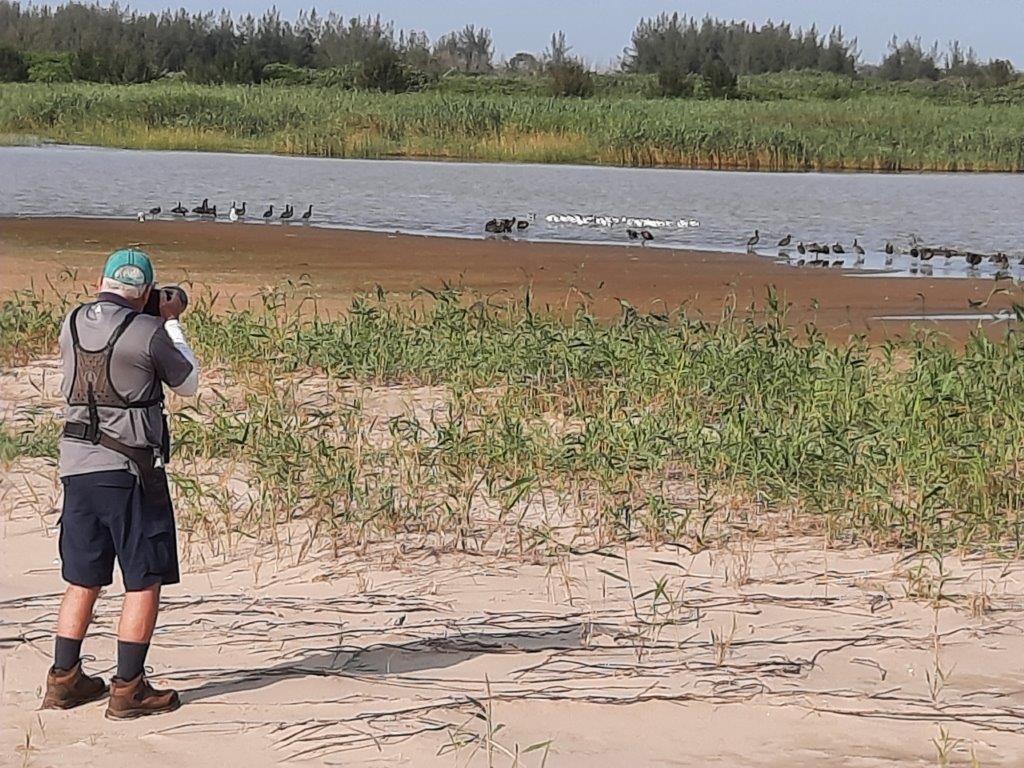


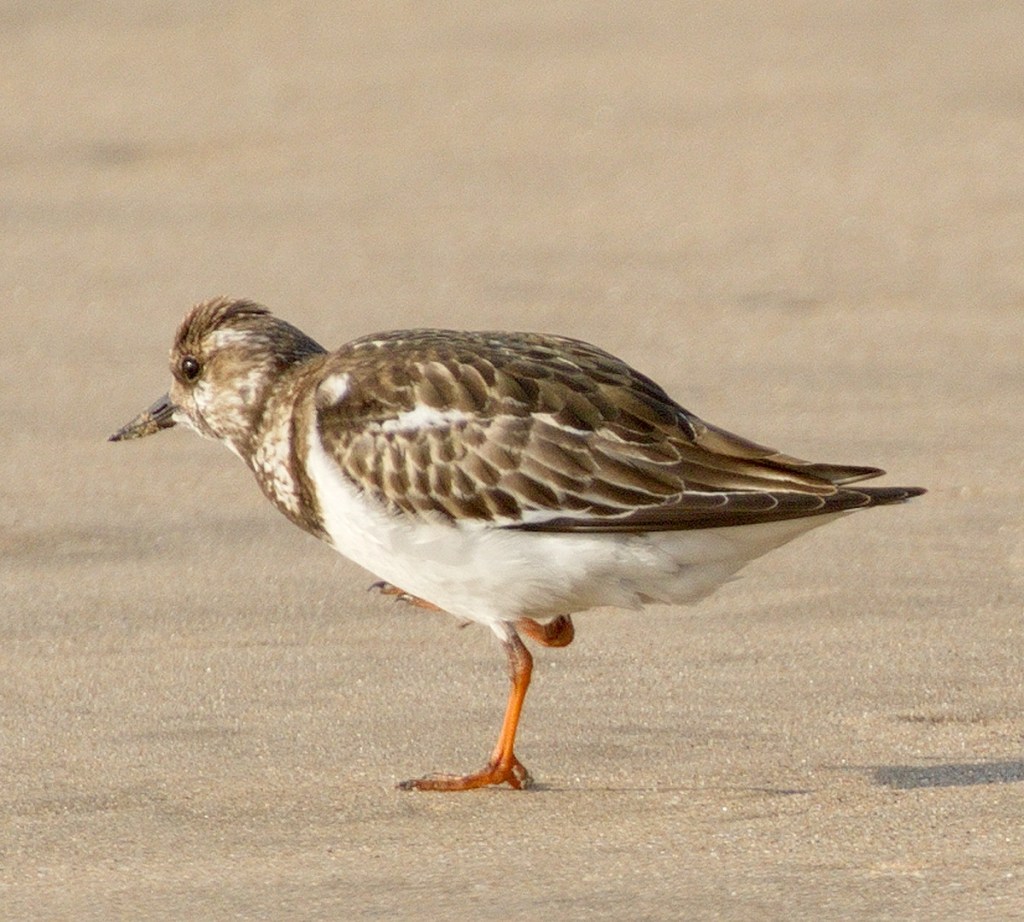
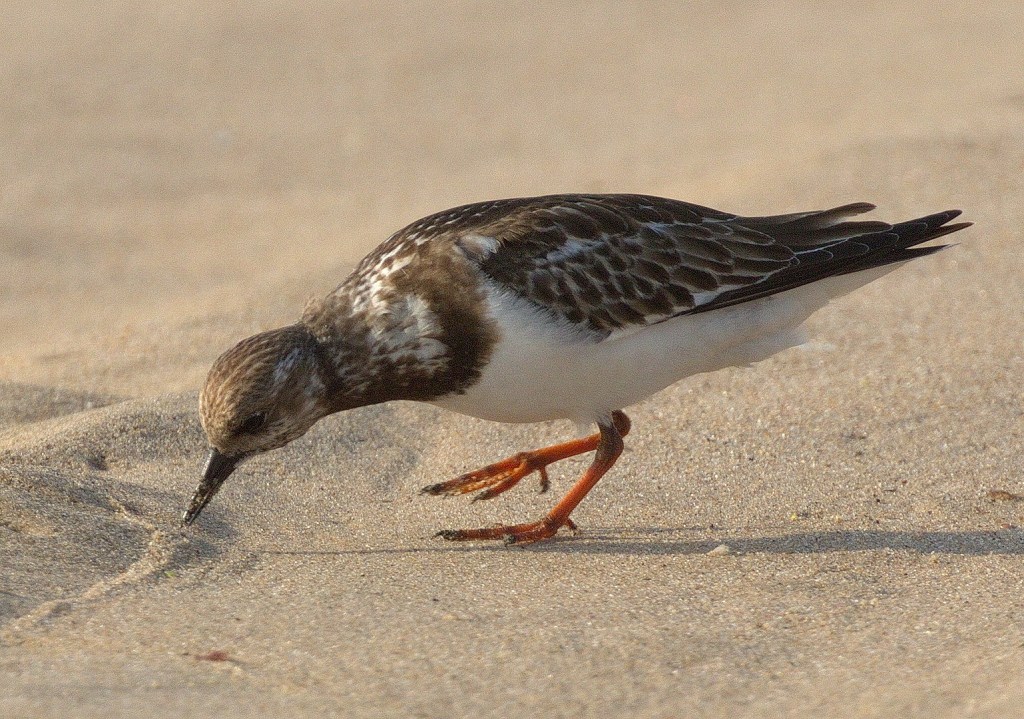
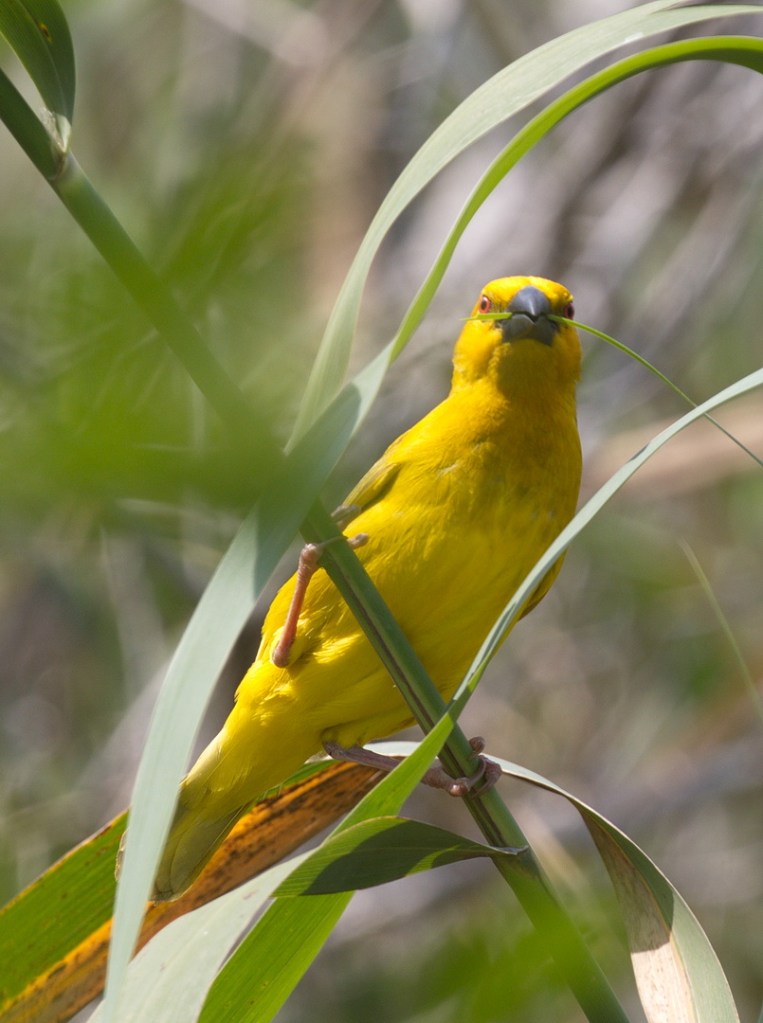


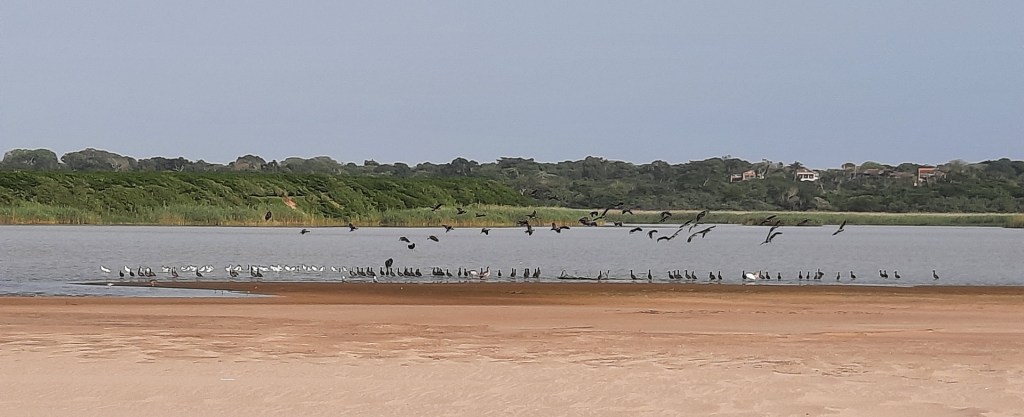


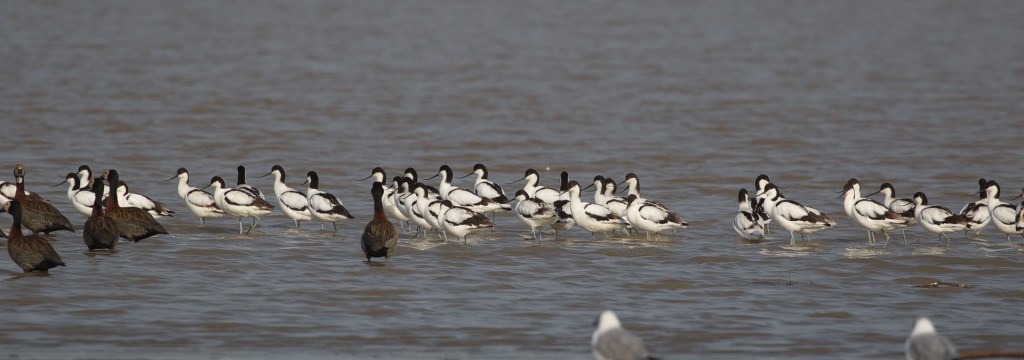
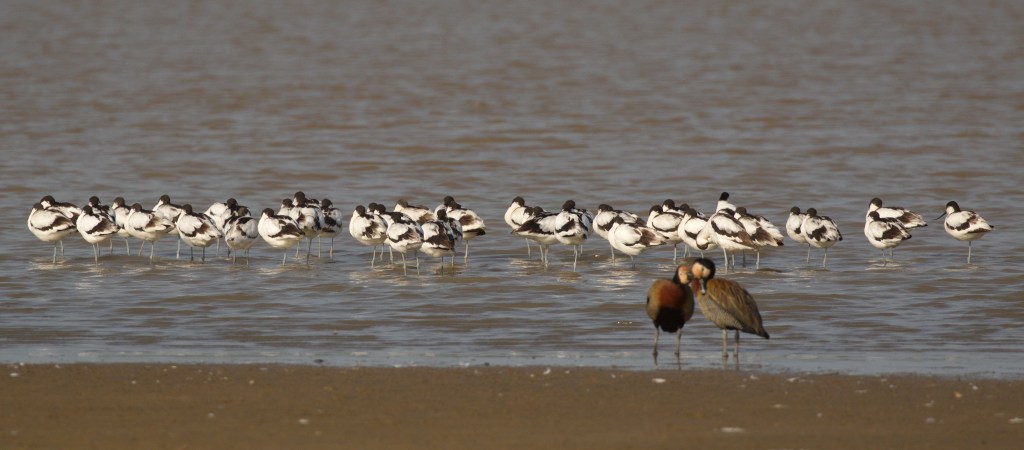
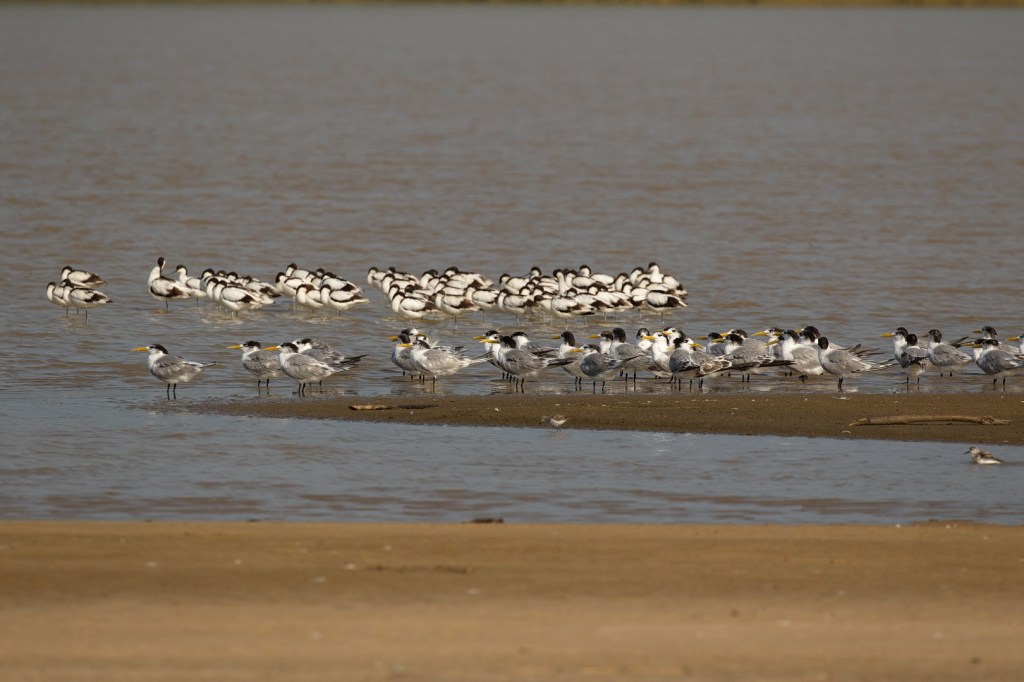
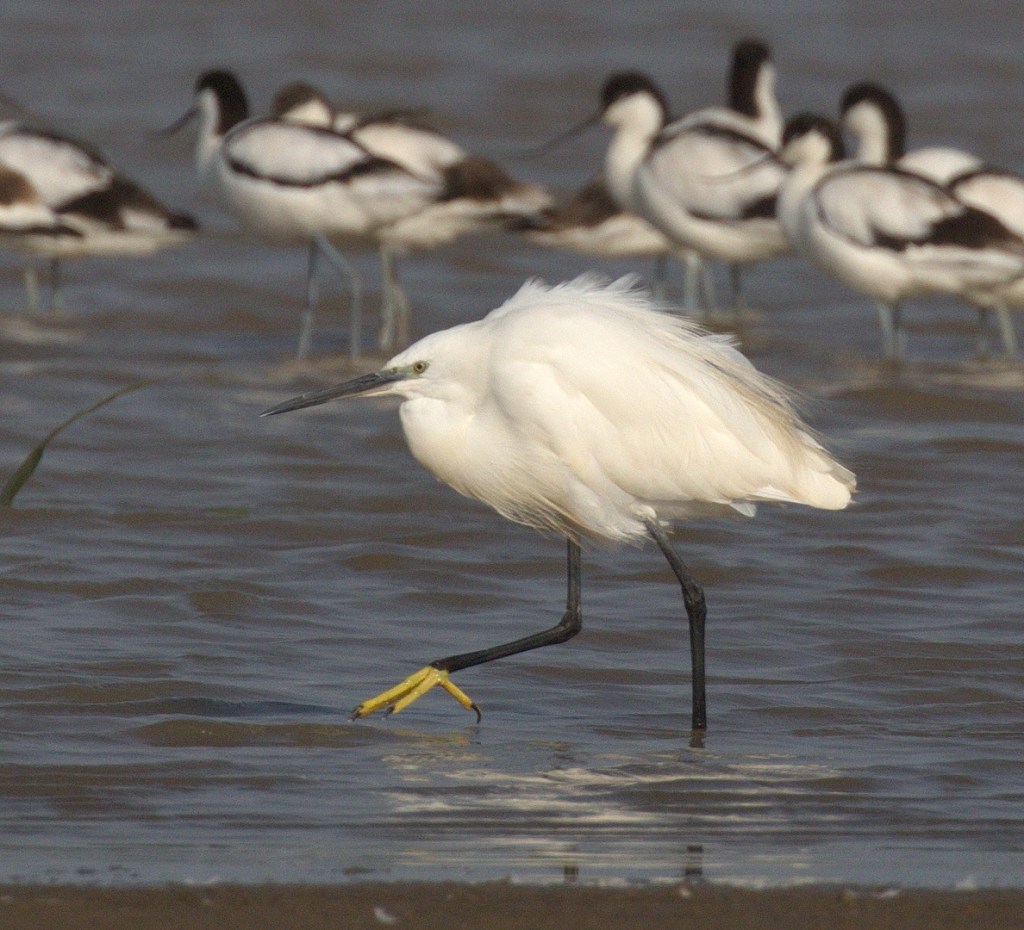


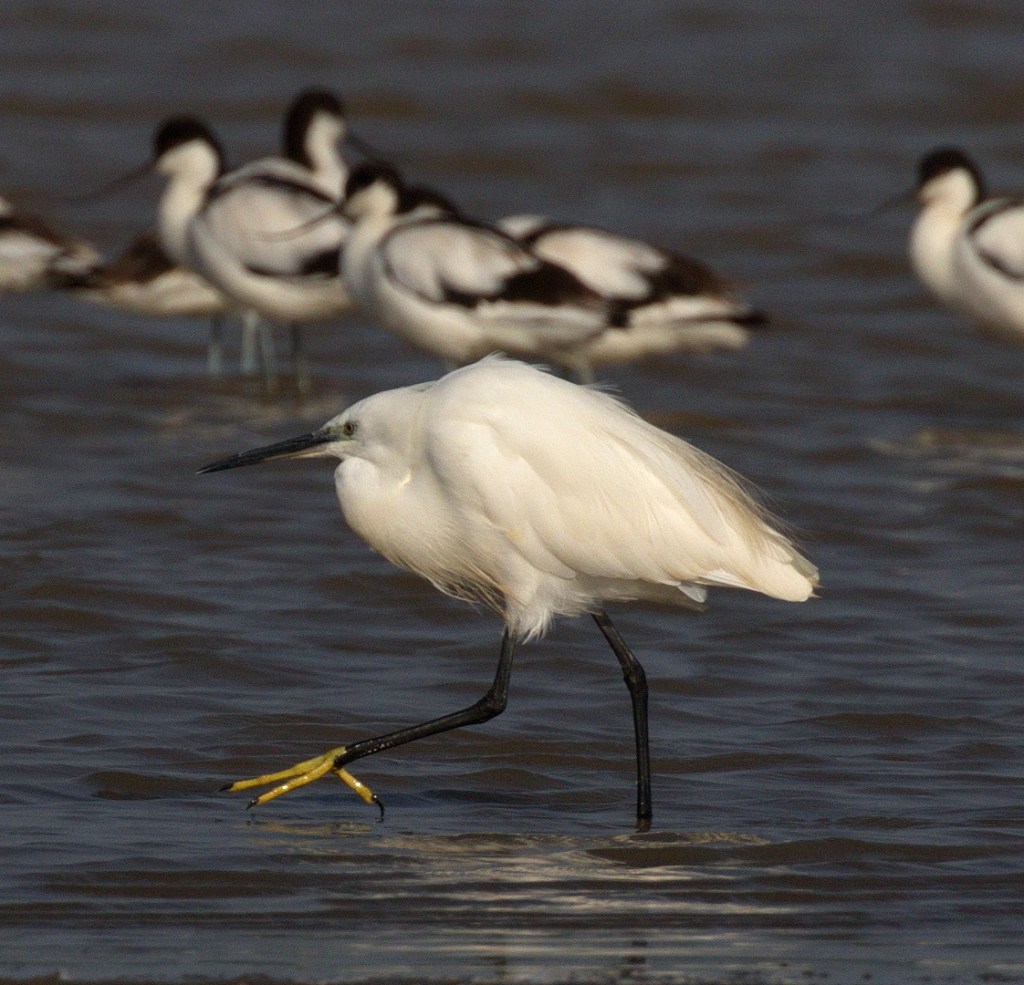
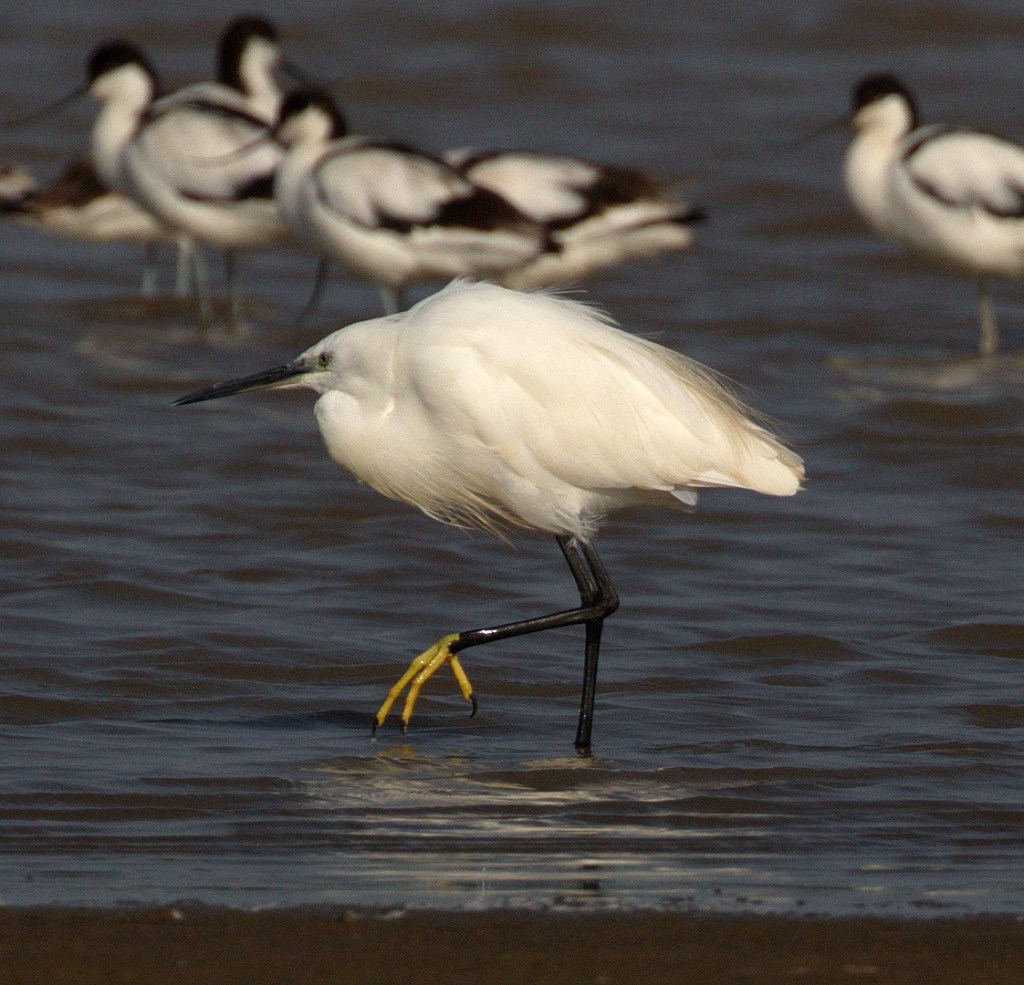


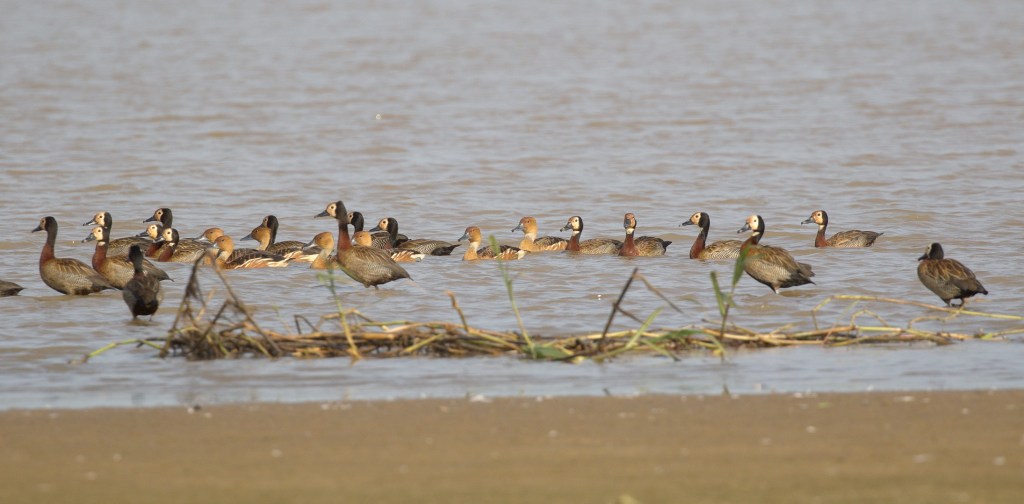
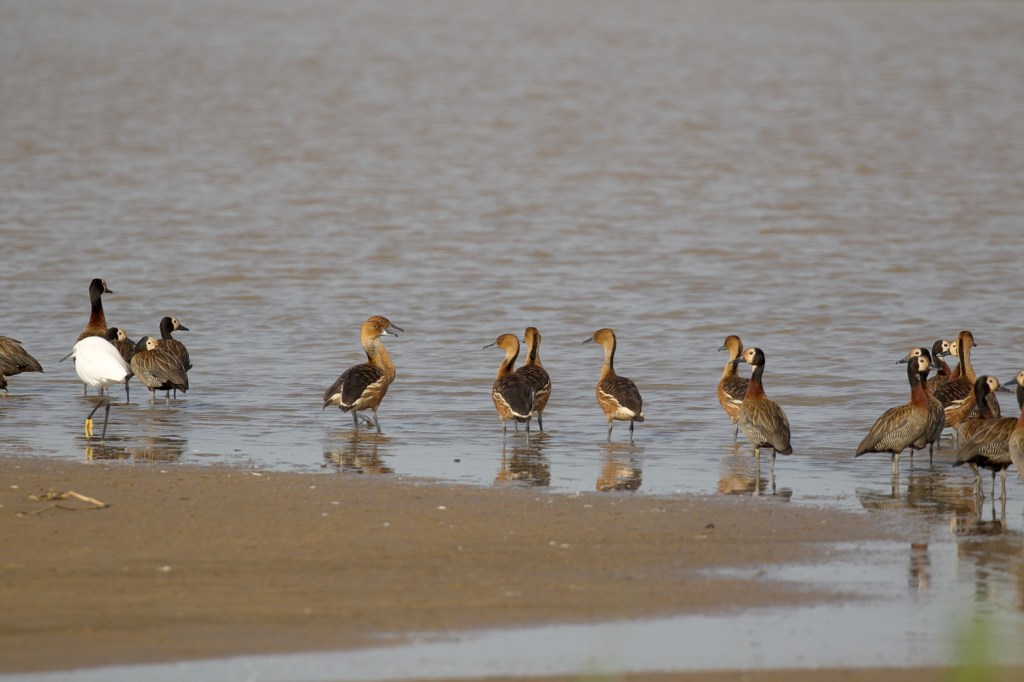


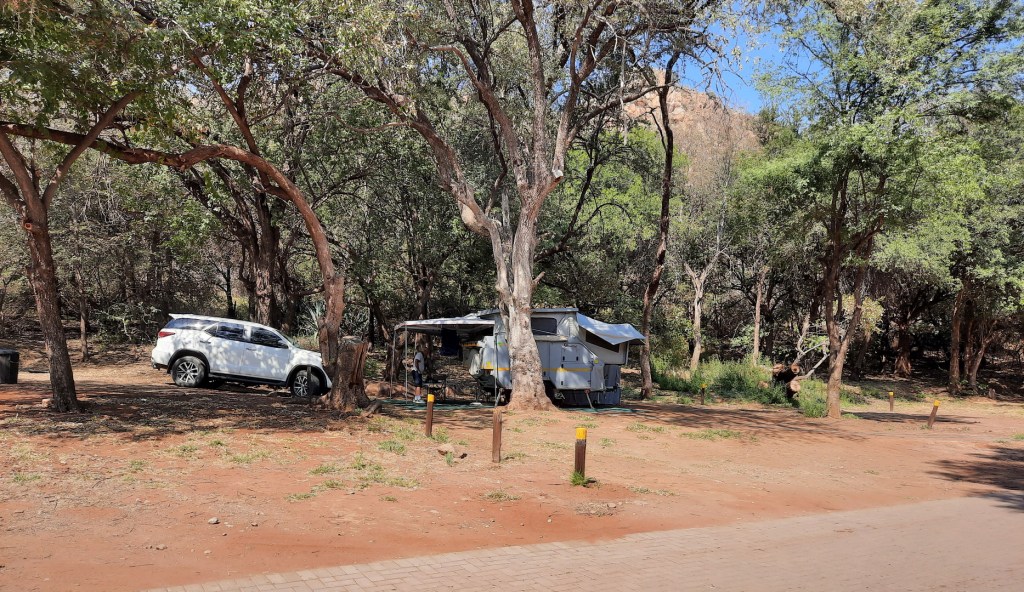


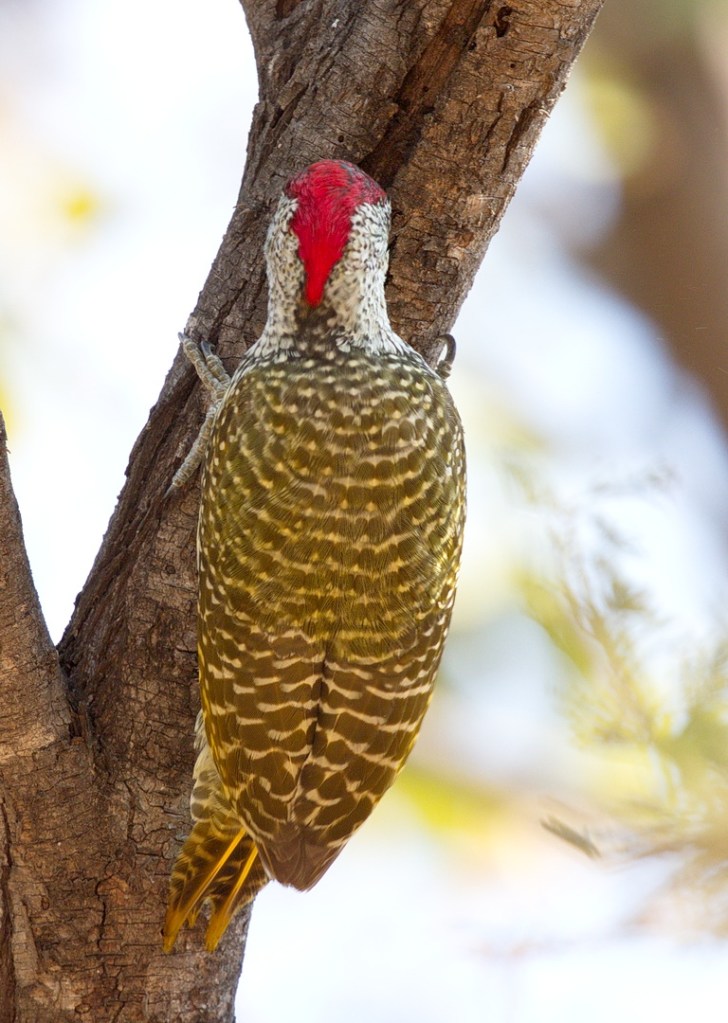

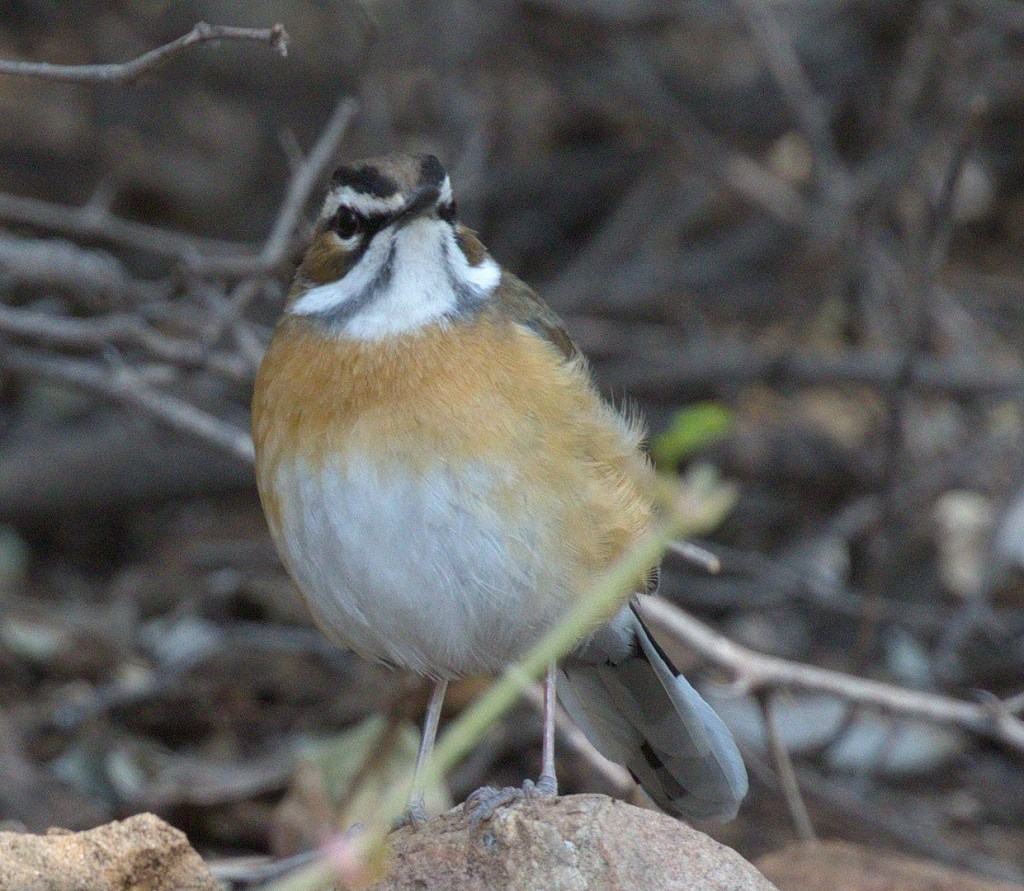
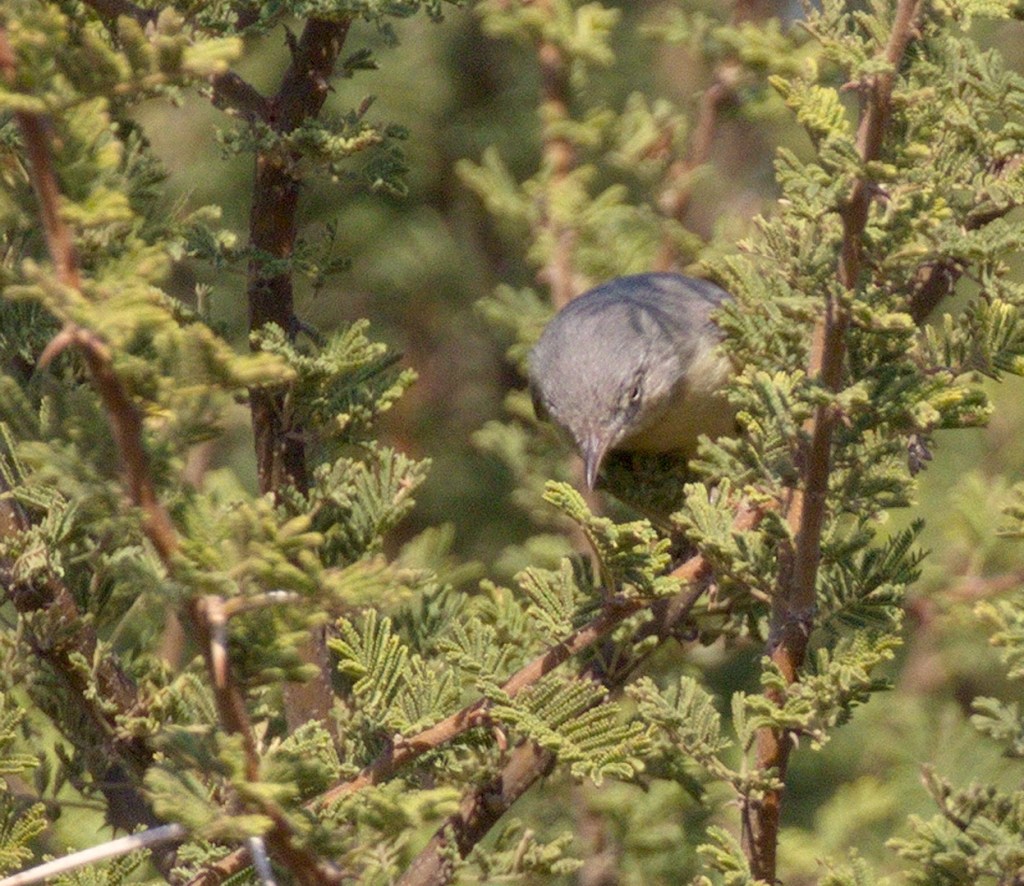



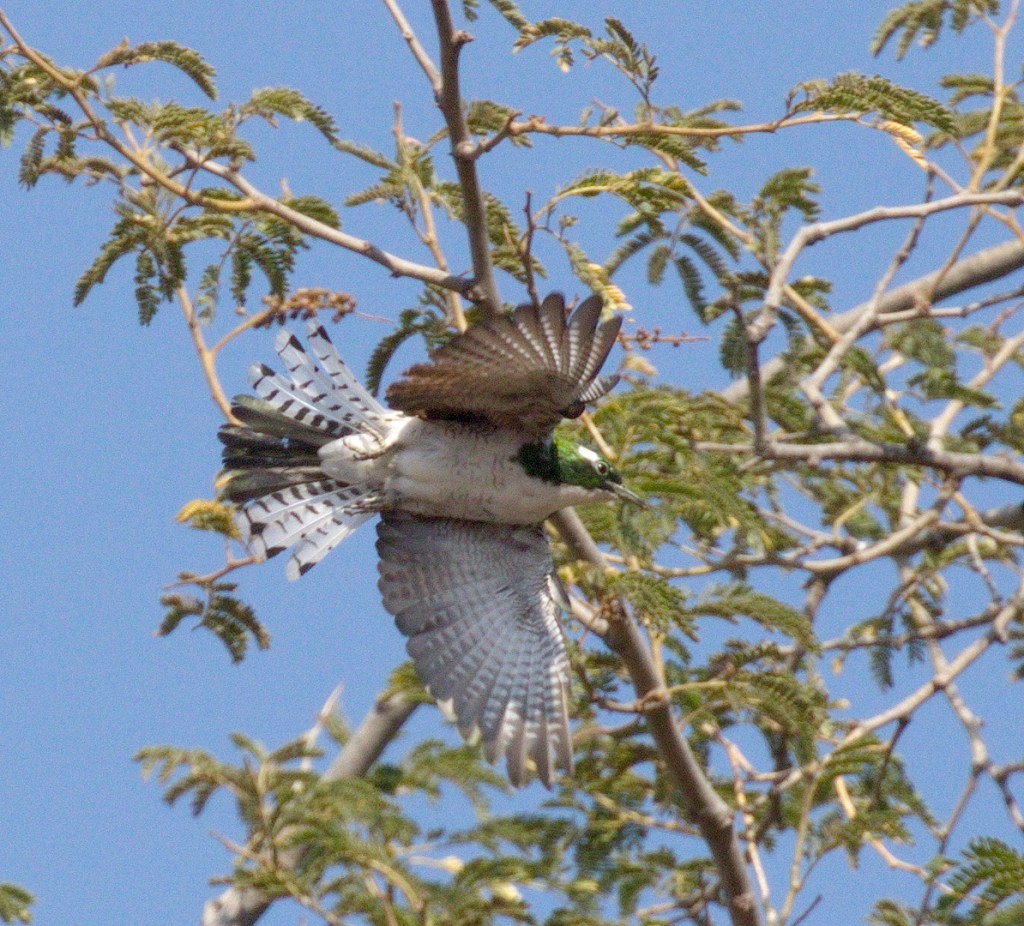


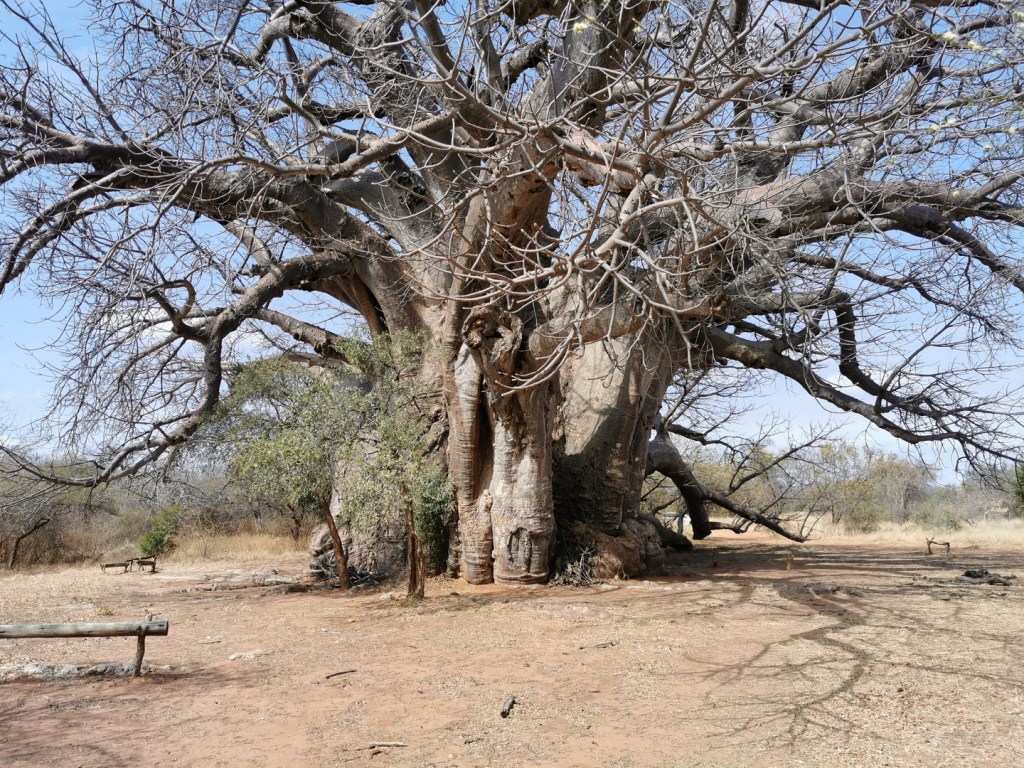

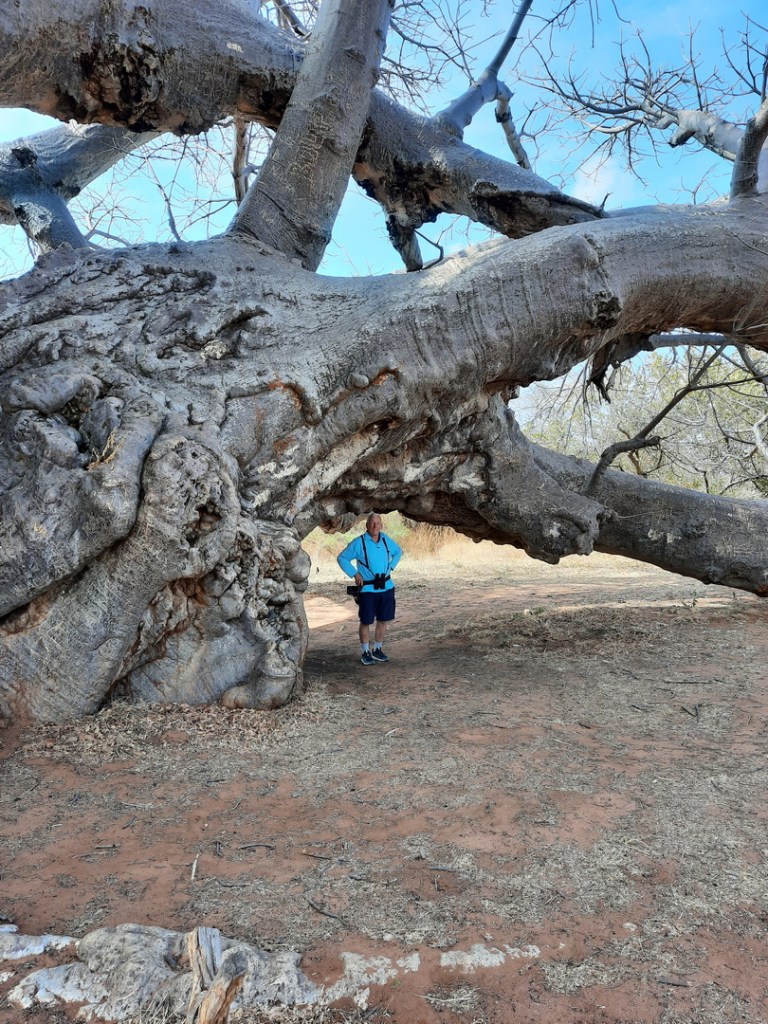

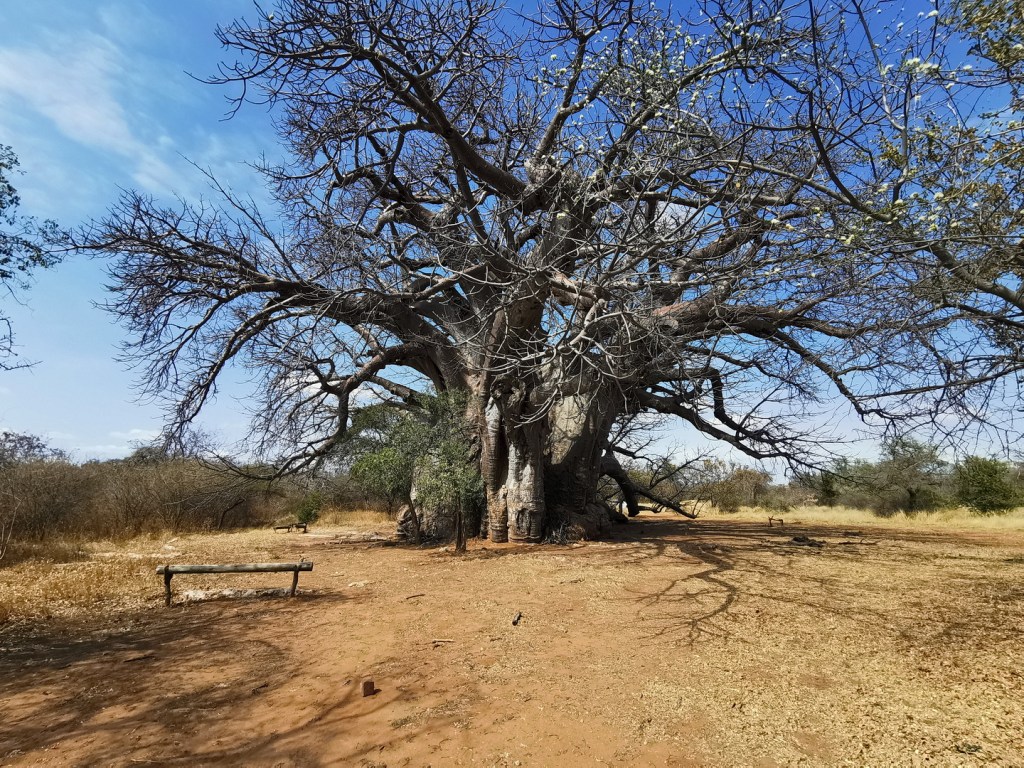
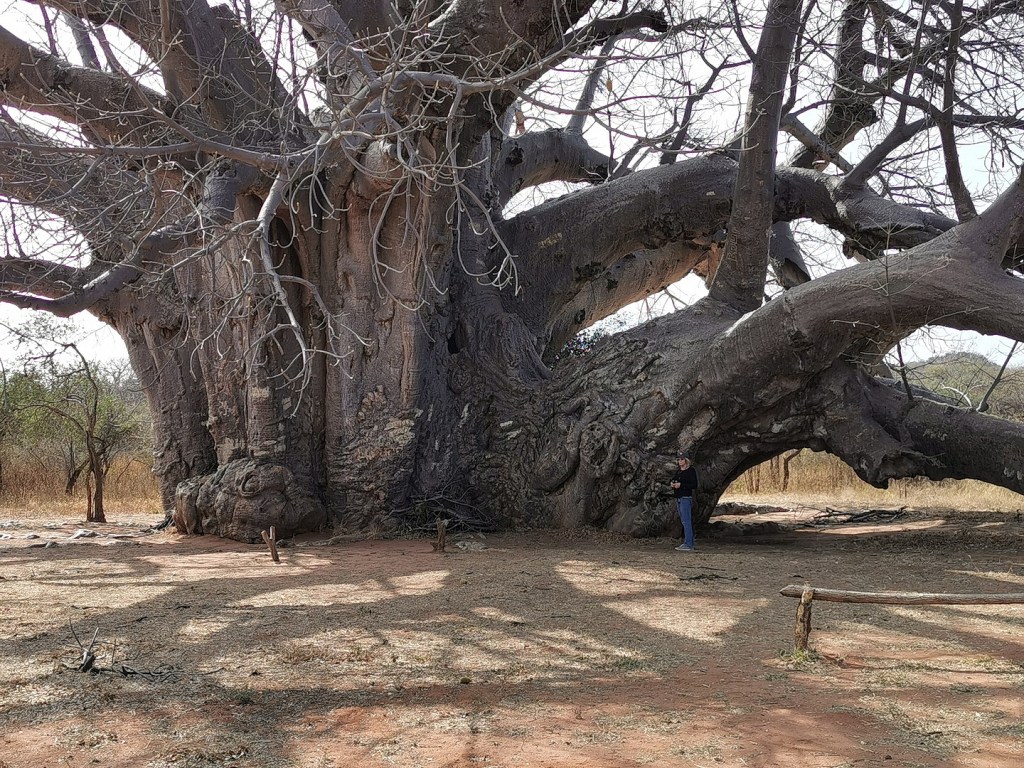
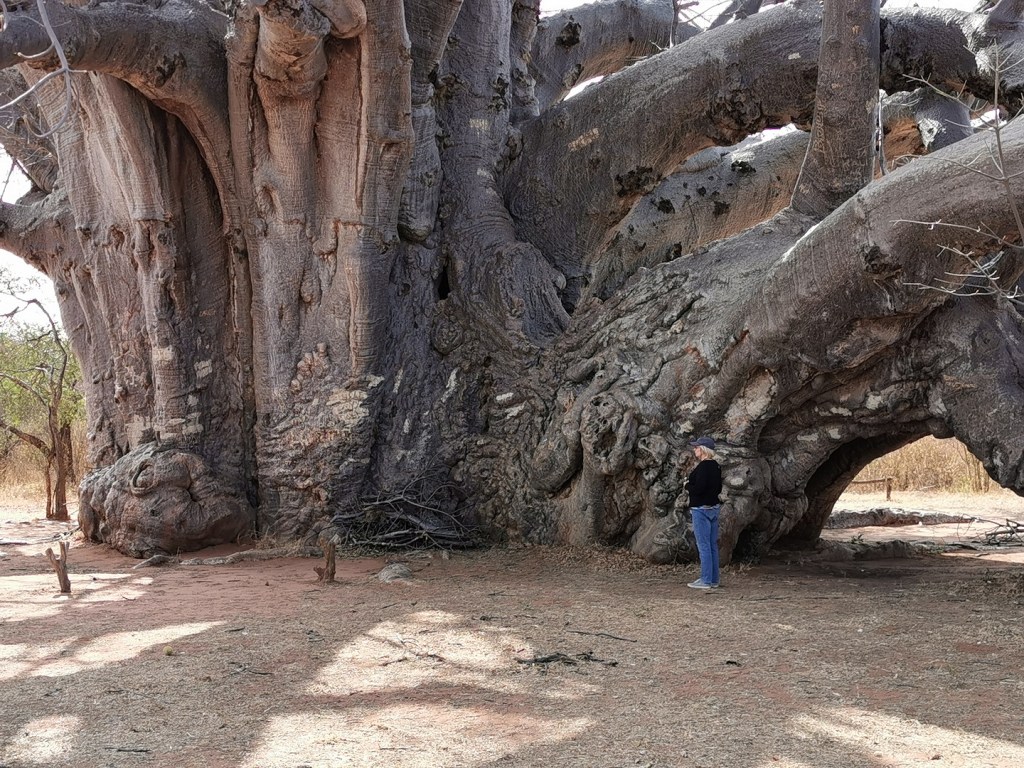
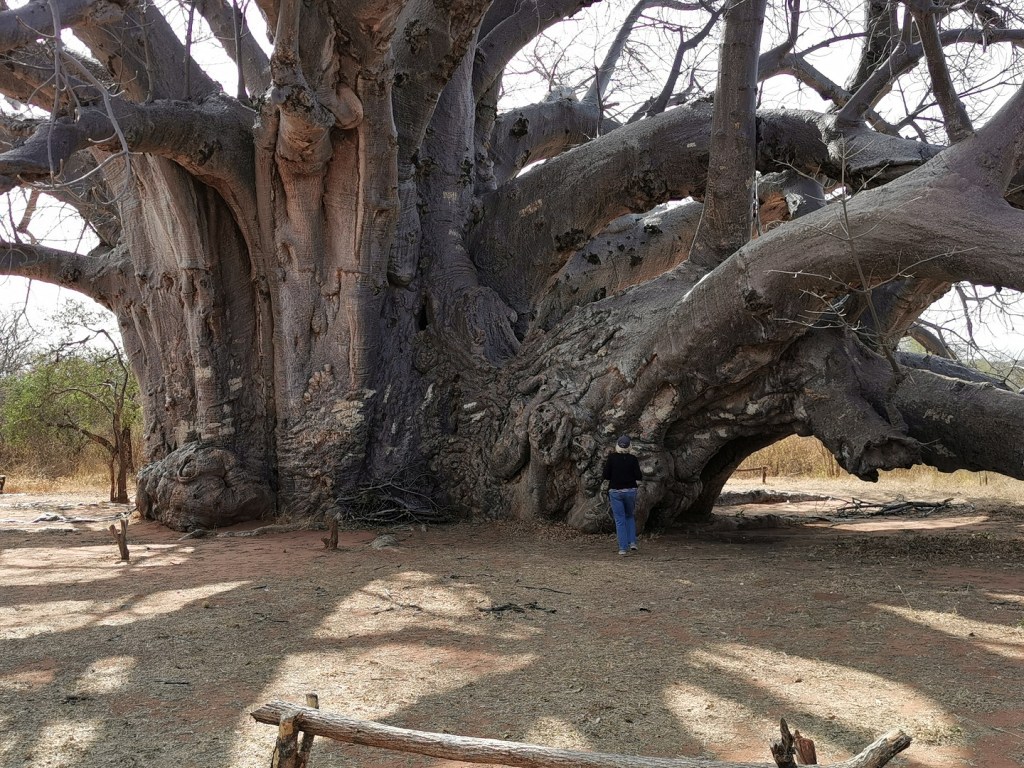

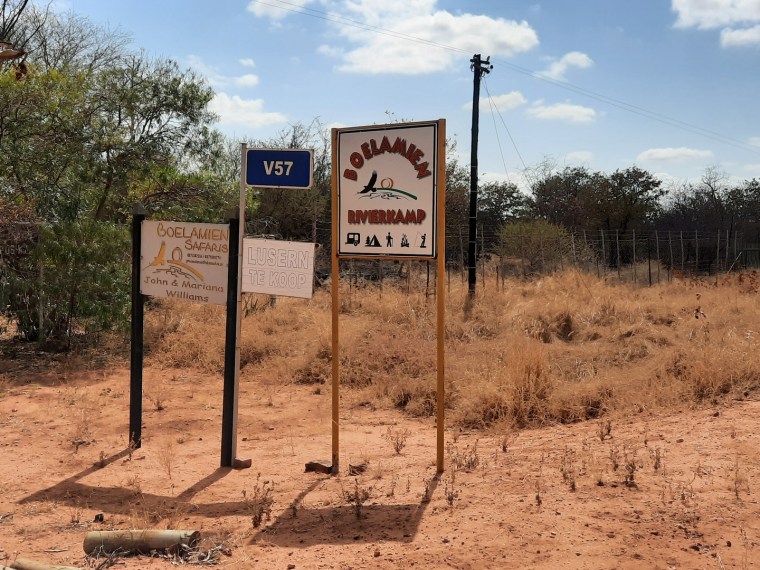


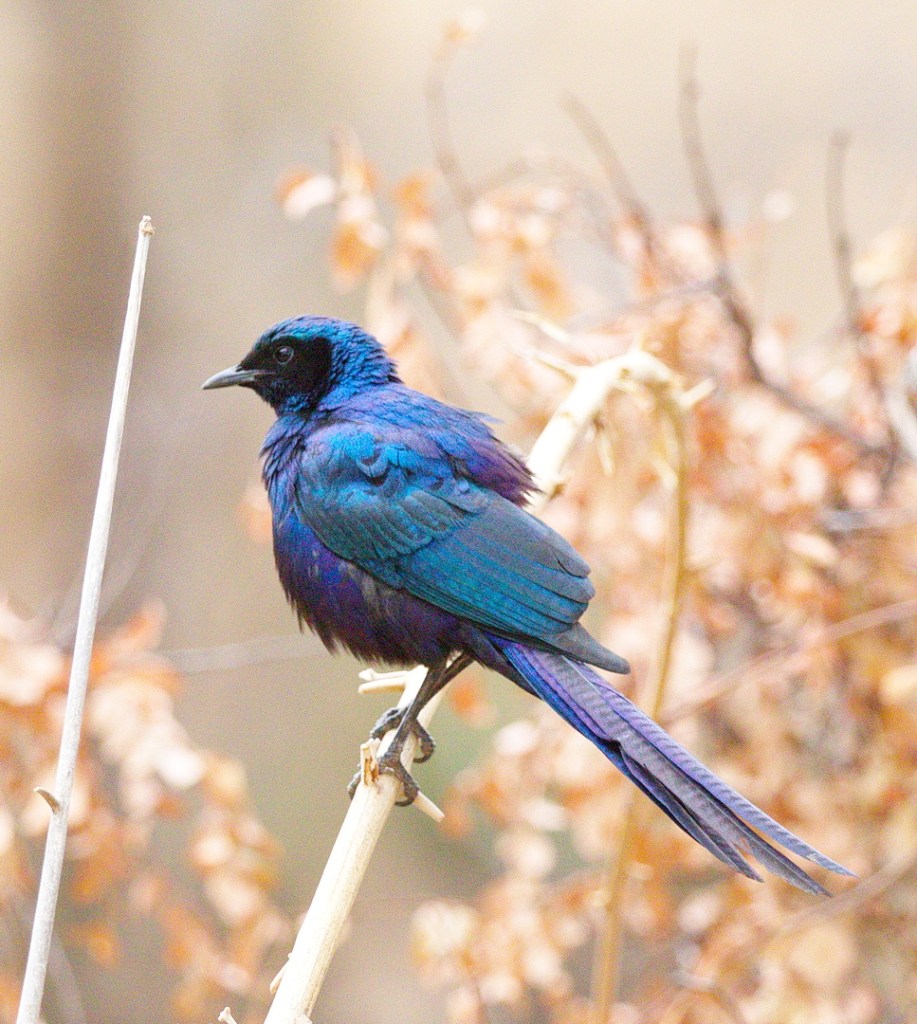
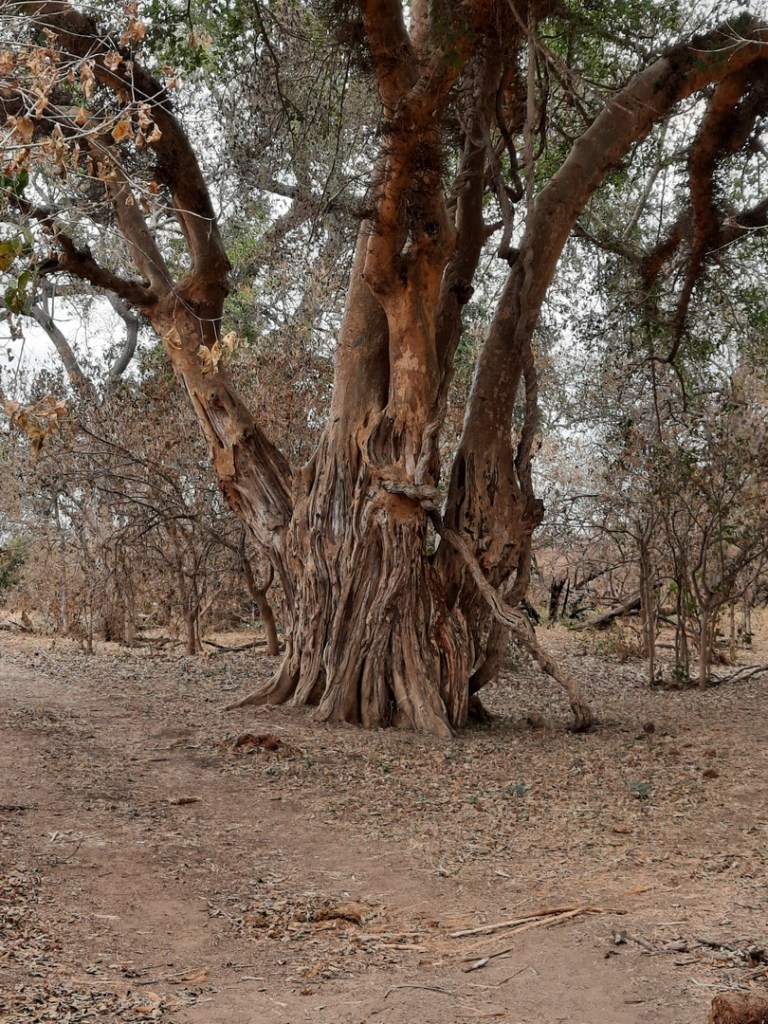
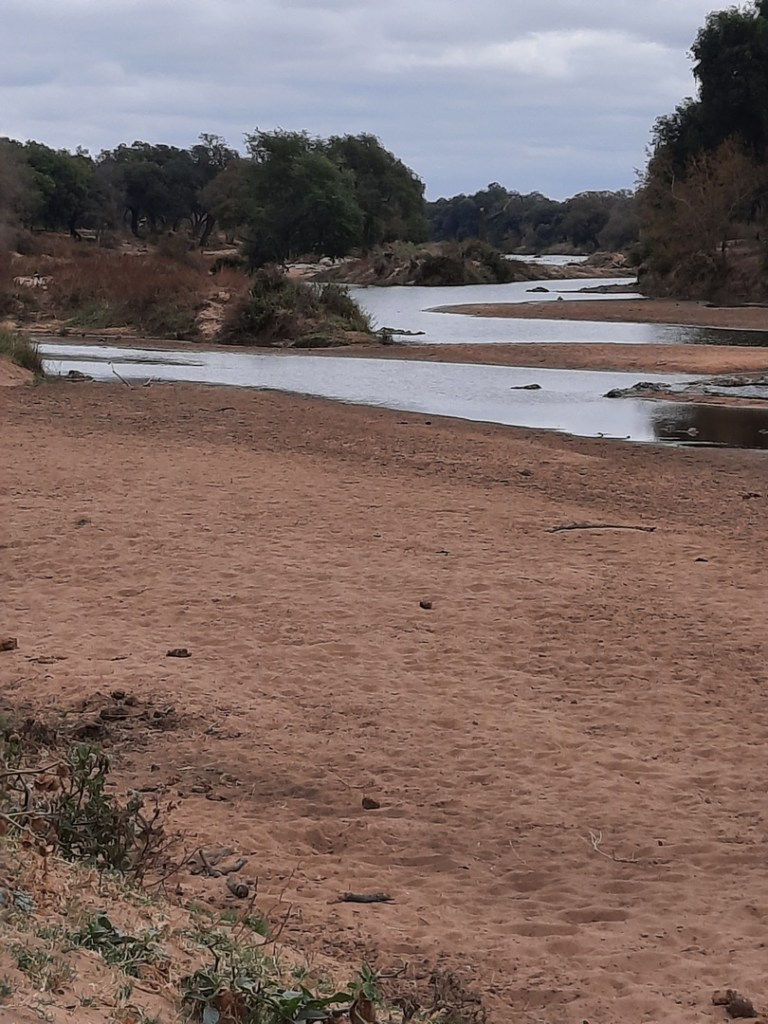


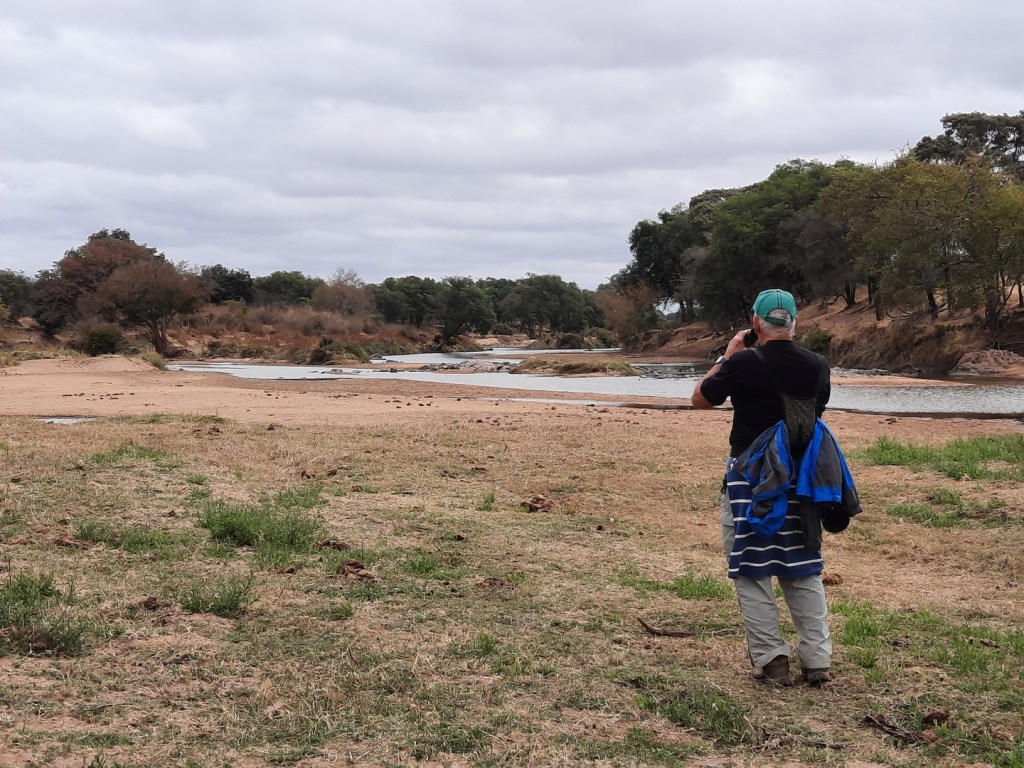
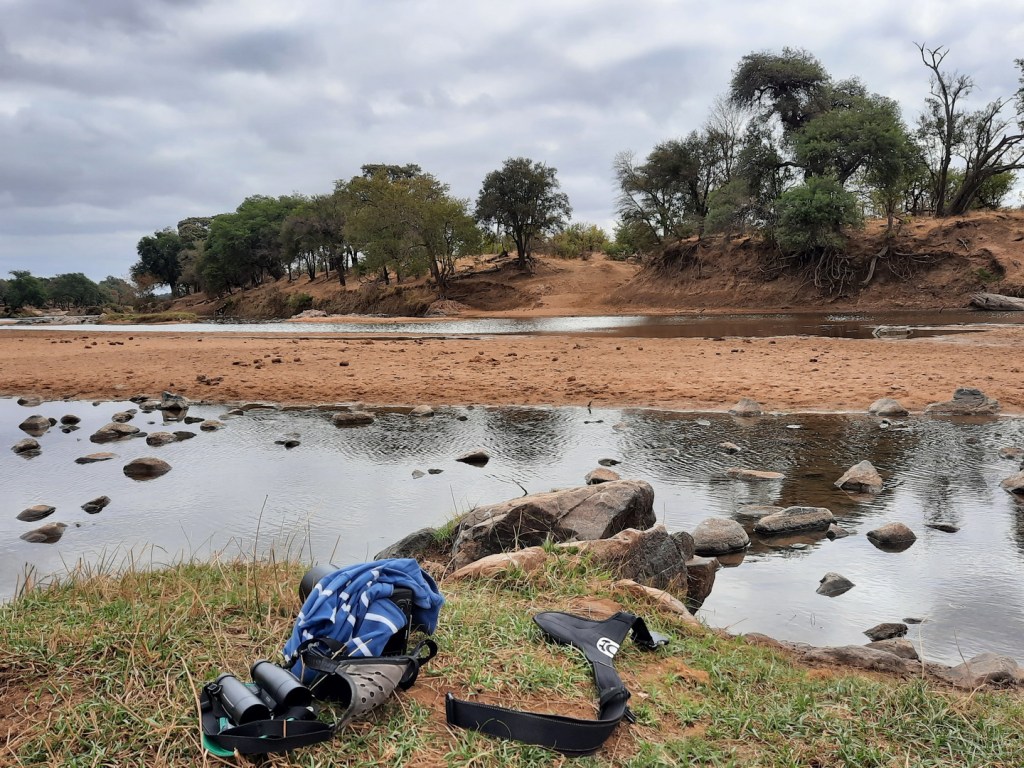


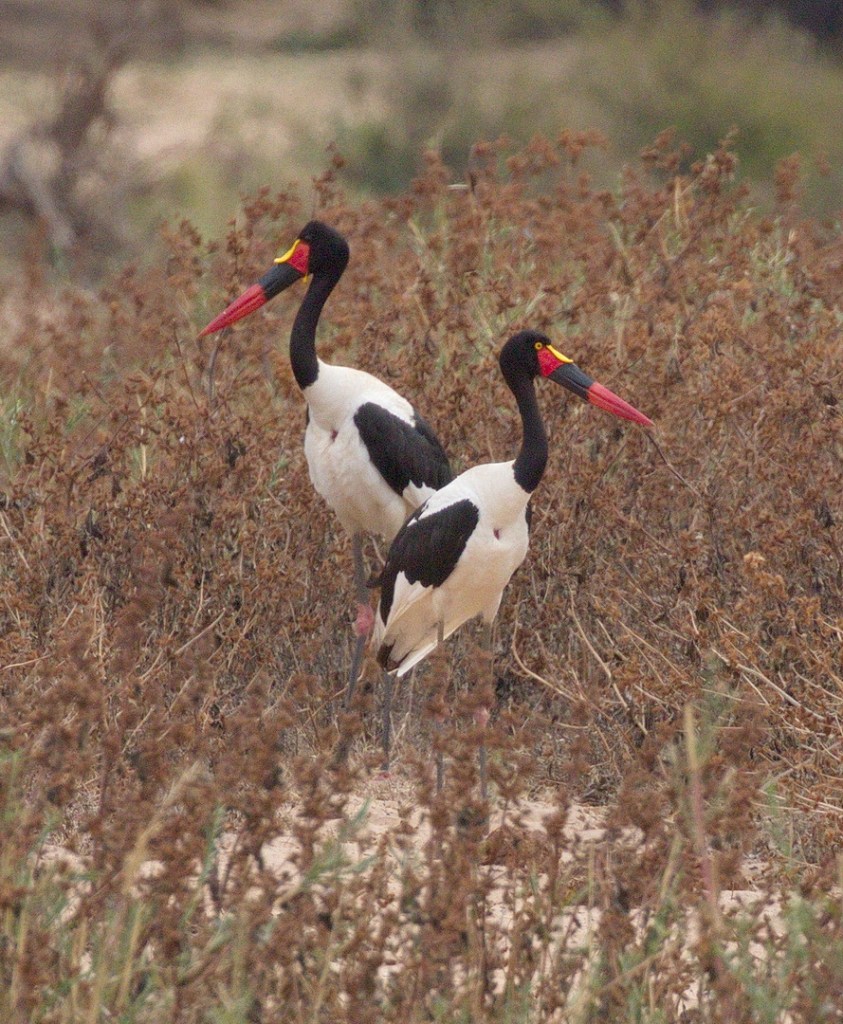


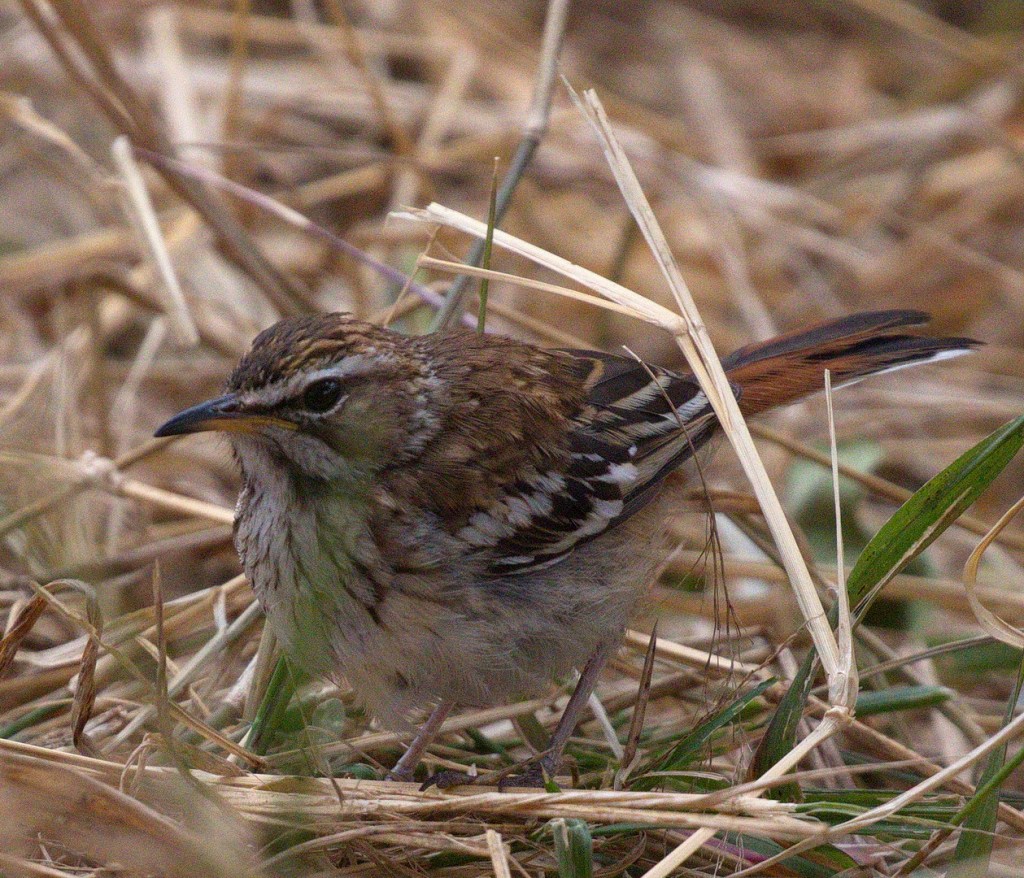
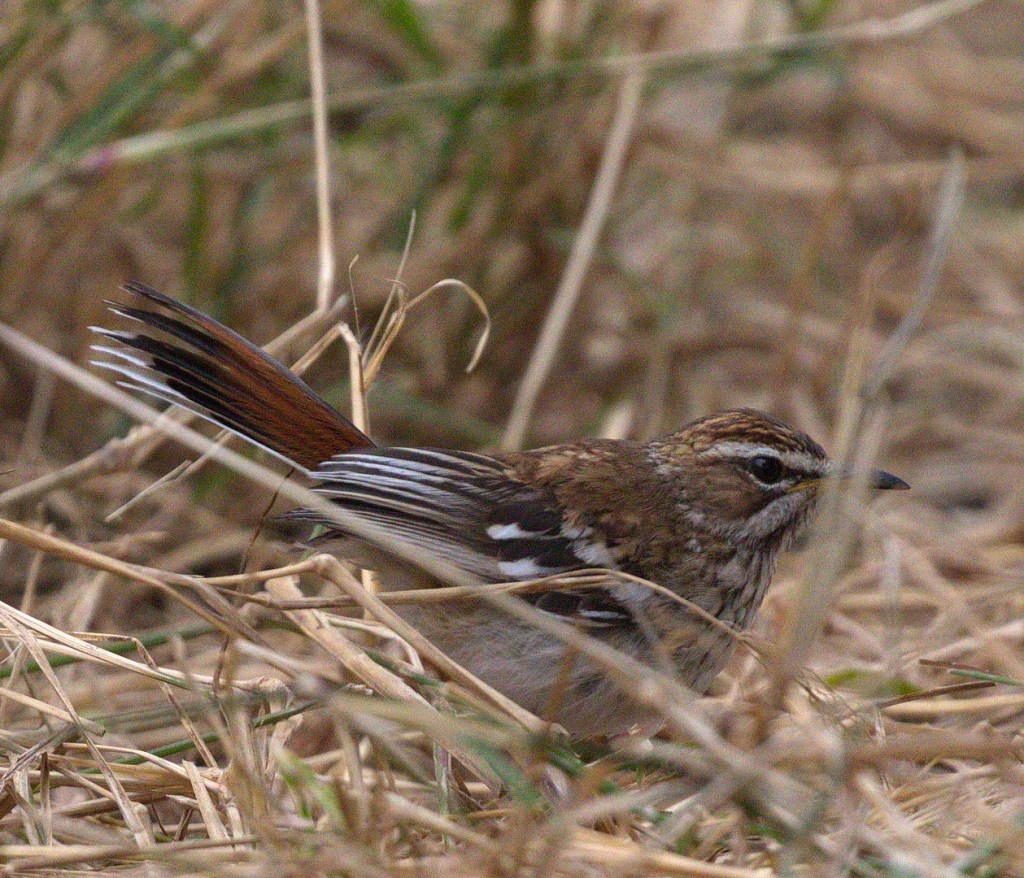
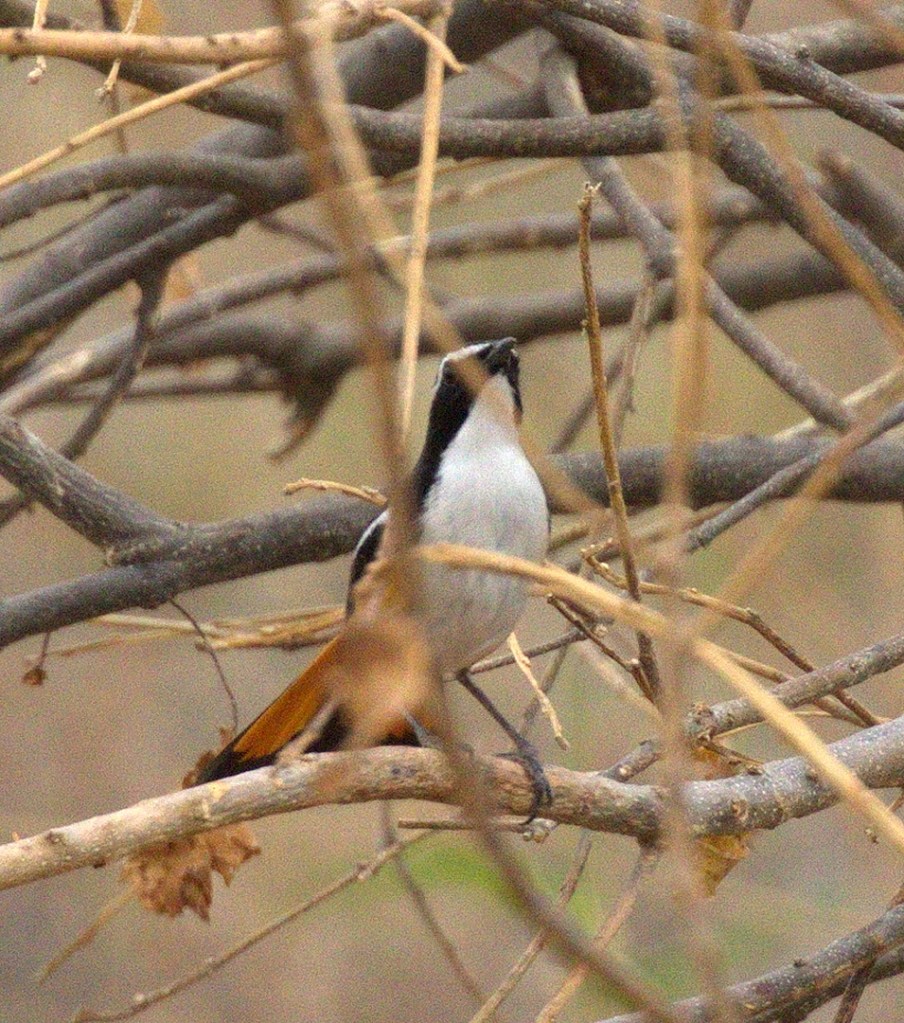
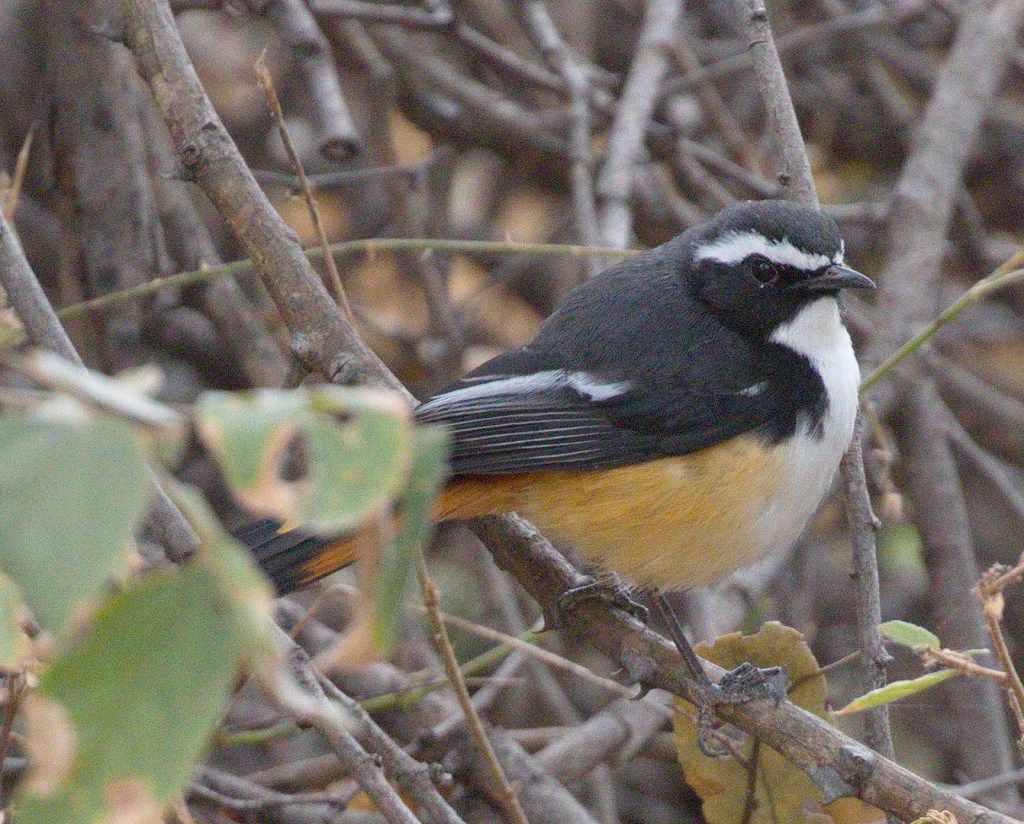


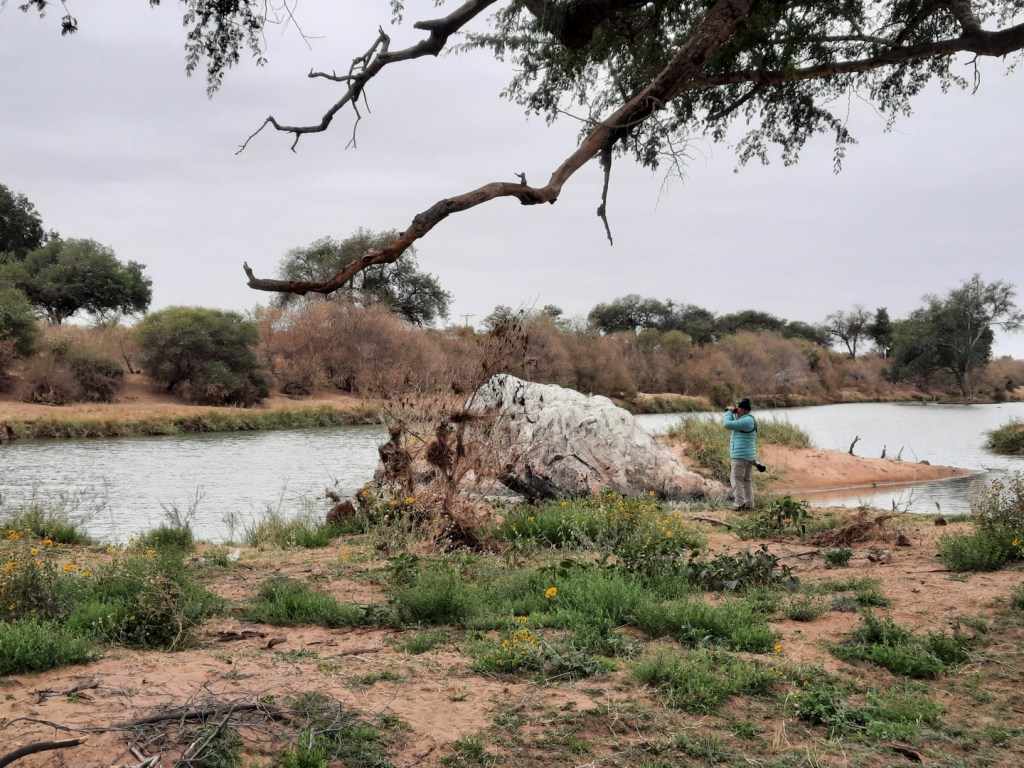

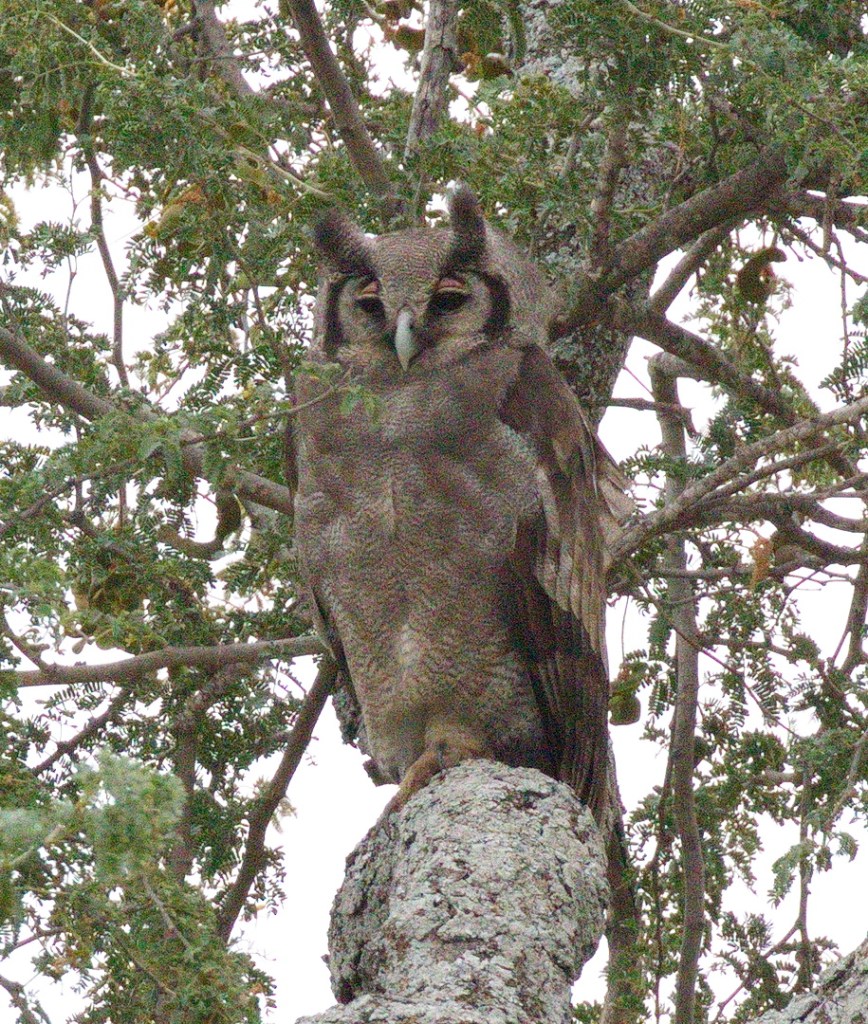
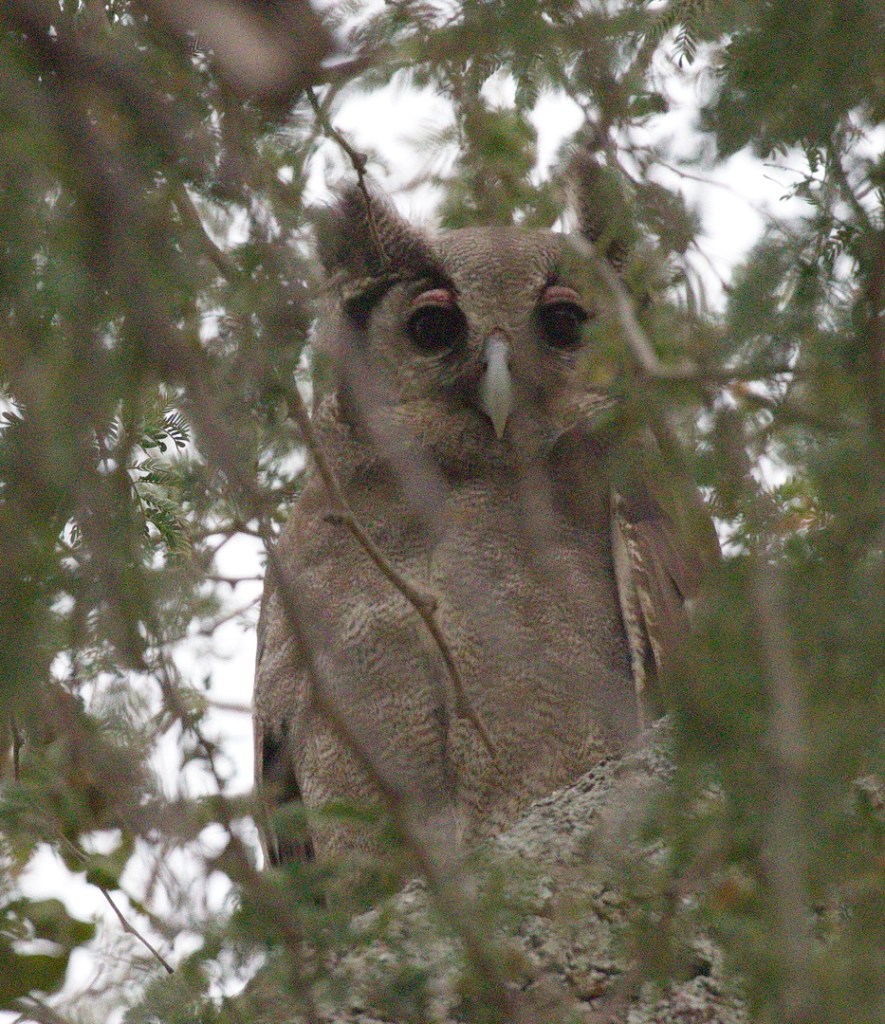
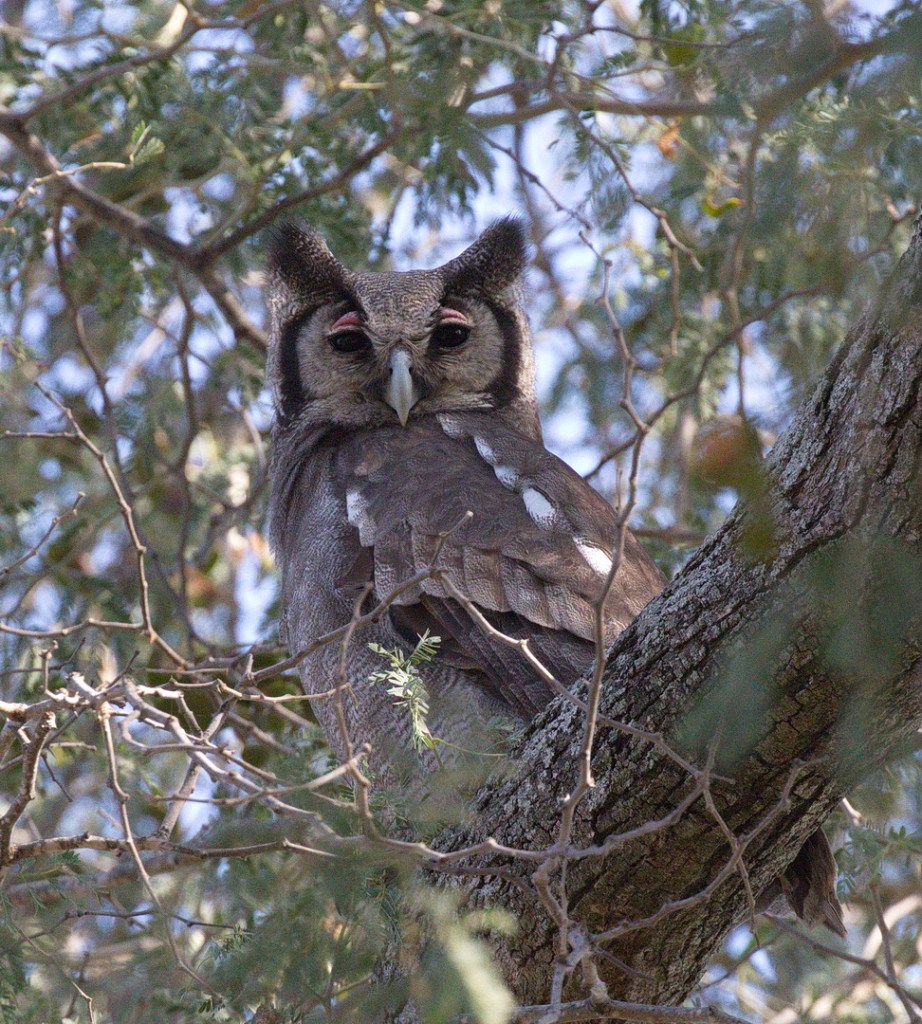

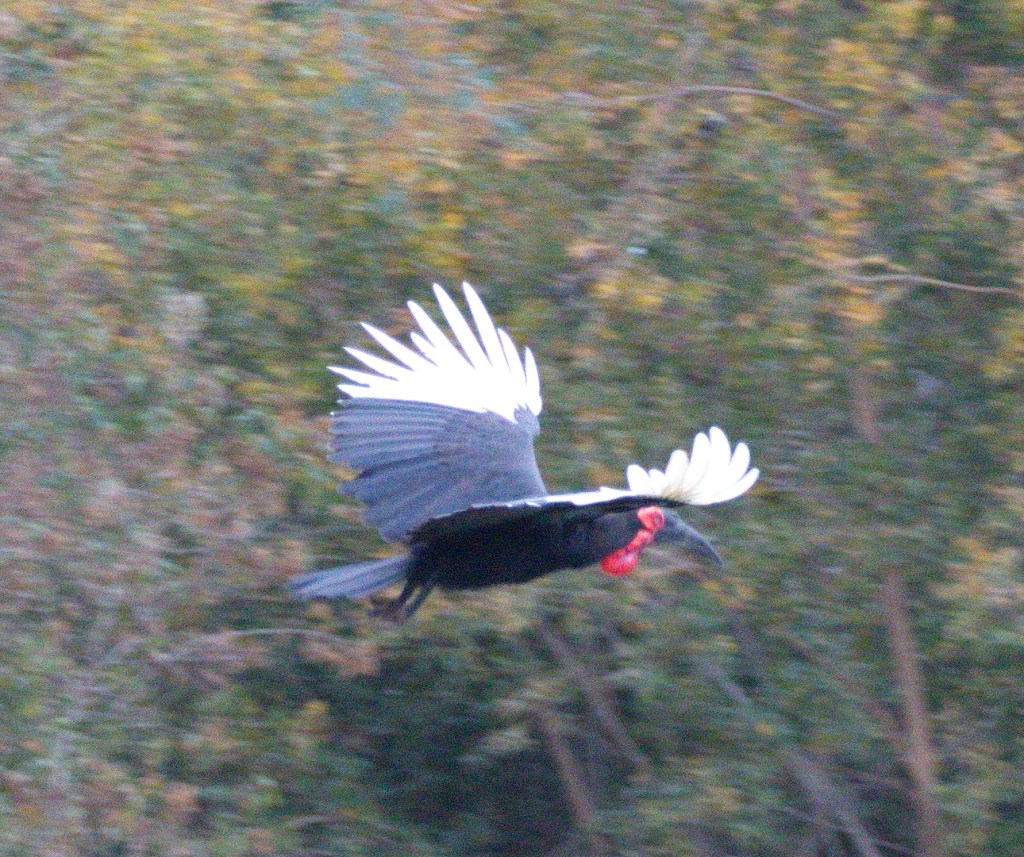


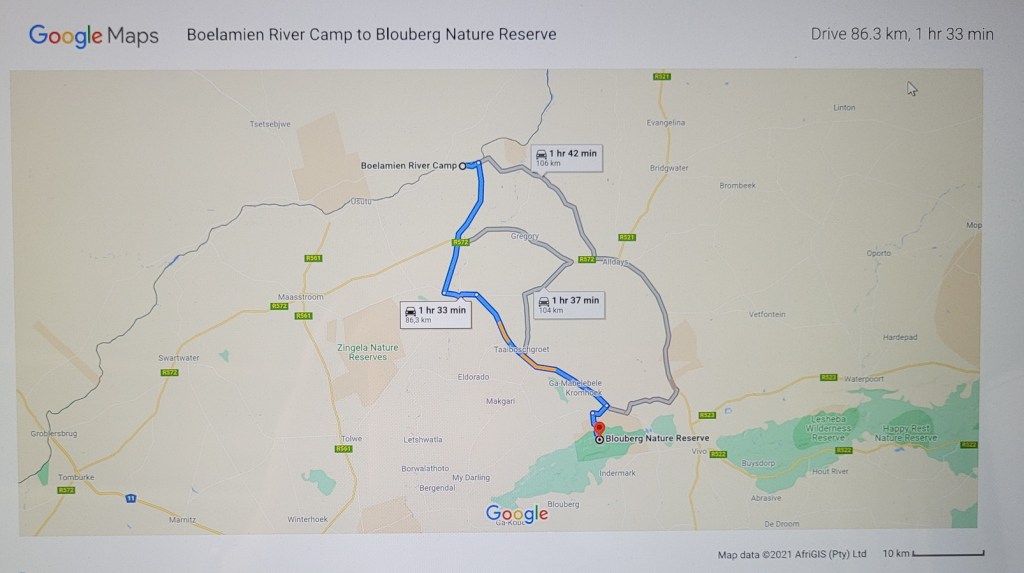
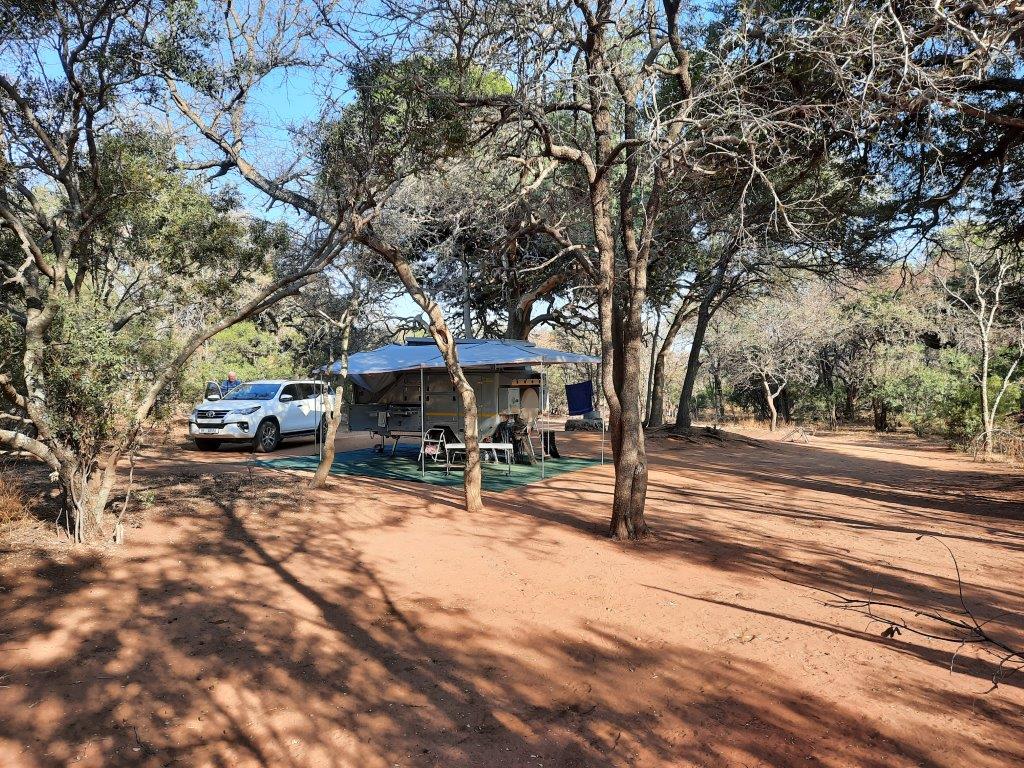


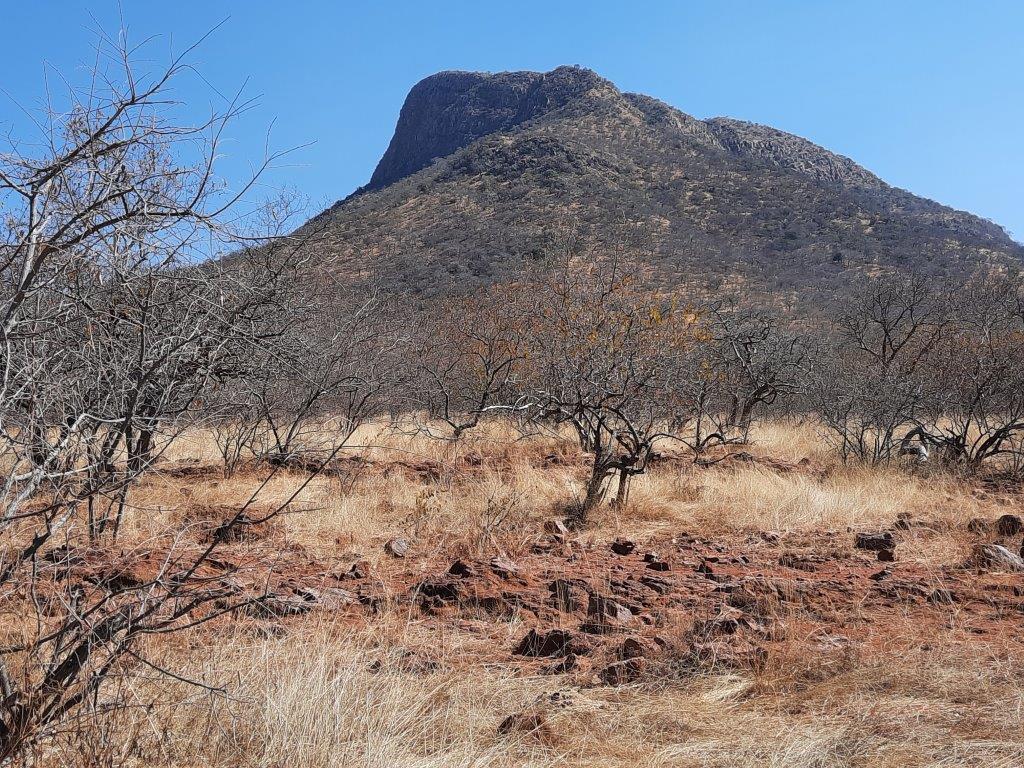


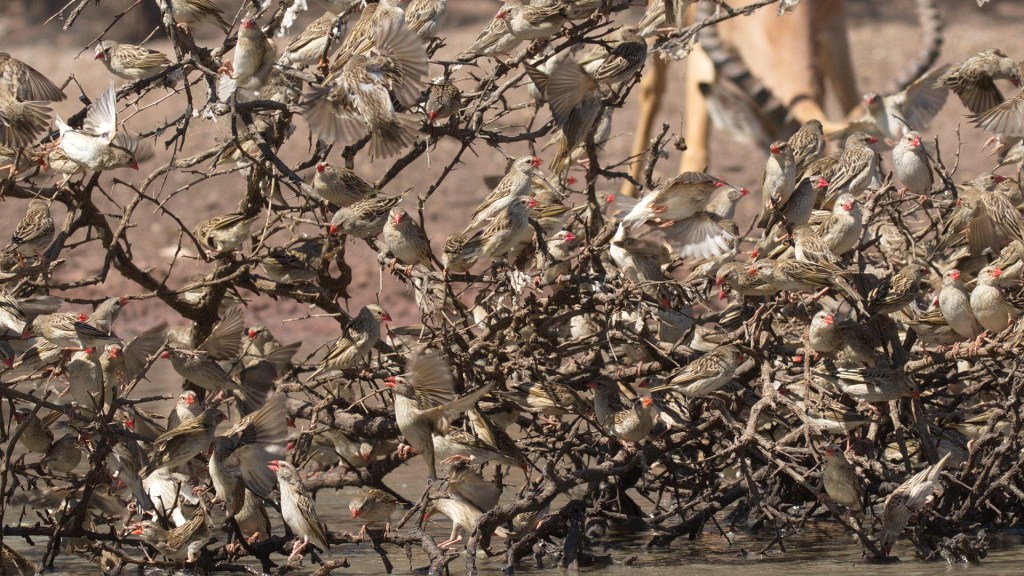


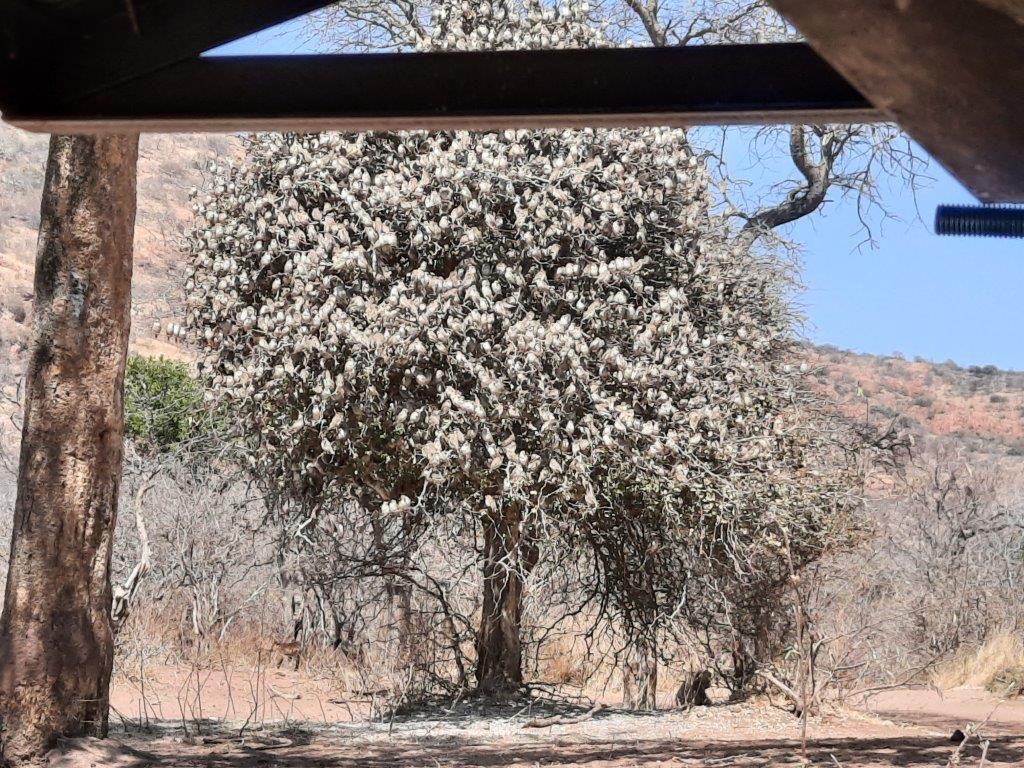


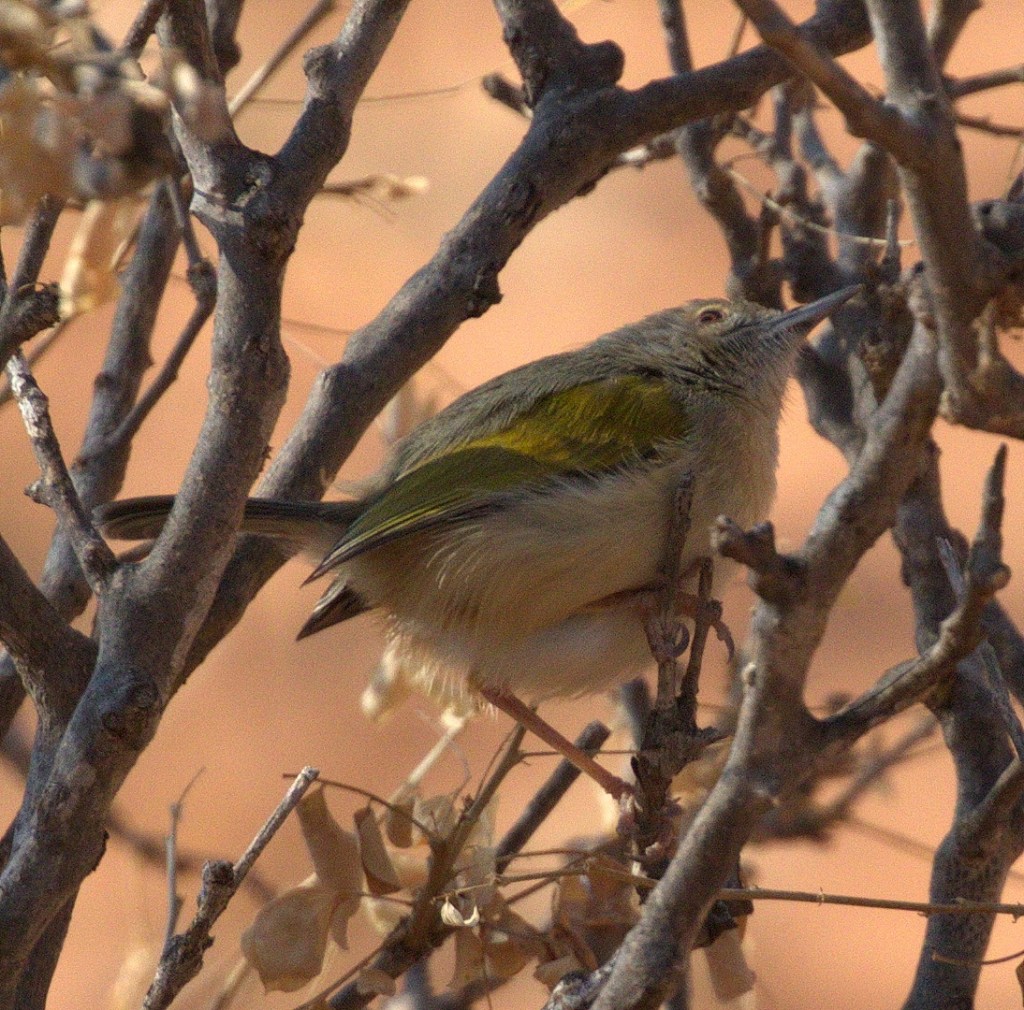


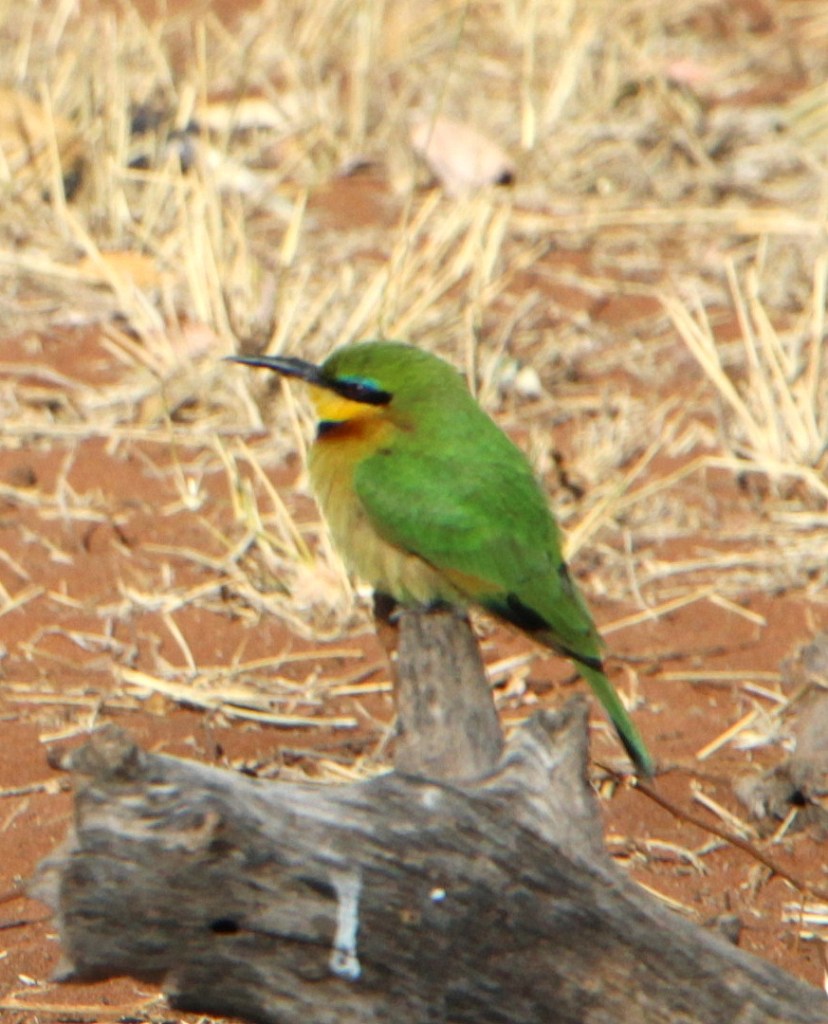
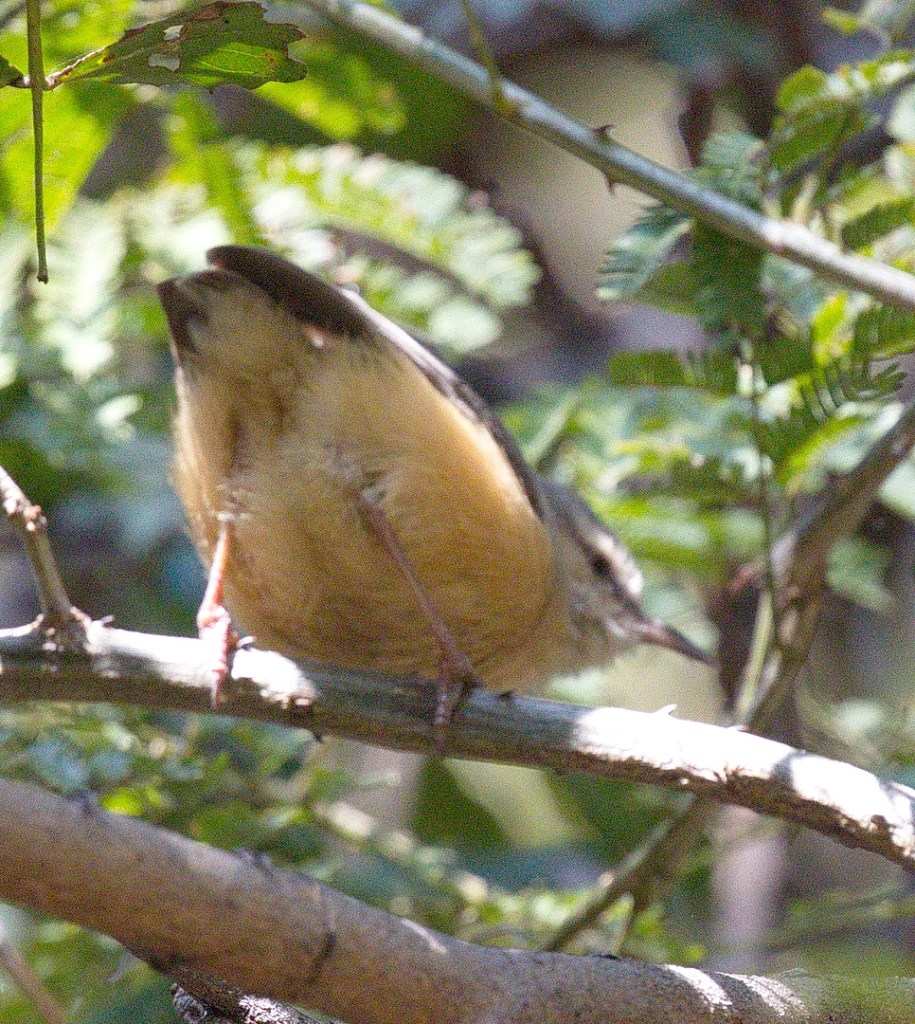


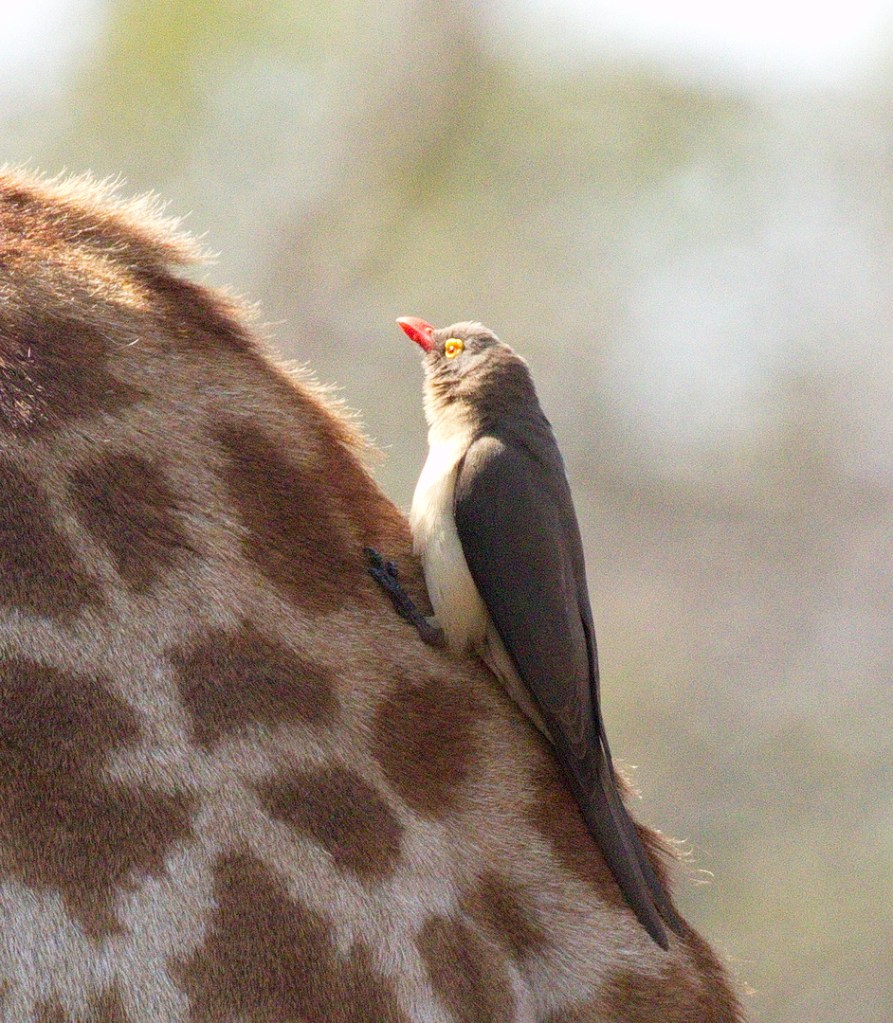
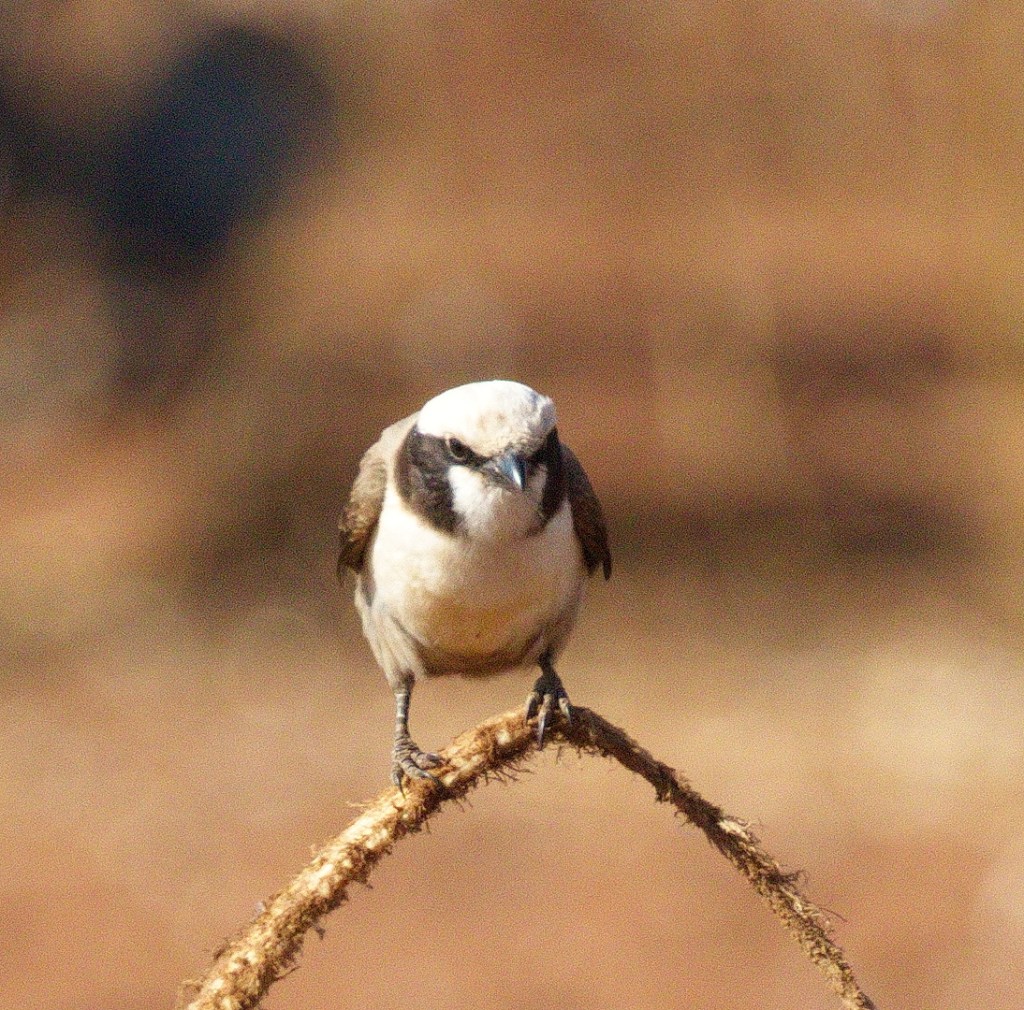

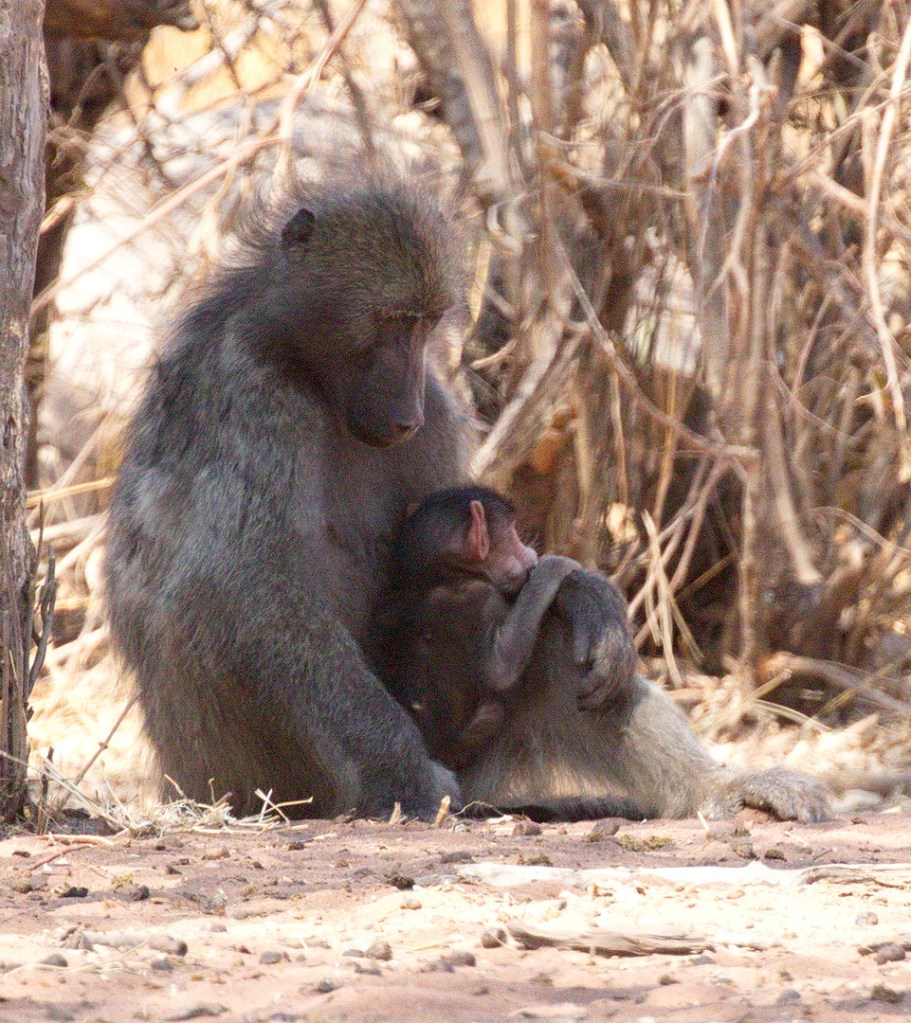
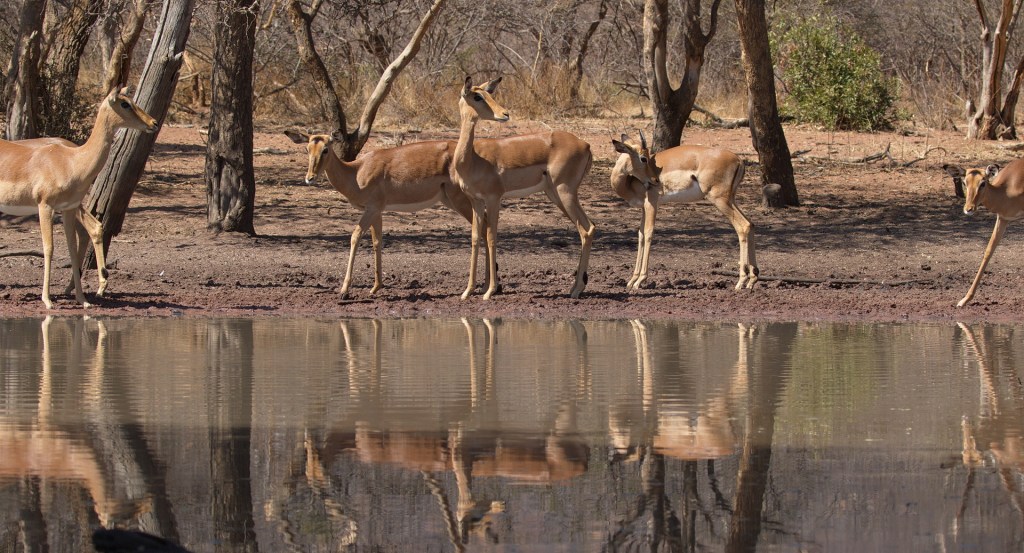
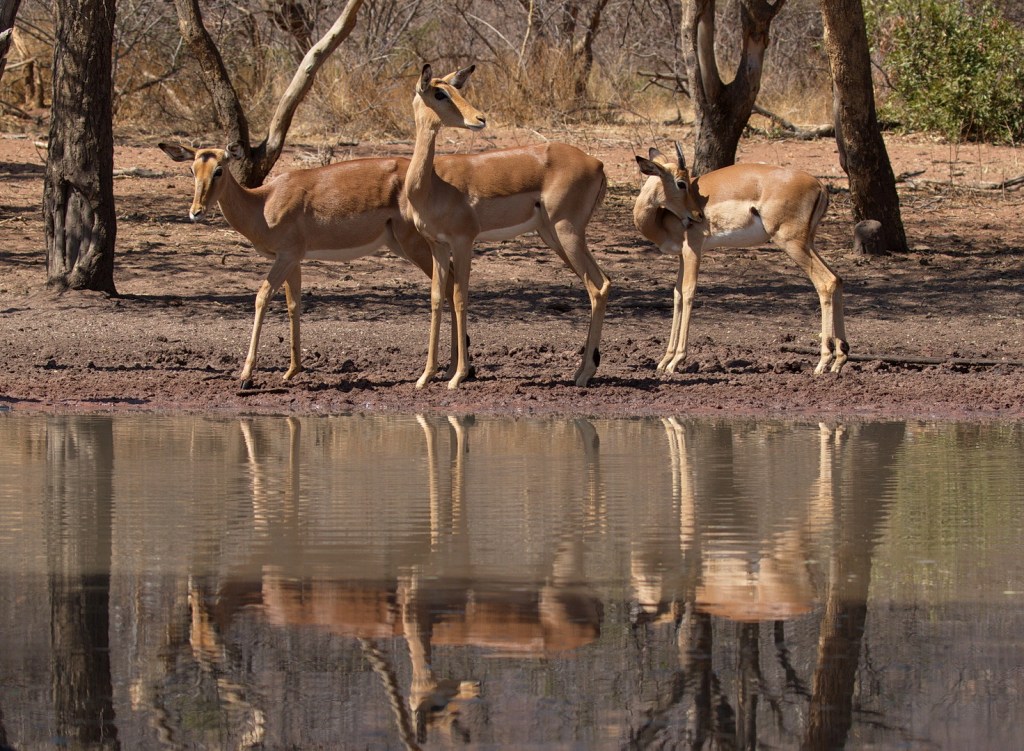
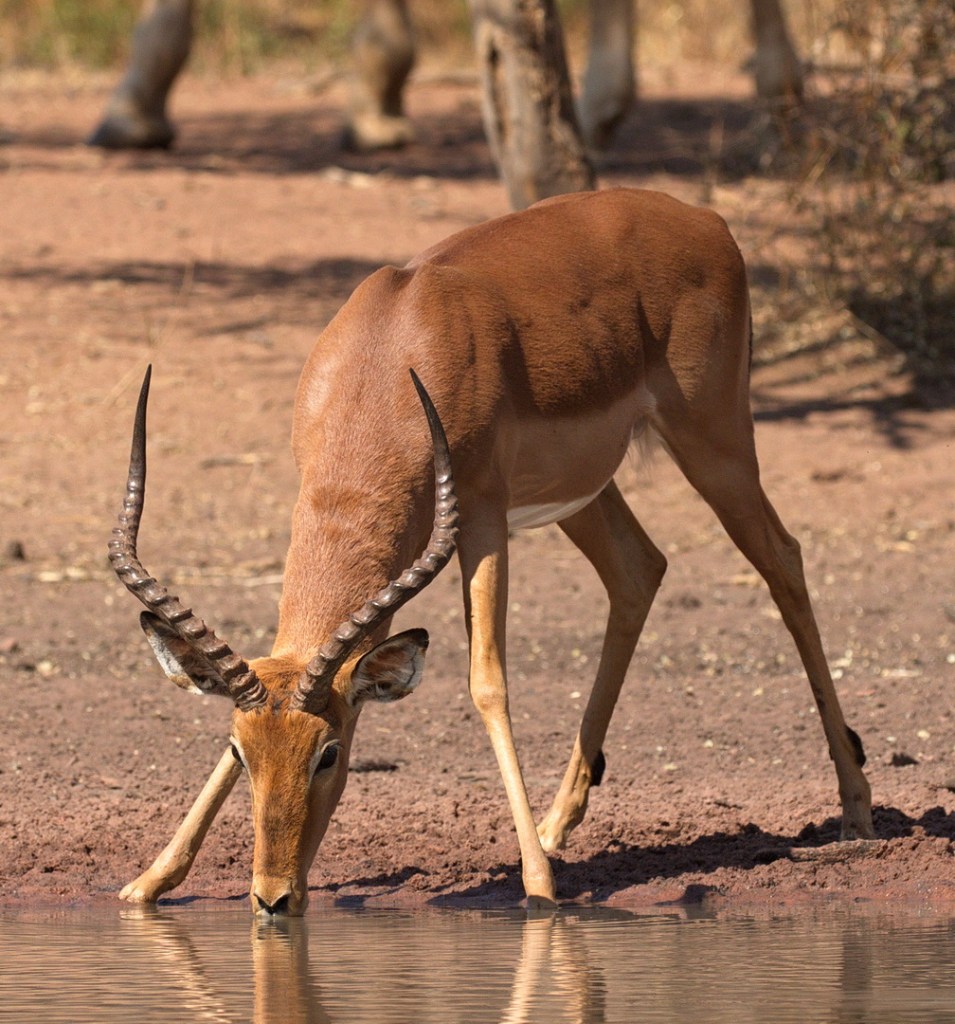
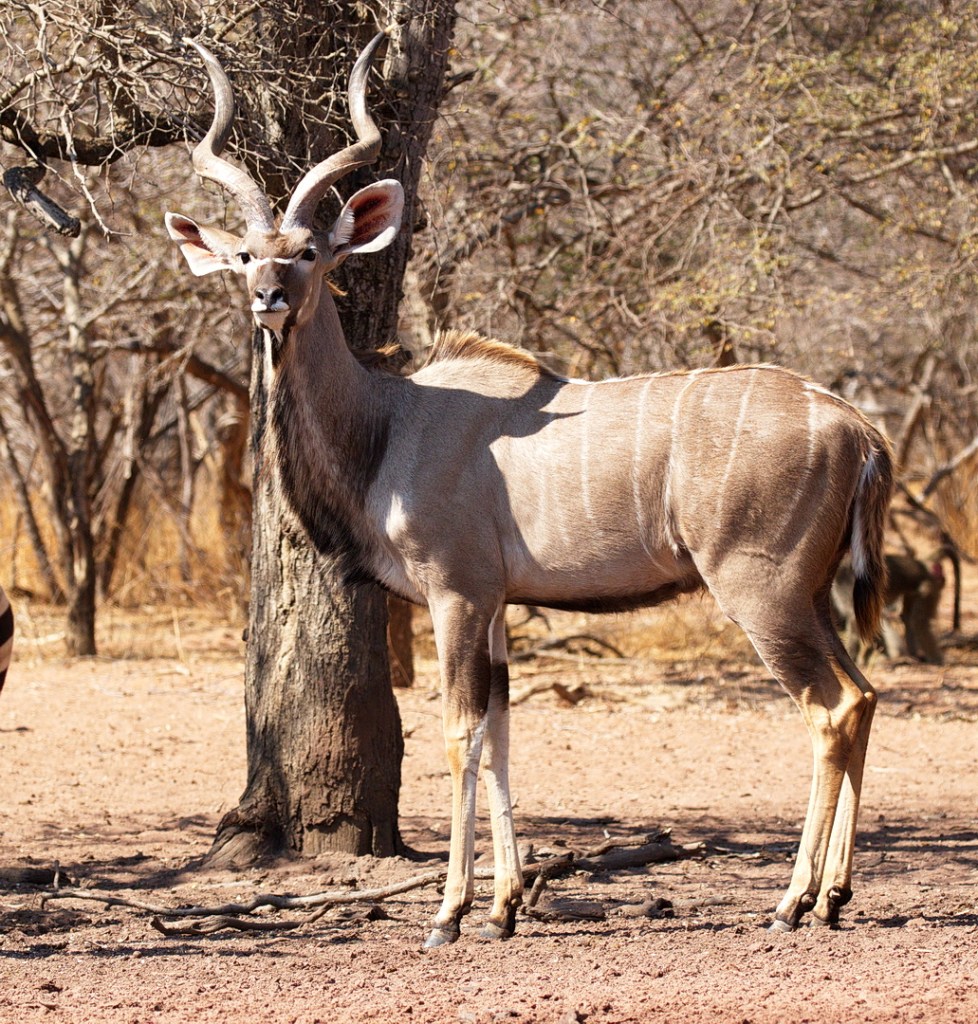
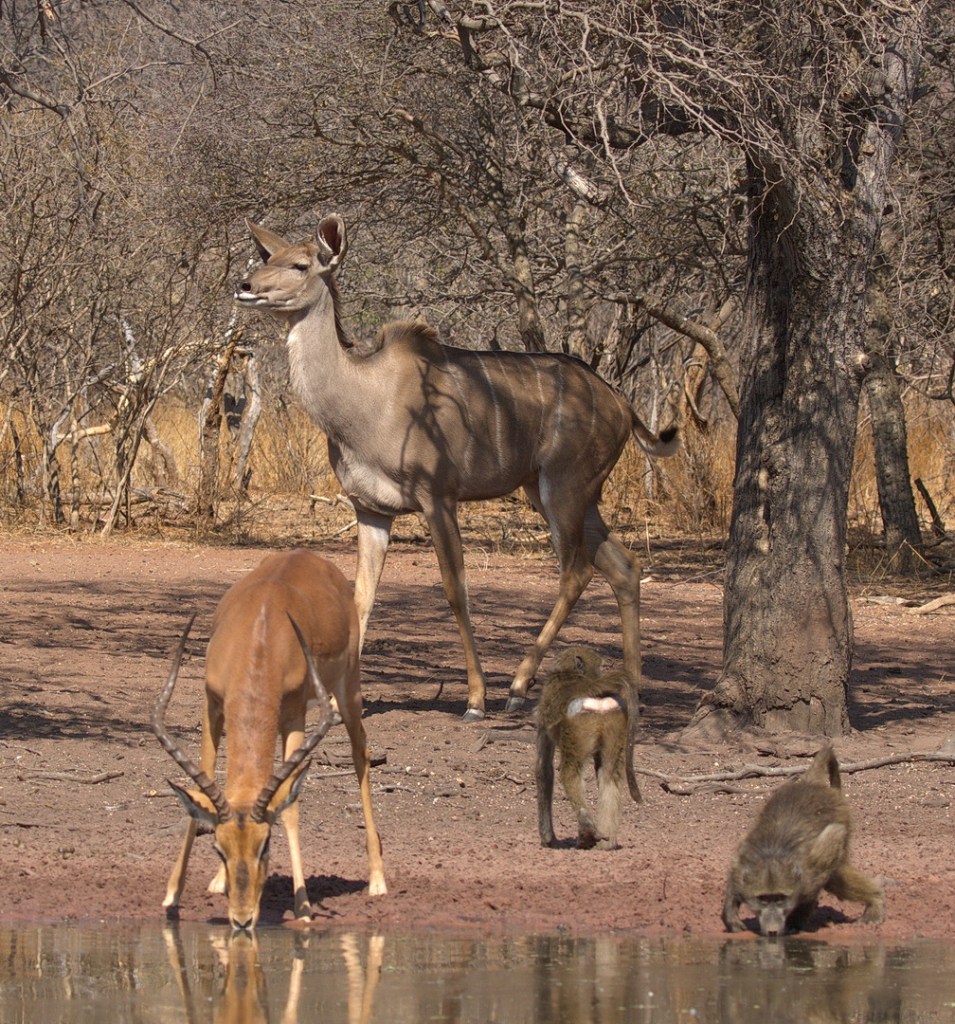
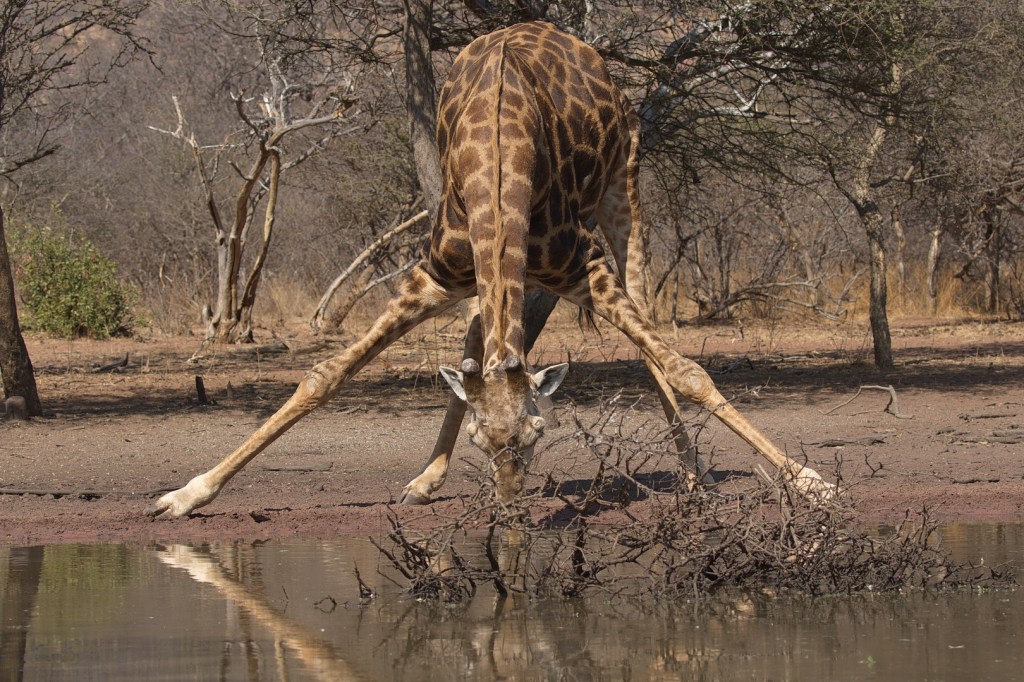
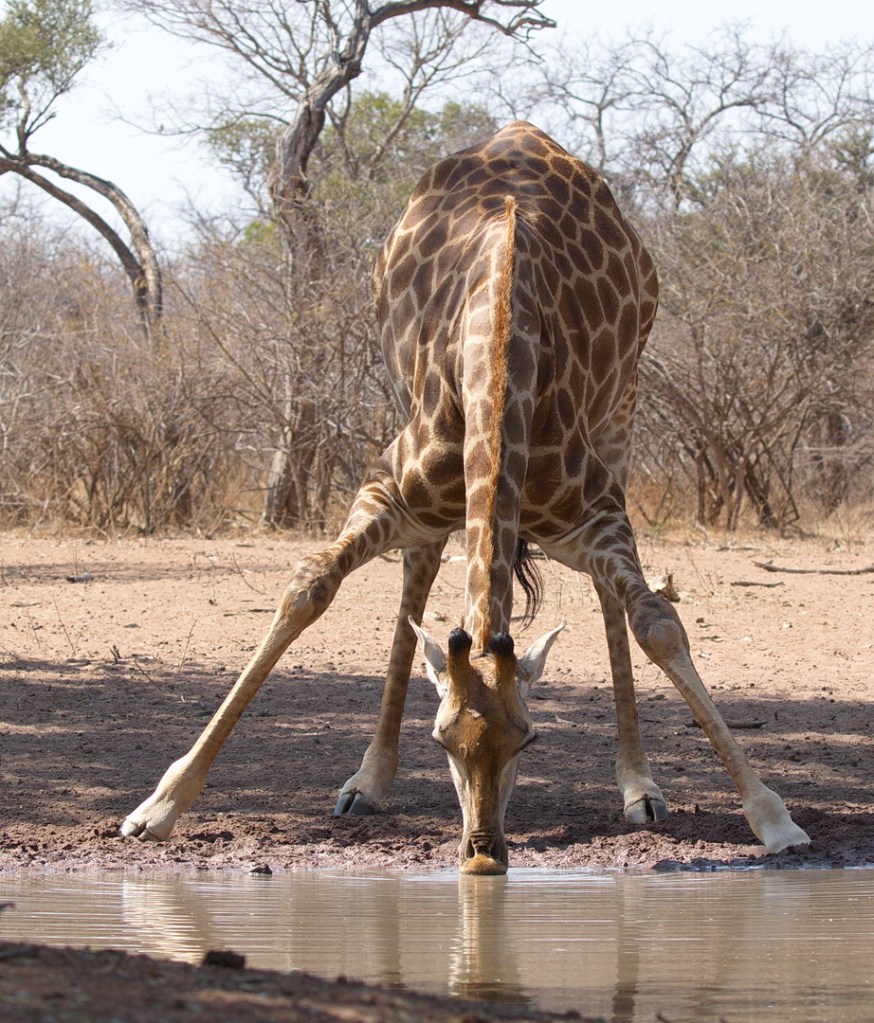


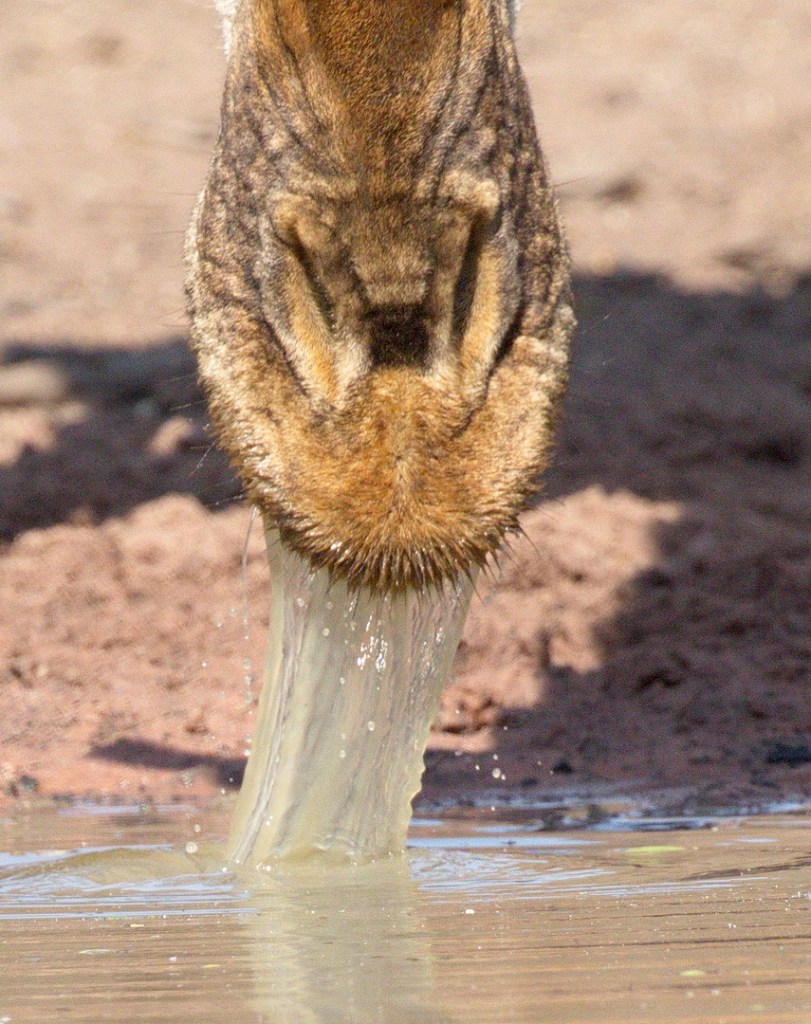
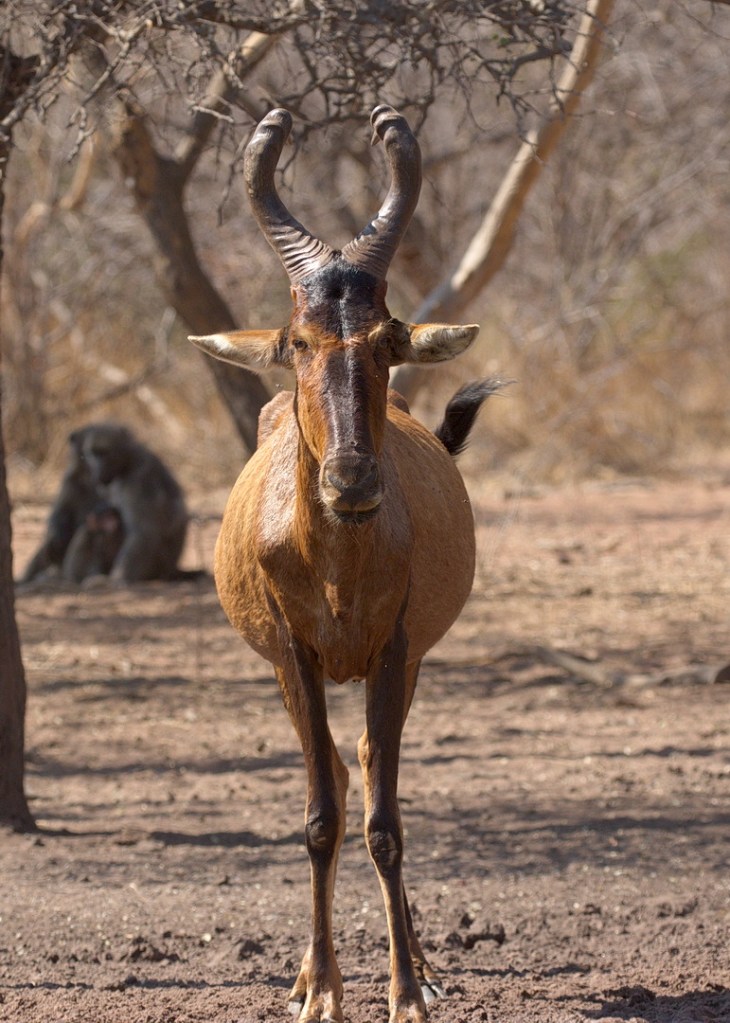

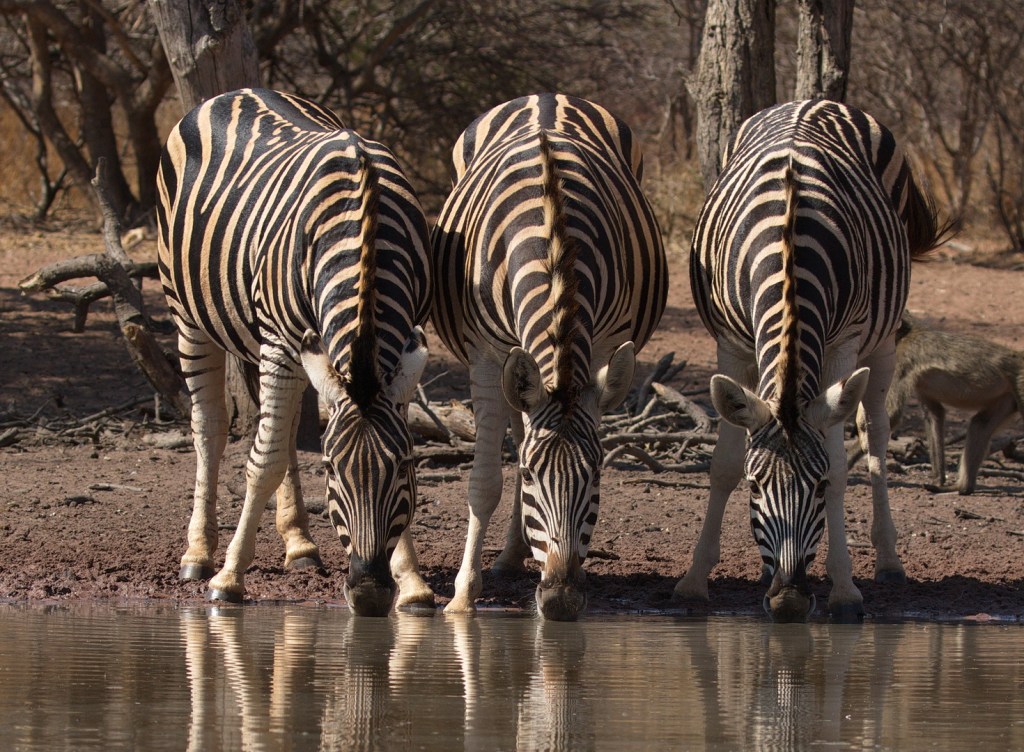


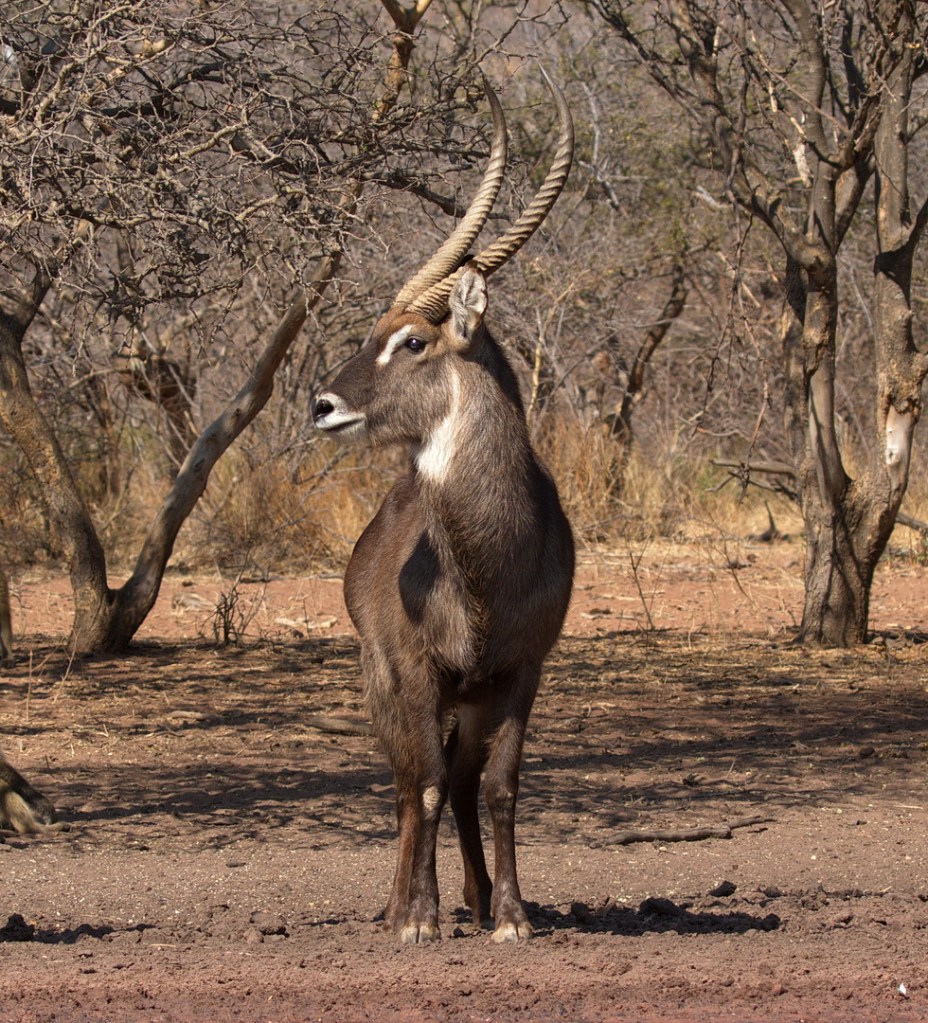
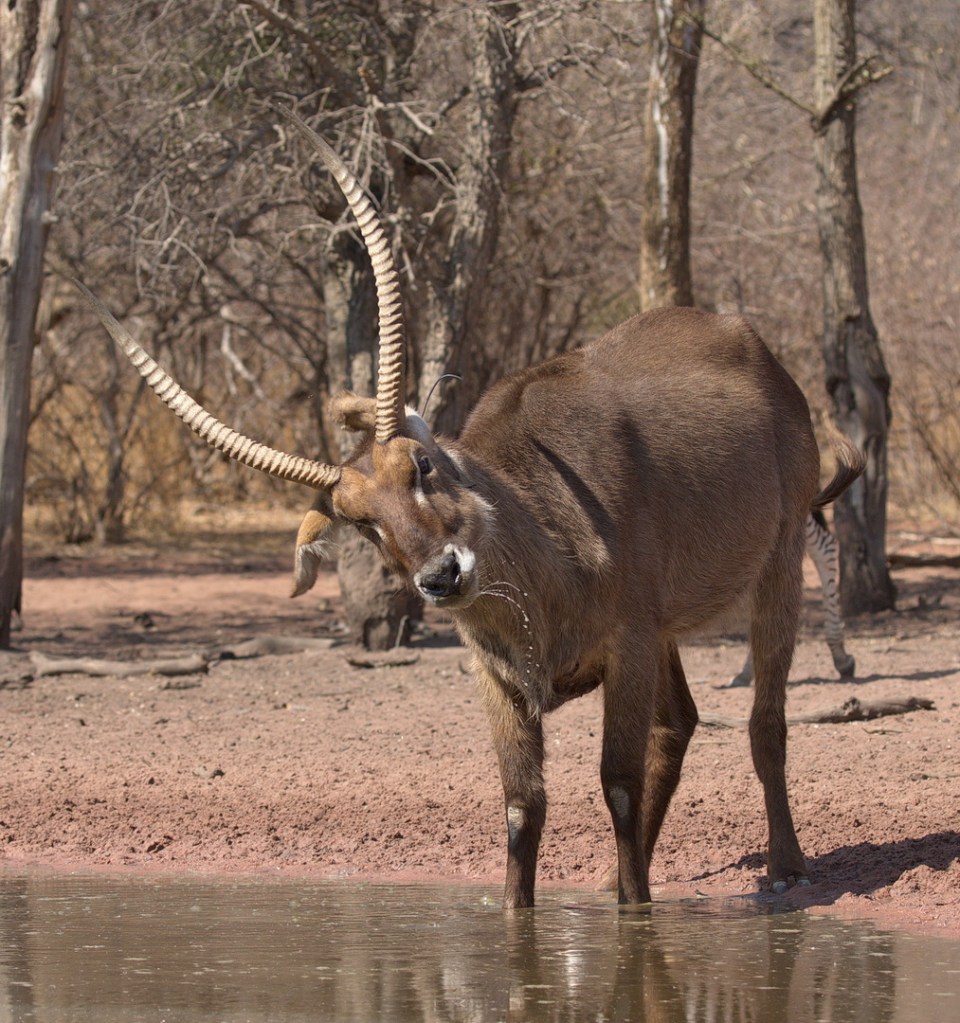


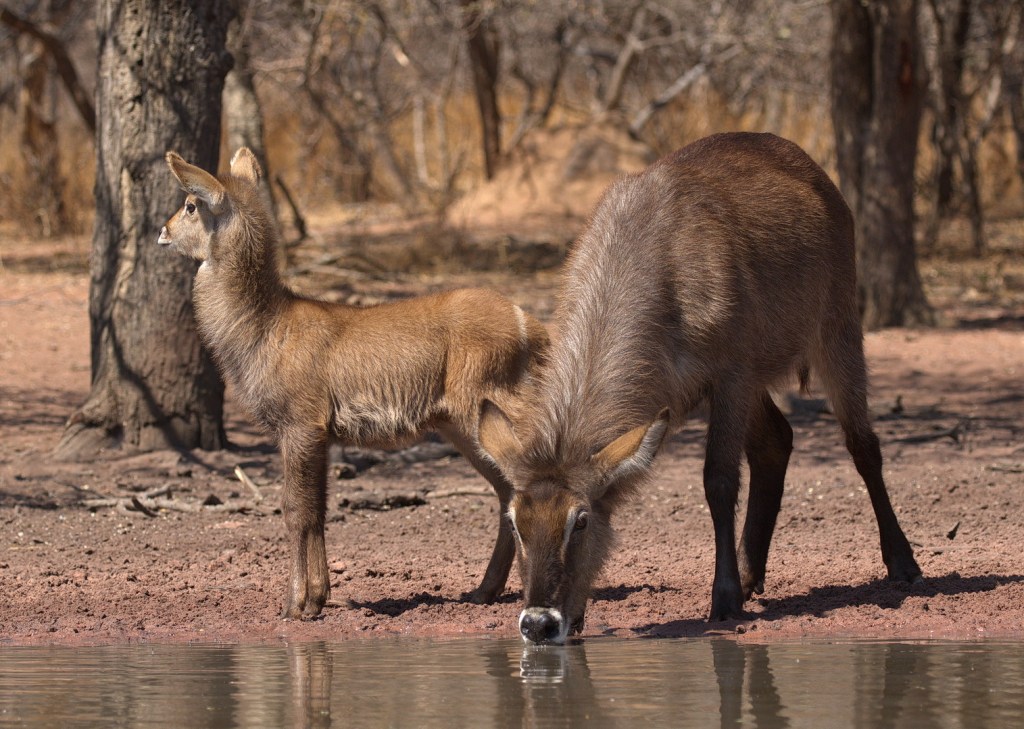
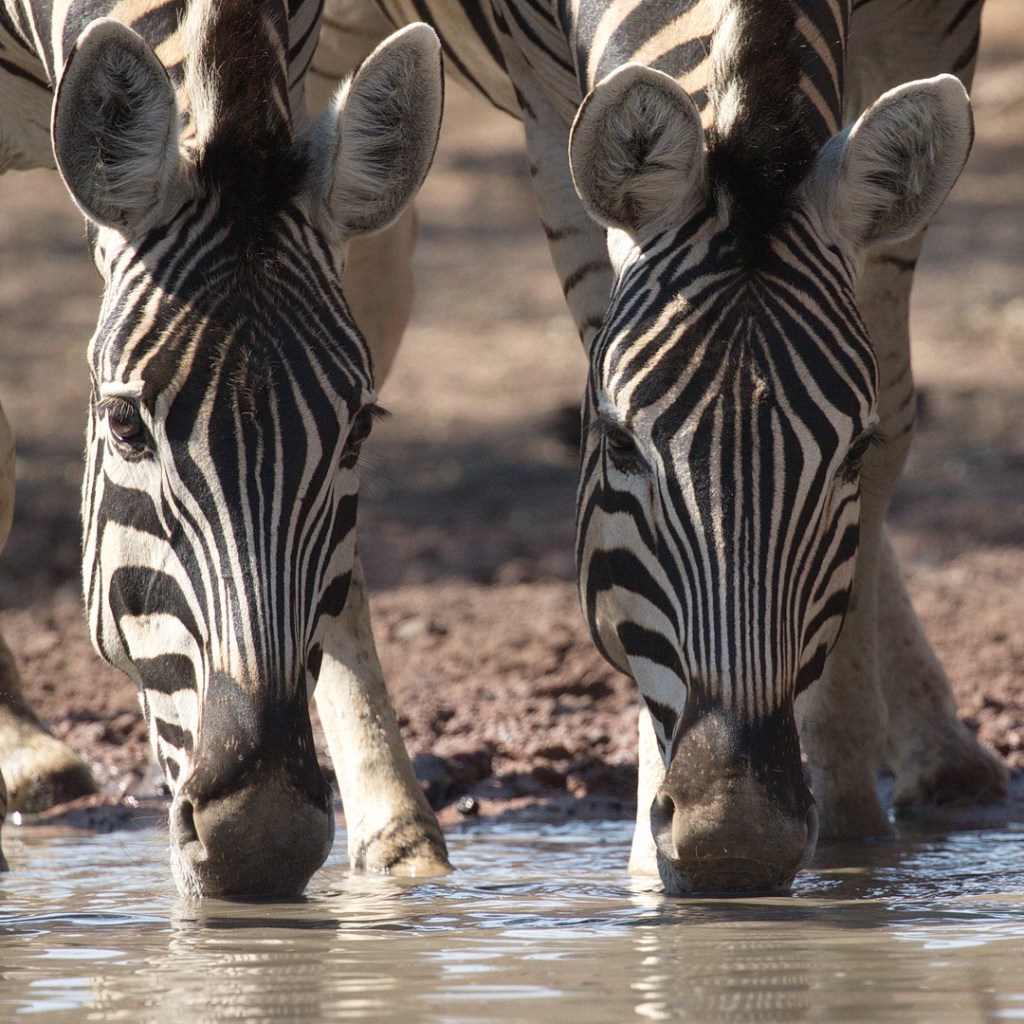

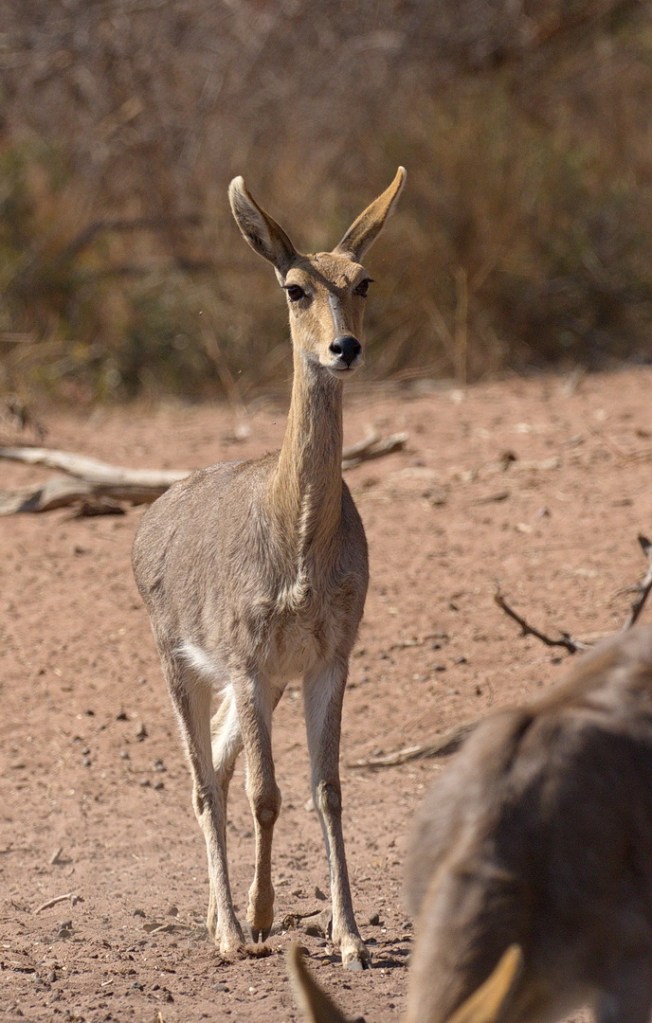


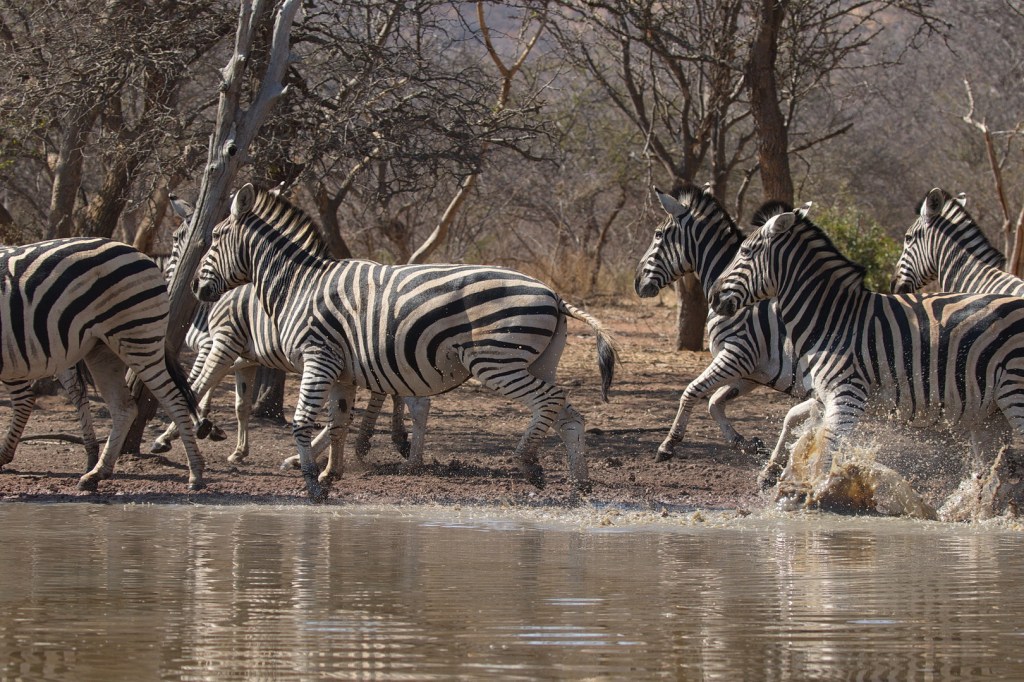


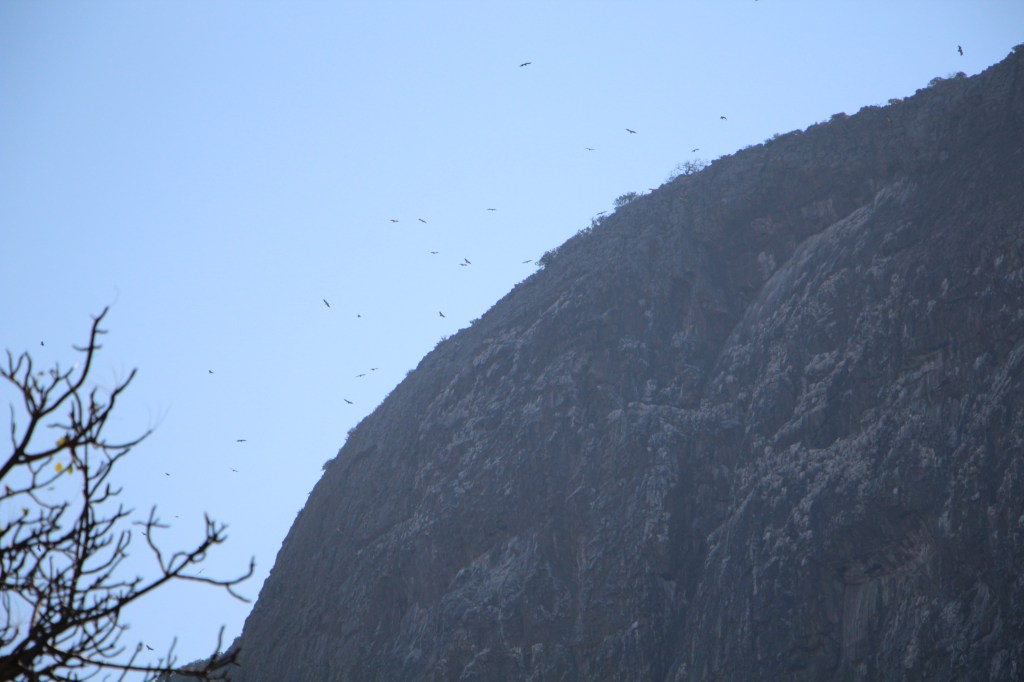
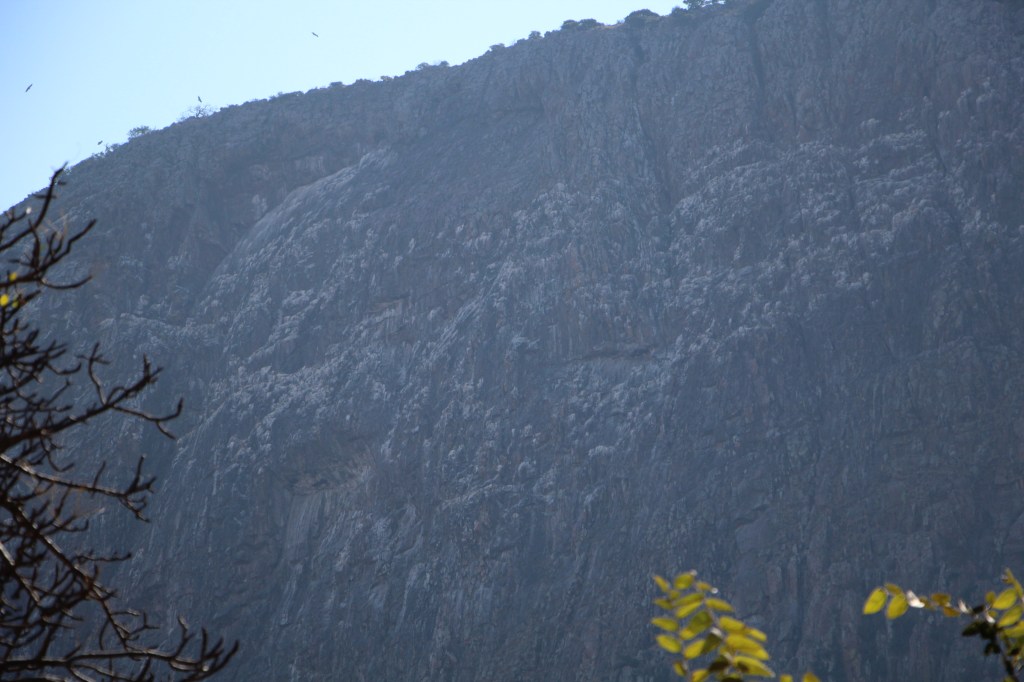
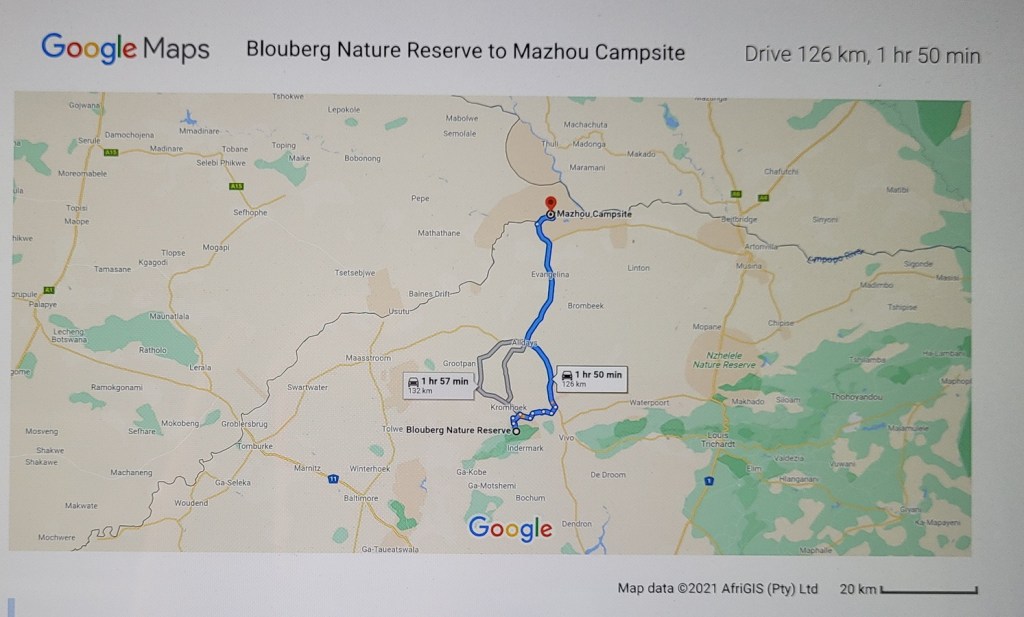

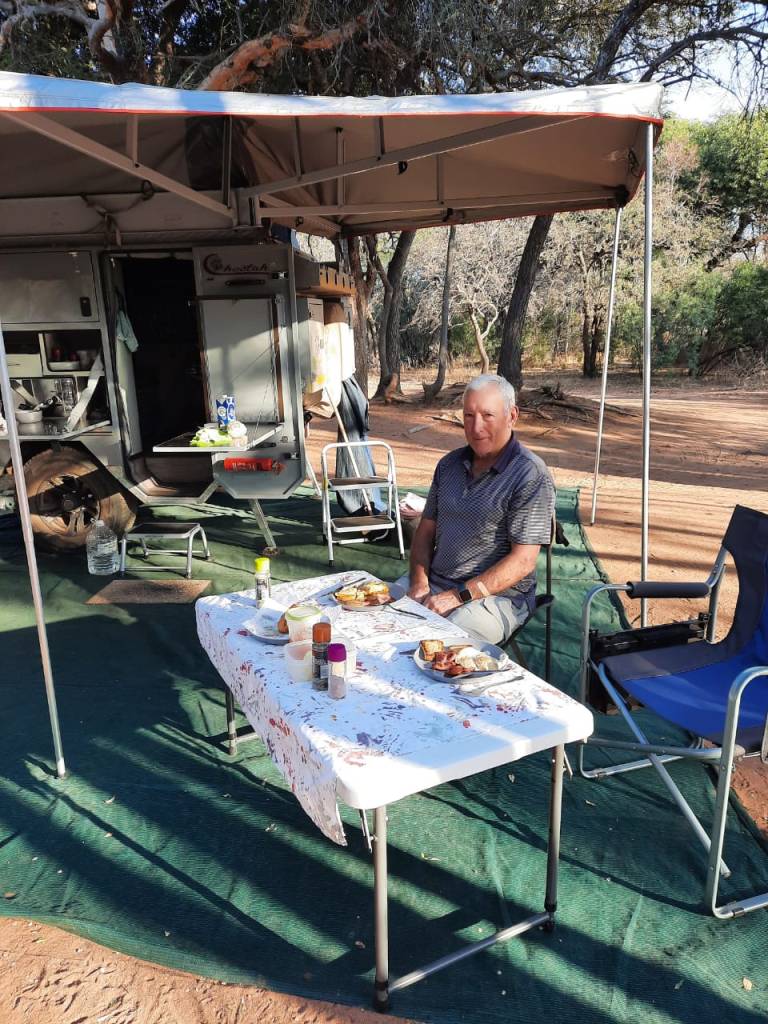
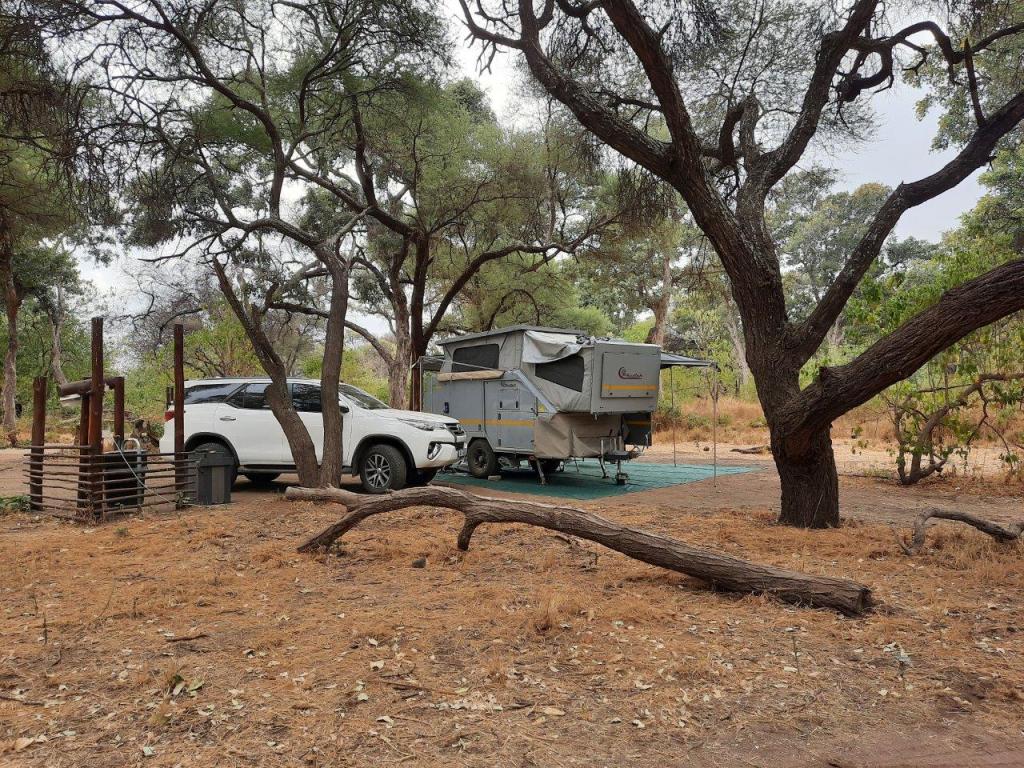


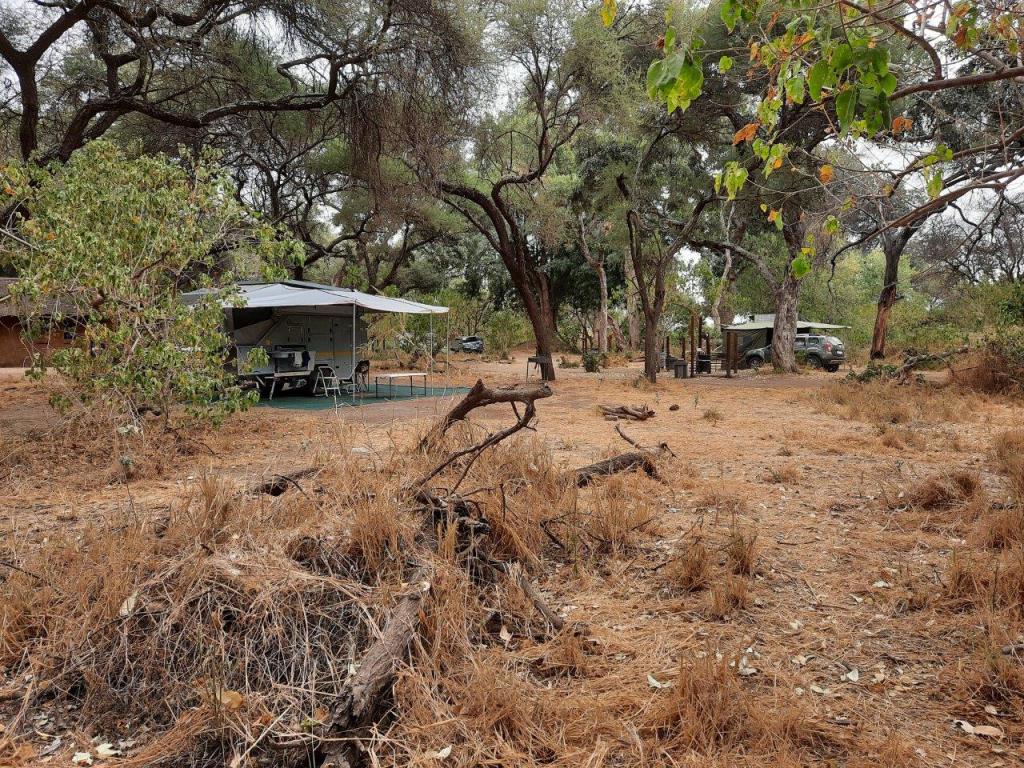
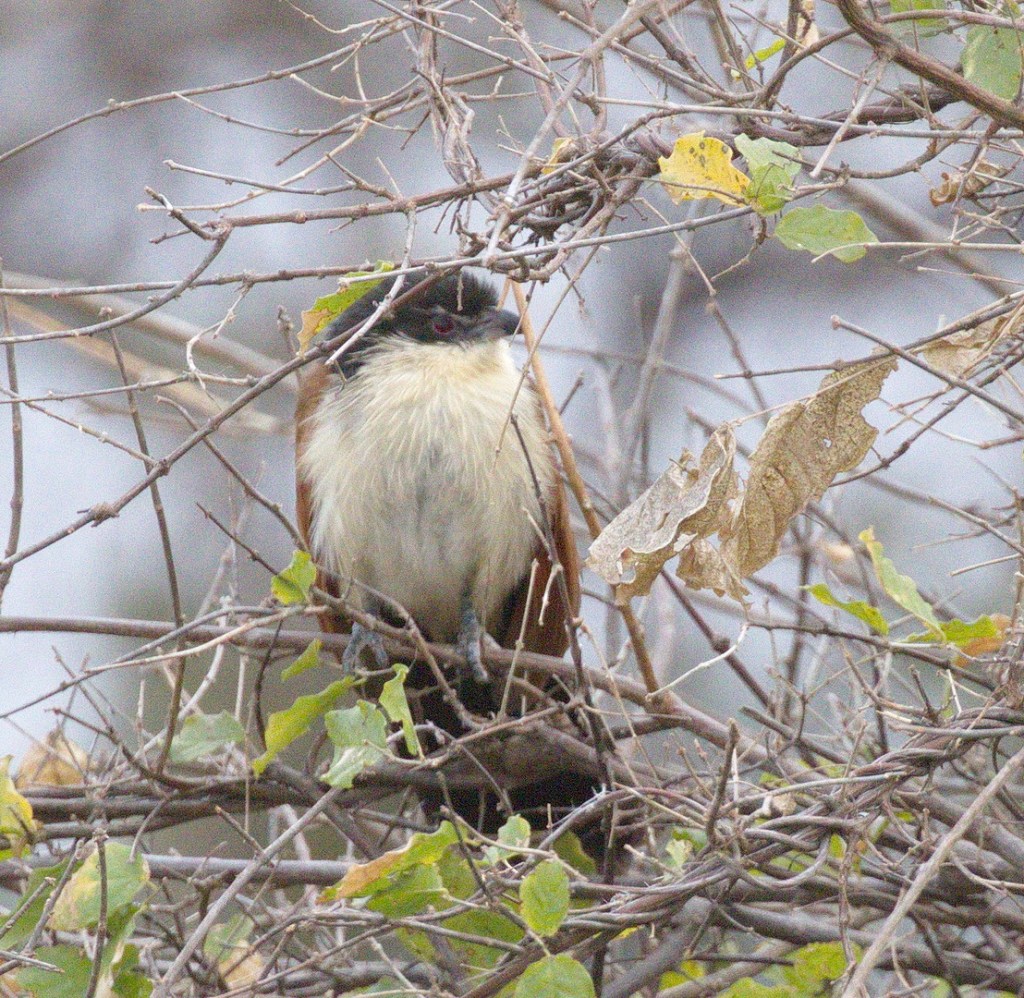


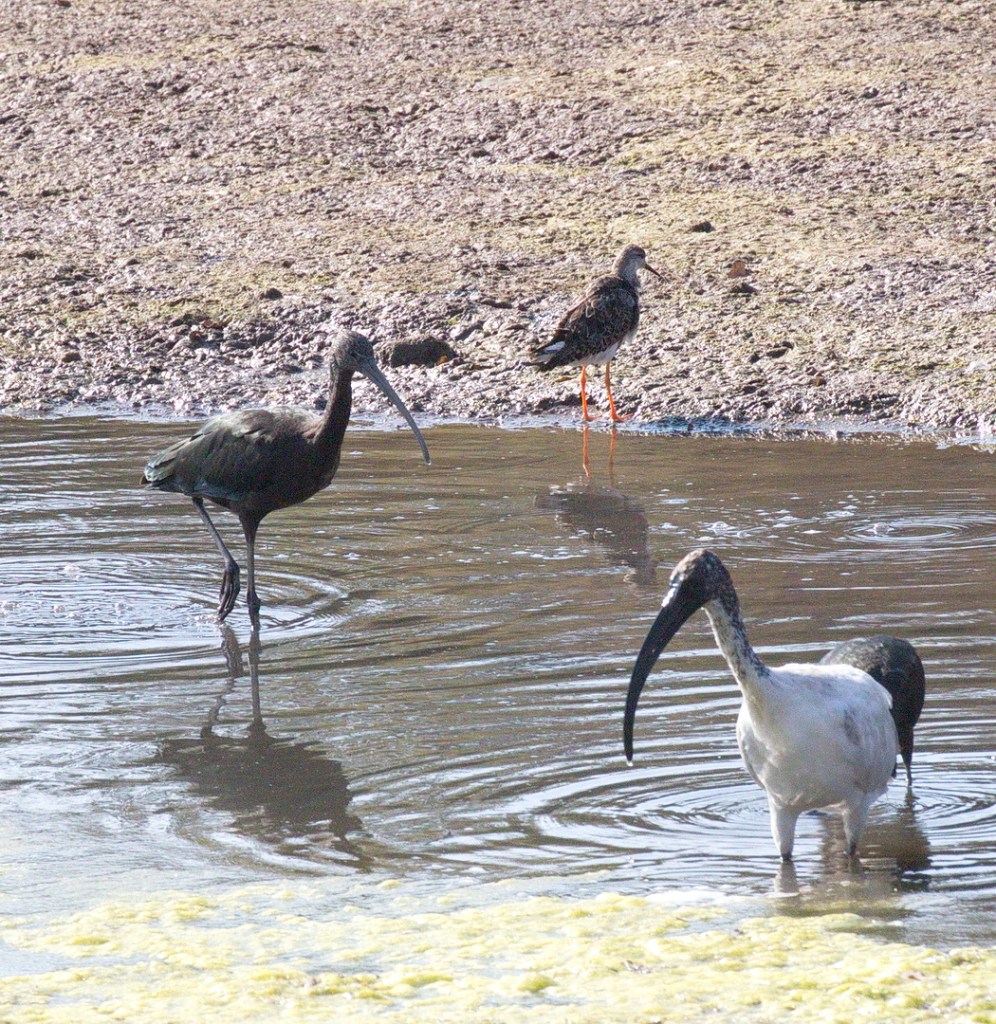


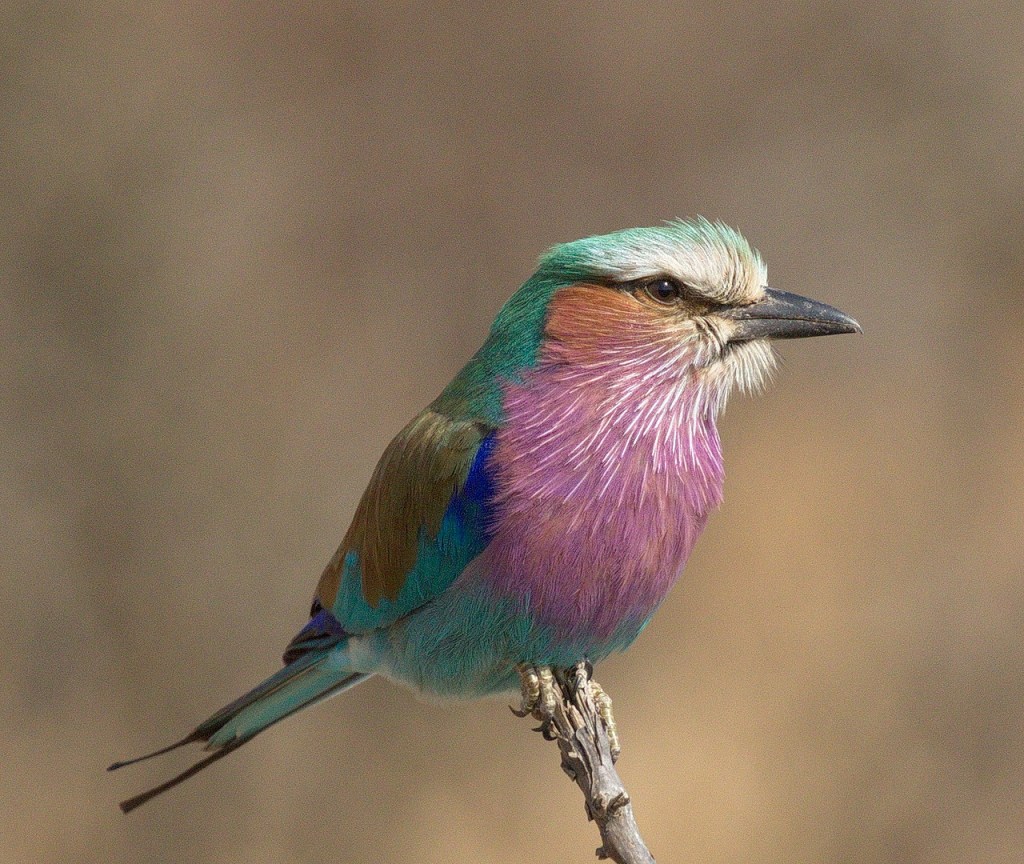
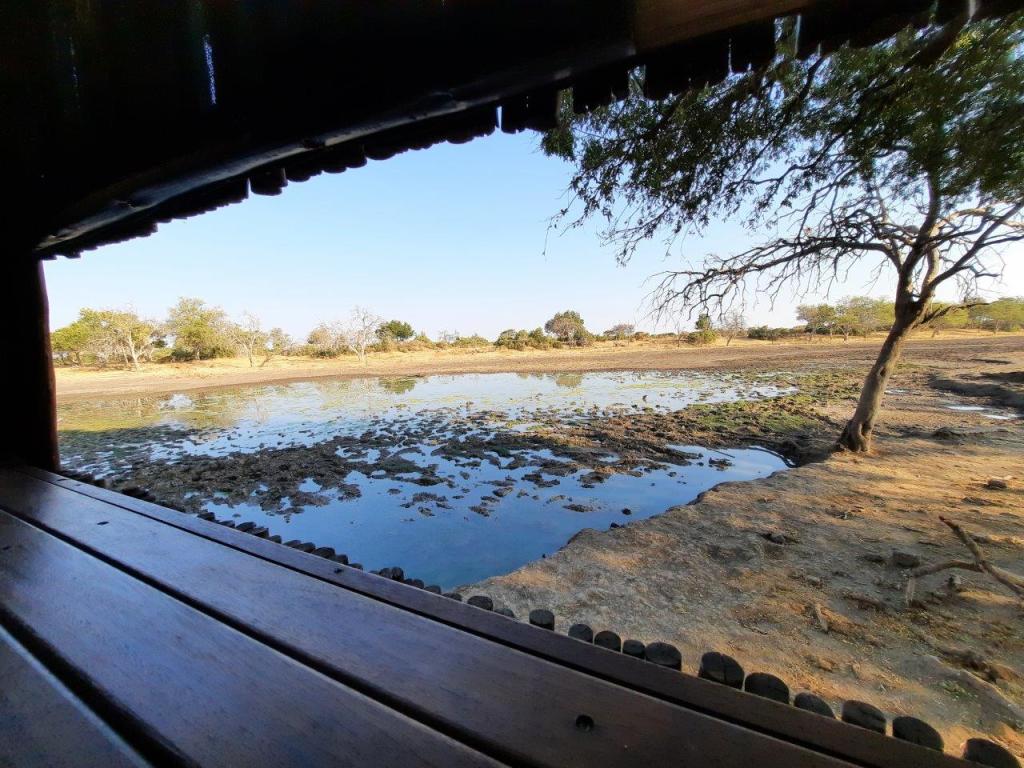


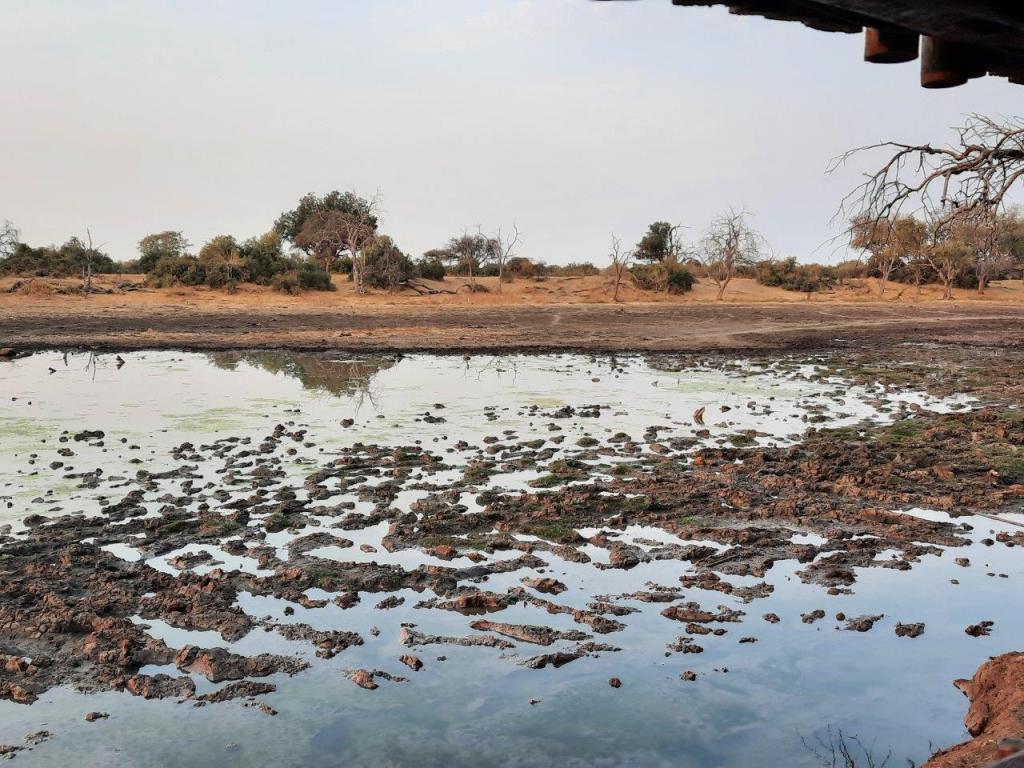
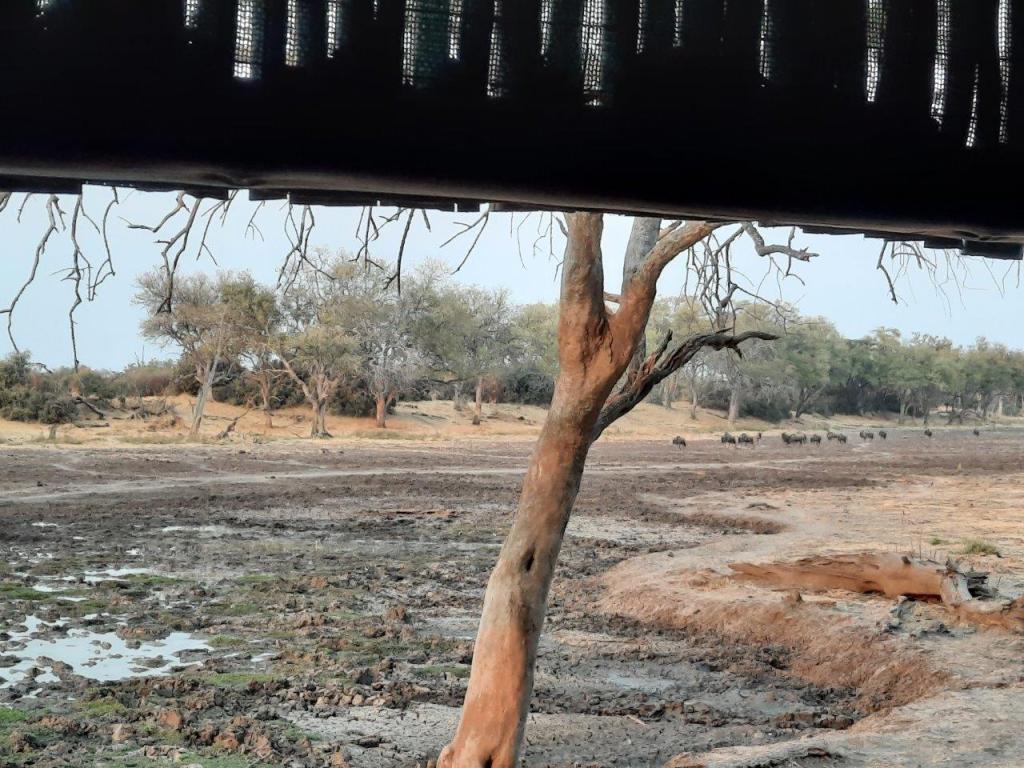
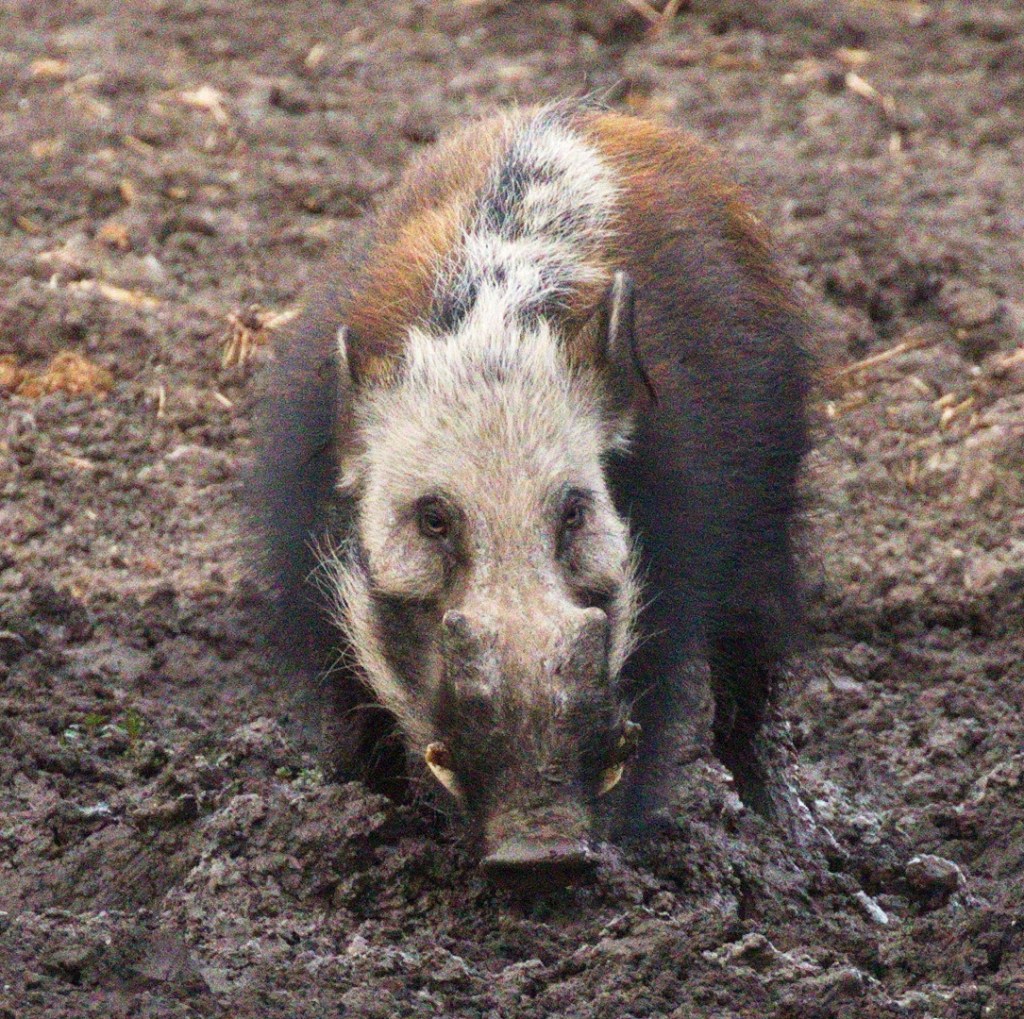

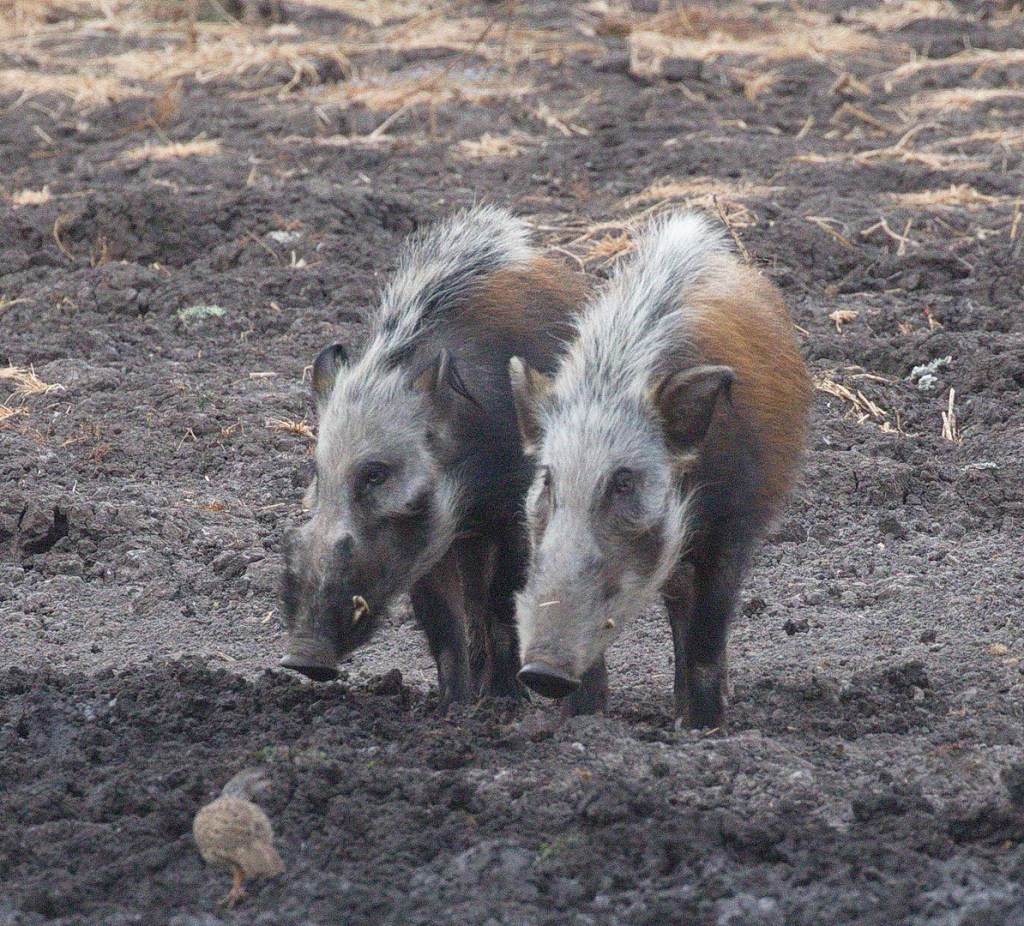
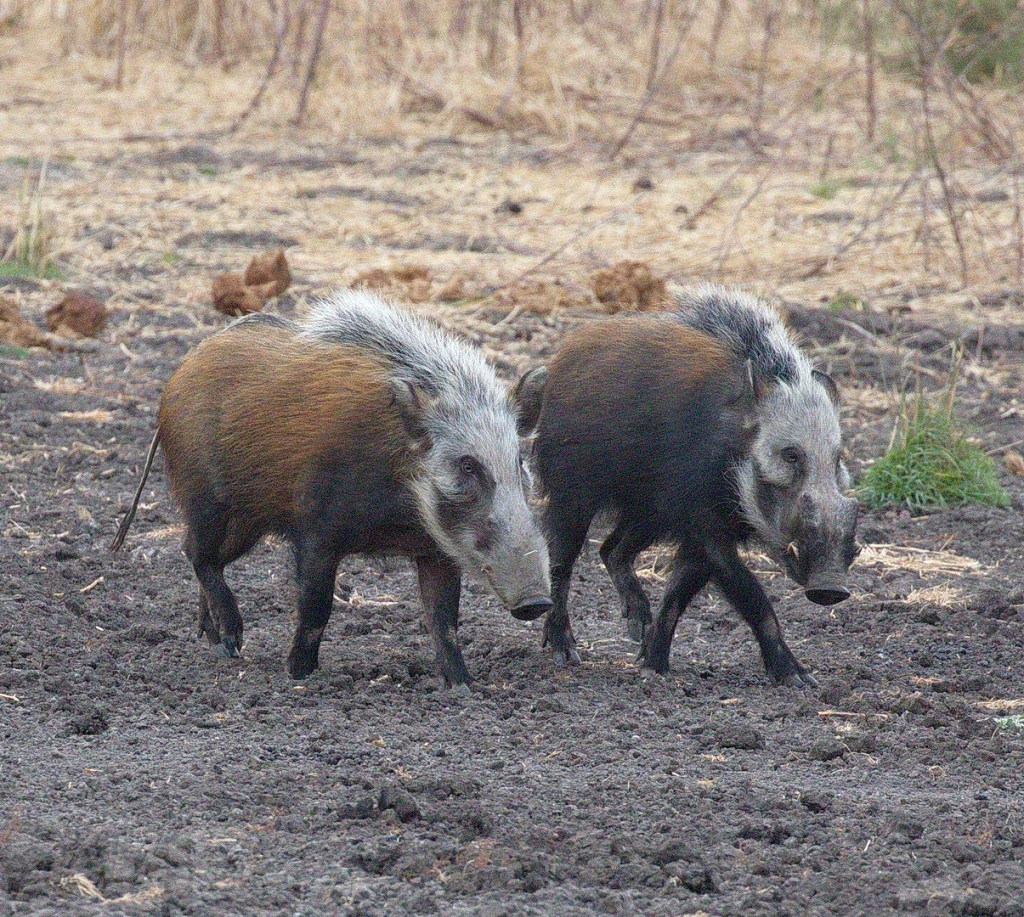

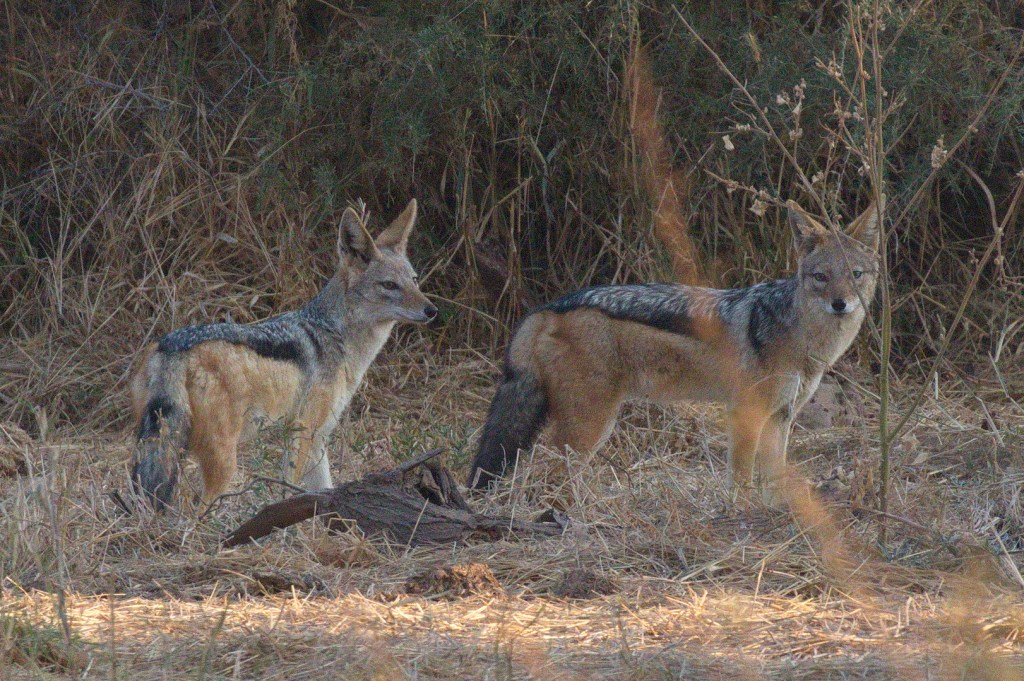

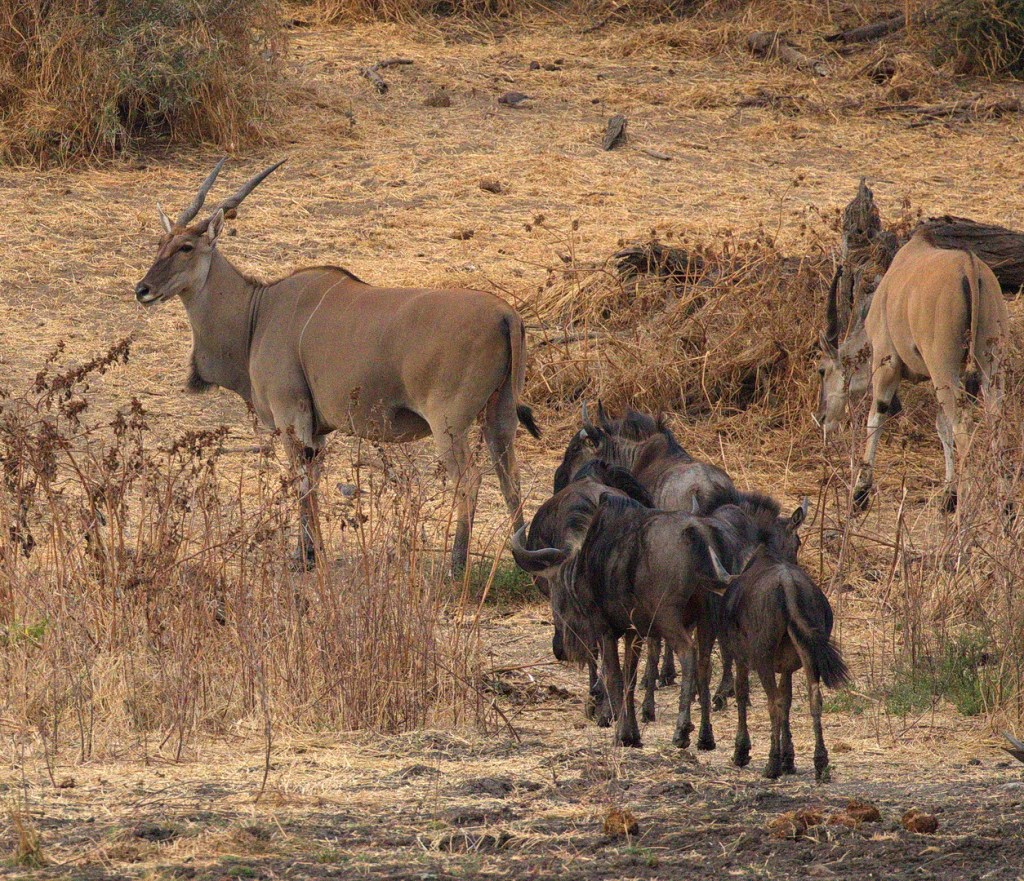
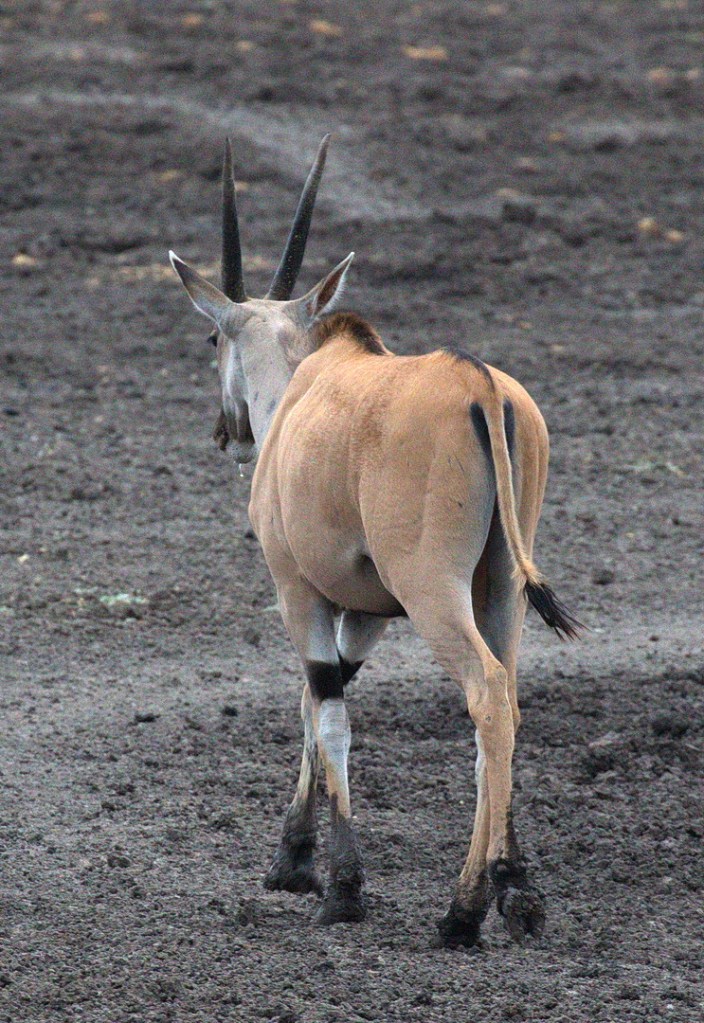


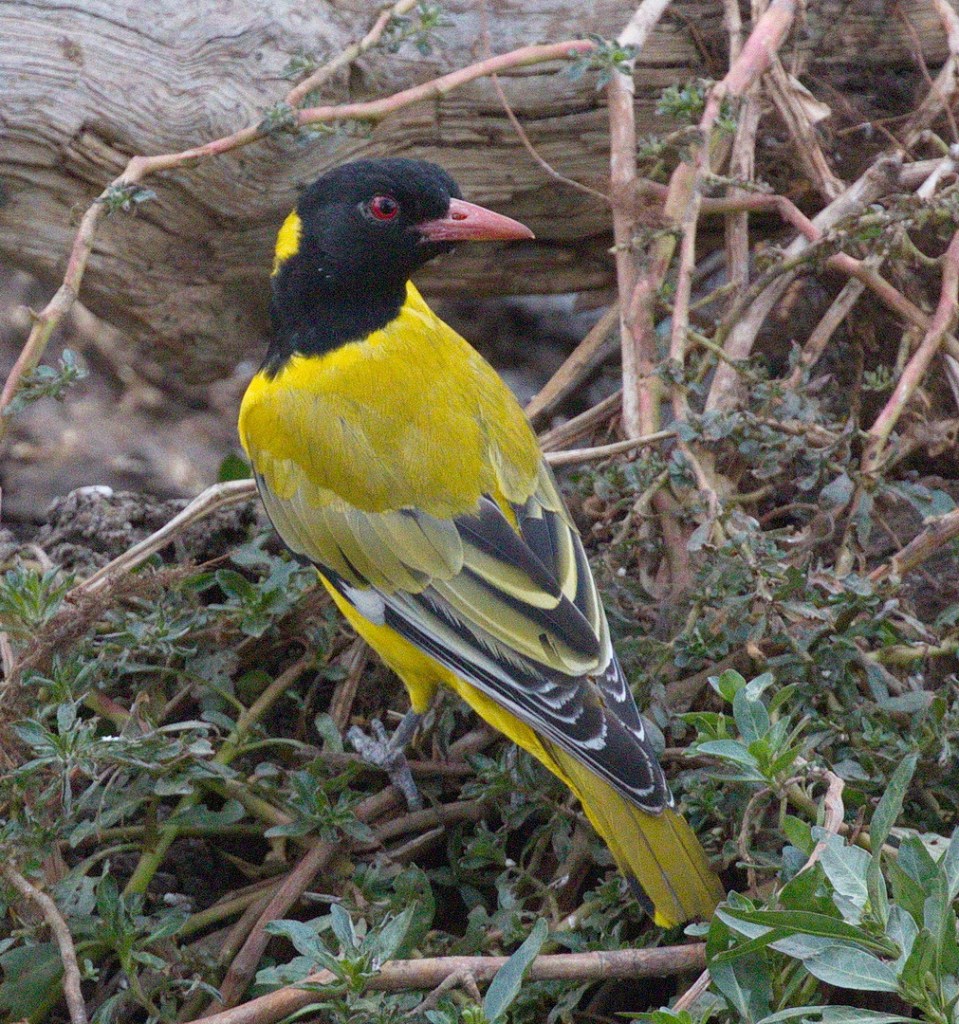


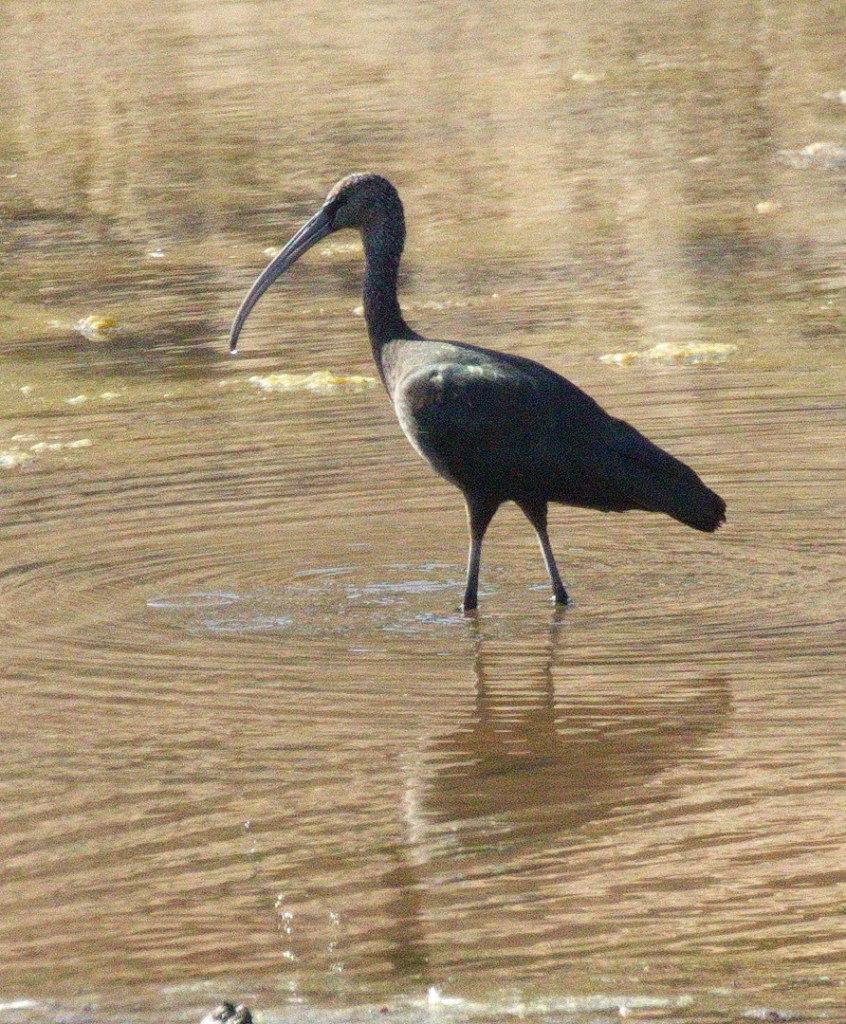
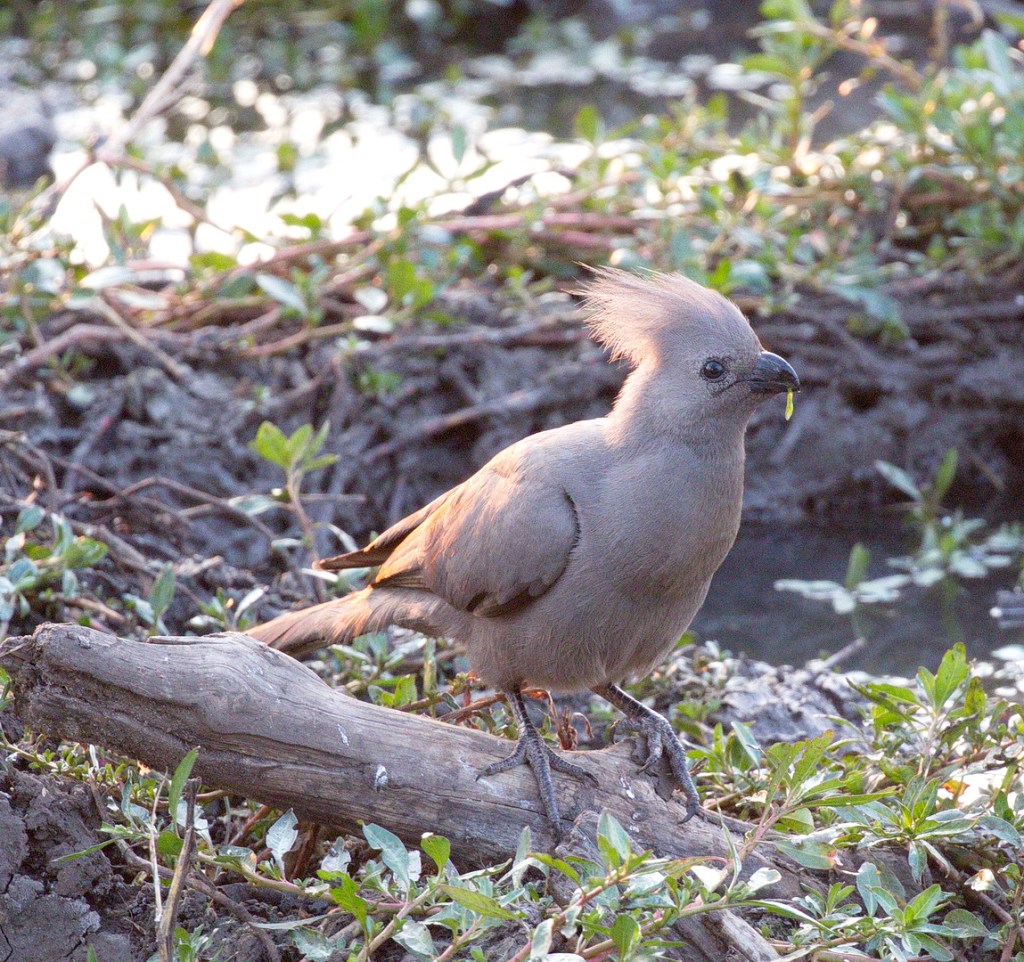
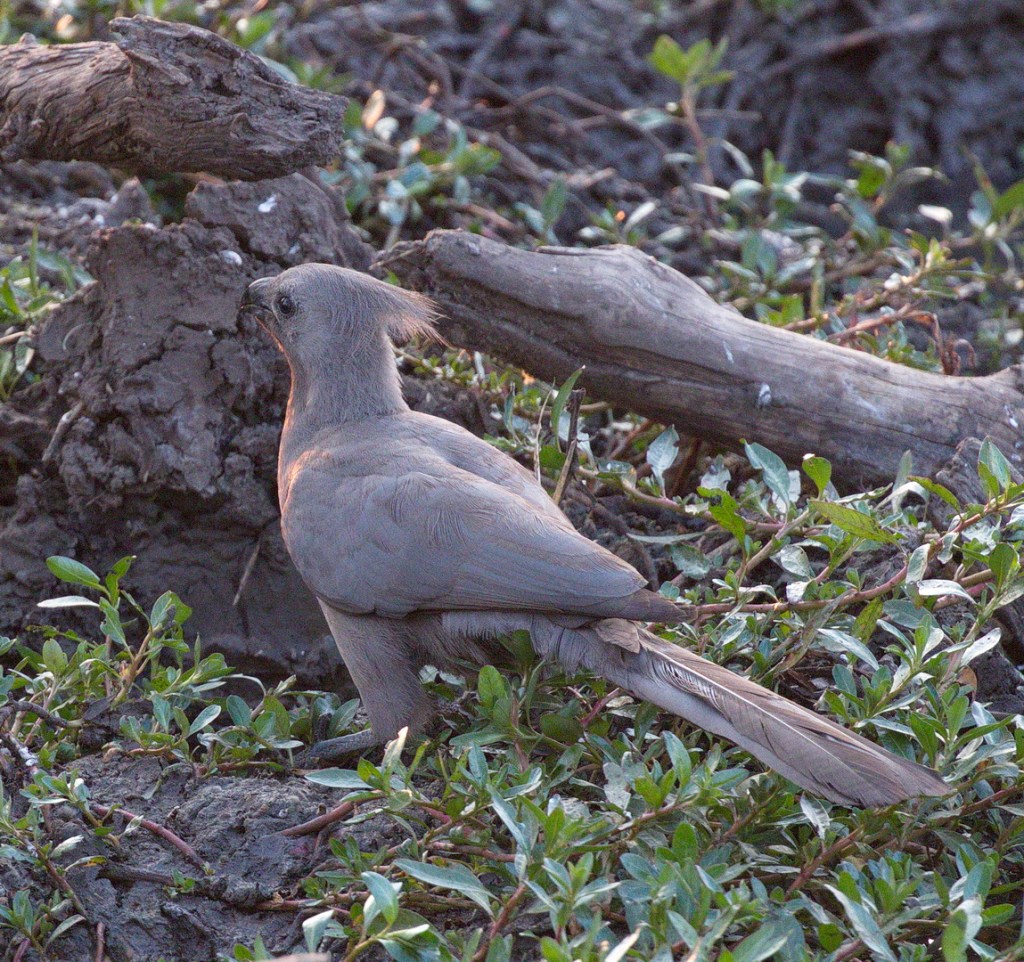

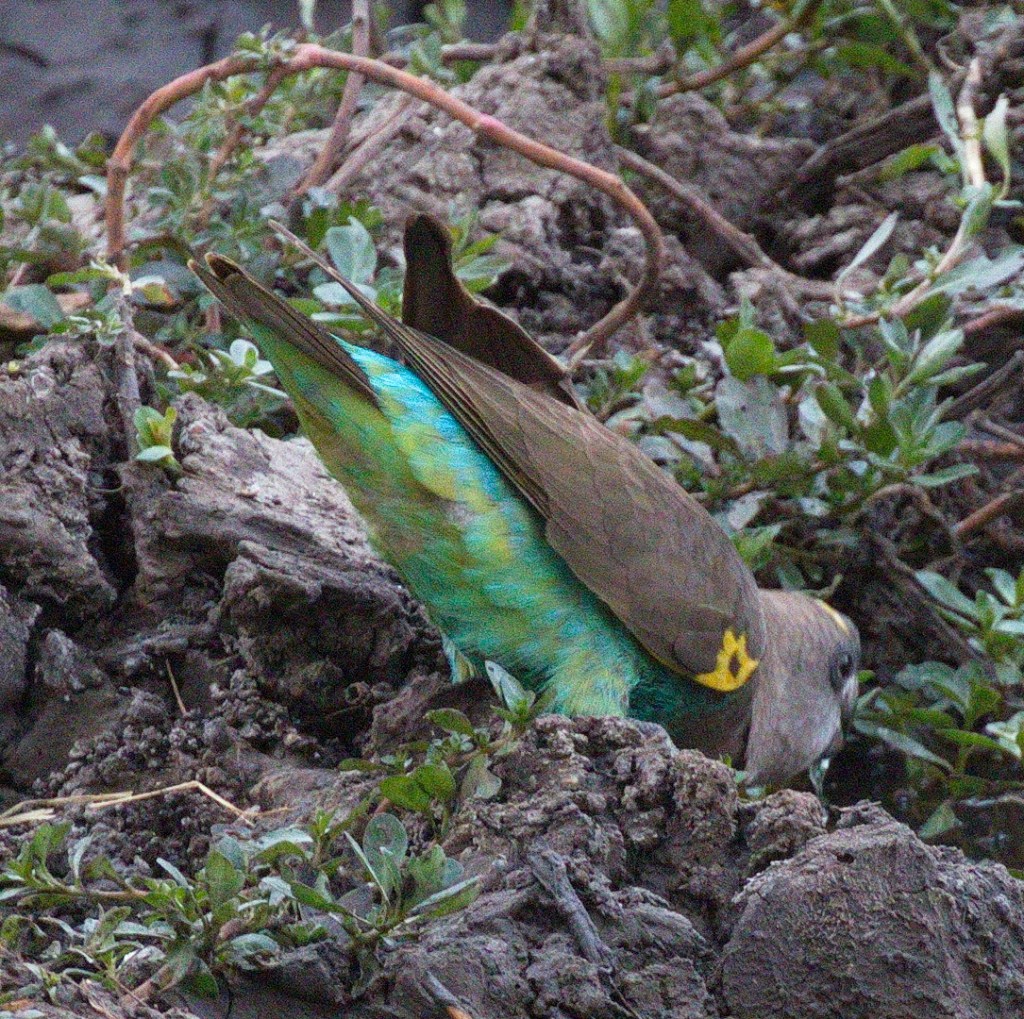


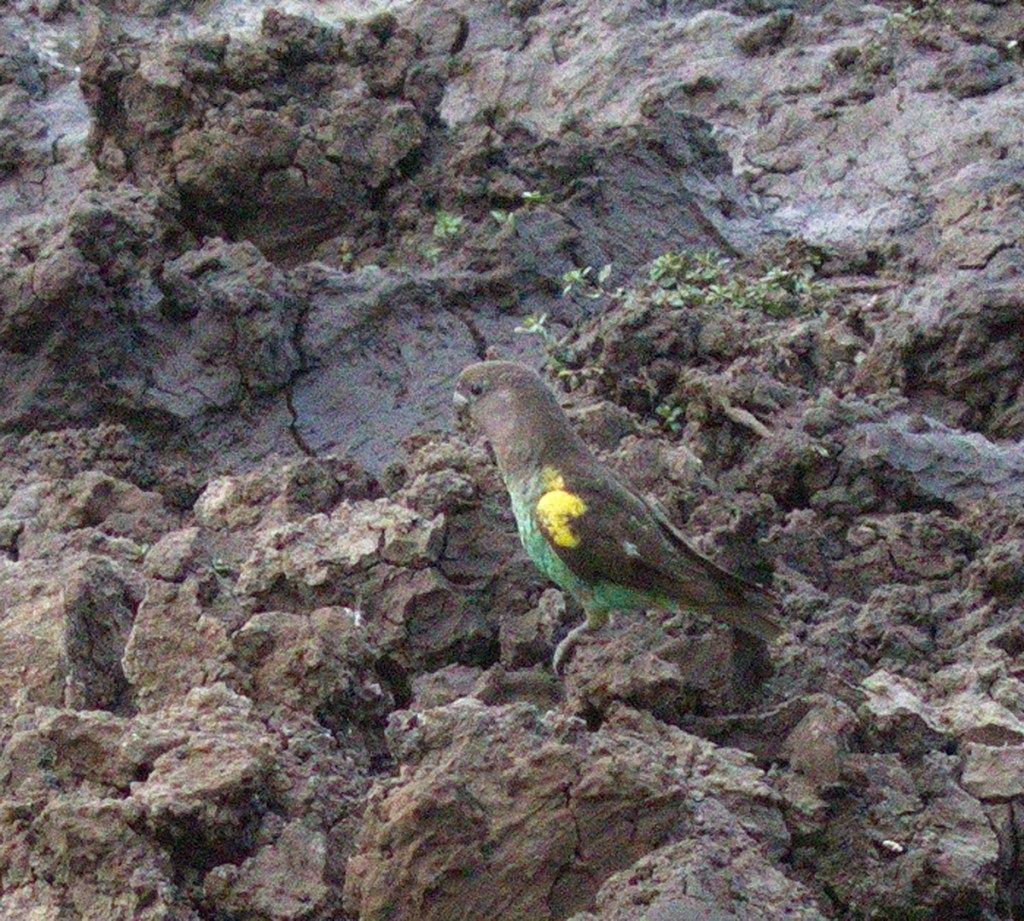
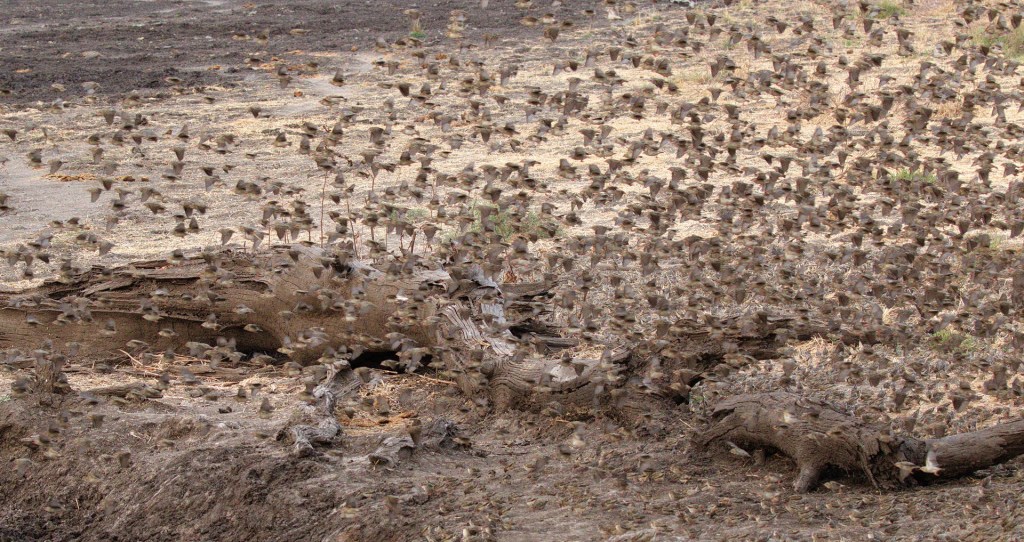
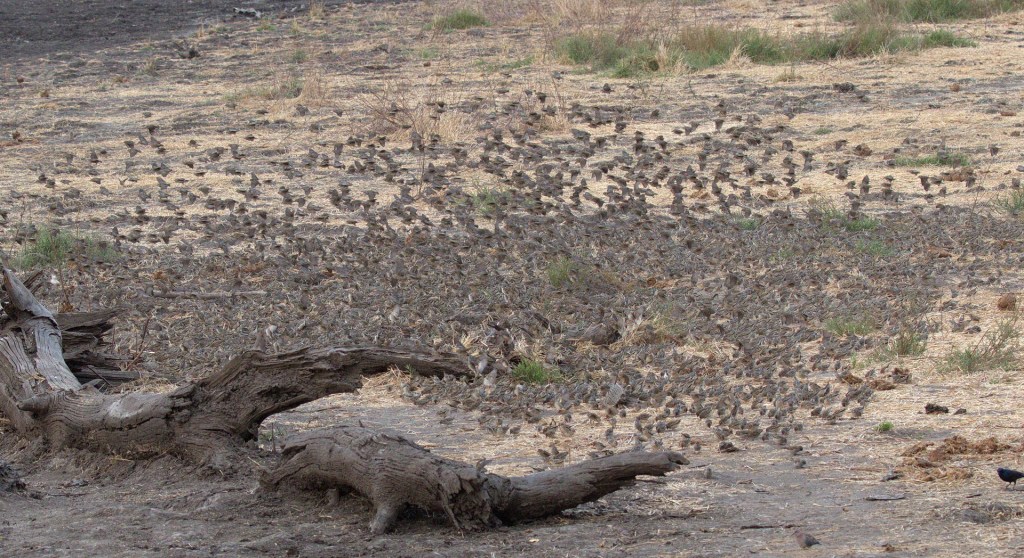
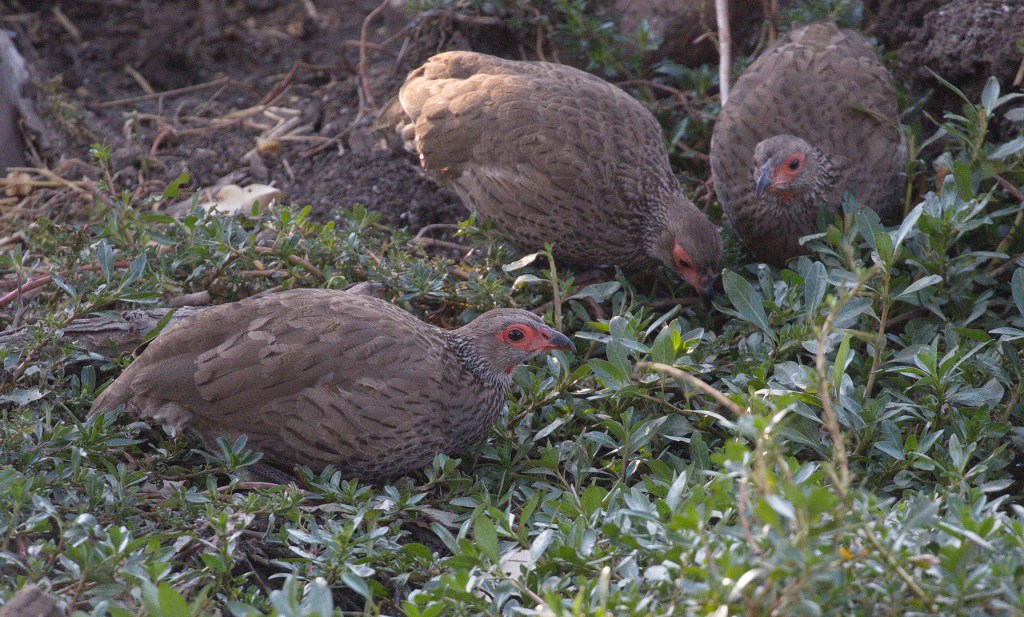
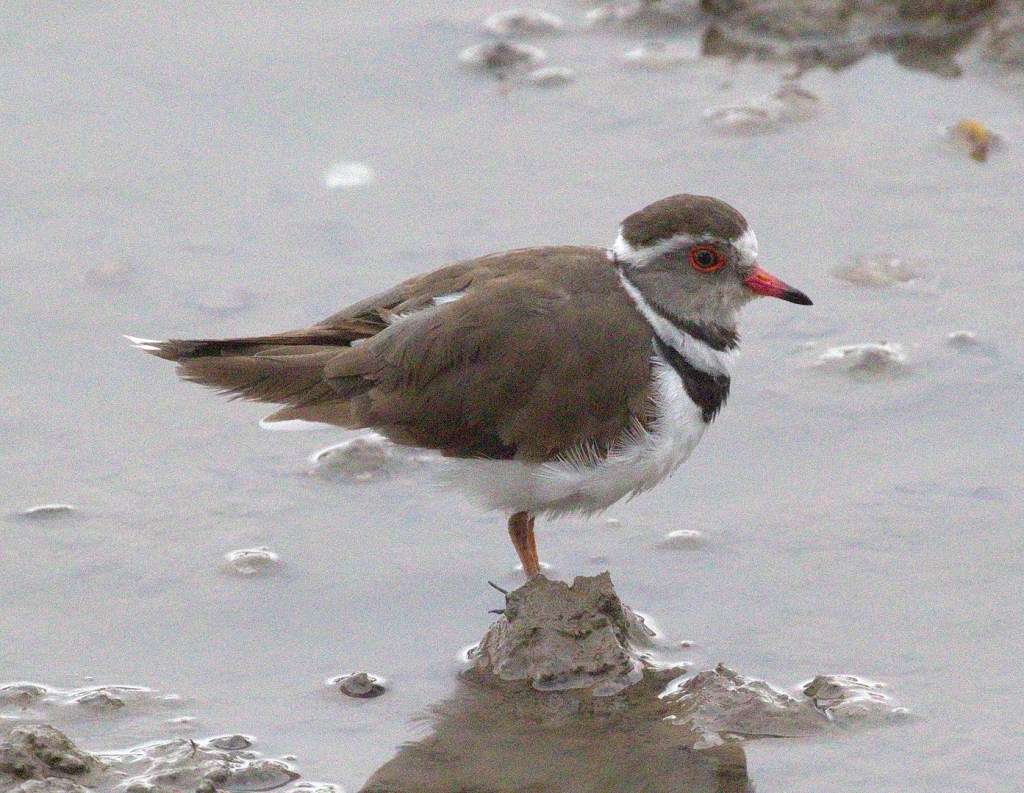


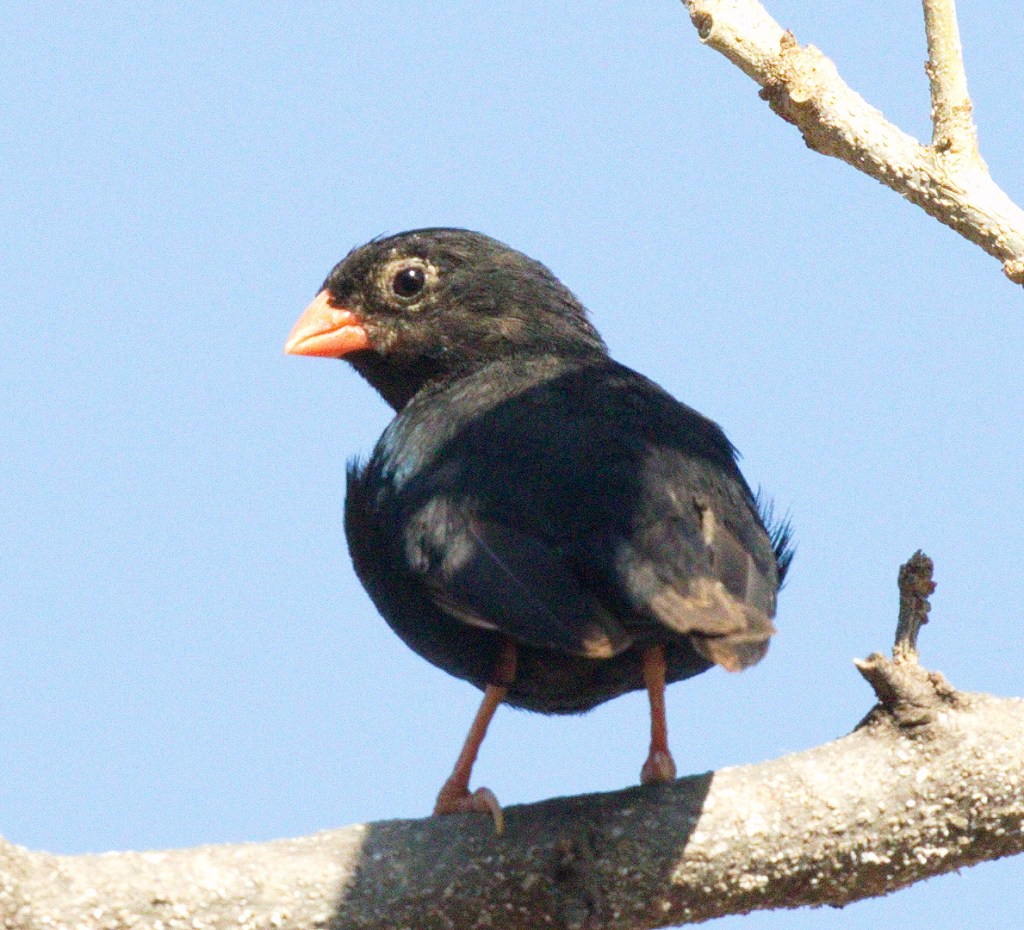

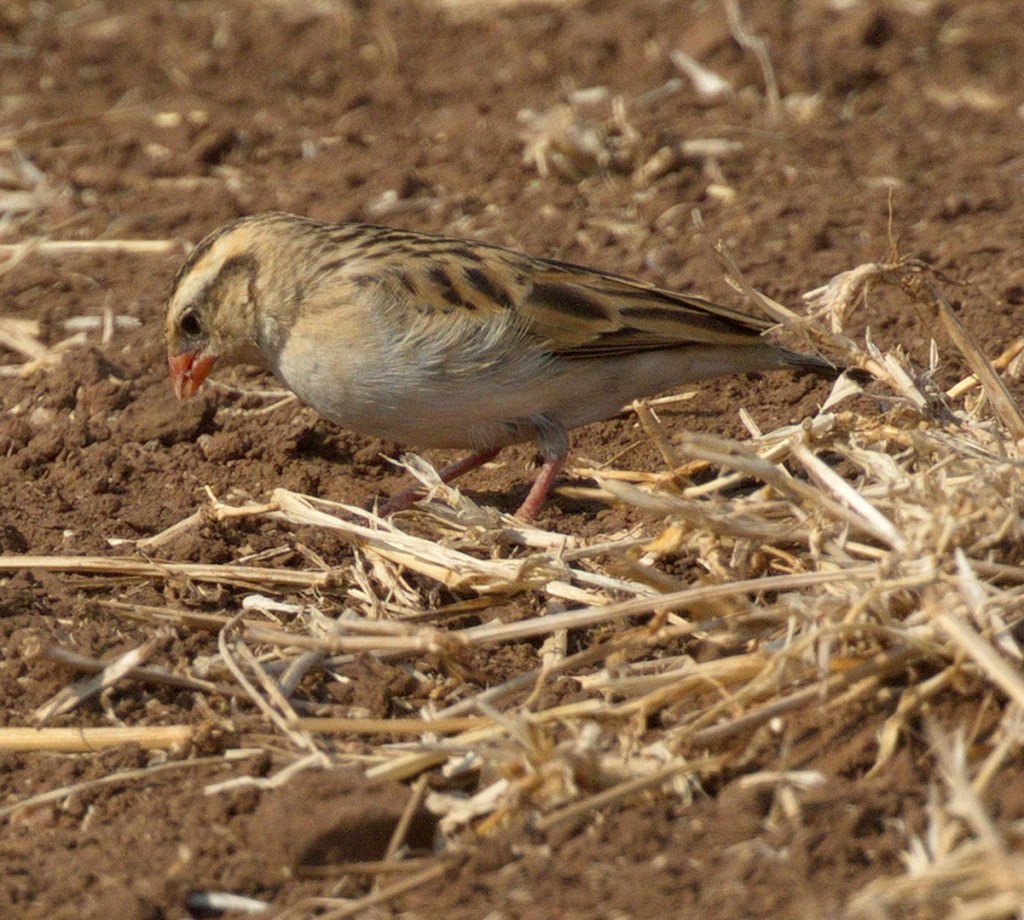


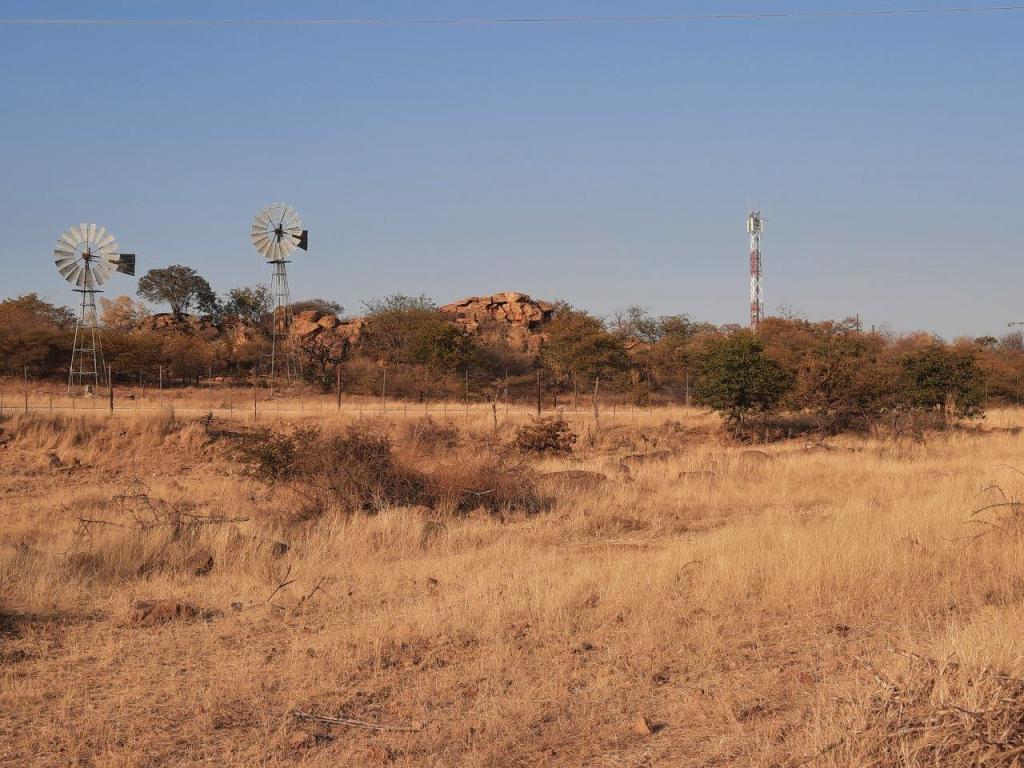


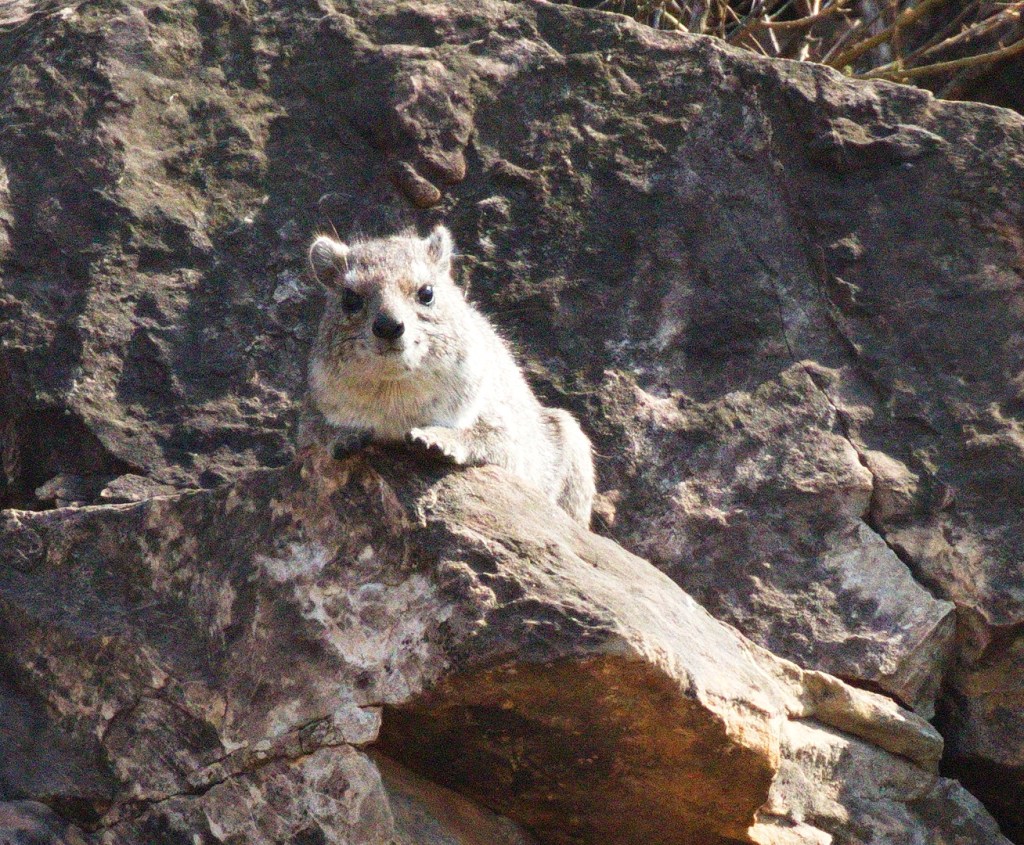


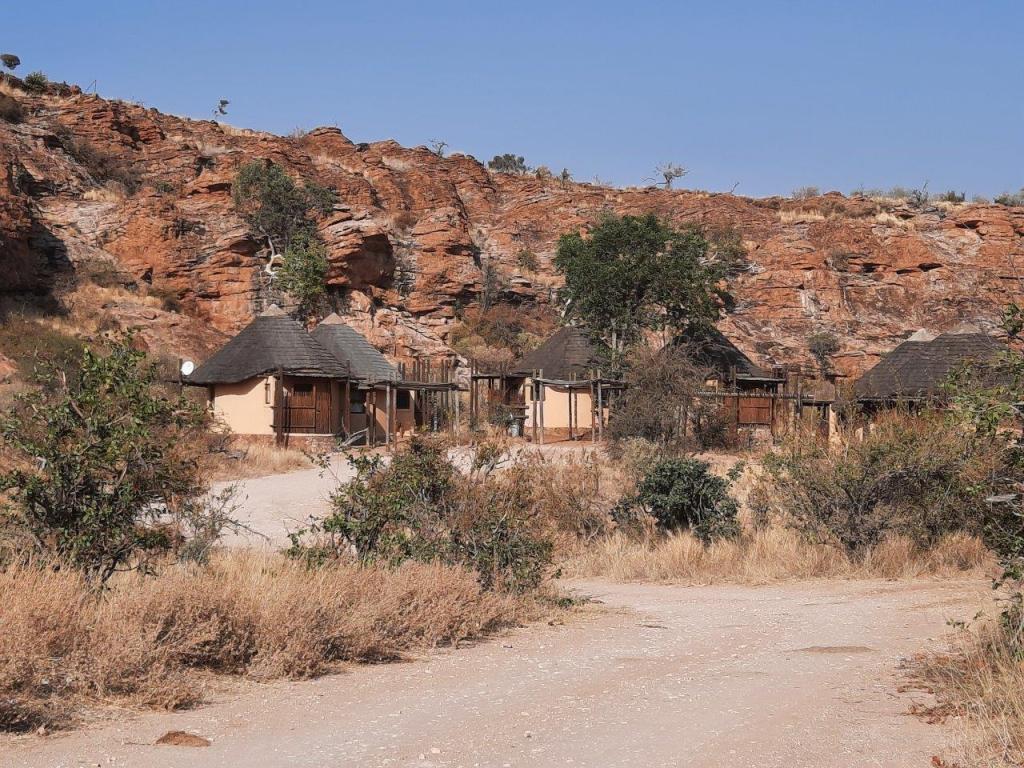


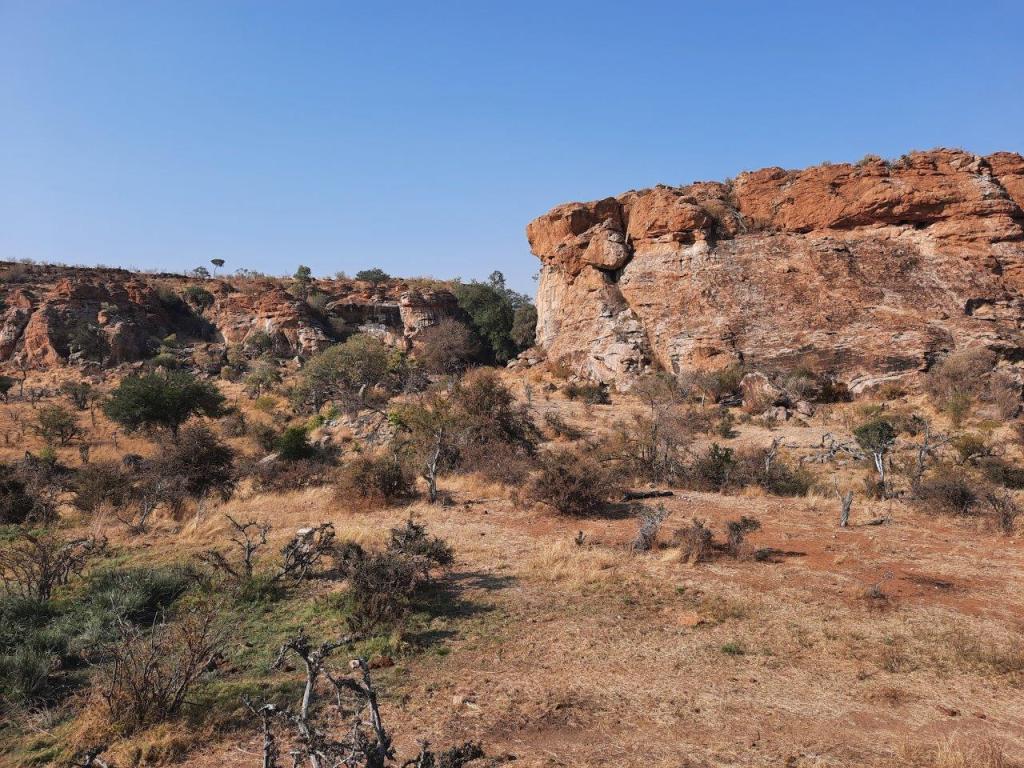


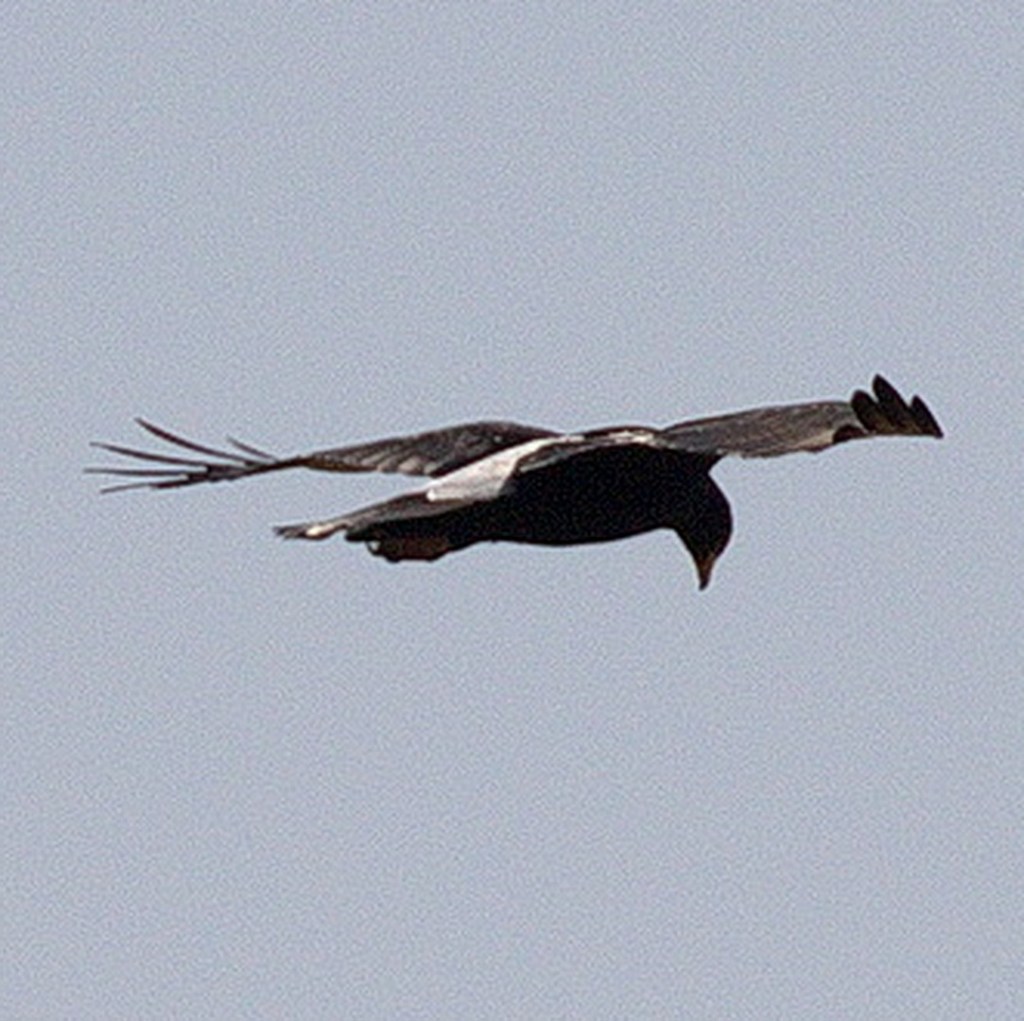


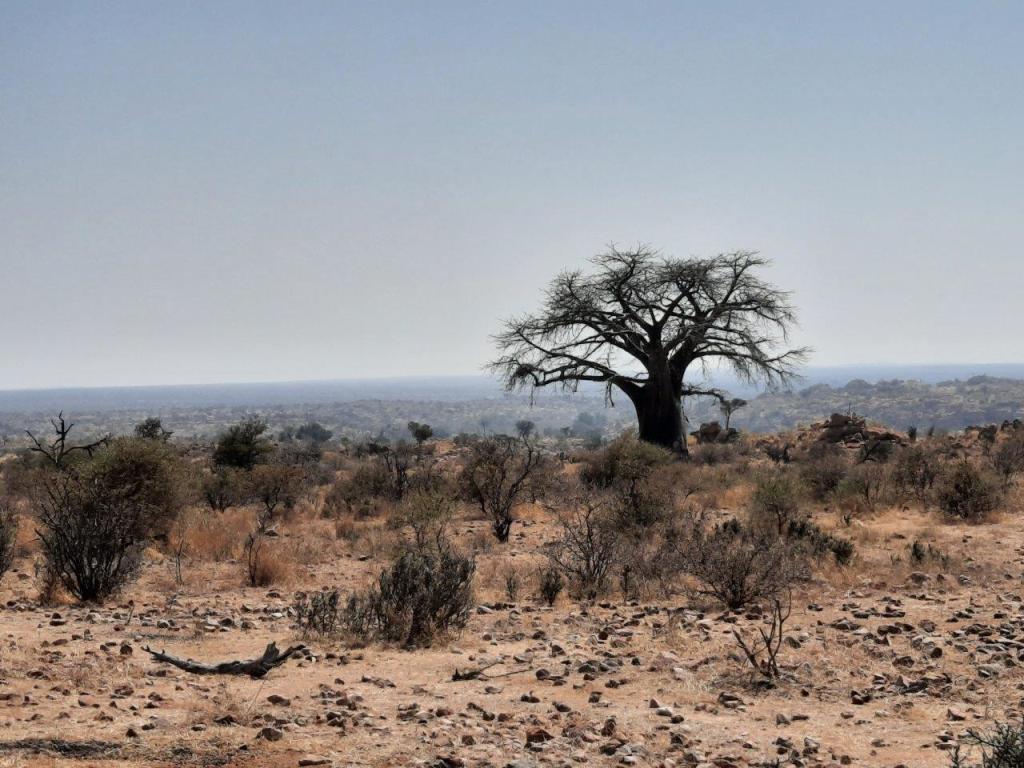

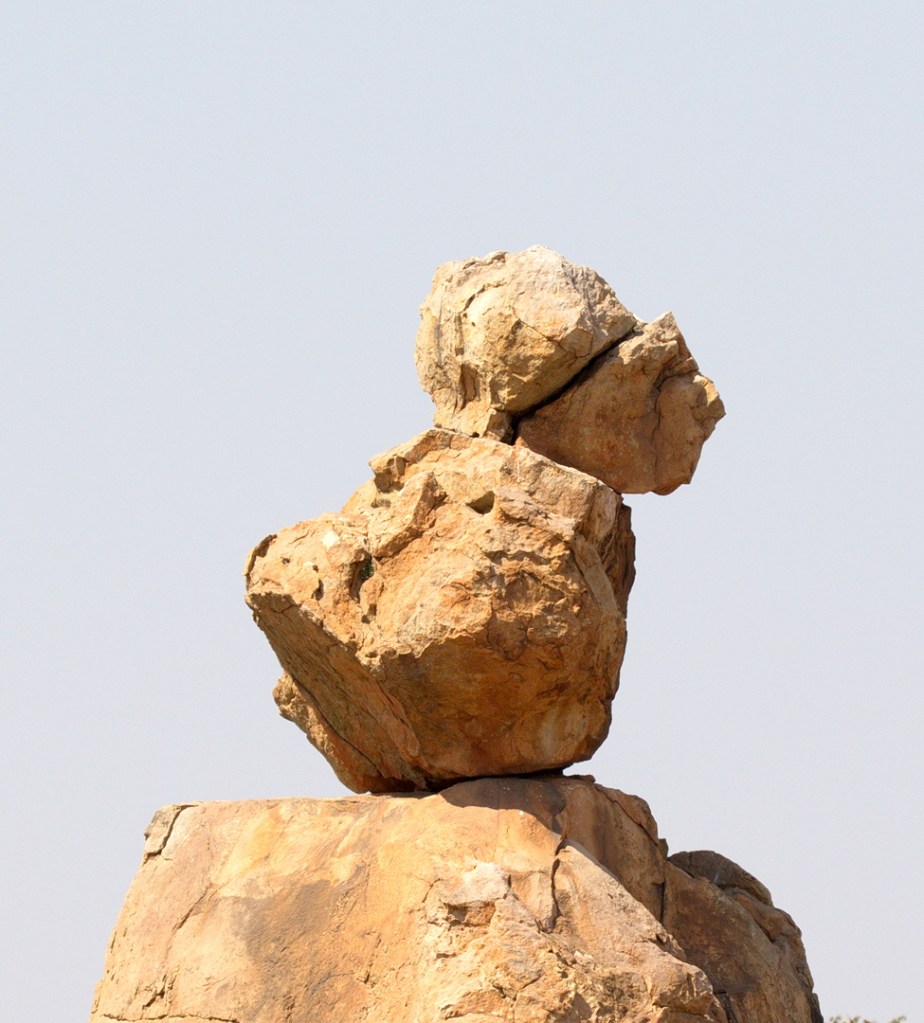
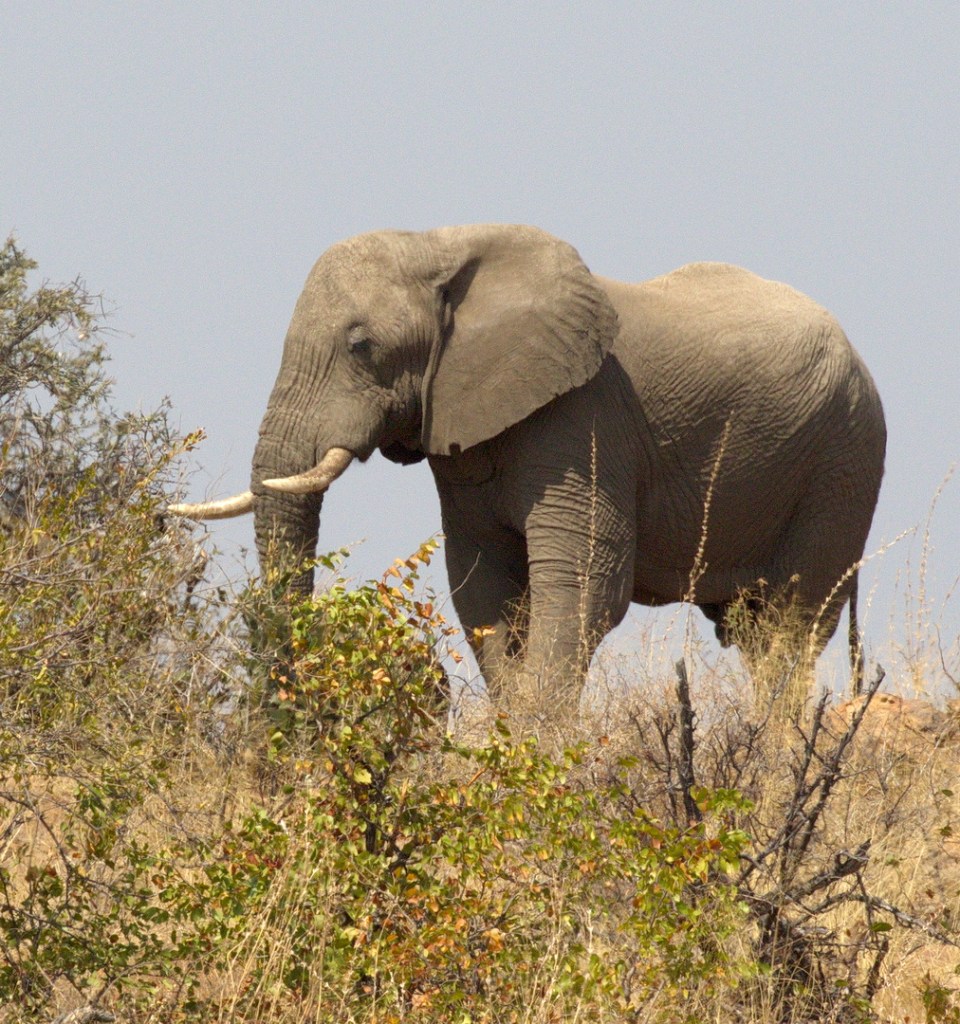
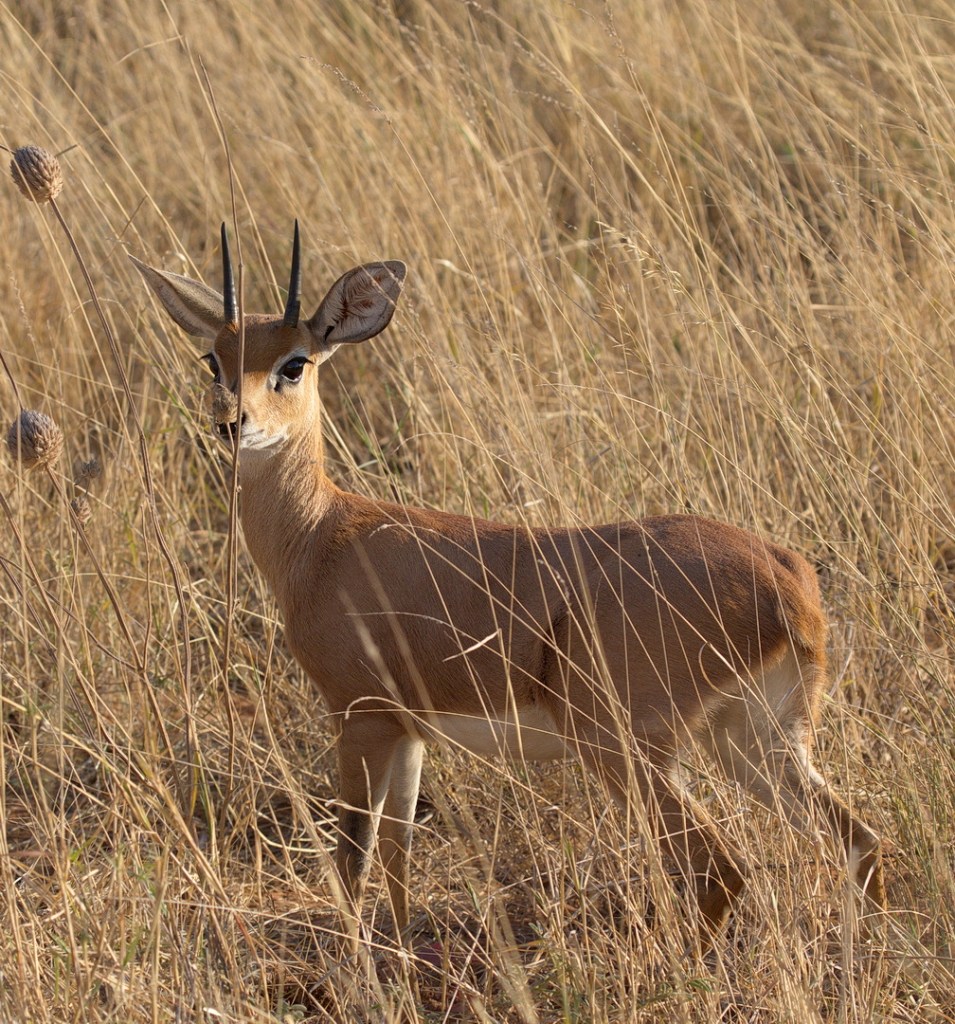
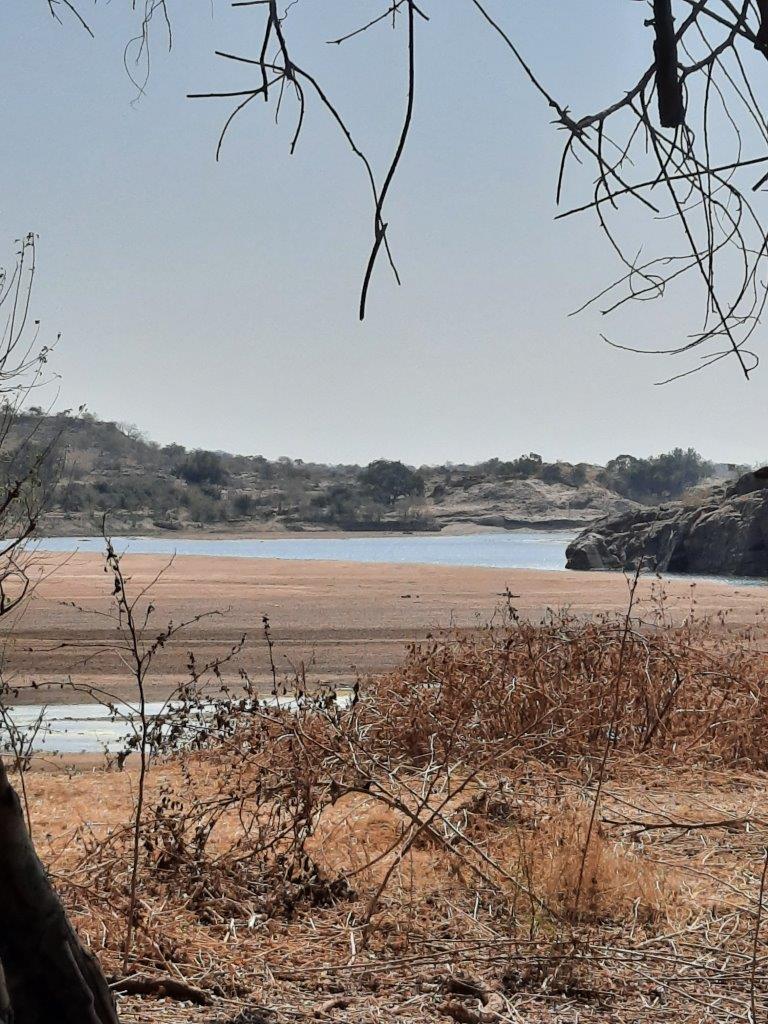


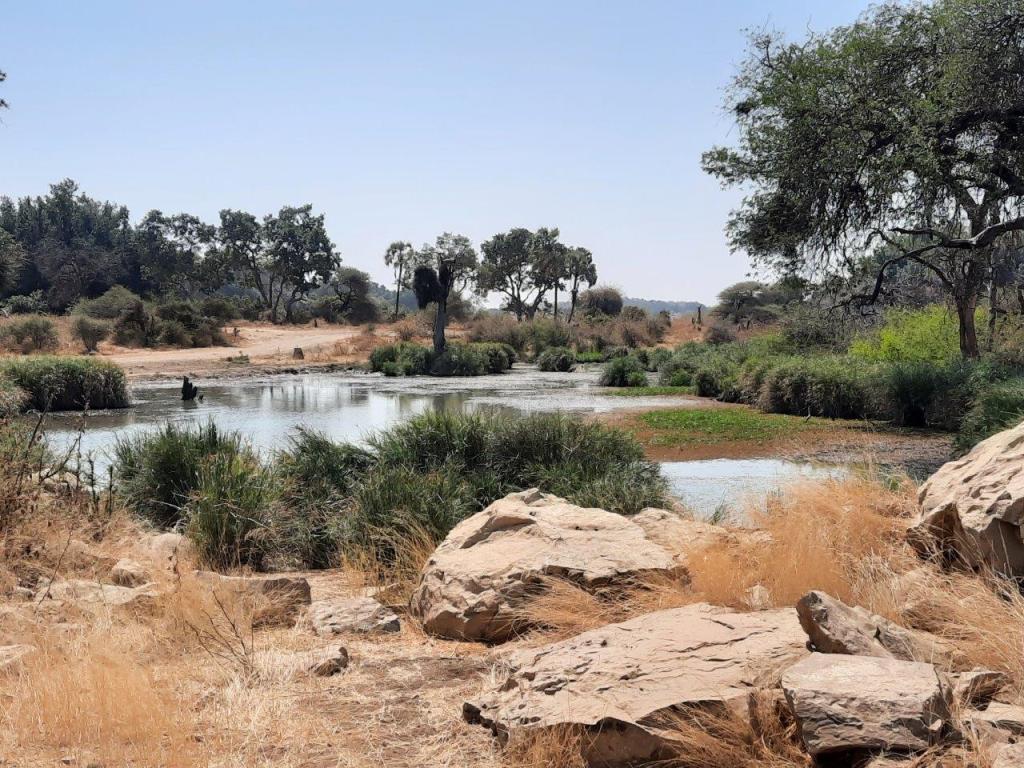


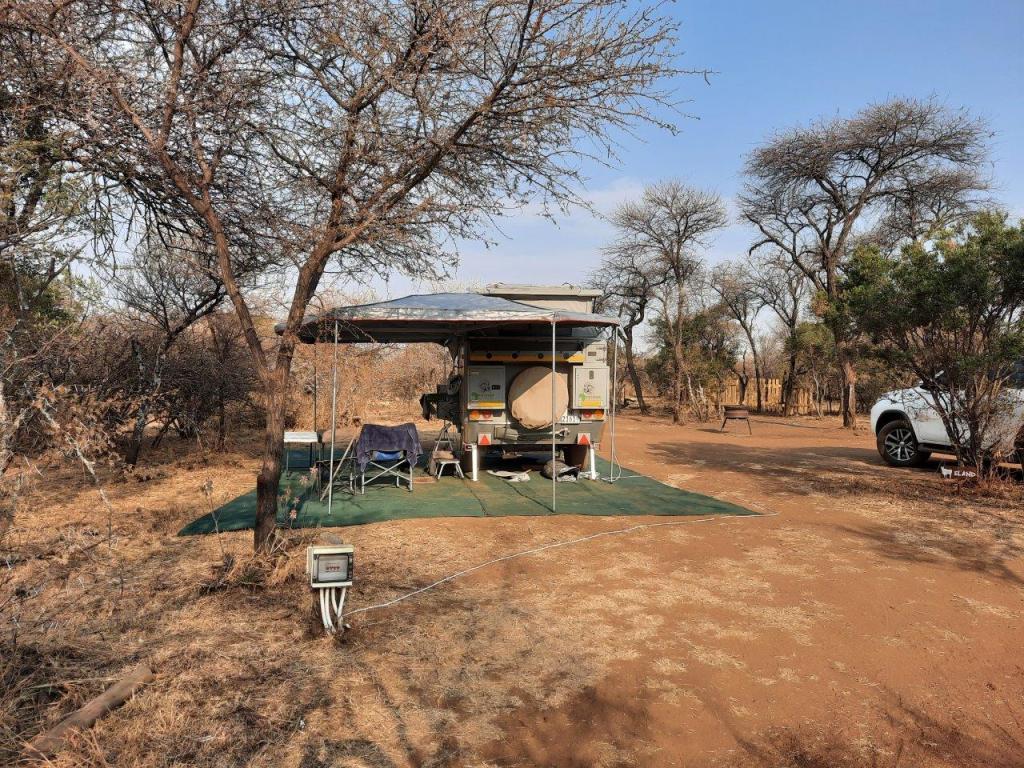


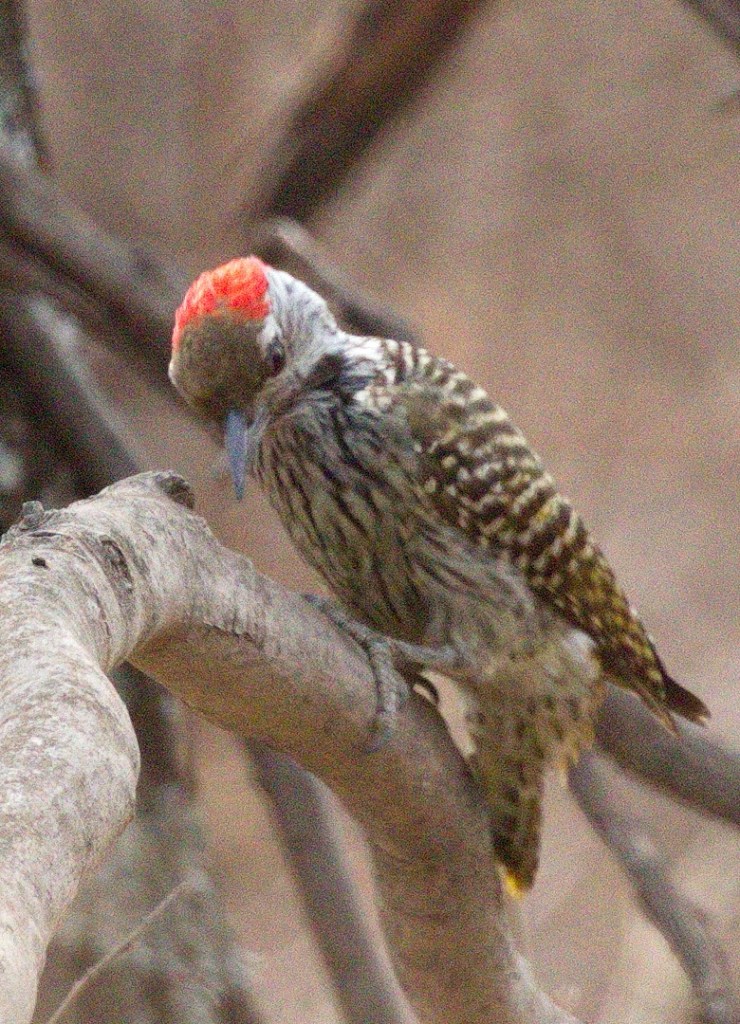

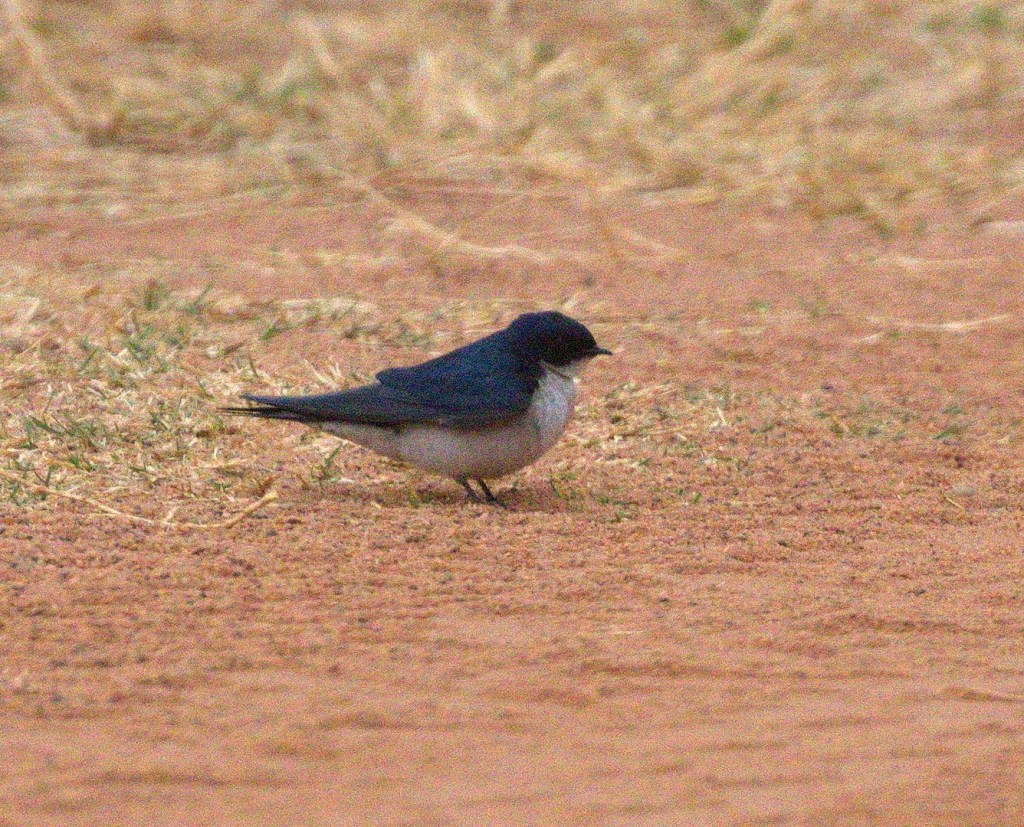
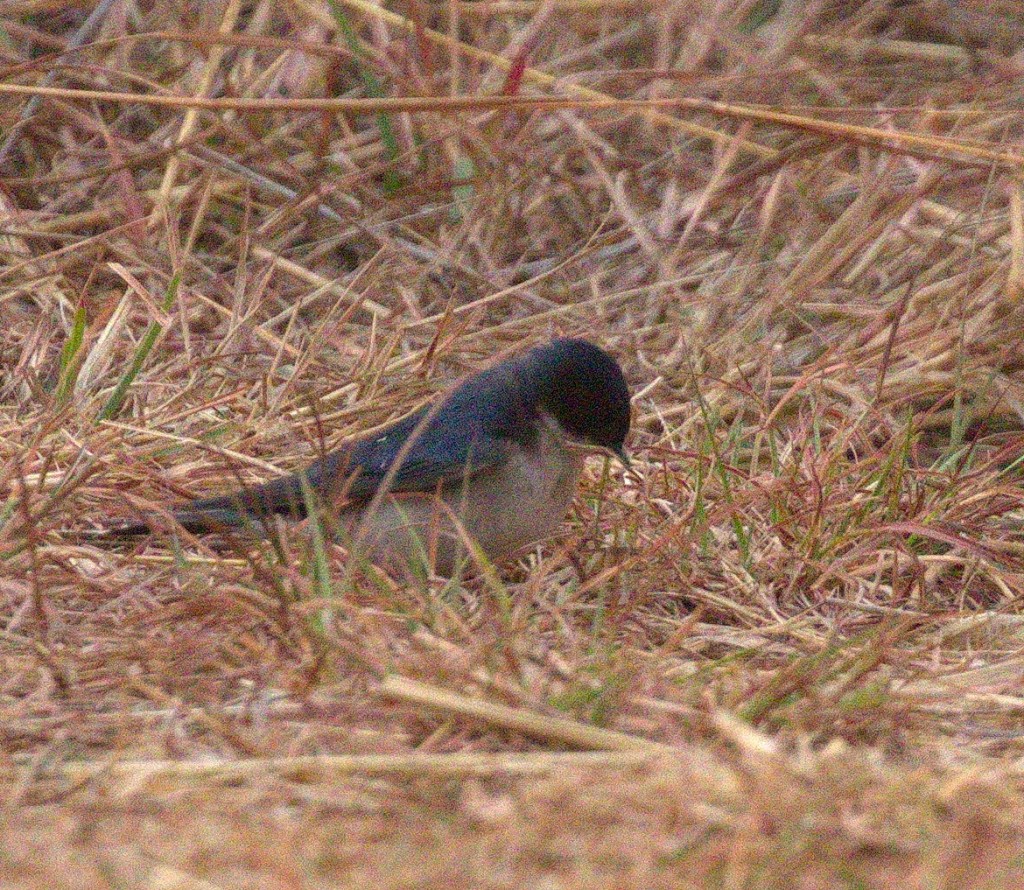
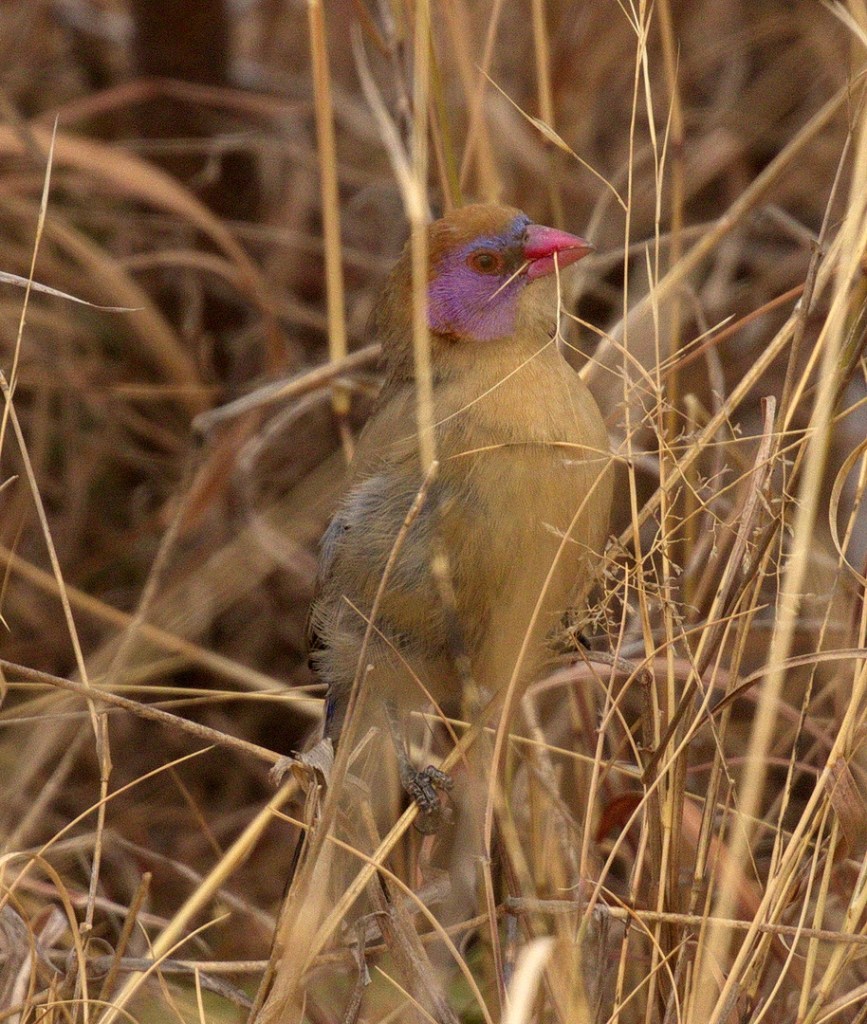

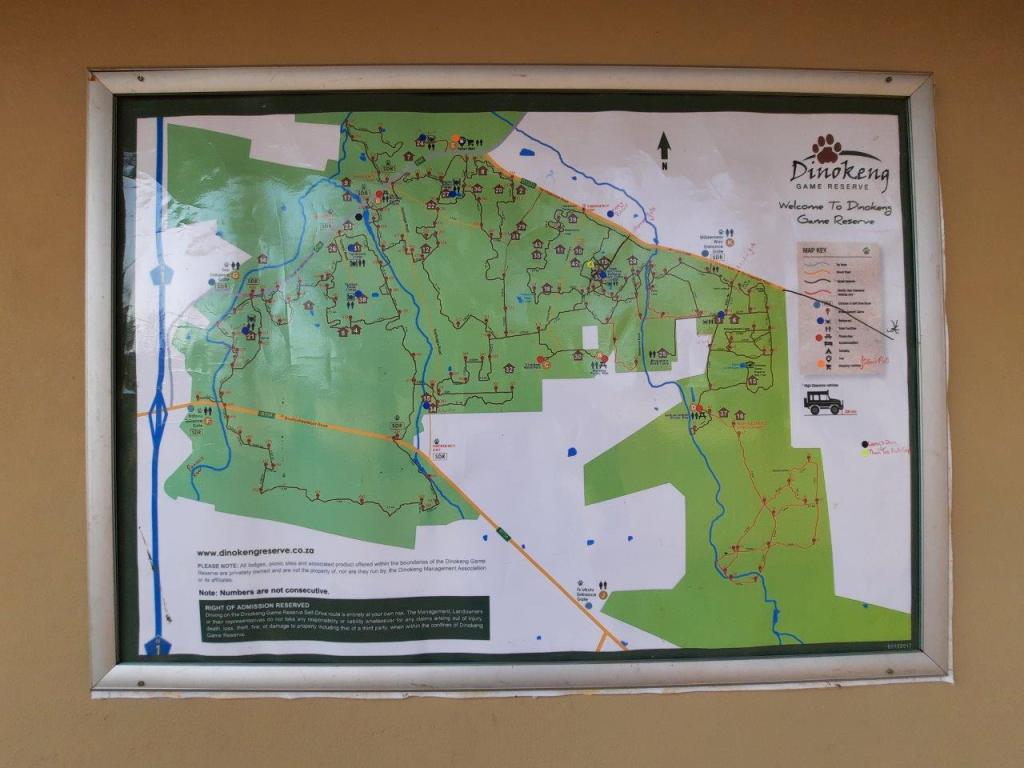


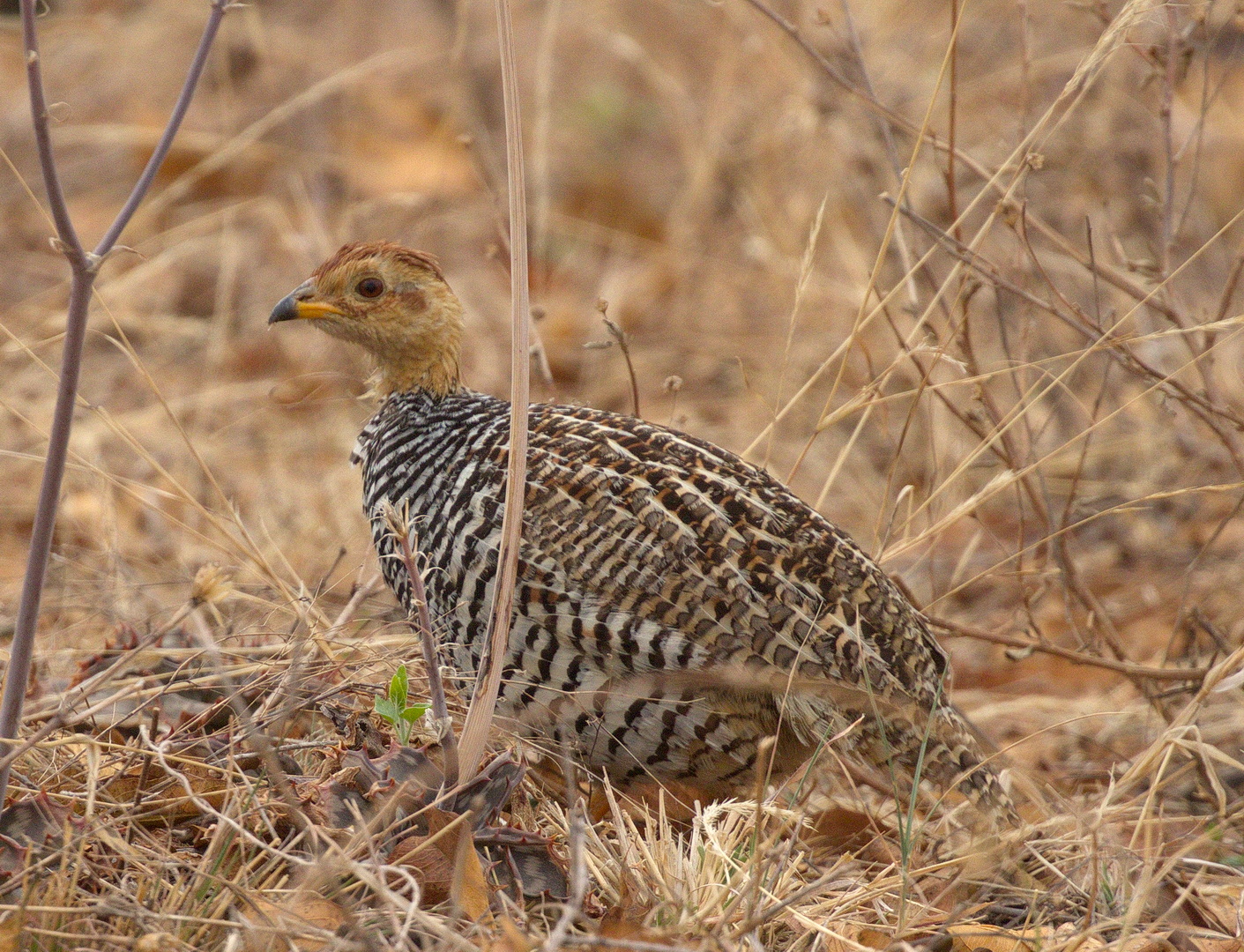
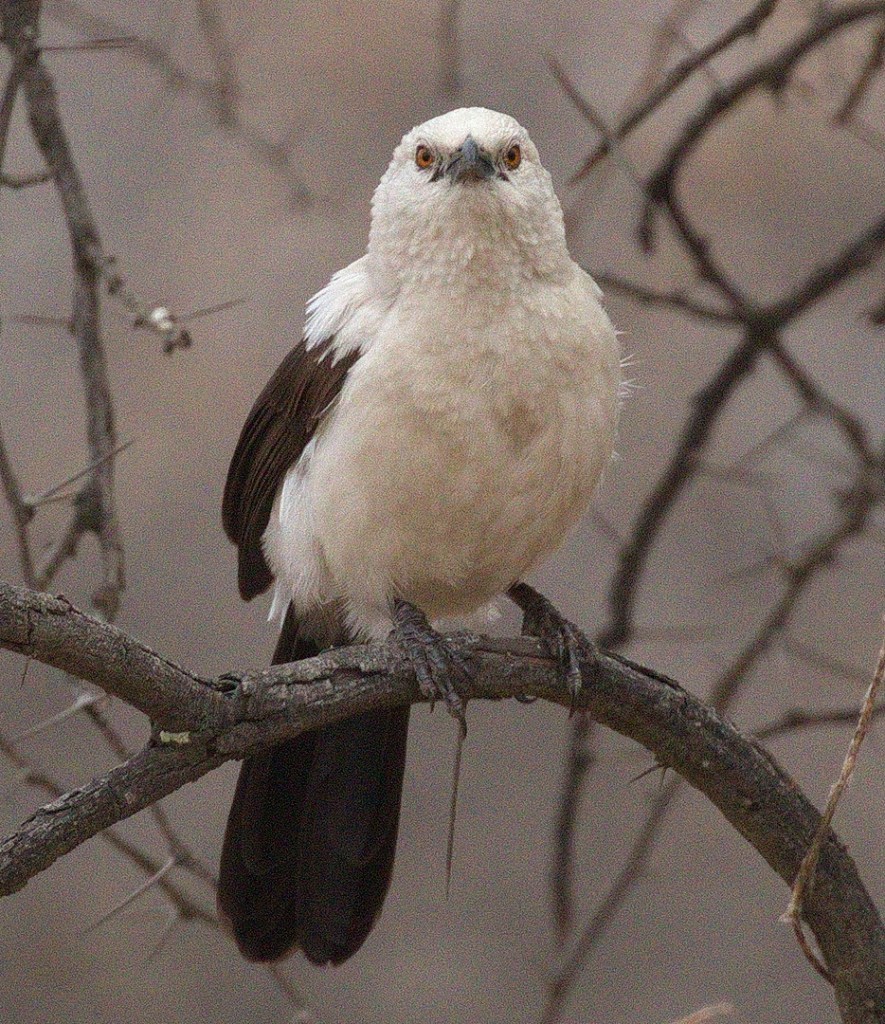


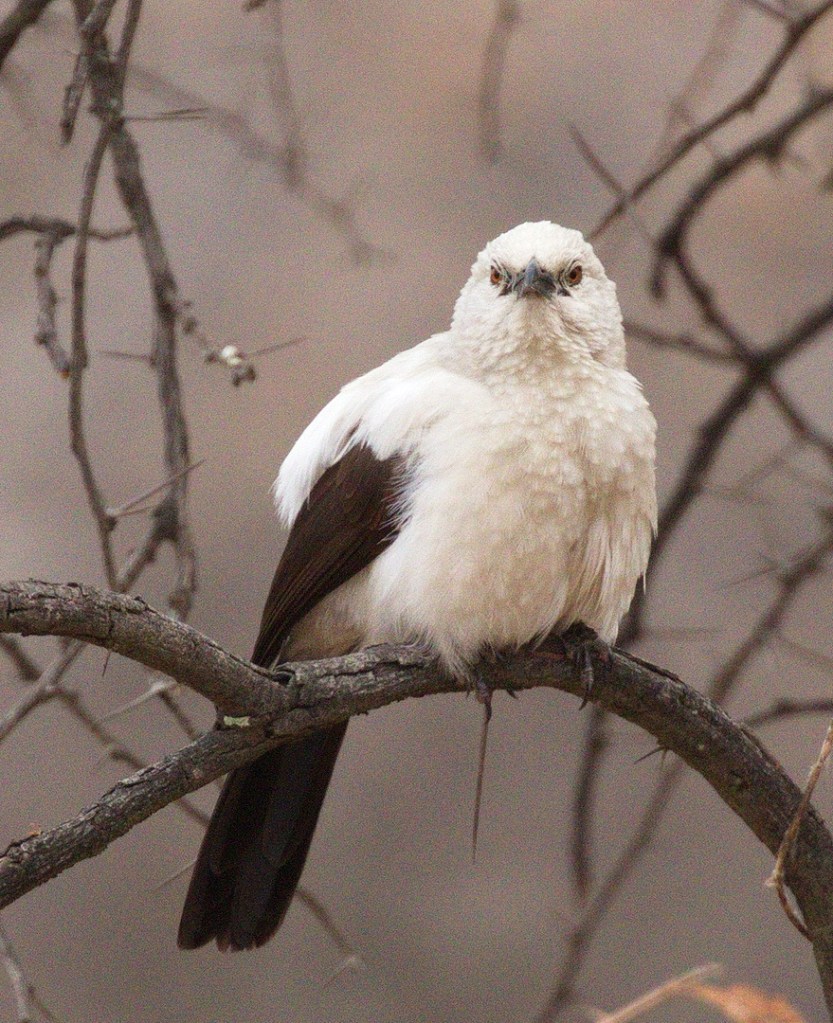


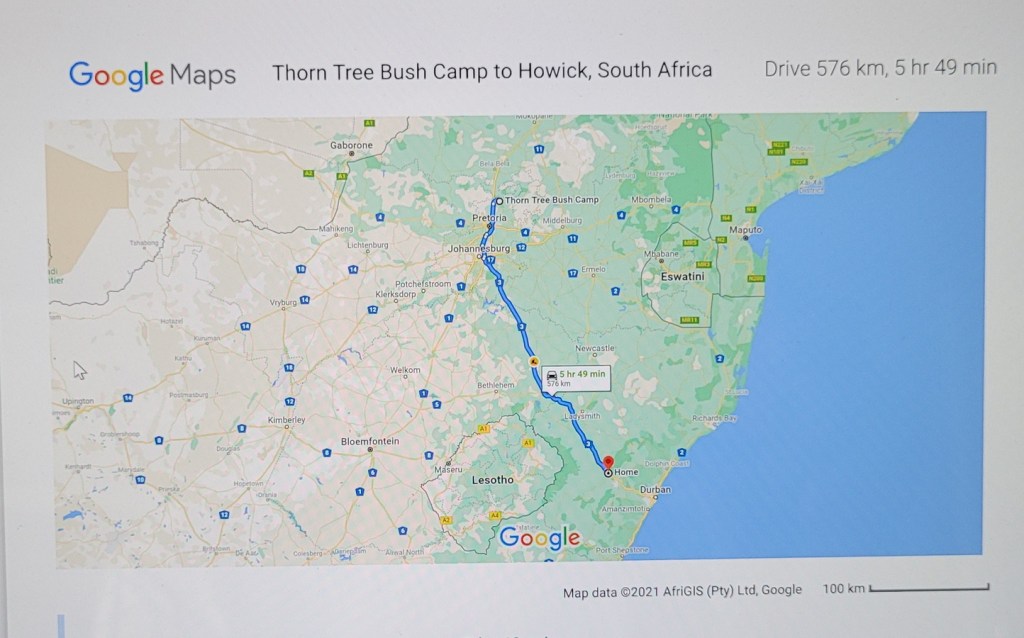

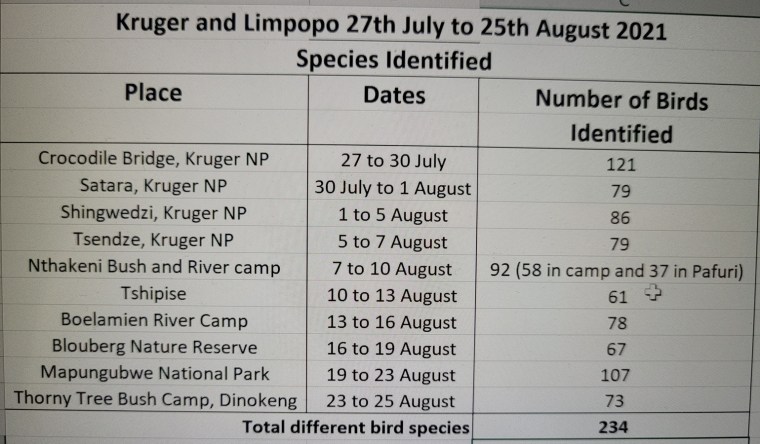


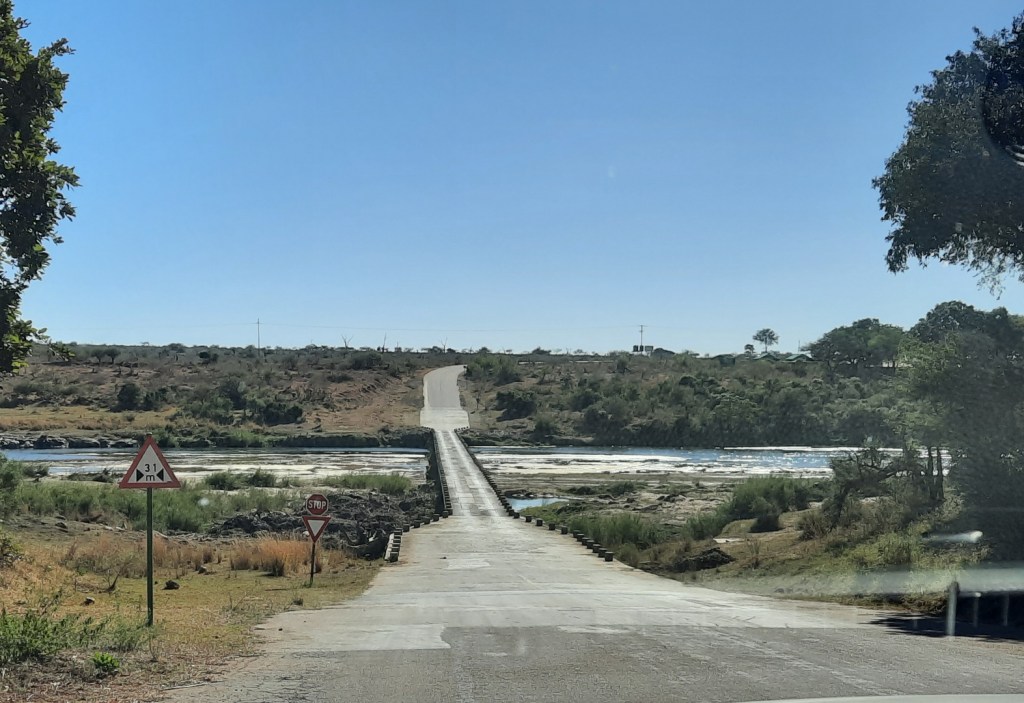

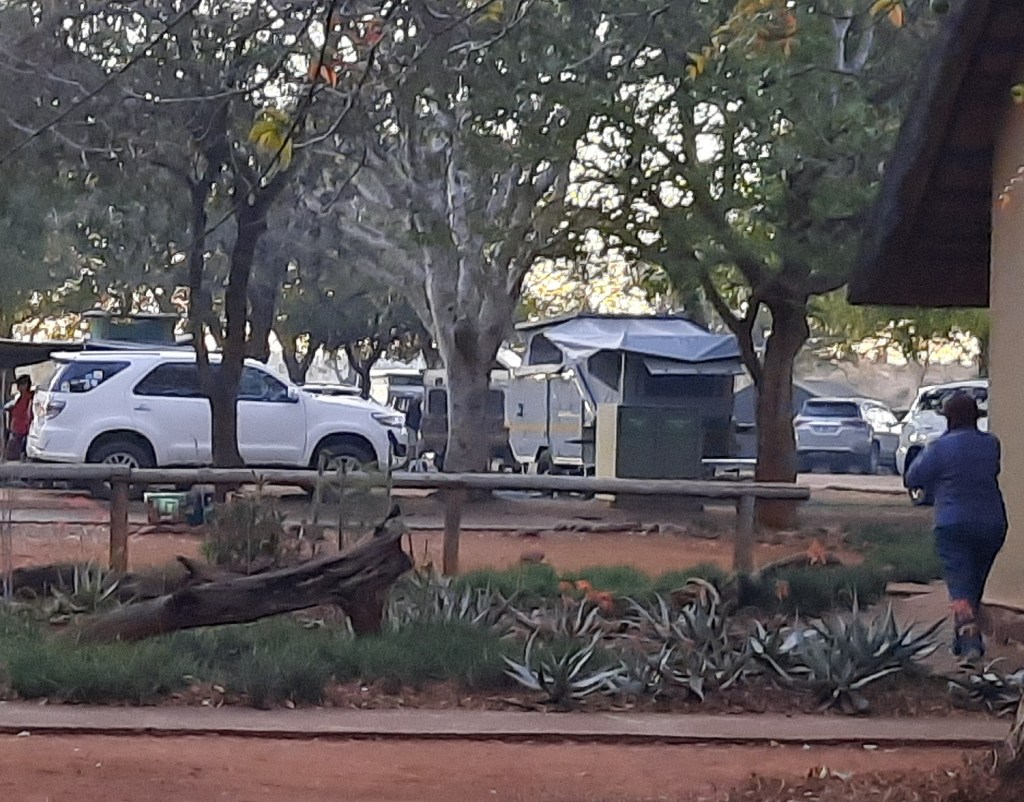

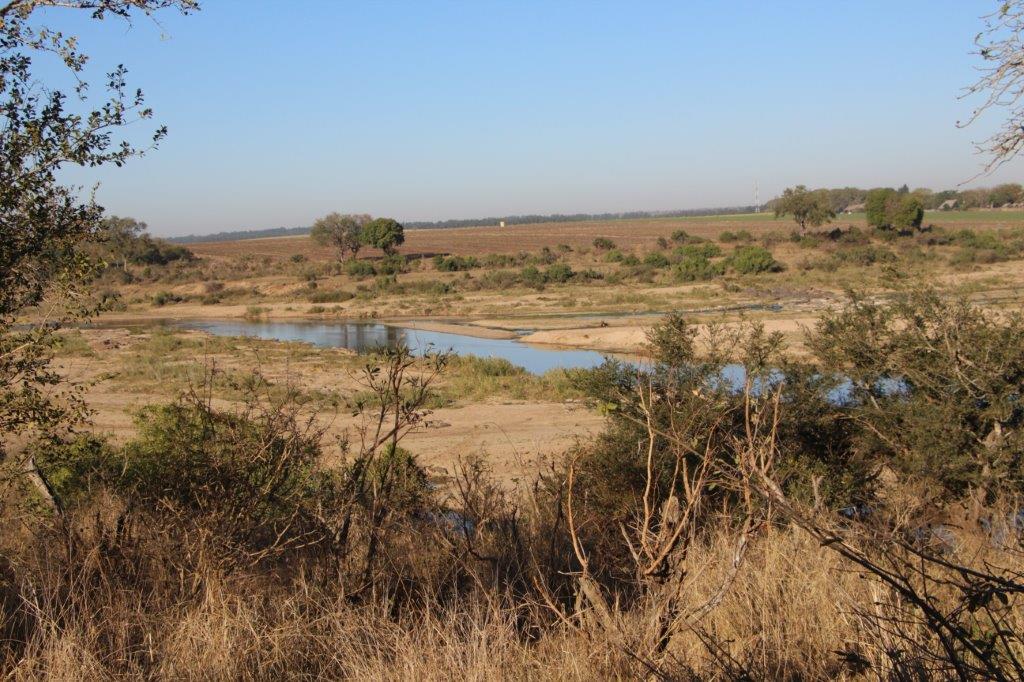
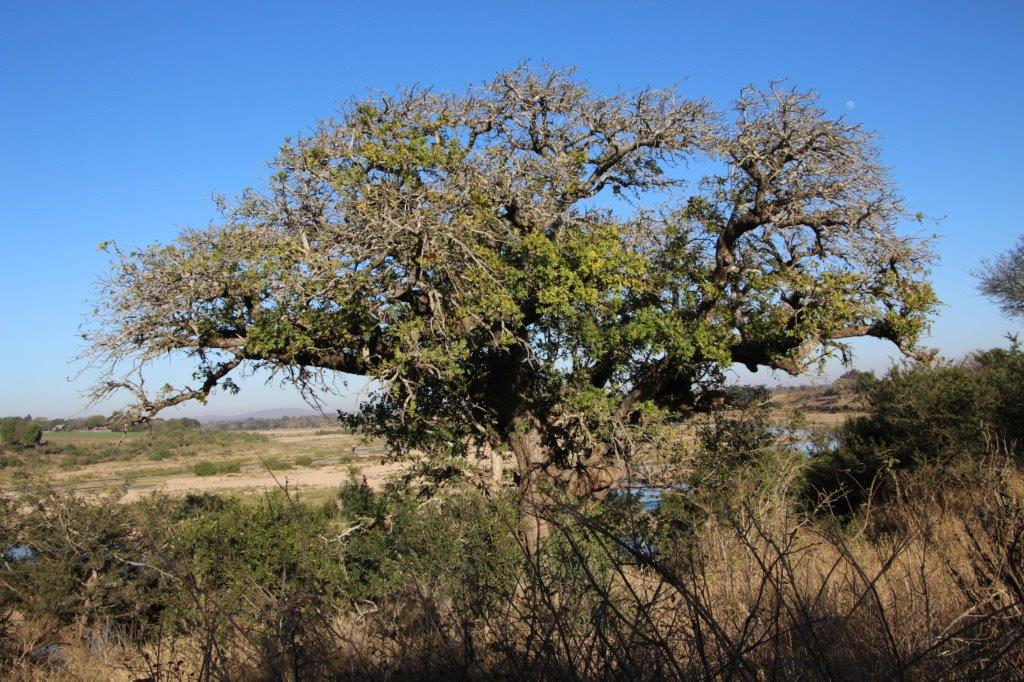


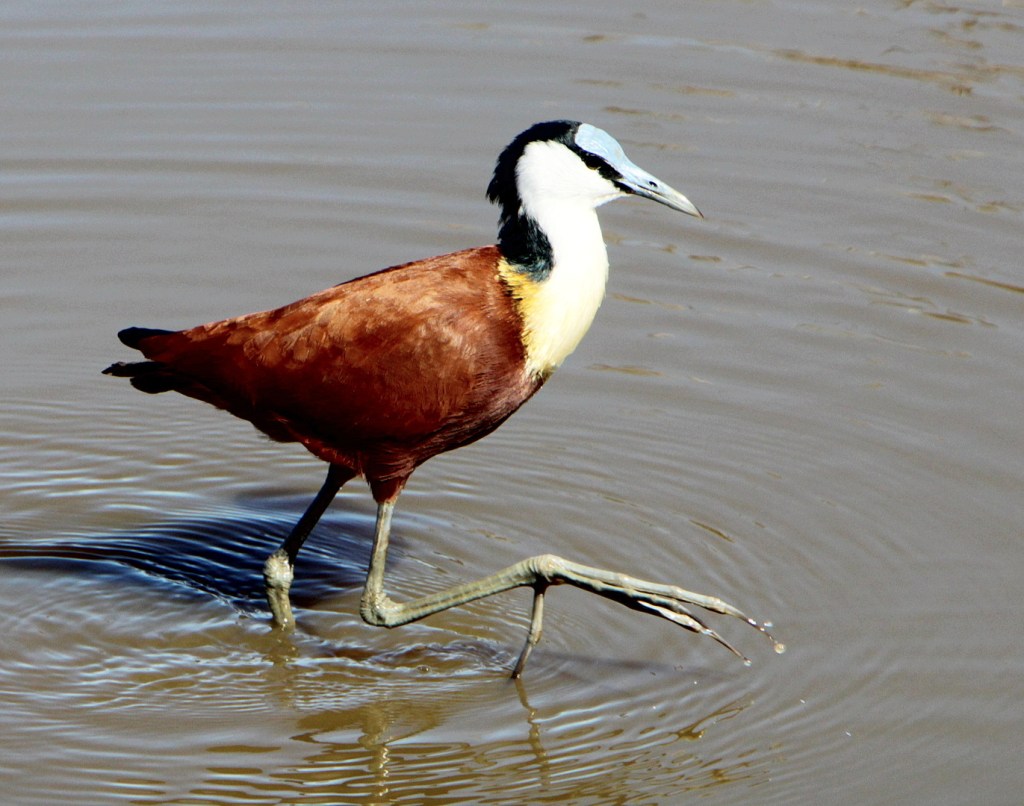


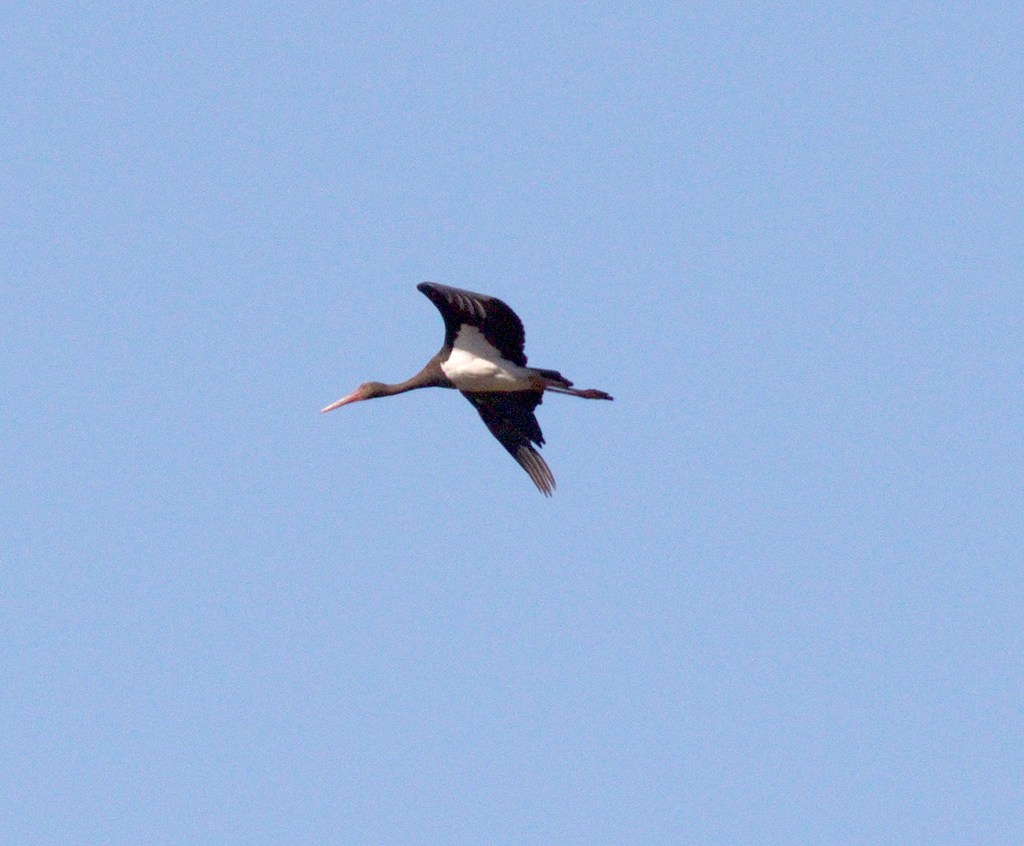


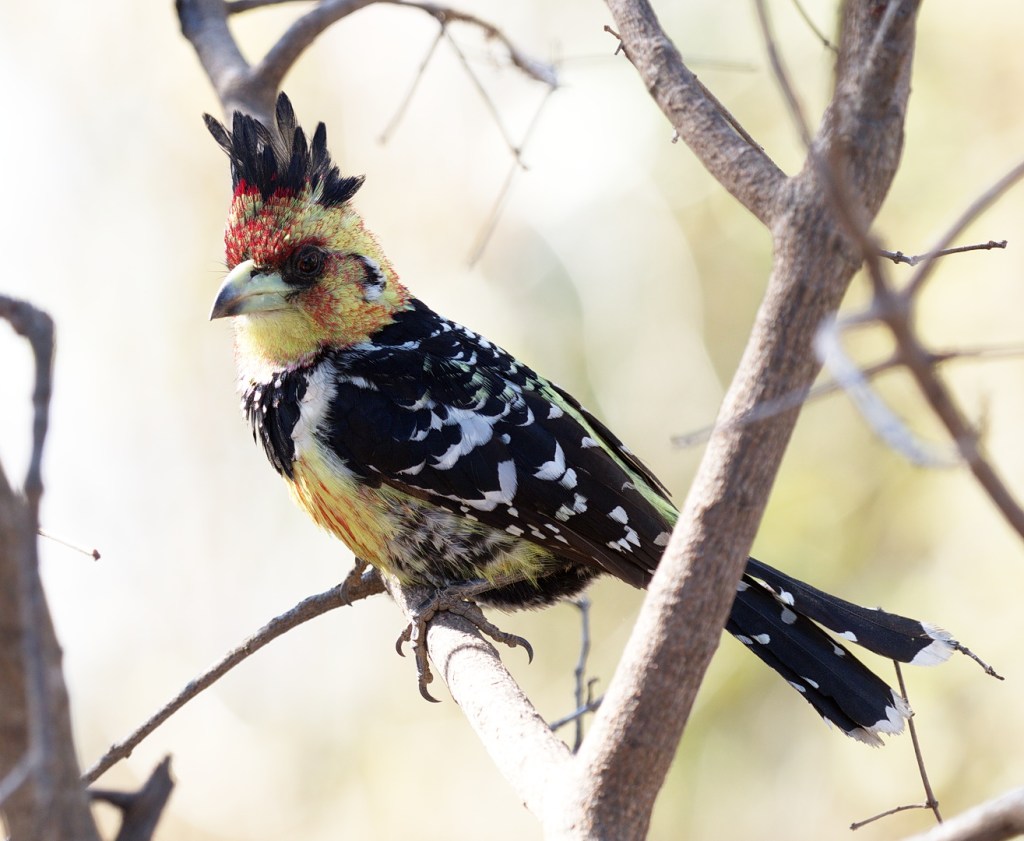
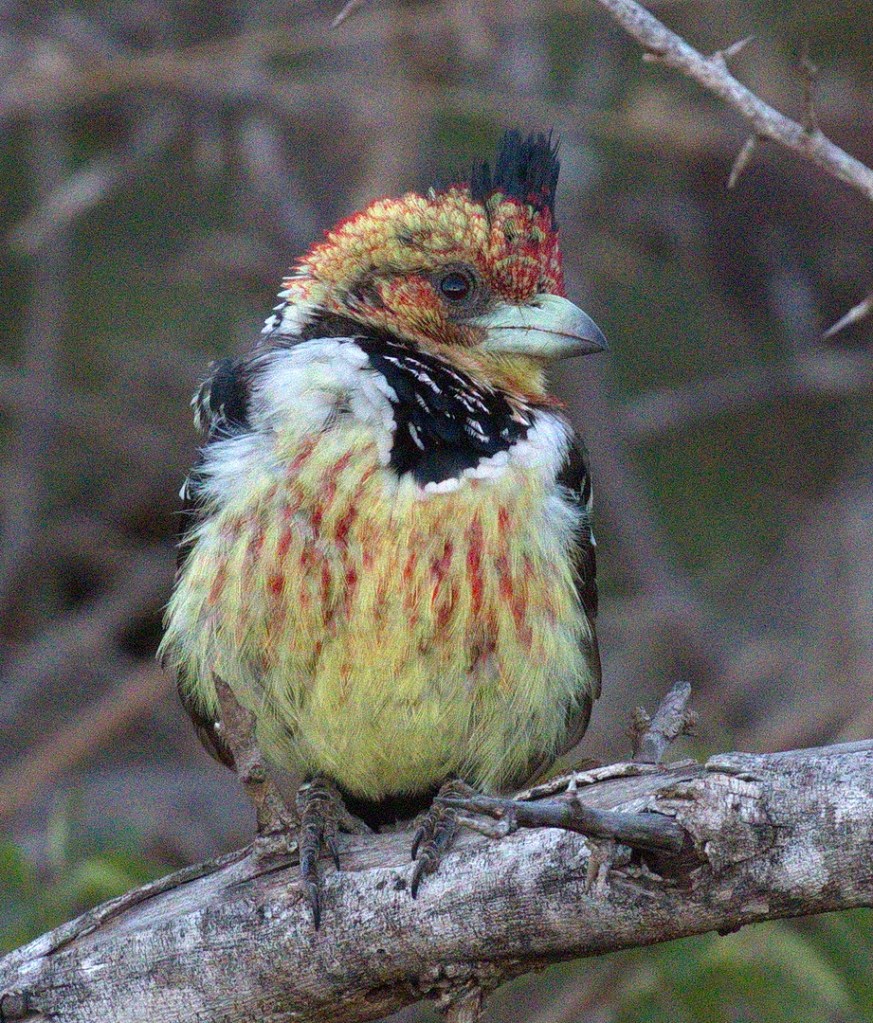


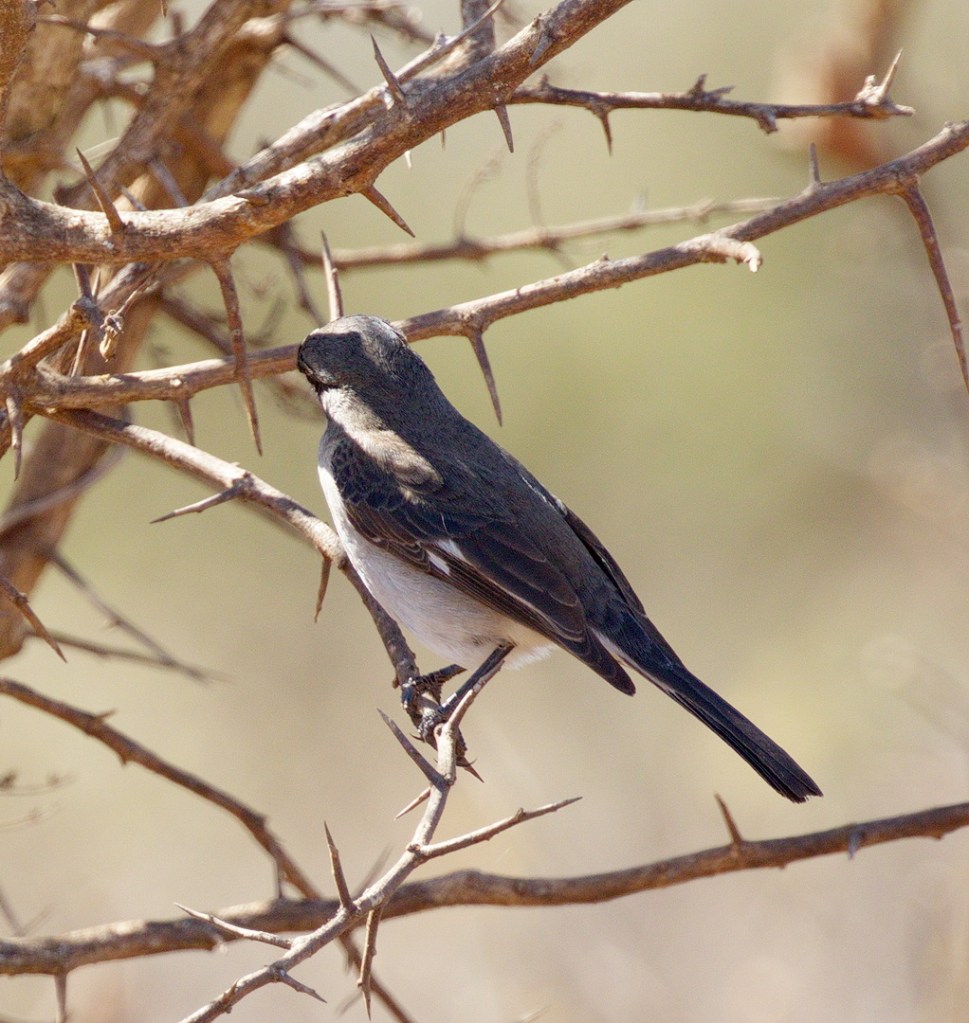


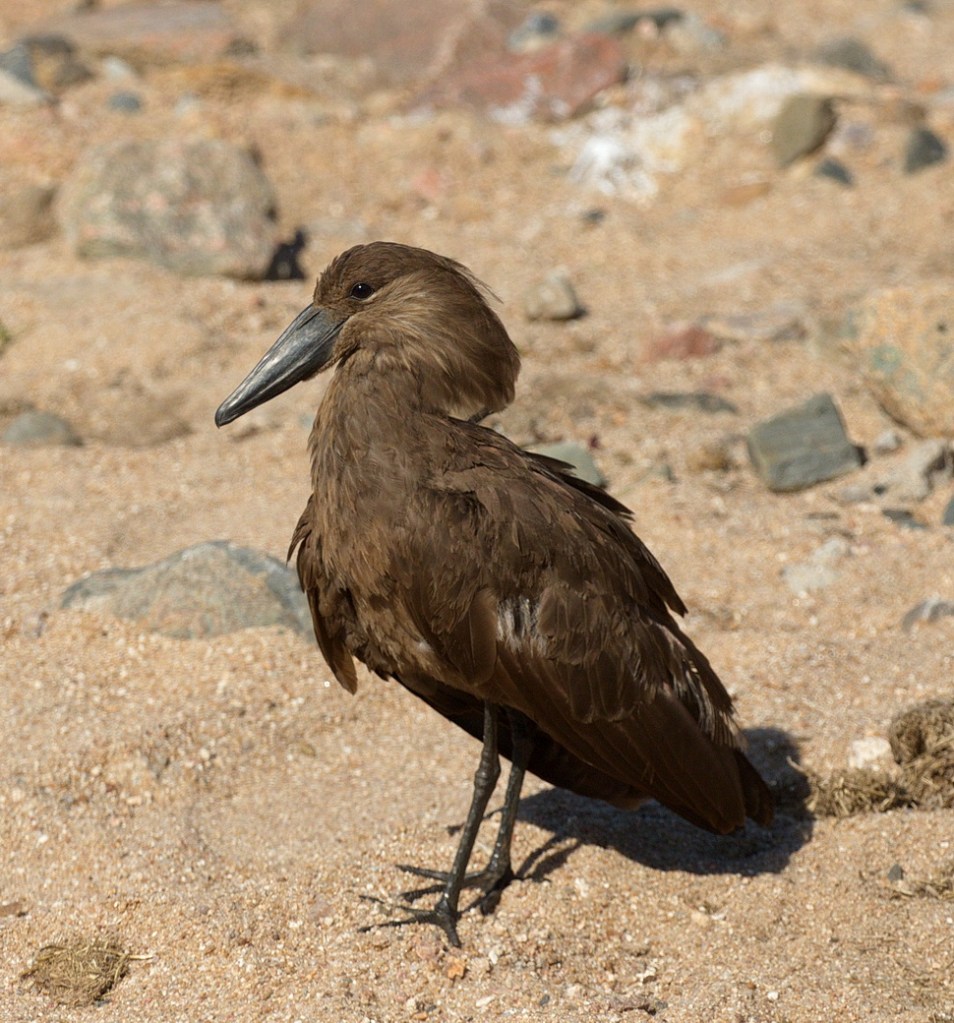


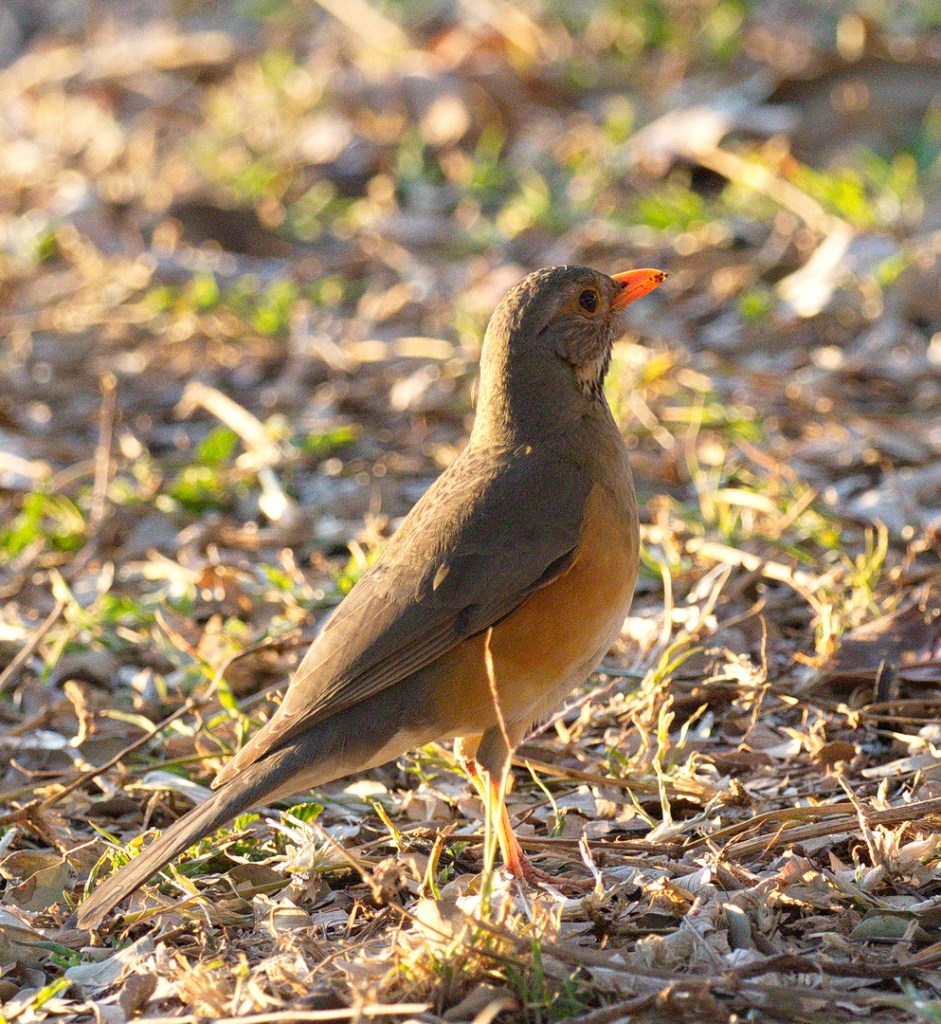


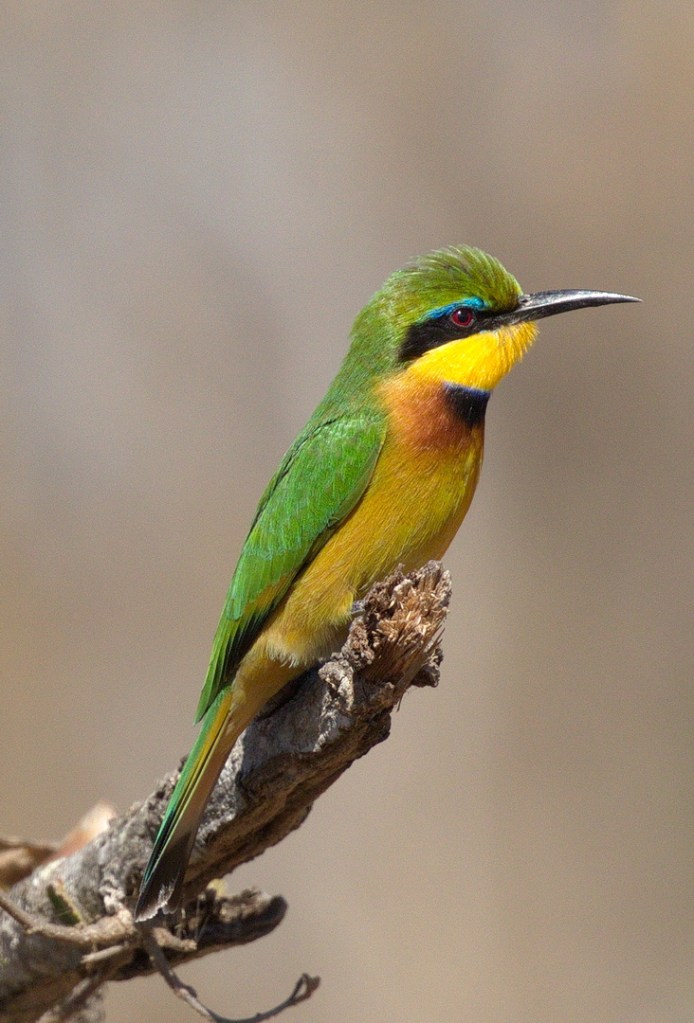
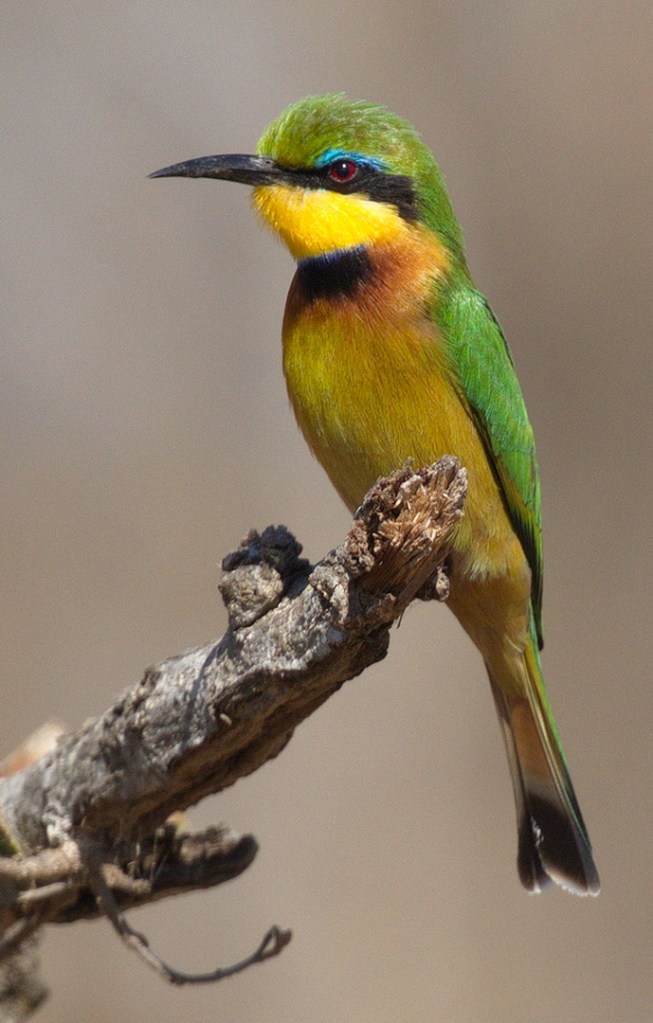


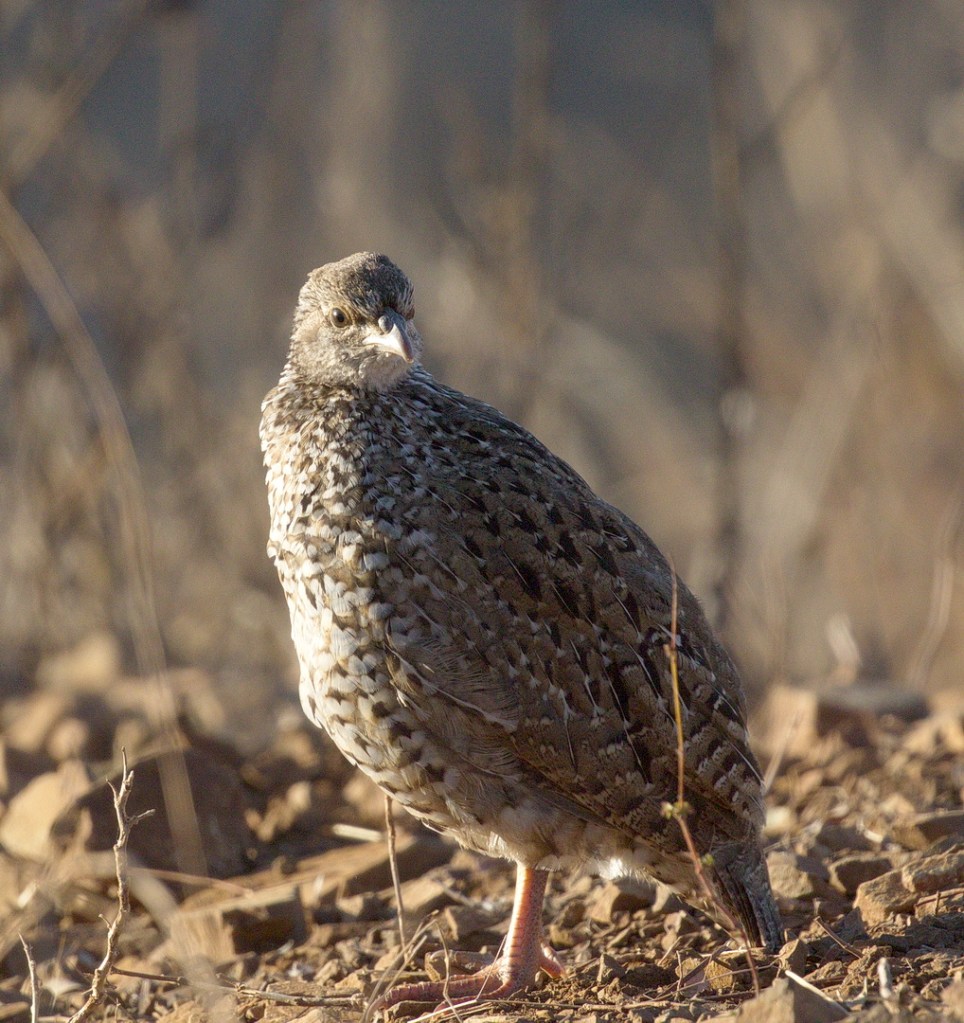


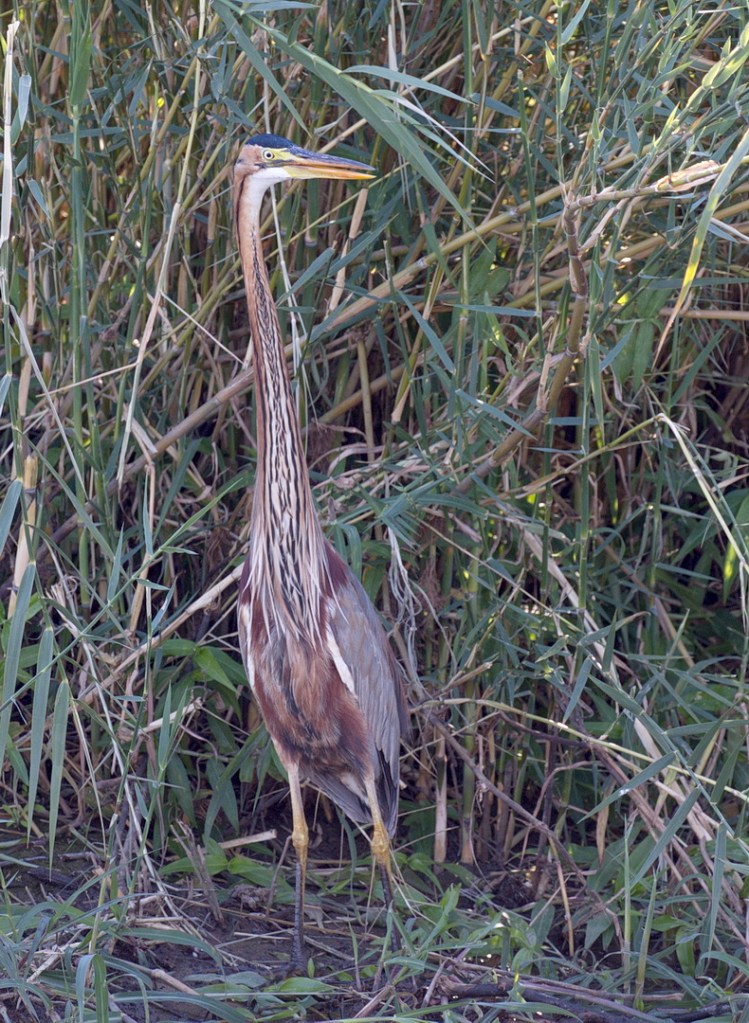
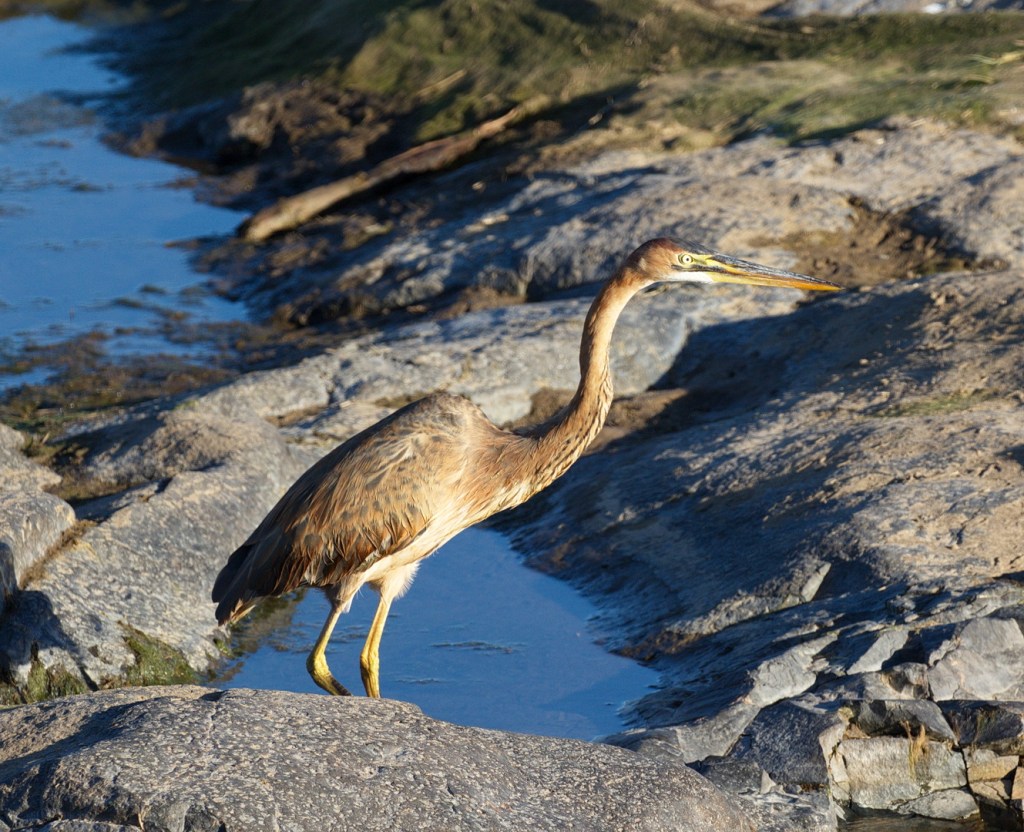


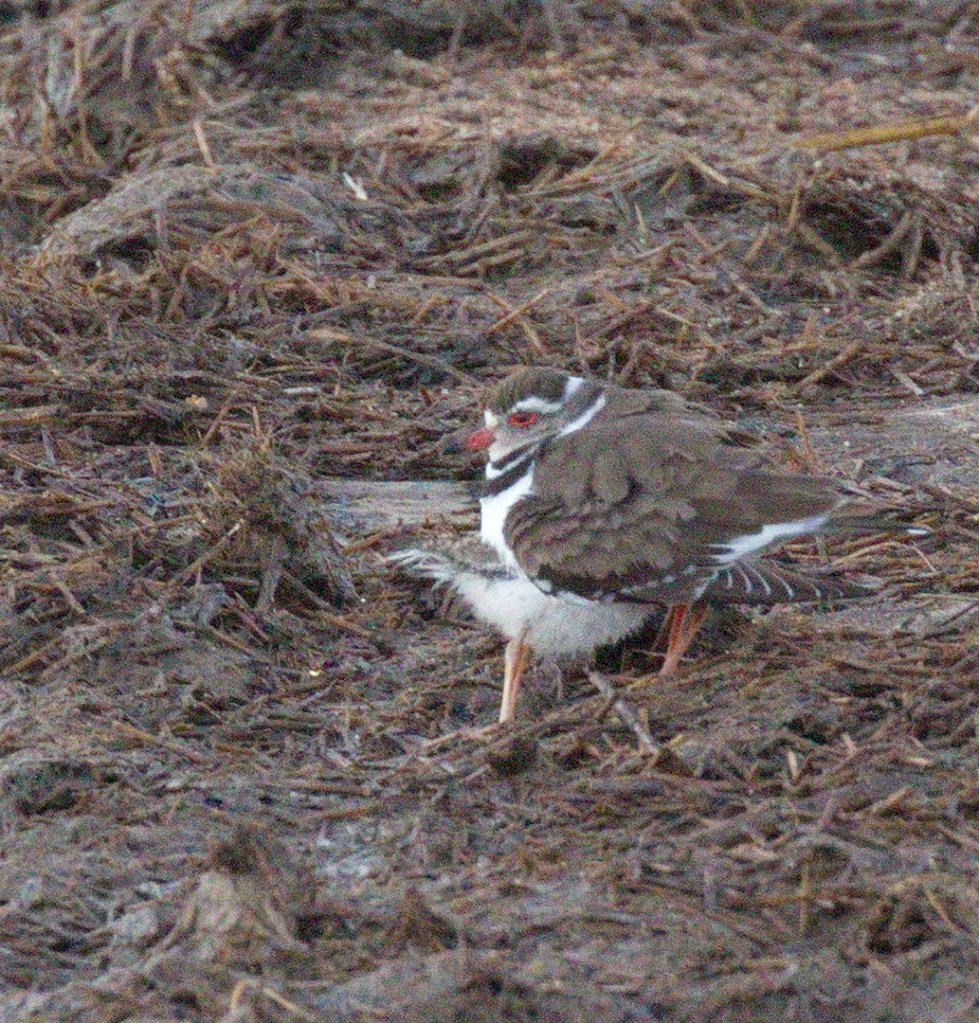


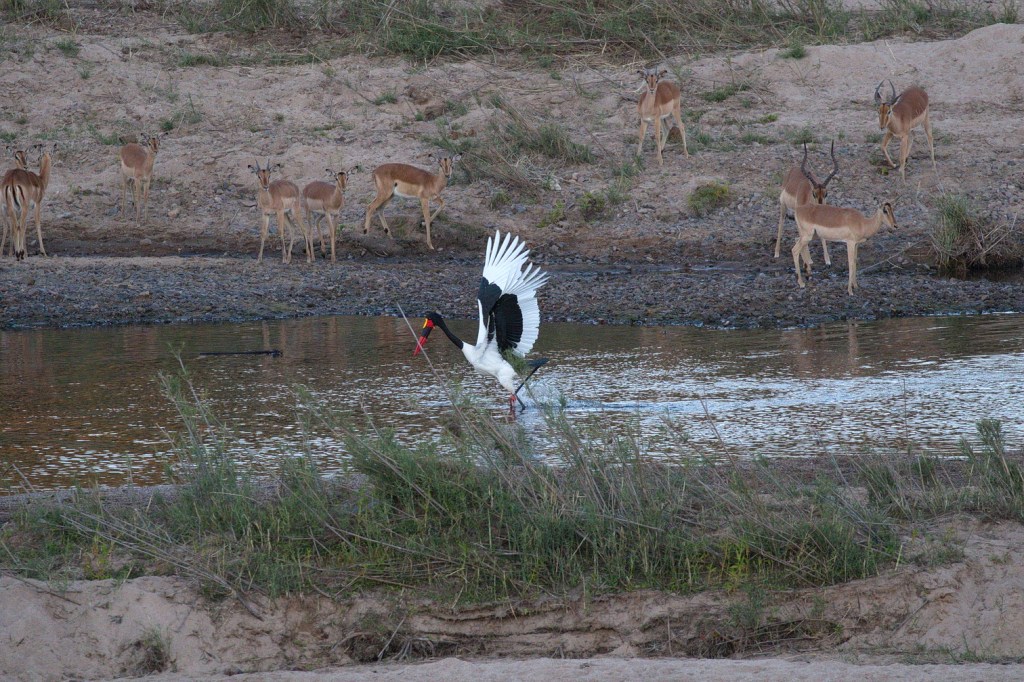


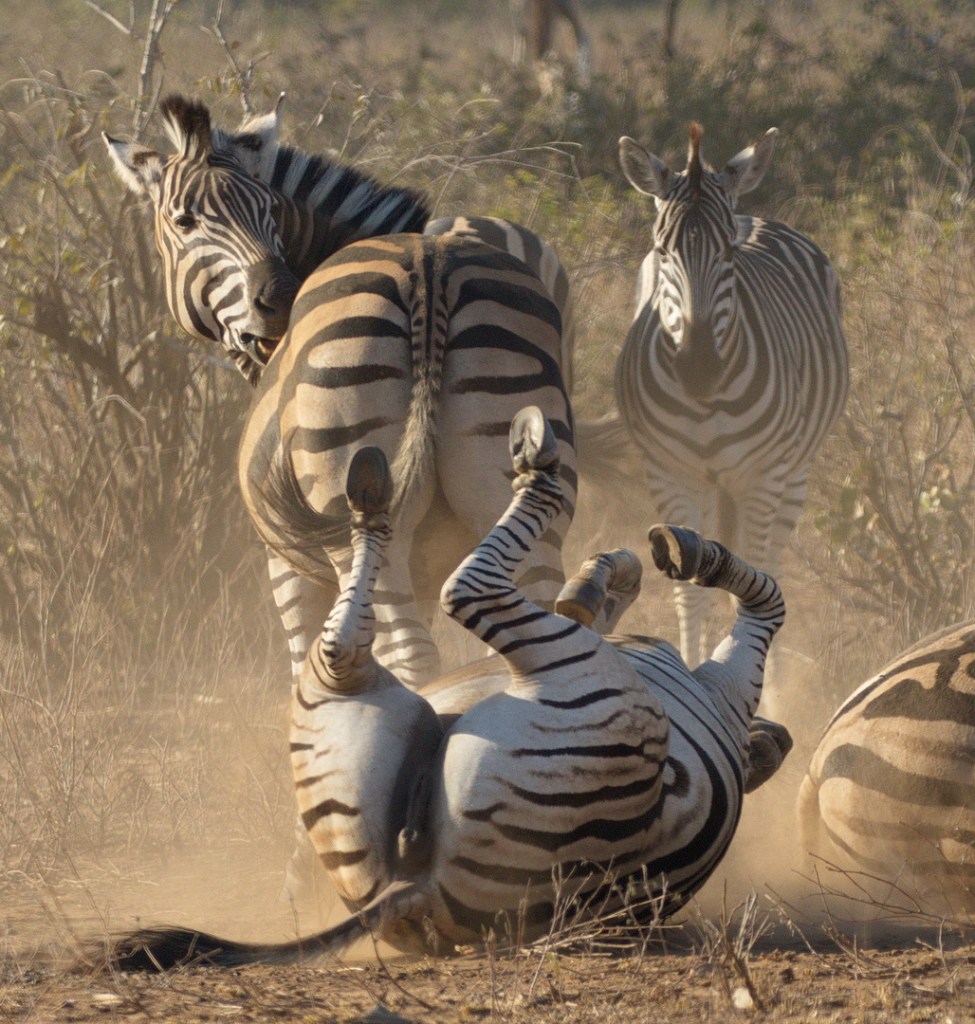

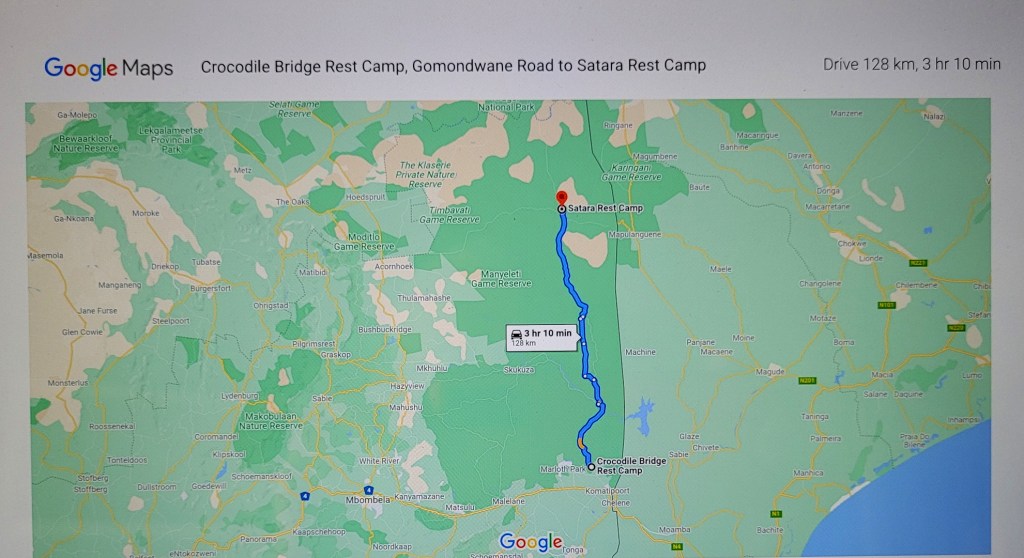
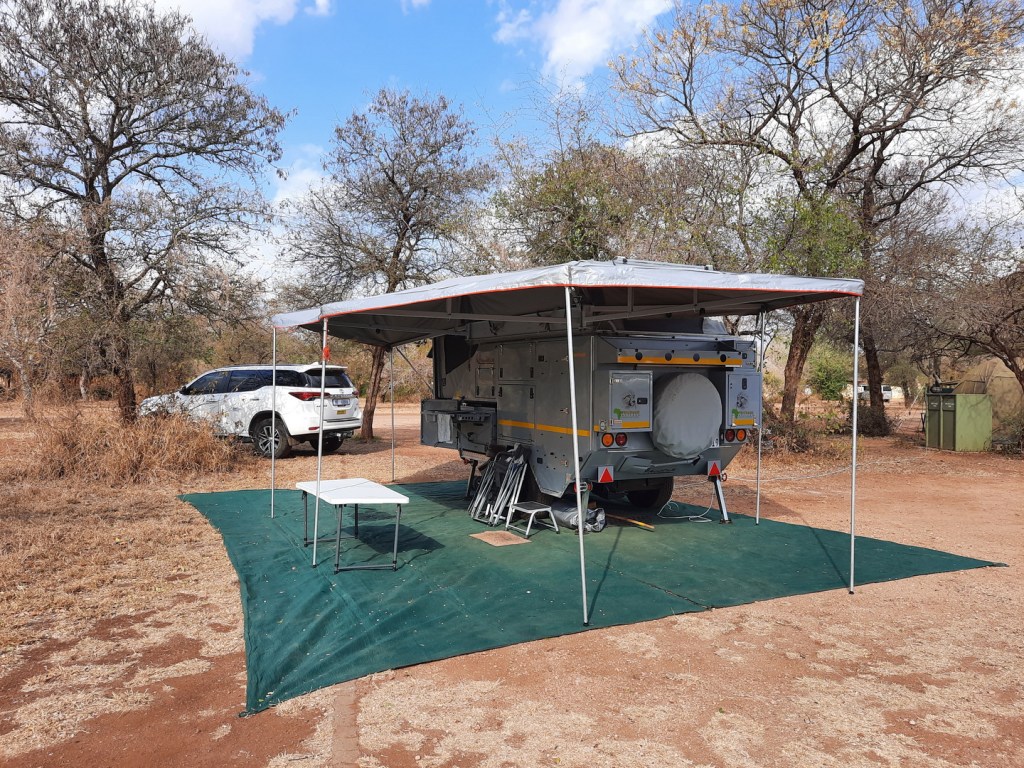

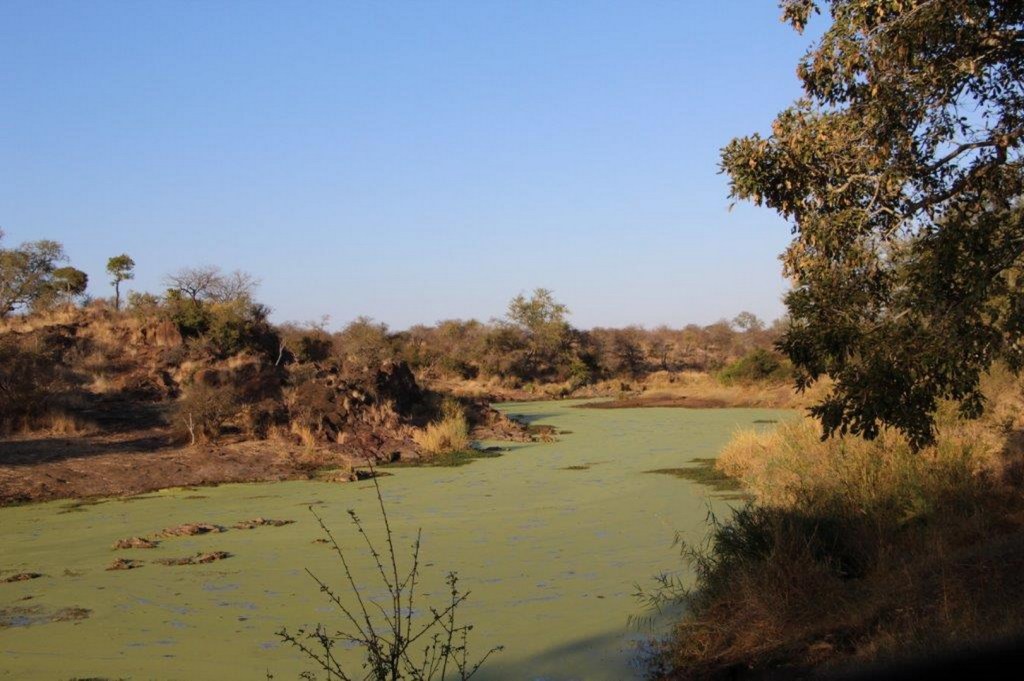

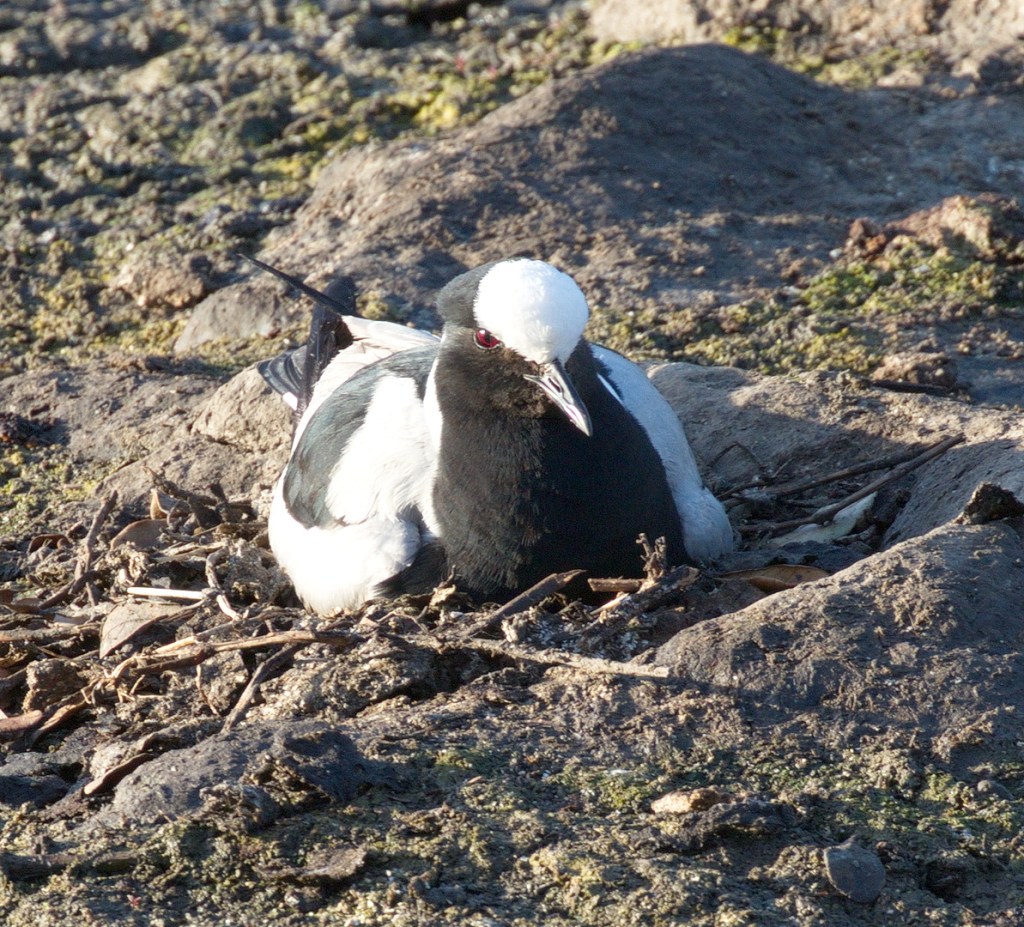


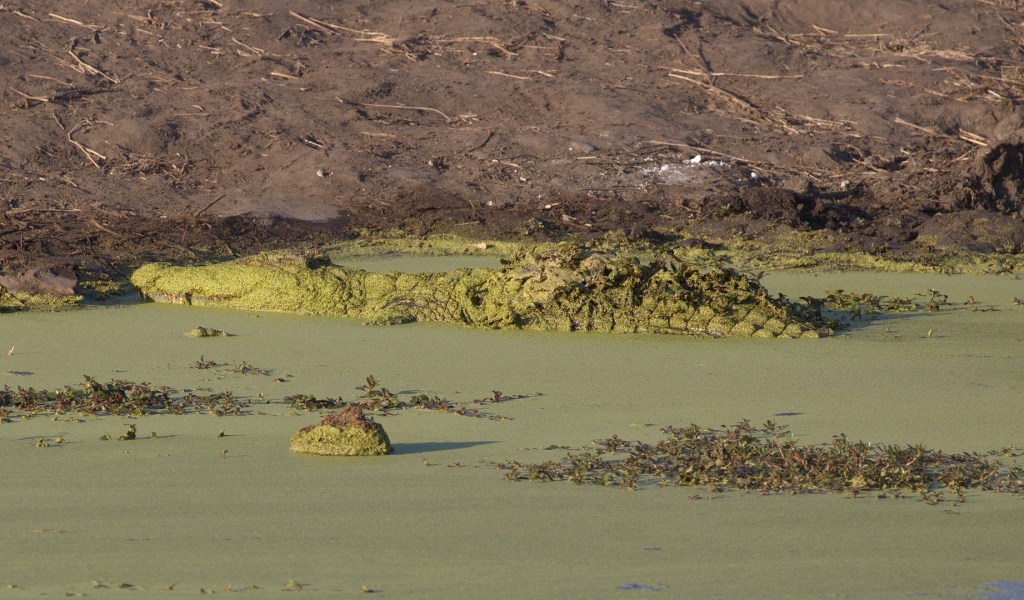


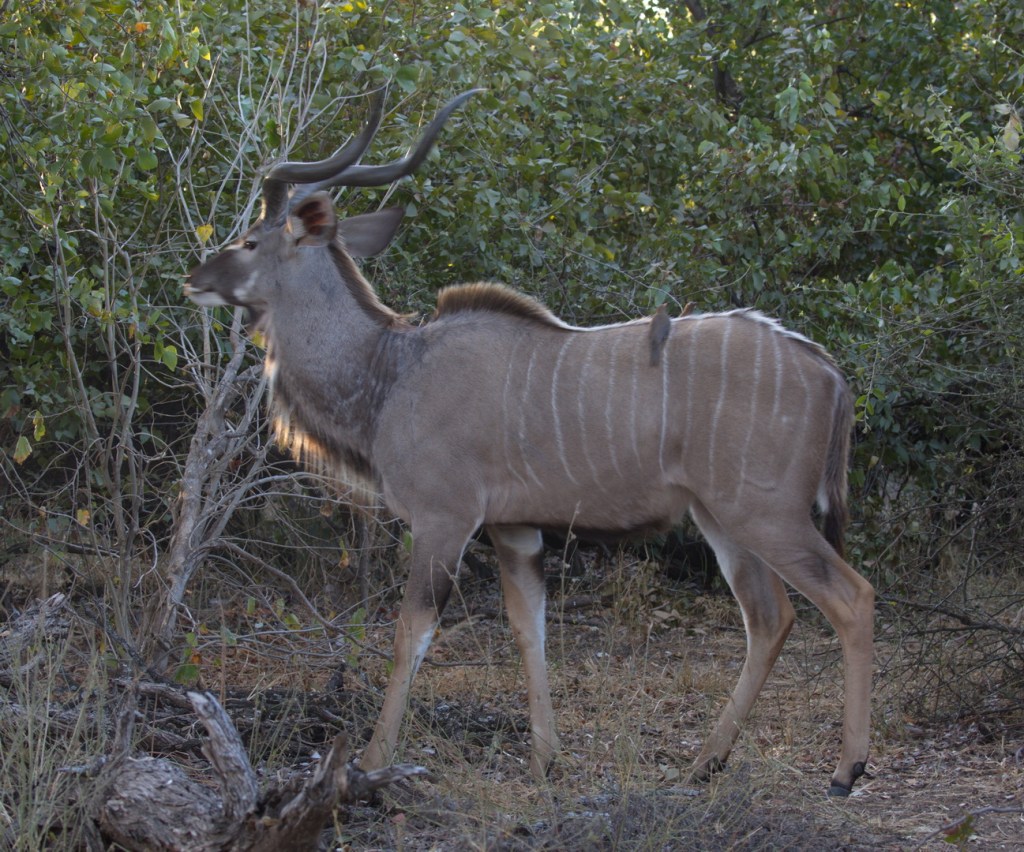

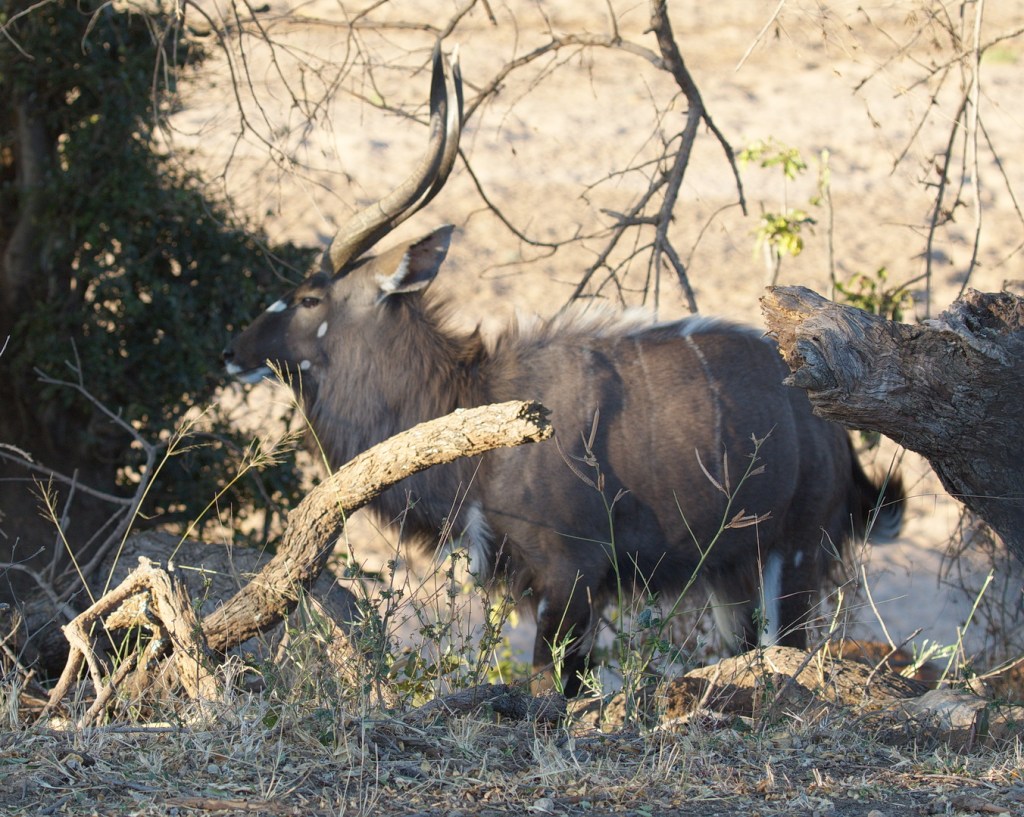


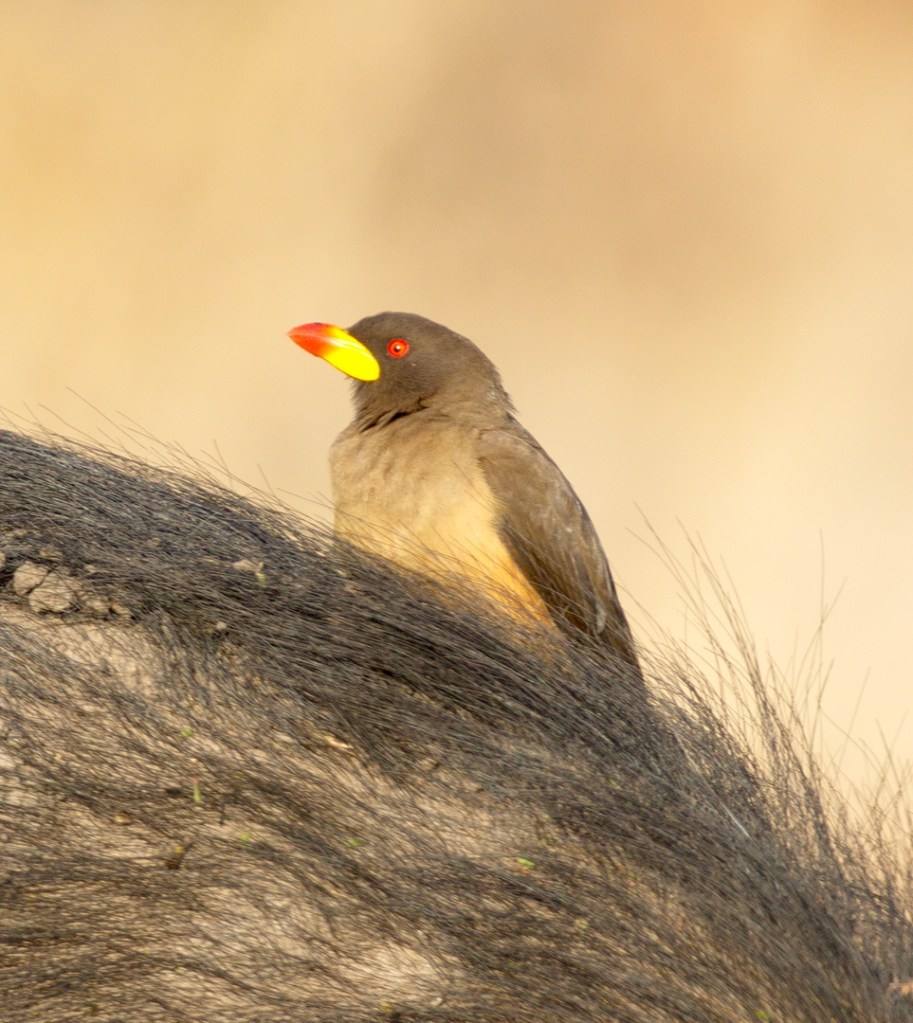
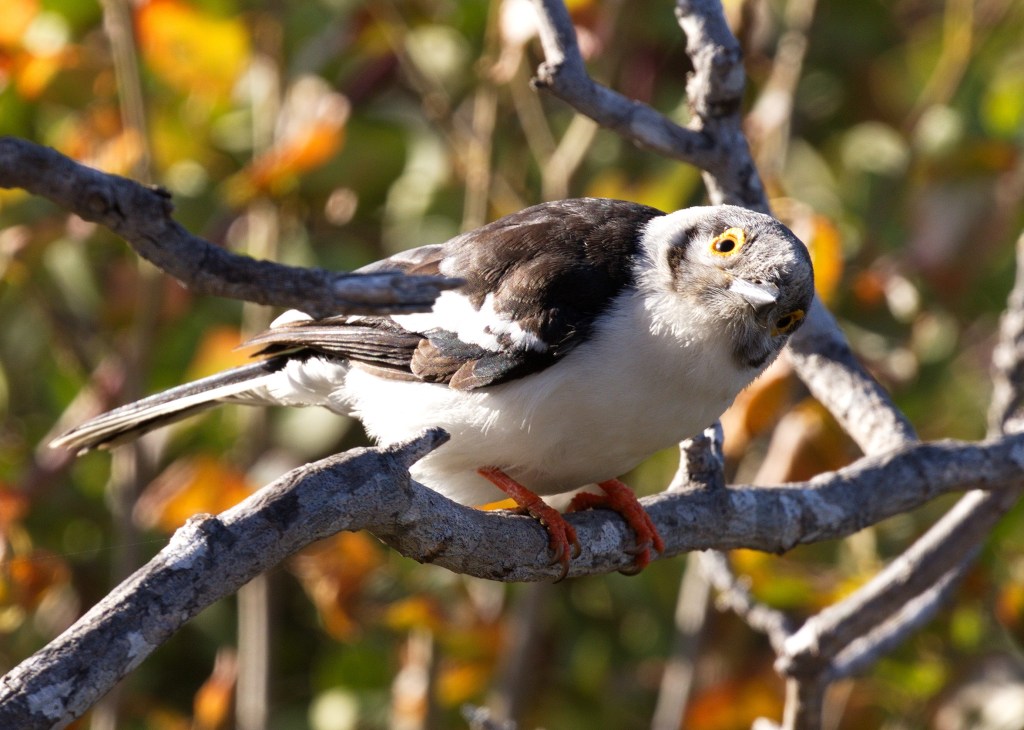


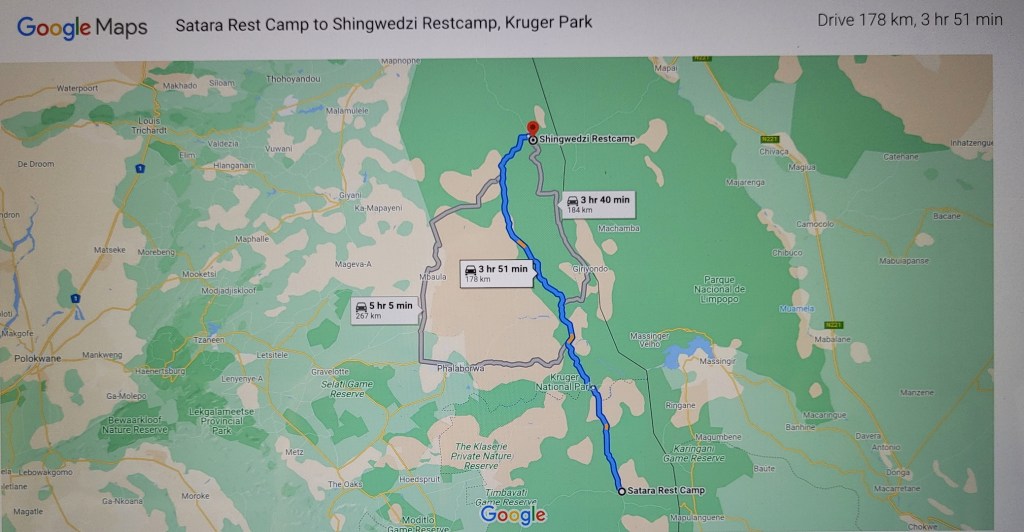


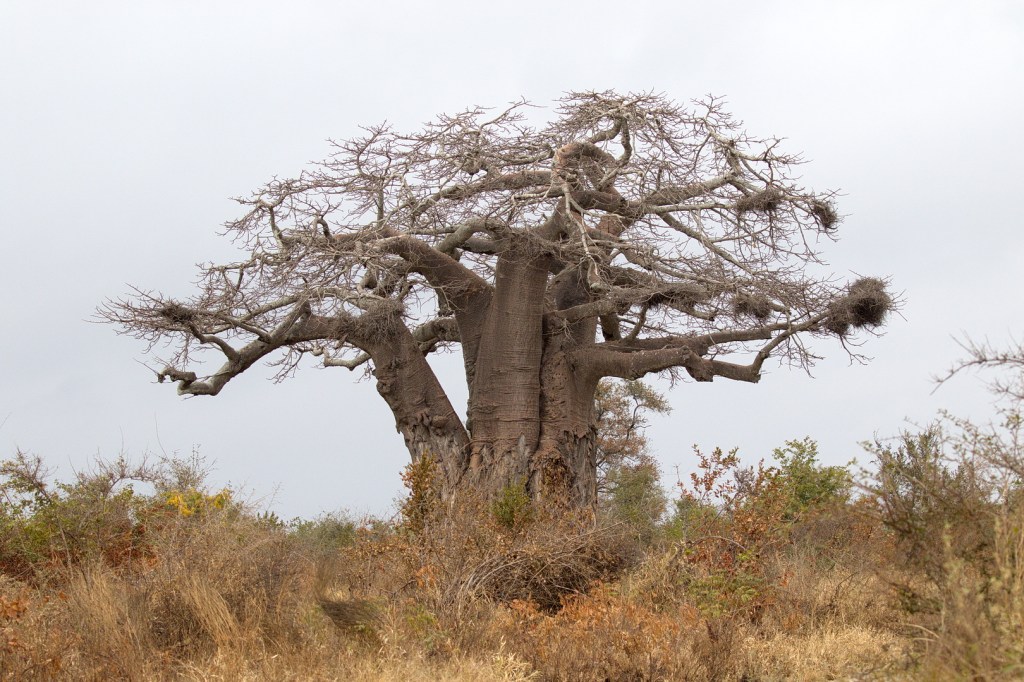


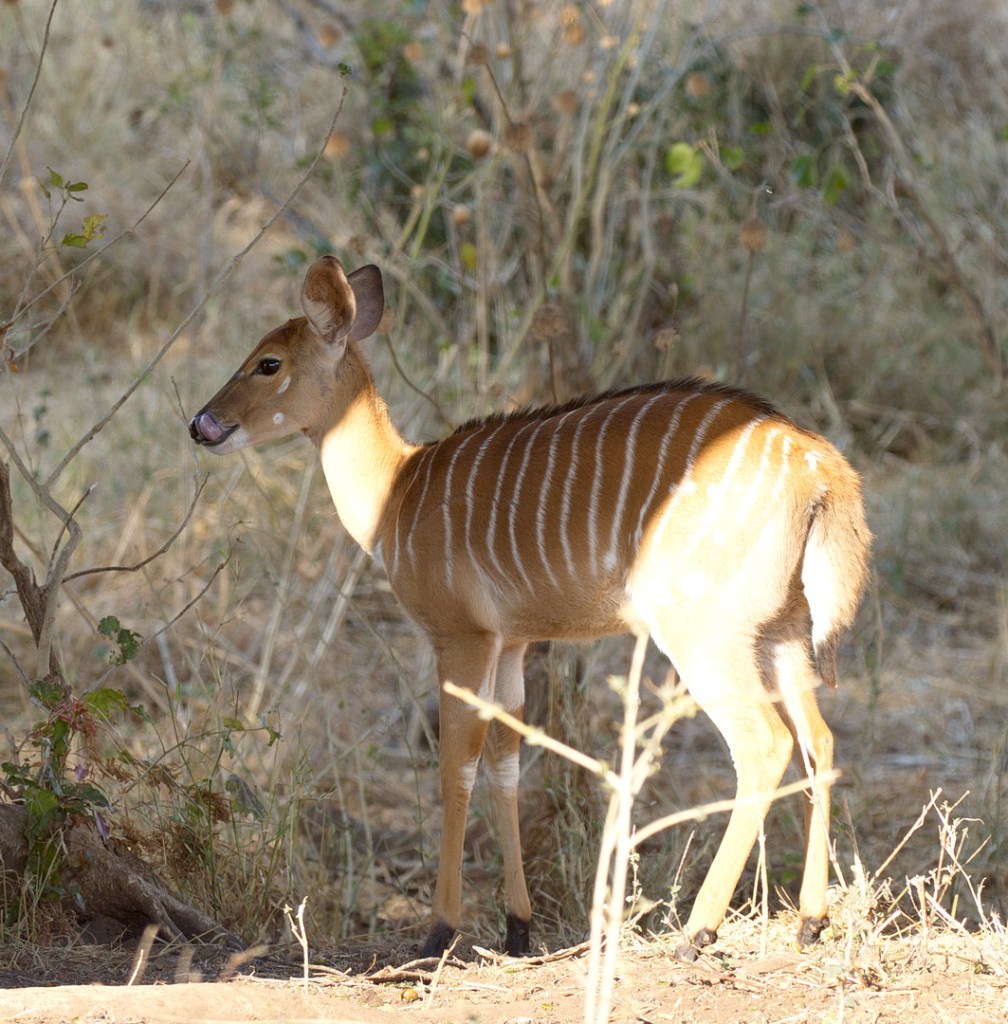


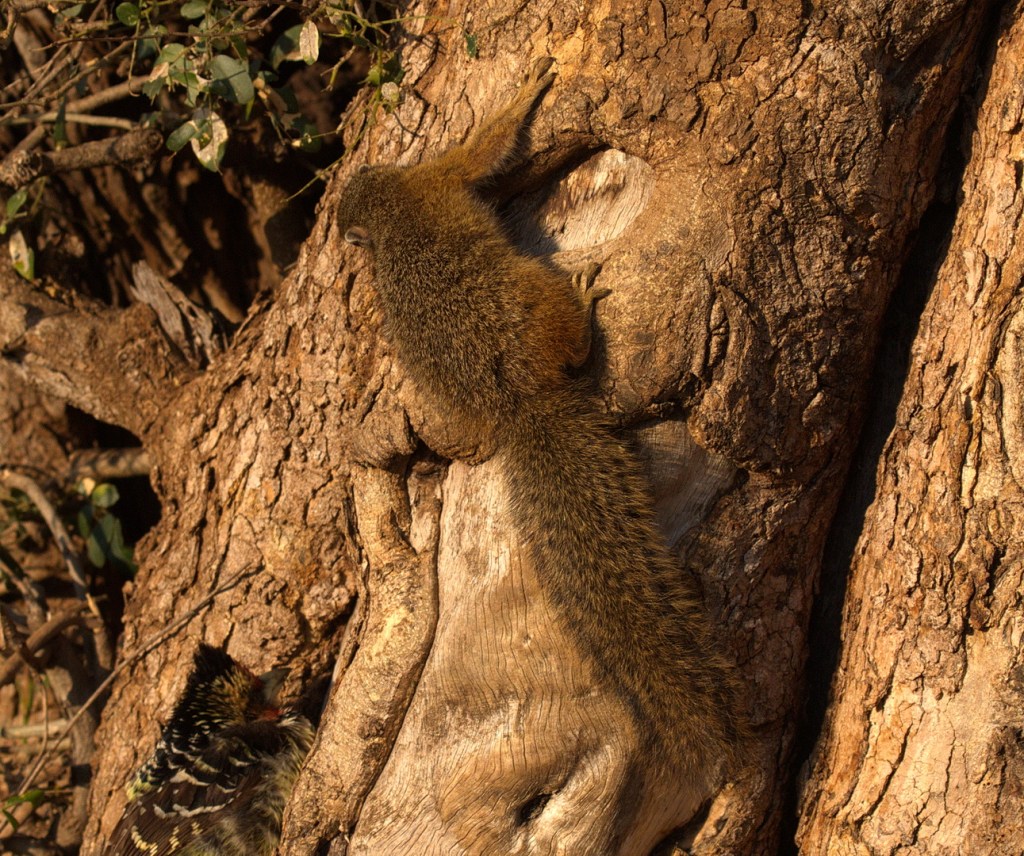


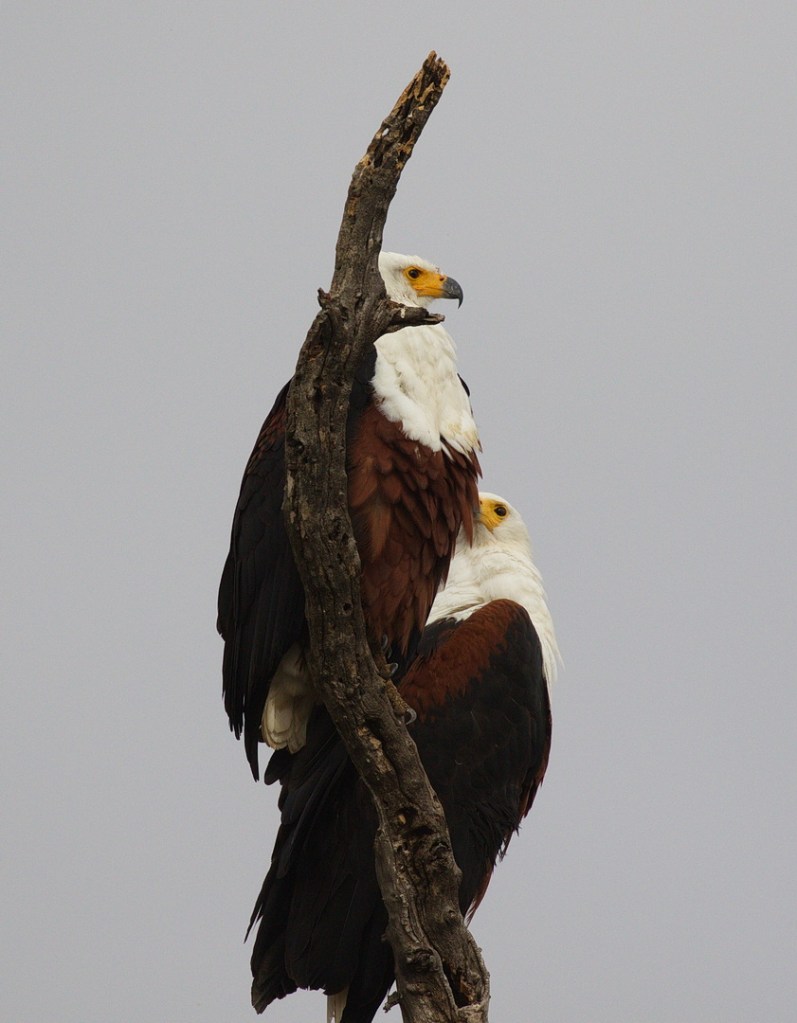
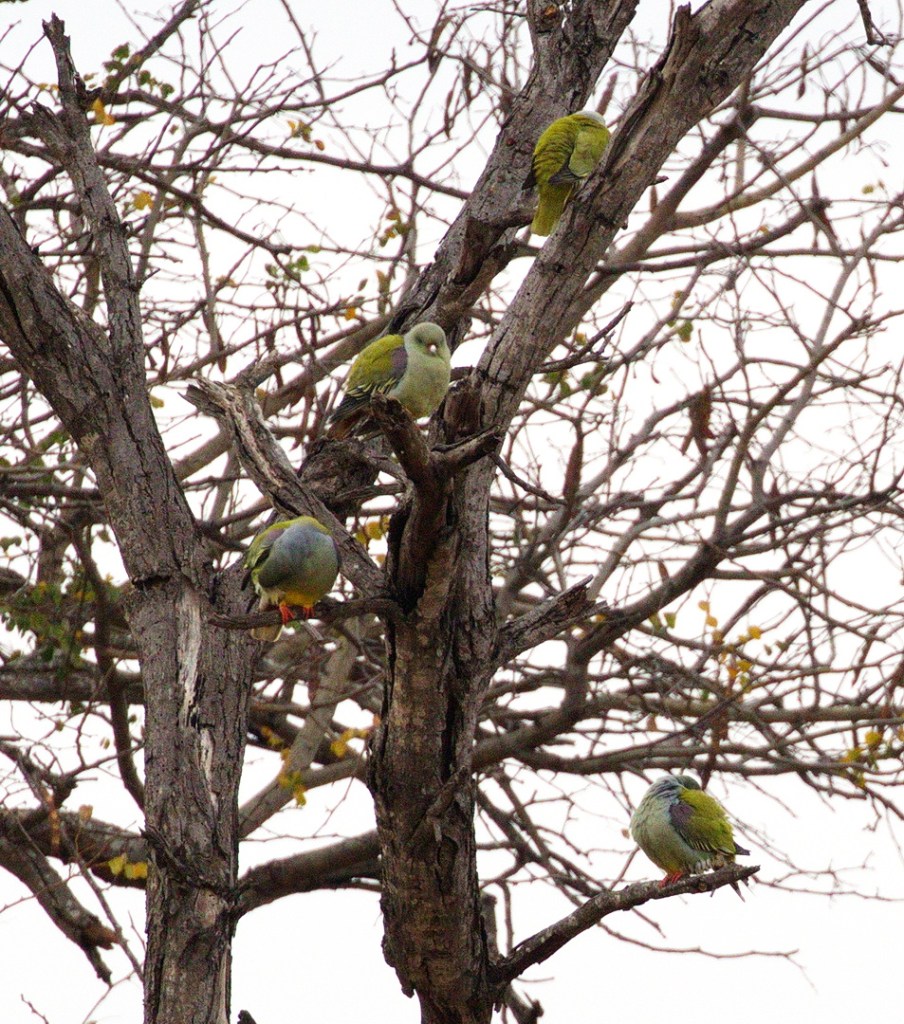


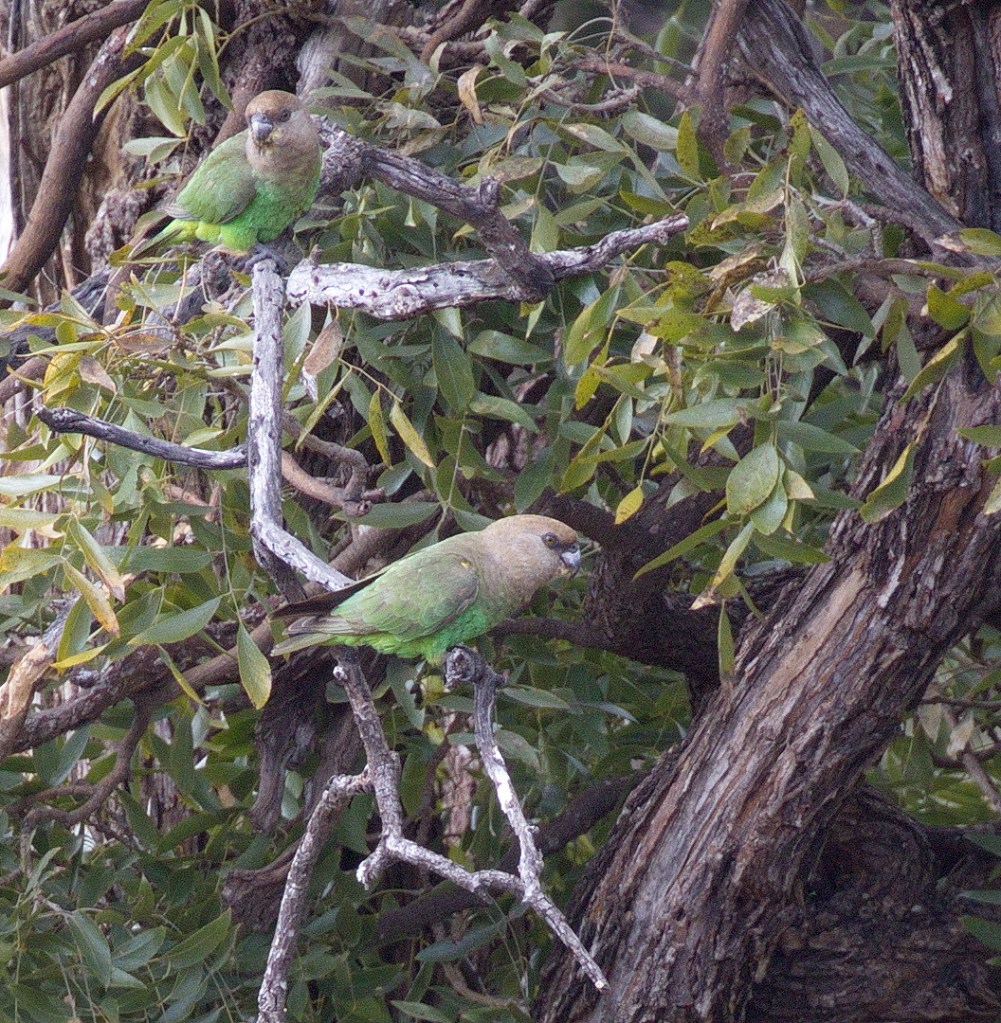
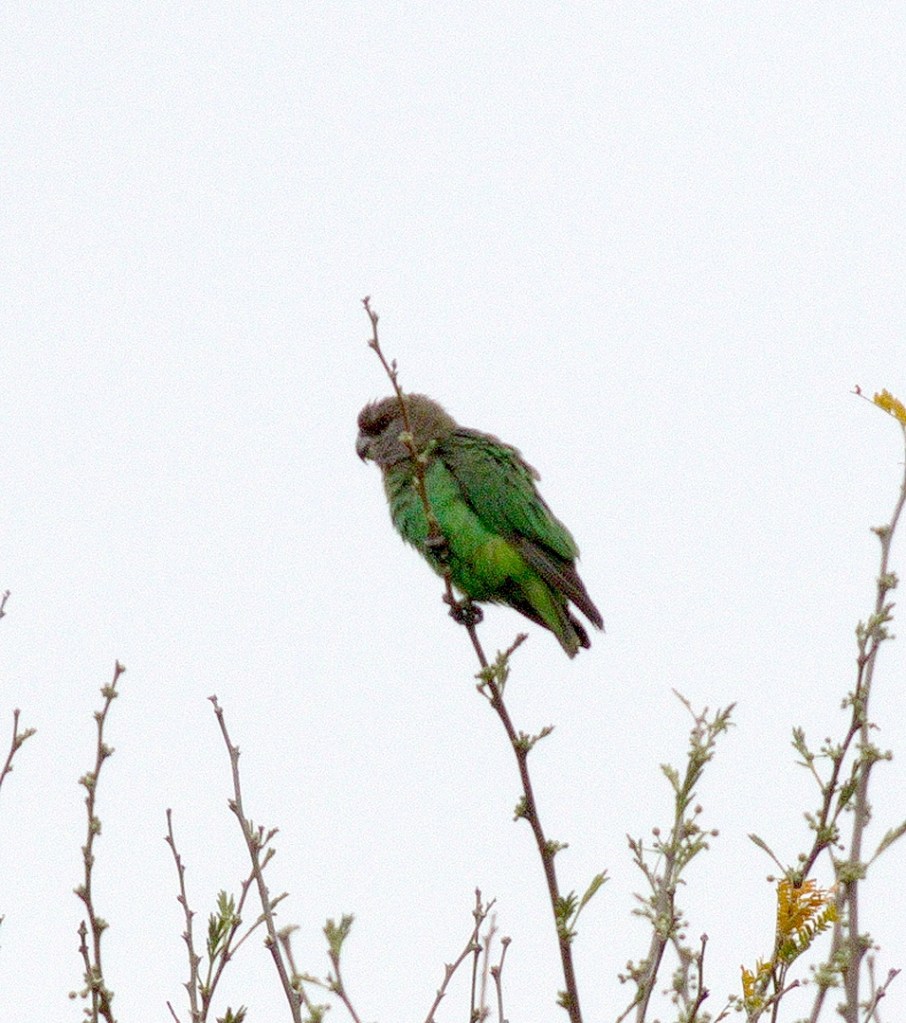
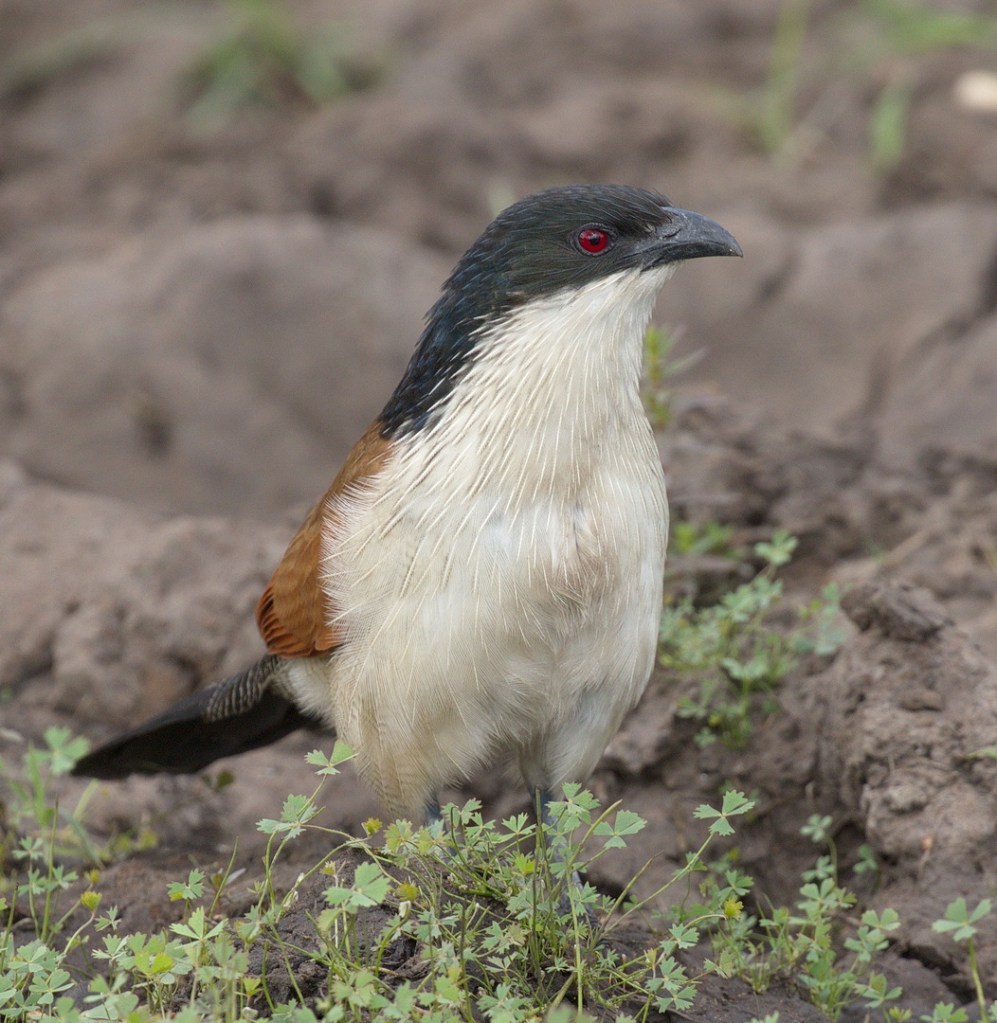


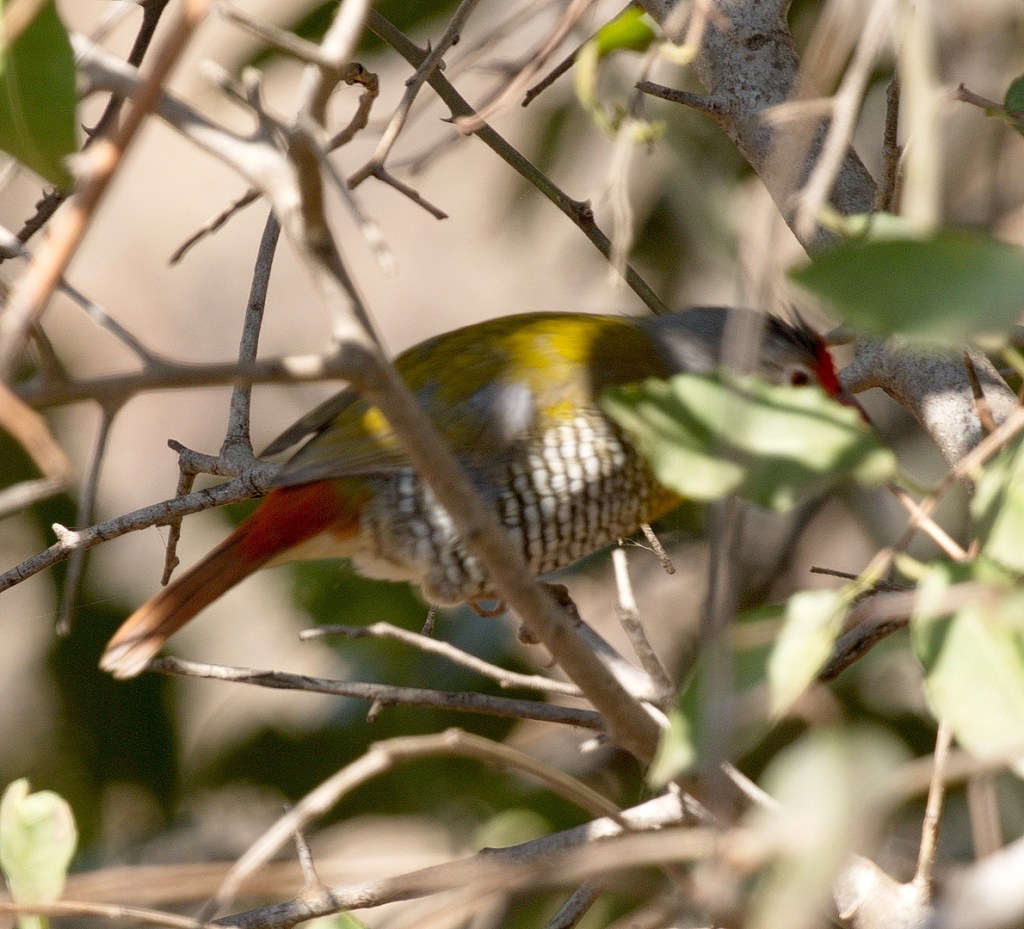


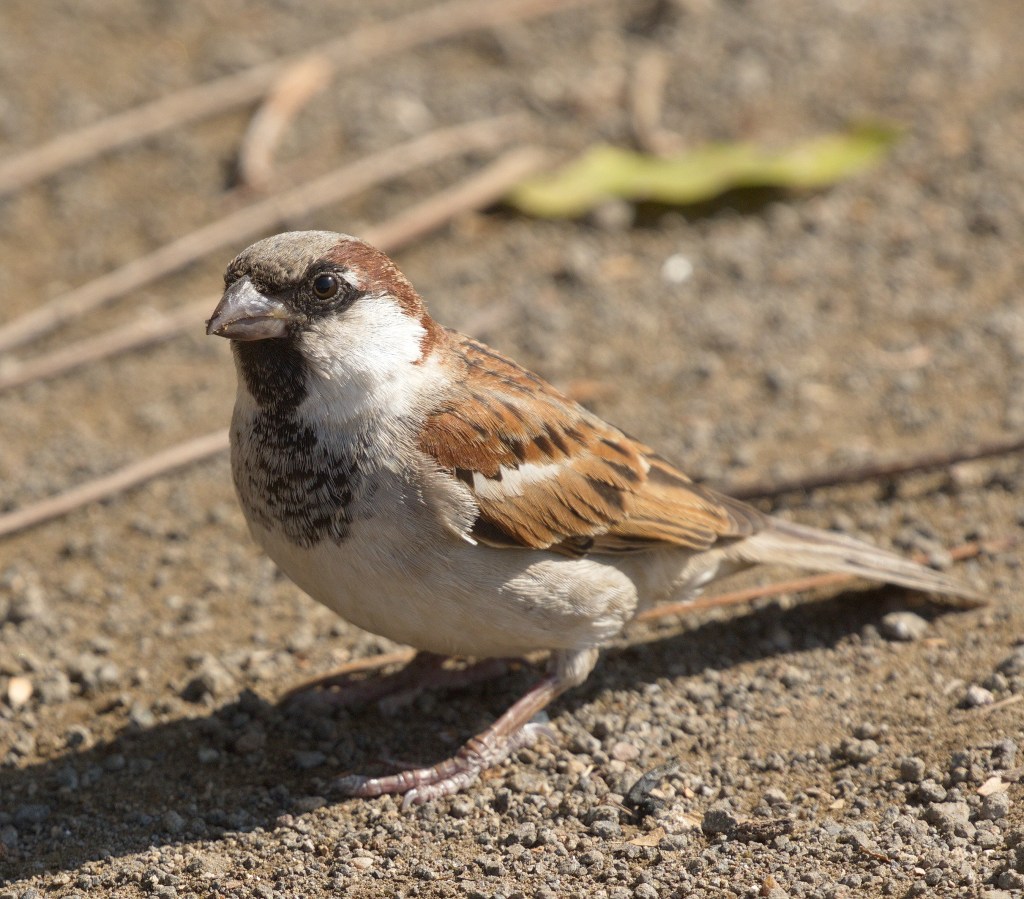


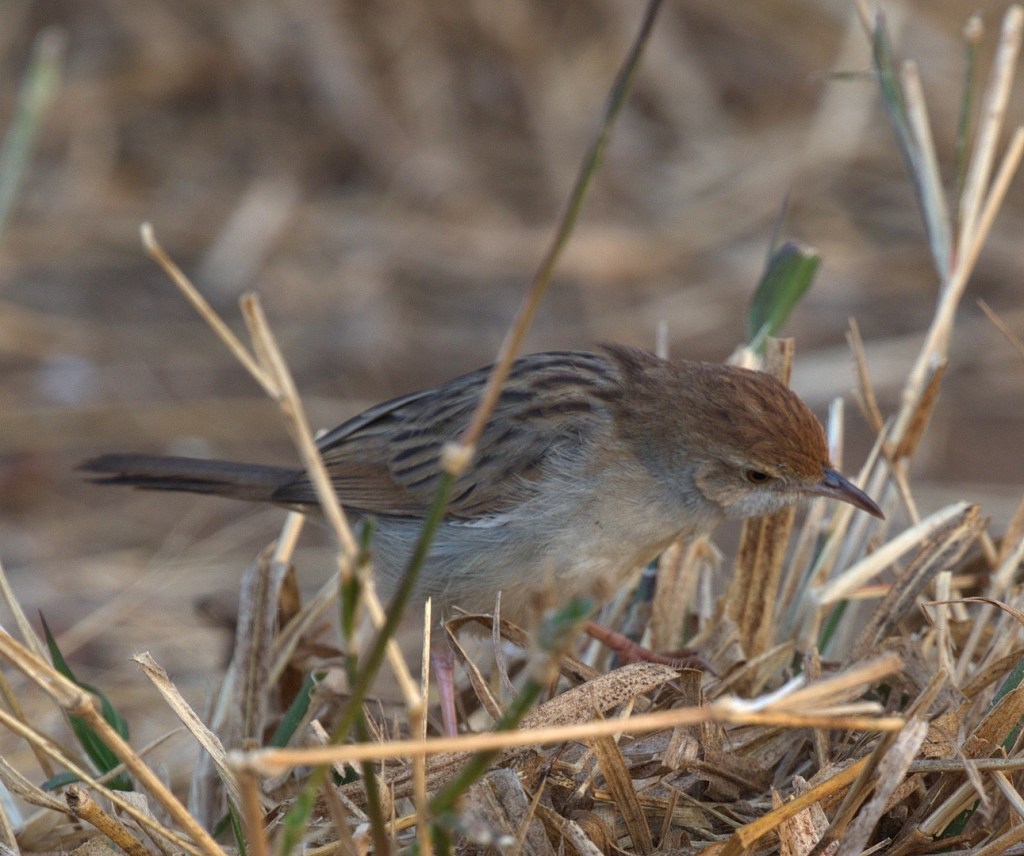


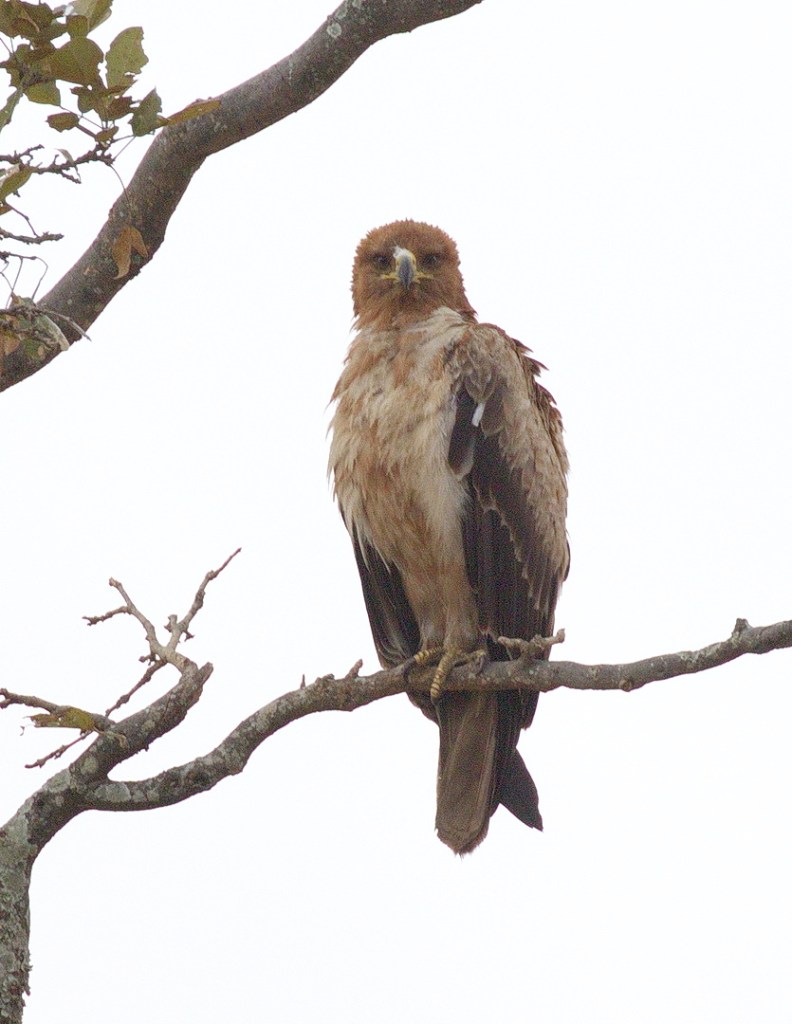


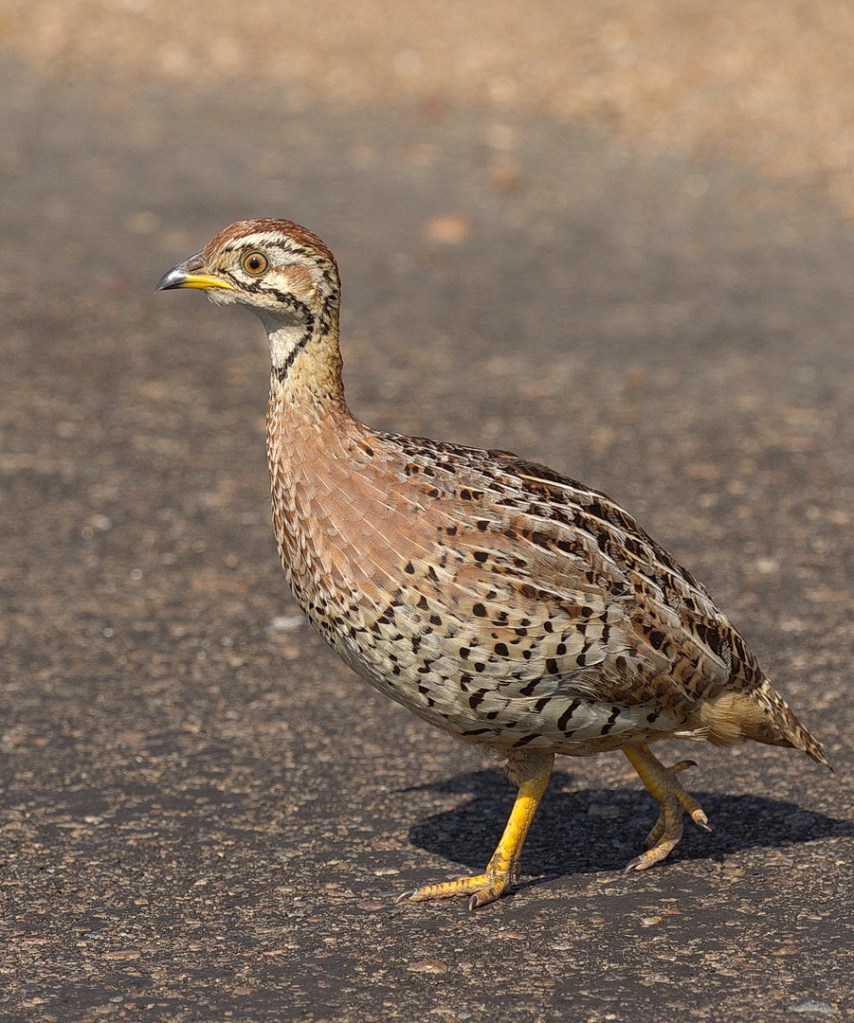
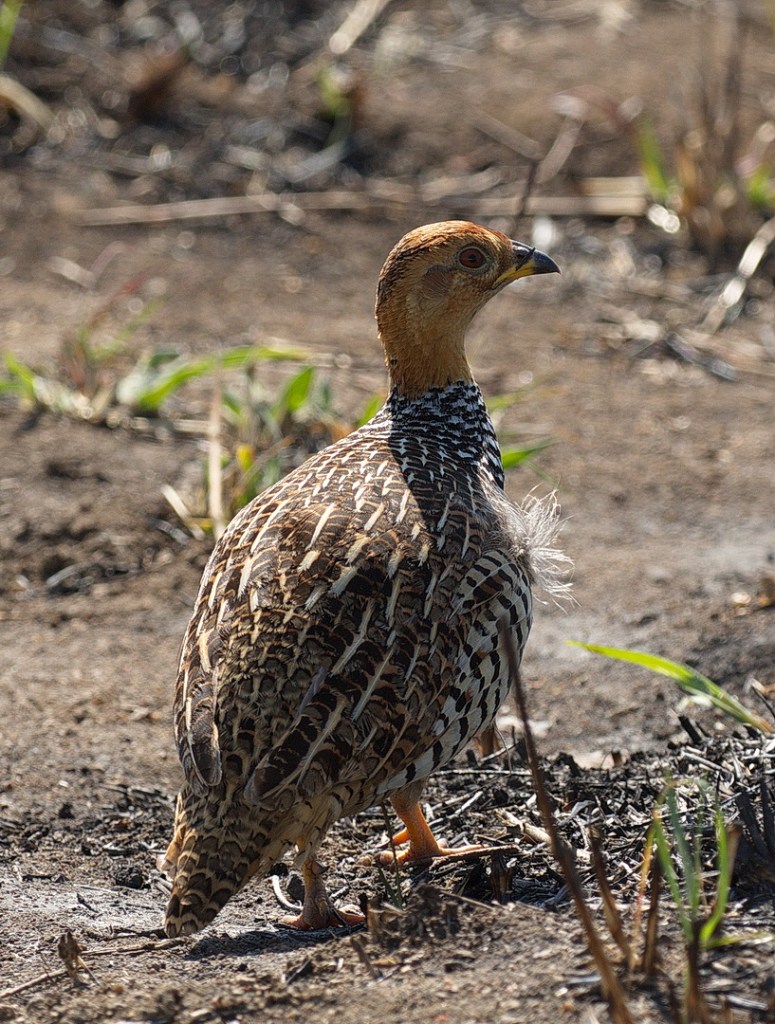


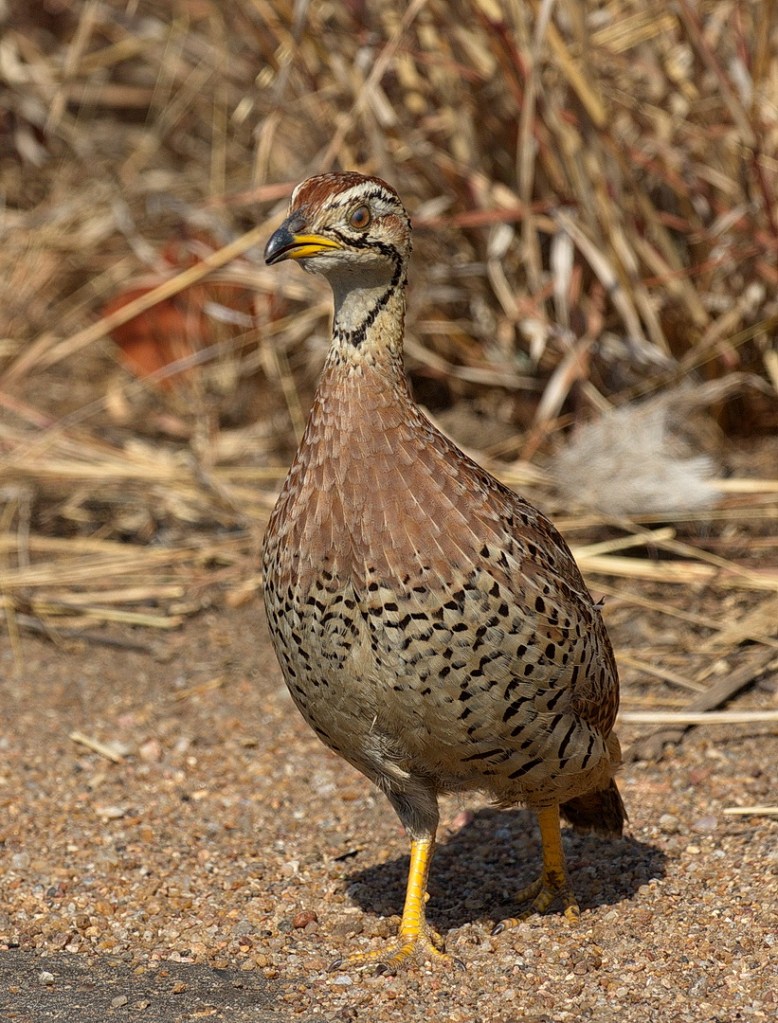


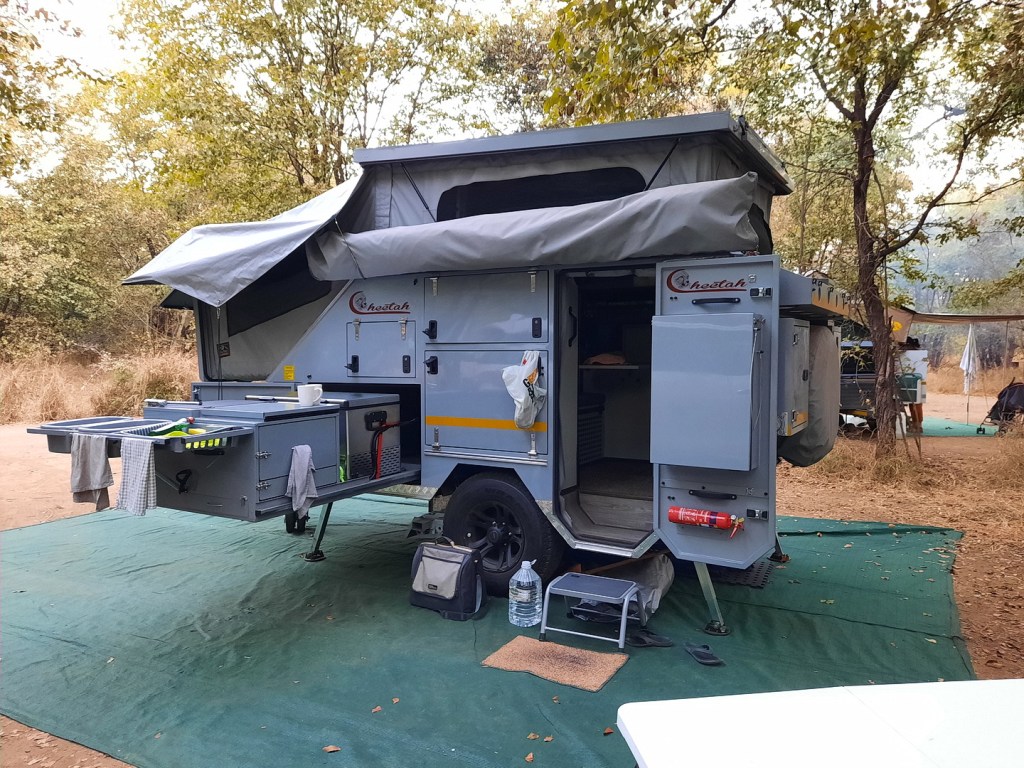


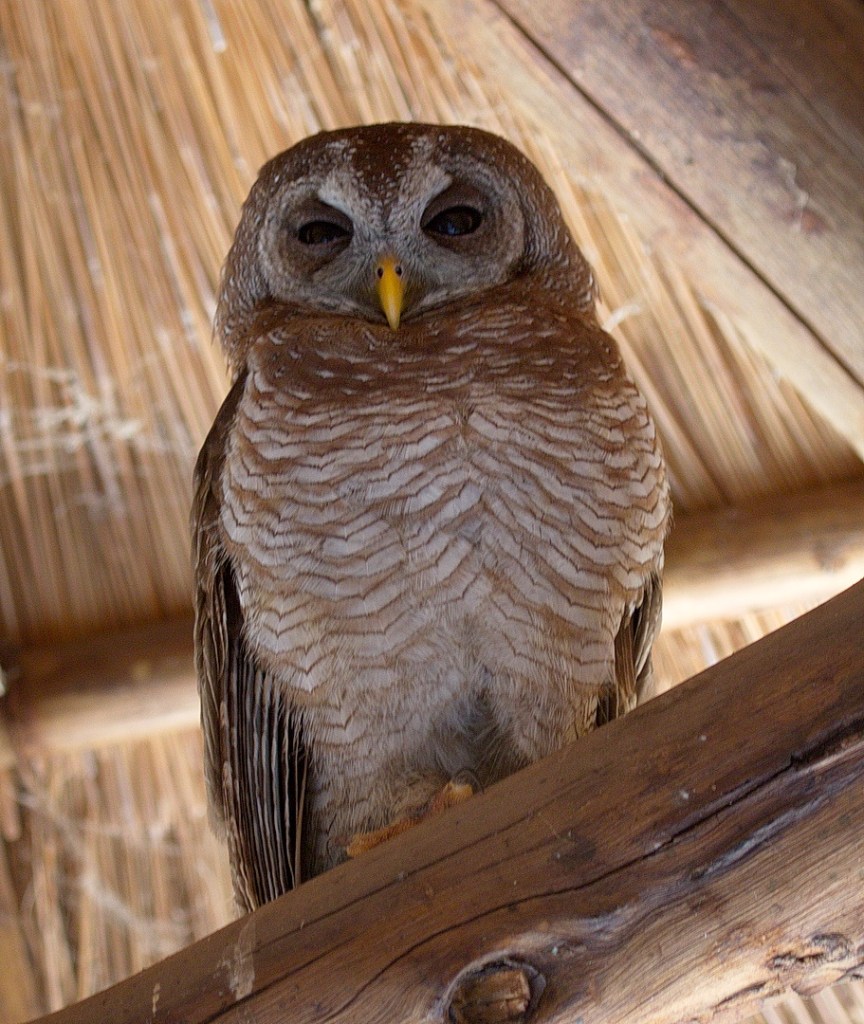

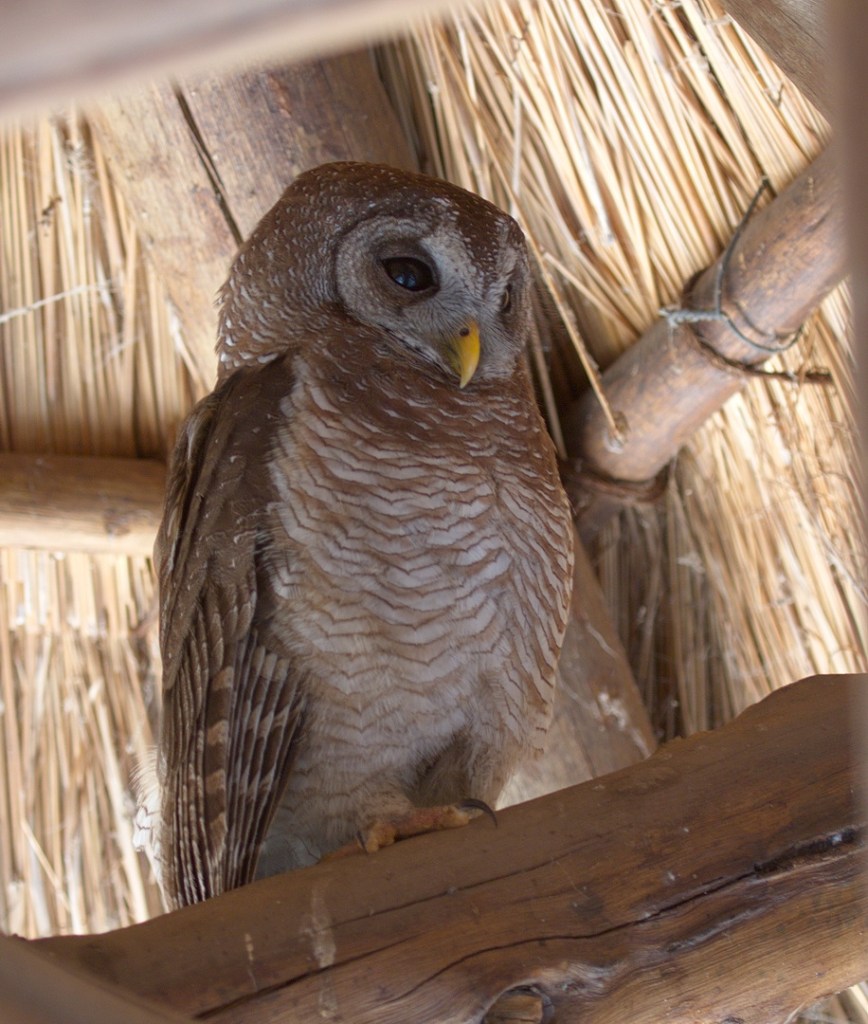

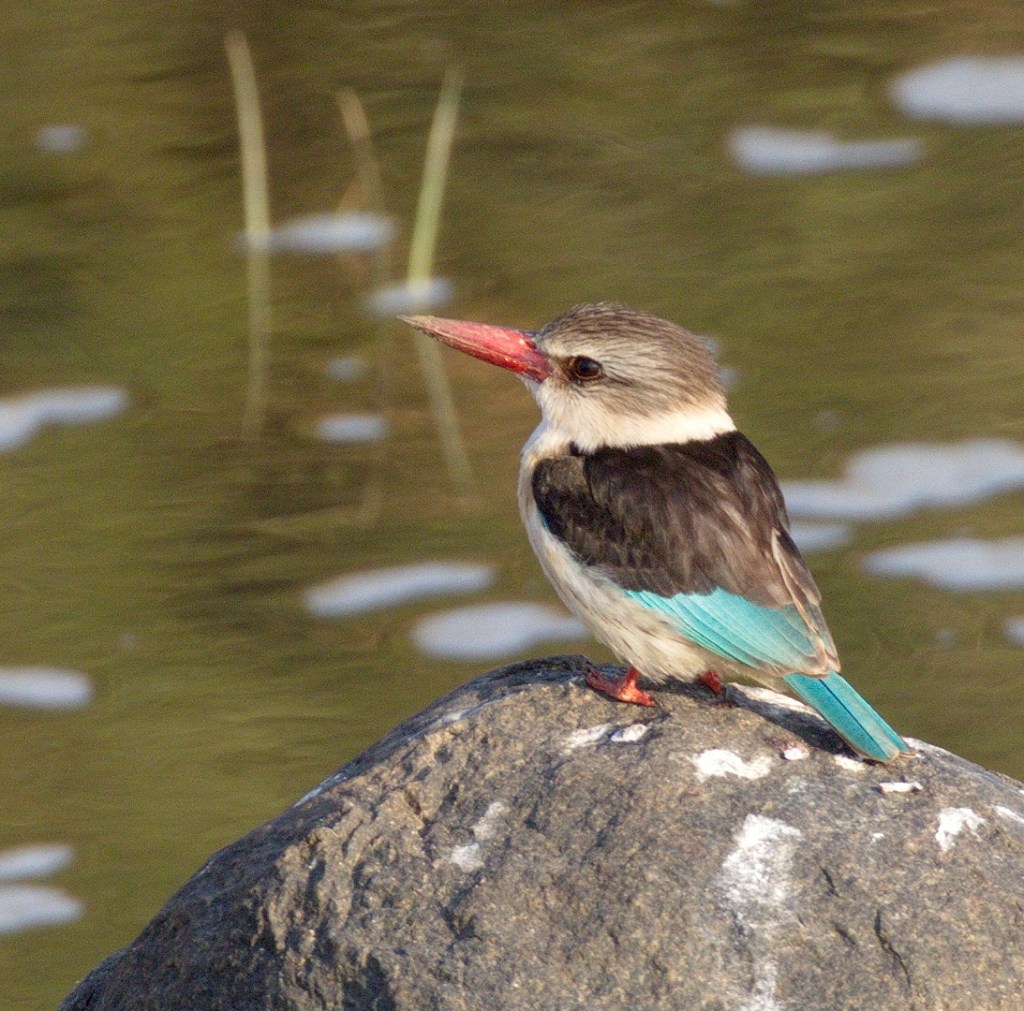


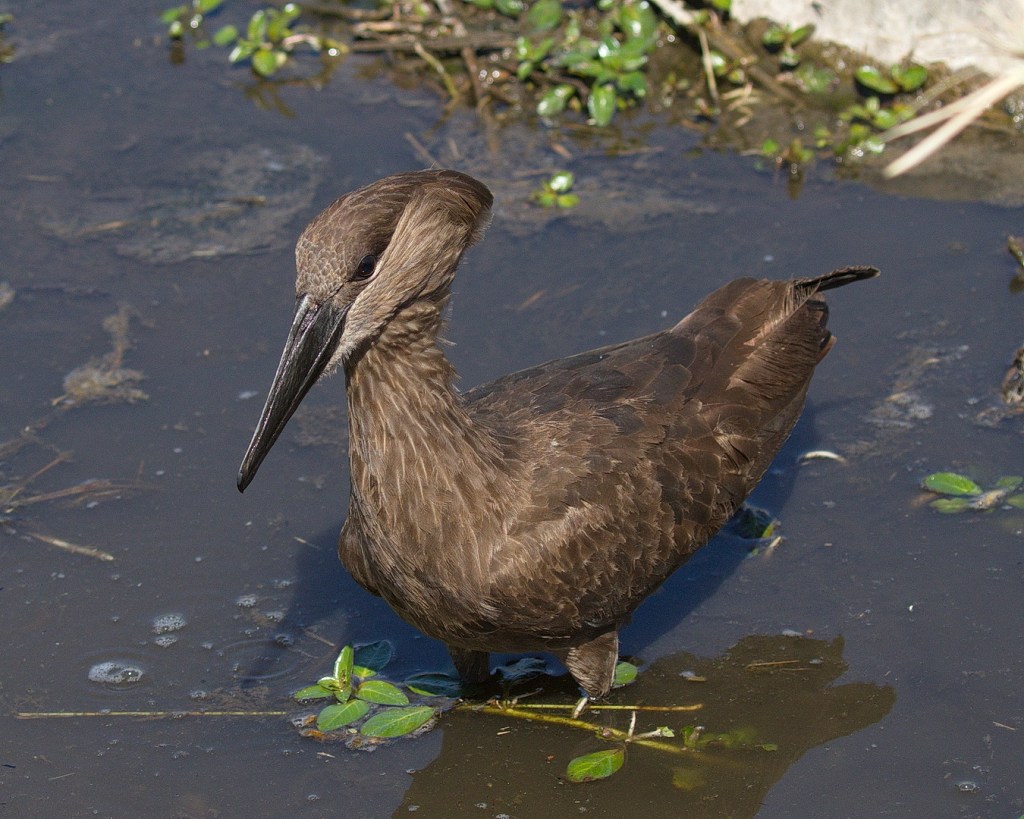


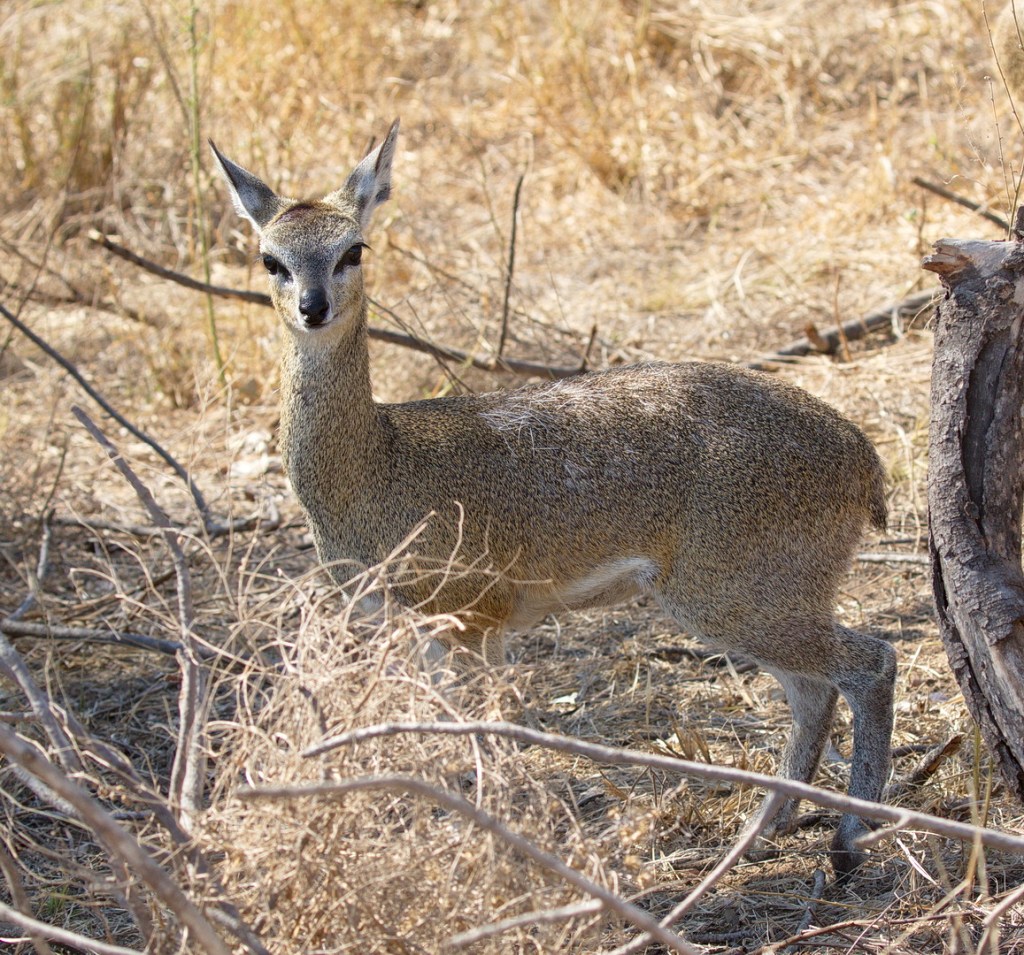

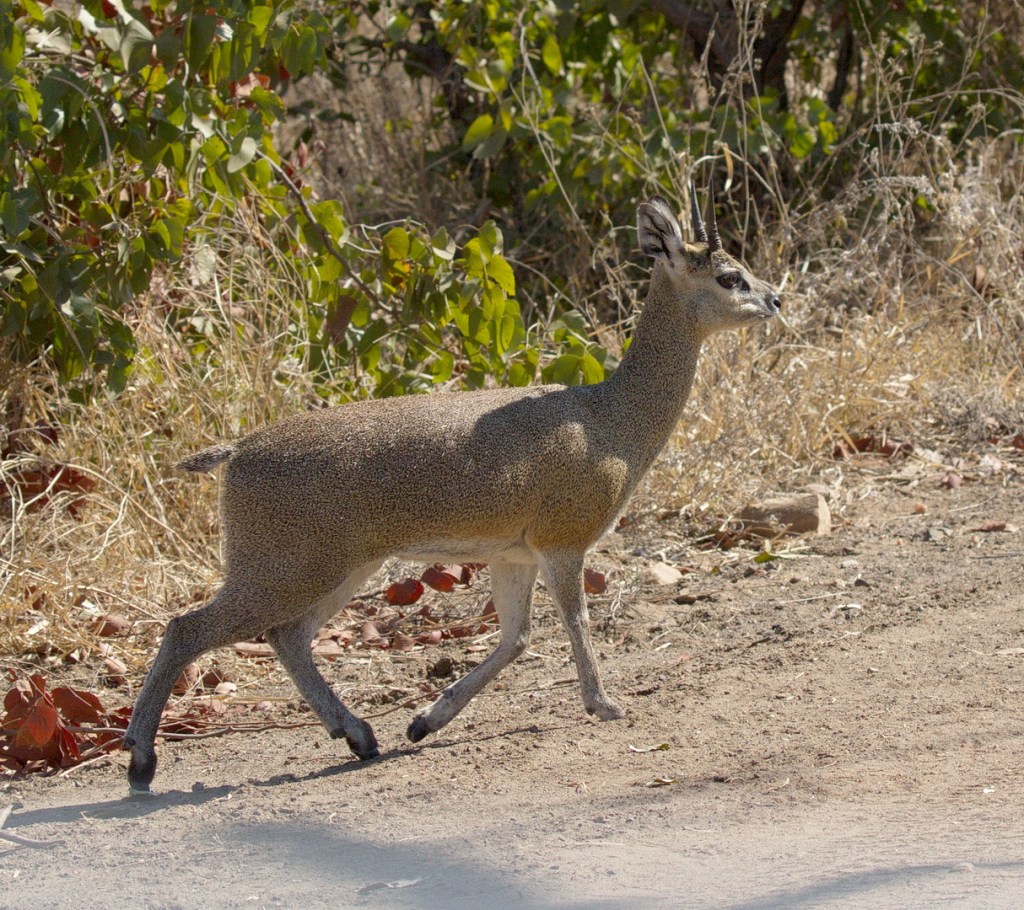


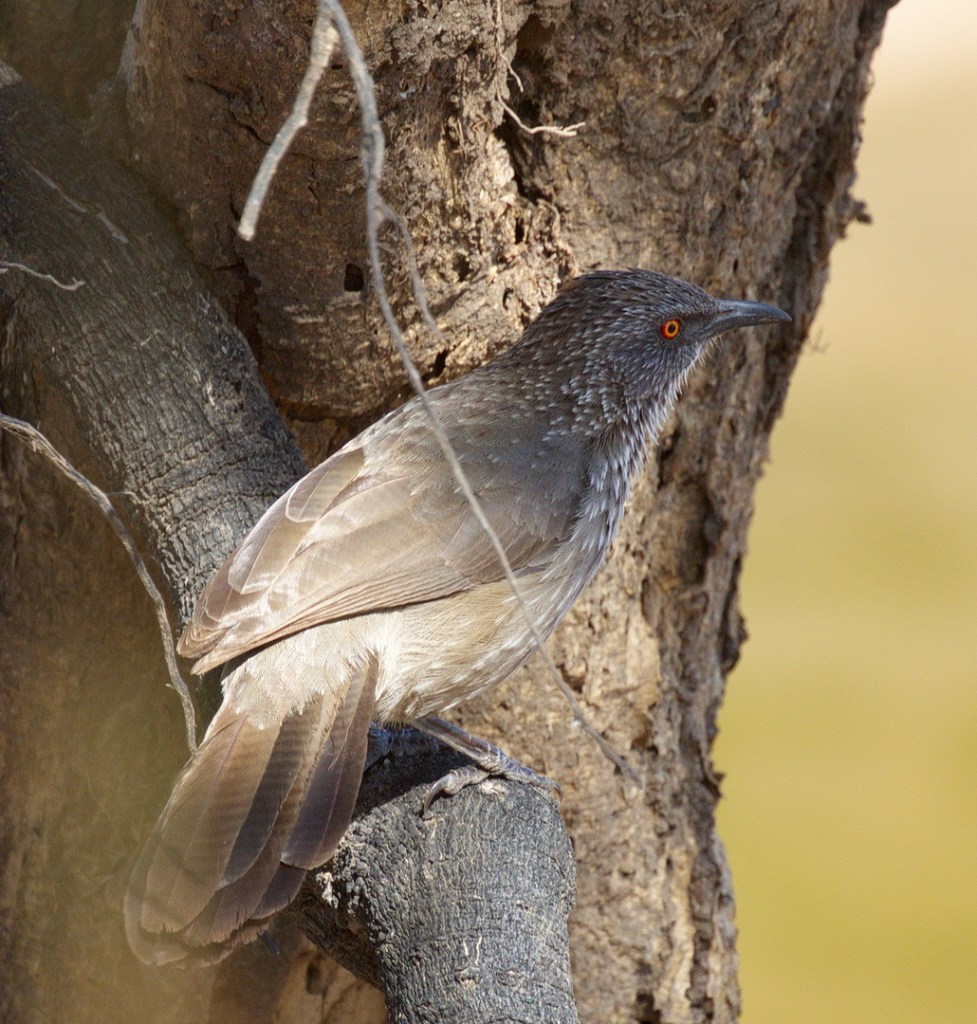
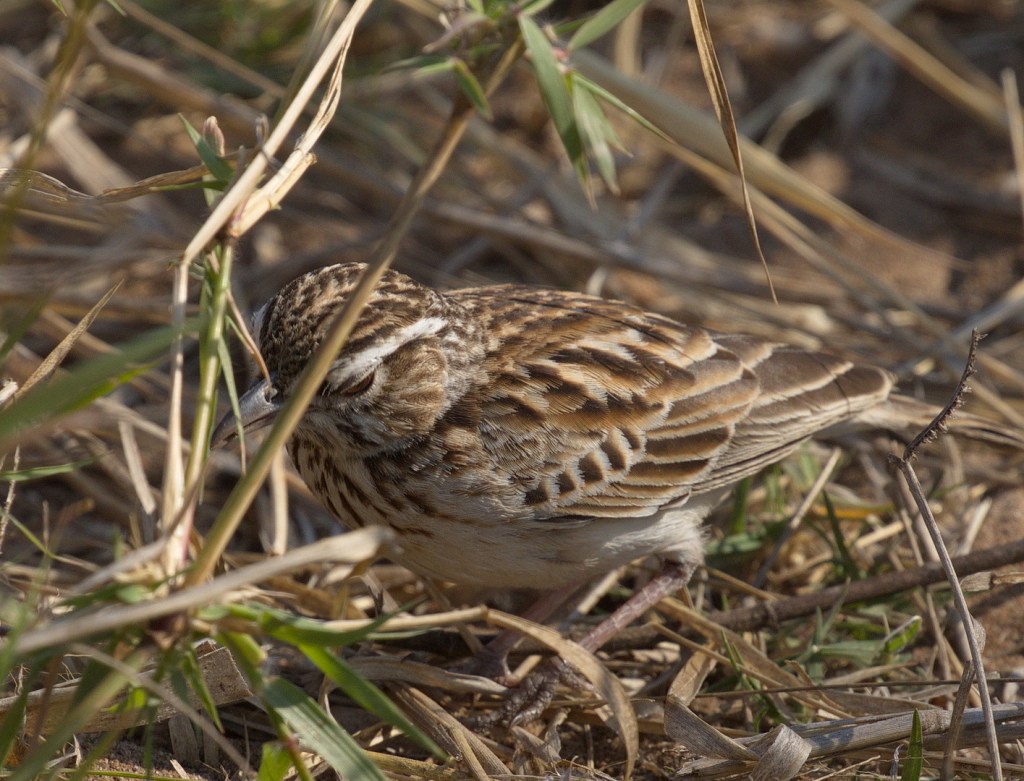


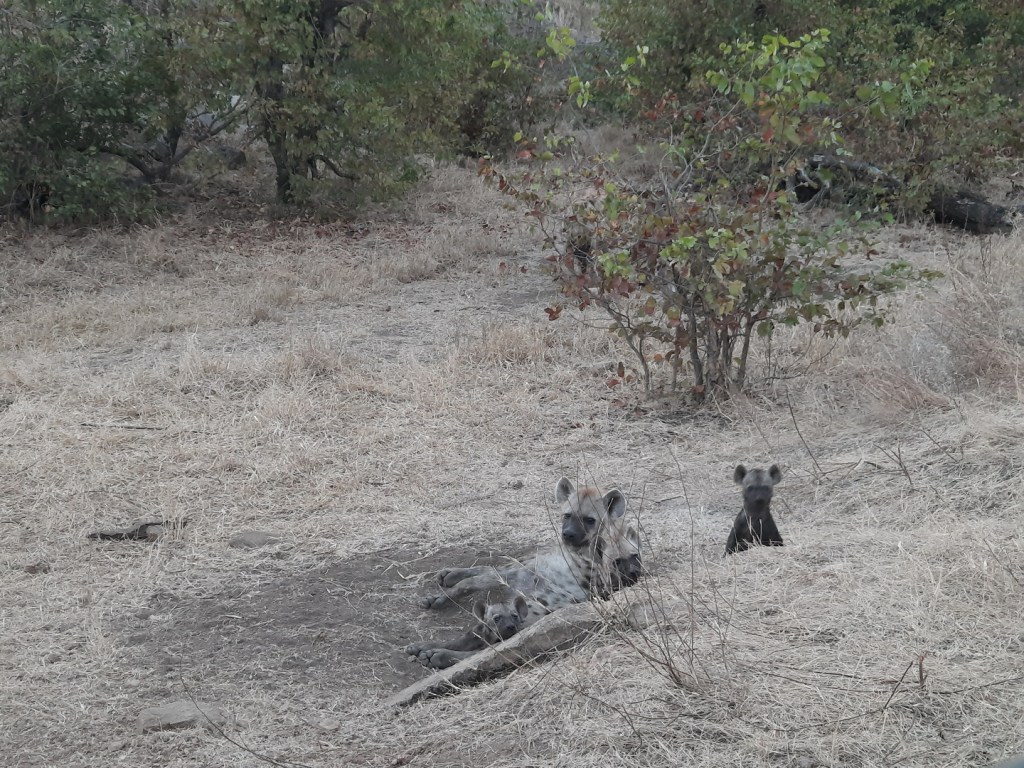

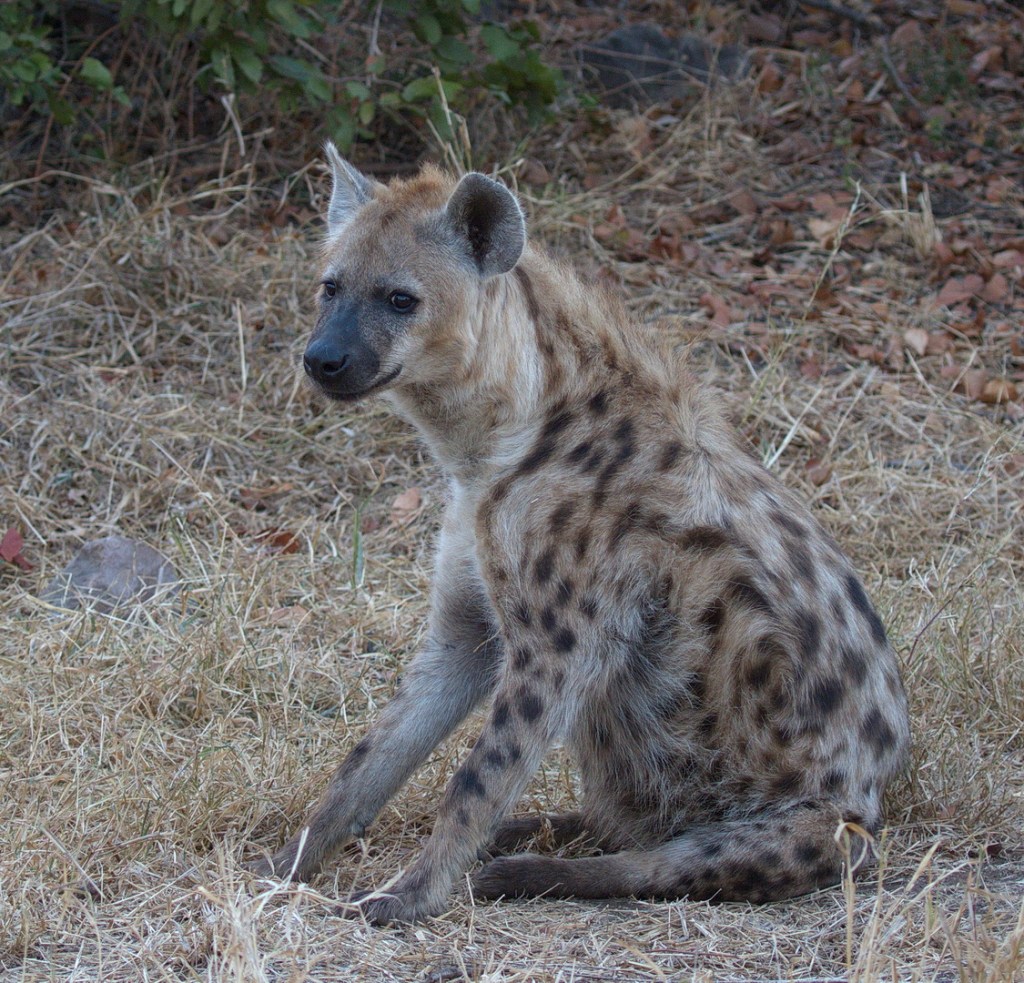


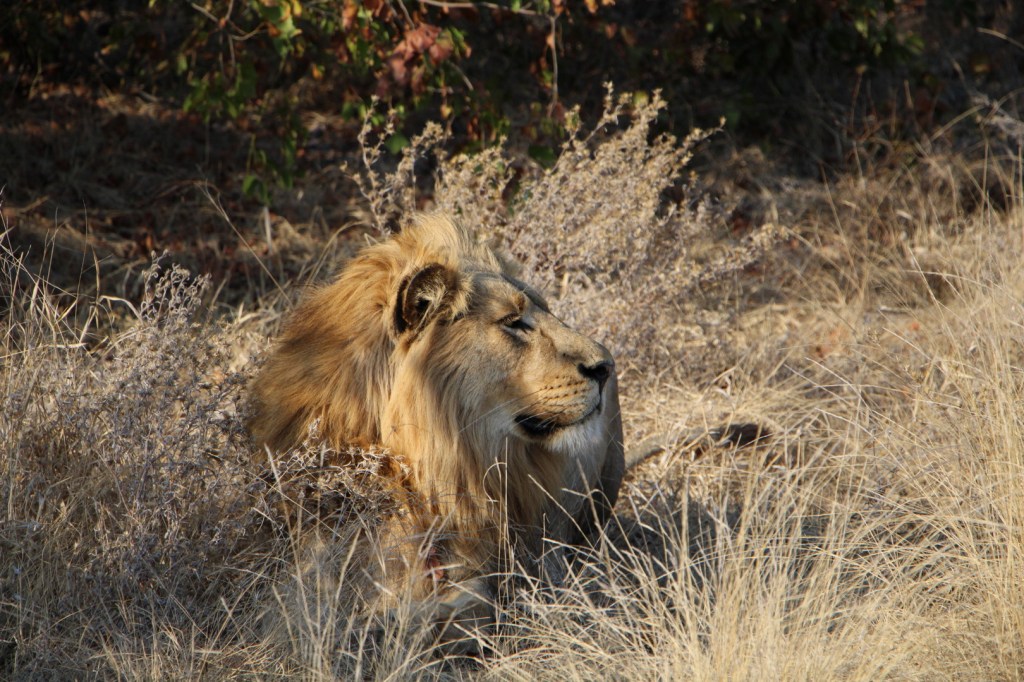


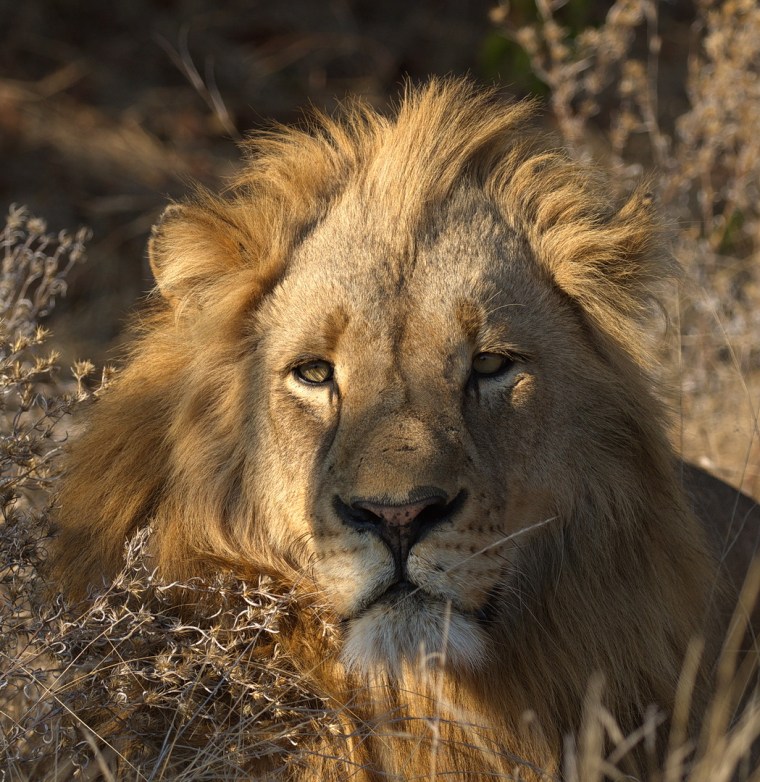


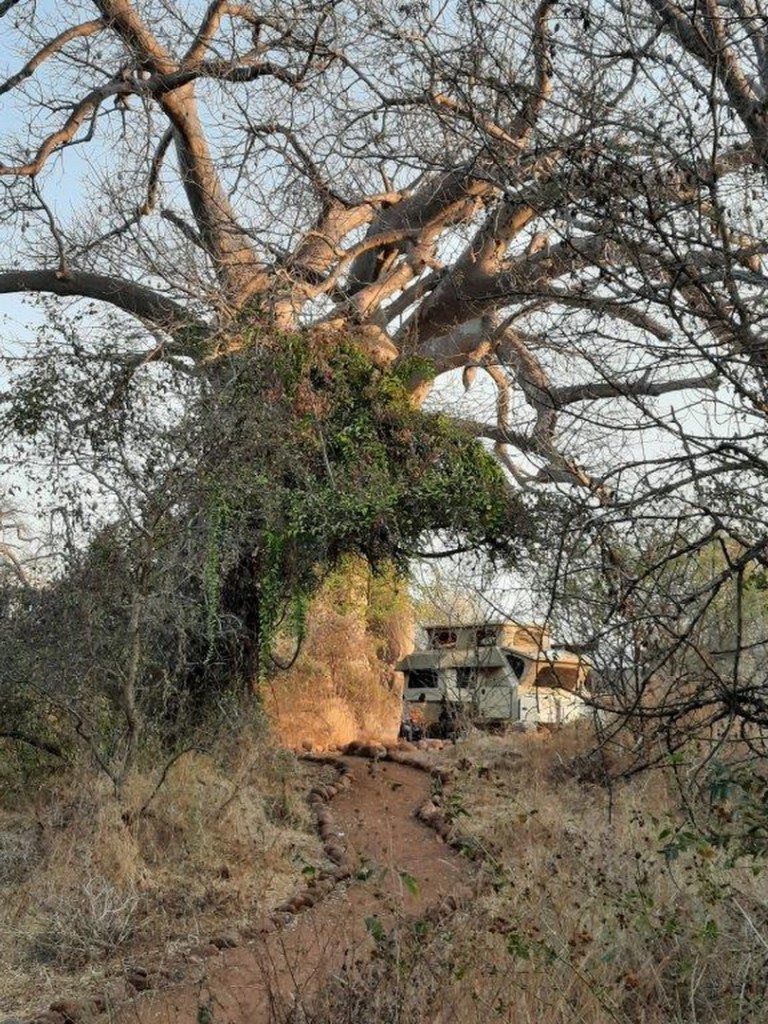
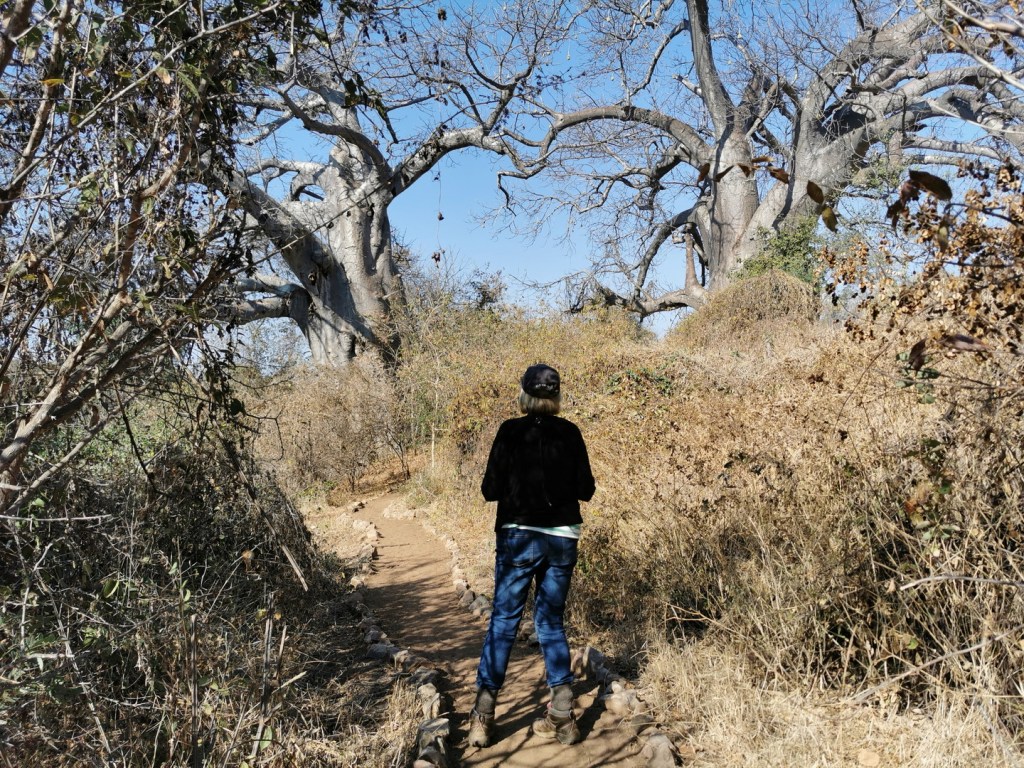


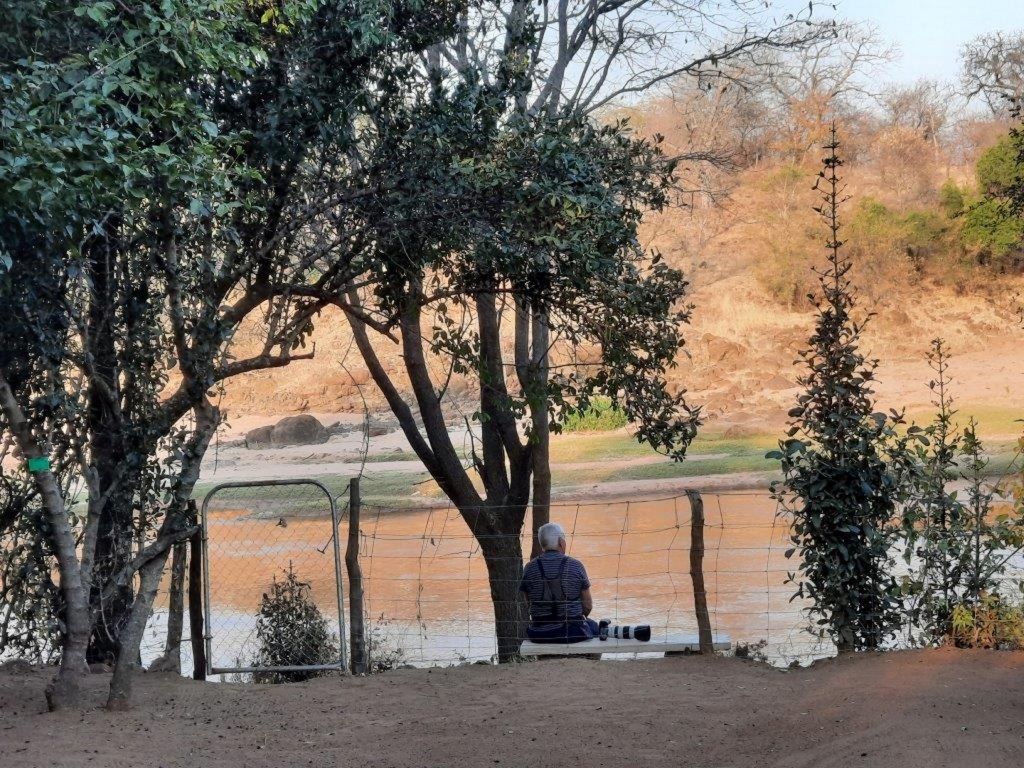

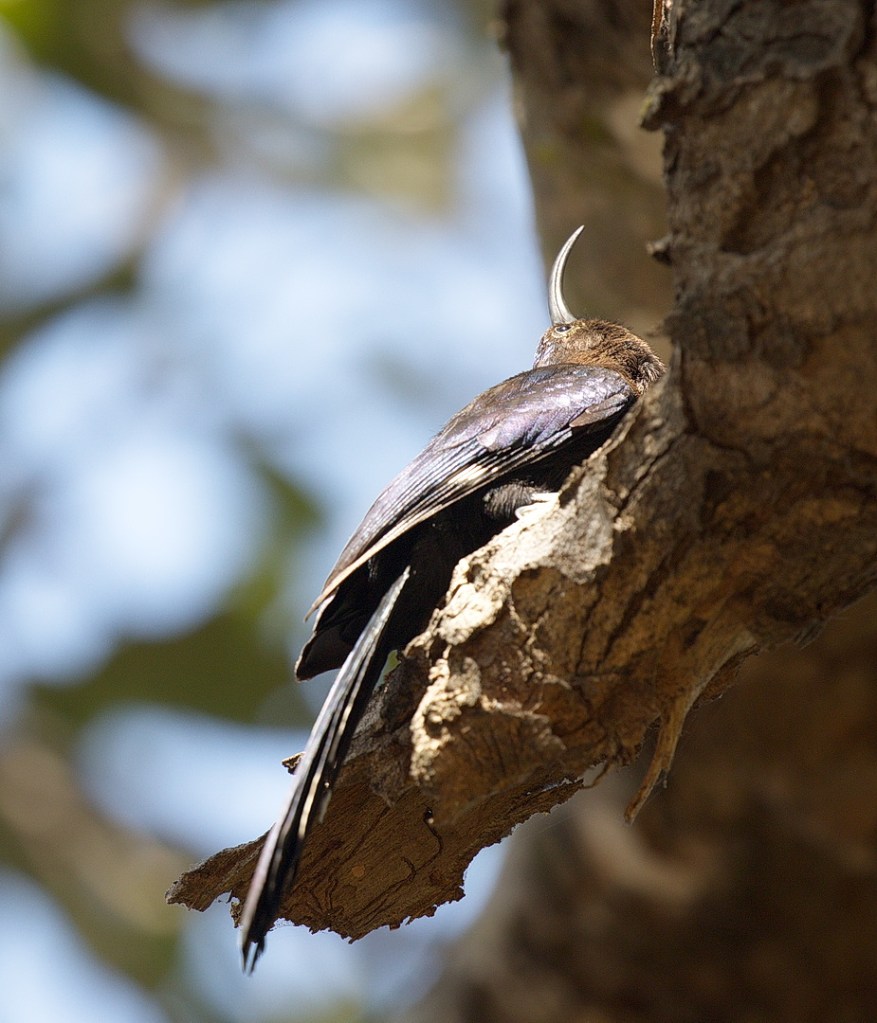


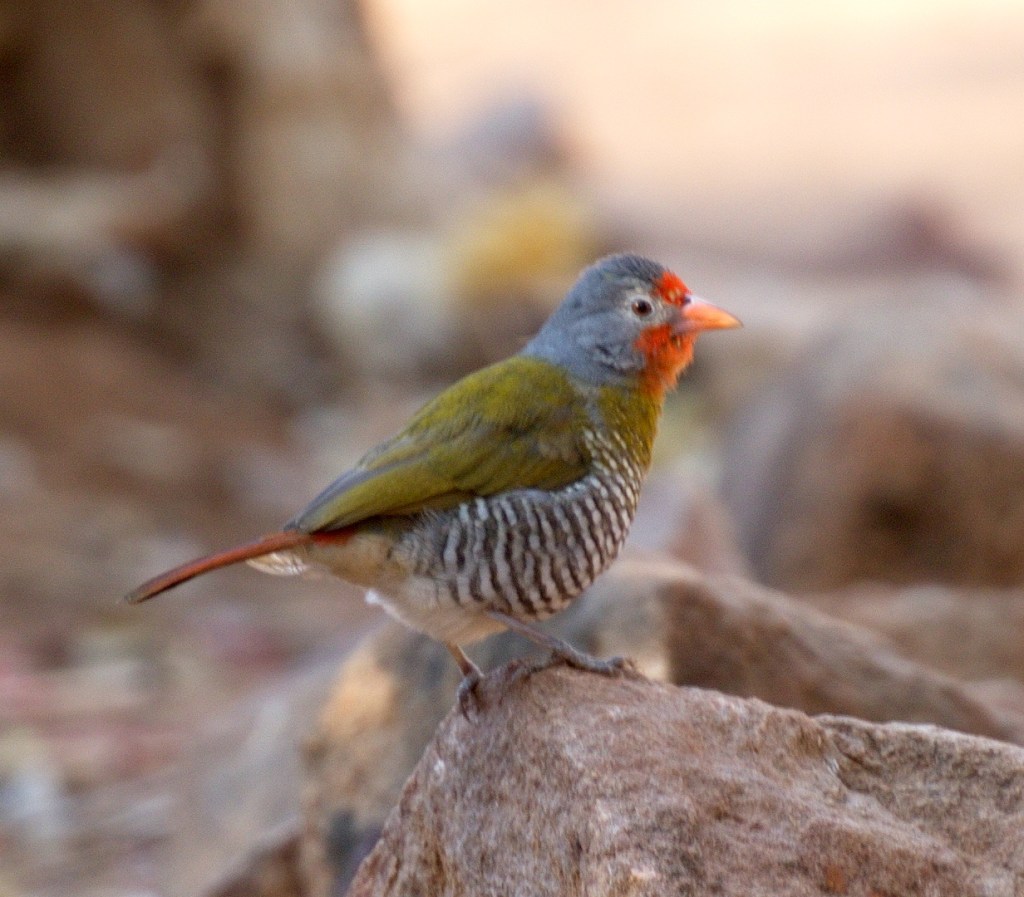
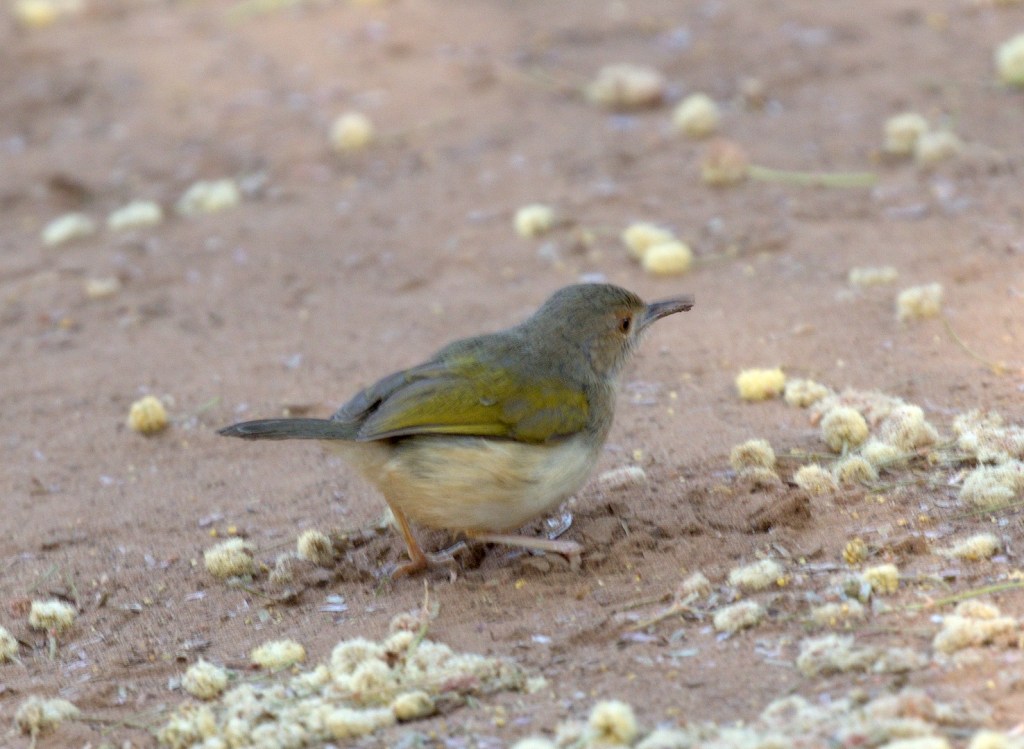


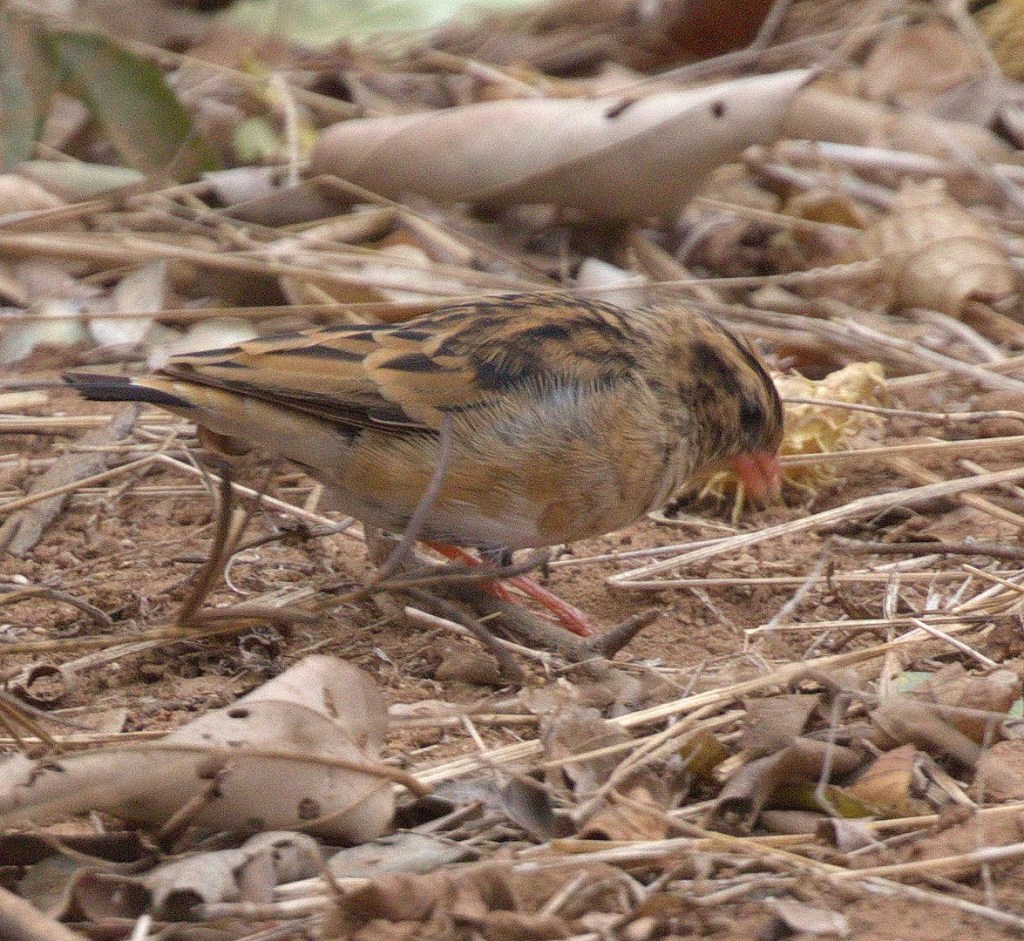


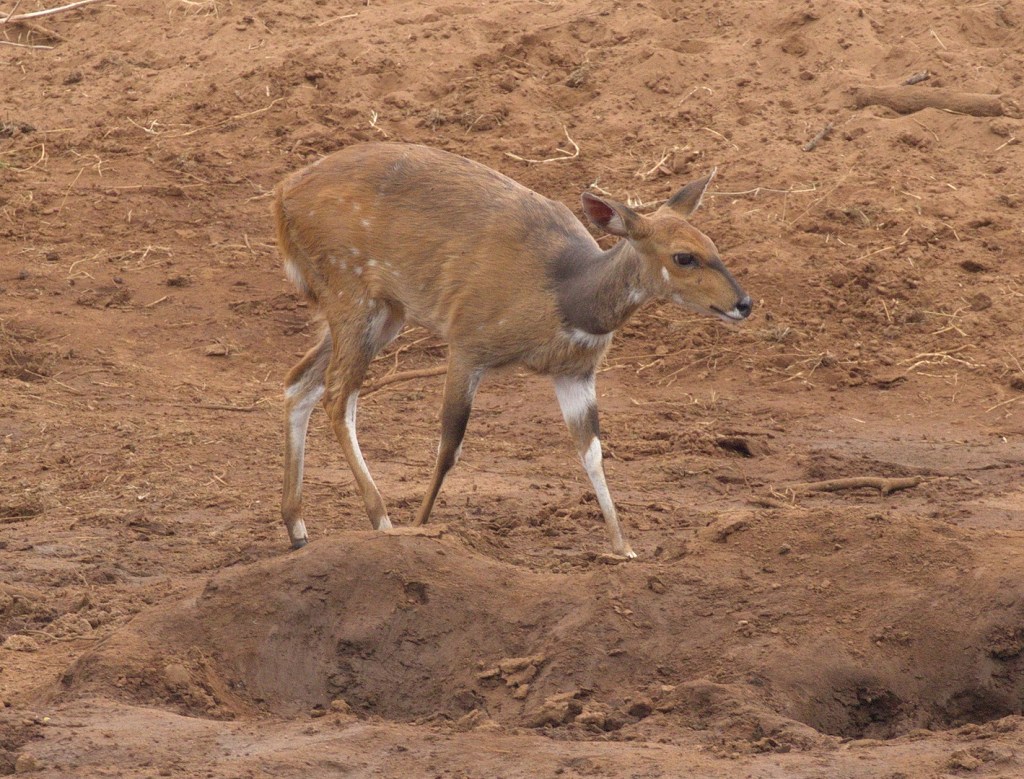




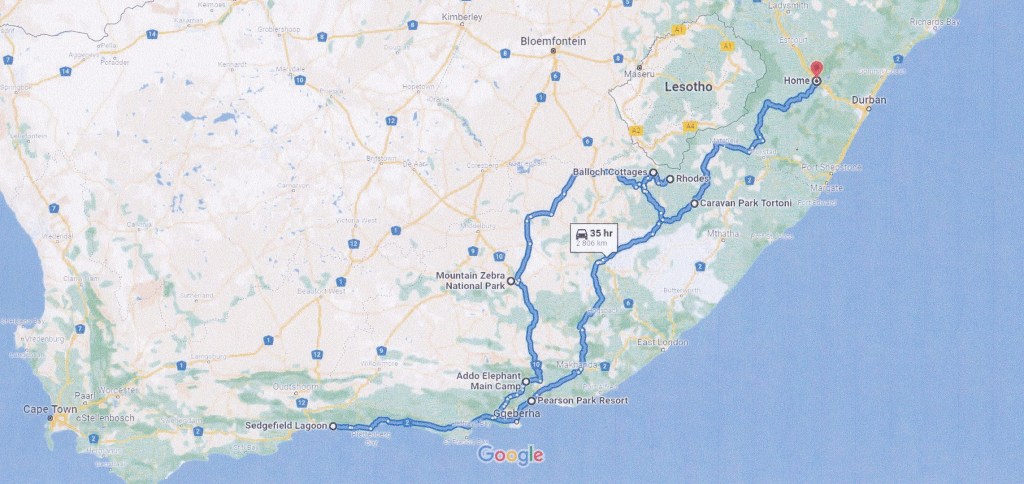
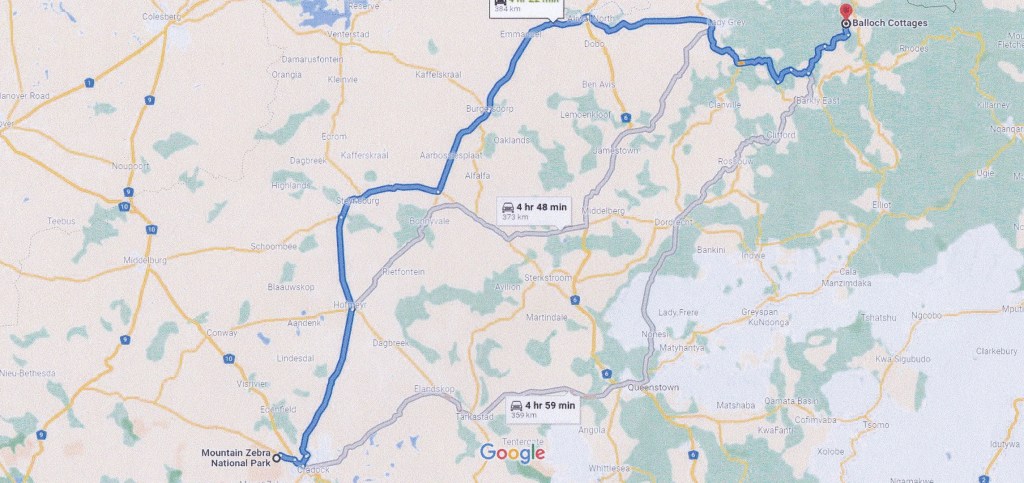
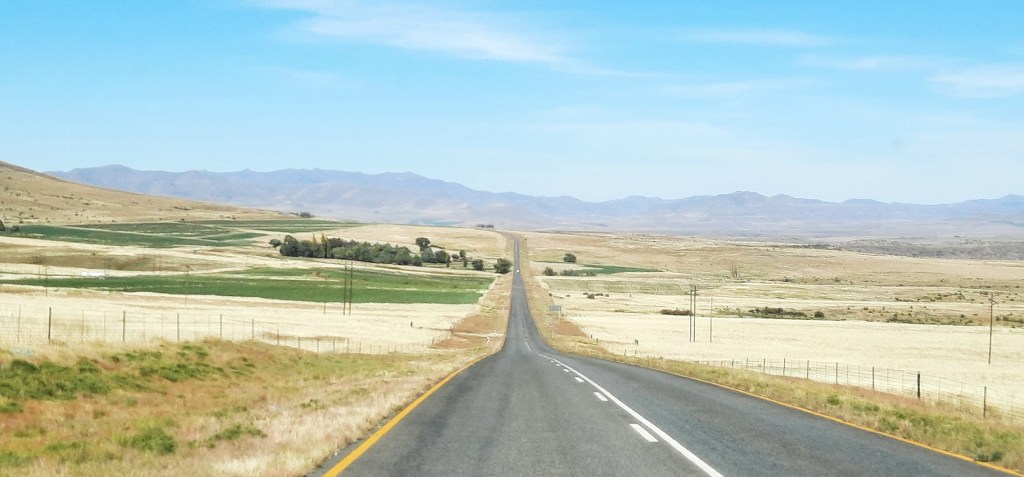




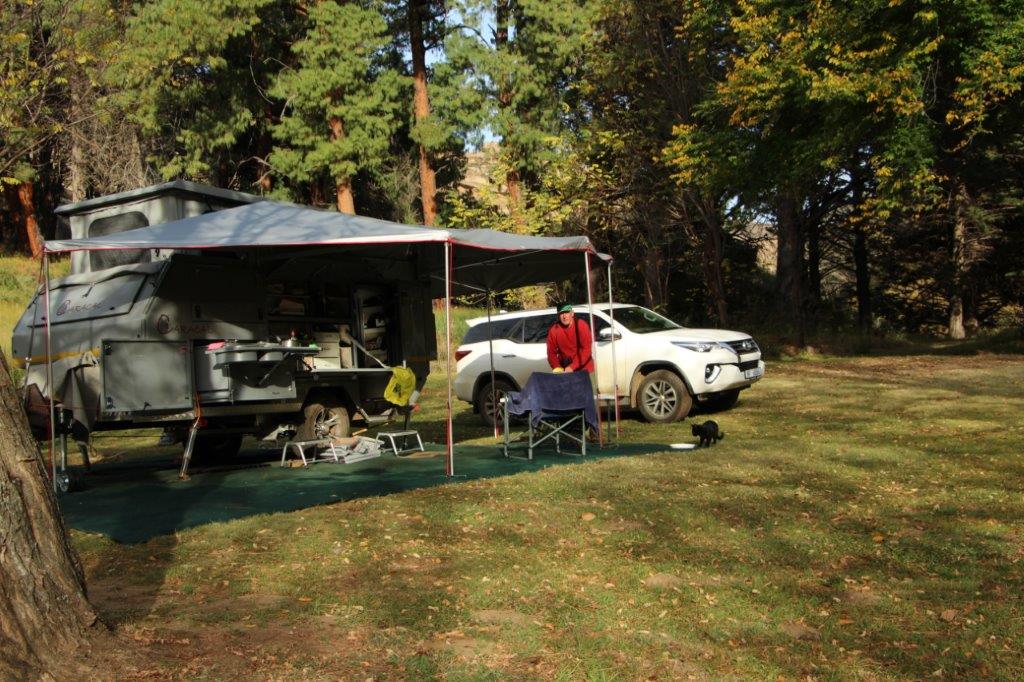
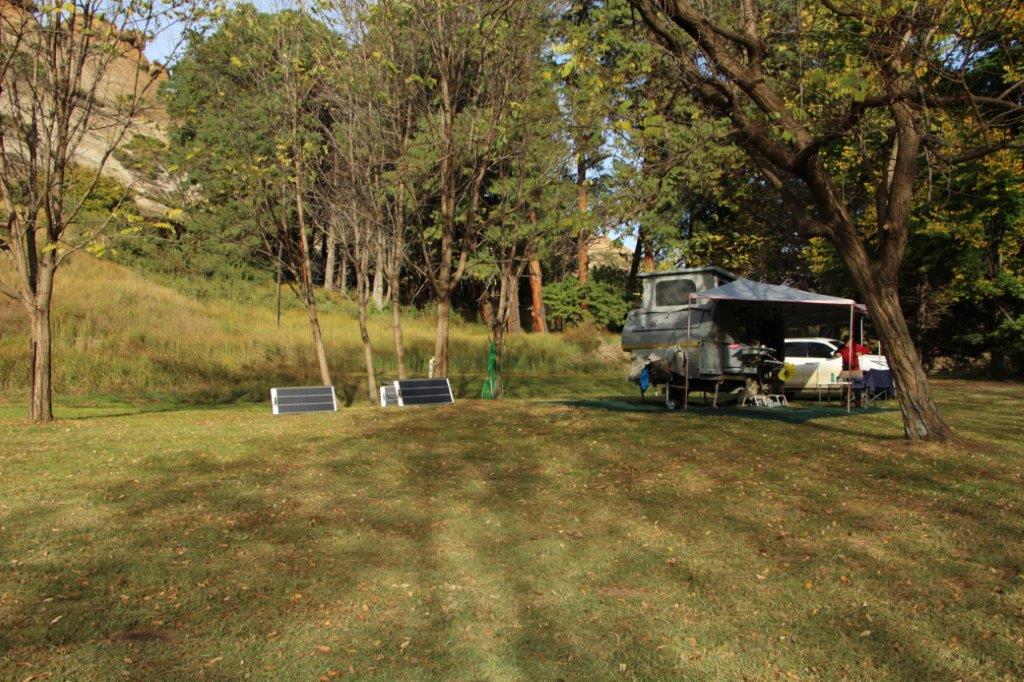

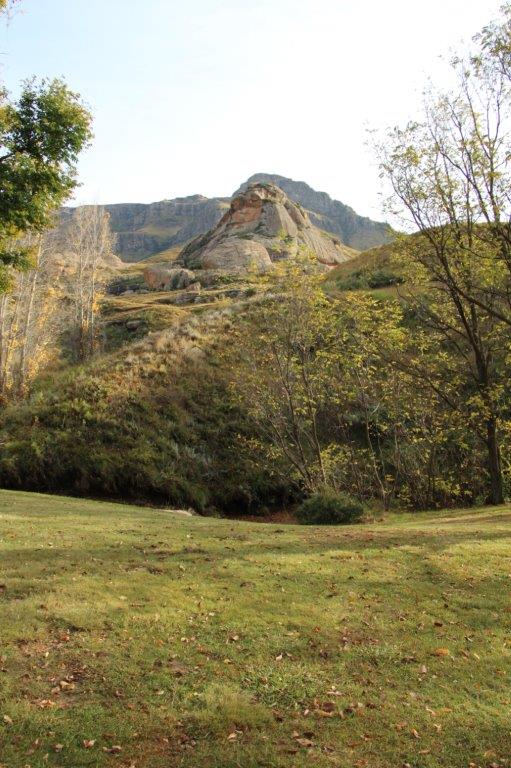


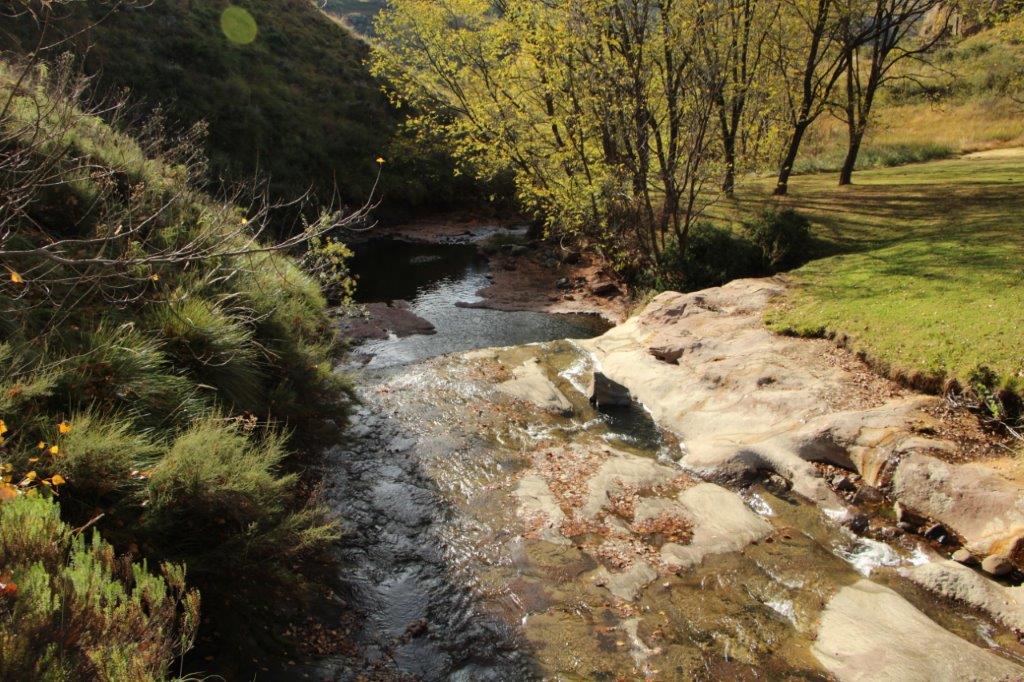
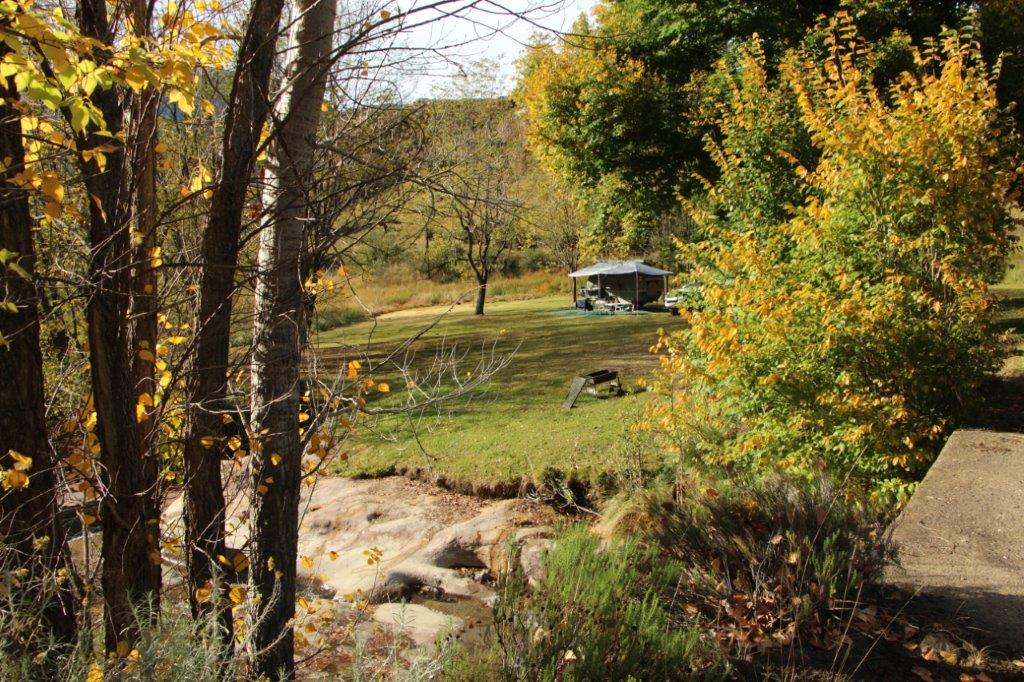
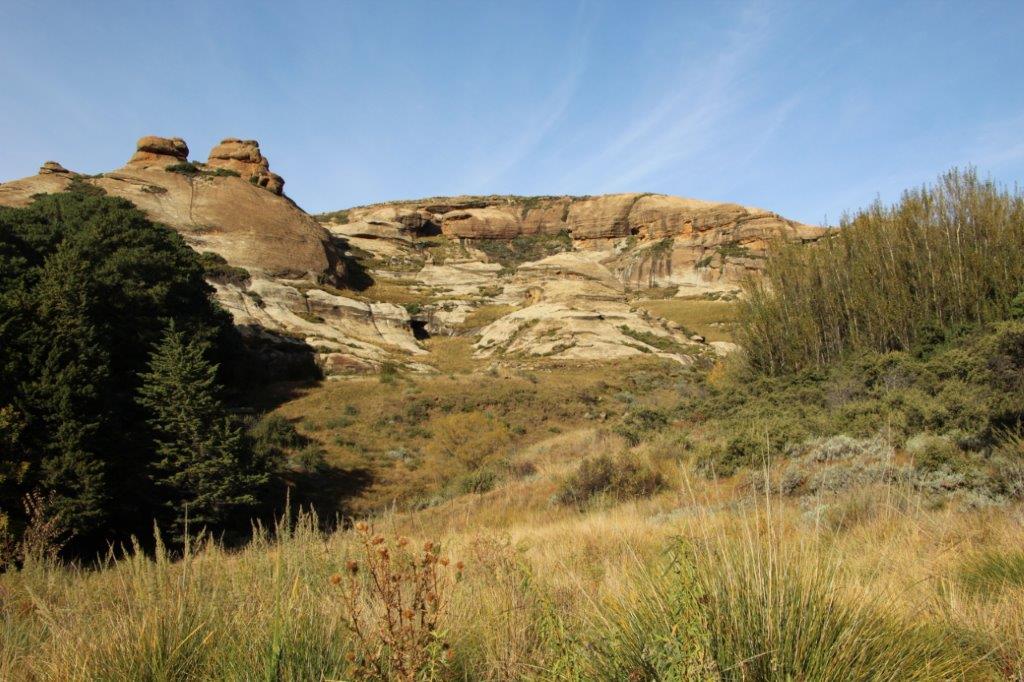
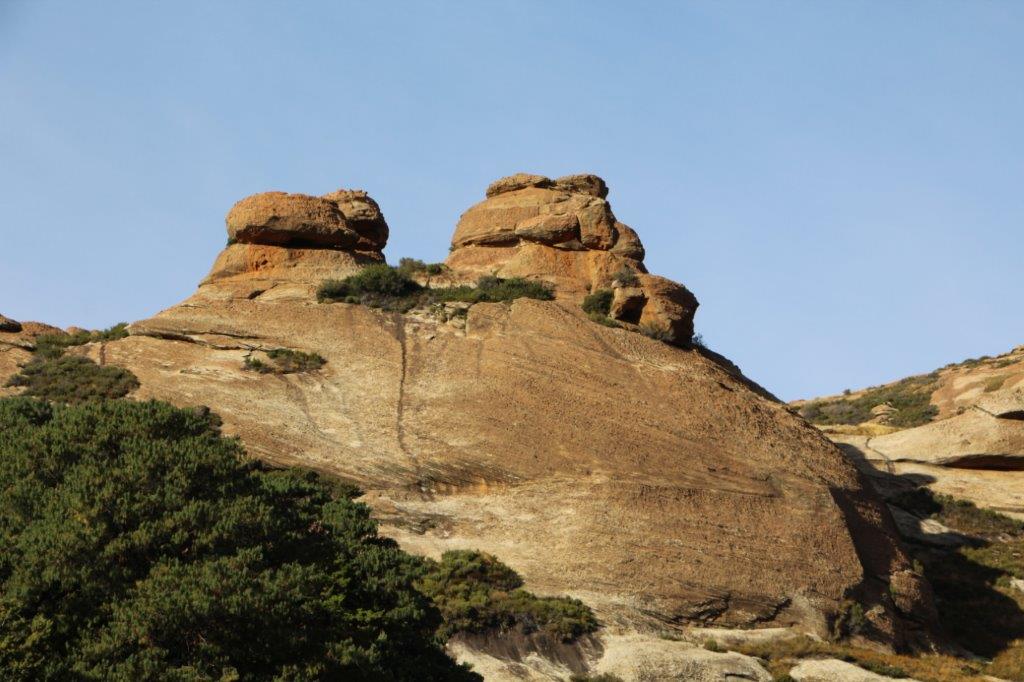
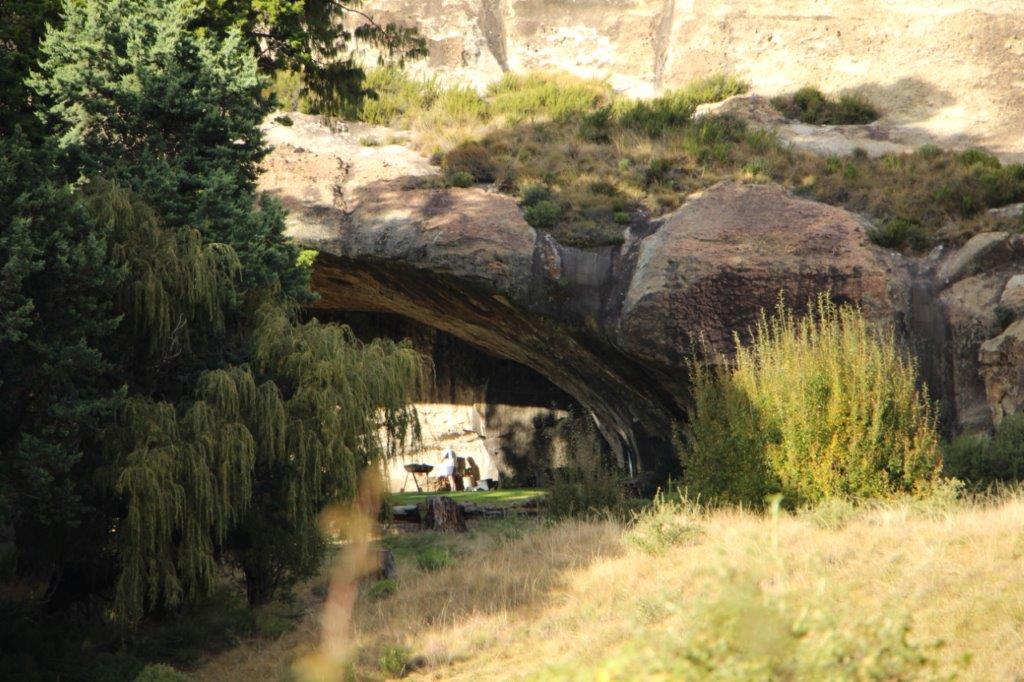
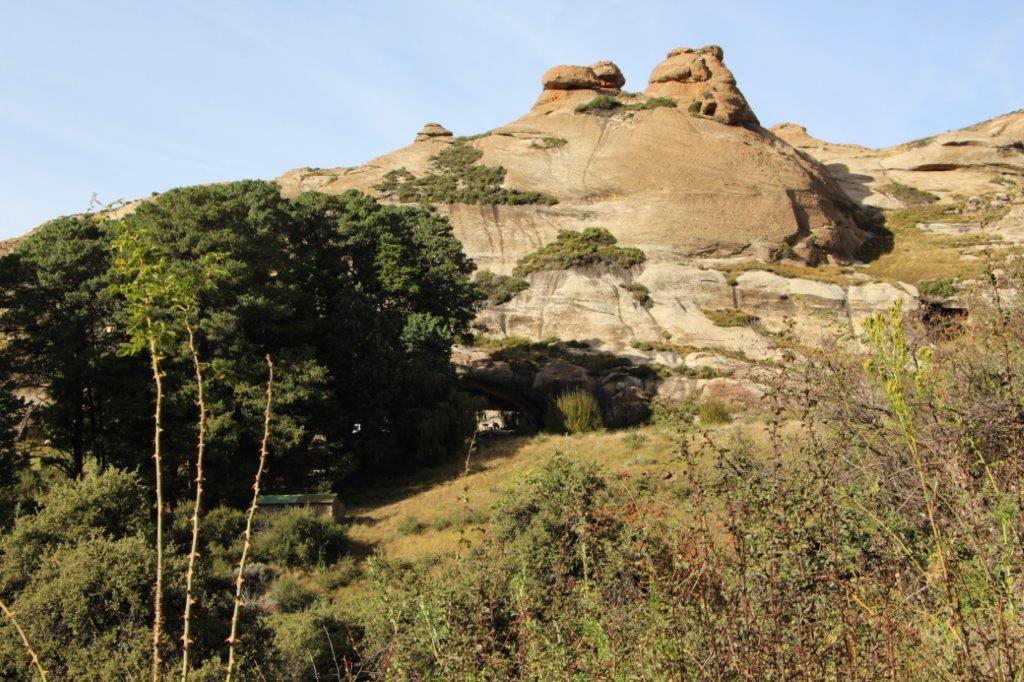
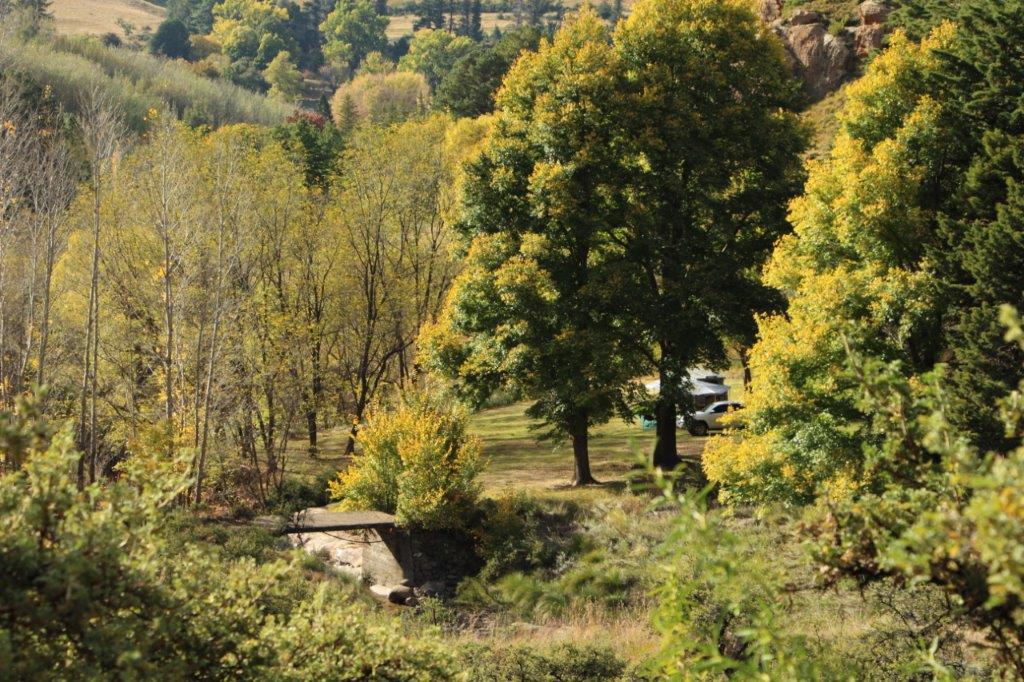

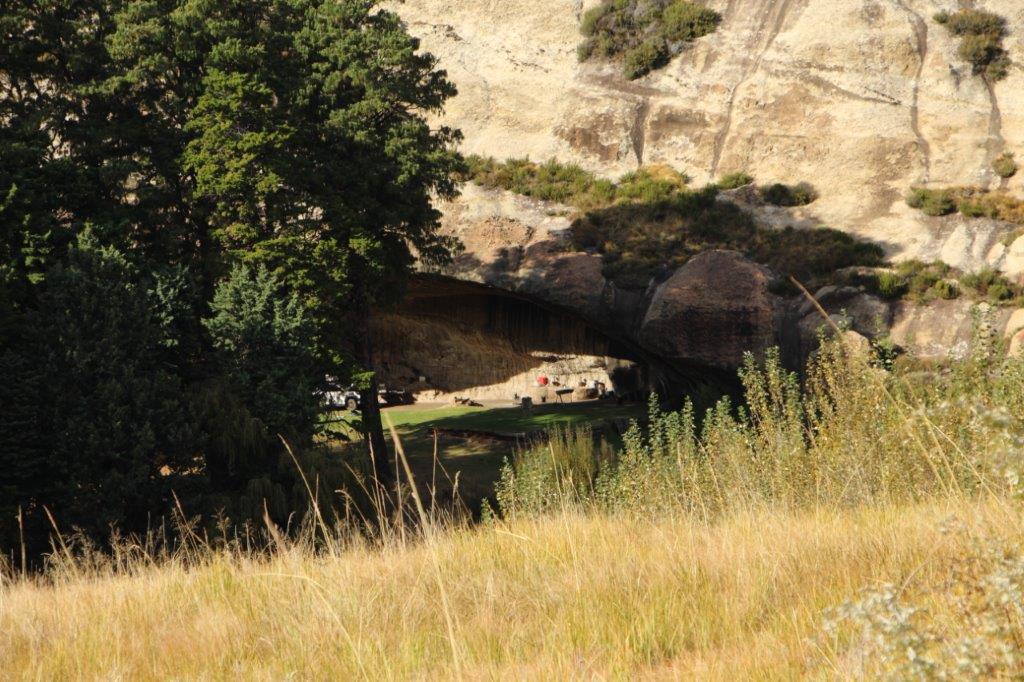


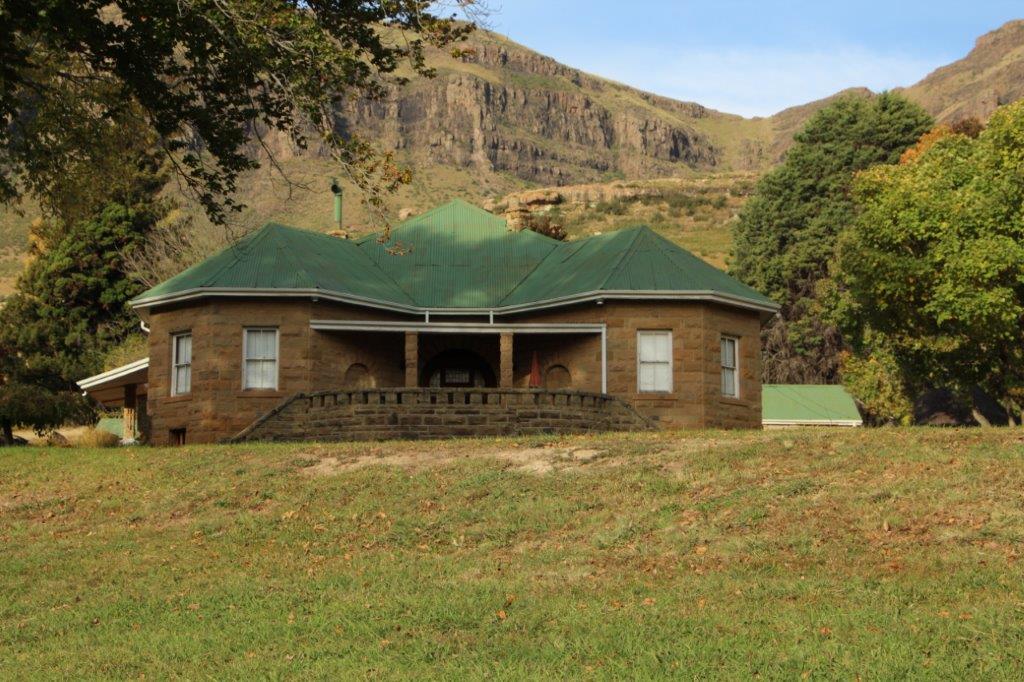



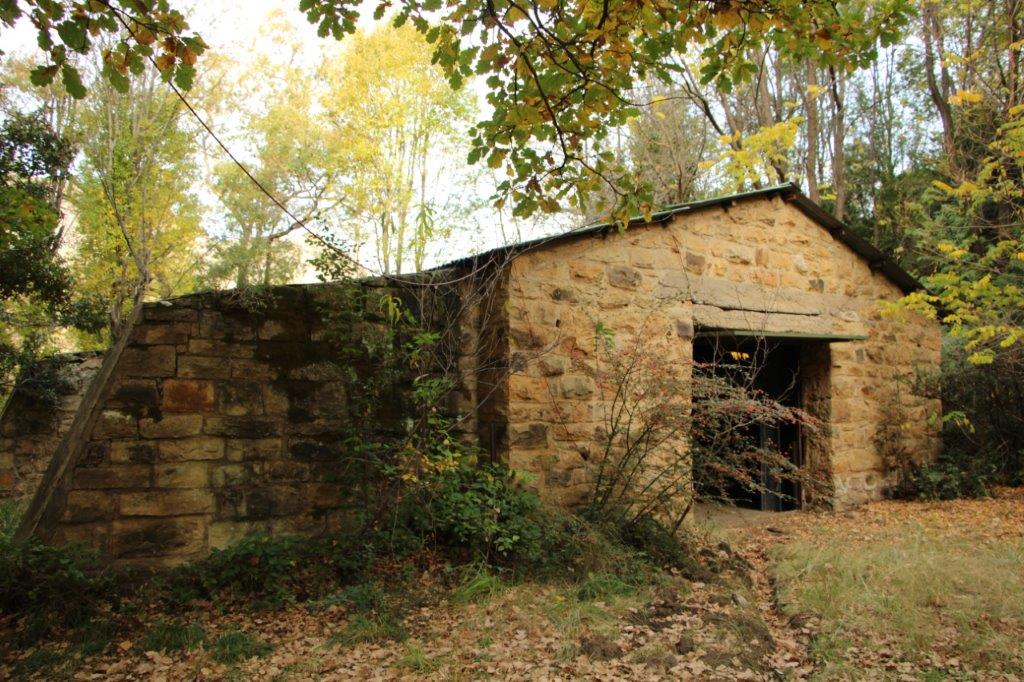


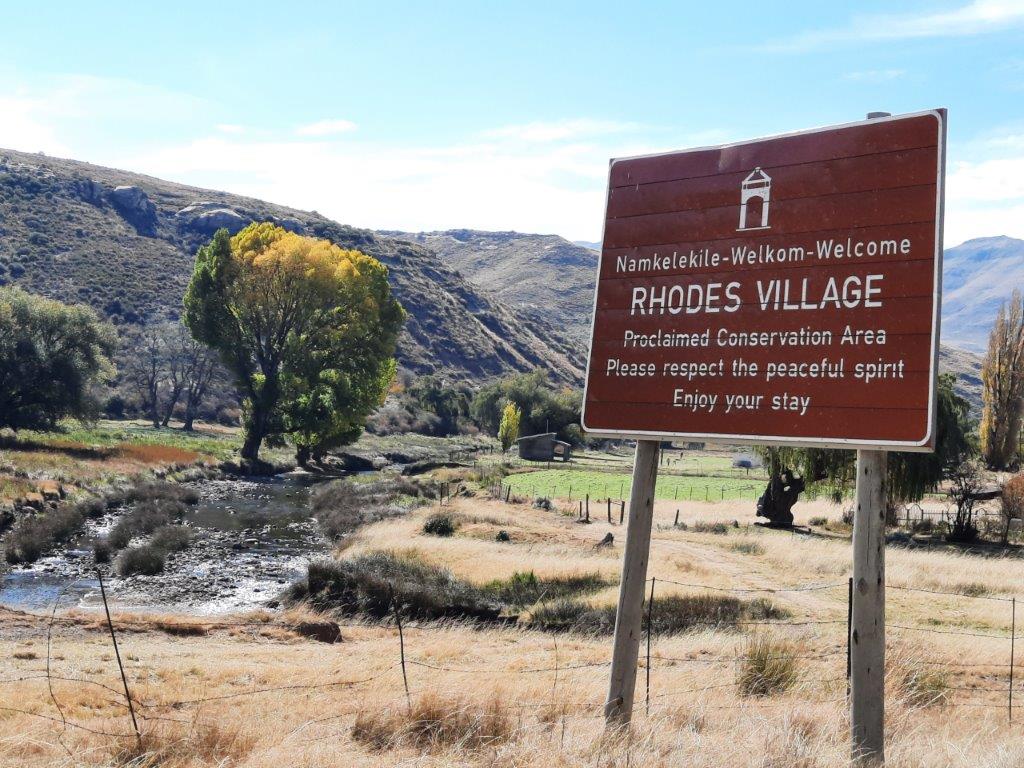





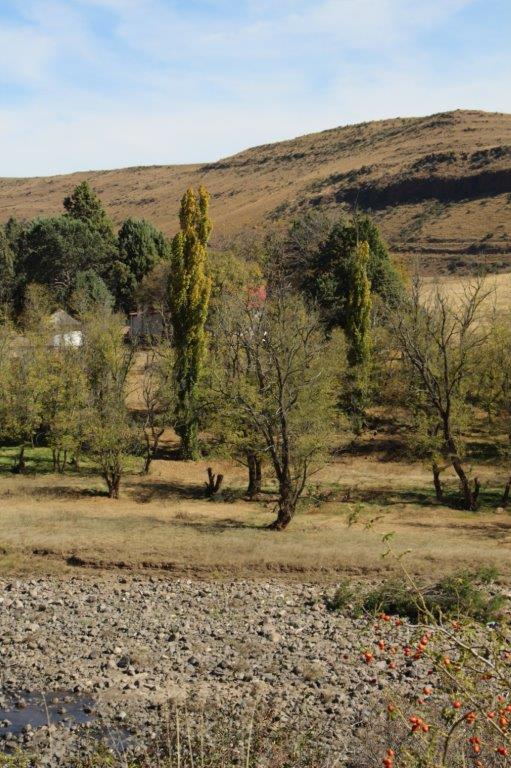

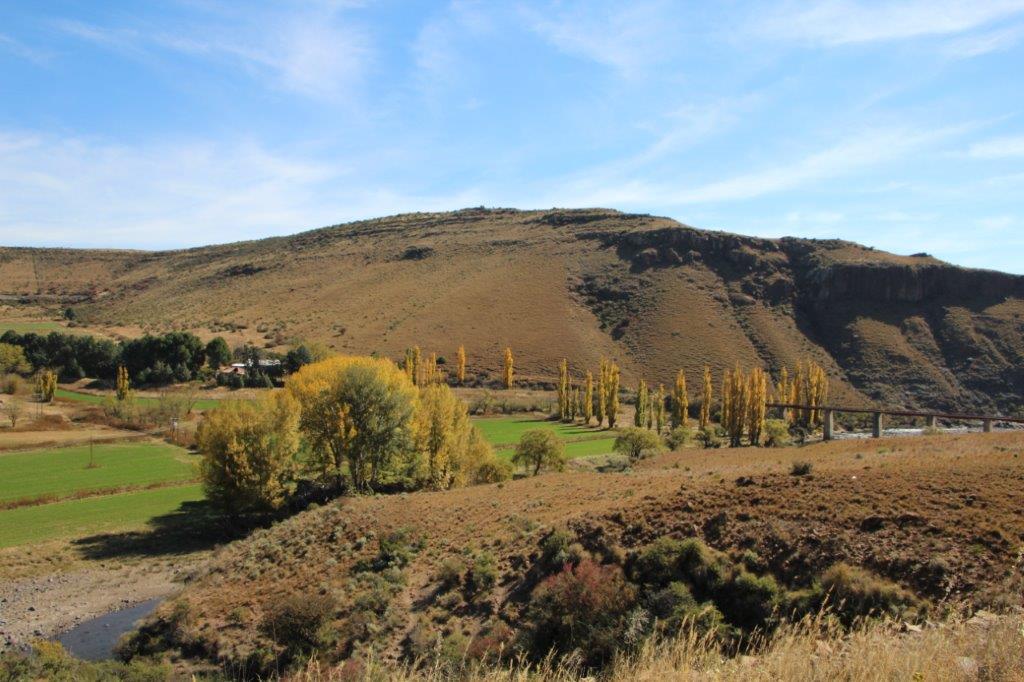
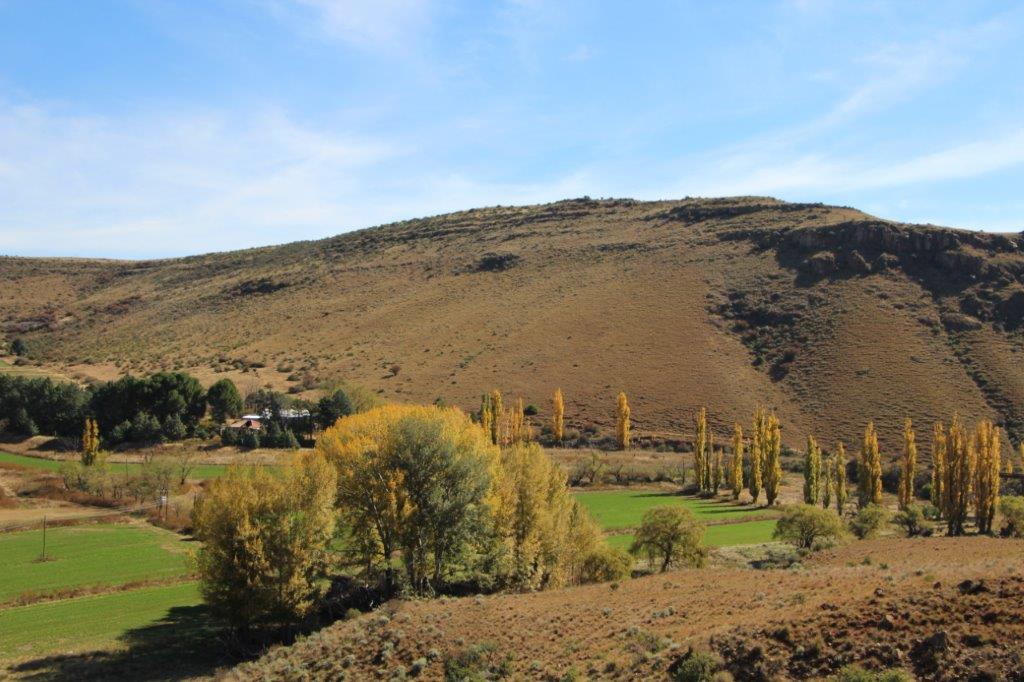


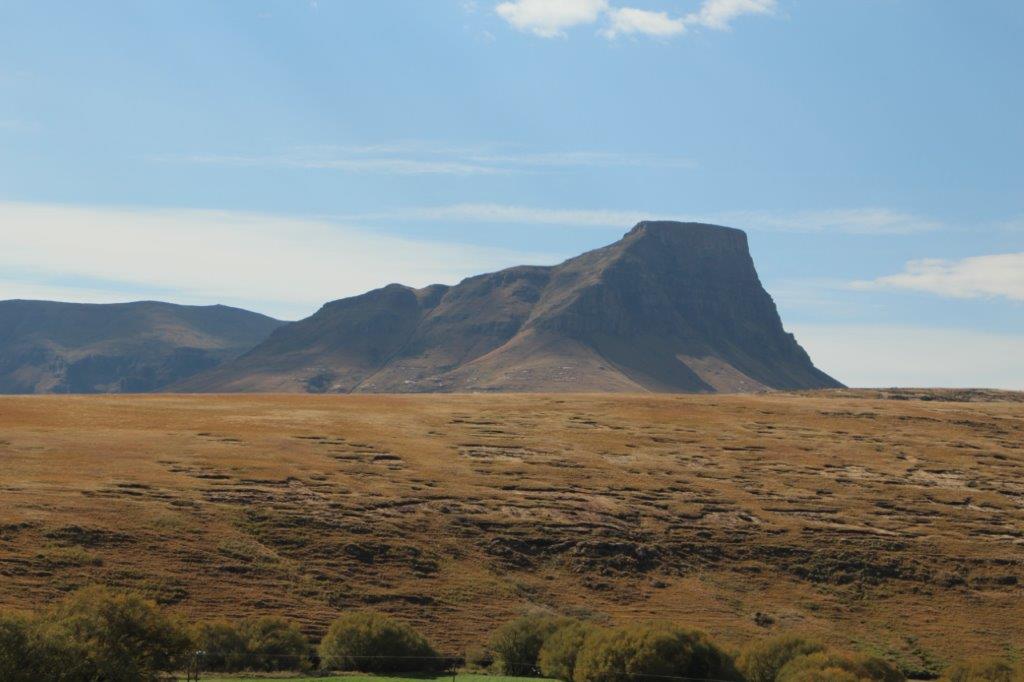

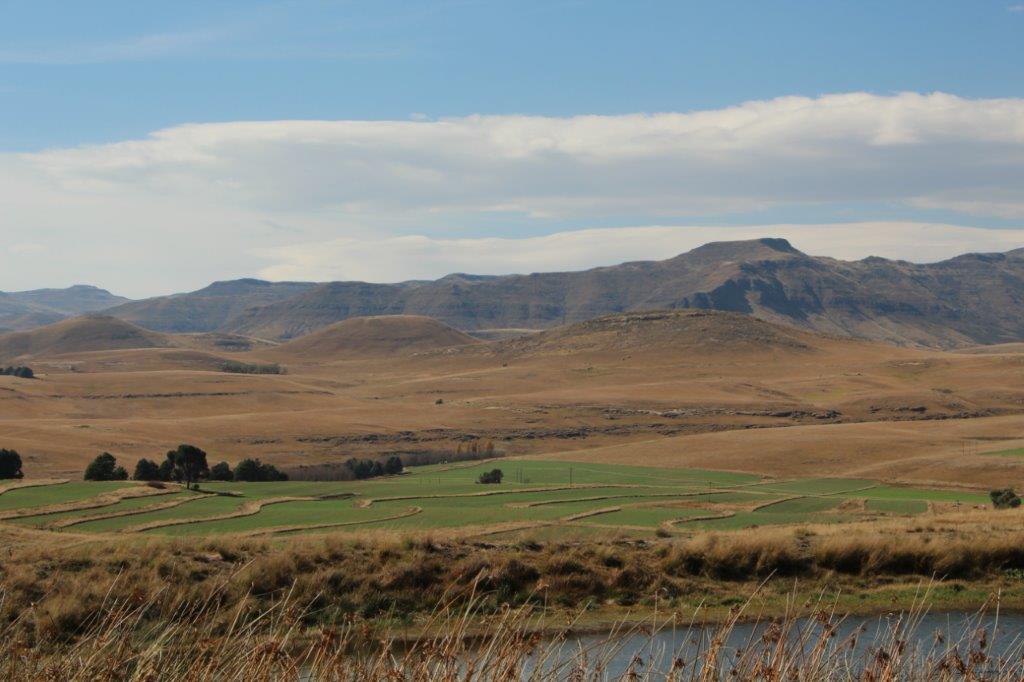


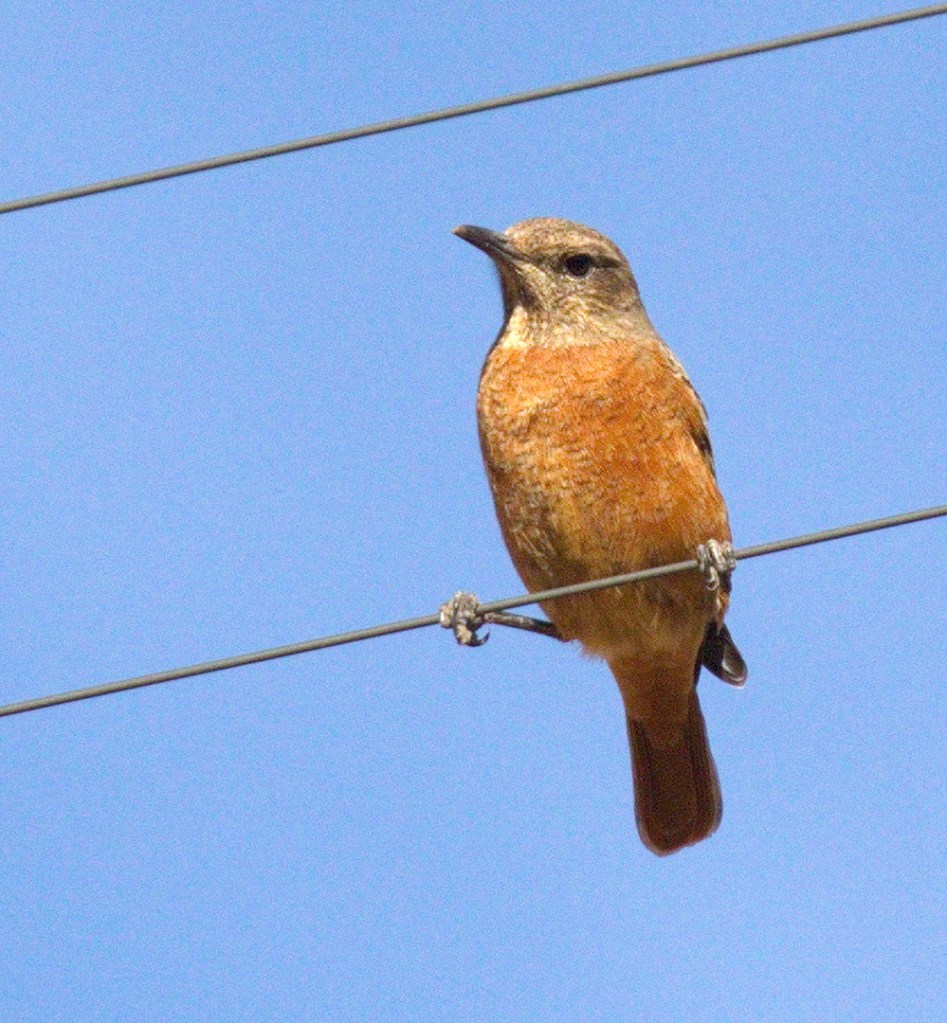
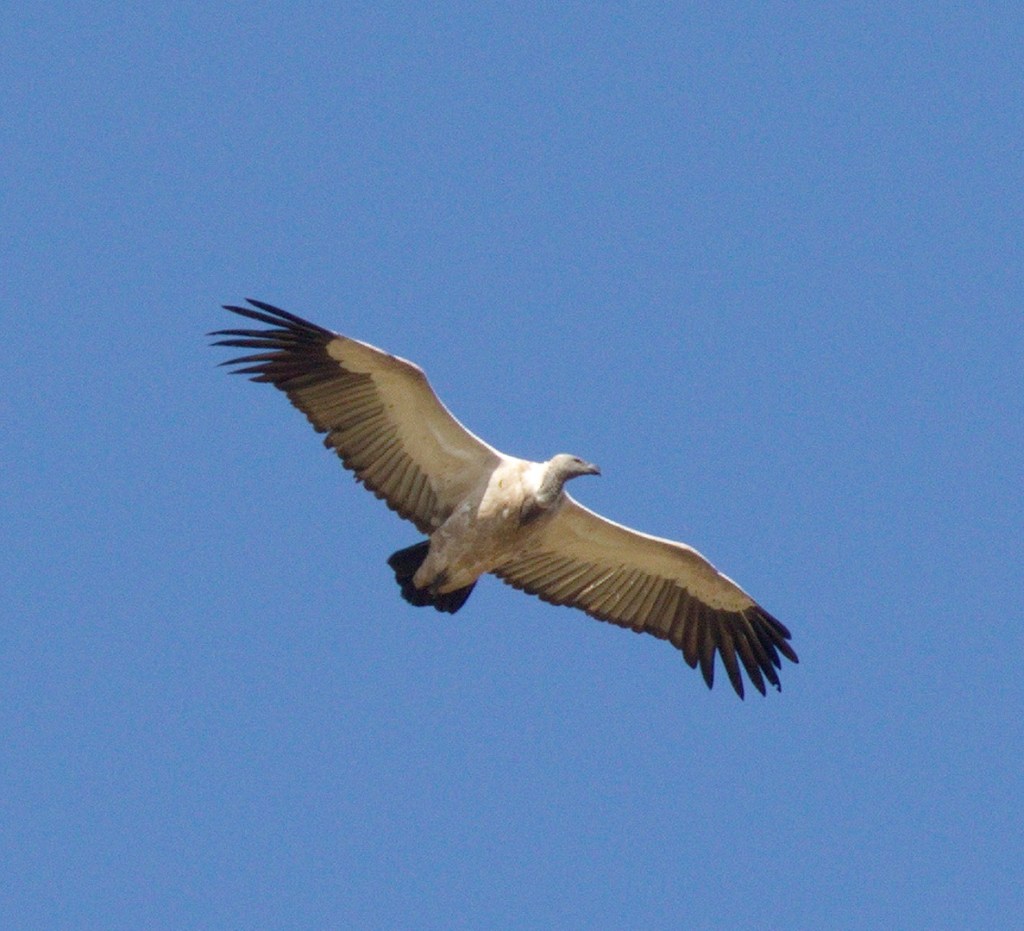

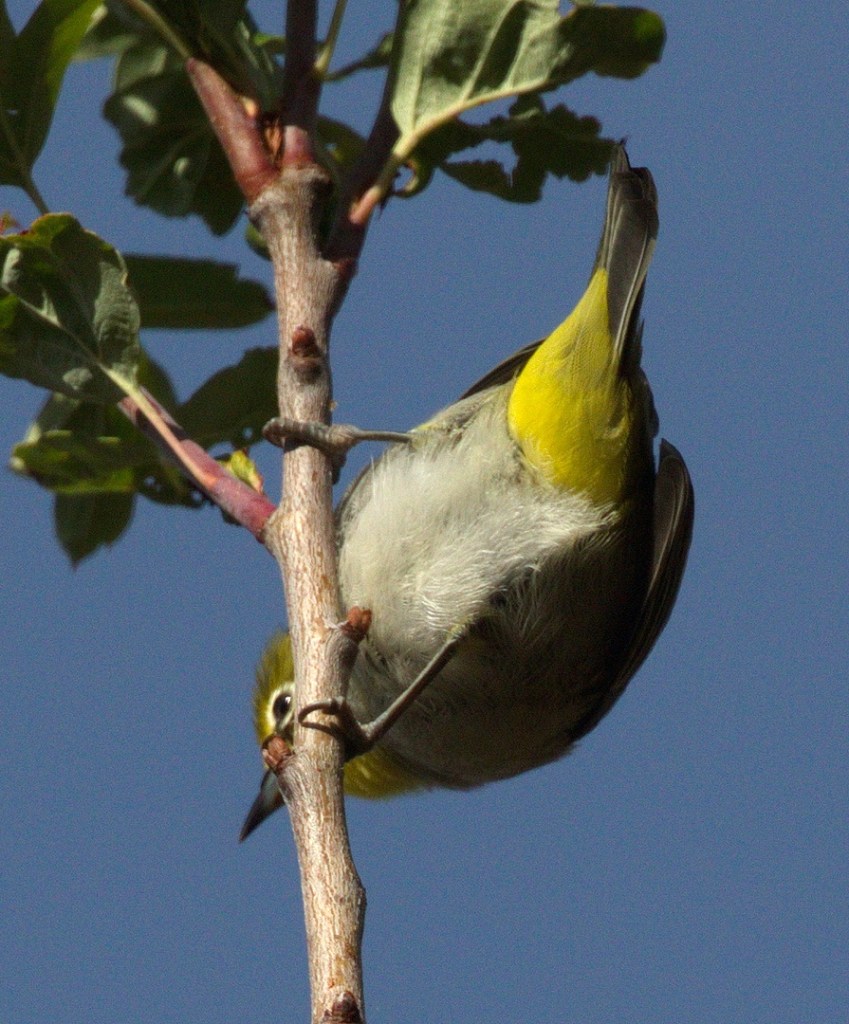

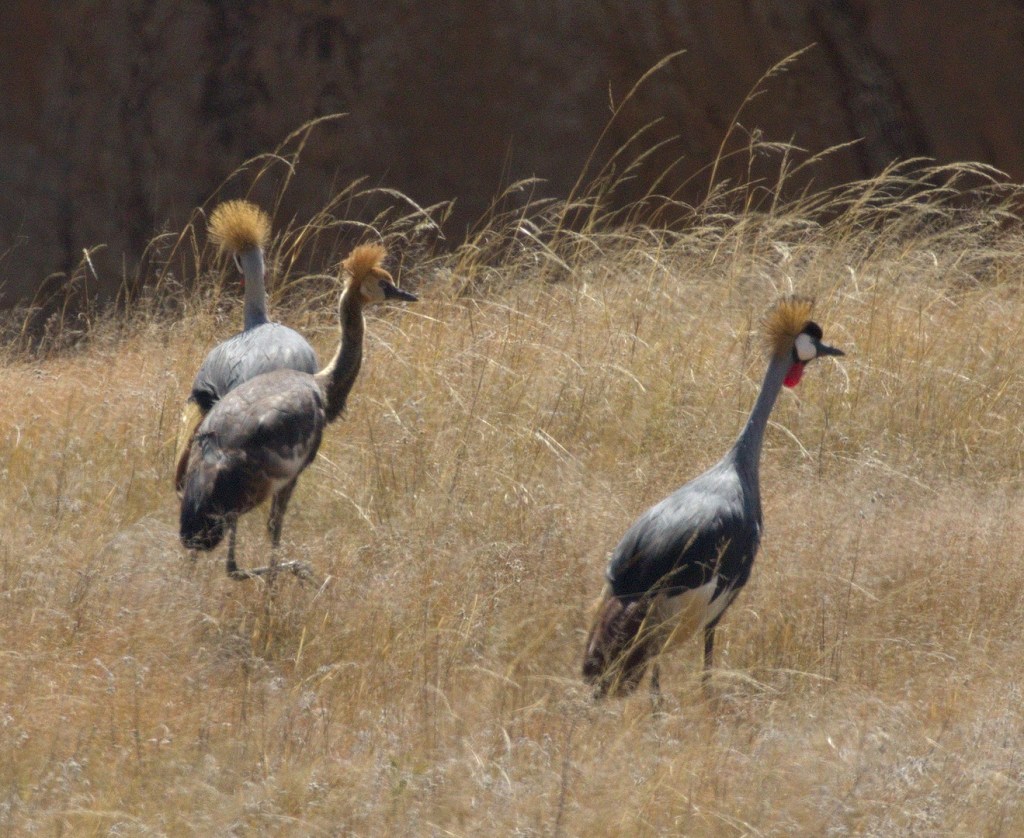

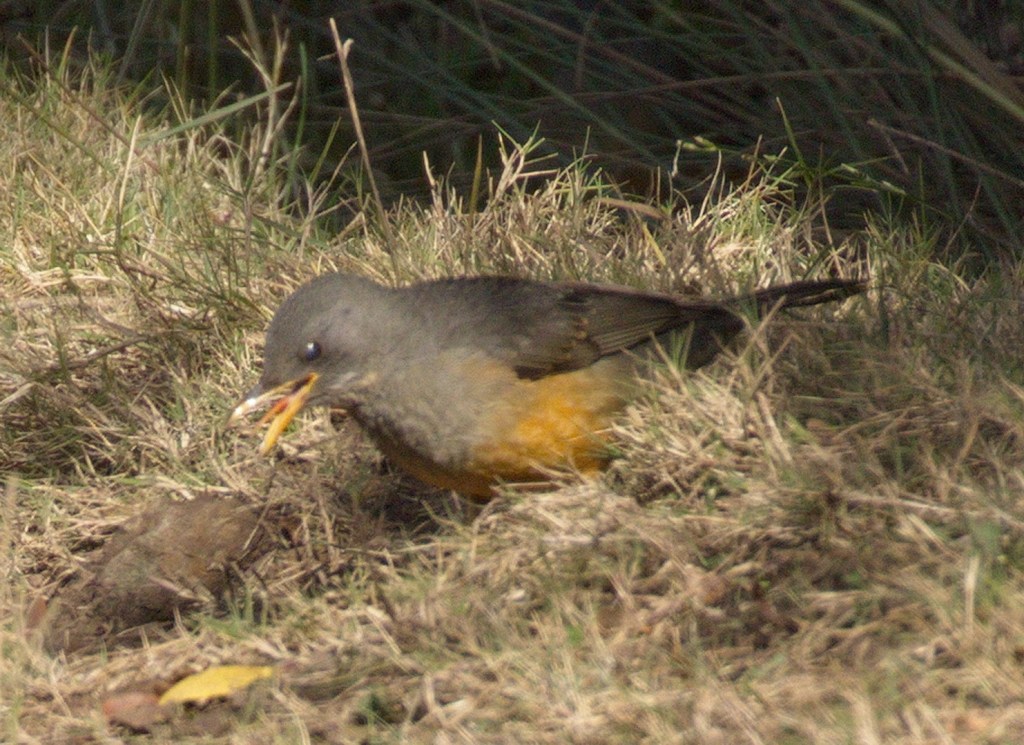
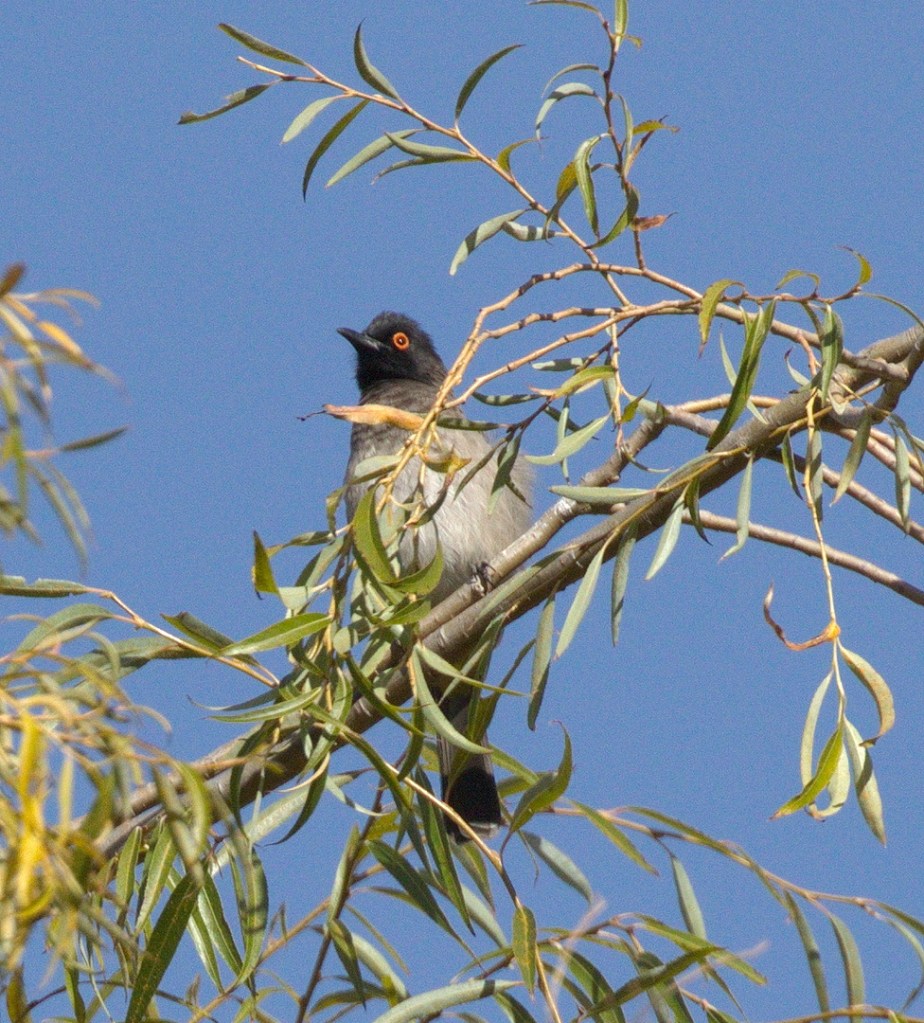


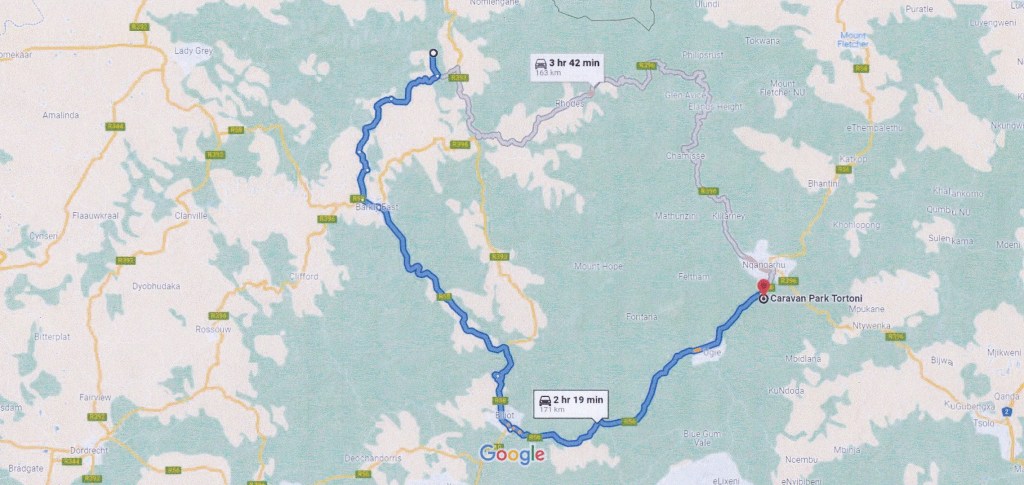
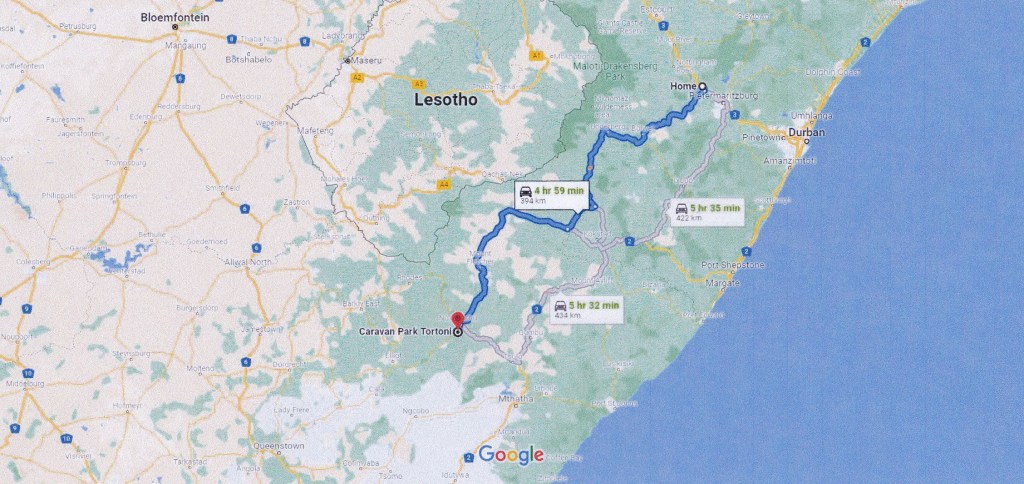

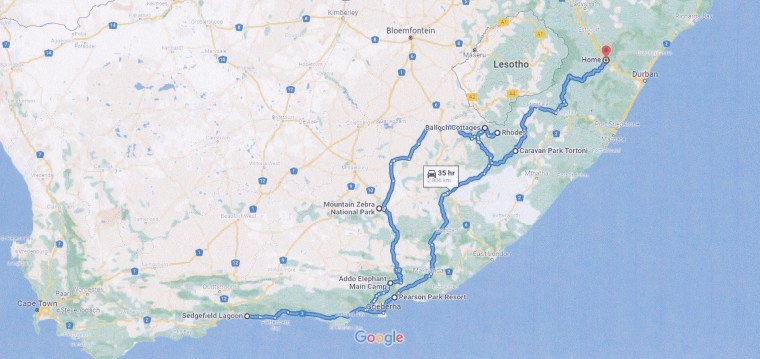


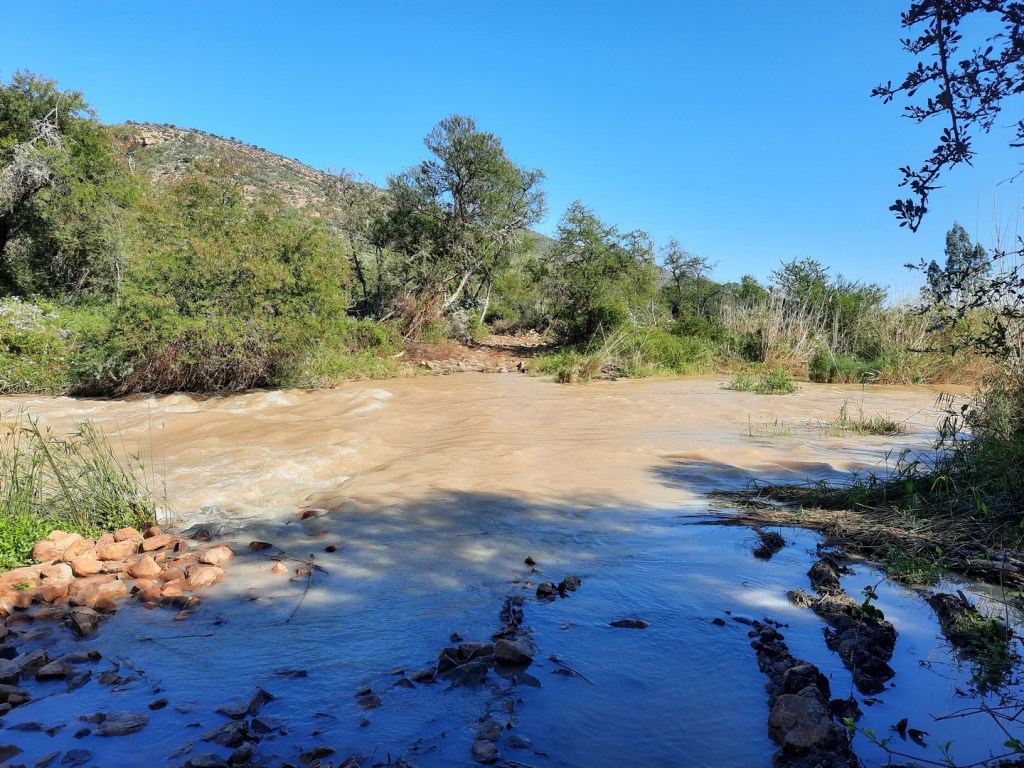
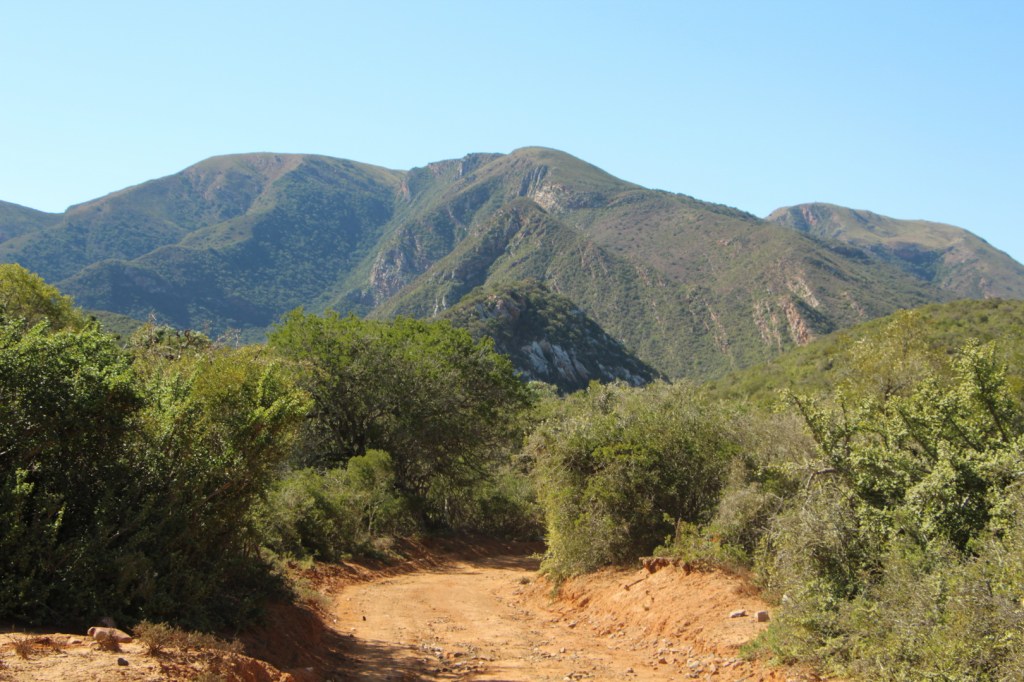


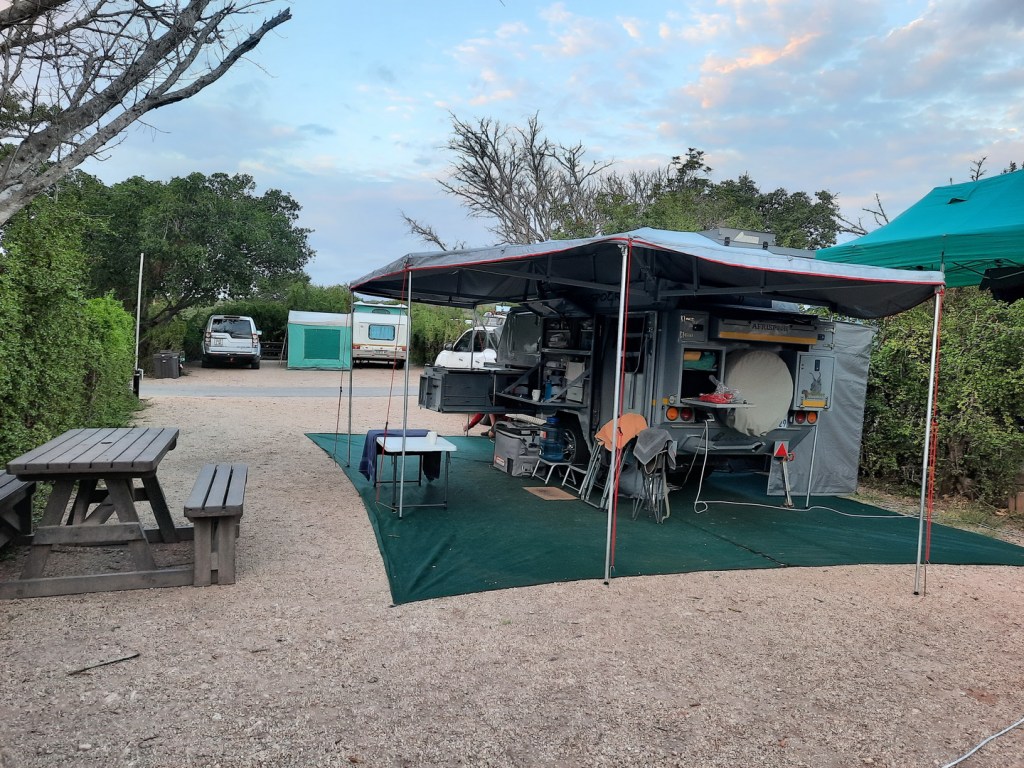


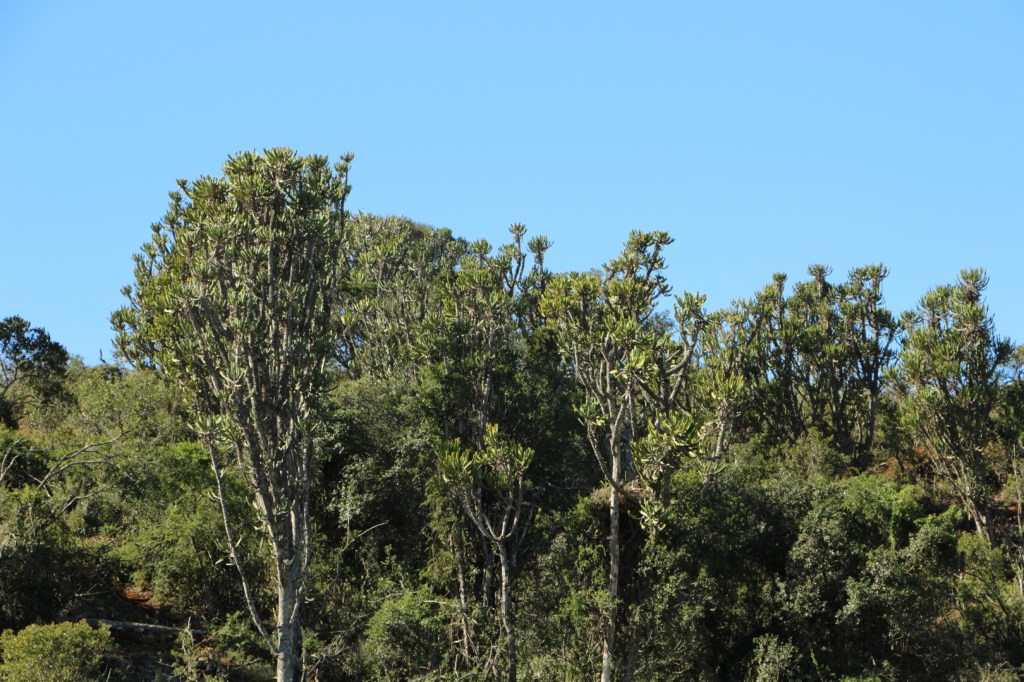


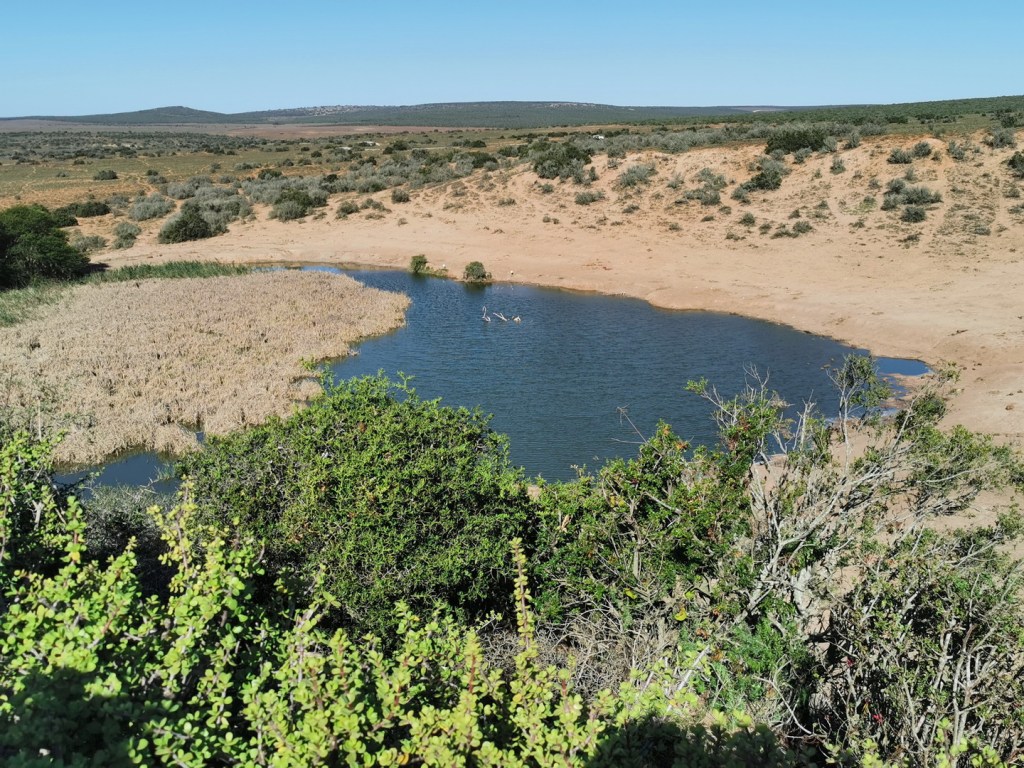
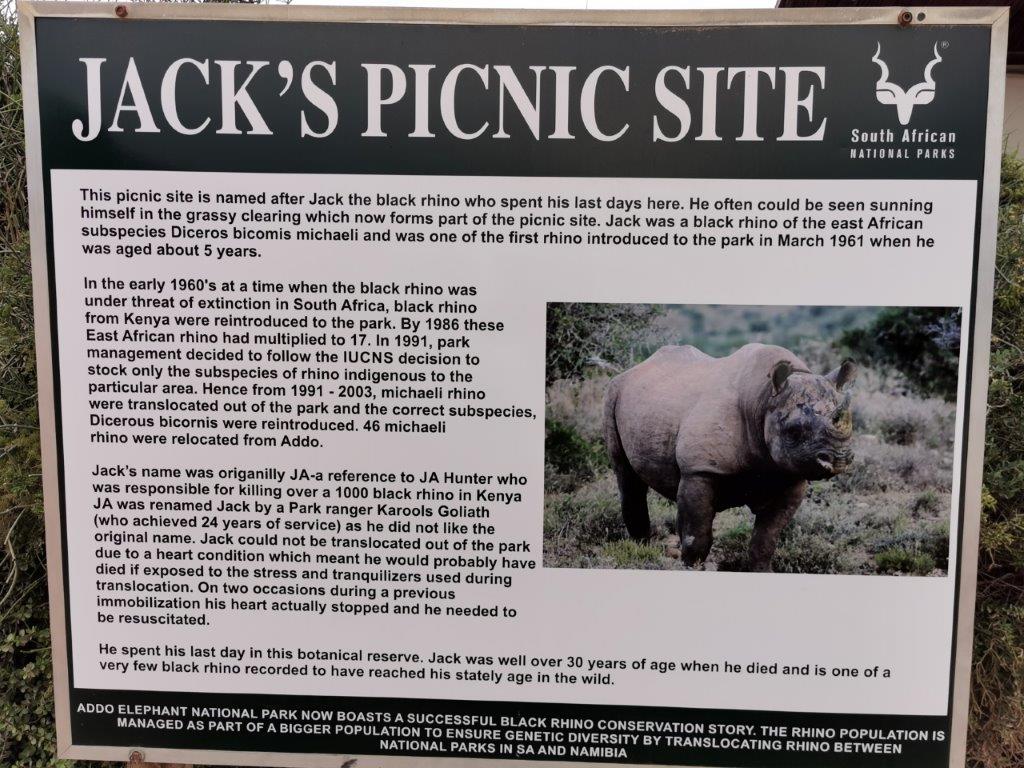
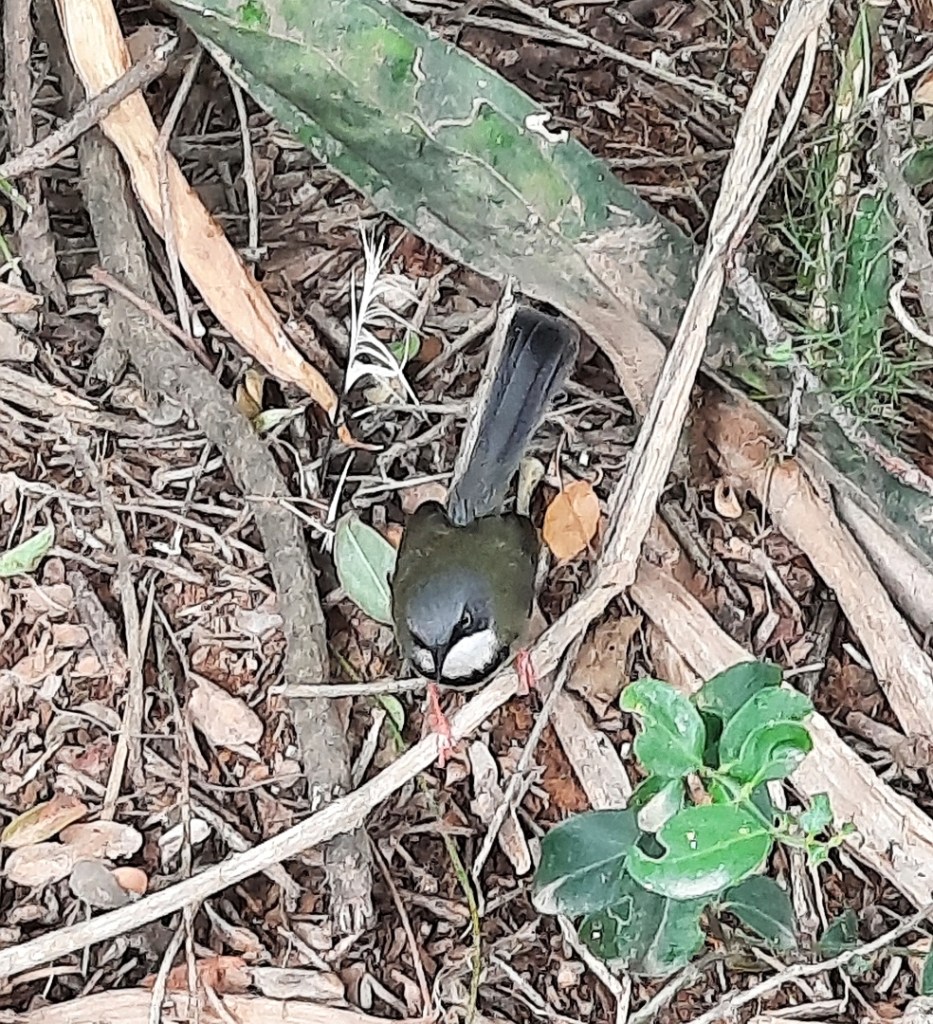

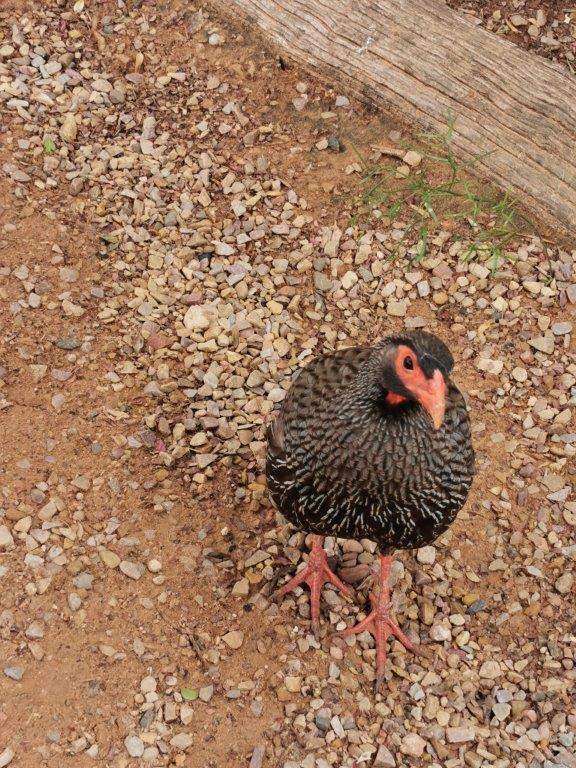


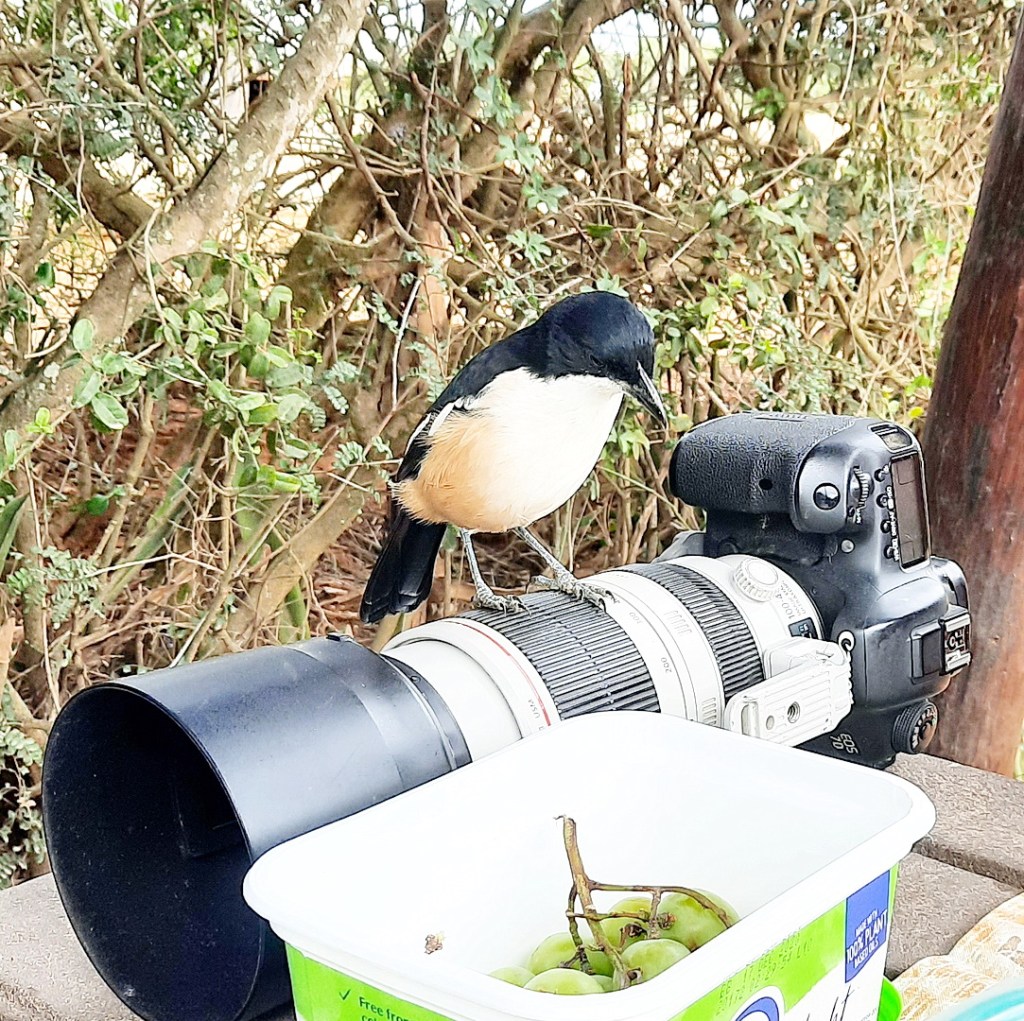


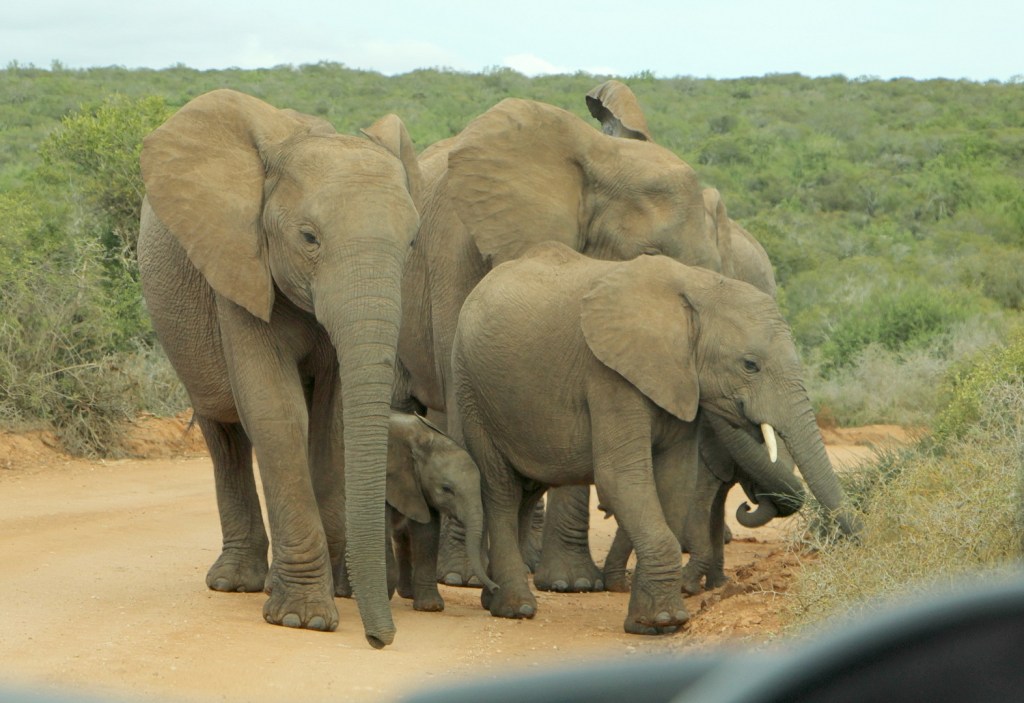
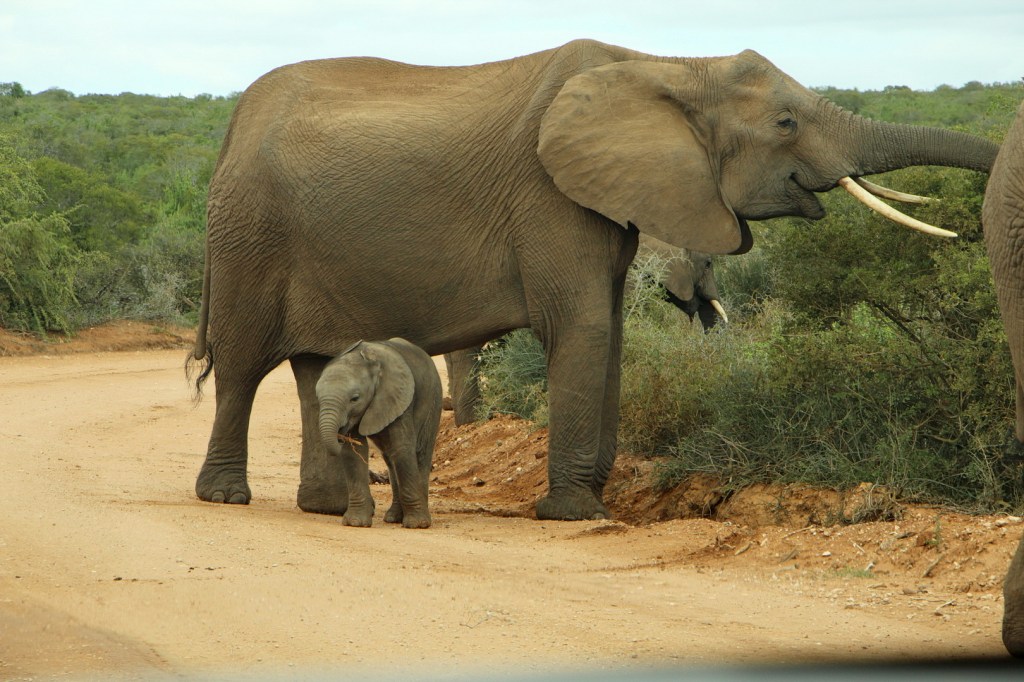
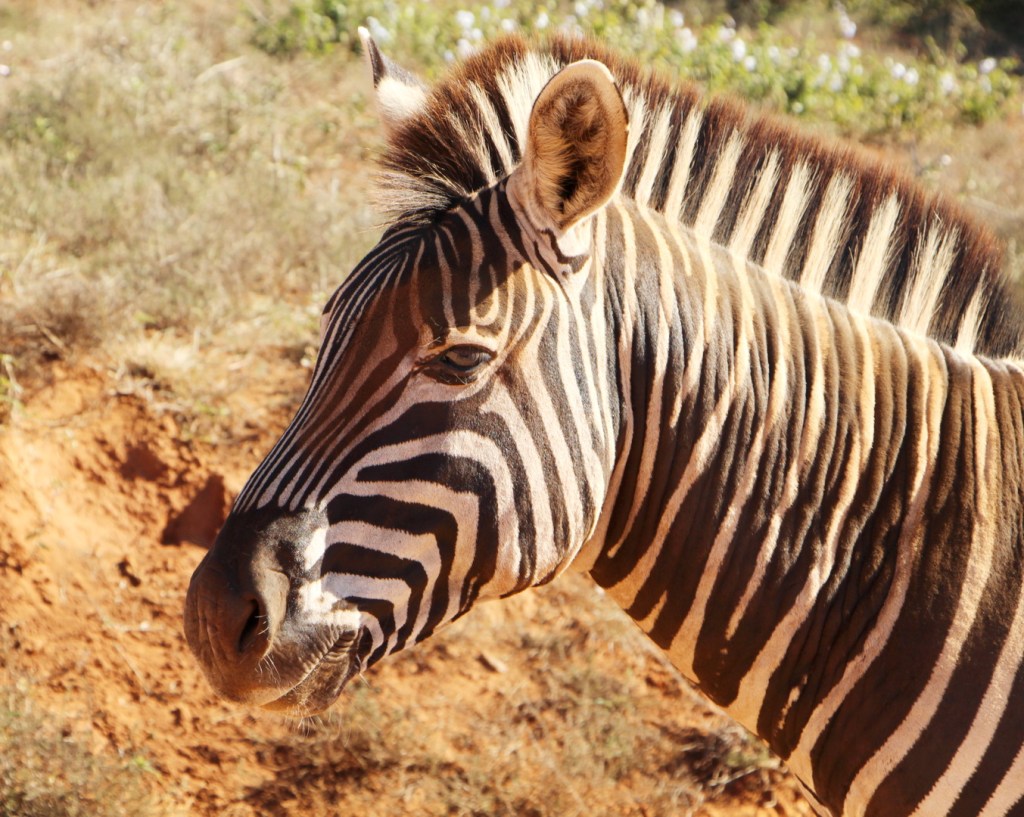
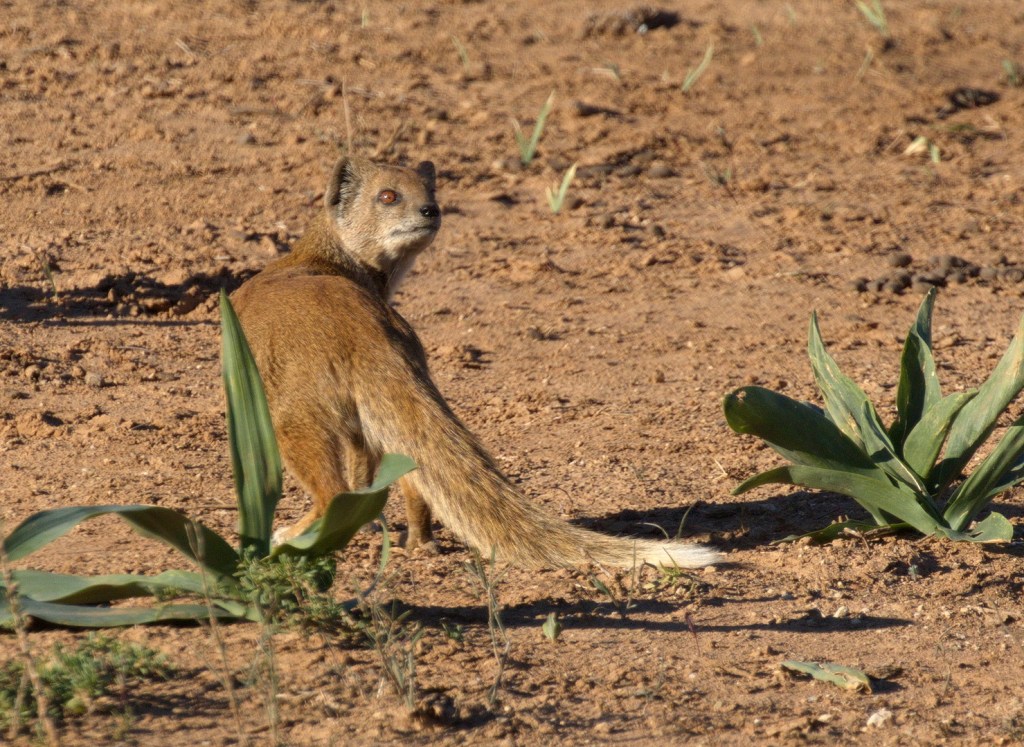


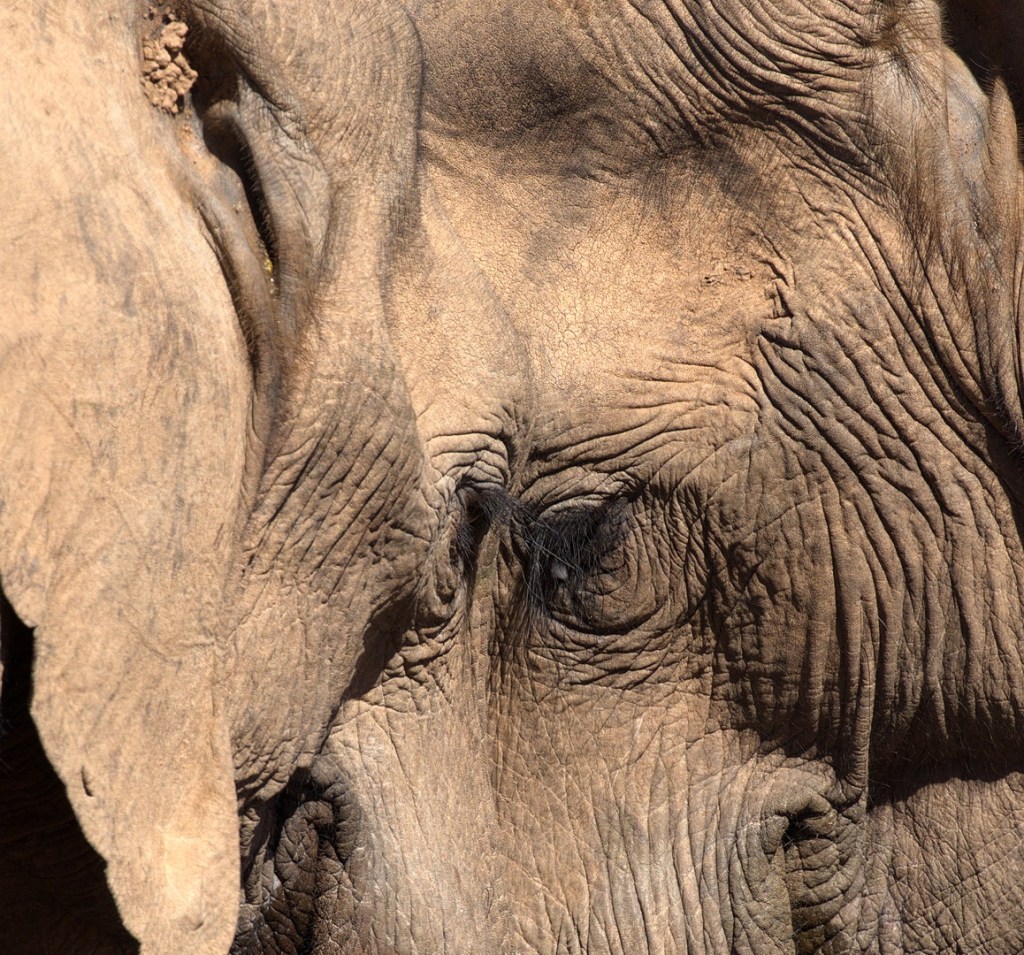


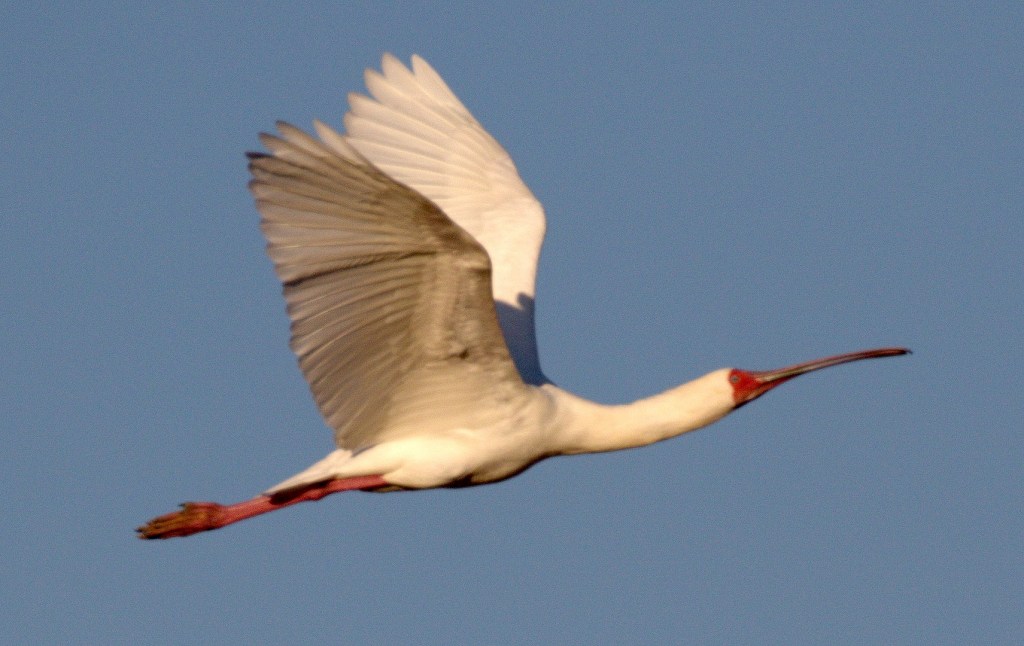
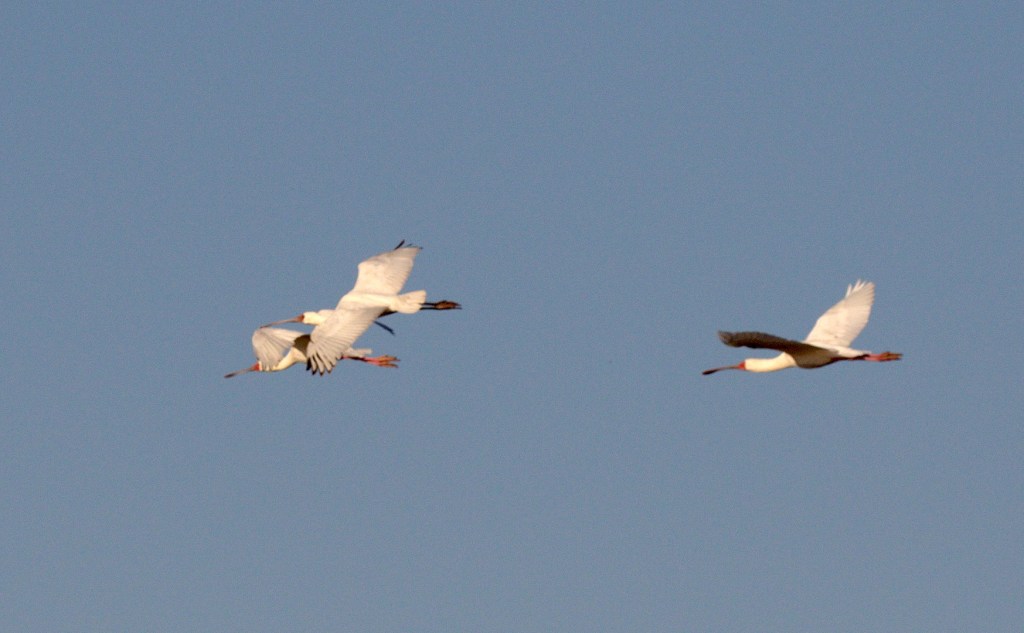

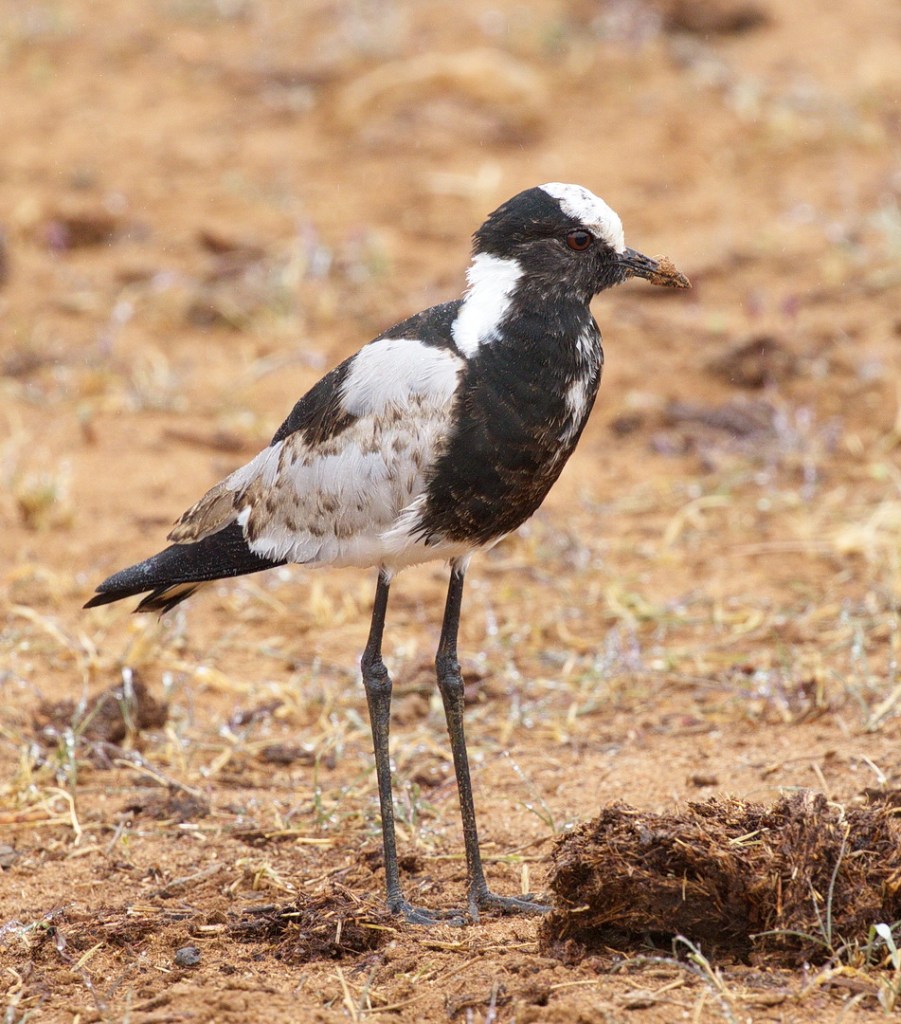
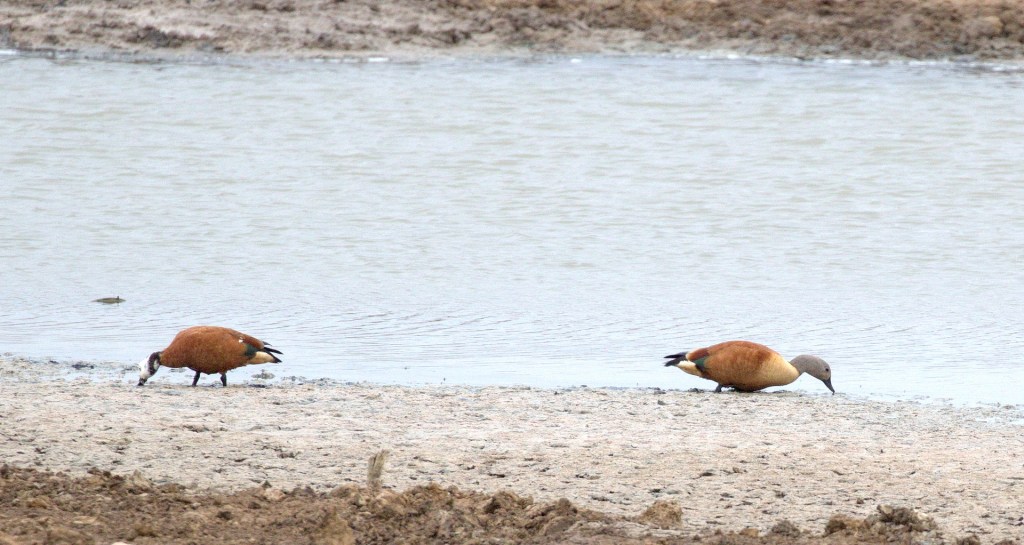


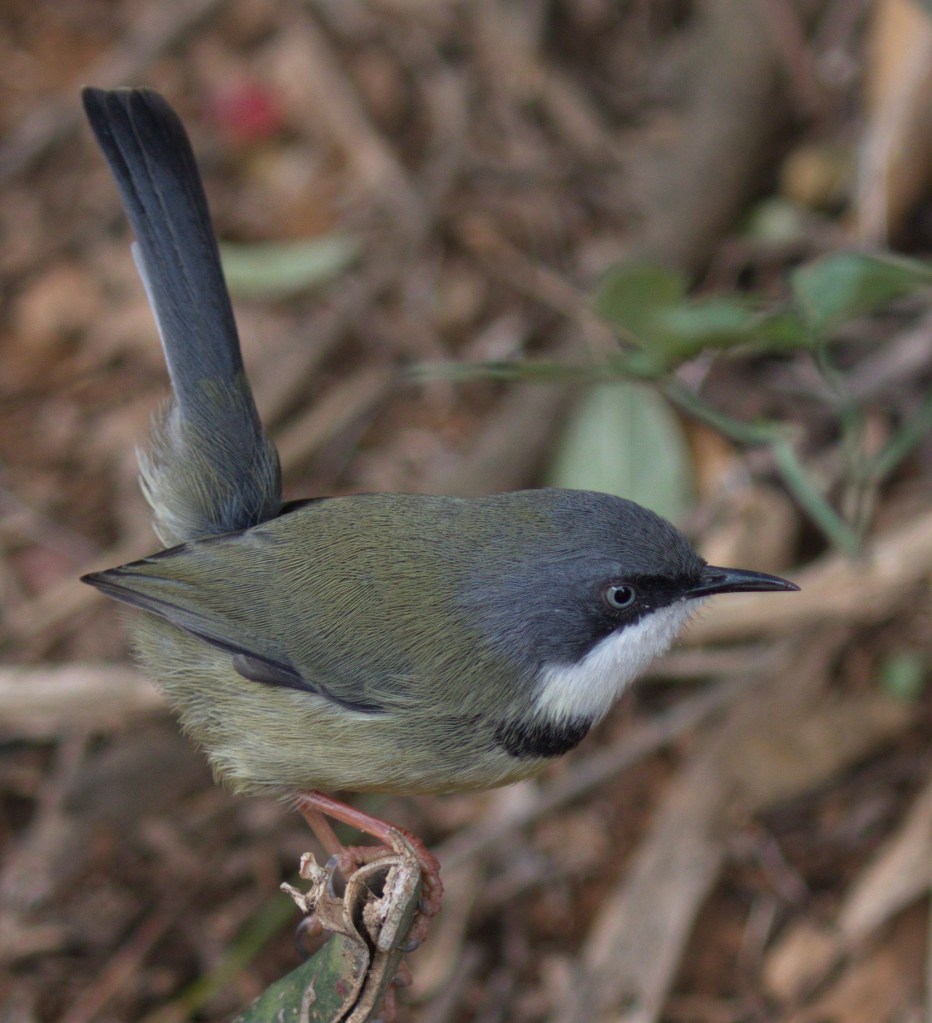


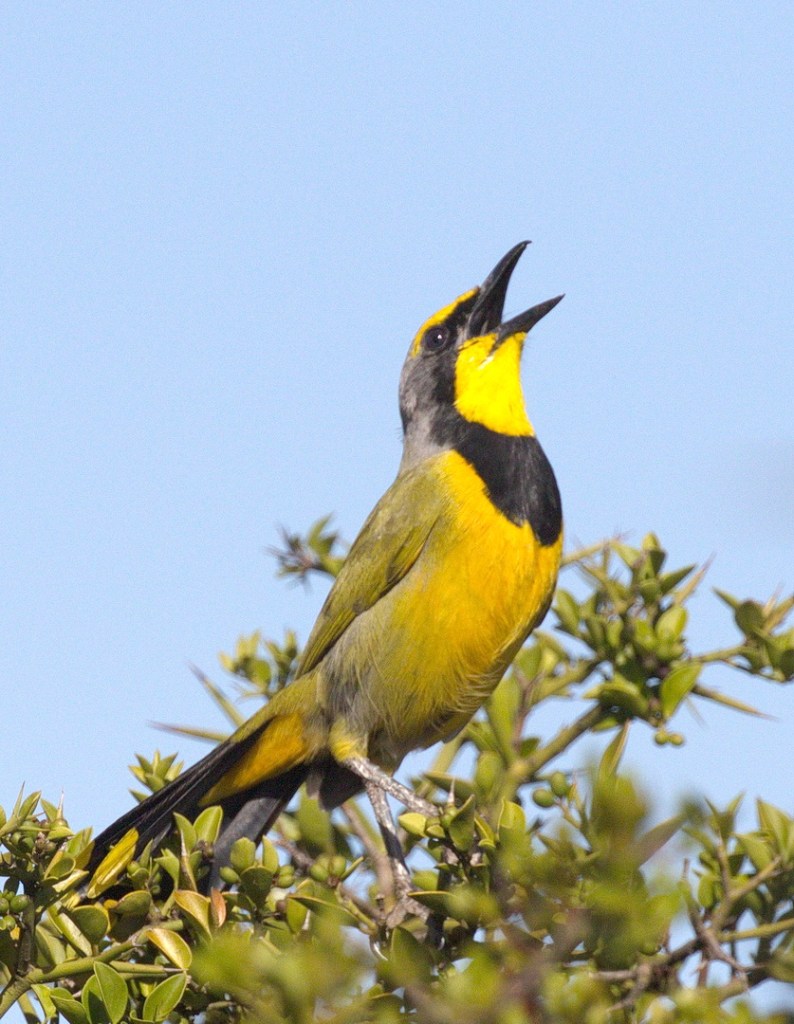


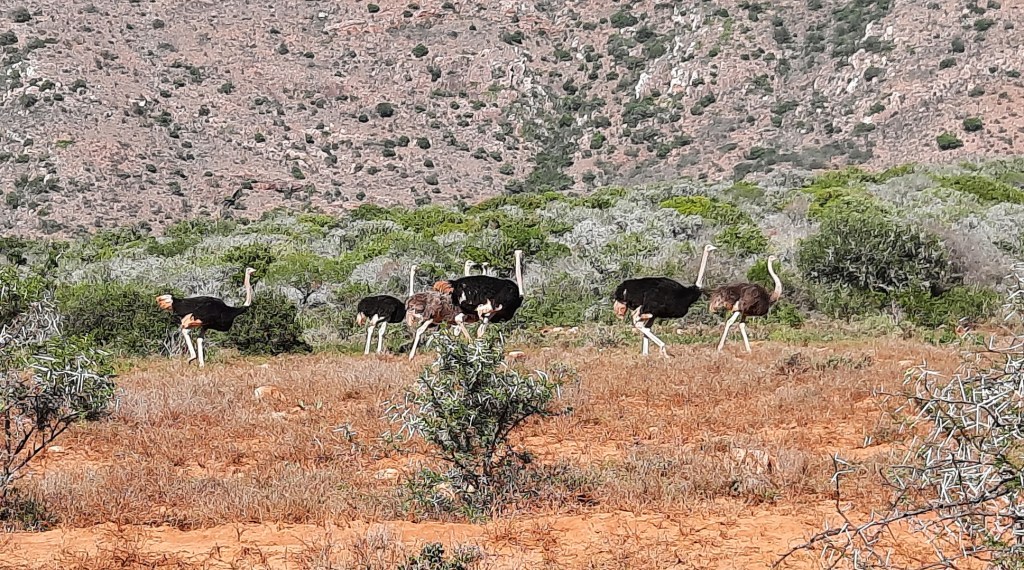


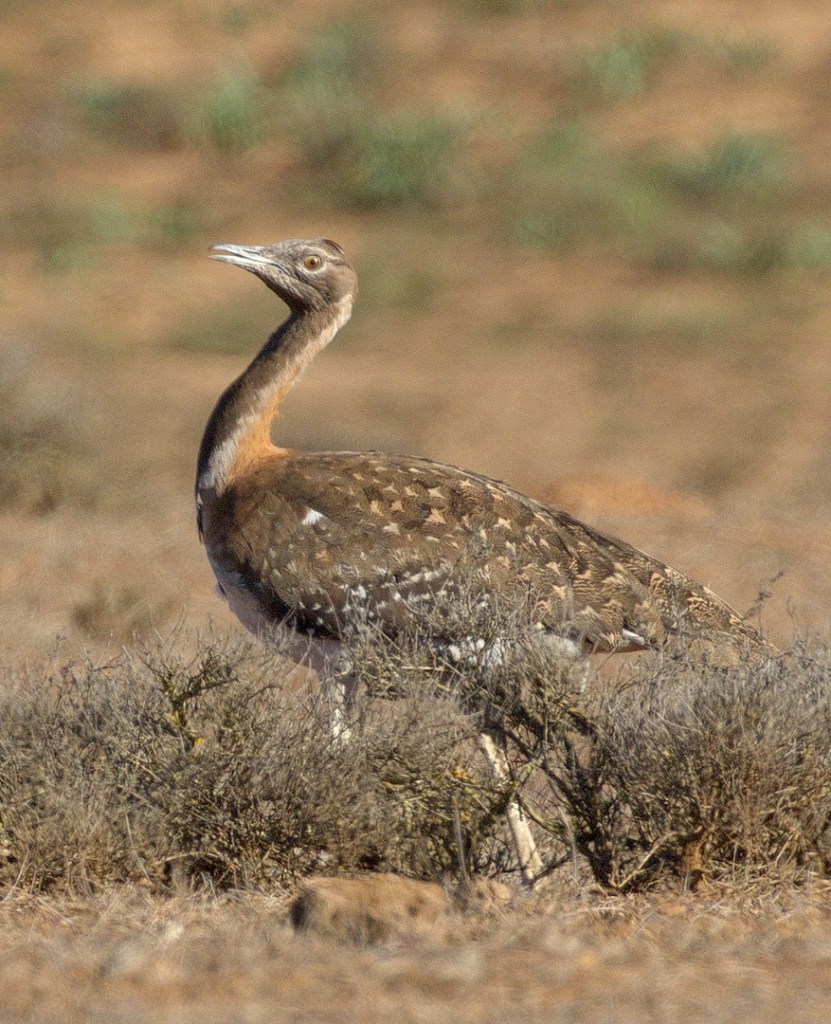
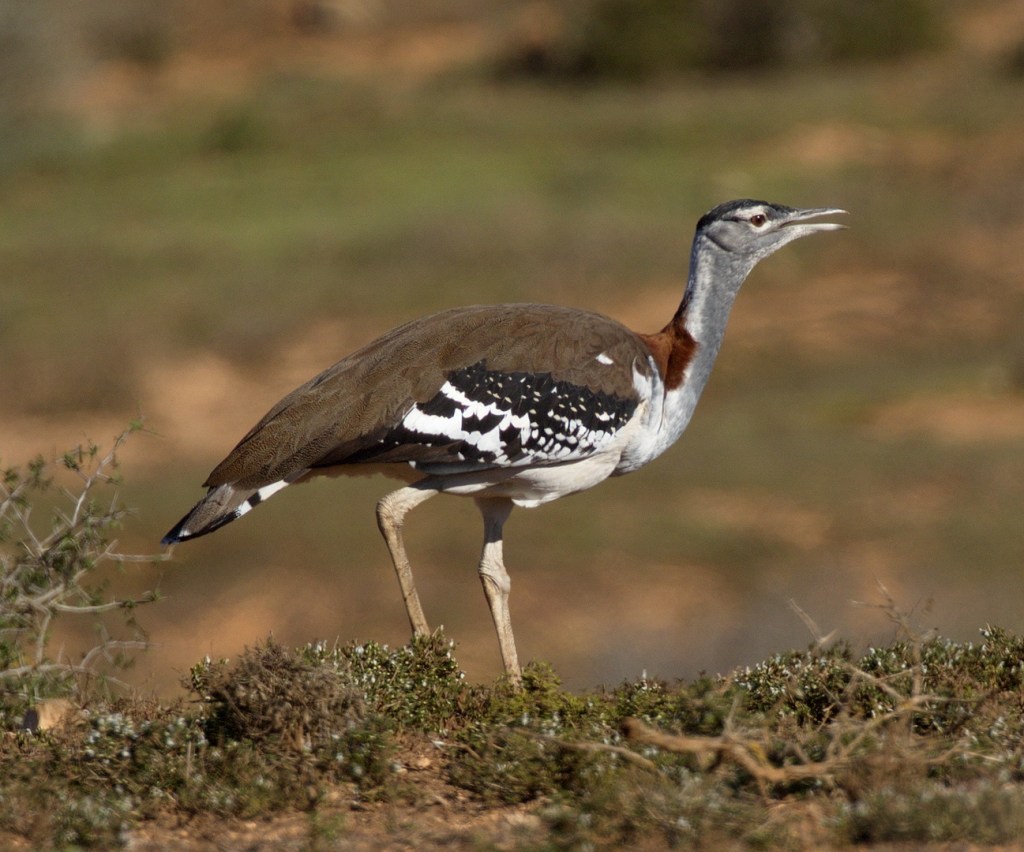


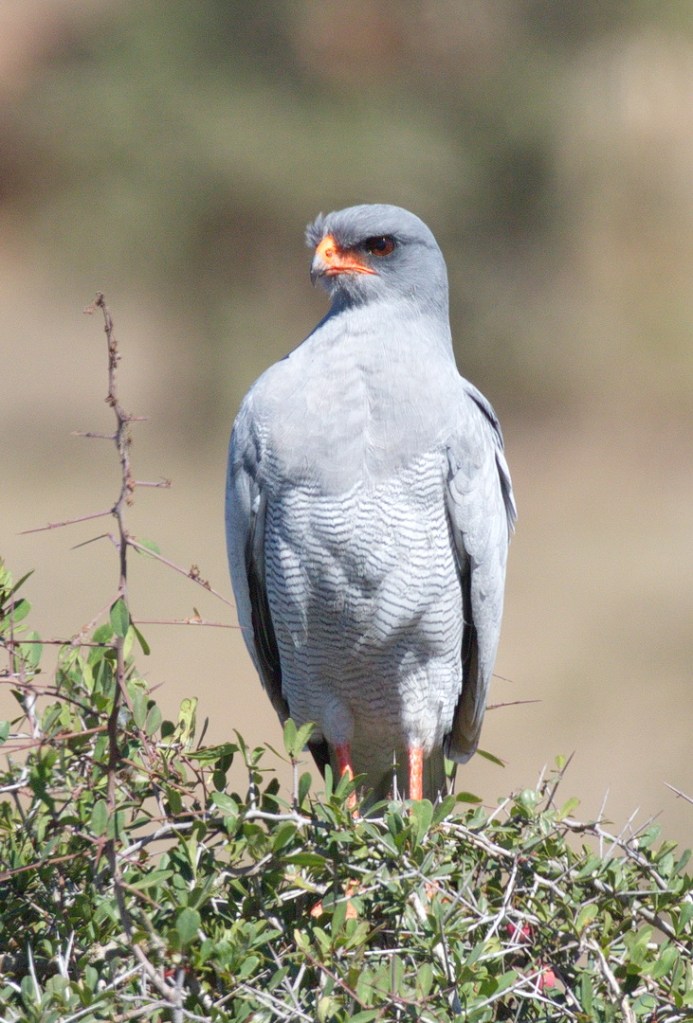


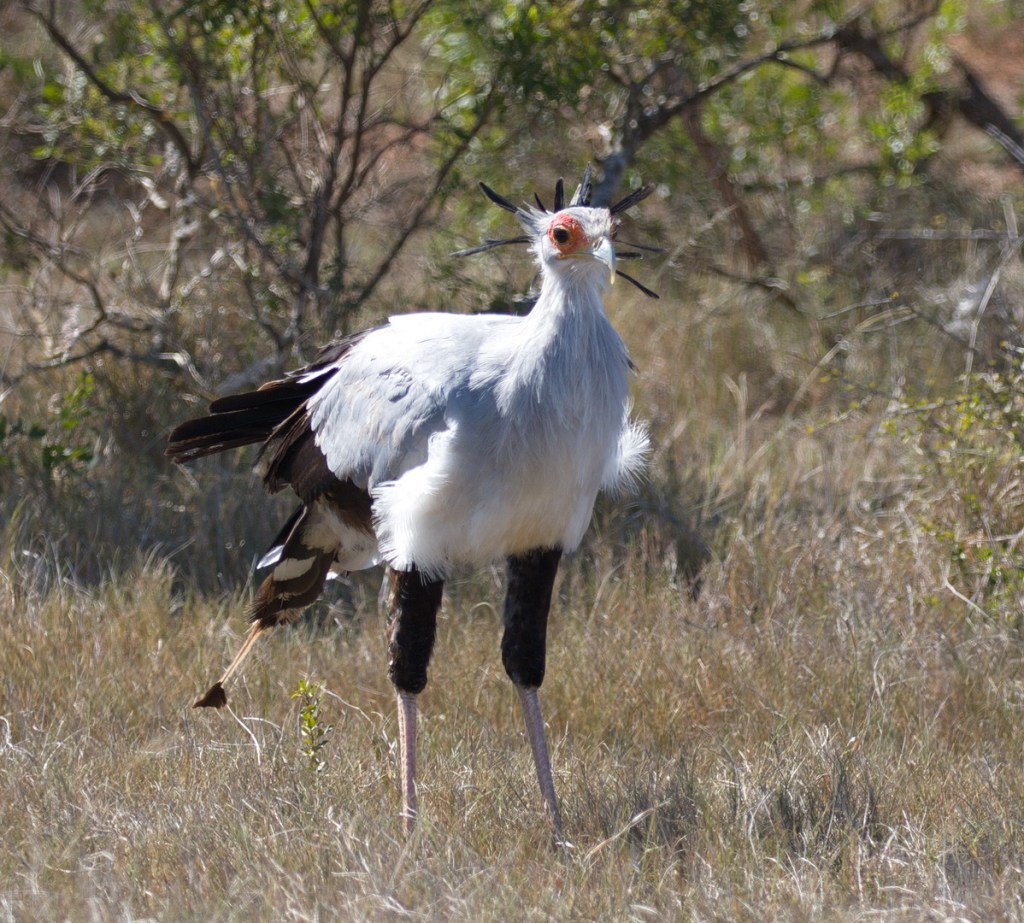


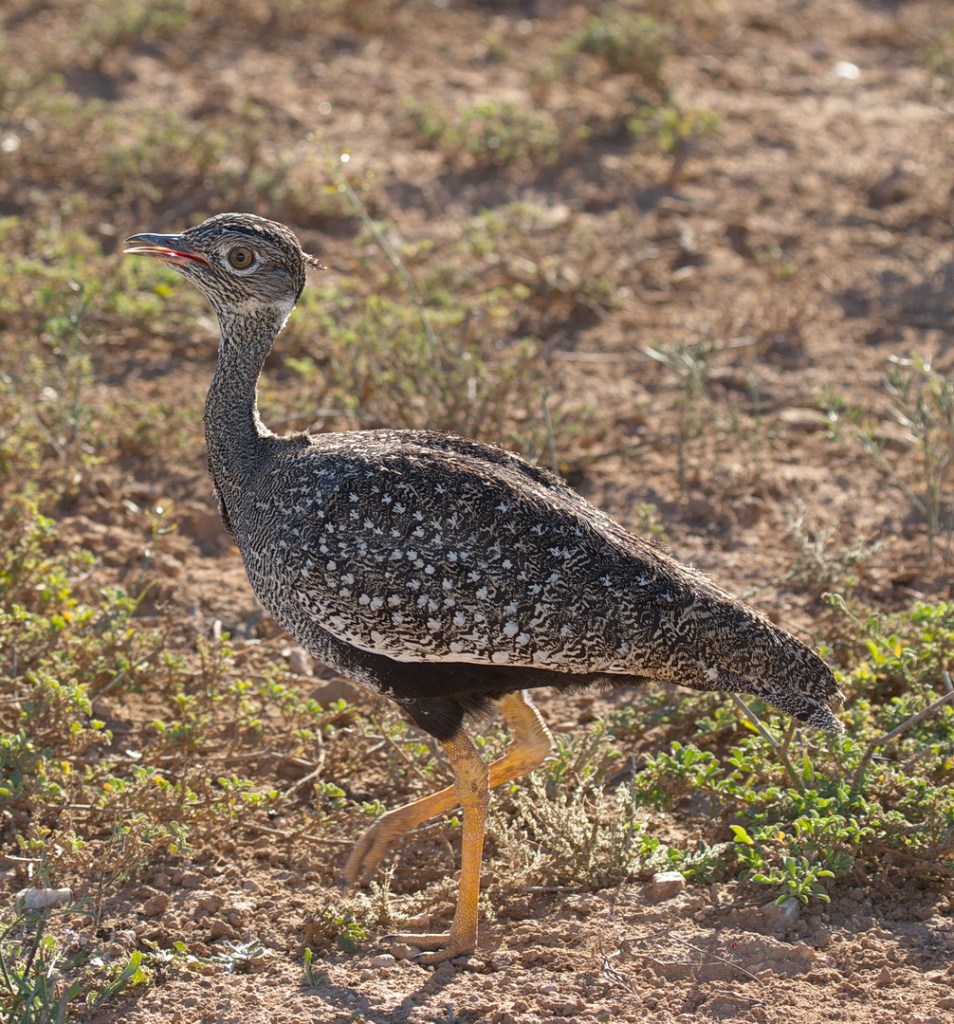

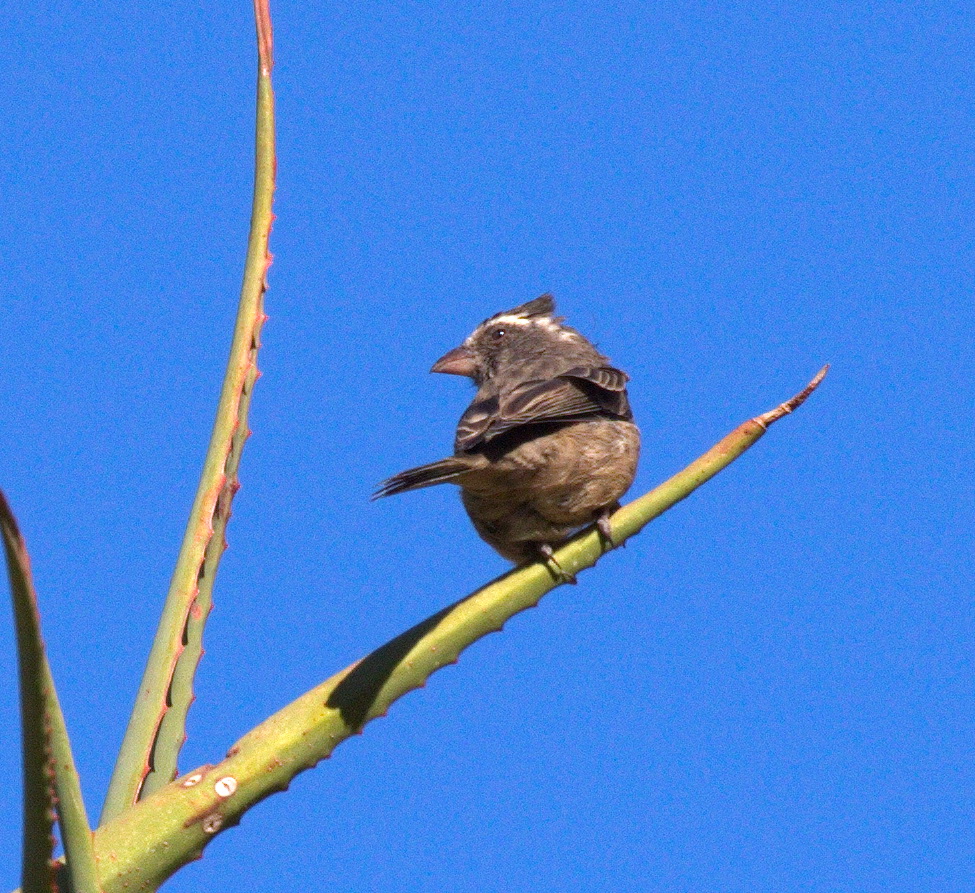


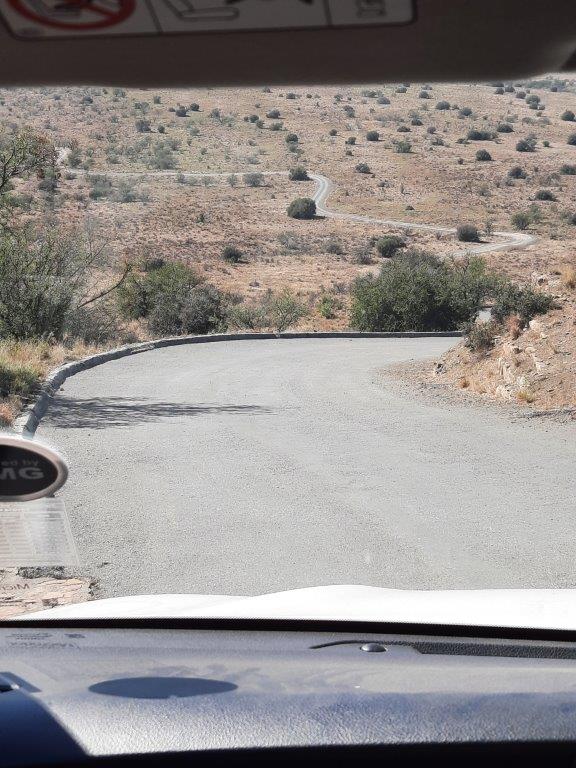


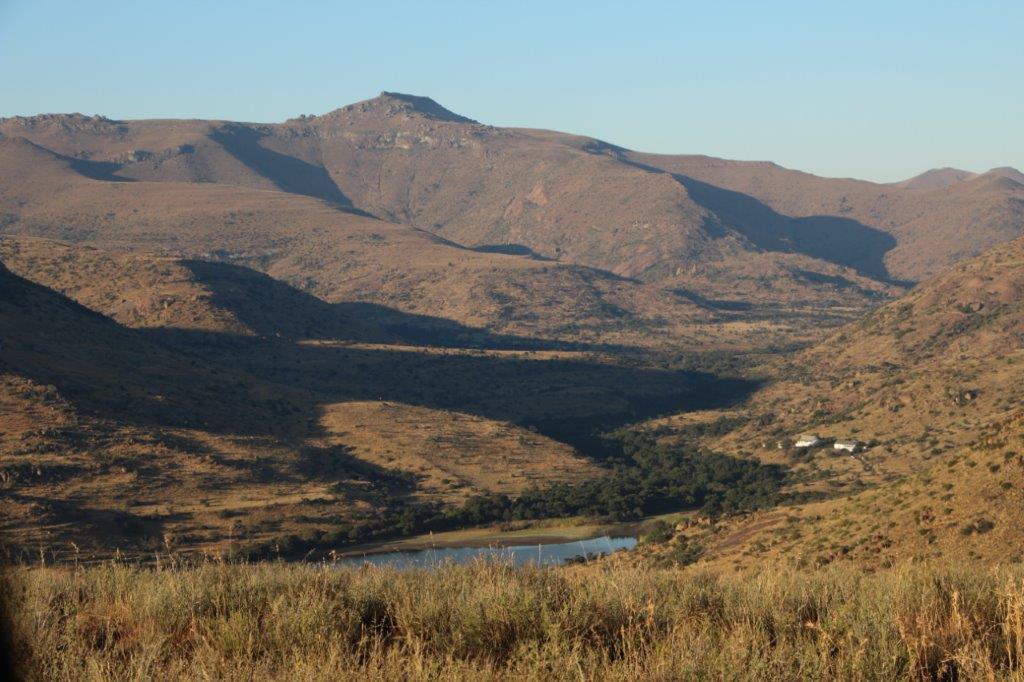
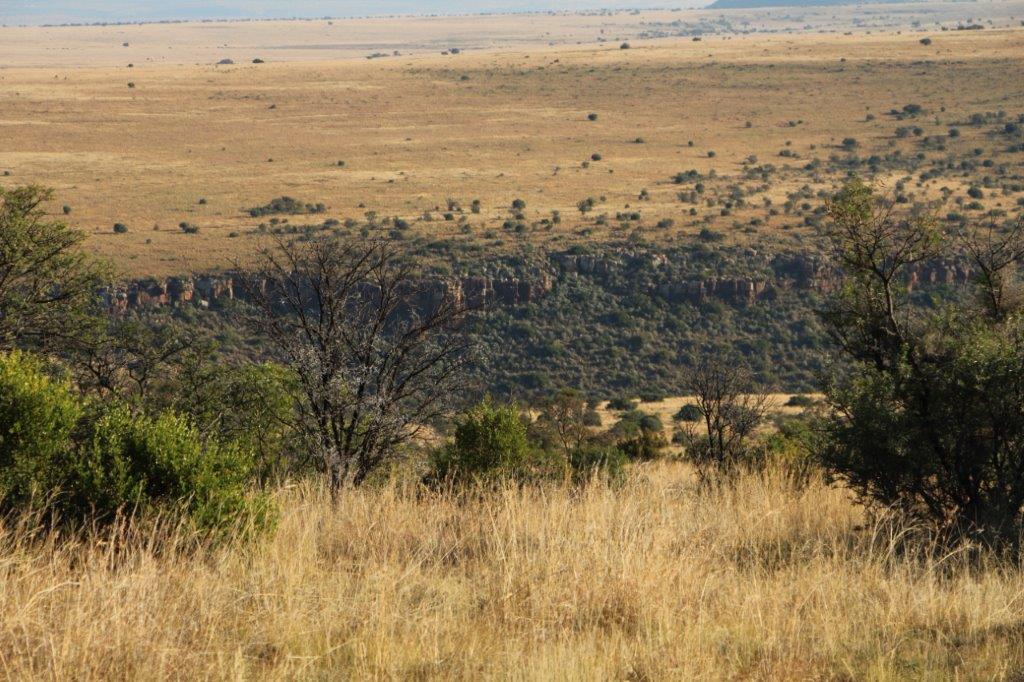


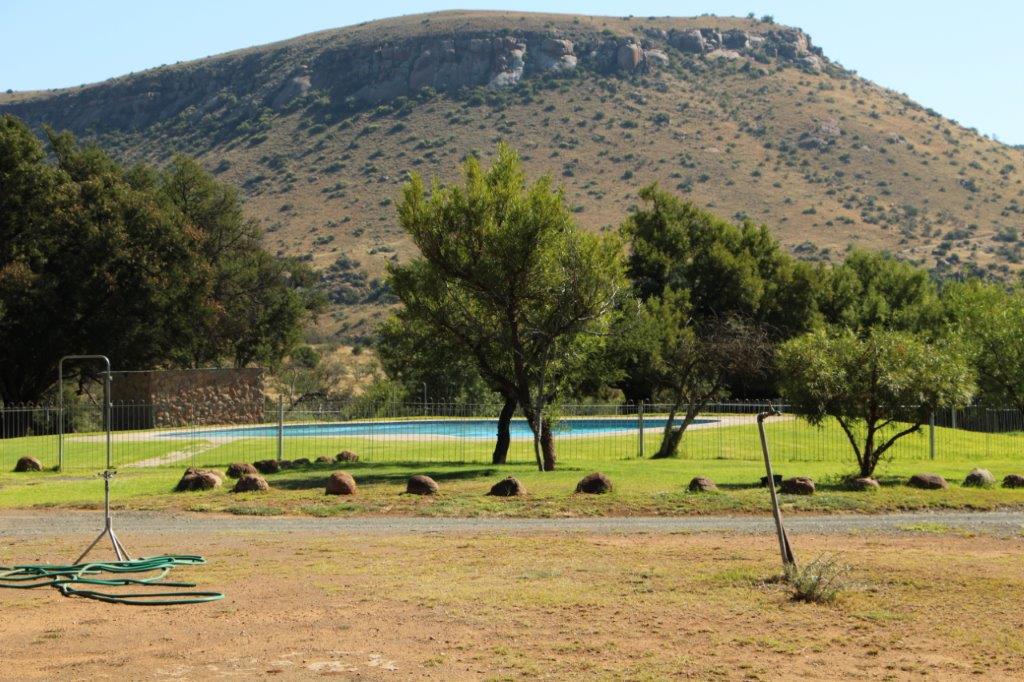

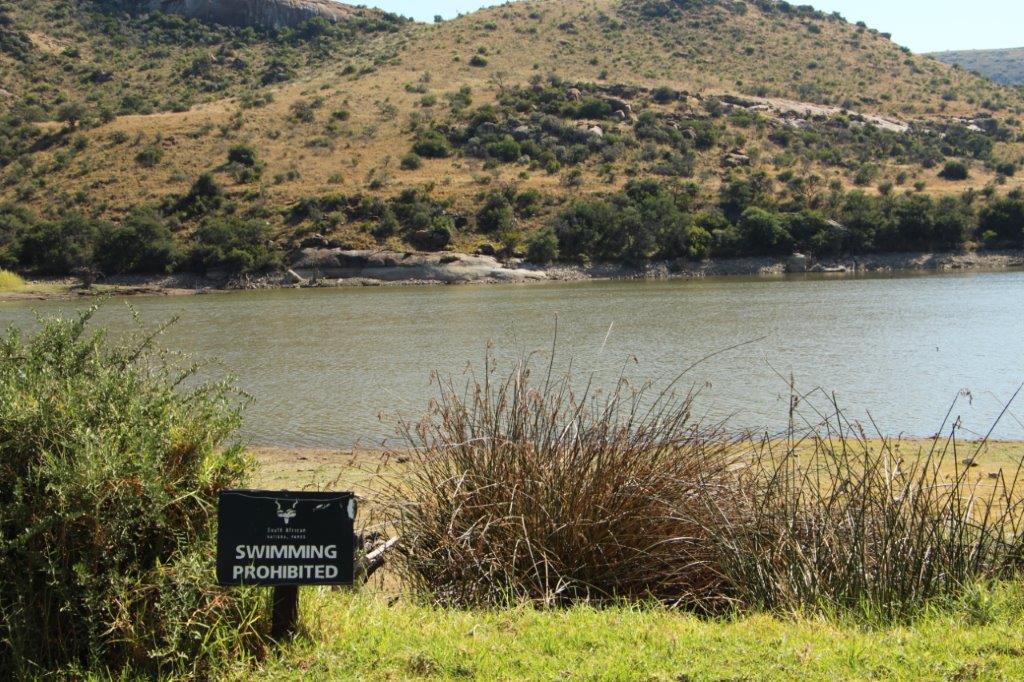

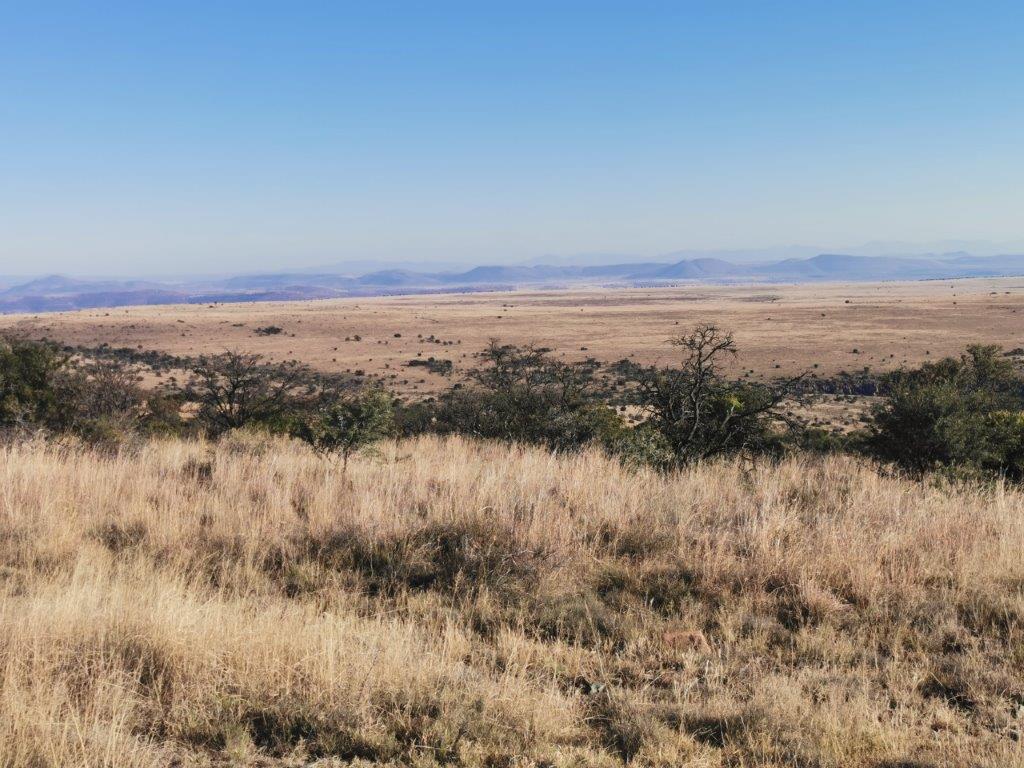
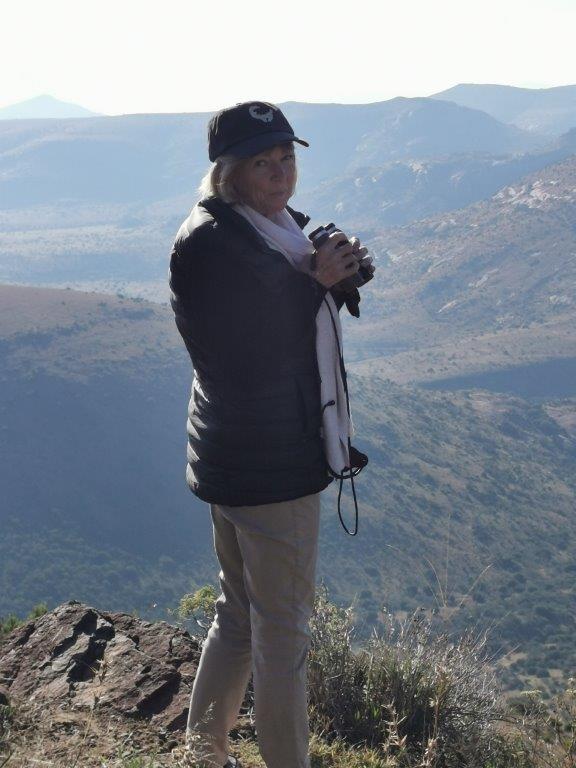

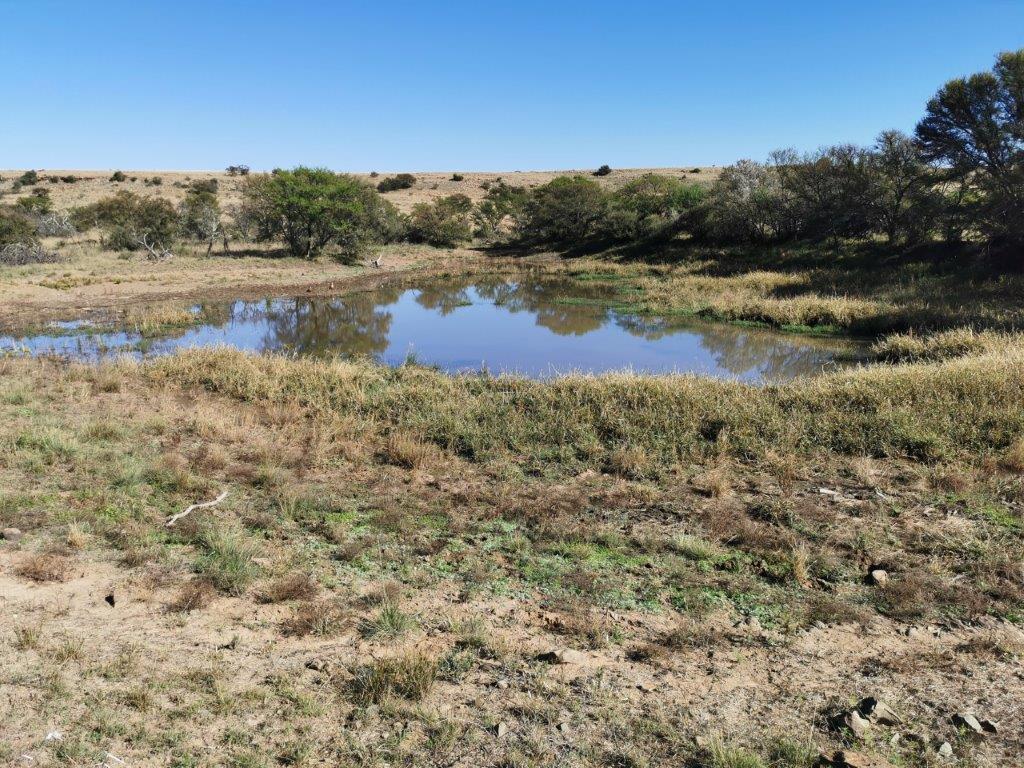
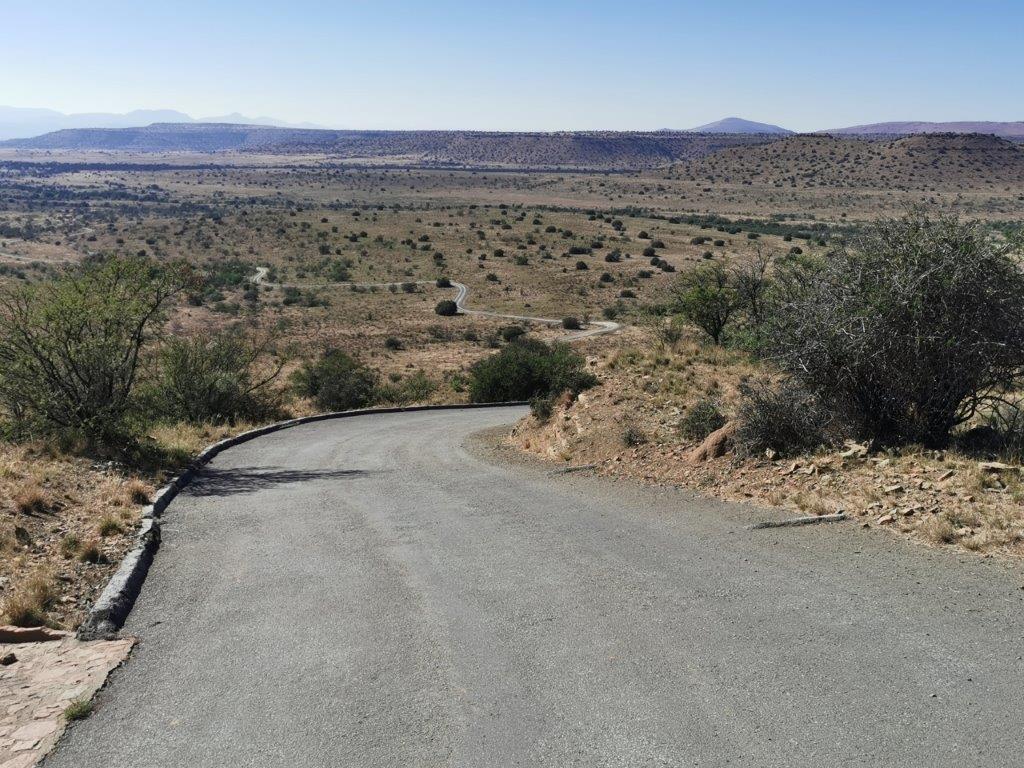


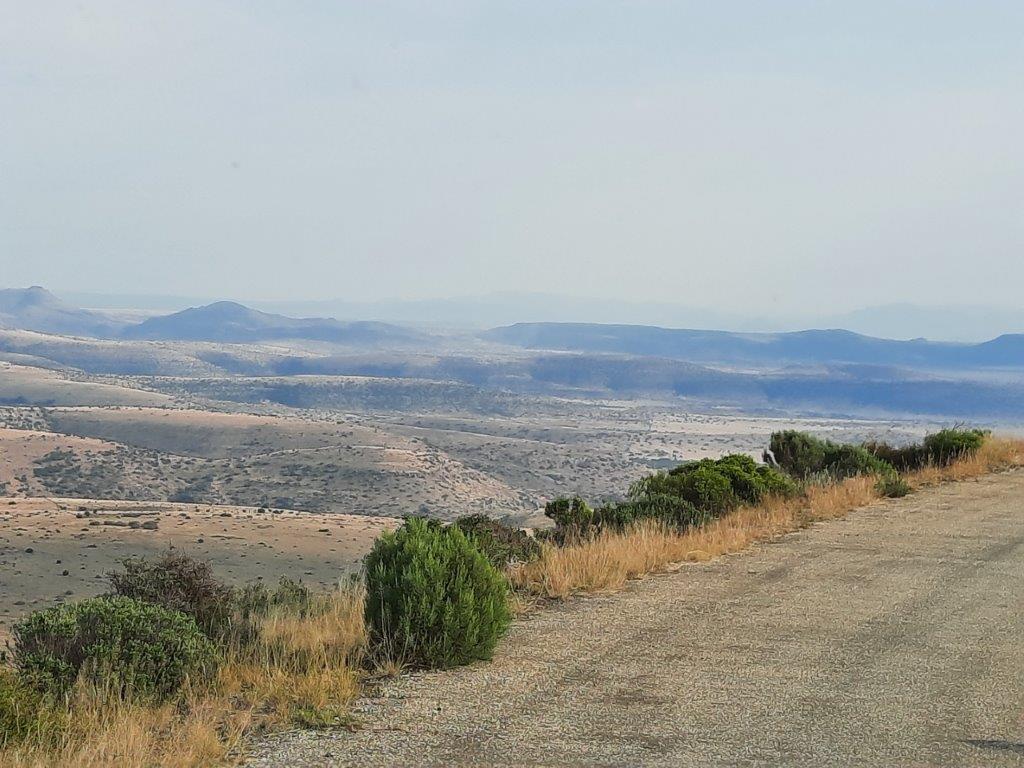


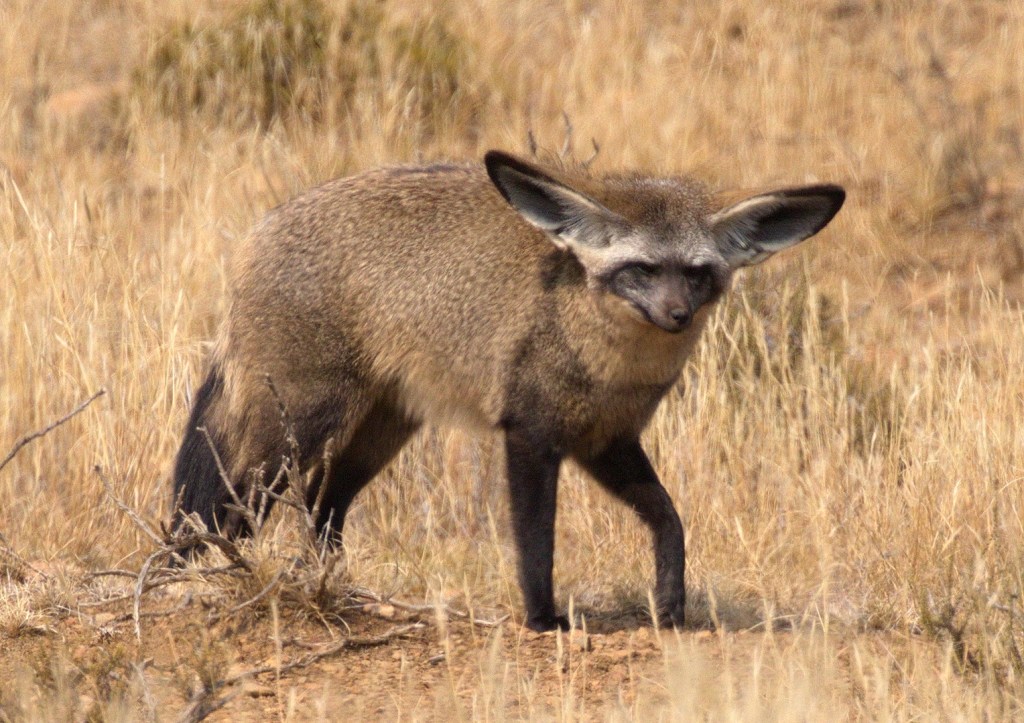


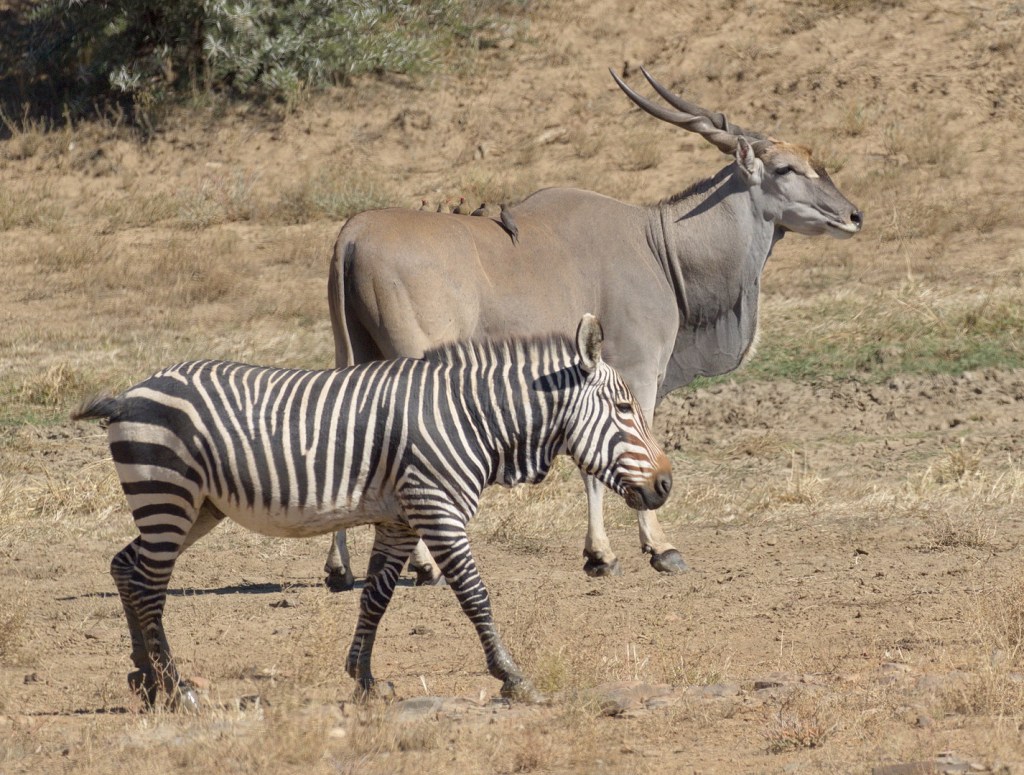


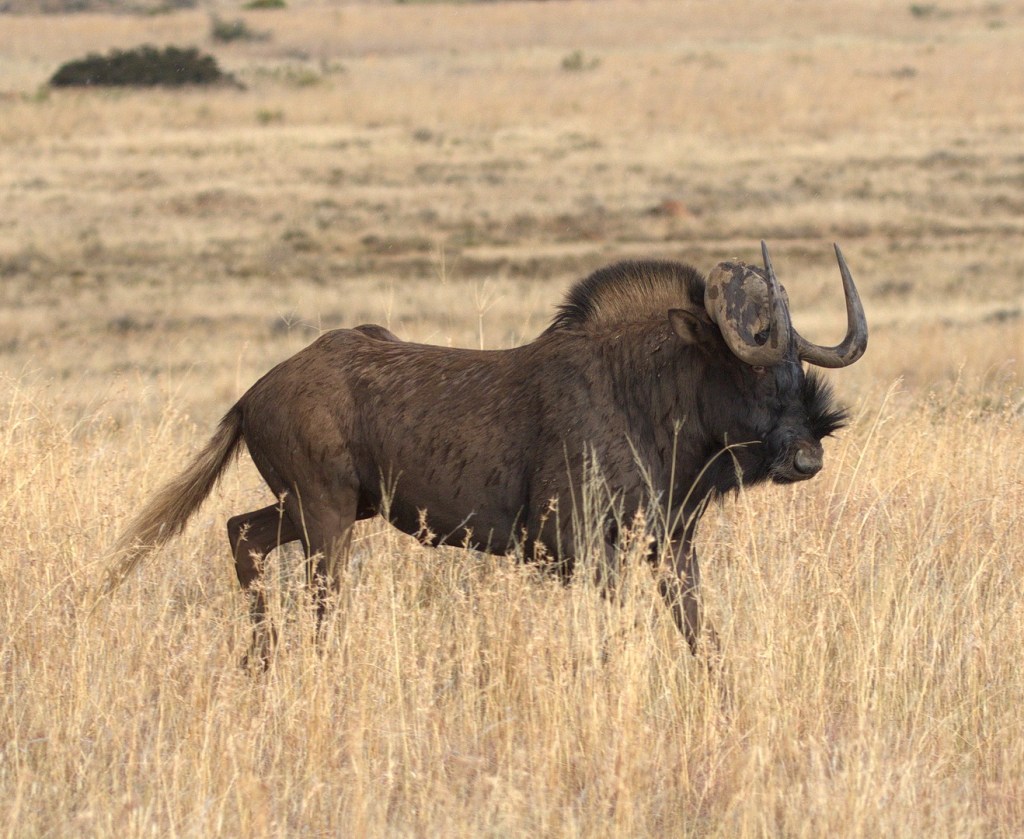
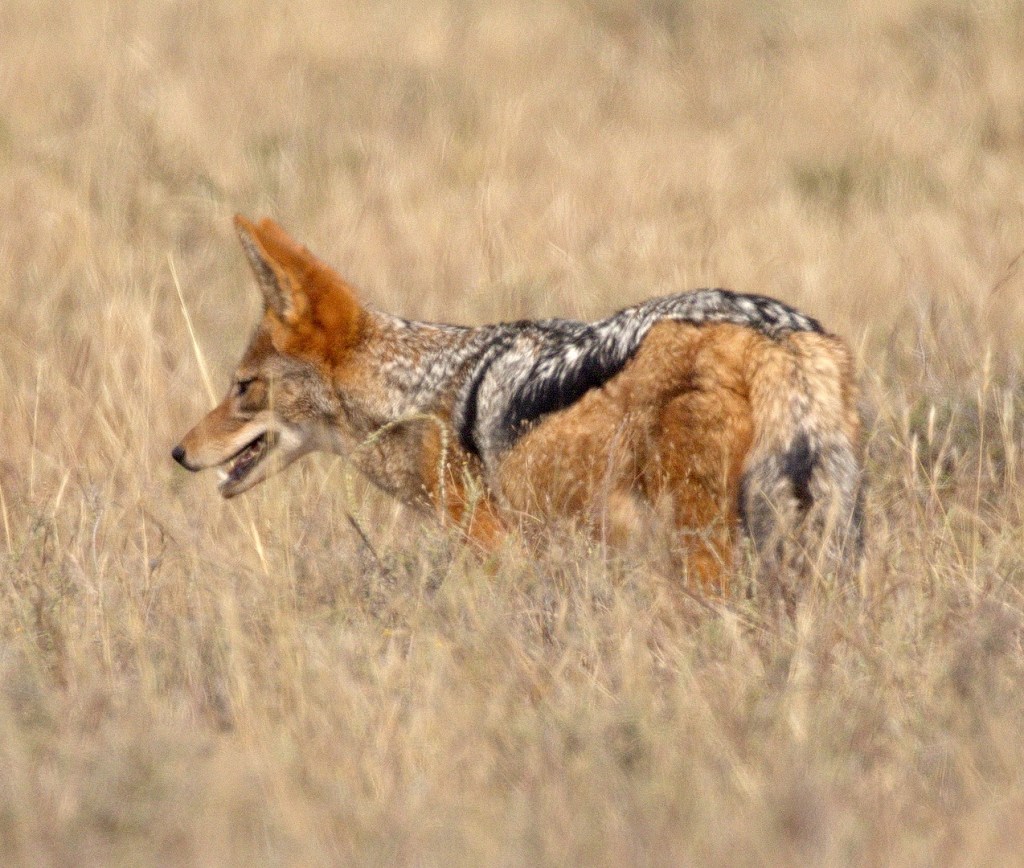


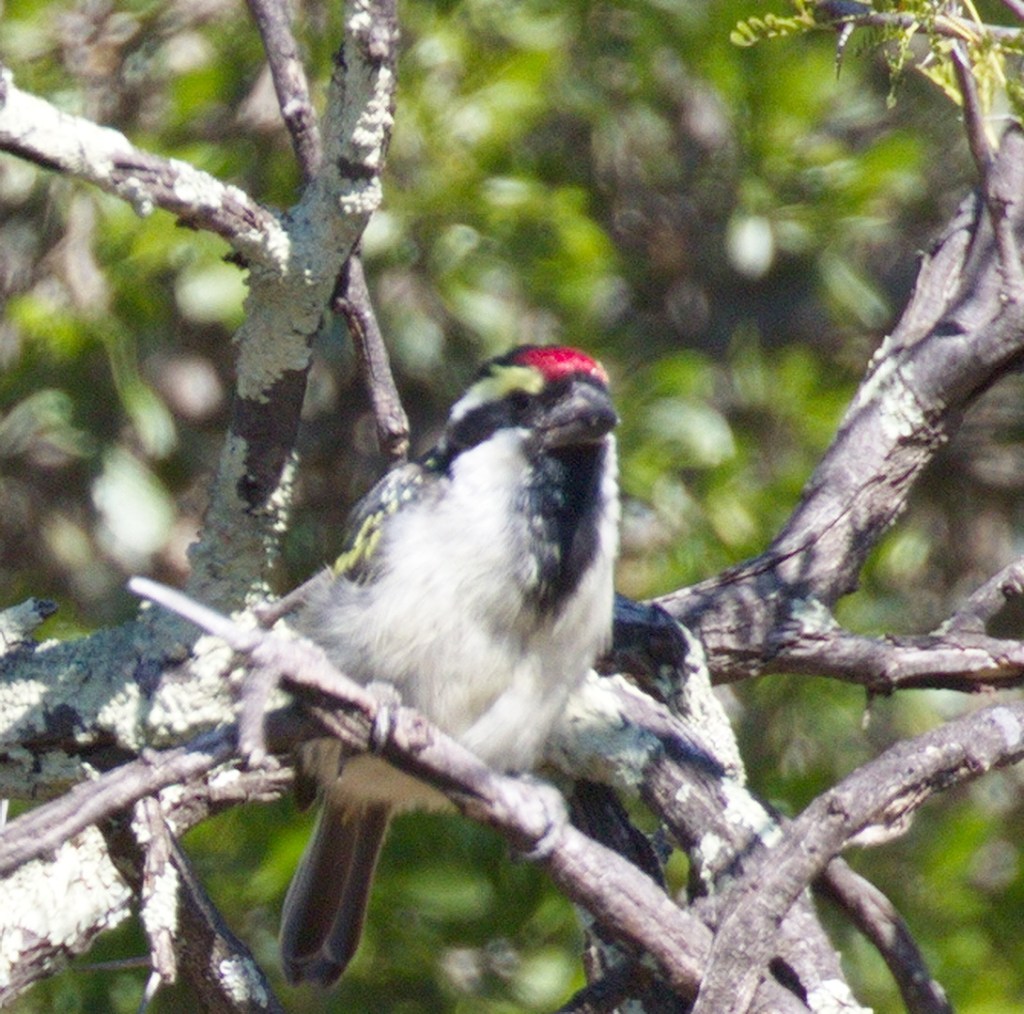

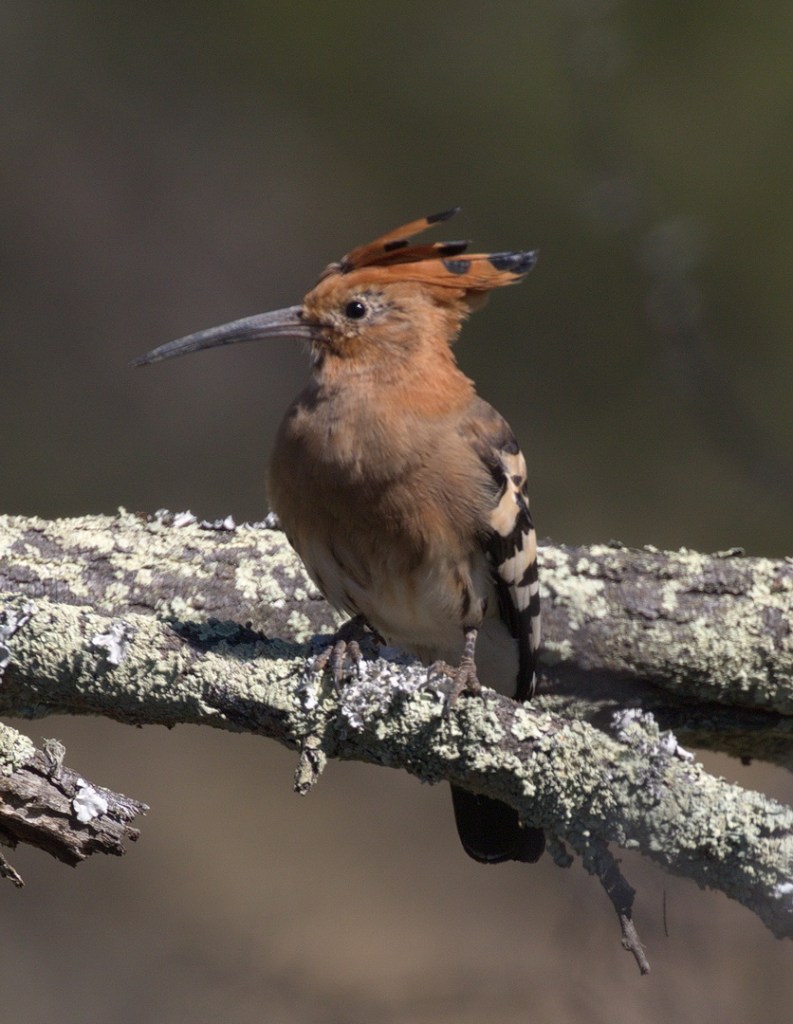


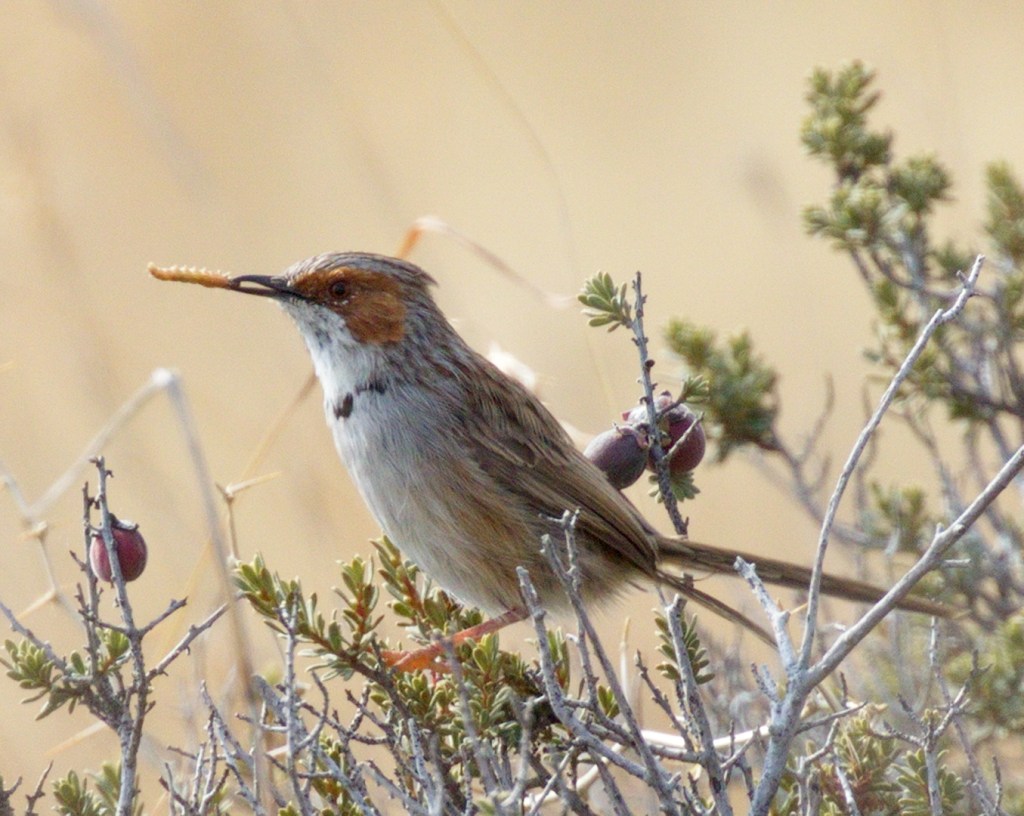
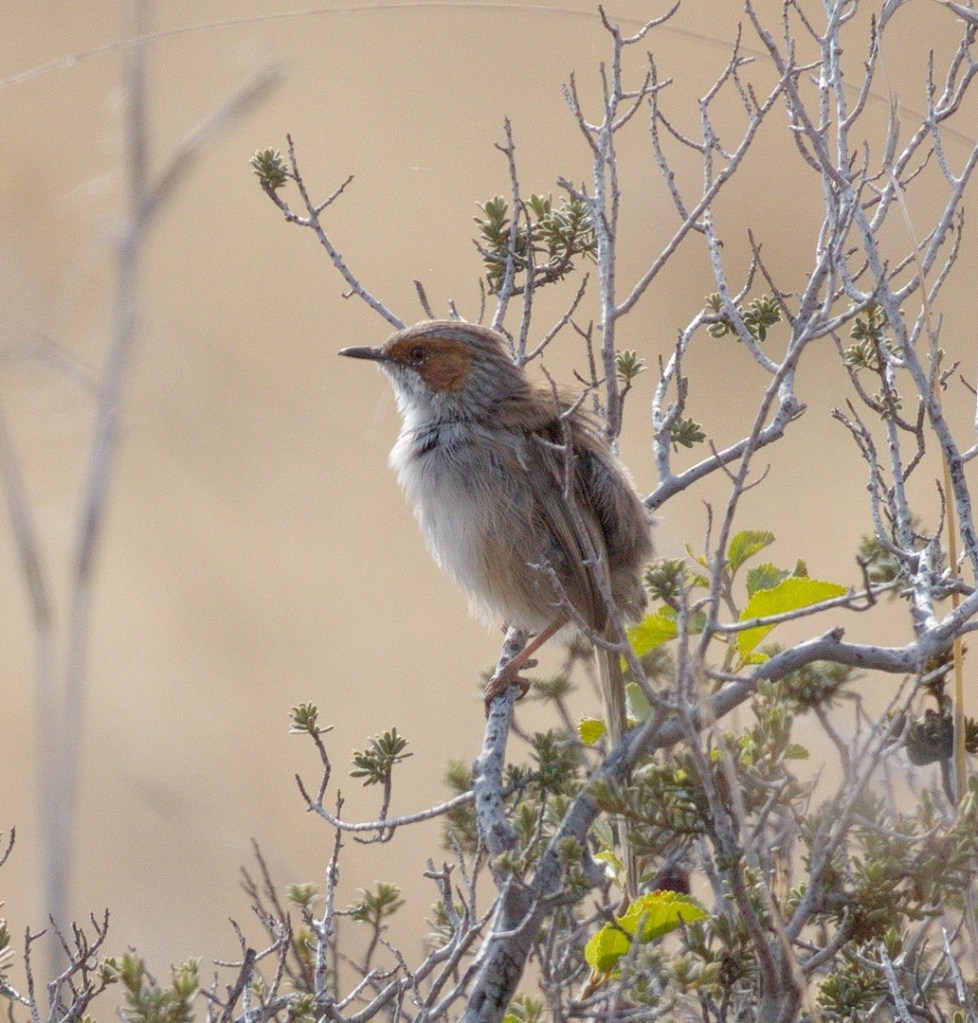


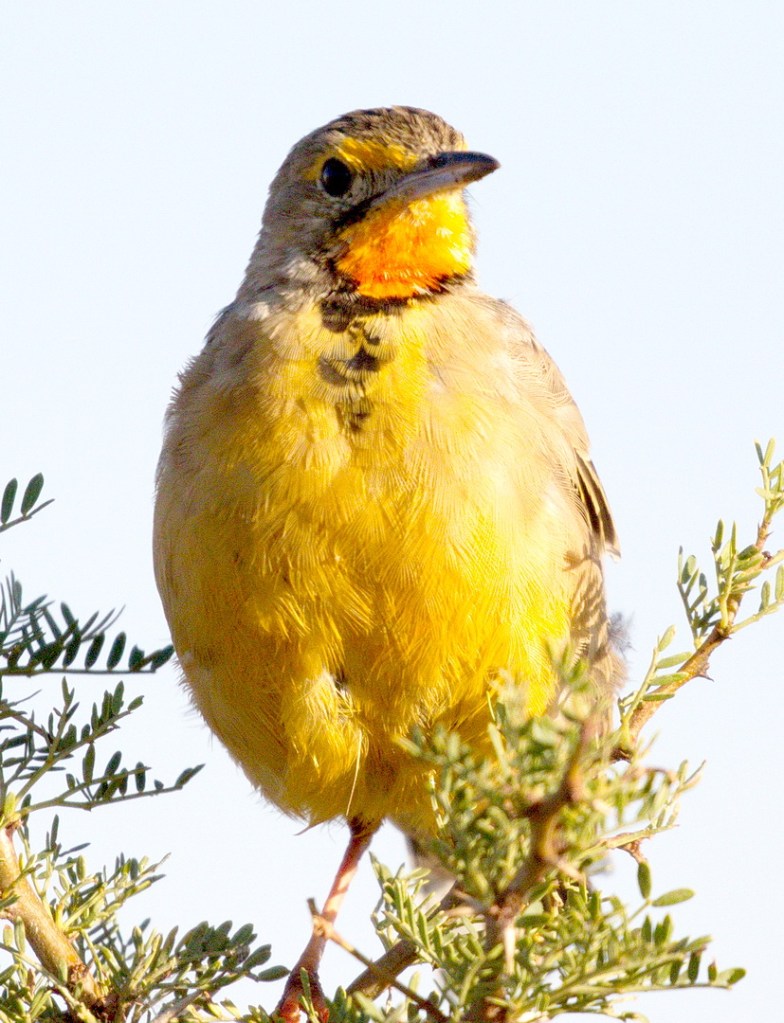

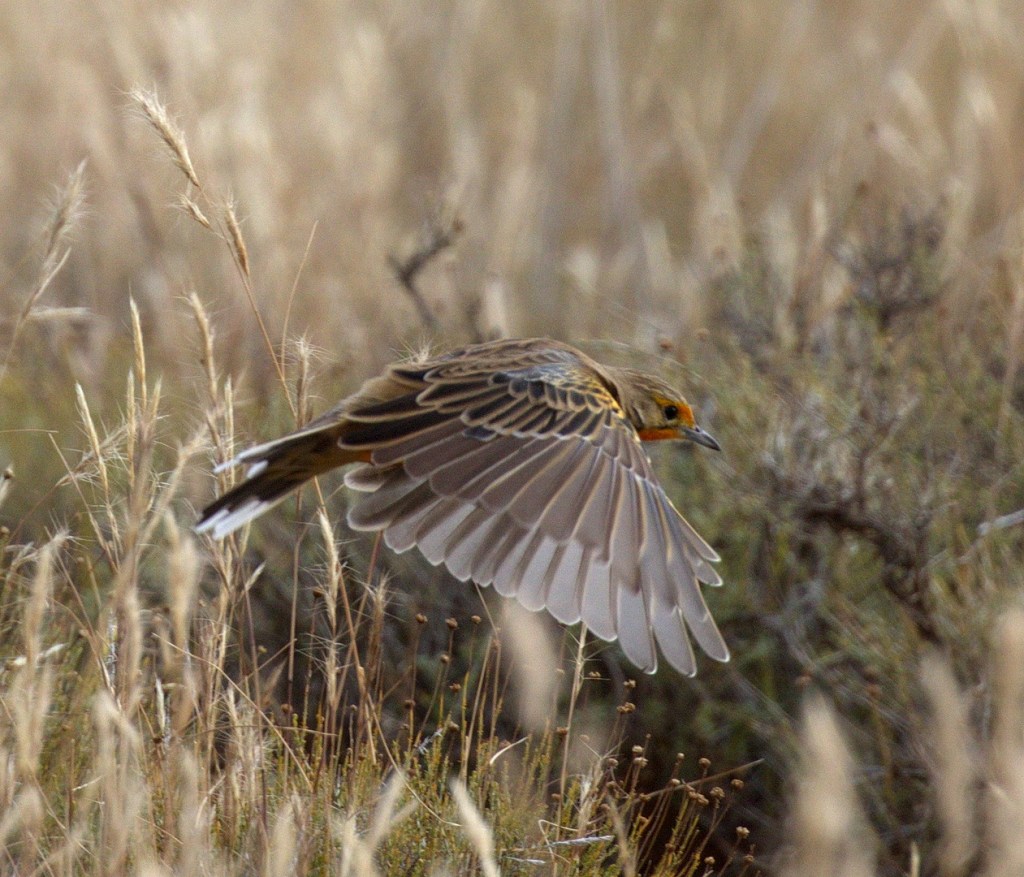


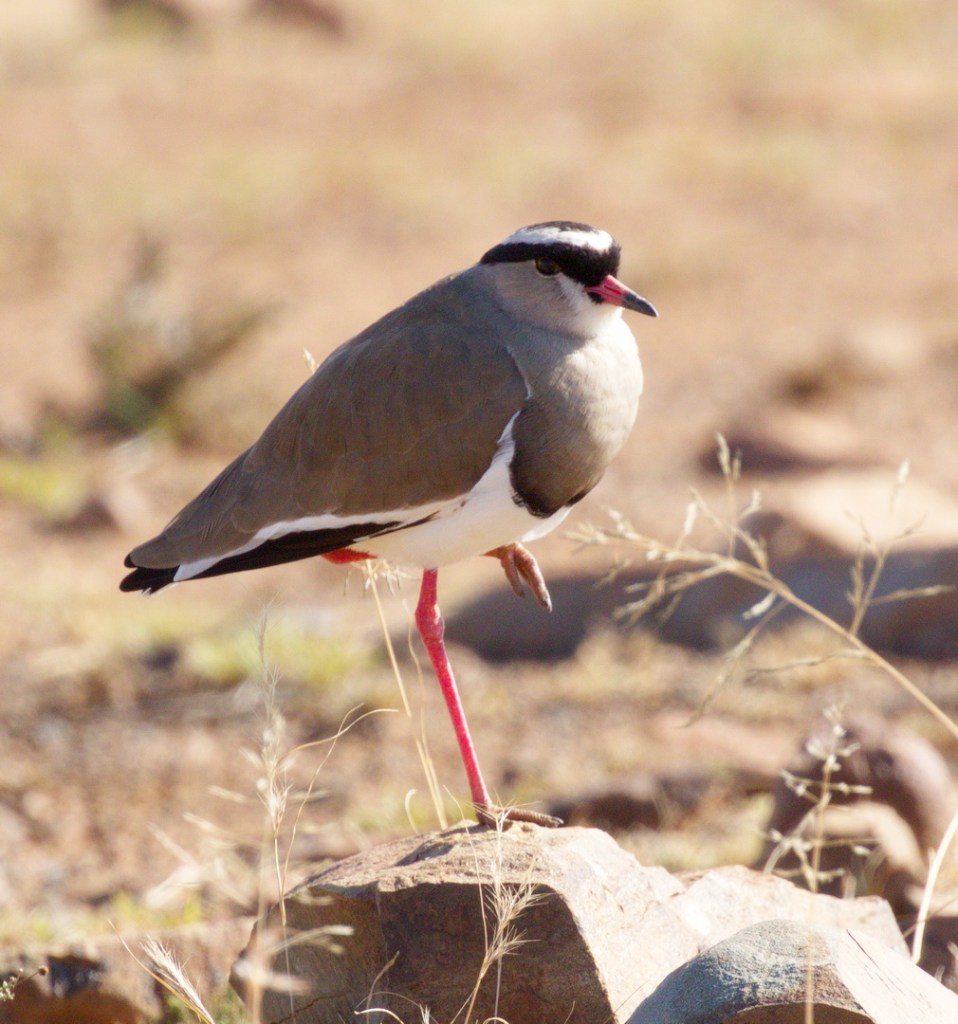


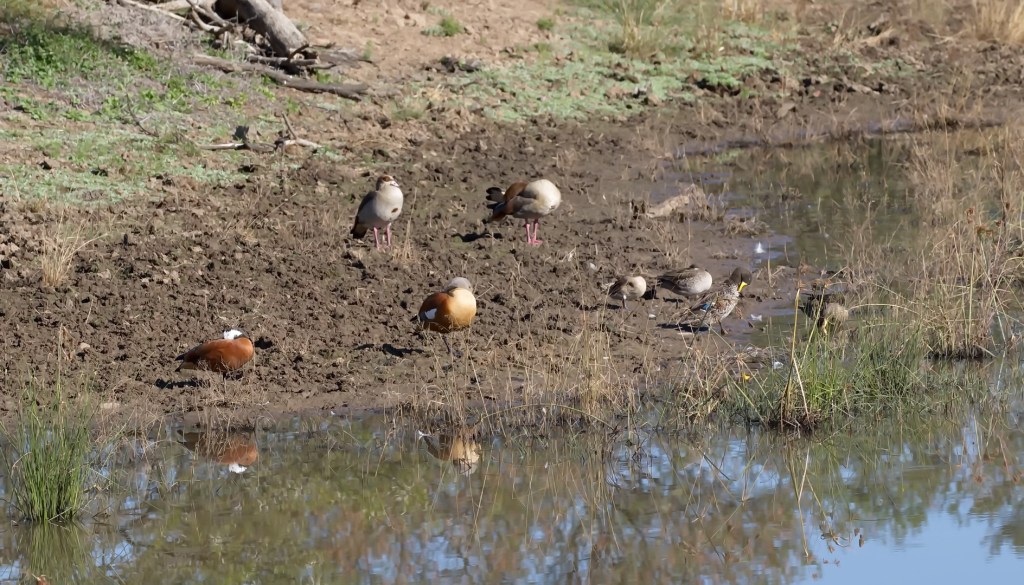
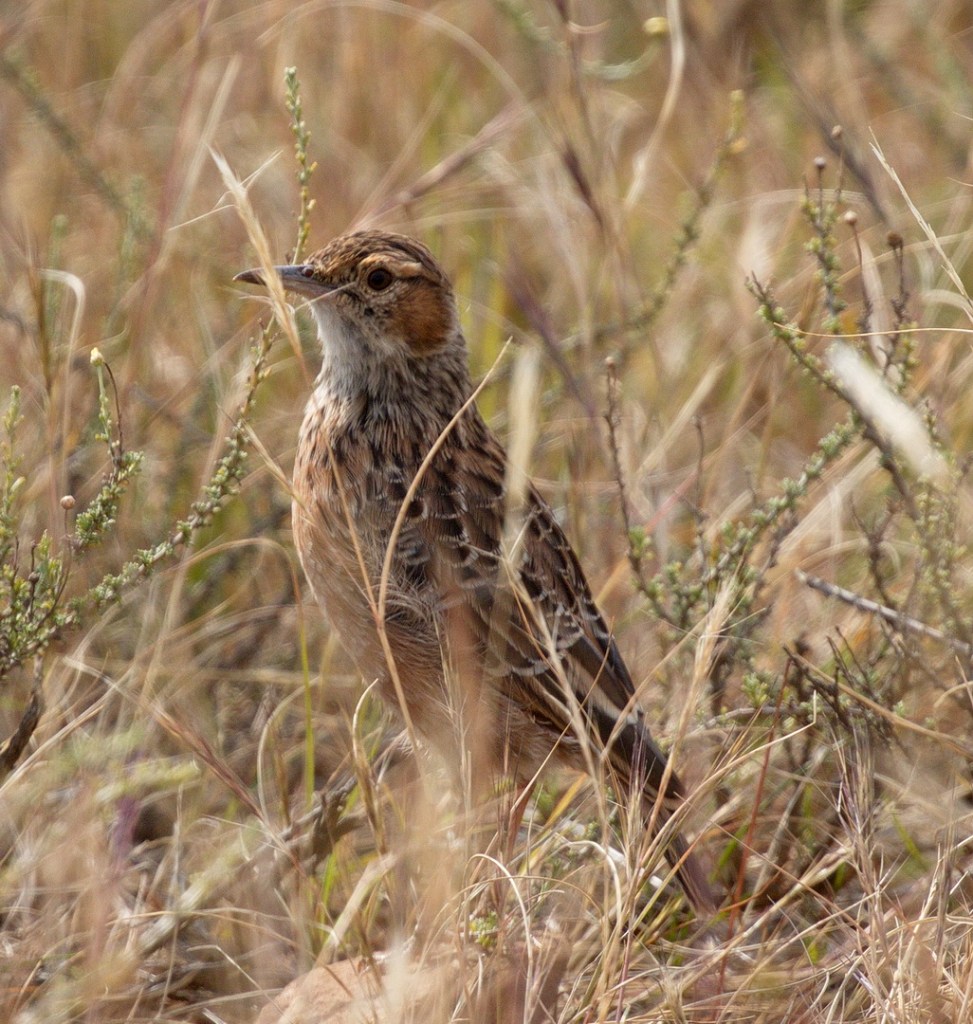


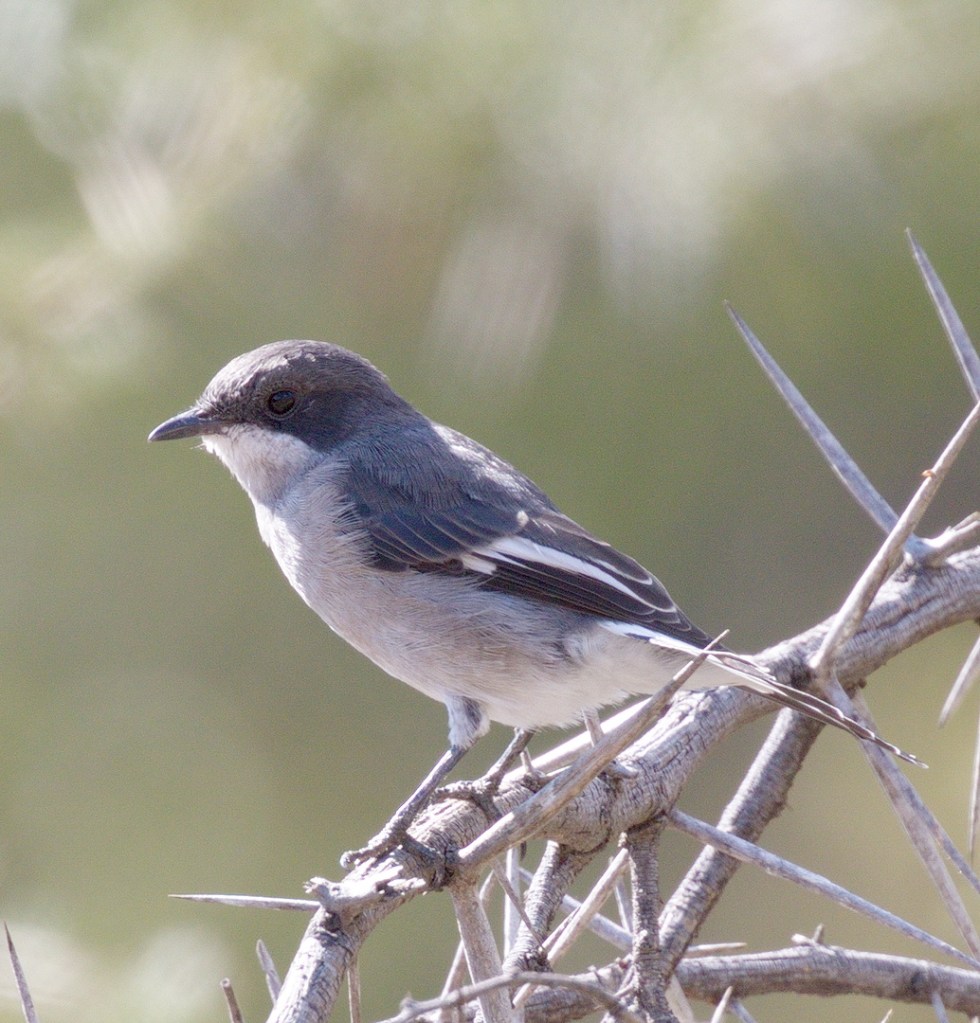
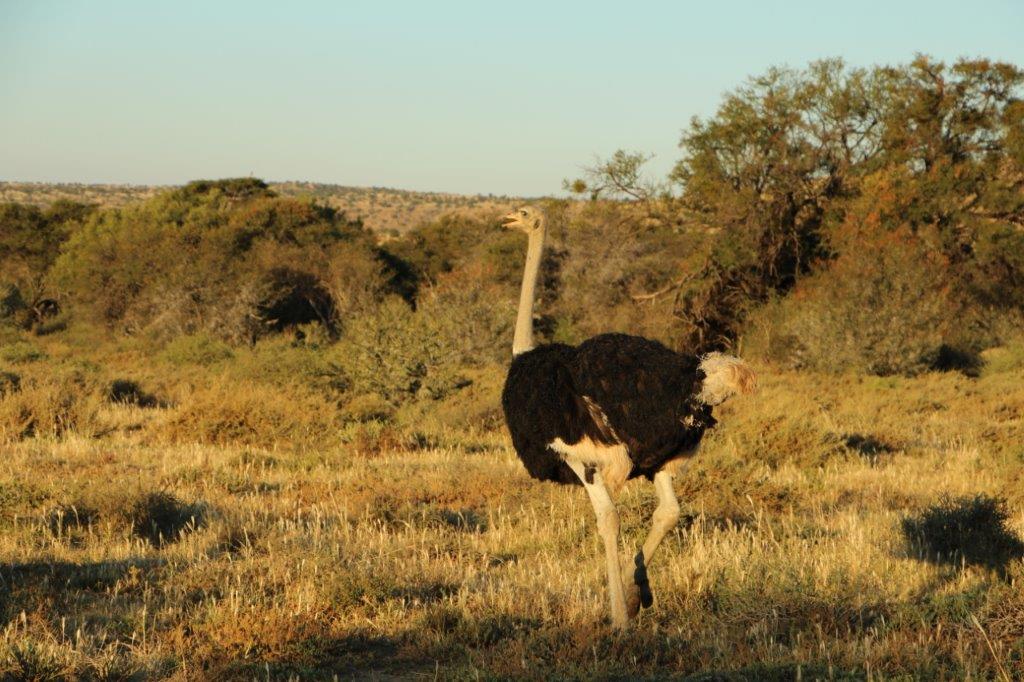


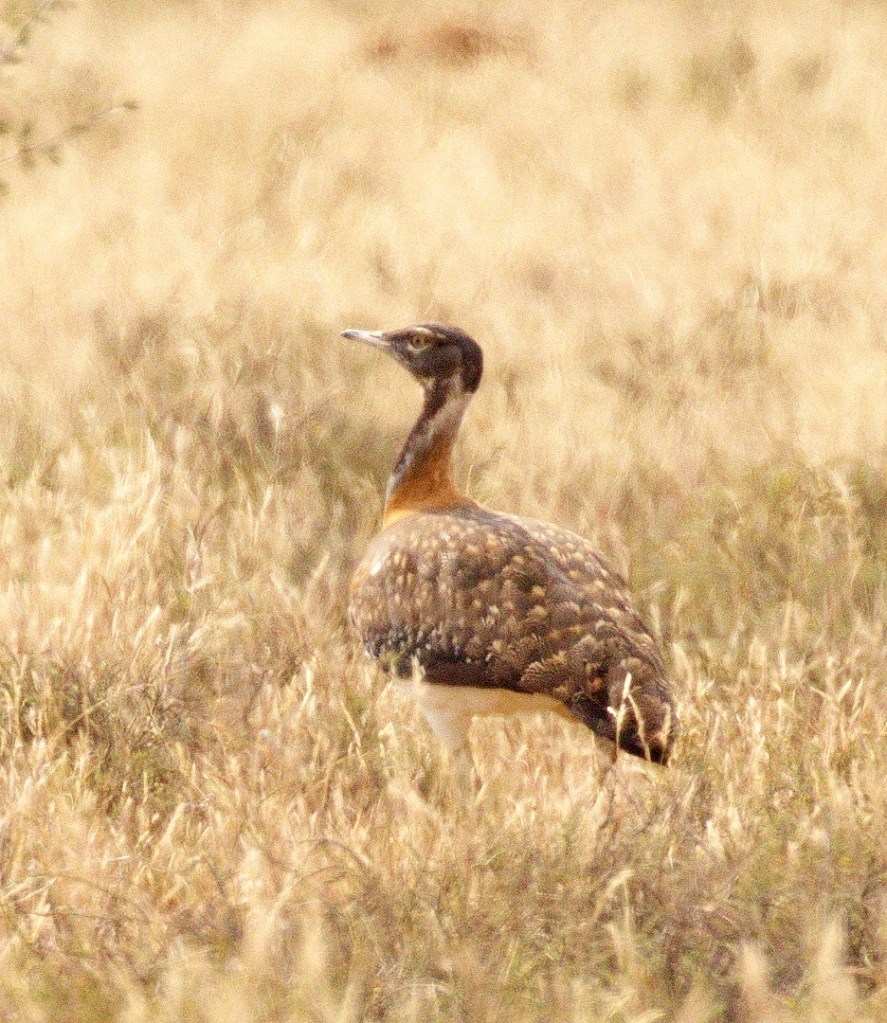


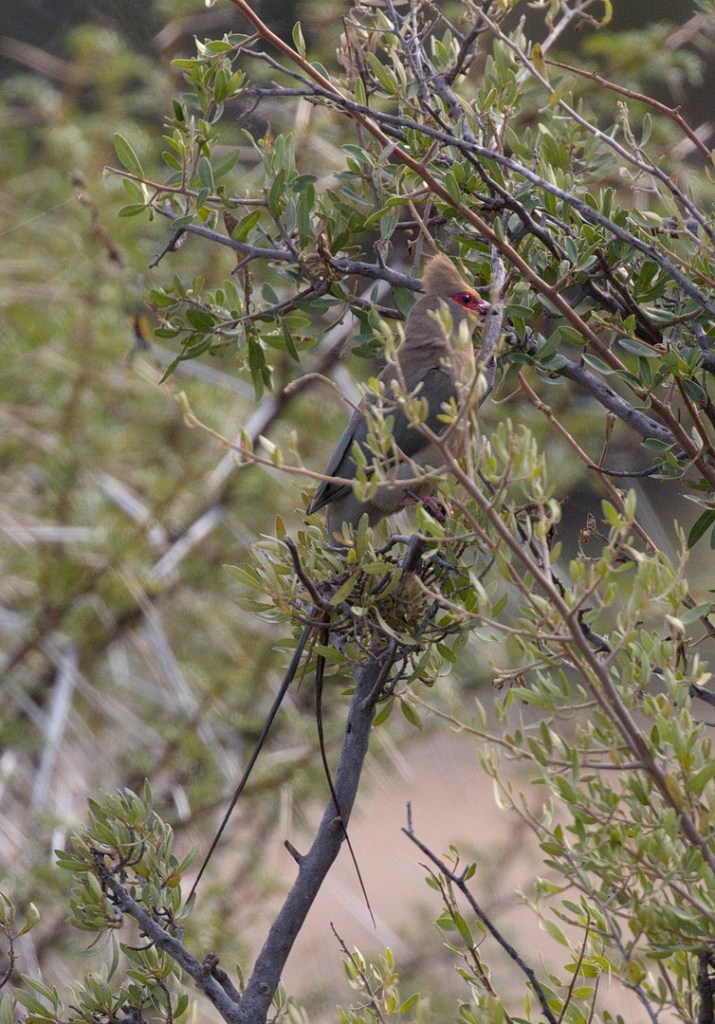


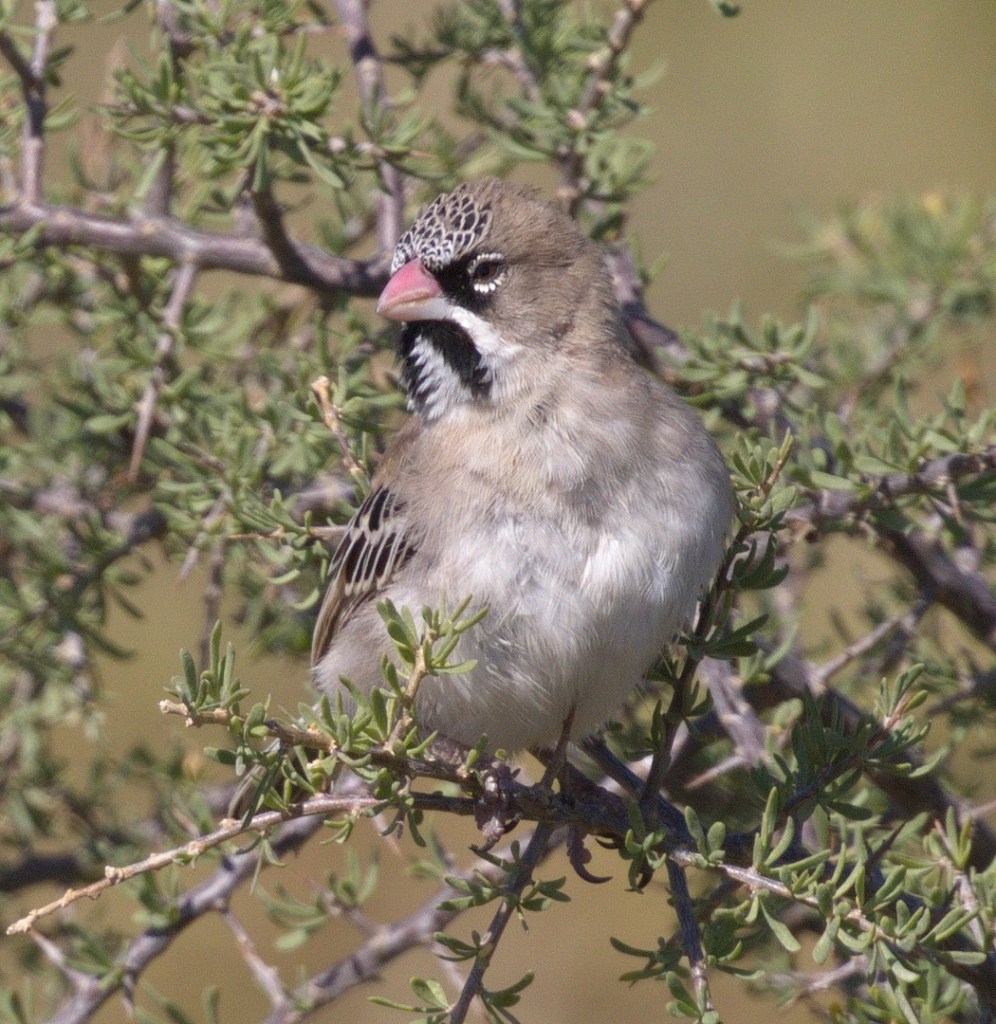


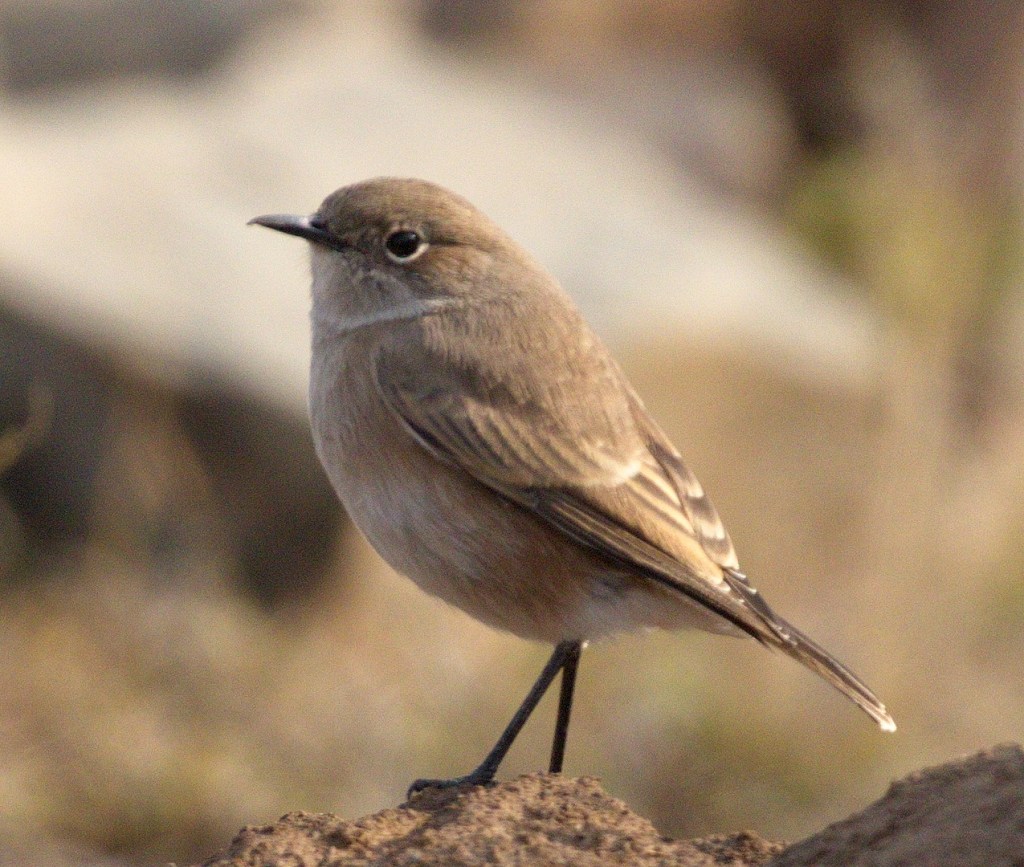


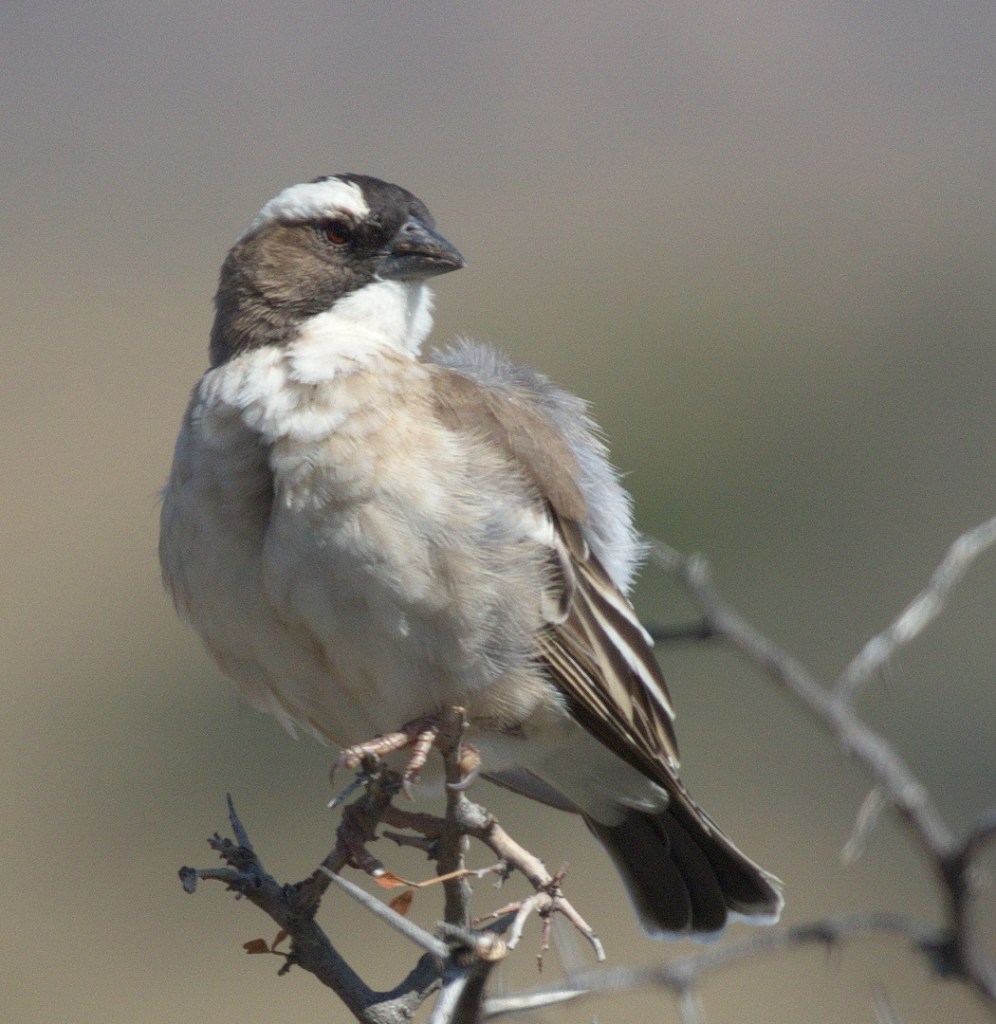
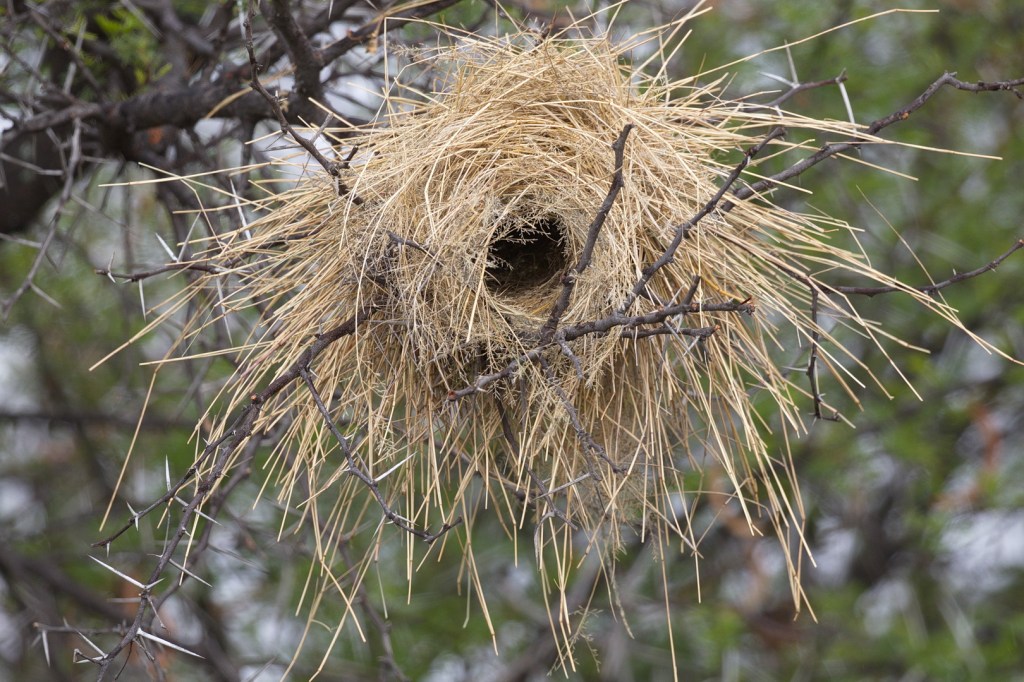
 Birds are our Story