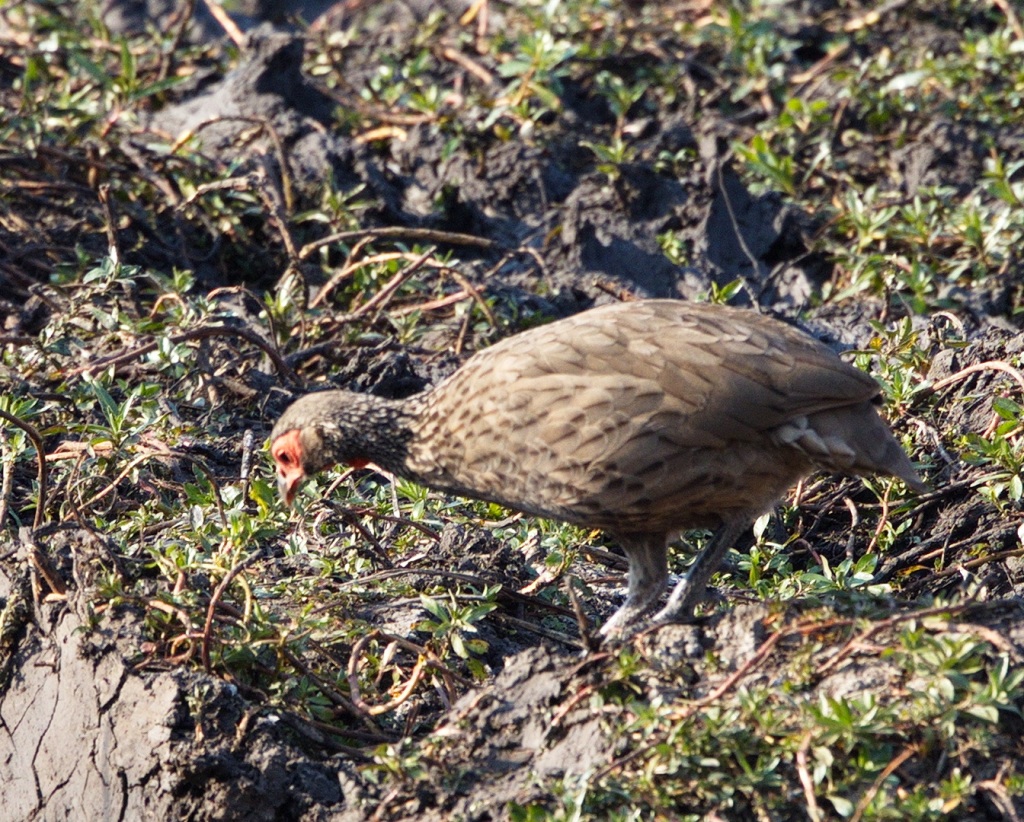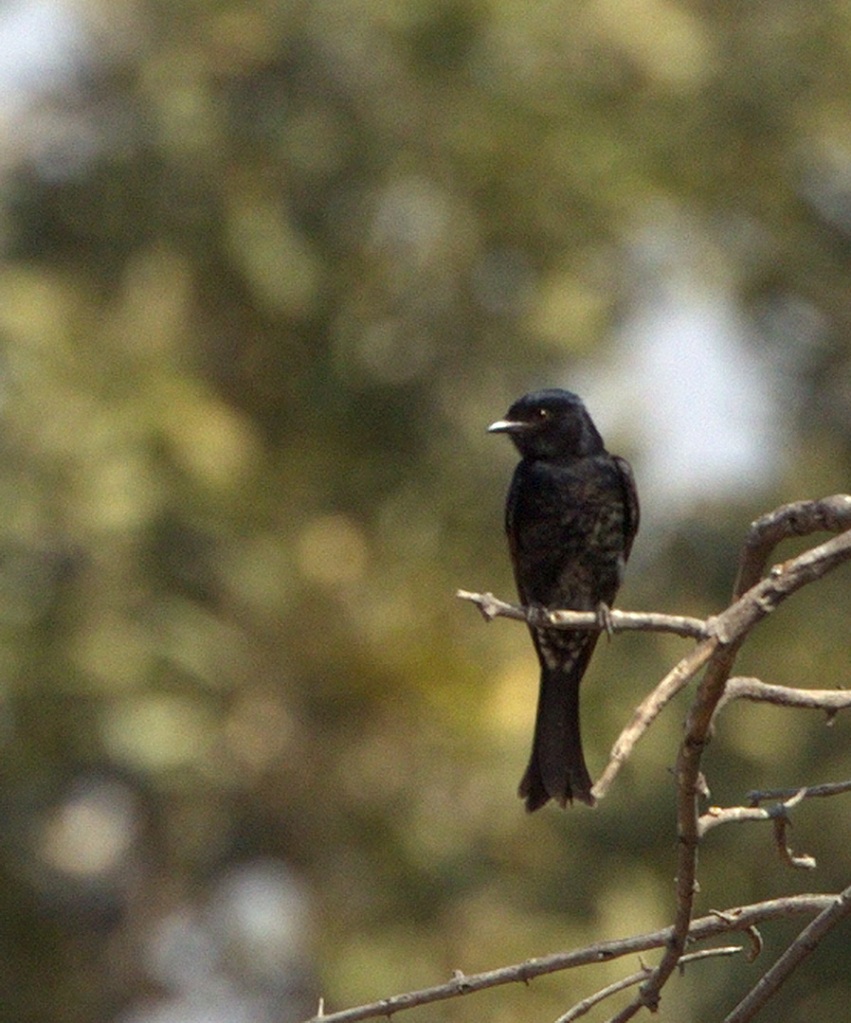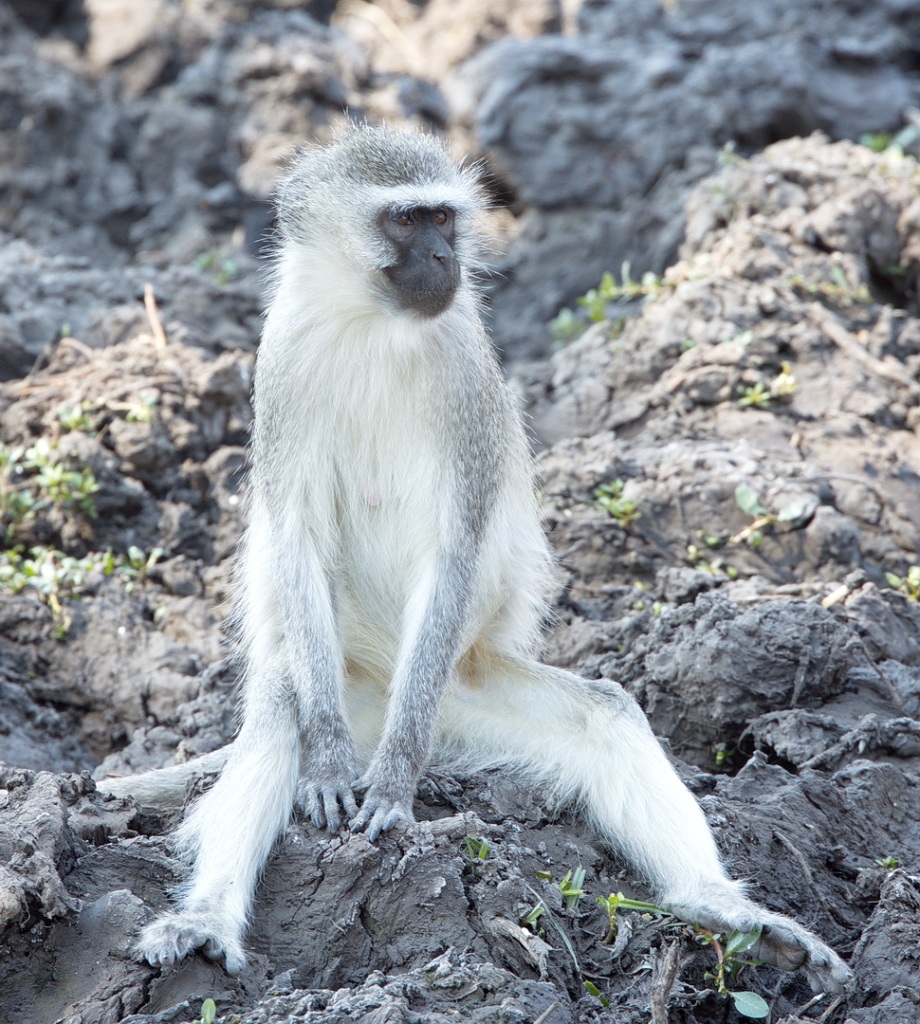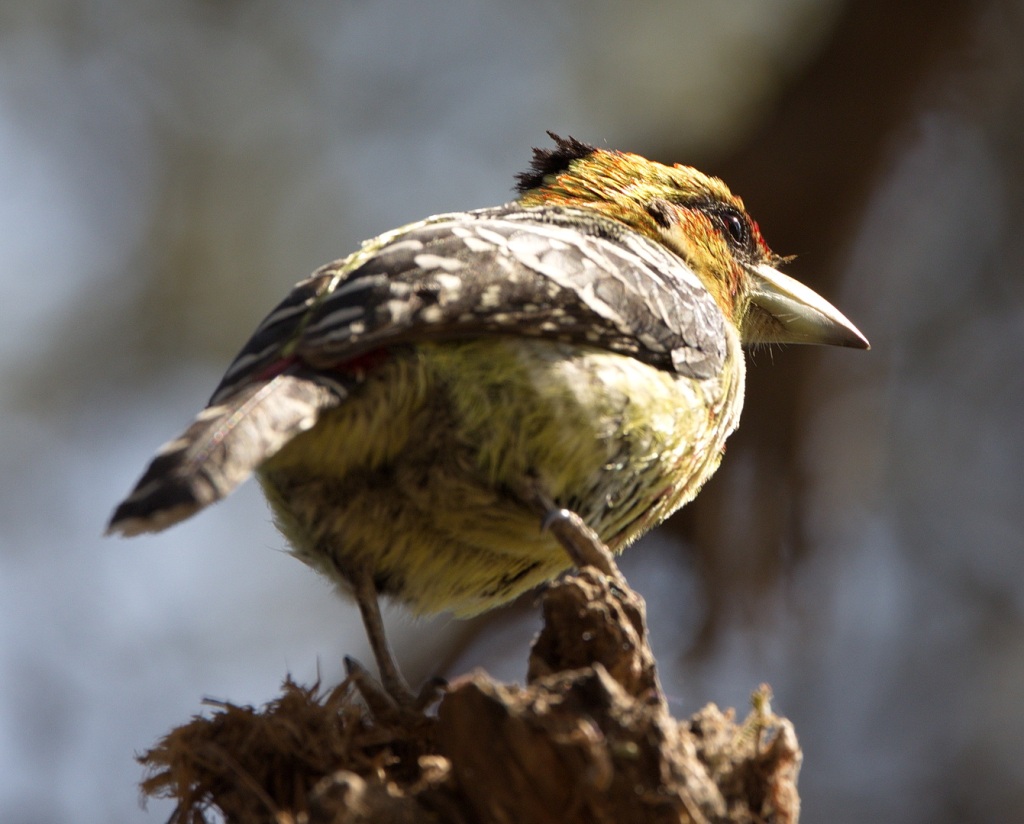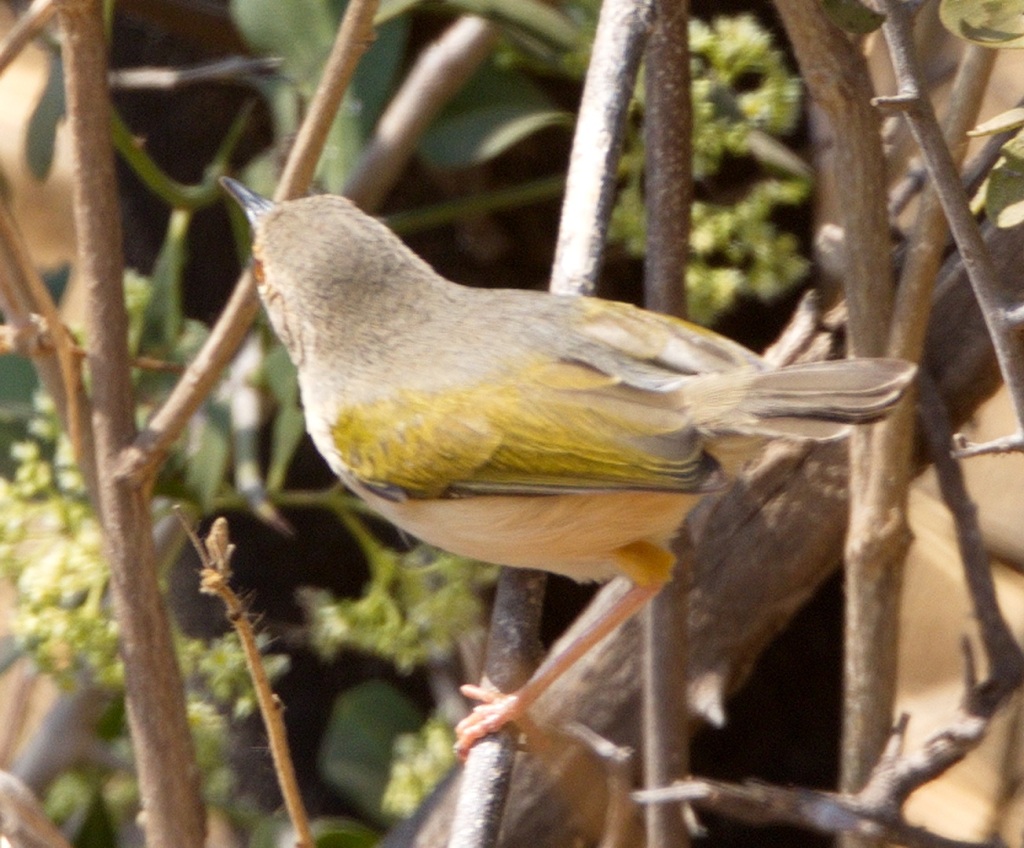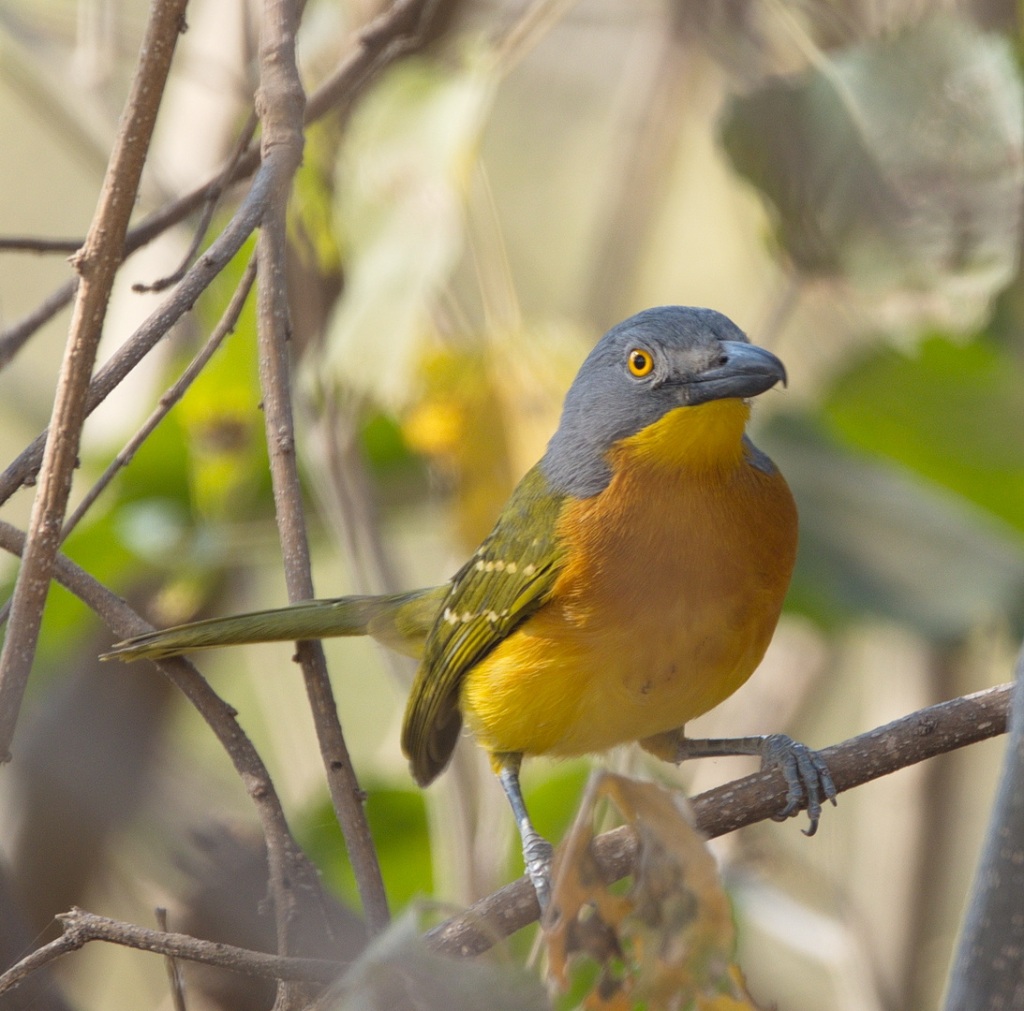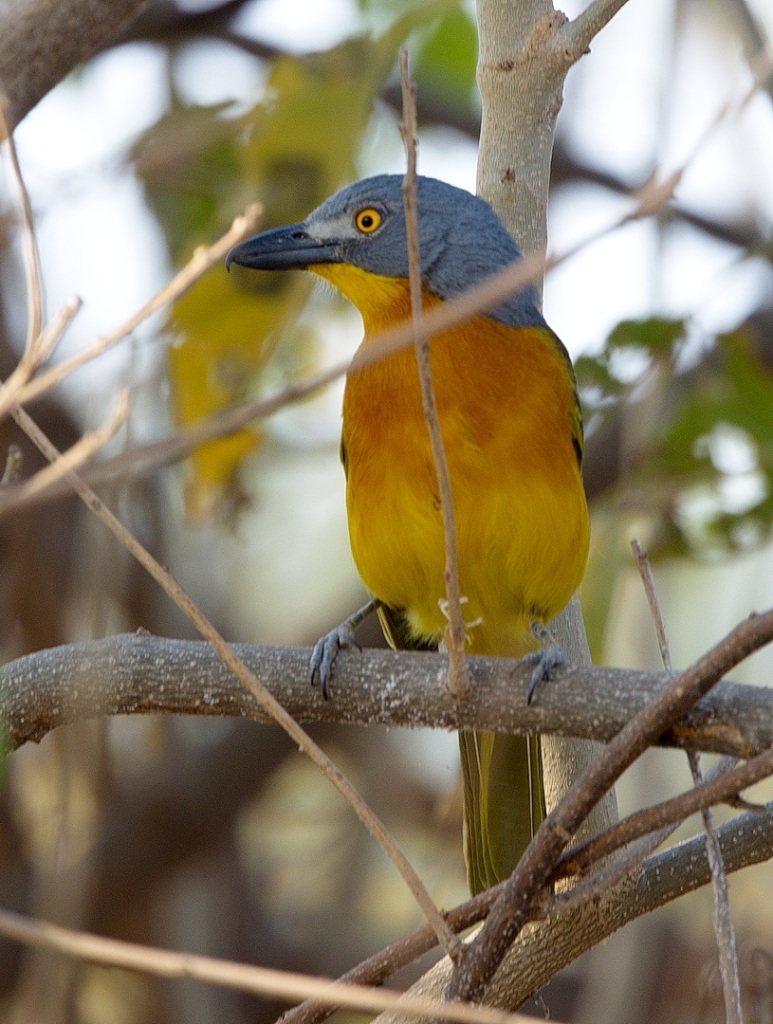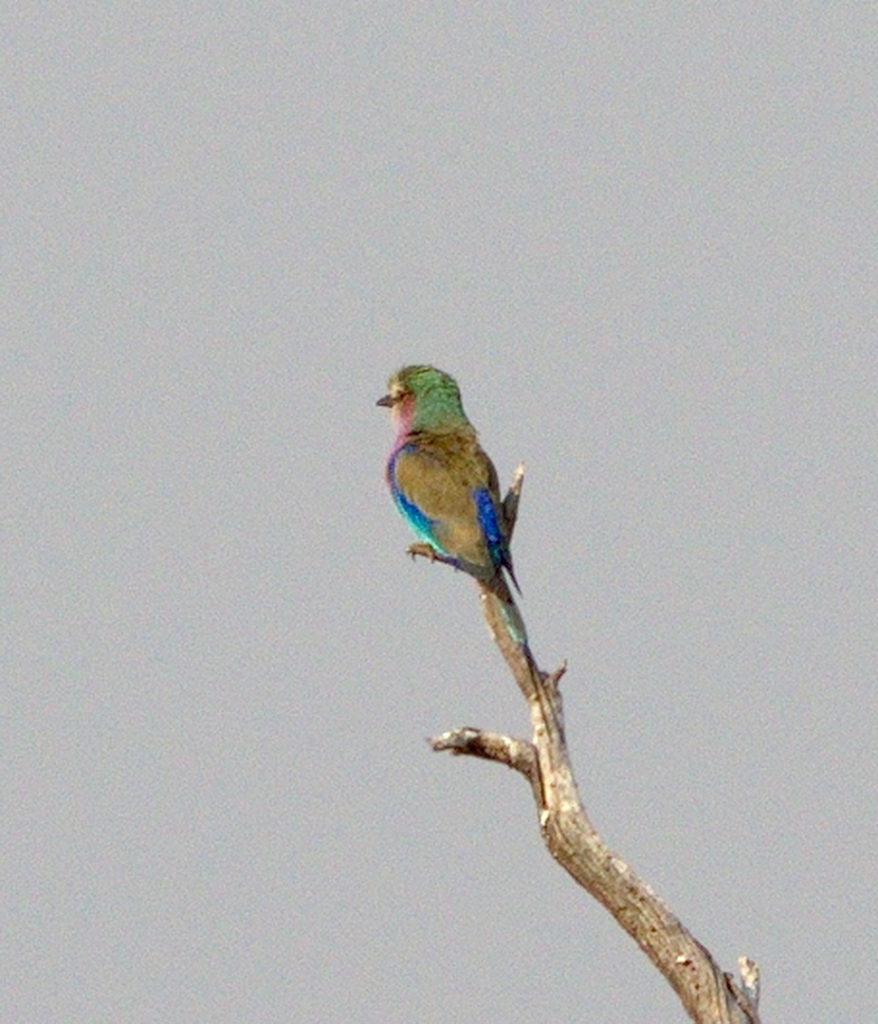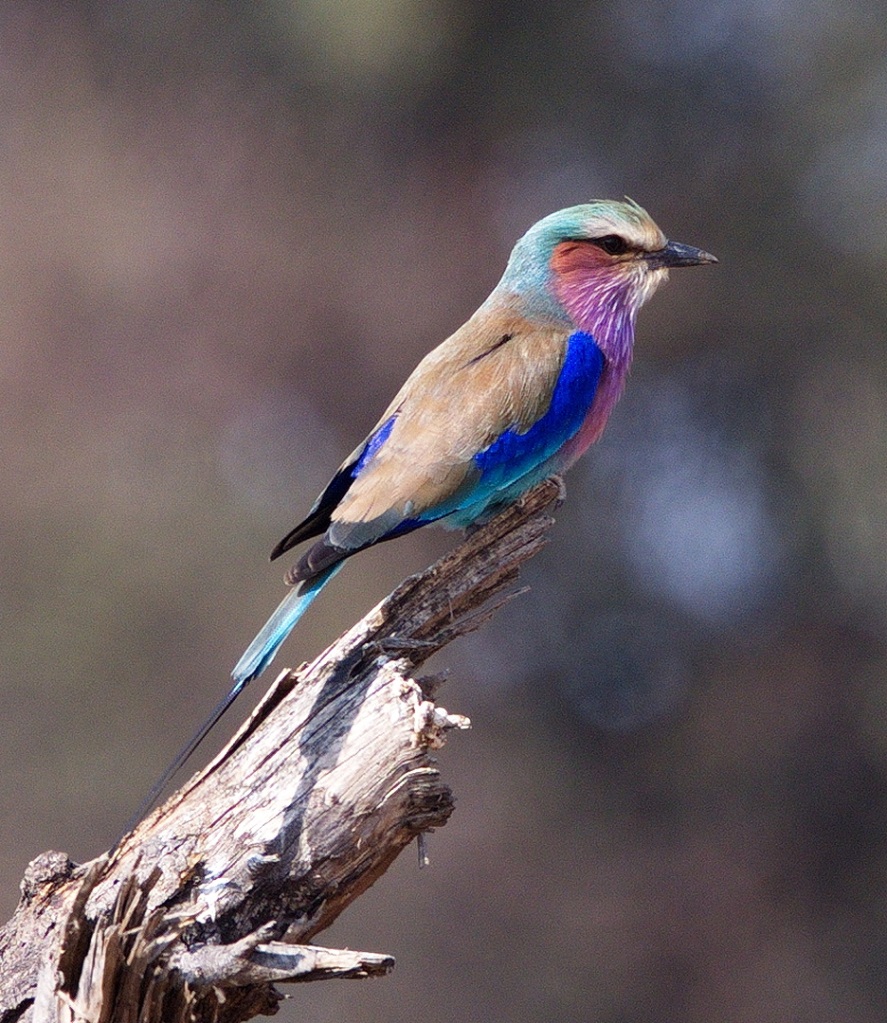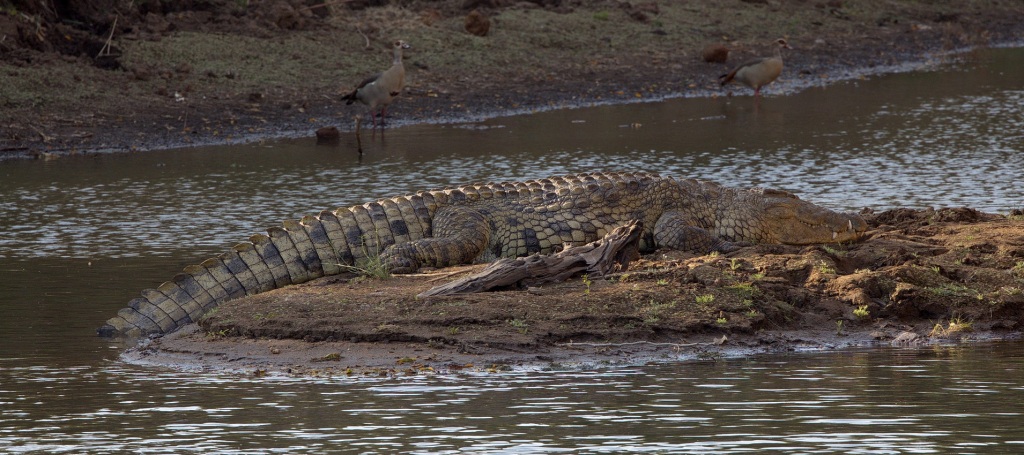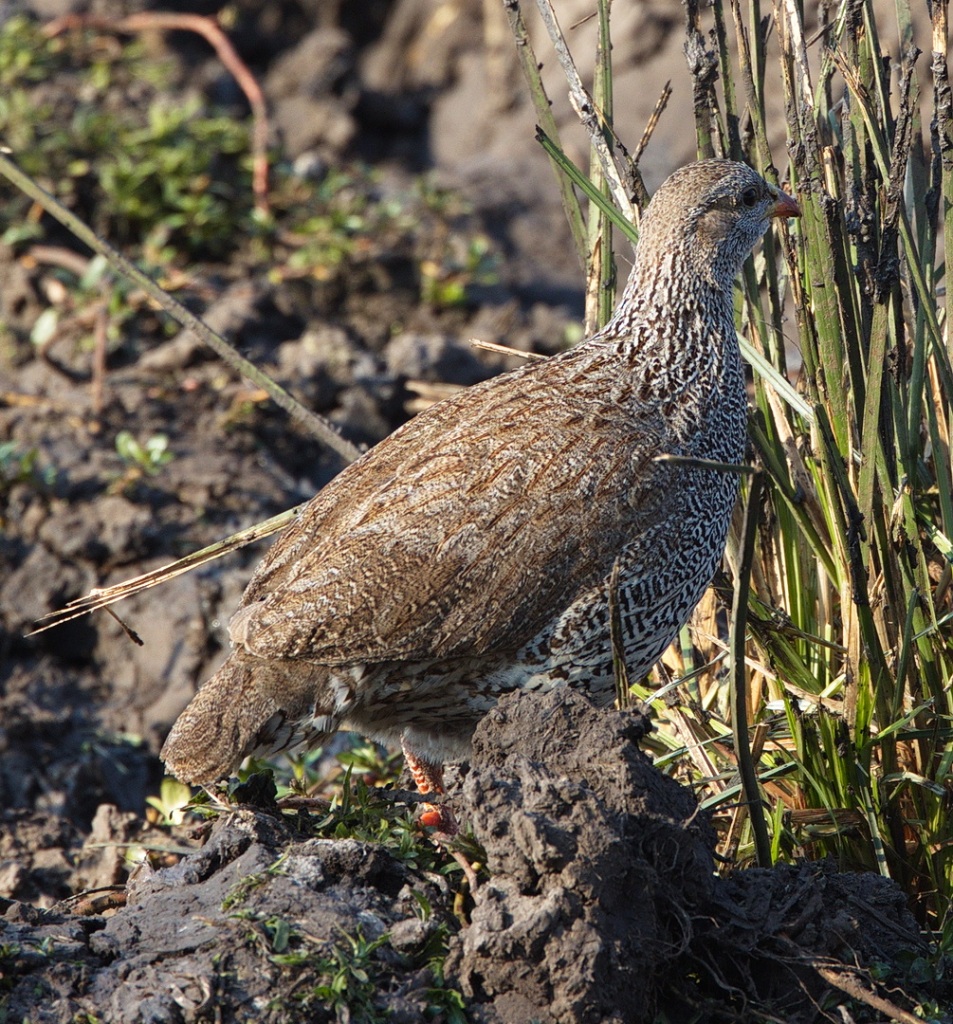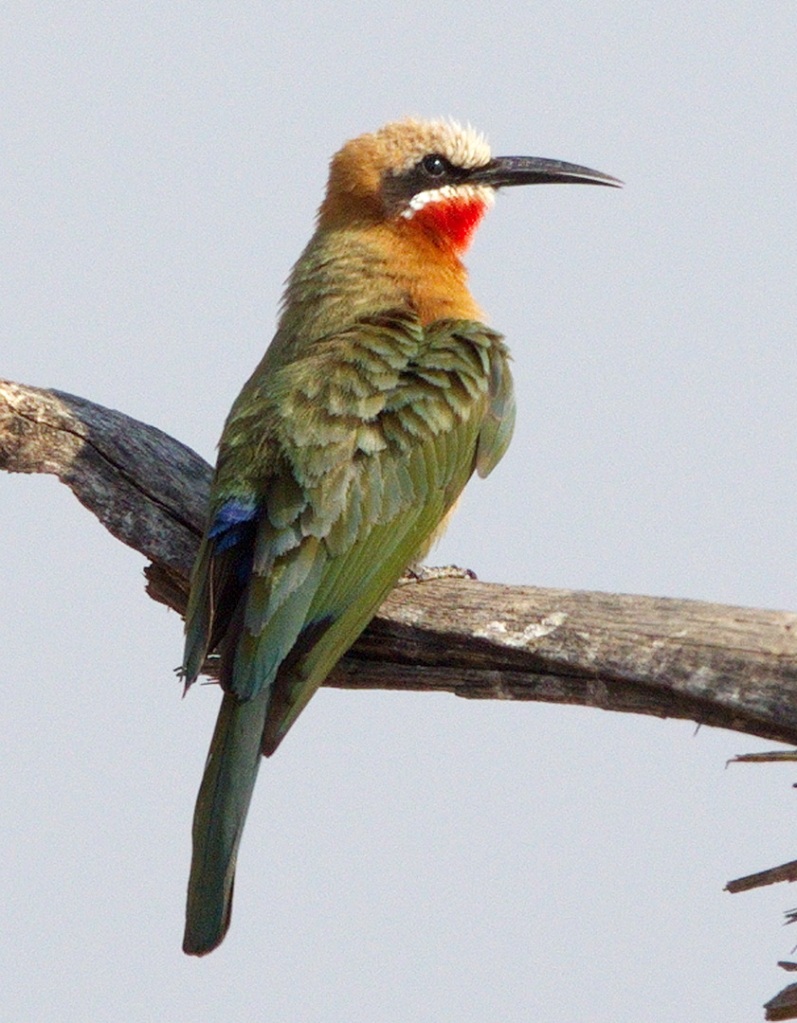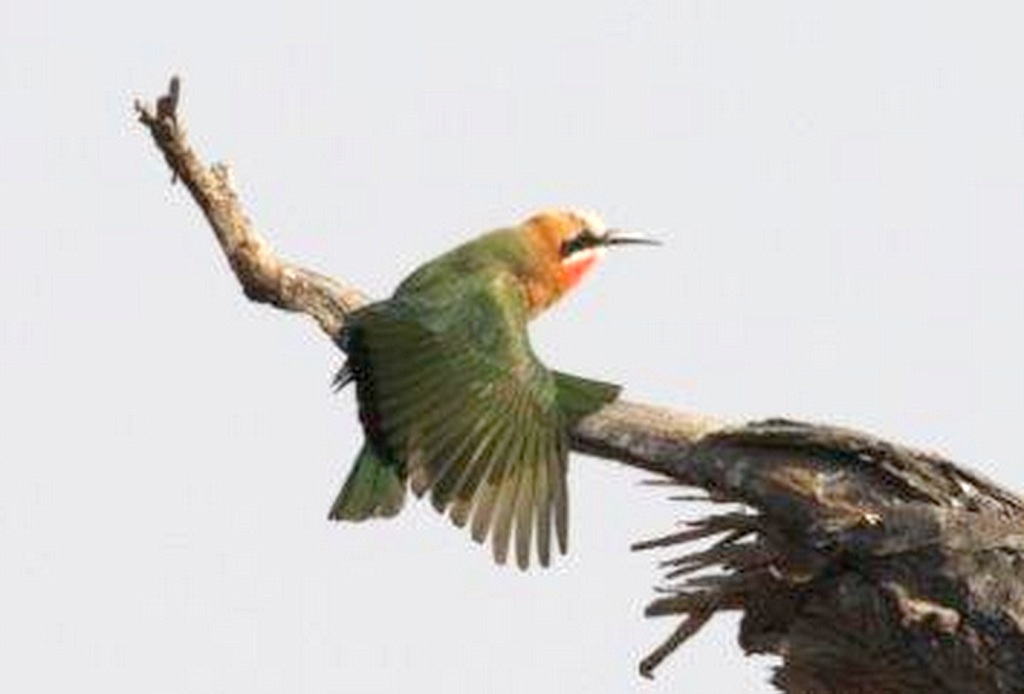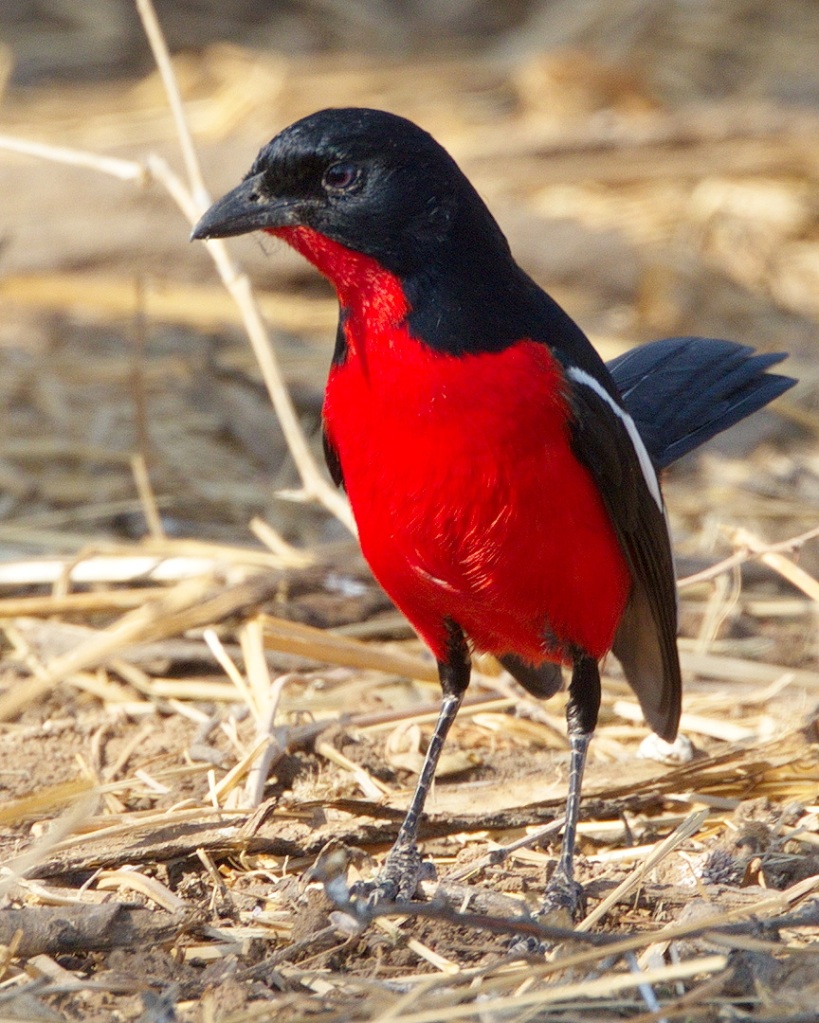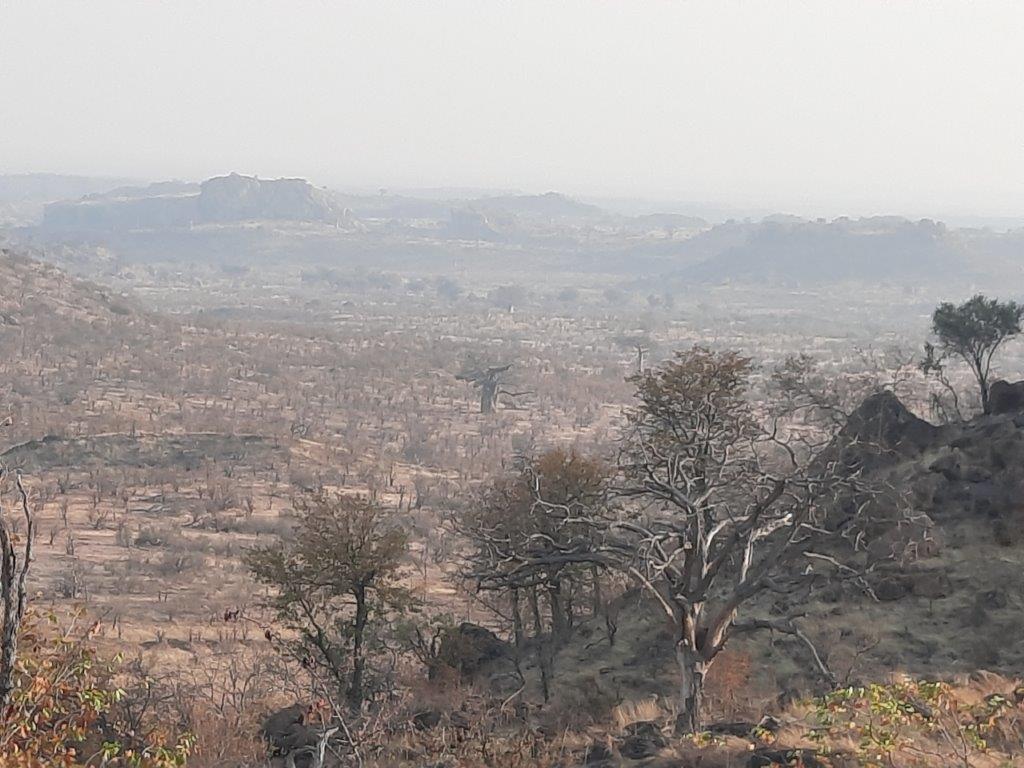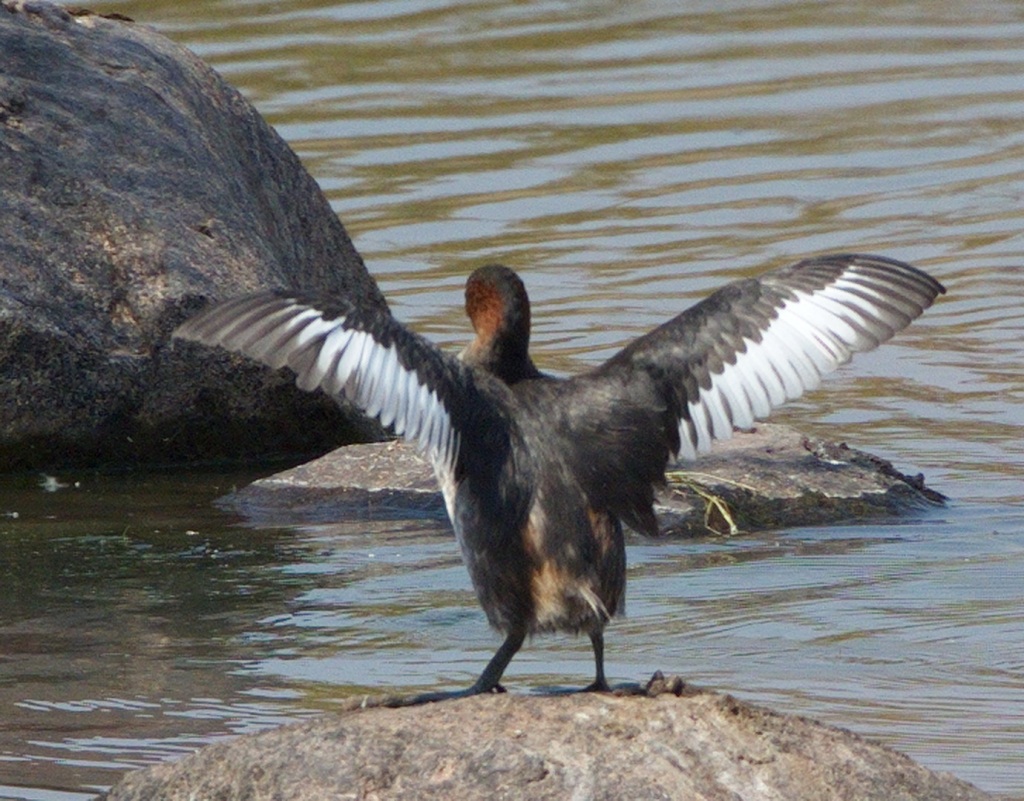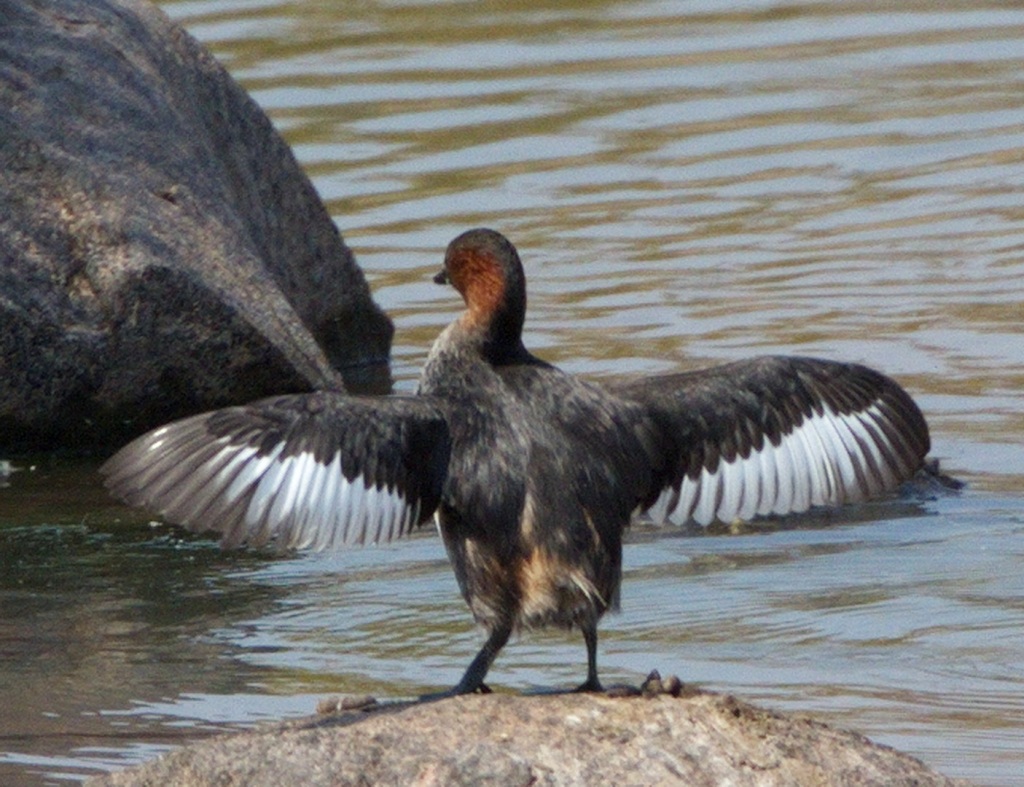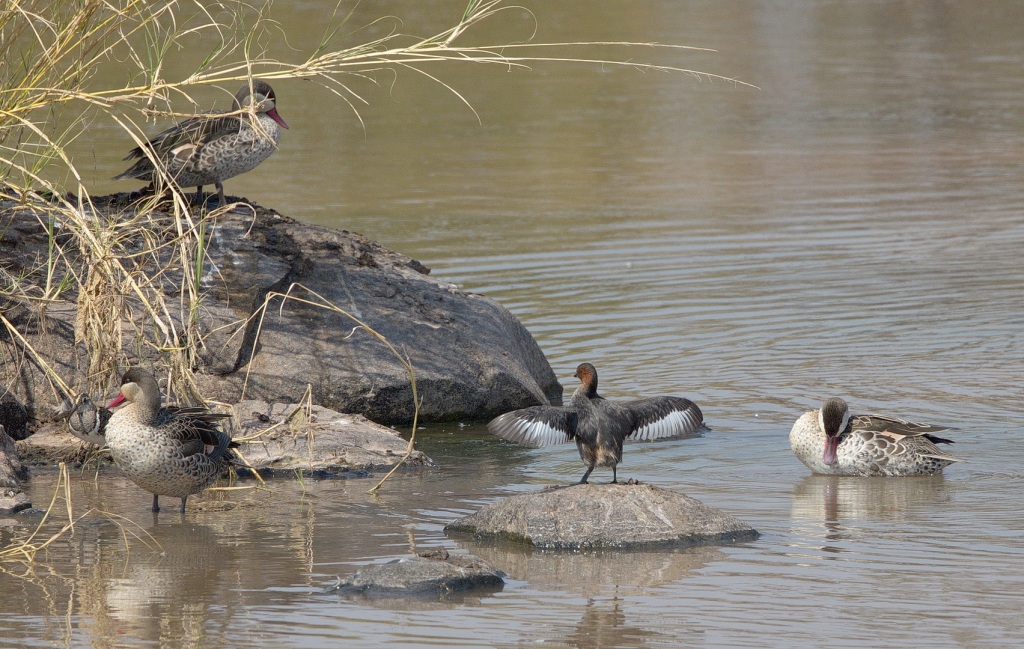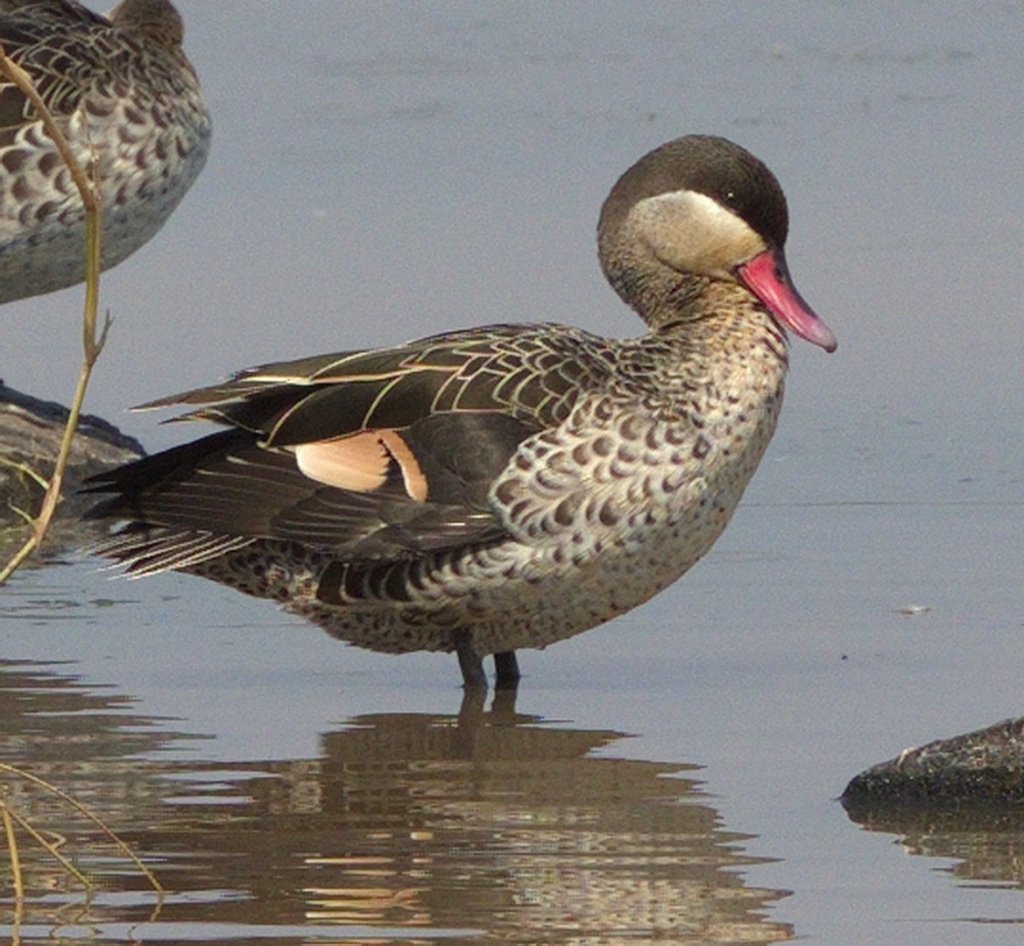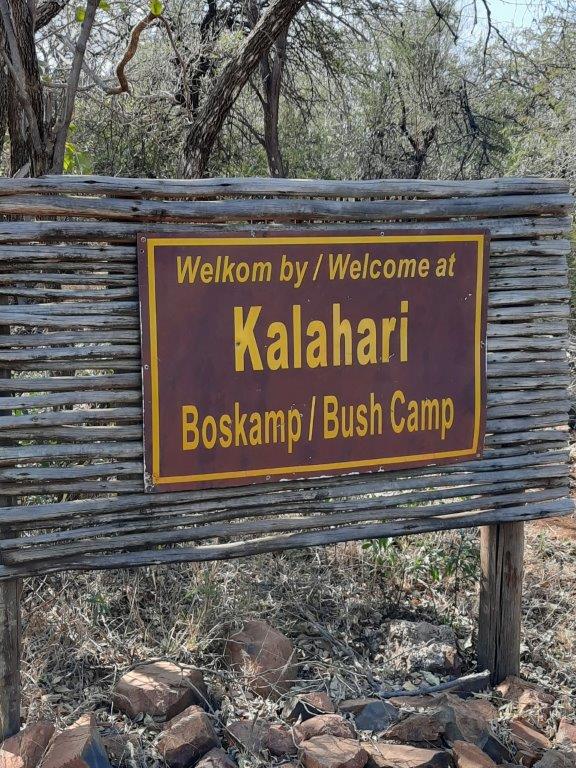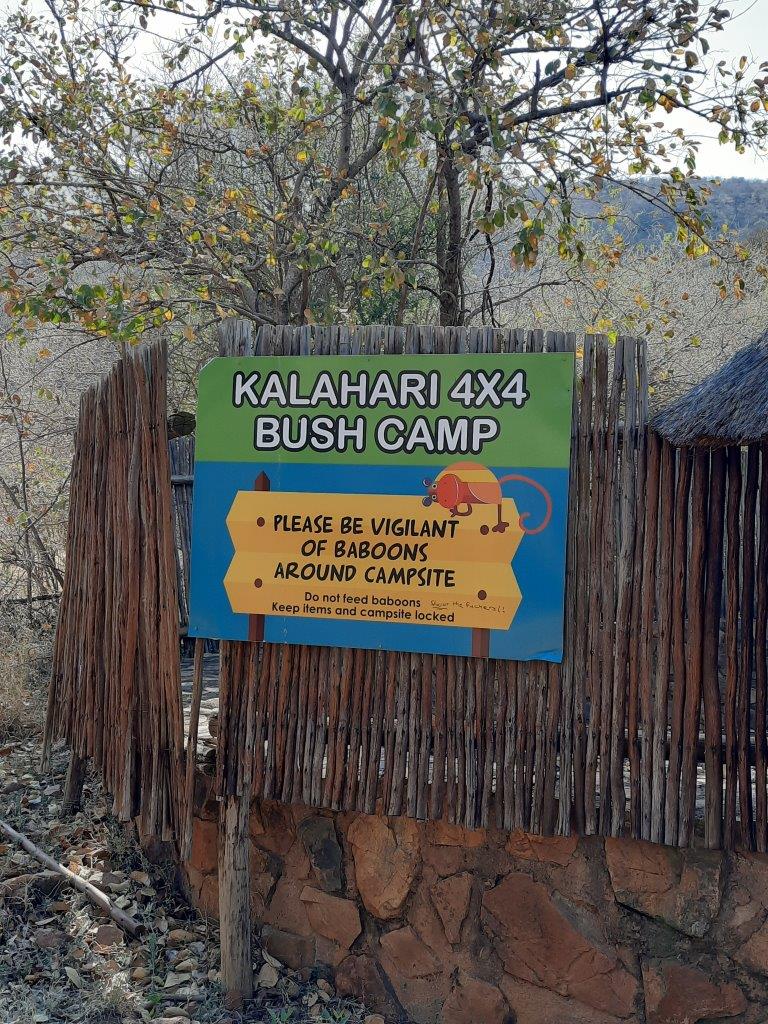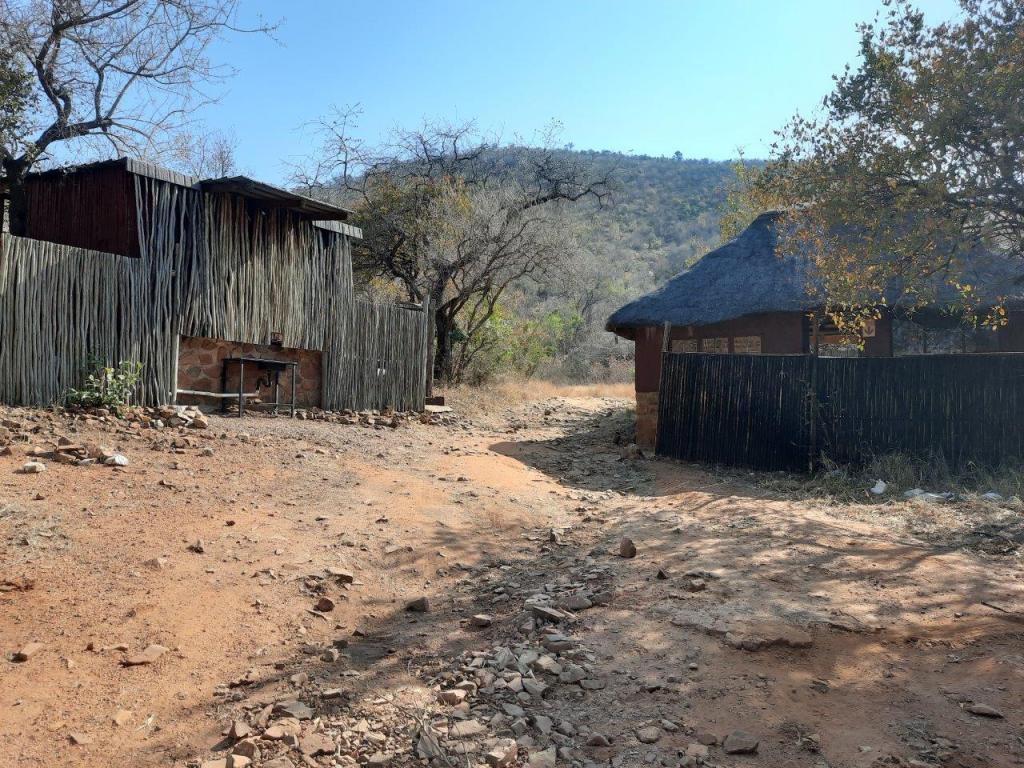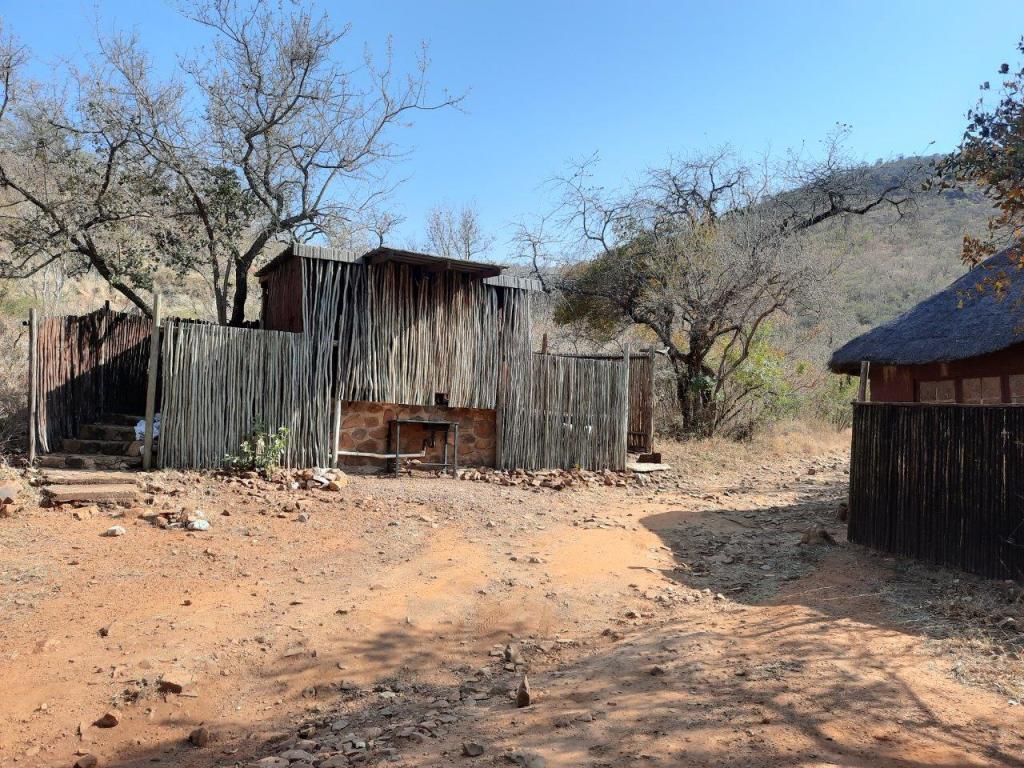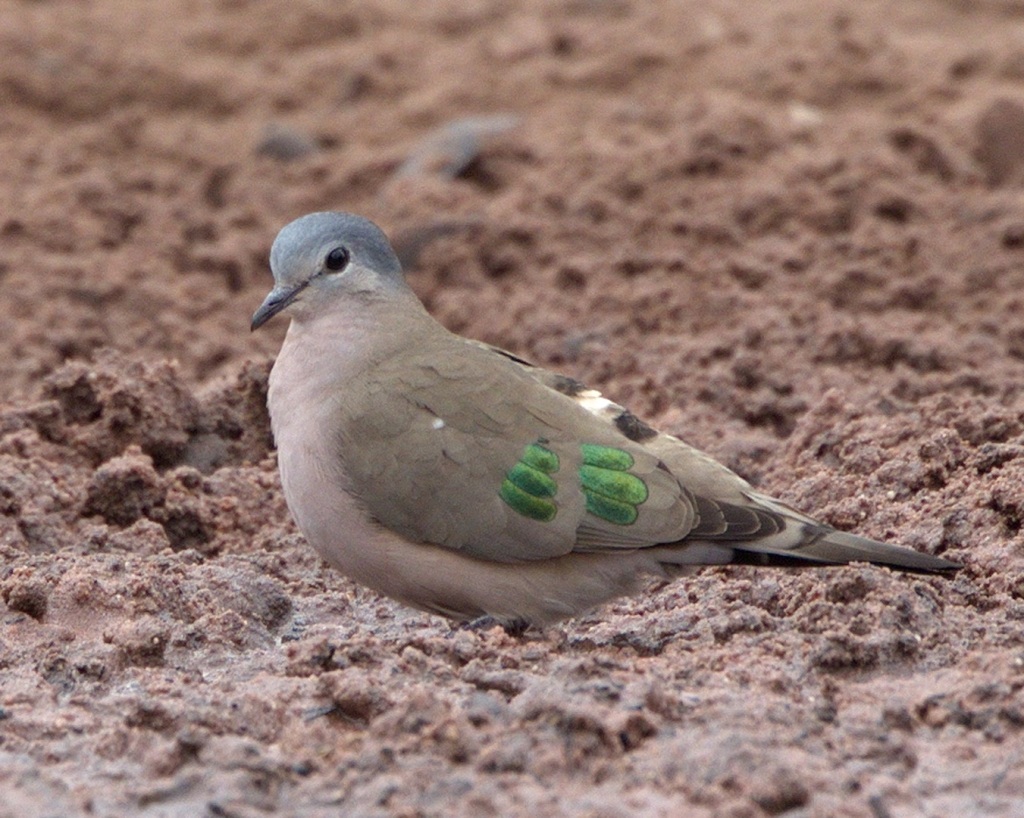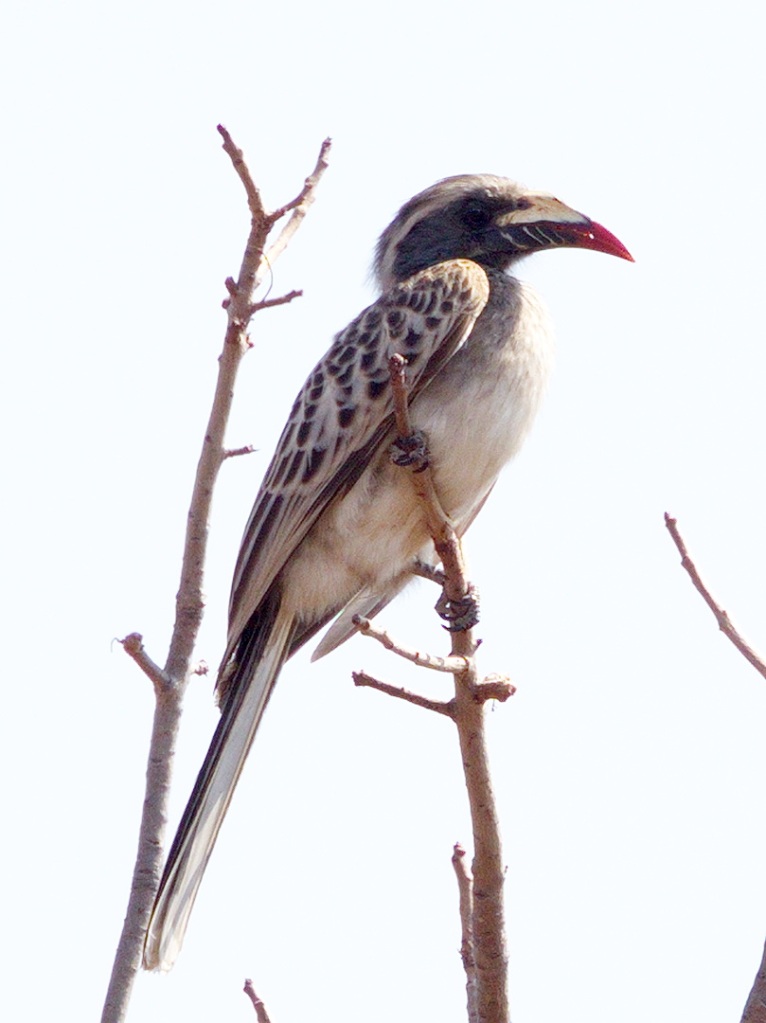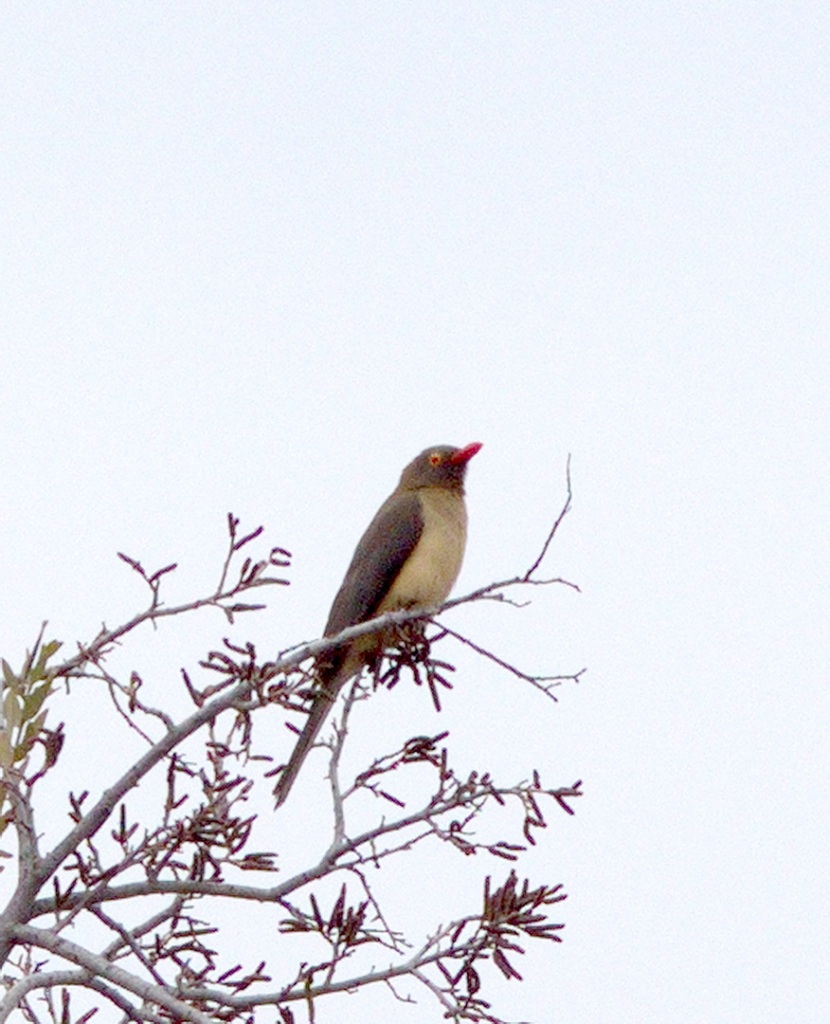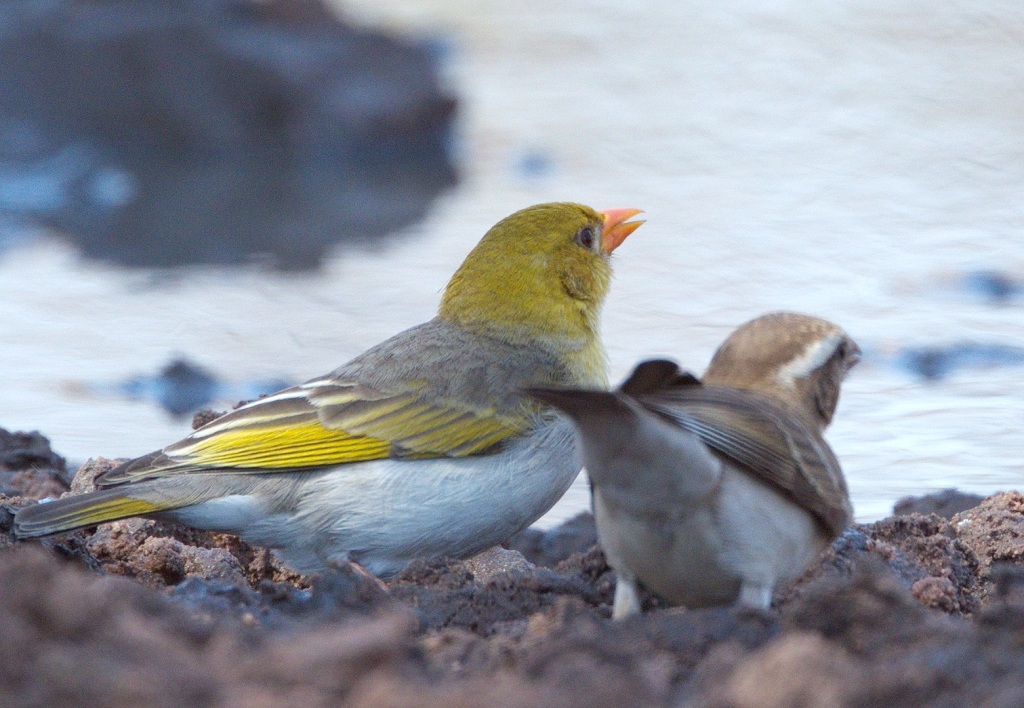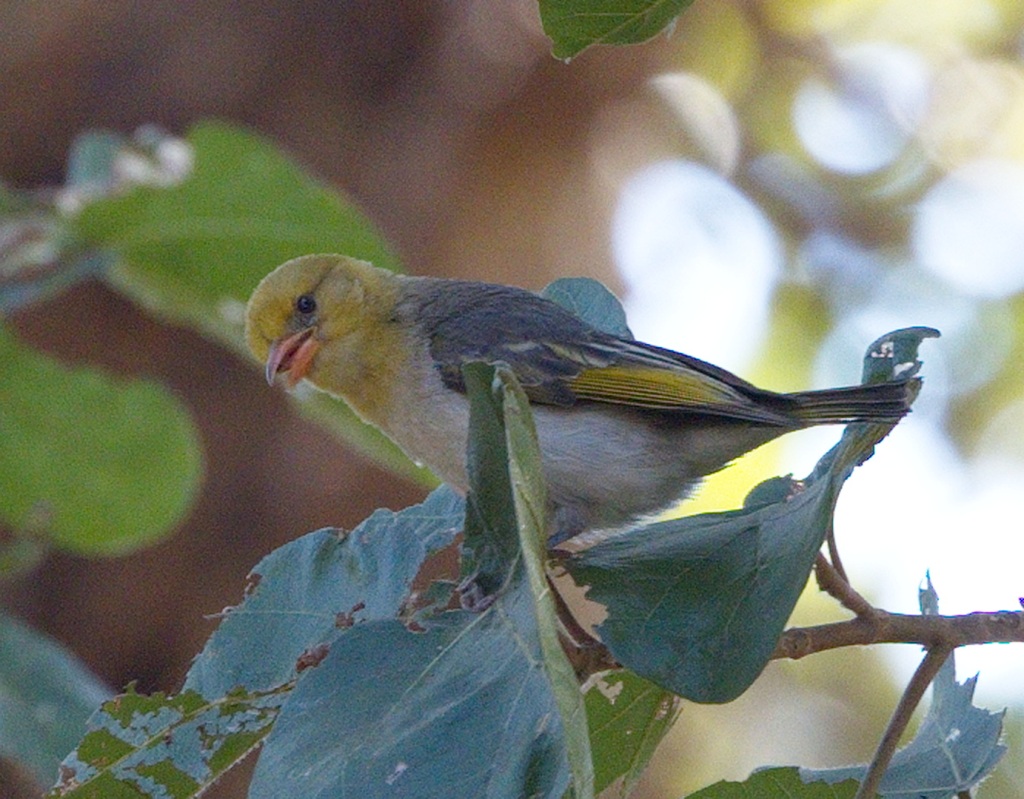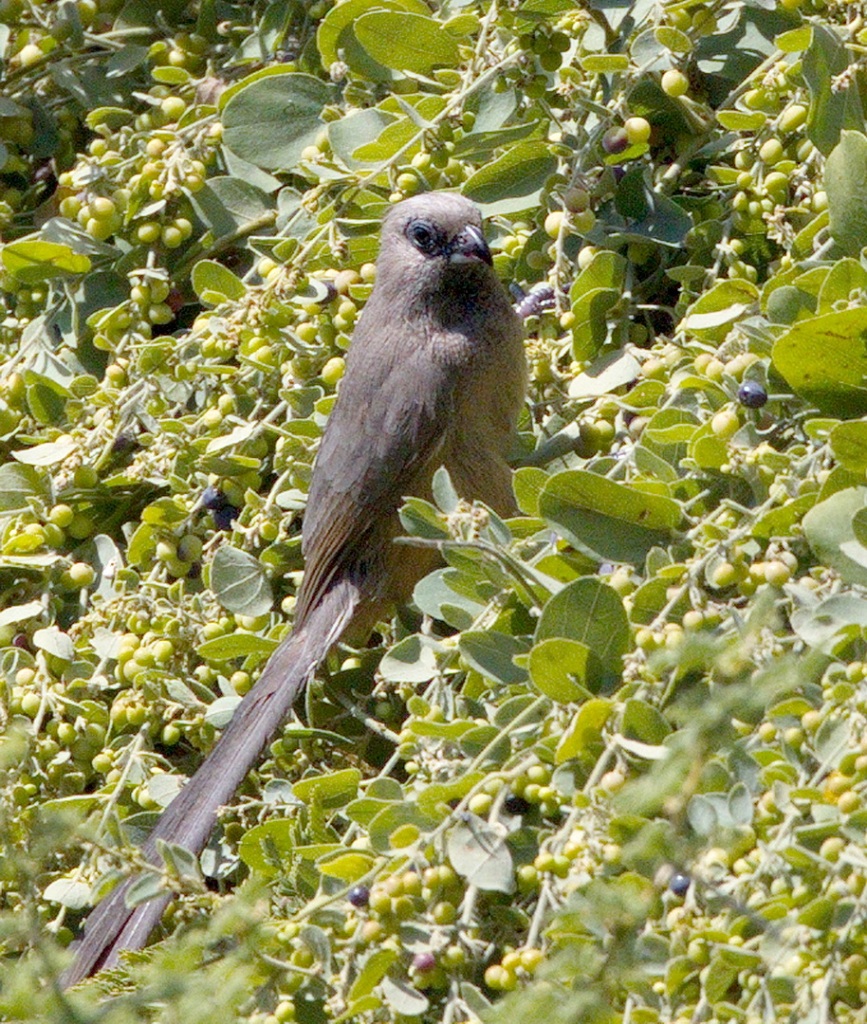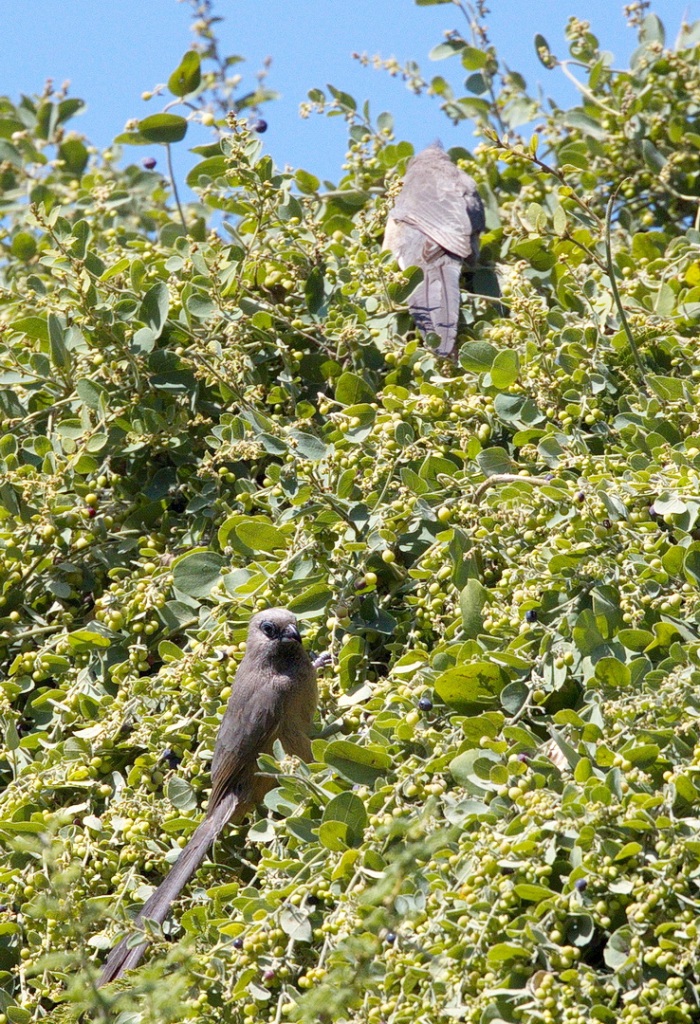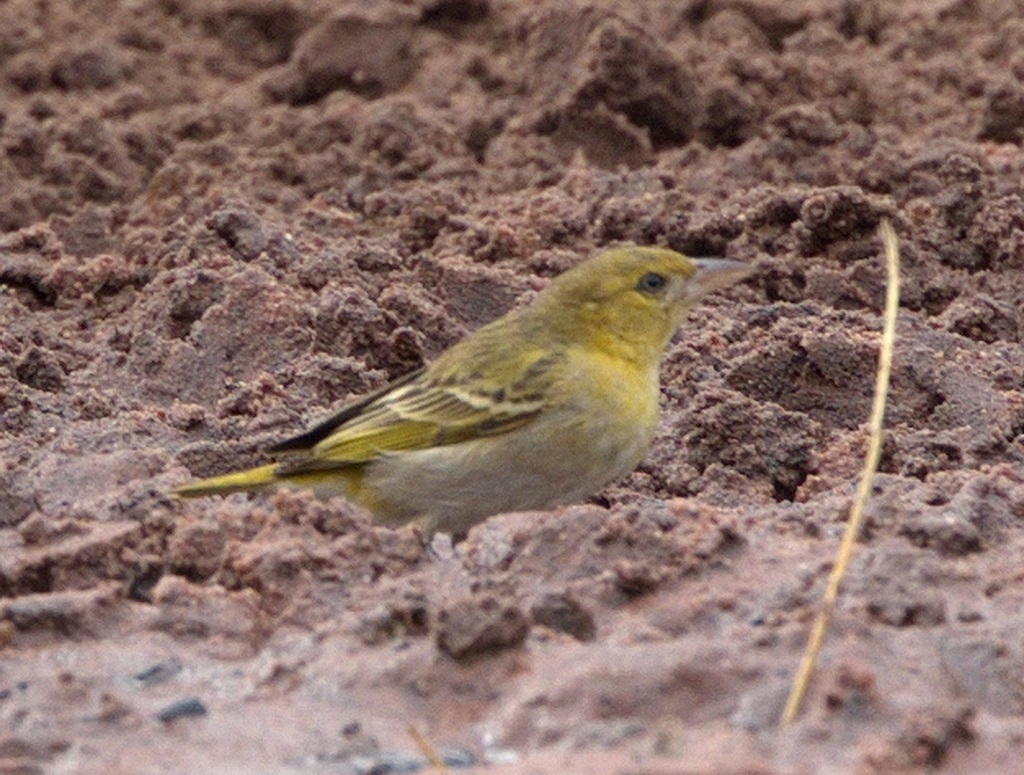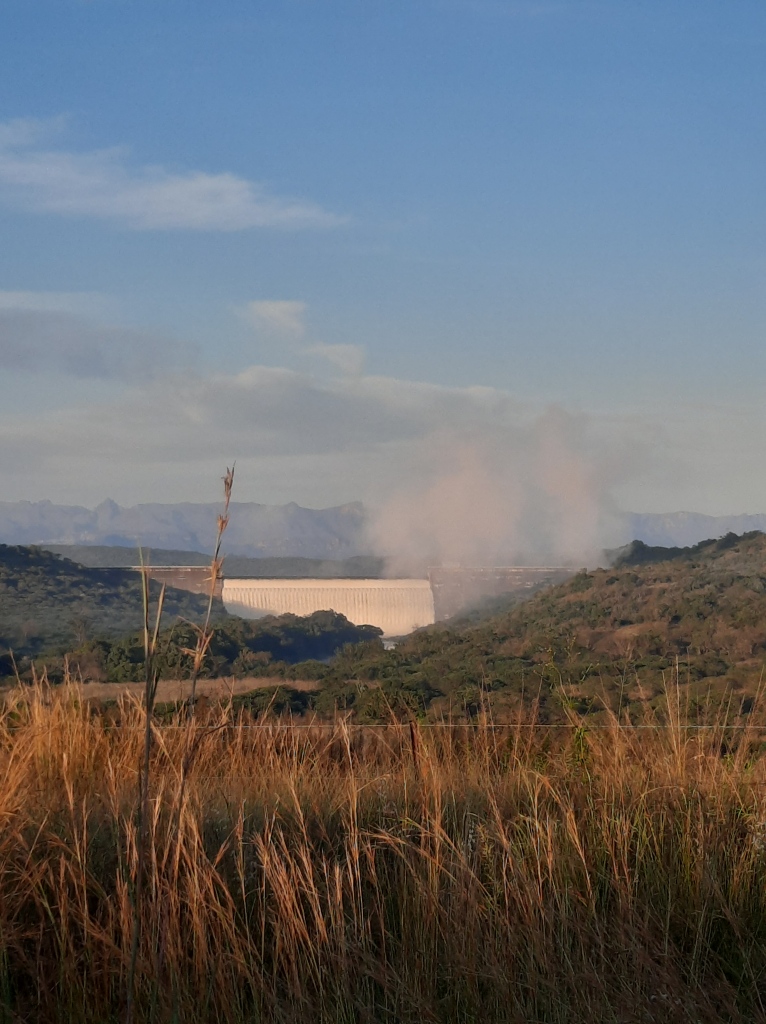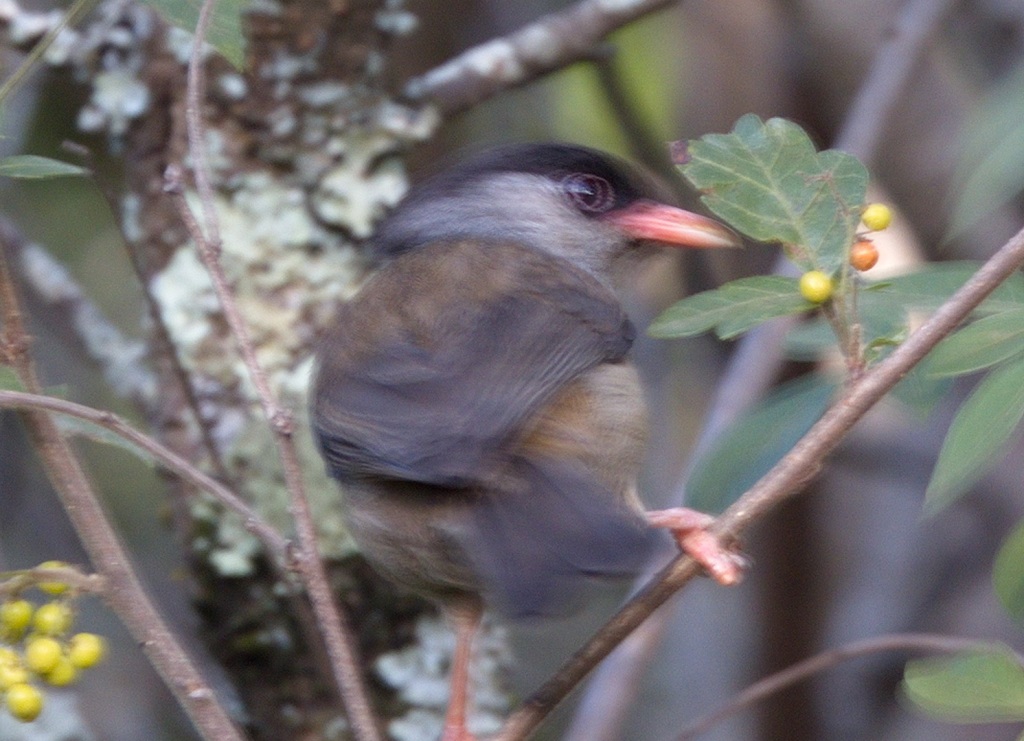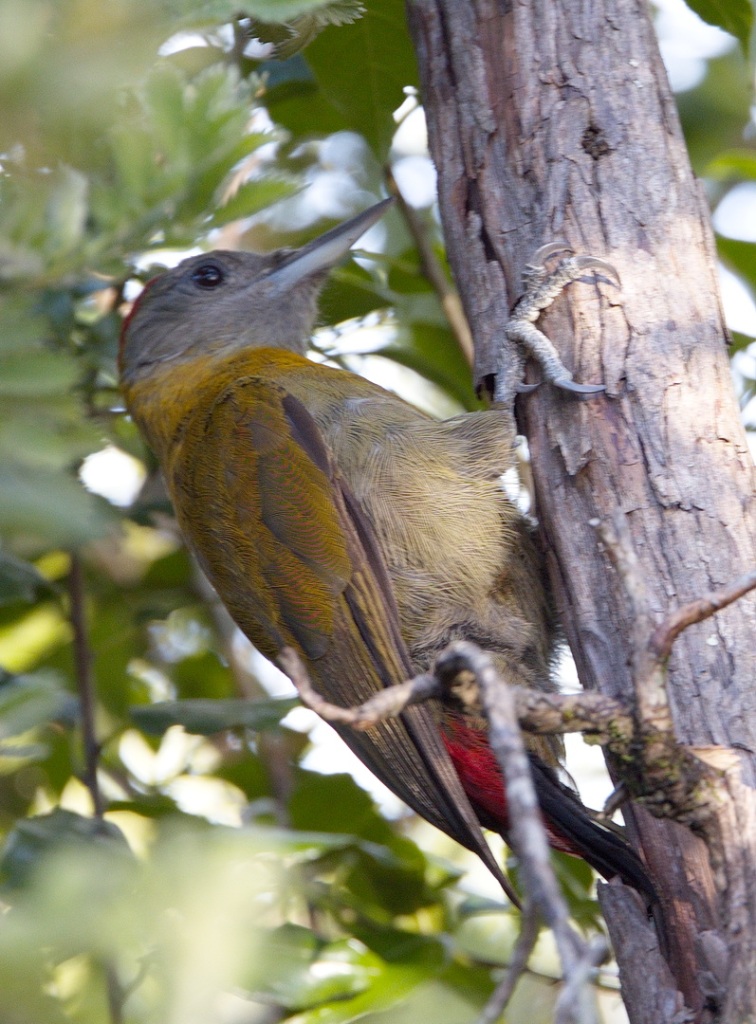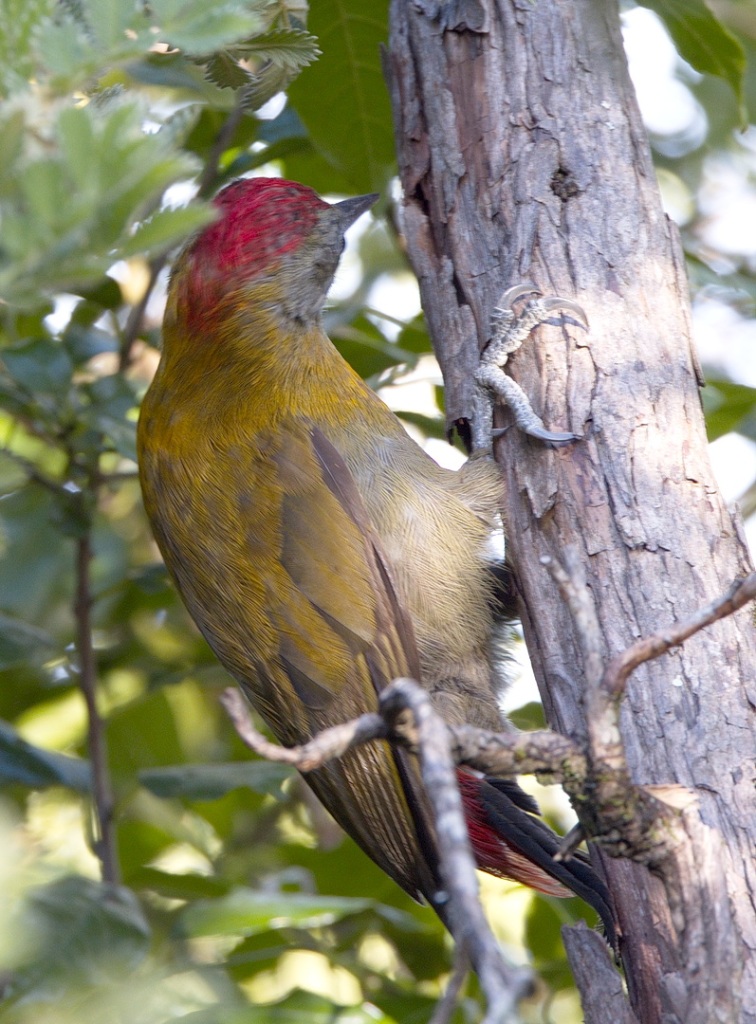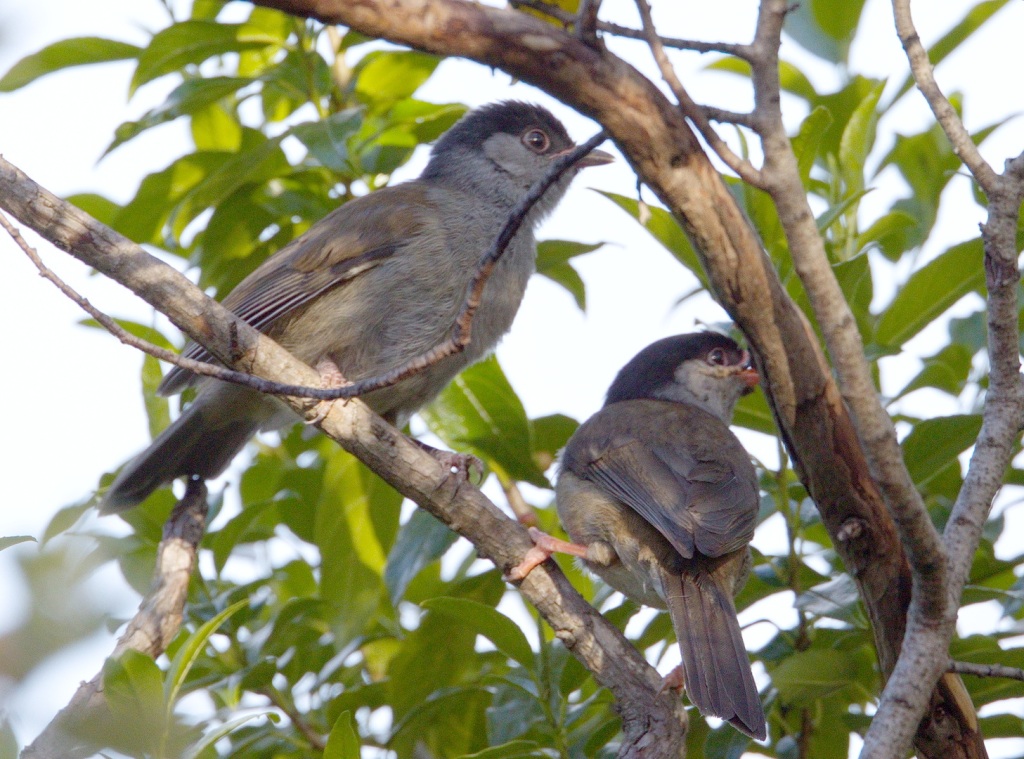
Northern South Africa – Part 2

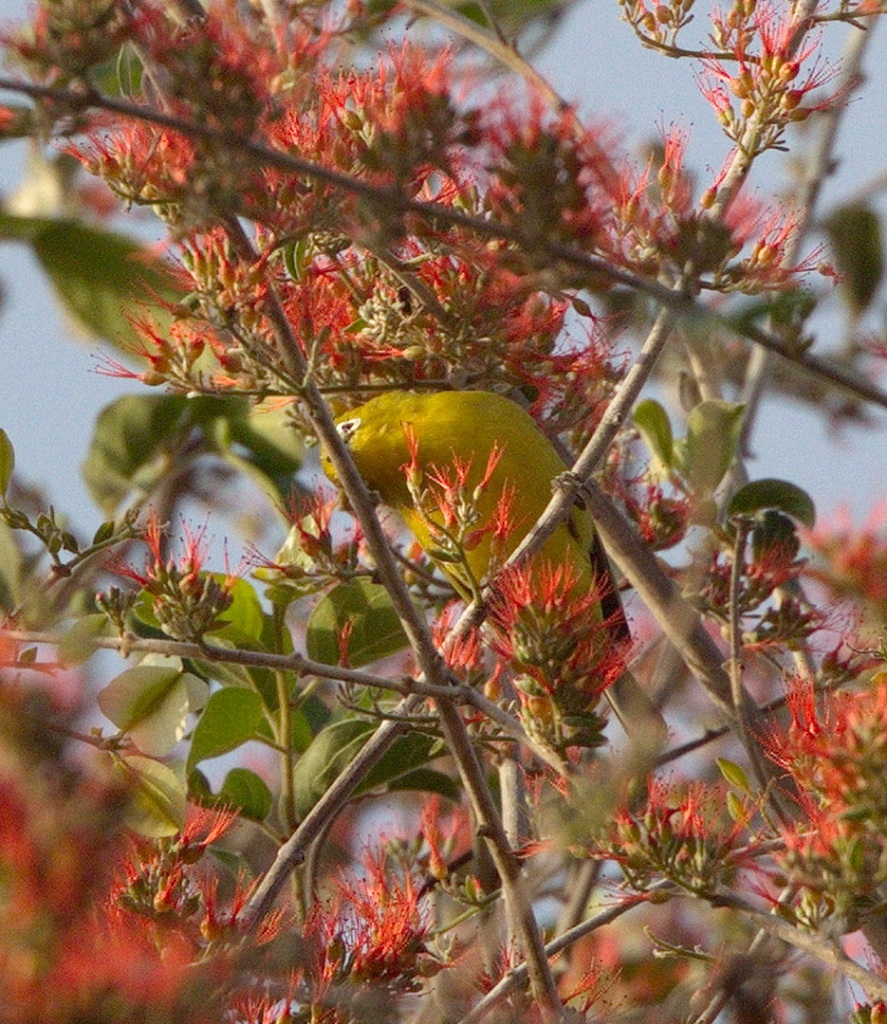
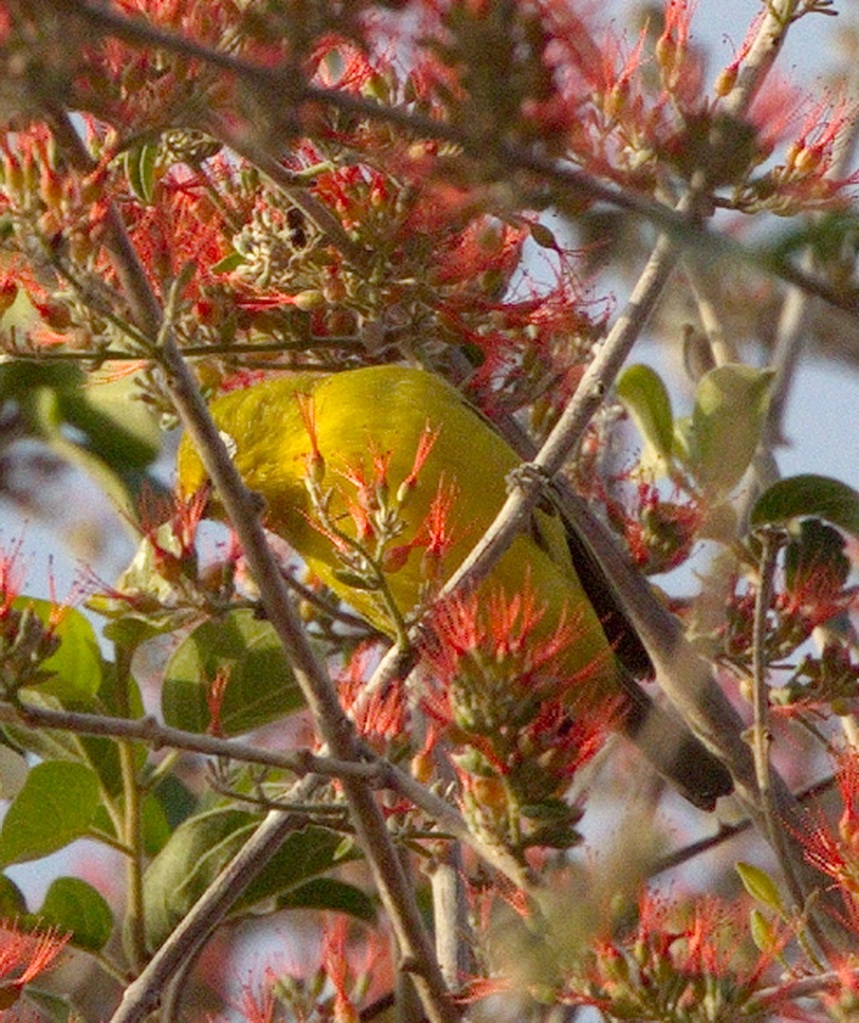
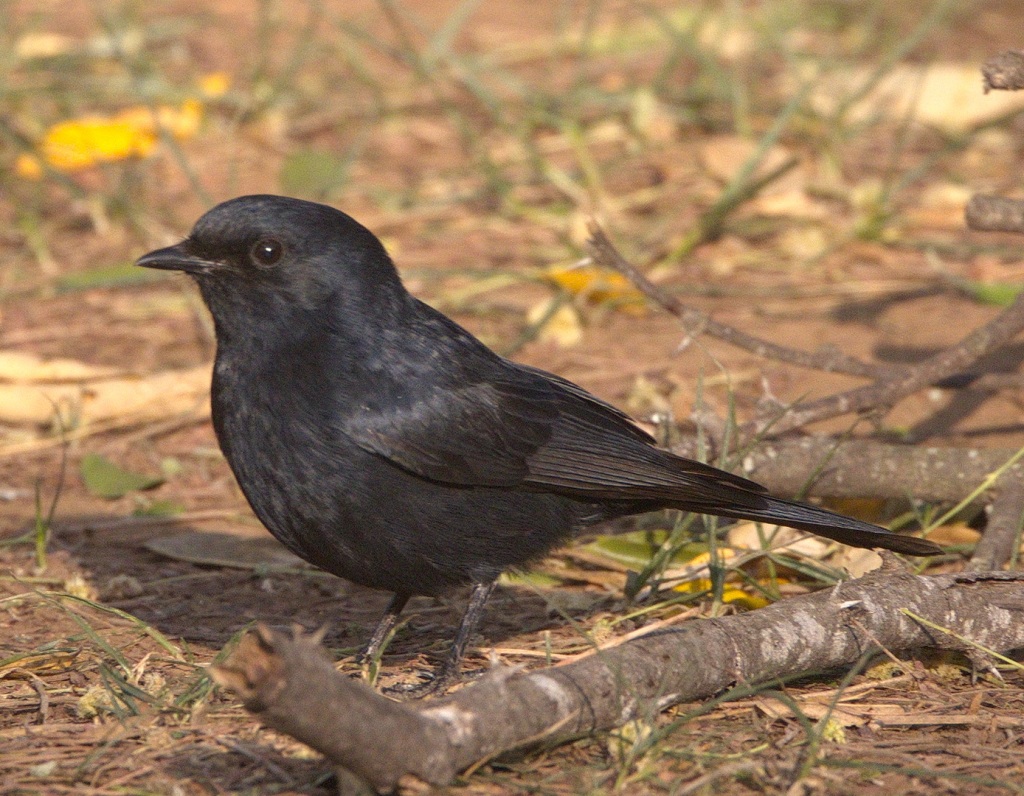
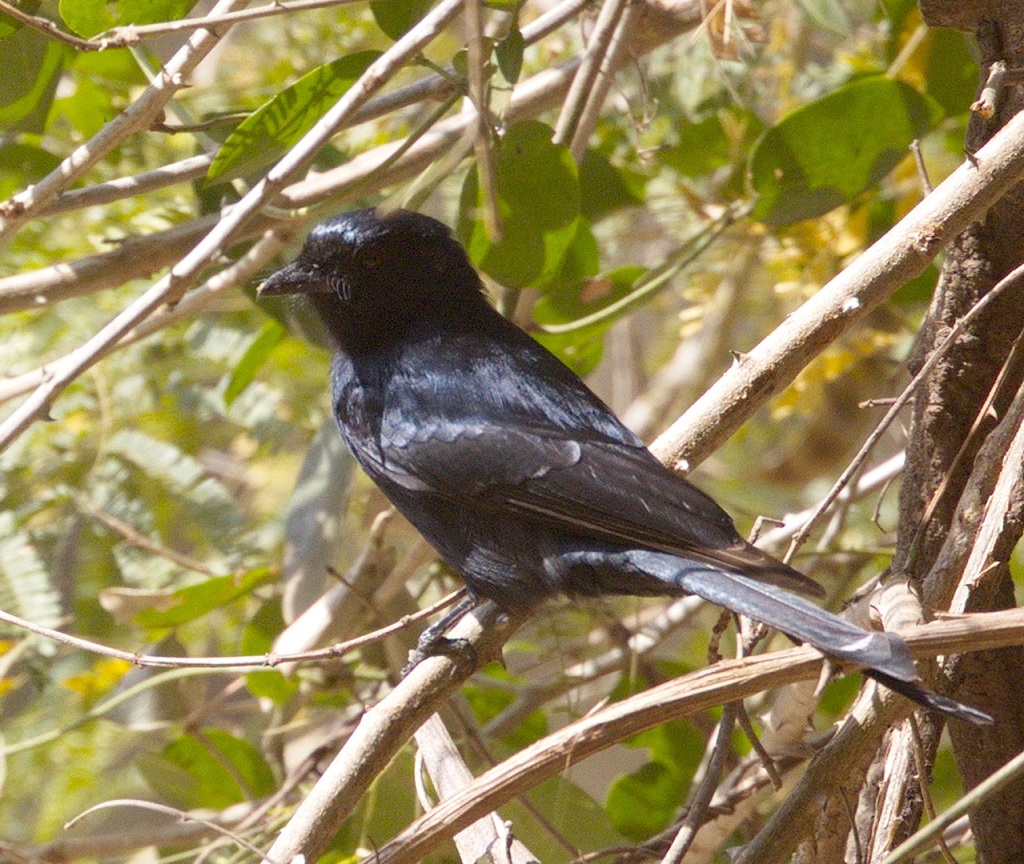
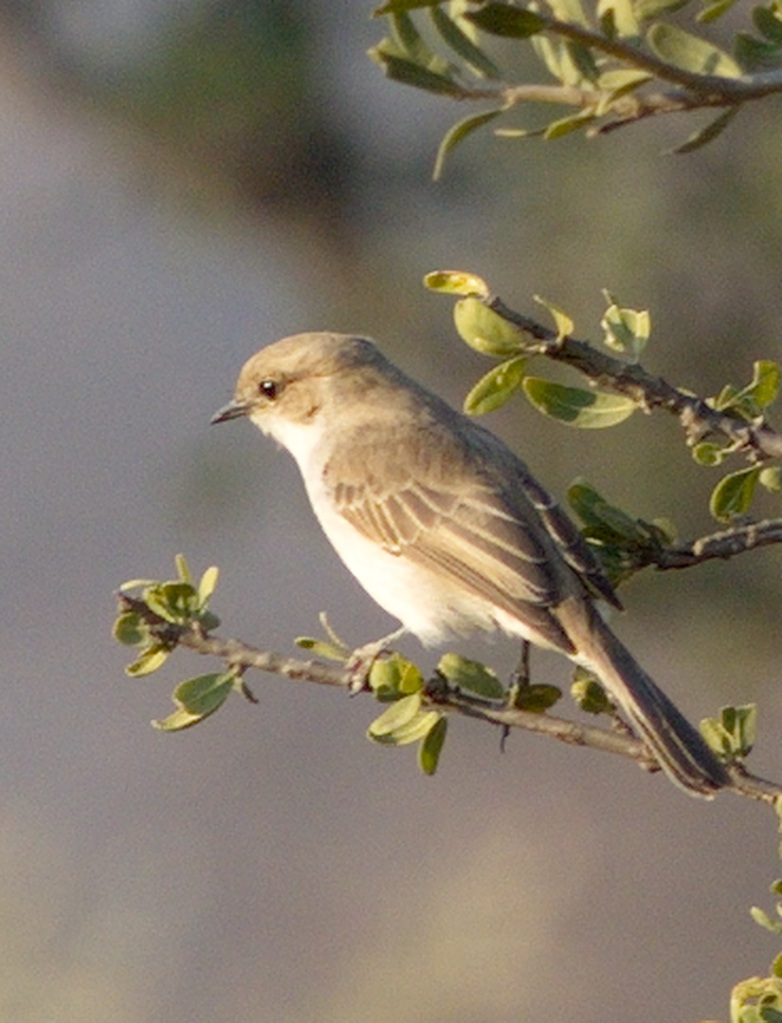
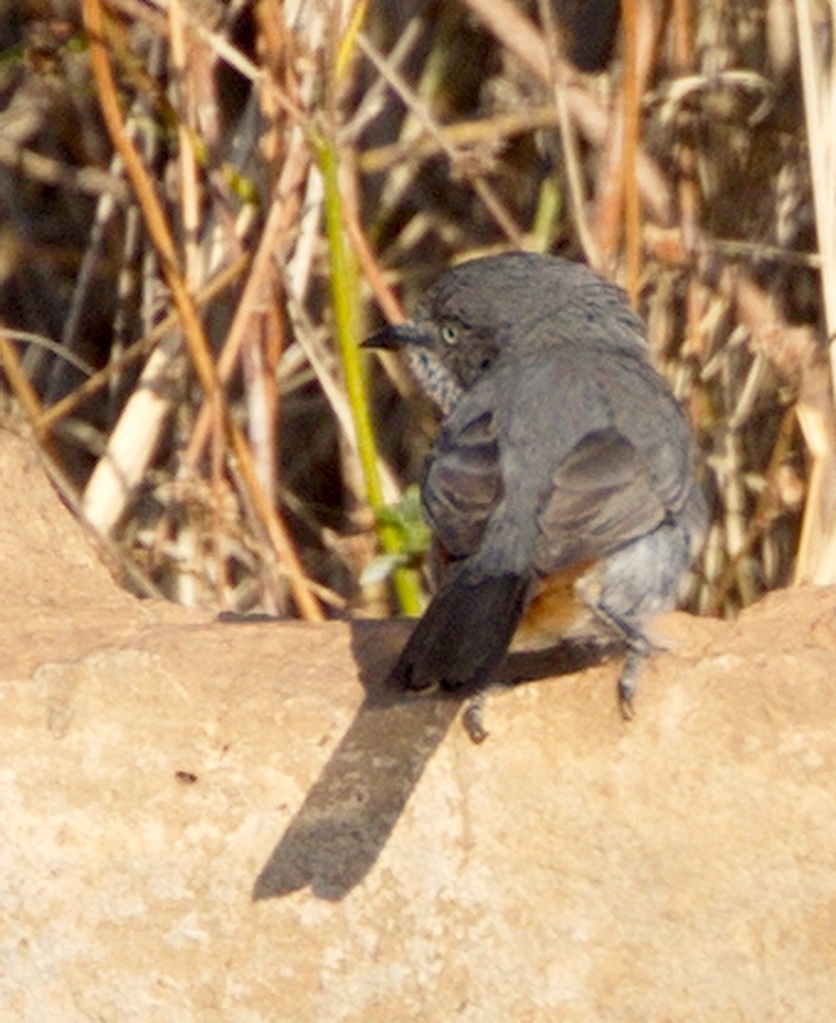
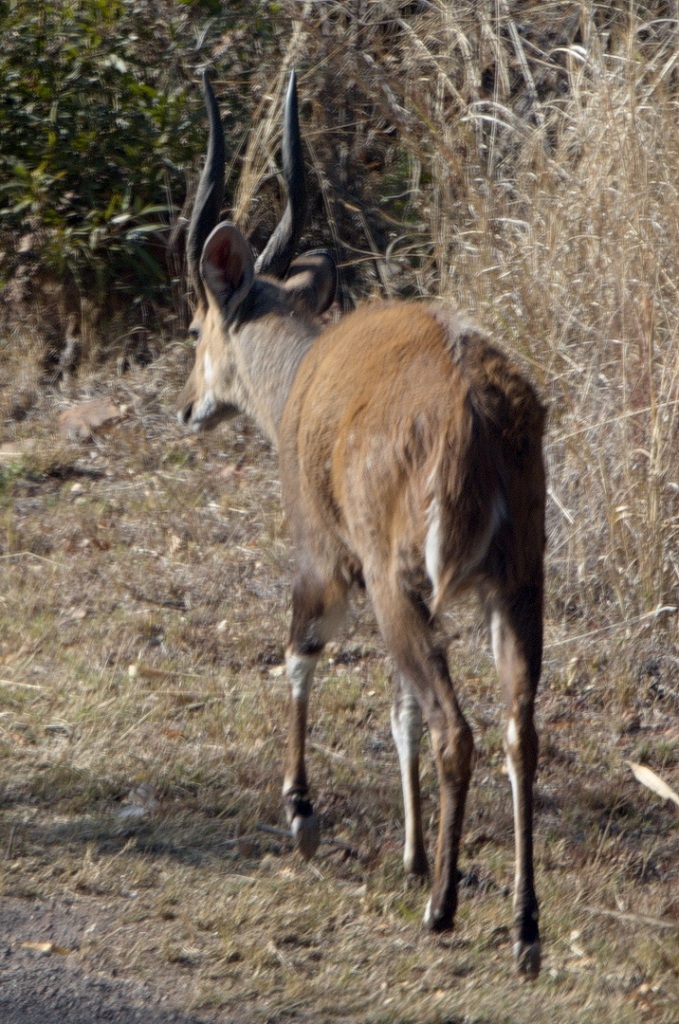
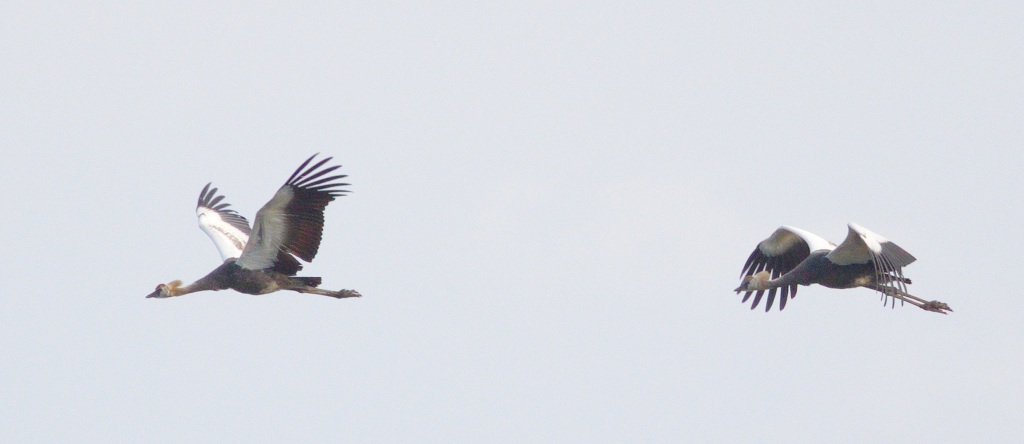
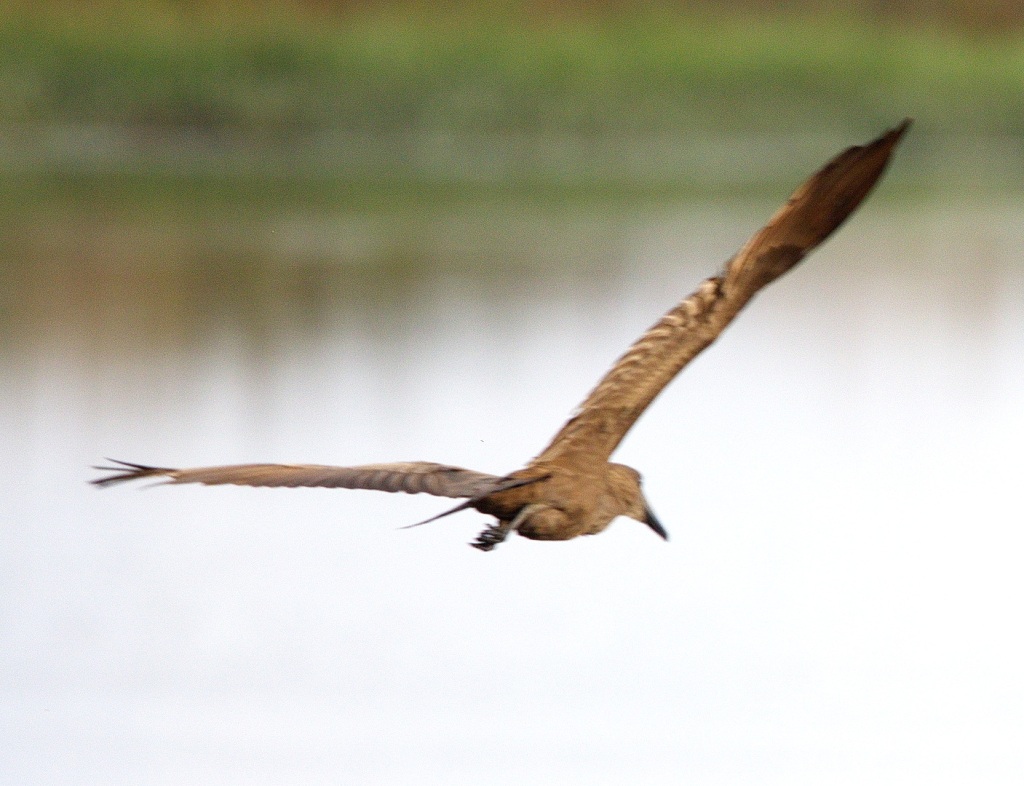
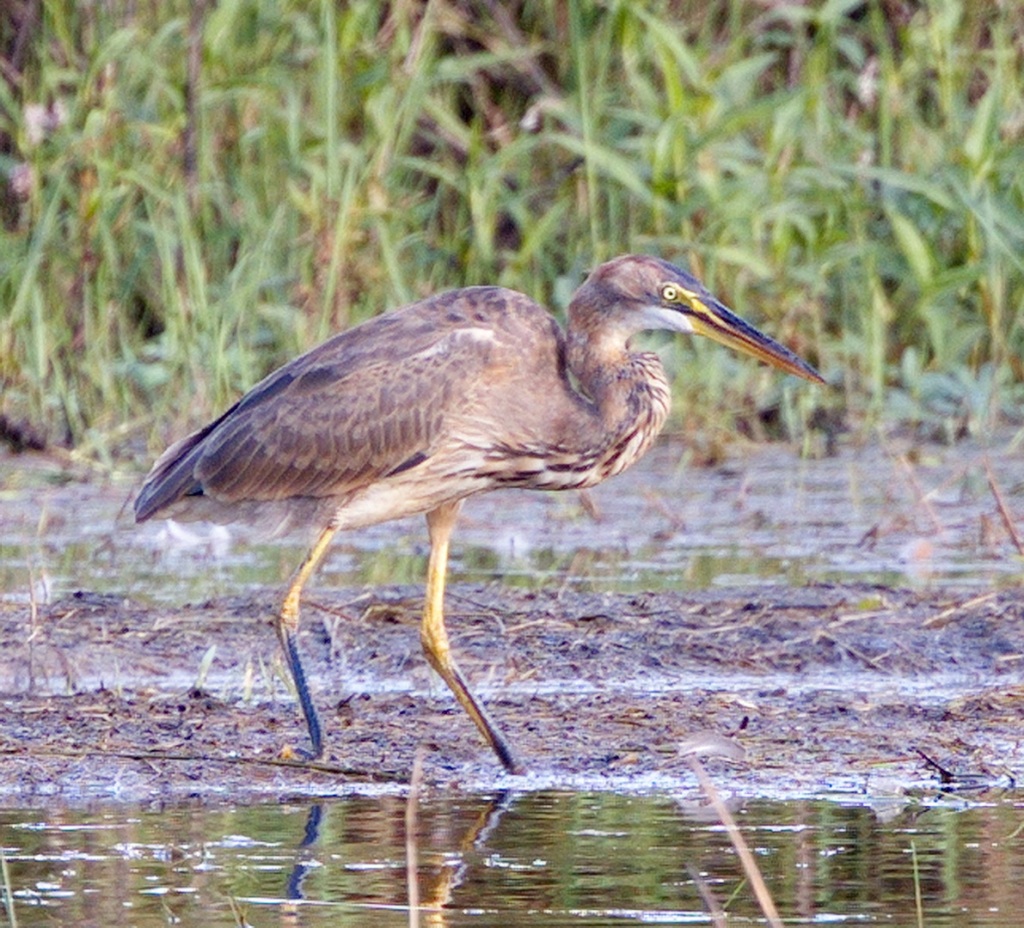
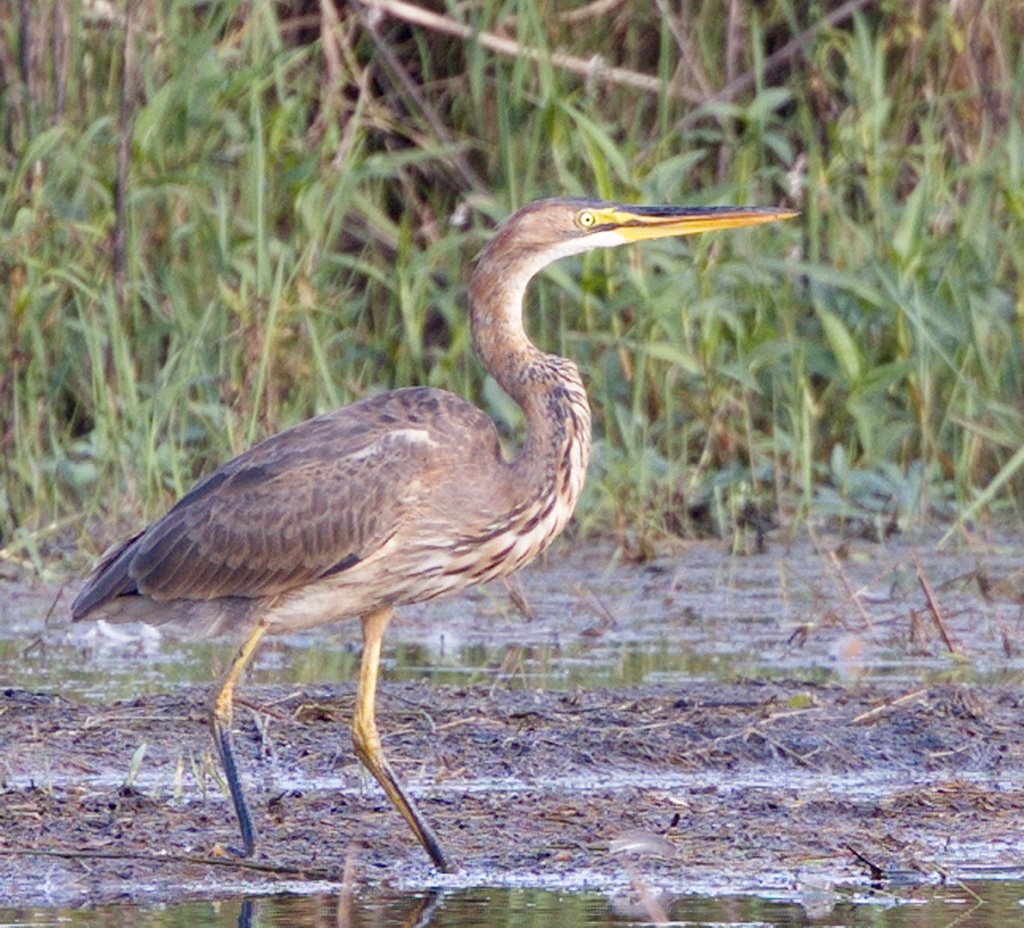
In Part 2 I will cover the time we had in Mapungubwe, Nthakeni and Pafuri as well as Dumela Camp in Mozambique.

Mapungubwe National Park

19th to 23rd August 2023
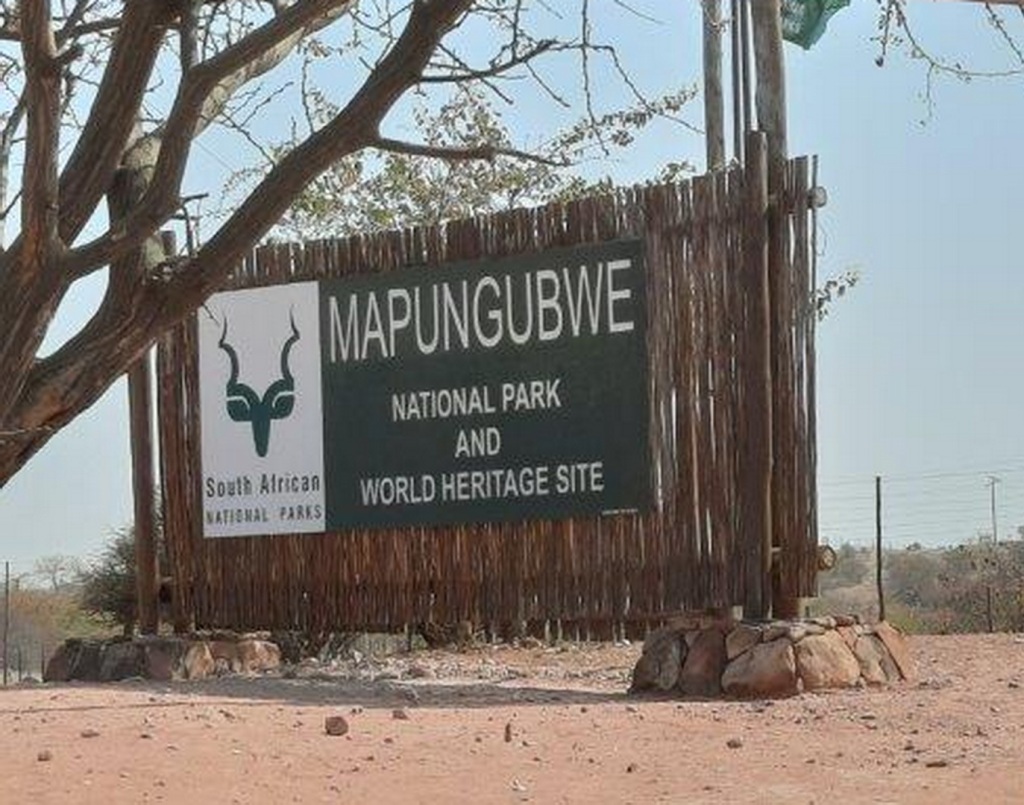
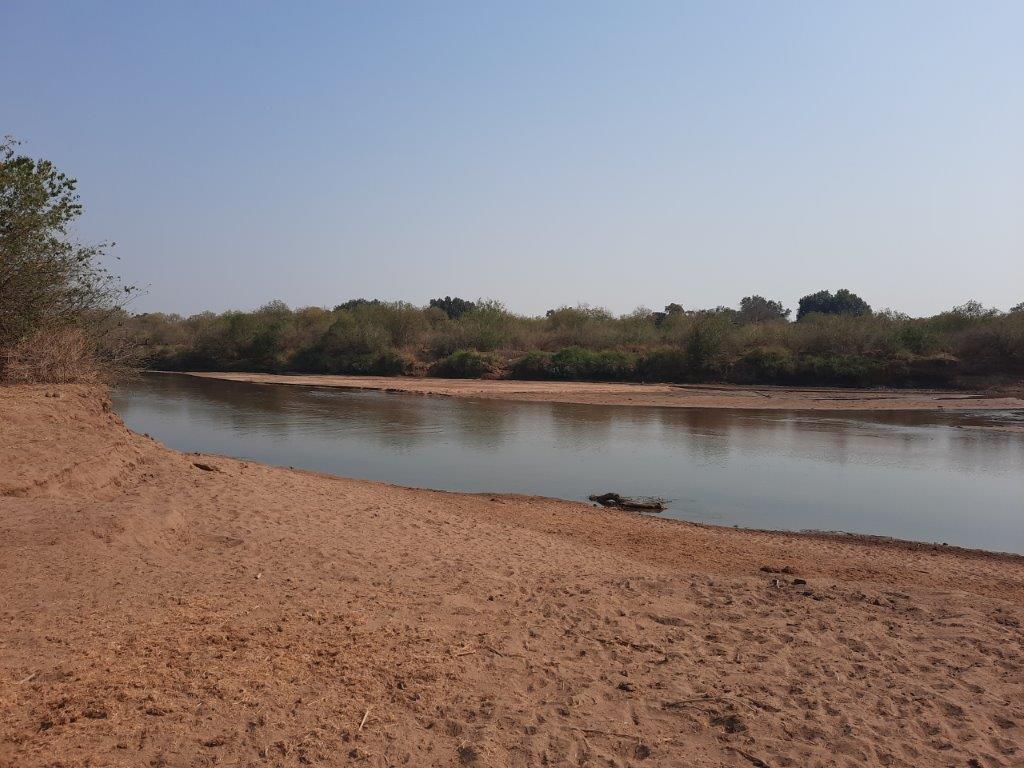
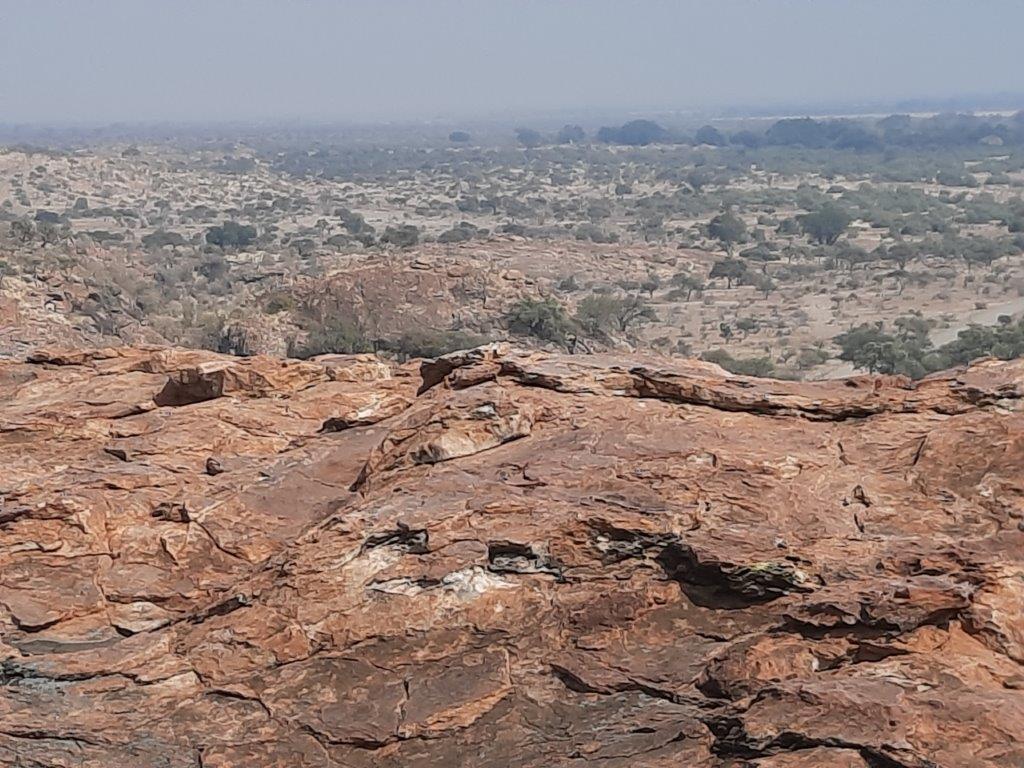
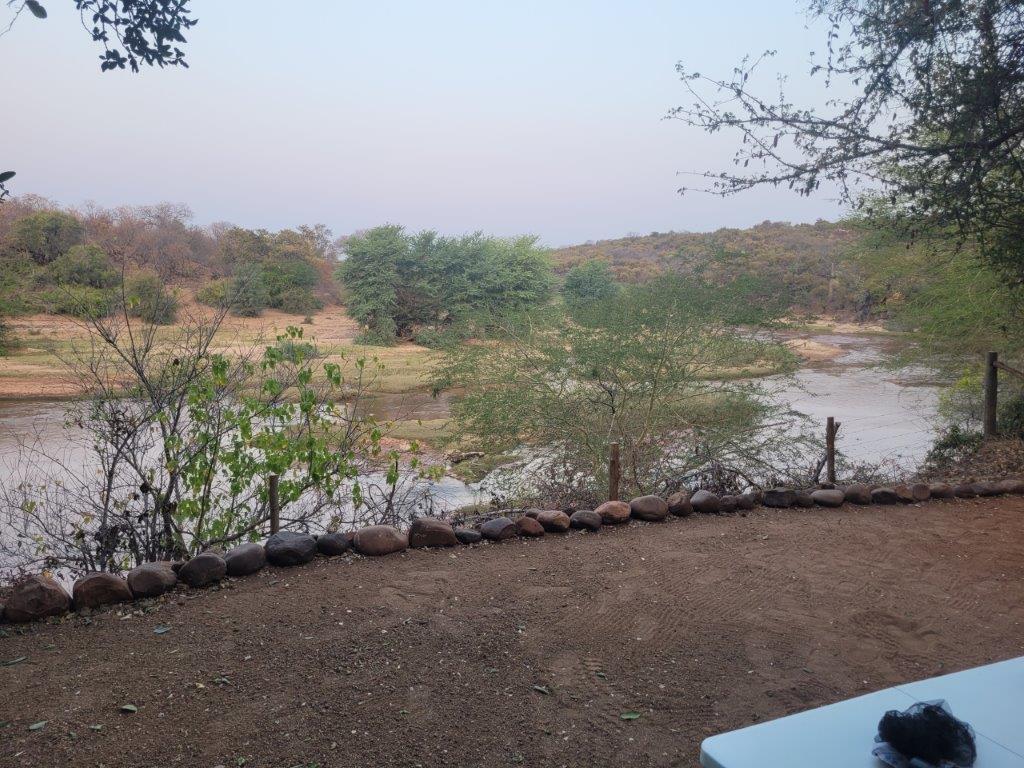
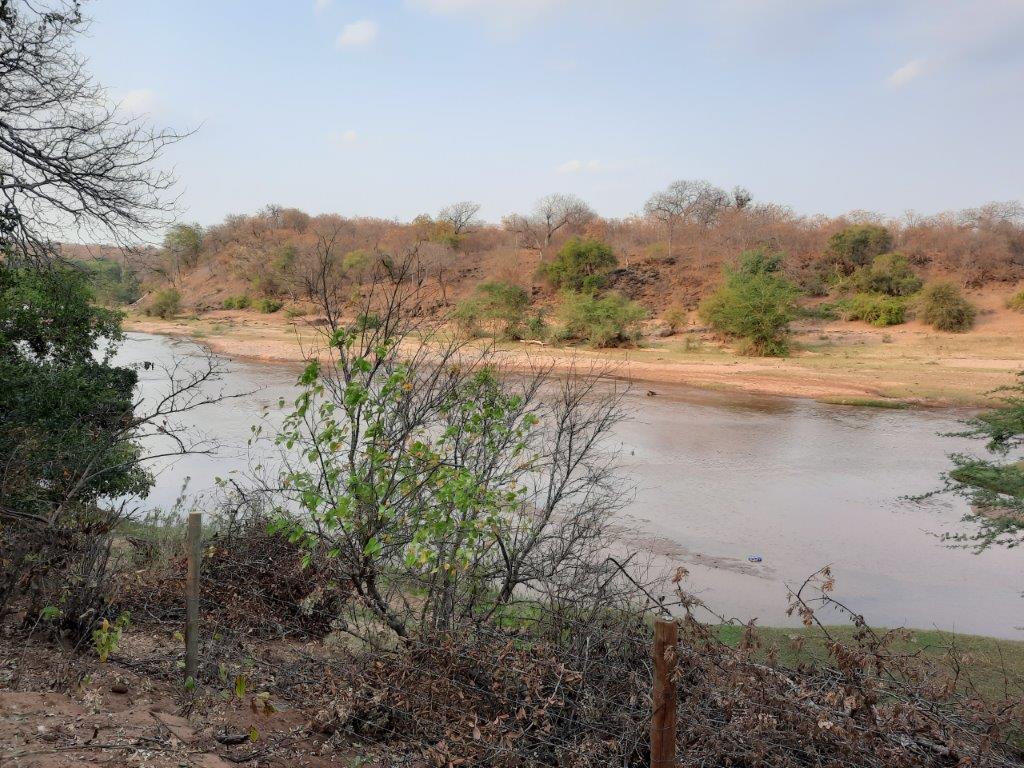
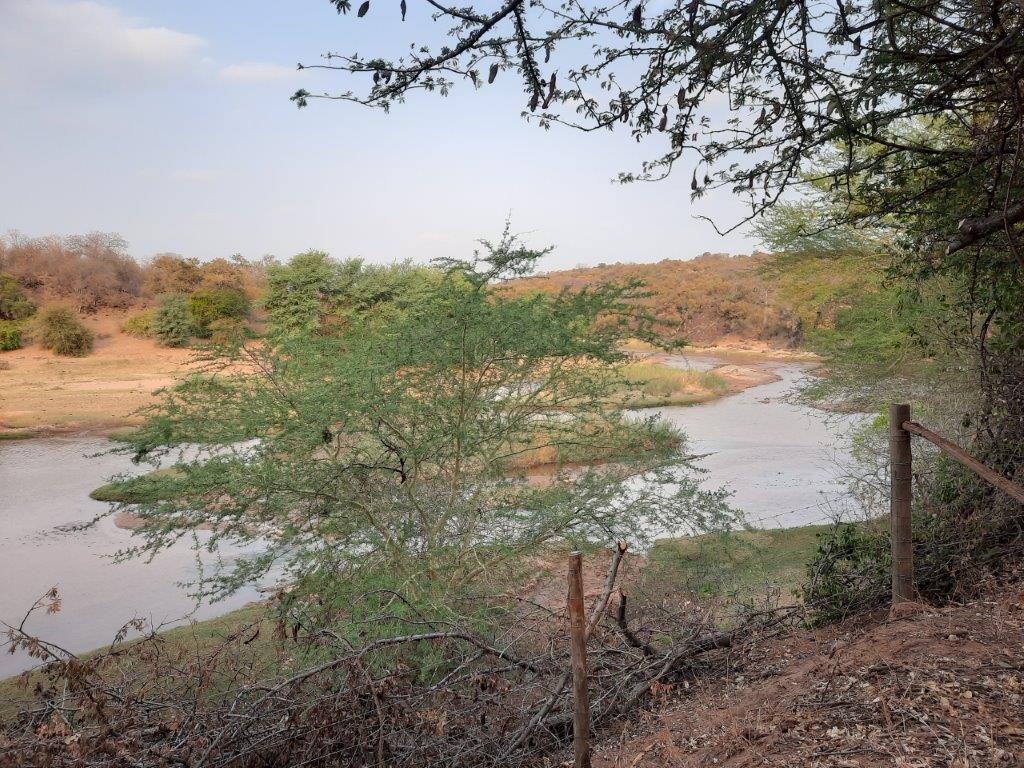
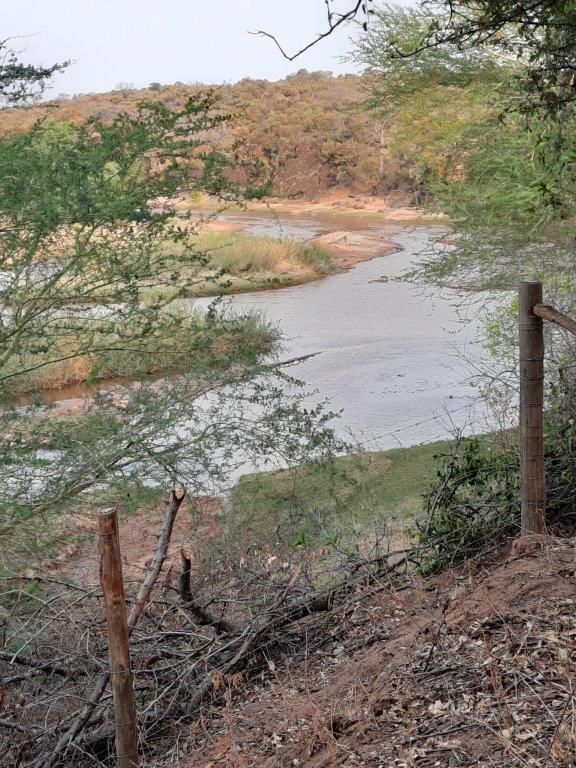
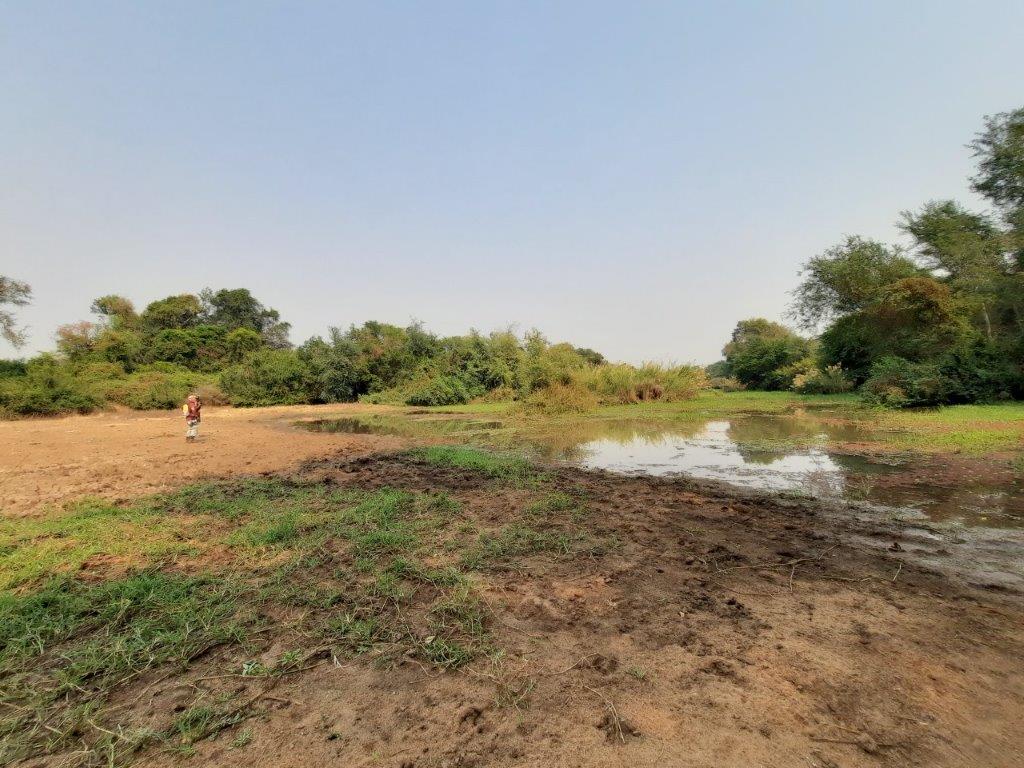
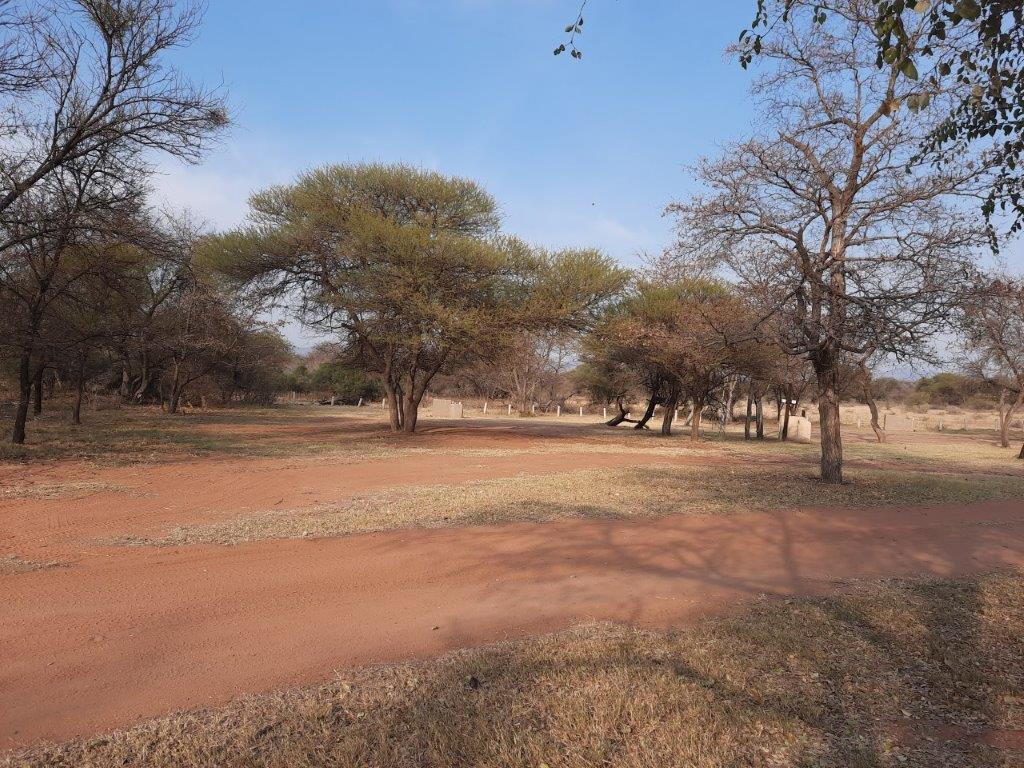
Mapungubwe NP is one of our favourite Parks. This year it was very very dry – dusty and the waterholes almost empty.

The NP is split into two areas. The campsites are in the Western section and the Chalets, Reception nestled in a picturesque rocky area in the Eastern Section.
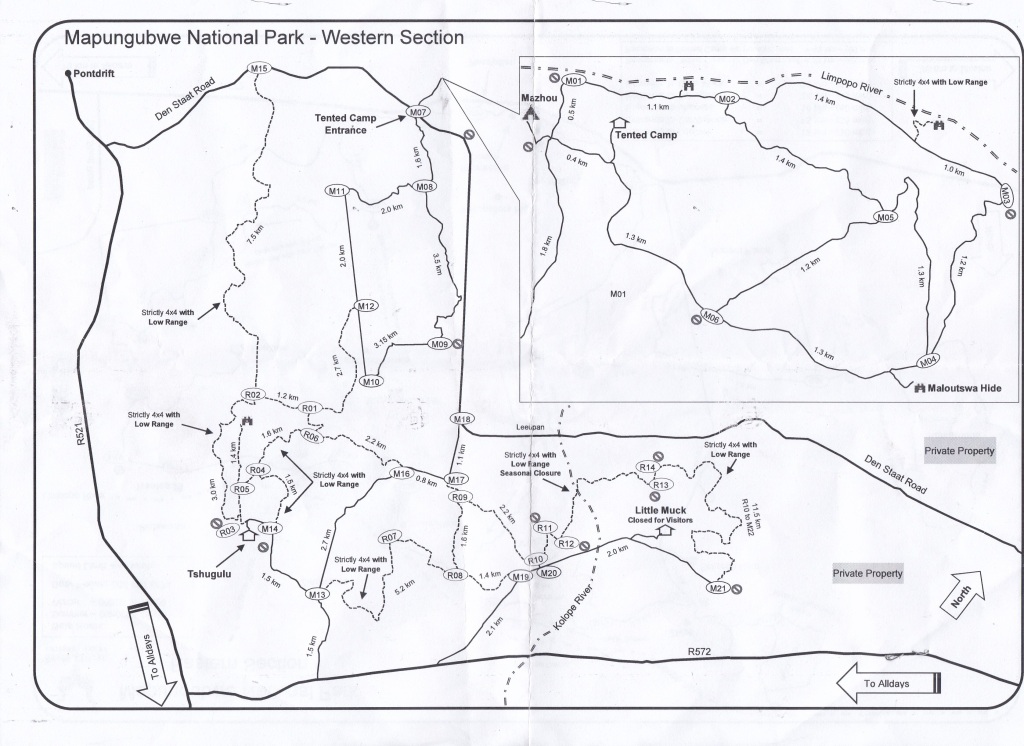
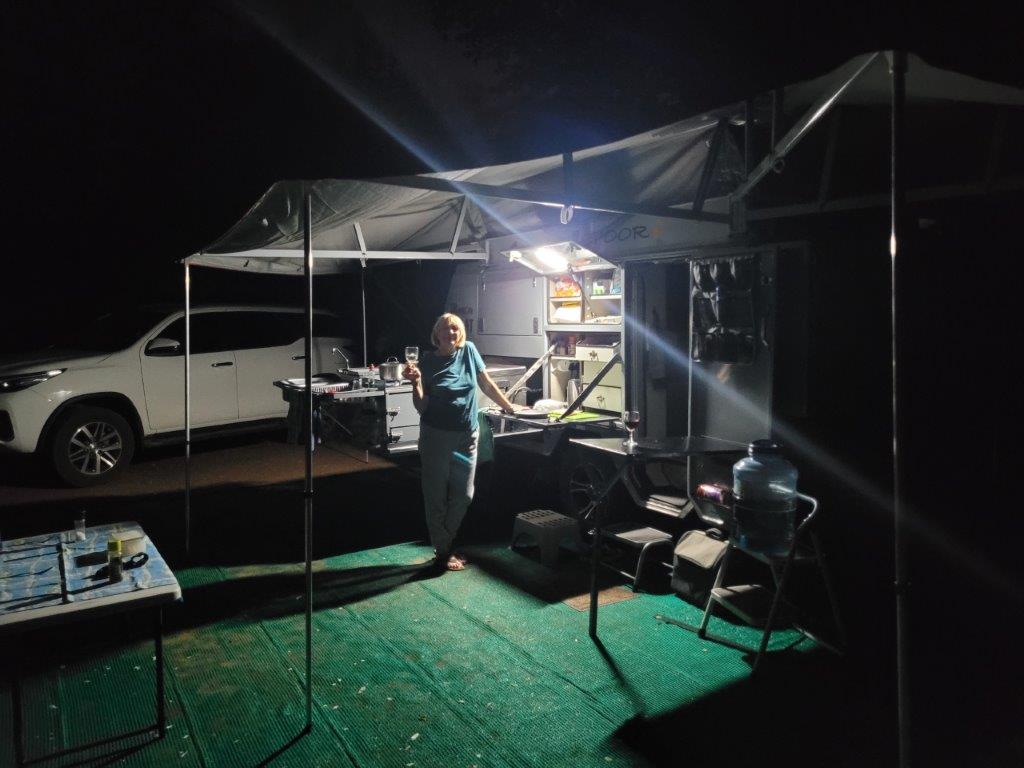
Western Section of Mapungubwe. Mazhou camp is at the top to the west of the Tented Camp
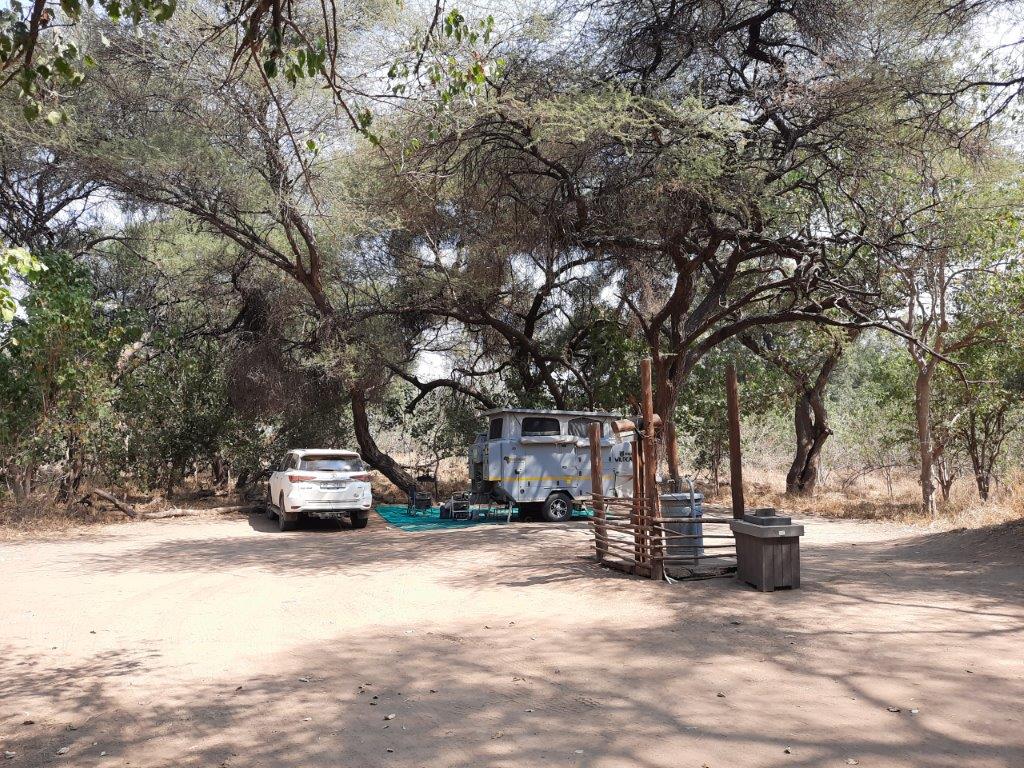
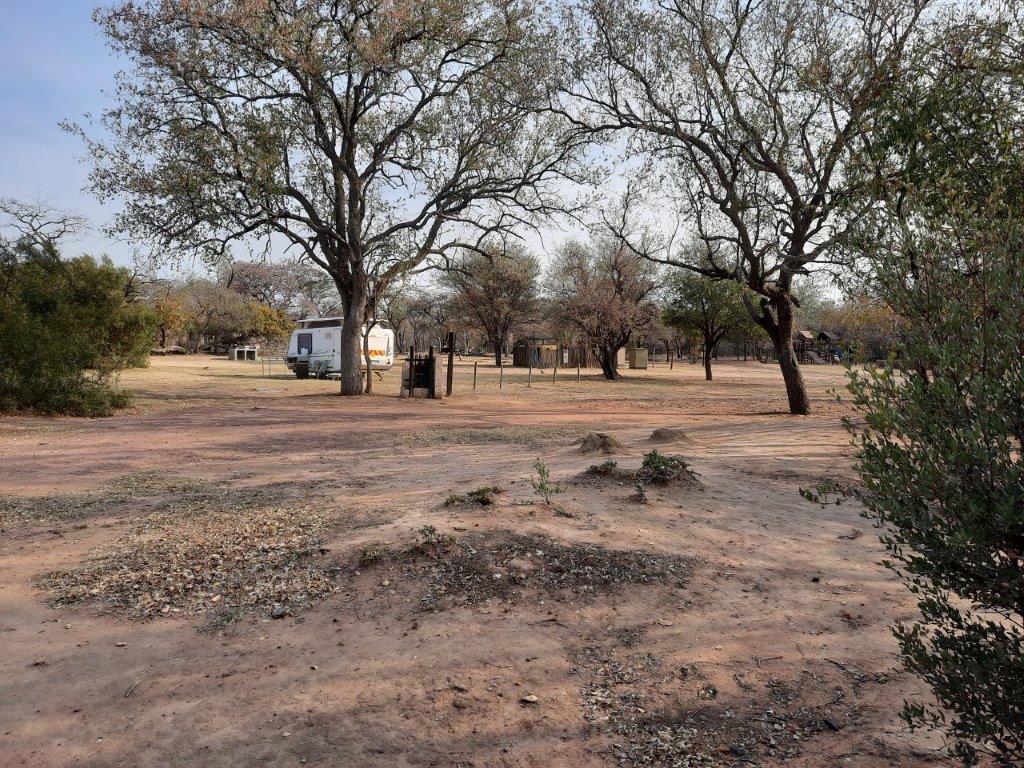
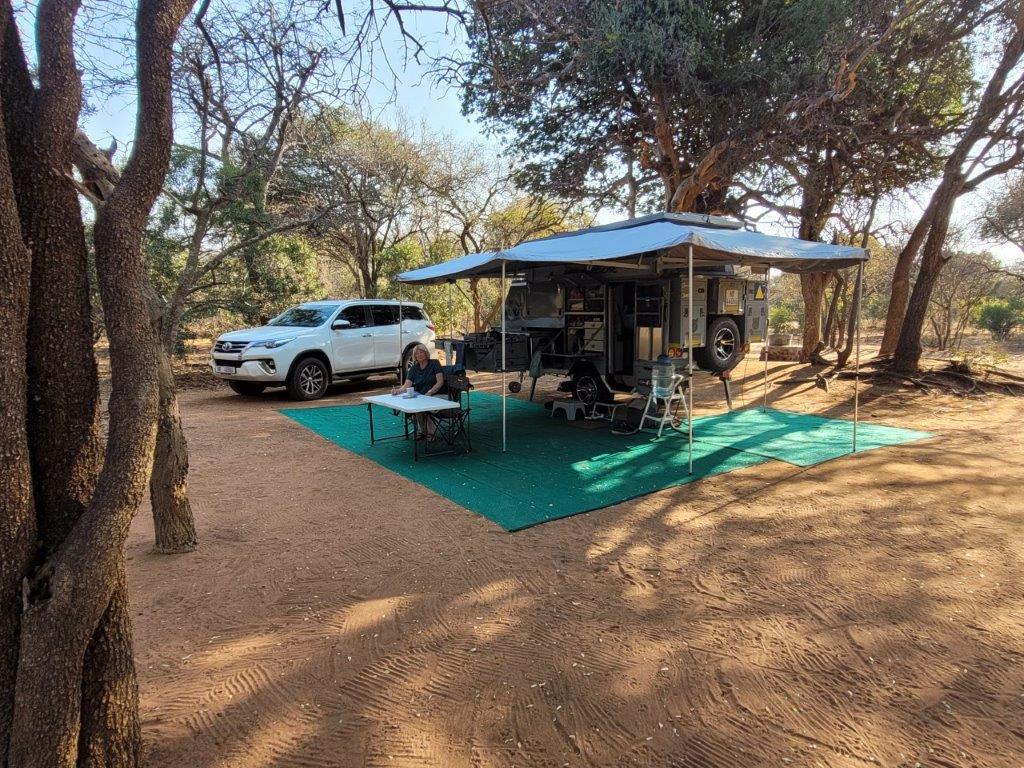
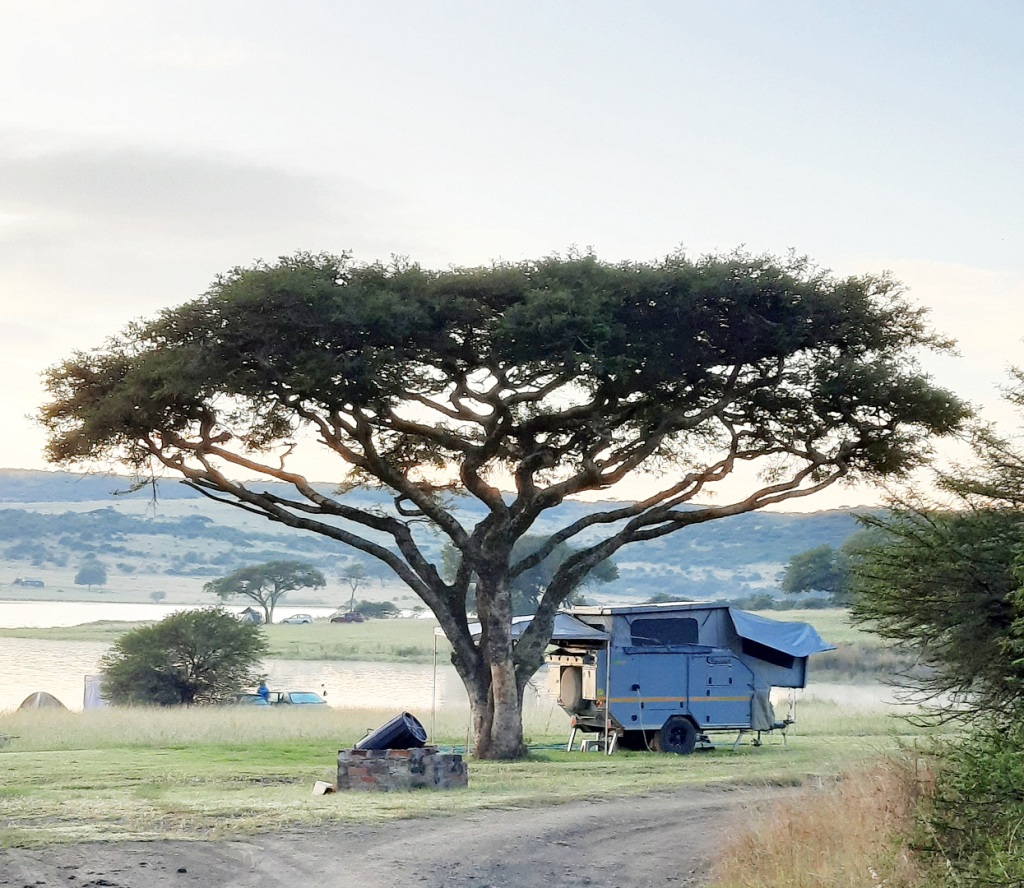
Mazhou Campsite

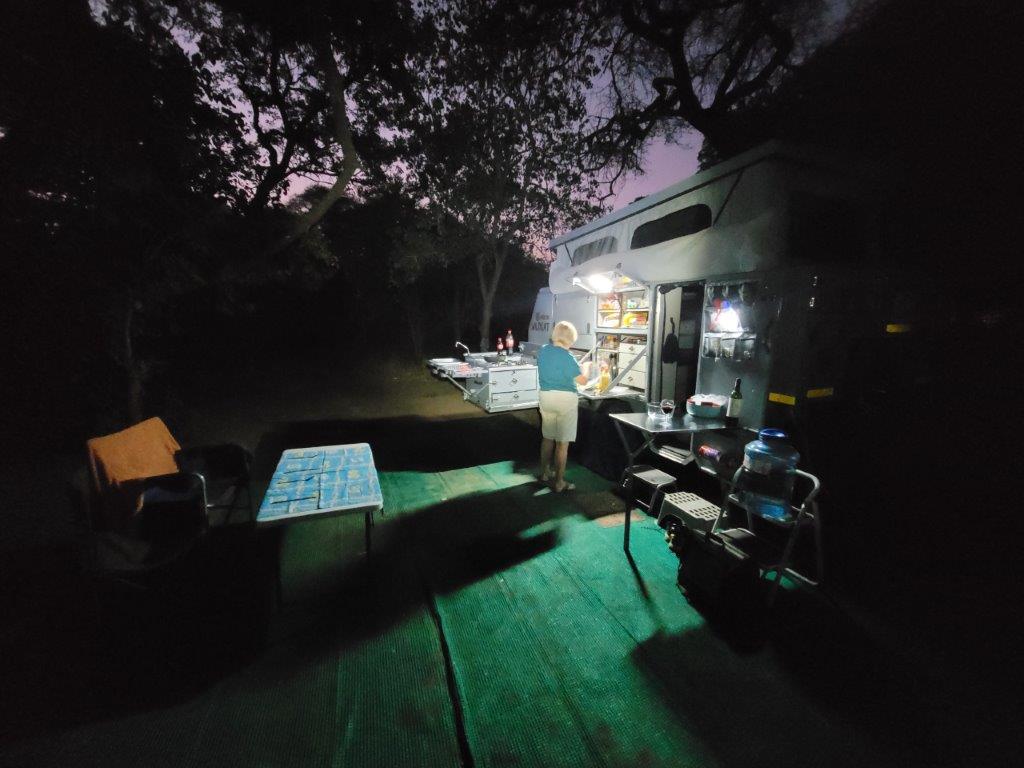
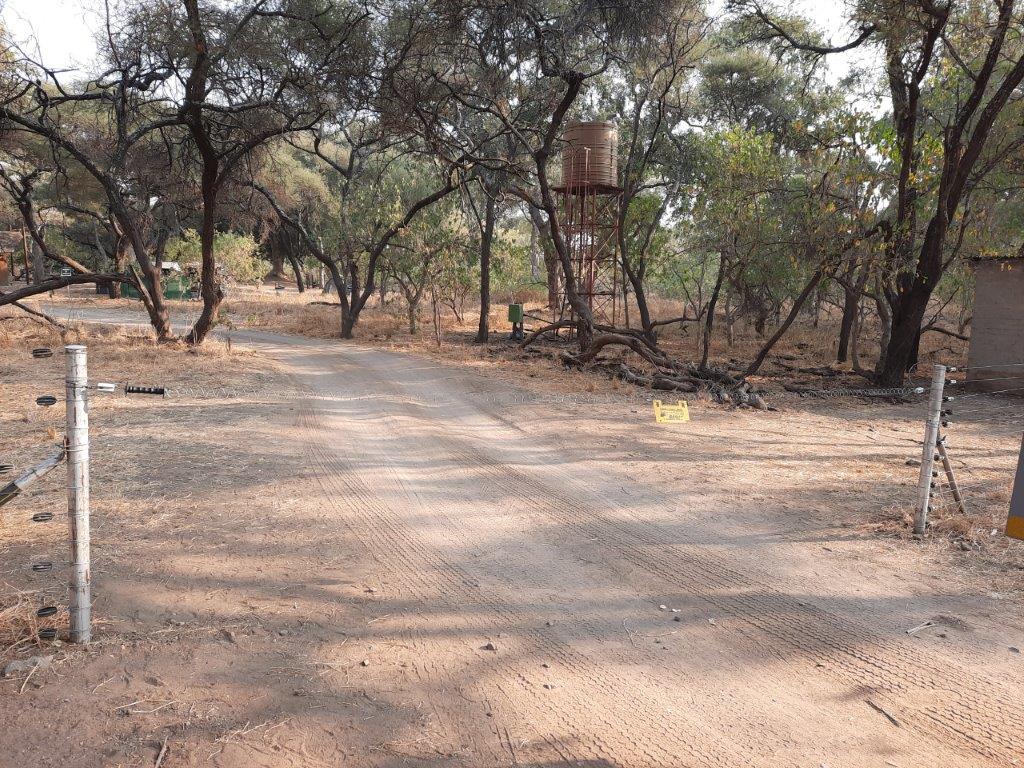
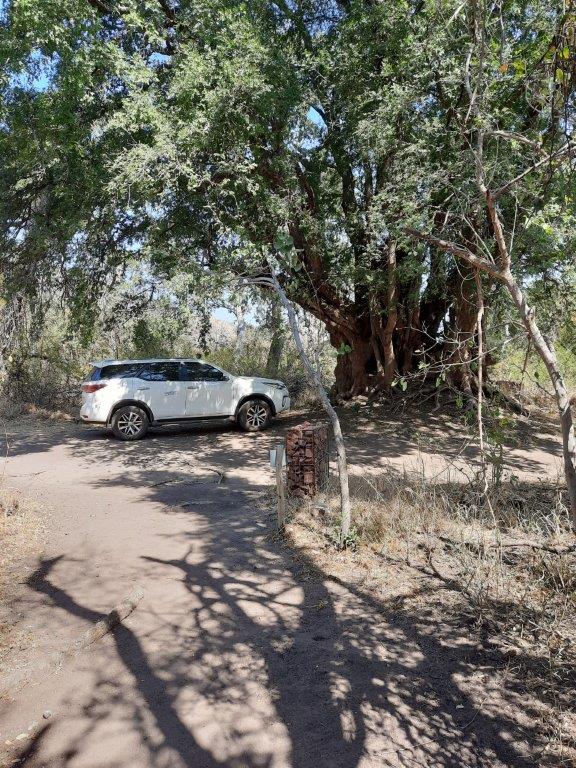
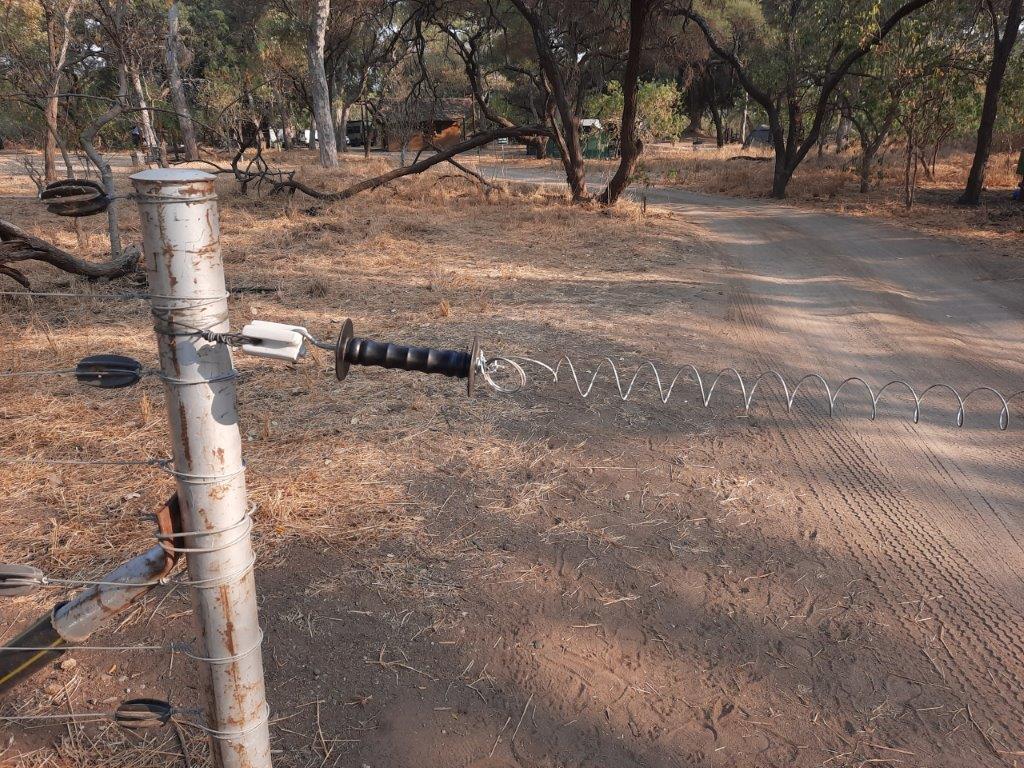
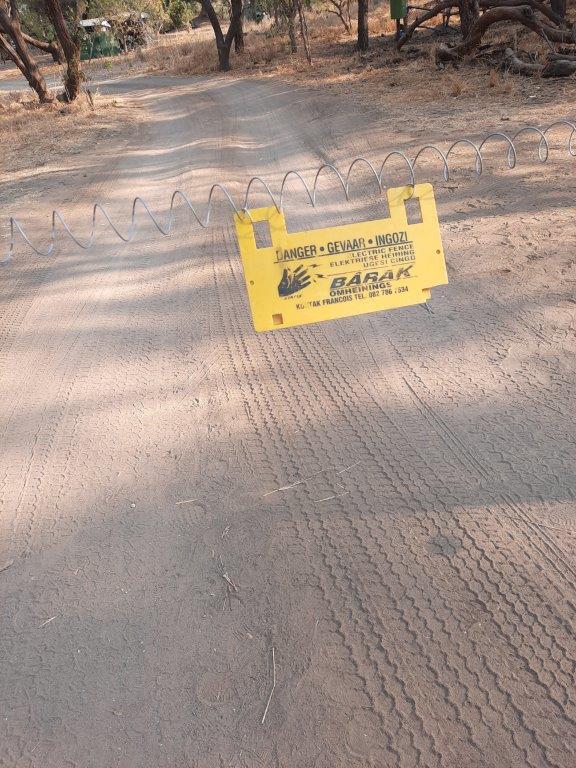
The campsite has an interesting entrance “Gate”. It is self-service and designed to keep out the elephants. It is a coiled electricified wire with an insulated handle. Pulling the handle towards the fence releases it. Once the vehicle is through then reconnect.
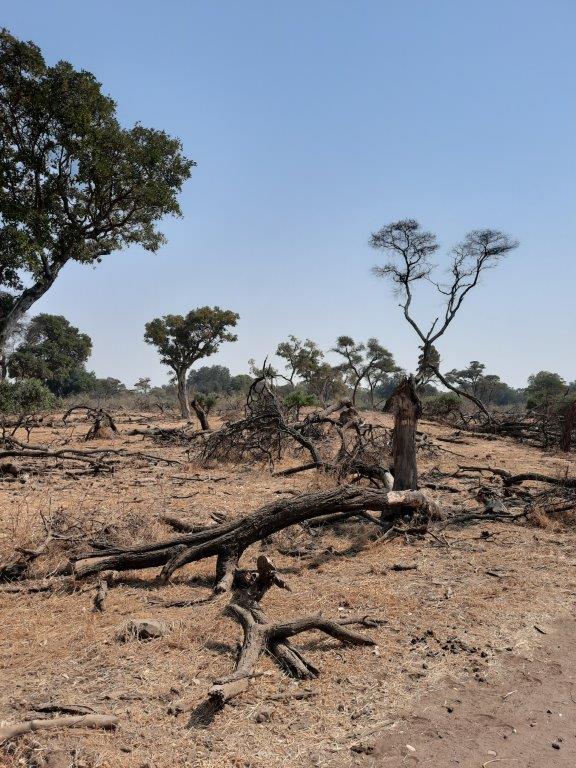
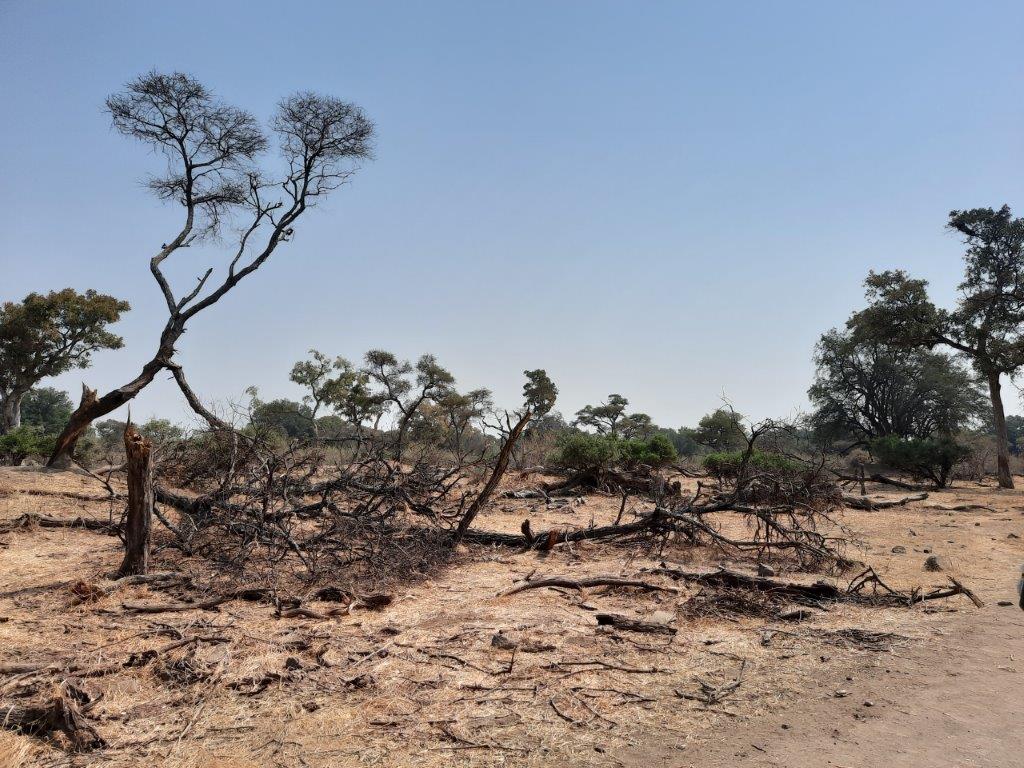
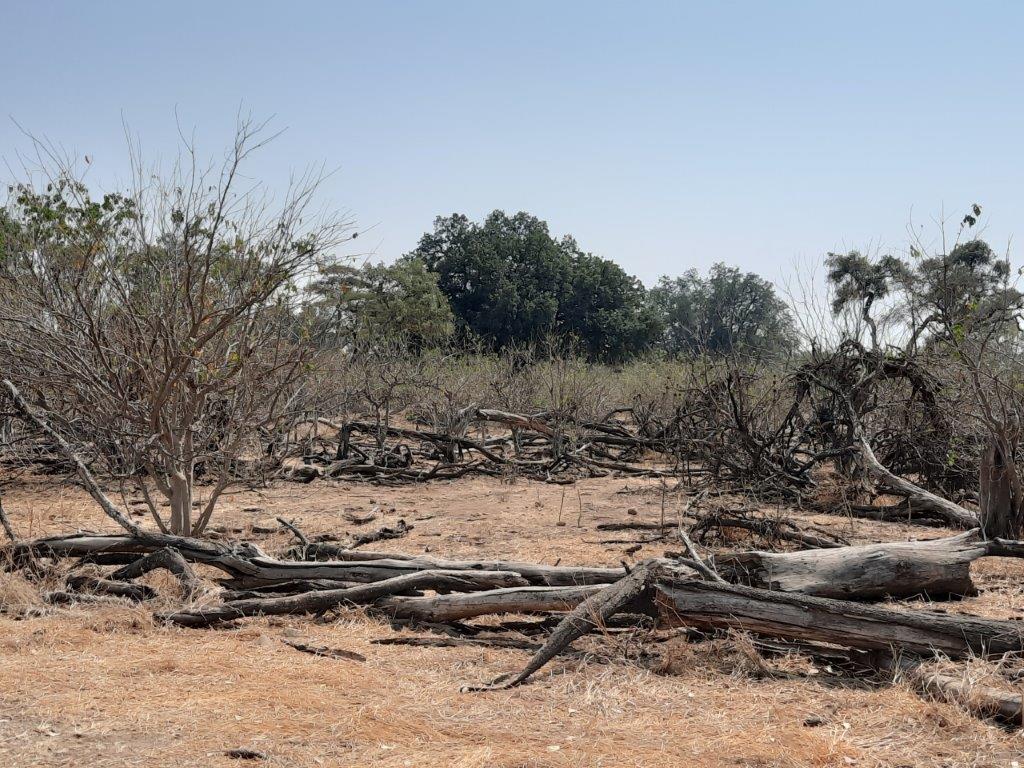
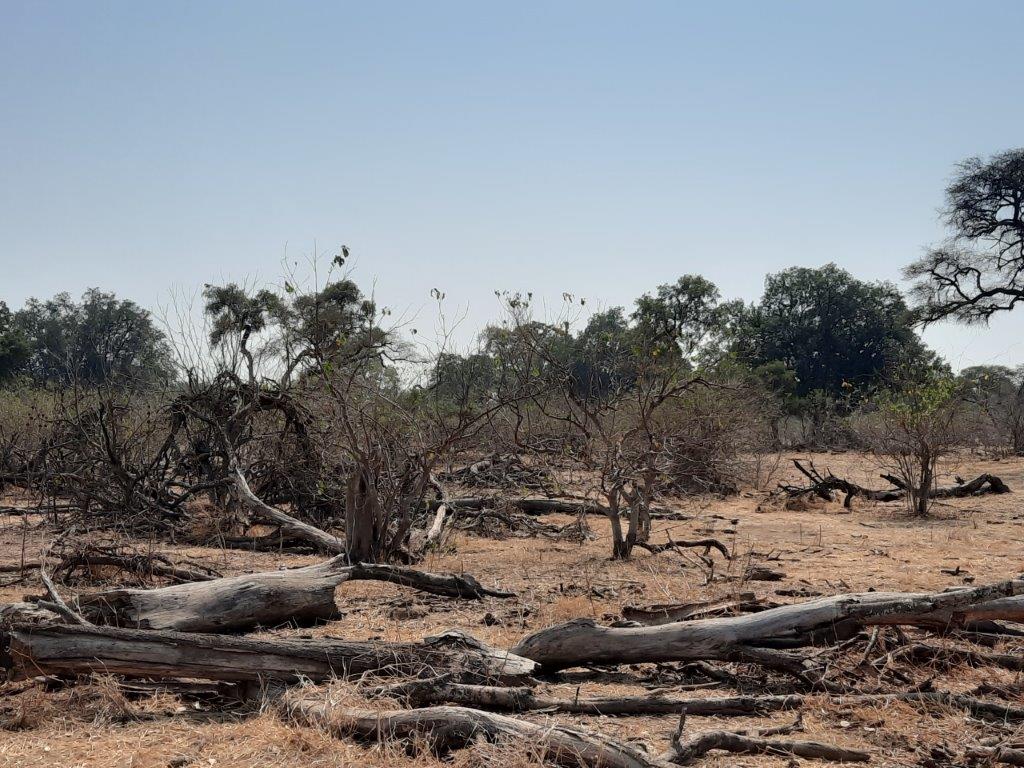
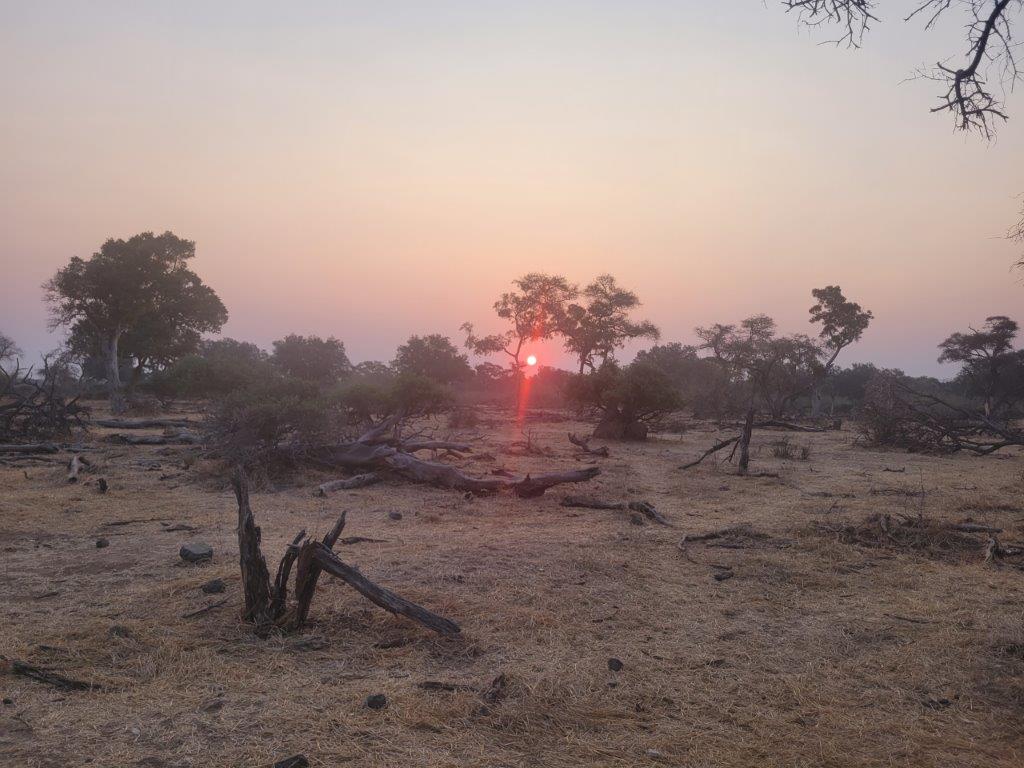
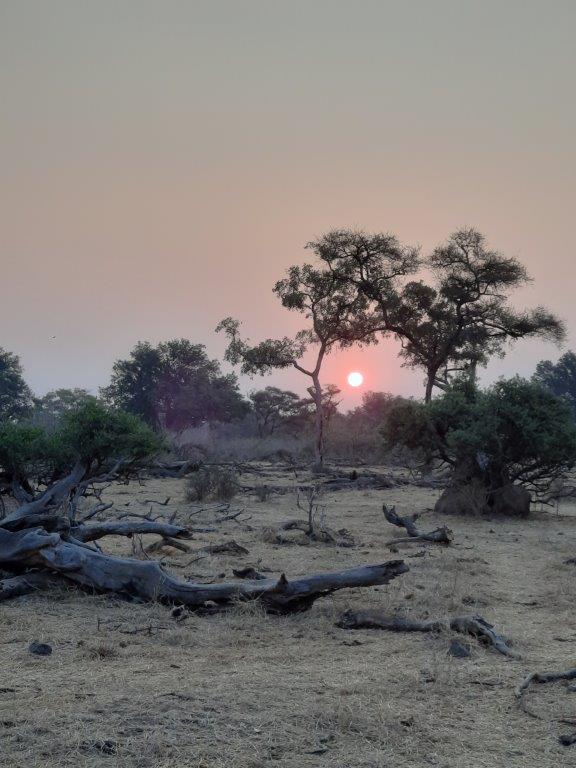
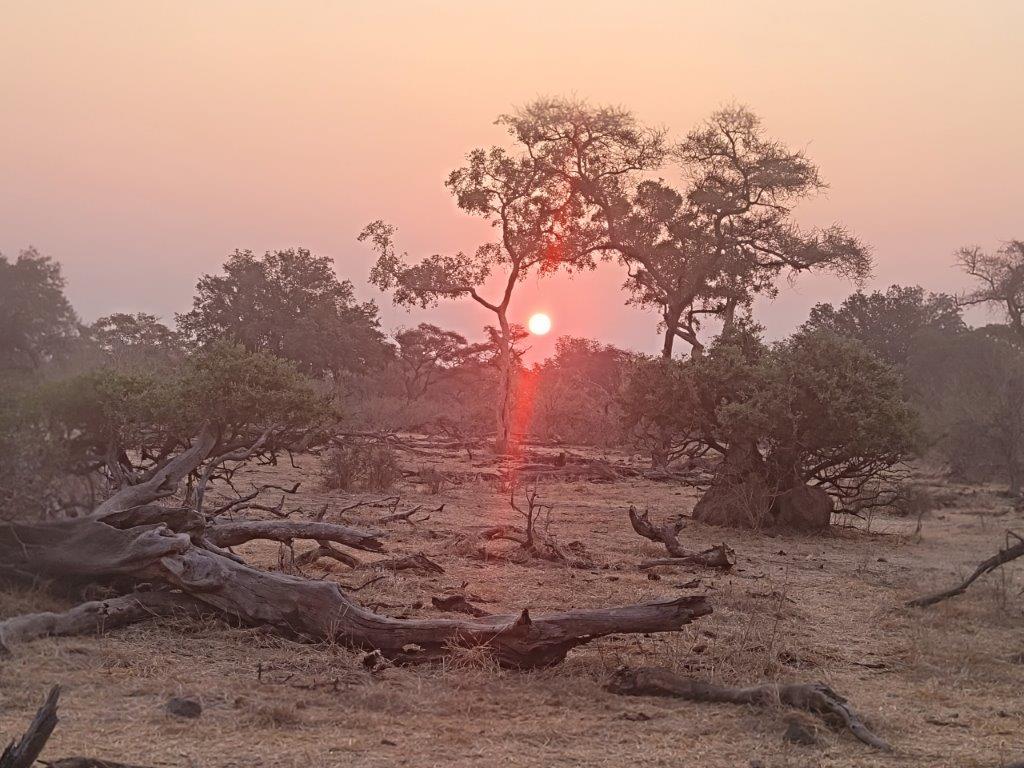
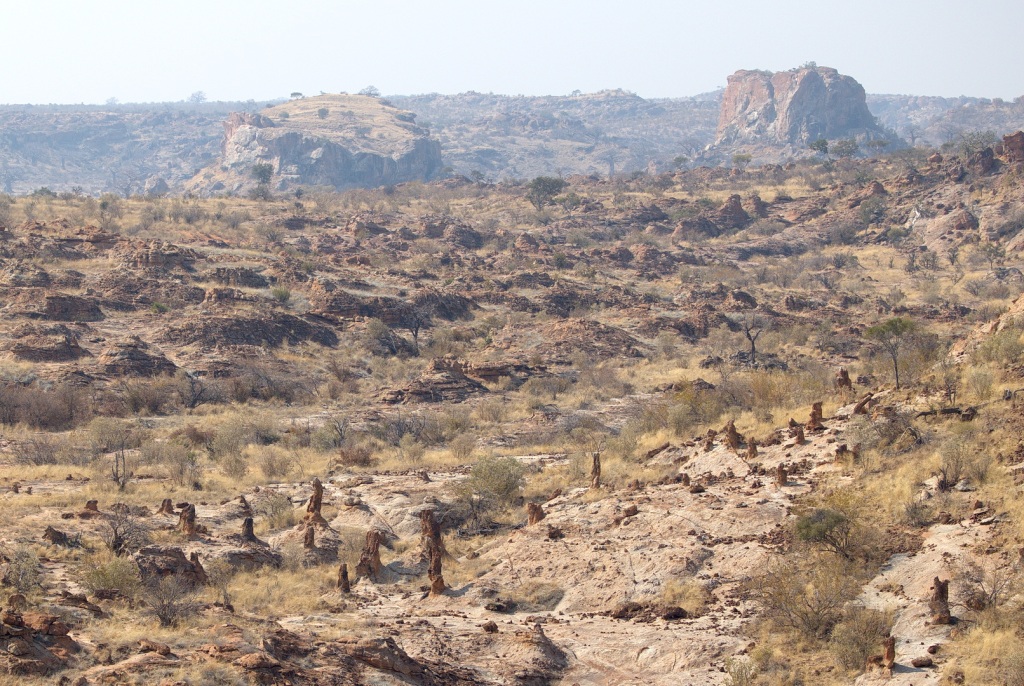
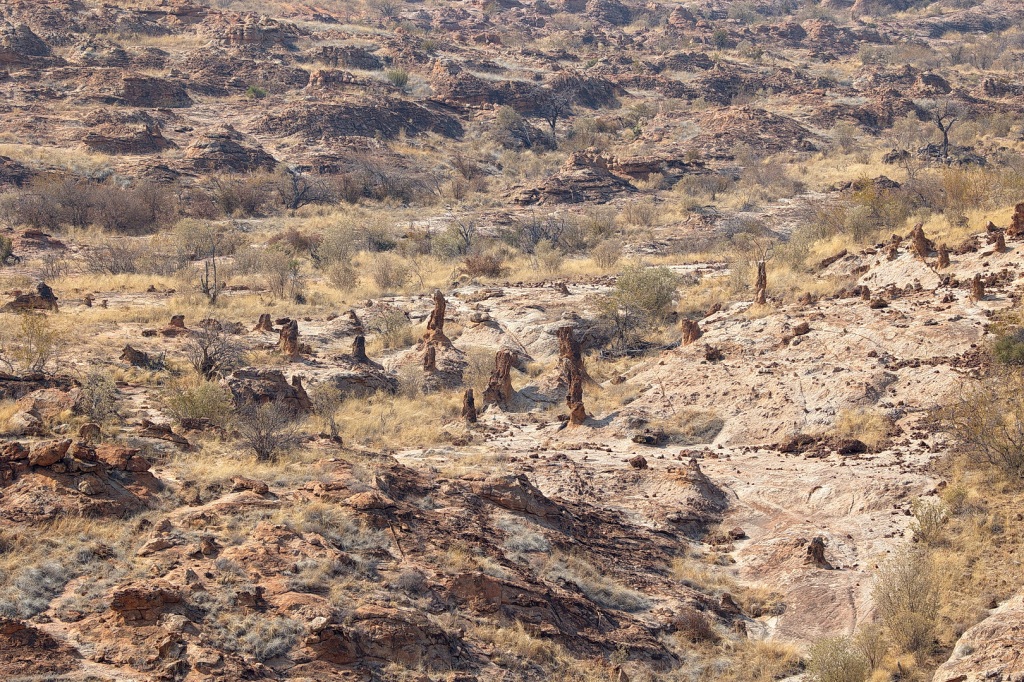
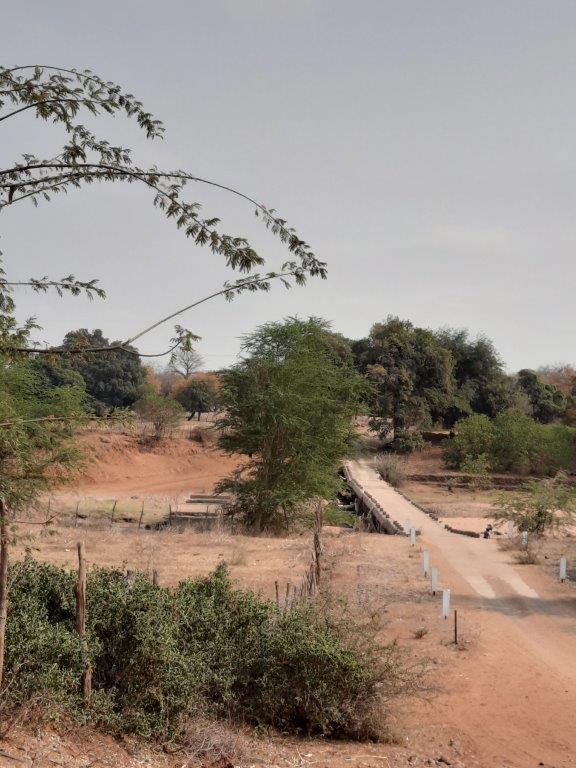
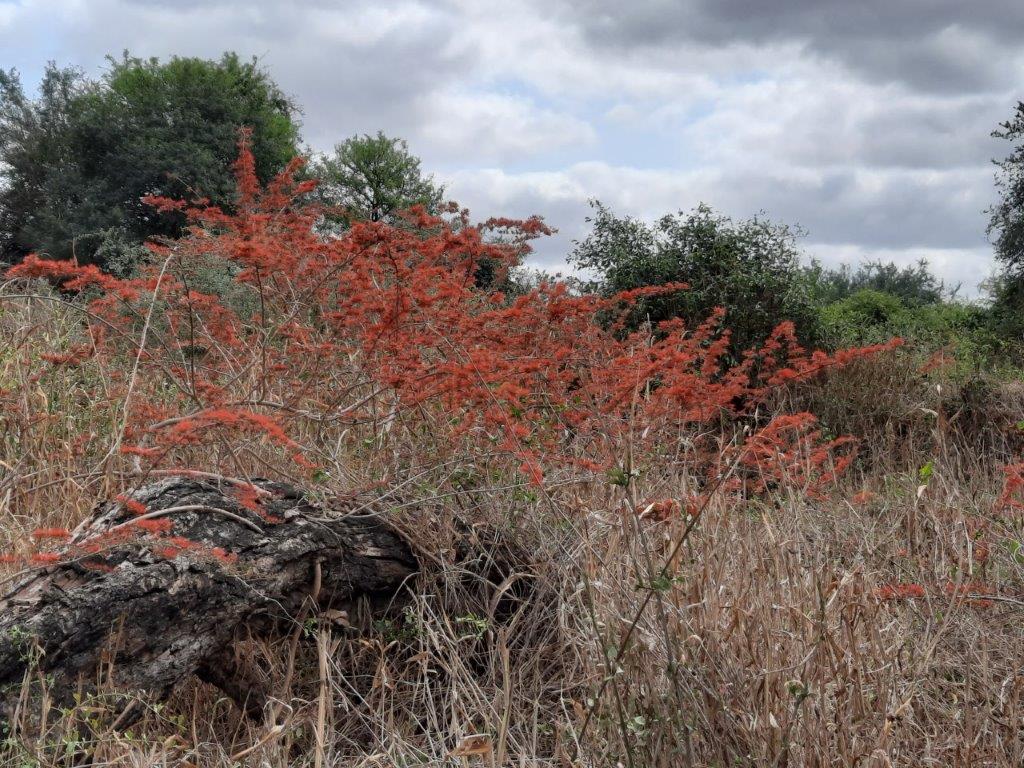
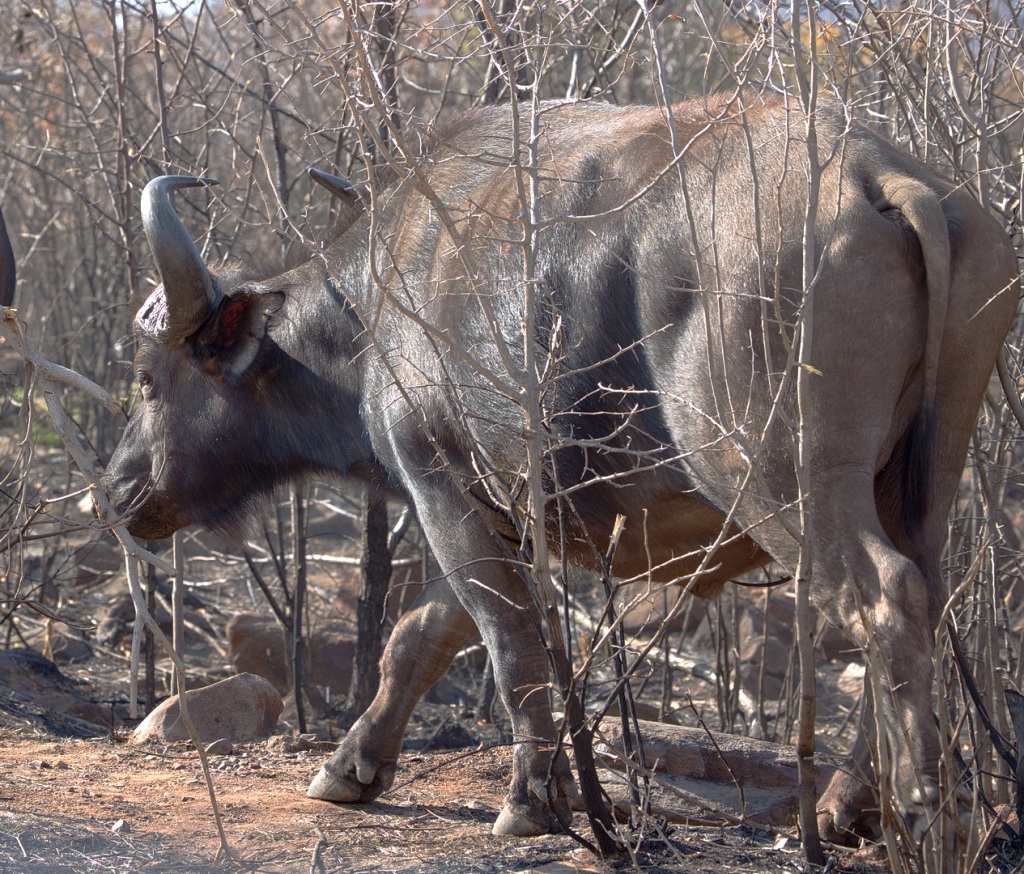
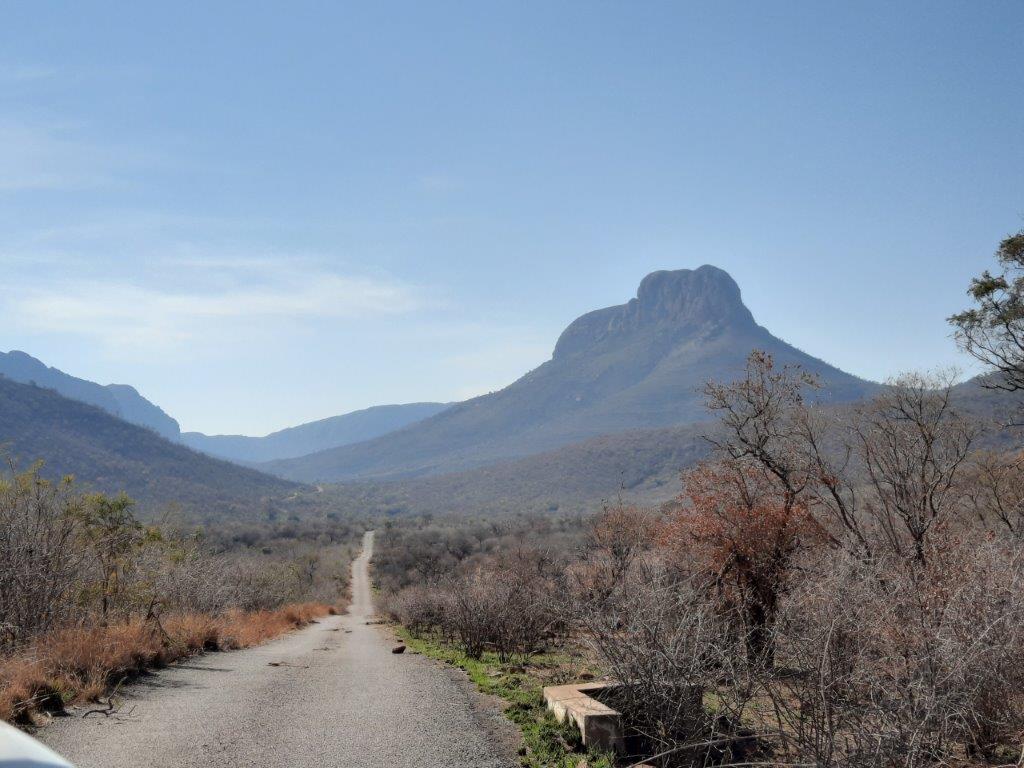
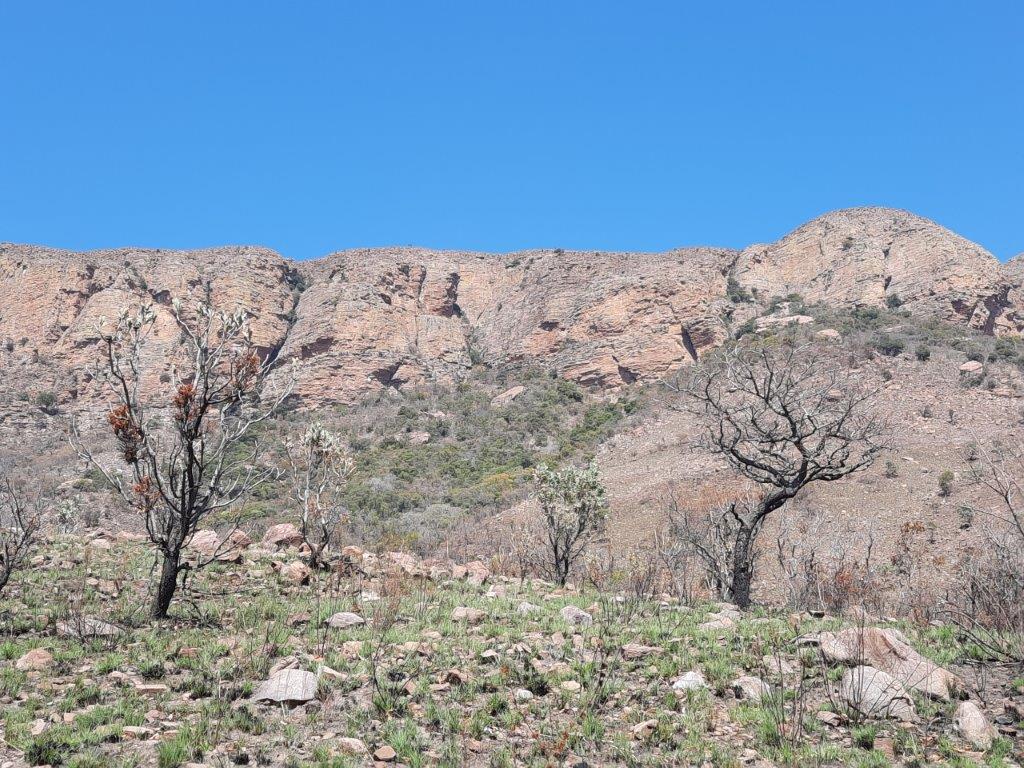
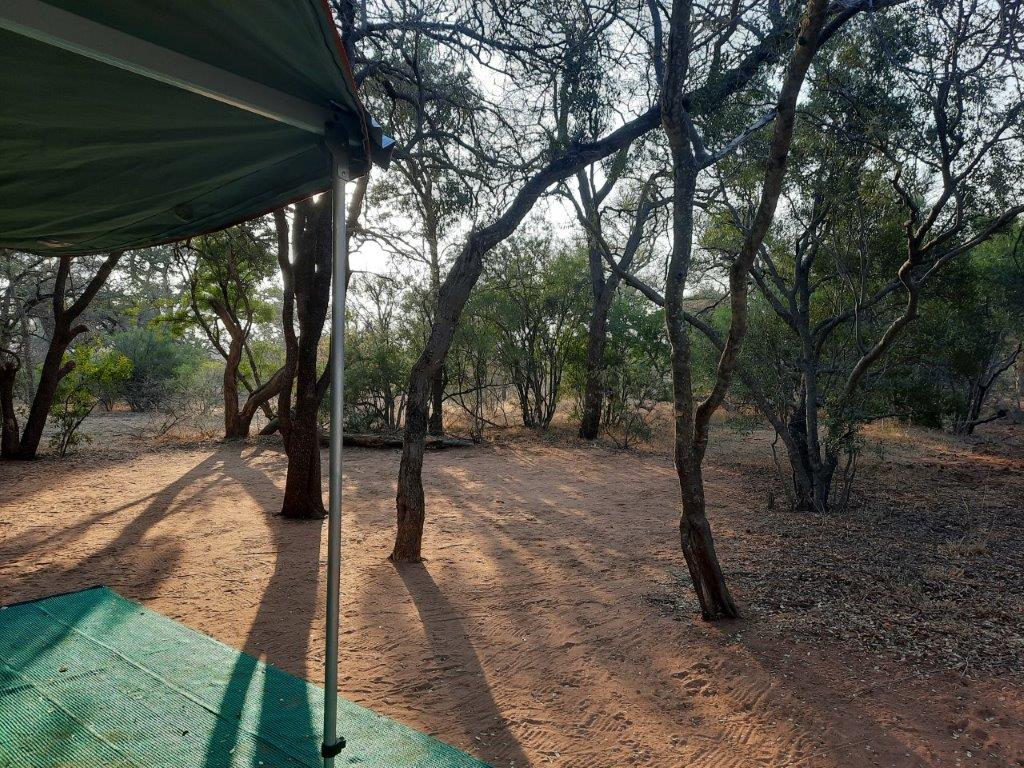
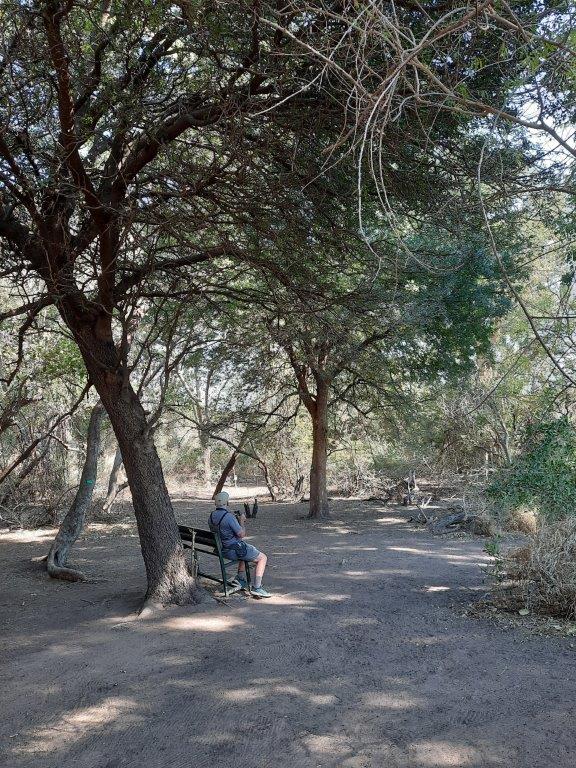
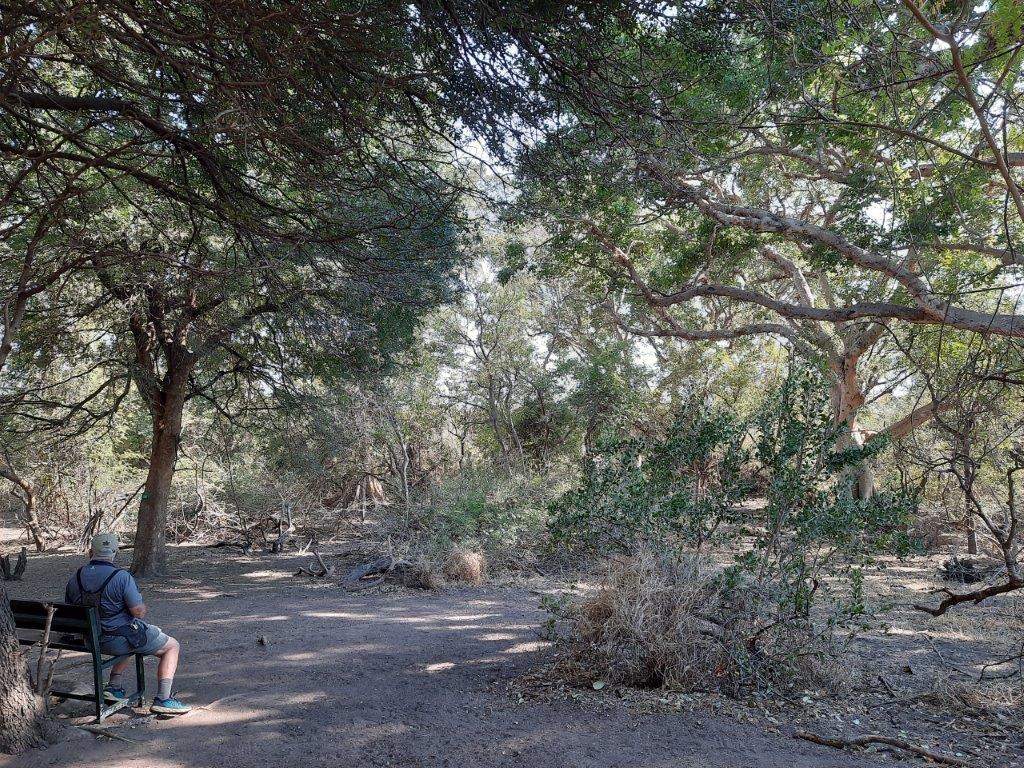
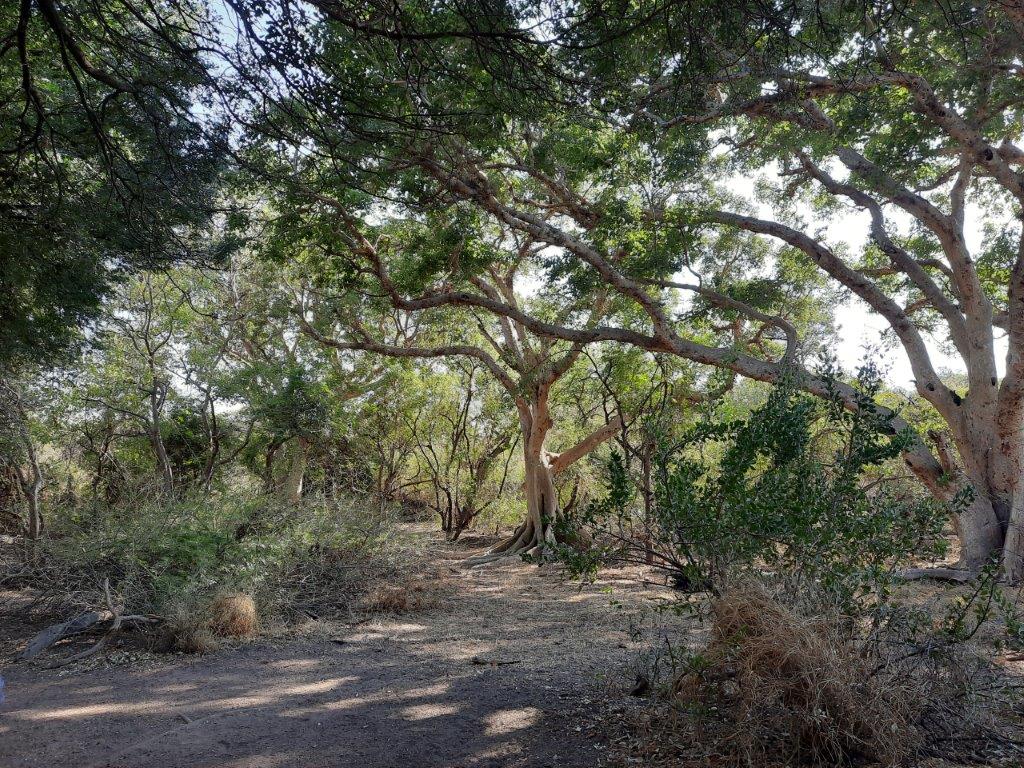
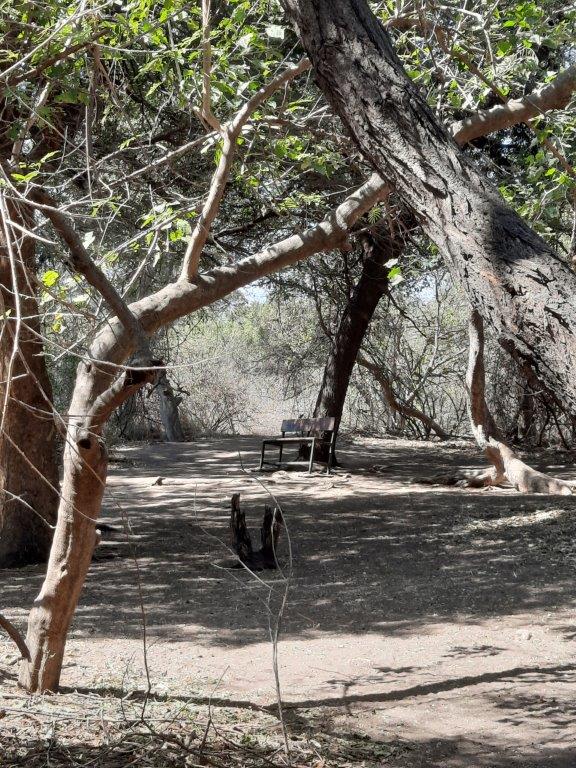
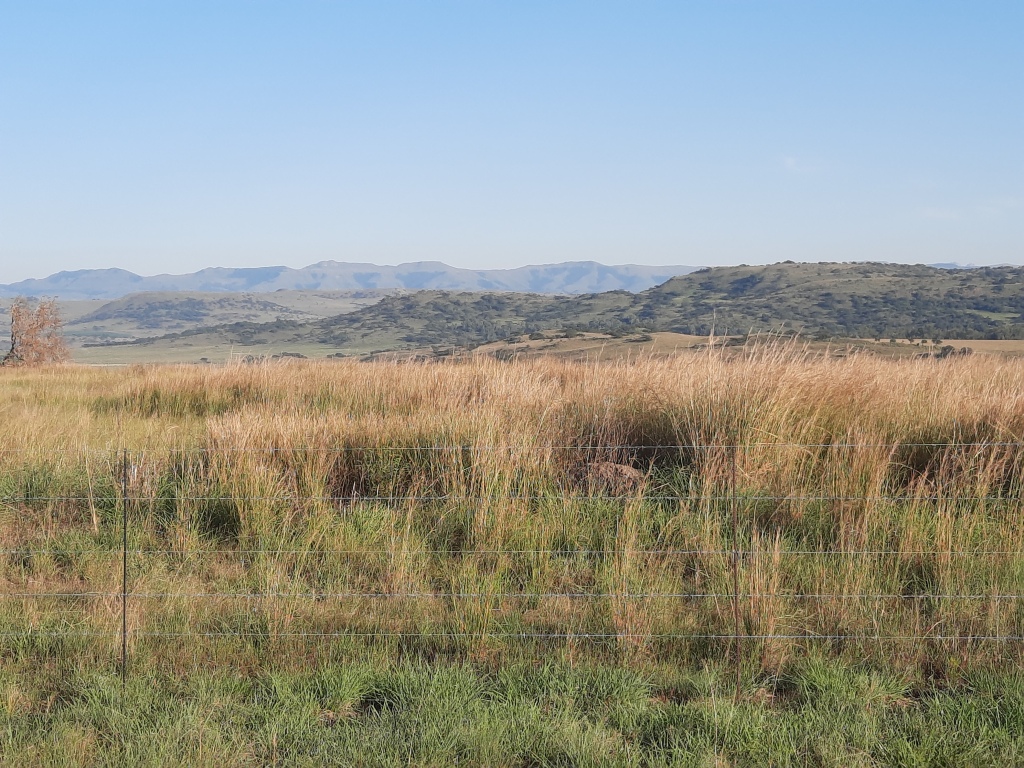
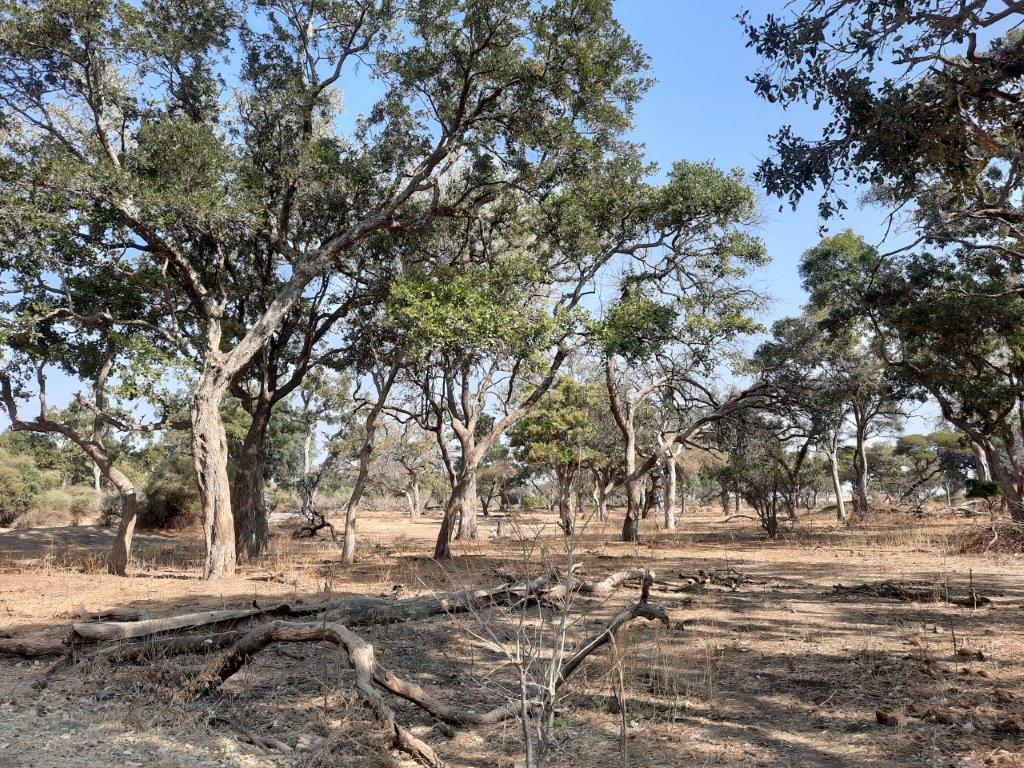
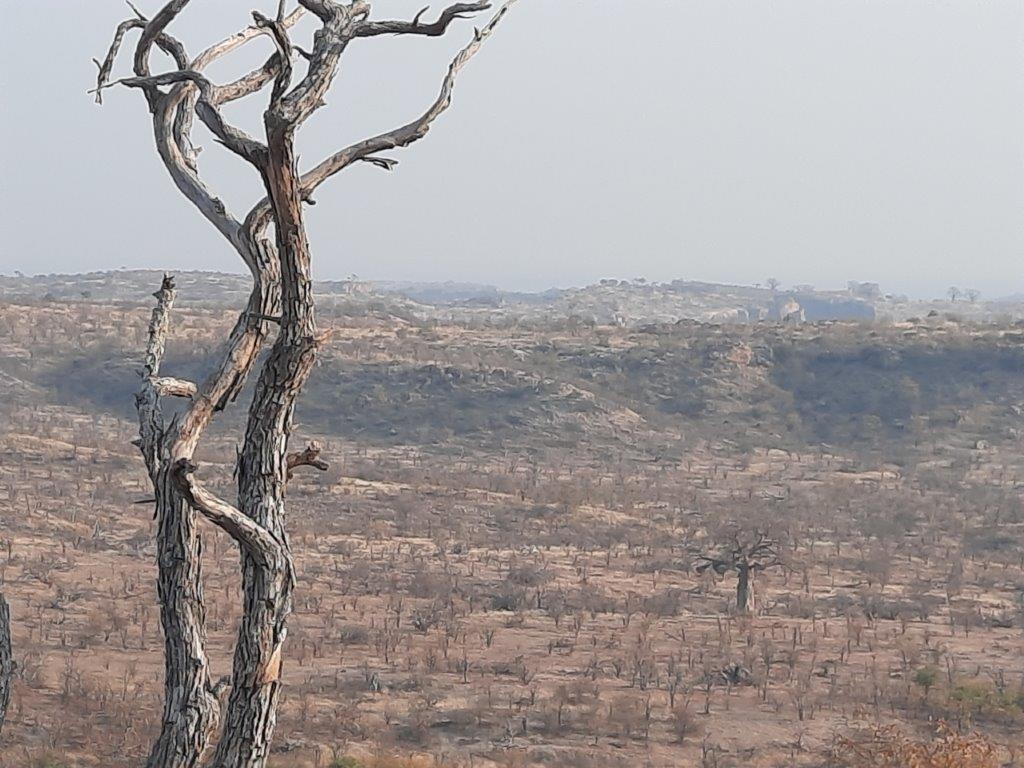
The park is littered with dead trees lying on dusty ground. Typical dry and dusty scenery everywhere in the park shown below.
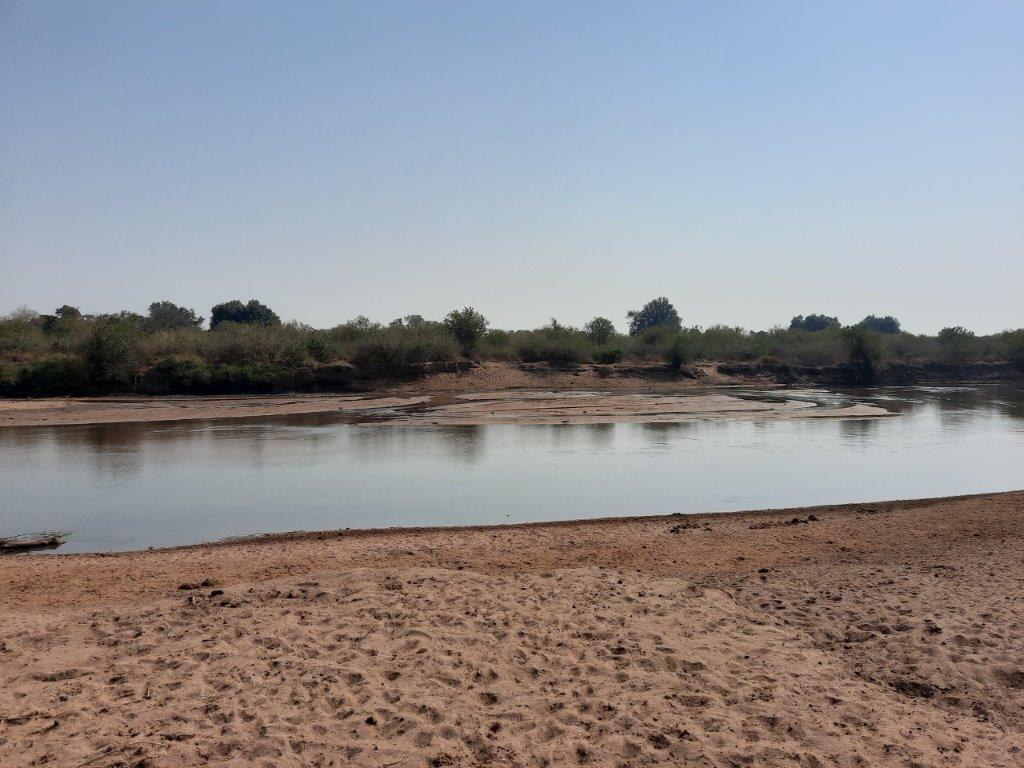
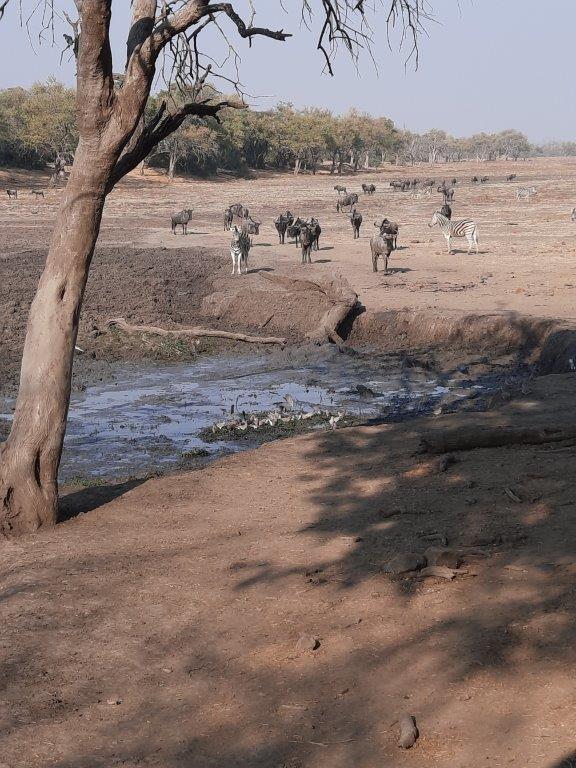
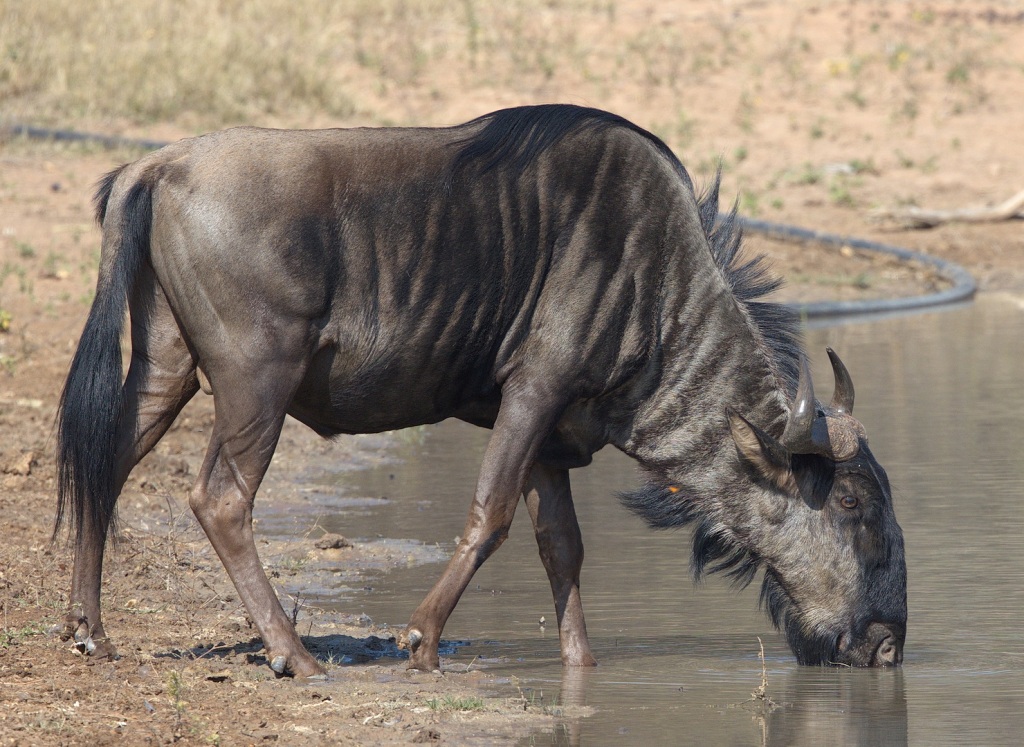
The Maloutswa Hide was a basically a mud hole. It had signs of water above the mud in one corner of the waterhole. Sadly a Gnu went into the mud to reach surface water but never made it back out again.

Maloutswa Hide Mud Bath

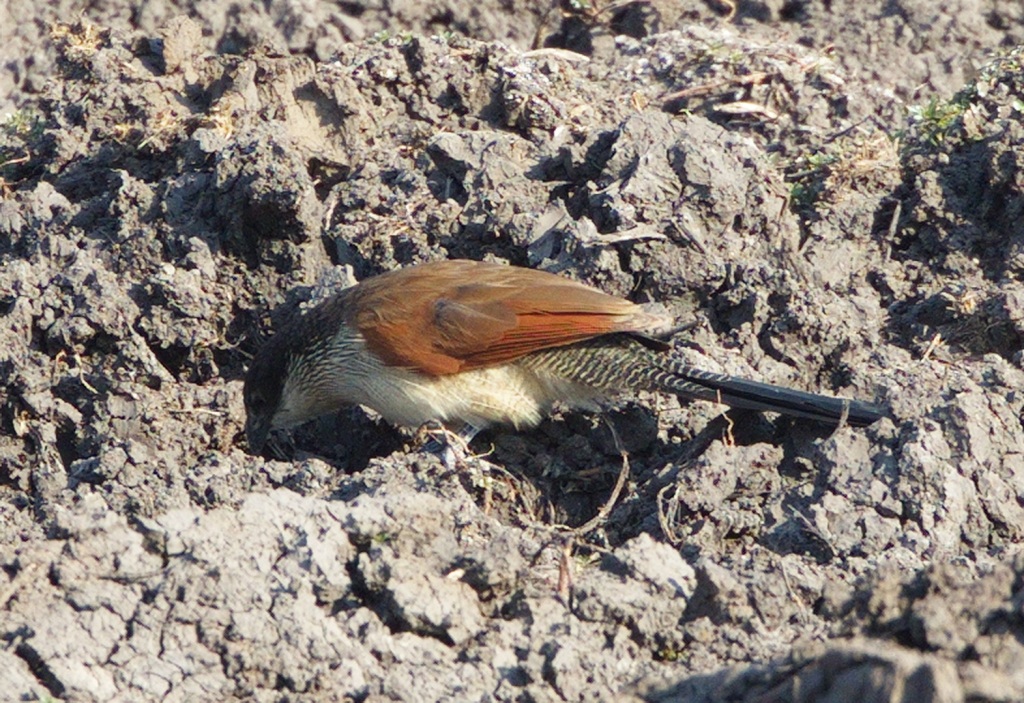
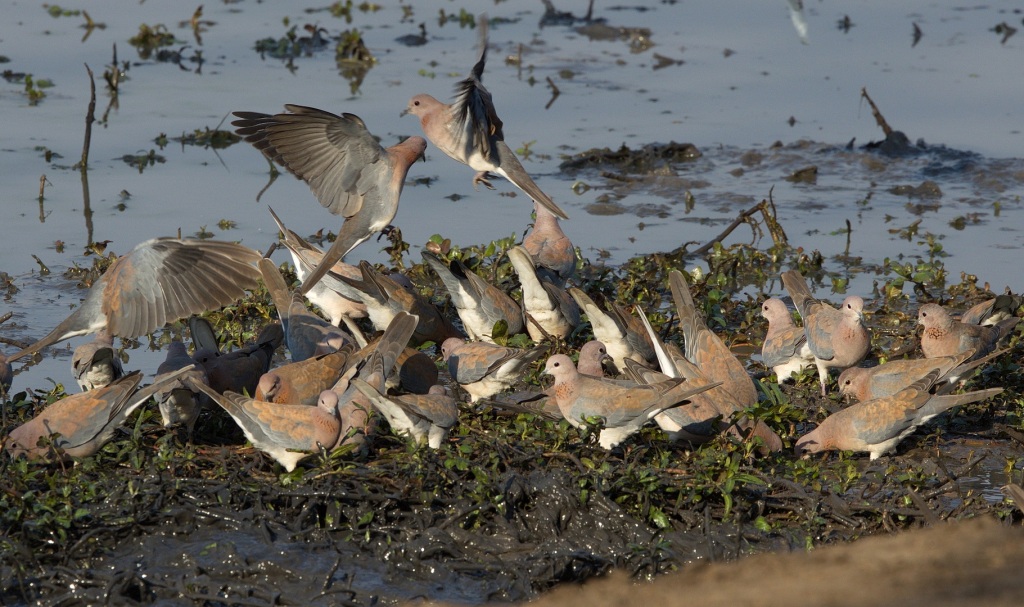
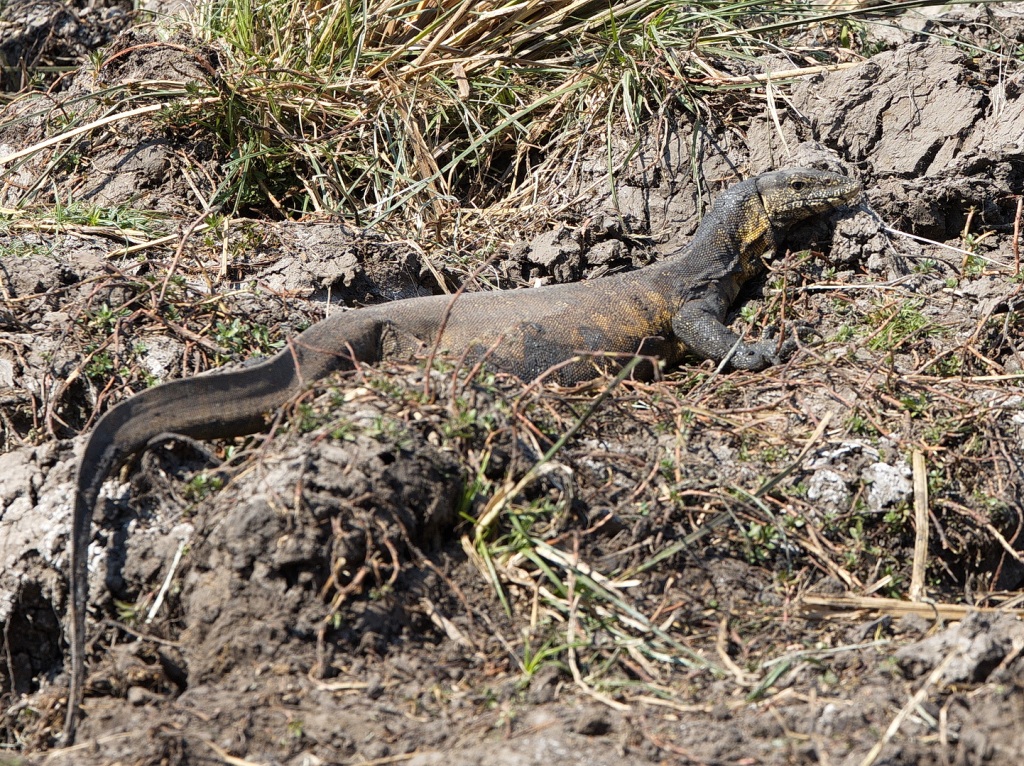
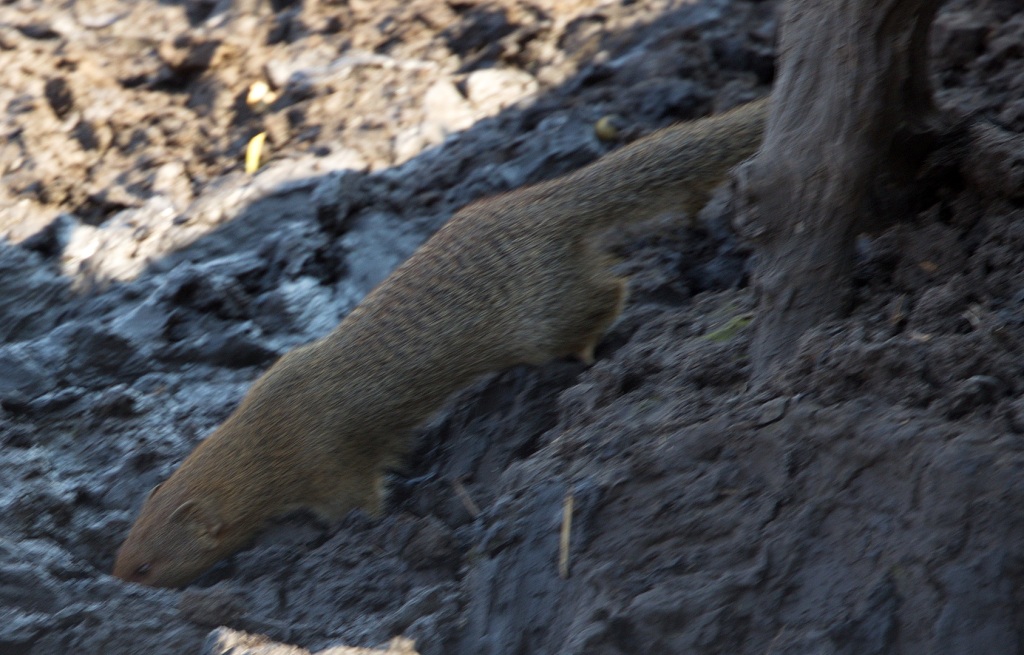
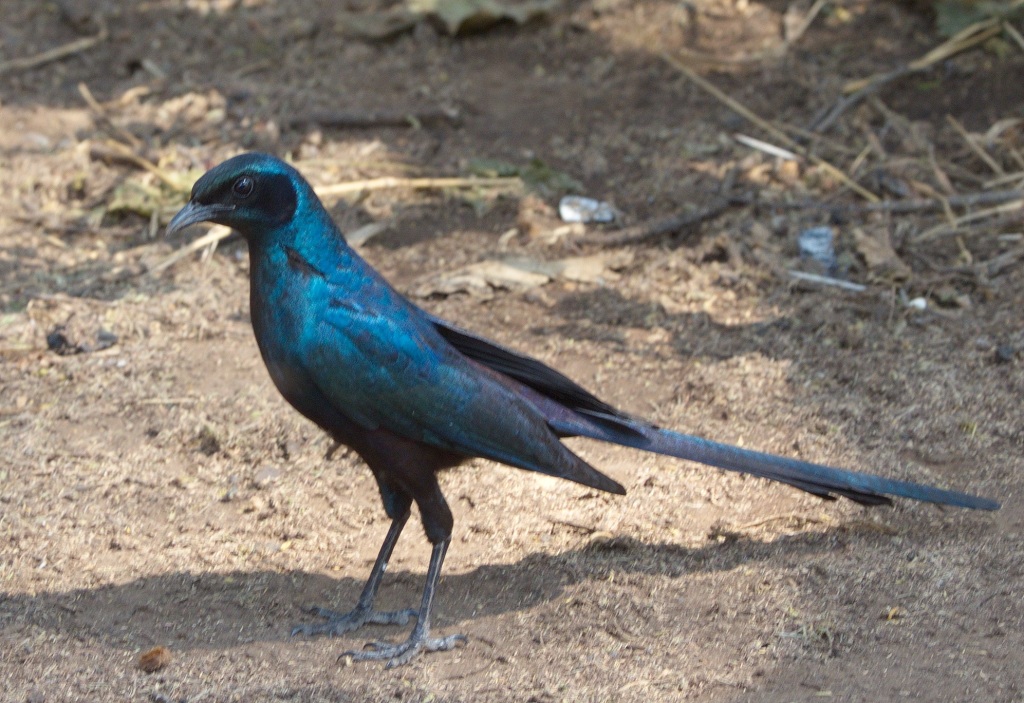
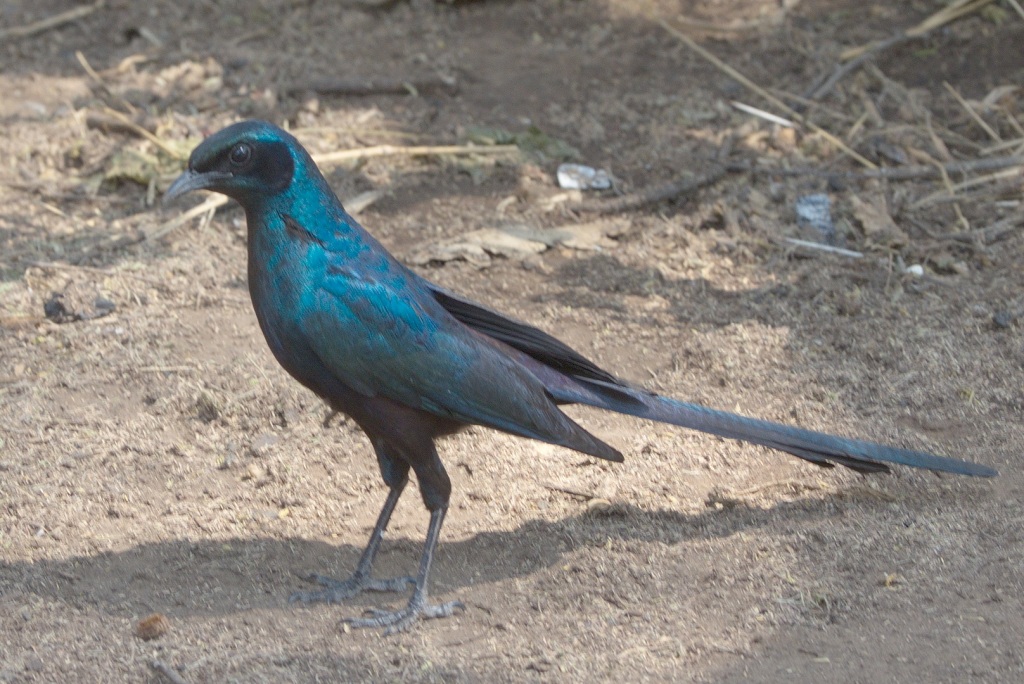
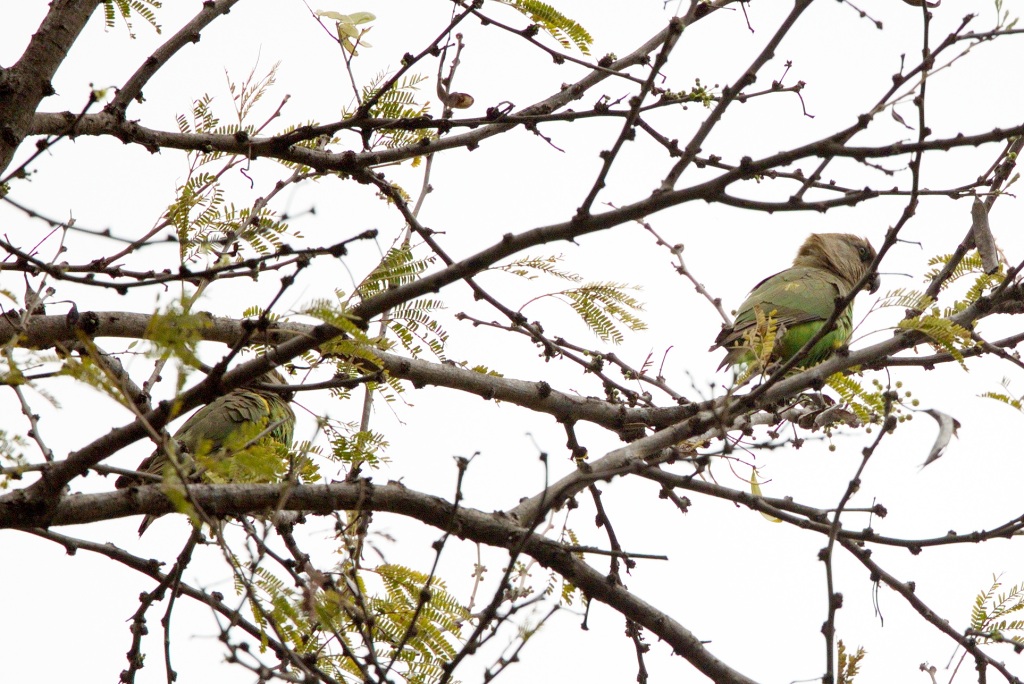
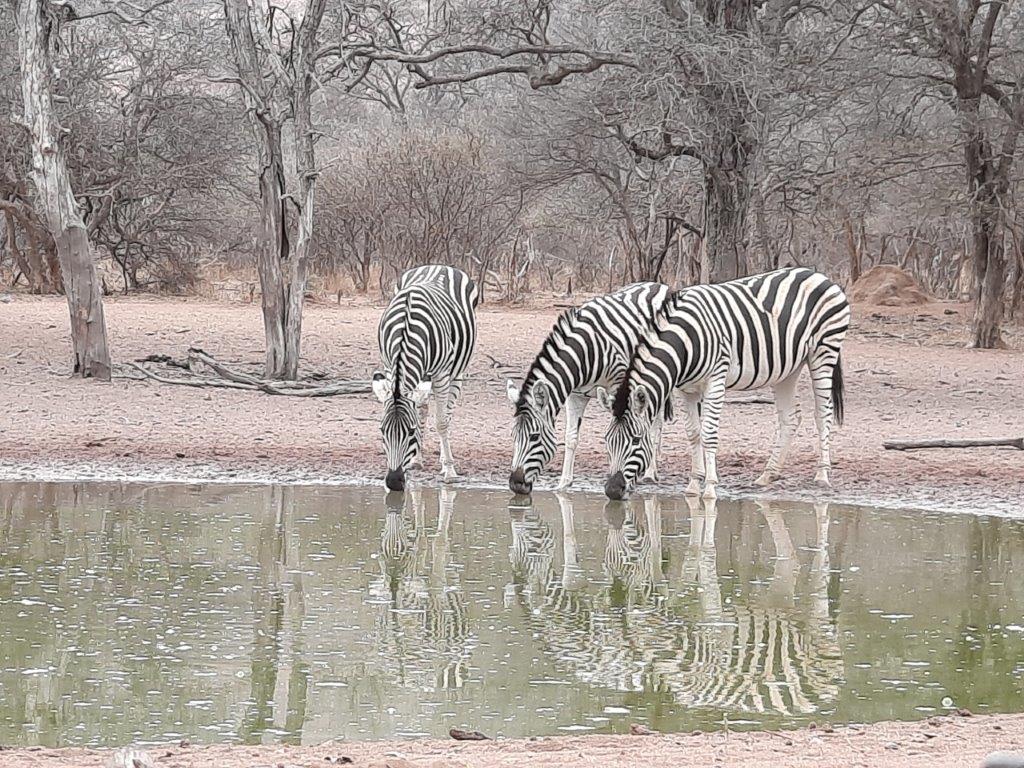
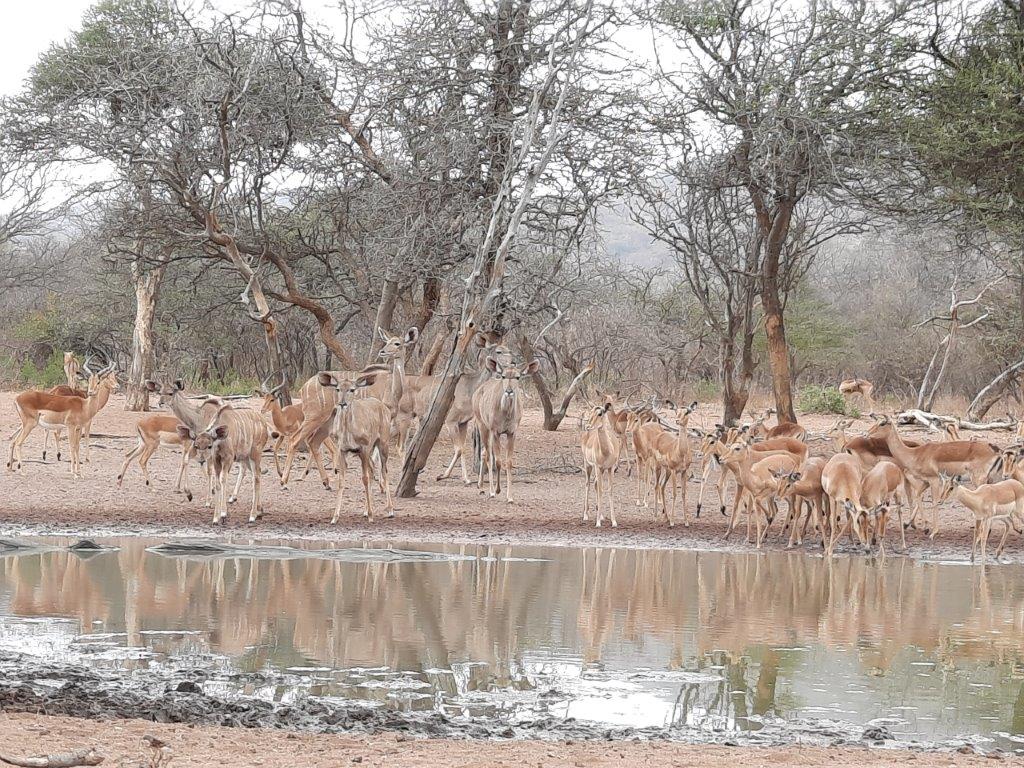
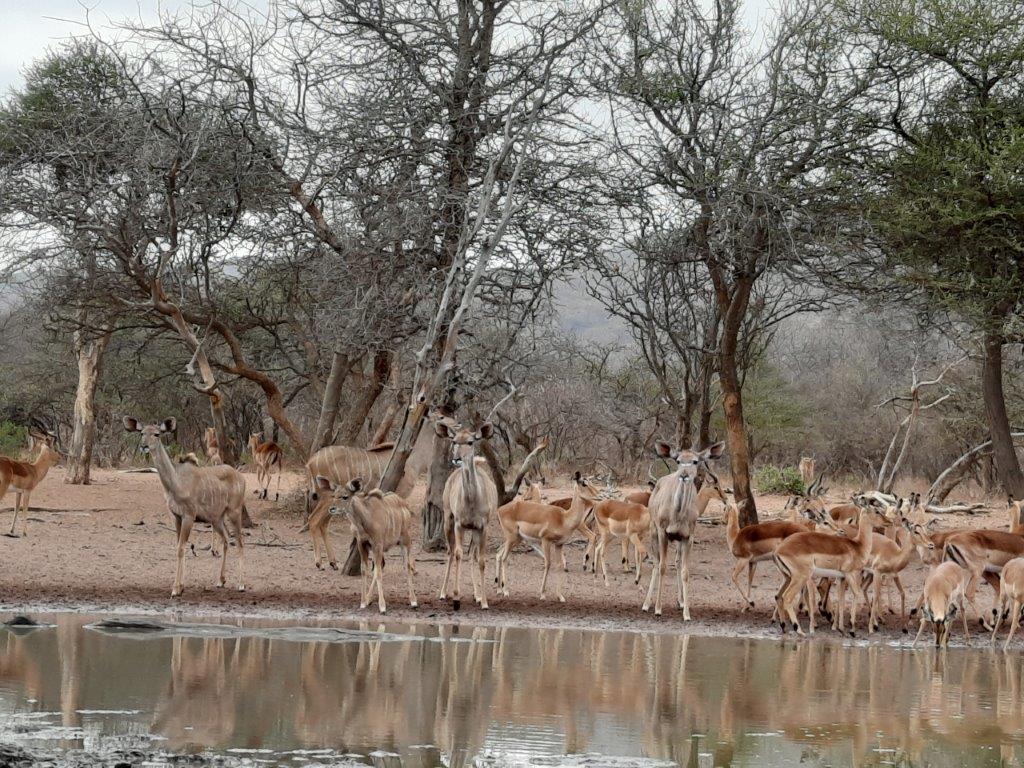
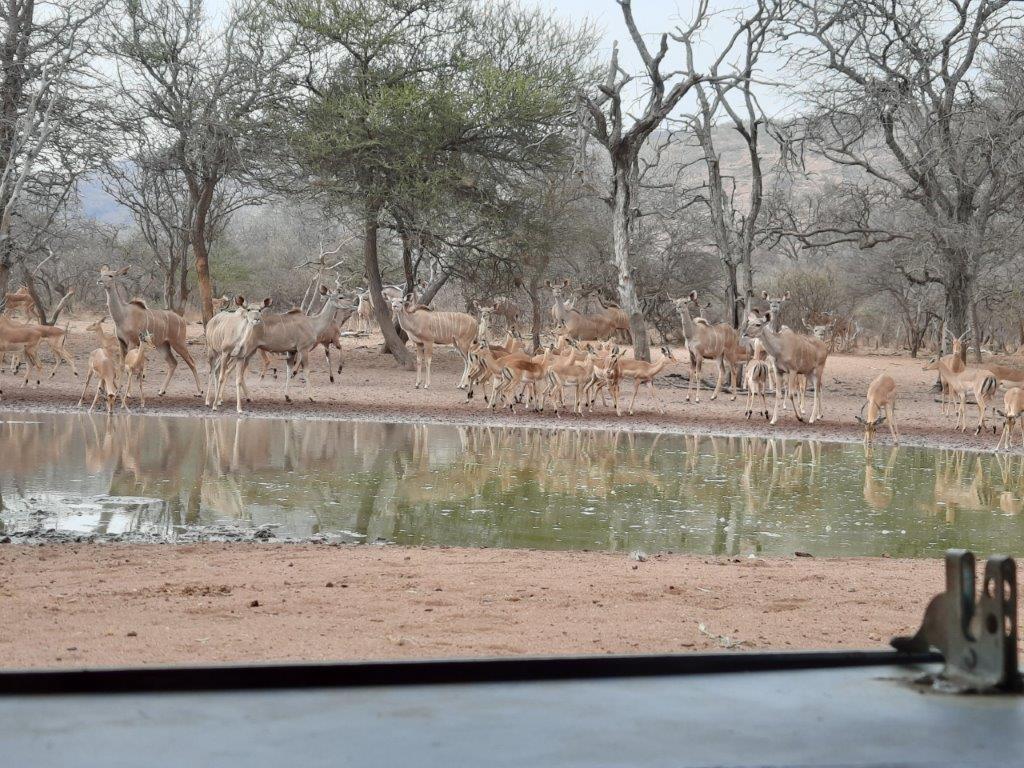
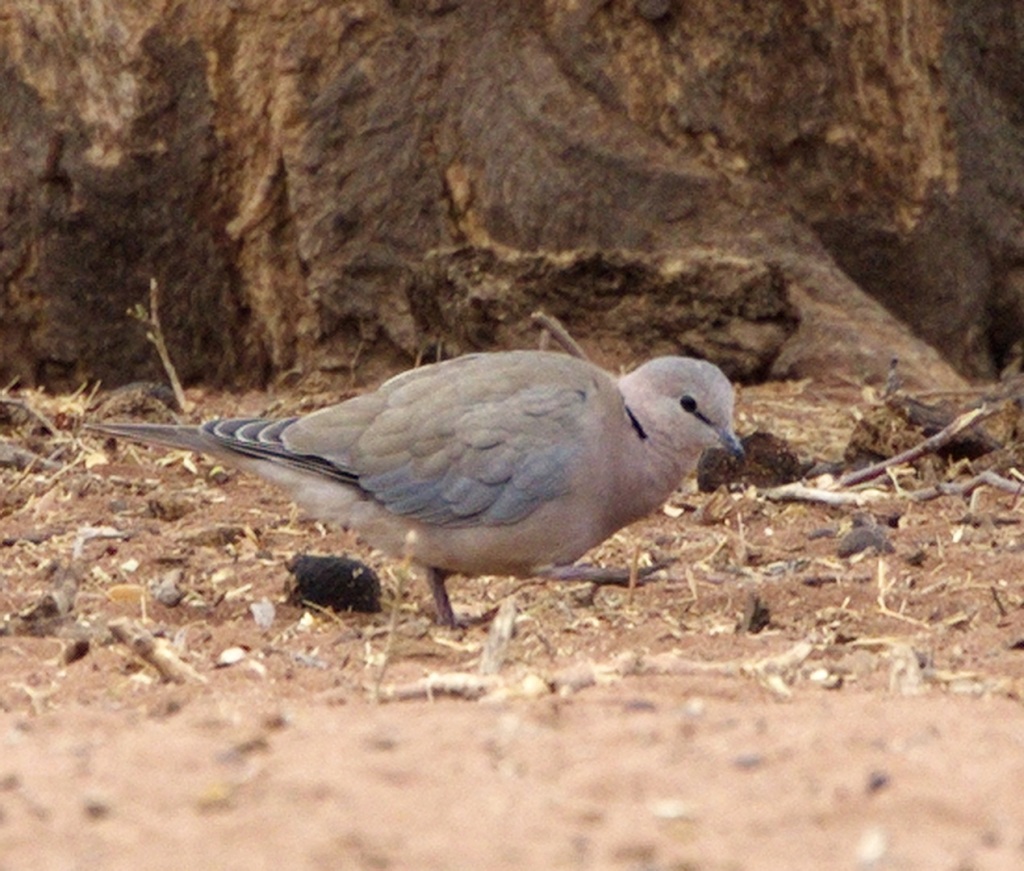
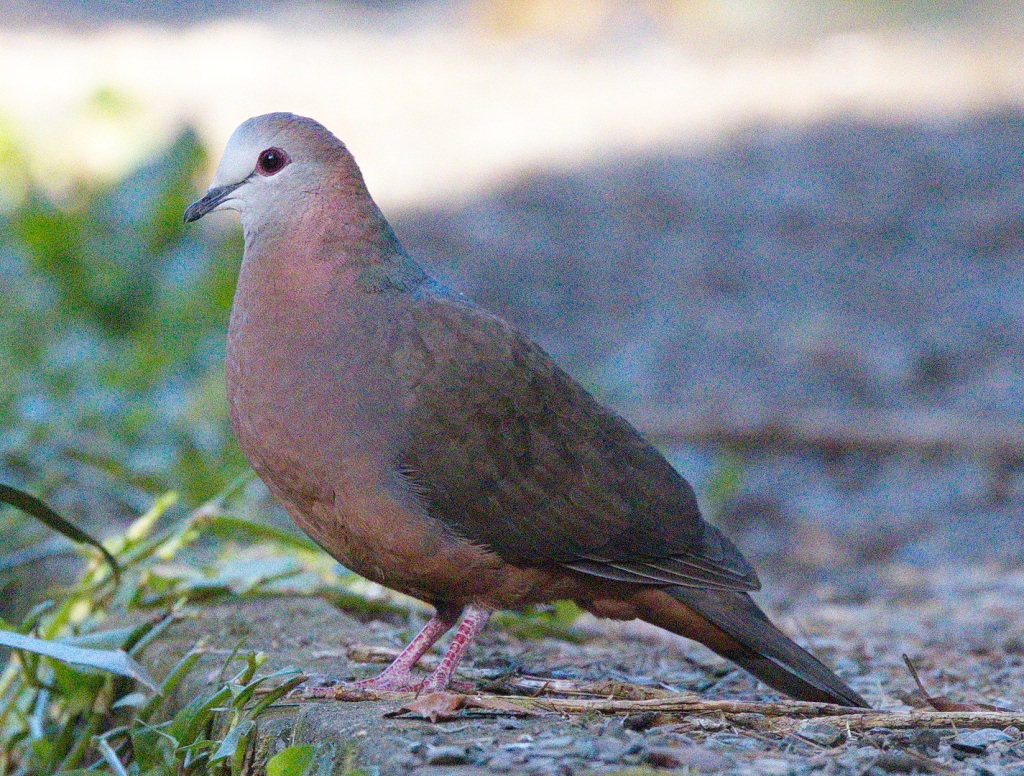
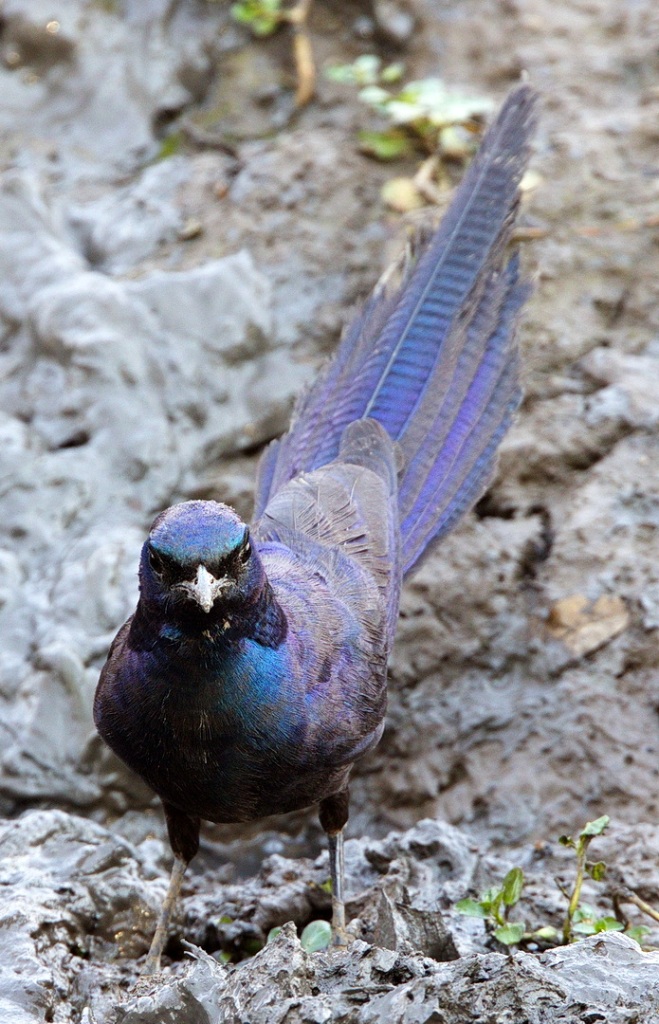
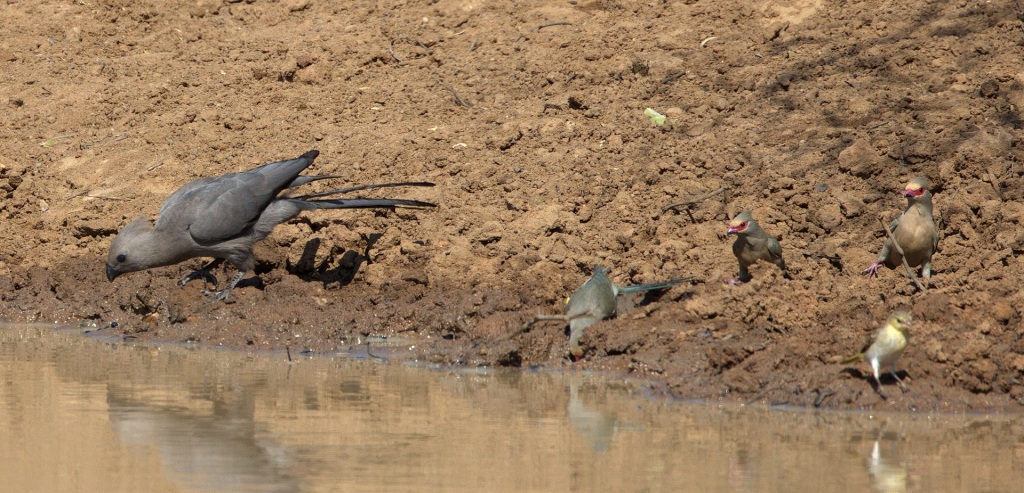
Meve’s Starlings and Laughing Doves were in their masses around the mud hole enjoying what little water there was. An occasional Meyer’s Parrot would fly over. Water Monitors lingered in the mud. Animals came and went. It seemed the only foolhardy were the Gnus, Zebras and Warthogs.
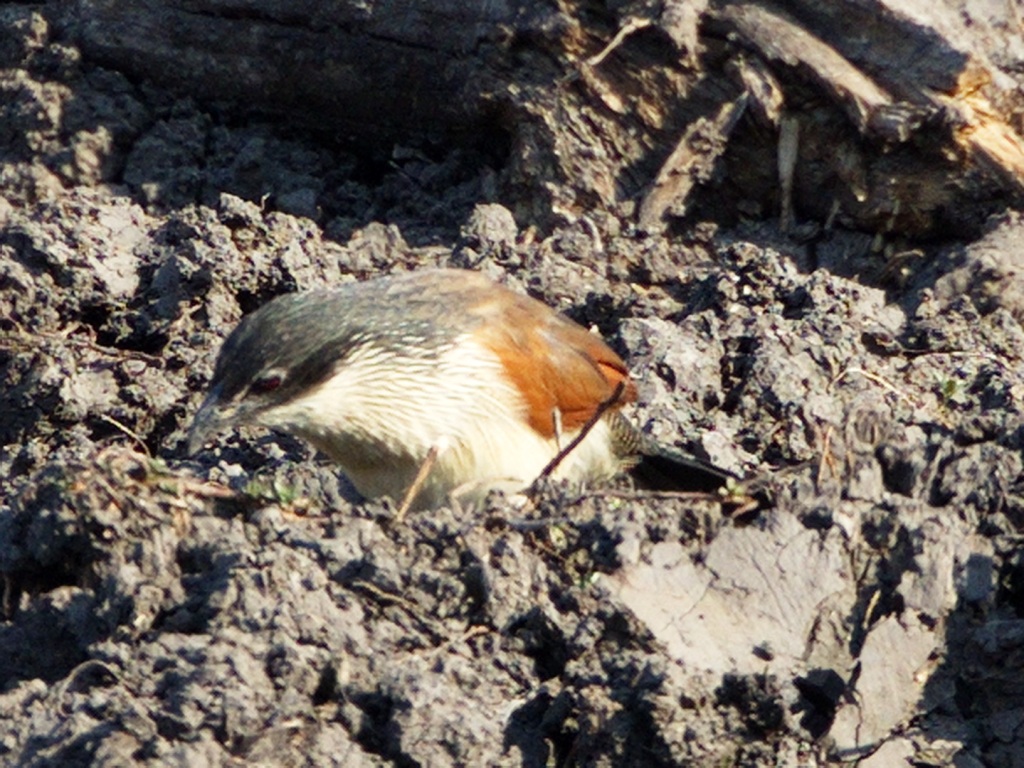
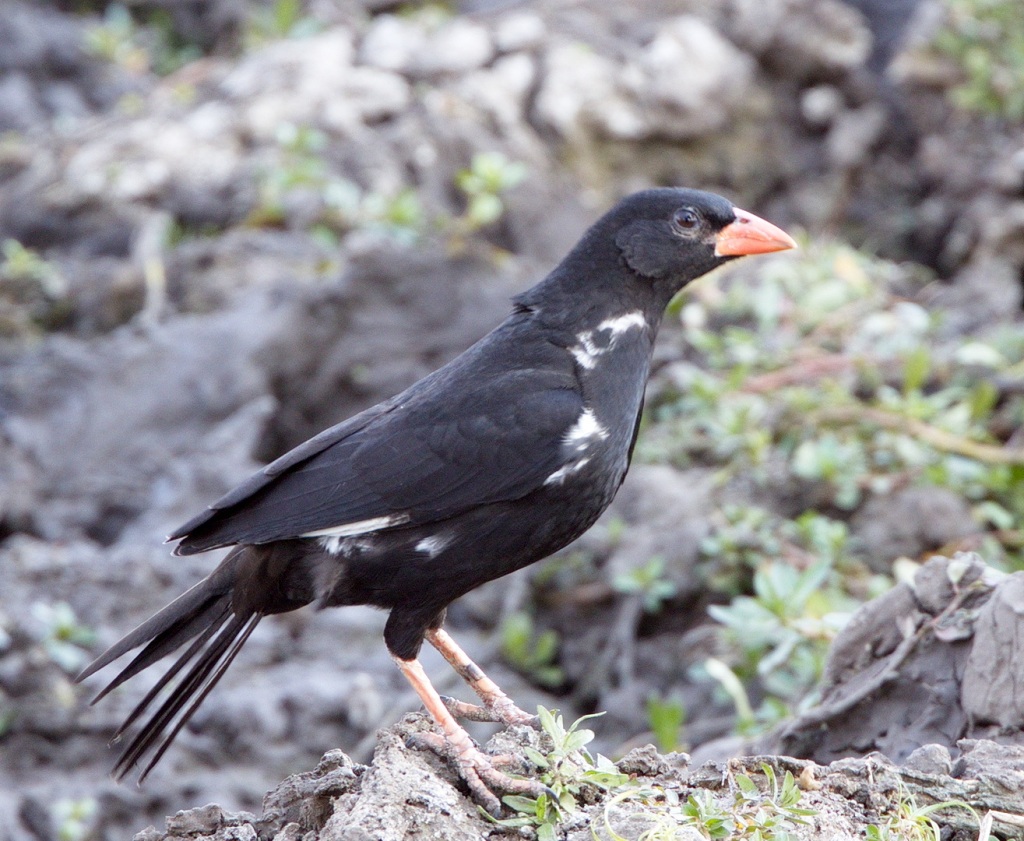
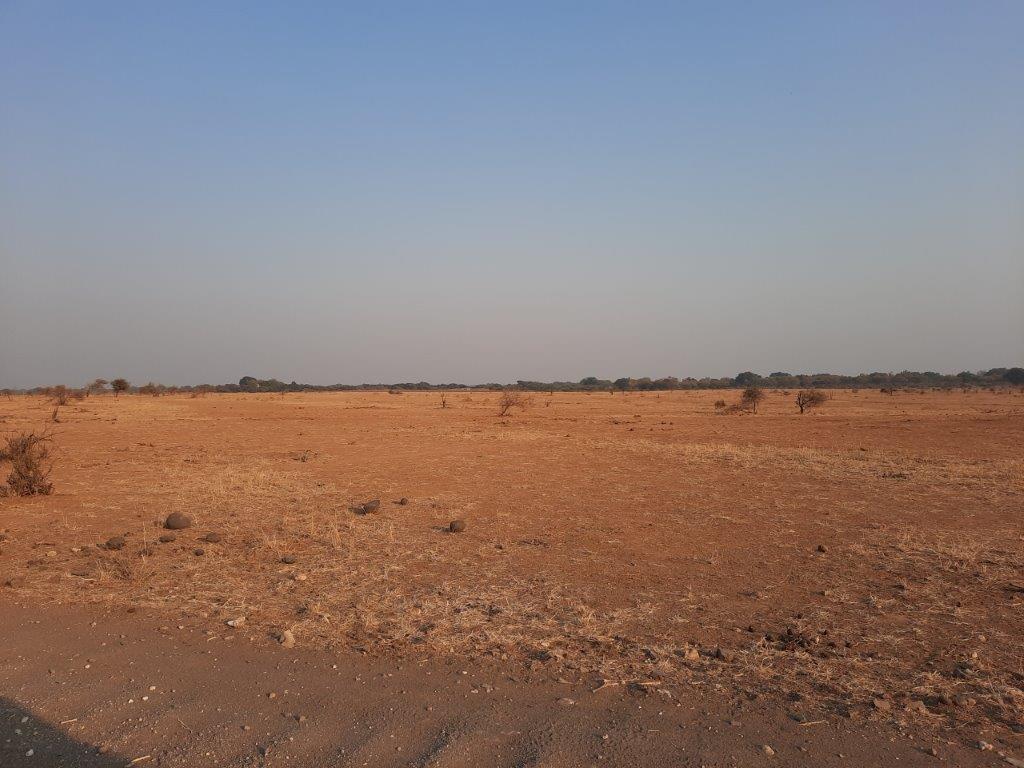
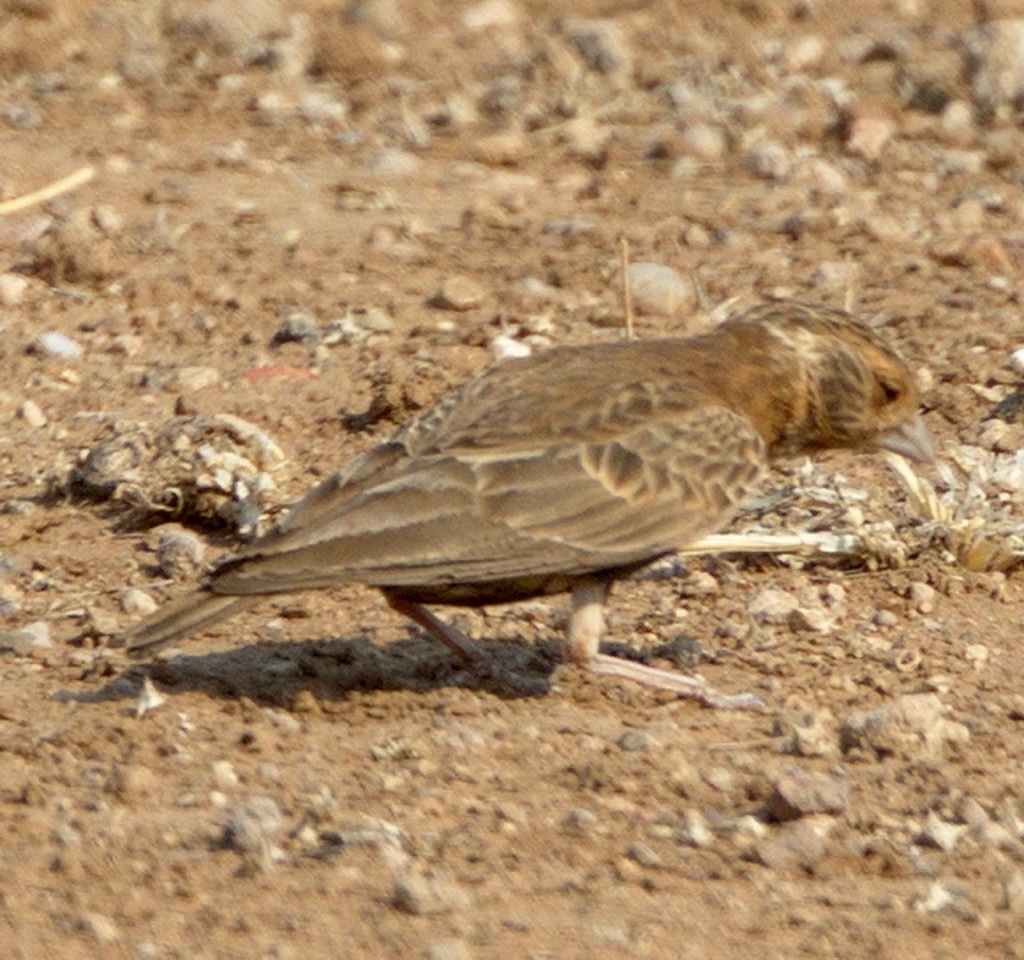
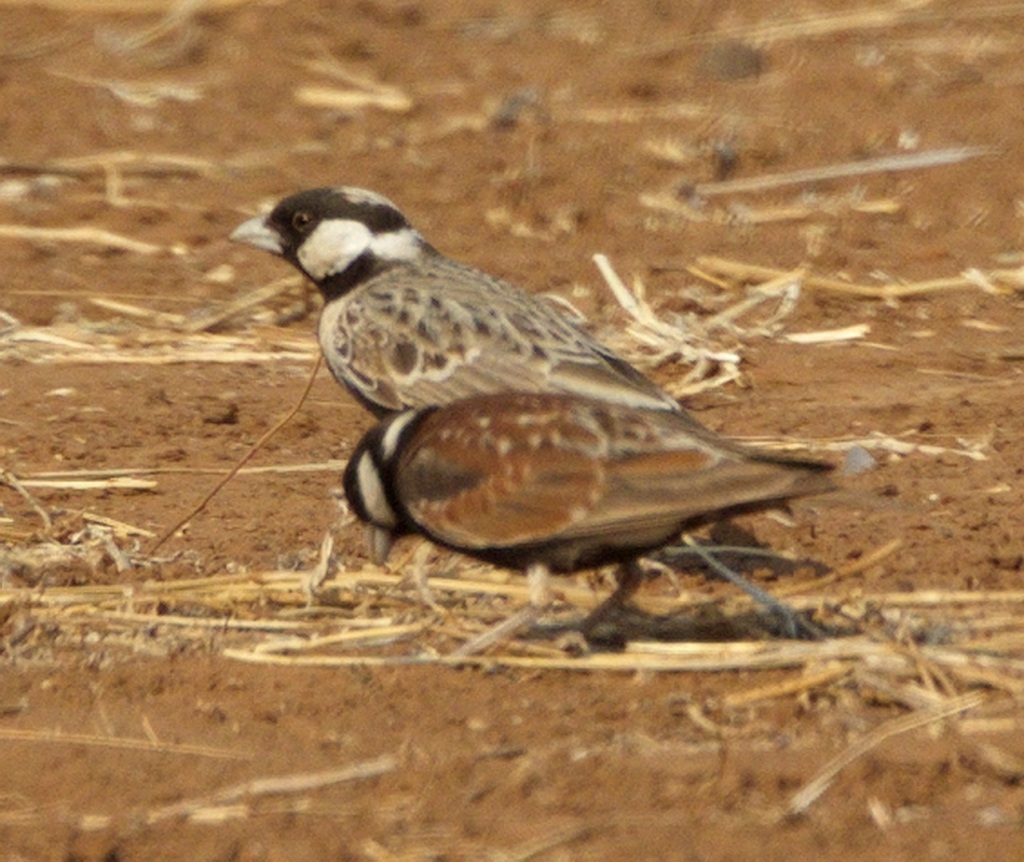
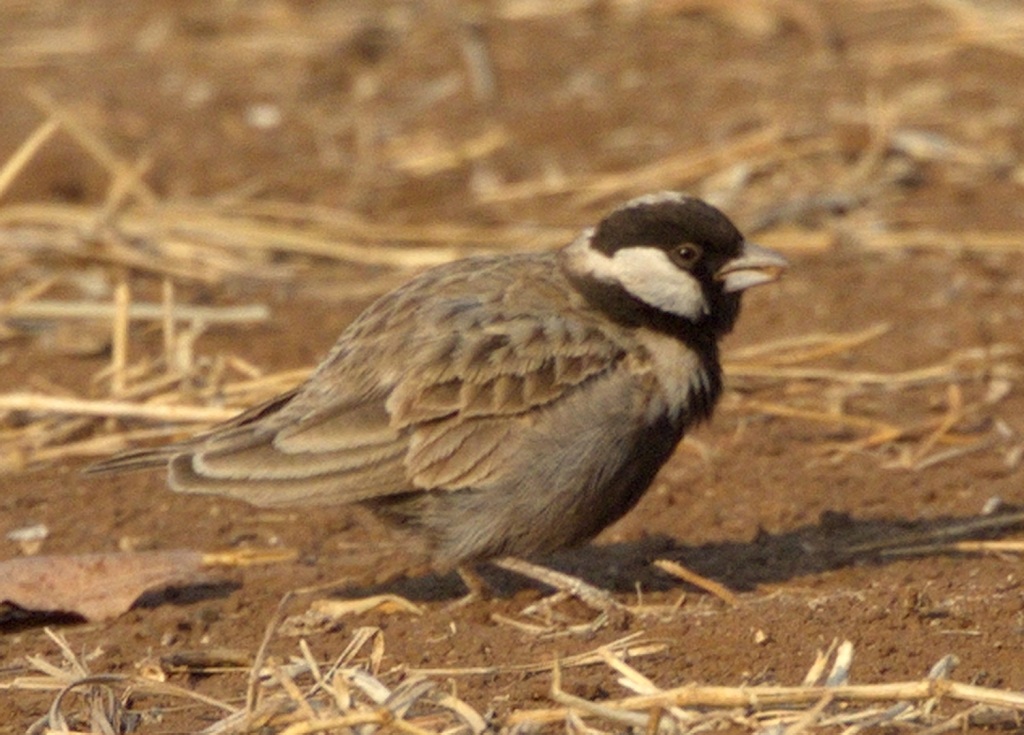
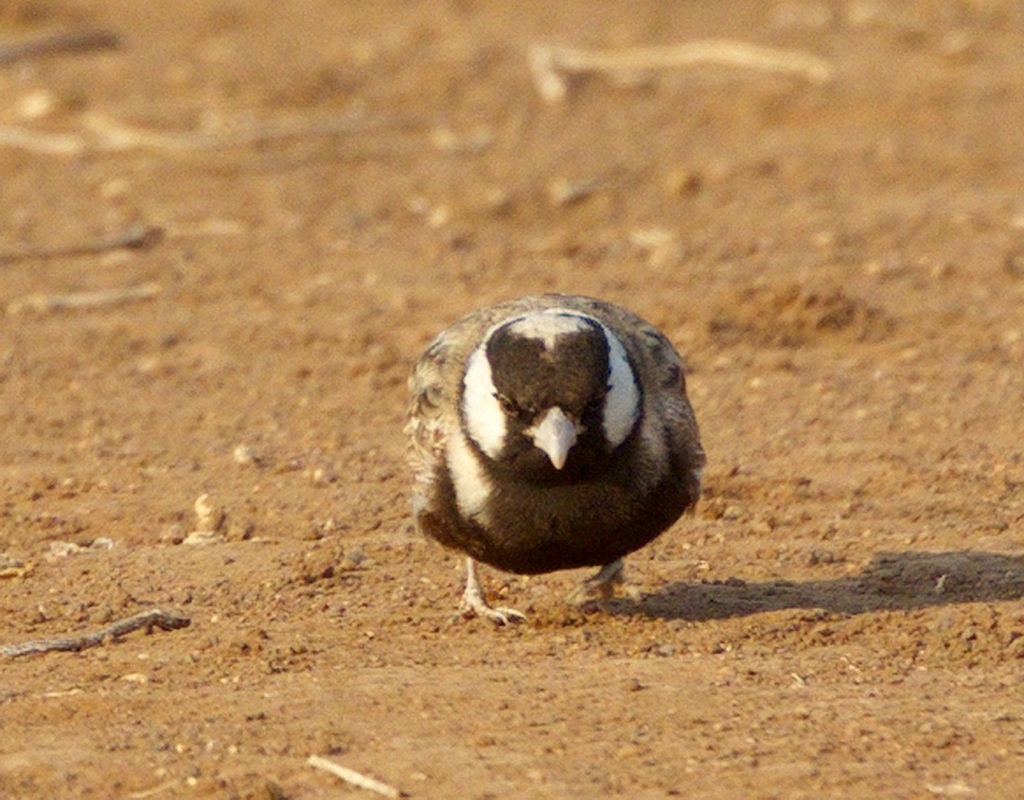
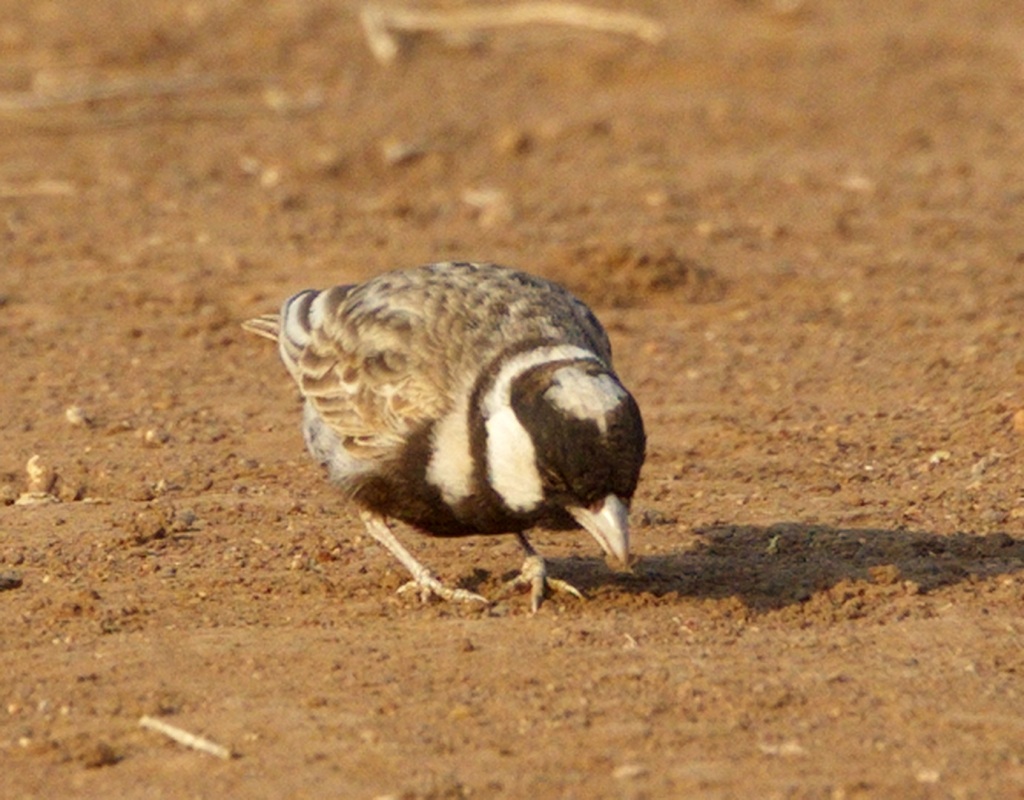
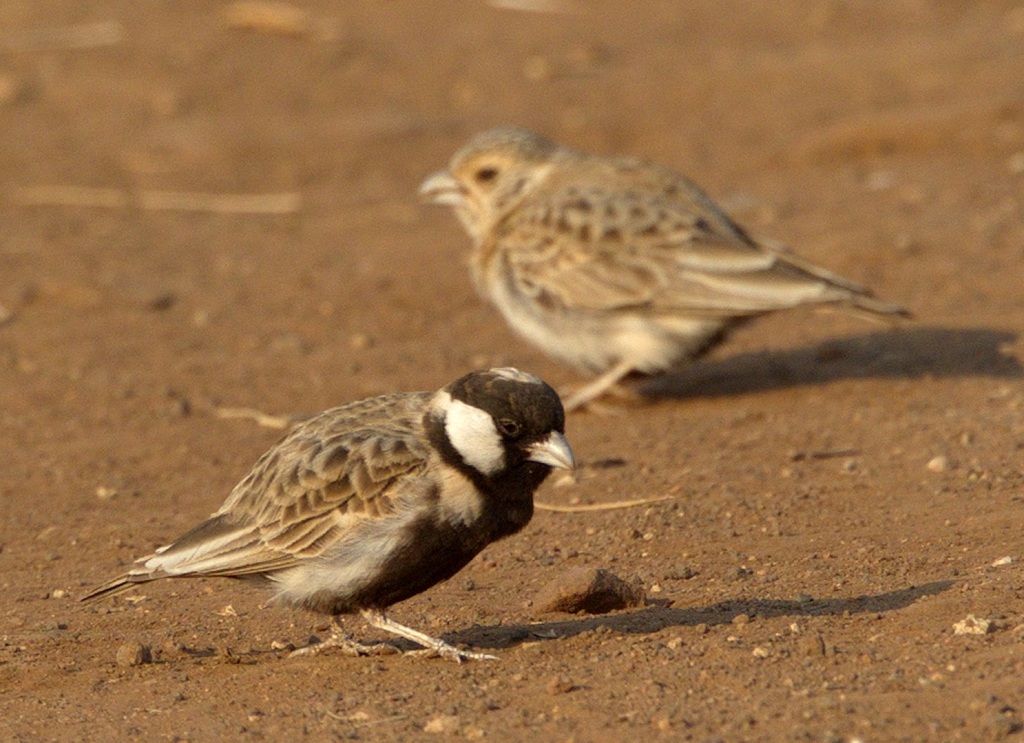
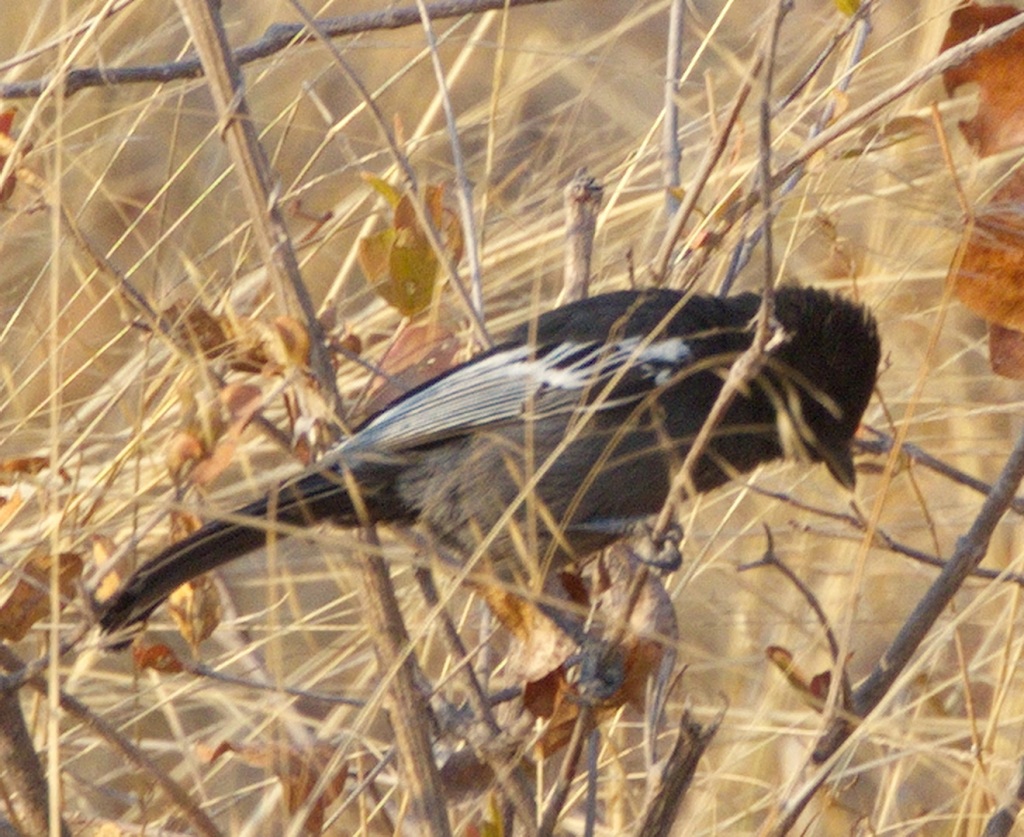
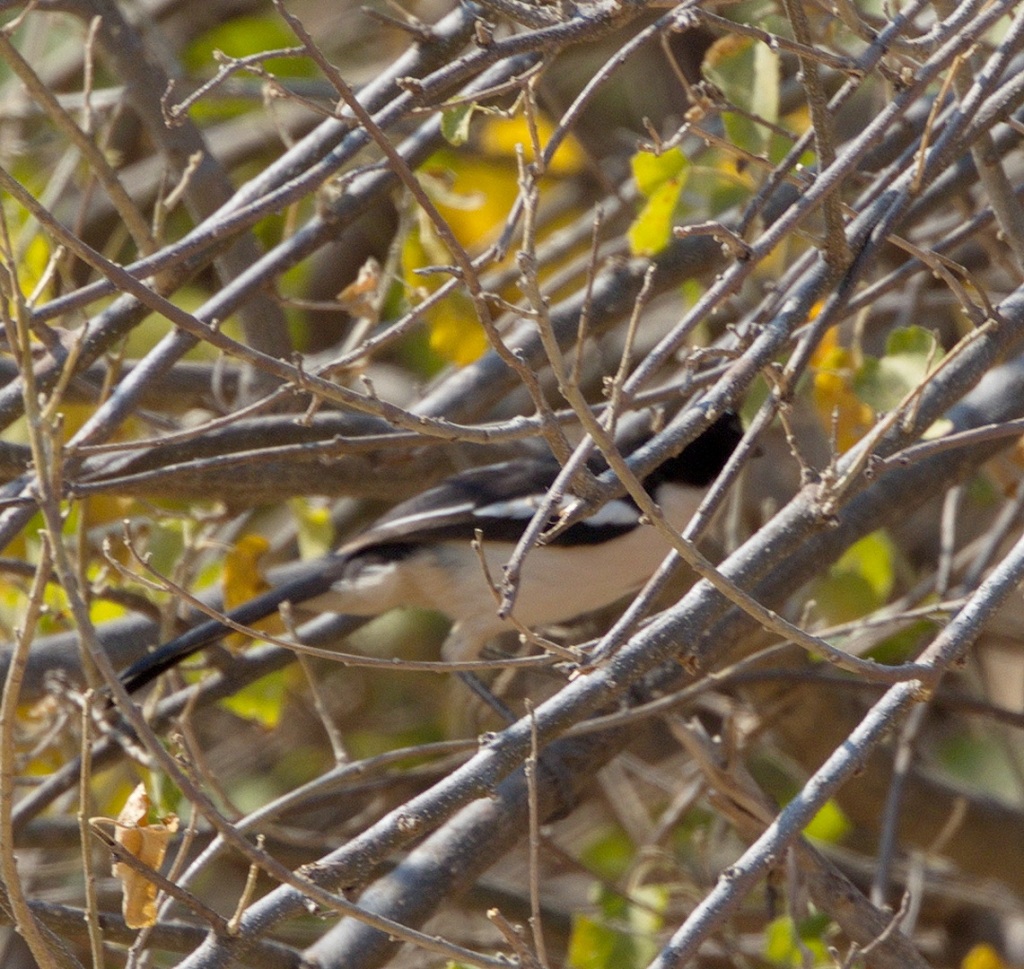
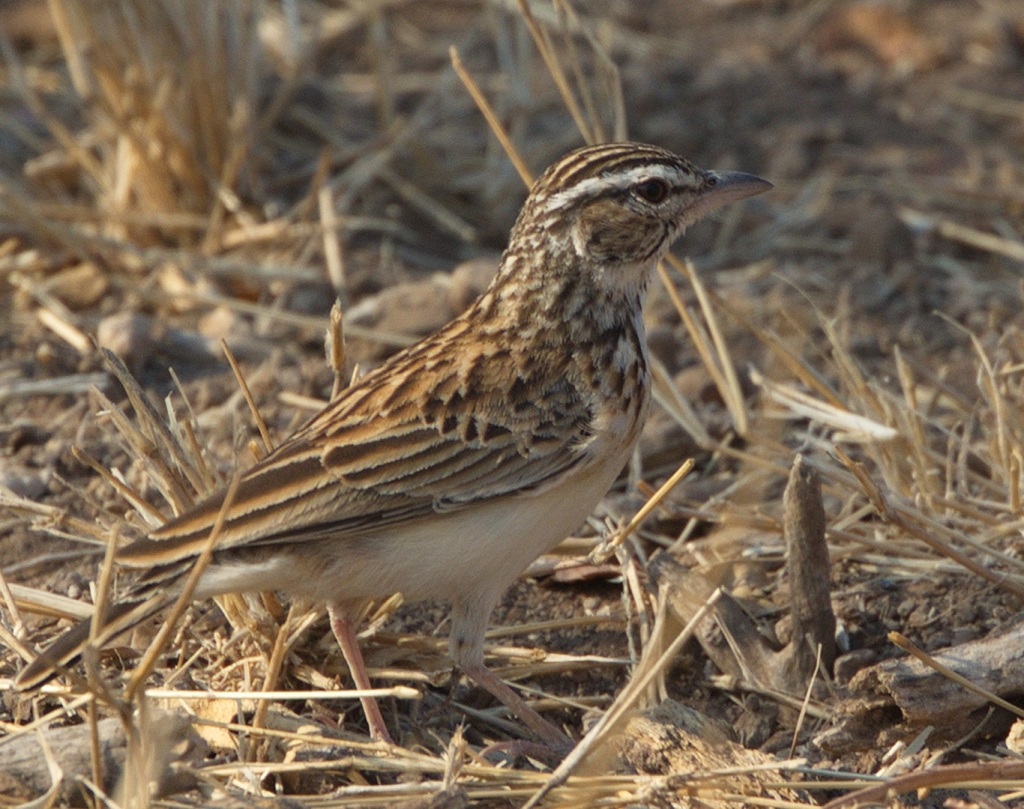
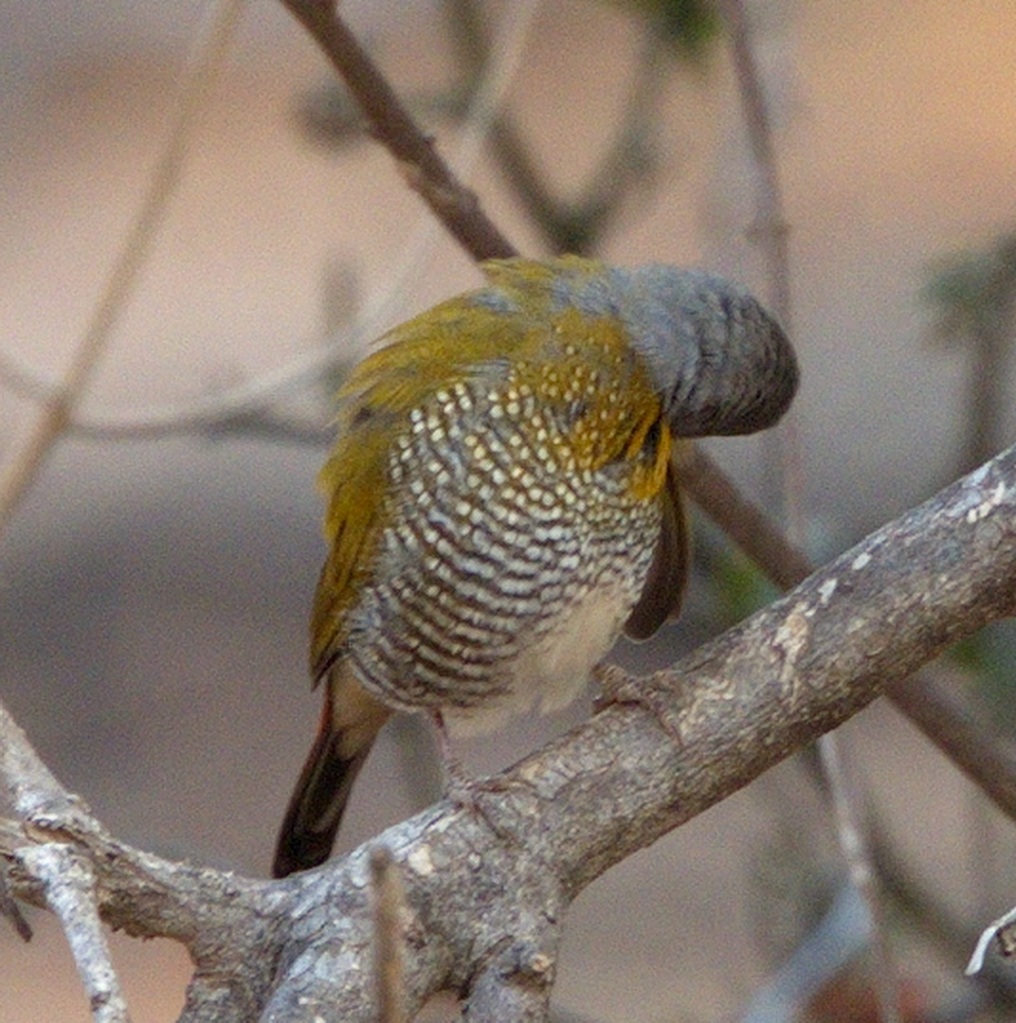
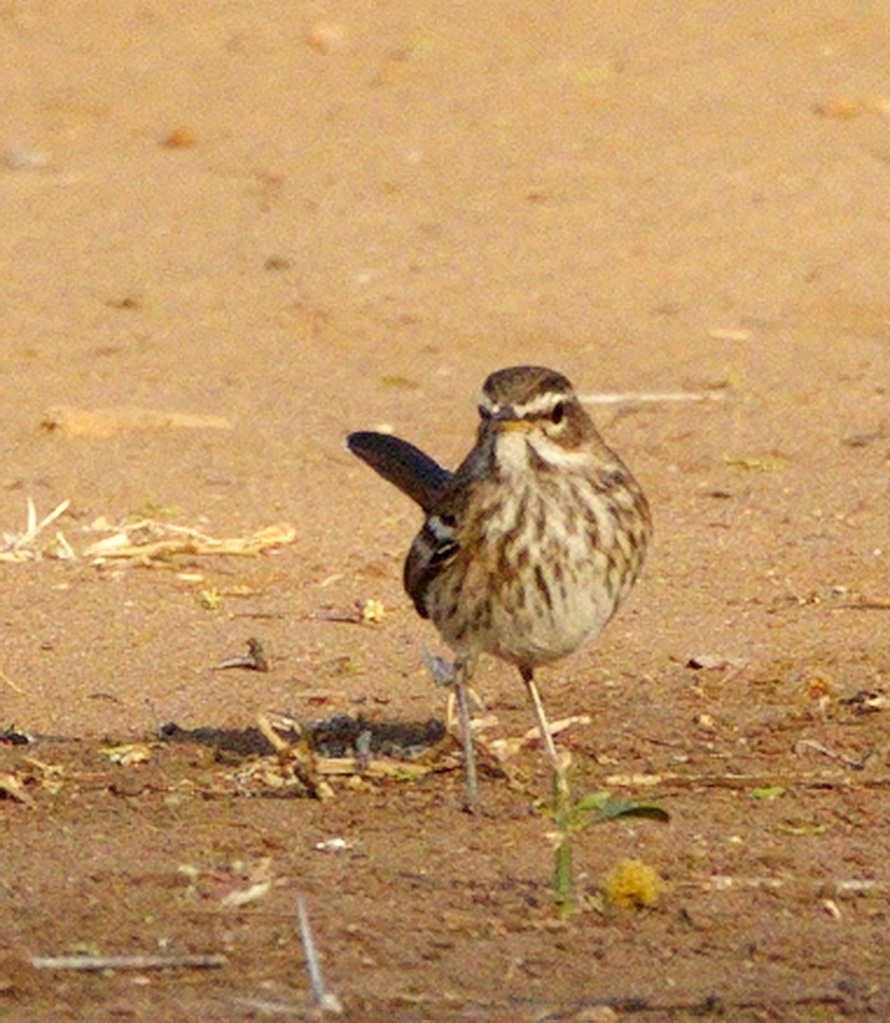
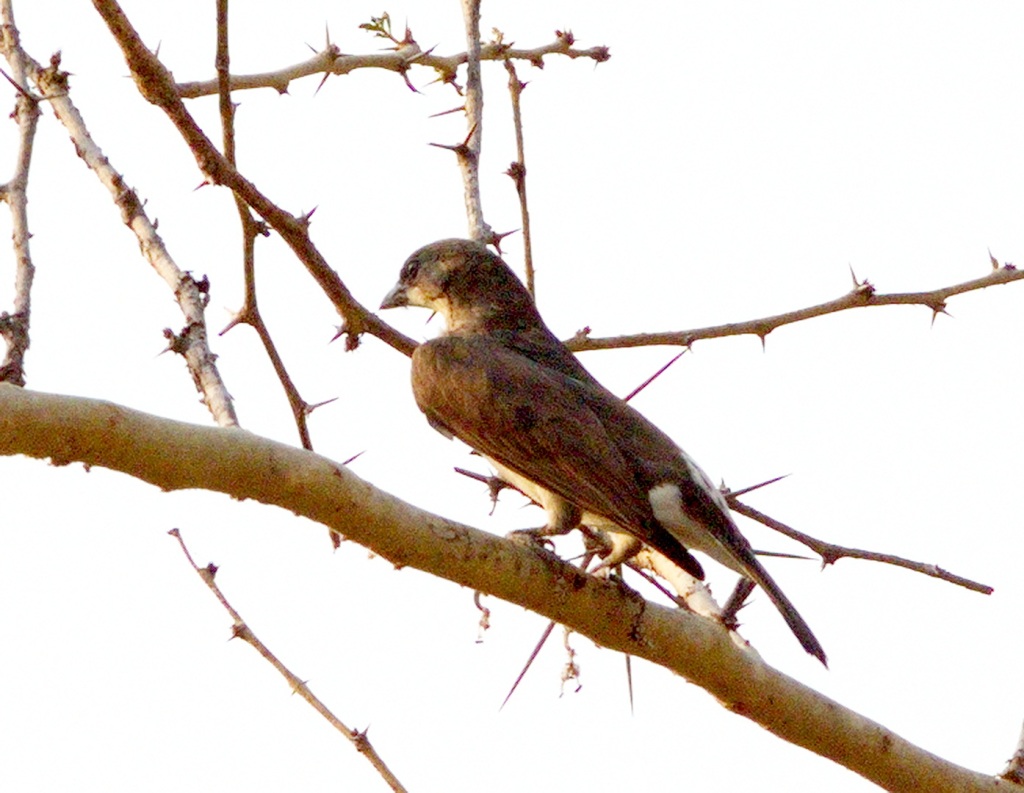
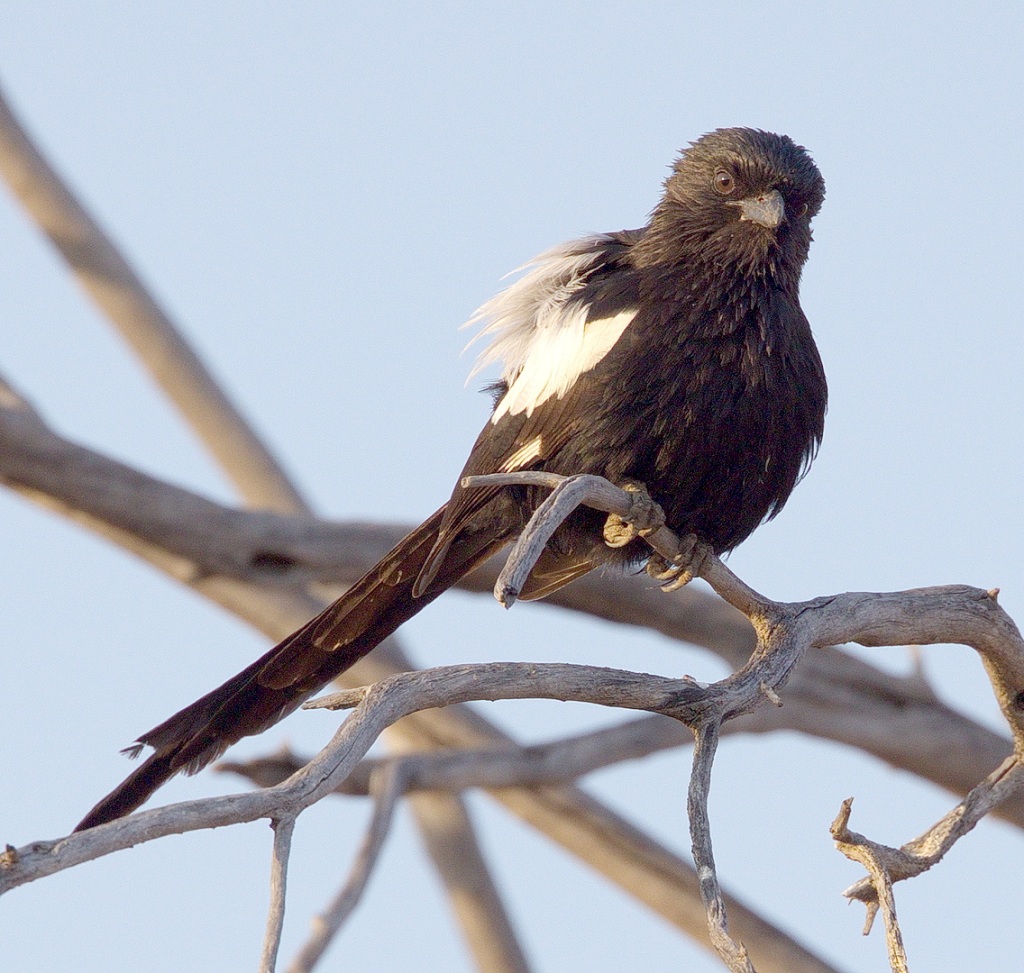
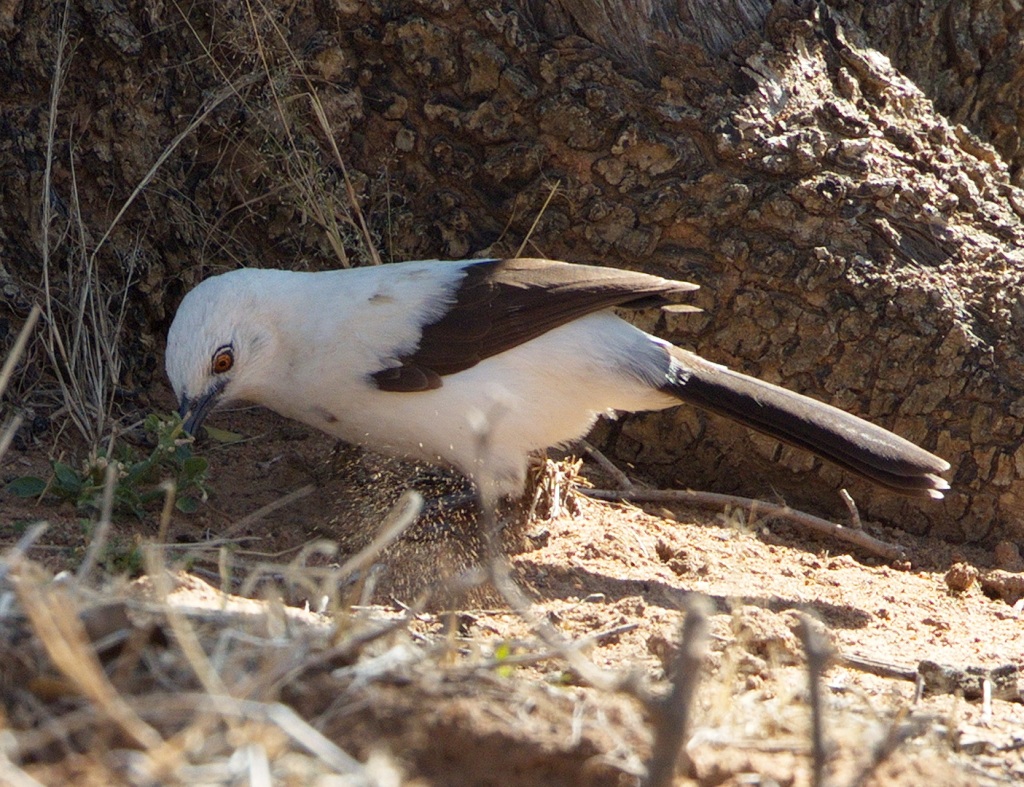
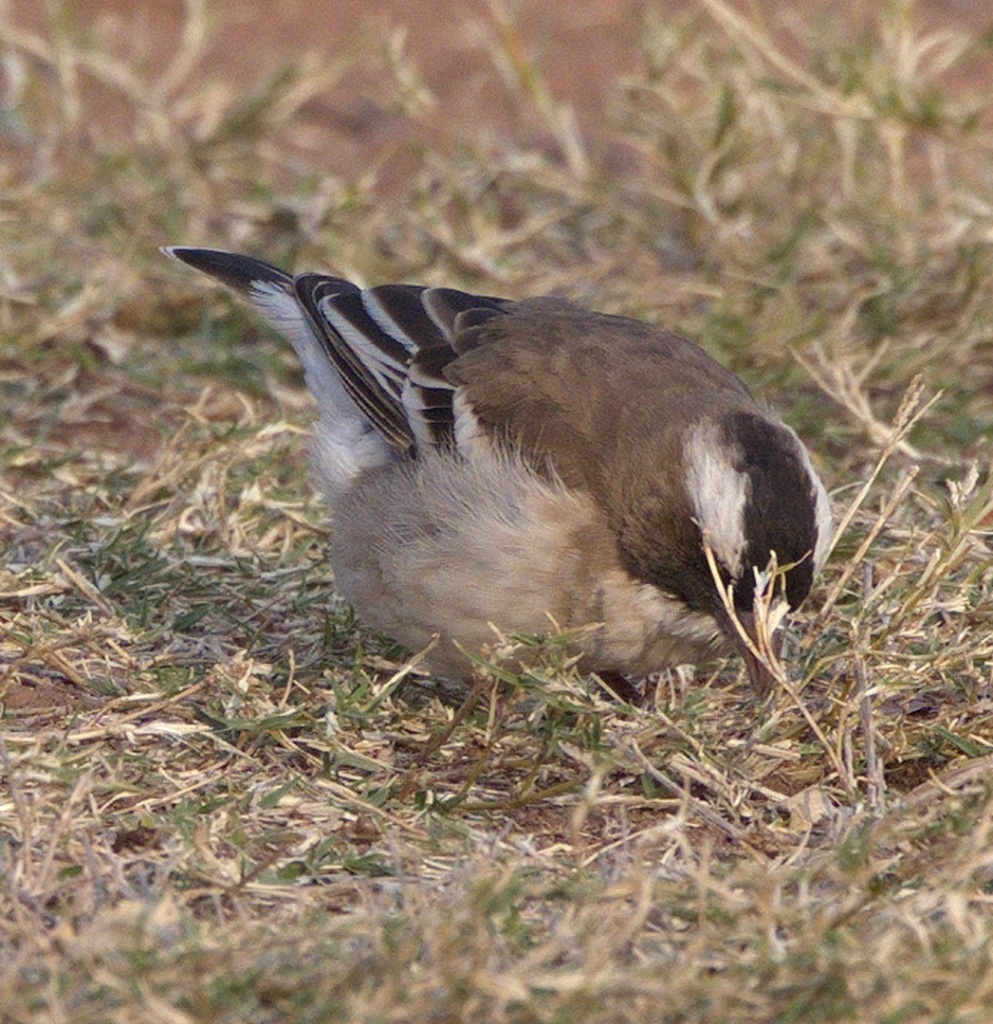
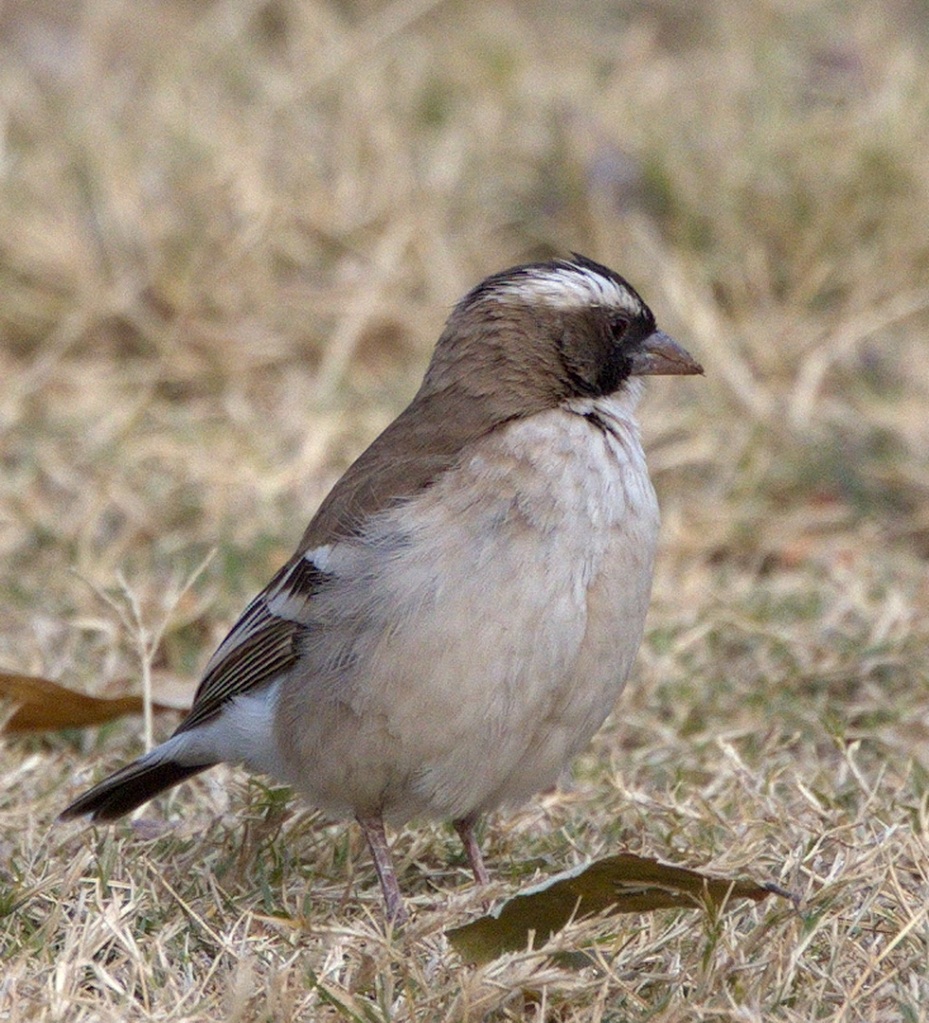
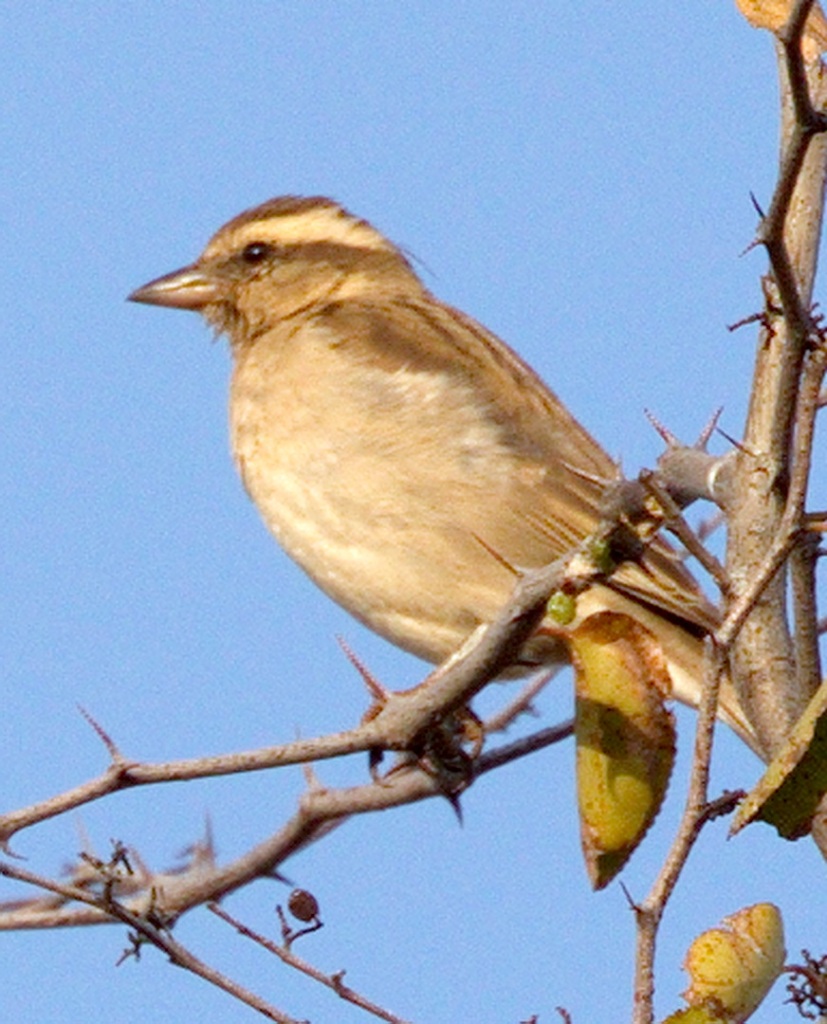
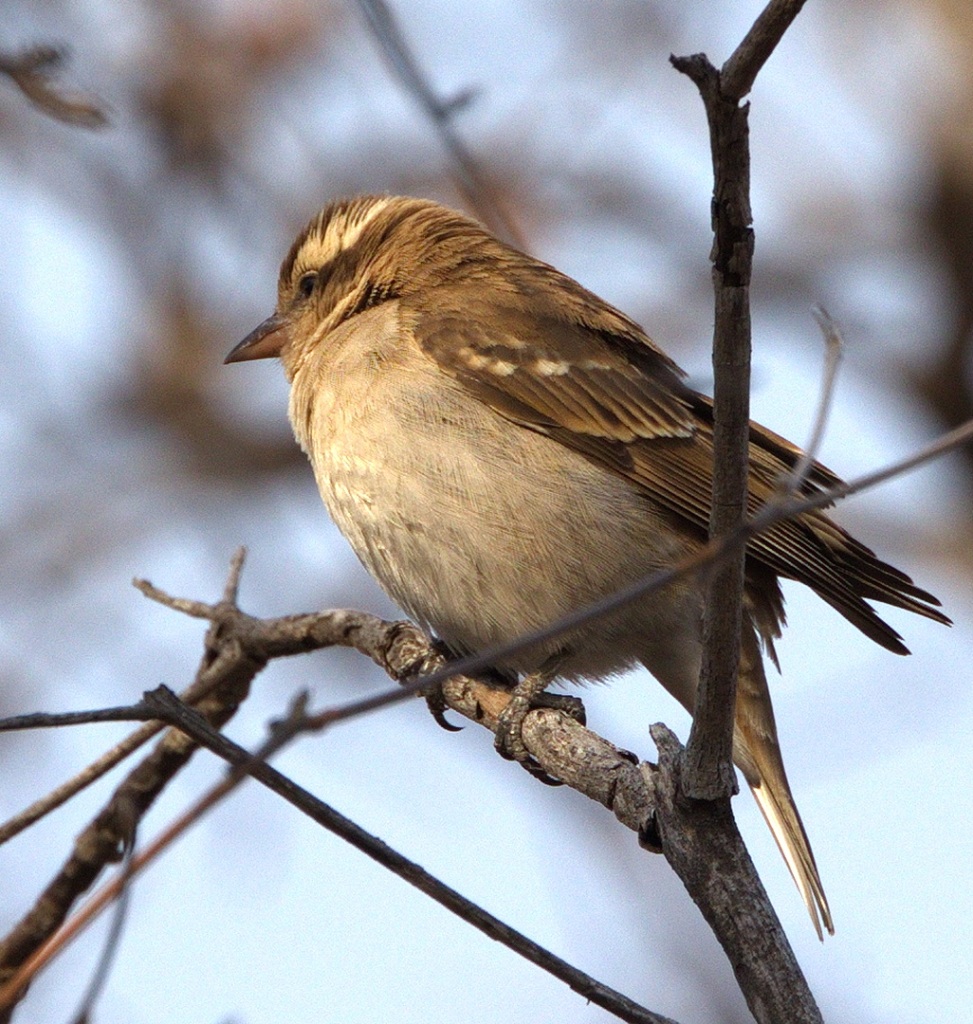
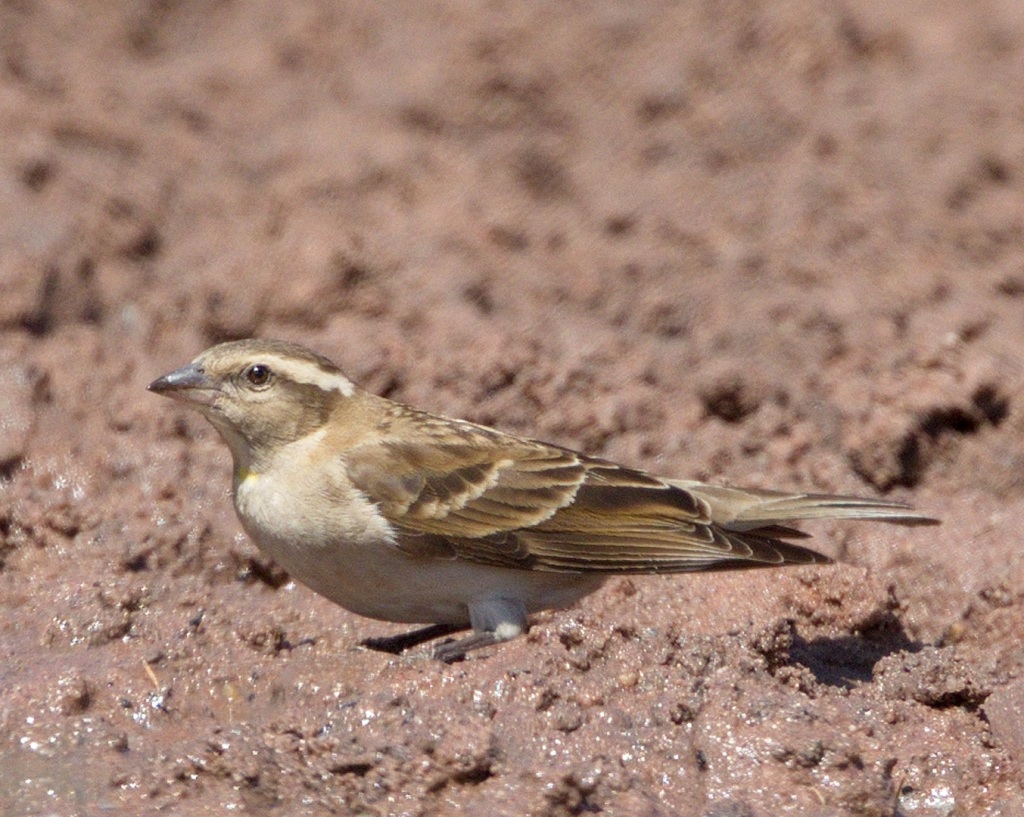
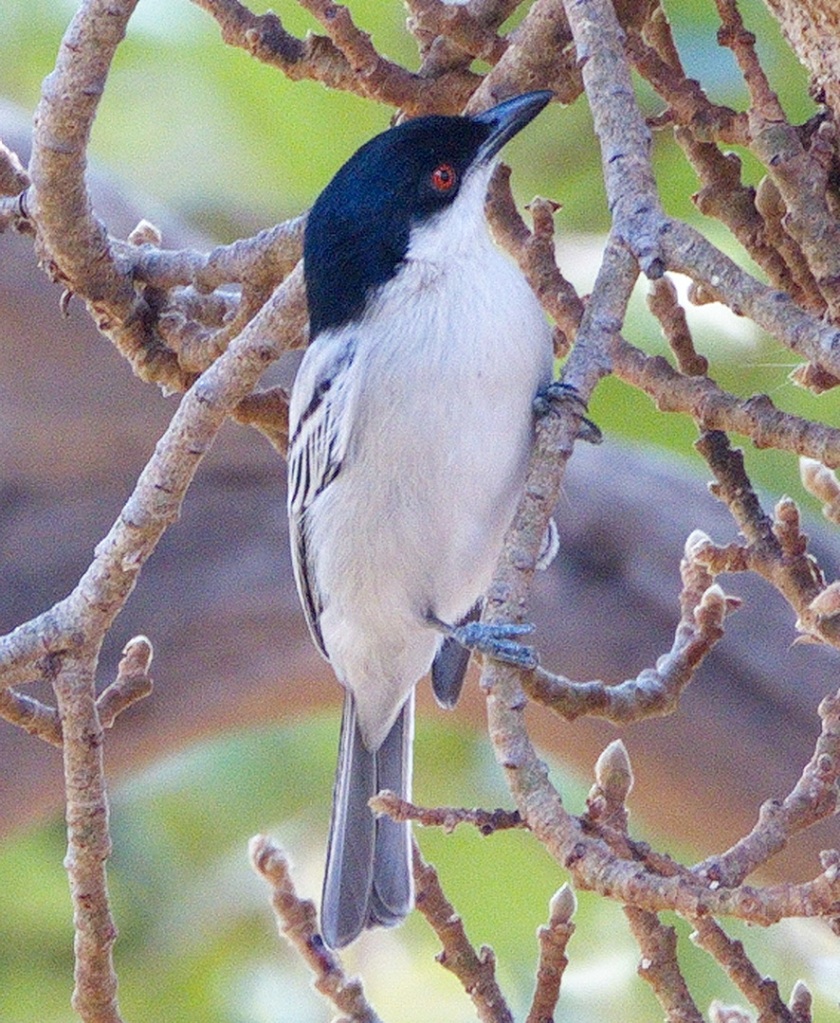
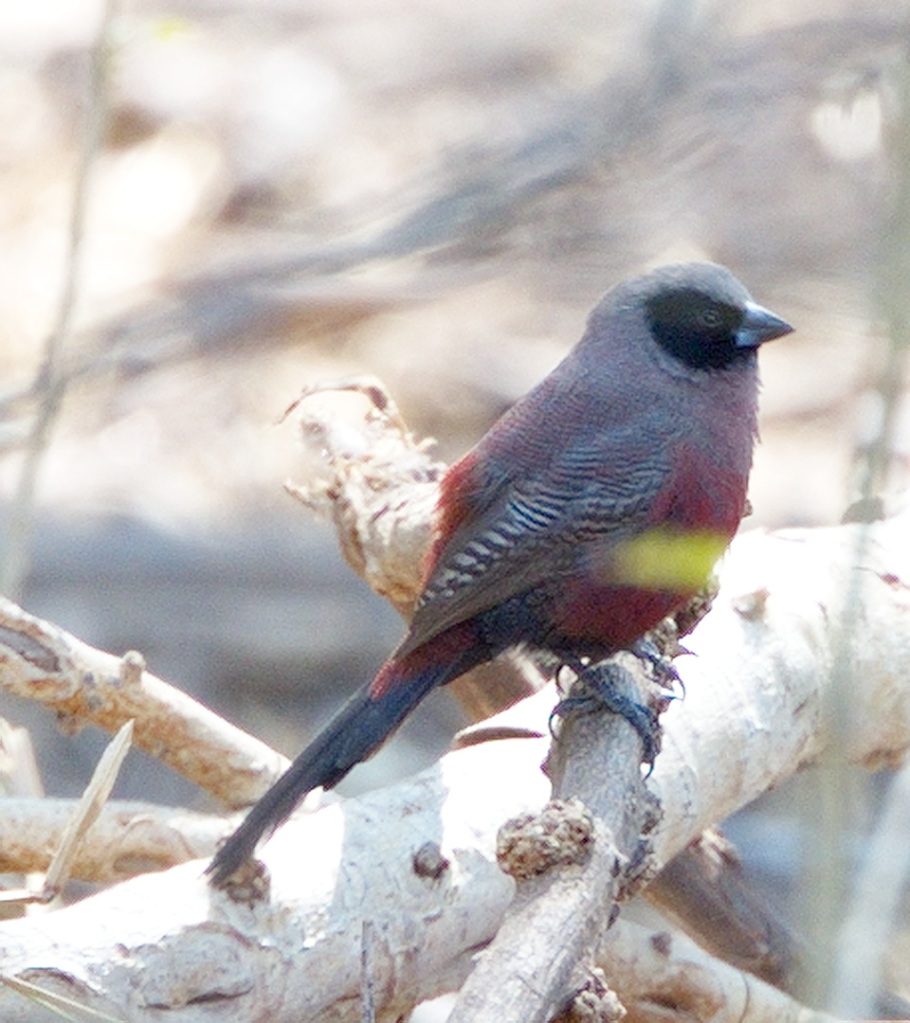
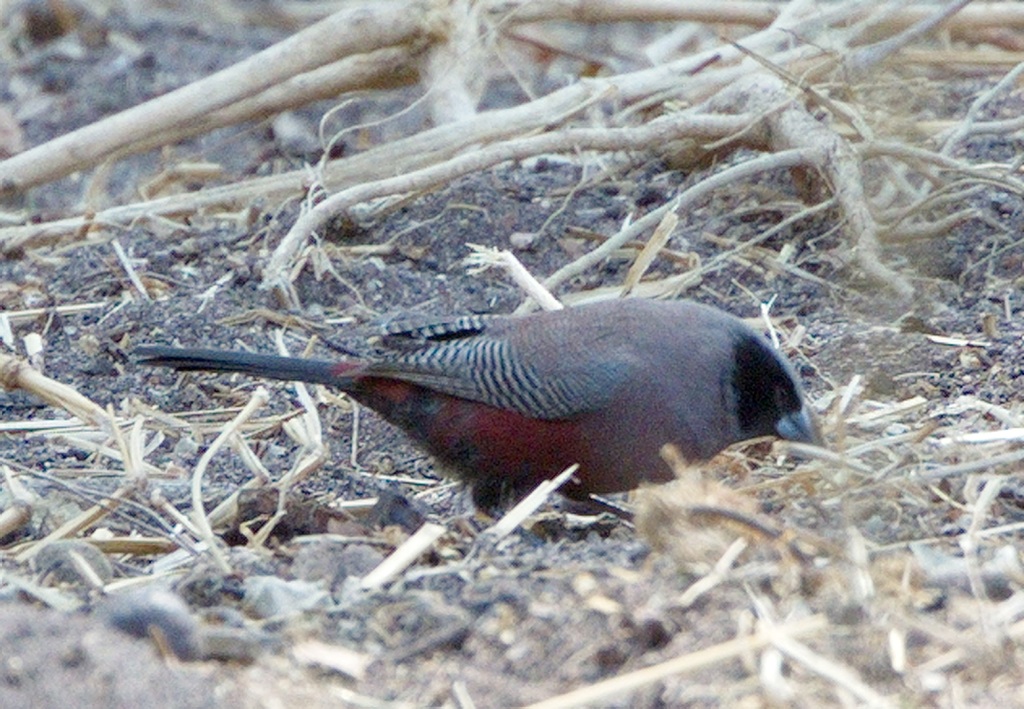
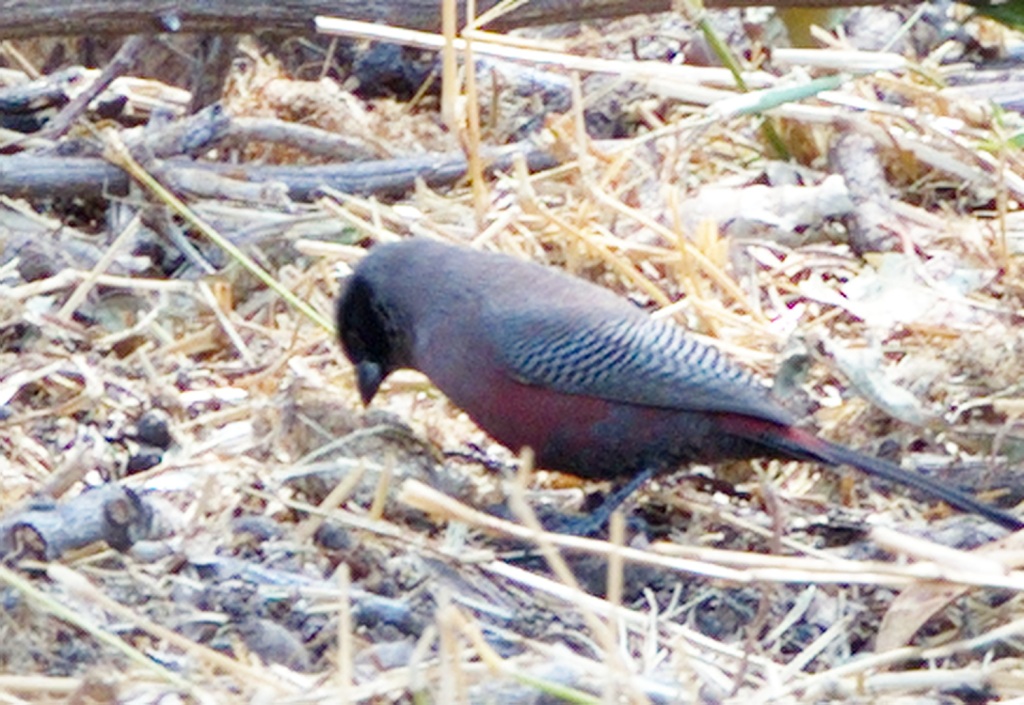
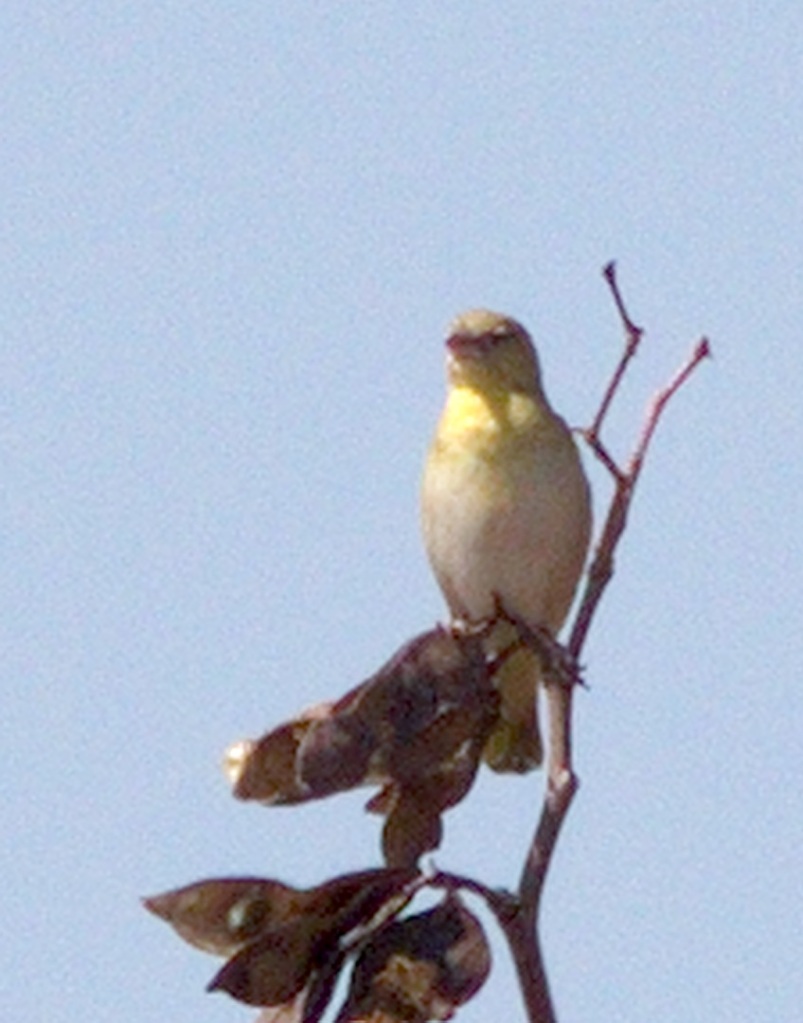
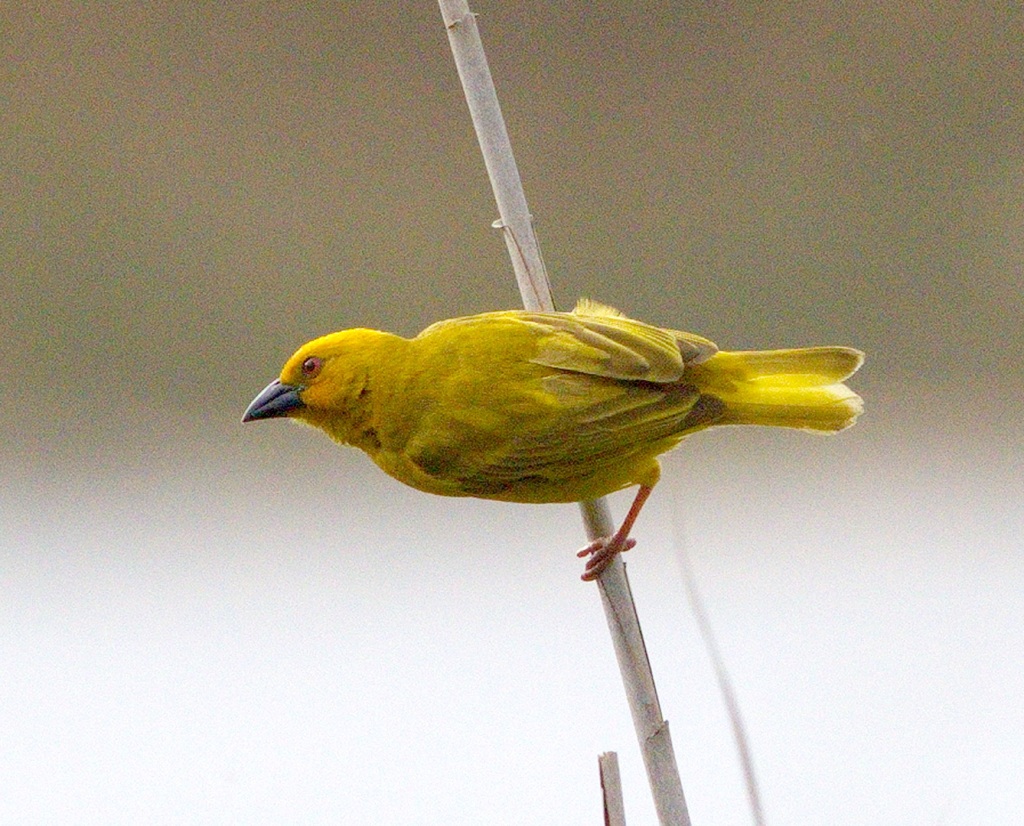
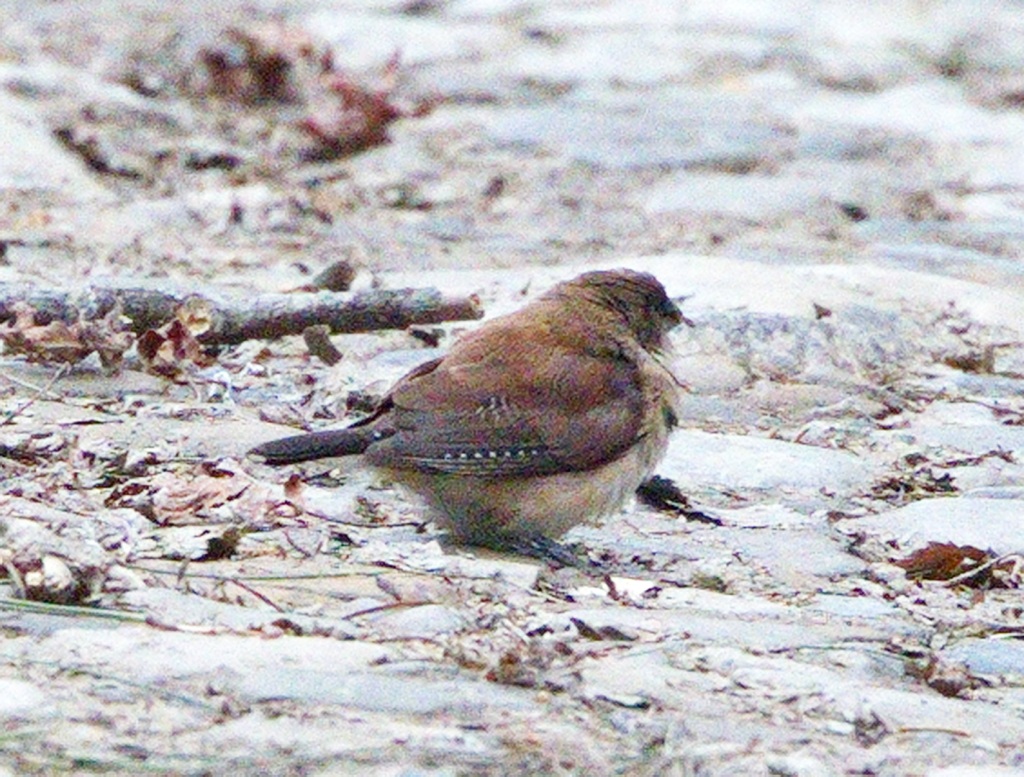
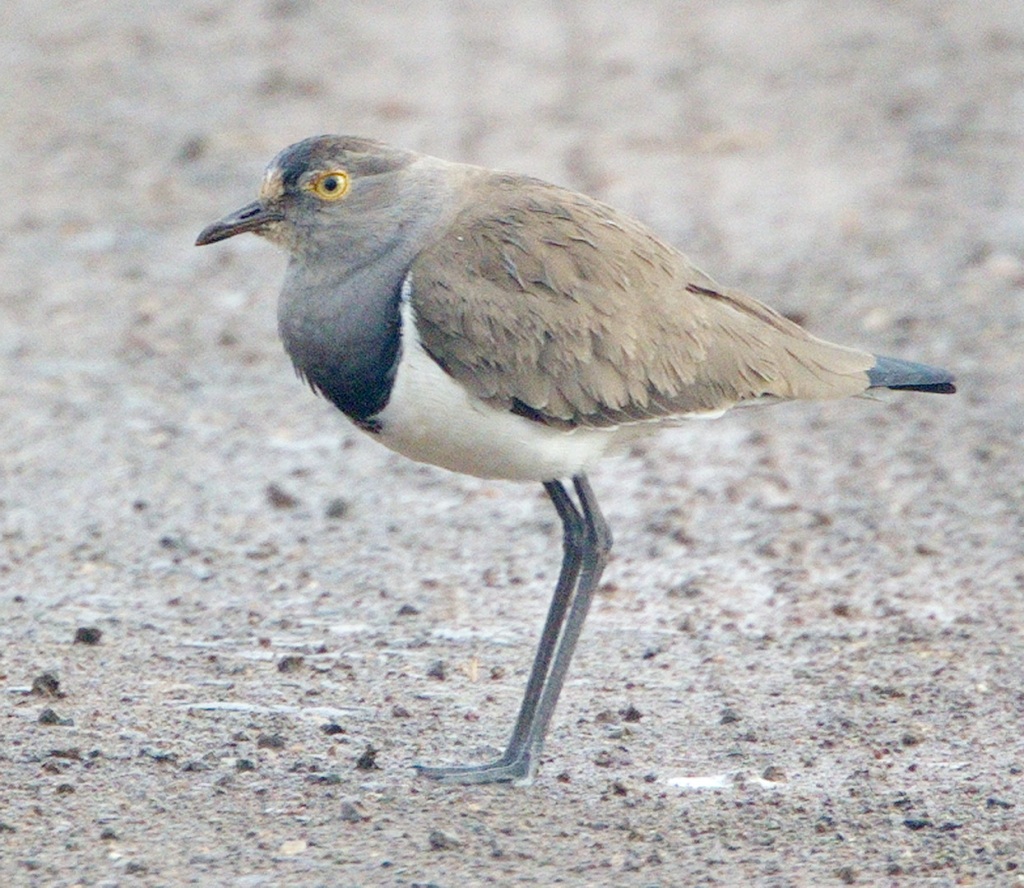
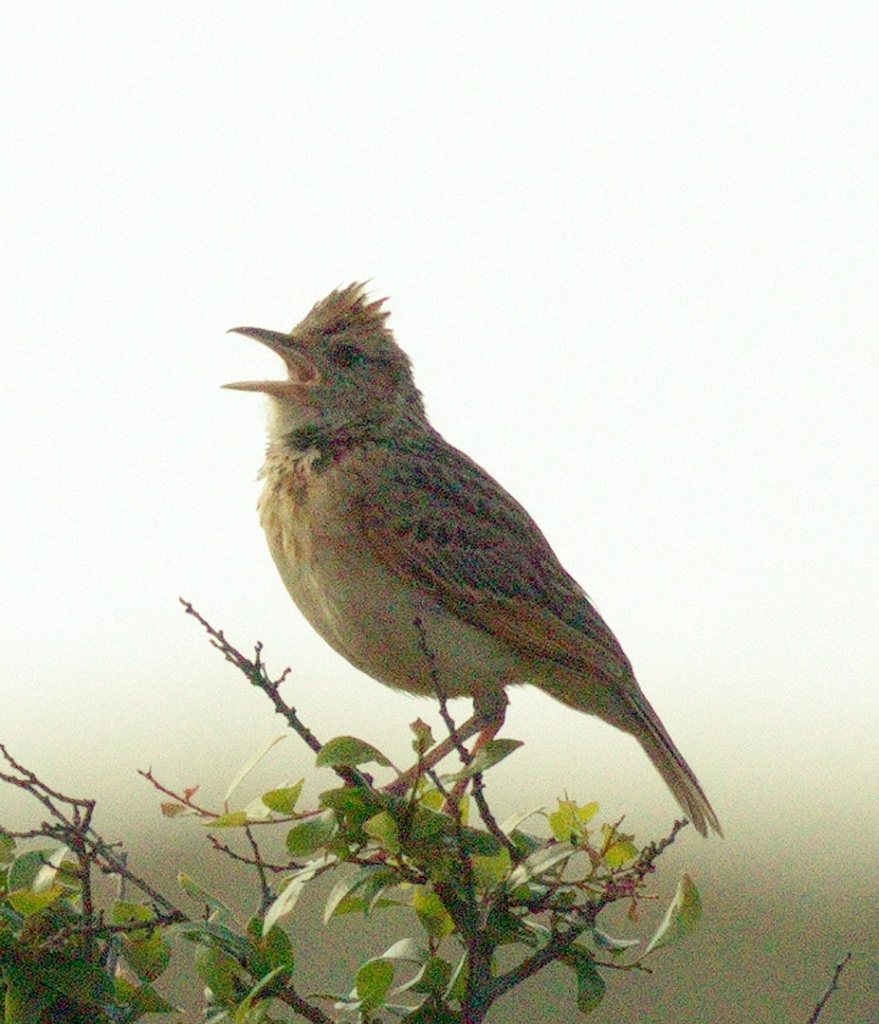
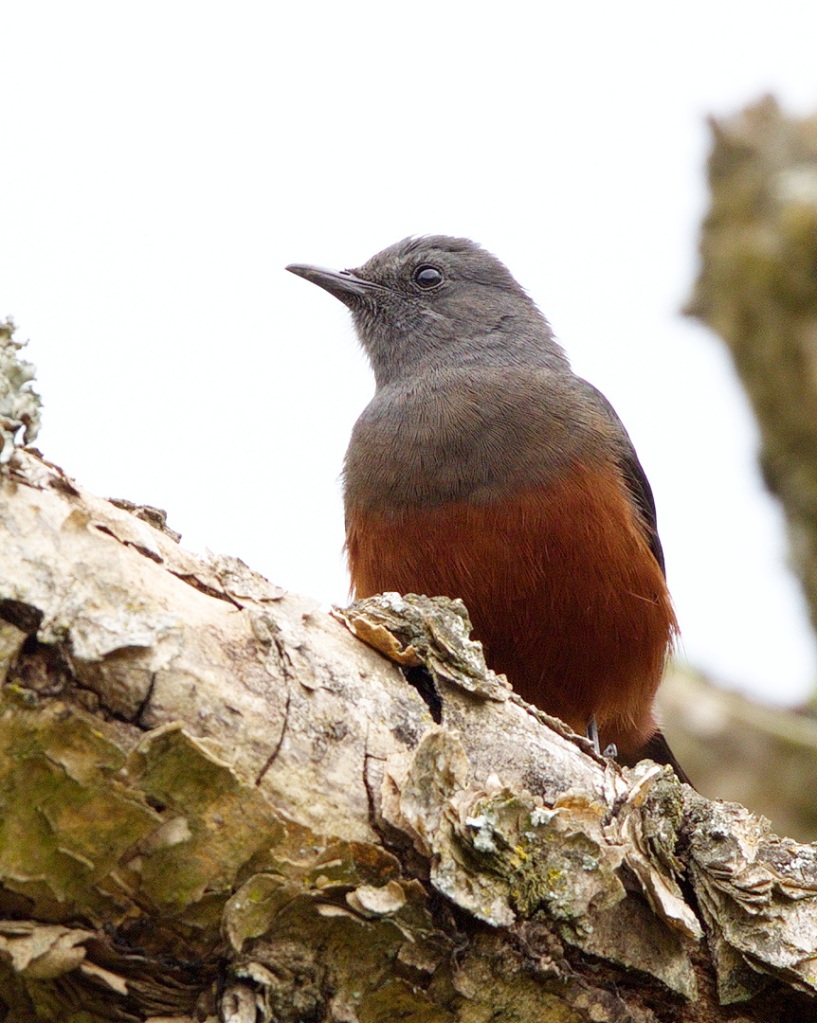
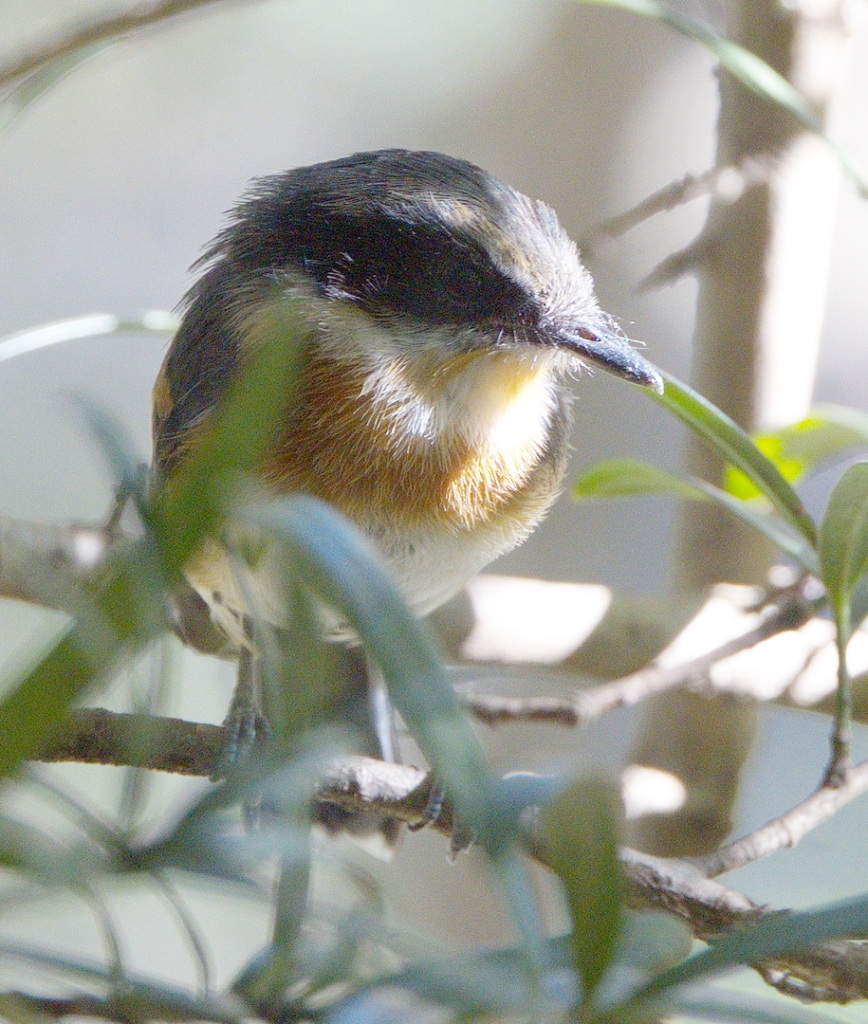
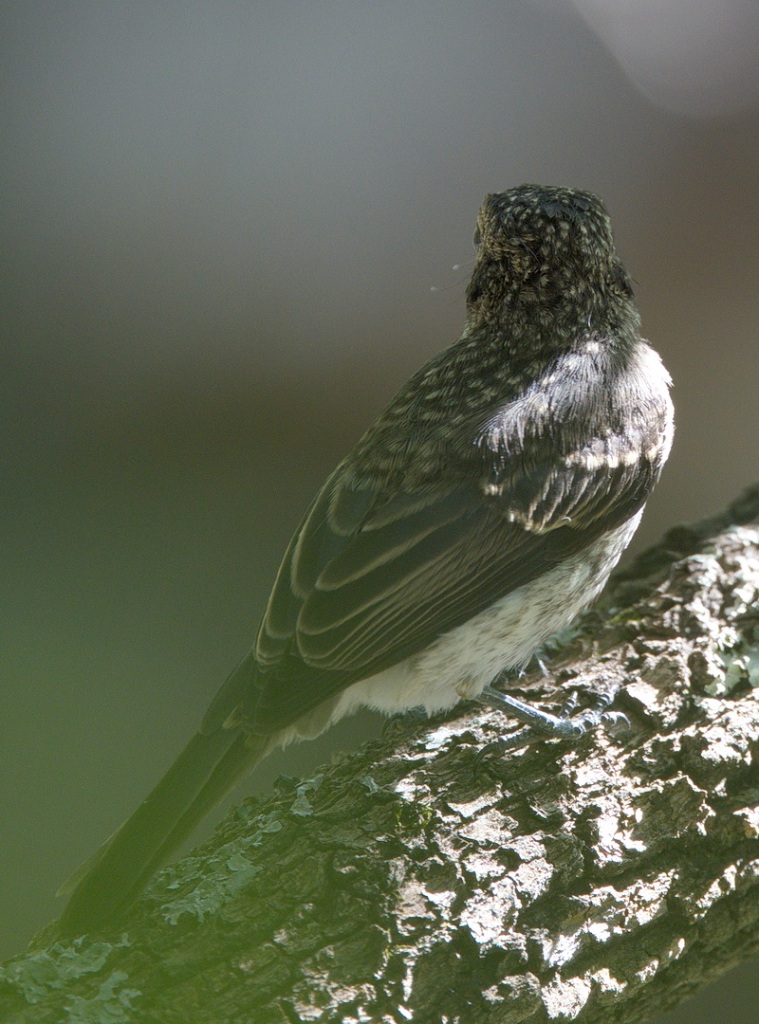
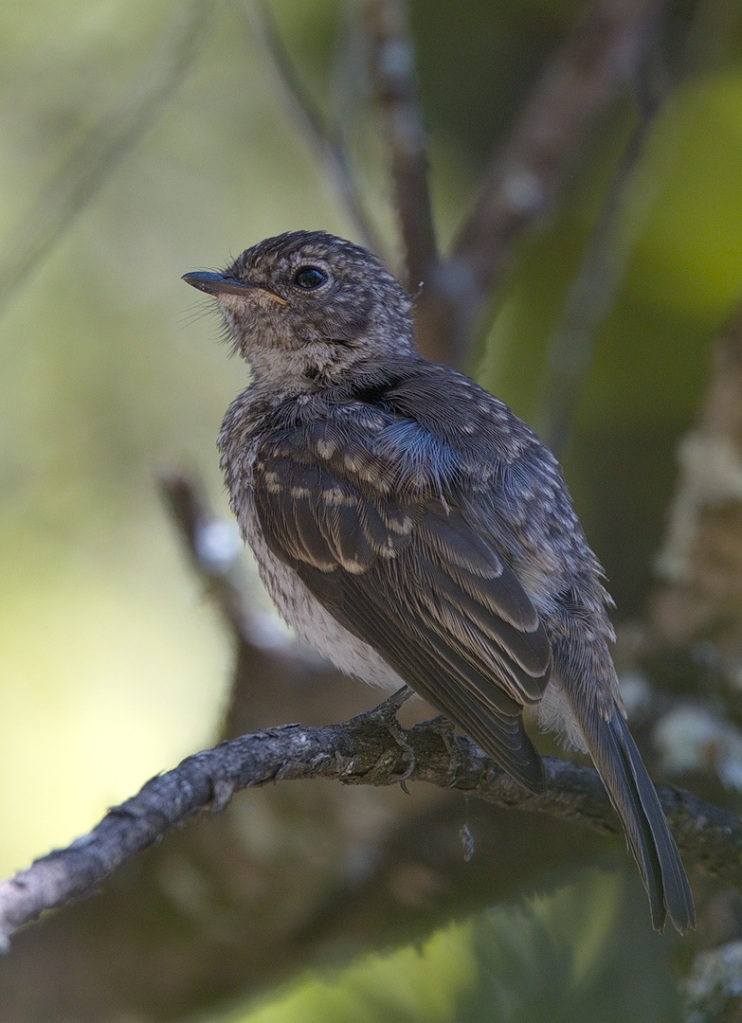
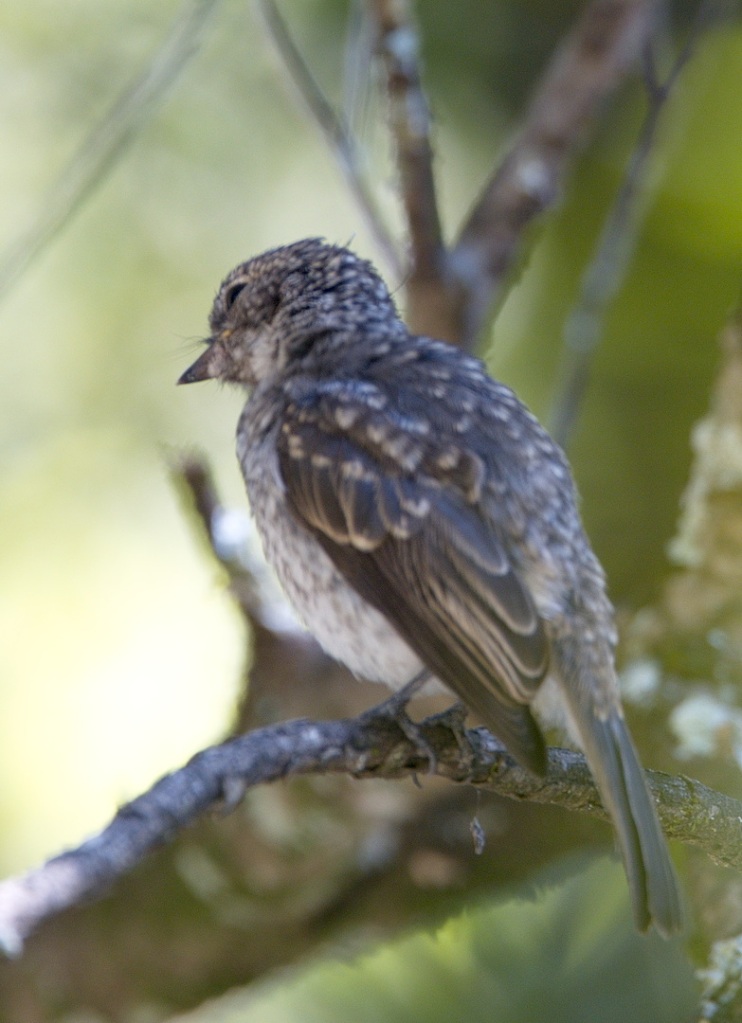
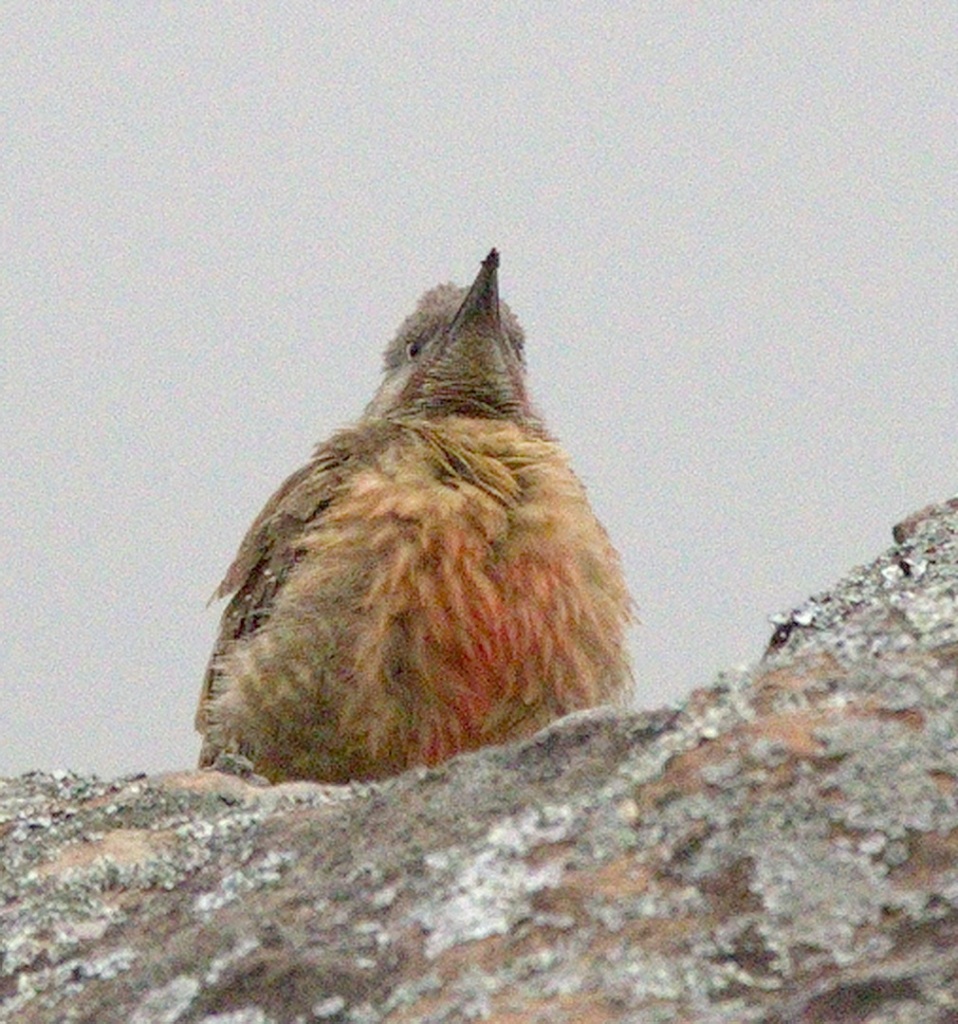
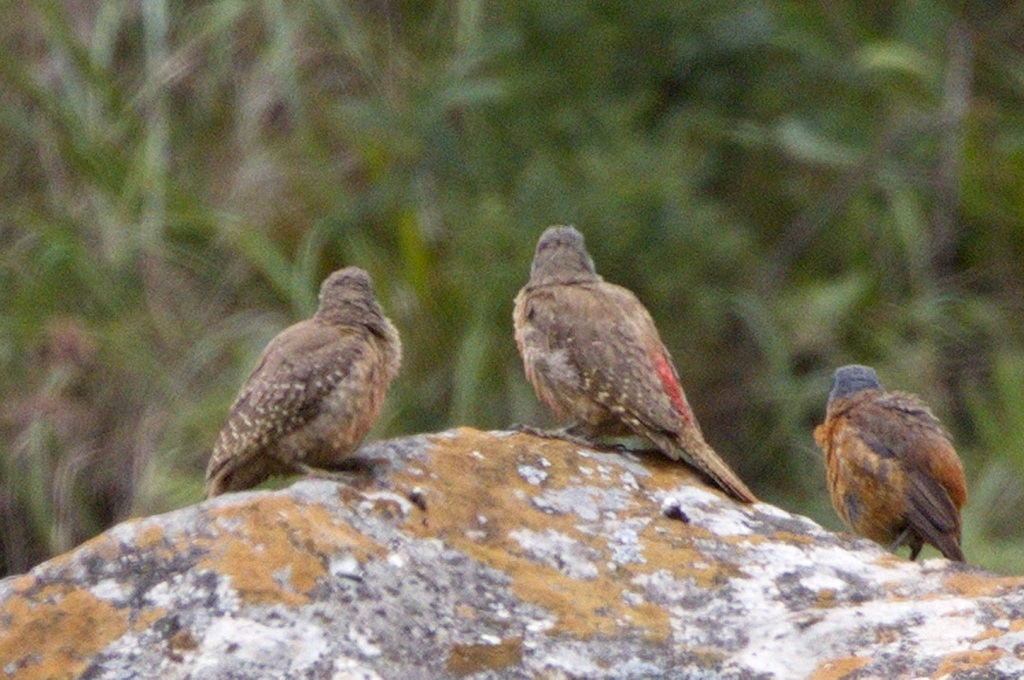
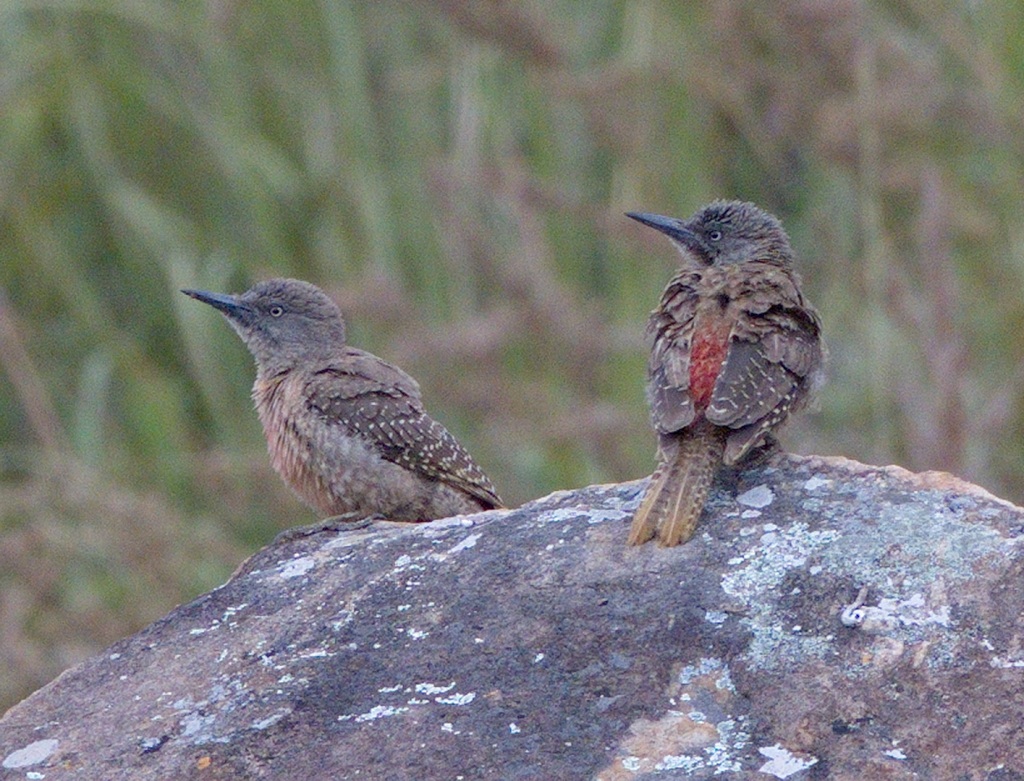
One day we ventured out the Western Gate and went directly opposite into the veldt. We were treated to numerous sightings of both Chestnut-backed and Grey-backed Sparrow-Larks even juveniles which confused us for a while. Here are some of their photos.
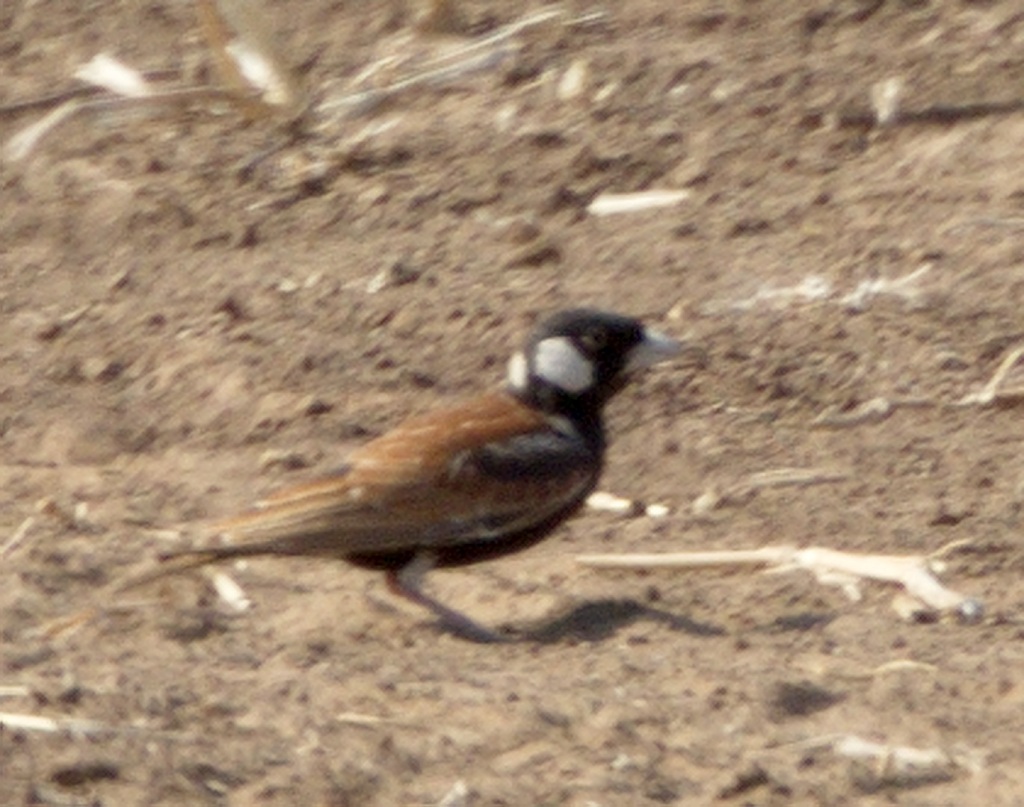
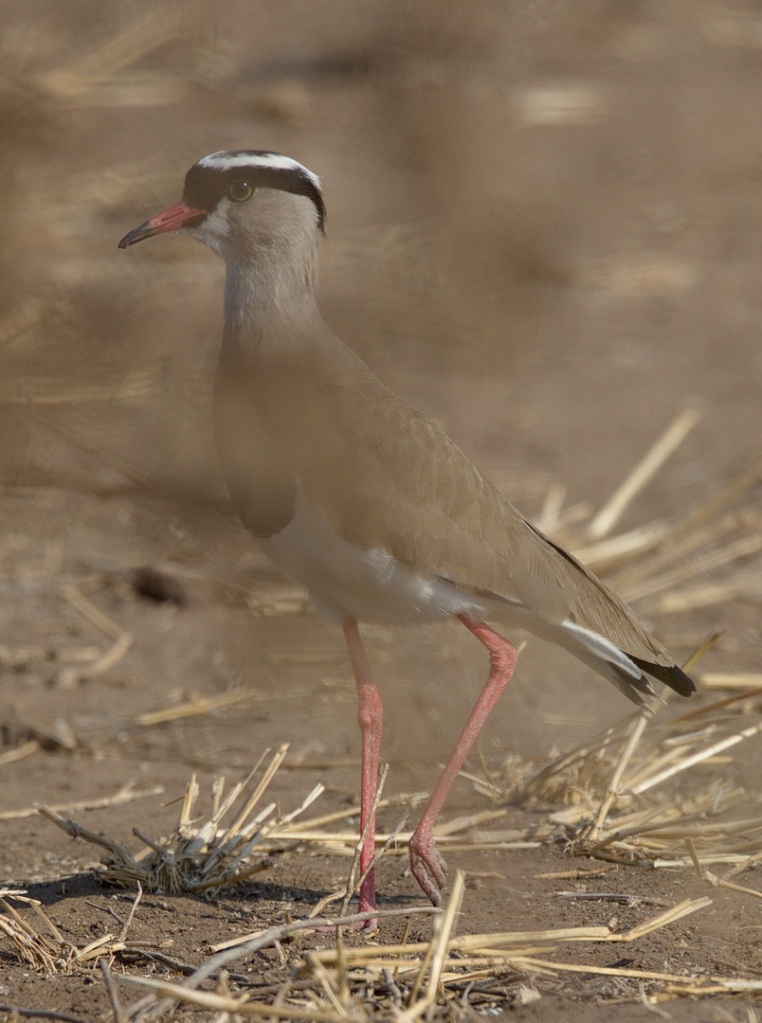
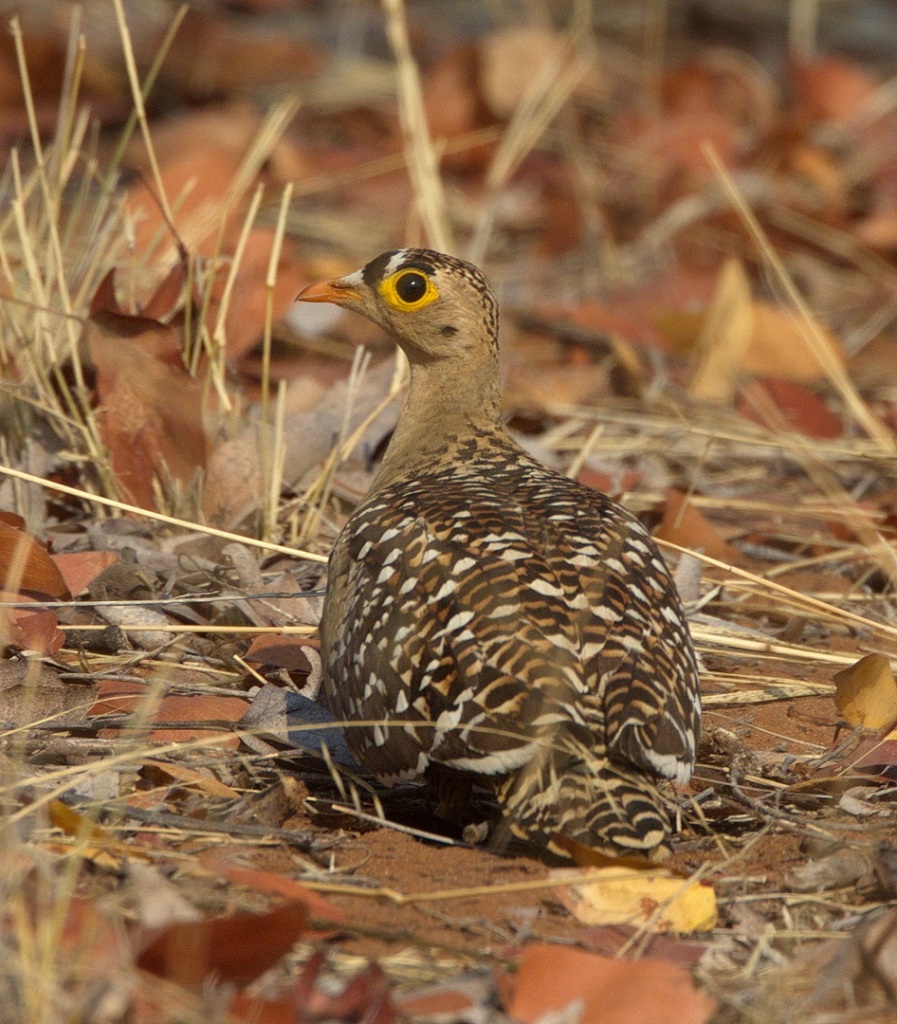
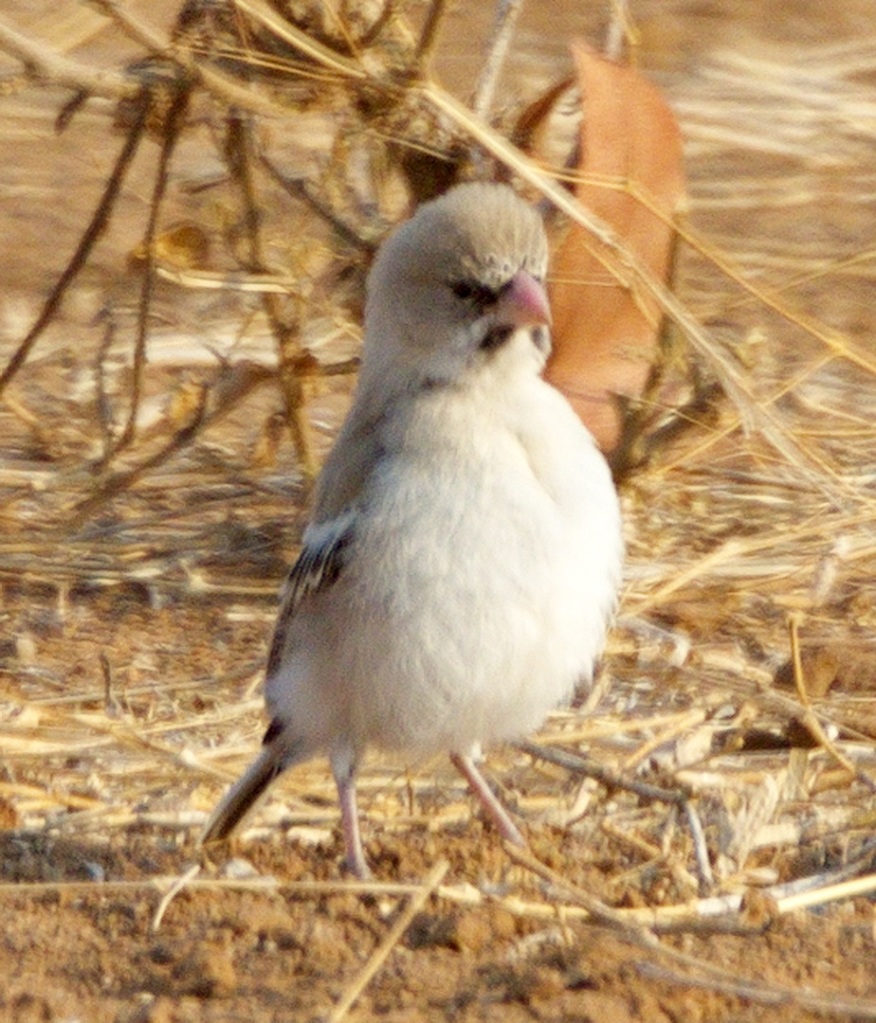
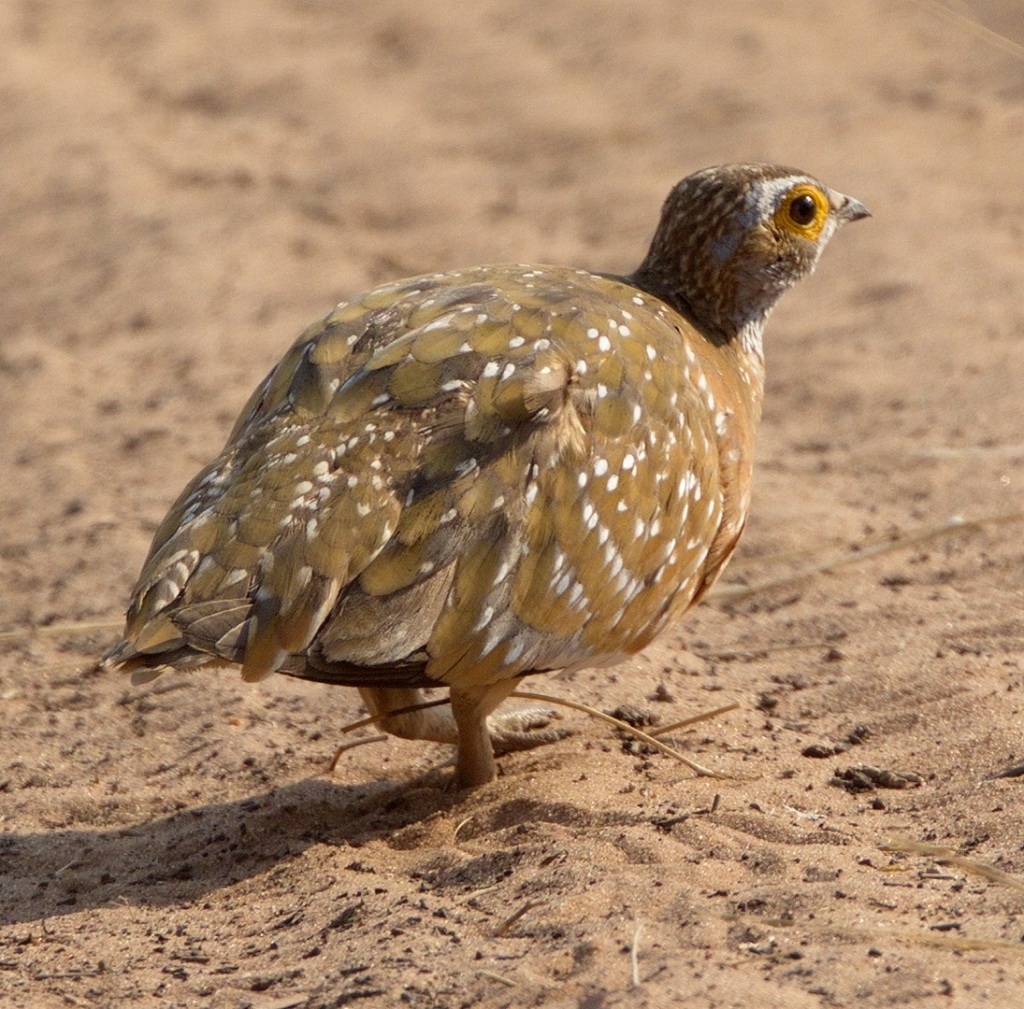
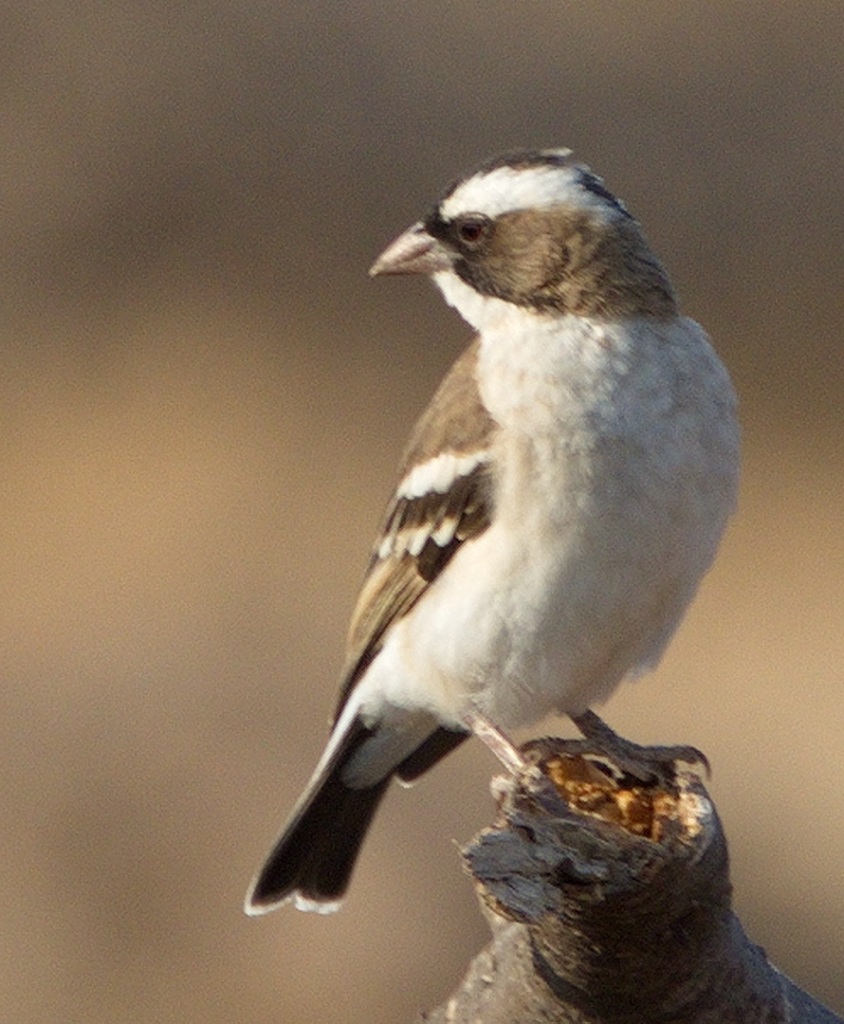
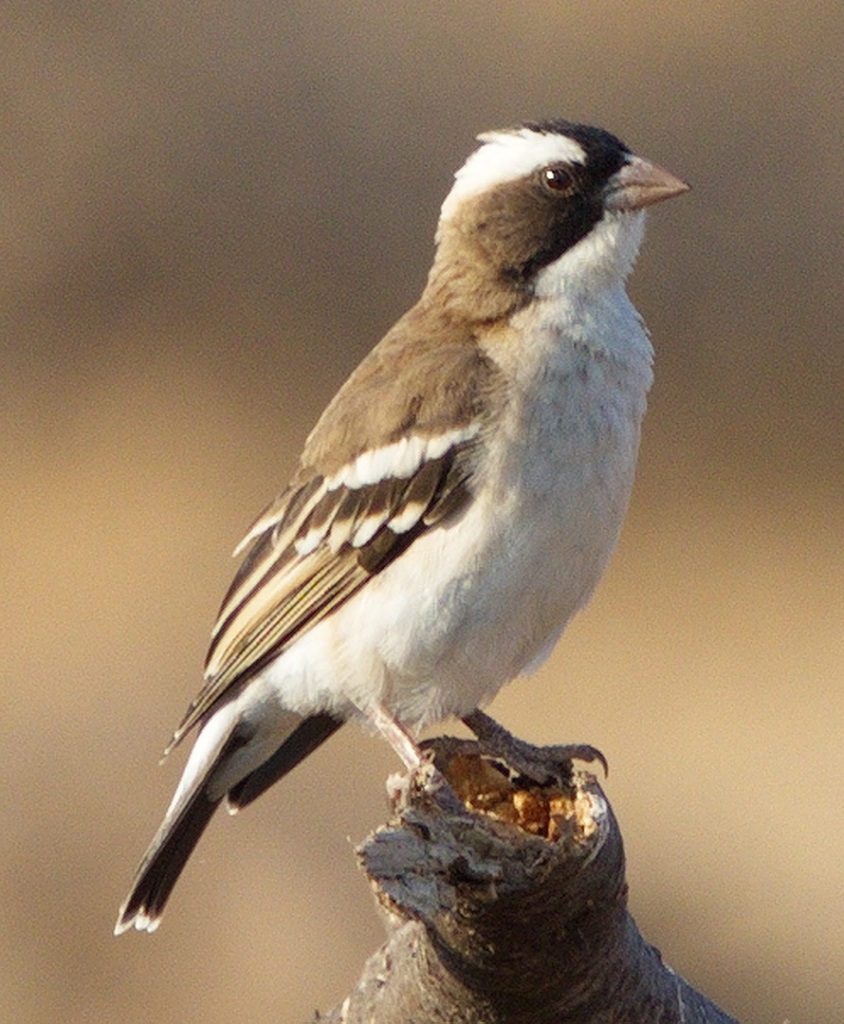
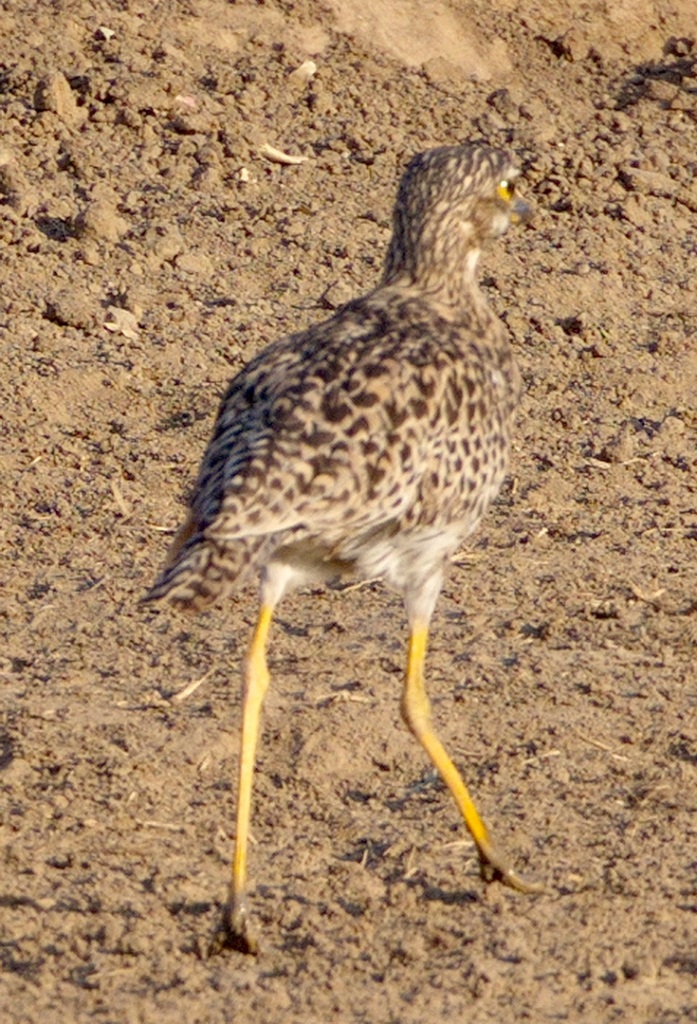
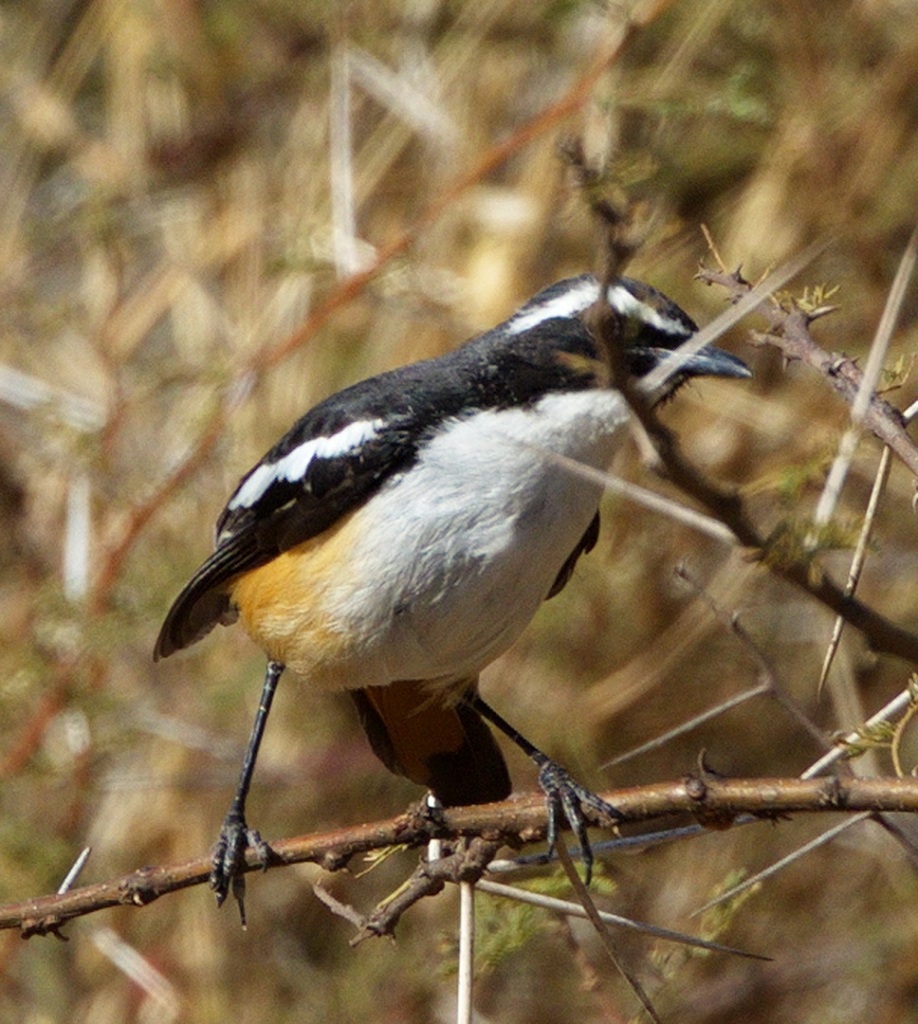
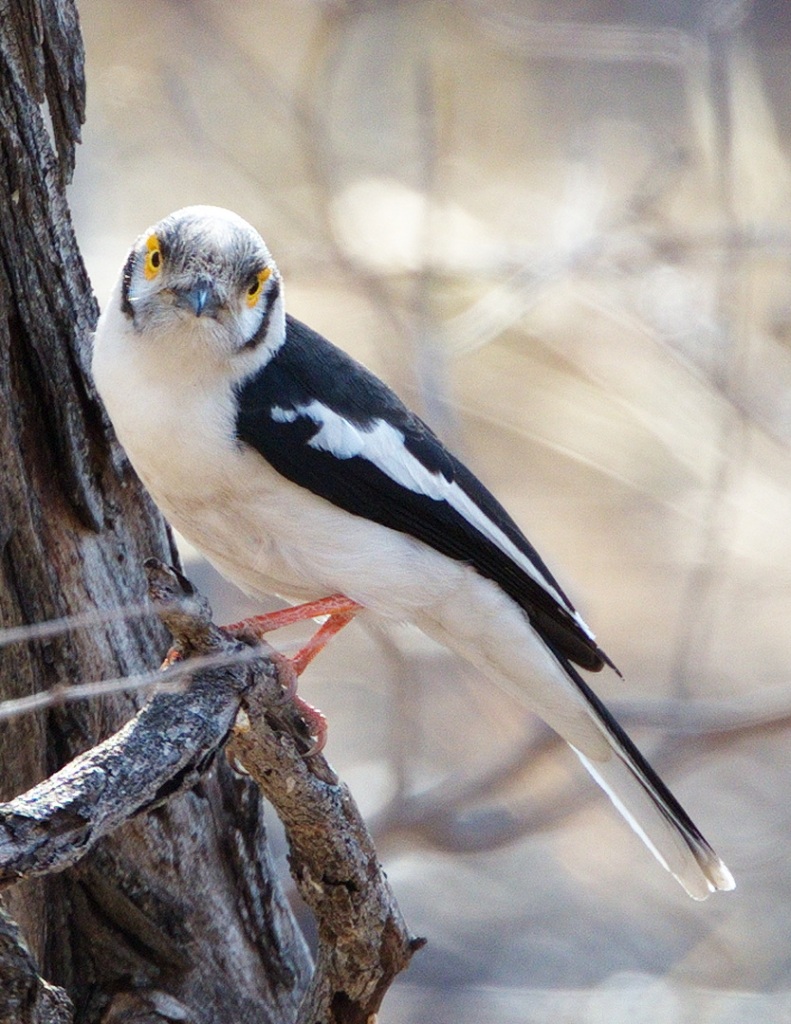
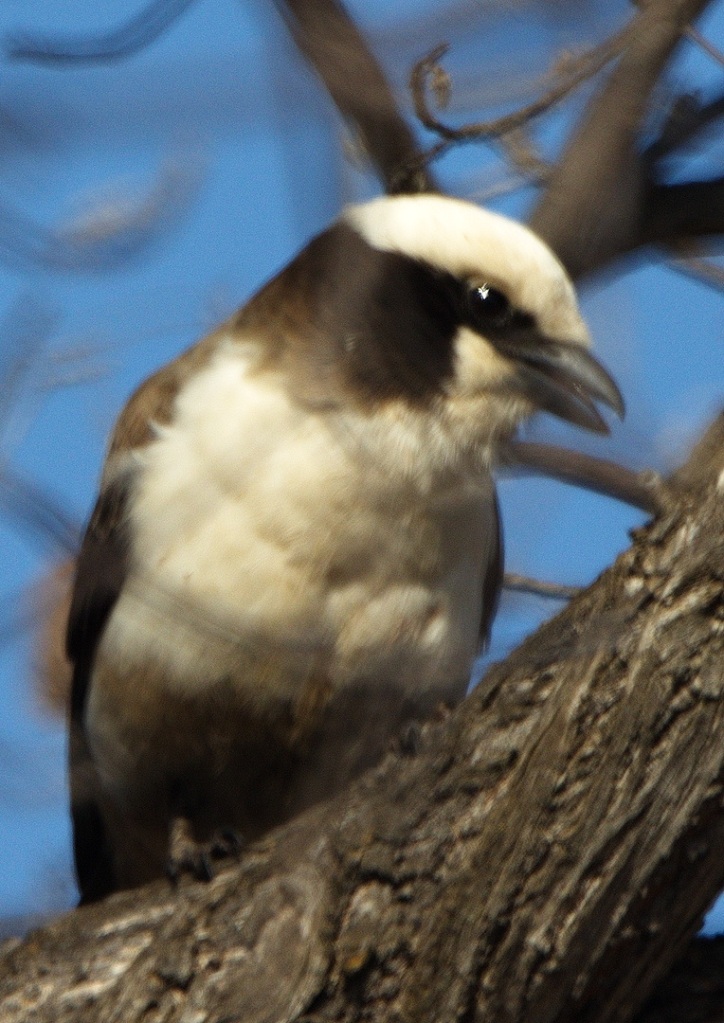
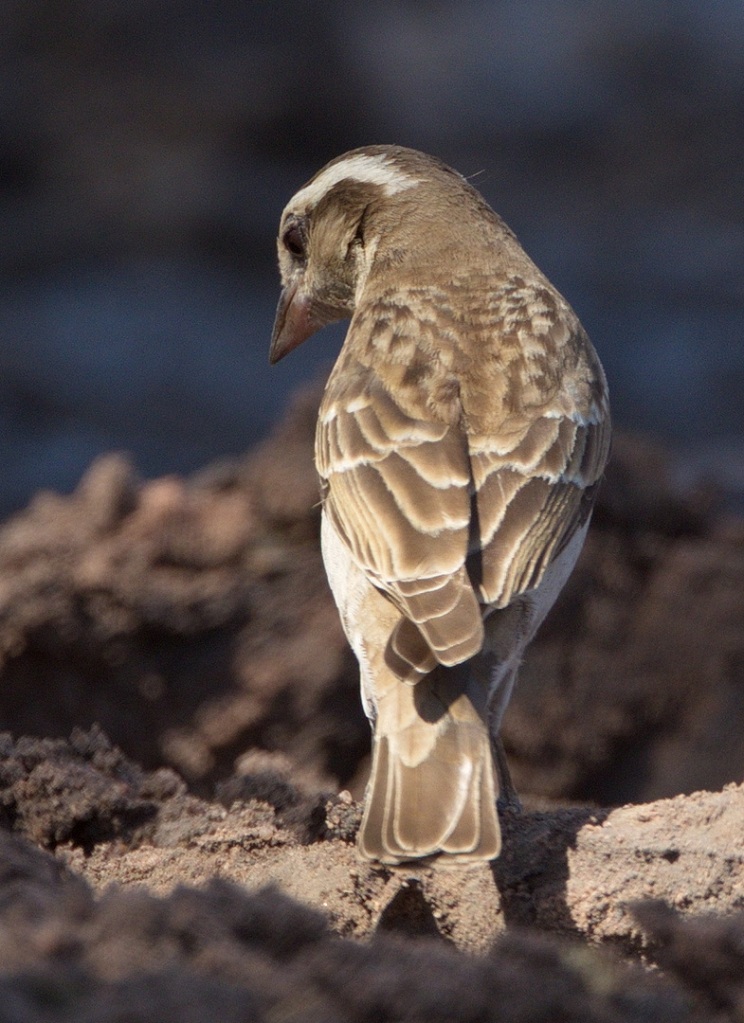
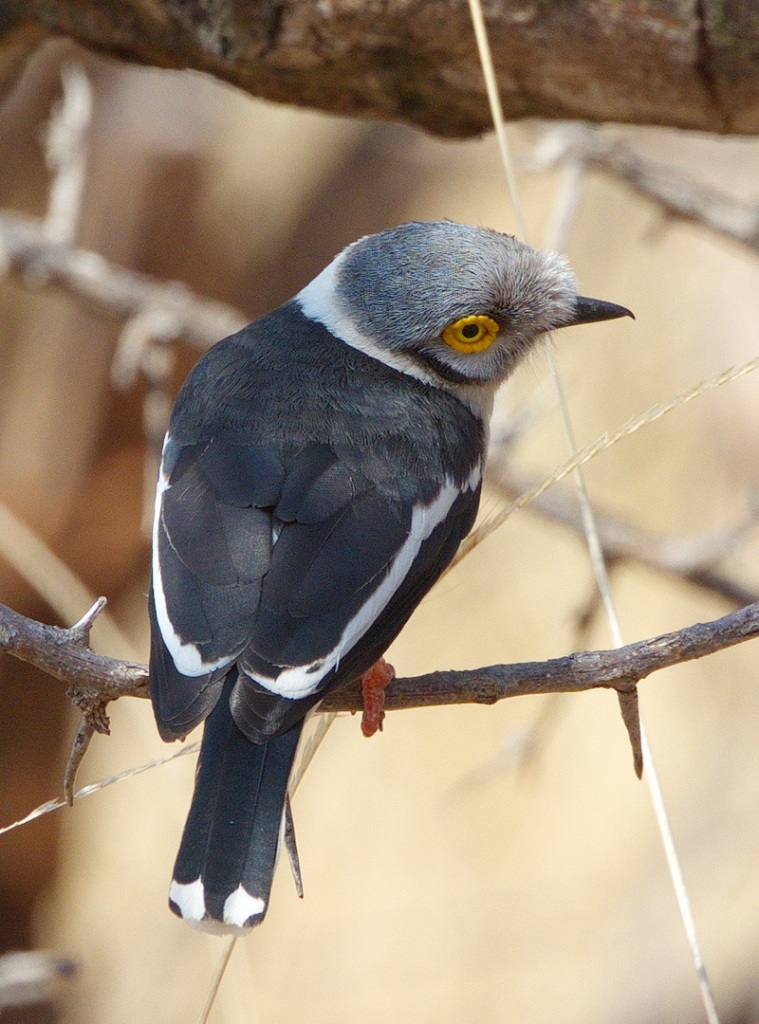
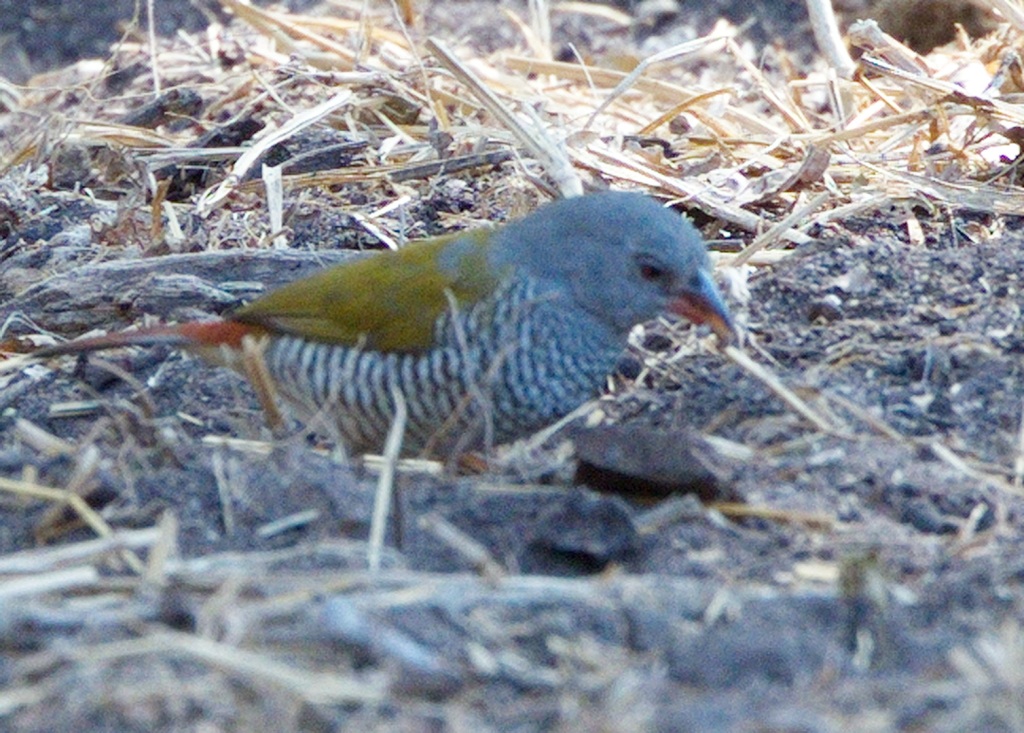
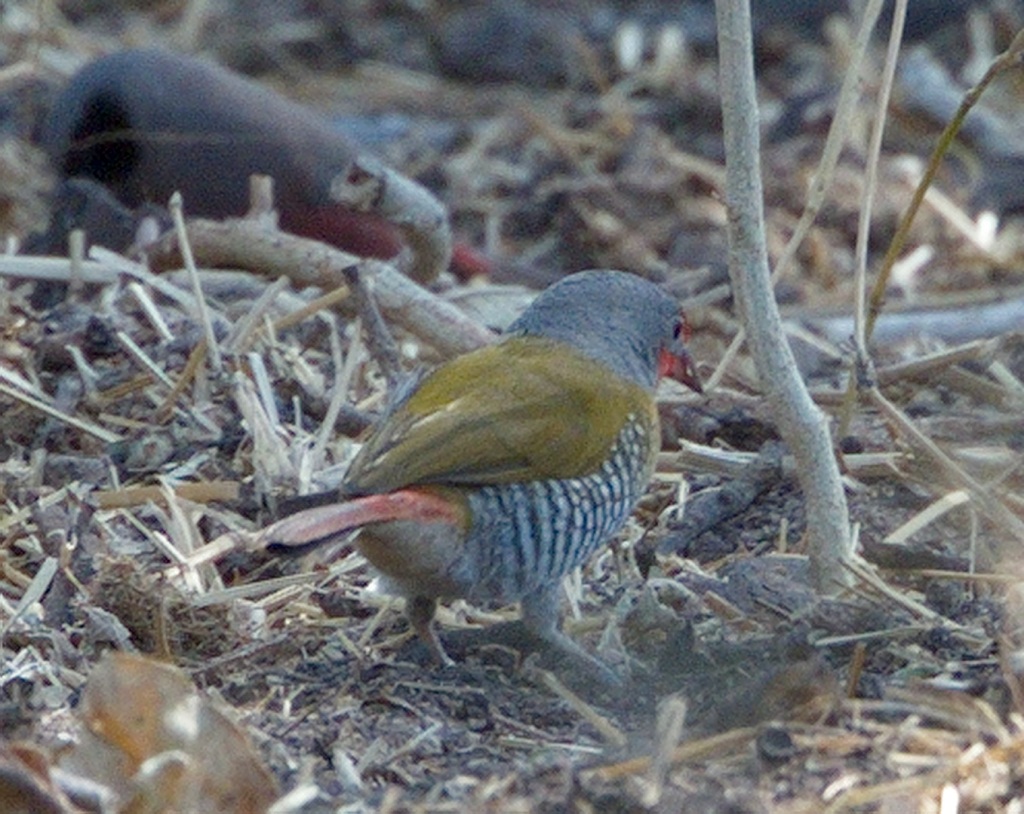
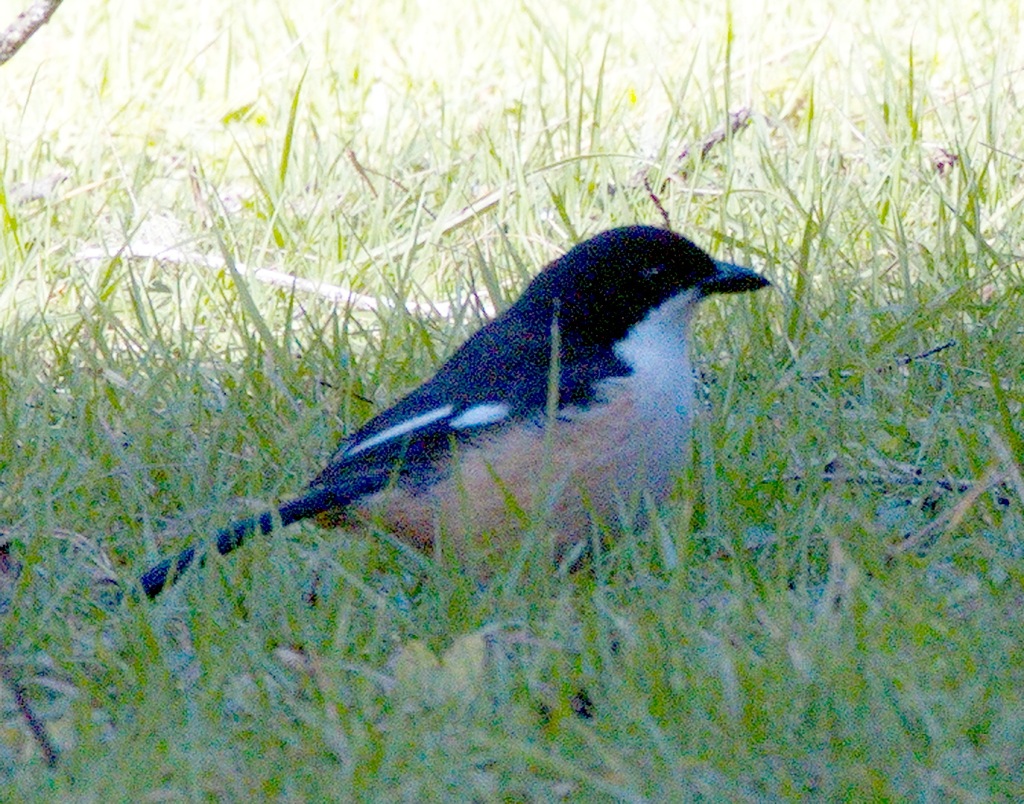
In that section we also found Sandgrouses (Burchell’s and Double-banded), White-browed Sparrow-Weavers, White-crowned Shrikes, Crowned Lapwings and Scaly-feathered Finches to name a few.
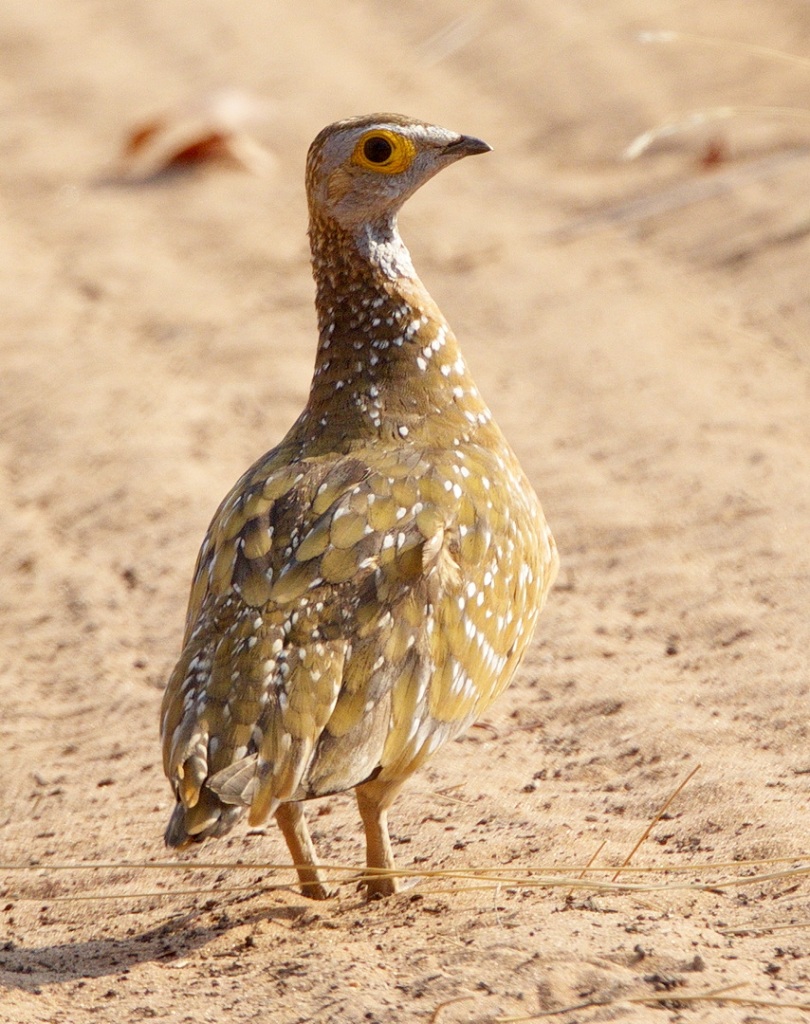
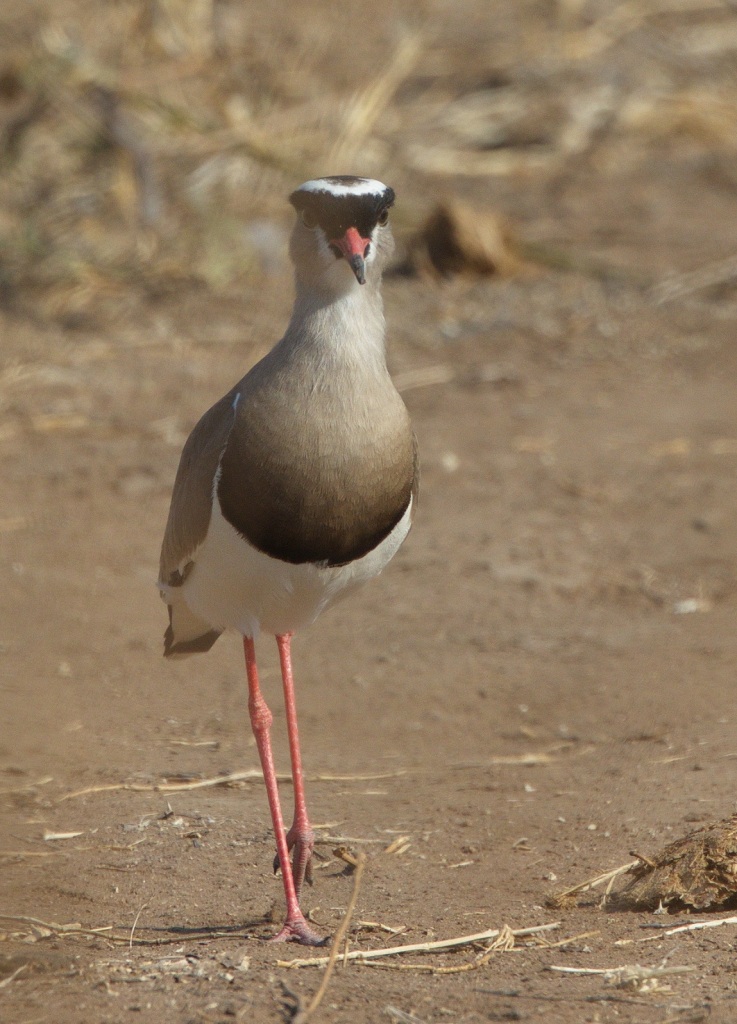
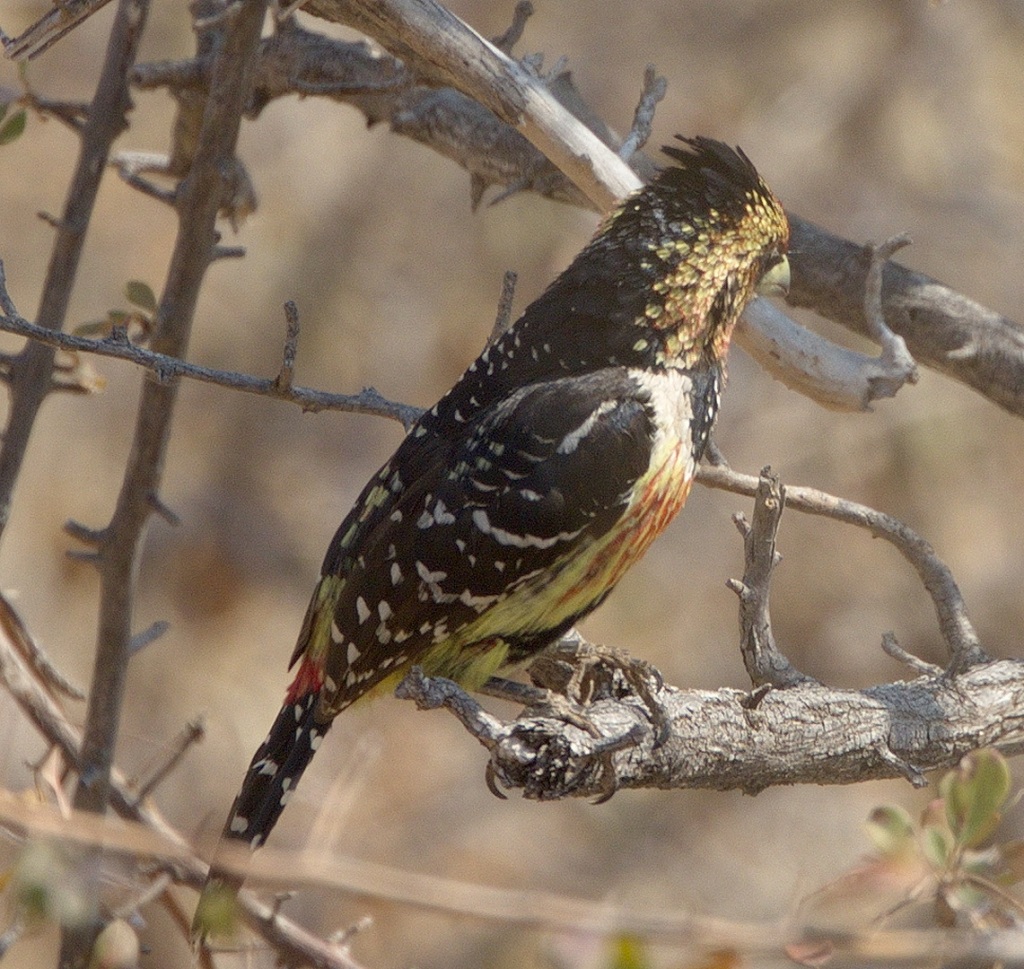
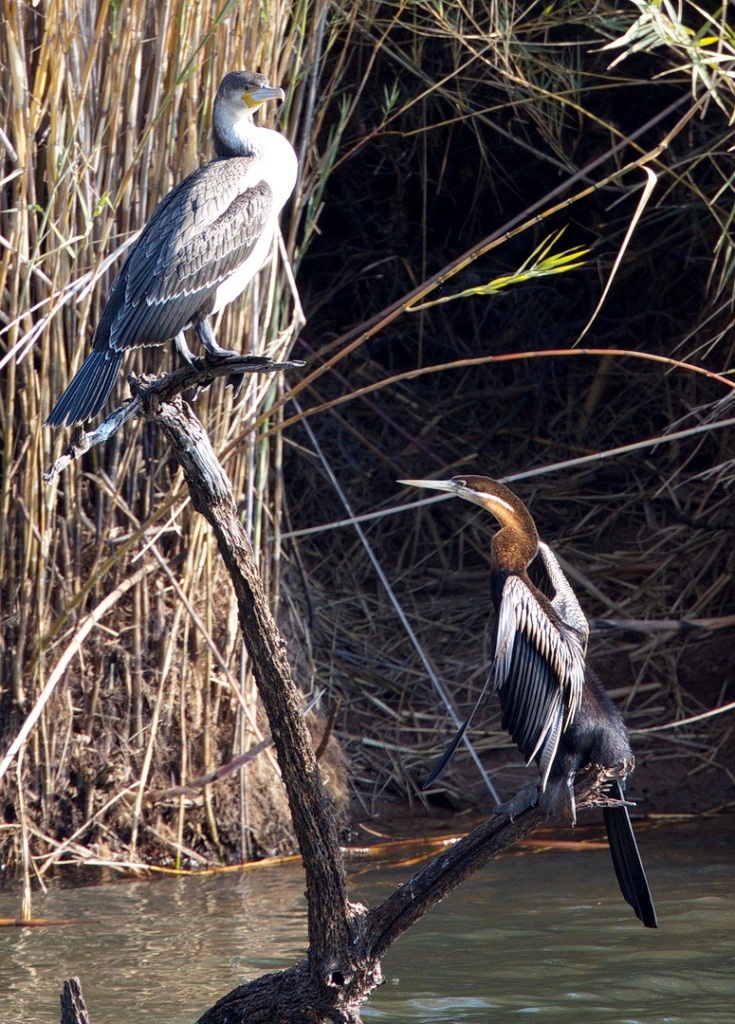
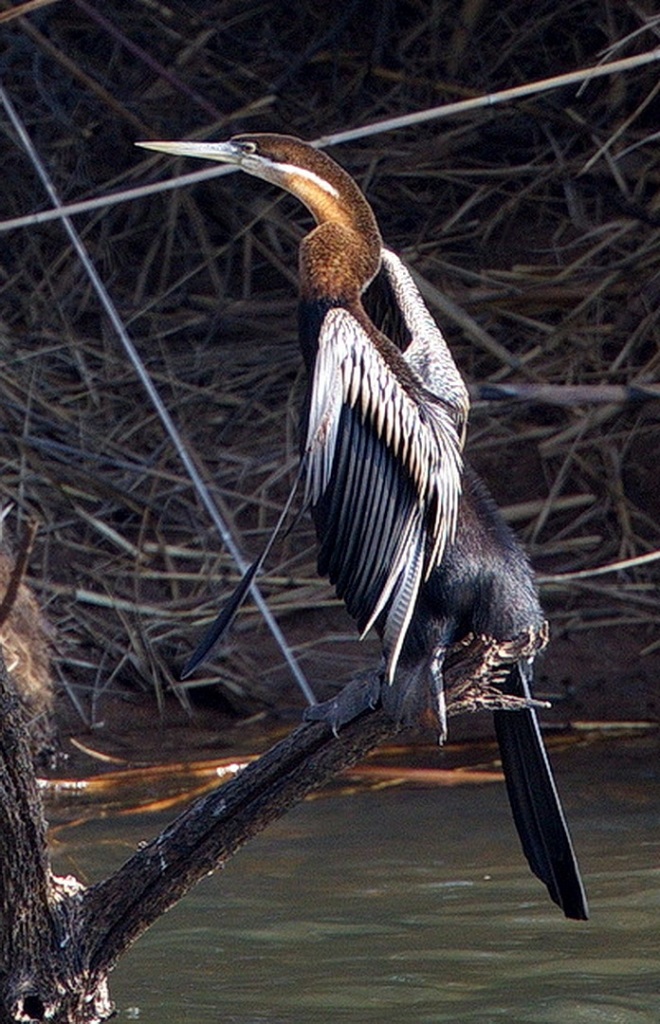
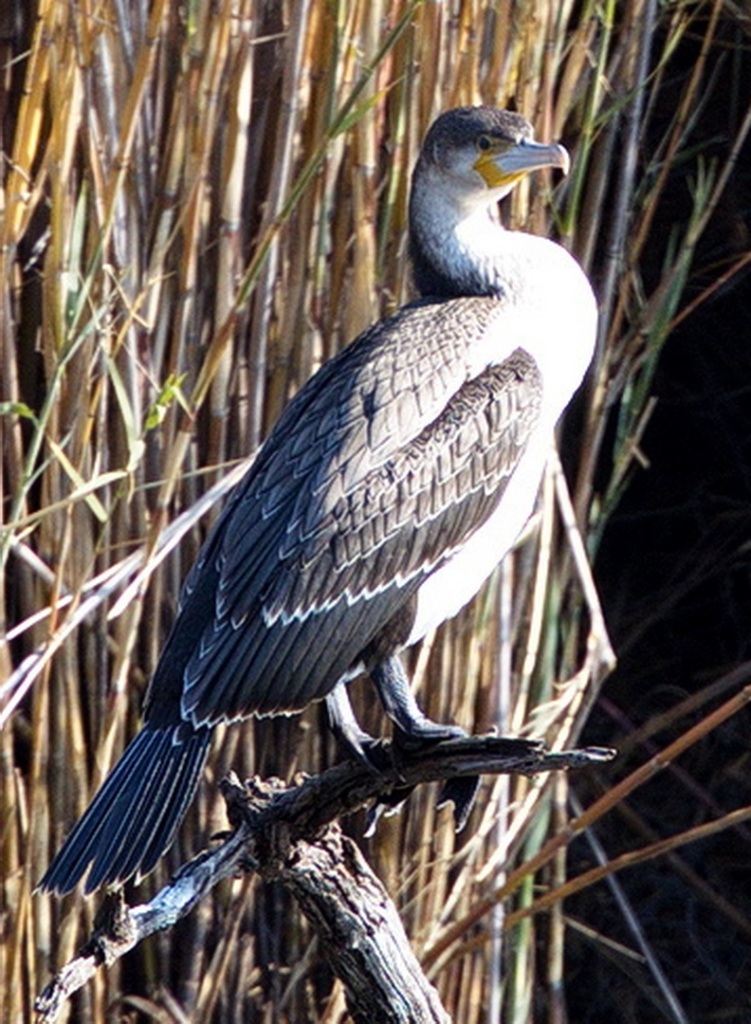
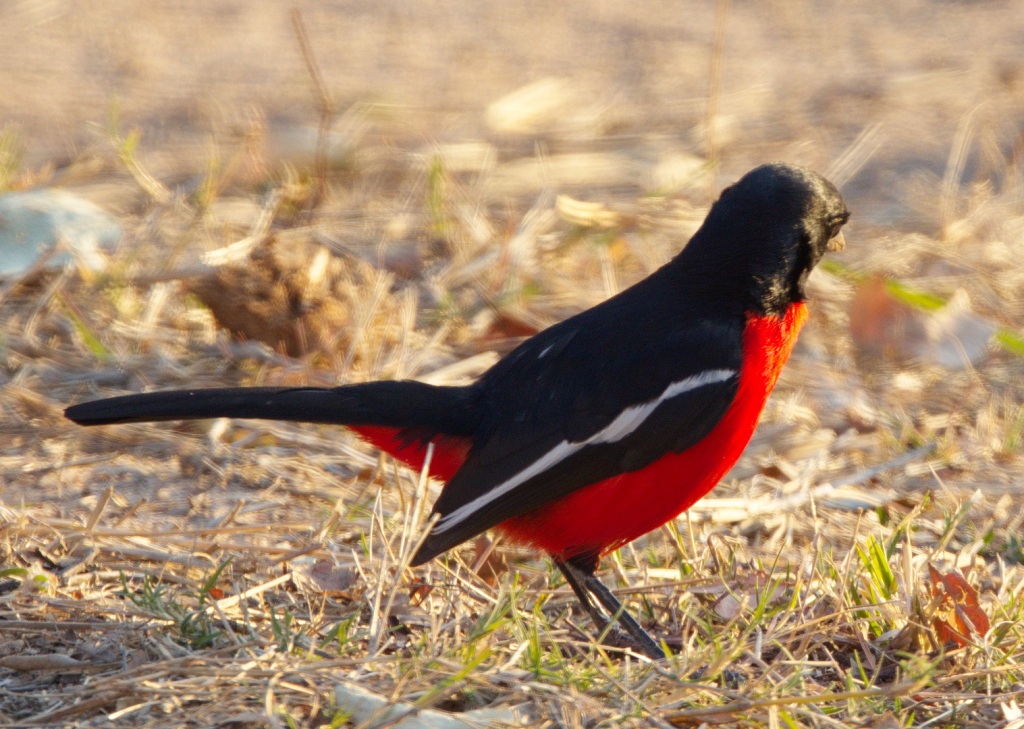
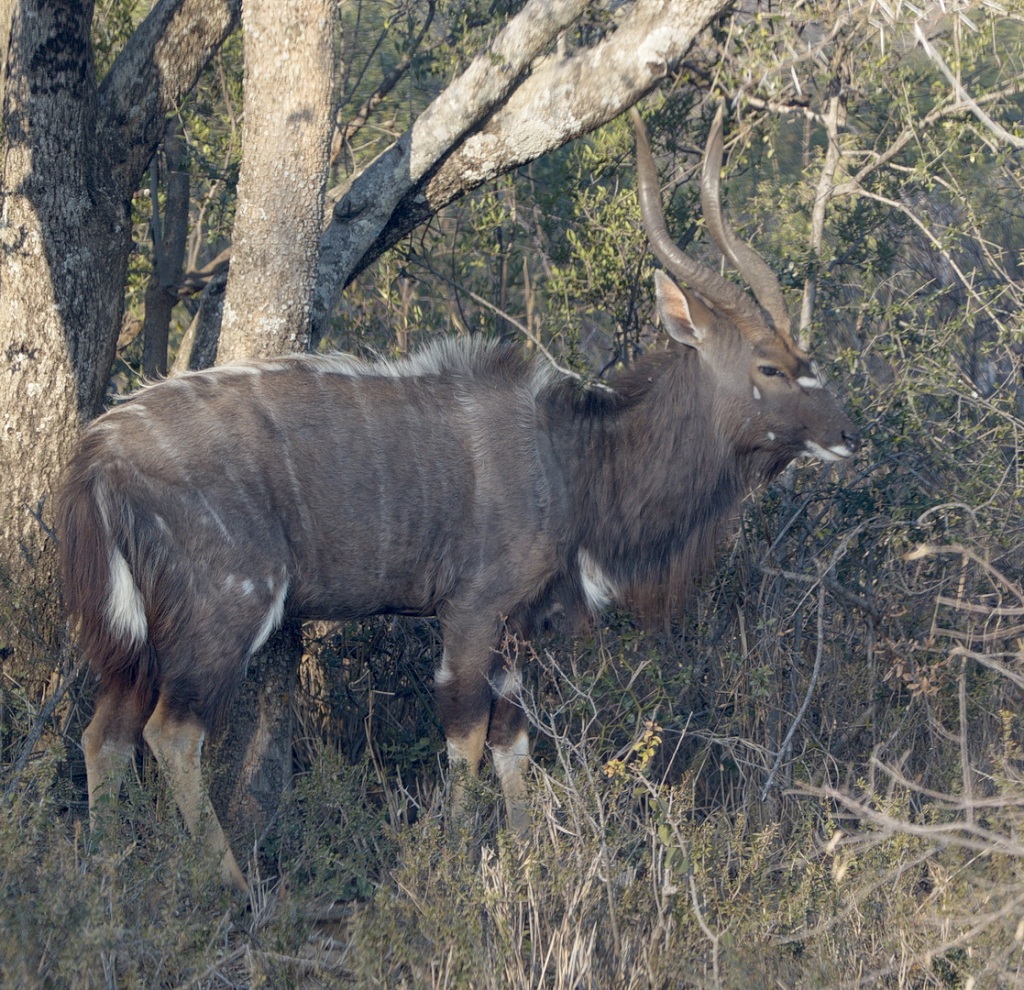
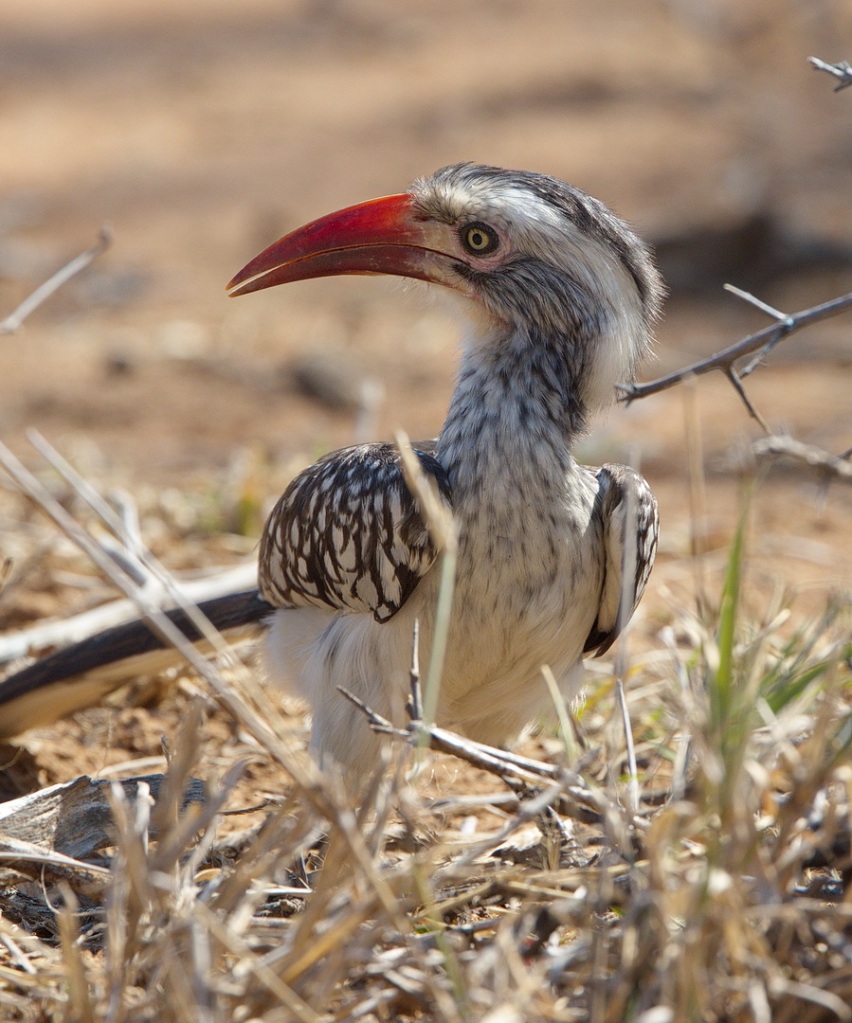
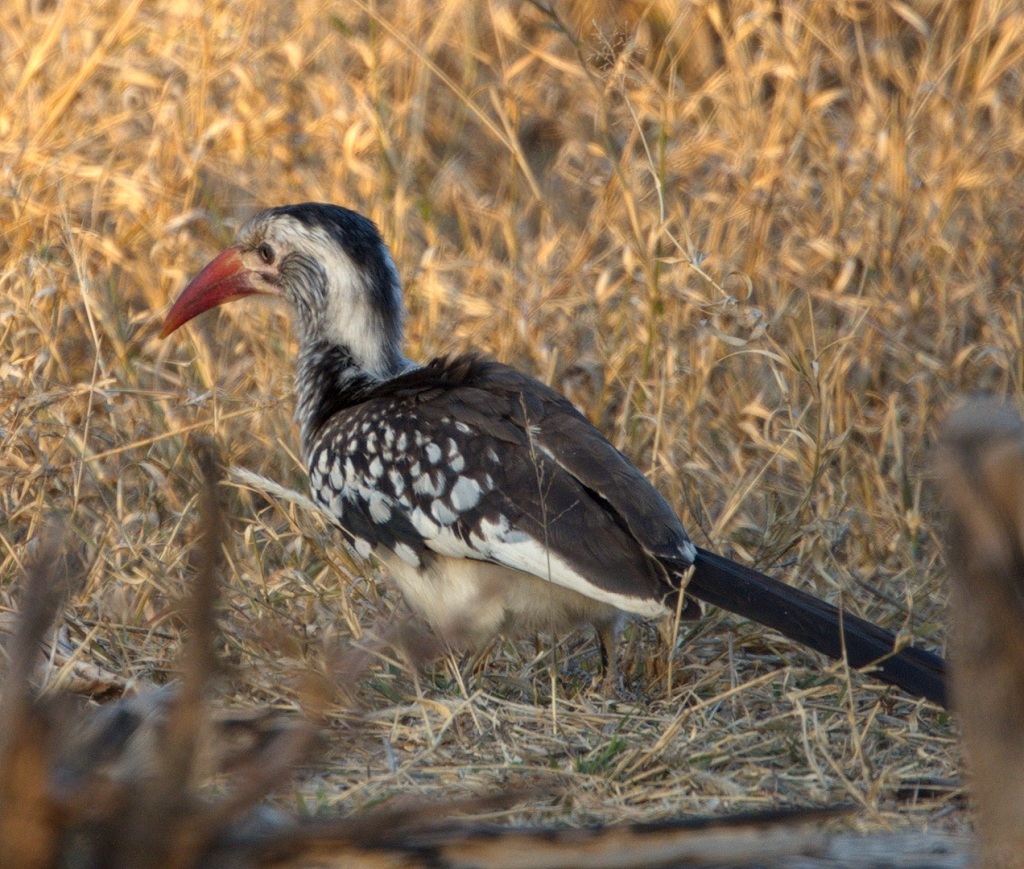
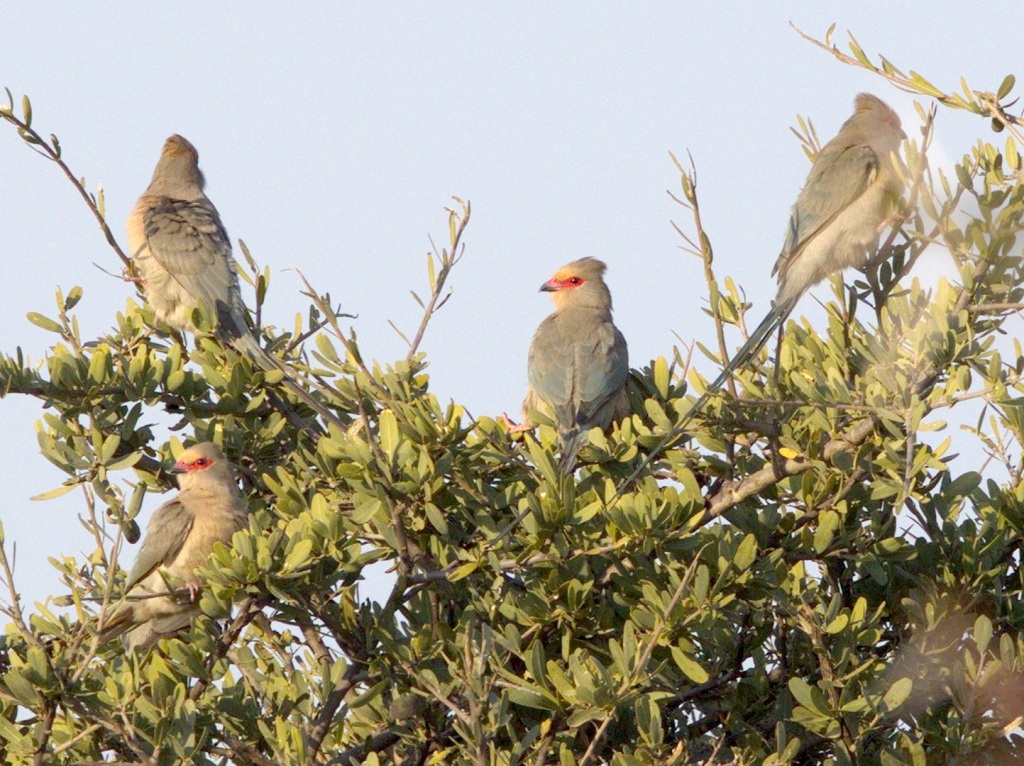
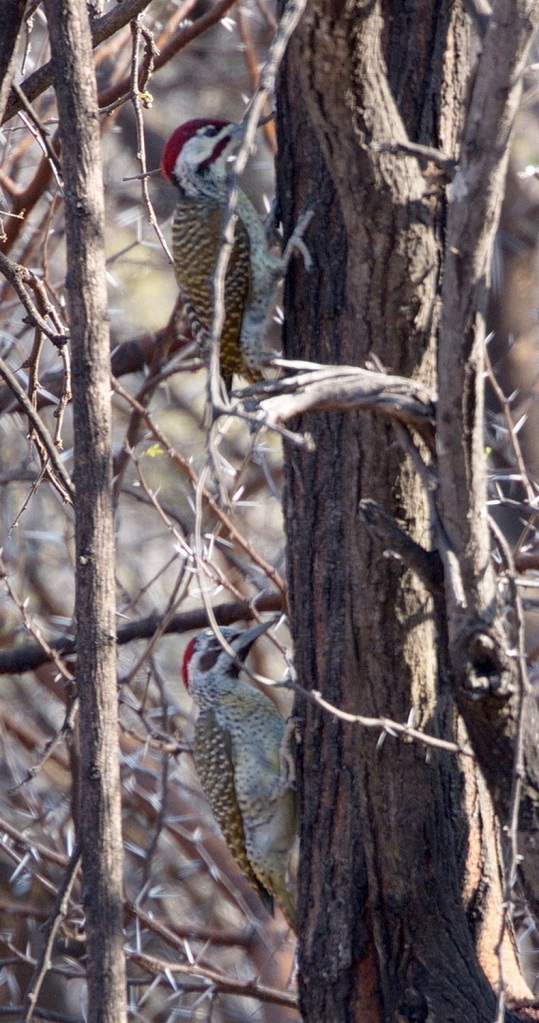
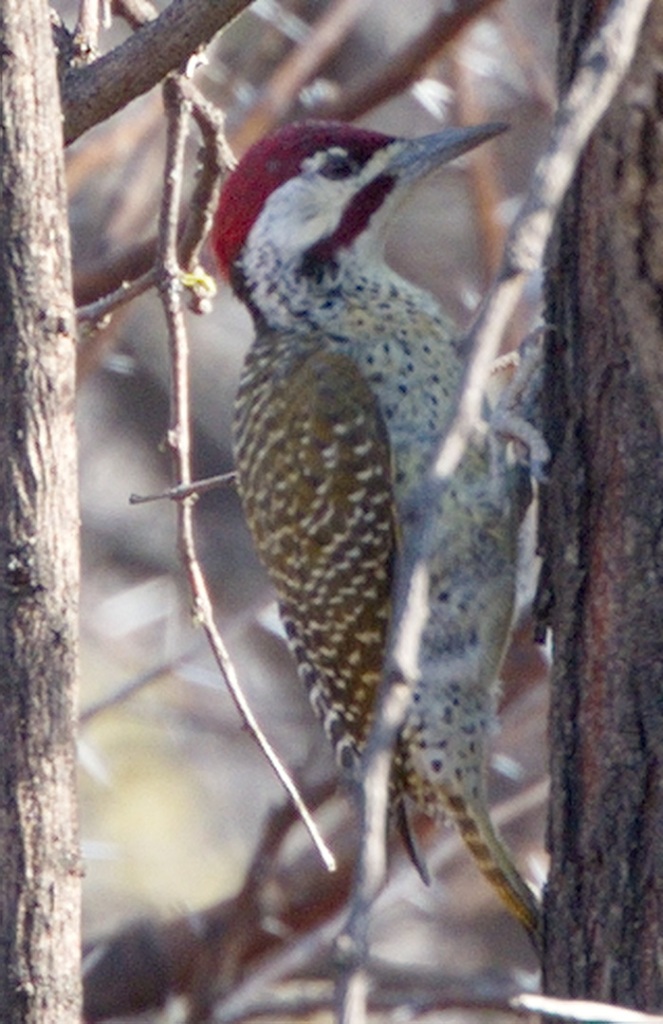
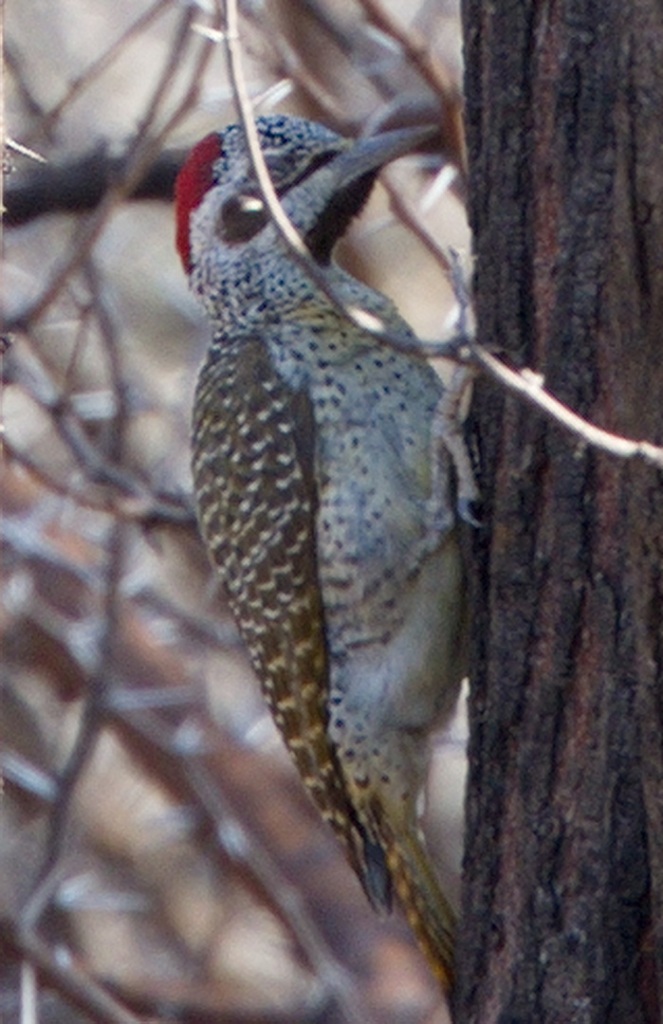
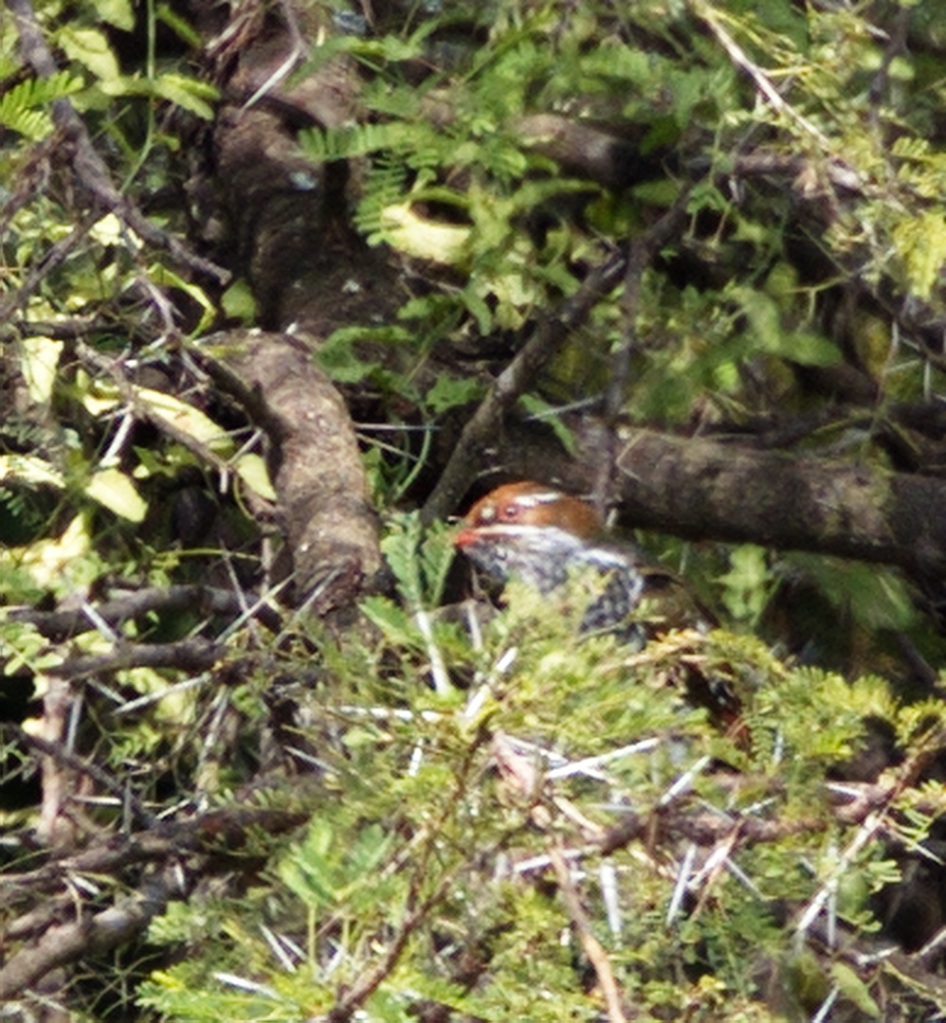
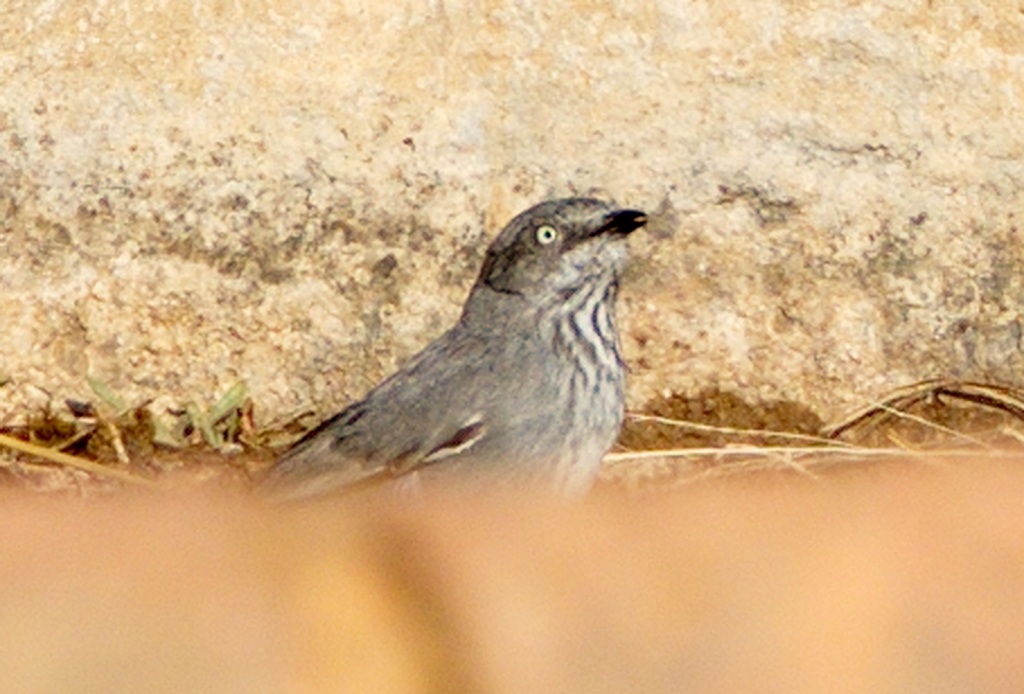
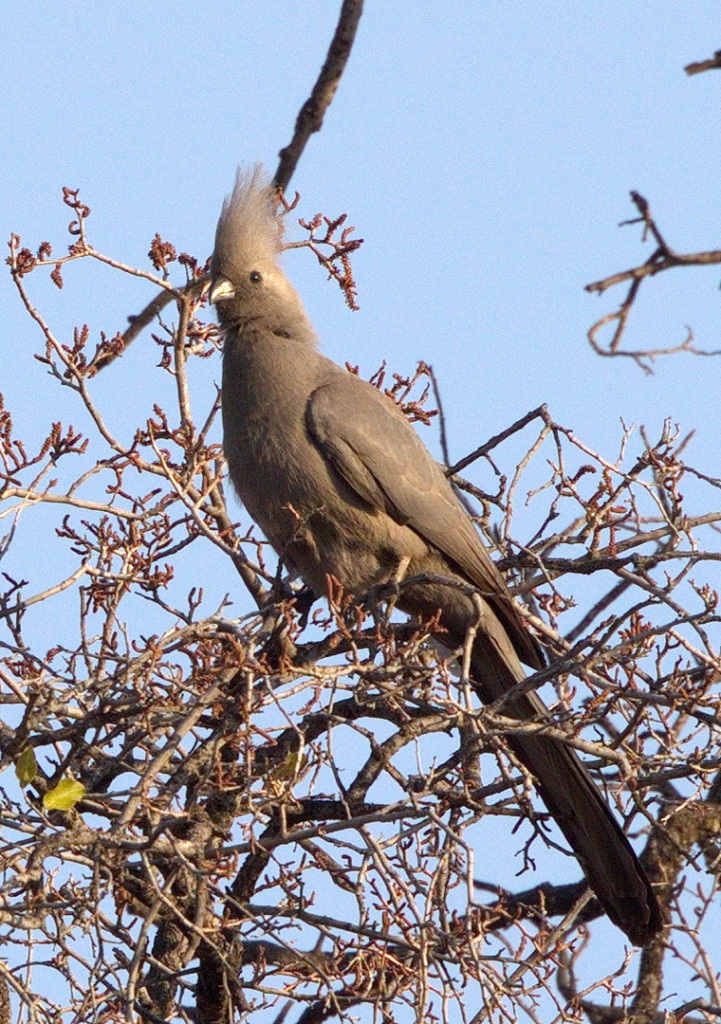
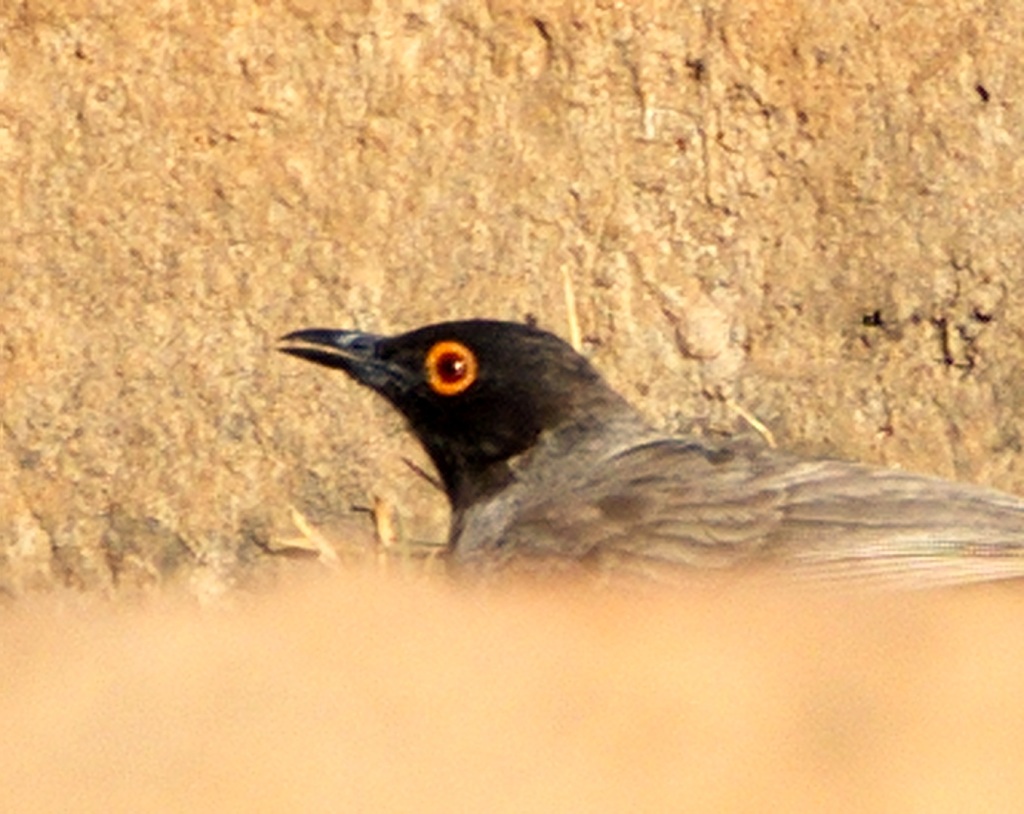
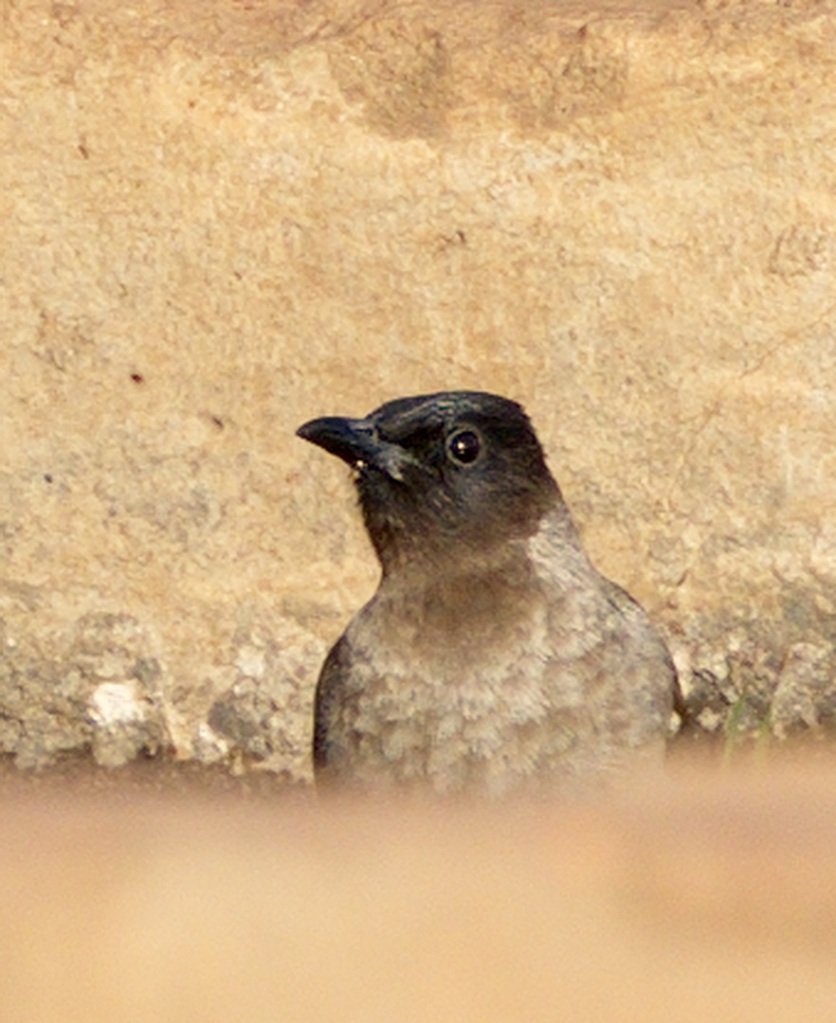
Elsewhere in the Western Section we spotted some secretive and not-so secretive species.
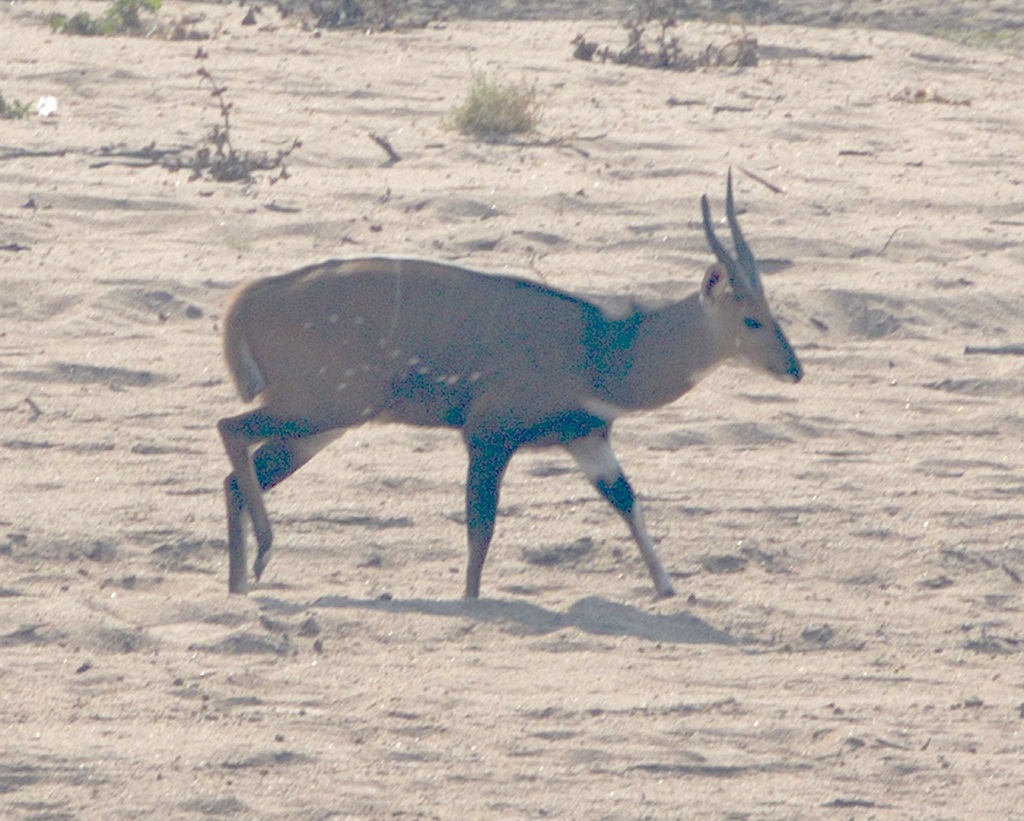
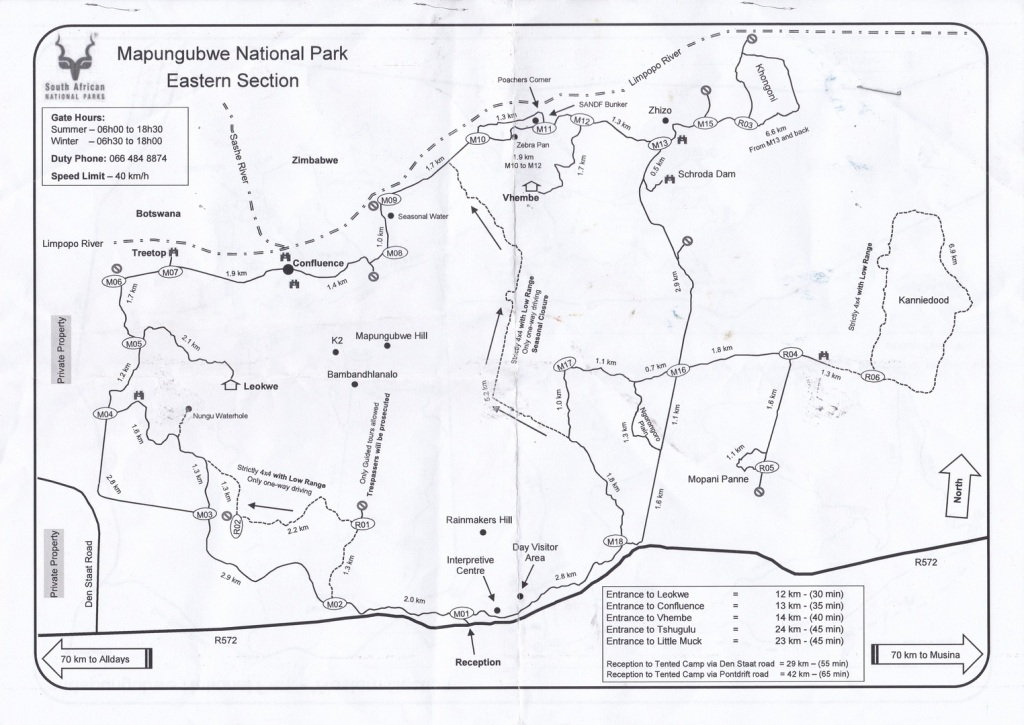
We also visited the Eastern Section of the Park. About 20 kms drive from East to West entrances along the Den Staat road.
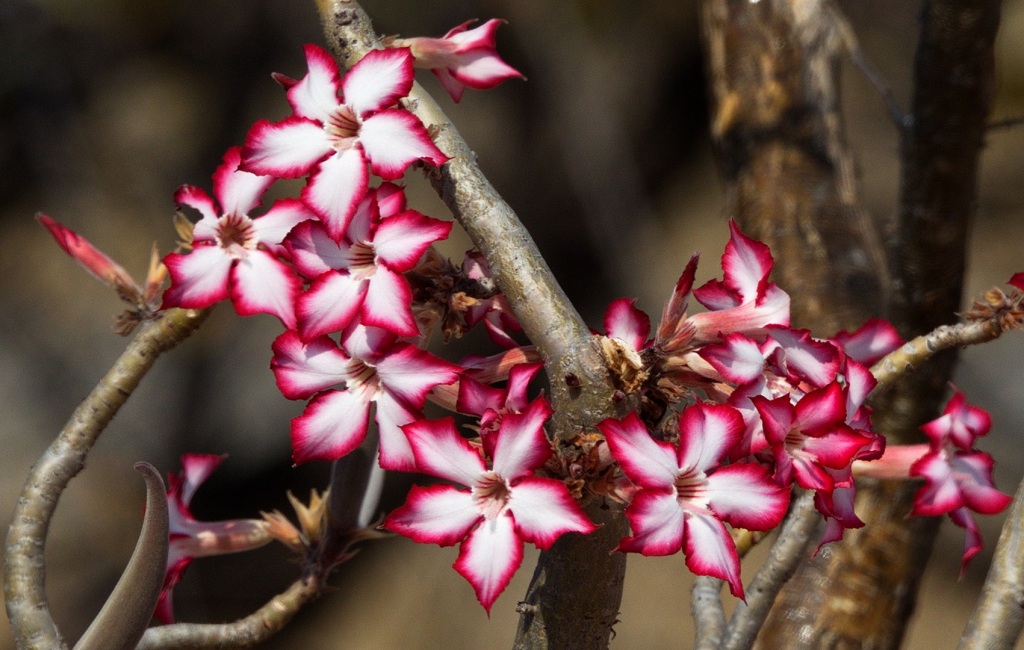
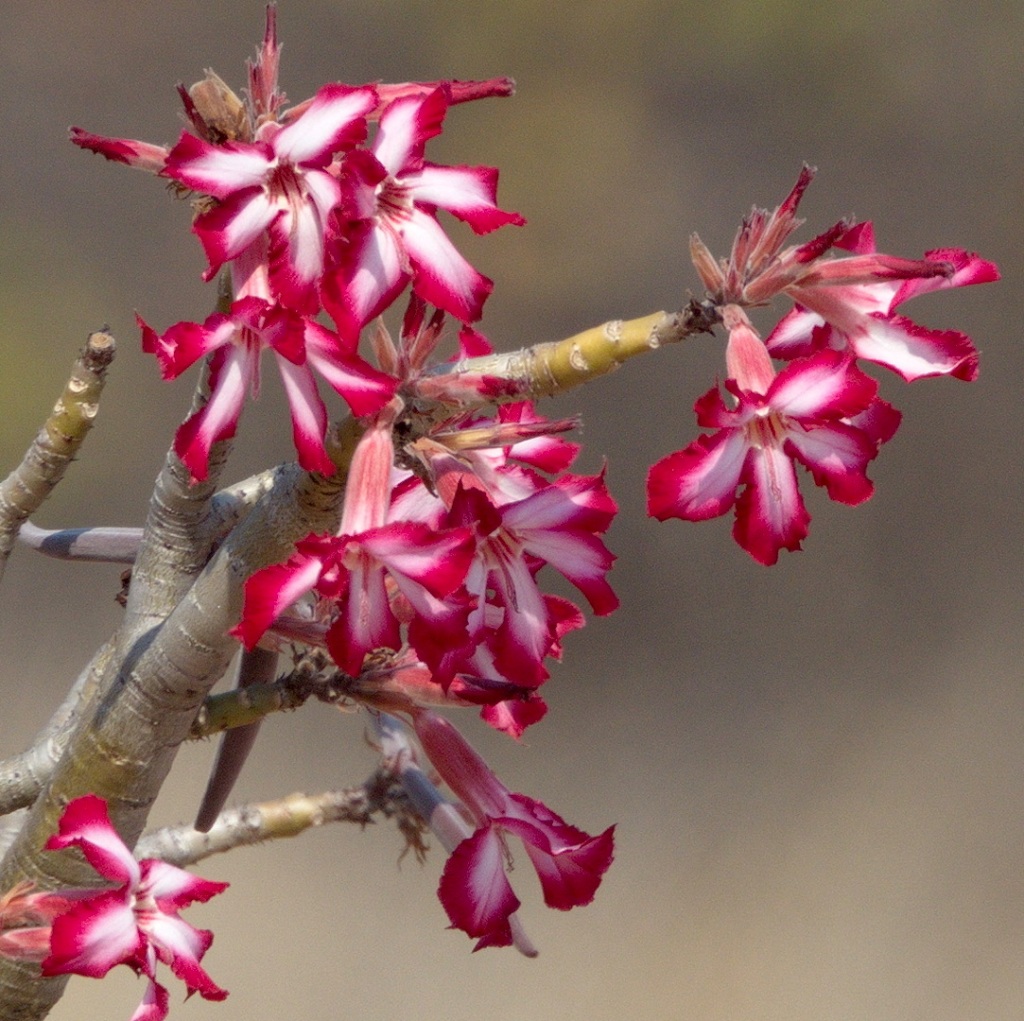
We spent a day in the Eastern Section. It too was very dry and dusty. On entry we encountered Impala Lilies – always very colourful.
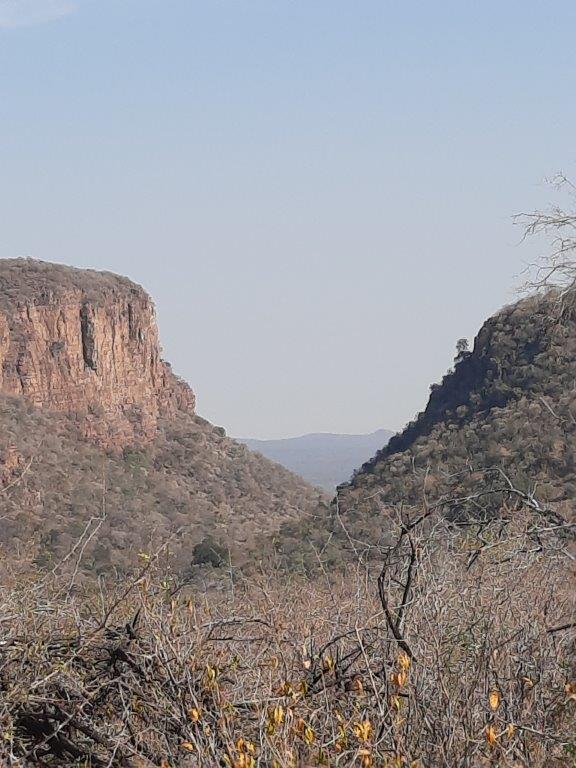
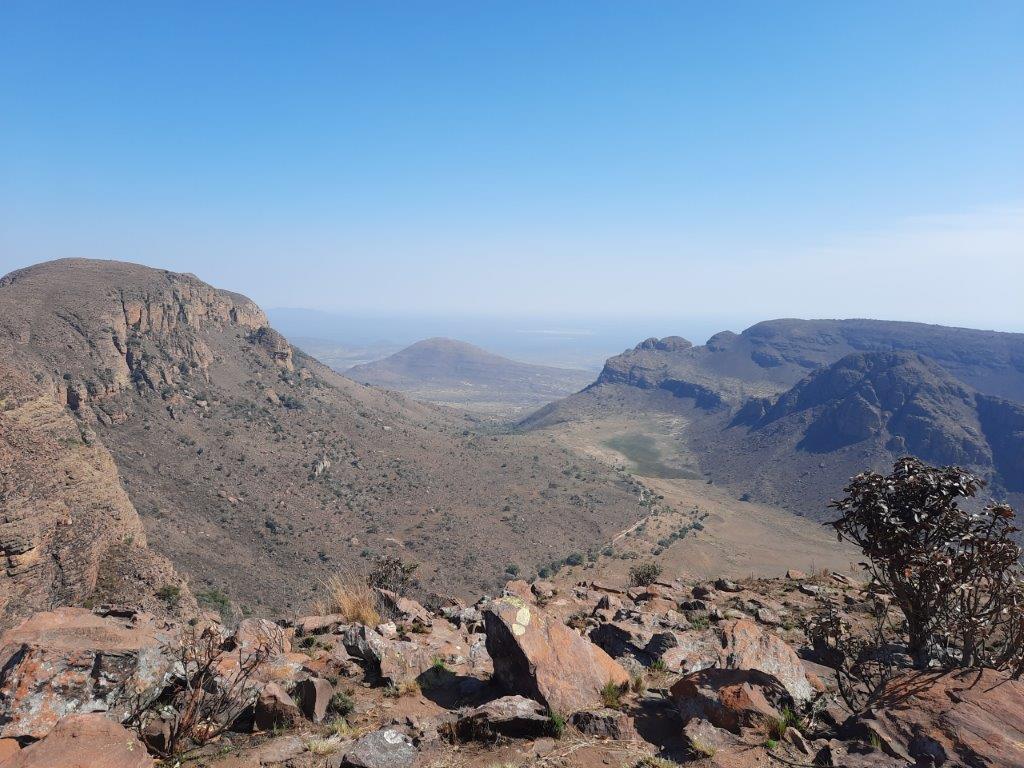
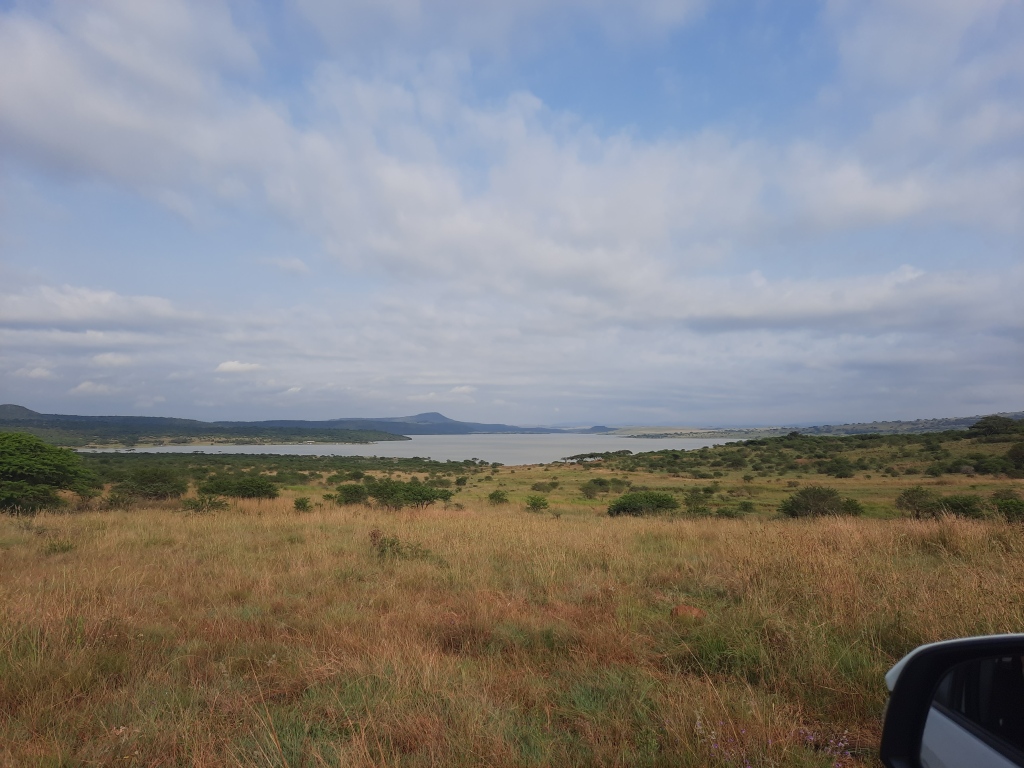
Then we went west on entry and had great views over the valley despite the dry and dusty conditions.
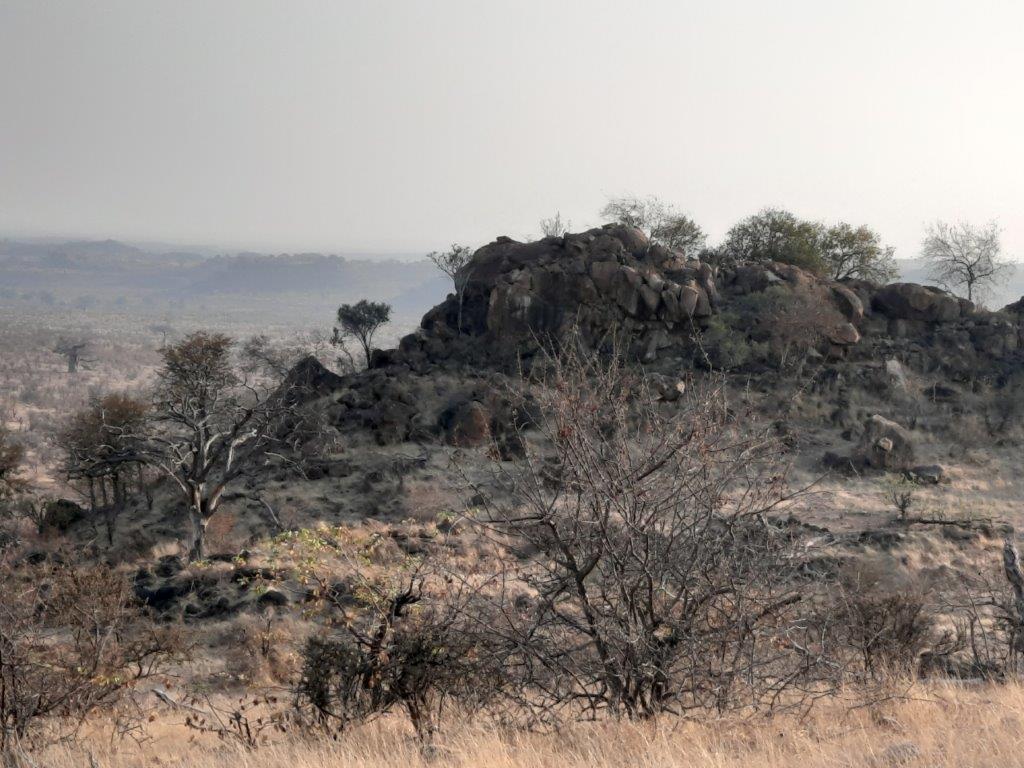
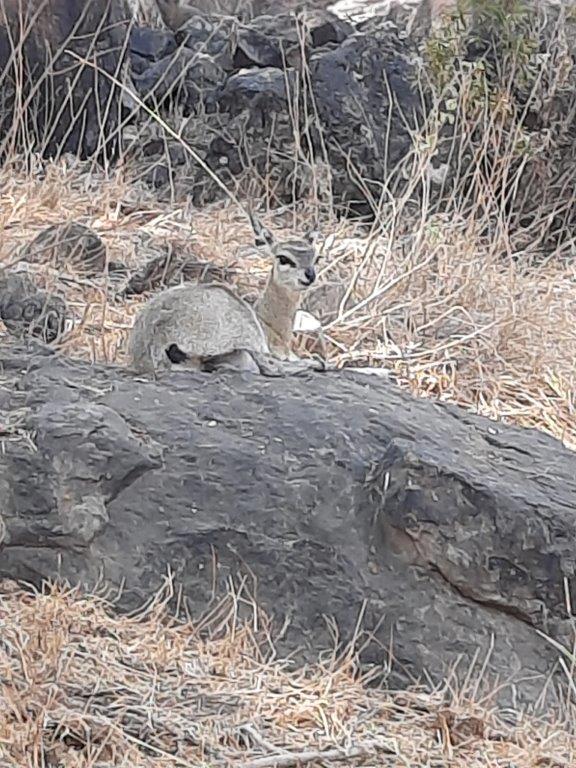
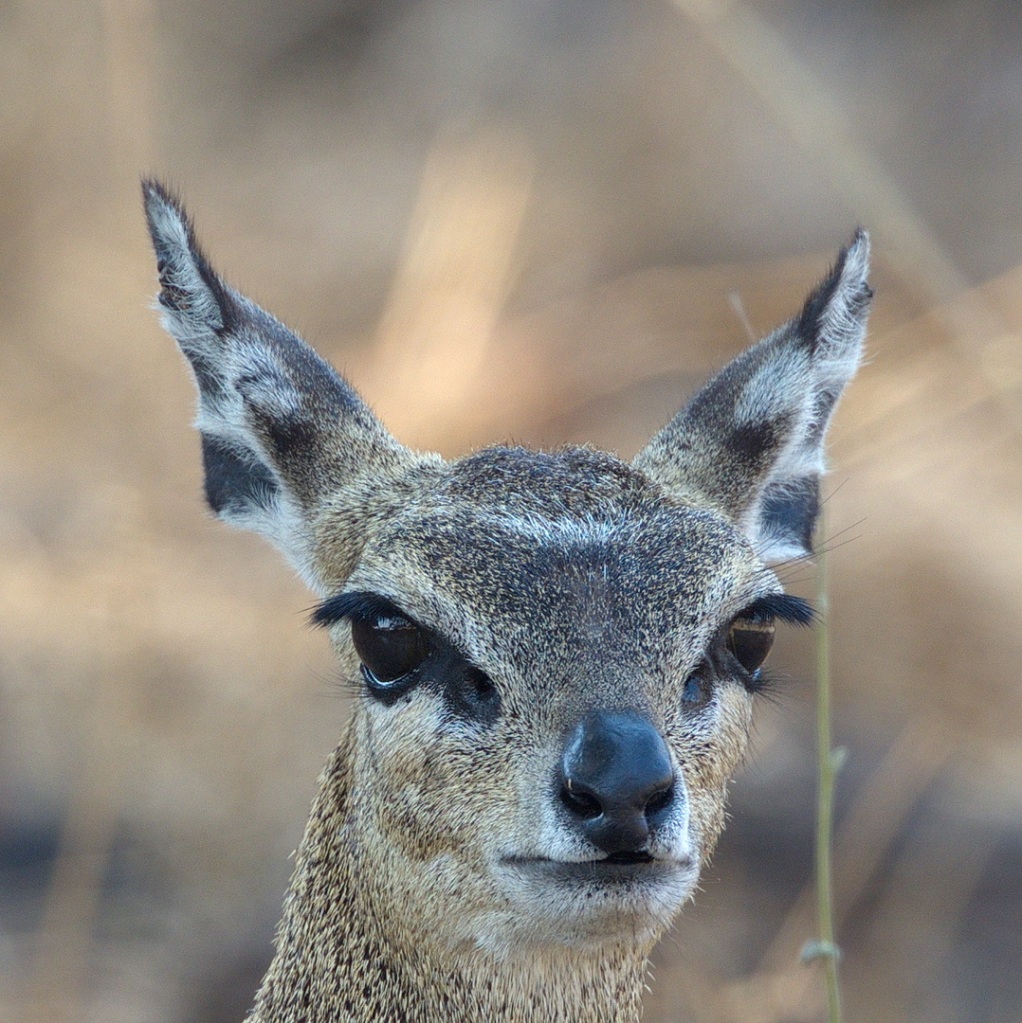
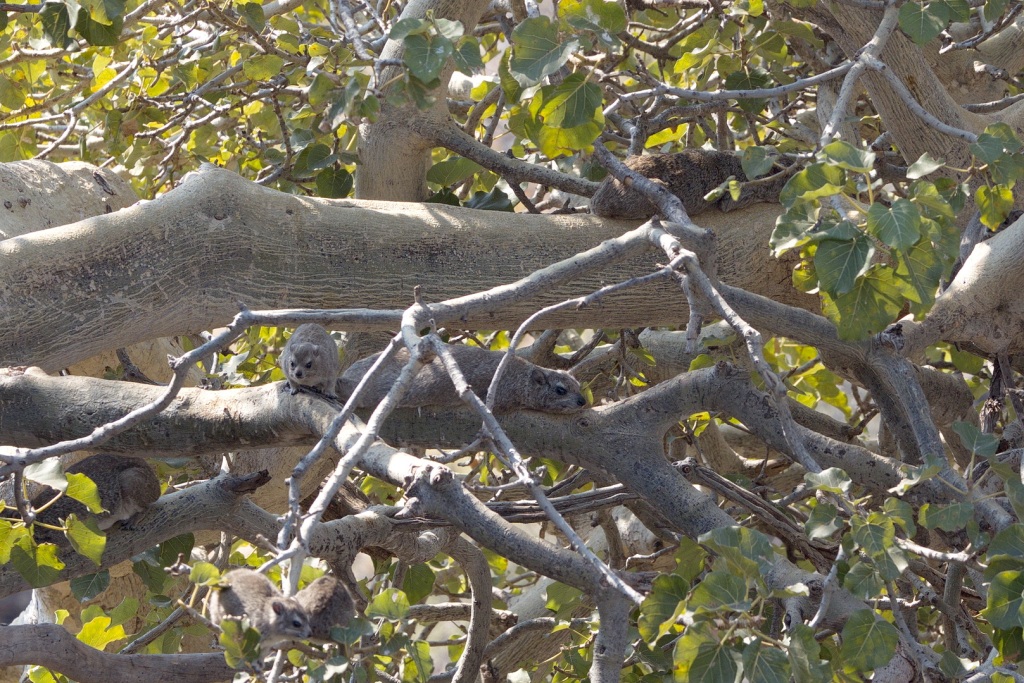
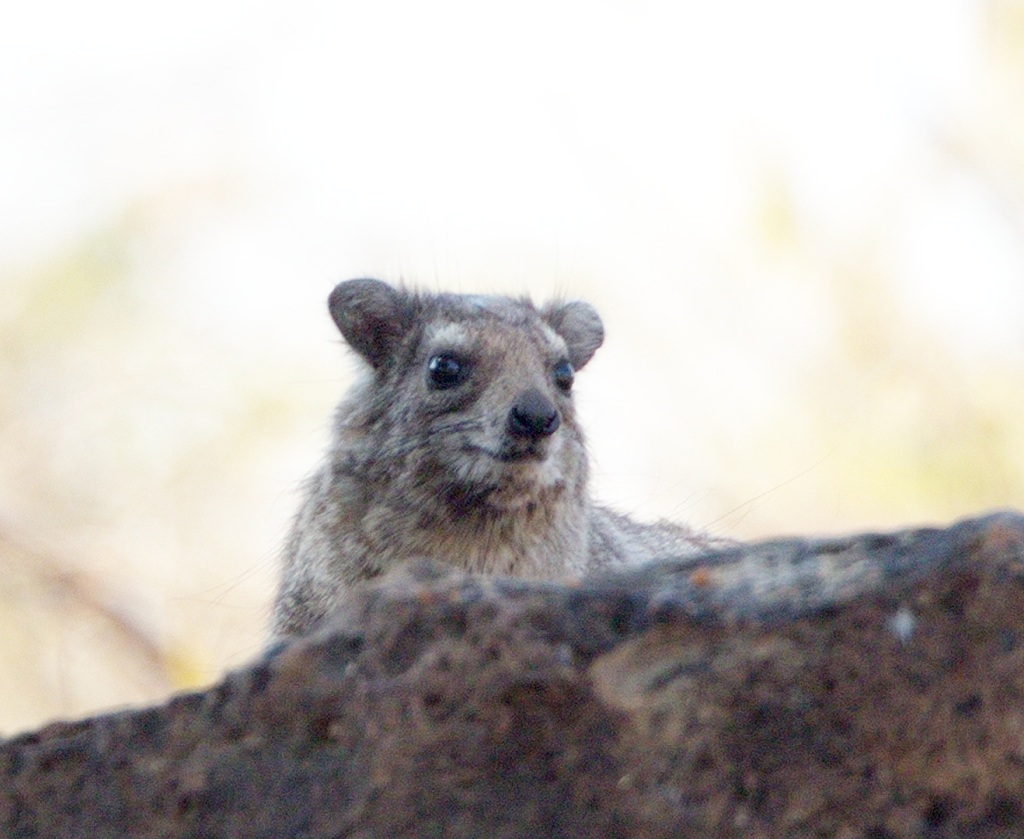
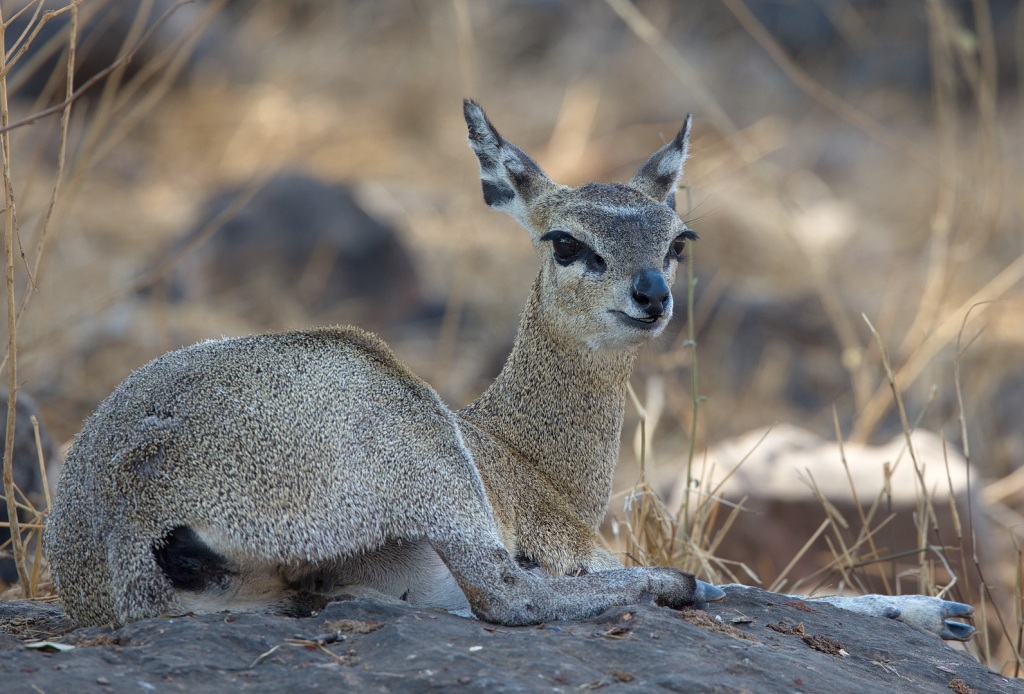
The drive to Leokwe boulder camp is always scenic, however the birds were scarce. As usual the Klipspringers and Dassies were not.
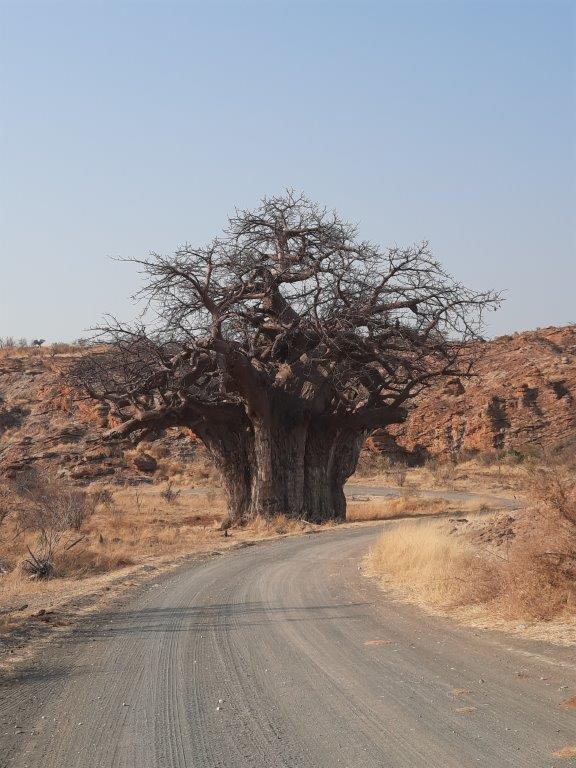
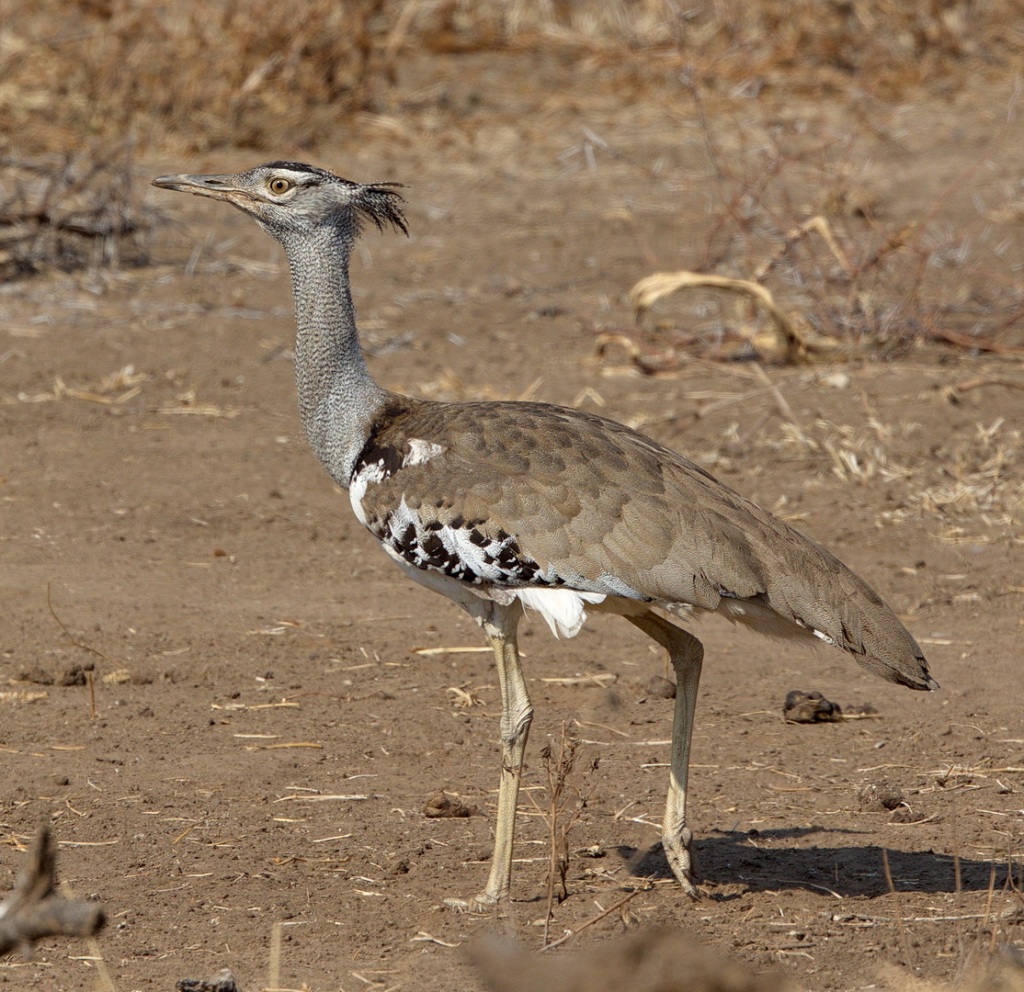
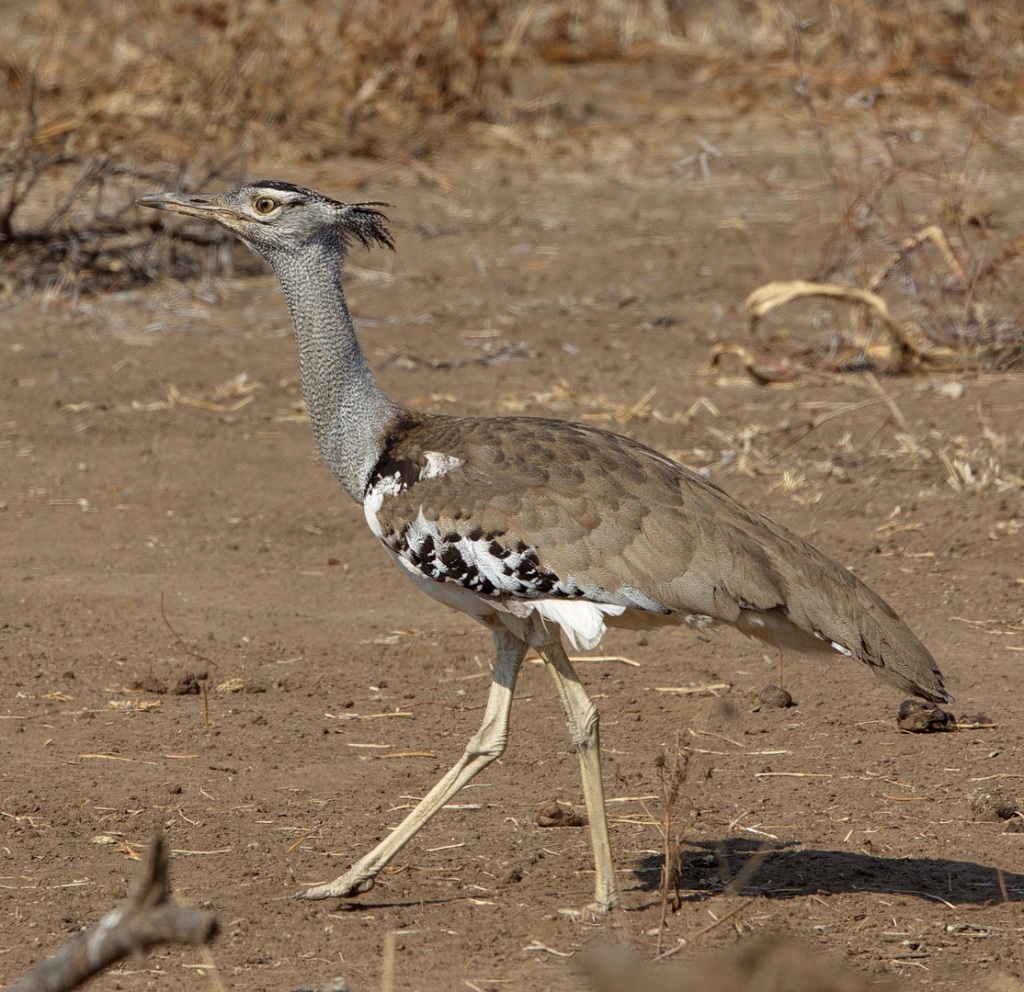
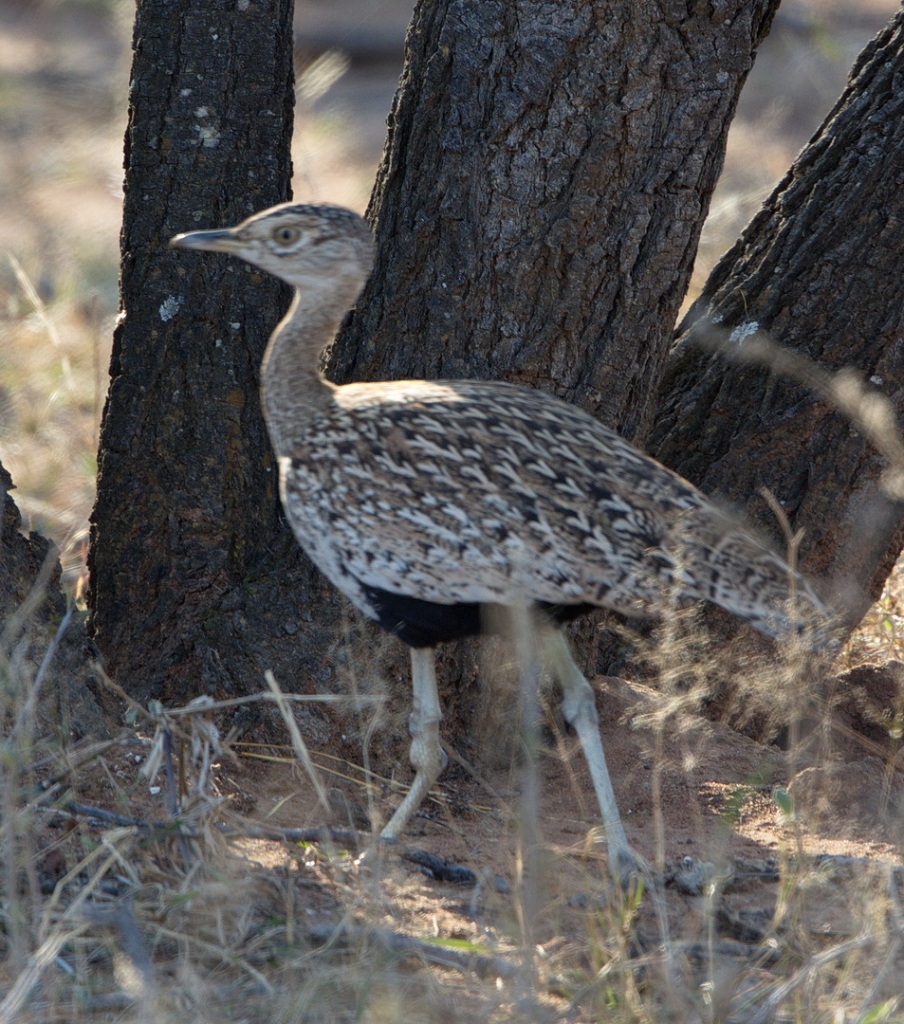
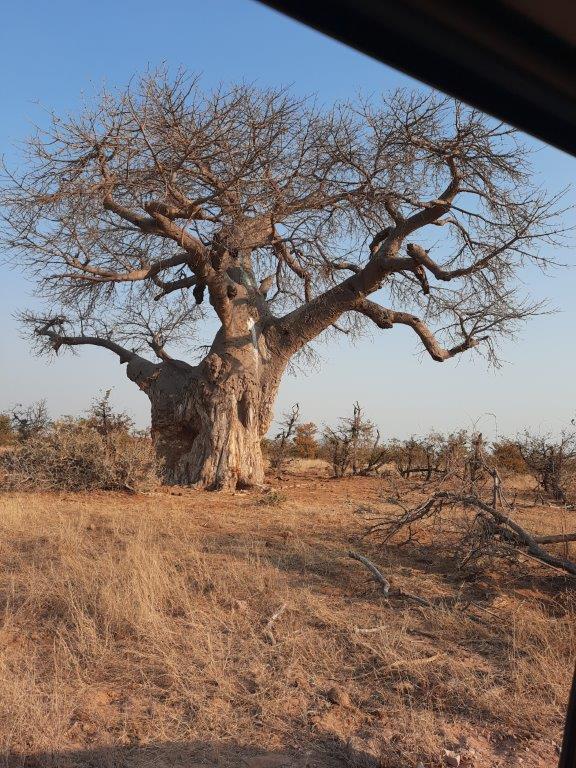
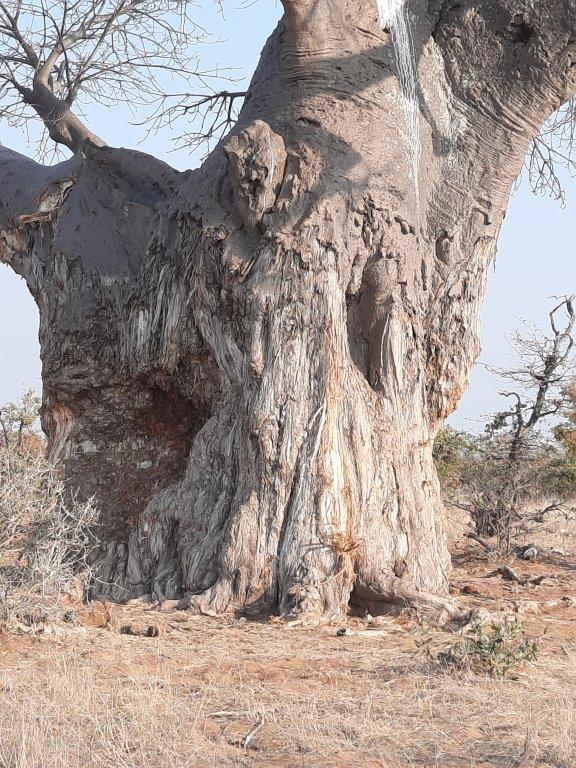
From Leokwe it was a short drive to the boardwalk at the Treetop Lookout. On the way there are many Baobabs. And we spotted a Kori Bustard.
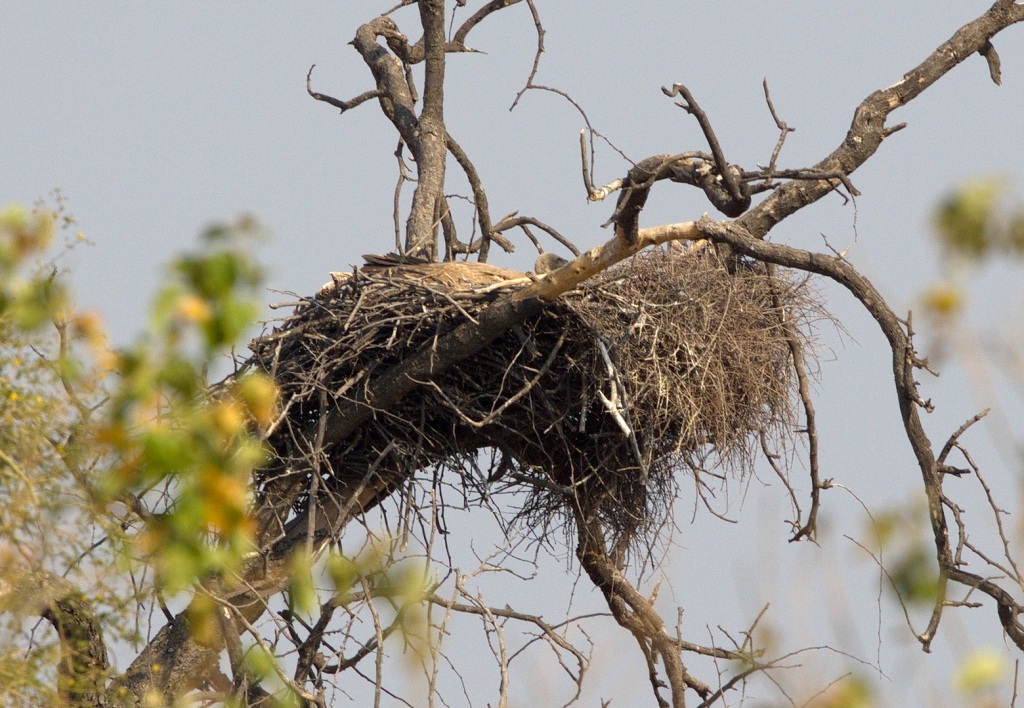
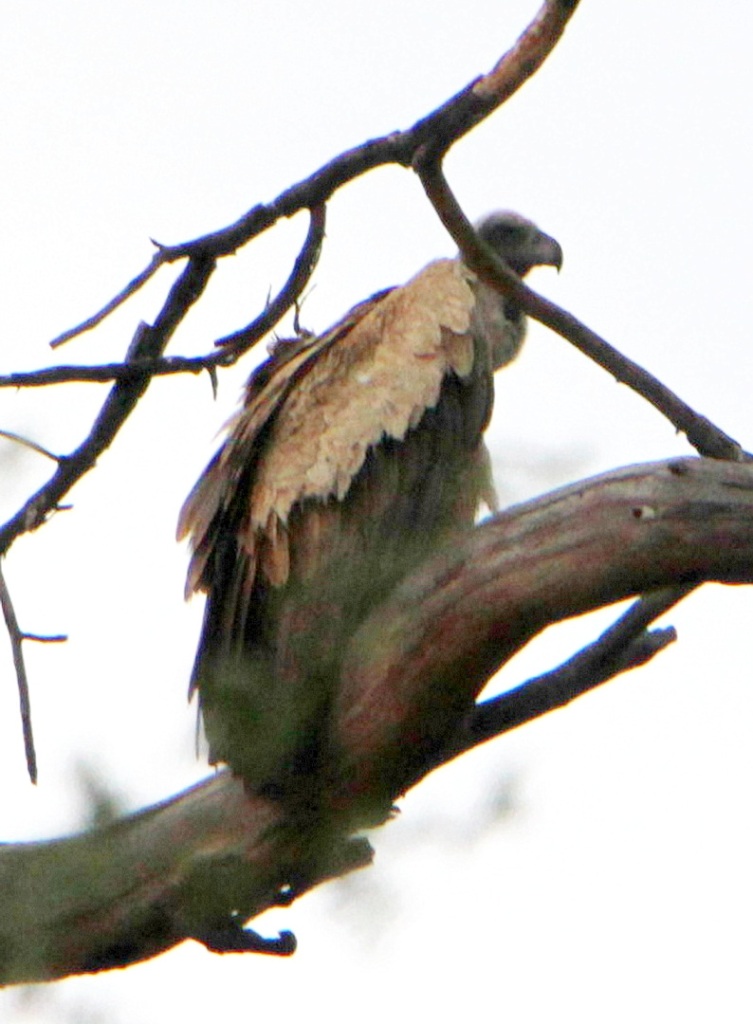
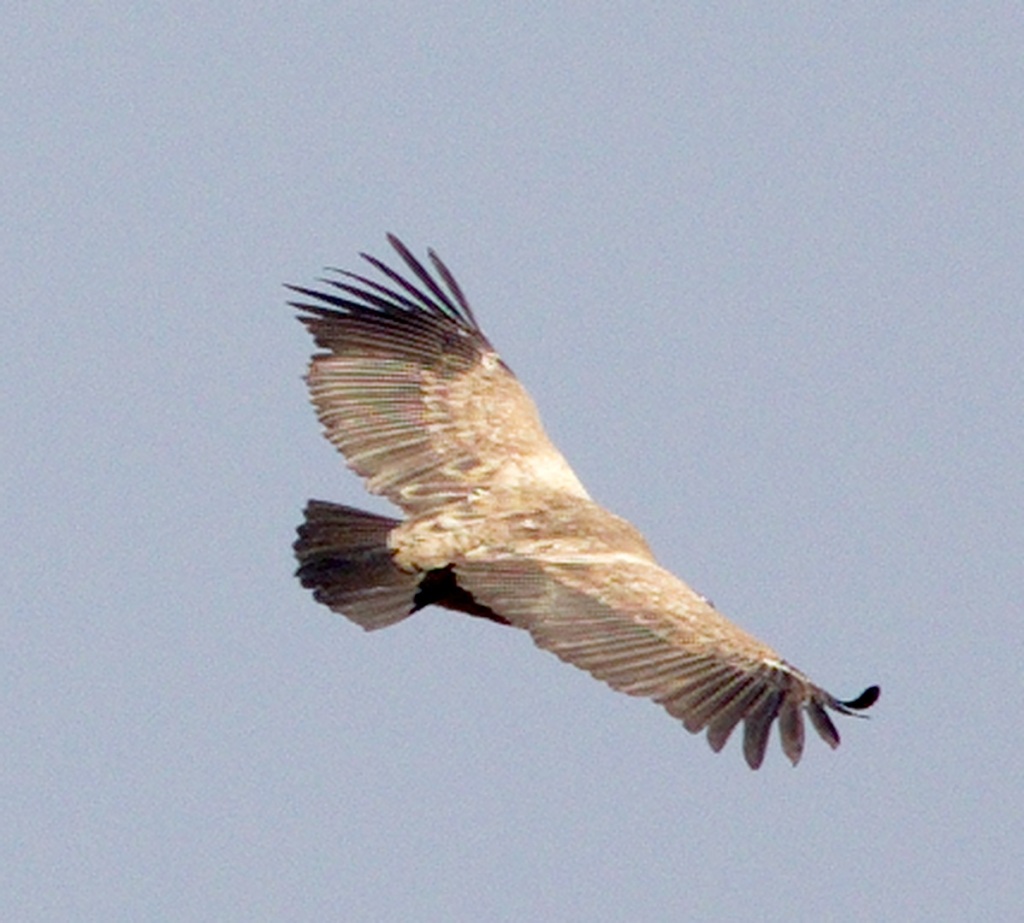
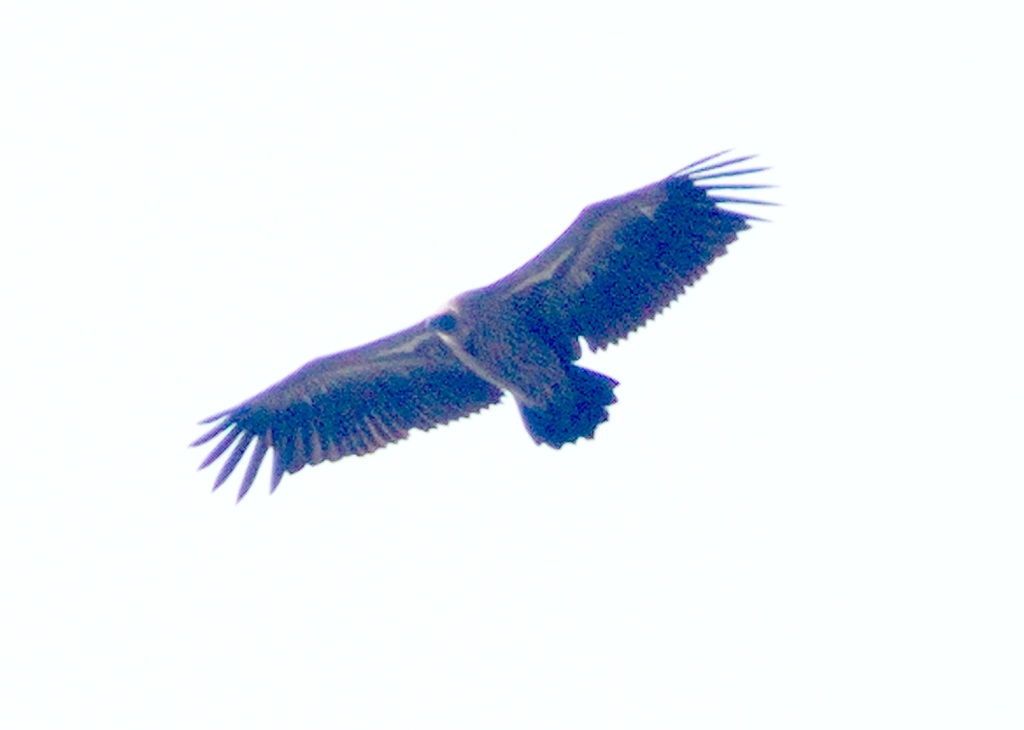
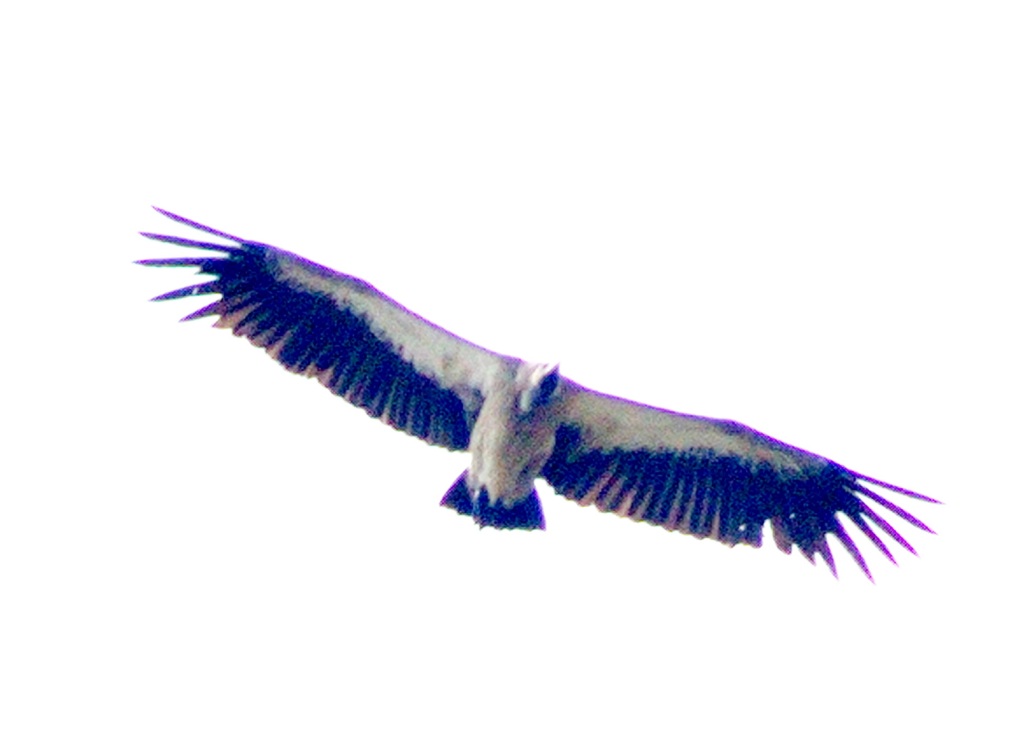
The boardwalk was a little rickety and had been damaged at the end closest to the Limpopo River. On the walk we sighted a White-backed Vulture’s nest close by with a chick on board.
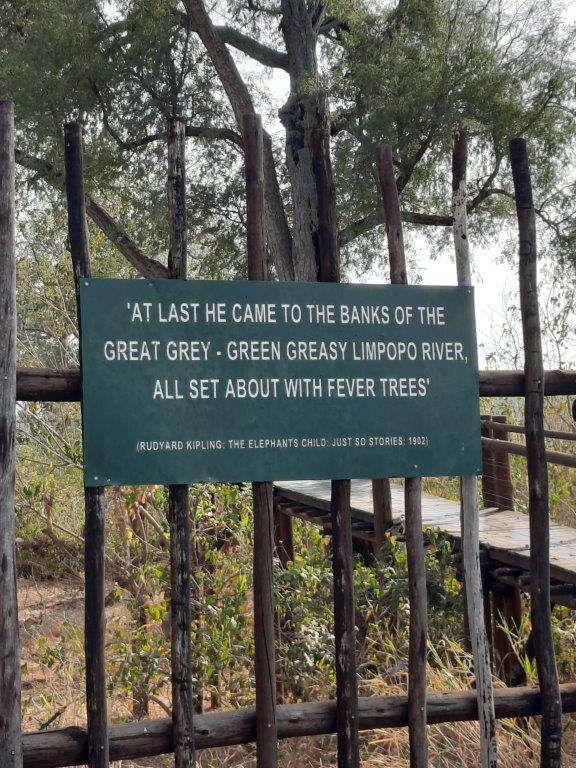
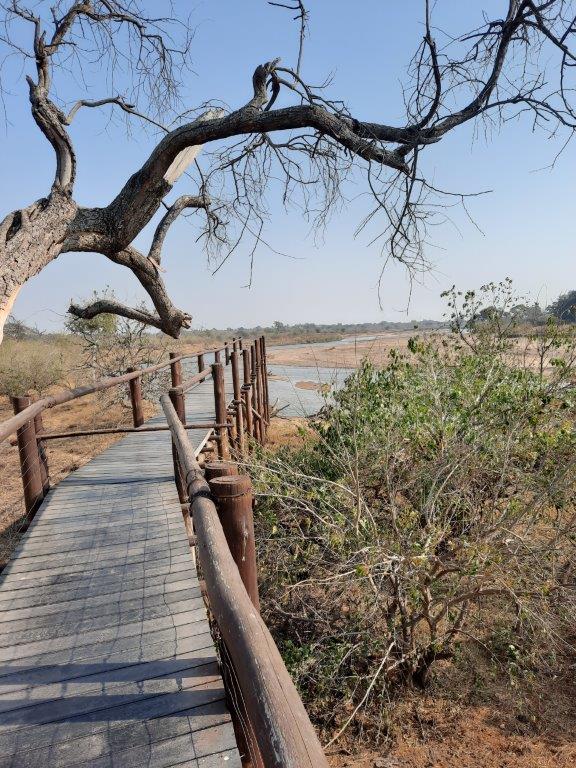
By the time we got to the Confluence it was tea-time and the picnic site was most welcome. The view towards the river is magnificent. Overhead it seemed that there was a pathway for the birds flying over the ridge. Some even chanced there luck with our crumbs.
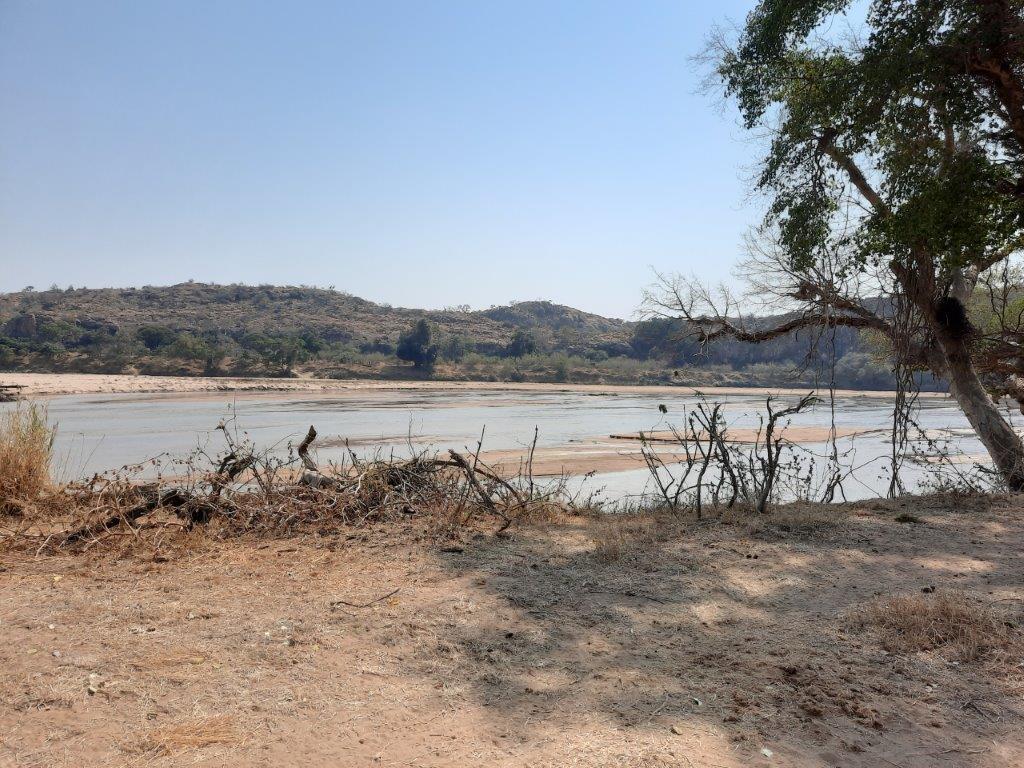
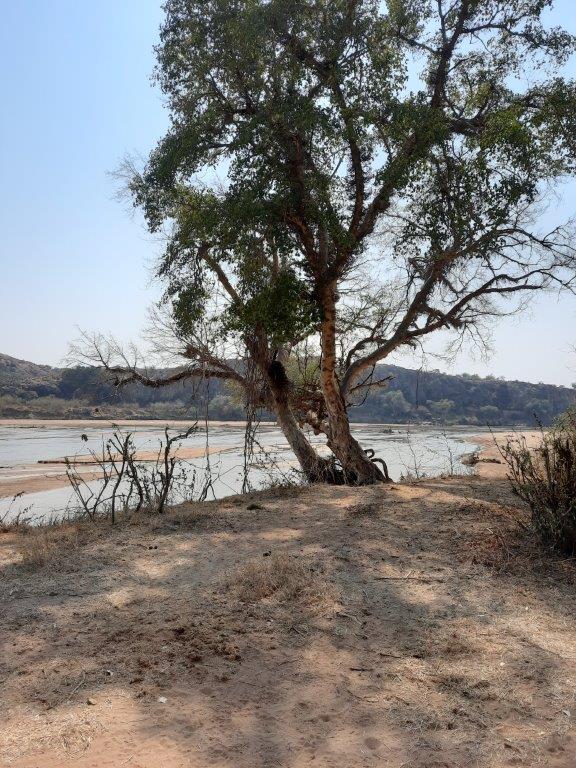
View of one side of the picnic site overlooking the river in the distance. It is worth walking across the ridge to see the view on the other side.

From here we headed along the river to the SANDF Bunker. A pretty and testing drive at times. Every time in the past that we visited this area we have found Pels Fishing Owls in the tall trees by the bunker – not this time unfortunately.

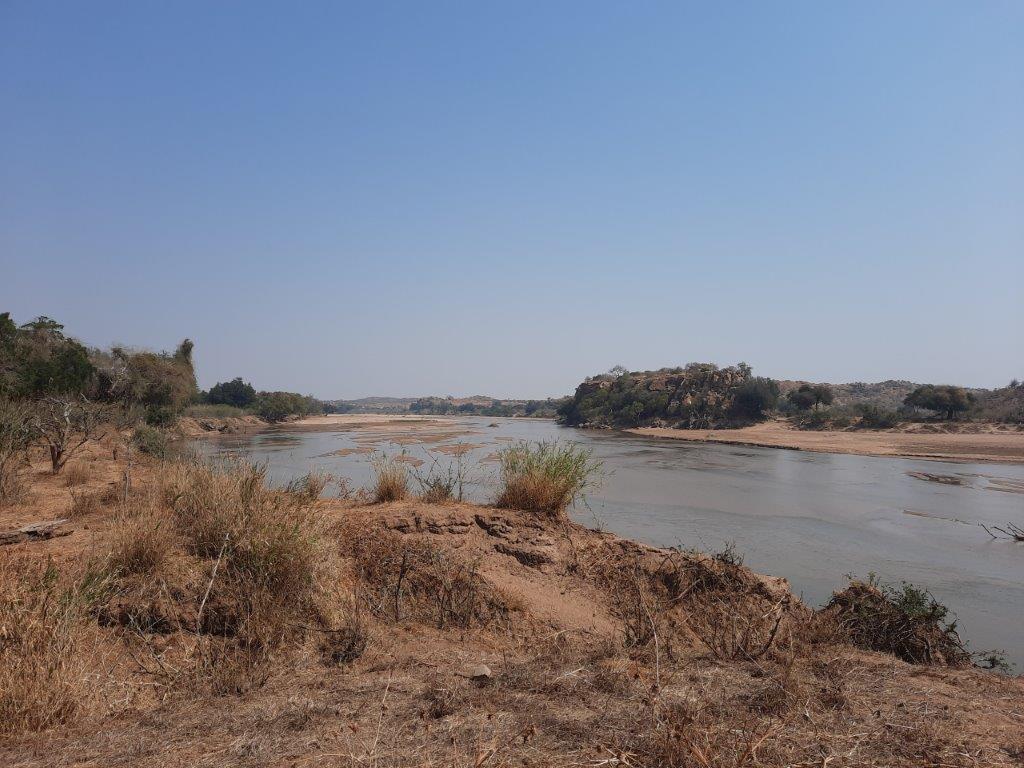
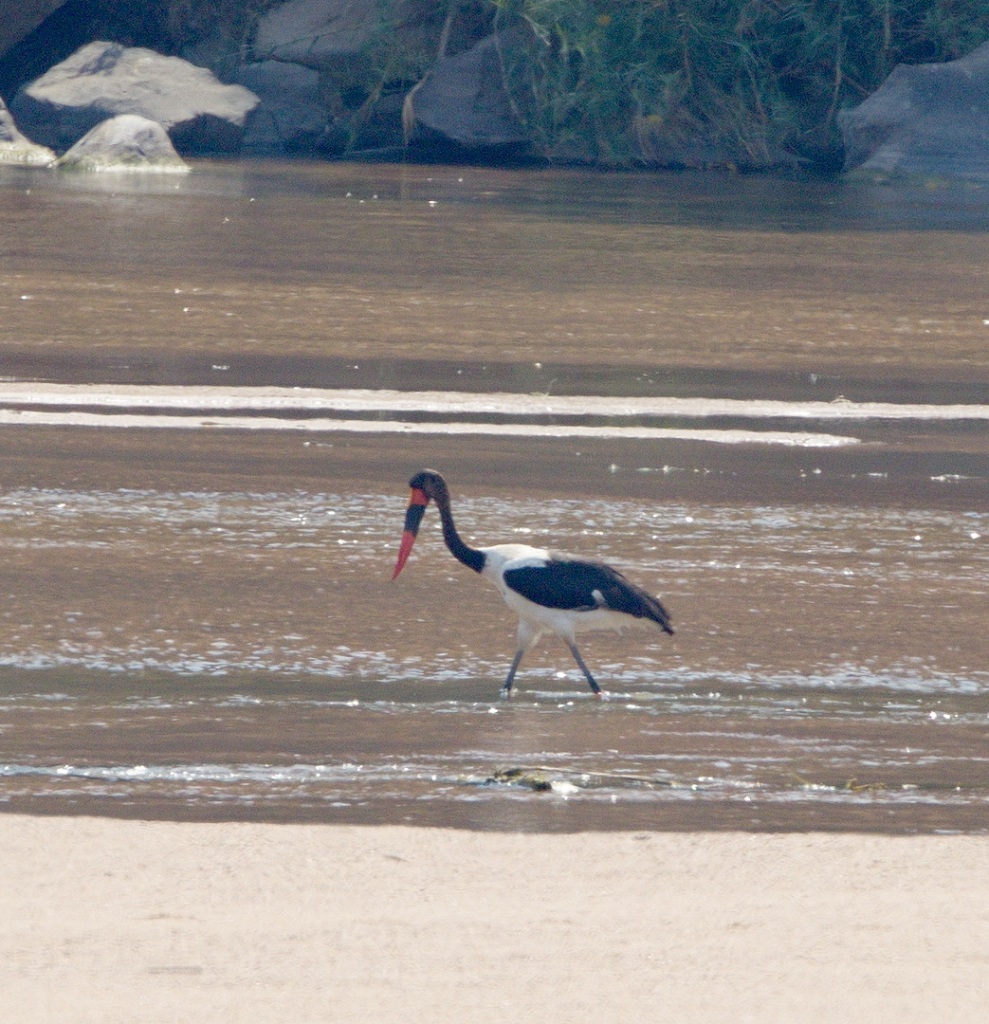
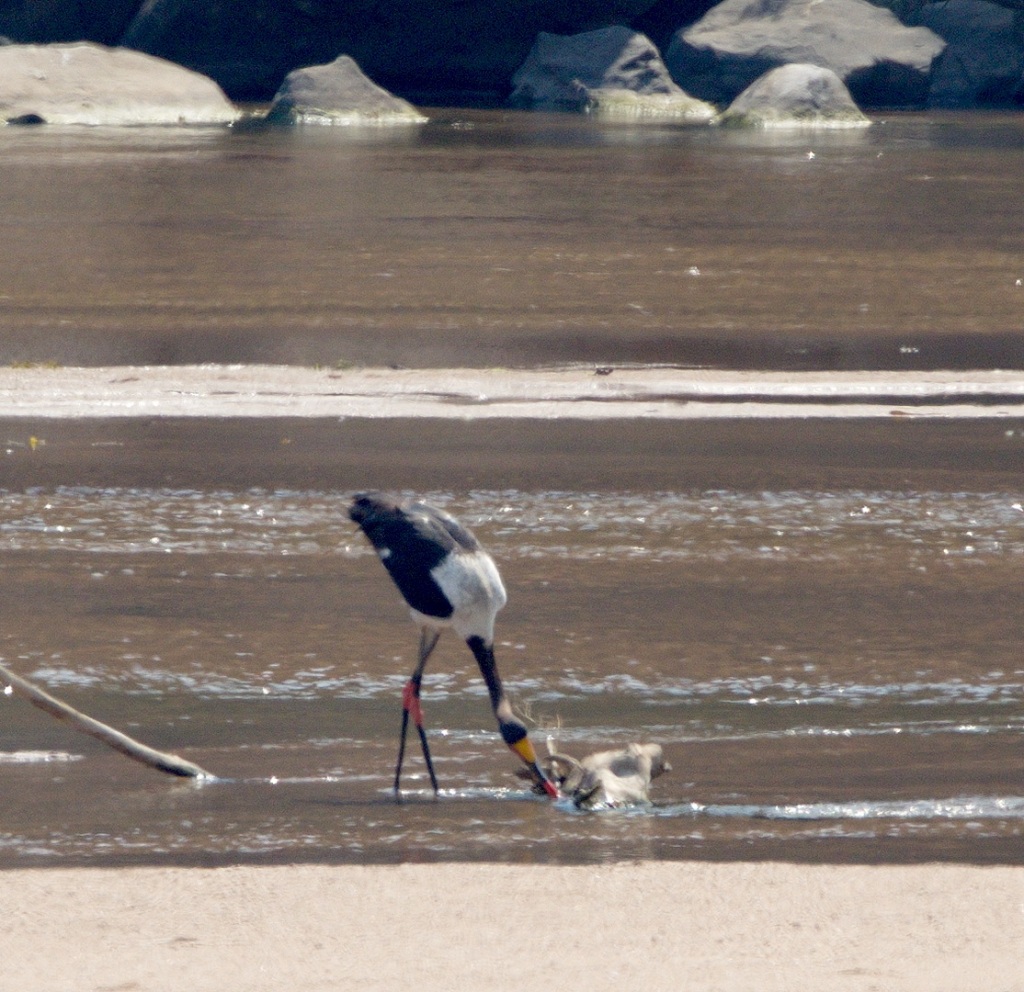
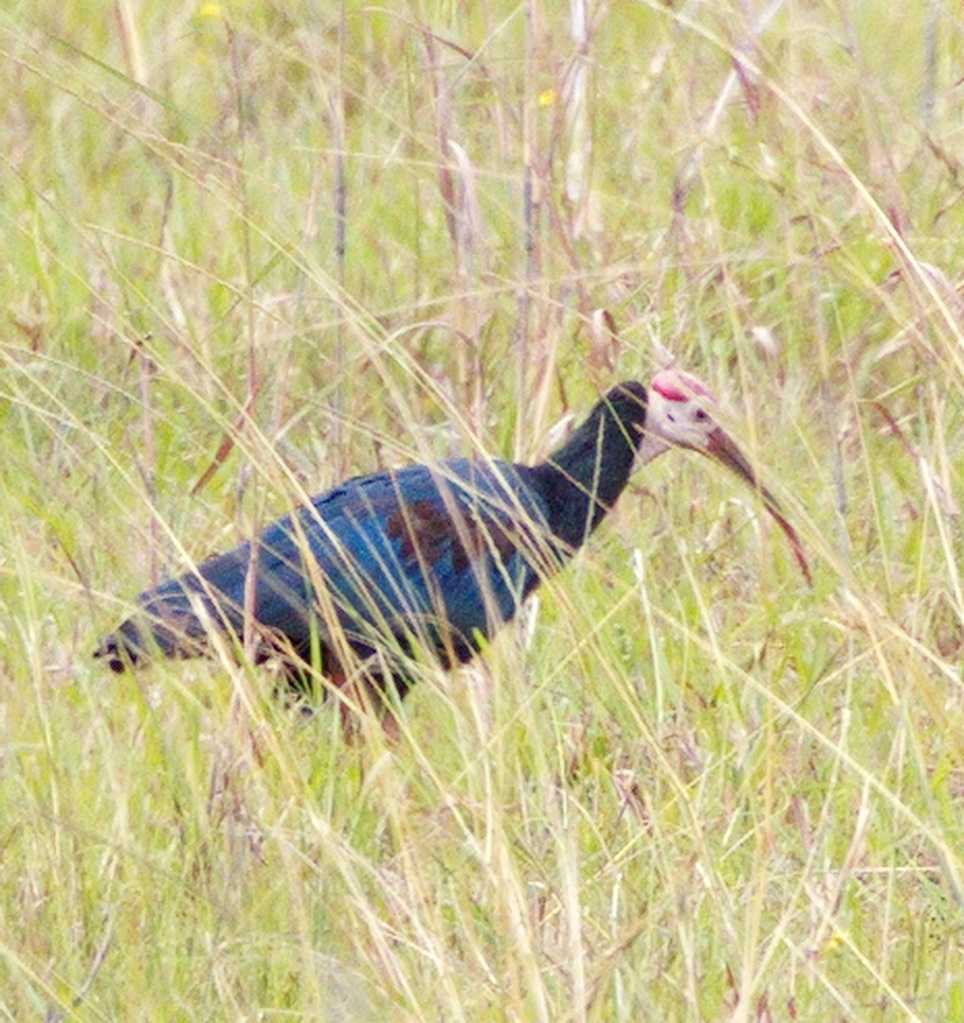
Zebra Pan was quiet – probably the time of day when we got there. On to the lookout Point over Zhizo, more for the view over the river. We did spot several Saddle-billed Storks but not much else.
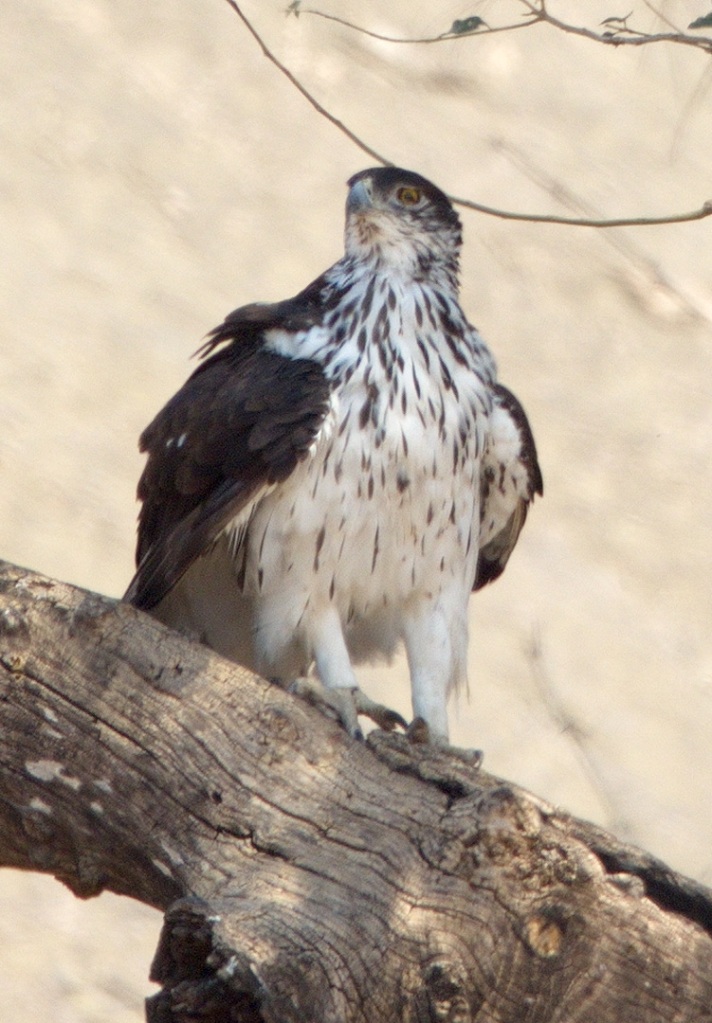
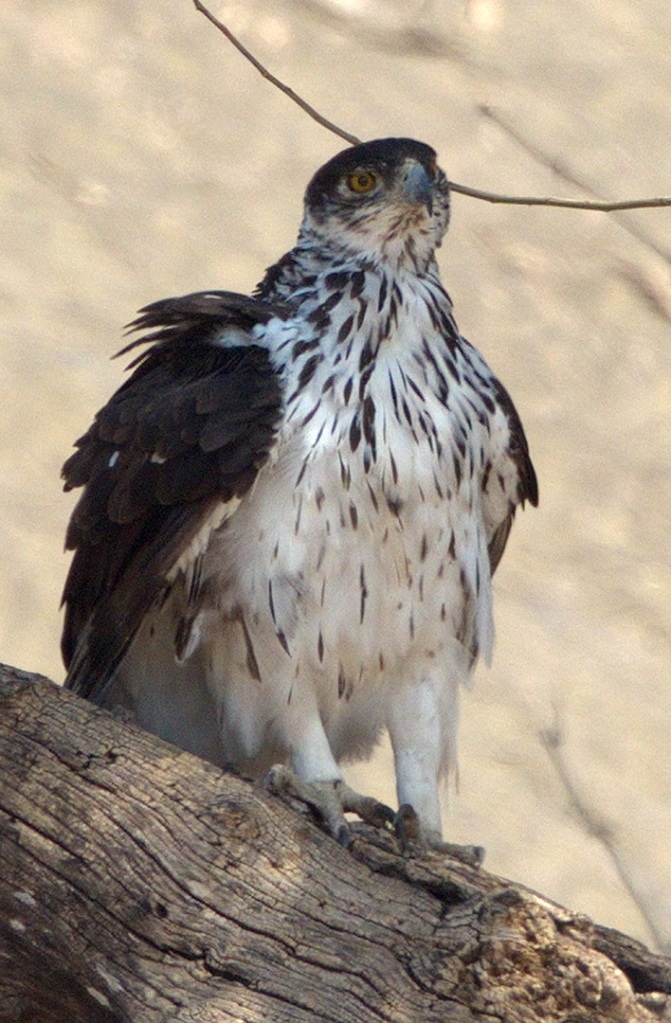
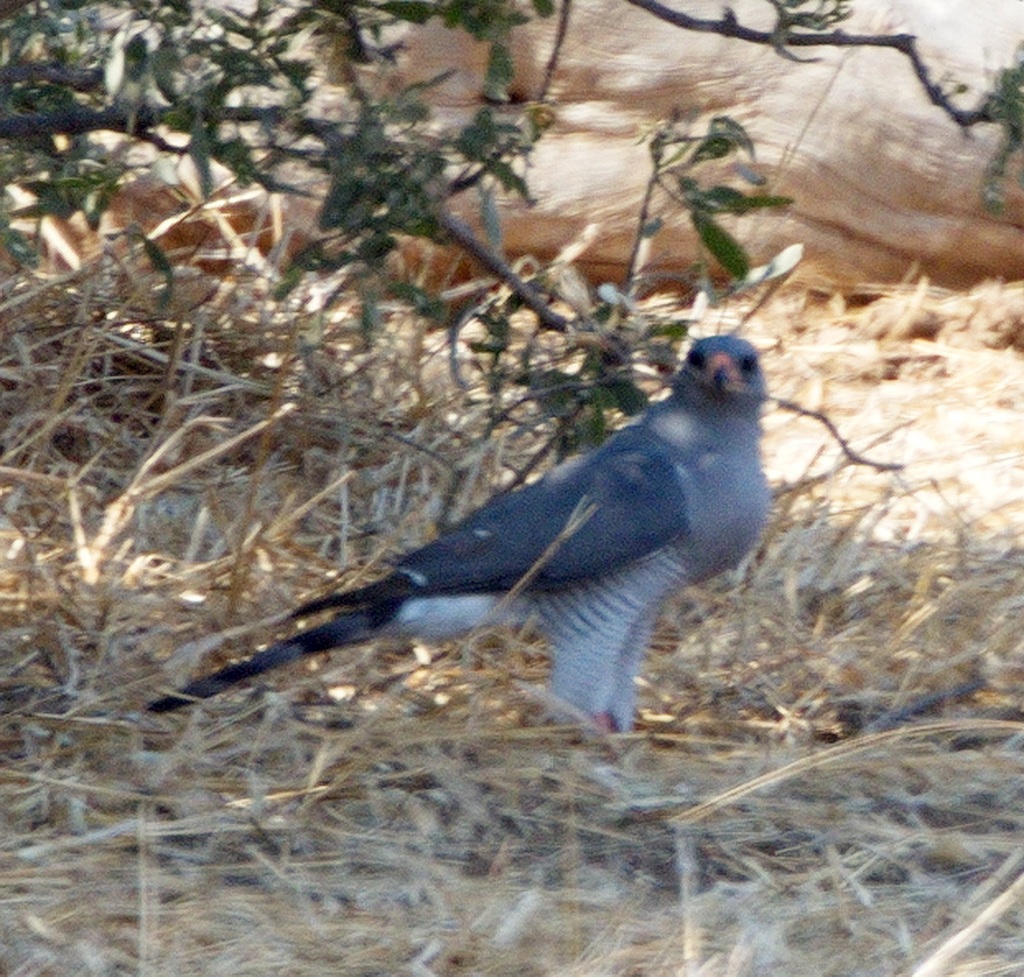
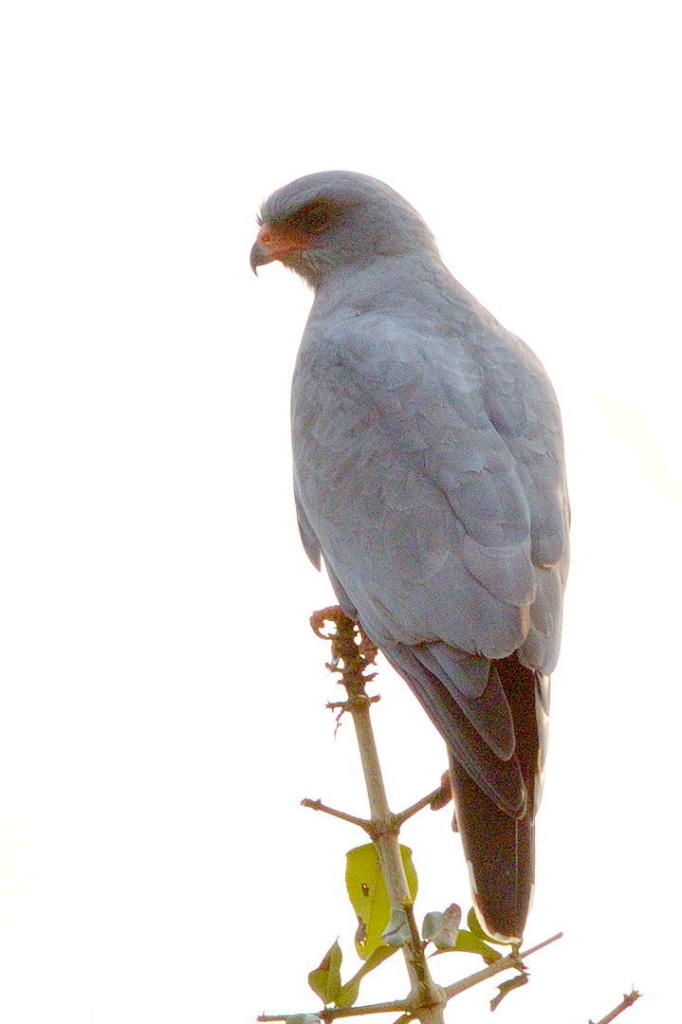
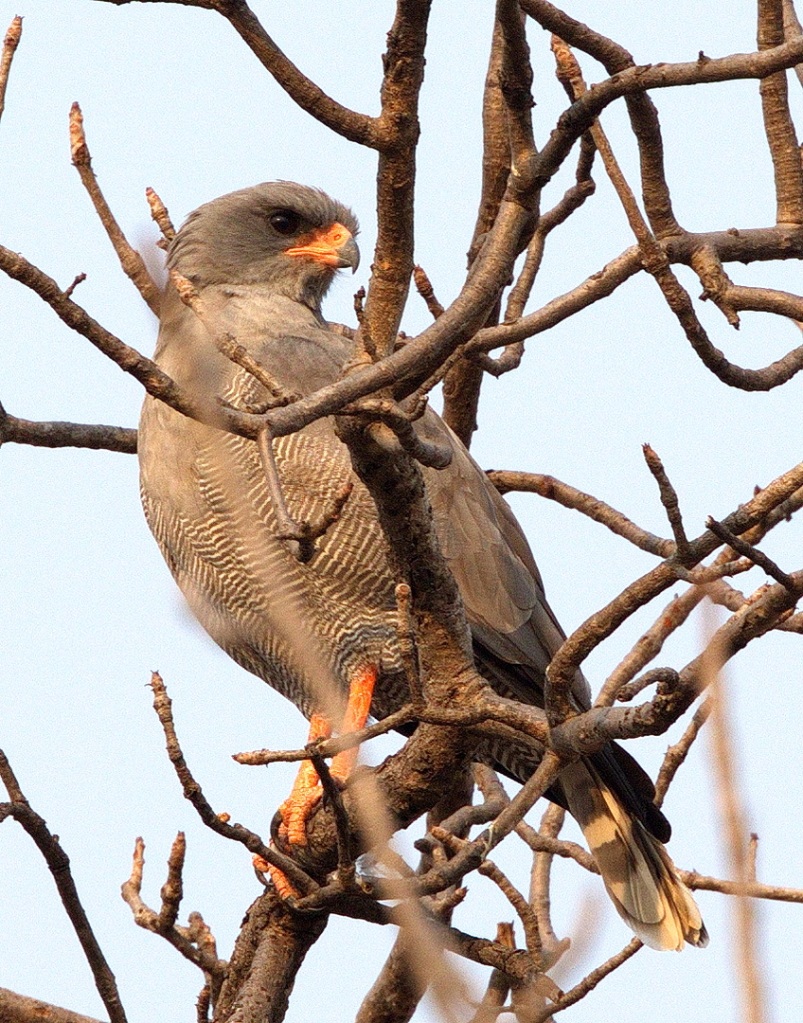
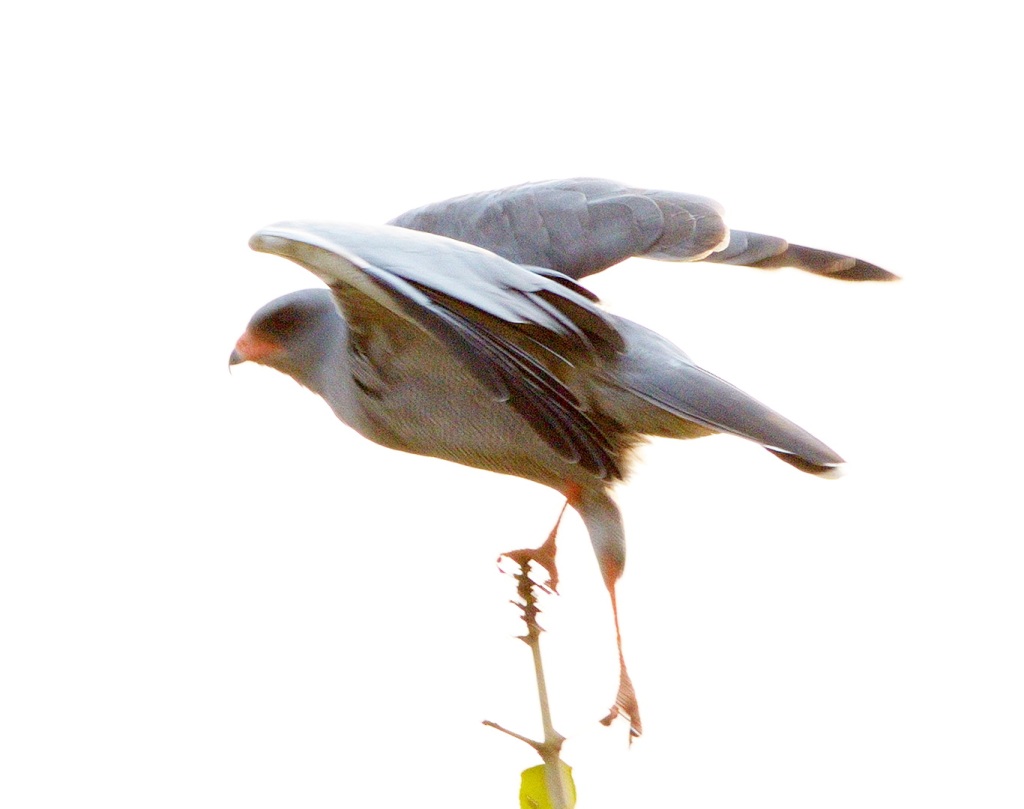
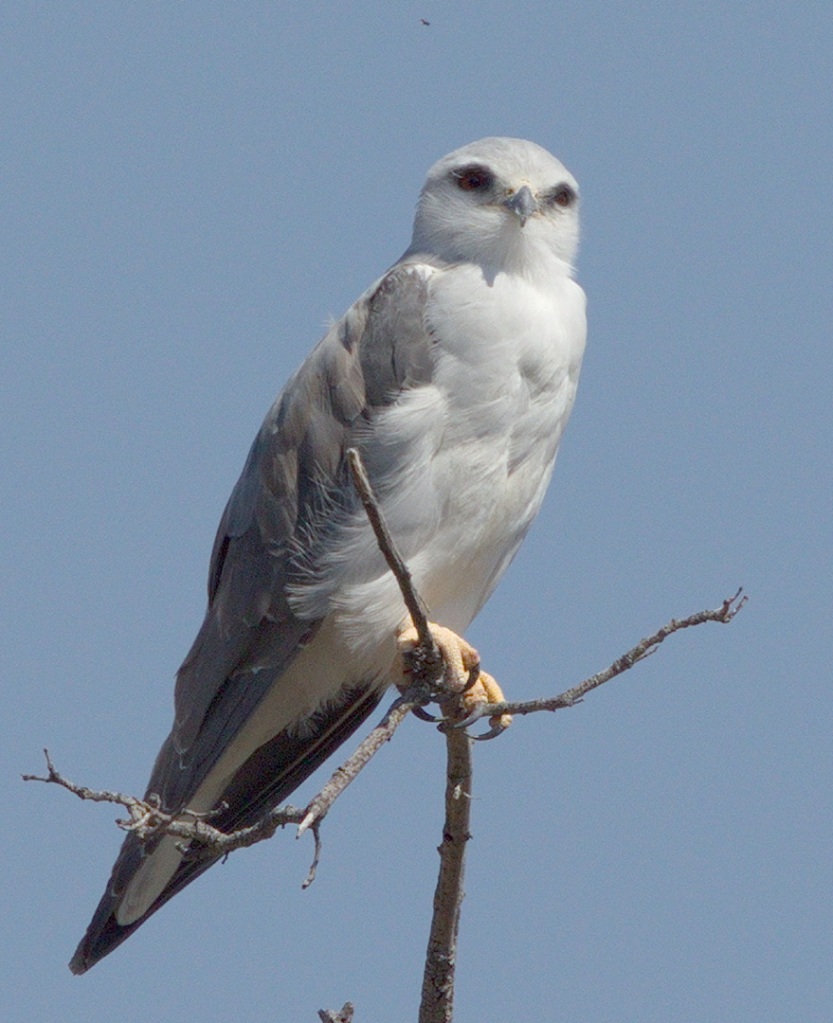
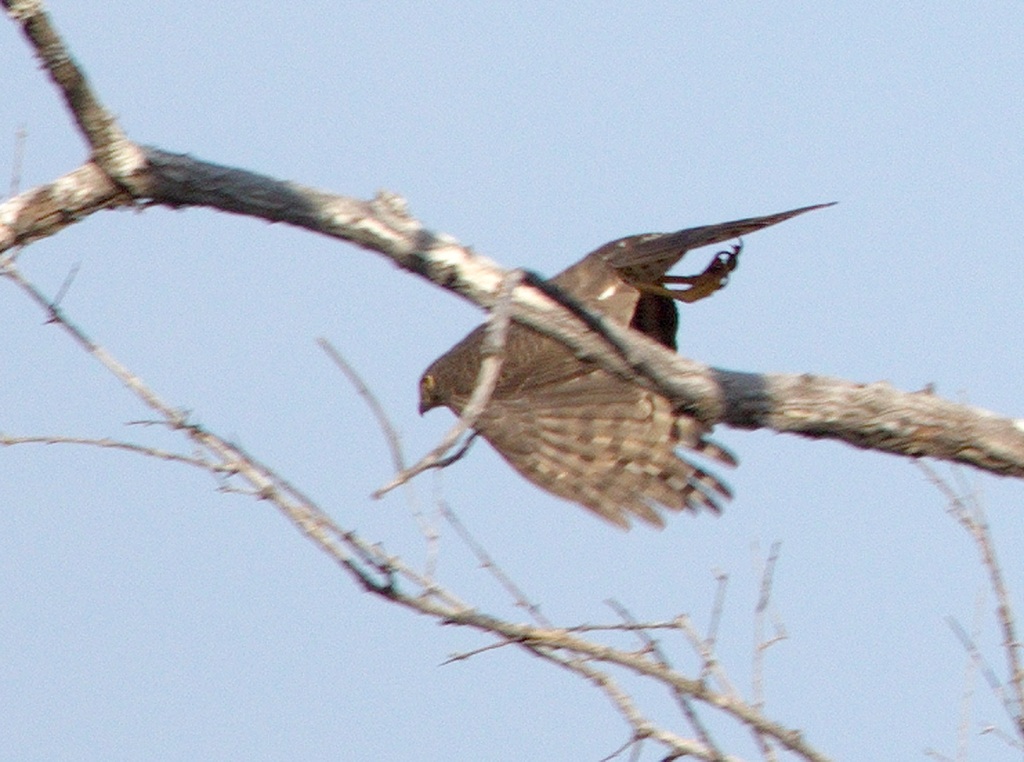
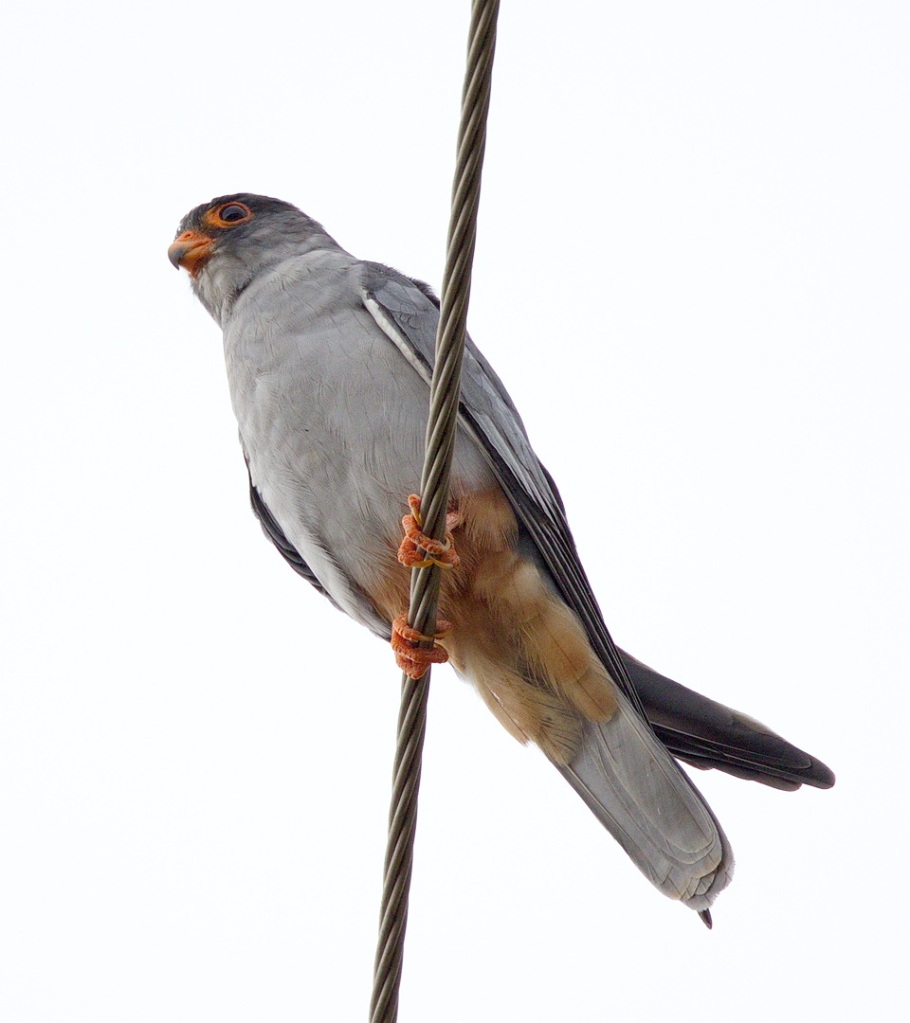
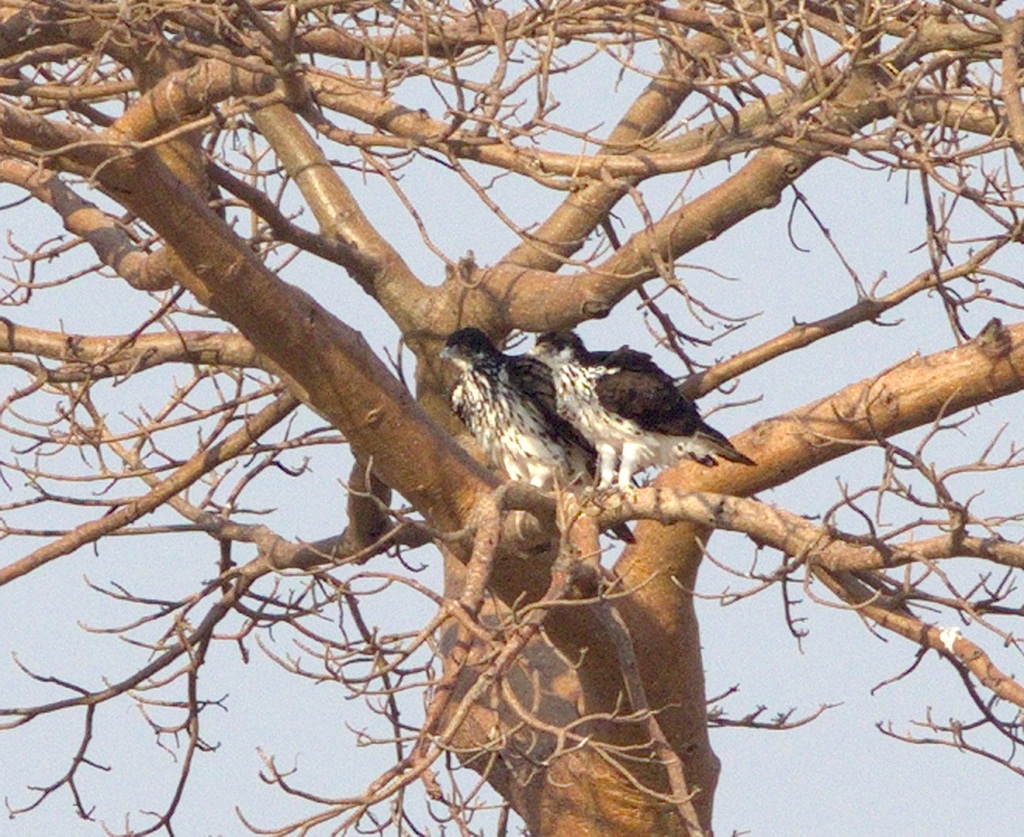
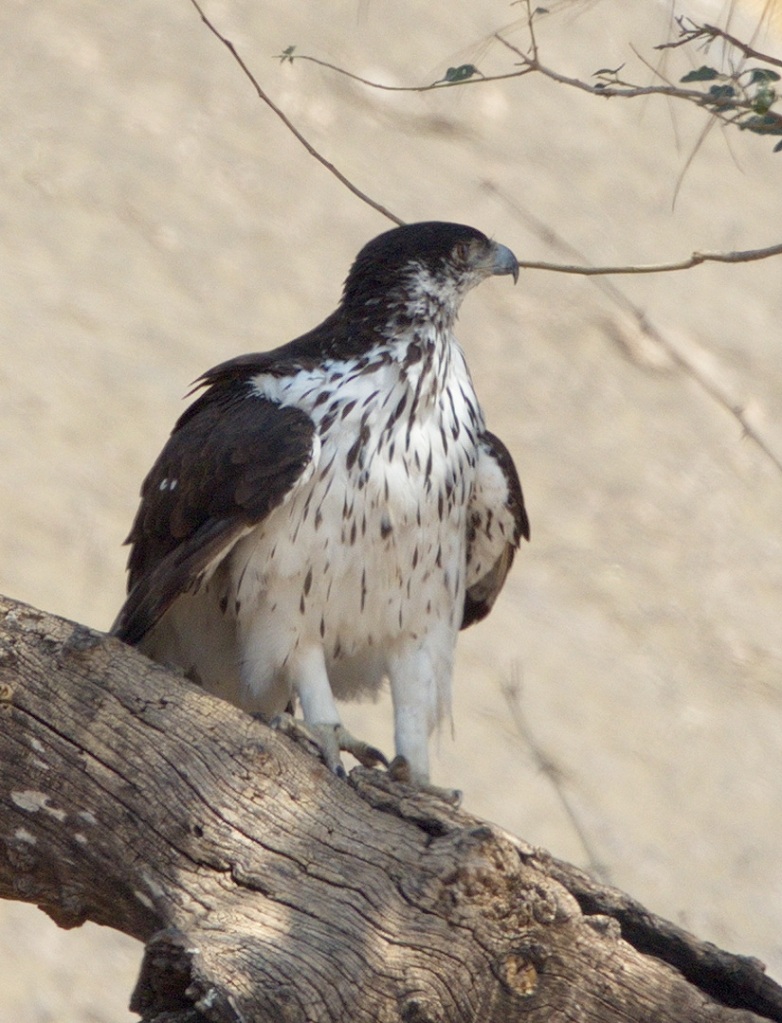
Throughout the day we had seen many pairs of African Hawk-Eagles and an ocassional Gabar Goshawk.. Here are a few photos.
We continued the circle back to reception. By now it was after midday and the birds were quiet. It was only when we reached the small dam just before reception that things got interesting. Well very interesting and unexpected.
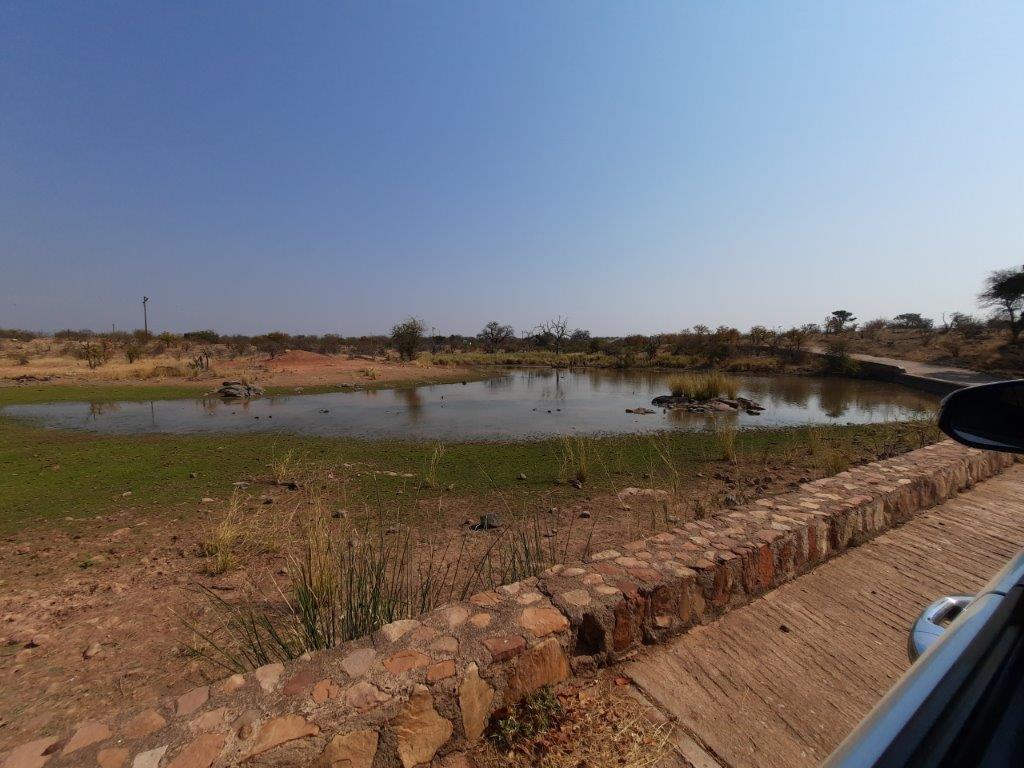
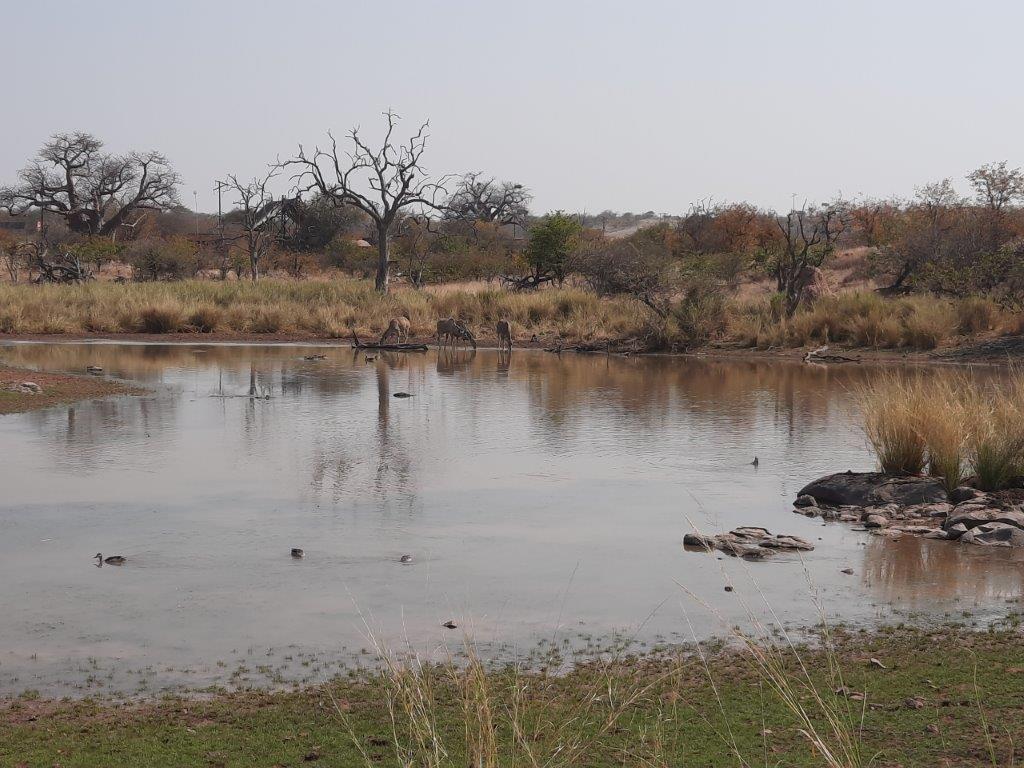
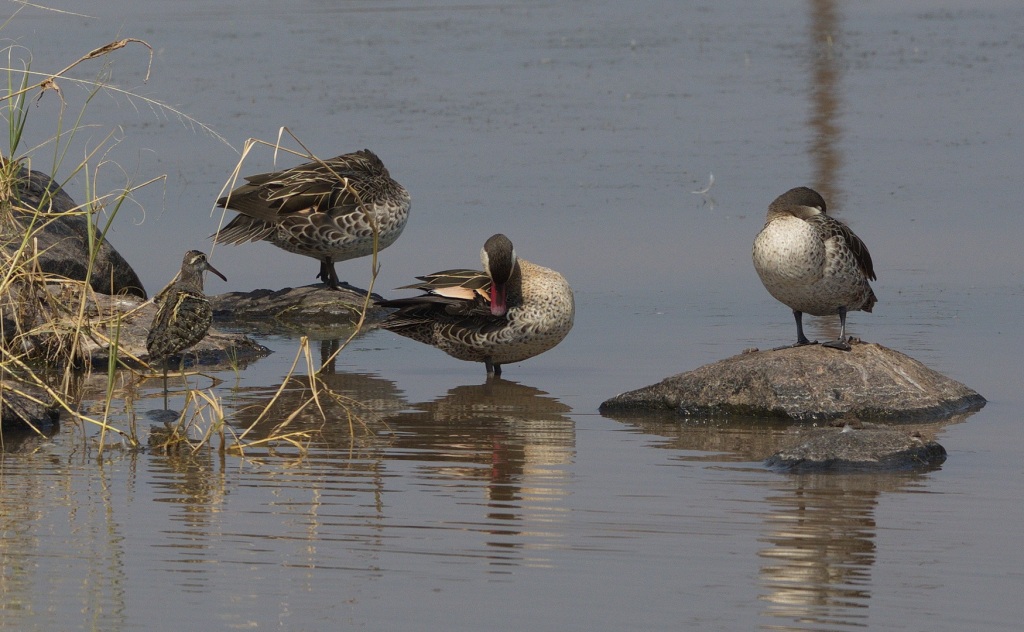
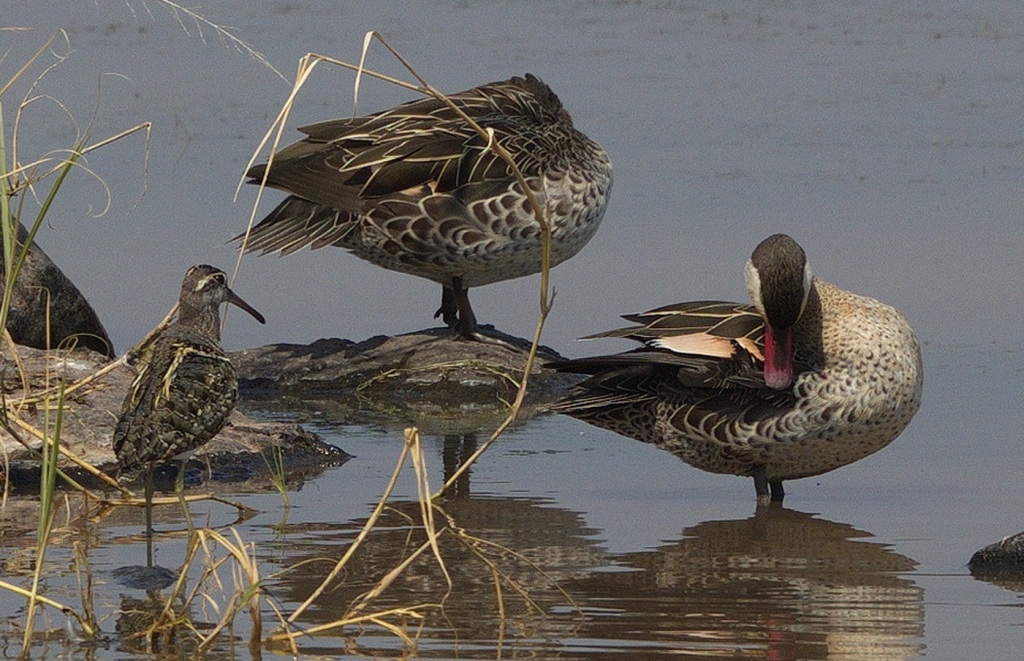
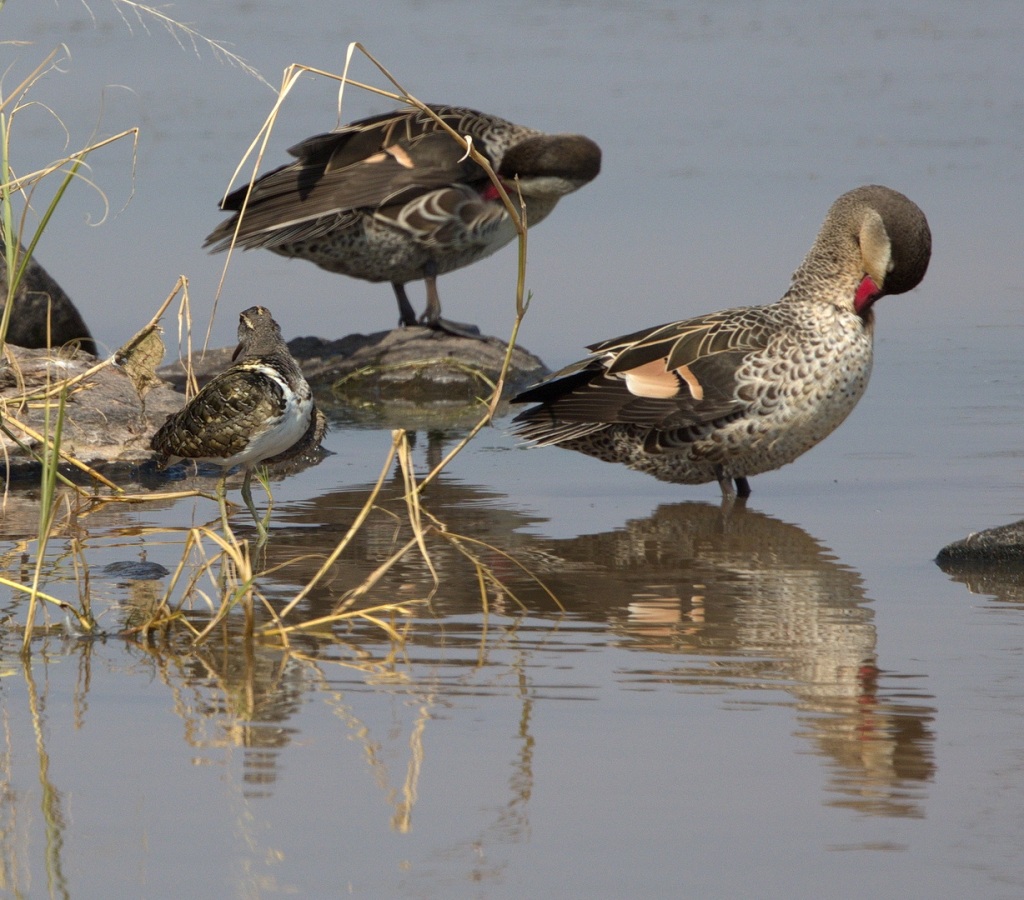
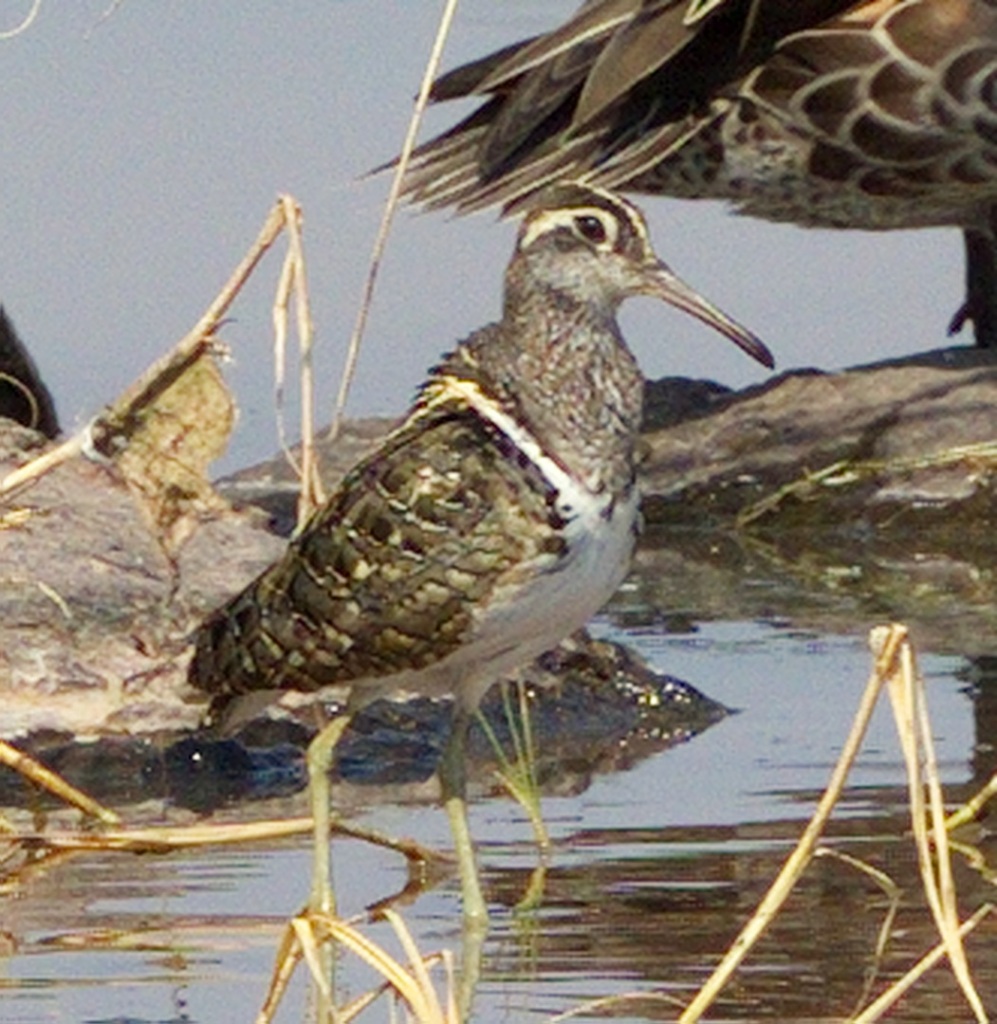
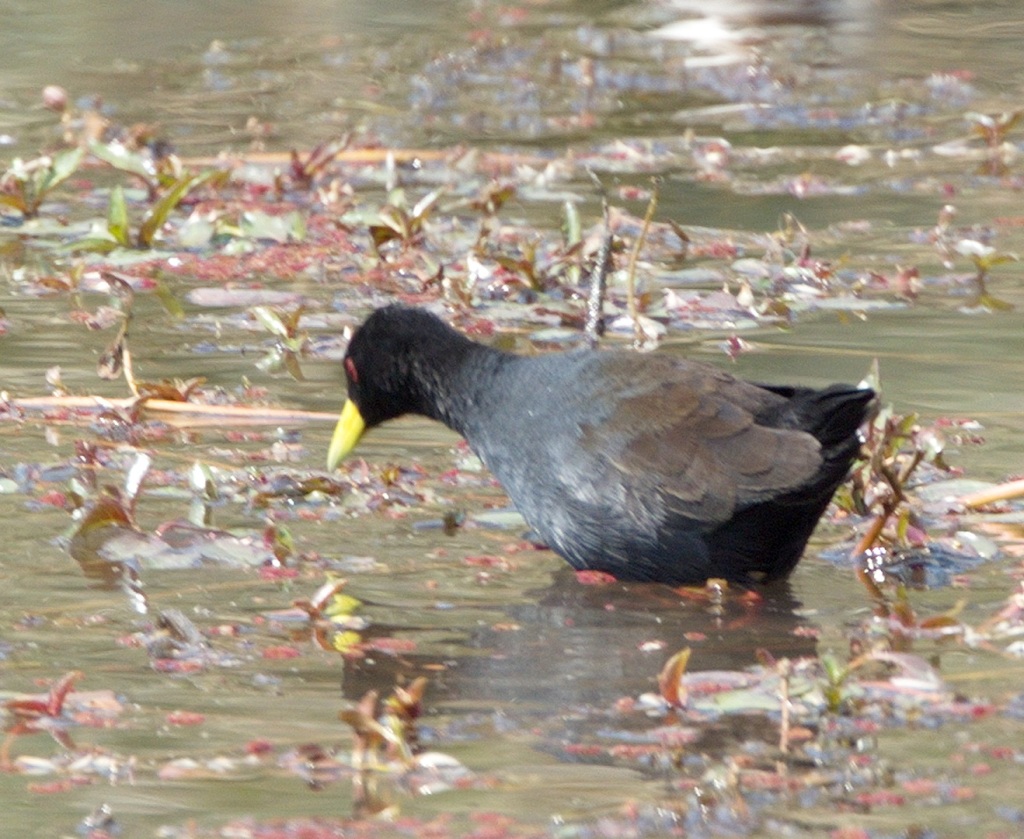
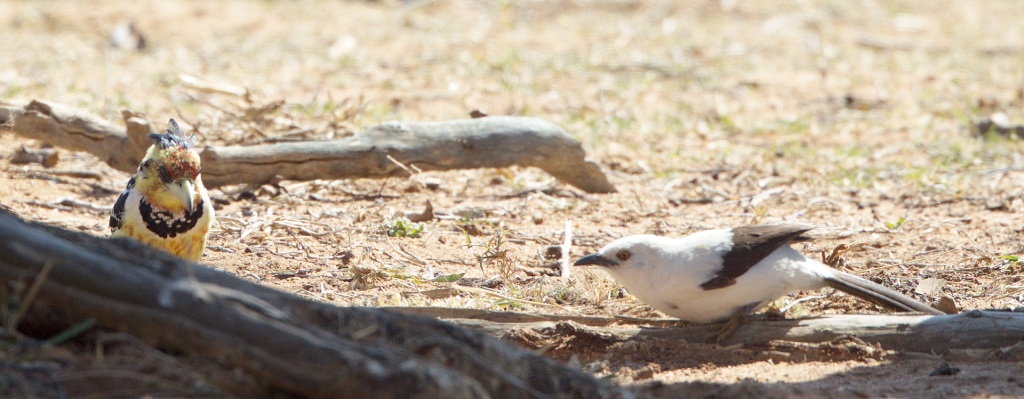
Here are some of the birds seen there.
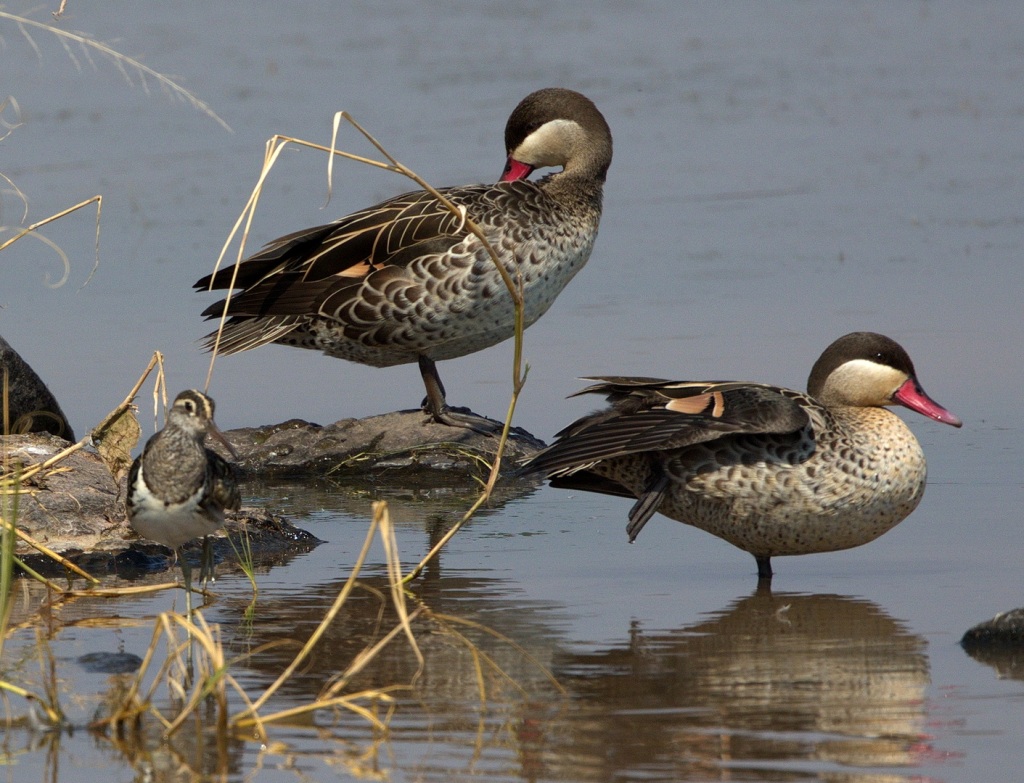
The Greater Painted Snipe was most unexpected and to see how friendly it was with the other species was awesome.

In total we identified 81 different bird species.

After four nights in Mapungubwe it was time to move on.

Nthakeni Bush and River Camp birding near Pafuri, KNP.

23rd to 25th August 2023

Our next destination was Nthakeni Bush and River Camp about 240 kms from Mapungubwe. The camp is located just 5 kms from the Pafuri Gate into the Kruger National Park (KNP). And it was from Nthakeni that we explored the Pafuri area of the Kruger National Park.
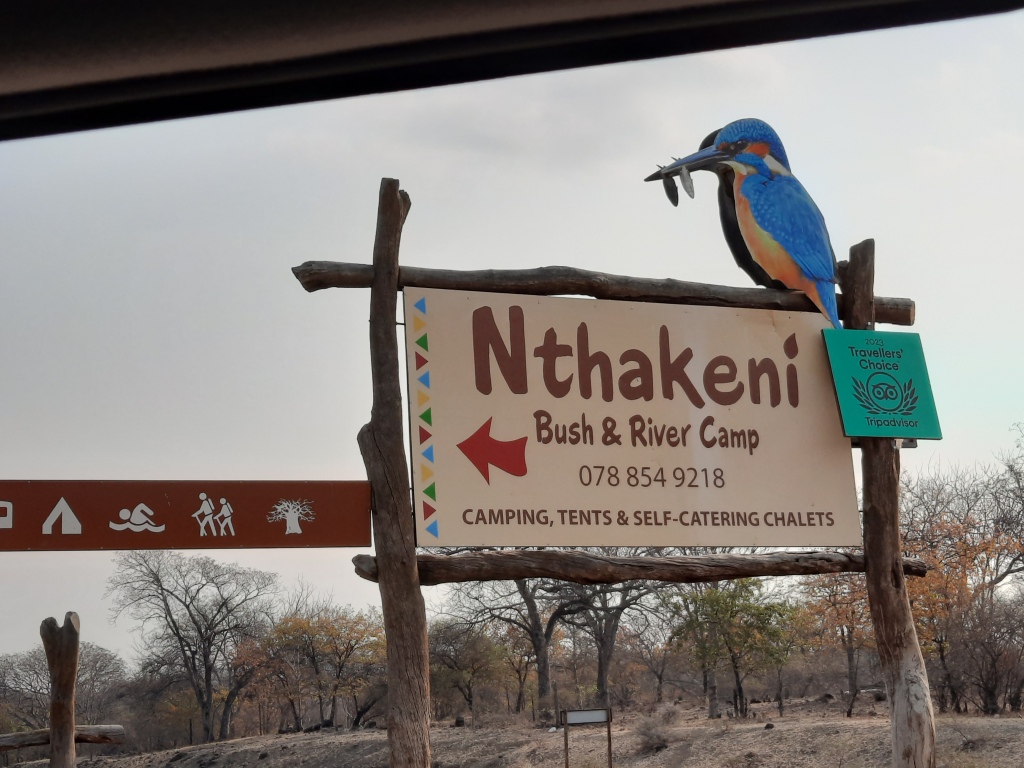
A short drive from the main road to the camp through pleasant scenery. And then into a well maintained camp.
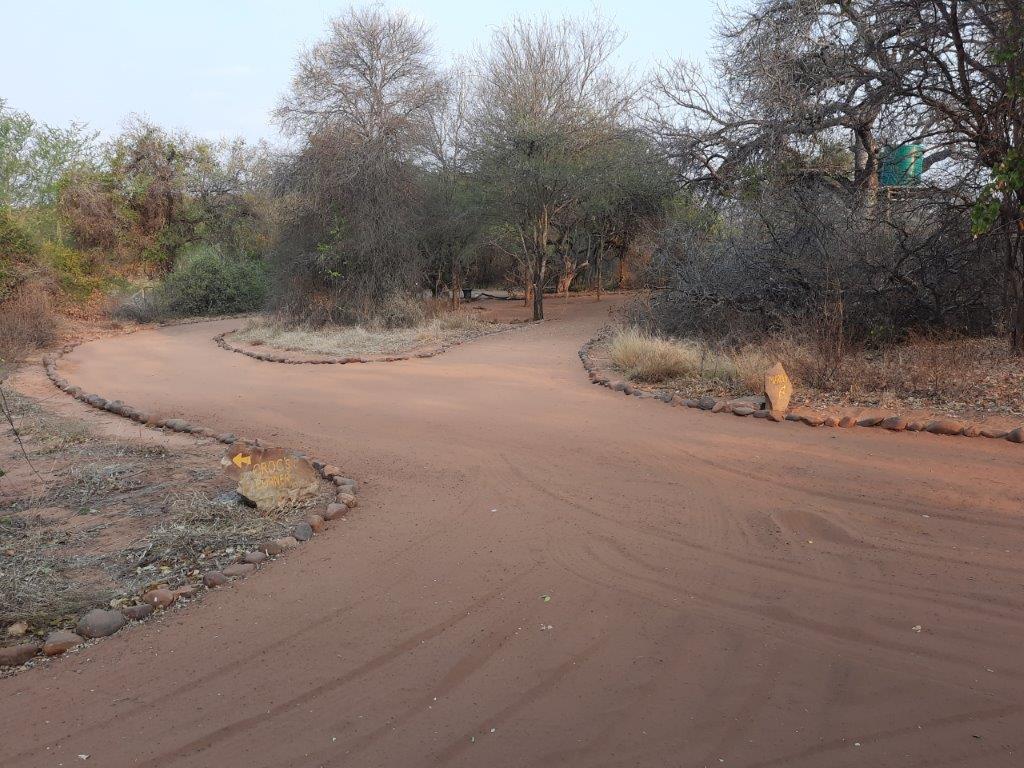
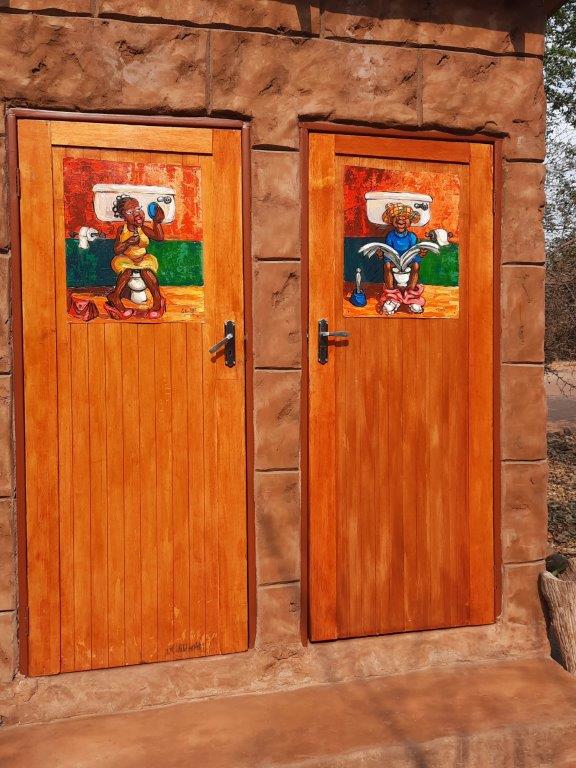
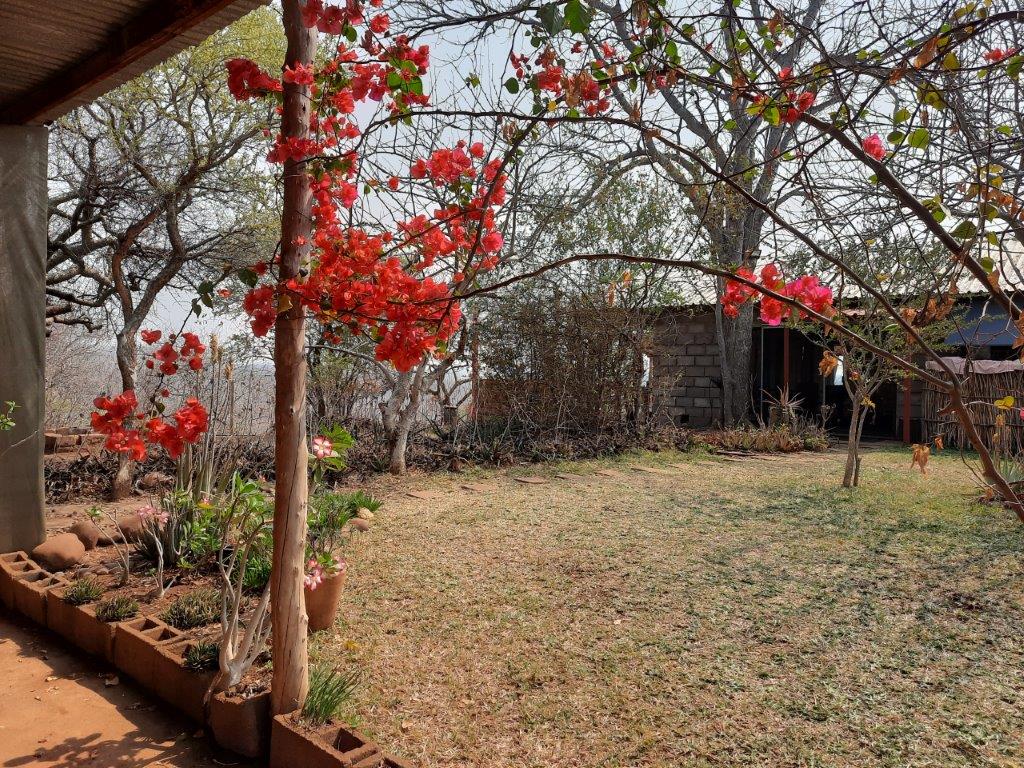
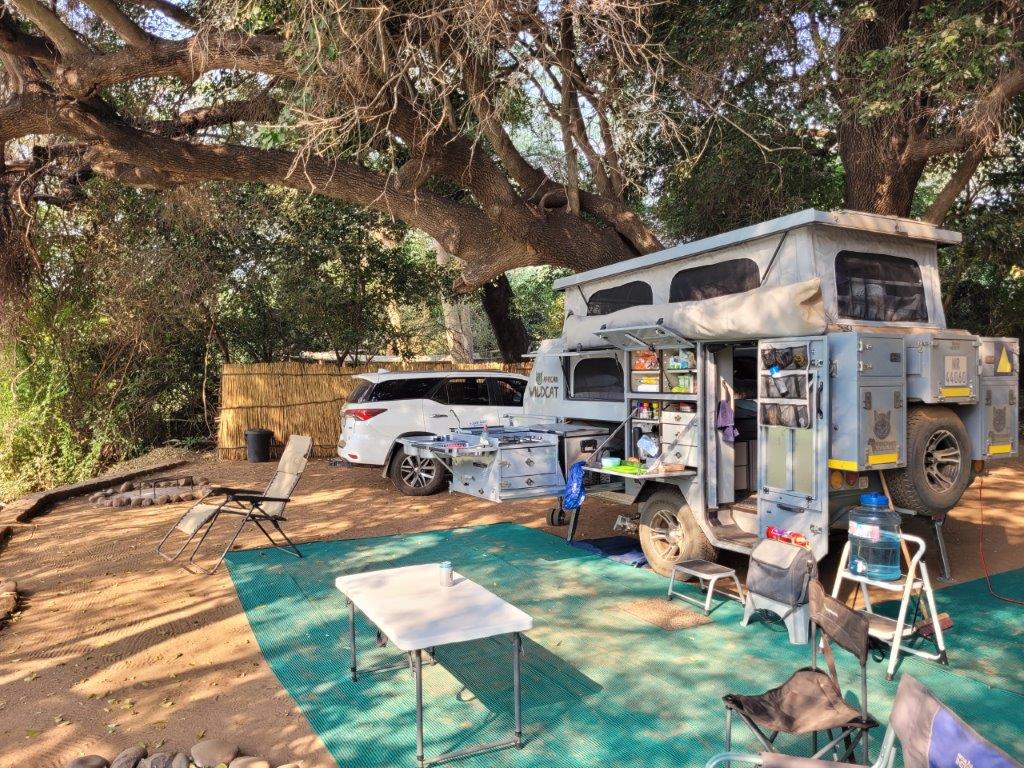
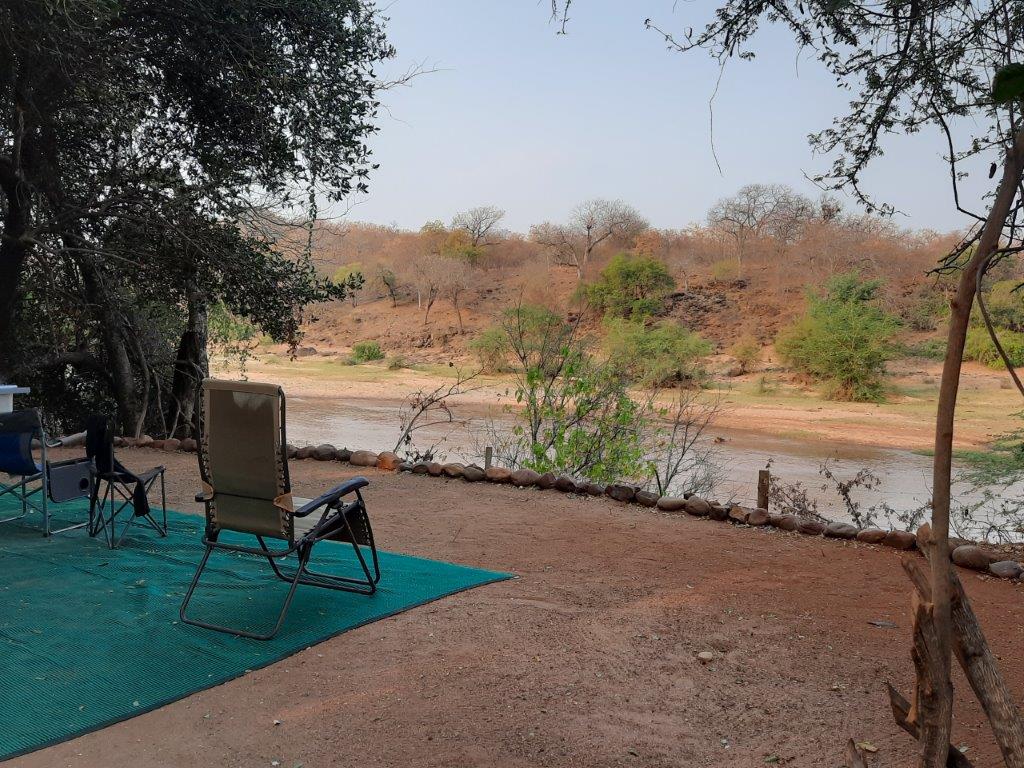
What a wonderful new campsite – Croc’s Corner – we were allocated. Great private setting in the bush overlooking the river with own ablution facilities. No power but free WiFi in the lounge area and an honesty bar. The shop in the lounge was well stocked with virtually all that a camper could want. Fairly priced too.
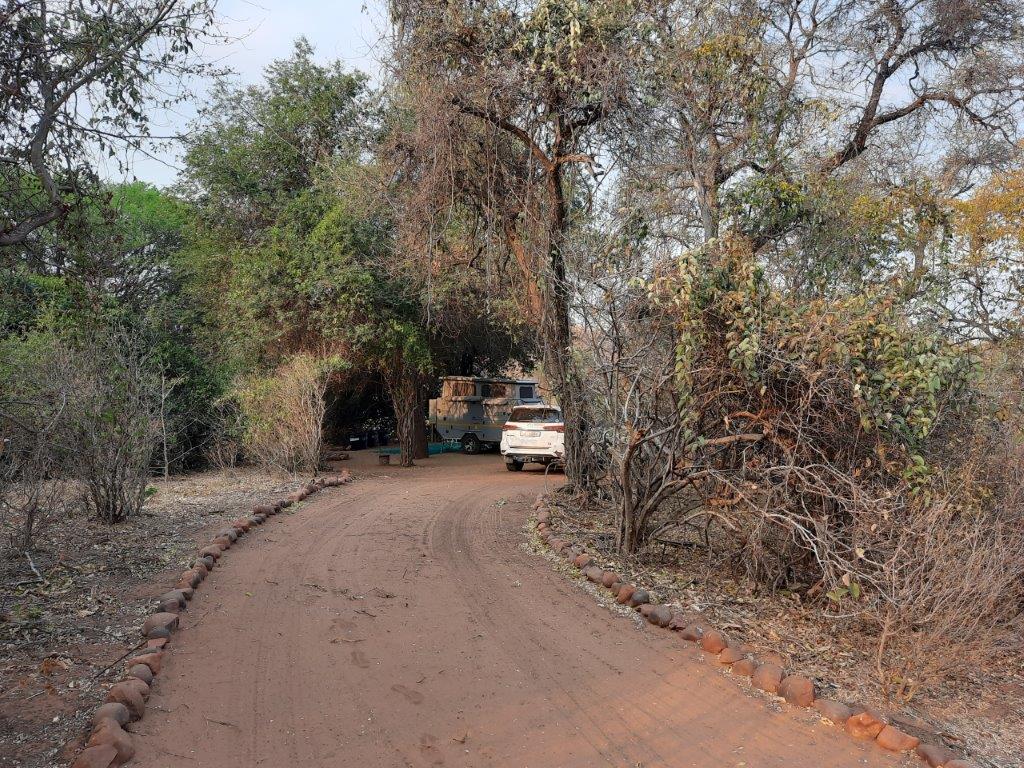
Birding in the camp is like birding at the Pafuri Picnic site in the Kruger. How’s this for an interesting creature.
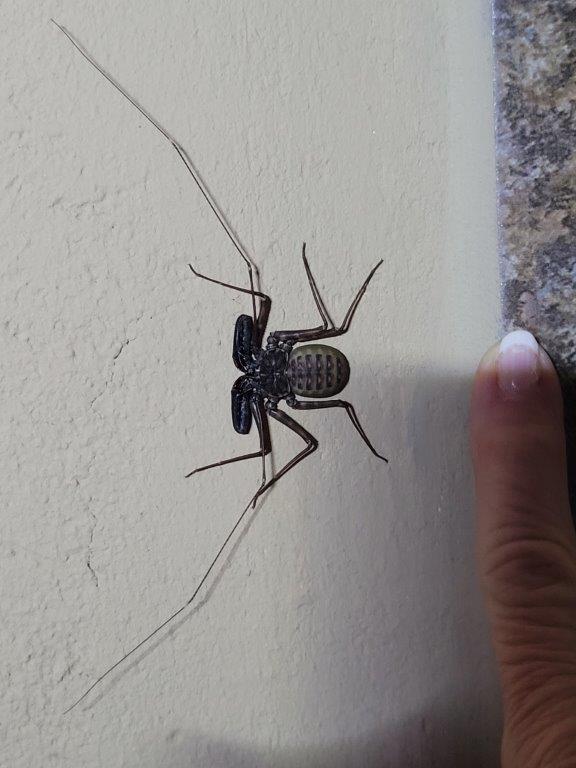
It is called a Tailless Whip Scorpion believe it or not. However, it is not a scorpion at all!! Not venomous.

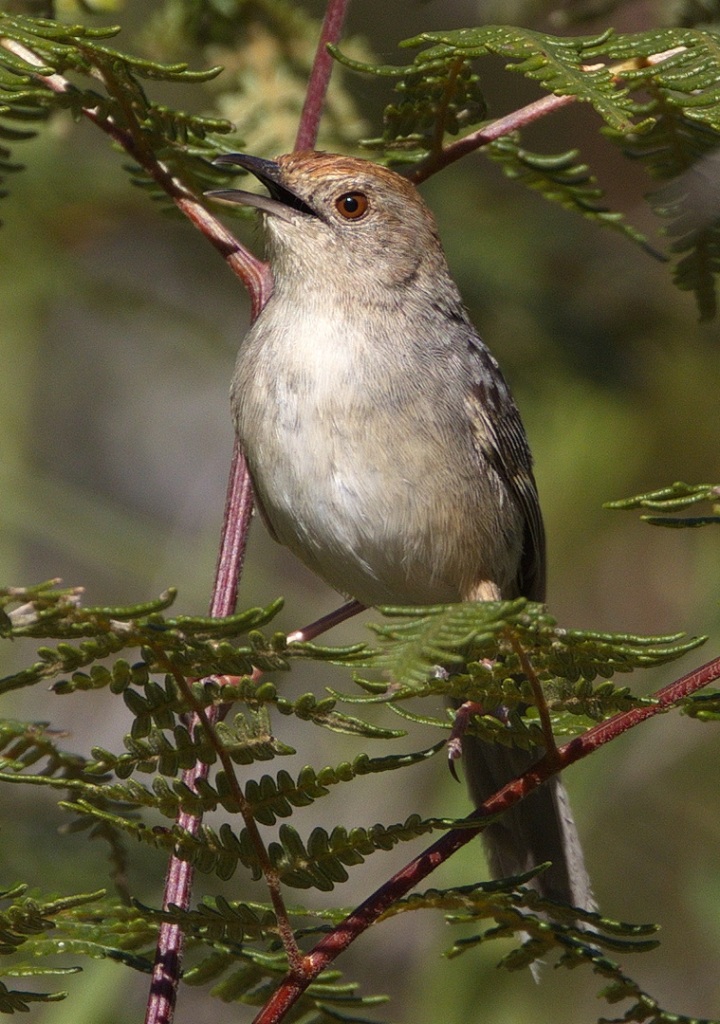
The camp birds sang for us and although we did not do a lot of birding around the camp, we still managed to record 21 different bird species. Here are some that we managed to photograph.
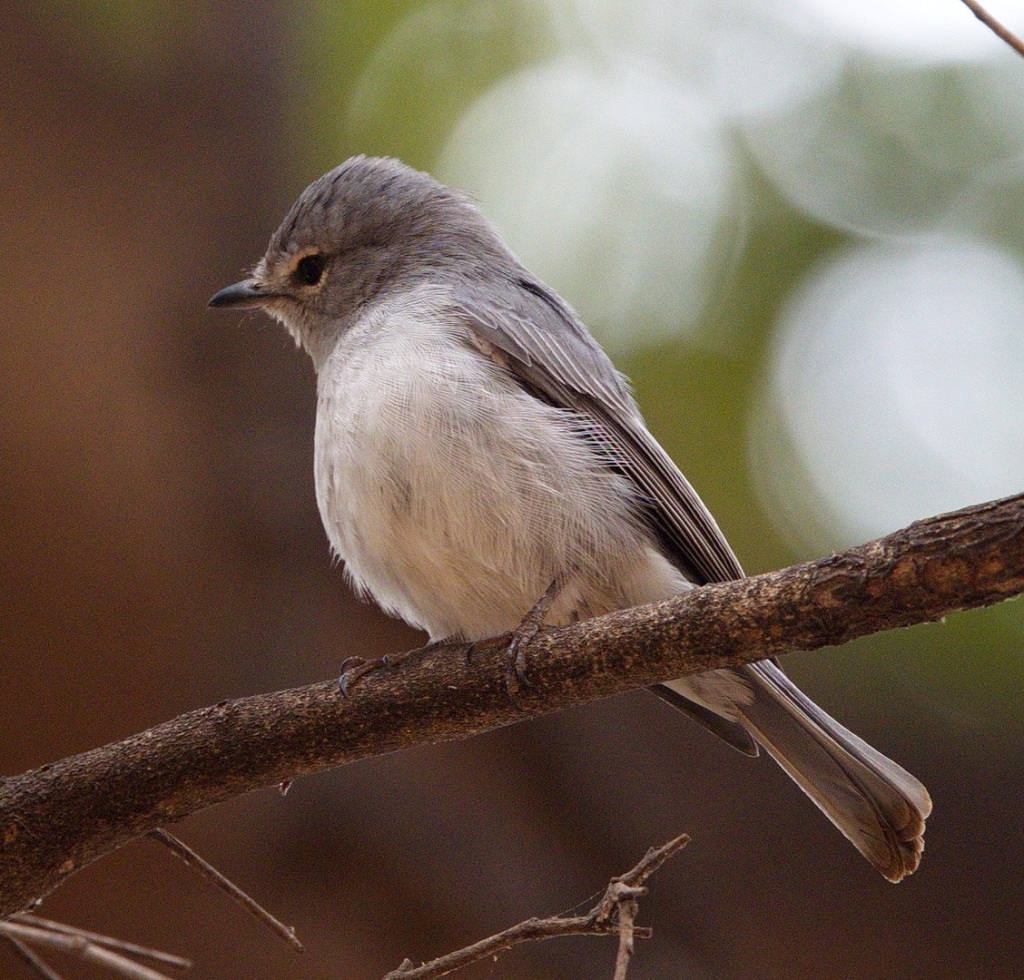
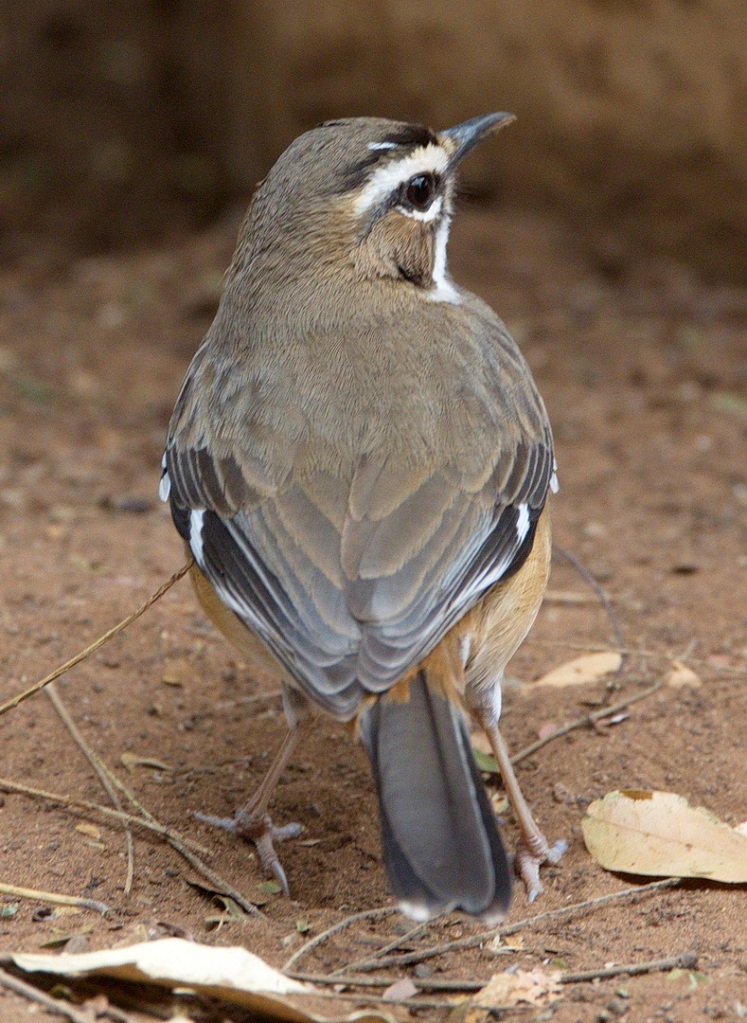
Most of our time was spent in the Pafuri area of the Kruger where we identified 64 different bird species.

On our way to the bridge we kept an eye and ear out for the Racket-tailed Rollers without success.

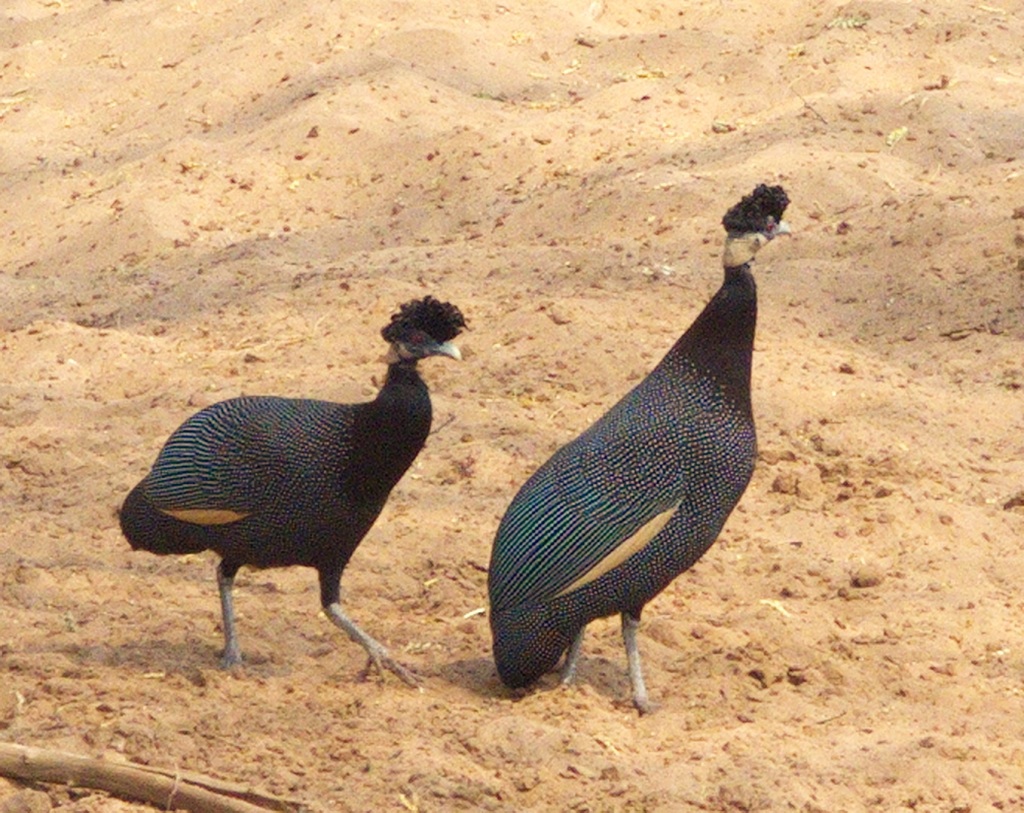
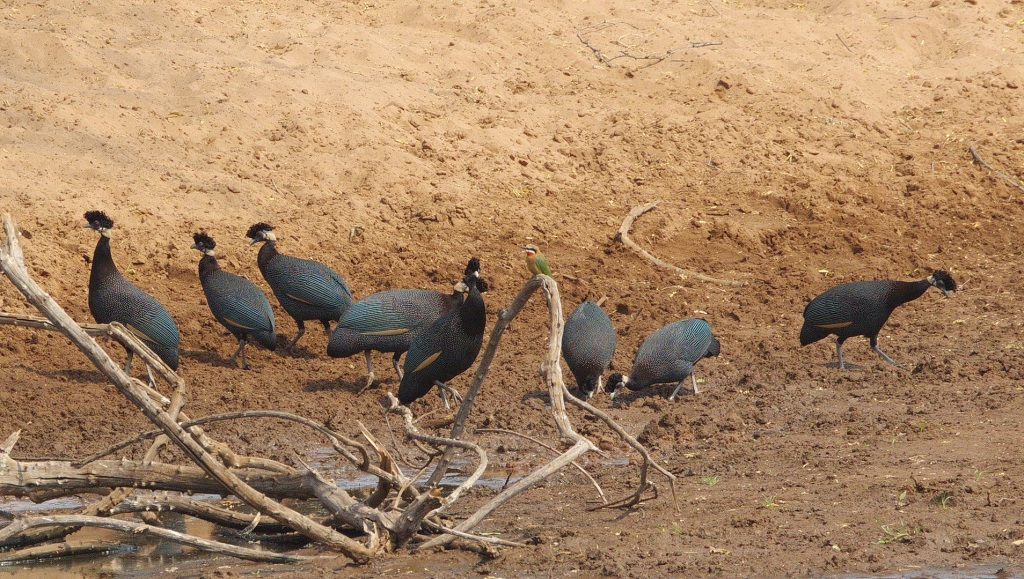
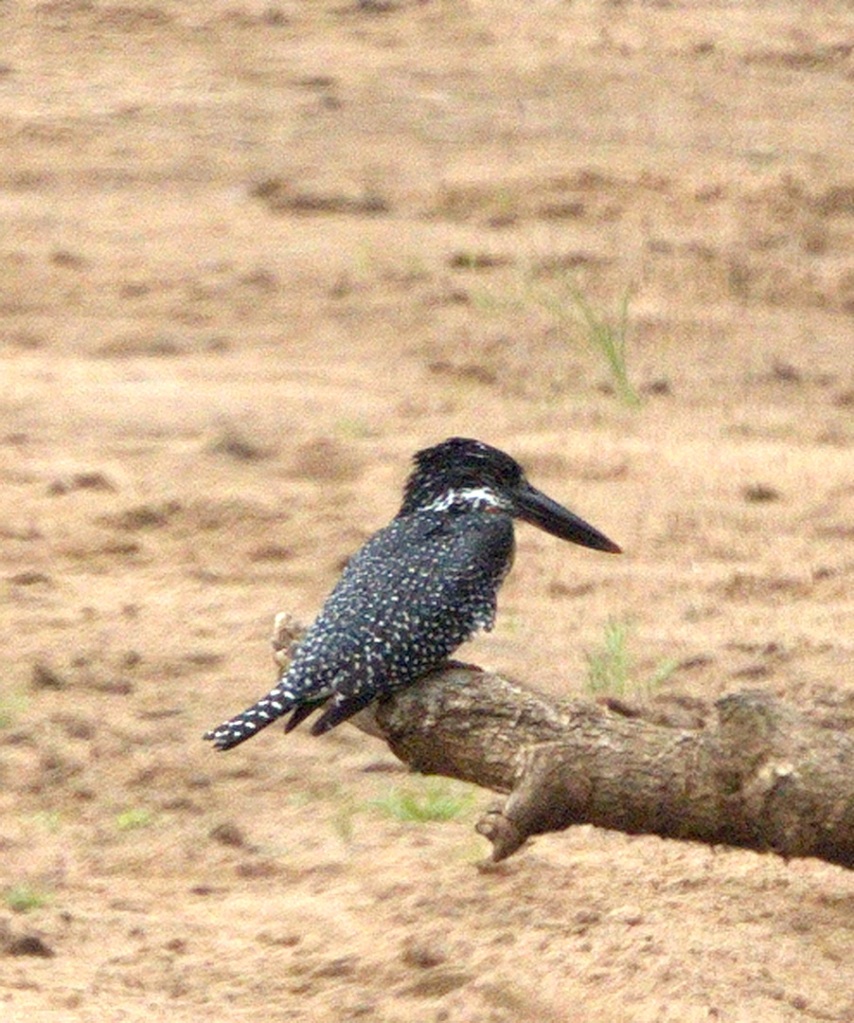
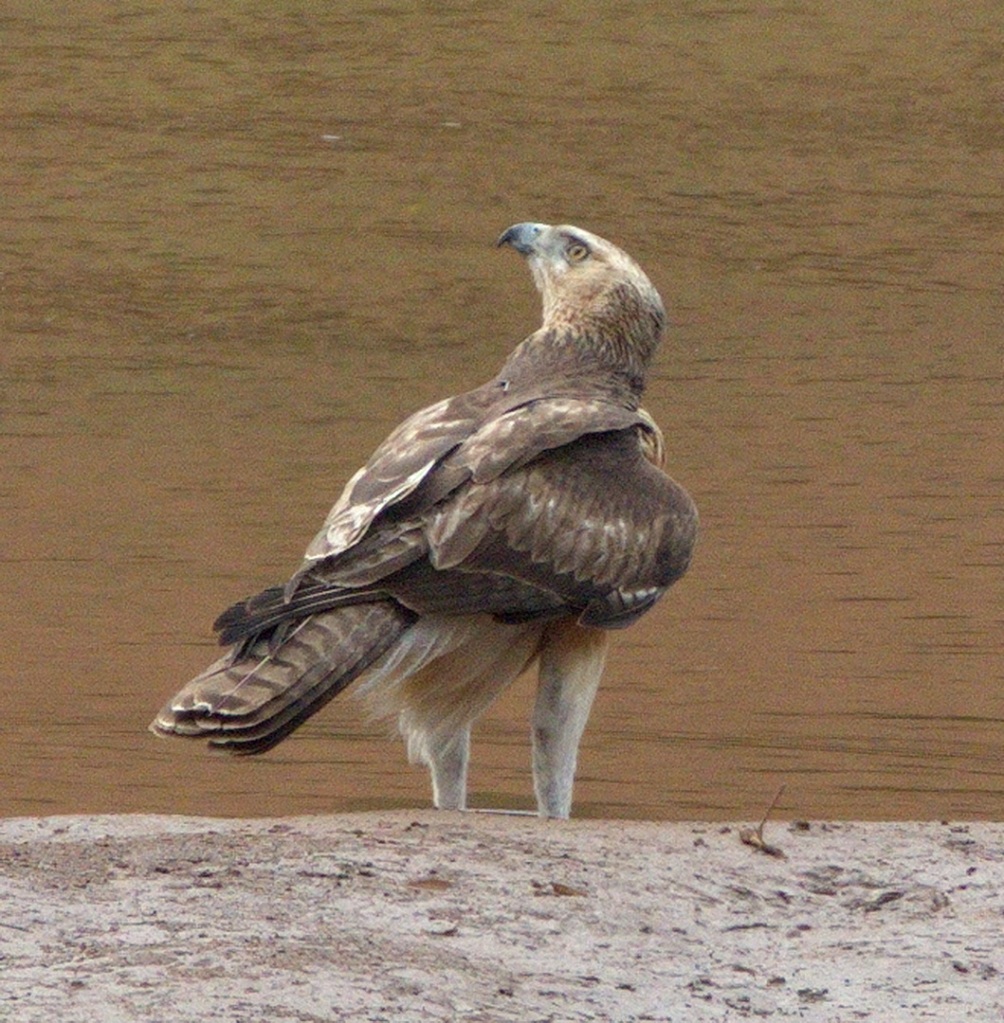
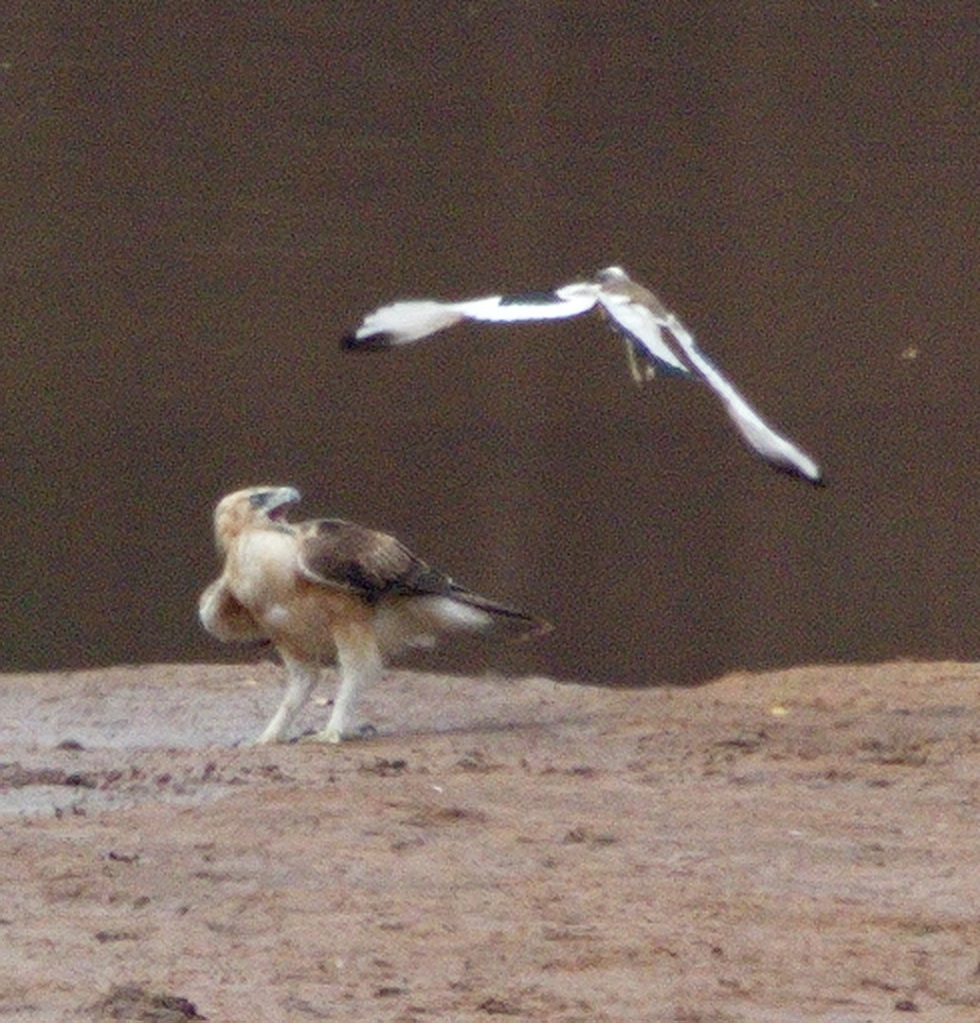
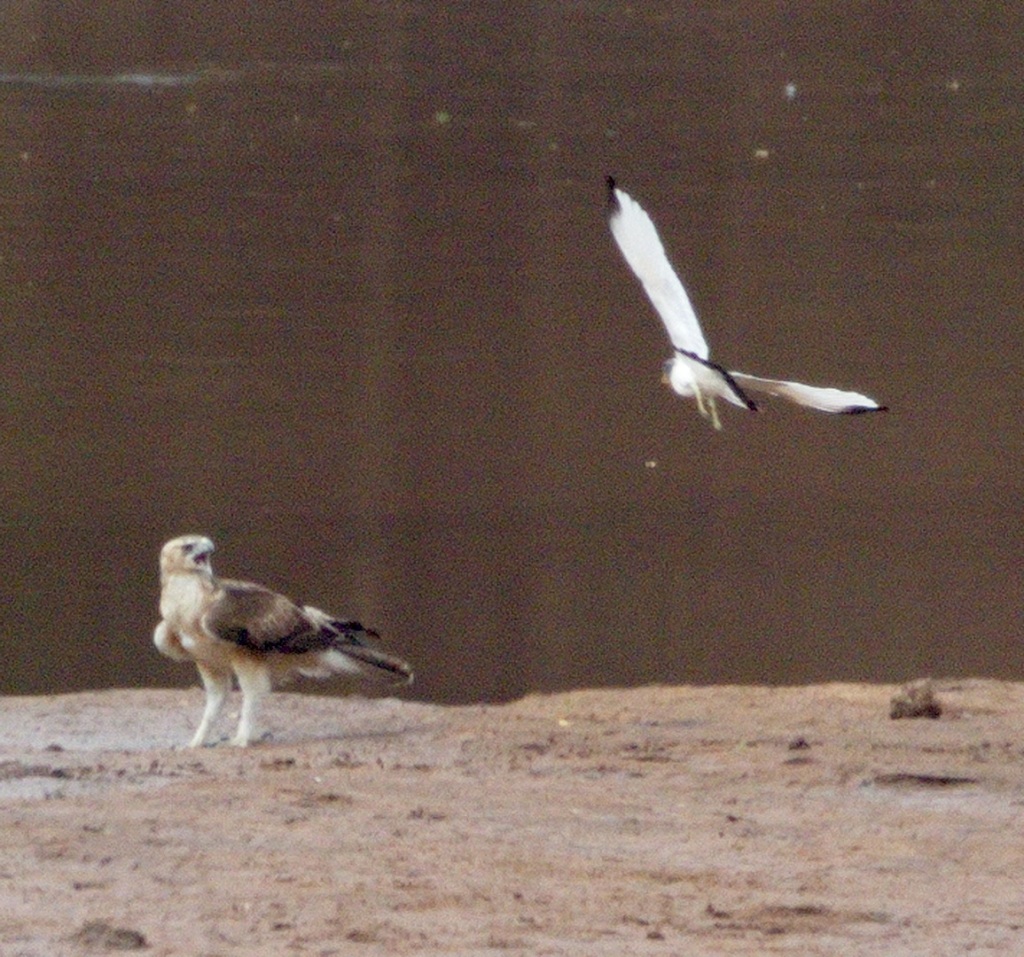
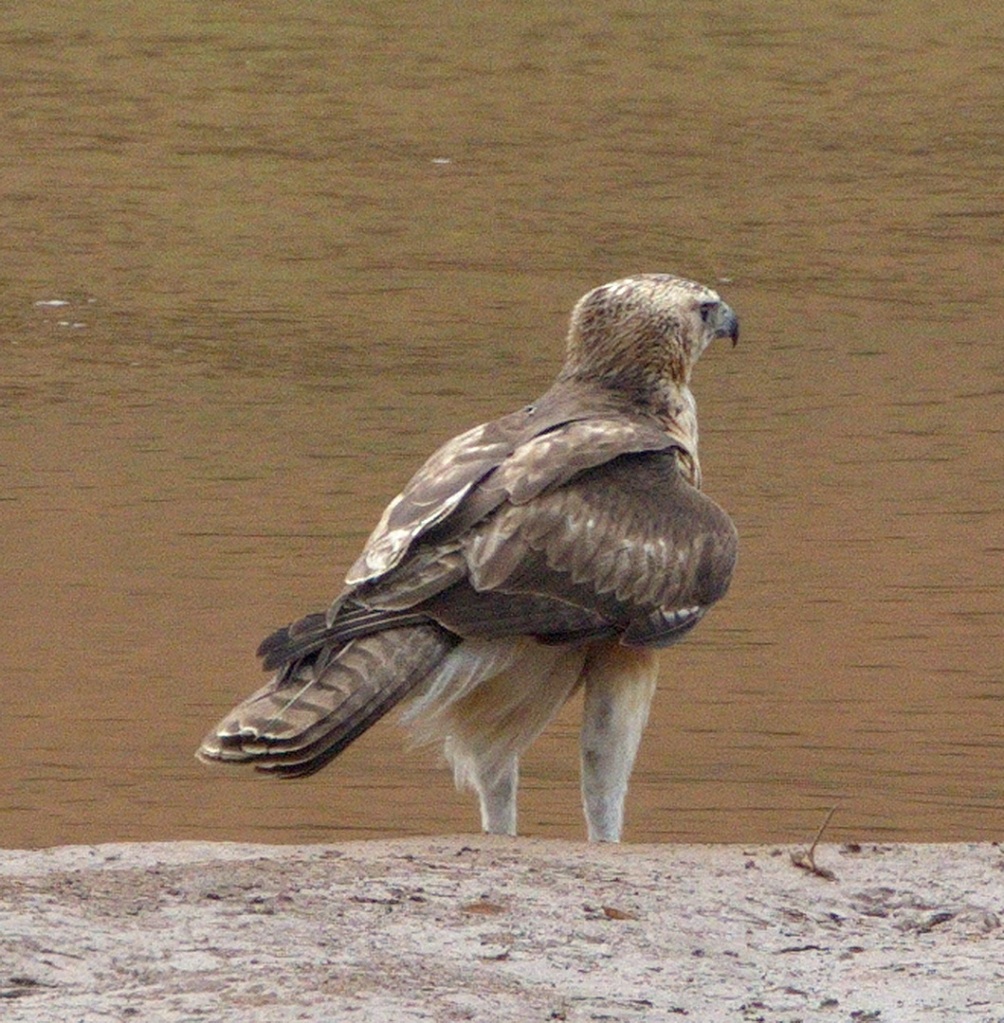
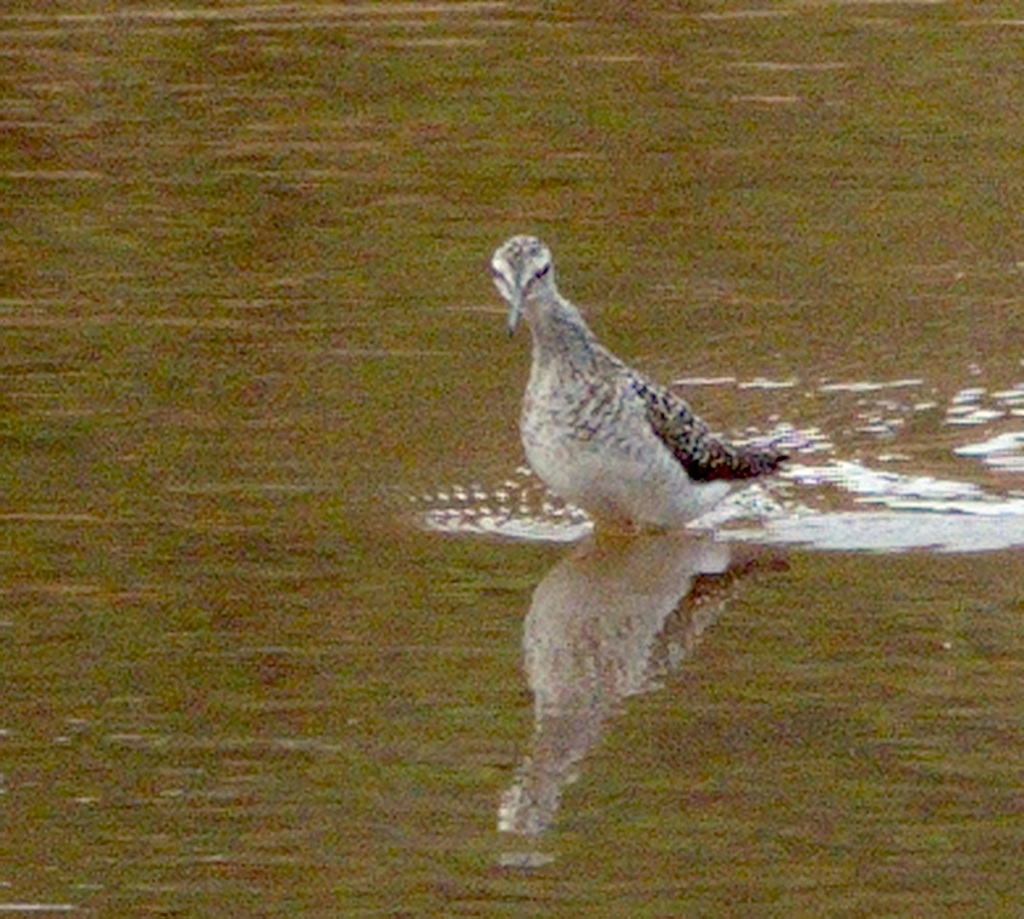
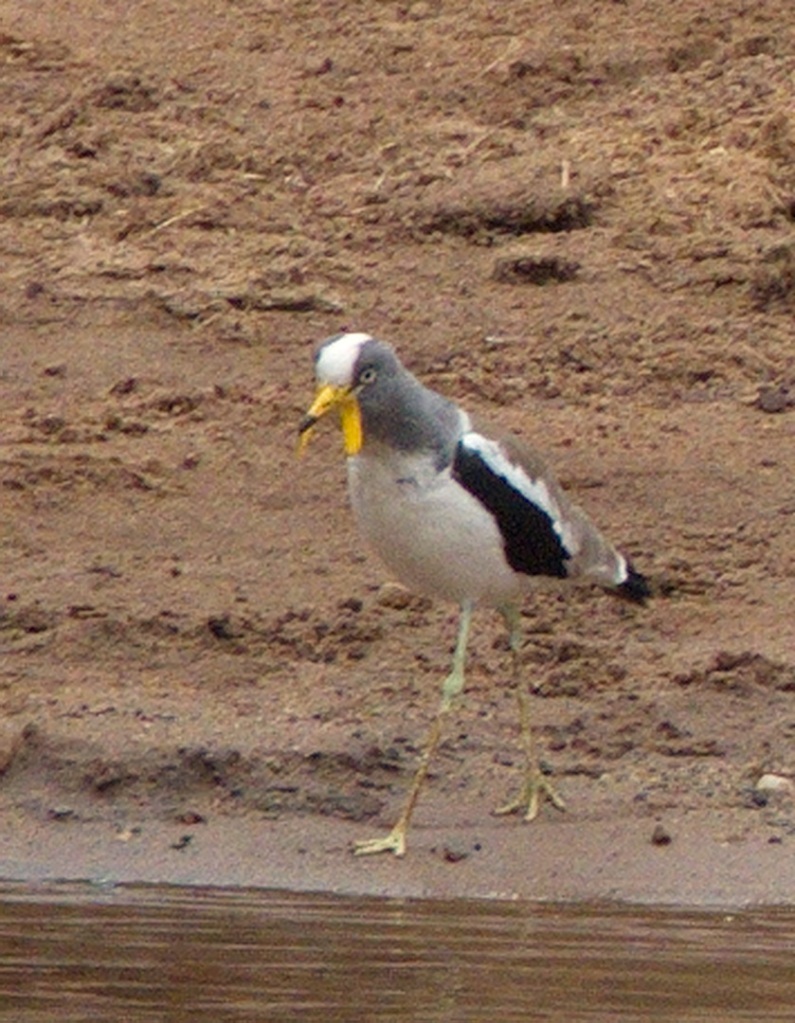
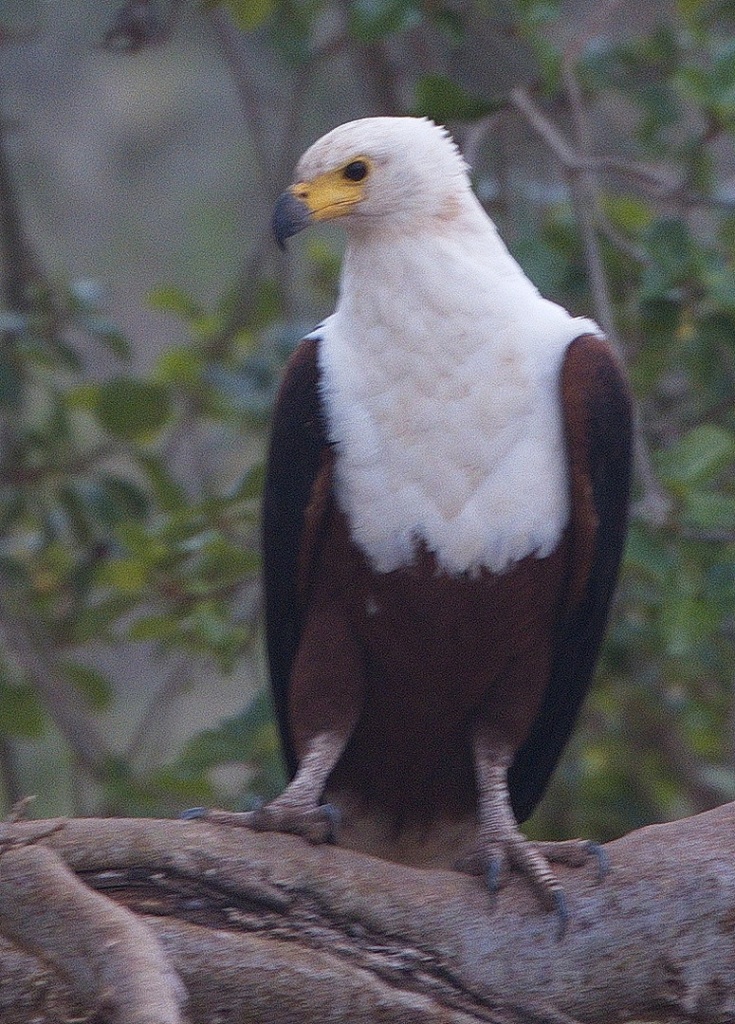
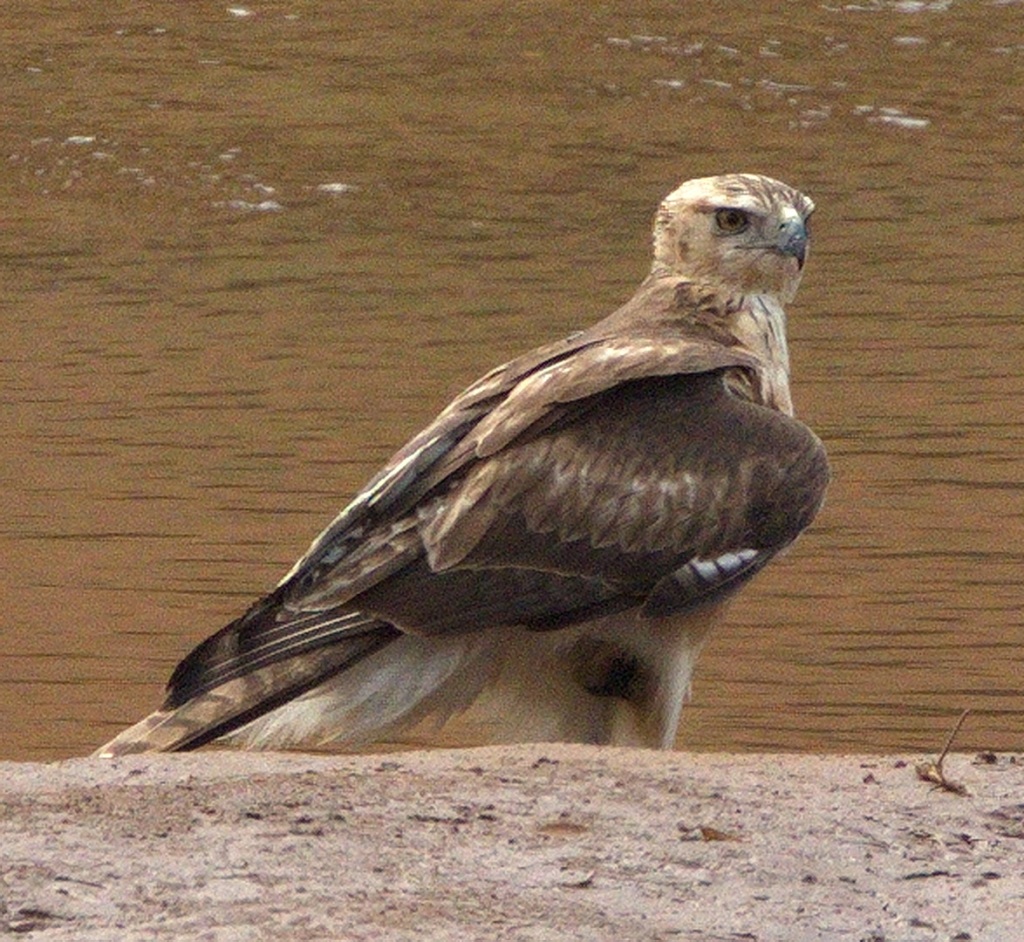
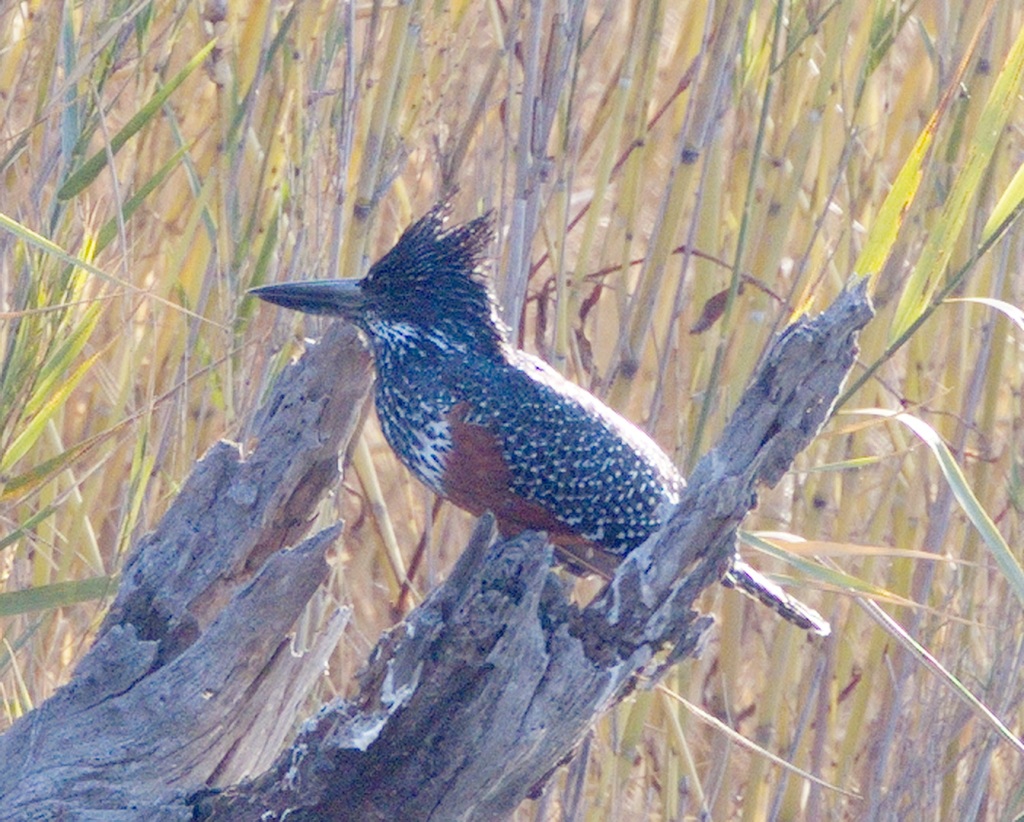
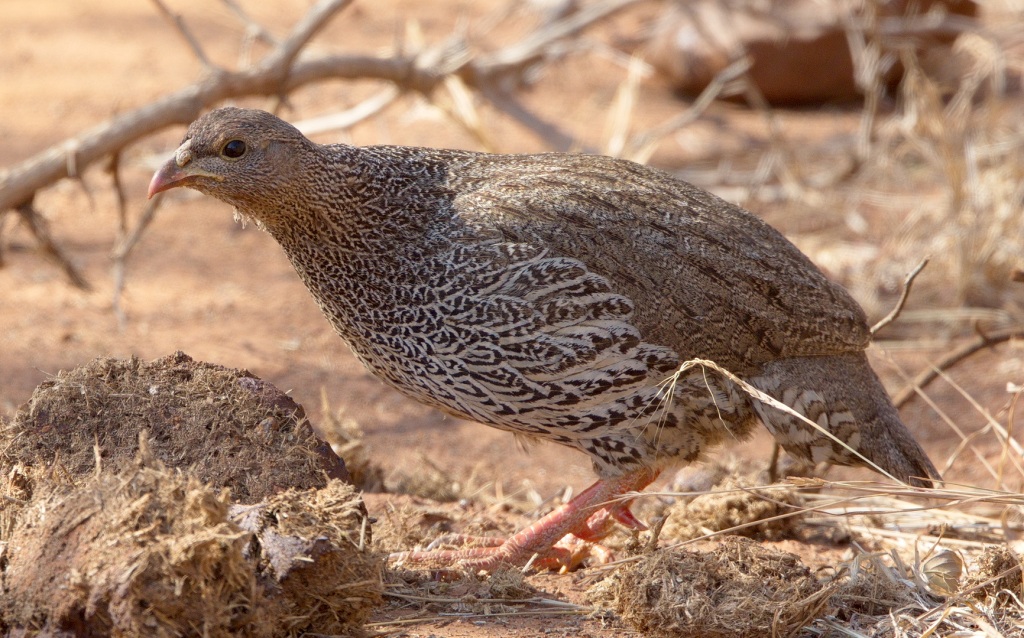
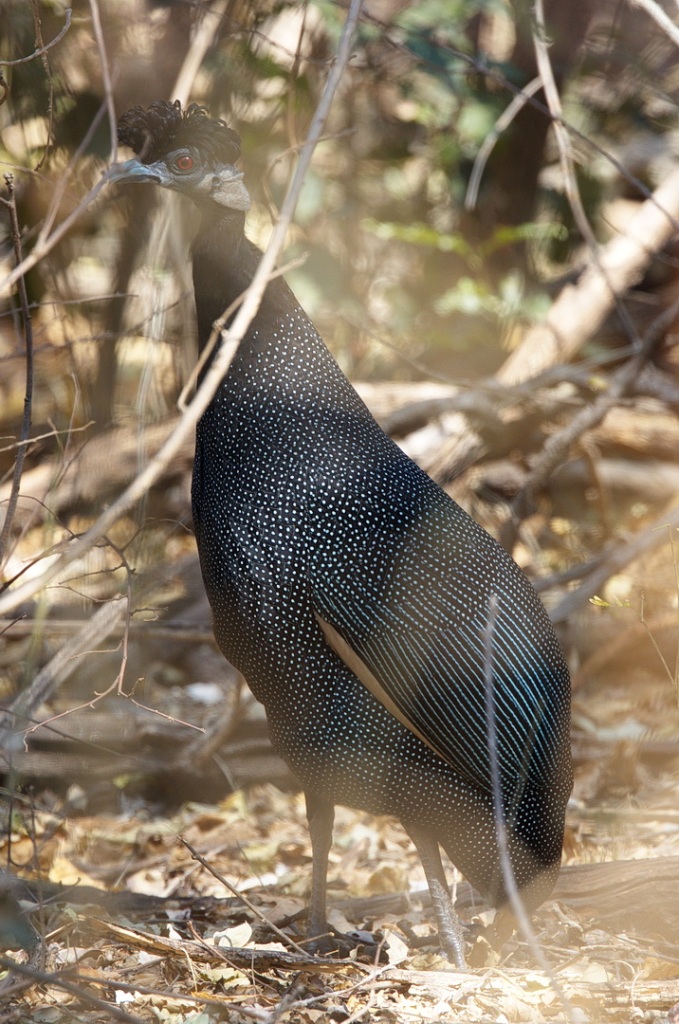
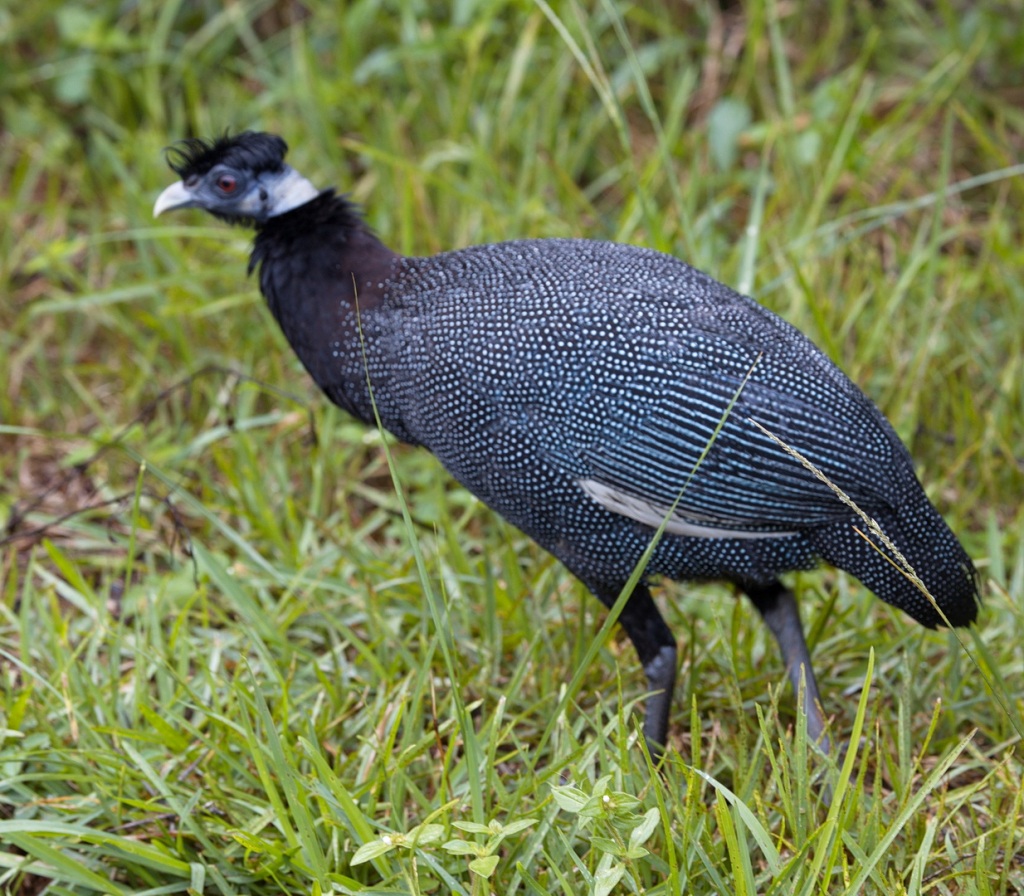
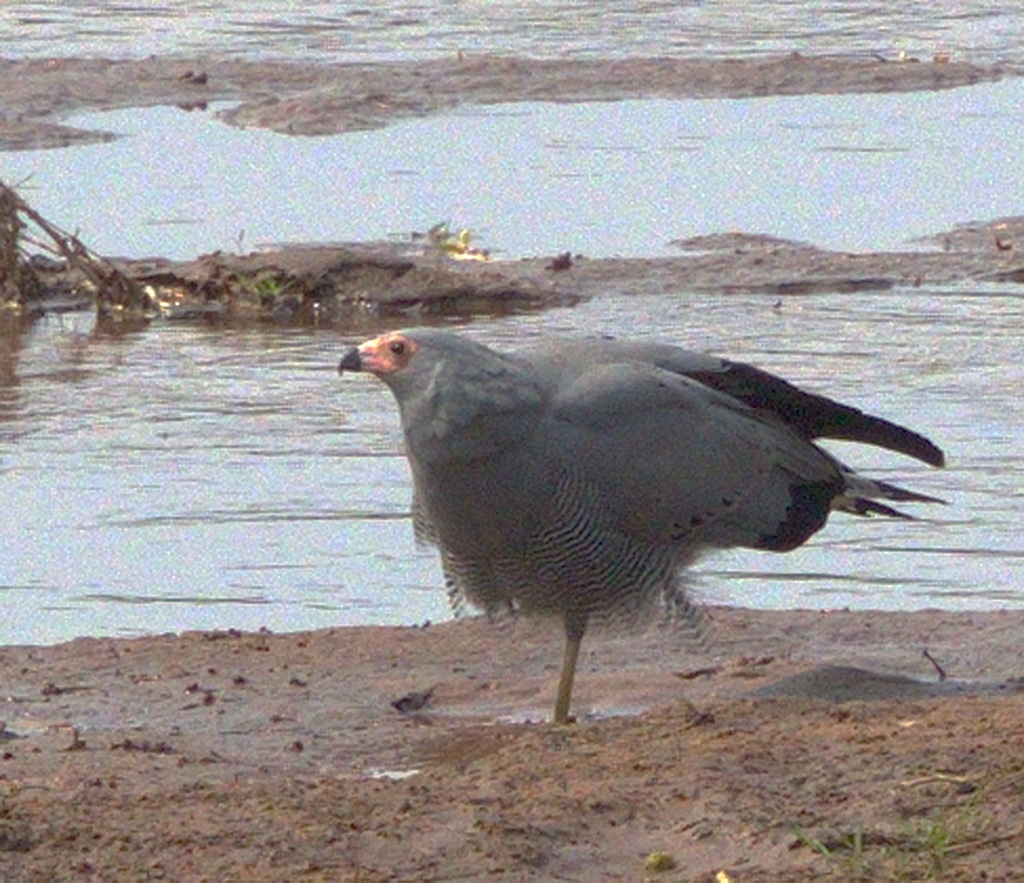
At the bridge we spent some time looking out for Spinetails – no luck. There were a number of raptors about – African Fish-Eagle, Bateleur, African Harrier-Hawk and a Tawny Eagle. The Tawny Eagle was being bombed by a White-crowned Lapwing. Very few waders present – just a Wood Sandpiper. There was a Giant Kingfisher and numerous Crested Guineafowl came for a drink.
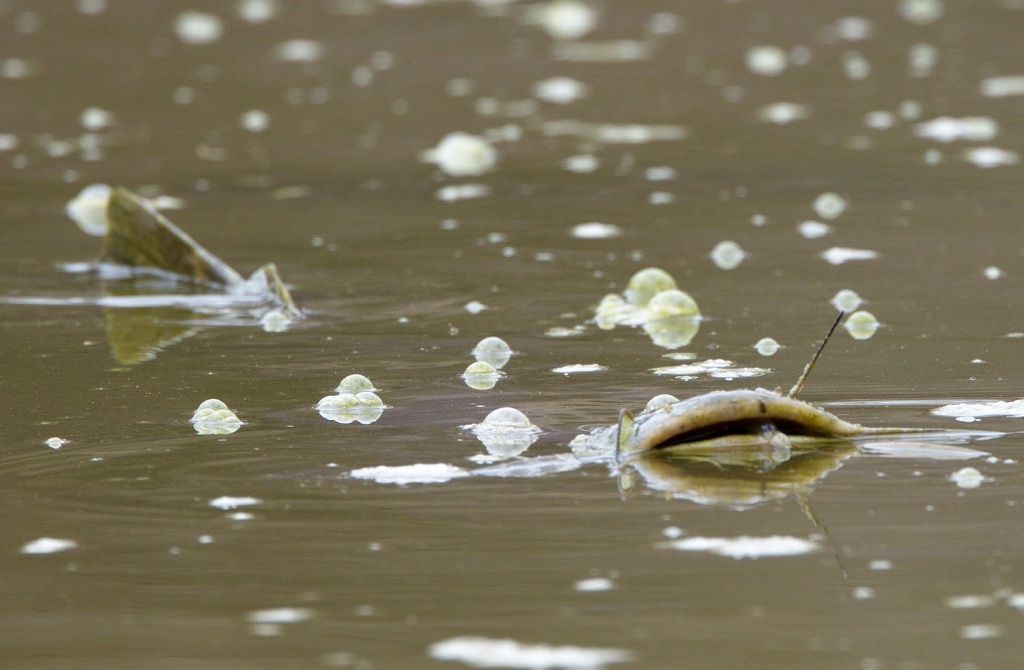
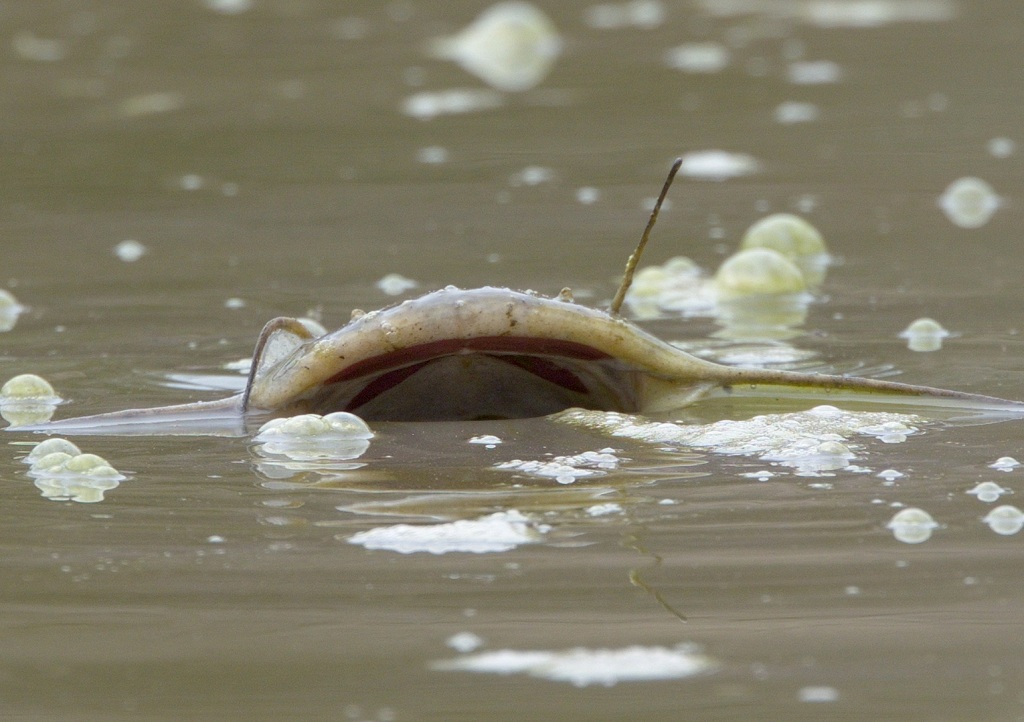
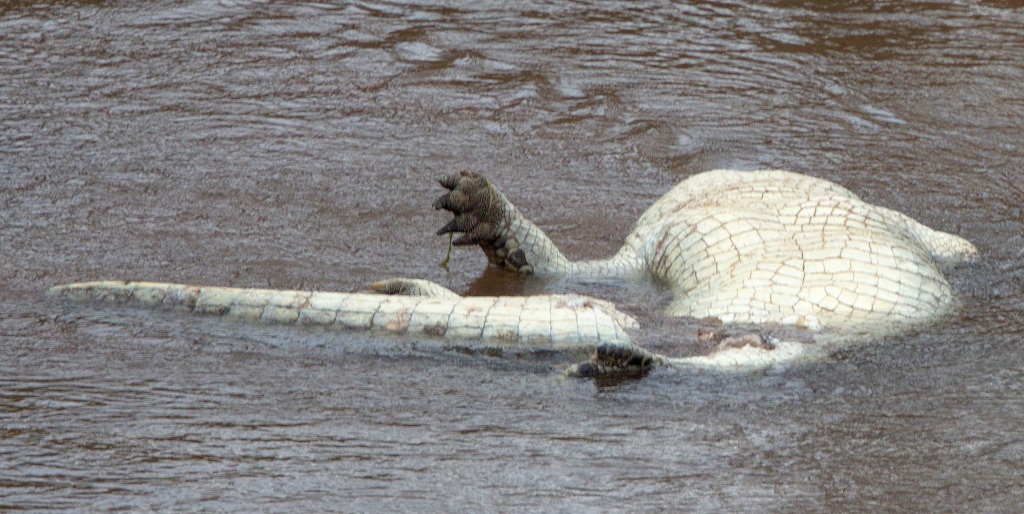
As we stood on the bridge and looked upstream, we saw and heard a huge commotion – huge crocodiles fighting and looking below us was another upside down – rather dead sadly.
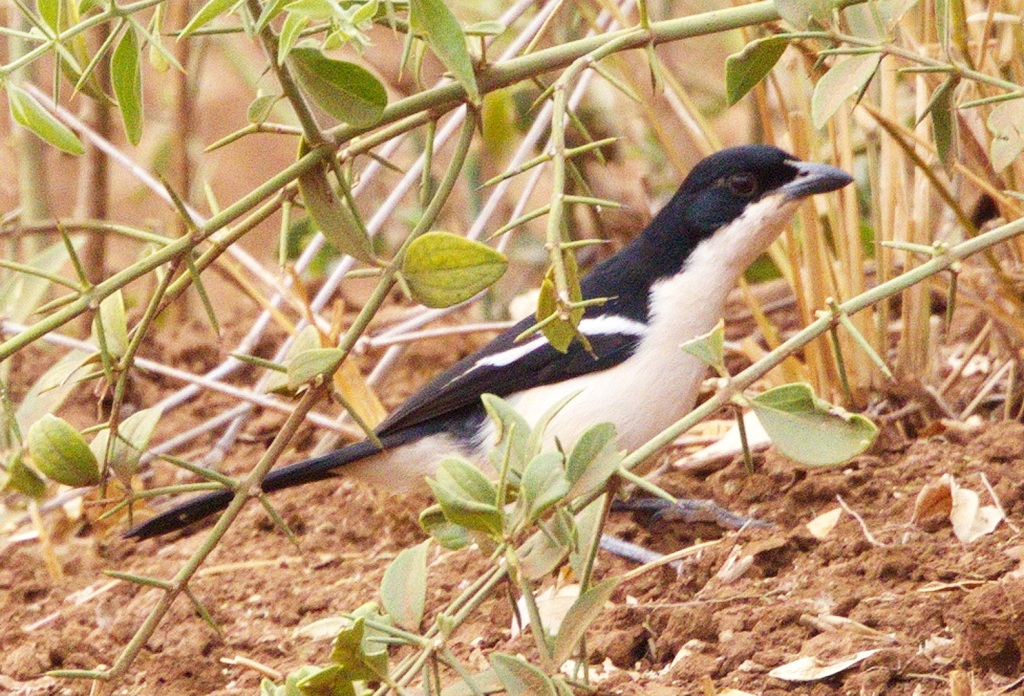
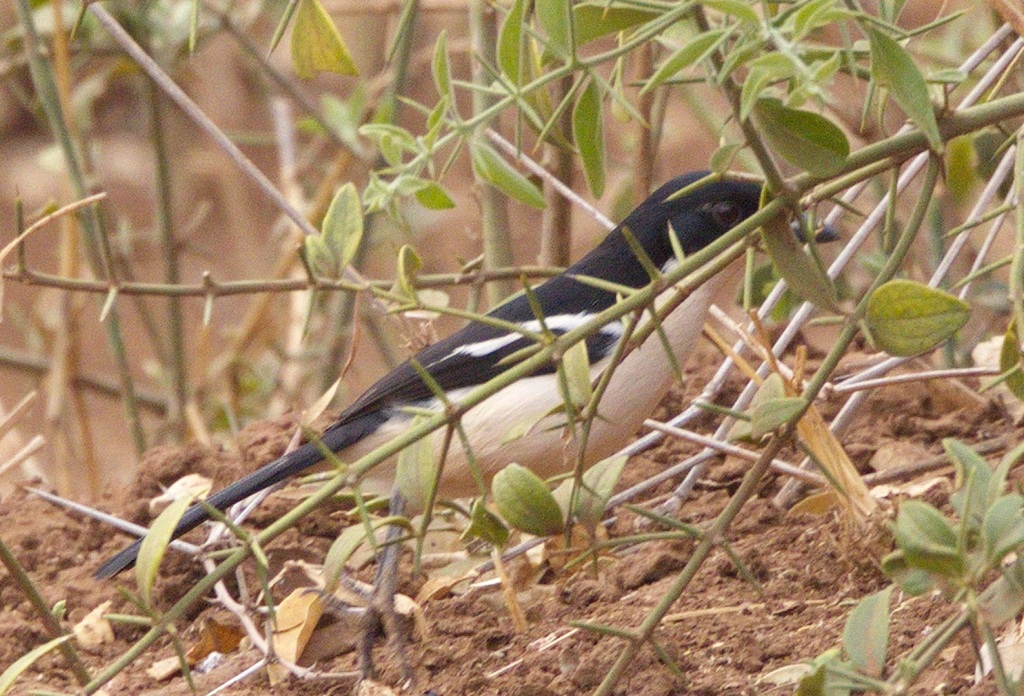
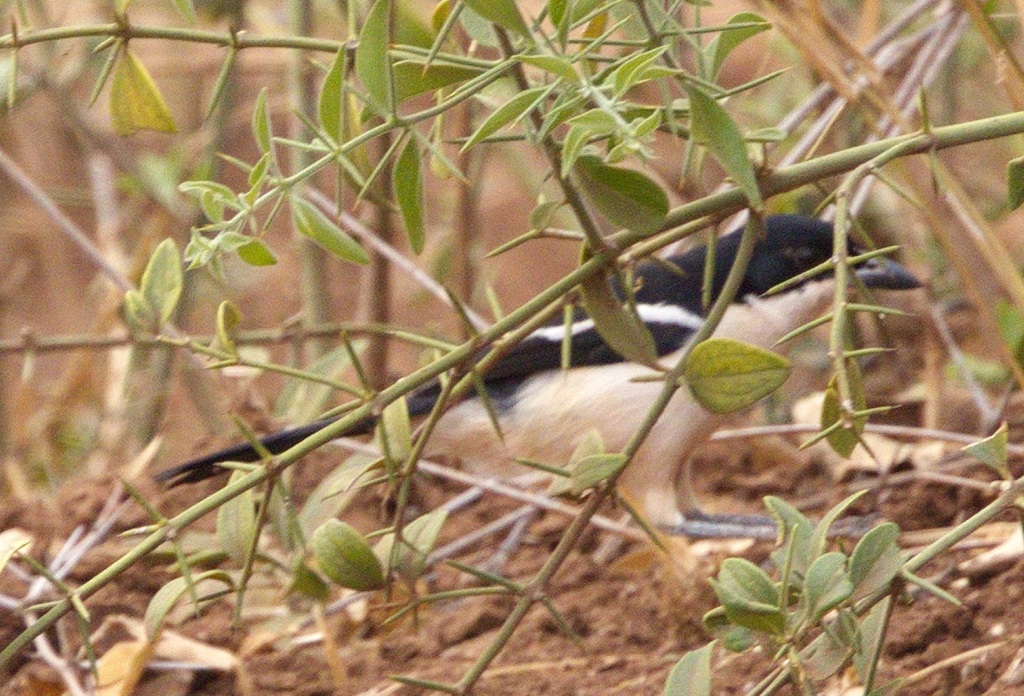
Sally heard a call – Tropical Boubou and there it was crossing the road at the gate end of the bridge. I was just able to get a few shots of it as it disappeared into the bush.
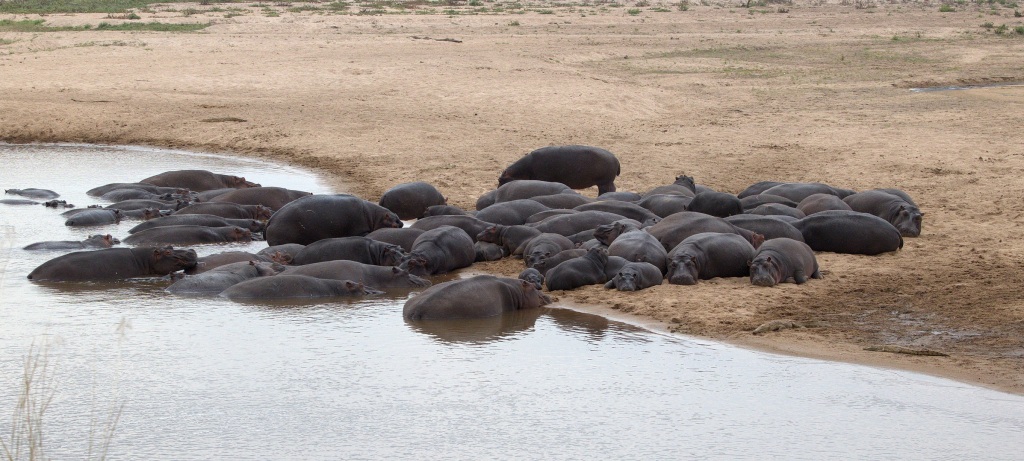
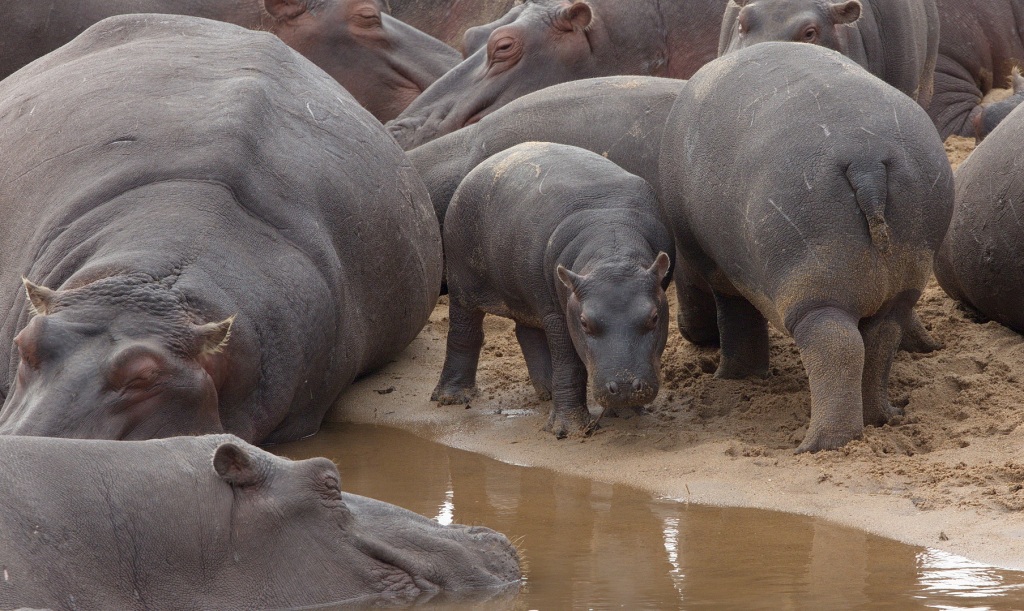
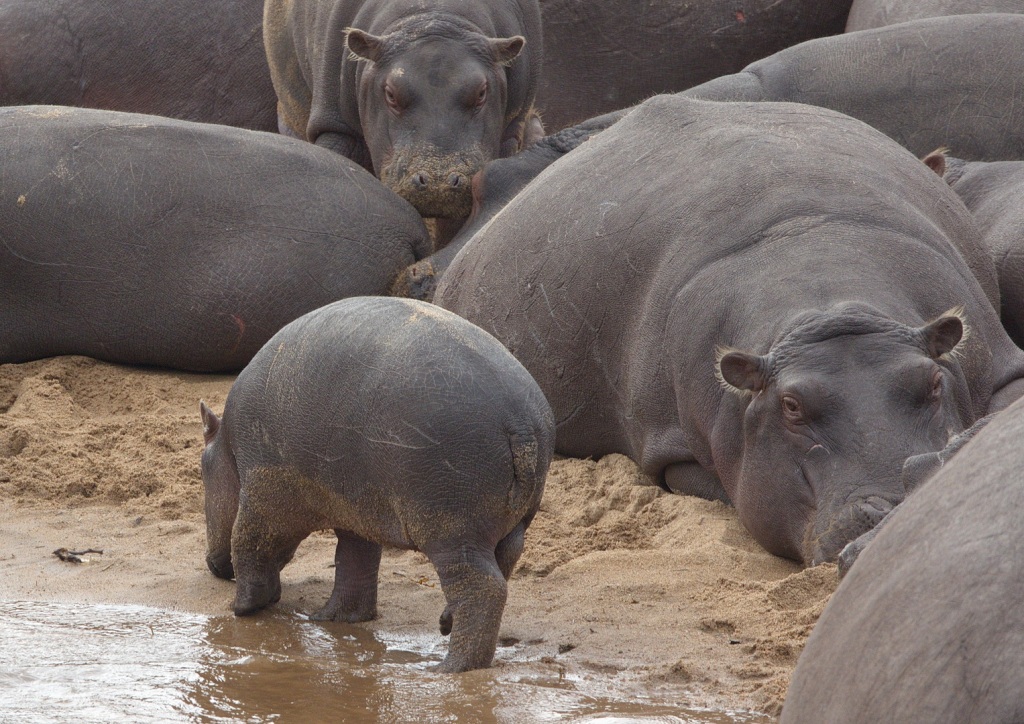
At Crooks’ Corner there were quite a few Hippos all cuddled up together in what little water there was below. Amongst them was a youngster casually walking through and over as it pleased.
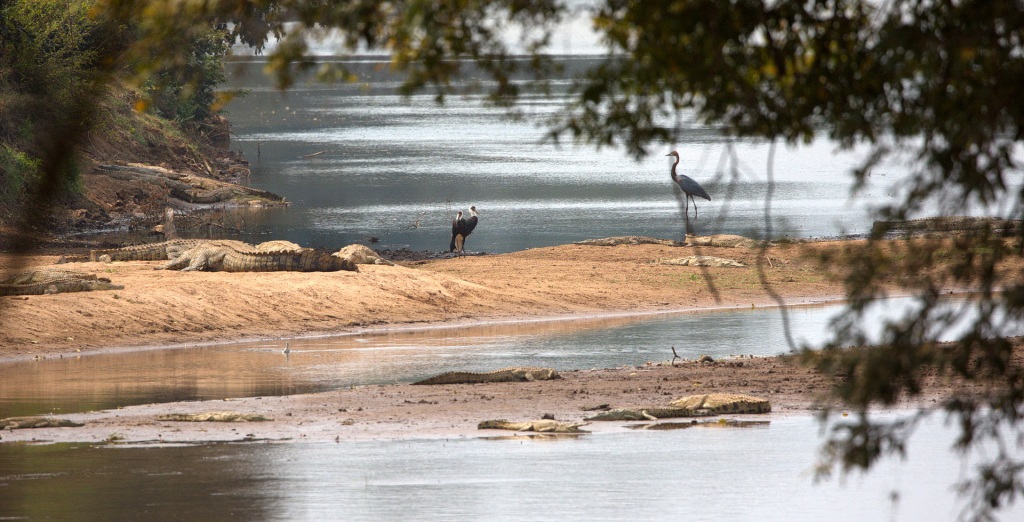
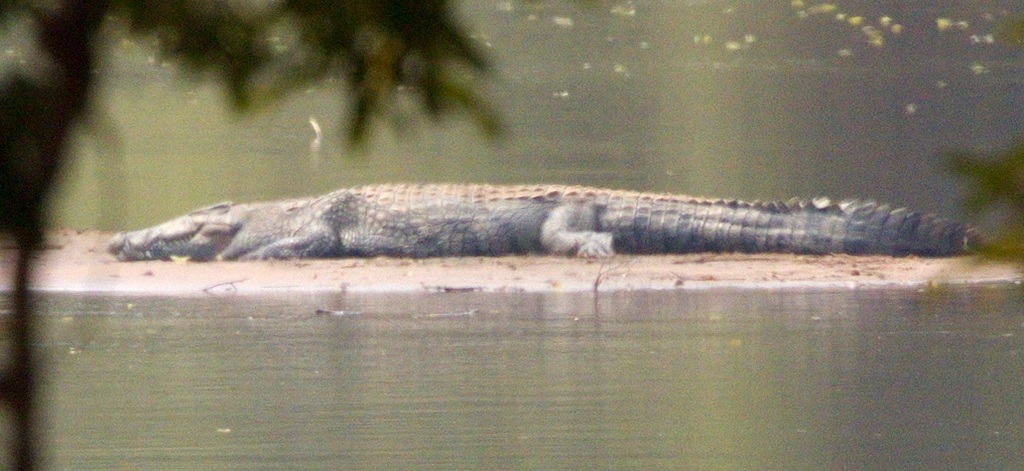
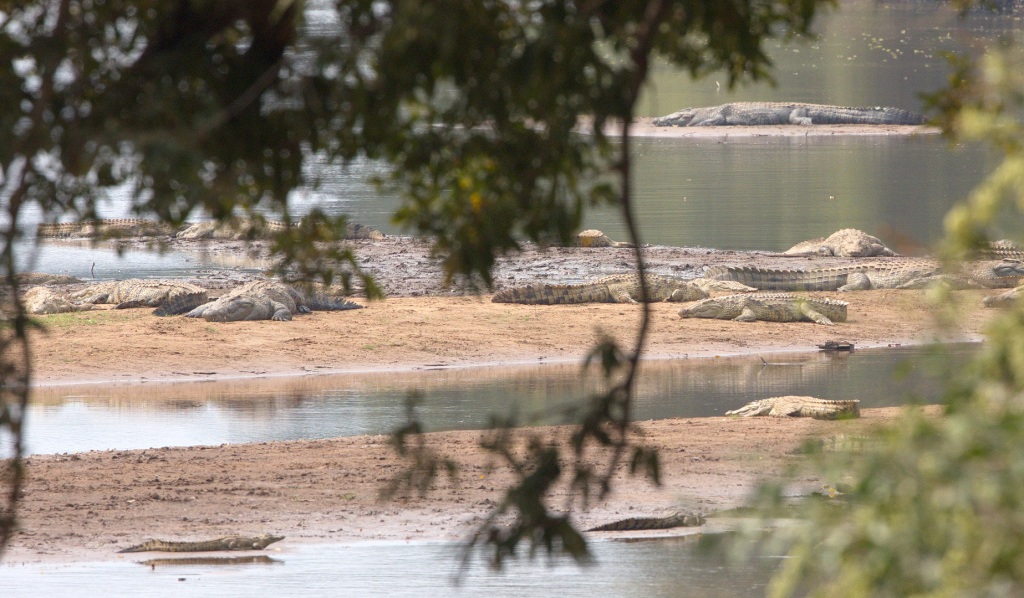
On the way back to the Pafuri Picnic site we gazed across the river and noticed quite a lot of Crocodiles lazing on the opposite shore and on sandbanks. Most were large but there seemed to be one monster which took up the whole of a sandbank.
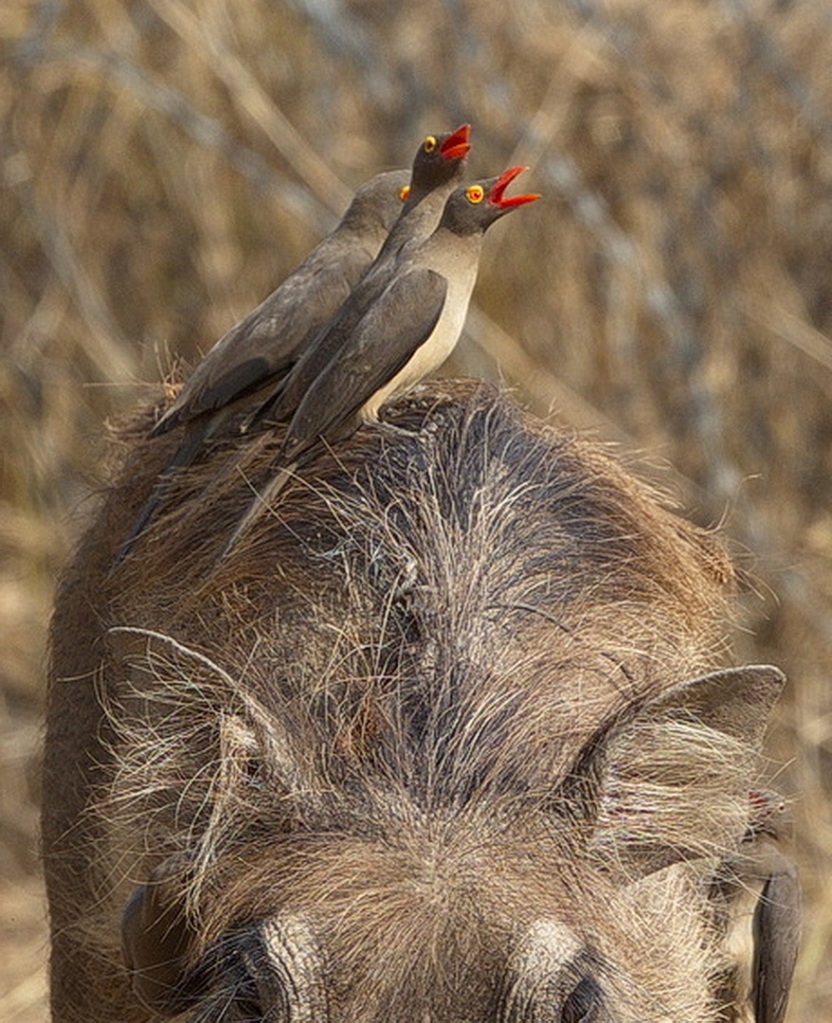
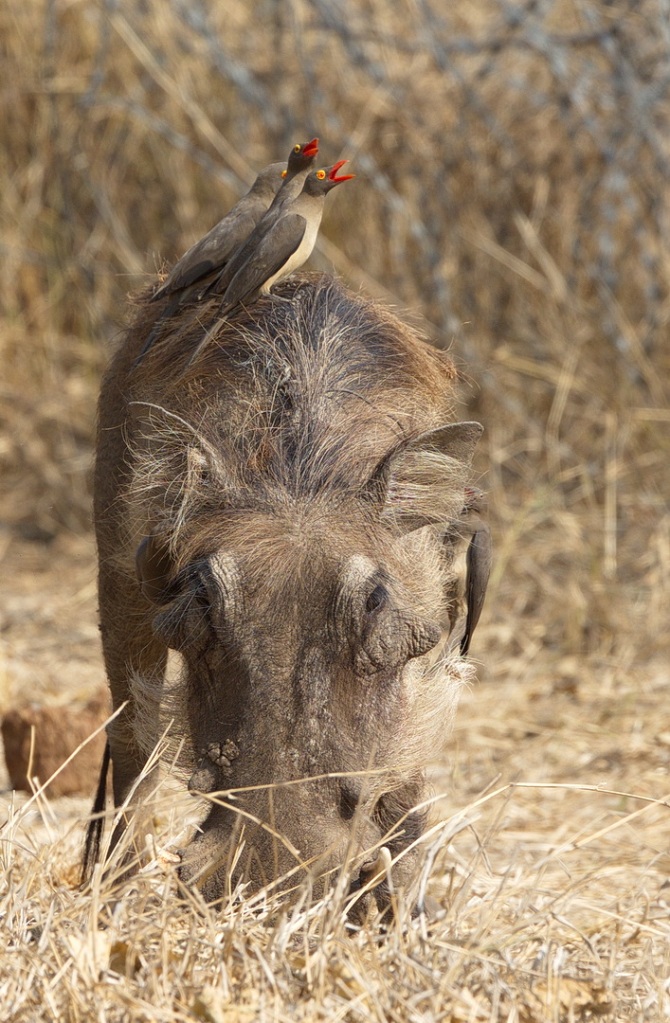
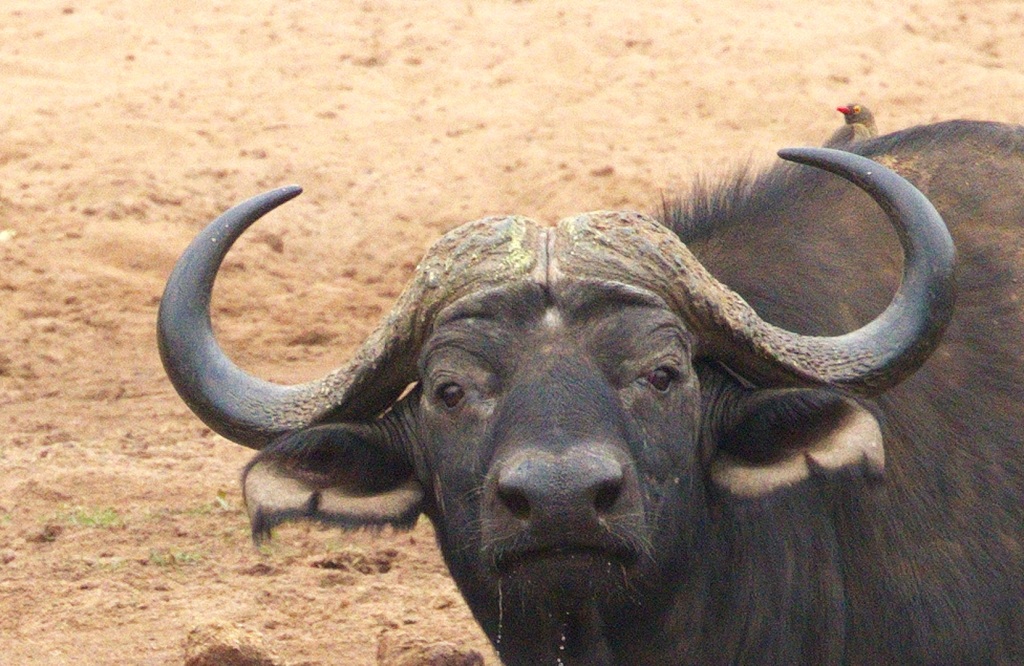
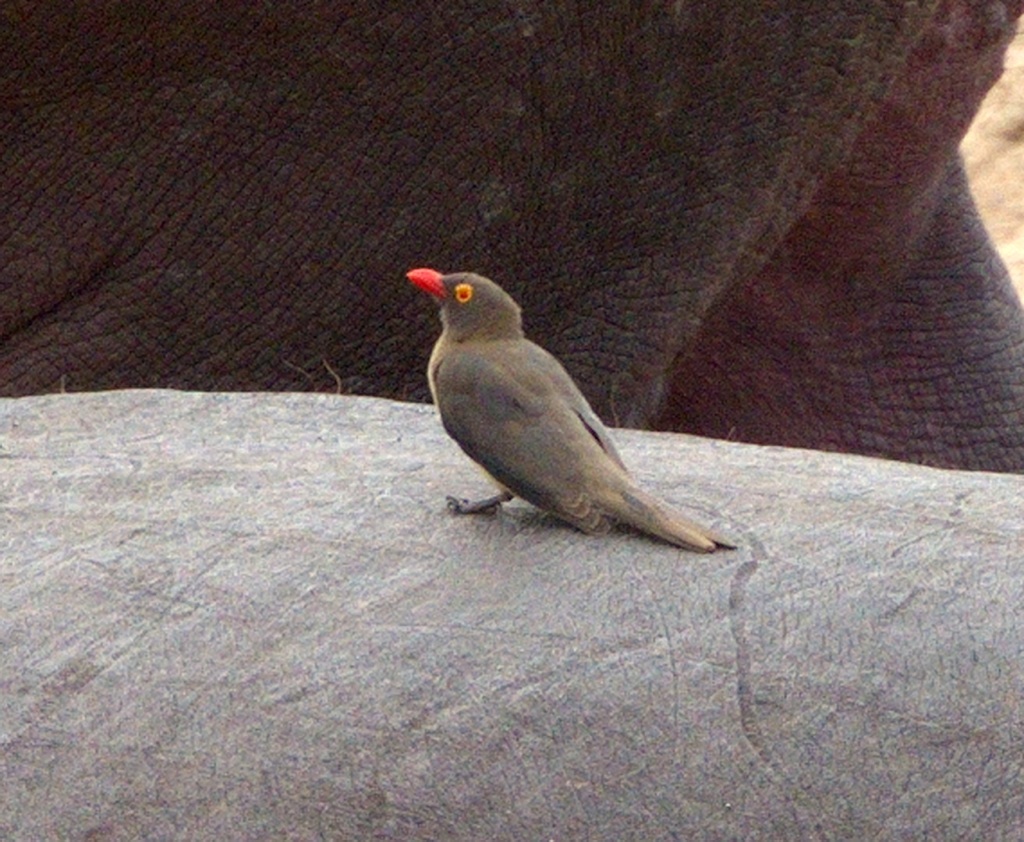
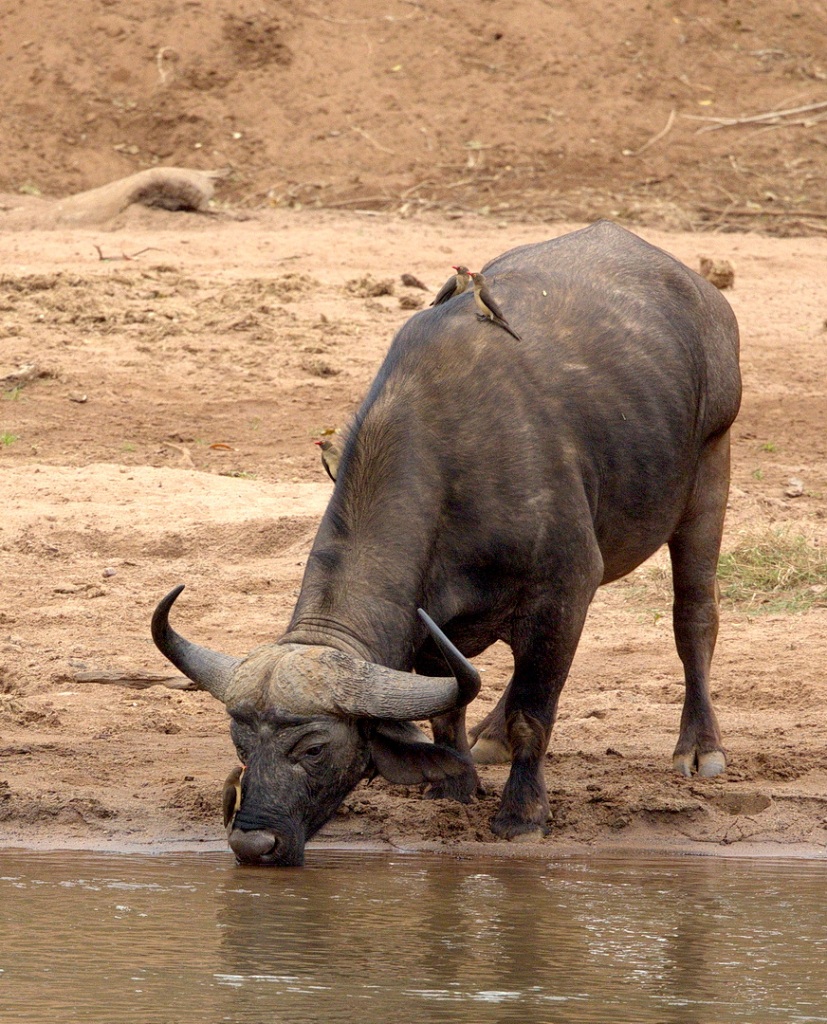
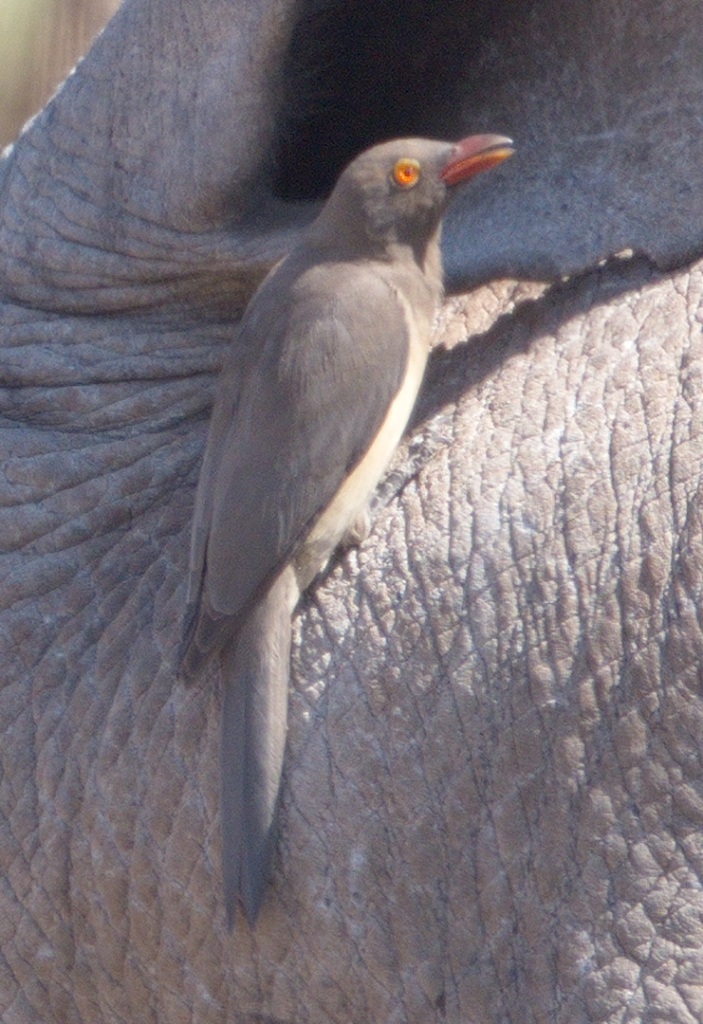
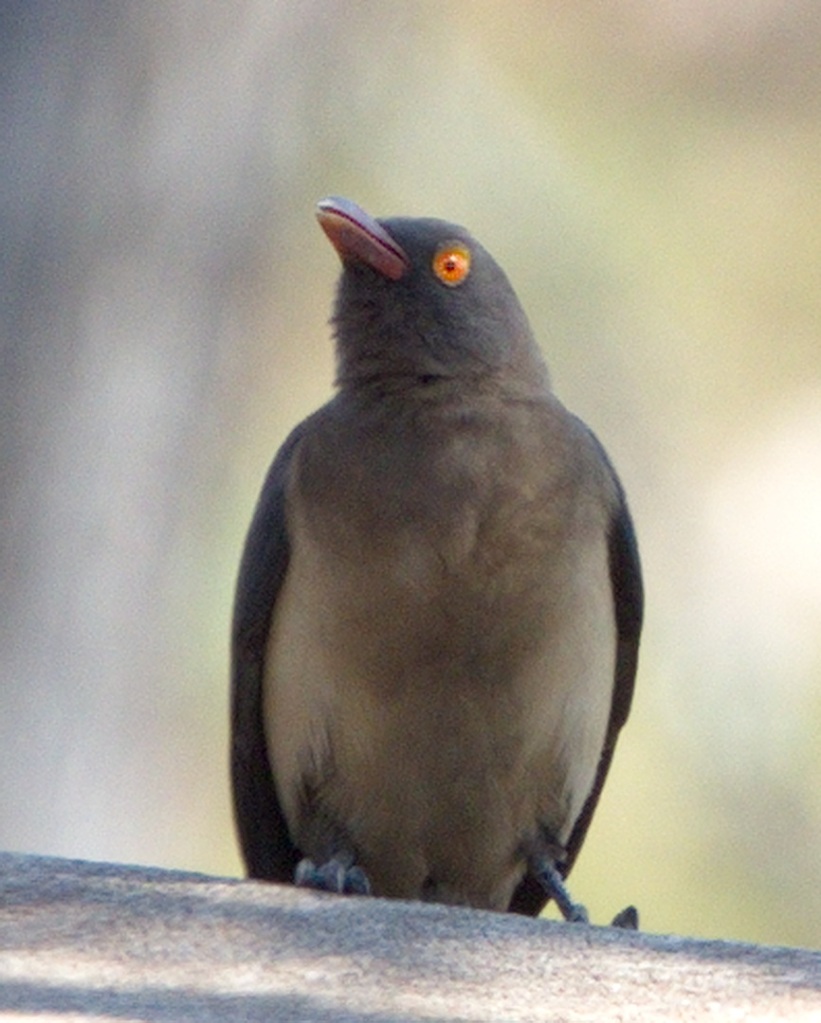
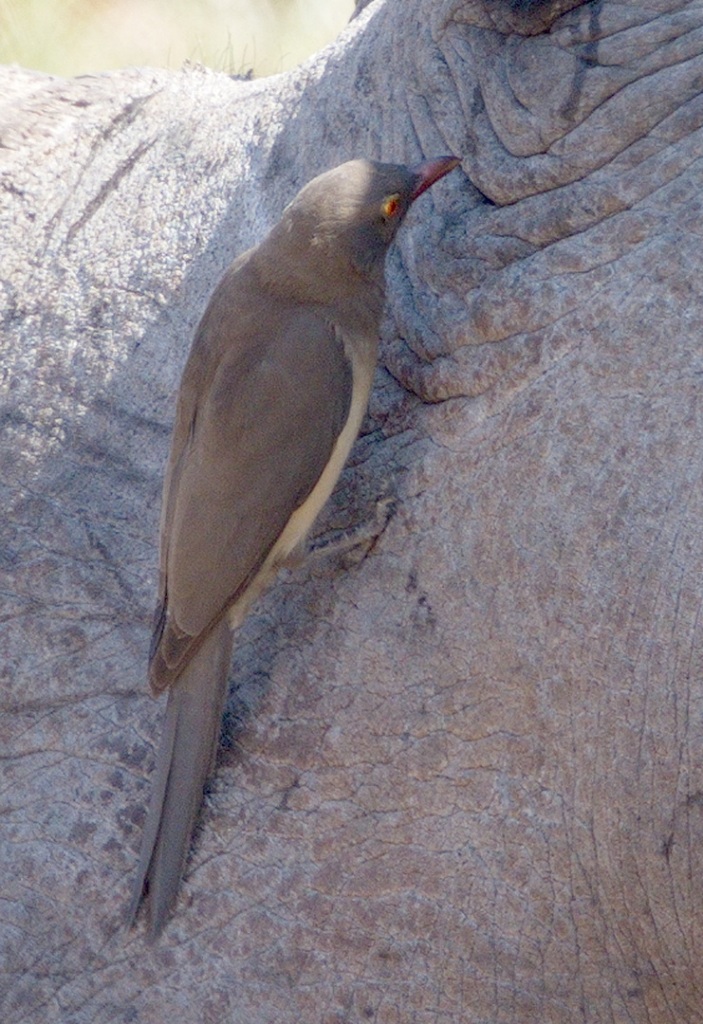
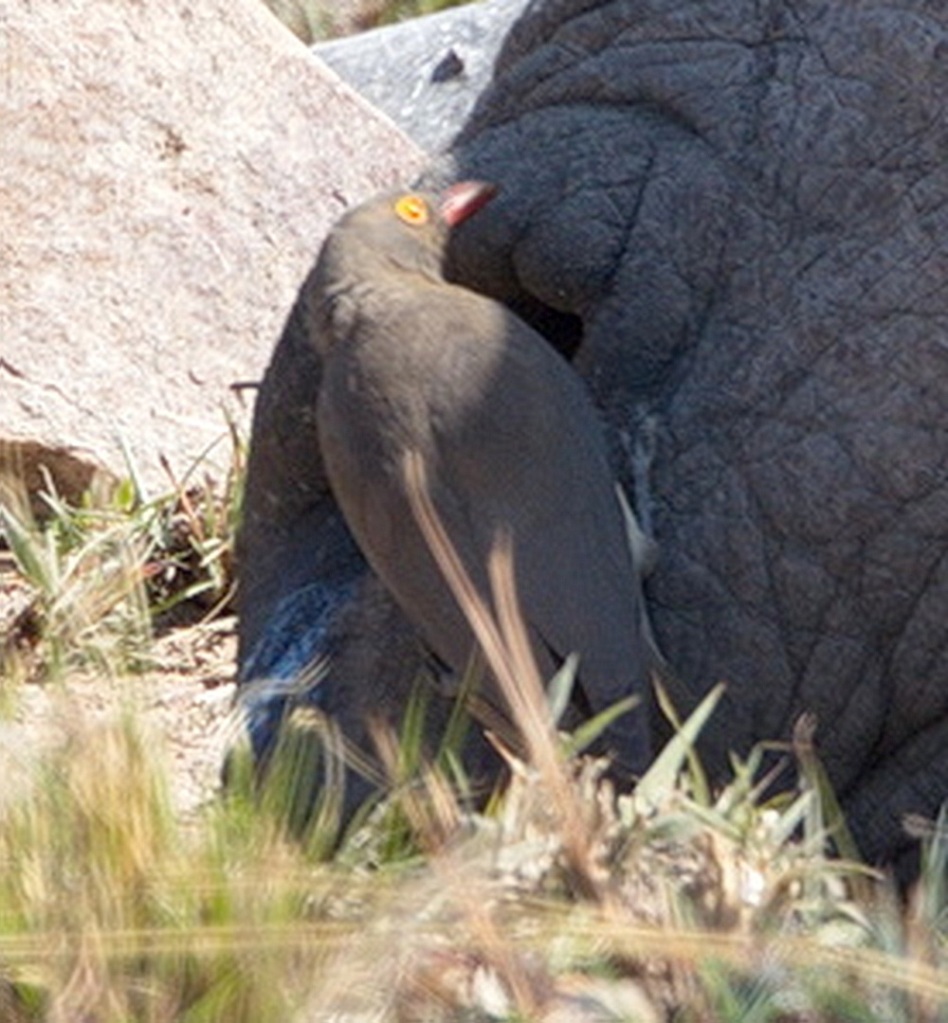
Red-billed and Yellow-billed Oxpeckers were seen together on Buffalos.

In Pafuri we identified 64 different bird species.

Our two nights at Nthakeni went quickly. We would have liked another day to explore the walking trails at Nthakeni but we had a firm booking made at our next spot.

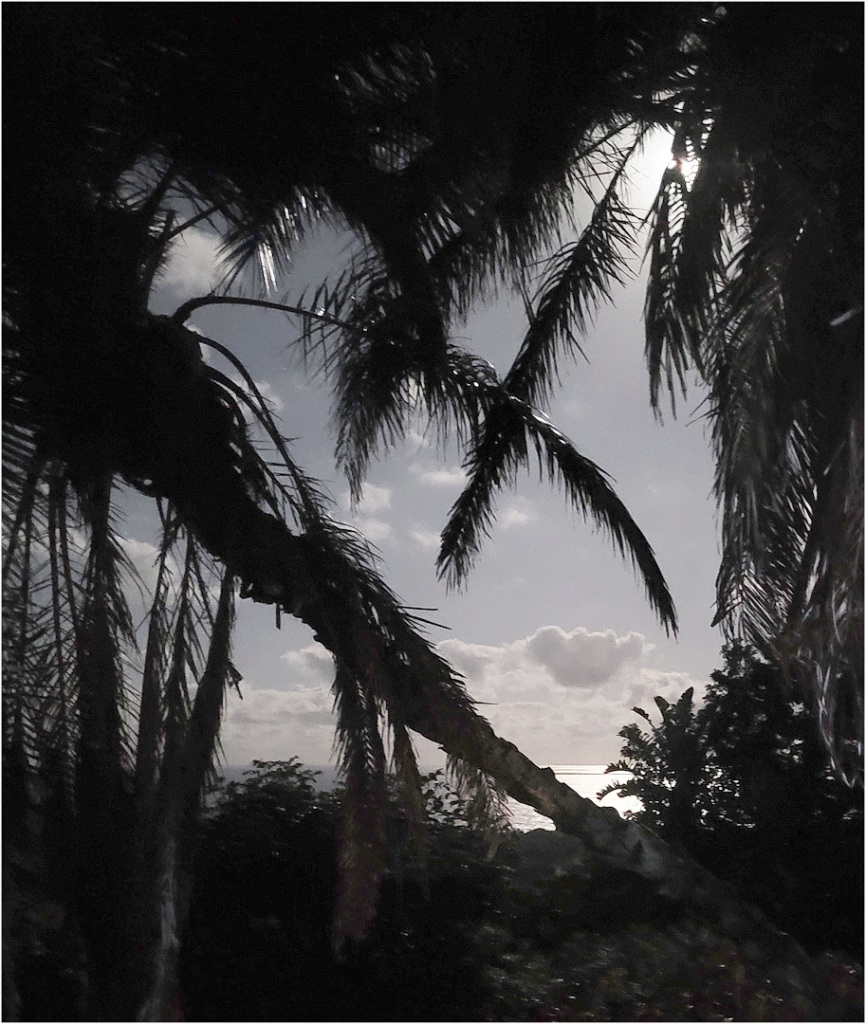
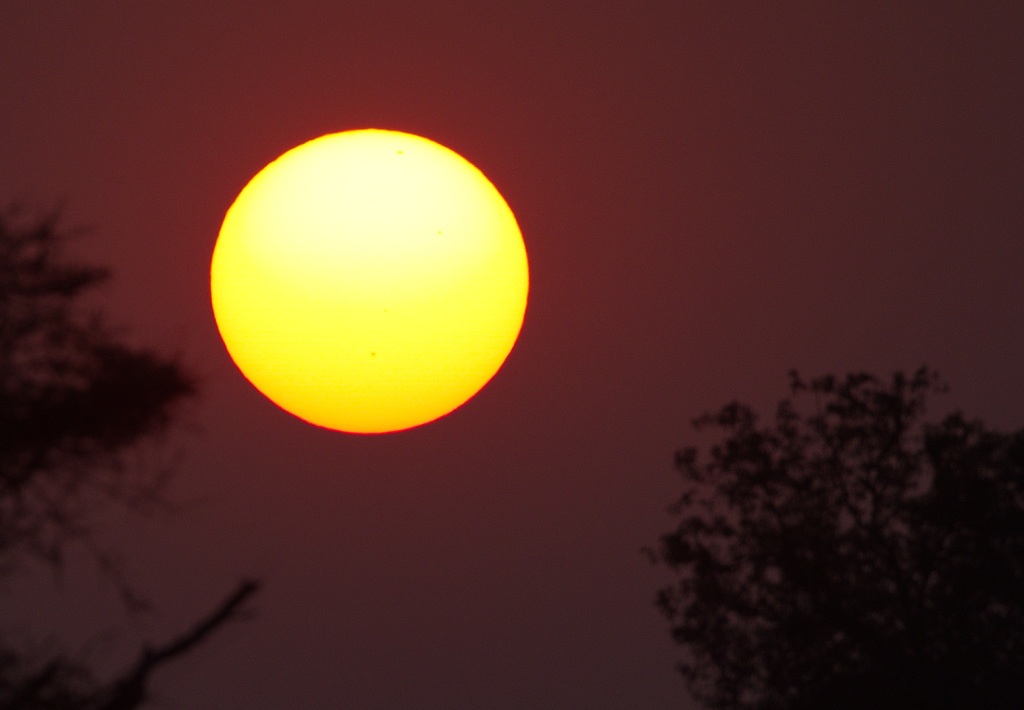
The moon on our last night was spectacular.
Dumela Wilderness Safaris, Mozambique

25th to 29th August 2023
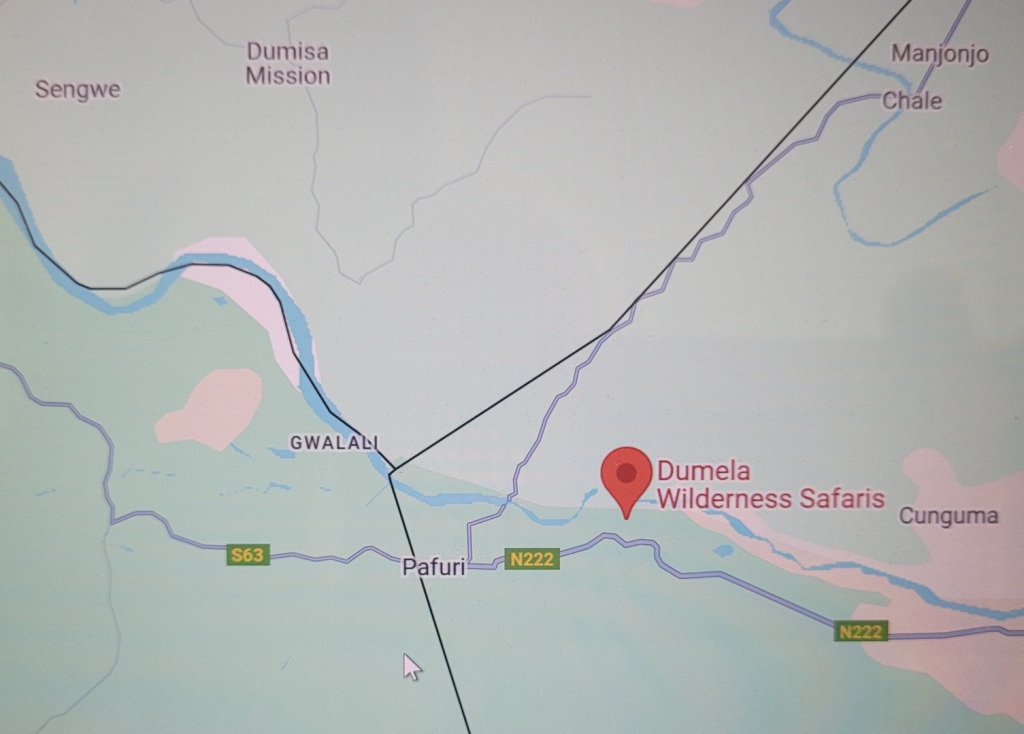
Dumela is 8 kms dirt road driving from the Pafuri/Mozambique Border crossing.

Getting through the RSA border was straight forward – even though the staff were a bit sour. However, on the Moz side all was OK until the Customs inspectors tried their hardest to find fault. Three of them were all round me – being pleasant but desperate to find if I had too much alcohol. Eventually they gave up having borrowed some small change.

Then further down the road we got stopped again by a bloke who tried to look official (they probably called him). He had a jacket on, belt with official looking buckle and a gun holster (but no gun). He settled for some refreshment – a small Coke!!

We had never been to Dumela and we had heard a lot of positive things being said about it. We decided we needed to see for ourselves. And so, our whole trip was built around getting there. Not knowing whether we might like it or not, we decided to stay for four nights. Our thinking was that if we only stayed two nights then we might regret it. Having had the experience, we reckon that three nights would be optimum for us. It would give us two full days to explore the area.

One of the things we did not realise was that this camp is a perfect stopover point for campers on their way to or from Gonarezhou NP in Zimbabwe. Enjoy a trip to the Kruger and then into Moz and Zim at convenient unbusy border posts. Just need to check the level of the rivers before doing so.

It was only an eight km drive but the road was well challenging in places – especially when towing.

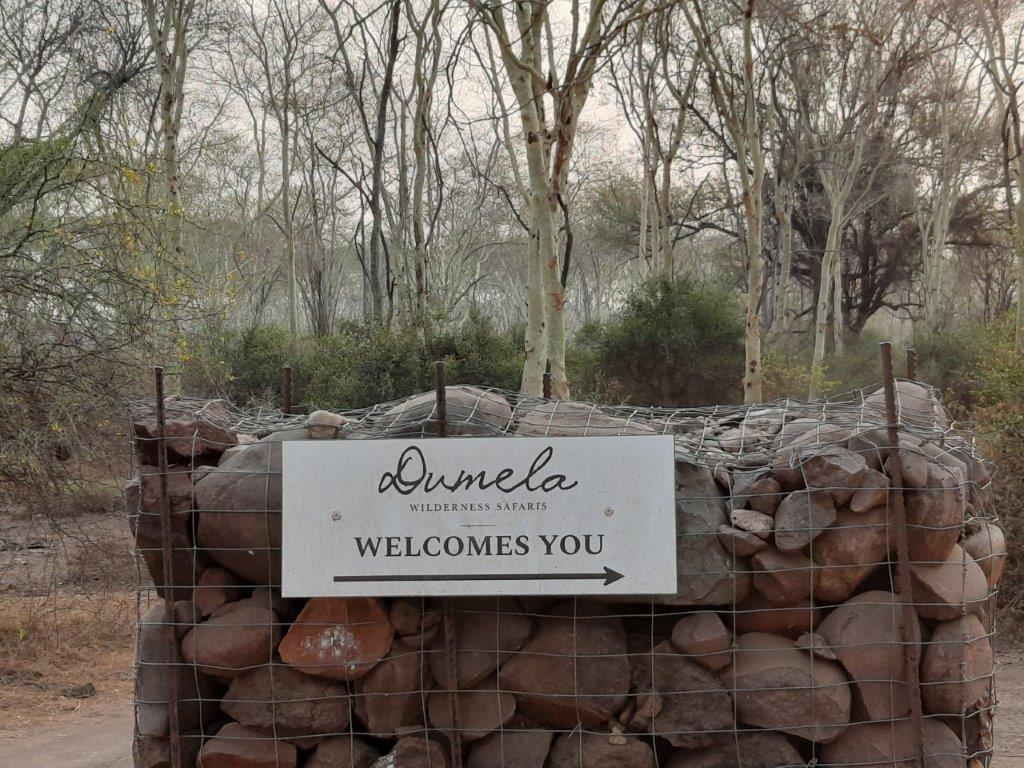
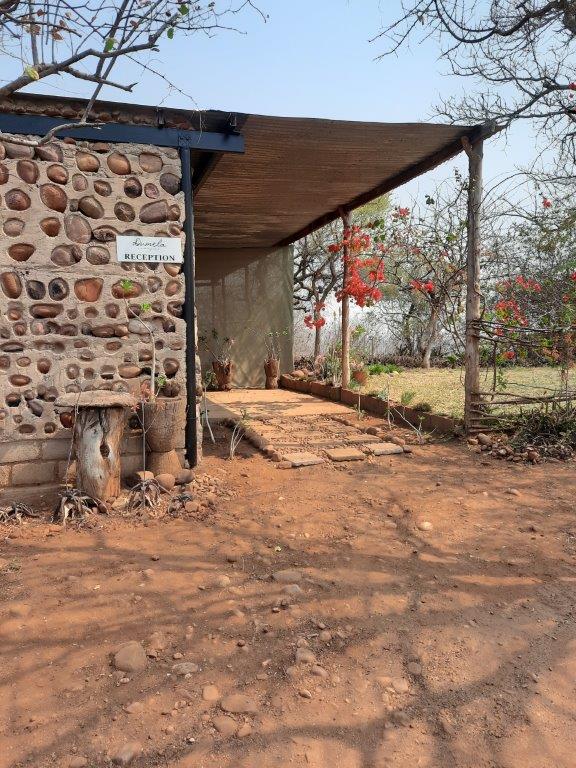
At last a sign indicating reception. Up the long steep and testing hill we went. Checked in and were told the camp was back down hill and follow the road directly opposite.
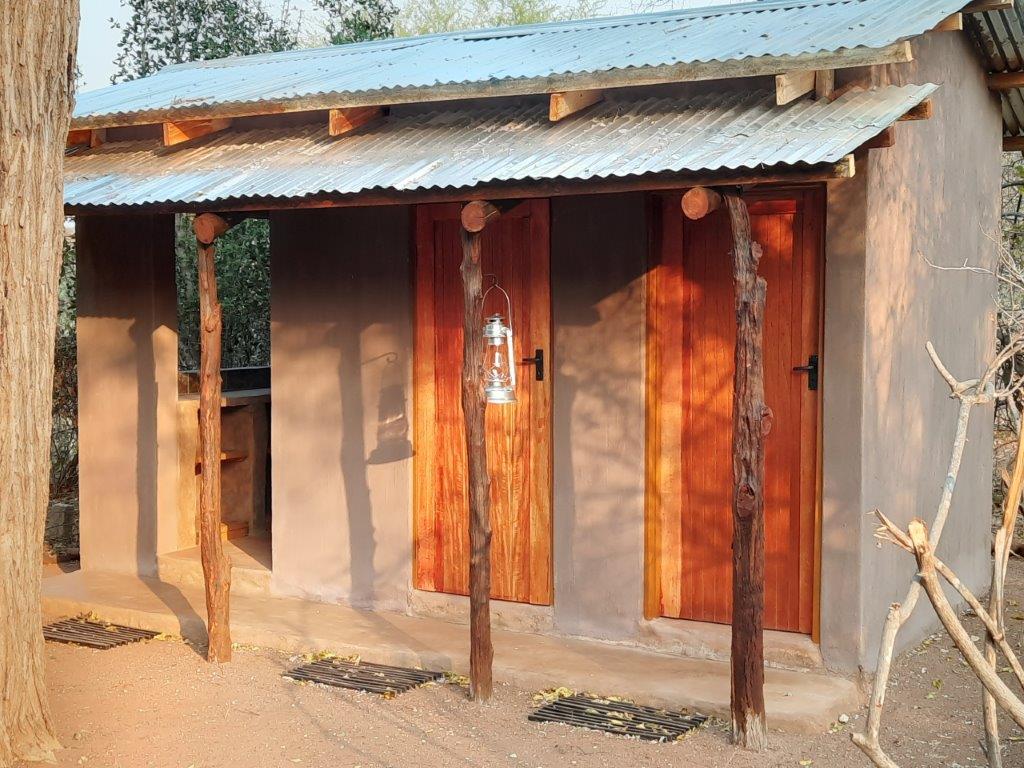
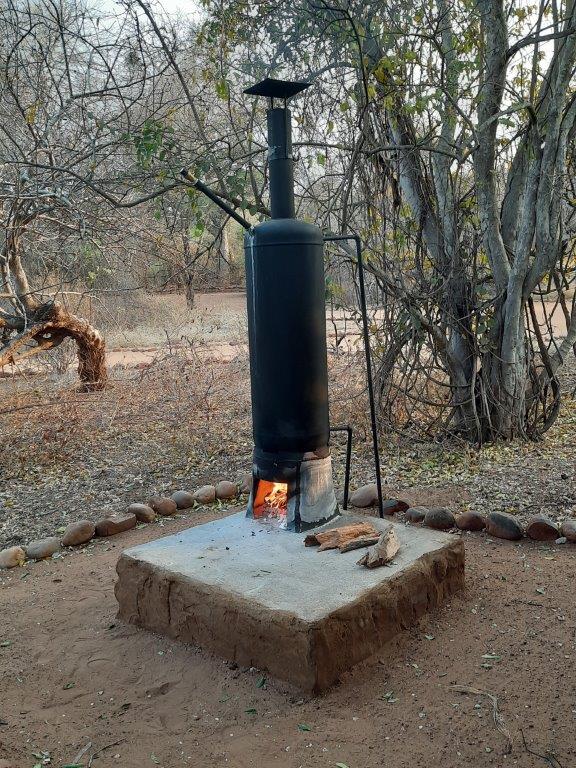
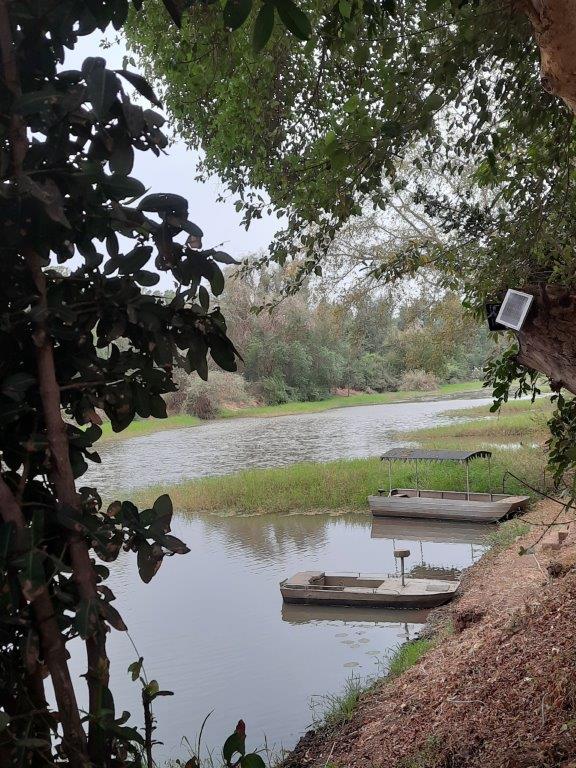
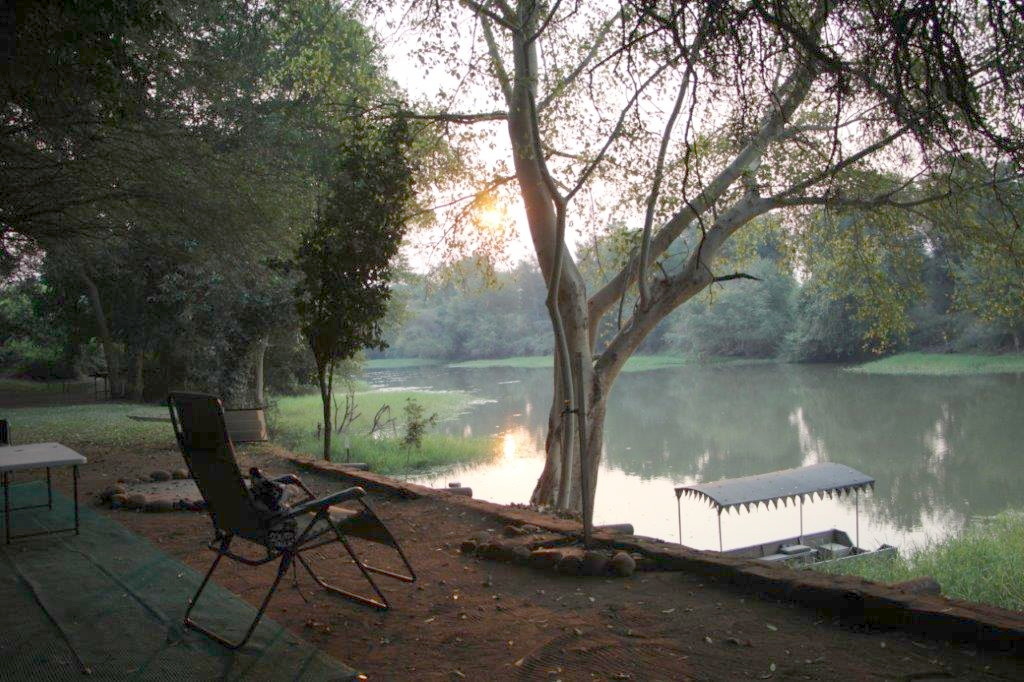
The Camp we chose was next to the Mugano Lagoon as opposed to the Fever Forest Camp. What a wonderful location – like being at the Pafuri Picnic site. Loads of shade (might be an issue to rely on solar panels if you stay amore than 5 days). Lots of ablutions with donkey boilers for when the place is busy.

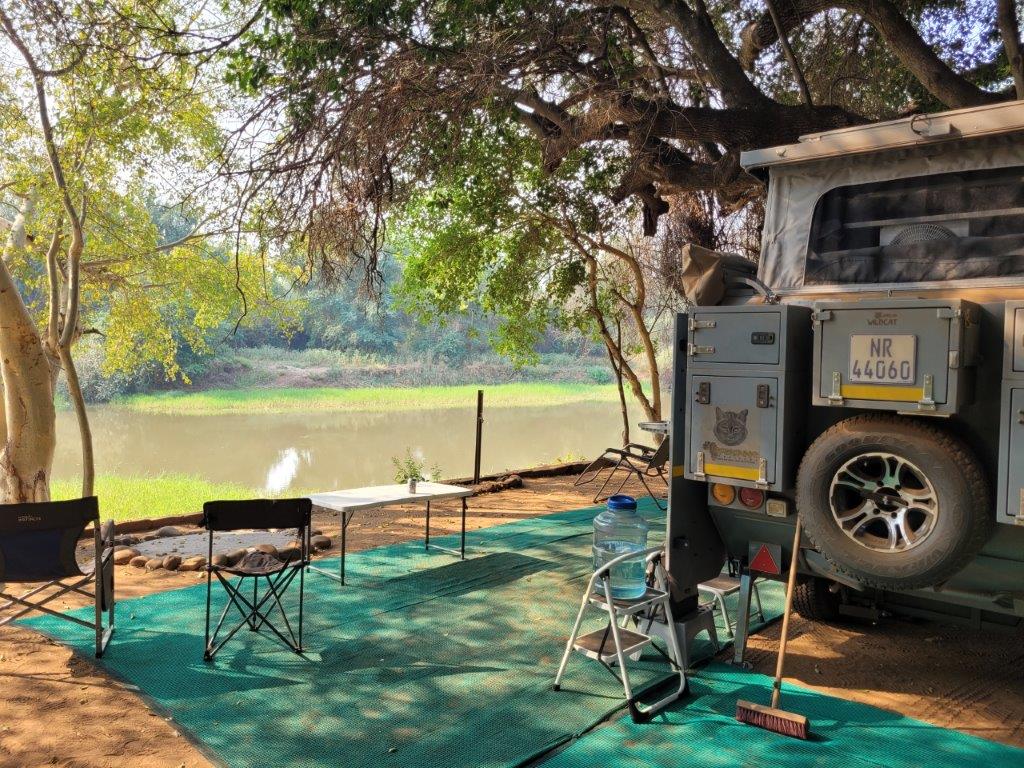
The camp has at least 20 sites – each very generous in size – and about four ablution blocks. On arrival there was another couple who left the next day. We were alone our second night. On the third night a large group of about 12 people rocked up and shared the place comfortably with us. On our final night the place was almost full – most either on their way to or from Gonarezhou NP in Zimbabwe.

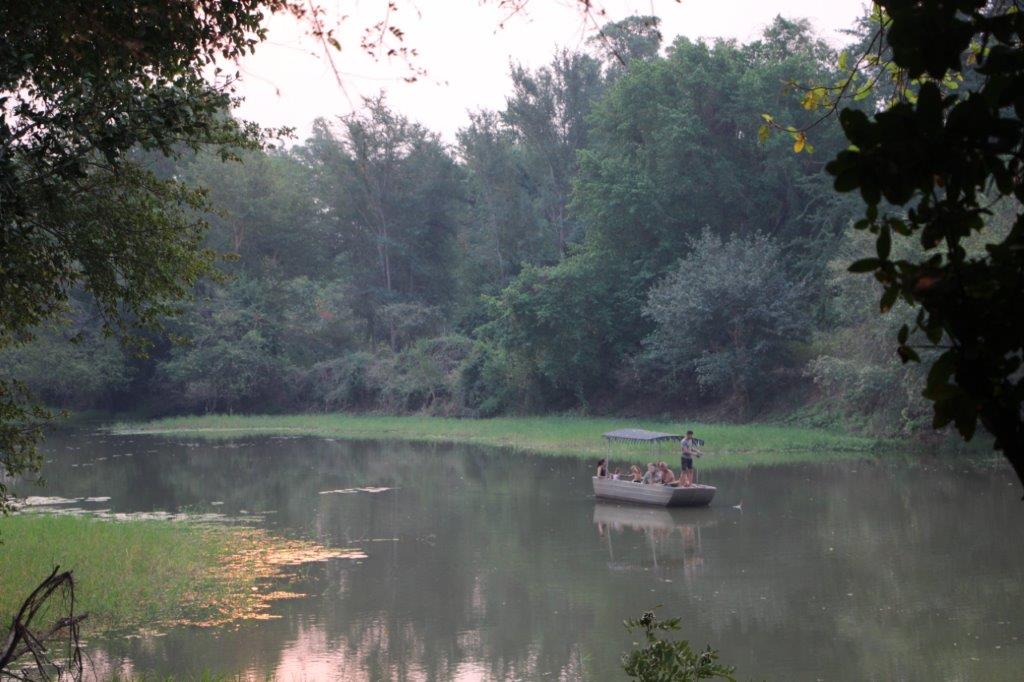
The camp offers guided bird walks to try and find the Pels Fishing-Owl and boat rides on the Lagoon. Another option was to self drive into the largest Fever Tree Forest in Southern Africa – we did twice. And there was another drive past reception on a very rugged road into the bundu – we tried it but had to turn round for lack of grip on a fall off ledge.

Our walk around the camp to find the Pels turned out to be fruitless unfortunately. However, as we were close to the Limpopo – we made a detour to see it.
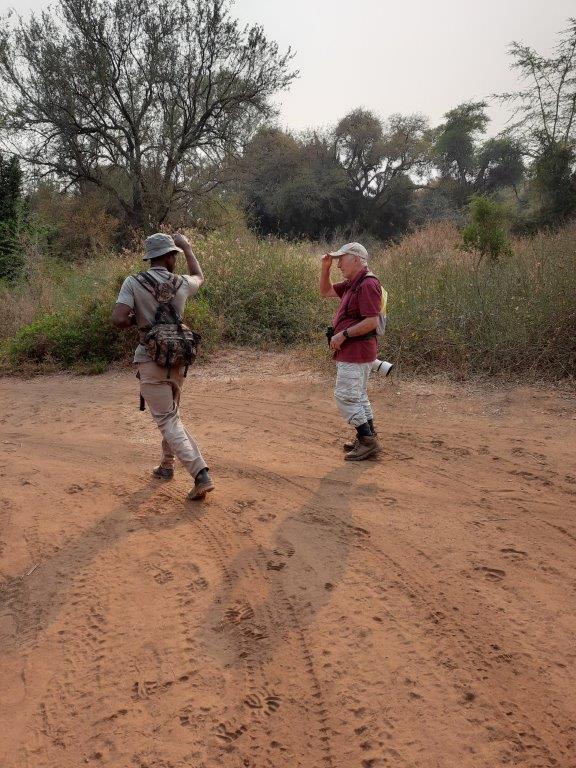
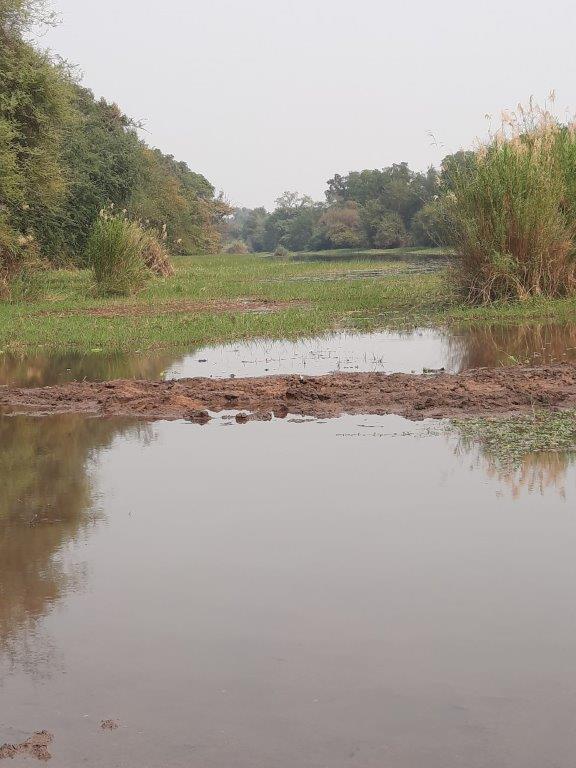
The next day we were able to re-trace some of our steps by car along the narrow paths (hoping not to encounter the rogue elephant seen near the camp). Part of this drive was close to one end of the lagoon.

Our boat ride was unfortunately cancelled due to very windy weather. Perhaps not a bad thing as the end of the lagoon did not appear to be too far away.

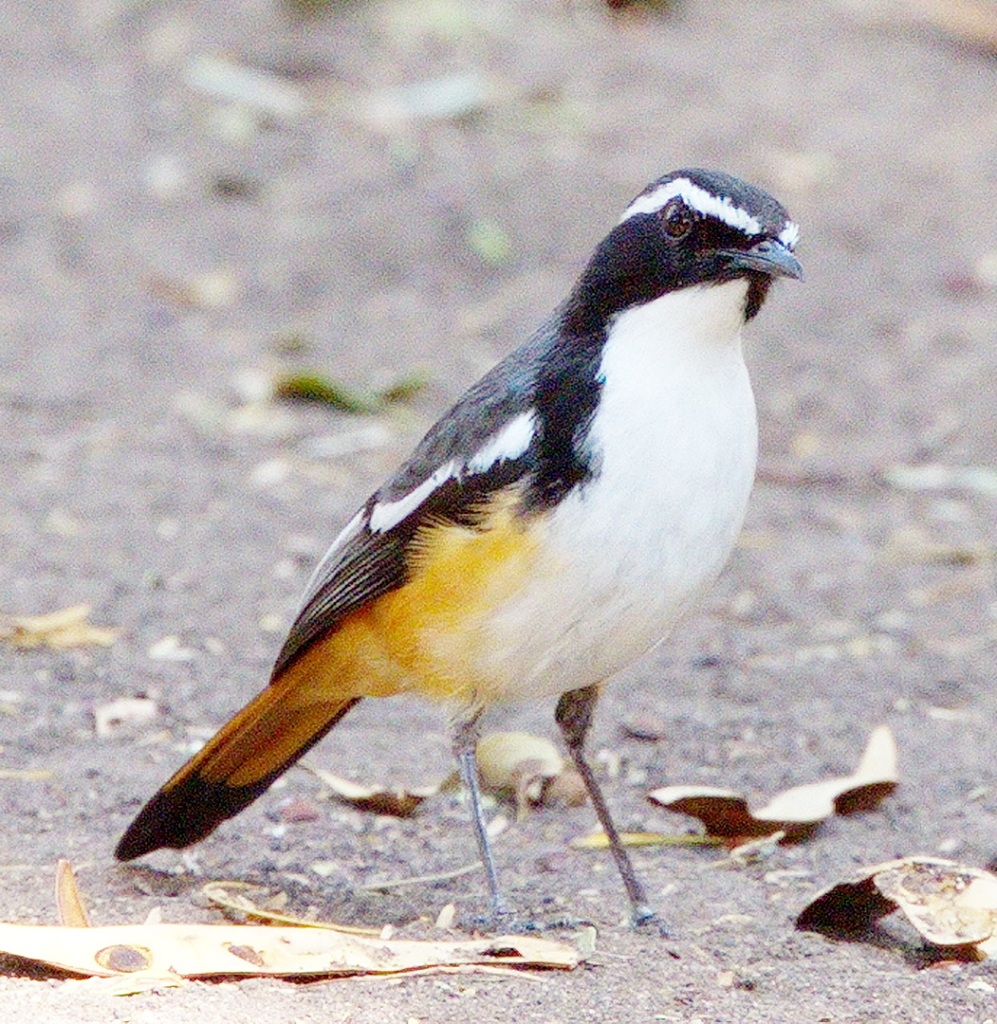
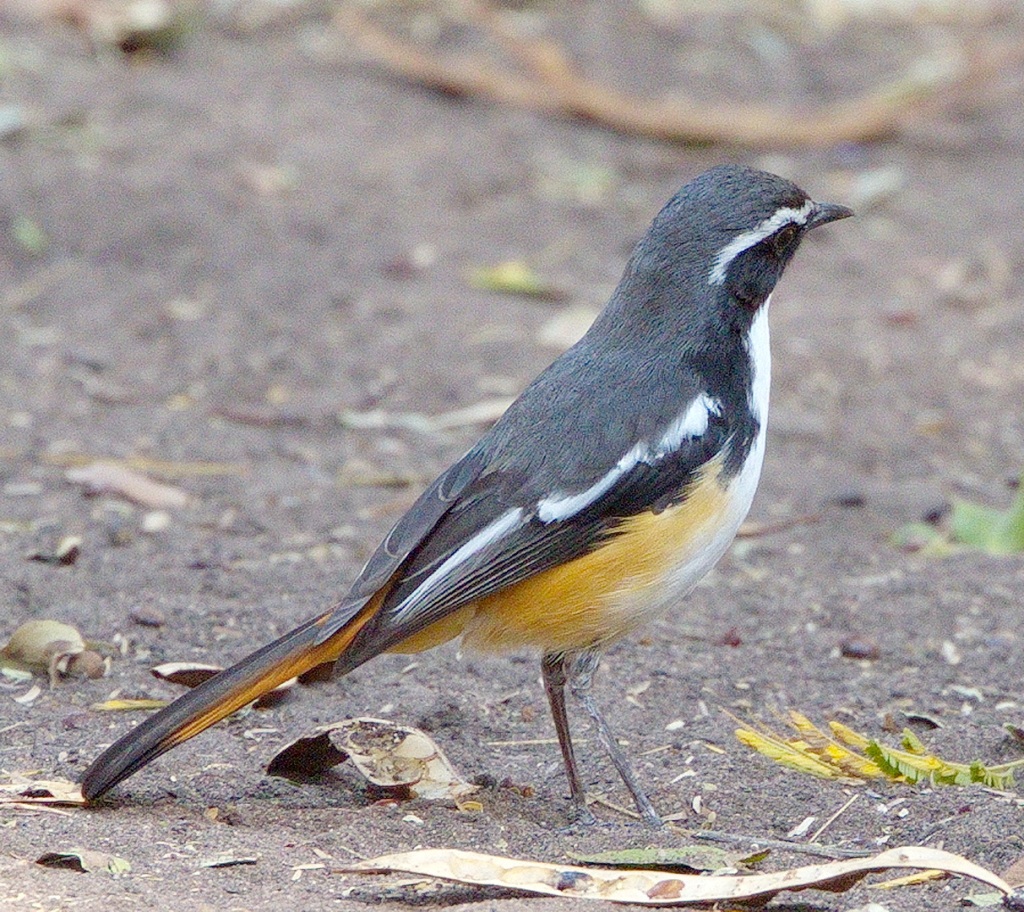
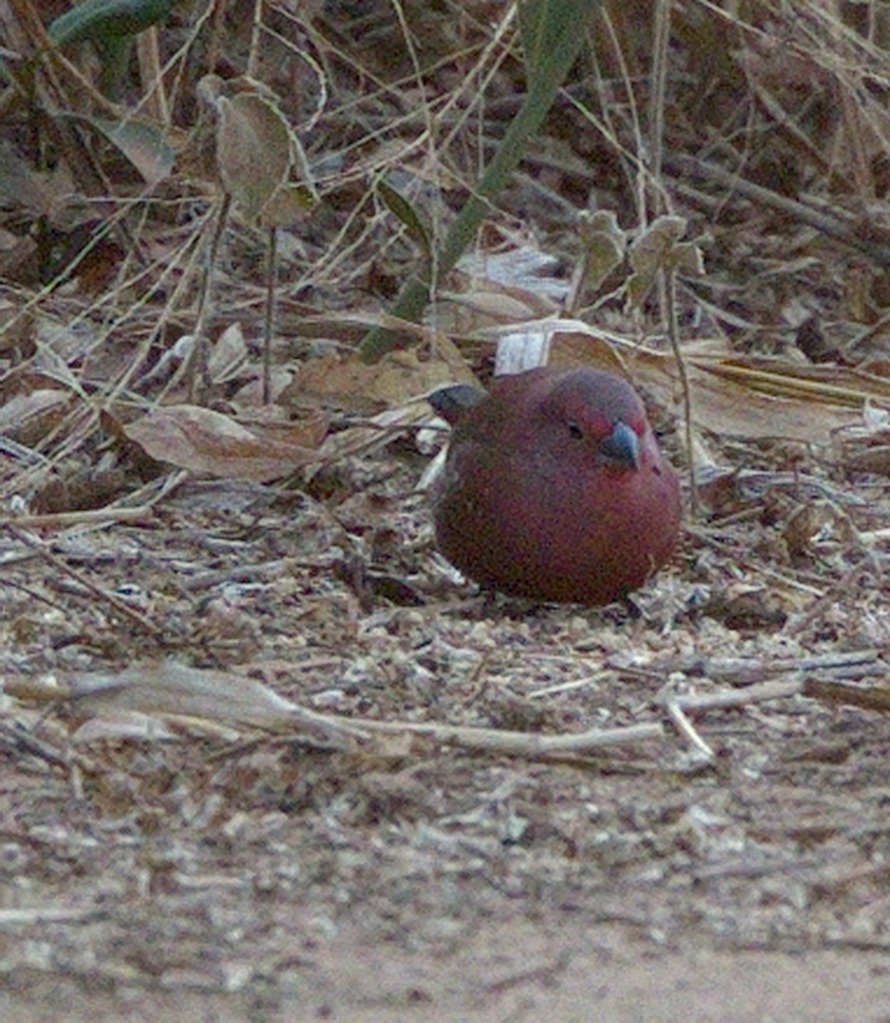
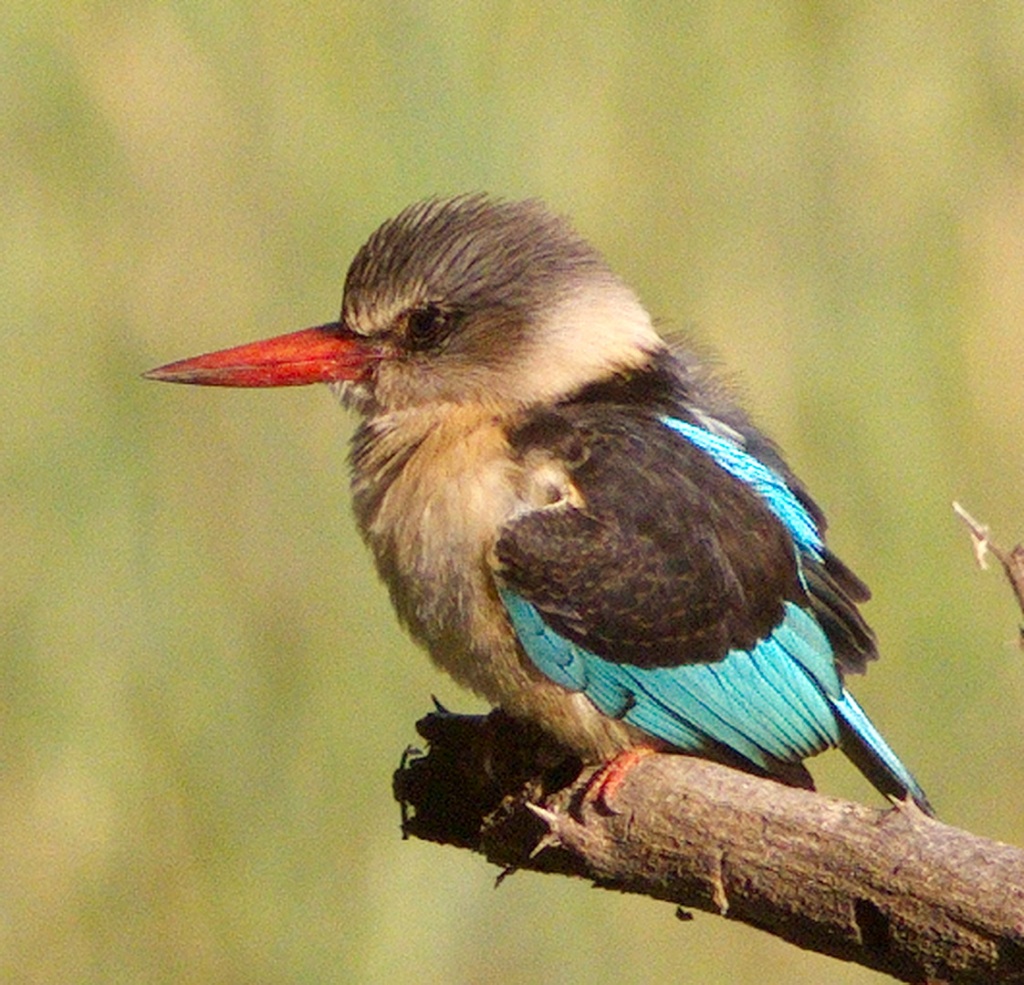
We enjoyed birding in the camp and driving through the Fever Forest. Hearing the Pels calling was very special – even if we did not see it. Some camp birds:
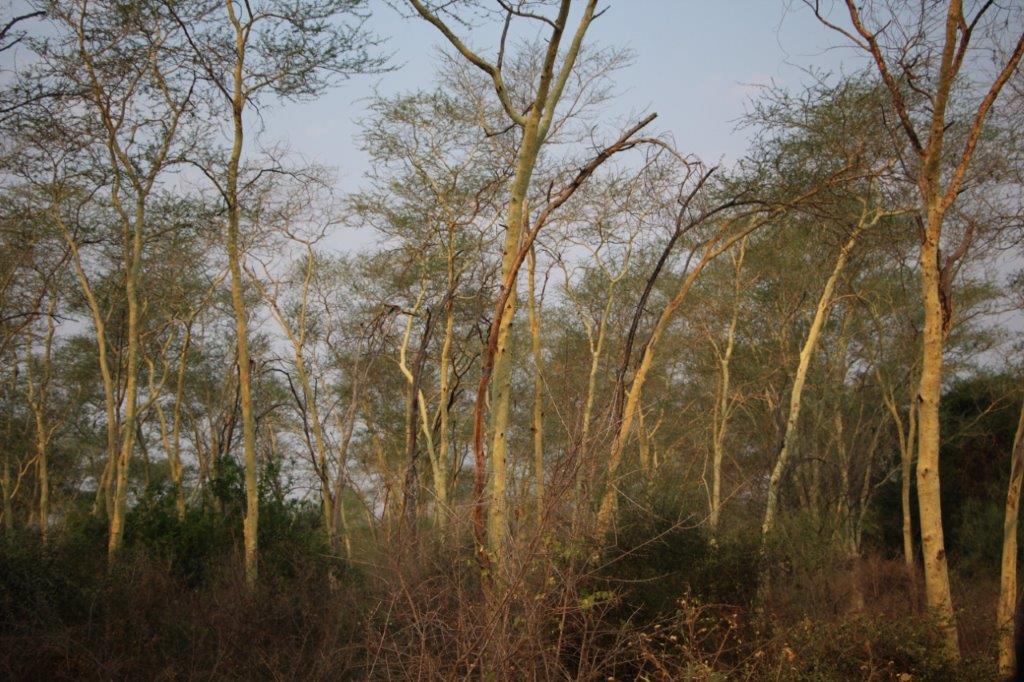
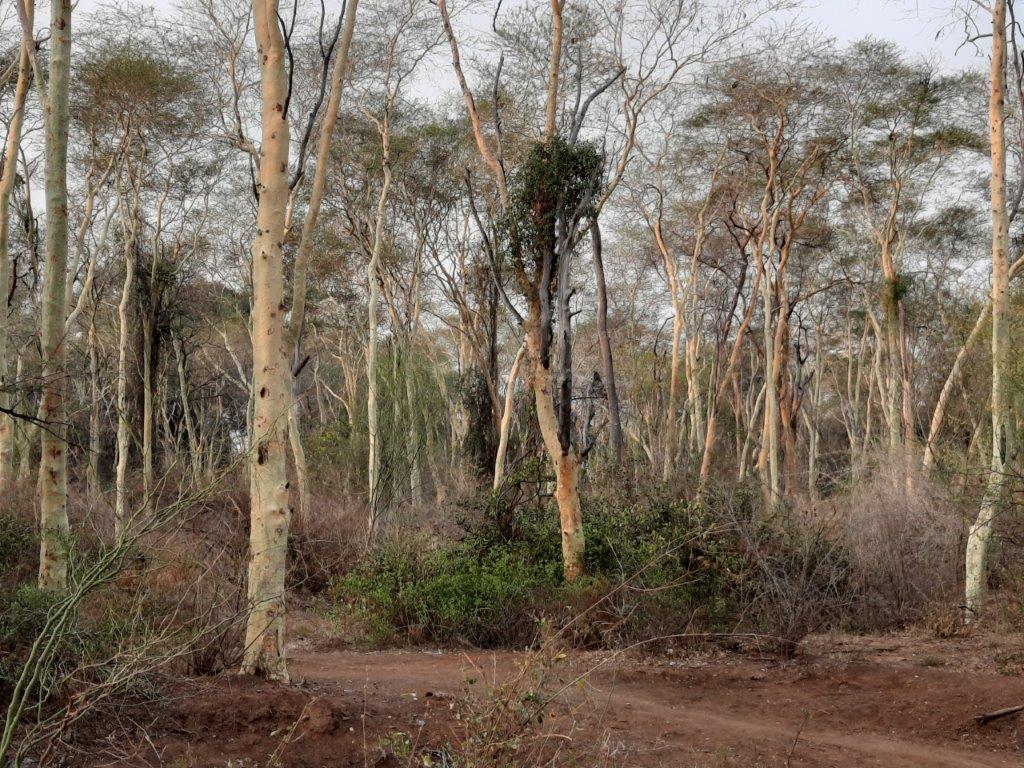
The Fever Tree Forest was the highlight of our time at Dumela.
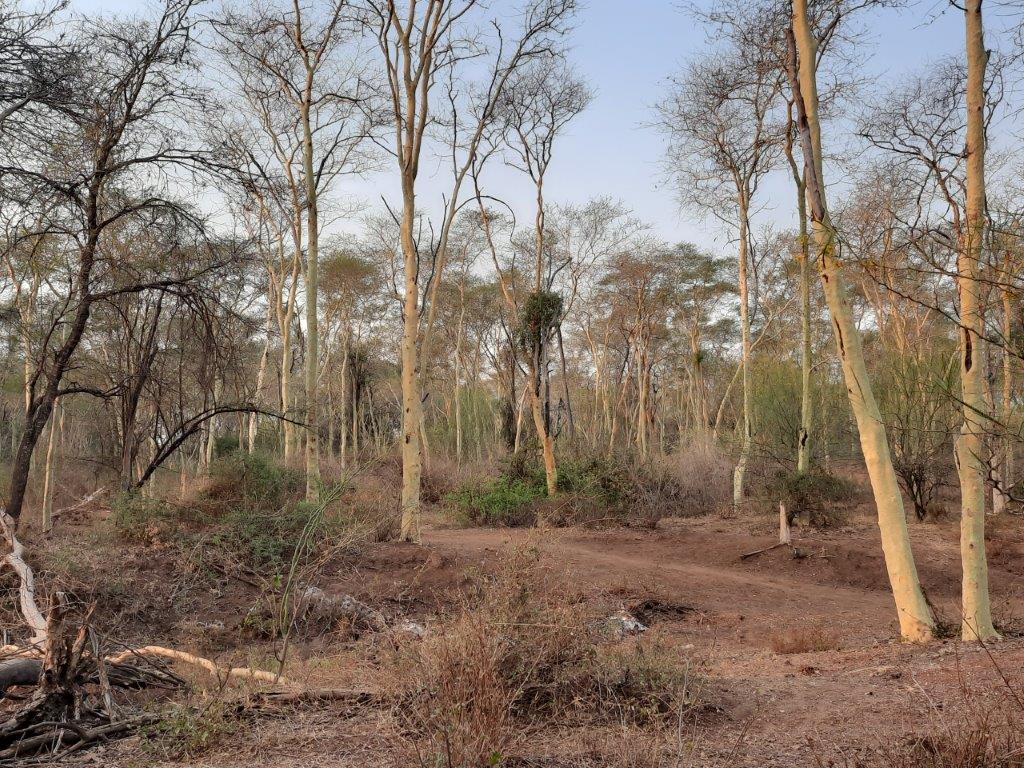
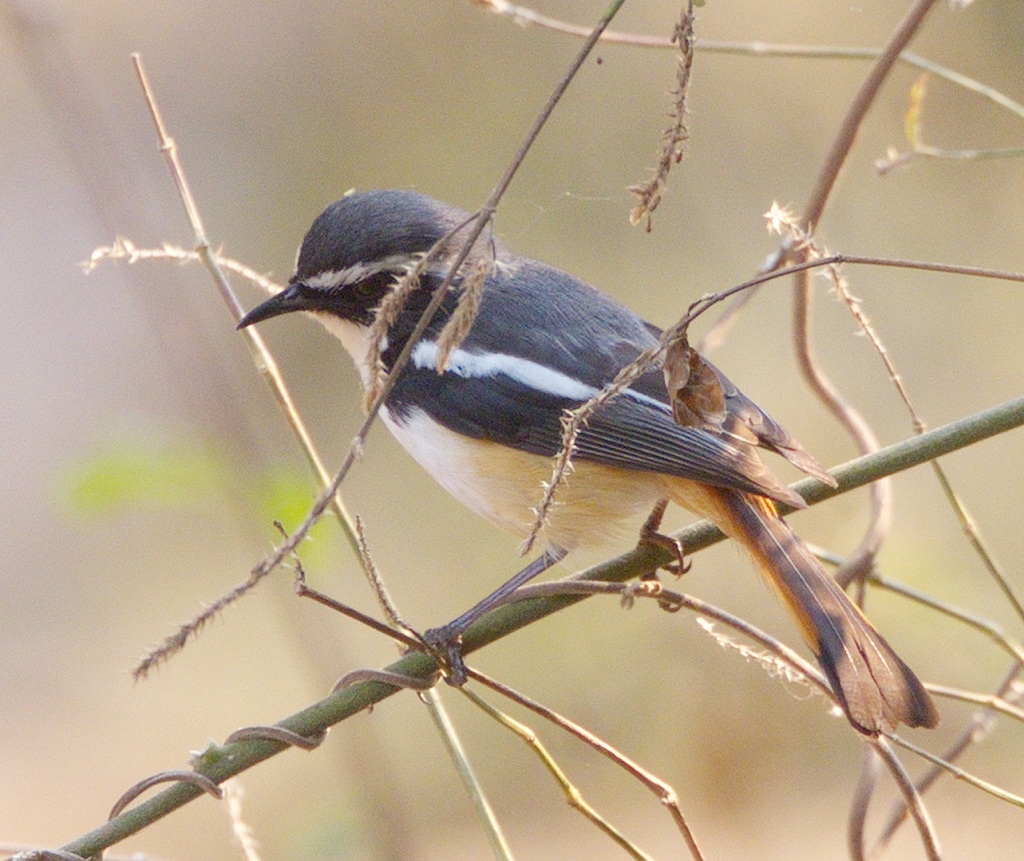
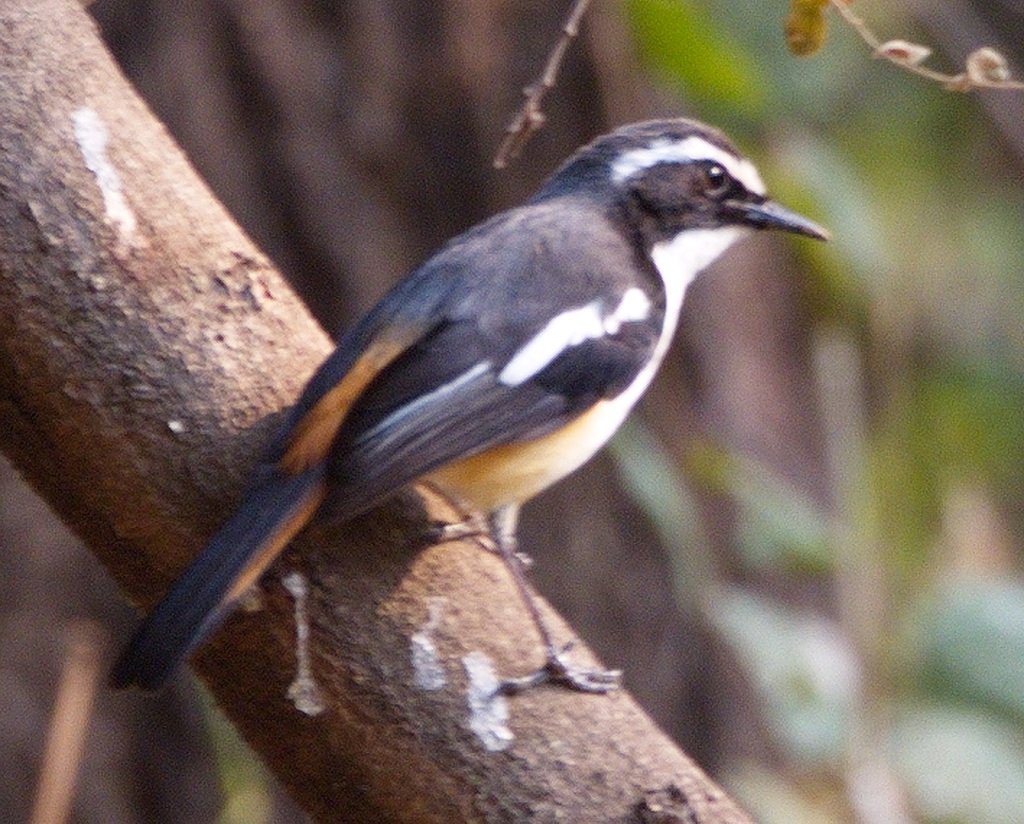
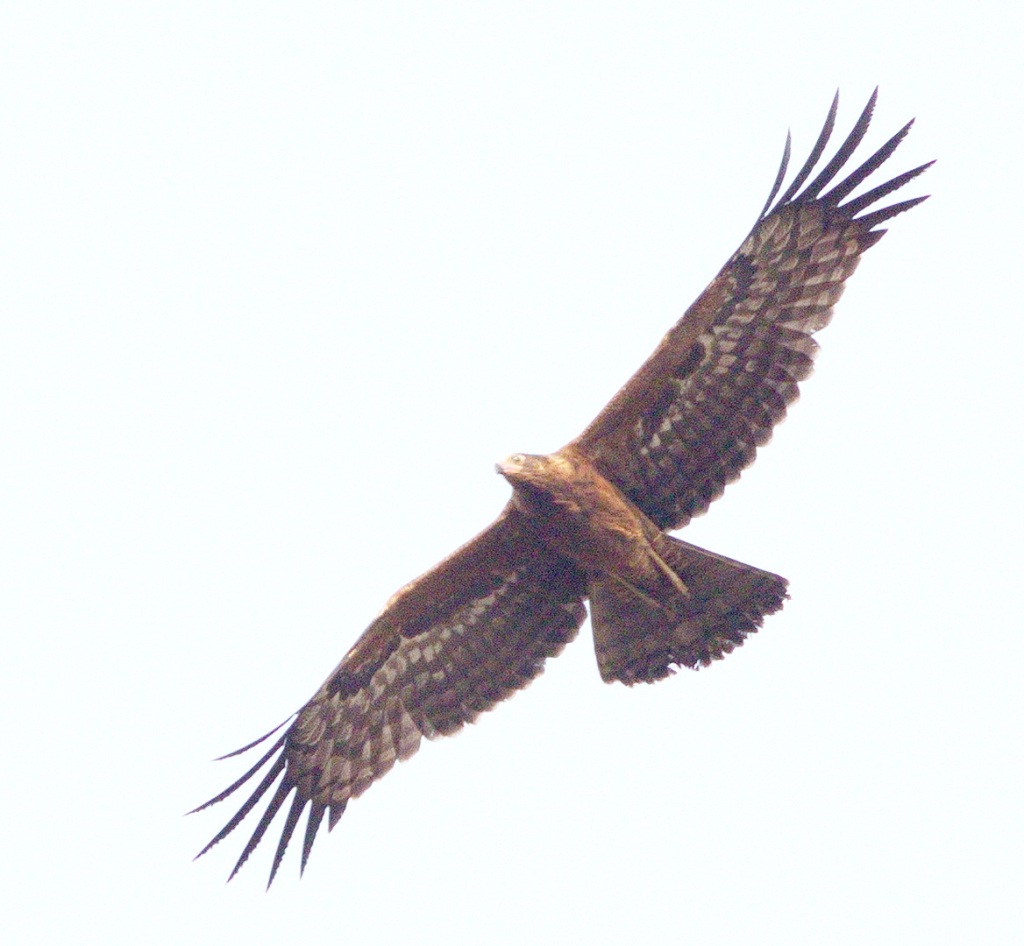
On the first day we went into the Forest on foot with the Guide and saw a number of Raptors: African Harrier-Hawk, Dark Chanting Goshawk, Black Sparrowhawk, African Fish-Eagle and an Ovambo Sparrowhawk.
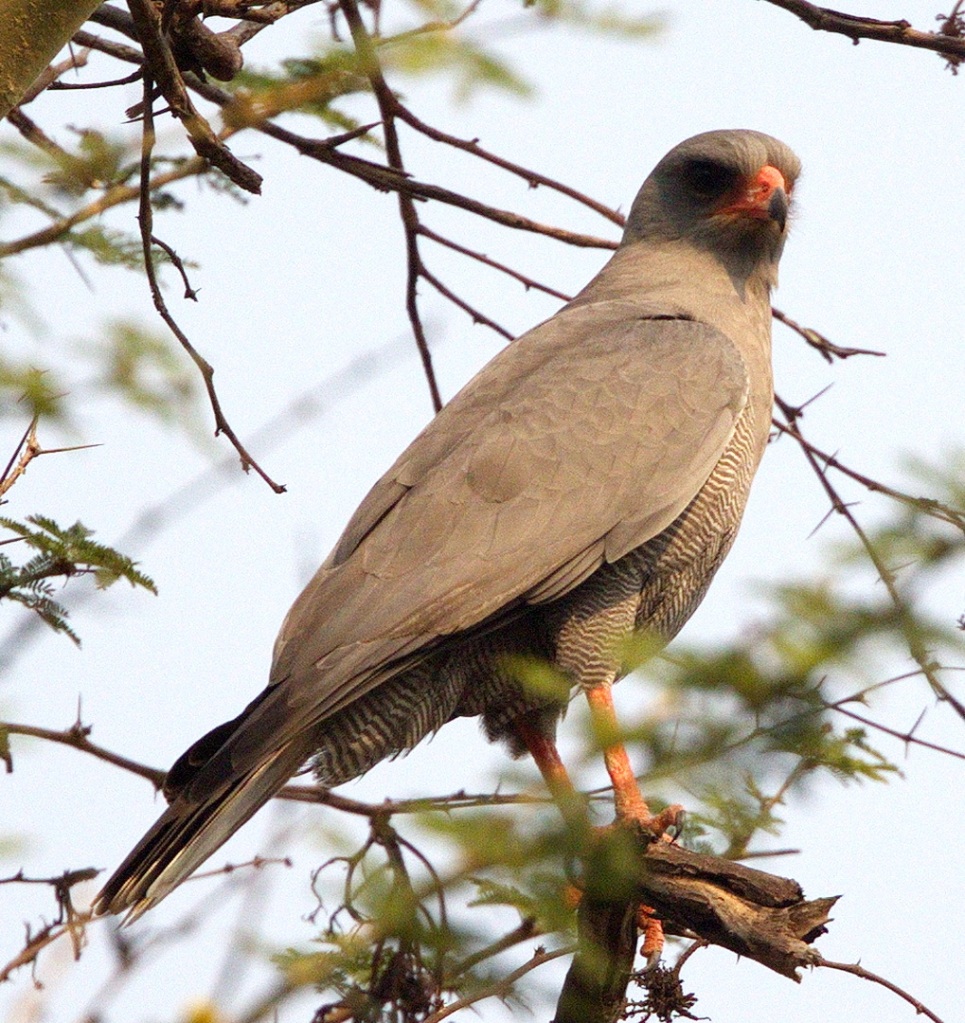
The next time we went to the Fever Tree Forest we saw lovely birds, however, the highlight was a Racket-tailed Roller for a few fleeting seconds.
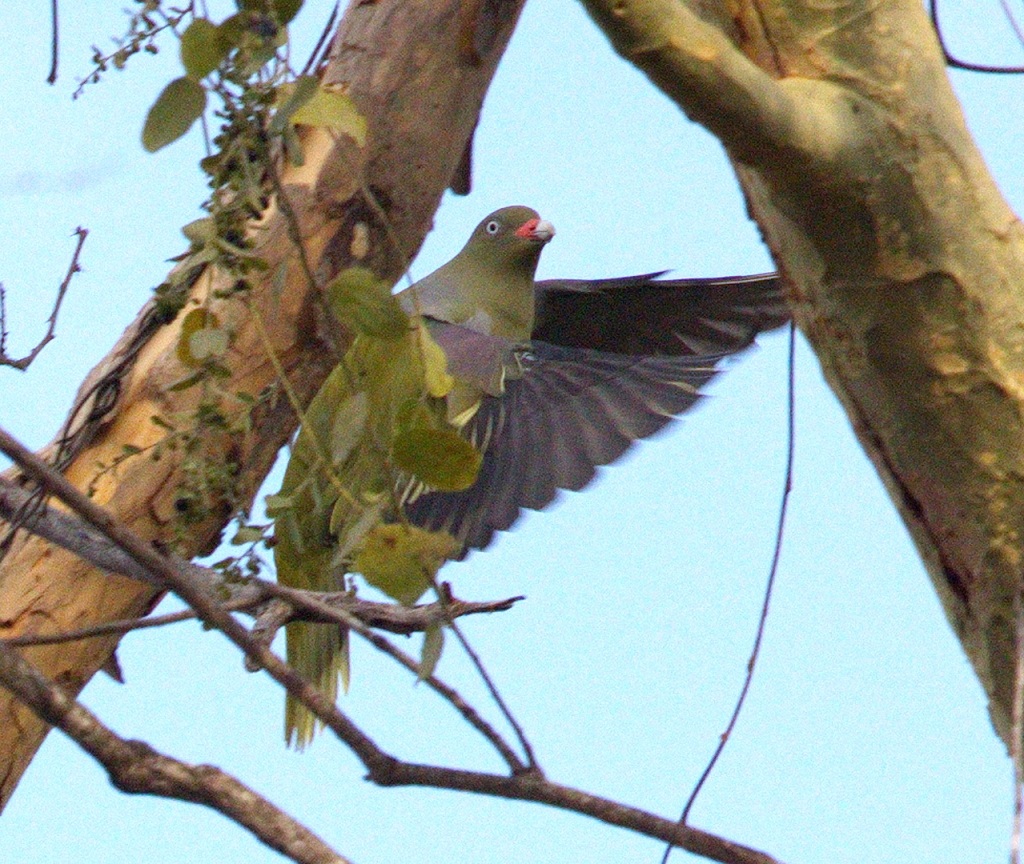
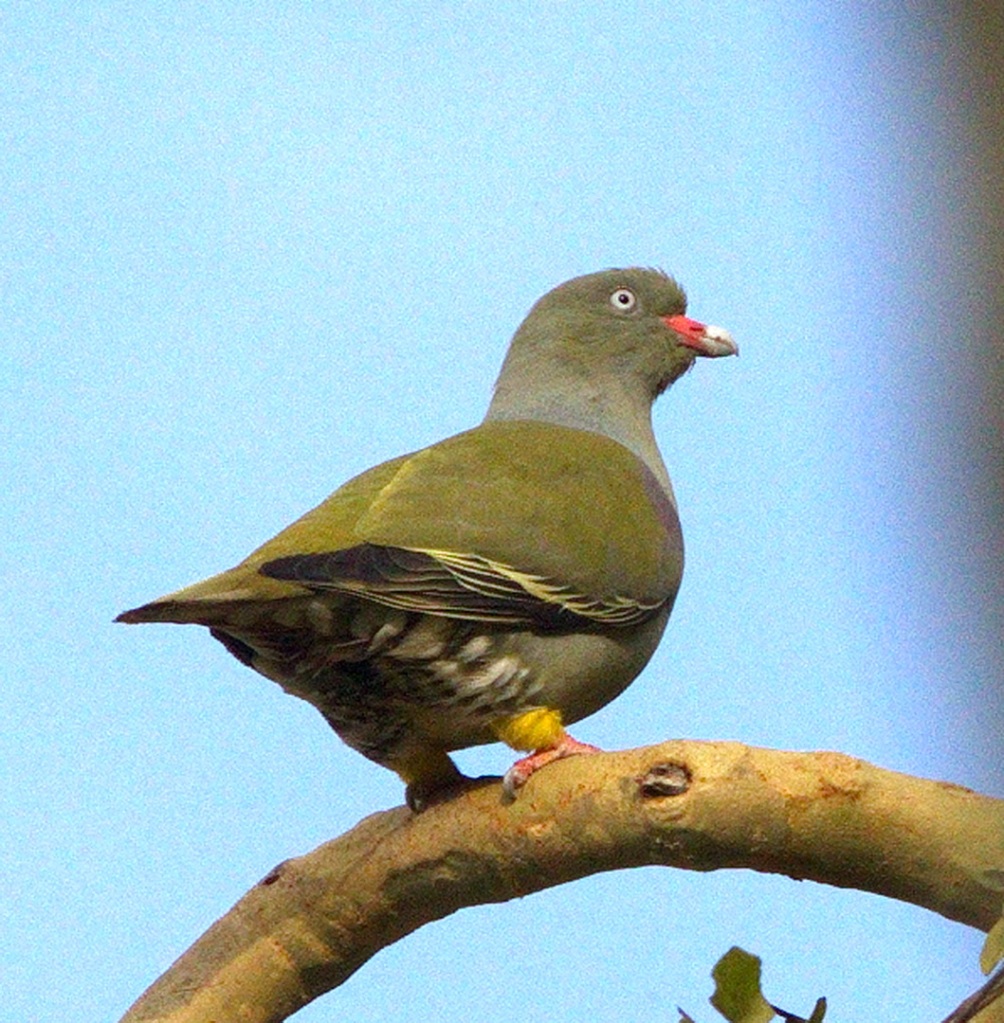
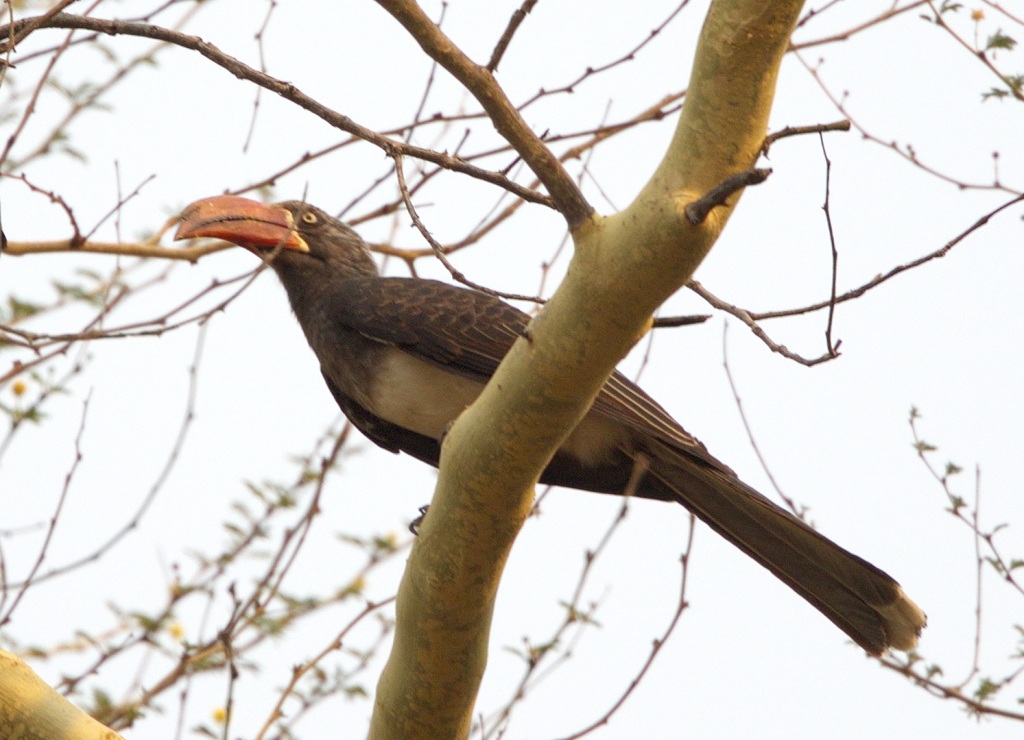
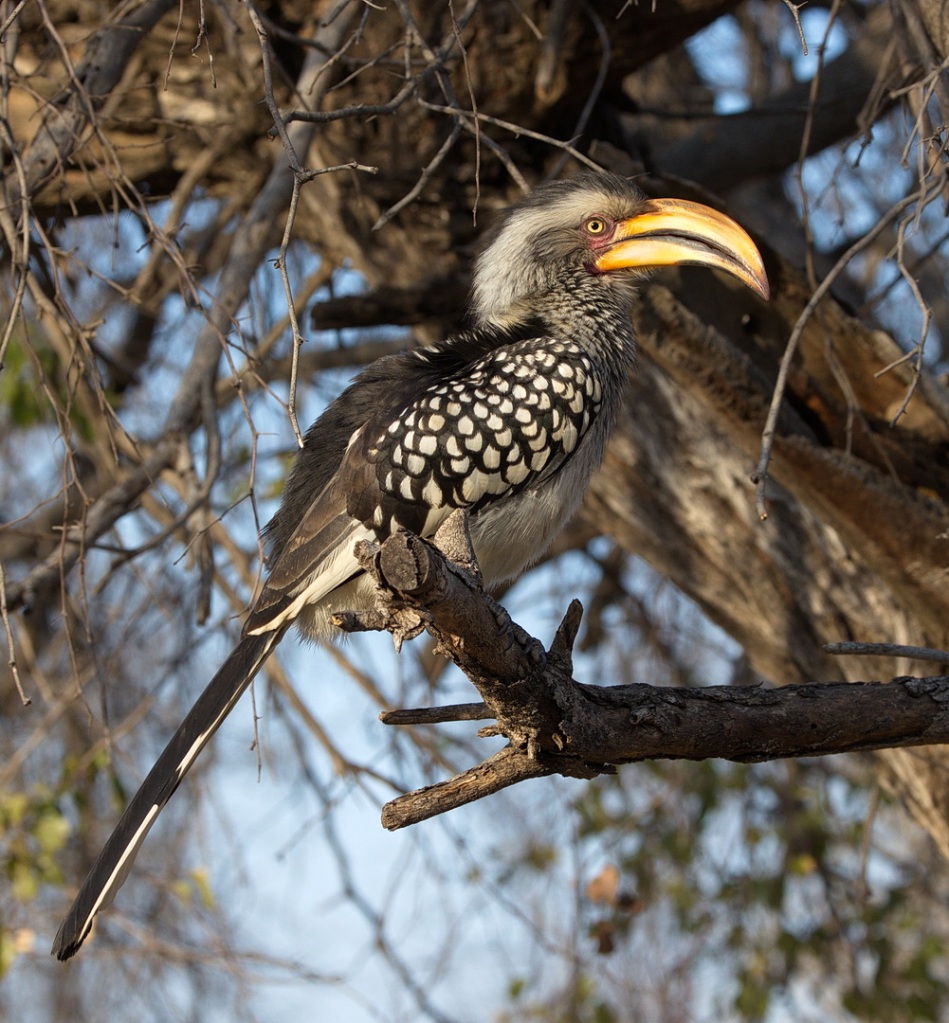
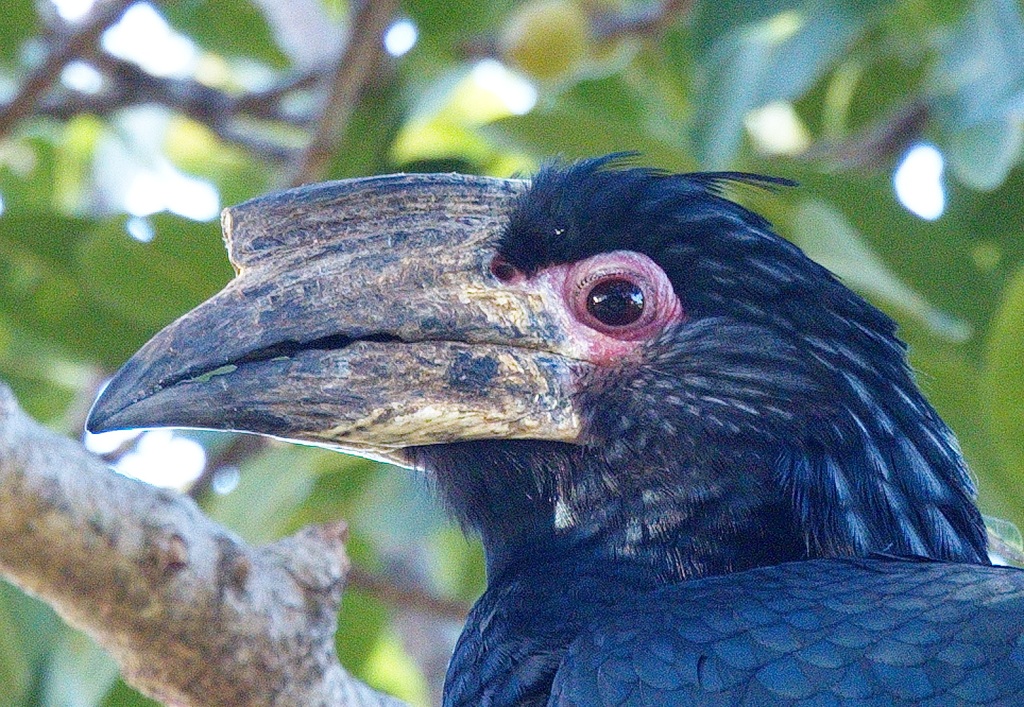
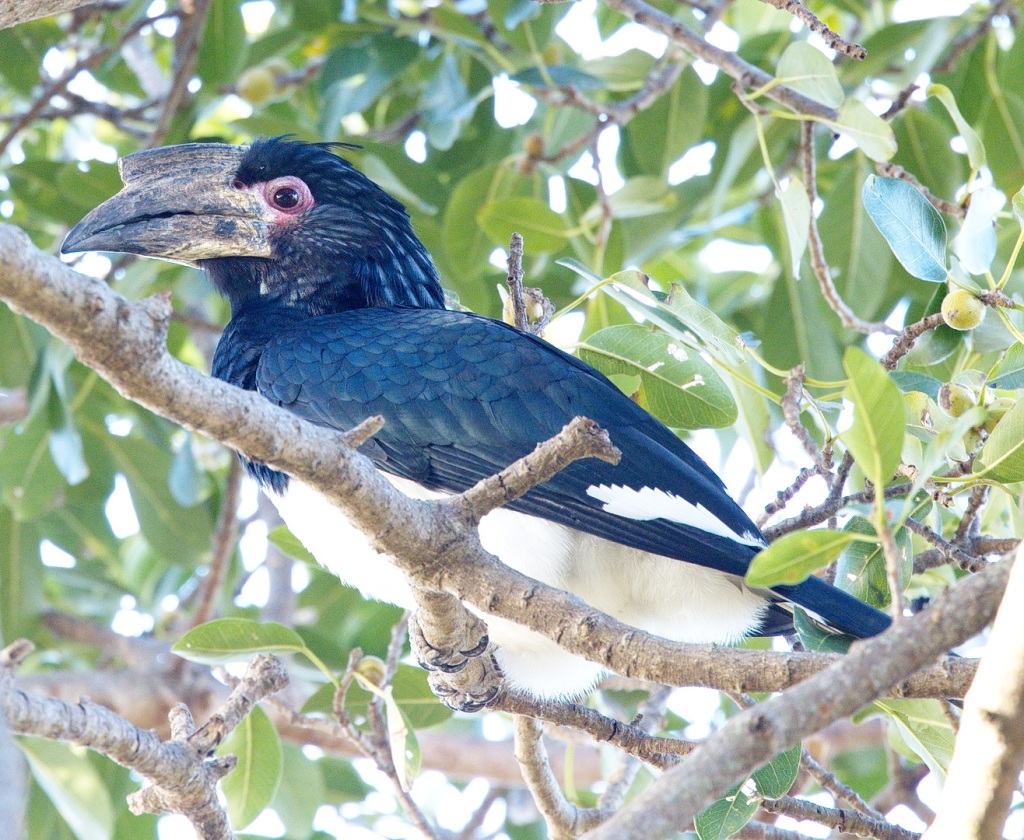
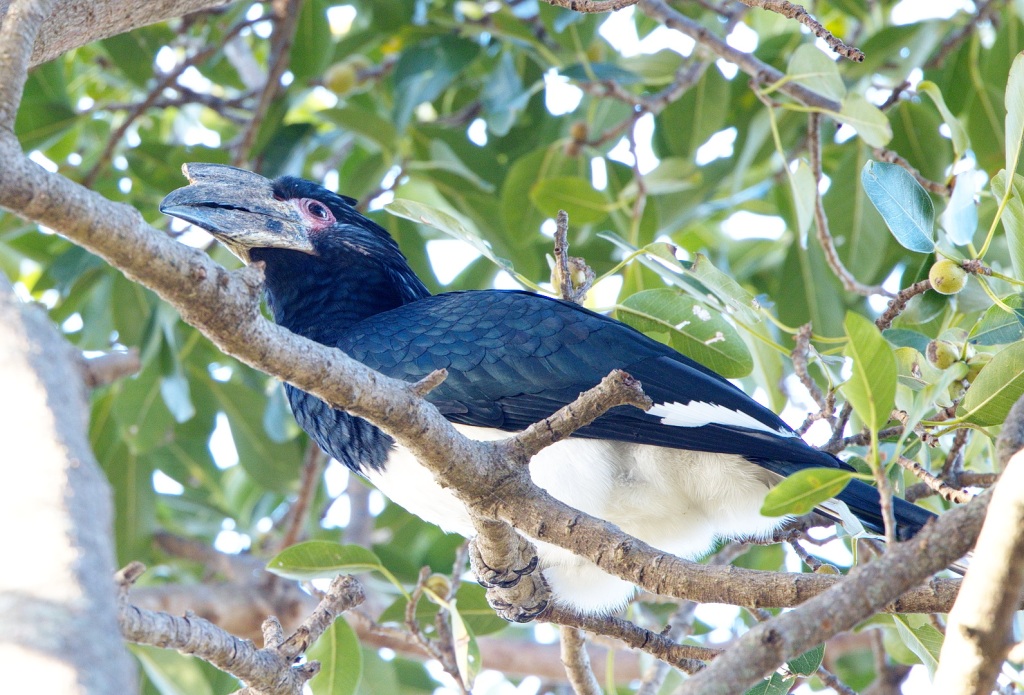
We were camped under a very shady large tree. At night owls and animals were heard above us – an African Wood Owl in particular. A Fiery-necked nightjar. And in the day, birds scurried and screamed above us. Especially the Trumpeter Hornbills.

Altogether we managed to identify 91 different bird species in the four days we were there. From here it was back into the Kruger to Punda Maria, Shingwedzi, Letaba, Satara and Malelane before heading home. Our account of each of these places continues in Part 3.

Paul and Sally Bartho
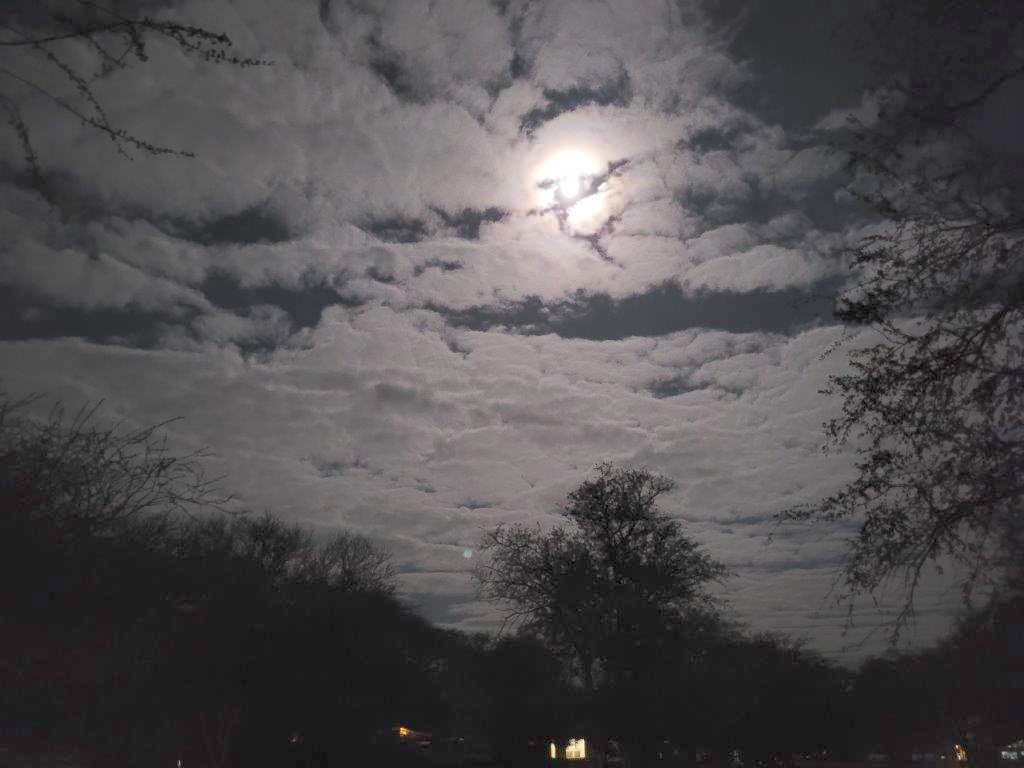
That moon again. It has followed us from Nthakeni.

Northern South Africa – Part 1

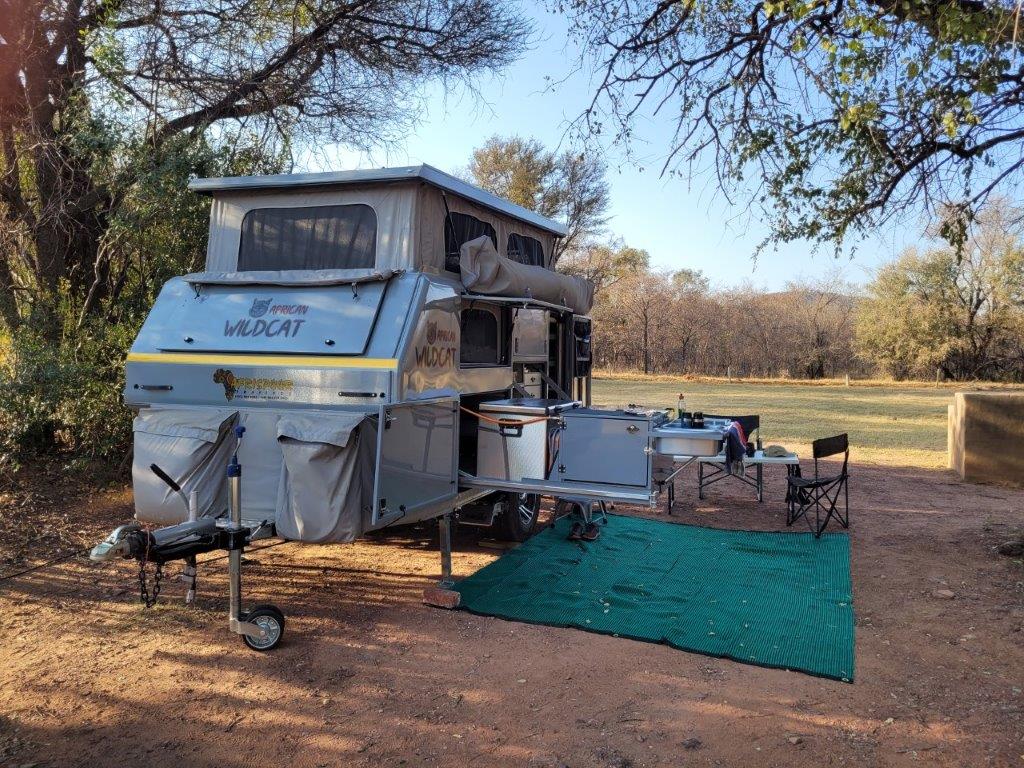
Sally and I decided to head north to put our Afrispoor Wildcat through its paces – besides we were getting bored sitting at home with the winter weather. We also wanted to check out a campsite in Mozambique close to the Pafuri border post between the Kruger National Park and Mozambique.

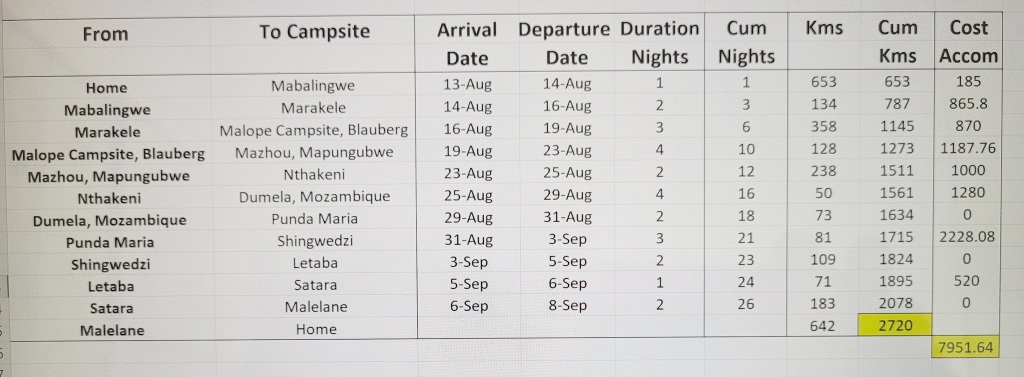
Our Route:

Mabalingwe

13 to 14 August 2023

Mabalingwe was chosen as an overnight stop on our way to Marakele. There is quite a lot of smart accommodation but It only has a 4×4 camp with 4 campsites.

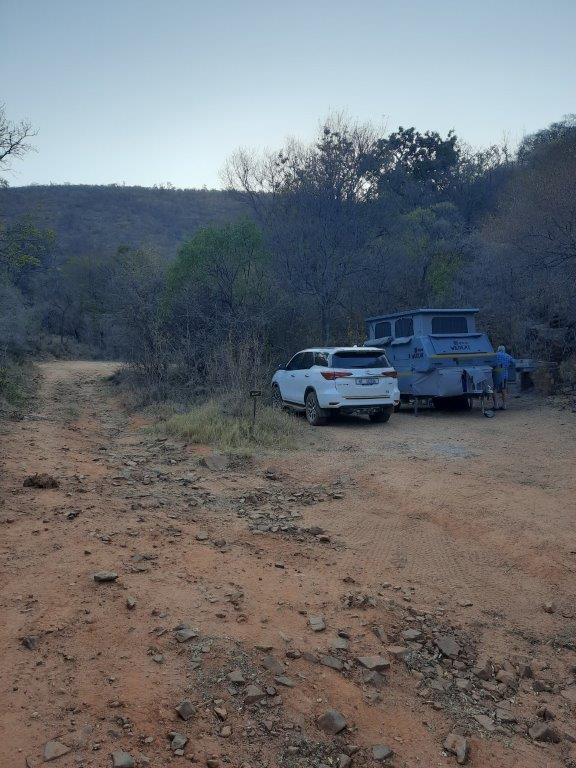
On arrival we chose campsite “Olifant”. You can see from the video that it was rough going to get there.

Road to campsite

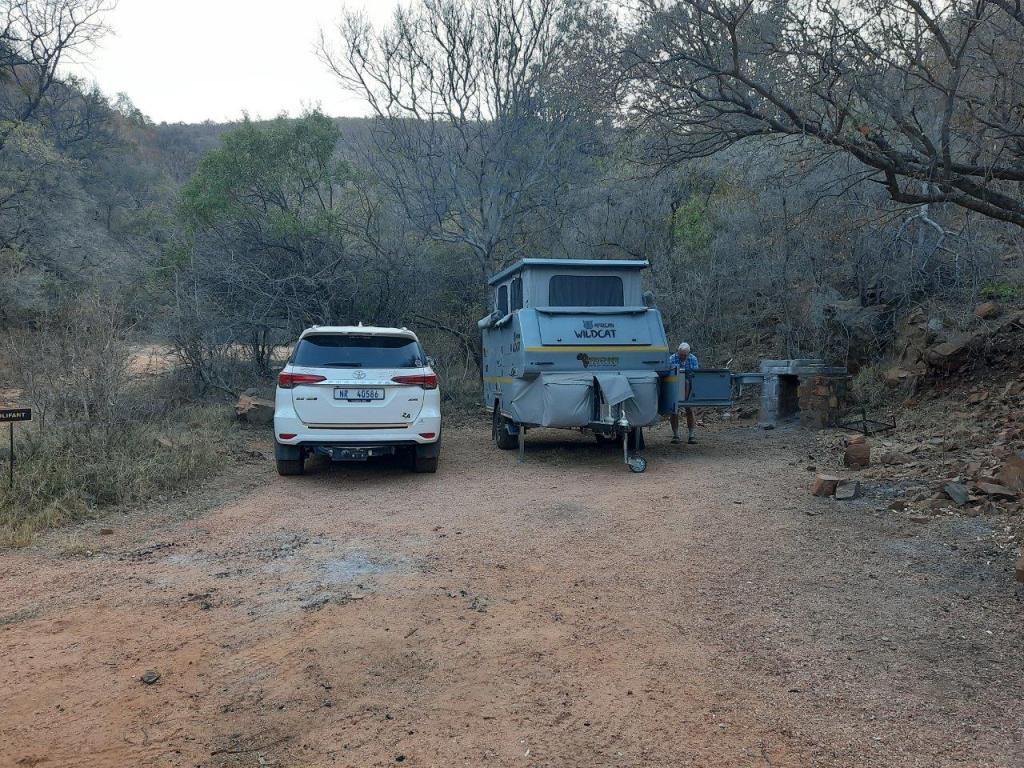
Here is the entrance to the campsites with the ablutions on the left. It looks rough and ready but it was clean and had a donkey boiler.

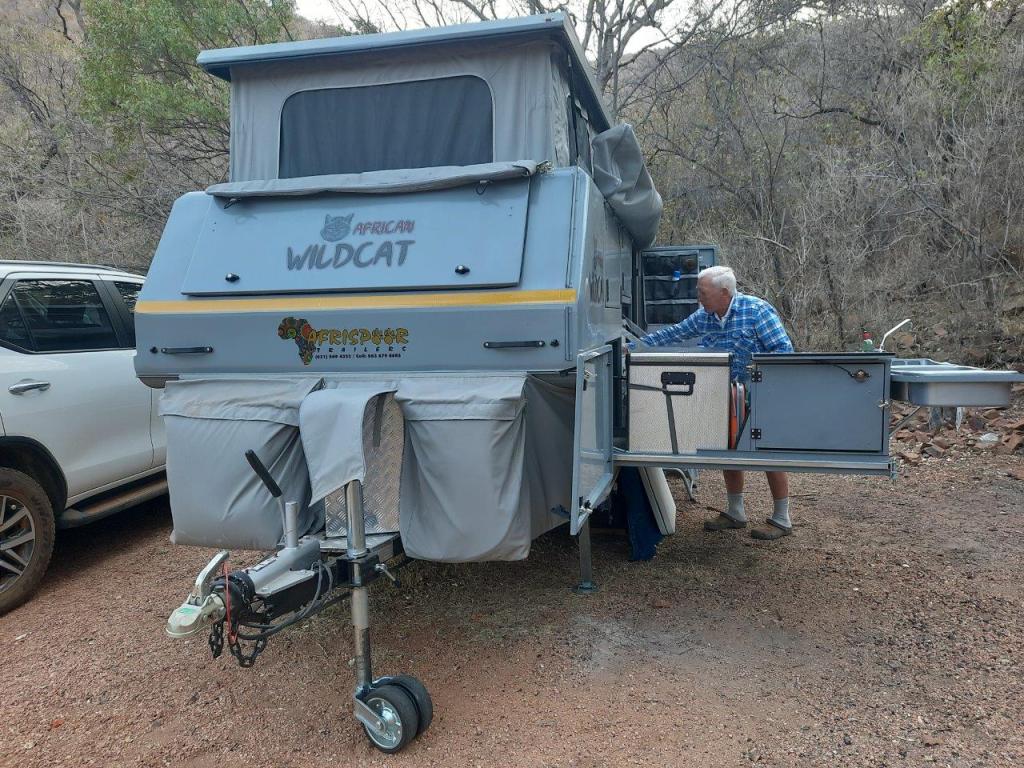
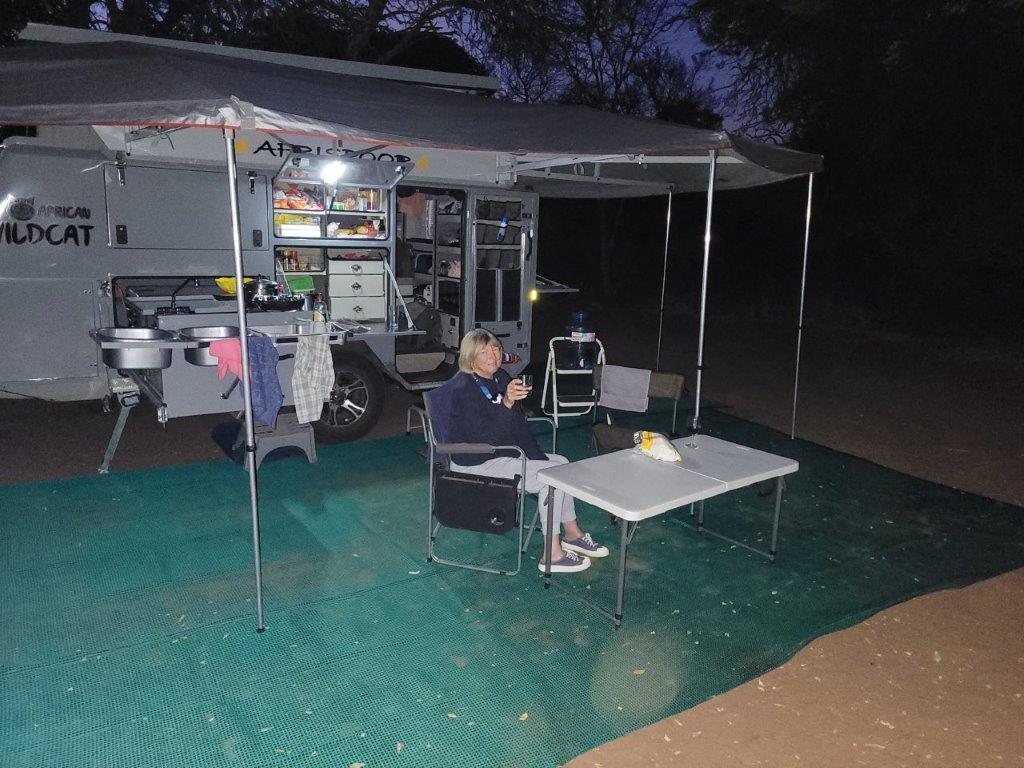
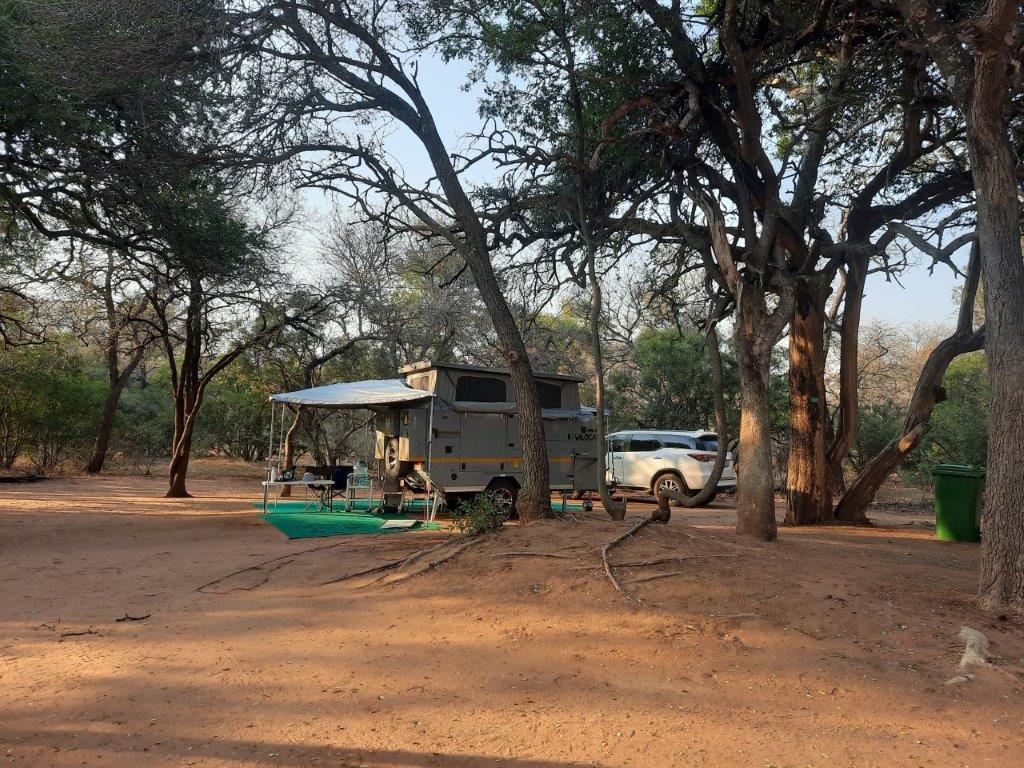
And our campsite:

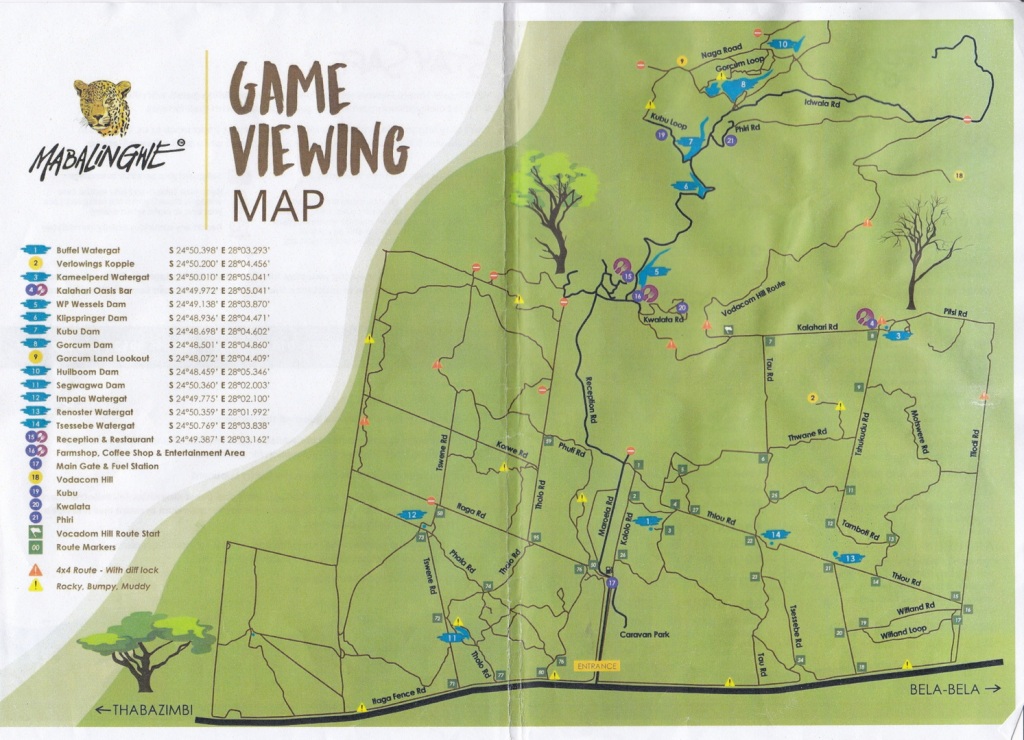
The game viewing area is relatively small but it does have a variety of habitats to explore.

Since we had a late afternoon and early morning there, we were unable to explore fully. However we did manage to travel north to see all the dams. Here are some of our photos from the time there – mainly of birds seen.

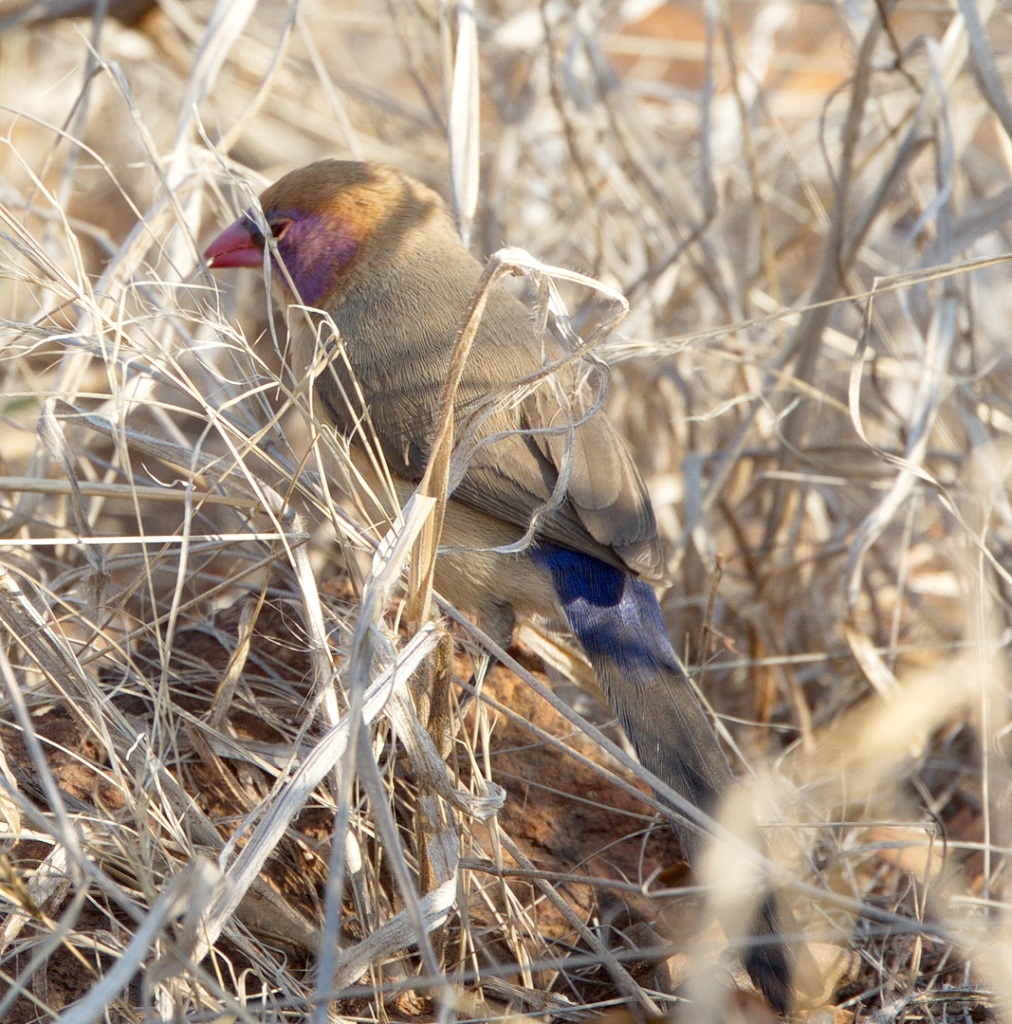
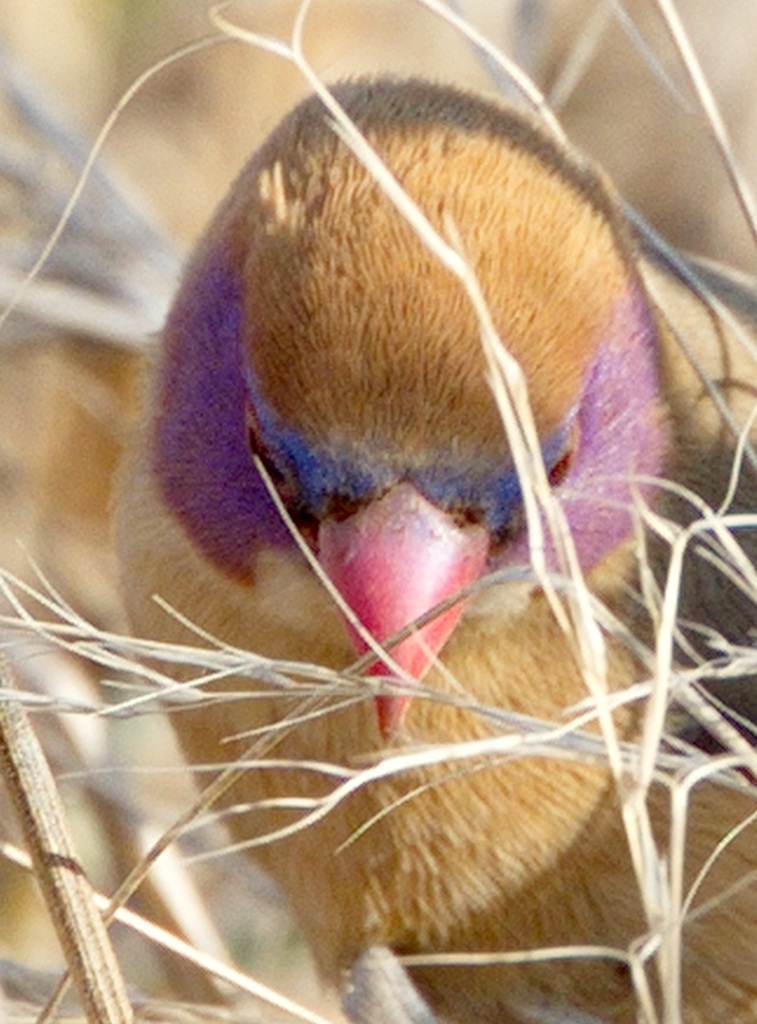
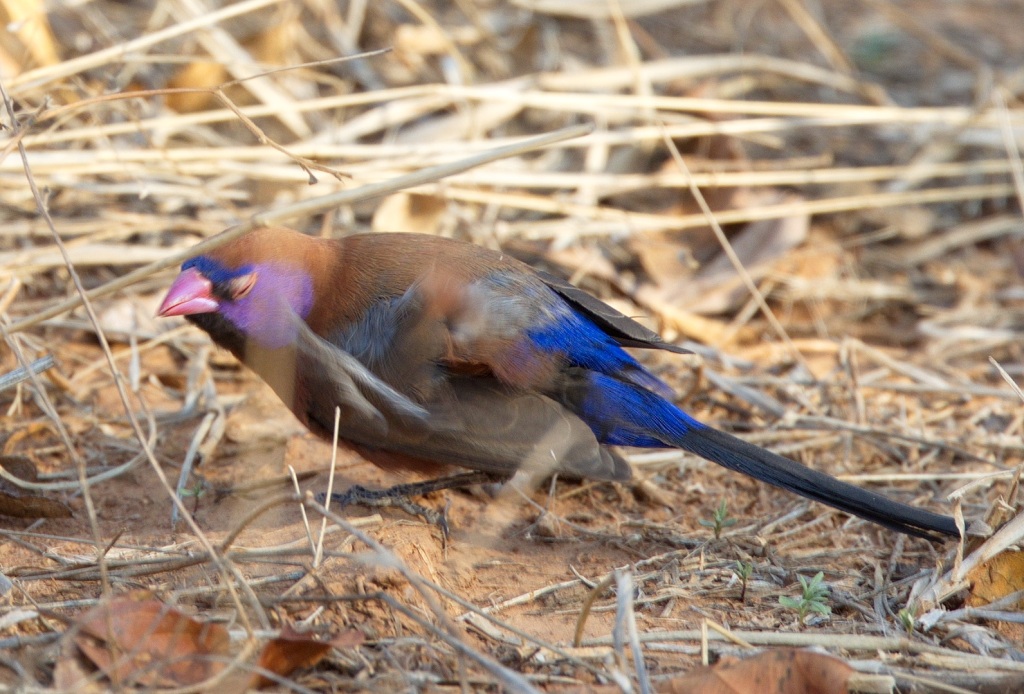
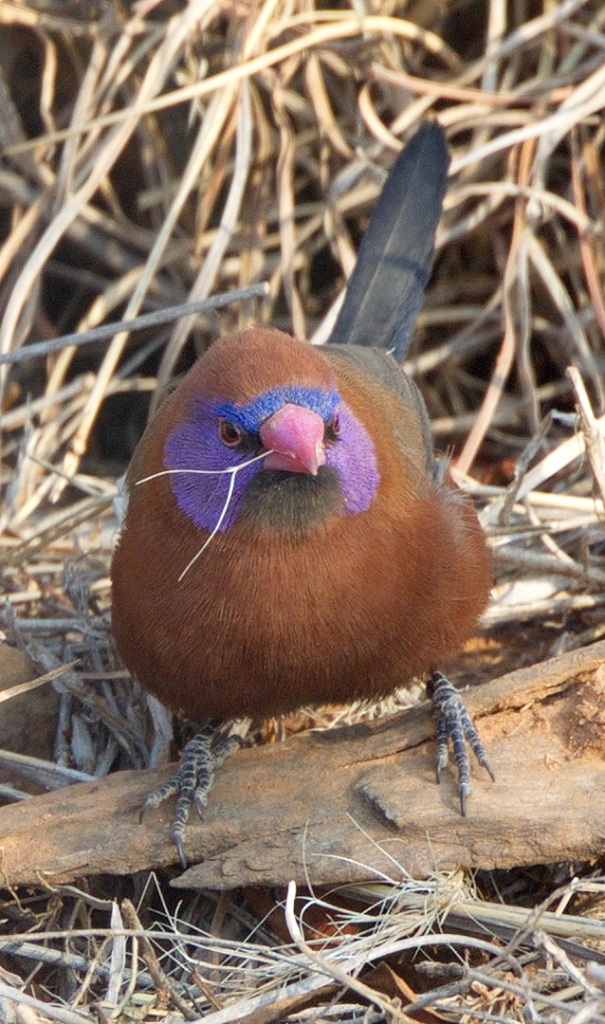
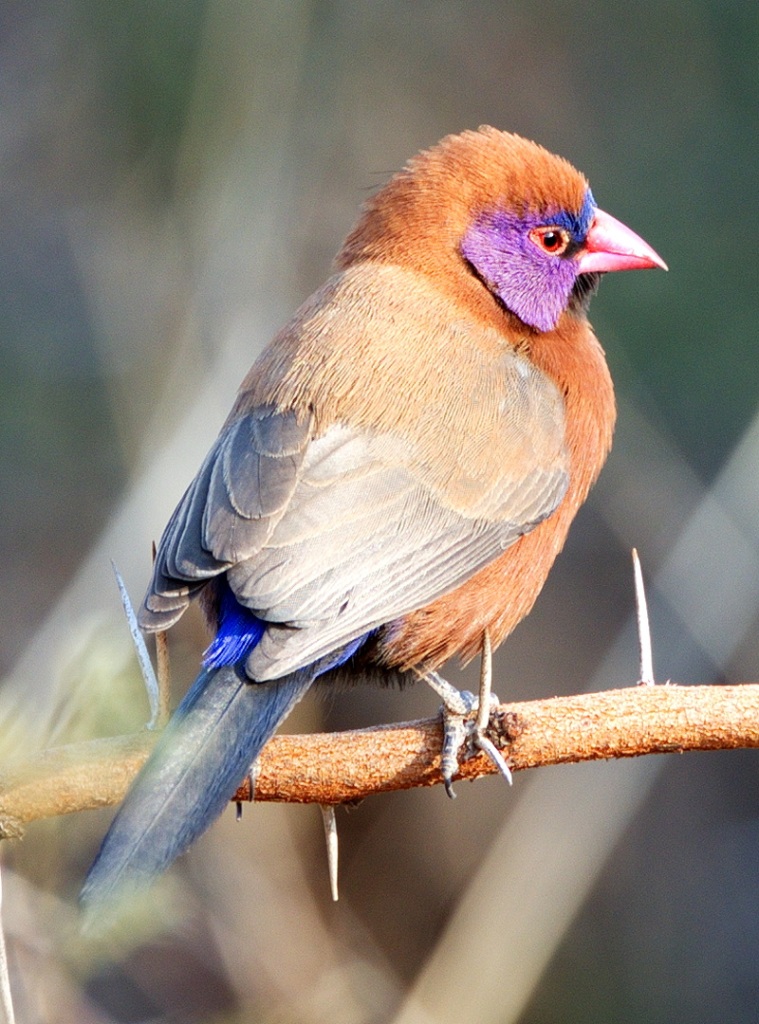
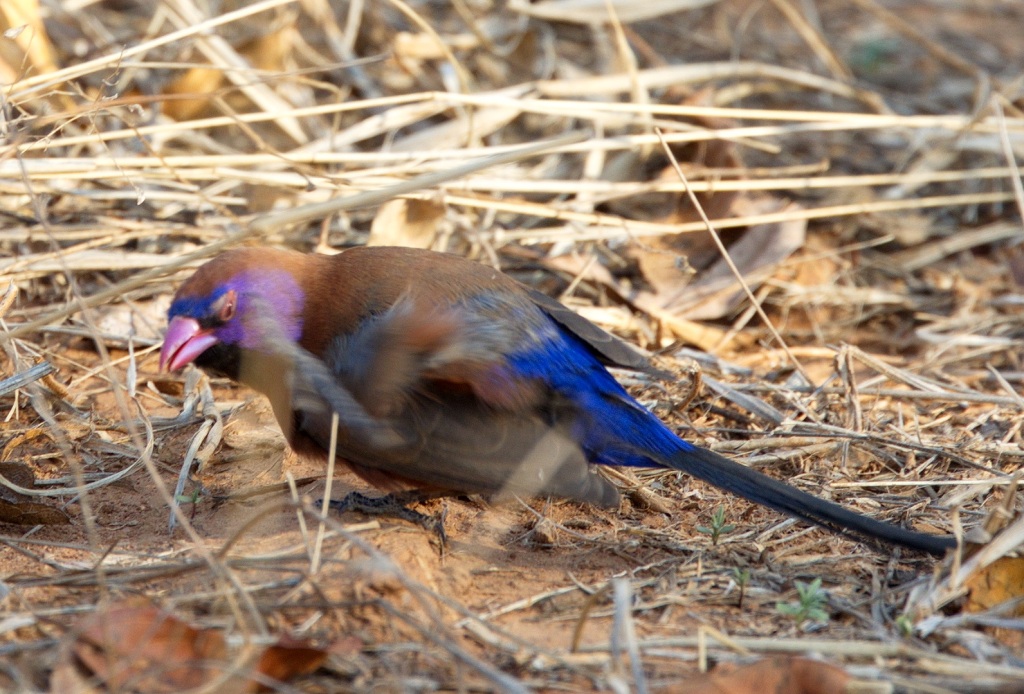
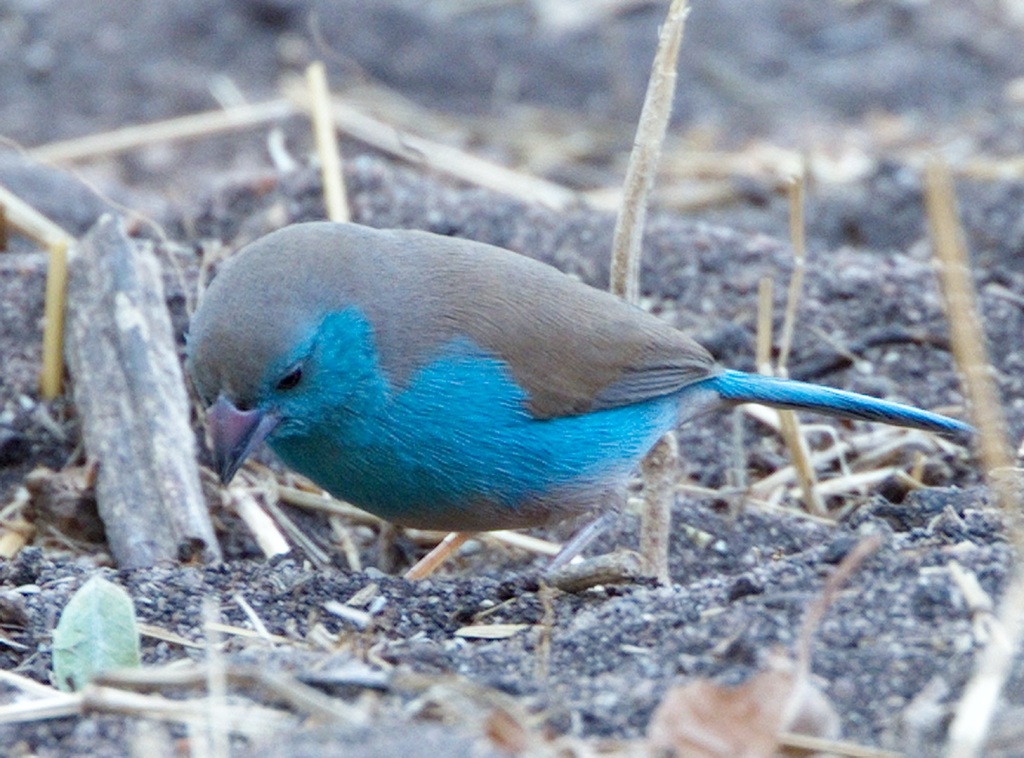
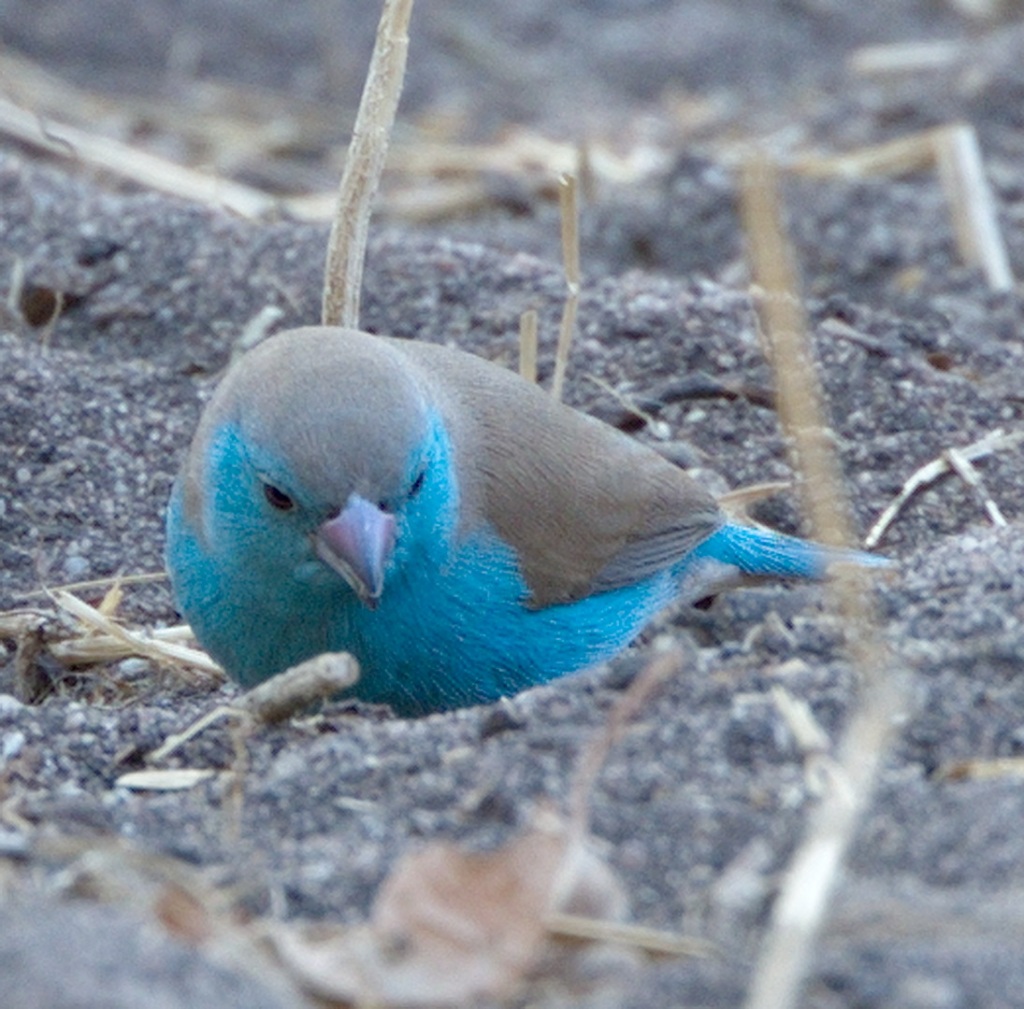
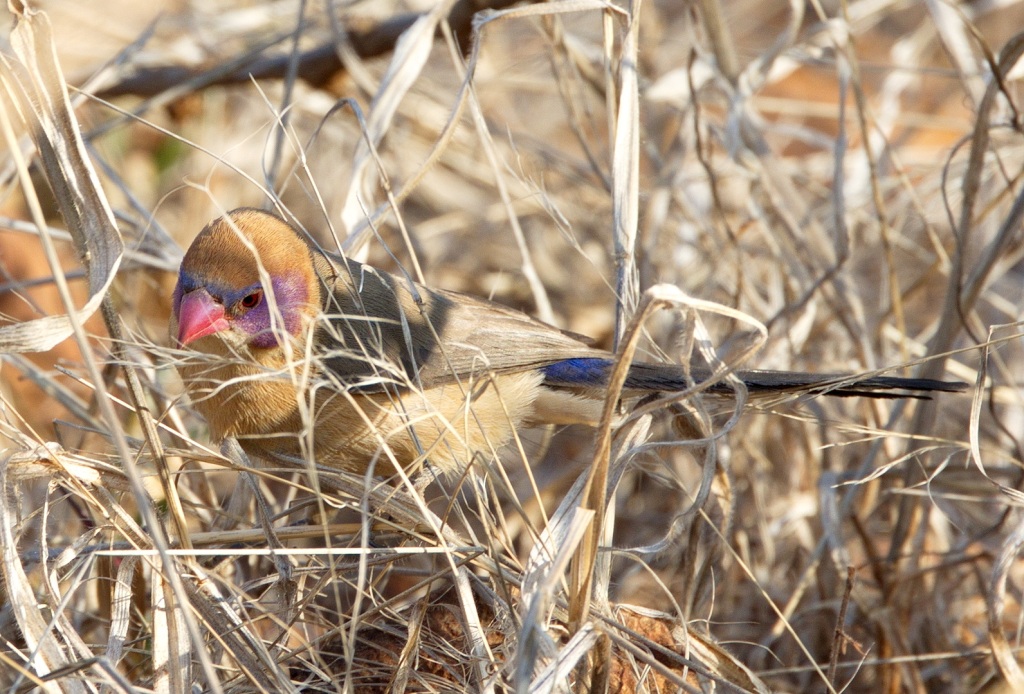
And then there were these splendid Violet-eared Waxbills.

It seemed like no sooner had we got there that we were leaving. In future we would consider a 3 nigh stay to have a couple of days to explore more fully. In the short time we were there we recorded 55 different bird species.

Marakele

14 to 16 August 2023

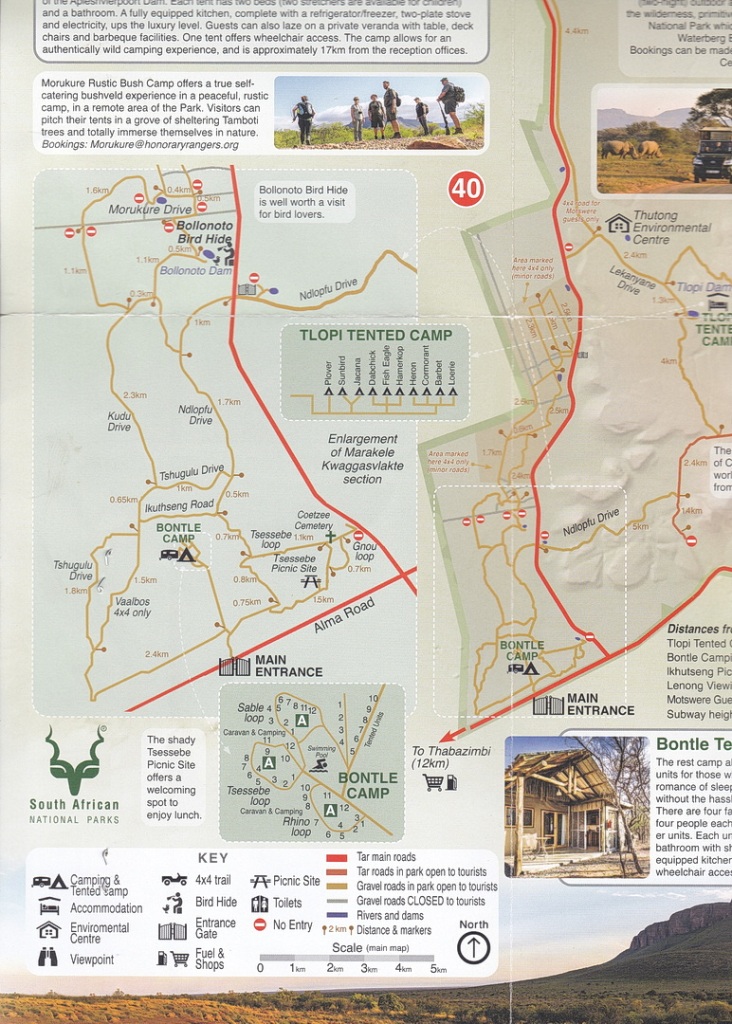
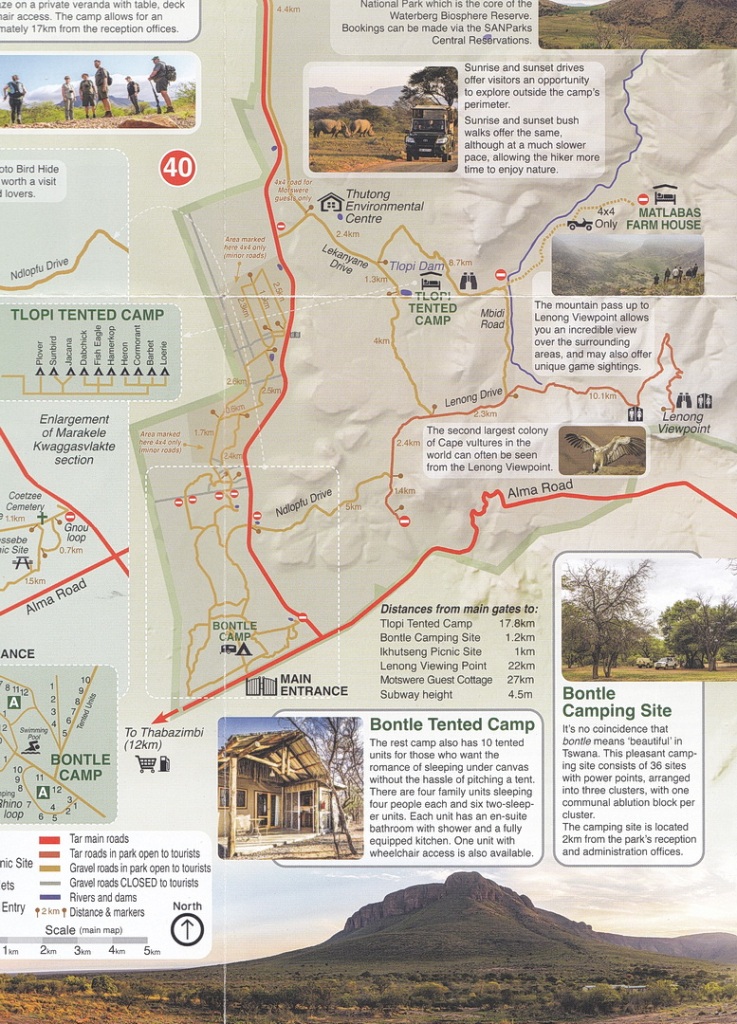
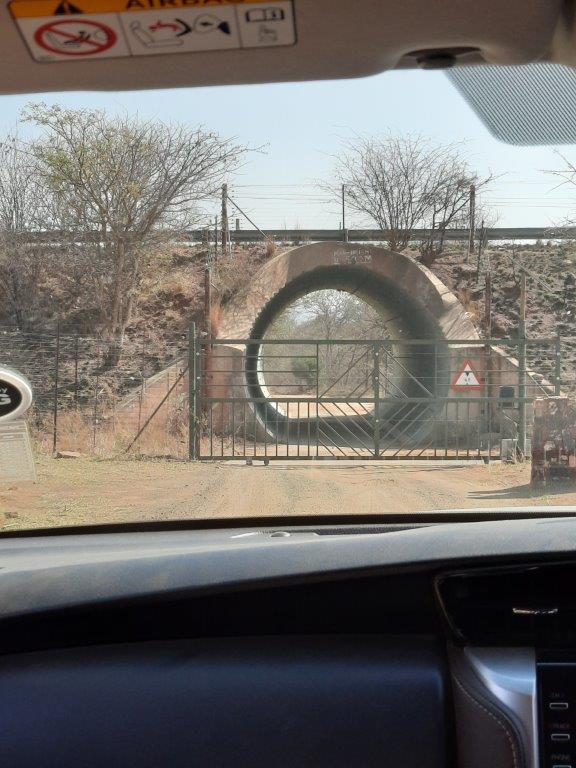
Marakele National Park falls into two parts separated by a tunnel under a road heading north south. The campsite is on the western side of the park.

Bontle Campsite is shown in the left image. In the right image the road heading north near the entrance separates the two parts of the park. Ndlopfu Drive passes through the tunnel from the camping area heading to the Lenong Viewpoint up a steep and very narrow road. At the top you have an incredible view of the surrounding area.

The campsite is well kept with clean ablutions and hot water. The campsites all have power. There is also a pool.

Once we set up camp we had that afternoon and one full day to look around. We spent the first afternoon on the western side. The habitat was very dry and dusty. Not surprisingly there were few animals about.

The following day we headed to the tunnel to take Ndlopfu Drive to go to the Lenong Viewpoint. As we got close to the tunnel, we let another vehicle pass. It too was headed our way. When we arrived at the tunnel, we saw that they had stopped immediately after the tunnel, and we wondered why. As we exited the tunnel we realised they had waited for us to come through.

The Tunnel

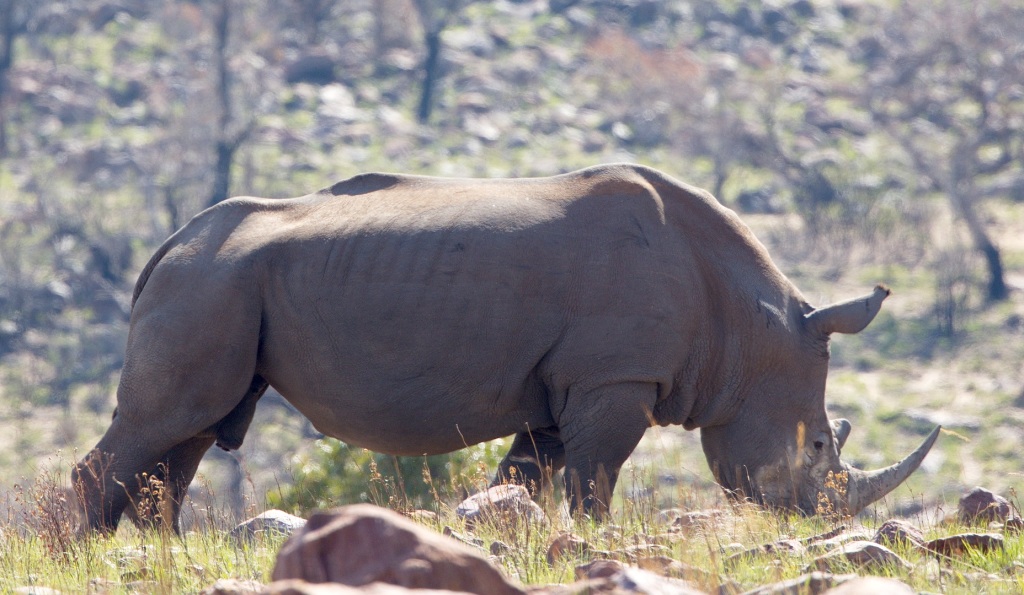
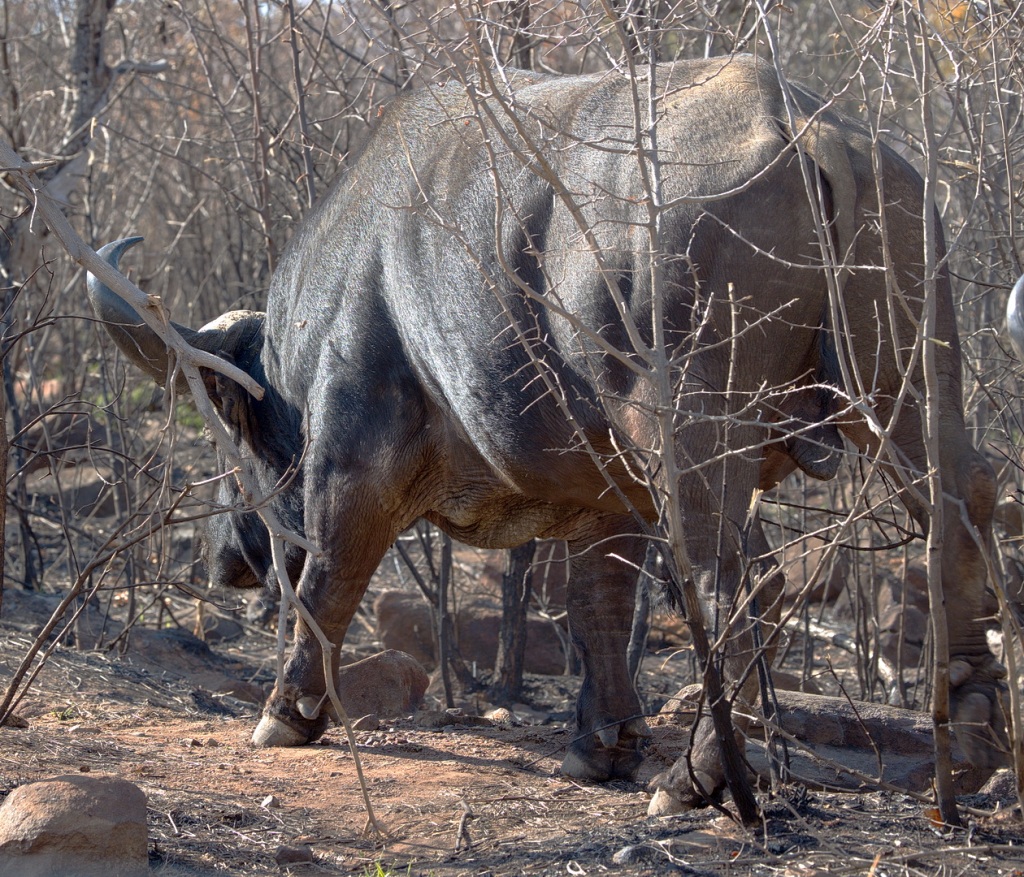
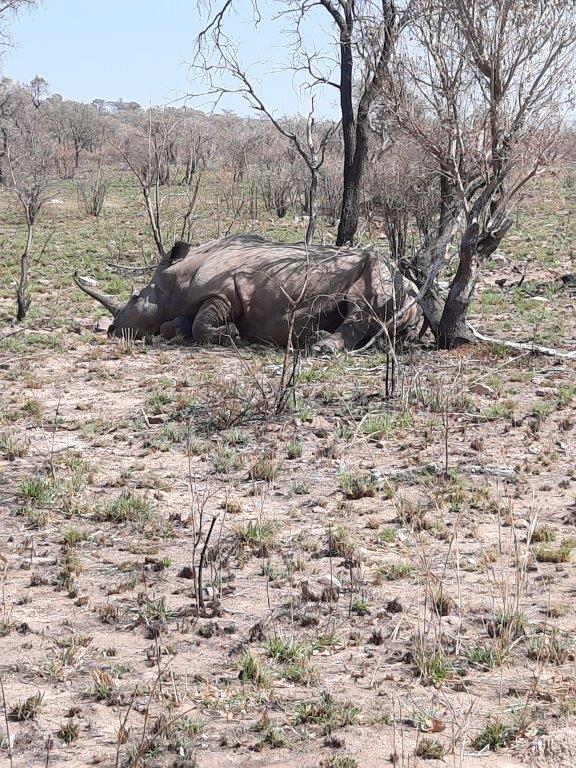
And the reason why became apparent. Lionesses were trotting up the road ahead which quickly disappeared into the bush. Not far, further along, we bumped into five Buffalos scampering through the bush beside us. A little further White Rhinos were grazing on a hillside.

Then came the drive up the narrow and steep road to the summit. Wide enough for one car with the odd area where the road had been widened to allow two cars, coming in opposite directions, to pass.

And then we got to the top. Windy and cool. Great views all round.

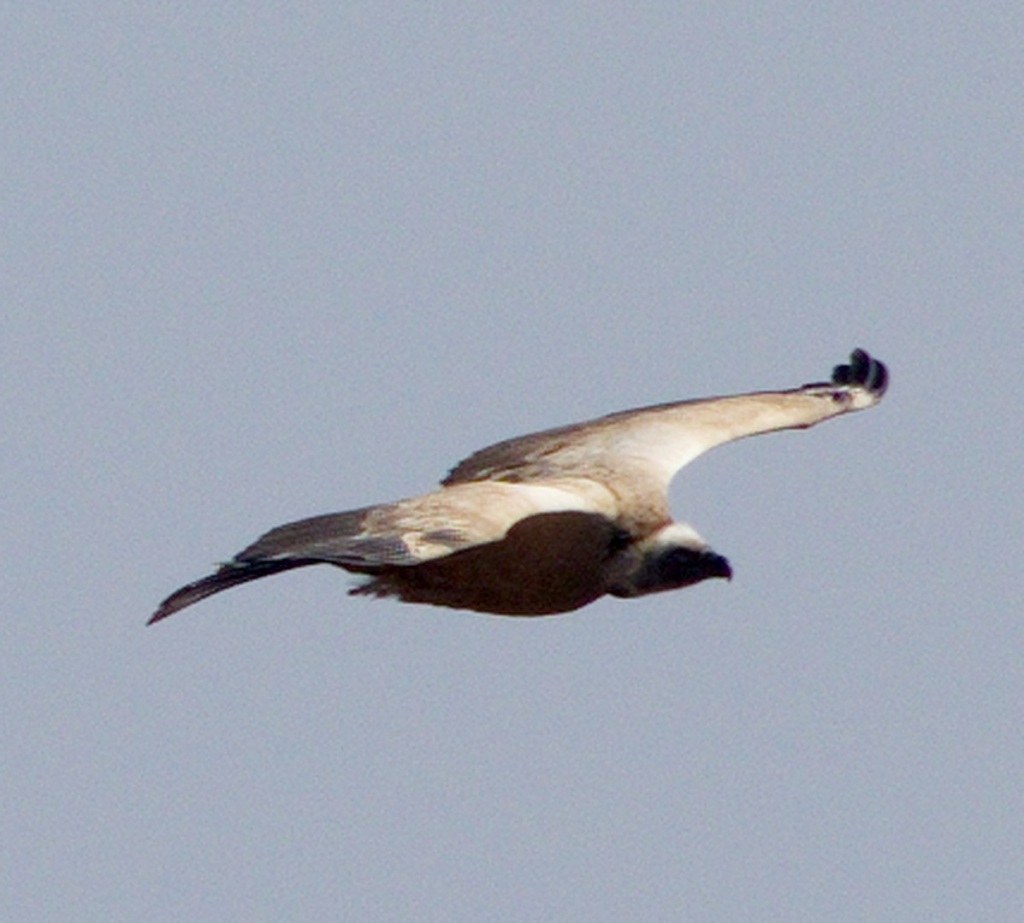
The only birds we saw at the top was a small gathering of Cape Vultures

Coming down:

On the way down!

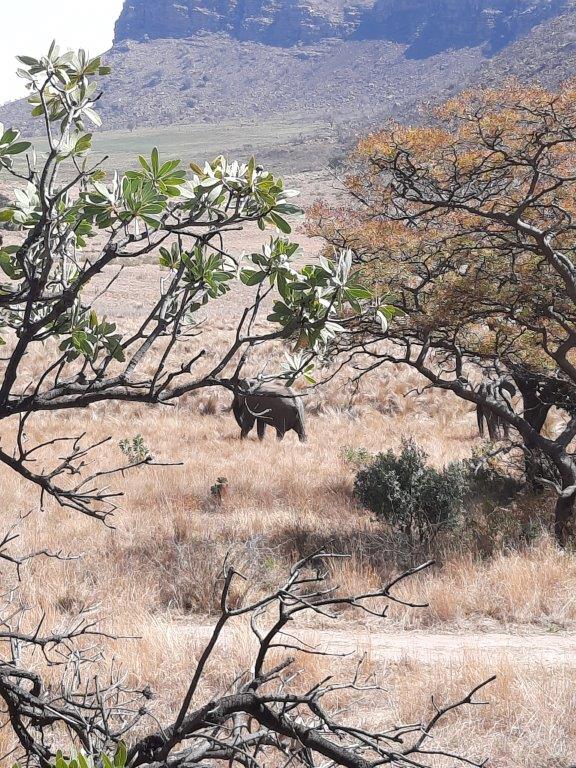
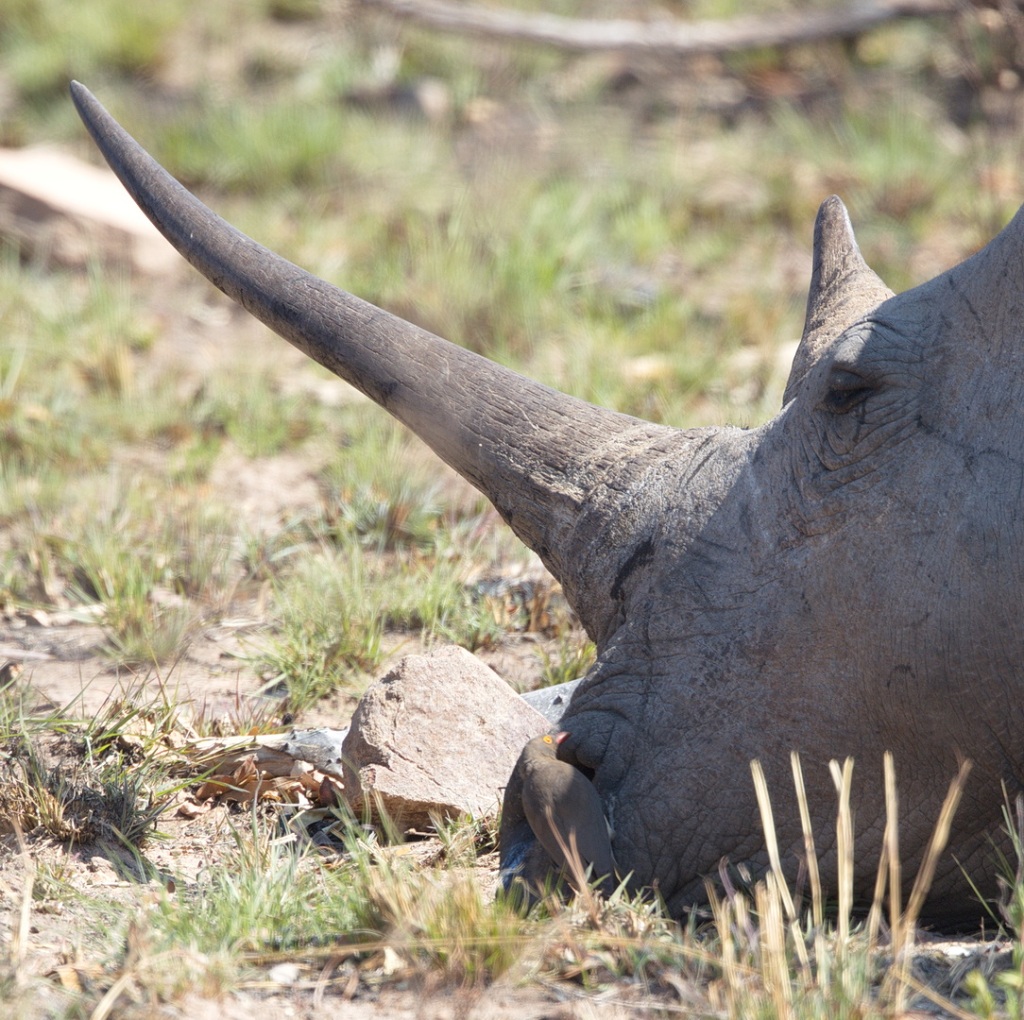
On the way down, near the bottom, elephants off to our lower side. Not bad seeing some special species considering we saw few other animals! Followed by a Kudu and yet more White Rhinos. And on one of them a Nosepecker!!

And here are some photos we took of other animals and birds in the time we were in Marakele.

And so ended our time in Marakele. In total we identified 49 bird species. And then we were on our way to Blouberg.

Blouberg

16 to 19 August 2023

Leaving Marakele, the GPS indicated it was a mere 200 kms to Blougberg. It was right of course, but we assumed that was the travel distance. Not so. As the crow flies it is 200 kms.

Arriving later than we intended, we quickly set up camp.

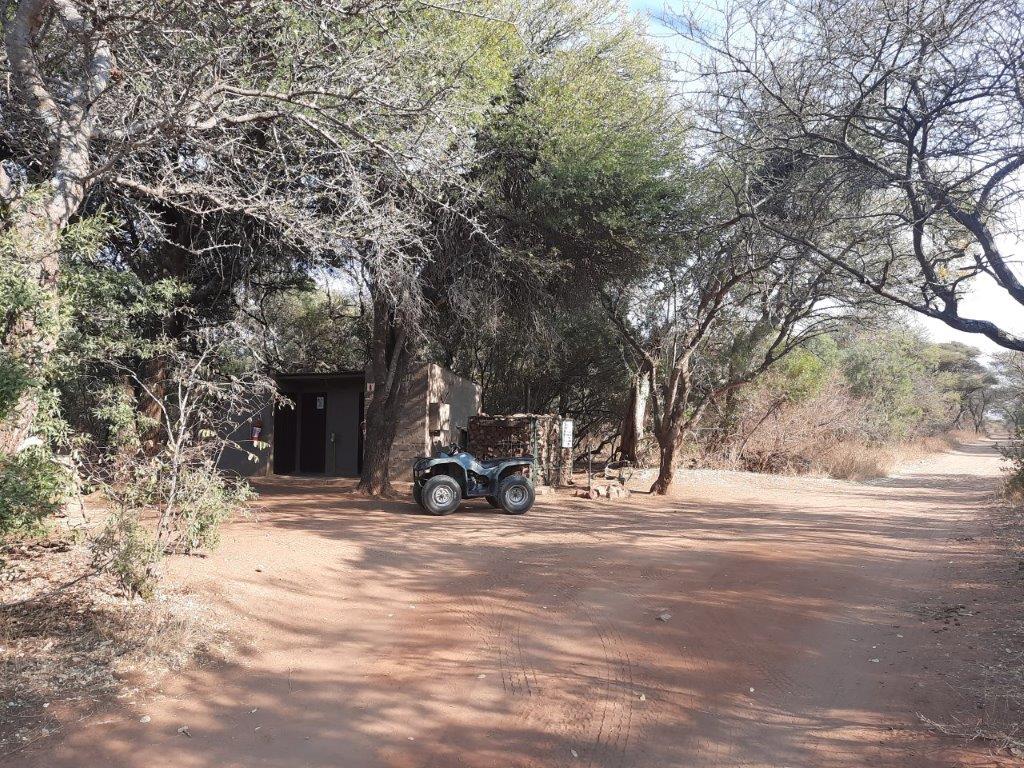
The campsite has six sites. Three close to the ablutions and three privately set away in the bush. The campsites in the bush are huge and could easily cater for at least a party of three caravans. We chose campsite 3 in the bush. The ablutions were fairly basic and could do with a facelift. Sometimes they were quite dark inside and you need to knock to find out if anyone was inside as the doors were always kept closed to keep out the aminals.

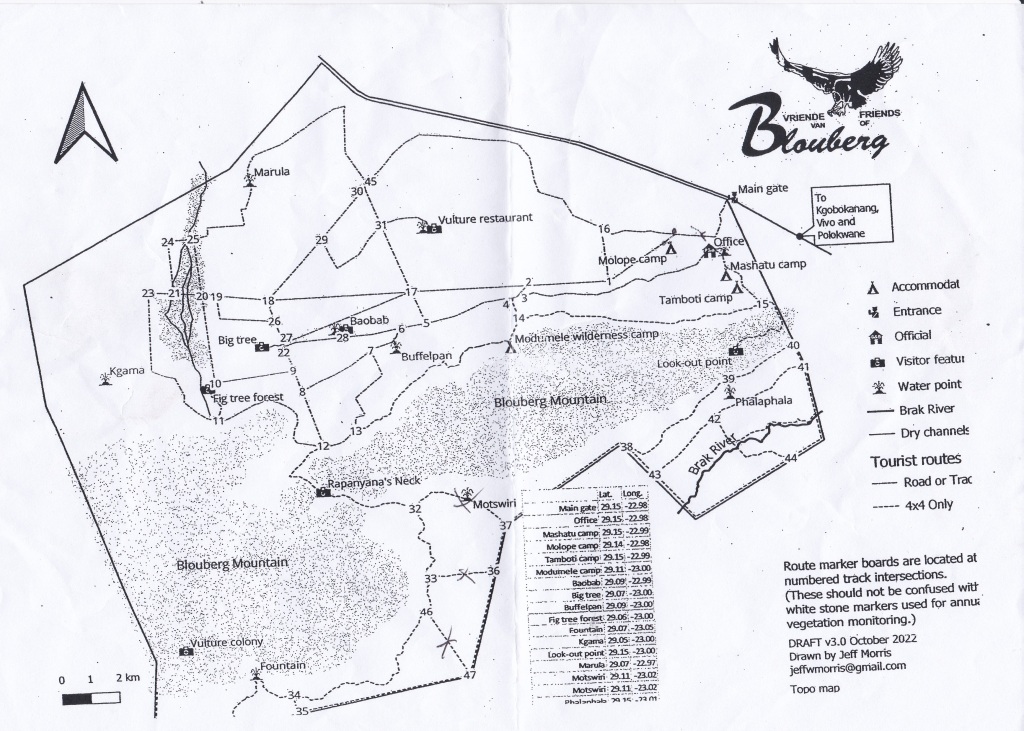
Here is a map of the roads you can travel on in Blouberg.

The campsite is shown as Molope Camp on the map. Near the Main Gate – top right.

We had two full days in Blouberg. We planned to visit the Vulture Colony (number 34/35 on the map – bottom left) driving along the southern fence line from the office. However, we were told that road was closed due to earlier rain. We had no intention of using the alternative over Rapanyana’s Neck because the last time we went, the road was so rocky that it took us over 2 hours to get there in our 4×4!

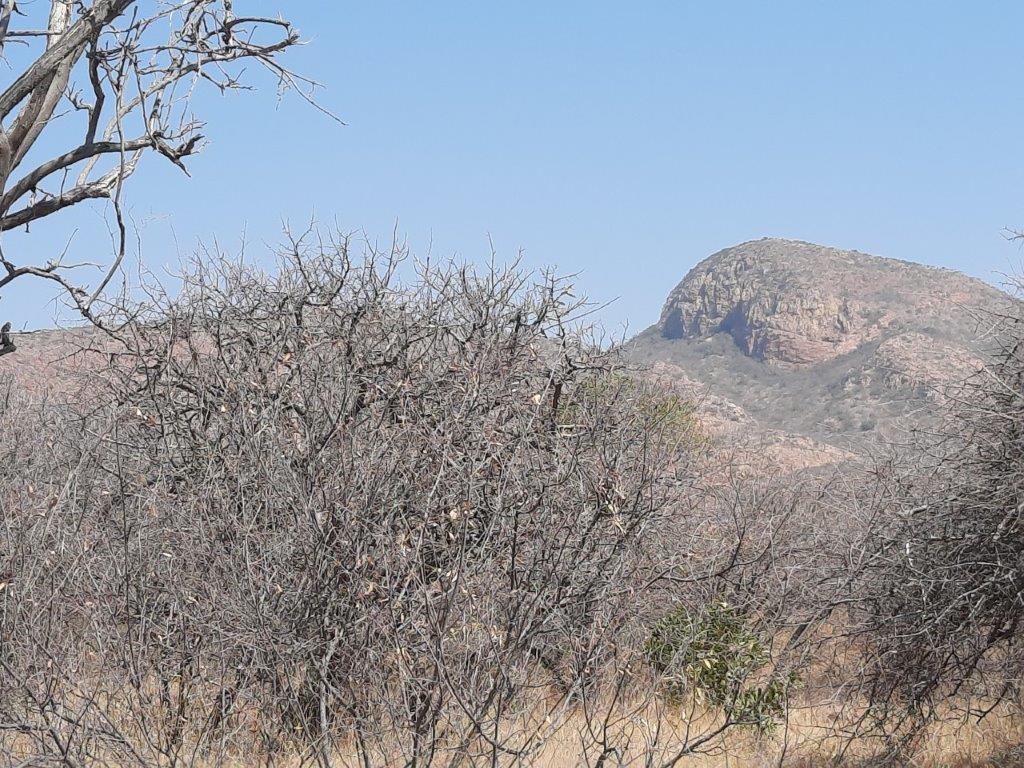
The Vulture Colony is on the other side of the mountain. To reach it from this side you need to take a trek up the unpathed hillside when there is an organised outing. It is long and arduous we understand.

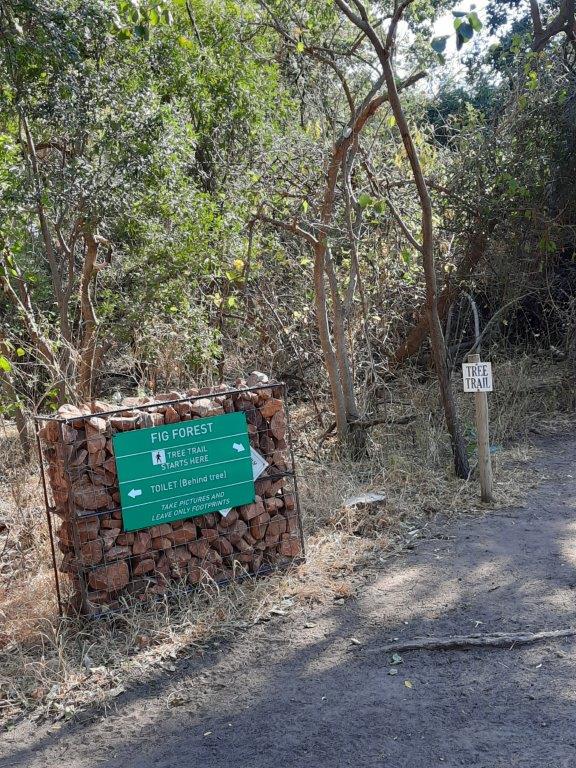
There are three other places which, for us, were well worth several visits – The Vulture Restaurant, Buffelpan Hide and the Fig Forest.

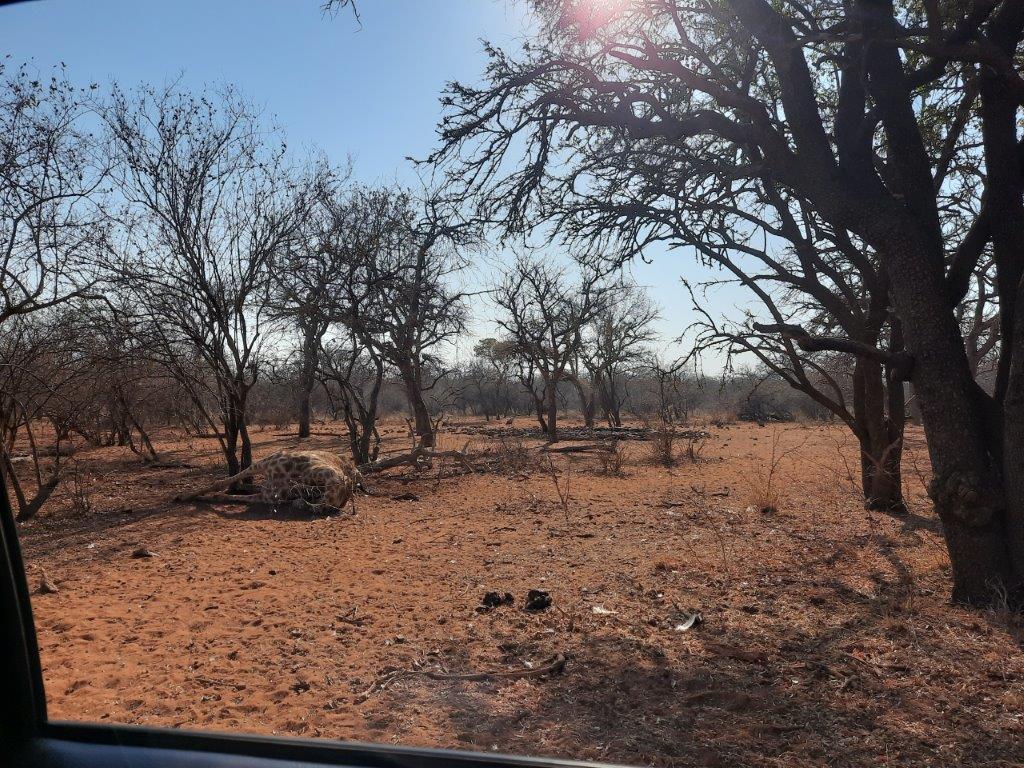
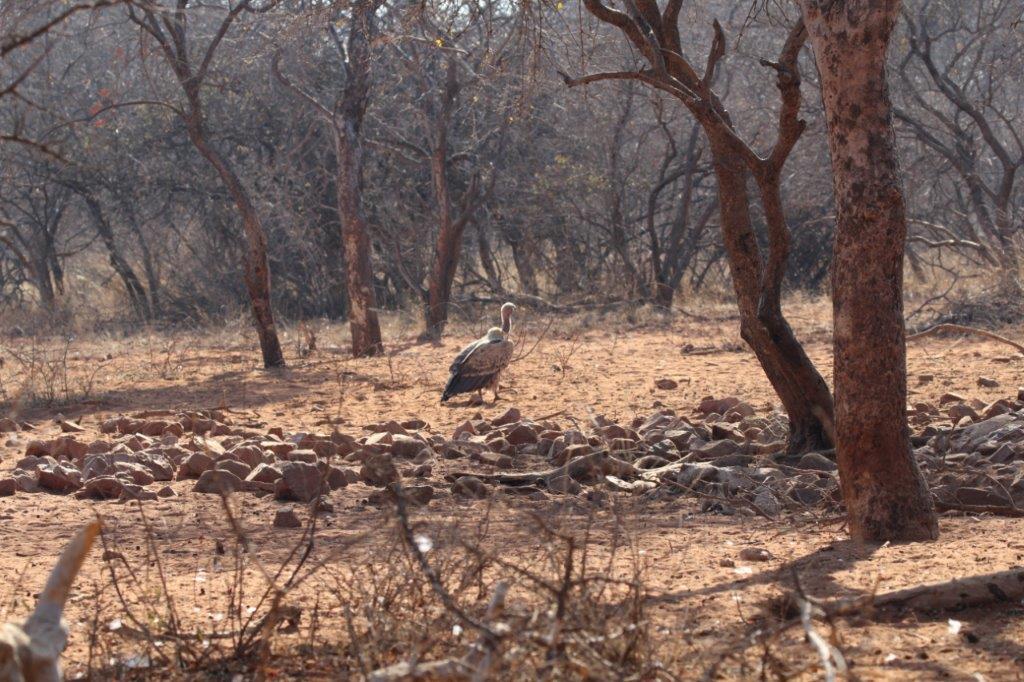
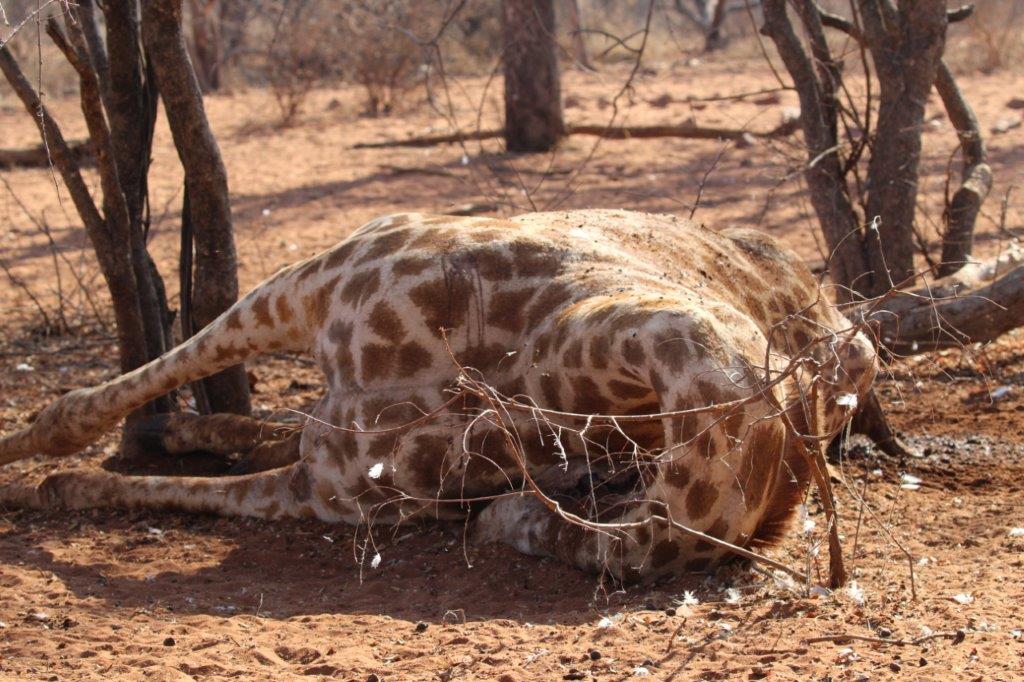
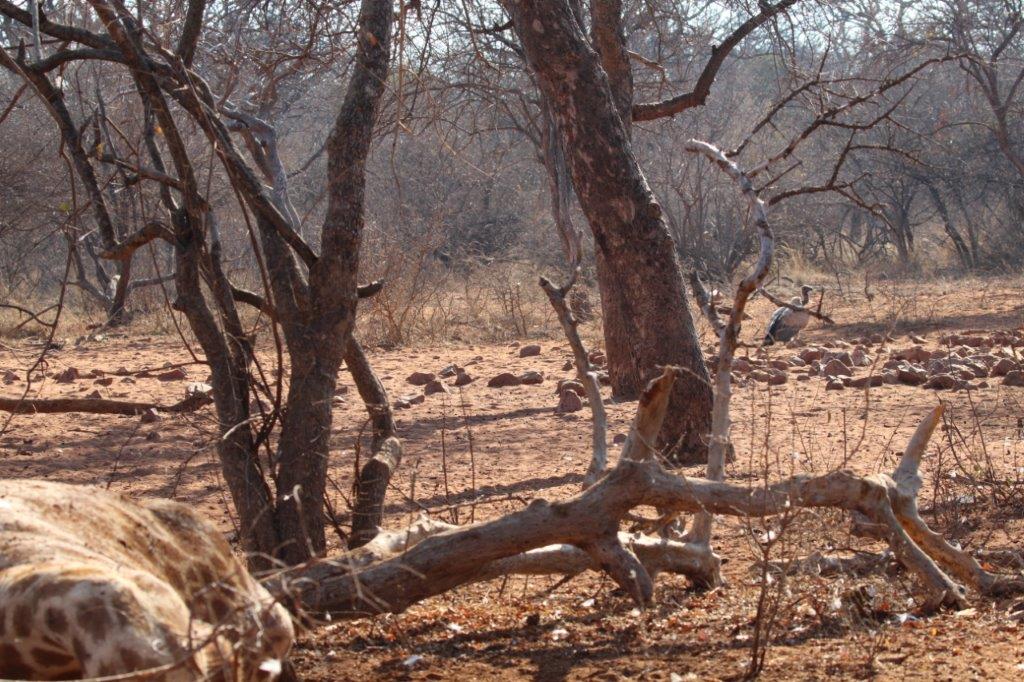
Driving around we also found what looked like another “Restaurant” where we found Cape Vultures devouring a Giraffe.

The Vulture Restaurant had numerous old carcasses but no vultures. Methinks, they were waiting for fresher meat. As you can see from the above photos, the reserve was very dry and dusty.

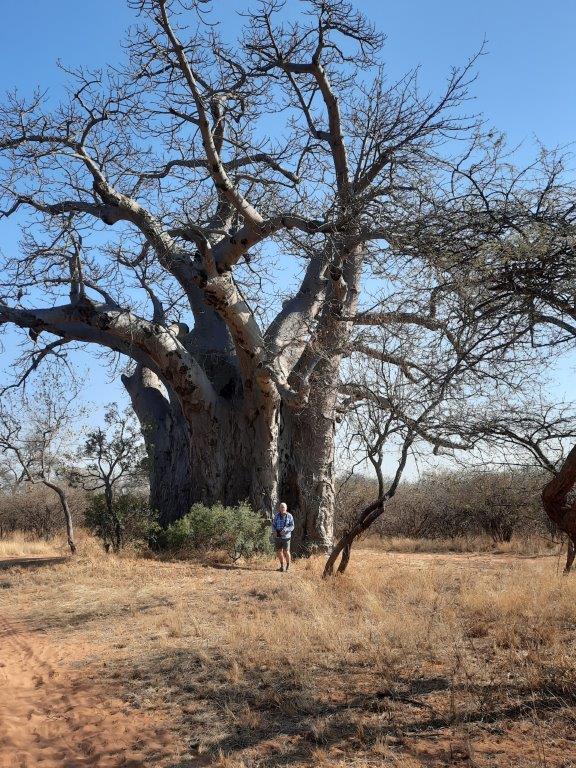
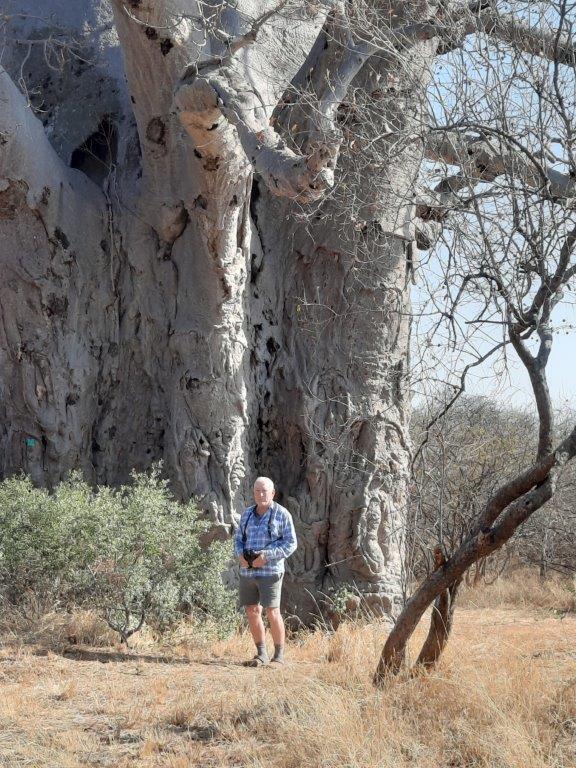
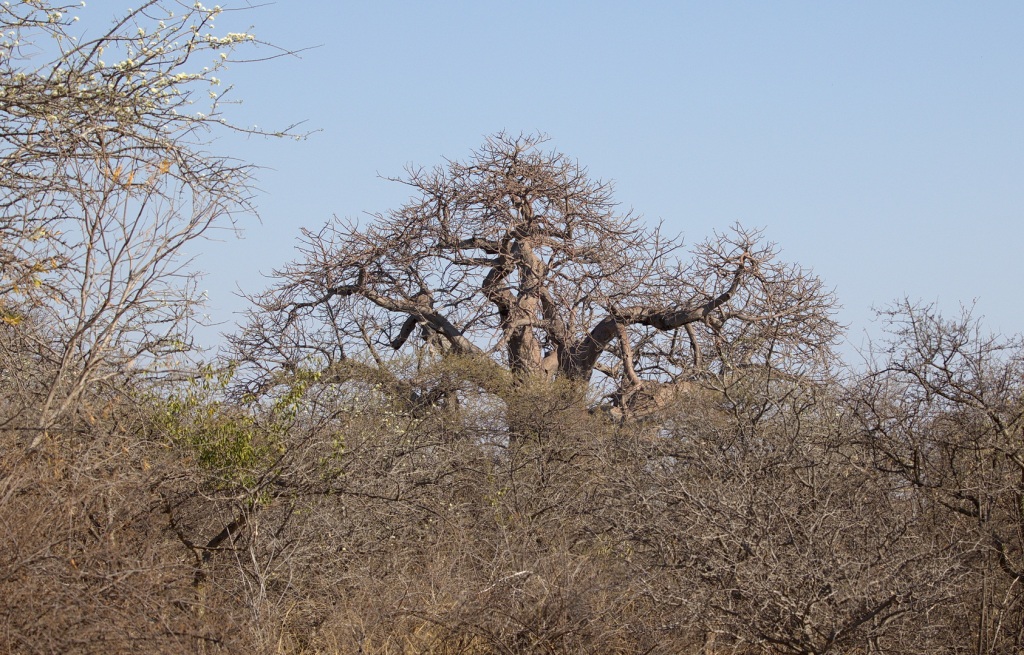
The Baobabs were aplenty – huge and majestic. At one you are allowed out to take photos.

The Fig Forest and the Buffelpan Hide were the standout places to visit.

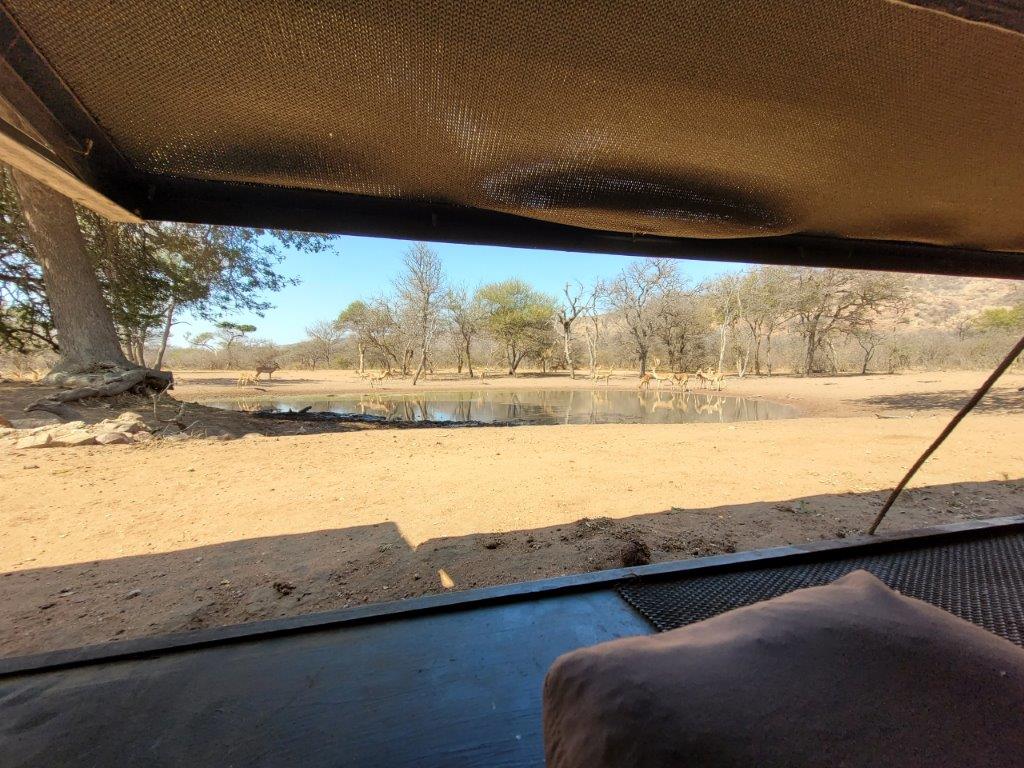
Buffelpan Hide is a low level hide – almost at water level. The pan level was low at the time we visited.

Buffelpan Hide. This is a wide angle photo so the water appears further away than it actually is.

Because the water level was low there were very large catfish easily seen wiggling about.

It is a place where there is a lot of activity. Animals come and go all the time.

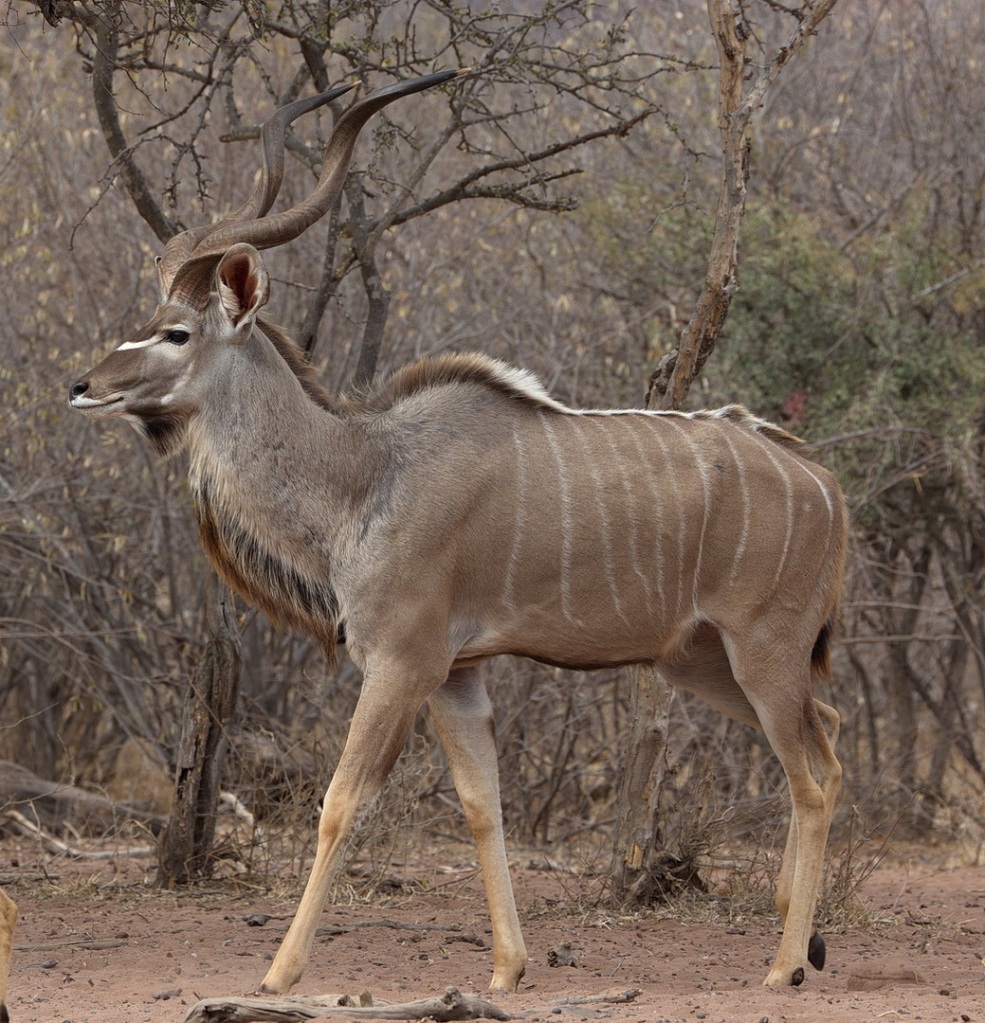
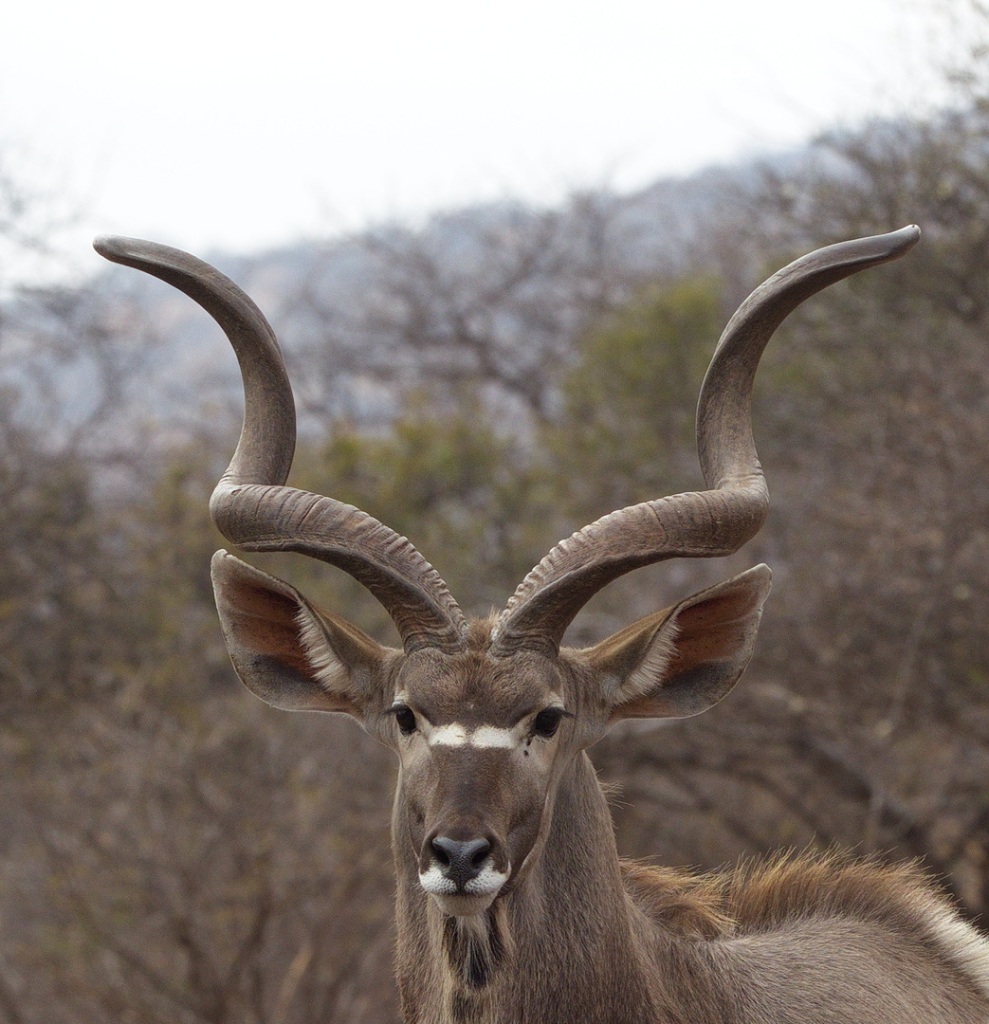
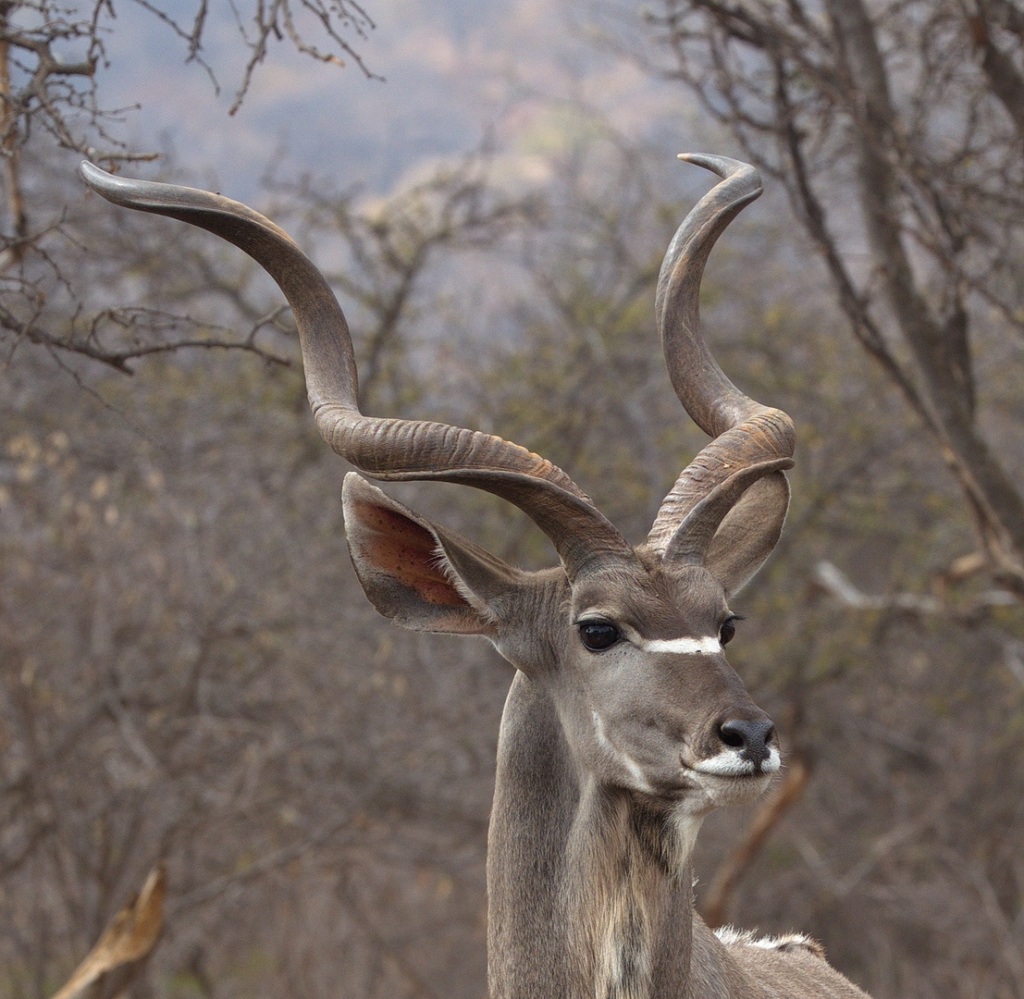
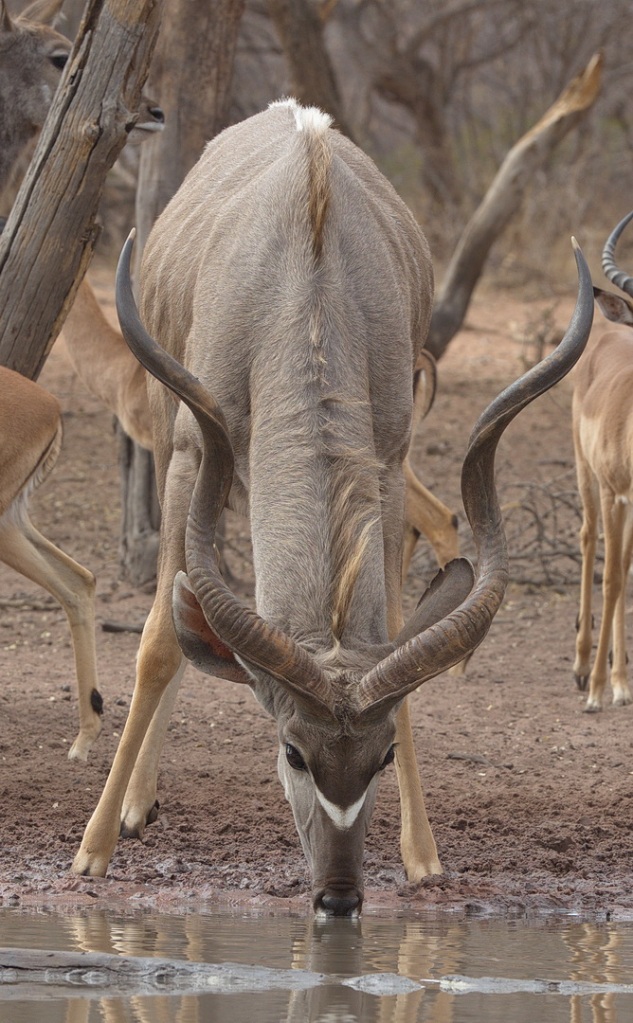
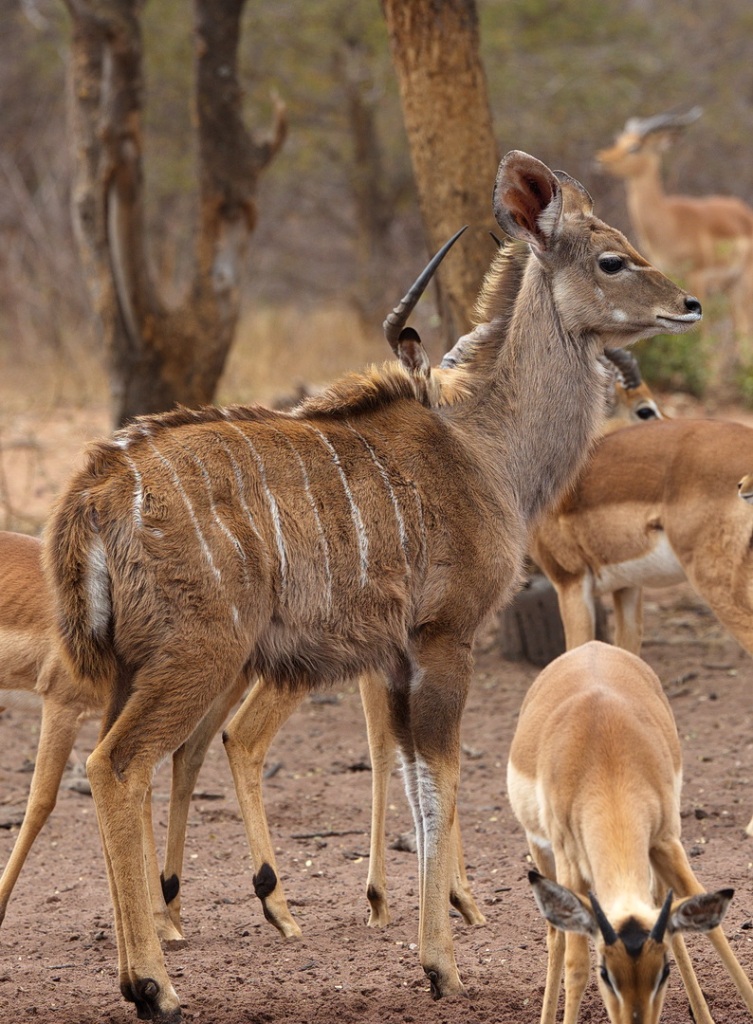
And the Kudu were unusually in numbers. Some with majestic horns. All coming for a drink. The most skittish were the Wildebees and Zebras.

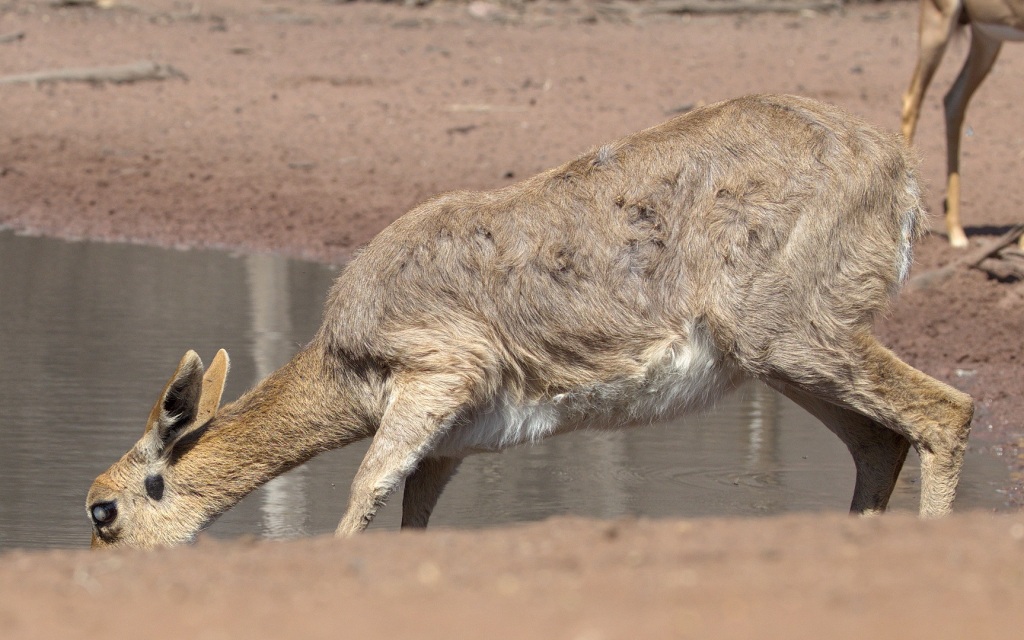
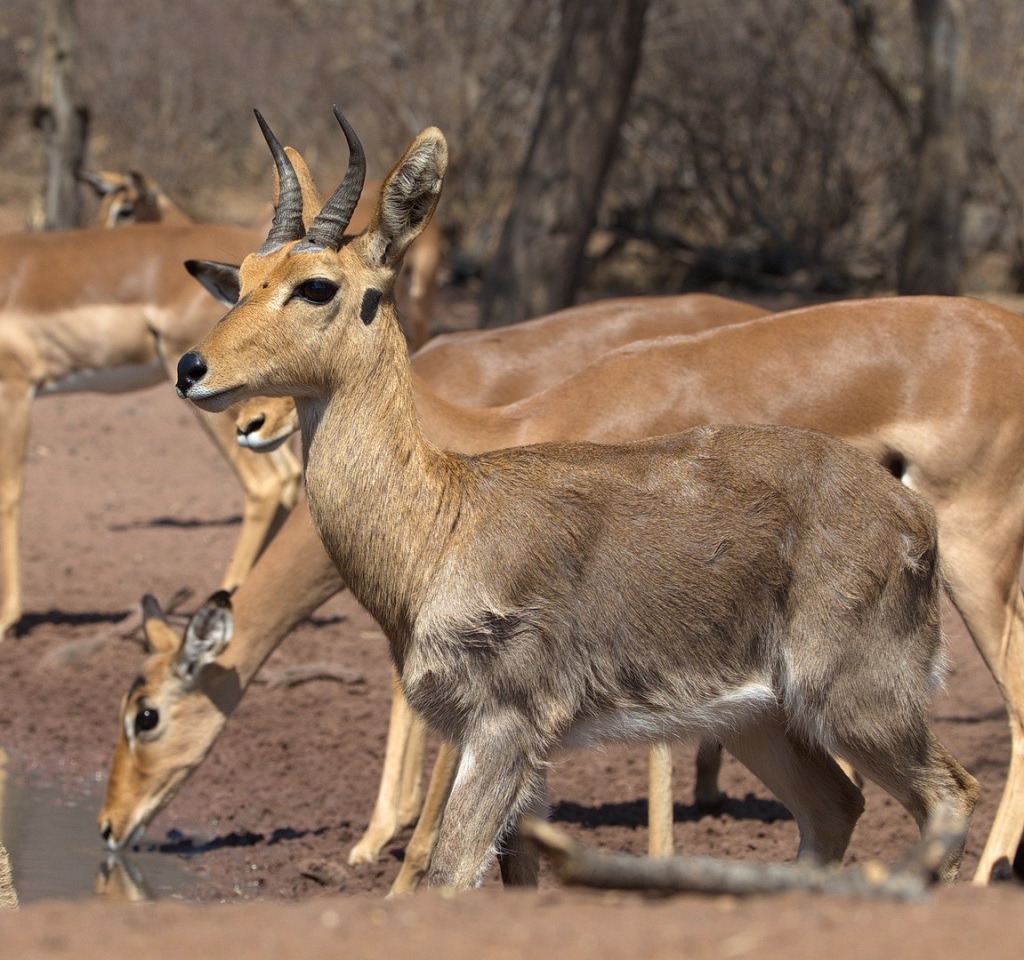
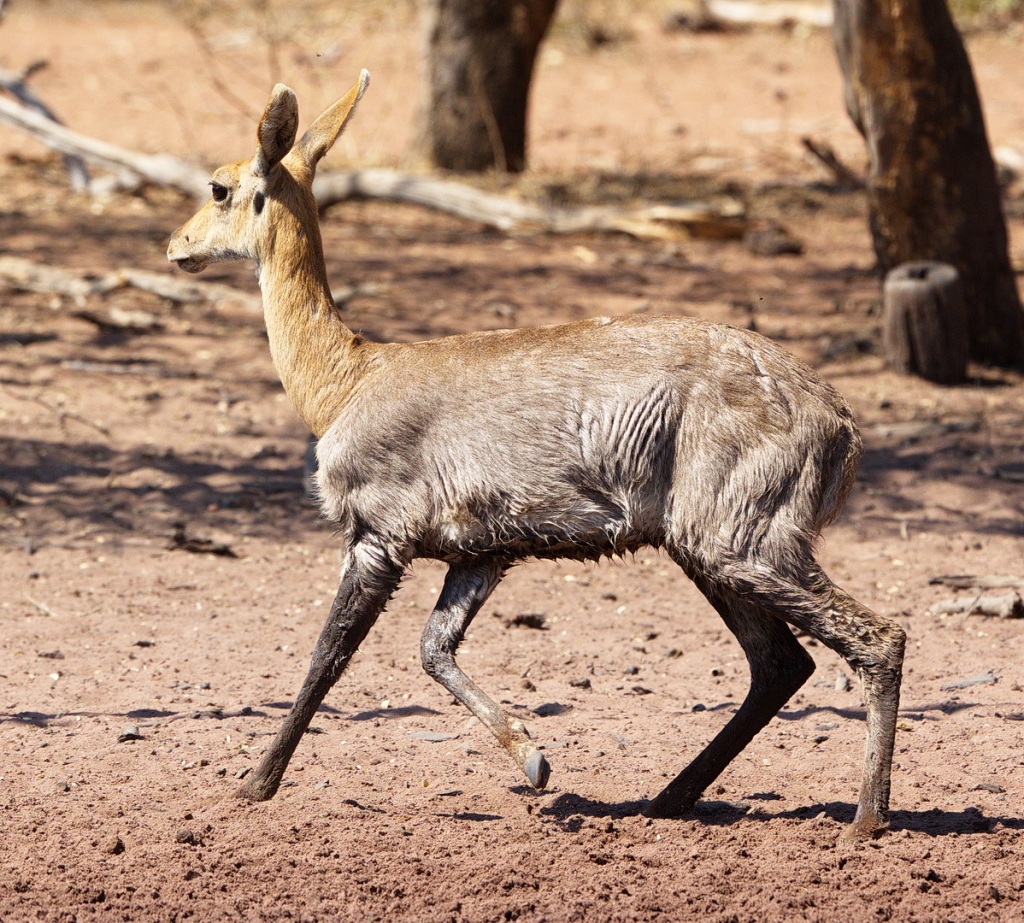
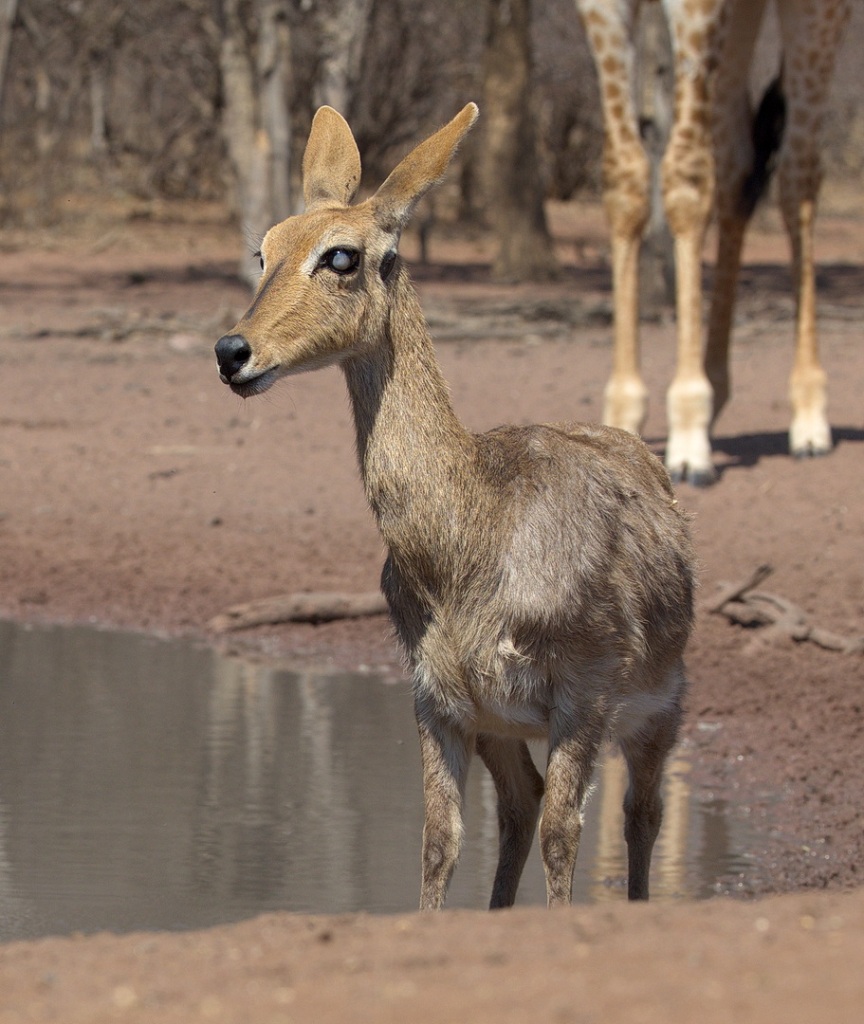
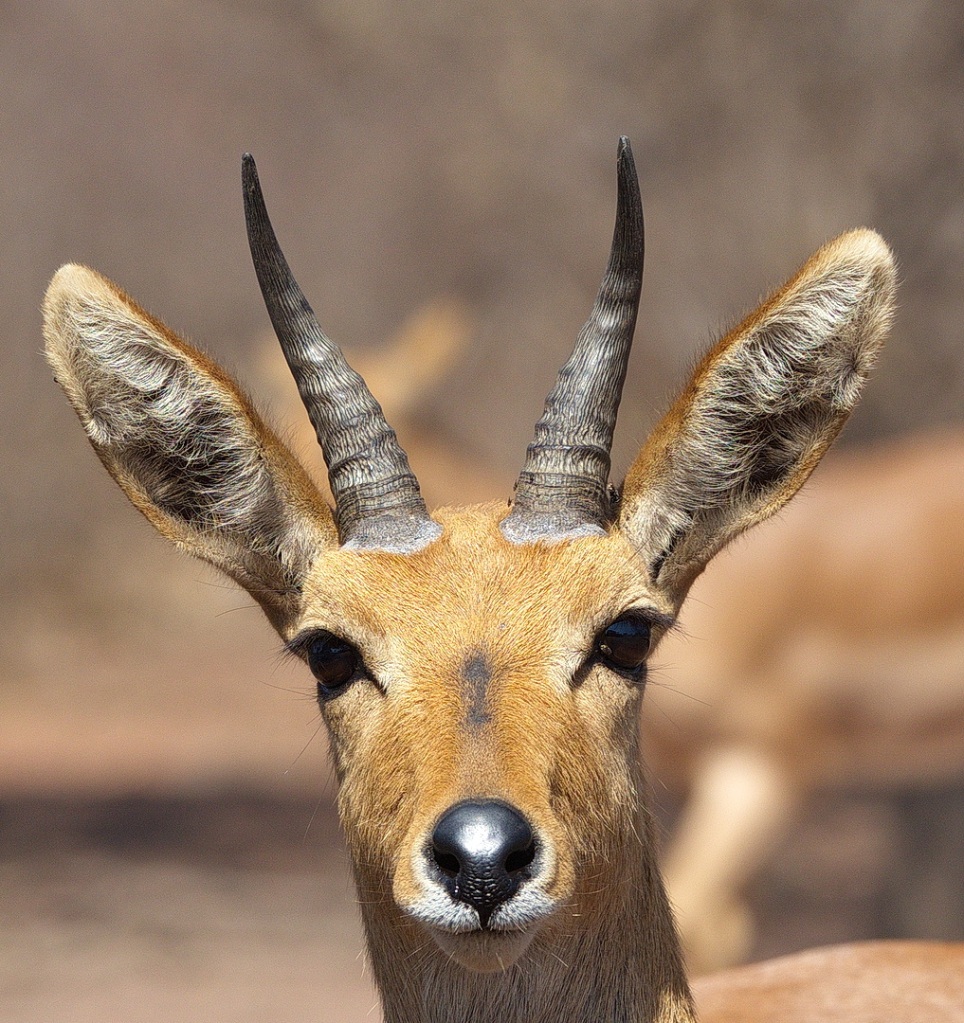
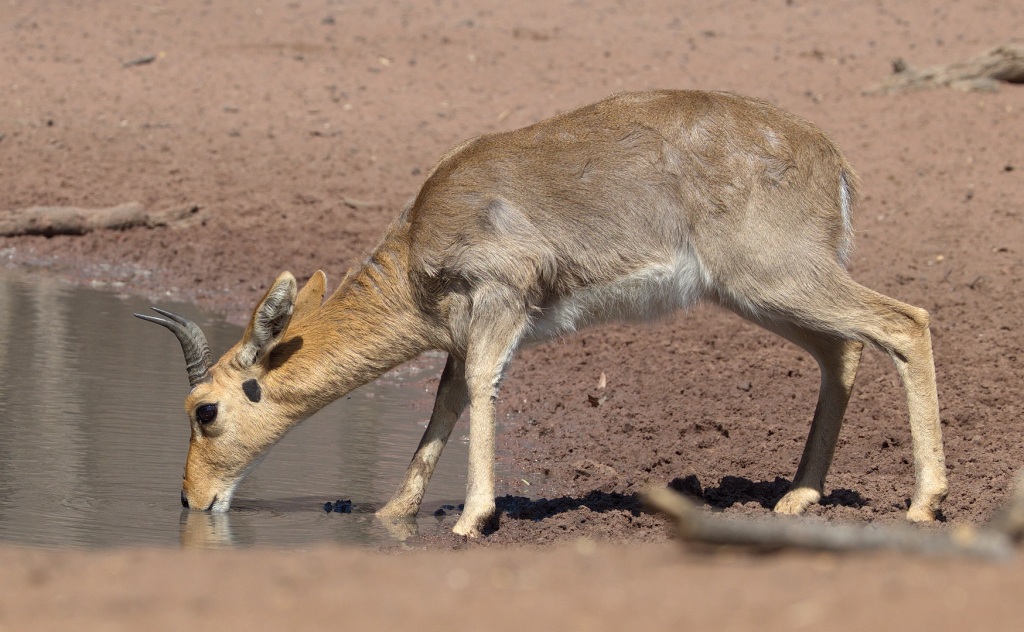
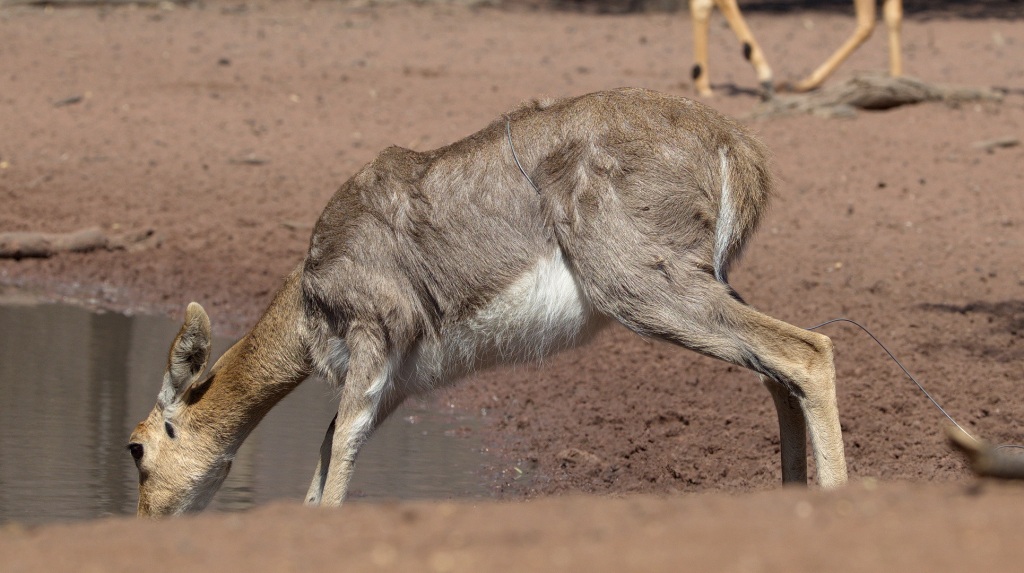
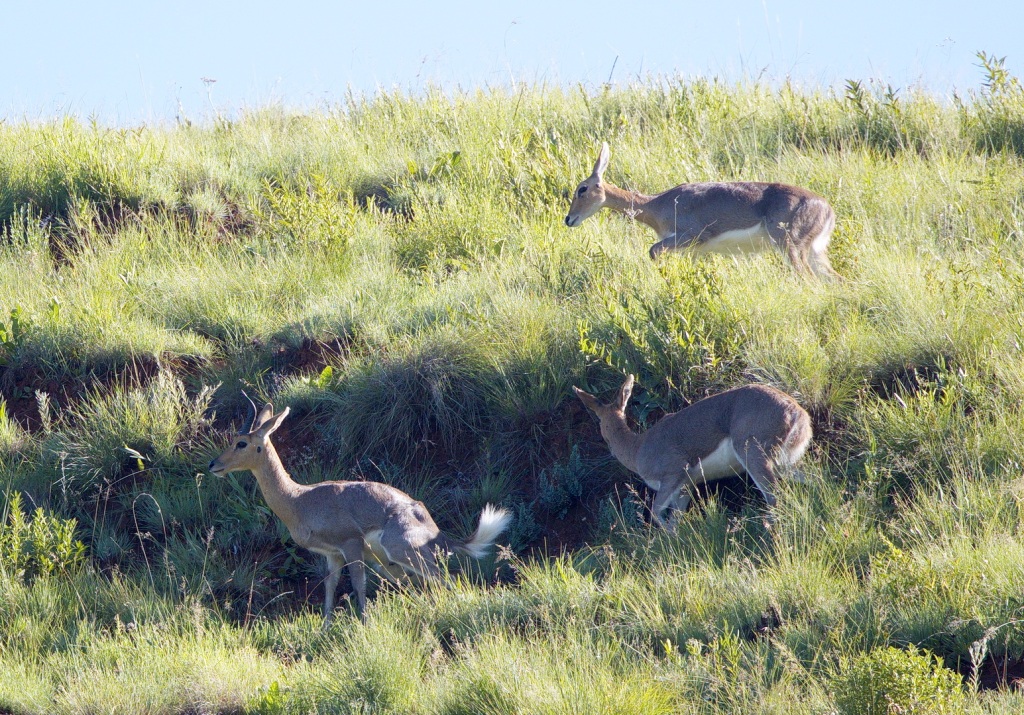
Like the last time we visited, Mountain Reedbucks – with their shaggy coats – also came to drink. Sadly one was blind in one eye, and another had a snare around its body. (We made management aware of the snare). Here are some photos of the Mountain Reedbucks.

And then there were the birds:

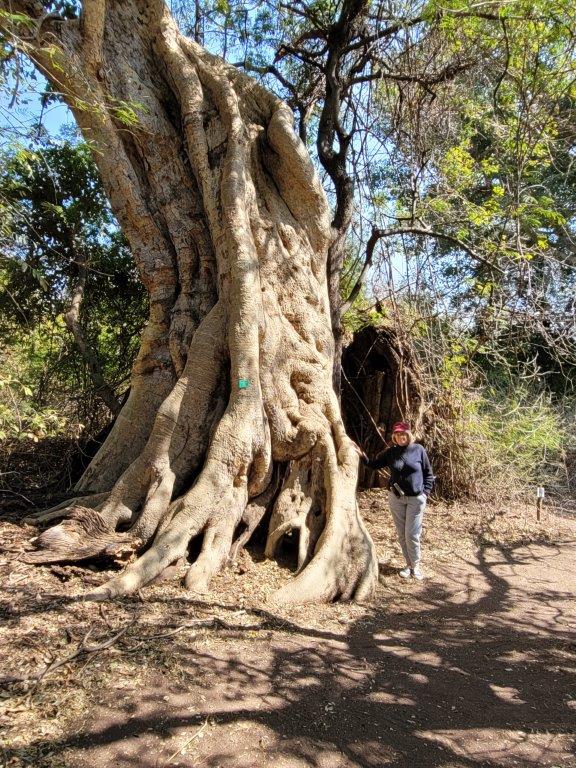
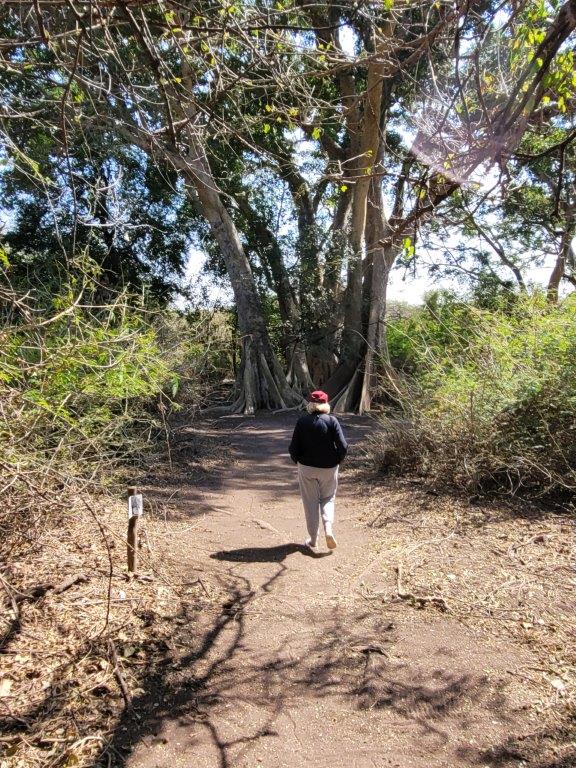
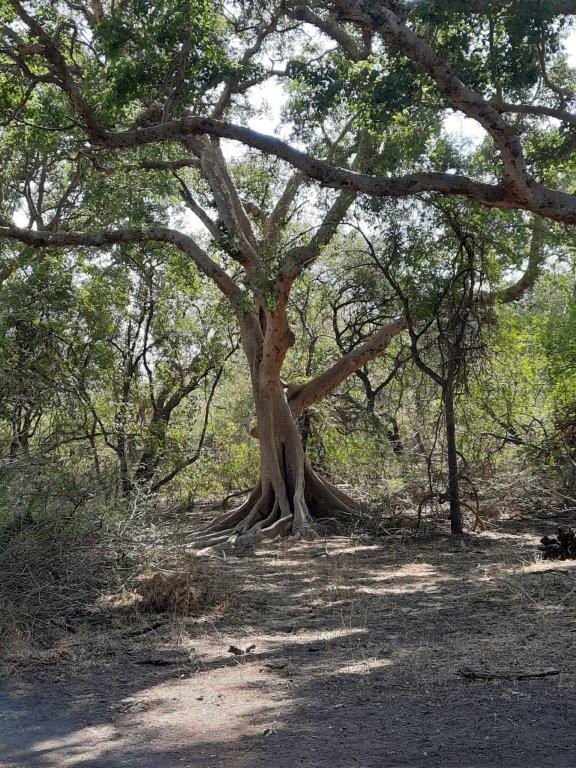
And the best for last – The Fig Tree Forest. It is not a big area but the bird life was great.

You are permitted to walk around the trail – easily done in 5 minutes but we took over an hour.

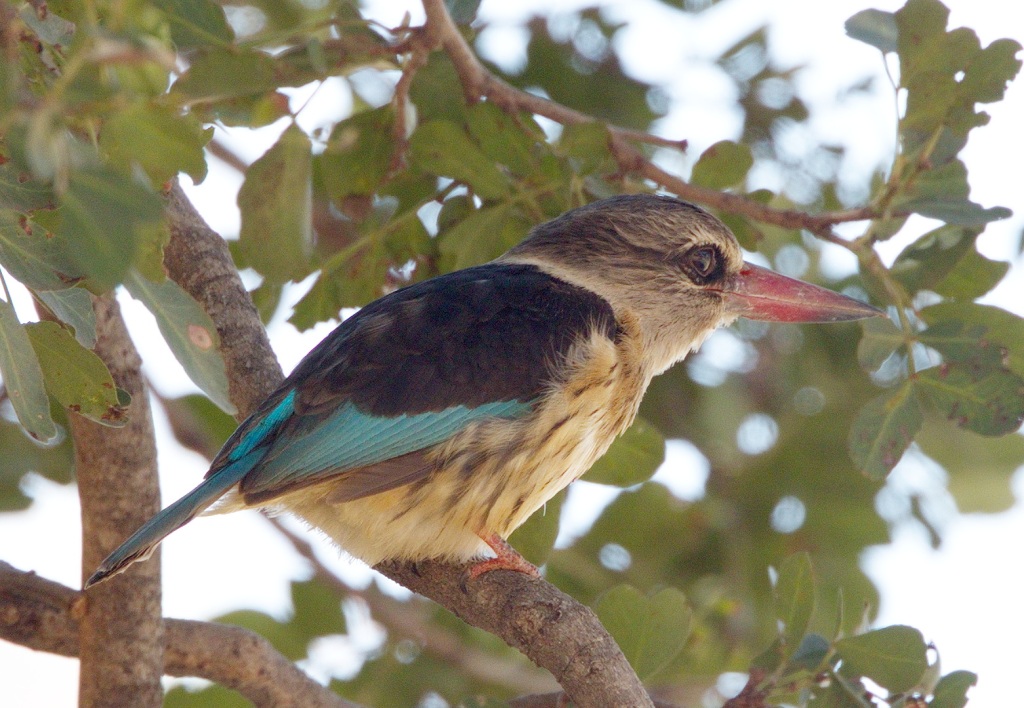
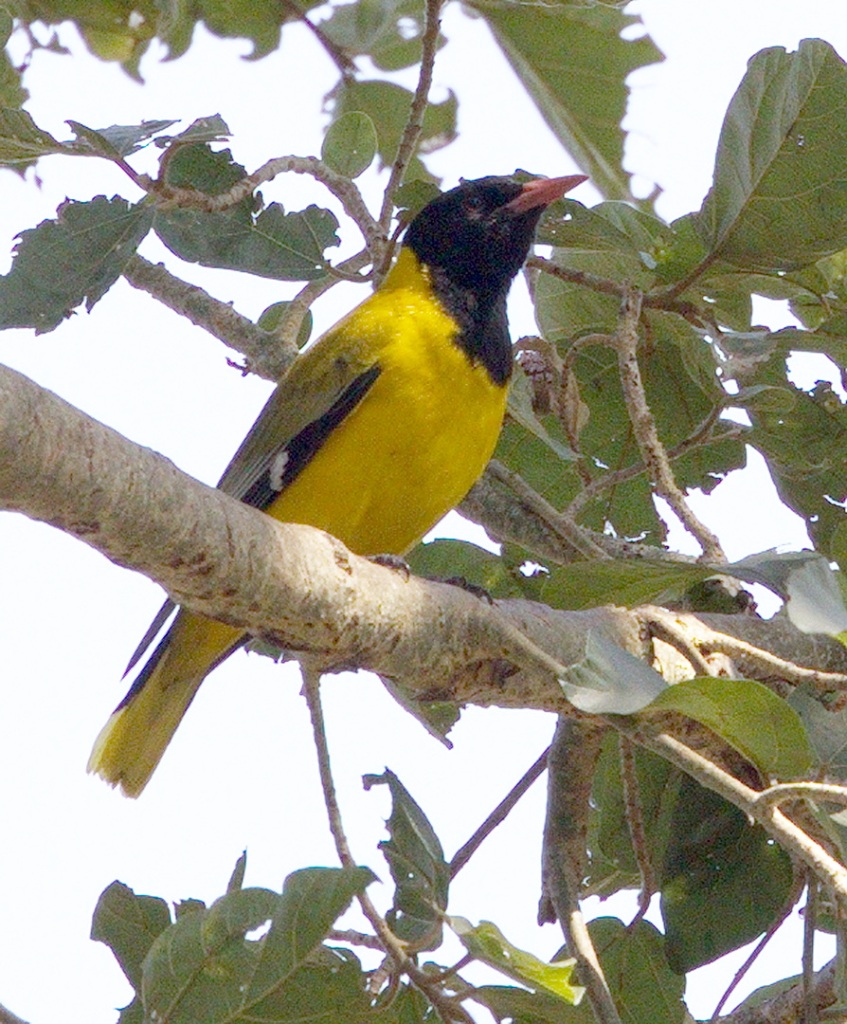
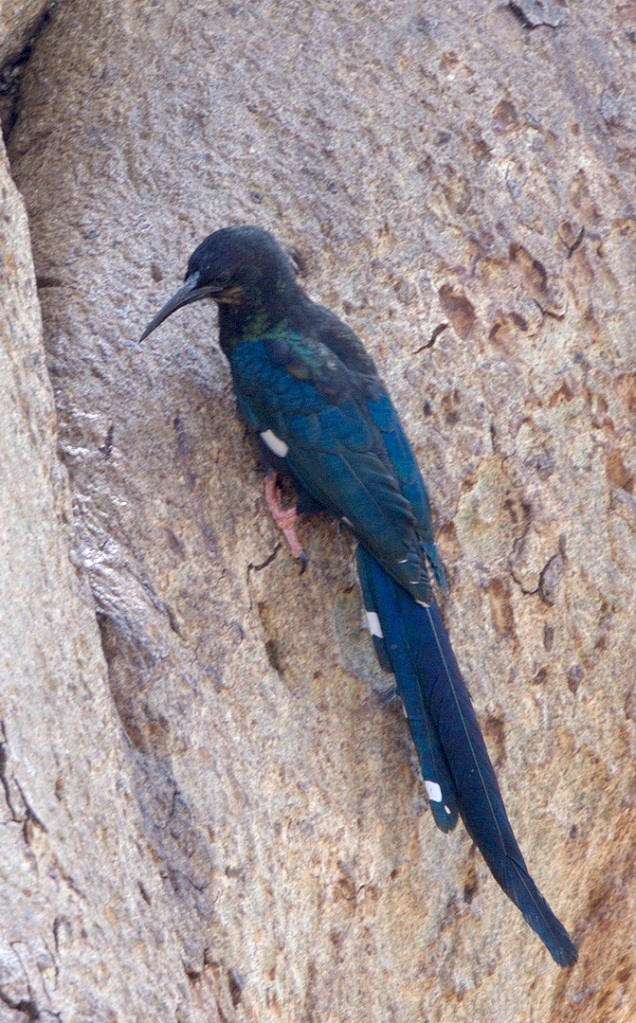
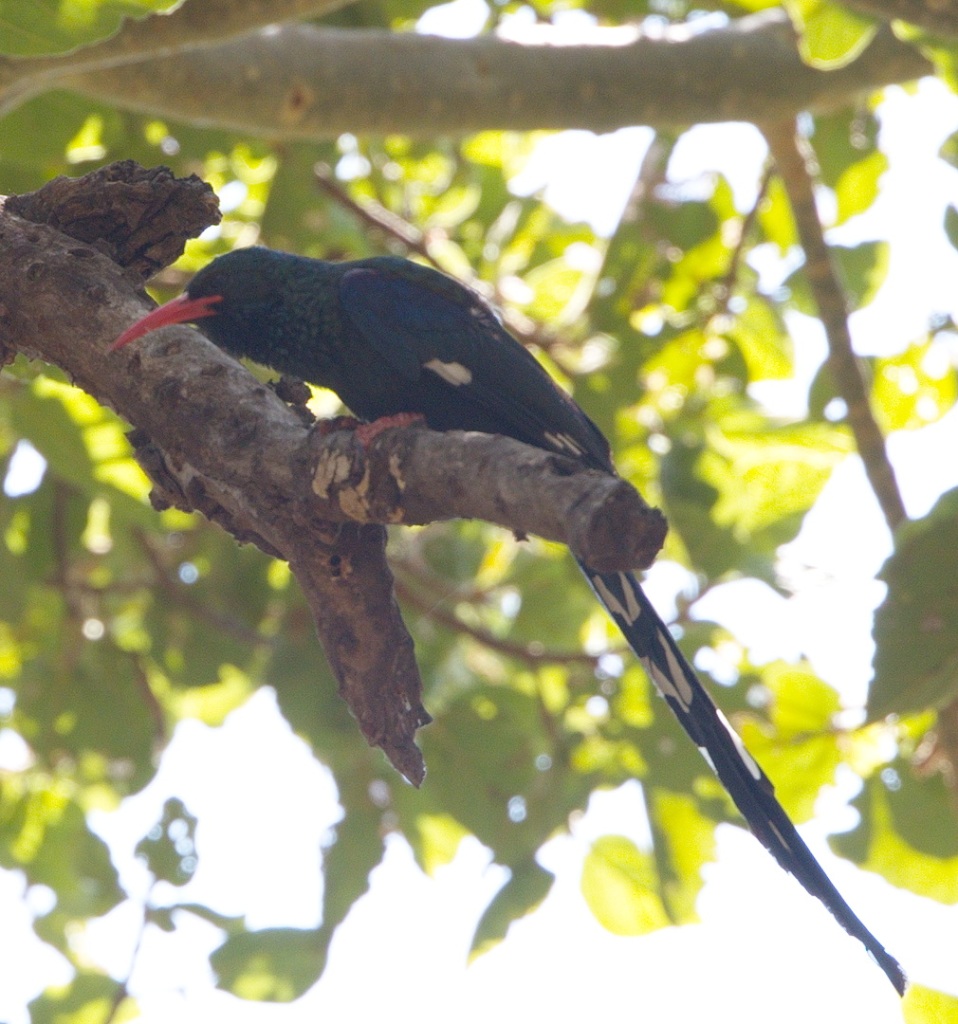
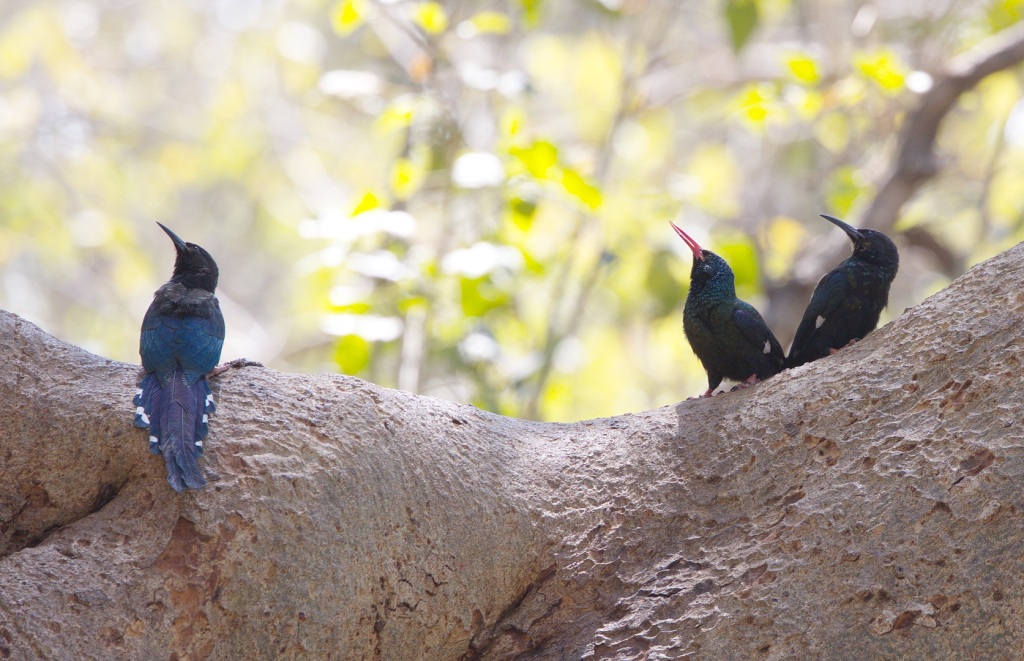
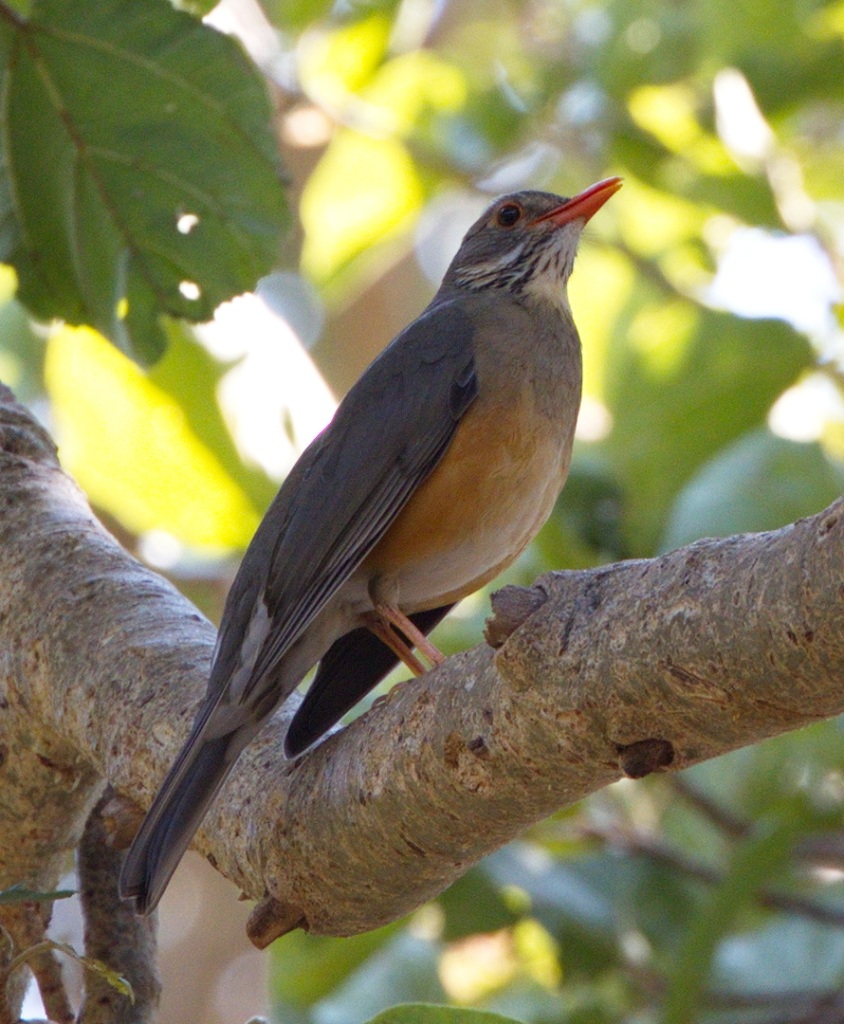
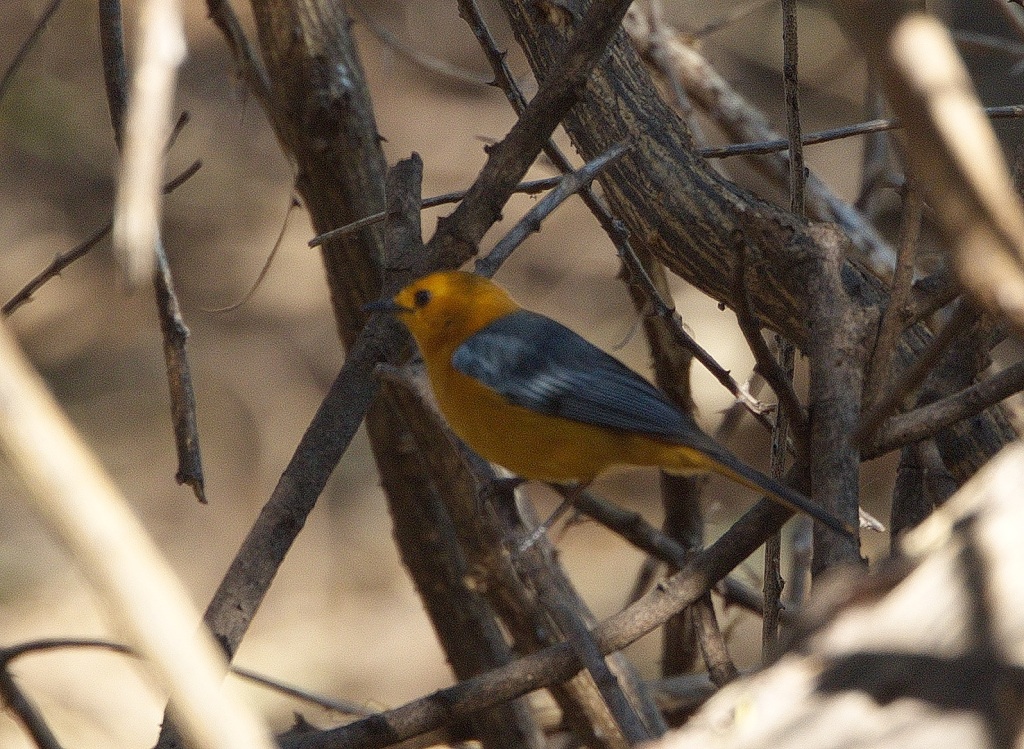
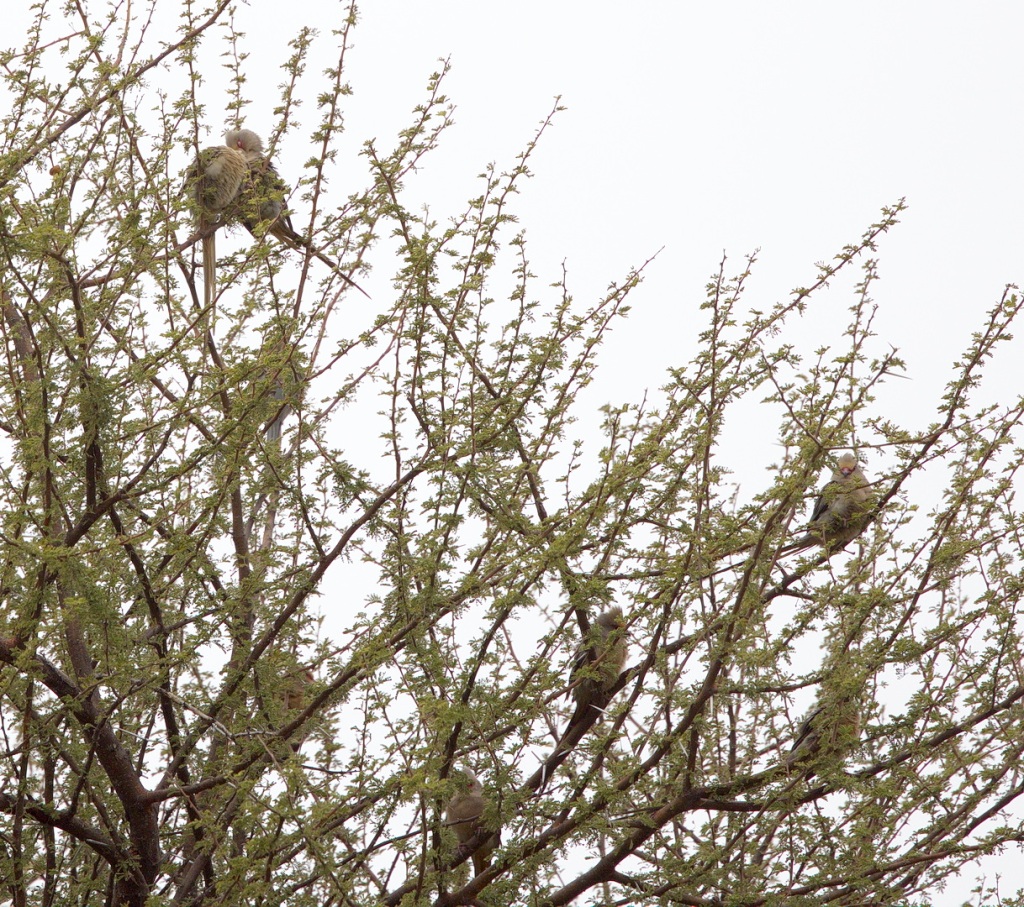
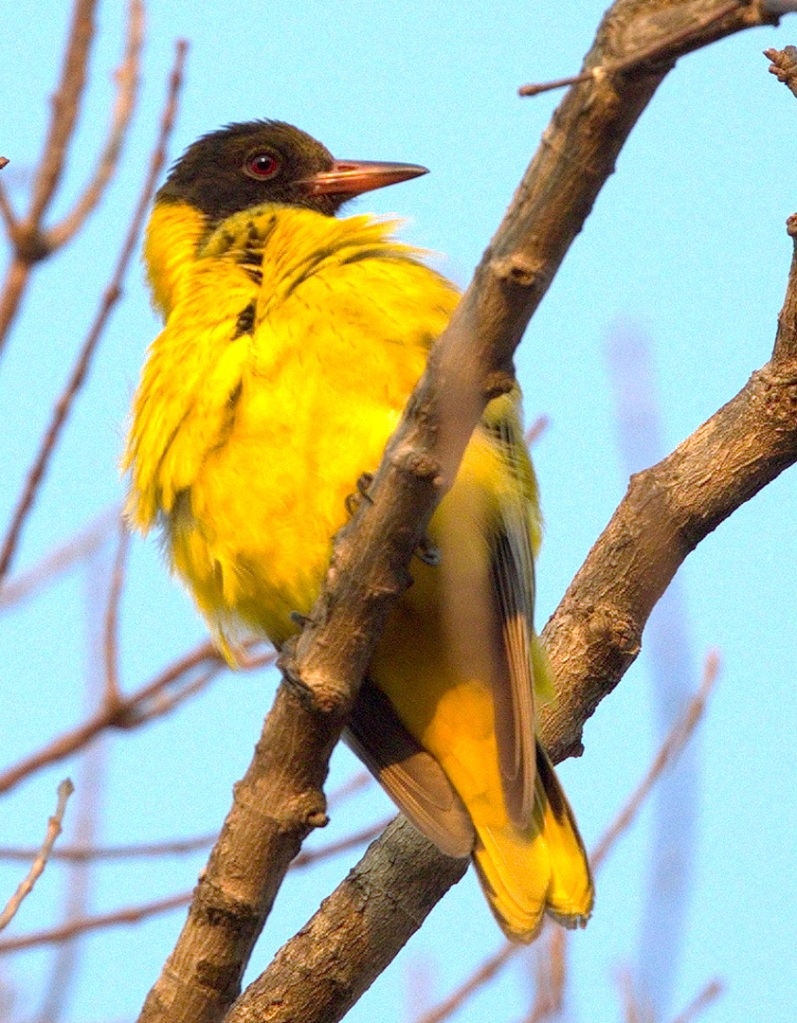
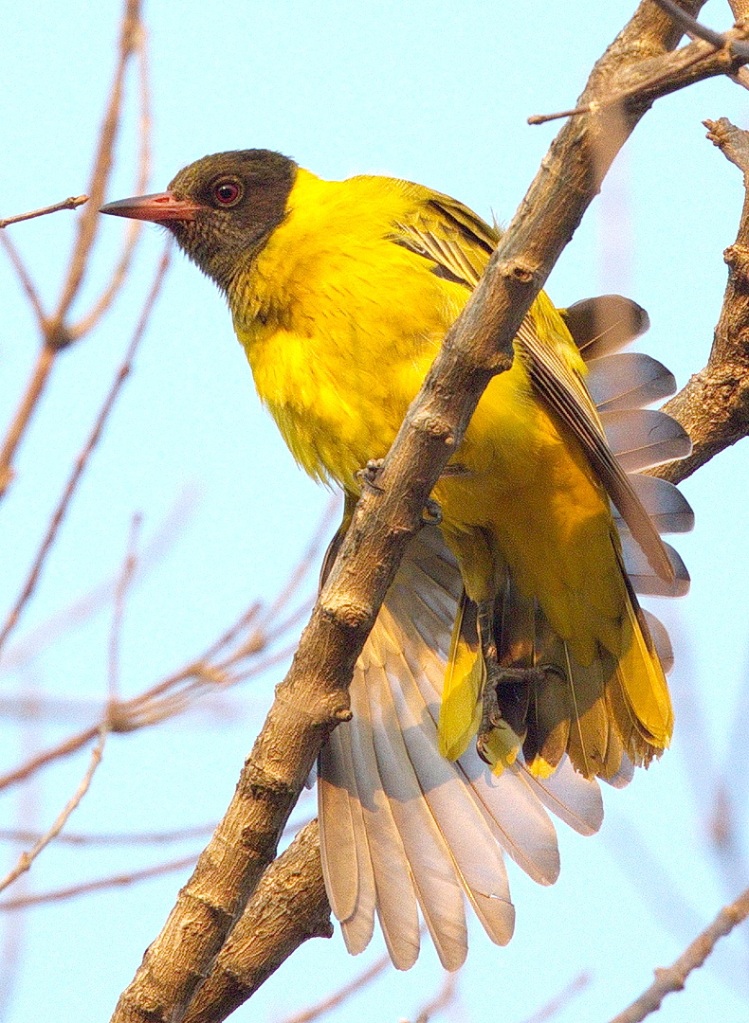
Such a variety of birds were seen in the bush, trees and on the ground. There were Robins, Robin-Chats (even an RCRC bird – Red-capped Robin-Chat which we thought unusual), Waxbills, Honeyguides, Bulbuls, Greenbuls, Green Woodhoopoes, Scimitarbills, Doves, Orioles, Pytilia, Kingfisher, Guineafowl, Mousebirds, Thrushes, Puffbacks, Weavers and more. It reminded us of a KZN coastal forest.

We would willingly go back here just for the Hide and the Fig Forest.

And then it was time to leave. As I was driving out of the campsite, Sally stopped me. And there on our left were a family of Retz’s Helmetshrikes. What a way to go!

In all we identified 61 different bird species during our time at Blouberg.

And so ends Part 1.

Part 2 will start with our time in Mapungubwe.

Paul and Sally Bartho
Saunder’s Tern

St. Lucia 16th to 18th September 2023

On Saturday 16th September, at 10h30, Sally and I decided to go and look for the Saunder,s Tern in St. Lucia, KZN. The Saunder’s Tern is a new rarity which pitched up unexpectedly amongst the Tern roost on the St. Lucia beach. We planned to stay just 2 nights at Sugarloaf caravan park.

We quickly prepared our Afrispoor Wildcat off-road caravan and were on our way by 11h30 arriving at 15h30. Four hours from Howick. Along the way we passed 8 kms of trucks in a single line queue waiting to enter the road to Richards Bay. On the way home the queue was 11 kms!!.

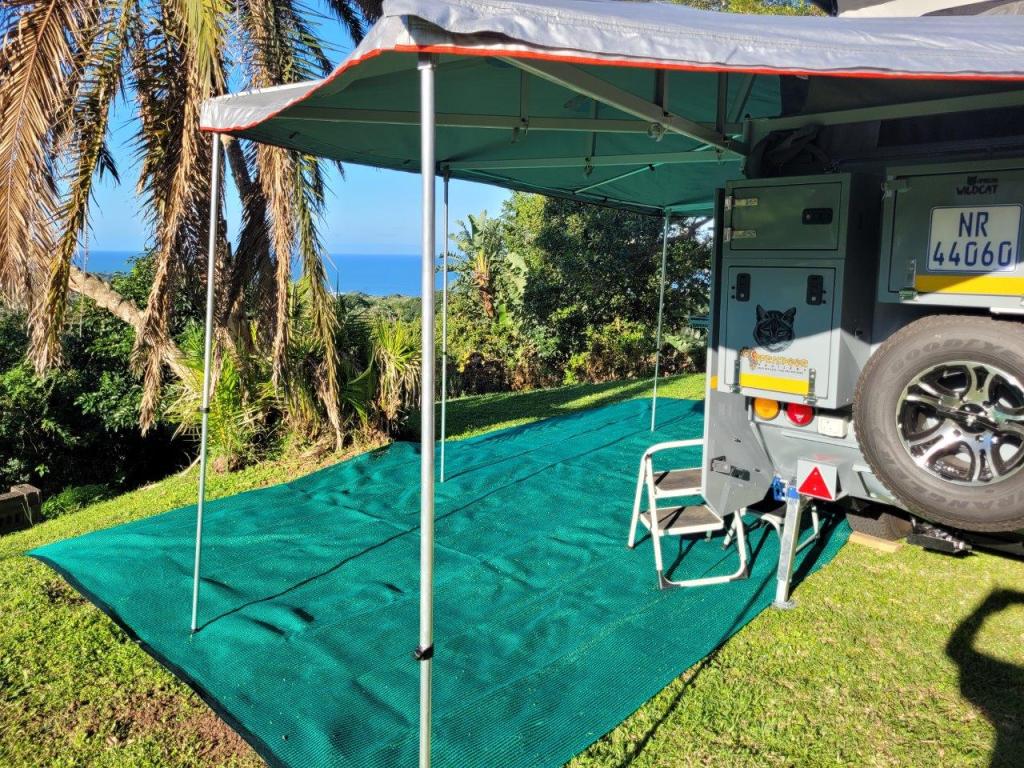
Off-loaded and hurriedly to the beach. Note the roof drops easily to monkey proof entry into the caravan.

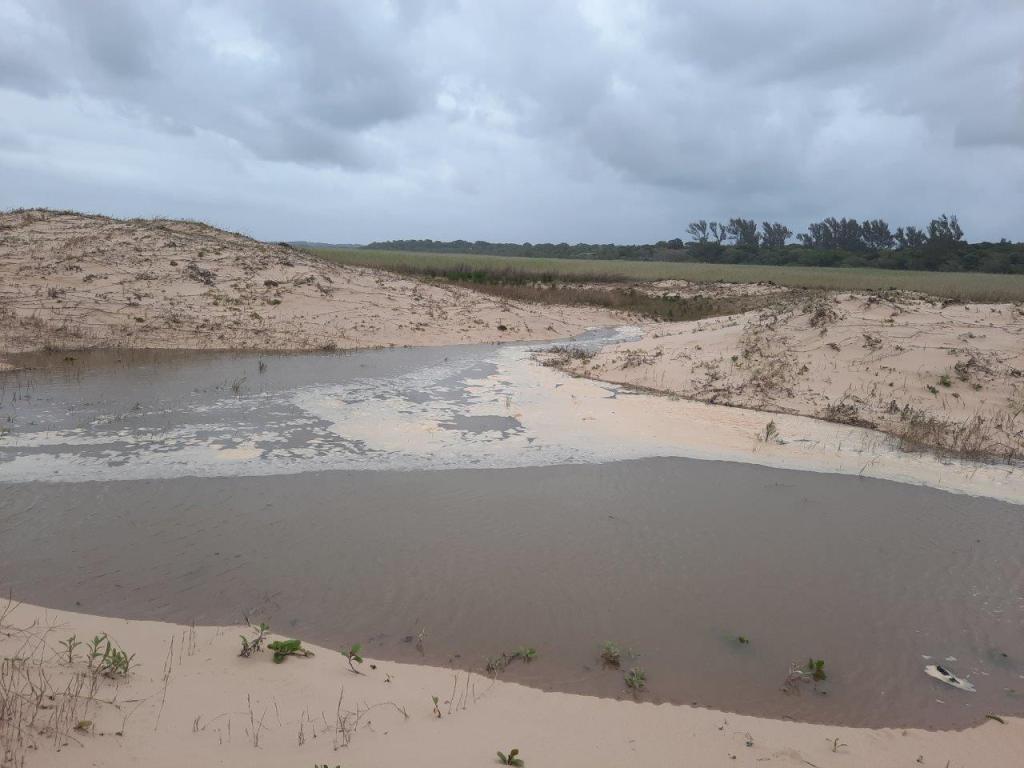
Once settled in at the campsite, we took a walk to the tern roost to see what was what. It was high tide and the incoming water breached the dunes and was entering the estuary making it impossible to get close to the river mouth.

The Breach

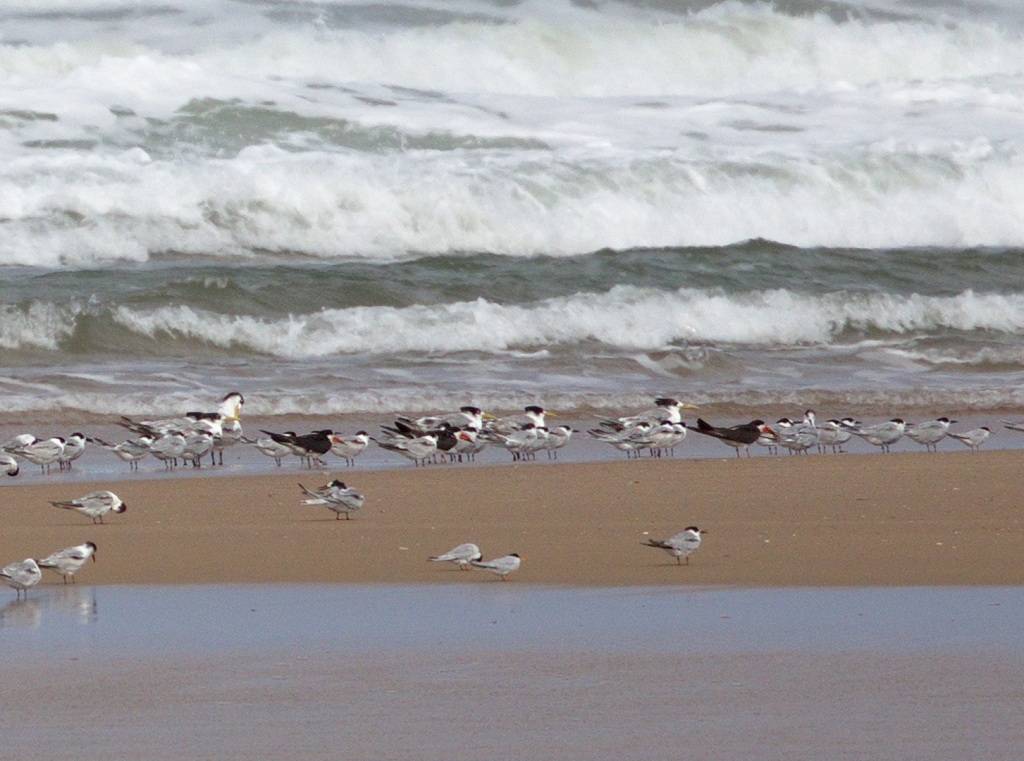
We headed to the beach and looked south towards the river mouth still a long way away. The river mouth was also very wide. And of course, the Terns were on the opposite side of the river. Even with a scope it was impossible to identify anything positively.

The next morning, we were up early for a gander around the Sugarloaf aviary before heading to the Tern roost. (I call it an aviary because at times when we have stayed there, we have recorded around 90 different bird species in the camp alone). With what we had seen the night before we thought it best to head for the river mouth when the tide was out so that we could get around the breach.

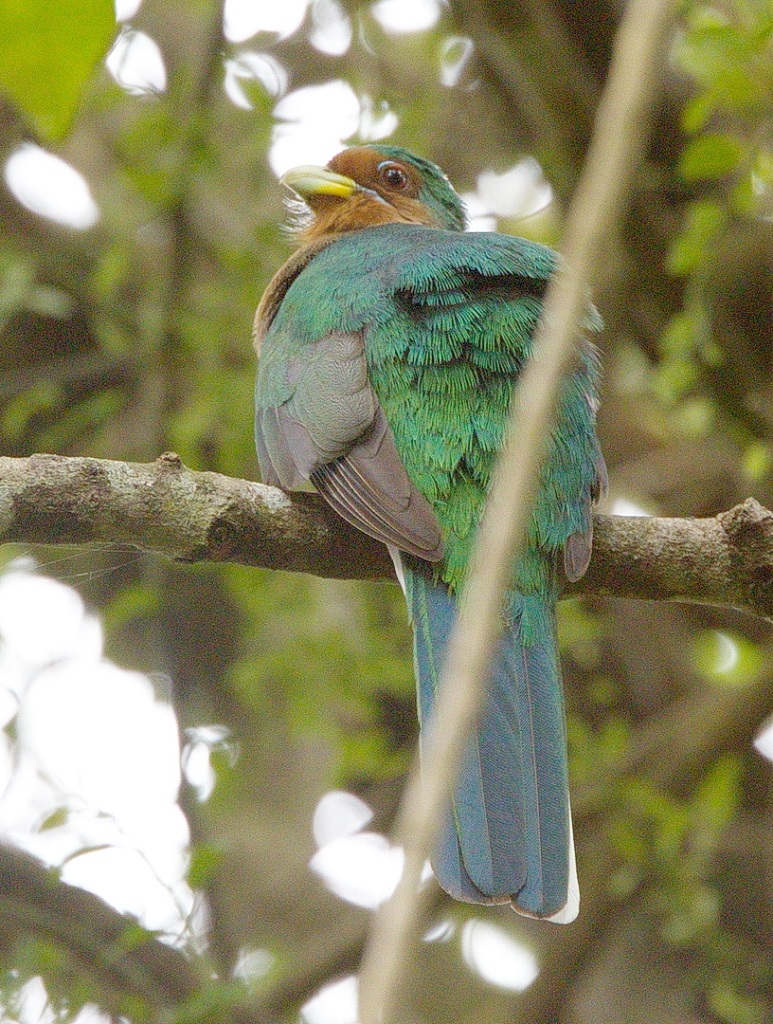
The campsite birding was great as usual. Birds had been calling since wake-up. Getting photos was not easy as it was overcast, and the bush is quite dense. We spend time looking for the Green Malkoha which was calling beside us – no luck. However, we did find the Narina Trogon and I got a shot much to my delight especially as it was in the darkest undergrowth. Special bird.

Narina Trogon.

The common bird in the camp is the Red-capped Robin-Chat. It has such a distinctive look. I love its steely back appearance.

Red-capped Robin-Chat

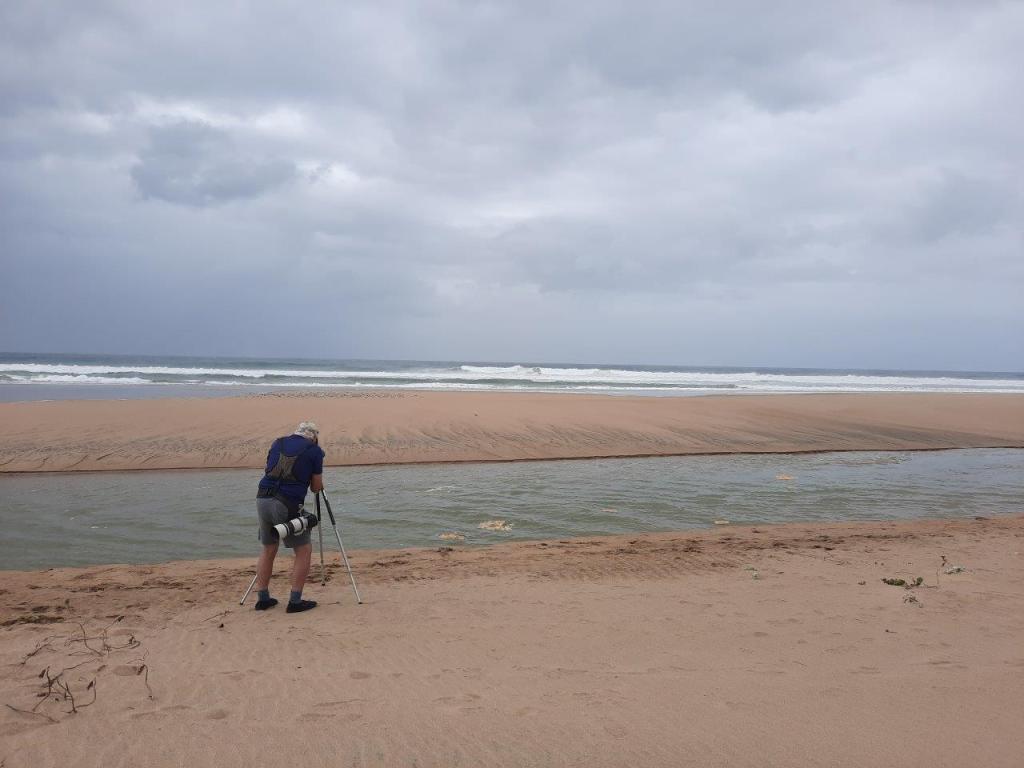
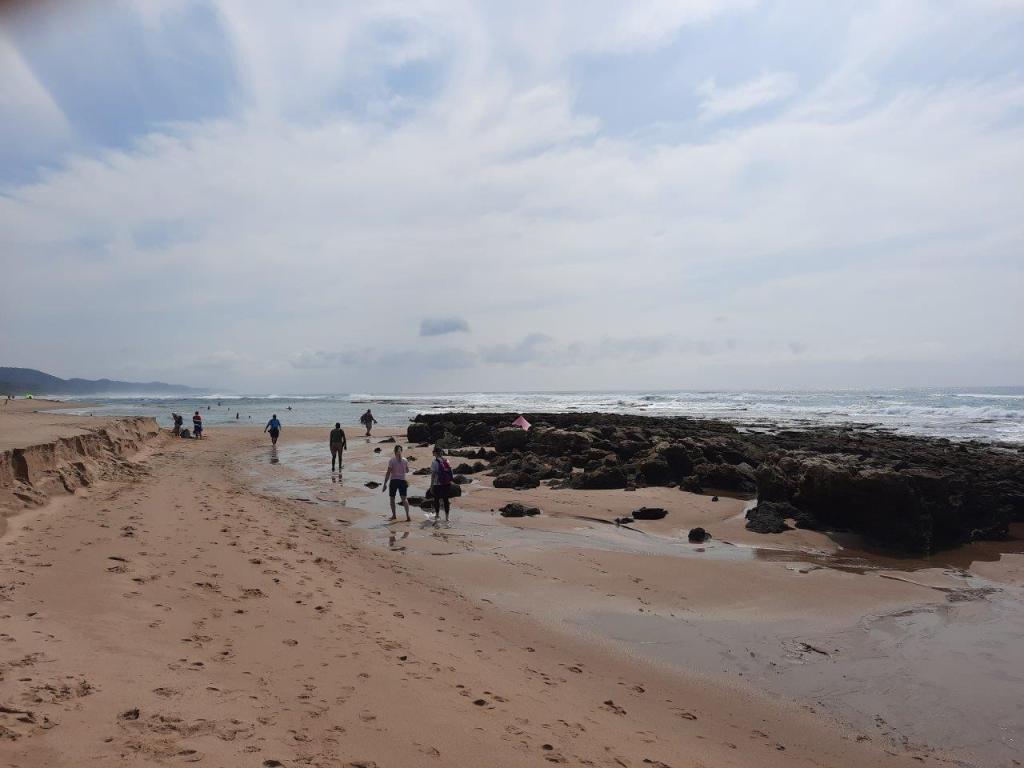
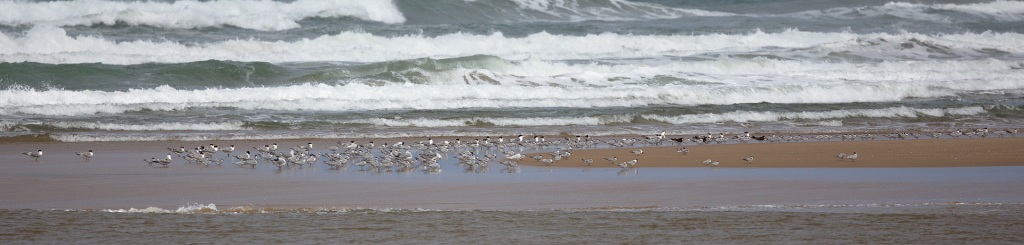
Next stop – the Tern Roost. And were we surprised how the beach and river mouth had changed since the previous afternoon. The breach to the estuary was dry and following its path made for hard sand on which to walk. When we got to the beach, the river had cut a channel along the beach with the other side of the river directly opposite us not 50 metres away. And there, the birds sat in the Tern roost.

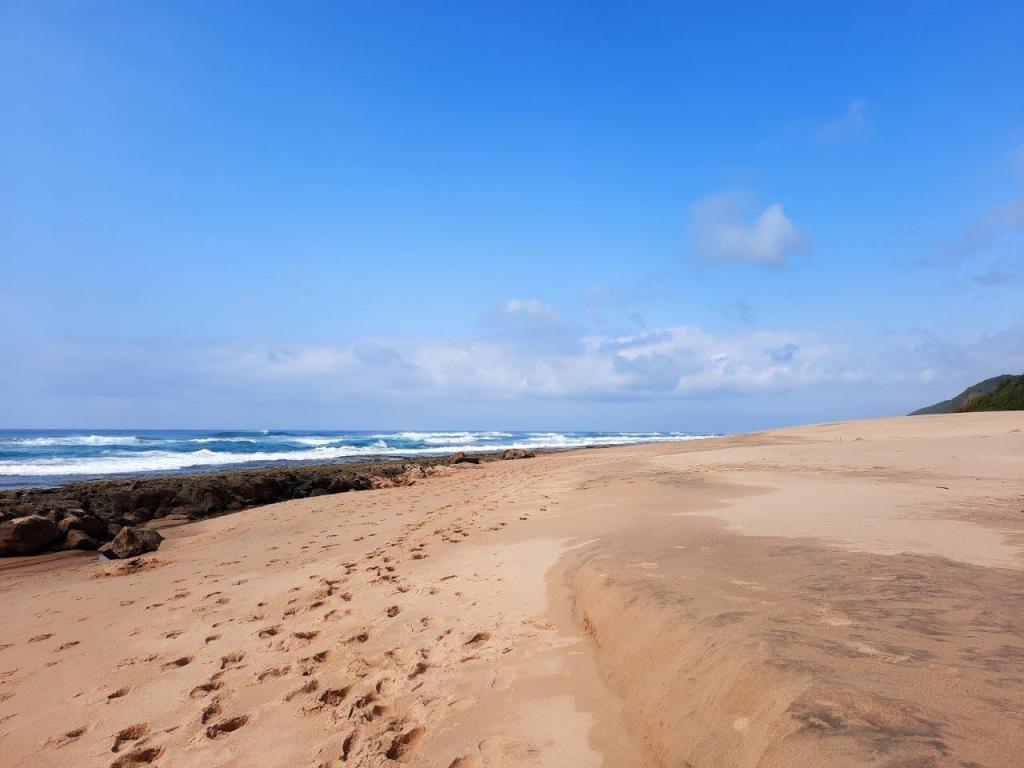
A look down the beach to where the river mouth was the day before.

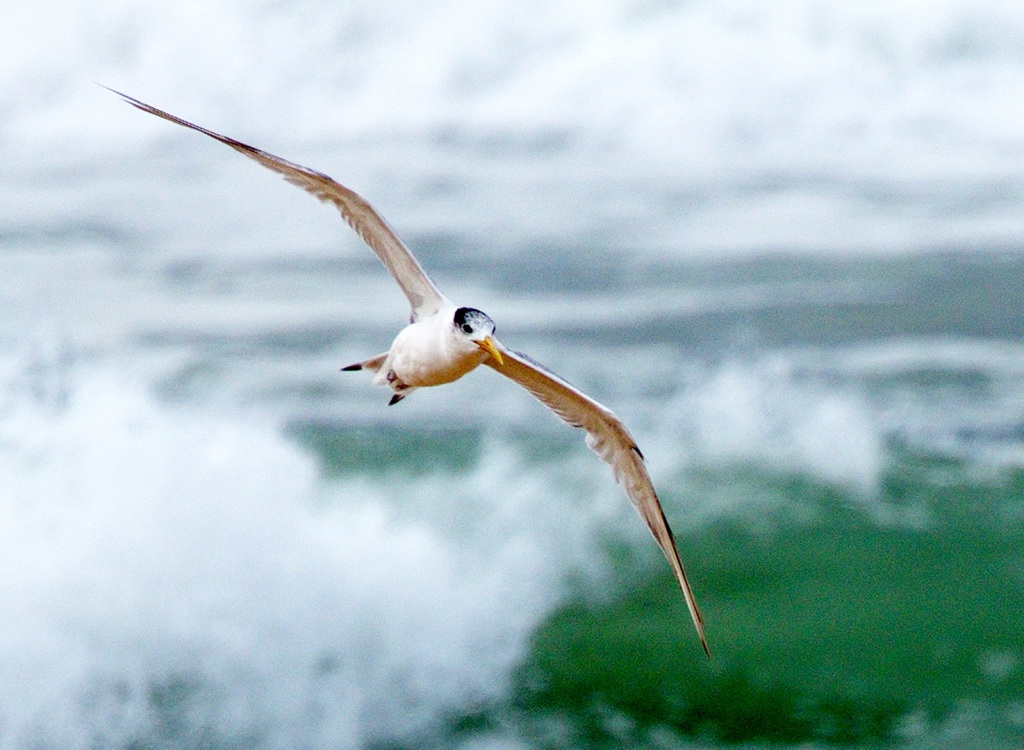
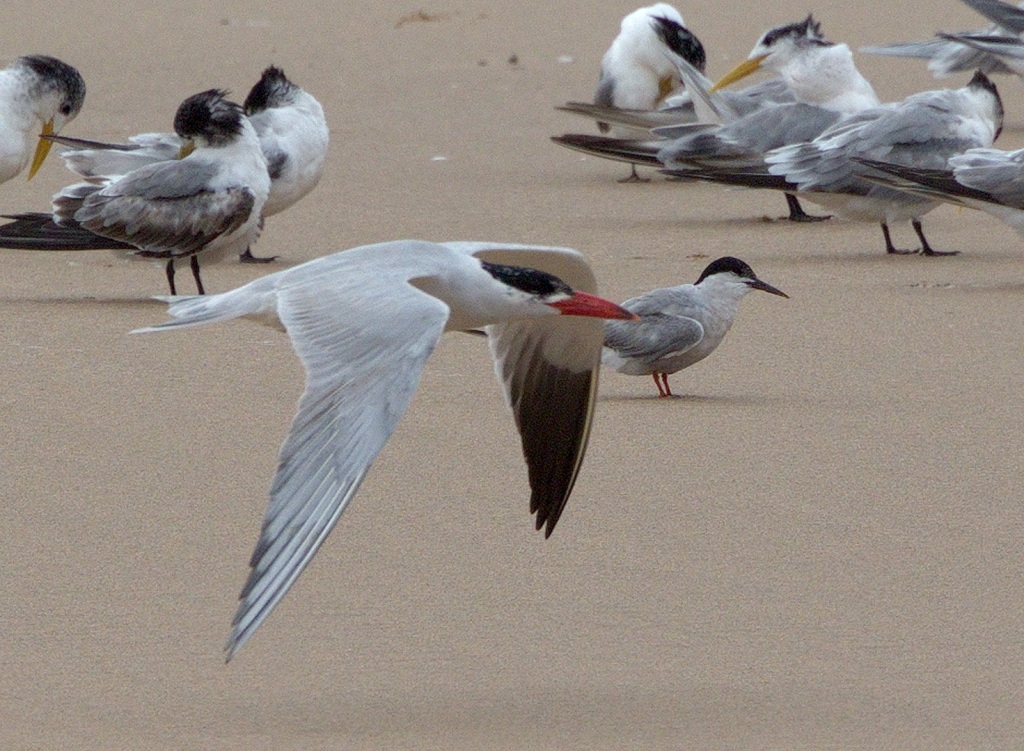
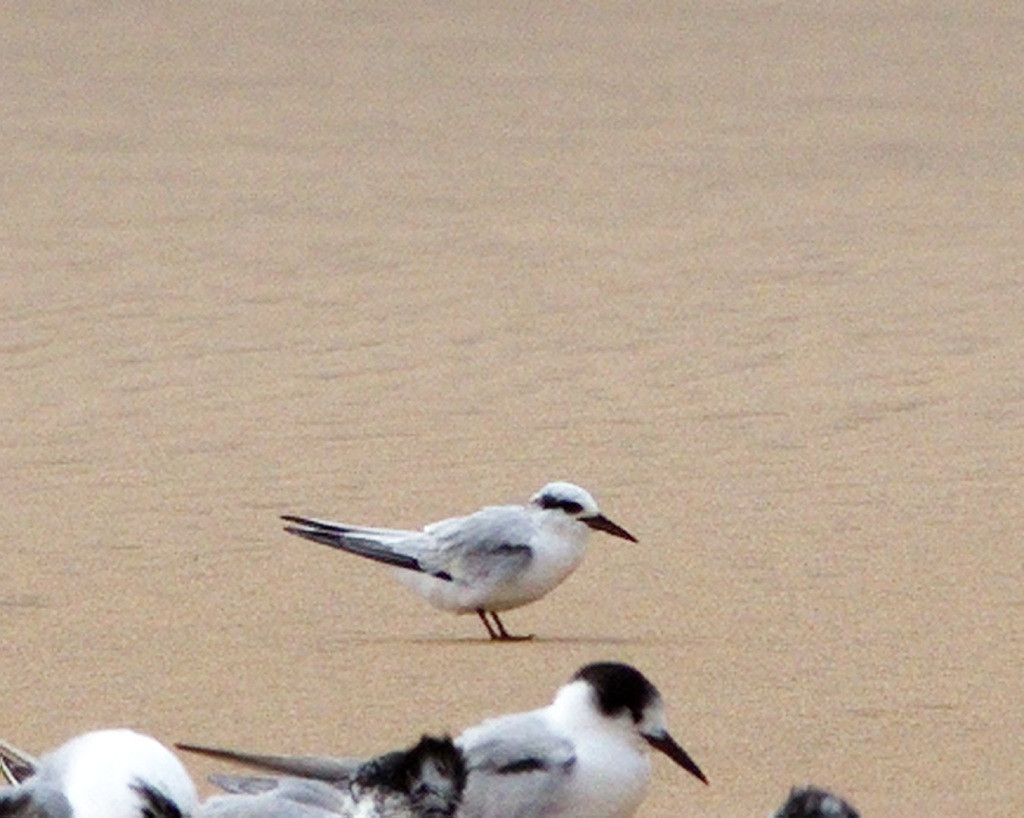
We quickly got our minds sorted, binoculars out and the scope set up. By this time, we were told that the Saunder’s Tern was there and was easily identifiable. It was pointed out to us. It was the furthest bird from us. And being tiny, it was difficult for me to get a special shot of the Saunder’s Tern. Maybe a tripod would have helped.

The Saunder’s Tern – quite different from all the other Terms due to its white head and very small size.

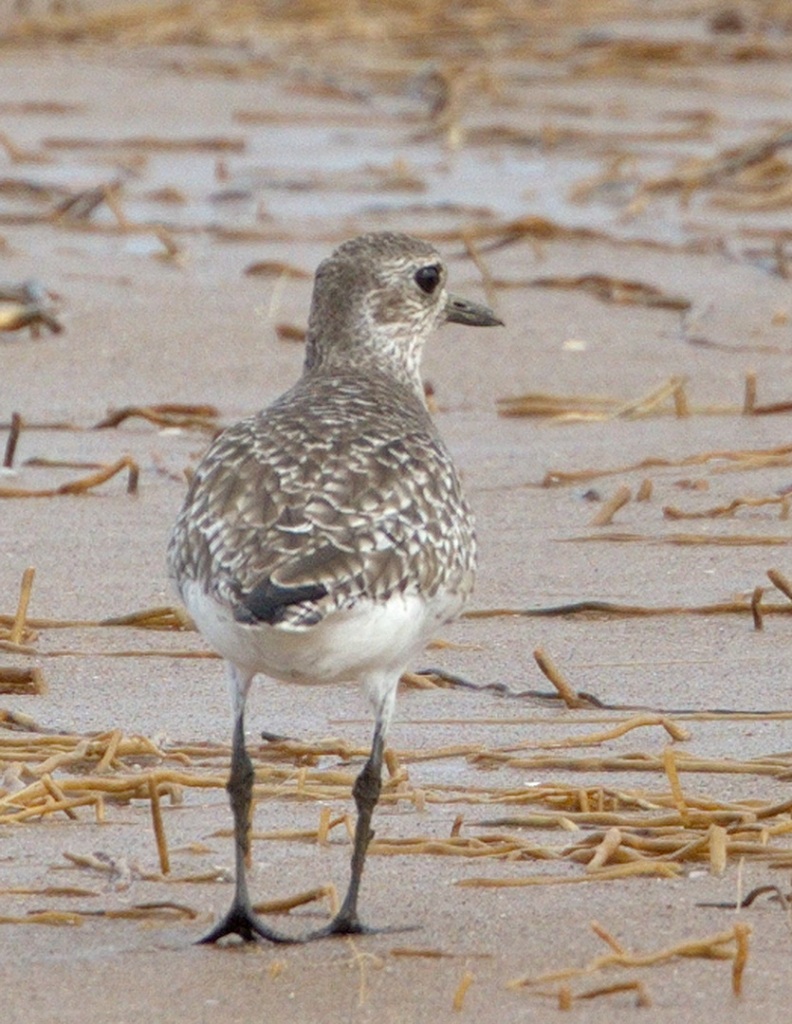
On the way back among the sand dunes we saw a number of other bird species. The most unusual being a Common Sandpiper bobbing away pecking at whatever it was interested in in the dunes.

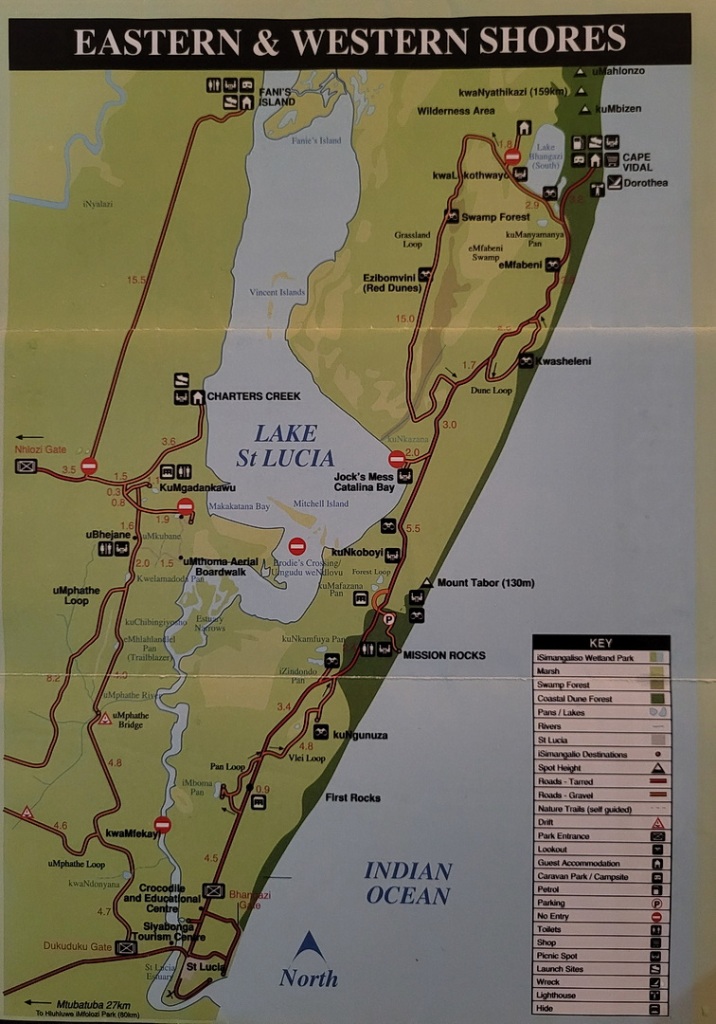
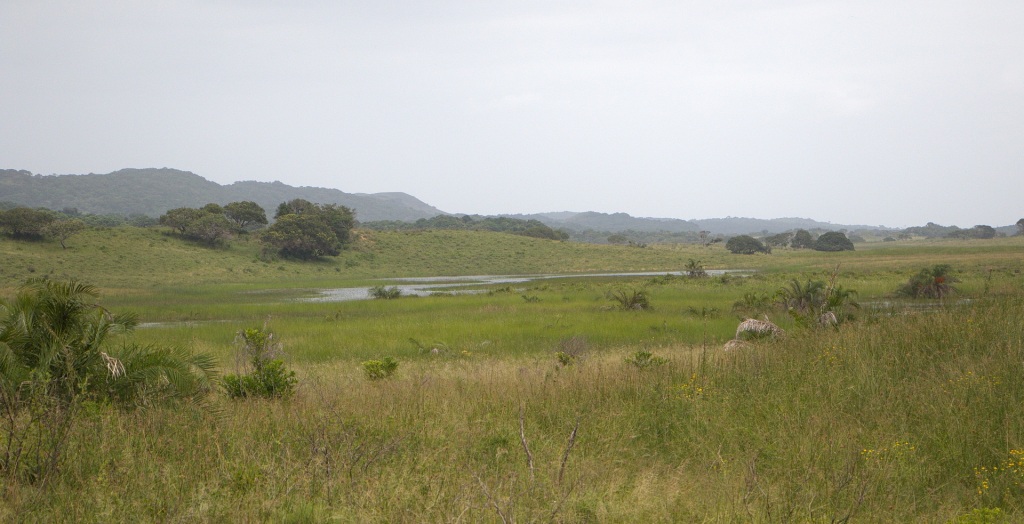
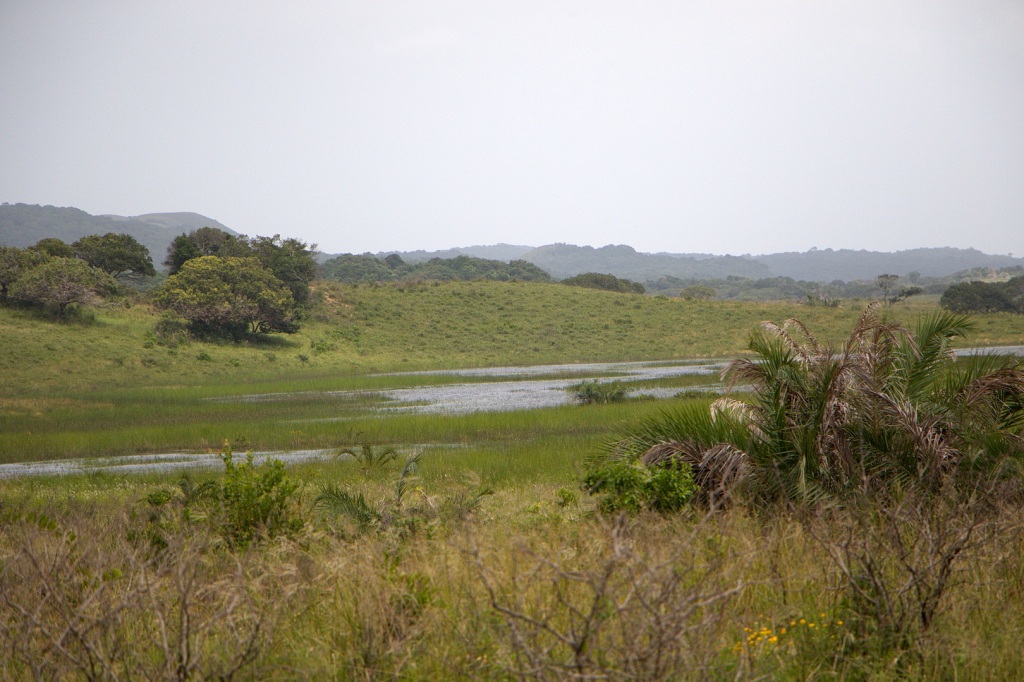
After some time with the Saunder’s Tern, we went into Eastern Shores, Isimangaliso Wetland Park. There was water everywhere – not what we expected for the end of winter. There were ponds everywhere beside the road.

These ponds had some special birds if you looked carefully.

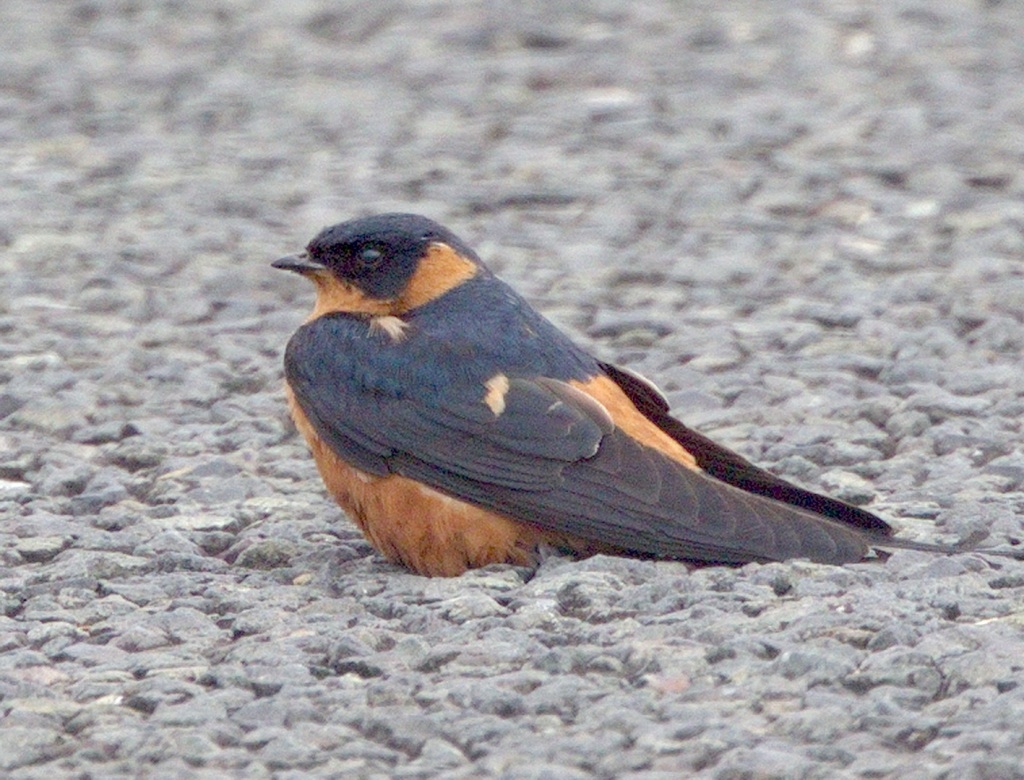
On the roads, Collared Pratincoles were seen as well as Red-breasted Swallows, Burchell’s Coucals to name a few.

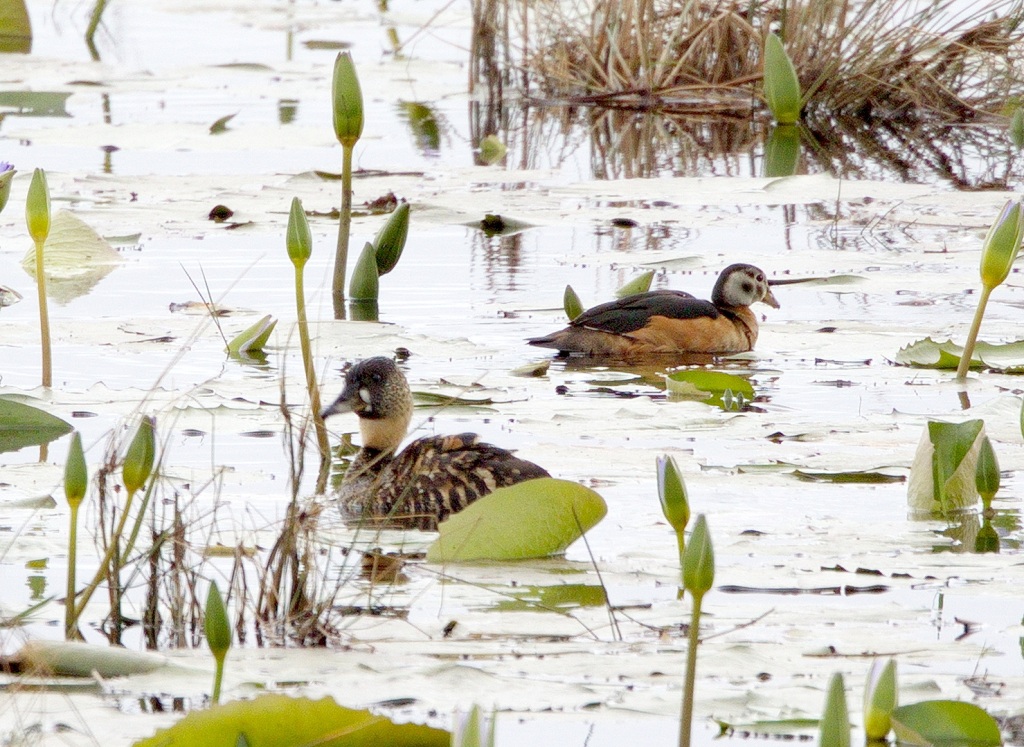
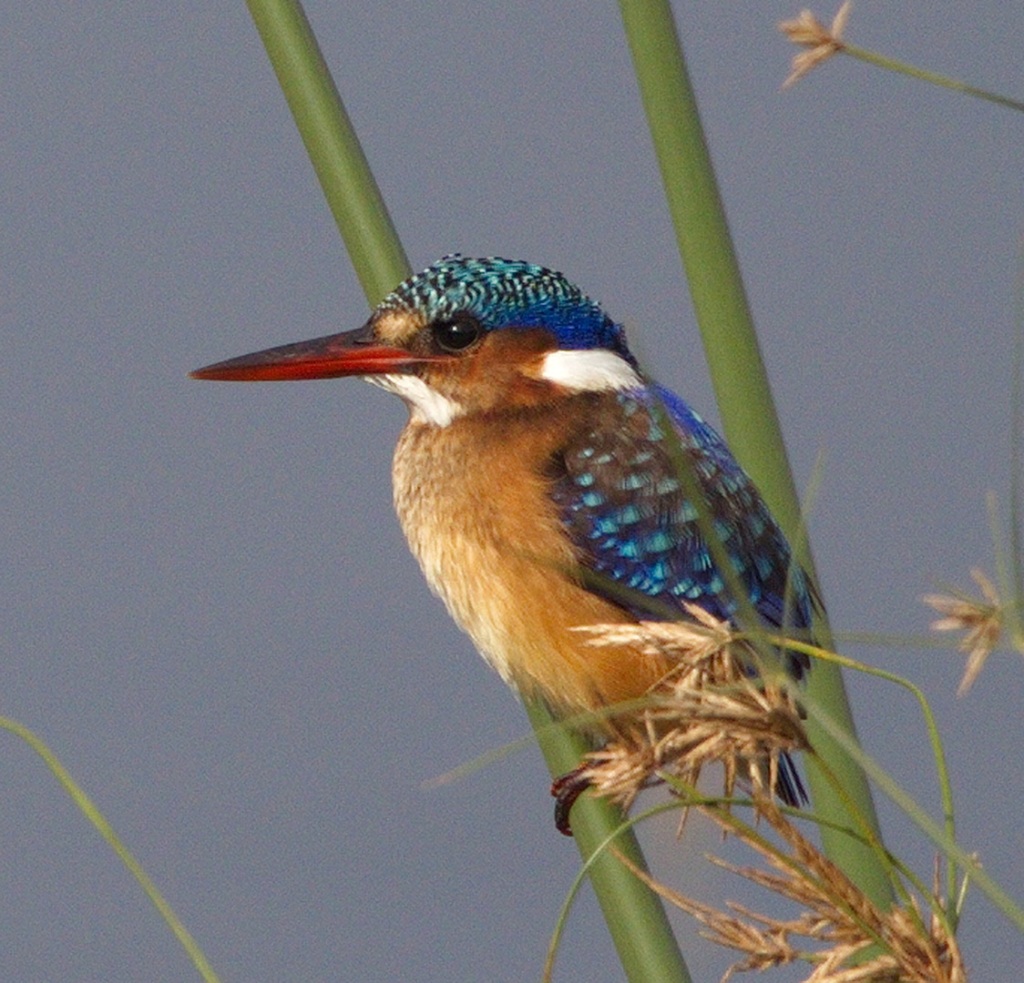
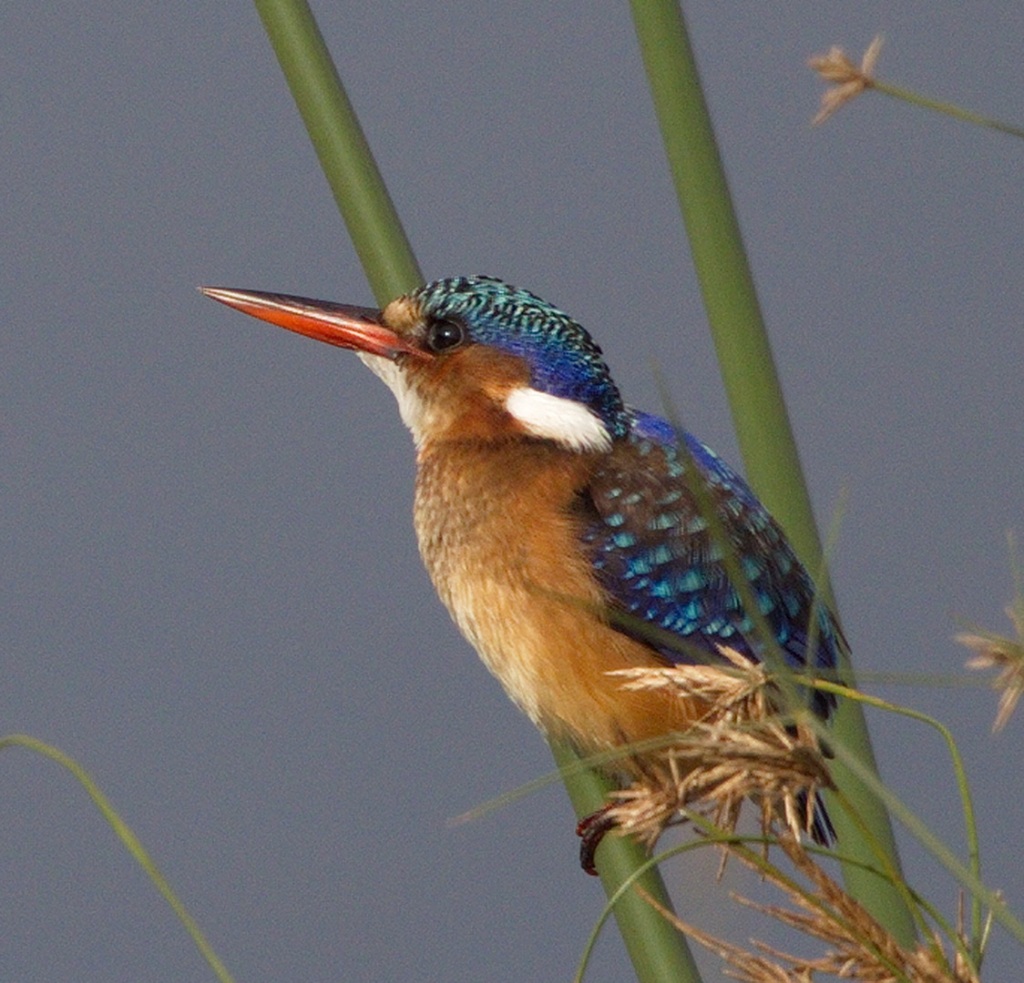
At another pond, Malachite Kingfisher, African Pygmy Geese and White-backed Ducks.

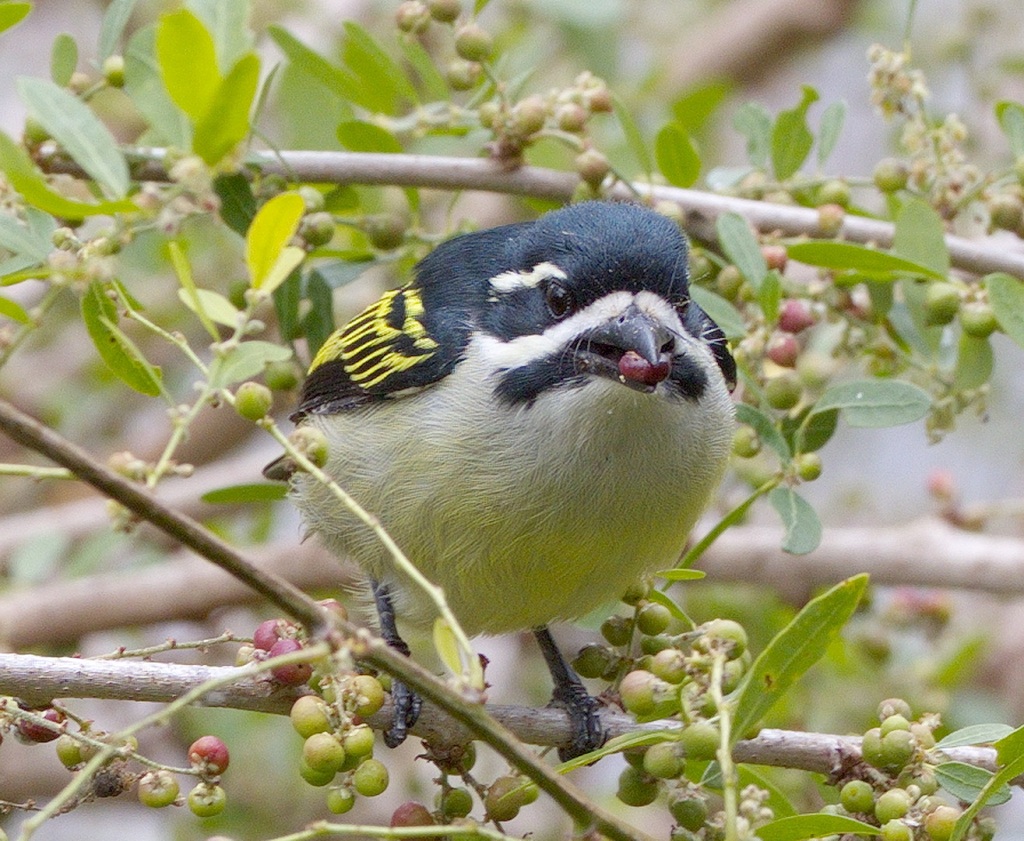
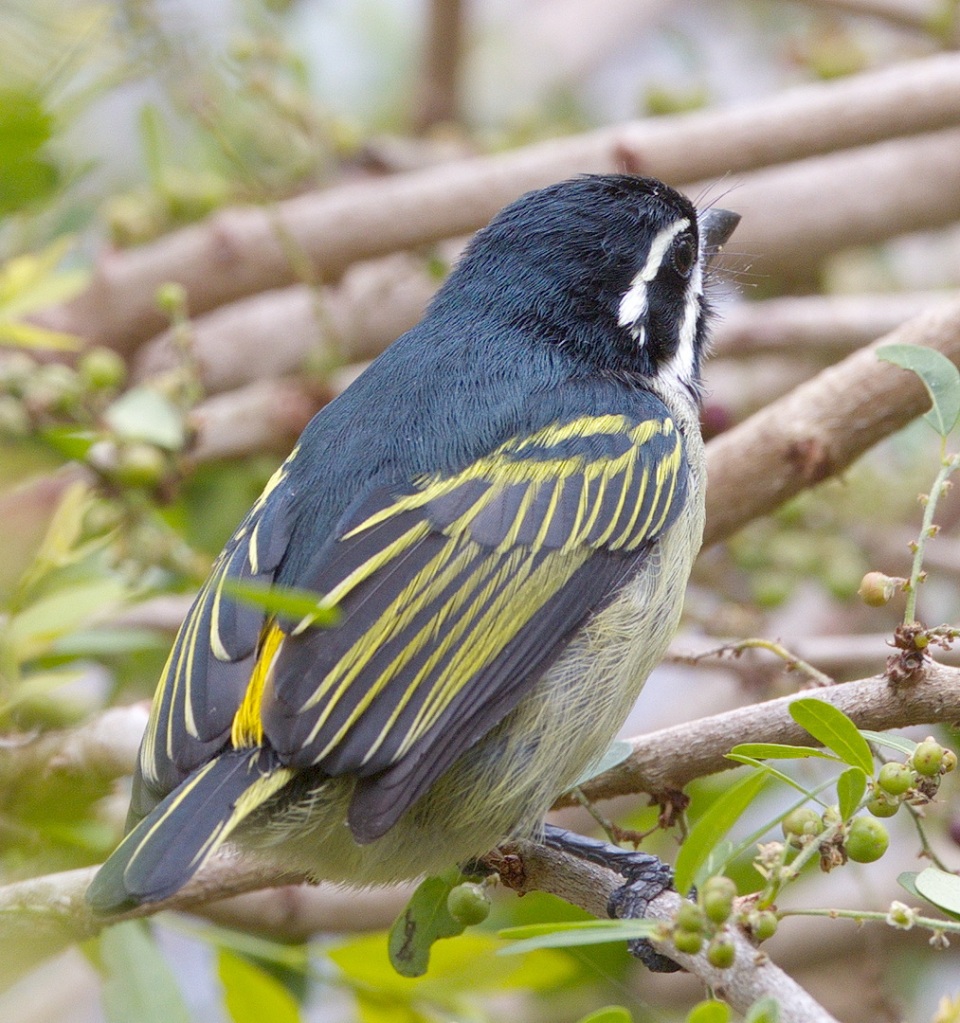
At the hide overlooking kuMfazana Pan, we had tea. The water level came right up to the hide. We had not seen it so full. Looking out, there were birds on the far side. However, we were entertained by a variety of small birds which feasted on the berries in the foliage just below our viewing point. Mainly Tawny-flanked Prinia and a beautiful Yellow-rumped Tinkerbird.

The Yellow-rumped Tinkerbird:

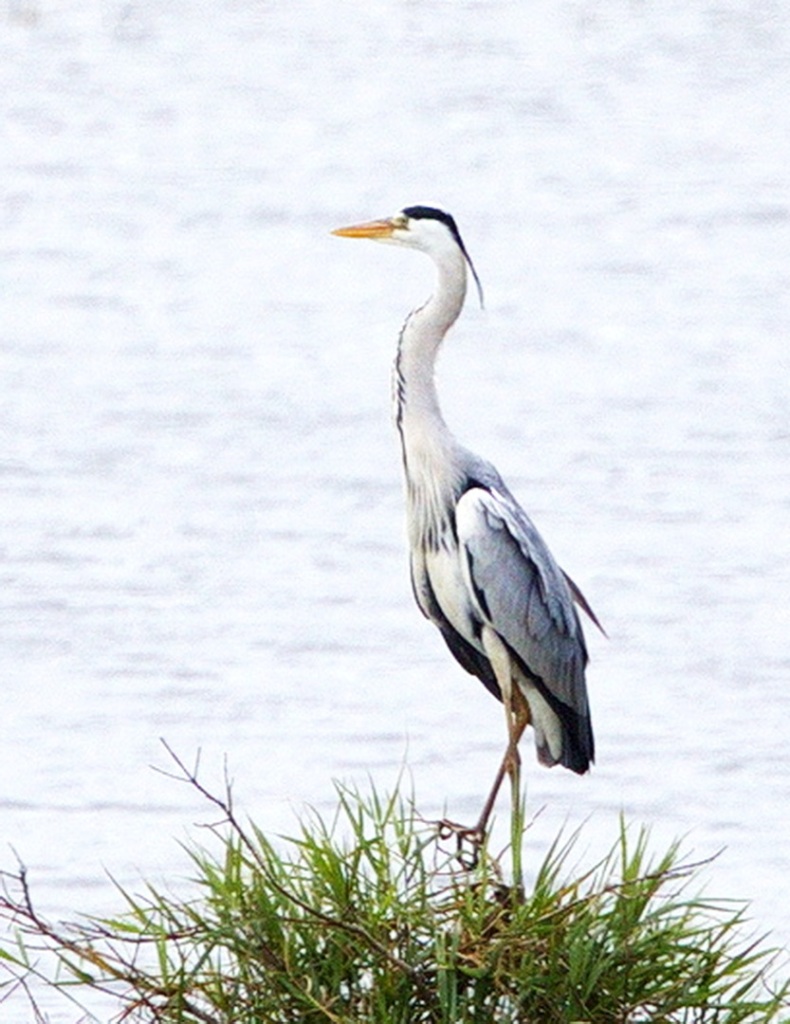
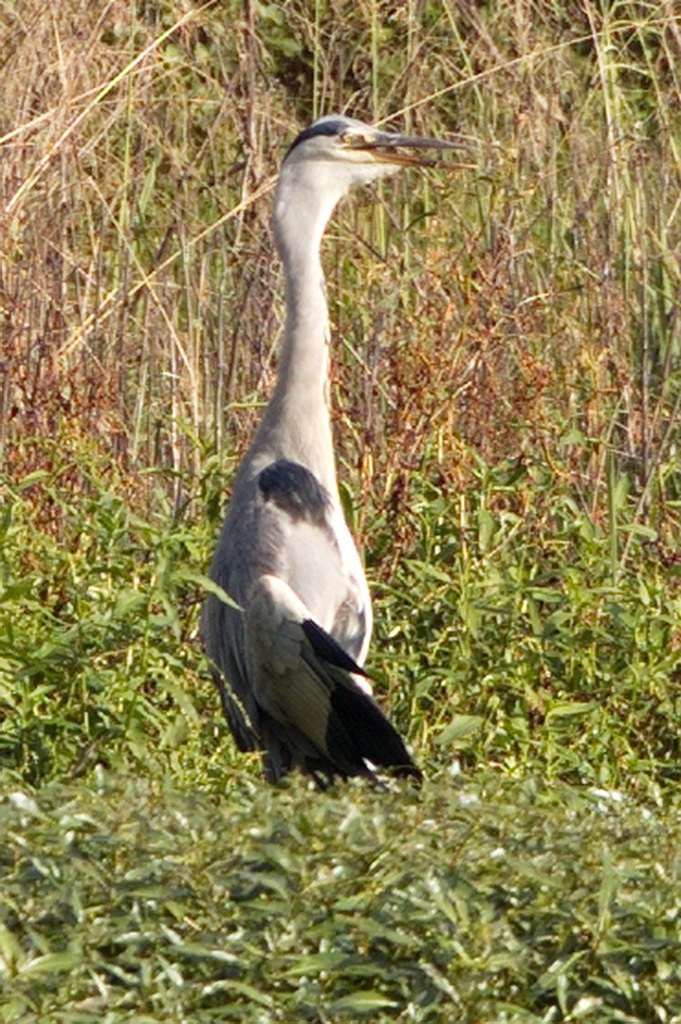
A Grey Heron had a commanding view over the Pan:

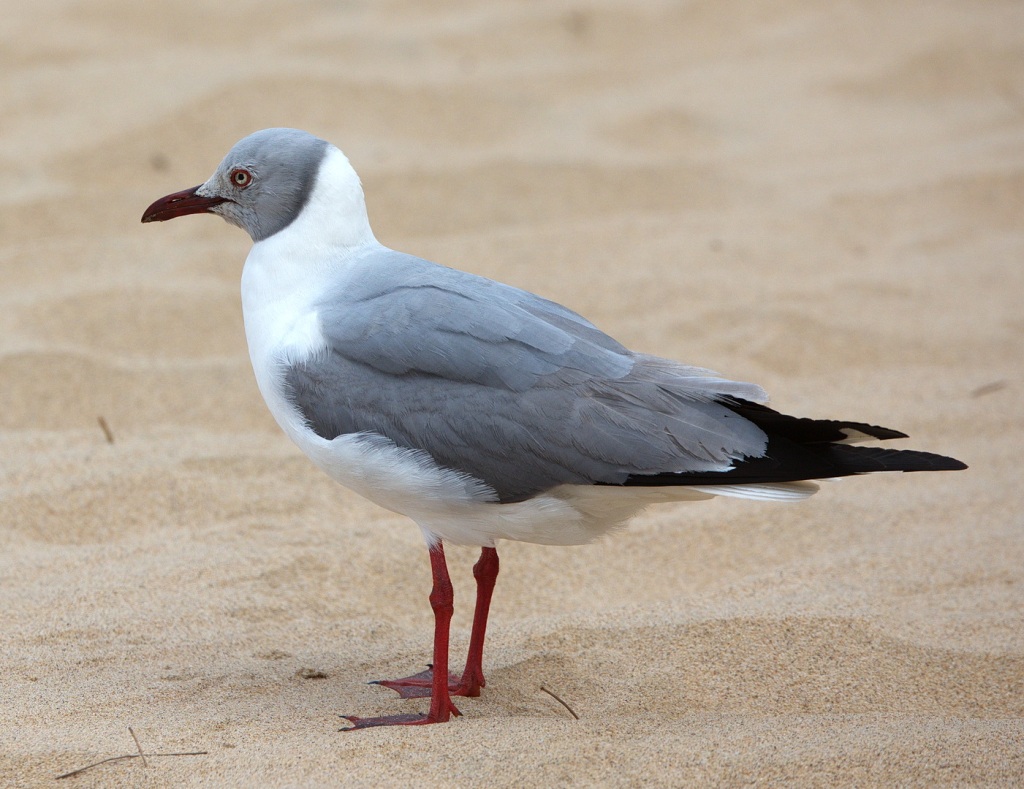
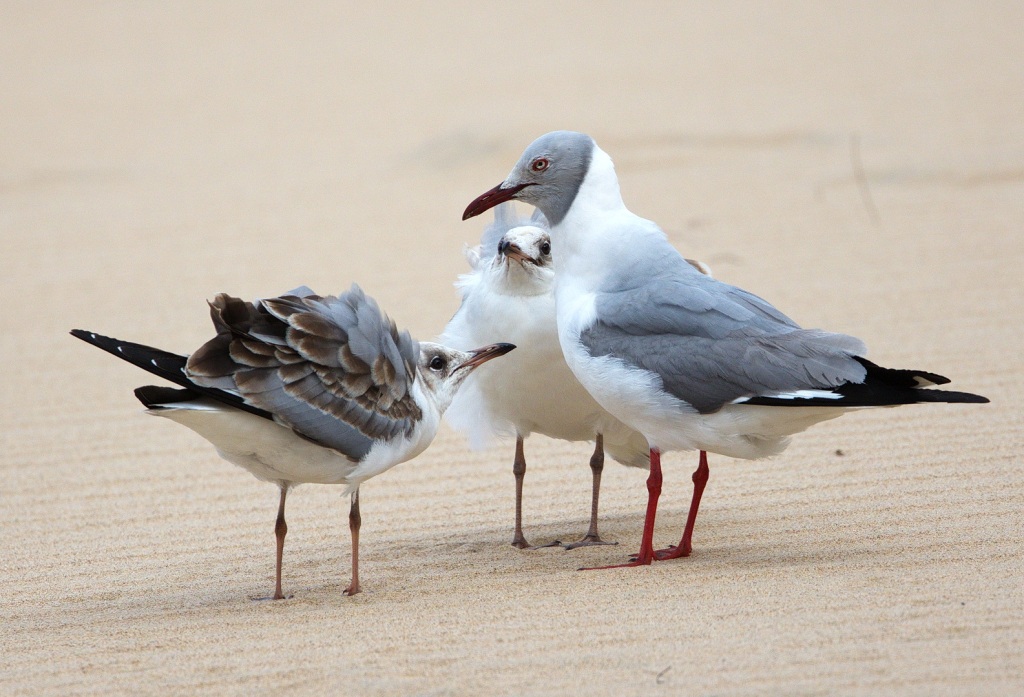
At Cape Vidal we had a quick visit to the beach. There were quite a number of Grey-headed Gulls about. But one in particular caught our eye as two of its siblings were demanding to be fed. We assume that the siblings were hatched inland and flew down here with their parents.

Then there were the Red-billed Oxpeckers on the back of a Buffalo on the Vlei Loop.

Red-billed Oxpeckers with one young one begging for food. On the back of what initially looked like a Rhino but was a Cape Buffalo.

On entering the Park, our first diversion off the main road was on the Pan Loop. As we travelled down the dirt road we spotted or rather heard a Croaking Cisticola.

Croaking Cisticola

As we glanced right, we could see that the pan below the Amazibu Hide was extremely full and there was a Buffalo making its way across the middle.

Buffalo Crossing. Water right up to the dirt road.

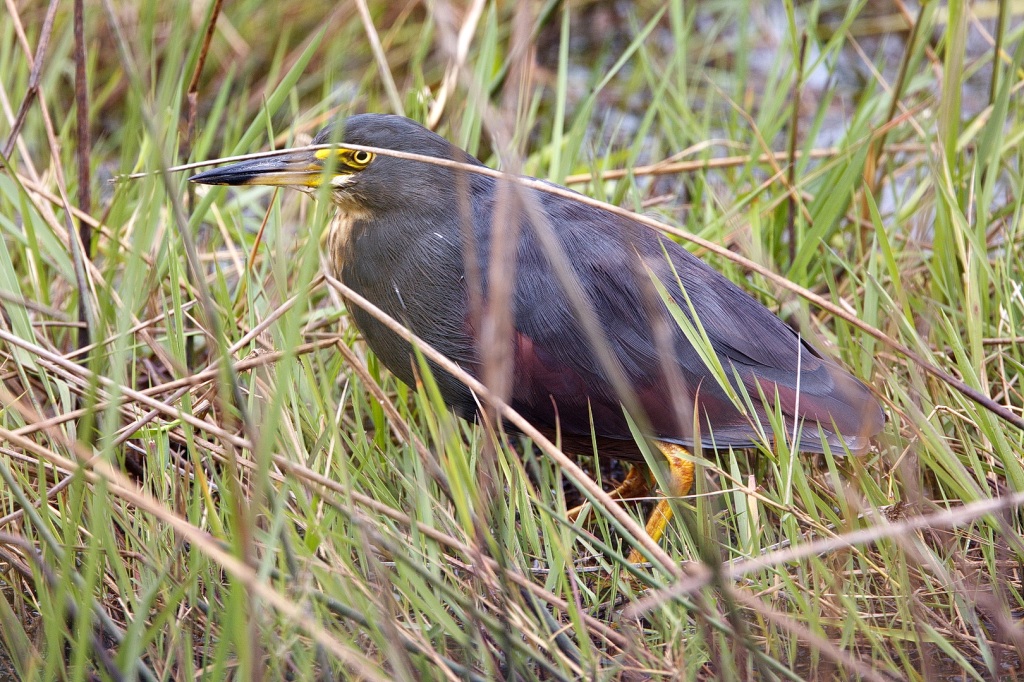
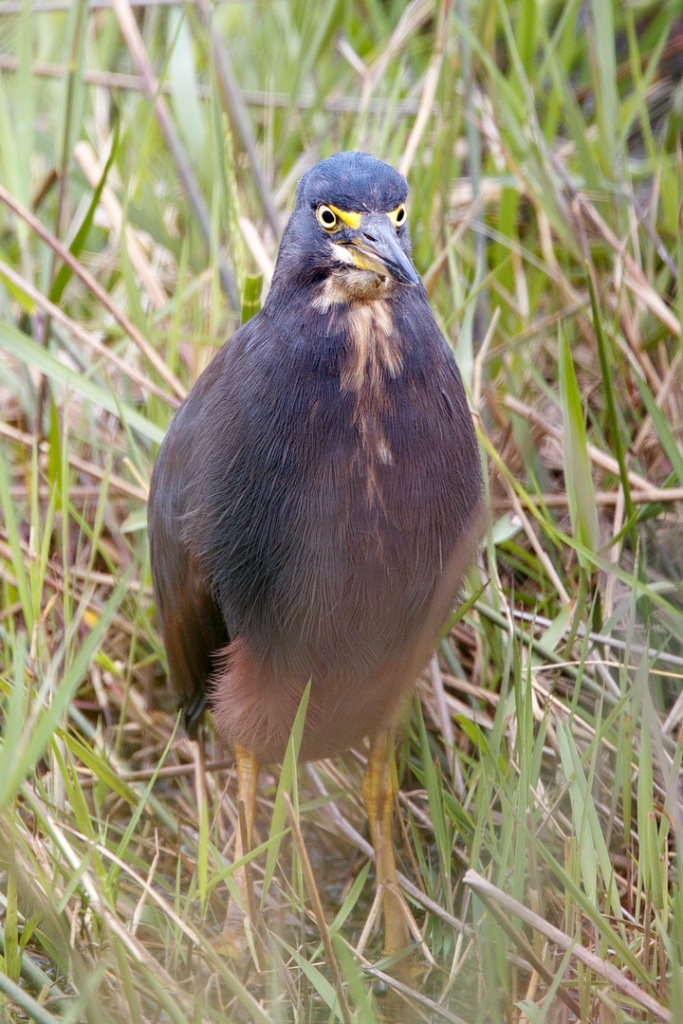
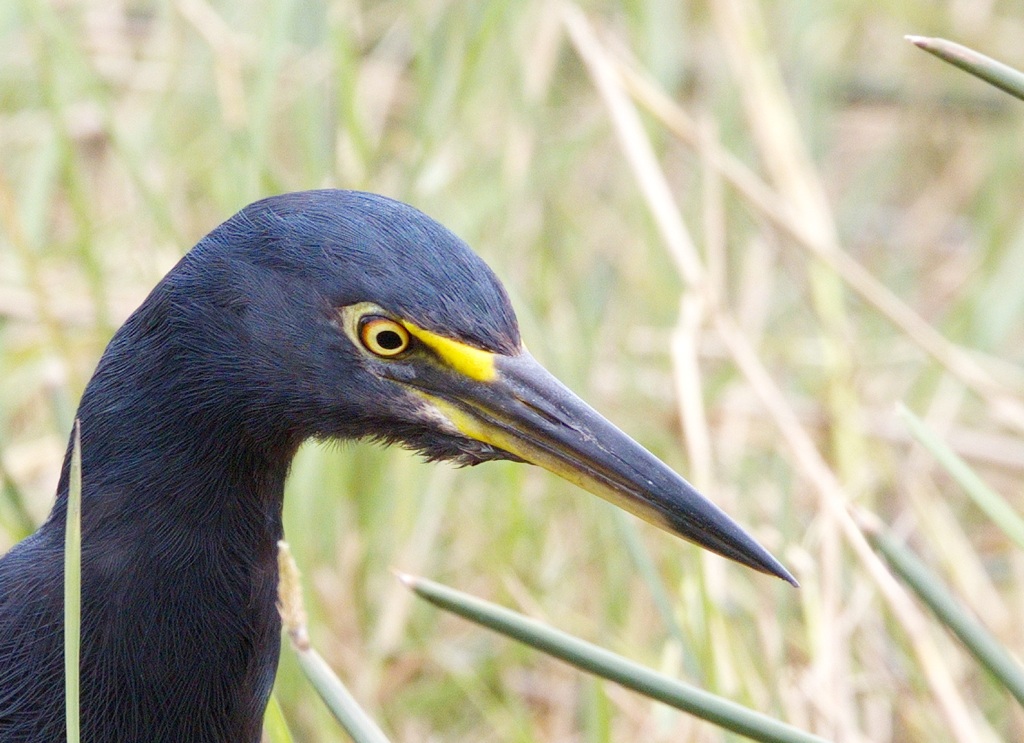
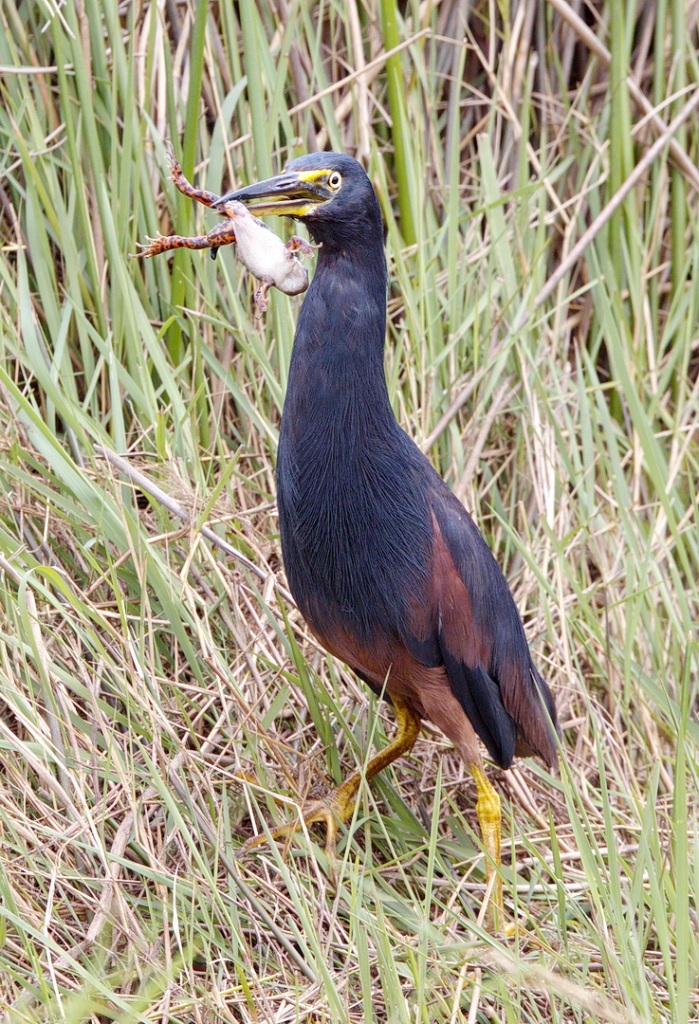
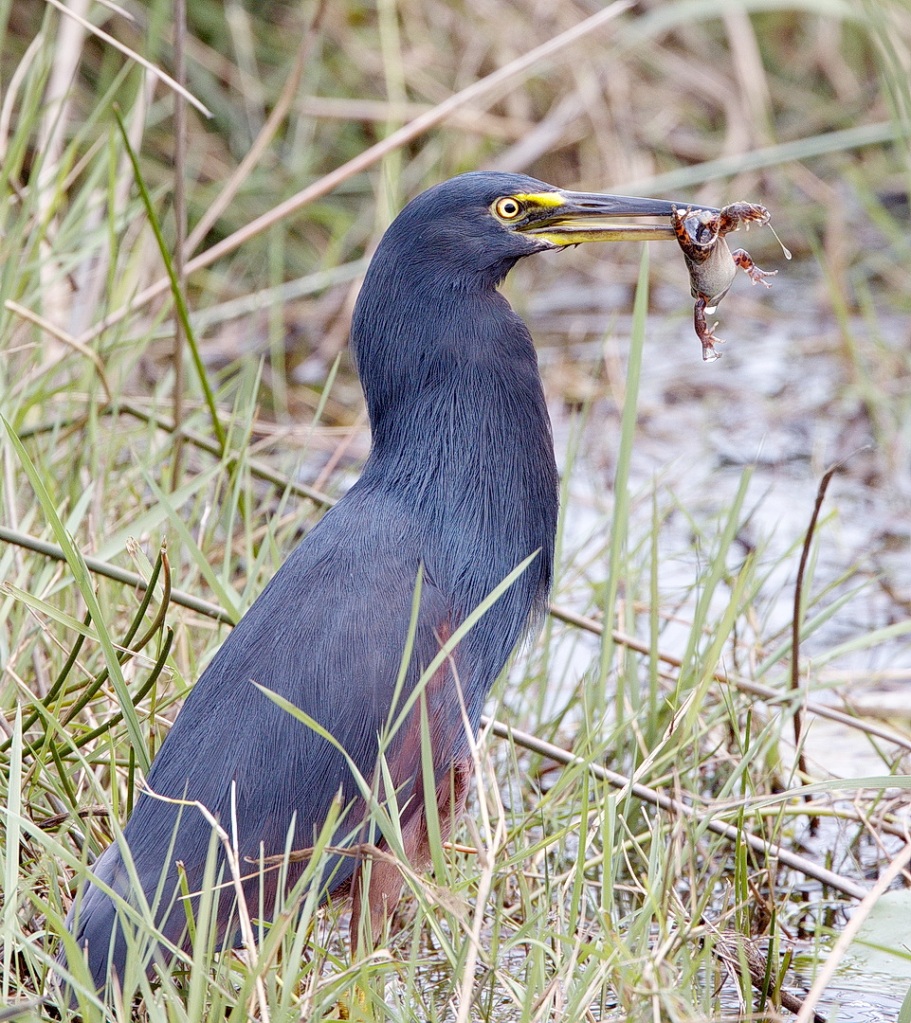
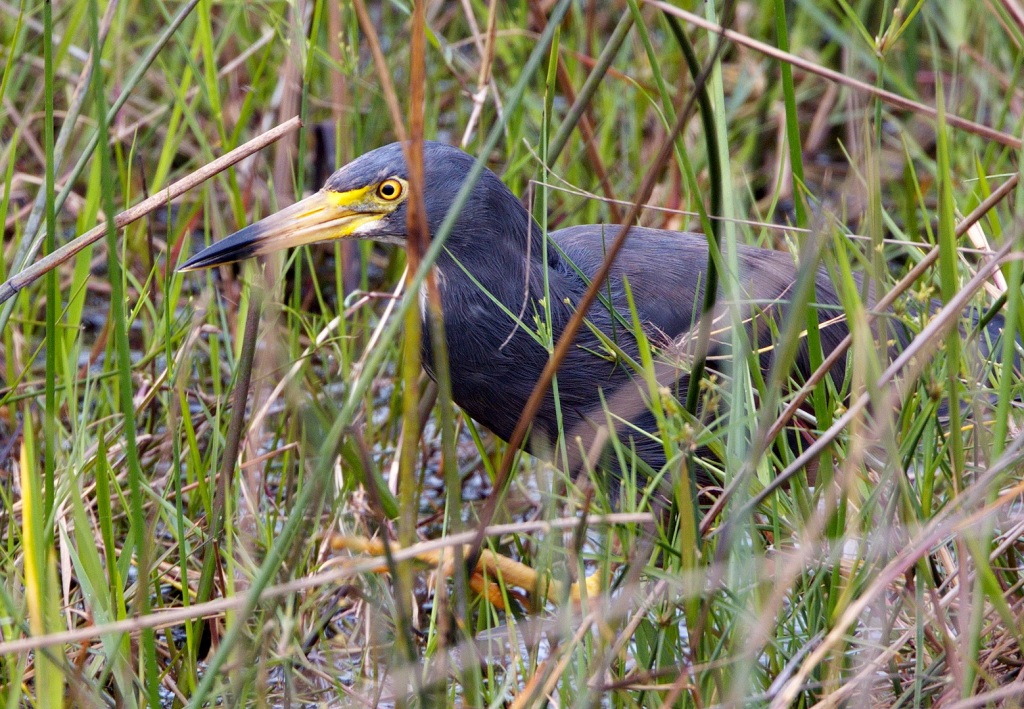
After the next right-hand corner, the grassland to the left has now become a rather full pan. It was here that we spotted the first of our three sightings of Rufous-bellied Herons. The third came later at the exact place where the above picture was taken. These were special sightings as they were all very close – within 5 metres of us. In the second incidence we watched as the Heron caught a frog and devoured it.

An unlucky frog provides a meal for a hungry Rufous-bellied Heron.

In the short time we were there, we recorded 94 different bird species.

Walk Good.

Hope you enjoyed the read and photos.

Paul and Sally Bartho
Leisure View Campsite Nr. Port Edward

2nd to 6th July 3023

Our new Afrispoor Wildcat was crying out for a test run before we planned any long trips. Sally and I therefore decided to visit a caravan site on the coast not too far from my sister in Sea Park. We chose Leisure View Caravan Park inland north of Port Edward.

As it was school holidays, we expected it to be full. Not so. In fact, over the period that we were there only one other site was occupied.

We chose a flat grassy site with a spectacular view.

Our view of the coast probably a kilometre away at most.

Also, right next to us was a large Fig tree which both monkeys and birds enjoyed as it was fruiting. The monkeys kept their distance.

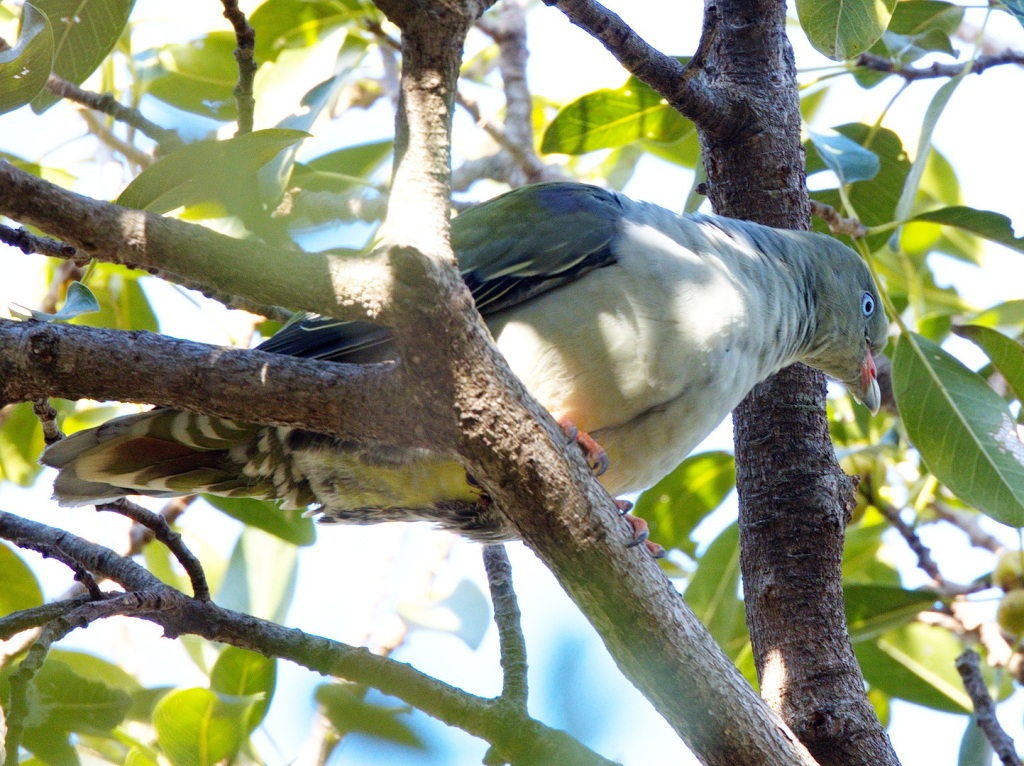
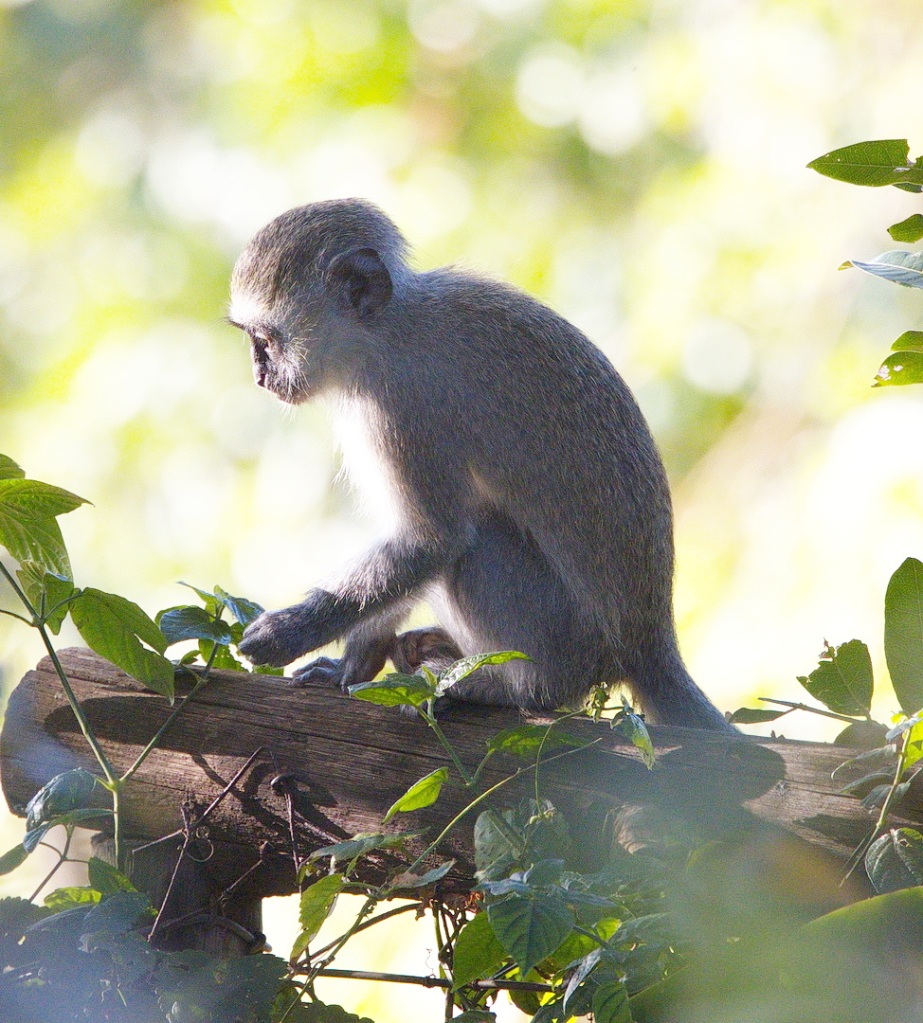
The tree was regularly talking to us – the sound of hundreds of Red-wing Starlings enjoying a feast of figs. Then we would hear the Turacos passing through, an occasional Black-headed Oriole or the chatter of greedy Vervets. And from time-to-time Trumpeter Hornbills and Green Pigeons.

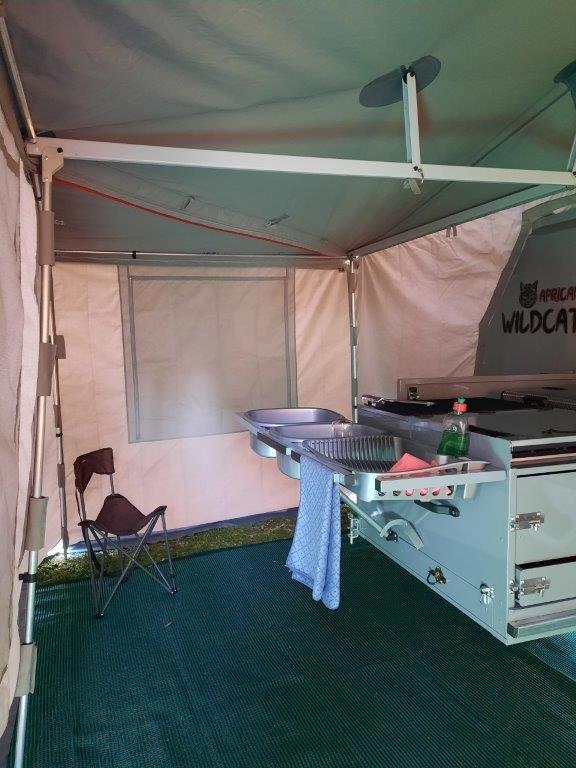
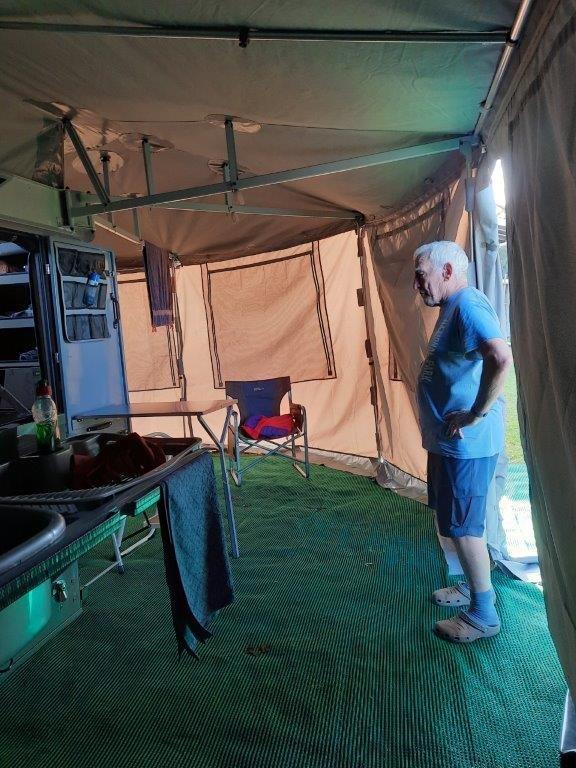
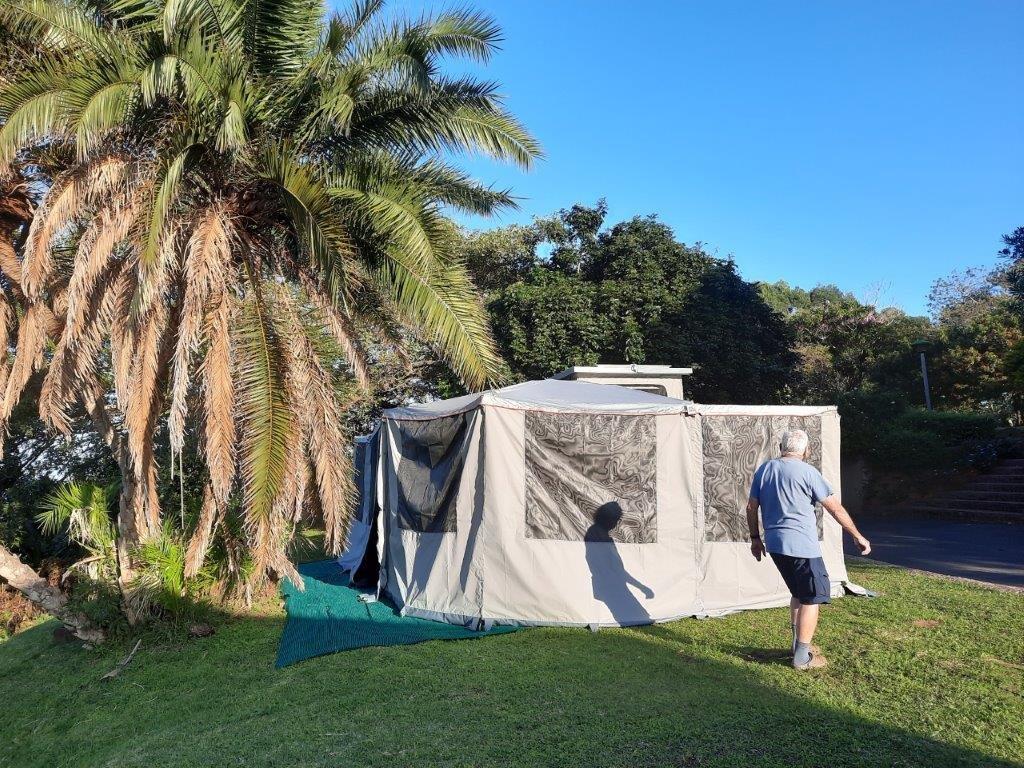
One of the purposes of our trip was to ensure we practiced setting up and packing up, trying out the awning with all its sides and extra roof and to make sure all worked without issue. We did have one difficulty making the bed as the mattrass was too tightly fitted. When we got home in Howick we called David – Afrispoor – and he immediately made a new one for us and had it delivered and fitted within 2 days. That is what you can expect with Afrispoor – first class service.

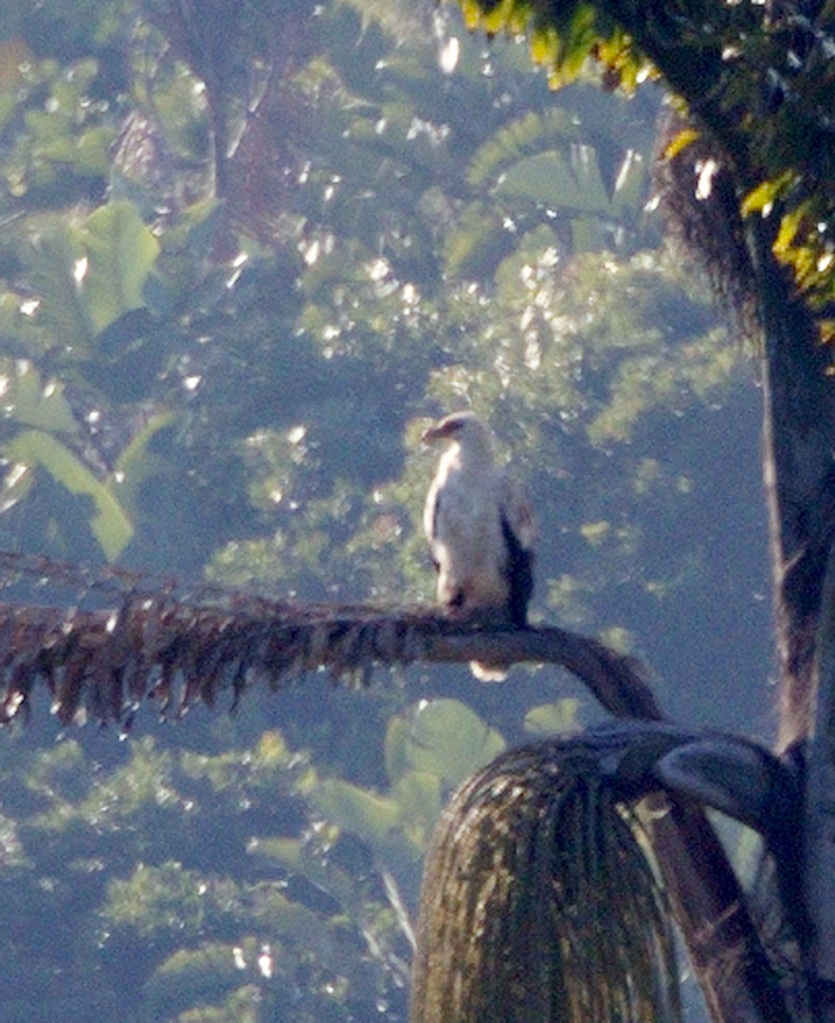
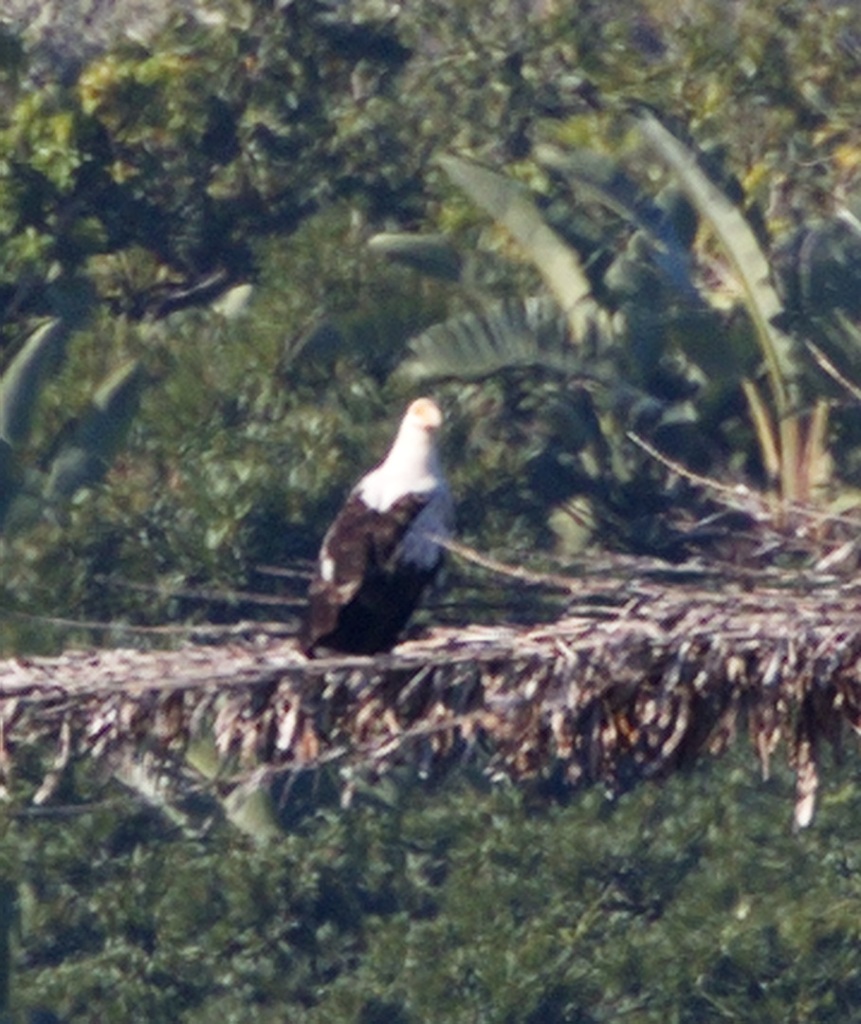
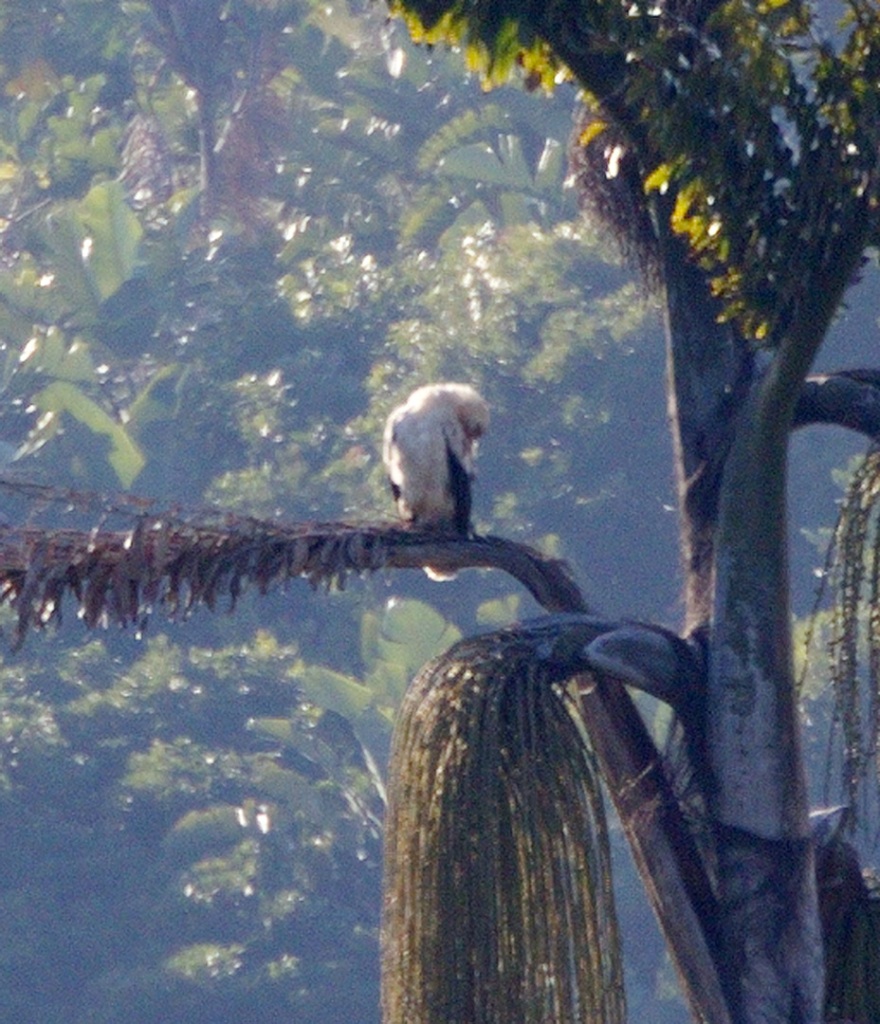
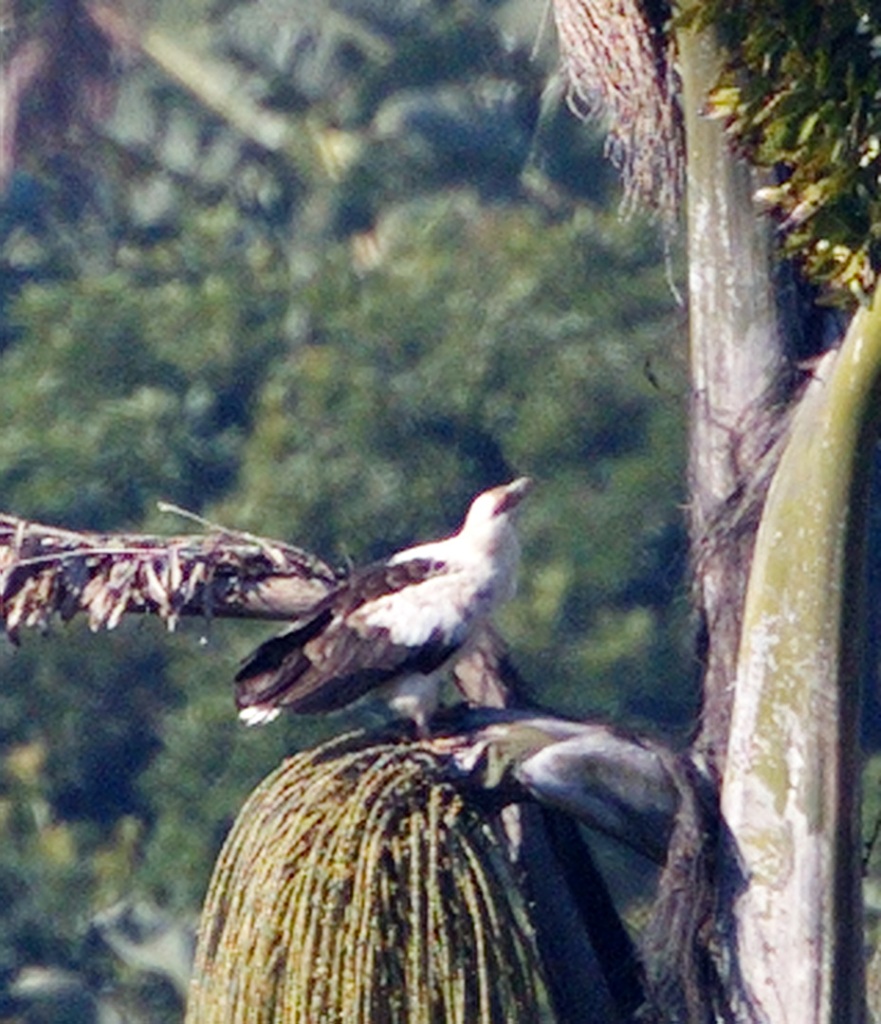
Not long after setting up and relaxing we noticed a raptor flying about and landing on a branch of a palm tree at the bottom of the slope halfway to the coast. To our surprise it was a Palmnut Vulture.

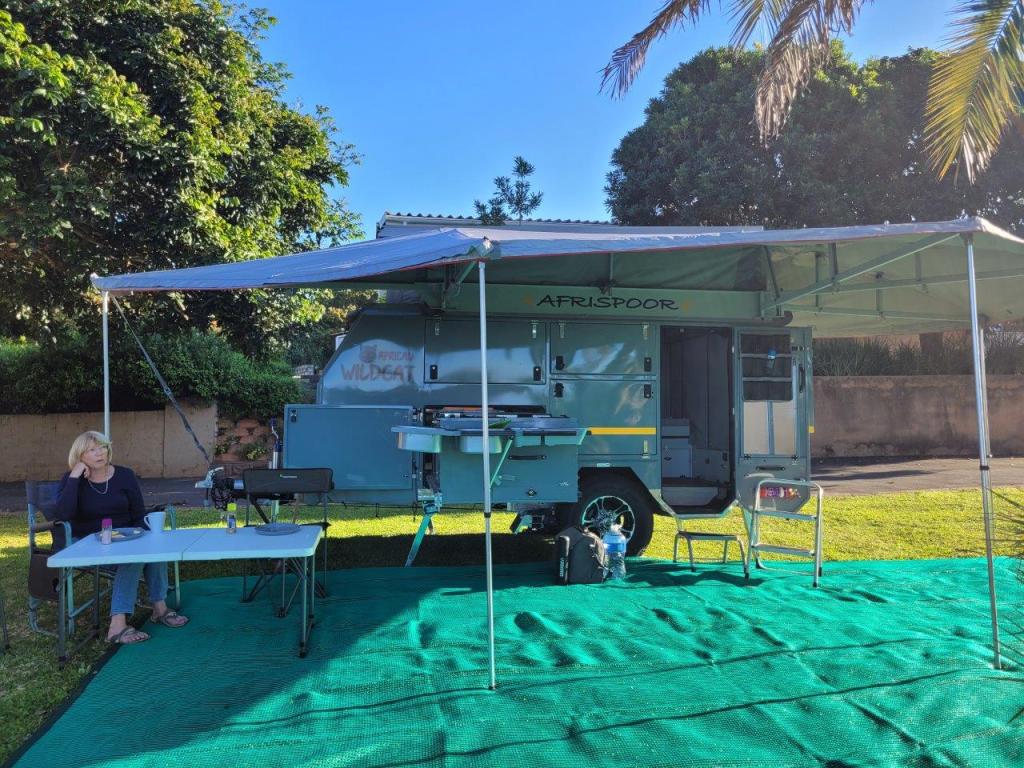
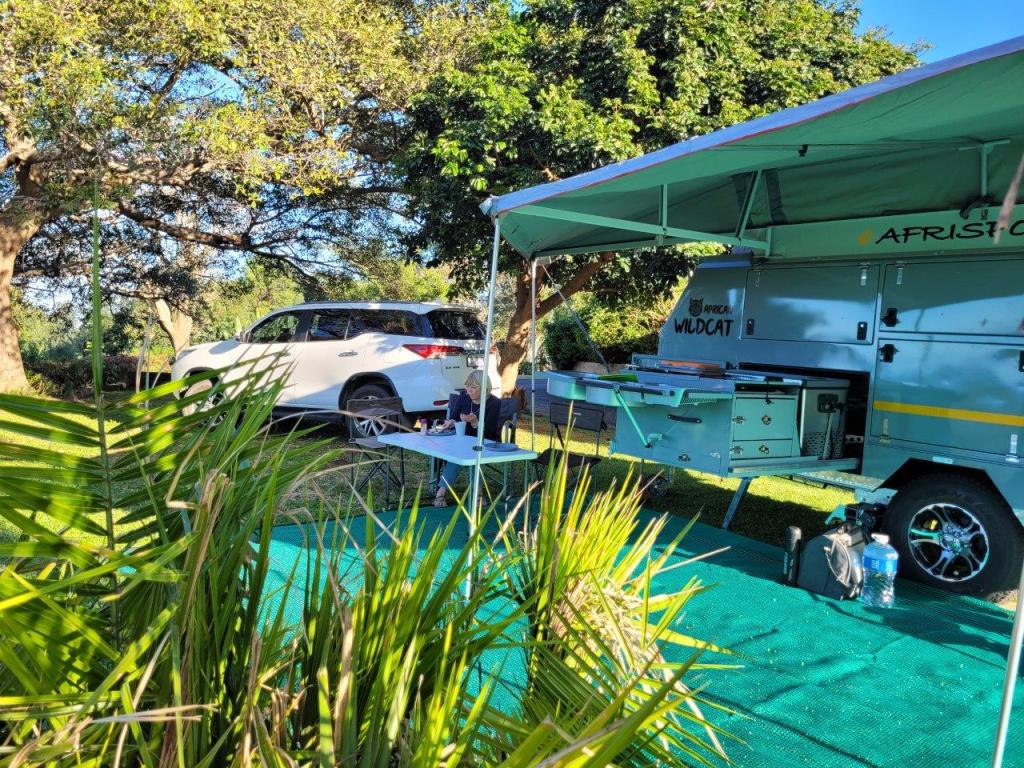
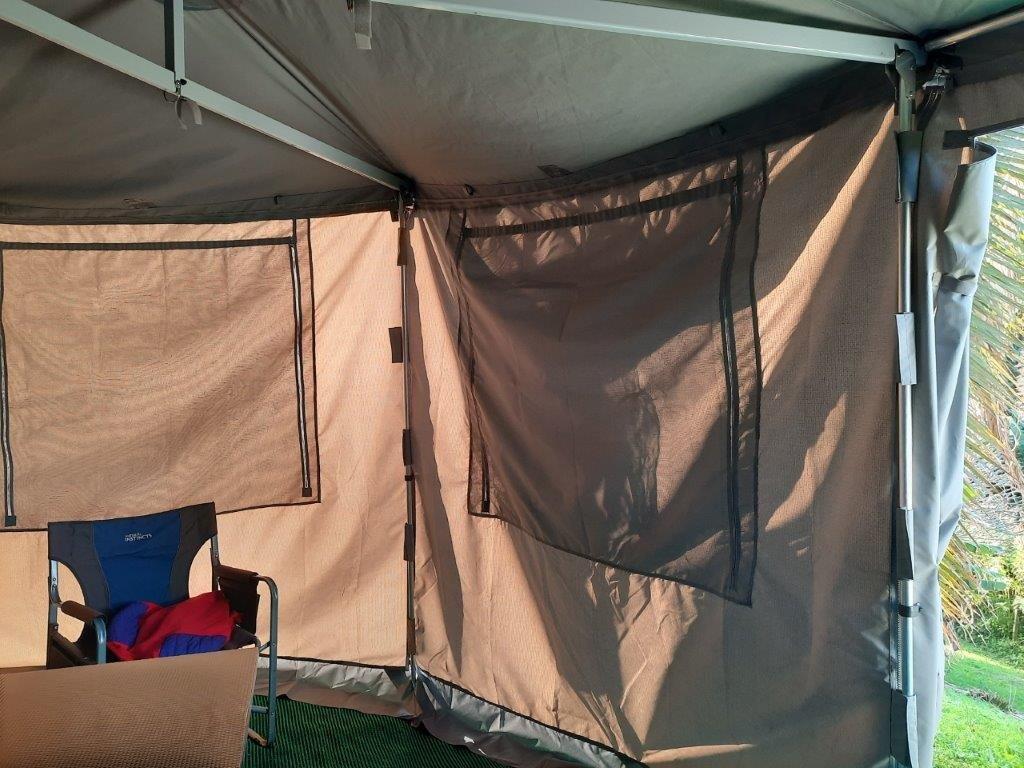
Then it was time to put up the roof extensions and all the sides to the awning. Fortunately, all the different pieces were well labelled. Despite that, it still took a while moving step ladders and holding up heavy canvas so that the zips could be properly fitted. A bit of effort but a lot learned.

We had a few walks on different beaches – TO Strand below us and Marina Beach near San Lameer where we also had a very cool and windy anniversary lunch – Independance Day no less.

We also took a drive to Umtamvuna and went for a walk up-river. Very quiet birdlife. Probably only identified 4 bird species. Somewhat disappointing. The last time we visited we were treated to an aerobatic display by Mango monkeys. None this time. Then we went up to Beacon Hill above Umtamvuna. A number of raptors were seen – African Harrier-Hawk and a Lanner Falcon. Cape Rock Thrushes appeared, and a few other species were present. After a short walk we gave up.

Little did we realise it, but our Atlas card covered the Umtamvuma, Beacon Hill and Leisure View areas. We recorded 44 different bird species in total.

We enjoyed a cloudless full moon one evening enabling us to take some lekker photos.

Paul and Sally

Ben Vie

27th July 2023

Sally and I with our friend Vicky went early morning to Ben Vie Gardens – having first called to ensure it was ok for us to come. We were advised by John Geekie to come real early to see the specials – Orange Ground Thrush, Chorister Robin-Chat, Lemon Dove, Olive Woodpecker, Grey Cuckooshrike, Bush Blackcap, Forest Canaries, Red-backed Mannikins and the nesting Crowned Eagles and African Fish-Eagles.

We arrived at 08h00 hoping we were not too late.

As we turned the corner to the parking area, there in front of us was an Orange Ground Thrush making its way towards us. This was one of seven we saw that morning.

First dash was to the loo. From there we looked up the path towards the feeding station and saw numerous birds flitting in and out of the bushes – including a Lemon Dove, several Chorister Robin-Chats, Olive Thrushes. All enjoying the food station.

So, within minutes we had seen three specials which are sometimes difficult to find. And each gave us ample time to enjoy their presence despite the gloomy feeding area which made photography challenging as you can see from the photos.

Southern Boubous were calling as well as the Chorister Robin-Chats and the African Fish-Eagles. Forest Canaries and Red-backed Mannikins littered the lawns. Olive Thrushes were everywhere.

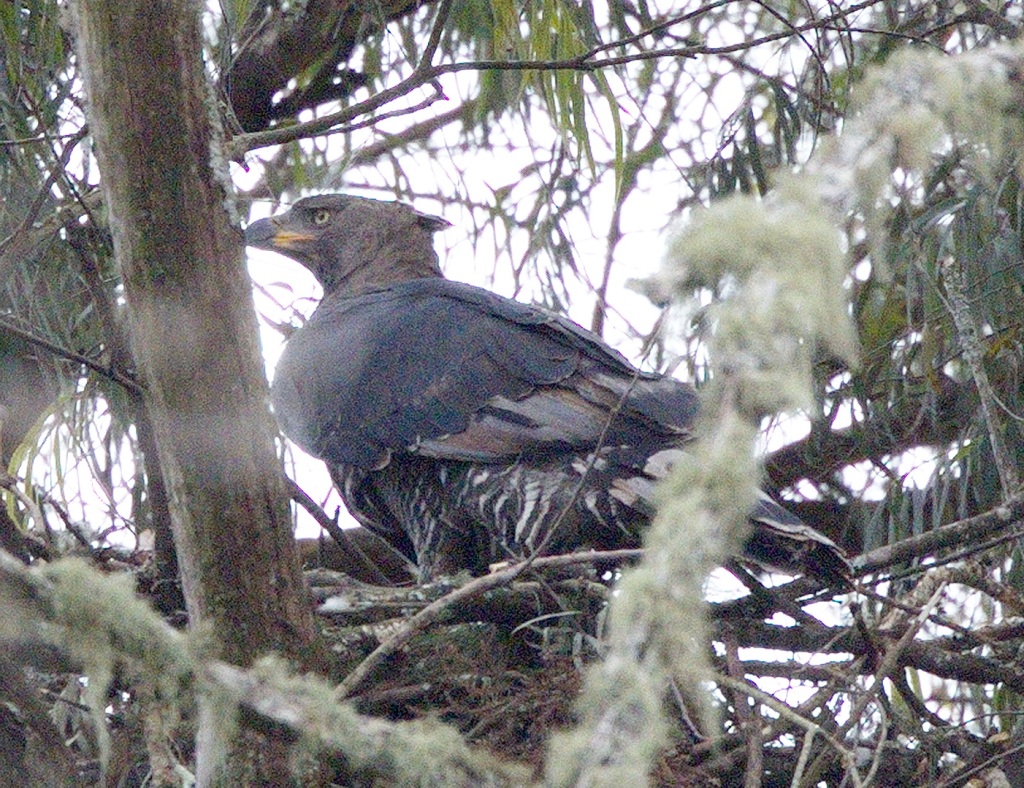
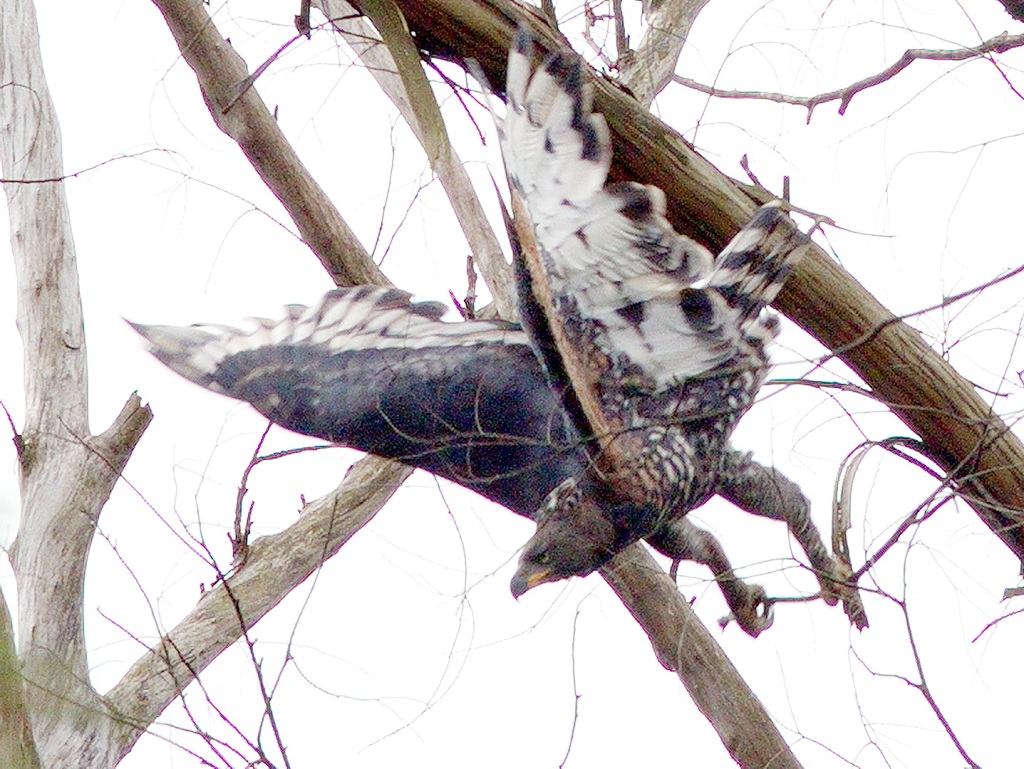
After a while we had tea and then continued our walk to the bottom of the grounds. We found the nesting Crowned Eagles. And watched as they both flew the nest. We observed where one flew and saw it returning to the nest carrying a rather long stick to add to the nest.

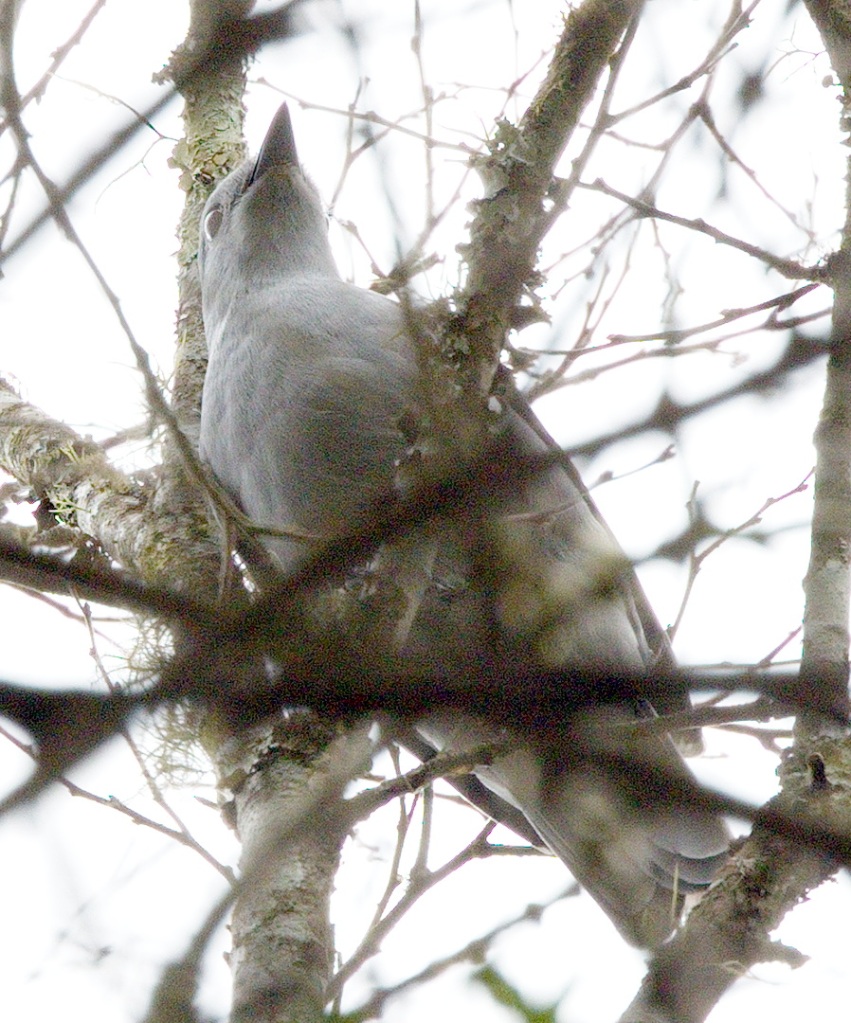
Then in one tree close by, there were a number of birds flitting around at the top of a tree. Eventually we identified a Bush Blackcap and a Grey Cuckooshrike.

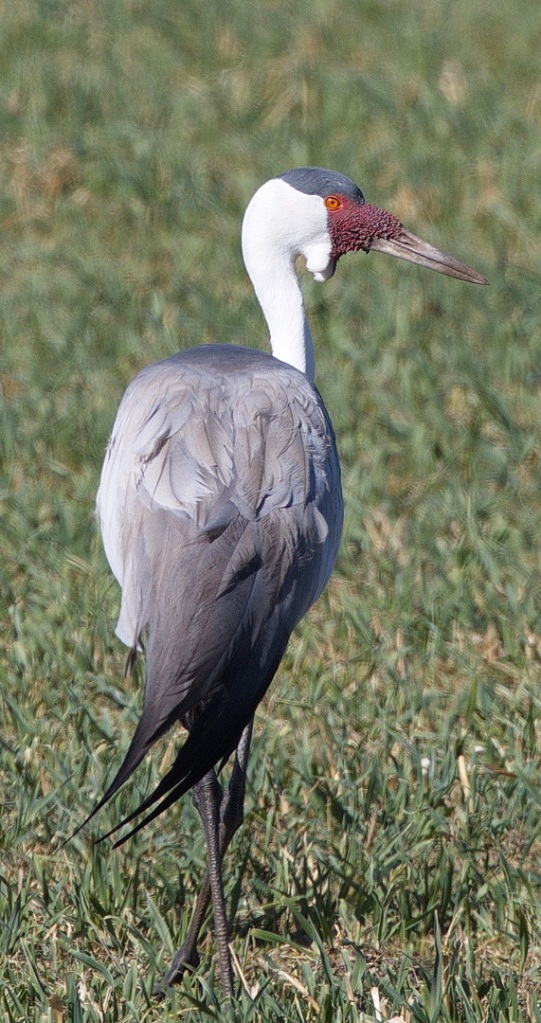
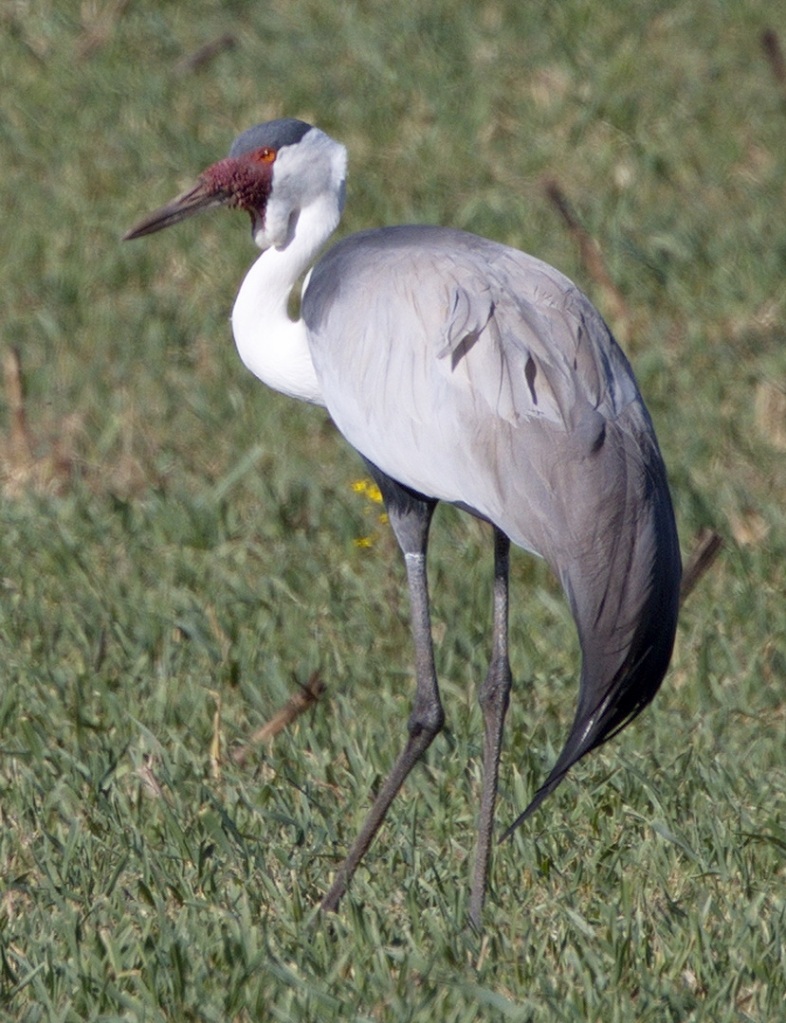
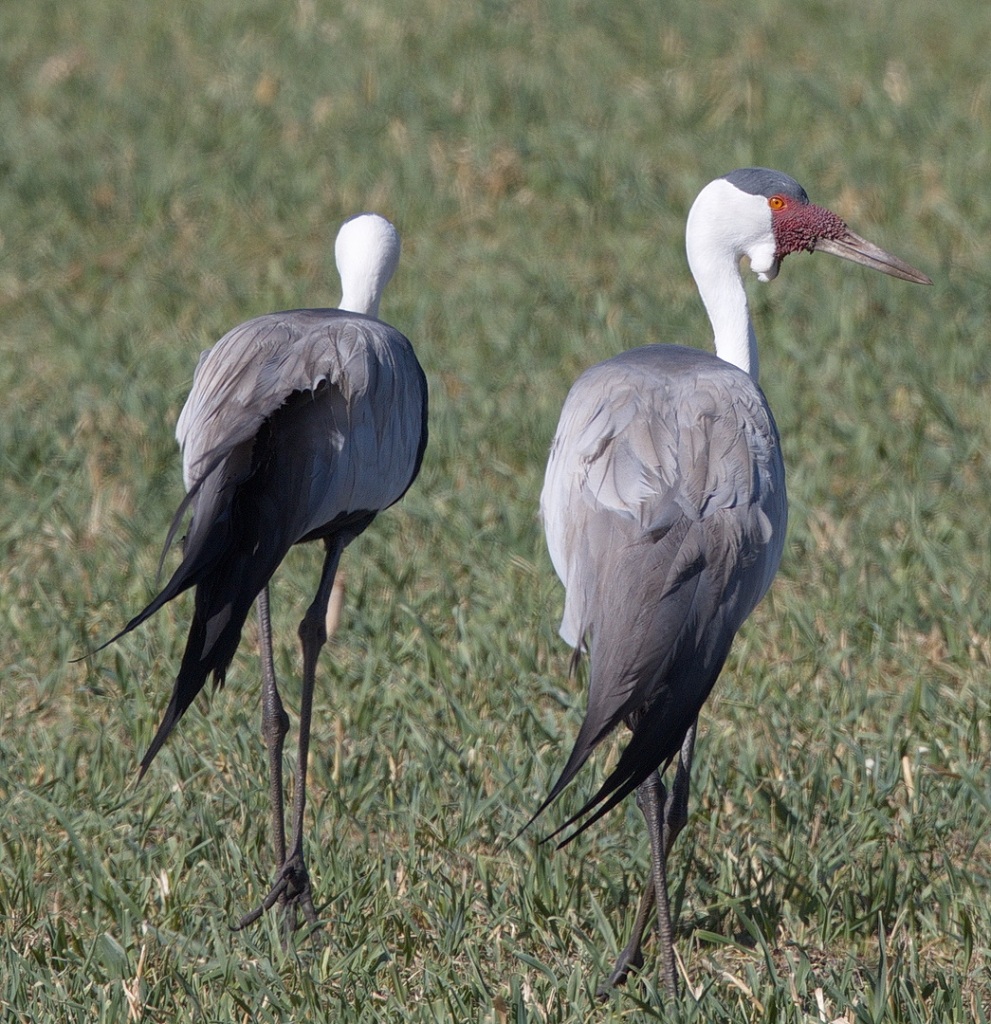
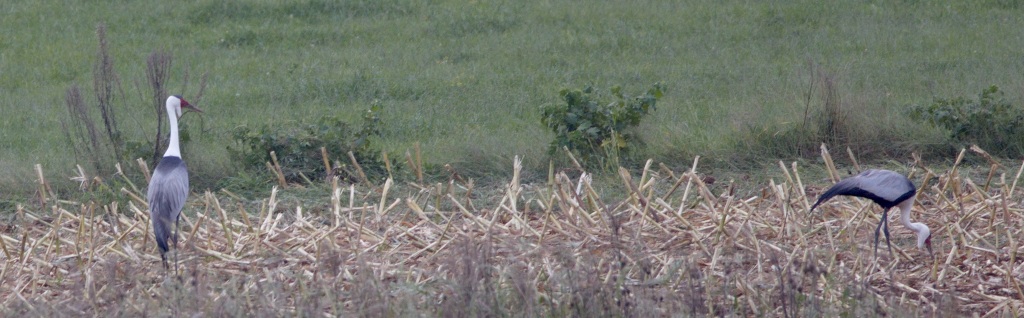
On the way home a pair of Wattled Cranes were seen close to the Karkloof Conservancy.

What a morning. Altogether we atlassed 26 different bird species at BenVie.

Paul and Sally Bartho
Sightings around our home in Amber Ridge, Howick RSA.

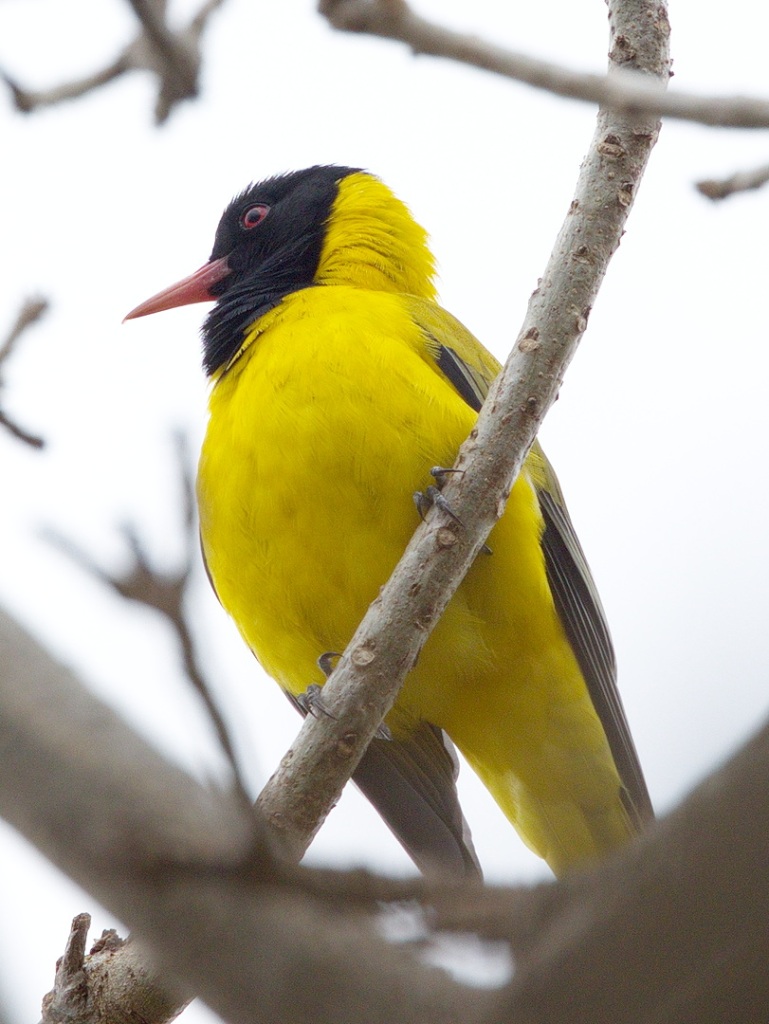
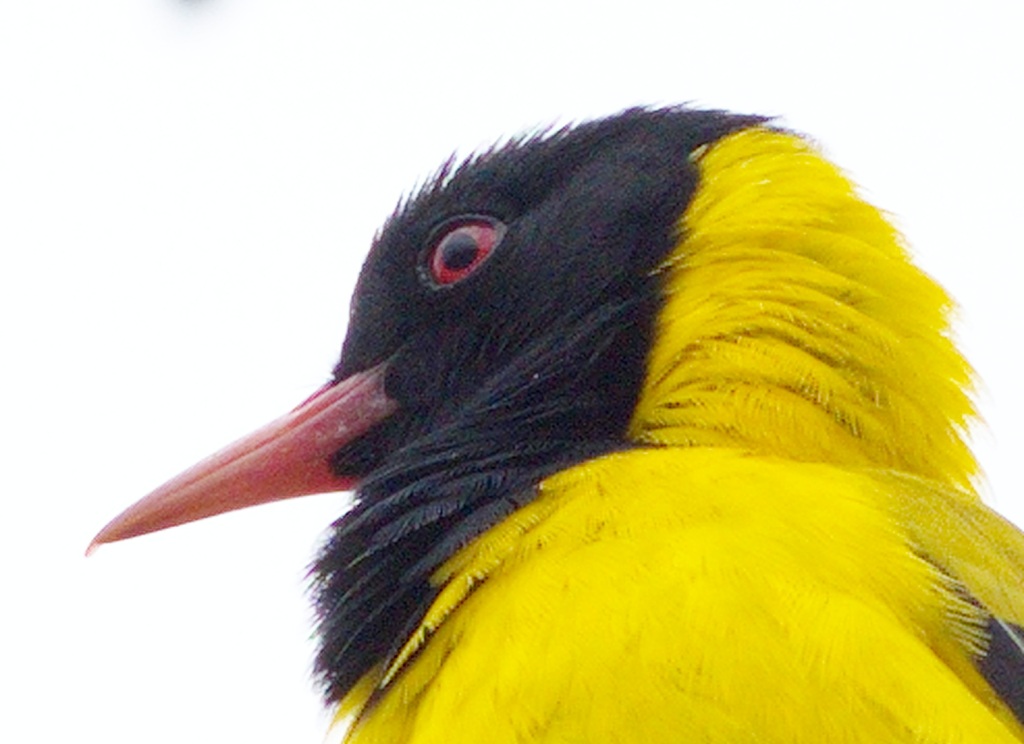
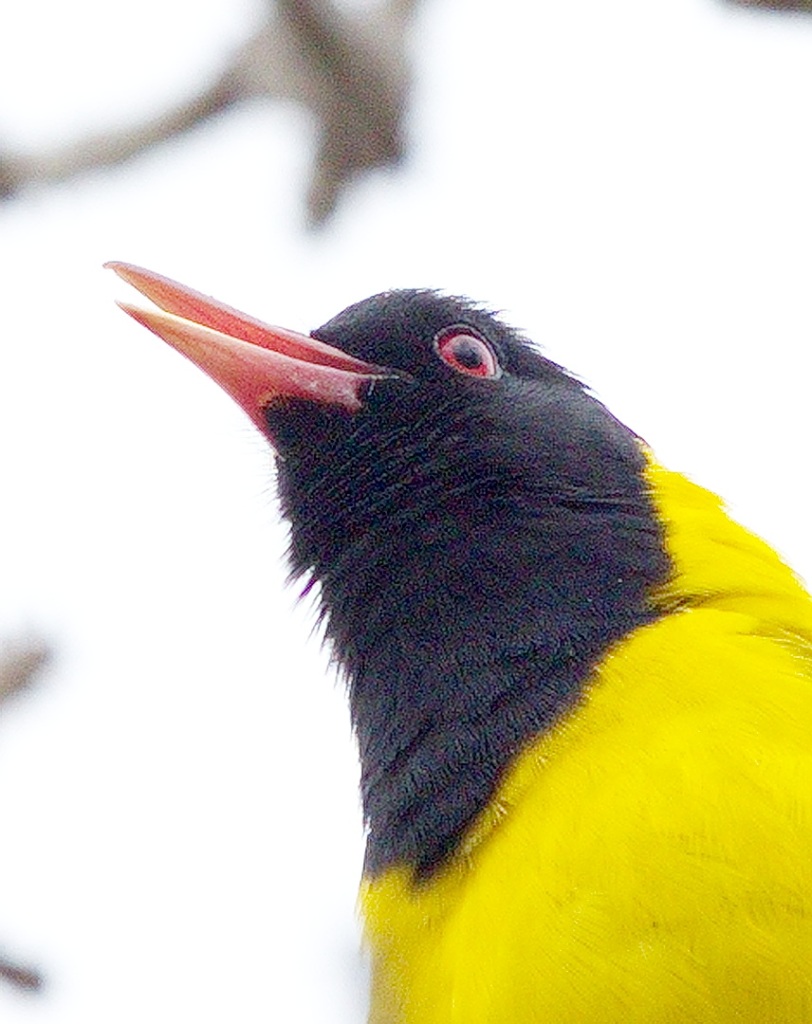
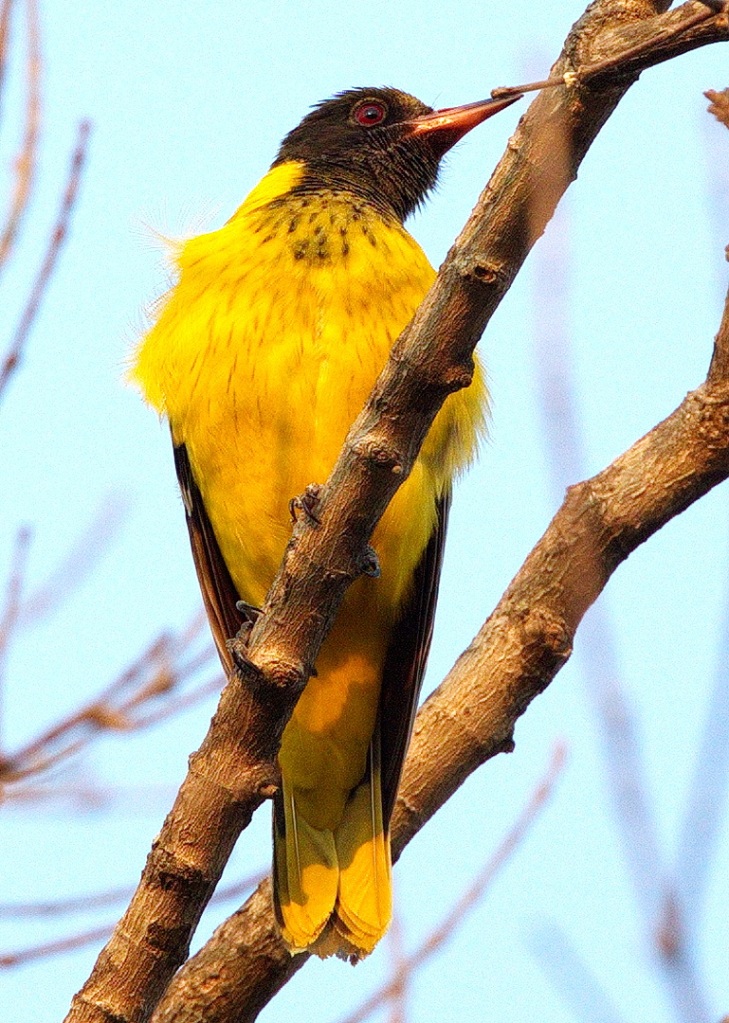
Here are some pictures of birds and animals seen round our home in Amber Ridge over the past 2 weeks. The Oriole was heard singing and then spotted in the nearby trees. Unusually it sat at the top of the tree for a long time enabling the following shots.

And some of the other species seen on 2nd August 2023.

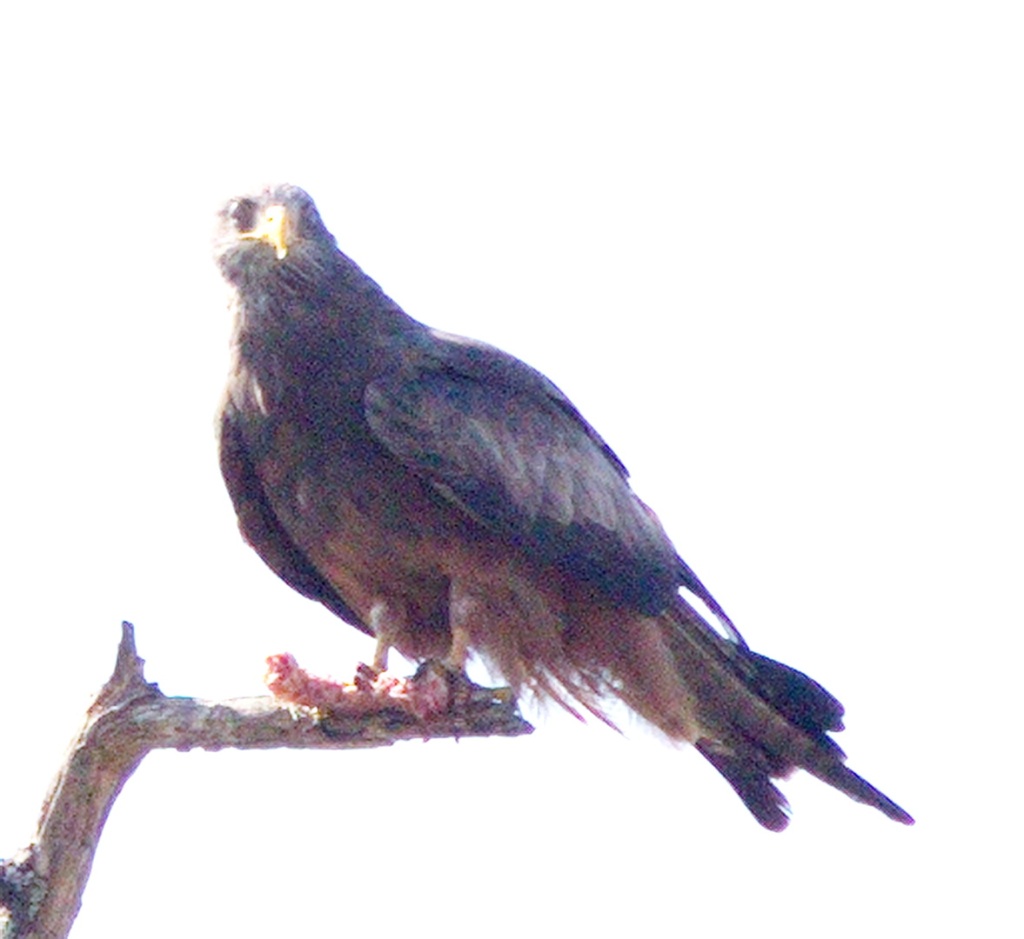
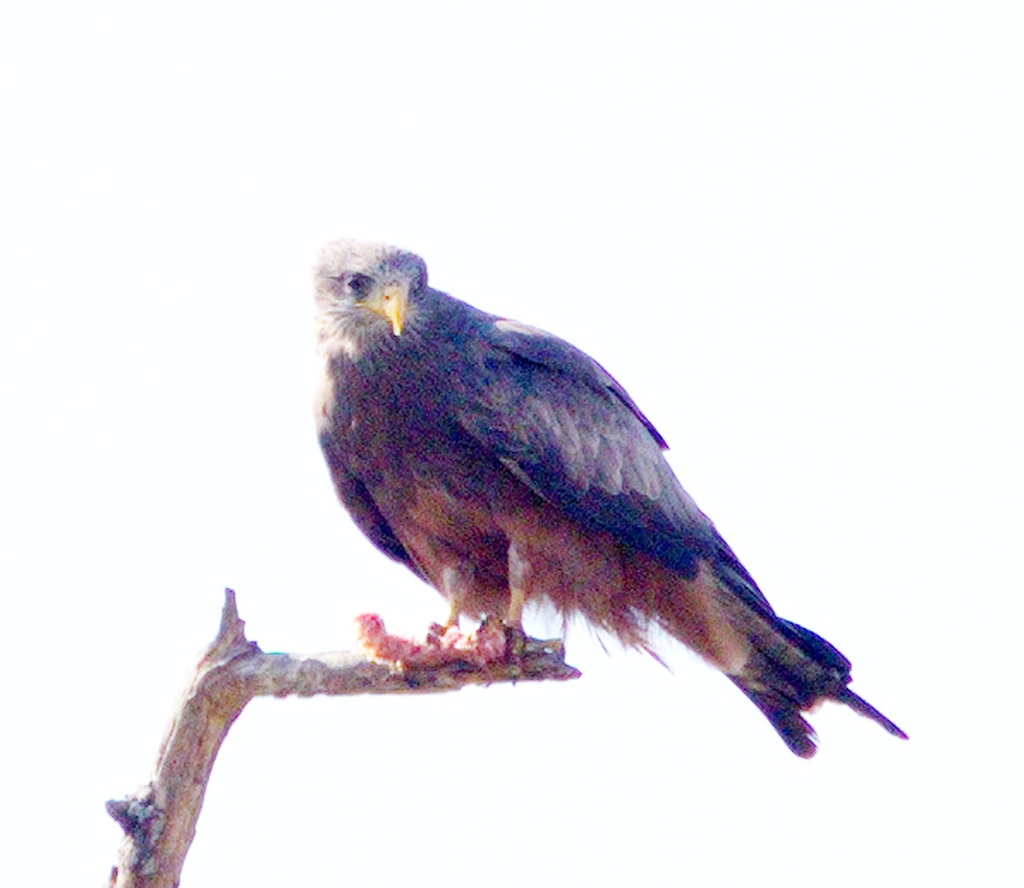
And on another day – 23rd July 2023 – we had our first sighting of a Yellow-billed Kite for the season. Very early.

Strangely, it has not been seen since.

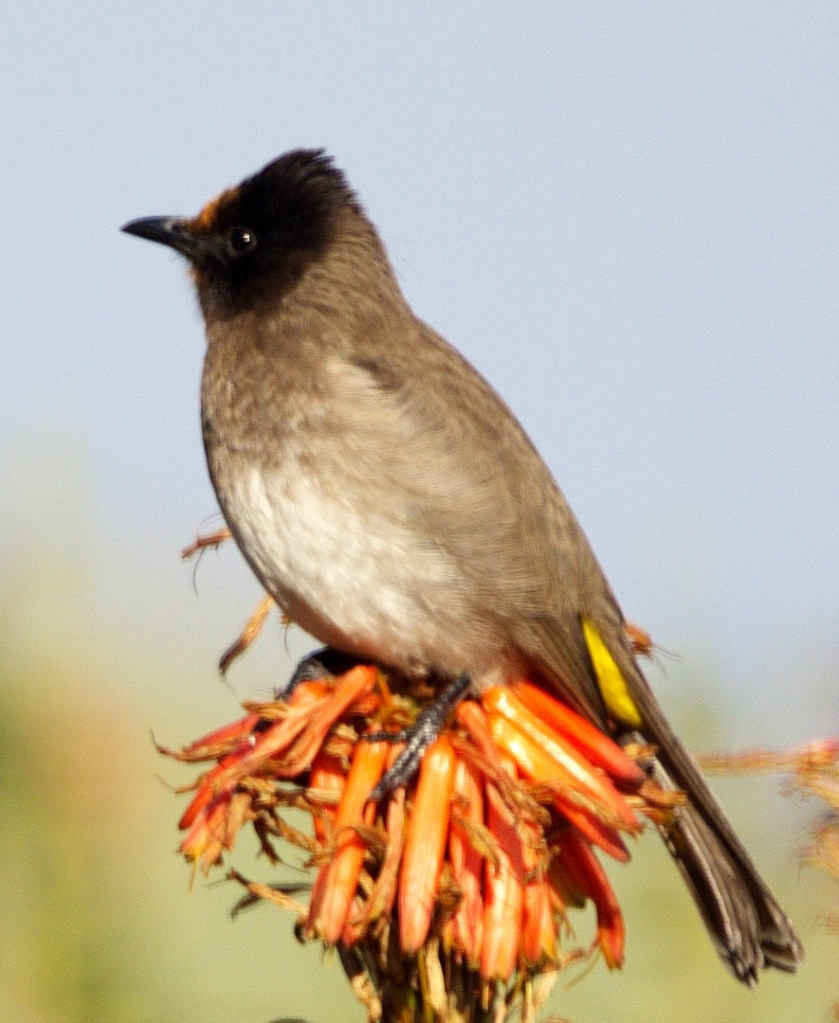
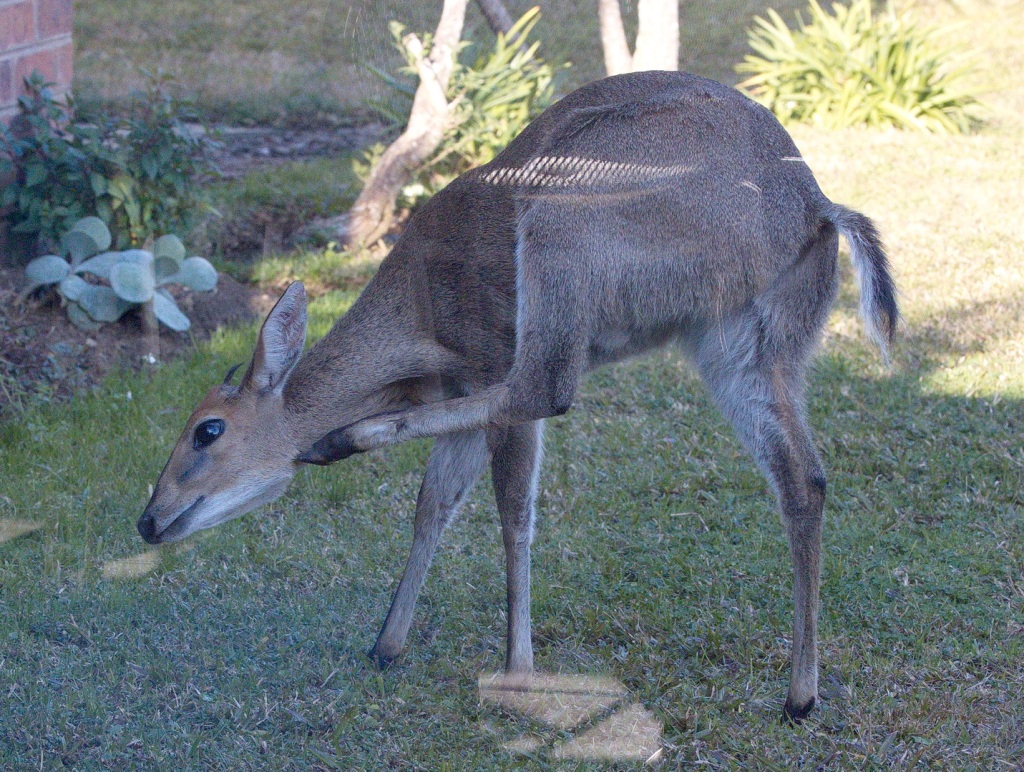
Other sightings on the day:

We are so fortunate to have such a variety of wildlife about us.

Paul and Sally Bartho
Zululand – Lesser Noddy

Sugarloaf Campsite, St. Lucia

25th to 28th March 2023

Isimangaliso Wetland Park

On impulse, Sally and I decided to go to Cape Vidal to see the visiting Lesser Noddy. It had been present there for quite some time so we thought that we would take a chance. The speculation was that the Lesser Noddy – presumably from around The Seychelles – had been blown off course by Freddie – our unfriendly cyclone.

We headed to Sugarloaf campsite in St. Lucia for 3 nights – our Afrispoor Cheetah in tow.

We arrived late-afternoon and set up camp. Considering we had only made the decision to go at 09h00 that morning, this was not bad going as we had not even collected our Cheetah nor considered packing.

The next morning, we were up and on our way to Cape Vidal as soon as the Isimangaliso gate (Eastern Shores) opened. We arrived there at Cape Vidal about 06h20. We purposefully planned to get there early to coincide with all the reported sightings of the Lesser Noddy being reported around 06h00.

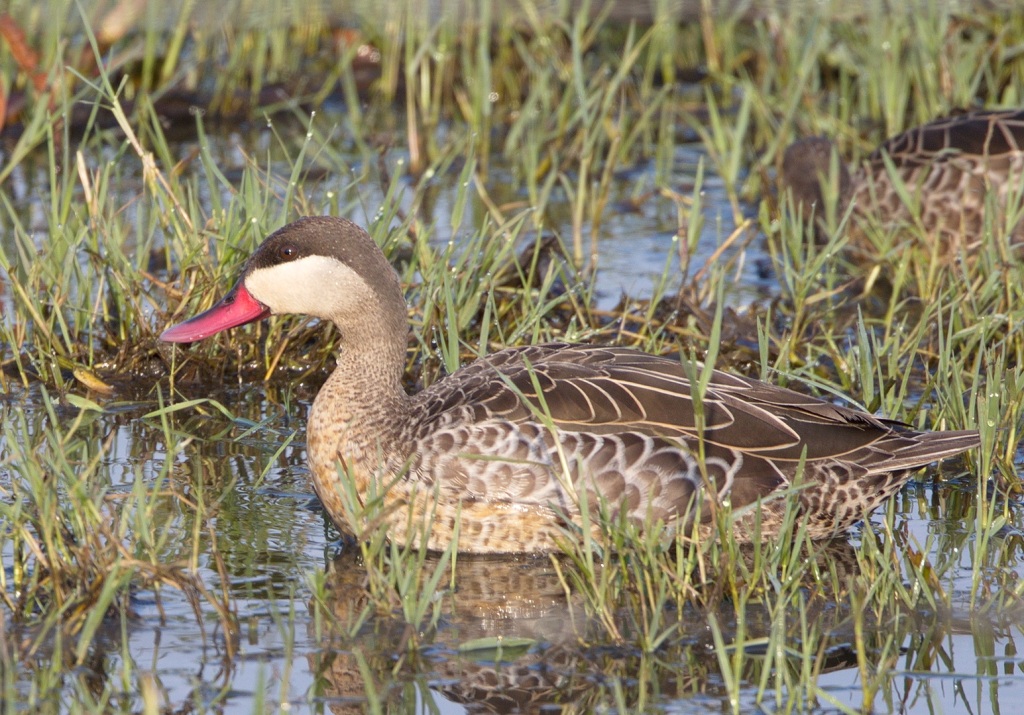
It was odd driving through the Park pre-dawn. And there was water everywhere. At one point there was water across the road with two Red-billed Teals enjoying an early morning dip.

Water, Water everywhere right up to and across the road in places.

Typical watery landscapes:

On arrival at Cape Vidal, there was only one other person present looking for the Lesser Noddy – Anton Kruger of “Firefinch” App fame. The tide was in, so no part of the reef was above water. After patiently waiting and scanning the beach, we believed that we should return later when the tide was out and the reef exposed. Anton told us that he had arrived the afternoon before and seen the Noddy but that it had flown off south soon after he had seen it. Our hopes subsided.

So off we went for a drive round the rest of the Park. We headed for the Grassland Loop to the south of Lake Bhangazi. And Lake Bhangazi was so full that it came right up to the causeway – something we had never seen before. Usually it was 50 to 100 metres distant.

Lake Bhangazi

And looking to the south (the other side of the causeway) – more water right up to your feet too.

The south side of the causeway – yes water.

The wind had a negative effect on bird and animal sightings. However, we did see several buffalo in the distance as we travelled the Grassland Loop. Here are some of the photos taken:

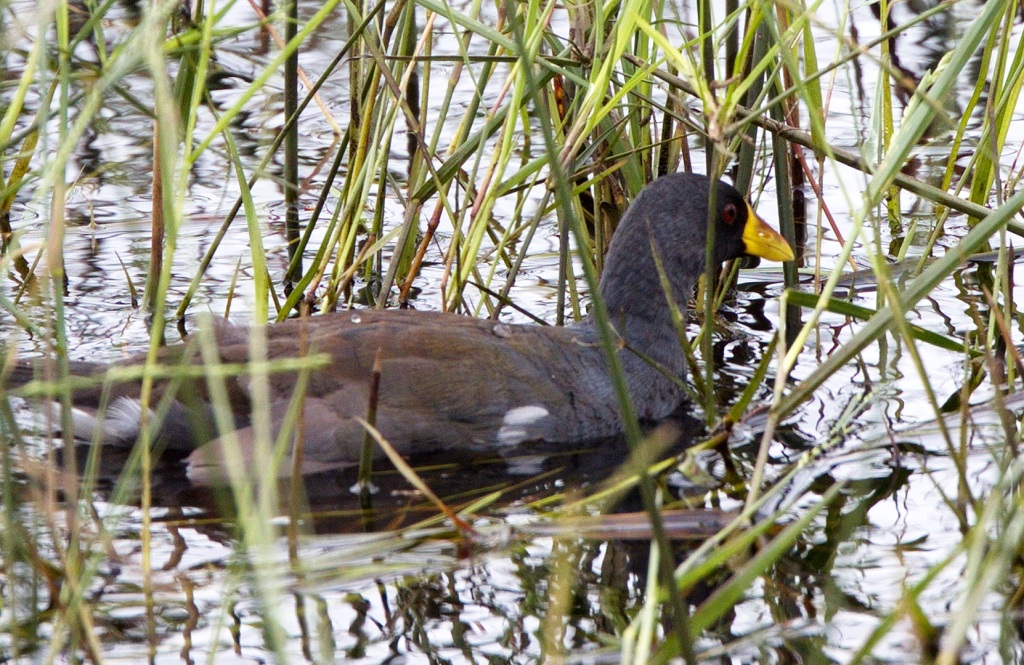
It turned out that we were following Anton around the Grassland Loop. At one point near the end of the Loop he pointed out a Lesser Moorhen swimming about in one of the many ponds.

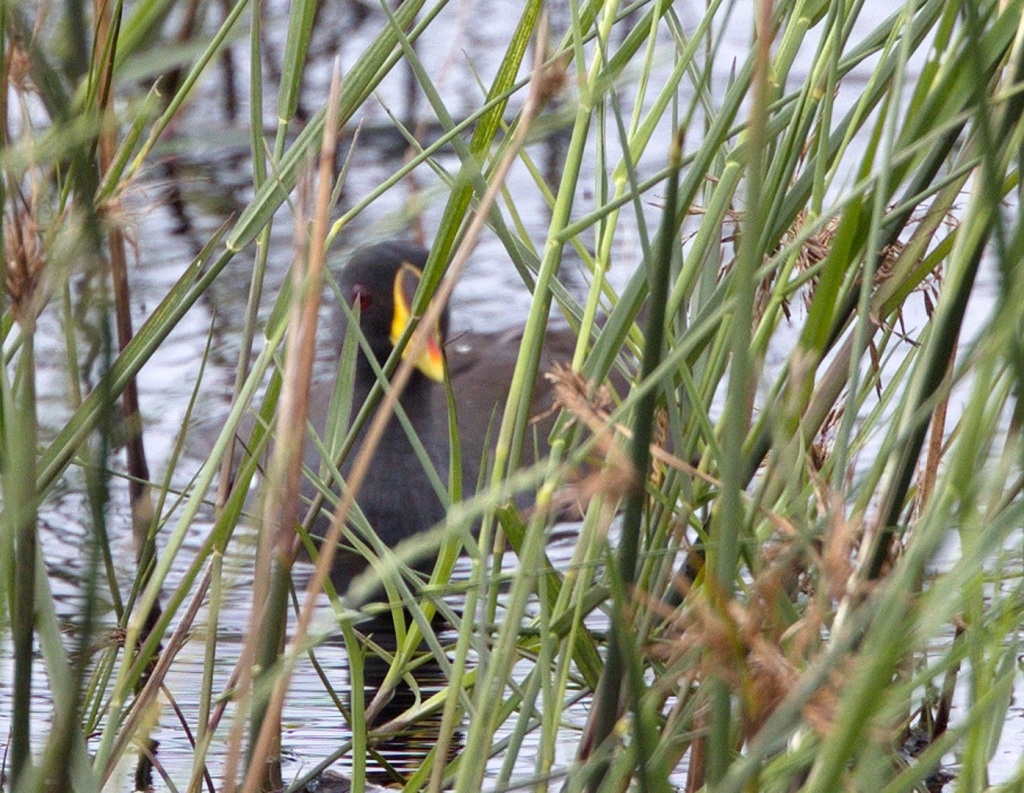
We did find another later in the day on our way back to camp. It was on the Pan Loop road. We had checked the pond from the Amazibou hide and seen nothing. So we thought we would go to the hippo pond at the end of the Pan Loop. As we descended, we noticed that the water on our right was right up to the road and the road ahead was flooded. We were not going any further. As we were turning around we noticed a waterbird swimming through the reeds – another Lesser Moorhen.

Once back on the tar, we had not gone far when we came across the Martial Eagle – pictured below.

It was at the end of the Grassland Loop on our way back to Cape Vidal that we saw the imperious Martial Eagle shown above. And as we were watching, a carload of friends from Durban drew up alongside us. They told us they had seen the Lesser Noddy.

That was it. We decided it was time to get back to Cape Vidal as quick as we were allowed. As we passed Anton’s car we called out to him that the bird was there. And we set out together at pace. After a while I noticed that Anton was no longer behind us and assumed that he had slowed down for some reason. We continued.

Once at Cape Vidal, Sally and I headed for the now protruding reef.

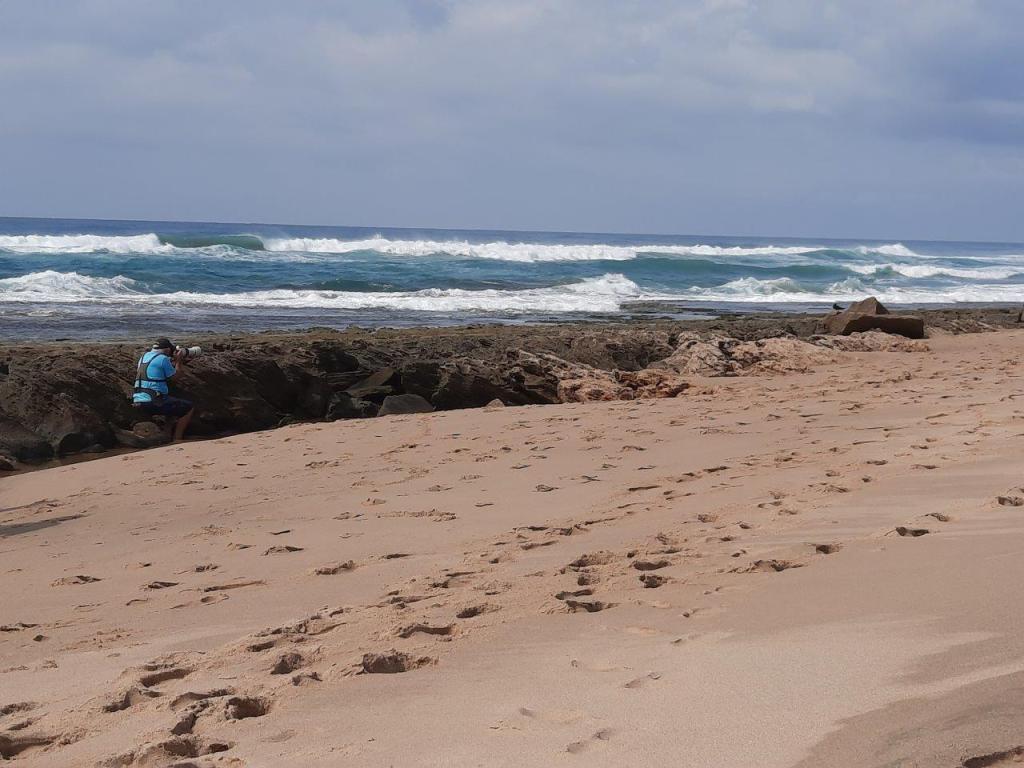
Lesser Noddy-land.

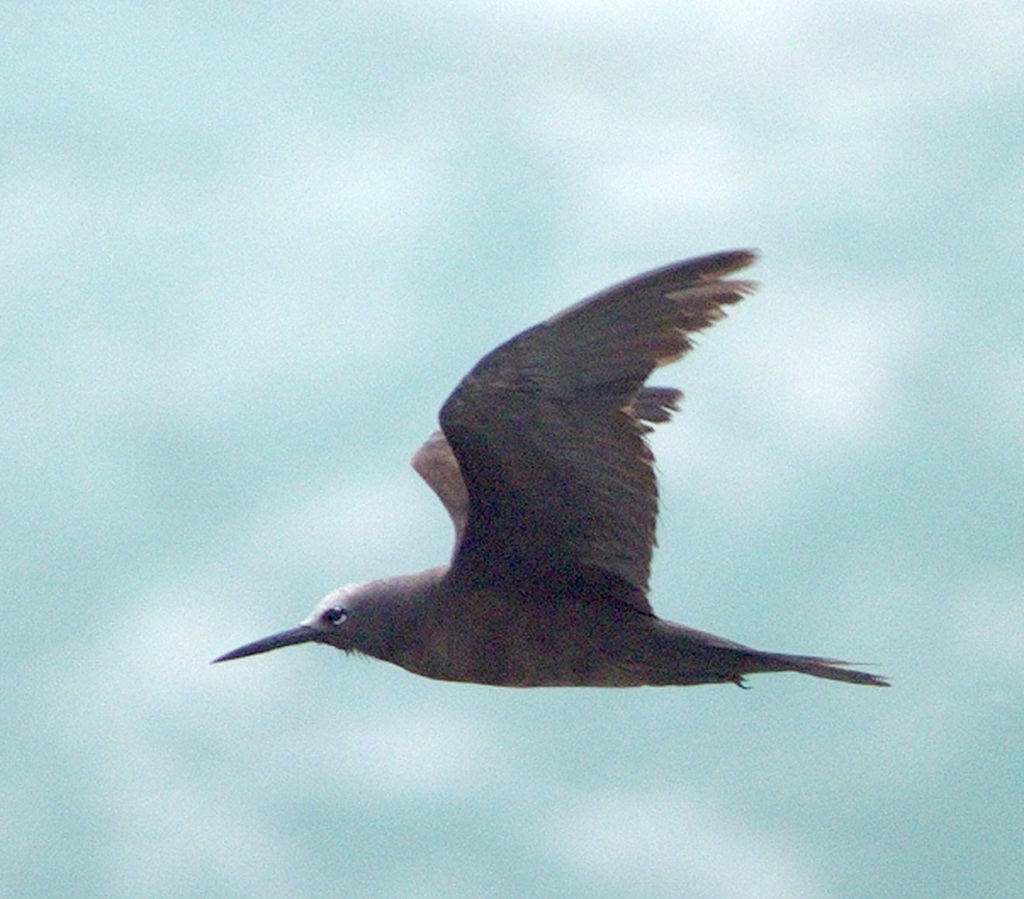
As we approached the reef, we saw the Noddy flying over the rocks. Well at least we had seen it even if we don’t get close. But close we did get. The Lesser Noddy kept its vigil over the rocks and flew around in circles over them, sometimes landing but at times flying over us really close. Eventually it decided to pose for us and landed on the rocks less than 10 metres from us. What a lovely sighting – probably to easiest lifer sighting in our experience.

The reef over which the Lesser Noddy patrolled:

Setting the scene:

Anton appeared and we asked what had kept him. He told us that as we drove ahead of him, we disturbed a large male leopard which walked out in front of him. Stop they did for his wife and children to enjoy. If that had been us, I am sure we would have been in a serious quandary as to whether or not to stop!!

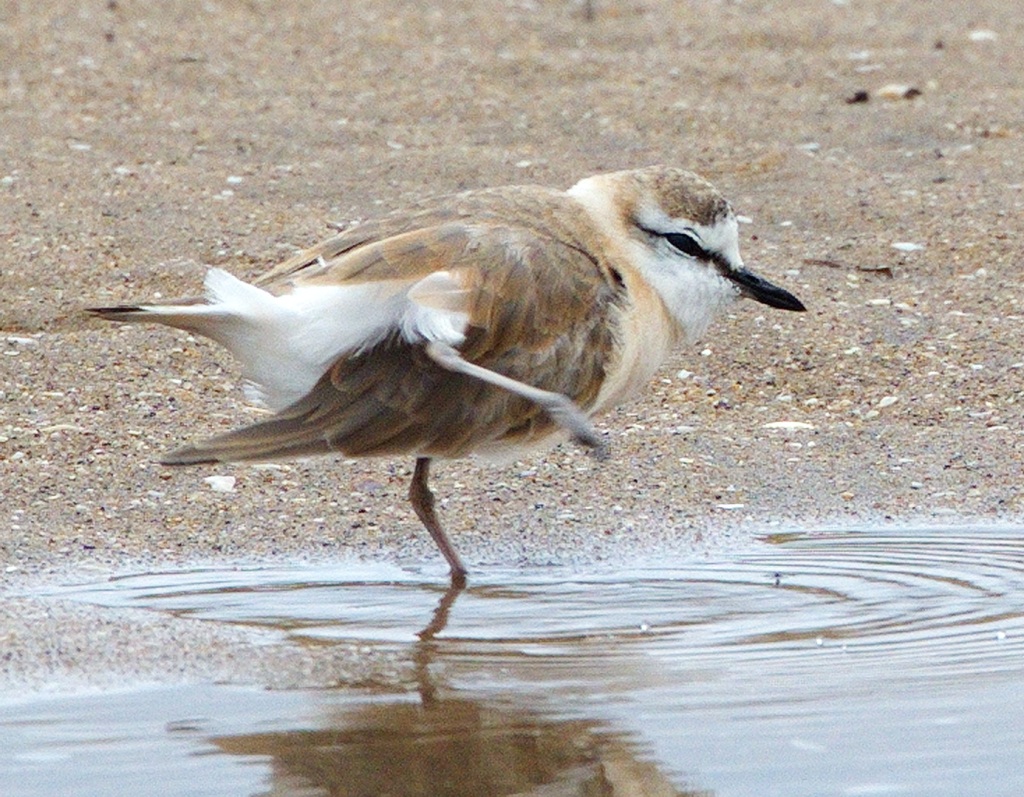
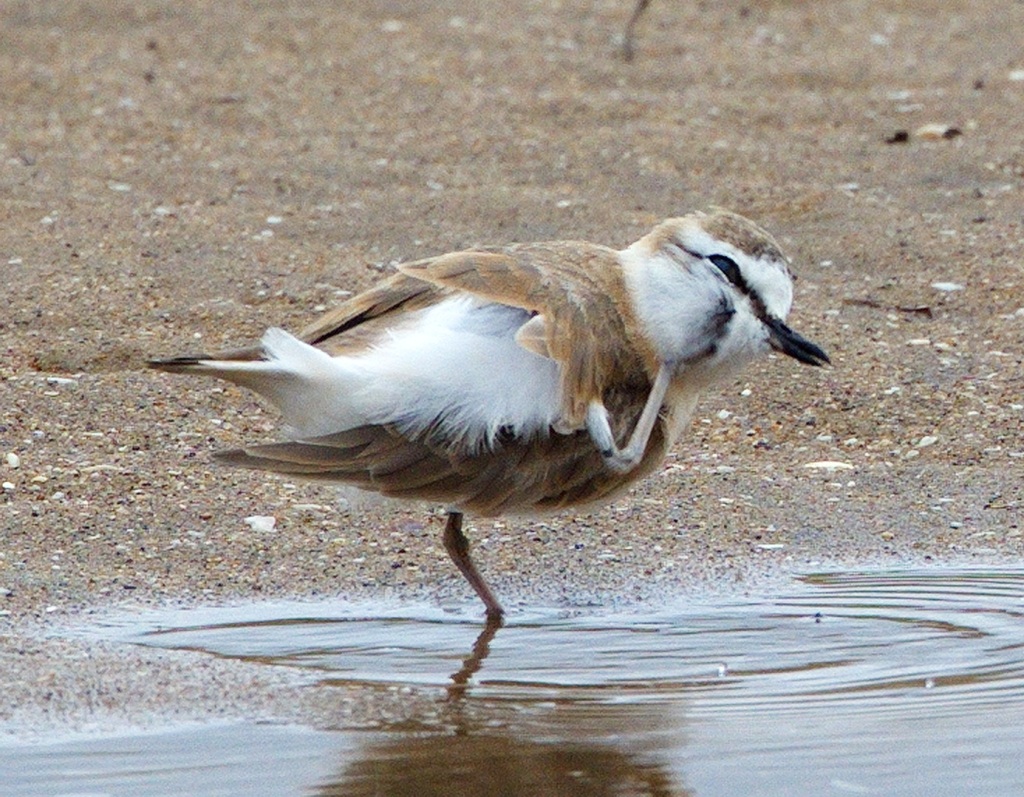
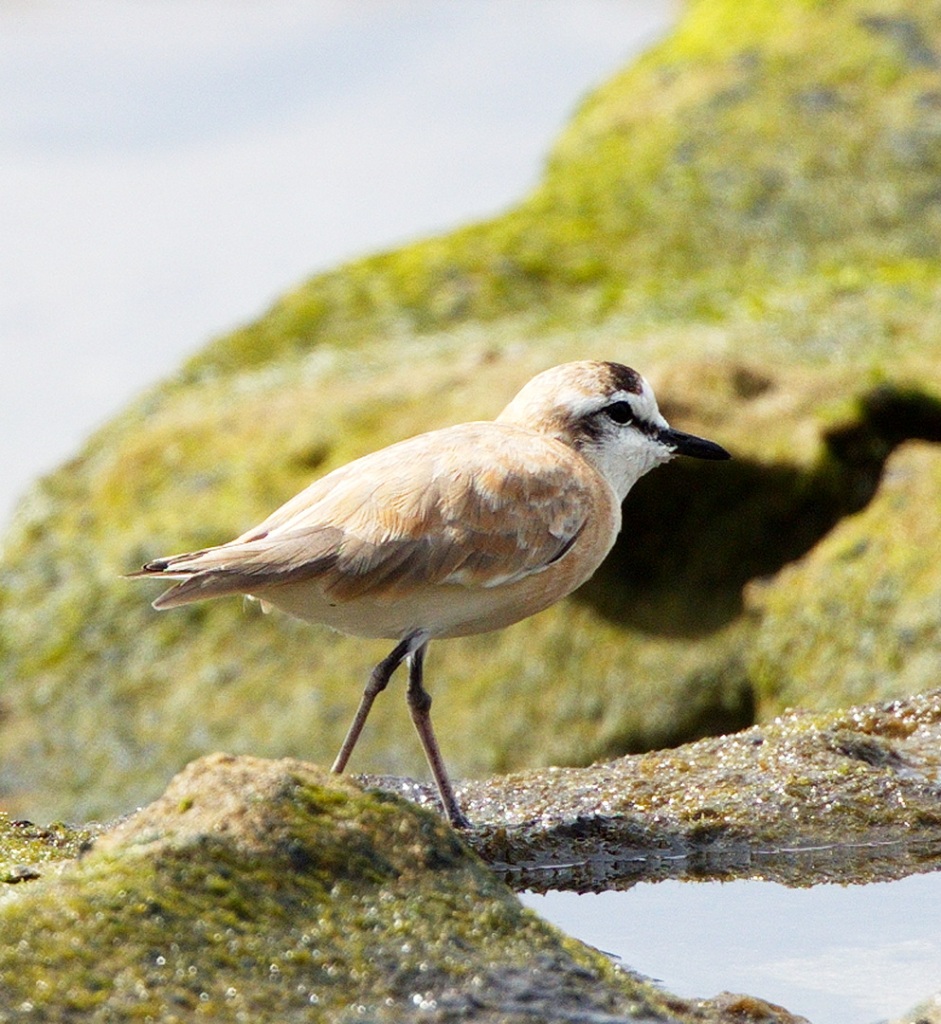
A number of Sanderlings and a White-fronted Plover were also feasting among the rocks.

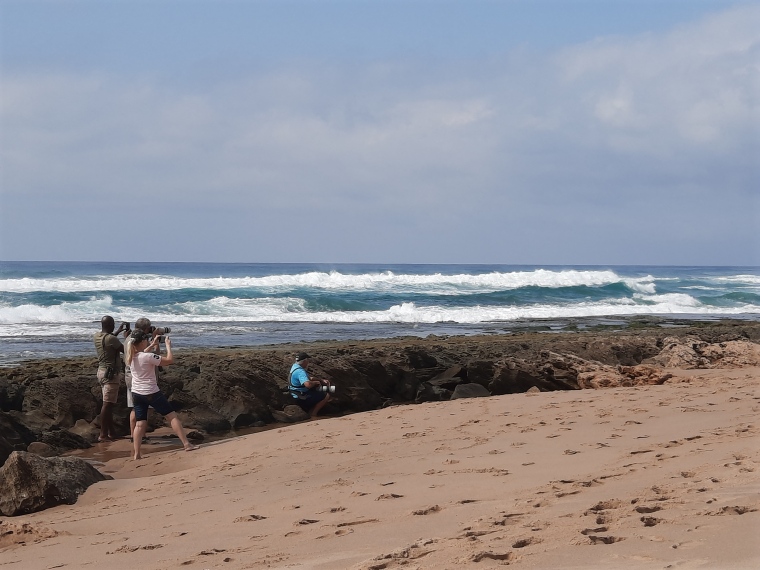
That afternoon, back at St. Lucia, we took a walk along the beach to the estuary’s mouth to the sea. We went to see the Terns and the African Skimmers which had been hanging around amongst the Terns for some time. And they were there – unfortunately on the other side of the estuary.

The next day we went to the Western Shores side of the Isimangaliso Wetland Park. A very cloudy, drizzly and windy day. Again, we saw little until much later in the morning on our way back to Sugarloaf campsite.

Despite the short visit and the adverse conditions, we managed to identify 92 different bird species – the list of which you can see by clicking on the download below.

As a matter of interest, the Lesser Noddy did a disappearing trick the day after we saw it. We were so fortunate.

Sally King and Paul Bartho

BirdLife KZN Forum – Spioenkop and Ingula

Sunrise at Spioenkop

Spioenkop Dam

17th to 21st March 2023

Sally and I have always wanted to see the birding reserve area around the Ingula Pump Storage Scheme, just north of Ladysmith in KZN. And when the BirdLife KZN Forum was to take place there, we leapt at the chance to see the area. No expectation of seeing the White-winged Flufftail.

Having registered to attend the Forum, we had the opportunity to participate with the guided bird tours in the area.

Where to stay? Our options were in and around Ladysmith in local B&Bs or hotels. However, we decided we would rather take our off-road caravan and camp – it being a lot cheaper, and we would avoid being in town with the EFF “March for Peace!!” on Monday 20th March.

But where to camp close by? Nothing closer than an hour’s drive, we learned. We had two choices – Weenen or Spioenkop. We chose the latter as one of the guided tours was planned to take place there. Also, it meant avoiding driving through Ladysmith to get to Ingula.

Our campsite in Spioenkop:

And looking back at a view of our campsite:

A view of our lonely campsite

Our views over the dam:

Spioenkop is not a large reserve, but it has a fair network of roads and even hides a vulture restaurant surprisingly.

Here are some typical views of the reserve as you drive around.

The power of water

Here are a variety of some of the birds we came across in Spieonkop. And even before we started to set up camp an African Fish Eagle came and settled in a nearby tree to show us what he was having for lunch.

One of the surprising things about birding in Spioenkop is that there is a “semi-private” vulture restaurant. It is a sizeable walk through the bush to get to it, so one has to alert for dangerous animals – like Rhinos. A couple of skinned Zebra carcasses were placed at the hide a day or so prior to our visit. Vultures were circling when we got there but unfortunately the dozens, we were hoping for, did not appear and the zebra stomachs remained bloated.

Above:

On our last day at Spioenkop, the thunder started early and lasted all day until it finally exploded above us with a special continuous firework display of lightning and thunder. Here a couple of short videos.

The start
A small sample of the lightning which lasted for hours before the rain set in.

And on to Ingula.

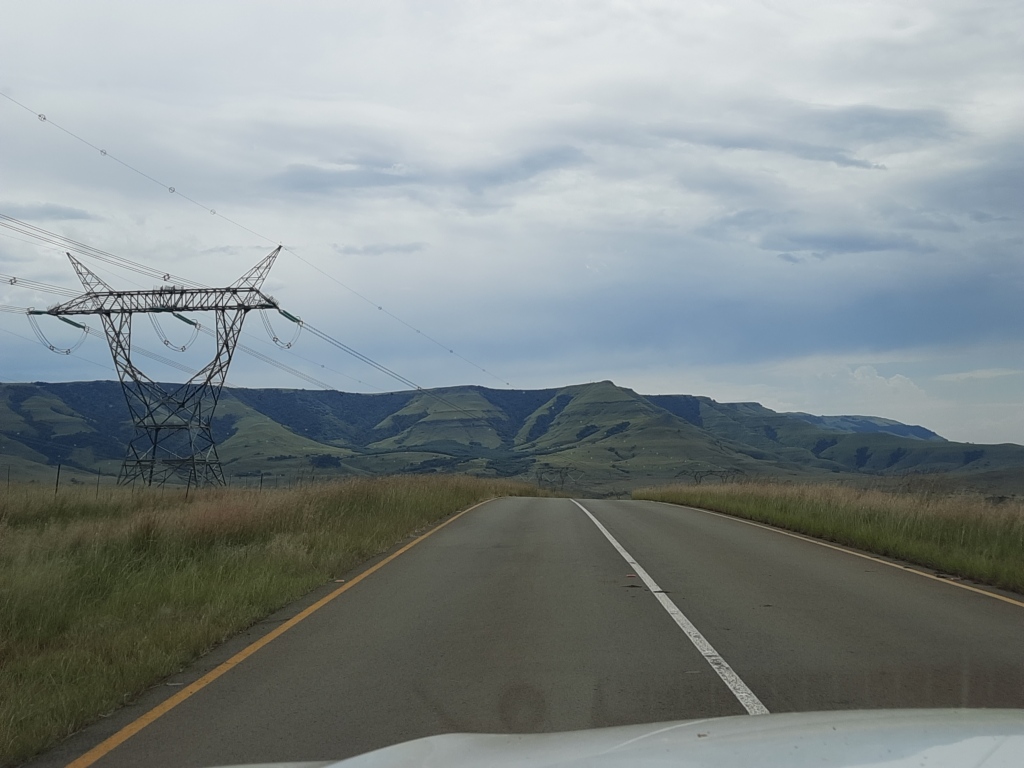
On the way to Ingula we travelled on some specially designed disastrously potholed roads. Fortunately, it was mainly a section of about 6 kilometres where cars and trucks took turns on either side of the road.

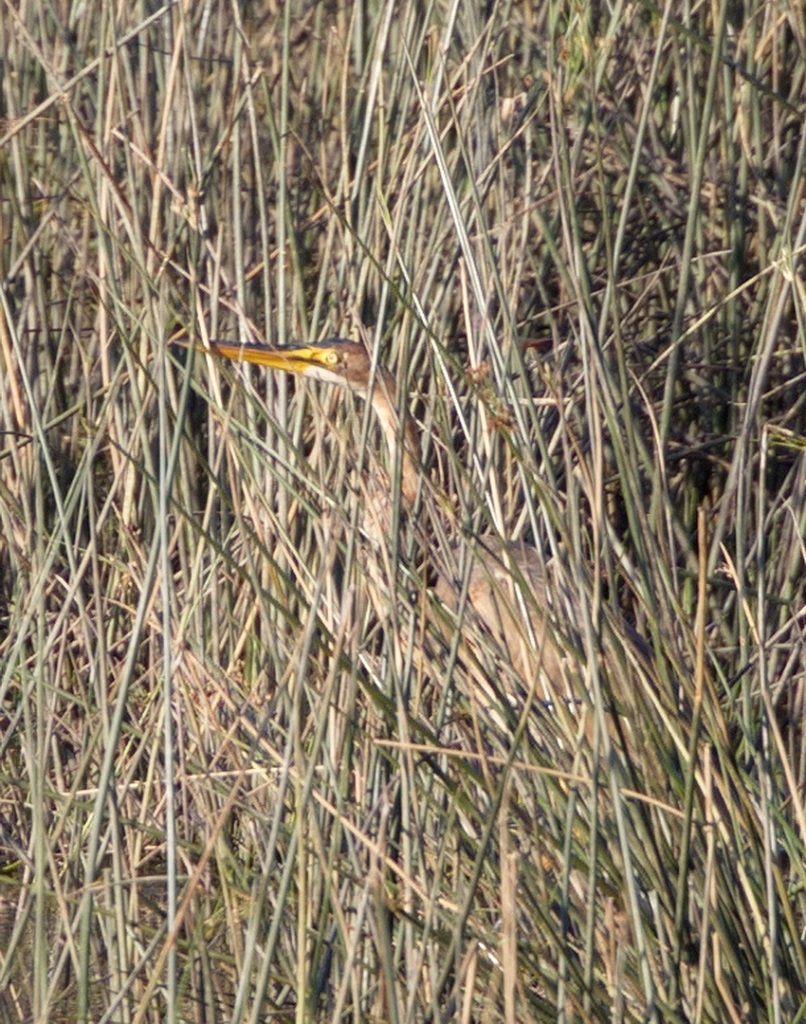
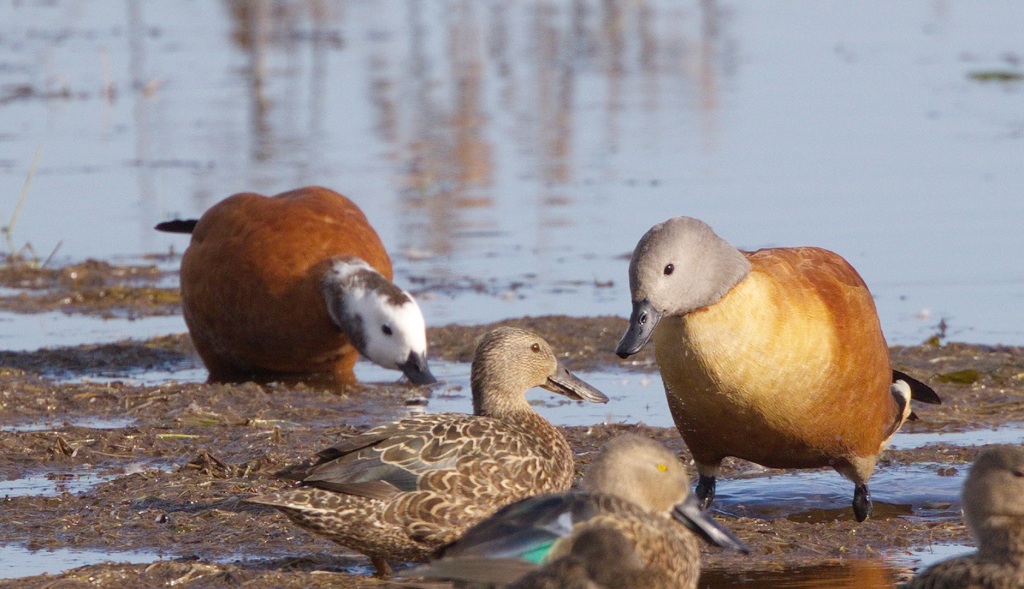
As we closed on the entrance to Ingula, more and more roadside water appeared. In one section of about 100 metres (possibly more) a roadside pond was inundated with Red-billed Teals, a few Blacksmith lapwings, South African Shelduck, a stray Grey-crowned Crane, likewise Malachite Kingfisher and an unexpected Wood Sandpiper. Even a Purple Heron made an appearance in one such pond – though spotting it was a challenge.

Even a Ruff was reported here tho’ we missed it.

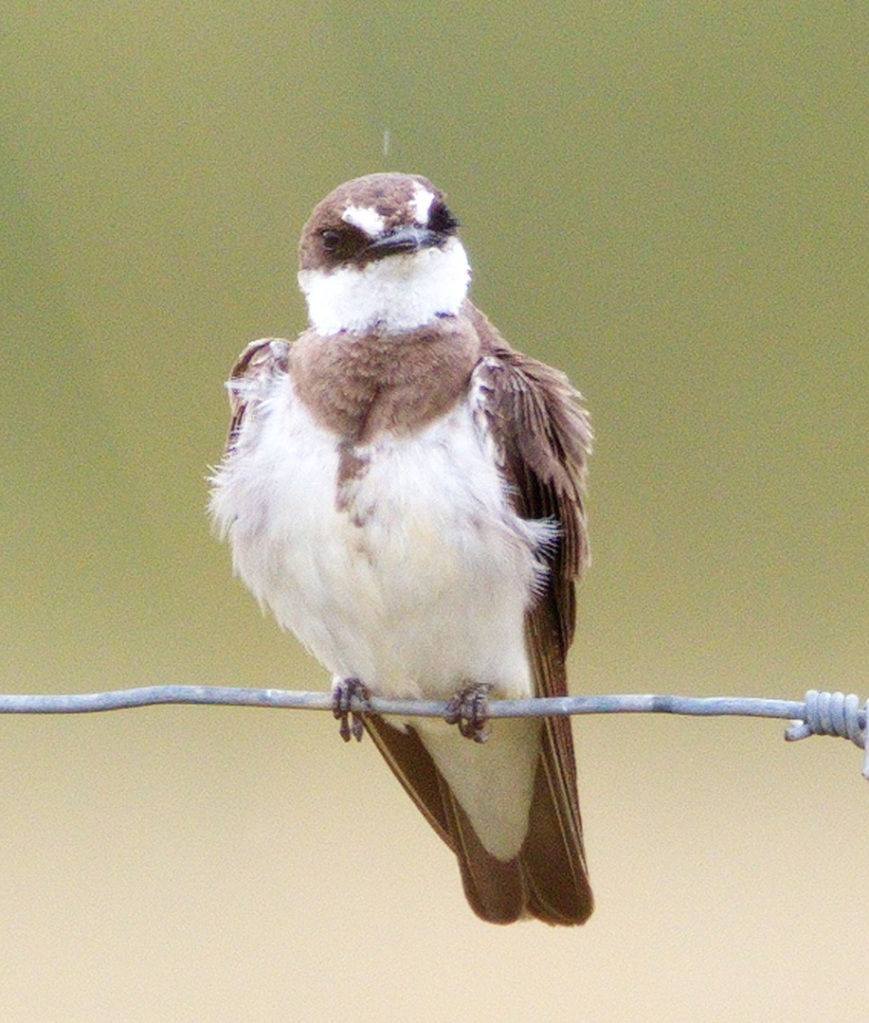
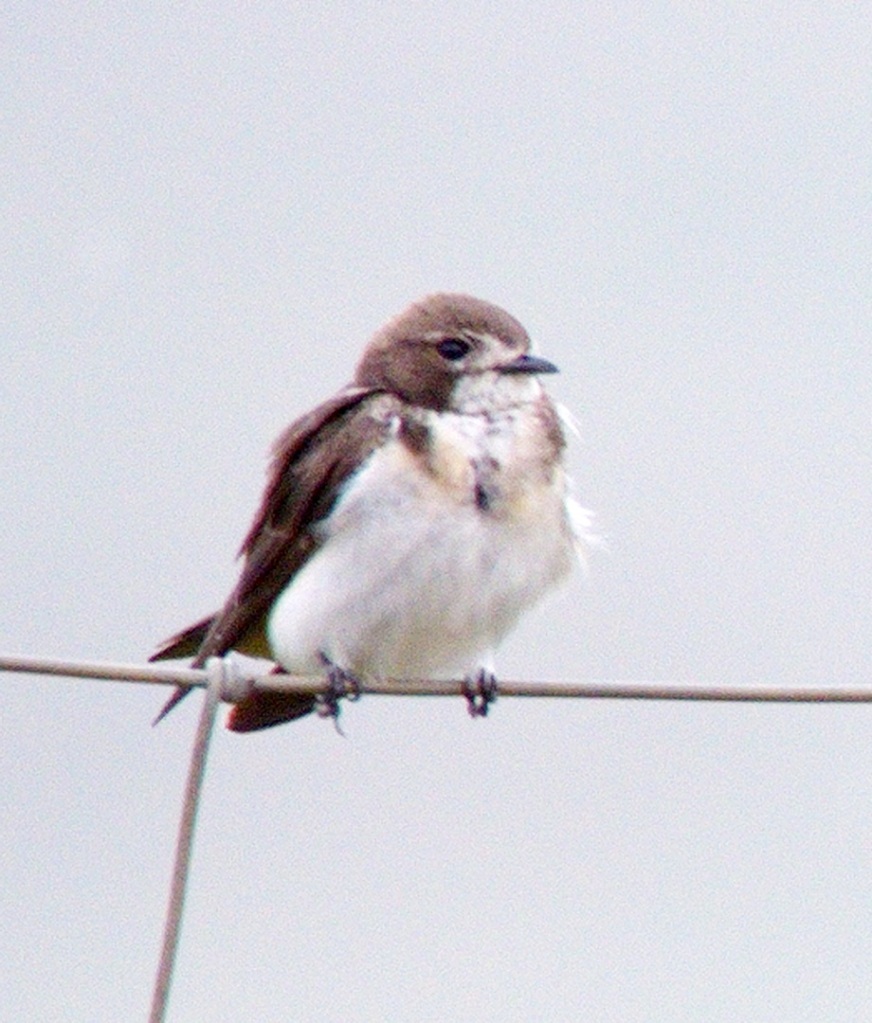
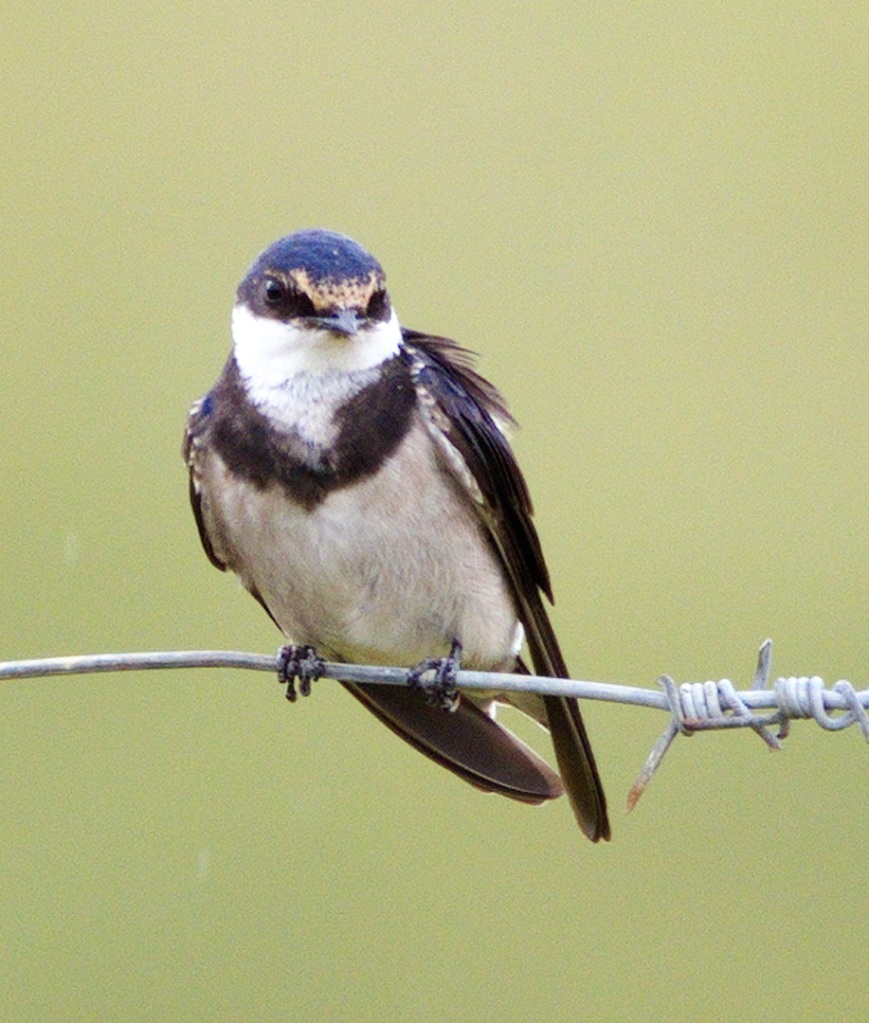
The fence lines were stocked with Swallows and Martins – a lot of South African Cliff Swallows and Banded Martins – birds we were unused to seeing.

To enter the Ingula Pump Storage Scheme area, we first had to undergo an alcohol test before the permit was issued. We forgot to check if anyone can enter the area or whether you needed special permission. I got the impression it was the former – obviously as long as you were sober. From the entrance you are in the Ingula reserve.

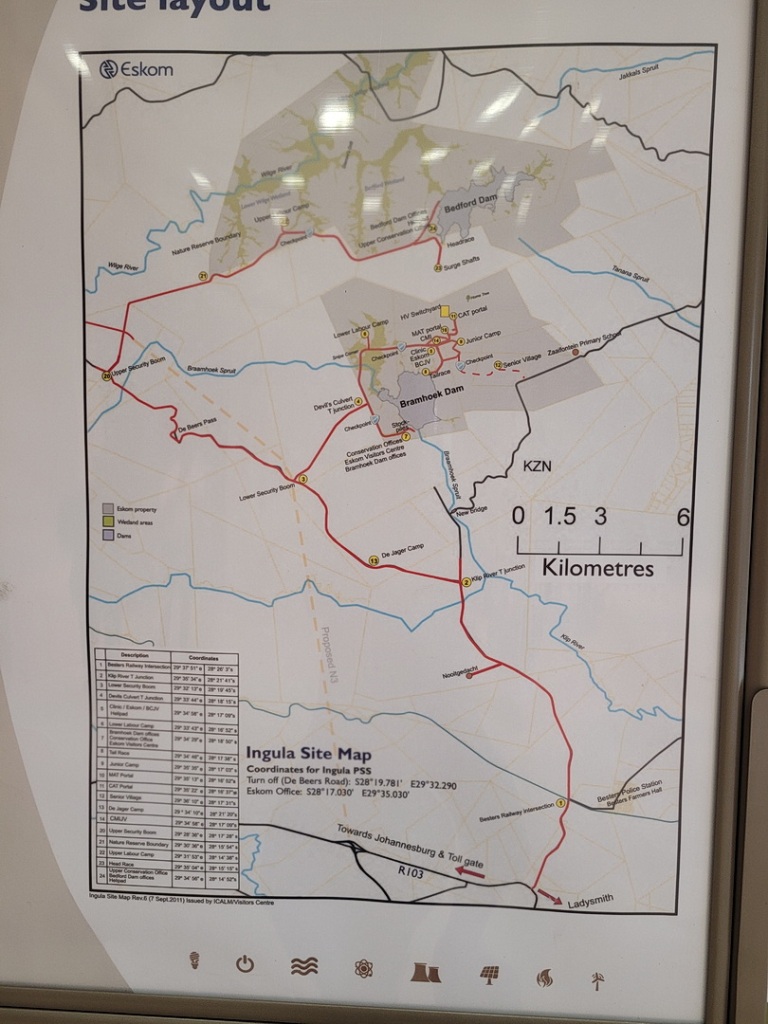
On the first morning, we birded the area till lunchtime. Here is a map of the roads in the reserve.

The Visitor Centre is located close to the Bramhoek Dam (centre of map above).

After lunch the Forum scheduled talks began and lasted for the rest of the day. It was interesting to hear that not all Eskom power generating units ran on coal. And that many were spotlessly clean. We had to leave early to get back to Spioenkop before dark.

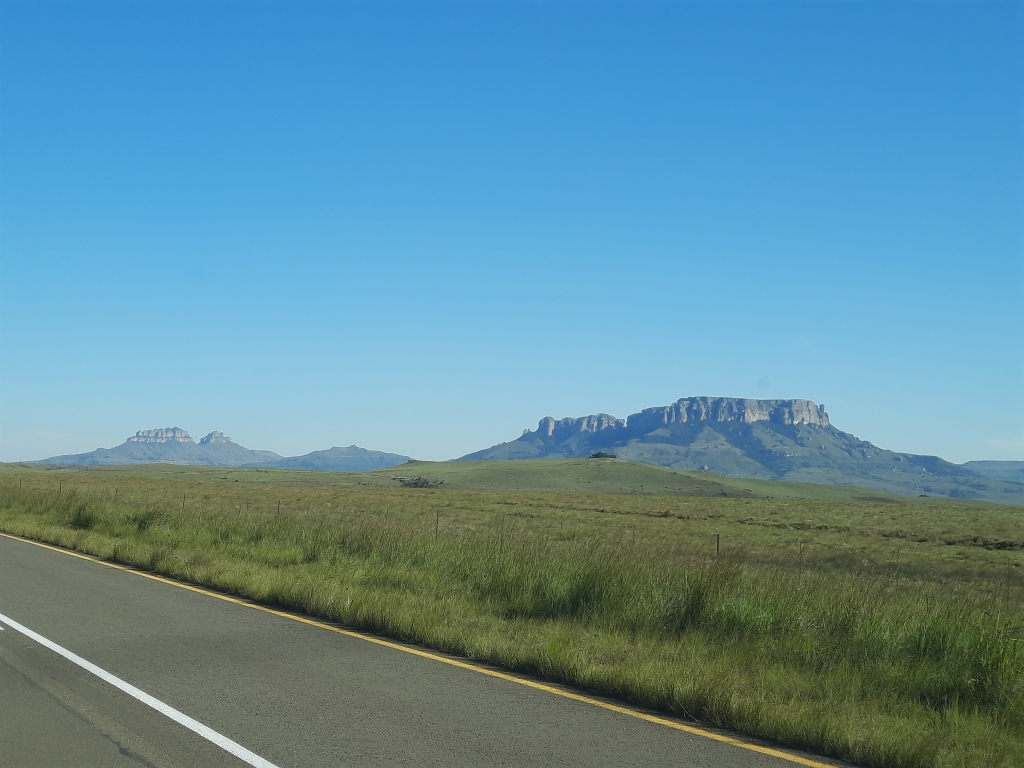
The next day we went back to Ingula to join the guided tour around the reserve. We went to the Bedford Dam to meet the group, but no-one was there. So, we ended up birding the area on our own and came across quite a number of interesting bird species. However, it was the habitat which impressed us the most. Upper grasslands with barely a tree in sight and protruding rocky mountainous outcrops in every direction one looked.

In some ways it was fortunate that the meeting point had been changed and we could proceed at our own pace and not at what seemed a snail’s pace for the rest of the group. Here are some of the birds we photographed:

In all we identified 125 different bird species and really enjoyed seeing the highland grasslands and rocky outcrops. We made no attempt to find the White-winged Flufftail. It is obviously well protected.

Here is a list of the birds we identified – both in the Ingula and Spioenkop areas:

Paul and Sally Bartho
Sunset at Spioenkop

Karkloof Conservancy

11th March 2023

View of the wetland area in front of the Wattled Crane Hide

Sally and I visited Karkloof Conservany (close to Howick, KZN) for an afternoon of birding from their Wattled Crane Hide.

We arrived at 16h00 and stayed till closing at 18h30. During that time we recorded 34 different bird species – mostly waterbirds. A pair of Grey Crowned Cranes did a flypast and not to be outdone a pair of Wattled Cranes also appeared as we were about to leave. They were feasting on a newly tilled field. Even a Blue Crane was heard calling overhead. White Storks and Bald Ibises were seen in the surrounding fields.

Also visible on an irrigation system in a distant field were a pair of Lanner Falcons. Notable waterbirds included White-backed Ducks, numerous Cape Shovelers, South African Shelducks to name a few.

Here are some bird photos taken during our time there.

Here is our list of birds recorded.

Paul and Sally Bartho
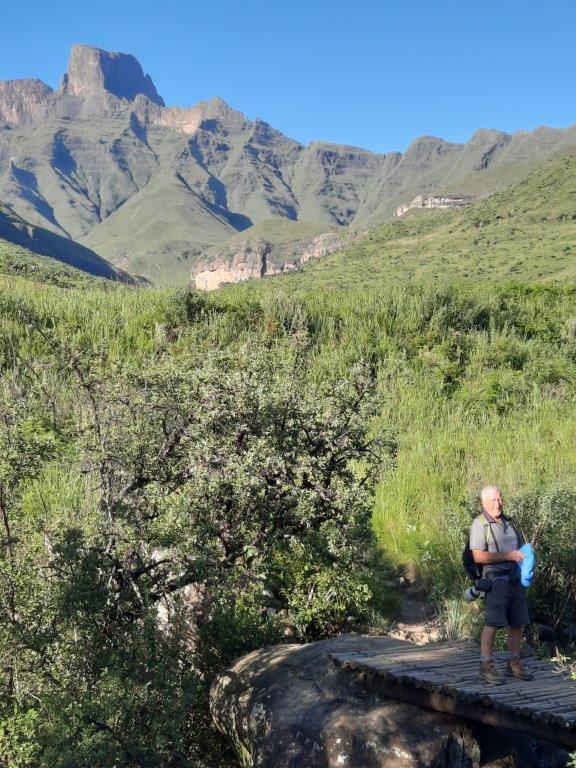
Royal Natal National Park

Mahai Campsite

15th to 19th January 2023
Royal Natal National Park

We had four days of good weather while we were there. The campsite was virtually empty as the Christmas holidays had just ended for most children. During our stay, there were at most three other campsites being used. Finding a shady spot was difficult however. All the trees along the entrance fence line parallel to the road have been cut down. Having chosen a spot to camp, I hesitated to set up camp. I had noticed a small clump of trees near the fence and we agreed it would serve as good sun shade in the afternoons. And as we set up facing the clump of trees, we had shade for the mornings too.
The campsite was green and well maintained. The ablutions spotless with hot water aplenty. No power shutdowns.

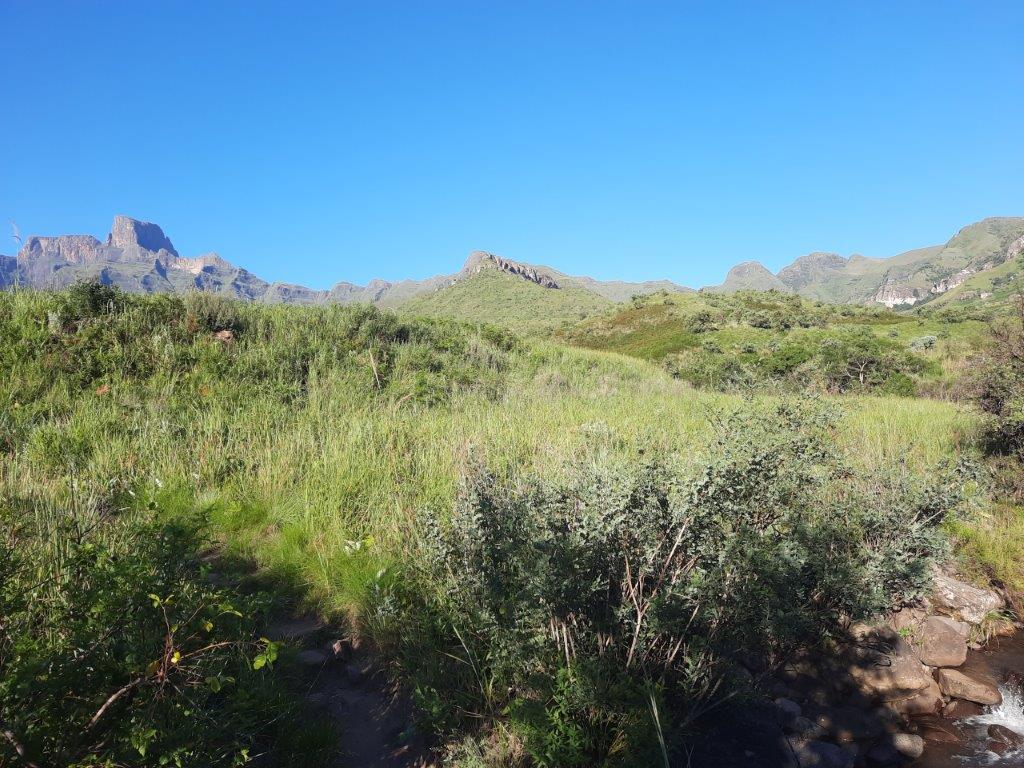
Here are a few photos of the campsite and its surrounds.

Our campsite birds:

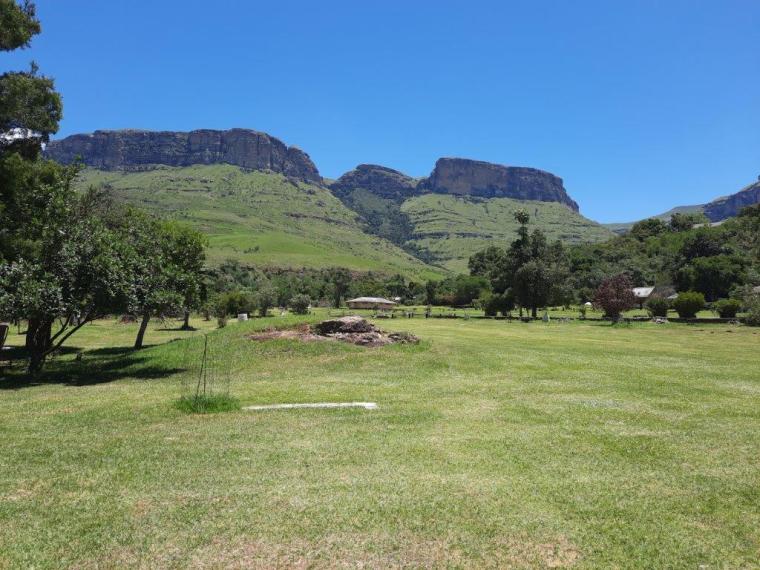
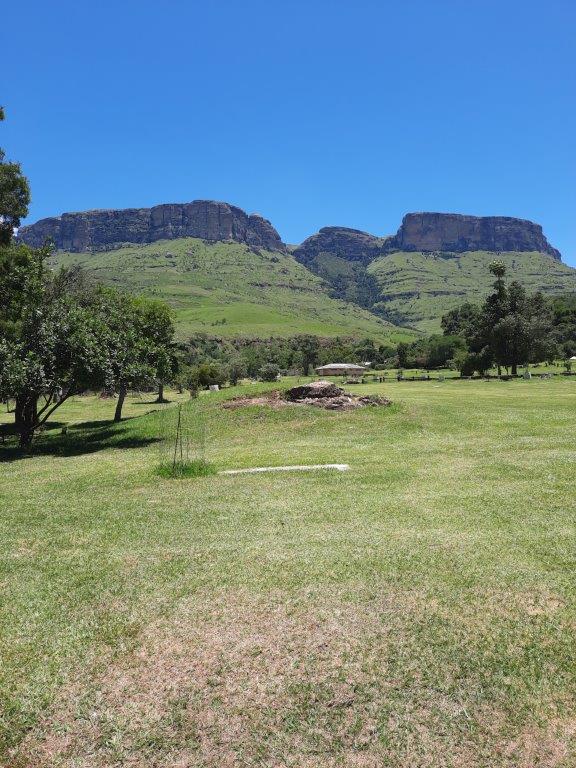
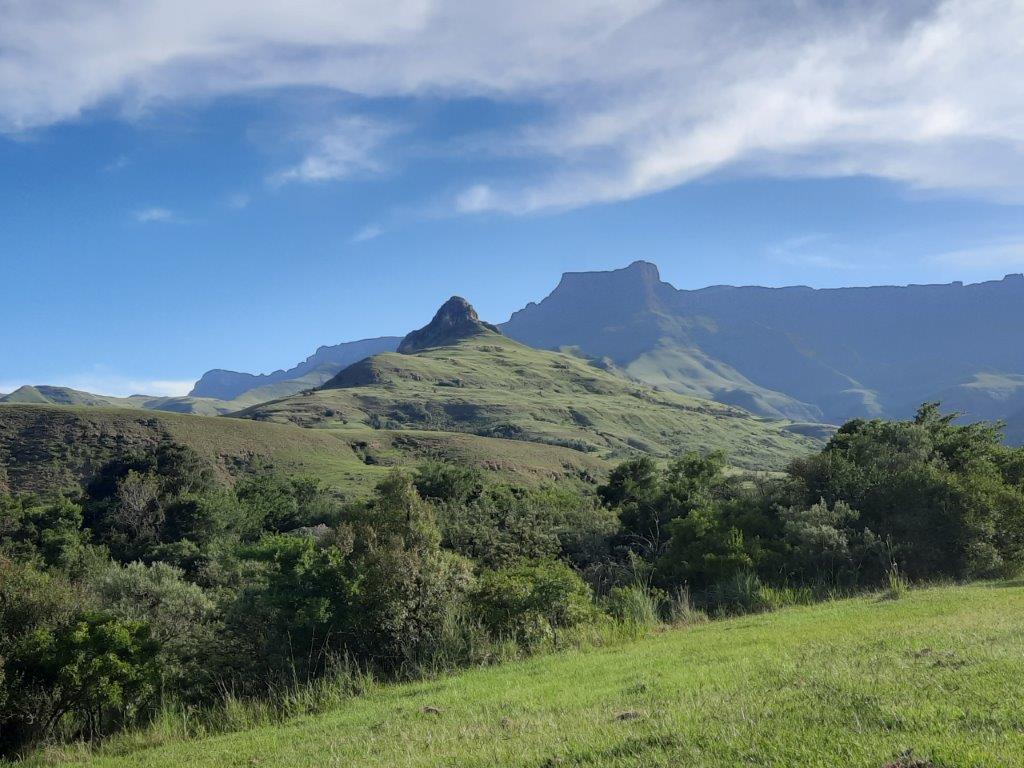
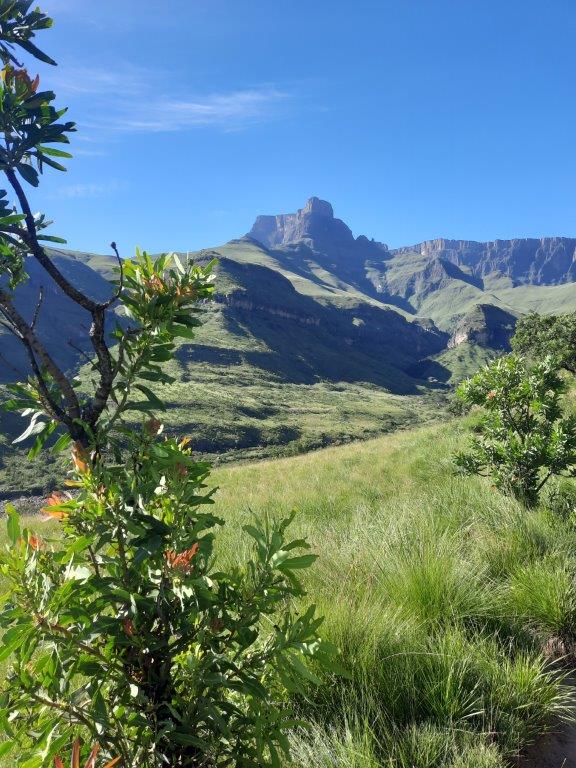
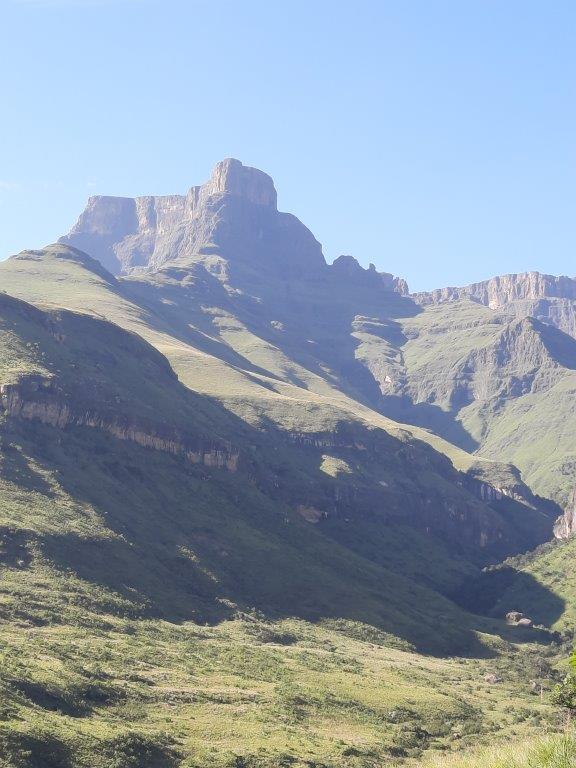
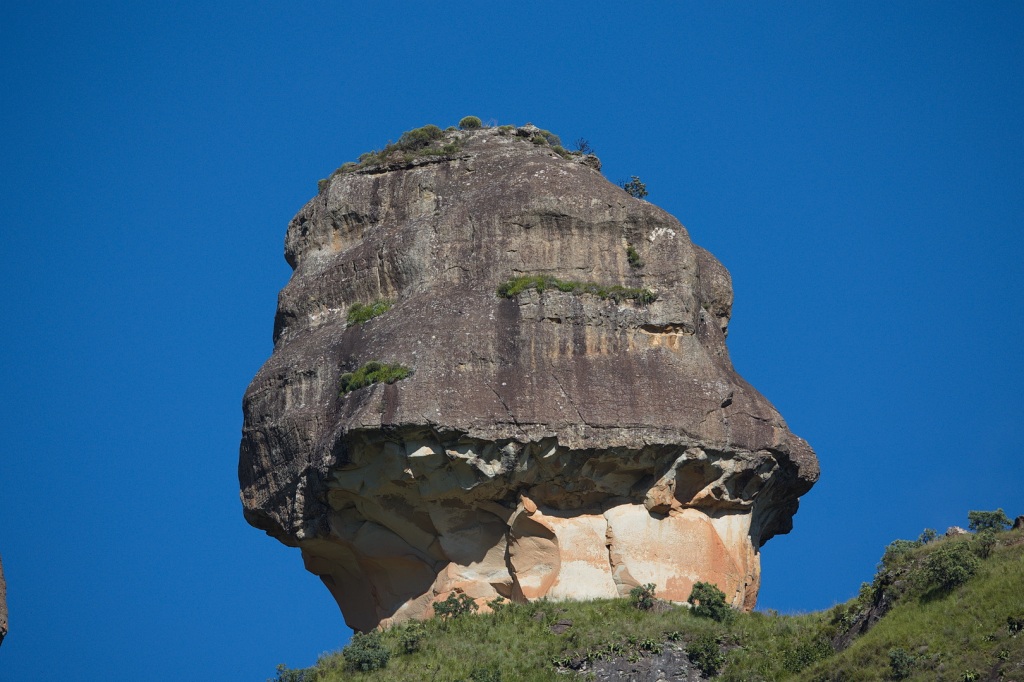
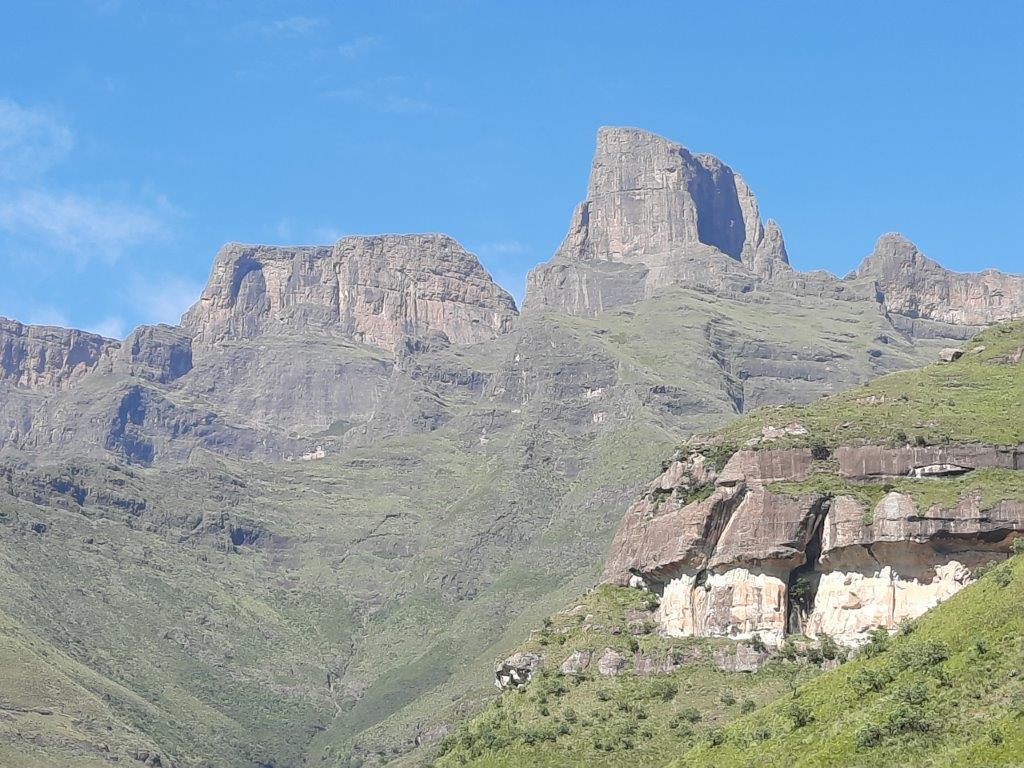
Here are some photos of the reception area and the mountains around it.

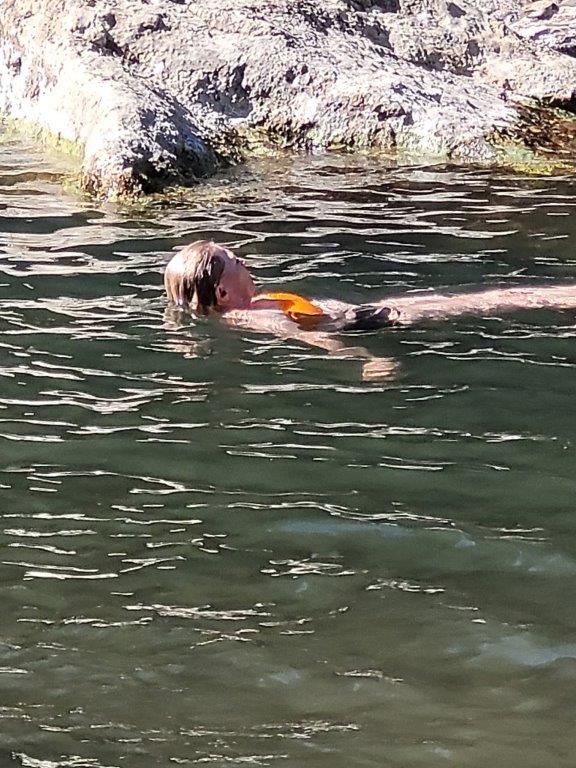
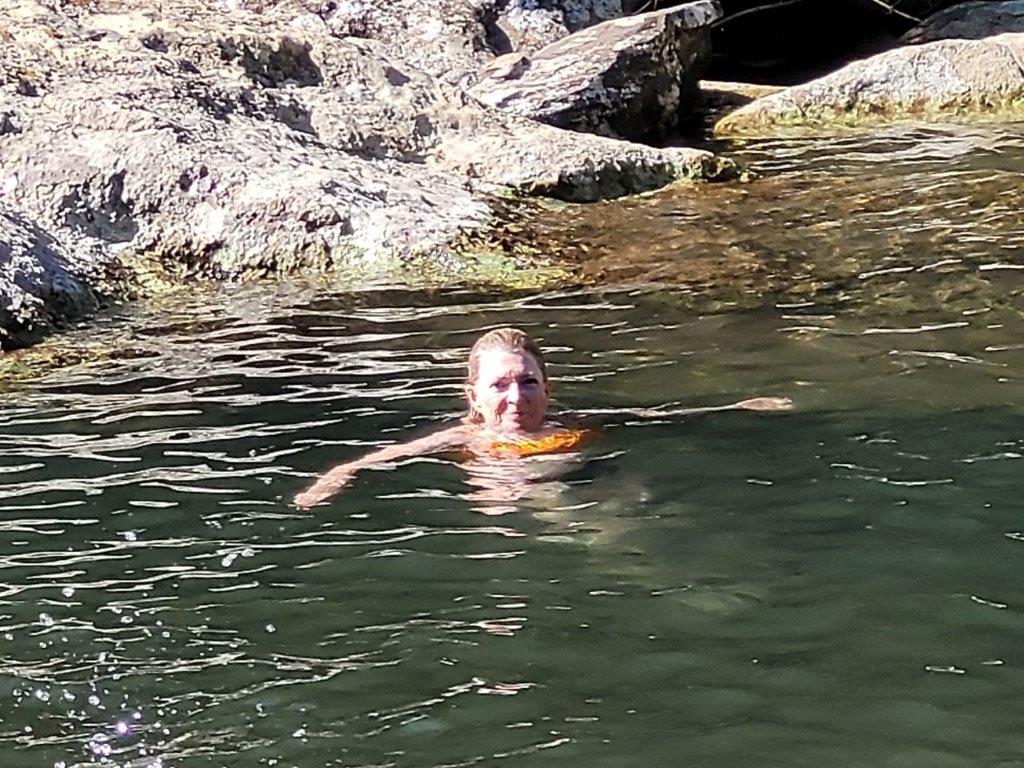
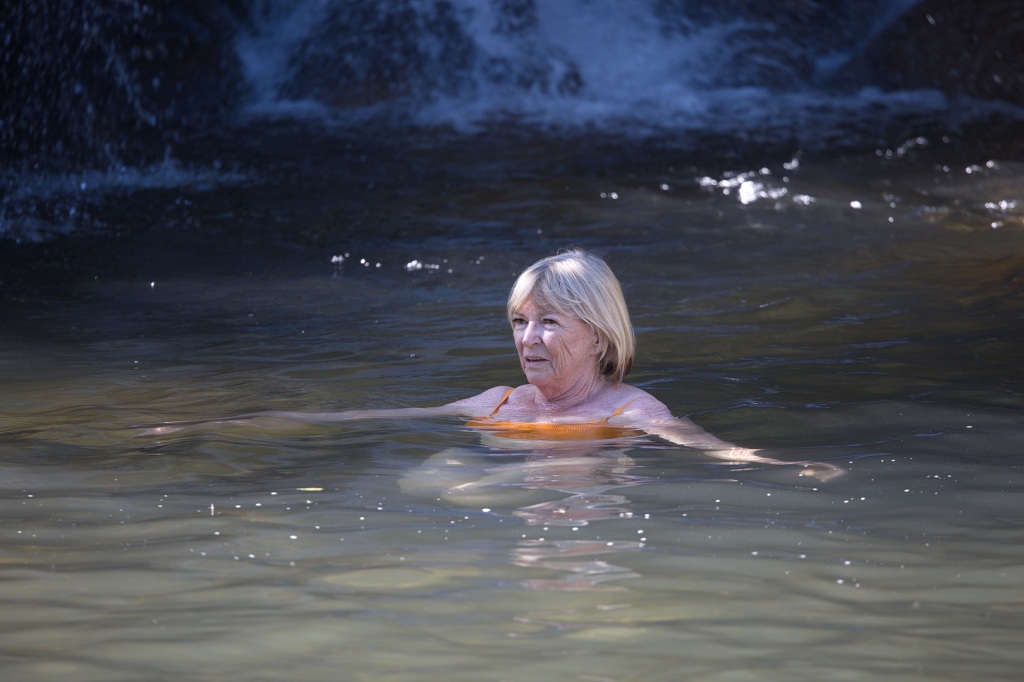
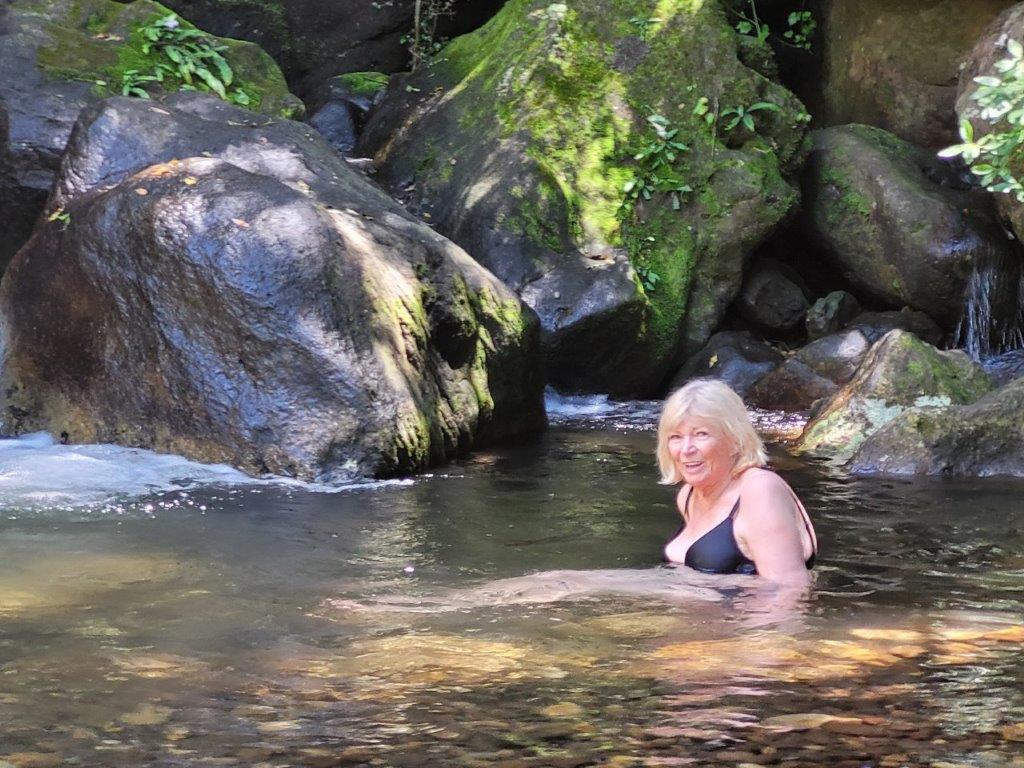
On the first afternoon there, we took a short walk from the campsite upriver to the Cascades. Sally wanted a swim. There were a number of people already there. Kids running around and having fun as they do. Still Sally managed to find a quiet corner to get wet.

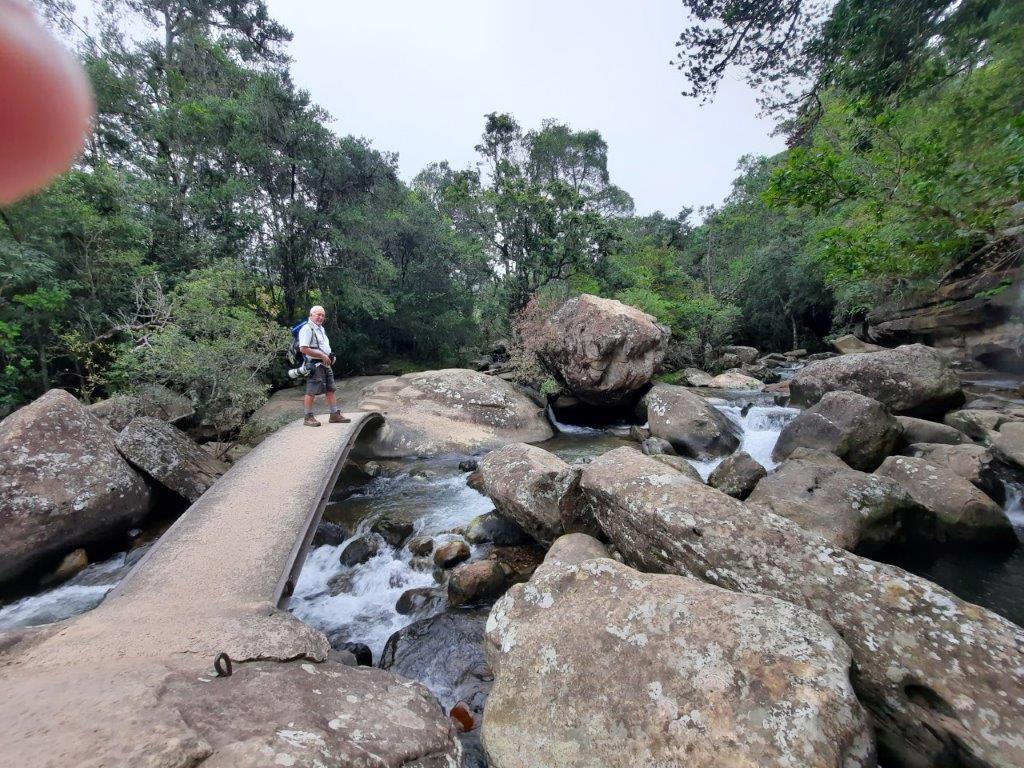
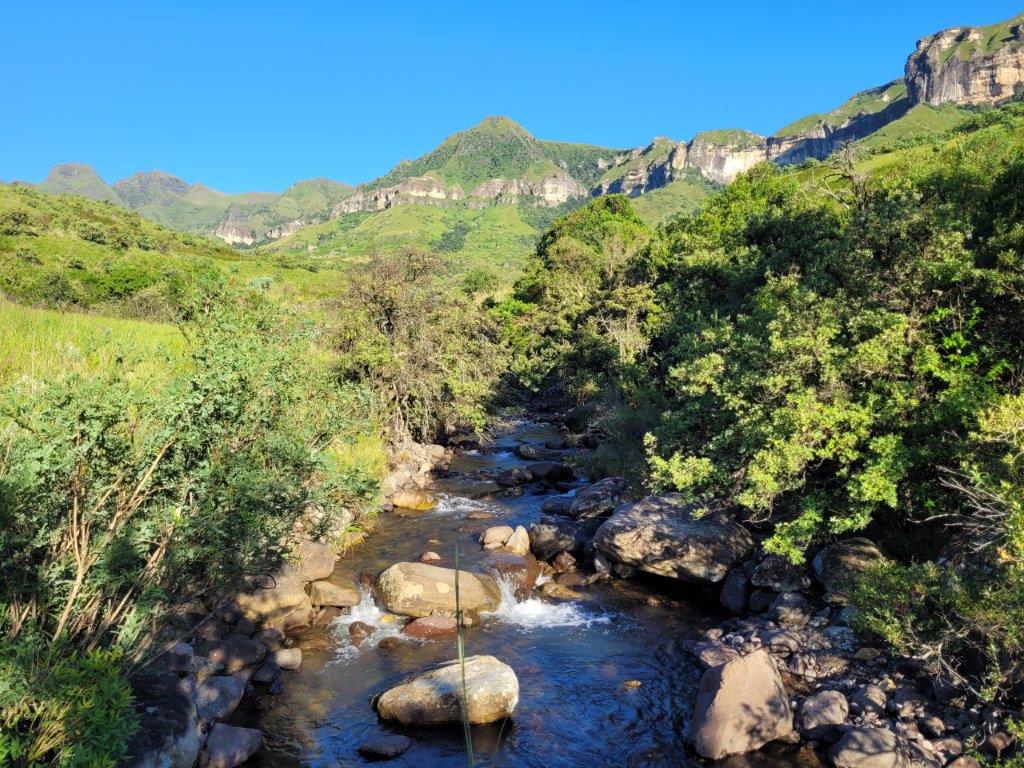
The walk there along the river;

Cascades pools;

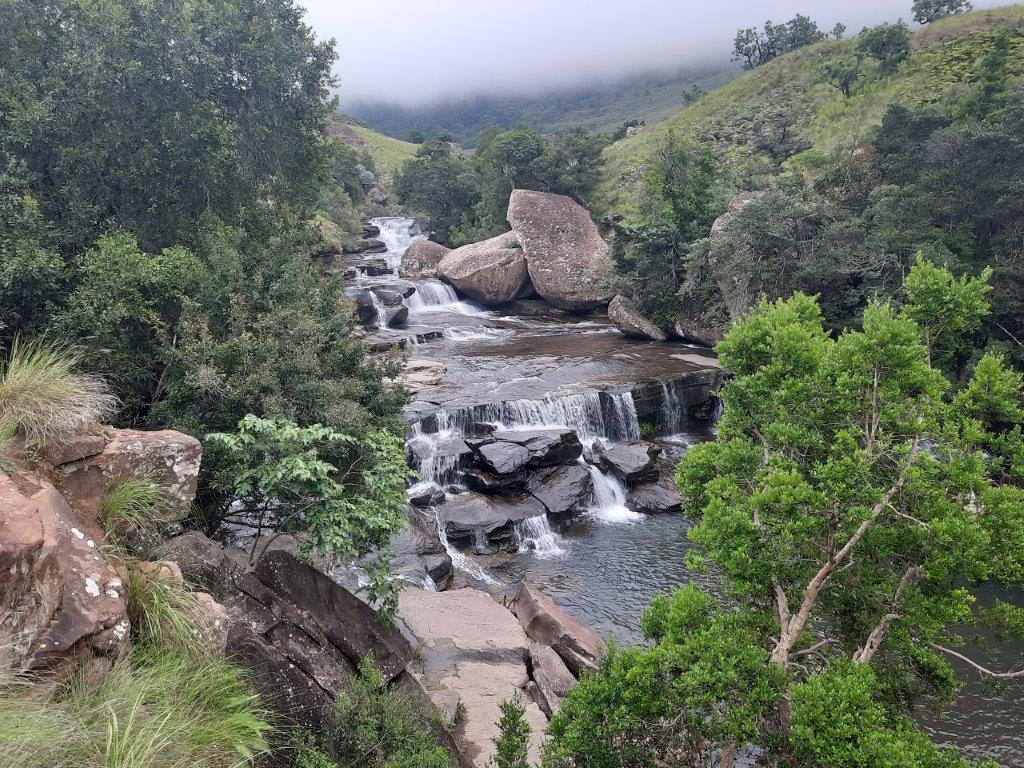
Looking down at the Cascade Pools

Swimming – too cold for me!!

Sally

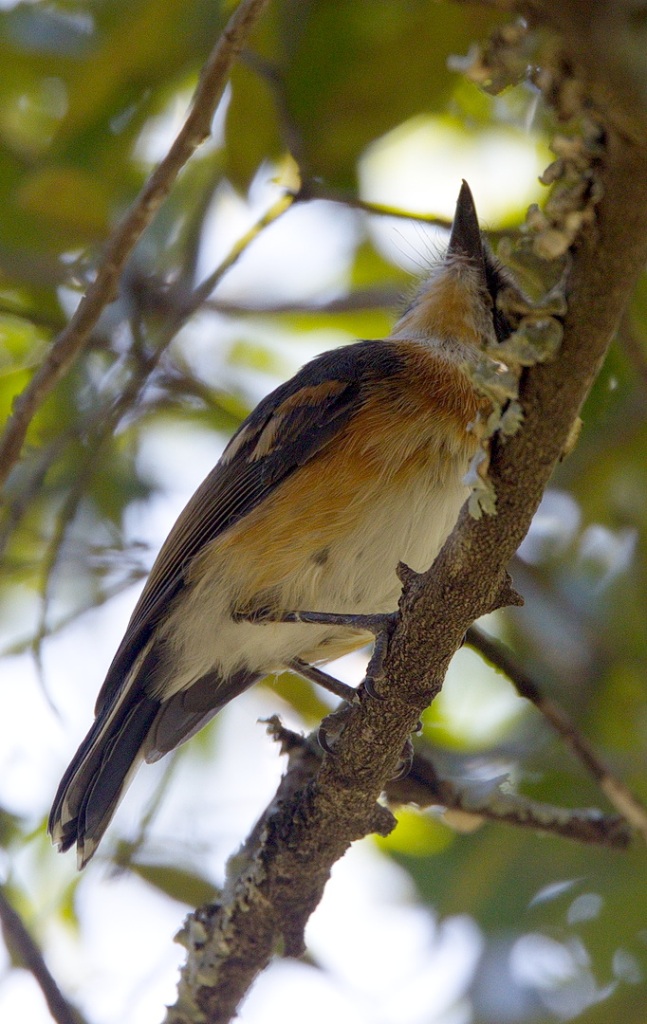
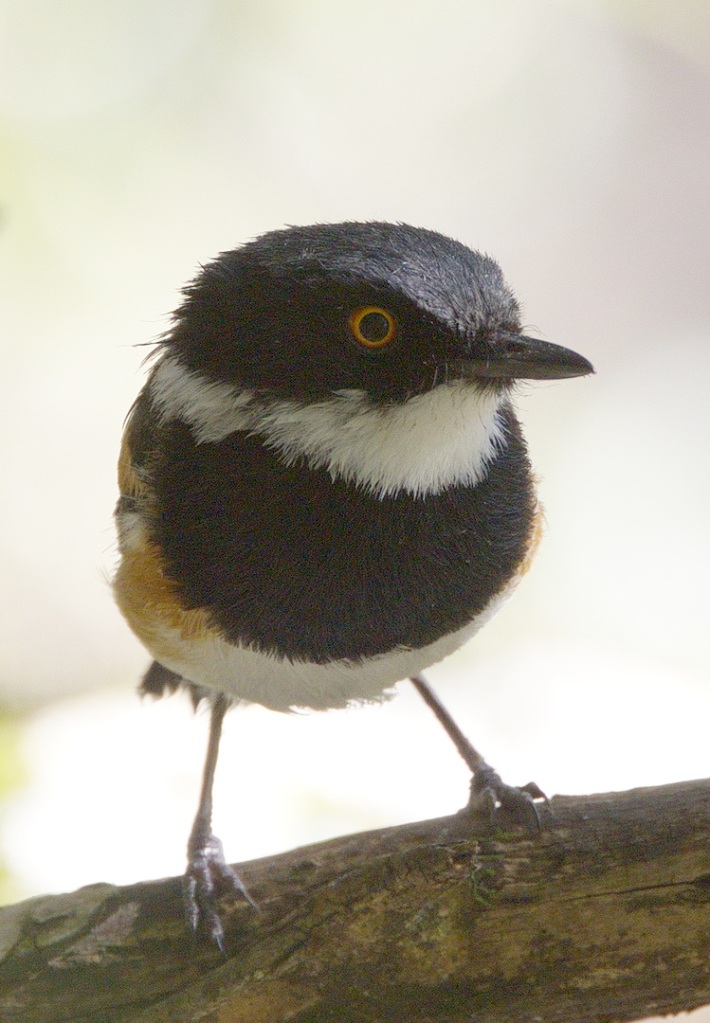
On our walk to the Cascades pools we came across a small bird party of Cape Batis and a juvenile species we could not positively identify.

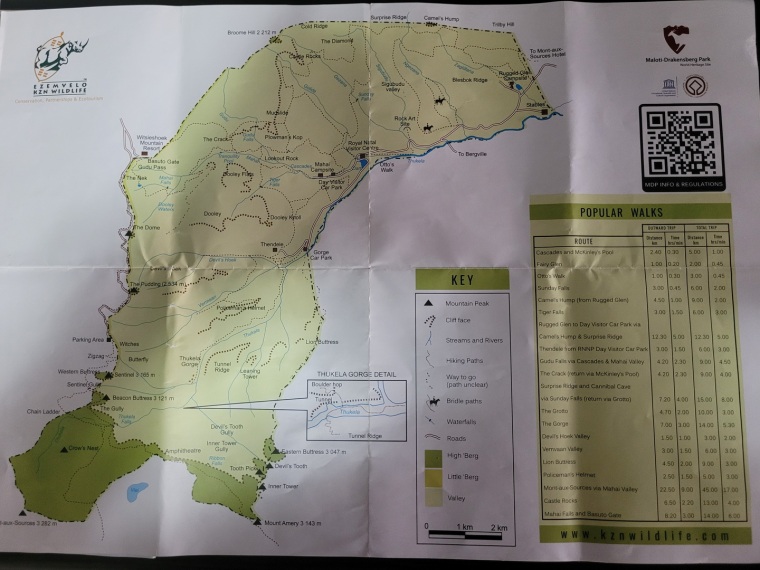
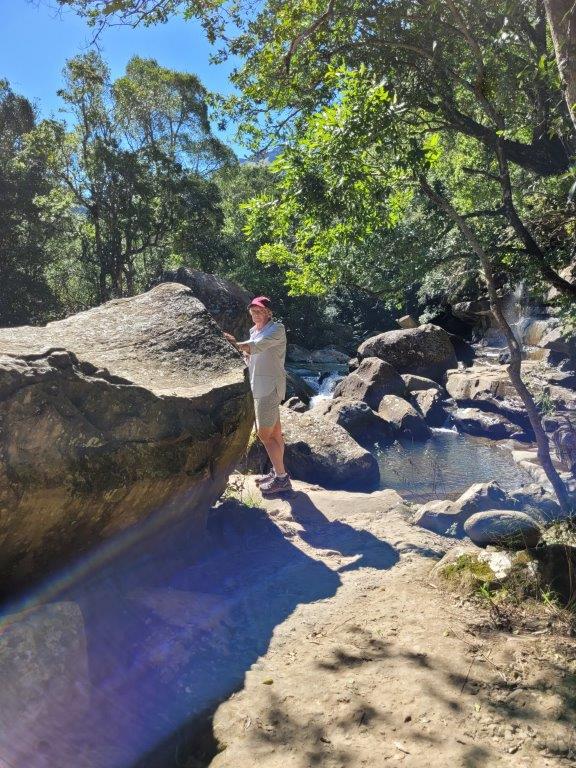
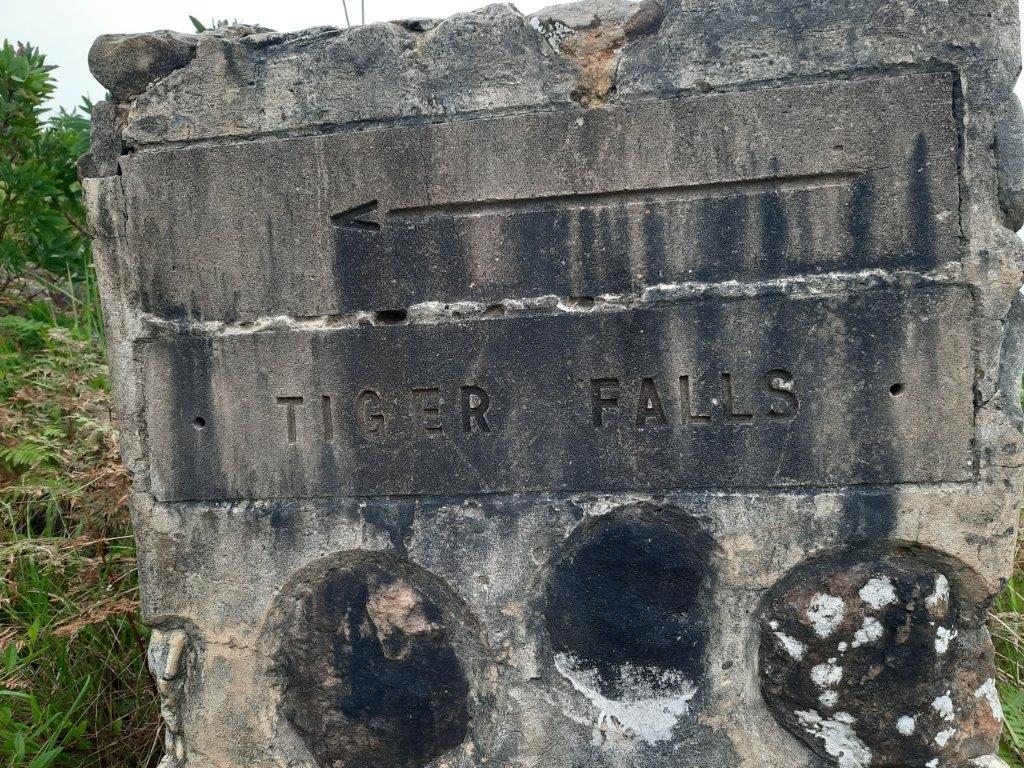
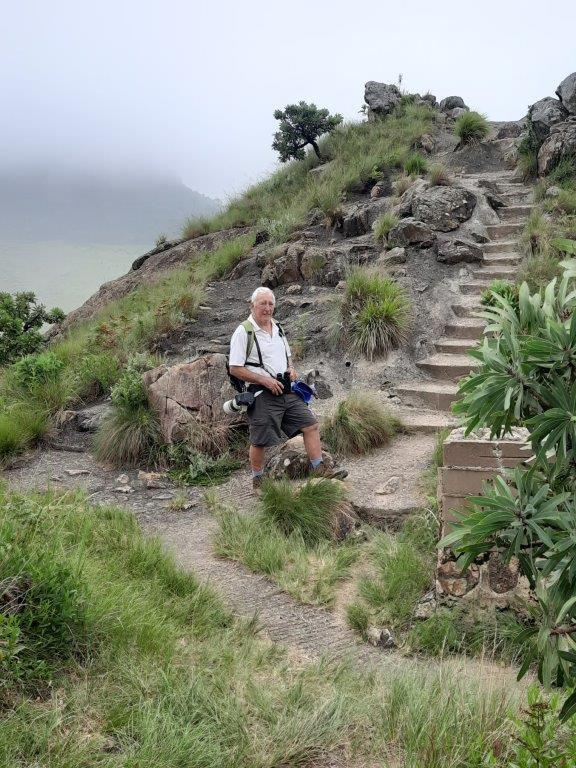
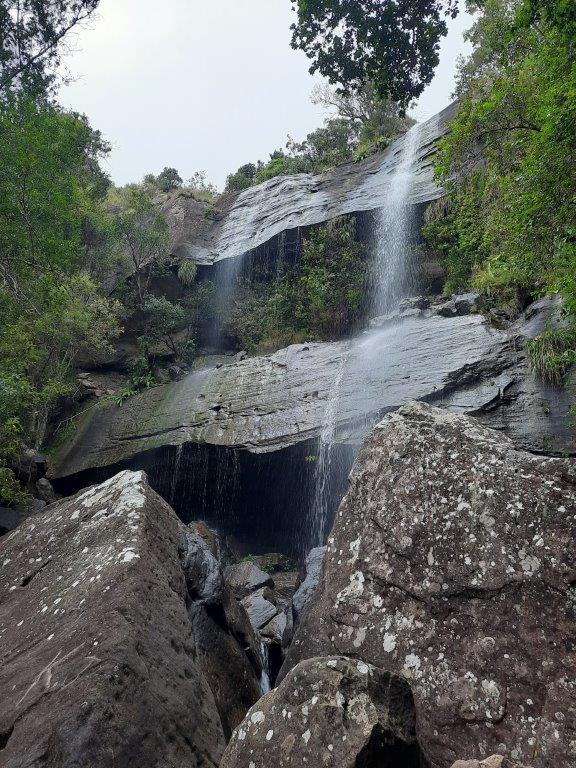
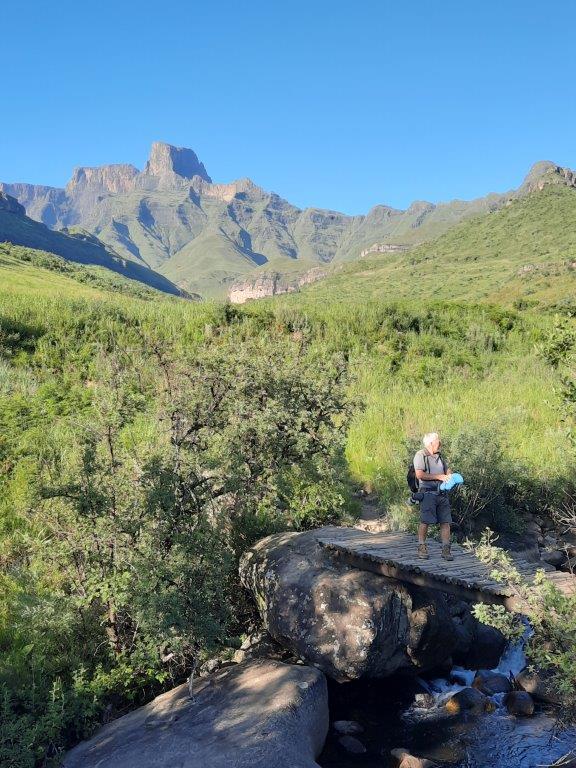
We had three full days there. The first day we decided to walk up to Lookout Rock (see map) then to Tiger Falls; back to Lookout Rock, over the Mahai river and head towards Tranquility Pool before heading back to camp on the opposite side of the Mahai River.

We had little idea how far this was until we got back. 15 km walk taking much of the day despite setting off at 06h30. Fortunately, we had mist hanging over the mountain for most of the way up to the highest point, then a forest to stroll through on the way back. The last long section was in the hot sun. We were glad to be back.

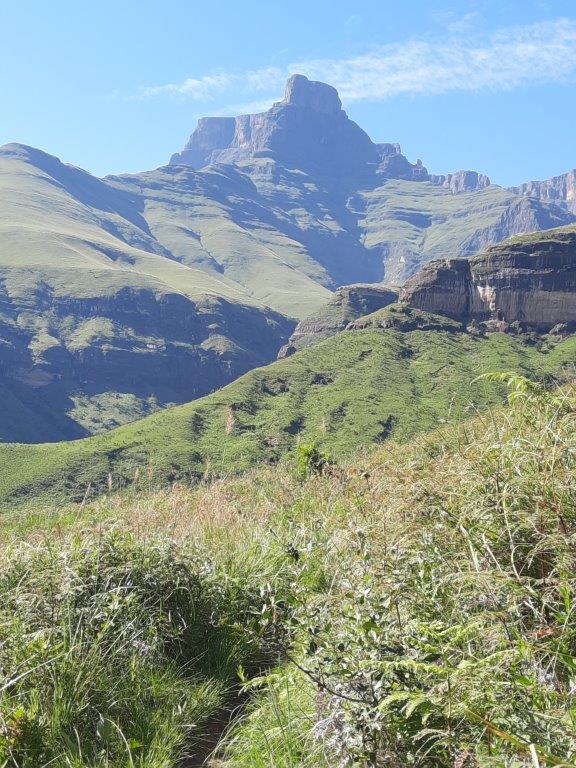
Some photos of the scenery on our walk.

Finding another rock pool, Sally needed to cool off.

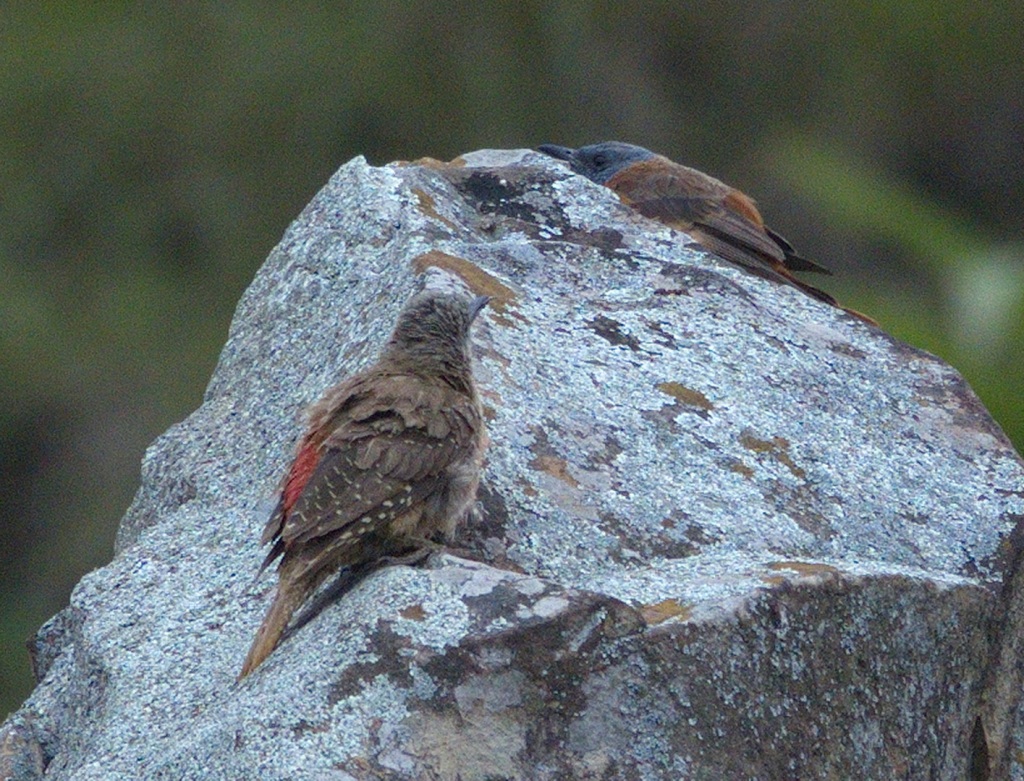
Misty morning and the birds were calling on the way up, less so on the way down in the hot hot sun. There were numerous Cisticolas and Malachite Sunbirds. Then when we were higher up, we found a group of Woodpeckers – Ground Woodpeckers. In the Mahai forest at the top of our walk, Sally noticed what she thought might be a Chorister Robin-Chat. However, it turned out to be a lovely White-starred Robin.

Our second day was meant to be more of a recovery day after the 15 kms walked the first day. However, we still managed an additional 10 kms. To keep it flat we decided to bird round the dam near the reception area. But this led us to take Ottos’s Walk through the forest as well. There were some nice birds round the dam including Giant Kingfishers, Malachite Kingfishers, Black-headed Herons and some other waterbirds.

Then we were into the forest walking alongside the river. The birds were noticeably quiet. Eventually we reached the road from the gate back to the reception. It was a long hot walk uphill most of the way back. Along the way we saw and heard a few small bird parties. Mostly nothing exciting until I saw what I thought at the time was a Sombre Greenbul – the angle of the sun deceiving me – fortunately. None other than a rather mobile Bush Blackcap as Sally pointed out. One of the specials we were hoping to see.

Later that afternoon we took a drive outside the Park and hoping to have dinner at the Tower of Pizza. It was closed – Mondays!!

Then we had another gander around the dam near reception. We encountered an active bird party. Spotted a pair of Bush Blackcaps and an Olive Woodpecker among others.

On our final full day, we took a stroll up to the Gorge. Supposedly 7 kms each way. Well, we never made it all the way. We got as far as the start of the boulders in the river bed. And that had taken us a good 4 or more hours!! We had stopped and birded in the forests as we walked – seeing some lovely birds. The best of which was an obliging Chorister Robin-Chat.

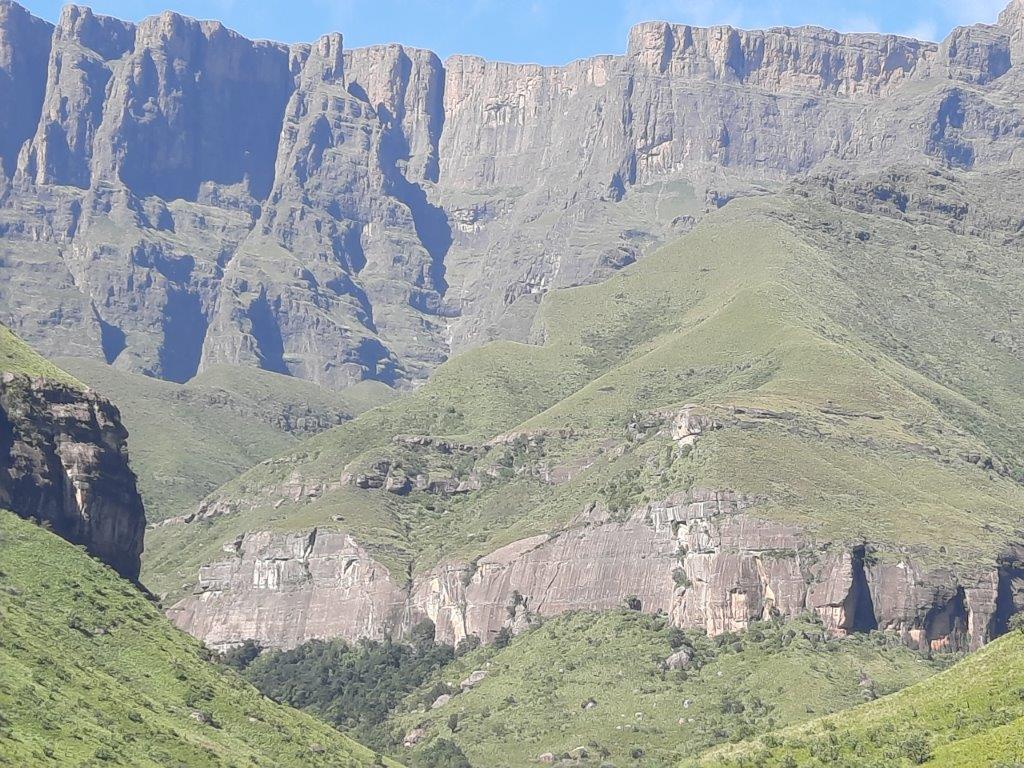
It was a very scenic walk following the Thukela River up towards the Gorge. As we traipsed along the river was well below us and it never seemed to get closer.

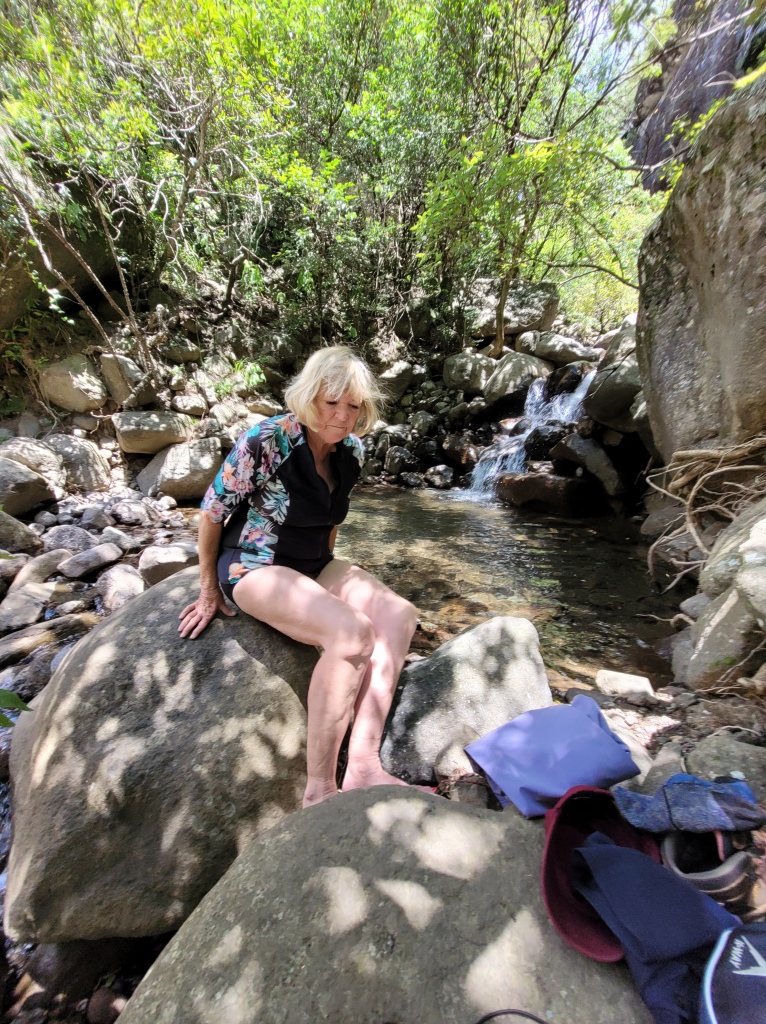
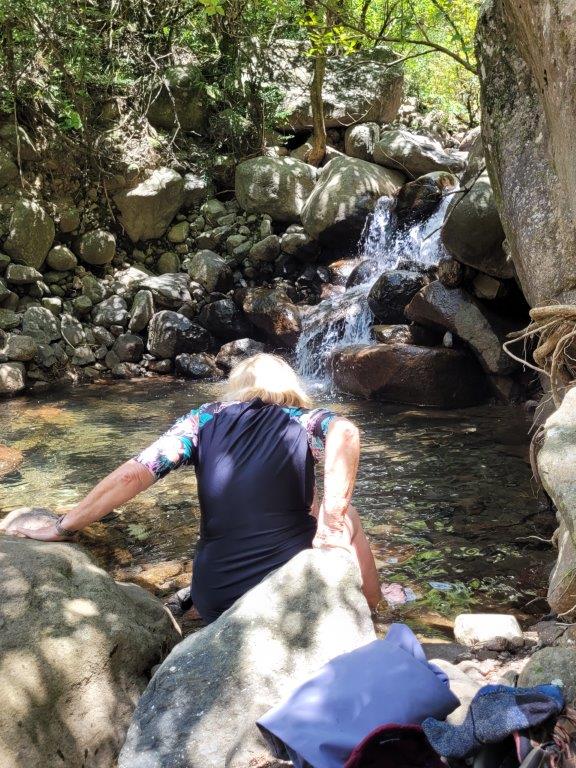
Eventually we got to a point where we decided we had had enough. The boulders were ahead of us, and we were close to the riverbed at last – still shaded in one of the forests. And there was a cool pool bubbling passed us. Not to be missed Sally took a dip and I took the opportunity to get my boots off and feet wet!

After a good hour’s rest, we tried to retrace our steps. Very quickly we were offline and stumbling through the forest. Eventually we found the path and slogged our way back. And this time we had numerous birds to stop for and photograph.

At last we near the bottom where we started from. But we are still above Thendele. And we started below.

Eventually after another 4 hour stroll, we reach our car – 22 kms trekking. So much for 7 kms each way!!! Started at 06h30 and got back at 16h00. A rather long day.

So, three days and 47 kms mountain trekking. Not to be repeated!! But pleased we made it as much as we did.

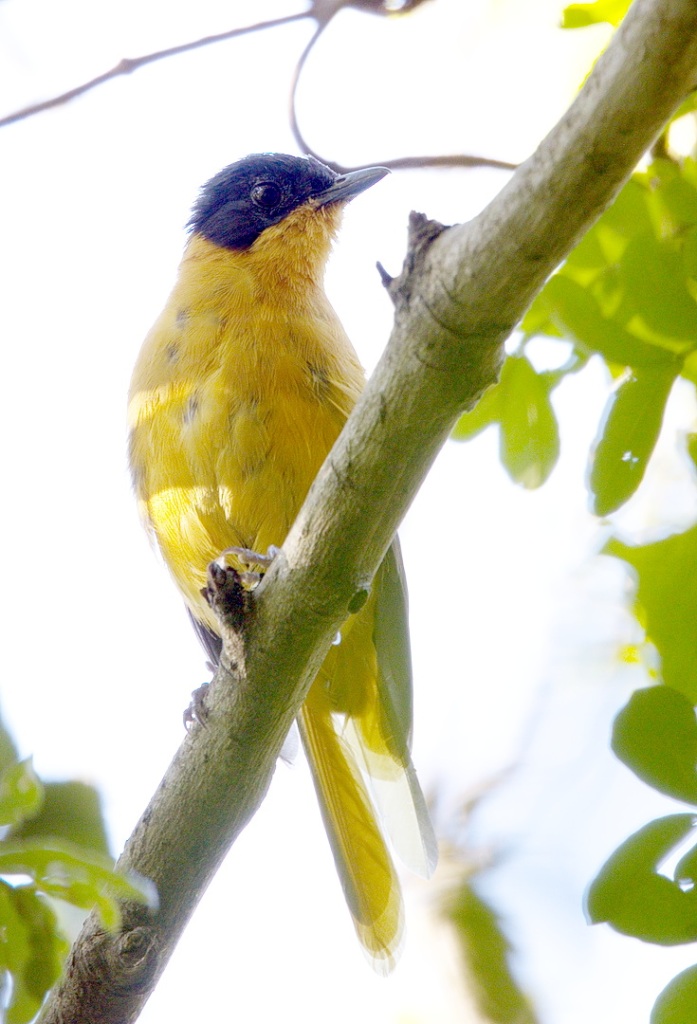
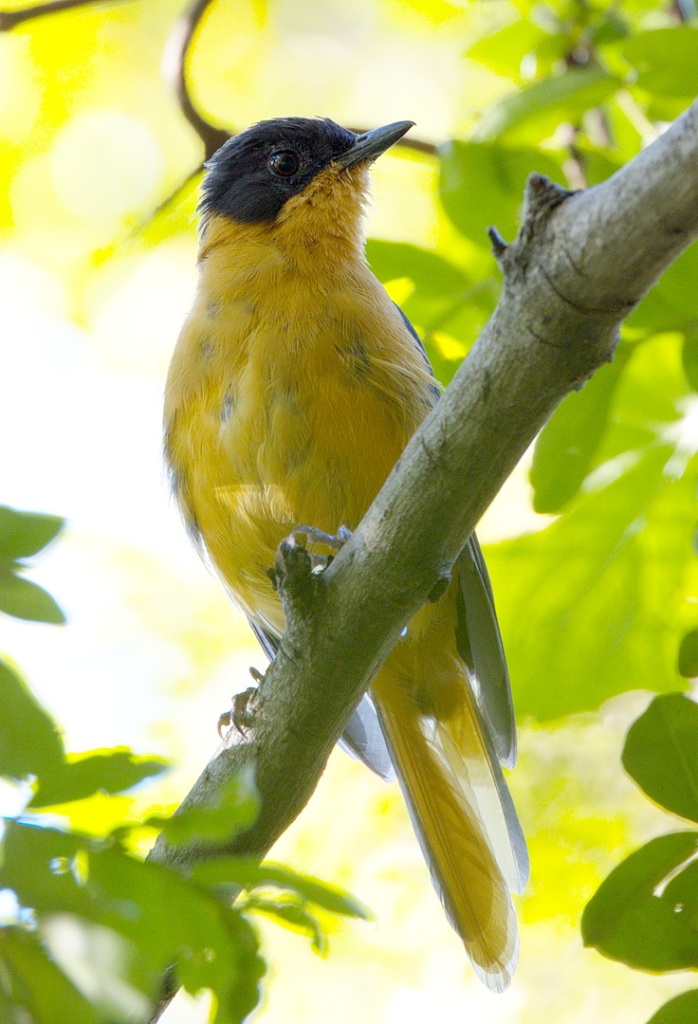
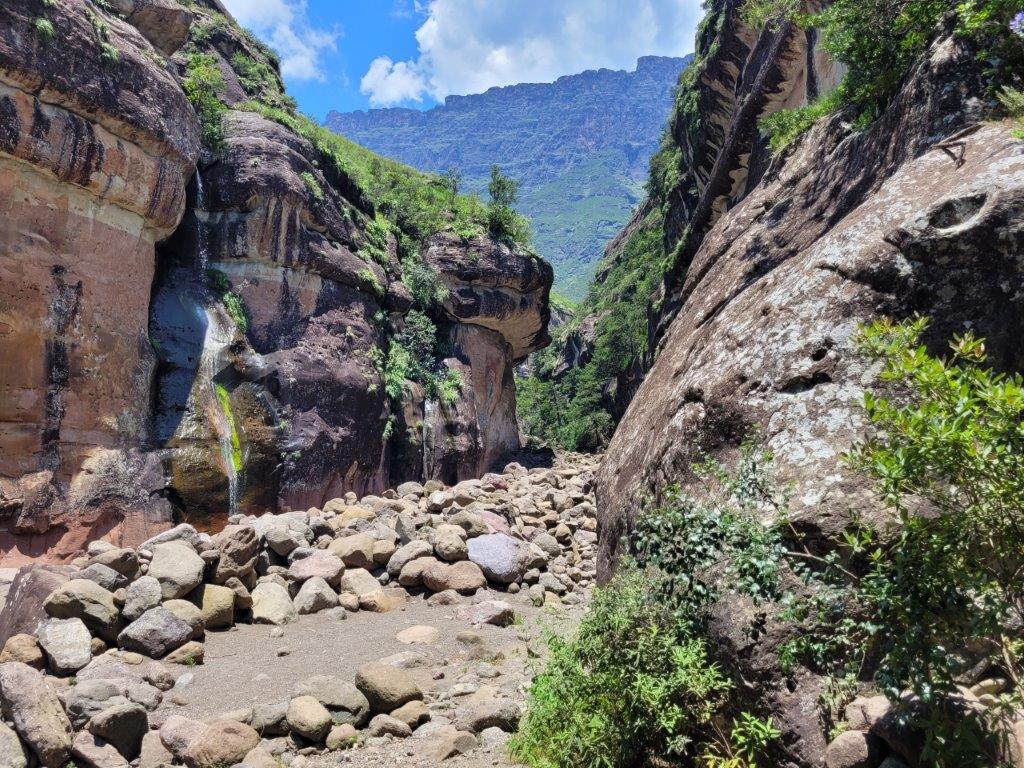
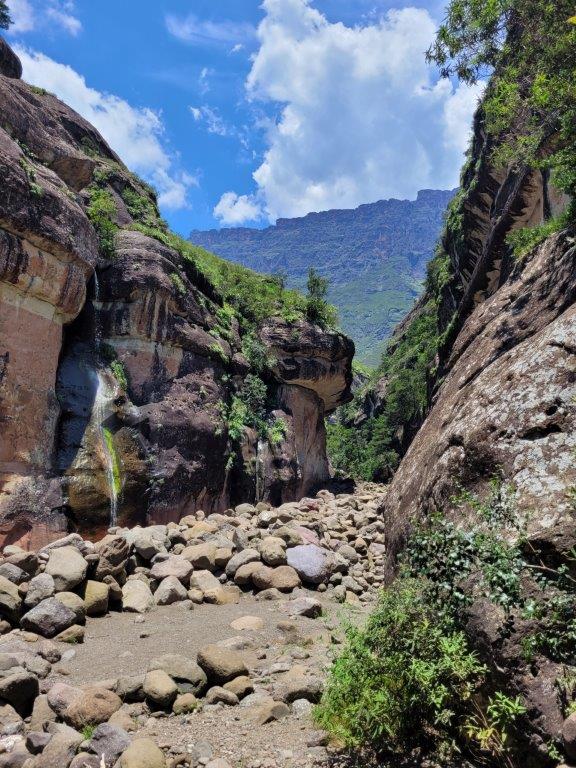
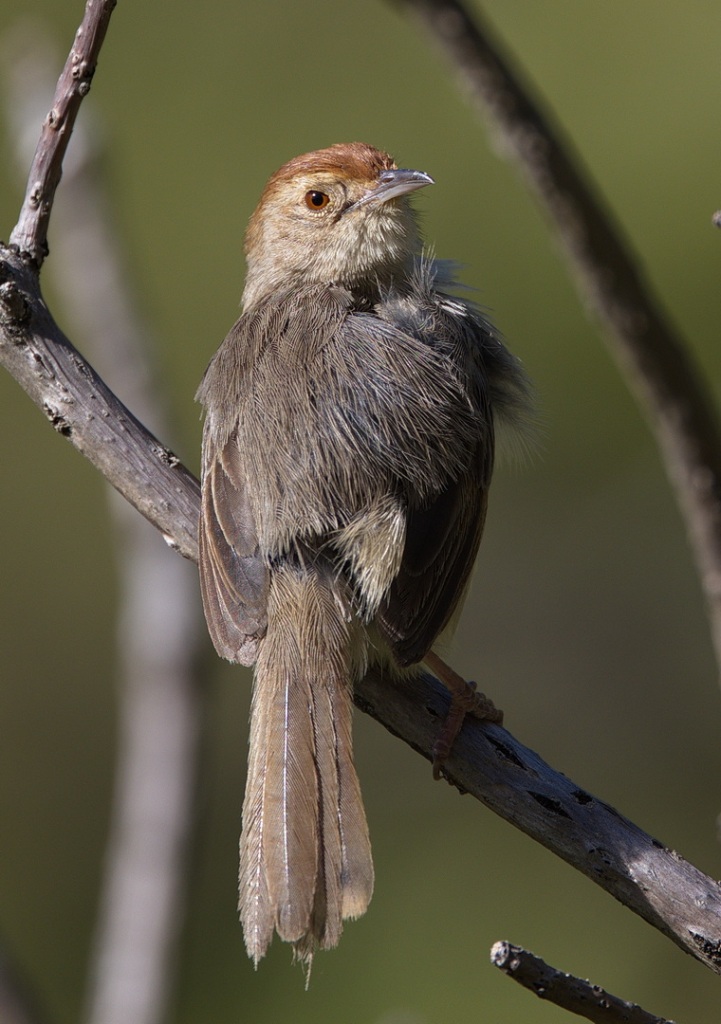
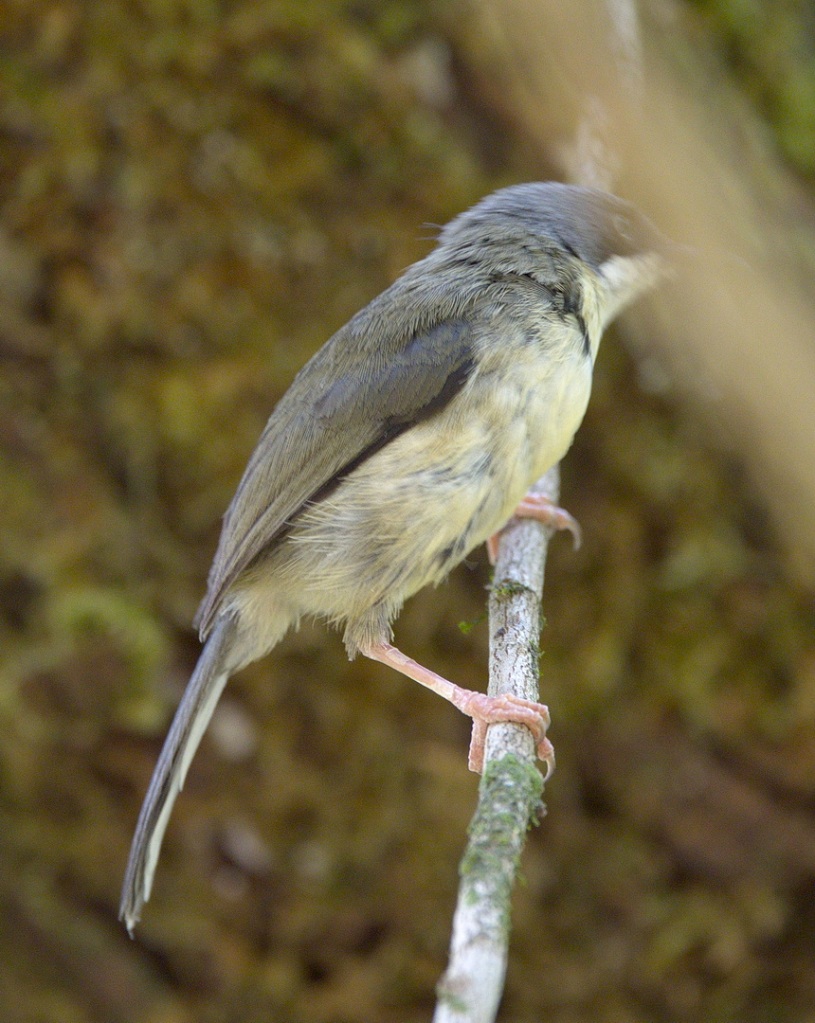
In total we recorded 70 different bird species in the 3 full days there. Our bird list can be downloaded here. The standout birds for us included: Bush Blackcap, White-starred Robin, Chorister Robin-Chat, Barratt’s Warbler (heard only), Olive Bushshrike, Groundscraper Thrush, Olive Woodpecker, Ground Woodpecker, Yellow-throated Woodland-Warbler, Yellow Bishop, Malachite Sunbird, Common House-Martin, Drakensberg Prinia, Cape Rock-Thrush,

Paul and Sally Bartho