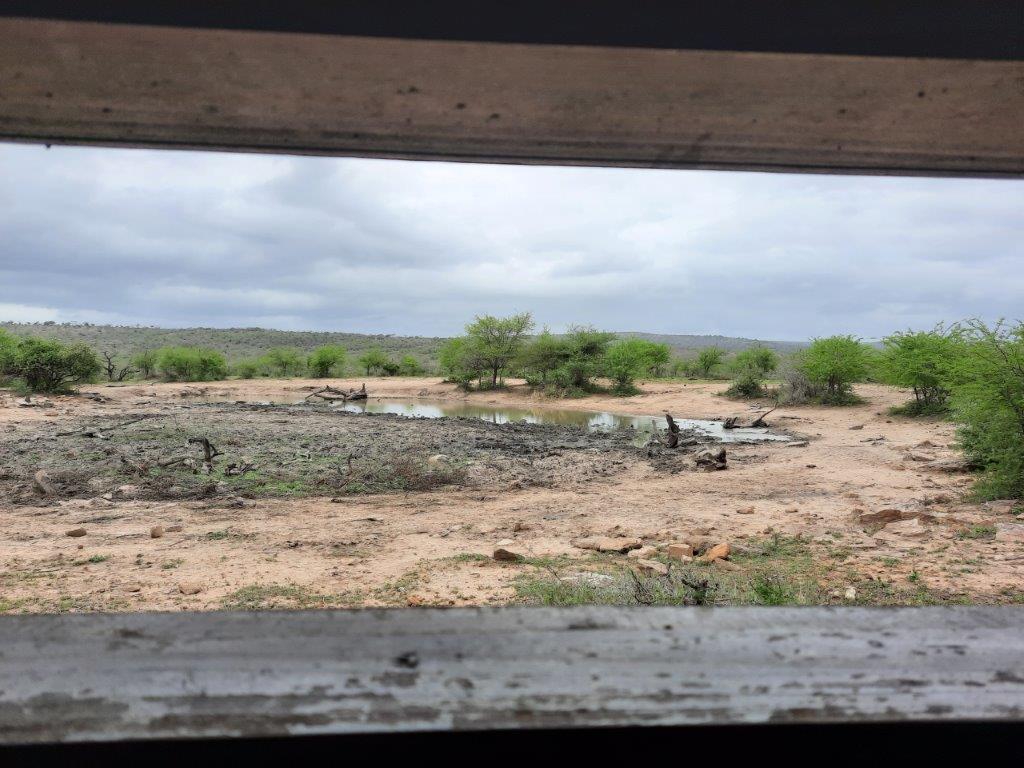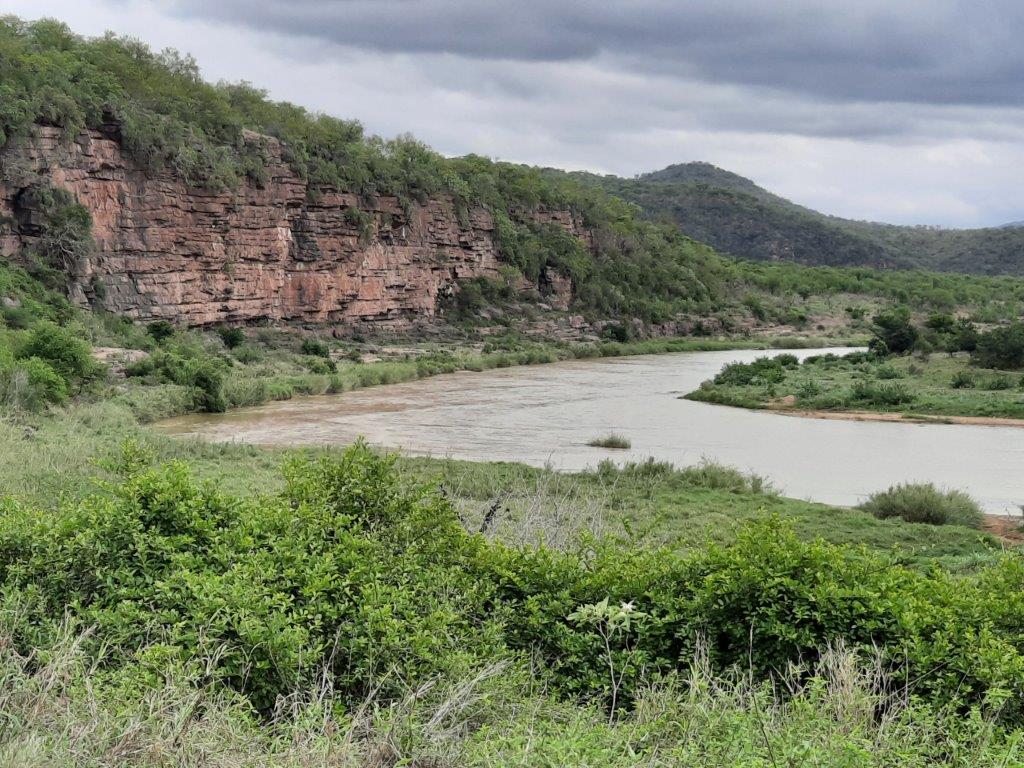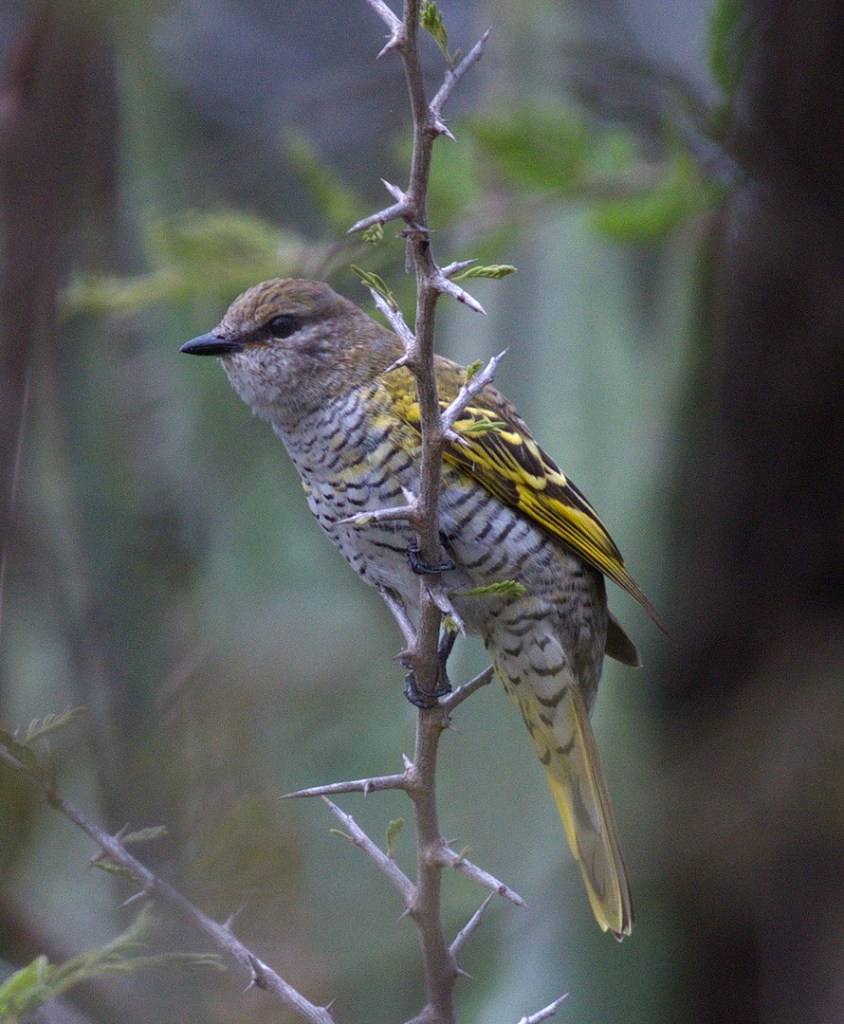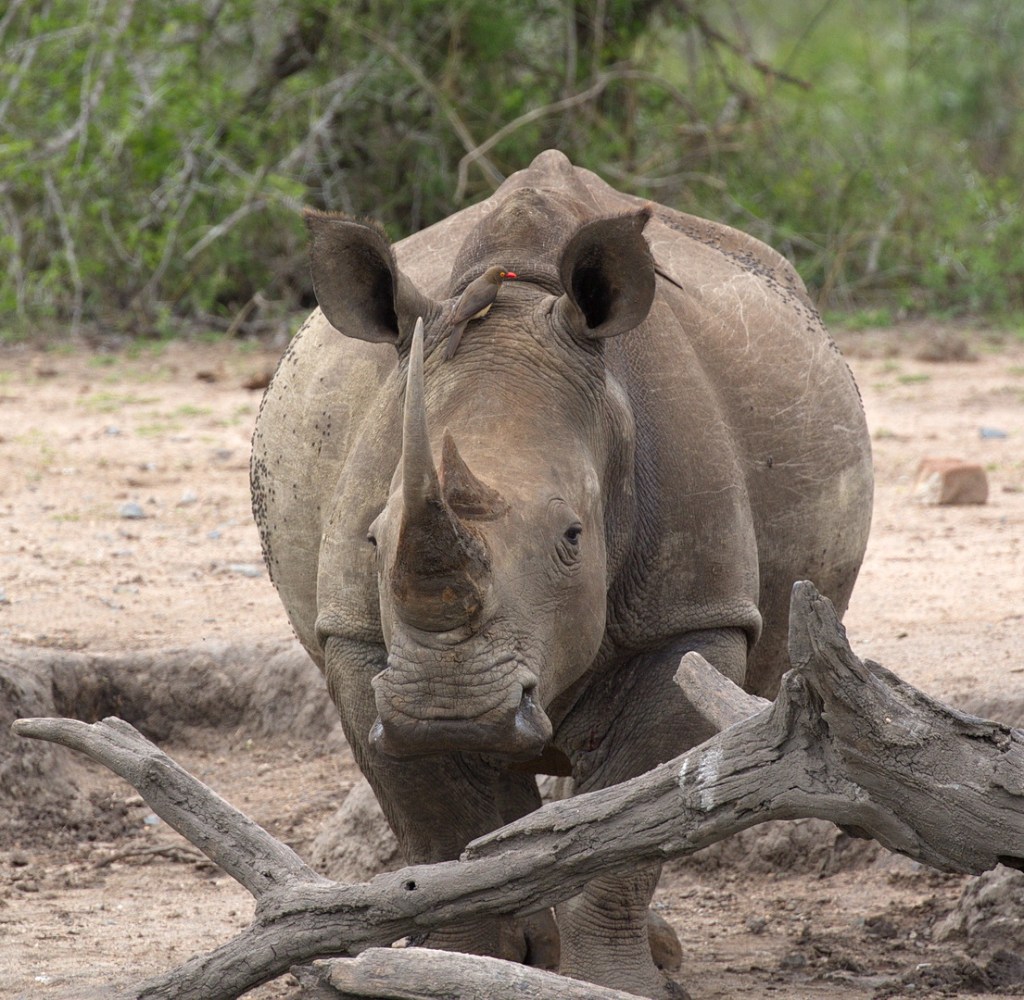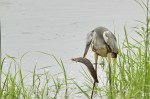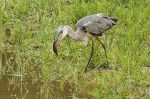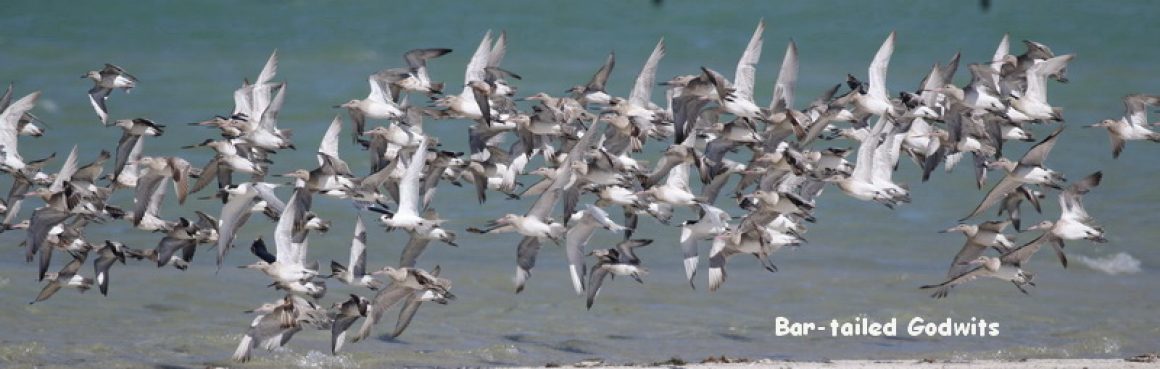
Maputo National Park

14th to 24th August 2024

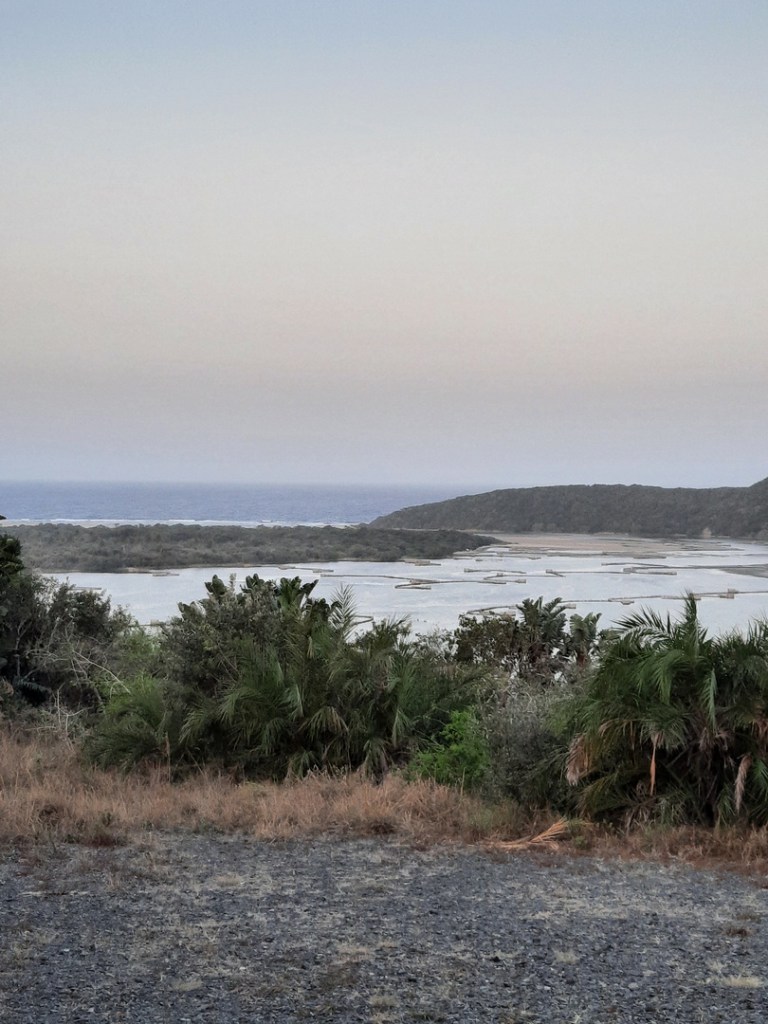
Kosi Bay

Sally and I decided that we needed to get away. On impulse we thought that it would be interesting to see what was once known as the Elephant Park in Mozambique – now Maputo National Park, south of Maputo and bordering on South Africa at Tembe Nature Reserve.

We had heard so much about the new road from Kosi Bay all the way up to Maputo that we decided to see it for ourselves and to visit Macaneta north of Maputo as well.

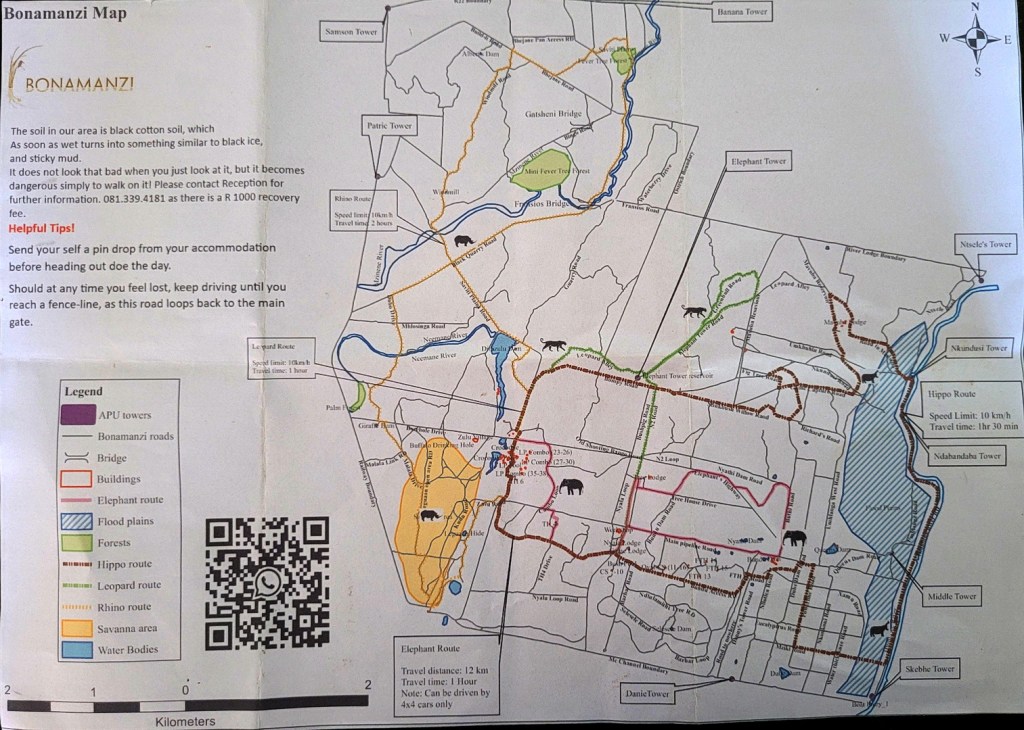
On the way back we stopped at Bonamanzi and visited Hluhluwe.

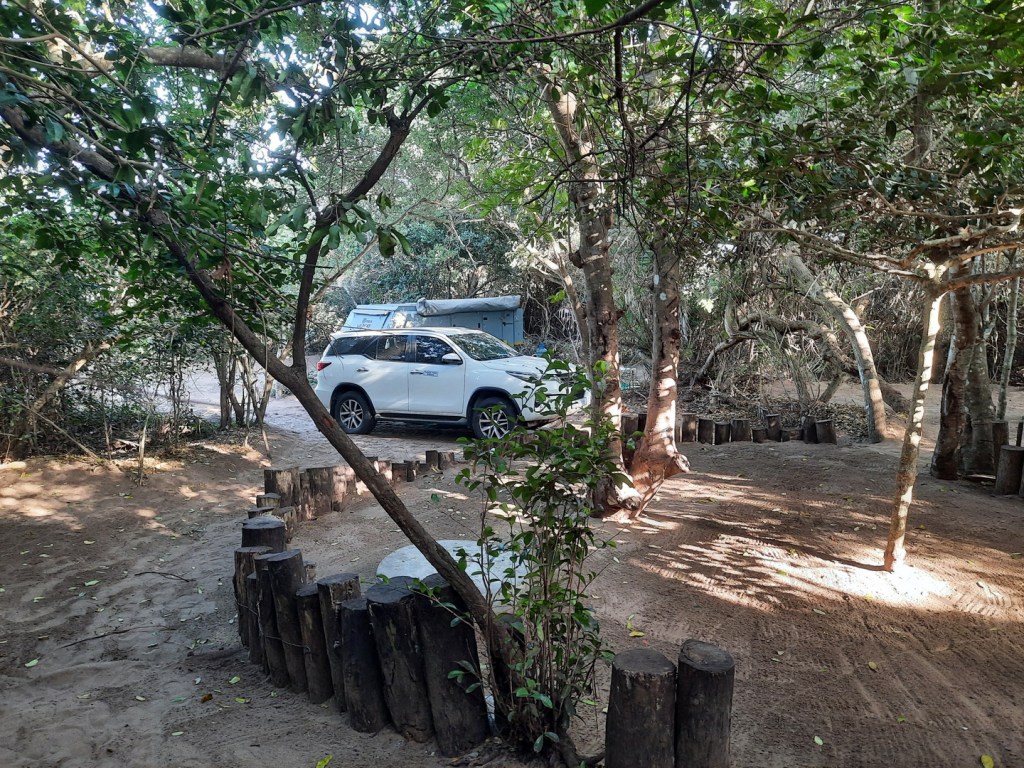
Our first night was spent camping at Utshwayelo Kosi Mouth Lodge. A very hospitable camp right at the entrance into Kosi Bay. We had a very large sandy campsite with power and our own ablution. They were able to get us entry permits to the Kosi Bay mouth.

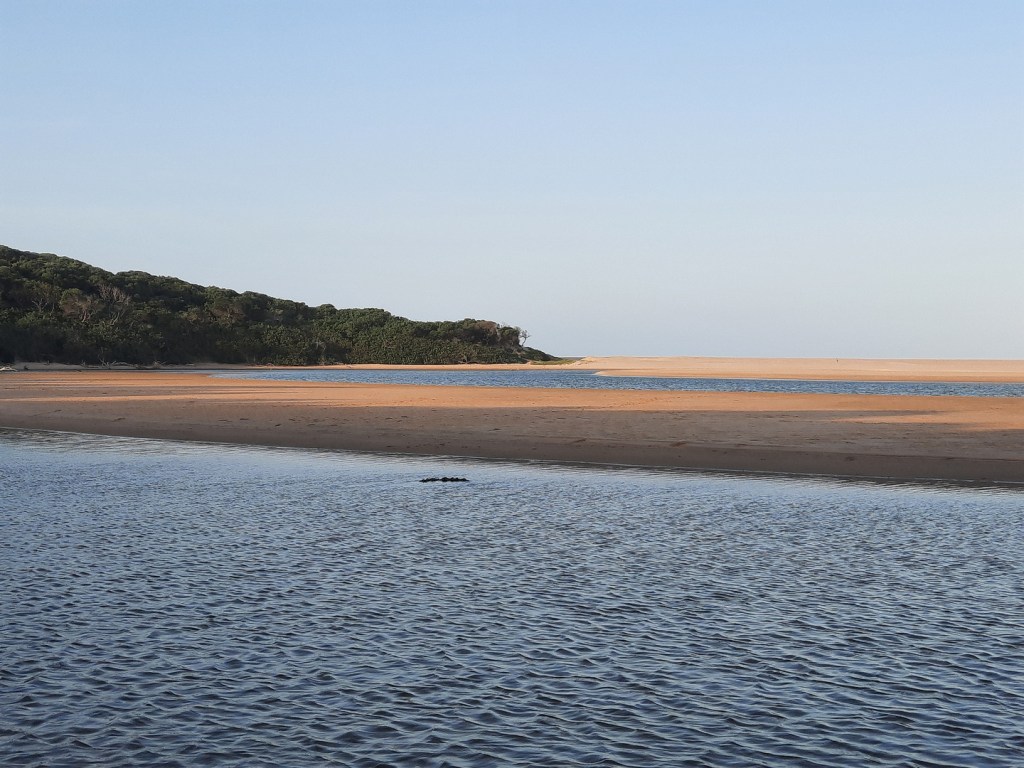
We spent part of the afternoon going down to the Kosi Bay Mouth, returning at dusk.

The next day we were up early to cross the border and drive to the Maputo National Park. We were booked to camp in Ponta Membene for 4 nights.
Crossing the border was simple and confusing. The RSA and Mozambique immigration and Customs were all together and no-one to tell you where to go first nor when to take your car through.

Go through the fence to RSA immigration – leaving car and Afrispoor Wildcat on the RSA side of the fence. An RSA immigration official filled in the form for us but forgot to write in our Wildcat details. Then there was customs on the RSA side of the fence. Then proceed through for customs inspection.

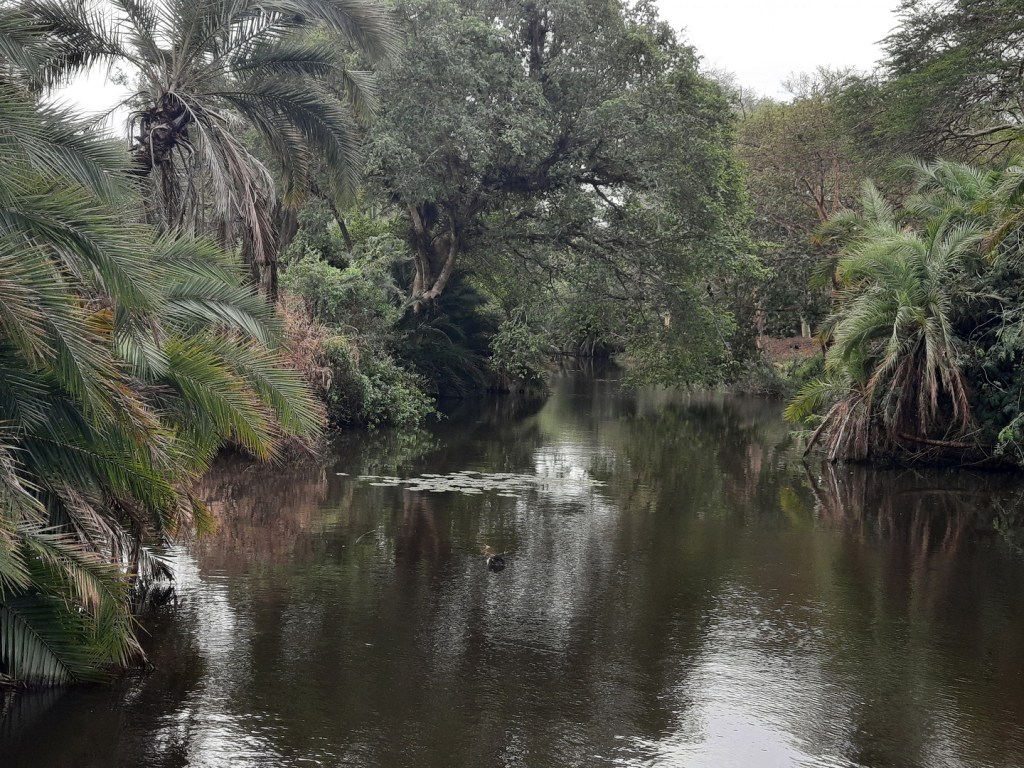
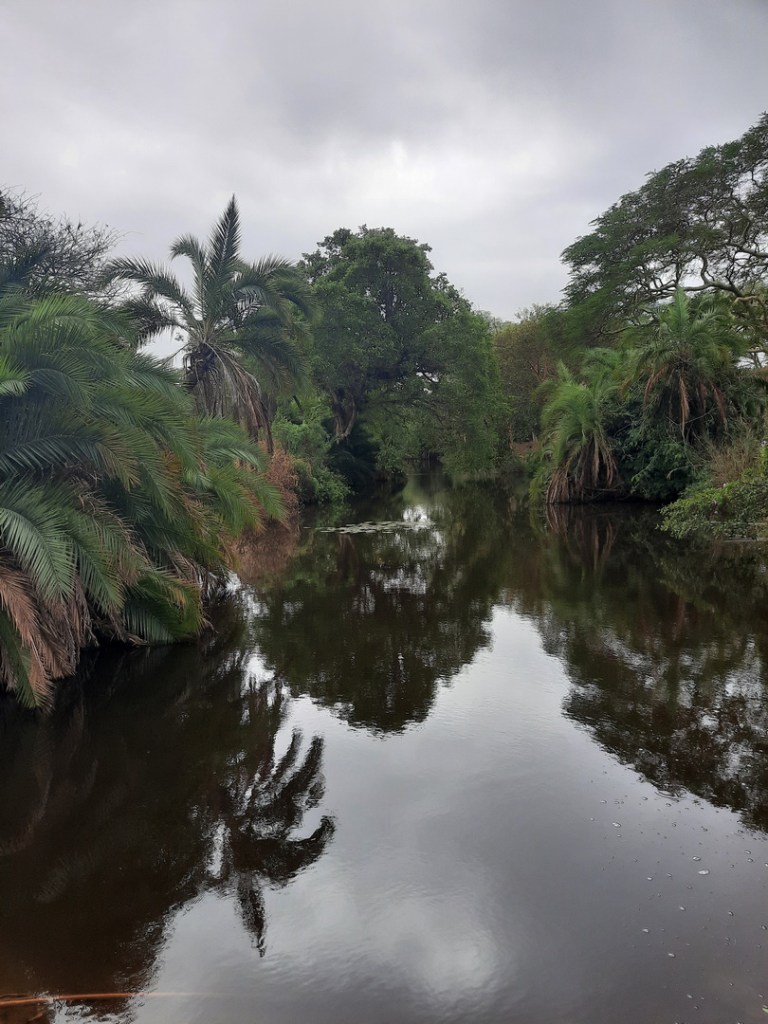
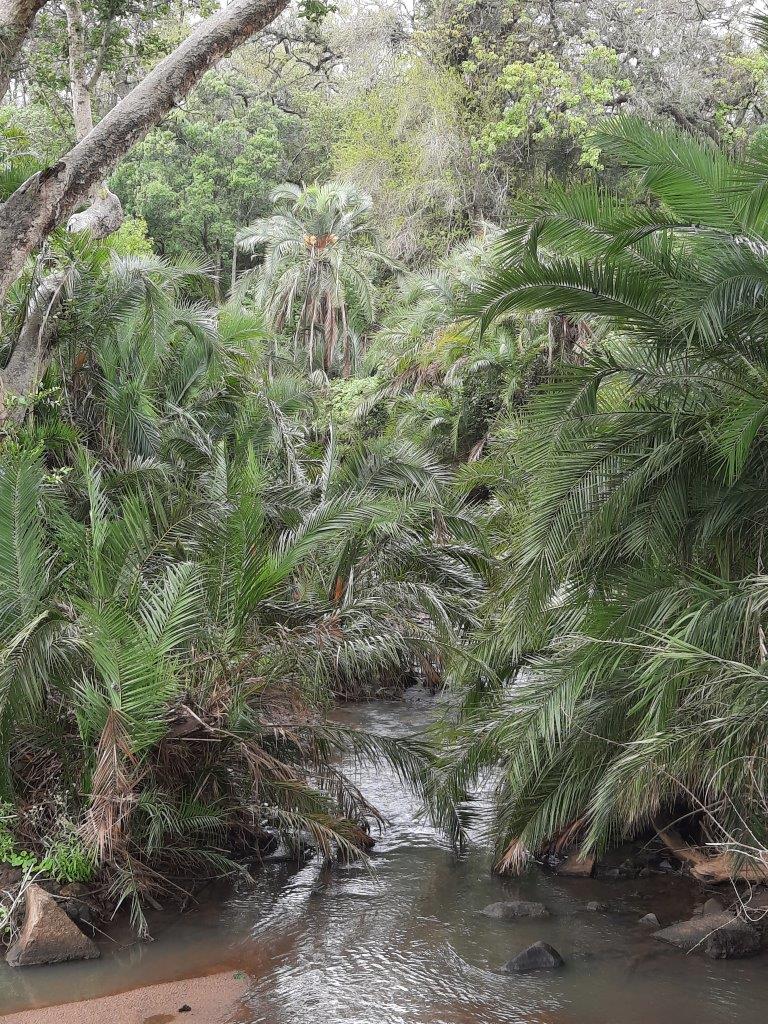
Eventually through, we were on our way. And how the countryside seemed to change. Open flat areas with wetlands beside the road here and there.

The Futi Gate – entrance to the park – is about 40 kms from the border. After 30 kms the cattle grid tells you that you are in the reserve and every 200 metres there are serious speed bumps. And there are numerous different signs warning you of angry elephants.

Eventually we got to the Futi gate.

Park entrance fees are paid at the gate. They managed to use my credit card.

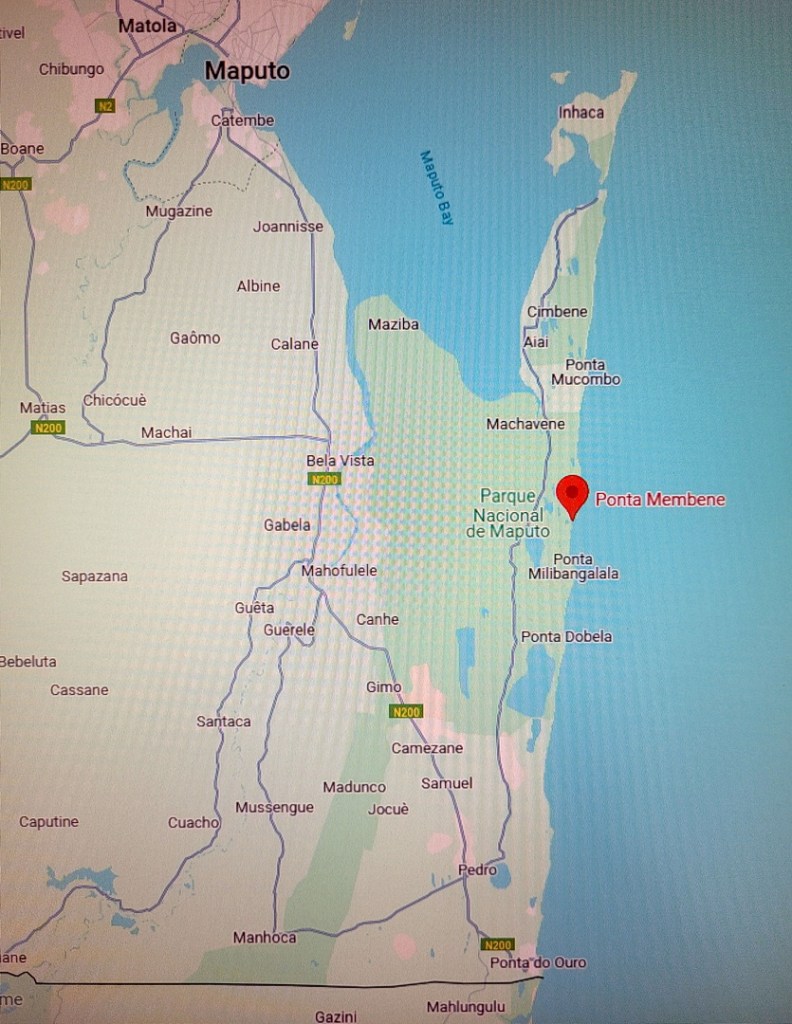
Ponta Membene highlighted in Yellow (on coast)

Then off we set after reducing tyre pressure to 1.5 bar. Only 40 kms to Ponta Membene on sandy roads. Towing the Wildcat went well for more than half the distance. Many a time not using hi or lo range – very occasionally lo range. Followed the numbered trail to Point 13.

We enjoyed the scenery.
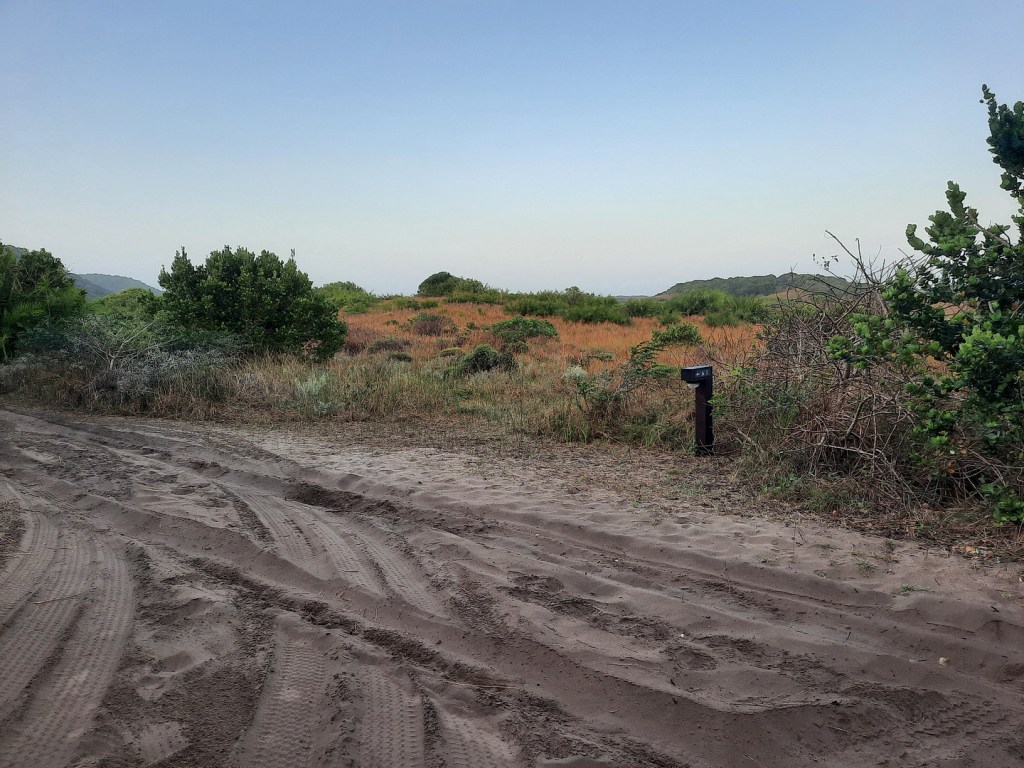
Then the inevitable happened. We came upon an intersection with 3 alternatives (as all the intersections seemed to have – all leading to the same place). We chose what looked best (you should always stick to the high ground if given a choice). Down we went, then looking ahead a steep rise in thick sand, into Lo range and almost made it.

Dig, dig, dig. Sand tracks down but getting nowhere. Decided to reverse to the bottom. More digging and sand tracks to get going back and downward. The bottom was gravellier and I was able to drive off road and make a U-turn going back the way we came. At the intersection we were unable to turn onto one of the other tracks – too tight. Ended up driving back several kms to find a place to make a U-turn.

More careful as we got closer to camp as the sand was thick and there were many steep hills to climb. Often had to choose our own way up.

Camp at last, four and a half hours from gate!!

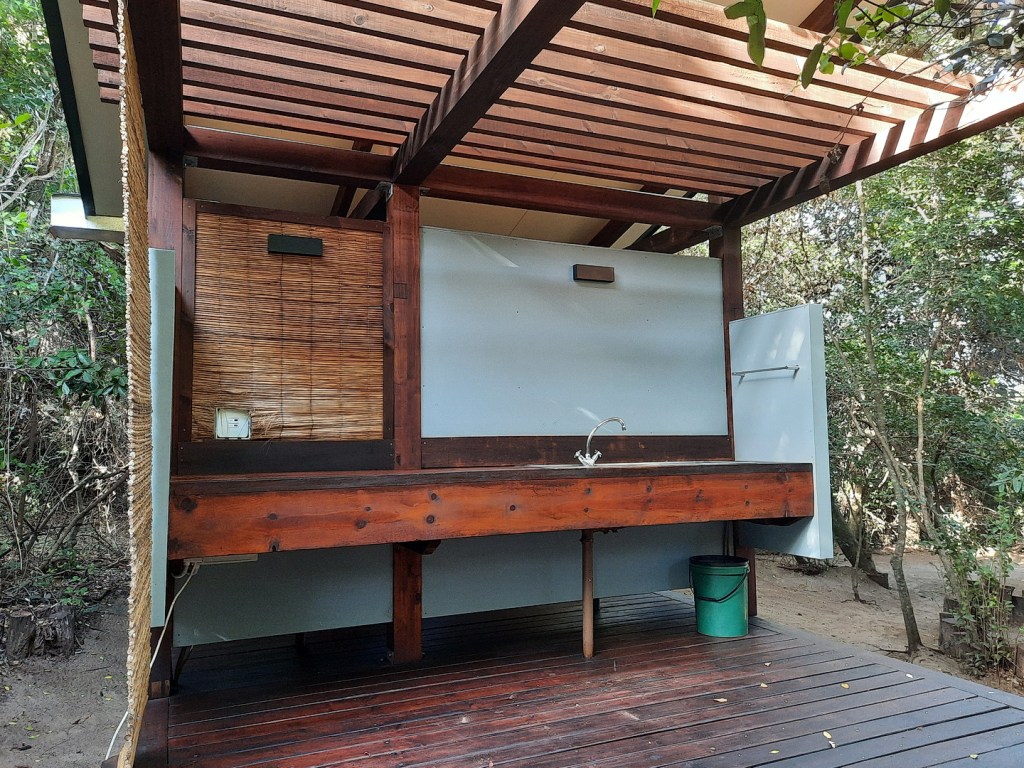
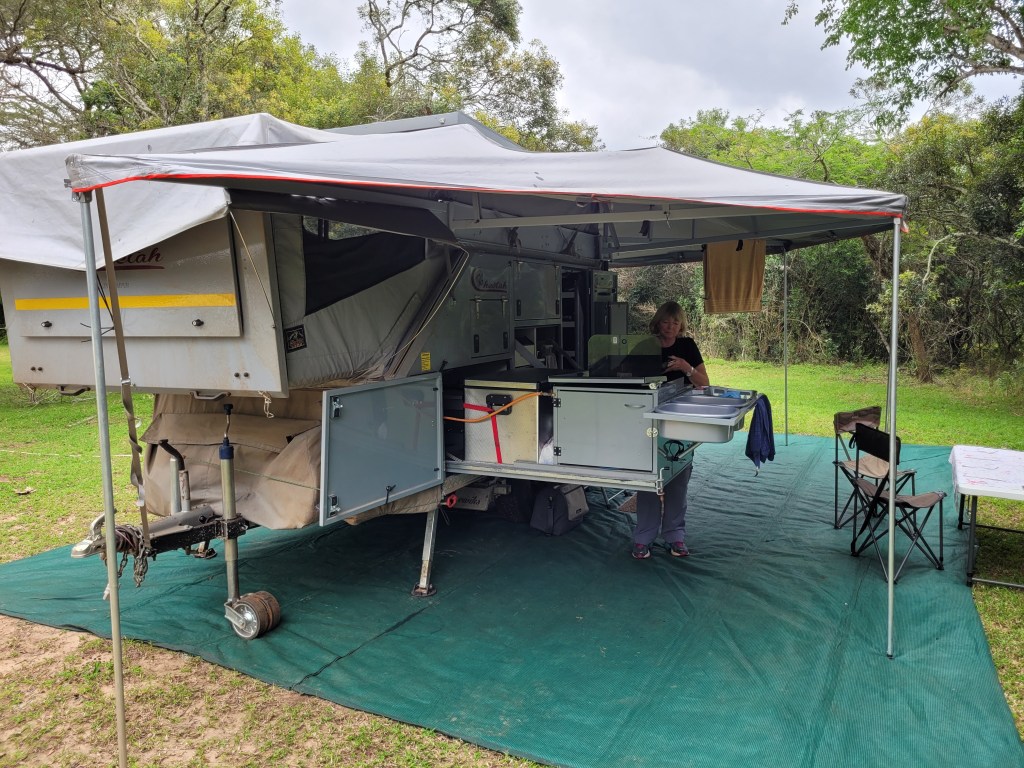
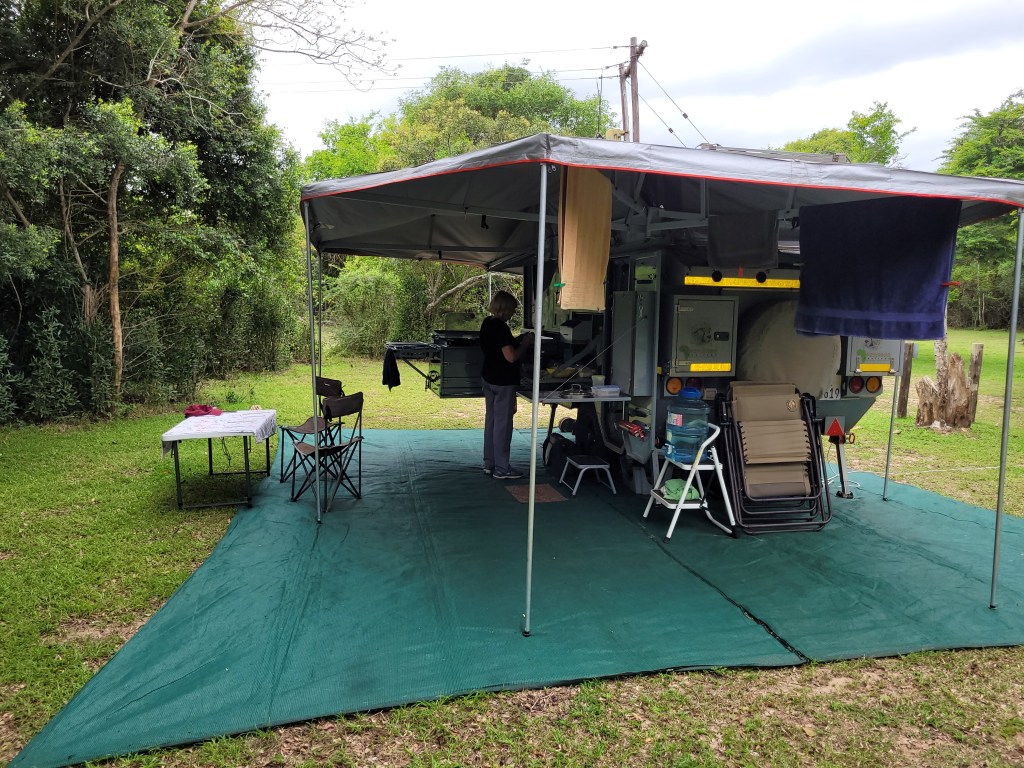
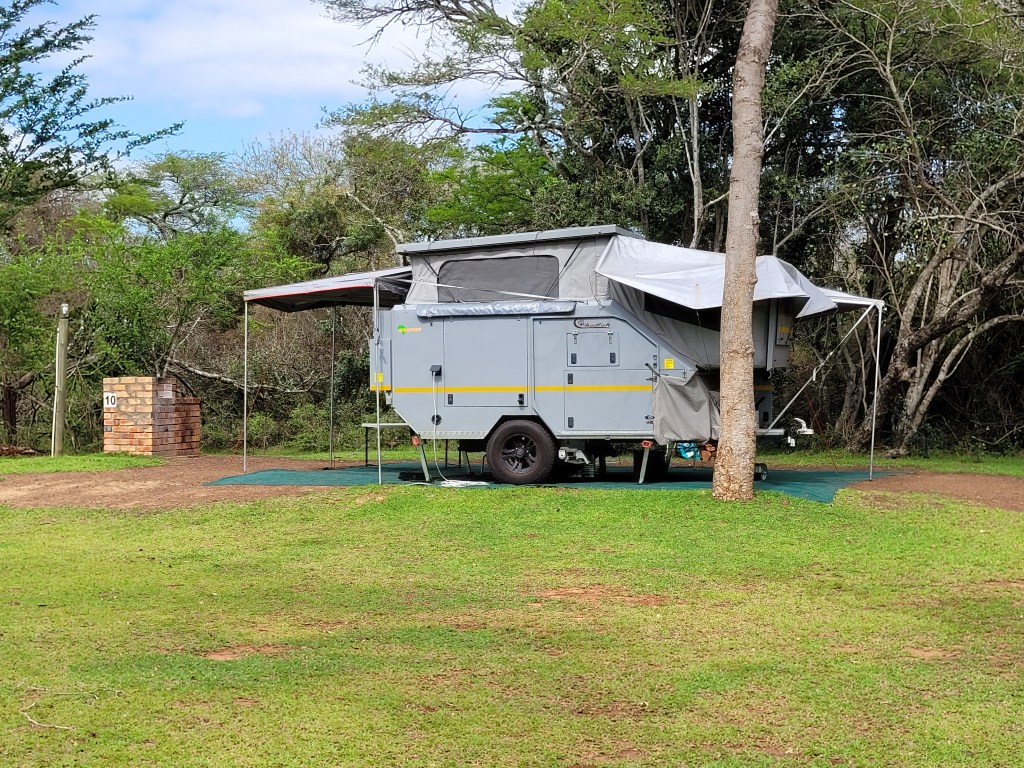
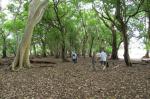
We were allocated to campsite 2. The site was huge and buried into the canopy of the Dune Forest. Two areas to park vehicles, 2 places for tents and one just big enough for our Wildcat. Plus a modern ablution and washup area attached. Hot water, shower and power.

Video of campsite


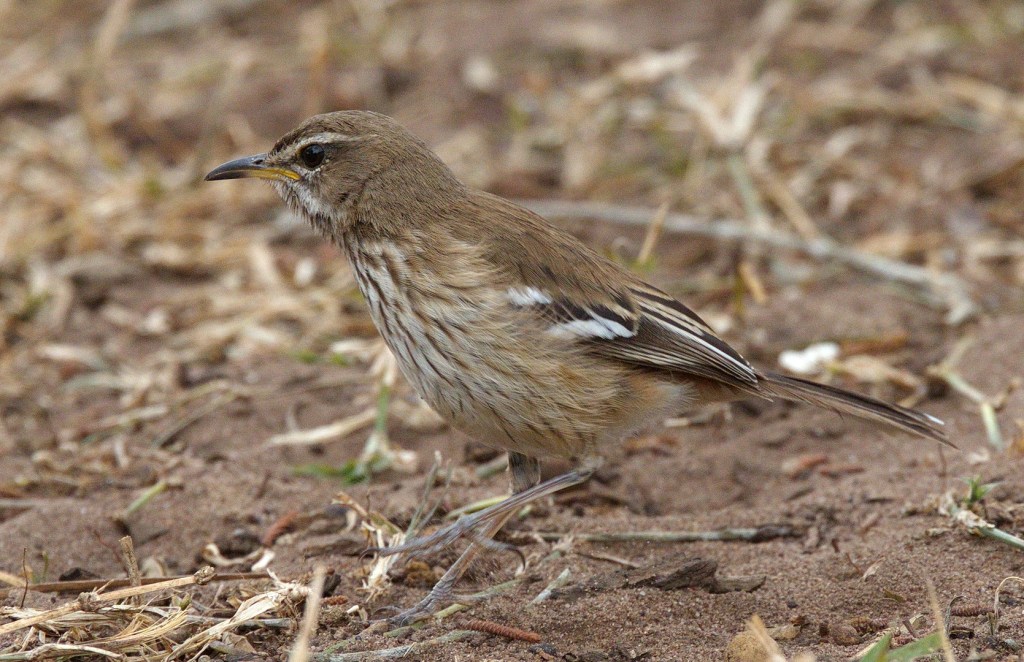
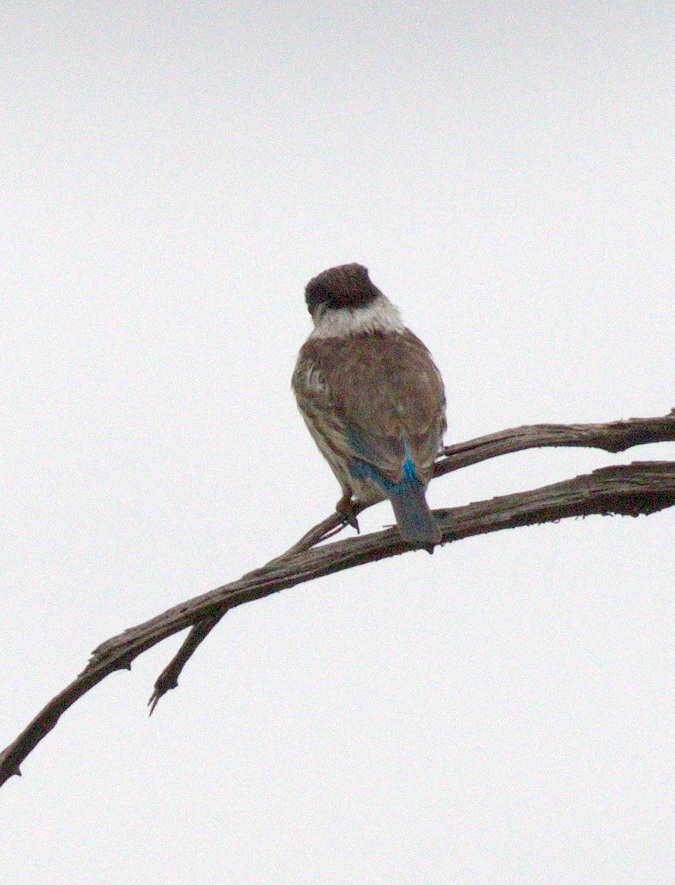
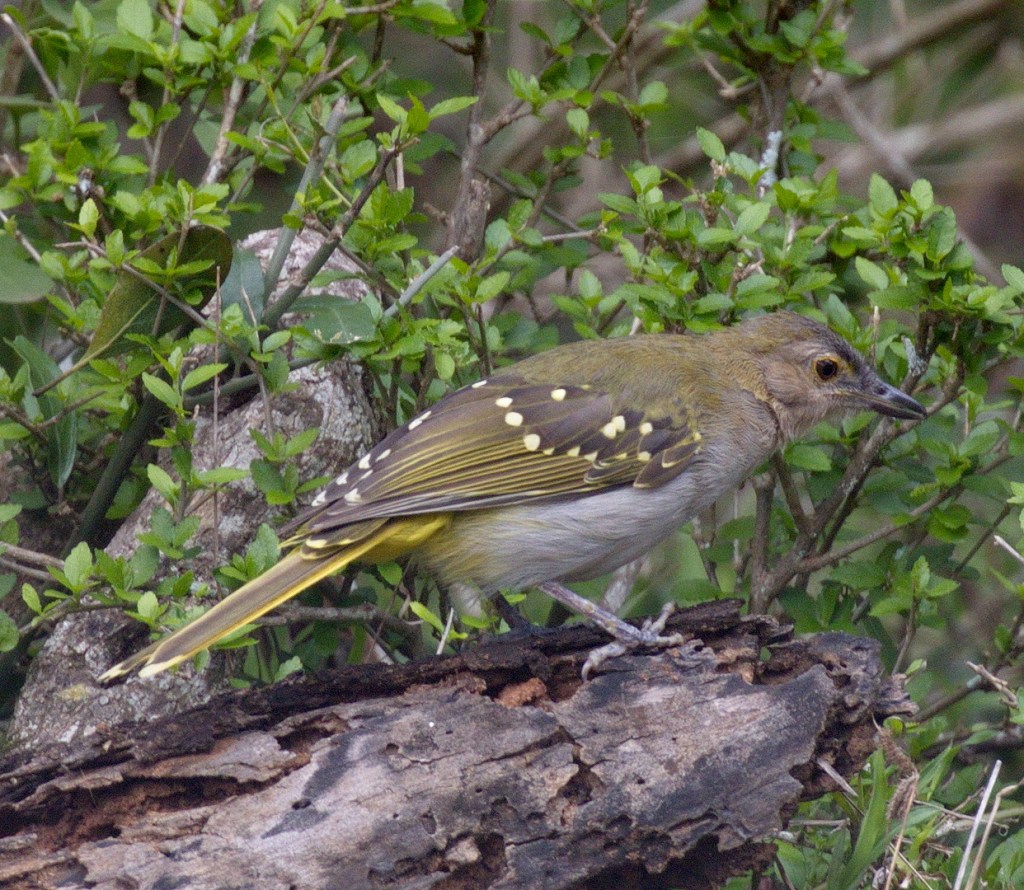
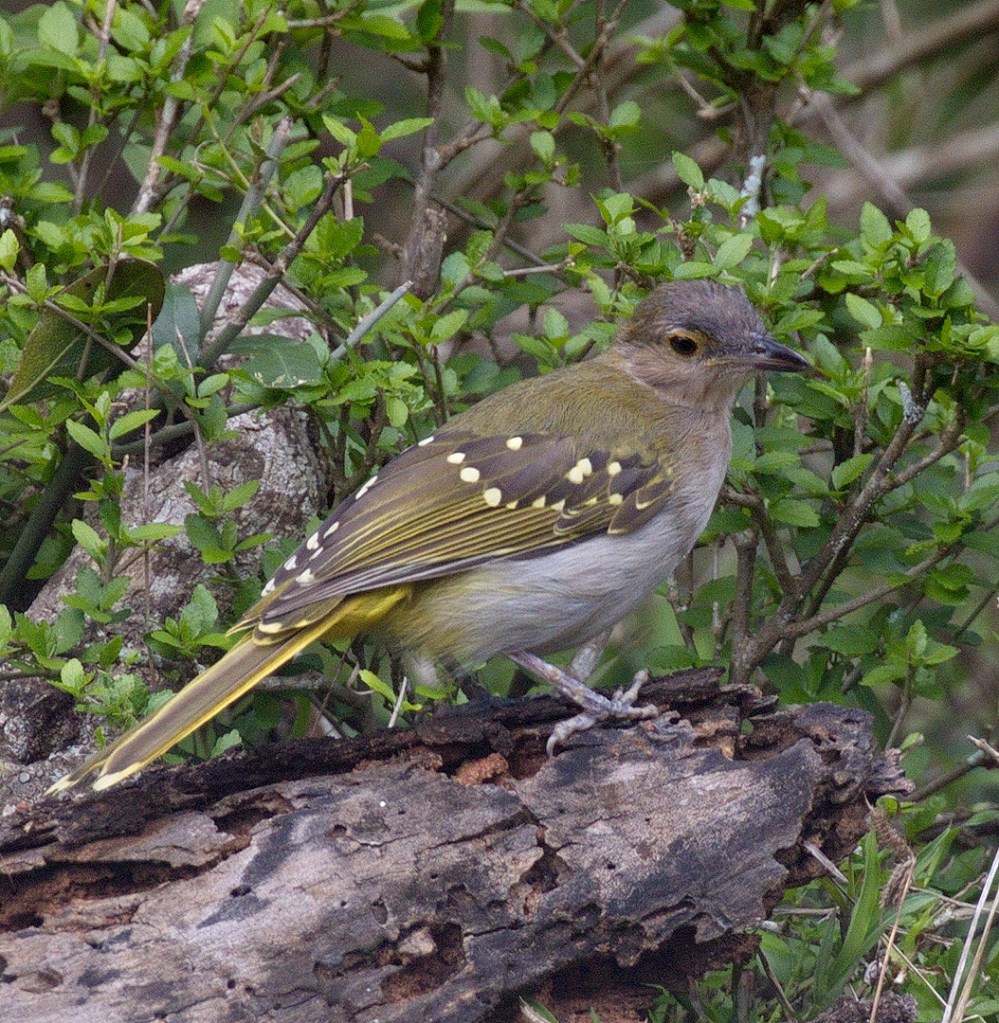
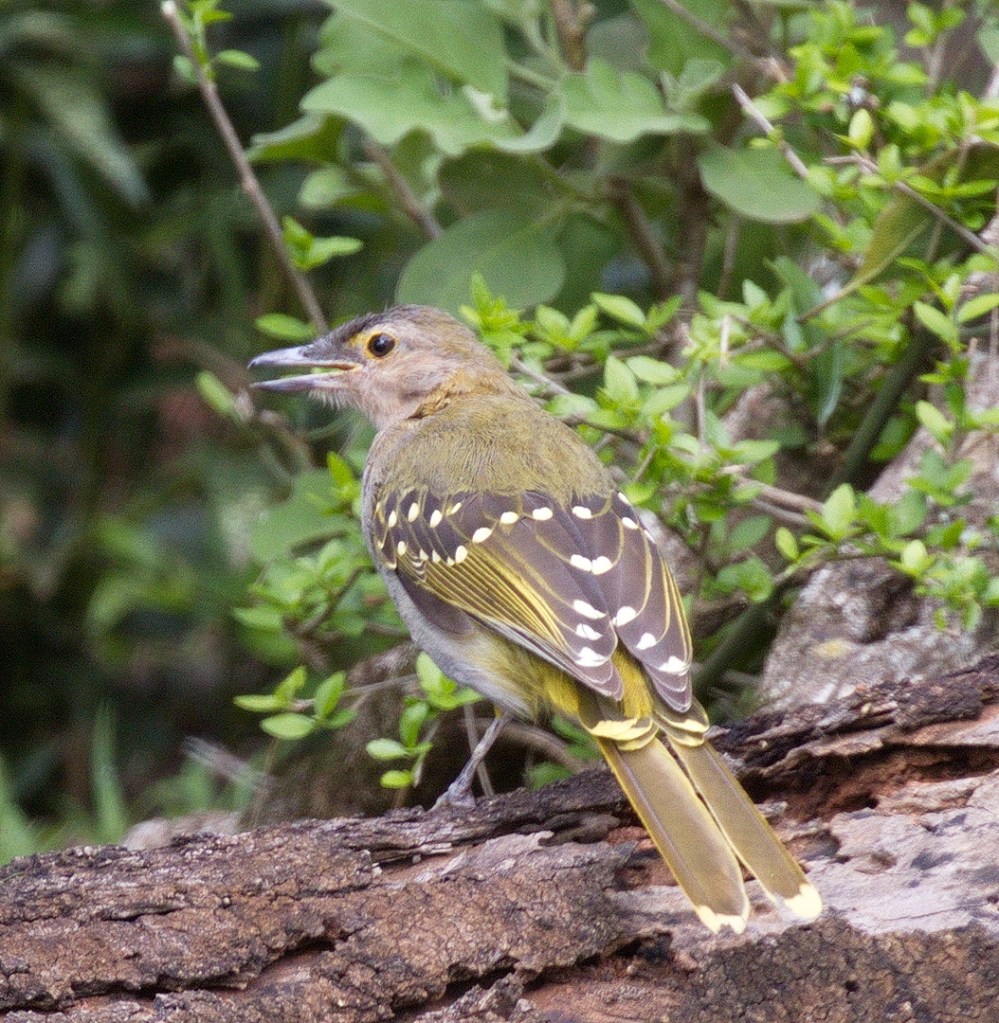
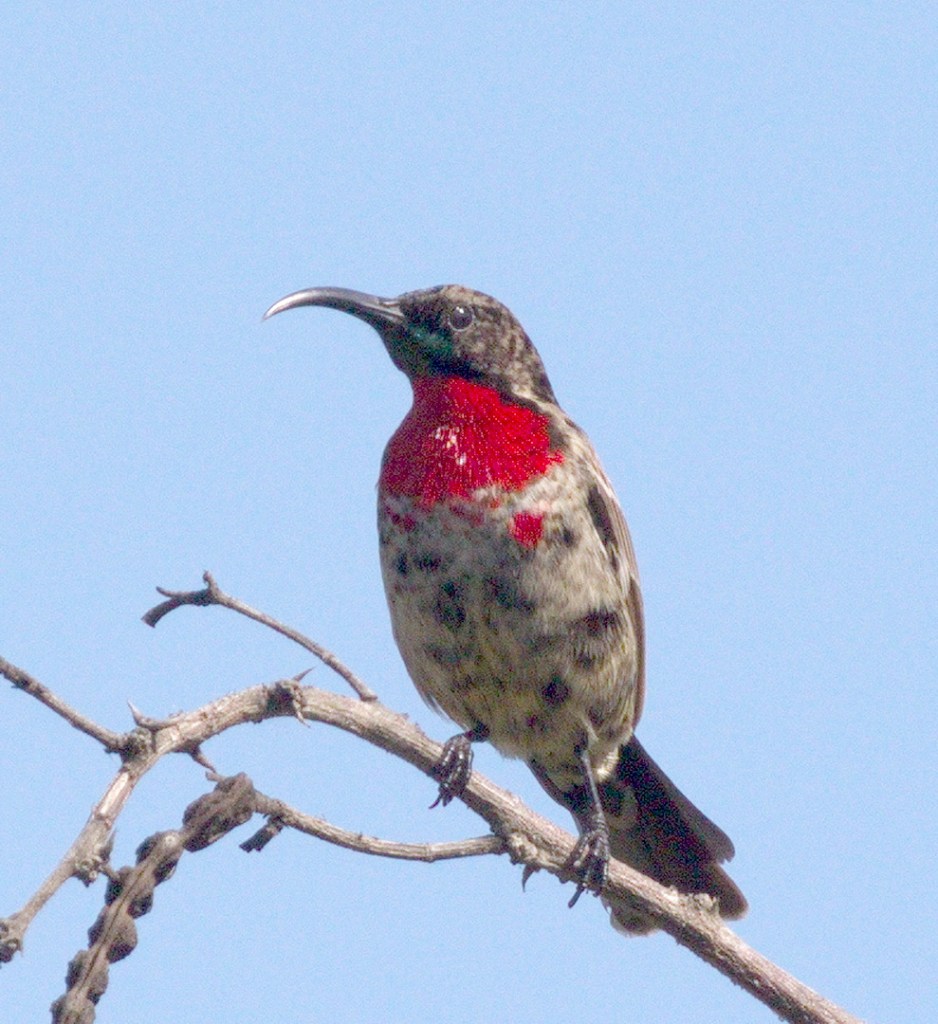
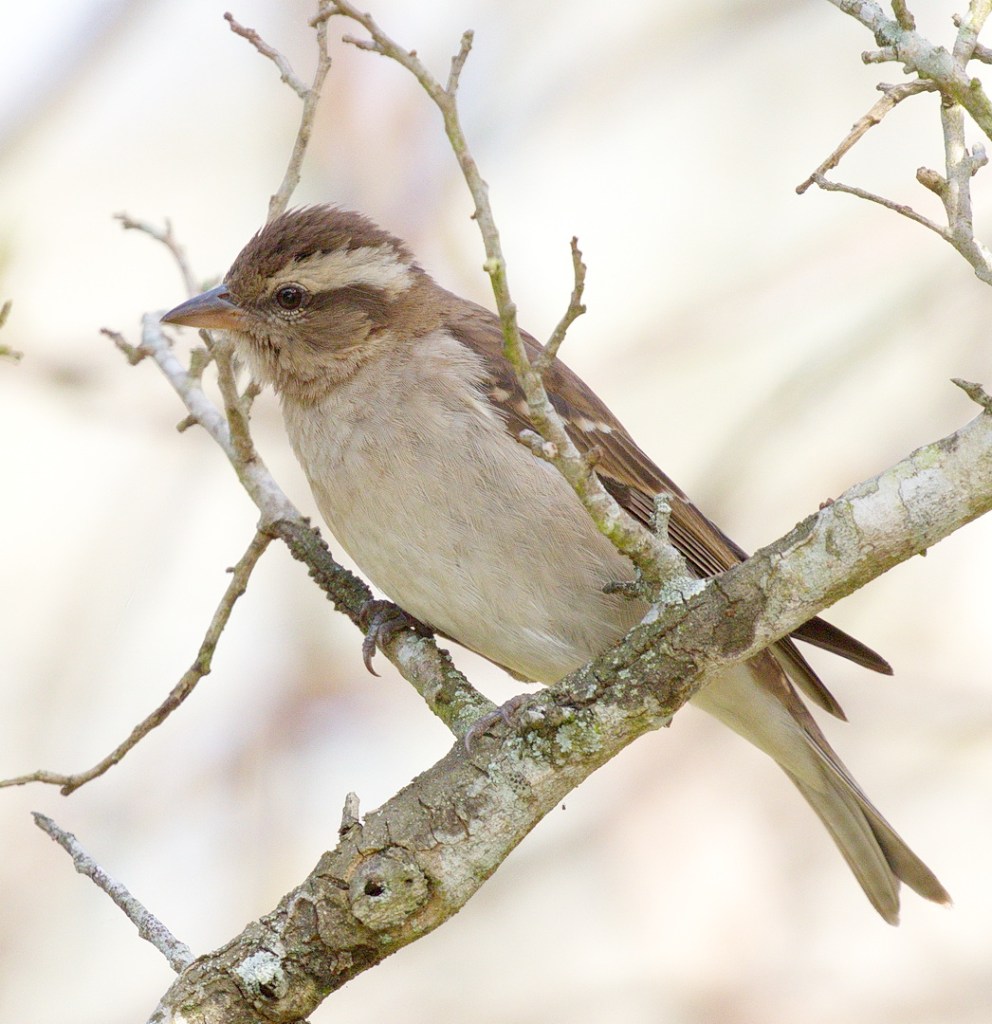
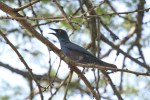
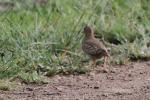
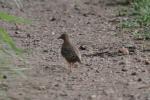
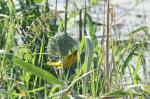
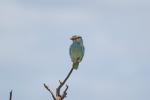
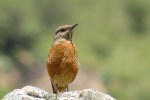
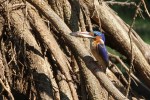
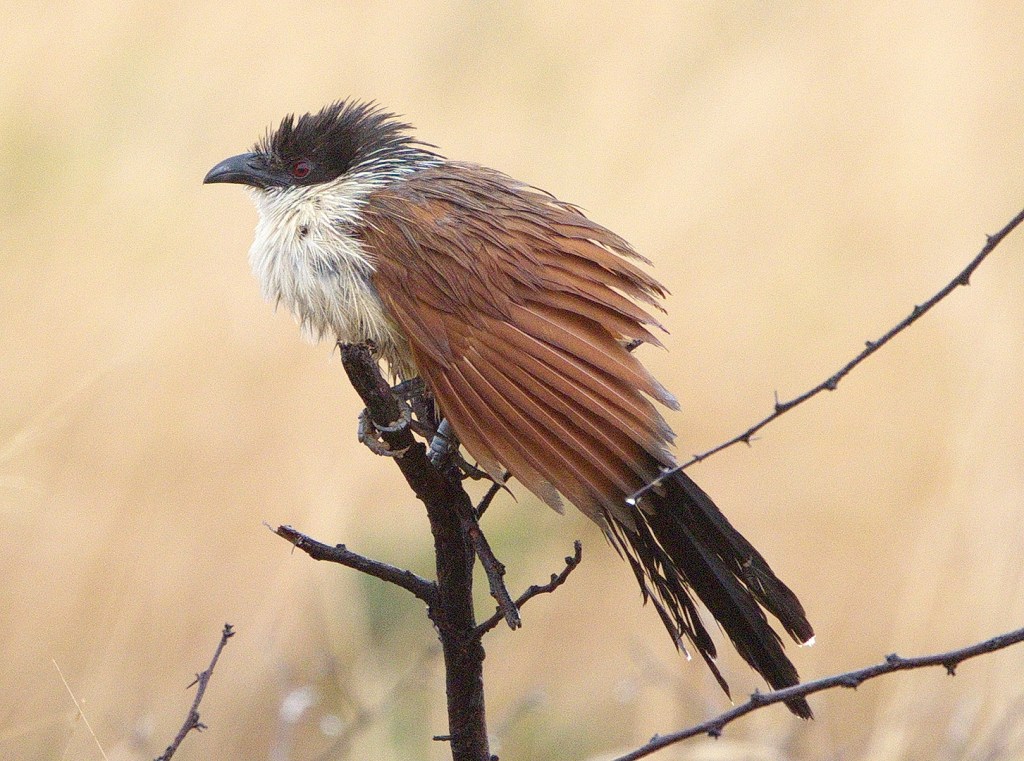
One particular campsite bird stood out from the excessive numbers of Dark-capped Bulbuls.

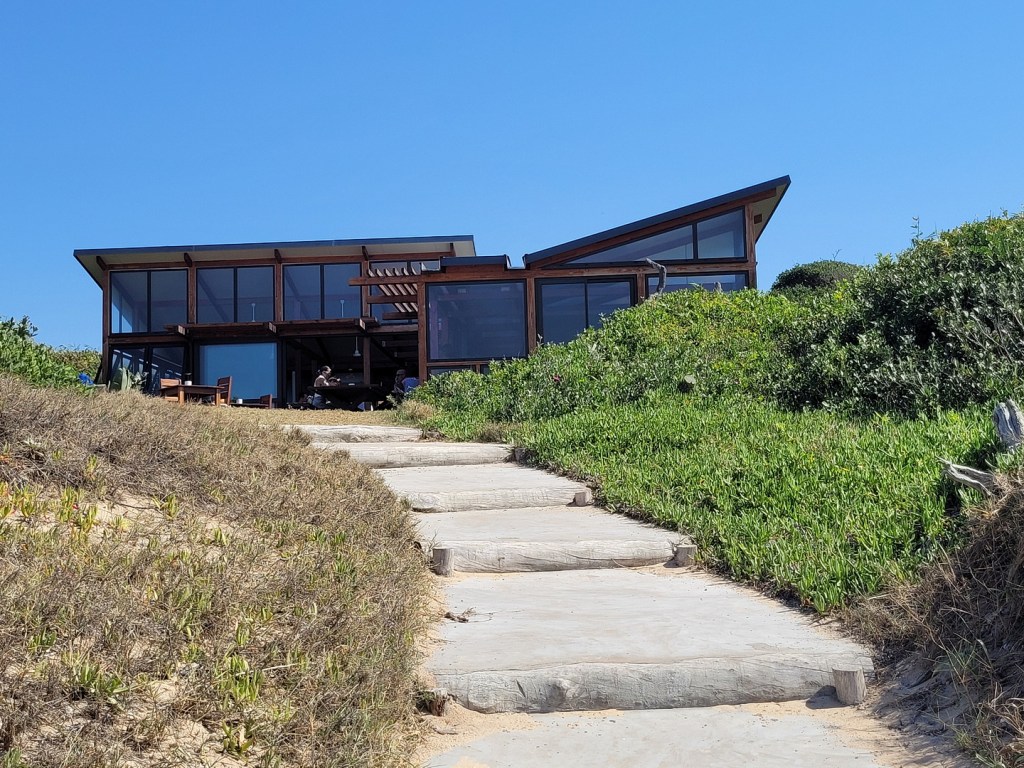
On our first morning we explored the camp. A short steep climb up to the top of the dune through the forest brought us to a board walk which ran along the top of the ridge. At the top we looked out to sea and the beach below. Following the boardwalk to its end took us to the restaurant and swimming pool.

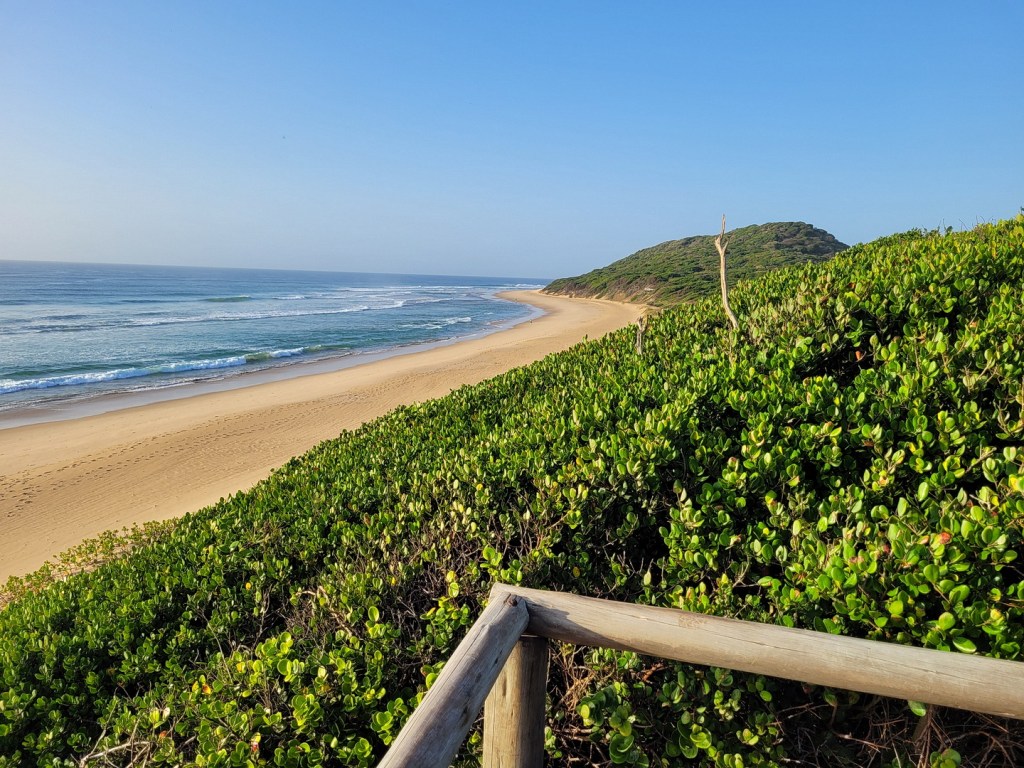
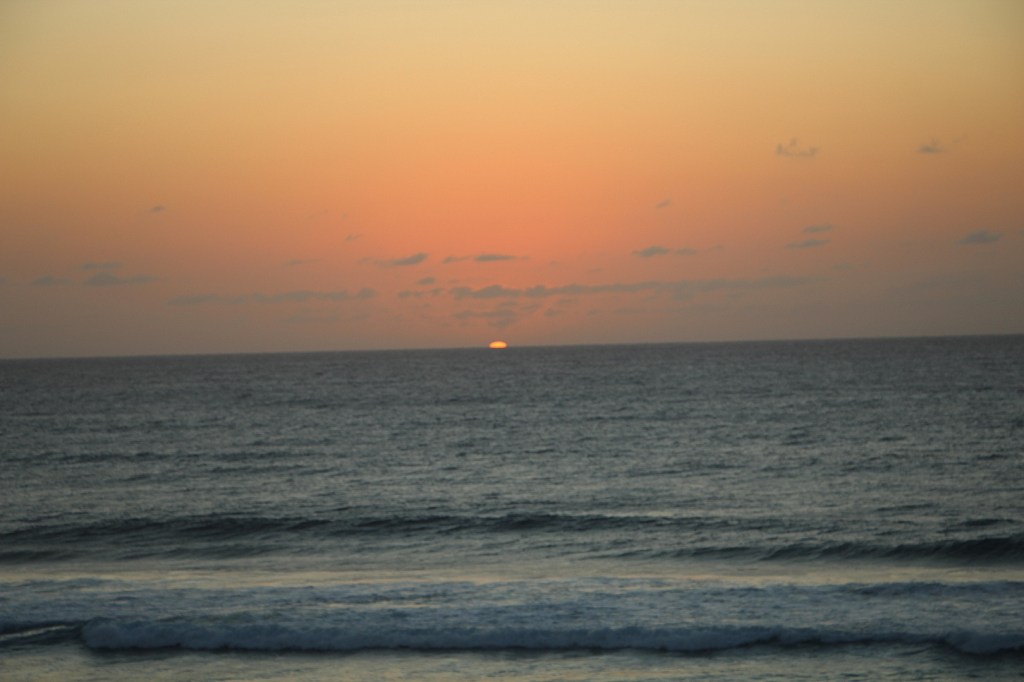
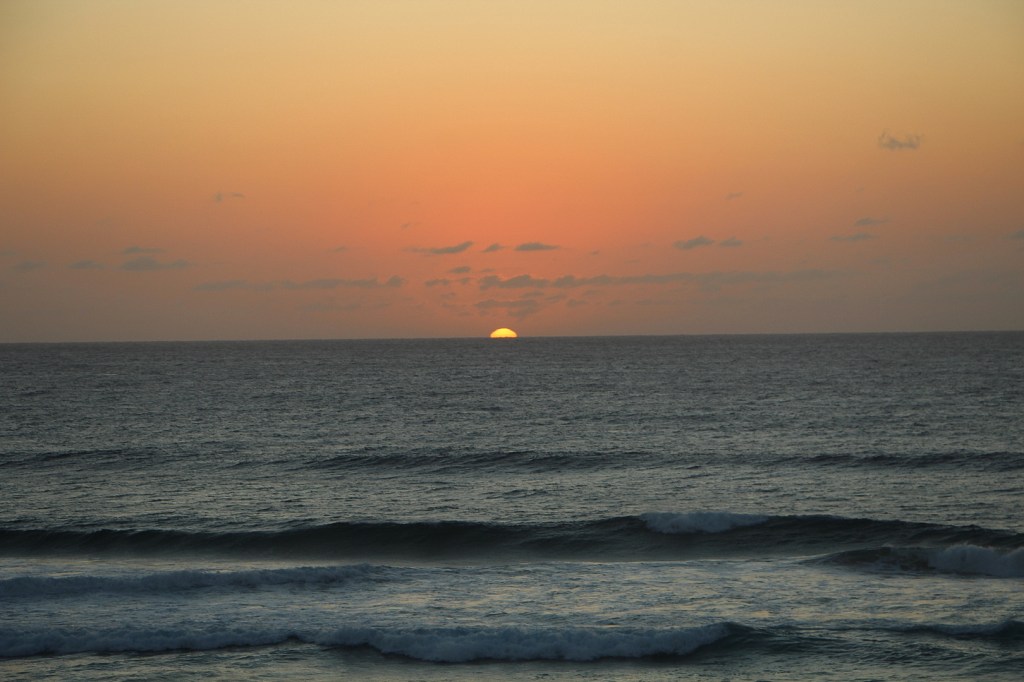
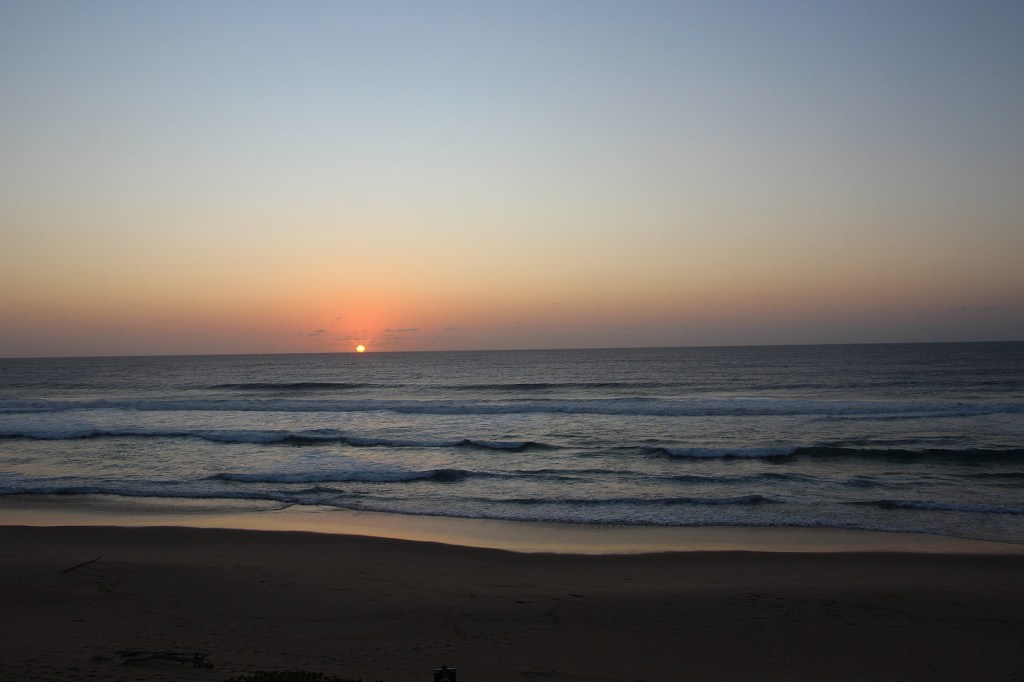
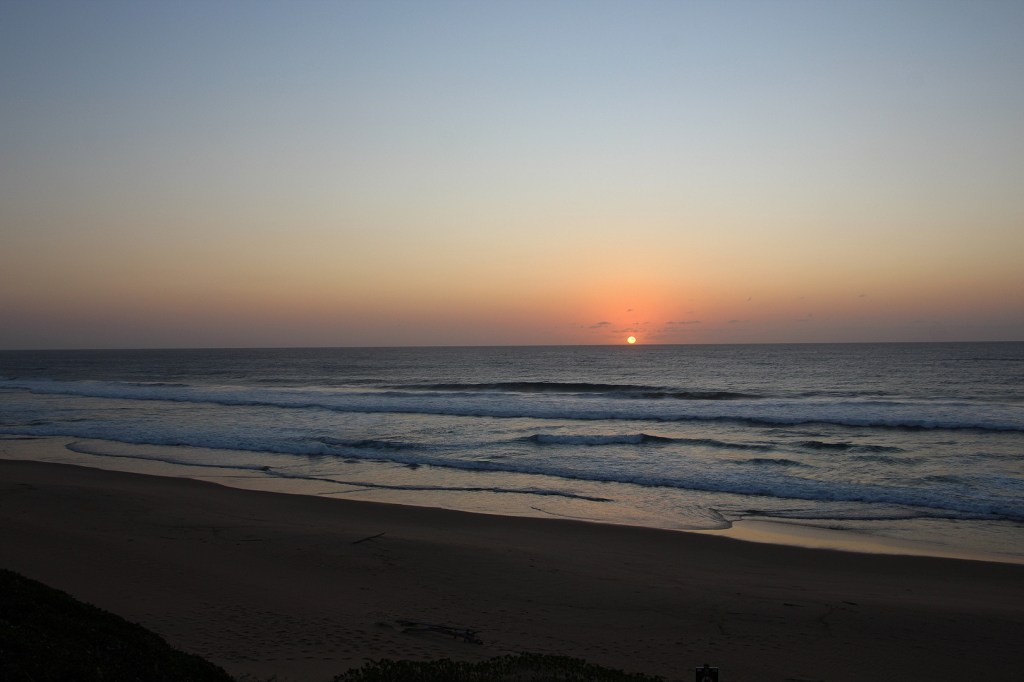
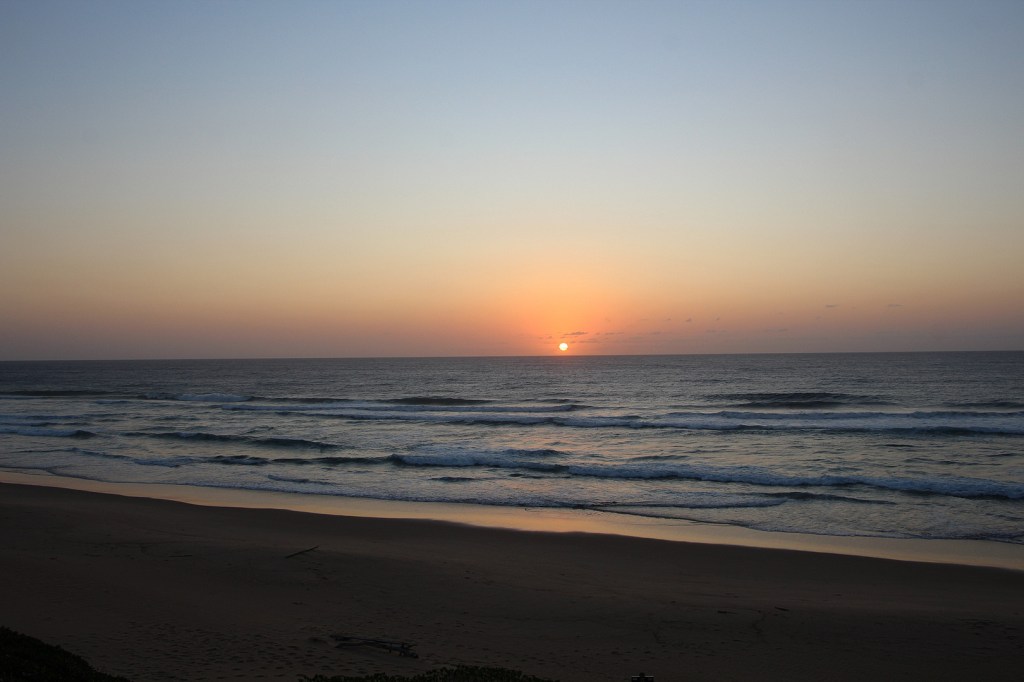
On that first morning we got to the top before sunrise – quite a view.

Sunrise:

From the top, not only did we watch the sunrise, but we also observed whales close by. Perhaps you can identify the one closest to us.

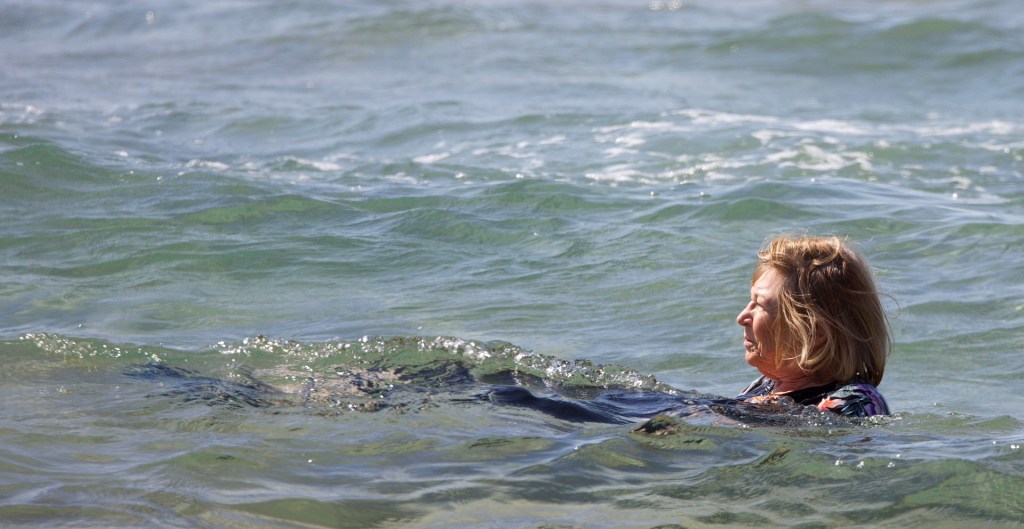
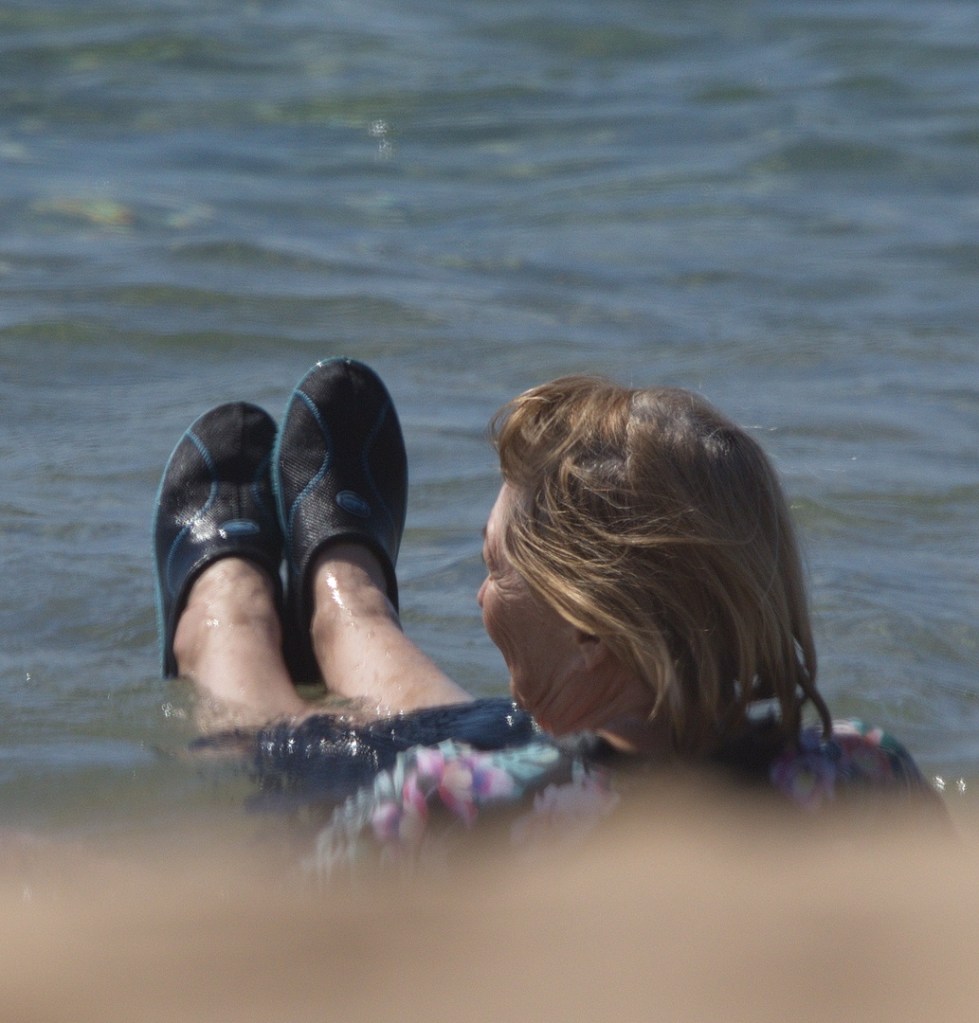
To celebrate seeing the whales, we took a long walk along the beach and Sally even managed a dip.
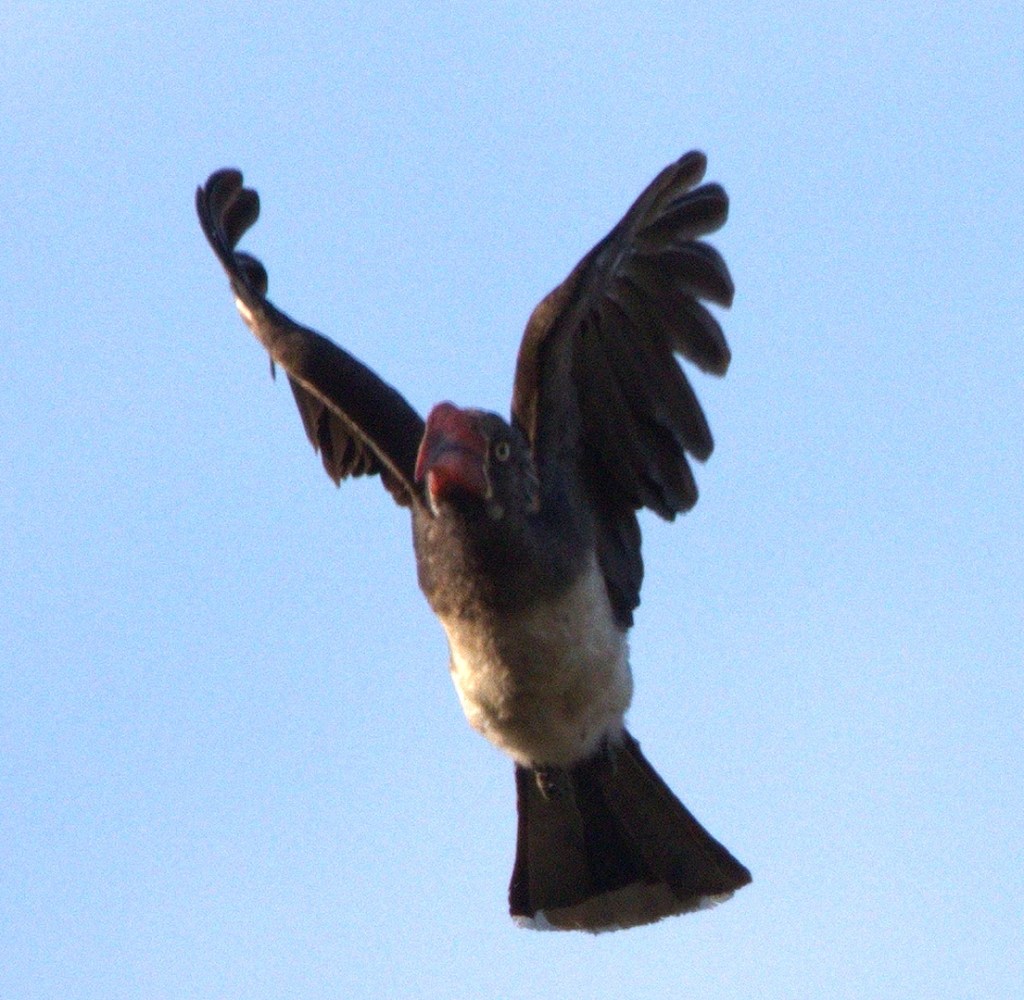
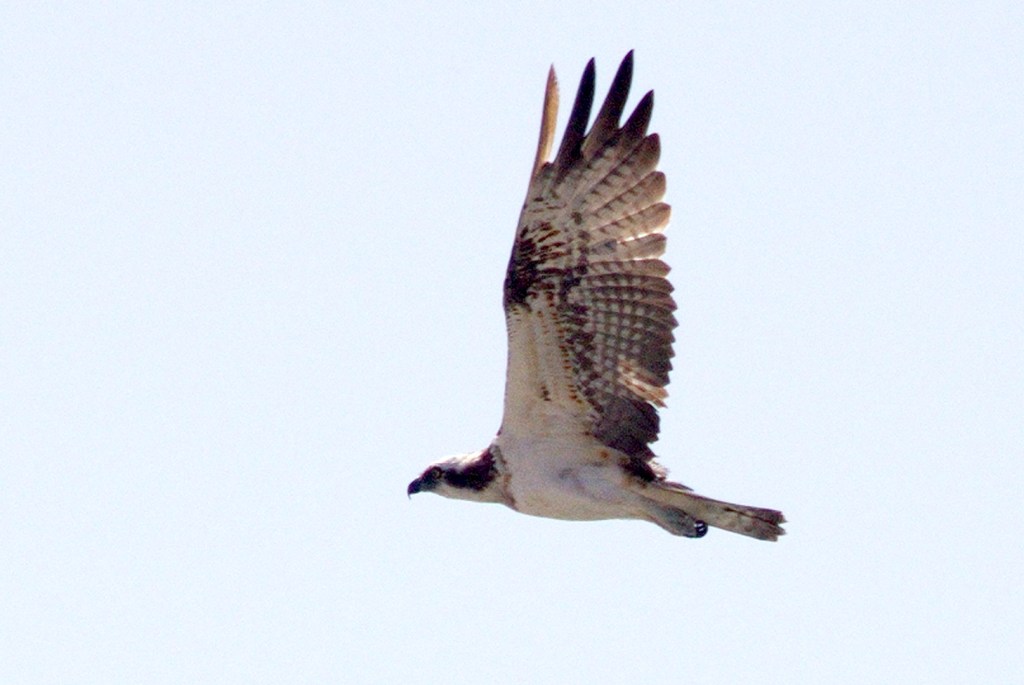
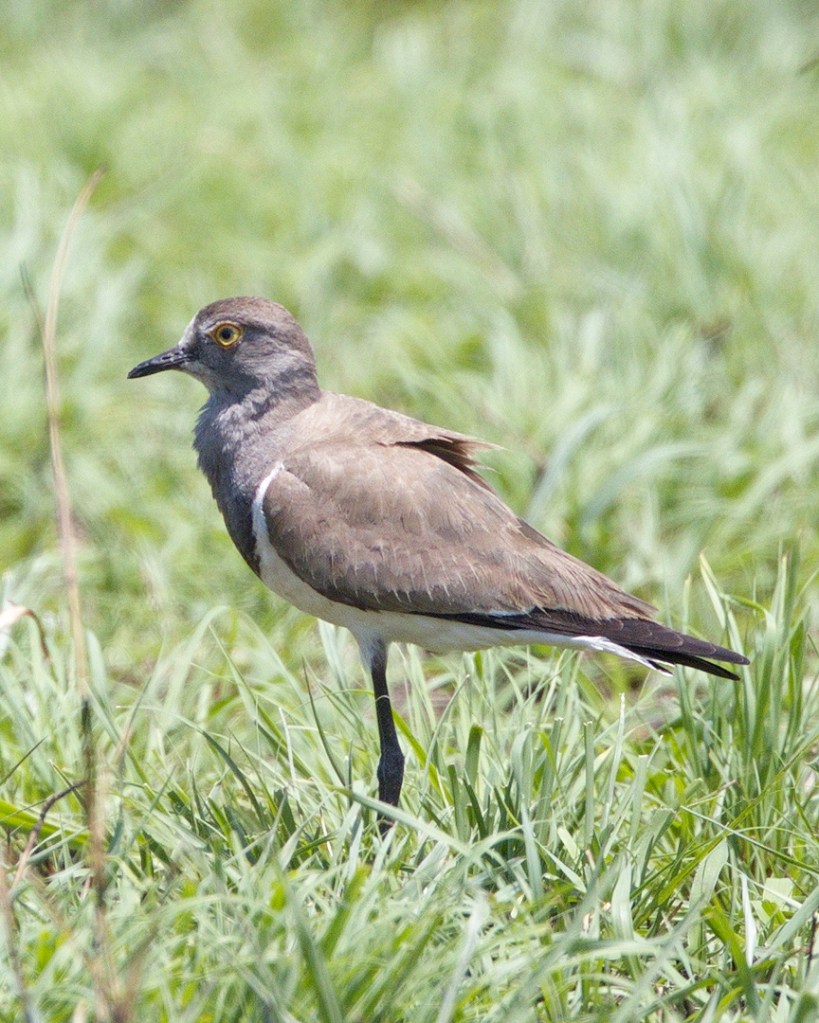
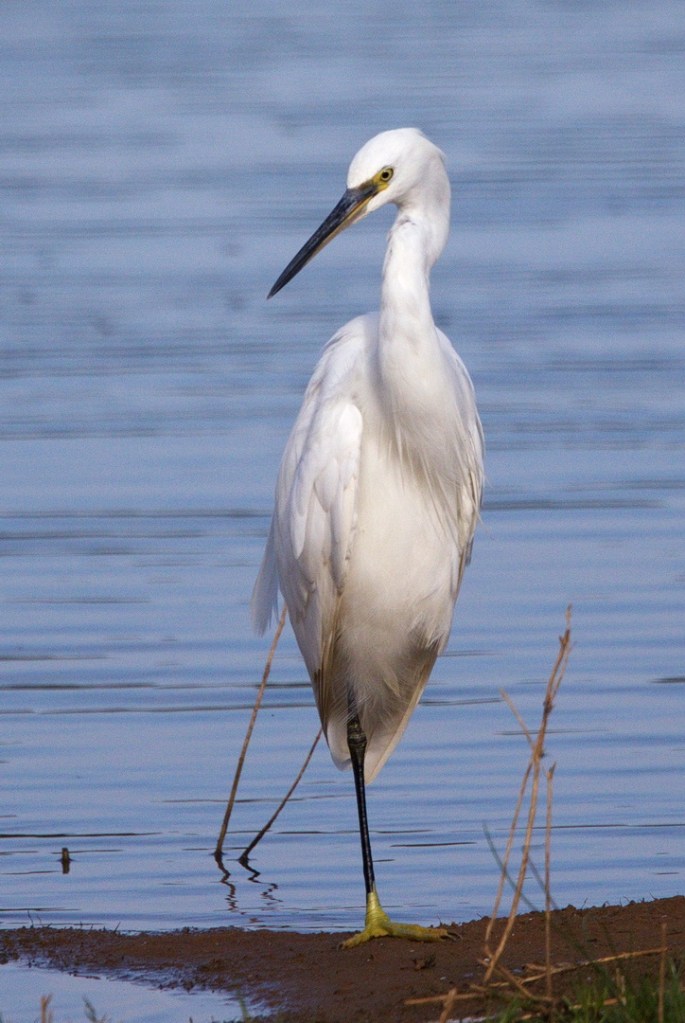
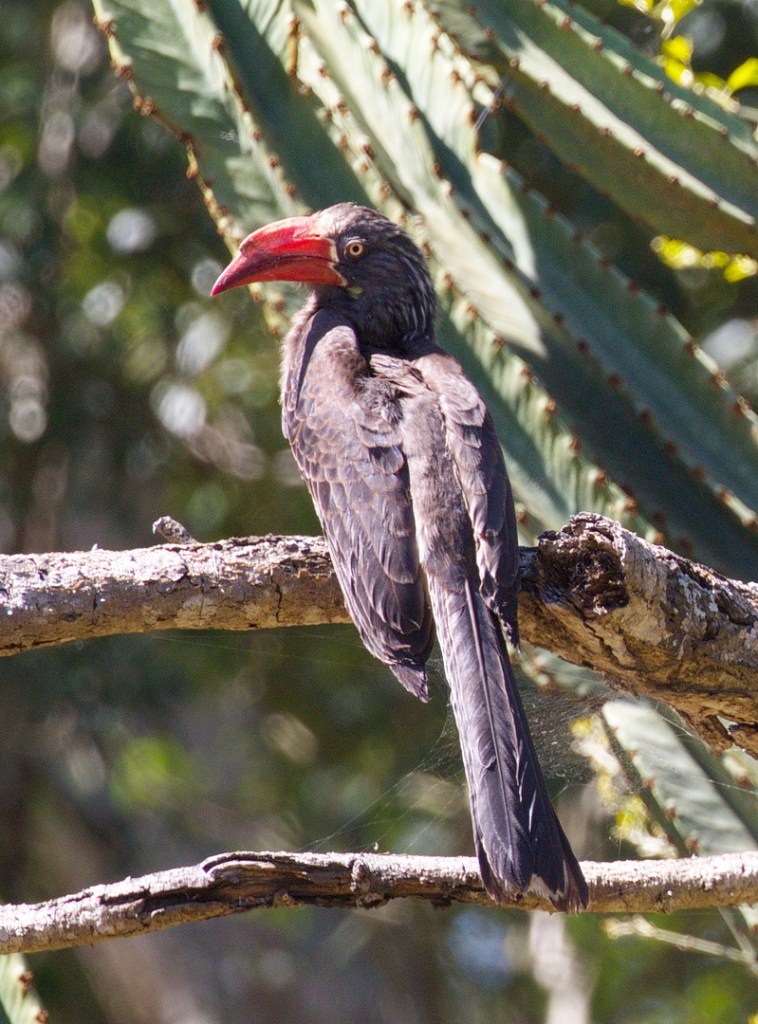
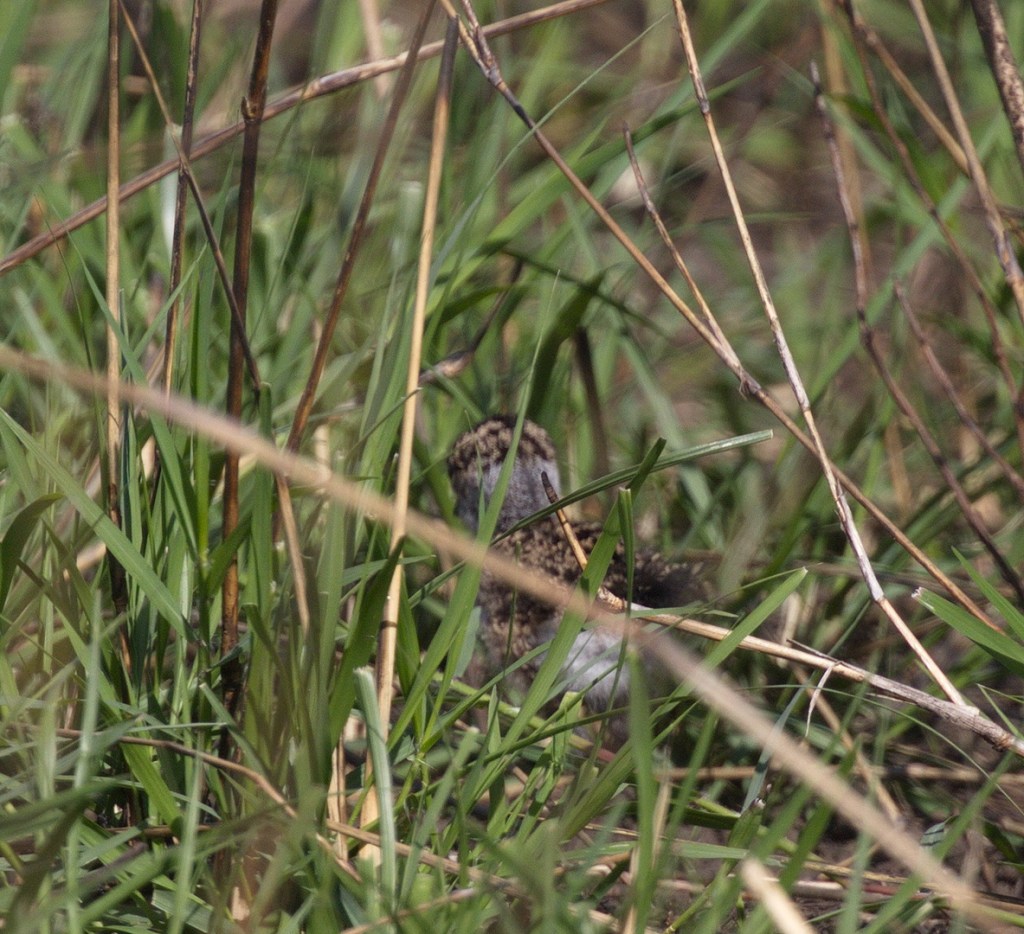
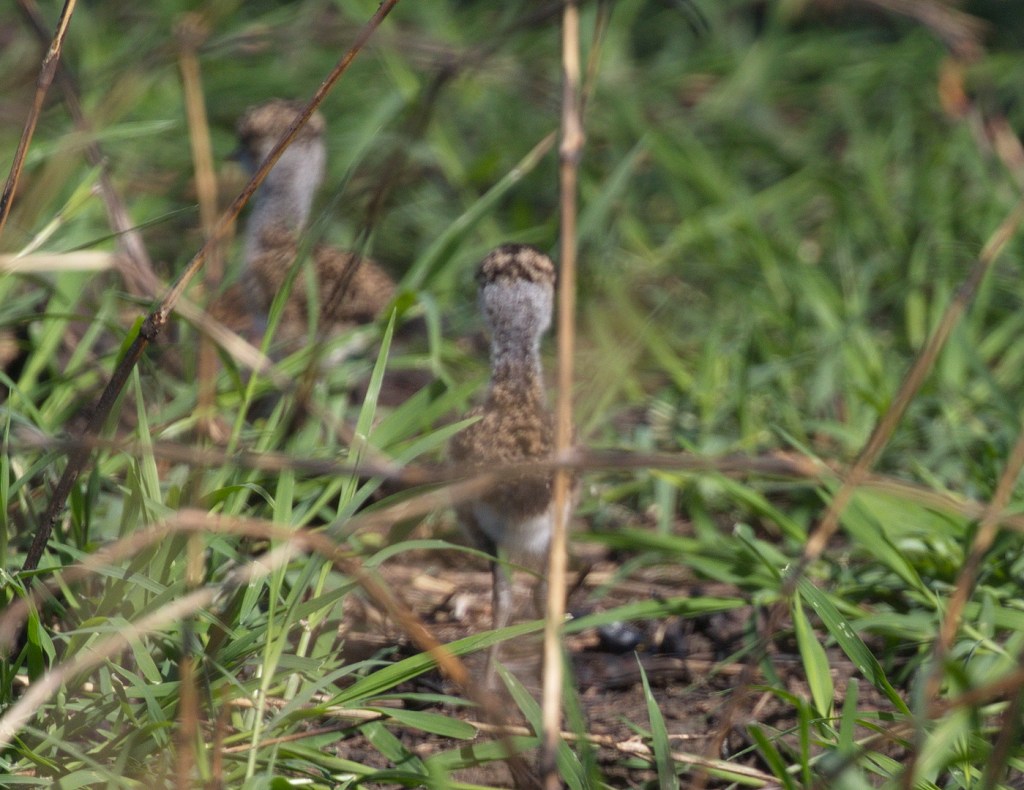
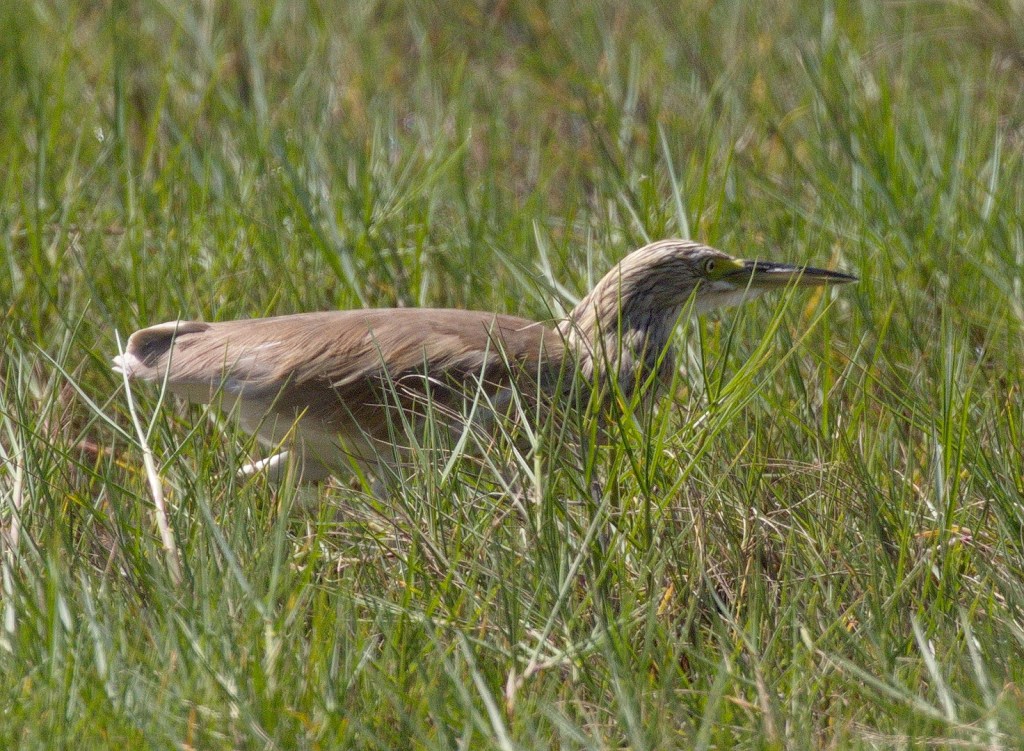
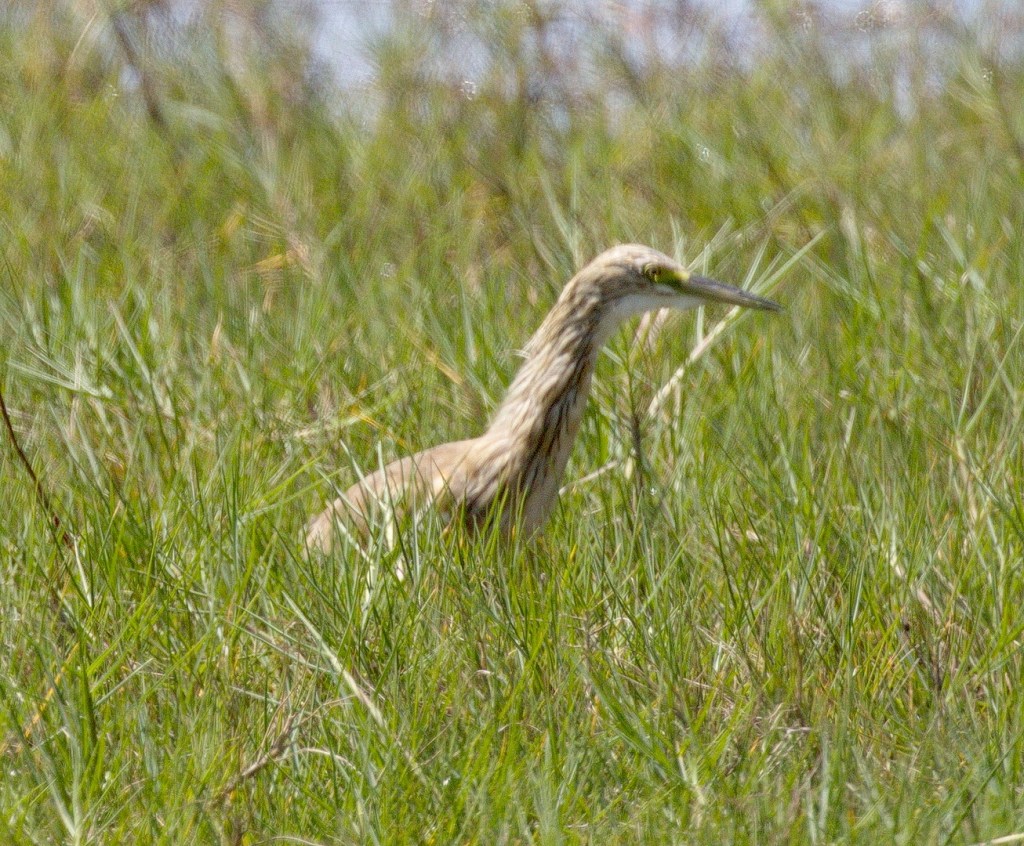
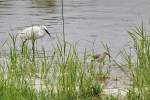
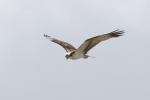
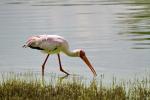
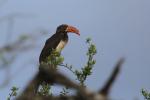
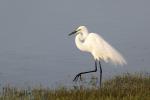
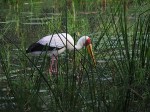
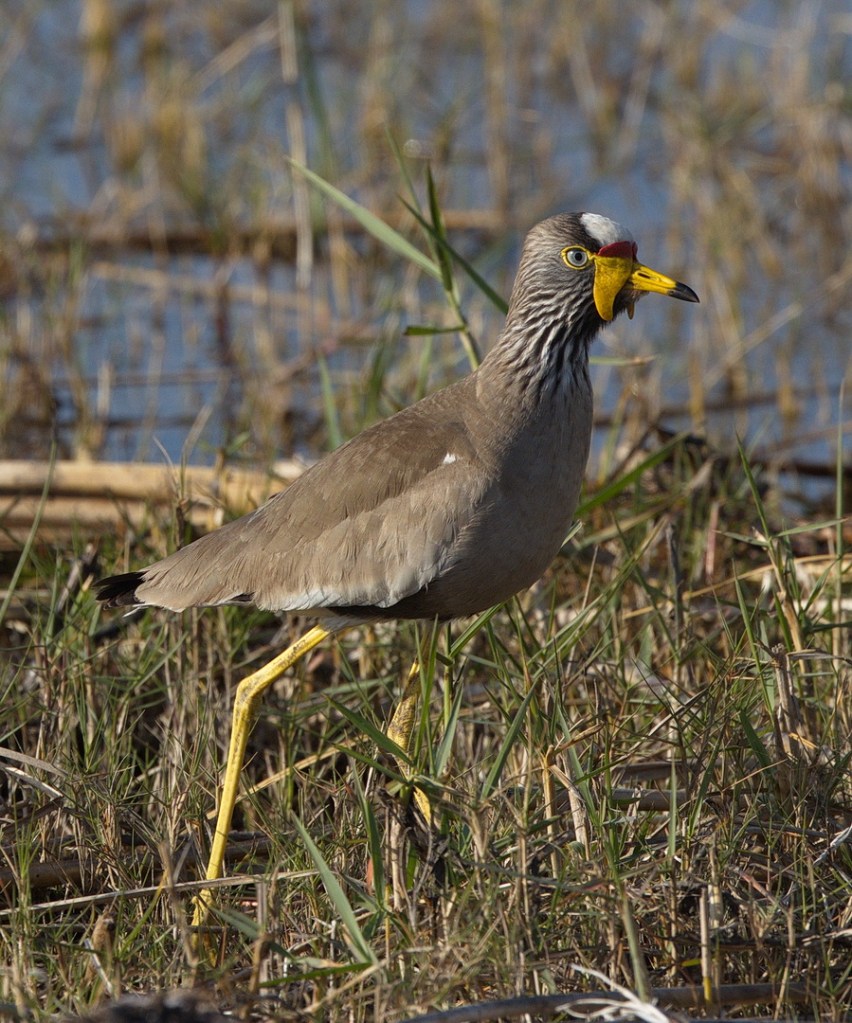
Our time was spent exploring the places we passed on the way to the camp. One spot Lagoa Xinguti was right next to the road – more like a muddy track. There was not a large variety of birds present. However, we did see Great and Little Egrets, Crowned Hornbills overhead, African Wattled Lapwings, a Squacco Heron, a White-fronted Plover, Yellow-billed Storks, a Western Osprey fishing, hippos and crocodiles.
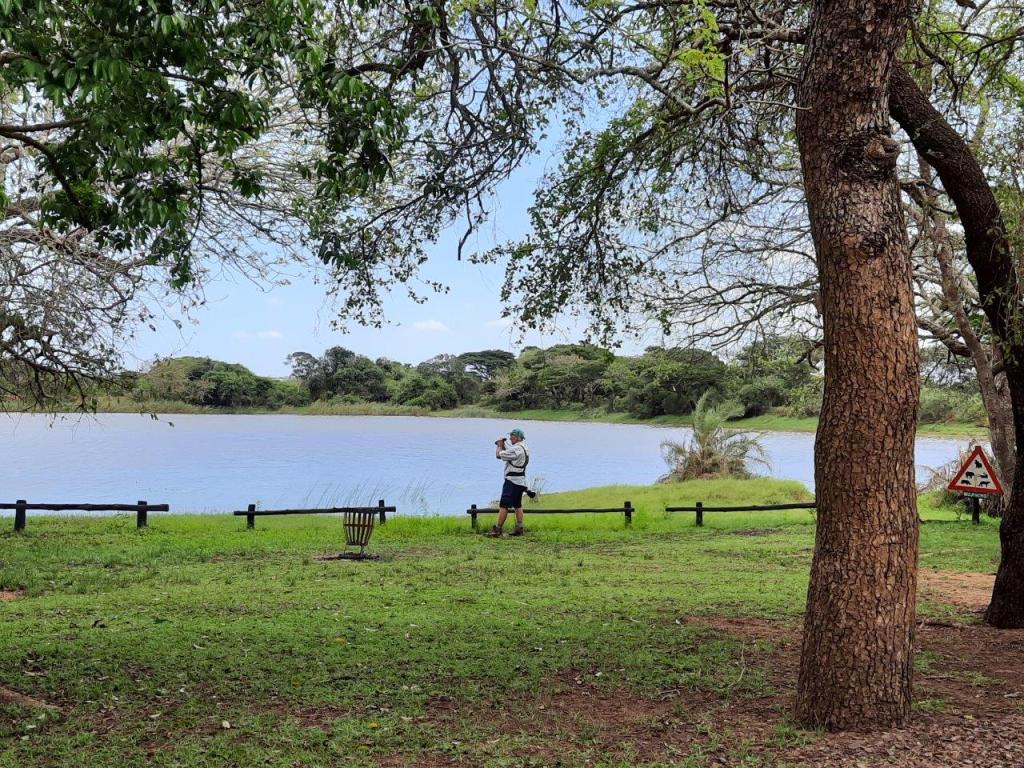
This area also has picnic sites – attractively laid out partly in the bush..

From the shoreline, we watched literally hundreds (and I mean hundreds) of White-breasted Cormorants fishing together. Herding the fish towards the shore. Quite an amazing sight to watch so many fishing together in a leap-frog action.

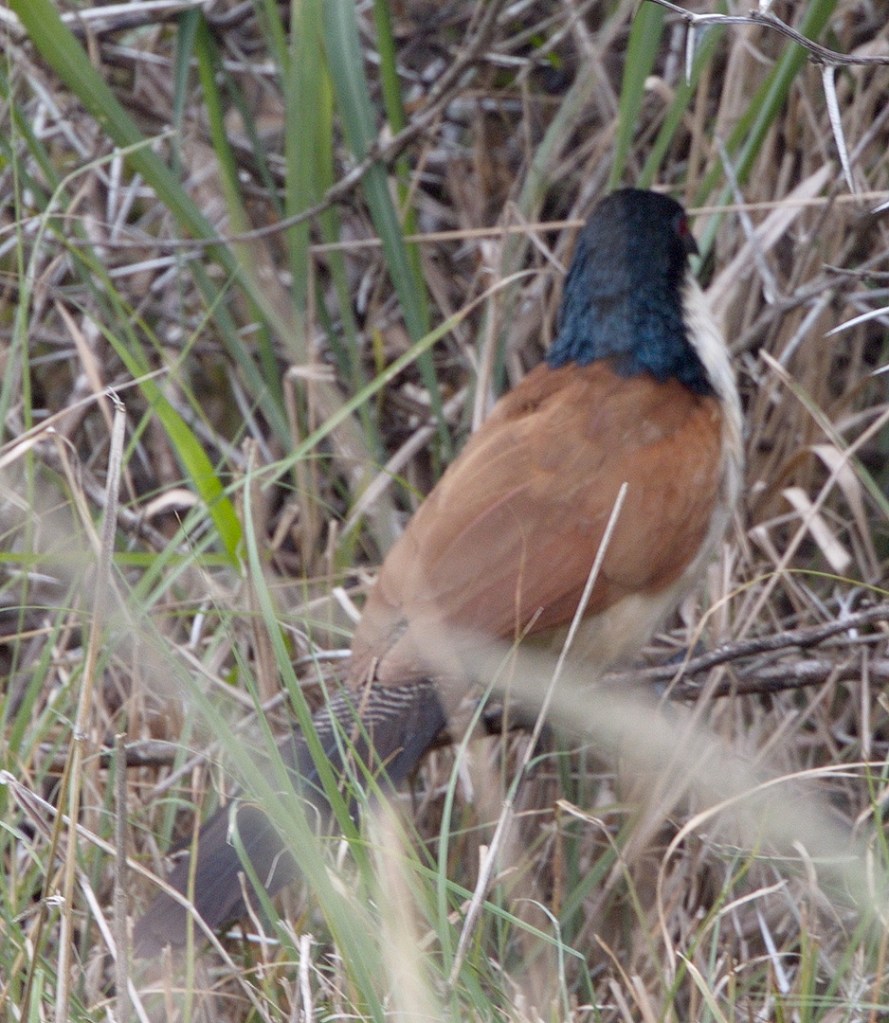
At another Picnic site, we saw a Black Coucal dash into the bush beside us – never to be seen again.

And yet another Lake, Lagoa Finixli.

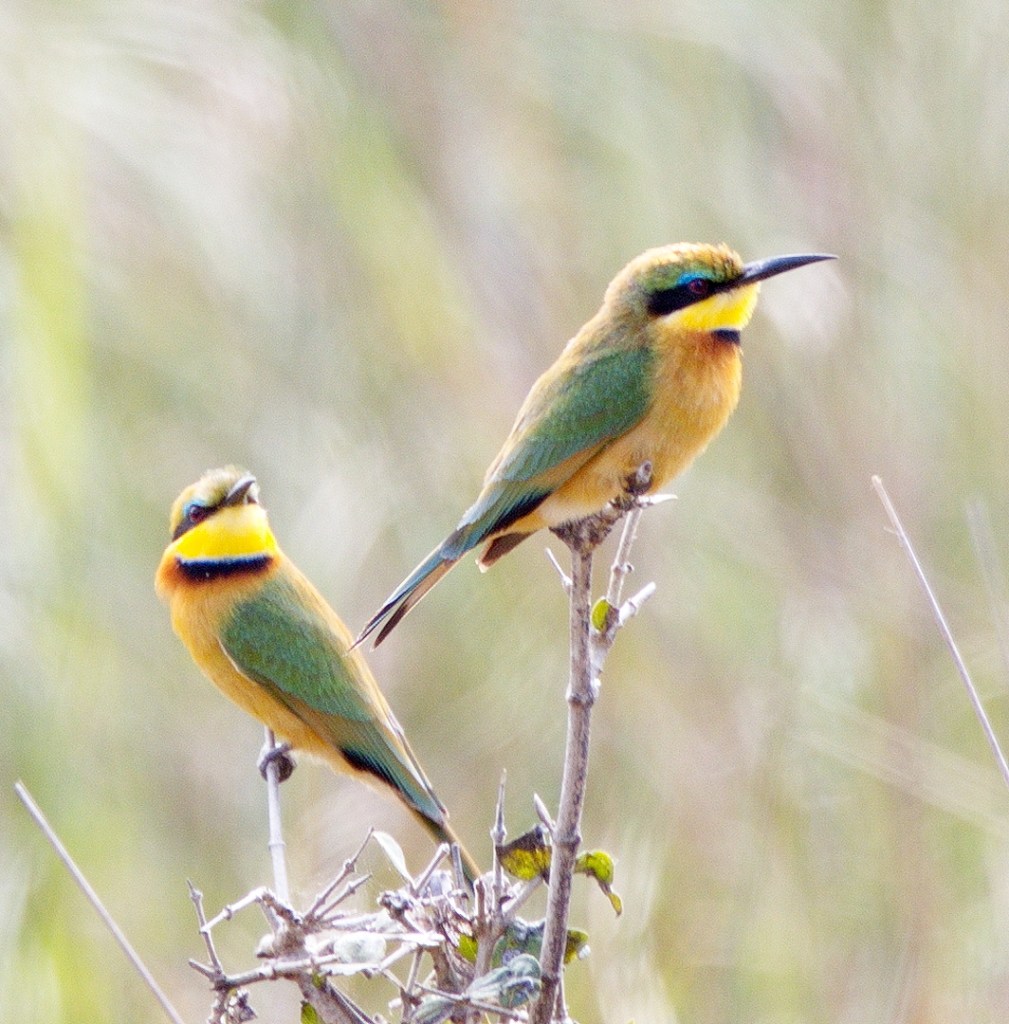
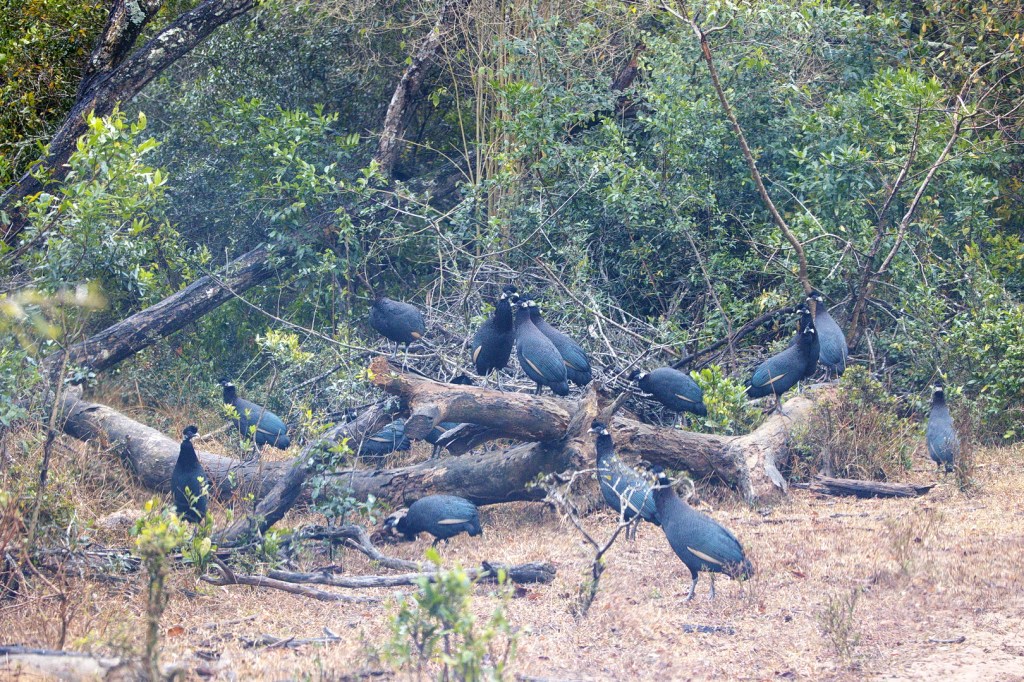
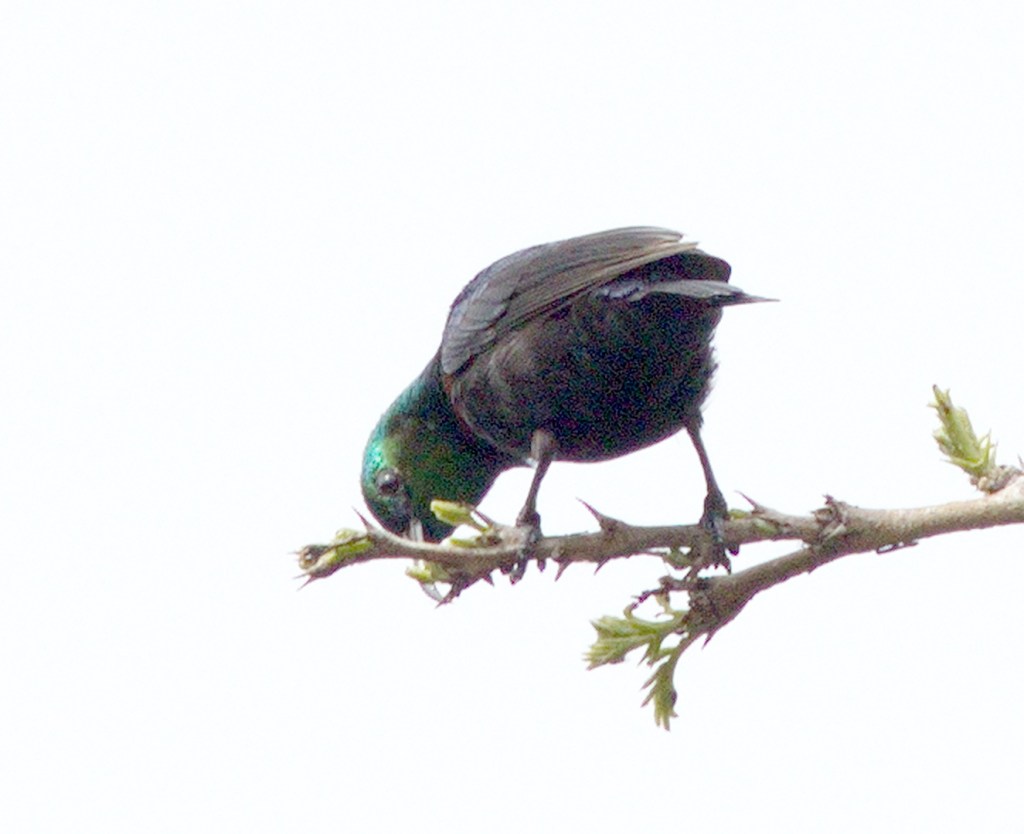
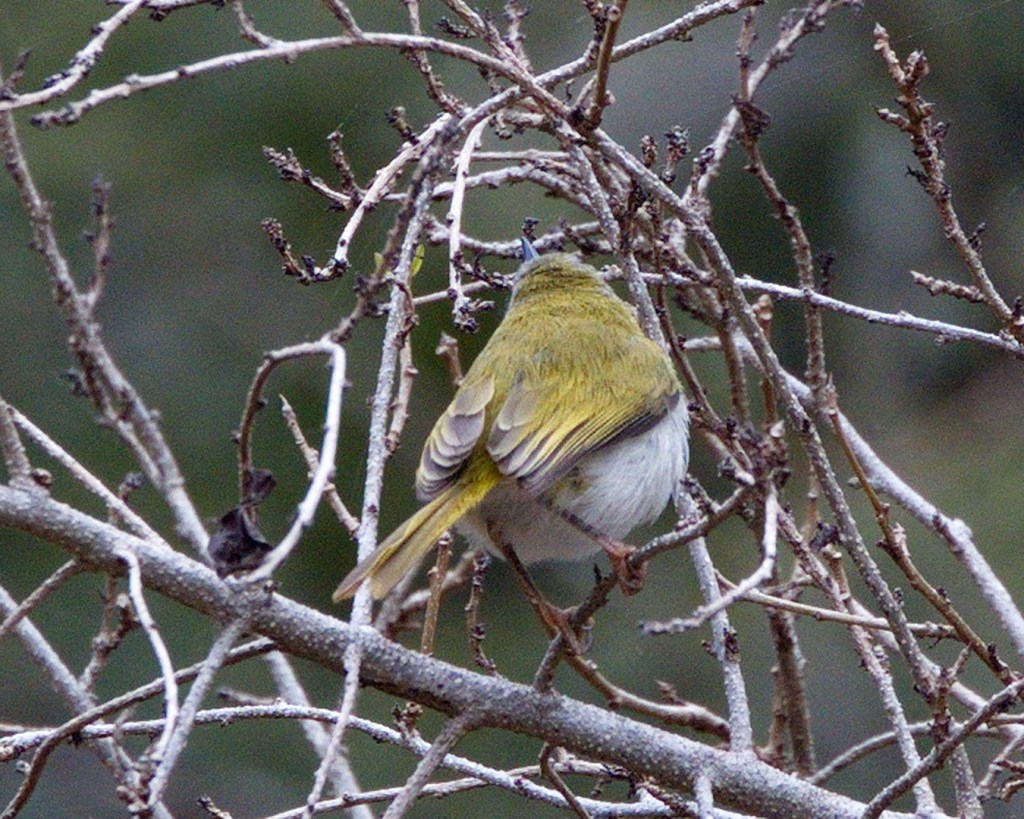
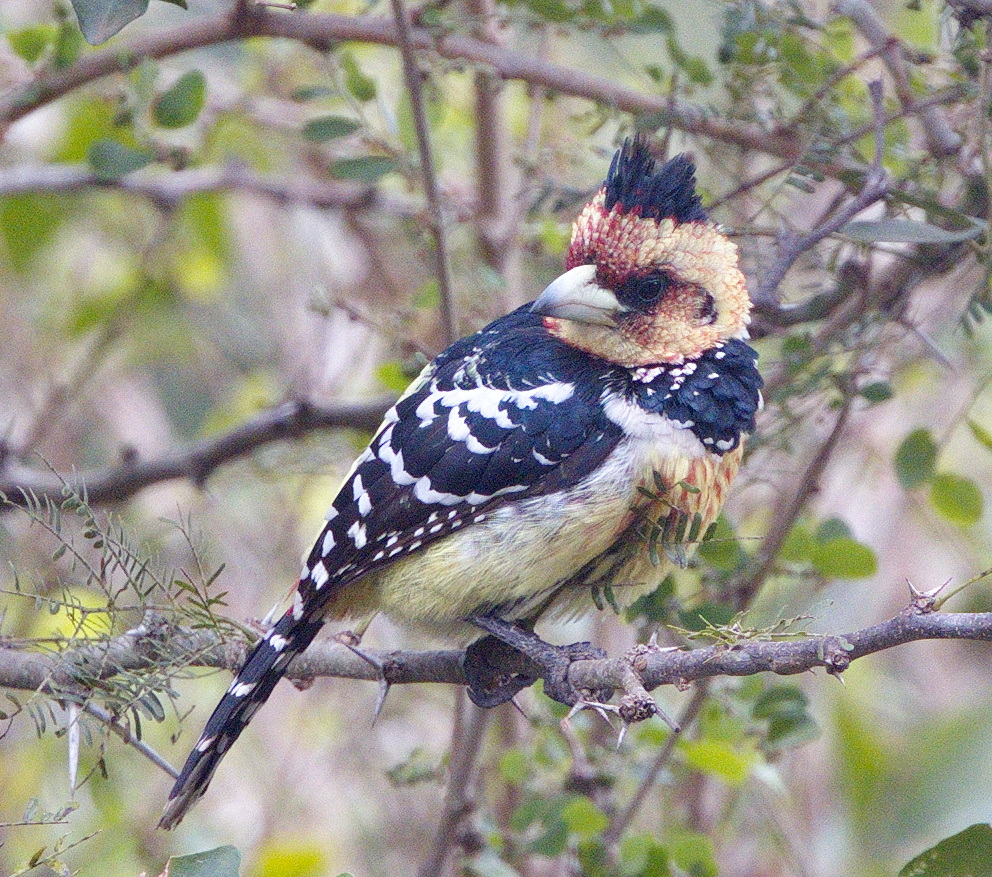
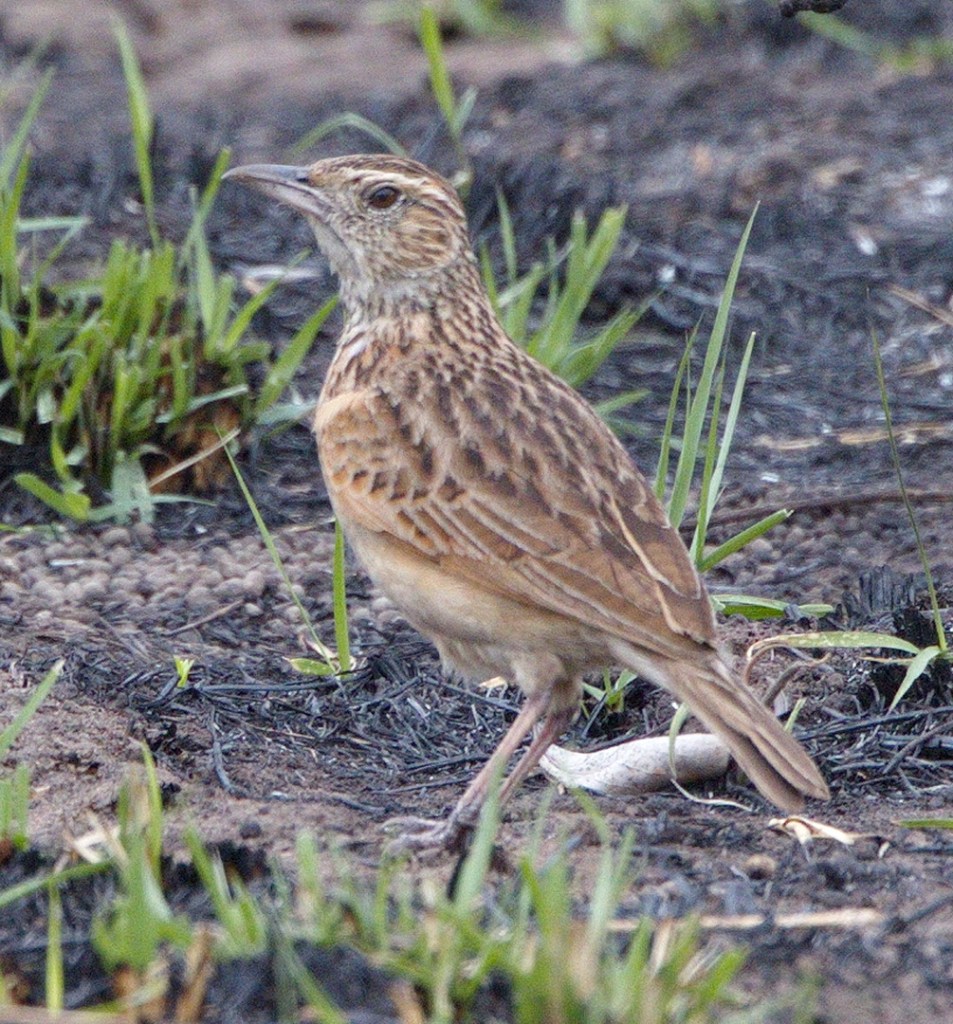
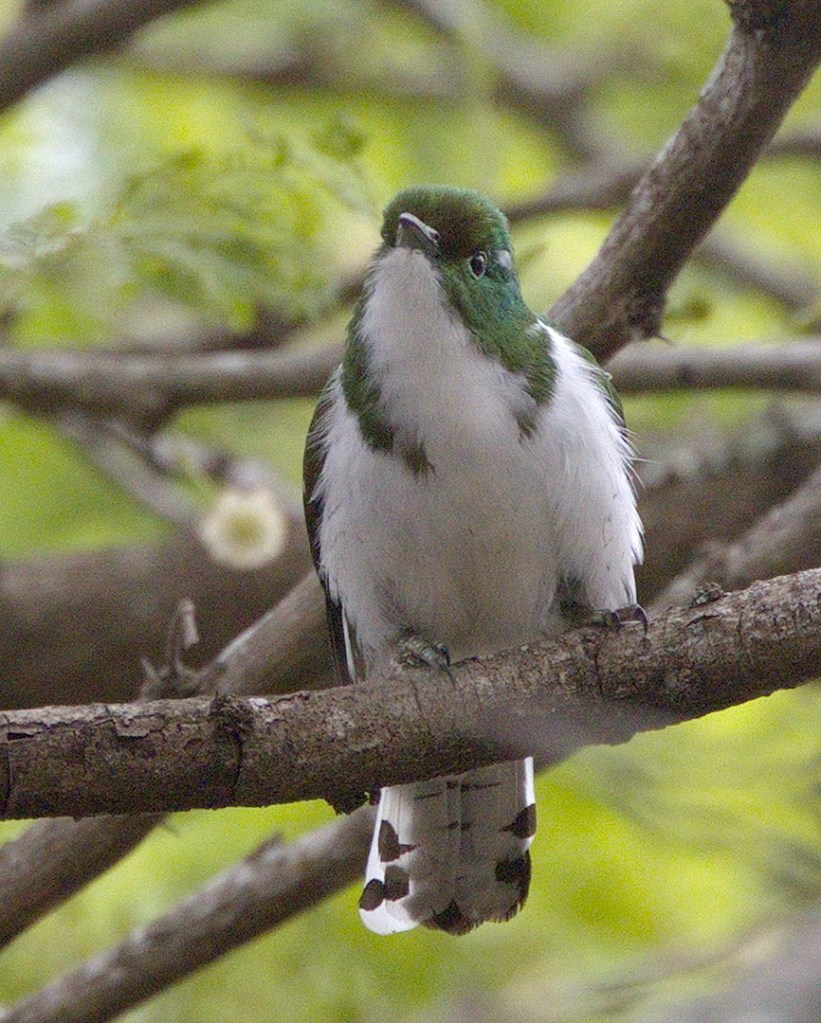
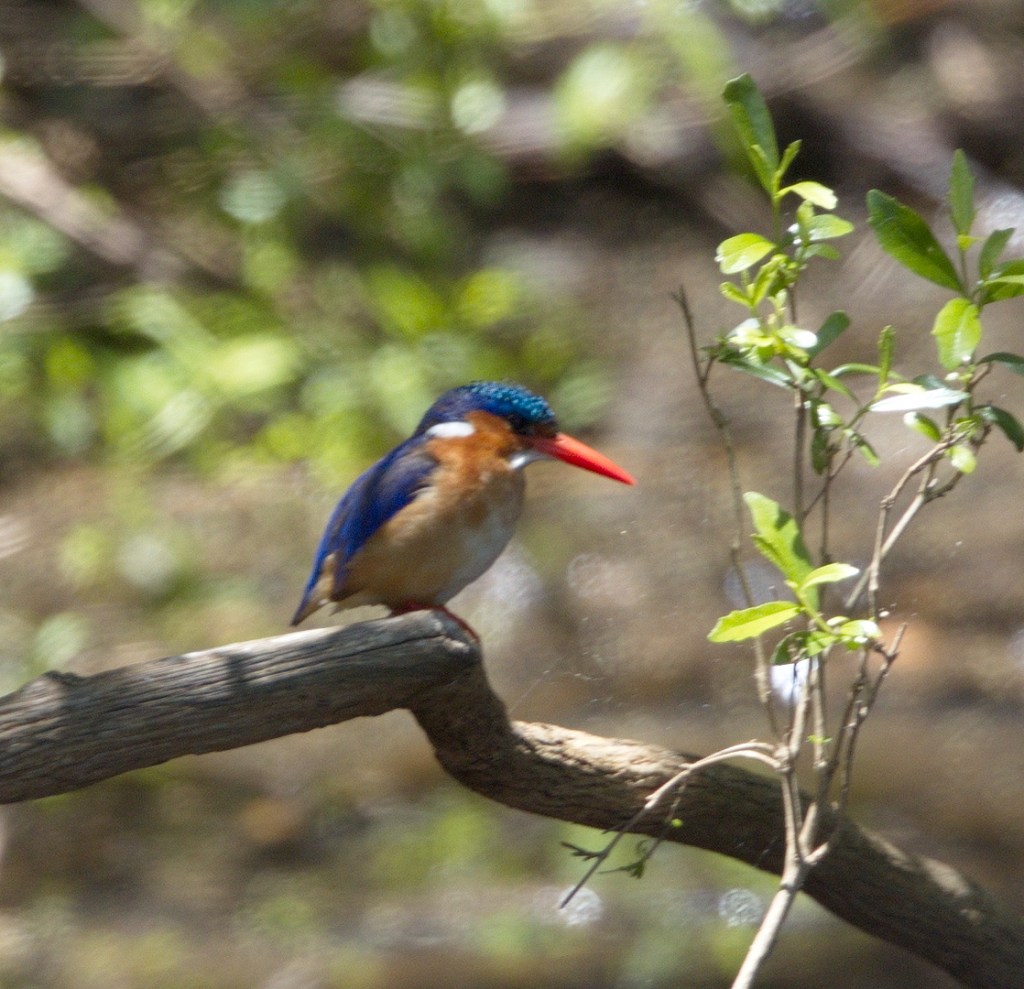
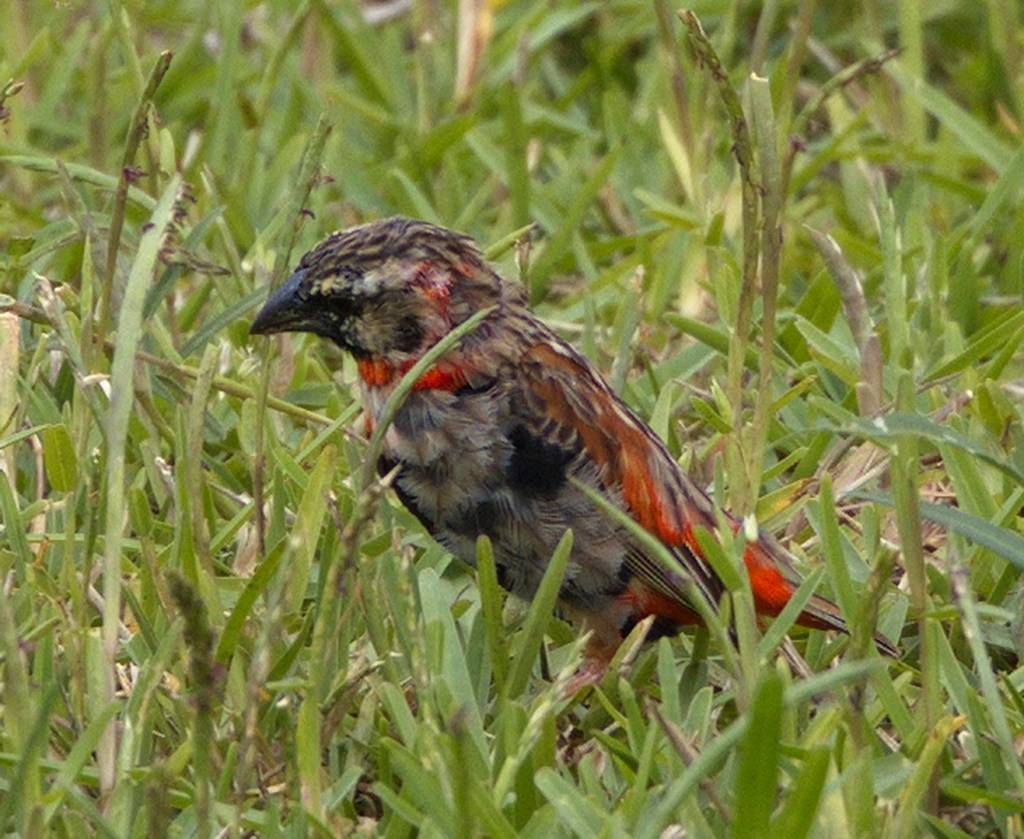
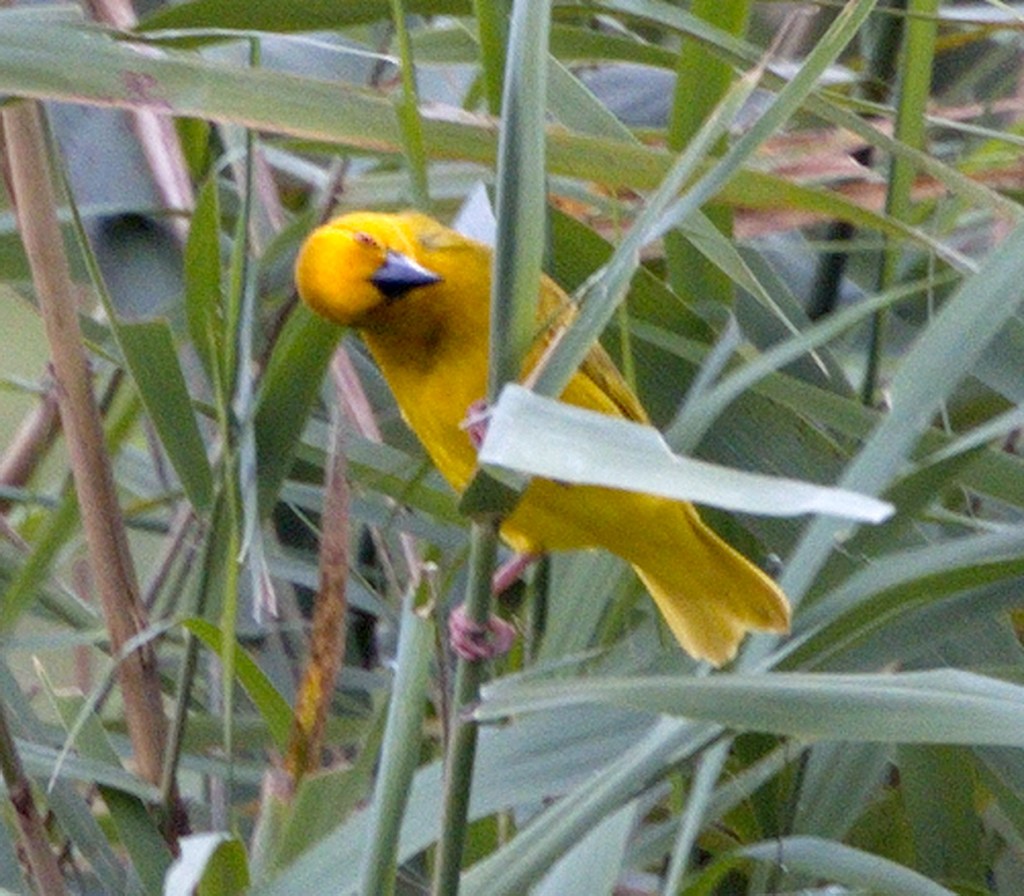
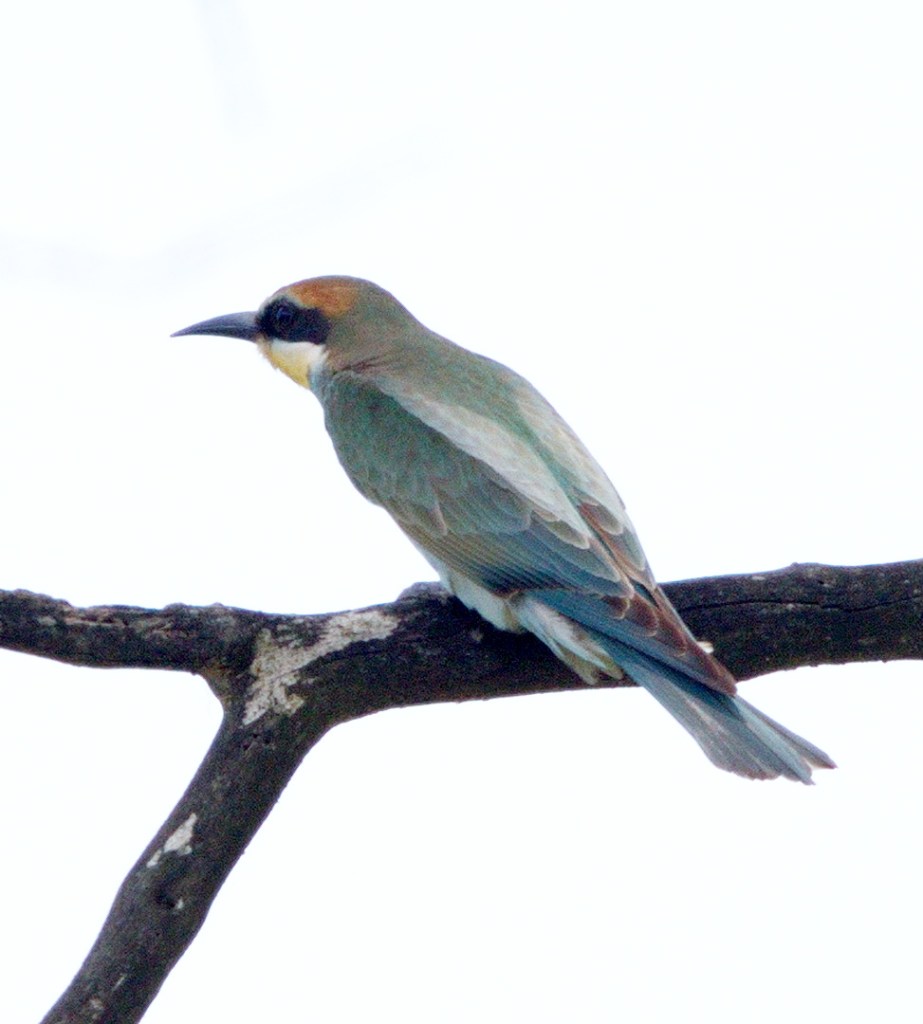
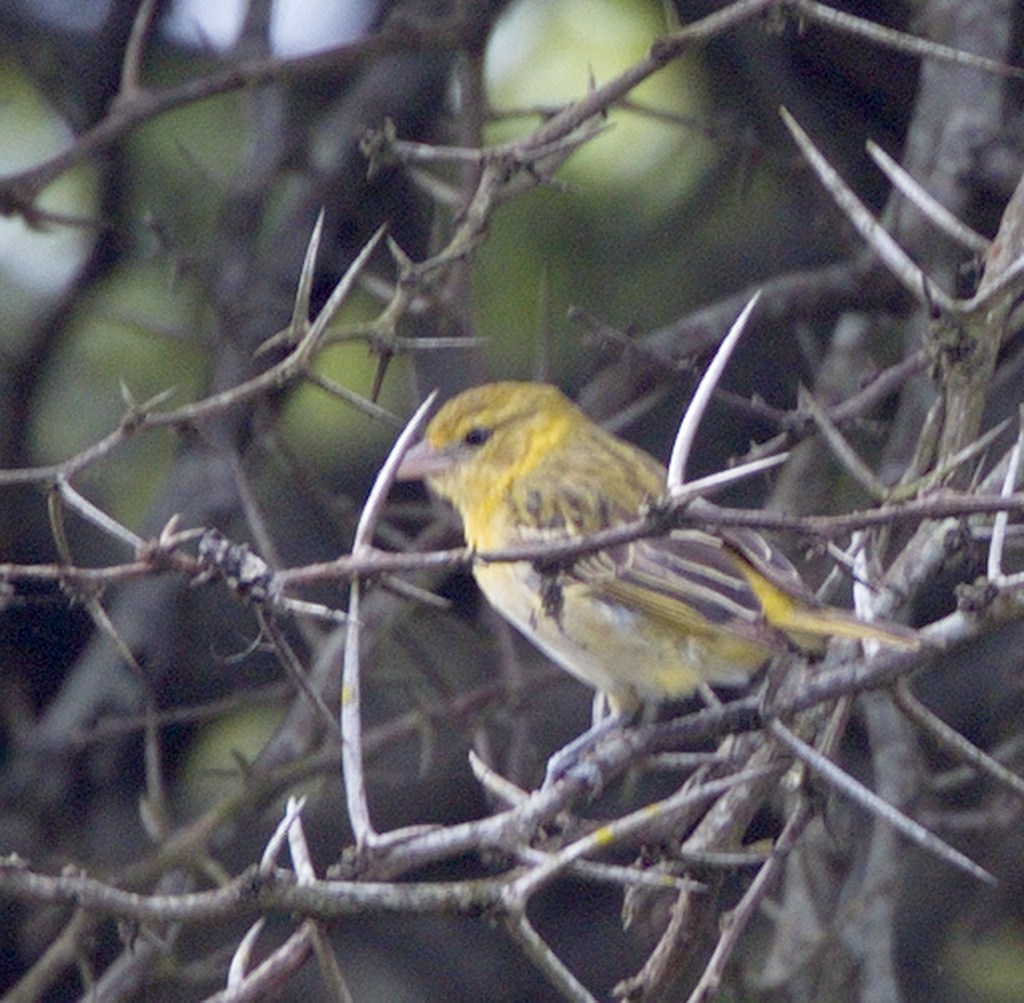
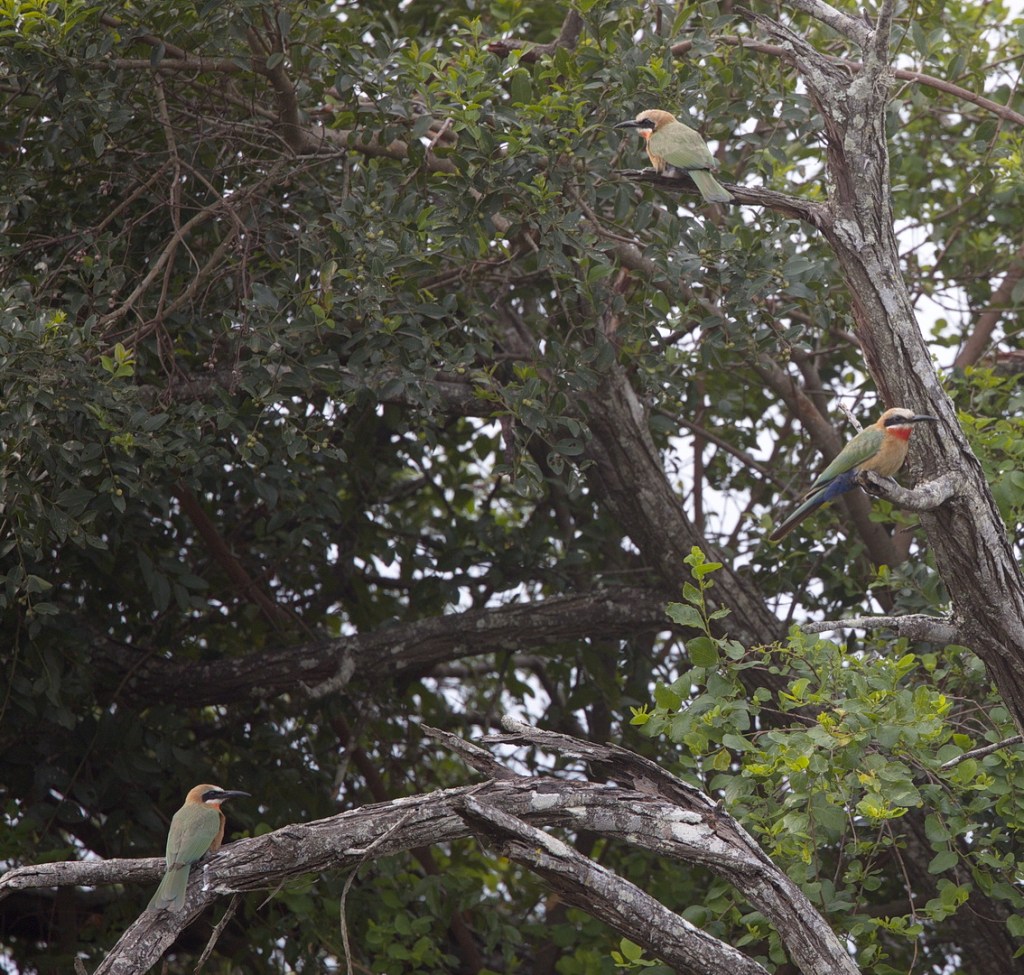
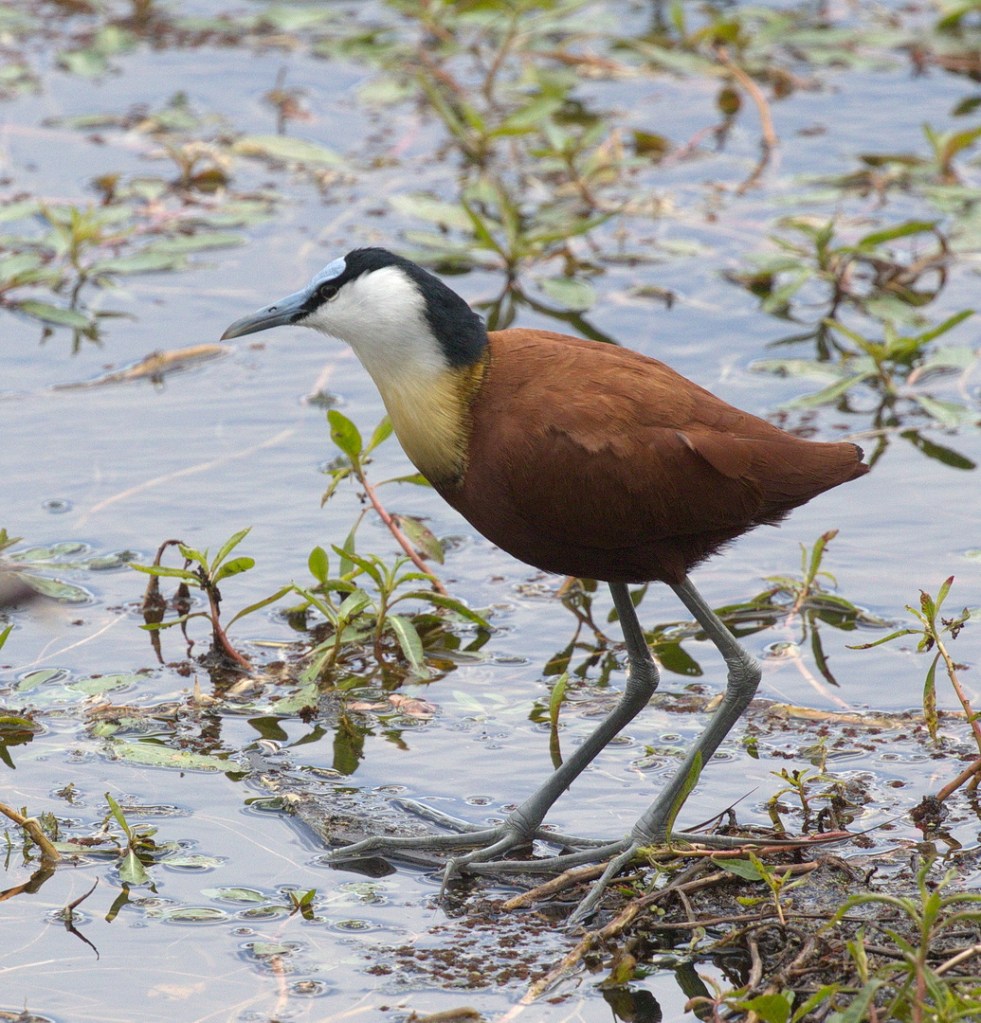
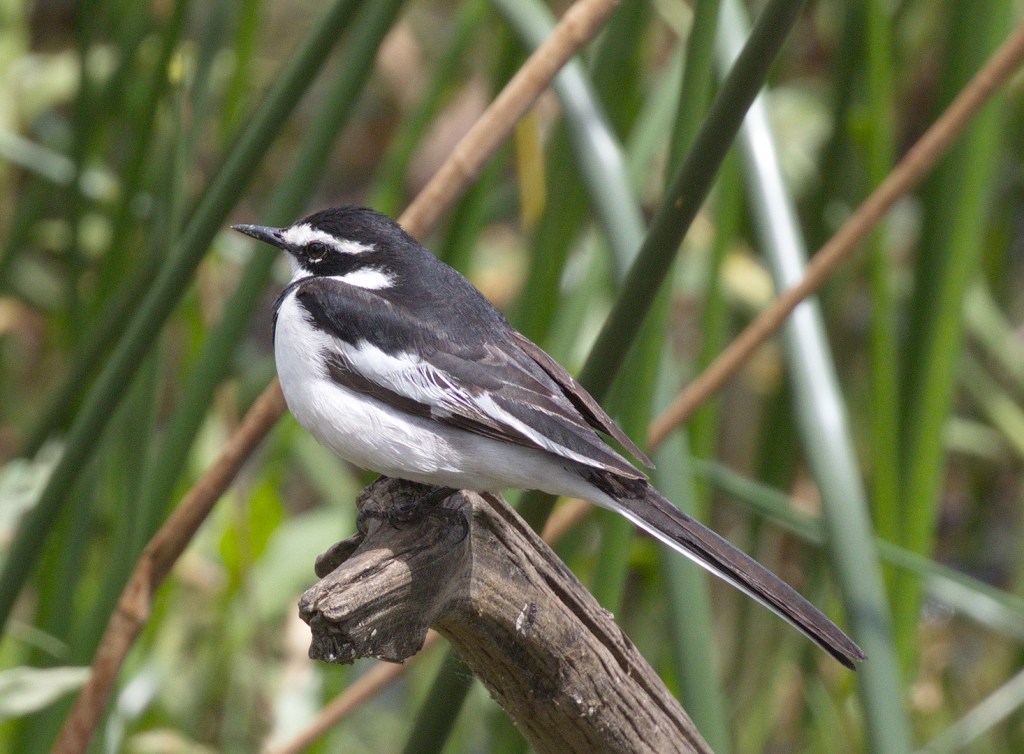
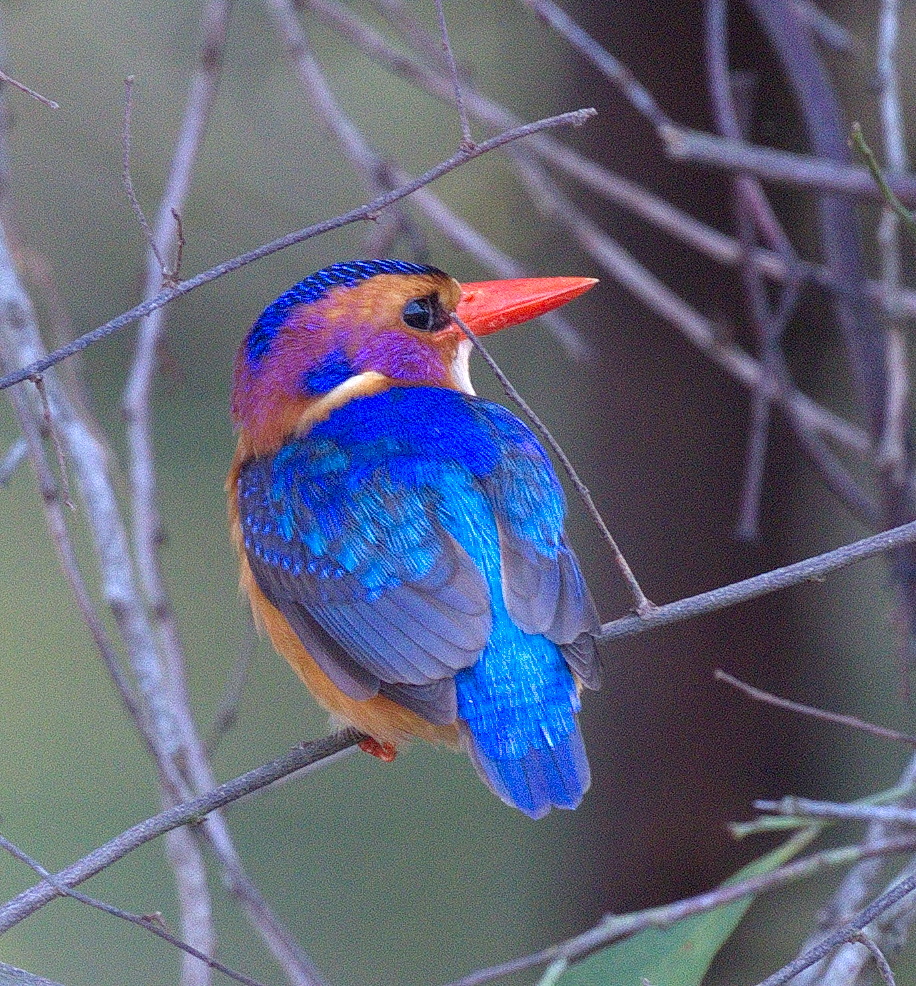
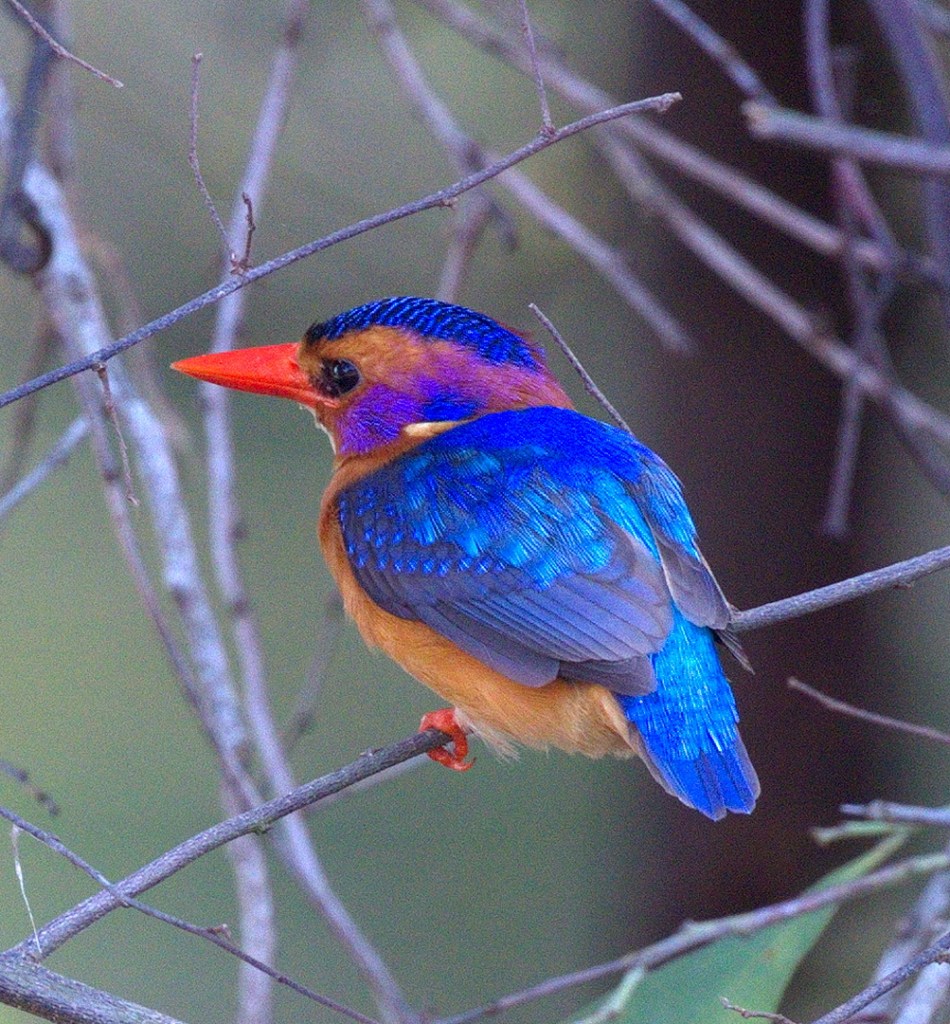
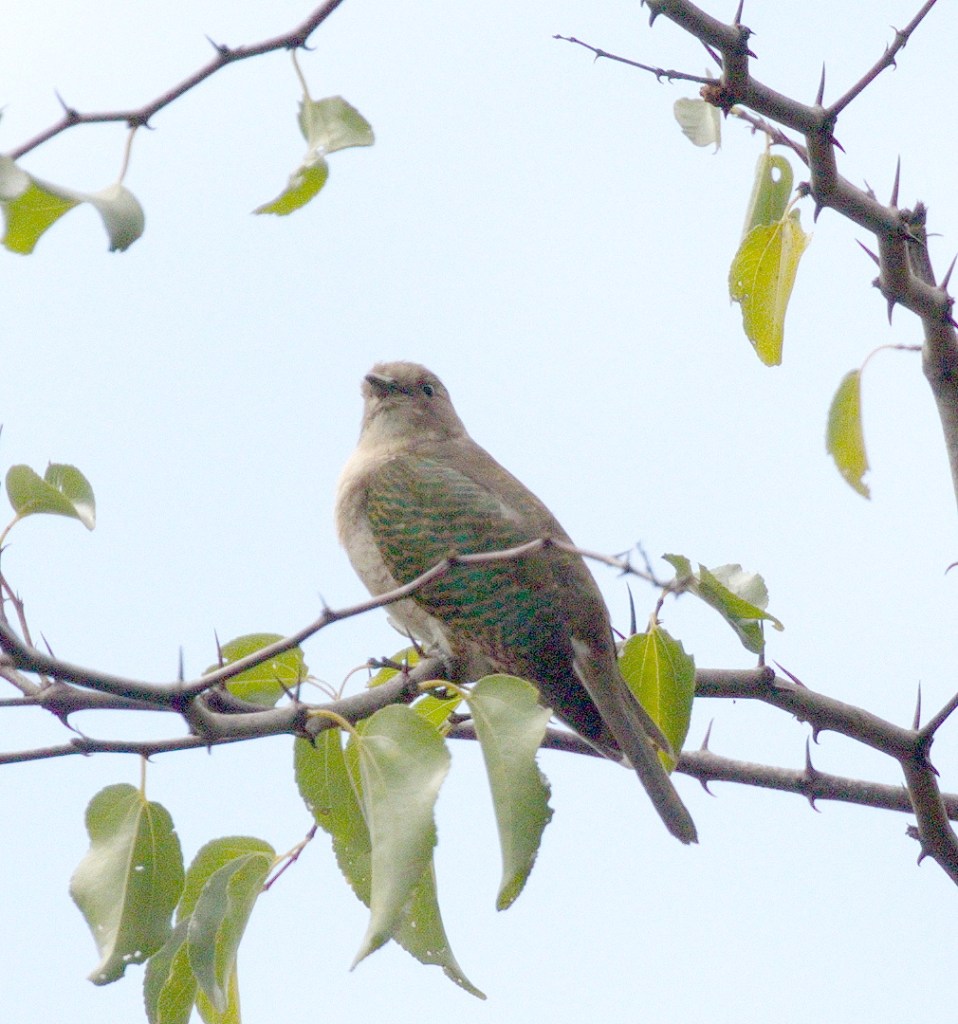
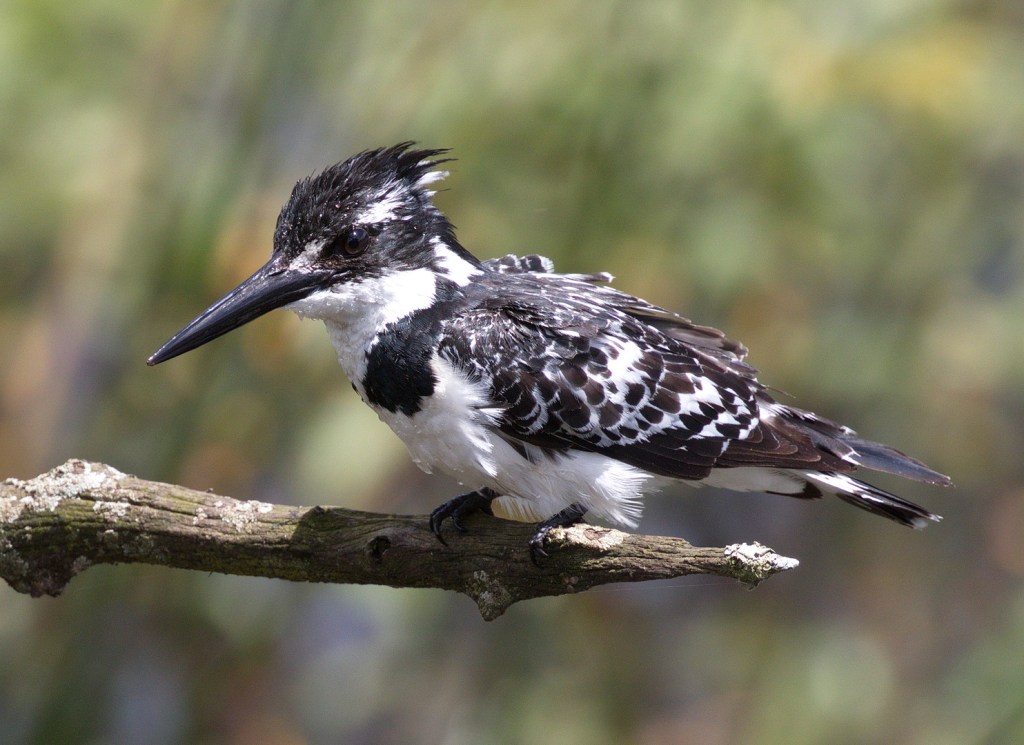
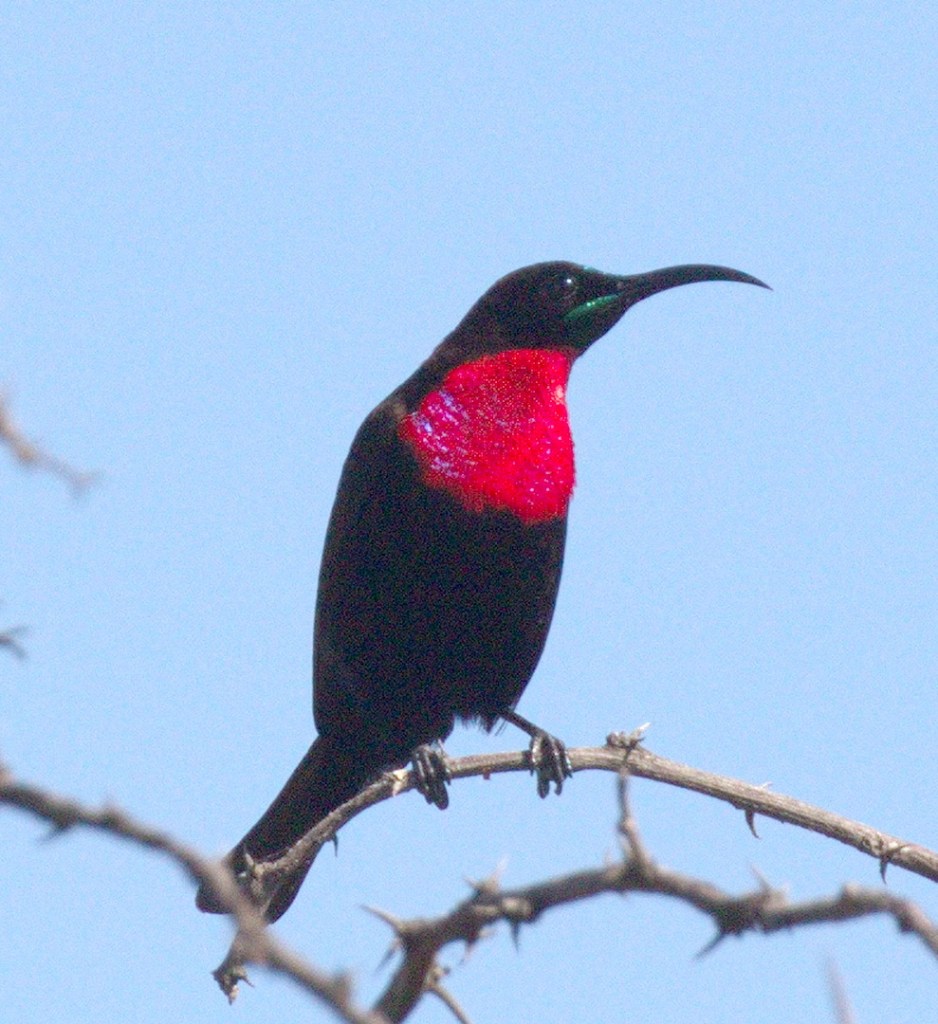
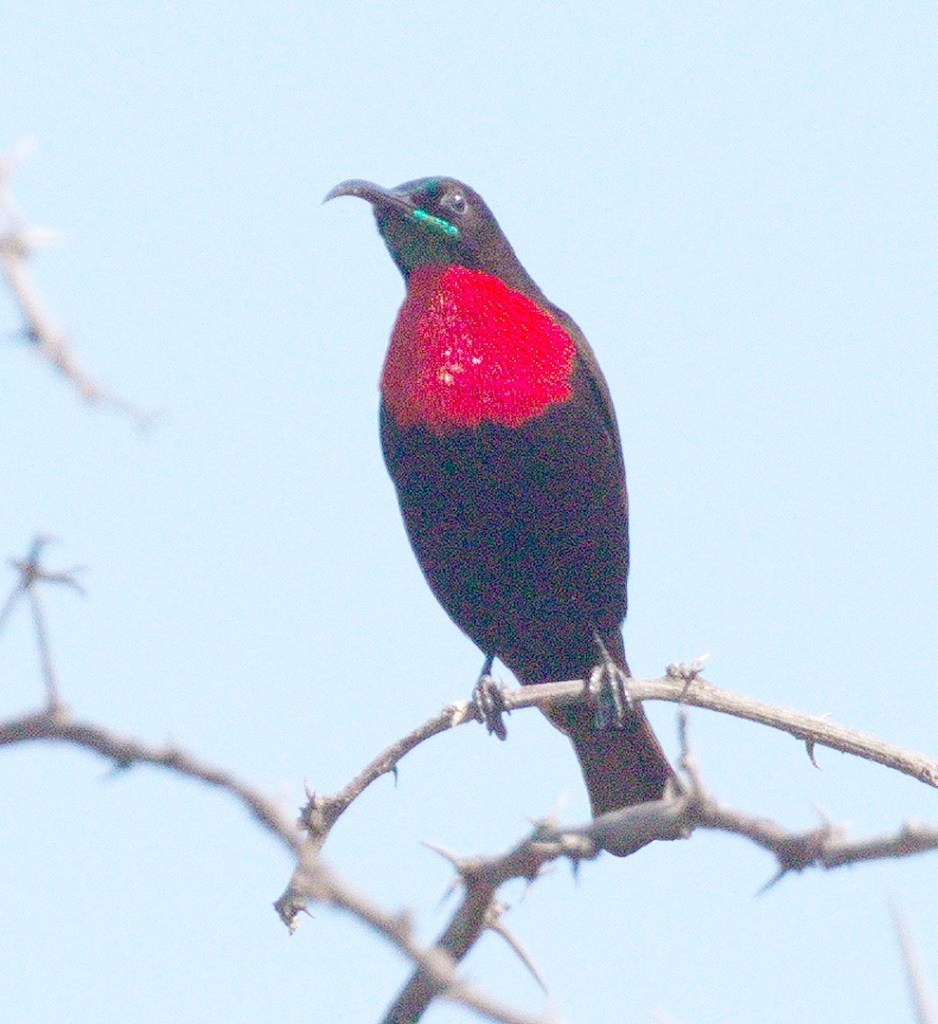
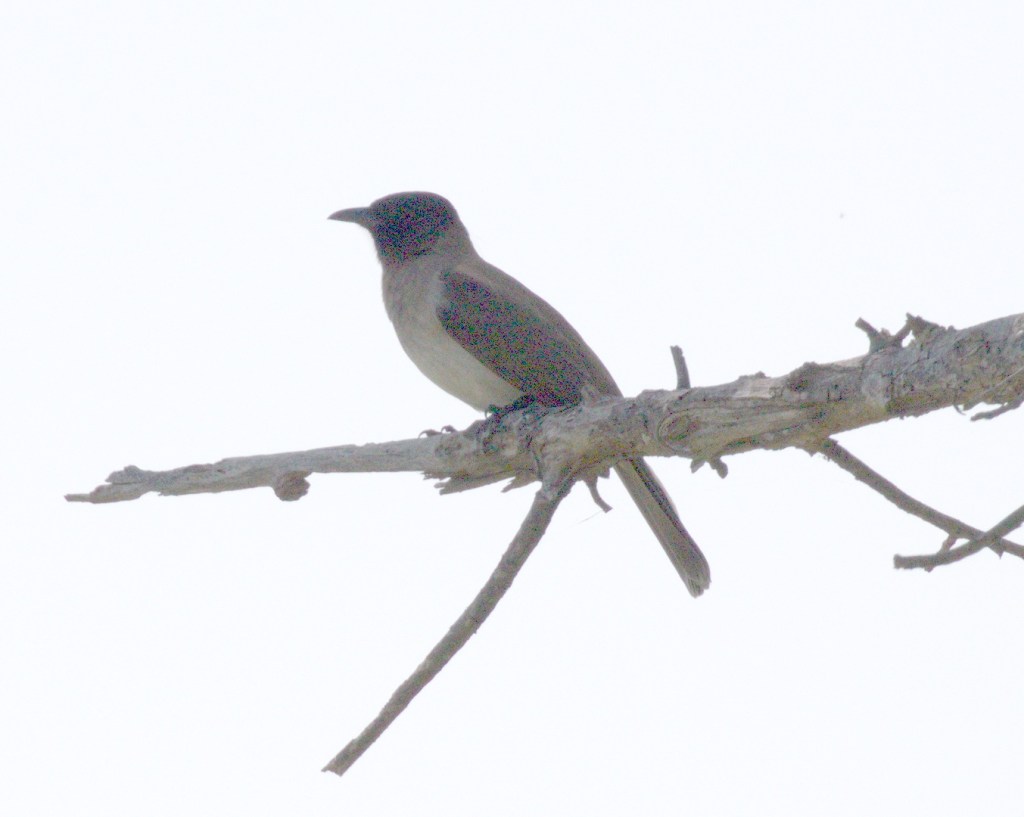
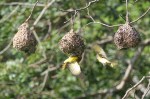
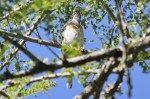
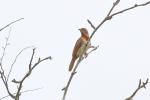
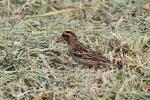
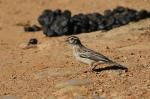
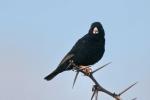
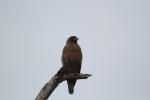
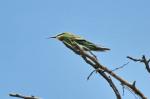
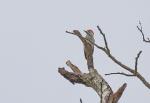
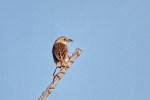
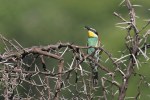
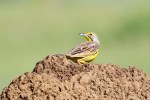
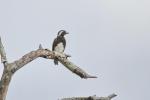
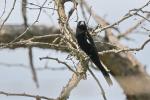
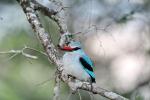
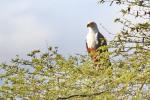
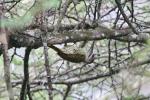
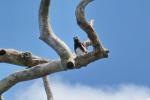
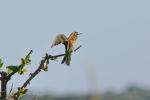
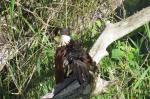
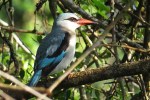
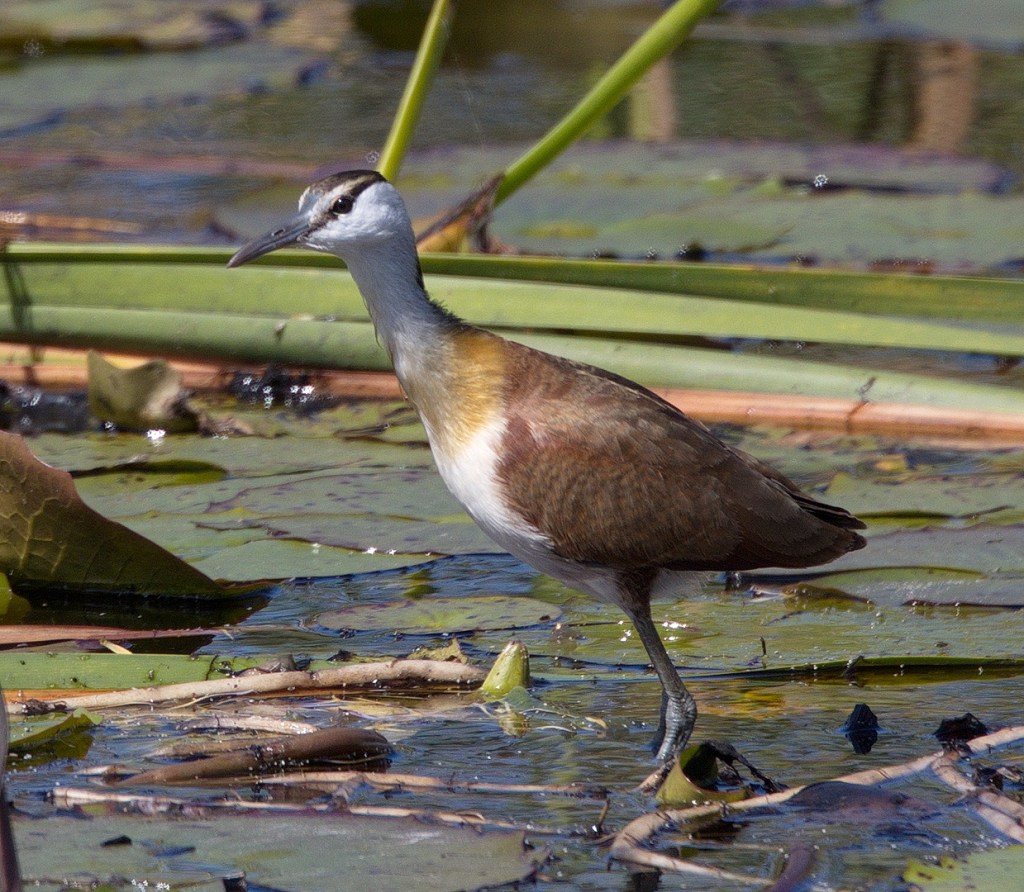
Driving around we came across different habitats and we saw wetland birds, forest birds, animals and raptors. Here are some of those birds captured on camera.
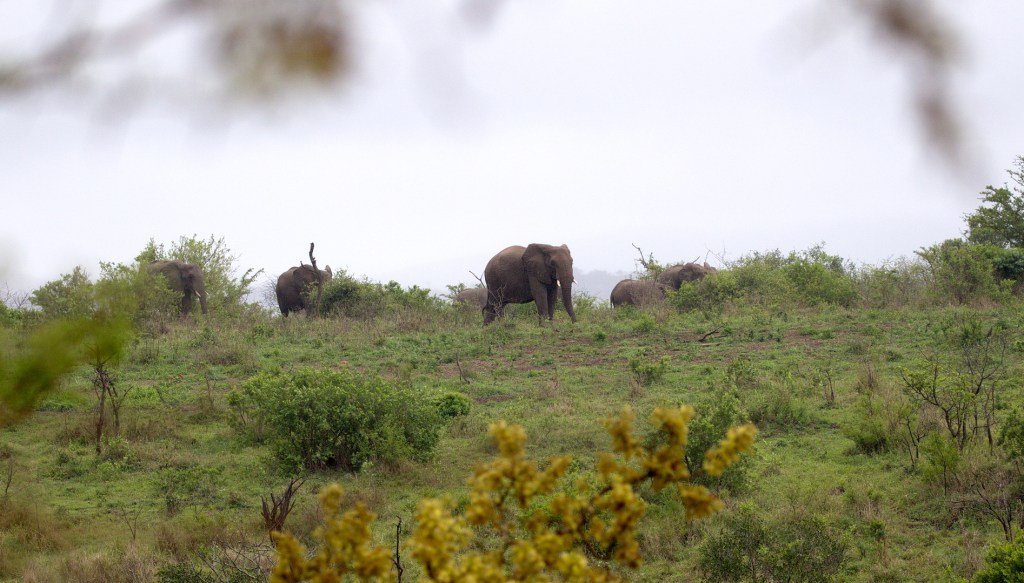
Elephants were few and far between. Having said that, we had an encounter with an angry elephant. Hey look, an elephant at the top of the slope ahead. It is on its way down. Wow, it looks like it is strolling. Hang on, that is deceptive it is actually moving quite quickly and it is actually heading straight for us. Best move fast. Foot down and, whew, we were away. As it passed behind us, it firmly blew its trumpet, and we relaxed. Close call.

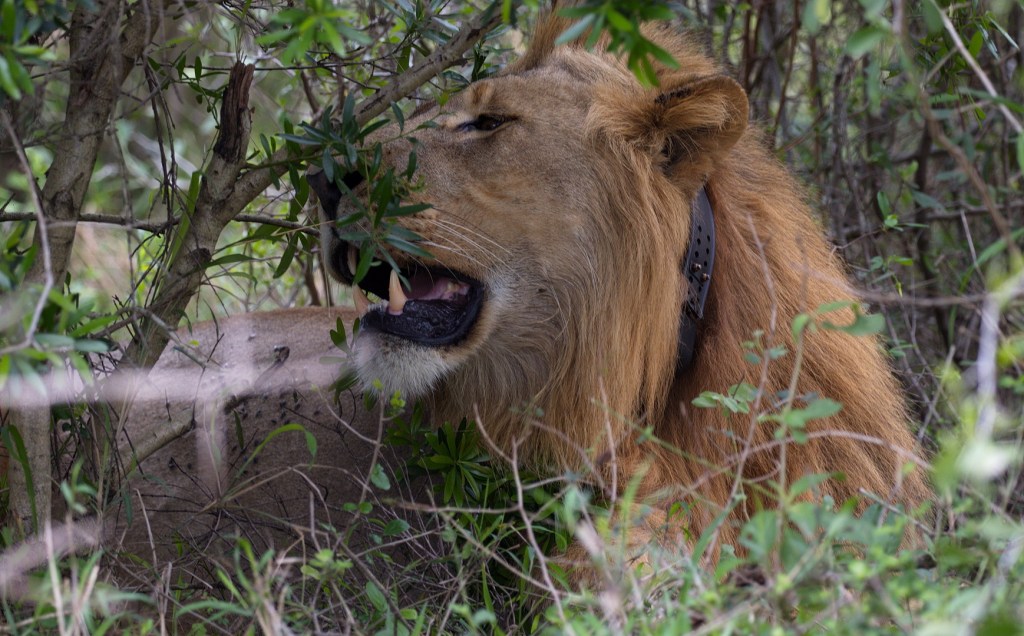
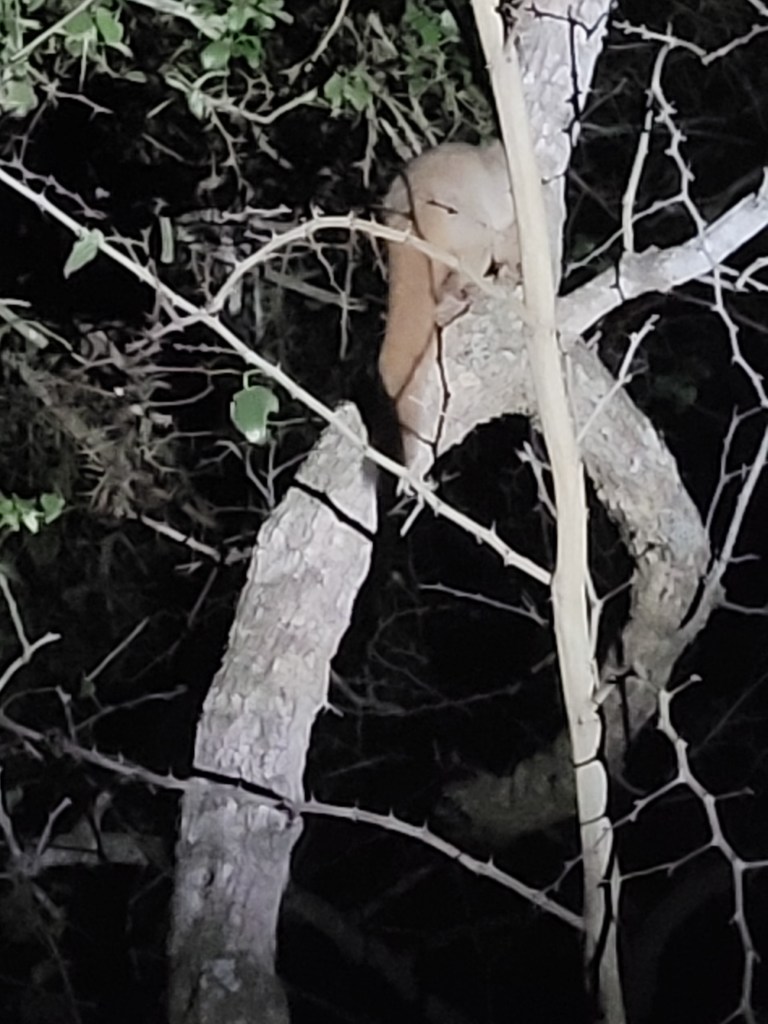
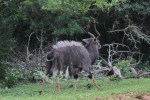
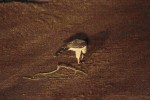
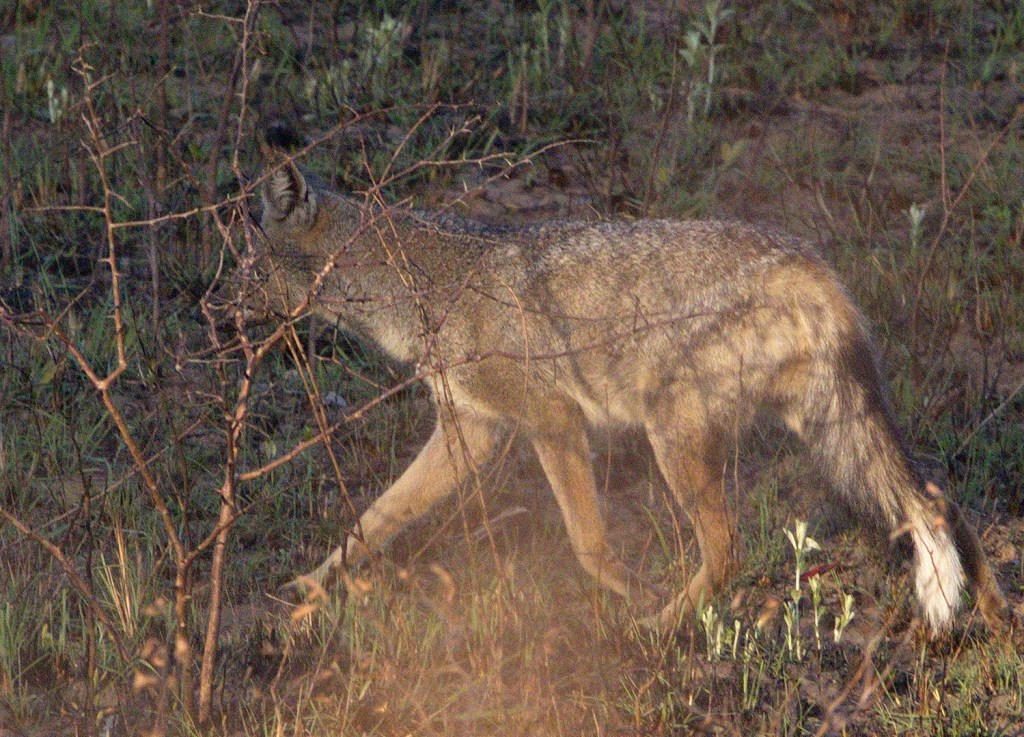
We were also fortunate to see another aminal twice in different locations. Not one we ever expected to see.

Then there was one route we took which had unexpectedly brilliant scenery and was excellent for game viewing in particular. At the end of this route is another Lake – Lagoa Maxanfi. On the way in, we noticed that one of the numbered signs that we were following gave no notice as to where this road led – Sign 11.

We decided to explore it. (apparently you need a permit to do so which we were not aware of at the time).

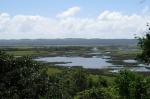
The first thing we noticed was the road was not sandy and that we were into open countryside, driving along a ridge with great views both left and right stretching for miles each way with hillocks of animals everywhere and a great expanse of a flood plain in the distance on our left. And I mean it appeared to be kms across and stretched the full length of the 11km ridge road that we were on.

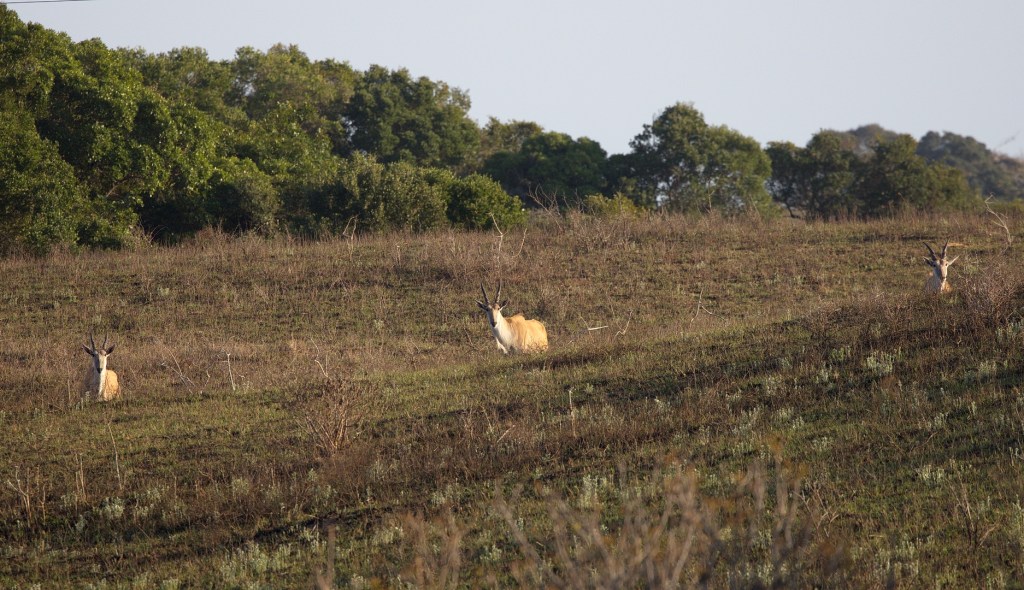
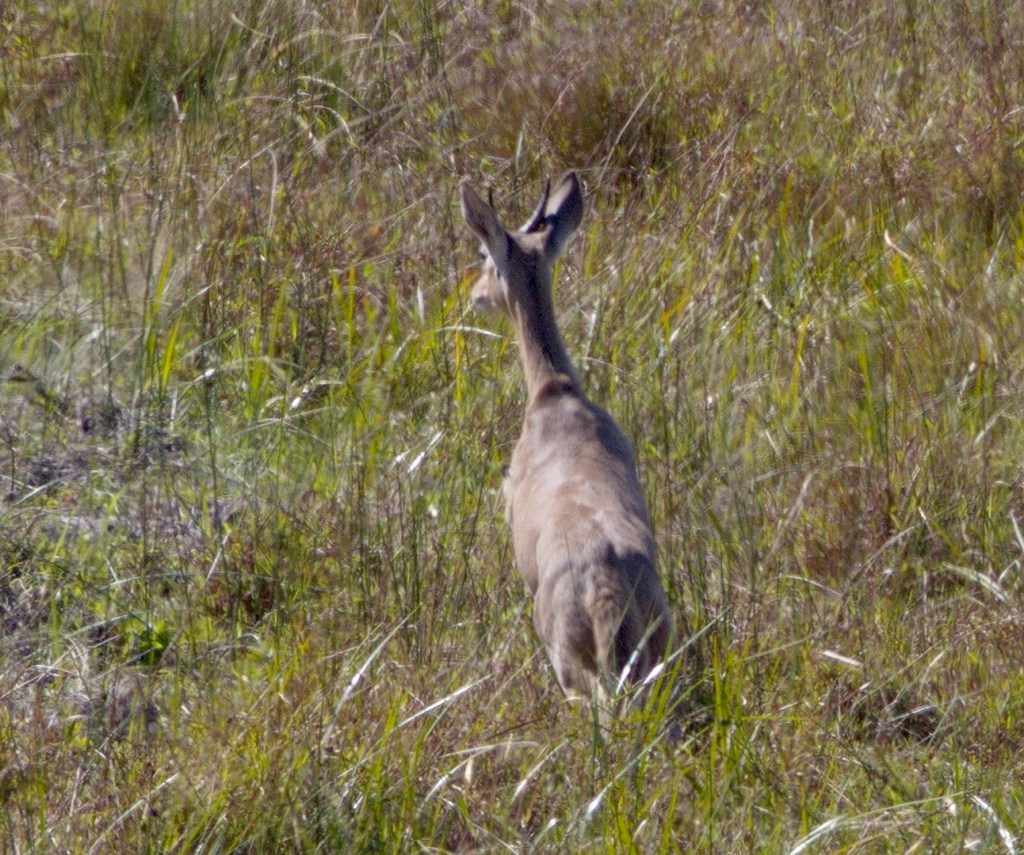
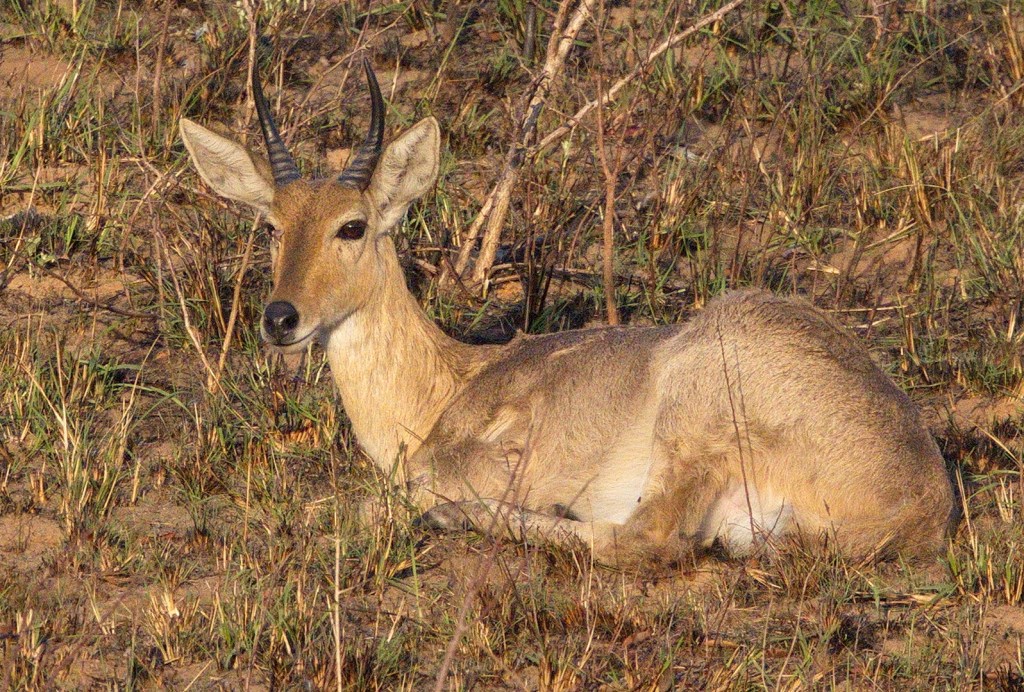
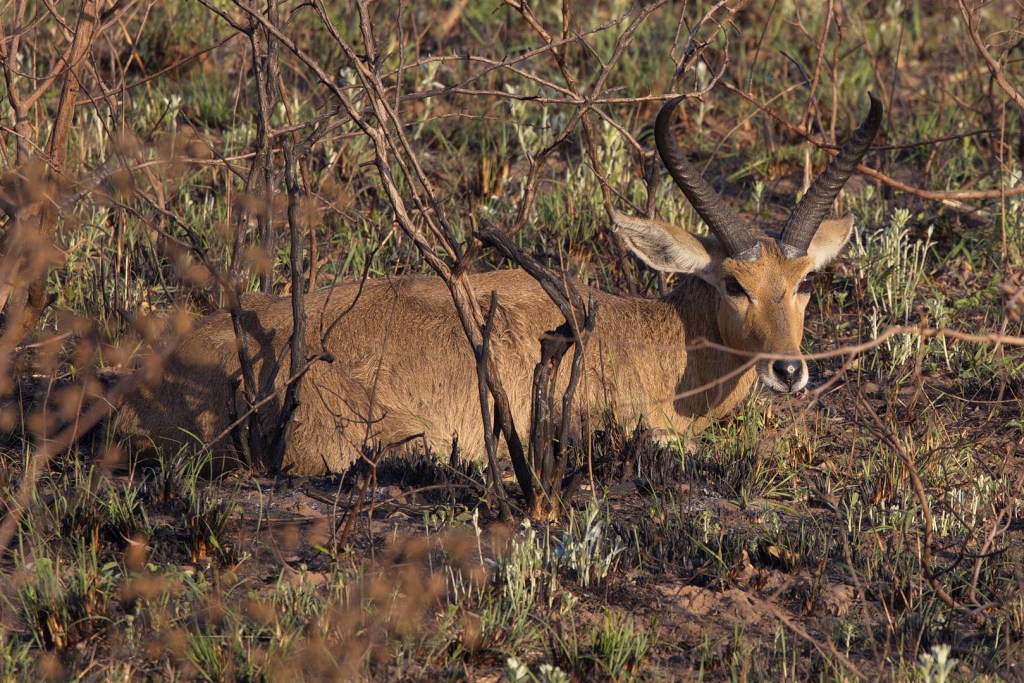
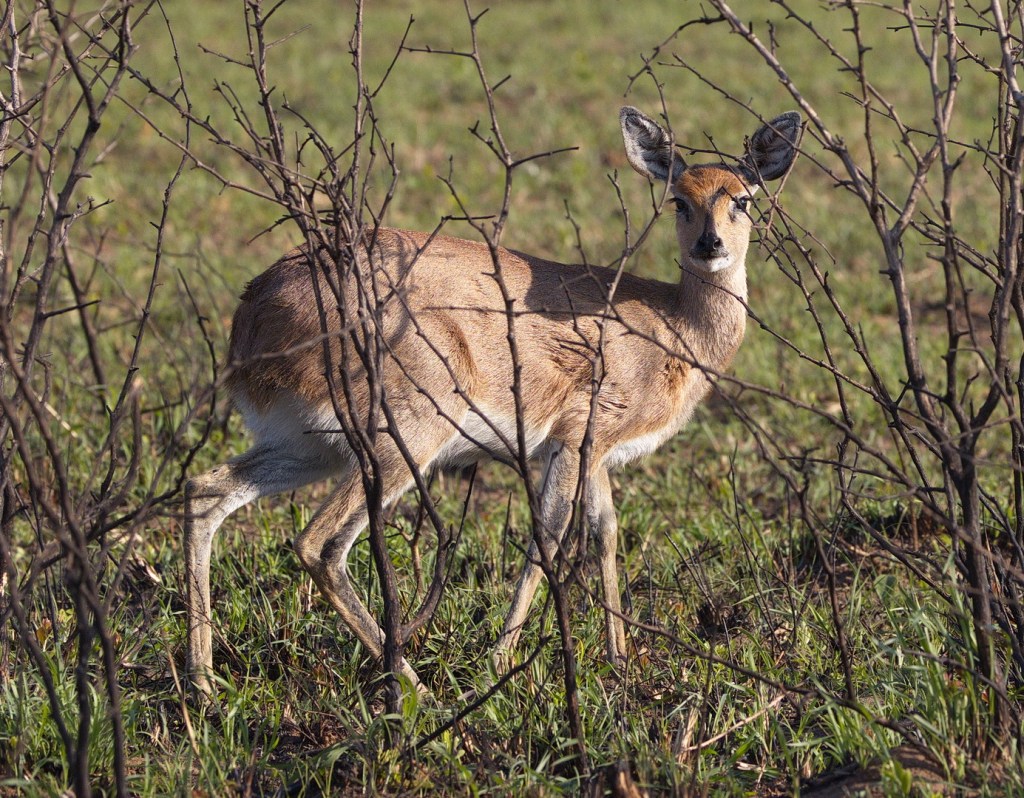
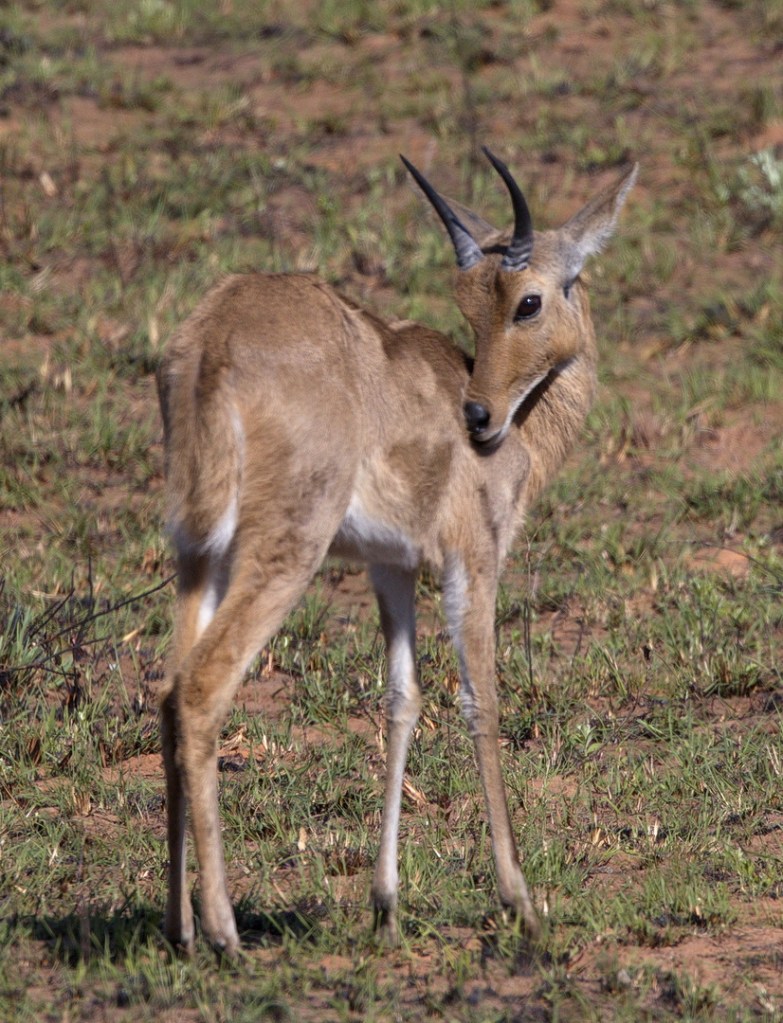
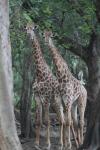
Maybe there was not a huge variety of animals but what was there was made up in numbers. There were Blue Wildebeest, Burchell Zebras, Grey Duikers, Red Duikers, Eland and hundreds of Reedbuck. Even elephant were seen in the distant flood plain. The animals tended to stick to their own species on sides of slopes and on the whole were not concerned about us.

And bird species seen include:

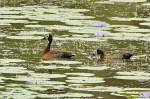
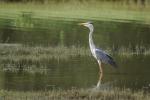
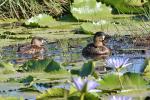
At the end of the road we went down to Lagoa Maxanfi. Loads of reeds at first opening up to open water. Water birds popped in and out of the reeds – Common Moorhen, Black Crake and African Swamphen. Reed Cormorants, Darters, Egrets and Spoonbills were present. There were numerous White-faced Ducks and a Yellow-billed Stork amongst them. Purple Heron was seen on one bank and several raptors made a fleeting appearance as well as a Woolly-necked Stork.

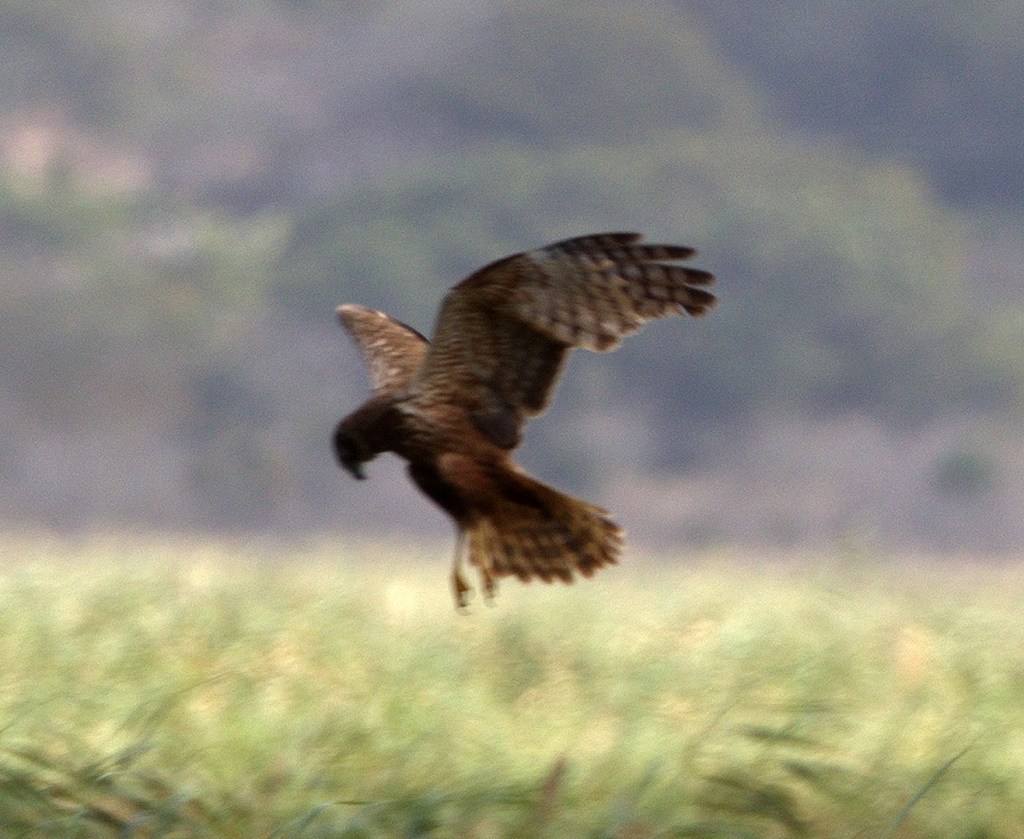
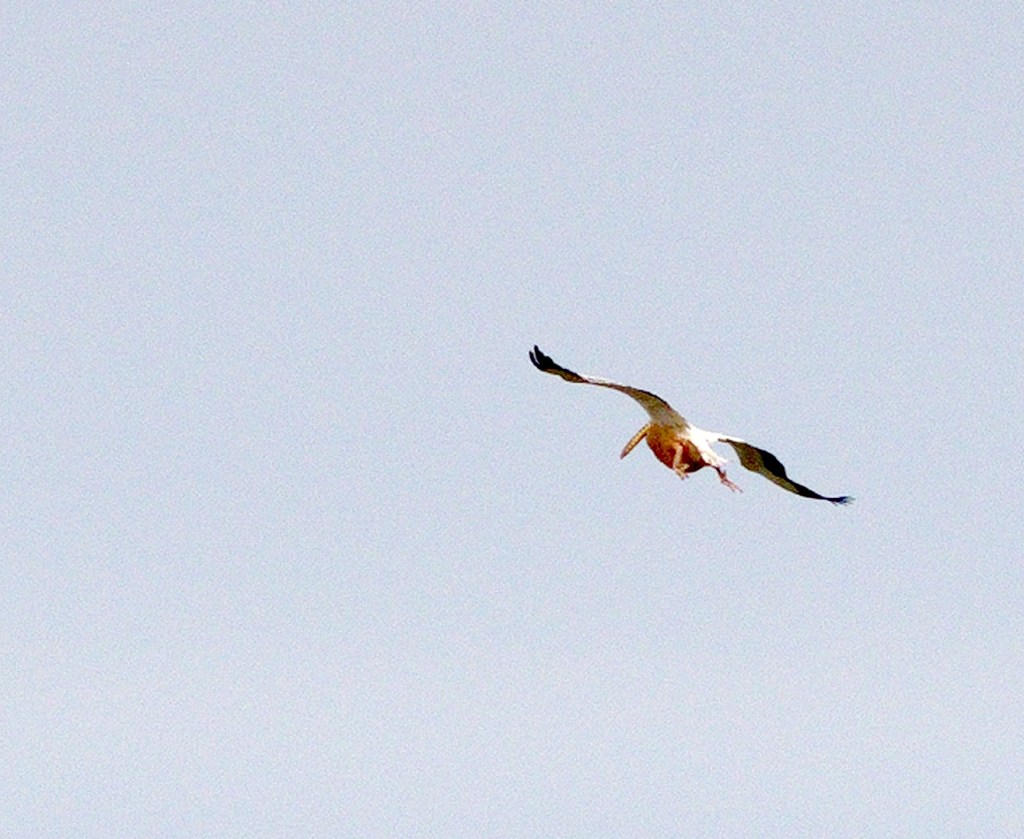
And this raptor flew over in the distance.

This road was our favourite and we took several drives along it.

Our drive out of the park to the Futi Gate took us a third of the time that we took on the way in – only one and a half hours. At the gate we spent quite some time at their pump to get our tyres back up to the correct pressure. And then we were on our way to Macaneta north of Maputo.

In all we recorded 79 different bird species. You can download the list here:

Next stop Macaneta.

Macaneta

19th to 21st August 2024

Then we were on our way, continuing up the highway to Maputo and across the new bridge into bedlam.

Oops, should not have taken that shot.

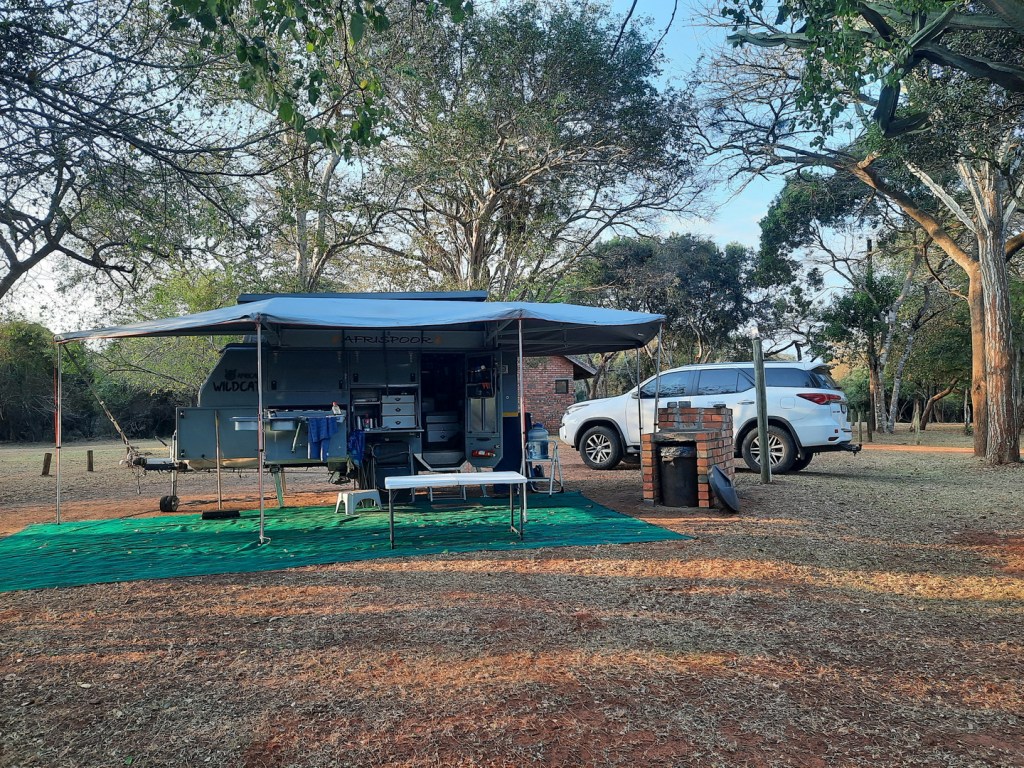
An hour and a half later, fighting through traffic with our Wildcat in tow, we reached the north side of Maputo and eventually to Macaneta and our campsite at Tan-N’-Biki.

The campsite is not very impressive – more interested in being a conference hotel. There were three campsites. We chose the one more hidden but beside a sandy road leading to the beach. There was power and a choice of ablutions with hot water round the corner. Wifi was available in the office area.

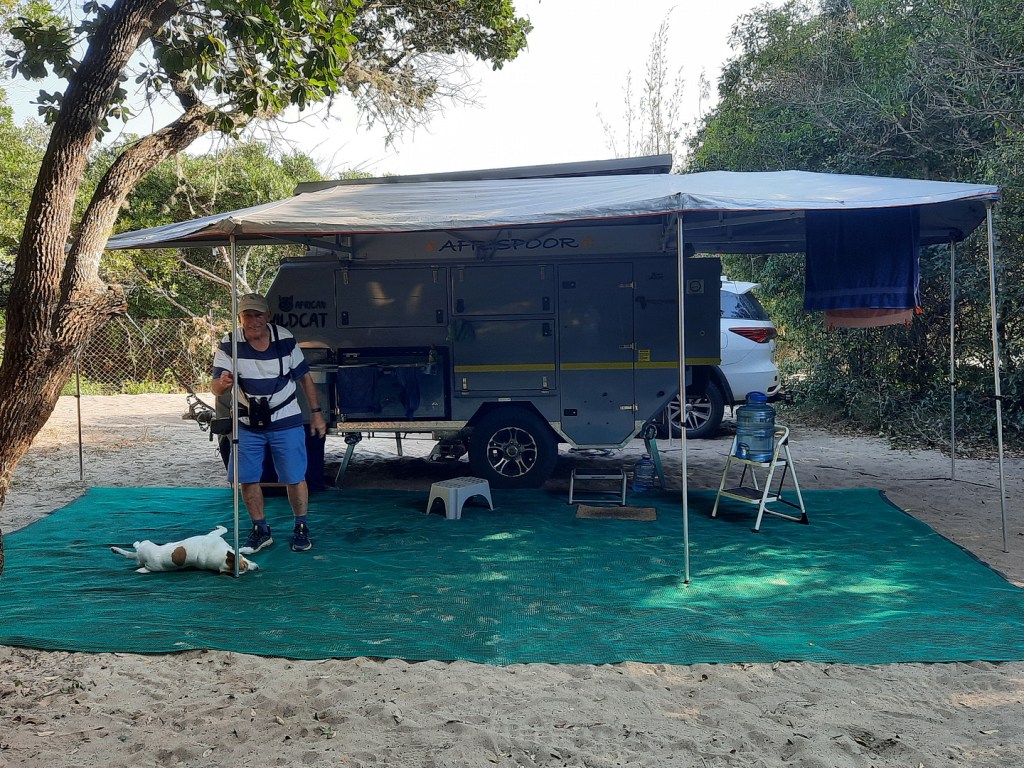
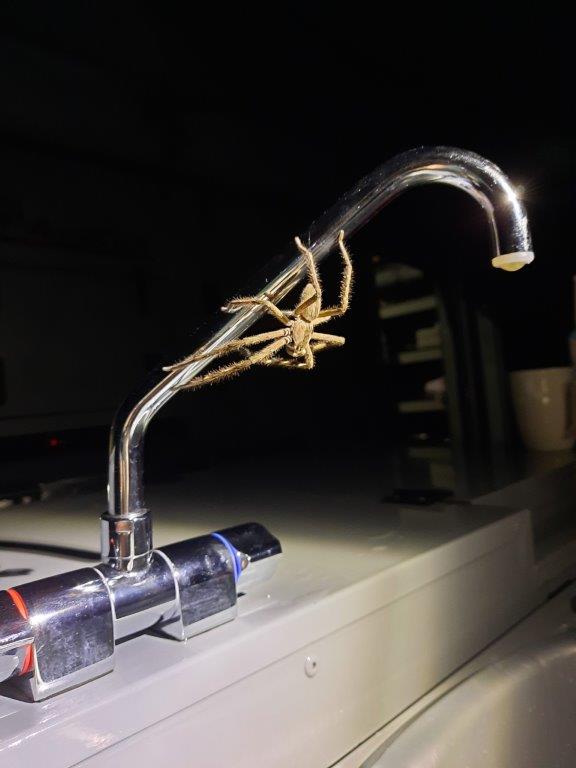
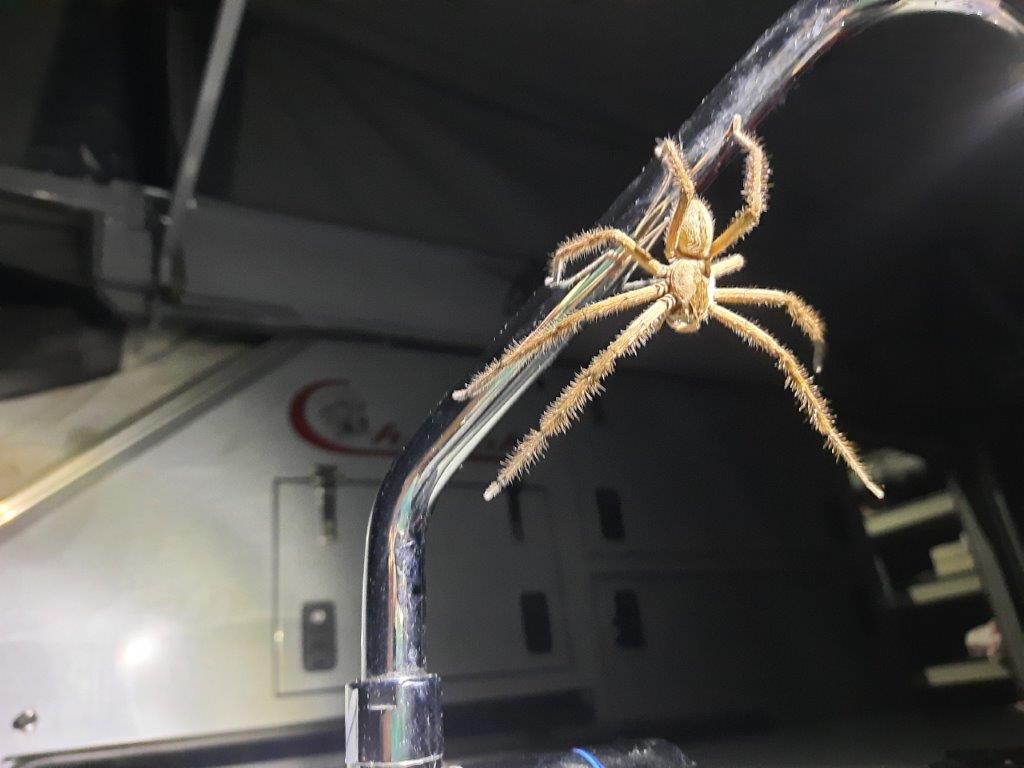
We had several hosts at the campsite.

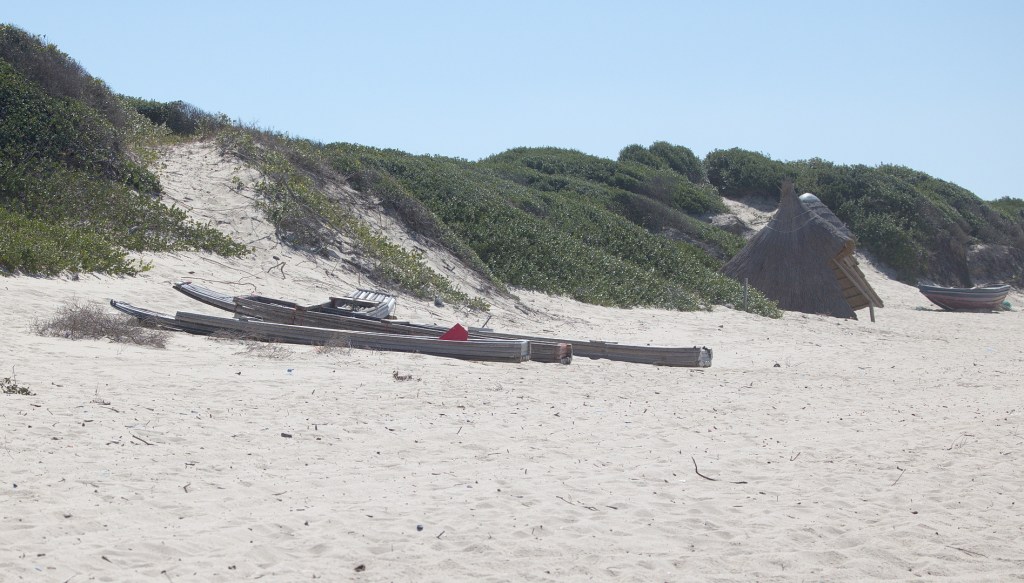
It was a short walk to the beach. Another long stretch of white sand.

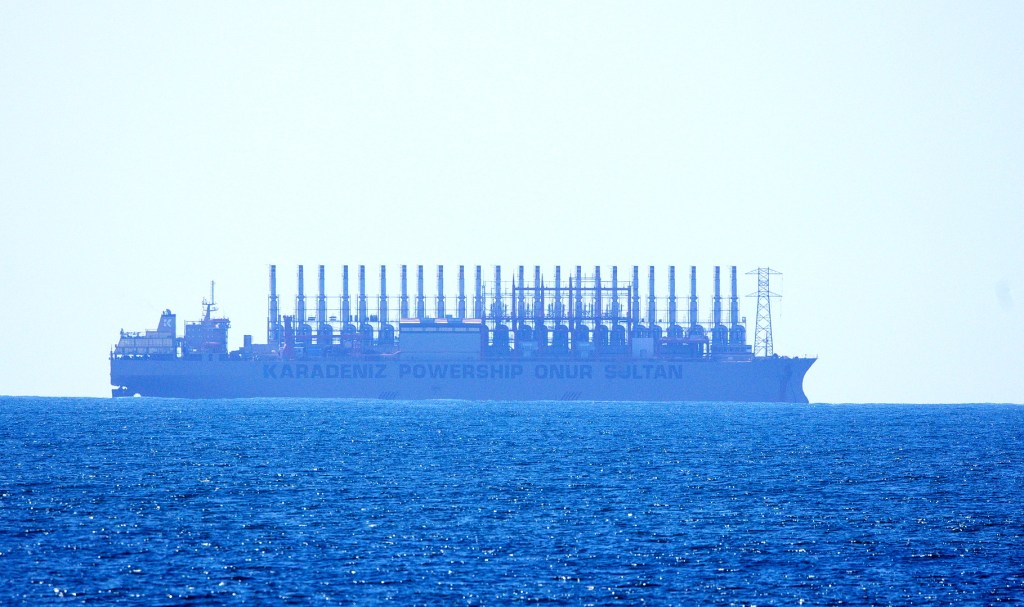
Looking out to see, many ships were passing by. But one very controversial in South Africa stood out – anchored.
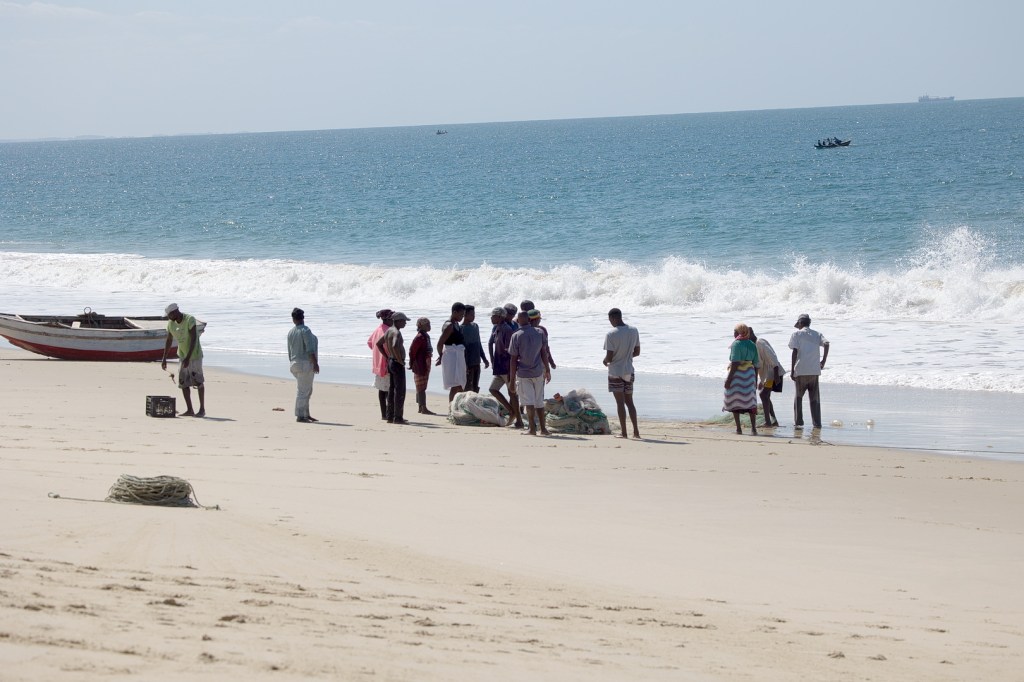
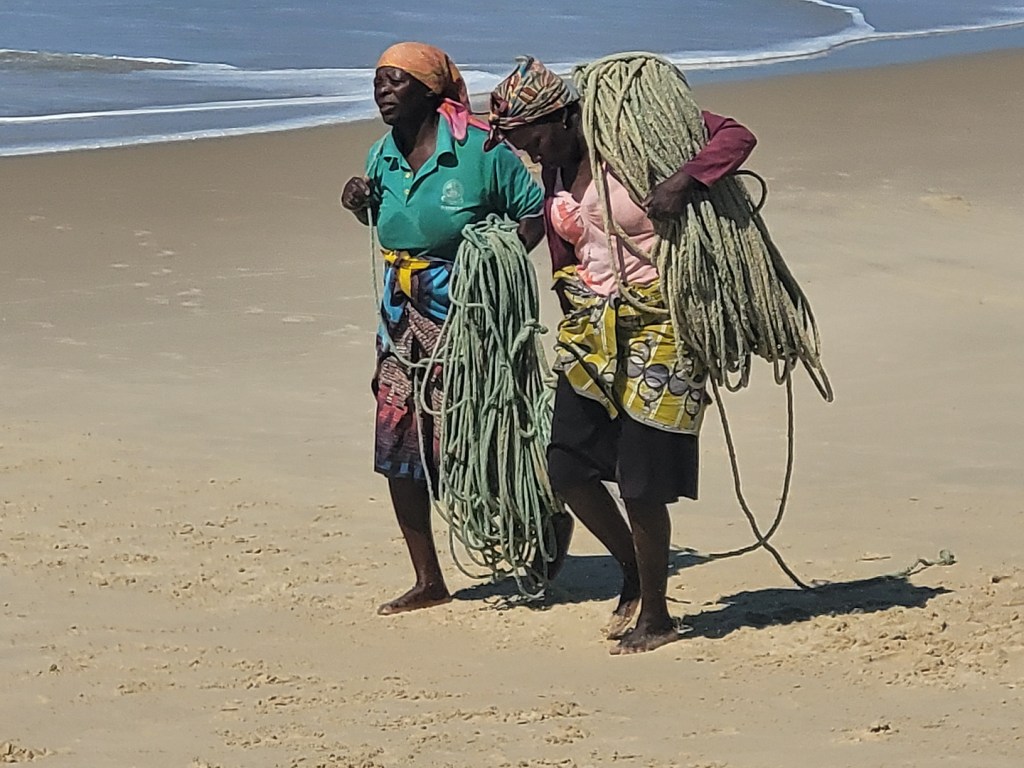
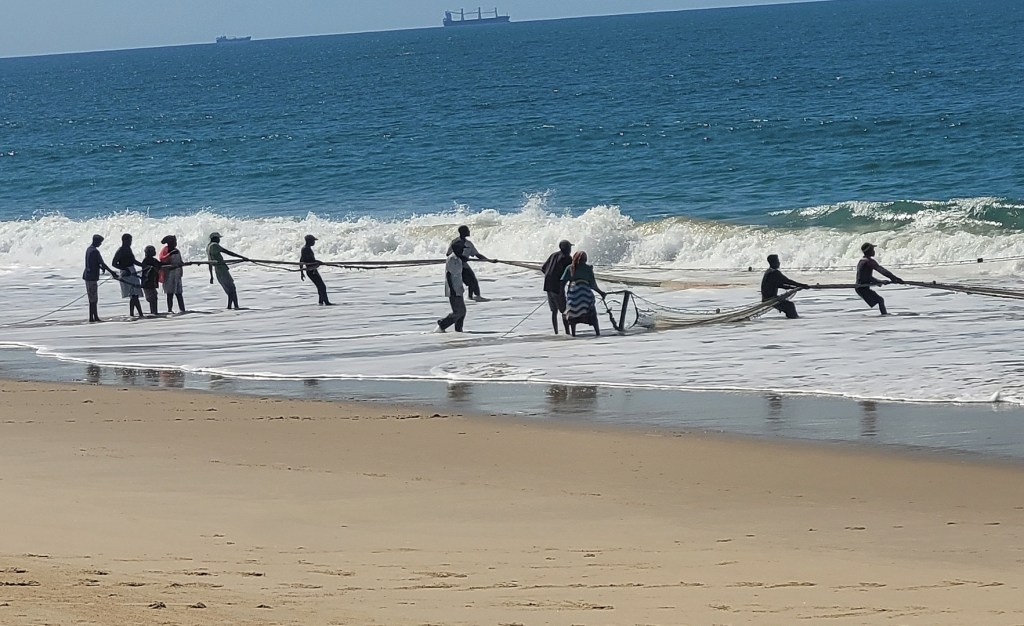
On another visit to the beach, we watched as dozens of people were pulling in their fishing net.

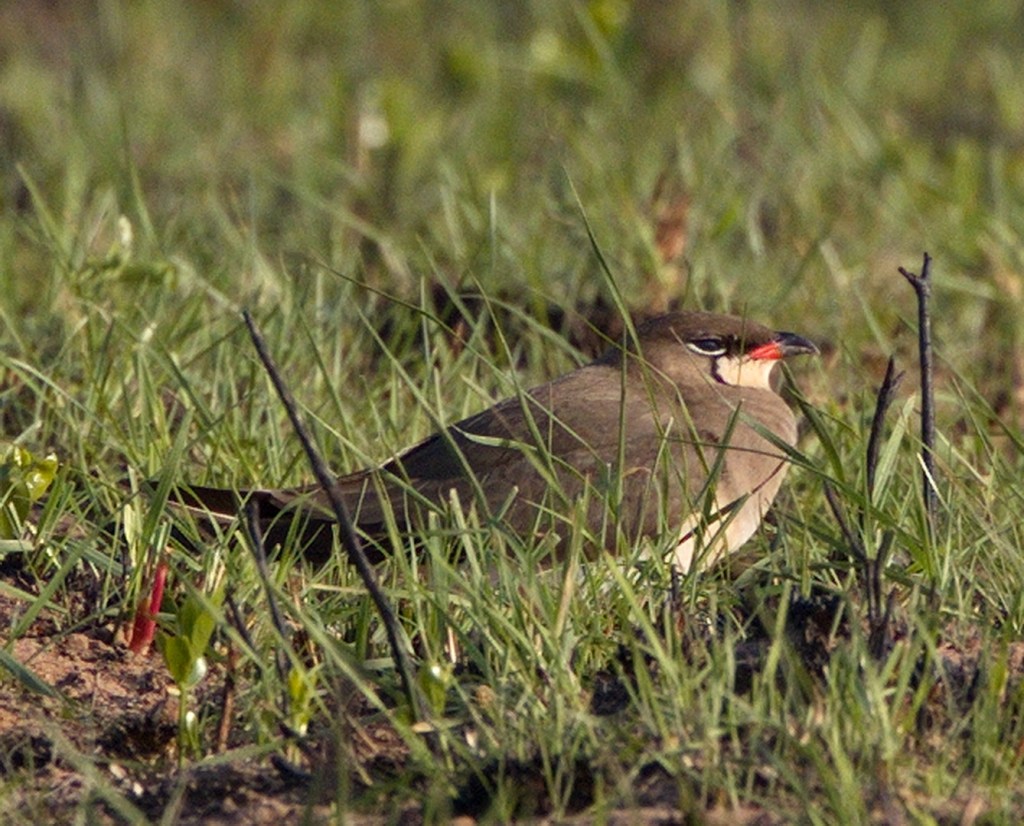
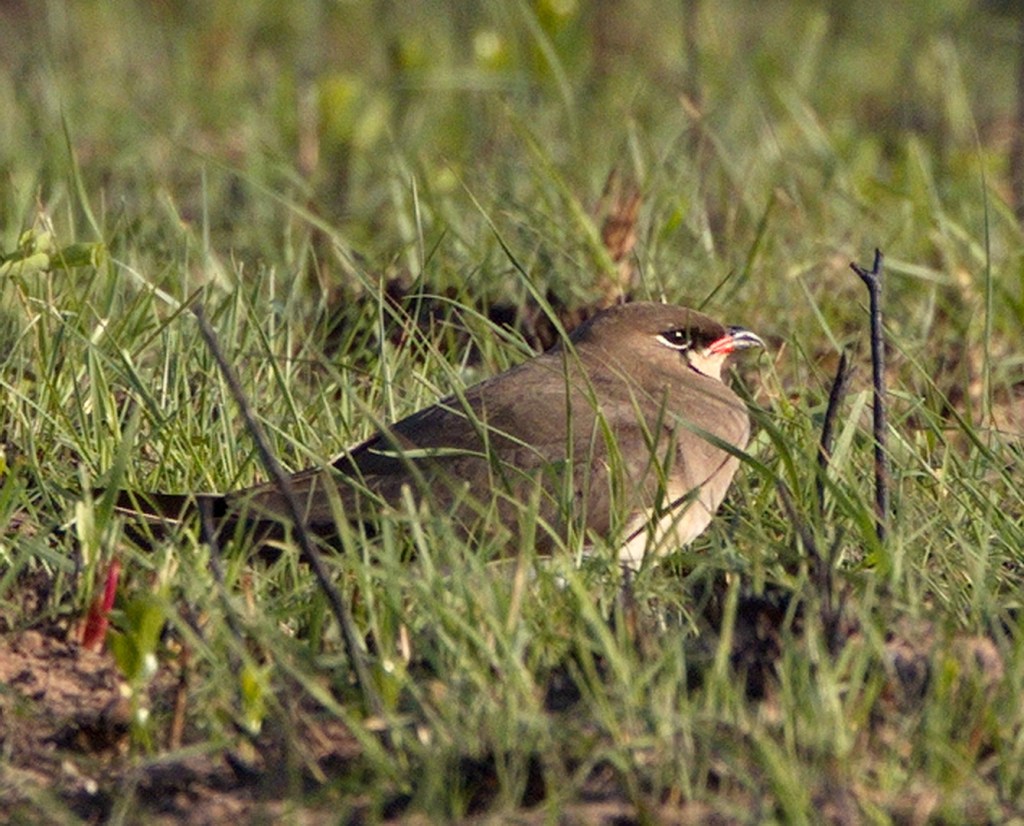
Birding was not great, mostly because we stuck to driving and not parading ourselves on the open flood plains. To get to the camp we had to cross a toll bridge over the river. Once crossed, the habitat changed to open flood plain on either side. And this is where we did our birding – apart from in camp.
We had planned to stay 4 nights but after two we decided to leave and head home via a stopover at Bonamanzi for 3 nights.

In all we recorded 34 different bird species in the area. You can download our list following:

So back to the border at Kosi Bay, we headed. But instead of going round Maputo the way we came, we took the coastal road. A good 4 lane highway with numerous cheap toll stations, speed bumps and under-used to our benefit. We diligently stuck to the 60Km/hour speed limit. We were sorry were unaware of this alternative.

It was only as we approached to go over the new bridge that we joined the turmoil of traffic. Fortunately, this was a very short distance to endure.

Once over the bridge it was a very pleasant drive to the border.

At the border, one of the customs people asked for our papers and noticed that the official who prepared it had forgotten to put our Wildcat on the document – a fine was coming. Fortunately, Sally had the original official to add our Wildcat to the gate pass which we should have handed in.

We did all the paperwork for both sides, came back for the car and drove off quickly.

Bonamanzi

21st to 224th August 2025

We arrived at Bonamanzi in good time and setup camp quickly before going for a drive around the camp.
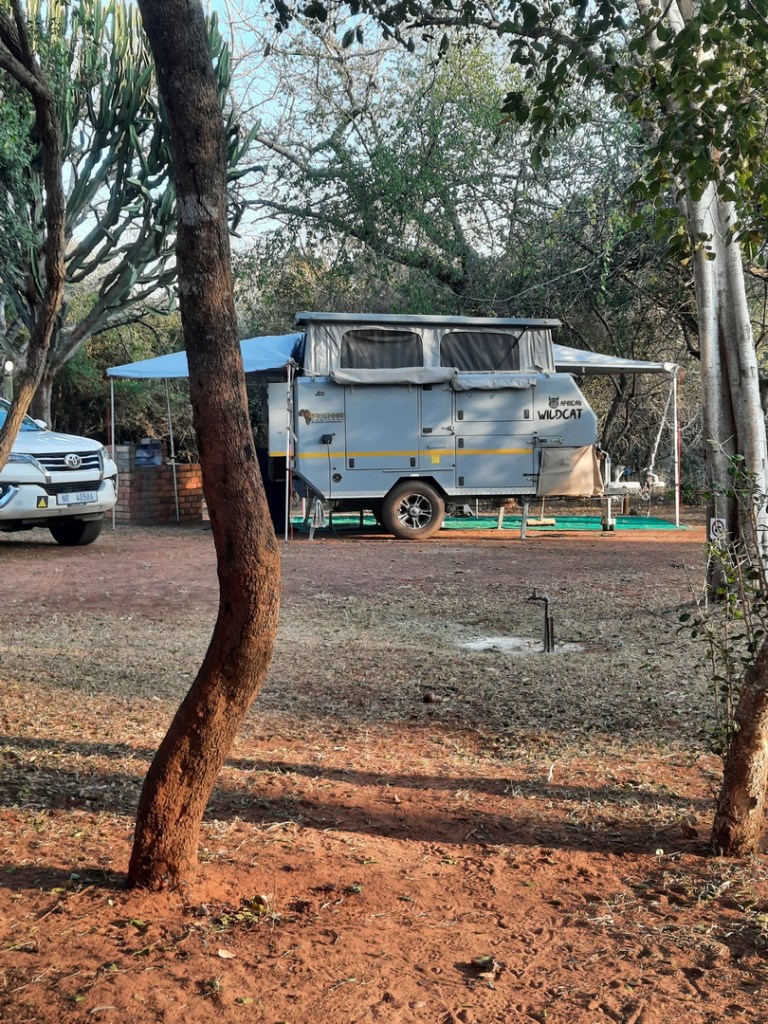
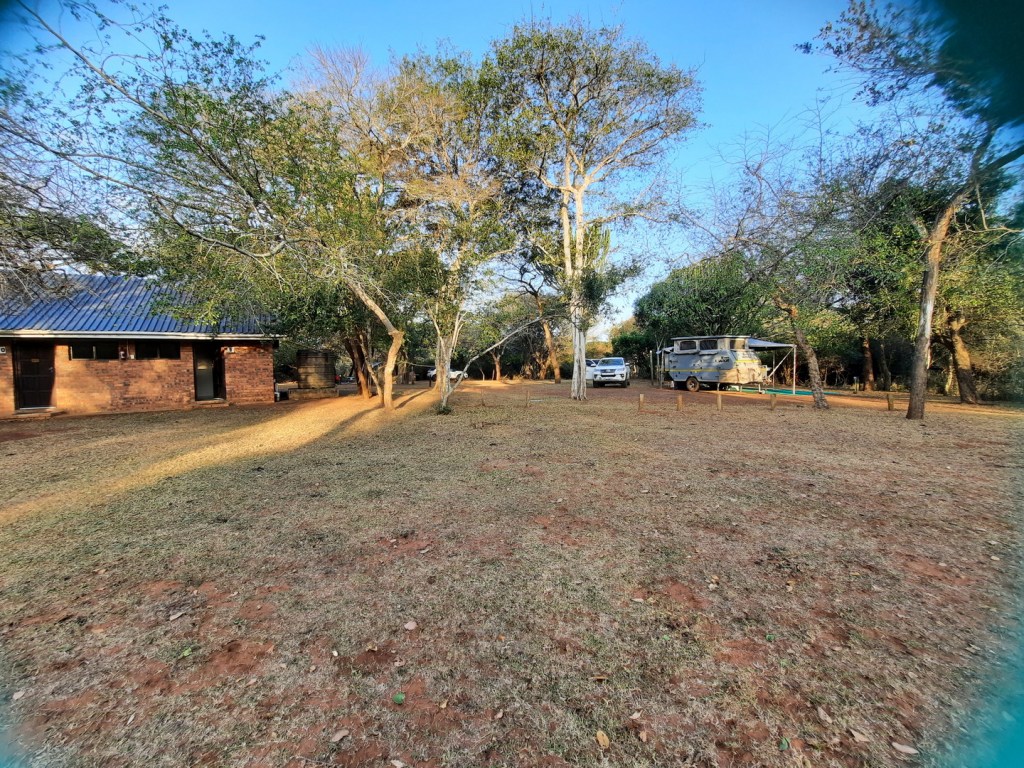
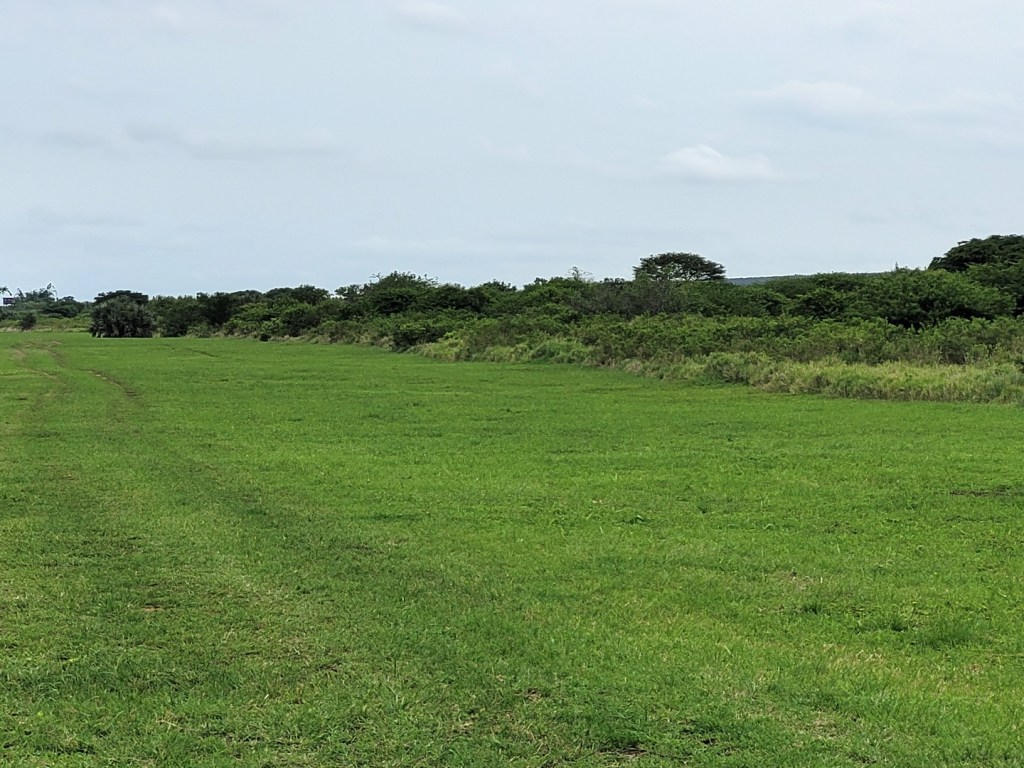
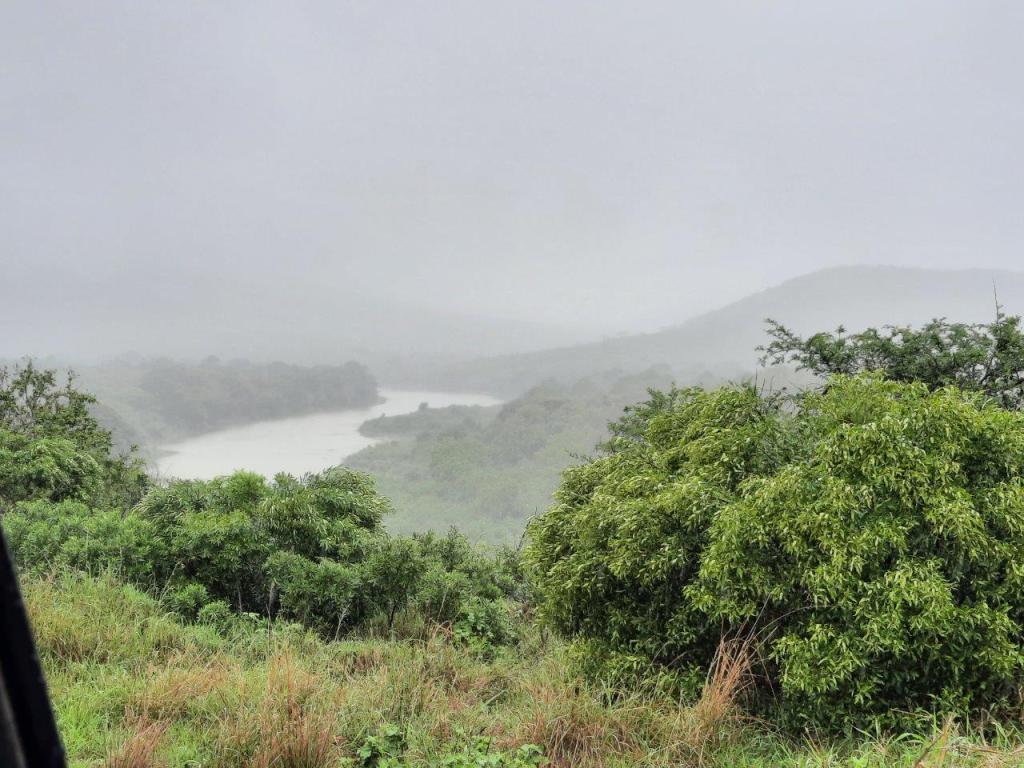
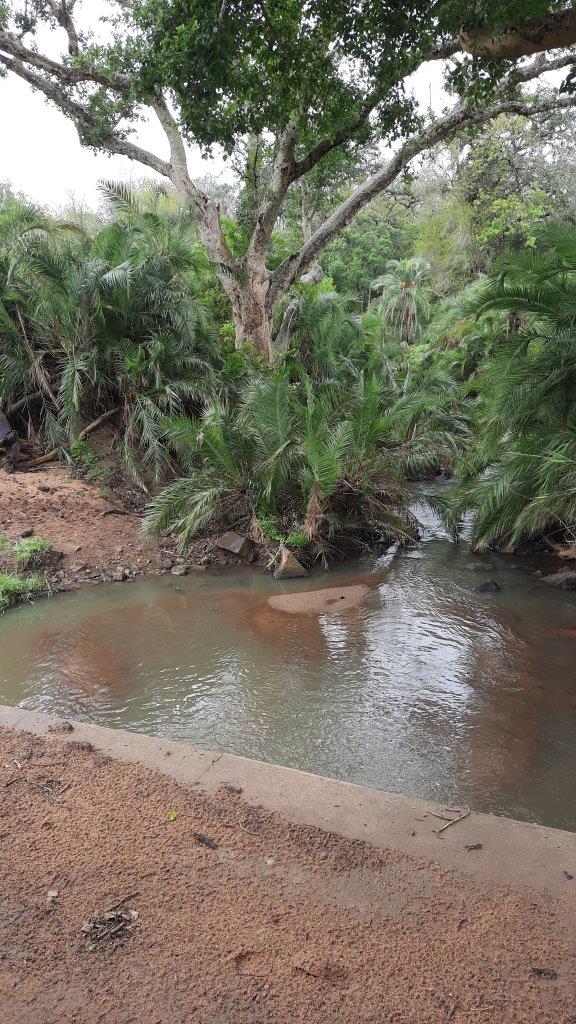
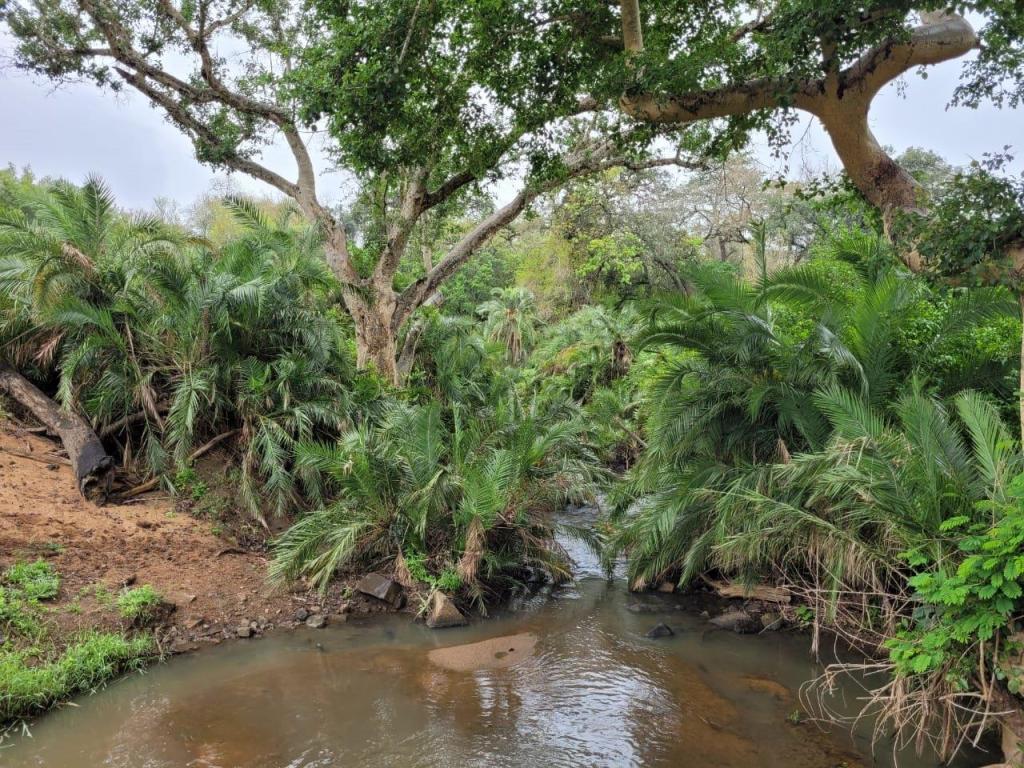
One of the habitats on our drive around in rainy conditions.

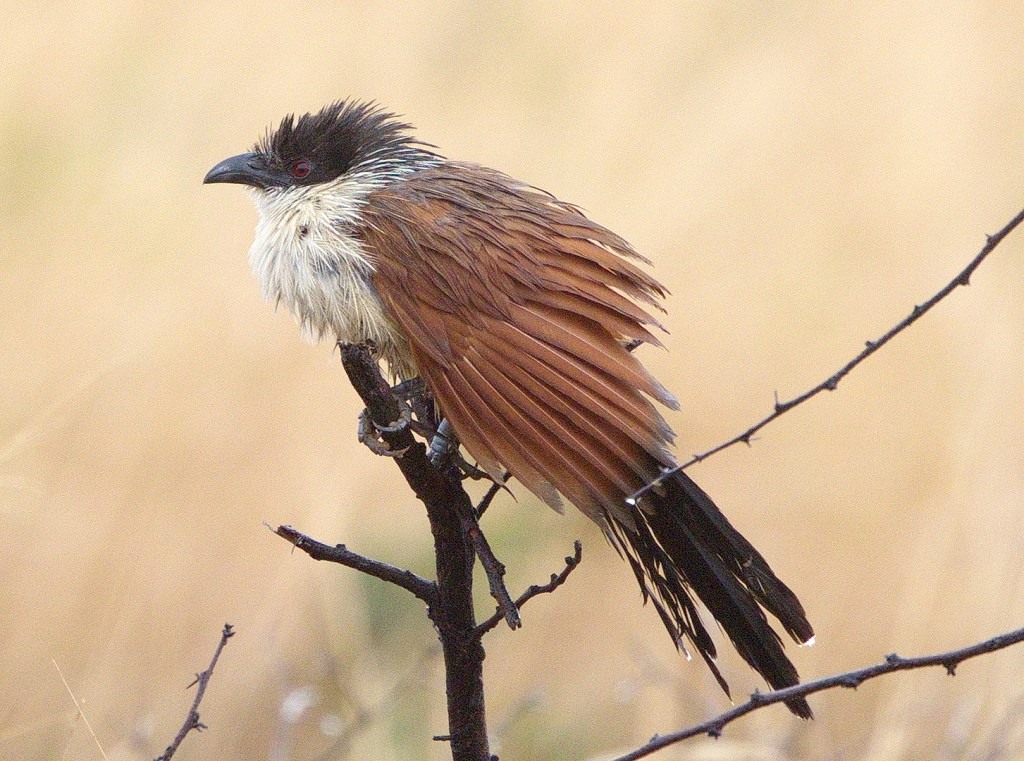
The rainy conditions limited our bird photography, but here are a few of the species photographed – a number rather wet.
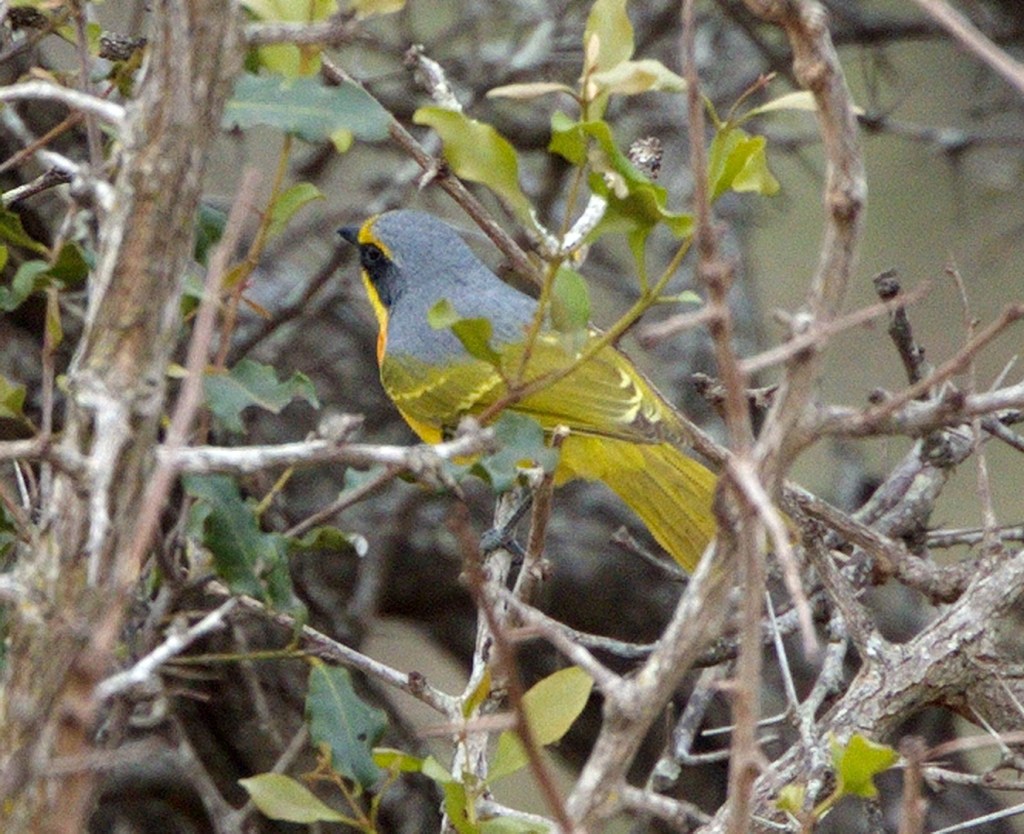
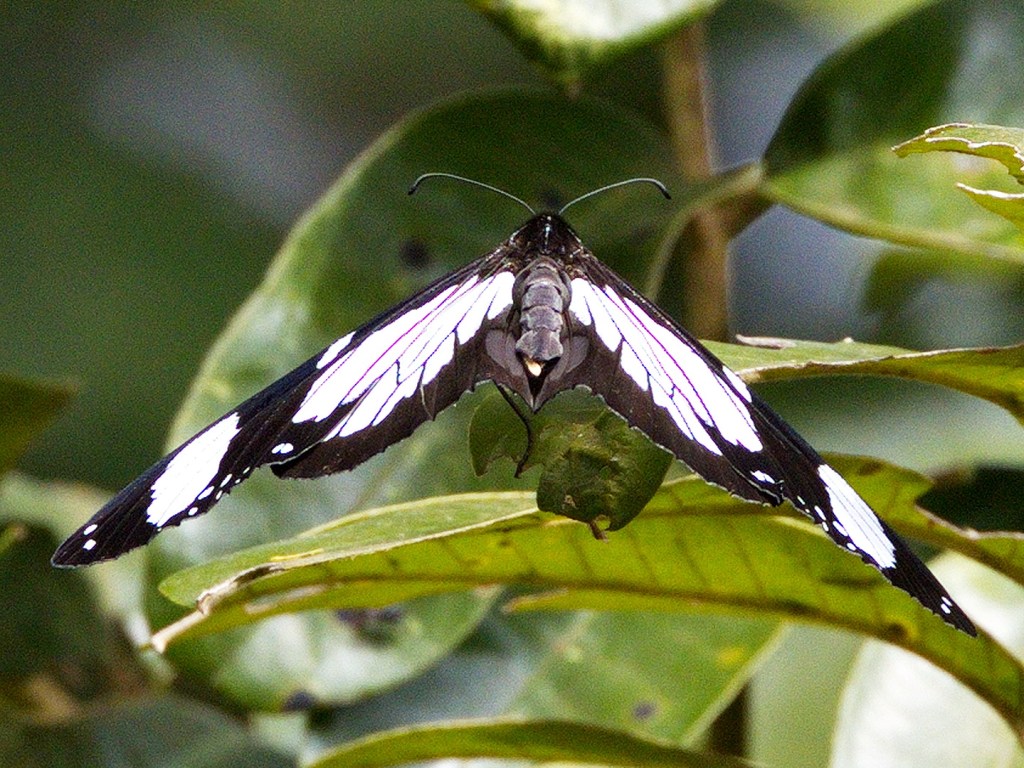
When the weather got unpleasant, we headed for the lookout over the dam at the main camp. From there we watched the few waterbirds that were present.
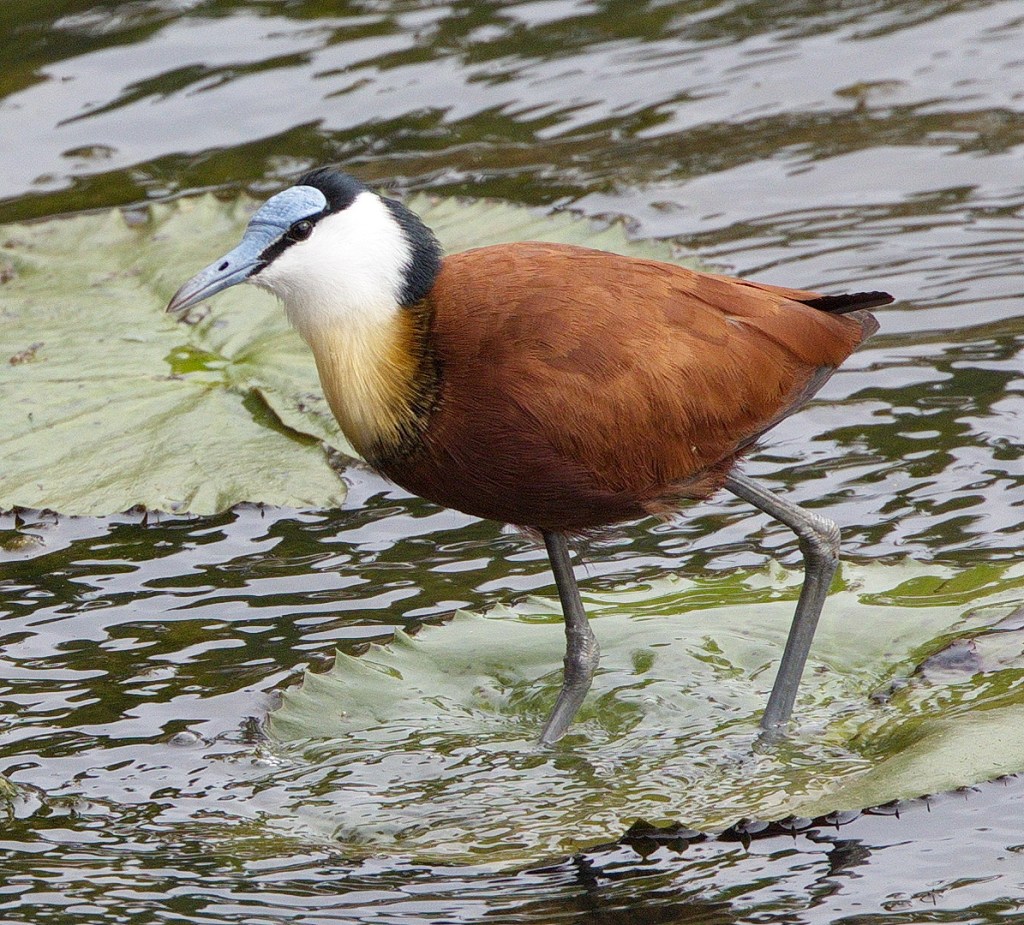
In total we recorded 69 different bird species in Bonamanzi. You can download the list here:

Hluhluwe

23rd August 2025

One morning at Bonamanzi we went to Hluhluwe.

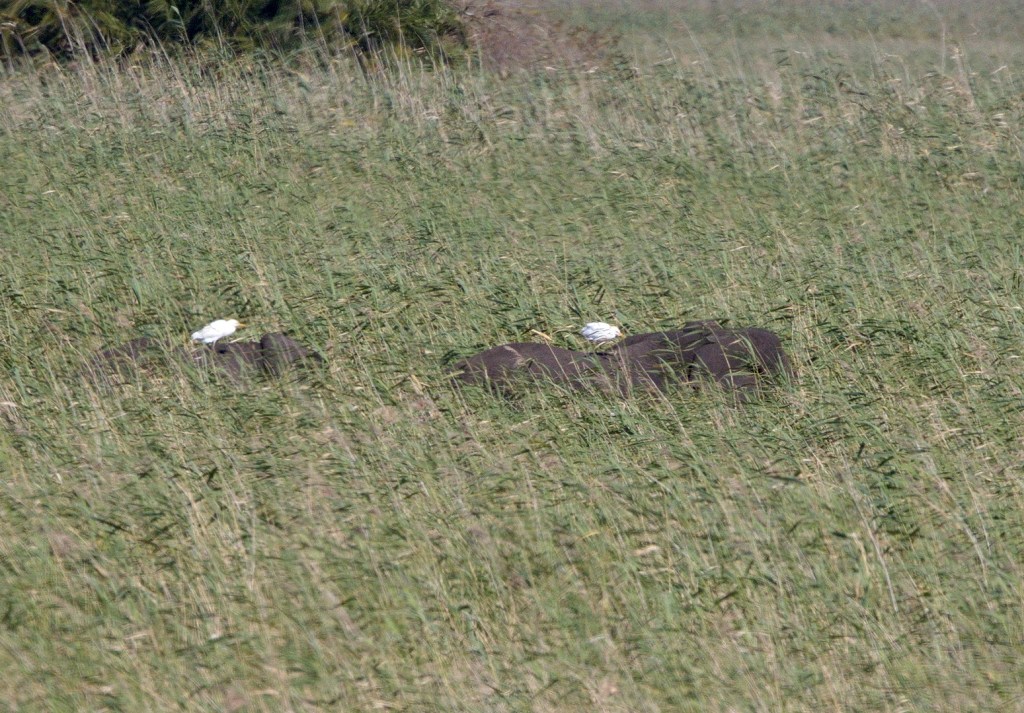
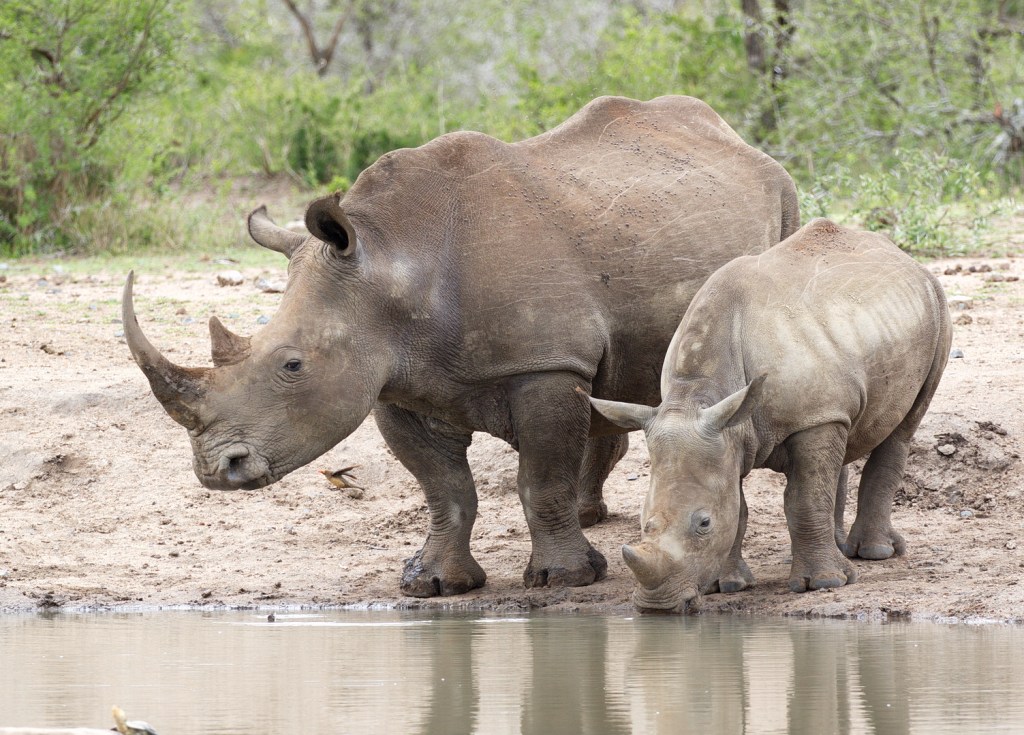
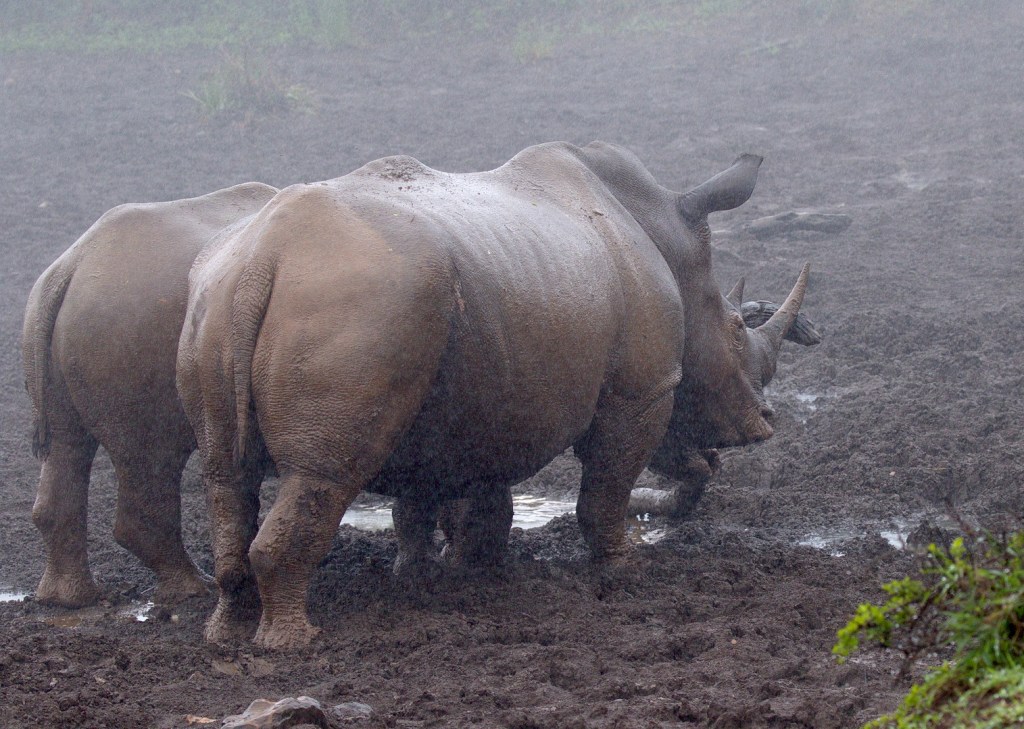
As we entered the park we immediately turned right and into the mountainous open area. It was quiet at first until we got over the first of the hills. At the bottom we found Buffalo and Rhino with Red-billed Oxpeckers having breakfast atop them. We travelled along the lower road heading back to the tar. As we approached the tar a heard of Elephant blocked our way.

Fortunately, they moved out of the way and we were able to get to the tar. However, we could not turn back towards the gate as they blocked that road also. Wanting to head for the off-tar picnic site, we were obliged to head towards Hilltop and then turn off. Elephants were all along beside us until the turn off.

Picnic site for breakfast. A good spot overlooking the river. Birding is always interesting there.

The other picnic site on the way to Umfolozi had a few birds but as the day was dull we did not stay long.

Instead, we headed back towards Hilltop and decided to take the Magangeni Loop. This loop road had been closed the last several times we had visited – due to flooding. It too was quiet except for a lovely king Kudu.

Well, the loop road was not as we expected – a loop. We almost got back to where we started the loop when we came to a river crossing totally flooded. So, we had to turn round and go back the way we came. Grrr…. no warning.

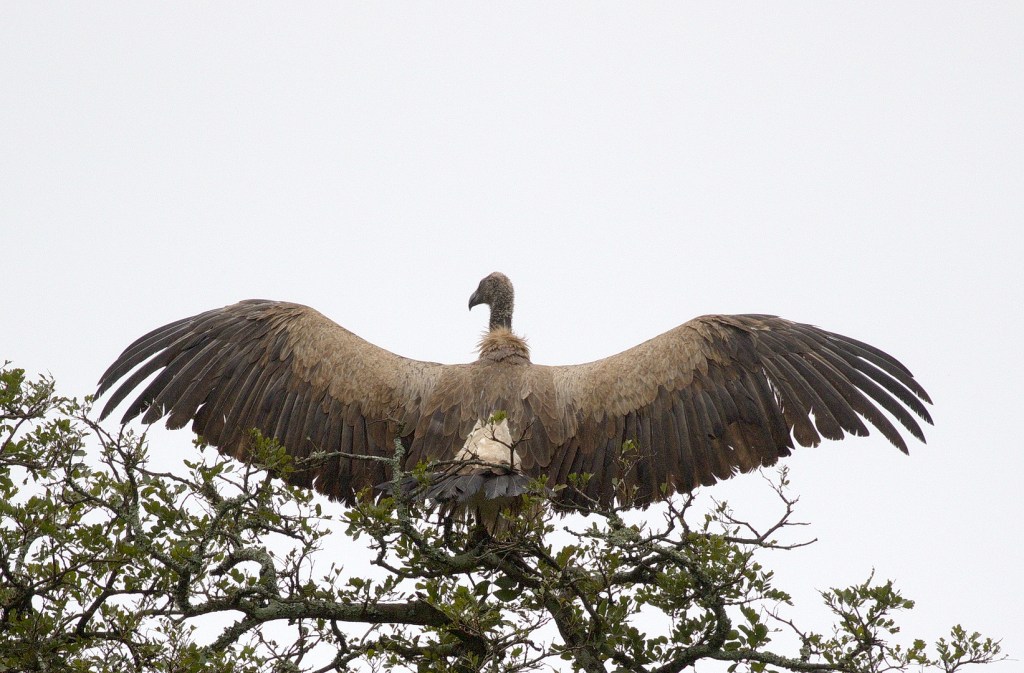
A quick stop at Hilltop Camp and then we started to head back to Bonamanzi. As we drove out and around to the back of the camp, we noticed numerous White-backed Vultures flying ahead. Then as we became able to look down to our left we noticed a number of trees loaded with vultures.

White-backed Vulture

So, what brought them to this place – must be a big meal waiting somewhere near-by. We did not have much further to go to find out.
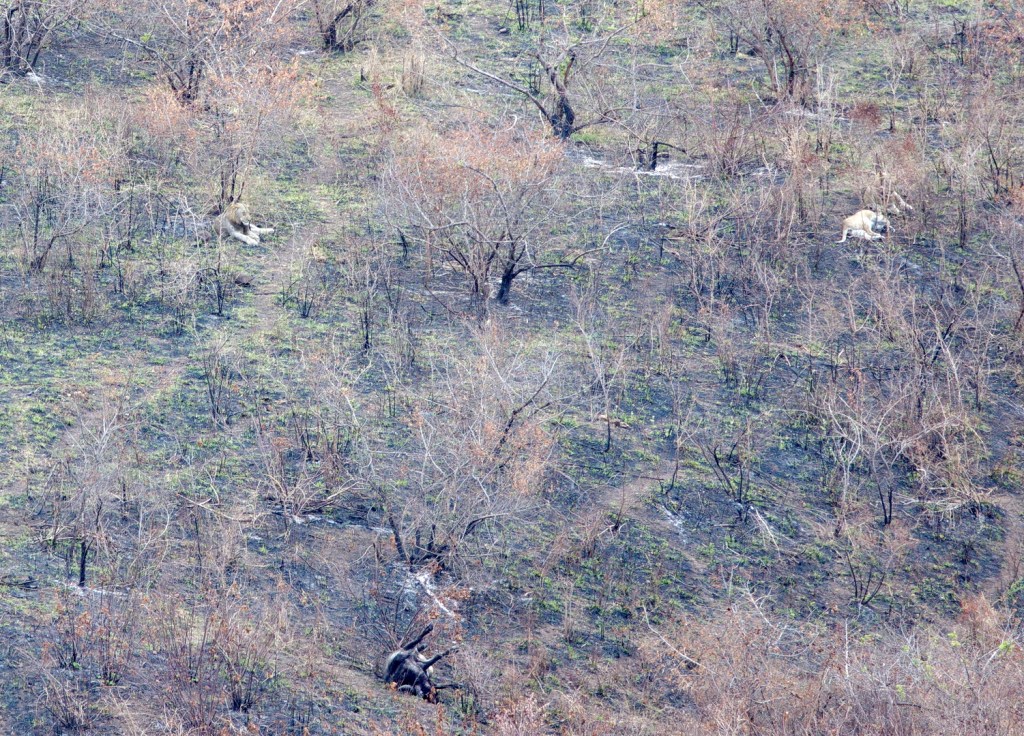
Well, that was a good way to end our day there. Back to Bonamanzi for dinner and getting ready to leave the next day.

A pride of Impala decided to visit us in camp – perhaps inviting us back sometime soon.

Dinner finished and relaxing, listening for Nightjars. Then suddenly, a maddening crash of bushes and trees just out of sight – elephants – several making quite a racket and blowing their trumpets. In all the times we have visited Bonamanzi we have never seen one. This was the second time we have come close. The previous time was late at night when one came into the camp breaking down trees, digging up the road leading out of camp and breaking one of the water taps flooding a part of the camp. We stayed inside not to rattle its temper.

If you download the following, you will be able to see the list of birds we identified in both Bonamanzi and Hluhluwe.

That was the end of the trip, and we headed home uneventfully the next day.

Hope you enjoyed the read.

Sally King and Paul Bartho
Zululand – Part 4 – Bonamanzi.

Bonamanzi Game Reserve, Hluhluwe

4th to 6th November 2022

Bonamanzi Game Reserve in relation to Hluhluwe/Umfolozi Game Reserves
Bonamanzi Tracks Network

Leaving Nyalazi we entered Umfolozi and then drove through the Hluhluwe part of the Park to the N2. Turning right onto the freeway we headed south towards the petrol station with all the lights lining the freeway at its entrance. Just before reaching the lights there is a bridge over the freeway and we took the exit to the bridge. Turn left at the top and drive 4 kilometres along the dirt road to a T junction, turn left and immediately right to the entrance of Bonamanzi Game Park.

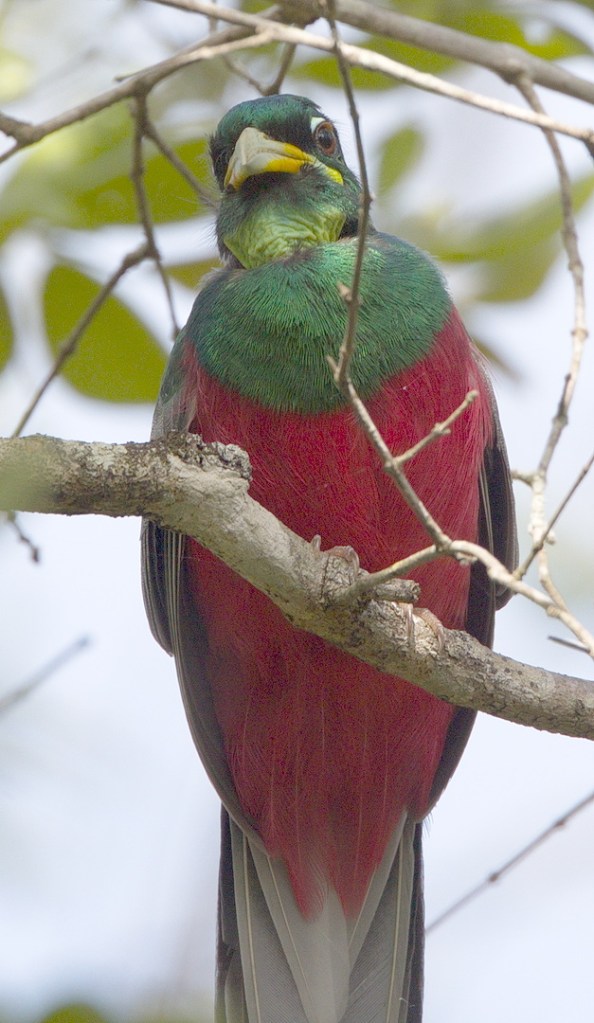
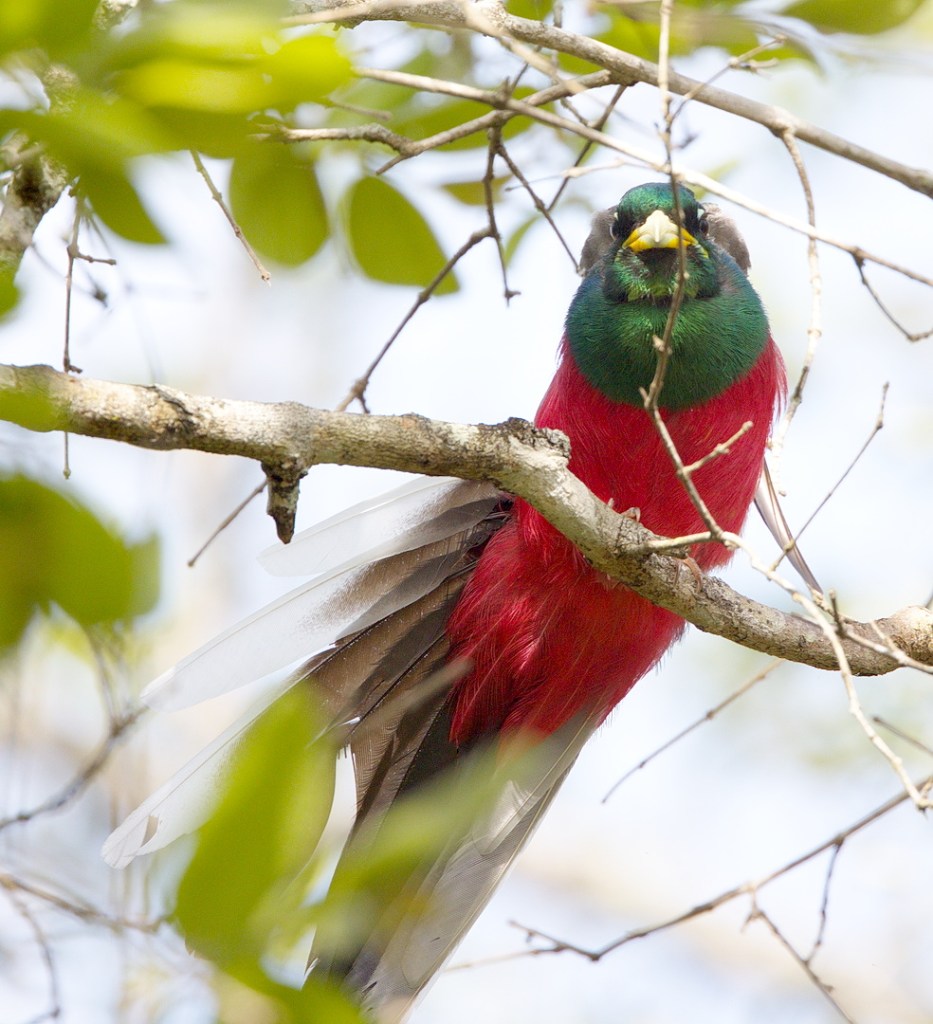
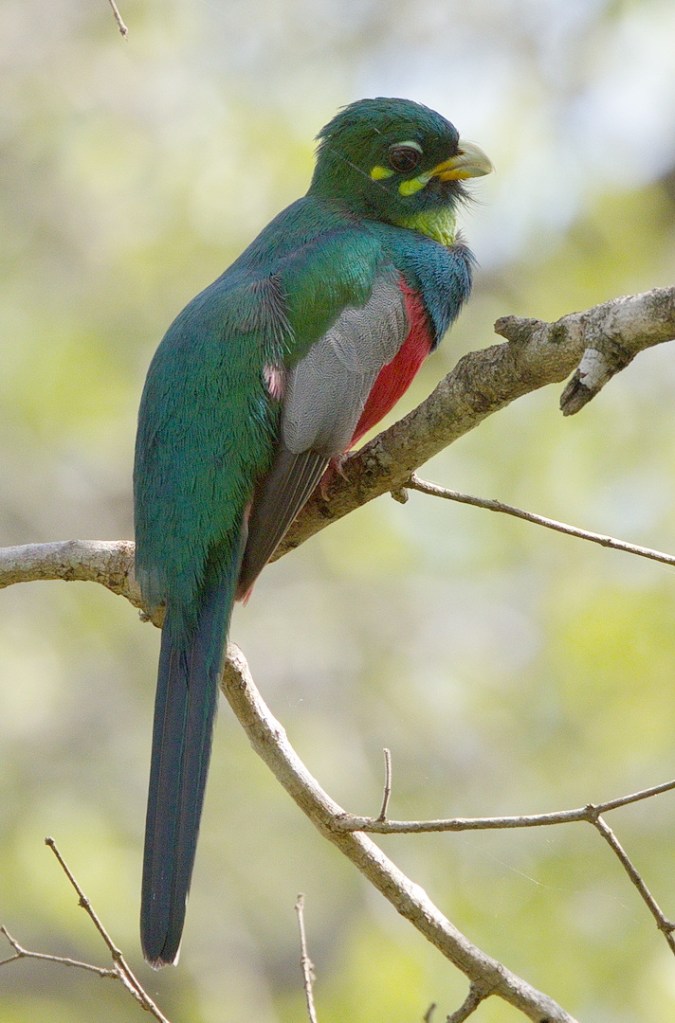
The Bonamanzi Game Park was empty. We were one of a very few not only campers but also chalet guests. We set up camp on our own in campsite 21 on the opposite side to the swimming pool. Between reception and the campsite we recorded 3 specials and another at the campsite – all heard. They were the Gorgeous Bushshrike, the Bananabird – Green Malkoha – the Eastern Nicator and then the Narina Trogon in camp. Quite a start for our bird list. We went on to see all of them except the Eastern Nicator but only fortunate enough to photograph one of them.

Bonamanzi has opened up all its roads to its guests for which there is a compulsory conservation levy of R150 per vehicle per day once off charge, definitely worth it as you are able to explore both the Game Area and Wetland Areas on your own and the numerous tracks as well.

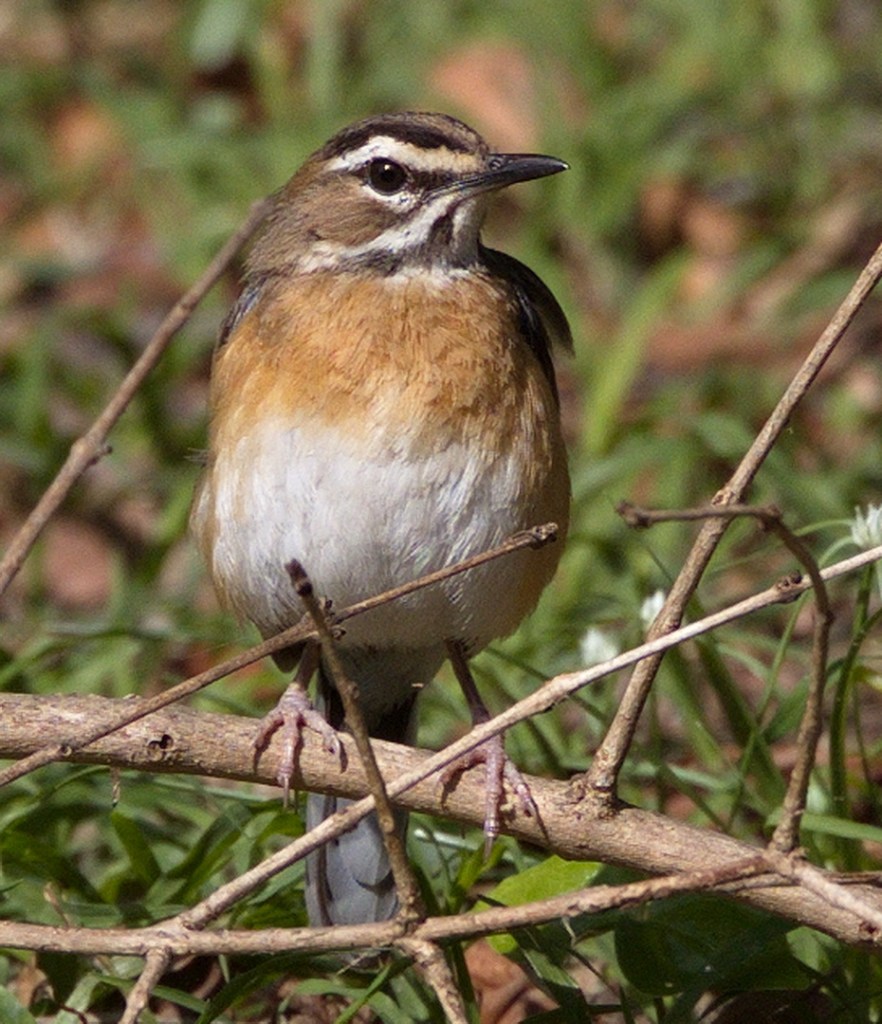
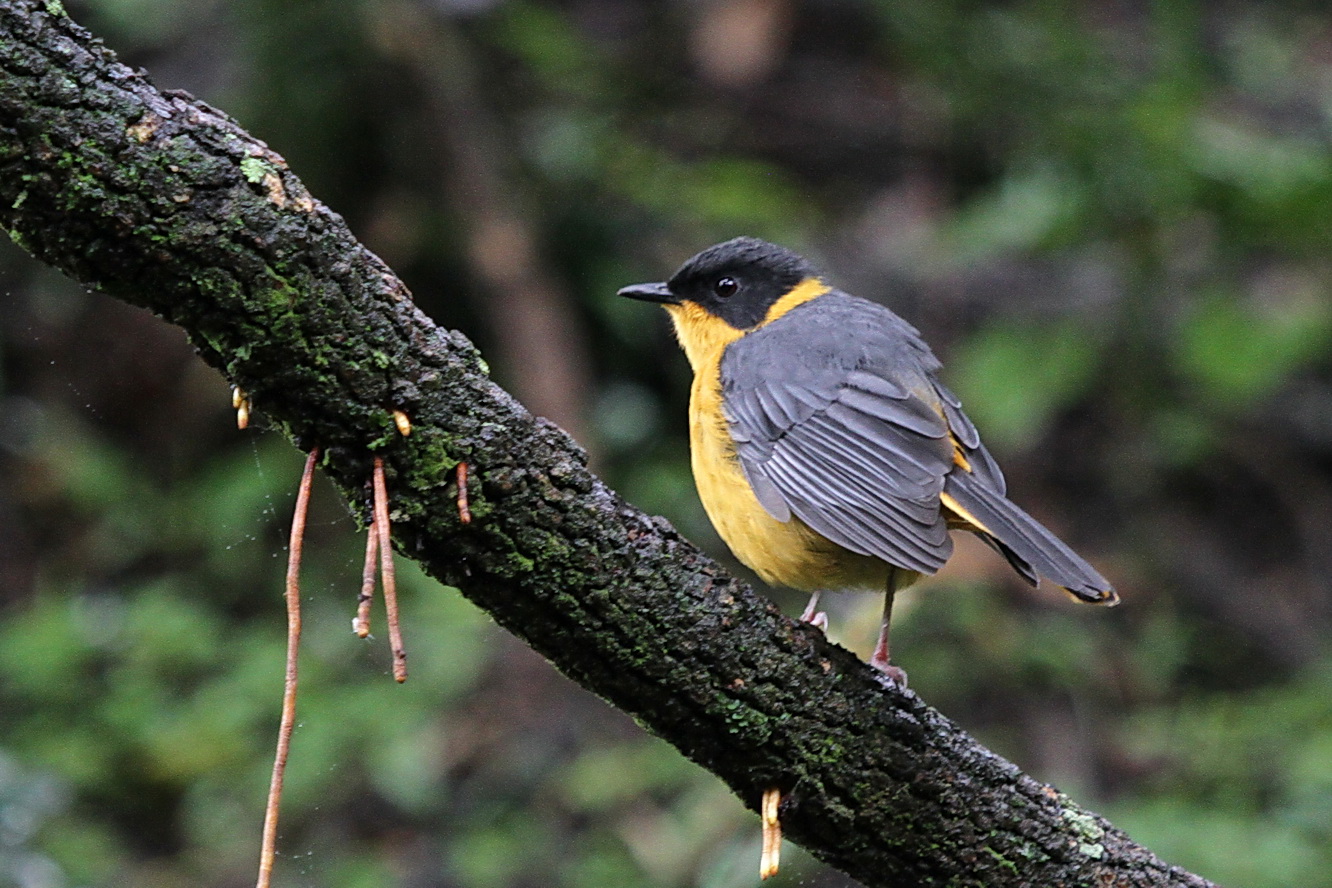
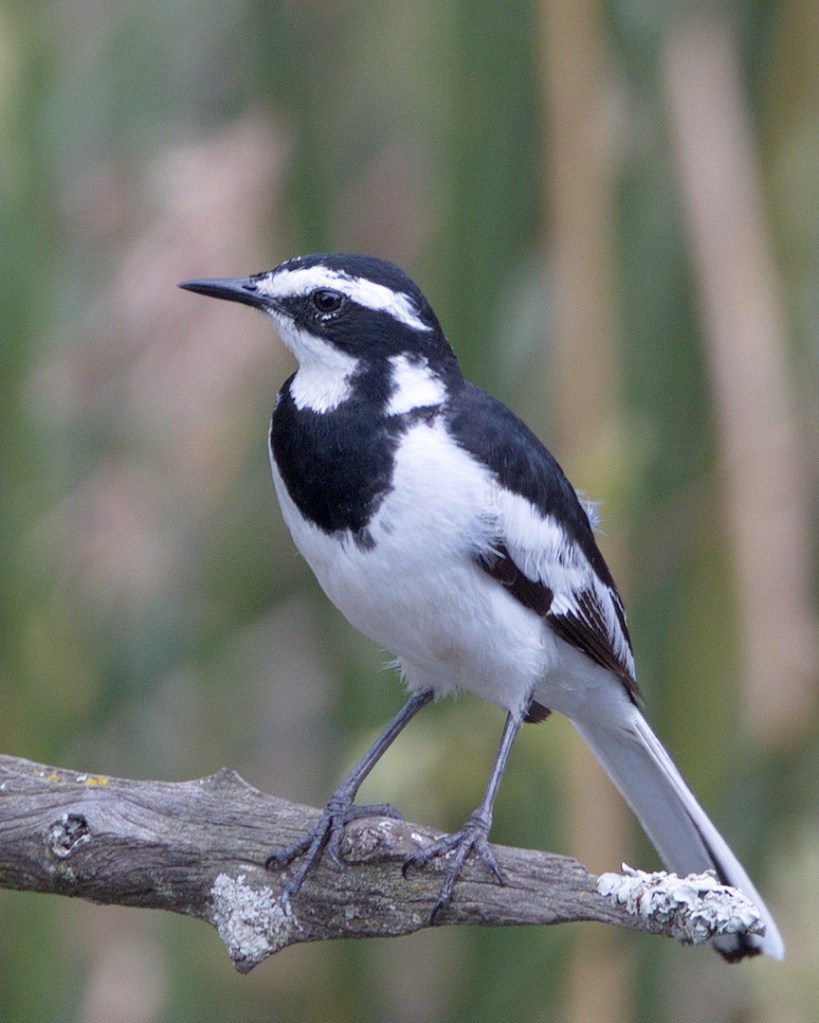
A Bearded Scrub-Robin enjoyed the campsite with us.

Making use of our first afternoon there we headed to the Wetland Area. Fortunately, despite all the rain the tracks were doable. The floodplain area is very extensive and runs probably 2 kilometres alongside the canal.

That afternoon we had many waterbird sightings and some pretty unexpected birds too – one in particular in numbers.

Here are some of the birds we sort of expected to see.

Unexpectedly we saw several Brown-throated Weavers.

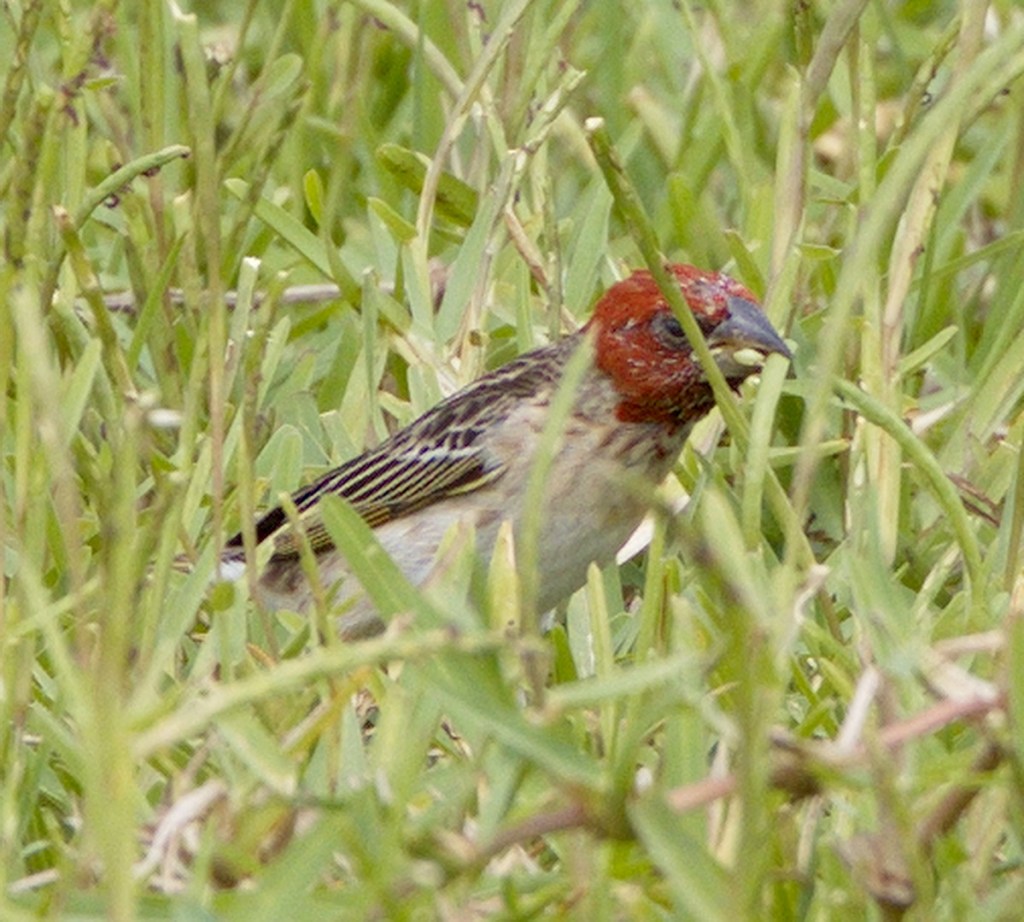
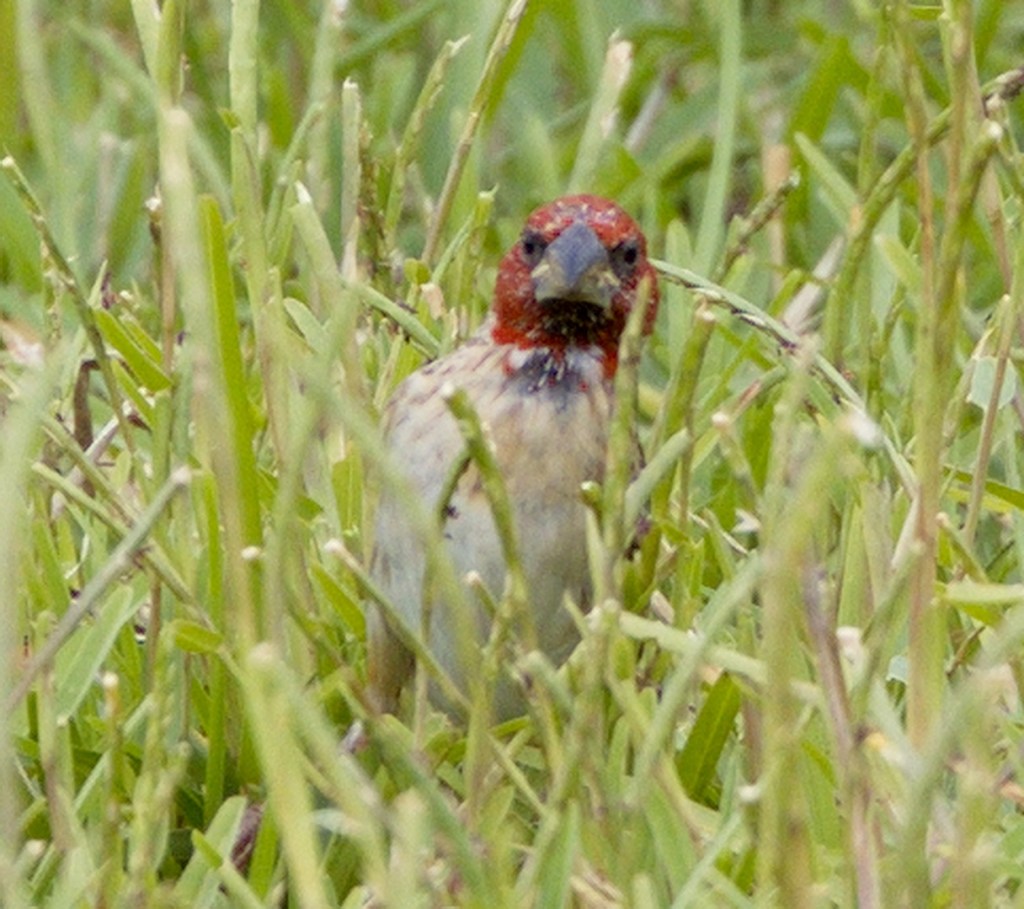
And then among all the Southern Red Bishops all along the wetland area by the canal were Red-headed Queleas.

At the Reception area and bungalows there is a dam with a comfortable overlooking hide. It was a good spot to sit and watch the birds especially when the rain appeared.

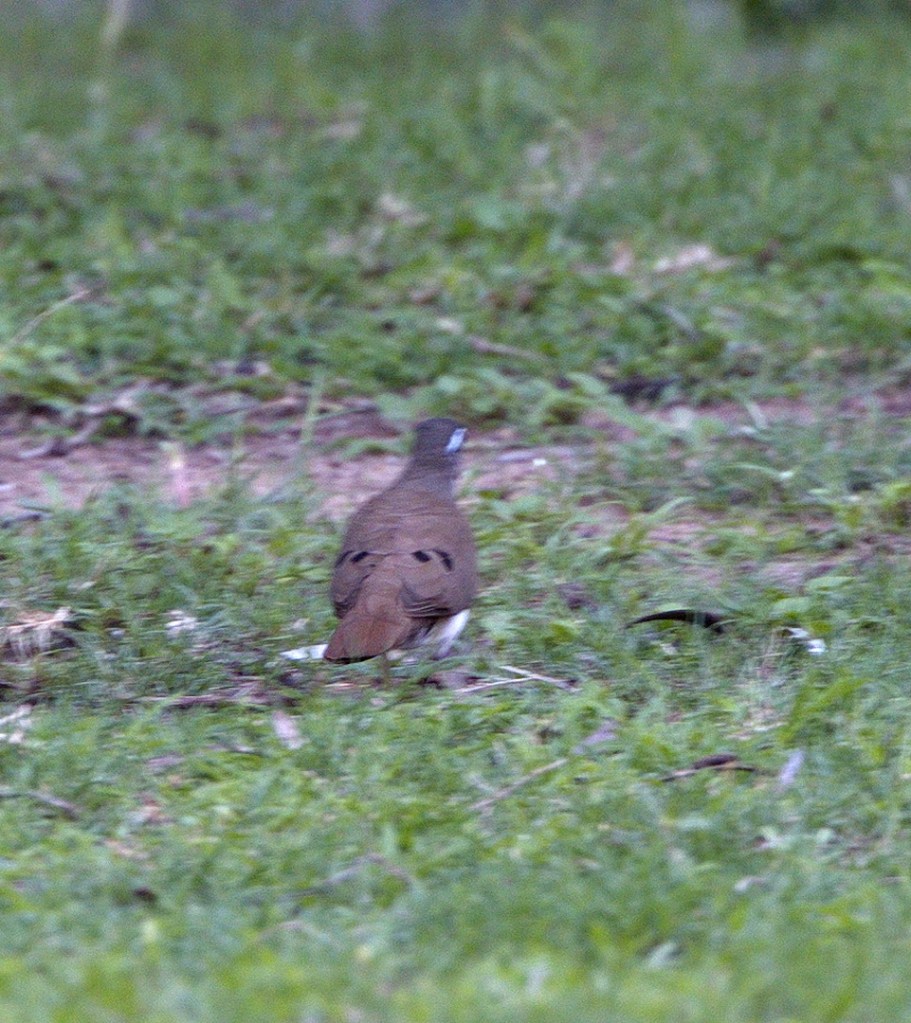
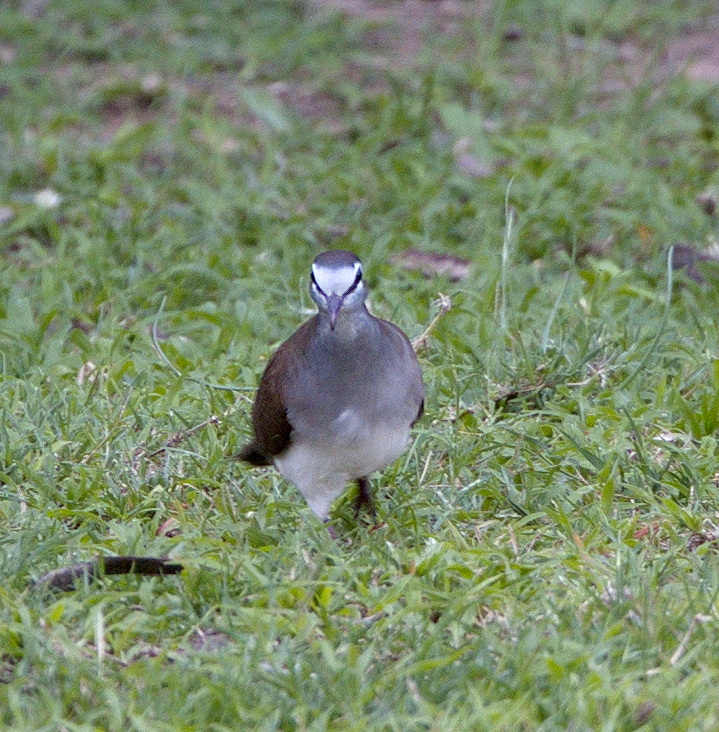
However, the surprise was not a waterbird but a Tambourine Dove seen walking on the lawn by the bungalows.

Here are photos of some of the other birds seen while driving around.

The highlight of our time there was to capture photos and videos of a very special bird – one that we had heard on arrival. On our first morning we took a walk along the road back towards the pool and nearby campsite. Sites 7-10. Chasing around following a number of birds we heard a strange call but suspected that it could be very special. Then we saw a female fly across the campsite – Narina Trogon. Then the male appeared at the place where the female had flown from. Shots taken for record, then can we get closer, closer still, will it let us? It did and sat chortling away not 10 metres from us. Totally unconcerned. I moved around and took videos and it stayed put. It only flew off after we left. Lovely sighting.

Narina Trogon

And so ended our couple of wet weeks in Zululand.

Please click on the following link to see our bird lists for each of the 4 areas we visited in Zululand.

In total we identified 215 different bird species.

Cheers

Sally and Paul Bartho
Zululand

4th to 16th October 2021

Umfolozi and Hluhluwe.

4th to 8th October 2021

Zululand was calling. We always enjoy our time in Zululand and the time of year is usually good for birding especially as the migrants are returning.

Our plan: to spend four nights in each of three campsites: Nyalazi, Bonamanzi and St. Lucia (Sugarloaf).

We had heard that the Nyalazi campsite was close to the Umfolozi gate. Little did we realise it was literally only about 300 metres from the cattle grid which demarks the entrance to the Hluhluwe/Umfolozi Park and less than 3 kms to the Nyalazi entrance gate into the Umfolozi side of the Park.

We had two choices to get to Nyalazi. Travel from Mtubatuba via the R618 and face the two lengthy Stop and Go hazards on the way.

Or alternatively travel 60 Km further north on the N2 to the Centenary Gate entrance to Hluhluwe and then through the Park back south to the Nyalazi Gate. The latter alternative would takes us two or more hours of extra driving – admittedly partly through the Game Reserve. We mulled over the choices and decided to go on the shorter route.

Taking the road from Mtubatuba, we prepared ourselves for the two “Stop and Go s”. A South African experience to be avoided in future. No problems till we got to the first of the Stop and Go signs. It then became apparent that the sign was meaningless for many vehicles. Taxis and other local vehicles overtook the queues and went round the Stop and Go despite it being the right of way for oncoming traffic. This happened at both Stop and Go s.

Painfully slow going but we eventually arrived at the campsite.

The camp has 8 campsites. All well laid out for privacy. Each had water and power. They had been levelled and then coarse sand applied. There was also a communal ablution – clean and with hot water. The campsite owners Nunu and … (http://www.nyalazicamp.com/) met us and were extremely friendly. We chose a site at the lowest point in the camp with a view into Umfolozi some few hundred metres distant.

After setting up camp we took a drive into Umfolozi. The first three animals we saw were Elephant, White Rhino and Buffalo – good start animalwise. Birds however were scarce due to the weather. Cold, cold cloudy with a threat of rain which duly arrived and stayed for most of the time we were there. Mainly as a cold drizzle.

Our days were spent enjoying both Umfolozi – partly overcast with no rain on one day and drizzly on the other. And Hluhluwe – quite rainy and muddy off the tar roads.

Photos of the habitat.

Here are some photos of the birds and animals that we saw in our campsite and in Umfolozi.

As I said earlier we had a very wet and misty day in Hluhluwe. Both animals and birds were scarce. Having said that the sightings we did have were interesting.

Hluhluwe habitats

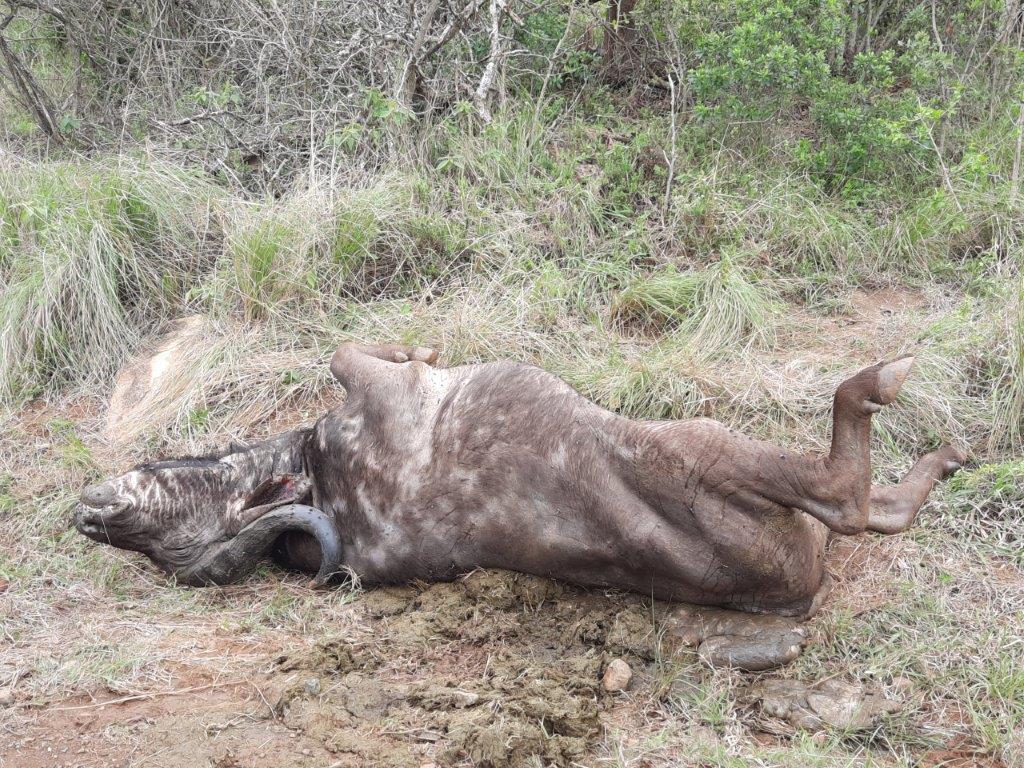
Why was this Buffalo lying on the road with an empty stomach?

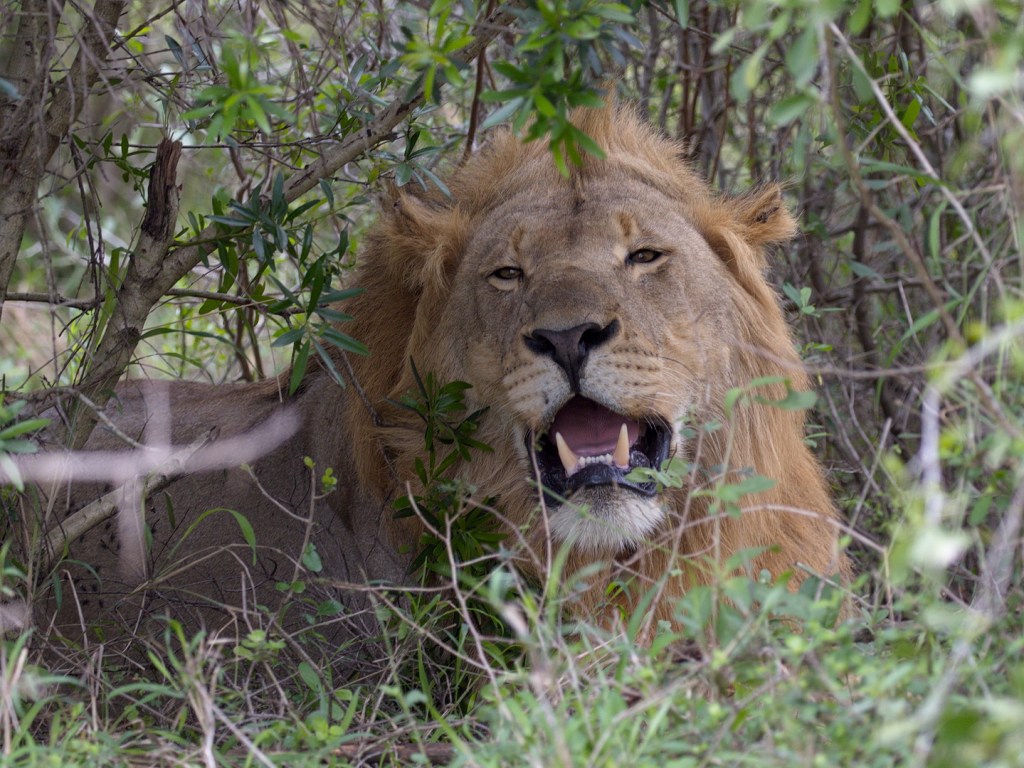
Perhaps the answer lay nearby.

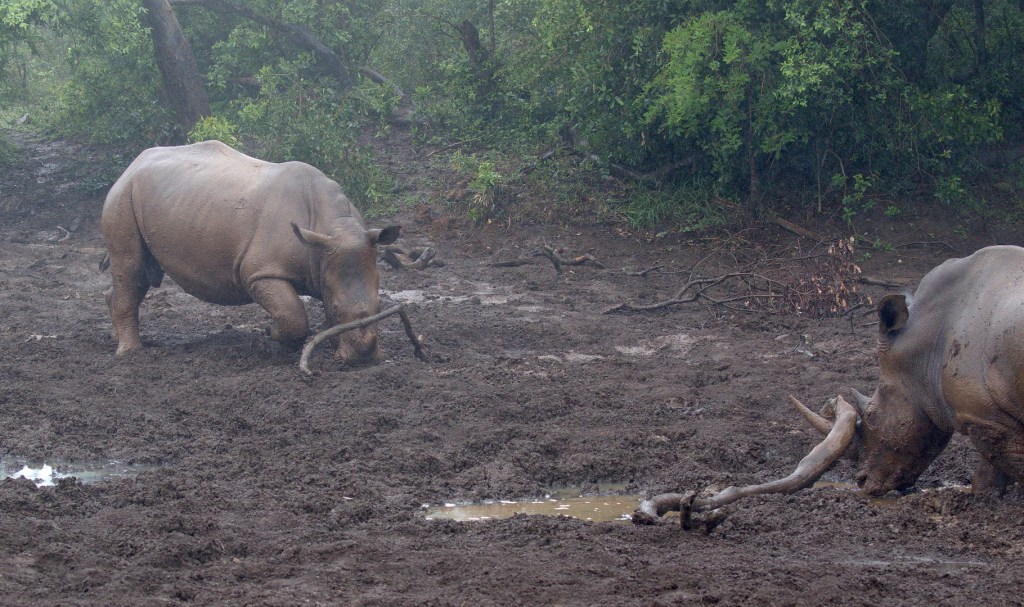
Then there were two Rhinos playing “Pick up Sticks” (Do you remember the game we played all those years ago?).

A few other photos taken in Hluhluwe.

On our last evening we had a not so cute visitor.

Altogether we identified ….different bird species. Not bad considering the conditions.

On our last morning we drove through Hluhluwe to the Centenary Gate on our way to Bonamanzi.

Bonamanzi

8th to 12th October 2021

On the way to Bonamanzi we hoped to stop at the Checkers in Hluhluwe town to re-provision. We were hoping it had not been burnt down in the riots. Our hopes were granted.

Not everything went smoothly though due to a huge crowd of people inside and outside, power cuts with tellers and customers who dawdled at the checkout tills. A train of blaring political vehicles drove through the garage next to the store causing chaos there and blocking traffic in the sore parking lot. Over an hour later we were on our way again.

At last we arrived at Bonamanzi reception. Through the grapevine we had heard that the Bonamanzi wilderness area was now open for individuals to drive around in their own vehicles. So at the desk I asked them to confirm. To our surprise the receptionist said it was true. To enter the areas we were told to ignore the No Entry signs. We took full advantage of this and covered about perhaps half of the roads/paths.

Our campsite was located at Bundu. Our tracks and coloured Blue.

As you can see from the map of our tracks we covered an extensive area during the 3 full days we were there. On the east we went into the wetland area and followed the canal for about 3 kms. And the north and west tracks are in the Game area.

We had chosen a campsite with our own ablution and kitchen. The site had water and electricity. We were allocated campsite 10. The campsite consisted of only four sites – each with masses of space. On arrival there was only one other camper and we were left alone after 2 nights.

On the second day there the one of the people in the other campsite came across and told us they had seen a huge bull elephant and logged its co-ords. It was until he got back that he realised that it was very close to our campsite. In all the years we have been visiting Bonamanzi we have never seen one there despite the occasional sightings of very old droppings. In our minds it had become a myth.

In Bonamanzi there are six camping areas, A Forest Camp with six sites (own ablutions) The old main camp now split into 2 sections of 6 sites in each. One sharing ablutions and the other with individual toilet and kitchen facilities. Then there was our site with four campsites (own ablutions). The previous campsites numbered 5 and 6 are still the same but now numbered 17 and 18. Finally the Dinizulu picnic area has been converted into 6 non-powered campsites with shared ablutions.

I doubt there were more than 6 campsites occupied in total while we were there.

Of interest, there was a film crew building old African village sets in the Bonamanzi bush. Did not find out what the film was called.

Our time was spent mainly driving around the game area. The weather was also unpredictable here with most days overcast, drizzly from time to time and very windy.

The game and wetland areas were interesting to drive around and a 4×4 was necessary in some places where the roads were muddy and at other times waterlogged.

Here are photos of the lovely birds and animals we saw while there:

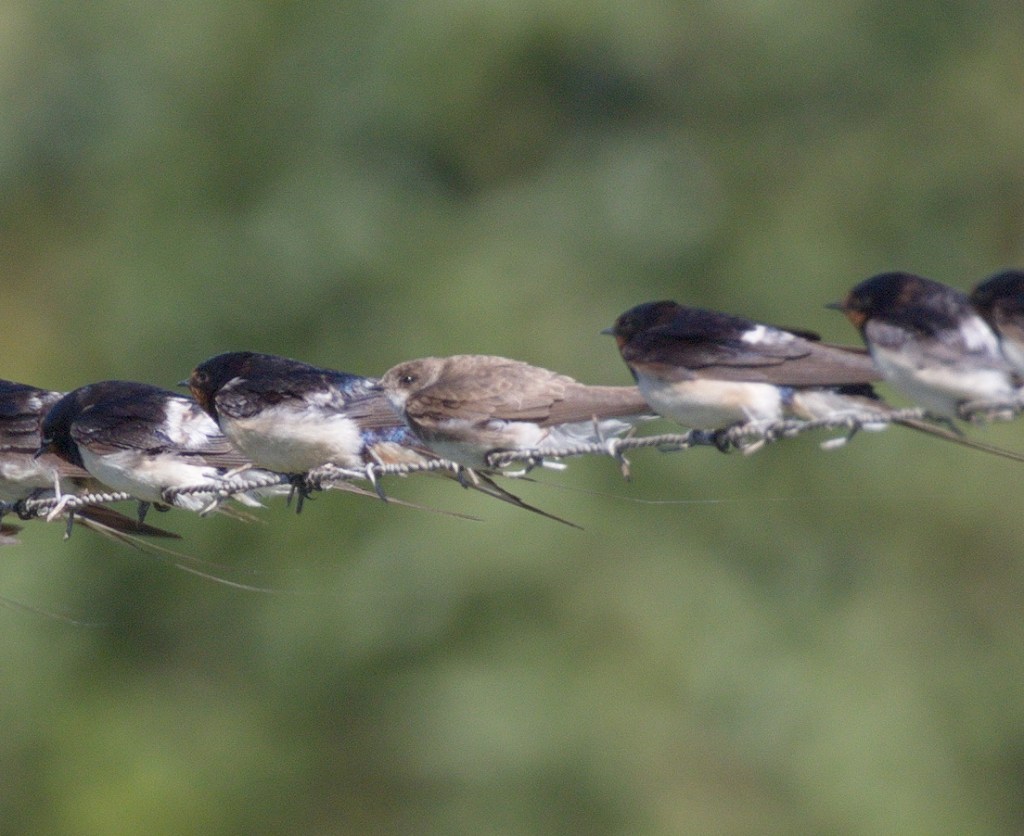
At the edge of one of our drives in the game area we came across a flock of Barn Swallows sitting on a fence line. We had seen the odd Barn Swallow but no where near in these numbers. They are back in a big way.

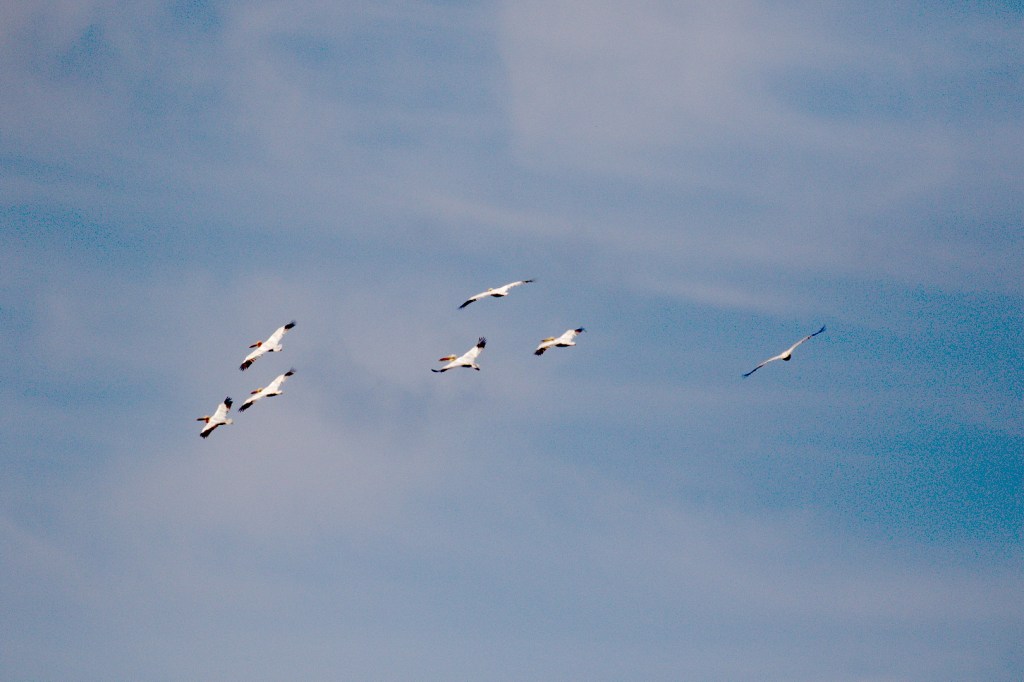
In the wetland area Sally noticed Pelicans flying away from us. They were White-backed Pelicans and above the lower ones there must have been a good 100 flying.

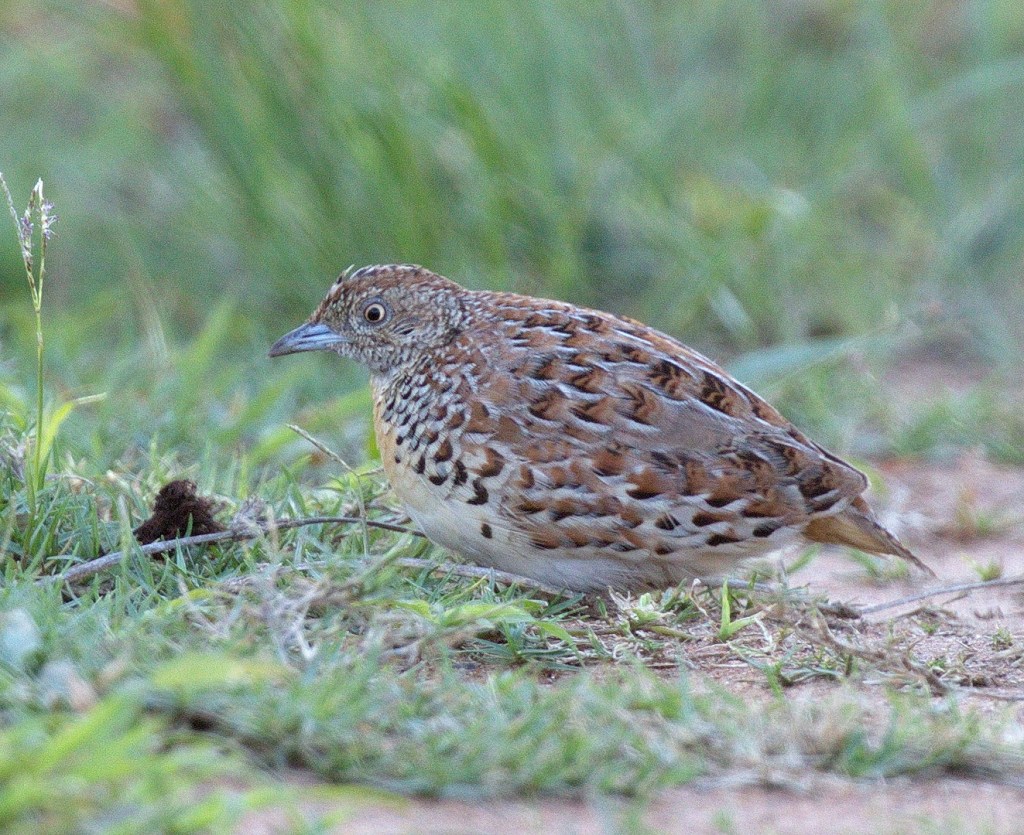
We had seen a bird in Mapungubwe and watched its interesting behaviour of crossing the road like a chameleon. We were so fortunate at the time to watch its behaviour and never expected to see it again – let alone so soon. But there one was before our eyes in the game area doing just that – a Common Buttonquail.

In the grounds around the reception area we found this cycad among several others all with fruit. The fruit had a plastic look to it .

Then there were our night visitors – three of them scampering around our feet as we cooked – quite brazen.

But they were not the only animals visiting our camp. As we sat inside having dinner – cold and windy outside – we heard noises in the campsite. The sound of trampling and bushes and trees being knocked about. Then it became louder and closer. A tree pushed over, then another and another. Quite obviously an unhappy elephant.

It was not to the next morning that we observed the damage. Apart from campsite trees being uprooted, the elephant had up rooted one of the water points and water was everywhere. It was not that he was thirsty as he knows the pool right next door. He was just being his grumpy self. We were later told that he does this regularly at all the campsites and would probably stay away from this site for a month before returning.

During our time there we identified … different bird species.

St. Lucia

12th to 16th October

And then we went to St. Lucia to the Sugarloaf campsite for four nights.

During our time at Sugarloaf we explored both Western and Eastern Shores in Izimangolizo Wetland Park, False Bay and went for a long walk on the beach towards Maphelane.

We have stayed at Sugarloaf often. It has about 100 campsites, each with power. The place is like a garden of Eden – well treed, shady and mostly flat sites. There are 4 ablution blocks spread throughout the camp. It was empty – maximum 6 other campsites occupied during the 4 nights we were there sadly. I remember on one visit we logged about 95 different bird species in the camp.

Here is one of the special birds we saw in the campsite.

Christmas in Zululand – Part 2

Mkuze and Bonamanzi

Mkuze

22nd to 28th December 2019

The journey from Ndumo to Mkuze took a couple of hours. We arrived early and set up camp by 09h30. My sister and family had arrived the day before and were out on a drive when we arrived. When they got back we were enjoying breakfast – bacon and eggs – much to their surprise.

Continue reading “Christmas in Zululand – Part 2”

Bahati, Zululand

July 14th to 19th 2019

Report by Sally and Paul Bartho

After the Umlalazi weekend outing (some photos shown at the end of this report), Sally and I headed north to Bahati Game Farm. Here we camped for five nights. Bahati is very close to Bonamanzi – about half a kilometre on the opposite side to Bonamanzi heading to Hluhluwe town.

Continue reading “Bahati, Zululand”

Northern Zululand – A Summer Odyssey.

Northern Zululand – A Summer Odyssey.

Trip Report by Paul & Sally Bartho
29 Dec 2013 to 11 Jan 2014

Sally and I decided to spend the New Year camping away from home. Northern Zululand was our destination. Our program:

  • 3 nights in Bonamanzi
  • 4 nights in Mkuze
  • 4 nights  in Ndumo
  • 3 nights  in St. Lucia

Bonamanzi.

At Bonamanzi we stayed in Campsite 5 and joined friends who were already there. Campsite 5 is huge and can accommodate 4 camp groups easily – however there is only one toilet/shower and one wash-up area. As pensioners it cost us R90 pppn.

In Bonamanzi as you may know you are able to walk anywhere on the property except in their Game viewing area. This is great for birding. However elephants do use the area as well. One morning when driving to the office we found a huge branch across the road and elephant tracks confirming who was the culprit for this roadblock. Beware.

The first night we had a lot of rain. So the next morning we (our friends and ourselves) decided to visit Hluhluwe rather than bird in the rain around the campsite. It continued raining.

Taking the shortcut to the freeway we went through numerous muddy pools past the Hakuna Mutata accommodation until we got to the bridge. The approach to the bridge was up a short steep bank which looked muddy and badly cambered – so down I went into Low range 4×4 and up we went – well actually did not make it. About a third of the way up the Fortuner slowly drifted off the road onto the trees on the left. Fortunately I was able to reverse out of trouble without damaging the car. Now the long way round to Hluhluwe.

The rain persisted. However we decided to look for the Finfoots (Finfeet?) which our friends had seen the previous day. Taking the immediate right turn as you enter the park we drove round to where they had seen them basking next to the river crossing – no luck! About the only excitement we had were 7 White Rhino crossing the road in front of us. They were the first aminals we saw since entering! Aminals were scarce and the birding was not much better. Eventually we decided to return to Bonamanzi for lunch. Altogether we had seen 35 species of birds in the 3 hours we were in Hluhluwe.

The following day we walked around the camp area and went on a drive to explore other parts of Bonamanzi. In one section we had heard an African Broadbill on a couple of occasions (Pathway E to F). Later we went back with our friends and another couple who had arrived to see if we would have any better luck.

Sally mentioned to Irene that you needed to look on cross branches about head height in the bush. We had not gone more than 20 metres when Irene spotted a Broadbill – unbelievable. I managed to get a few poor shots which you can see in the gallery below. On the way back I popped into the bush to see if I could get a few better shots – no luck finding the Broadbill but I did surprise a Narina Trogon – see pics in Gallery.

After that we visited the office area and drove back in the dark spotting a Shikra on the road munching on its prey – unconcerned with the car’s headlights on him. Poor pictures in the gallery.

Bonamanzi yielded 89 species plus one UI (Unidentified) Raptor – have a go there is a pic in the gallery. Most of the Cuckoos were heard as well as the Green Malkoa. A Black Cuckooshrike in magnificent breeding plumage gave a great display round the campsite – yellow gape and epaulets very strident. A Red-fronted Tinkerbird and a Bearded Scrub-Robin also gave us great displays in the campsite.

Mkuze.

Surprisingly the tent was dry as we packed to leave Bonamanzi. We headed for the new gate to enter Mkuze. On the way we passed Muzi Pan. The water level was so high that it was a raging torrent beneath both bridges along the Muzi Pan dam wall. Not surprisingly there were few bird species about – we saw only 9 in the 10 minutes we stopped there. The Knob-billed Duck being the most interesting.

Mkuze Campsite. Still has water problems – the boreholes run dry regularly and the water is unfiltered so not only is it inadvisable to drink but the silt that comes with it is damaging all their taps – water leaks all the time.

Trying to book a campsite at Mkuze is often difficult because of this. Also they try to restrict the number of bookings to 10 campsites as that is all their one staff member can handle. They have over 30 potential sites. When we arrived on 31st December one man was still trying to cut the knee high grass in 50% of the sites!

On top of this the Ezemvelo Parks Board have fixed the campsite rate at R230 for 3 people – an increase from R180 last year (almost 30%) with no improvement in facilities and no way to get a rate for 2 people. Like Sodwana who charge for 4 people irrespectively, this is a total rip off.

During the 3 full days in Mkuze we never managed to find the newly released Lions perhaps because they are still happy to return to their boma where they were kept originally and also because all the rain the grass was high everywhere.

Some of our more interesting bird sightings include:

  • Black bellied Bustard
  • Lemon-breasted Canaries
  • Cuckoos vociferously calling – Black, African Emerald, Diedrik’s, Klass’s, Jacobin, Levaillant’s and Red-chested. A pair of the latter  chasing each other round the main office.
  • Namaqua Doves
  • Lesser Spotted Eagle.
  • Burn-necked Eremomelas
  • Grey Go-away-bird
  • a juvenile Greater Honeyguide around our camp being fed by Black-bellied Starlings.
  • Woodland Kingfishers
  • Common Quail obligingly walking ahead of us on the road to KwaMalibali Hide
  • Red-backed Shrikes – everywhere
  • Neergaard’s Sunbird – always a pleasure
  • Grey Penduline-Tits in the trees above our campsite
  • Red-throated Wrynecks

At the end of our visit we had identified 140 bird species – the pans were very full discouraging many water birds otherwise we would have expected many more.

Ndumo.

Ndumo is always a special place to visit and the local guides have a reputation of excellence. It is always a pleasure to take advantage of the early morning walks which at R110 pp is really good value.

Again we had 3 full days in the Reserve. On one of these days we spent the morning in Tembe Elephant Park.

Tembe was full of elephants – fortunately in the open swamp area so we could easily see them and not be chased by them as happened twice the last time we visited.

Although it felt like birding was quiet, we managed to identify 66 species in the 4 hours we were there. We were rewarded with sightings of an African Cuckoo-Hawk juvenile and an African Harrier-Hawk – the only place where  we saw each of them. The other special sighting was of a pair of Woodward’s Batis. No Plain-backed Sunbird.

The rest of our time spent in Ndumo.  We went on a morning drive and 2 early morning walks and of course explored the Reserve on our own. In all we identified 142 species including an Eurasian Hobby.

On the last morning I went on the Southern Pongola walk. There were 3 of us and our guide, Sontu. His skills are superb. On the walk we heard the Narina Trogon and an African Golden Oriole – however the highlight was spotting a Black Coucal in the wetland area.

St Lucia

Sugarloaf Campsite in St Lucia was our base for 3 nights. It is a huge camp with 100 sites ideally located right by the sea. It was only about 20% full and the fishermen were well behaved. Watch it on weekends as they can be quite raucous. The three nights was R432 for both of us – very reasonable.

We birded in 3 areas: Eastern and Western Shores and around the campsite.

Western Shores is the newly opened area of the iSimangaliso WetlandPark. It has been very well developed. The habitat is predominantly flat open grassland with outcrops of woodland and forest. There is currently a lot of freestanding water with many wetland areas. There is one hide and a boardwalk to a lookout point overlooking LakeSt Lucia. The picnic site is large, shady and well situated. We spent almost 6 hours there covering the whole road network.

As we approached the hide a herd of elephants – about 15 – saw us and calmly walked away allowing us access. Then at the hide, just as we were about to leave, Sally saw a raptor flying over the pan in front of the hide. Small head and quite barred underside. We got excited. Sally immediately pronounced what she thought it was. The bird then landed in one of the large broad-leafed trees opposite us about 100 metres away. Out came the scope and luckily the bird was not secretly hidden within. On further inspection we had a clear sighting of its head and tail and it was clear that Sally was correct. A lifer for me – a European Honey-Buzzard.

I include some pictures of the habitat and a few of the birds we were lucky enough to photograph. In all we saw 72 species in the 5.5 hours we were there.

Eastern Shores. Similar in habitat to the WesternShores but more hilly with coastal forest and the sea and shore. There are 2 bird hides and several lookout points and picnic sites as well as a number of side loops off the main road to CapeVidal. In the past we have seen both White and Black Rhino and Leopards (one right next to the car park for the large new Mafazana hide).

On the Vlei Loop we saw our first raptor – a Southern-banded Snake-Eagle. It was sitting prominently in a bare tree with the sun directly behind it. We had to work hard to get the right angle to see it clearly enough to identify it.

At the Mafazana hide Sally spotted 2 Saddle-billed Storks on top of a distant tree. We wondered if they were starting to breed early!

The other sighting worth mentioning was surprisingly that of a Lilac-breasted Roller. It was the first and only sighting of one on our whole 2 week trip – most unusual.

In all we identified 73 species in the 6 hours we were there.

St. Lucia, Sugarloaf Camp and the immediate shore.

On setting up camp the monkeys arrived. There were also a couple of Grey Duiker close by. It was hilarious to watch them interact. One approached the other and the next minute they were all chasing each other around the site. Other aminals seen in the camp included Bushbuck, Red Duiker and interestingly Reedbuck – often paying little attention to us Humans.

Right next to the camp is the boardwalk to the sea and the mouth of LakeSt Lucia. Hippos and Crocs were very evident – just waiting for one of the fishermen to get too close.

On the first afternoon after setting up our camp we headed for a walk on the beach. We were surprised by a Palmnut Vulture which flew over our heads  and landed on the inland side of the beach at the mouth of LakeSt. Lucia. We approached slowly watching it nibbling on the base of some of the spindly grass protruding from the muddy edges of the lake – managing to get with 15 metres of it. An unexpected waterbird!

Campsite birding was very good. One R-C R-C (Natal Robin or as Sally says Cossypha Natalensis) joined us for a sundowner doing good imitations of an African Emerald Cuckoo. An African Goshawk landed in the tall pine trees above us to sing his good-bye as we prepared to leave. But probably the highlight was a wonderful view of a male Green Twinspot in vivid plumage.

In all we recorded 57 species in and around the campsite including the walk along the waterfront.

Sadly we returned home to a chilly welcome in a not so sunny Hillcrest.

In total we identified 235 species on our two week odyssey.

If anyone would like a copy of our excel spreadsheet showing which birds we identified in each of the 9 different reserves we visited, then click here to contact me.

Hope you enjoyed the read.

Paul & Sally Bartho
Mahai, Ithala, Ndumo, Bonamanzi & Richards Bay.

Sally and I are back from our impromptu wanderings around Natal. We headed to Mahai for 5 days, Ithala and Ndumo for 4 days each then 2 days each in Bonamanzi and Richards Bay.

We had interesting sightings in most places.

To enlarge the photos – single click (left mouse button). To return to the text either select the back button (if enlarging the large photos) or find the “X” at the top left for the enlarged smaller photos.

Mahai

At the Tower of Pizza restaurant (10kms before the entrance gate to the Royal Natal NP) at roosting time the tree behind the restaurant served as the roost for what appeared to be thousands of Amur Falcons. The sky turned black (much like the swallows used to do at Mount Moreland) and then they fell as rain into the tree making a loud racket as they did so.

Even more surprising at the same venue in the trees and cell phone tower beside the main road, we saw at least 70 (and likely more) Southern Bald Ibis taking up their roost positions for the night. Some were even on the wires across the road.

Southern Bald Ibis - Mahai
Southern Bald Ibis – Mahai

Southern Bald Ibis, Mahai


Nearby there is a Parks Board reserve called Poccolan-Robertson’s Bush NR. (GPS: S28.33.890; E29.05.053). There is an Eskom power plant pumping facility at Kilburn Lake immediately before the reserve. Venturing to the top we found an excellent mix of Bushveld and Highveld birds. The two habitats meeting in a transition zone. There were Chorister Robin-Chats mixing with Acacia Pied Barbets for example.

Chorister Robin-Chat, Mahai

Bush Blackcap was heard and seen in the bush beside RN NP Reception. Other specials seen/heard in the area include: Ground Woodpecker, Cape Rock-Thrush, Bokmakierie, Mocking Cliff-Chat, Peregrine and Lanner Falcons, Fiscal Flycatcher, Malachite Sunbird, Mountain Wagtail, Barratt’s Warbler, Cape Vultures.

On the path between Tiger Falls and Gudu we were lucky to see a Grey Rhebok – a species of antelope neither of us had seen before. The way it fled over the steep and dense grass terrain was amazing.

Golden Gate

The new Vulture Hide is quite impressive. It has 2 rooms. One with windows totally glassed and the other with pull up flaps for photographers beside each look out window – as shown below.

Golden Gate Vulture Hide

Golden Gate Vulture Hide

However no-one could tells us who to contact to find out about new carcass placements. Several Black-backed Jackal were seen and a couple of Cape Vultures flew overhead. 30 or more White-necked Ravens hung onto the cliff face below the “Restaurant”.
Ithala

The camp site now has a HOT water outdoor shower with 2 shower heads side by side.

Ithala Shower
Ithala Shower

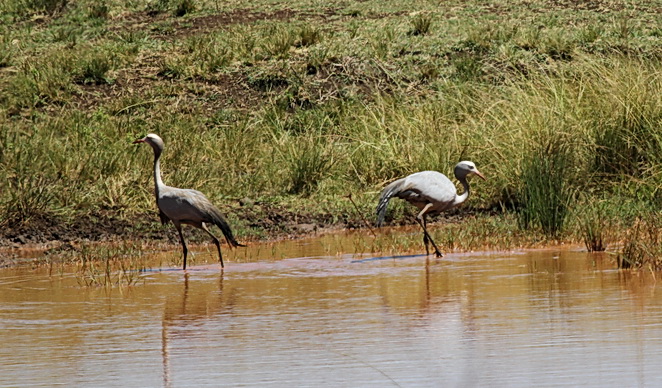
Two Blue Cranes at a water hole just after the Lookout Point on the Ngulumbeni Loop.

Blue Cranes, Ithala
Blue Cranes, Ithala


Shelly’s Francolin unperturbed by us – but a lifer for me! Often heard in the past but until now never seen.

Shelley's Francolin, Ithala
Shelley’s Francolin, Ithala

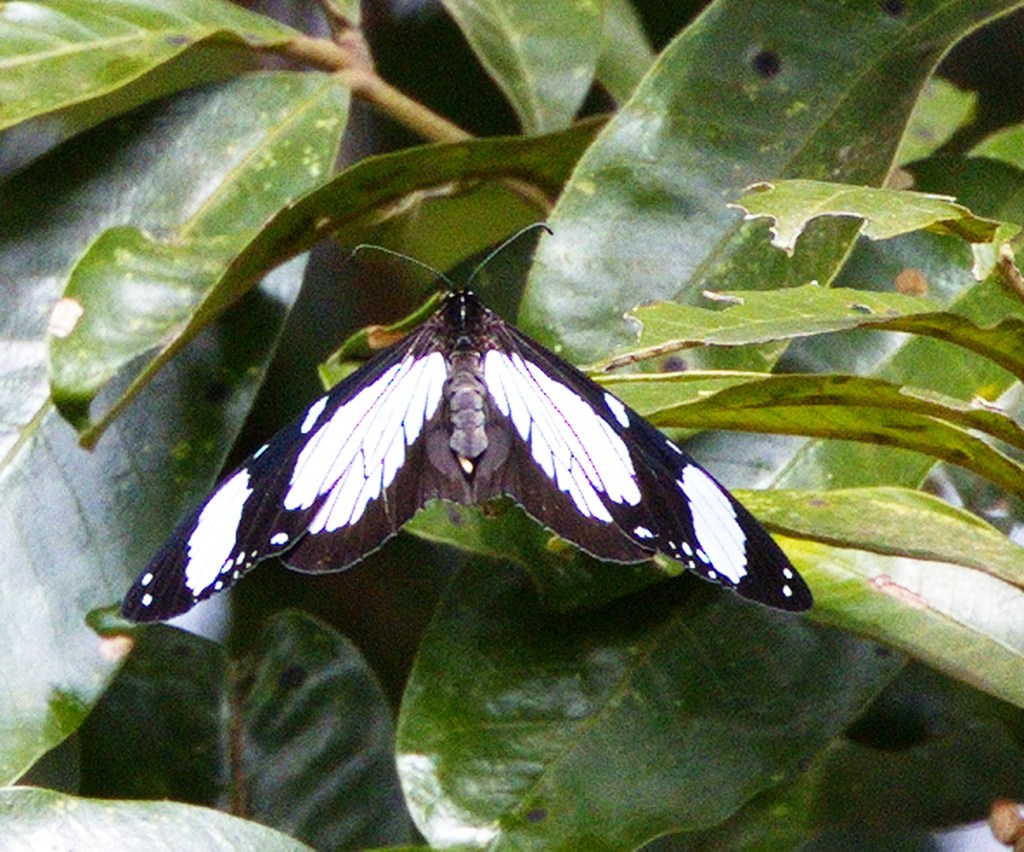
The following butterfly took us by surprise. We were looking down when suddenly what we thought was a leaf took off. Its camouflage was unbelievable – if we had not seen it move we would never have spotted it. Someone please ID it for us.

Ithala Butterfly - for ID Please
Ithala Butterfly – for ID Please

Some other sightings of interest include:

Ndumo

The water levels in the pans were so high that trying to find waders was impossible from any of the hides. However on a drive with Bongani to the back of the Nyamithi Pan we eventually saw many – some in breeding plumage like this Little Stint.

Little Stint in breeding plumage, Ndumo
Little Stint in breeding plumage alongside a Common Ringed Plover, Ndumo

Opposite Nyamithi Hide there must be over 500 Yellow-billed storks, 100 Pink-backed Pelicans, Great White Cormorants all nesting in the Fever trees. Numerous Spur-winged Geese are also present.

Nesting Site, Ndumo. Only a small portion shown.

A number of other sightings can be seen in the following gallery:

Tembe

As always an excellent place to find impressive elephants and to get chased by the youngsters. Birding was quiet in most areas.

Black-crowned Tchagra, Tembe

Elephants, Tembe
Elephants, Tembe

Bonamanzi

The birding was quiet so we spent part of our time at False Bay. Some birds seen include:

Richards Bay

A small collection of 5 different terns (Common, Lesser Crested, Swift, Sandwich and Little) and 2 gulls (Kelp and Grey-headed) were together on the sand banks along the end of the Casurina trail – see following gallery:

Altogether we saw 273 different species of birds.

Paul and Sally Bartho