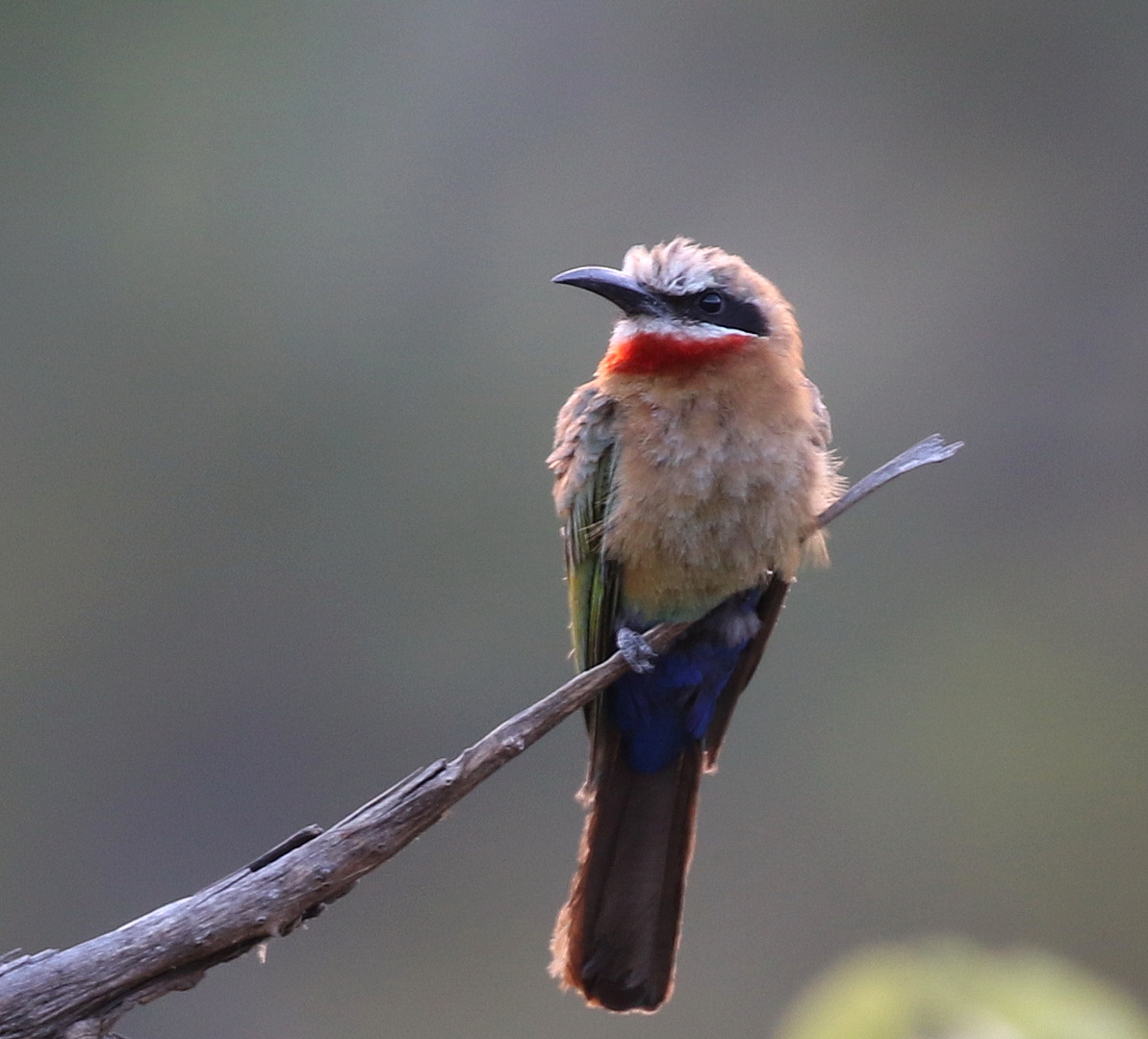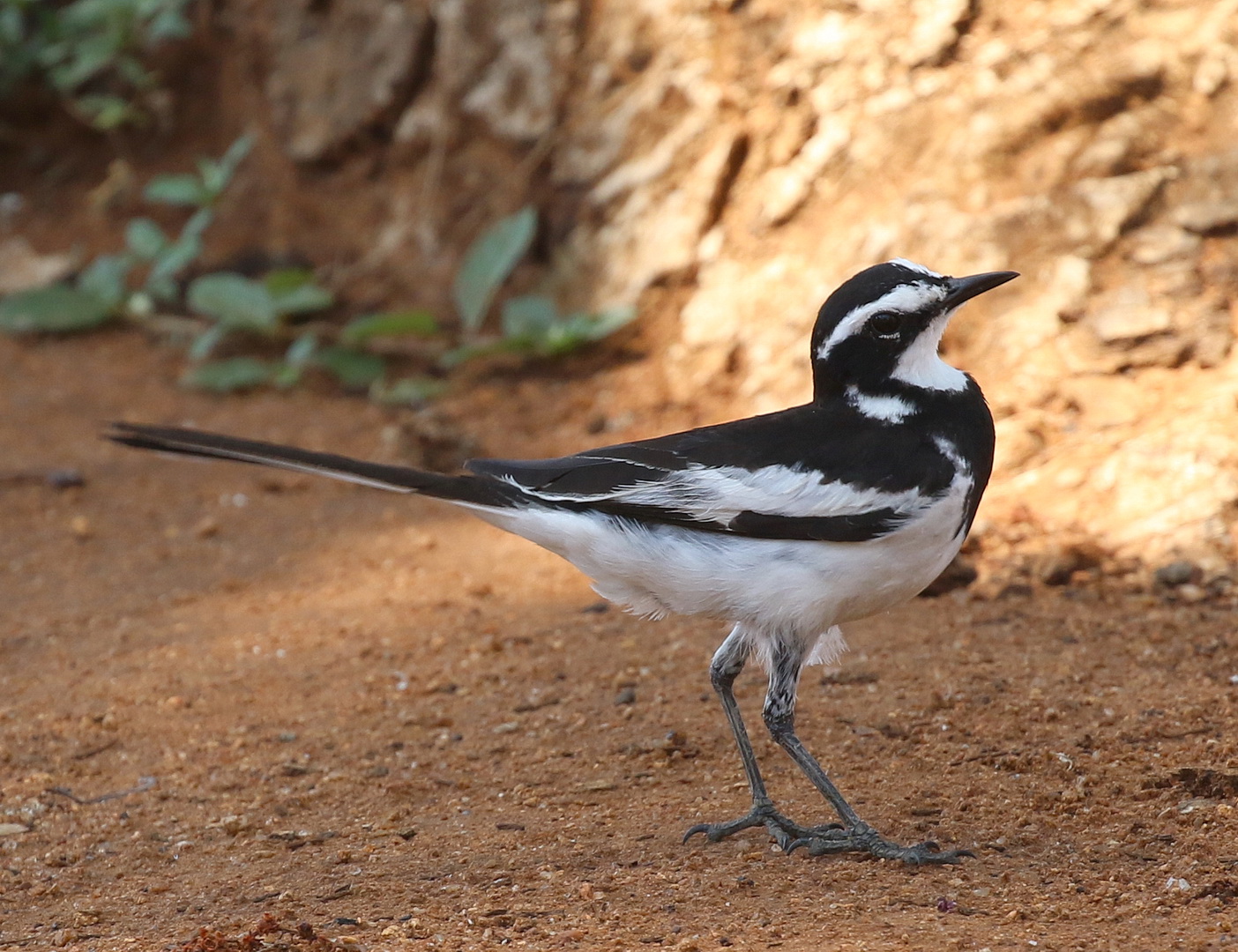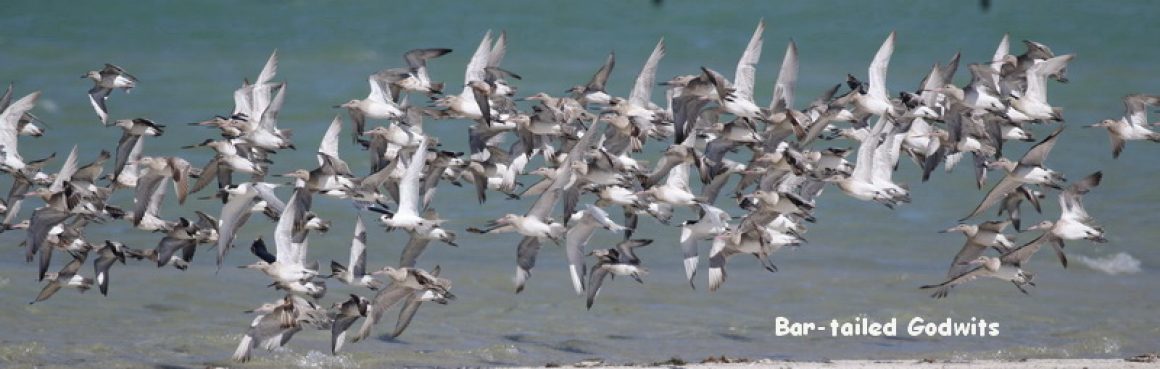
Kruger Part 3 – Lower Sabie

Kruger Part 3

Lower Sabie

Report by Paul and Sally Bartho

14 to 18 November 2018

Lower Sabie Camp Site

The next morning we left Malelane on our way very early to Lower Sabie for 4 nights.

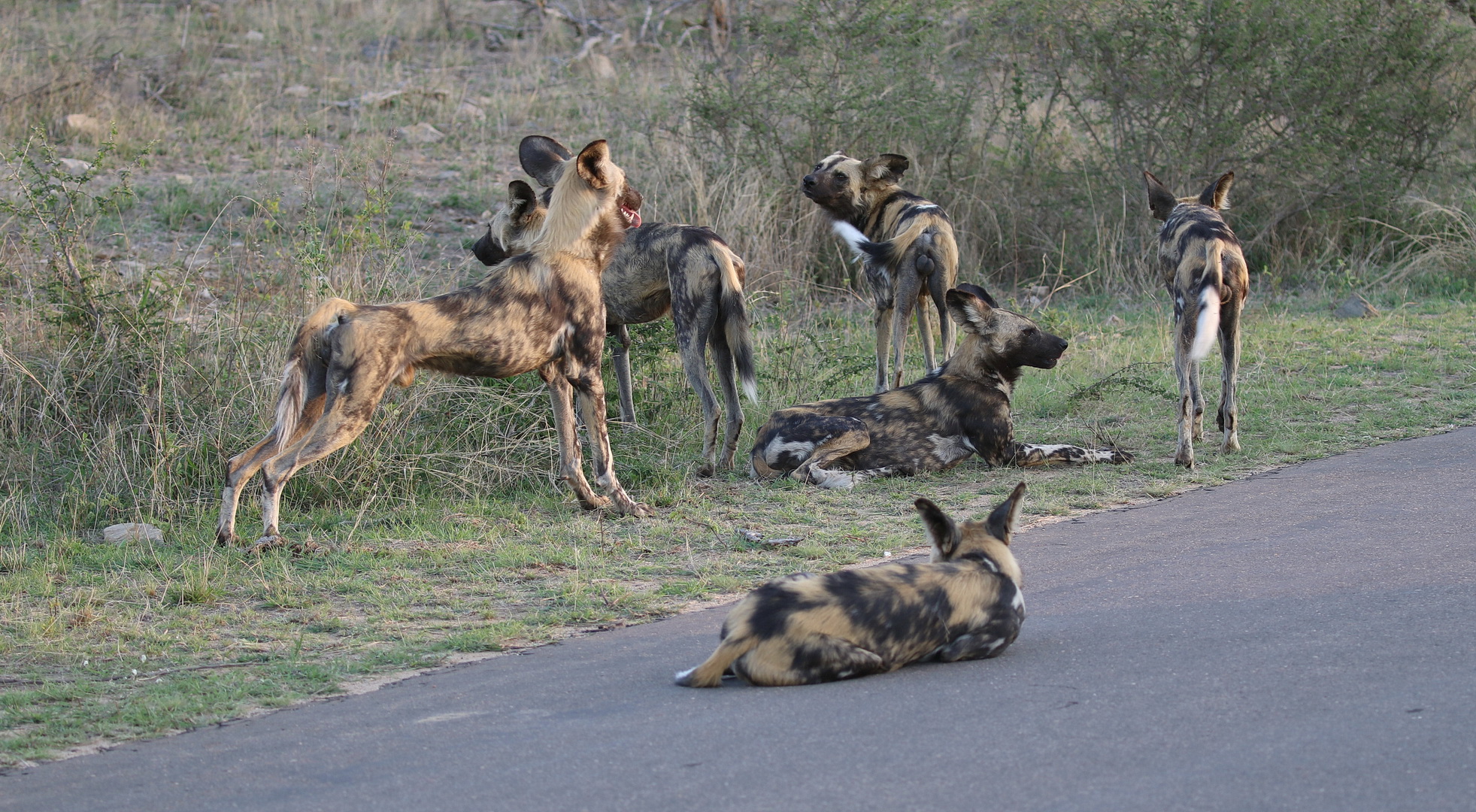
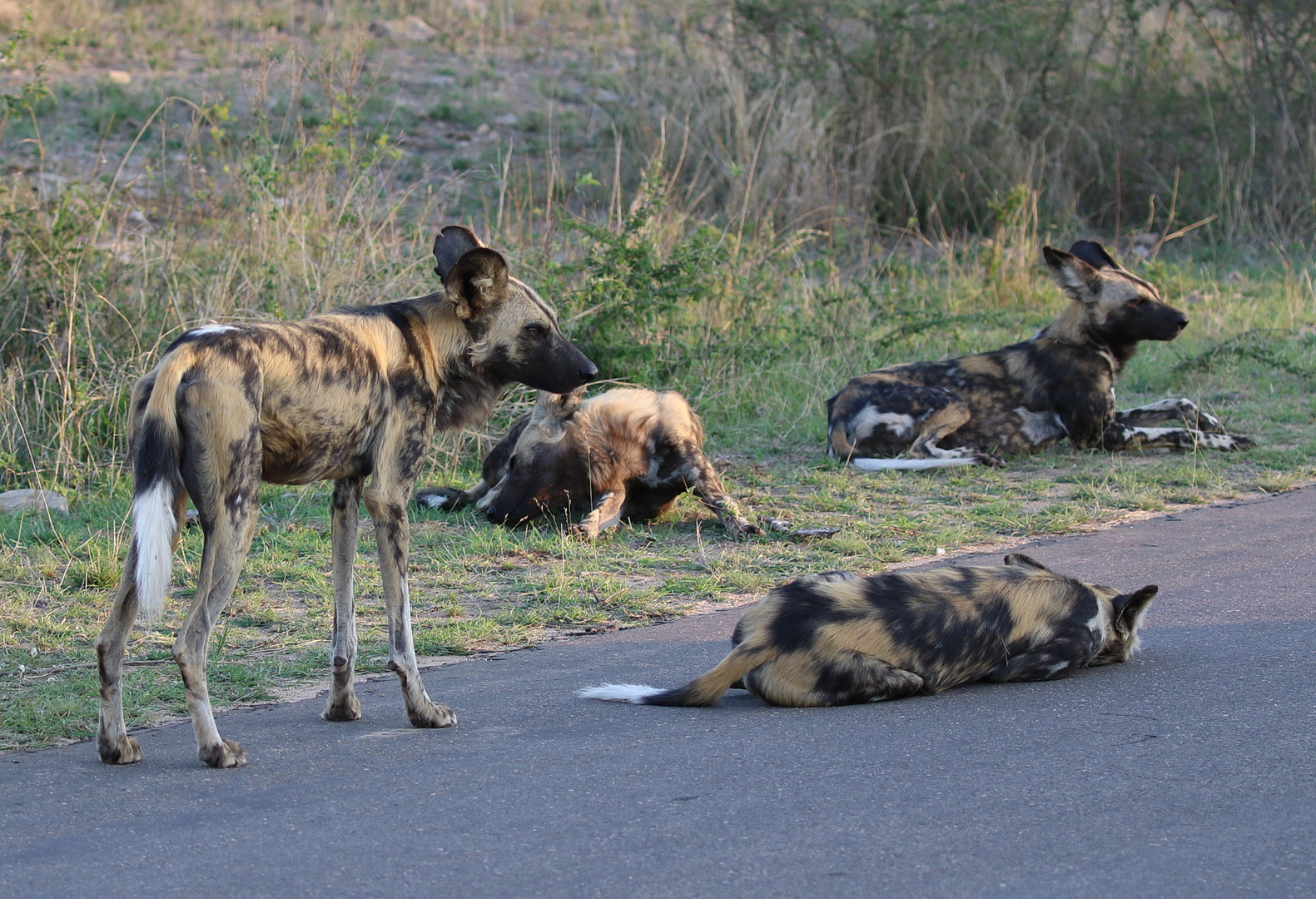
We had not gone far on the tar when we were accosted by the same pack of 10 Wild Dogs that we had seen the previous evening. Again a lovely sighting with them surrounding our vehicle on their way to somewhere.

Wild dog

Our journey was mostly on the dirt roads – starting with the S25 towards Byamiti before heading north to Lower Sabie.

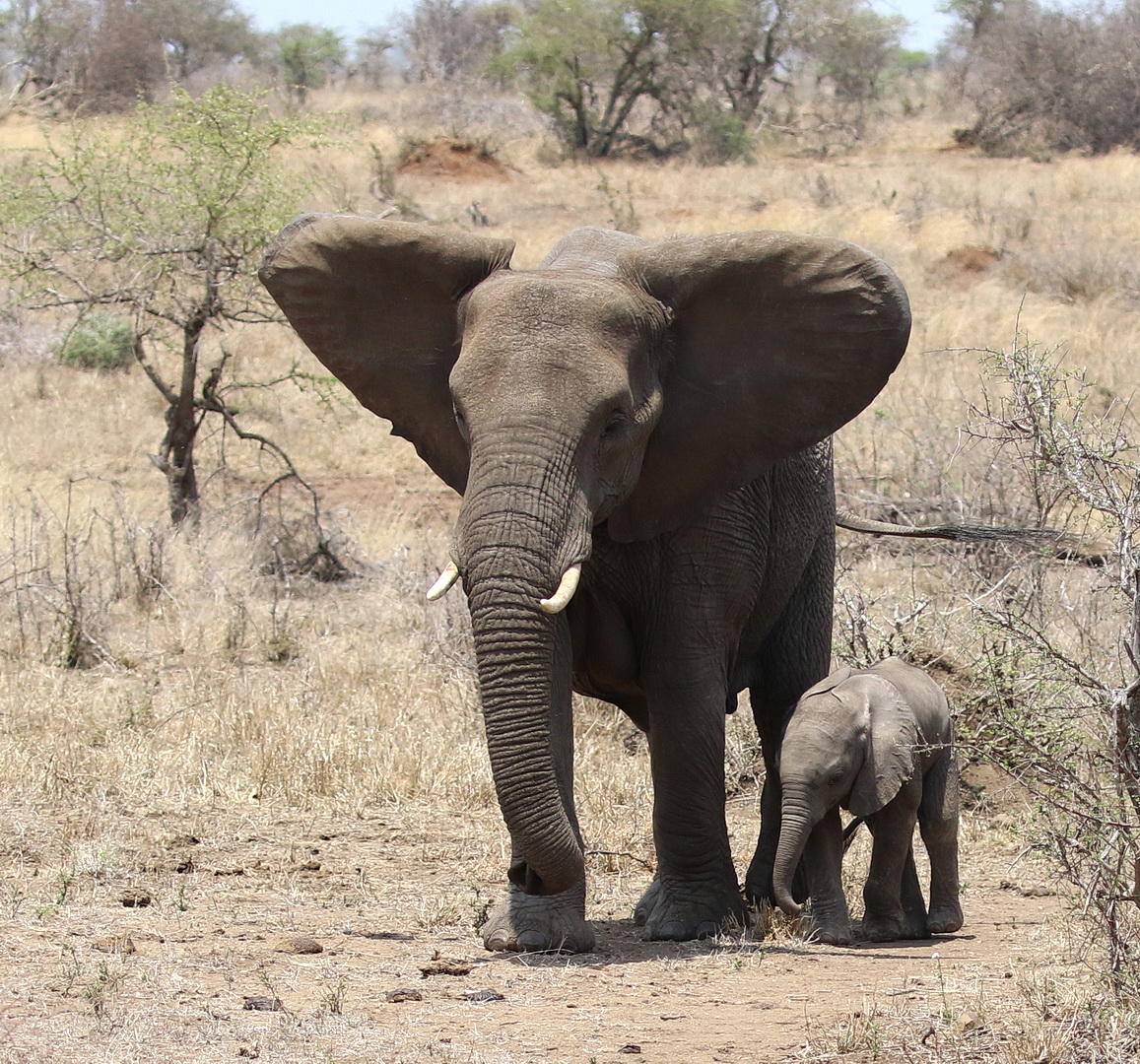
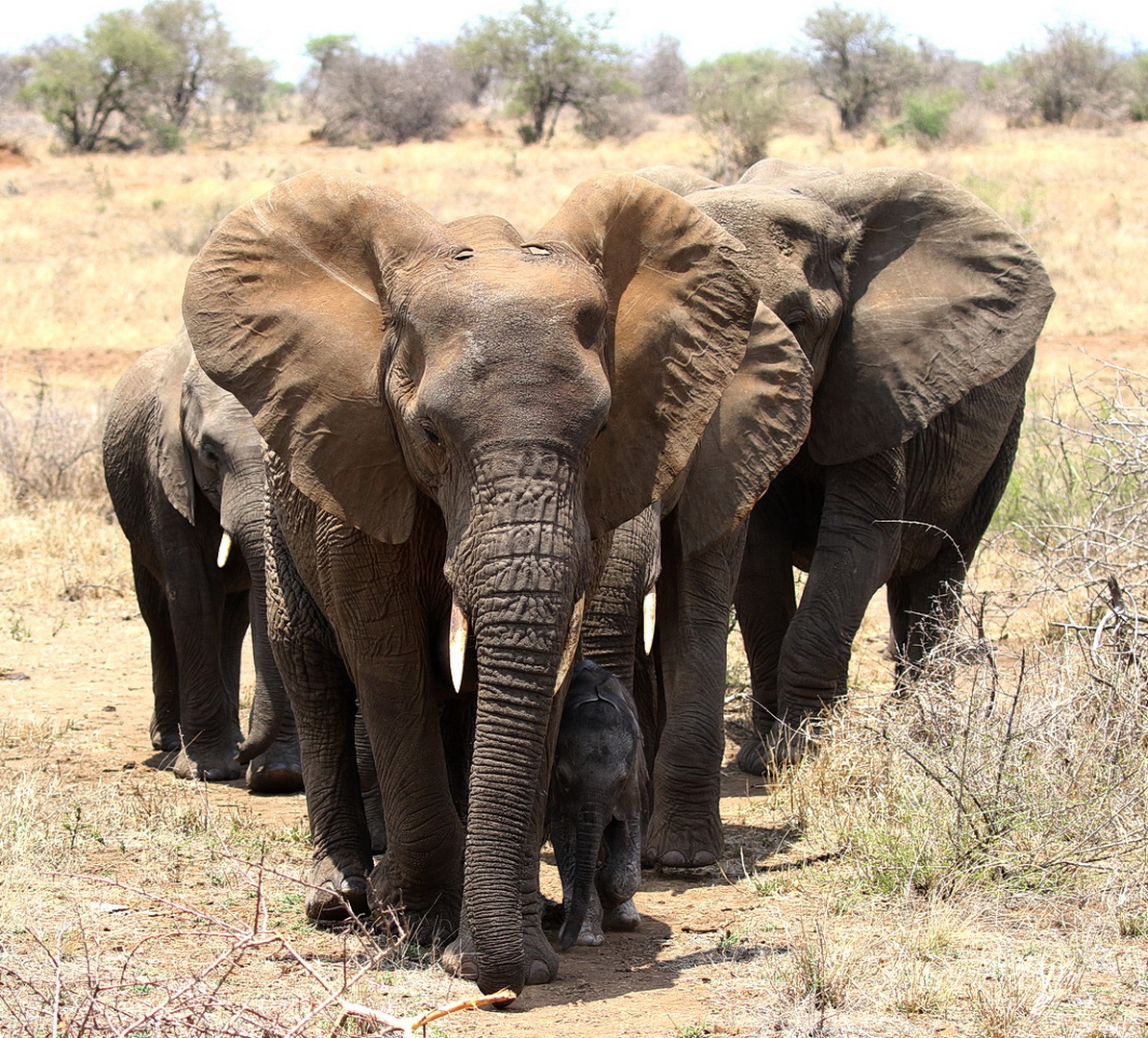
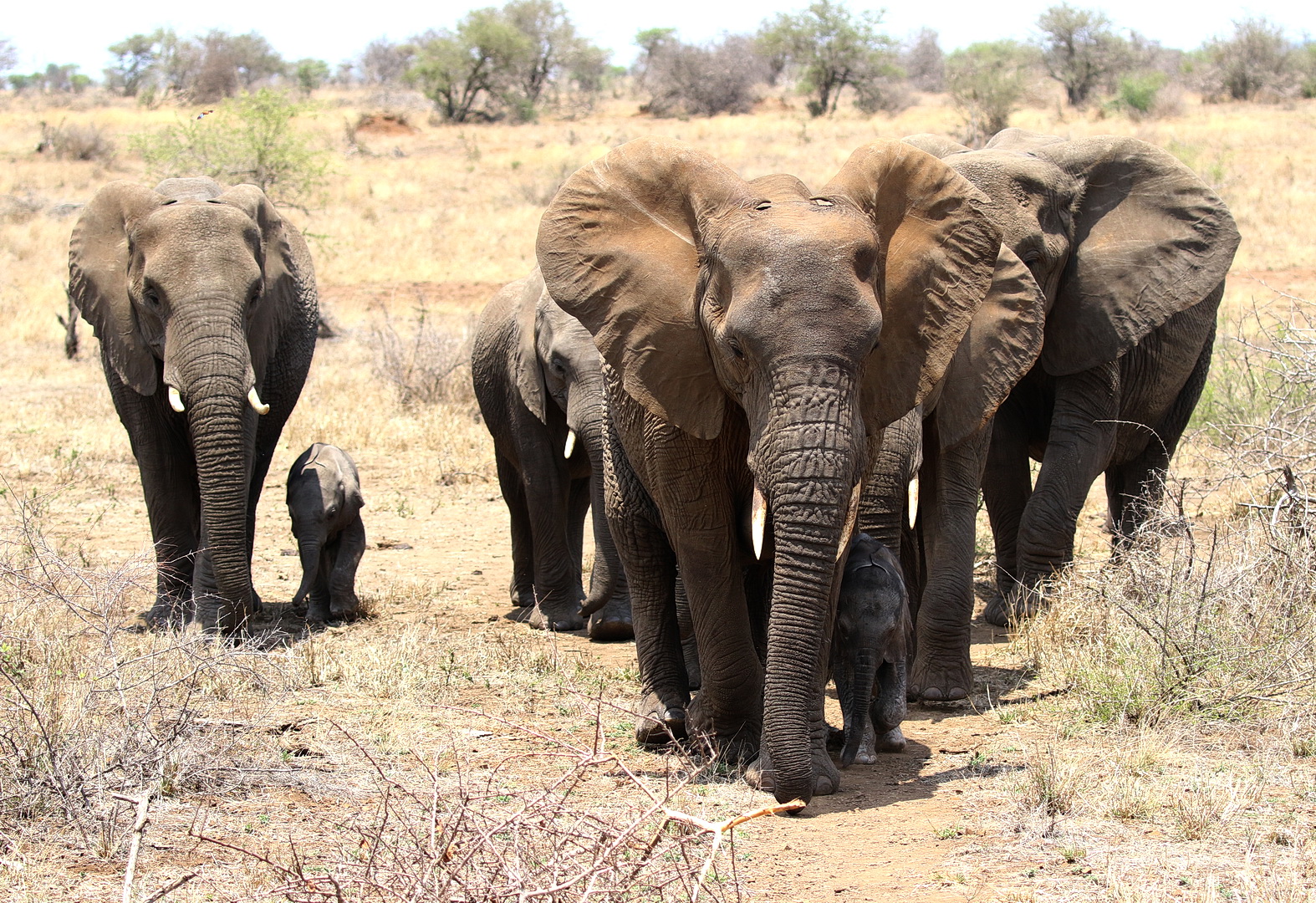
Animal sightings were few and far between. No Buffalos, no Rhinos and a paucity of Elephants. A remarkable contrast to the previous two days.

We beetled along the S25 reaching the Byamiti bridge in quick time. On approaching the bridge a large male Leopard strolled towards us in the river bed. Our bit of excitement for the day – very unexpected yet it was not for long before he had disappeared into the bush and gone before anyone else came along.

Leopard

Once we were on the tar of the H4-2 (Croc Bridge to Lower Sabie) we headed north and on approaching the S82 shortcut on a dirt road, we noticed a pile of cars not too far up the road so we went for a look see. More Wild Dogs doing one of their favourite things – sleeping in the shade.

Eventually we arrived at Lower Sabie and by 10h30 we had set up camp.

We had planned to meet up with some friends who were staying at Ngwenya lodge, Cecil and Jenny Fenwick and Dave and Jenny Rix. I gave them a buzz and they were at Sunset Dam right outside the camp. We enjoyed a very tasty lunch in the Mugg and Bean with a few tipples and caught up on their news of the area.

Lower Sabie is centrally based to explore a wide range of habitats. There are many special places to visit.

  • Crocodile Bridge is south – often an excellent campsite to stay at. However, at the moment it is very very dry, parched with hardly a blade of grass. Taking the S28 backroad to Crocodile Bridge there is the Ntandanyathi bird hide. Well worth a visit as there always seems to be water there. It is comfortable and birds love it too.
  • North there is the Mlondozi picnic site overlooking the dam – unfortunately now bone dry.
  • Further north is Tshokwane Picnic site – a good stop off point for breakfast or heading north and checking out the birds in the campsite. African Mourning Doves very much darker than anywhere else.
  • Then there is the main tar road to Skukuza following the Sabie River with numerous lookout points along the way. Very popular, justly so, as a wide variety of big game is often seen along the river. On the opposite side there is also a dirt road which is less used to follow the river.
  • The bridges across the Sabie at Lower Sabie and near Skukuza are both worth a visit especially when there is lots of water.
  • Mpondo Dam – a longer drive – always seems to have water and is good for both birds and animals. Pity that it does not have a place where you can get out of your vehicle.
  • Then there is the Deck at Lower Sabie at the Mugg and Bean restaurant. A good place for sundowners and to watch the wildlife along the long open stretch of river. Often Lion, Leopards, Elephant and Buffalo are seen.
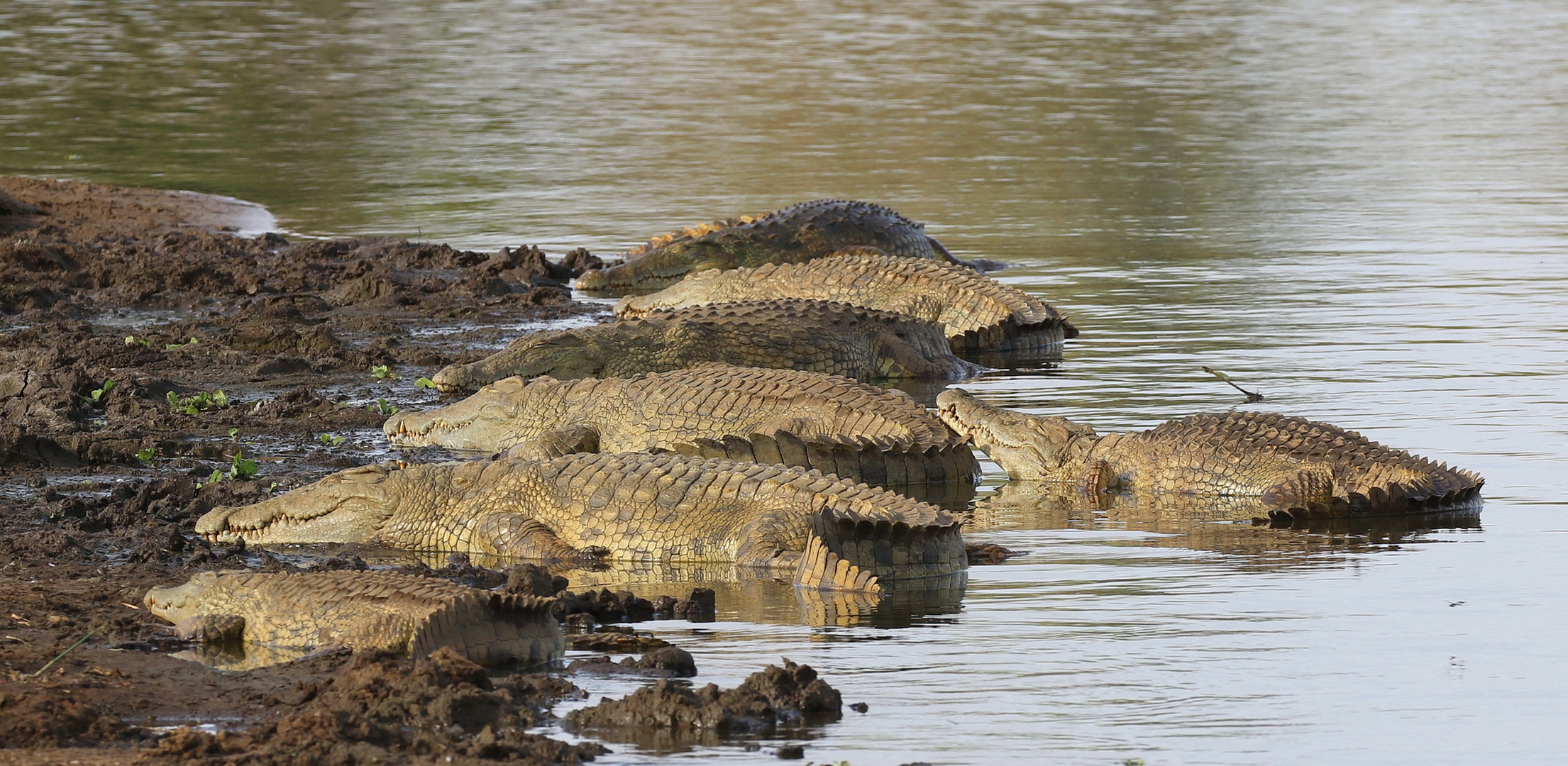
  • Sunset Dam just outside the gate is special. The hippos are constantly noisy throughout the day and soak happily with the dozens of crocodiles. Of course, the bird life is also good and many unexpected animals often make an appearance.

Unless you book well in advance it is always difficult to get a campsite booking. November seems to be one of those months where bookings are possible. We spent four nights there.

During our time at Lower Sabie we visited most of the places listed above and had some very active birding – identifying 142 different species. Click here to see our list.

And birding in the camp and from the deck at the Mugg and Bean restaurant is always good. The water fountain as you enter reception has it seems resident White-browed Robin-Chats.

Then there are the Barn Owls in the rafters of the Mugg and Bean restaurant.
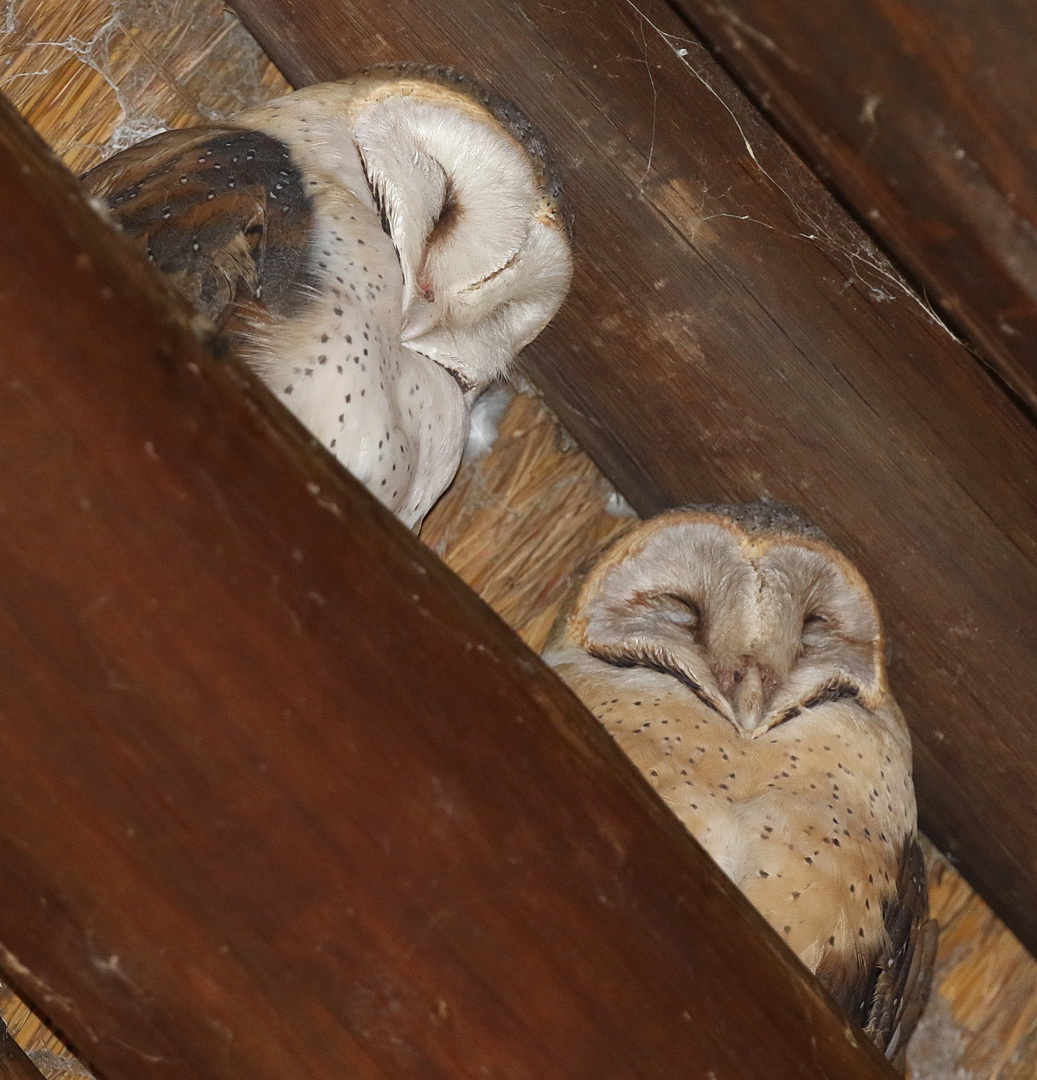
A pair of Barn Owls

And then there are the birds found in the grounds.
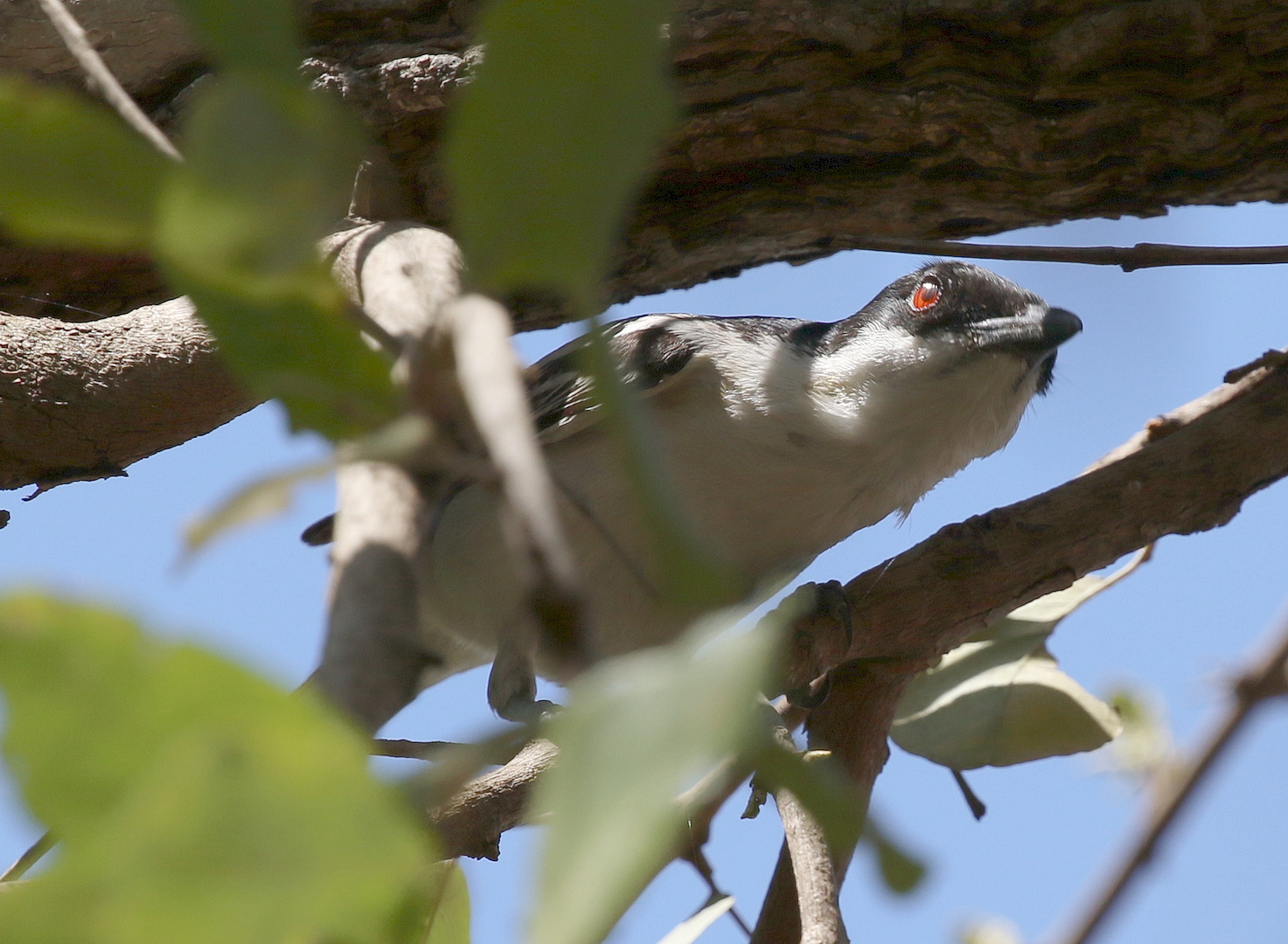
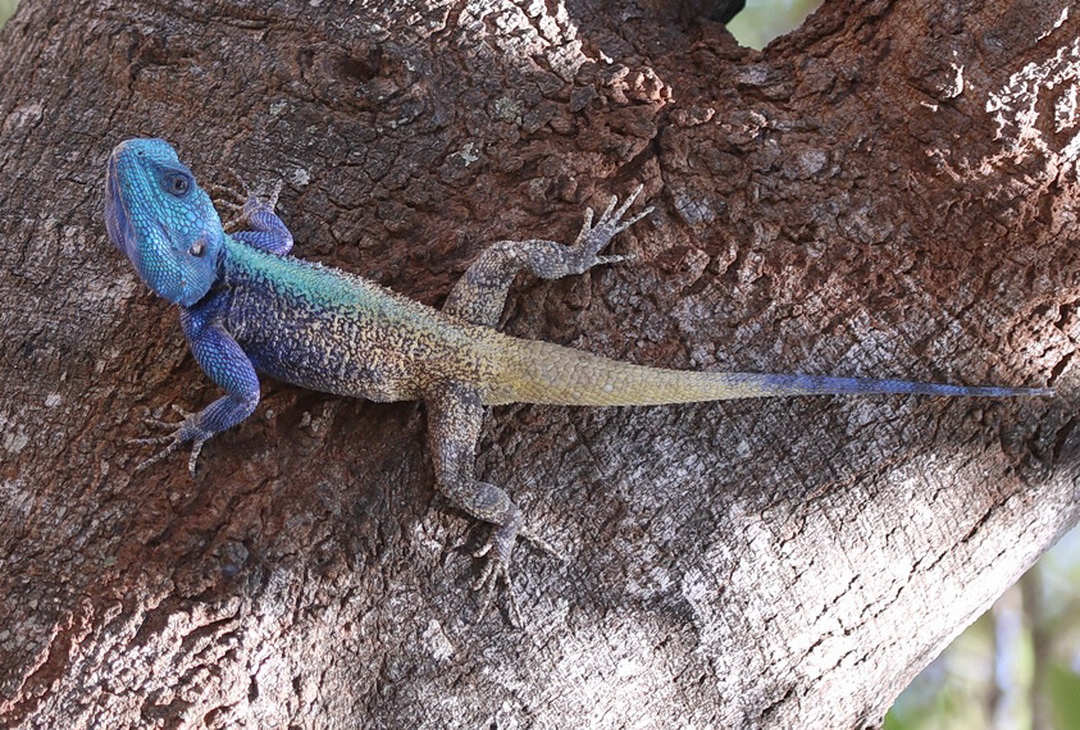
Colourful lizards running around on the trees.

Colourful Lizard

And lucky sightings off the deck.

Greater Painted-Snipe

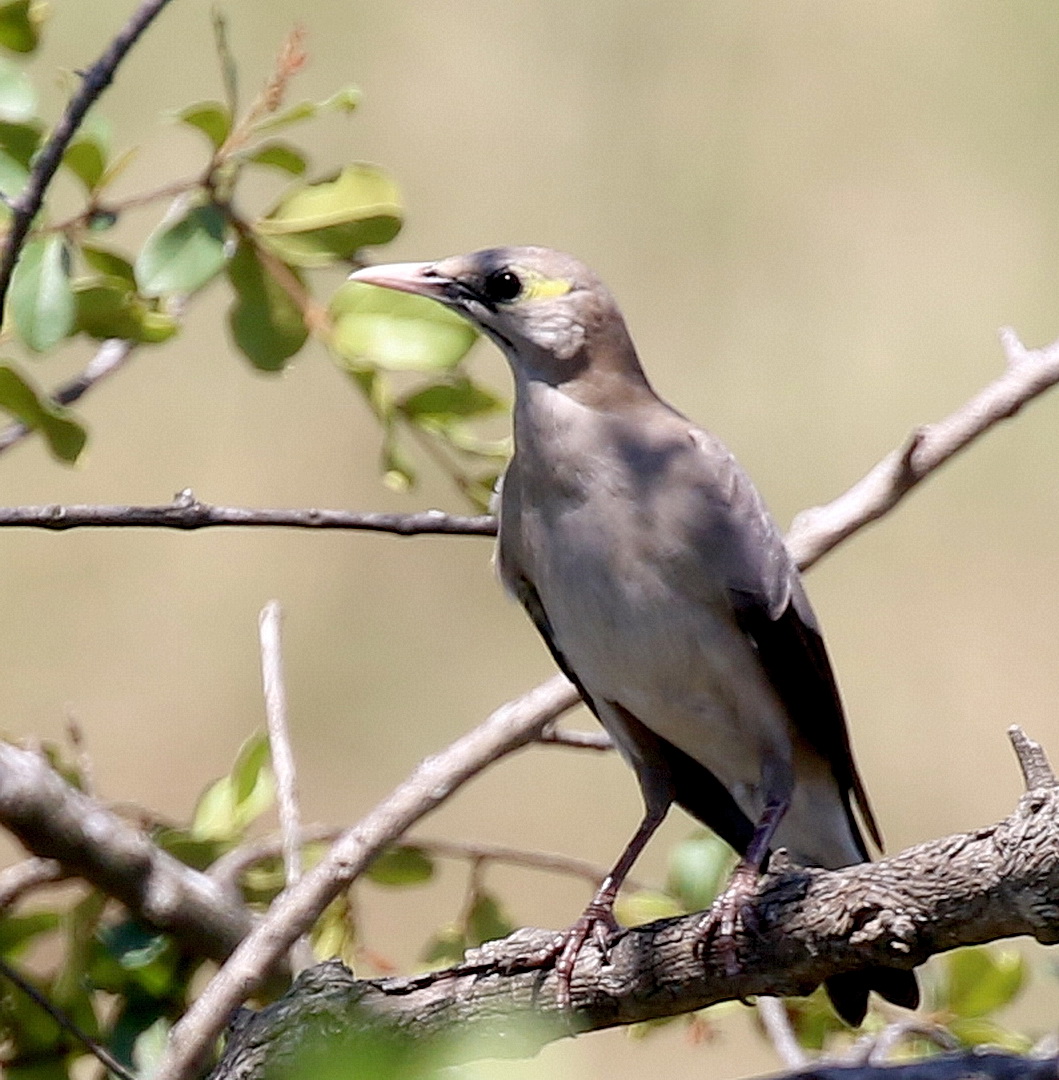
On our first day we went to the Bird Hide on the S28. It was here that my bird expert, Sally, spotted a bird nearby with a pink bill. She called me over to see the Greater Honeyguide. Fascinating as four more turned up. It was only then that we realised we had made a big booboo. See photo below.
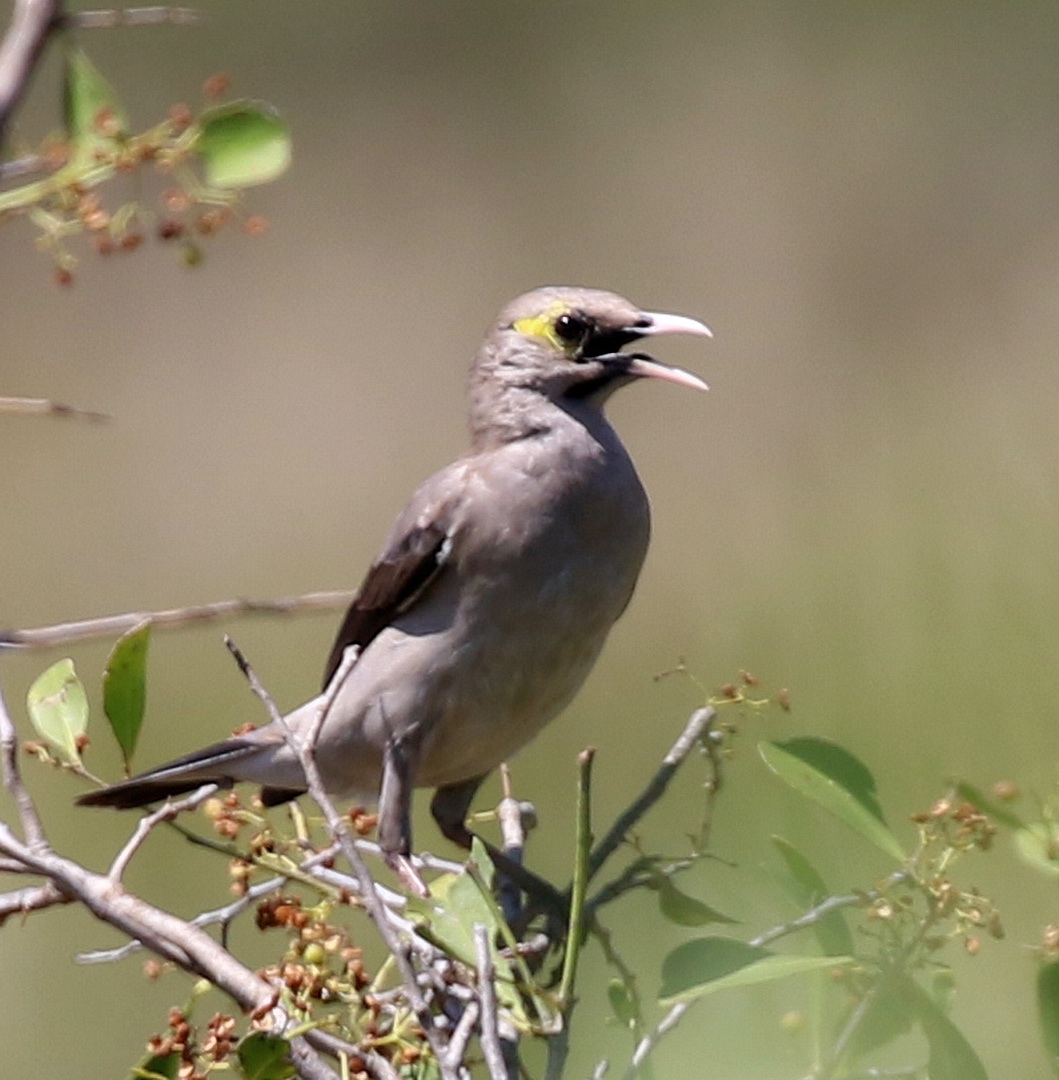
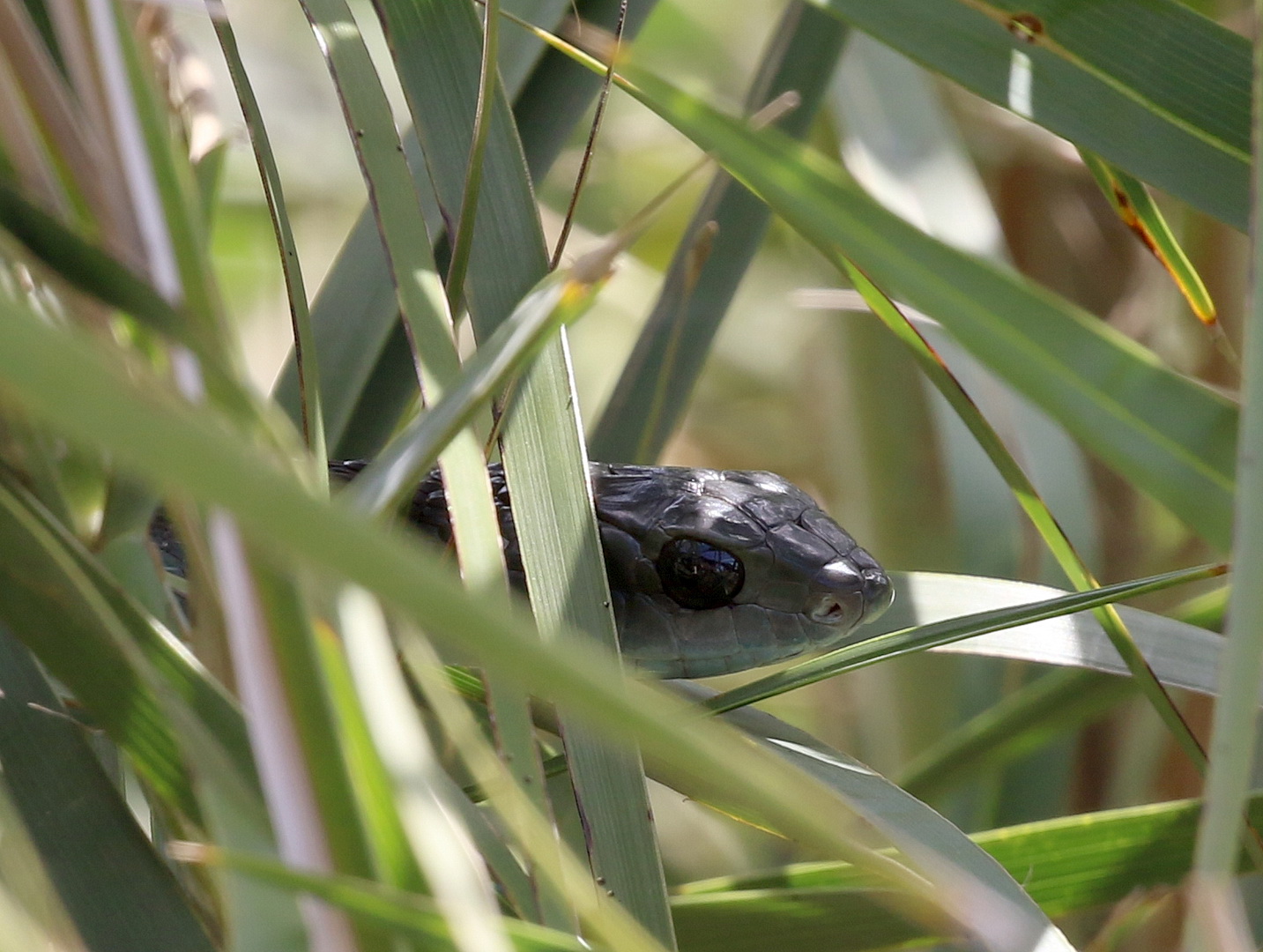
Also making an appearance was a wiggly snake in the bushes immediately in front of the hide. It had a dual bluish tone to it and was at least a metre long. Some suggested it might be a water snake – see what you think and let us know.
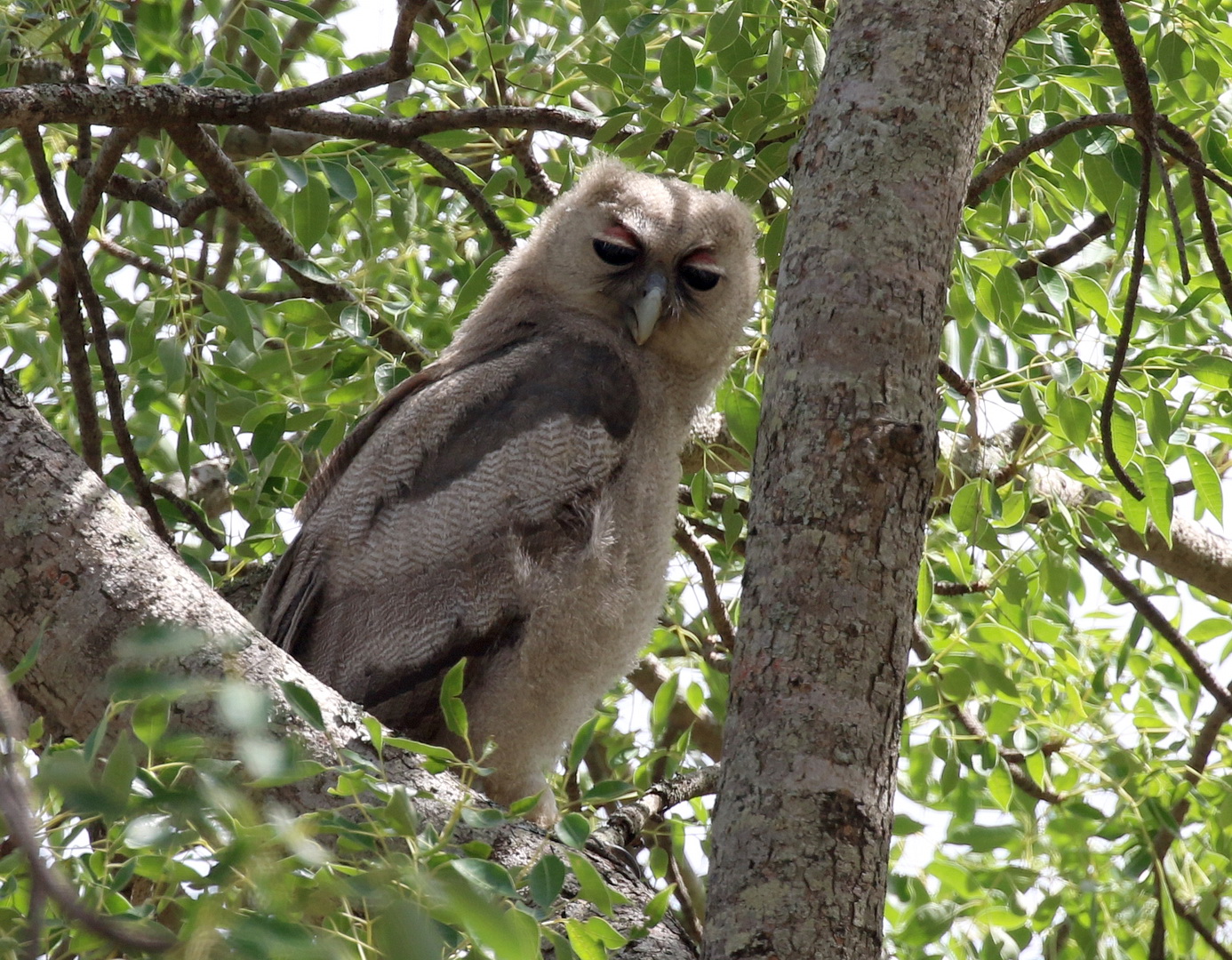
While on the S28 we took the turnoff to what was the Nhlanganzwani Dam – having been told by Cecil that there were 3 Verreaux’s Eagle-Owls in a tree part way down next to a large muddy area. Missed them all on the way to the dam but Sally’s sharp eyes found one on the way back.

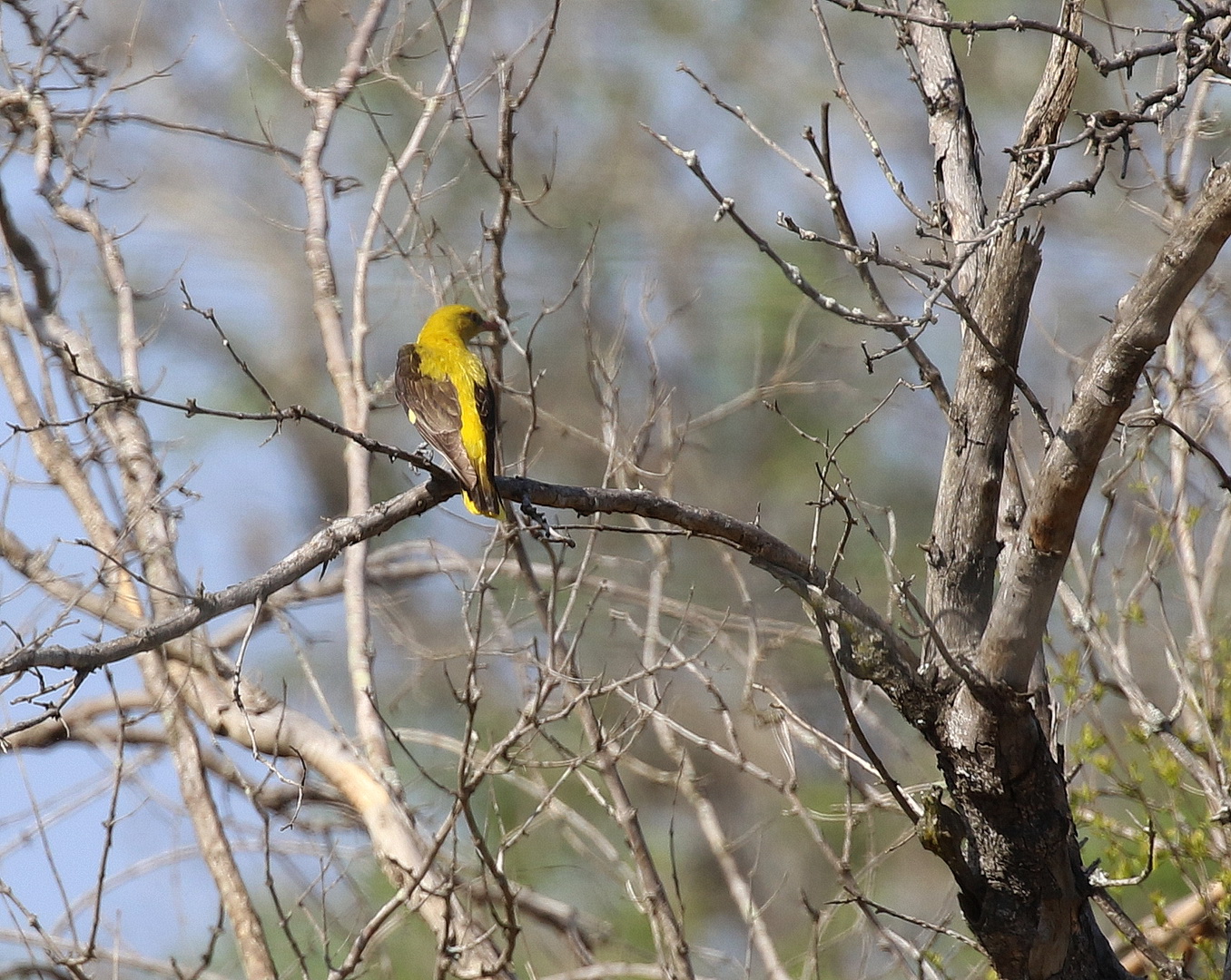
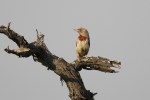
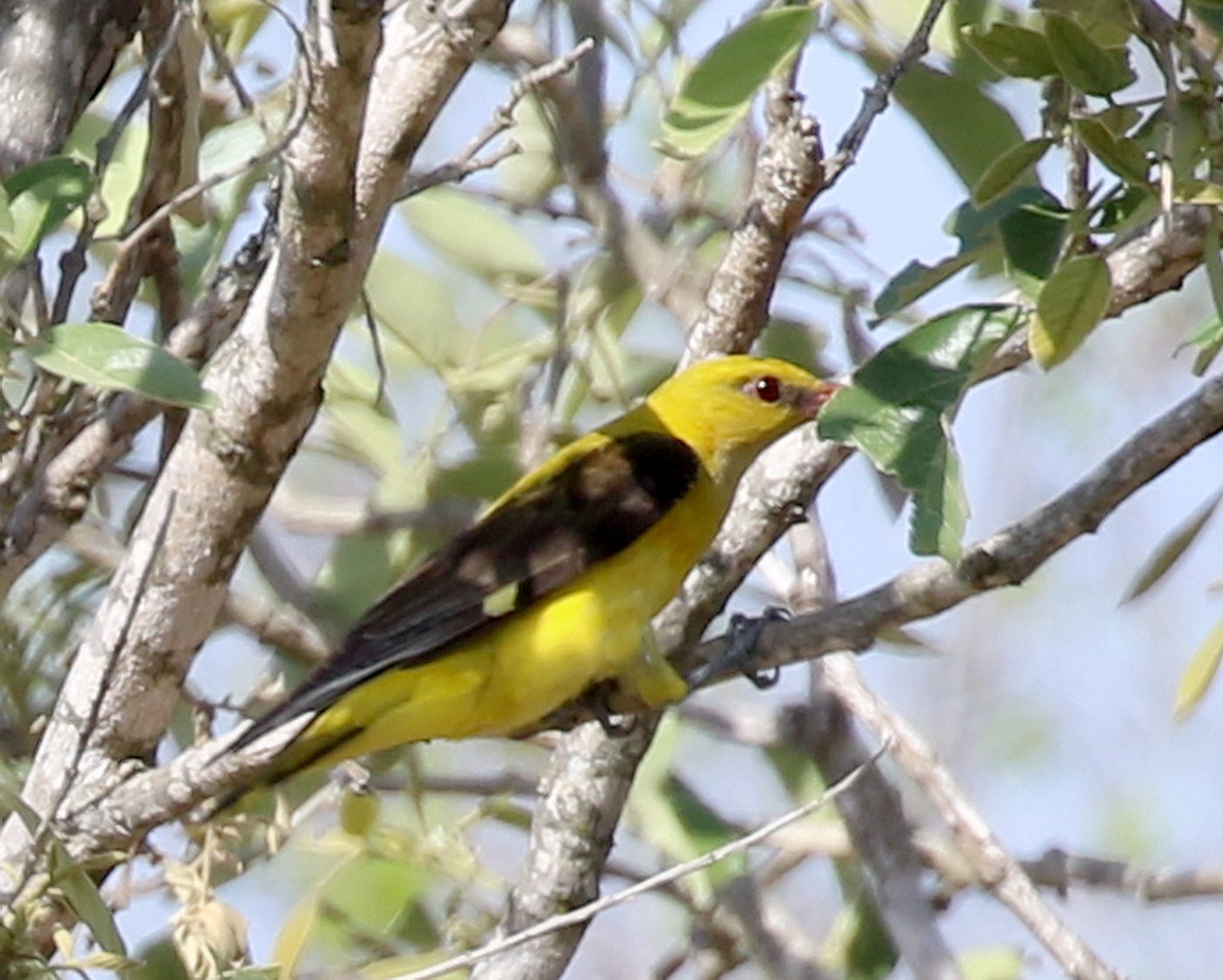
The following day we took the dirt tracks S128 and S30 on the north side of the Sabie River towards Skukuza. The highlight of this decision was to have an excellent sighting of  an Eurasian Golden Oriole.
There was very little water under the main Skukuza bridge. So we headed for the Lake Panic hide. There was water but much of the area was dry. However, the birds made their appearances and we enjoyed an hour or more in the hide.
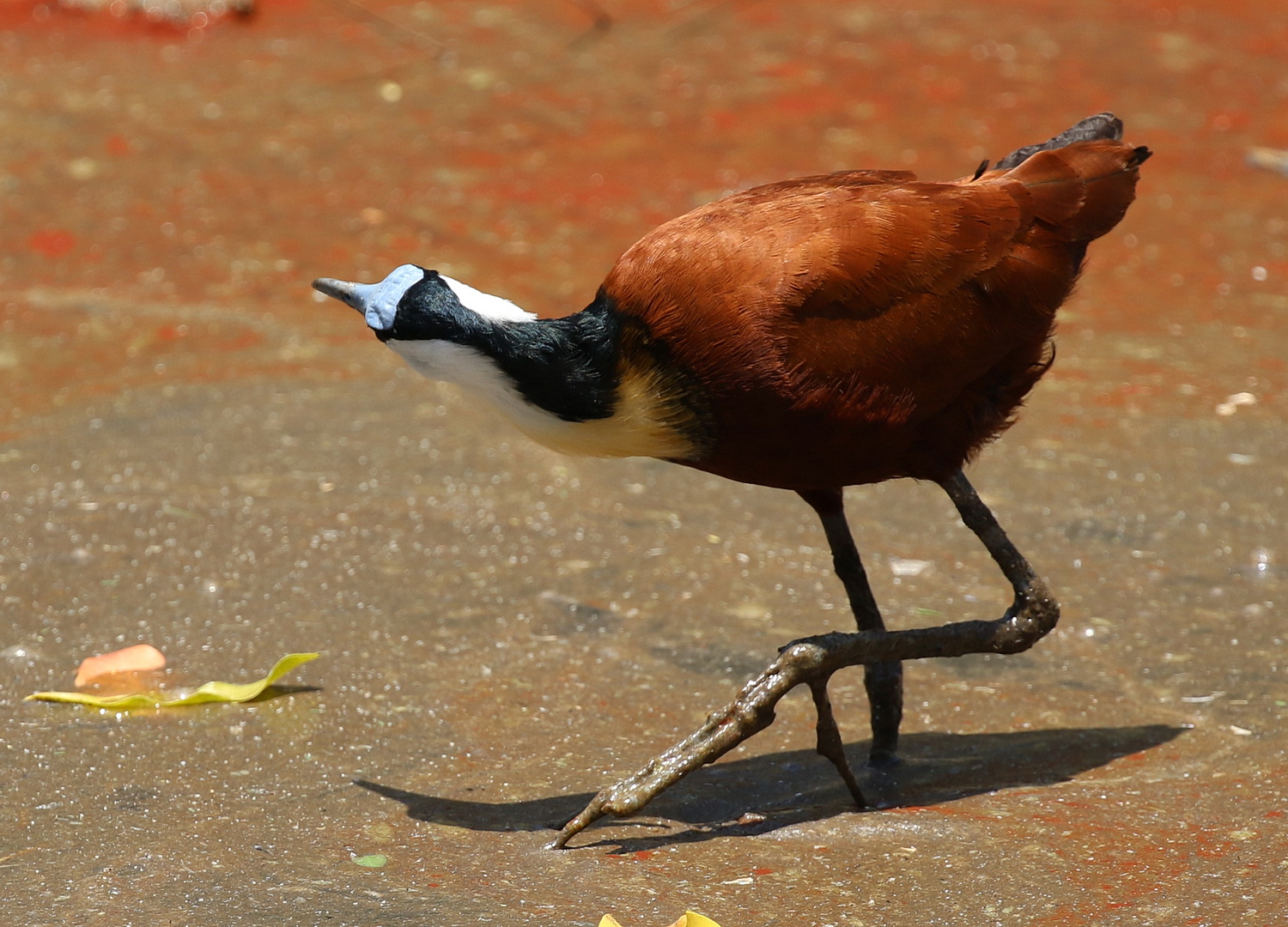
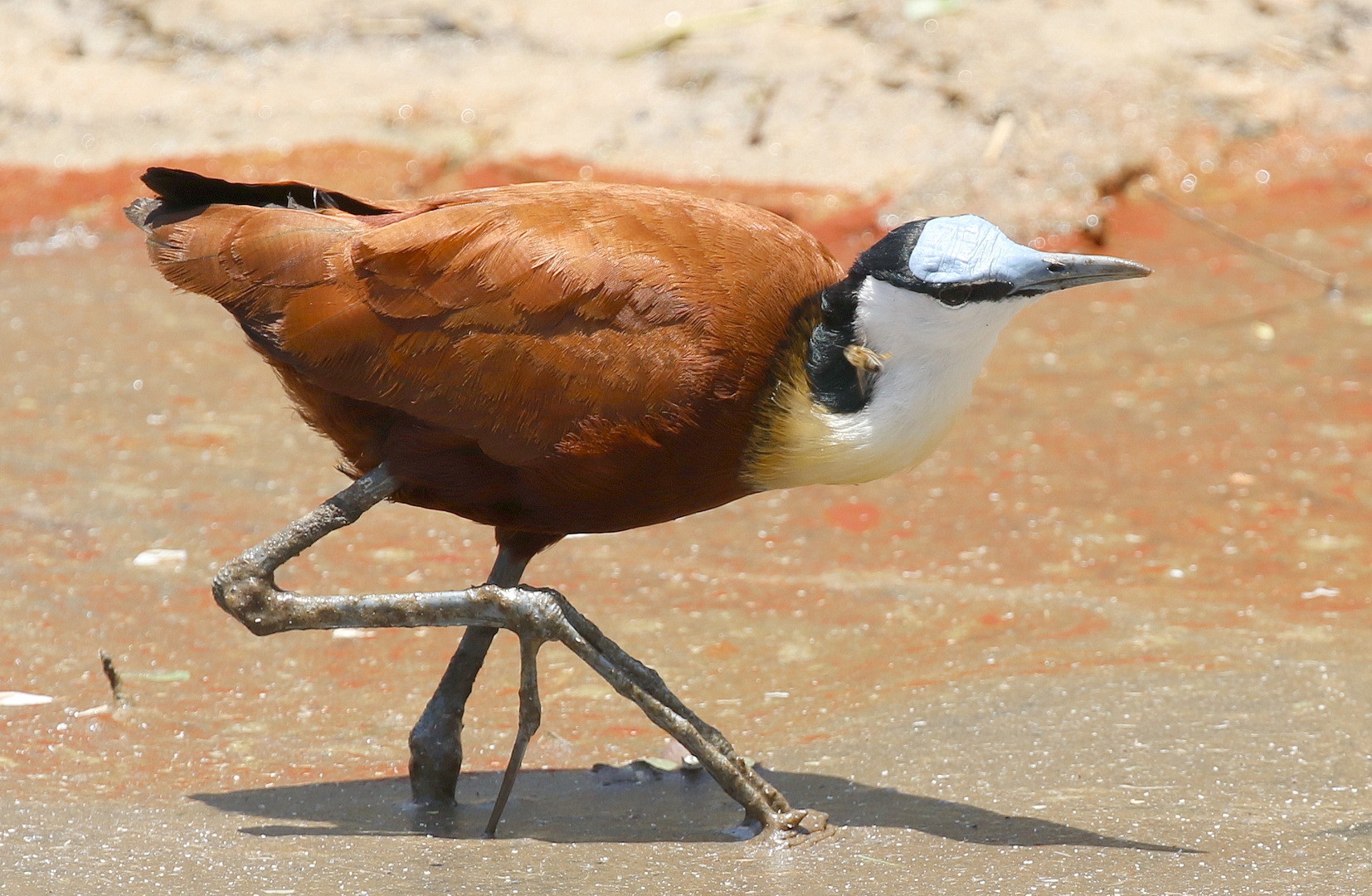
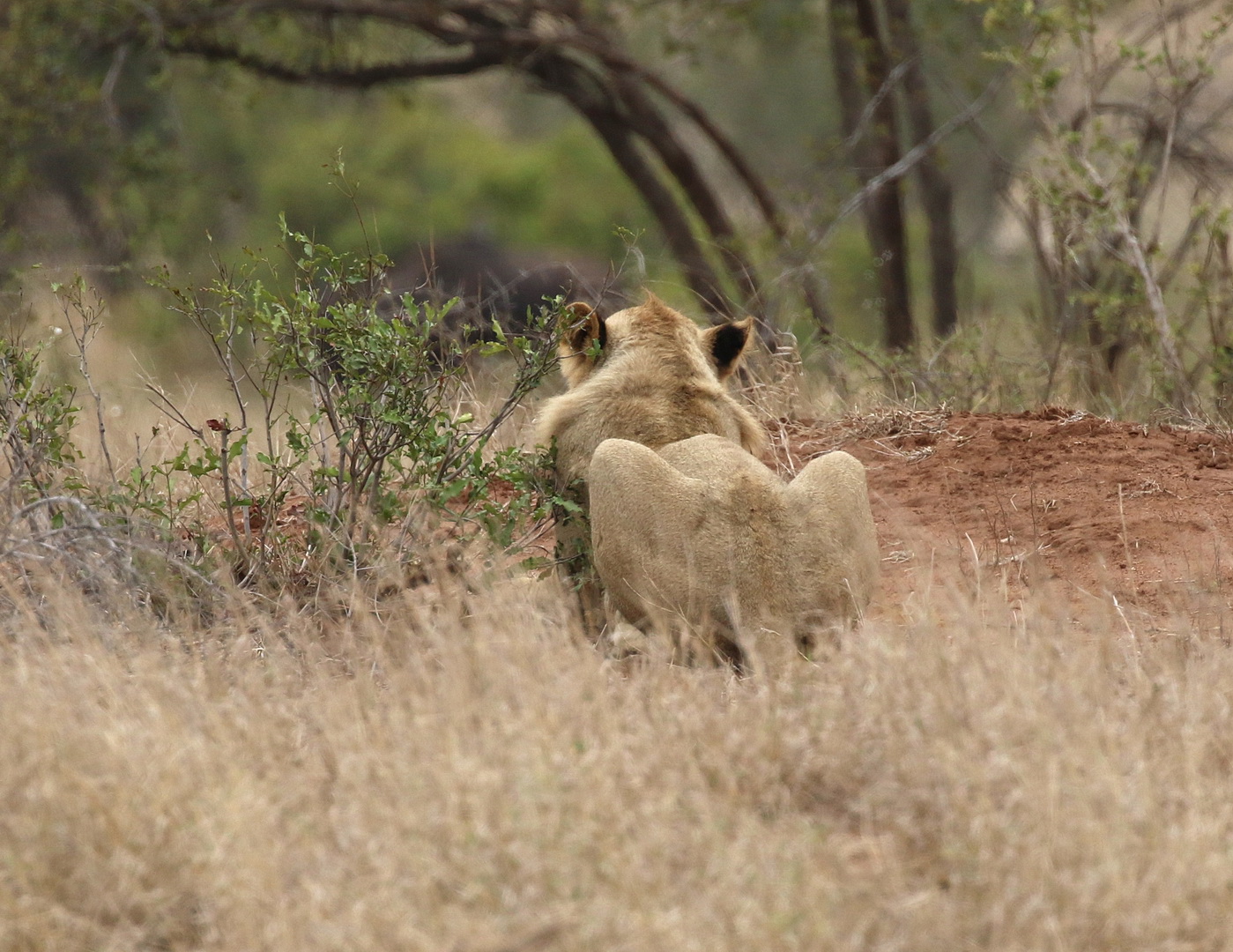
Our trip back to Lower Sabie on the tar road turned up the usual sightings of many elephants and some lions – doing what they always seem to be doing – lying down!
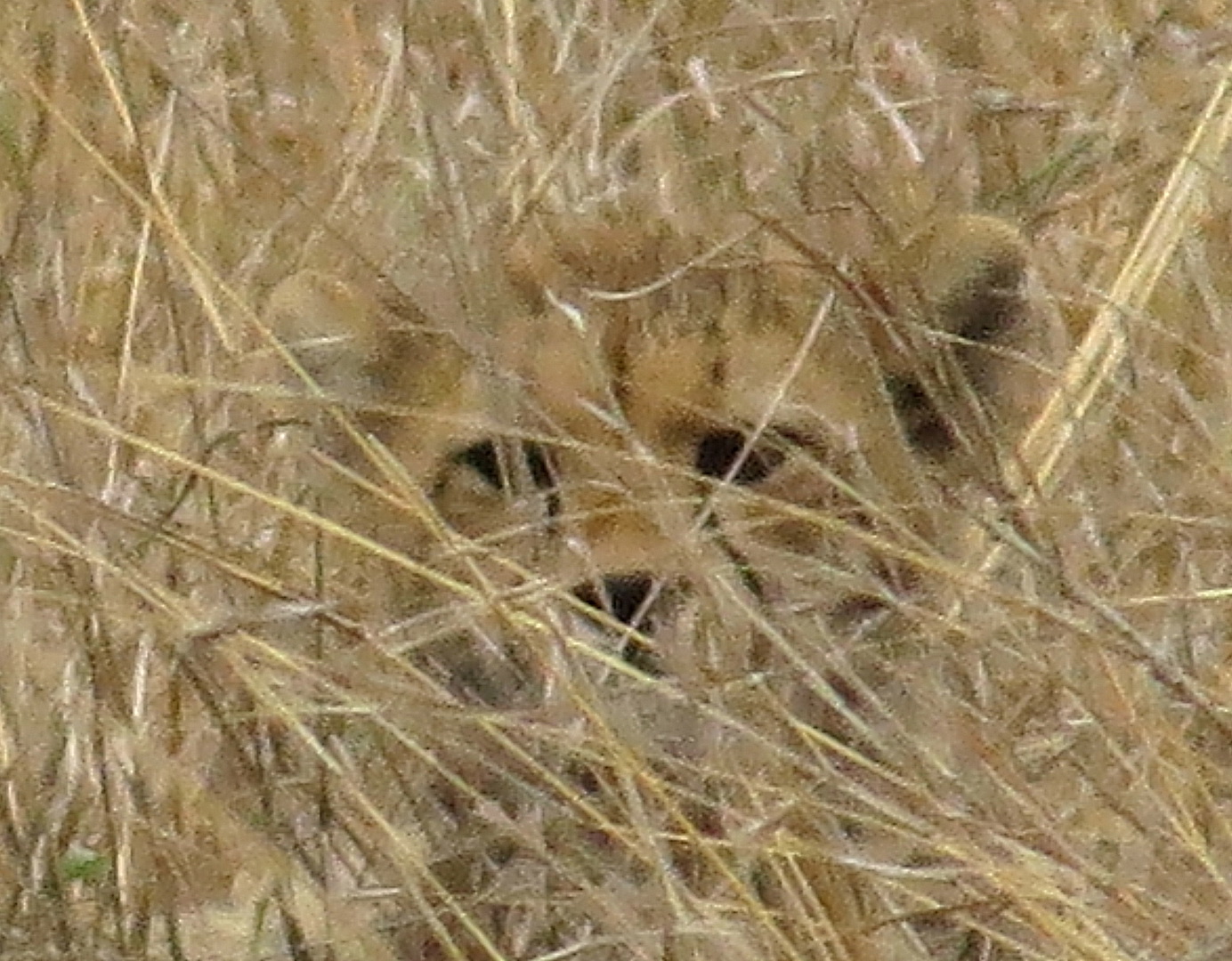
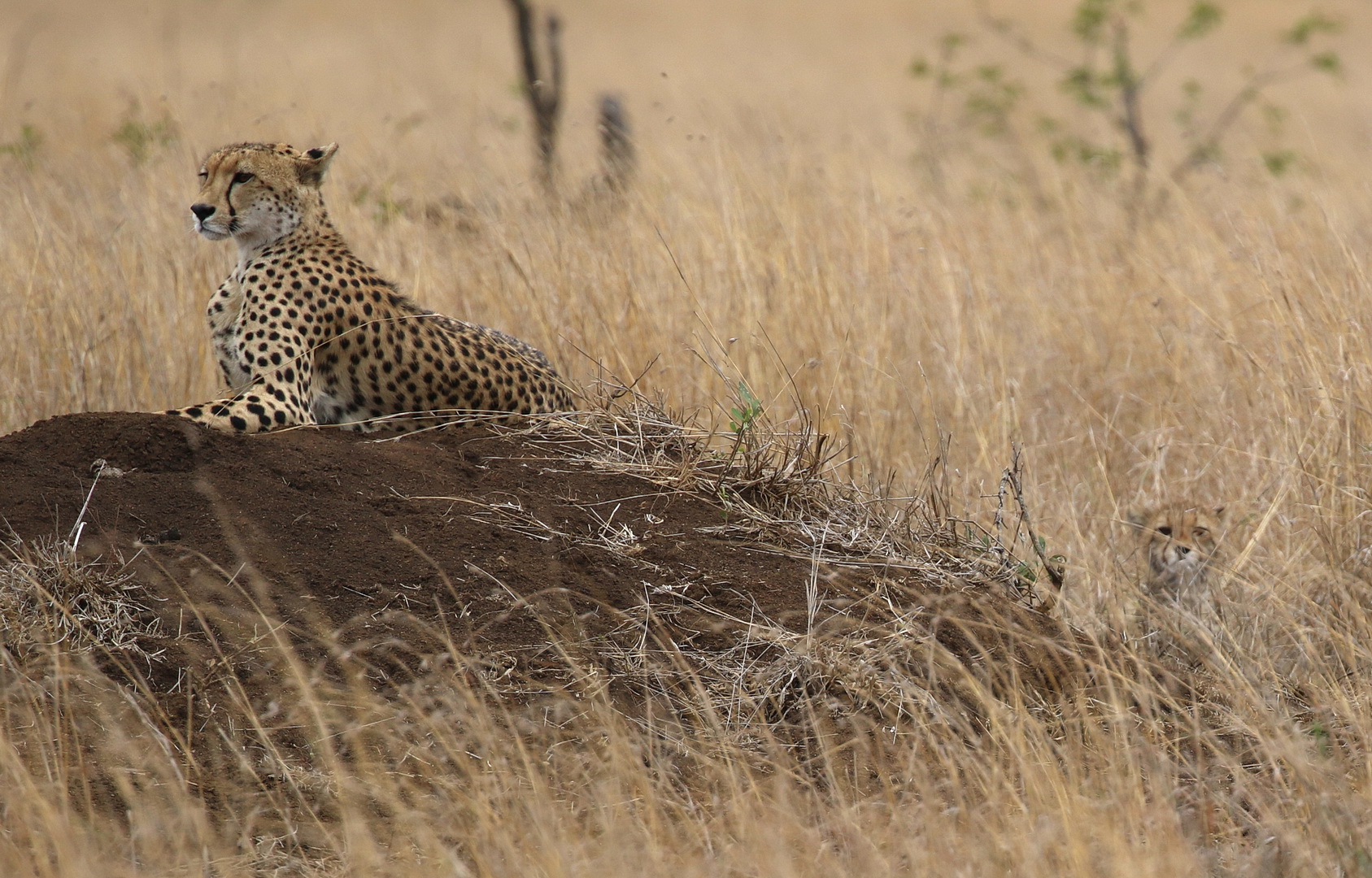
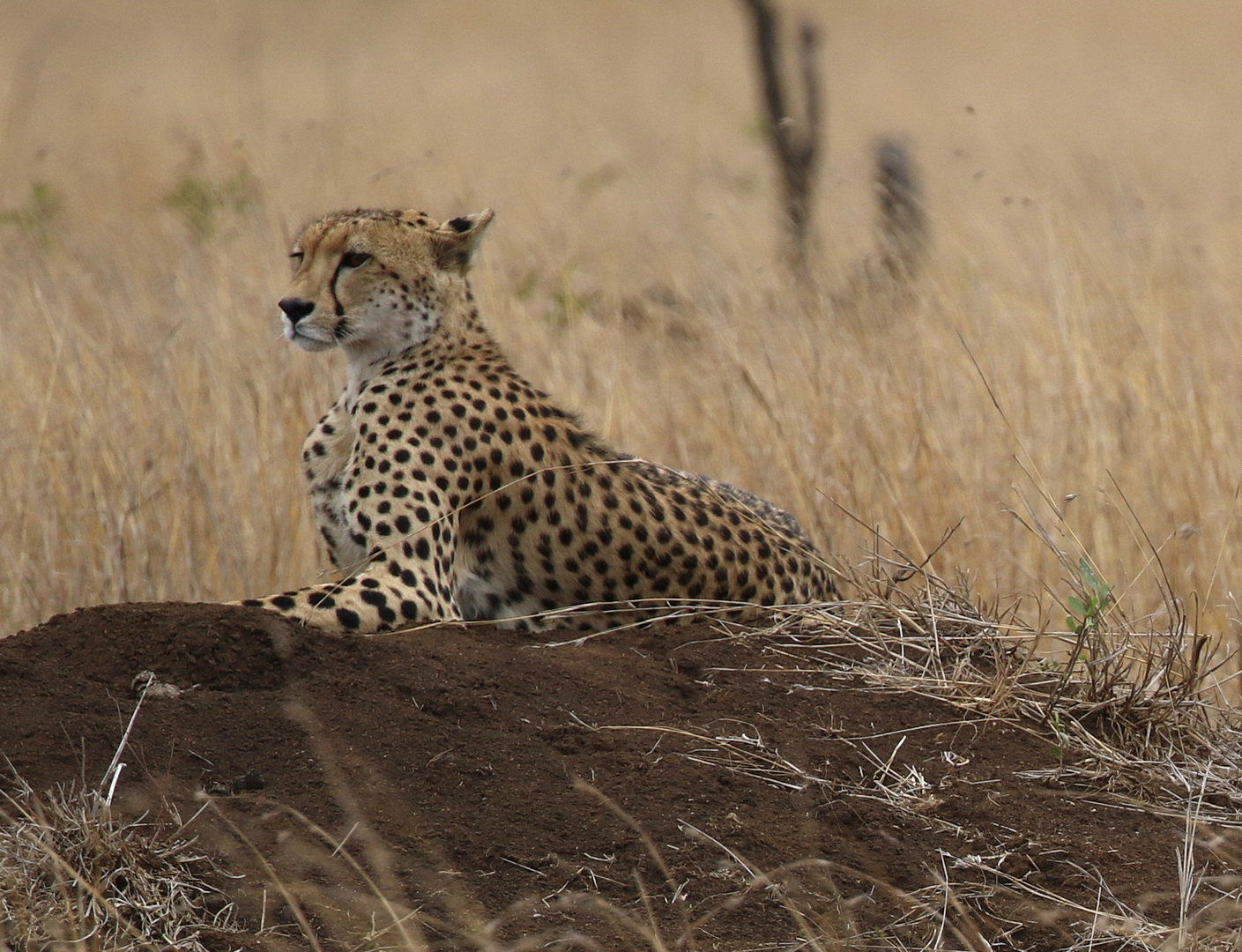
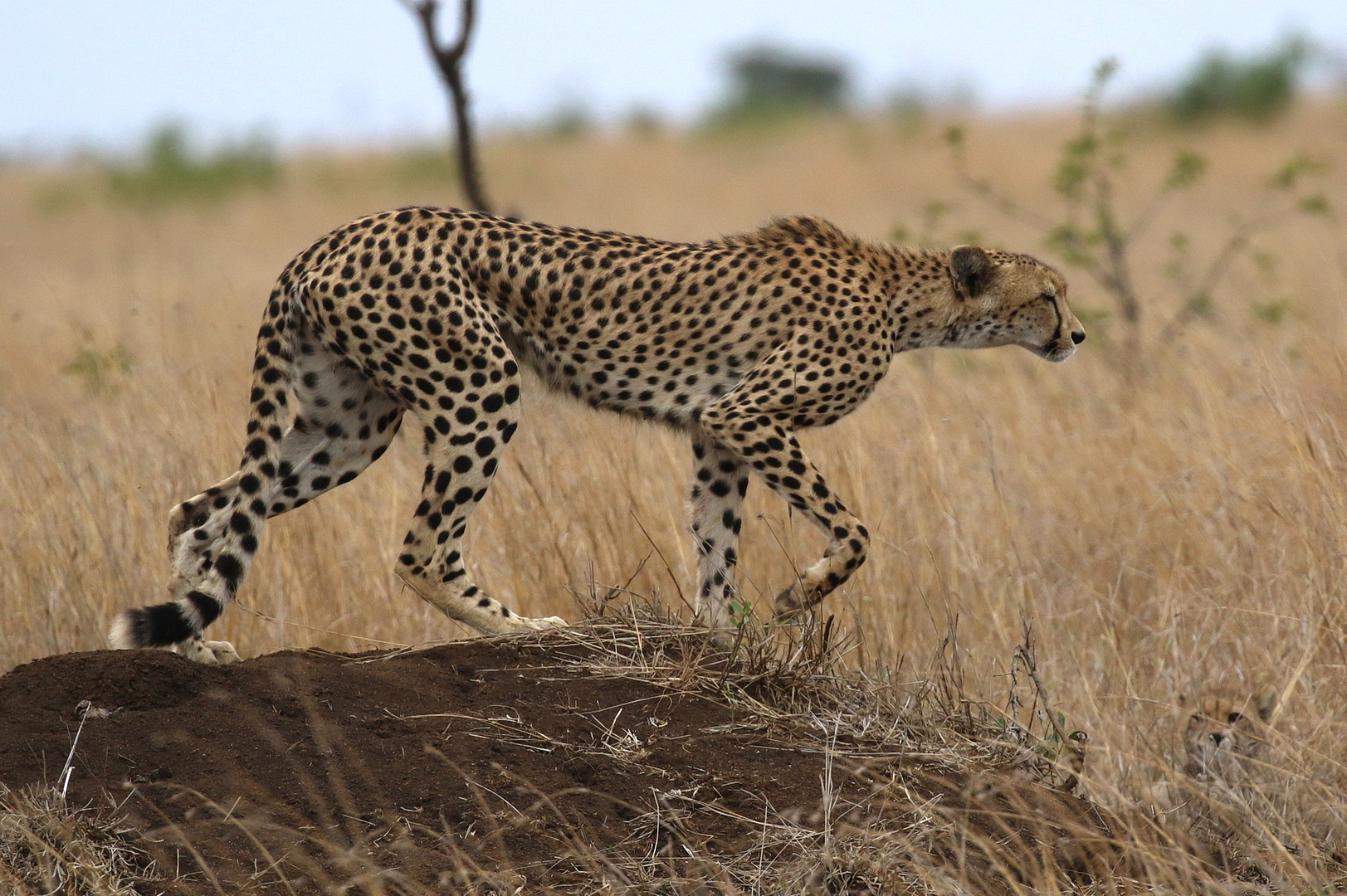
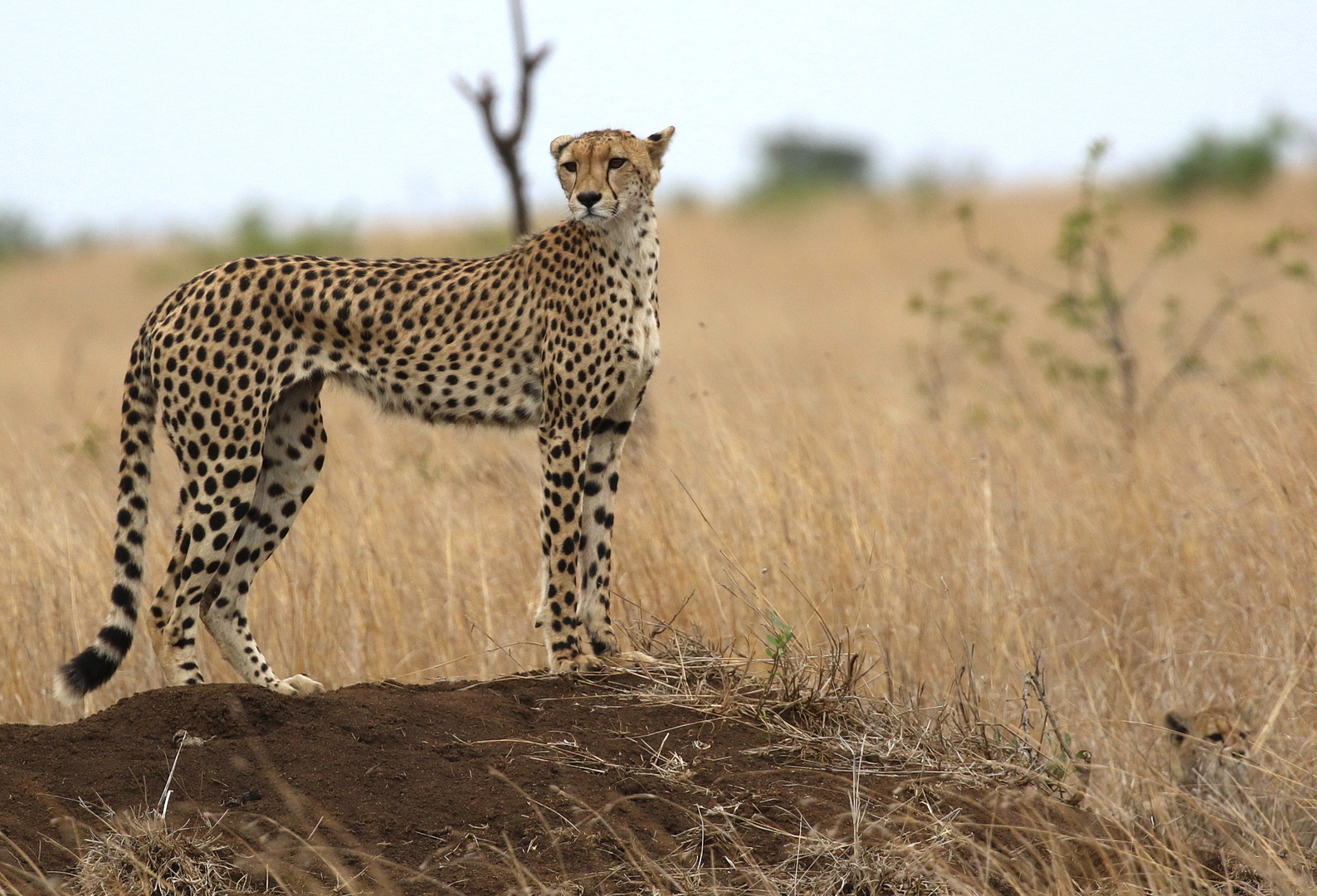
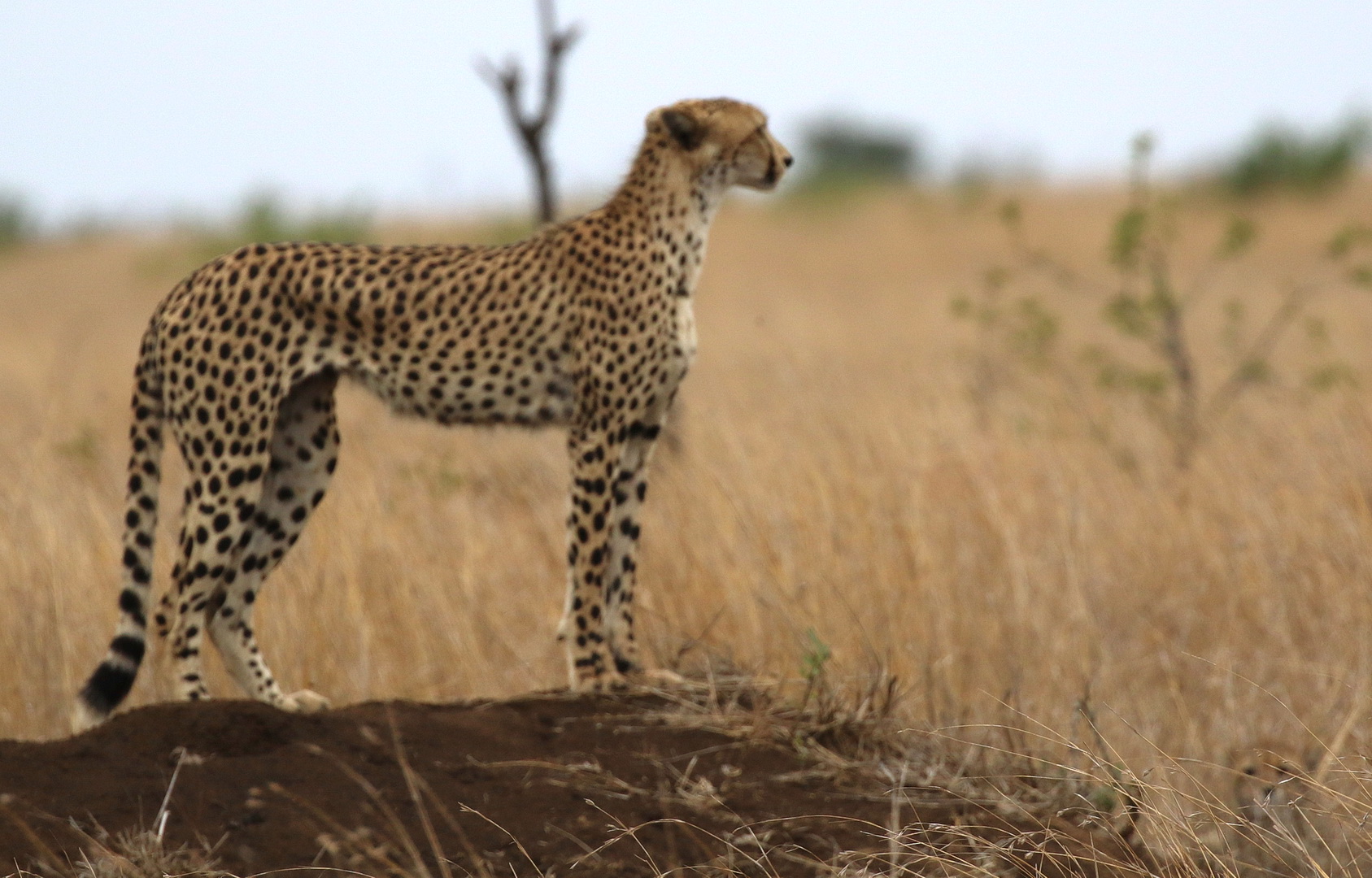
On one of our drives we were fortunate in seeing a Cheetah with cubs. At first we thought there was only one but as they moved on another came out of hiding.
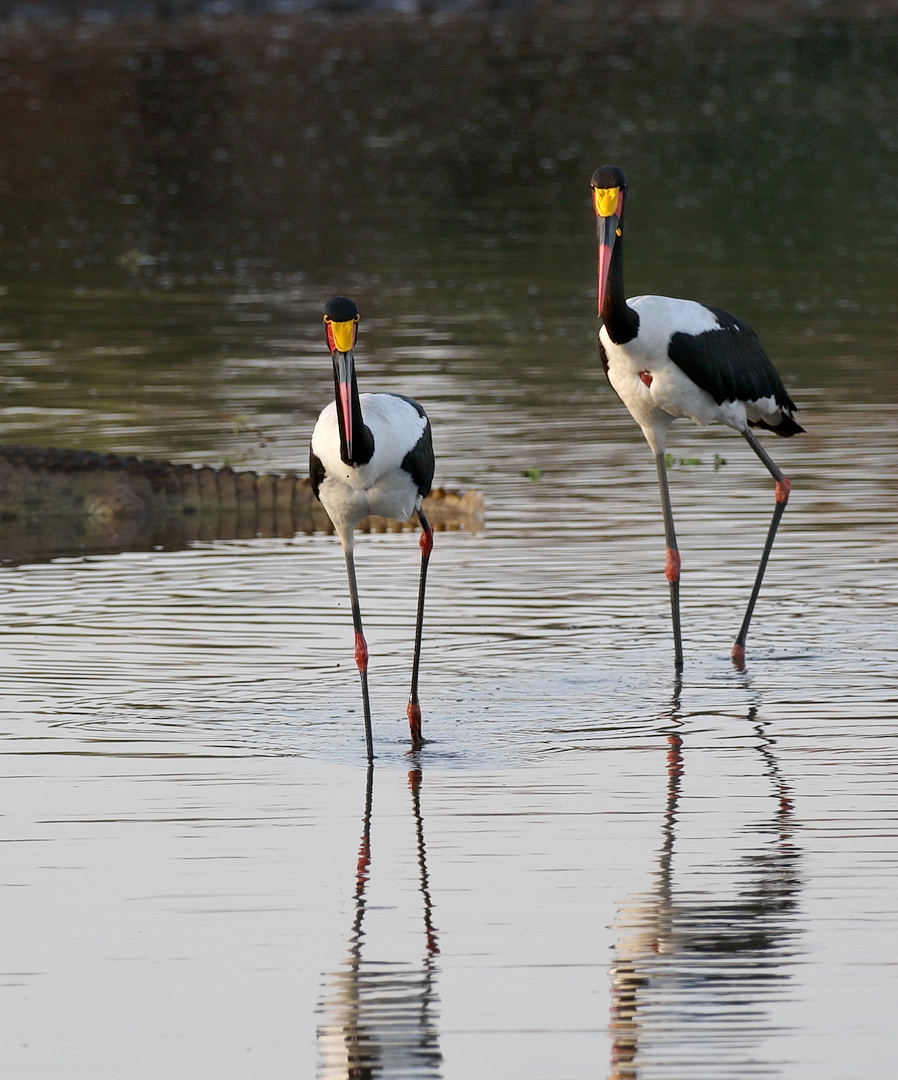
Sunset Dam is so close to the camp that it gets lots of attention. Birding is always interesting and animals are often seen drinking.
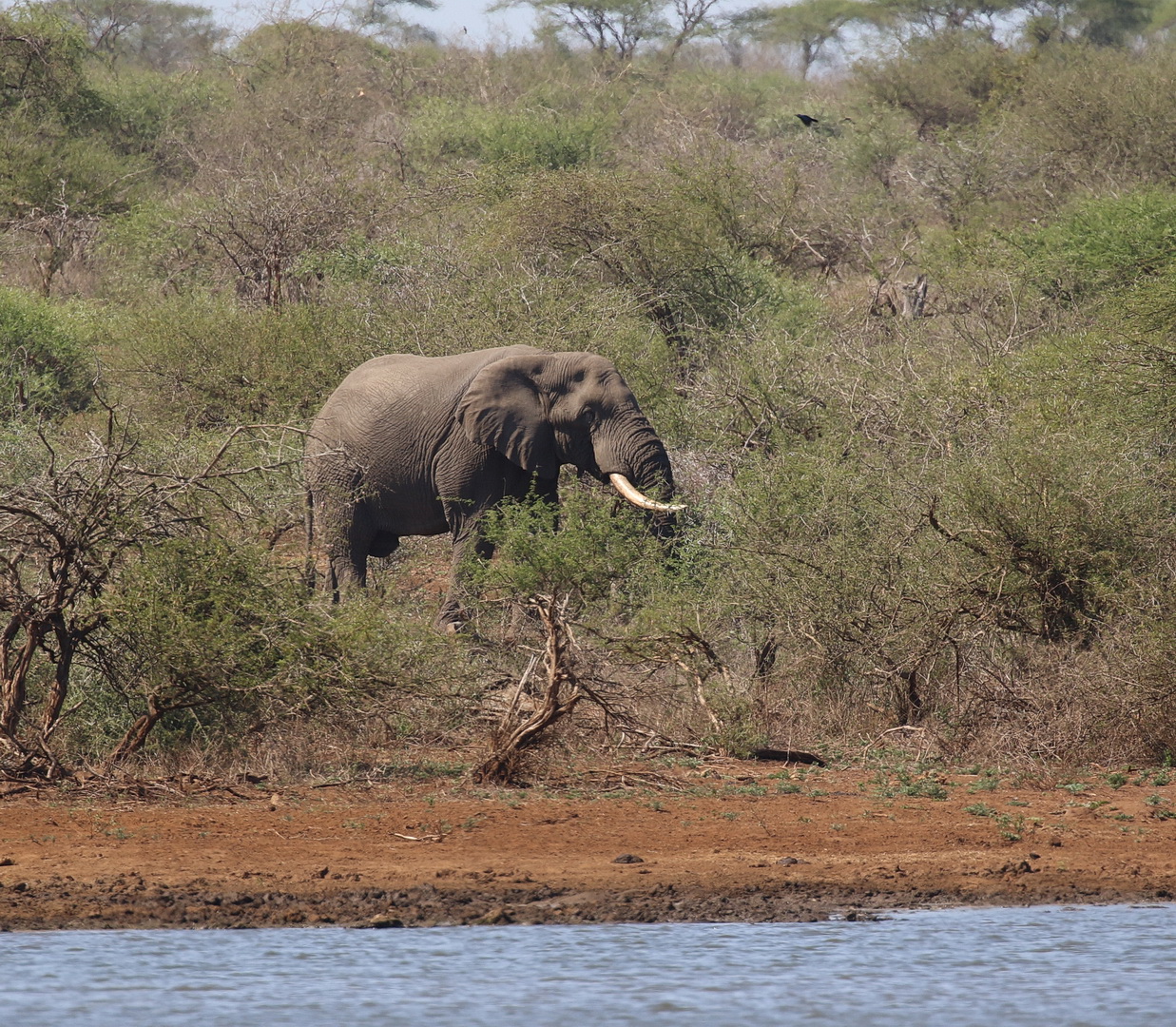
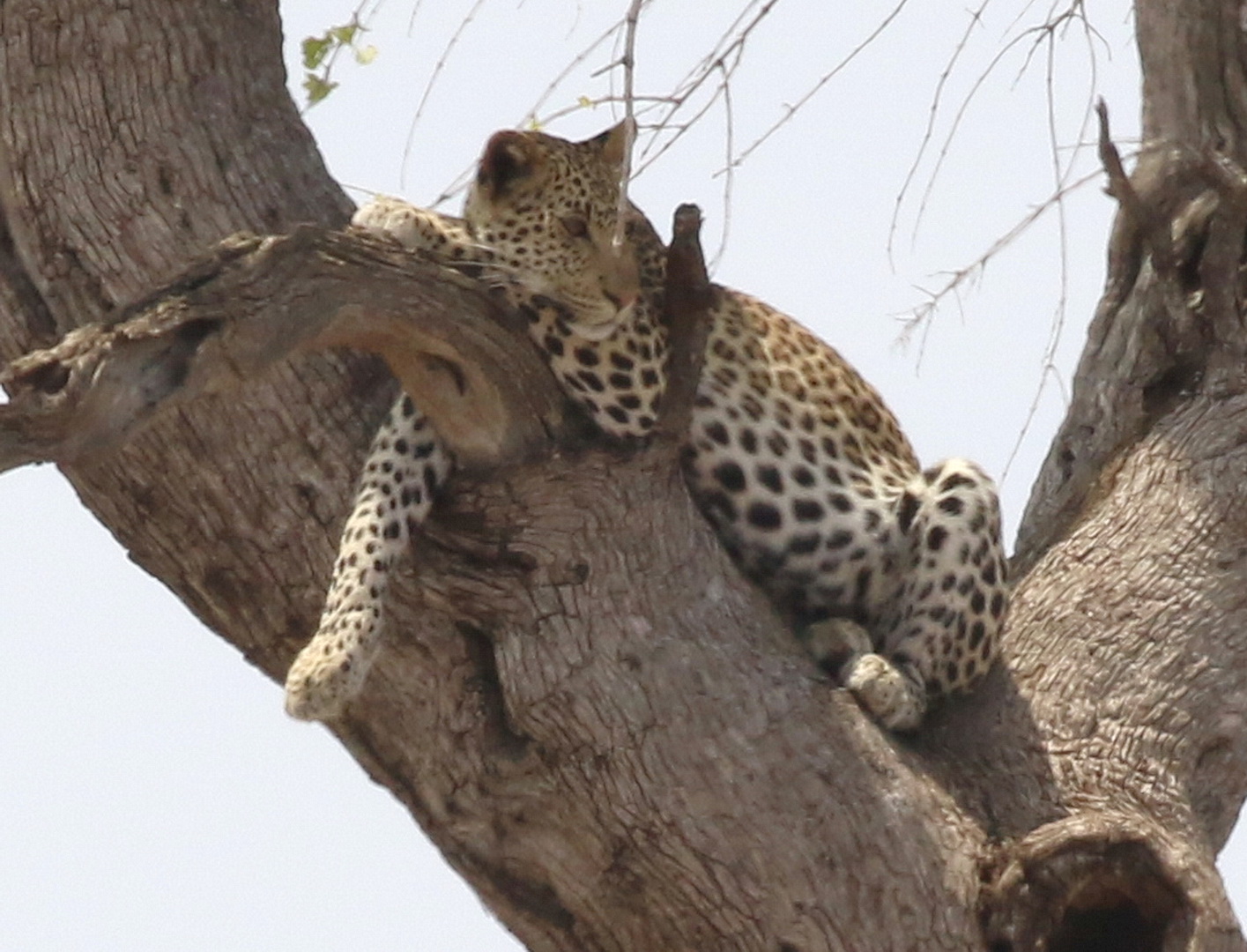
Some of the other animals seen around the area included many elephants and a good sighting of a leopard dozing in a tree.
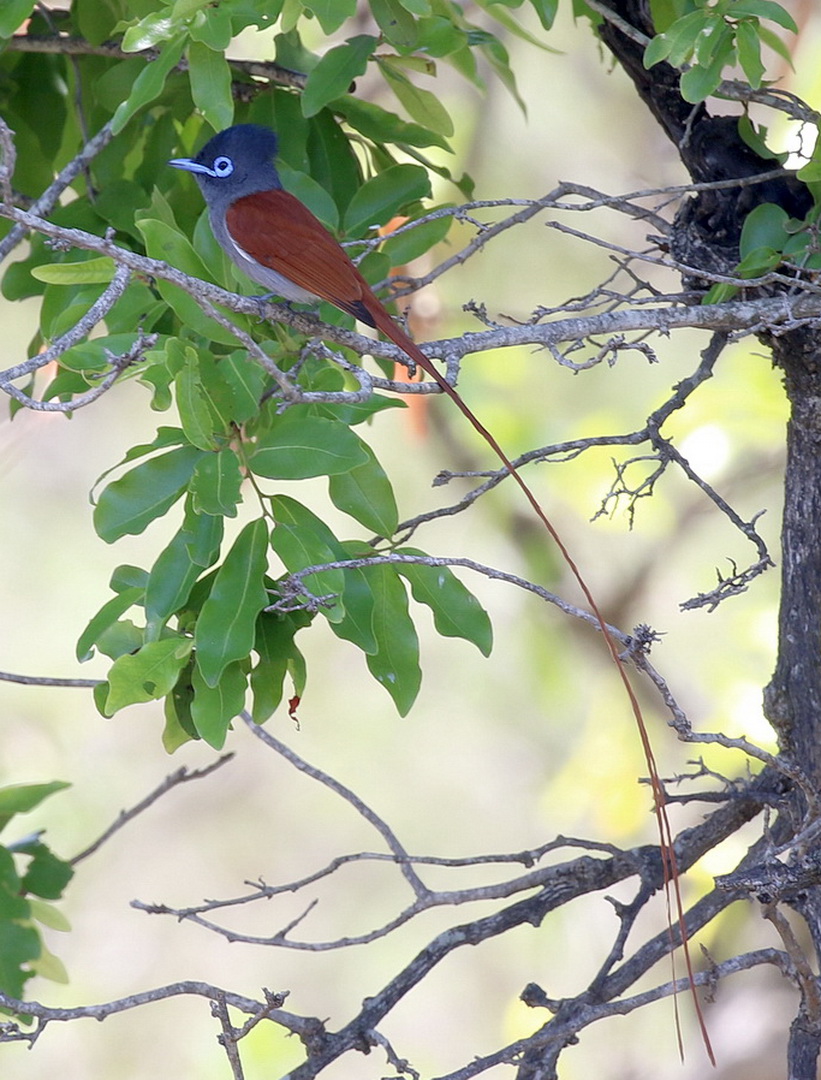
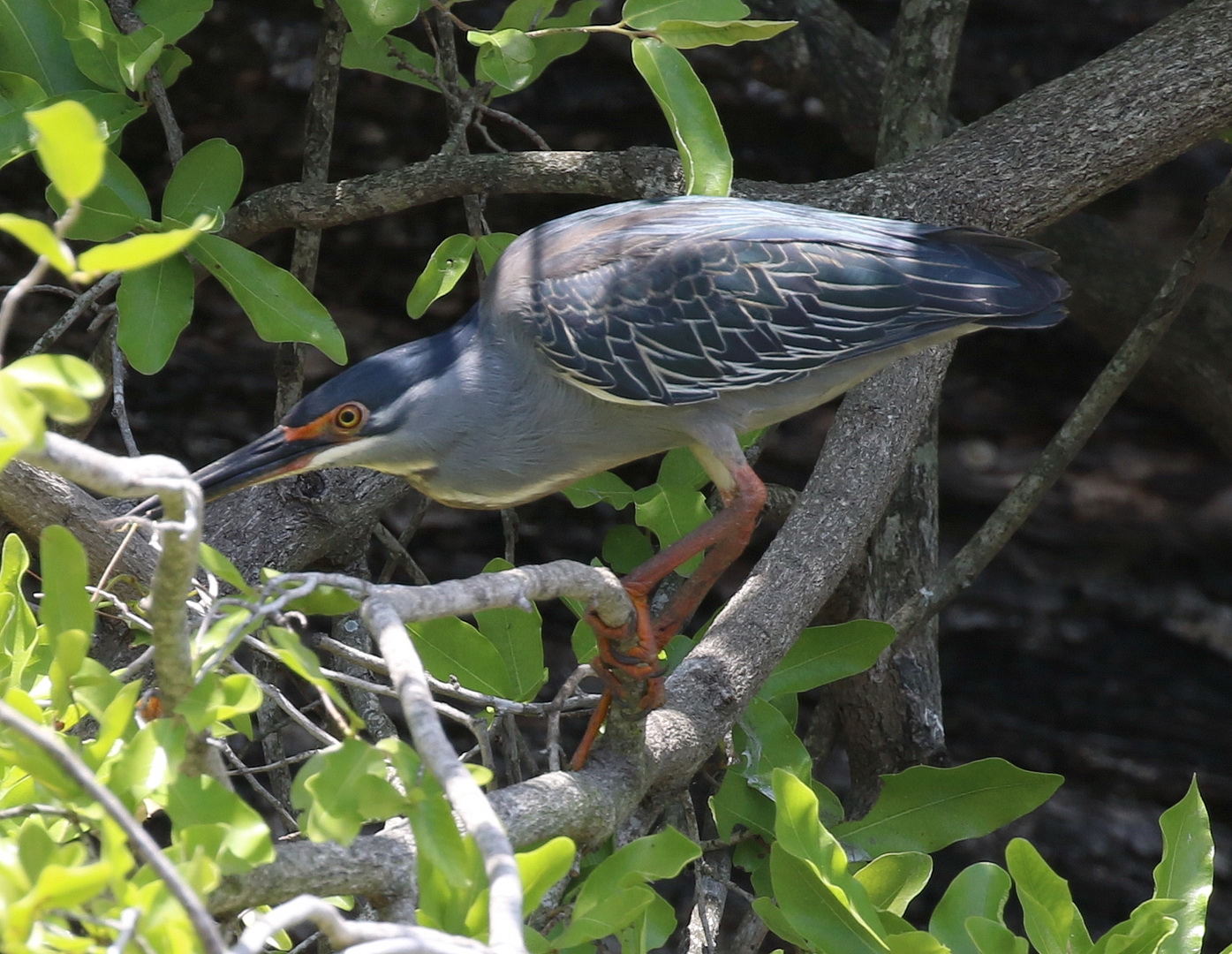
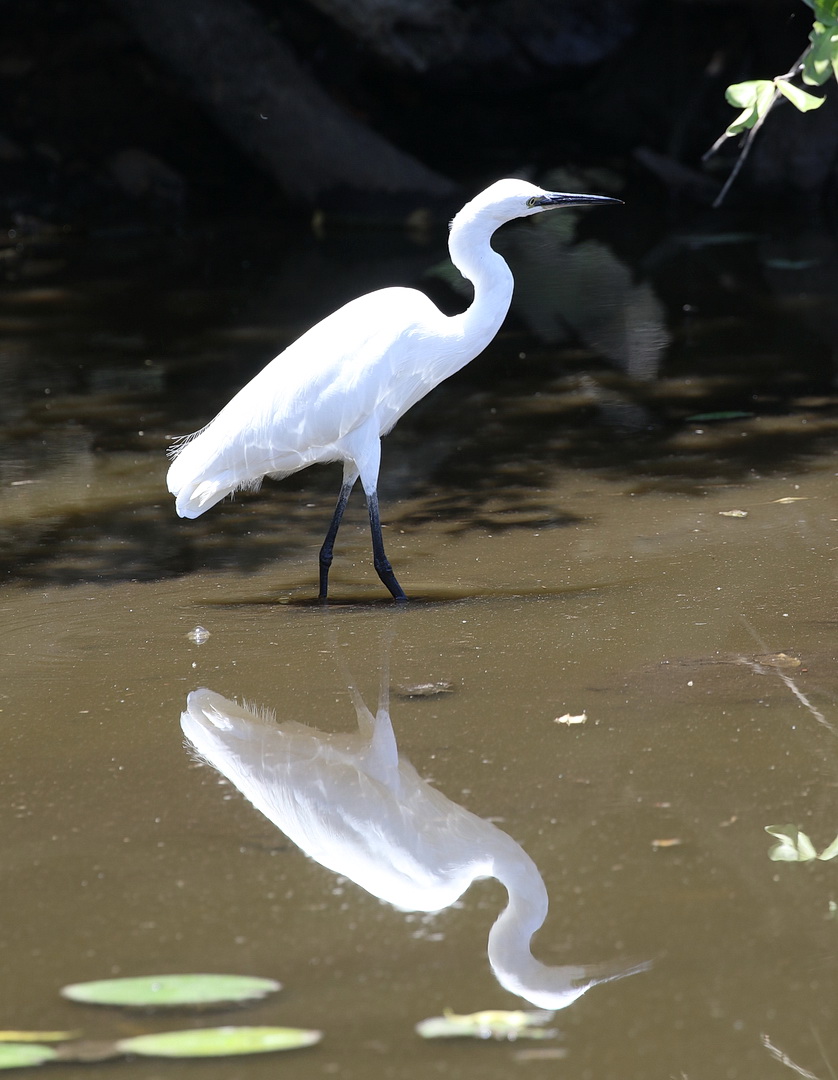
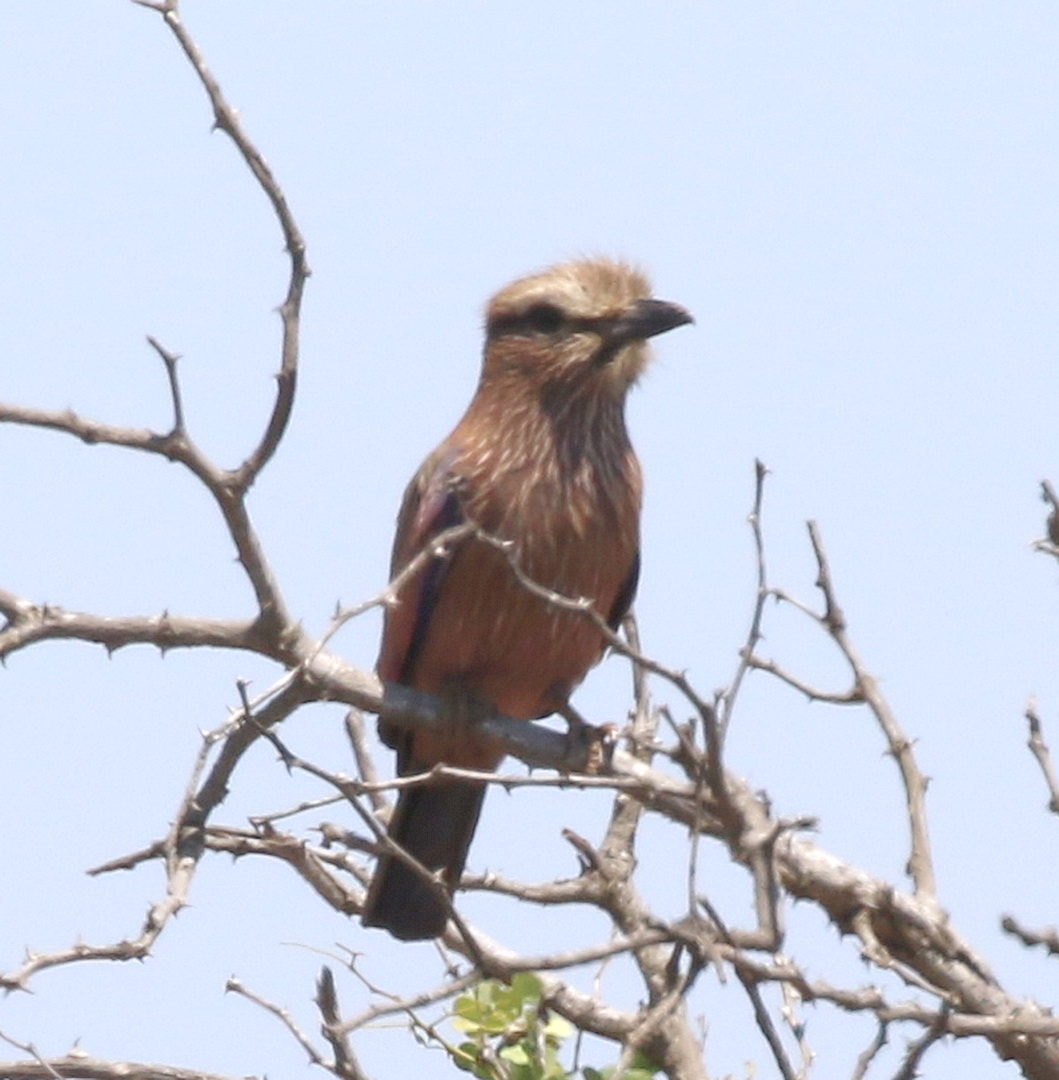
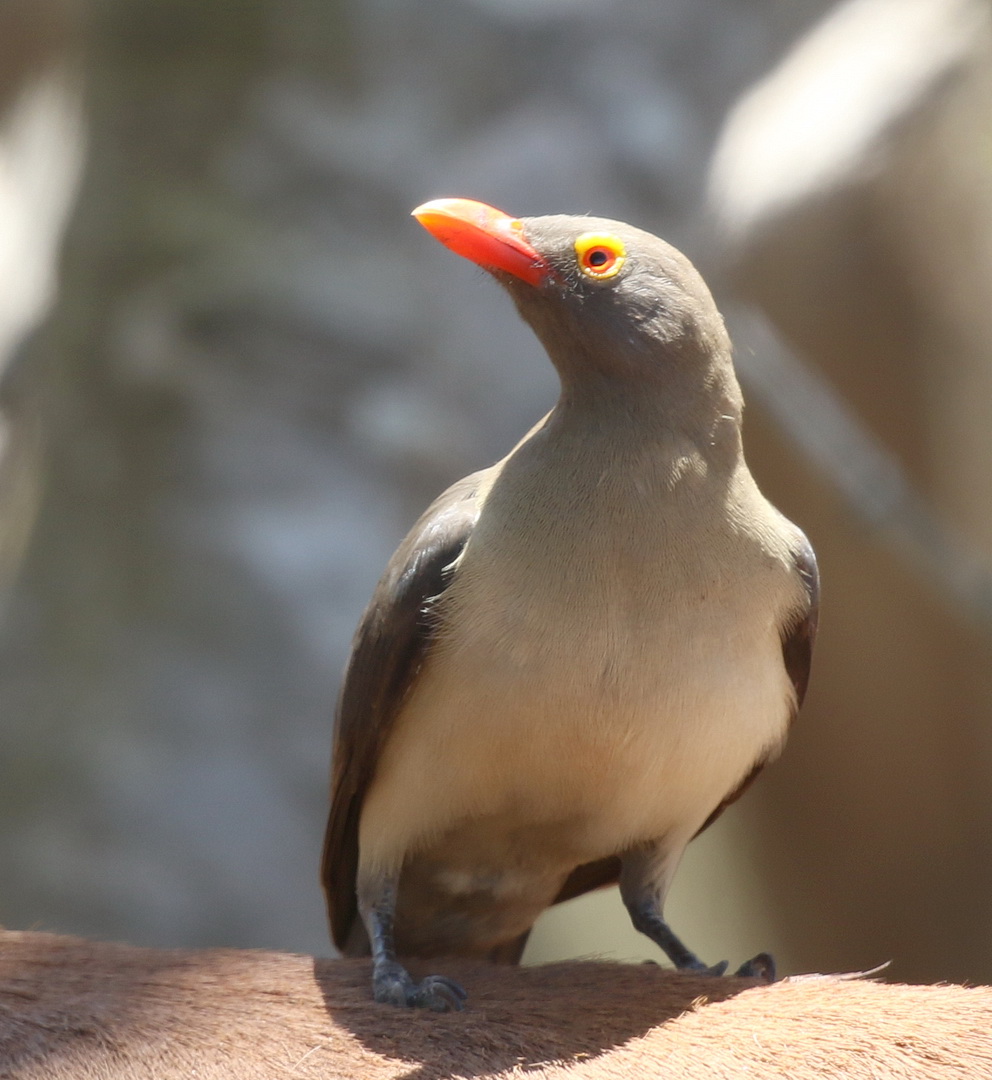
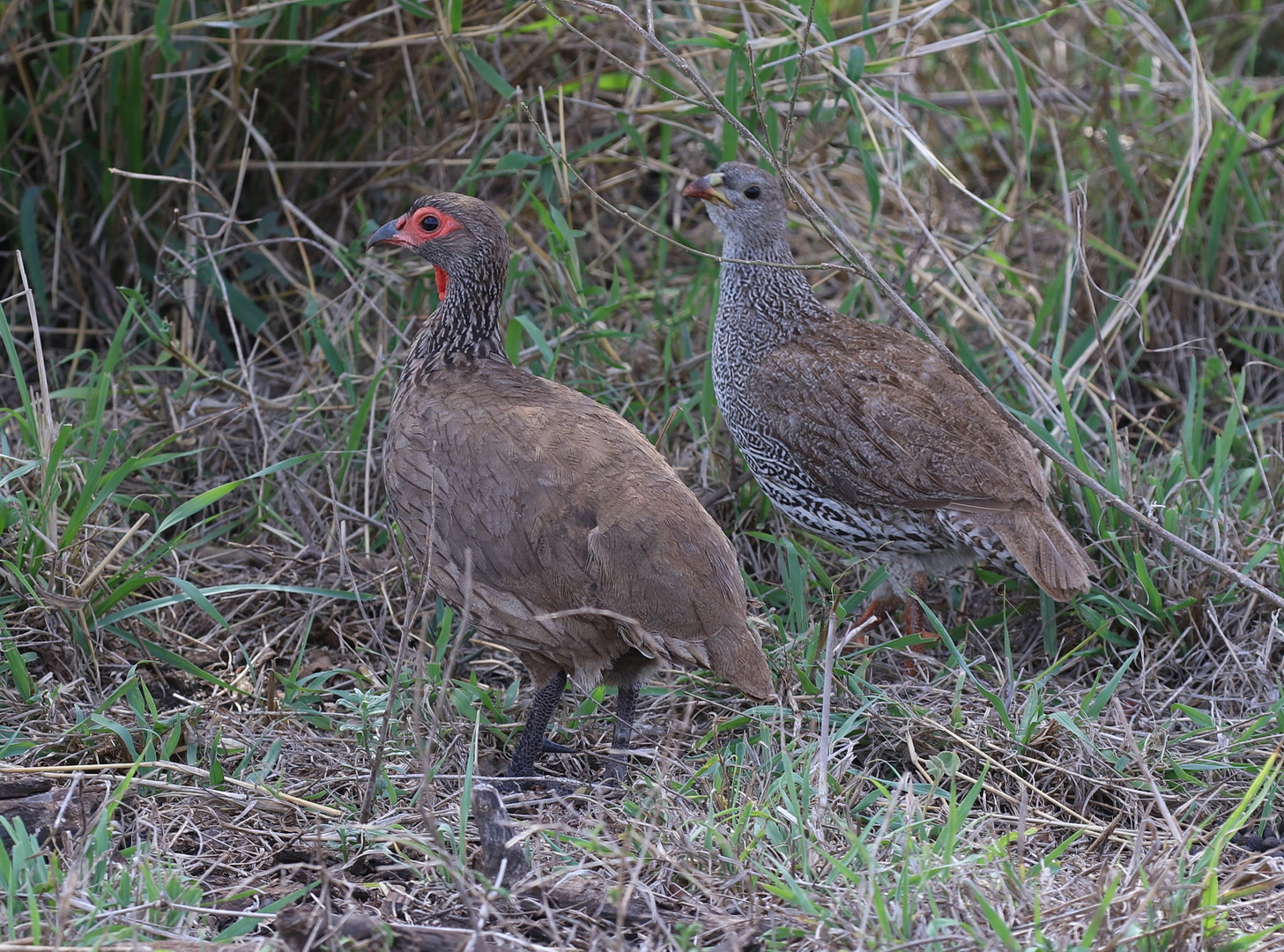
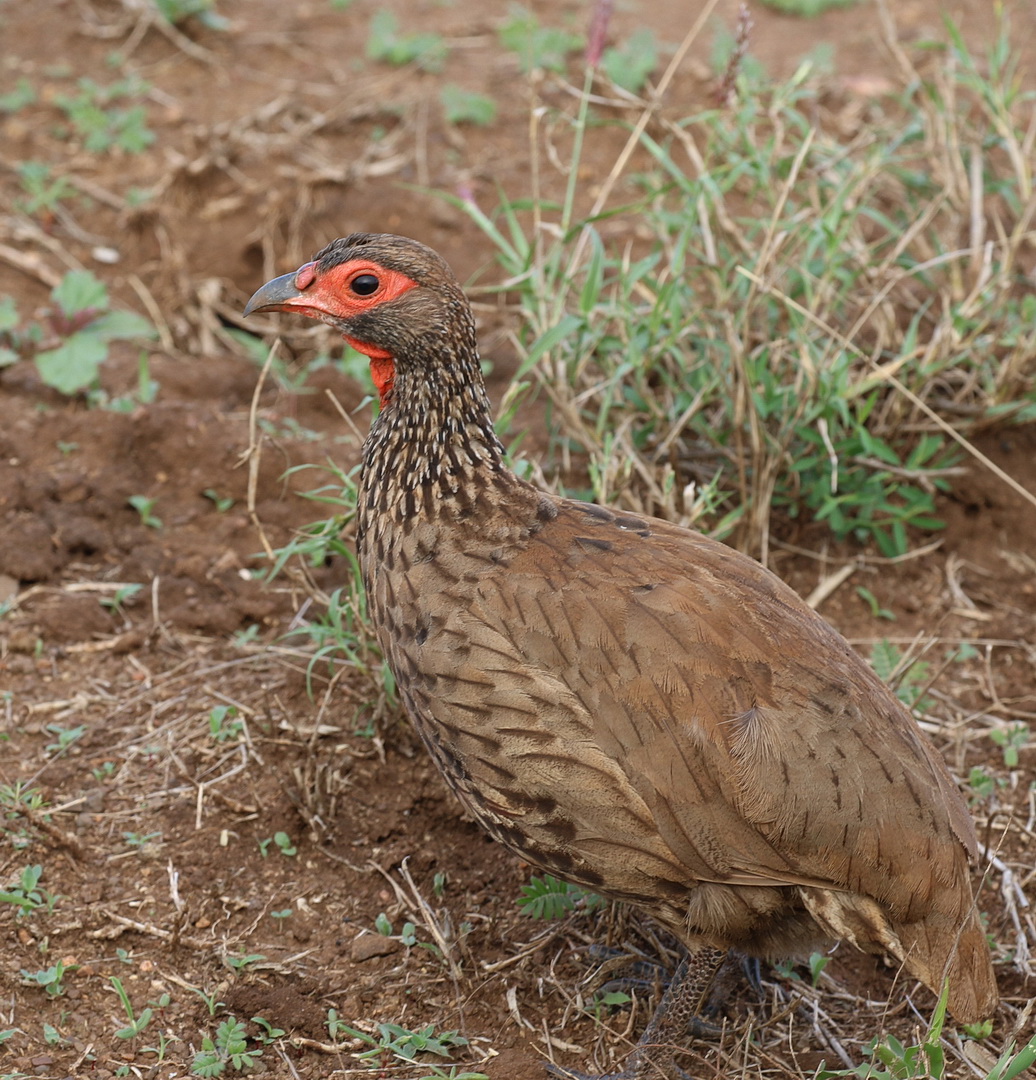
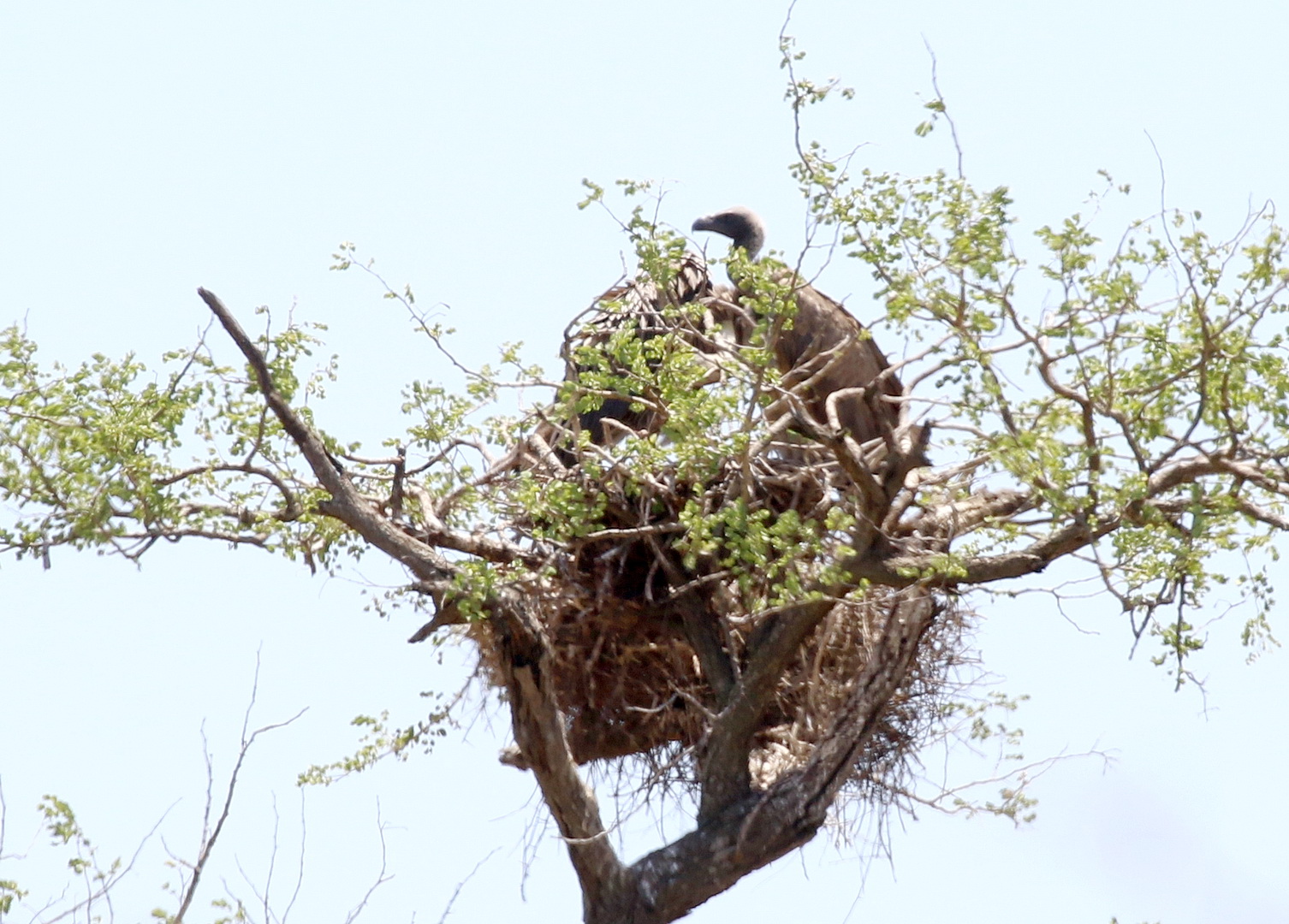
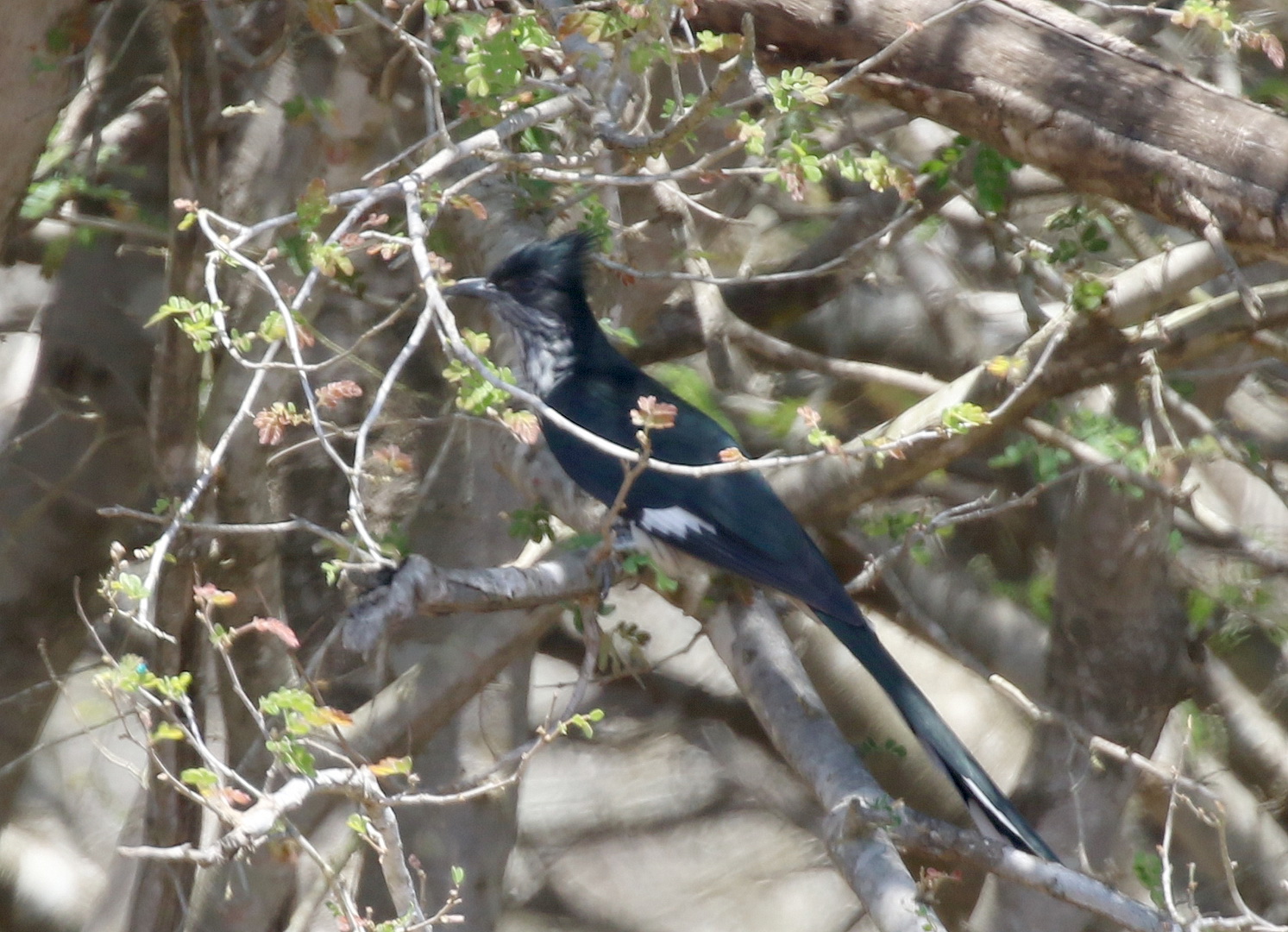
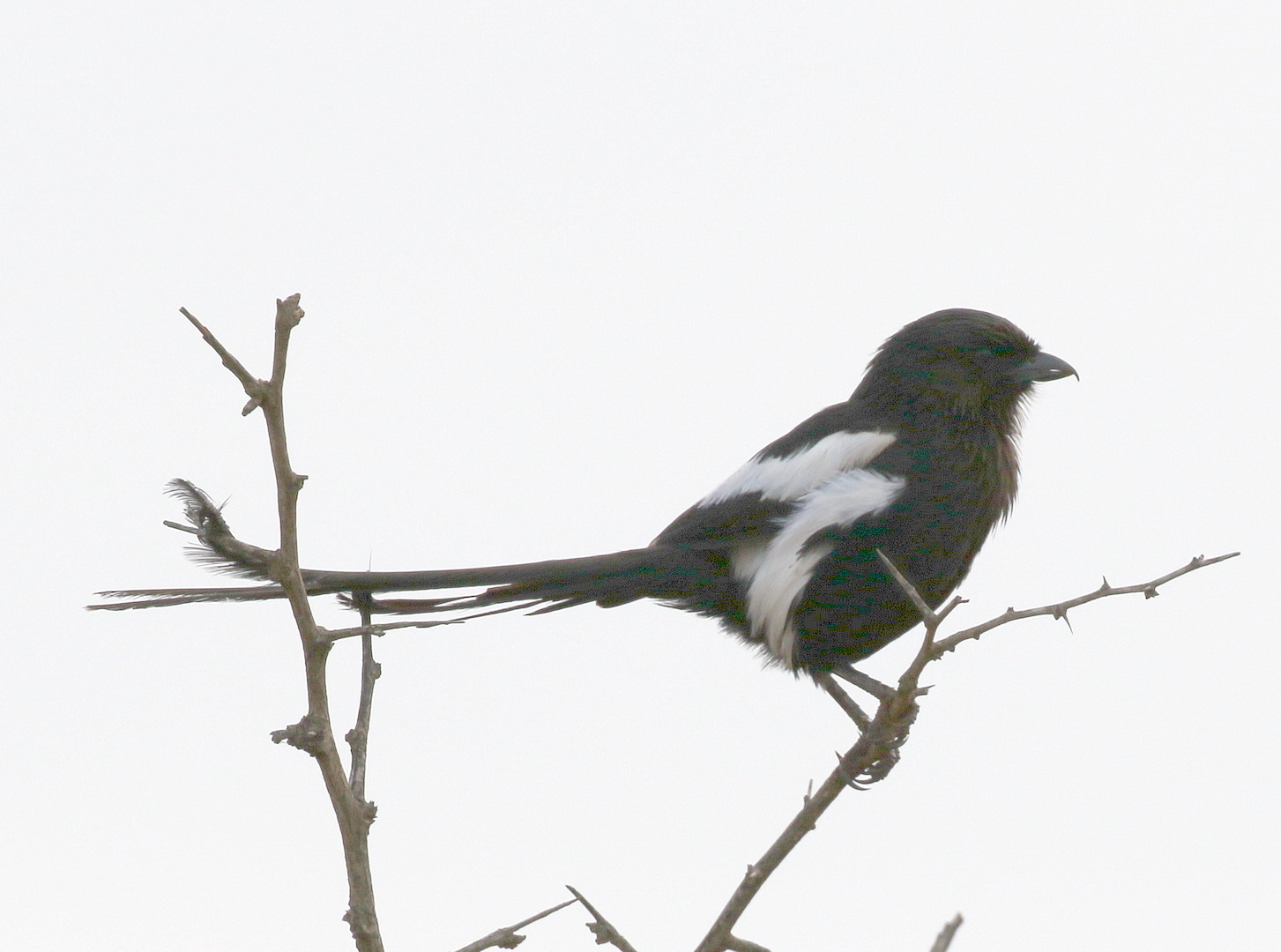
Photos of other birds seen in the general area:

Eventually it was our time to leave. North. We headed for Tshokwane then on to the wild camp at Balule for 3 nights.

The sky had got a bit overcast and blustery but still there was no sign of rain.

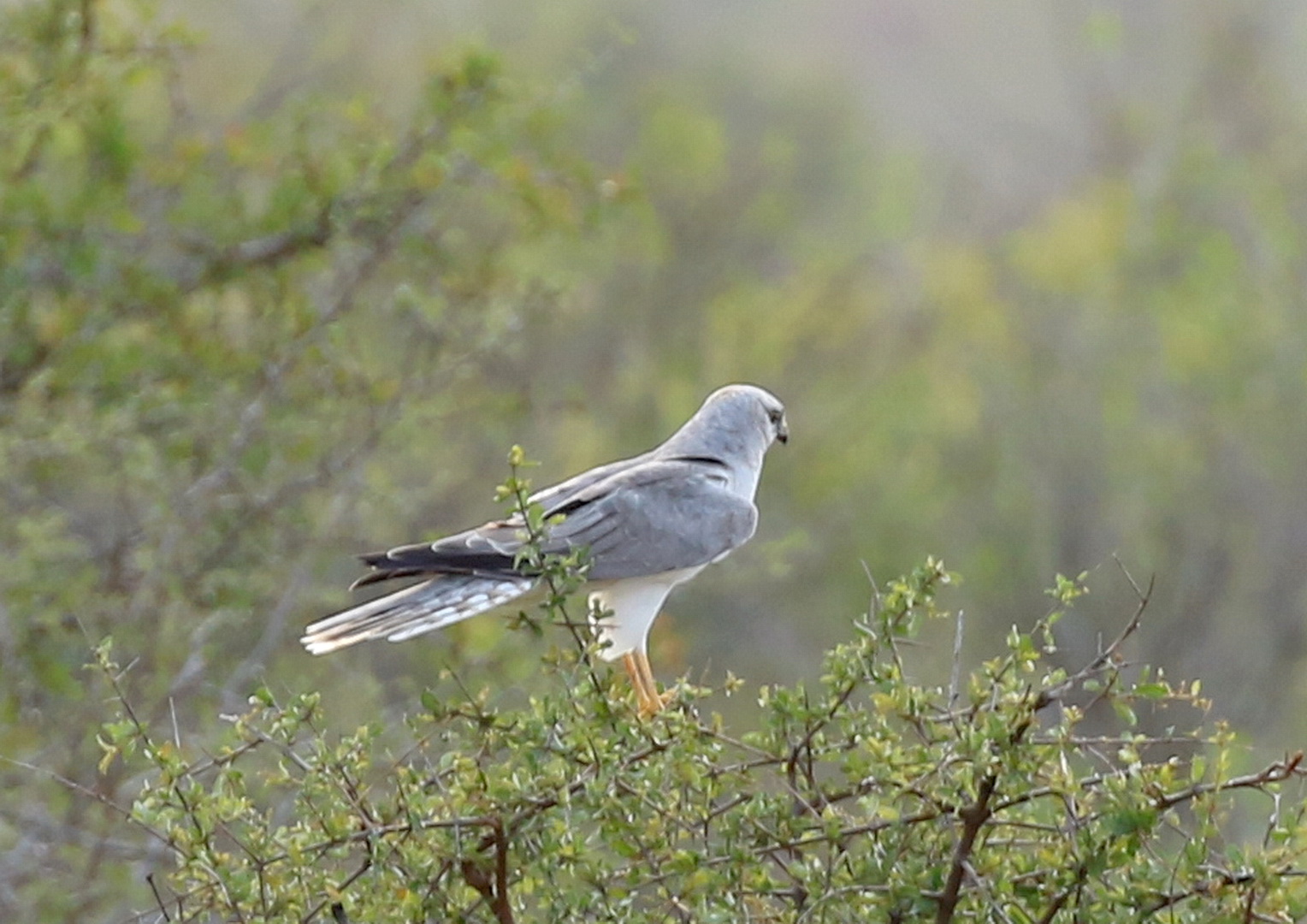
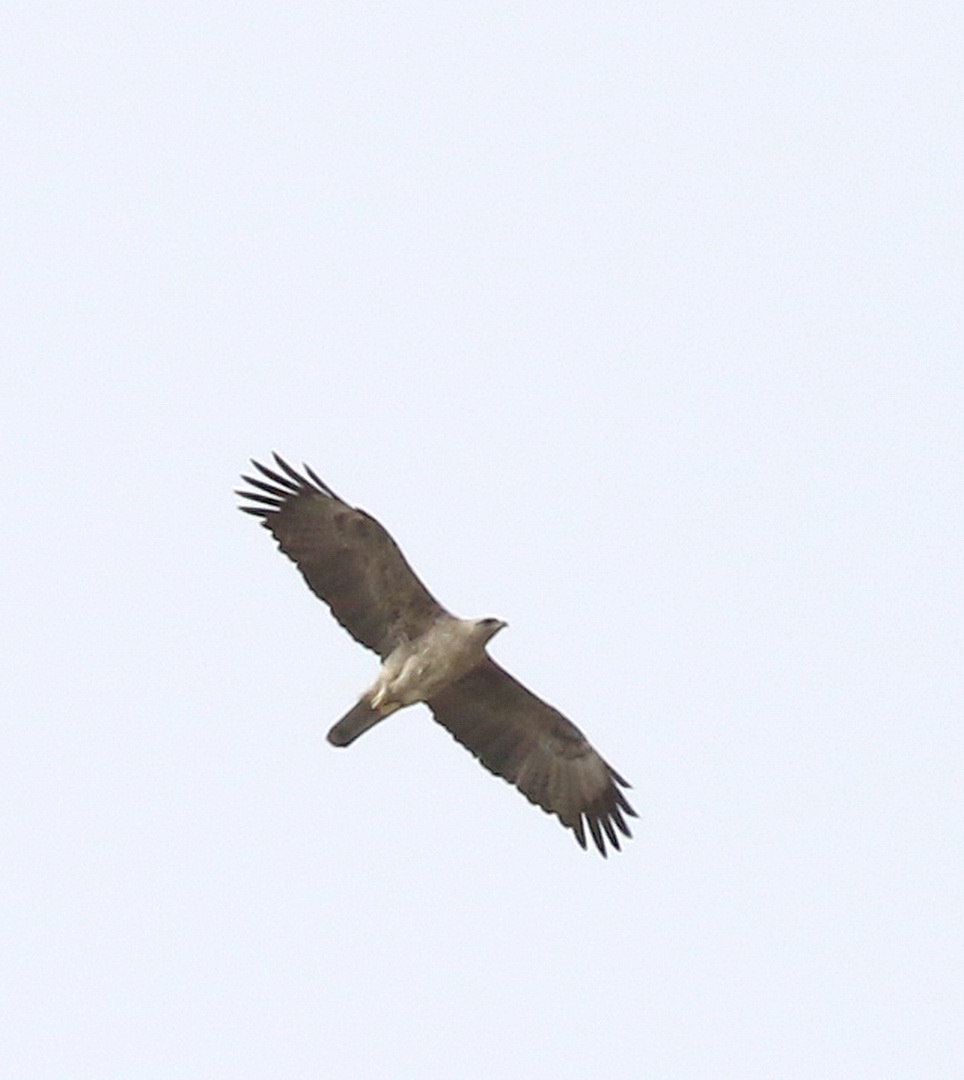
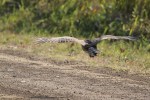
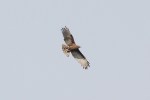
Just after passing the Mlondozi Dam we noticed a bird flying just over the grassland. Fortunately it did not disappear behind us as there was no way to turn around while towing the campervan.

It was some way off but we recognized it immediately – a white Harrier with black at the end of its underside wings – a Pallid Harrier. How lucky were we!! Even managed a photo or two.

Pallid Harrier

Tshokwane was quiet. Perhaps it was the weather as there were few birds about.

Greater Blue-eared Starling

Breakfast time. I set up the table as Sally inspected the plumbing. Out came the coffee, tea, sugar, milk, water, hot water, mugs and spoon, a few biscuits and bananas. The next thing I saw was a ghost fly across the table and suddenly disappear. No more bananas – the monkeys enjoyed them as did the people watching !! They always catch you underwares.

Paul and Sally Bartho

And on to Balule for Kruger Part 4.

Kruger Part 2 – Malelane Campsite

Kruger Part 2

Malelane Camp

Report by Paul and Sally Bartho

12 to 14 November 2018

Malelane campsite

The drive from Wakkerstroom was quite scenic, especially going through Barbeton. After an early start we arrived at the Kruger Park Malelane gate at midday. It was a pleasant surprise that we were able to check in at the gate for the campsite and not have to go to Berg-en-dal.

The campsite was deserted except for us for the two days we were there. The huts were in use. The advantage of being at this campsite compared to Berg-en-dal is that we were able to get out onto the main road towards Skukuza well before anyone from Berg-en-dal and an hour ahead of the main gate opening.

The temperature was in the high 30s on arrival and it stayed as the norm during the days we were there. Nights were a lot cooler with a pleasant breeze. Being so dry there were hardly any insects or mossies to worry about.

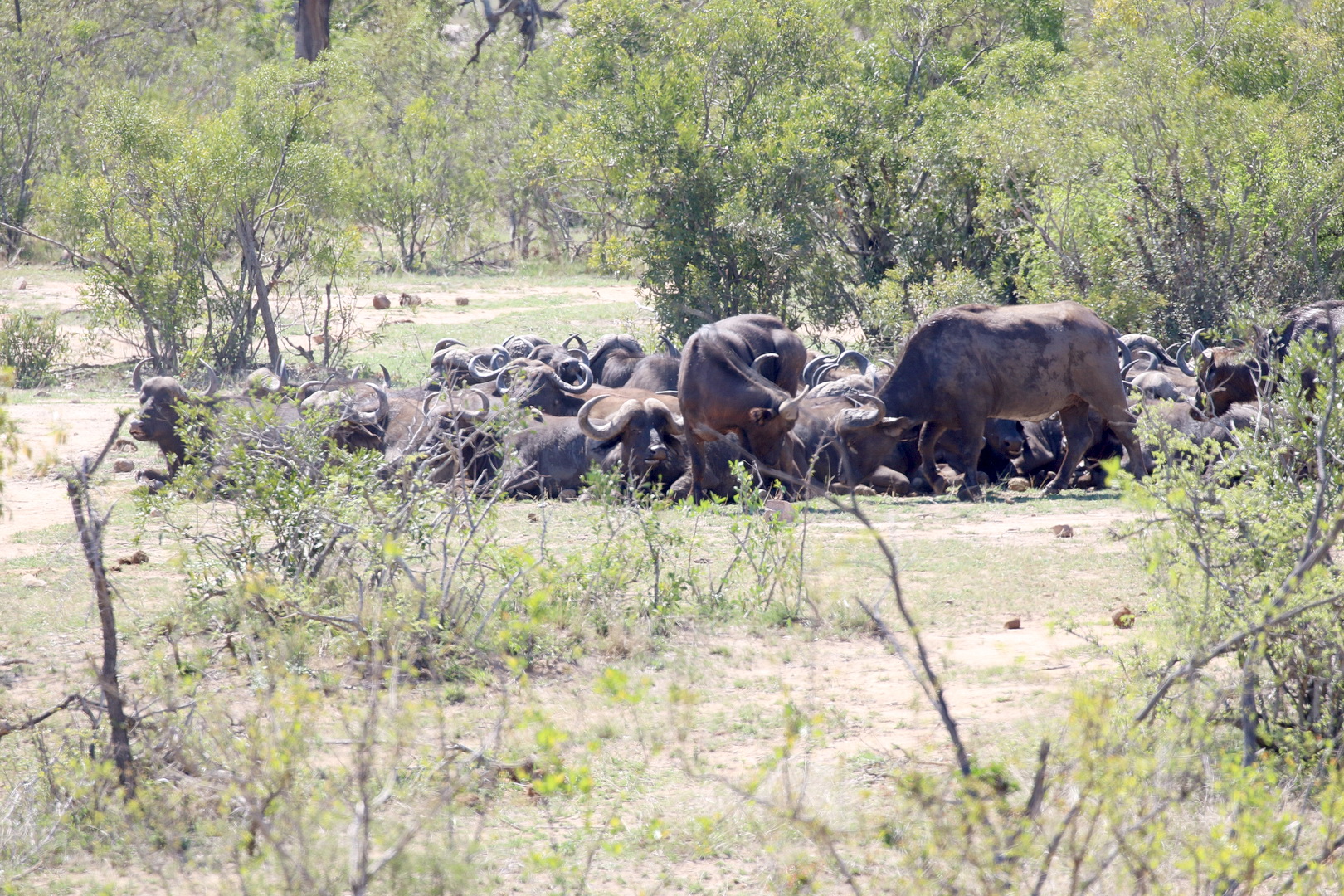
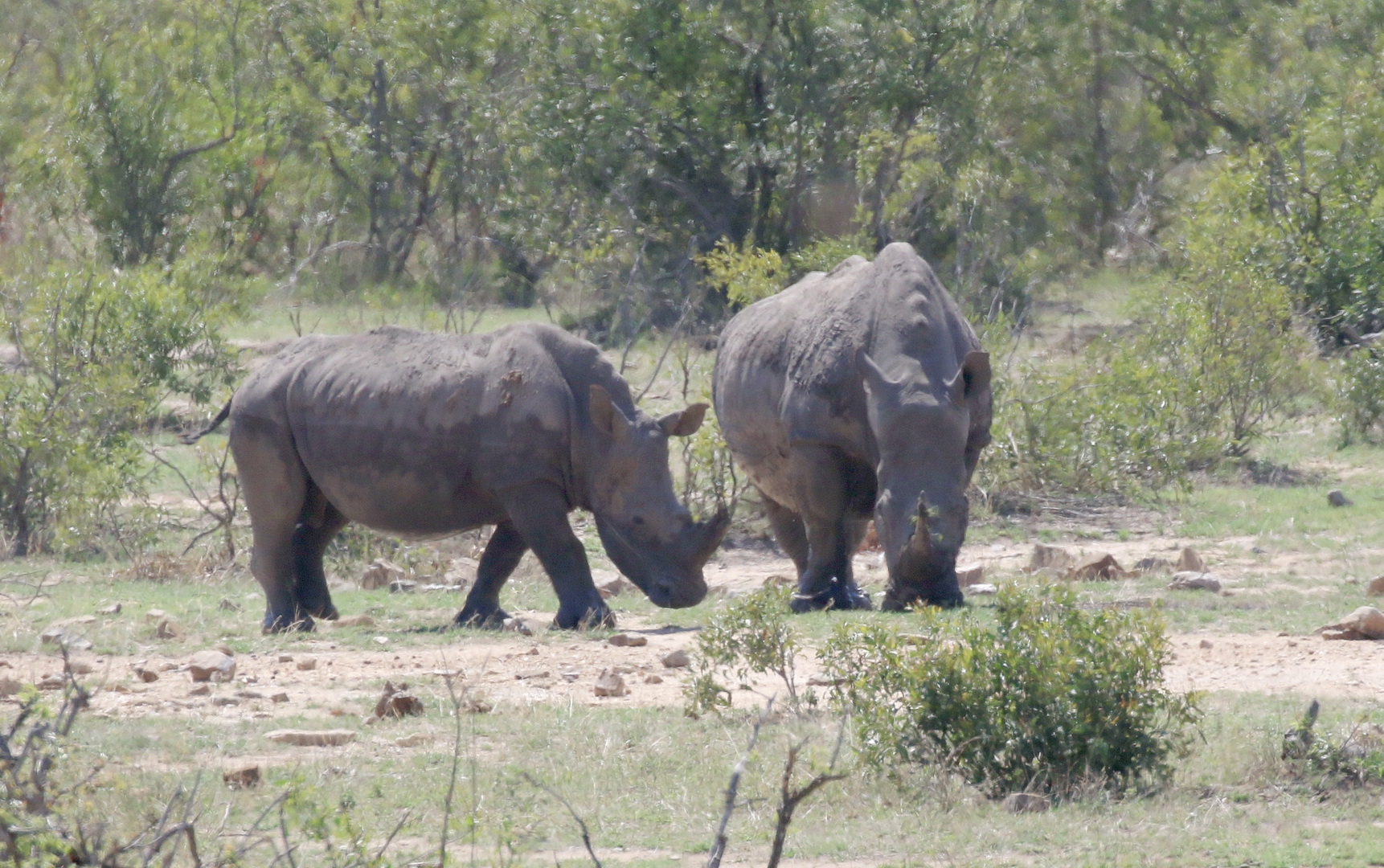
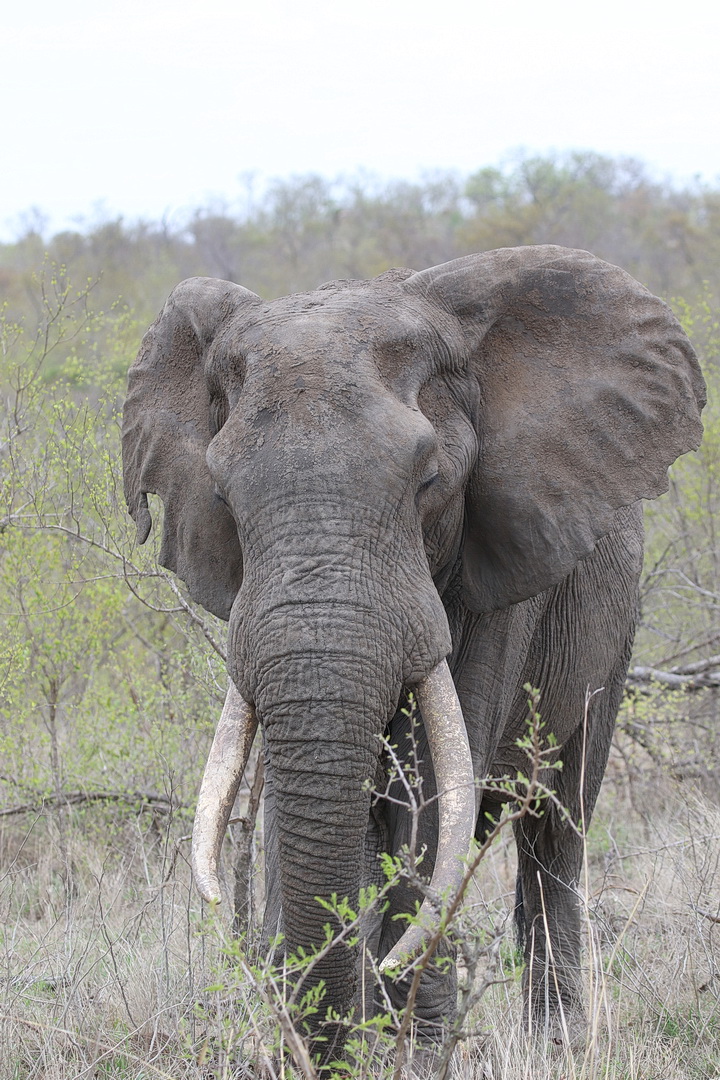
That afternoon our drive was full of the Big Big 5 – Elephant everywhere, Buffalo en-masse, and White Rhino around every corner it seemed. It was only at the last minute before closing time that we were treated to the sight of a very large male leopard – flat out fast asleep under a distant tree.

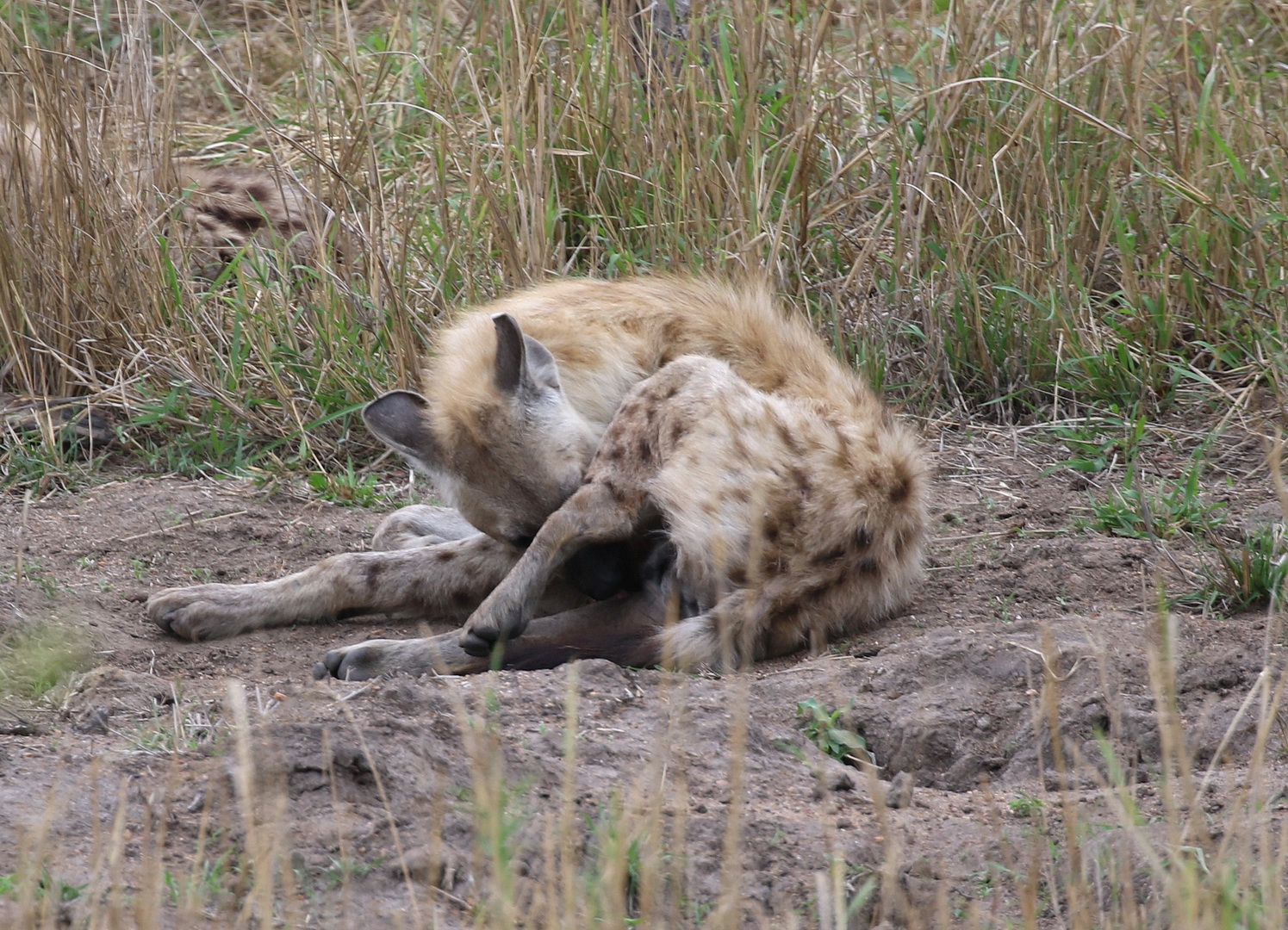
The first morning we headed north on the H3 heading for Transport dam – the Egyptian Vulture on our mind. Birds were plentiful on the drive and so were the Rhinos and Elephants. We even came across several packs of Hyenas – busily off to somewhere or sleeping in the shade.


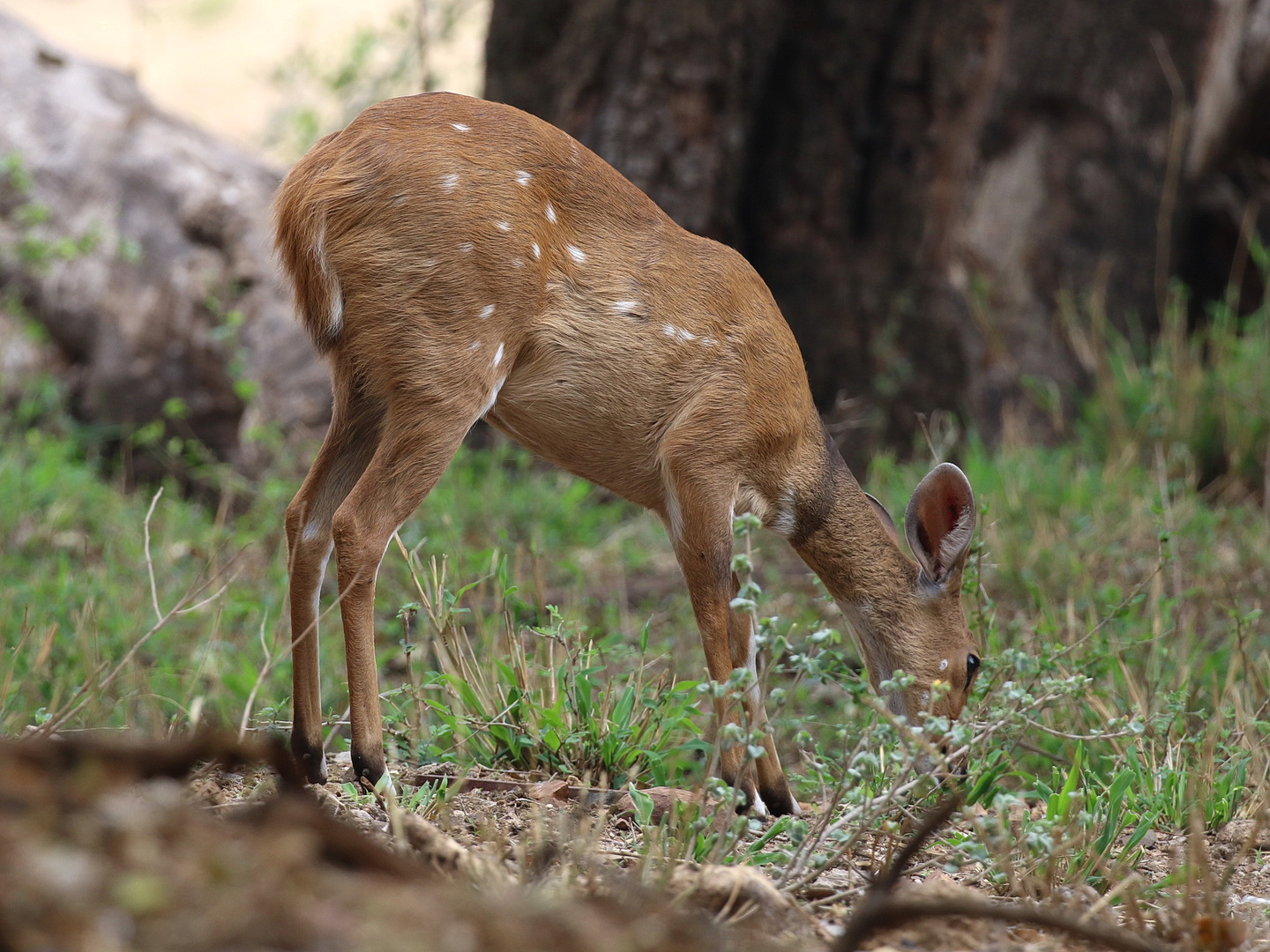
Doey-eyed Steenbuck

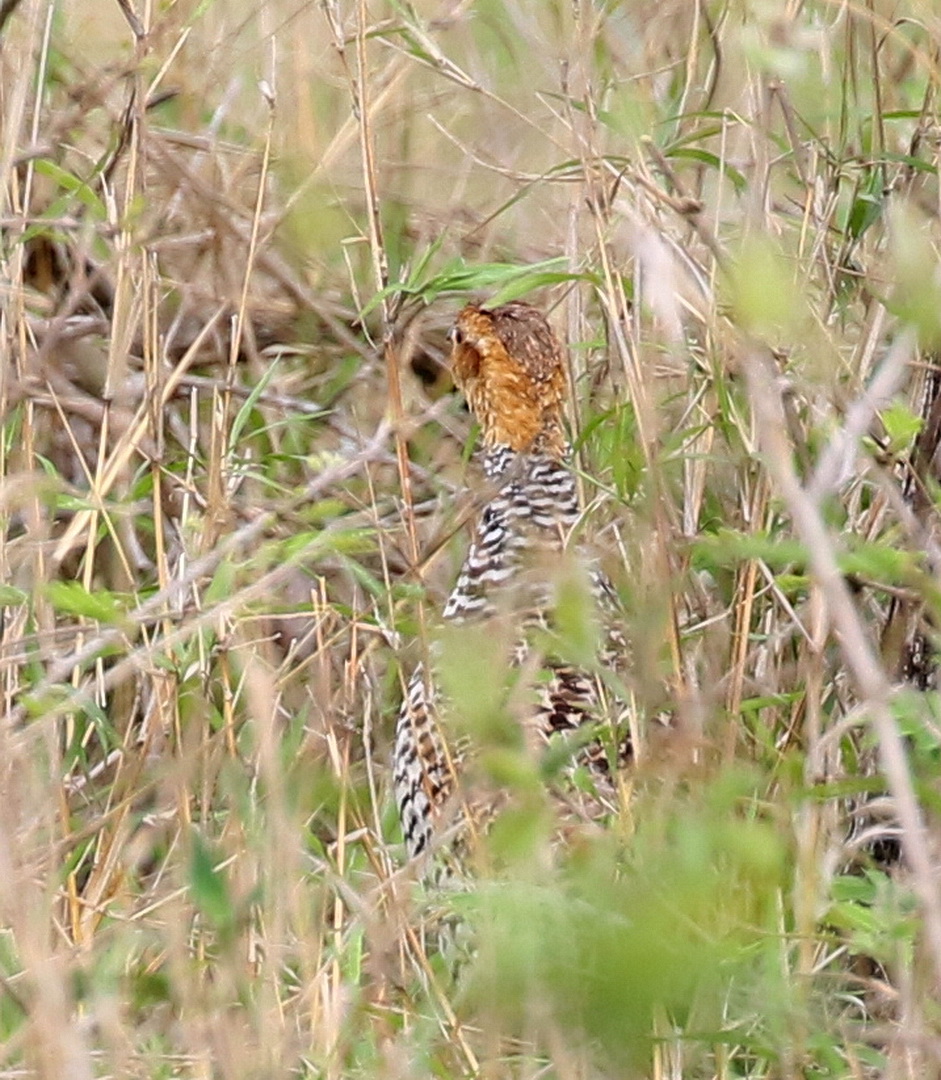
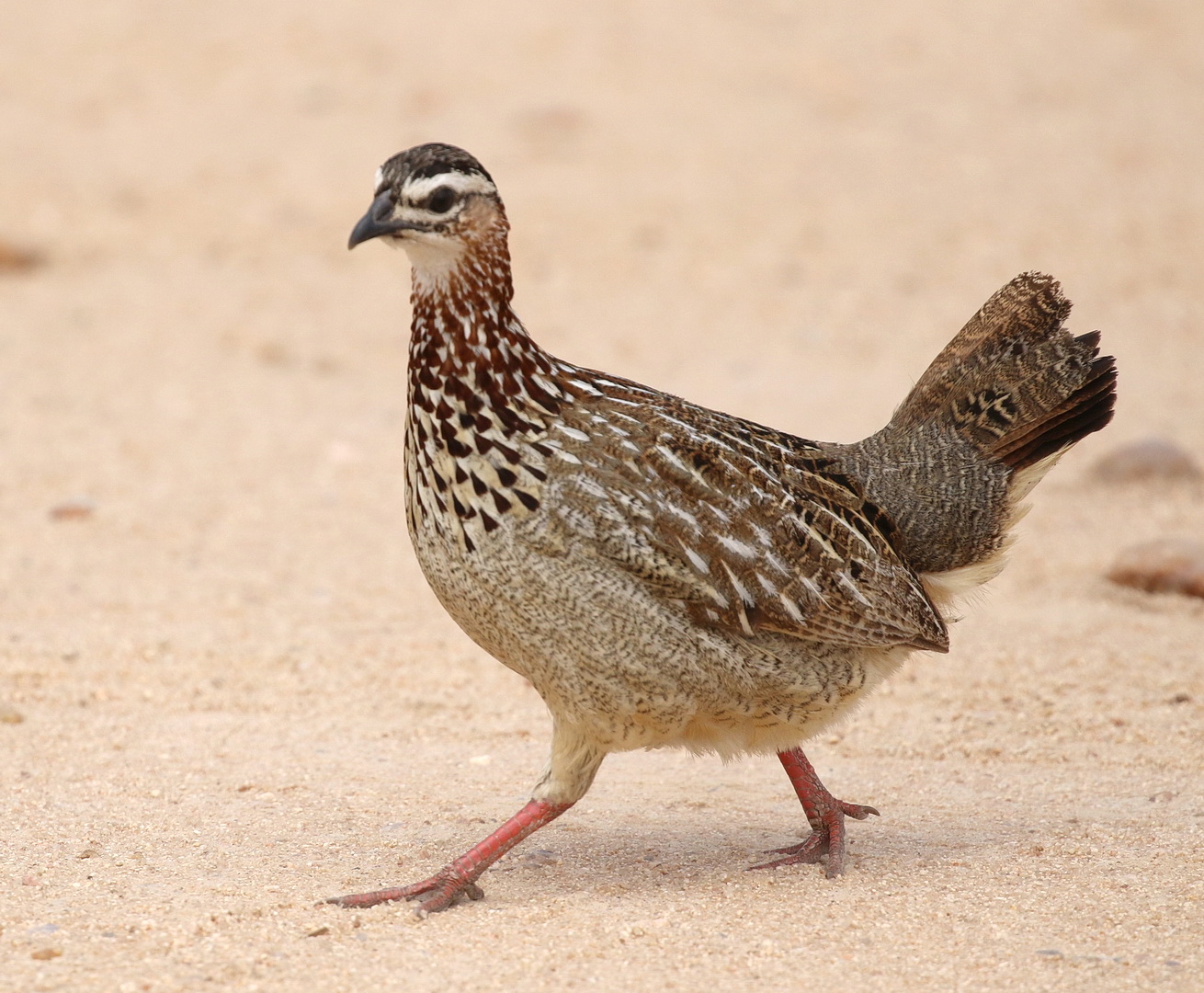
On the way we stopped for a bird call which excited Sally and hence me too. Sally recognized the call of the Coqui Francolin but had yet to have any decent views of one. We did not have long to wait before it was spotted on the side of an ant hill 20 metres distant. A Female. No longer a BVD for Sally.

Coqui Francolin female

Then as we turned off the tar to Transport Dam Sally heard a Coqui calling again. After some time we located it – well hidden at the base of a tree in long grass. Eventually we were able to ID it as a male.

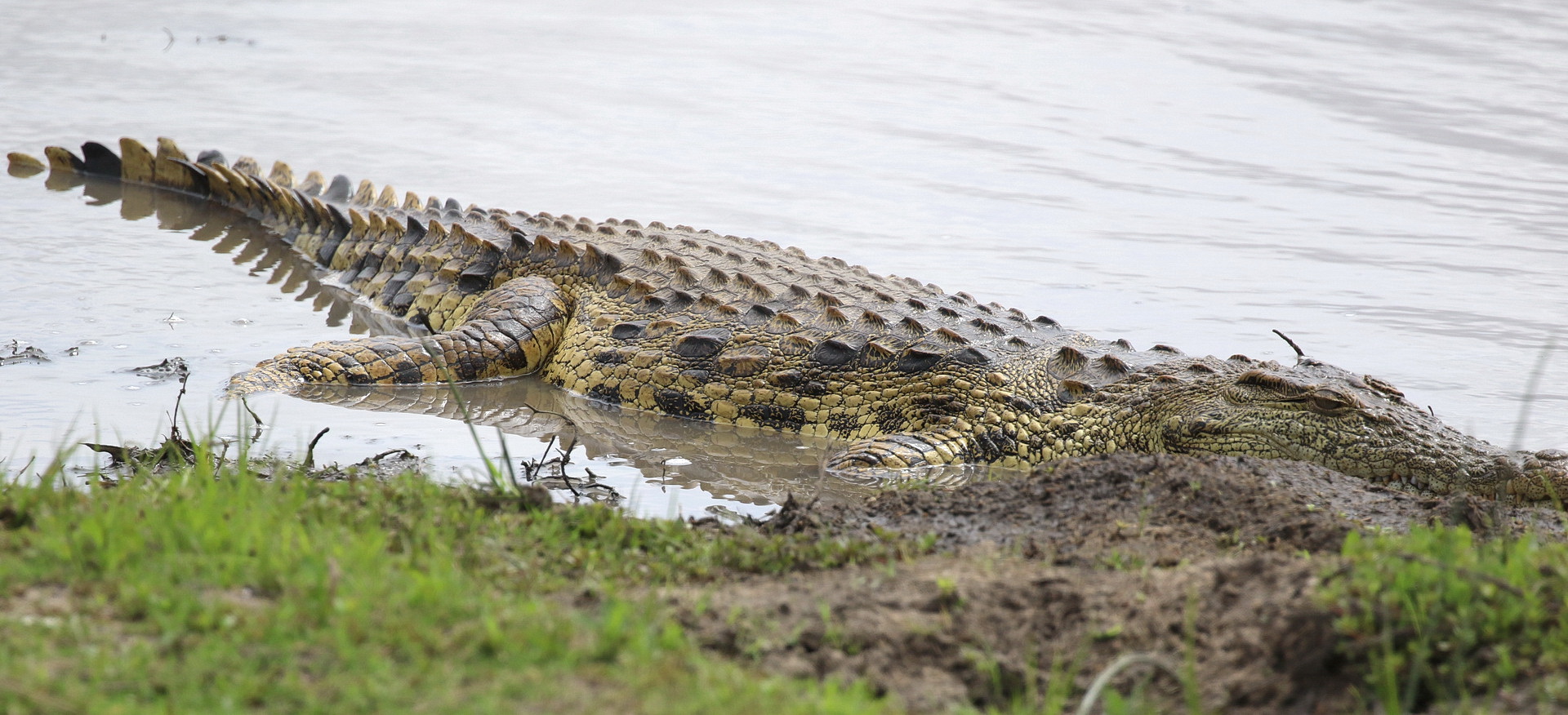
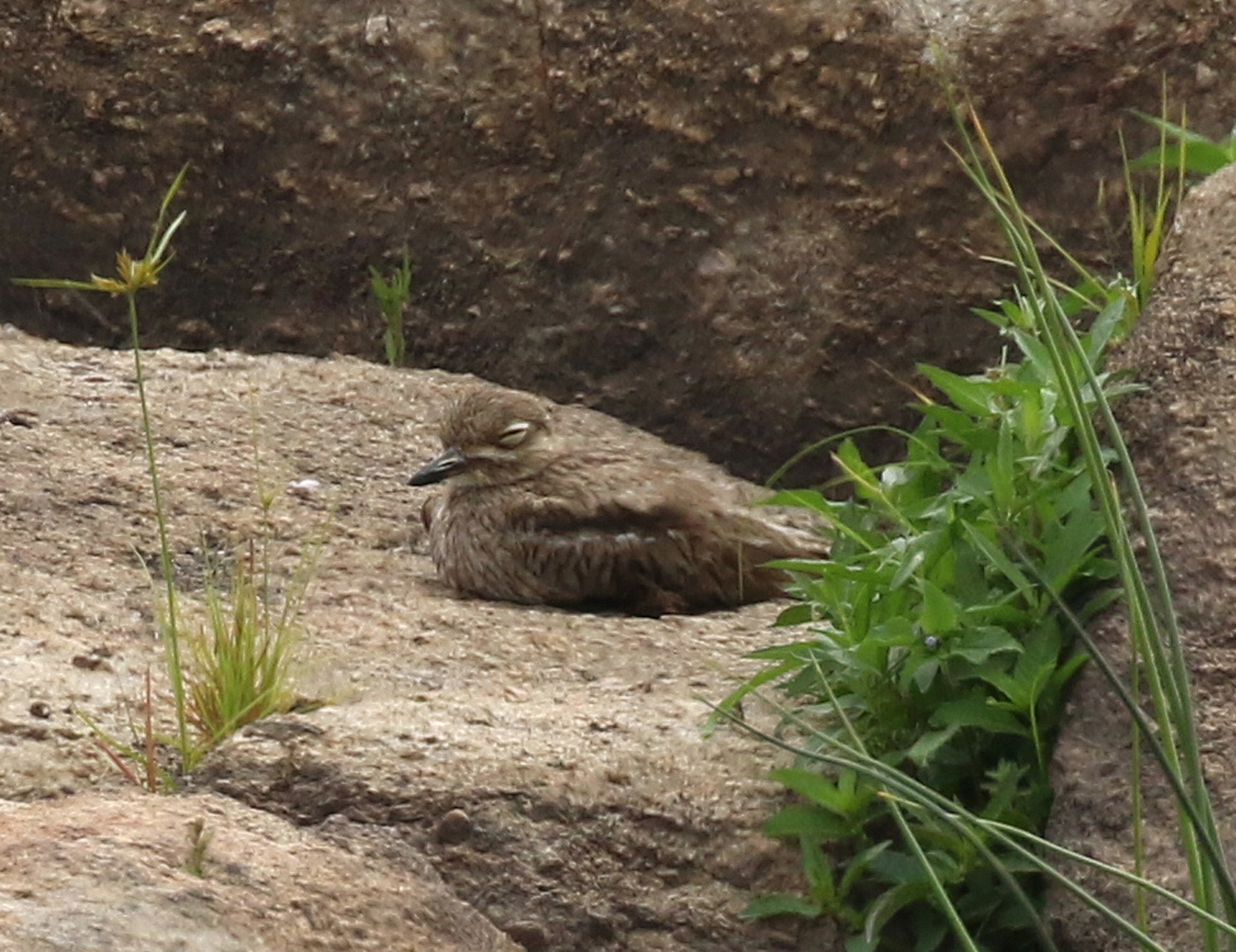
Transport dam was full but no sign of any Vultures of any kind. Despite that we had a number of sightings of interest. There were the usual bunch of water birds as well as a dozy crocodile. An African Fish-Eagle being mobbed by Lapsmiths. Water Thick-knee were present.

In the photos below you will see a great comparison in size of a Water Thick-knee and a Malachite Kingfisher.

After a lunchtime dinner back at the camp we took another drive on the dirt roads – numerous Game Drive vehicles – very unpleasant with all the dust they create. Windows constantly opened and closed. Yet we still had sightings to keep our minds attentive.

A brief visit to Berg-en-dal gave us the opportunity to scout for Parrots. To start with – on arrival there was a bus load of guests milling about in the parking area waiting to embark their Game Vehicle. They  had been waiting for 40 minutes.

The vehicle was there. The problem was that a Spitting Cobra had beat them to it and was seen in the driver’s cab. They had been trying to remove it. In the end that vehicle was not used as it was still there when we left. Either they had found alternative transport or given the guests a refund. It was fortunate that the snake was not in the back where the guests sit.

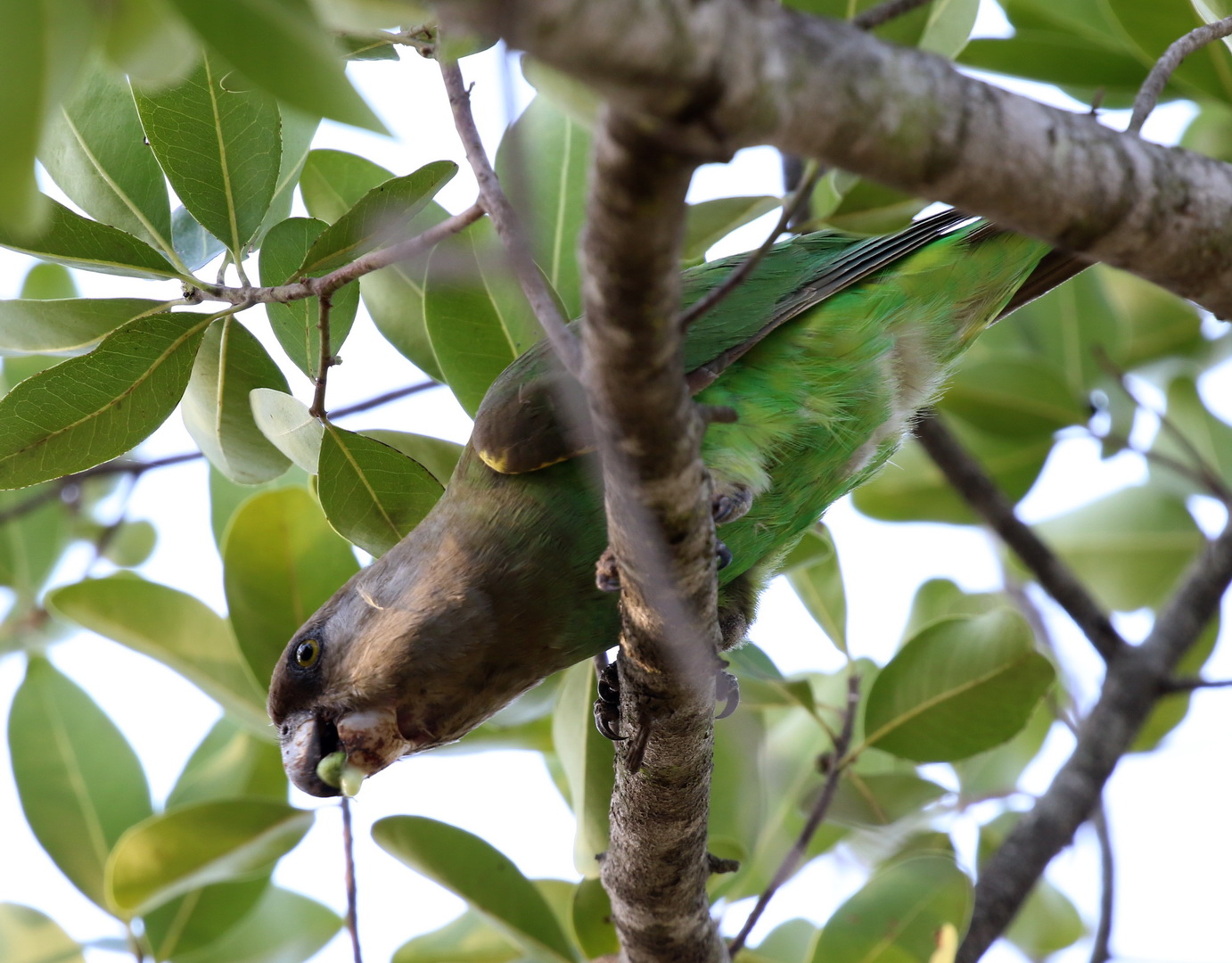
The Dam at the camp was bone dry, however the birds were calling and one of those calls was that of a Parrot. After much searching the various fruiting trees they were spotted and I managed to get a shot or two.

On the way back we were treated to a pack of wild Dogs on the road – 10 in all. They were starting to get on the move and we followed them down the road for a while. They were quite close to our camp.

Altogether we identified 103 different bird species in the area. Click here to see the list.

Sunset

Paul and Sally Bartho

Part 3 Lower Sabie to follow

Cape Vidal and St. Lucia. 25th to 30th August 2013.

Cape Vidal and St. Lucia. 25th to 30th August 2013.

Sally and I went to Cape Vidal campsite for 2 nights followed by 3 at Sugarloaf campsite in St. Lucia. We endured strong wind for all 5 days. Our tent extension was defrocked one night in Cape Vidal and on the last day when we were in Umfolozi.

Despite the wind the weather was pleasantly sunny and not too hot.

The campsite in Cape Vidal was infested with Vervet and Samango monkeys. Turn your back on them at your peril as they will take any food within your arm’s reach if you are not looking – and sometimes even when you are! It is well shaded and mostly flat and sandy. Beware – it is expensive as they charge for 4 people even if there are only 2 of you. It cost the 2 of us R252 a night and that was with a 40% discount! Sugarloaf cost us R324 for the 2 of us for 3 nights (also with a 40% discount).

The Loop road past Lake Bengazi is closed as part of the road has been washed away – apparently sometime ago and there is no sign that it is being repaired.

Sugarloaf Campsite in St. Lucia is located right at the end of the road  to the boardwalk beside the estuary leading to the beach. Unfortunately it is a preferred fisherman’s campsite and so to be avoided at the weekends despite it having 100 campsites.

iSimangaliso Wetland Park (Eastern Shores) is one of our preferred parks close to Durban. It has a good variety of game and is known for its leopard sightings. We go for the birds and we were not disappointed this time with excellent sightings of Southern-banded, Black-chested and Brown Snake-Eagles; adult and juvenile Cuckoo Hawks; Collared Pratincoles; etc…

(If you click on an image it will enlarge and you will be able to scroll through the rest of the pictures in that gallery. To return to the text move the mouse cursor to the top left of the screen and click on the “X” when it appears).

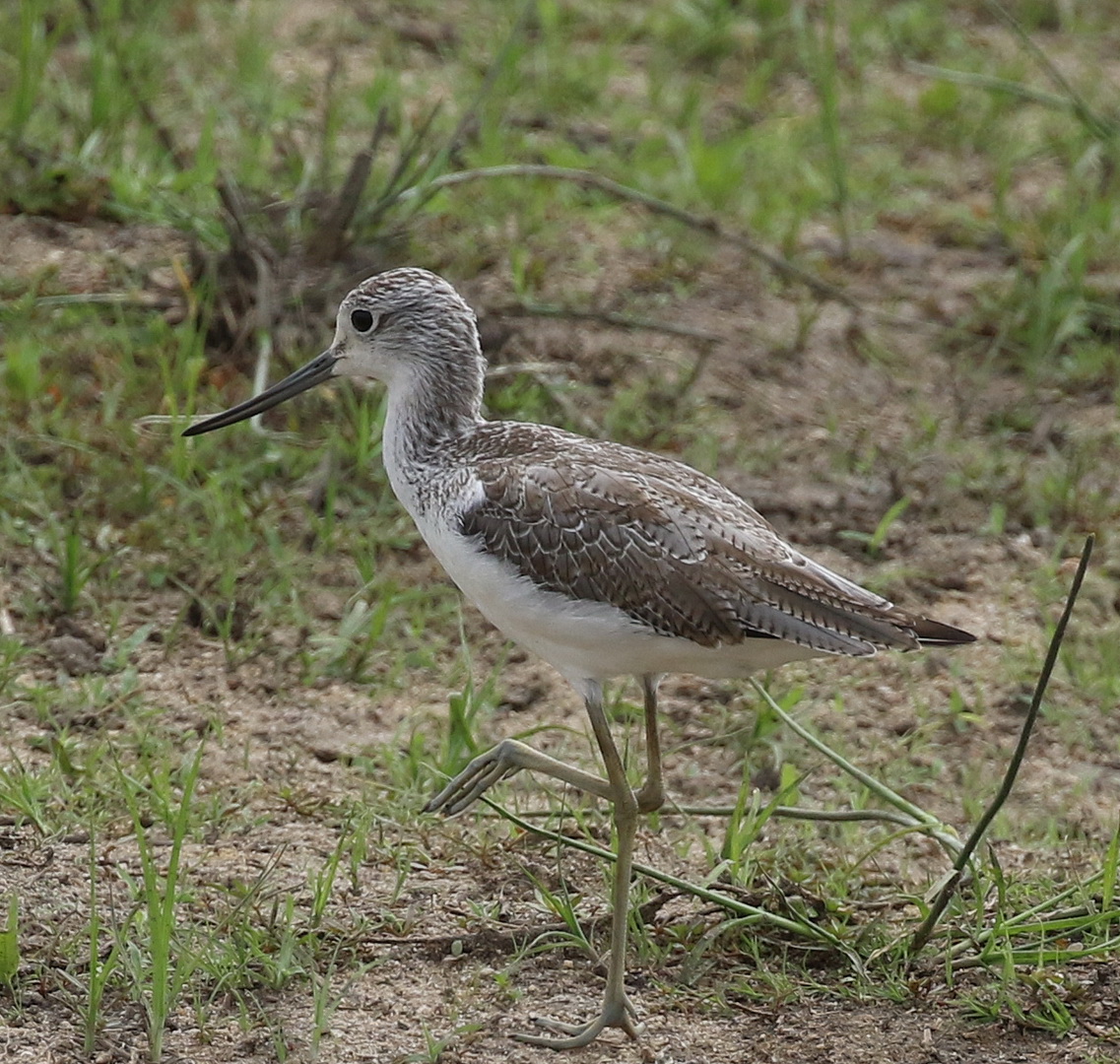
St. Lucia also did not disappoint with a good variety of waterbirds including African Black Oystercatcher, a sea paddling Pied Avocet, Kittlitz’s, White-fronted, Three-banded and Curlew (in partial breeding plumage) Sandpipers, Ruff, Wood and Marsh Sandpipers, Caspian and Swift Terns, Grey-headed Gulls.

However “la piece de la resistance” was a Sooty Tern amongst a group of other Terns, Gulls and Avocets. It was sheltering on the leeward side of the wind in the estuary.

If you visit St. Lucia do take a walk along the Gwalagwala Trail early morning. Park in the Office car park. Listen for Woodward’s Batis and Green Malkoha.

The campsite too has a good variety of birds.

We spent one day in Umfolozi and were not disappointed despite the extensive burnt areas in the park.

The Bhejane Hide is still under construction so our only alternative was the Mfafa Hide. Recently it has been the source of a number of leopard and lion sightings – however for us it was a number of interesting small birds and a rather large Rock Monitor.

Some photos taken around the Park:

Probably our best viewing area was at the bend of the Umfolozi river at the end past the Cengeni Gate. Here we saw quite a number of raptors: a Lanner Falcon on the river bed, a couple of Lanner Falcons dive bombing a Tawny Eagle with a little help from a pair of African Harrier Hawks and a Yellow-billed Kite not to be left out of the action, Bateleur, Brown Snake-Eagle. There was also a good view of a Southern Ground-Hornbill across the river.

Finally to cap the day we had the following sighting on the way back past the Cengeni Gate. It was no more than 20 metres from us but totally camouflaged. Look at the photos first without enlarging and you will see how easy it is to be missed 

Now click on the images and enjoy what we were able to see with the help of our binoculars.

Altogether we saw 88 Species in iSimangalizo (Eastern Shores); 71 species in and around the campsite in St Lucia and 61 species in Umfolozi.

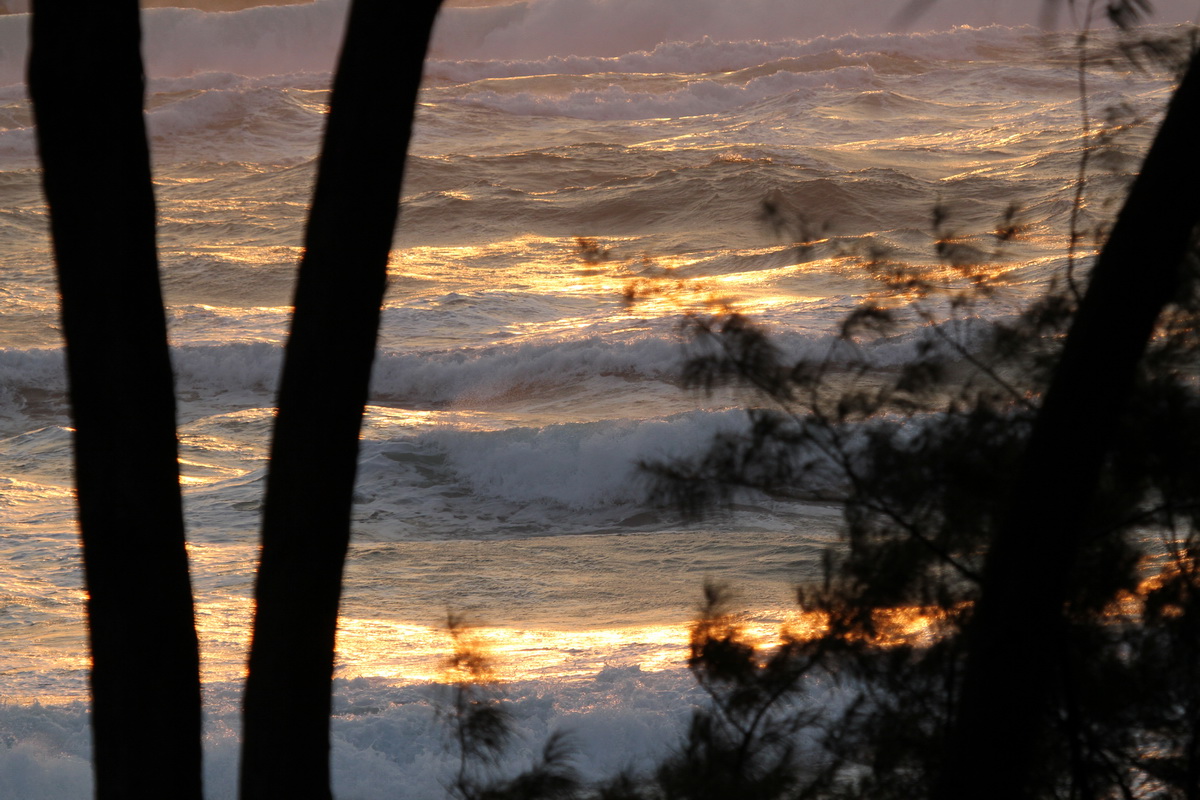
Sunrise in windy Cape Vidal

Photos care of Sally and Paul Partho.

Larking About in Namibia. Part 2.

Larking About in Namibia. Part 2. 

After five days camping at Kunene River Lodge we headed for Etosha.  We left on Saturday 22nd June. Our plan for Etosha was 2 nights at Namutomi followed by 3 nights at Halali.

Etosha as expected was very expensive. Not just the campsites but also the daily charge for 2 people and the car. Namutomi was R440 and Halali R290 per night plus the  daily charge of R130!! Our mistake, we should have camped just outside the Park.

Namutomi  was run down. The only saving grace was the flat grassy campsite.

The Park was exceptionally dry and very dusty. The man-made waterholes were the main source of interesting birding. And of course this is where the animals congregated.  The natural springs and fountains near the Pan’s edge were all dry.

We circled the Dikdik Drive 3 times looking for the Black-faced Babblers without success – we did see lots of Dikdik though.

The highlights were the waterbirds and the raptors.

Halali campsite is flat and reasonably shady – not that the shade was so important in winter time. It has a very good waterhole and viewing platform. In the evenings after a day out in the Park, it was rewarding sitting there and watching the interaction of the various animals which came – many Elephant and surprisingly at the same time, Black Rhinos (see photos). While we were there one Elephant cheekily intentionally sprayed water over a Black Rhino.

We spent one day in the area around Halali – mainly going from one waterhole to another. At the Goas Waterhole we had an interesting time watching the elephants and many different birds coming in to drink. It was here that we fleetingly saw an interesting bird which we could not identify at the time – see if you can – check the few photos I did manage to get.

More Photos taken around Halali:

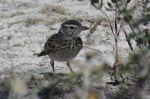
The second full day that we had at Halali was spent Larking About just north of Okaukuejo. This was our challenge in Etosha – to test our skills at identifying as many Larks as we could and this was the best area to find them.

To make life simpler, we listed all the possible Larks we could find in the area (excluding summer visitors) and wrote down the key features for identifying each one. There were 9 possibles in all and only one of these with a long decurved bill. This certainly helped and we were reasonably confident with our ID in most instances.

It was on this road out to Okondeka that we saw a number of other interesting birds – Double-banded Courser, Northern Black and Red-crested Korhaans and Ludwig’s Bustards.

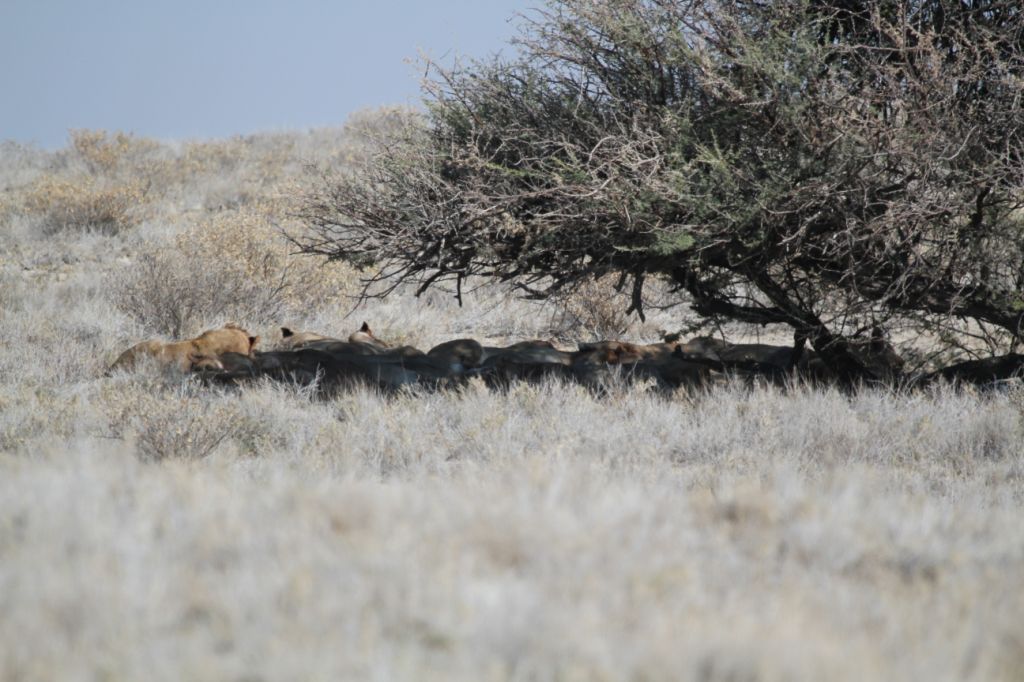
Another highlight towards the end of this road near Okondeka was a pride of about 20 lionesses all lying down tightly together. They were being followed by a film crew who were waiting patiently for them to do something! They were set in for a long wait.

A mound of Lionesses - about 20 all cuddled together
A mound of Lionesses – about 20 all cuddled together

Five dusty days in the cold of Etosha were enough. We set off for Erongo and Brandberg on the way down to Swakopmund.

Part 3 to follow. Erongo Mountains and Brandberg.