12th to 18th July 2024
A week’s break in Zululand was called for – missing nature. We timed it so that we could go to Zamanga on Saturday 13th July which was opened for members of the bird club to see their huge array of Aloes.
We booked 4 nights at Mkuze from the 12th to 16th and a further 3 nights in St. Lucia on the way home.

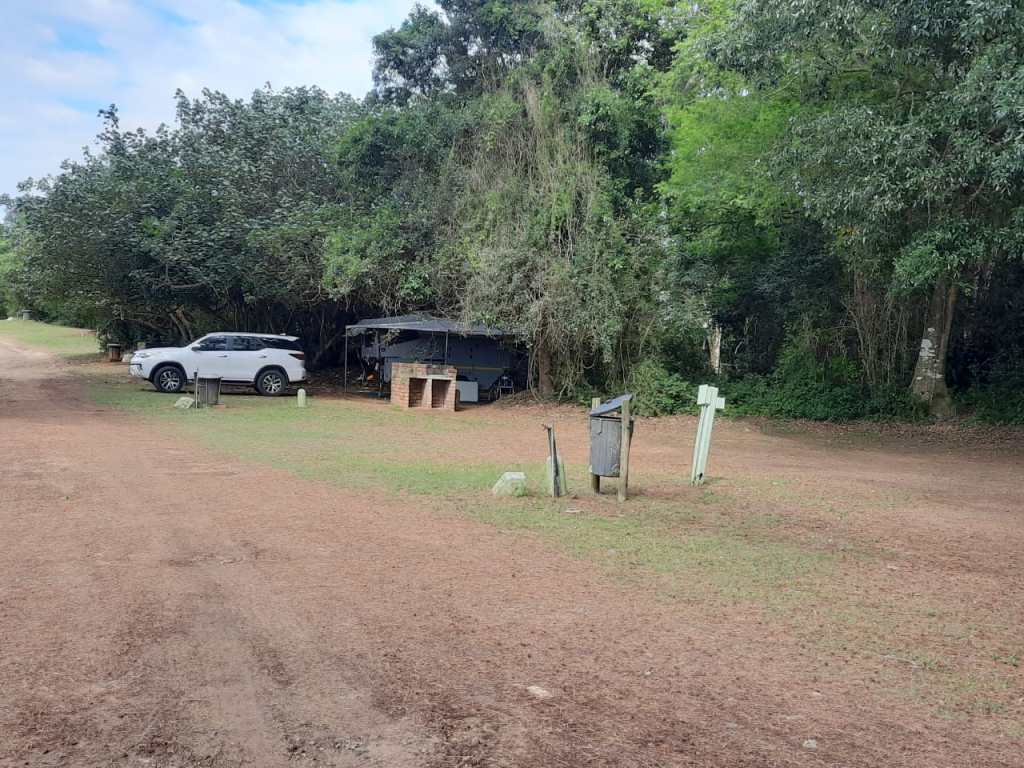
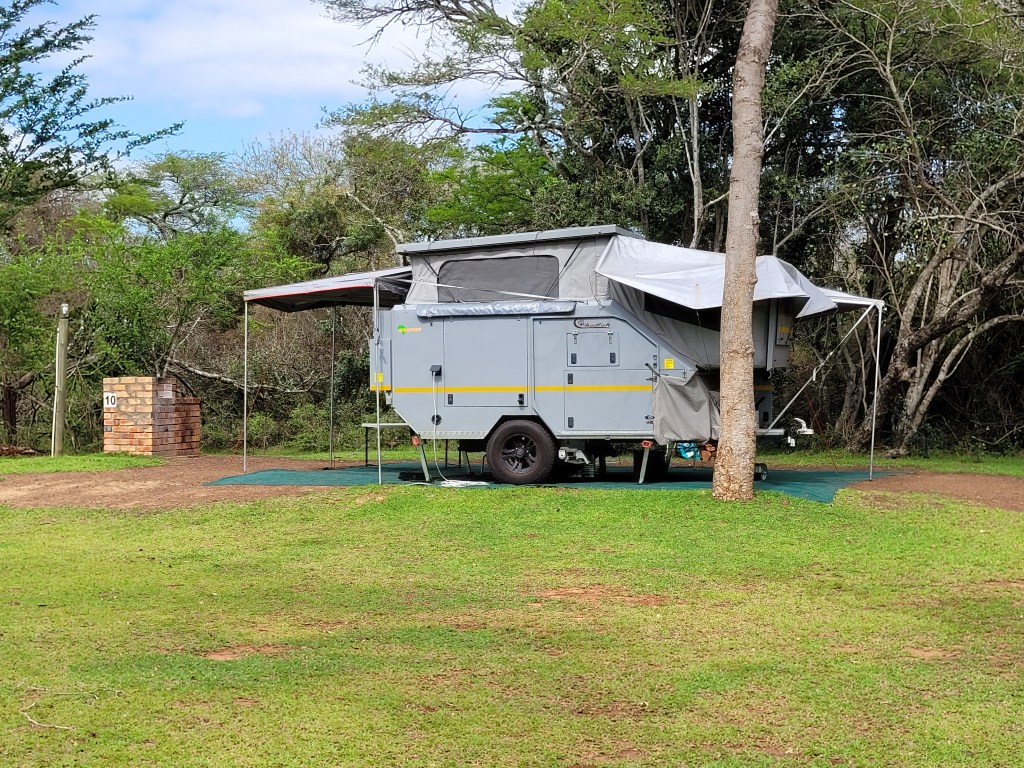
We always enjoy the Mkuze campsite as it is never full. There is always a shady spot to find, and the ground is flat. The ablutions are passable – just need to chase up about hot water at times. Power is erratic too. Sometimes it is available 5am to 8am and again at 5pm to 10pm – depends on reminding them to run the generator.
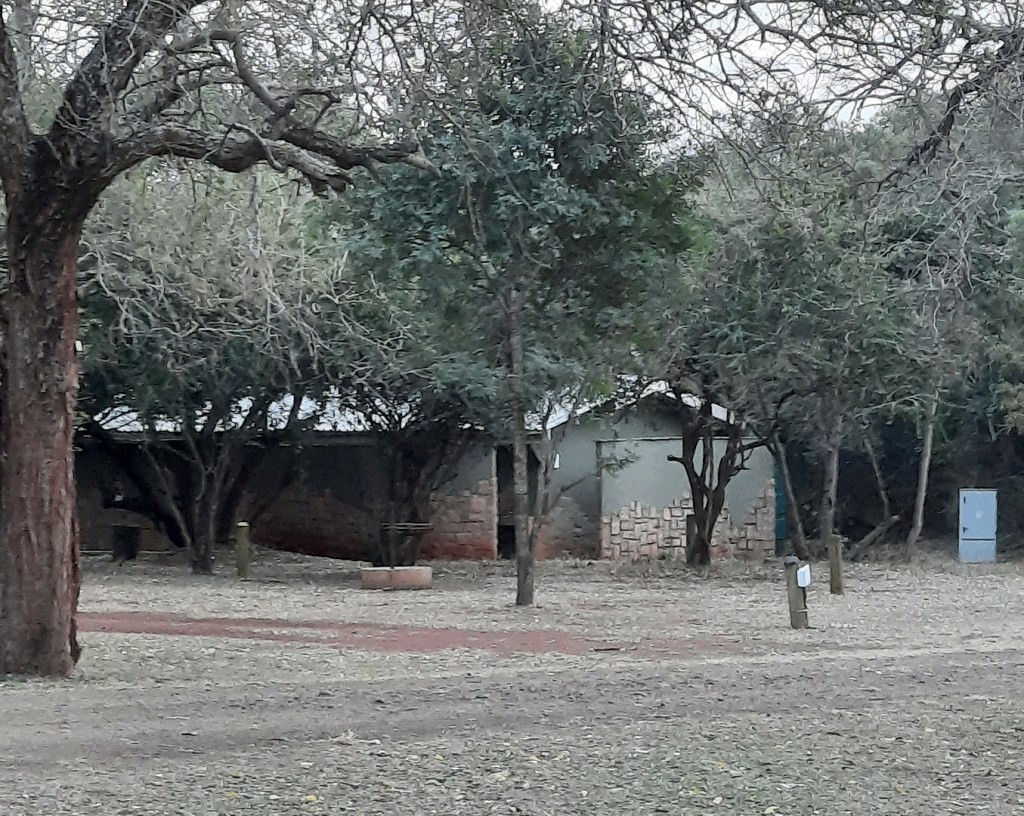


The Park has 2 entrances. One on the east (Opansi Gate) and another on the west side (Mshopi Gate).
The campsite is at the entrance on the west of the park at the Mshopi Gate entrance. Other accommodation is at Mantumo – almost halfway between the two gates. Other accommodation includes Chalets, Huts and a Fixed Tents with your own ablutions and cooking facilities.

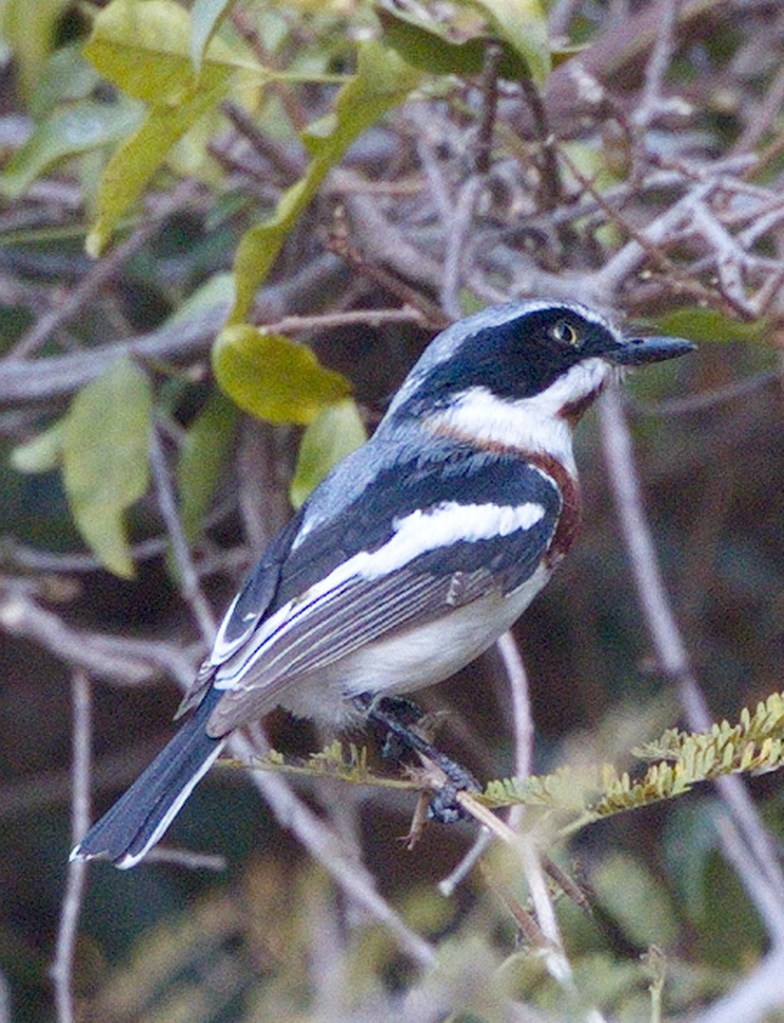
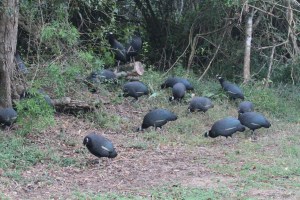
The campsite always has loads of birds. Calls to wake you up in the morning. There are also some special species and on occasion you get a bird party close-by in the scrub next to your camp.



Now this was mid-winter yet the car did not agree.

34C mid-winter – unbelievably hot. I wonder what summer temperature has in store for us.
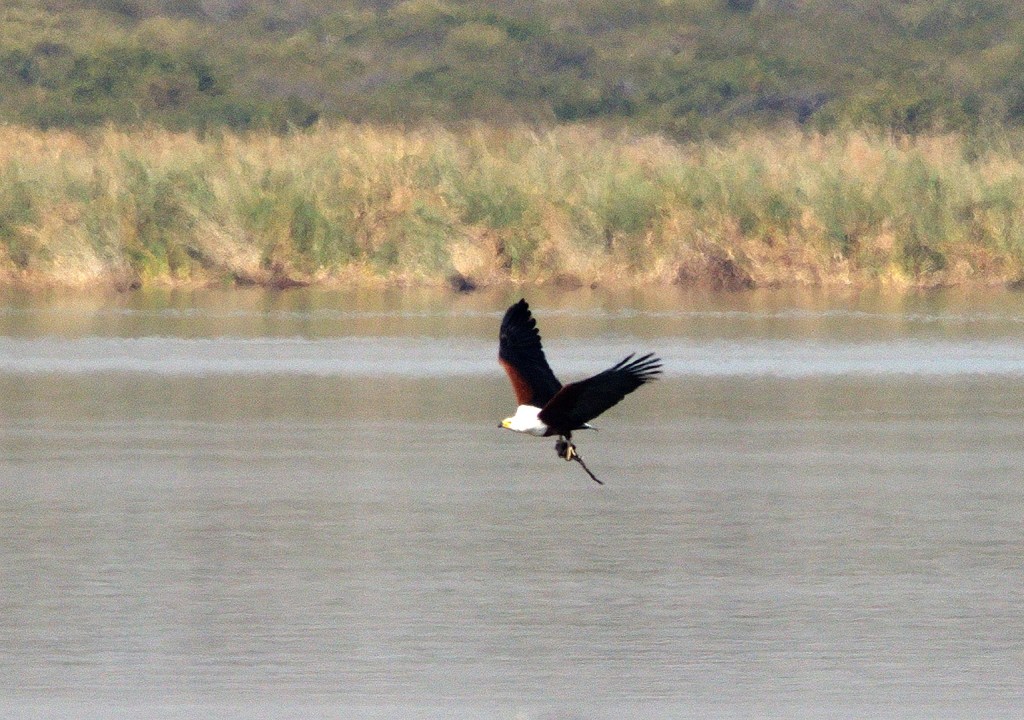
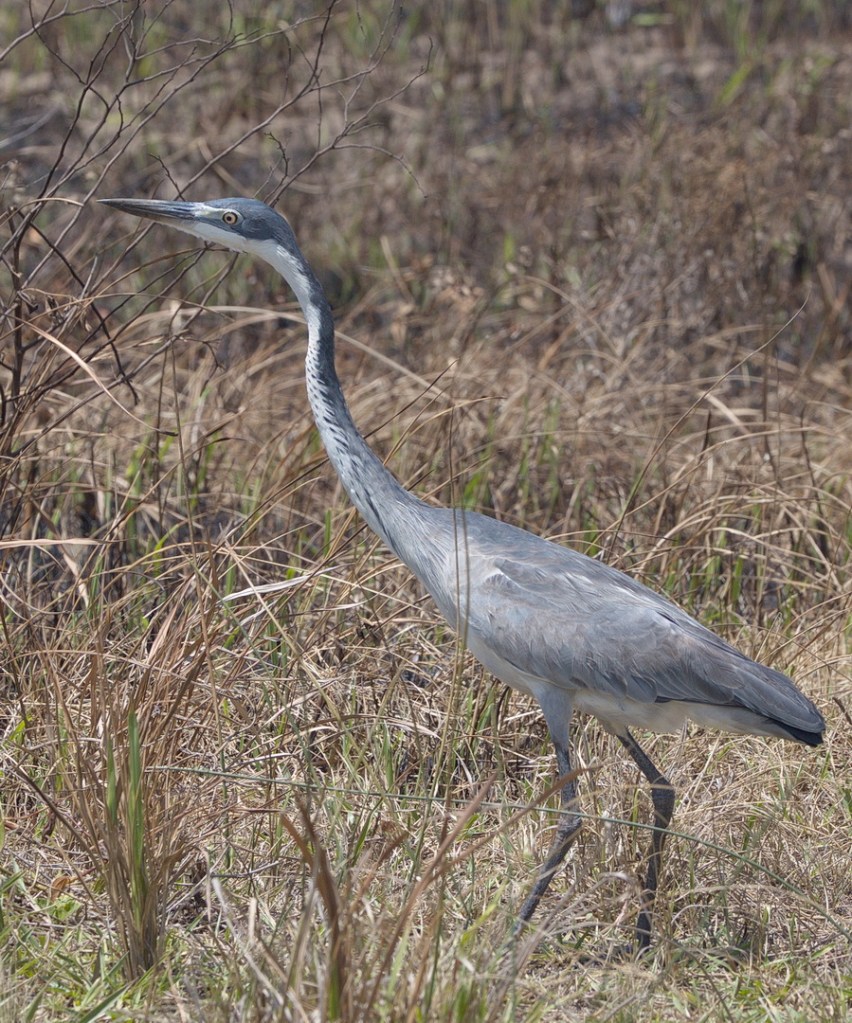
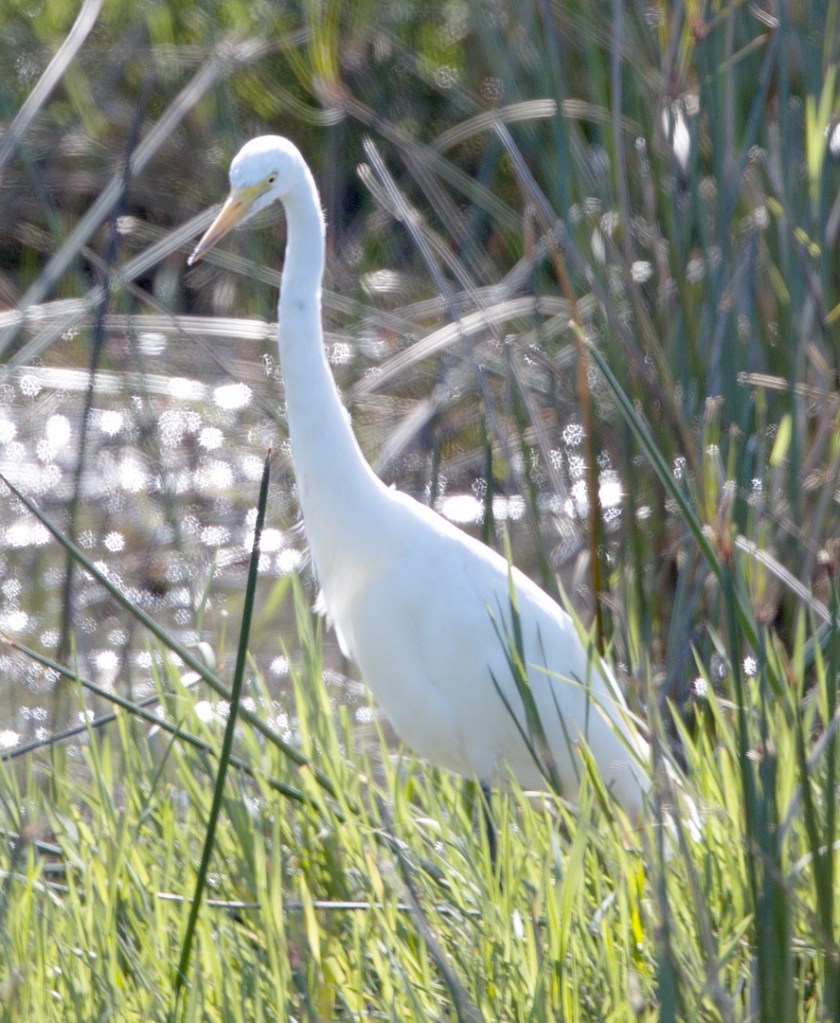
So, we spent time driving around (with aircon on to keep cool) and stopping at the various hides. Nsumo Pan was full and windy so there was not much to see there. But a lone Lesser Flamingo was seen on the far side. An African Fish-Eagle flew over with its catch. A White-breasted Cormorant checked out the lesser Flamingo and a Goliath Heron and a Great Egret glided past.




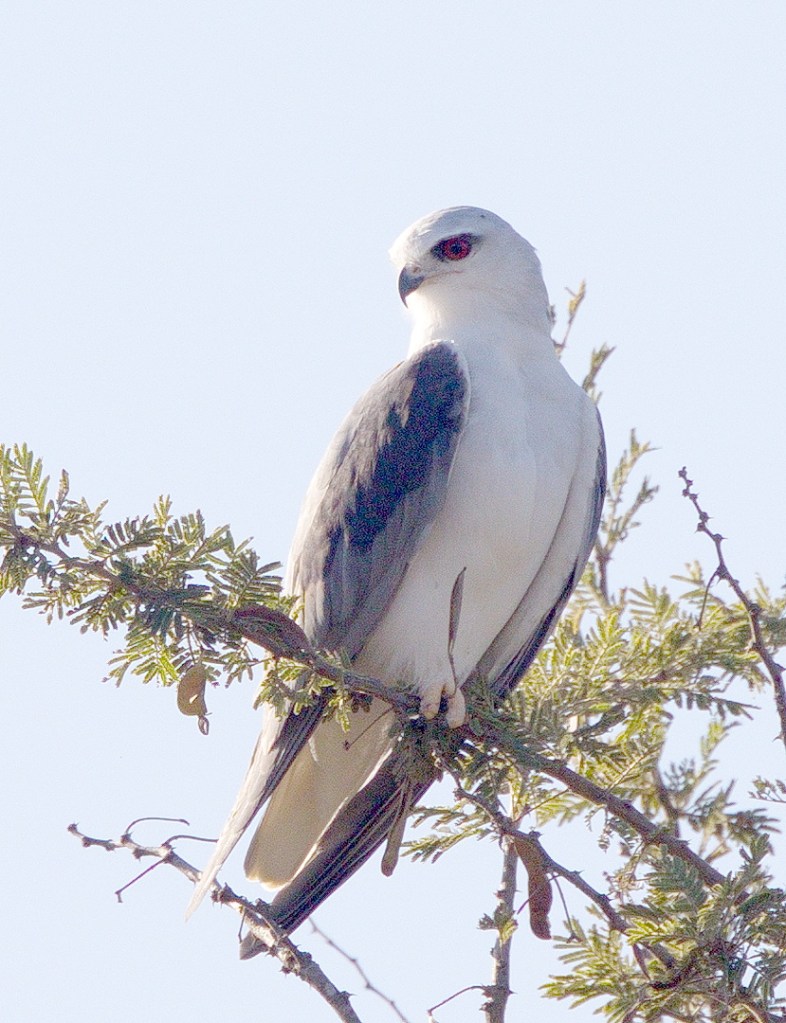
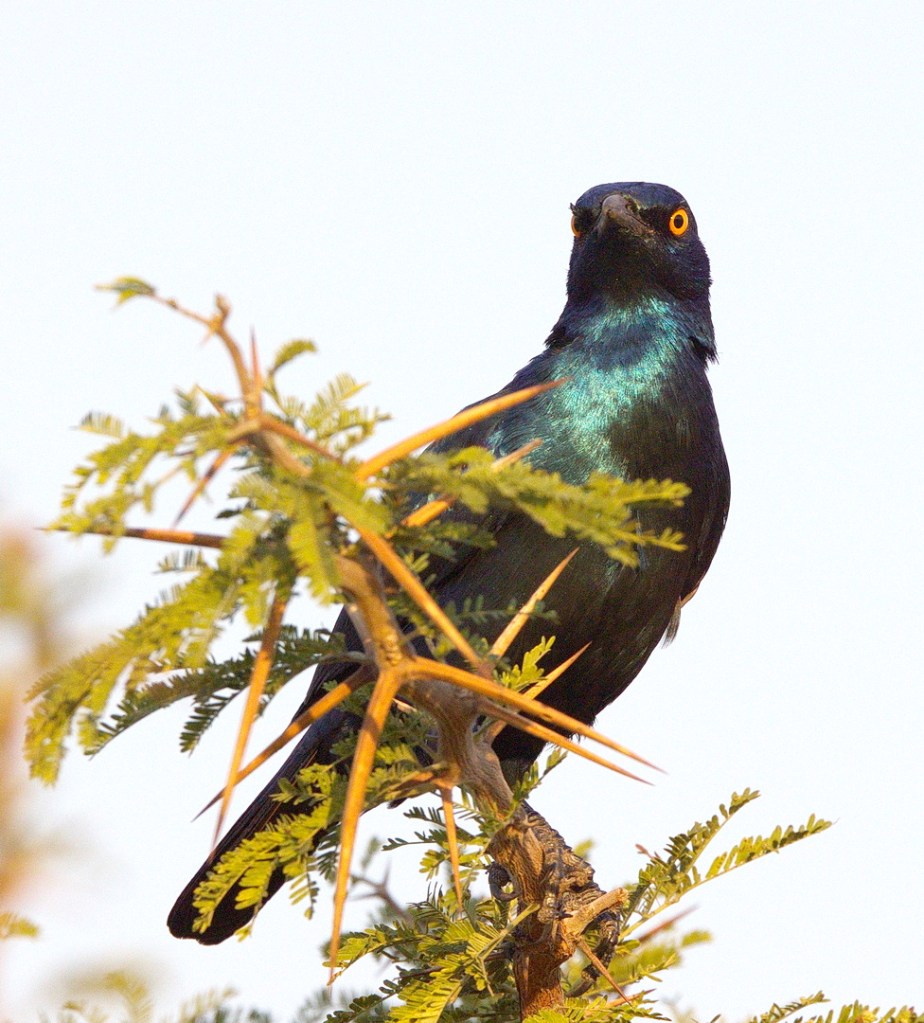
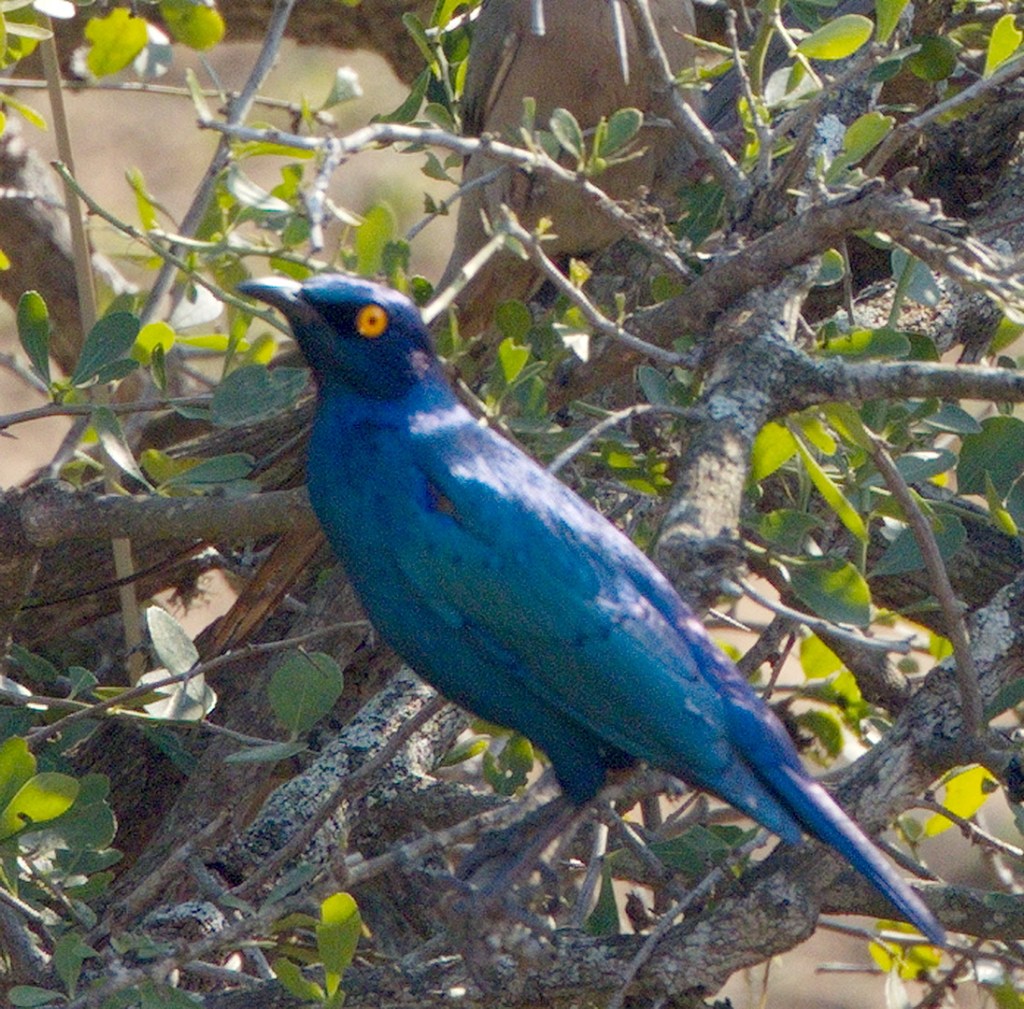
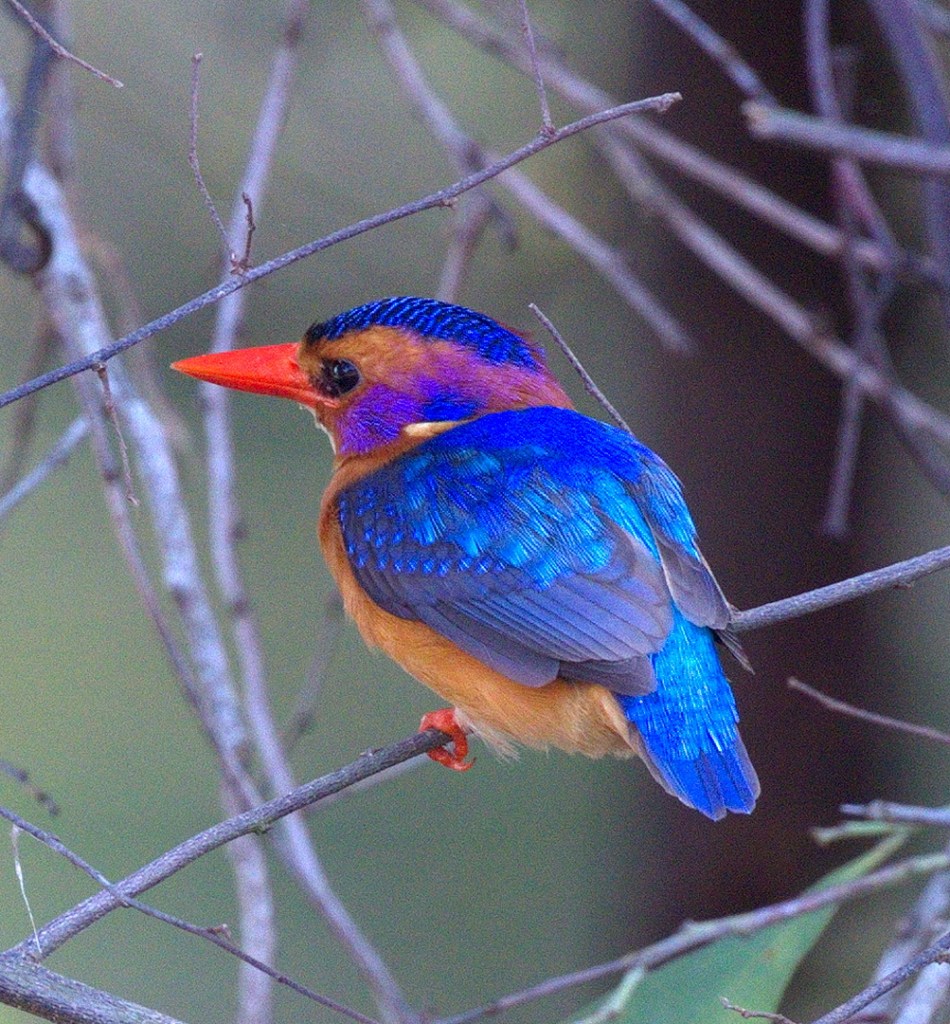
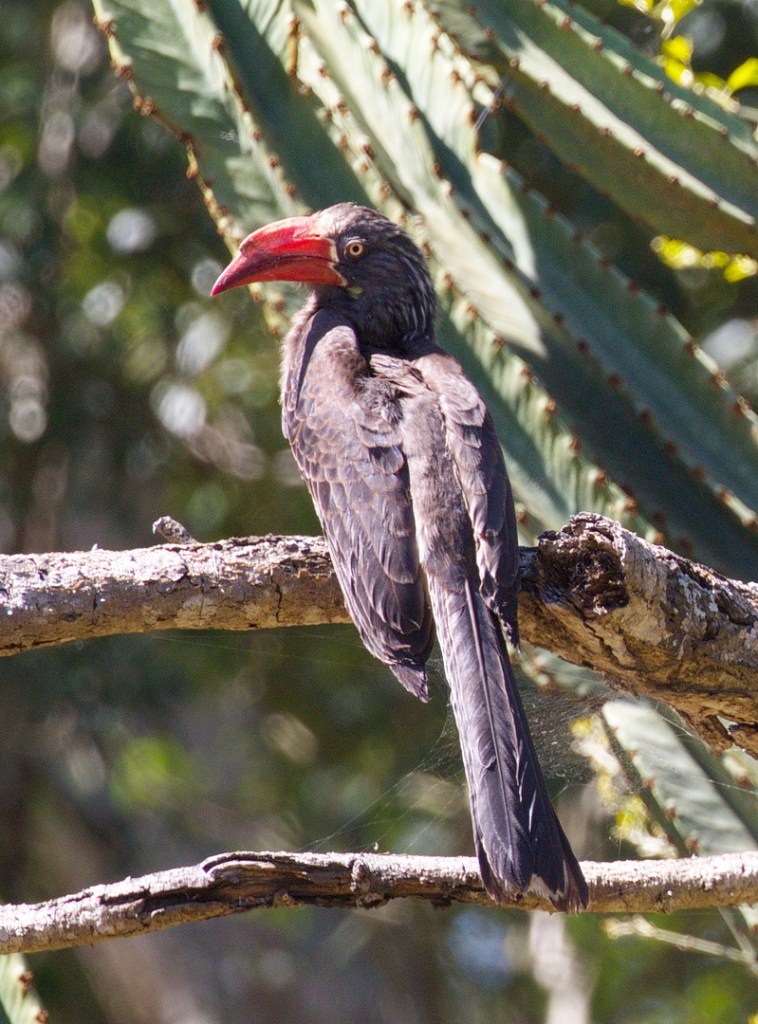
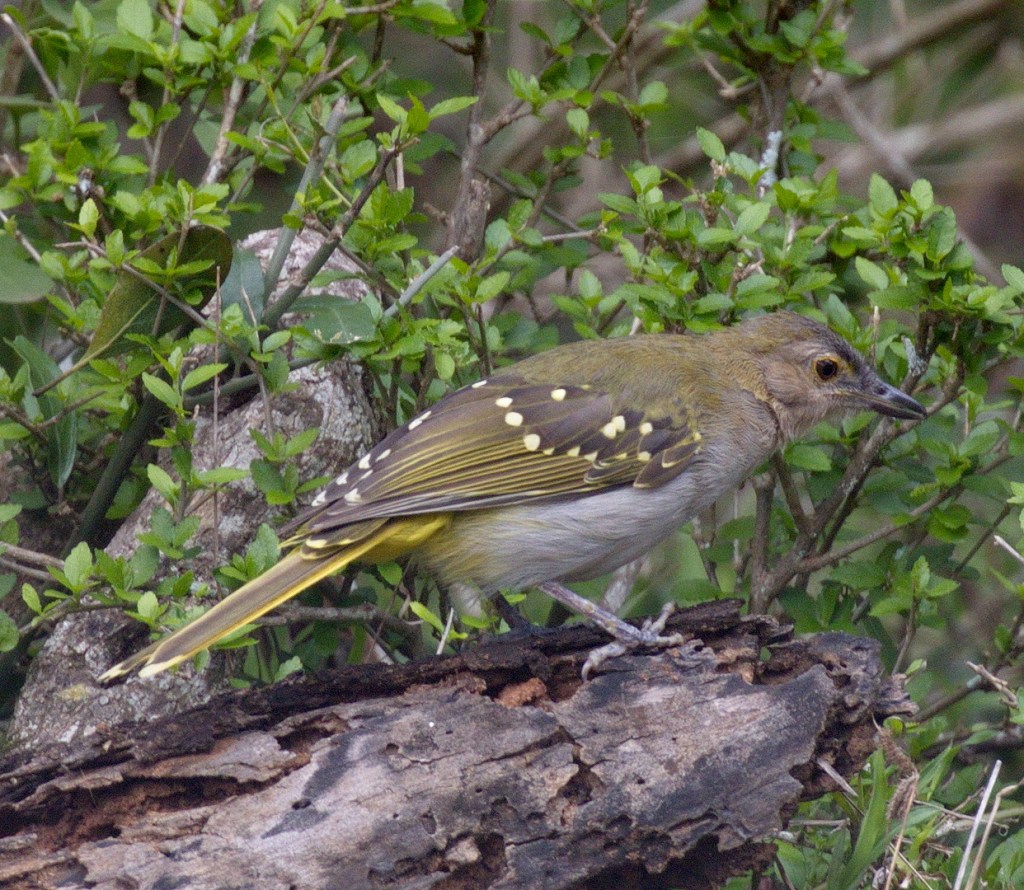
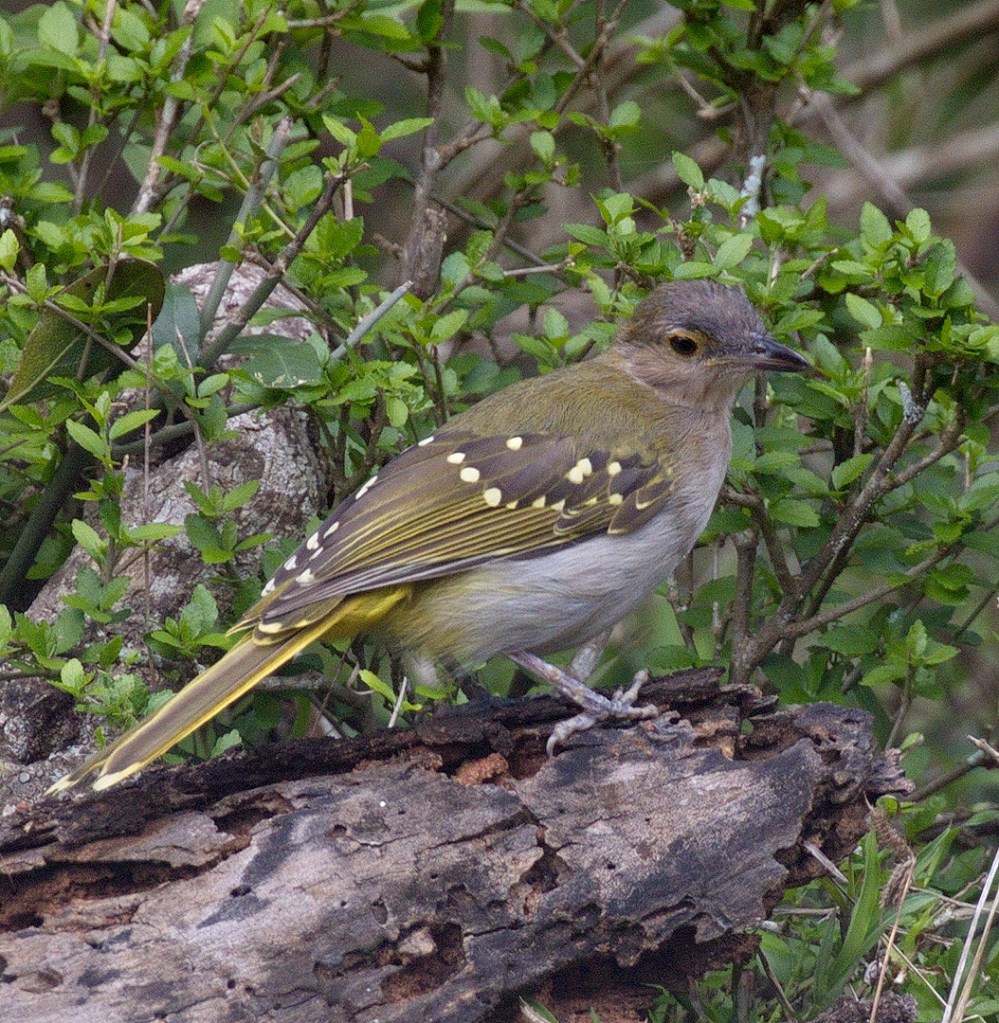
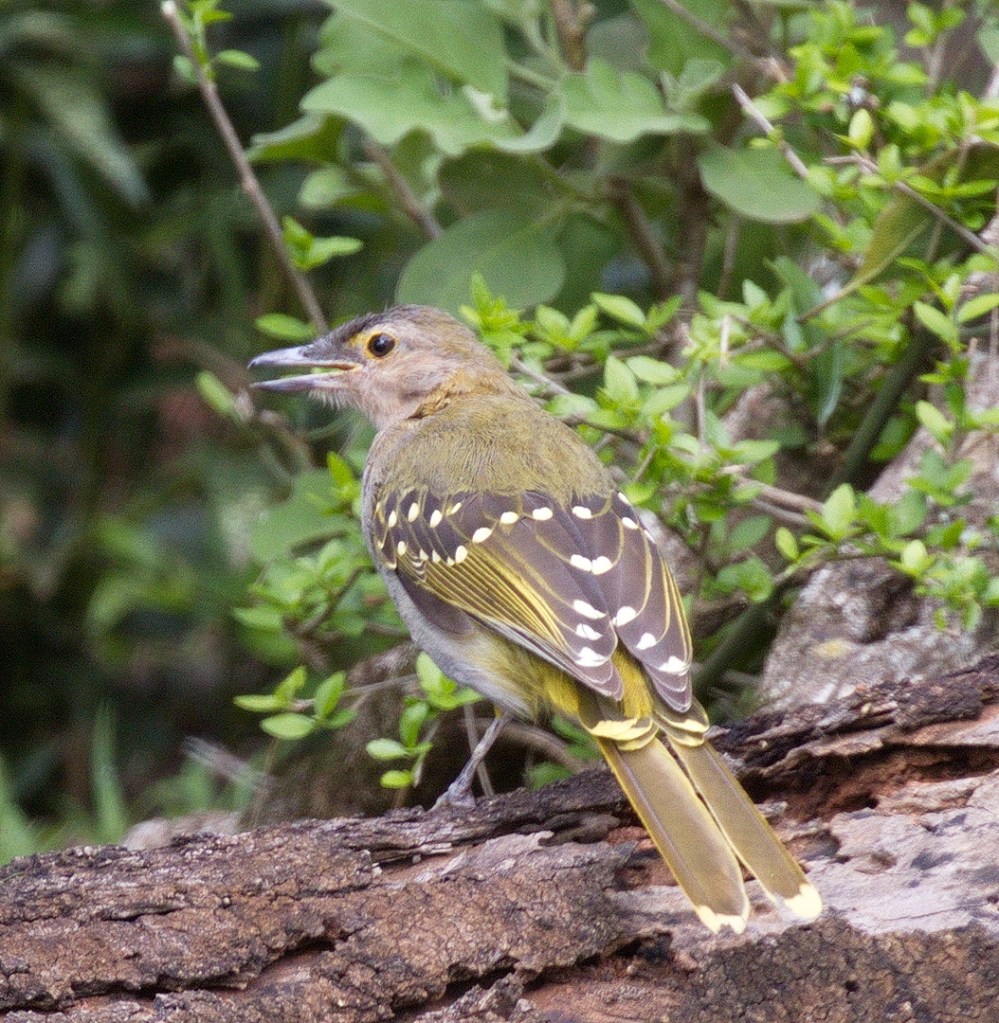
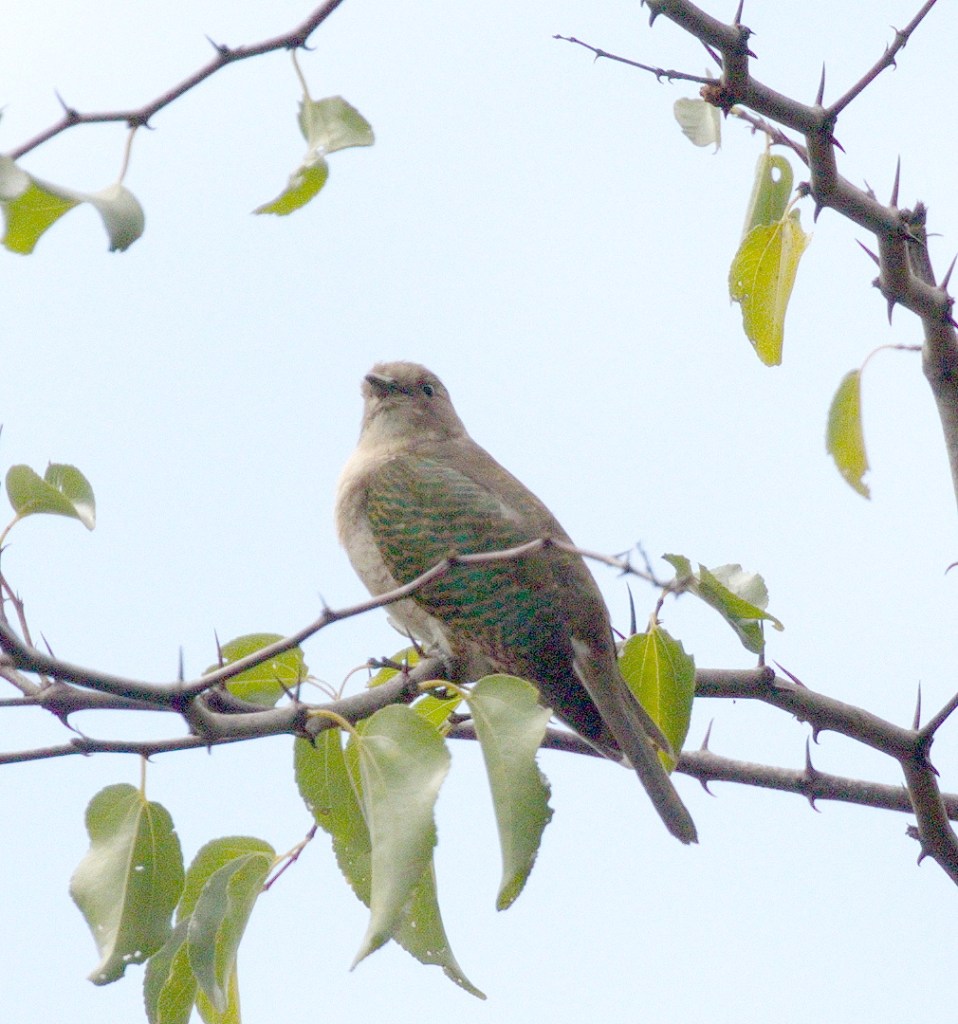
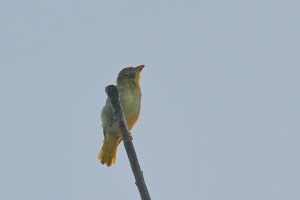
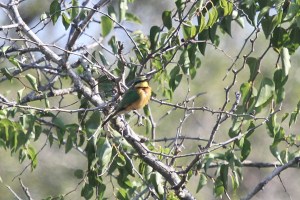
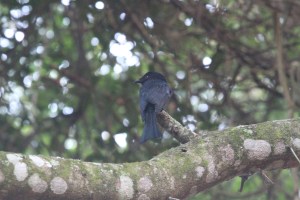
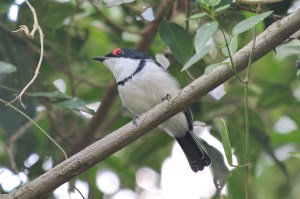
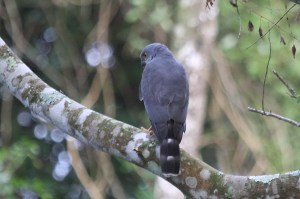
Elsewhere on our drives around the Game Reserve we saw a number of inteeresting birds.




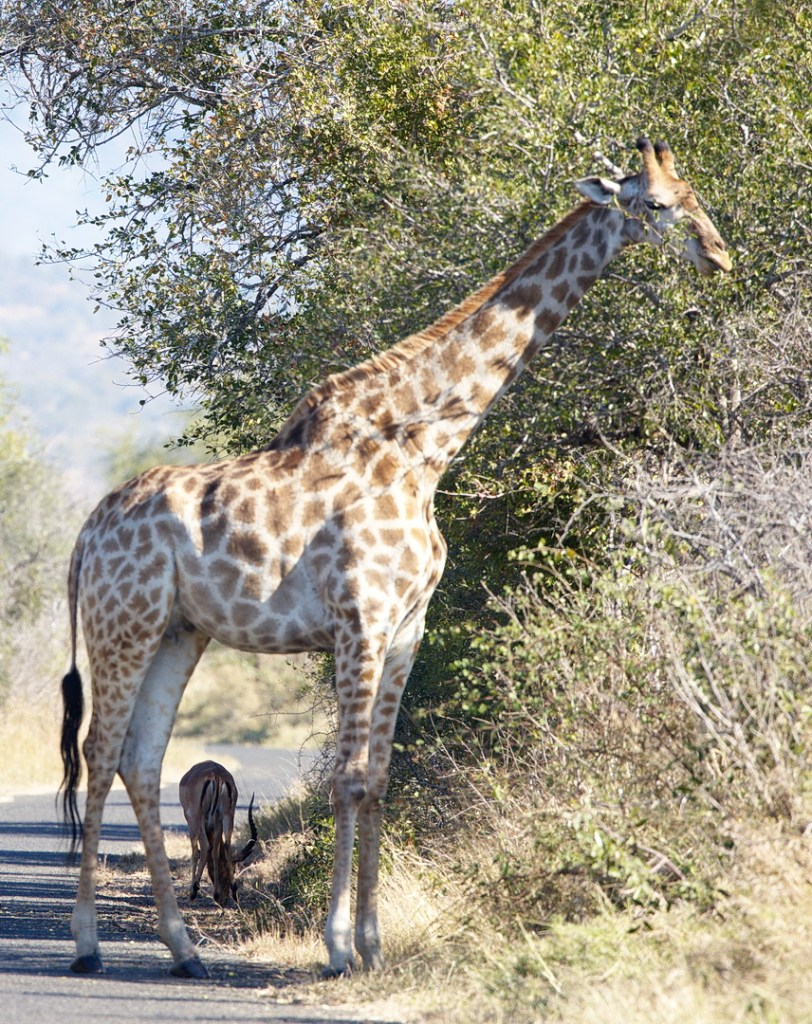


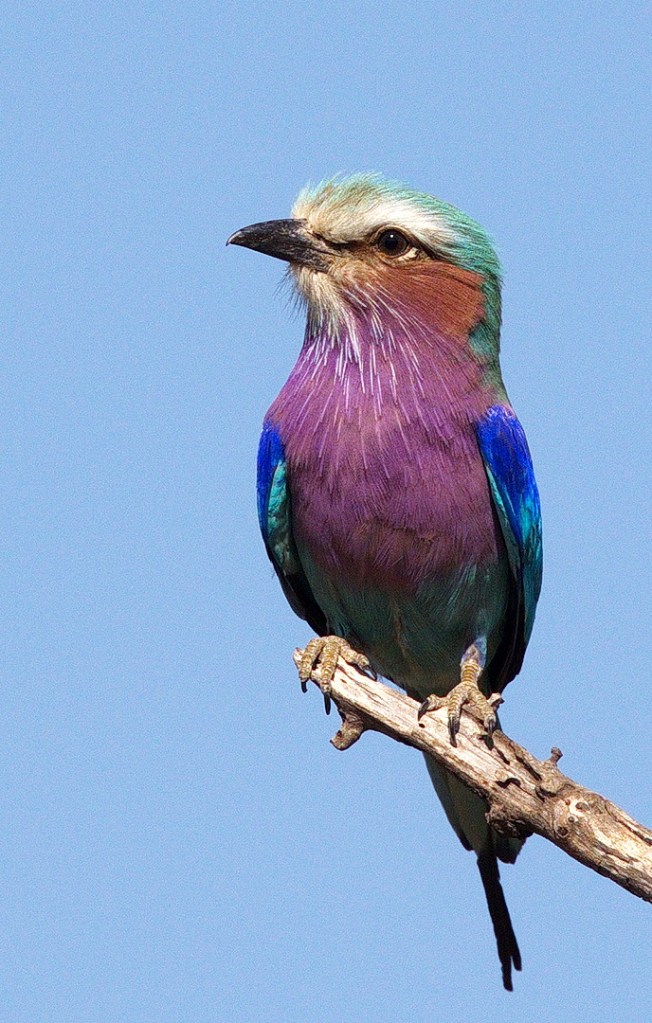
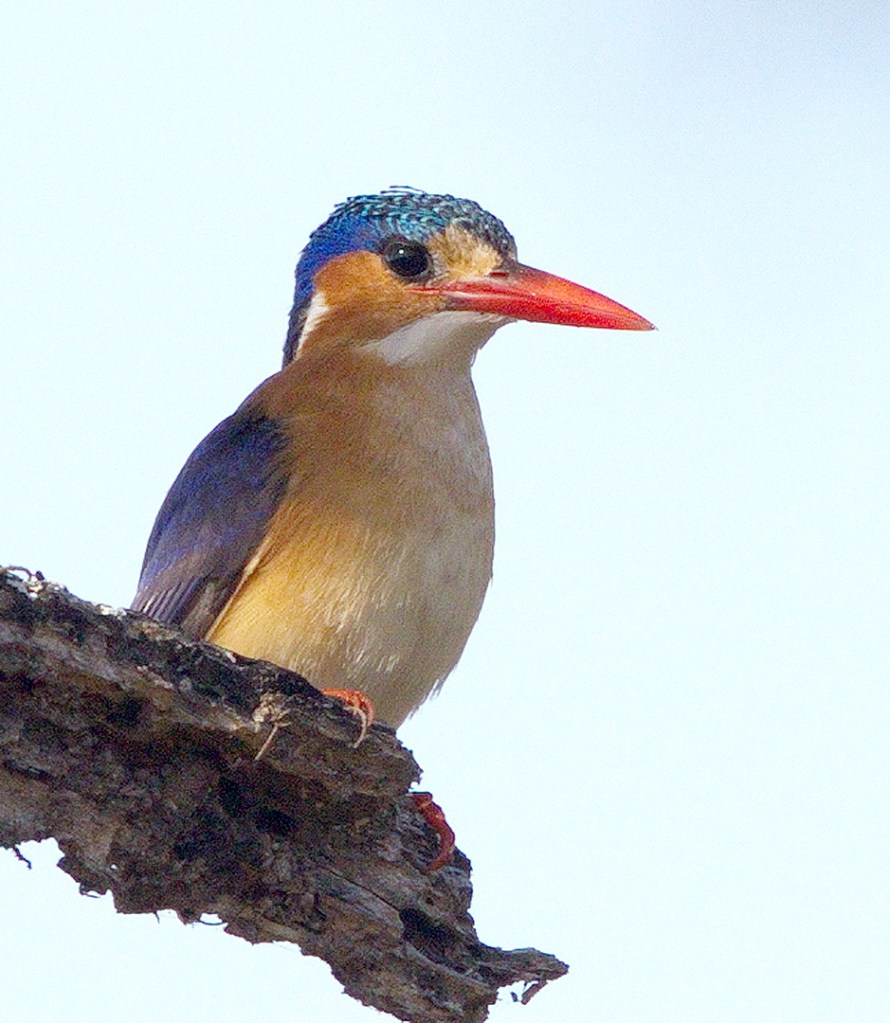


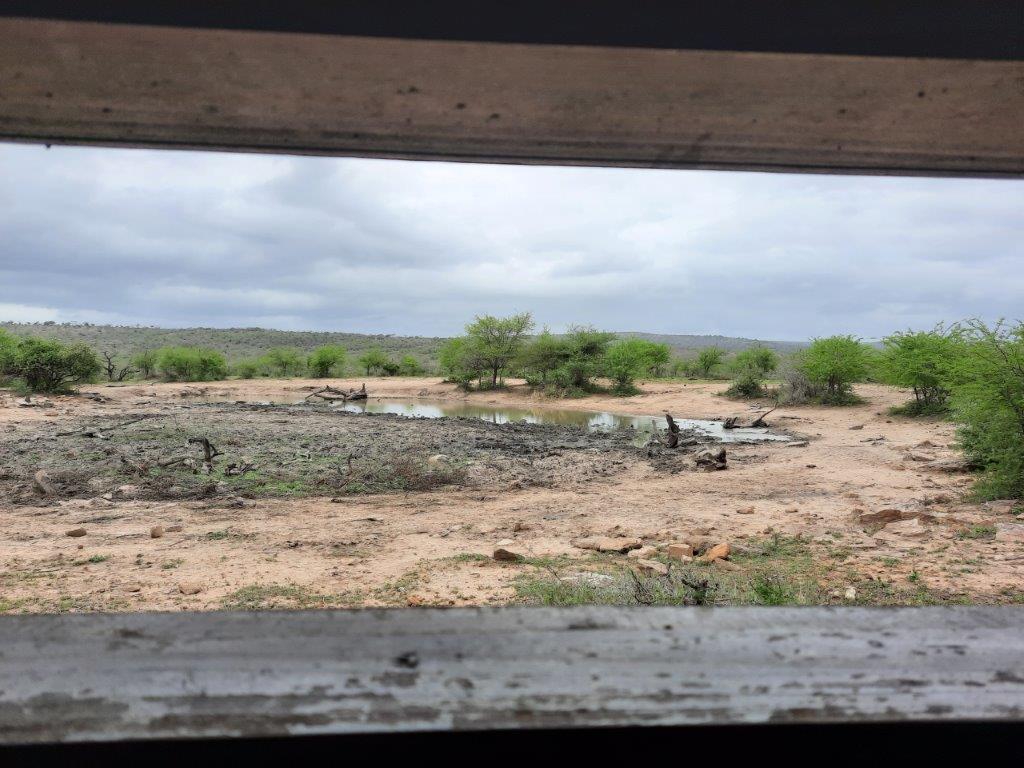
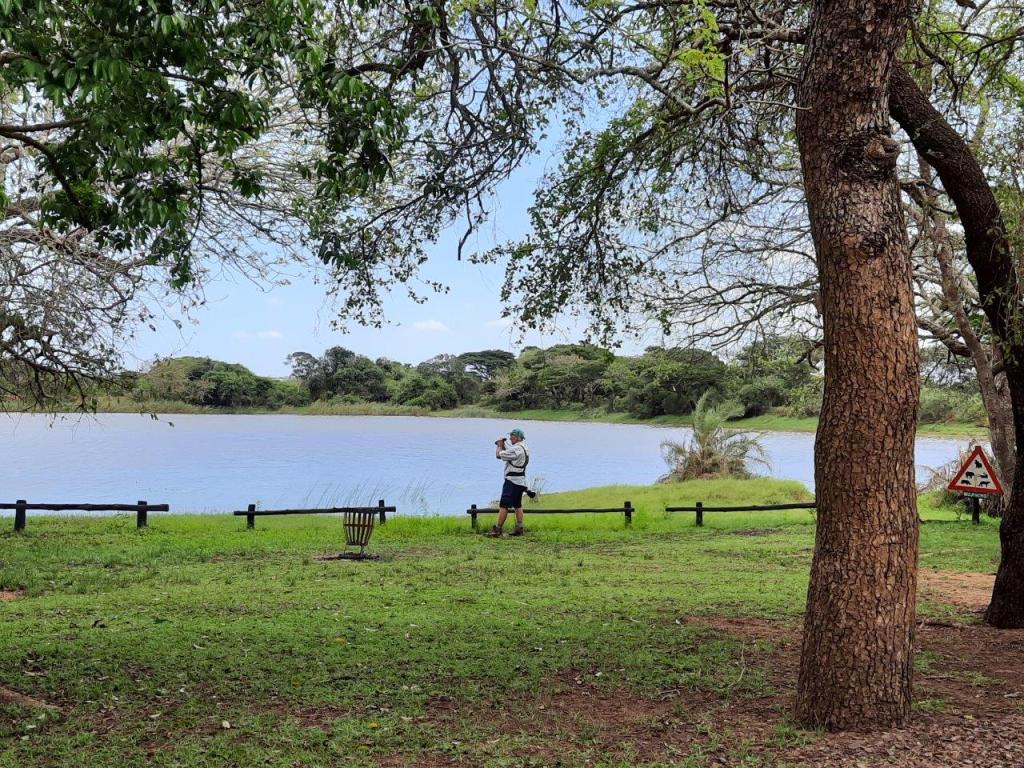
There are two hides where we spend a lot of time. They are very active with both aminals and birds at various times of the day. The two hides are kuMasinga and Malibala. The latter is closest to the campsite. Ku Masinga is quite central and is south of the Mantumo main camp.
We have found that the birds are most active at kuMasinga hide around midday. Aminals appear at any time when they are thirsty.
As you enter the hide, looking left, there is a small tree/bush- leaning right – close to the water’s edge. This is the secure waiting spot for the birds (especially the small ones) before they chance a drink at the water’s edge. They congregate at the water’s edge together for safety.


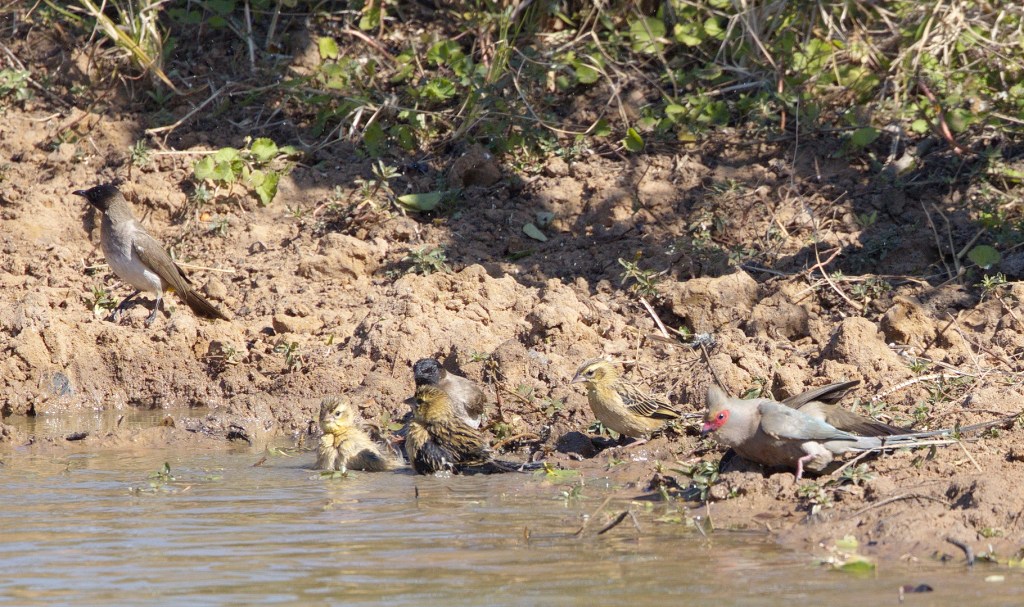


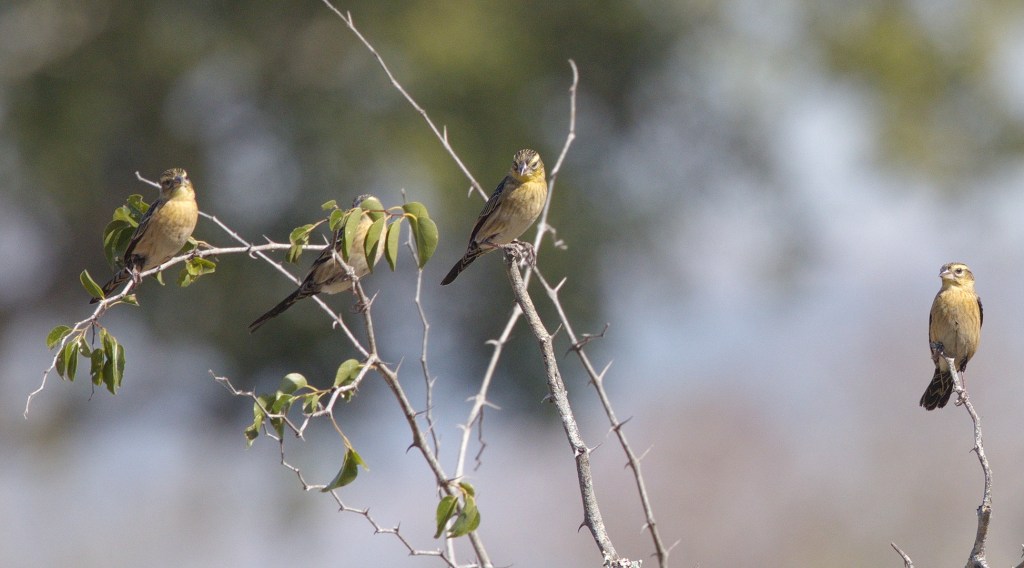


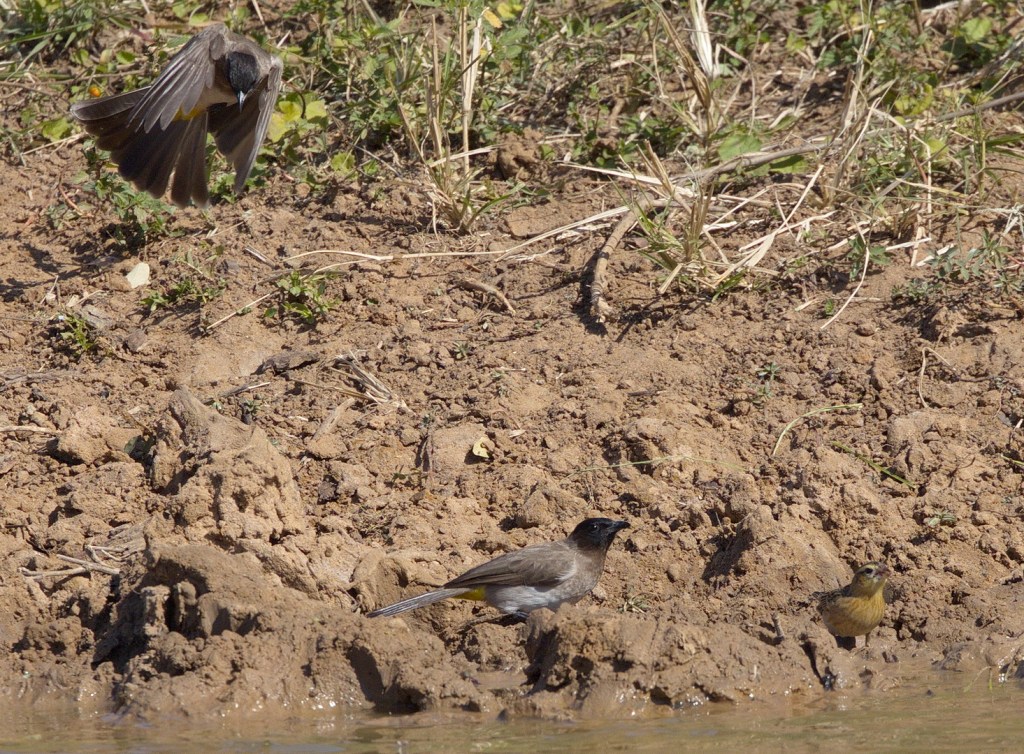


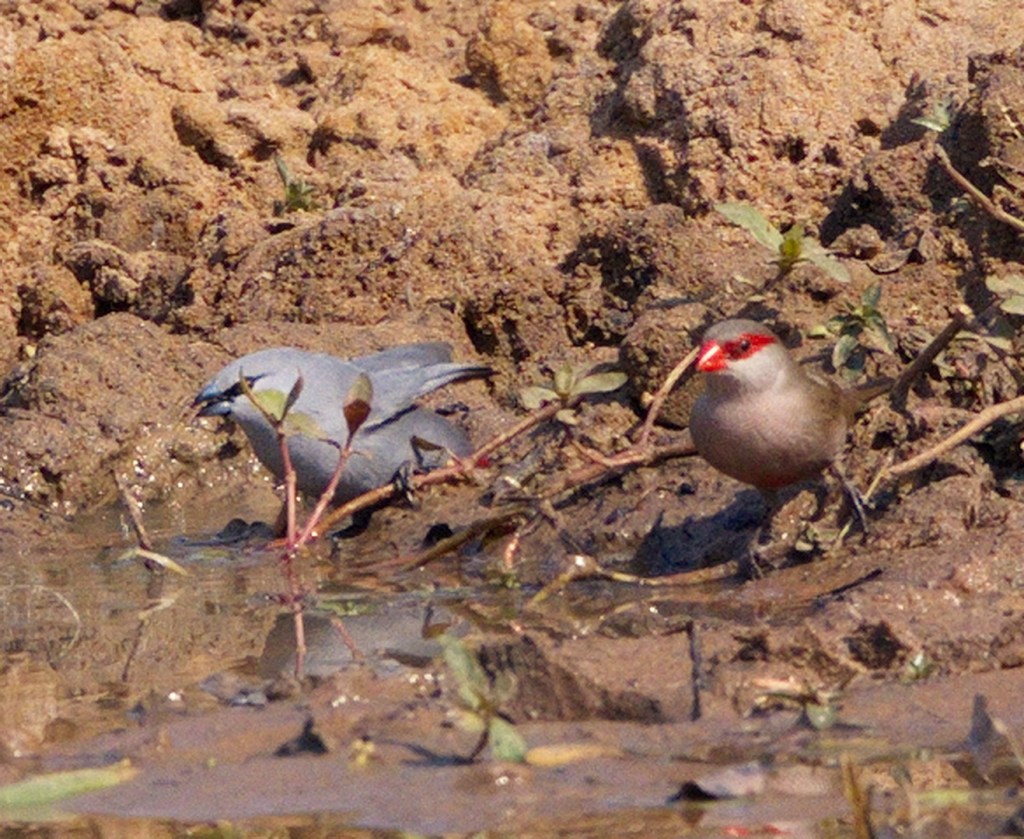


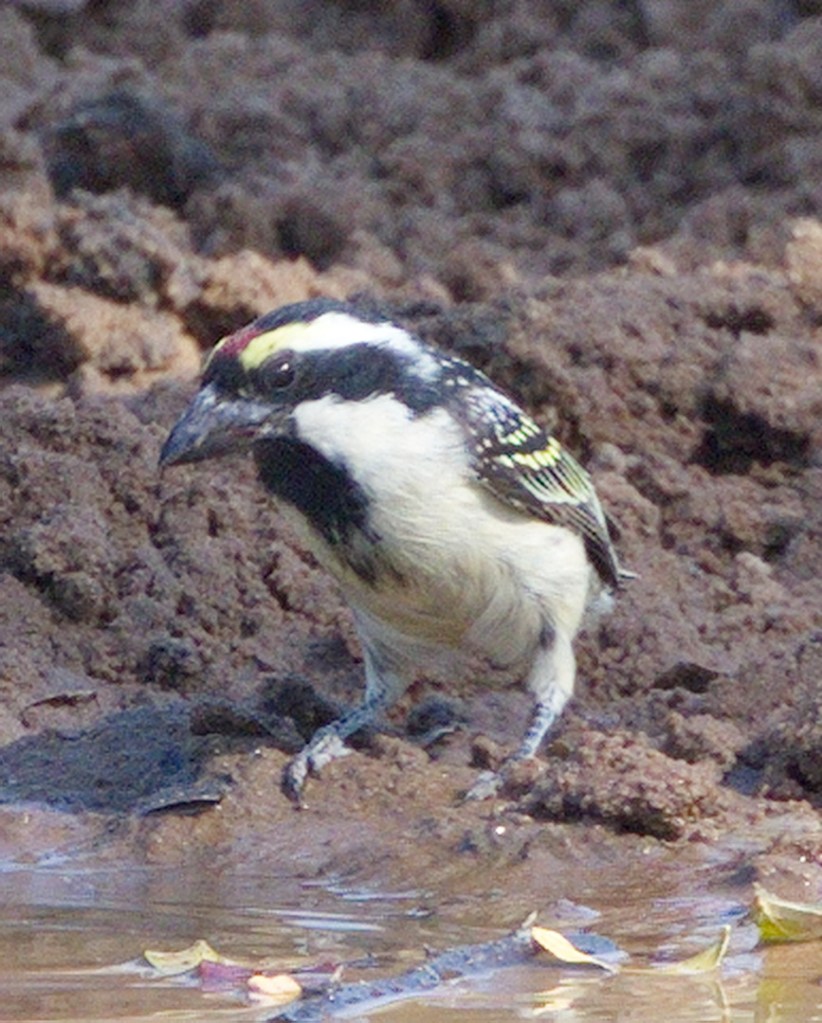


And then there is the Malibala Hide. We enjoyed this hide often as it is the closest to the campsite. Midday and late afternoons were the best for both birds and aminals.
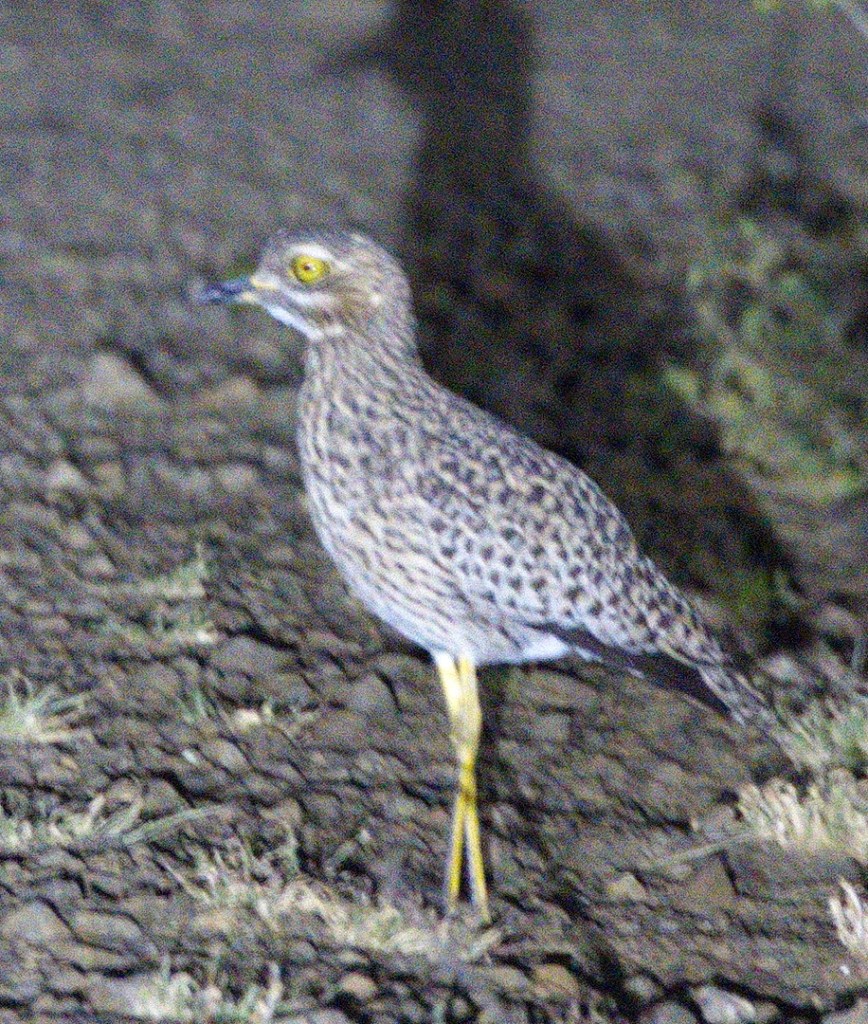


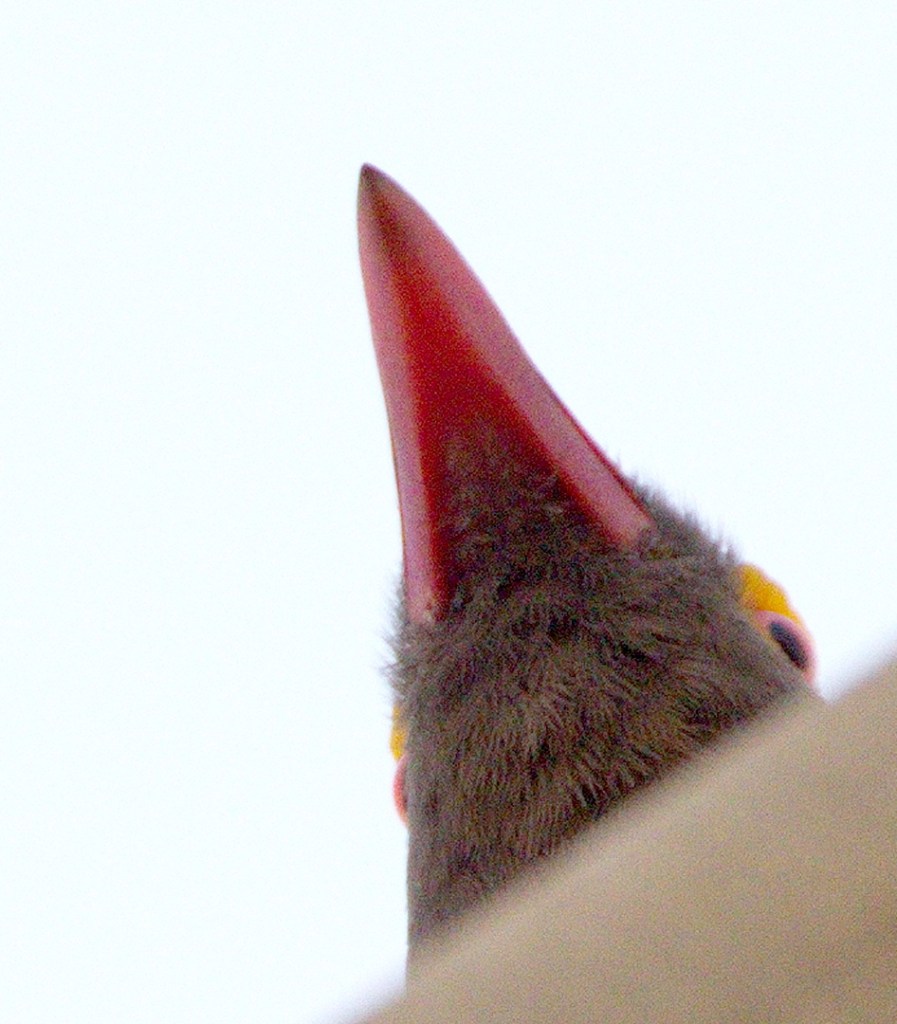

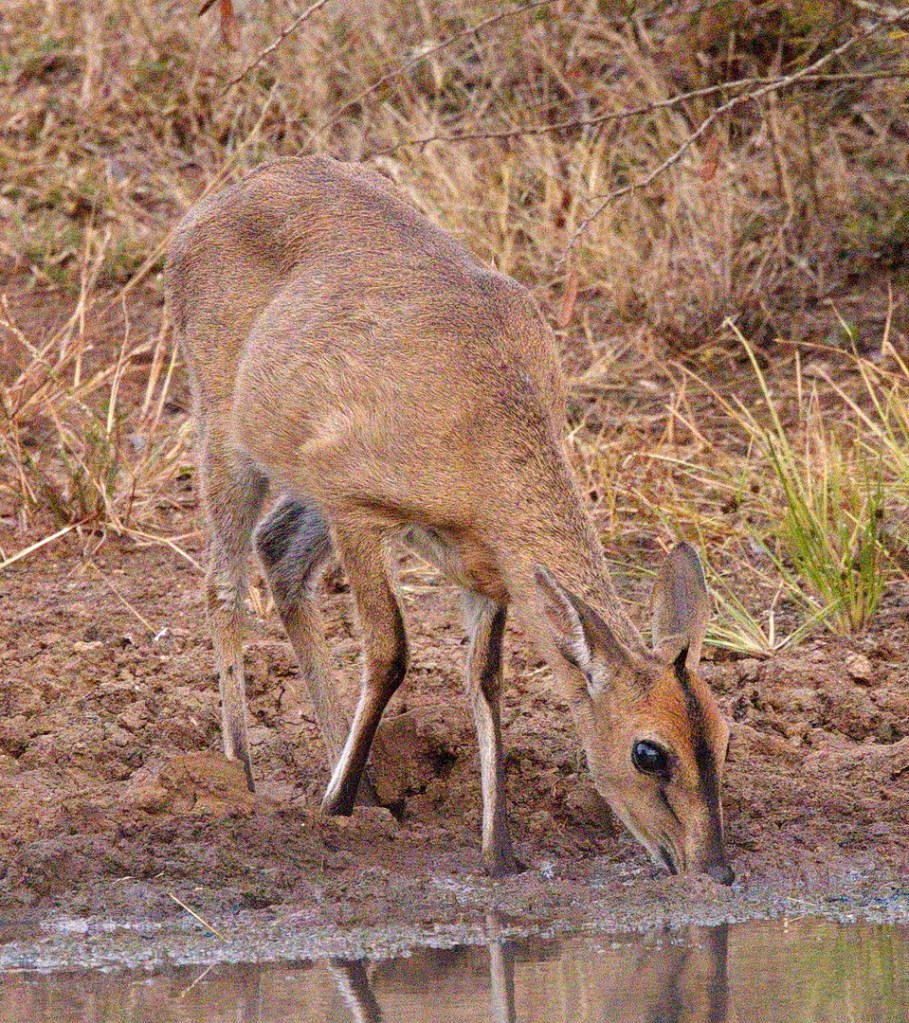


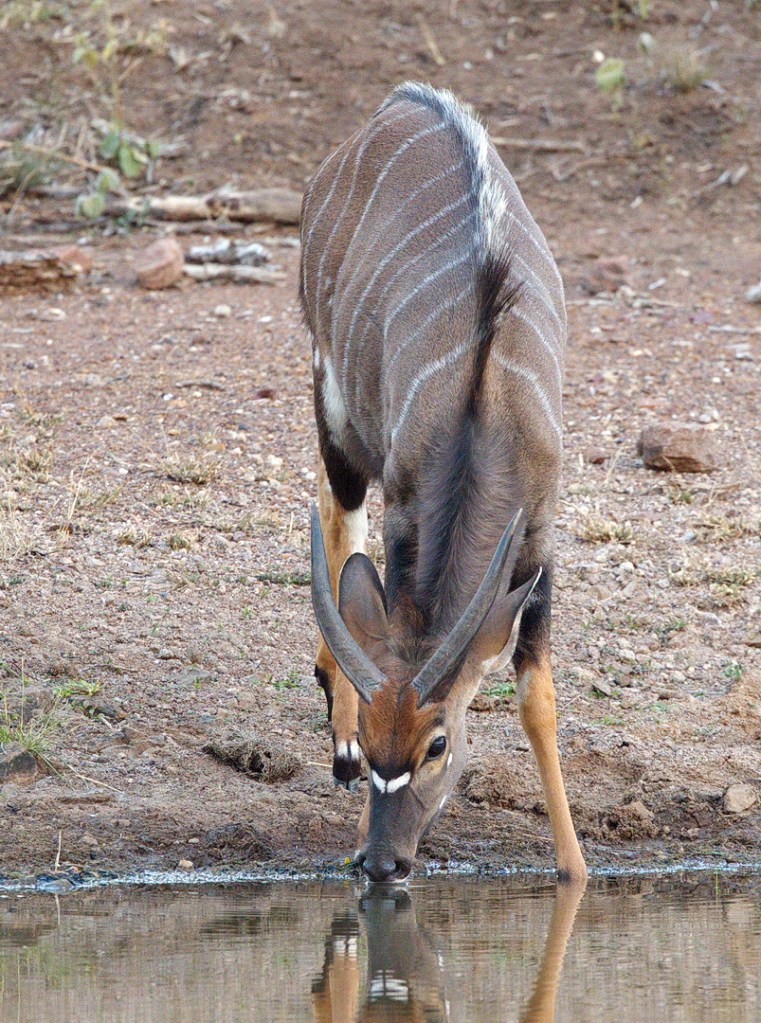


Then one morning we had the unfortunate sighting of a Nightjar which had been run over during the night.


That summarises our experiences in Mkuze Game Reserve during our stay. However, one morning we visited Zamanga Gardens – some 6kms north beyond the turnoff to Mkuze Town on the M2.
Zamanga Gardens
Saturday 13th July 2024
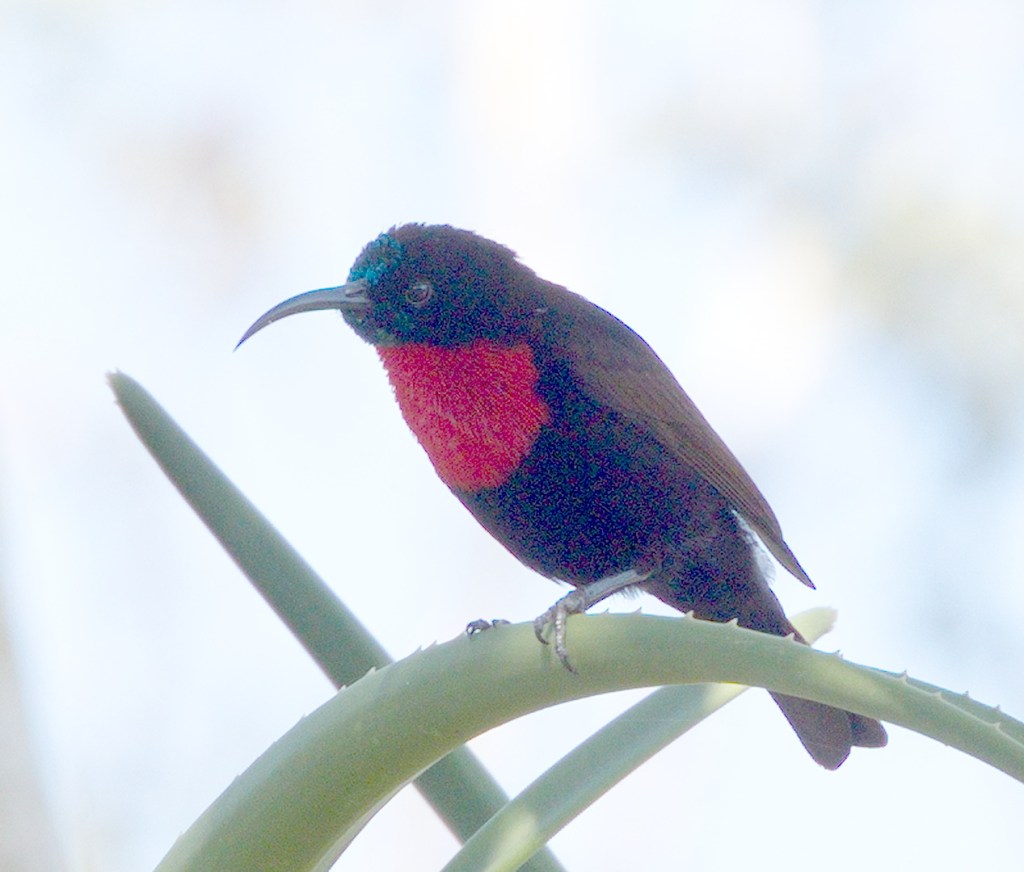
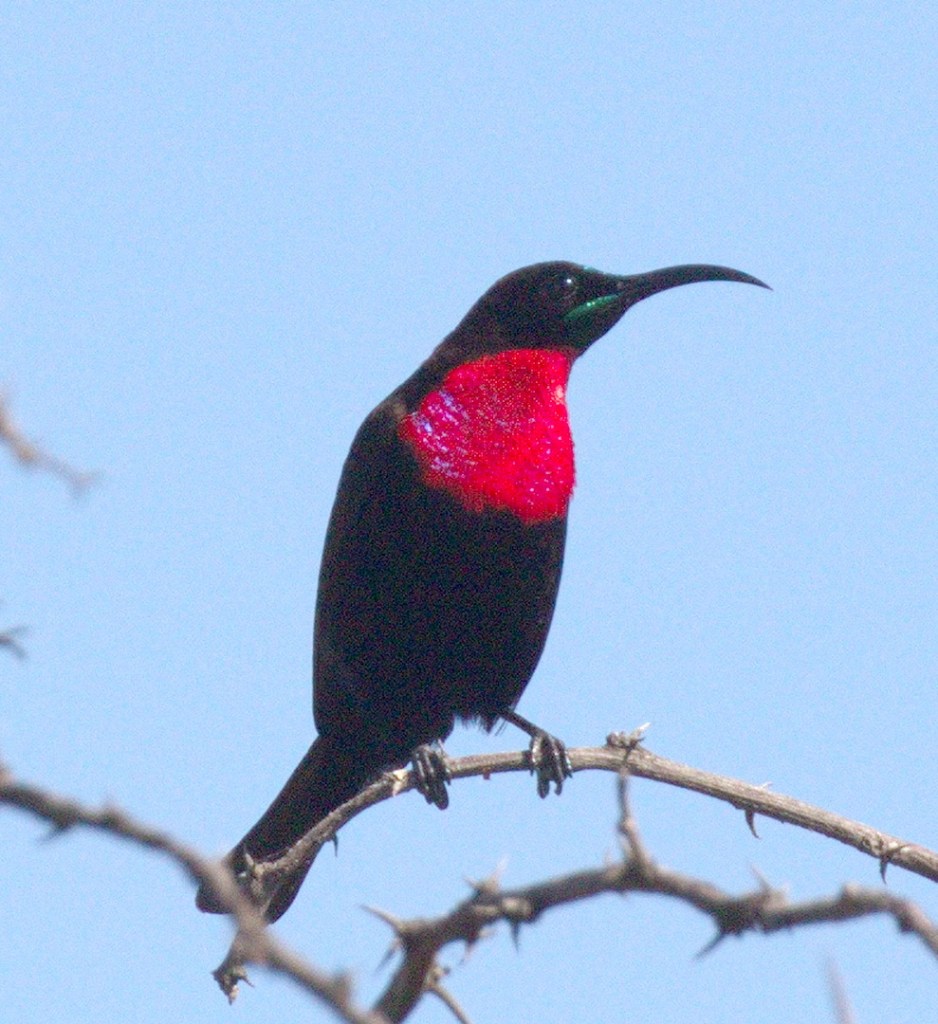
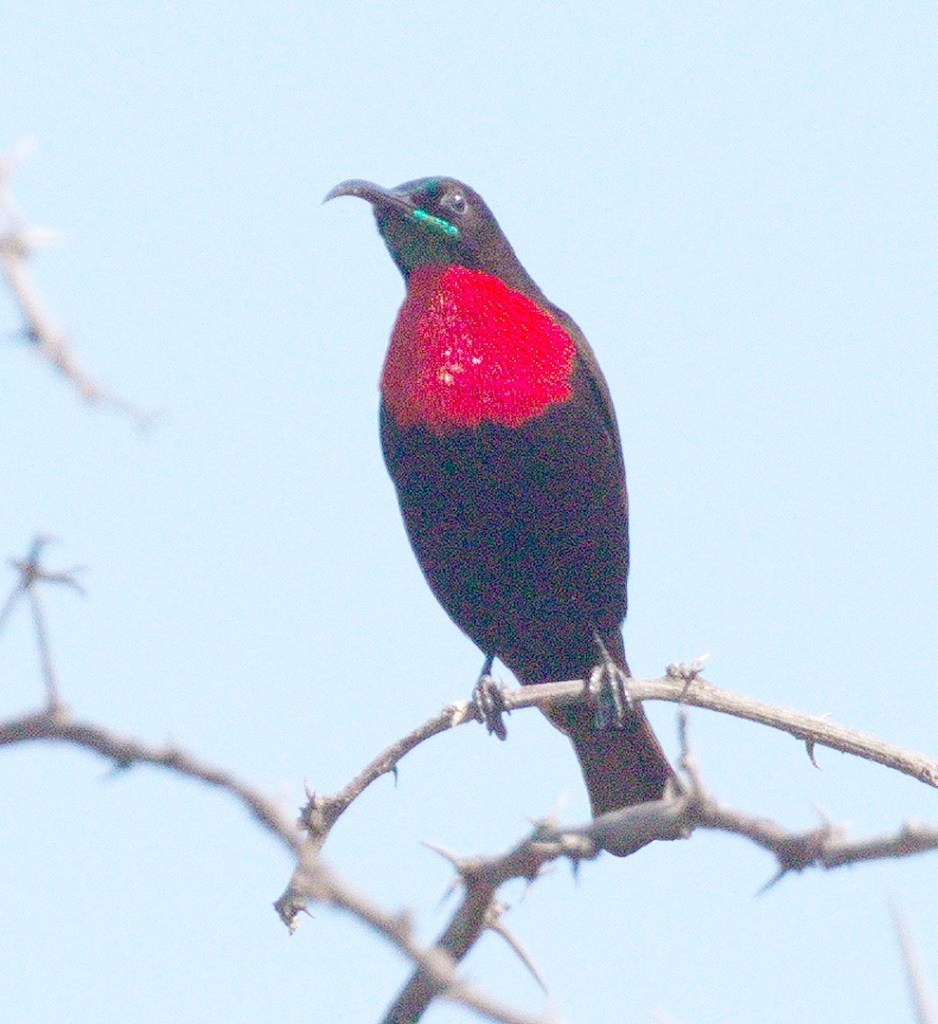
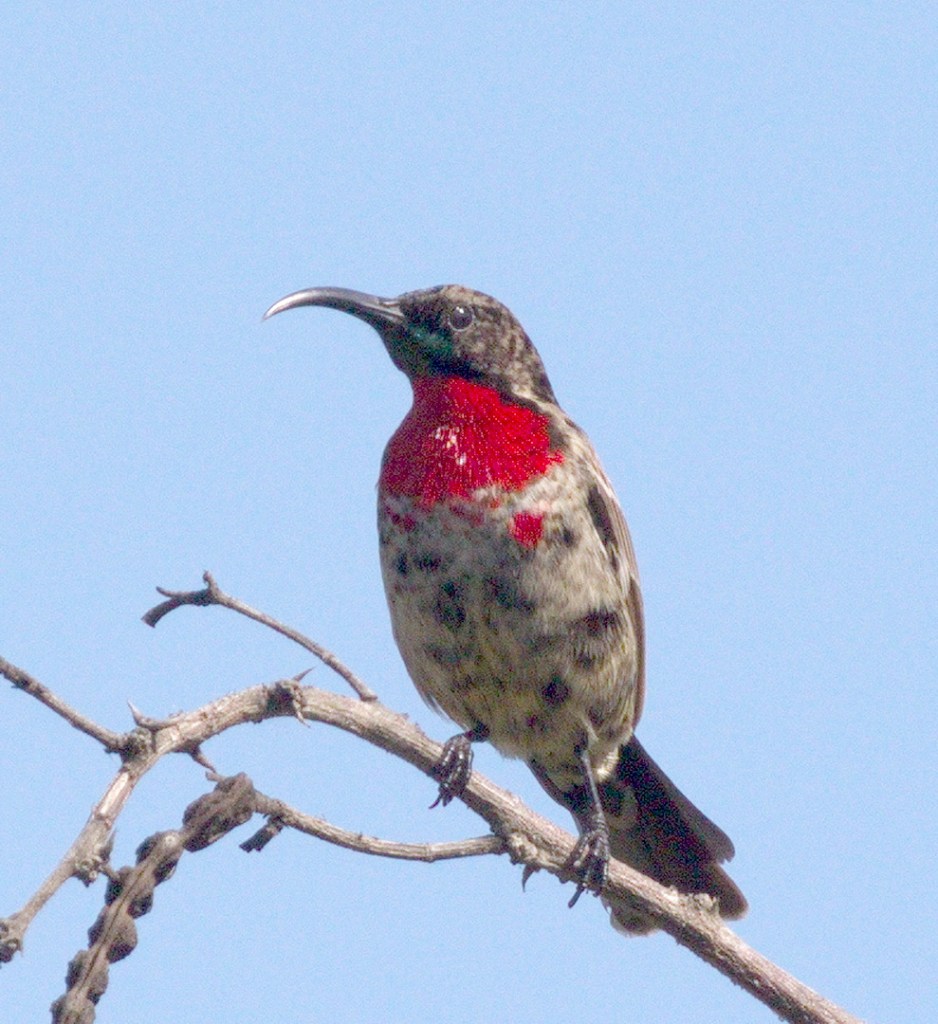
Such an impressive display of Aloes. The garden is huge approximately 6 hectares I would guess. There was also a large variety of Sunbirds in their different stages of plumage amongst the aloes. And because of this, positive identification of the Sunbirds was a big challenge.
Here is a video trying to show you the extent of the gardens. Clusters of aloes are everywhere.
And here is a slideshow of the aloes.


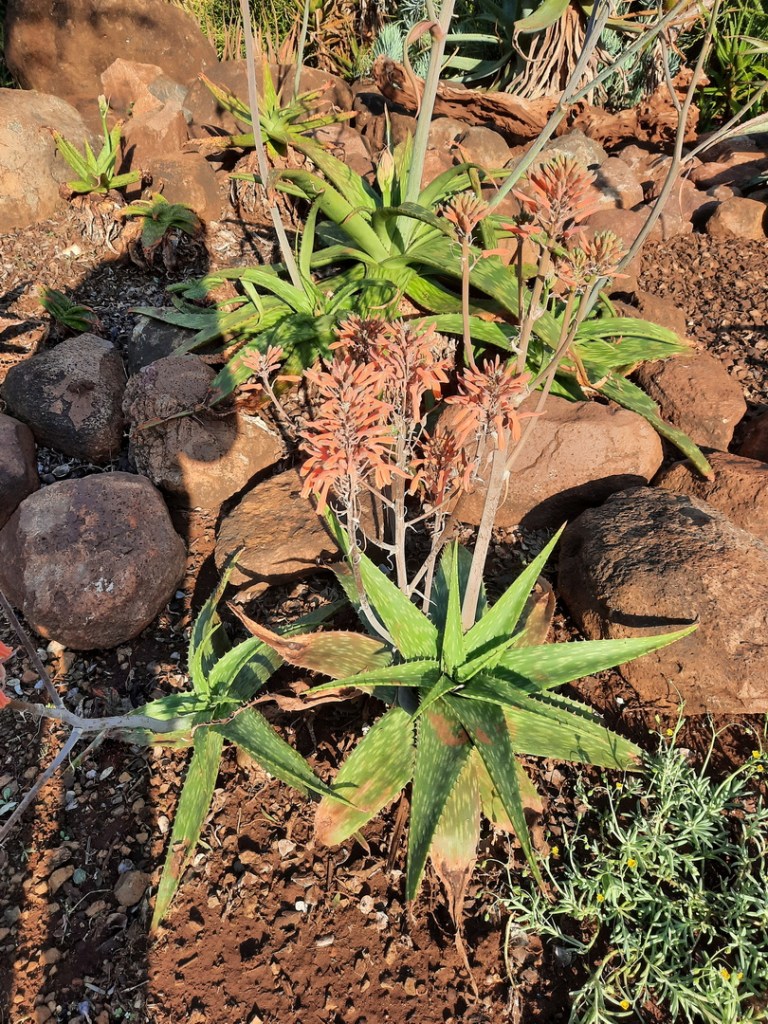


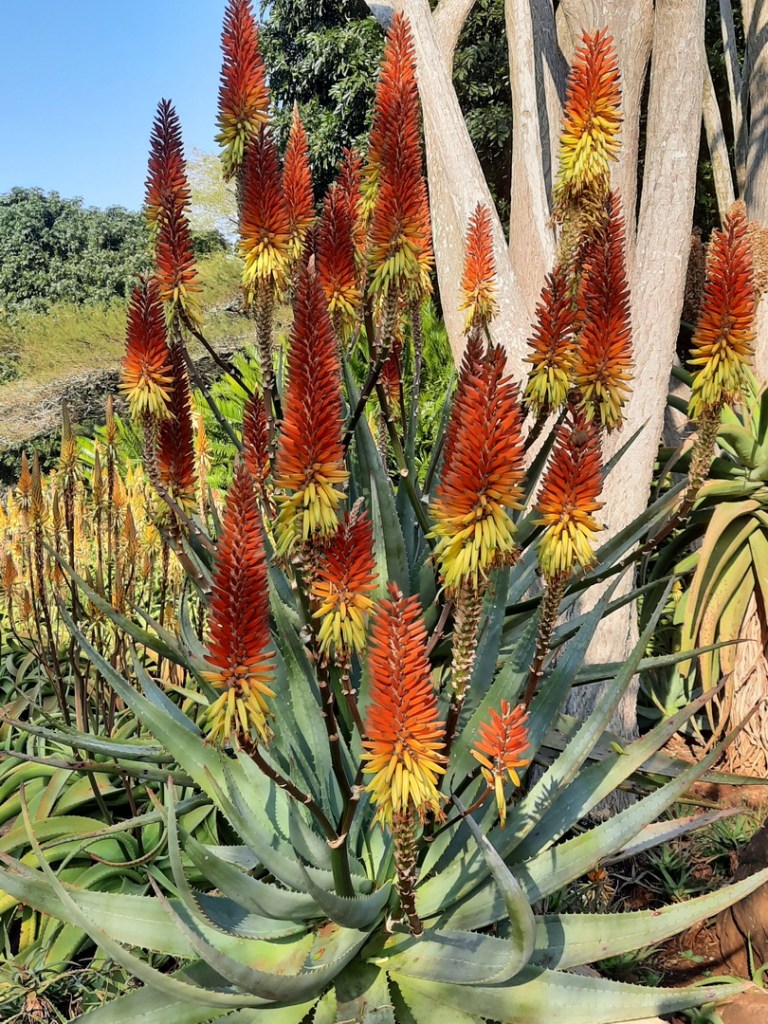

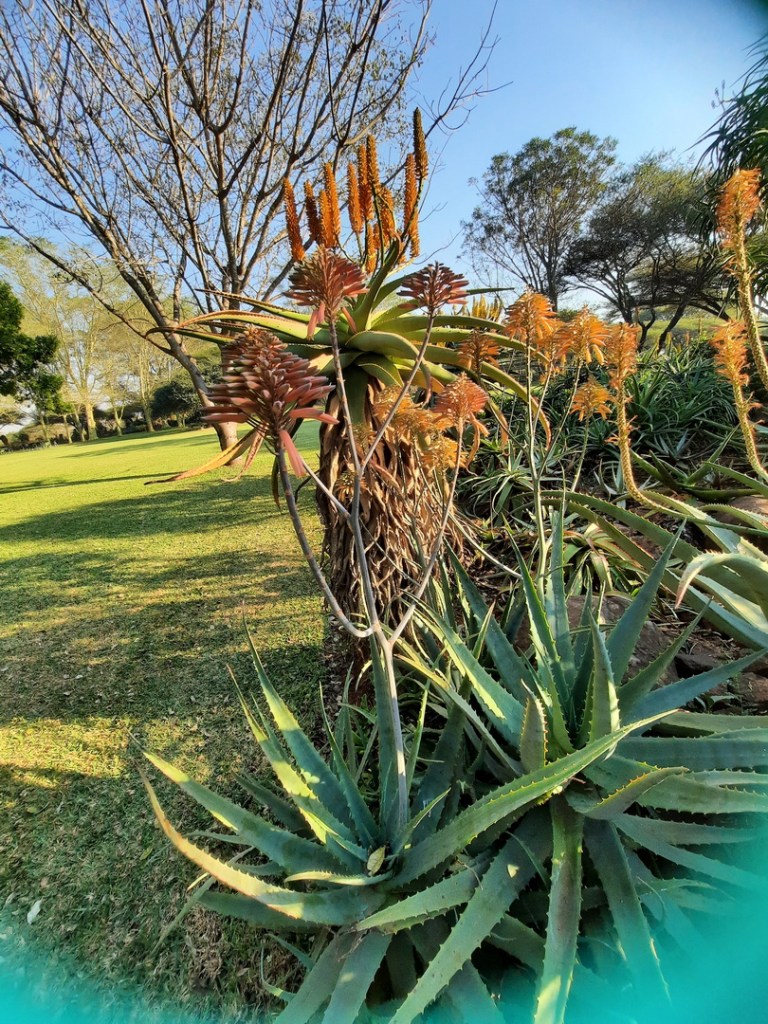


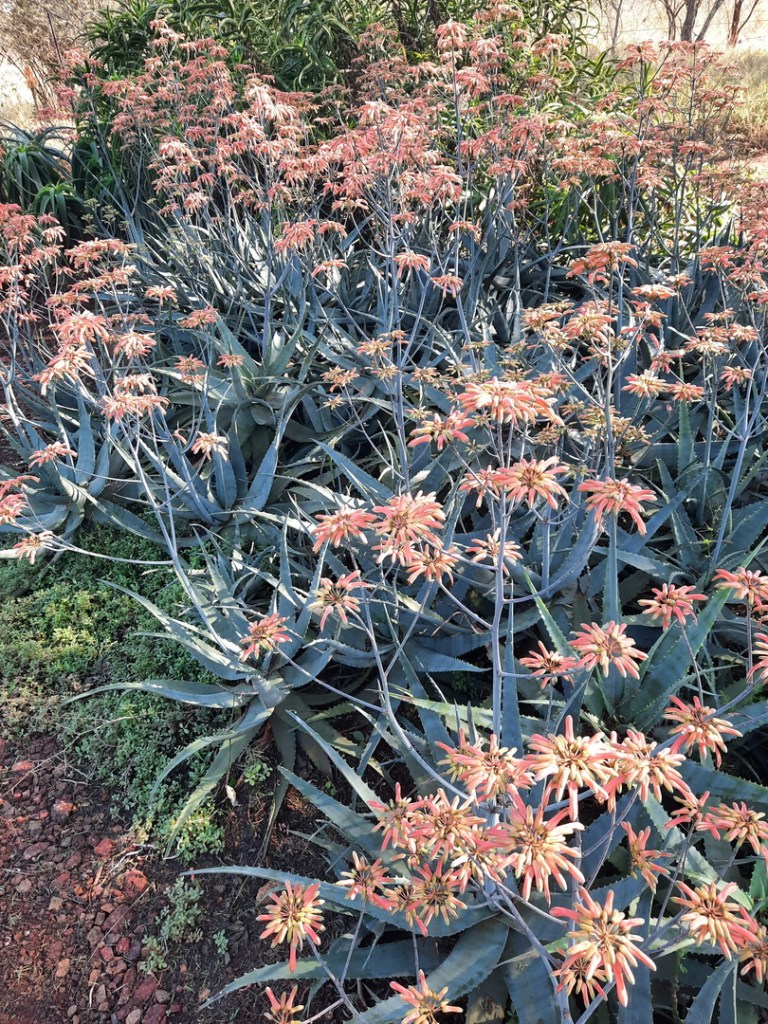


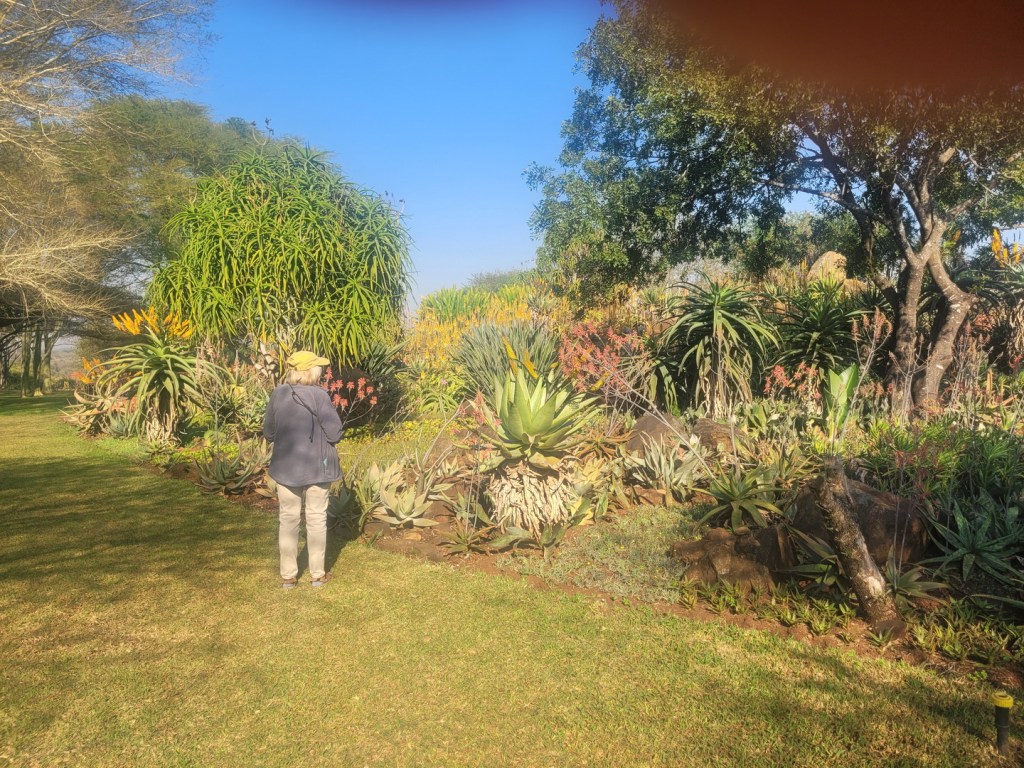

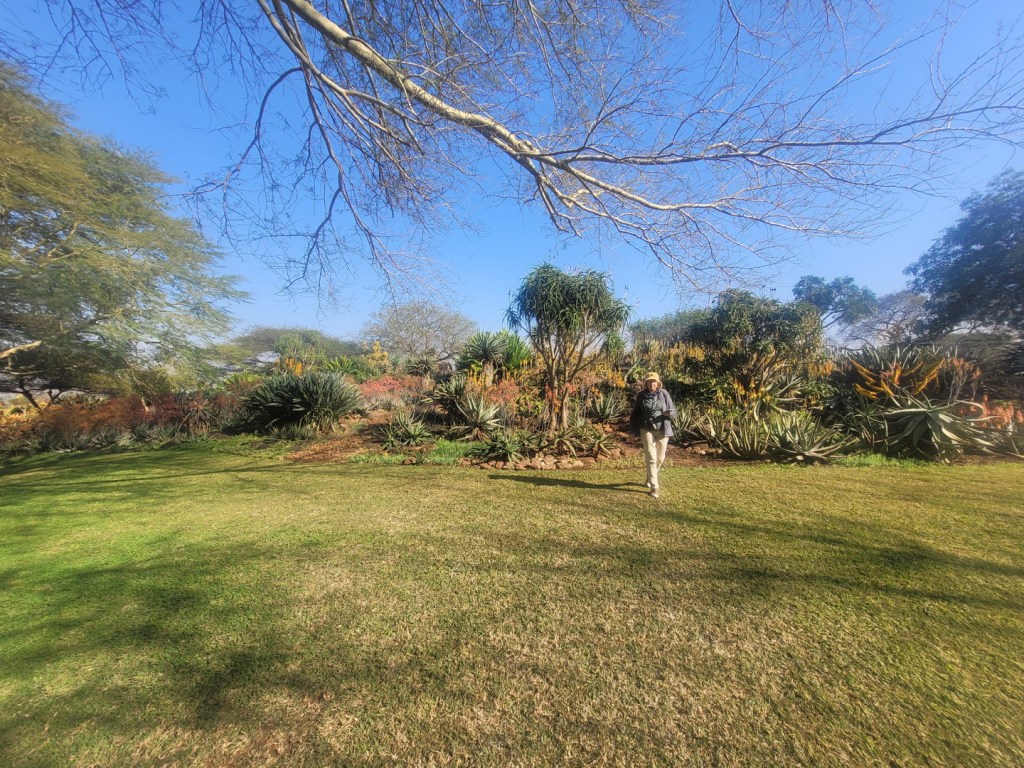

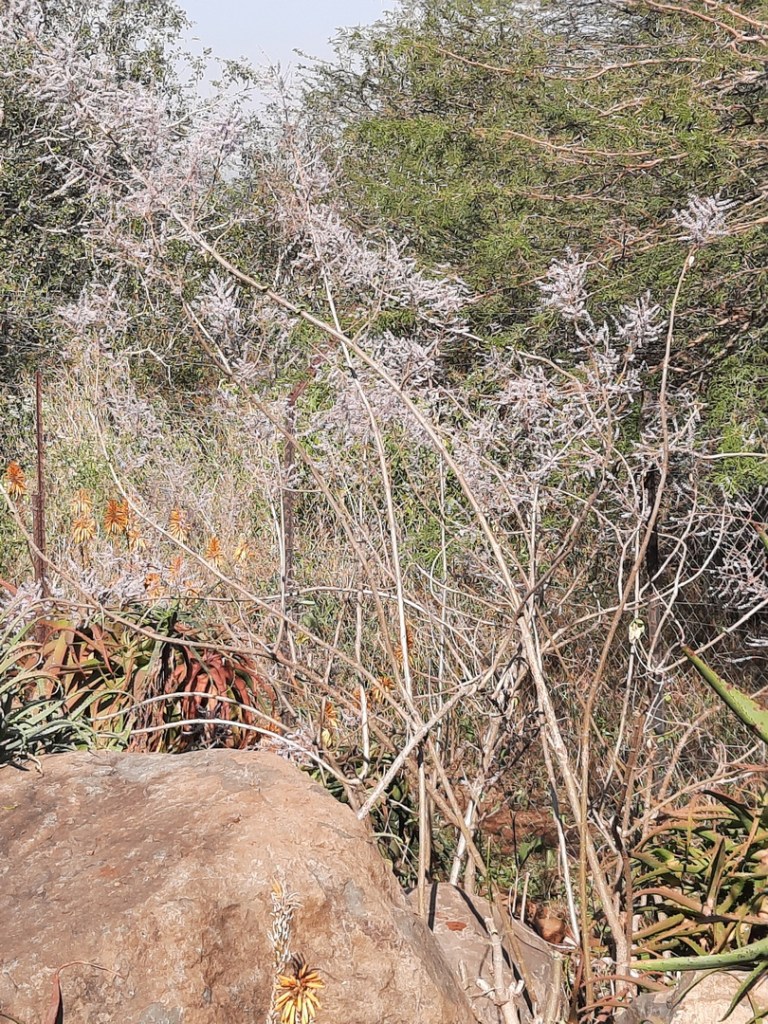


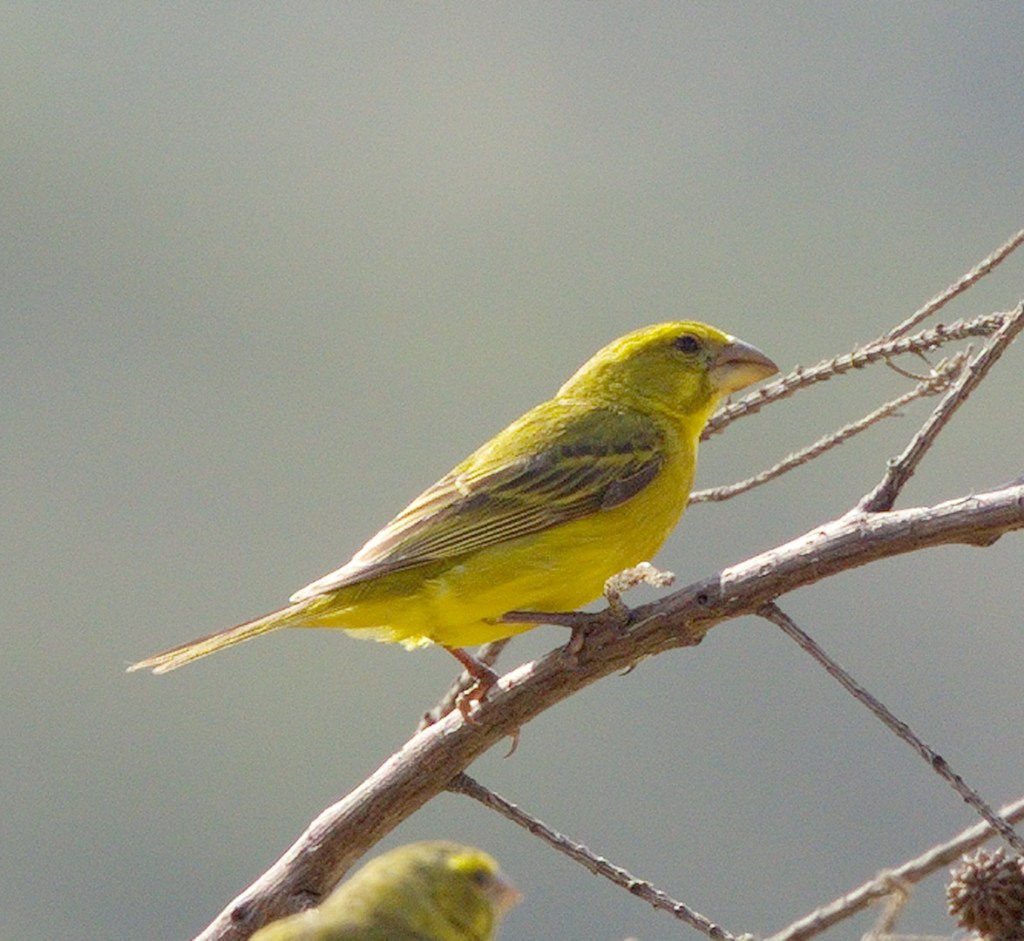
Birds making an appearance among the aloes were in constant motion, moving quickly between one flower and the next. Various Sunbirds and a Thick-billed Weaver shown here. Photos of the Neergaard’s Sunbird male were too poor to show.



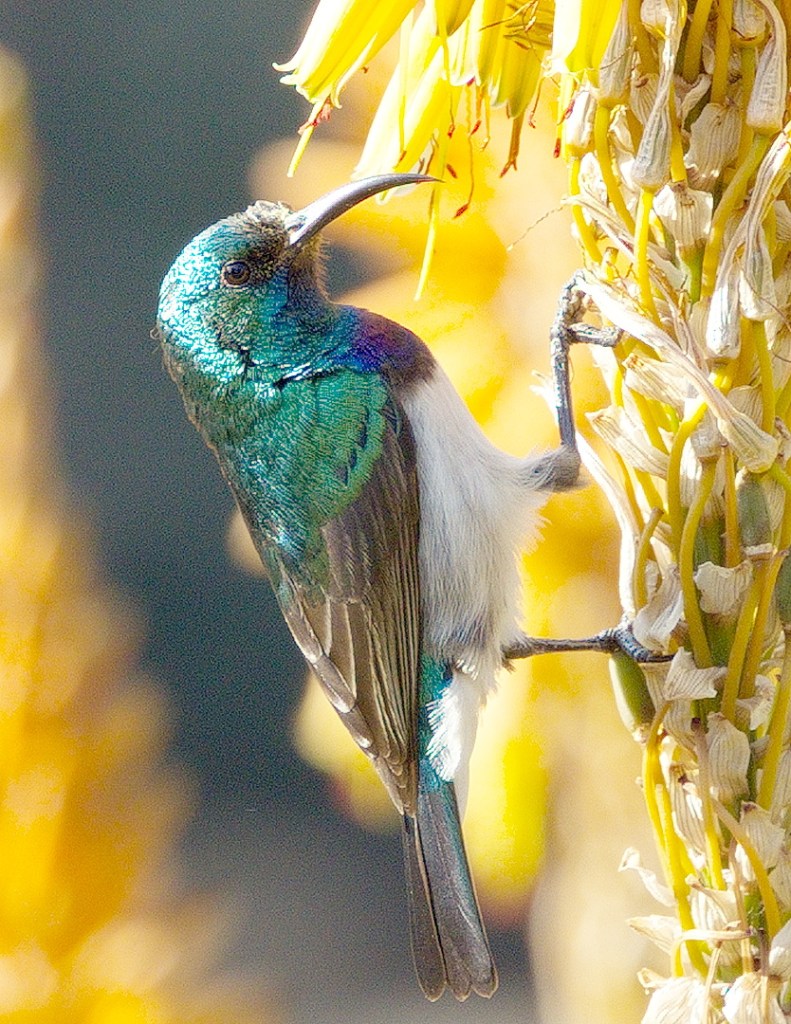


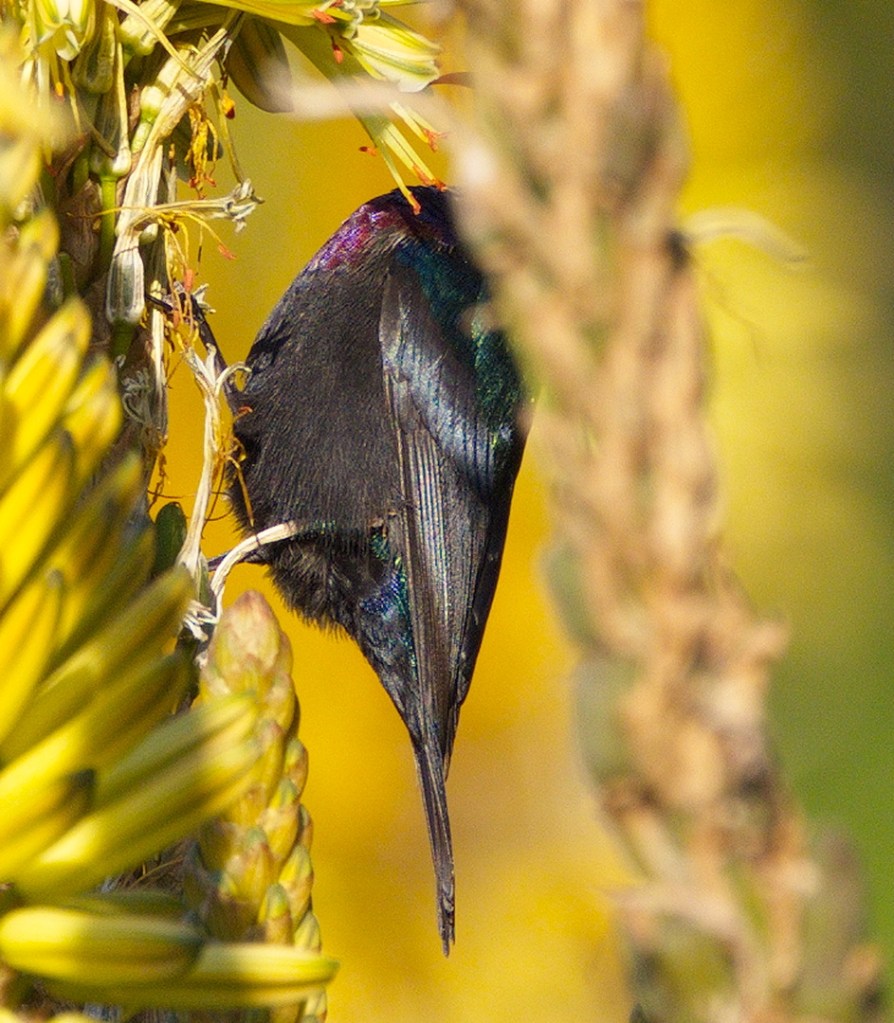

In total we identified 106 different bird species in Mkuze and Zamanga Gardens. Click on the link following to see our list.
Then we were off to St. Lucia.
St. Lucia
16th to 19th July 2024
On our way back to Howick and home, we stopped off in St. Lucia for 3 nights. Camping at Sugarloaf in St. Lucia.

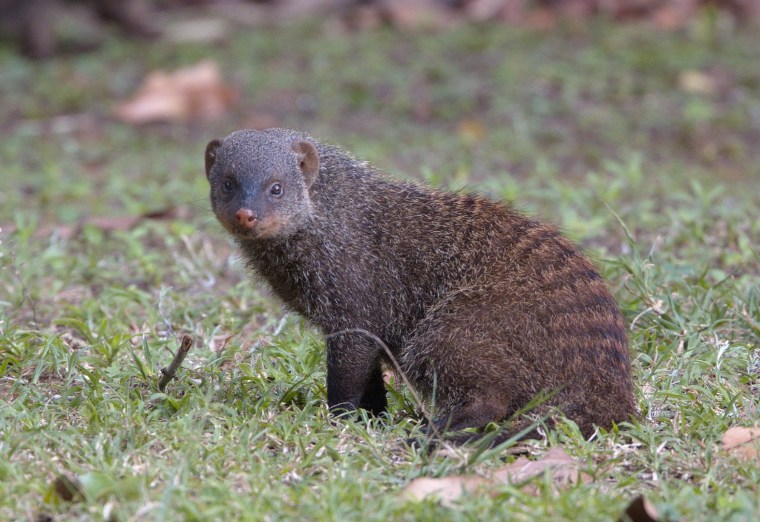
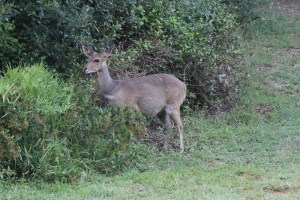
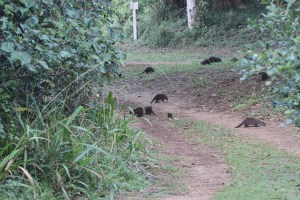
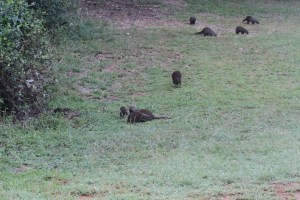
Birdlife in the camp is always good. It is a pleasure to wake up and hear such a variety of bird calls. The challenge is to ID the calls. Animals are spotted too, Banded Mongooses and Small Buck in particular.


Since the Rhino Card is no longer accepted to enter Isimangaliso Wetlands, it is more expensive to enter on a daily basis. Cheaper to stay at Cape Vidal campsite if you intend to stay 3 nights or more as you only pay entry fees once. The advantage of camping at Sugarloaf in St. Lucia is that you are very central with much quicker access to the estuary, Western Shores of Isimangoliso and the Gwala Gwala trail.
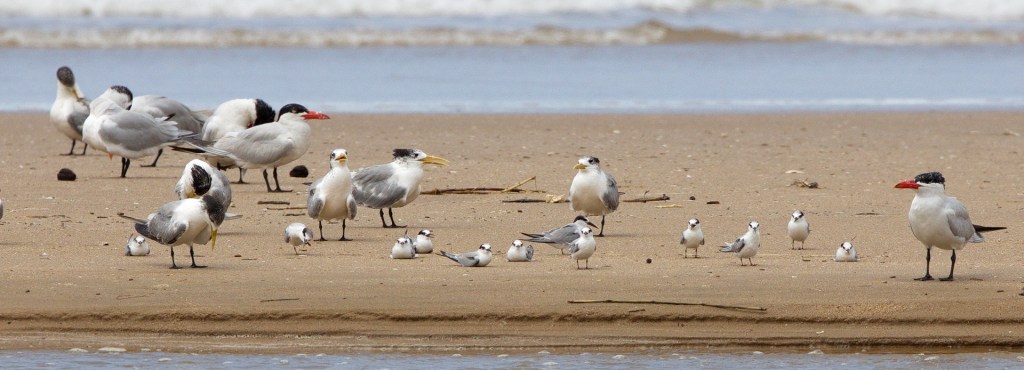
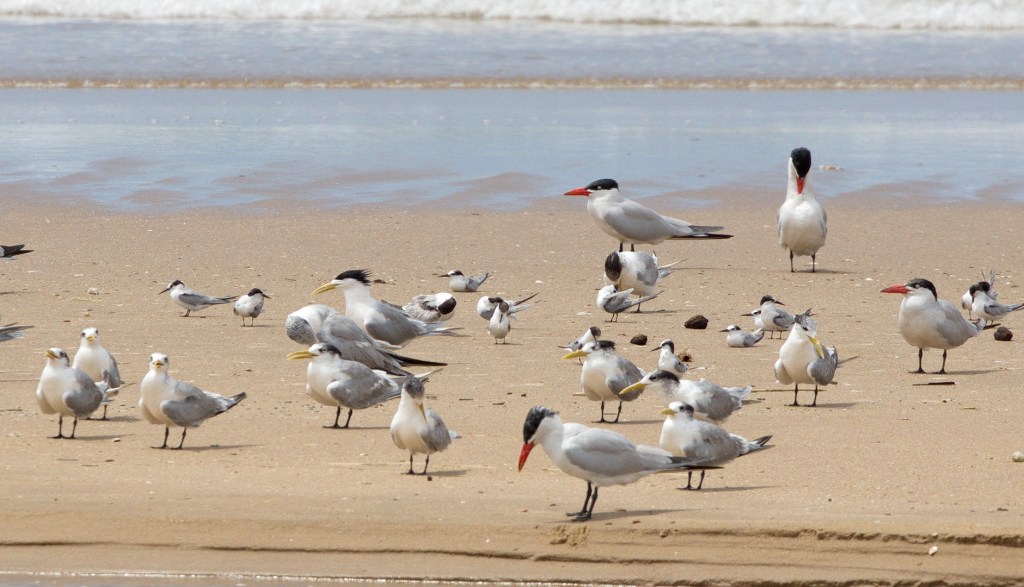
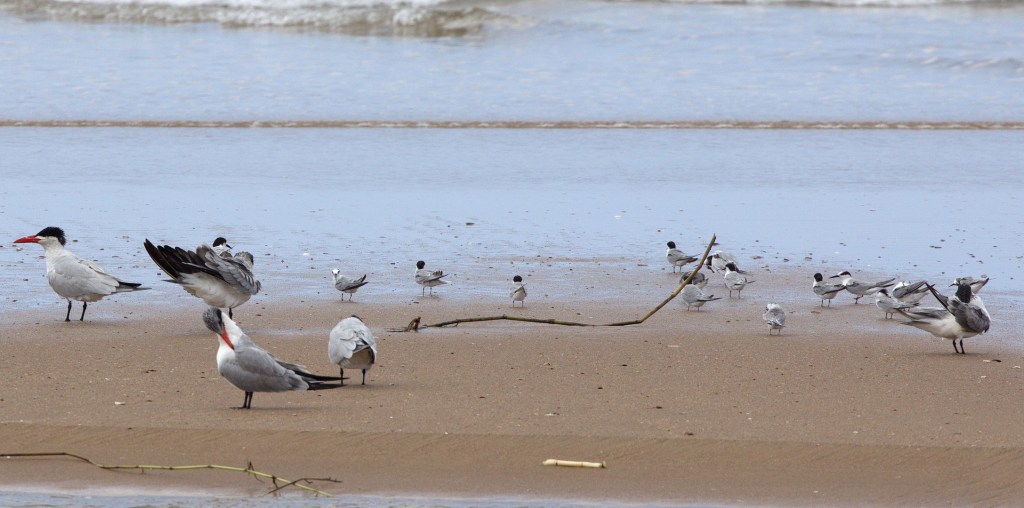
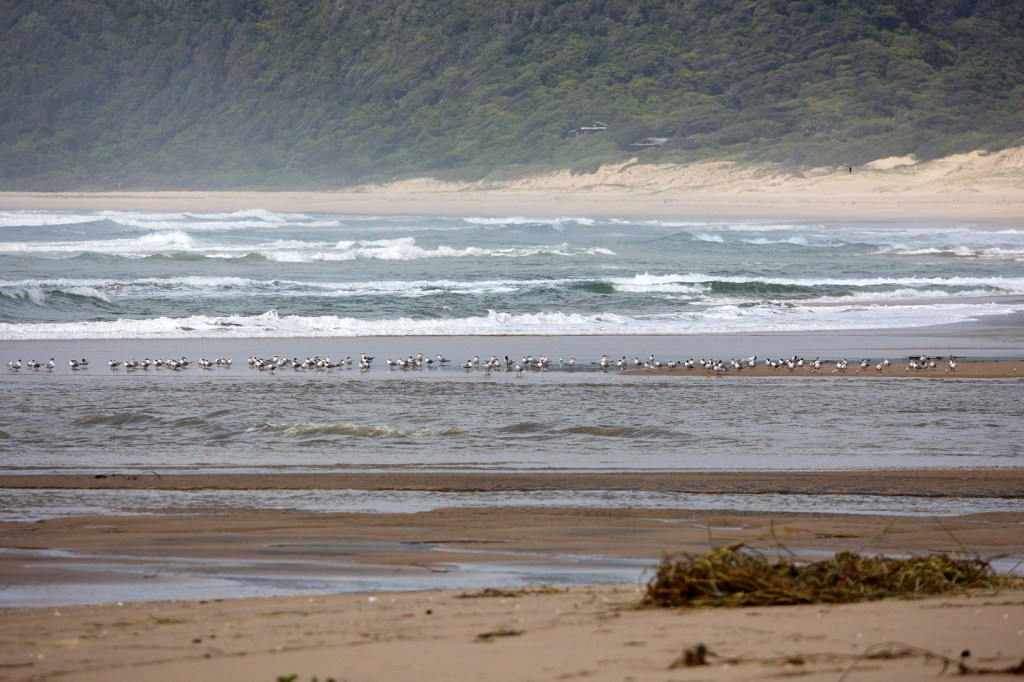
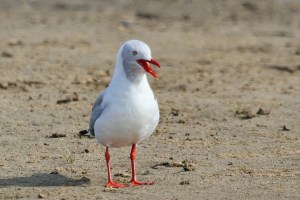
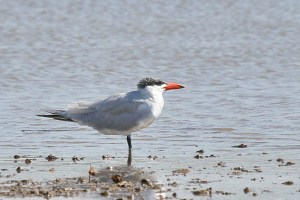
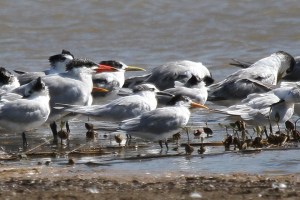
At the estuary there were a large number of Swift Terns (Greater Crested Terns now) but they were the only Terns present. Among them there were a few Kelp Gulls and six African Oystercatchers.
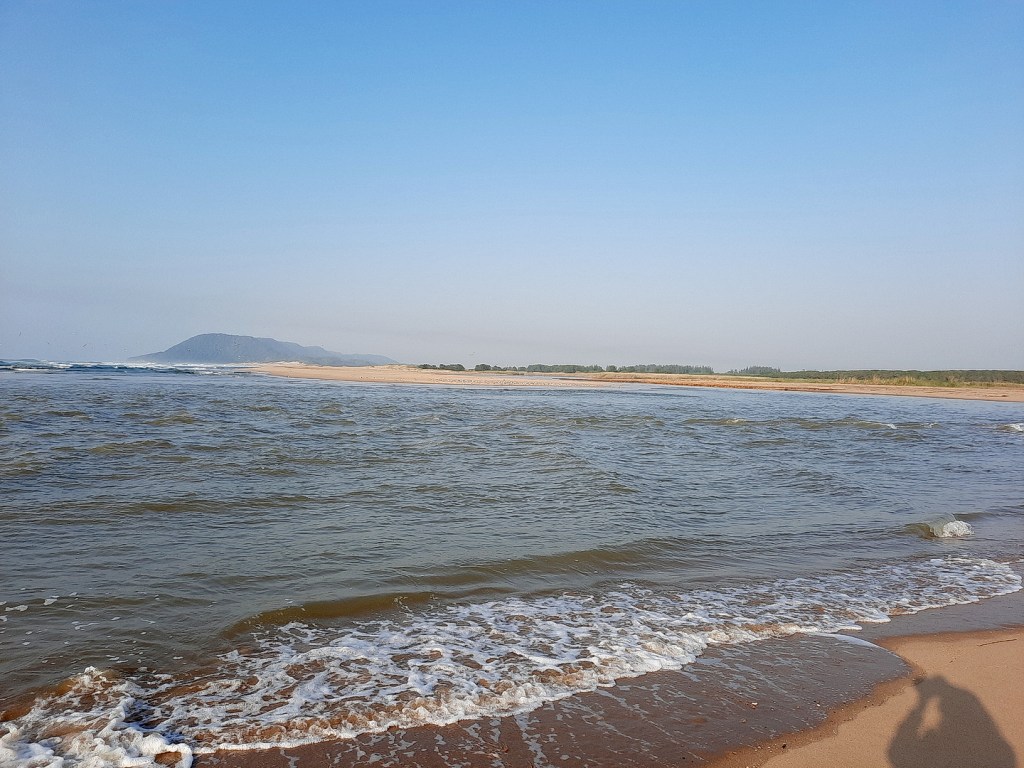


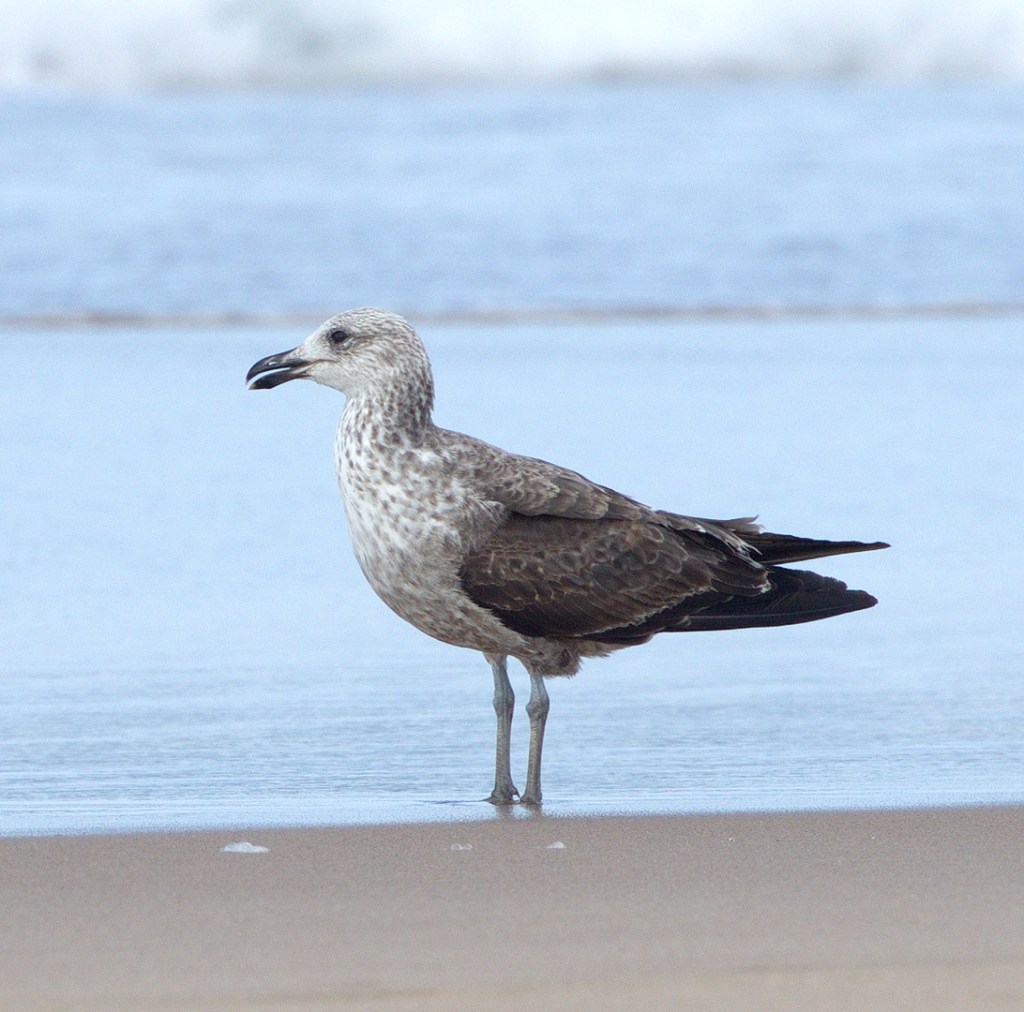

On the way to the roost, we had some interesting sightings. The first of which was a lone Cape Cormorant.


Looking out to sea we observed a pair of Cape Gannets flying past. An adult below the juvenile.


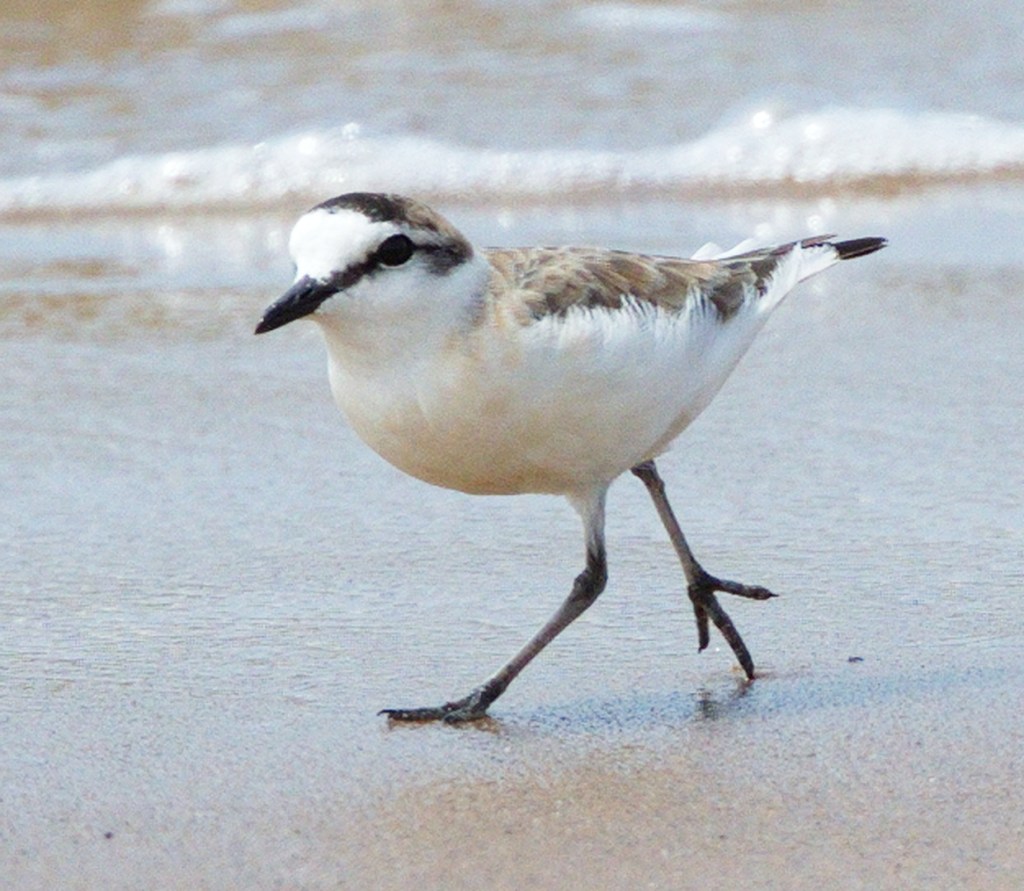
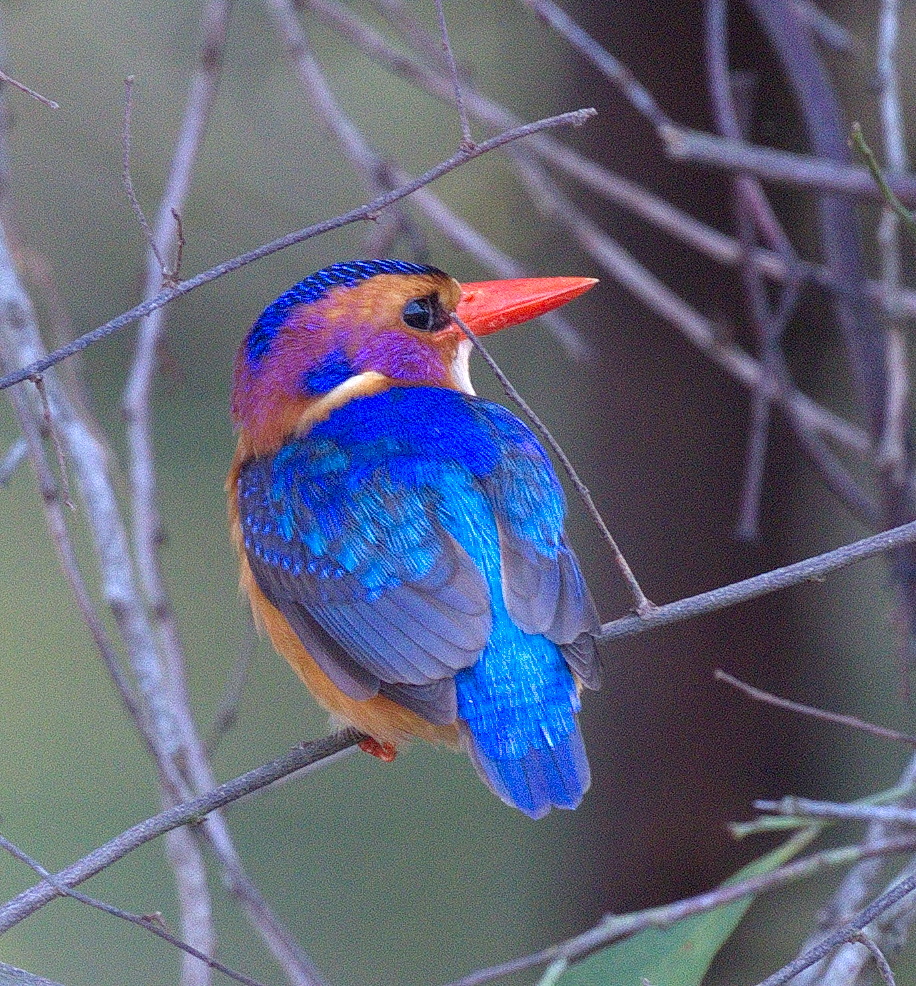
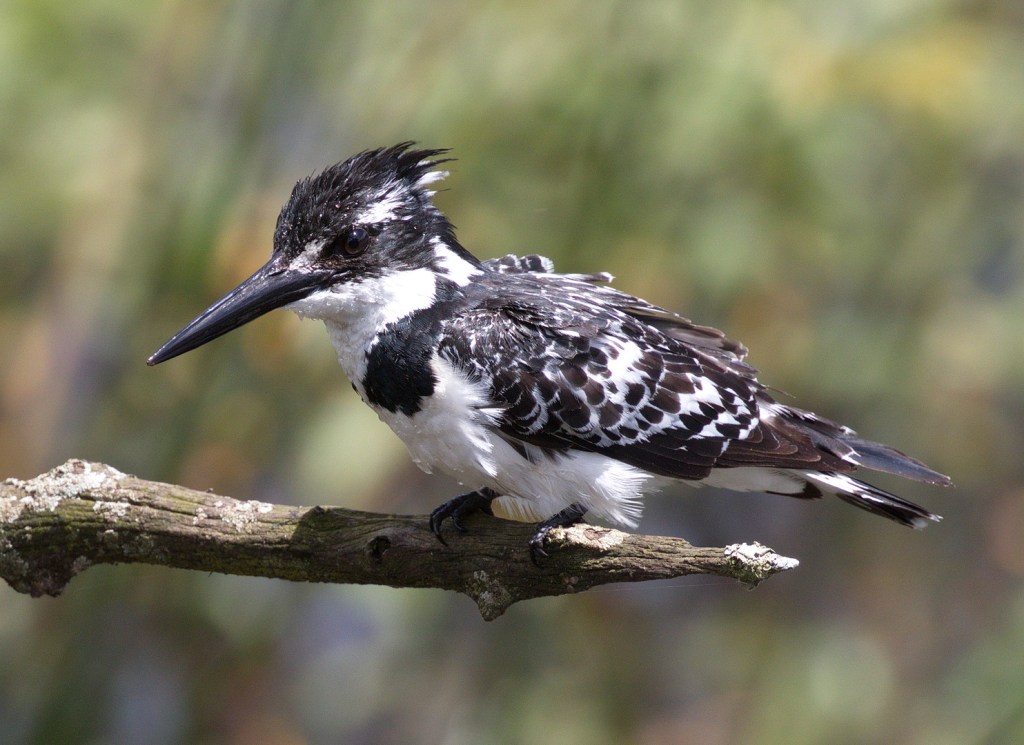
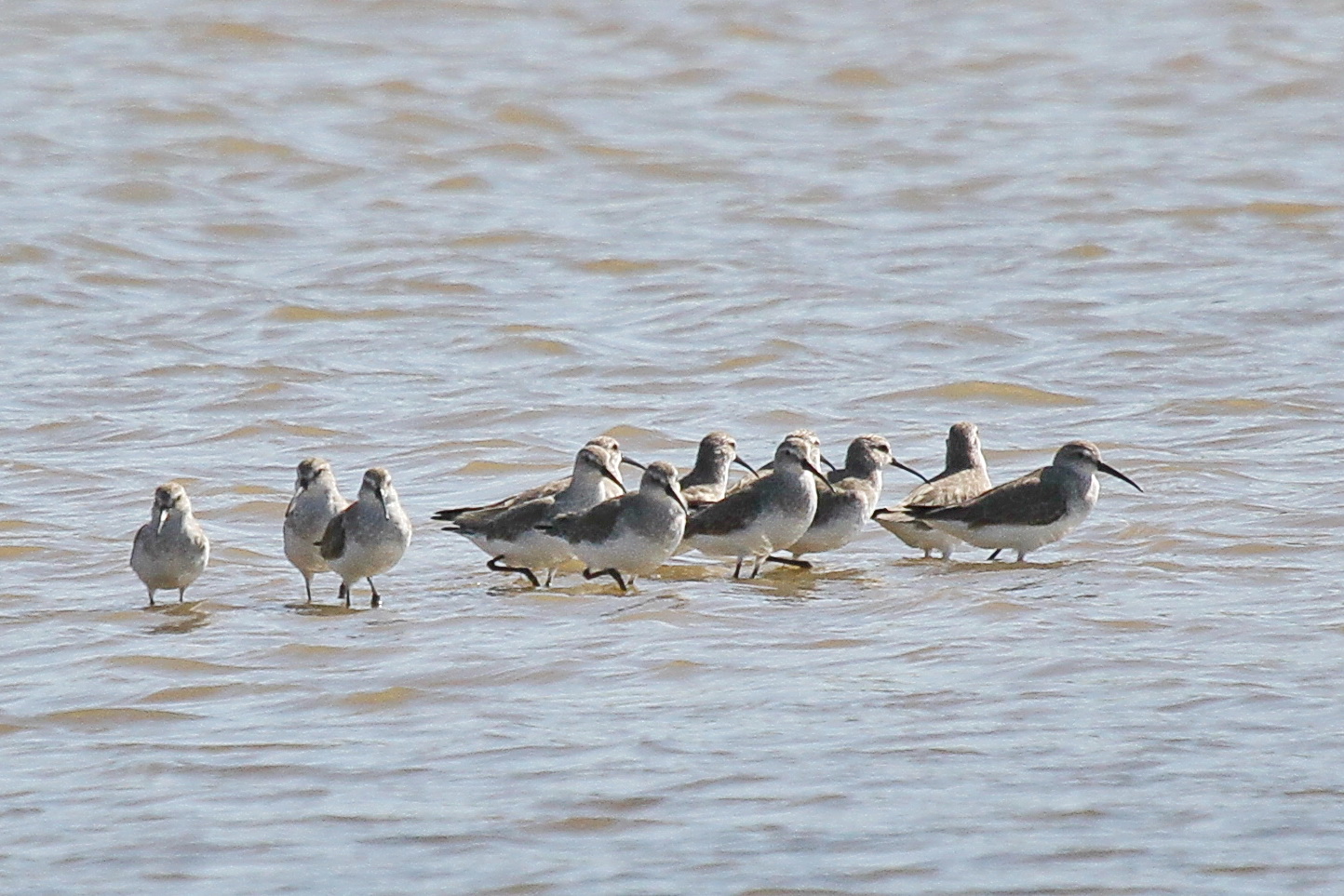
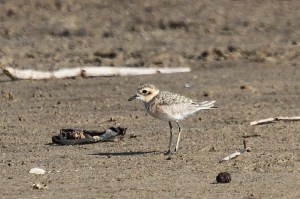
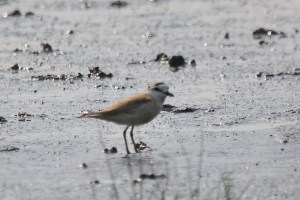
Along the shoreline we spotted a Little Egret, White-fronted Plovers, and among an area along the estuary showing a reedy edge, there were Curlew Sandpipers and a Malachite Kingfisher with an erratically unique hairstyle.


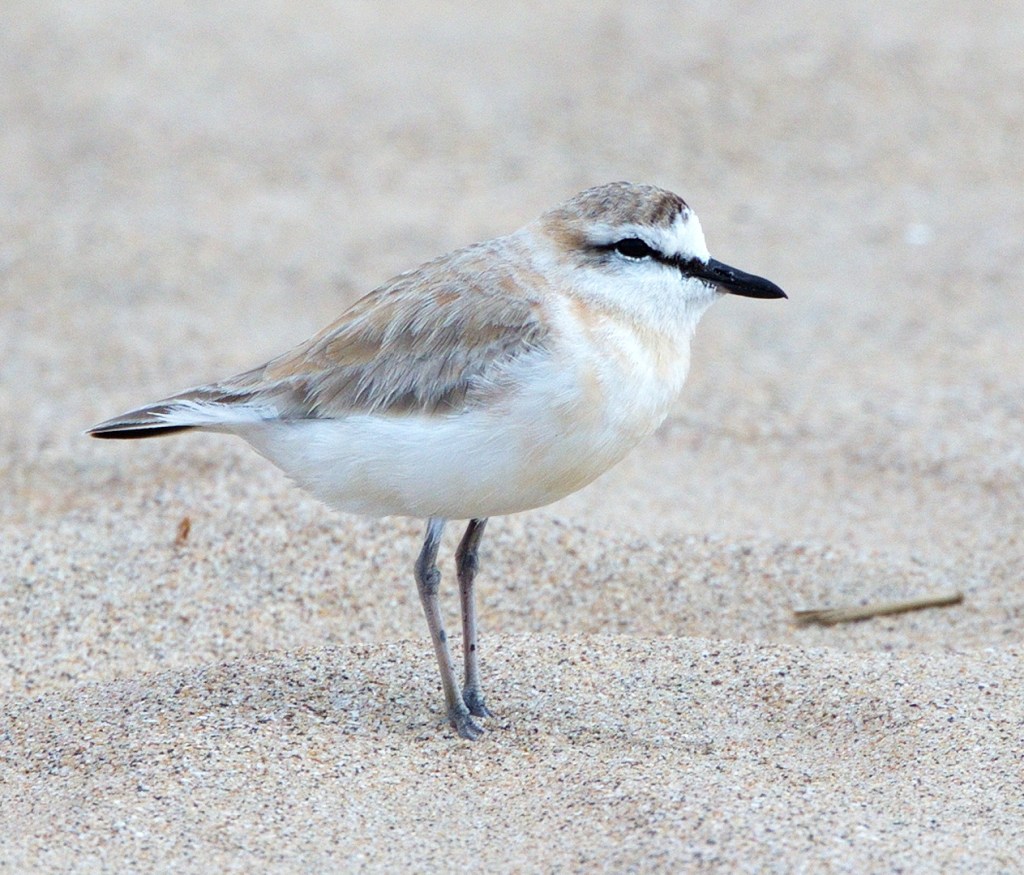

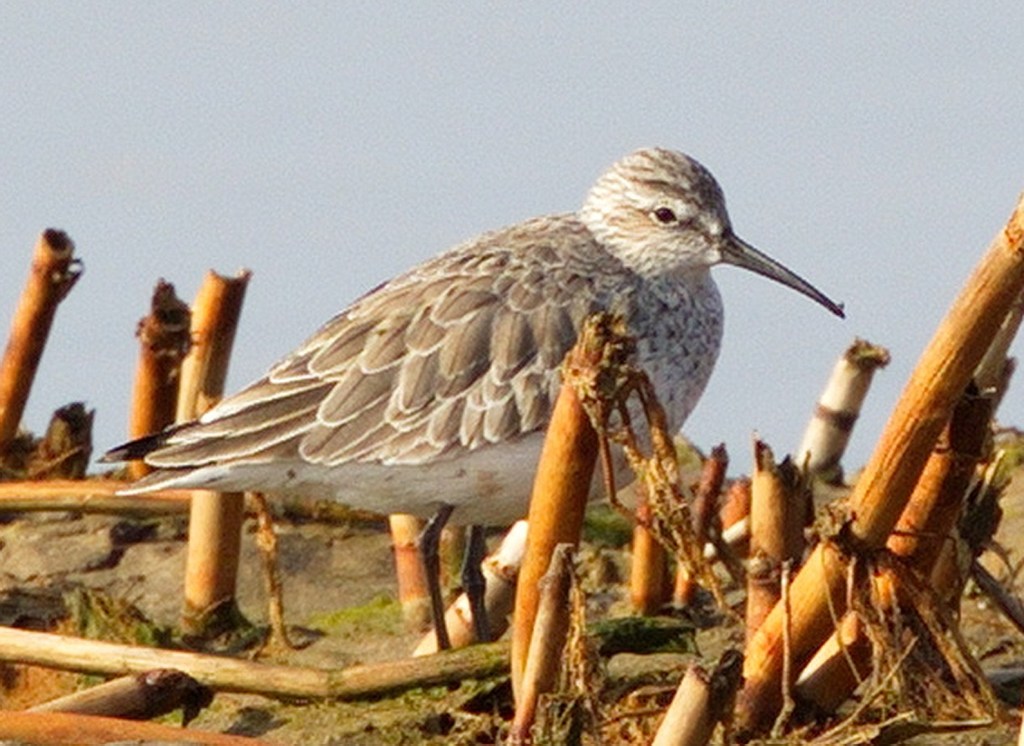

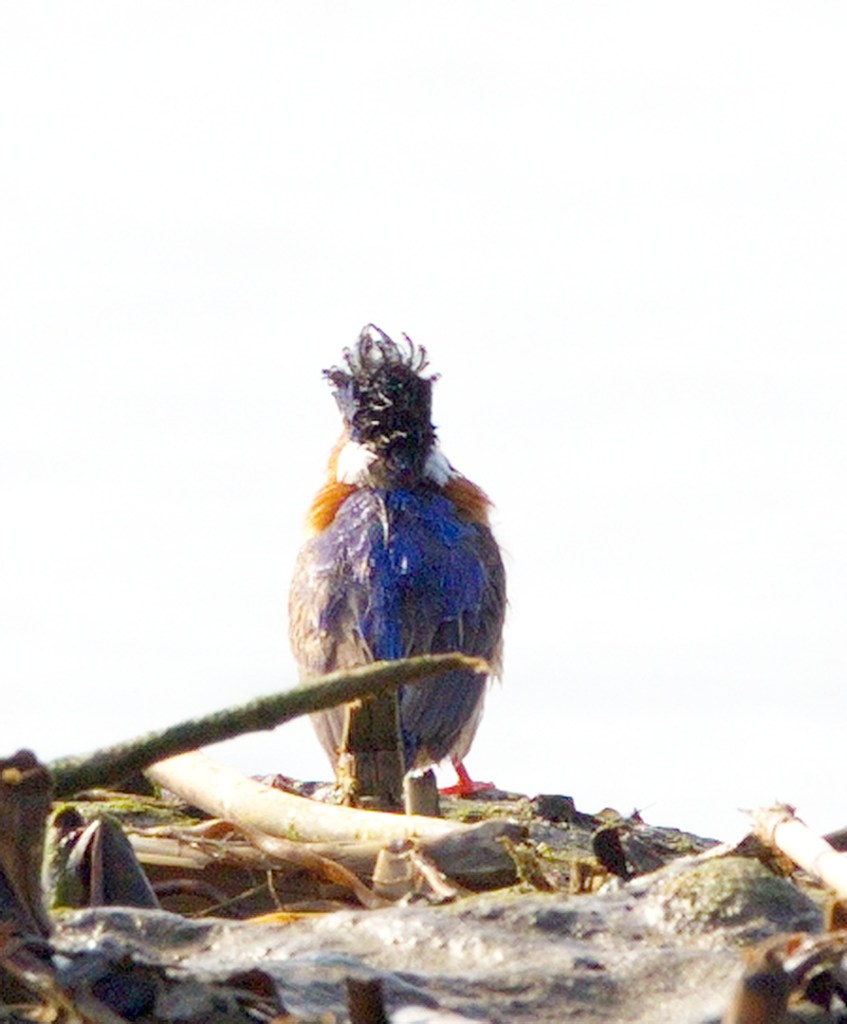
Then we had another aerial display from a Western Osprey.


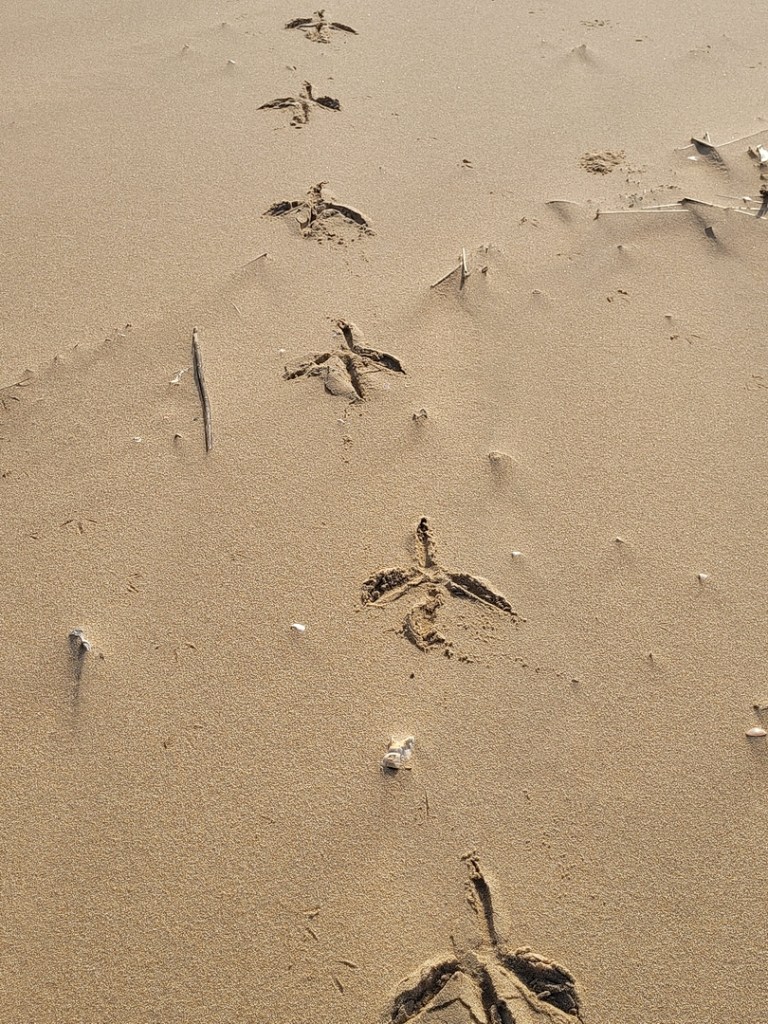
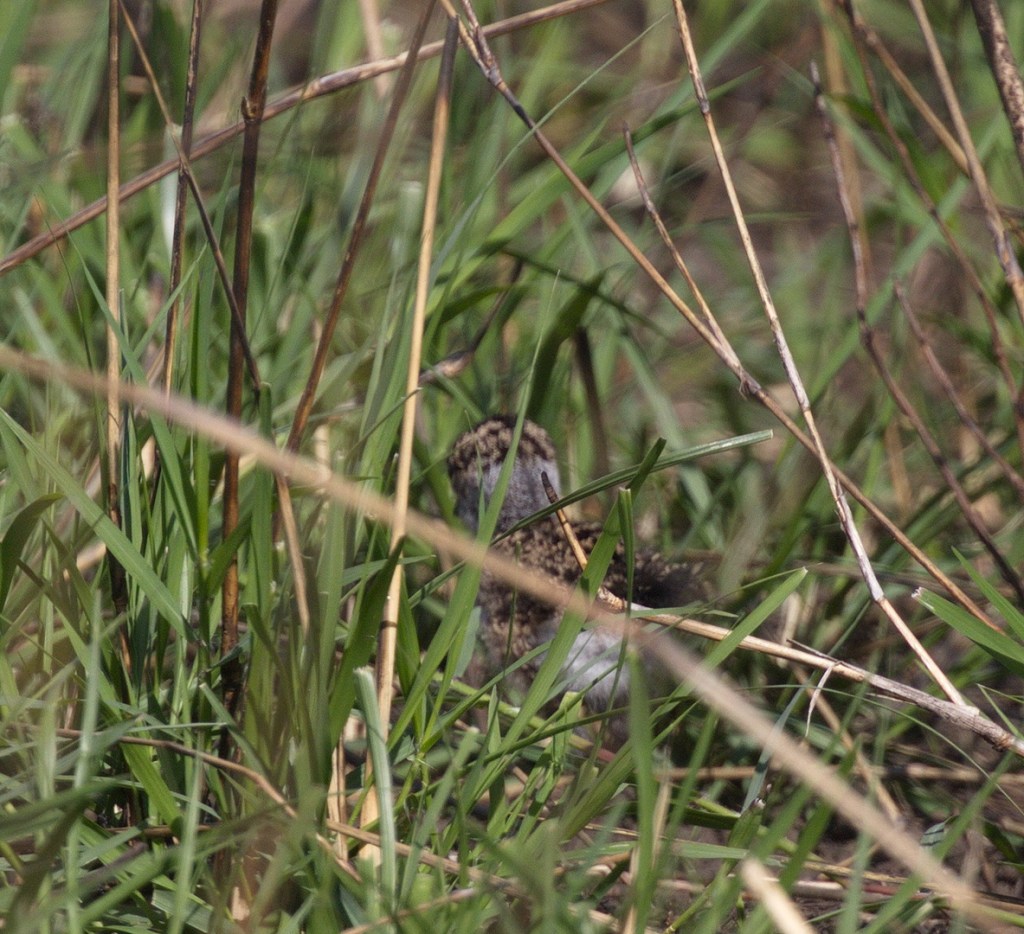
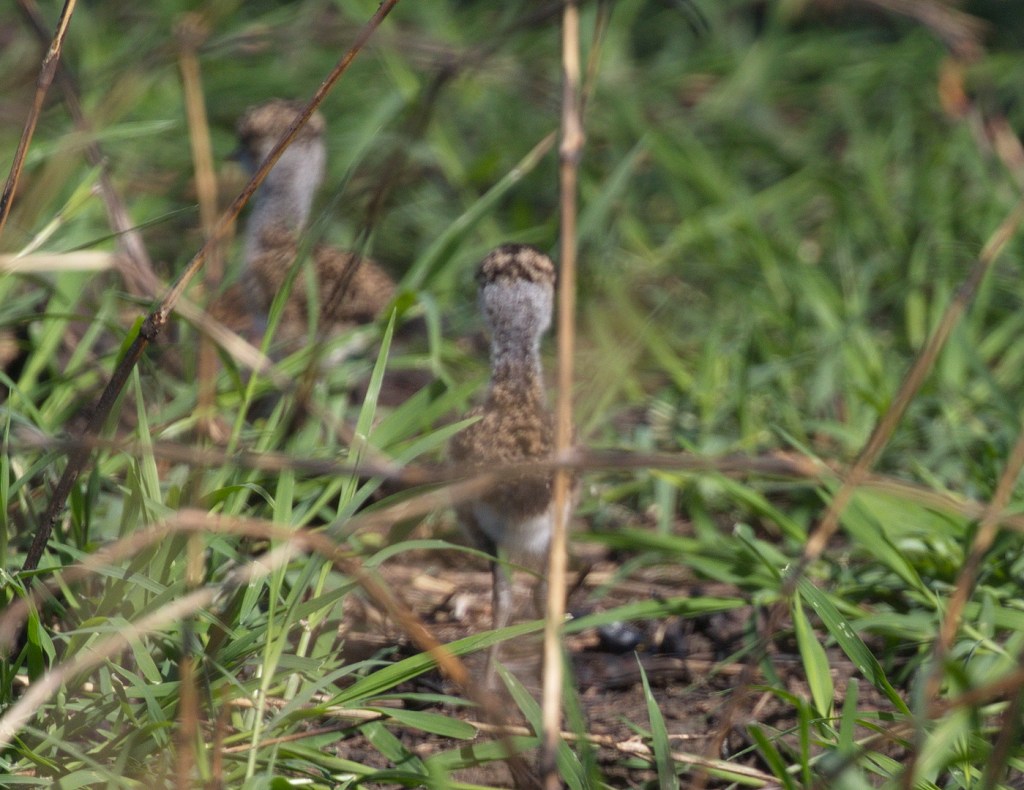
On the way back to the campsite we came across some unusually large bird tracks. Maybe you can ID the bird?

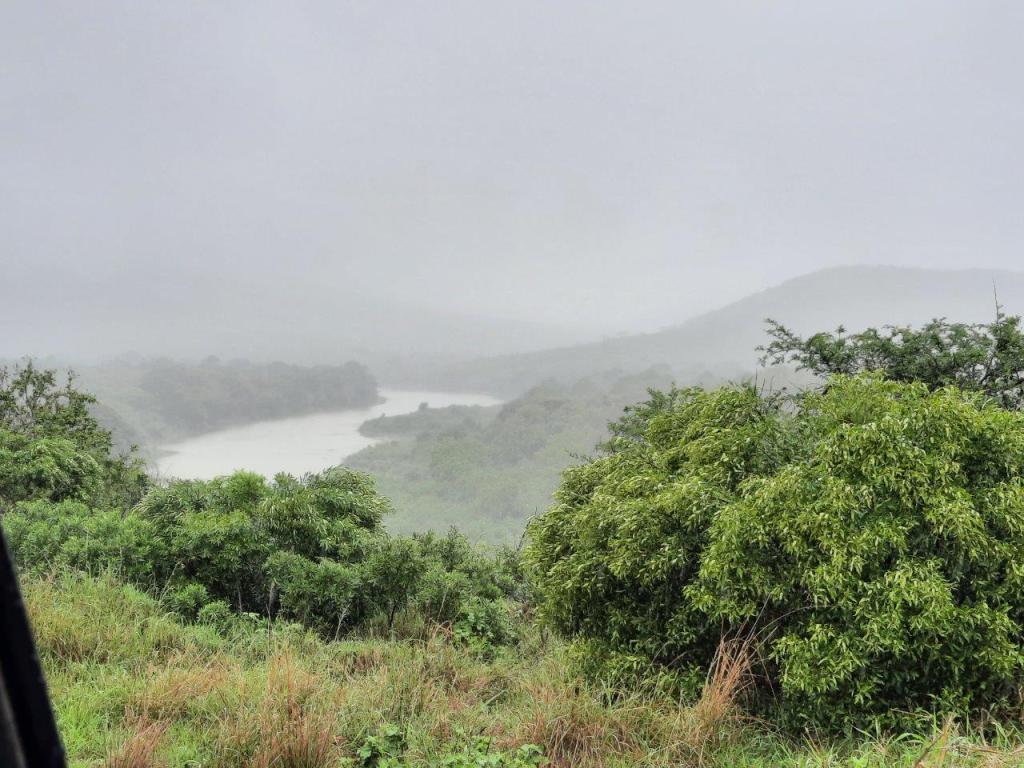
The Isimangoliso Wetland was truly waterlogged. Free standing water was everywhere you went. For this time of the year – July – we had never seen Park like this. Indeed, even in the rainy season we have not seen it so. This made for some good close-by sightings in both the Western and Eastern Shores sections of the Isimangoliso Wetland Park.
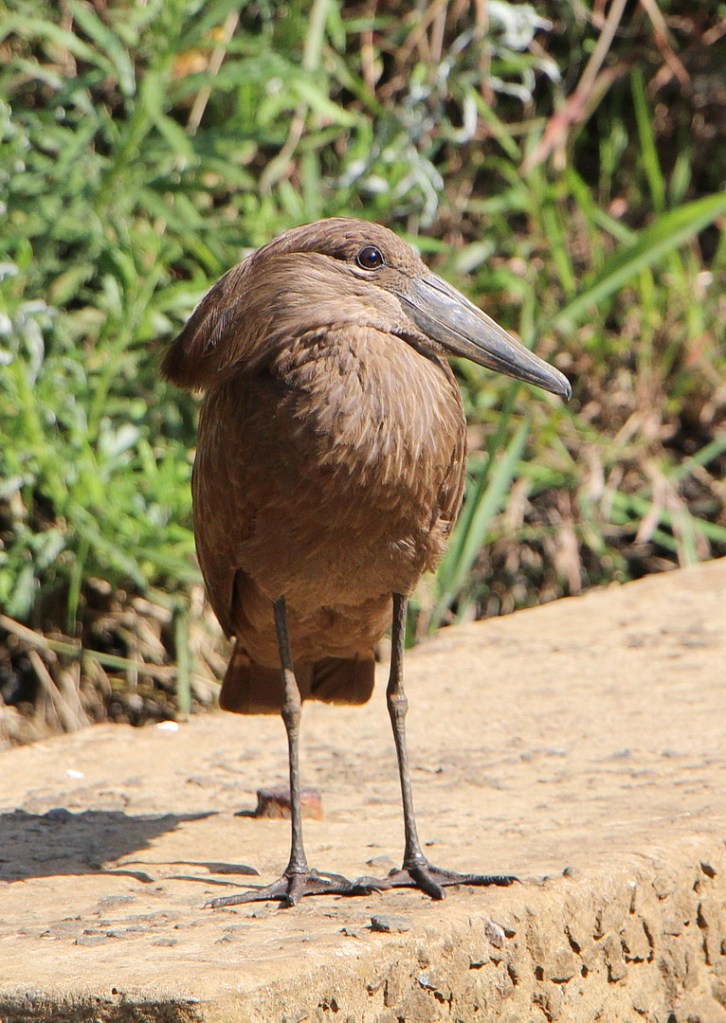
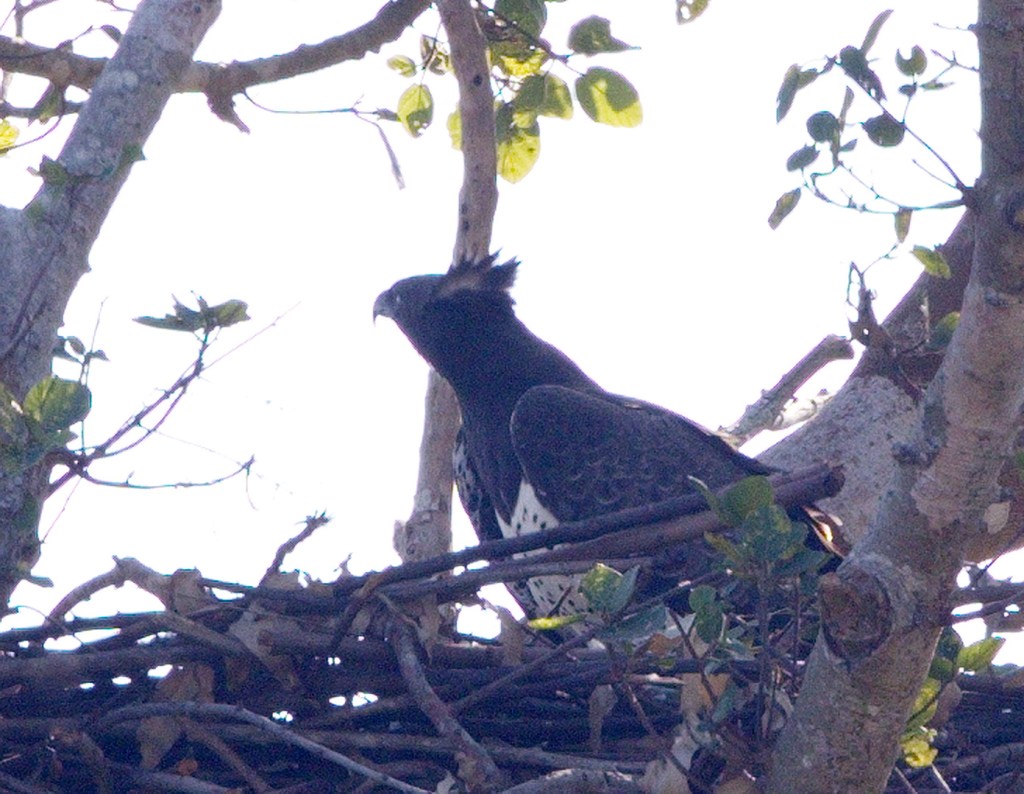
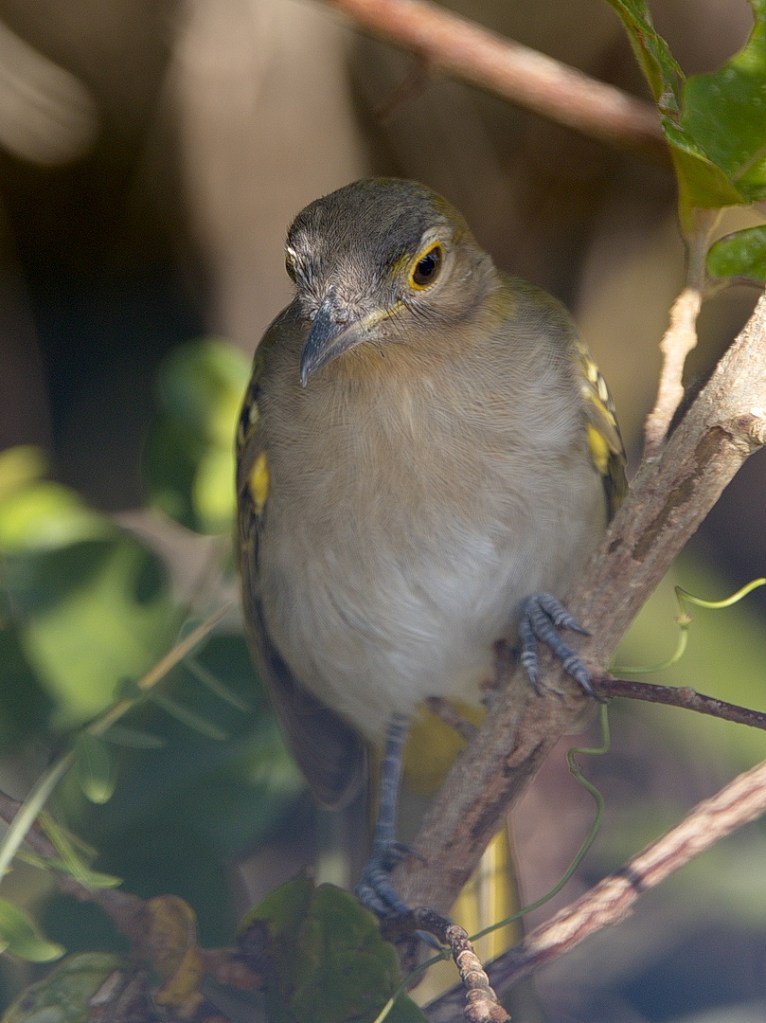
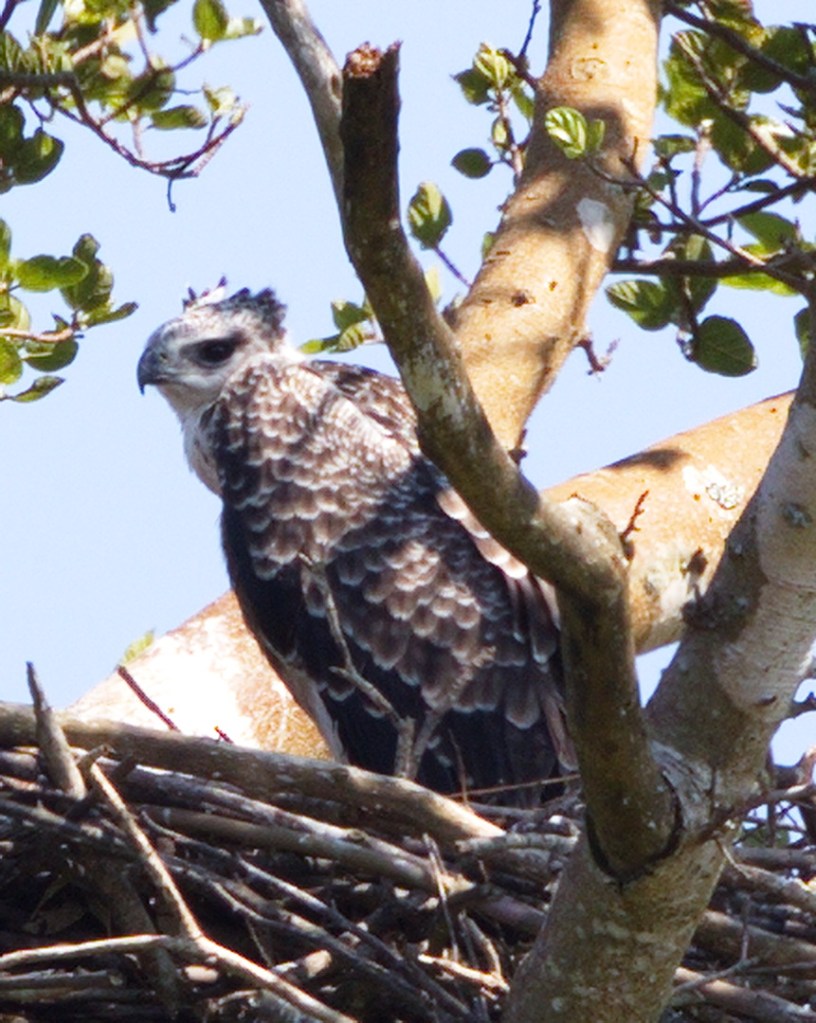
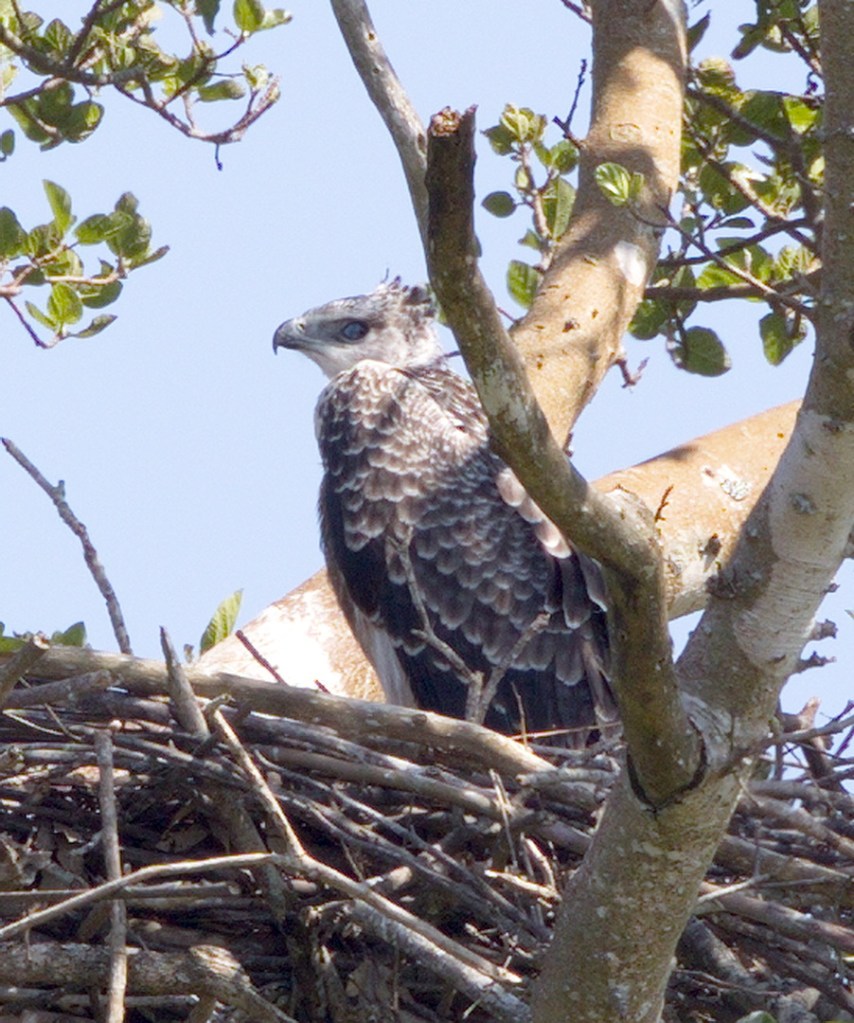
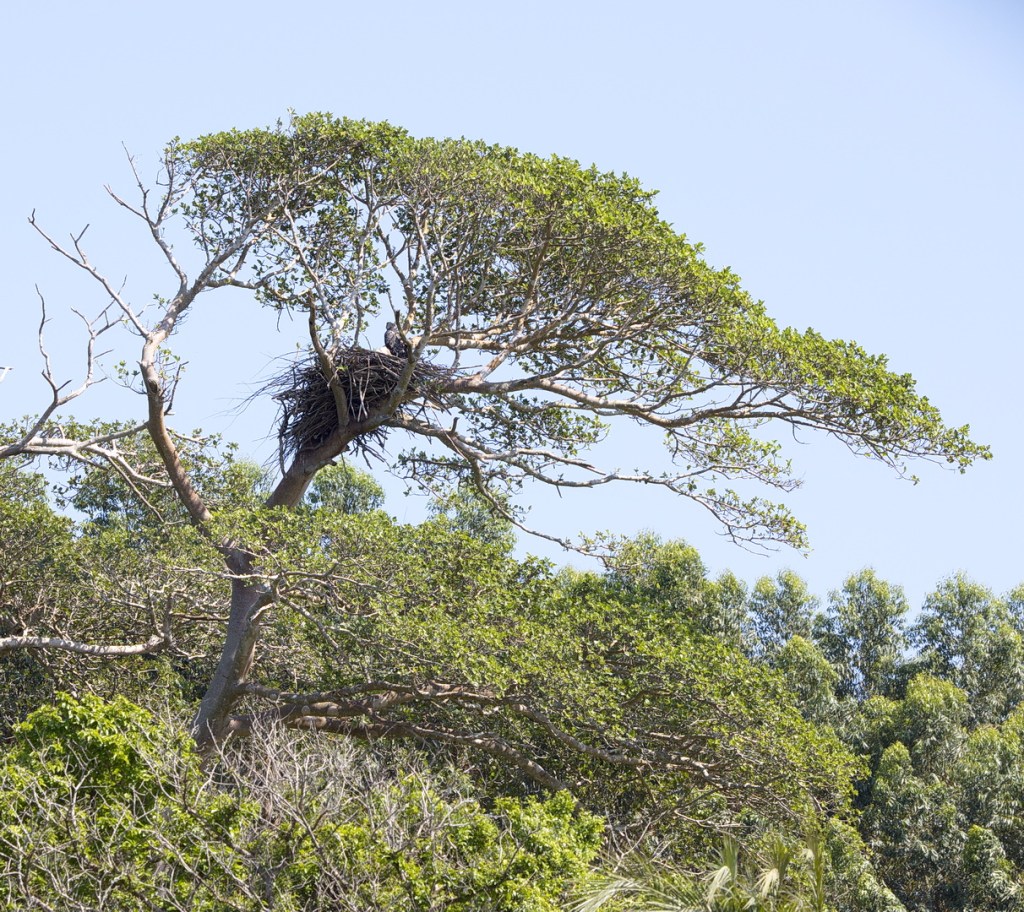
We happened to visit the Western Shores on a rainy overcast day. Birding as you might expect was quiet. However, we had some nice sightings: White-backed Ducks, a Martial Eagle on a nest and a curious Eastern Nicator that not only was a few metres away but was not inclined to fly off.








A very short clip of Buffaloes enjoying a swim. Click on the photo.
Lake Bengazi was full to the brim. We stopped at one of the pull over stops on the causeway and Sally took this video to show how full it was. Normally when we have visited, the water was a good 100 metres away from where Sally was standing.
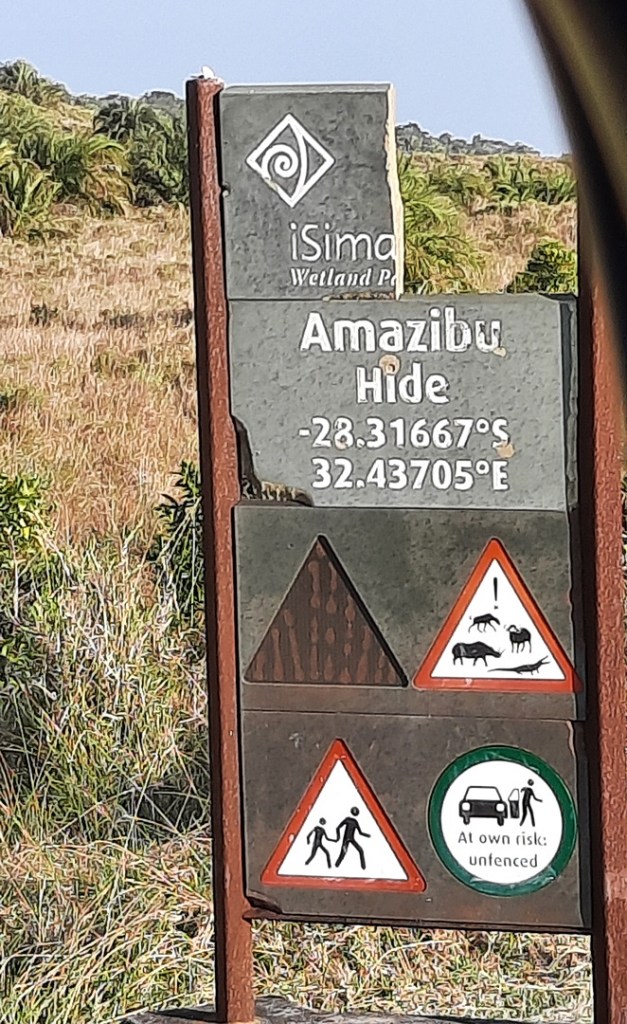
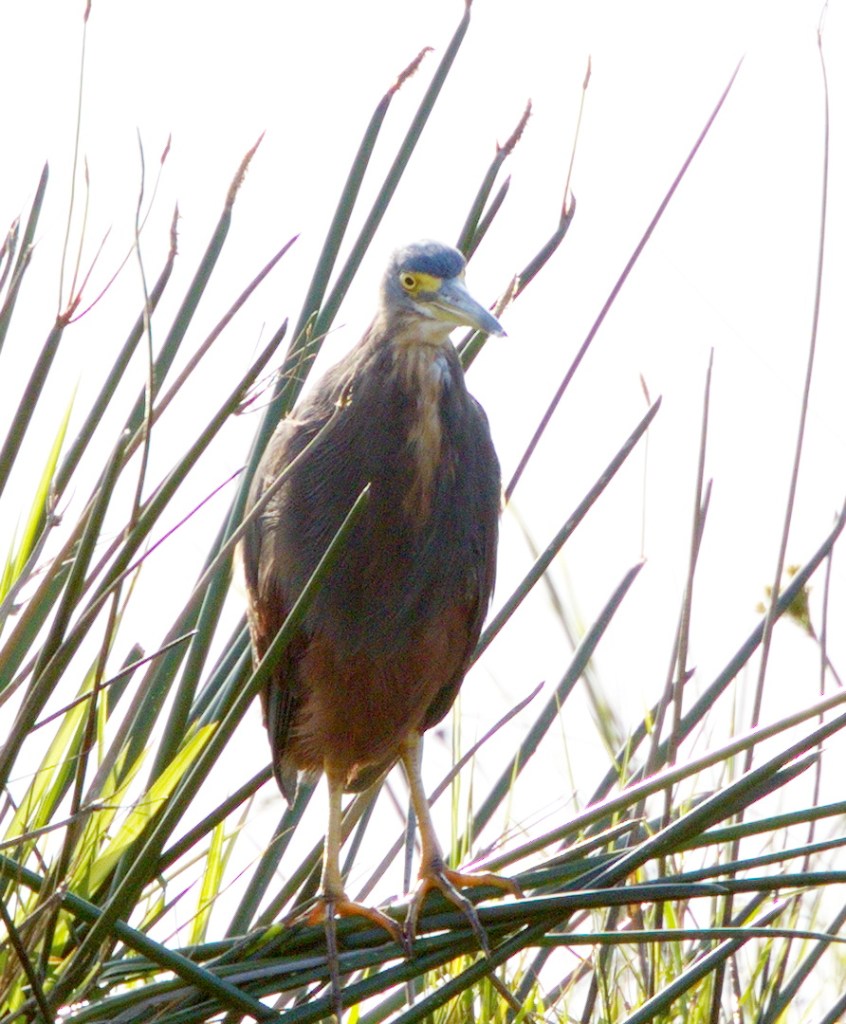
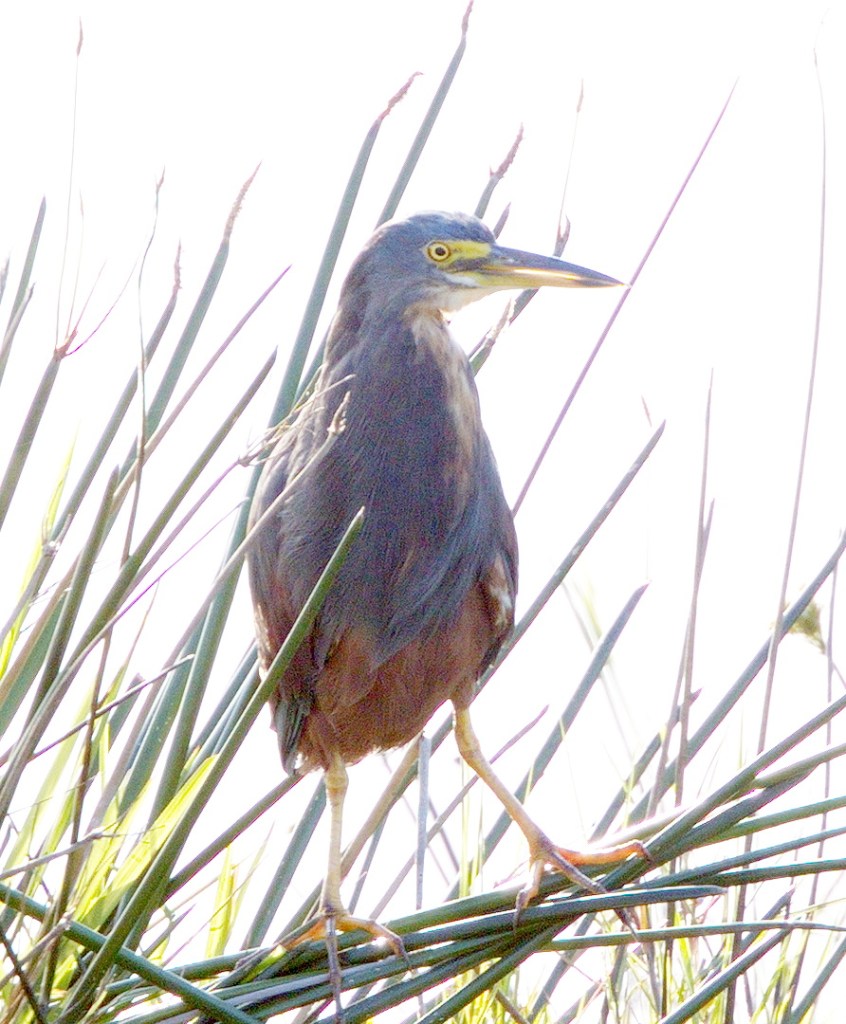
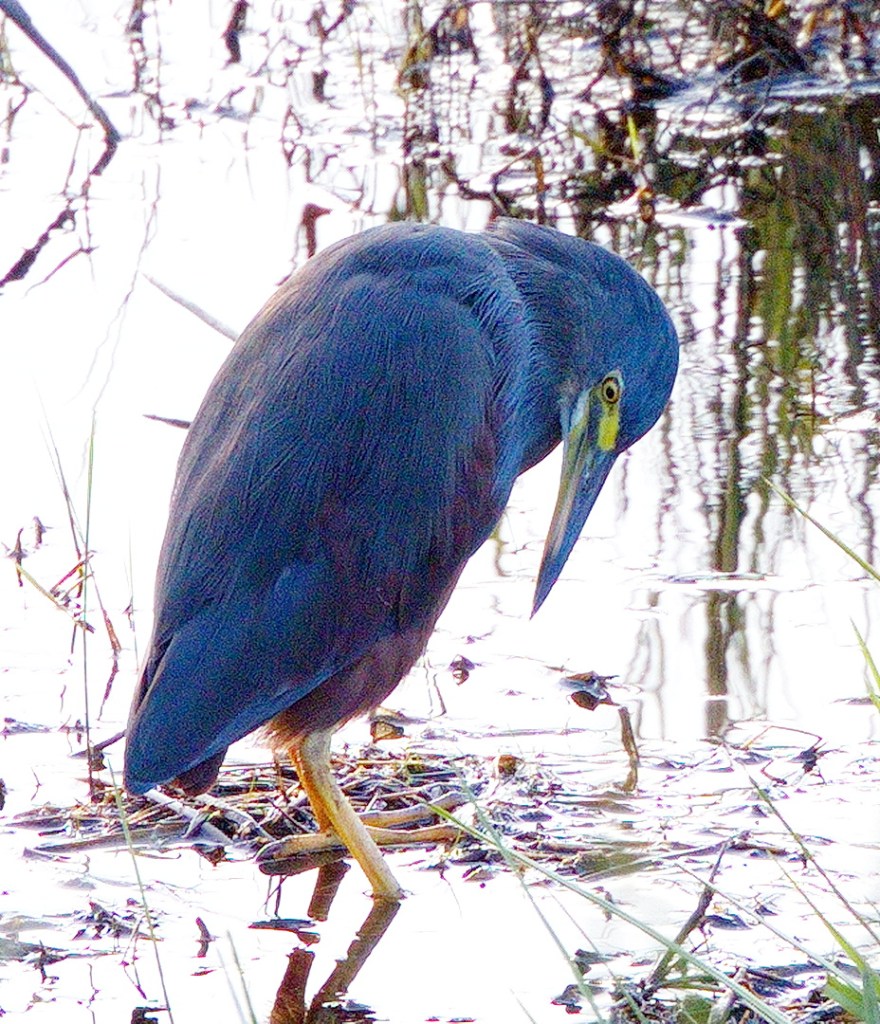
Then there was the Eastern Shores and the road close to the Amazibu hide. Again, water beside the road everywhere we went. Amazibu hide was our first destination. We went to see the Rufous-bellied Herons which have been showing well for a long time now.
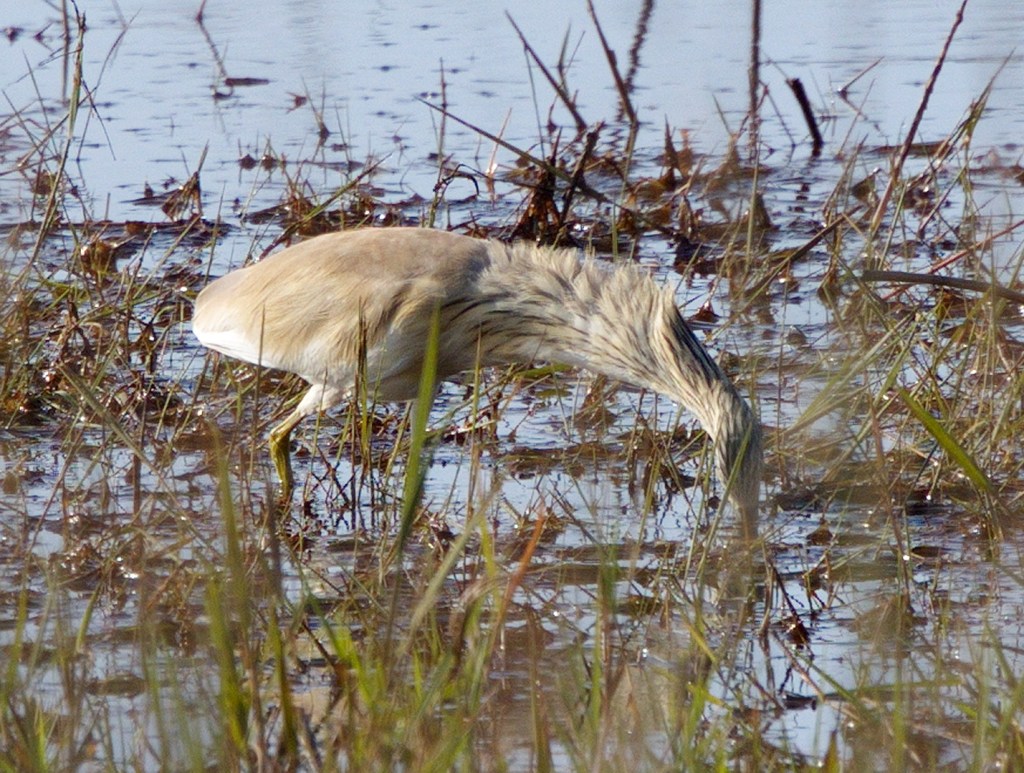
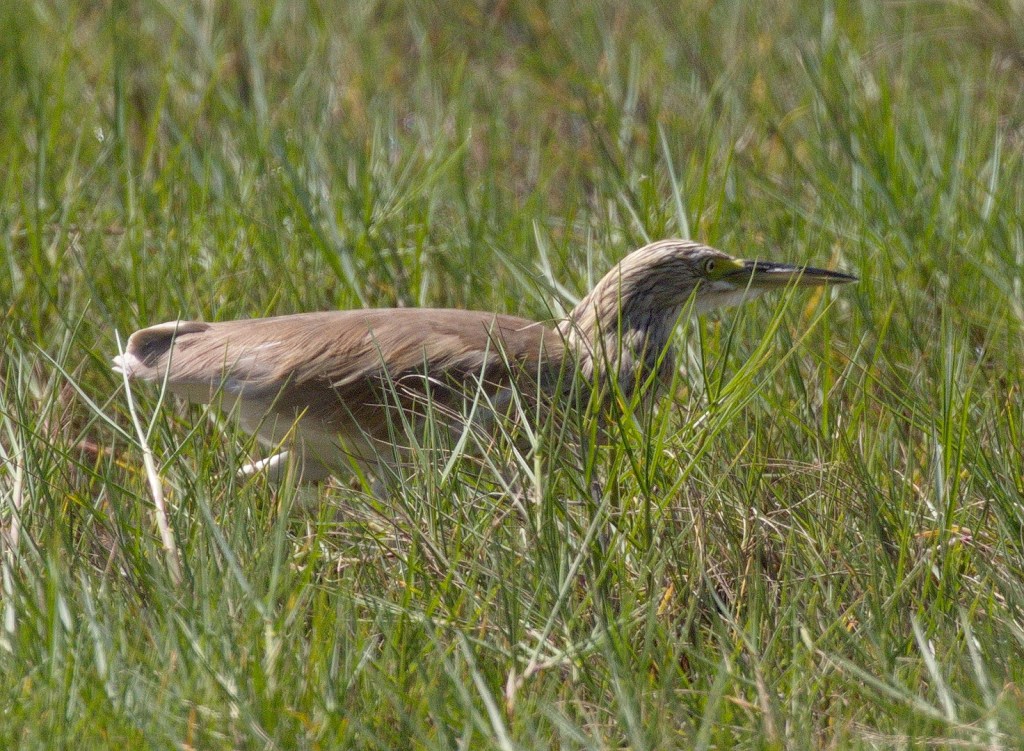
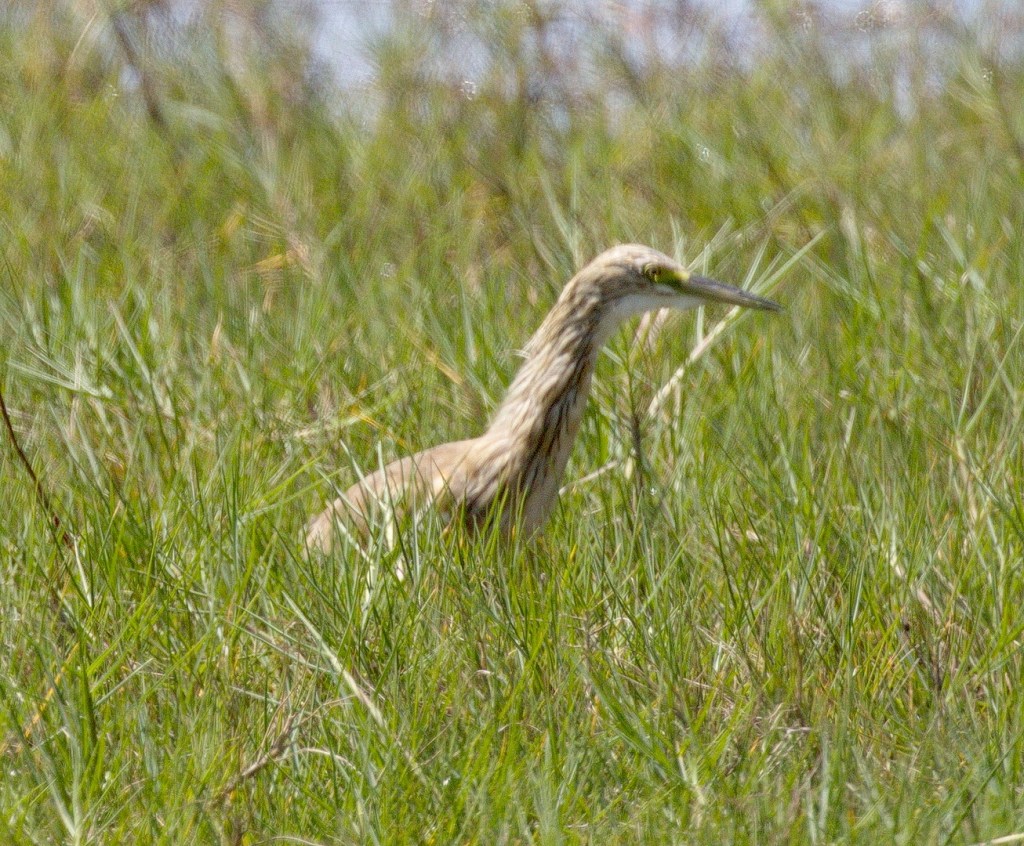
However, on the way there we stopped overlooking a wetland area beside the road – loads of Spoonbills together feeding with the typical sweeping action of their bill. There was also a Squacco Heron and a Great Egret present. A Reed Cormorant was watching carefully from its perch.


And then we got to the Amazibu Hide and a Rufous-bellied Heron appeared just as we were about to leave.


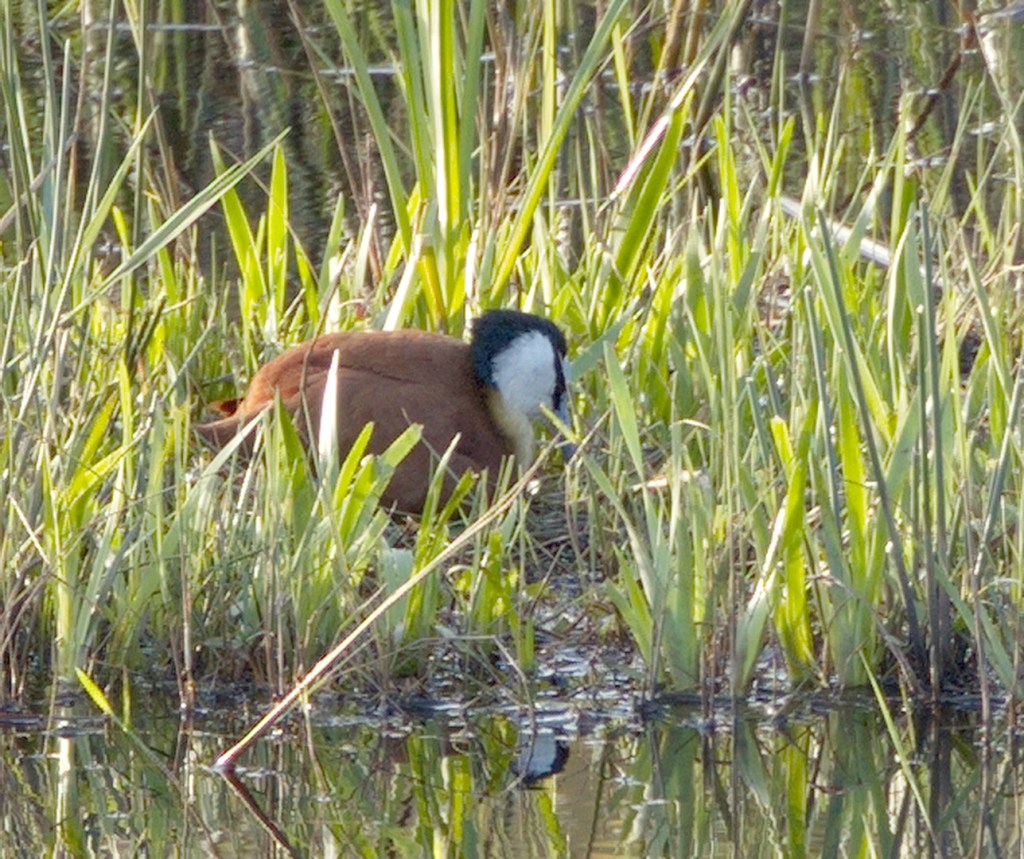
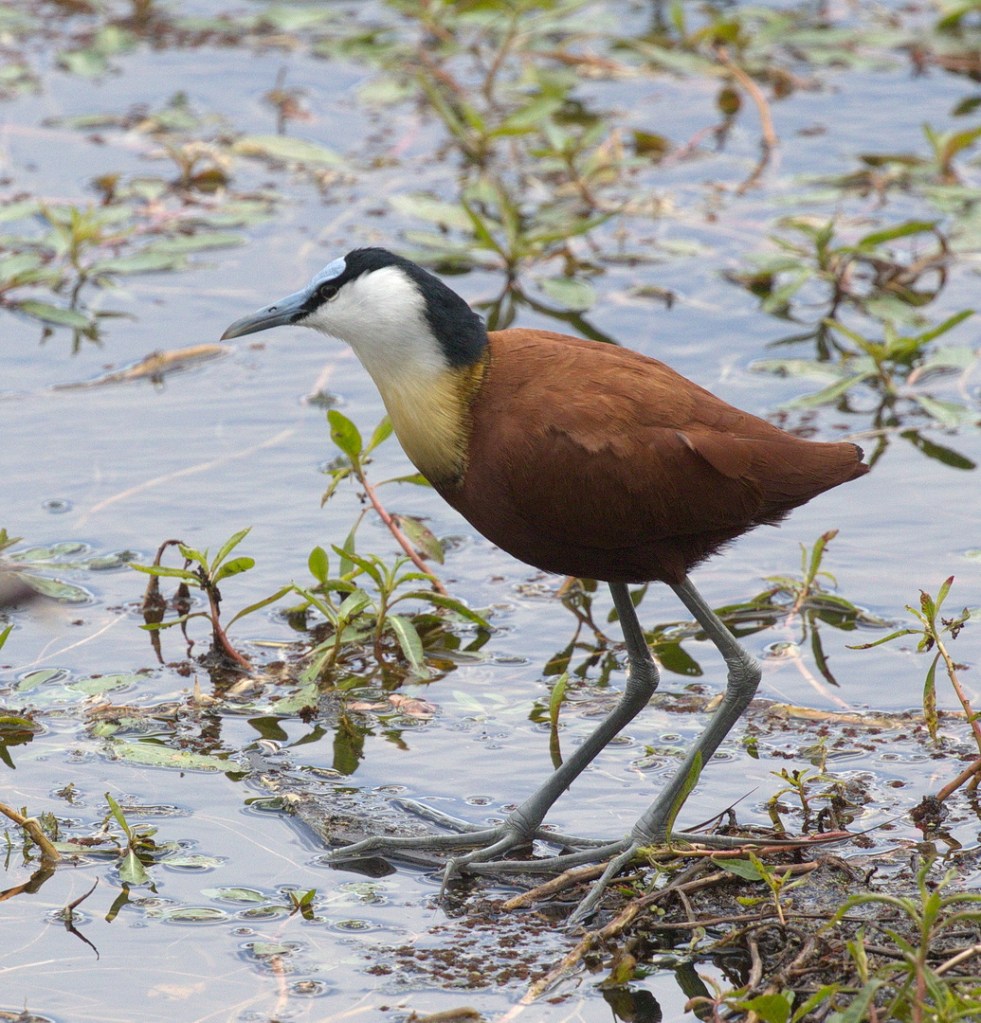
A short distance further along from the hide was another stretch of water beside the road. In fact on both sides of the road. However, it was the wetland on our right that blew us away with the number and variety of waterbirds present. There were Blue-billed and Red-billed Teals, African Jacanas, White-backed Ducks, many Pygmy Geese – never seen them in such numbers in Isimangoliso before.
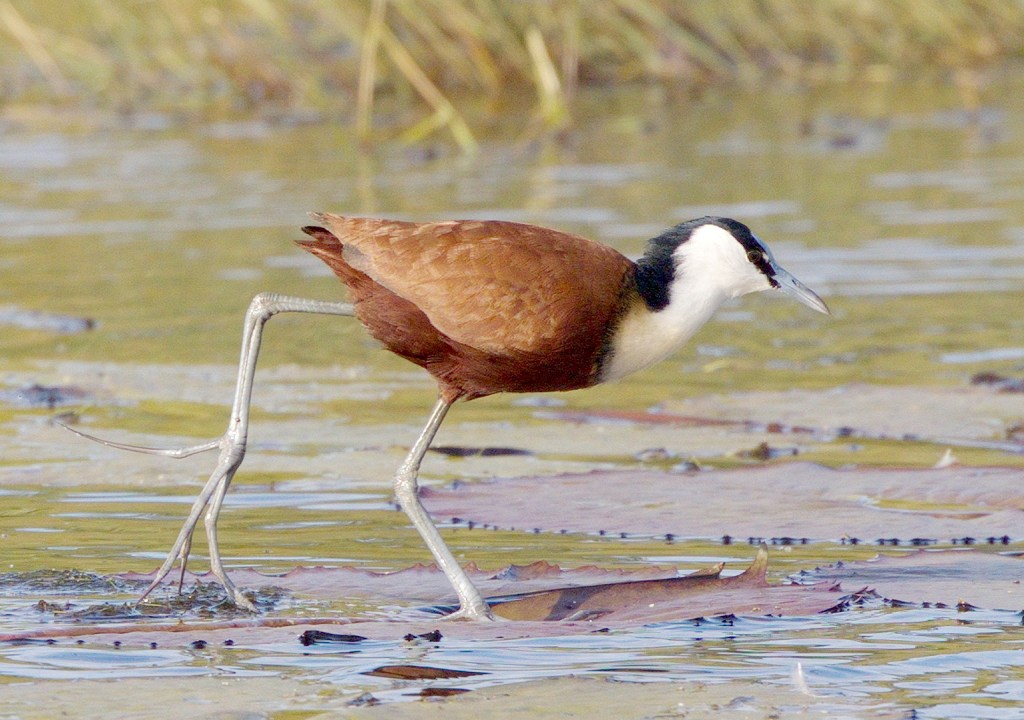


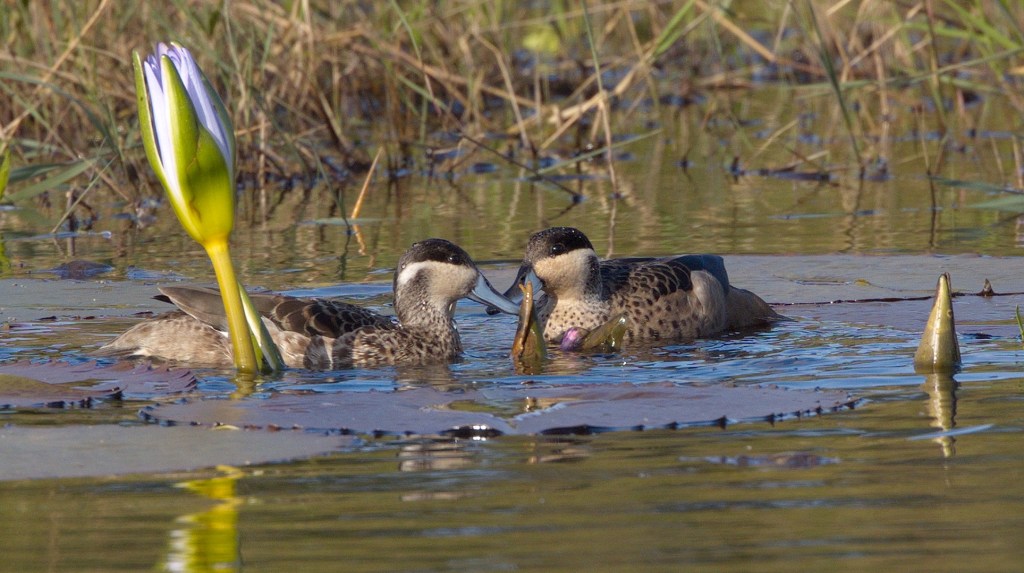

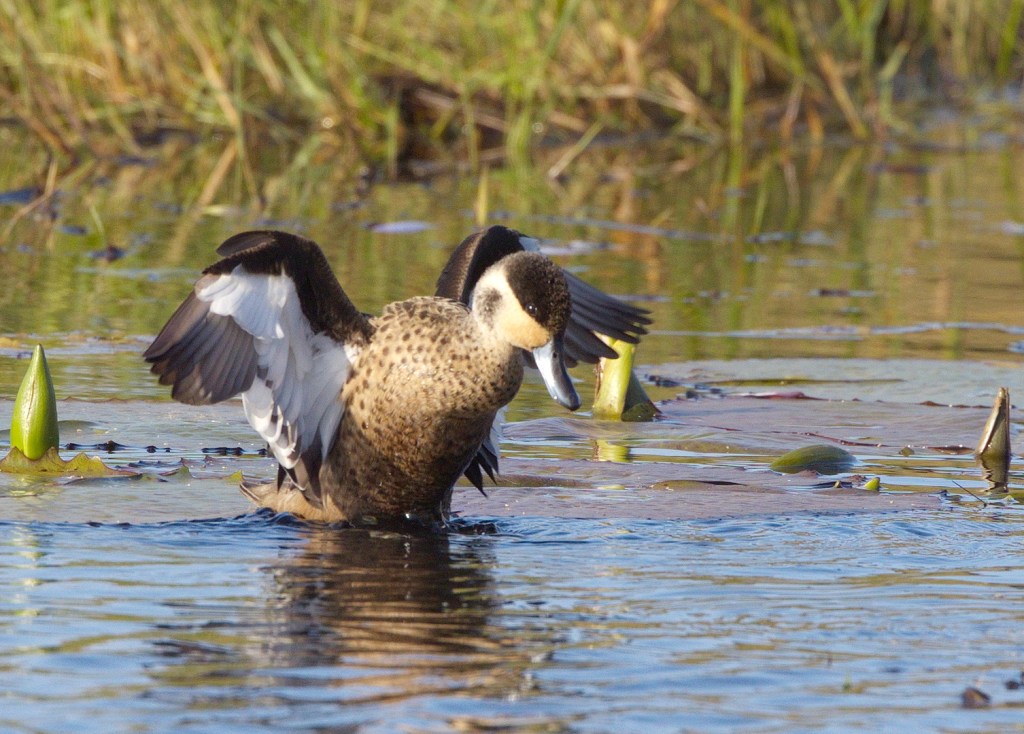


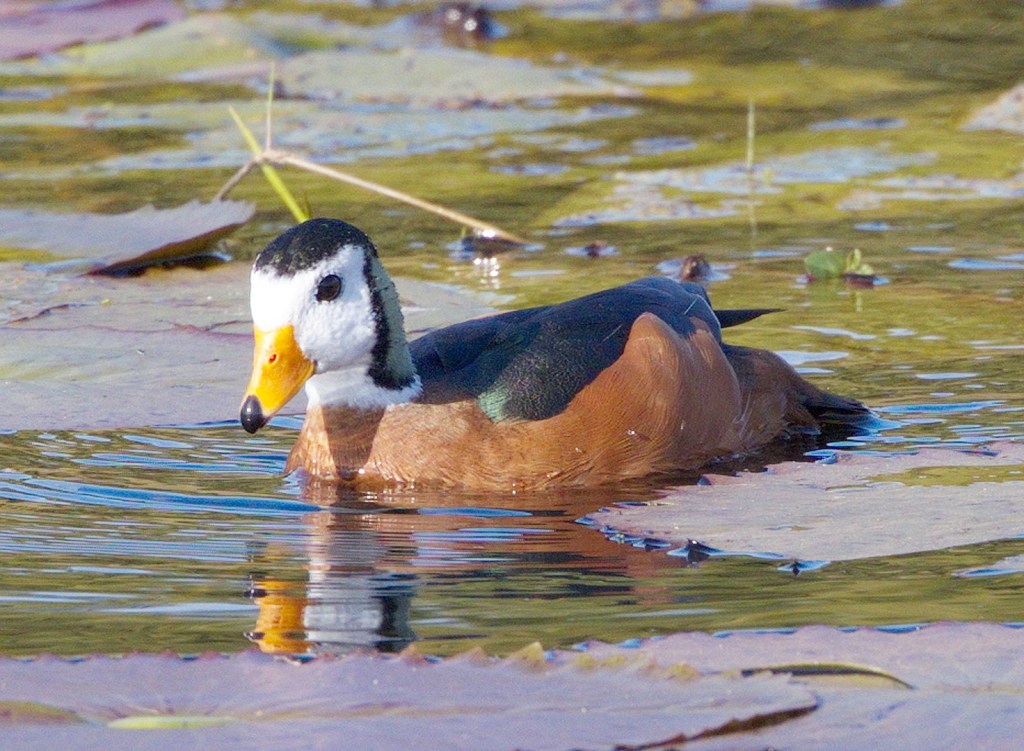


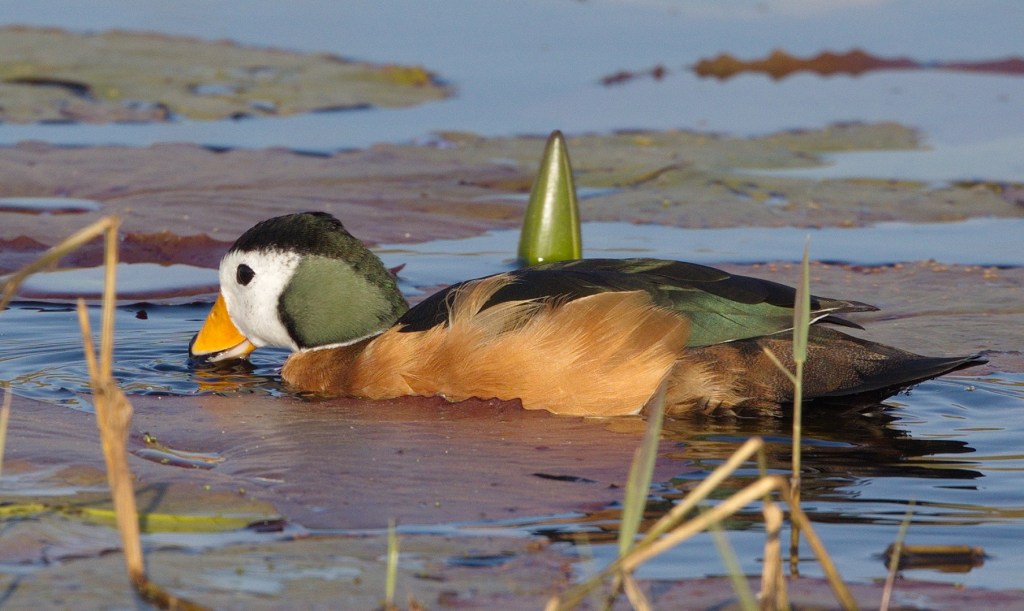


And then another Rufous-bellied Heron popped up right next to us beside the road, followed by another a little further along.


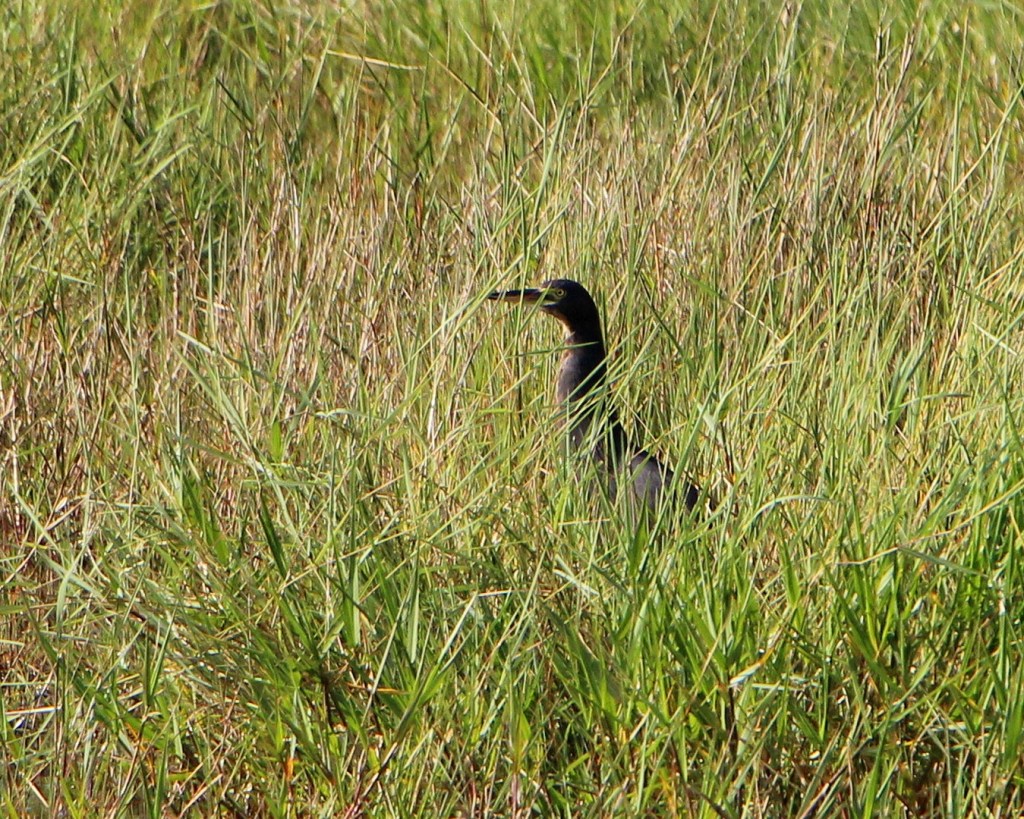

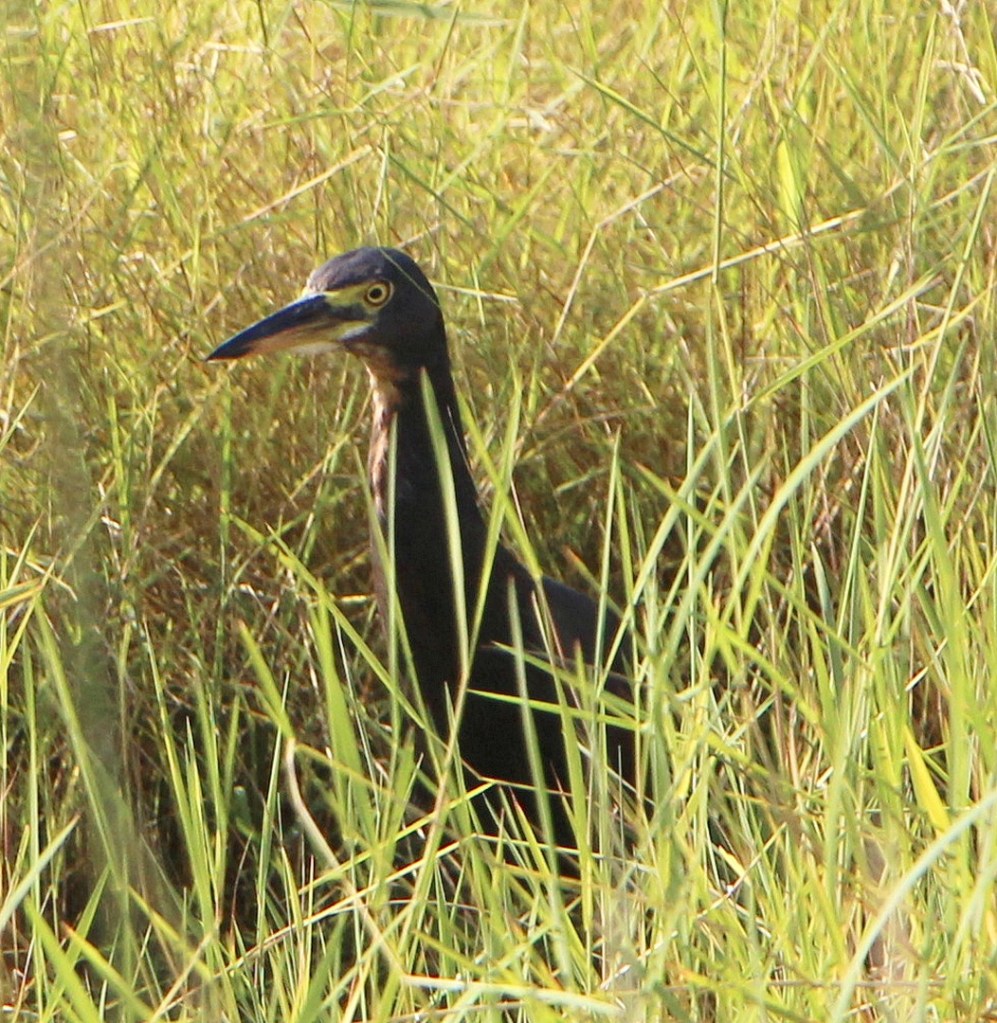


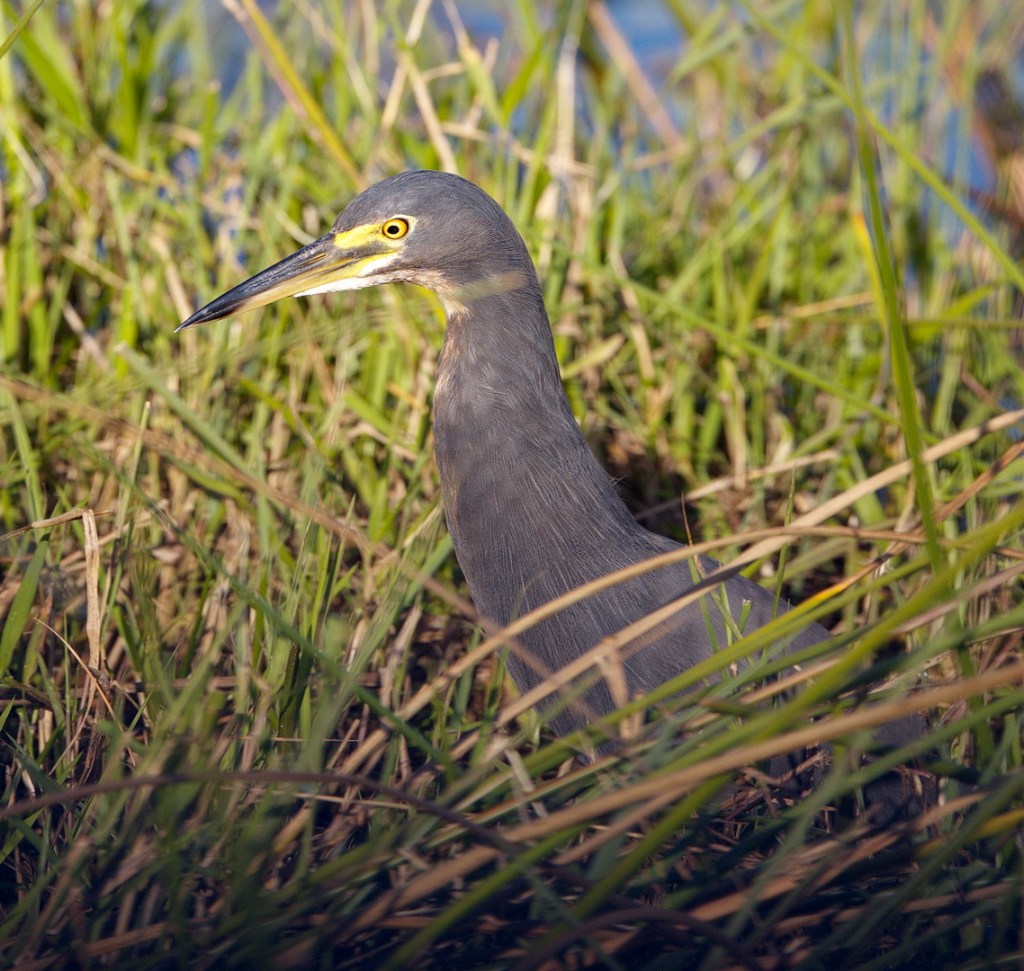
Of course, there were other birds about, but these are the special ones we recorded on film.
Although we did not record a lot of different species of birds, this was not unexpected as the weather was poor and the time of year was not in our favour. What we did see were a number of special species.
In all we identified 85 different bird species. You can download our list below to see what we saw.
Paul and Sally Bartho
























































































 Birds are our Story