Yesterday a few of us decided to do a bit of birding at the SAPPI Mill and hide near Stanger. We – Roy Cowgill, Steve Davis, my wife Sally and I – made a leisurely start arriving at 09h00.
Atlassing began as we arrived in the pentad. After a slow drive off the main road to the office we ventured to the hide. We also obtained access to the picnic area to bird and have lunch and eventually departed at 15h00.
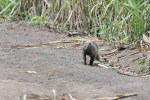
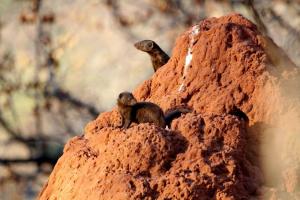
In all we observed 94 different bird species. Click here if you wish to look at our bird list. There were also sightings of butterflies, dragonflies, weevils, frogs and most exciting for me anyway an obliging Grey Mongoose – a species I had not seen before. You may have noticed from the list that we had no sightings of Fork-tailed Drongos nor Southern Black Flycatchers.
Weevil – canon-like snout
Butterfly – Acrea?
Butterfly for ID
Colourful blighter
Dragonfly – with wings like a bi-plane
Grey Mongoose
Grey Mongoose
Grey Mongoose
Grey Mongoose
Grey Mongoose
Grey Mongoose
Tree Frog
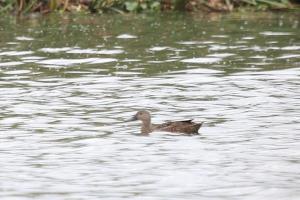
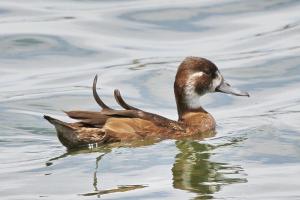
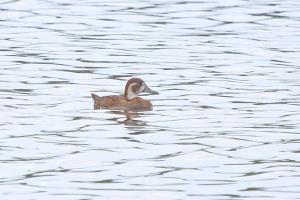
Some of the bird excitement we enjoyed included the sighting of a Marsh Warbler, several Namaqua Doves, a Booted Eagle, a female Southern Pochard and a Cape Shoveler. Here are some of the photos taken:
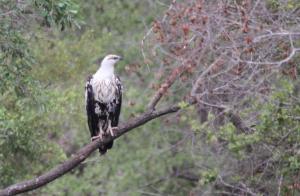
African Fish-Eagle
African Fish-Eagle
African Fish-Eagle
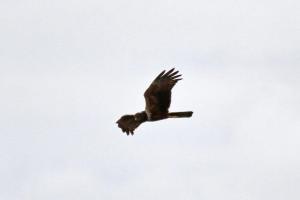
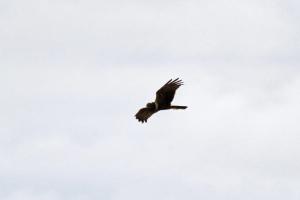
African Marsh Harrier
African Marsh Harrier
Birds along the spit
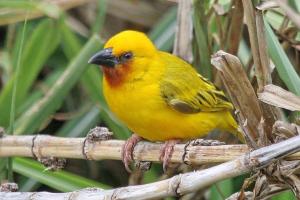
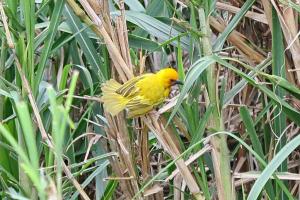
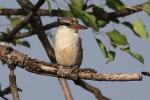
Brown-throated Weaver
Brown-throated Weaver
Brown-throated Weaver – fanning his tail
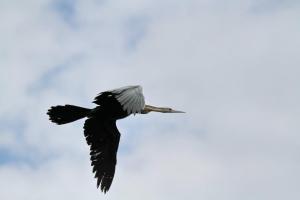
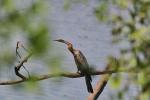
African Darter
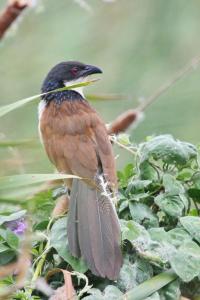
Burchell’s Coucal
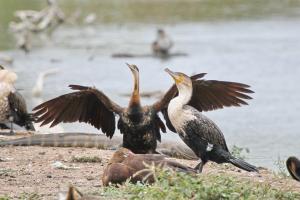
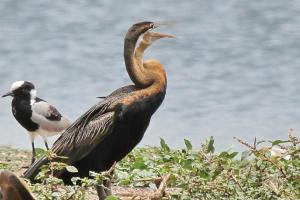
African Darter and White-breasted Cormorant enjoying the pleasures of life
Definitely the worst sighting of our trip occurred as we reached the turn-off from the main road to Pafuri Picnic site. Right on the corner we saw three Common Mynahs.
Highlights and Observations:
We never saw nor heard a Woodlands Kingfisher between 22 October and 19 November – the whole time we were in the Kruger. Our first sighting was in Ndumo.
Woodland Kingfisher – all mouth as it tries to scare off a Broad-billed Roller
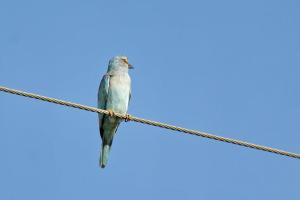
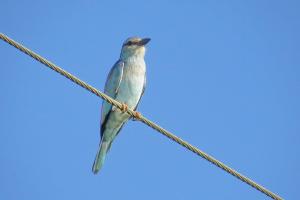
We did not see an European Roller until Eastern Shores, Isimangoliso on 24 November and it was the only one we saw.
European Roller
European Roller
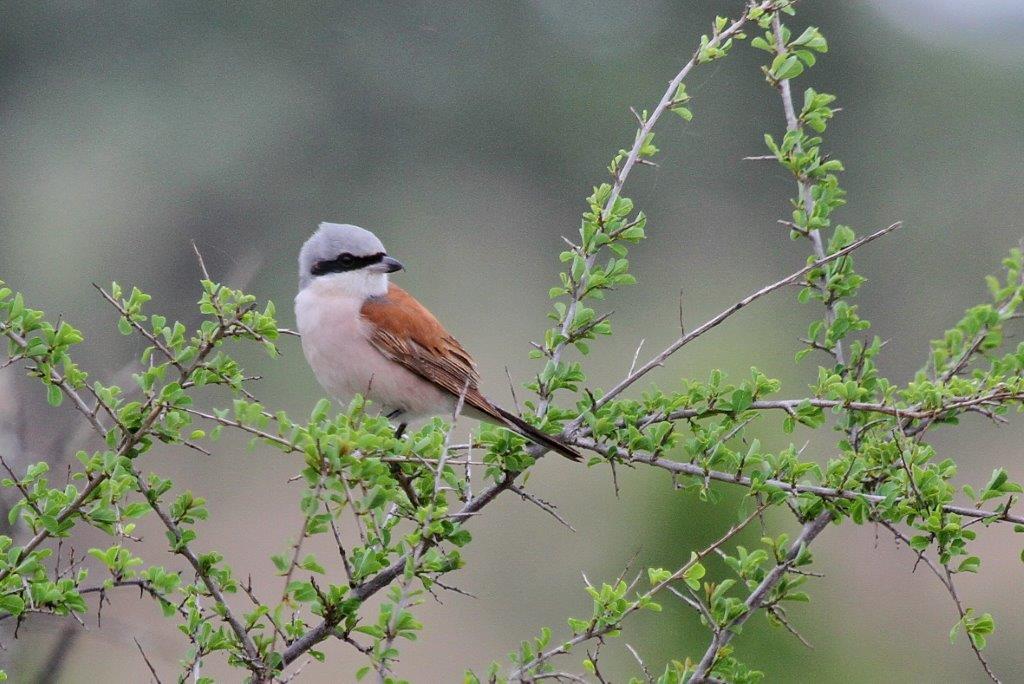
Red-backed Shrike had only just started appearing in the Kruger when we reached Pafuri on 5 November. Only a few more were seen on our way south.
Red-backed Shrike
Yellow-billed Oxpeckers were seen as far south as Balule – mainly on Buffalo. There was a time not long ago when you needed to be in the Punda Maria region to be lucky to see one.
Yellow-billed Oxpecker
Yellow-billed Oxpecker
Yellow-billed Oxpecker
Eurasian Golden Orioles were seen in pairs on four occasions -Tsendze; Shingwedzi; Skukuza and Ndumo.
By far the best camp we stayed at was Tsendze. The staff are exceptional, the habitat varied and interesting, the campsite full of Owls in the many tall trees. Balule and Malelane are two other campsites that we will visit again.
On the S114 heading N/S to Skukuza a Cocqui Francolin was heard – try as we may we were unable to see it – Sally’s current bogie bird. However this led us to an excellent sighting of a Stierling’s Wren-Warbler nearby.
Stierling’s Wren-Warbler
Stierling’s Wren-Warbler
Stierling’s Wren-Warbler
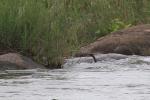
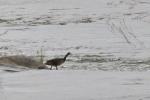
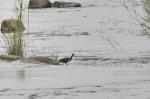
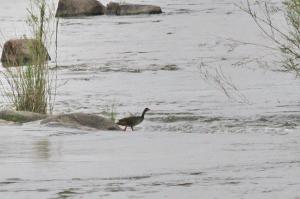
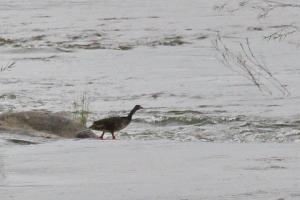
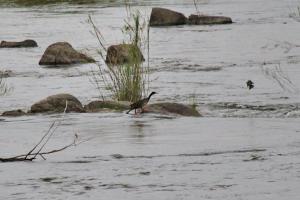
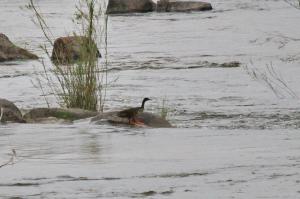
Being at the right place at the right time – that is how we were lucky enough to see the African Finfoot as we crossed the Sabie Bridge on the way to Skukuza.
African Finfoot
African Finfoot
African Finfoot
African Finfoot
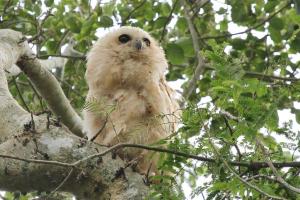
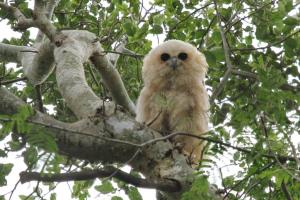
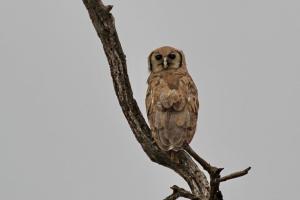
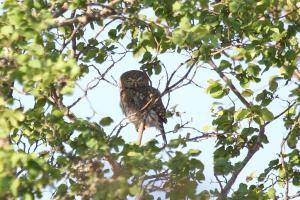
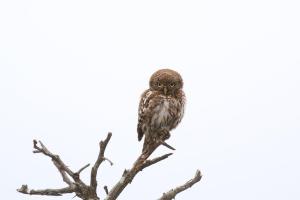
Our Owl sightings started in Mkuze with a great view of a juvenivle Pel’s Fishing-Owl followed by Verreaux’s at Crocodile Bridge; Spotted Eagle Owl in Ndumo; Scops, Barred and Pearl-spotted in a number of places.
Pel’s Fishing-Owl
Pel’s Fishing-Owl
Verreaux’s Eagle-Owl
Spotted Eagle-Owl – juvenile
Pearl-spotted Owlet
African Barred Owlet
African Barred Owlet
African Scops-Owl
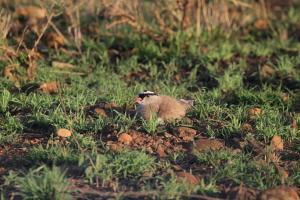
In Mkuze there was a Crowned Plover on its nest right beside the road – it had 2 eggs. Two days later there was nothing to be seen.
Crowned Lapwing eggs
Crowned Lapwing on nest
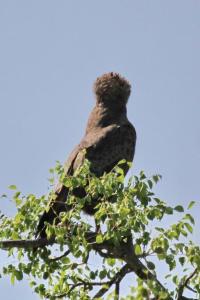
An amazing hairstyle of an African Paradise-Flycatcher and an Afro-styled Brown Snake-Eagle in Punda Maria.
African Paradise-Flycatcher
Brown Snake-Eagle
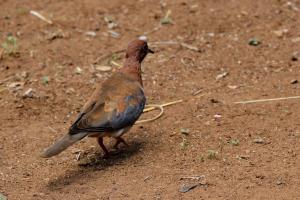
Exceptionally dark colourations of Laughing and African Mourning Doves in Tshokwane Picnic site and in the Satara camp.
Laughing Dove
Laughing Dove – very dark looking
African Mourning Dove – dark form
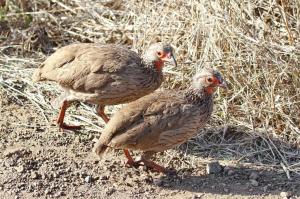
On the S100, N’wanetsi River Road, we came across what at first we believed to be a pair of Red-necked Spurfowls – we were excited. However we later found out that they were hybrids. This poses further questions: Why a pair of hybrids together? Brothers, sisters, brother and sister or a mating pair? Mating pair – more questions!
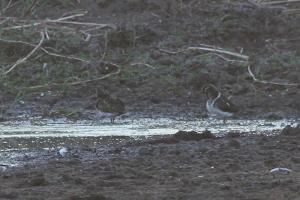
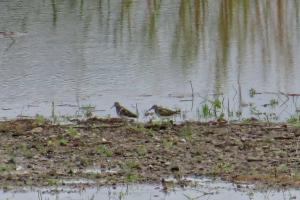
We had four different sightings of Greater Painted-Snipes. A sole male at the Sweni hide, Satara; a pair of males on the Tsendze loop; another pair of males on the walk below the Mopani restaurant; and two males and a female together on the S93 just north of Olifants.
Greater Painted-Snipe – Sweni Hide
Greater Painted-Snipe – Sweni Hide
Greater Painted-Snipes – Tsendze Loop
Greater Painted-Snipes – Tsendze Loop
Greater Painted-Snipes – Mopani
Greater Painted-Snipes – Mopani
Greater Painted-Snipes – nr. Olifants
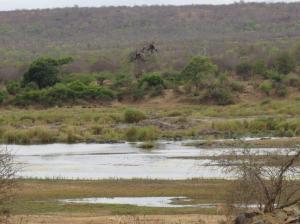
Greater Painted Snipe area – nr. Olifants with mystical tree.
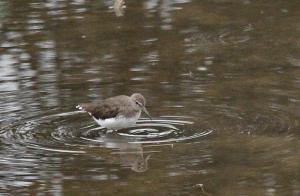
The Green Sandpiper at the Sweni bridge on the main road south of Satara was observed by us on a number of occasions.
Green Sandpiper
Two Red-chested Cuckoos were seen together in the Pafuri Picnic site – a male paying attention to a juvenile. Shouldn’t be offspring so it is assumed that the juvenile was a female coming of age and being swooned by an adult male.
Red-chested Cuckoos – male and female (juvenile) presumeably in courtship
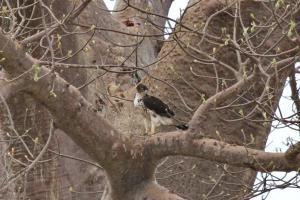
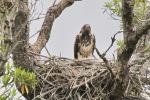
Also near the Pafuri Picnic site we observed 2 squabbling Eagles – on settling in the same tree we noted that they were both African Hawk-Eagles – an adult and a rufous juvenile.
African Hawk-Eagle – parent
African Hawk-Eagle – juvenile
African Hawk-Eagle – juvenile
We had the challenge of identifying a Harrier seen in the distance at the Thongonyeni waterhole on the Tropic of Capricorn loop just north of Mopani. Luckily not a female but a juvenile – a Pallid Harrier.
Pallid Harrier – juvenile
Pallid Harrier – juvenile
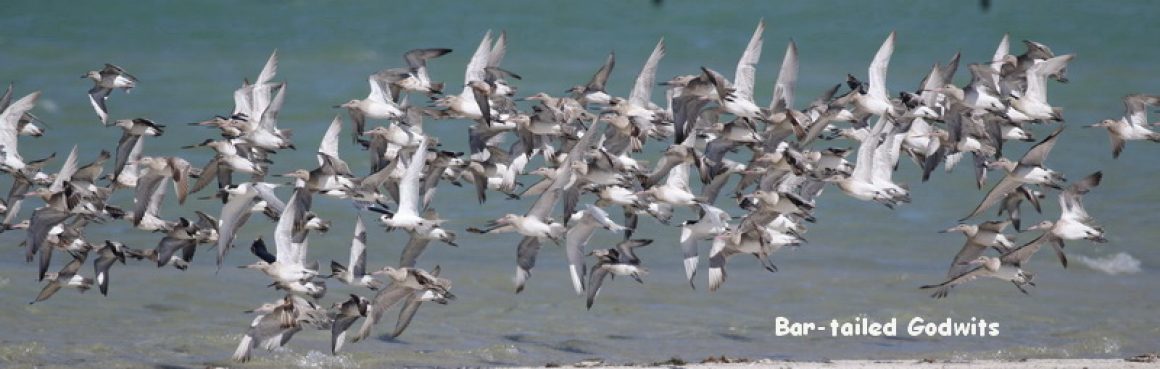
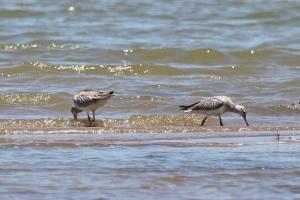
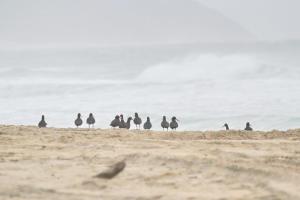
In St. Lucia we found a pair of Bar-tailed Godwits along the mud flats at the mouth of the Lake St. Lucia estuary. There were also 13 African Black Oystercatchers on the beach. Many other waders and Terns were also seen.
Bar-tailed Godwit
Bar-tailed Godwits – a pair
African Black Oystercatchers
African Black Oystercatchers
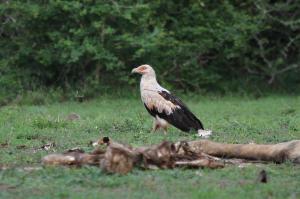
In Ndumo there was a female Little Bittern dashing between the reeds right in front of the Nyamithi Hide. At the Vulture restaurant on separate occasions we noticed an adult and then a juvenile Palm-nut Vulture.
Little Bittern
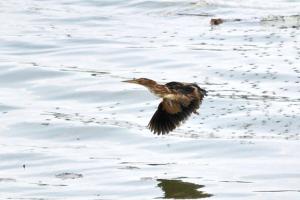
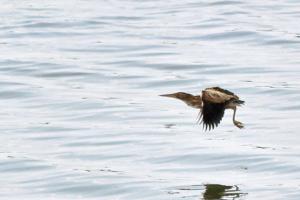
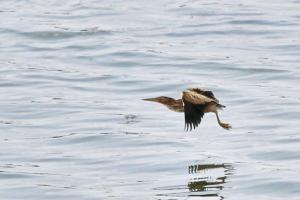
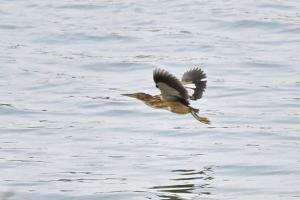
Little Bittern flying
Palm-nut Vulture – juvenile
Palm-nut Vulture – juvenile
Palm-nut Vulture
Palm-nut Vulture
Interesting animal sightings include:
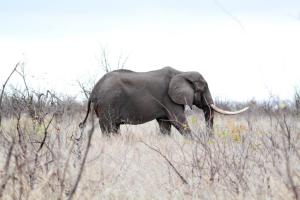
a one tusker Elephant with a very long tusk
Elephant – one tusker
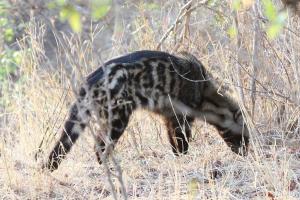
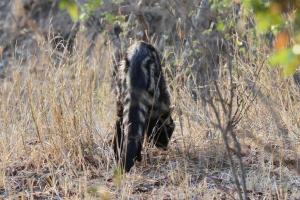
a Civet in broad daylight unconcernedly foraging right next to us. It had a sore back right leg and was limping. This was the only lifer that either of us had on our trip. As we watched we did not notice an elephant approaching directly towards us from the other side until it was just metres away. Mega hasty retreat was called for – adrenalin does wonders to focus you.
African Civet
African Civet
African Civet
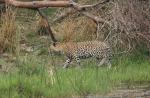
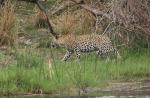
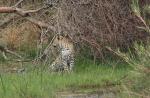
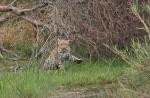
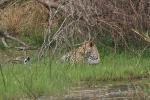
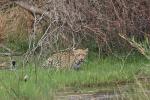
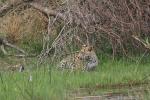
a male Leopard coming for a drink at Lake Panic Hide, Skukuza.
Leopard – Lake Panic
Leopard – Lake Panic
Leopard – Lake Panic
Leopard – Lake Panic
Leopard – Lake Panic
Leopard – Lake Panic
Leopard – Lake Panic
Leopard – Lake Panic
Leopard – Lake Panic
Leopard – Lake Panic
Leopard – Lake Panic
Leopard – Lake Panic
Leopard – Lake Panic
Leopard – Lake Panic
Leopard – Lake Panic
Leopard – Lake Panic
Leopard – Lake Panic
Leopard – Lake Panic
Leopard – Lake Panic
Leopard – Lake Panic
Leopard – Lake Panic
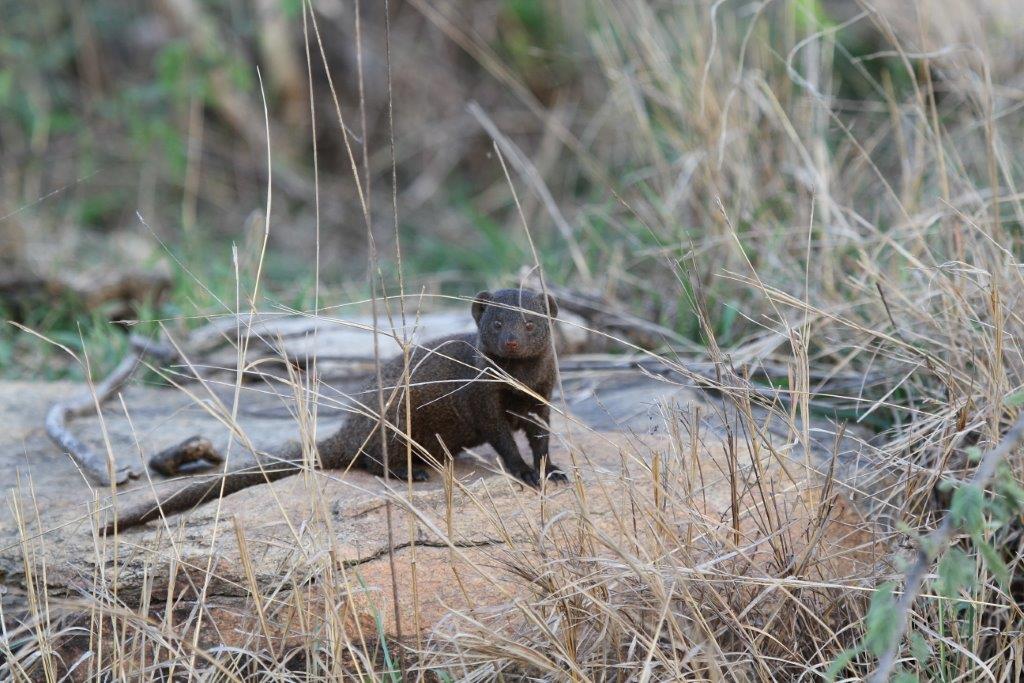
Dwarf Mongooses around our campsite at Malelane.
Dwarf Mongoose
Dwarf Mongooses
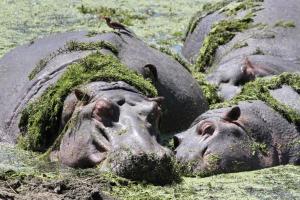
Hippos resting in peace at Sweni Hide
Hippos resting in peace
Numerous very large herds of Buffalo. One herd was over a kilometre long and it appeared to be over 20 animals across most of the way – must have been thousands of animals.
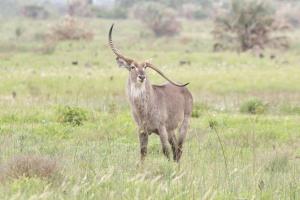
A rather interesting Waterbuck – rather suave and foppish!
Waterbuck with crooked horn – rather suave and foppish
Some of the other animals photographed:
African Elephant
Black-backed Jackal – juvenile
Blue-headed Lizzard
Small herd of Buffalo
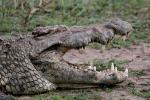
Camouflaged Crocodile
Crocodile
Dead Snake
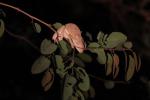
Dwarf Chameleon
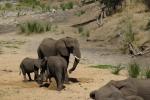
Elephants searching for water – digging a perfectly round hole.
Grey Duiker
Hippo Heaven
Hippo
His Majesty
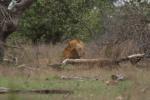
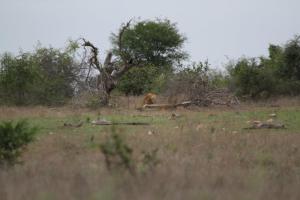
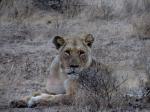
Lion – his majesty
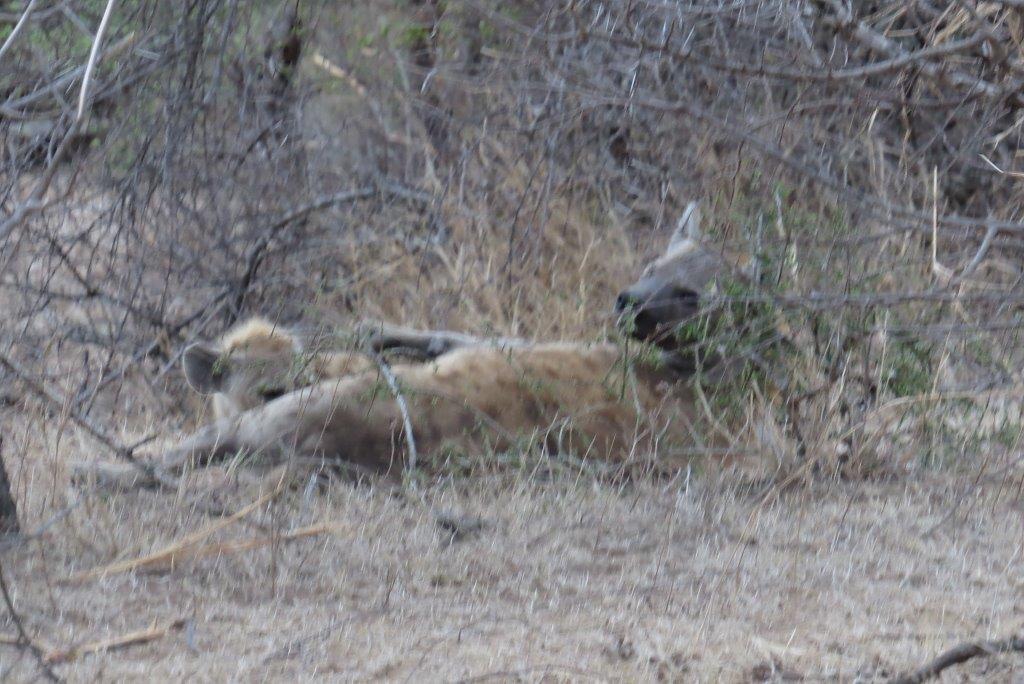
Hyena pup
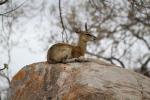
Klipspringer
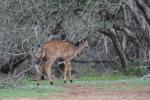
Nyala – young male
One rather fat Crocodile
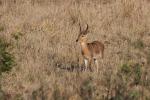
Reedbuck
Slender Mongoose with his snail
Snake
Snake
Steenbok
Sun Spider
Tsessebe
White Rhino – resting his head on rock.
Zebra with full mouth of water
There is one photo which does not appear real – it looks as if a tree has uprooted itself and is coming straight for us.
Mystical Tree – where is it going.
However the “piece-de-la-resistance” is definitely the two magical mystical photos of the Pennant-winged Nightjars we saw while at Punda Maria.
Pennant-winged Nightjar
Pennant-winged Nightjar
And finally an album of some of the other bird photos follows:
African Cuckoo
African Cuckoo
African Cuckoo Hawk – juvenile
African Darter – poised just like a snake.
African Firefinch
African Fish-Eagle
African Fish-Eagles – juveniles at nest
African Goshawk
African Goshawk
African Green-Pigeon
African Harrier-Hawk – juvenile
African Harrier-Hawk – juvenile
African Harrier-Hawk – adult
African Hawk-Eagle
African Hawk-Eagle
African Hoopoe
African Jacana
African Pygmy-Kingfisher
African Spoonbill – shows why the bird is called a “Spoon”bill
African Wattled Lapwing
Arrow-marked Babbler
Ashy Flycatcher
Barn and Lesser Striped Swallows
Bateleur – flashing
Bateleur – juvenile. And the remains of a Burchell’s Coucal.
Bateleur
Bearded Scrub-Robin
Bennett’s Woodpecker
Black Crake
Black Cuckooshrike – female
Black Cuckooshrike – male
Black Heron – fishing
Black-backed Puffback
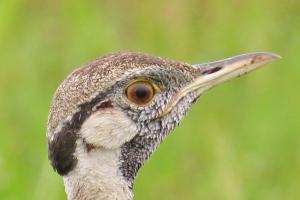
Black-bellied Bustard
Black-bellied Bustard in flight
Black-bellied Bustard
Black-collared Barbet
Black-crowned Night-Heron
Black-crowned Night-Heron
Black-headed Oriole
Black-shouldered Kite
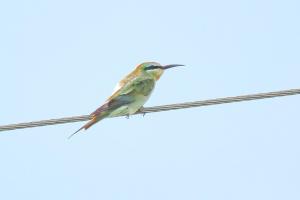
Blue-cheeked Bee-eater
Blue-cheeked Bee-eater
Broad-billed Roller
Brown Snake-Eagle
Brown Snake-Eagle
Brown-crowned Tchagra
Brown-headed Parrots in flight
Brown-headed Parrots
Brown-hooded Kingfisher
Brubru
Burchell’s Coucal
Cape Glossy Starling
Cape Sparrow
Cape Vulture -tagged
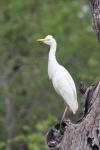
Cattle Egret
Cattle Egret
Chestnut-backed Sparrow-Lark
Chinspot Batis
Cinnamon-breasted Bunting
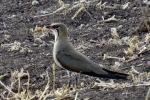
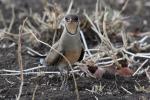
Collared Pratincole
Collared Pratincole
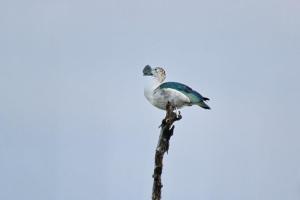
Comb Duck – male
Common Fiscal – female
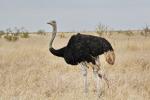
Common Ostrich
Common Ringed Plover
Common Ringed Plover
Common Sandpiper
Common Sandpiper
Common Waxbill
Crested Barbet
Crested Barbet
Crested Guineafowl
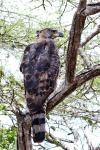
Crowned Eagle
Crowned Eagle
Crowned Hornbill
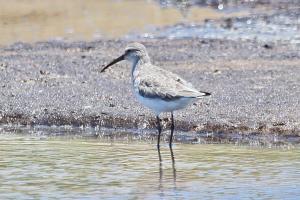
Curlew Sandpiper
Cut-throat Finches
Dark Chanting-Goshawk
Diderick’s Cuckoo – male
Diderick Cuckoo – female
Double-banded Sandgrouse
Dusky Indigobird
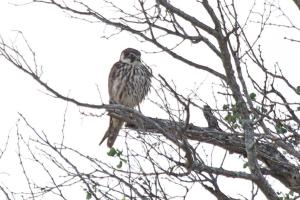
Eurasian Hobby
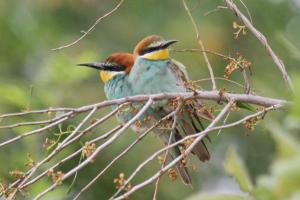
Lovebirds -European Bee-eaters
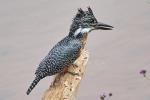
Giant Kingfisher – male or female or both
Glossy Ibis
Golden-breasted Bunting
Goliath Heron – ducking
Goliath Heron
Gorgeous Bushshrike
Greater Blue-eared Starling
Greater Blue-eared Starling?
Greater Honeyguide
Green Woodhoopoe
Green Woodhoopoe
Green-backed Heron
Green-backed Heron
Green-winged Pytilia in transformation
Green-winged Pytilia
Grey Go-away-bird having a dust bath
Grey Go-away-bird.
Grey Heron
Grey Heron
Grey Penduline-Tit
Grey Plover
Grey Plover in flight
Grey Waxbills
Grey Waxbill
Grey-headed Bushshrike
Grey-headed Bushshrike
Groundscraper Thrush
Hamerkop nest
Helmeted Guineafowl
Hooded Vulture
House Sparrow
Jacobin Cuckoo
Jameson’s Firefinch
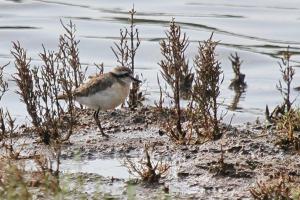
Kittlitz’s Plover
Klaas’s Cuckoo
Lappet-faced Vultures – loved the colour of the head gear
Lappet-faced Vulture
Lesser Masked Weaver
Lesser Sand Plover
Lesser Striped Swallow
Levaillant’s Cuckoo
Little Sparrowhawk
Long-billed Crombec
Long-tailed Paradise-Whydah
Malachite Kingfisher – in a dive
Malachite Kingfisher – returning from a dive
Malachite Kingfishers
Marico Sunbird
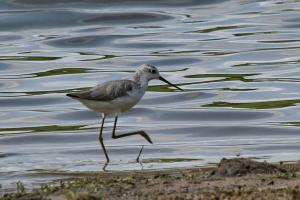
Marsh Sandpiper
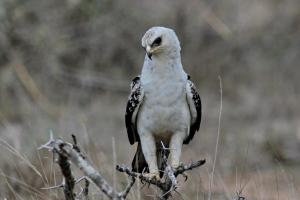
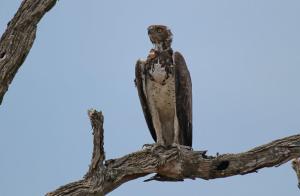
Martial Eagle
Martial Eagle – juvenile
Meve’s Starling
Mocking Cliff-Chat
Narina Trogon
Orange-breasted Bushshrike
Pale Flycatcher
Pied Avocet
Pied Avocet
Pied Avocet
Pied Kingfisher
Pink-backed Pelican
Pink-throated Twinspot
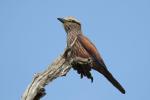
Purple Roller
Purple Swamphen on the way to the beach
Purple-banded Sunbird
Purple-banded Sunbird
Purple-banded Sunbird
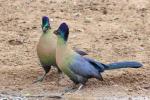
Purple-crested Turacos
Purple-crested Turacos
Purple-crested Turacos
Red-billed Hornbill
Red-billed Oxpecker
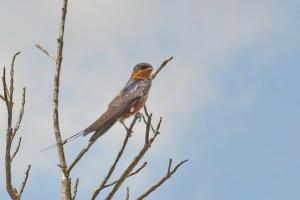
Red-breasted Swallow
Red-crested Korhaan
Red-eyed Dove
Red-headed Weaver – juvenile
Red-winged Starling
Ruddy Turnstone
Sabota Lark
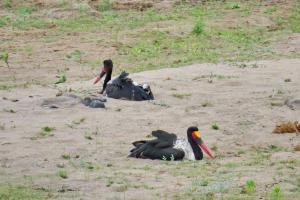
Saddle-billed Stork
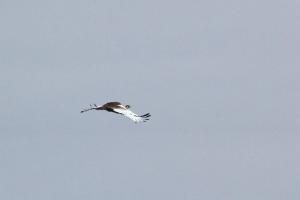
Saddle-billed Stork in flight
Saddle-billed Stork in flight
Sanderlings
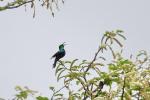
Scarlet-chested Sunbird
Common Scimitarbill
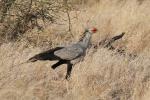
Secretarybird
Southern Banded Snake-Eagle
Southern Boubou
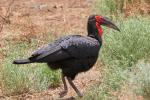
Southern Ground-Hornbill
Speckled Mousebird
Spectacled Weaver.
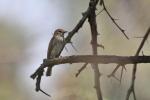
Spotted Flycatcher
Spotted Thick-knee
Squacco Heron
Striped Kingfisher
Swainson’s Spurfowl
Tawny Eagle -striped
Trumpeter Hornbill
Trumpeter Hornbill
Village Indigobird in transition
Village Weaver
Violet-backed Starling – female
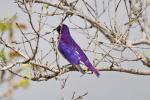
Violet-backed Starling
Vultures and Jackals
Wahlberg’s Eagle – Pale Morph
Wahlberg’s Eagles in courtship
Wahlberg’s Eagles procreating
Wahlberg’s Eagles procreating
Water Thick-knee with 2 chicks
Wattled Starling
Western Osprey
White-backed and Cape Vultures
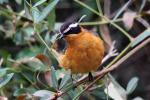
White-browed Robin-Chat
White-browed Robin-Chat
White-browed Scrub-Robin
White-crowned Lapwing showing its spurs
White-crowned Shrike
White-fronted Bee-eater
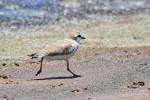
White-fronted Plover
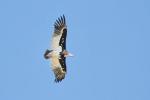
White-headed Vulture in flight
White-headed Vulture
White-throated Robin-Chat
White-throated Robin-Chat
White-throated Robin-Chat
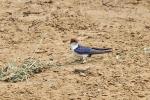
Wire-tailed Swallow
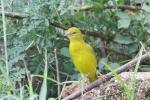
Yellow Weaver
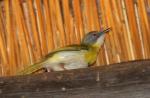
Yellow-bellied Greenbul
Yellow-billed Egret
Yellow-billed Kite
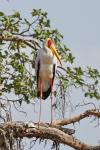
Yellow-billed Stork
Yellow-breasted Apalis
Yellow-rumped Tinkerbird
Yellow-throated Longclaw
Yellow-throated Petronia
Again I hope you have enjoyed the read and the photos.
St. Lucia as well as Eastern and Western Shores of Isimangaliso Wetland Park – 23 to 27 November 2014
Paul and Sally Bartho
After a short drive from Ndumo we reached St. Lucia and chose to stay in the large Sugarloaf campsite which was relatively empty. Eden Park is very nice and well treed but Sugarloaf is situated right next to the boardwalk which follows the estuary to the beach. Peak season and the campsites are full to bursting – not pleasant. We tend to avoid weekends at Sugarloaf due to boisterous fishermen. Eden Park – if it is open – is quieter at those times.
Sugarloaf campsite
Sugarloaf
During our time here we visited both Eastern and Western Shores of the Isimangaliso Wetland Park as well as spending time around the estuary and on the beach. The campsite too is usually full of interesting birds – Green Twinspots, Woodward’s Batis, African Goshawk, Livingstone’s Turacos amongst many more common bush birds.
Eastern Shores was the first place we visited. We went in early and spent till midday there. On entry we had our first and only trip sighting of an European Roller.
European Roller
European Roller
We took the Pan Loop to visit Amazibu Pan – it was quiet. However there were several Collared Pratincole on the opposite bank. One obligingly appear on our side for a photo.
Collared Pratincole
Then we took the Vlei Loop around a large wetland area. Also very quiet but we did manage to see a southern-banded Snake-Eagle in the distance. Apologies for the quality of the photos.
Southern Banded Snake-Eagle
Southern Banded Snake-Eagle
Southern Banded Snake-Eagle
Just after the Mission Rocks turn-off there is a road to the left taking you to the relatively new Mafazana Bird Hide. Again all was quiet here too. It is a 200 metre walk through the forest to the hide. The hide is massive with 3 viewing levels. Be alert to potential predators. Once, on arrival, I exited the car only to be shouted at by Sally to get back in. There was a large male leopard not 30 metres away.
View along the walkway to the hide.
View from Mafazana Hide
View from Mafazana Hide
Splat was sat in the driver’s seat to look after our vehicle.
On the way back we had our first sighting of Blue-cheeked Bee-eaters and a lone Crowned Hornbill.
Crowned Hornbill
Blue-cheeked Bee-eater
Blue-cheeked Bee-eater
Blue-cheeked Bee-eater
In total we only identified 56 different bird species during the few hours we were in Eastern Shores.
Western Shores was a lot more productive and yielded 108 different bird species. We were there for a few hours longer.
It is very different from Eastern Shores – large expanses of open grassland, wetland areas, several open ponds, intermittent patches of forest, a very clean and open picnic site, a boardwalk up through the forest to a tree top platform overlooking Lake St. Lucia below as well as a bird hide at the northern end of the Park where the elephant prefer to hang out.
Picnic Site
Large open pond right by the road
Barn Swallows a plenty and showing the open nature of the grasslands
Waterbuck with crooked horn – rather suave and foppish
During the drive on the one way loop we came across a number of interesting species – Long-crested eagle, a juvenile fish-Eagle, numerous Black-bellied Bustards, Red-breasted Swallows, Yellow-throated Longclaws and Petronias to name a few. However the highlight for me was the Lemon-breasted Canaries. We had great views of 2 or 3 right in front of us beside the road.
Some photos of birds on this loop:
Red-breasted Swallow
Burchell’s Coucal
Black-bellied Bustard
Black-bellied Bustard
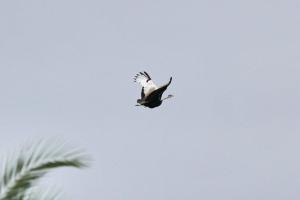
Black-bellied Bustard in flight
Black-bellied Bustard in flight
Black-bellied Bustard in flight
Black-bellied Bustard in flight
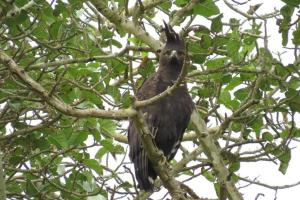
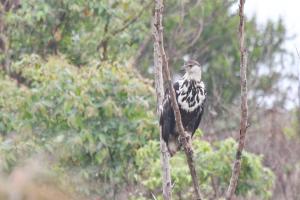
Long-crested Eagle
Long-crested Eagle
Long-crested Eagle
African Fish-Eagle – juvenile
Black-chested Snake-Eagle
Black-headed Heron
Trumpeter Hornbill
Yellow Weaver
Yellow-billed Egret
Yellow-throated Petronia
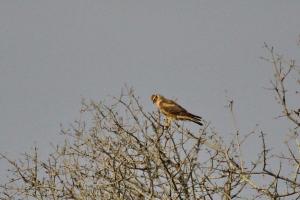
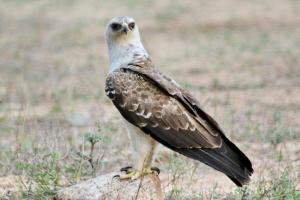
We came across what we believe to be a Booted Eagle going from one grassy area to another.
Booted Eagle
Booted Eagle
Booted Eagle
Booted Eagle
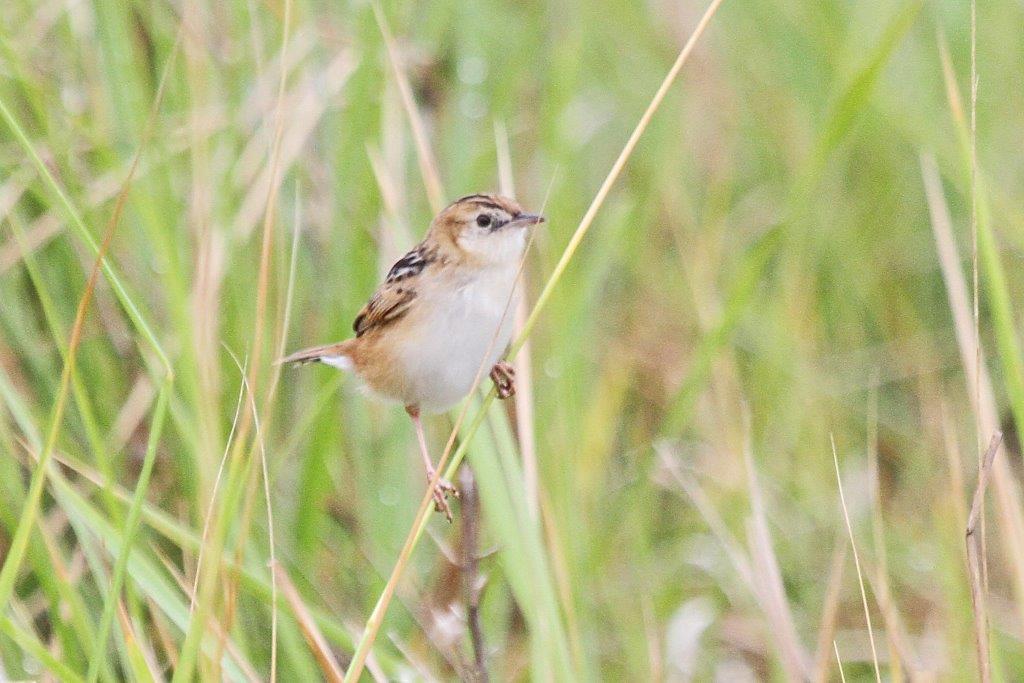
And a mystery Cisticola – possibly a Black-backed?
Mystery Cisticola
At the hide there was little or no water unfortunately but we did see this juvenile African Cuckoo-Hawk on the branch of a distant tree.
African Cuckoo Hawk – juvenile
When we visit St. Lucia, Western Shores is a must visit for us.
Back at the campsite we spent some time listening to the birds and walking around the 100 campsites. The Woodward’s Batis serenaded us each morning as well as the Livingstone’s Turacos, Red-capped Robin-Chats (Natal Robin) or RCRC birds, Greenbuls; Eastern Nicator and others.
If it was not windy we went to the estuary and the beach – looking for the Sooty Tern which seems to have habituated the estuary for a number of years now as well as for the Bar-tailed Godwit which we had heard about on Trevor Hardaker’s Rare Birds Report.
Looking towards the boardwalk with the sea to the right.
Beach Flora
Beach Flora
Yellow-bellied Greenbul in the campsite.
Purple Swamphen on the way to the beach
On the beach we were fortunate to find a flock of 13 African Black Oystercatchers:
African Black Oystercatchers
African Black Oystercatchers
And further down the beach towards the river mouth we spotted numerous terns – mainly Swift Terns but also Little and Common – all distantly on the opposite bank on the river mouth. Amongst them were many waders including Sanderlings; Little Stints; Common Ringed, White-fronted and Three-banded Plovers; Curlew and Common Sandpipers; Common Whimbrel. However the birds that stood out most were the Terek Sandpiper and the Lesser Sand Plover.
Lesser Sand Plover
Lesser Sand Plover
Lesser Sand Plover
Common Ringed Plover
White-fronted Plover
Sanderlings
Sanderlings
Curlew Sandpiper
We walked the mudflats at the mouth of the estuary – watching out for both Hippos and Crocs when we remembered and weren’t too carried away by the birds. On the way to one area we came across a feeding area full of common Waxbills. They were there on previous occasions when we had visited.
Common Waxbill
Common Waxbill
Many small waders were present; Sanderlings; Little Stints; Common Ringed, White-fronted and Three-banded Plovers; Curlew and Common Sandpipers. But there were a number of specials too: Pink-backed Pelican, Grey Plover, Pied Avocet, Ruddy Turnstone:
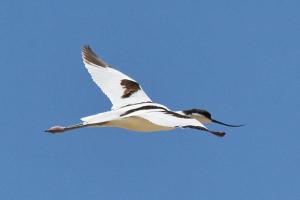
Pied Avocet
Pied Avocet
Pied Avocet
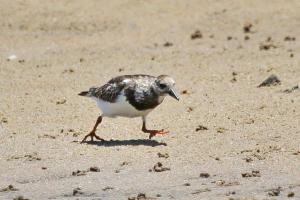
Ruddy Turnstone
Grey Plover
Grey Plover in flight
Pink-backed Pelican
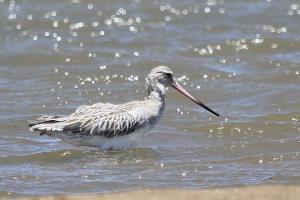
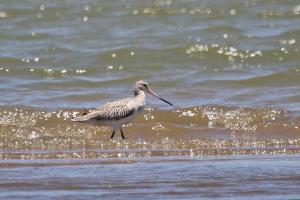
And then to cap it off we found a pair of Bar-tailed Godwits.
Bar-tailed Godwits – a pair
Bar-tailed Godwits – a pair
Bar-tailed Godwit
Bar-tailed Godwit
Bar-tailed Godwit
Bar-tailed Godwit
The campsite, the beach and the estuary gave us 71 different bird species.
In total we had observed 142 different bird species whilst in St. Lucia.
And then it was time to go home after 7 weeks away.
Look out for a summary follow up including:
a bird list of what we saw where, highlighting what we thought were specials
our worst sighting
pictures of birds for ID
photos of some of our specials
Hope you have enjoyed the series. It has brought back fond memories for us and the desire to venture anew.
We left Malelane and the Kruger very early and arrived at the Mananga gate to Swaziland half an hour early at 06h30.
The drive through Swaziland was uneventful except for the potholes on the 40 kms stretch between Siteki and Big Bend.
We arrived at Ndumo midday with the intention to camp for one night before we joined the Game Rangers weekend – staying in the huts. However we negotiated a good price to upgrade from camping to the huts for the night and took full advantage of it.
Once settled in we took a drive to the Nyamithi hide passing the Vulture Restaurant on the way. At the Restaurant we spotted an adult Palm-nut Vulture feasting on one of five giraffe. Also noted were a pair of Spotted Thick-knees behind one of the carcasses.
Palm-nut Vulture
Palm-nut Vulture
Spotted Thick-knee
Spotted Thick-knee
At Nyamithi hide it was very quiet as the water level was quite high. However Sally noticed a Little Bittern in the reeds immediately in front of the hide.
The next morning at 06h00 Sally and I went with Bongani on a drive to the back side of Nyamithi Pan and Banzi Pan. This was the first time that some of the roads were passable after recent rains – in particular around Banzi and Bongani spent a bit of time cutting and removing fallen trees and bush across the road. That said, it was a very productive drive and we did not get back till after 11h00. Here are pictures of a smattering of the birds we saw.
Waders
Gorgeous Bushshrike
Glossy Ibis
Giraffe
Crowned Hornbills
Crowned Hornbill
Broad-billed Roller
Black Heron – fishing
African Darter
African Darter – poised just like a snake.
African Fish-Eagle
African Spoonbill
African Spoonbill – shows why the bird is called a “Spoon”bill
Ashy Flycatcher
White-browed Robin-Chat
Saddle-billed Stork
Hottentot Teal
Kittlitz’s Plover
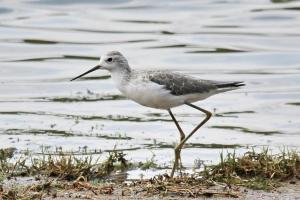
Marsh Sandpiper
Marsh Sandpiper
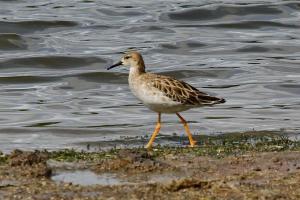
Ruff
Green-backed Heron
Gorgeous Bushshrike
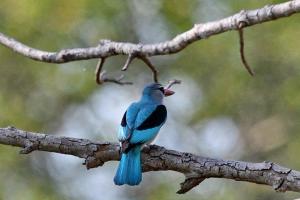
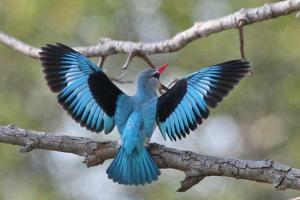
On this drive we heard and saw our first Woodland Kingfisher of our trip so far. Not one seen nor heard in the Kruger!! The one we observed here was giving as good as he got from an annoyed Broad-billed Roller.
Woodland Kingfisher
Woodland Kingfisher
Woodland Kingfisher
Woodland Kingfisher – all mouth as it tries to scare off a Broad-billed Roller
Late that afternoon we had a short but heavy thunderstorm which effectively closed the back roads around the Banzi Pan where we had gone. We were fortunate to arrive a day early.
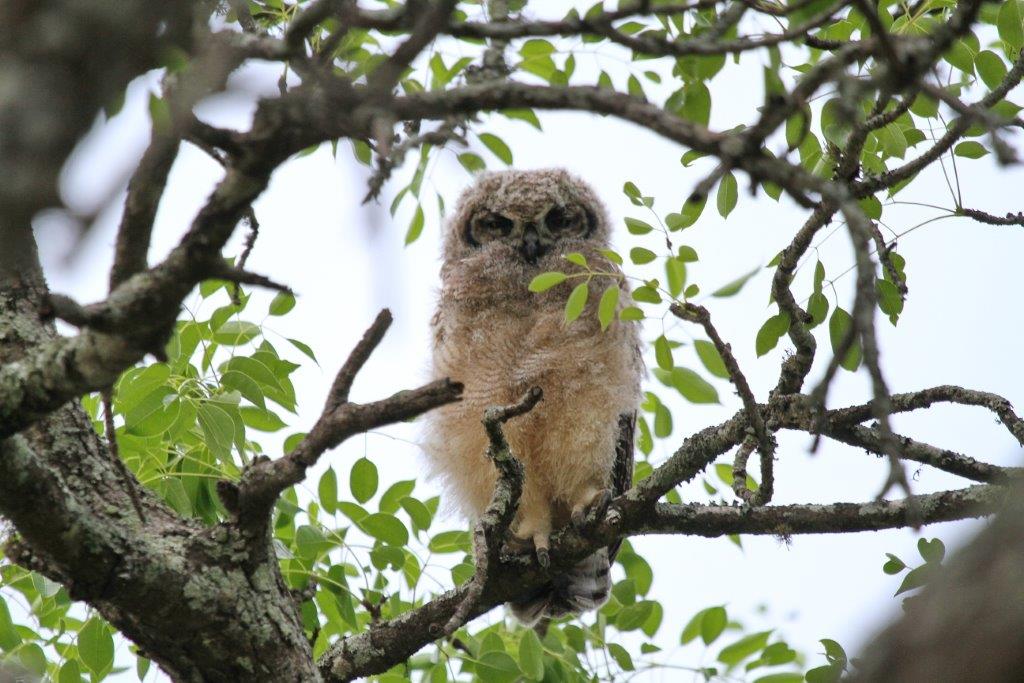
In the camp a juvenile Spotted Eagle-Owl was seen.
Spotted Eagle-Owl – juvenile
The Game Rangers long weekend involved three walks with guides and a Game drive around the back of Nyamithi Pan as well as a sundowner at Nyamithi Pan.
On the walks we were taken to Shokwe Pan, the western side of the park and a central walk near the main gate.
On Friday we left the camp and had only reached the camp entrance when Bongani spotted an unusual implement in the bush by the road – an arrow. The park manager and rangers were called to deal with potential poachers. Then 100 metres further along the road Bongani spotted a knife in the road. The manager and rangers were called again. Some start to what was meant to be a game drive.
Knife – exceptionally sharp.
Here are some photos of birds seen on the Game drive and on our walks.
Sunbird – female
Black Cuckooshrike – female
Black Cuckooshrike – female
Common Ringed Plover
Common Ringed Plover
Crowned Eagle
Crowned Eagle
Cuckoo – to be identified – African or Red-chested.
Shokwe Pan
Nyamithi Pan – western side
Nyamithi Banzi Road
River coming into Nyamithi Pan on the east side
Sundowner at Nyamithi Pan
Sundowner at Nyamithi Pan
Leguaan – about 5 foot long.
Lesser Spotted Eagle
Martial Eagle
Broad-billed Roller
Broad-billed Roller
Common Buzzard
Common Ringed Plover
Narina Trogon
European Honey-Buzzard
European Honey-Buzzard
Lesser Honeyguide
Lesser Honeyguide
Narina Trogon
Black Cuckooshrike – male and Southern Black Tit
Dichrostachys cinerea (sickle bush) on the Western walk
Flora – Morning Glory of some sort on the Western walk
Purple-banded Sunbird nest
Acacia Pied Barbet
The camp has many large trees habituated by many birds. this is where the Spotted Eagle-Owl was seen. A Purple-crested Turaco paid a visit and a pesky Scaly-throated Honeyguide called seemingly from everywhere but where I was looking. Eventually I managed to get a shot or two of each.
Purple-crested Turaco
Purple-crested Turaco
Purple-crested Turaco
Scaly-throated Honeyguide
There was little time during the weekend to go off and do your own thing. However on the last lunch break, we managed to visit the Nyamithi hide again – hoping to see the Little Bittern. We were not disappointed. The Vulture Restaurant was also active with a number of Yellow-billed Kites and a juvenile Palm-nut Vulture.
Palm-nut Vulture – juvenile
Palm-nut Vulture – juvenile
Yellow-billed Kite
Yellow-billed Kite
Little Bittern
Little Bittern
Little Bittern flying
Little Bittern flying
Little Bittern flying
Little Bittern flying
Little Bittern flying
Little Bittern flying
Little Bittern flying
Little Bittern
Ndumo was the most productive of all the locations we visited with 181 different bird species observed.
After 4 nights at Ndumo it was time to leave for our final destination at Sugarloaf campsite in St. Lucia. See Part 11 to follow.
We left Skukuza early morning and arrived at Malelane about 10h00. As you can check in at the Malelane Gate, we took advantage of that rather than checking in at Berg-en-dal. here we heard there had been a Leopard kill at the turn-off to the camp a couple of days earlier – all gone when we got there.
The first thing we noticed was that there had been a massive fire. It turned out that the fire had burnt all round Berg-en-dal from Malelane S110 as well as the S110 dirt roads back to the bridge over the H3. Massive burnt area with little bird life.
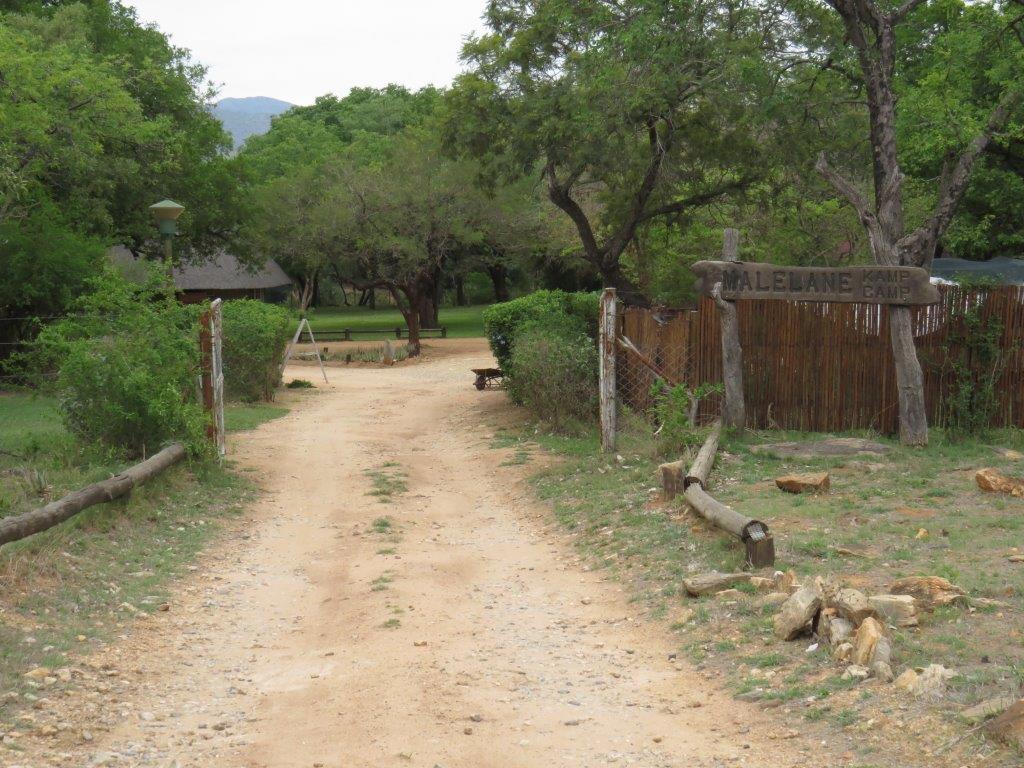
Malelane entrance
The campsite was empty and so we chose a site near the viewing point over the Crocodile river.
Camp Ground
Camp Ground
Camp Ground
Gate to the lookout area over the Crocodile river.
Lookout over the Crocodile river at the camp.
Campsite view
Our Campsite
Our Campsite
Our Campsite
Campsite birds were calling – Diderick and Klaas’s Cuckoos; White-throated and Red-capped Robin-Chats – and the Swallows were everywhere – on the ground and in the air.
Diderick’s Cuckoo – female
Diderick’s Cuckoo – female
Diderick’s Cuckoo – male
Diderick’s Cuckoo – male
Klaas’s Cuckoo
Brown-hooded Kingfisher
Brown Snake-Eagle looking crabby
Black-headed Oriole
Black-backed Puffback
Barn and Lesser Striped Swallows
Yellow-breasted Apalis
Yellow-breasted Apalis
Yellow-breasted Apalis
Trumpeter Hornbill
Trumpeter Hornbill
Common Scimitarbill
Our neighbours on the fence-line were adult and juvenile Dwarf mongooses. The little one crept along our side of the fence and was not too concerned about us. It could be heard cheep cheeping and the adult responding in a lower pitch – keeping in contact no doubt or perhaps it was the other way round with the adult asking, “Where the heck are you?”
Dwarf Mongoose
This was the first time we had camped at the Malelane campsite- and it won’t be the last despite the lack of shade. Having said that we are beginning to realise that shade is not really essential in winter or if a silver cover is put over the campervan. Level ground and a good birding outlook is far more important and grass is a bonus.
During the short time we were there we planned to look for the Cocqui Francolin which we heard several weeks earlier (we had its GPS co-ords); visit Berg-en-dal to look around the grounds and to go to the bridge over the Crocodile river to see what birds were below.
Early the first morning we set off to try and find the Cocqui. At the bridge over the Matijulu we see a small herd of buffalo and a male Comb Duck perched at the top of a bare tree. In the nearby tree there were his 5 wives!
Small herd of Buffalo
Comb Duck – male
Comb Ducks -5 females
Further along on the S114 we find a bare patch of grass and two pairs of African Wattled Lapwings with chicks. Then an Eurasian Hobby in the gloom of a tree some way away followed by a pair of lovebirds – canoodling European Bee-eaters.
Eurasian Hobby
Eurasian Hobby
Eurasian Hobby
Lovebirds -European Bee-eaters
European Bee-eaters
African Wattled Lapwing
We push on towards the jock of the Bushveld Plaque where we had heard the Cocqui before. No luck – not even a peep this time. However in a tree beside the road out pops a Stierling’s Wren Warbler giving us some excellent views.
Stierling’s Wren-Warbler
Stierling’s Wren-Warbler
Stierling’s Wren-Warbler
On the way back we spot a king of the Beasts in all his majesty lying beside a fallen tree close to where we had just seen several White Rhinos and a number of elephant. Birds adorned the route as well.
Lion – his majesty
His Majesty
Despite such a short visit we observed 126 different bird species. Here are a few more pictures of other birds we had seen.
Cape Glossy Starling
Cattle Egret
Common Greenshank
Grey Heron
Green Woodhoopoe
Green Woodhoopoe
Jacobin Cuckoo
Jacobin Cuckoo
Jacobin Cuckoos mating
Long-billed Crombec
Levaillant’s Cuckoo
And then we were on to Ndumo for one of the Game Rangers’ Weekends. More in Part 10.
At last we made it to Tanglewood; the weather was not too good but at least it was not raining and it did improve as the morning wore on. There were 18/20 of us and our bird count was 69 (at tea) + we added a couple more on leaving.
Tanglewood Forest from the grassland area
Tanglewood
Tanglewood Dams
Cliff face at Tanglewood
Tanglewood – as you can see above – is a magical place. On arriving we drove past the dams and the temptation to stop was great but we carried on and parked under the trees near Caryl’s house.
We first went into the forest and a lot of the birding to begin with was based on call: Knysna & Purple-crested Turacos, Tambourine Doves, Red-chested & Klaas’s Cuckoos, brief glimpses of the Natal Robin, Cape Batis, Dark-backed & Spectacled Weavers (plus nests) & the Square-tailed and Fork-tailed Drongos were everywhere.
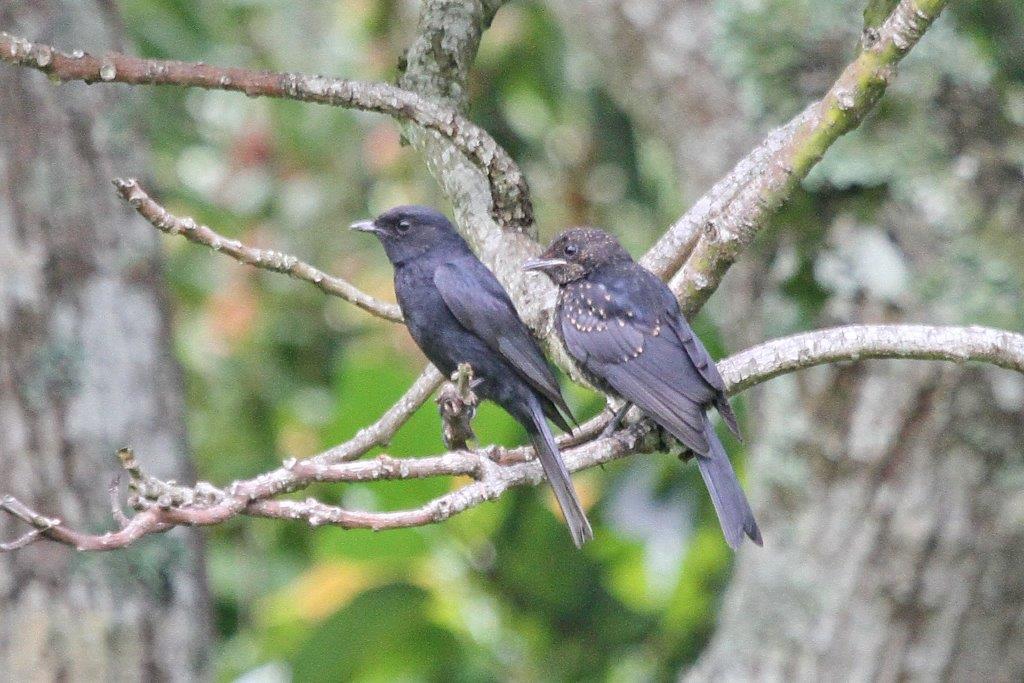
Southern Black Flycatchers – Parent and juvenile
Also Spotted, Dusky, Black & Paradise Flycatchers; Olive, Collared & Amethyst Sunbirds; Olive Thrush, Southern Boubou.
Red-backed Mannikins
Spotted Flycatcher
Olive Thrush
African Paradise-Flycatcher
We walked the waterfall trail but gave up after awhile as we were spotting few birds and we were anxious to go to the dams and grassland area. On the way back we had a brief glimpse of the Crowned Eagle flying overhead.
Crowned Eagle
On leaving the more forested areas and walking down the hill towards the house we were met by a belligerent Peacock (called Charles). Do not cross the lawn in front of the house – the Peacock rules supreme and you will be chased off!!
Common Peacock
Common Peacock
Common Peacock – look at me.
Common Peacock in display
The horses wanted to befriend us which had Tina running for cover. Anyway we made it down to the road and set off for the dams and the grassland.
There are several dams on the property. Just before the entrance there is a dam on each side of the road. Here we observed lots of Grey Herons (including juveniles) plus one Black-headed Heron.
Grey Heron – juvenile – Decklan
Grey Heron – juvenile
Grey Heron – juvenile
Black-headed Heron
There were Yellow Weavers plus at least one pair of Golden Weavers nesting at the first dam. Bronze & Red-backed Mannikins – plus a very odd looking Bronzie which had white feathers on the nape of its neck.
Bronze Mannikin – Decklan
Bronze Mannikin
Bronze Mannikin
Golden Weaver
As we walked up the hill into the grasslands the Blesbok & Impala gave us a wide berth – some could only have been born the day or two before. The birding was good – Croaking Cisticolas were calling and displaying and then we had the ‘Bird of the Day’ Broad-tailed Warbler – which was a lifer for one or two of us.
Croaking Cisticola
Broad-tailed Warbler
Broad-tailed Warbler
Broad-tailed Warbler
Lesser Striped & Barn Swallows, Palm, White-rumped and Little Swifts plus a few Black Saw-wings. Good views of a Rufous-naped Lark, Fan-tailed Widows, Burchell’s Coucal by the dam, Brown-hooded Kingfishers and lovely views of Yellow-throated Longclaws. And a contentious Cuckoo on the horizon. For some a Red-chested, others a Klaas’s but wethinks otherwise – see what you think from the picture below.
Burchell’s coucal – Decklan
Rufous-naped Lark
Which Cuckoo – Female Diderick Cuckoo, wethinks
On the way up and down the grassland several photos were taken of the local game to be found on the estate as well as some flora and other critters.
Blesbok on the move – Decklan
Blesbok, Impala and young – Decklan
Blesbok
Littonia modesta -Decklan
Bright Yellow – what?
Caterpiller
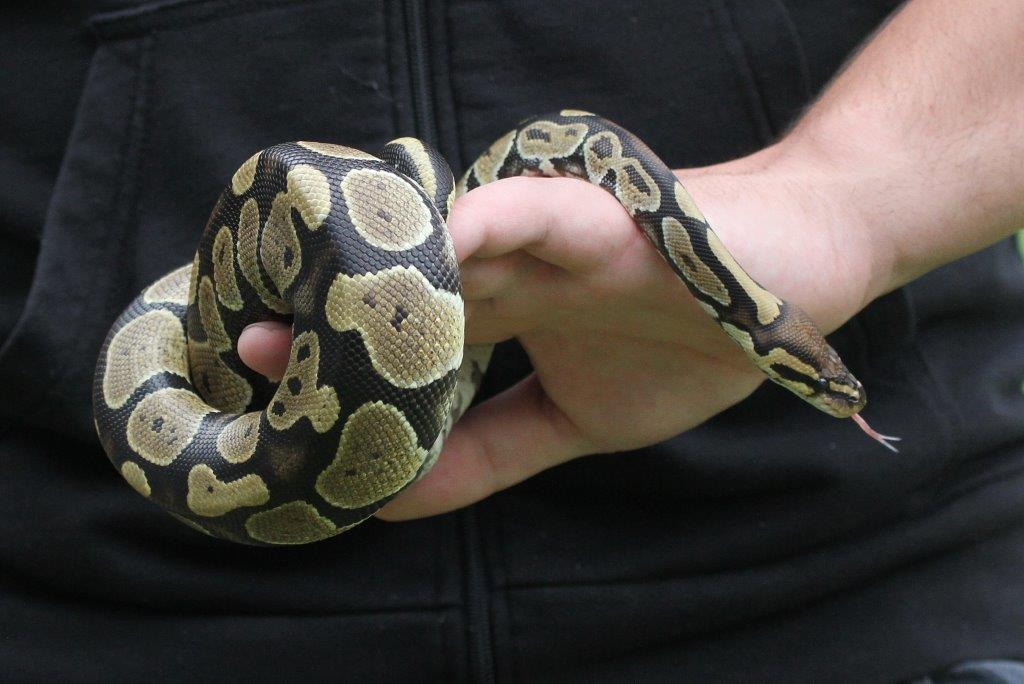
Even a Ball Python was seen:
Ball Python
There were lots of YBK’s and lots, lots more!! But it was time for tea & what a tea Caryl had prepared for us on the patio of her house with Christmas mince pies and a cake with cherries (very nice too). We left a copy of next year’s BLPN calendar with her to enjoy.
A new bird hide is in the process of being built by the first dam and the suggestion was made that later on in the year we have an afternoon walk/birding & have a sundowner braai at the hide – watch the activities page!!
Caryl & her son Jan are excellent guardians of a most wonderful place and their hospitality and generosity in allowing us to visit Tanglewood is very much appreciated.
Photos are by courtesy of Decklan and Paul – thanks guys. We collected R335 which will be donated to BLPN thanks to us all!
After Balule we drove do our next destination – Skukuza. As we travelled south the countryside became greener and greener – from some much needed rains.
There was some water flowing on the south side of the Sabie River as we crossed the bridge. We stop, looking up and downstream to see what birds are about. As we are doing this one of us jokingly said keep an eye out for Finfoot, and with that Sally looks downstream and says “There it is”. It was quite a way down but walking in and out of the water at the upper end of some rapids.
Bridge over Sabie River
African Finfoot
African Finfoot
African Finfoot
African Finfoot
African Finfoot
Surprisingly the campsite was relatively empty, so we chose a level spot close to one of the kitchen areas with a reasonable amount of shelter. There were only one or two level spots on the fence-line but they were taken.
Skukuza Campite
During our time there we took an early morning drive along the road to Lower Sabie and were surprised that there was virtually no traffic. Breakfast on a cold gloomy morning at Mlondozi Dam – looking out for the Collared Flycatcher which had recently been reported there. No luck.
On the way back we took the S30 – the Salitje Road and at its end followed close to the Sabie River on the north side. At one of the lookout points over the river bed we were very surprised to see a pair of Mountain Wagtails. Unfortunately no photos of them. But I include some of the other birds seen.
African Black Ducks at Sunset Dam, Lower Sabie
Common Ringed Plover, Sunset Dam, Lower Sabie
Comb Ducks at Mlondozi Dam
Comb Duck
African Barred Owlet
African Cuckoo
African Cuckoo
African Fish-Eagle – juvenile
African Fish-Eagle – juvenile
African Fish-Eagles – juveniles at nest
African Harrier-Hawk
Black-bellied Bustard
Grey-headed Bushshrike
Grysbok
Hamerkop nest
Jacobin Cuckoo
Levaillant’s Cuckoo
Red-backed Shrike
Sabie River view
Sabie River view
Saddle-billed Storks – juveniles
Tawny Eagle -striped
Wire-tailed Swallow
Crocodile
On the way back along the H4-1 we stopped at several loop roads. On one we saw an Eagle in the middle of the road as we pulled onto it. It took no notice of us and kept scurrying back and forth on top of some low-lying dead thorn bushes right beside us.
Wahlberg’s Eagle – pale phase
Wahlberg’s Eagle – pale phase
Wahlberg’s Eagle – pale phase
Wahlberg’s Eagle – pale phase
Another bird we chased was the Madagascar/Lesser Cuckoo reported as seen right in front of the Golf Course club house. After several visits we gave up on that one too. However there was good birding in the area – on the board-walk beside the nursery and at the Lake Panic bird hide.
Some birds seen at the hide include:
Water Thick-knee with 2 chicks
Village Weaver
Squacco Heron
Malachite Kingfisher
Malachite Kingfisher
Malachite Kingfisher – in a dive
Malachite Kingfisher – returning from a dive
Malachite Kingfisher – returning from a dive
Green-backed Heron
Green-backed Heron
Goliath Heron – ducking
African Jacana
African Paradise-Flycatcher
Black Crake
Black Crake
Cattle Egret
The highlight of our time in Skukuza came at Lake Panic. There was only another couple and ourselves in the hide at the time. We heard what sounded like a dog barking and I immediately said “Leopard”. The other chap there said it was more like a bushbuck. However what we did notice was that one of the two African Fish-Eagles -some 100 metres away – had flown a few trees further along and was making the call!
Then from below the Fish-Eagle out stepped a Leopard. Peering cautiously around, it stepped out to the water’s edge. Every now and then looking our way – even when it was drinking. marvellous sight.
Leopard – Lake Panic
Leopard – Lake Panic
Leopard – Lake Panic
Leopard – Lake Panic
Leopard – Lake Panic
Leopard – Lake Panic
Leopard – Lake Panic
Leopard – Lake Panic
Leopard – Lake Panic
Leopard – Lake Panic
Leopard – Lake Panic
Leopard – Lake Panic
Leopard – Lake Panic
Leopard – Lake Panic
Leopard – Lake Panic
Leopard – Lake Panic
Leopard – Lake Panic
Leopard – Lake Panic
Leopard – Lake Panic
Leopard – Lake Panic
Leopard – Lake Panic
In total we had observed 148 different bird species in the area.
And eventually it was time to leave and head for Malelane – our last camp in the Kruger – see Part 9 to follow.
From Shingwedzi we headed south for Balule – a small rustic campsite without power – paraffin lamps for lights at night, kitchen area with a gas freezer. Gas for hot water. The camp has reasonable shade.
To check in we had to go to Olifants (we believe you can also check in at Satara). From Olifants to the camp site is normally only about 11 kms. However the causeway crossing the Olifants river is being refurbished after the floods earlier in the year (expected to be complete next April).
Olifants River
New Bridge
This meant going the long way round – 30 kms. It also meant no choice of direction when leaving the camp.
Quiet pond along the dirt road to the camp with different birds and animals each time we passed.
The campsites are along the camp fenceline with a well treed and grassy area in the centre – where the kitchen is located. Hyenas patrol the fenceline every night – forever hopeful. Often lying just a few metres from you staring at you with pleading eyes.
Hyena and suckling cub
Despite the nuisance of the bridge being closed the alternate route to the camp gave us some pleasant surprises.
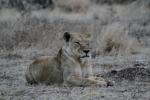
Lioness
Lionesses
Lioness
A trench for cables extended the first 4 kms- along the S91- from the main road towards the camp. On several occasions we came across elephants trying to get across without success – fortunately for us they were on the other side of it.
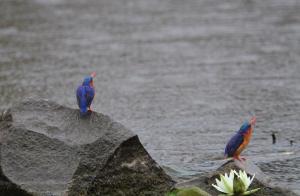
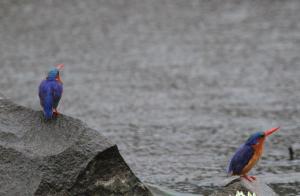
Birds as well as animals. A pair of Malachite kingfishers misidentified by a tour guide as African Pygmy Kingfishers.
Malachite Kingfishers
Malachite Kingfishers
Malachite Kingfishers
Malachite Kingfishers
African Fish and Martial Eagles with rather full crops:
African Fish-Eagle with full crop
Martial Eagle with rather a full crop
A back view of a Martial Eagle
Martial Eagle – juvenile
The main bridge across the Olifants River was surprisingly quiet birdwise on each occasion that we crossed it. We did have an unusual sighting of a pair of Saddle-billed Storks lying down in the riverbed below. Surprisingly Saddle-billed Storks were seen on numerous occasions – despite their depleting status.
Saddle-billed Storks
Saddle-billed Storks
We took a drive north of Olifants along the S44 one misty damp morning – following the Letaba river. It is a very scenic drive with good views over the river.
North of Olifants camp along the S44
Further along just after it joined the S93 we had our fourth sighting of Greater Painted Snipes. This time there were three and one was a female.
Greater Painted-Snipes – nr. Olifants
Greater Painted-Snipes – nr. Olifants
Greater Painted Snipe area – nr. Olifants with mystical tree.
Did you notice the tree in the last photo. It appears to be upside down and coming towards you.
Mystical Tree – where is it going.
Here are some of the other birds we saw in the area.
African Fish-Eagle
African Fish-Eagles
African Harrier-Hawk – juvenile
African Harrier-Hawk – juvenile
African Harrier-Hawk – juvenile
African Harrier-Hawk – juvenile
African Harrier-Hawk – juvenile
African Harrier-Hawk – juvenile
African Harrier-Hawk – juvenile
African Harrier-Hawk – juvenile
Burchell’s Coucal
Diderick’s Cuckoo
European Bee-eater
Grey Go-away-bird having a dust bath
Grey-headed Bushshrike
Grey-headed Bushshrike
Lapsmith juvenile
Lilac-breasted Roller
Marico Sunbird
Marico Sunbird
Red-crested Korhaan
Saddle-billed Stork
Sabota Lark
Spectacled Weaver
Tawny Eagle – striped
Terrestrial Brownbul
White-browed Robin-Chat
White-browed Robin-Chat
White-browed Robin-Chat
White-throated Robin-Chat
White-throated Robin-Chat
Yellow-breasted Apalis in the rafters
Yellow-breasted Apalis in the rafters
Yellow-breasted Apalis in the rafters
Altogether we observed 120 different bird species in the 2 full days we were there.
Then it was down to Skukuza. See Part 8 to follow.
Shingwedzi was our next place to visit in the Kruger. Effectively we only had one full day there. On arrival, the day began to cook and the next day it was boiling – both days got up to 45 degrees C. Much of both afternoons were spent in the rather grand swimming pool under the shade of a densely leafed tree or in the water. Fortunately we had taken our loungers with us so we were quite comfortable in the shade.
The birds loved the tree as well. And many came down to the area where water gathered as it was being recirculated into the pool. Green-winged Pitylias, Firefinches, Waxbills and Weavers all came to bathe and it was possible to get close if you were in the water.
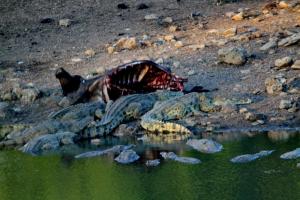
With the air-conditioning full blast it was more pleasant to be in the car than the camp. Both afternoons we drove down along the river to visit the hide. There was some water in the river and at one point we observed the carcass of a buffalo near the water’s edge – being guarded by a number of crocodiles whilst vultures hung around waiting for their chance.
Crocodiles with Buffalo carcass
White-headed Vulture
The first morning we were there was spent driving around the Red Rocks Loop – the R52.
View over the river on the Red Rocks loop.
View over Red Rocks
View over Red Rocks
View over Red Rocks
View over Red Rocks
View over Red Rocks
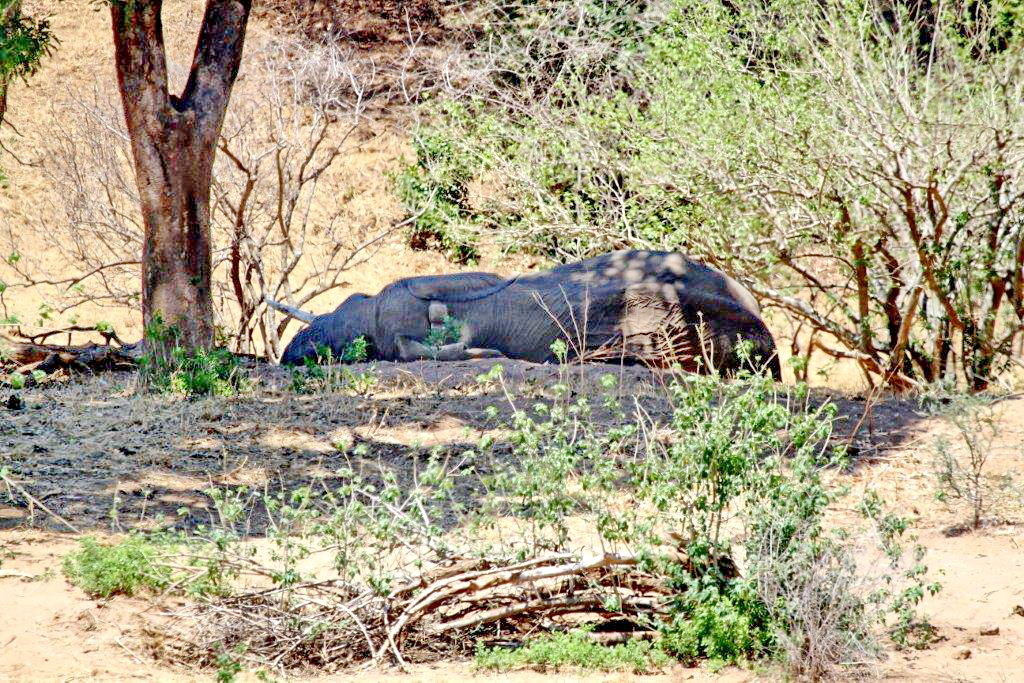
Along the way we observed an elephant resting lying down against the bank of a river.
Elephant resting on the side of the bank
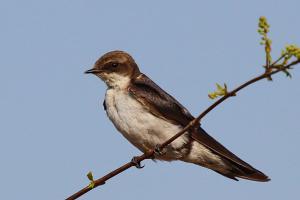
The bird we most enjoyed seeing was the Grey-rumped Swallow
Grey-rumped Swallow
Grey-rumped Swallow
In all we observed 119 different species in the short time we were there. Here are some other photos of what we saw.
Brown-hooded Kingfisher
Brown-hooded Kingfisher
Common Sandpiper
Common Sandpiper
Bateleur – juvenile
Cut-throat Finches
Double-banded Sandgrouse
Double-banded Sandgrouse
Bennett’s Woodpecker
Squacco Heron
Steenbok
Martial Eagle
Martial Eagle
Spotted Flycatcher
Bateleur – flashing
Bateleur juvenile
And then we were off to the rustic camp Balule near Olifants – continued in Part 7.
Sunday 30 November. Ellingham Estate with Barry Pullock.
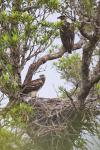
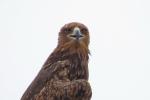
Only five people pitched for the outing. The weather understandably had something to do with it. We had about an hour then down came the rain, that was it, best sighting in that time was a Brown Snake-Eagle.
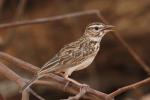
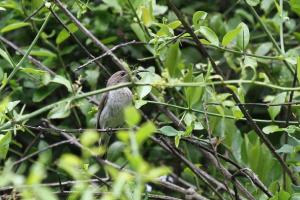
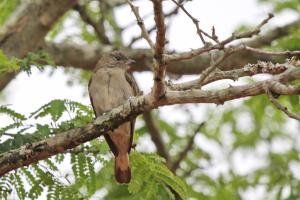
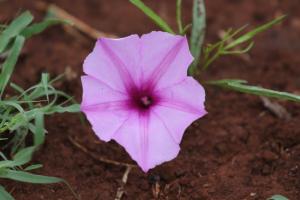
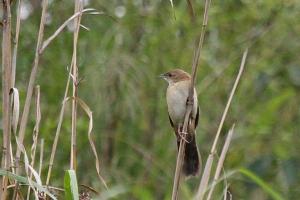
Message from Rex – one of the participants: The LBJ hopping down the road was correctly identified as African Pipit. Please send Tina the photograph of the horse that chased her.




















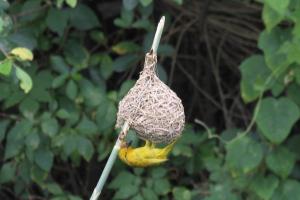


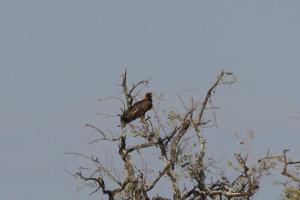
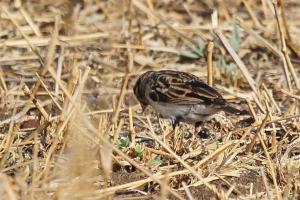


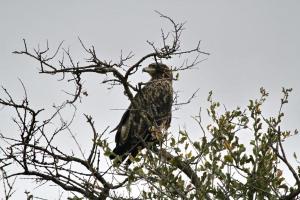





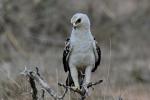
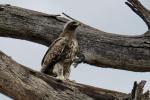

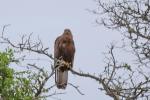
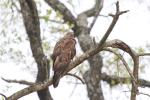










































































































































































































































































 Birds are our Story