The morning started off with about 20 people but ended up with +27 and our bird count was +51.
As I had been to the bay on Friday and was aware that low tide was very very low and high tide not much better we decided to do the Boardwalk first and check out the Black Sparrowhawks nest. It was in amongst the mangroves that some of us were lucky enough to see the Black-throated Wattle-eye. We also went along to the grasslands – which seem to be fast disappearing under the ever encroaching Chrysanthemoides and Brachylaena. It was here that we saw a lot of Amethyst Sunbirds, mainly females and and juveniles. Little Bee-eaters and lots and lots of Bronze Mannikins and Cape White-eyes.
The Black Spars were flying overhead, Goliath Heron perched in a tree; Little Egrets, Sacred Ibis, Grey Herons, Grey-headed Gulls, Kelp Gulls, a pair of Caspian Terns plus Common and Swift Terns. A number of Greenshanks, Common Ringed Plovers but only one Common Sandpiper. Blacksmith Lapwings in abundance! A pair of Fish Eagles and at the end of our walk at last an Osprey!
The tide was really too low for us to catch the waders coming in with the tide – maybe we will get lucky next time. We seem to have a lack of bird pics but as the crabs were everywhere we have some nice pics of crabs!!
Part of the reason we go to Bayhead is for the waders but questionably the main reason is Bud’s. There is a new guy running Bud’s and I think he was a little overwhelmed to start with but he managed very well in the end. There were 20 of us so firstly we had to rearrange the tables, secondly we explained that individual bills were required and thirdly and most importantly we needed drinks, very cold drinks and as fast as possible!
Doing the bird list was a ‘hoot’ – I don’t think birders know the alphabet including me. Maybe the birding was not too great but lunch lived up to our expectations – the food was good, the drinks were cold and the company was great.
Sally and I set out several days early to scout the area around Dragon Peaks to see where we could lead the group birding for the weekend.
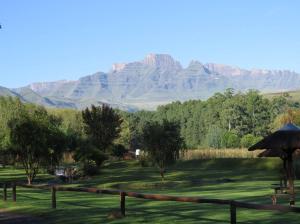
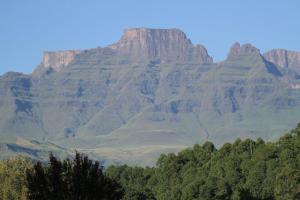
Cathkin Peak from Dragon Peaks
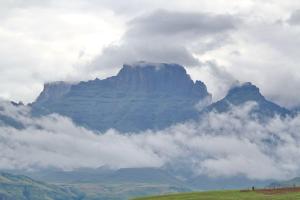
Cathkin Peak surrounded by cloud
Cathkin Peak from Dragon Peaks
We set off in trepidation as the weather forecast was very unfavourable – rain every day all day and heavy at times. We arrived at lunchtime on Tuesday 24 February. Our campsite was quickly organised.
As we were undecided about the birding program for the weekend, we set off to check out the birding around Bell Park Dam with Maureen Geall – another early arrival.
We had been given an offer to take a motorised pontoon around the dam by one of our members who was joining the outing – Rex Aspeling. Birding around the area of Bell Park Dam seemed to have potential and we thought that this might be a relaxing way to enjoy Saturday afternoon.
That night the rains arrived during dinner – pouring heavily until past two o’clock the next morning. We awoke to a gloomy morning and went off to see what birding at Monk’s Cowl could offer us.
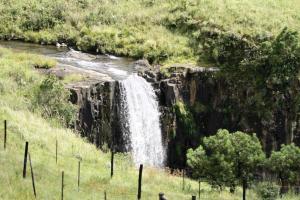
We took the walk through the forest and into the grassland down to the waterfall.
Monk’s Cowl Waterfall
A long way down and it seemed a longer way back uphill. Birding through the forest was quiet, however the grassland area was more interesting. There were numerous Cisticolas, the odd Pipit, Widowbirds, Bishops, Stonechats and the like. We were not convinced that this would be an appropriate place to bring the group.
Cape Grassbird
Lazy Cisticola
Levaillant’s Cisticola
Long-billed Pipit
Long-billed Pipit
Mystery – Decklan
Red Frog
Red-collared Widowbird
African Stonechat
Butterfly or Moth with a head comb
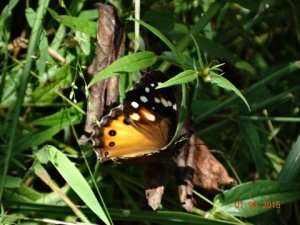
Gaudy Commadore (wet season form)
Eyed Pansy
As butterfly 1 – Gaudy Commadore
Sooty Blue
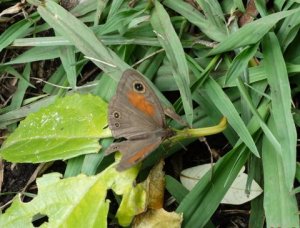
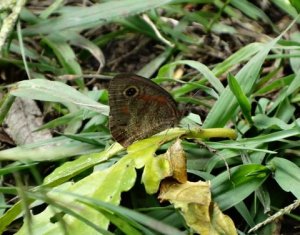
Rainforest Brown
Colourful Snap-dragon flower
Norman did find a Swee Waxbill at Monk’s Cowl at the end of the weekend.
Swee Waxbill – Norman
That afternoon the trails around Dragon Peaks including the forest walk were negotiated and proved relatively quiet as well.
The next day – Thursday – we took a recce of the Blue Grotto forest walk at the Drakensberg Sun. Lovely bright sunny day and the forest was alive with numerous interesting bird species. That settled where we would go on Saturday morning.
Peek-a-boo – Bushbuck
Olive Thrush
African Darter and its catch
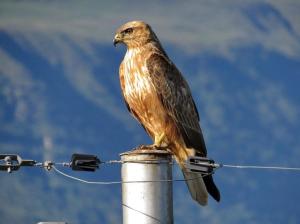
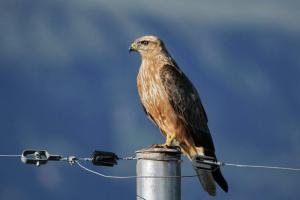
Jackal Buzzard
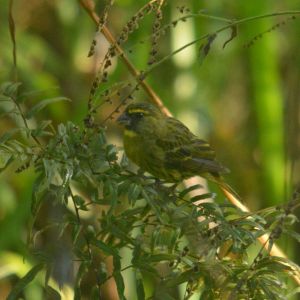
Forest Canary
Forest Canary
Chorister Robin-Chat
Chorister Robin-Chat
Chorister Robin-Chat – juvenile
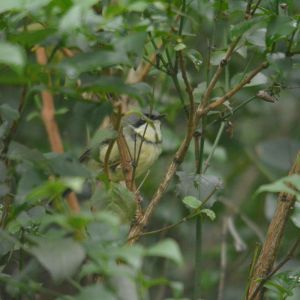
Bush Blackcap
Bush Blackcap
African Olive Pigeon
White-starred Robin
White-starred Robin
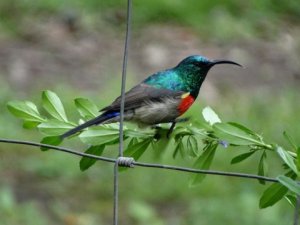
Southern Double-collared Sunbird
Southern Double-collared Sunbird
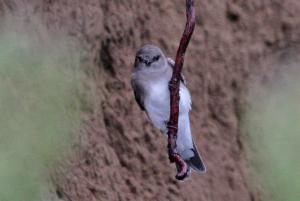
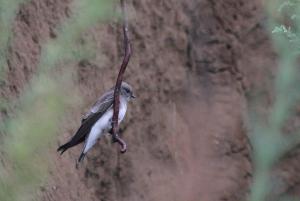
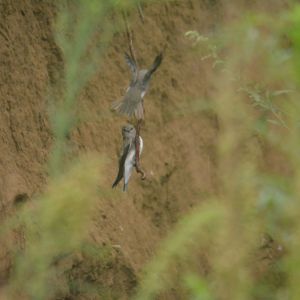
We then went to see if the White-fronted Bee-eater roost still existed at the Little Tugela (one km. off the Winterton road along the D57). Their roost was overgrown. However, Brown-throated Martins had established a roost in the sandbanks along both sides of the road as we approached the bridge. On the other side of the bridge we chased an Orange-breasted Waxbill and White-winged Widowbirds to get photos – no great success.
Sandbank for Brown-throated Martins
Brown-throated Martin
Brown-throated Martin
Brown-throated Martin
Brown-throated Martin – Decklan
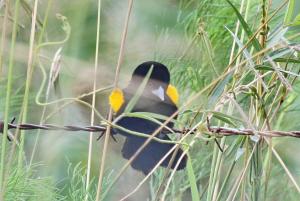
White-winged Widowbird
White-winged Widowbird
White-winged Widowbird – Decklan
White-winged Widowbird – Decklan
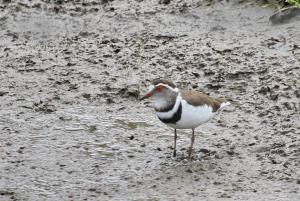
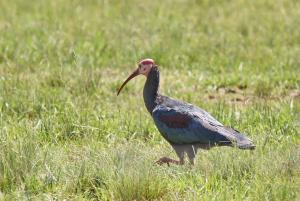
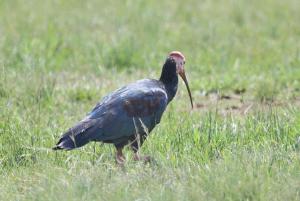
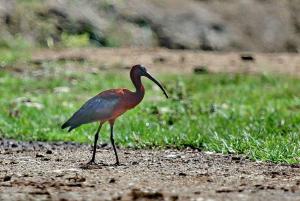
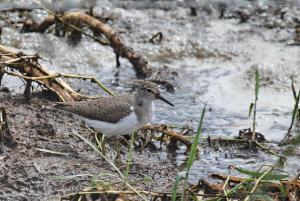
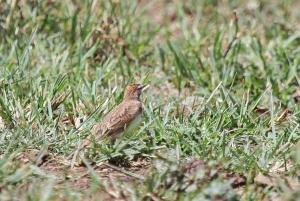
After another kilometre we came to a large cattle ranch – birds every which way – all 4 species of Ibis, Pied Starlings, Queleas, Black Crows, White-necked Ravens, Steppe and Jackal Buzzards, Amur Falcons, hundreds of White-faced Ducks in the dam, Red-billed Teals, Yellow-billed Ducks, Common Sandpiper, Three-banded Plovers, Blacksmith Lapwings, Rufous-naped and Red-capped Larks, Cape Longclaw, Black-headed heron, Cattle Egret, Egyptian and Spur-winged Geese, South African Cliff-Swallows, Barn and White-throated Swallows, Southern Grey-headed Sparrows, Cape and African Pied Wagtails. Wow.
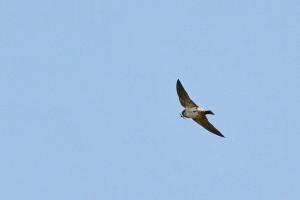
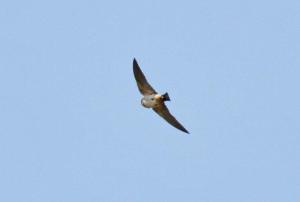
South African Cliff-Swallow – Decklan
South African Cliff-Swallow
South African Cliff-Swallow
Three-banded Plover
Southern Bald Ibis
Southern Bald Ibis
Glossy Ibis
Glossy Ibis
Ciommon Sandpiper
Red-capped Lark
Red-capped Lark
Red-billed Quelea
Quelea – Red-billed or red-faced – which.
Pied Starling
Pied Starling
Pied Starling
Amur Falcon – male
Blacksmith Lapwing – aka Lapsmith
That sealed another must visit place for the weekend.
A few more people arrived on Thursday with most coming at lunchtime on Friday. In all the group consisted of 20 persons at Dragon Peaks – 8 of us (Peter and Frankie, Maureen, Paddy and Helen, Sabrina, Sally and I) camping. Barry, Merle, Heather and Stanley, Jackie and Roland, Ismail, Hennie and Decklan, Mike and Jane, Norman in Dragon Peaks accommodation. Then there was Dave and Penny Rimmer at the Drakensberg Sun and Rex Aspeling at Bell Park Dam. We were 23 in all. A large group.
Friday night we braaied in the resort’s covered braai area. The program was set – quite a convivial evening despite the drizzle.
Braaing at Dragon Peaks boma
The next morning at 07h00 we all set off for Drakensberg Sun. It was overcast but not raining. We split into 2 groups – the tortoises and the hares. The hares set off first up the Blue Grotto trail and the tortoises followed 10 minutes behind.
Before we even set off a Forest Canary sat very obligingly out in the open and we all had good views of it.
Forest Canary
Both groups had good views of most of the forest specials – Chorister Robin-Chat, White-starred Robin, Bush Blackcap, African Olive Pigeon and Lemon Dove to name a few. The Barratt’s Warbler was heard but not seen. On the way back drizzle set in but fortunately the rain got no heavier.
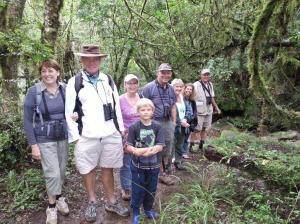
Hares group on Forest walk at Drak Sun
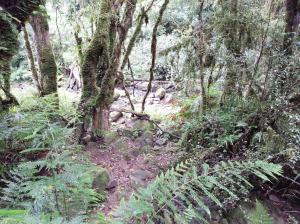
Blue Grotto Forest
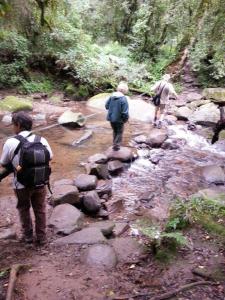
River Crossing on Blue Grotto walk
Chorister Robin-Chat – Decklan
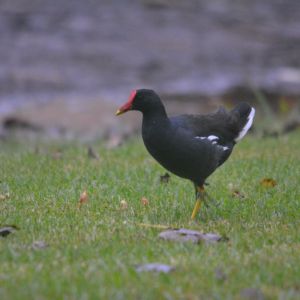
Common Moorhen – Decklan
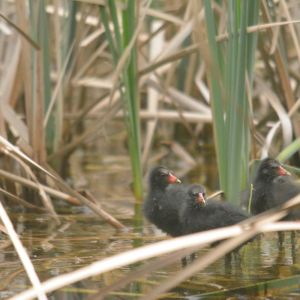
Common Moorhen chicks – Decklan
Forest canary – Decklan
Bar-throated Apalis – Decklan
Rain Forest Brown – Cassionympha Cassius (2) – Norman
Greater Double-collared Sunbird – Norman
This is the Bush Beauty!- Norman
Rain Forest Brown – Cassionympha Cassius (2) – Norman
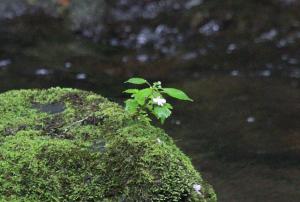
Rock moss plant
Common Moorhen chick
Lemon Dove
Dusky Flycatcher
On the way back to Dragon Peaks, Norman spotted this Secretarybird among other bewildering birds.
Norman’s Secretarybird and friend.
Saturday afternoon we set off at 14h00 from Dragon Peaks to Bell Park Dam. There we met with Rex and James (the captain of the pontoon).
James – Ismail
Off we set for a couple of hours circling the dam. Some birds seen along the Bell Park Dam:
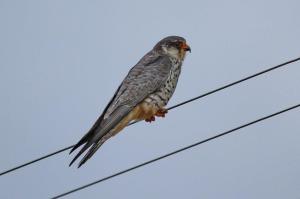
Amur Falcon – female
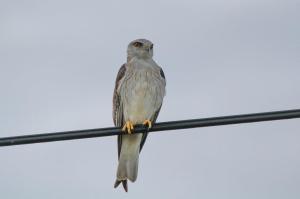
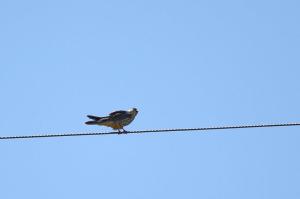
Black-shouldered Kite
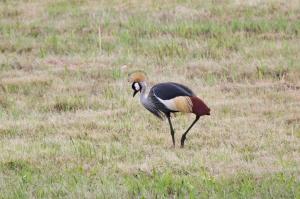
Grey-crowned Crane hobbling.
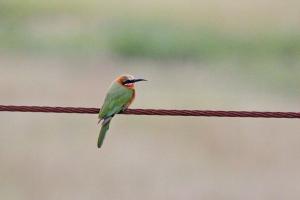
White-fronted Bee-eater
White-throated Swallow
White-throated Swallow
African Black Duck were seen as well as a number of other ducks. However the highlight of the tour was definitely good sightings of a Half-collared Kingfisher. This was a lifer for a number of people on board. Even the persistent drizzle did not dampen our spirits.
Boating around Bell Park
African Black Duck – Decklan
African Black Duck
African Darters – Decklan
African Fish-Eagle – Decklan
Half-collared Kingfisher – Decklan
On the way home we came accross an alate erruption and the raptors were buzzing low over the road – Lanner Falcon, African Harrier-Hawk, Yellow-billed Kites.
Lanner Falcon – Decklan
Lanner Falcon – Decklan
Lanner Falcon – Decklan
Lanner Falcon
Lanner Falcon
Lanner Falcon
African Harrier-Hawk
Wahlberg’s Eagle
Wahlberg’s Eagle
Wahlberg’s Eagle
Wahlberg’s Eagle
That evening we gathered at the Dragon Peaks braai boma – did our bird list – some 150 different species. Then as asked, each person presented an interesting or unusual fact about birds. The effort everyone went into to research something different was amazing. In the end a bottle of red wine went to Paddy for his info on the behaviour of Sooty Terns which scoop up a mouthful of sea water on their return to the roost. This they deposit on grass eventually killing it. The dried grass is then used in nest building.
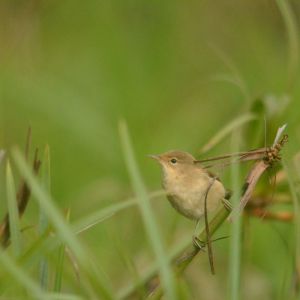
Sunday morning was an early start – 06h30. We took a walk around Dragon Peaks checking out the bird life in and around the dams. Possibly the best sighting was that of an African Reed Warbler – identified by its call.
A Walk around Dragon Peaks
Walking around Dragon Peaks – Ismail
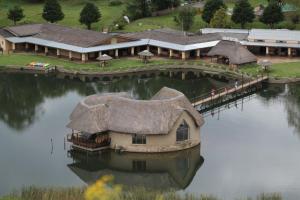
Looking down on the wedding venue at Dragon Peaks
Steppe Buzzard at Dragon Peaks
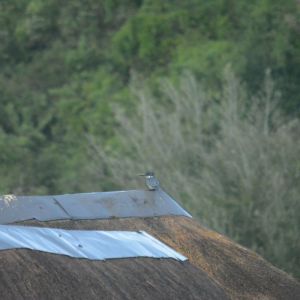
Pied Kingfisher – Decklan
African Reed Warbler – Decklan
Arrow-marked Babbler – Decklan
Greater Striped Swallow – Decklan
Groundscraper Thrush – Decklan
Groundscraper Thrush
Steppe Buzzard – Sally King
Steppe Buzzard – Paul
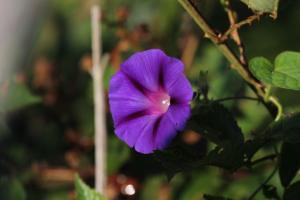
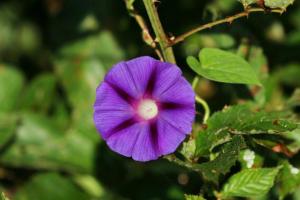
Lamplit Morning Glory
Lamplit Morning Glory
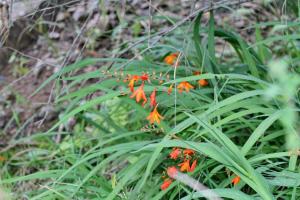
Crocosmia
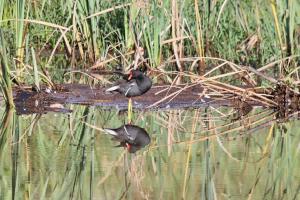
Common Moorhen – white-tailed
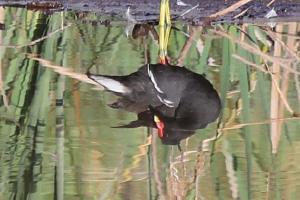
Common Moorhen reflecting
Common Moorhen in reflective mood.
Common Moorhen chick
Drakensberg Cisticola
Cape Rock-Thrush
Cape Vulture
Cape Vulture
Cape Batis – female
Black Saw-wing
African Black Duck
African Reed-Warbler
The idea was then to visit the Little Tugela and cattle ranch which most people did on their way home.
You can view the bird list by clicking here. Note a few additional birds were seen during the morning including Bronze Mannikin and Lesser Grey Shrike
The bird of the weekend was the Half-collared Kingfisher.
Sunday morning 06h30 saw 16 intrepid birders gather at the entrance to the Umgeni Valley NR in spite of the very overcast weather with an occasional light shower and general mist.
The intention was to park above Cascades Falls and to bird the grasslands above with possible sightings over the top of the canopy and across the krantze’s bordering the Nkongongo Stream, a tributary of the Umgeni River. Our plan was then to bird down through ravine forest to Shelter Falls and Bush Camp. Partially due to the wet conditions and steep gradient the last leg of this route was considered too ambitious and the group turned back.
In spite of this though 50 birds were recorded here before we took our leave of this area and headed to Amber Valley. Amongst the sightings were Diderick Cuckoo, Jackal Buzzard, Zitting Cisticola, Common House-Martin, Natal Spurfowl, Brimstone Canary, Cape Crow, Rufous-naped Lark and Lazy Cisticola.
Jackal Buzzard
Brimstone Canary
The weather, although still overcast, lifted slightly and we headed along the game trail within the Ambers. This area is more open grassland parallel to streams and wetland, dropping down to Mimosa and Acacia thickets.
On arrival, all were greeted at the parking by a herd of Impala, Blesbok with calves a little way off, Warthog and Zebra. A male Grey Duiker broke cover, ran a while and turned to view us intruders.
The birding along this short trail added further to our list. Amongst the most exciting birds seen and heard were Neddicky, a melanistic Black Sparrowhawk, Cape Grassbird, Cape Canary, Steppe Buzzard, Dark-Capped Yellow Warbler, Willow Warbler, African Firefinch, Yellow-throated Longclaw, Long-crested Eagle and African Harrier-Hawk.
Cape Grassbird
Fan-tailed Widowbird
Garden Acraea
Pin-tailed Whydah
Southern Red Bishop
Southern Red Bishop
Southern Red Bishop
White-throated Swallow
Melanistic Black Sparrowhawk
Moth?
Time for tea found us under the trees alongside Falcon Dam while YBK’s posed for Dave Rimmer in a near-by Mimosa. Photography had been difficult due to the weather conditions.
Yellow-billed Kite
Good fellowship was had with all the general chitter-chatter and leg-pulling. At this point the group split with a number heading for the Karkloof Conservancy area and hide.
Amur Falcon – female
Amur Falcon – female
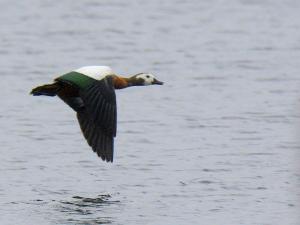
African Shelduck – male
African Shelduck – male
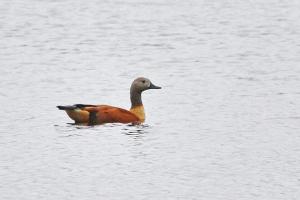
African Shelduck – female
African Shelduck – female
Grey-crowned Crane
Grey-crowned Crane
Hadeda Ibis – like the 3 stooges.
The majority opted to bird the Amber lakes which turned out very productive. Good sightings included Sacred Ibis, another Black Sparrowhawk but with the white chest markings, Reed and White-Breasted Cormorant, Little Rush Warbler, African Darter, Cape Weaver, Familiar Chat, Purple Heron, Cape and Southern Grey-headed Sparrow, Lanner Falcon, Lesser Swamp Warbler, African Rail and Malachite Kingfisher.
Little Grebe
Little Grebe and not so little egg
Little Grebe missing the mark
Still missing the mark
African Darter
Black-headed Heron
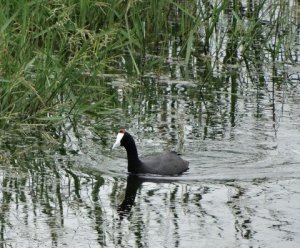
Red-knobbed Coot
All in all 16 birders listed 81 birds for the mornings outing and a good time had been had by all. It was lunch time and each went their separate ways, most to amber further within the beautiful Natal Midlands.
During the night we had a very long and heavy downpour – which did not bode well for the Saturday outing. It was overcast and there was a slight drizzle in the morning – only 7 brave/keen birders joined me at iPhiti. It was very wet underfoot and the mozzies were biting but it wasn’t raining and we had an enjoyable walk. Not as wet underfoot as we expected.
Our bird count was in the region of +43 – the bird of the day had to be the Olive Thrush.
Olive Thrush
Naturally we had to have a mystery bird – was it a raptor? Some said it was a dove!! It turned out to be a Jackal Buzzard (to be fair it was a long way off and partially hidden in a tall Norfolk pine).
Mystery Raptor
Mystery Raptor
There were a few Golden Weavers nests at the dam but no birds were seen.
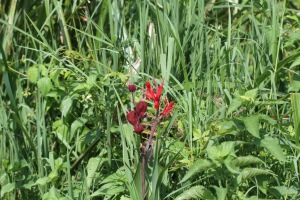
The Red-hot pokers are starting to flower in the vlei and should be worth a visit on a sunny day for sunbirds.
Collared Sunbird
Collared Sunbird
Collared Sunbird
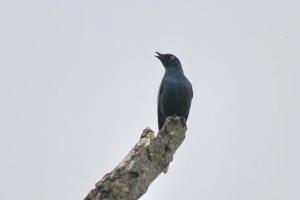
Black-bellied Starling
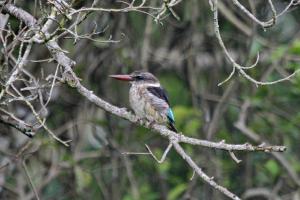
Brown-hooded Kingfisher
Cape Batis
Purple-crested Turaco
Purple-crested Turaco
Purple-crested Turaco
Thick-billed Weaver
Speckled Mousebird
The pics are courtesy of Paul Bartho (under some very difficult lighting conditions he says!).
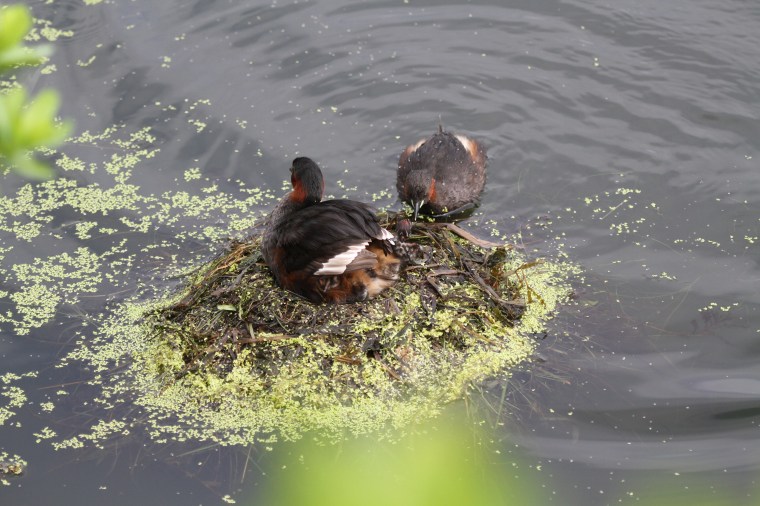
Over the past month a pair of Little Grebes have been nesting at Le Domaine, Hillcrest. After numerous attempts in trying to establish a nest they eventually found their perfect spot – a floating nest loosely attached to an overhanging reed.
Patiently nesting
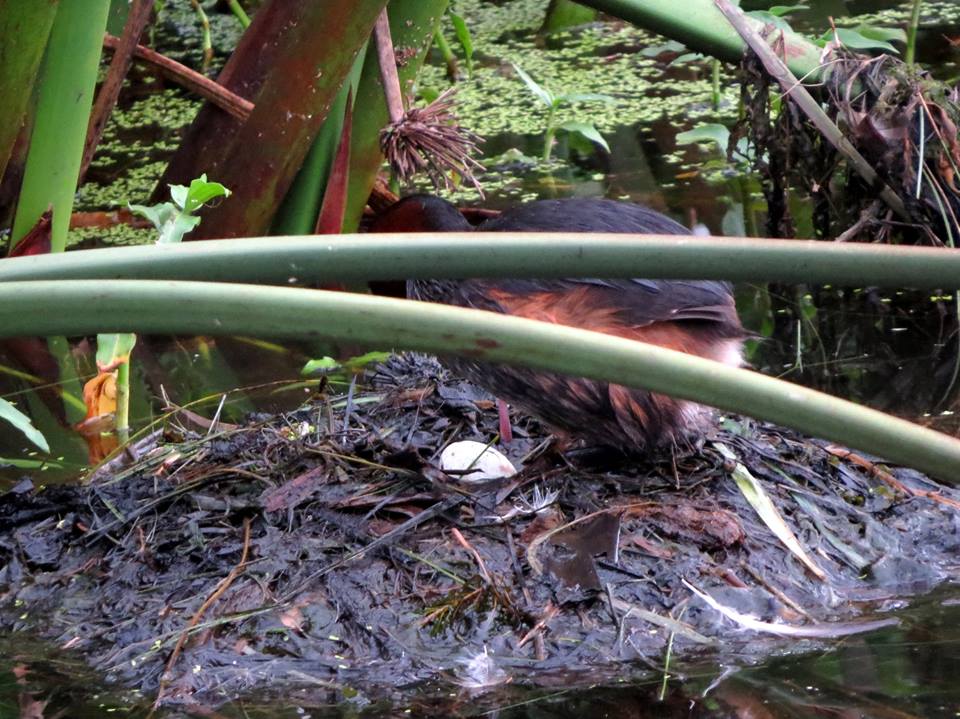
They sat on this floating nest for about 3 weeks and we tried hard to see if they were on eggs.
Our first sighting of an egg.
Then viola, three tiny Little Grebes emerged.
The first three emerge
At this point the nest broke loose and floated away. A fourth egg was seen in it and thought abandoned
Abandoned Nest and Egg – we thought
but surprisingly after a full day unattended it too hatched.
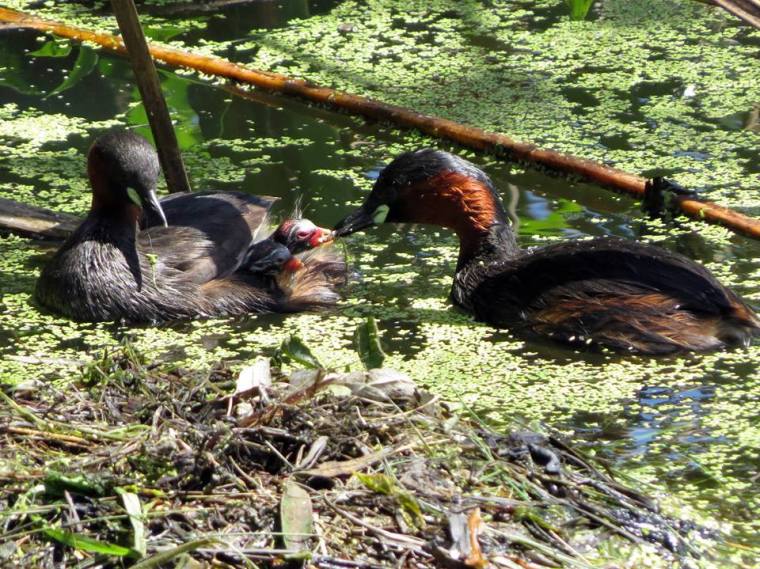
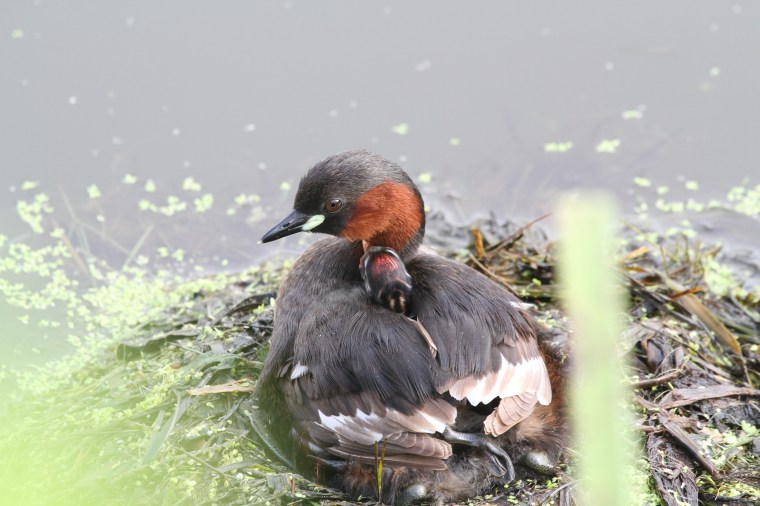
At first it was hard to see the young as they hid under one parent or the other’s wings. Now they are no longer little Little Grebes as they get bigger and more visible every day.
Little Grebe with chicks
Little Grebes and their chicks piggy-backing
Going for a swim
Ride ’em cowboy
Stumbling about.
Popping out everywhere
Four babies together
Little Grebe family
Little Grebe and chicks
Feeding time
4 Little Little Grebes out for a swim
Little Grebe and little Little Grebe
Now that is cute
Back view!
We had a surprise in one of the photos that Frank Kihn took. He took a shot of one of the Little Little Grebes taking its first swim. When he got home he was hugely surprised with what he saw – see for yourself.
Surprise. And surprisingly only came to welcome the new arrival.
That was several days ago and still all four are seen regularly attempting to stay under cover of the wings!.
THE outing began at the Gramarye smallholding at 07h00 on a very hot day. The garden provided a good start with a number of birds and then about a dozen of us walked down to the river.
Boston Birders – Hennie and Decklan (Crystelle)
Boston Birders (Crystelle)
Boston Birders (Crystelle)
There was plenty of birding activity starting with a Red-throated Wryneck.
Red-throated Wryneck
Red-throated Wryneck
In the tall grass there were Fan-tailed and Red-collared Widowbirds flitting around, Levaillant’s Cisticolas and Common and Orange-breasted Waxbills. Along the stream there were Dark-capped Yellow Warbler, African Reed and Little Rush Warblers. Hadeda and Sacred Ibis, Burchell’s Coucal, Cattle Egret, Red-eyed and Cape Turtle-Dove, African Stonechat, Cape Grassbird, all contributed to make up the numbers.
Black-bellied Starling – Decklan
Little Rush-Warbler – Decklan
Dark-capped Yellow Warbler – Decklan
Dark-capped Yellow Warbler
Dark-capped Yellow Warbler
Levaillant’s Cisticola – Decklan
House Sparrow – juvenile
Levaillant’s Cisticola
Pin-tailed Whydah
Southern Red Bishop
White Stork – Decklan
White Stork
White Stork
White Stork
Mystery Flycatcher
Heard, but not seen, were African Rail and Red-chested Flufftail. The highlight for Hennie and Decklan Jordaan was catching a glimpse of a large bird disappearing in the trees, pursuing it across the river and finding a Barn Owl which Decklan photographed.
Barn Owl – Decklan
And another surprise – photographed by Decklan.
Cuckoo Finch- Decklan
On the way back we saw one of the Grey Crowned Cranes currently nesting in a pan in the wetland feeding in a home paddock next to the garden.
Driving to the forest cottages on Boston View farm we saw several Amur Falcons, a pair of Lanner Falcons, a Rock Kestrel and a Steppe Buzzard.
Amur Falcon – male – Decklan
Amur Falcon – female – Decklan
Steppe Buzzard – Decklan
Amur Falcon
Amur Falcon
At Boston View we parked at Bottom Cottage . From there we did a forest walk.
Bottom Cottage
Bottom Cottage View
Forest beside Bottom Cottage
Photographers bush bashing
Going somewhere
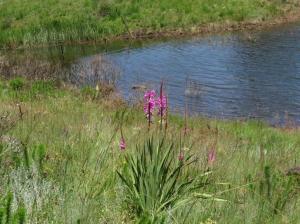
Watsonia
Watsonia
Pink Flower
Pink Flower
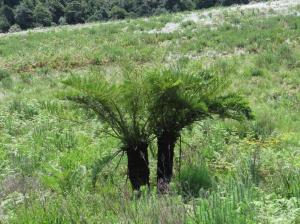
Tree Fern
Cape Chestnut – Calodendrum capense
The forest walk provided a change of habitat and we had to focus on hearing birds as much as trying to see them. Bar-throated Apalis, Green-backed Camaroptera, Sombre Greenbul, Terrestrial Brownbul, Cape Batis were amongst the birds marked as present, while another highlight was Blue-mantled Crested-Flycatcher.
Yellow Bishop – Decklan
Yellow Bishop – female
Yellow Bishop – male
Yellow Bishop – male
Blue-mantled Crested Flycatcher – Decklan
Blue-mantled Crested Flycatcher – Decklan
Black-headed Heron (SLK)
Drakensberg Prinia
Then it was lunch on the verandah of the cottage overlooking a dam, where an inexhaustible Decklan checked out the frogs as well.
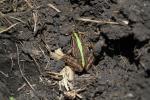
Green striped Frog
Green striped Frog
And then it was time to leave Bottom Cottage.
The Moon
On my SABAP2 atlas list I notched up over 60 species which included a pair of African Fish-Eagles circling Gramarye after we had returned home.
*** Click here to download our bird list for each area we visited.
My sister, Natasha asked us if we would come with her family (husband Dick and 2 no longer teenage children, Luke and Madi) to Pomene in Mozambique – almost 1200 kms from home. For them a beach holiday and for us another opportunity to try and find the Green Tinkerbird.
View of the lagoon, mangroves, resort and the sea.
Close up showing the resort nestled between the lagoon and the sea
Mangroves.
To get to Pomene we drove up the N2, into Swaziland at Golela and headed for Siteki and the border crossing into Mozambique at Goba. Before entering Mozambique we overnighted at Mabuda Farm 30 kms short of the border. The overnight stop enabled us to get up very early (03h00) to cross the 24 hour border and get through Maputo before the traffic became hectic. Definitely the way to go.
There was no-one else at the border so we were through within 15 minutes – too early for them to deal with entry fees and other expected payments. Maputo was a breeze – although my sister was stopped for a bribe but talked her way out of it. A good thing they did not check their tail lights as they were not working – fuse had blown.
From there it was Xai Xai then Inhambane, on to Maxixe and at 14h10. getting to Massinga. The last leg of the journey was off road for 56 kms. The first 30 kms on baked mud and the rest on thick sand. Definitely need a 4×4 to get through.
Baked Mud
Heavily rutted road
Smooth section of sand.
Sally and I led the way as Dick and Tasha were towing a boat on a trailer. Tyres down to 1.4 bar and high range engaged, we set off. At the start of the sand there is a gated entrance to Pomene “reserve”. Payment please! 400 meticash (R140) per person plus the same per vehicle and double for the boat – yikes not expecting that. Anyway we are through. Most of the sand tracks are comfortable until you reach the mangroves.
Mangroves right next to the road
Thick sand tracks through the mangroves
The track narrows to one lane and is quite rutted and bumpy – low range engaged in parts. After the mangroves you pass through Pomene “City” – basically a couple of rum and trinket “shops”.
Pomene City
Pomene Shopping Centre
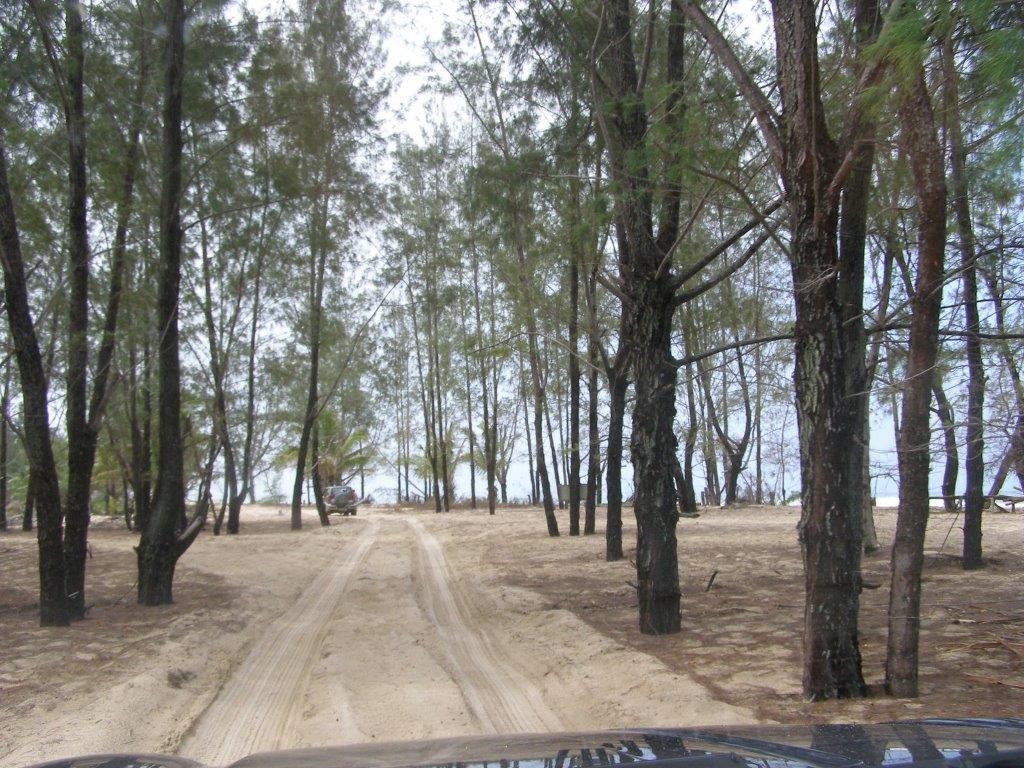
From there the last few kms are done in low range passing through the beach casurinas and driving on thick fine sand.
At last we arrive at 16h15 and choose the private 6 sleeper hut at the end.
Our mansion
Our mansion
Our mansion
Our mansion
Fortunately for Sally and I there was ample bird life. Much of the birding for waders is tidal dependant. At low tide, mud flats appear in the lagoon and extend from our mansion all the way back to the mangroves at Pomene “City” – almost 6 kms. It does mean walking through mangroves at times – shoes are important. Here we found most of the usuals:
White-fronted Plover
White-fronted Plover
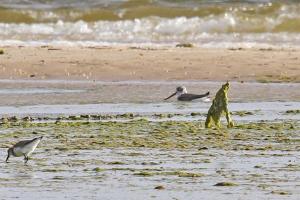
Common Greenshank – long-billed
Common Greenshanks in a hurry
Common Ringed Plover
Common Whimbrel in flight
Common Whimbrel
Curlew Sandpiper
Little Stint
Little Stint
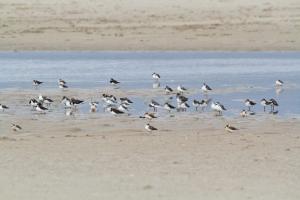
Mixed Waders
Little Stint, Sanderling and Curlew Sandpiper
Ruddy Turnstone and Sanderling
Ruddy Turnstones
Sanderlings
Several waders stood out – Greater Flamingos, Lesser and Greater Sand Plovers and 22 Crab Plovers (the latter appeared at the same place every day when the tide was low – we had also seen them here on previous visits).
Sand Plovers
Sand Plover
Sand and White-fronted Plovers
Sand Plover
Greater Flamingos
Greater Flamingos
Crab Plovers – adult and simpering juvenile
Crab Plovers
On the sea side, the Terns roost when they are not out fishing. There were roosts extending down the sea side from our Mansion all the way to Pomeme “City”. Each roost appeared to have a majority of one species – Lesser Crested and/or Common Terns predominantly – with Little and Swift Terns among them. One roost at the end near Pomene “City” must have consisted of thousands of Common Terns.
One large roost of Terns – mainly CommonTerns
One large roost of Terns – mainly CommonTerns
One large roost of Terns – mainly CommonTerns
One large roost of Terns – mainly CommonTerns
Another Tern roost
Lesser Crested Terns and a few Swift Terns
Lesser crested Terns being chased by crabs
Little Tern
Little and Lesser Crested Terns
Swift Tern
Terns in flight
Terns galore – predominently Common Terns
Terns in flight
Terns in flight
Terns in flight
A sea of Common Terns
There is also a variety of other birds to be seen in the surrounding areas – along the road into Pomene and up to the airport. The Purple-banded Sunbird has had us confused in the past and we saw it again in the same eclipse plumage.
Purple-banded Sunbird in eclipse plumage
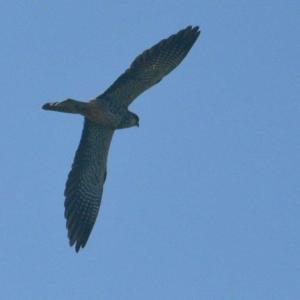
However the most exciting of those seen was a pair of Sooty Falcons. We have seen them most times that we have been to Pomene.
Sooty Falcon
Sooty Falcon
Some of the other species seen and photographed include:
African Pipit
Blue-cheeked Bee-eater
Burchell’s Coucal
Lilac-breasted Roller
Mystery Flycatcher
Rufous-naped Lark
Tawny-flanked Prinia
Tawny-flanked Prinia
Gnarley old tree beside the mangroves
Splat on tour.
The Lilac-breasted Rollers were interesting in that there were about six or more of them together in one area. Usually we associate them as appearing on their own.
In all we identified 59 species while at Pomene. In the past we have recorded closer to 100 species – however we did take bird trips across the bay and were more adventurous in the mangroves. Our bird list can be seen at the start of this report.
Since we were so close to Unguana and the Green Tinkerbird – as the crow flies- we decided to make another effort at trying to find the bird. By chance Graham Snow (our guide on our previous trip in July) also happened to be in the area. We organised before we left to meet him and search together. The problem was confirming the arrangements when we got there – my roaming did not work and the hotel phones had run out of air time!
Sally and I left at 04h00 to drive back to the main road where we were to meet Graham. We got there just on 06h00 and reflated our tyres. Then we decided to drive down to Morrungulo (12 kms) to collect Graham as he was not yet at the meeting point. We got all the way to his accommodation to learn that he had left some time ago. Back we went – getting there a bit late but no Graham. It turned out that he also arrived there early and drove down our road to a wetland area where we had to pass – unfortunately he did not notice us beside the main road reflating our tyres!
Having missed each other we decided that as we had driven all this way that we would continue anyway. We managed to find the correct turn-off and drove down the dirt road until we found the place we had tried previously.
We found the path into the bush and spent quite some time looking and listening. The bush was very quiet and we hardly saw any birds but we kept on – recording only 21 species in the time we were there.
Walk along the bush on the right to find the path entrance.
Two butterflies stuck together back to back and somehow flying conjoined.
A rather large spider
At one point we almost gave up but decided to persevere a little further. Then virtually at the end of the path I played the call to see if there was any point in continuing. It is quite a strident call on the Roberts program. Seconds later we had a reply – much softer. After chasing around trying to pinpoint the changing location of the call we eventually saw it fly overhead. Once located we kept our beady eyes on where it went and eventually it returned and landed quite close – giving us enough time to enjoy the sighting before moving on. No time for a photo. Then it re-appeared with a mate – again for too short a time to get a snap. After that they moved on. We had our Lifer.
The area where we saw the Green Tinkerbird
The area where we saw the Green Tinkerbird
The tree where we saw the pair of Green Tinkerbirds
And then the day came to leave Pomene. My sister and family decided to drive straight home so they left at 03h00 (eventually getting home near midnight). Sally and I decided to go to Inhambane for some more wader and shore birding. Getting there late morning.
Having not booked any accommodation we decided to see what was available right at the end beyond Barra Lodge and across the causeway. Areia Branca was our only choice and it was empty. So for R390 we stayed the night in a six sleeper self-catering chalet. When the tide came in the road dissapeared!
Areia Branca entrance board.
Our chalet
Our chalet
Catamaran close to shore near our chalet
View from our verandah
View from our verandah
View from our verandah showing the road which disappears with high tide
We had just missed a huge storm that they had had that morning blowing over one of the power lines in front of the camp. The wind was still blowing strong. Sparks were flying. Amazingly a power company crew arrived and had it all fixed in less than a couple of hours.
The mangroves were relatively quiet compared to Pomene, however we did see a Crab Plover and a Greater Flamingo at some distance. We also found a Tern roost sea side – mainly Lesser Crested Terns. Perhaps if we had stayed longer and the wind was quieter we might have had better birding. Altogether we only identified 36 different bird species.
Mainly Lesser Crested terns
Terns – Swift, Lesser Crested, Common and Little
Ruddy Turnstones
Our next destination was the flood plain after Xai Xai – staying at Honey Pot – a useful overnight stop in surprisingly well wooded grounds beside the main road. Honey Pot is located at the town of “3 de Feveriero” 16 kms south of Xai Xai right next to a large cell phone tower.
Honey Pot Reception
On the way we stop in the town of Zandamela -about 84 kms north of Xai Xai. Here we search in vain all the dead trees for the elusive African Hobby which is resident there. We later learned from Graham that he saw it there the day before at mid morning – much the same time as we passed through. Grrrrr……
We check in at Honey Pot and get given a large air-conditioned self-catering chalet for R400 for the night. Very noisy cool air. The plan was to have a look around the grounds and then later on go to the floodplain.
As we started our walk around the grounds we heard a call of a raptor close-by. There were two – adult and juvenile together – Lizard Buzzards.
Lizard Buzzard
In all we only recorded 11 species in the short time birding. Other birds photographed in the grounds:
Pale flycatcher
Pale flycatcher
Red-backed Mannikin
The Red-backed Mannikin was seen at its nest. As it entered its nest so it pulled a part of the nest material over the entrance hiding it completely.
Later in the afternoon we headed for the floodplain – a 15 km drive. Exit Honey Pot, drive to 3 de Feveriero turn right to get there. Unfortunately being a Sunday there were many people there enjoying the waters – kids playing around. The road disintegrated when we reached the floodplain with an interesting bridge which I did manage to cross – on foot.
Floodplain
Crumbling Road
The Bridge
A few photos of some of the 41 bird species that we identified:
Common Sandpiper with eyebrow.
Common Tern with apparent rufous crown
Common Tern
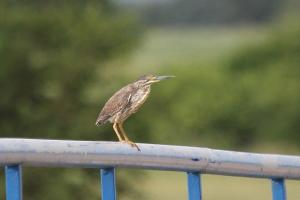
Green-backed heron
Pin-tailed Whydah
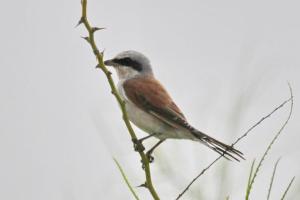
Red-backed Shrike
Red-billed Teal
Southern Masked-Weaver female
Southern Masked-Weaver male
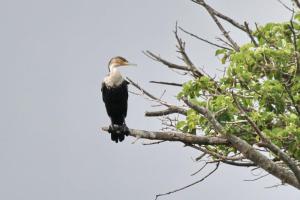
White-breasted Cormorant
White-winged Tern
White-winged Tern
White-winged Tern
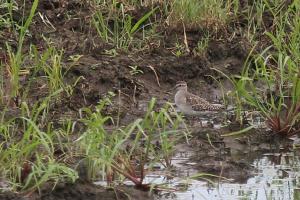
Wood Sandpiper – long eyebrow and rather more browny than grey.
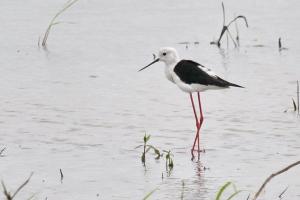
Black-winged Stilt
The next day we headed back to South Africa. Leaving early we planned to use the new Maputo by-pass. At Marracuene, north of Maputo, the road changed into a double lane highway (as yet incomplete but the traffic was fast flowing). It was here that we were meant to find the start of the by-pass. In the end we entered Maputo at peak hour on a Monday morning. The main road has 2 lanes on each side – however they were using three lanes to enter Maputo and one to exit. A bit of organised madness. One and a half hours later we were through and on our way to the Swaziland border where we entered Mozambique.
We eventually got through Swaziland at mid-day. By now we were hungry so Sally suggested we pop into Pongola Reserve and picnic there. Great idea. We love this reserve. It is right at the northern end of Lake Jozini and has a wide variety of habitats. There is only camping available there – no power but an ablution block per site. There is also a hunting Lodge which can be rented out in the off season.
We decide to take a quick look around the side of the lake before heading on. However it was over two hours later that we left.
There were waterbirds all along the shore and many other interesting species. The first was a viewing of a pair of Peregrine Falcons flying high overhead. This was followed by numerous Amur Falcons; Lesser Grey Shrike; Red-backed Shrikes; European Roller (in washed out plumage); Yellow-billed, Marabou and White Storks; Grey, Purple and Goliath Herons; Pink-backed Pelican. We never got into the central thornbush area of the reserve but we saw 55 different bird species in the 2 hours there. (See bird list at start of report).
Rufous-naped Lark
Red-backed Shrike female
Lesser Grey Shrike
Wood Sandpiper and Ruff
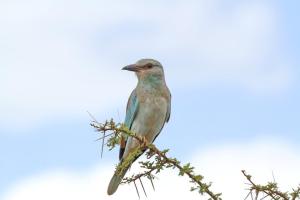
European Roller
Amur Falcons – male and female
Amur Falcon – male
Amur Falcon -female
Amur Falcon 1 – male
Marabou Stork
White and Yellow-billed Storks
White Stork
From Pongola we headed for St. Lucia to see family and then headed home the next day.
Although we started early it was still very hot and humid and by 09:00 the birds were seeking shade as well as the birders!!
Umbogavango – Rex Aspeling
There were 25 of us and our bird count was 83 plus – not too shabby for such a hot day. Maybe nothing spectacular although we did hunt high and low for the Blue-cheeked Bee-eater and Fulvous Duck to no avail.
Various nests were found, Fork tailed Drongo high up in a Eucalyptus and in the same tree the White-eared Barbets were nesting and feeding chicks. Of course the weavers were busy; Village, Thick-billed, Yellow, Spectacled and Dark-backed.
Dark-backed Weaver
Dark-backed Weaver
White-eared Barbet – Mike Caine
White-eared Barbet – Mike Caine
White-eared Barbet – juvenile and parent
Yellow-rumped Tinkerbird – Mike Caine
Black-collared Barbet
Penny has taken some super pics of a Yellow Weaver starting out on his nest – let’s hope they meets with approval. Sunbirds were conspicuous by their absence – the one group heard was an Olive Sunbird and that was it.
Yellow Weaver – Penny de Vries
Yellow Weaver – Penny de Vries
Yellow Weaver – Penny de Vries
Yellow Weaver – Penny de Vries
Yellow Weaver – Penny de Vries
Yellow Weaver – Penny de Vries
Yellow Weaver – Penny de Vries
Yellow Weaver – Penny de Vries
Raptors: Long crested and African Fish Eagle – lots of YBK’s and a Common Buzzard. A number of Egyptian Geese with chicks and a lone Spur-wing perched in a dead tree.
African Fish-Eagle – Mike Caine
Long-crested Eagle -Mike Caine
Yellow-billed Kite -Mike Caine
Spur-winged Goose – Mike Caine
Long-crested Eagle
Long-crested Eagle
Otherwise the water birds were mainly Little Grebe, Yellow-billed Duck and Common Moorhen. Lesser Swamp and Little Rush Warblers were mainly heard but we did manage to see a few as well.
Little Grebe – Penny de Vries
Southern Red Bishop -Penny de Vries
Blacksmith Lapwing – Mike Caine
Malachite Kingfisher – Mike Caine
Barn Swallow – Mike Caine
Lesser Swamp Warbler
Common Moorhen and Little Grebe
Little Grebe
We also found the most beautiful tree(?) frog – bright yellow (Sandi tells me that if the eyes are horizontal it is a painted reed frog but if the eyes are vertical then it is a tree frog).
Frog – Tree or Painted Reed – Mike Caine
Another unusual sighting was that of a pair of Red-billed Quelea.
Red-billed Quelea
Red-billed Quelea
Umbogavango is a lovely place, easy walking with various hides and masses of yellow and white arums in amongst the reeds. Waking back over the weir to the picnic site we surprised a Mountain Wagtail to end off a good morning’s birding. Here are some of the other photos taken:
Elena’s Cellphone Tree -Mike Caine
Sombre Greenbul -Mike Caine
Golden-tailed Woodpecker – Penny de Vries
Diderick Cuckoo
Golden-tailed Woodpecker
Kurrichane Thrush
Pretty Weed
Pretty Weed
Southern Grey-headed Sparrow
Kurrichane Thrush
Thanks to Sally for leading a group and thanks to all the photographers Rex, Mike, Paul & Penny and anybody else I might have left out for the superb pics!
In the first two weeks of December I joined a group of Birders with Bustard Birding Tours on a trip to Zimbabwe and Mozambique. Penny de Vries and Dave Rimmer were also part of the group led by Niall Perrins. This trip was a wonderful adventure for me and taught me what real birding was all about. Dave Bishop who was also part of the group kept reminding us that this was “intense birding”, I couldn’t agree with him more, but loved every minute of it.
There were 8 of us in the group, besides those mentioned above we had Richard Everett and his faithful landrover and Karen and Rolfe Weisler from Johannesburg. As a group we recorded 337 birds seen, a total of 349 if we include those we heard. My personal count was 216 with a spectacular list of 44 lifers. I felt like a kid in a sweet shop …………
My adventure started on Saturday when we left Johannesburg and headed for Norma Jeans on the edge of Kyle Dam. Needless to say we had massive issues at Beit Bridge which was chaotic. Queues of hundreds of people trying to get through in the blazing sun, and greedy touts making promises to short circuit the system delayed us by over four hours. Eventually at nightfall we arrived at our destination, tired, hungry and very thirsty for an ice cold Zambezi beer (or two!).
The next day started early (after a few days into my trip I questioned if birders ever sleep – 3.30 am is late for them!) and we birded around Kyle Dam. It was here I found my first lifer of the trip – a beautiful Miomba Double-Collared Sunbird singing his heart out at the top of a tree with Kyle Dam in the background. Birding around the dam was wonderful and I was able to record a further seven lifers.
Kyle DamBirding from the Road near Masivingo (Kyle Dam)
After reluctantly leaving Kyle Dam we headed for Seldomseen near Mutare in the Eastern Highlands. It is magnificent birding here with all the forest birds, but oh so difficult. Due to thick mist in the morning we decided to head to Cecil Kop Nature Reserve which offers magnificent views of Mutare. Here we found the Tree Pipit which was exciting and another lifer on my list. On the way back to Seldomseen we did a detour via the Golf Course in Mutare where we saw Whyte’s Barbet eyeing us from his little hole above us. The easiest bit of birding I have ever done.
Whyte’s Barbet
Seldomseen offers magnificent birds but most certainly made us work hard to find them. The forests are thick, dark and offers these blighters lots of hiding places. It was then I was rudely reminded that this is the reason why I avoid forests if at all possible, far prefer to find such obliging birds like Whyte’s Barbet!! Saying that, we found some specials one of them being Swynnerton’s Robin.
Our next destination was Beira where we visited Rio Savanne and Rio Maria areas. It was very dry as the rains had not yet arrived so we missed out on a number of species we were targeting. After enjoying watching a pair of Copper Sunbirds in the company of some Little Bee-eaters Rich Everett declared this to be a “mighty fine day”.
Beira offered us a little bit of nightlife – the only bit we had the entire holiday unless you count Dave Rimmer chasing owls, bush babies and bugs in the middle of the night. On the way to dinner the one evening Niall and myself raced Dave and Rich in our tuk-tuks. Rich and Dave won the race, but at a price. We splashed a puddle of water drenching our opponents and filling Rich’s mouth with Beira Road flavoured mud! This was soon washed down with 2M beer so there were no hard feelings from either side.
Mphingwe Camp near the little town of Caia was our next stop. It was here that I was warned about the Coutadas – hot, humid, full of mosquitoes and horse flies, added to that when you ‘go in’ (to quote Niall), you fight with tree vines getting you all knotted up like the forest wants you there forever, merciless thorn trees and pits of ants that bite as if you are standing in a bush of nettles. I learned very quickly, if you want to see the East Coast Akalat, White Chested Alethe and the African Pitta this is what you are subjected to. Our efforts were rewarded with fine sightings of both the Akalat and Alethe, but sadly not the Pitta –not even a single ‘pleeup”. I think this was the Coutadas telling me I have to come back despite my moans.
It was here that Niall found a pair of Barred Long-Tailed Cuckoos which was a lifer for him. They really gave us the run-around but eventually displayed themselves briefly (so briefly I missed out) and not good enough for a photo.
We also had the priveldge of visiting Grown Farm near the town of Senna in the Chemba District where we met a friendly lady called Sharon. She allowed us to scour her farm which is on the Zambezi River for Bohm’s Bee-eater and yes we found it! Was truly thrilling.
Our final destination was none other than Gorongoza – a place I always dreamed of and has been on my bucket list forever. The park is closed for the wet season but our intention was to go up the mountain to find the Green Headed Oriole.
Another early morning saw us bumping up a long rocky road to Mount Gorongoza. Along the way everyone once again fell out their cars, this time to the call of the Marsh Tchagra. By now I was so sleep deprived I just could not join them as I was still battling to open my eyes and as a result dipped on this one.
Gerbre van Zyl led the pack, a very pleasant easy walk up to the fringes of the forest on the mountain. Not too far in we heard the Oriole and a few of us decided to plonk ourselves on the comfy rocks and wait for the birds to come to us rather than battle deeper into the forest. This paid off, not only did a pair of Orioles visit, we also had the pleasure of the company of the Pallid Honeyguide, Delegorgue’s Pigeon, African Harrier Hawk being harassed by a group of Drongos and the beautiful Red-Capped Robin Chat among many others.
Our trip was not without incident. We had Niall accusing us of walking through the bush “like a bunch of rhinos”, causing much mirth. Rich kept us entertained with first of all getting stuck in the mud while were trying to flush out the Great Snipe, and then getting lost in Mphingwe. We had Penny doing a flamingo dance while everyone was chasing the Speckle-Throated Woodpecker – cannot remember why she chose to imitate a flamingo when we were in the middle of the Coutadas, imitating a Pitta would have been more appropriate! We lost a number plate and had to be very innovative dodging the Zim police, Niall took out a pole and lost a running board in the process and Rich’s faithful Old Lady broke her fan belt.
Too soon it was time to face the journey home and be subjected to the dreaded border crossing at Beit Bridge. After travelling a total of 5800 km I can only say that this was a wonderful worthwhile experience and thank Niall Perrins and my fellow travellers for one of the most exciting trips I have ever done.
Yesterday a few of us decided to do a bit of birding at the SAPPI Mill and hide near Stanger. We – Roy Cowgill, Steve Davis, my wife Sally and I – made a leisurely start arriving at 09h00.
Atlassing began as we arrived in the pentad. After a slow drive off the main road to the office we ventured to the hide. We also obtained access to the picnic area to bird and have lunch and eventually departed at 15h00.
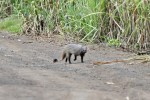
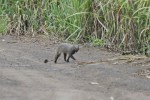
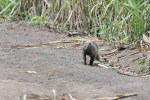
In all we observed 94 different bird species. Click here if you wish to look at our bird list. There were also sightings of butterflies, dragonflies, weevils, frogs and most exciting for me anyway an obliging Grey Mongoose – a species I had not seen before. You may have noticed from the list that we had no sightings of Fork-tailed Drongos nor Southern Black Flycatchers.
Weevil – canon-like snout
Butterfly – Acrea?
Butterfly for ID
Colourful blighter
Dragonfly – with wings like a bi-plane
Grey Mongoose
Grey Mongoose
Grey Mongoose
Grey Mongoose
Grey Mongoose
Grey Mongoose
Tree Frog
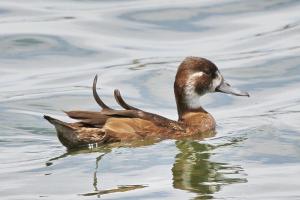
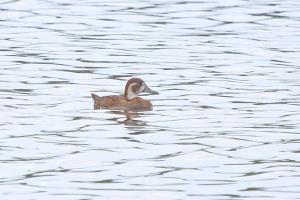
Some of the bird excitement we enjoyed included the sighting of a Marsh Warbler, several Namaqua Doves, a Booted Eagle, a female Southern Pochard and a Cape Shoveler. Here are some of the photos taken:
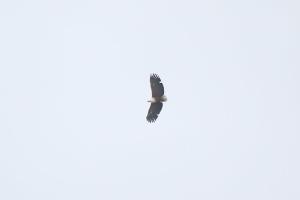
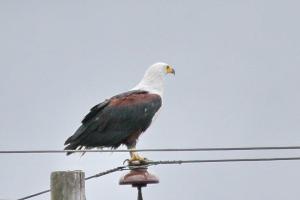
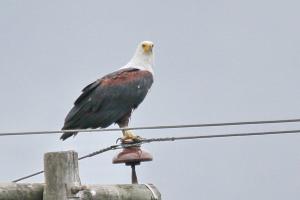
African Fish-Eagle
African Fish-Eagle
African Fish-Eagle
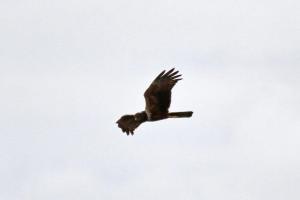
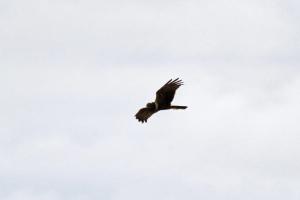
African Marsh Harrier
African Marsh Harrier
Birds along the spit
Brown-throated Weaver
Brown-throated Weaver
Brown-throated Weaver – fanning his tail
African Darter
Burchell’s Coucal
African Darter and White-breasted Cormorant enjoying the pleasures of life
































































































































 Birds are our Story