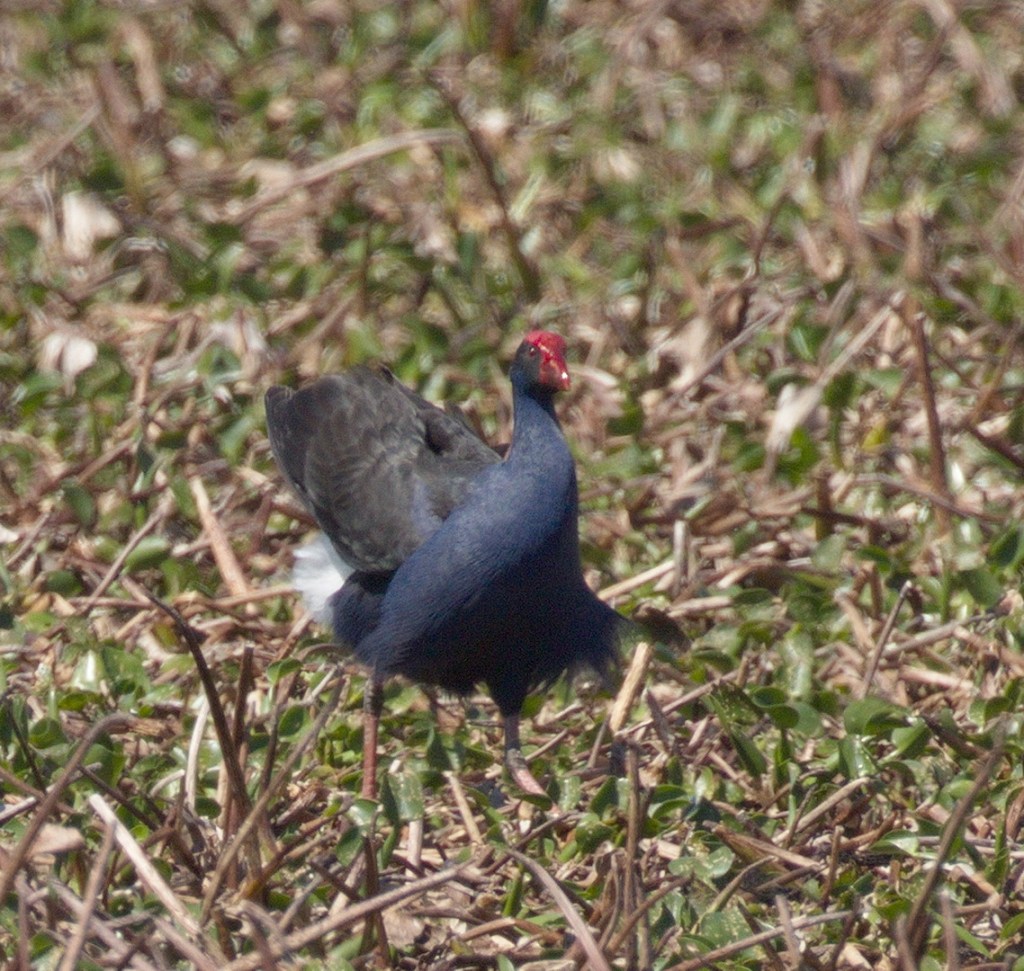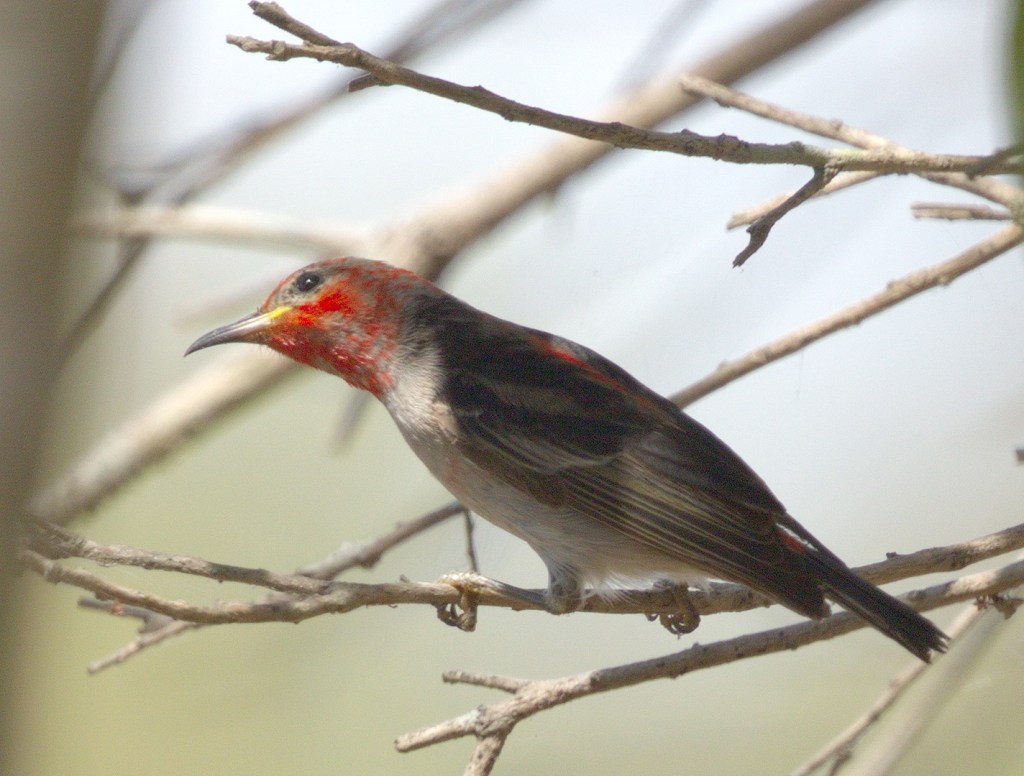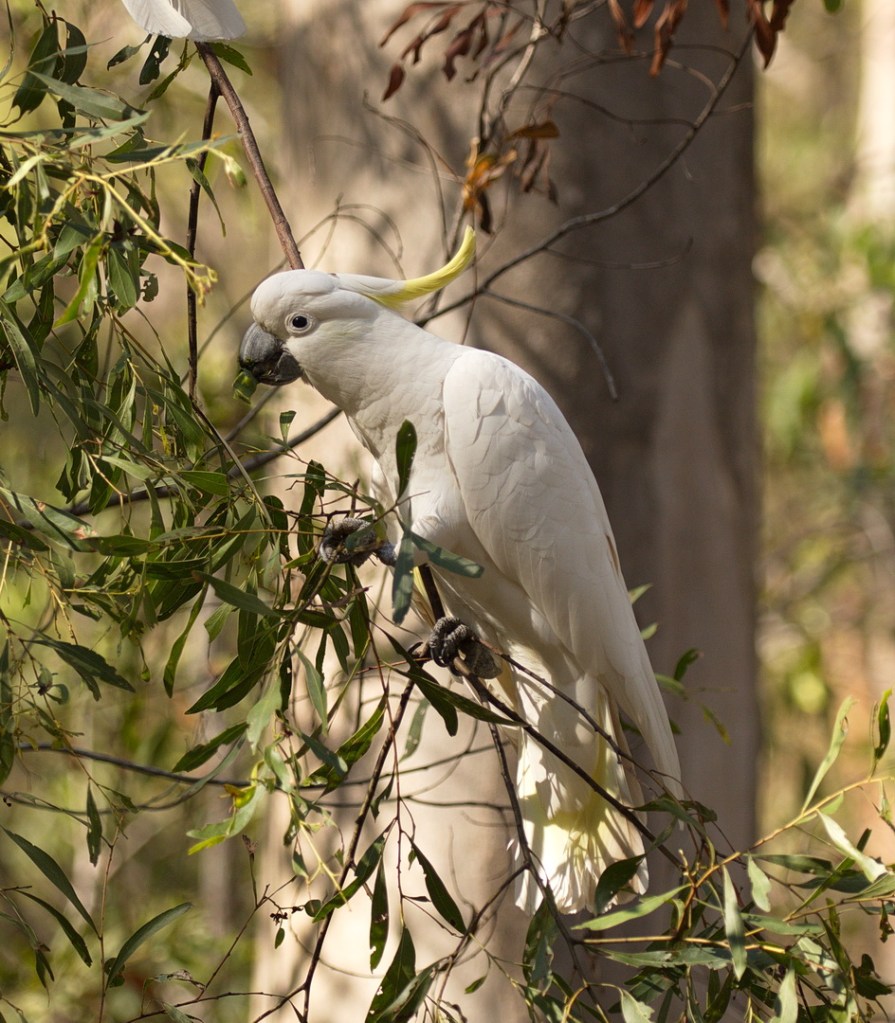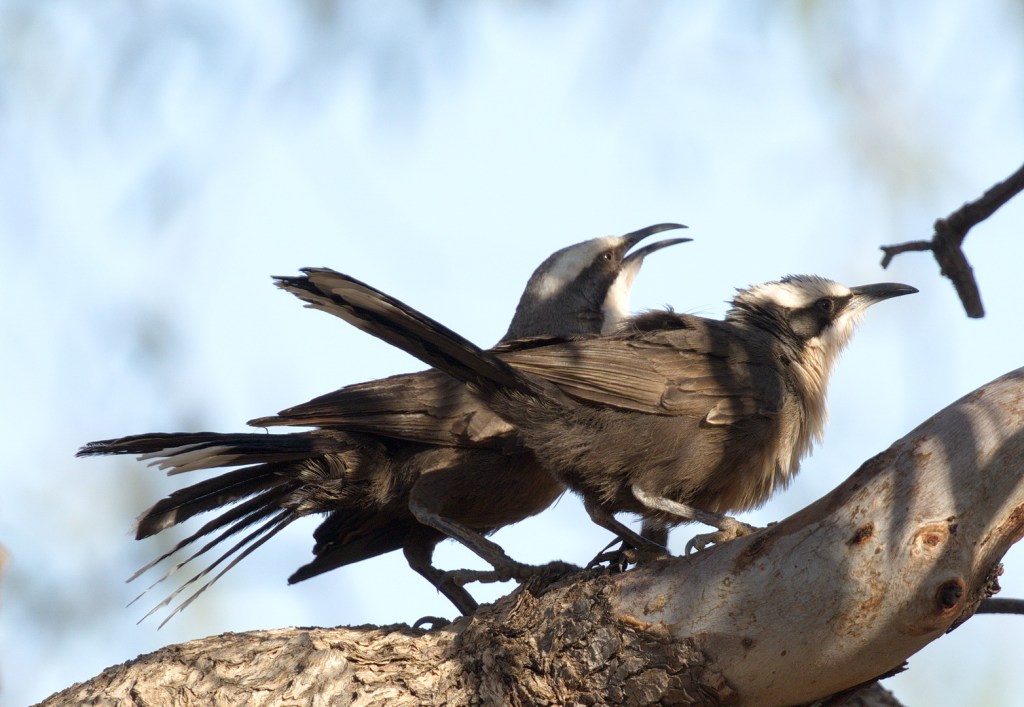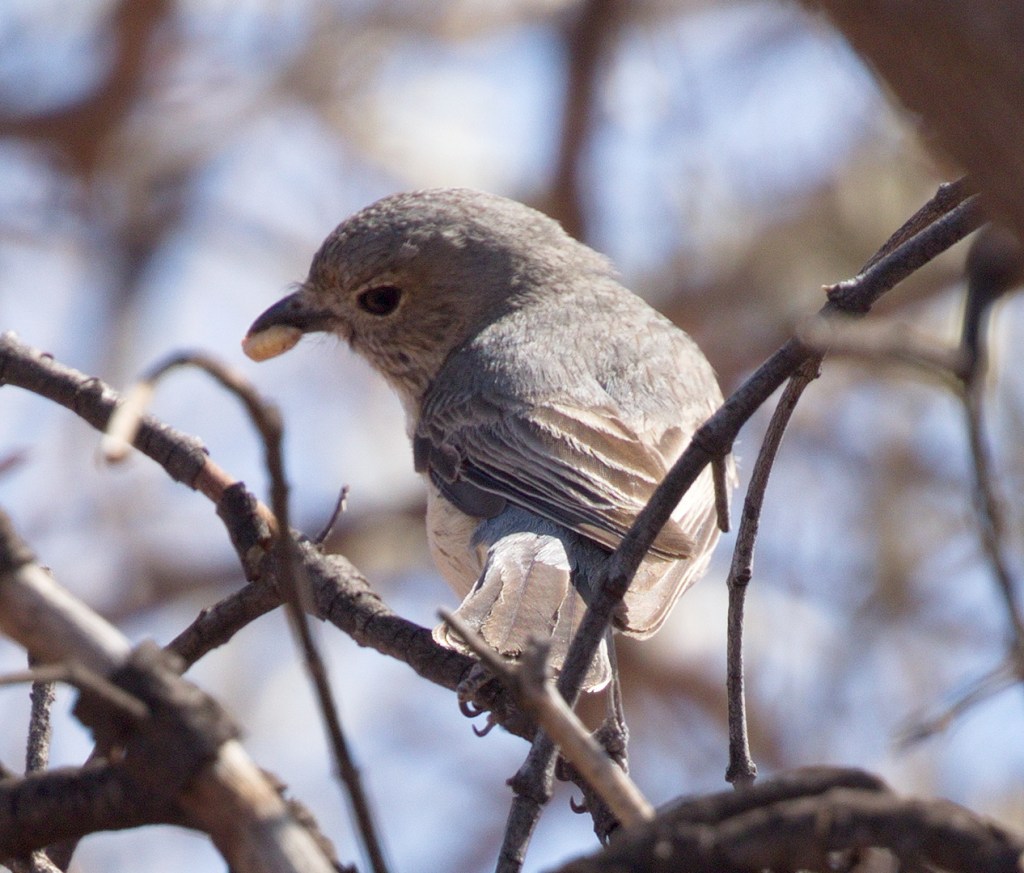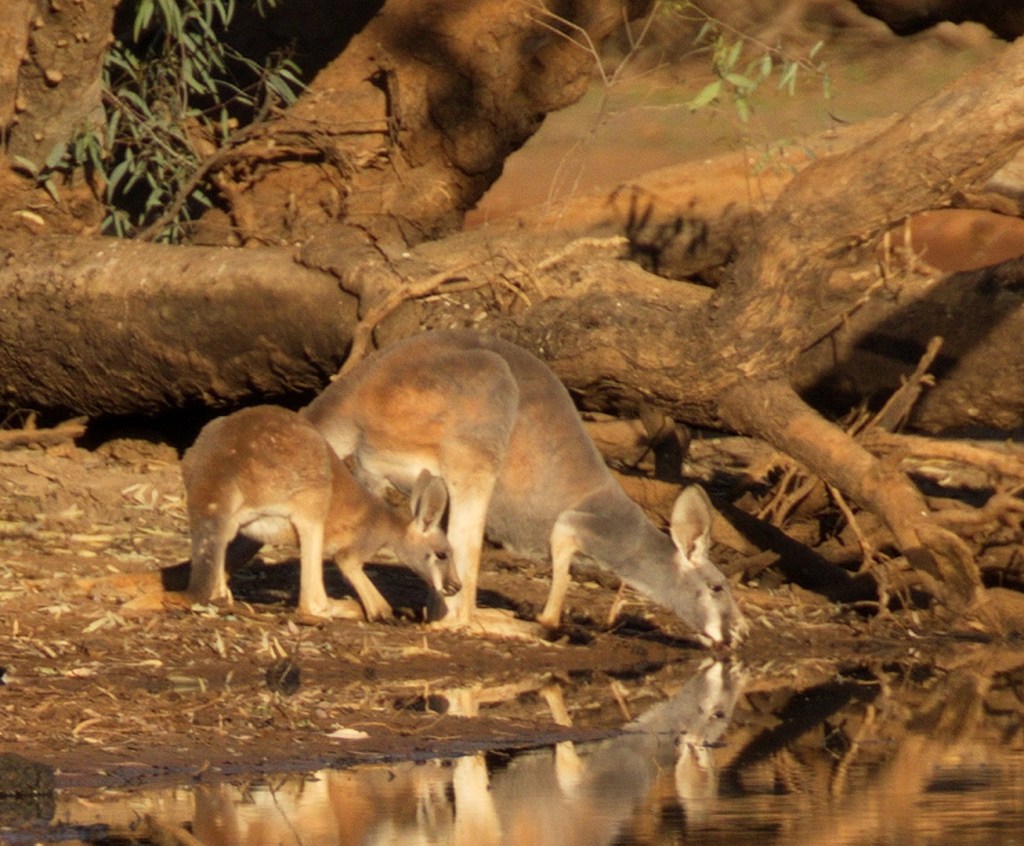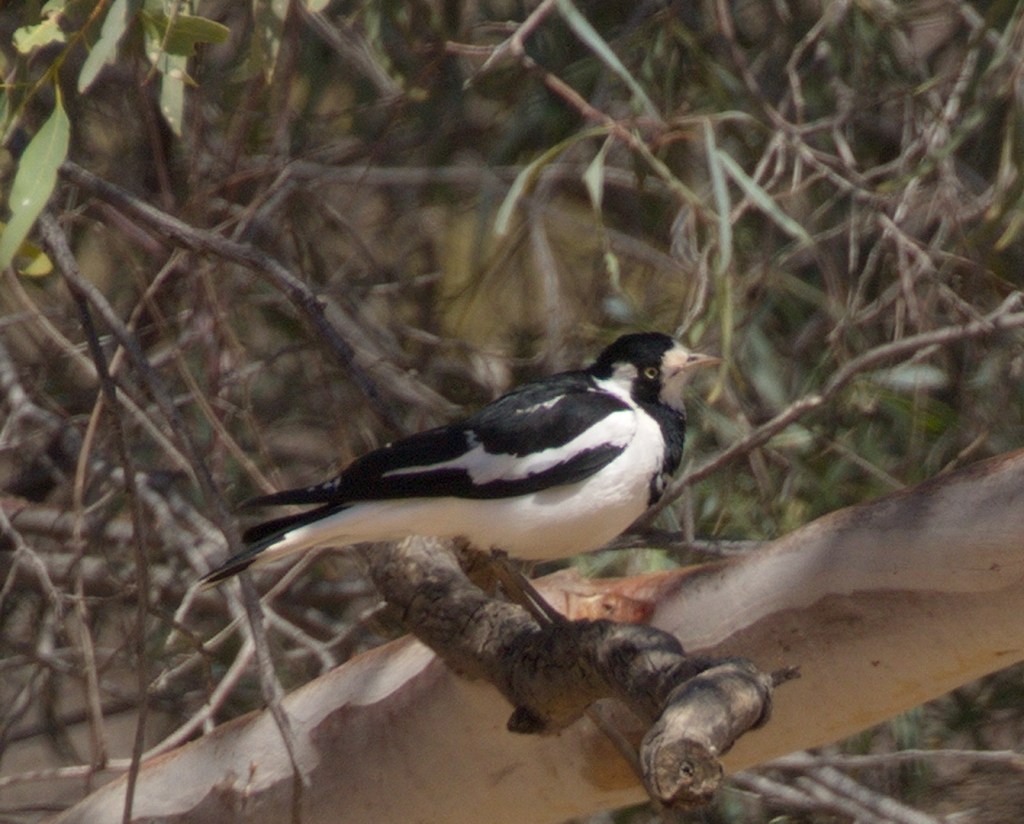
Australia – Melbourne and Brisbane Part 2

Part 2

Brisbane

7th to 25th October 2019

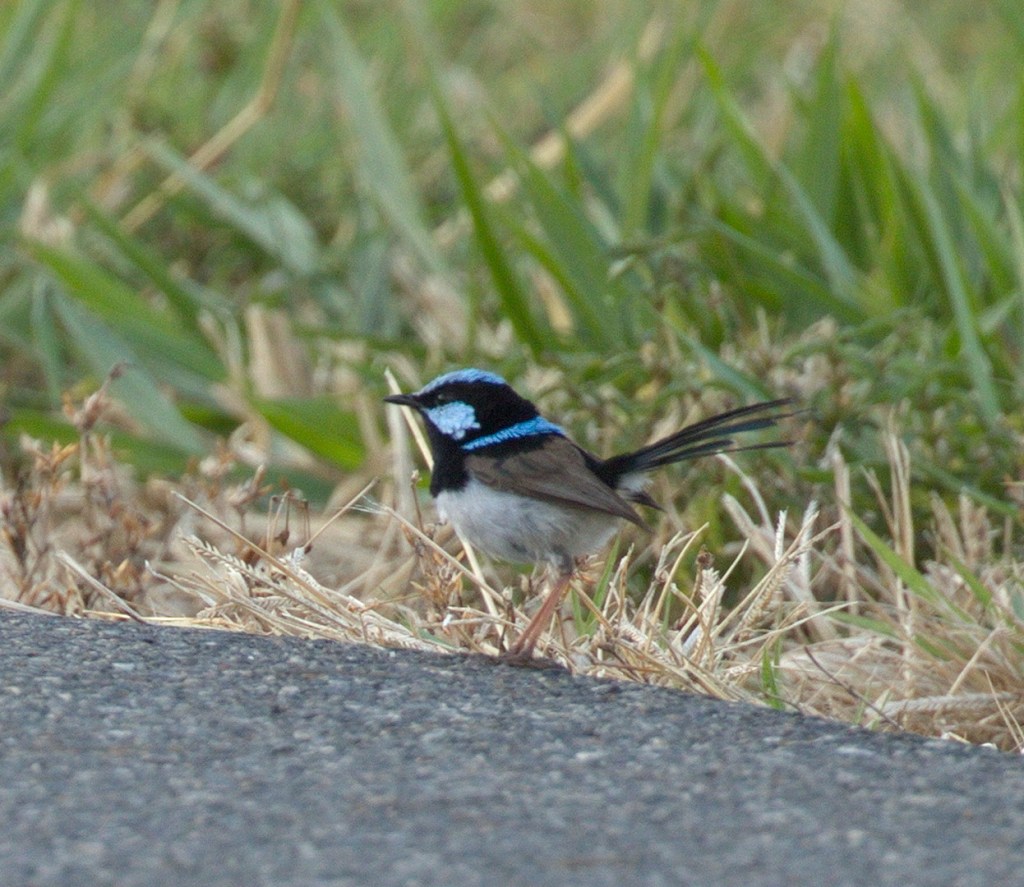
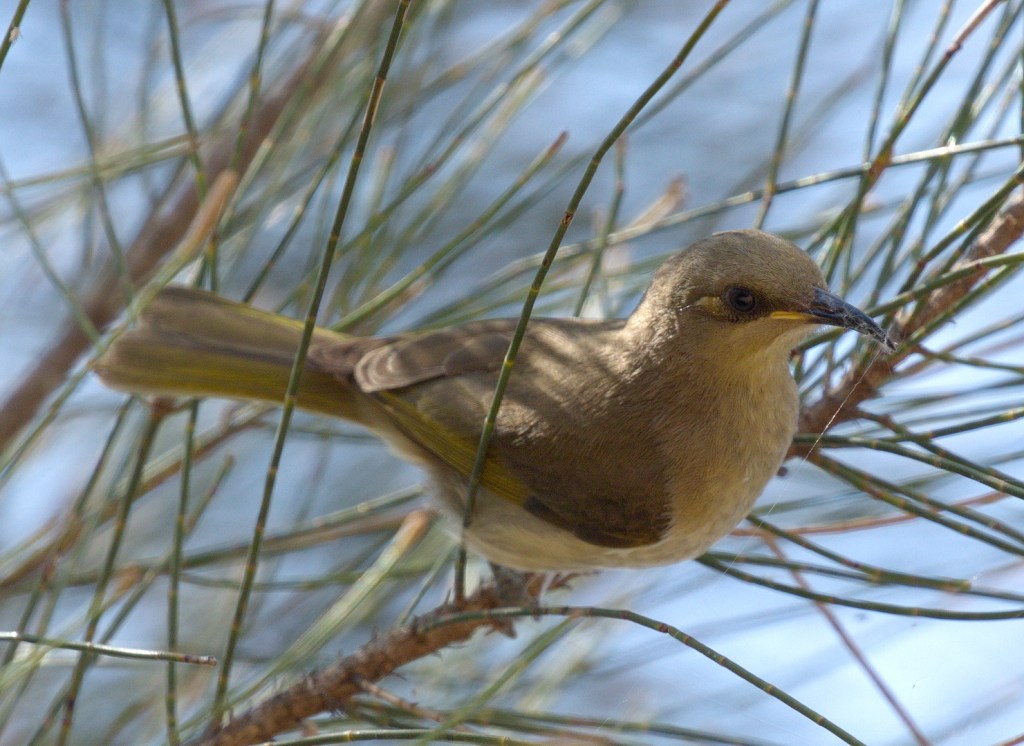
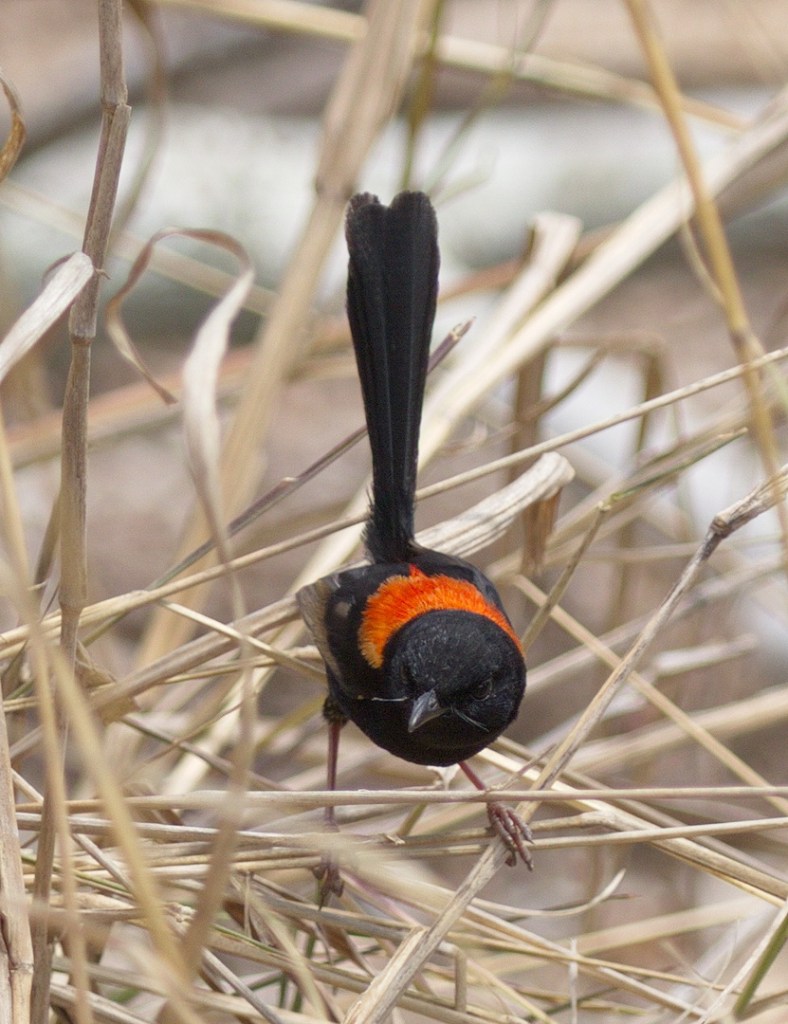
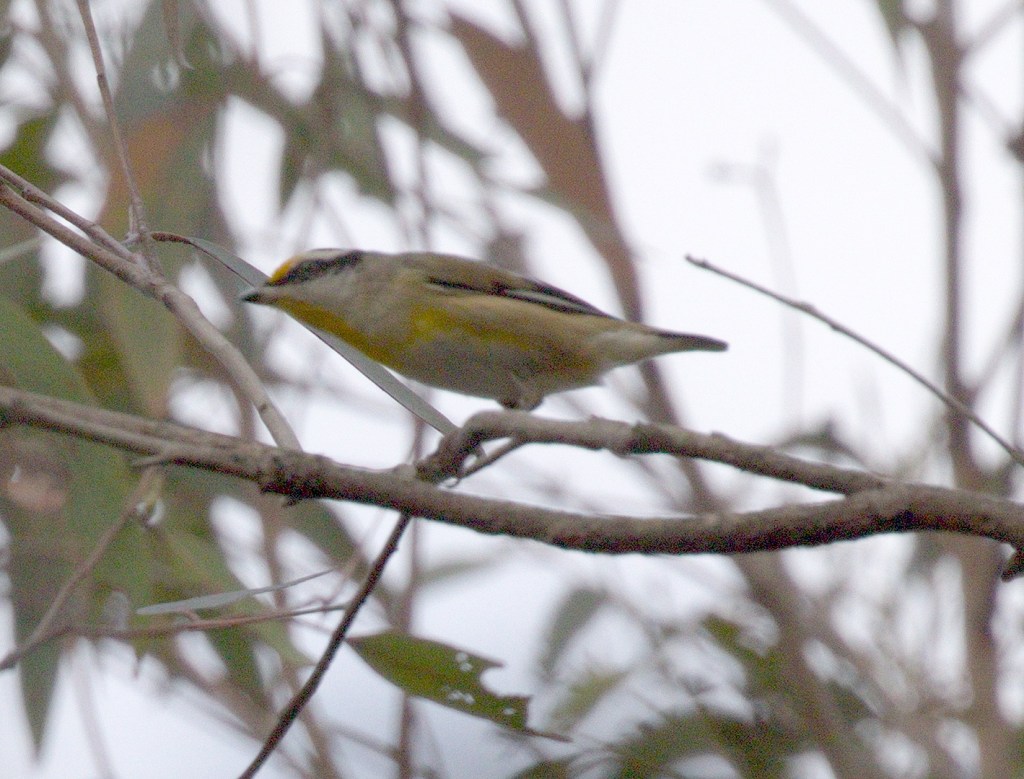
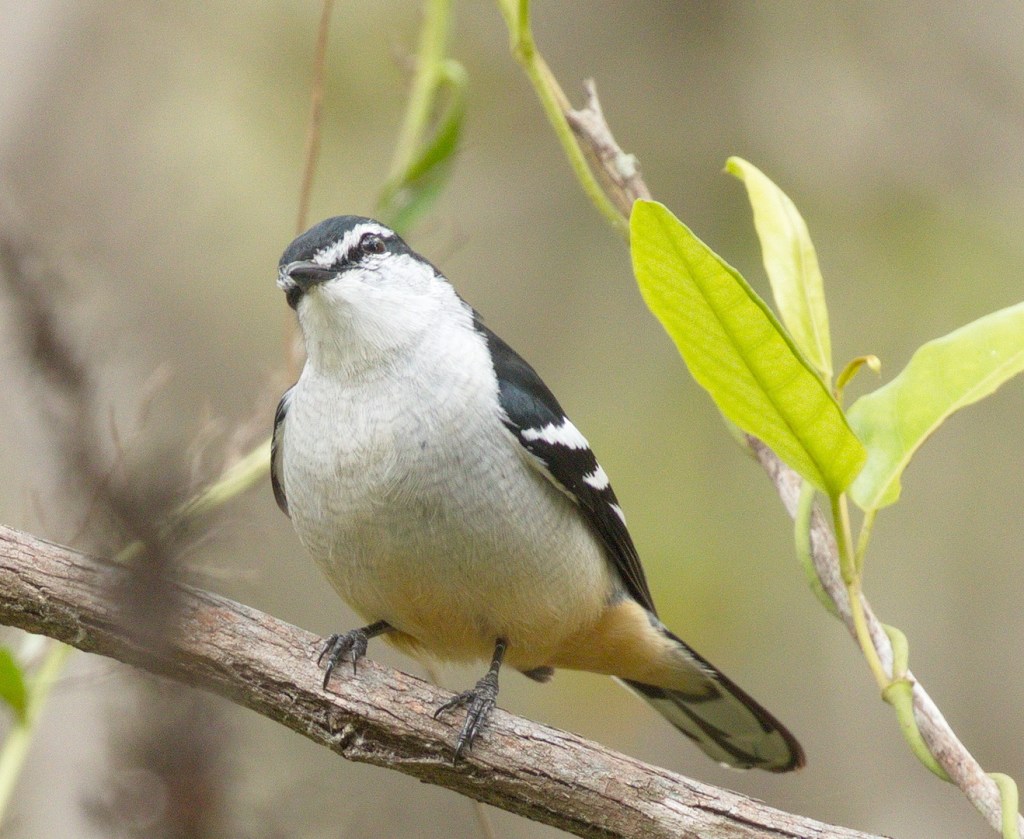
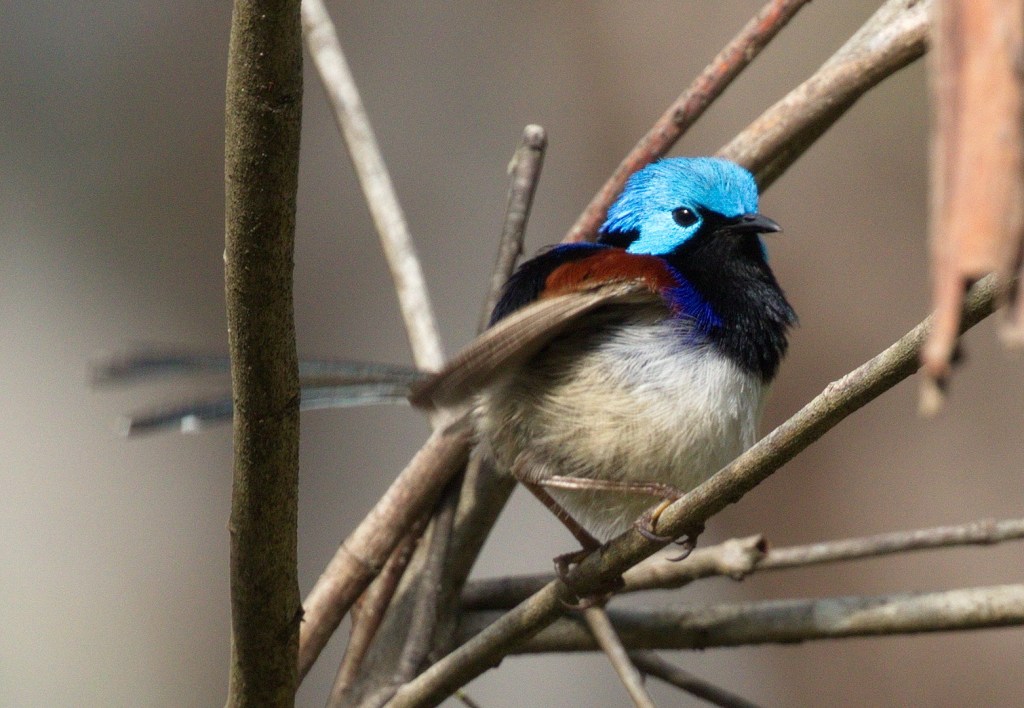
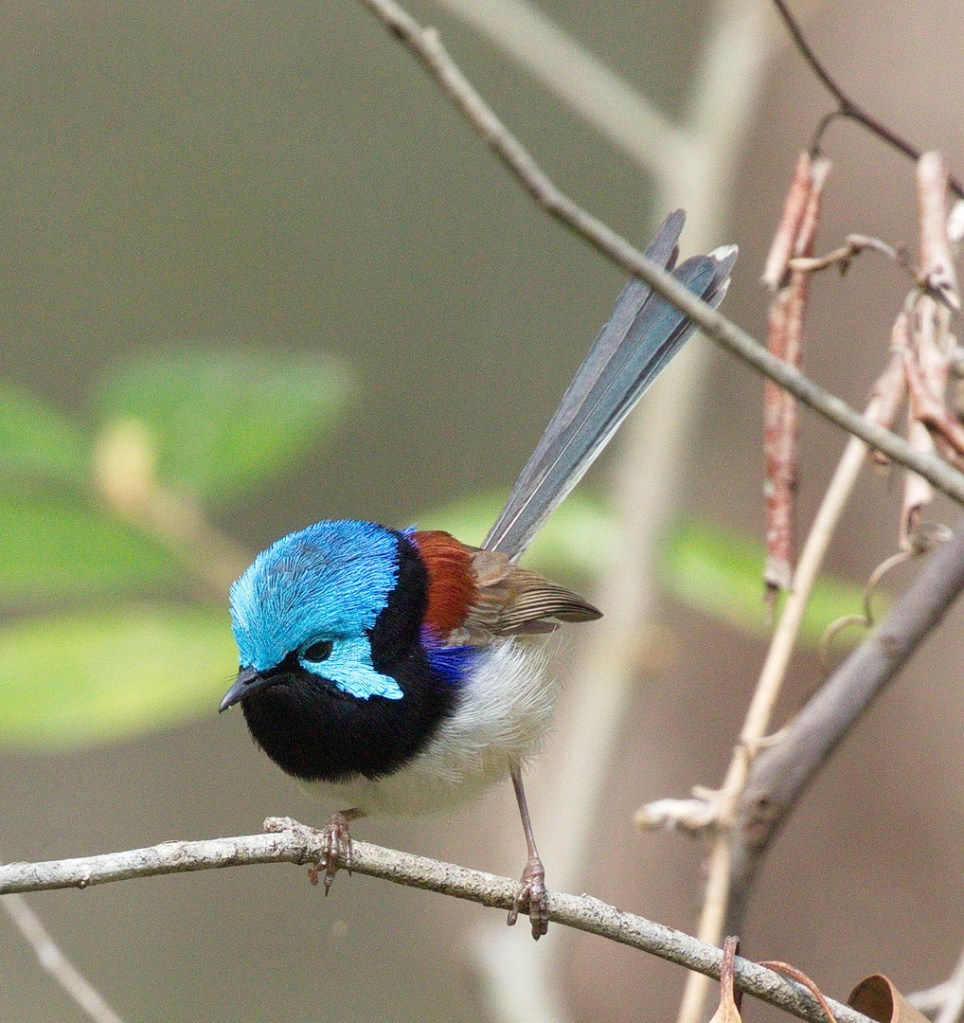
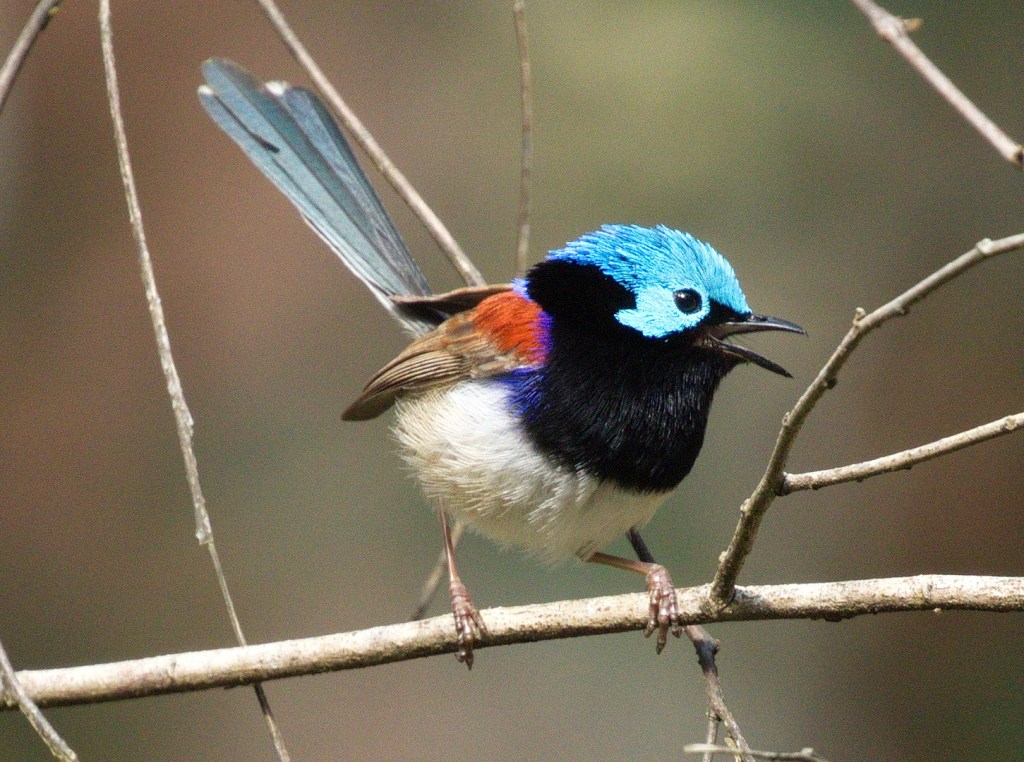
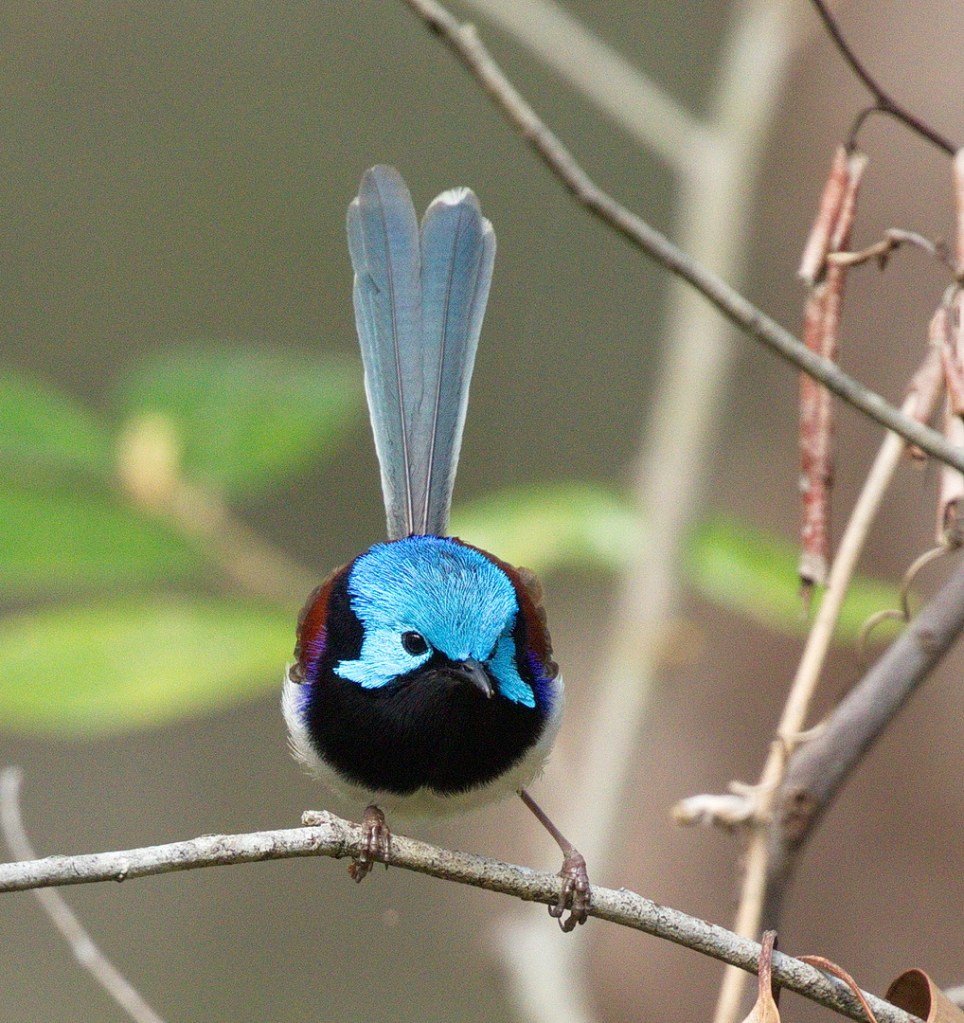
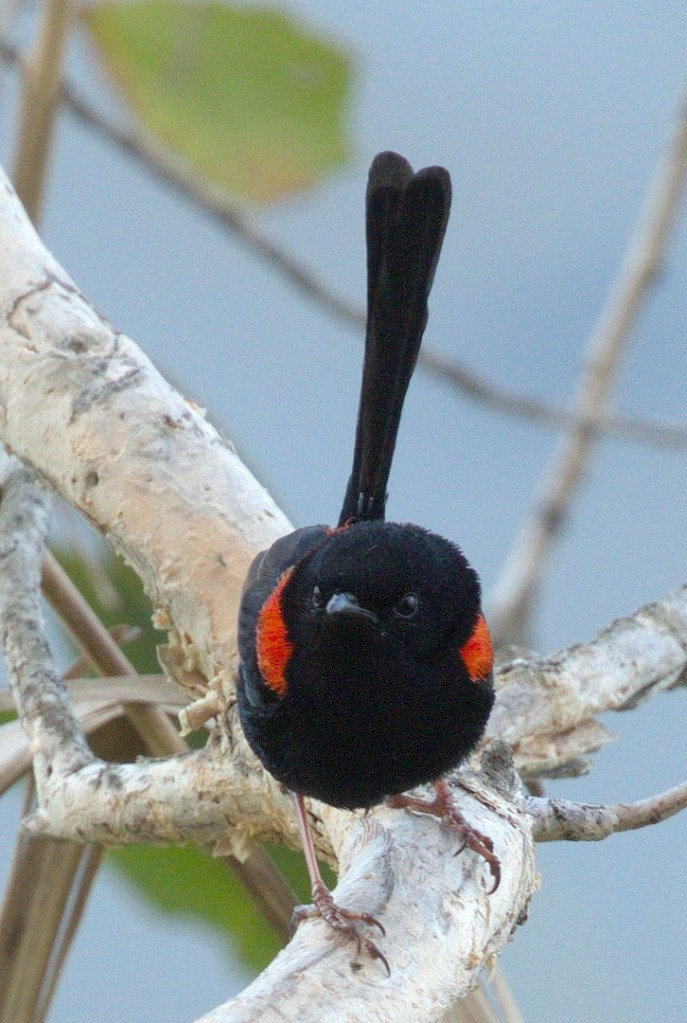
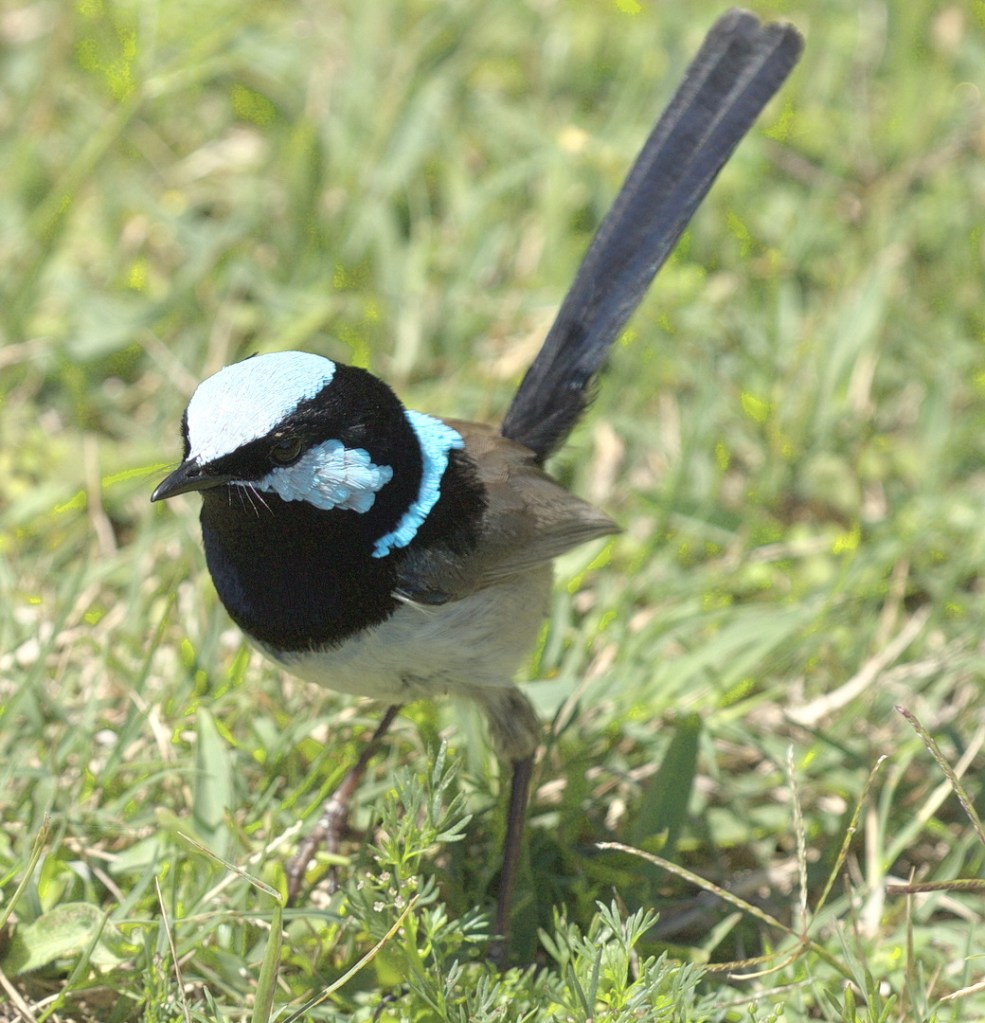
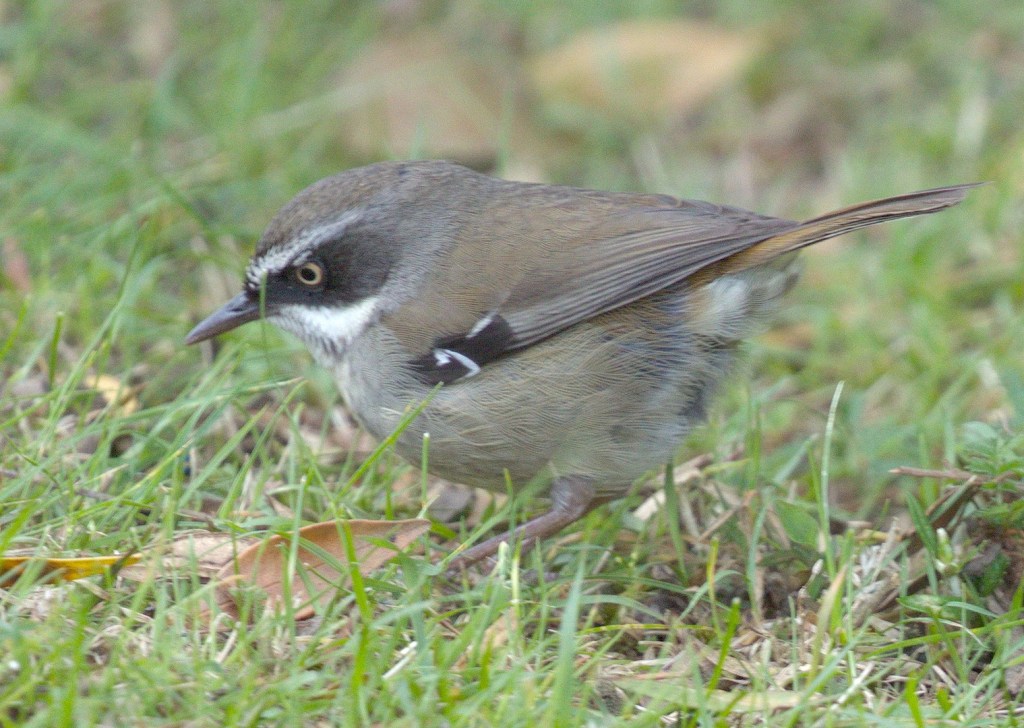
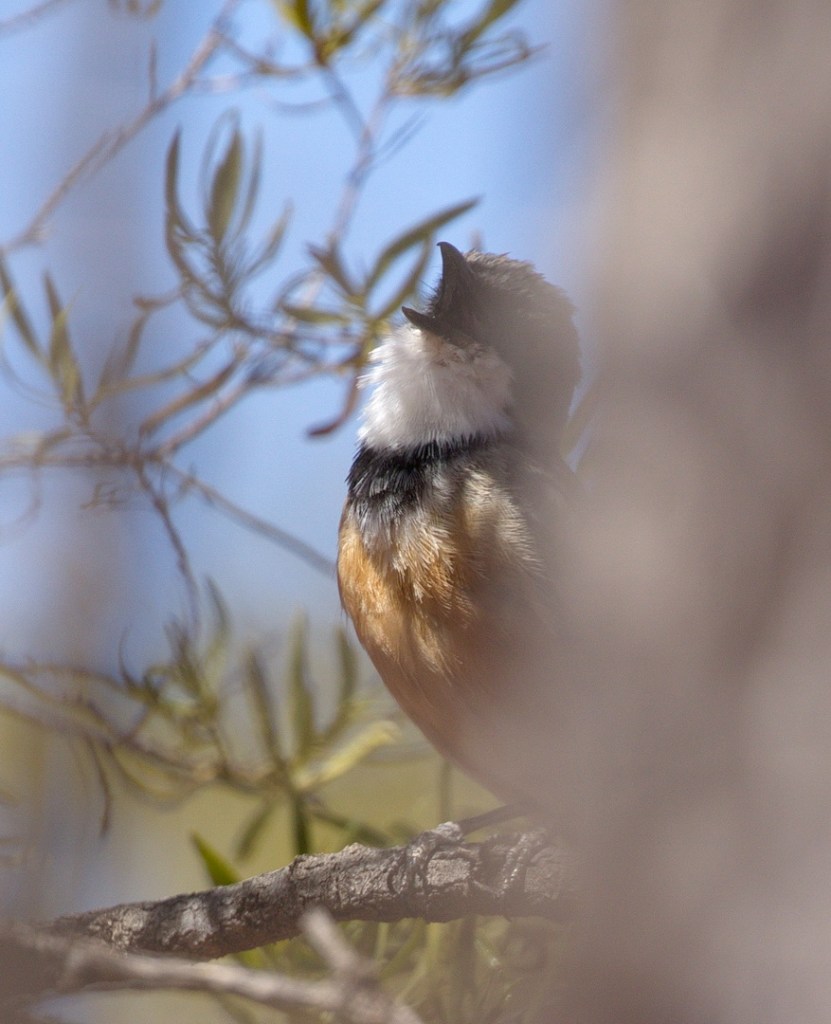
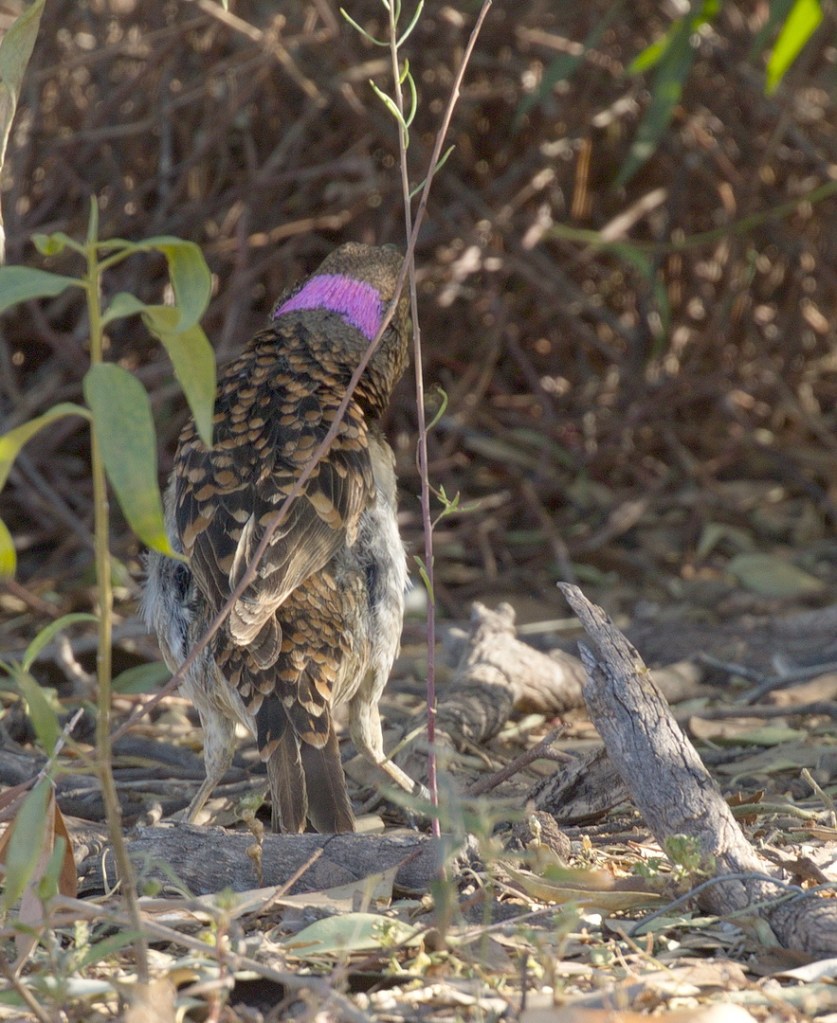
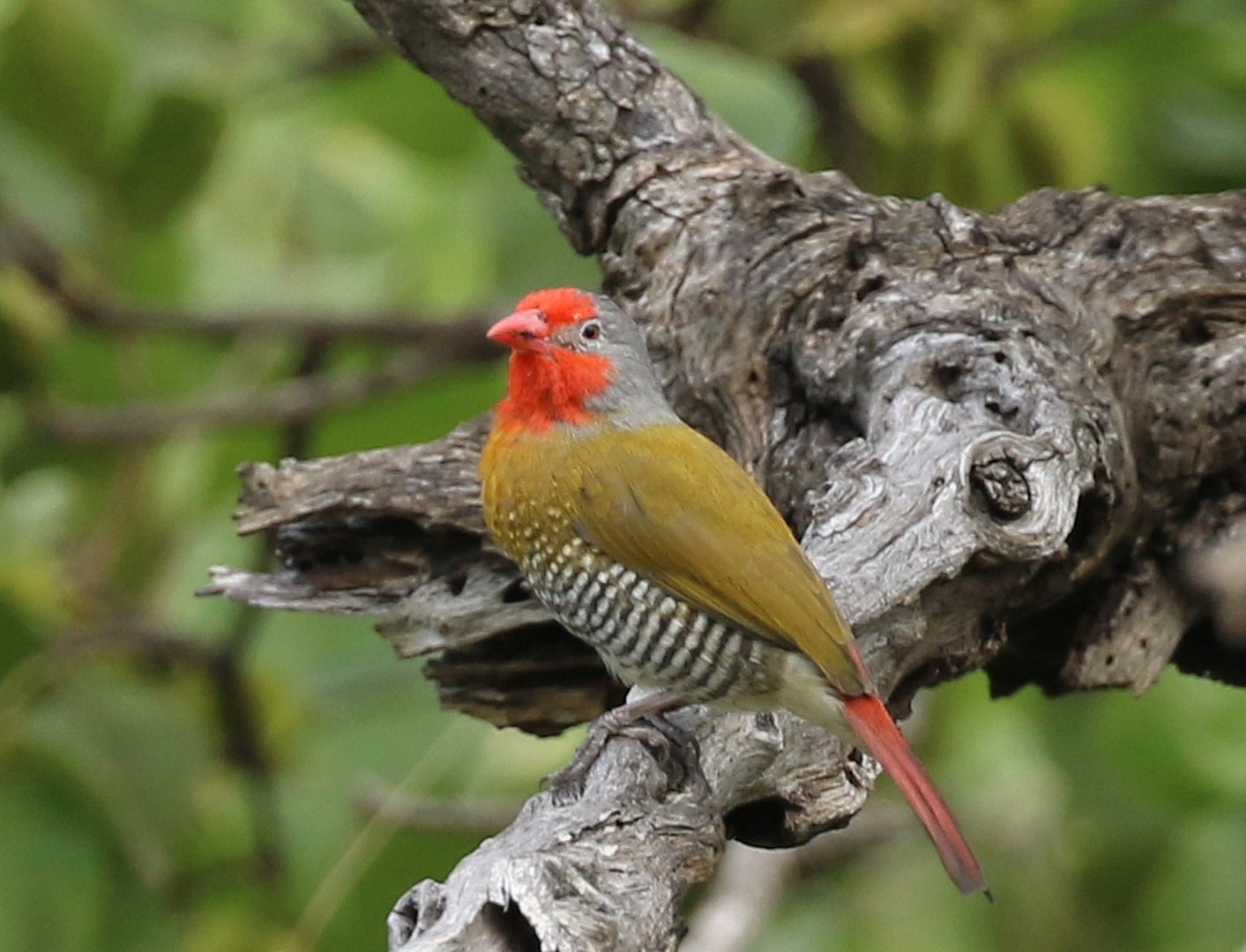
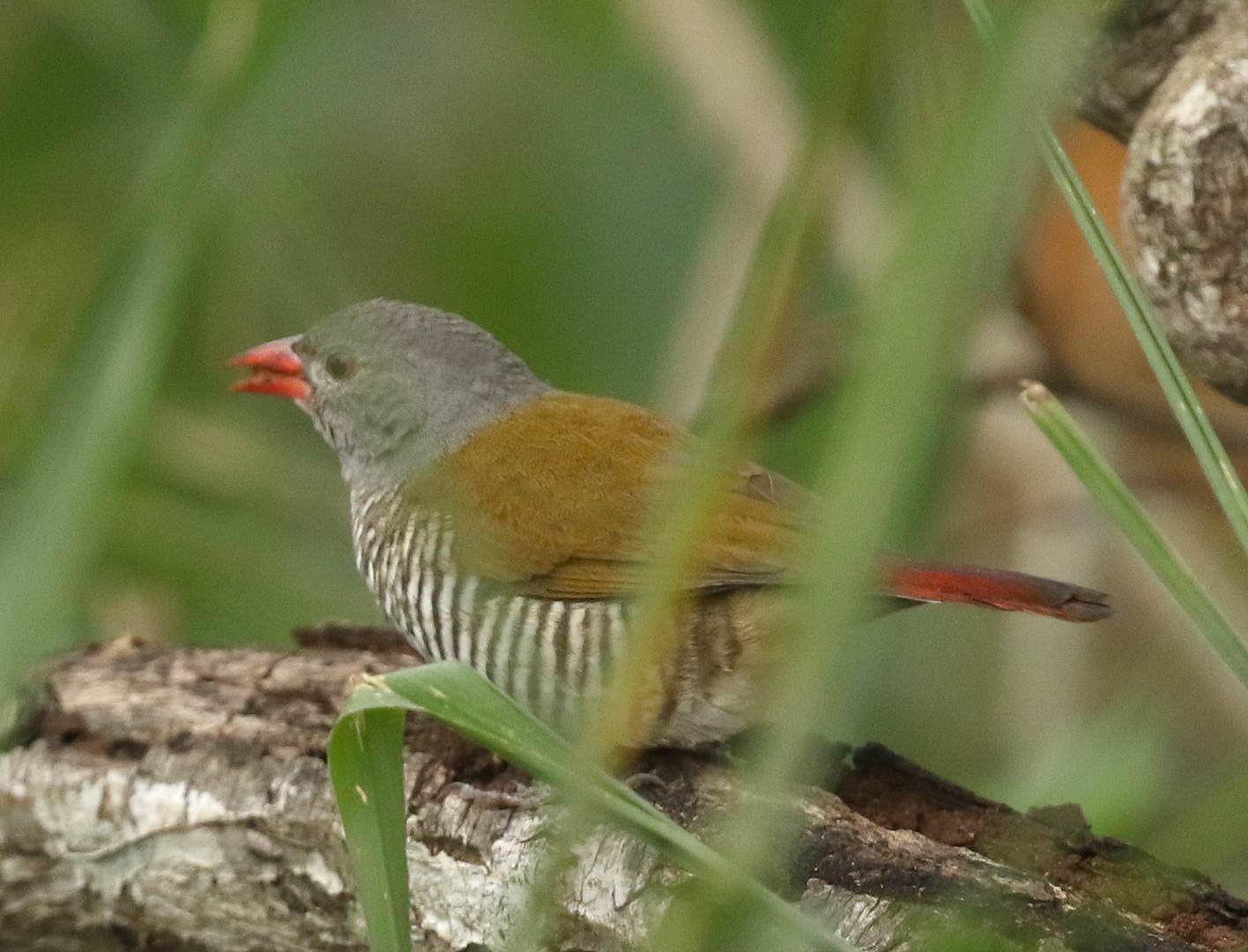
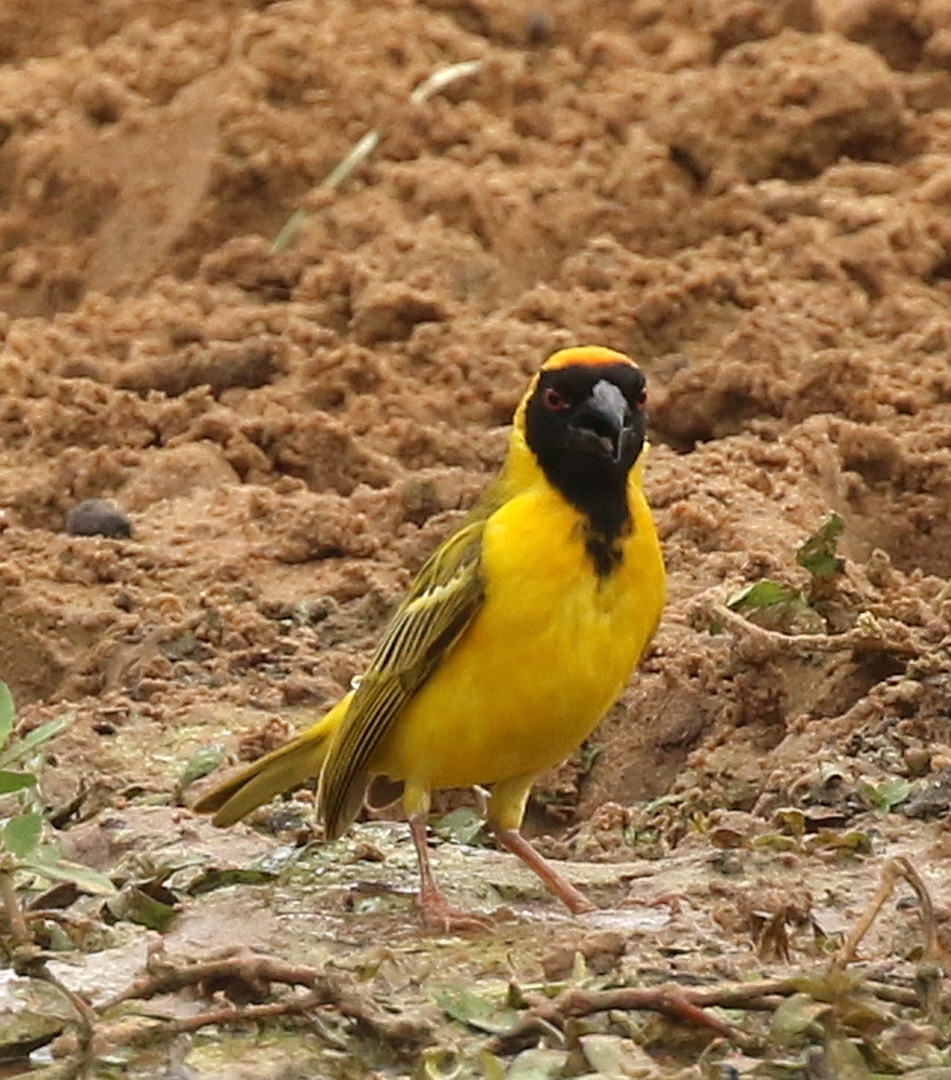
Variegated Fairy-wren

After almost three weeks in Melbourne with family we flew to Brisbane for the second part of our trip to Australia. This was our time to do some birding and to visit good friends living in the area.

On arrival we collected a cheap hire car for our travels which we collected from the airport. Our intention was to stay at different forms of accommodation as we travelled around. We figured that it was probably as cheap as hiring a campervan and we would have the pleasure of more comfort and access to our own loo.

Hire Car

Our first two nights were spent in Brisbane at a “Backpackers” which turned out to be more students accommodation for Asian students. Cheap and friendly.

The intention of our stay there was to stock up our food and booze supplies etc. as well as to do some local birding in the many parks in and around the city. So first we drove into town and followed the GPS to a “shopping mall”, parked underground, did our shopping and went to pay for parking. Rude shock AUS $18!!

We had hardly settled in at the Backpackers when we had a call from David to say he was not happy with us staying at a “Backpackers” and offering for us to move to better accommodation. Unfortunately that would mean losing time to bird the area. As we were meant to stay there also on our last night, David said he would book us into the Pullman hotel at the airport- much appreciated.

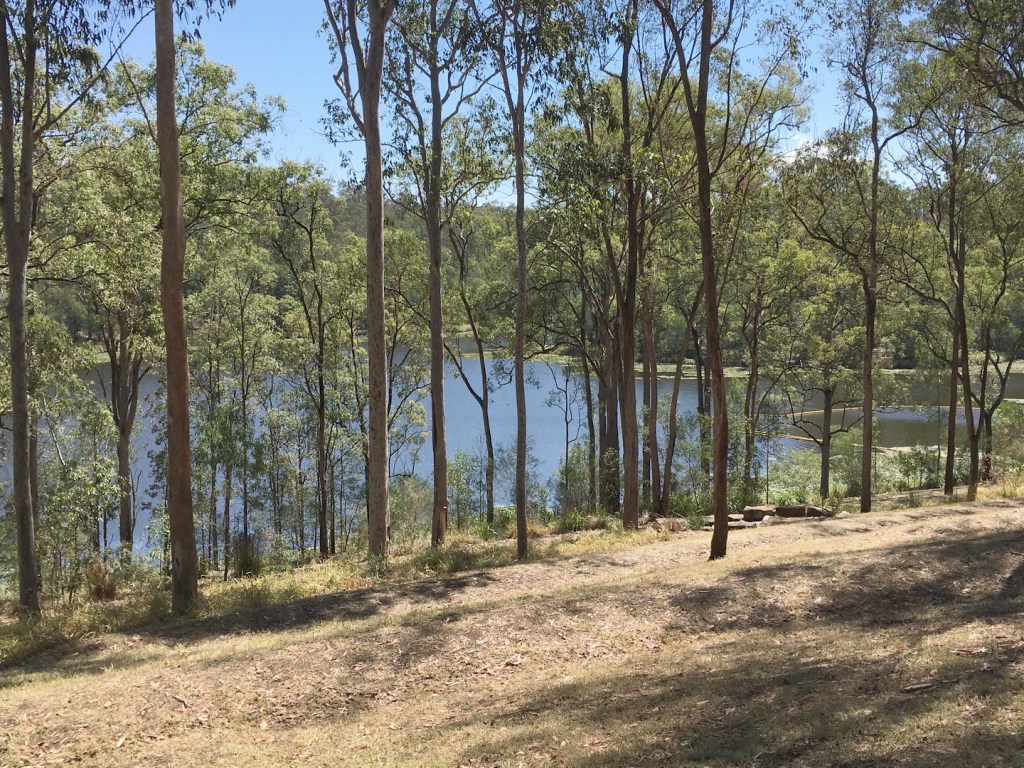
It took us some while to re-familiarise with the Australian birds. We went inland to JC Slaughter Falls to start with – hoping to find the Powerful Owl which habituates there. No luck and sort of surprised that birding was so quiet. This was a trend in most places because of the severe drought all over Australia. It is a very hilly park with tremendous views overlooking the city.

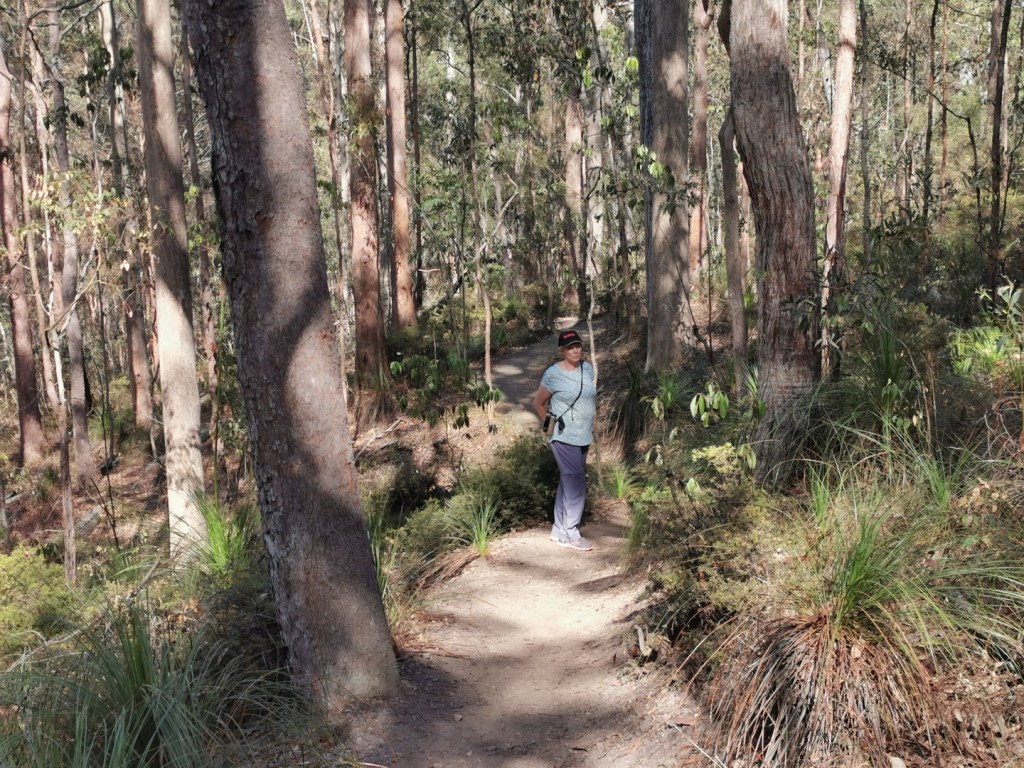
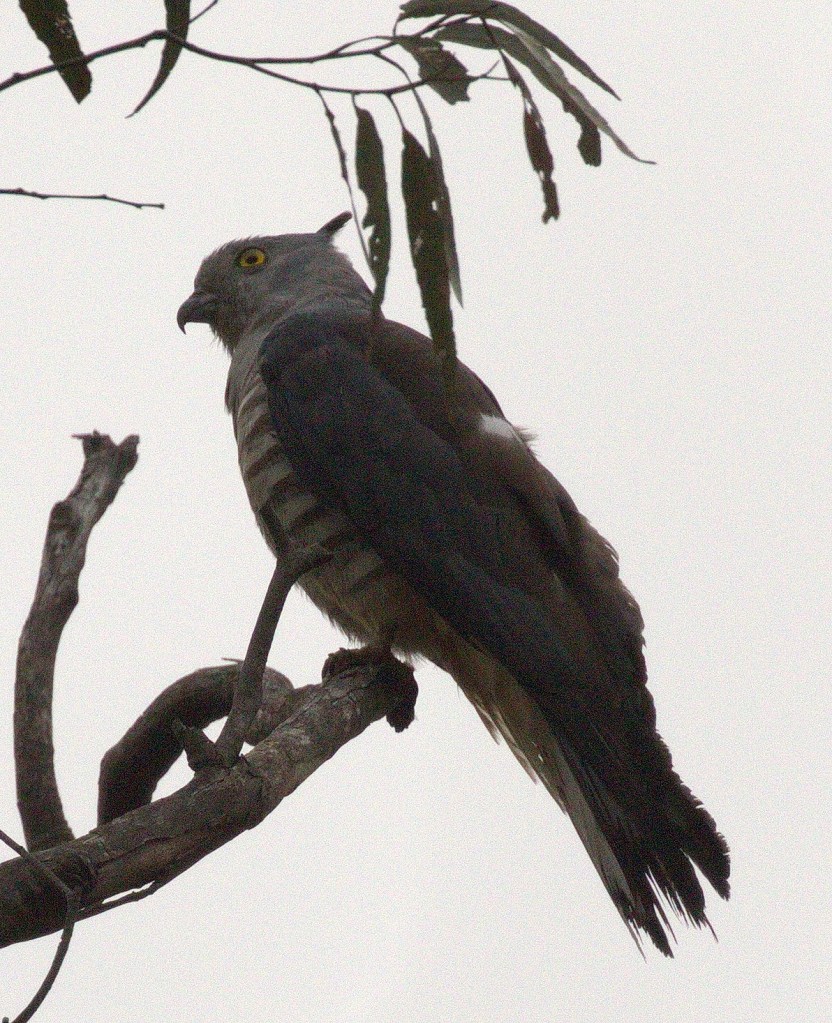
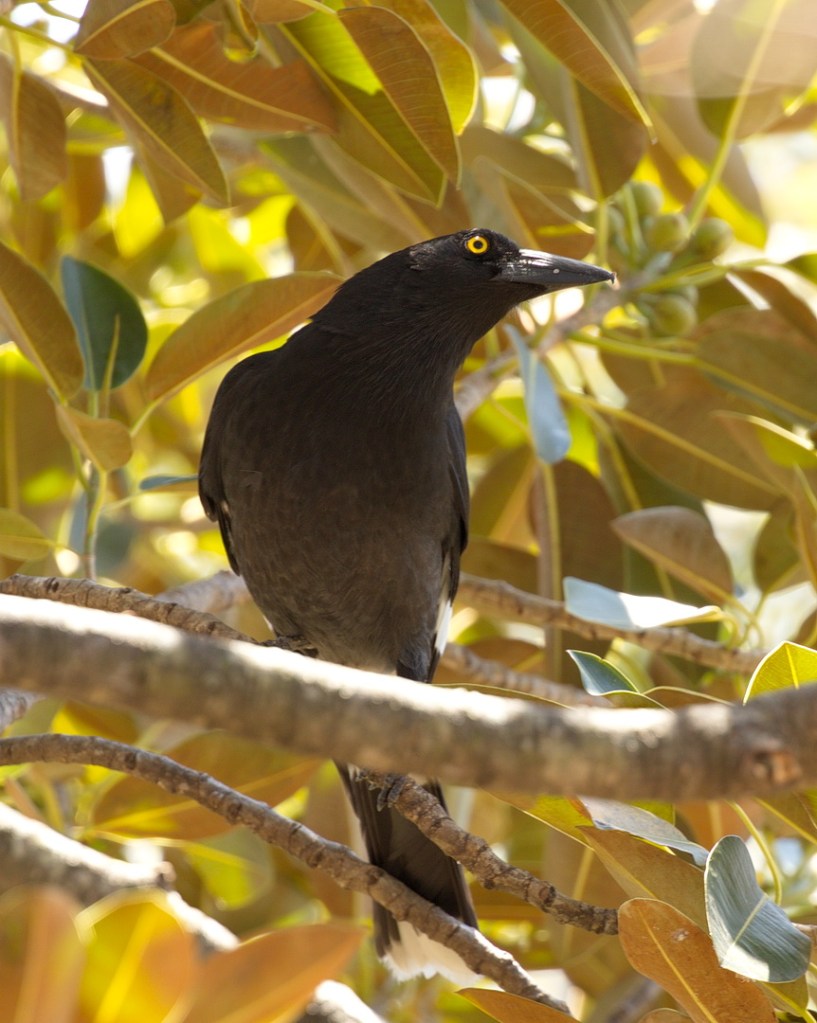
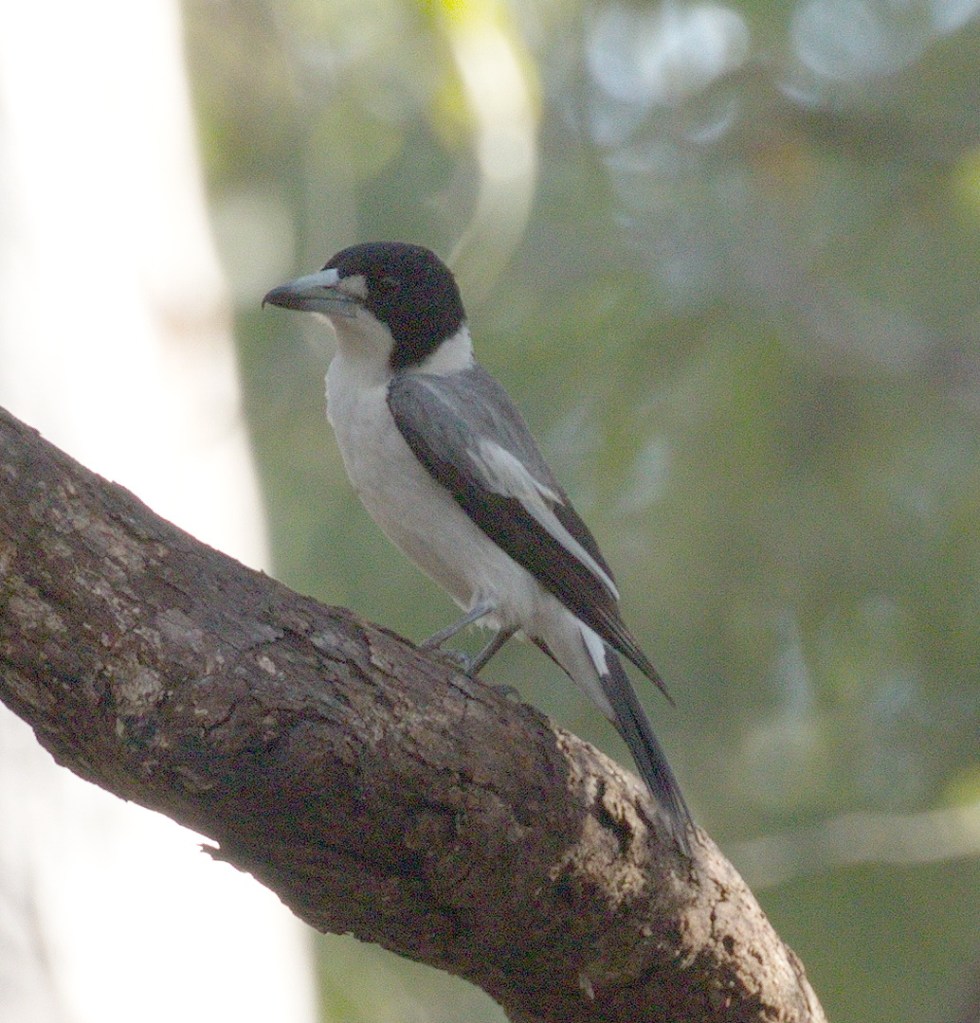
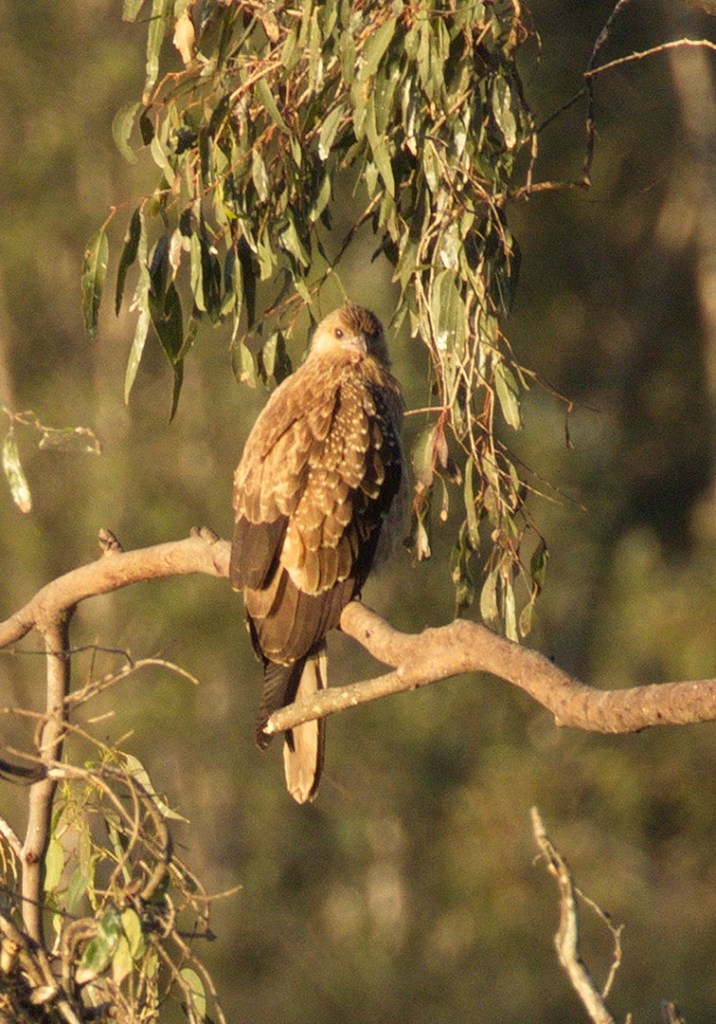
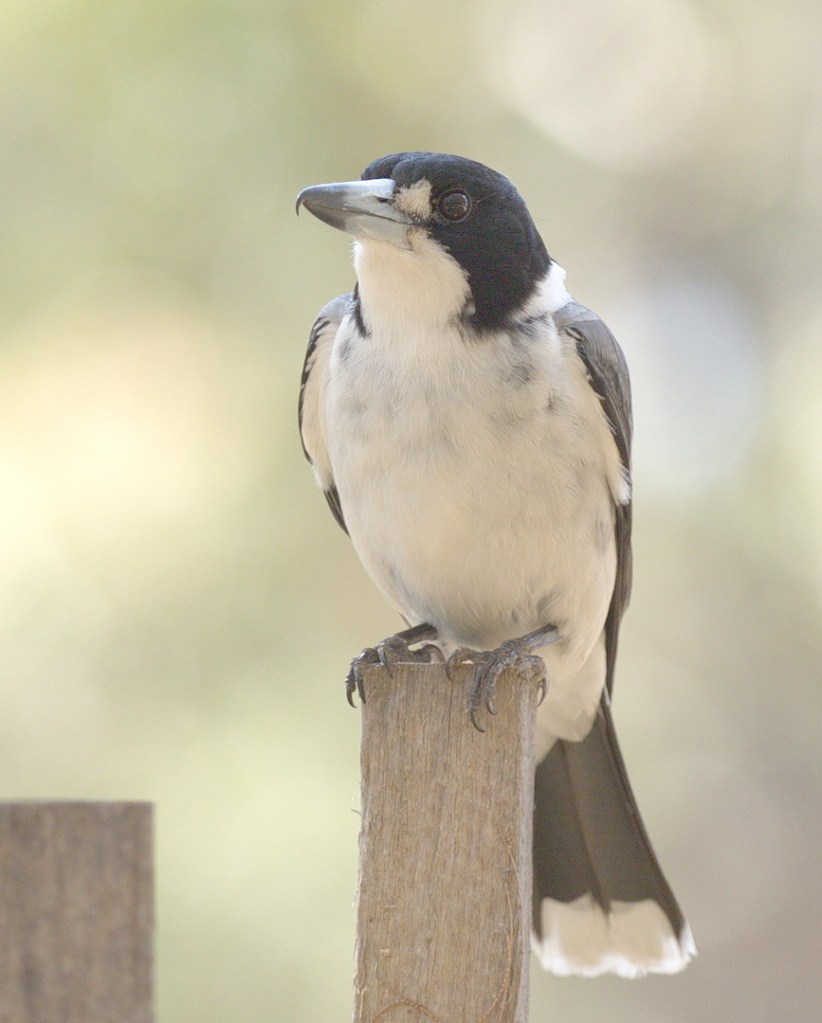
A Pacific Baza was one of the exceptional birds we did find in the Park along with an expected Laughing Kookaburra. Pied Currawongs and a Pied Butcherbird were also photographed.

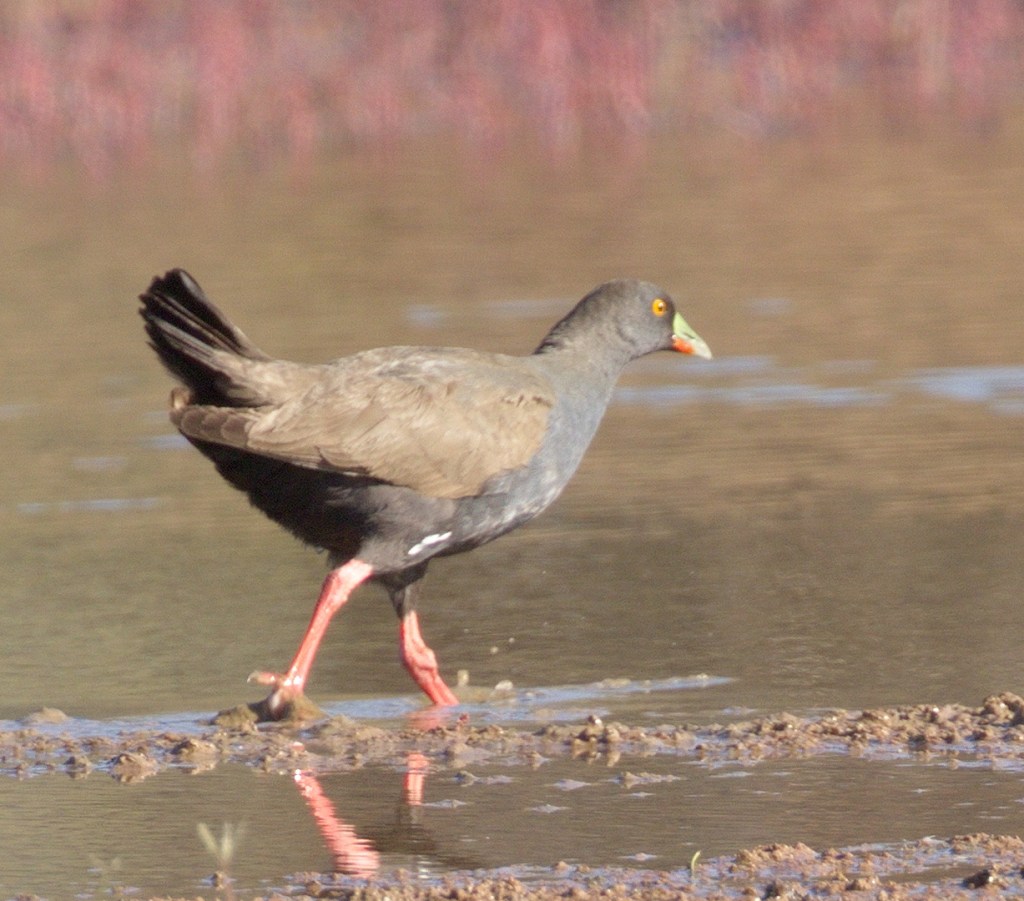
There were a number of coastal beaches and wetland reserves we visited – Wynnum, Sandgate, Godwin Beach and Toorgul.

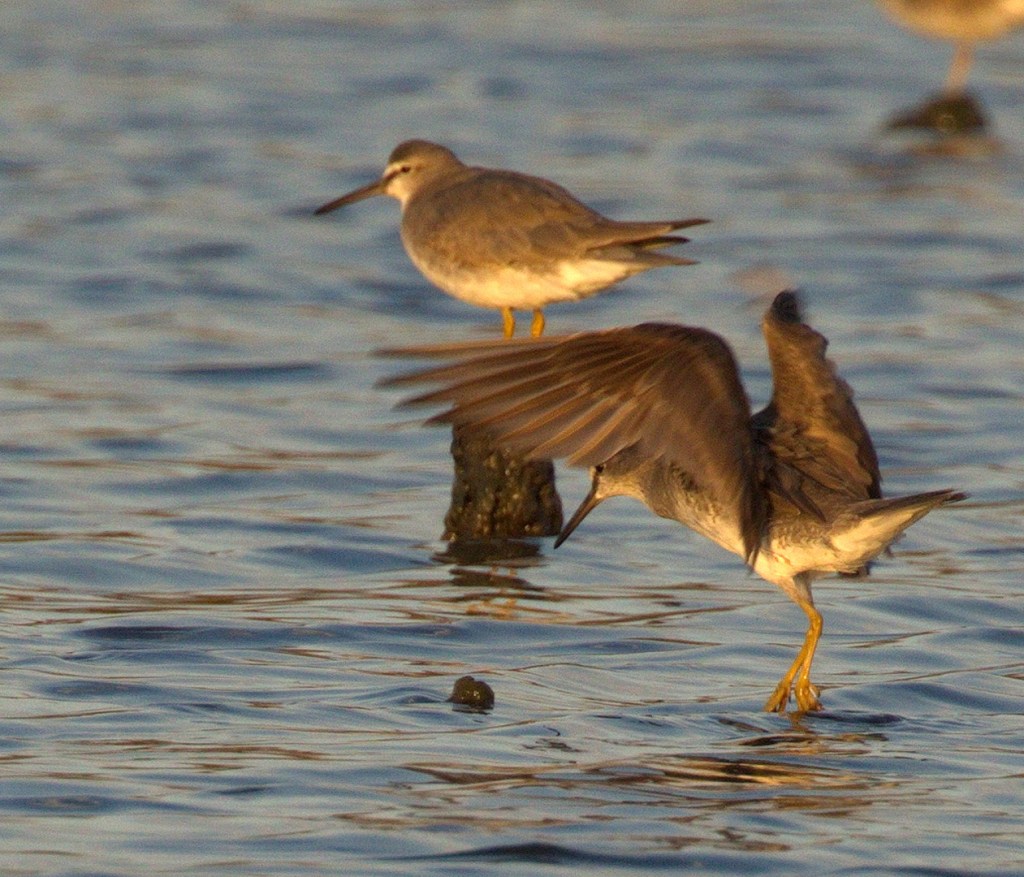
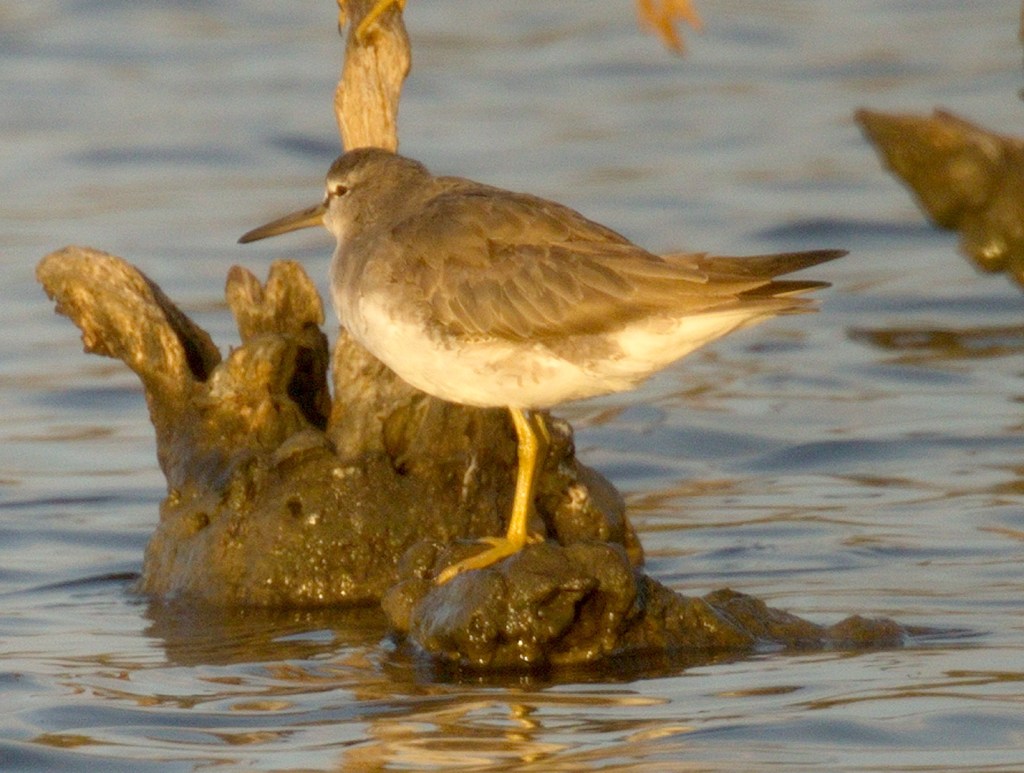
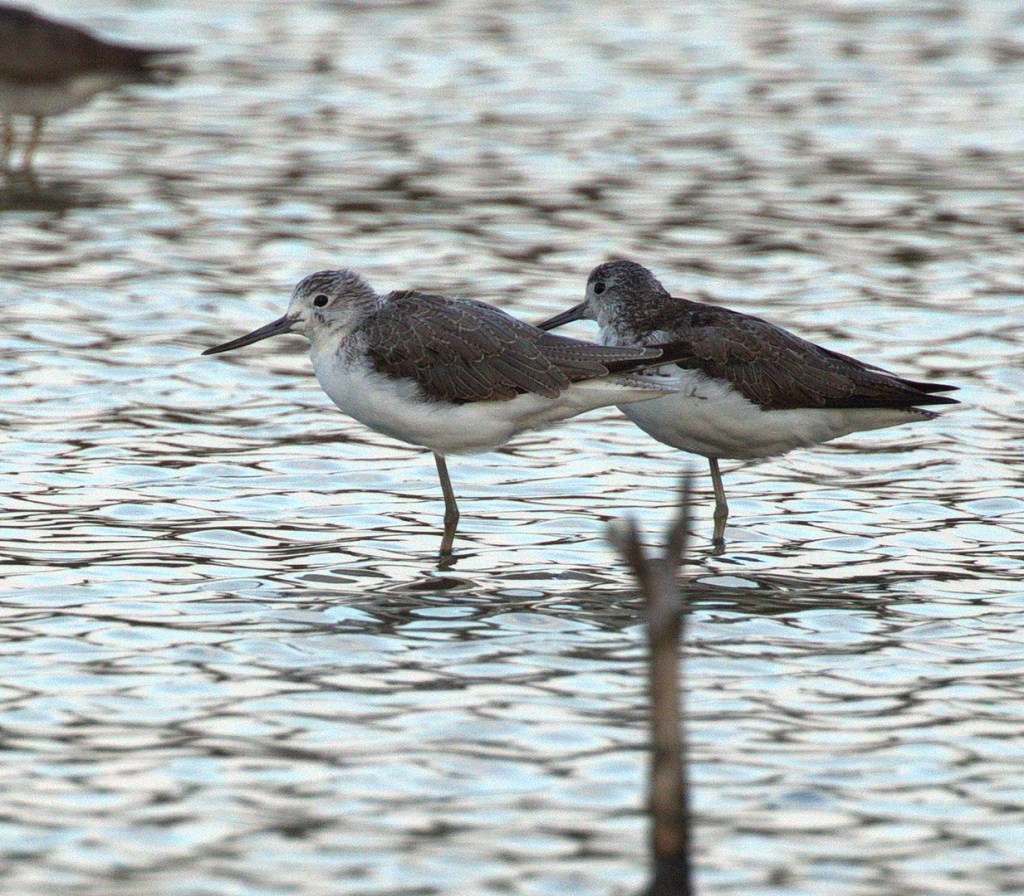
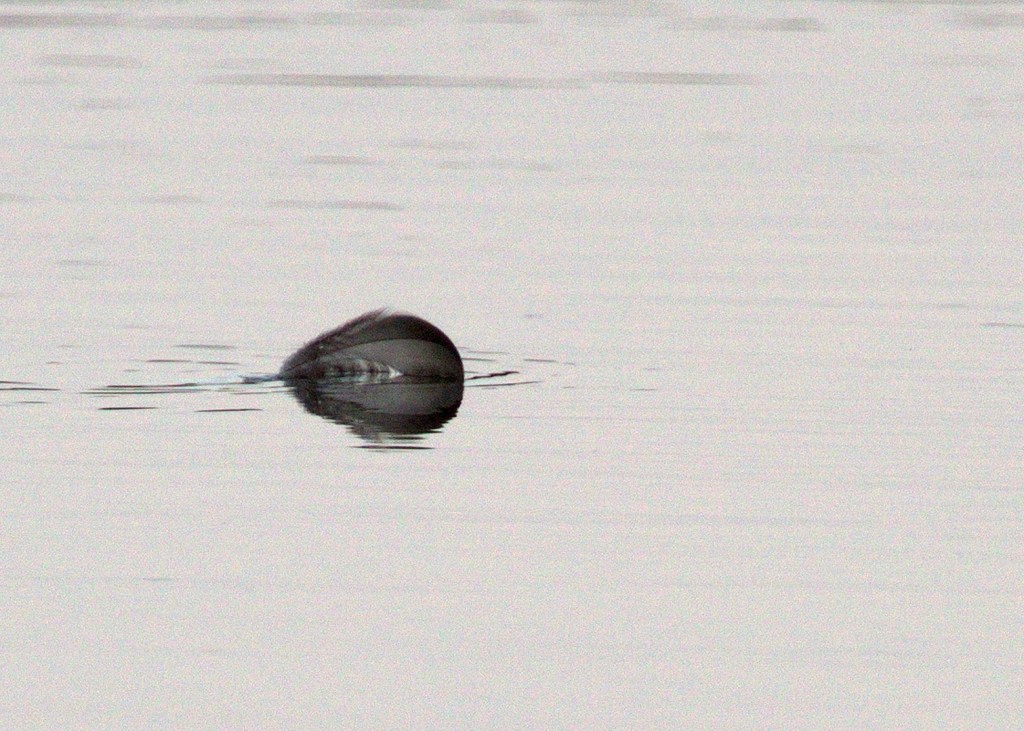
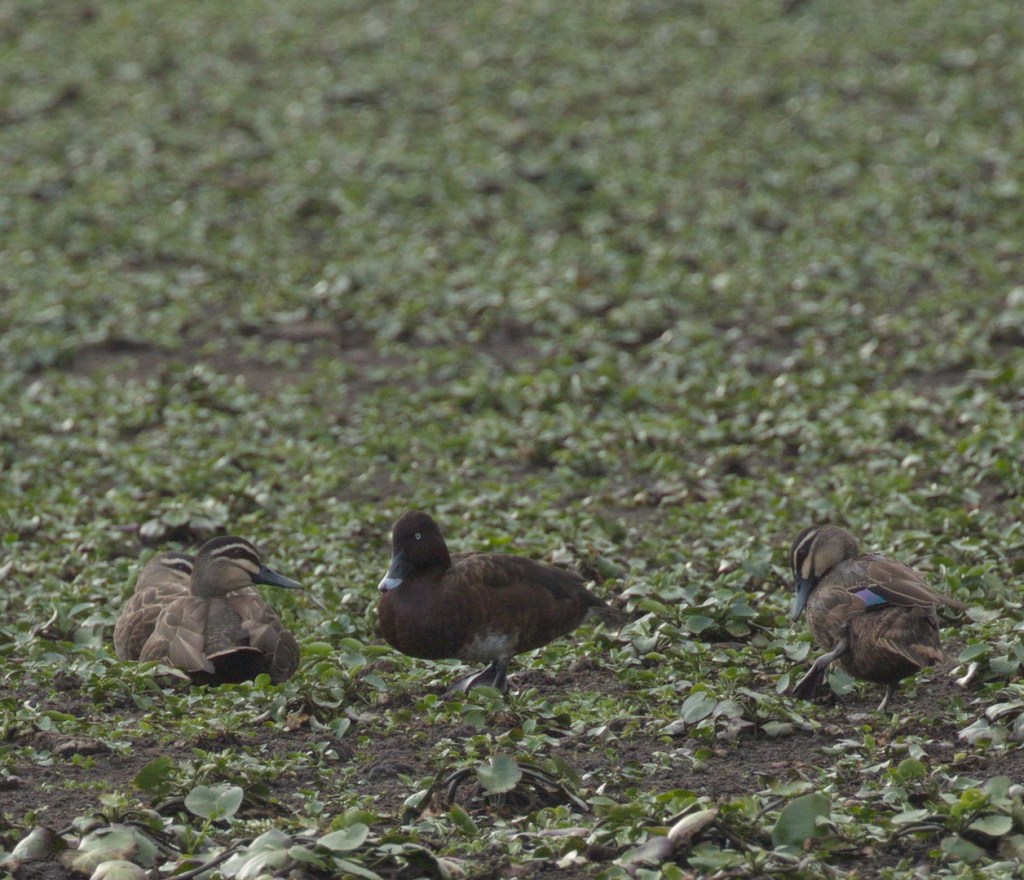
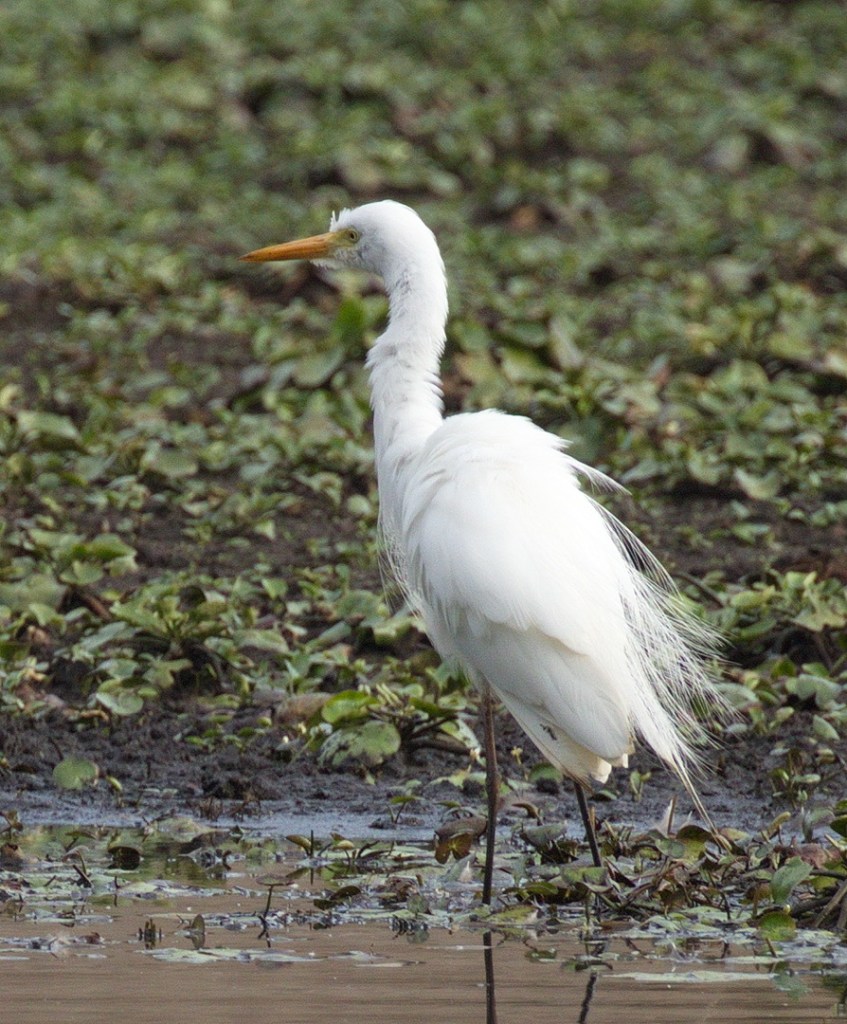
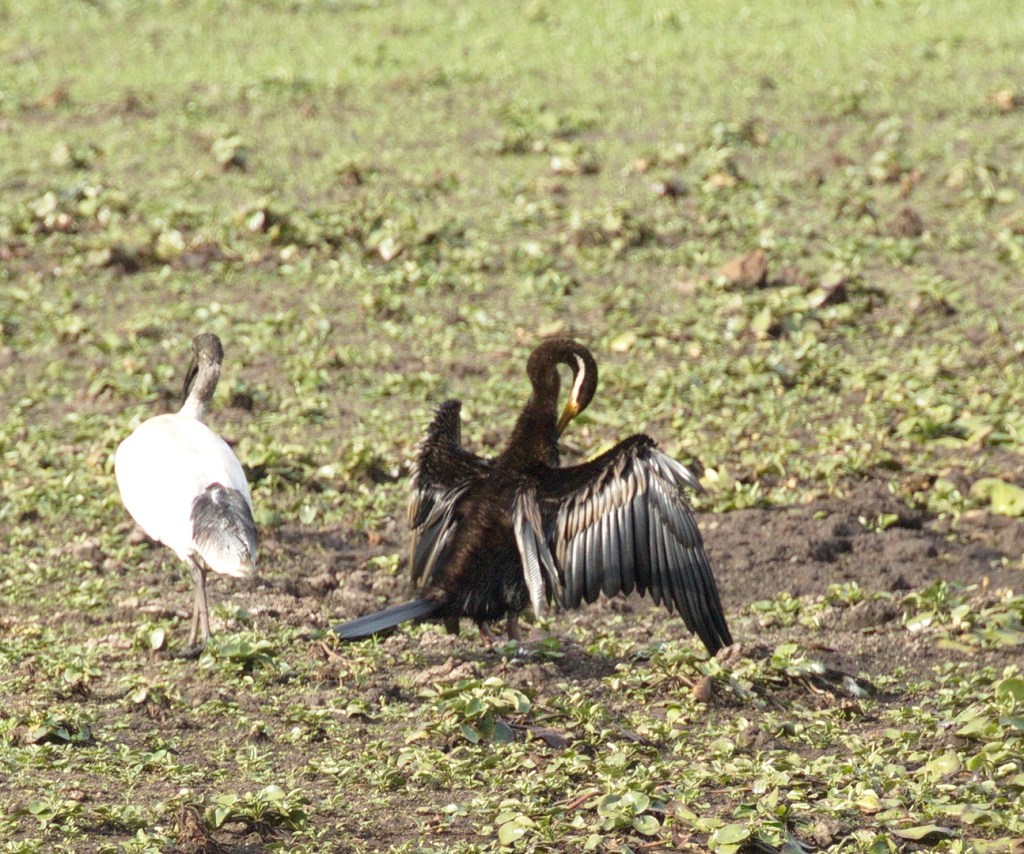
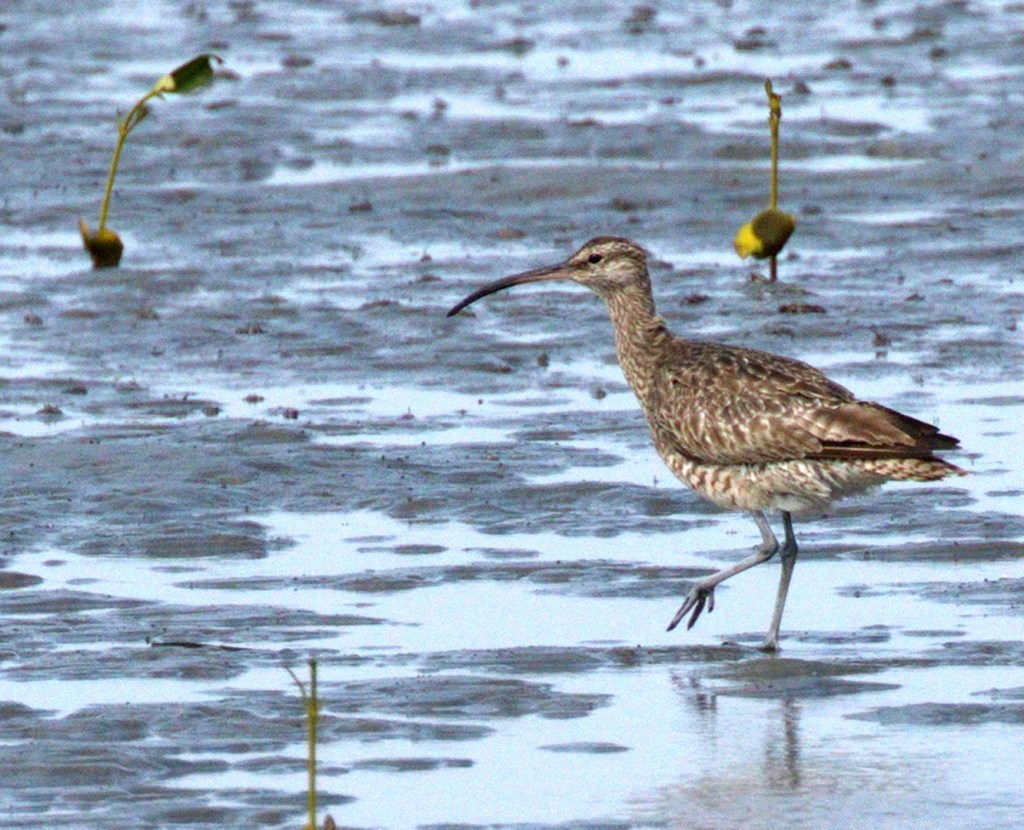
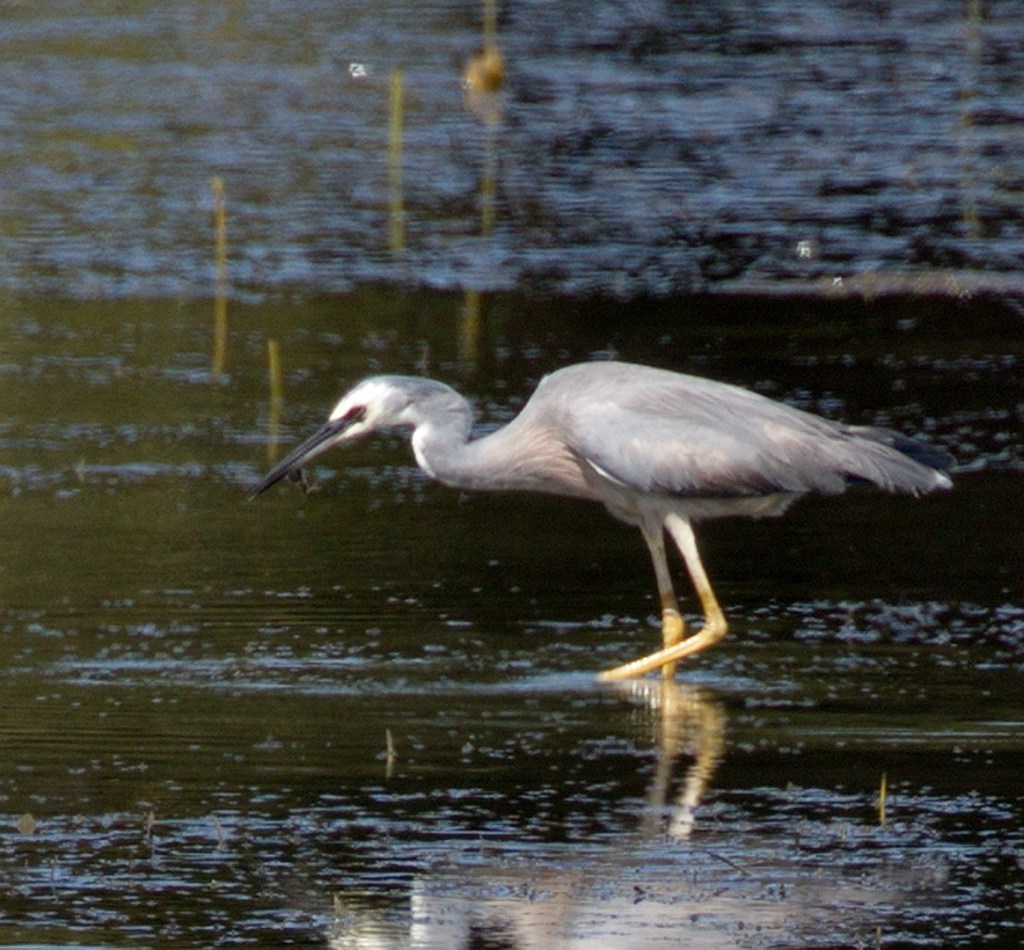
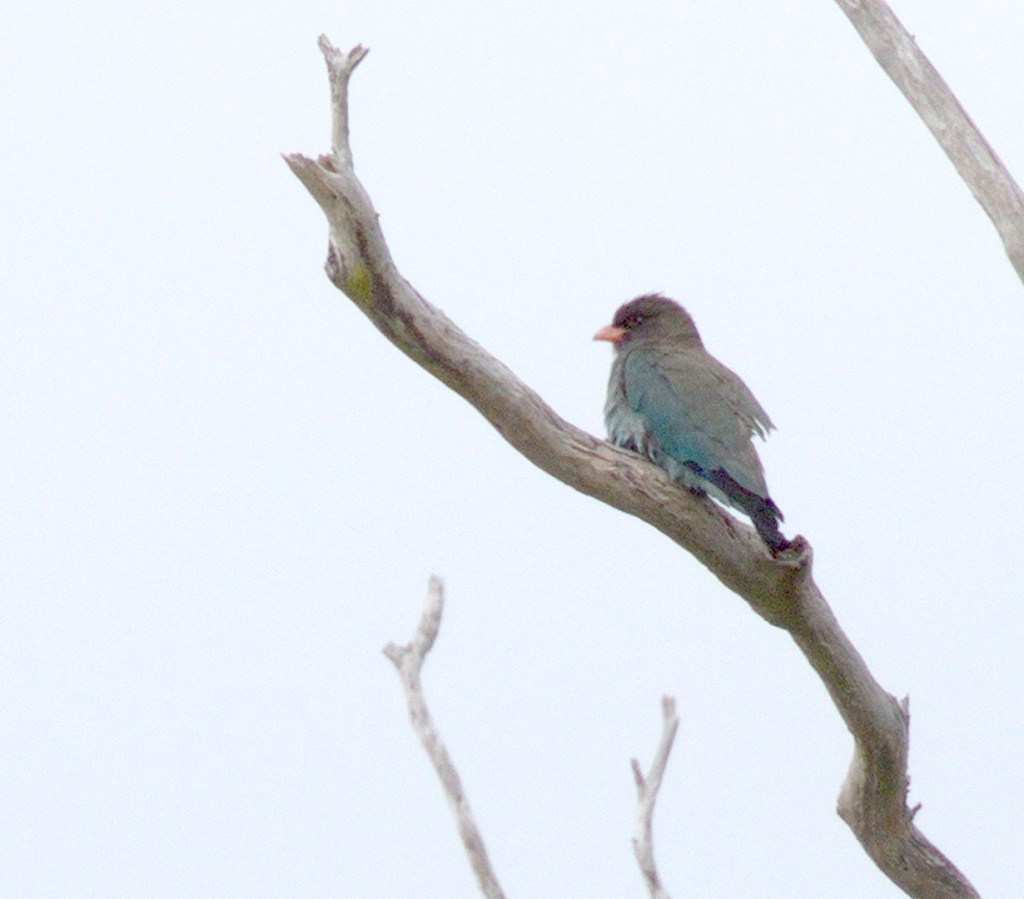
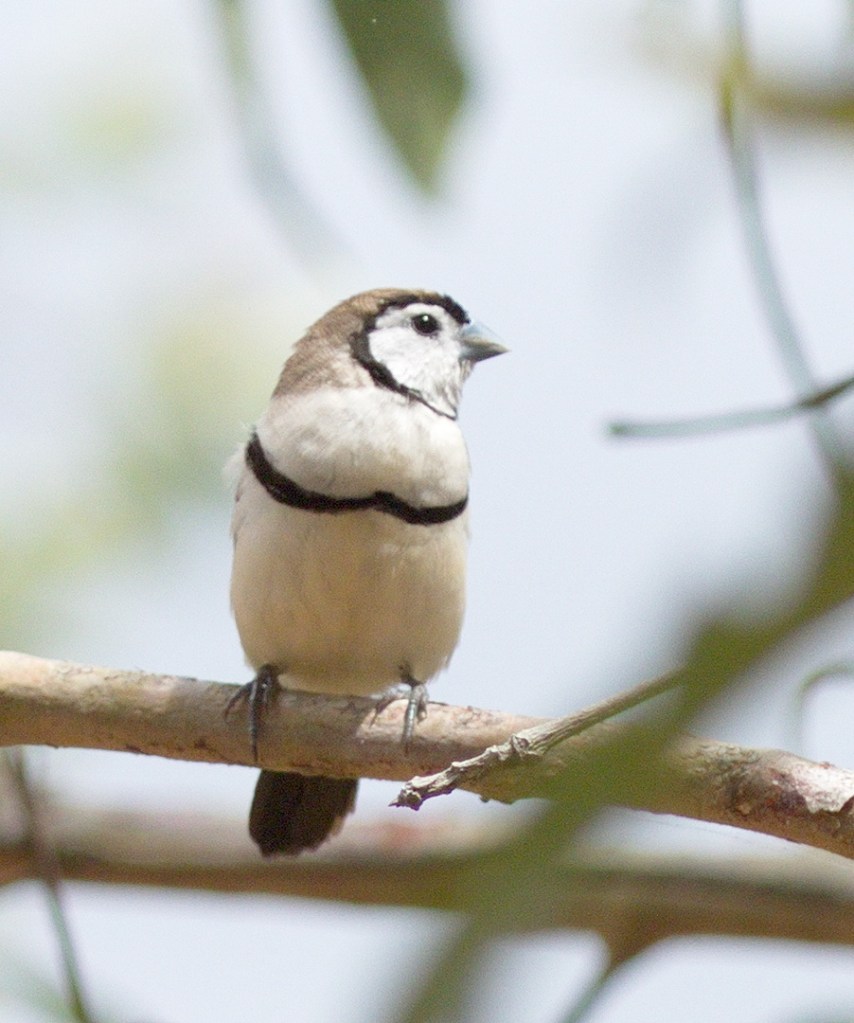
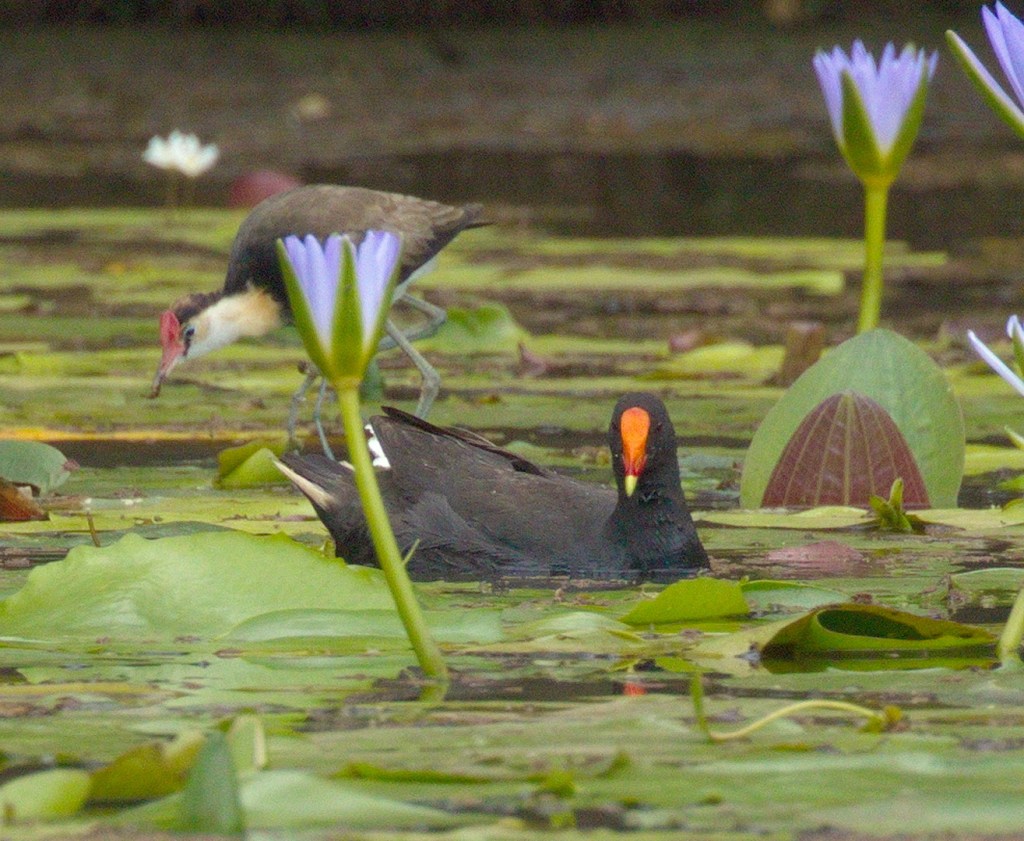
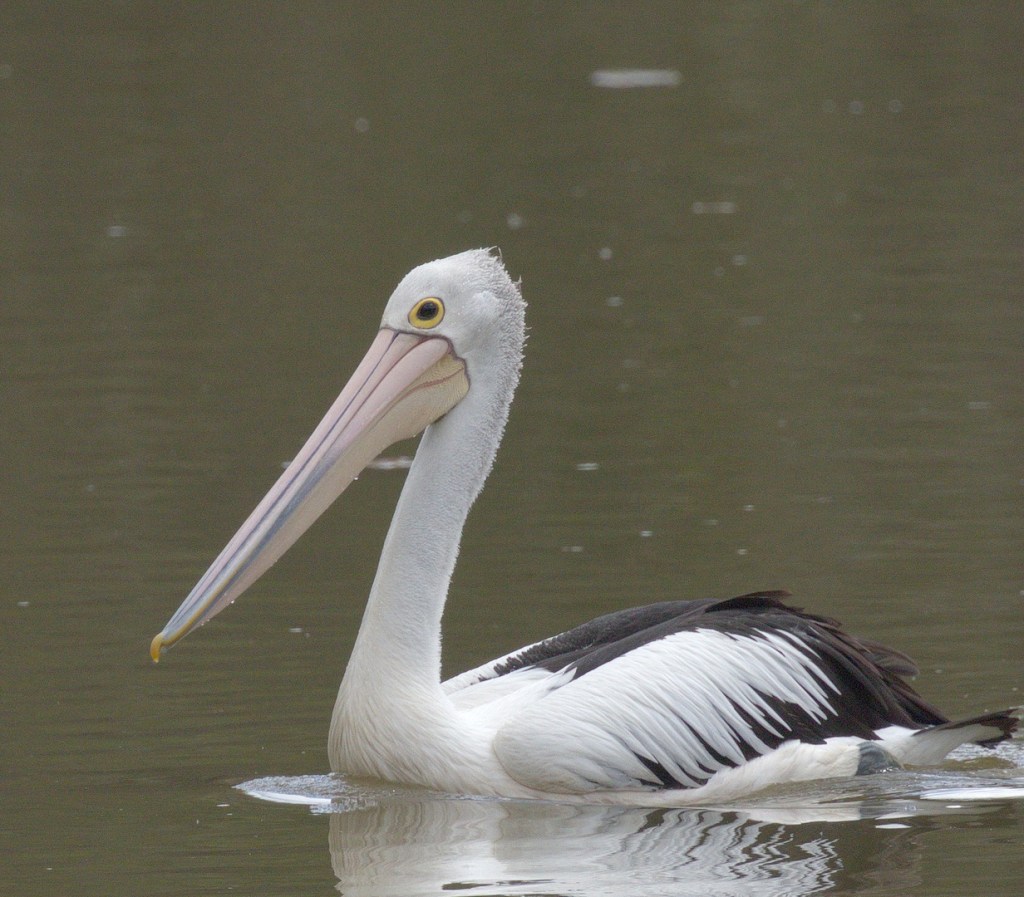
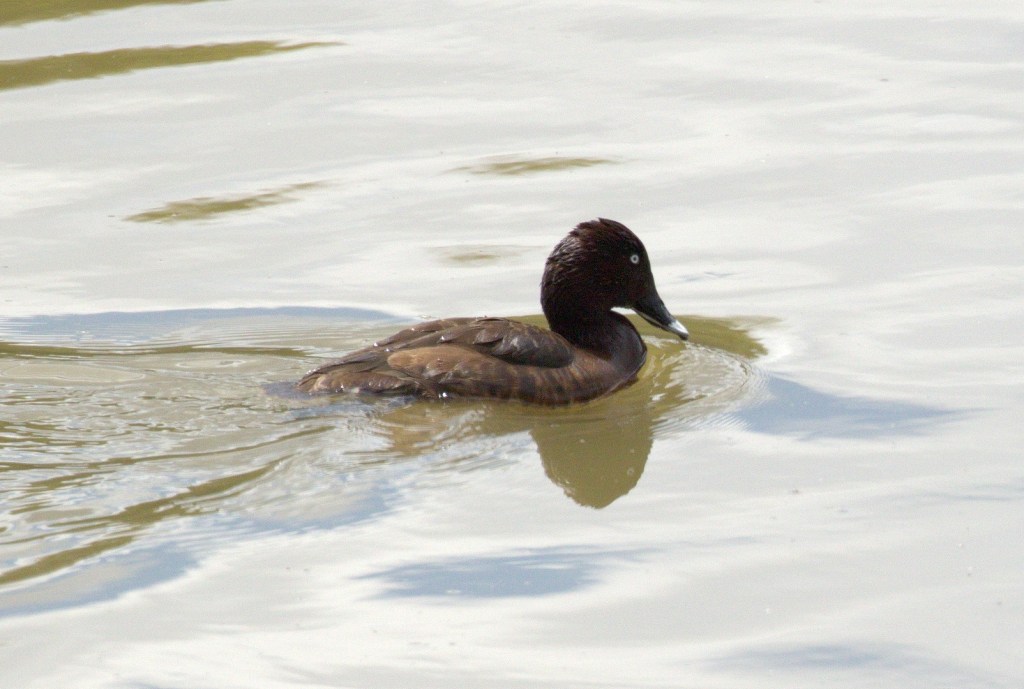
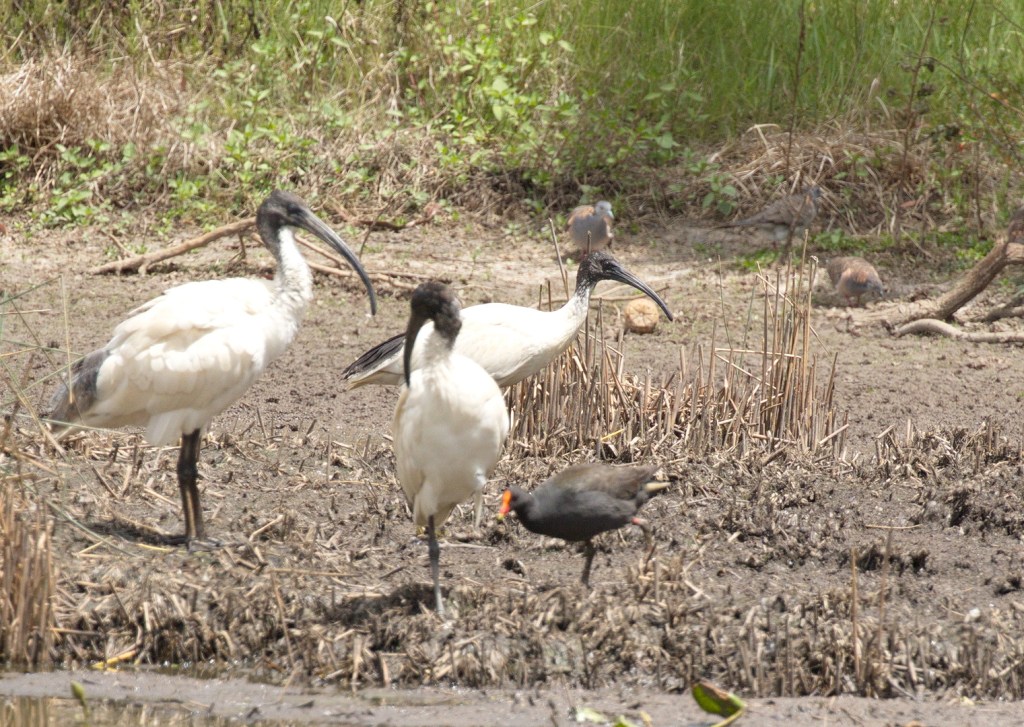
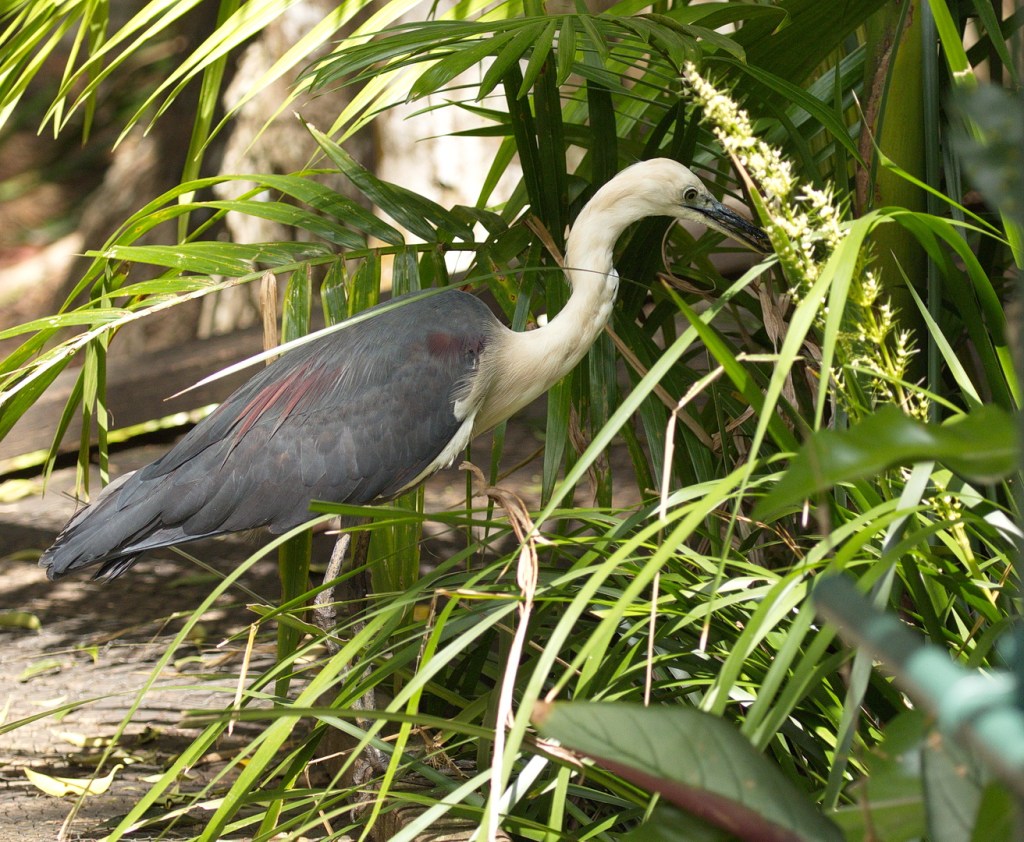
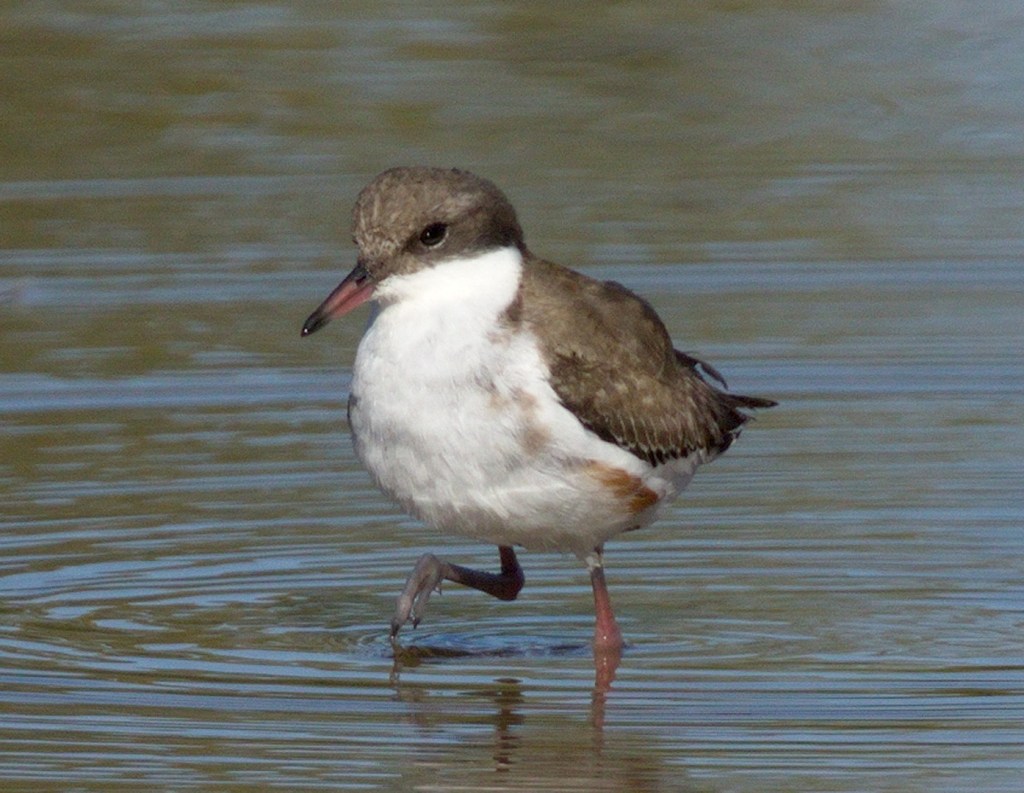
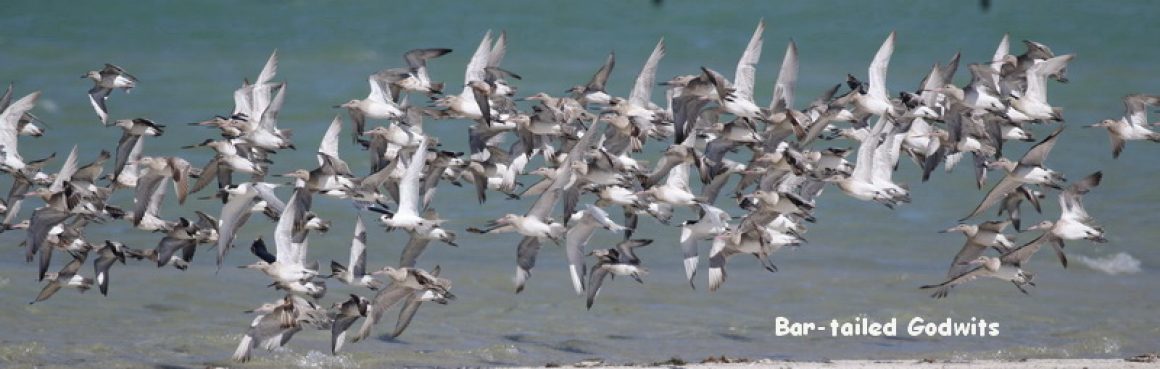
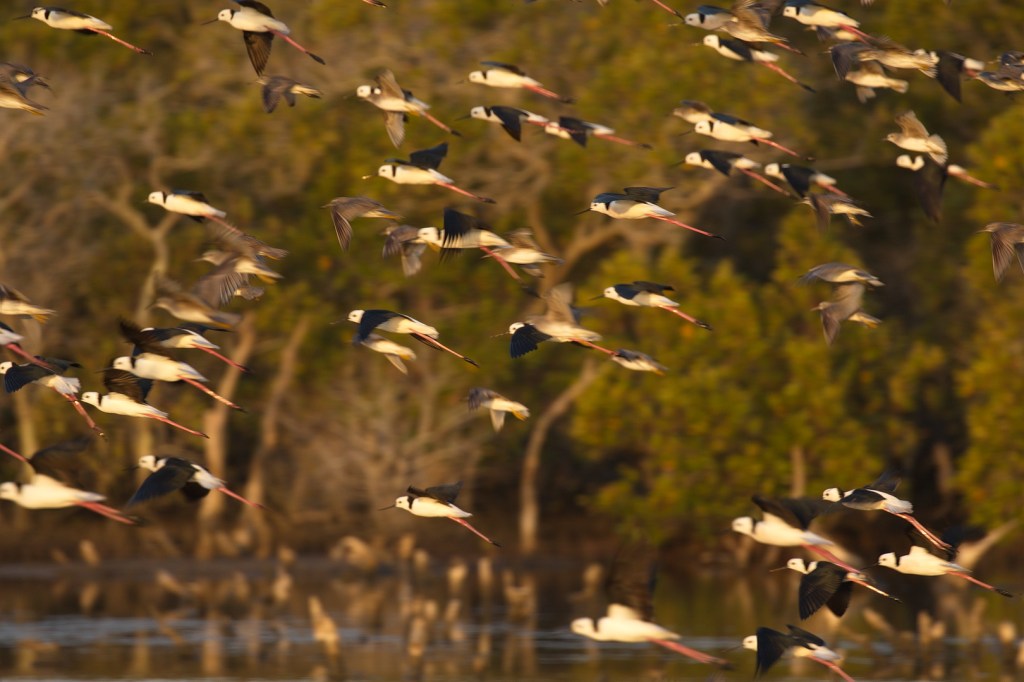
Wynnum: In the centre was a large body of water with hundreds of Grey-tailed Tattlers and White-headed Stilts. Some of the birds seen and an odd feather which appeared to be swimming:
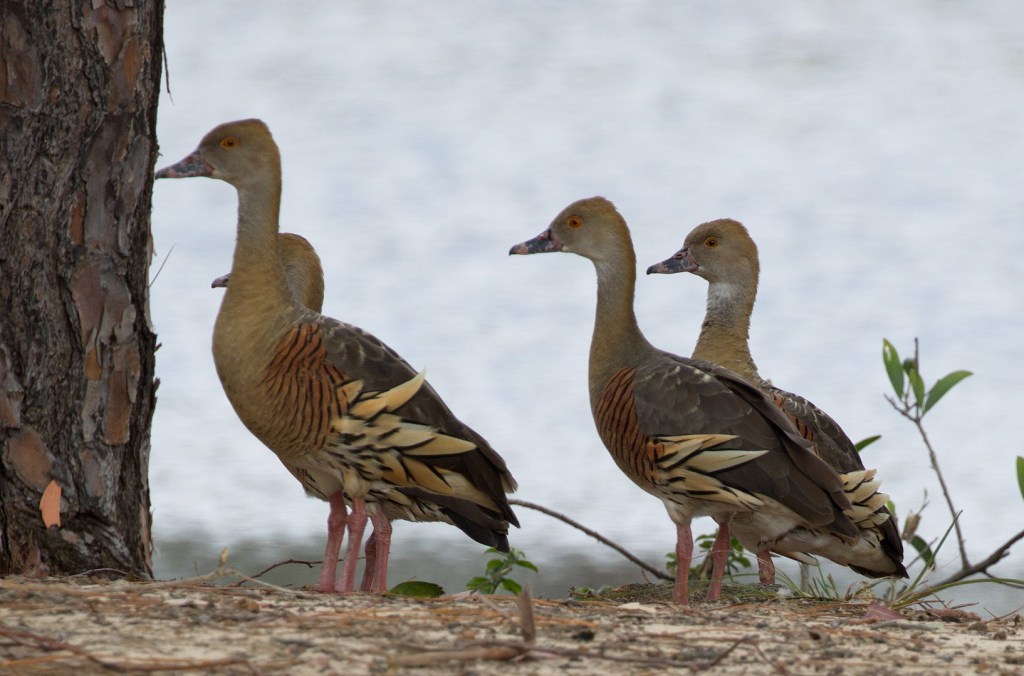
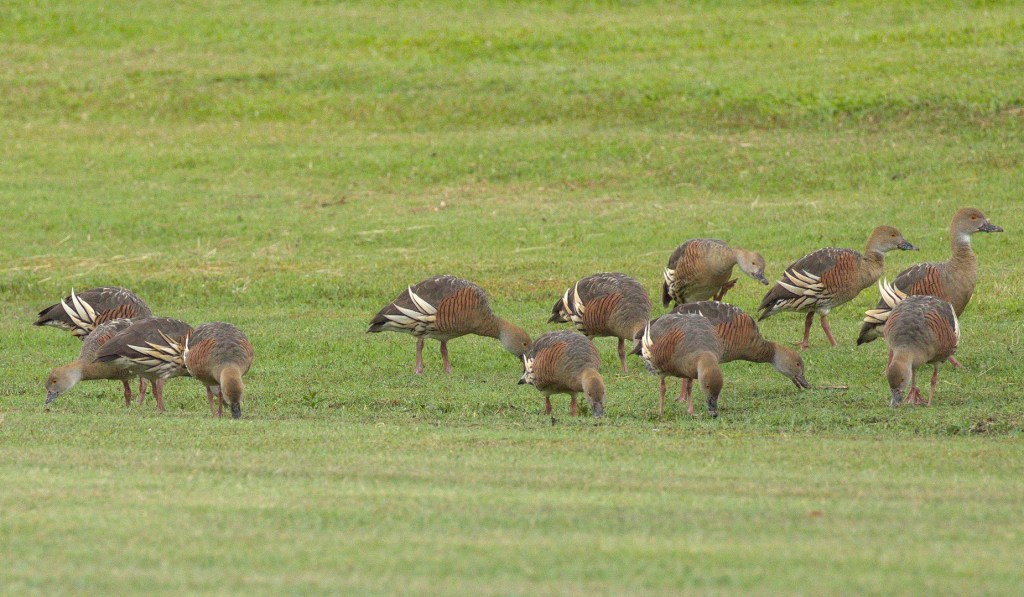
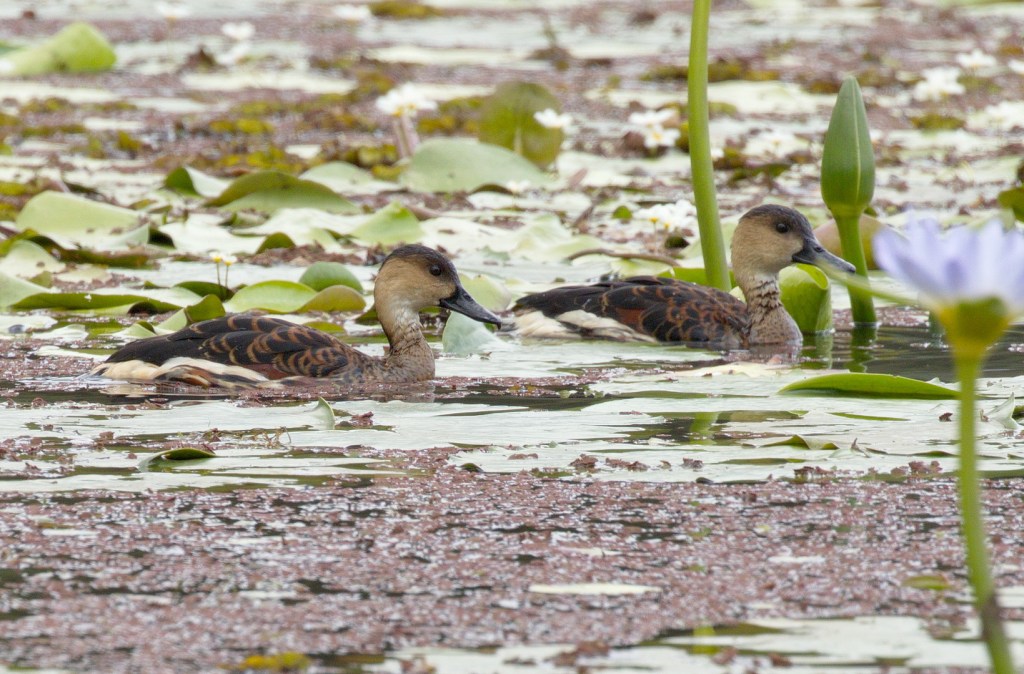
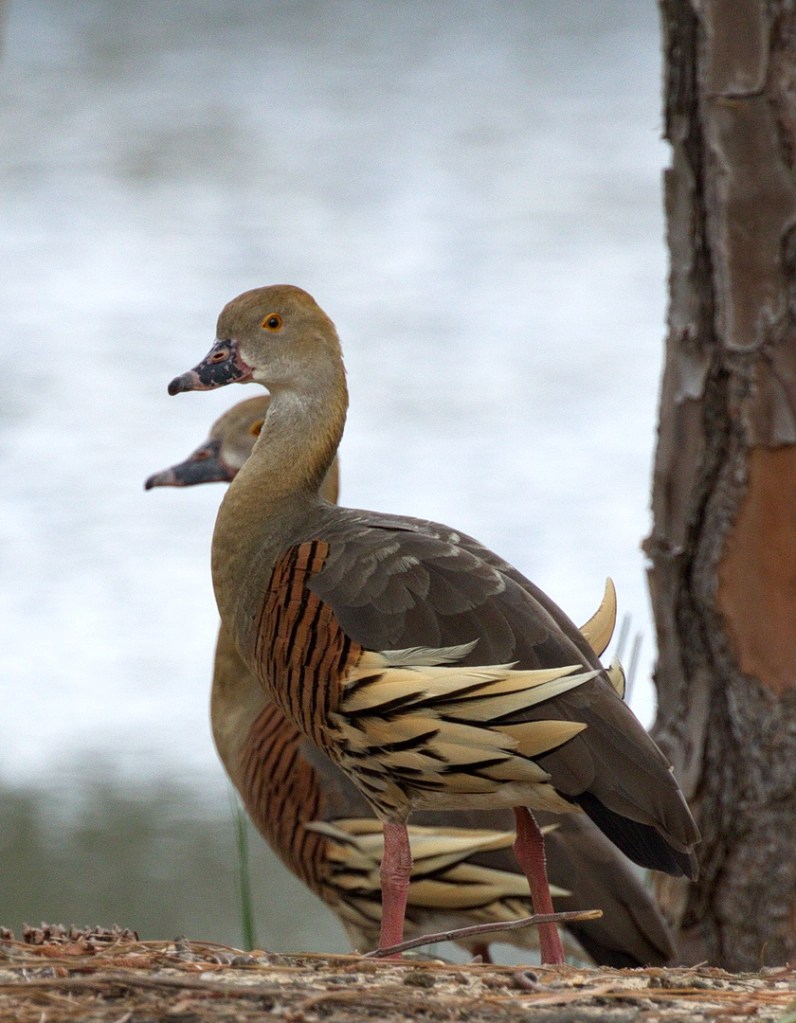
Sandgate and Dowse: On the way to Sandgate we passed an inland body of water – Dowse Lagoon. A line of Plumed Ducks on the bank caught our eye so although it was late we stopped.
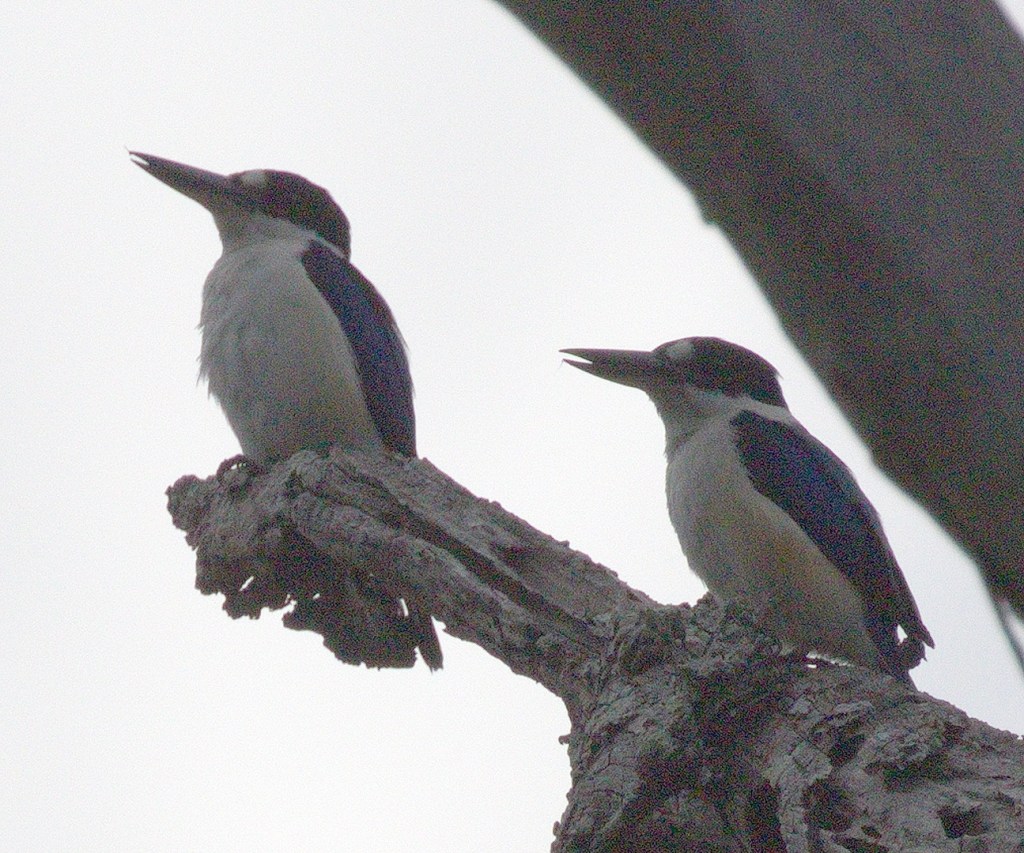
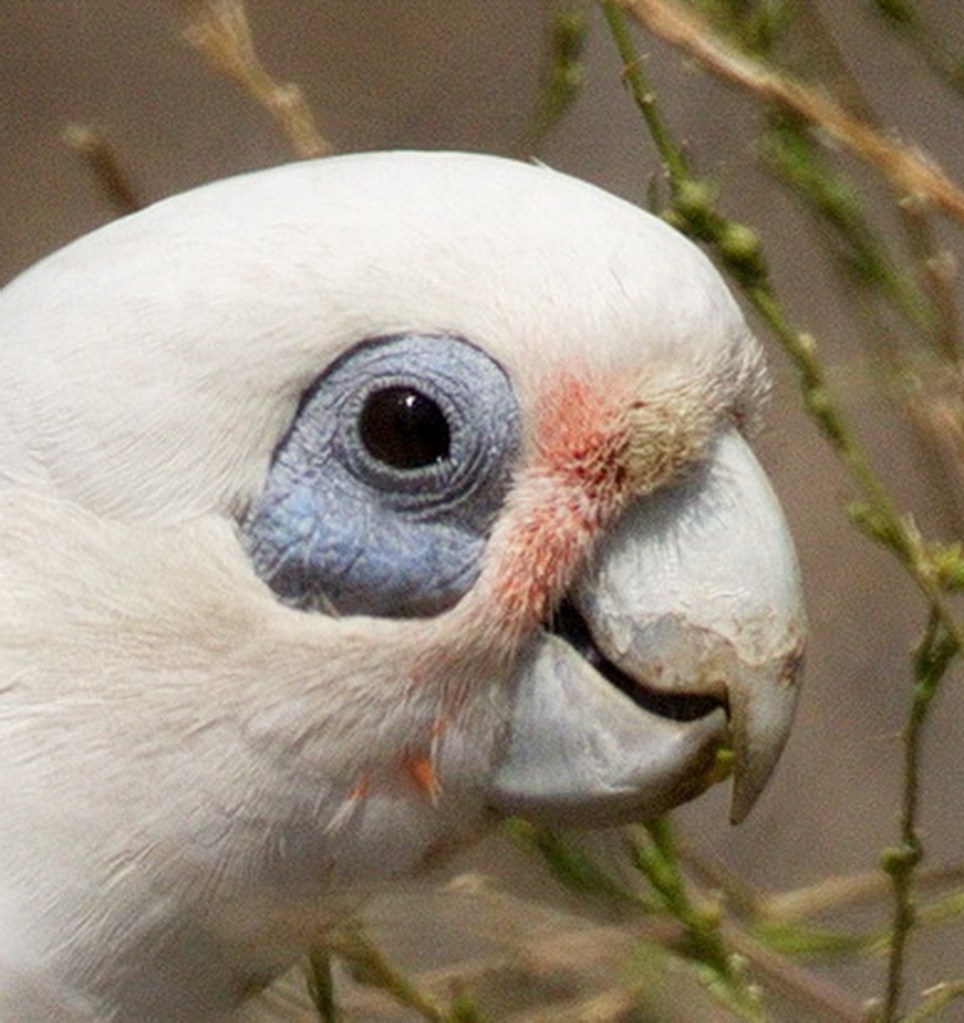
We had some interesting birding there. Spotting a darting Little Corella and a Brahminy Kite as well as Latham’s Rail on a nest and a number of Kingfishers.

We eventually got to Sandgate too late for birding.

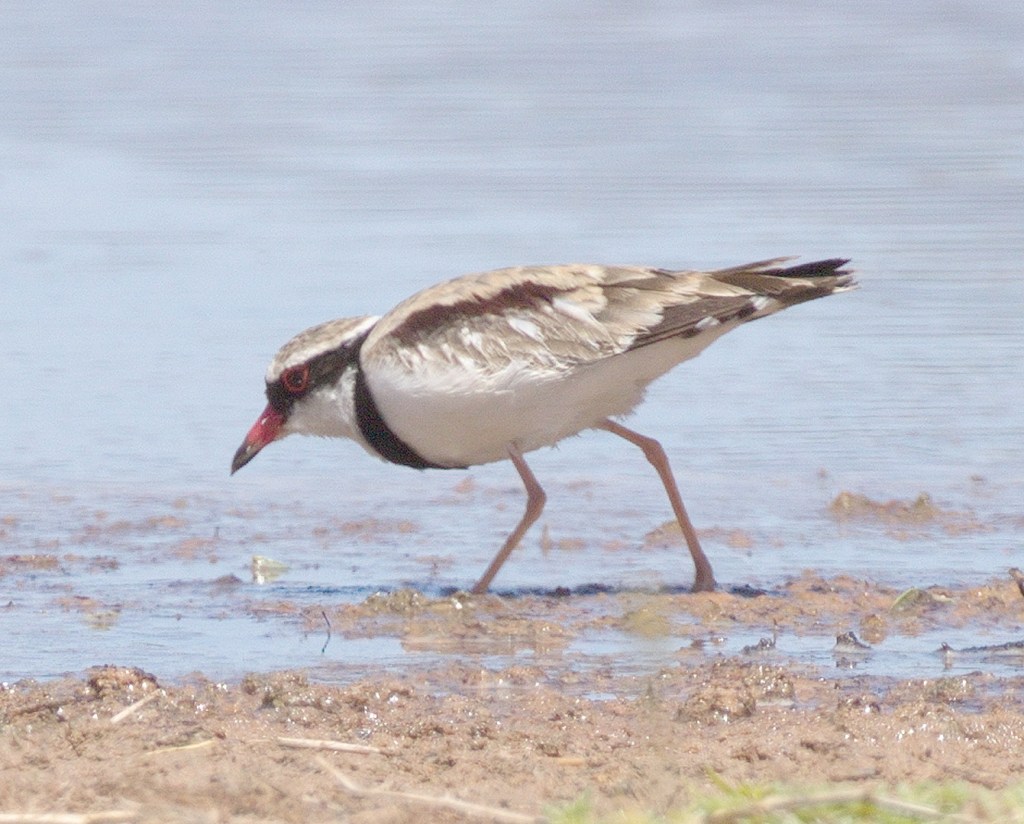
Another place we visited was Godwin Beach where we did some shore bird birding.
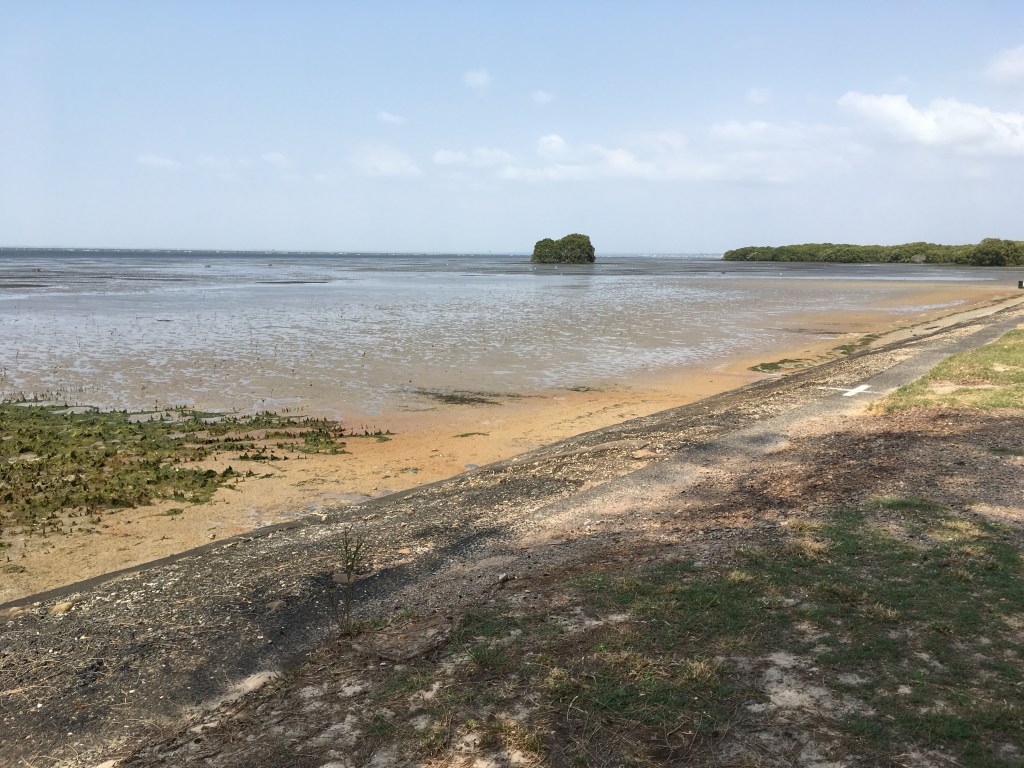
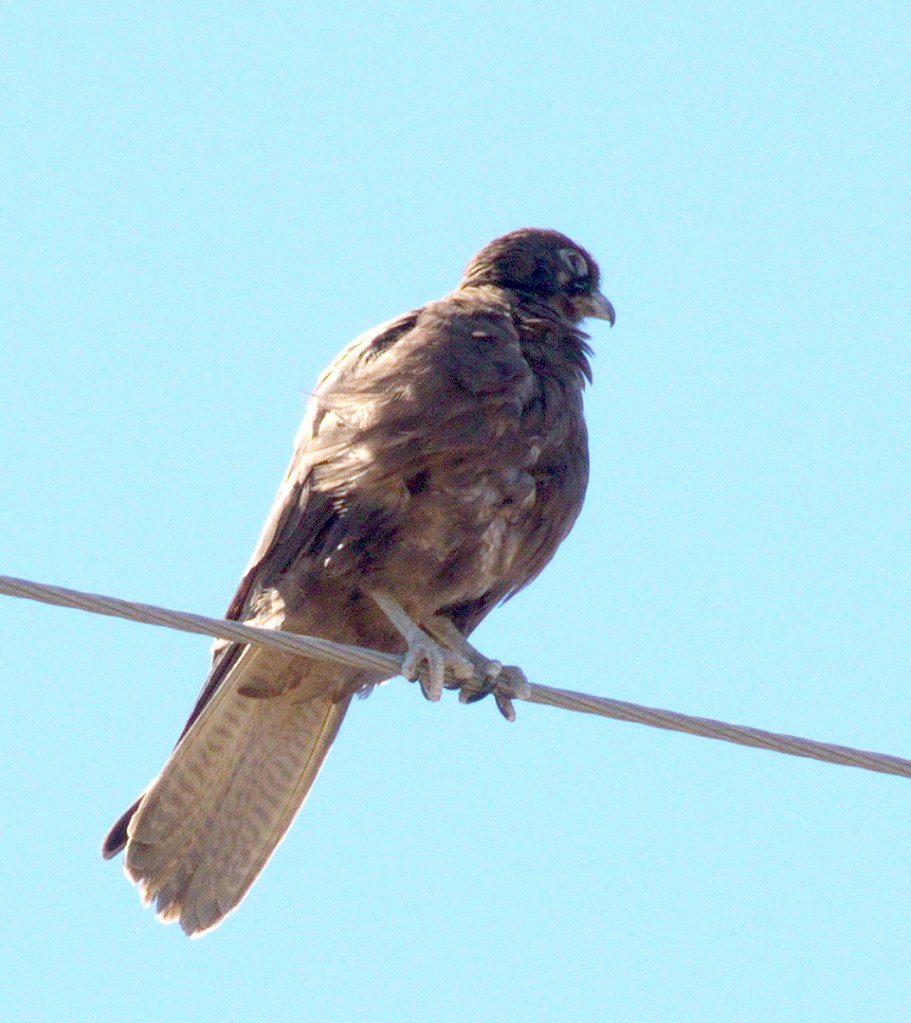
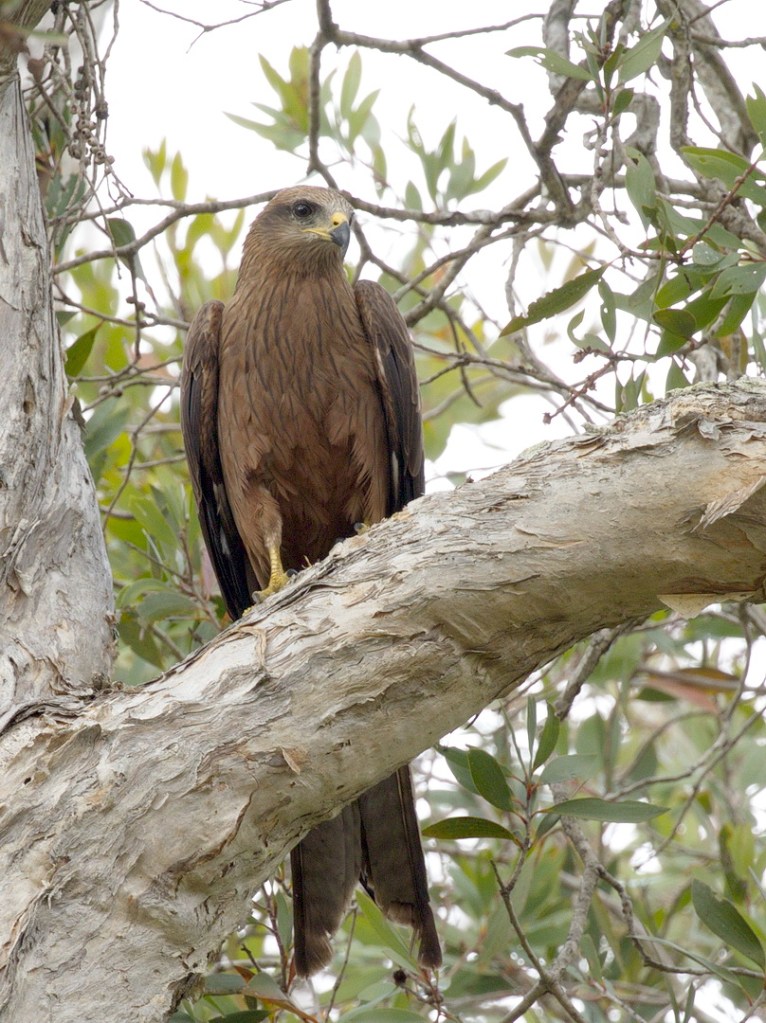
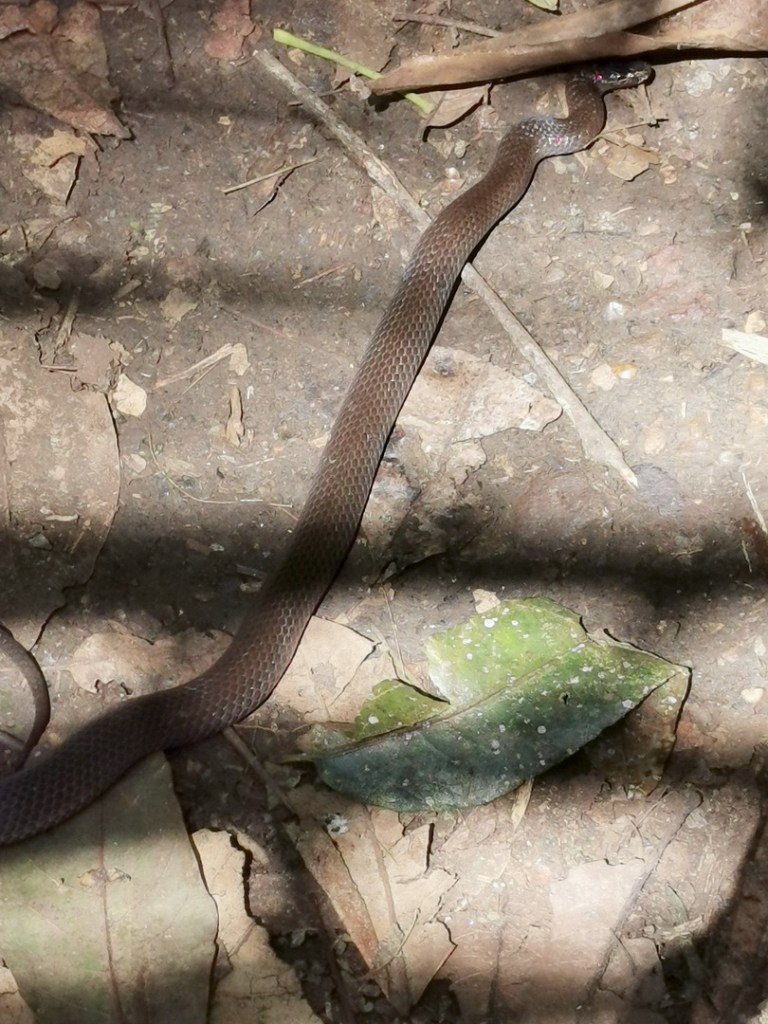
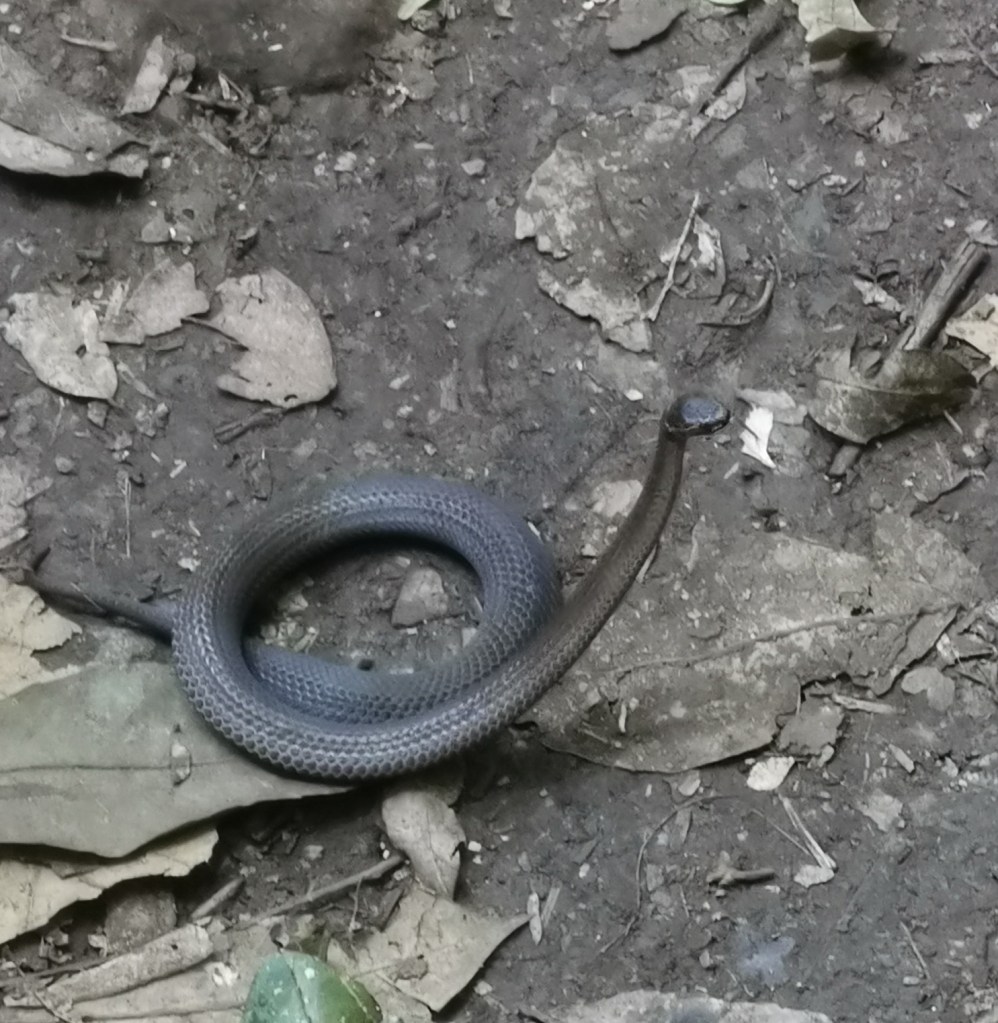
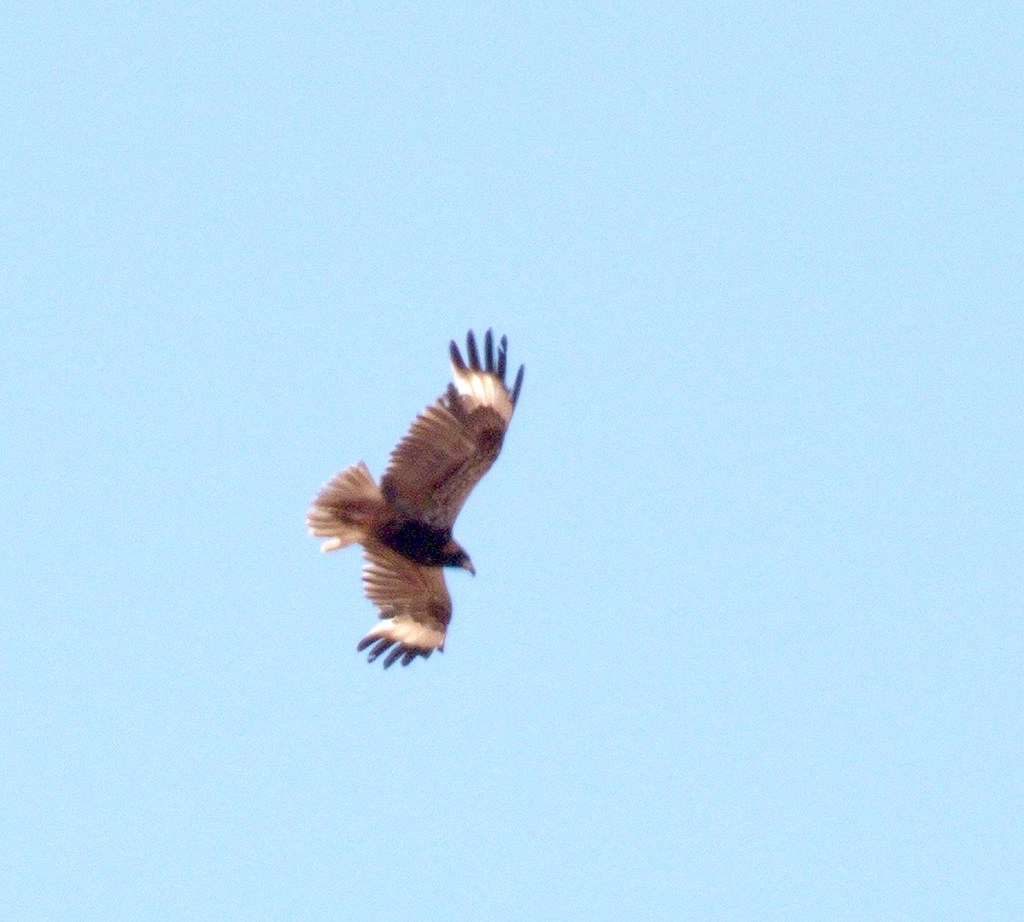
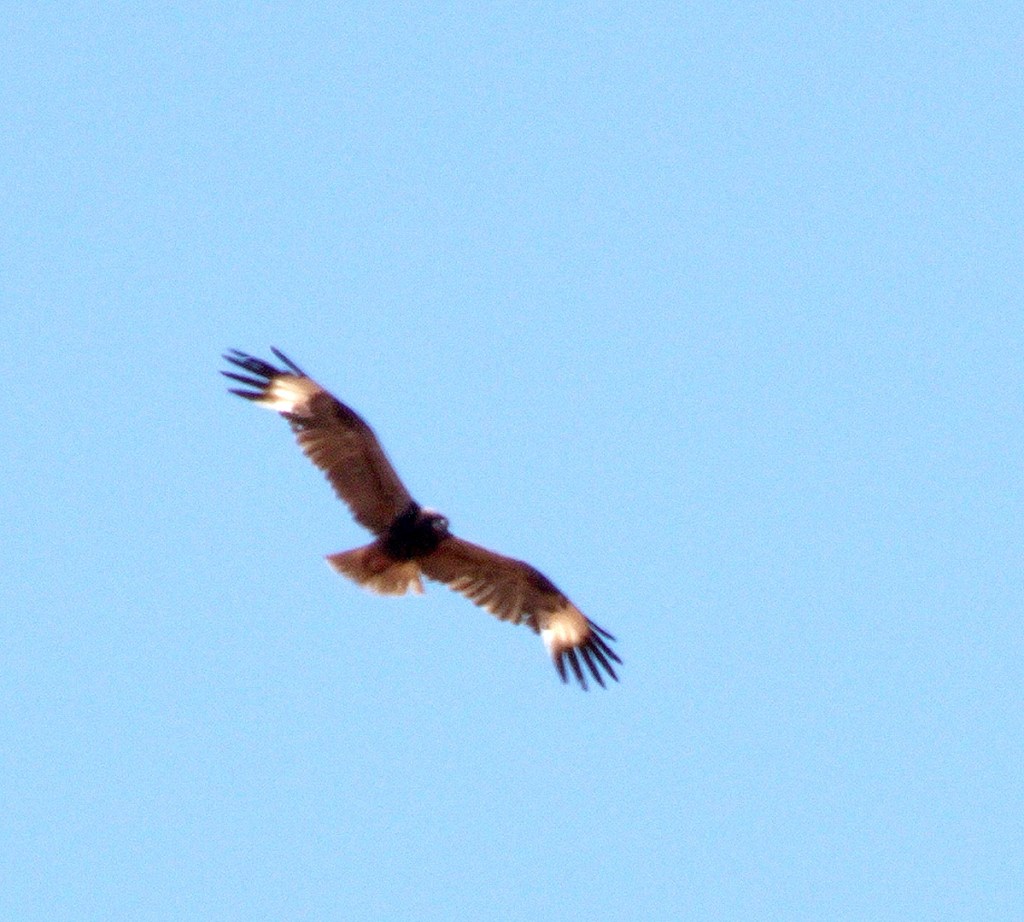
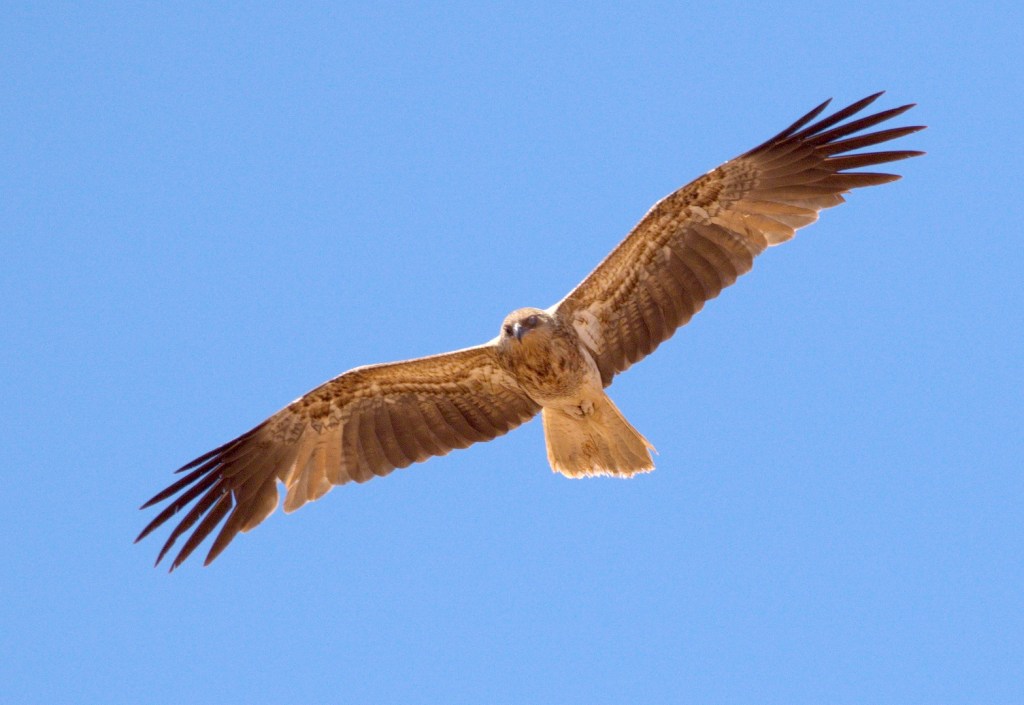
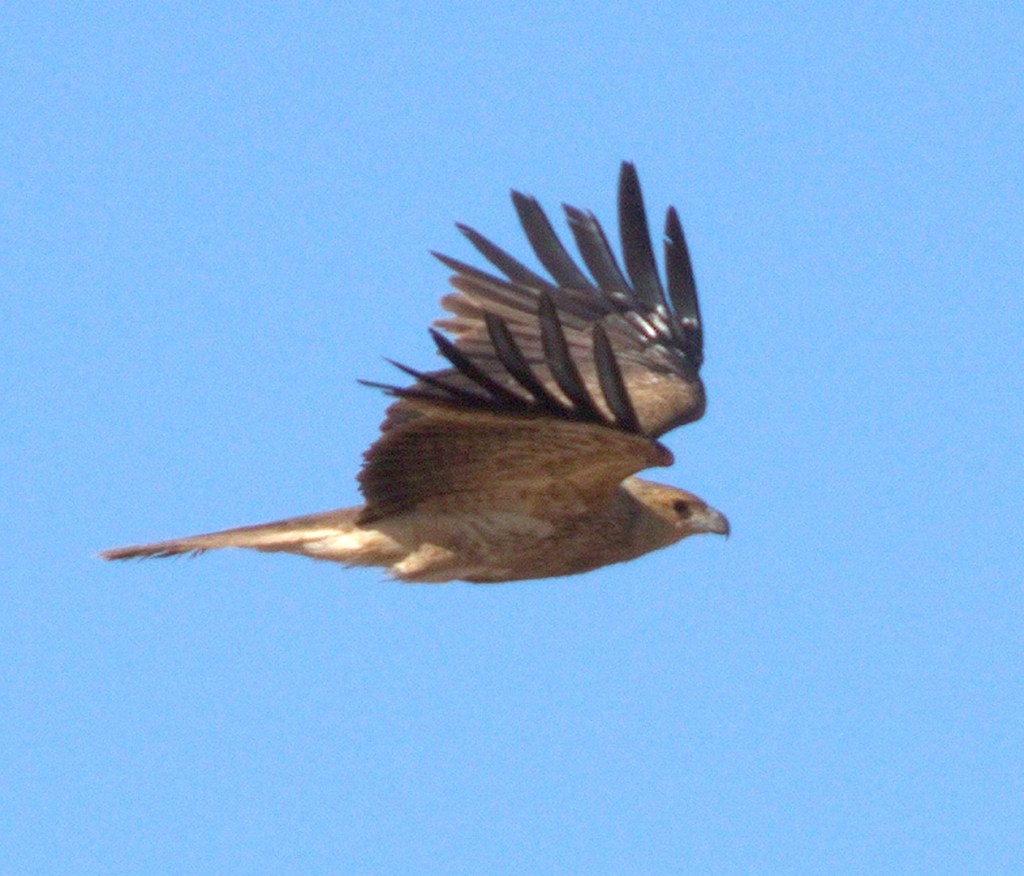
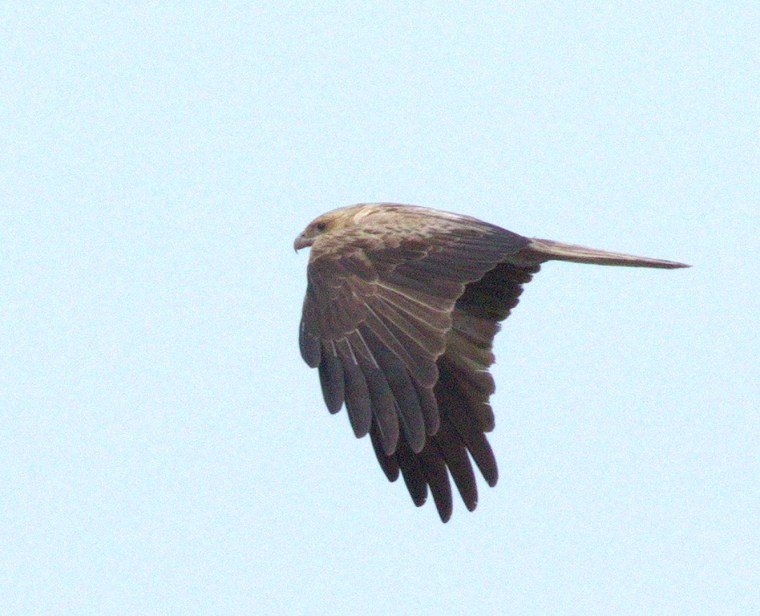
And a raptor seen there needs identification:
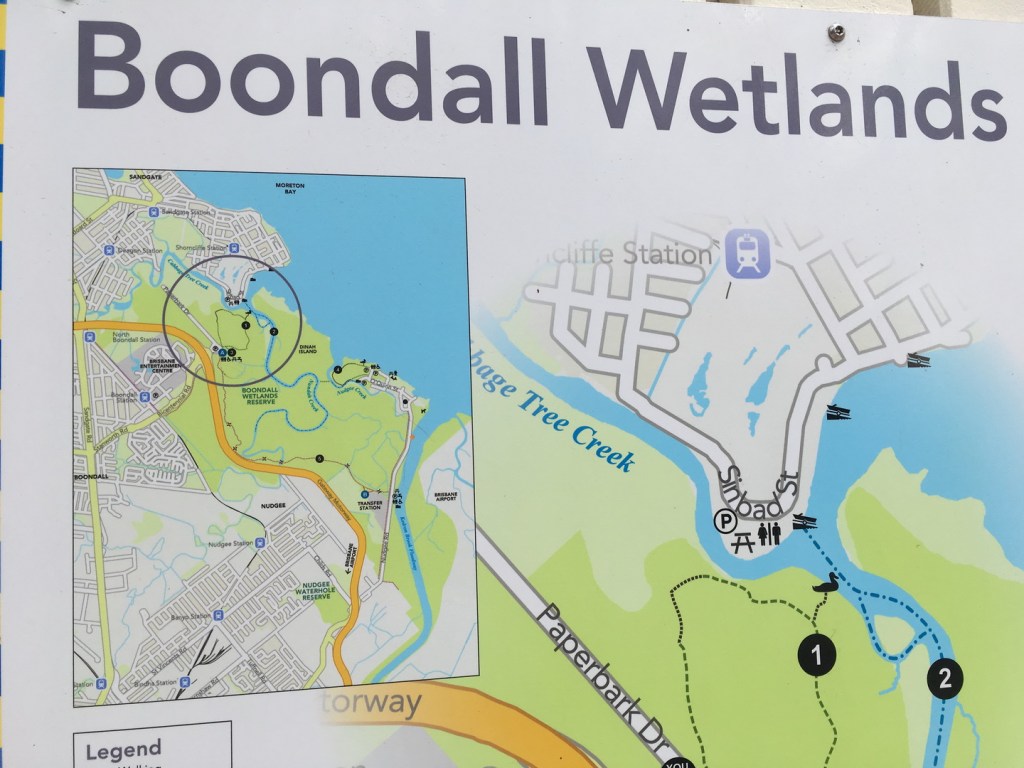
Boondall Wetlands was an interesting place to visit – walkways through the mangroves.

One of favourite birding spots was Oxley Creek Common.

Oxley Creek Common

We visited Oxley Creek Common several times and made a good bird list (a bird list of what we identified and where is available to view or download at the end of this report).

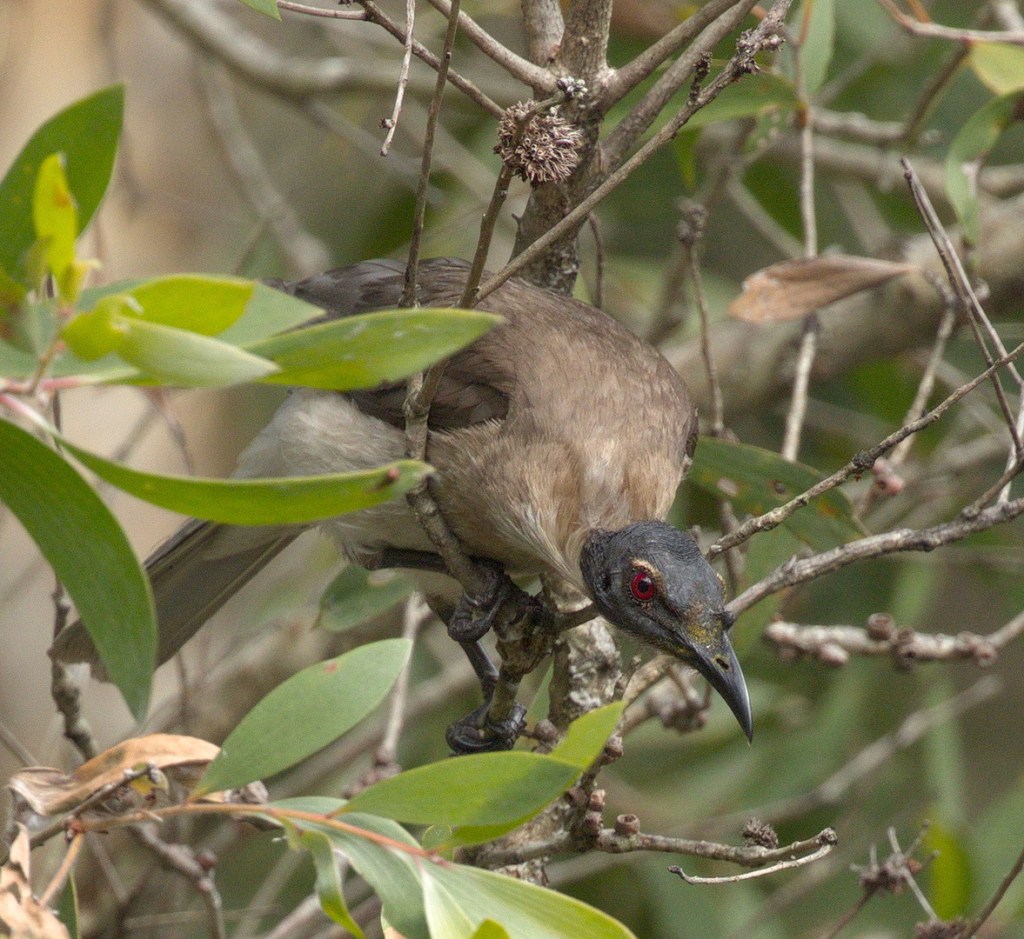
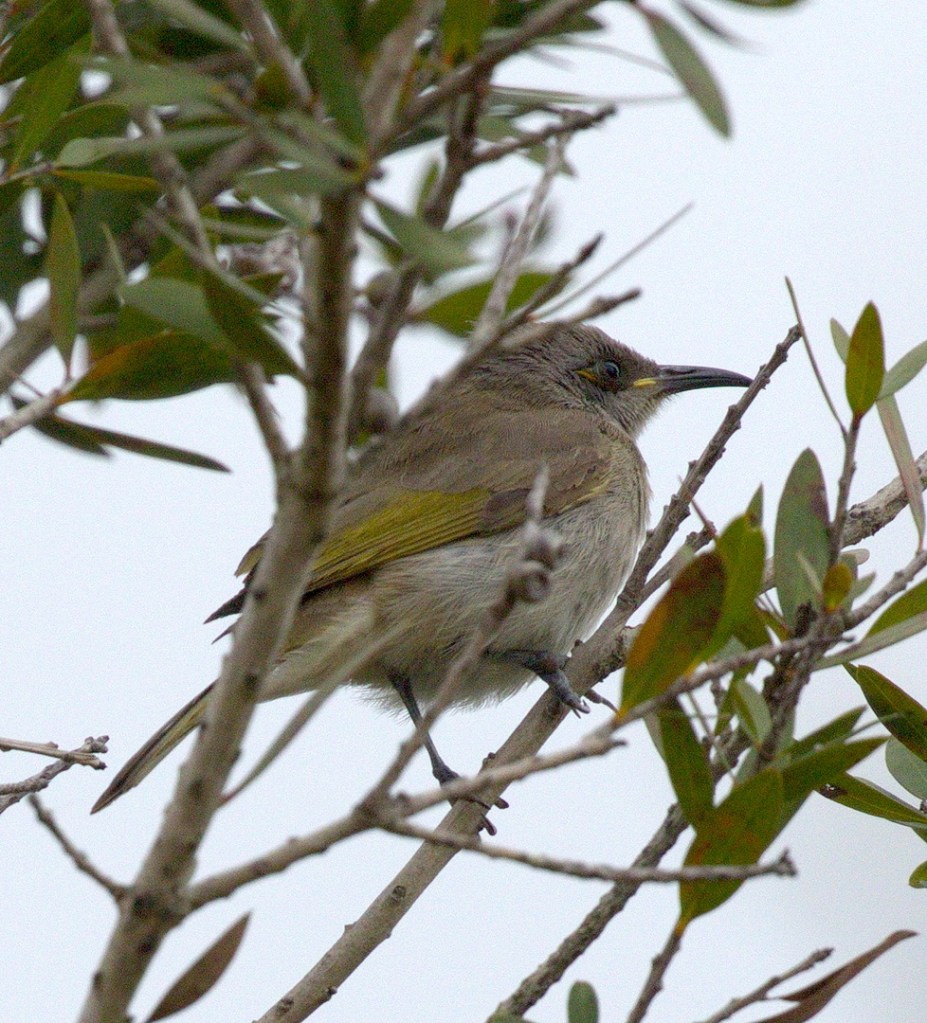
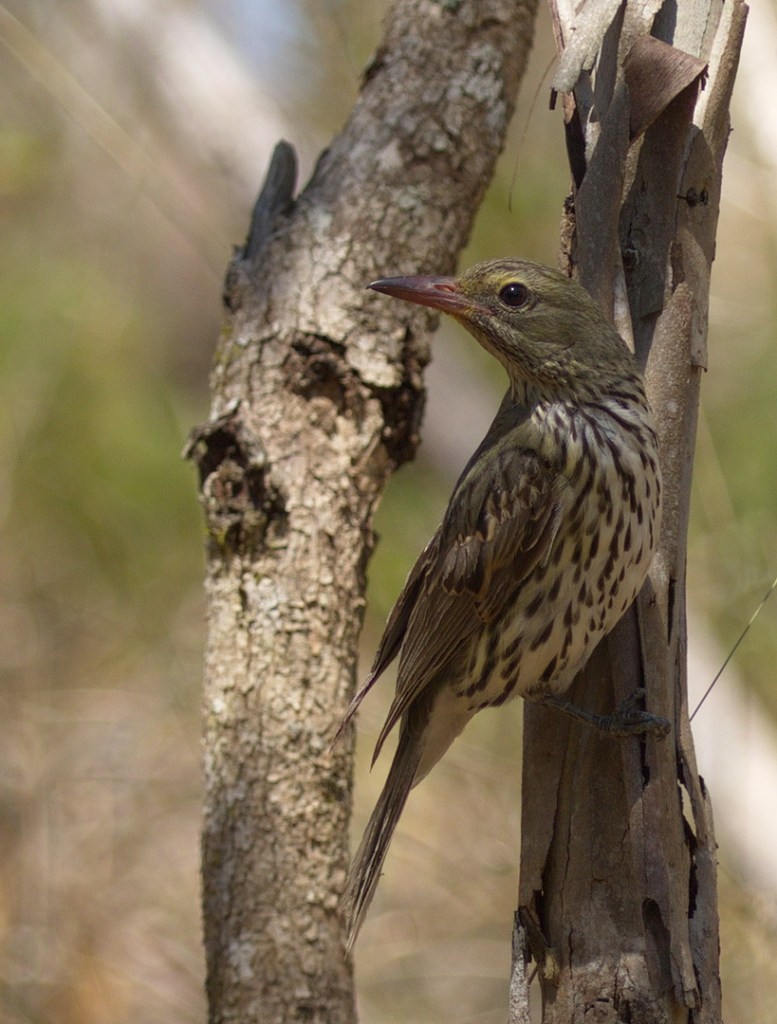
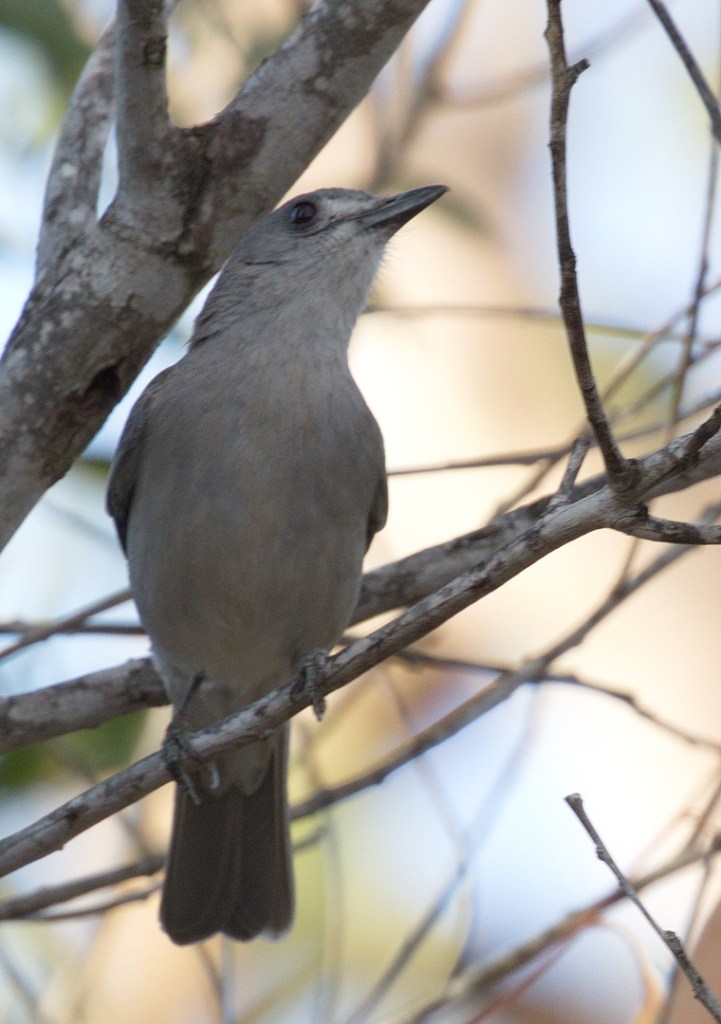
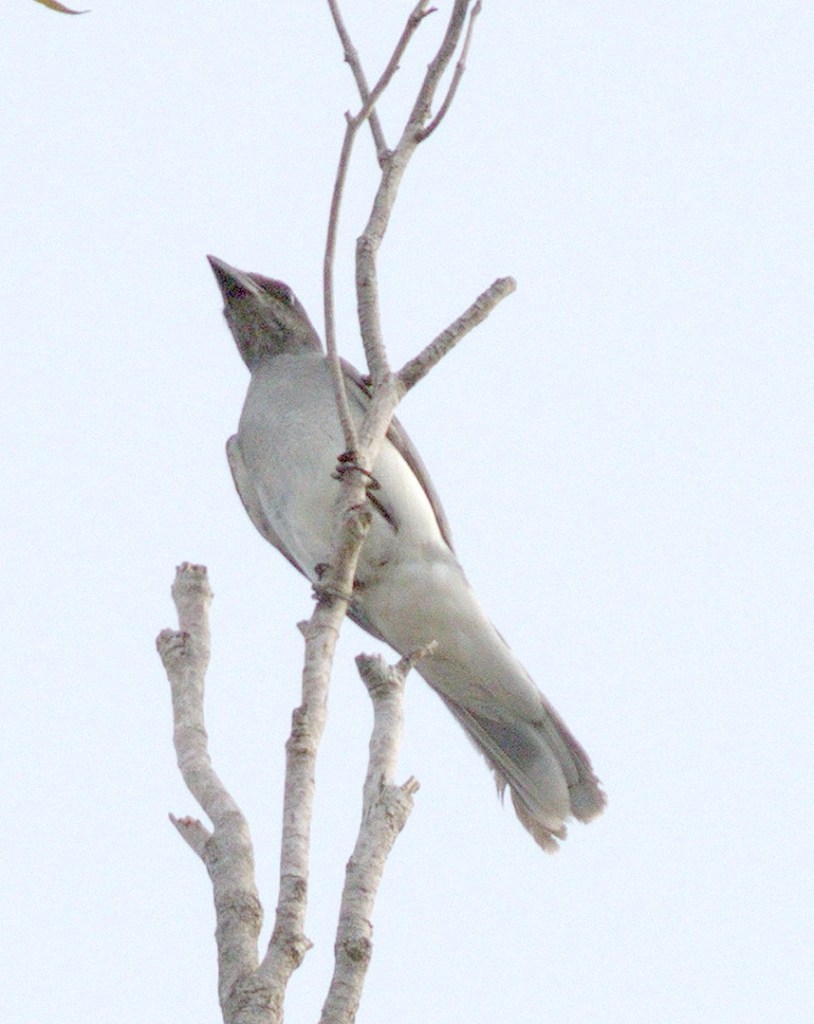
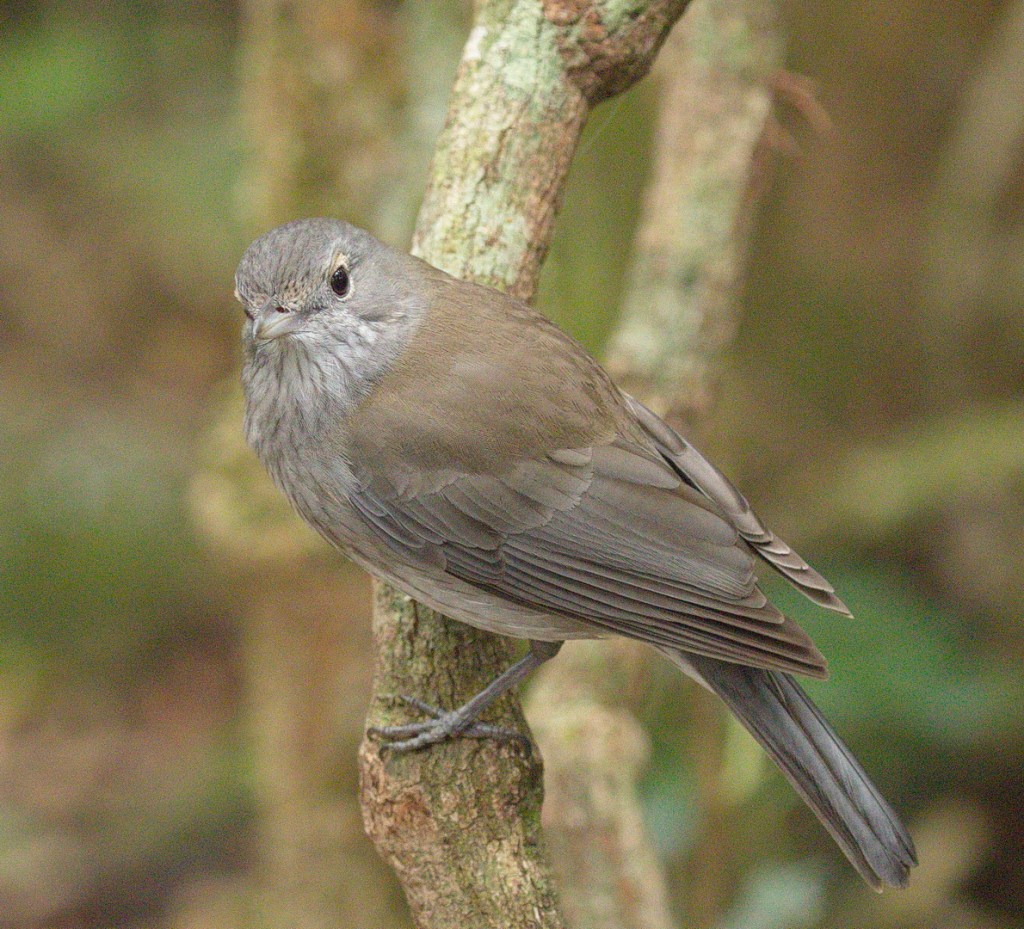
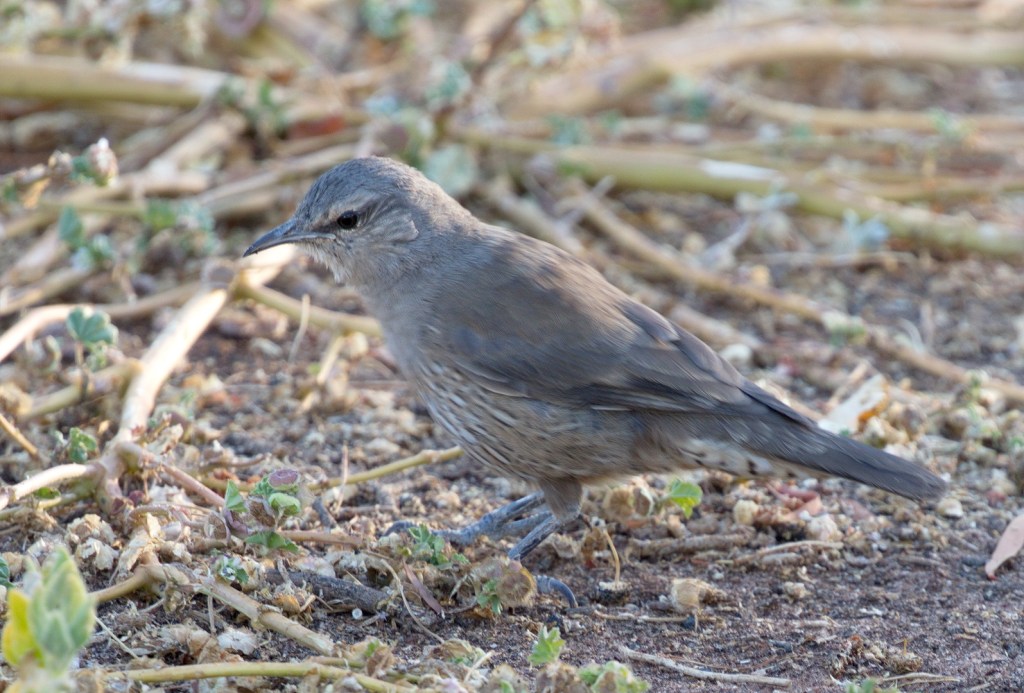
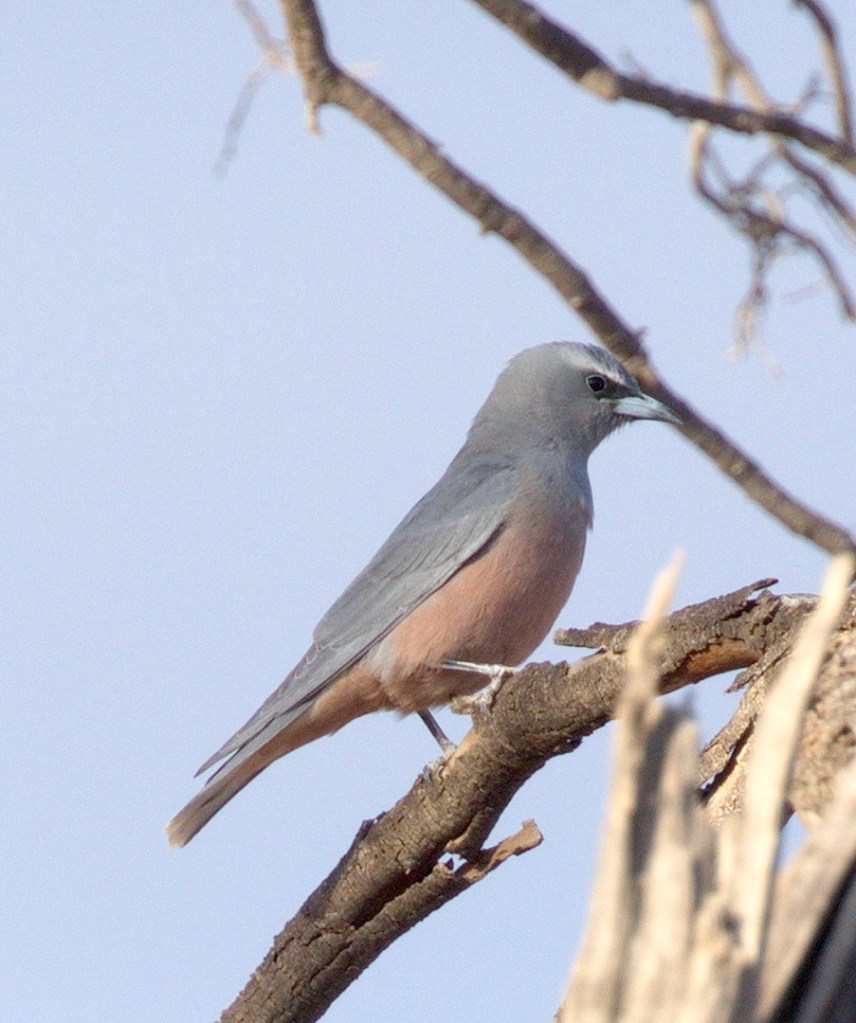
Another bird for ID:

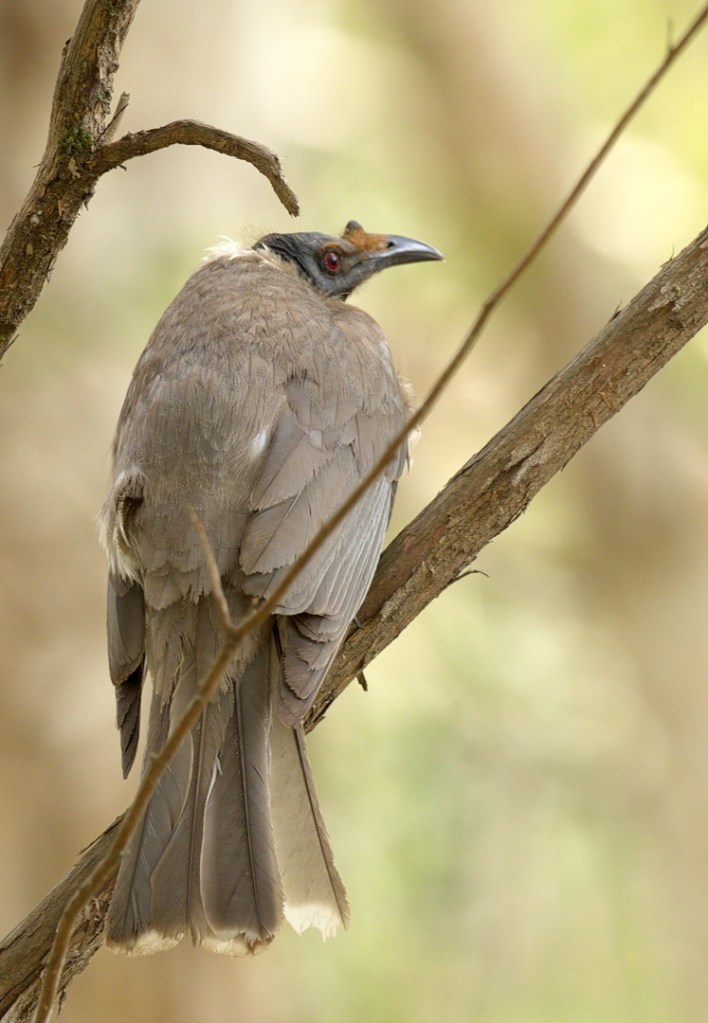
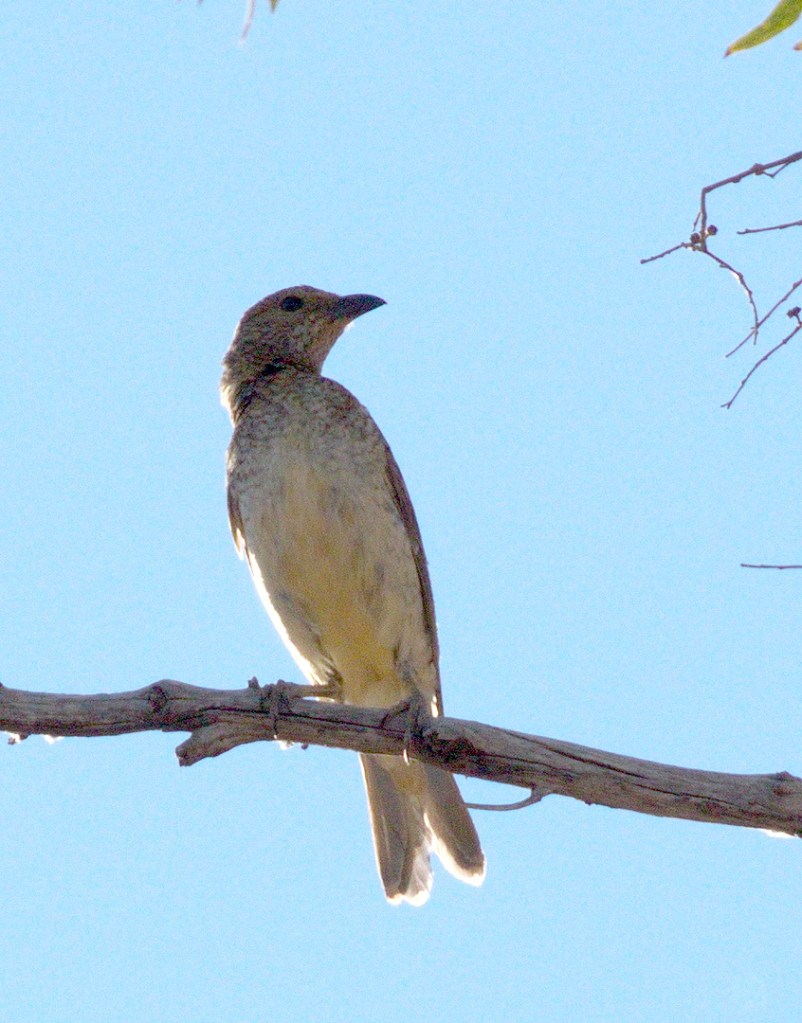
What am I? Striated Pardelote

After two days in Brisbane we headed north to Peregian Springs and Noosa. Here we stayed with friends for two nights. The bushfires came close to their home a couple of weeks before we got there. Some school kids had started a fire in the local forest and it raged along the coast for several days. Fortunately our friends were not evacuated but they were prepared just in case.

Our friends, notable birders, took us out to see the surrounds and to do some birding in areas which we never would have considered. Wonderful two days.
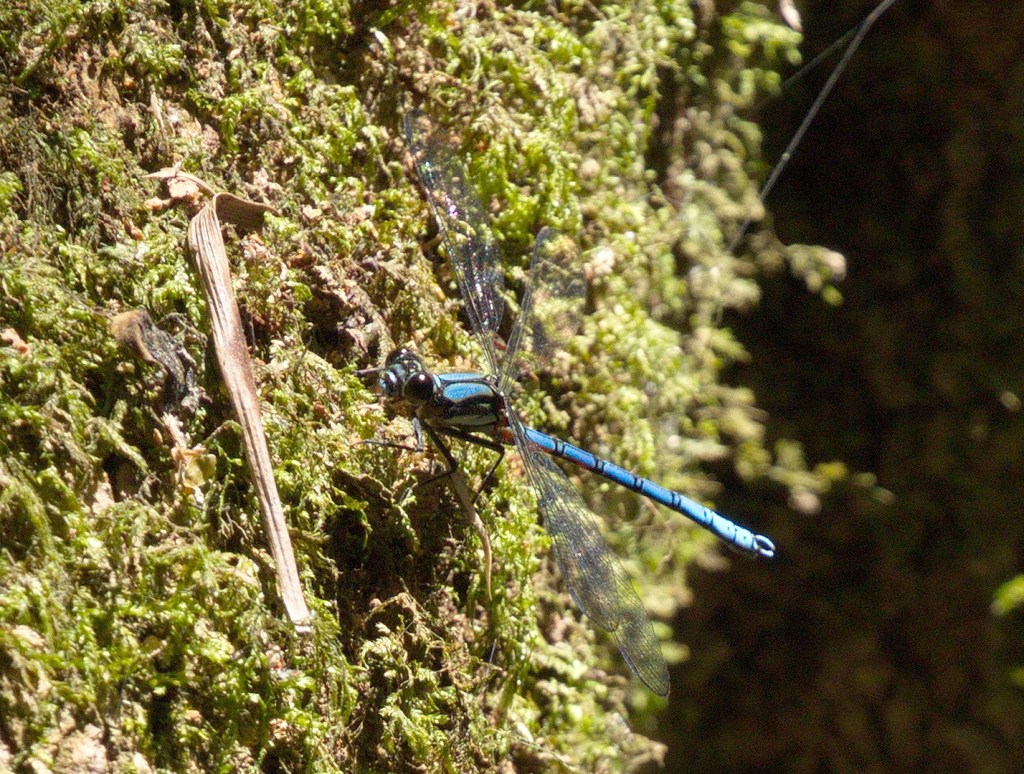
Then there were the birds and other critters:

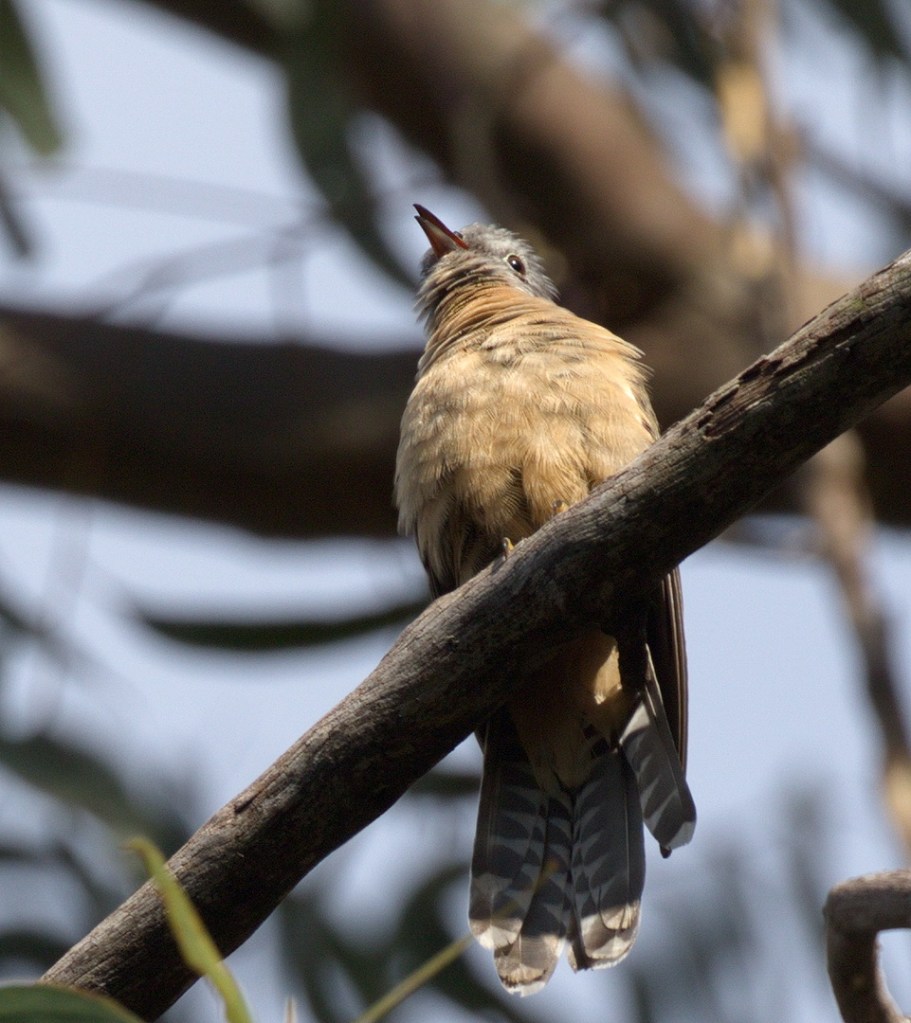
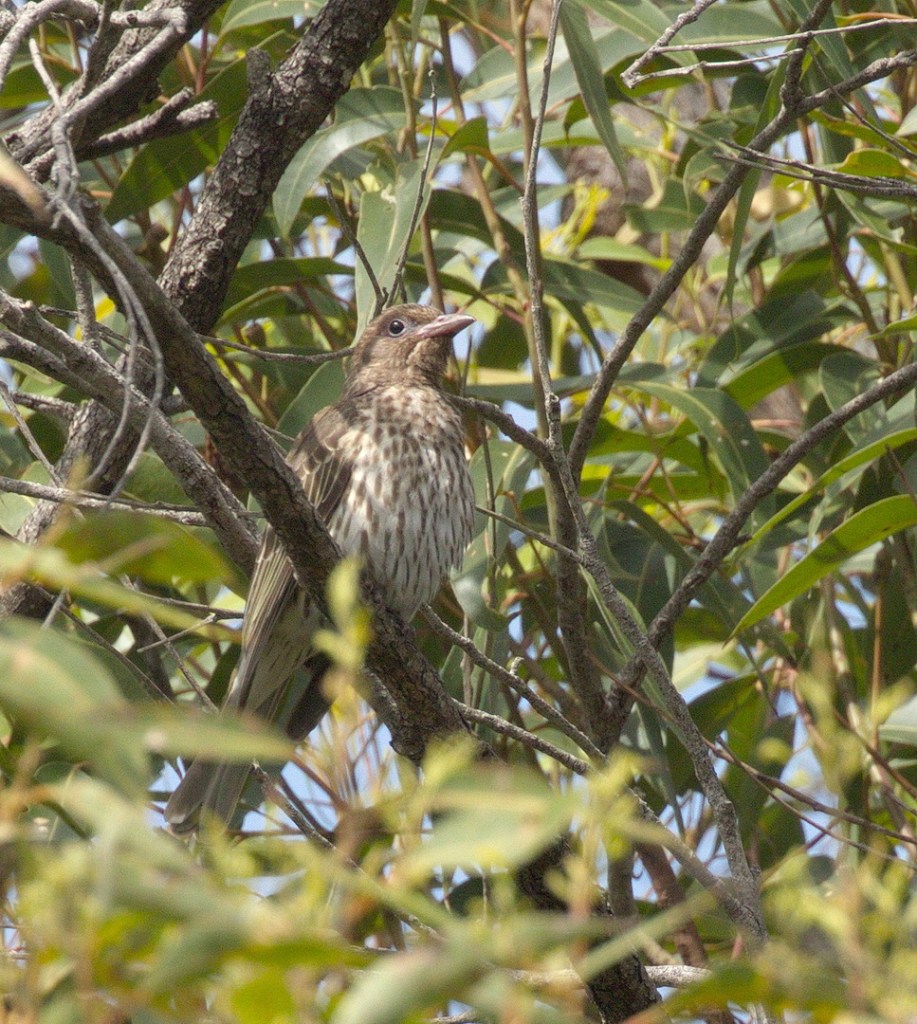
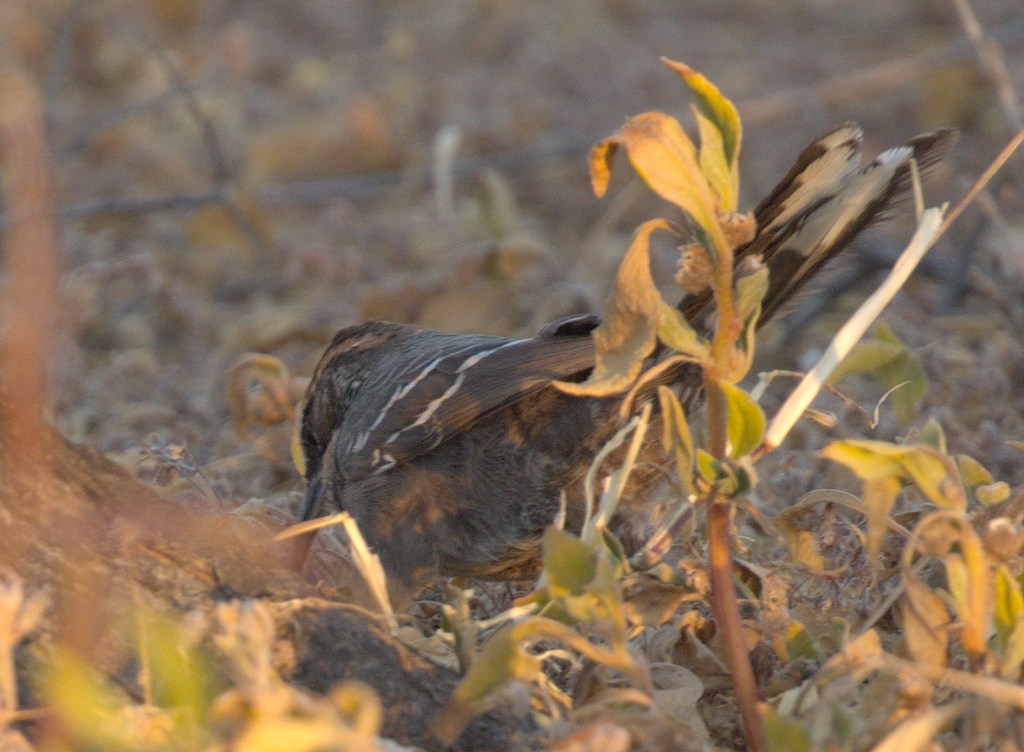
And What am I?

After our time in Peregian Springs we went south of Brisbane and stayed for 2 nights in a grotty home – a shock after the lovely home we stayed at in Peregian Springs. Time was spent all day exploring the local parks and going to the wetlands in the area – Berrinba and Eagleby . Back to Oxley Common – our best inland birding spot around Brisbane.

The next 3 nights we spent in a splendid annex to a home at the base of a wooded mountain in Willow Vale – 52 Pitta Place.

From there we explored the Gold Coast (naf – my opinion) and several of the nearby birding spots. Probably the best of which were close to where we were staying.

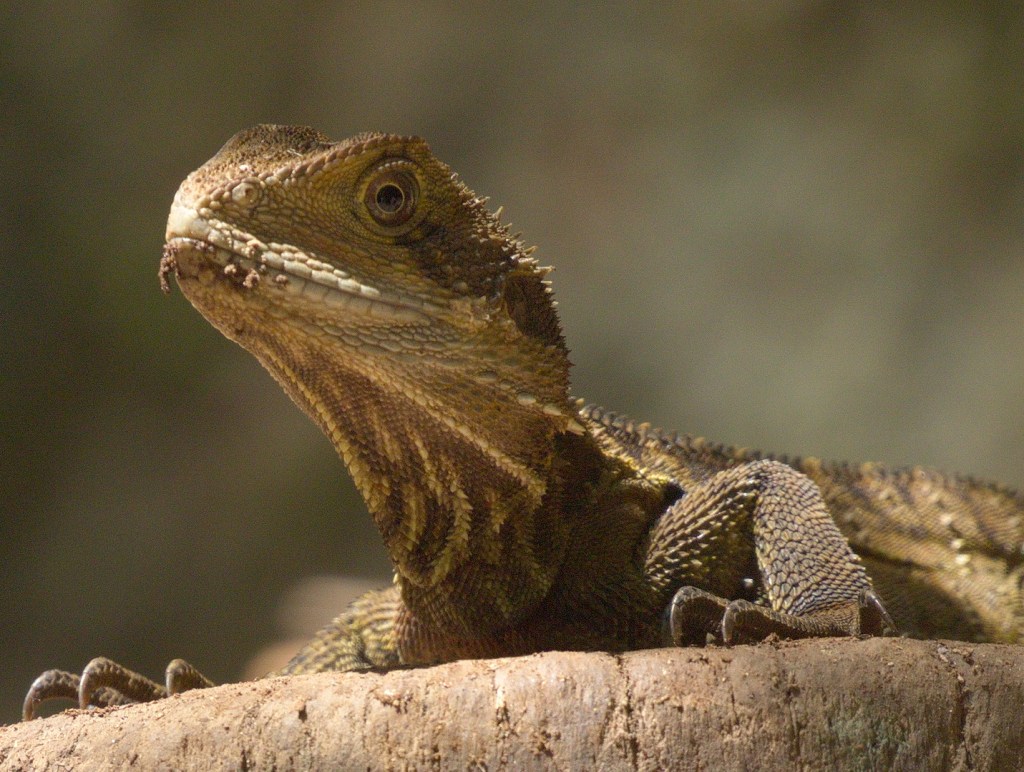
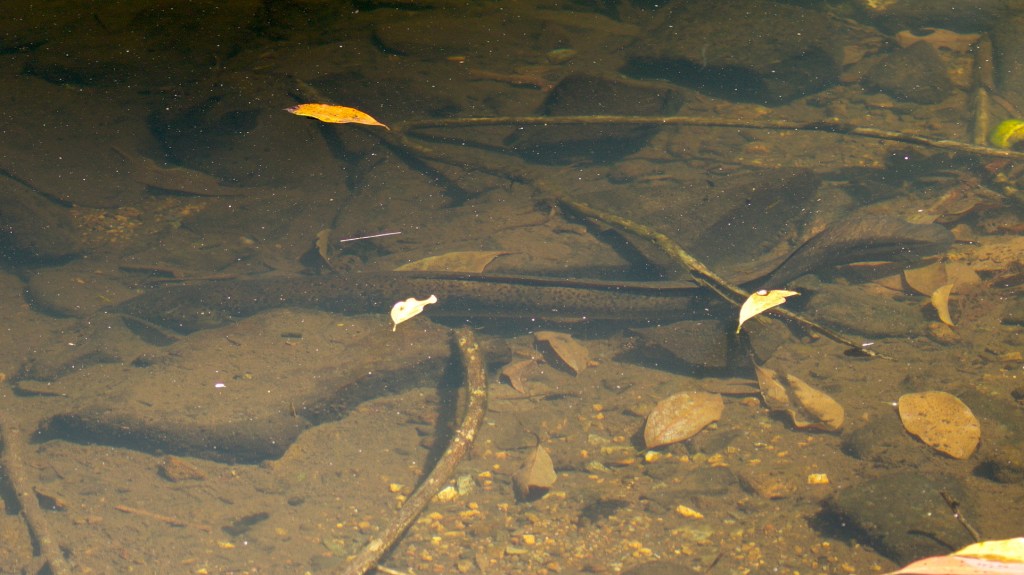
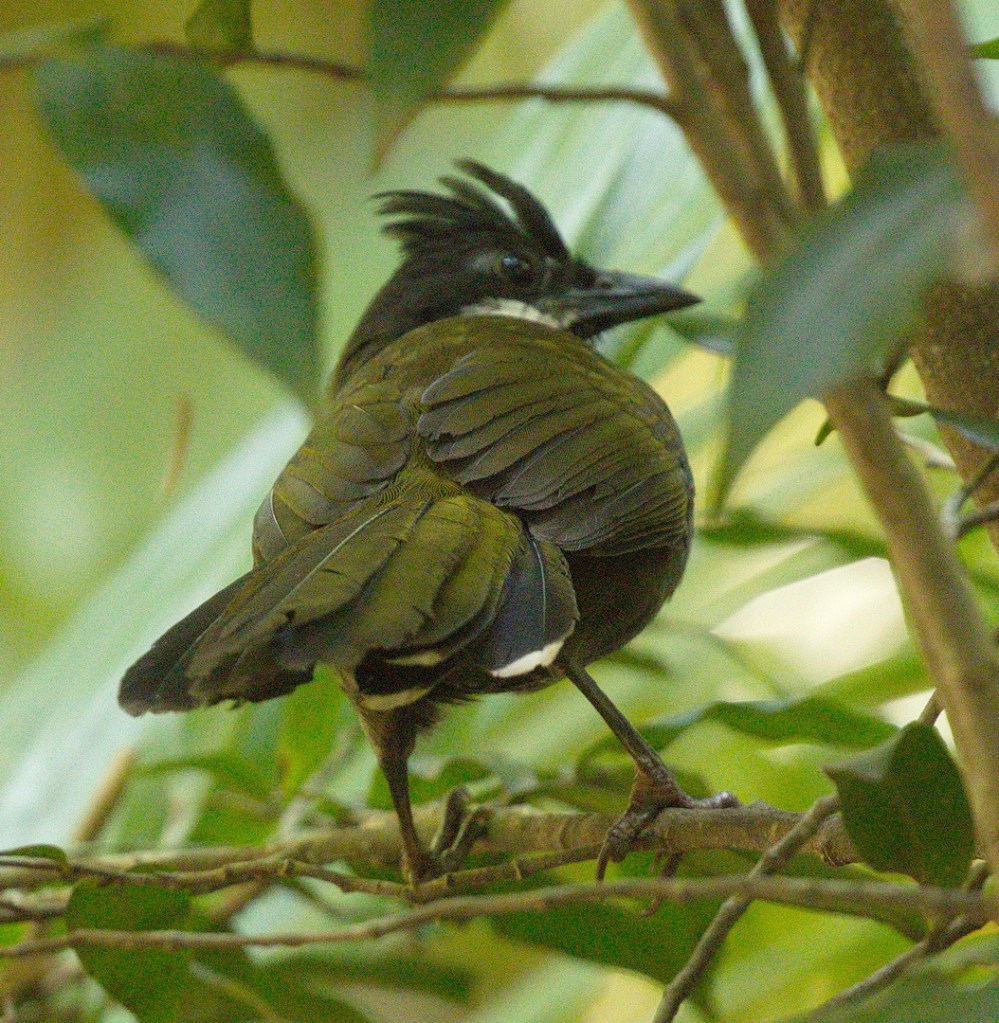
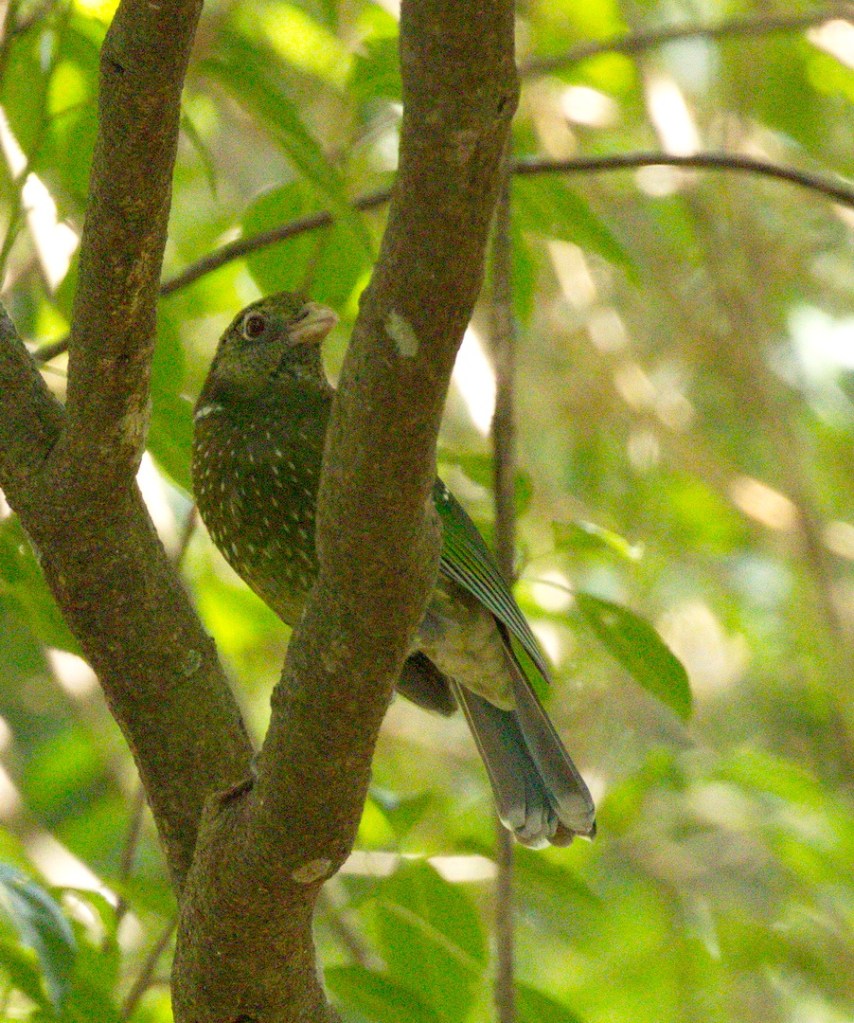
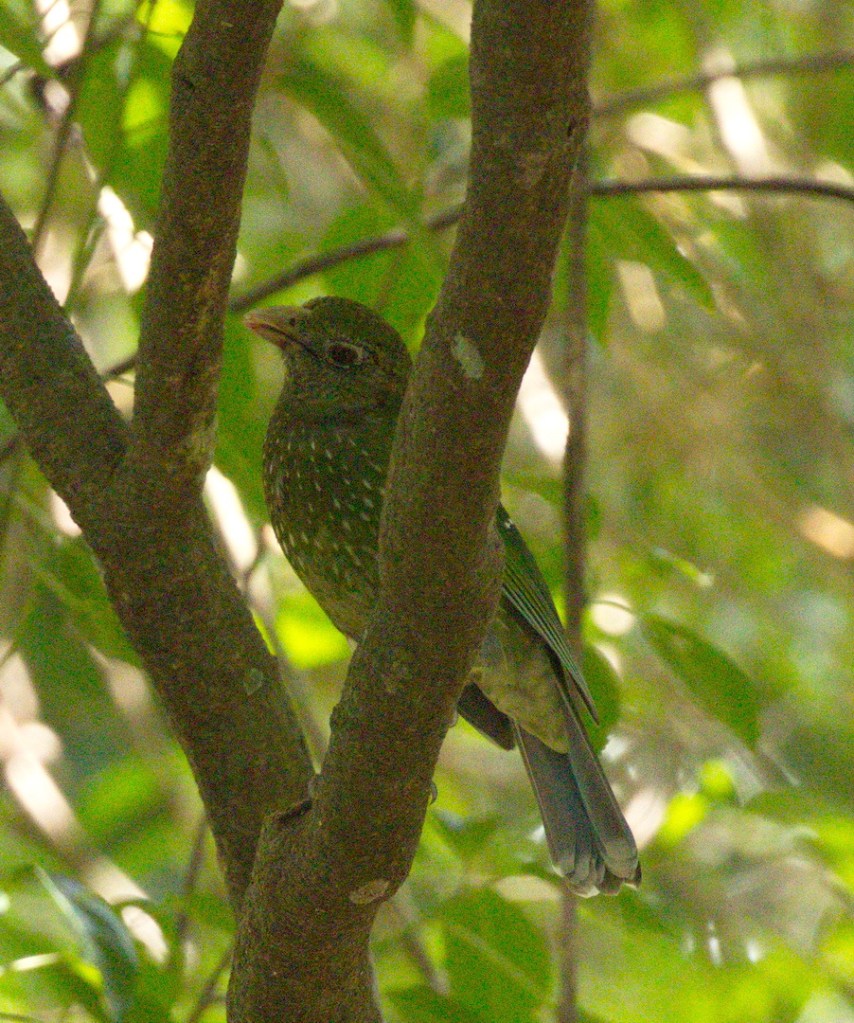
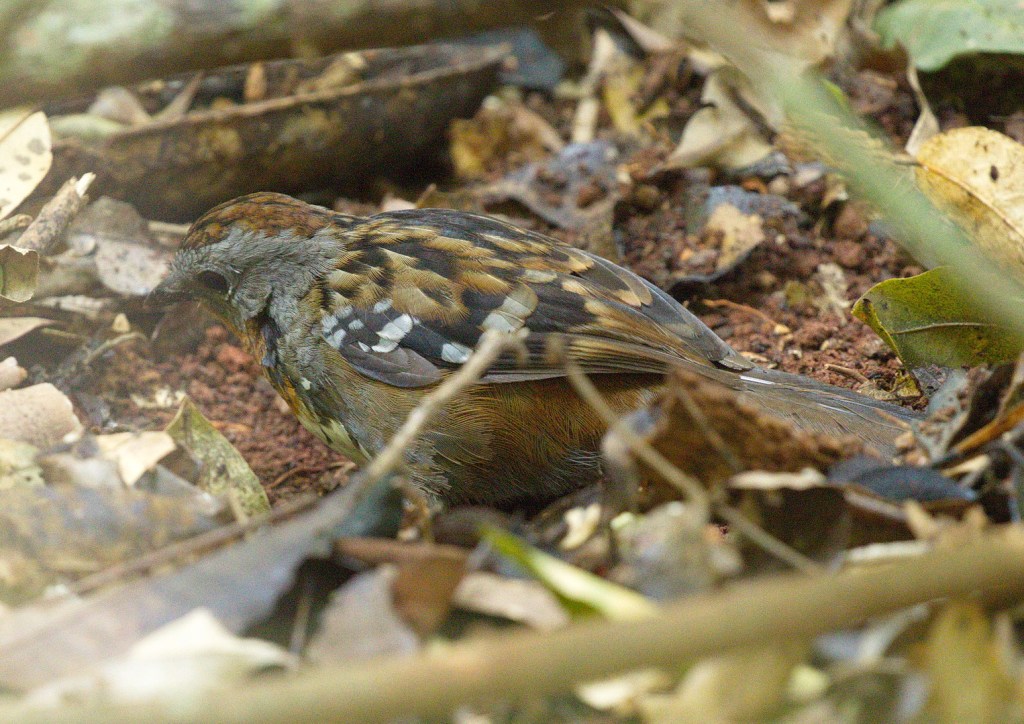
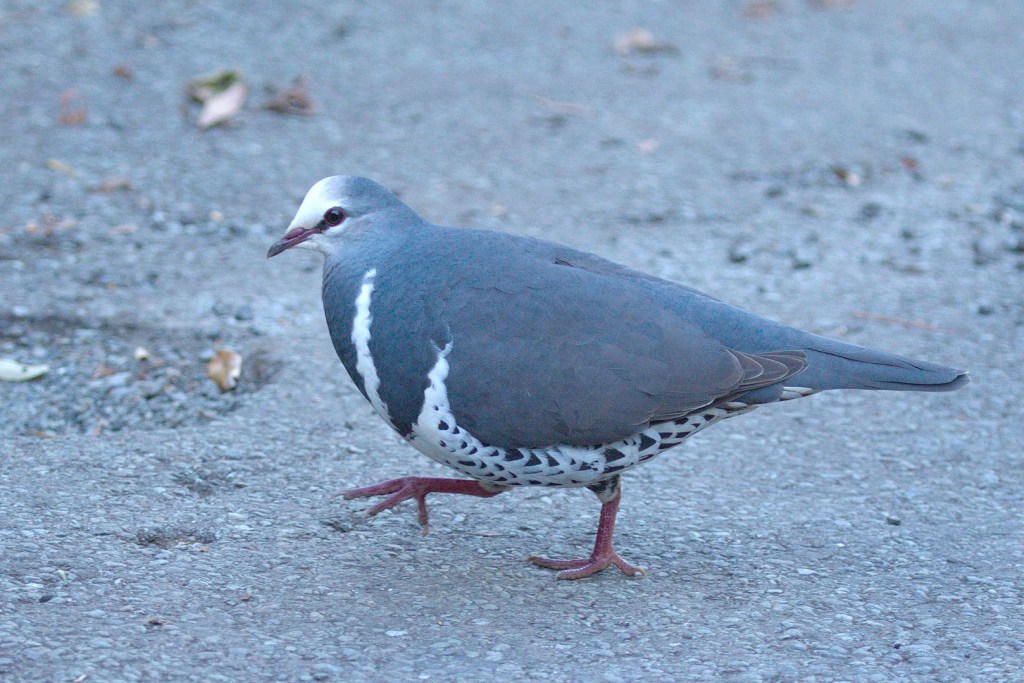
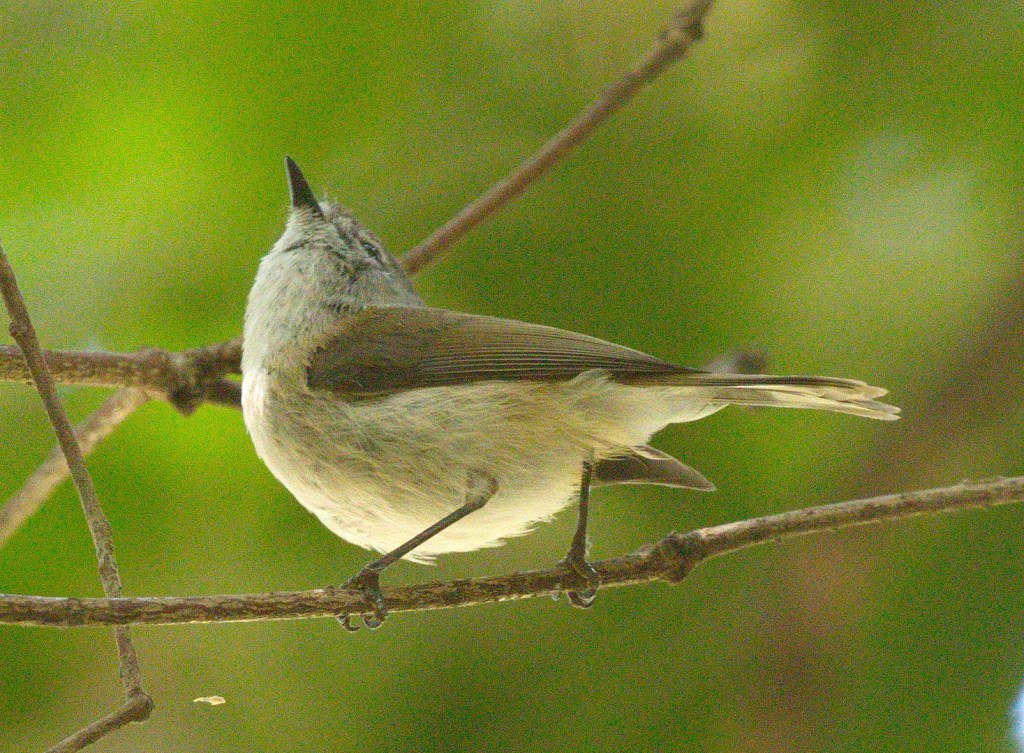
Eventually we headed to O’Reilly’s via the Joalah Section in Mount Tamborine. A small reserve but one we really enjoyed. The first bird we saw in the canopy was a Wompoo Fruit-Dove a truly colourful bird. Logrunners were everywhere rustling the undergrowth but well camouflaged. On a short walk to the bottom to explore the waterfall we heard and found a pair of Green Catbirds – another first for us. At the “waterfall” at the bottom there was a Dragon and an eel – some of the other wildlife.

The drive to O’Reilly’s was interesting up the hairpin turns through the woods of gum, into an open area before eventually getting into the real forest – some 936 metres above sea level. We were expecting it to be much higher up so it was interesting to see how the habitat changed from such a small climb.
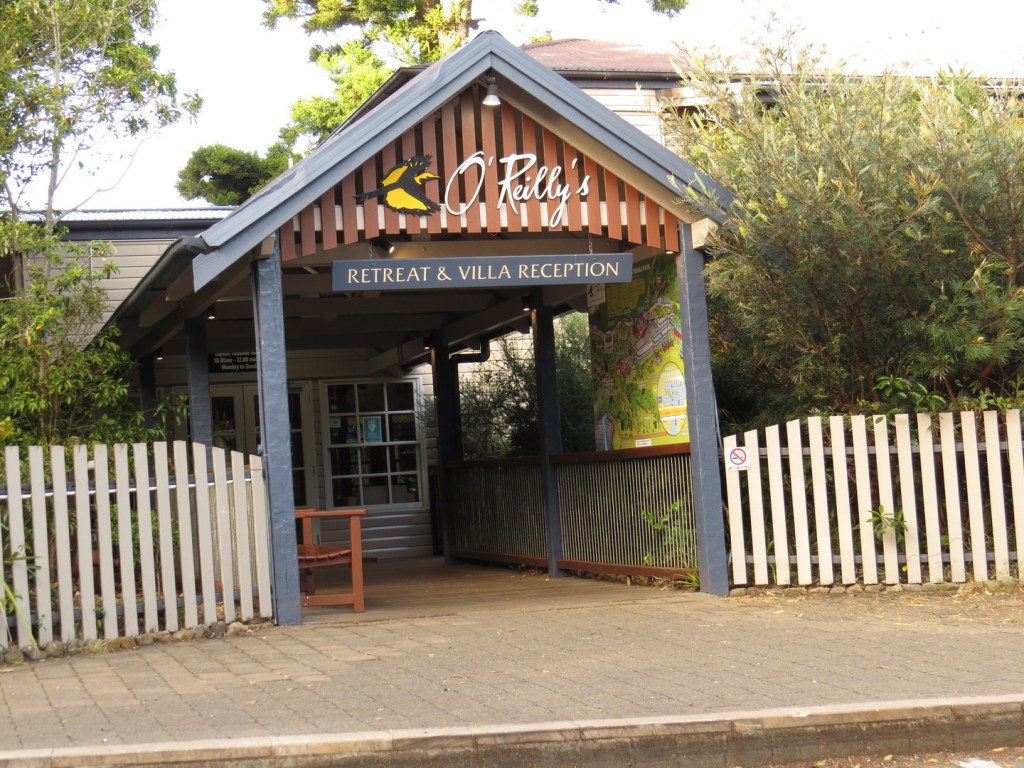
Our time at O’Reilly’s was spent birding alone as they had no guides to spare (which would have been great for night-time birding). As it was, day time birding did not really need a guide tho’ it would have been useful to identify some of the bird calls. There were many well trailed walks through the forest – so photography was testing especially taking shots of silhouetted birds. I gave up the monopod with a gimbal head as a dead loss – it was more of a nuisance than a help. 

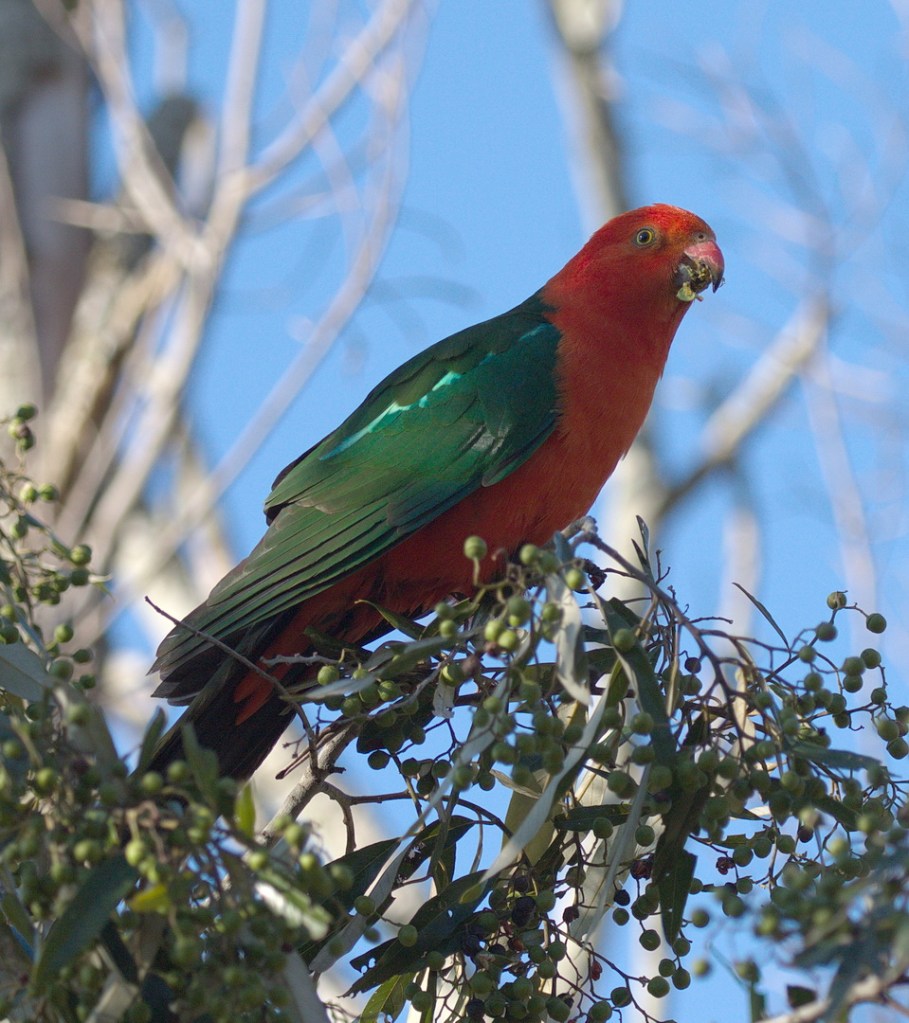
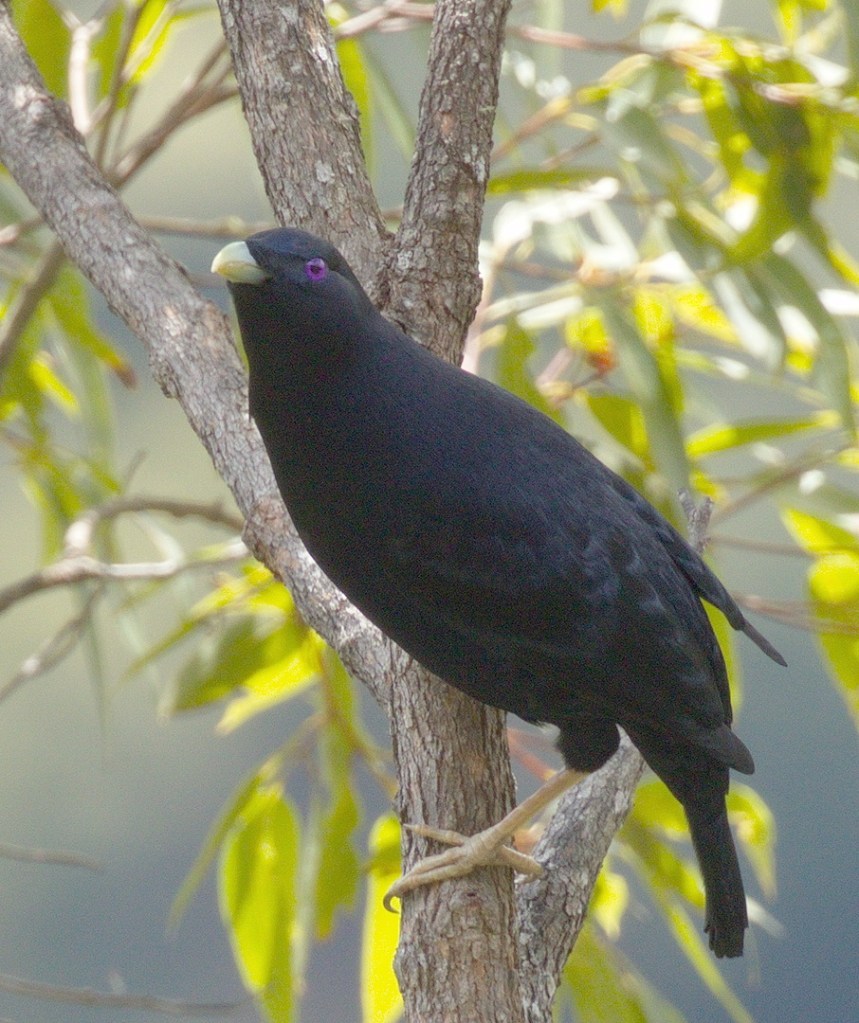
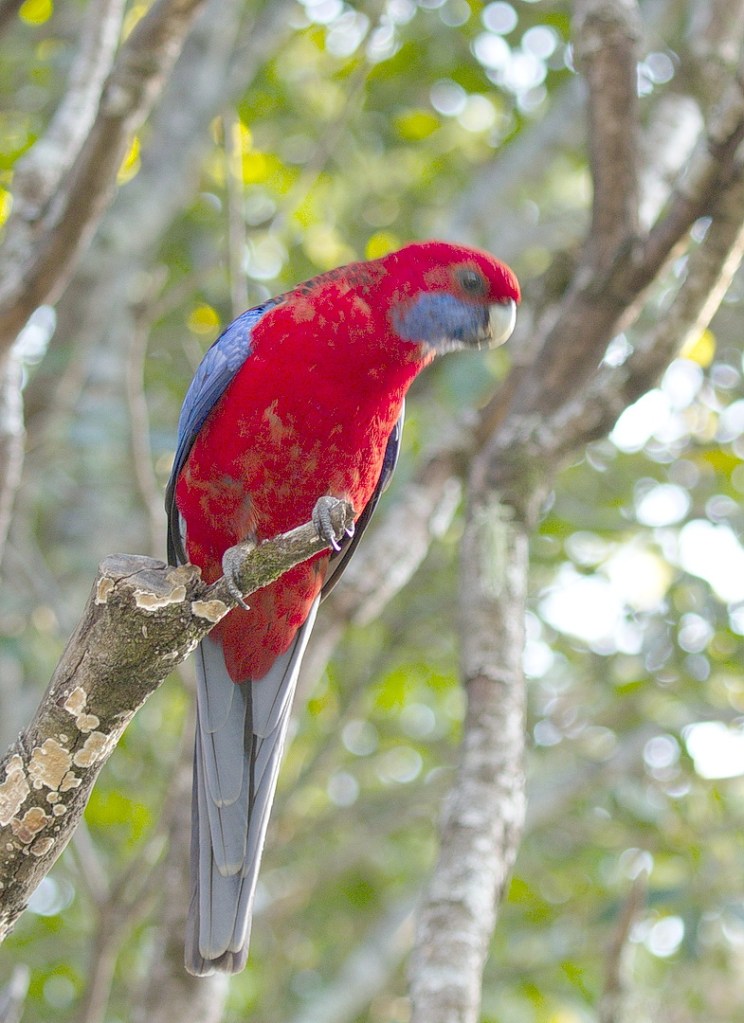
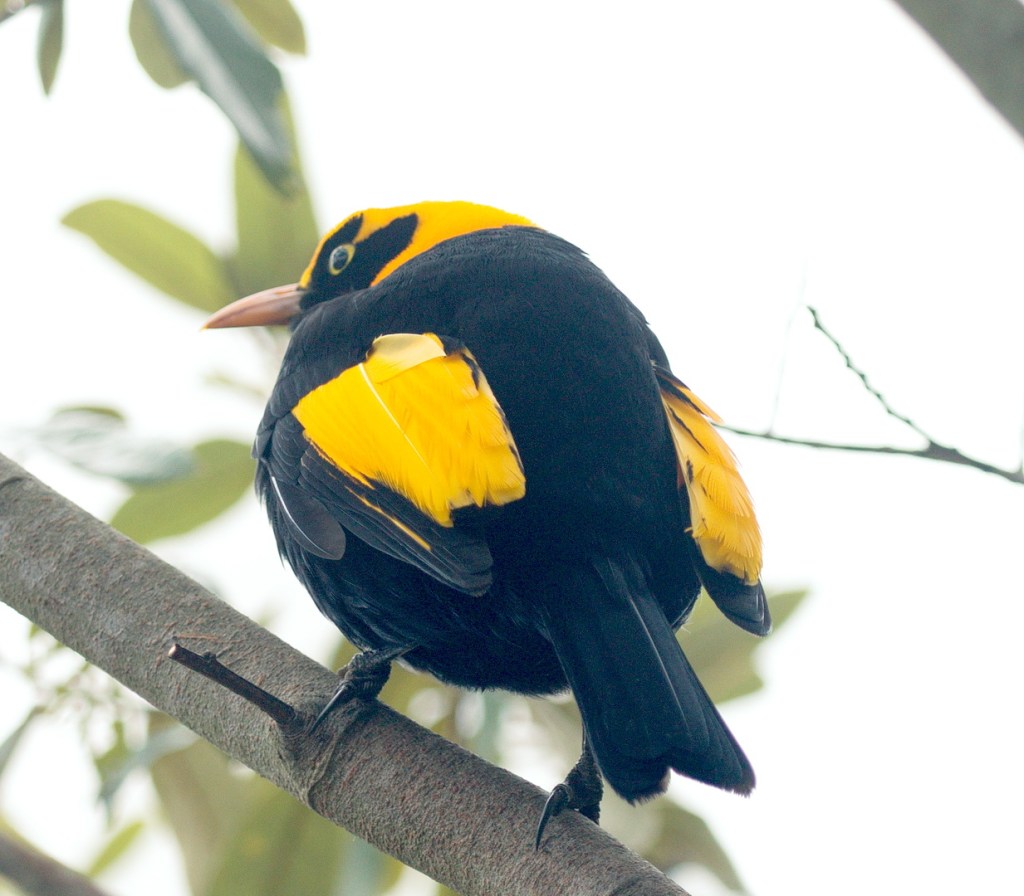
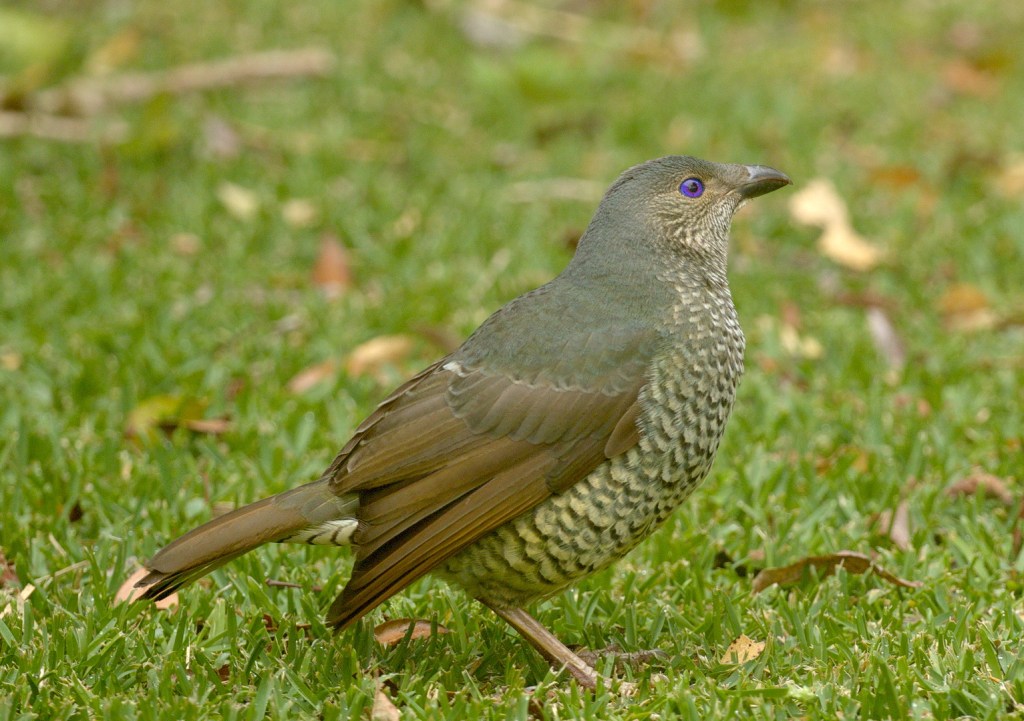
The weather did not help as it was often overcast, misty or rainy. Despite that we had numerous lifers – some too easy to avoid – Satin and Regent Bowerbirds, King-Parrots and Crimson Rosellas virtually all over you.

Sally King with her tame King-Parrot headdress.

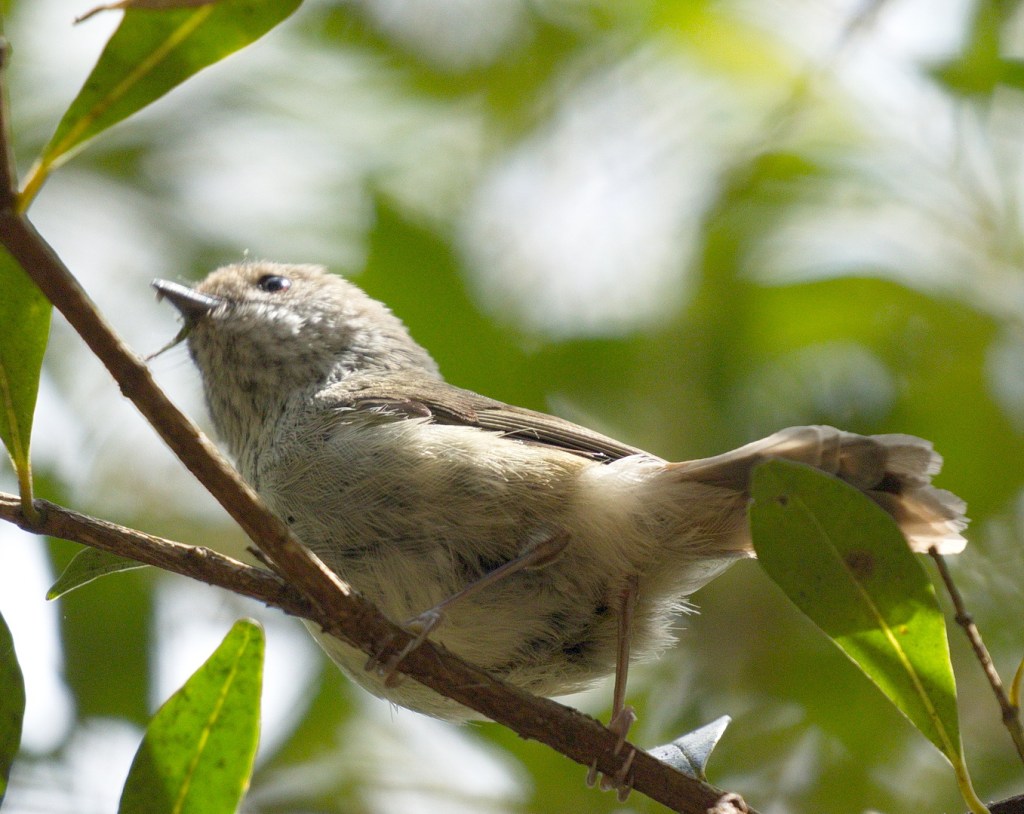
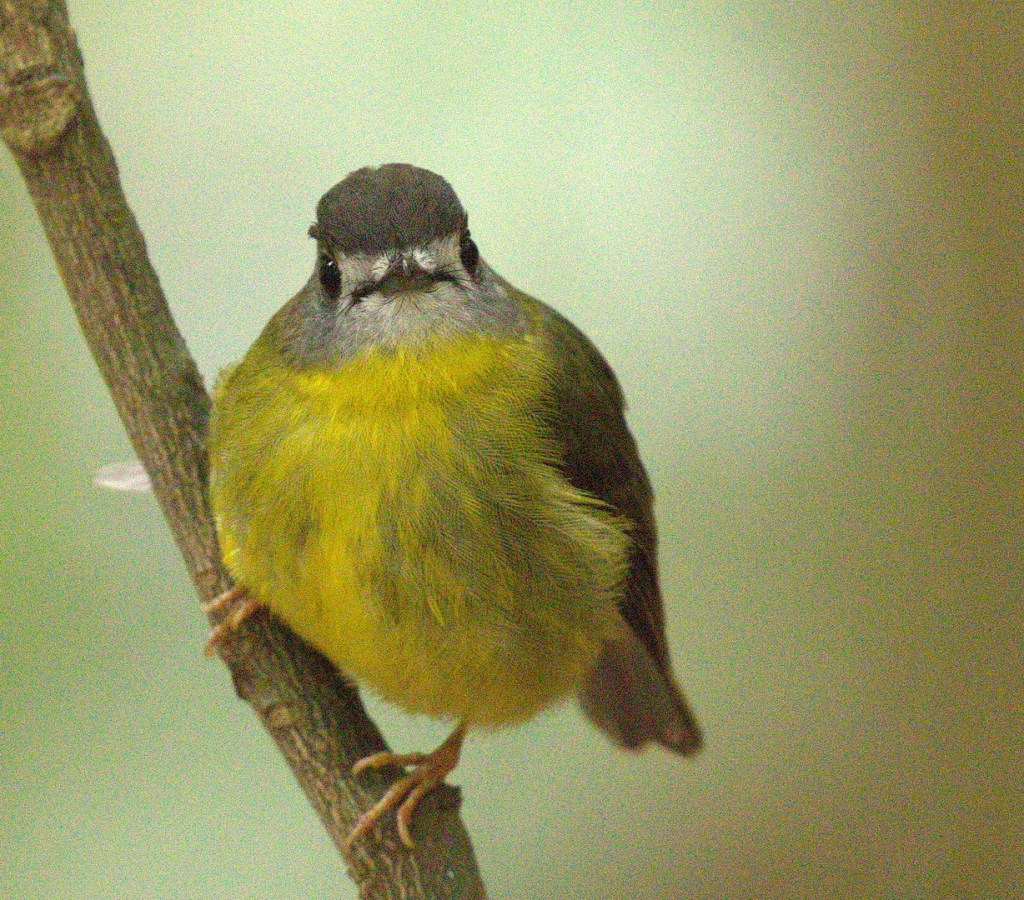
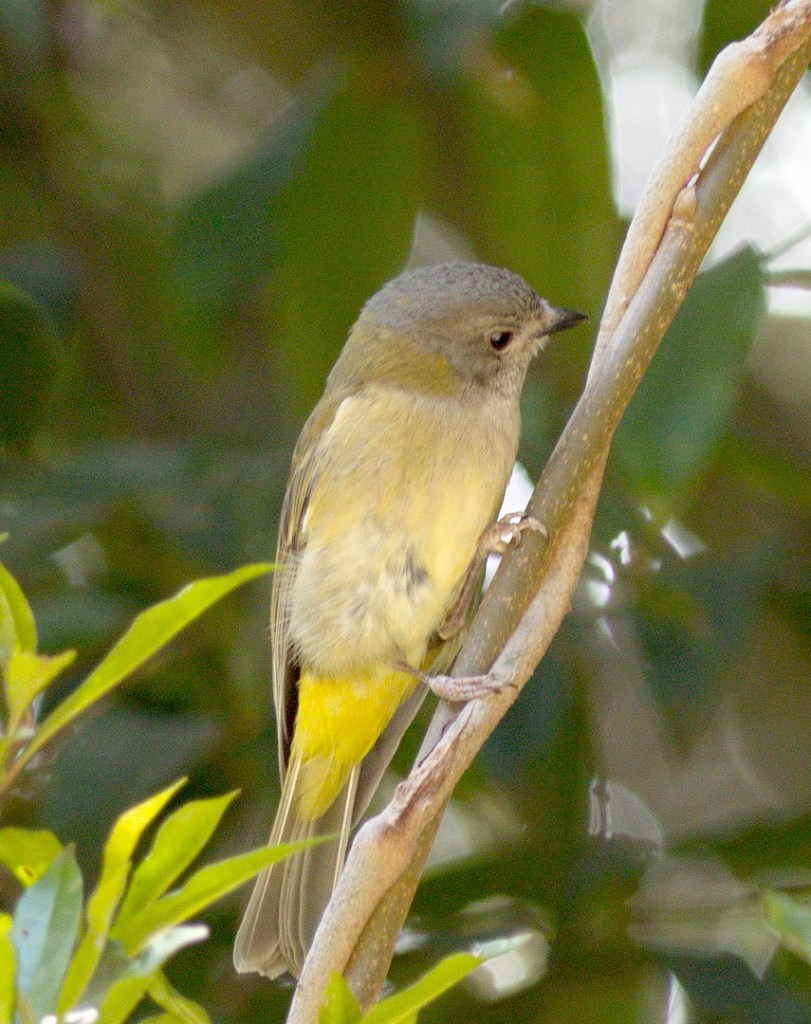
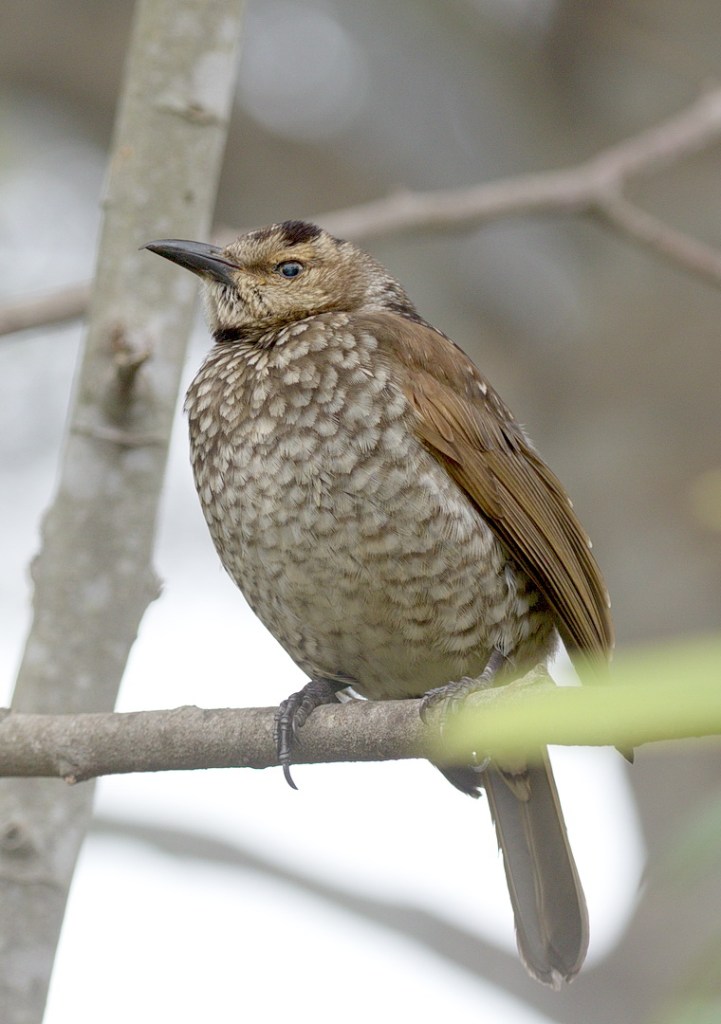
We did find some great birds amongst the forest walks – Paradise Riflebird (female), Green Catbirds, Topknot and Wonga Pigeons, Brown Gerygone, Yellow and Pale-Yellow Robins, even a Latham’s Snipe with its lovely striped back. We did not pick up a great variety of birds but we really enjoyed what we did see.
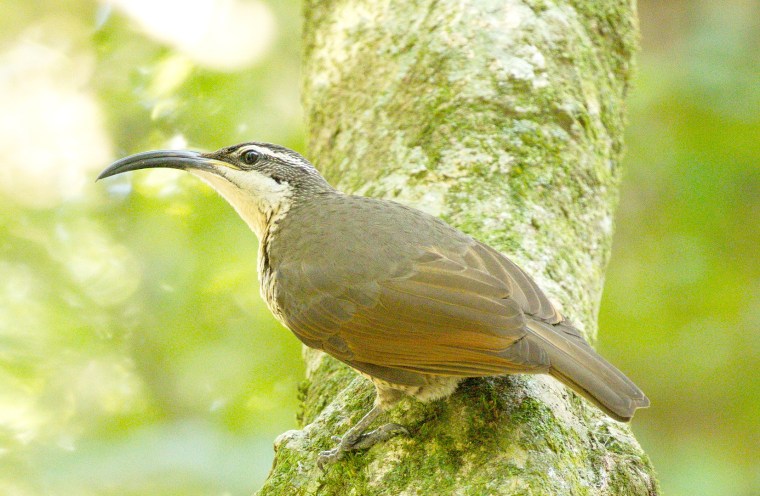
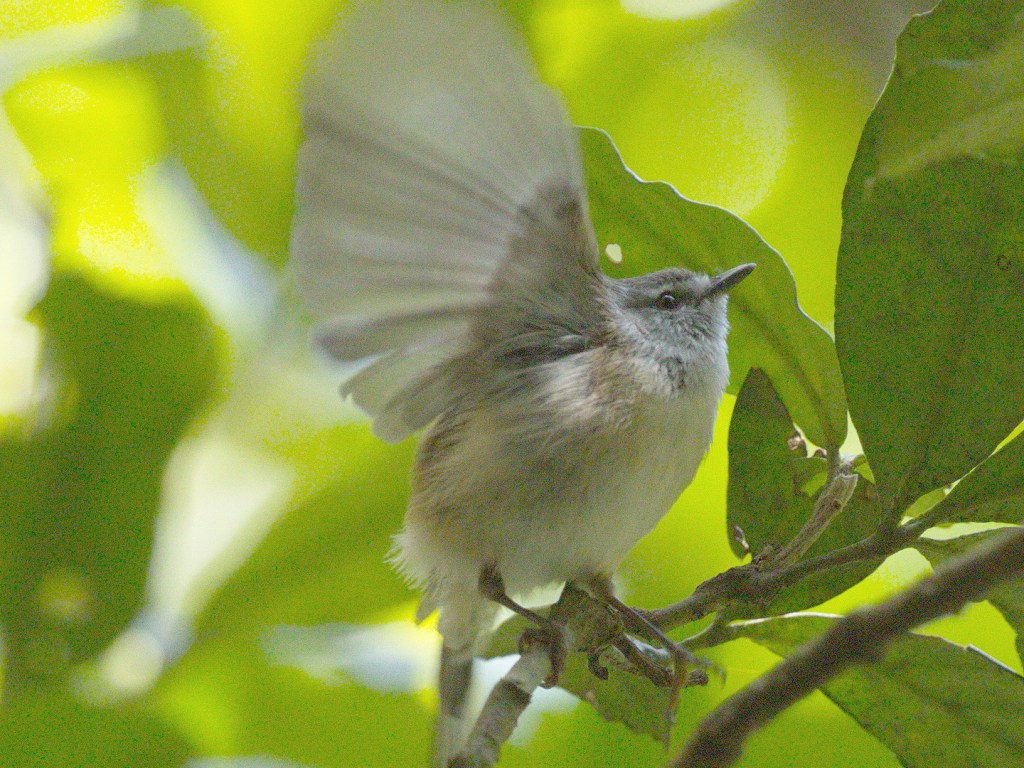
Paradise Riflebird female

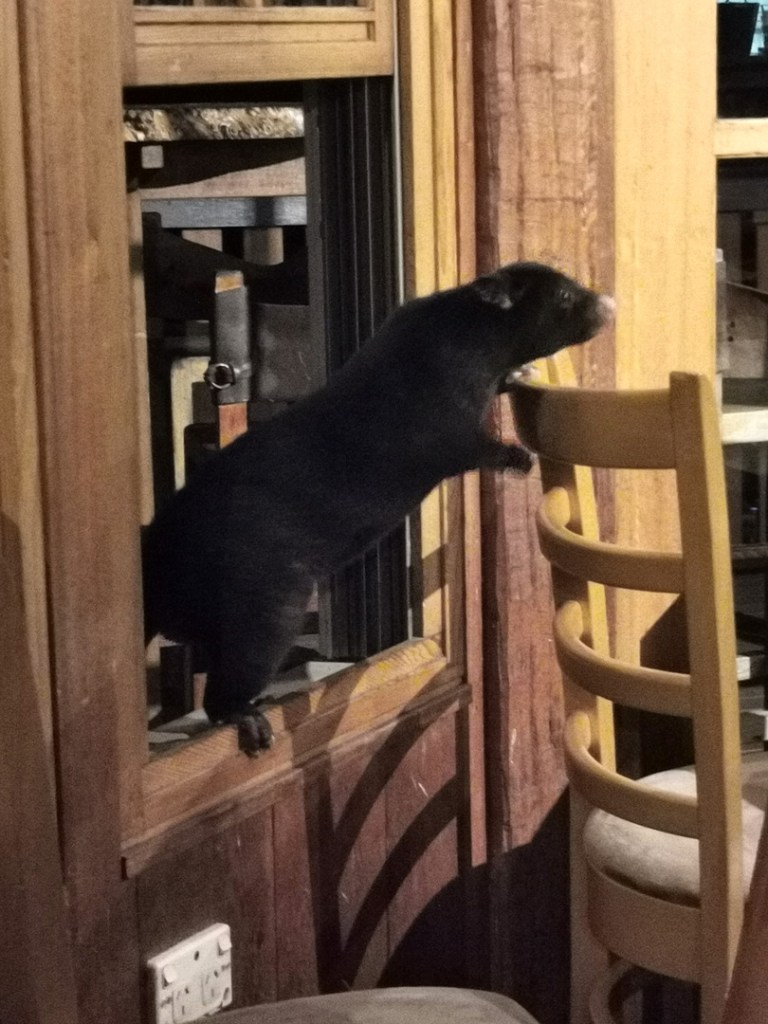
The bar menu was reasonable by Australian standards and the Barramundi and chips was excellent so much so that we each chose it on the two occasions we ate there. That was the meal of choice too for the resident Possum!!
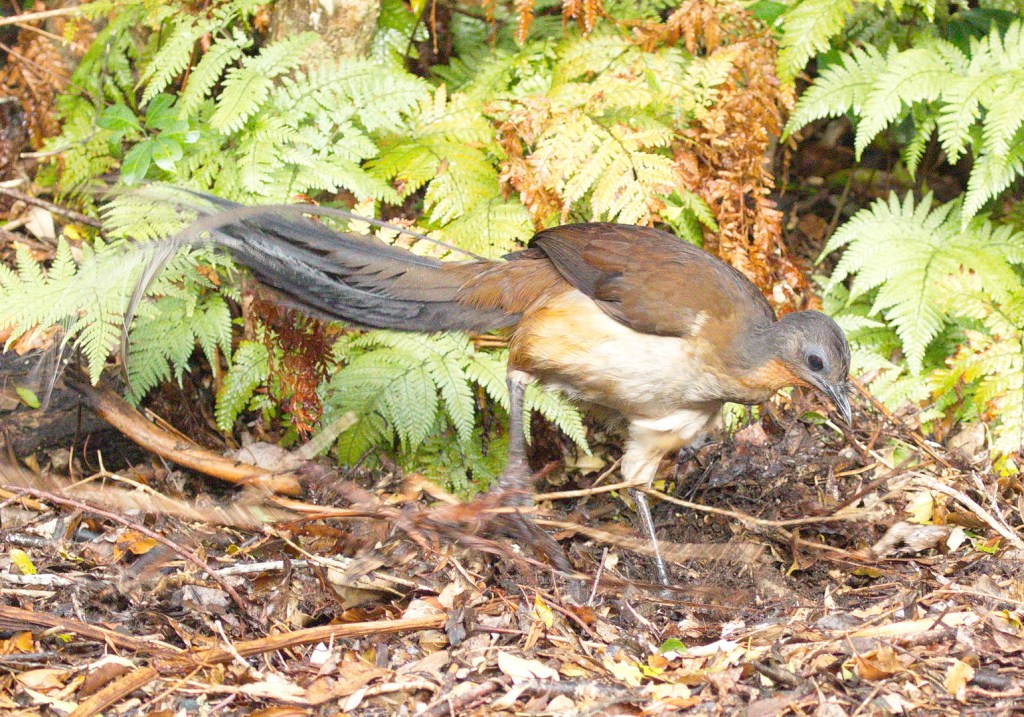
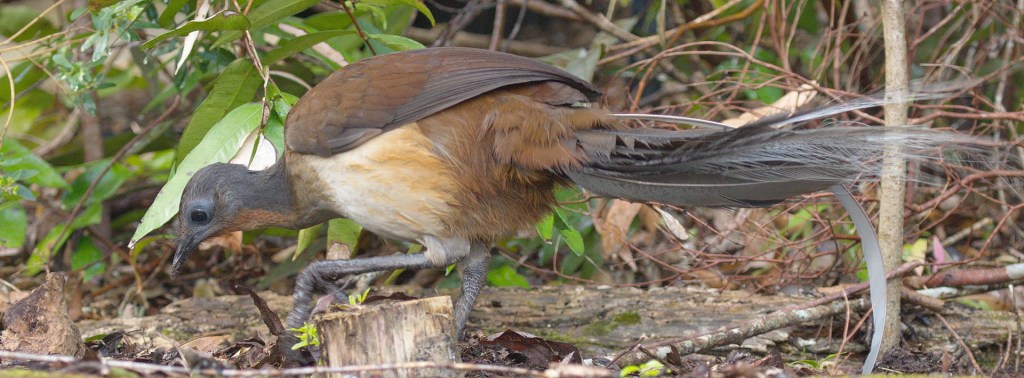
The highlight though was the Albert’s Lyrebird.
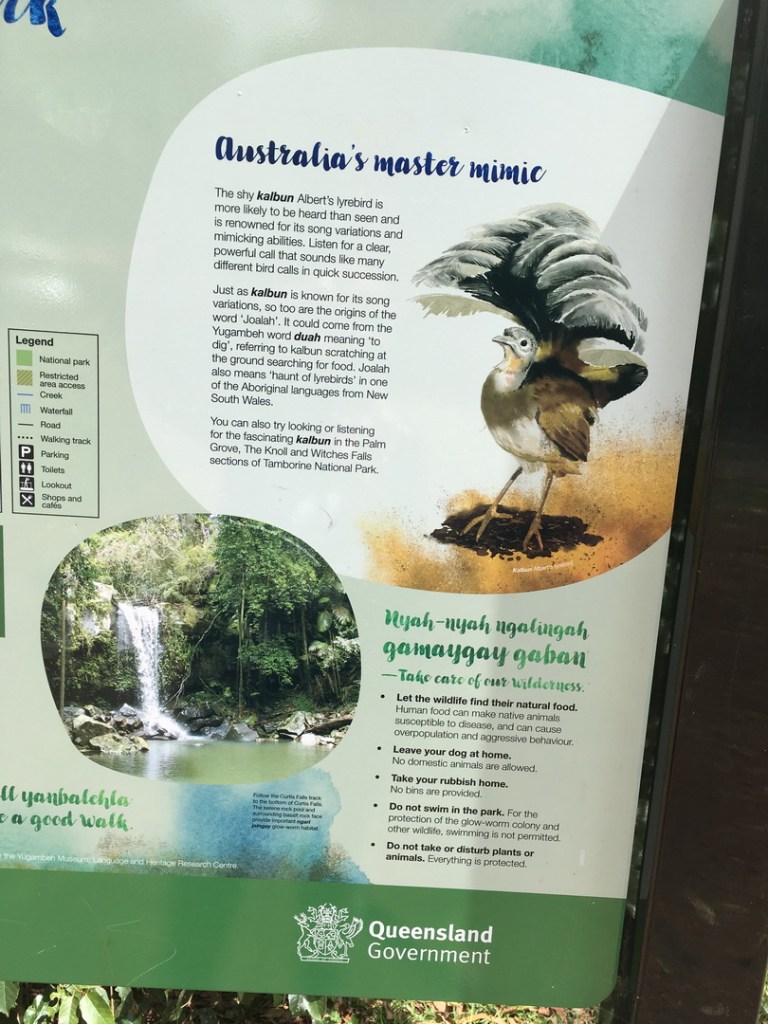
Once, we had a glimpse when it ran past us on one of the trails. However the first time we saw one was on the road in front of the Lodge reception while people gathered there for their morning guided walks. They were all too engrossed with the birds at the entrance to notice! Even the guides.

But our best viewing was right outside our room as we headed to the bar for a drink and dinner. There it was shuffling the leaves first with one foot and then the other. It was there for ages and took no notice of us less than 5 metres away. Sally even took a video which is not all that bad.
This is one place we would always return to when we next visit Brisbane.

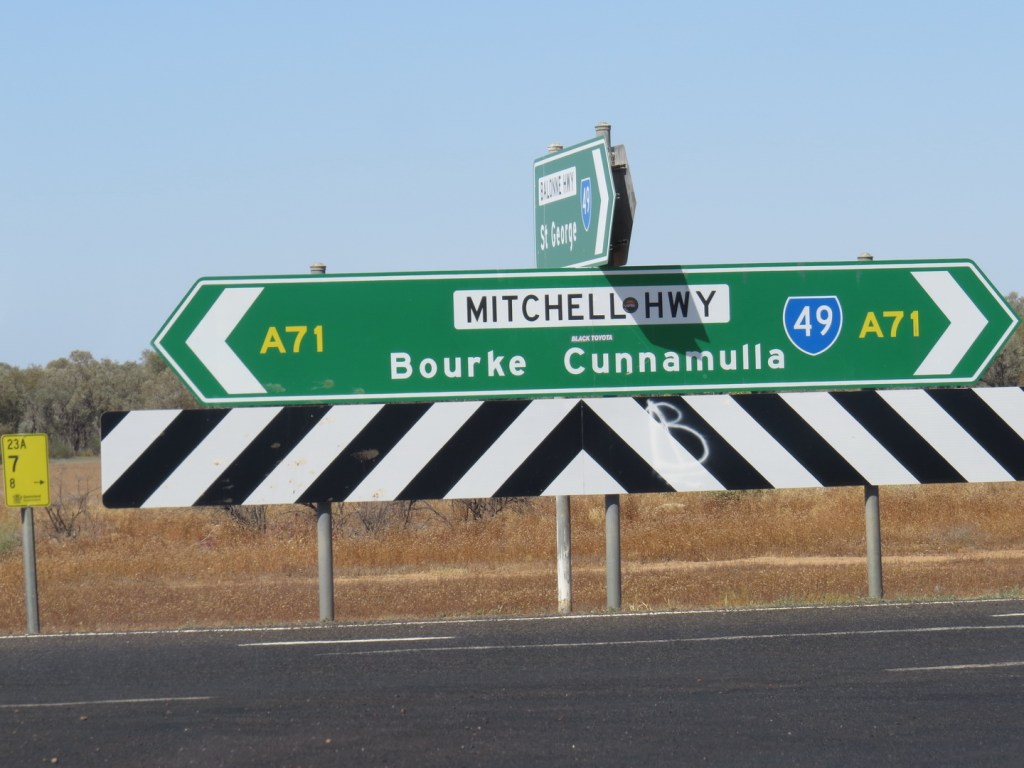
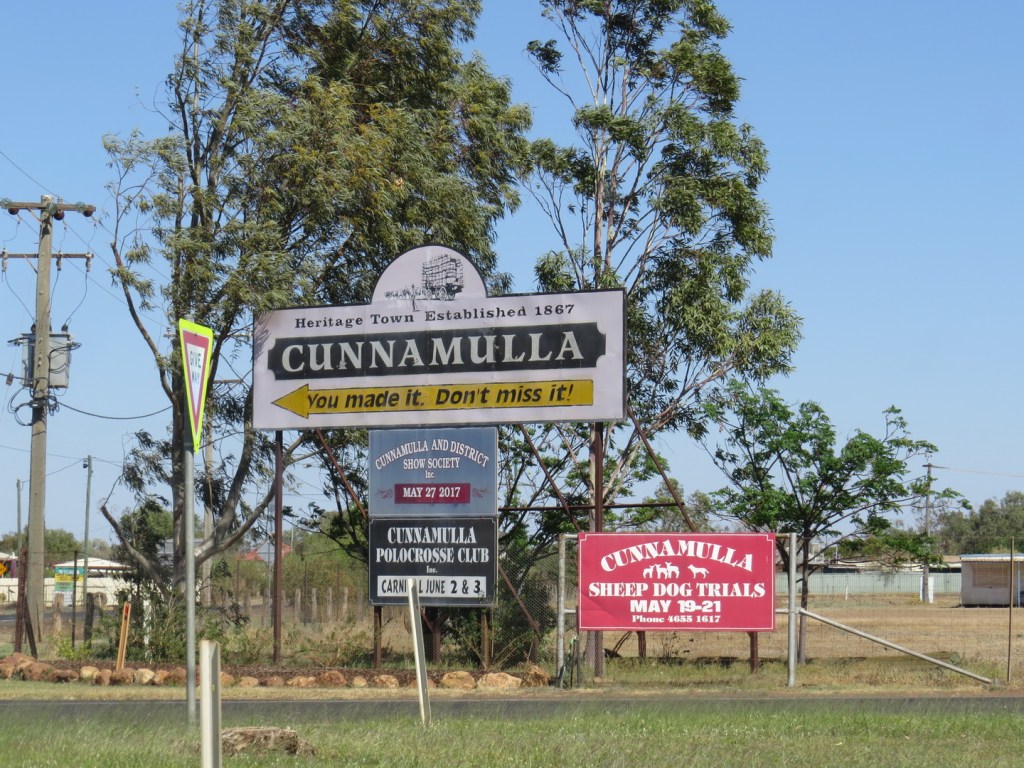
Our next destination was Bowra Wildlife Sanctuary – some 850 kms east of Brisbane. A two day drive with a stop over at St. Georges. On arrival we relaxed a while before having a look round the village and alongside the river.
It was a long lonely road except for an occasional aminal crossing the road. Vehicles few and far between.

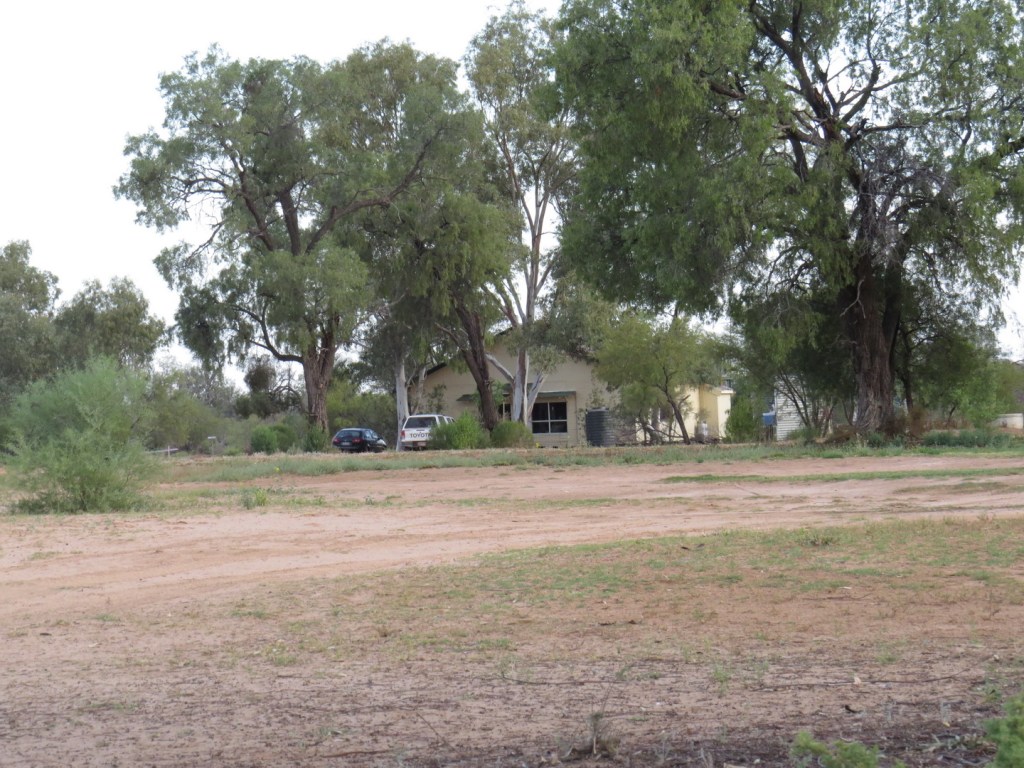
Another three hour drive and we got to Bowra Wildlife Sanctuary. As expected the accommodation was quite basic but it had good hot water and showers. It consisted of 6 rooms, 3 on either side of a long large dining space. A basic kitchen which worked and occasional WiFi to boot.
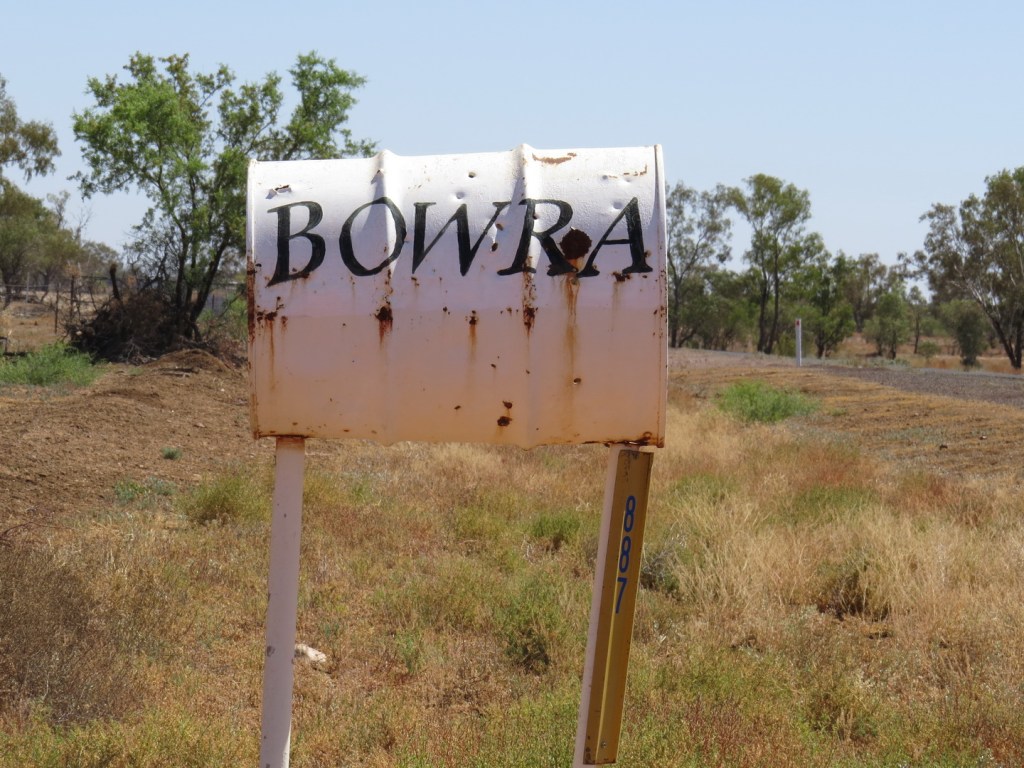
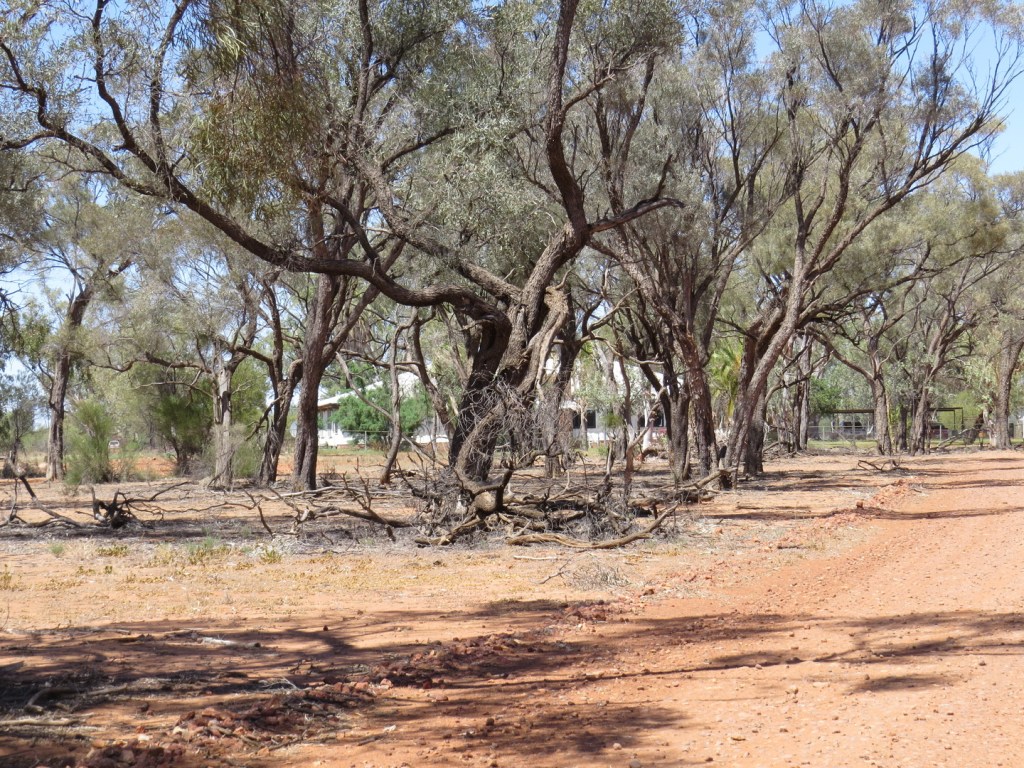
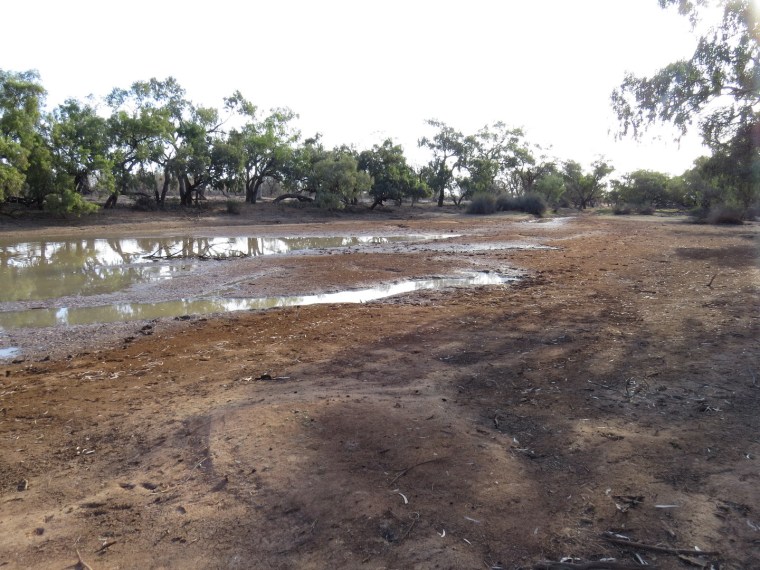
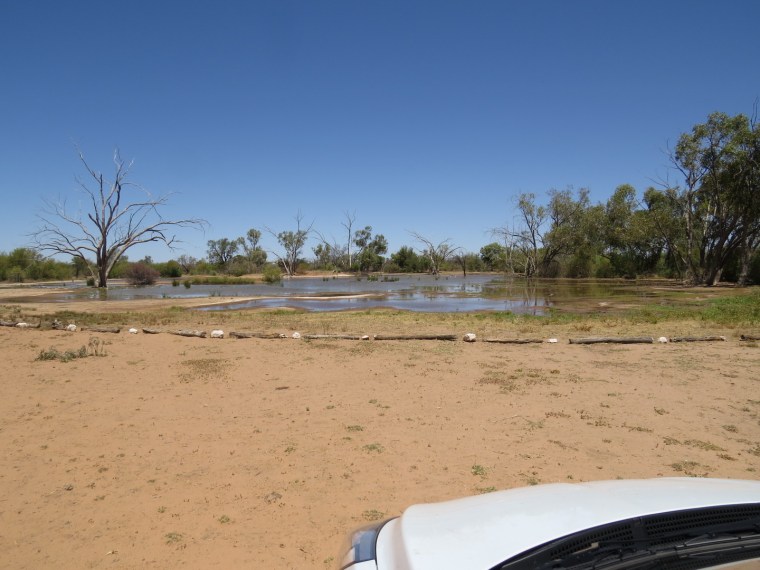
As you can see from the photos above the landscape was dry and dusty. However the worst part of the outside were the numerous burrs on the ground. You think you are treading on what look like cotton balls. In reality they are full of burrs. Which explained why there were several large hard bristle brushes nailed down beside every floor mat entrance to the Shearer’s Quarters. When you got back from walking around you had grown almost one cm in height with all the fluff and burrs under foot. All the burrs were impossibly prickly – forever attached to your socks and inside your shoes – made for uncomfortable walking at times.

When we arrived we were greeted by the volunteers in charge of managing Bowra Wildlife Sanctuary and they went through a list of birds we thought might be available to find in the area. Half the birds were quickly scratched off.

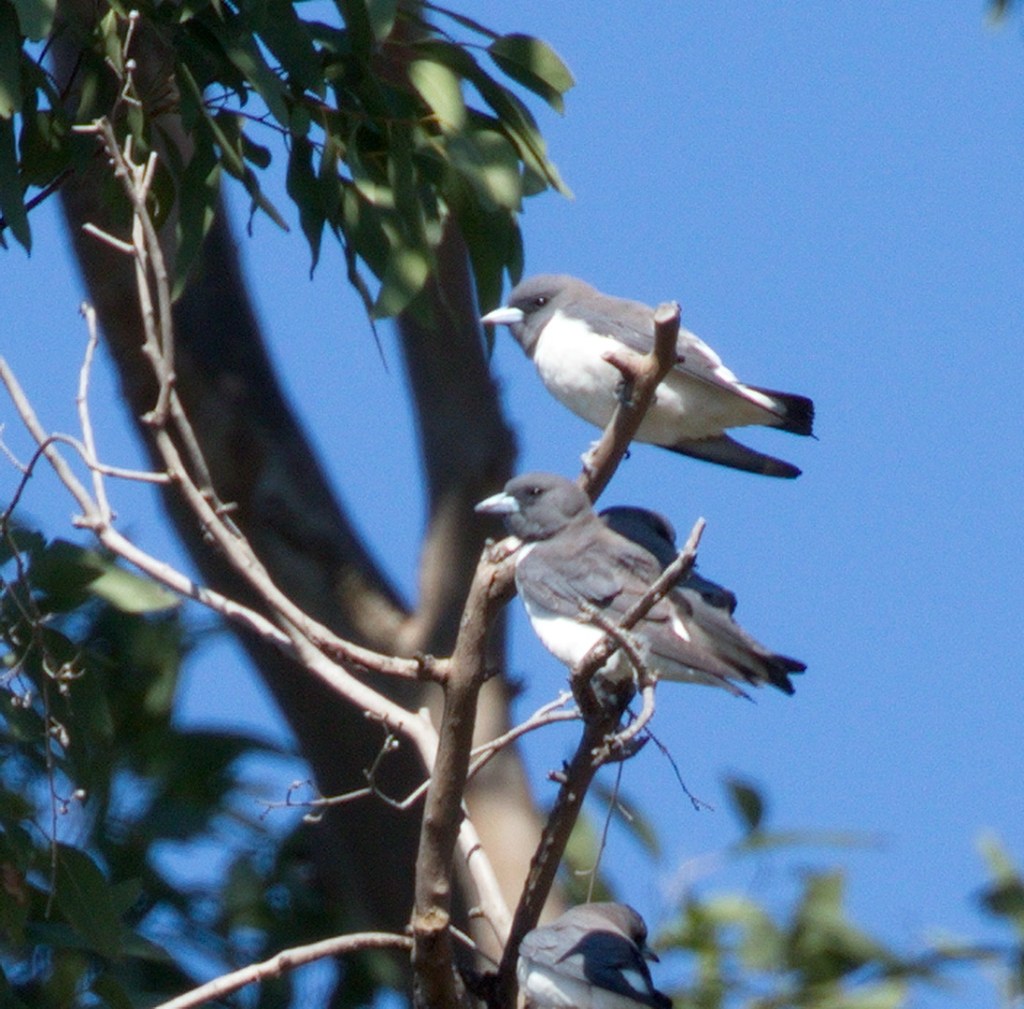
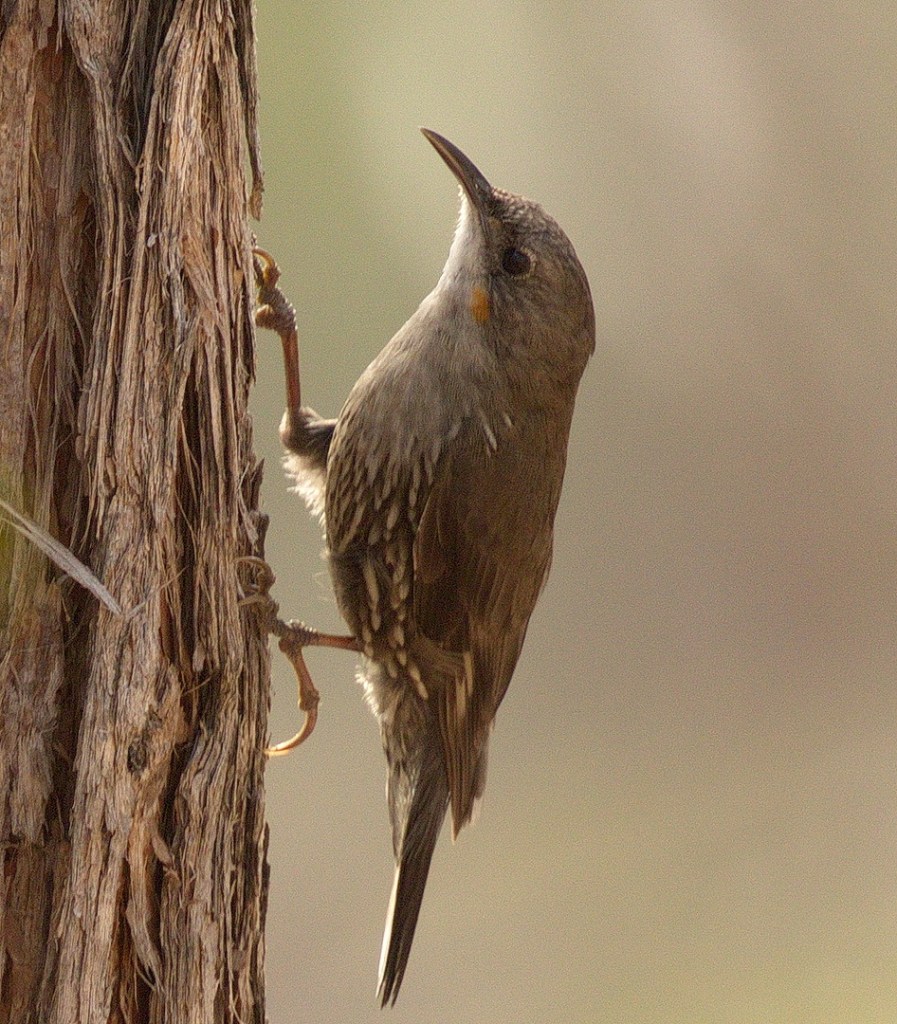
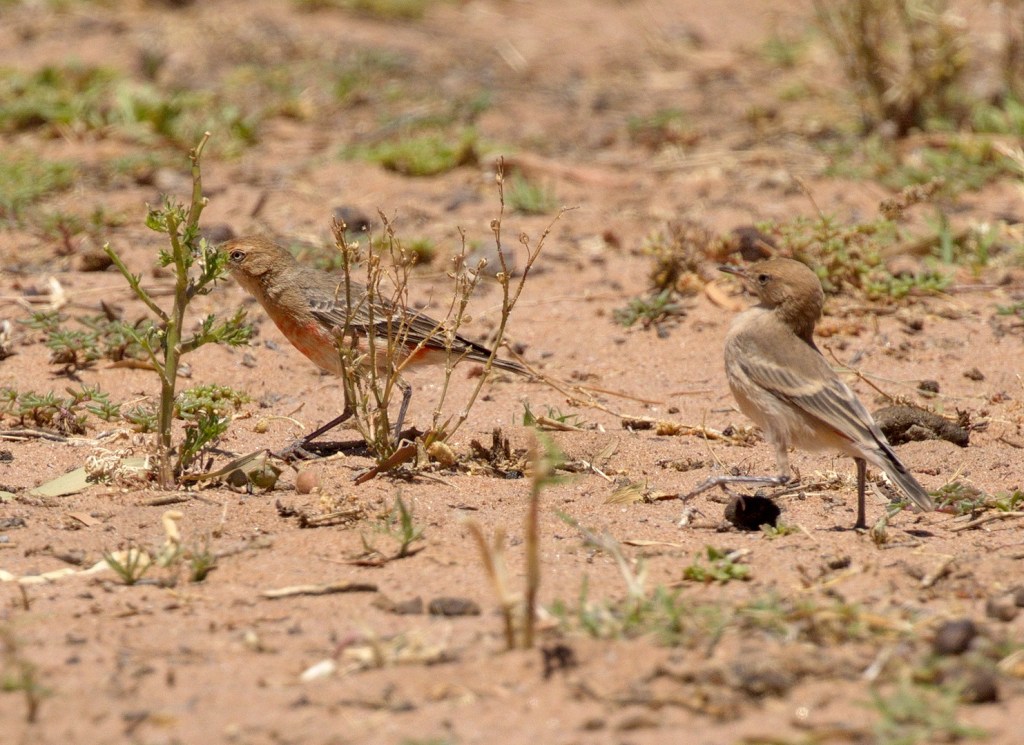
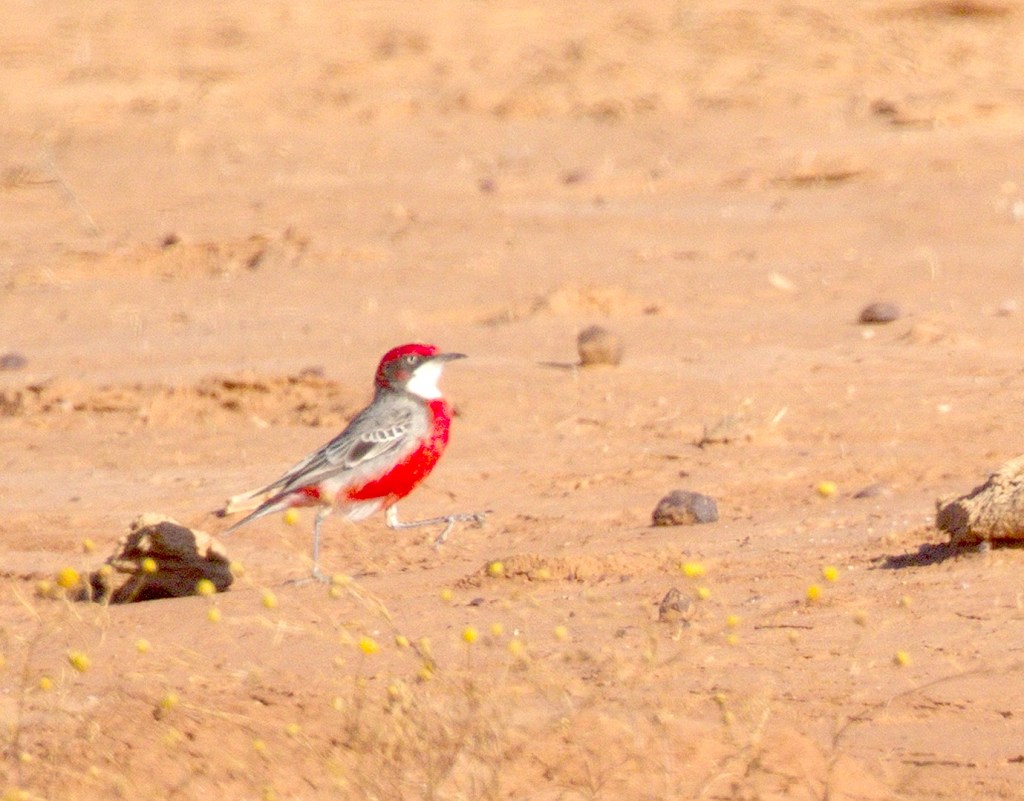
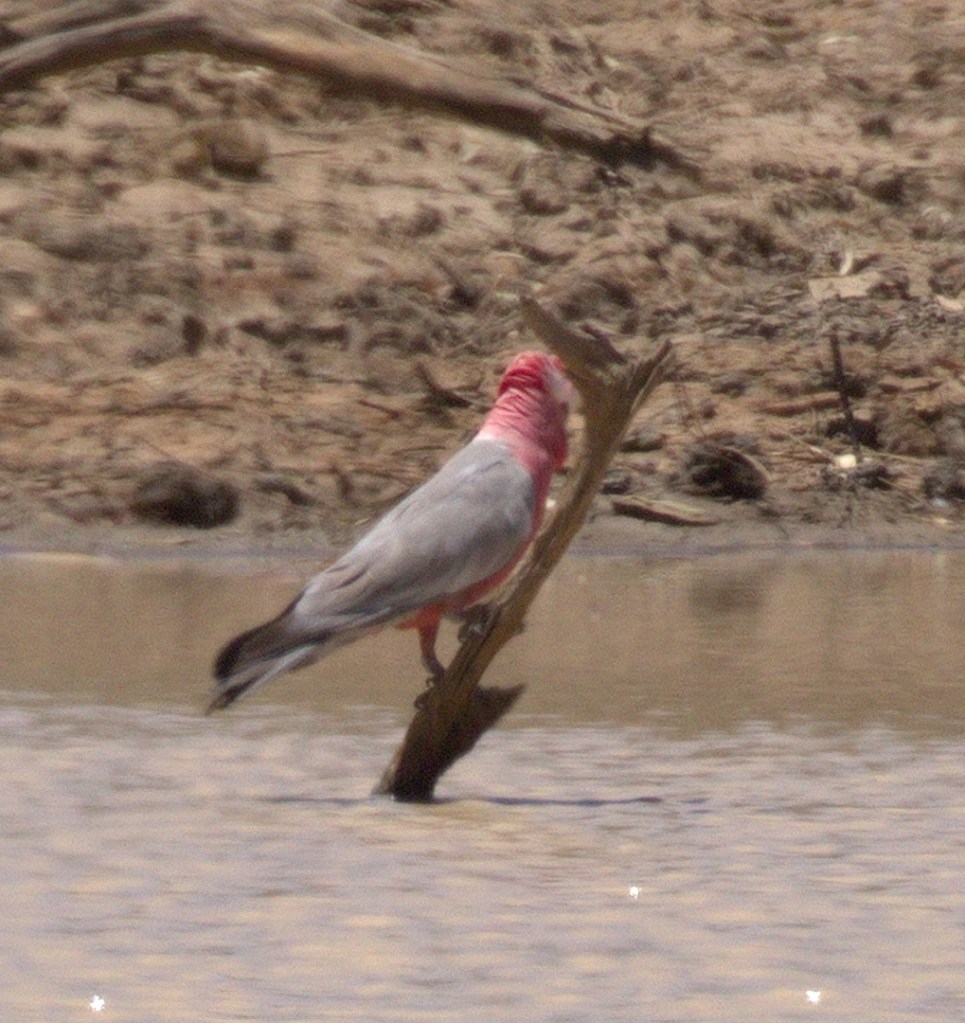
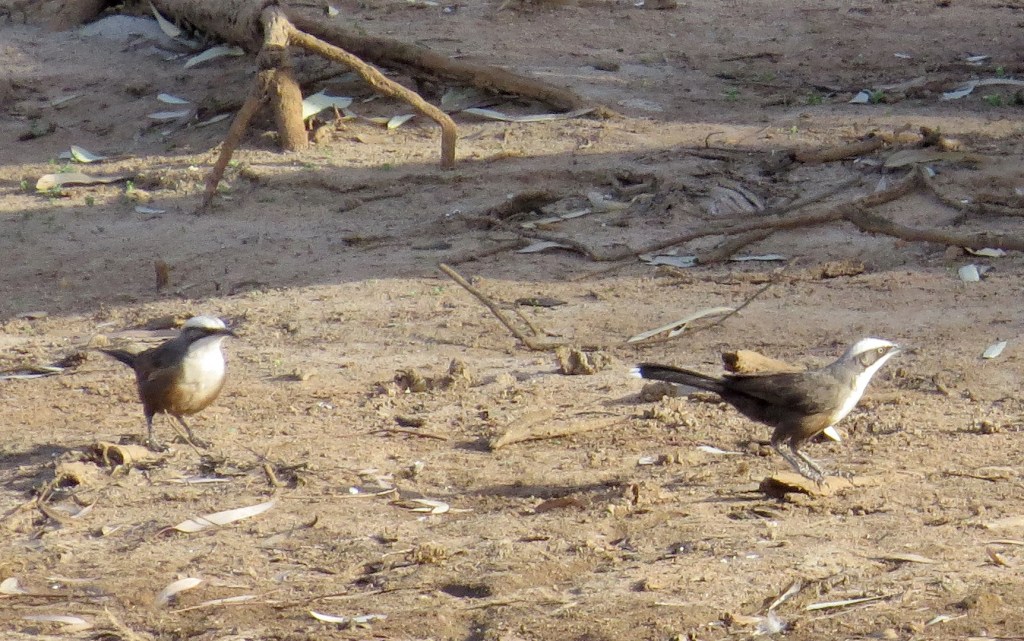
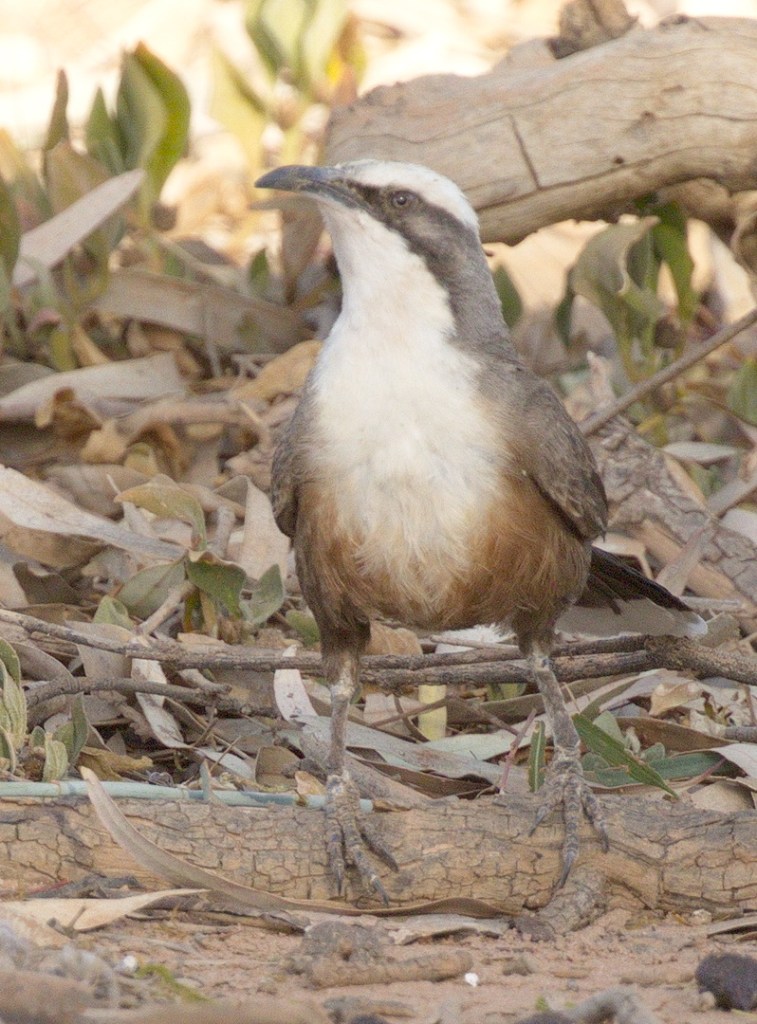
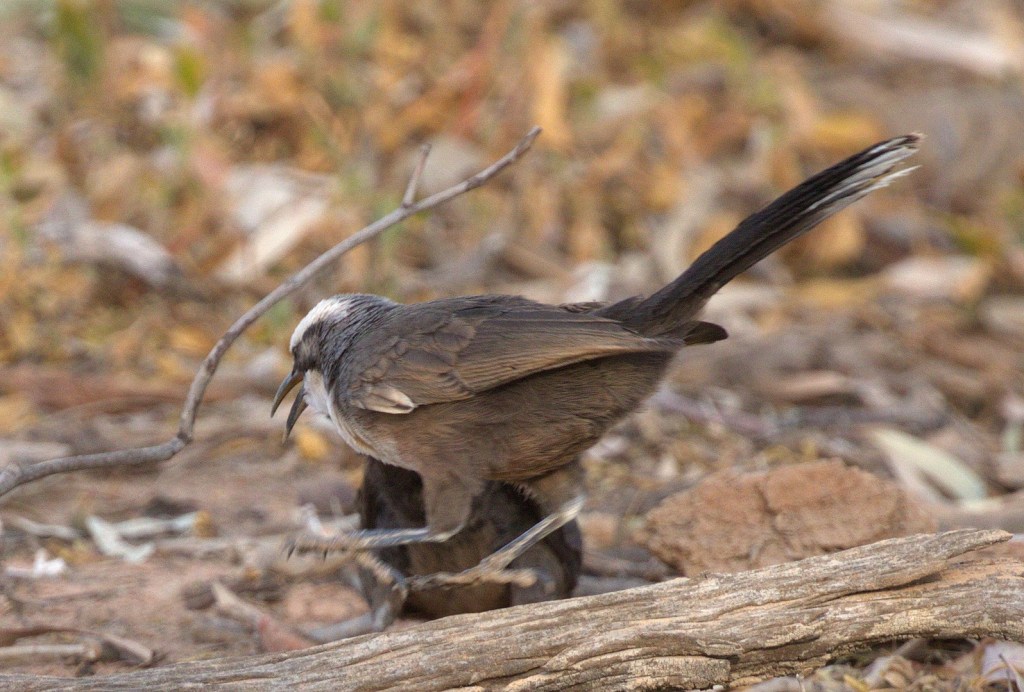
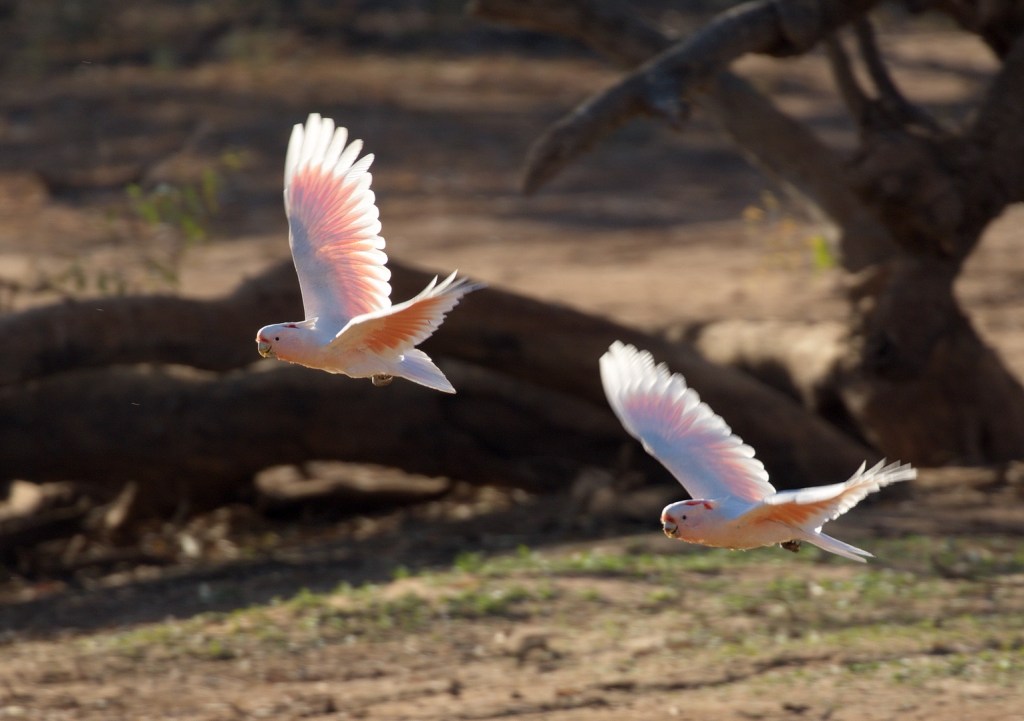
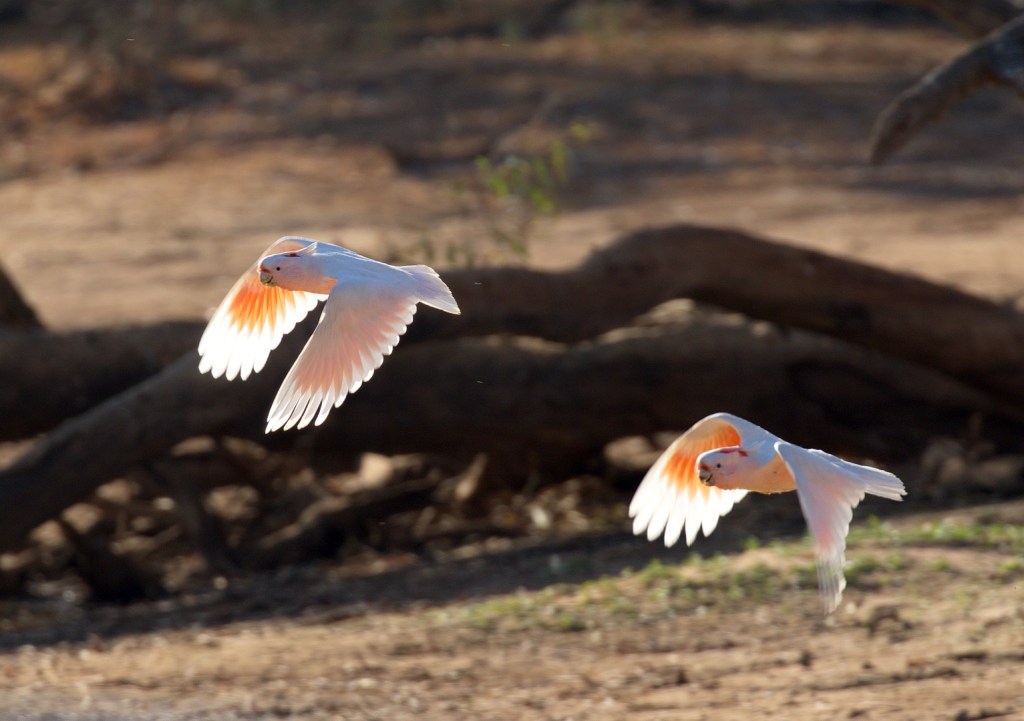
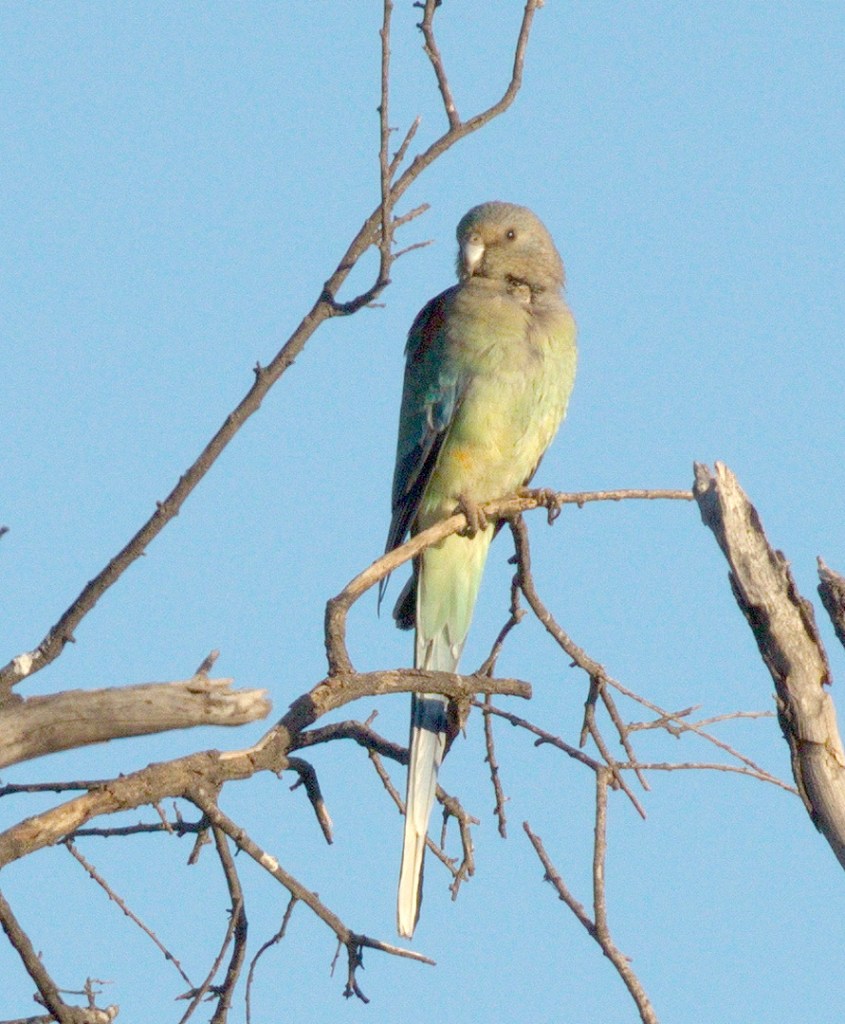
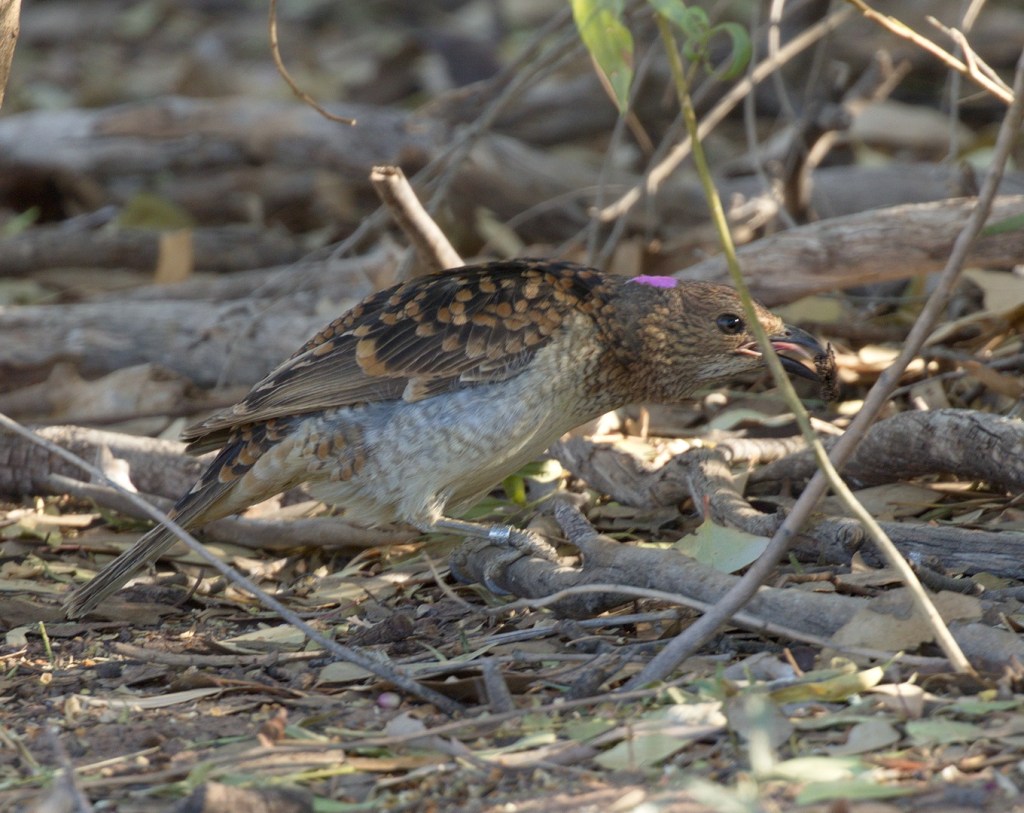
However, of those left on the list we made good in roads and ticked off I would guess 80%. Special birds included Spotted Bowerbirds; Apostlebirds; Chestnut-crowned and Hall’s Babblers; Bluebonnets; Common Bronzewing; Black-breasted Buzzard; Crimson Chat; Major Mitchell’s (aka Pink) Cockatoo; Splendid Fairy-wrens; Black and Spiny-cheeked Honeyeaters; Bourke’s, Mulga and Red-winged Parrots; Australian (Mallee) Ringnecks; Rufous Songlark; Brown Treecreepers; and all the Woodswallows except Dusky. Also numerous waterbirds.

The area is relatively small and flat so you can get around the area birding in a couple of days. There were numerous habitats where different species were found – although it was hard to know the difference from one to the other unless you knew your trees and bird habits. We were lucky to be told where to look for different species.
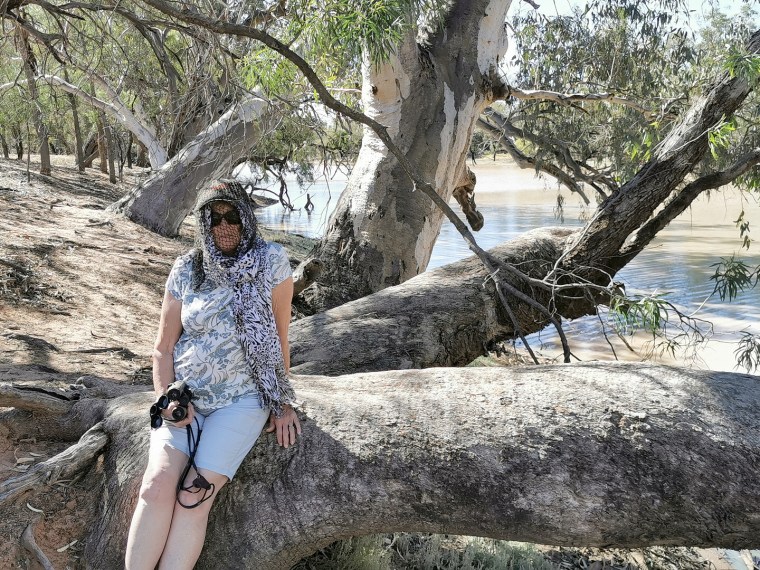
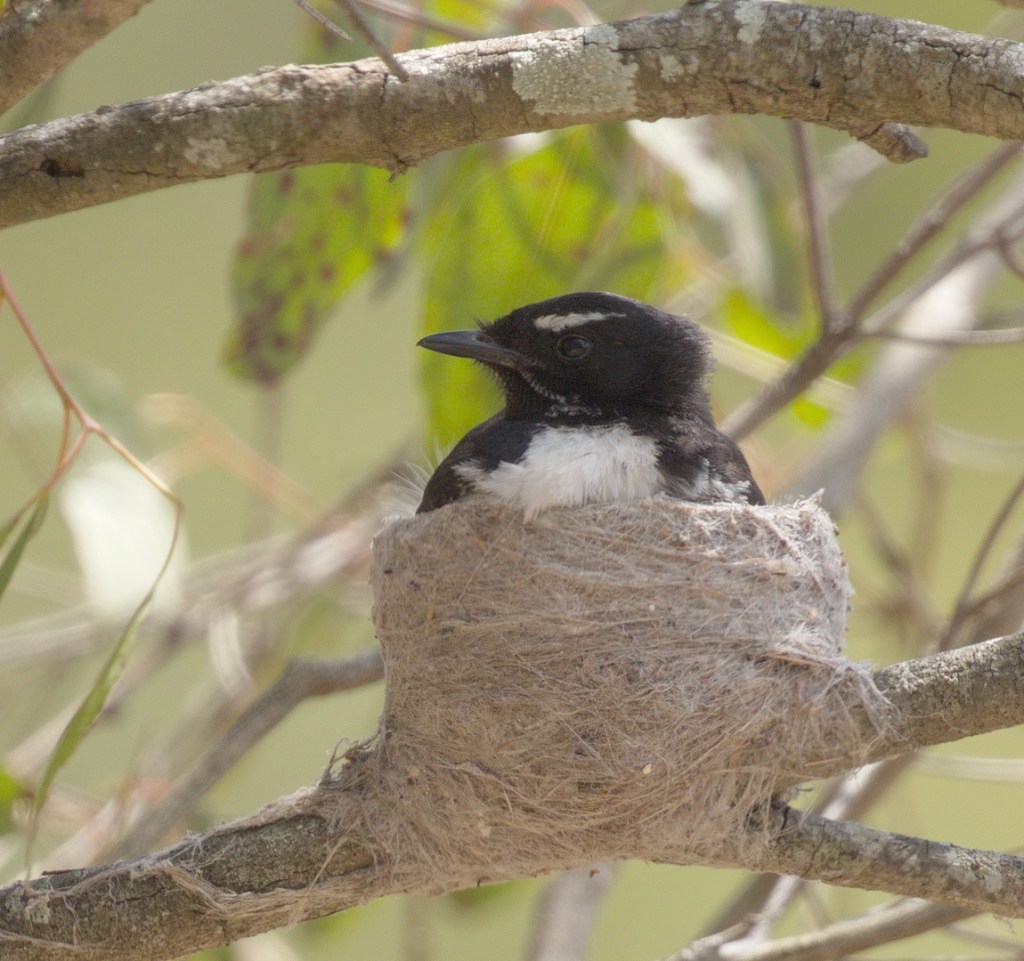
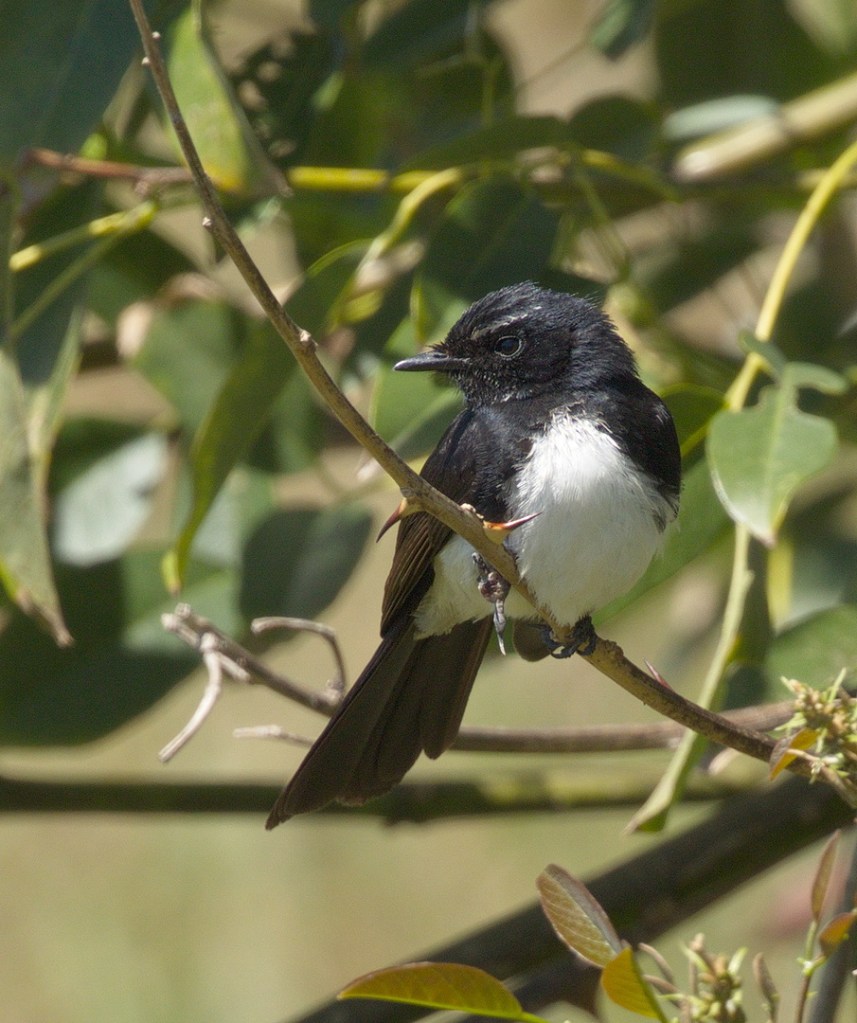
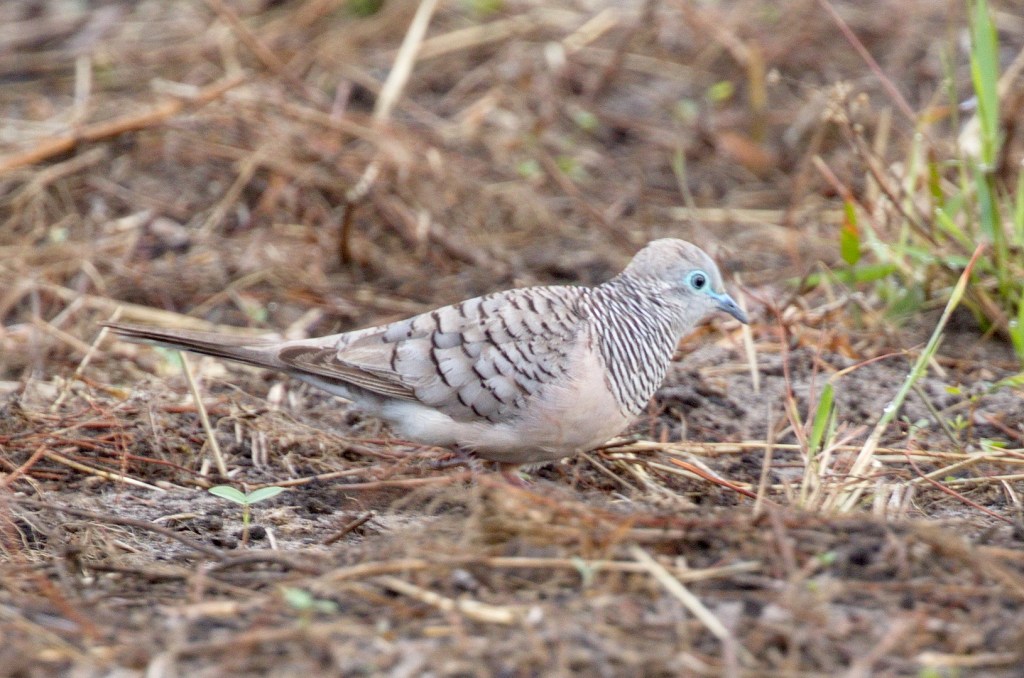
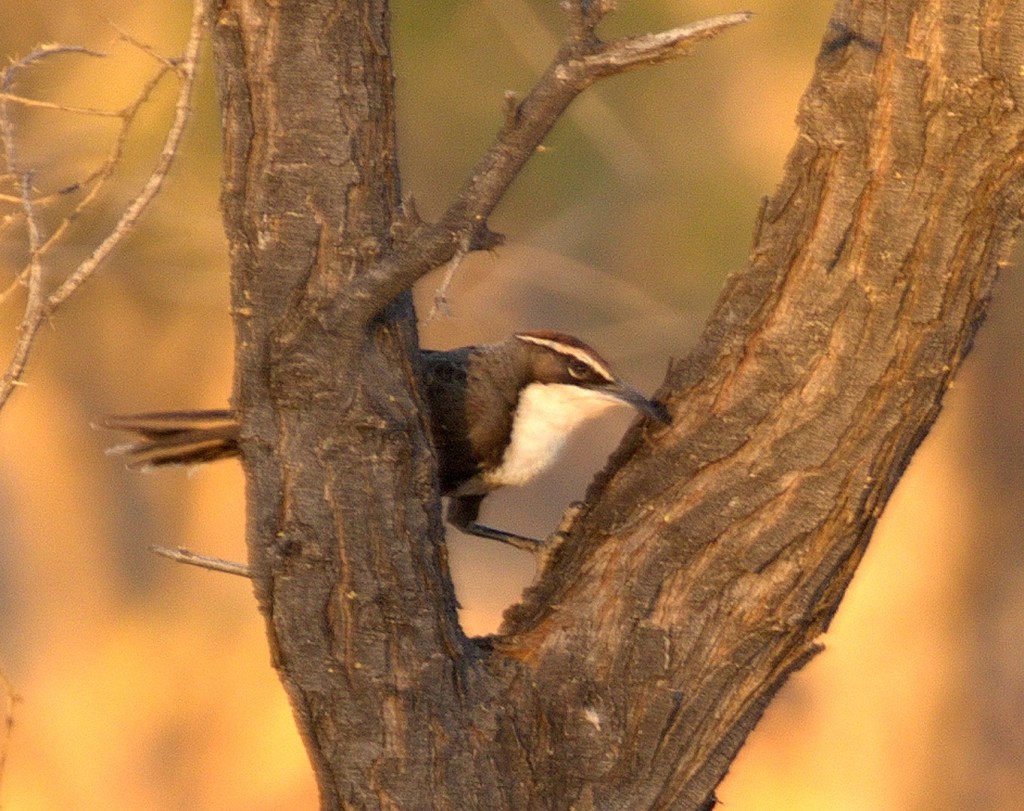
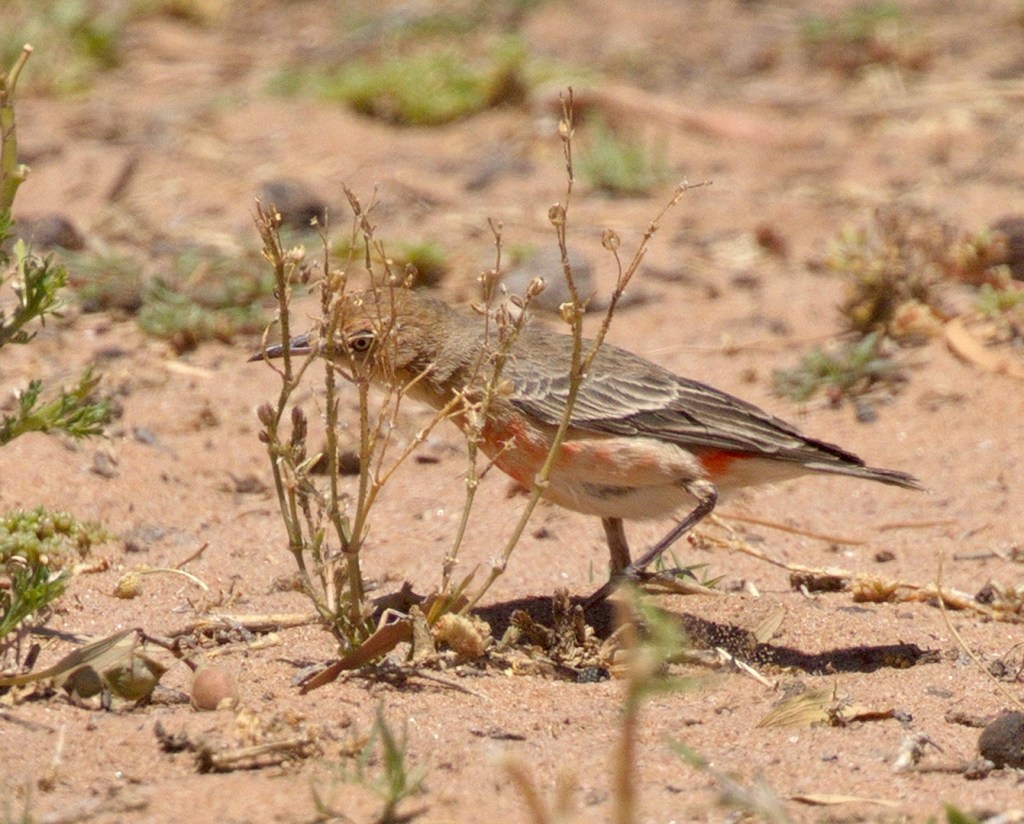
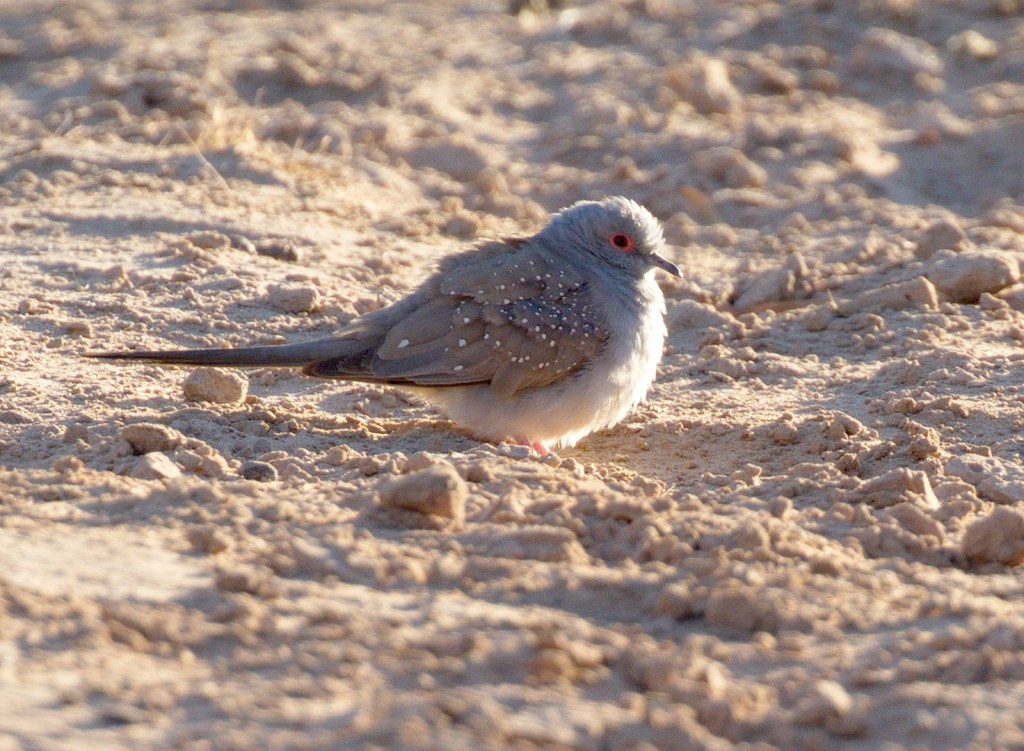
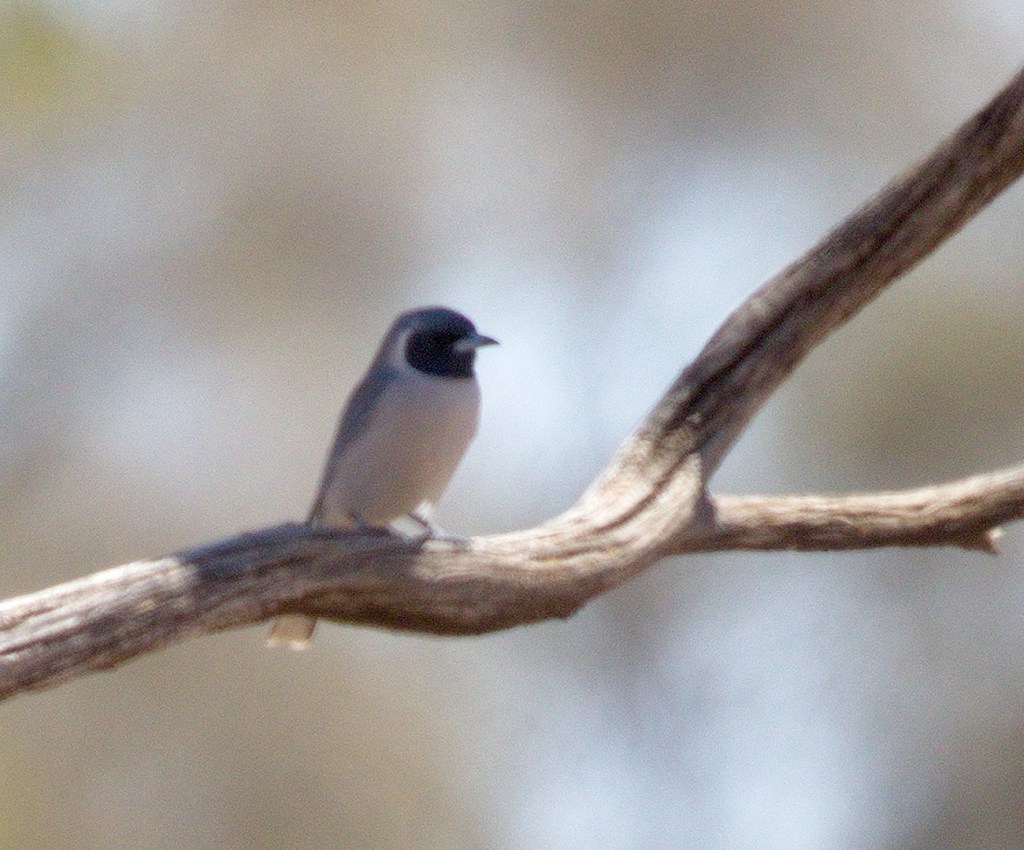
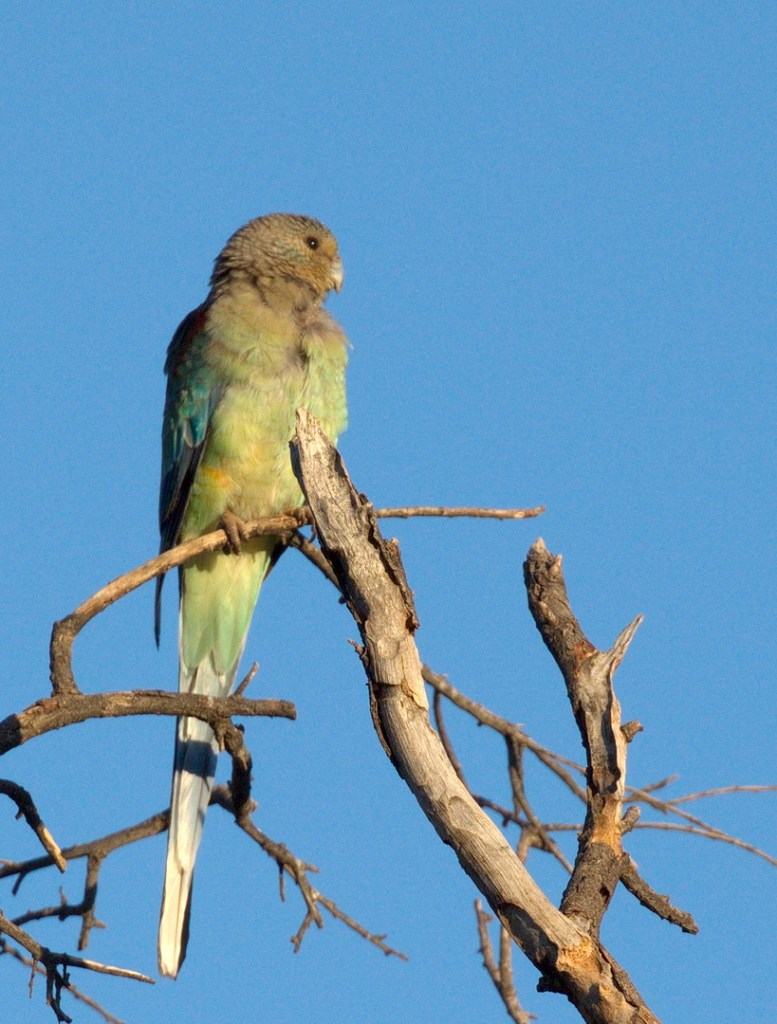
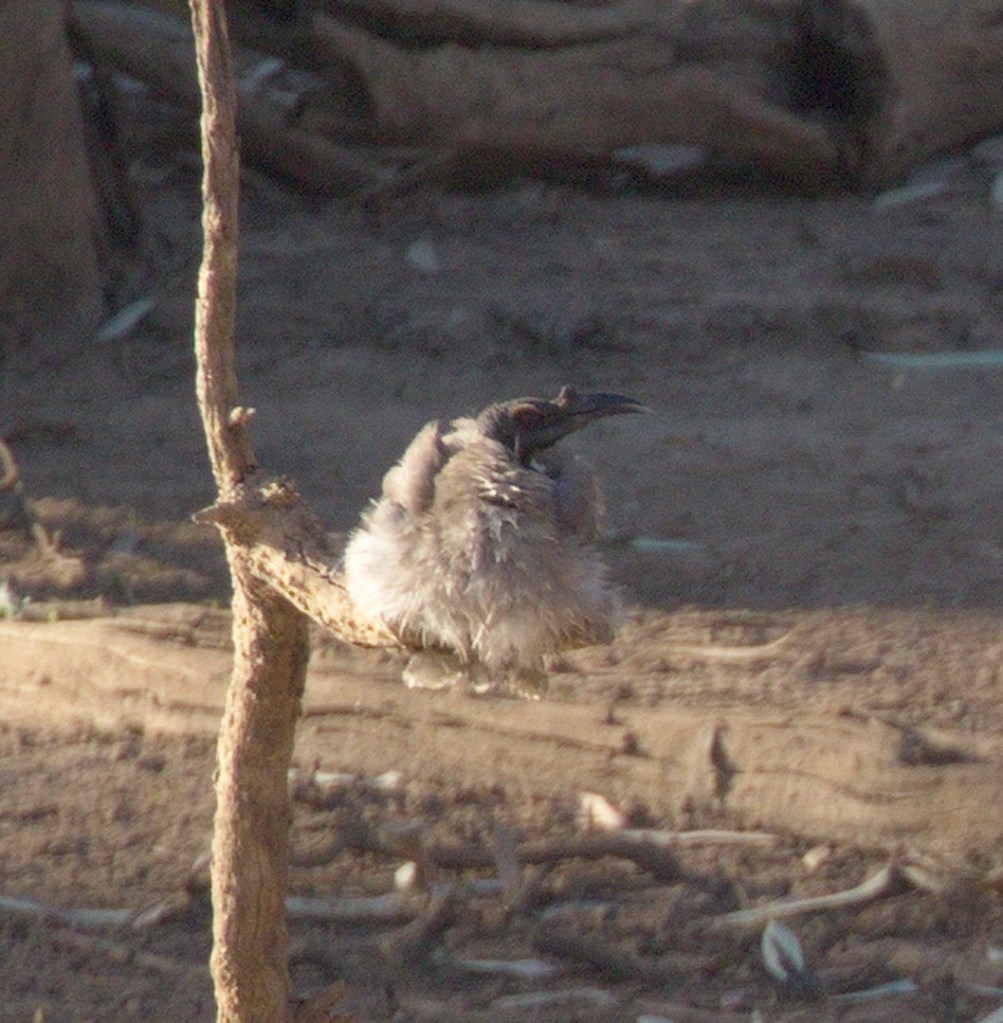
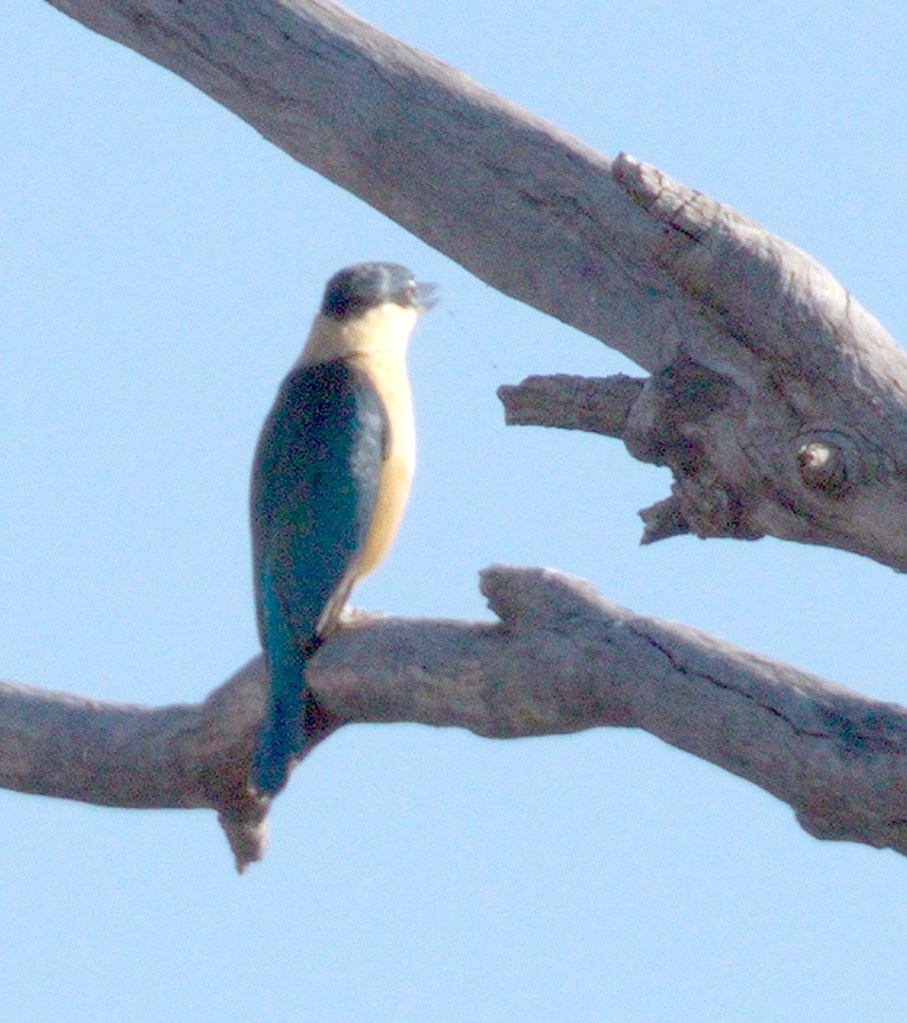
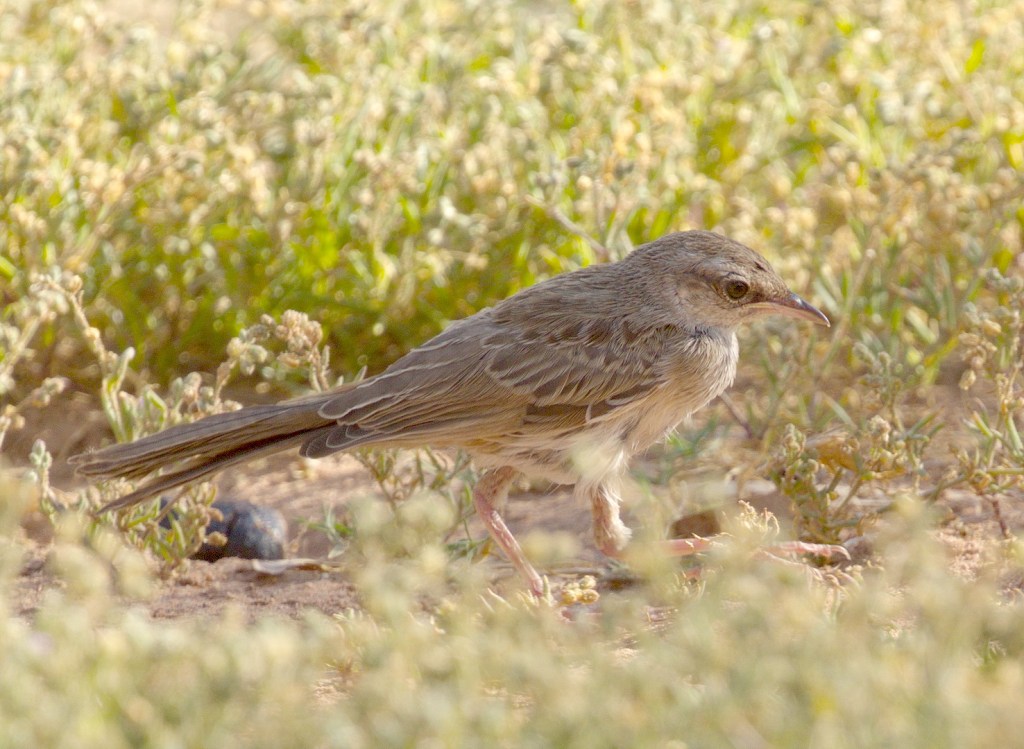
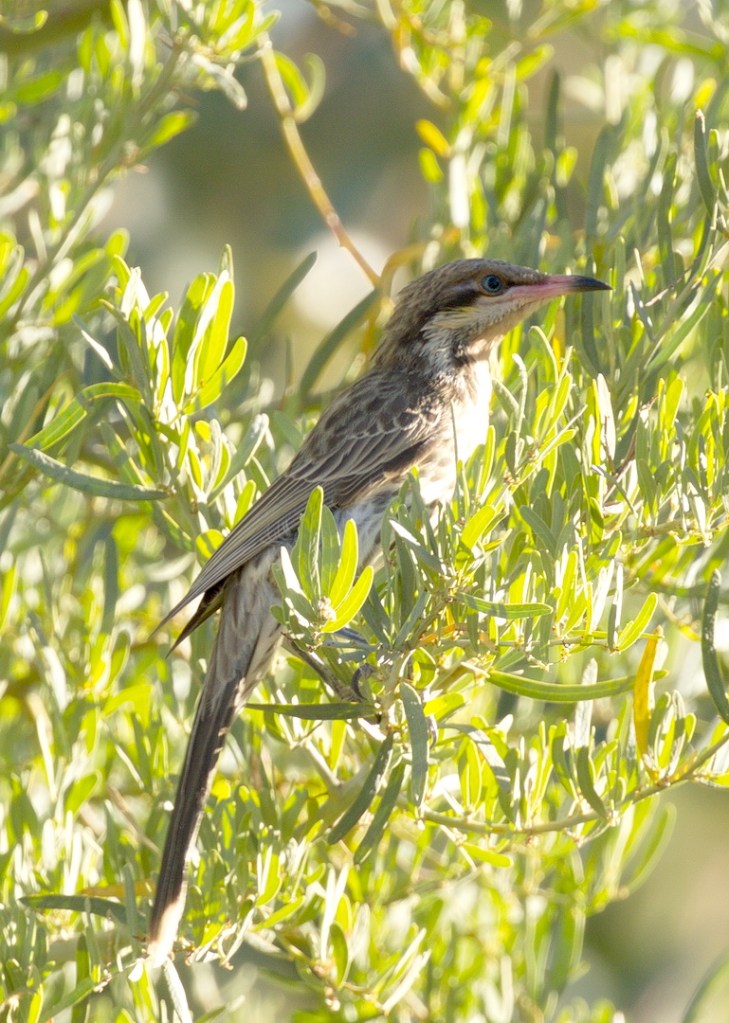
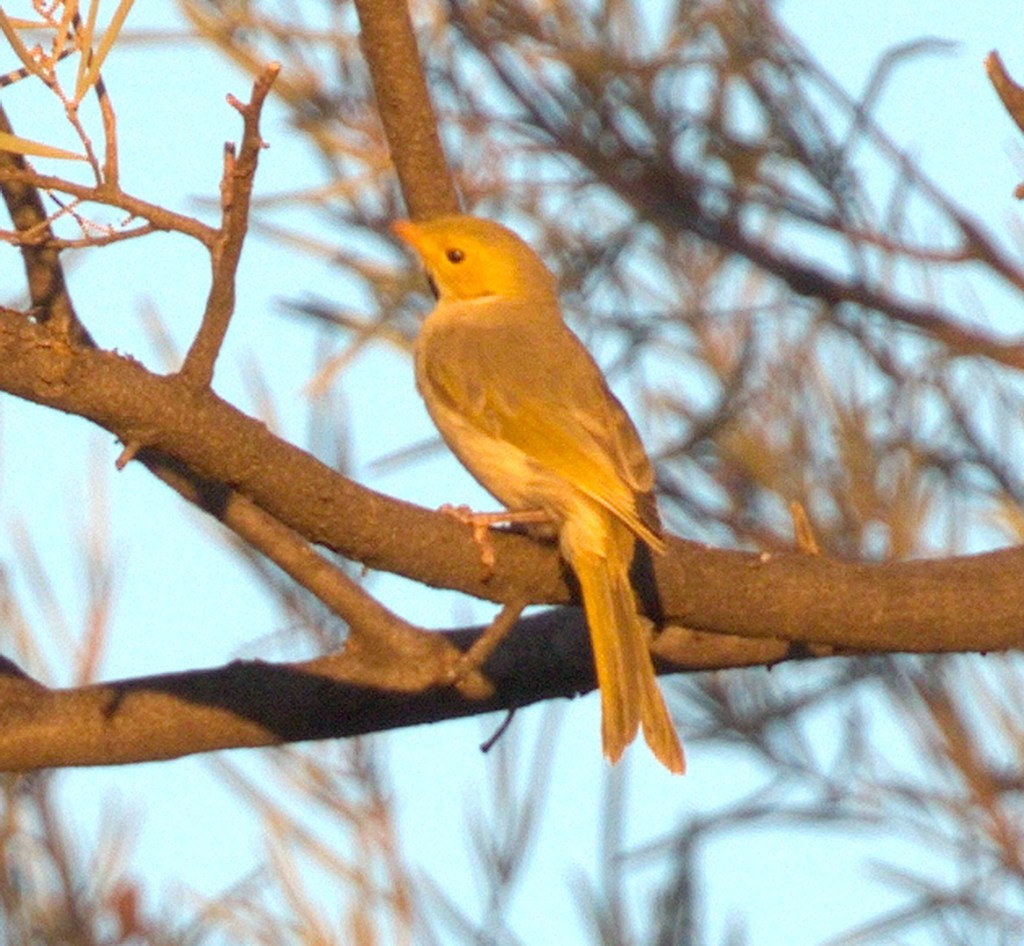
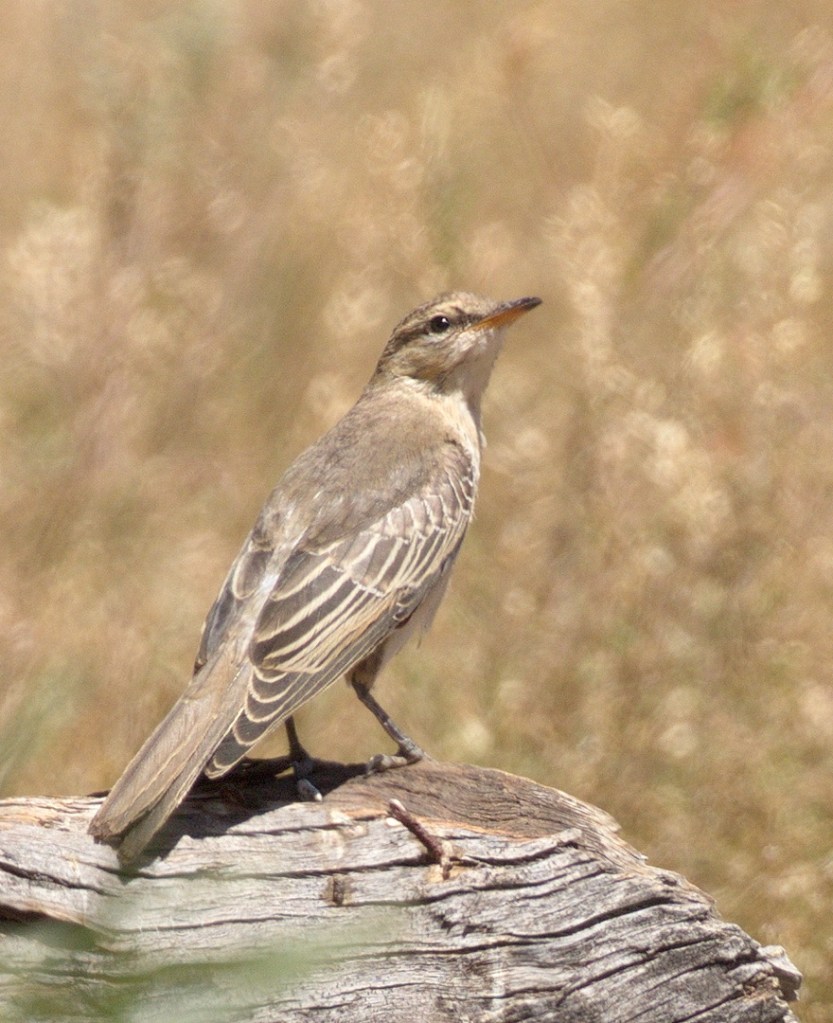
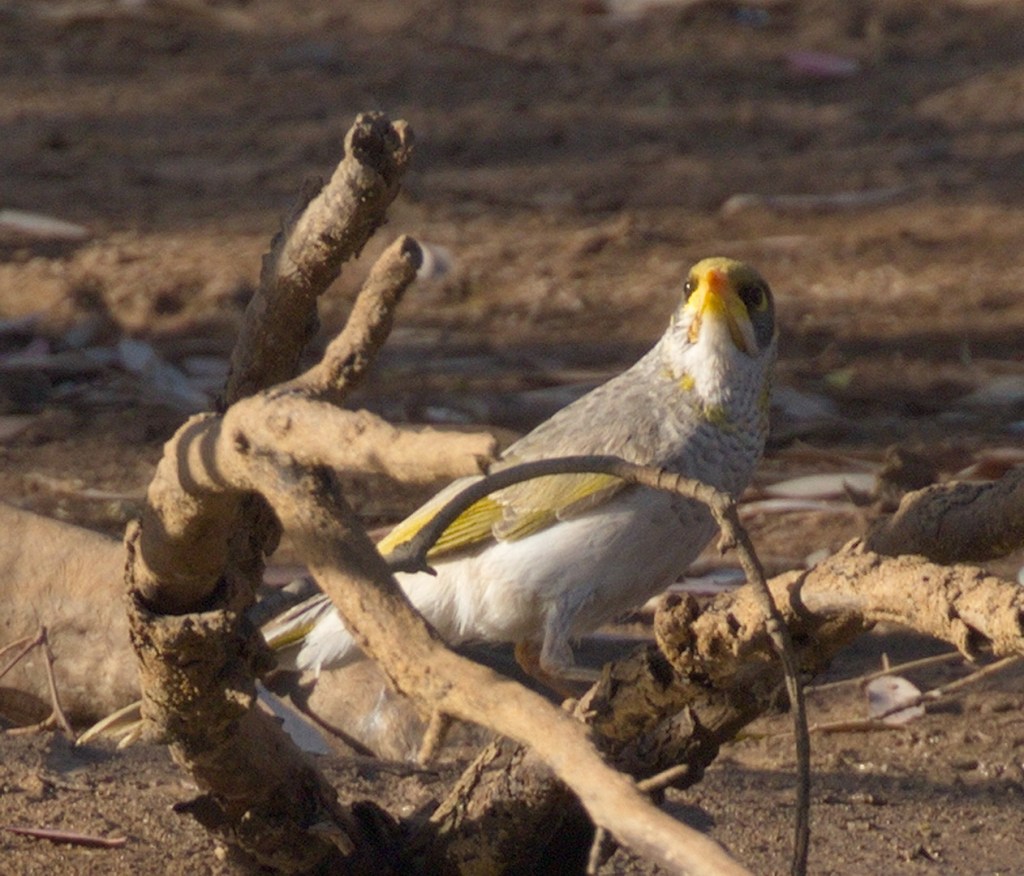
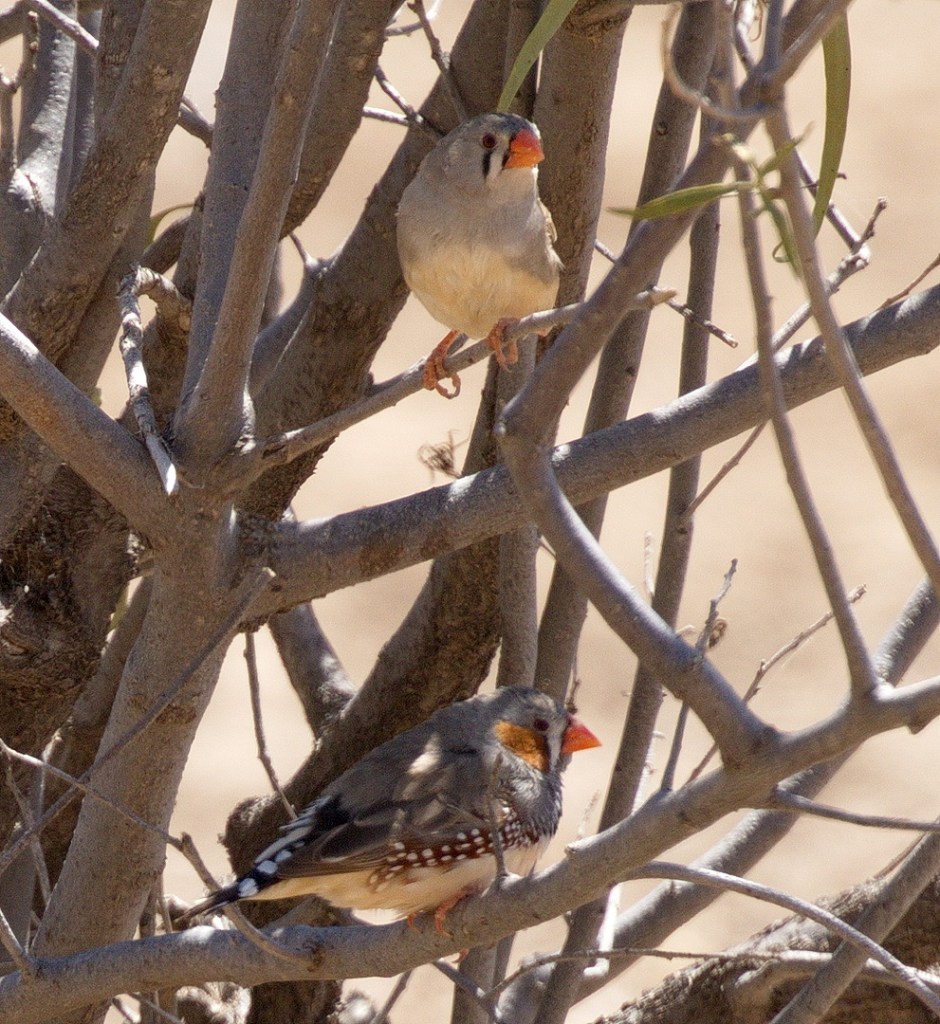
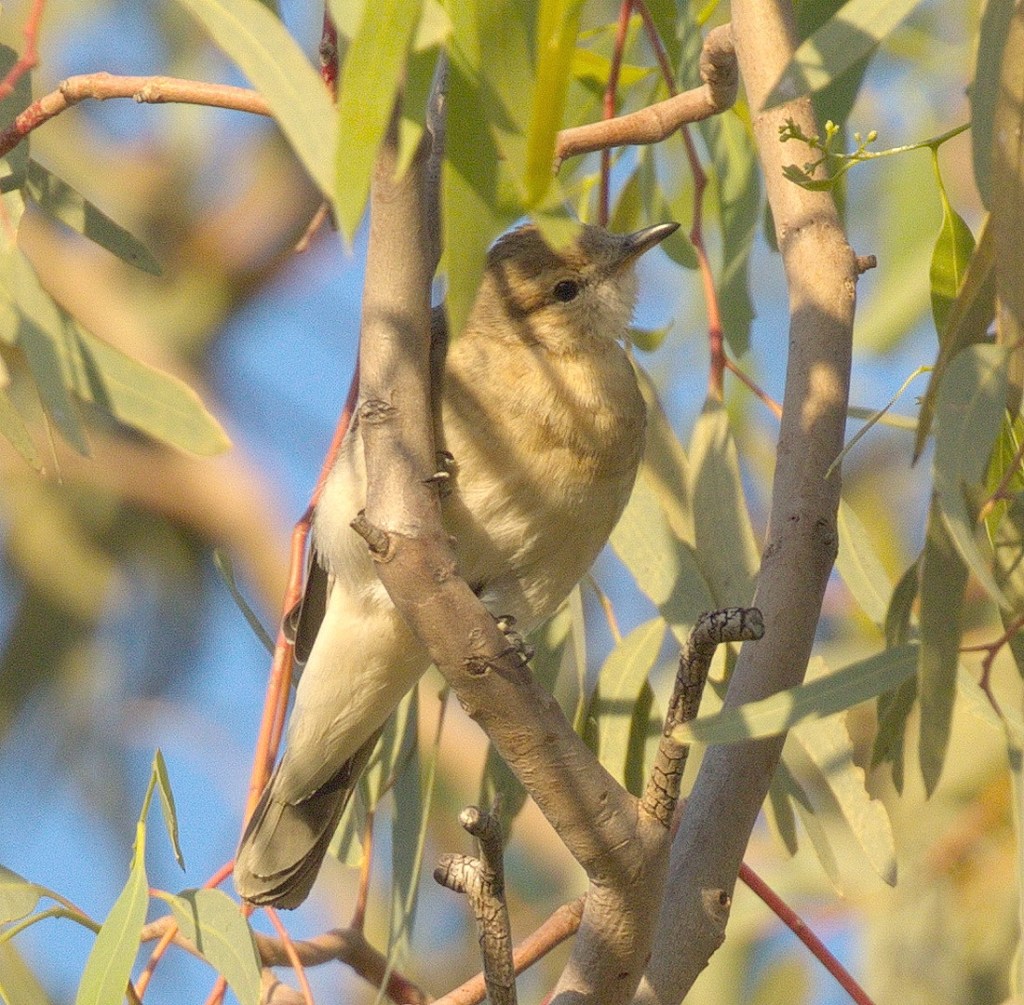
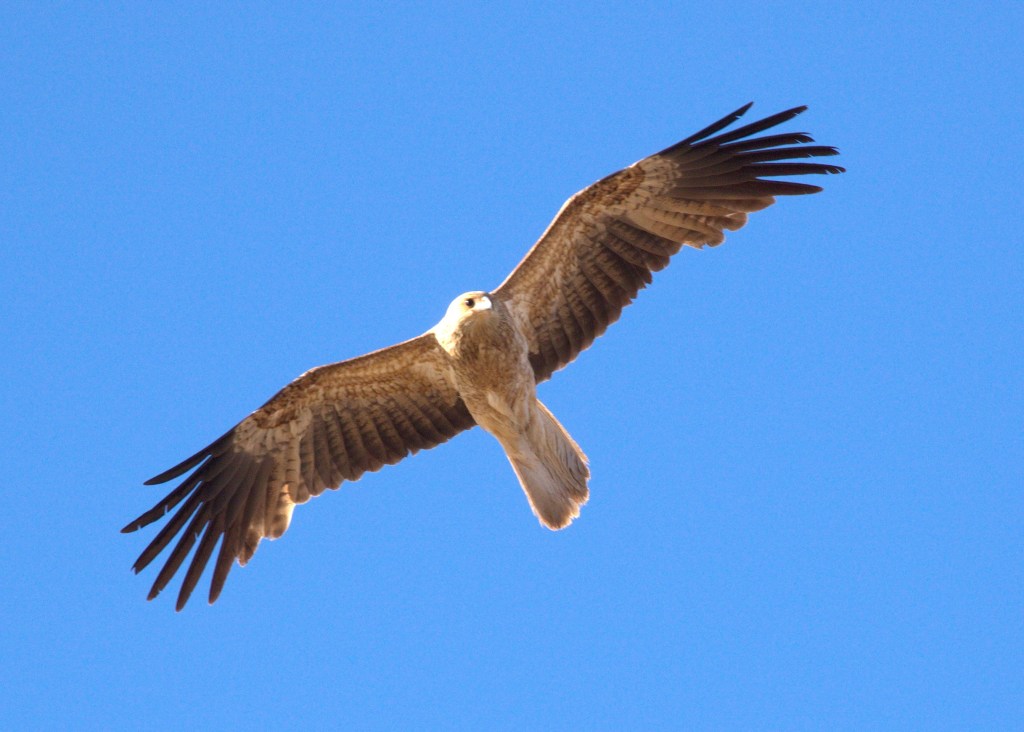
There were a few birds photographed which we are having difficulty to identify. Any help would be appreciated. Here they are:
Fortunately it was not muddy as we would have had difficulty. As it was the car was so dusty we had to wash and blow the dust out before returning it.

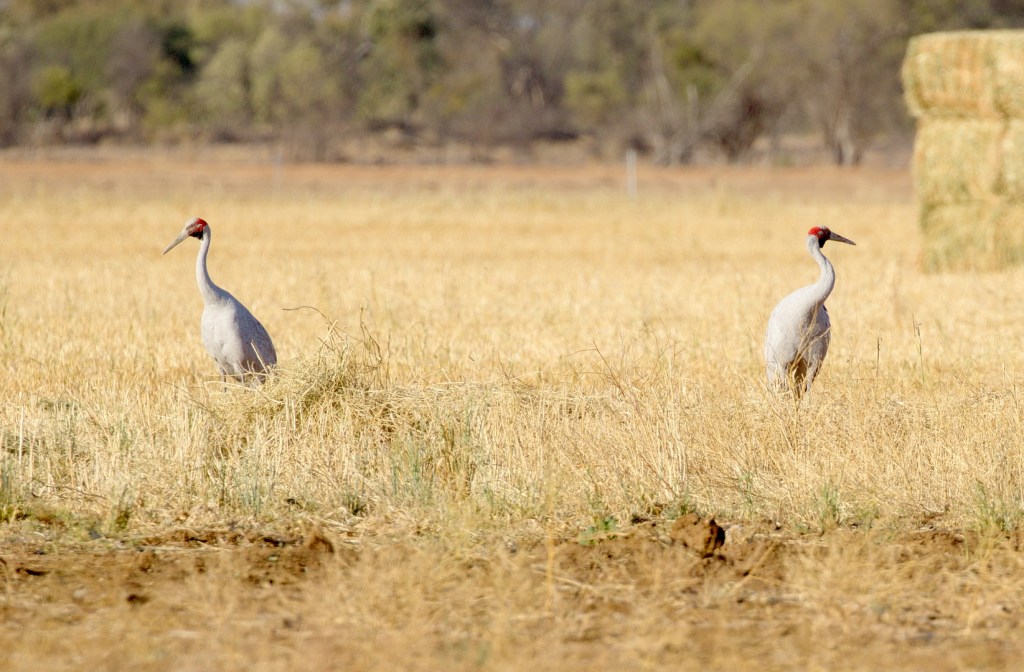
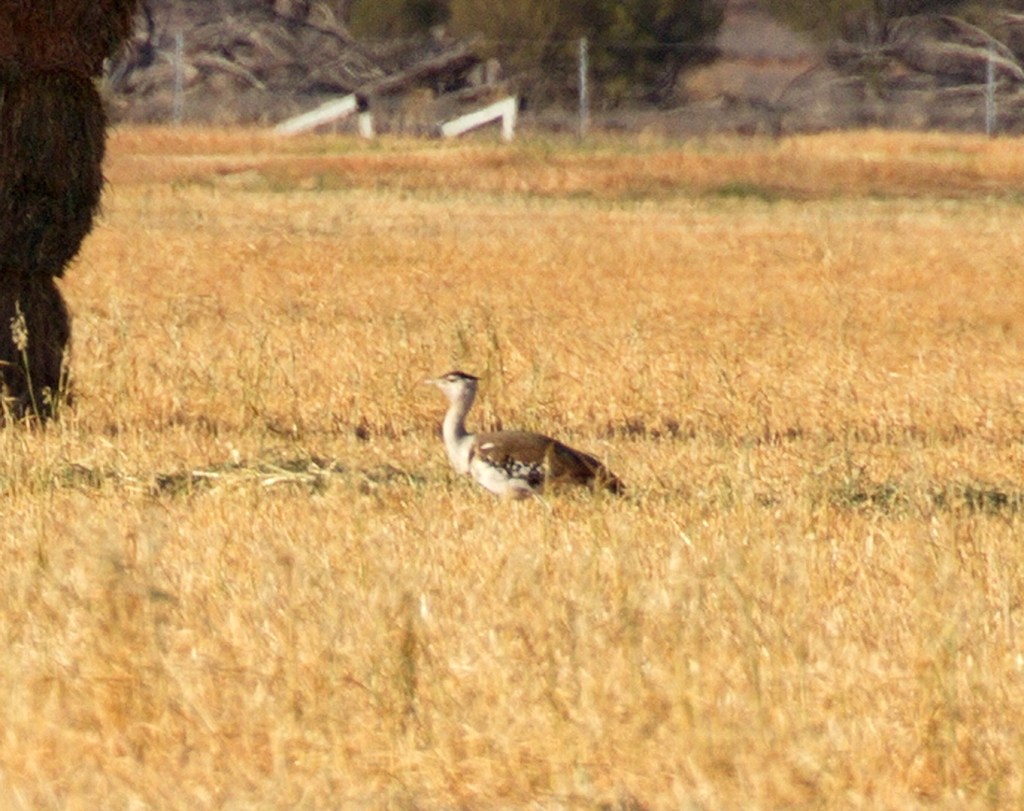
As we left Bowra Wildlife Sanctuary we were fortunate to see 13 Brolga and an Australian Bustard in an open field full of bales of straw.
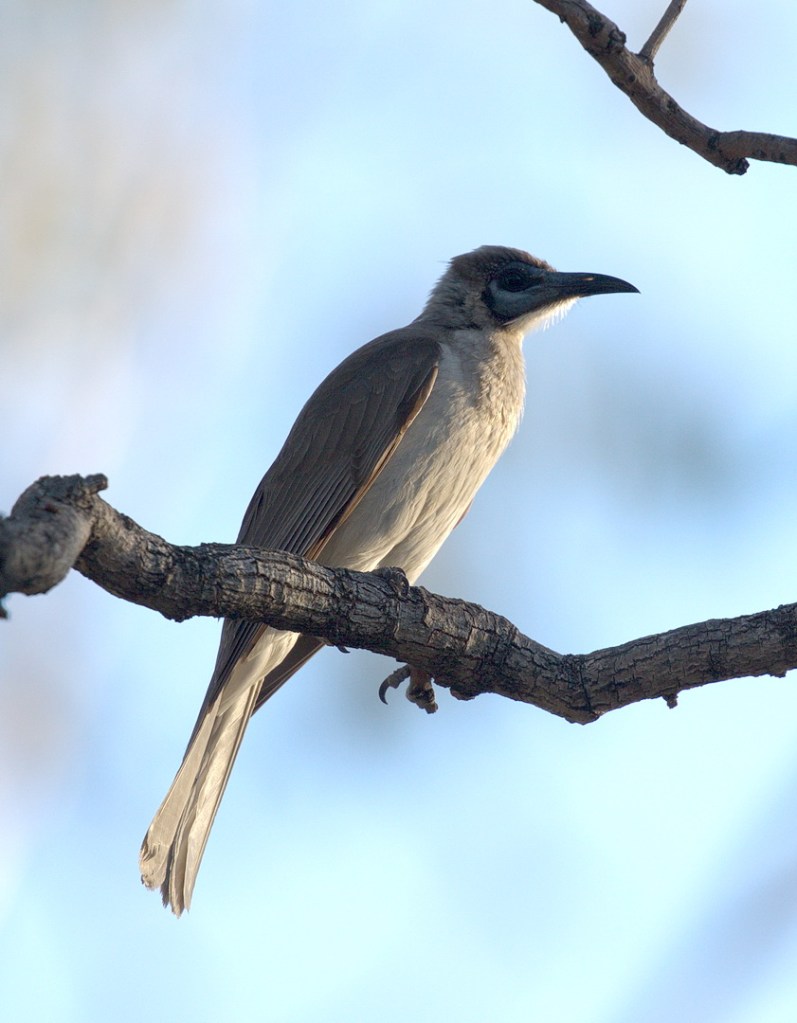
On our journey back to Brisbane we overnighted at a motel in Goondiwindi. A look along the river bank yielded two new birds for this trip. Little Friarbird and Pale-headed Rosella.
Sadly it was time to leave and return home. However our last night was spent in luxury at the Pullman Hotel at the airport – thanks to Sally’s sons.

For those interested click on this link to our bird list. What we identified in each location we visited and overall.

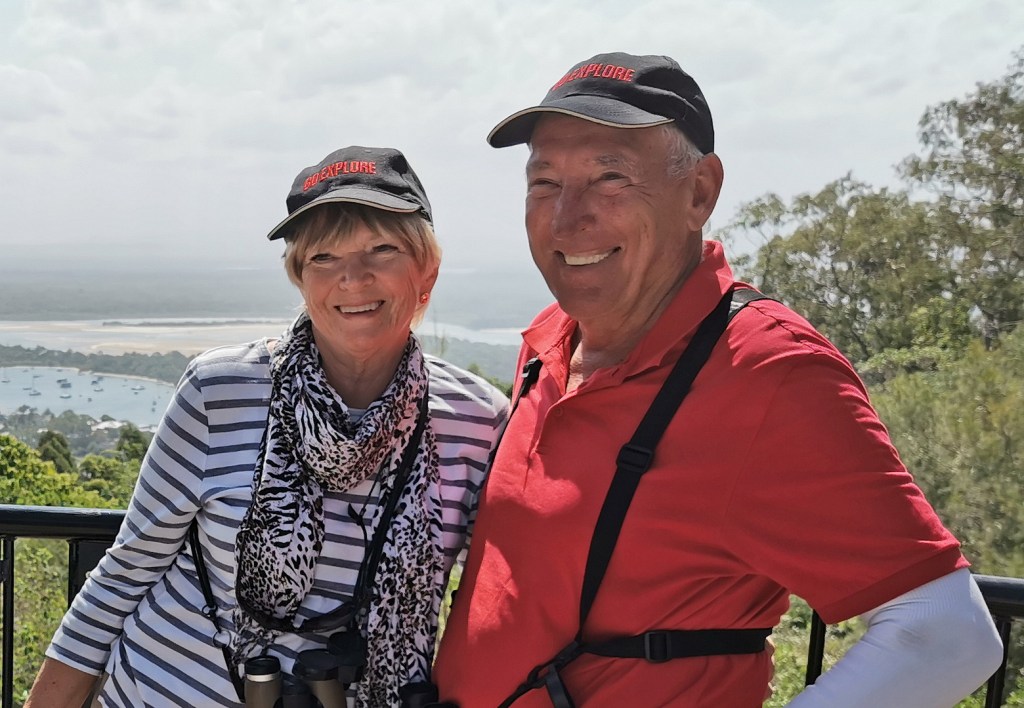
Sally and Paul Bartho

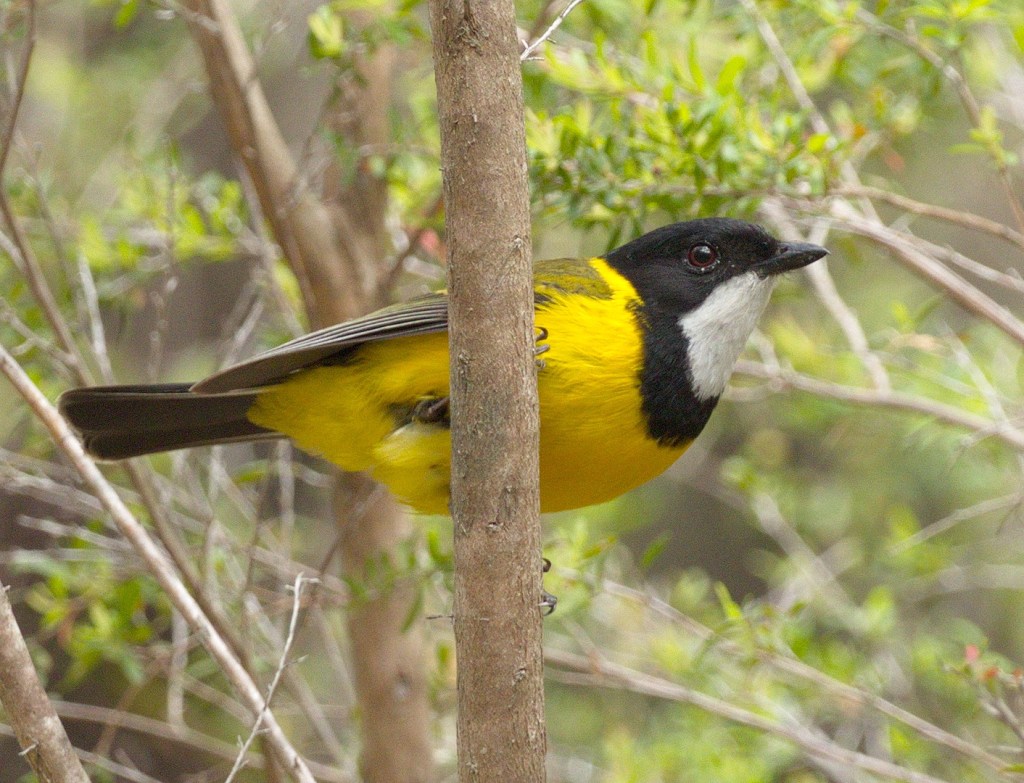
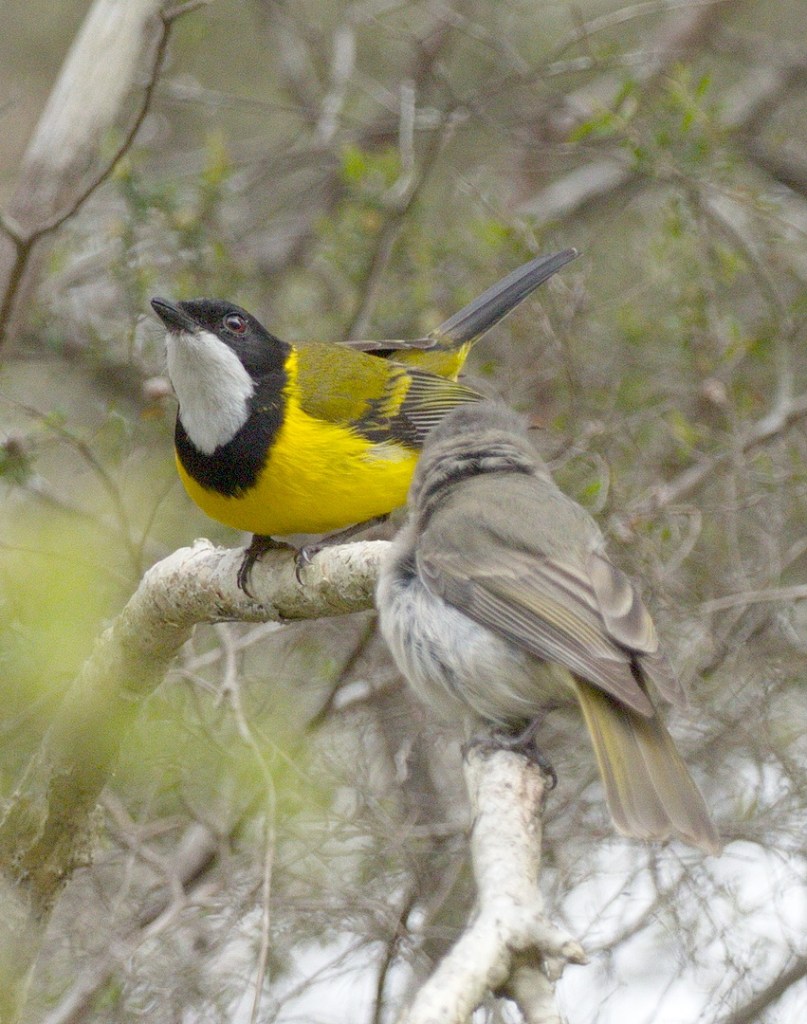
Golden Whistler

Australia – Melbourne and Brisbane Part 1

Part 1

September October 2019

When both Sally and I go to Australia we have two goals. The first is to spend time with Sally’s two sons and their families in and around Melbourne and to see how her Grandchildren are growing up. Of course while there we take the opportunity to bird too and we have covered many of the different birding locations in Victoria.

Continue reading “Australia – Melbourne and Brisbane Part 1”

A Birthday Surprise to Giant’s Castle

Bearded Vulture

27th and 28th August 2019

To celebrate my birthday, Sally took me to Giant’s Castle – somewhere I yearned to return to – especially to spend a day in the Vulture Hide. And that is exactly what she had in mind. As we passed the turnoff to the hide Sally casually mentioned that was where we were headed. Great birthday present.

Continue reading “A Birthday Surprise to Giant’s Castle”

A short visit to Tala Game Reserve

Sunday 25th August 2019

On Sunday 25th August we visited Tala Game Reserve near Camperdown with Sally’s step daughter Michele and her son Matthew. We arrived around 09h30 and spotted some White Rhinos in open grassland near the entrance. We drove towards them and on the way Matthew spotted  a Black-headed Heron hunting for frogs and we also saw some Lapwings, Black-winged and Crowned next to the road.

Continue reading “A short visit to Tala Game Reserve”

Pietermaritzburg Botanical Gardens

Sunday 18th August 2019

Sally and I had most enjoyable birding with KZN Midlands at the Botanical Gardens in Pietermaritzburg. The day started off very misty and took its time to clear up. Despite that the birding was good. It all started with a Black Sparrowhawk as we entered the Gardens and went on from there. Here are a few of the birds we saw.

Continue reading “Pietermaritzburg Botanical Gardens”

Bahati, Zululand

July 14th to 19th 2019

Report by Sally and Paul Bartho

After the Umlalazi weekend outing (some photos shown at the end of this report), Sally and I headed north to Bahati Game Farm. Here we camped for five nights. Bahati is very close to Bonamanzi – about half a kilometre on the opposite side to Bonamanzi heading to Hluhluwe town.

Continue reading “Bahati, Zululand”

Kosi Bay and Mkuze

9 to 16 May 2019

Report by Paul and Sally Bartho

A chance remark to my sister resulted in Sally and I being invited to join her in the TEBA Cottage at the very mouth of Kosi Bay Estuary for four nights. We had a couple of days to prepare for our trip.

A long way to go for four nights so Sally organised for us to have three nights in Mkuze on the way back – staying in the hutted camp accommodation.

We prolonged the forecast six hour journey by taking a longcut through Phinda on the district road. Instead of turning off the N3 at Hluhluwe we went on a further 20 kms and took the Phinda off ramp to the Phinda reserve entrance and because we were passing through there was no charge.

The 30 km dirt rode through the reserve enabled us to see aminals and birds. Towards the end of the road we encountered a pair of Cheetahs lying in the shade with their legs protruding onto the road. We stopped (although strictly speaking they suggest as we were passing through not to do so in case of trouble). The Cheetahs took little notice of us and stayed put. An pleasant and unexpected start to our trip.

My sister had organised our entry permits for us so we were able to pass quickly through the gate and proceed down to the TEBA Cottage at the river mouth.

The cottage is rustic. Three bedrooms, two bathrooms (one with shower the other with a bath), large kitchen, dining room and a deck with panoramic views across the bay. Yes hot water in the kitchen and for the bath as well as the basins in the bedrooms. No electricity, just a generator powering batteries for lights and the fridges and freezers. That said, it was a privilege to stay there. No neighbours and the bay in front of us.

TEBA Cottage

Each morning, up early and into the coastal forest – following the sandy road to the cottage- listening and trying to spot the many birds present. Getting good sightings was very tricky and many of the birds we identified were by ear – Sally’s mostly.

Thick Coastal Forest

There were Green Malkoha, Black-throated Wattle-eyes, White-starred Robins, Blue-mantled Crested-Flycatchers, Grey and Olive Sunbirds, Dark-backed Weavers, Black-backed Puffbacks, Southern Boubou, Natal Robins, Crowned and Trumpeter Hornbills, Rudd’s Apalis, Sombre and Yellow-bellied Greenbuls, Terrestial Brownbuls, Brown Scrub-Robins all adding their sounds to the bush.

Black-throated Wattle-eye
Green Malkoha (Banana Bill)

Of course there were many butterflies too – which we have been unable to identify.

The weather was kind to us – not too hot and cool at night. Mossies were few and far between. A lot of time was spent on the beach and wading up the estuary looking for birds.

A group of waders on one of the sand strips – the tide was out – caught our attention.

About 20 Waders

Through the scope we decided that we needed to get closer to confirm our ID. A long distance photo confirmed our ID. Then I decided to wade out to get closer. As it happened a group of people got too close to the group and they flew landing on the same sand strip that I was on. I took my photos and then they flew up the coast towards Mozambique.

Here are some photos of other water birds we sighted in and around the estuary.

Fish seemed to be plentiful for the locals – perhaps their methodology was unusual.

Spear Fisherman with a plentiful catch of rather small fish.

A walk the other side of the estuary southwards along the coast with my sister, Natasha and Sally also gave us an unexpected surprise. My sister spotted shoals of fish riding in the waves and then she spotted a Loggerhead Turtle doing the same. In the end we had three more sightings of others doing the same.

Right at the bottom of the stairs leading down to the beach from the cottage there were several large trees which had collapsed into the sea due to corrosion. A the base of one of these lived an eel. Very colourful – bright yellow with dark markings – seen several times.

And in the water at the base of a tree there was a Lion Fish. On one morning it swam around in the sunlight enabling me to get a few nice photos of it.

Our bird list was not prolific and many of the bush birds were identified by sound. In the end we identified a total of 48 different species. Click here to see the list.

Mkhuze

After four relaxing days at Kosi, Sally and I headed for three nights at Mkhuze staying in the hutted accommodation. We had two full days to explore the Reserve and visit the hides.

As an aside, if you plan to visit, be careful at night as the hutted camp is not secure. We were told that the previous week a lion was seen around the nearby cottages

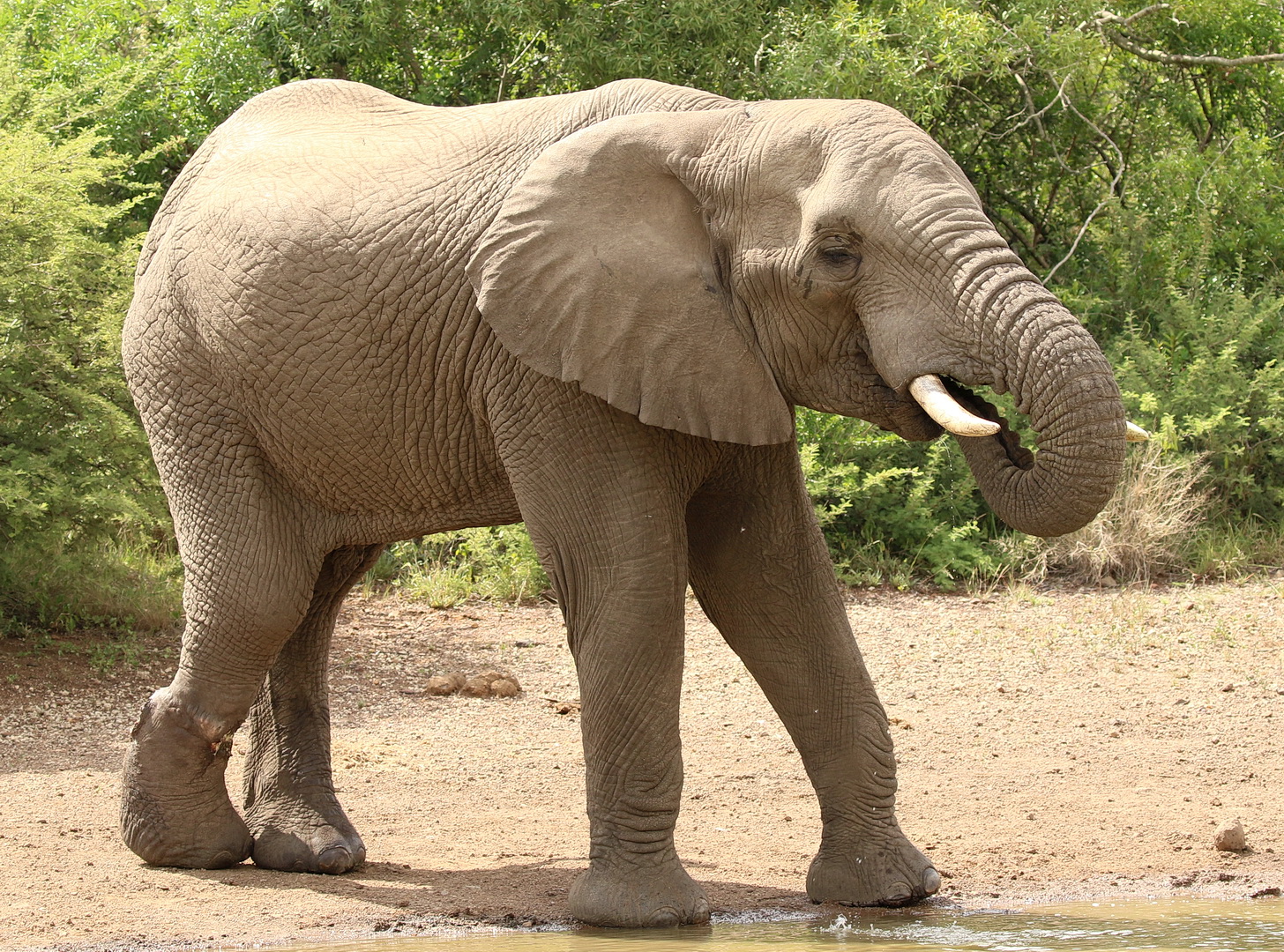
We did see an elephant as it walked past the Masinga Hide without popping in to disturb the other aminals there. Other than that we encountered only the usual zebra, giraffe, nyala, impala, warthogs, gnus, baboons and monkeys.

Lone elephant at KuMasinga Hide

Of course Masinga Hide is always worthwhile to see aminals and birds.

Baboons enjoying the early morning sun
Could you do this?

And some of the birds seen there.

The campsite is a good place to see birds and we were not let down when we went there. Here a few of the specials we saw there.

Malibali Hide – near the campsite – was full and we enjoyed the new hide. This time however it was relatively quiet but again we had a few specials to see.

Driving around the bird life was patchy in places yet we did manage to see a wide variety of different species which we had not see at any of the hides.

African Cuckoo-Hawk

The second hide to the right of the picnic site at Nsumo Pan is another of our favourite hides except when the wind is blowing. Fortunately the weather was kind to us when we visited. Here are some views from the hide.

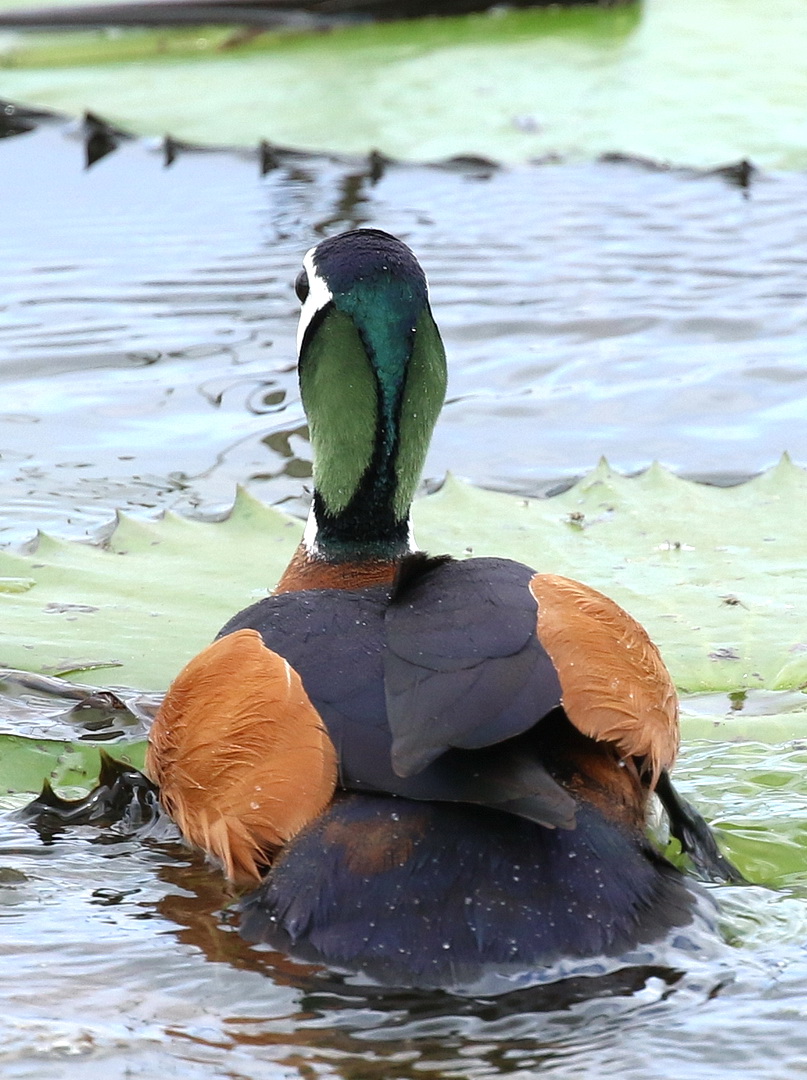
On arrival we were treated to a sight we had not expected. Looking out to the left there were pairs of Little Grebes, African Pygmy Geese and White-backed Ducks. And as we scanned the pan there were at least another 20 African Pygmy Geese and about 8 White-backed Ducks. In the past we would have been lucky to see just one pair of African Pygmy Geese.

African Jacana were on the lily pads, a Malachite Kingfisher put on a show, Whiskered Terns were seen all across the pan. And on the far side many other water birds could be seen.

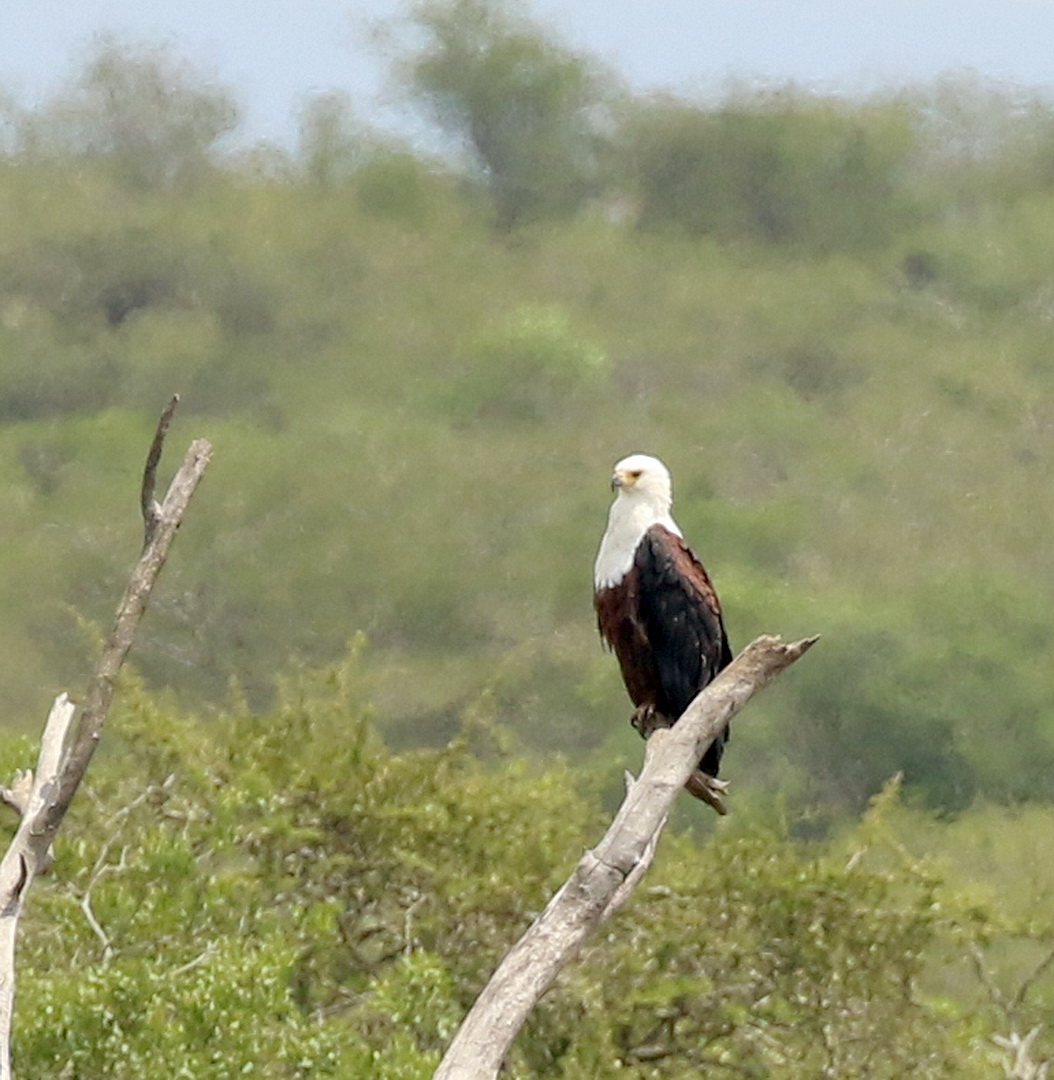
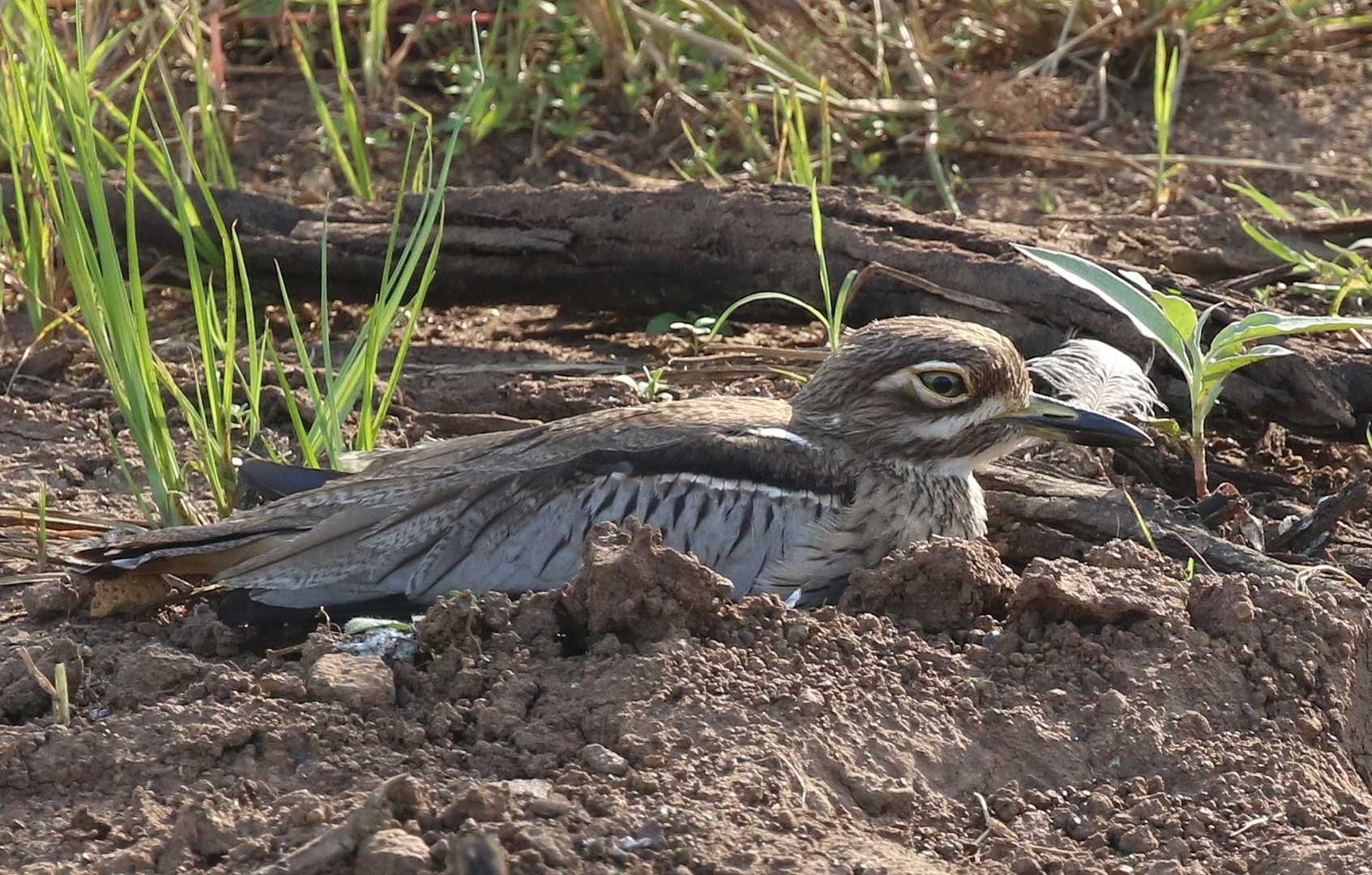
On the shore line heading towards the Picnic site we spotted several Water Thick-knees and what appeared to be a three legged Black-winged Stilt – 2 red legs and one straw coloured!! All close to the African Fish-Eagle which was occupied on a meal.

The picnic site at Nsumo Pan is also one of our favourite places to visit especially for a tea and pee break. Birding is also good normally. And the day we visited was our lucky day – very special.

On the way in an African Paradise Flycatcher welcomed us.

African Paradise Flycatcher

Hippos greeted us bobbing up and down among the lily pads close to shore.

Pink-backed Pelicans and Yellow-billed Storks flew overhead.

Western Cattle Egrets were fishing from Hippo perches. And even a Grey Heron took its chances.

Even the bush around the picnic site had some interesting birds.

It was only as we were leaving that Sally heard a Sunbird calling. When we found it we both were thrilled by what we saw.

Neergaard’s Sunbird
Neergaard’s Sunbird

On one afternoon drive we returned quite late and driving up from the kuMahlahla hide, we encountered several Spotted Thick-knees as well as Fiery-necked Nightjars.

The Thick-knees I managed to get a few reasonable photos. But I lost out big time with the Fiery-necked Nightjar. There was one sitting on a bare branch right beside the driver’s side of the car. Quickly I put my camera onto Auto and took a shot. Flash goes off bouncing off the inside of the car. Rats. The bird is still there so I try again. This time the flash works perfectly but the bird flew off as the camera took focus. Later I checked the photo and it was a perfect shot of the branch – if only the bird had stayed.

Spotted Thick-knee

Zululand birding is always full of pleasant surprises. The variety is plentiful. We love going to visit the many different habitats.

In all we recorded 122 birds – identified for Bird Lasser. Click here to see the list.

Hope you enjoyed the read.

Paul and Sally Bartho

Pink-backed Pelican – Have Wings Will Fly

Kgalagadi Trip Report

Report by Paul and Sally Bartho

9th to 26th April 2019

River of Joy and Mokala

Black-backed Jackal – looks so cute

Friends of ours (Arthur and Rose Douglas) suggested we join them and their two friends (Rodney and Myra) for eight nights in the Kgalagadi. They had space in Polentswa for six nights and two nights in Rooiputs (both unfenced campsites on the Botswana side of the Park).

We decided to go and then return through the Northern Cape and Karoo to find both the Red and Sclater’s Larks which neither of us had seen.

Our program: a stopover at the River of Joy campsite and then spend two nights at Mokala on the way to Twee Rivieren before joining our friends at Polentswa. Afterwards to drive to Brandvlei for three nights and finally three nights at Gariep Dam before returning home.

On the first part of our journey we avoided the Van Reenen’s Pass and took the more scenic route via Oliviershoek Pass. We arrived early at River of Joy near Bloemfontein and set up our off-road caravan in time for a short stroll around the camp before the rains set in. And they set in for the whole night. The ground was fortunately grassy but very soggy in the morning but the rain had stopped. The sole bird of note was the back view of a Gabar Goshawk near the river.

Gabar Goshawk

The next day we arrived at Mokala very early so that we could have time to explore the Park. Weather was variable – some sun, cool and mainly cloudy with threats of possible rain.

The sunlight through the clouds had amazing lighting effects on the scenery.

Bright sunlight on the hillside amid the stormy background.

We did see two of the big five animals – a large herd of Buffaloes and a few White Rhinos. Again with strange sunlight casting this Buffalo with a red hue.

Old boy right next to us and checking us out.

Mokala has a very wide range of antelope – abundant and visible. Here are some of the variety that we saw.

There were also a multitude of birds despite the windy, cool and wet weather.

Kgalagadi Polentswa and Rooiputs

Dry weather prevailed during our long journey to Twee Rivieren where we spent the night before heading up to Polentswa the following day

The distance from Twee Rivieren to Polentswa is close to 200 kms – so another long day of driving through the Park.

The main observation was the extreme dryness compared to the same time last year and as a result a paucity of animals and birds. No sign of cats the whole way. Very unusual.

Same time last year the Park was much greener and sometimes waterlogged.

Stopping at Nossob for fuel, provisions and to fill up the trailer with water, Sally went to the Bird Hide to check if there was anything of interest to see. All was desert and deserted.

We did photo a few interesting birds along the way;

Eventually we arrive at Polentswa and set up camp alongside our friends.

There is a waterhole nearby and it was one of the few with water – piped in. This is where we were treated to our daily show of Wildebeest and Springbok;

Rocky at the Polentswa waterhole.

Some of the animals using the waterhole.

Cape Turtle Doves in their hundreds first thing in the morning and late afternoon;

Cape Turtle- Doves

Black-backed Jackal hopeful of snatching a bird or two;

Black-backed Jackal – so cute

And at 09h30 the Sandgrouse arrive (Namaqua mainly and Burchell’s) – circling for ages before settling with their beady eyes open for a Lanner attack.

Every day the Lanner Falcons were there – seemingly just hanging about but on occasion an abortive attempt was made to catch a Sandgrouse or Turtle-Dove.

The Lanners did not have everything their own way.

Lanners were plentiful as were the Bateleurs with Greater Kestrels in the air above and the occasional Gabar Goshawk lurking about. Even Tawny Eagles made an appearance.

Gabar Goshawk note the white trailing edge to the wings

This Gabar flew and sat in a tree beside a Tawny Eagle. The comparison in size difference was astounding. In the above picture the Gabar looks huge but beside the Lanner it appeared less than half its size.

And sometimes a Lanner was spot-lit in the sun.

Lanner Falcon sunbathing

The campsite was also a good source of birds as you might expect – especially as we put out water for them. It was also full of incidents. Late night animals, birds close up, snakes, fire and lions.

Every night we had a large fire which we sat around and had dinner together. It was a time when out of nowhere there would suddenly appear – less that 10 metres from us – a Black-backed Jackal, a Spotted Hyena or a Cape Fox. Many nights we heard the Lions calling – we assumed from a distance although they were getting closer.

At midday, we usually gathered together to enjoy the shade of the A Fame and shoot the breeze. Water was put out on the far side of the A Frame giving us a close-up view as the birds flocked in for desperately needed water. And from our vantage point we were able to get photos of them.

Even some non-feathered friends came for a drink.

Two quite similar birds were our constant companions at the A Frame, under our chairs and pecking at the ants. In the end we believe we have identified them correctly.

Others seen around the campsite:

Snakes. An almost 2 metre Cape Cobra slithered across the A Frame in front of us – not stopping for a drink – and headed for my car. Fortunately it took a turn up a tree beside the car. We have no idea when it left but I moved my car away smartly.

The other incident could have had serious consequences. Sally was preparing some food at our campervan kitchen. I then washed up in the same area. As I was putting the pots back in the cupboard I happened to look down at the stool I was standing on. Through the holes I saw something odd.

So I lifted up the stool to find a rather large – fortunately dopey- Puff Adder all curled up against the tyre. Sally and my feet were literally inches from it from time to time.

Puff Adder

With help from some other campers we were able to get a spade under it and flick it outside the campsite. This took some effort because the snake kept trying to scamper its way back to what was obviously the coolest place to cool down.

Lion close-up

Then there were the Lions. Three playful youngsters. They were heard calling early one morning and everyone in the three different campsites set out (by car) to find them. We were tail-end Charlie. Following the paw prints on the road past our camp, the others soon came across the three youngsters.

When we caught up the entourage of cars were coming back towards us following
the youngsters along the road back towards the camps. A couple of them were quite boisterous, stretching themselves on trees and chasing each other.

Eventually they entered one of the camps and found a rubber mat to play with. This was our only sighting of Lions except for an old collared male on our way out of the Park. One even left a landmine on the road.

Sally and I had never been up to Union’s End in the number of times we had visited the Park so we decided to have a drive – some 70 kms north of Polentswa. It was marginally greener but really not by much.

On the way we were fortunate to see a female Pygmy Falcon atop a tree over the road. And unexpectedly a Lilac-breasted Roller. A large family of Ostriches were seen along with Capped Wheatears and a Lesser Grey Shrike.

Otherwise the drive was uneventful until we were arriving at the Lijersdraai picnic site. I ran over a stick missing either end. Except it was a Puff Adder unhurt.

The Kousant waterhole just south of Polentswa had a leaking water tank – perhaps intentionally so. The birds loved it as the tank had encroaching scrubby trees around it.

Black-chested Prinia, Cape Glossy Starling, a Chat-Flycatcher and a Marico Flycatcher all made an appearance. But there was one bird – a Warbler that had us mulling over for ages until we finally identified it.

Icterine Warbler

There was one other incident at the Polentswa campsite which was finally resolved at Rooiputs. It had our other two male friends Arthur and Rodney speculating as to what could be causing this phenomenon over each campfire dinner. And it revolved around the fire itself. Strange colourful flames. Not every night though.

First it must have been the wood itself – or a chemical inside. Same wood next night – no colourful flames. Perhaps it was the paint on the cans burning. Other hypotheses were expressed but it remained a mystery until our last night at Rooiputs.

Finally our six nights at Polentswa were over and we were on our way south to Rooiputs. Along the way there was not much out of the ordinary except that the herd numbers were less than normal and were few and far between. We did however have a reasonable sighting of a Brown Hyena running across the Nossob River; White-backed Vultures and a Secretarybird.

Rooiputs only has six campsites – each distantly apart. Unfenced so risky to use the outside Loo and Shower after dusk.

L to R: Arthur, Rose, Rodney and Myra

Every night we heard the roar of the King of the Jungle. His spoor was found around the camp shower each morning.

And of course during our final fire the flames took on their extraordinary colours again. Arthur and Rodney continued their speculation until I put them out of their misery. I handed them a packet each of Mystical Fire which I had sneaked into the fires on several occasions on the pretext of adding rubbish to be burnt.

Left the loo, right the shower area.

Eventually we saw the Lion on our way out – an old boy with a collar.

Collared Lion

Campsite birds were not as friendly as those in Polentswa but we still managed a pic or two.

Groundscraper Thrush

During our short time at Rooiputs our birding was limited not only by time but also the dryness of the Park. Despite that we did have one interesting sighting.

Our unusual incident were strange sightings in a Scaly-feathered Weaver’s nest.

The skeleton of an animal head with horns and a backbone.
Up close of the animal’s head and horns.

And round the side of the nest, this – whatever it is?

About 30 to 40 cms long. Any ideas?

And here are a few birds which had us pondering over their ID. We think our IDs are right but are not 100% positive. The first: a Chat Flycatcher (undersides not white enough for a Marico but the white wing bar is confusing).

The Second. Also Chat Flycatcher. Same concerns as above.

Click here to see our bird list for the Park. In all …………….birds were identified.

Brandvlei

Brandvlei is a very small town in the middle of Northern Cape Province about 250 kms south of Uppington.

According to Birdfinder is is highly rated and both Red and Sclater’s Larks can be seen there – our goal as neither of us had seen either before.

Early afternoon we arrived at our campsite – Casablanca on the outskirts of town. Rui welcomed us and knew we were birders. It seems many people from around the world stay with him to bird the area. He gave us directions to find the Red Lark close to town.

Casablanca
Entering Brandvlei

Fortunately we misunderstood his directions and instead of going about a kilometre we travelled six kilometres down the road looking for the first gate which was open on our left. As it happens we hit paydirt as we entered. A Red Lark flew across our bows and perched closeby. We scrambled out and followed it deeper into the property getting glimpses of it. Eventually it called – very unique call – then flew and perched on a scrub that enabled me to take a photo.

Red Lark

The weather was overcast and windy for the next two days while searching for the Sclater’s Lark. This time we followed Birdfinder’s route along the R357.

We had hardly left town when Sally spotted one right next to us as we drove past. Unfortunately it did not hang around for me to get a good look at it.

We enjoyed the birding along the route – dry open land with an occasional clump of trees usually beside a water trough.

About 16 kms along the R357 we came to a trough about 100 metres off the road. We pulled onto the side and watched from the fence – with binoculars and scope.

Distant waterhole

We waited and waited watching the the trough and the variety of Canaries and Sparrows which came to drink.

Then two Sclater’s Larks came and drank together. Through the scope it was clear what they were. Photographically the shots were very poor but looking carefully one can make out the face markings.

The next day we went back to the same trough and saw another clearly through the scope. Sorry about the pictures.

Of course there were other species which we enjoyed – Spike-heeled and Karoo Long-billed Larks, Karoo Korhaan, Double-banded Courser, Pririt Batis, White-throated Canaries, Namaqua Sandgrouse, white-backed Mousebirds, Yellow Canaries and Cape Sparrows to name a few.

On the way back to camp five Bat-eared Foxes raced along beside us. Lovely to see.

Bat-eared Fox

Another special sighting were the Rufous-eared Warblers – scurrying like mice from one clump of bush to the next.

Severe thunderstorms were all round us on the last afternoon. Rui told us that the last rain that they had was last December – 4 mm only. He offered us a room for the night in the house as he believed that we could be in for a battering – rain, wind and hail. We considered this for 30 minutes until we saw thunder and lightning

Hiding from the storm

Then we raced to get the campervan packed up. As we entered the house 30 minutes later the rain started – and it rained heavily all night. Power went off but we had the comfort of a very unusual home. Very old worldly. Old tims in the kitchen above the Aga, old-fashioned clothing hanging on the walls including corsets and dresses, piles of magazines from the 50s and 60s. Real character. Wonderful place to stay.

The next day we left early for Gariep Dam. The GPS wanted us to use the main gravel roads. After all the rains I think we wisely decided to take the long way round heading south for Calvinia and then across to Gariep Dam – probably 150 to 200 kms further but all on tar.

Gariep Dam

First it was south towards Calvinia in very overcast and threatening weather. Unusual double rainbows were seen.

The first two hours we experience a little rain now and then. The next five hours it rained constantly and sometimes severely.

The fields were sodden and full of standing water.

On arrival at the Forever Resort in Gariep we decided not to camp but to enjoy the luxury of a Chalet (views above) for the next three nights.

The area was picturesque and birding varied in the different habitats.

We visited the camp’s game park. Small, but it had a busy wetland pond – with many water birds as well as others enjoying the standing water.

Wetland Pond

There we had views of a sub-adult African Fish-Eagle, Cape Shovelers, Cape and Red-billed Teals, Goliath Heron, Layard’s Tit-Babbler, Mountain Wheatear, Yellow-billed Egret, Yellow-crowned Bishops, Common Waxbills, Common Moorhen, Little Grebe, Red-knobbed Coots to name a few.

During our time there we visited the Dam itself and drove along the rocky shoreline back to the resort. And we visited the Gariep Dam Game Park as well as walking around the resort.

Several views of the Dam.

On the way back to the resort we stopped at a look-out point and had good views of a Black-chested Prinia and a Short-toed Rock-Thrush.

In the Game Park we managed to see three Game – a Wildebeest, three Reedbuck and a Yellow Mongoose.

Yellow Mongoose

However the birdlife on the dam’s edge was prolific in several areas. Hundreds of Egyptian Geese dominated. Waders were present – Three-banded, Kittlitz’s and White-fronted Plovers as well as Capped Wheatears, Blacksmith Lapwings and the water birds we had seen at the wetland pond.

Other birds were also seen in the Game Park including:

In total 151 different bird species were identified. Click here to see our combined bird lists and where each was identified

Cheers

Paul and Sally Bartho

Hope you enjoyed the read.

Mkuze and St. Lucia

Report by Paul and Sally Bartho

7 to 13 February 2019

It was time to get away – you could say the lure of the bush was calling. This time a short trip – 4 nights in Mkuze and a couple in St. Lucia.

Rain and overcast conditions followed us and remained intermittently at both venues.

Mkuze was lush- the vegetation was green and grown up. There were no bare patches to be seen unlike the last time we visited in July 2018. The Fig Forest was flooded from rains upstream and consequently Nsumo Pan was as full as we had ever seen. Despite that only two inland hides had water (KuMasinga and Malibali) and all of the other scattered pans and wallows were dry.

Nsumo Pan was one of the first places we visited. We stopped at the first hide heading towards the Nsumo Pan Picnic site. As we approached we noticed what looked like two ducks in the shadows under the hide. However they were something entirely different and most unexpected.

With the water level so high there were no waders about at Nsumo Pan.

However there were a number of waterbirds about at Nsumo hides and at the Picnic site.

As expected, Kumasinga hide was busy. Many animals as well as birds close-by – making for reasonable photographic opportunities considering the sunless skies. A number of birds appeared with confusing ID issues which made it all the more interesting trying to get to their correct ID. One bird in particular – a Sunbird – was an interesting example of this.

Perplexing Sunbird

What we saw immediately was a Sunbird with a distinct bib and yellow Mylar stripes either side of the bib. A quick look at the Roberts App suggested a Plain-backed Sunbird – and its plain back also seemed to confirm that.

Sunbird with a plain back

It was feeding what we considered to be a fledgling so we considered it to be an adult bird despite its yellow gape.

However a Plain-backed Sunbird would be a rare sighting in Mkuze so it did not feel quite right. We checked the Roberts App for pictures of Sunbirds and nothing had the bib except for the Plain-backed Sunbird. The new Roberts Field Guide eventually gave us the correct ID by showing a picture of a juvenile male Marico Sunbird. It shows that sometimes initial impressions can be so wrong.

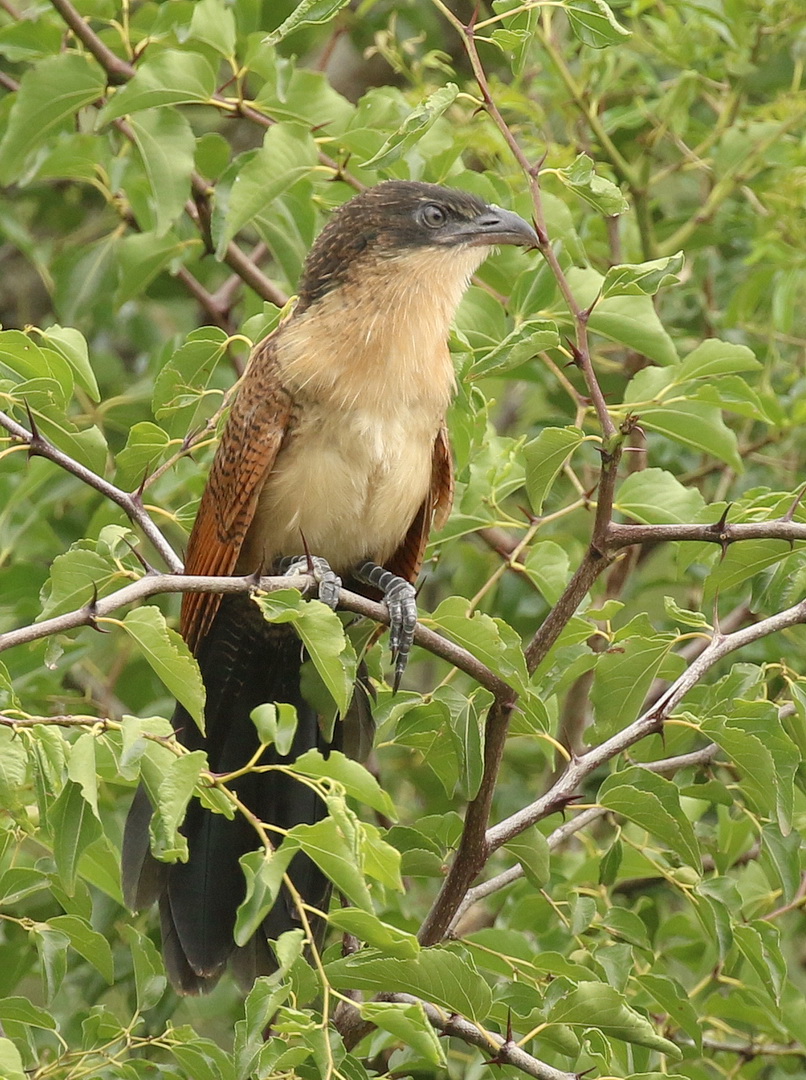
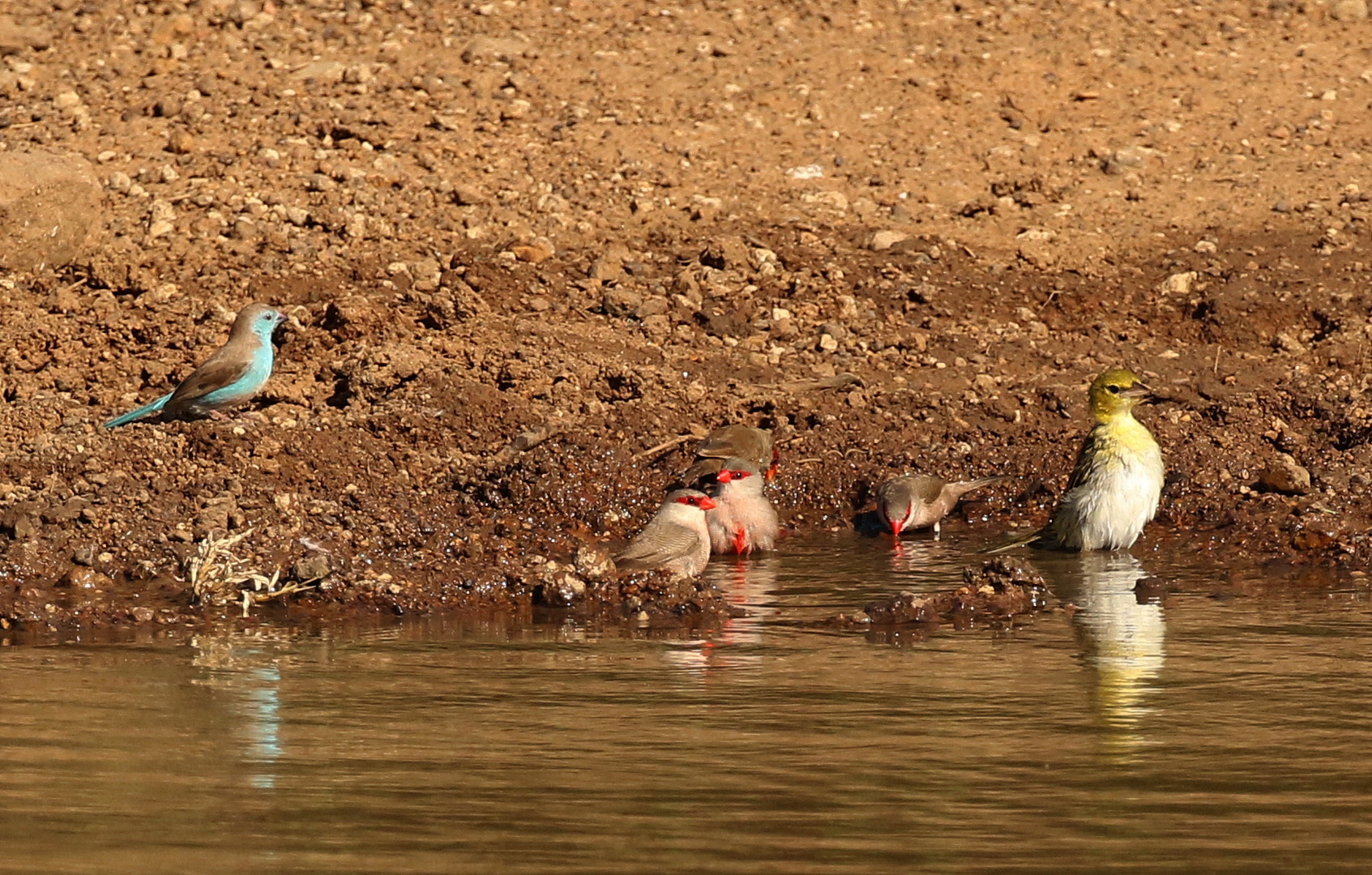
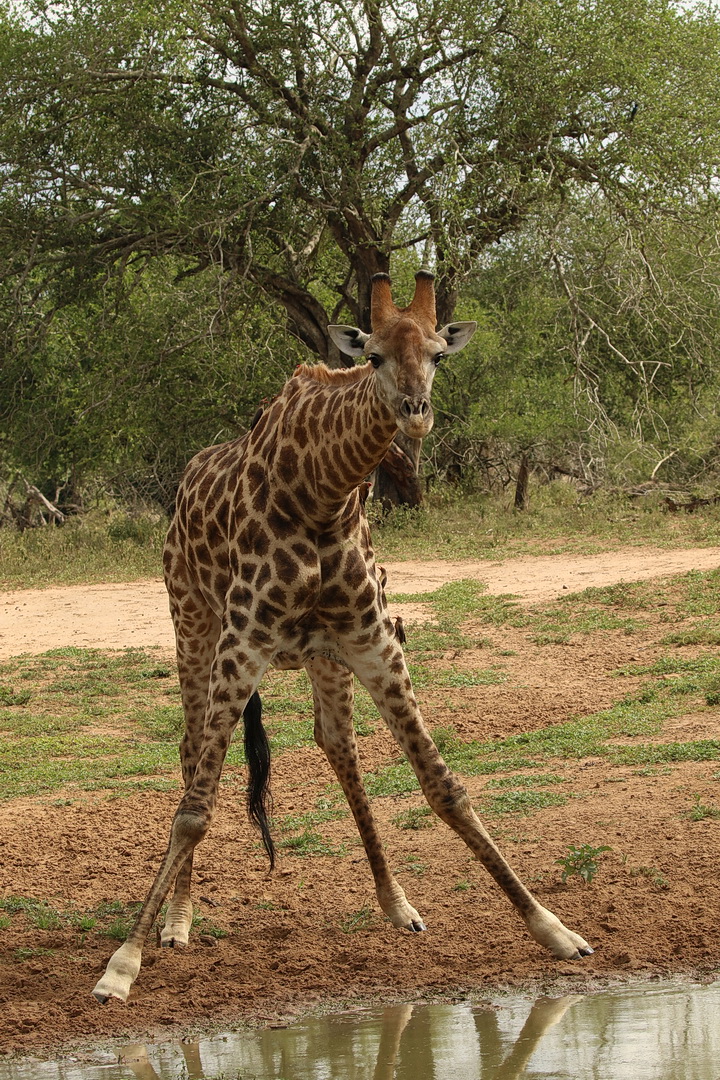
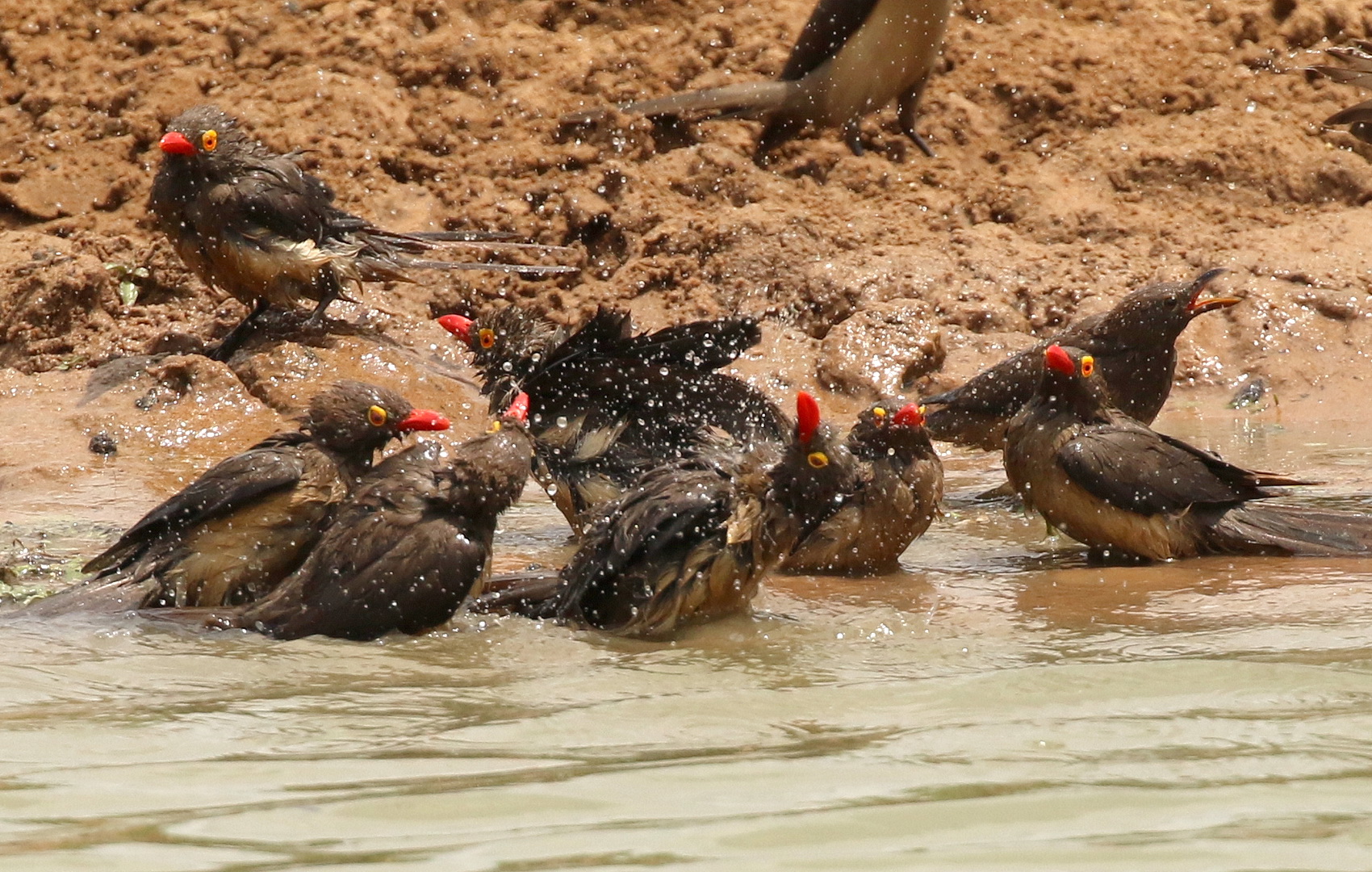
The antics of birds and animals were a pleasure to watch. Burchell’s Coucals chasing each other, Little Bee-eaters and Swallows coming in for a drink or a bath, Red-billed Oxpeckers having a communal bath spraying drops of water over each other, Giraffes drinking, a Slender Mongoose casing the joint and many birds just coming to the water’s edge for a drink. One oddity were the Red-billed Oxpeckers. There were at least 20 present all the time. They never left with the animals but hung around for their next feed. We tried to work out if the animals not only came for a drink but also for a clean up. Or was it that the Oxpeckers hung around because they knew they were on to a good thing. Perhaps both options.

But there was one bird which appeared unexpectedly.

Dwarf Bittern

Yes, a Dwarf Bittern up high in a tree. Wonderful sighting.

Of course there were camp birds. We were greeted by a pair of singing Striped Kingfishers. As the sun set, the Little Swifts serenaded us. However because of the weather the camp was quiet.

It was on the Loop road where we saw the most raptors and an unexpected one at that as well as bushveld species.

Our last morning was spent at Malibali hide. And surprisingly the activity was as interesting as that at the Kumasinga hide. Now that there is water all sorts of creatures appear out of the woodwork.

Over a three hour period we saw three different elephants coming in for a drink and a splashing.

Elephant – drink’s time

The last sadly with a vicious snare wound (which the camp conservation team were aware of). The elephant had to be darted to remove the snare and to be given treatment. You can see from the photos how bad it looked. Fortunately it appears that the medicine is doing its work. It can walk normally and put weight on that leg. What was interesting was the elephant, having arrived with the would very visible, left with it fully coated in mud by the elephant to act as protection for the wound.

Snared Elephant swollen foot

Here are some of the other species photographed at the waterhole.

Then there was a full breakfast to be seen.

Western Cattle Egret enjoying a big breakfast

Our bird list for Mkuze can be seen later as it has been combined with our viewings at St. Lucia.

Our next destination was St. Lucia. The main purpose at St. Lucia was to enjoy the waterbirds seen at the mouth of the estuary and to try and find one or two of the special birds seen there earlier this year – Gull-billed Tern, Eurasian Oystercatcher, Lesser Frigatebird or the vagrant Noddy on the off chance.

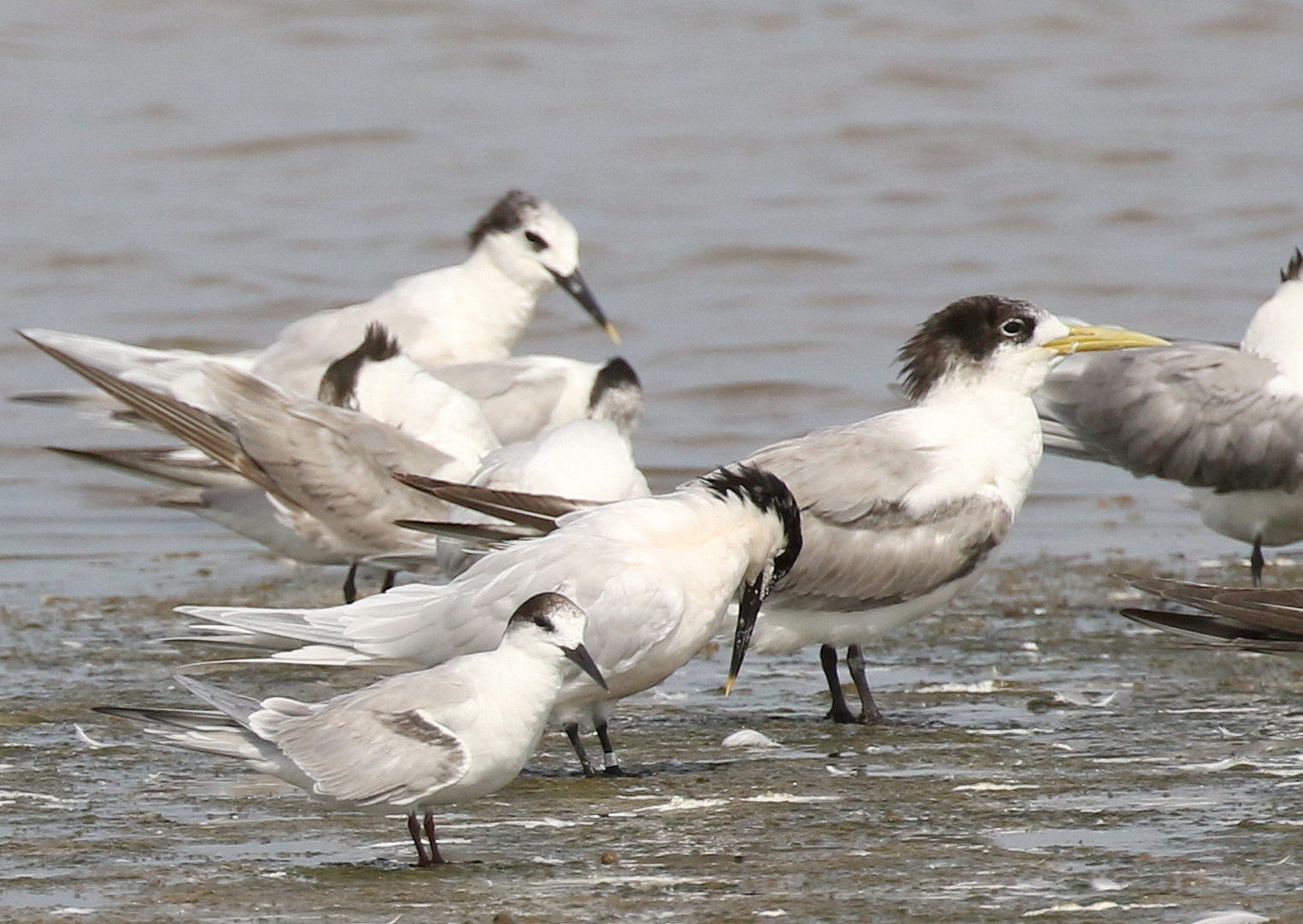
St. Lucia weather was even more overcast and rainy than Mkuze. We took our chances when the heavens were not crying to walk the beach and explore the estuary. We managed to get out twice. On both visits we came across a small Tern roost in the estuary. Despite  the numbers it was good to see the variety there – Little and Swift in numbers with Common, Lesser-Crested and Sandwich Terns among them. Even a Caspian appeared. However amongst the Terns and Gulls there was no sign of the Gull-billed Tern.

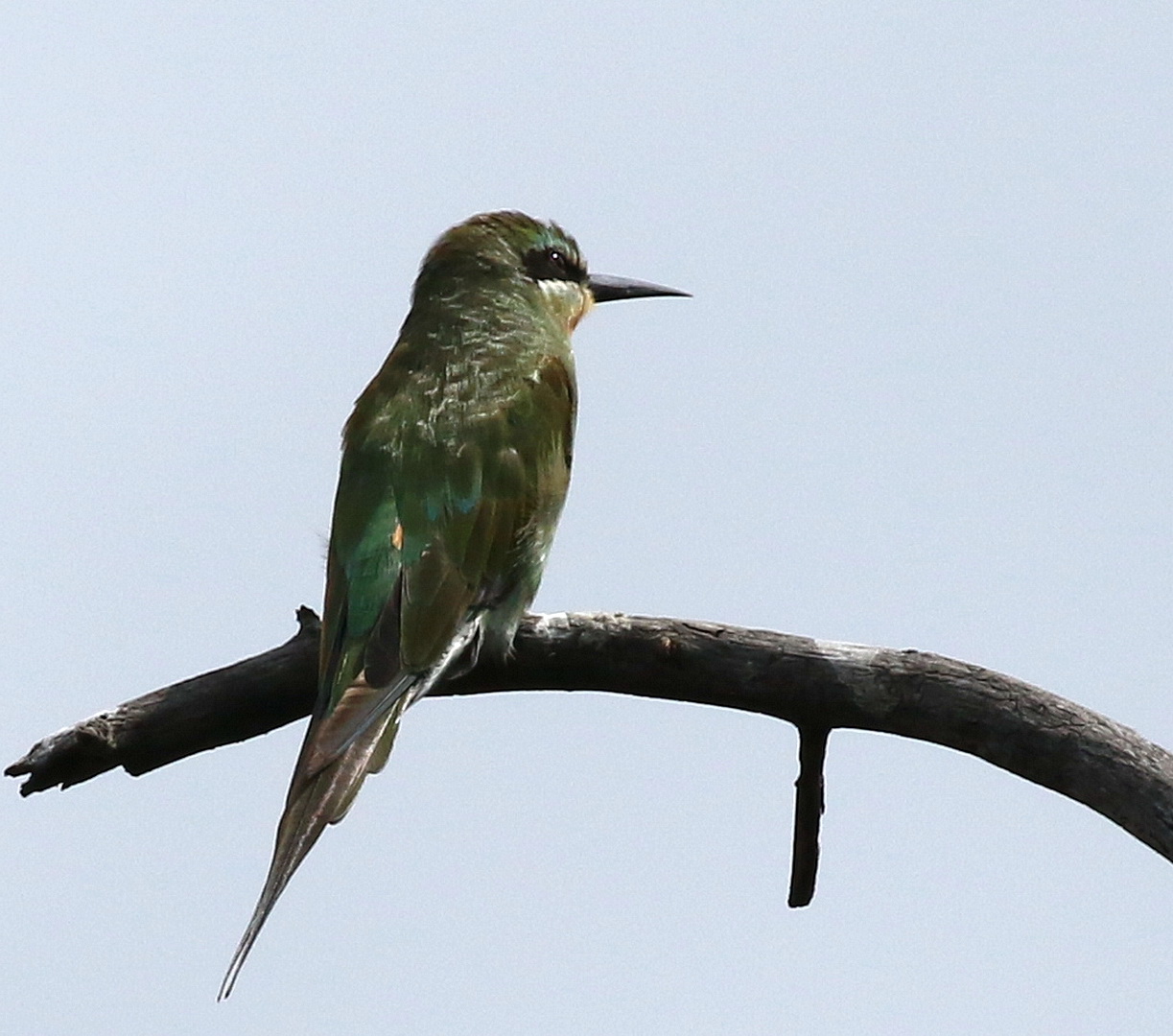
Blue-cheeked Bee-eaters were feeding over the sand dunes. Not a sight we expected to see.

Blue-cheeked Bee-eater

No sign of the Noddy – not a surprise as we know how fleetingly it was seen in the first place. And the Lesser Frigatebird did not make an appearance either. Fortunately we had seen it there on a previous visit.

Black Oystercatchers were seen on the beach water’s edge in the distance. Whenever we got close they moved on. Grey Plovers and Whimbrels were also present. On one occasion we saw a distant Black Oystercatcher with another smaller wader – we assumed either a Grey Plover or Whimbrel. Because it was so distant we did not pursue it and visited the Tern roost instead. After some time we left the roost and headed back to the beach to see if by chance we would have any luck spotting the Eurasian Oystercatcher.

The beach came into view and there was the Black Oystercatcher we had seen earlier. And with it the other smaller bird. Once we had our binoculars on it we realised it was the Eurasian Oystercatcher. As close as we came so they moved away. I managed to get a photo or two but it was a nightmare photographing into the sun.

Black and European Oystercatchers showing their size difference

Hooray – a lifer for me.

Sanderling

On our last – yes, rainy afternoon – we ventured into Eastern Shores – more for something to do than sitting around the camp in the intermittent rain. As expected both animals and birds were scarce but we persevered. Eventually we got to the Lake Bhangazi turnoff having explored most of the other loops on the way.

European Bee-eater

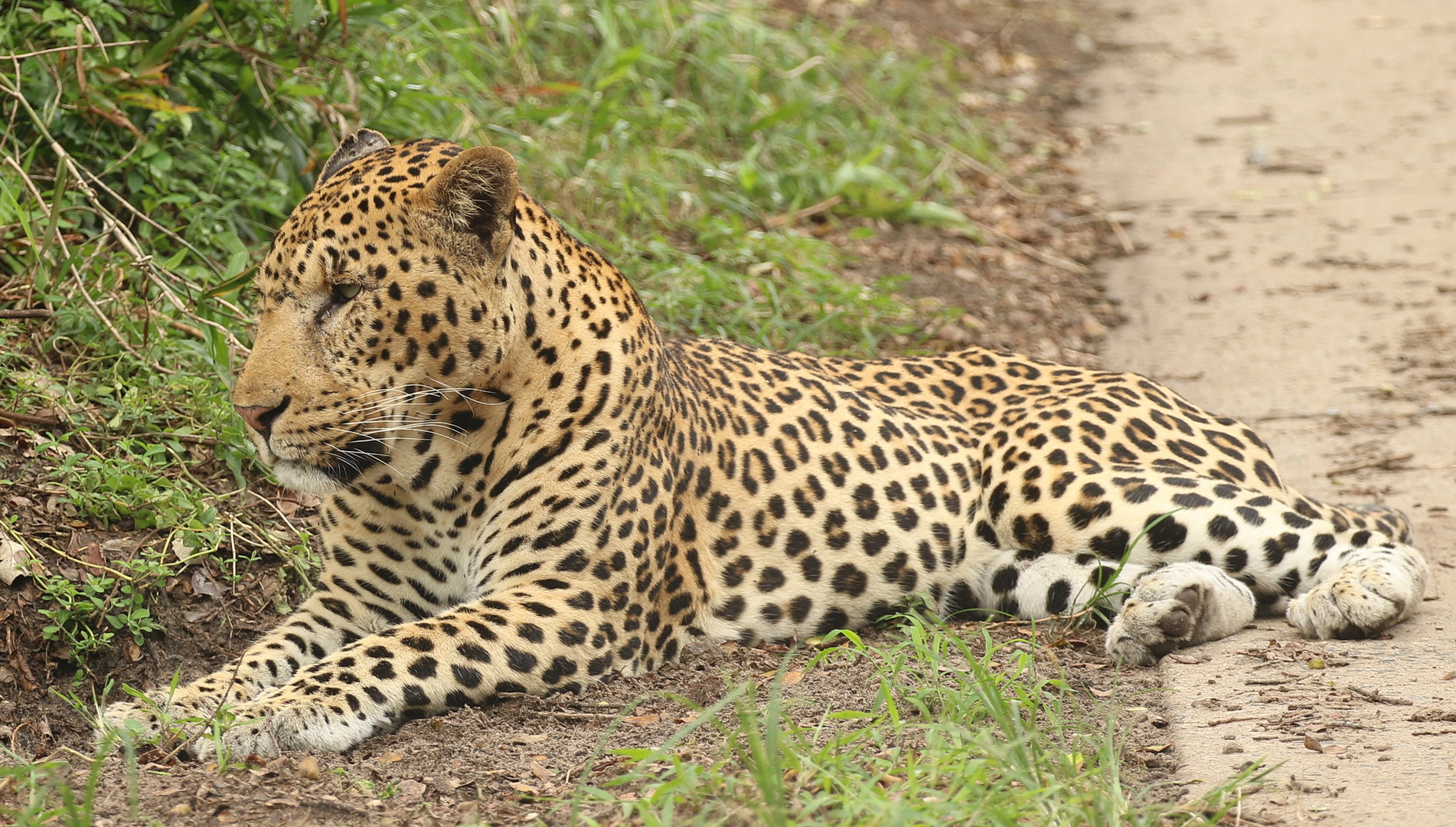
This drive is a 17 km drive back to the main road. Initially it passes through dune forest and onto a raised road between Lake Bhangazi and a wetland. This part of the road is also well forested and narrow. Coming round a corner I said to Sally “Look ahead”. She was scouring for the bird she thought I had seen. Only it wasn’t a bird but a magnificent creature lying alongside the road.

Leopard

Well worth the drive and a good way to end our trip. Our bird list for both Mkuze and St. lucia can be seen by clicking here. 135 species identified in Mkuze and 77 in St. Lucia.

Hope you have enjoyed the read.

Paul and Sally Bartho