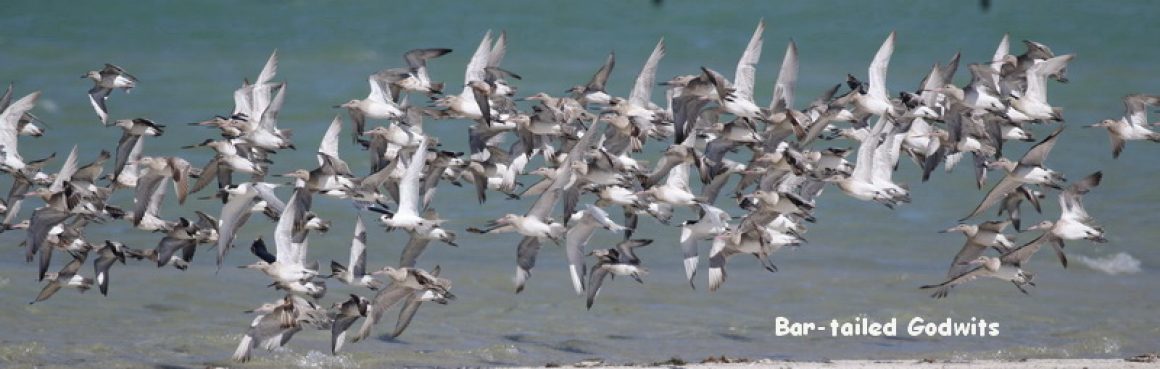
A Pair for ID.
Seen in Le Domaine – 2 separate individuals.

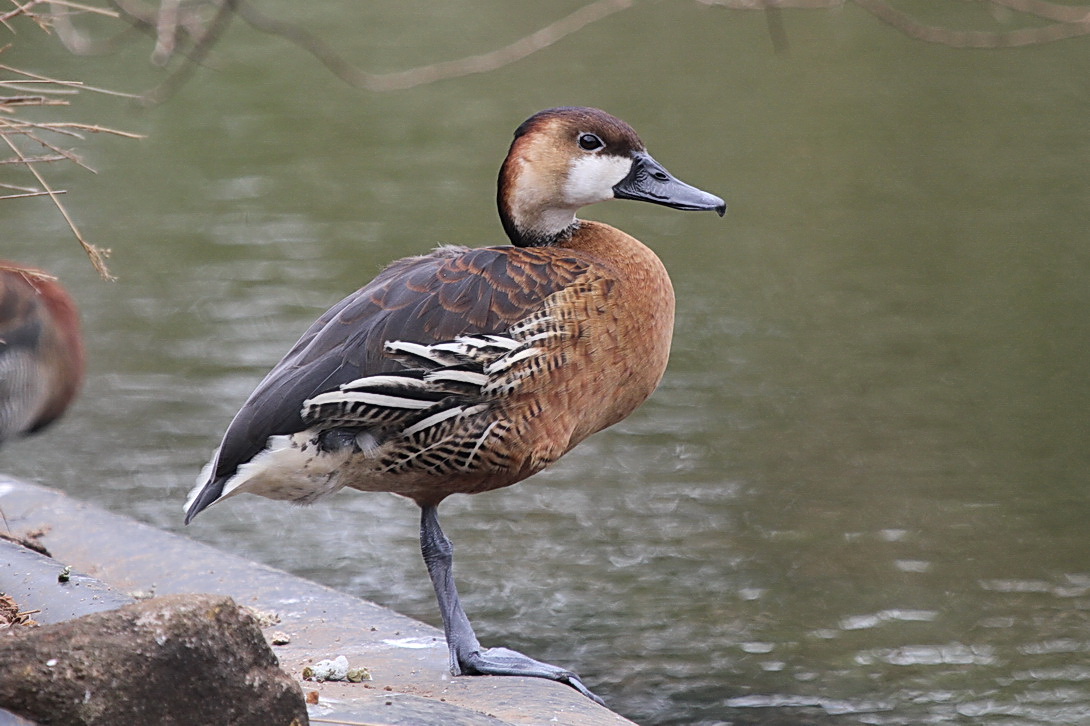
Seen in Le Domaine – 2 separate individuals.
On another note and aside from the above outing, I happened upon a White-backed Duck whilst golfing on Friday with my sons at the Cato Ridge Golf Club. It looked very happy and could well still be there if anyone wants to give it a twitch. It was seen at the small dam in front of the 12th tee at the bottom end of the course. Apparently it has been there for about a week.

Dave Rimmer
Despite the smorgasbord of events scheduled for Saturday, a group of 17 keen birders turned out for the outing – many of the regular Saturday outing birders as well as three visitors. The day started off with a number of birds entertaining us in the car park, notably an obliging Black-headed Oriole that gave everyone good views and photo opportunities, followed by a Yellow-billed Kite that decided to perch quite close by, and a pair of African Goshawks flying overhead. The grassland path was the route taken leading towards the small dam. Birds seen along this section among others included a female Black Cuckooshrike, Yellow-rumped Tinkerbird, Rattling Cisticola, African Harrier-Hawk, numerous Olive Sunbirds and a Lesser Honeyguide close to the dam. As usual, the weaver colony in the middle of the dam was alive with Village Weavers and Yellow Weavers busy nest building.
From the dam we proceeded towards the office complex as John and others had recently seen the Spotted Ground Thrush – one was seen but only briefly flitting across the road to a few at the front. Good birding was had along the road between the offices and the picnic site with the highlight being excellent views of a Scaly-throated Honeyguide. This was a lifer for at least 8 members of the group, myself included. Other good sightings in this section of the reserve included Yellow-bellied Greenbul, Terrestrial Brownbul, Ashy Flycatcher, Red-capped Robin-Chat and Black-backed Puffback. We returned to the car park via the vehicle track on the southern side seeing White-bellied Sunbird, African paradise Flycatcher, Purple Crested Turaco and Golden-tailed Woodpecker along the way.
A total of 51 birds were either seen or heard including:
White-eared Barbets, Dark-capped Bulbul, Southern Black Tit, Dusky Flycatcher, Fork-tailed Drongo, Hadeda Ibis, Southern Black Flycatcher, Green-backed Cameroptera, Amethyst Sunbird, Southern Boubou, Yellow-fronted canary, Tambourine Dove, Square-tailed Drongo, Common Fiscal, Black-bellied Starling, Amethyst Sunbird, Collared Sunbird, Lesser-striped Swallow, African palm Swift, Cardinal Woodpecker, Neddicky – and not forgetting the Zebra and Impala.
Dave Rimmer.
Photos care of: Dave Rimmer & Penny de Vries

Sally and I went to Cape Vidal campsite for 2 nights followed by 3 at Sugarloaf campsite in St. Lucia. We endured strong wind for all 5 days. Our tent extension was defrocked one night in Cape Vidal and on the last day when we were in Umfolozi.
Despite the wind the weather was pleasantly sunny and not too hot.
The campsite in Cape Vidal was infested with Vervet and Samango monkeys. Turn your back on them at your peril as they will take any food within your arm’s reach if you are not looking – and sometimes even when you are! It is well shaded and mostly flat and sandy. Beware – it is expensive as they charge for 4 people even if there are only 2 of you. It cost the 2 of us R252 a night and that was with a 40% discount! Sugarloaf cost us R324 for the 2 of us for 3 nights (also with a 40% discount).
The Loop road past Lake Bengazi is closed as part of the road has been washed away – apparently sometime ago and there is no sign that it is being repaired.
Sugarloaf Campsite in St. Lucia is located right at the end of the road to the boardwalk beside the estuary leading to the beach. Unfortunately it is a preferred fisherman’s campsite and so to be avoided at the weekends despite it having 100 campsites.
iSimangaliso Wetland Park (Eastern Shores) is one of our preferred parks close to Durban. It has a good variety of game and is known for its leopard sightings. We go for the birds and we were not disappointed this time with excellent sightings of Southern-banded, Black-chested and Brown Snake-Eagles; adult and juvenile Cuckoo Hawks; Collared Pratincoles; etc…
(If you click on an image it will enlarge and you will be able to scroll through the rest of the pictures in that gallery. To return to the text move the mouse cursor to the top left of the screen and click on the “X” when it appears).




St. Lucia also did not disappoint with a good variety of waterbirds including African Black Oystercatcher, a sea paddling Pied Avocet, Kittlitz’s, White-fronted, Three-banded and Curlew (in partial breeding plumage) Sandpipers, Ruff, Wood and Marsh Sandpipers, Caspian and Swift Terns, Grey-headed Gulls.




However “la piece de la resistance” was a Sooty Tern amongst a group of other Terns, Gulls and Avocets. It was sheltering on the leeward side of the wind in the estuary.


If you visit St. Lucia do take a walk along the Gwalagwala Trail early morning. Park in the Office car park. Listen for Woodward’s Batis and Green Malkoha.
The campsite too has a good variety of birds.


We spent one day in Umfolozi and were not disappointed despite the extensive burnt areas in the park.
The Bhejane Hide is still under construction so our only alternative was the Mfafa Hide. Recently it has been the source of a number of leopard and lion sightings – however for us it was a number of interesting small birds and a rather large Rock Monitor.


Some photos taken around the Park:



Probably our best viewing area was at the bend of the Umfolozi river at the end past the Cengeni Gate. Here we saw quite a number of raptors: a Lanner Falcon on the river bed, a couple of Lanner Falcons dive bombing a Tawny Eagle with a little help from a pair of African Harrier Hawks and a Yellow-billed Kite not to be left out of the action, Bateleur, Brown Snake-Eagle. There was also a good view of a Southern Ground-Hornbill across the river.




Finally to cap the day we had the following sighting on the way back past the Cengeni Gate. It was no more than 20 metres from us but totally camouflaged. Look at the photos first without enlarging and you will see how easy it is to be missed.


Now click on the images and enjoy what we were able to see with the help of our binoculars.
Altogether we saw 88 Species in iSimangalizo (Eastern Shores); 71 species in and around the campsite in St Lucia and 61 species in Umfolozi.
Photos care of Sally and Paul Partho.
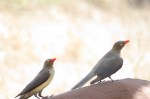
Five months later Jenny Norman and I were back at Tala – last Sunday of the month BLPN get a special discount, although it has increased over the past 5 months it is still not expensive. We arrived around 06:45 and the day started off with a ‘bang’. In the fig tree just past the gates were a pair of Spotted Eagle Owls. Next an African Marsh Harrier quartering the hillside, then down to the dam for all the usual suspects and again we were pleasantly surprised. Lots of Southern Pochards, Cape Shovellers, Black Crake, Purple Heron, African Rail and all sorts of warblers in the reeds. On to the picnic site for coffee and muffins – the Erythrinas and Clivias in full flower. Amazingly we saw no sunbirds all day and only heard the White-bellied late in the afternoon. Red-throated Wrynecks all along the causeway, and then we spotted the Fiscal Flycatcher, the first of hundreds of Fiscal Flycatchers!! One lone stunning Scimitarbill – calling to the others but to no avail. We had some good raptors, African Fish Eagle, Long crested Eagle, Lanner Falcon, YBK, Black-shouldered Kite as well as the owls and harrier. Around 16:30 Jenny suggested a last drive up to Paperbark Lodge and around the back road which passes a number of small dams. What a great idea! As we came up to Paperbark, past the dam which is almost dry, there on the side of the road were a pair of Blue Cranes – absolute perfection. Then round to the small dams. Yellow-billed Egret, Spoonbills, South African Shelduck, herons and jacanas and just as we were making tracks for the gate 3 Red-billed Oxpeckers on the Zebra – what a great way to end the day. Our total bird count was 95!
Photos courtesy of Jenny Norman.




Elena Russell
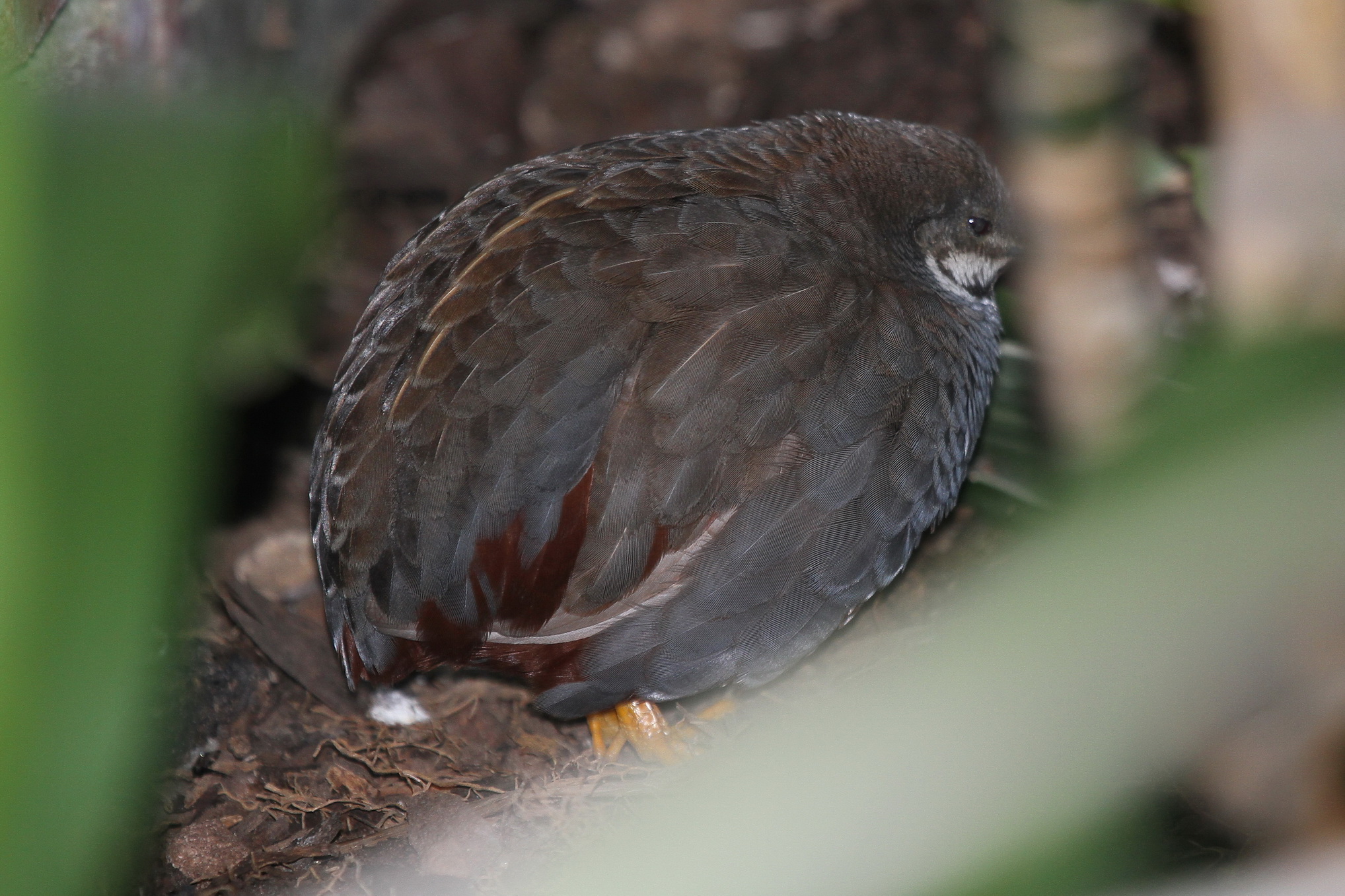
Sally and I took Guy Gibbon with us today to check out the Quail.
We went to see whether it has a blue belly and chestnut ‘shoulders’ and flanks (Blue Quail) or a chestnut belly, blue flanks and brown shoulders (Chinese Painted Quail) – as per advice from Derek Spencer and Dave Allan.
Guy’s verdict: The bird is very definitely a Chinese Painted Quail with chestnut belly and blue flanks. It is quite comfortable in garden shrubbery and not at all concerned with human presence.
Here are a couple of poor pictures which validate the identification.

Paul & Sally Bartho
Escapee or the Real Thing? Your Call?
Seen in Westville today.


A Photo Gallery Larking Around Namibia.
A gallery of photographs from Larking Around Namibia can be seen on the BLPN website. Go to the Gallery page and watch the slide show.
I hope you enjoy the pics.
Paul & Sally Bartho
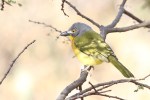
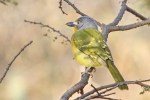
Birds and Beasts for you to ID.
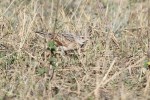
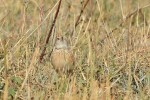
We failed to identify the following on our return from Namibia. Do you want to have a go? Add your comments at the end of this post. In some instances I have one or two more photos. Do ask if you think they will help.





Enjoy the challenge.
Paul Bartho
Part 8. Larking Around Namibia. Chobe, Woodlands and Marakele.
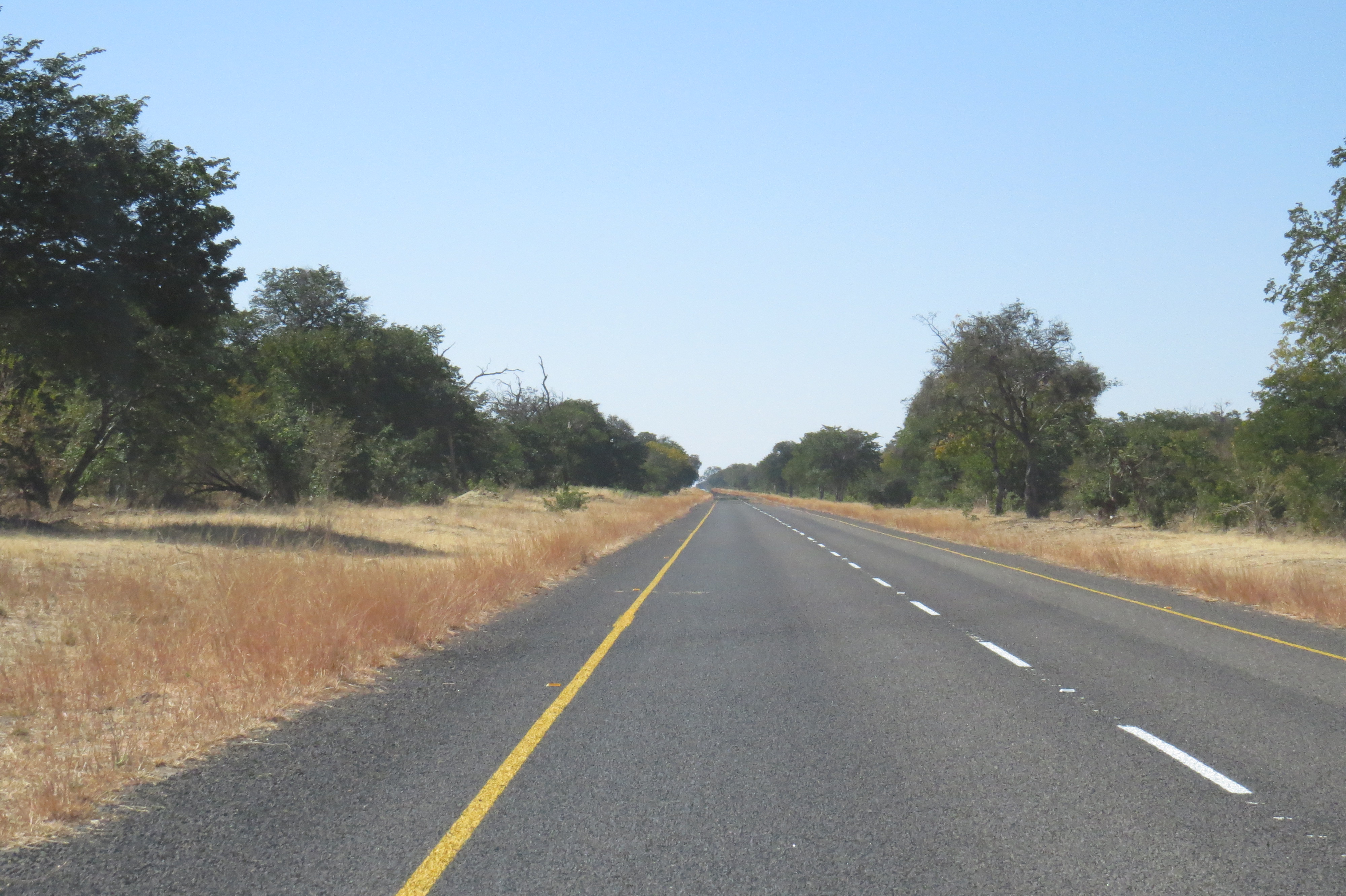
We left Namibia sadly and on arrival in Botswana drove through the Chobe NP on the way to Kasane.
Having not booked to stay anywhere when we arrived in Kasane, we headed for Senyati – a campsite recommended. It is about 6 kms from the Kazangula intersection with the Kasane/Francistown road about 10 kms south of Kasane. The drive to the camp from the main road was atrocious – deep soft sand requiring low range especially as we were towing. The receptionist was very off-hand and we did not like his attitude, the campsites were not level and the surrounding area very open and dry. So we headed back to Chobe Safari Lodge to see if we could camp there.
We managed to get a campsite in a tight space which required much manoeuvring of the trailer to get it in. We were given other choices but they were far worse. The nice campsites with space and close to the water were all reserved for Overlanders and big groups – they remained empty for the 2 nights we spent there.


A number of friendly birds welcomed us to our campsite – both in song and sight. The most exciting of these a Collared Palm-Thrush who appeared throughout each day that we were there.
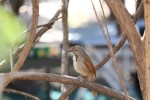
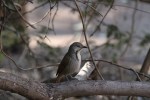
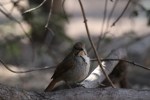

The campsite deck not only overlooks a large corner of the river but has excellent views over the Chobe National Park plains and wetland area. Hundreds of Buffalo and Elephants were visible with numerous species of birds intermingling among them. Skimmers and Collared Pratincoles were clearly visible. We took the scope to enjoy the sight and had sundowners there both days.
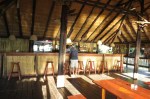


Having decided to go into Chobe NP on our own we obtained our permit the afternoon before. When we arrived at the gate at 6 am we drove straight in – in fact we simply drove past all the game drive vehicles and in without anyone checking our permit.
The main road through the Park is horrendous and 4×4 low range was essential for long stretches.


As soon as we could we got onto the minor roads which were much more manageable. They took us down to the flood plain.


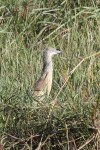
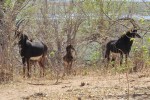
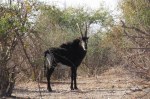
Many interesting birds were seen there – probably the highlights being a Rosy-throated Longclaw and a Slaty Egret. We did not see a wide variety of game in the Park.


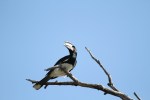


After the morning tea break we had had enough and headed back to enjoy the campsite deck and to prepare for the next leg home.
We thought to stay at Elephant Sands which we had heard much about but never visited – failing that then Nata or possibly Francistown if we made good headway.
The road has been recently renewed and widened – except for a 30kms stretch which they are currently working on. Gone are the potholes of yesteryear.
Elephant Sands – one km off the main road. So we turn in and round the first corner – thick sand so into low range – much needed. Anyone driving an ordinary vehicle better watch out! We arrive after 2 kms at a small waterhole with chalets dotted about, no sign of a campsite and 30 elephants at the waterhole. We did not even bother to stop but did a U-turn and scarpered – not because of the presence of the elephants but because of the smell of the elephants – it was overpowering. And as fearfully anticipated we come across a huge bull elephant crossing slowly in front of us. Fortunately he was only interested in the water and although he gave us an unhappy stare he moved on.
We had made good time so continued on to Francistown arriving early afternoon. Unfortunately the only place we knew was Woodlands Stop Over. I had forgotten I had vowed never to return. And I soon found out why when they quoted us for the night. 95 pula each then another 30 for power (20 last year .. how much next year?) then another 20 for the trailer although we did not intend using it, then another amount as a community charge. Apart from Namutomi this was the most expensive campsite. An utter rip-off. I asked to speak to the owner twice to no avail. I doubt the receptionist even bothered to call him. It is either that or he was too scared to face my criticism. I will be sending him a link to this report and I will put the info out on all the birdnets and the 4×4 forum. Sally was tired, we were unsure of the other place we had seen in the camp book for Botswana so we paid. Never again especially as the campsites were literally on top of one another.


The next morning we were up early and on our way quite quickly as we had used our Malamoo 3 second tent. The Stockport border gate was our goal – avoids the delays at Martin’s Drift. What a breeze – through both sides in less than 15 minutes.
The journey home was broken in Marakele NP. We decided to stay 2 nights so we could enjoy the park and recuperate from the long drive from Francistown. Up went the roof-top trailer tent and out we went for a drive.
The next day we rose early and went through the tunnel and up the mountain to the Marakele Bergfontein Tower – over 2000 metres up.


It is quite a challenging drive up and definitely not for the faint-hearted especially on the way down. The road has been cut into the cliff face and long stretches are wide enough only for one vehicle with no railings on the cliff edge side. You do not want to meet a car coming in the opposite direction. One of you has to reverse and pull over in the precarious passing zones.
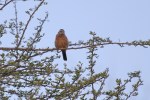
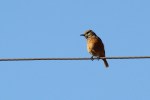
At the top we were not disappointed and saw numerous Cape Vultures soaring close by. We also had a picnic with an extremely friendly Buff-streaked Chat. Other birds seen included Gurney’s Sugarbird and Cape Rock-Thrush.

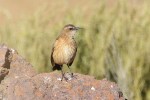
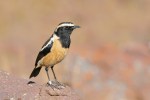

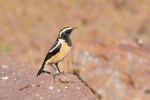


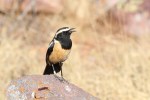
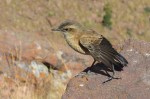


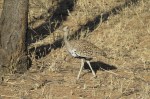


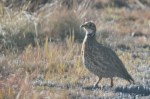
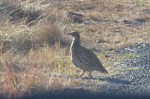

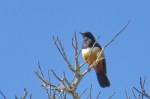
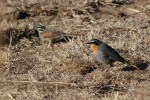


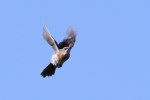


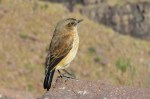
We had clear views down the valley and could see the road below. Keeping an eye out we observed 4 cars coming up so we abided our time before heading down. Luckily our timing was right and we got down without meeting another vehicle.
Too quickly it was time to pack up and head home.
Summary:
The holiday over – 3.5 lifers for Sally and 9.5 for me. The half being the Tinkling Cisticola which we had only heard.
Altogether we had seen and or heard 360 species and seen most of the Namibian endemics which we could expect in the areas we visited. Now it is back to planning our next trip!
Hope you have all enjoyed the read and the pictures.
Paul and Sally Bartho
PS I will try to lump all the photos of birds and aminals which we could not ID in another post and another with the Namibian specials (those we considered special and we were lucky enough to photograph).

 Birds are our Story