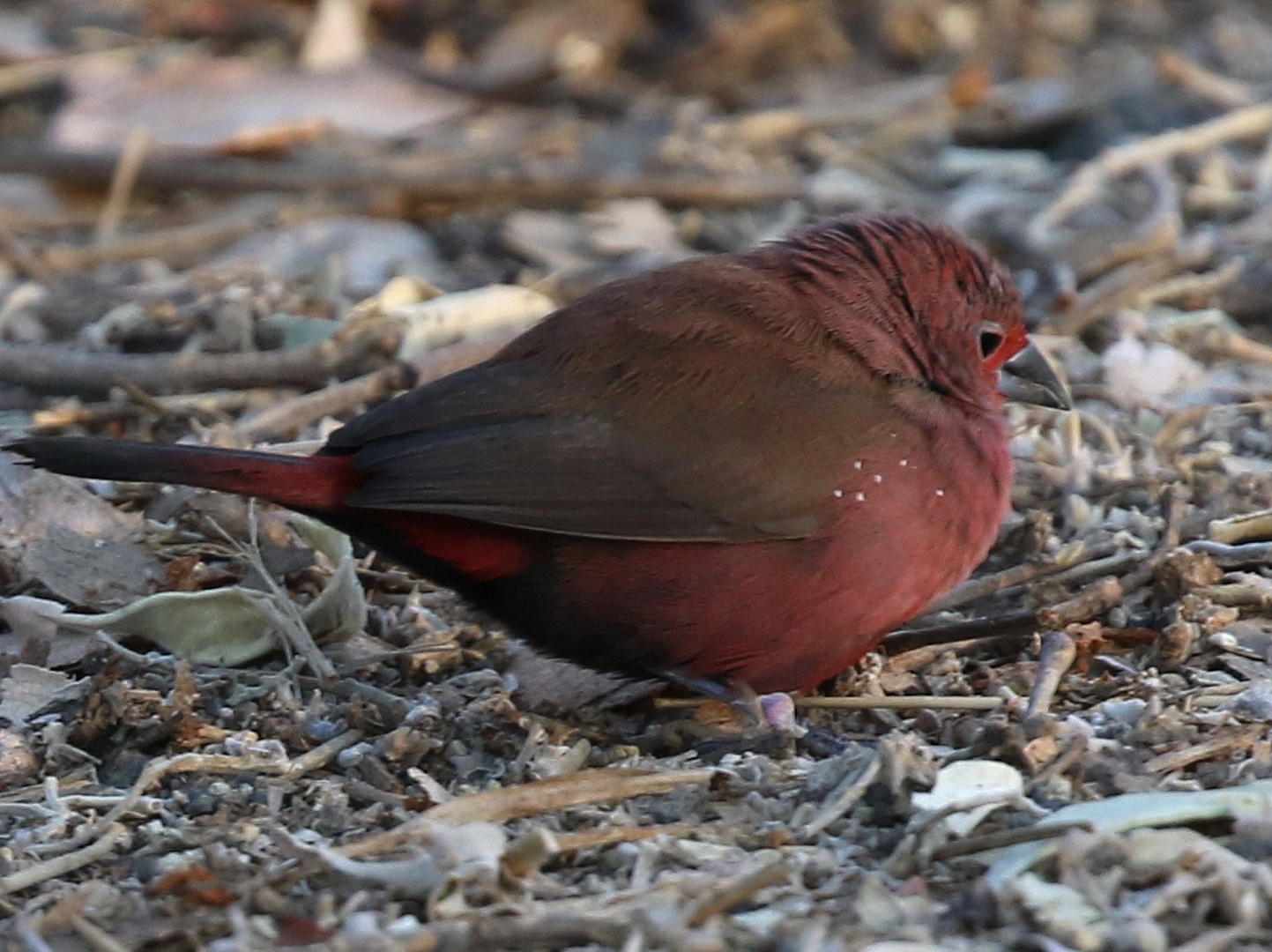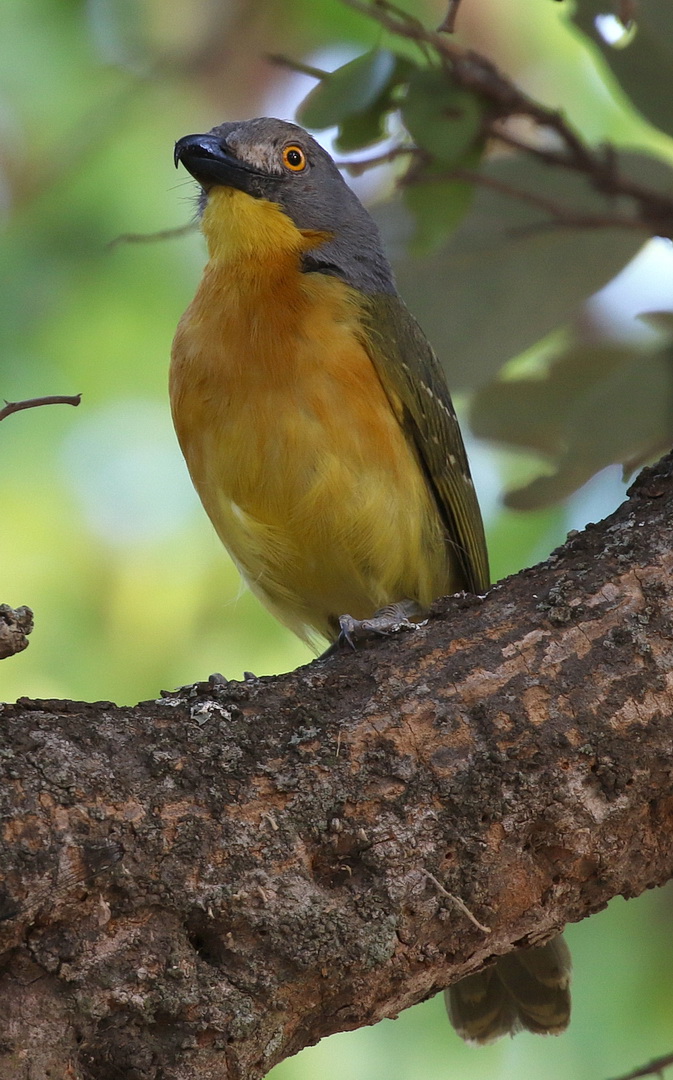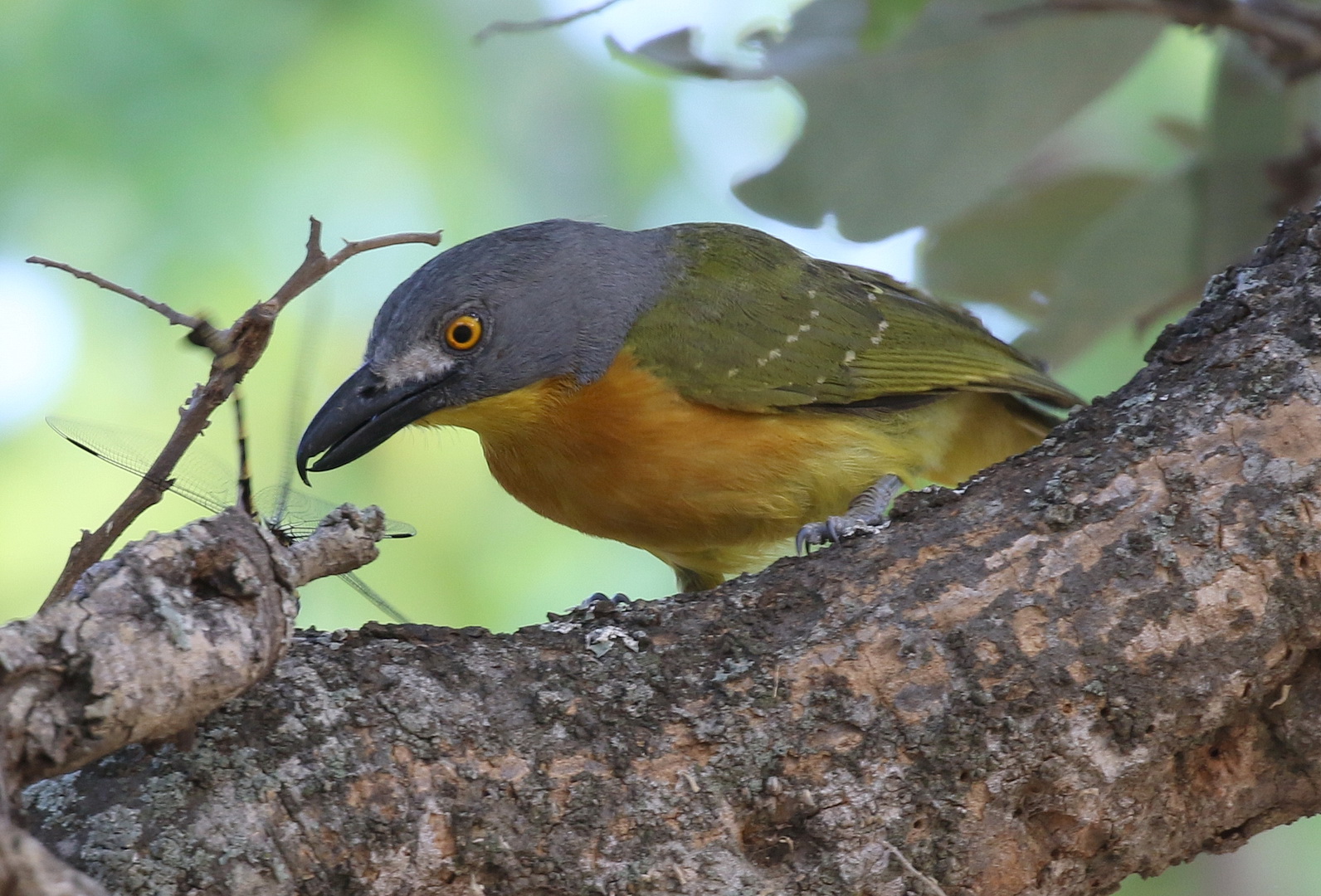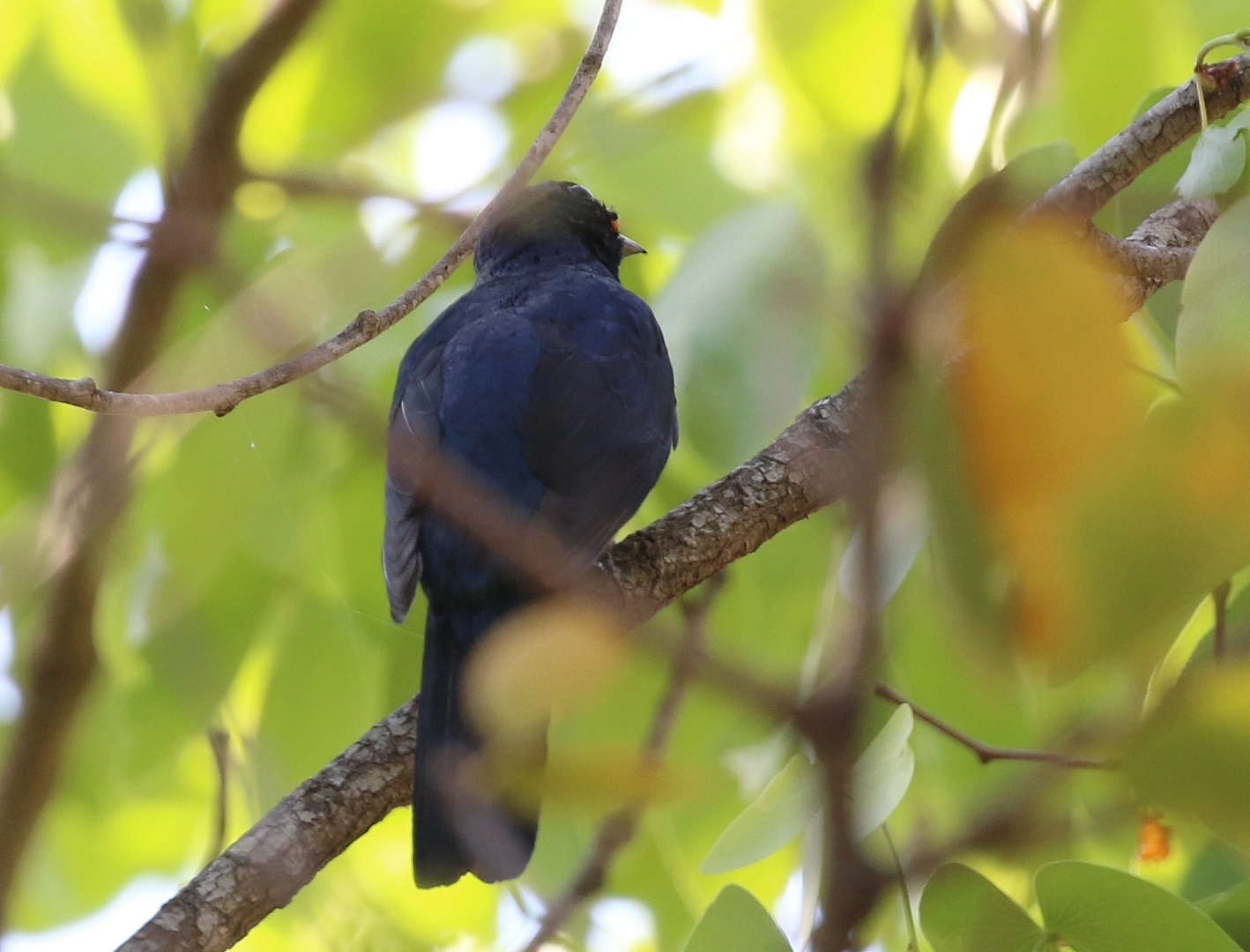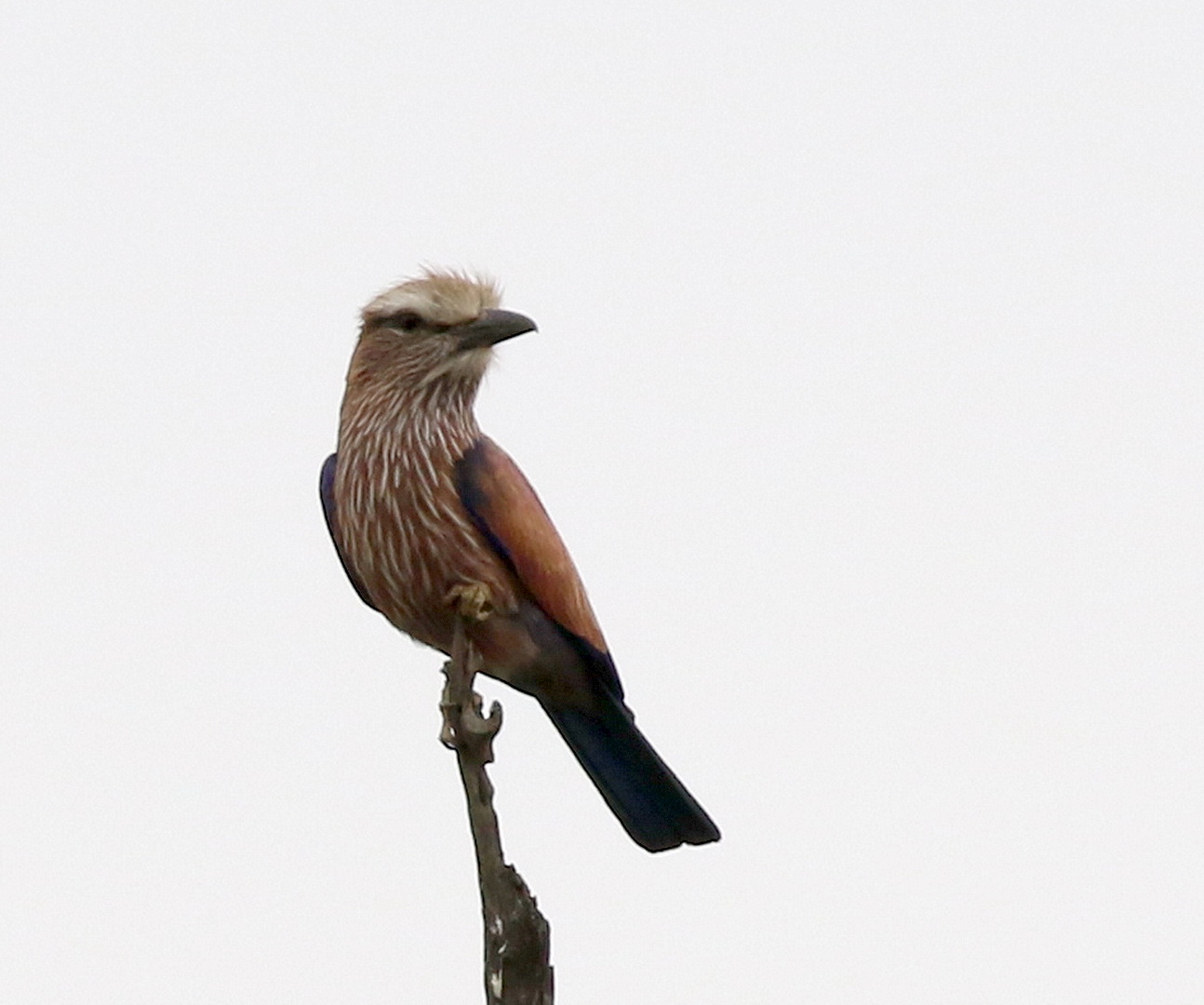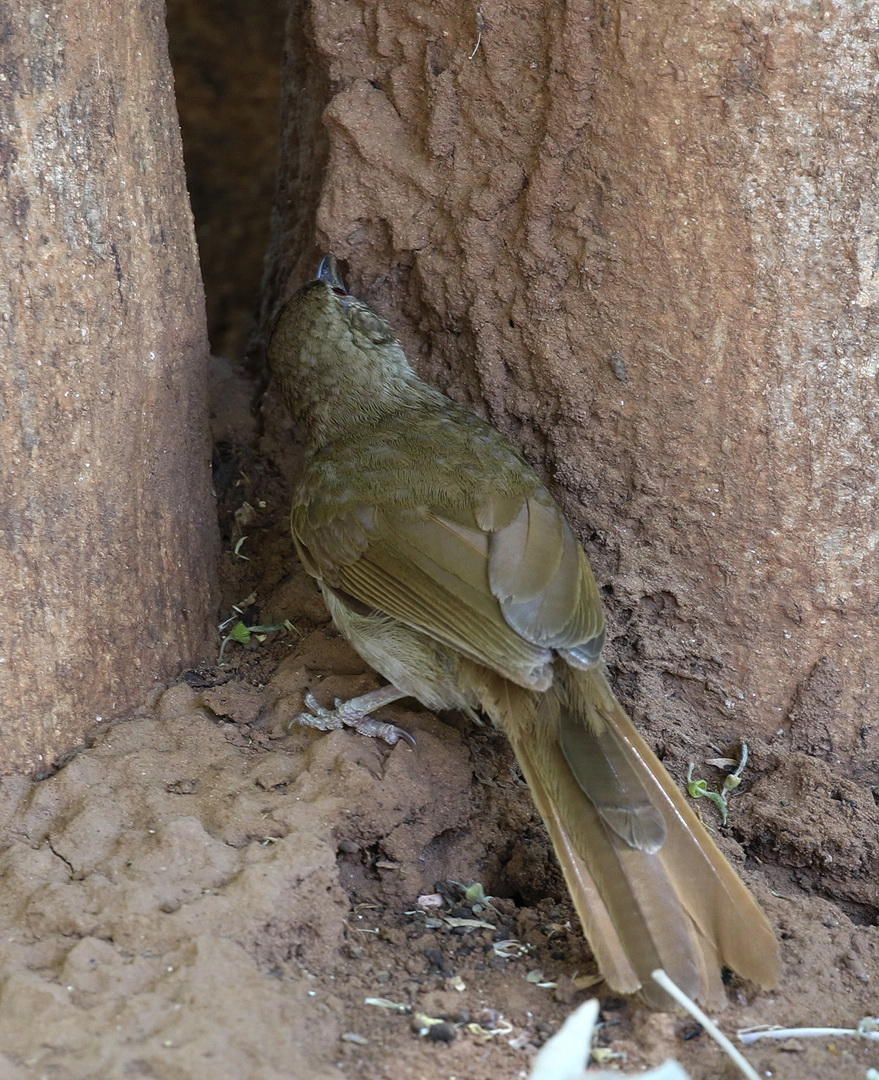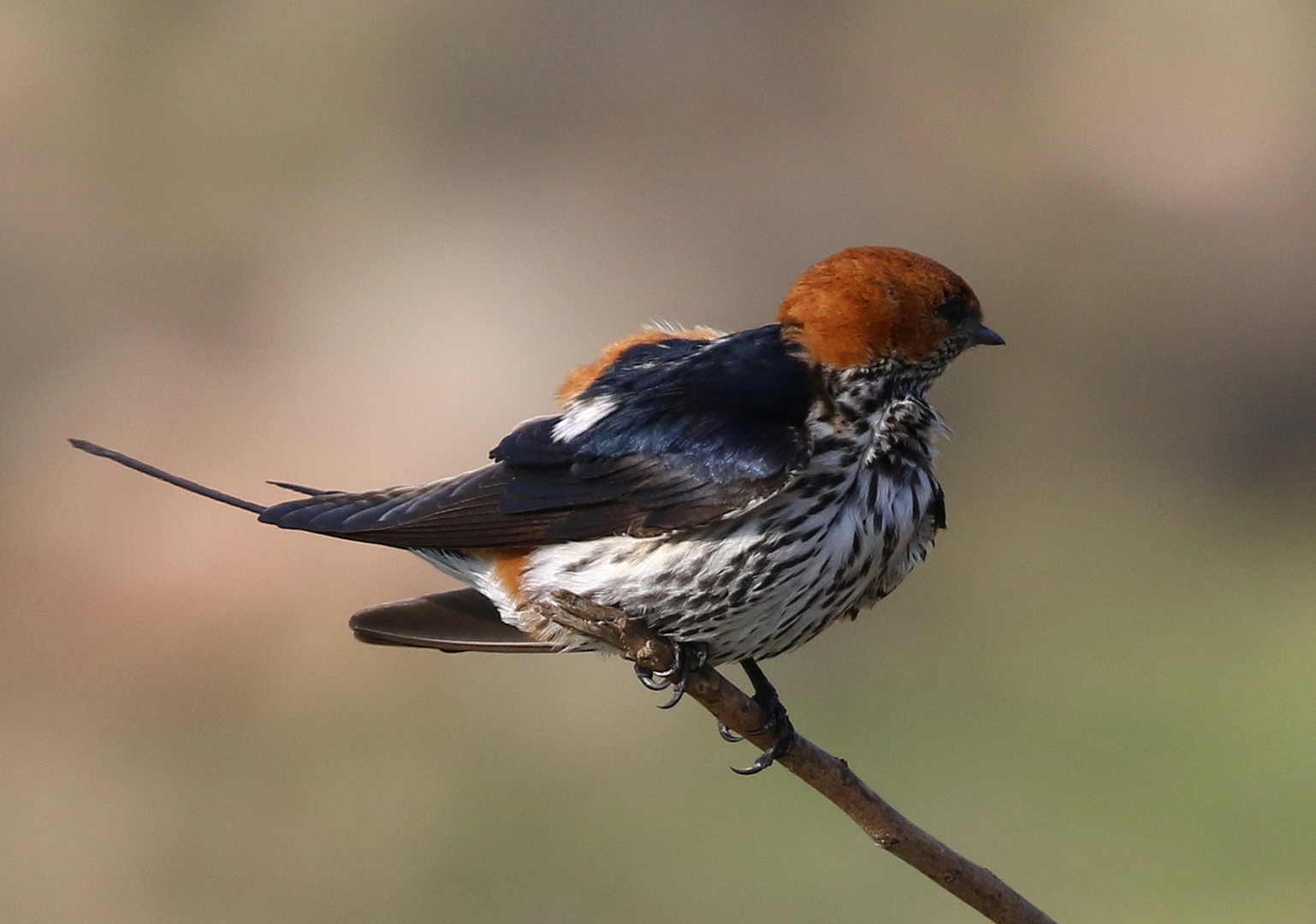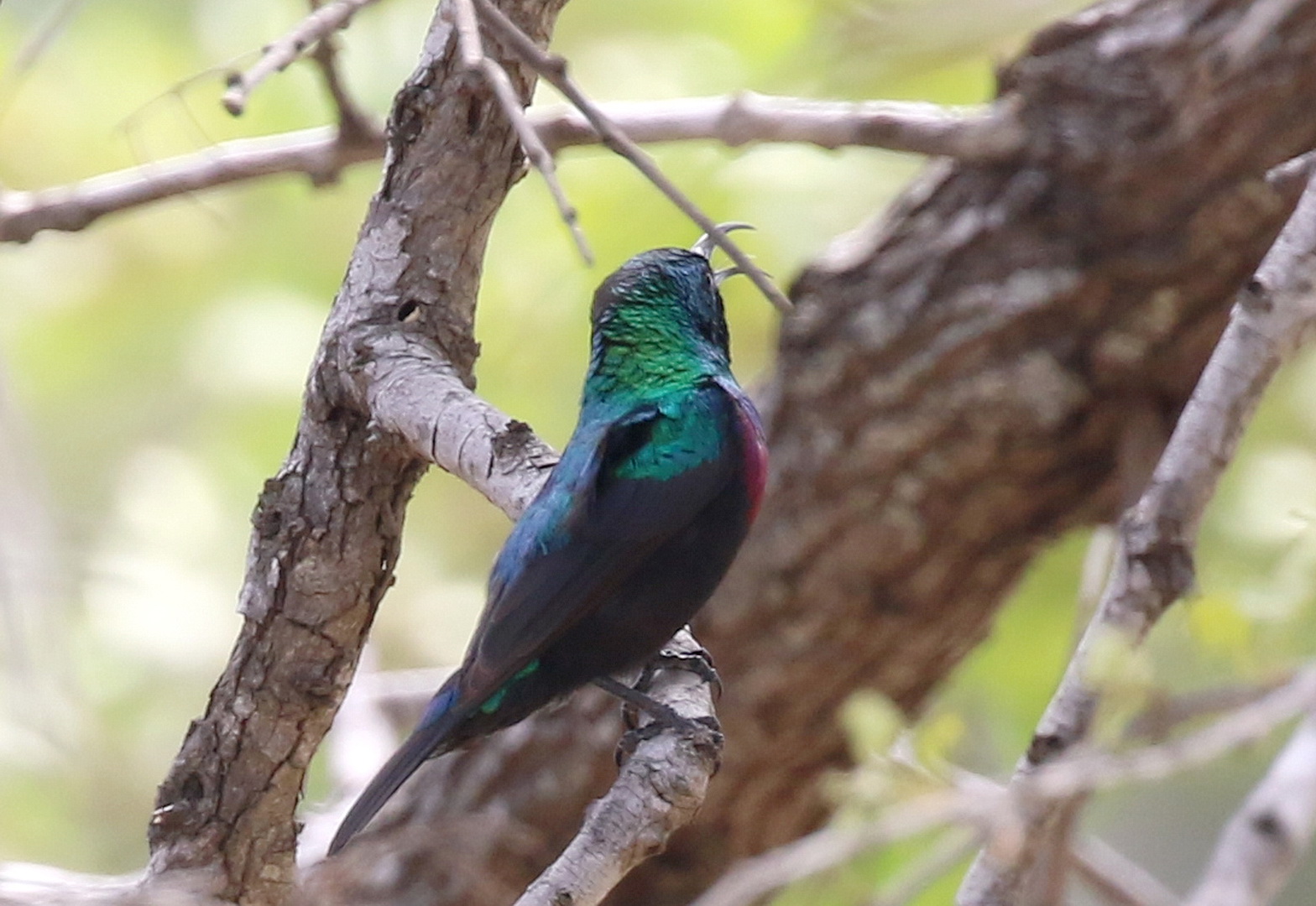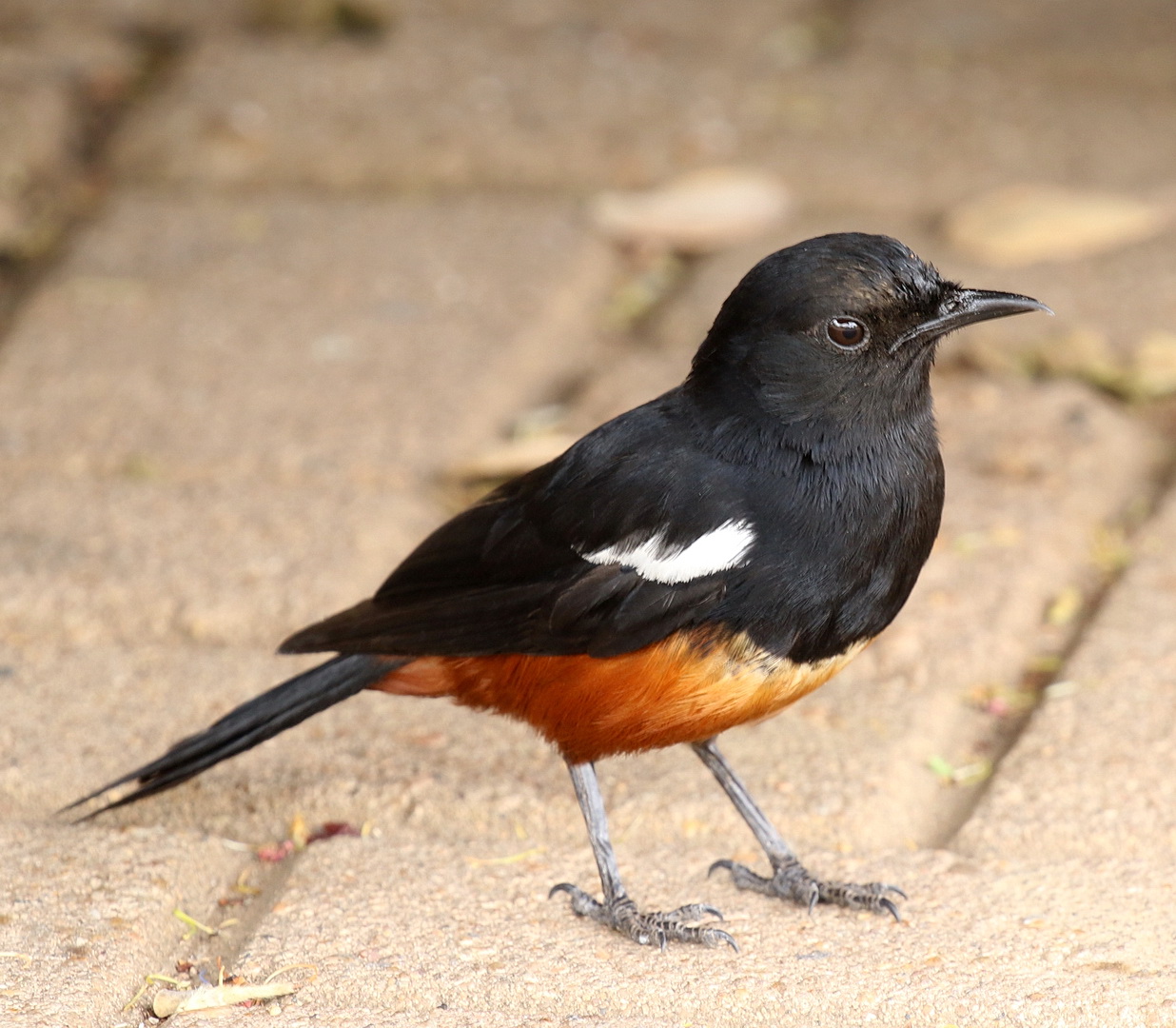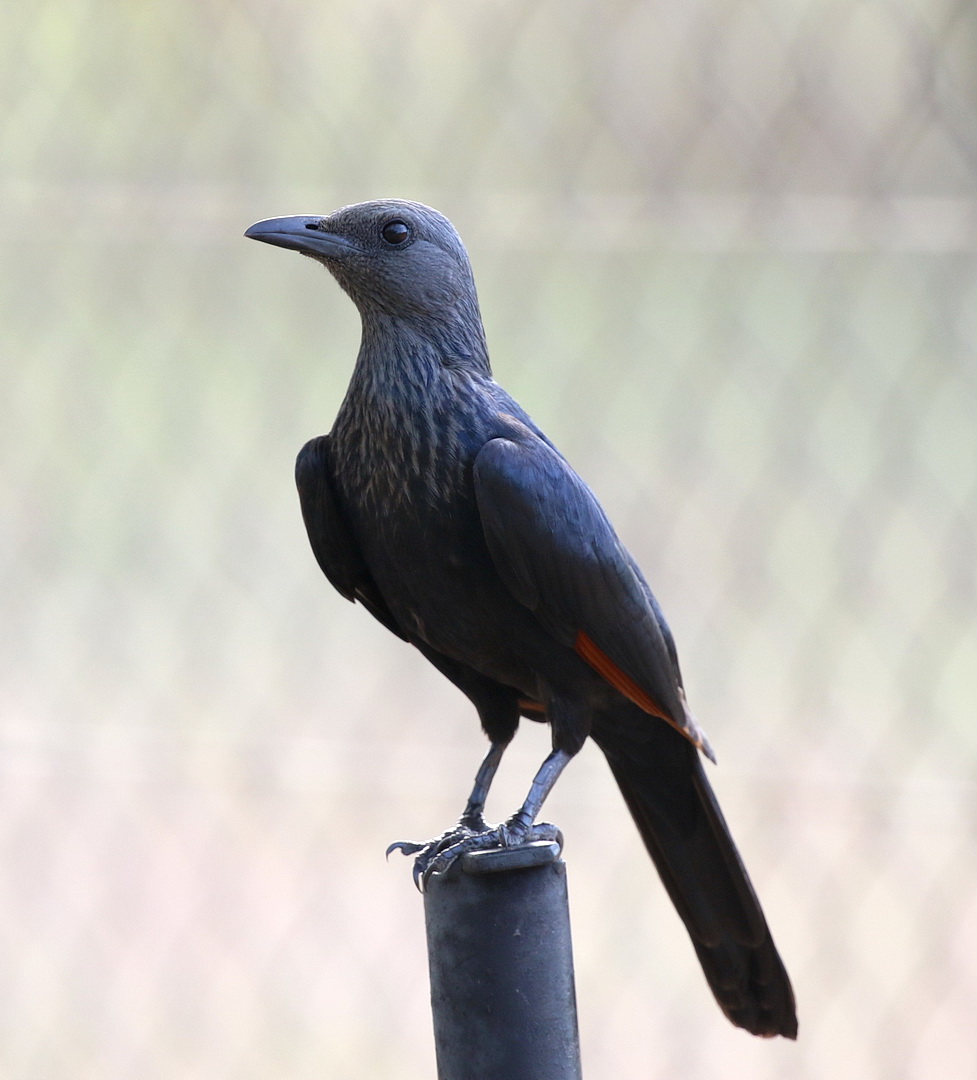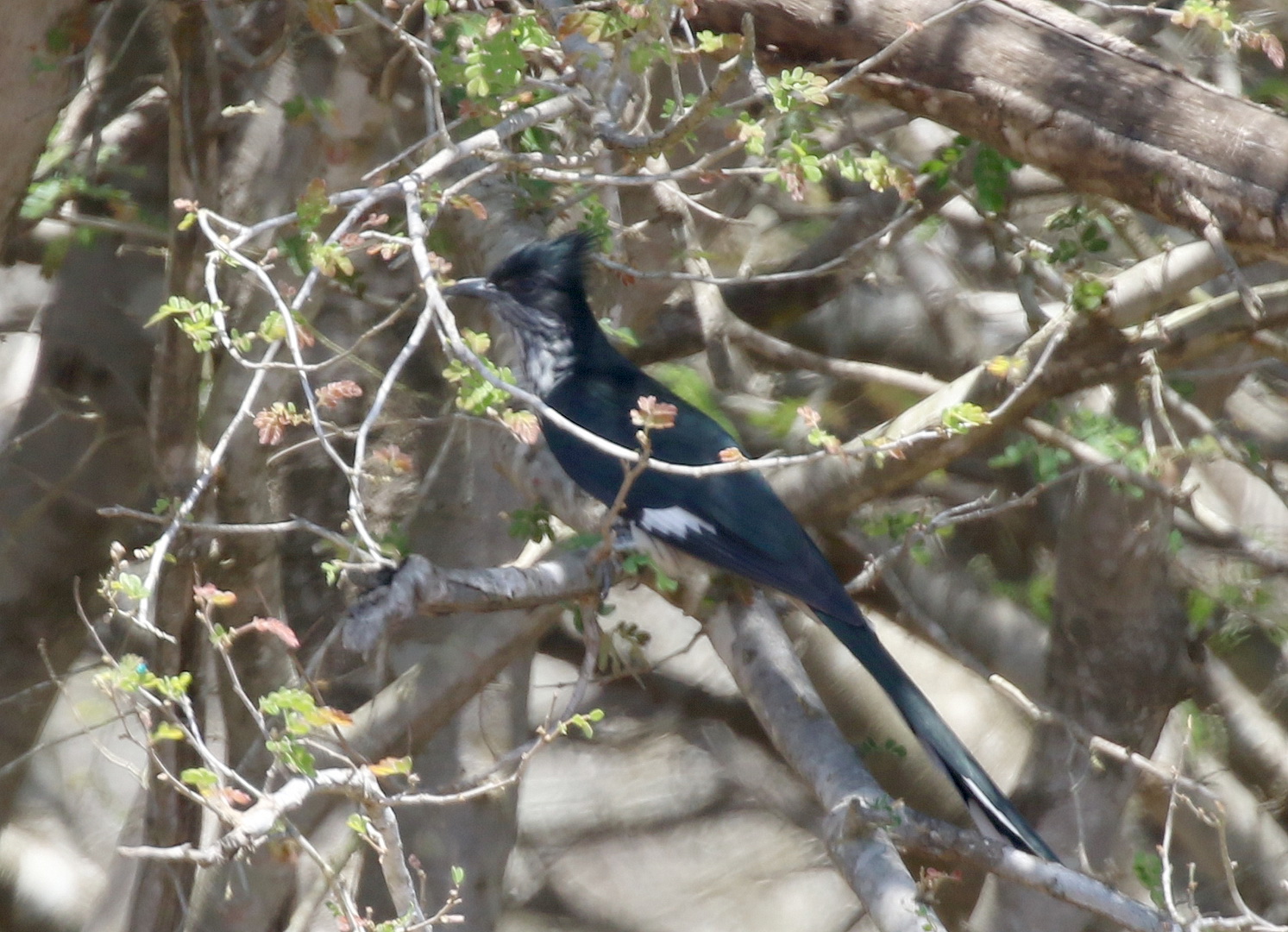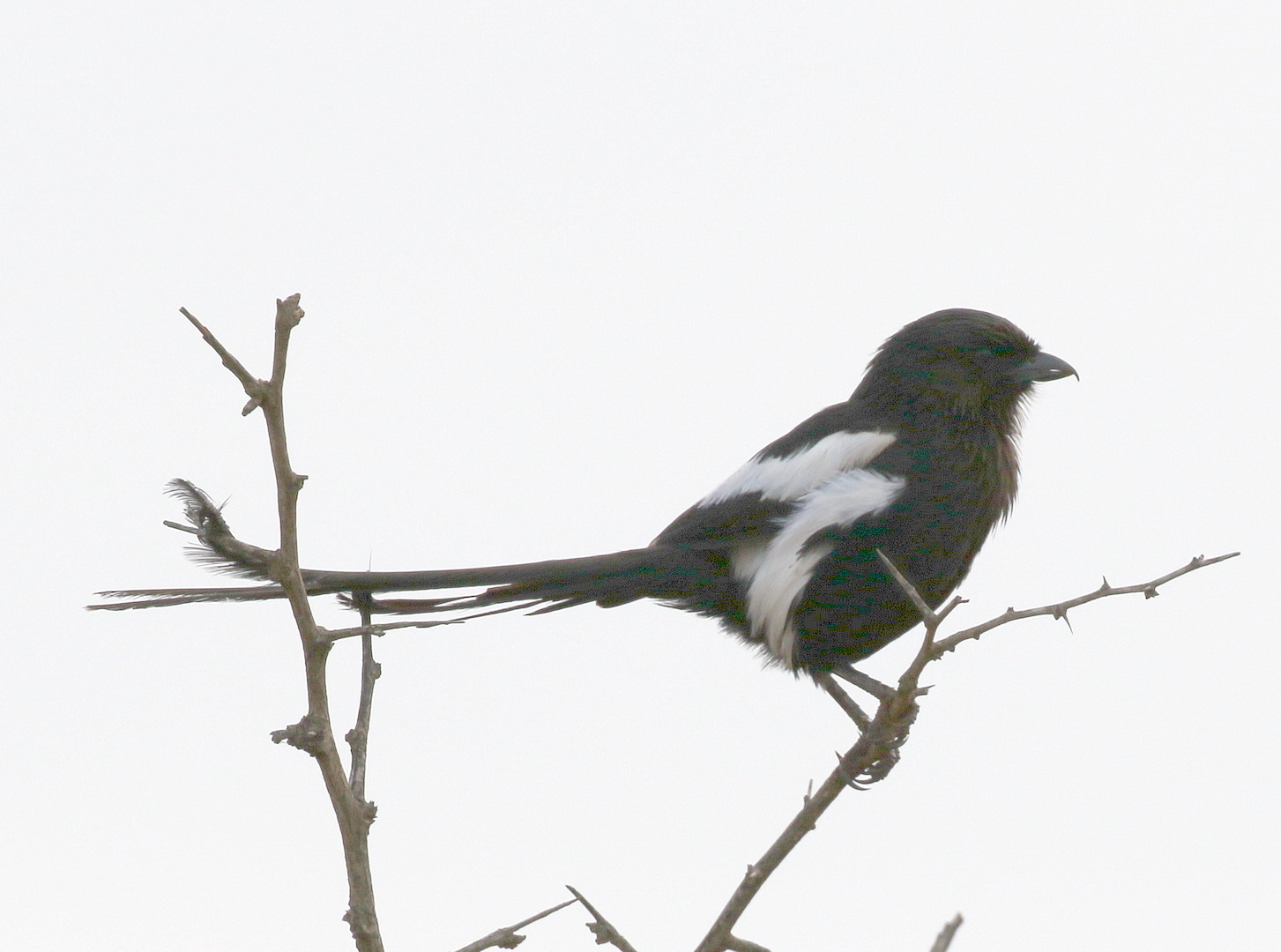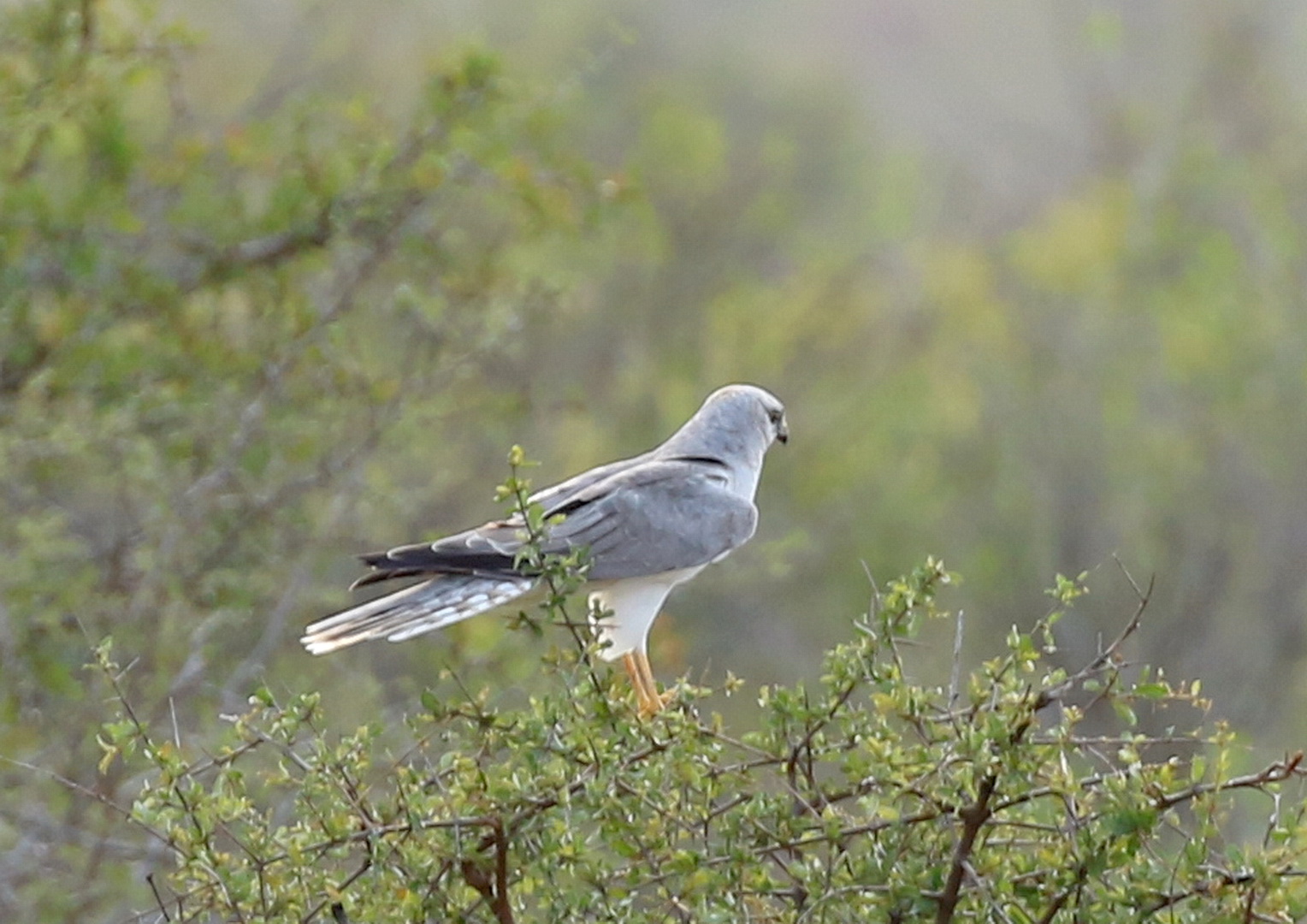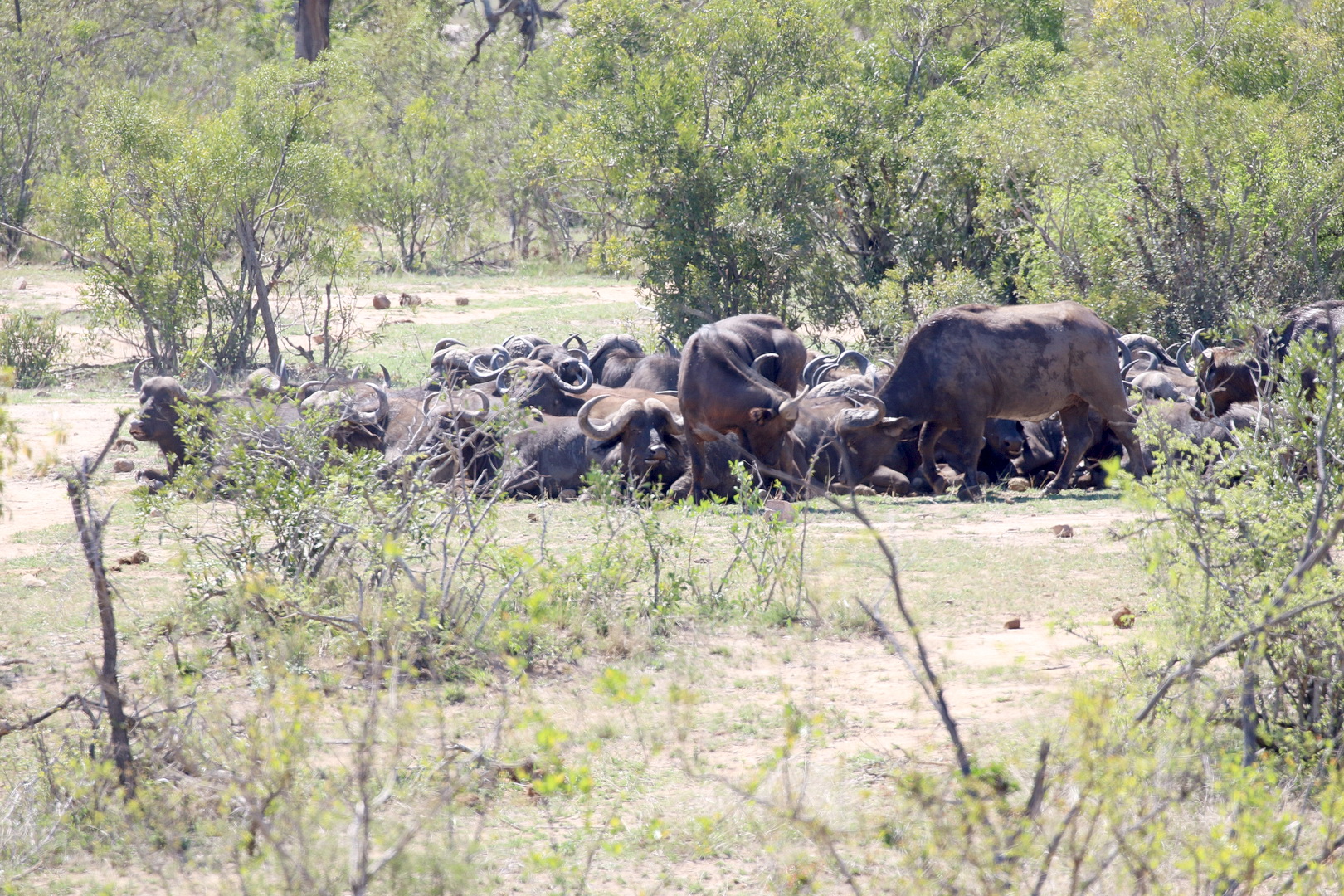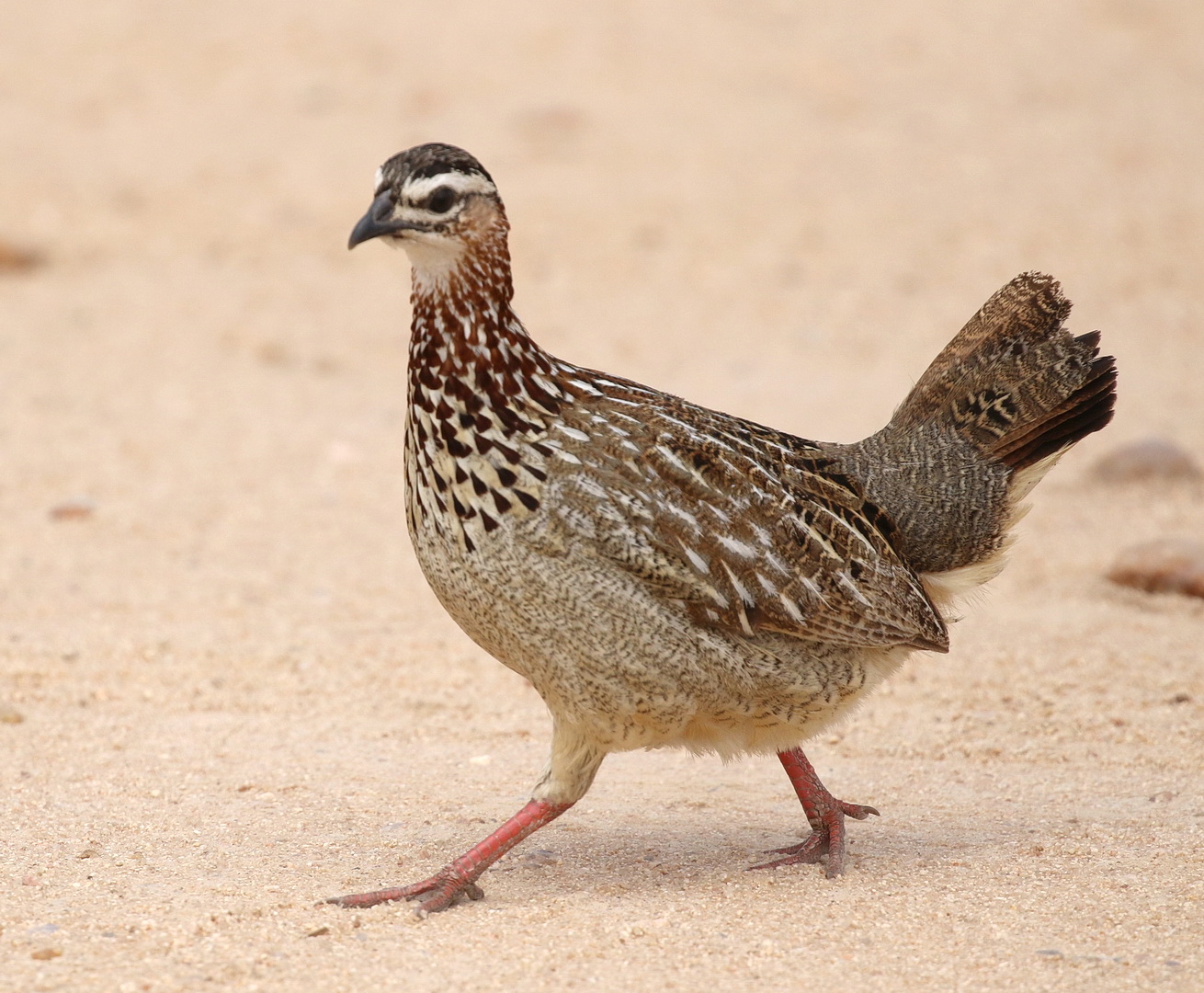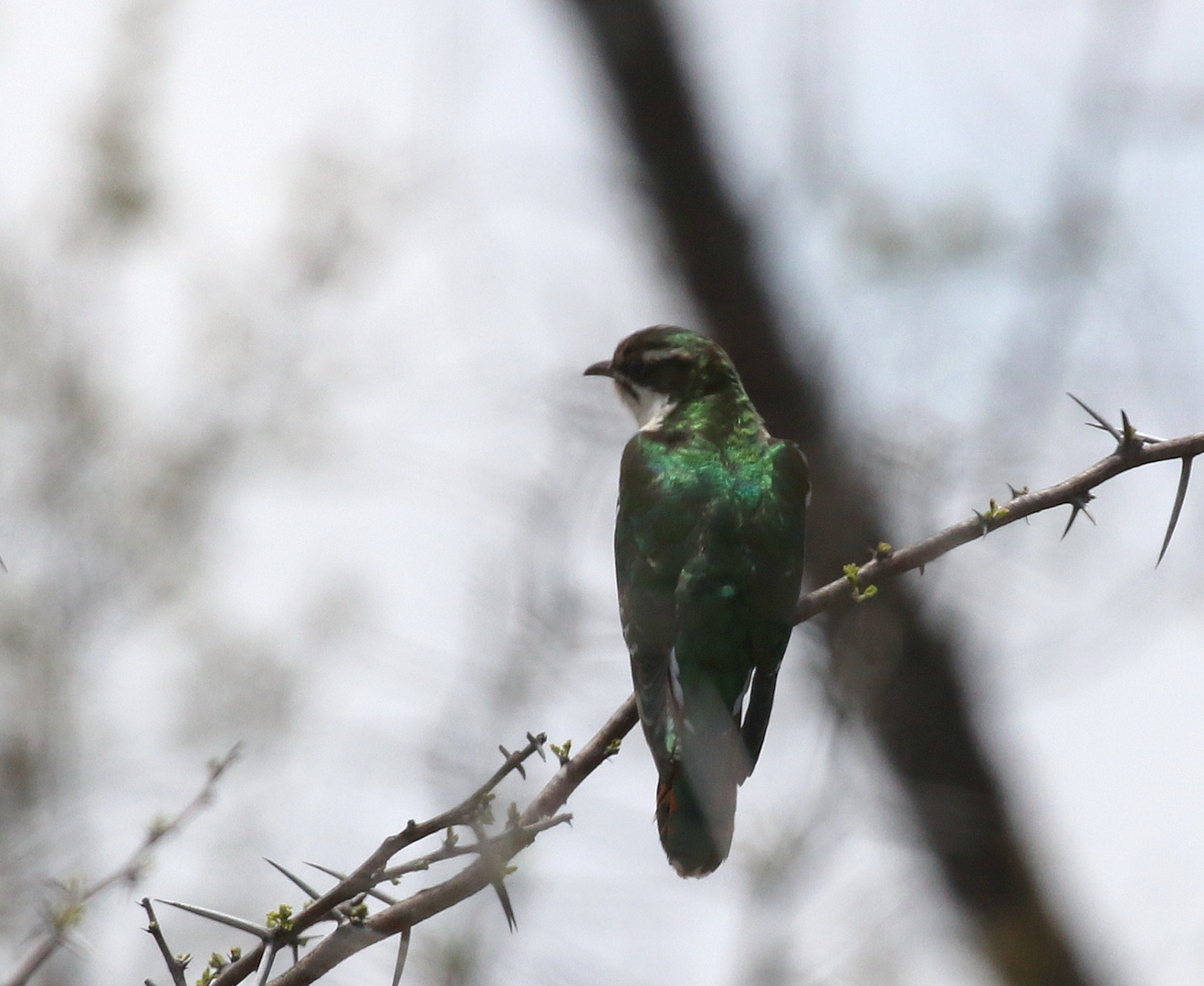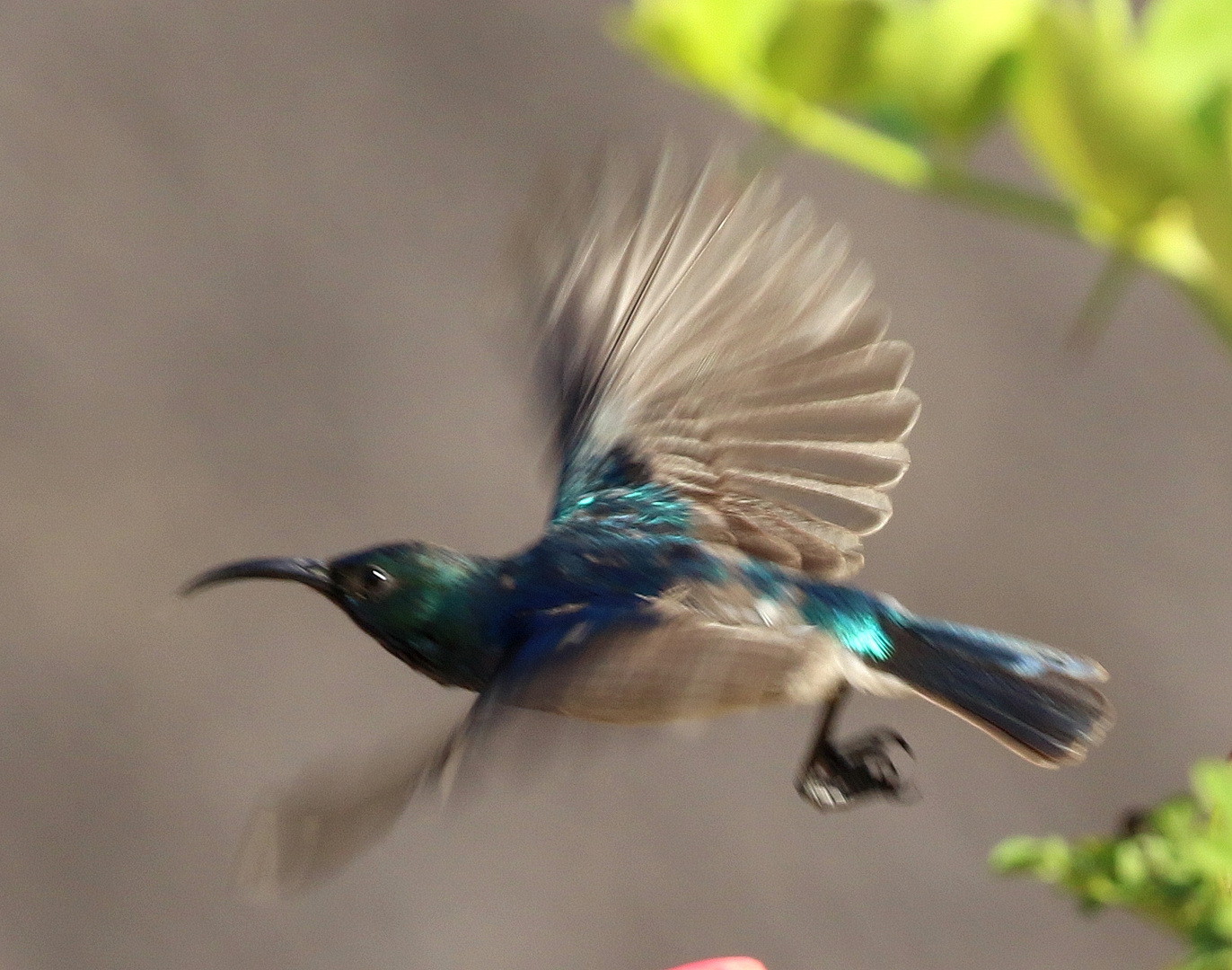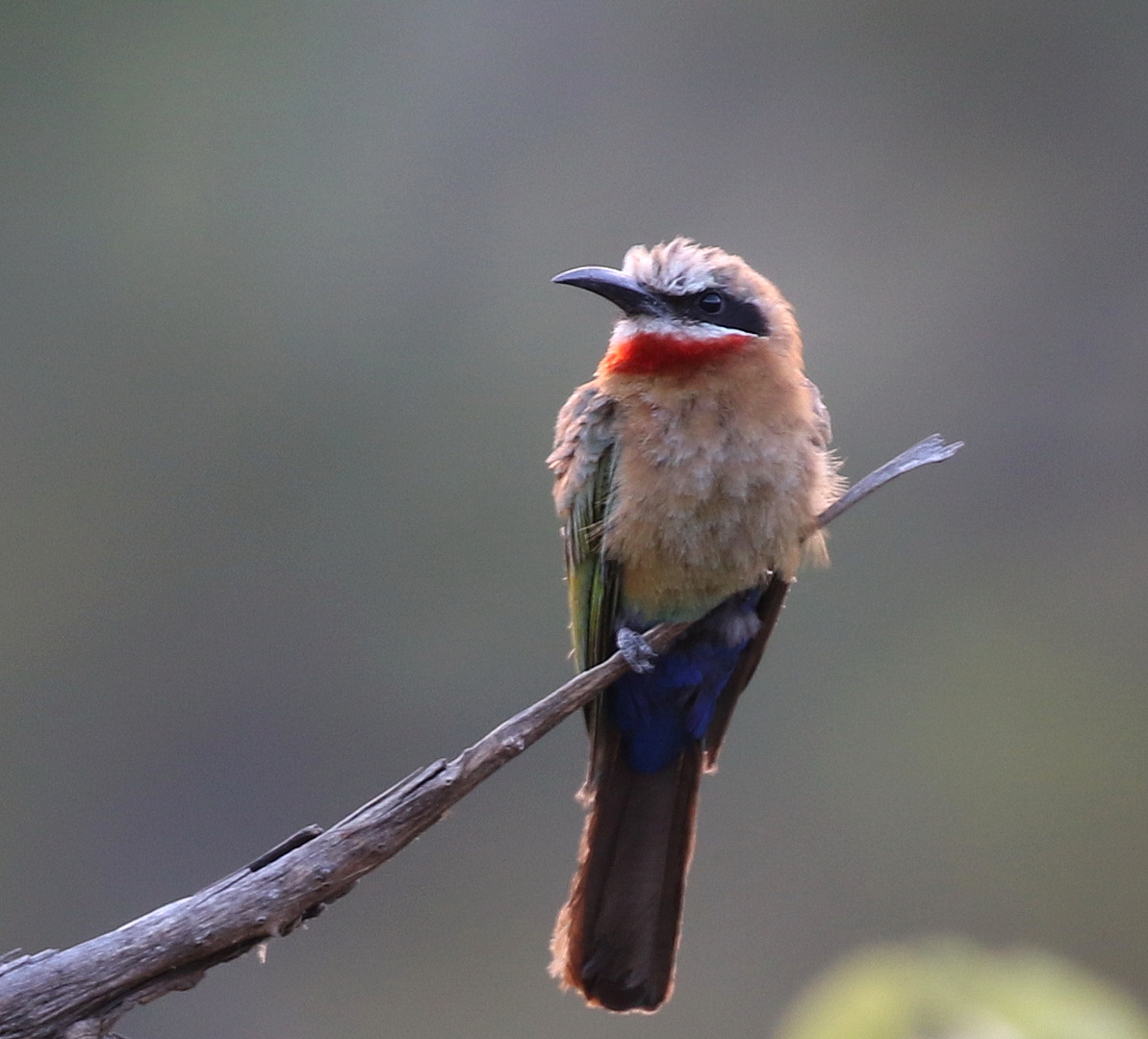
Kruger Part 7 Tsendze Rustic Camp

Kruger Part 7

Tsendze Rustic Camp

Report by Paul and Sally Bartho

28 November to 1 December 2018

Campsite No 23

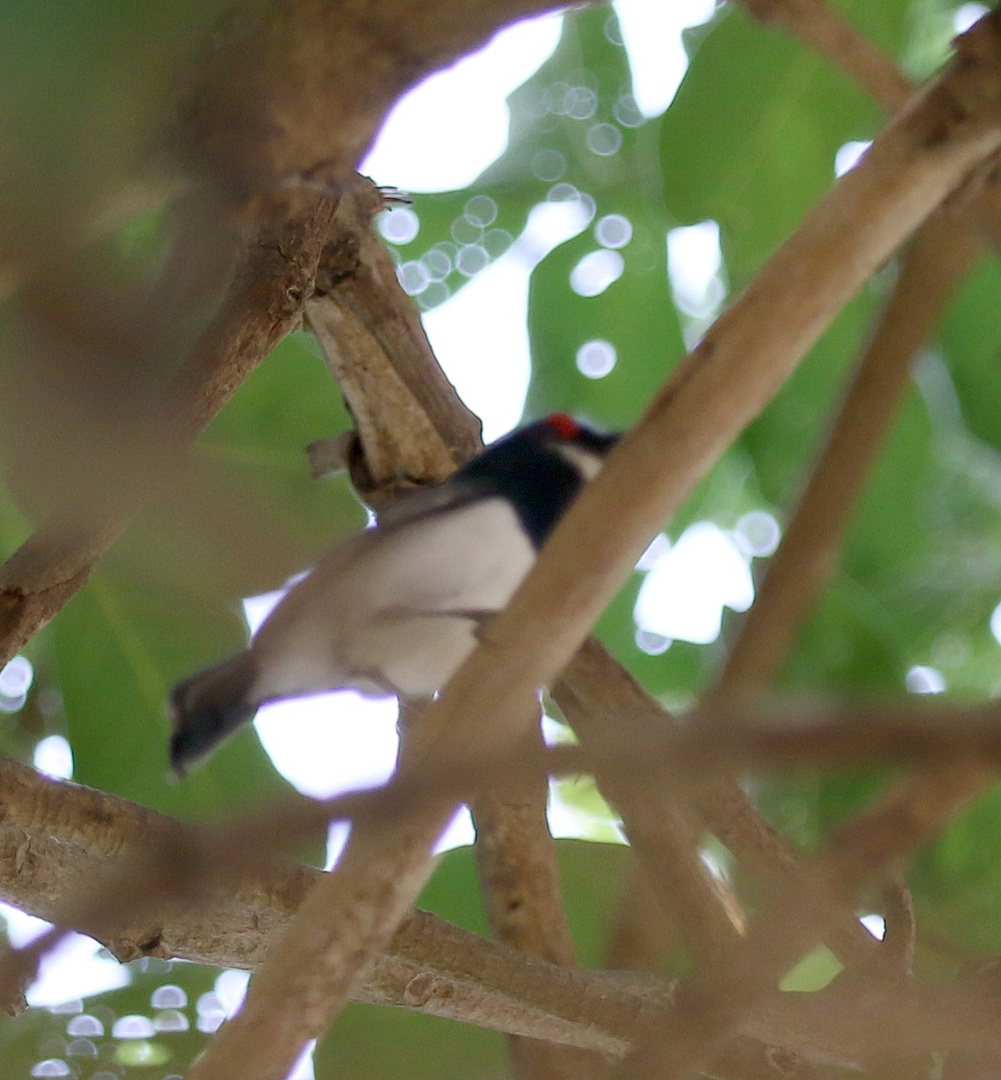
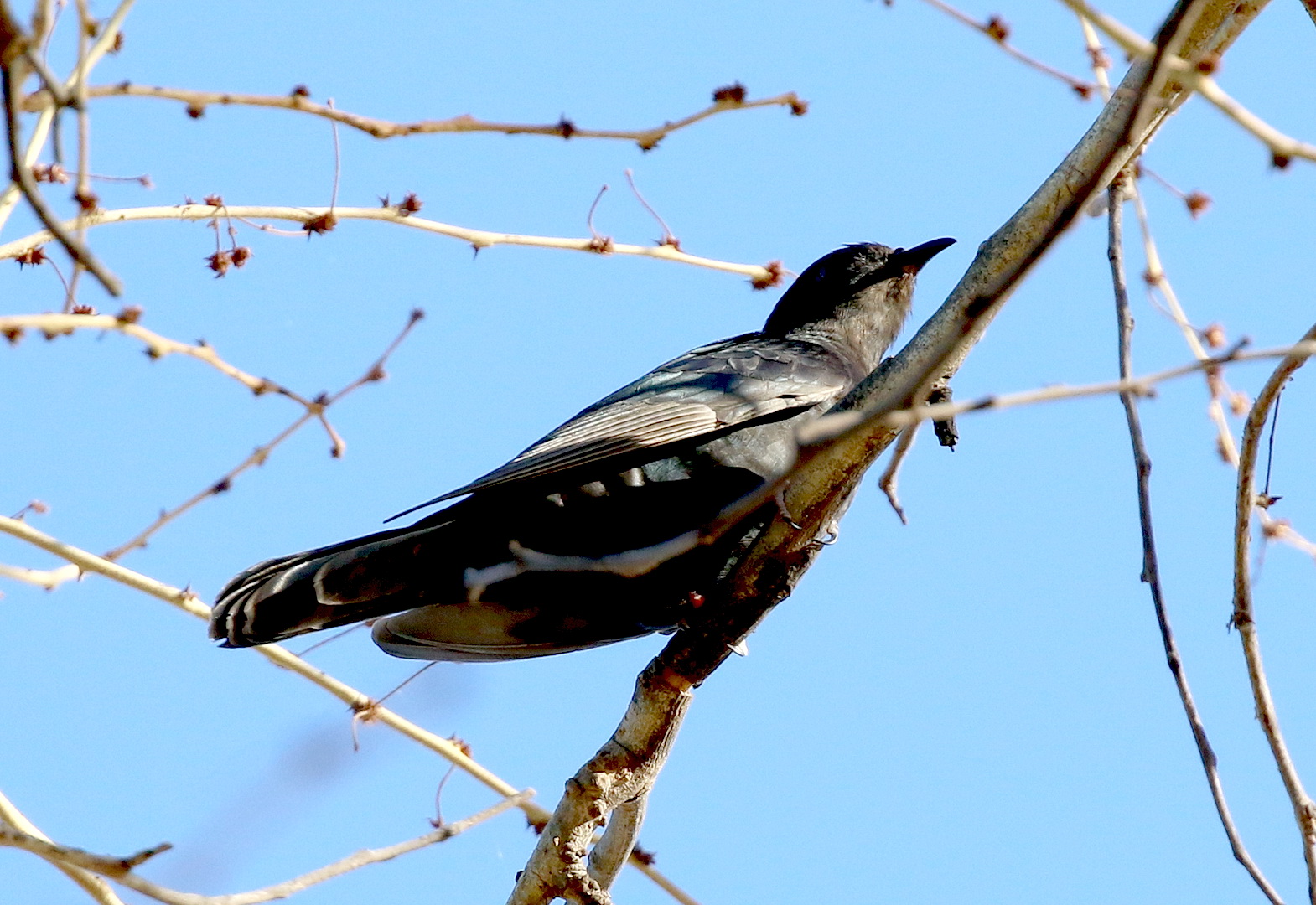
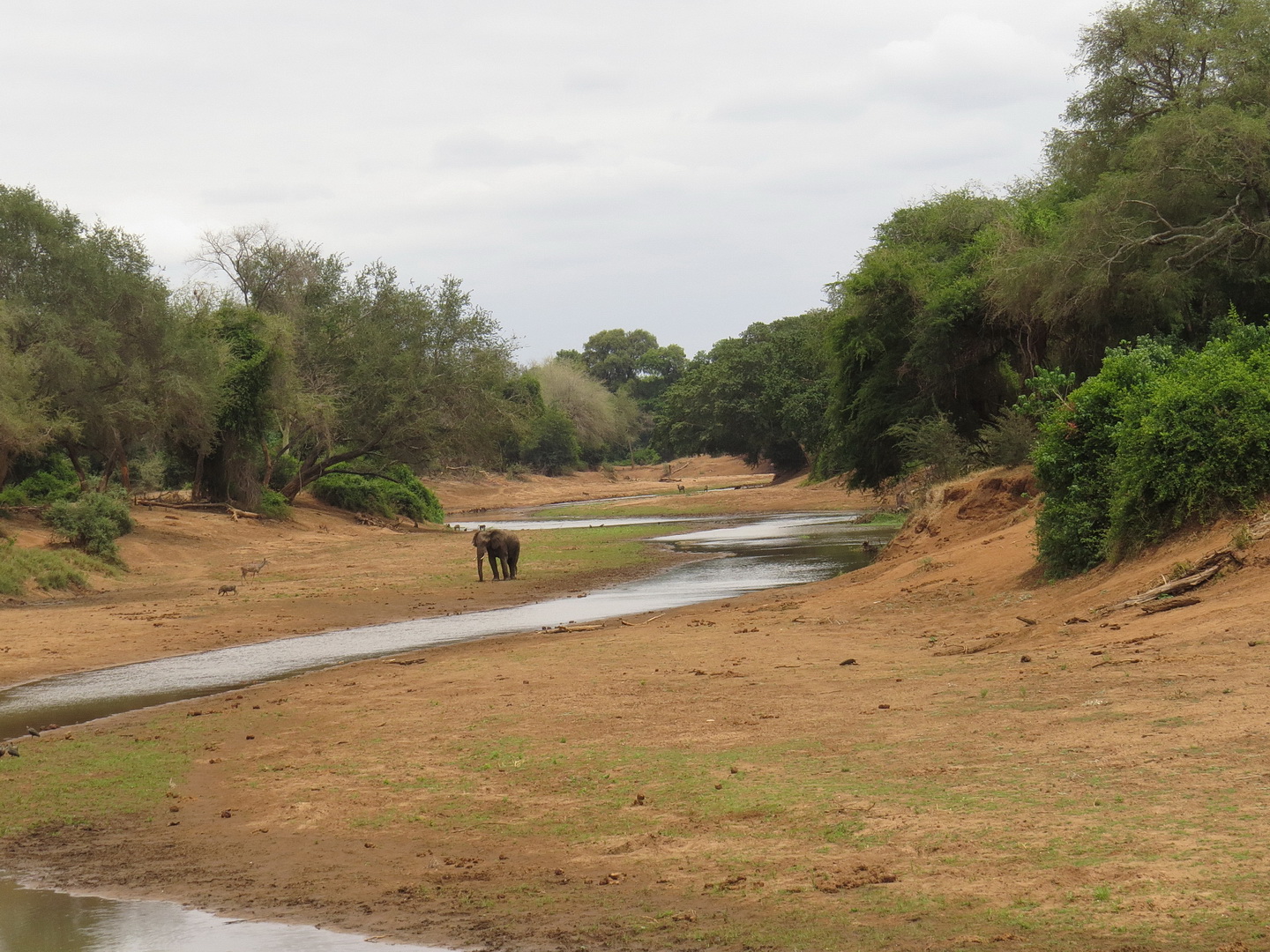
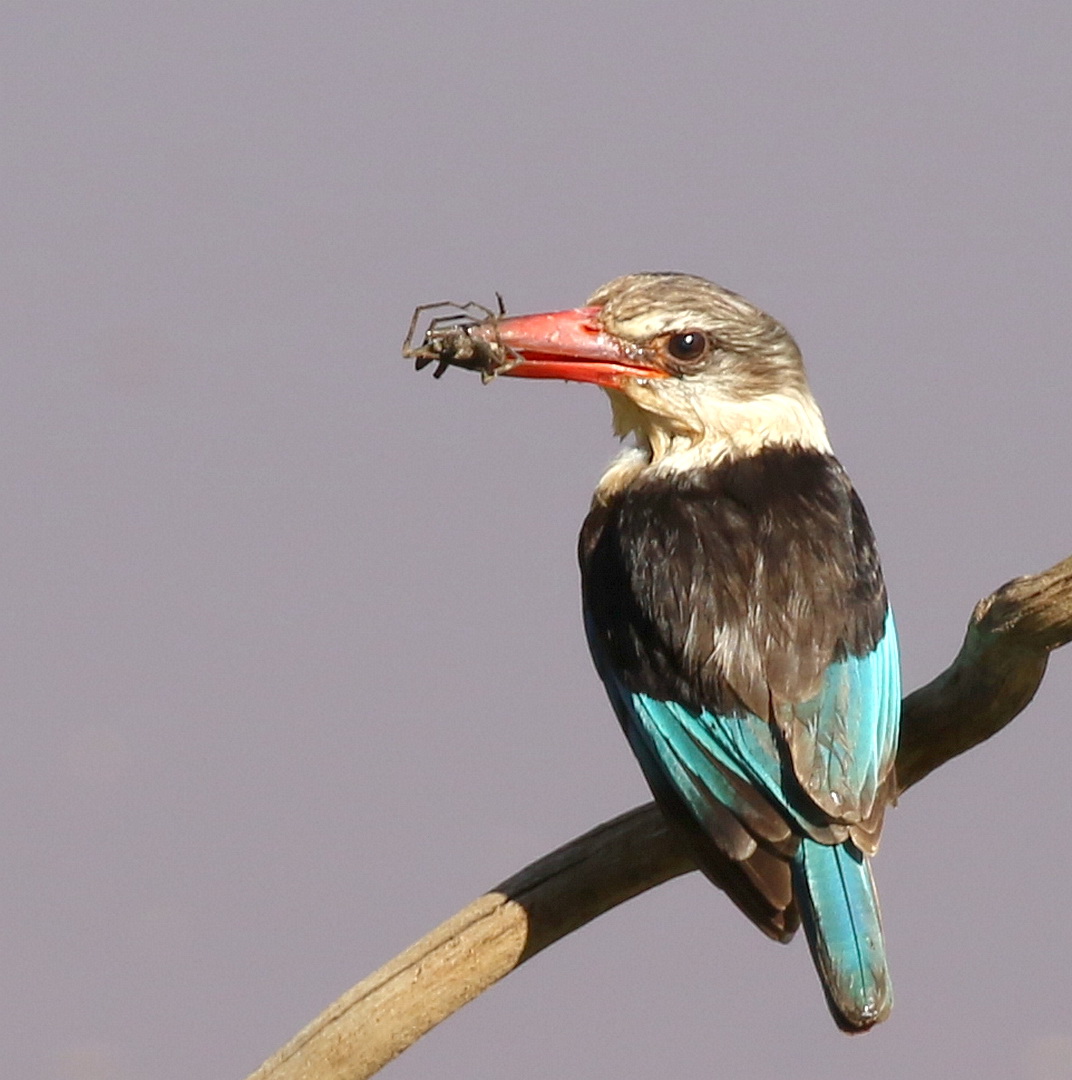
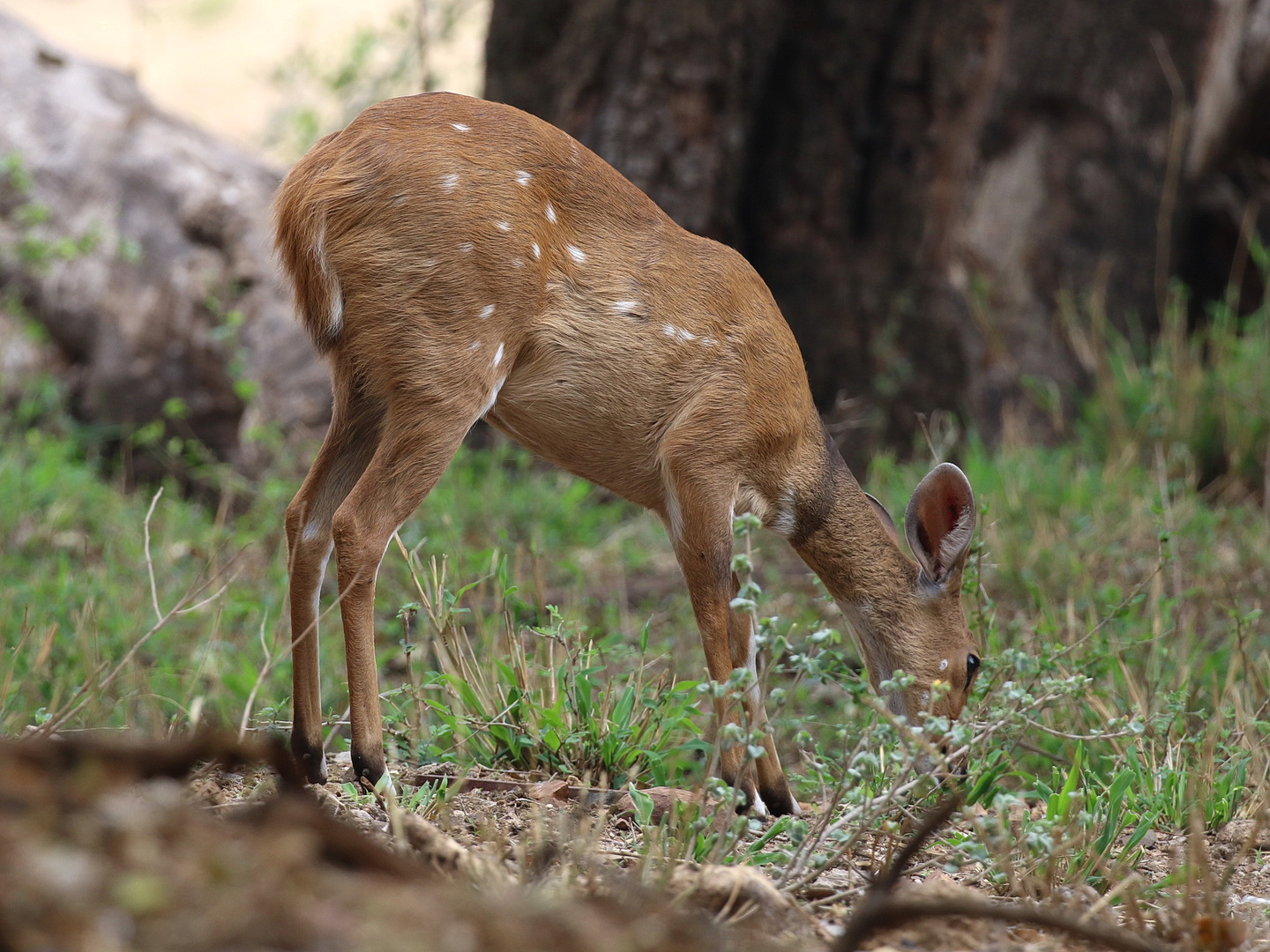
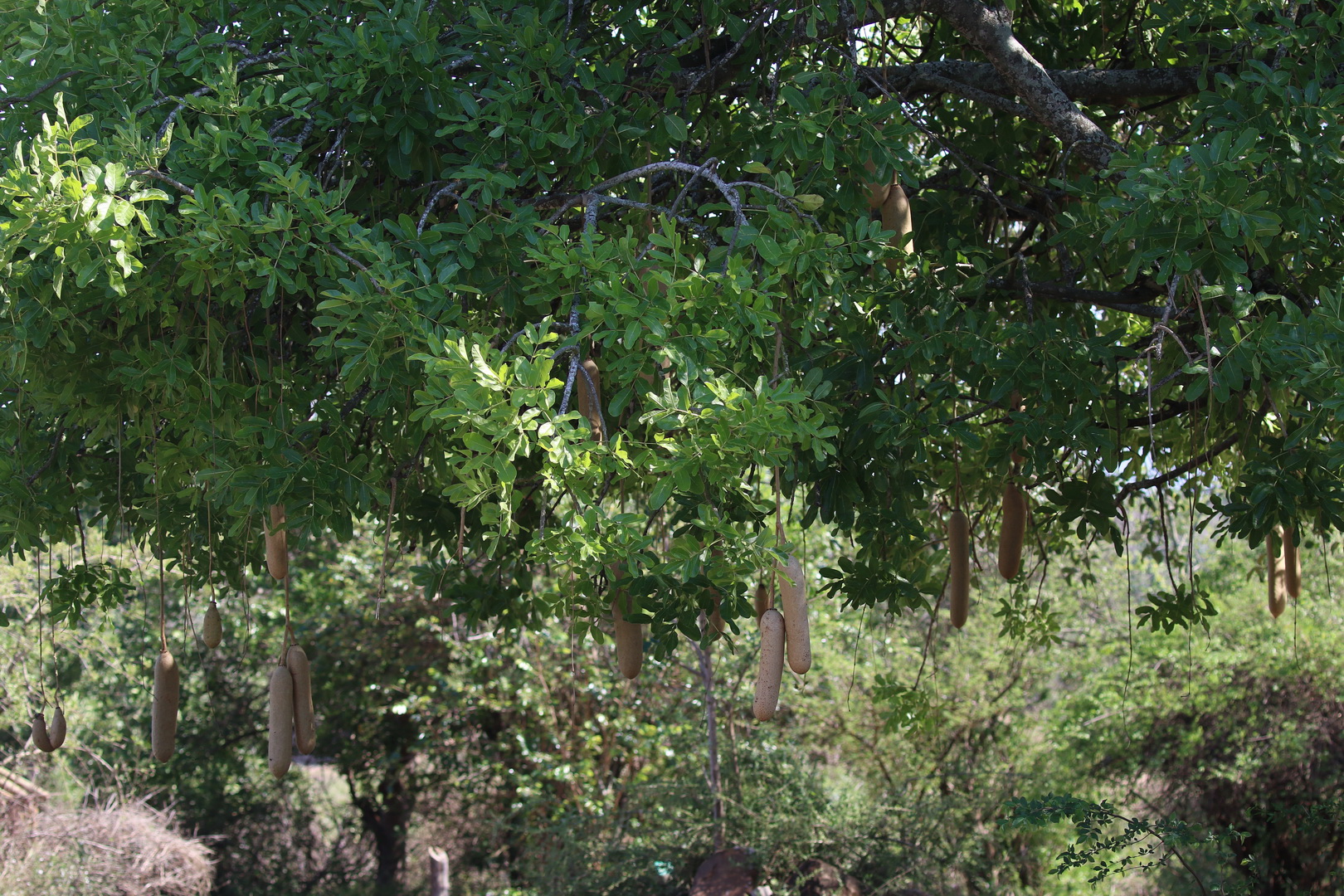
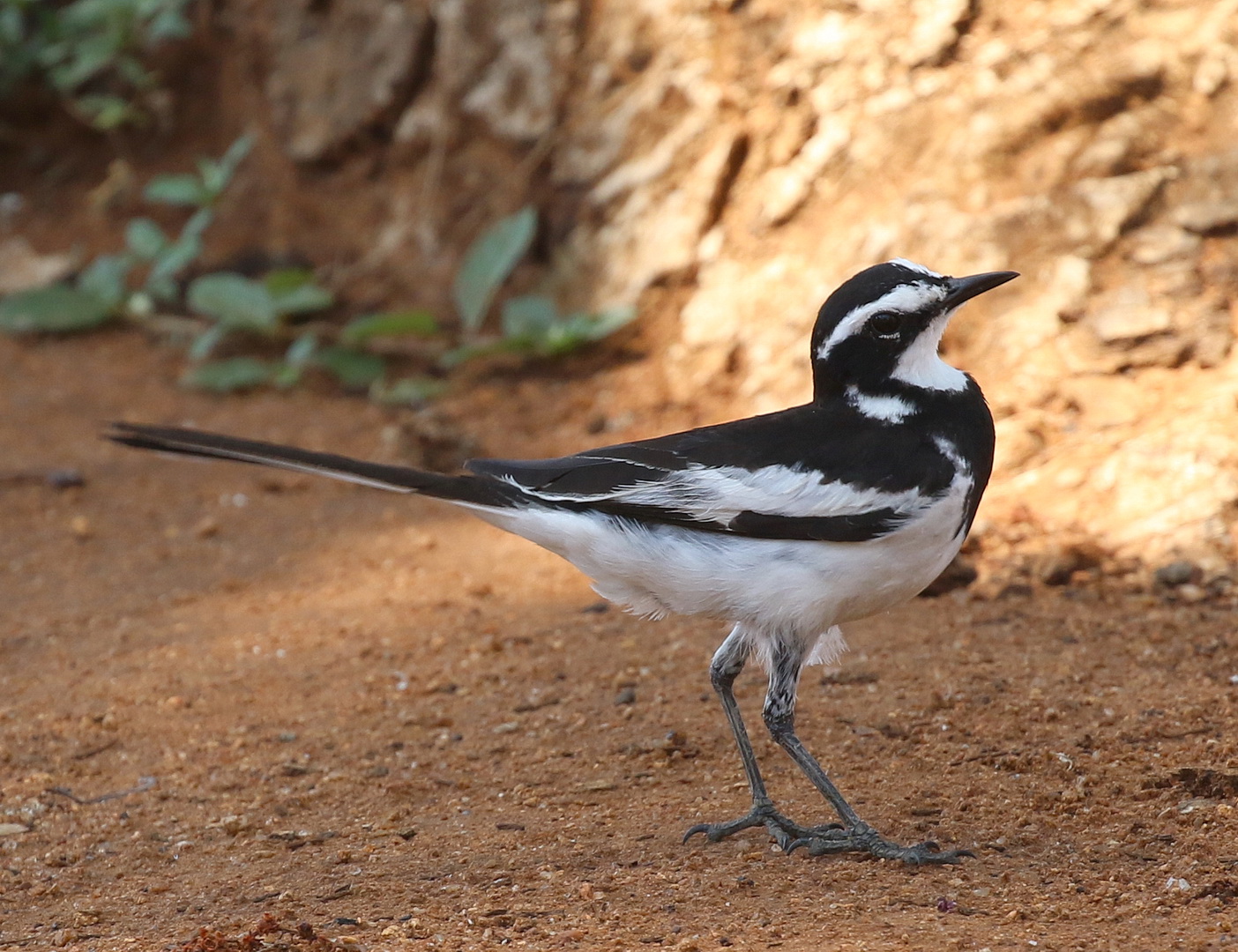
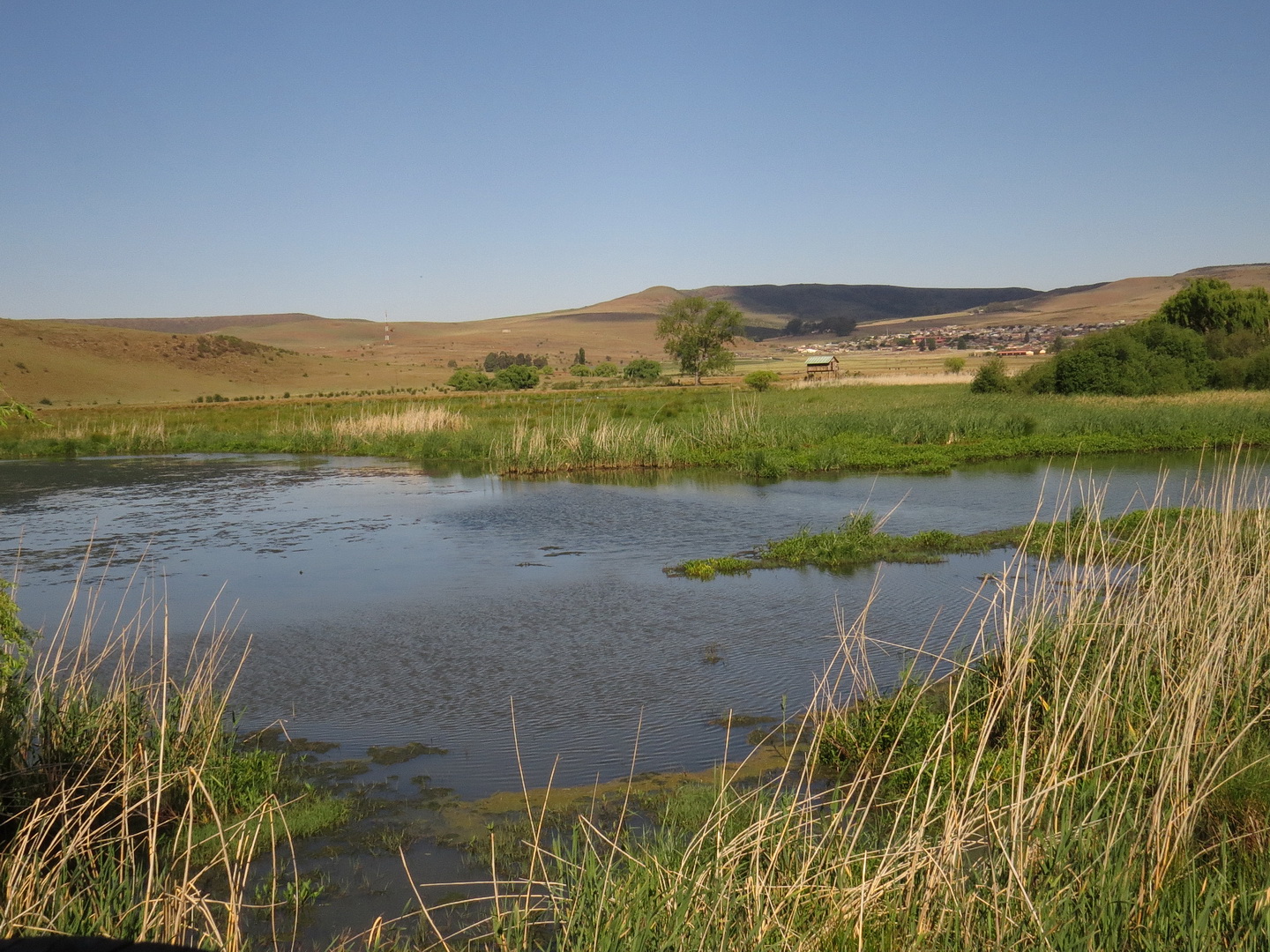
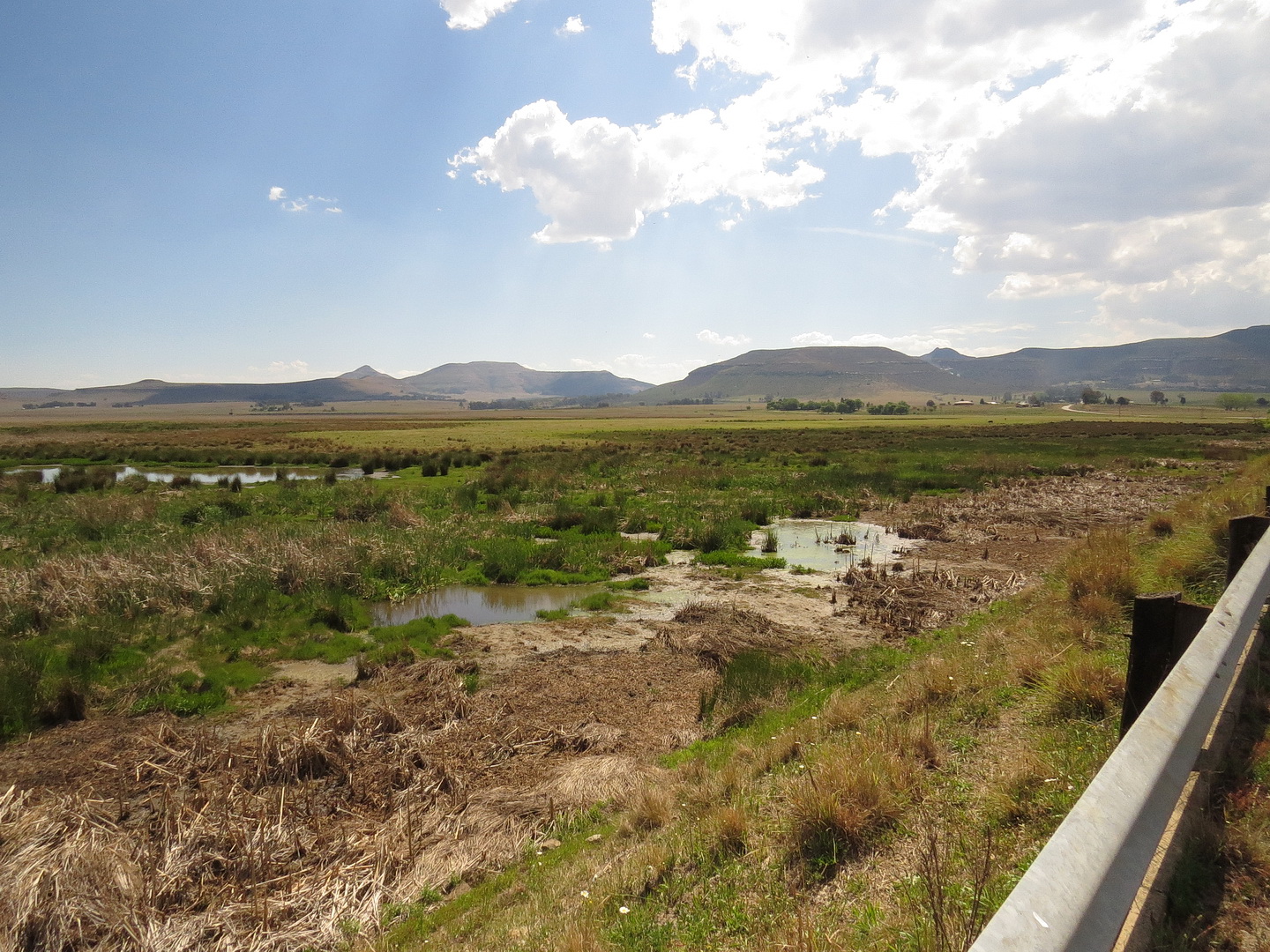
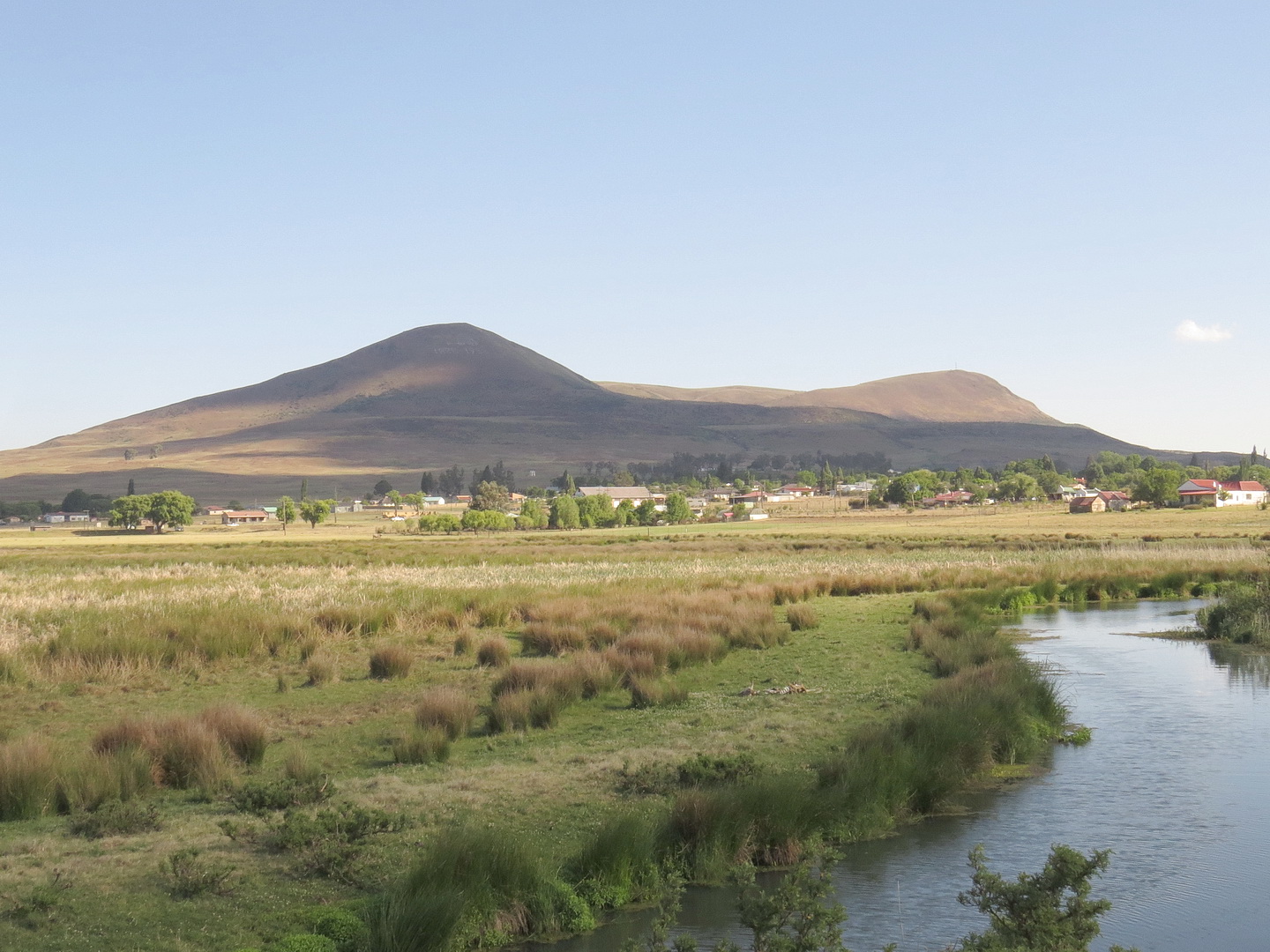
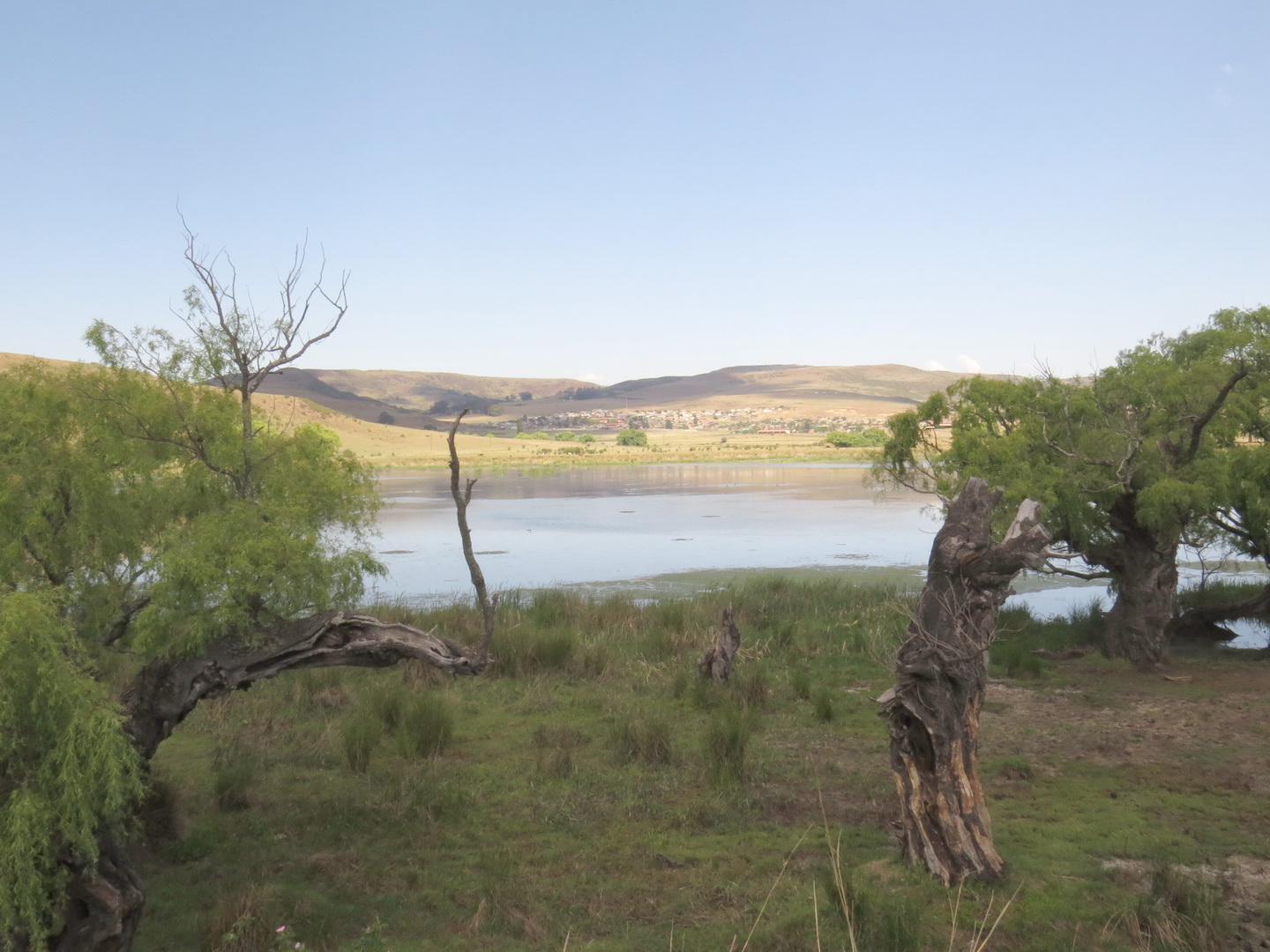
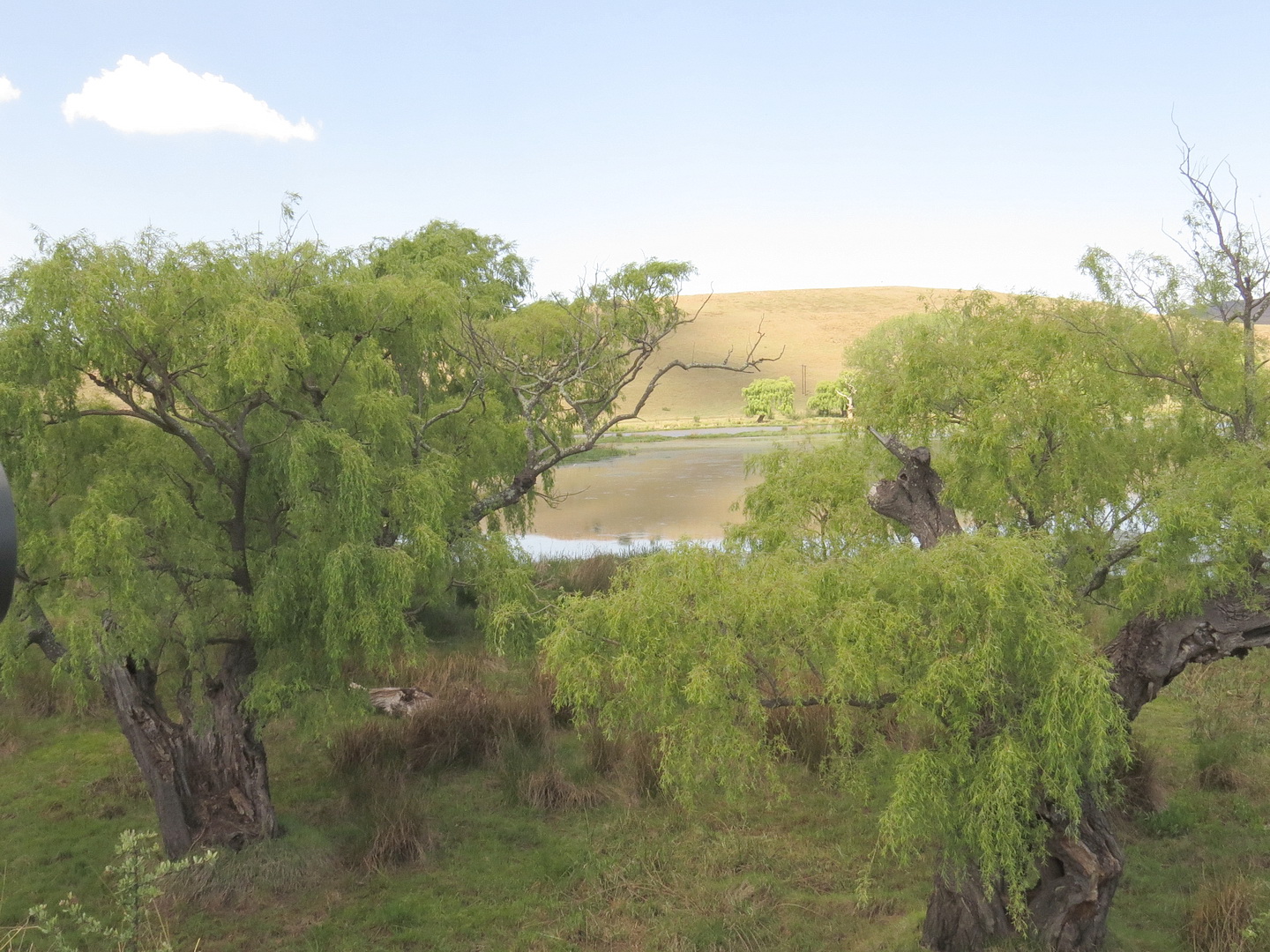
We arrived at Tsendze after checking in at Mopani. A bit of a shlep especially if you are coming from the south as it is about eight kms north of the camp. The camp is well treed and great for birding. It is right next to the Mooiplaas picnic site and you can walk through if you ask permission (saves driving the three kms all the way round). The picnic site is also well treed and right next to the Tsendze river so birding is excellent there too.

Campsite showing the position and level ground

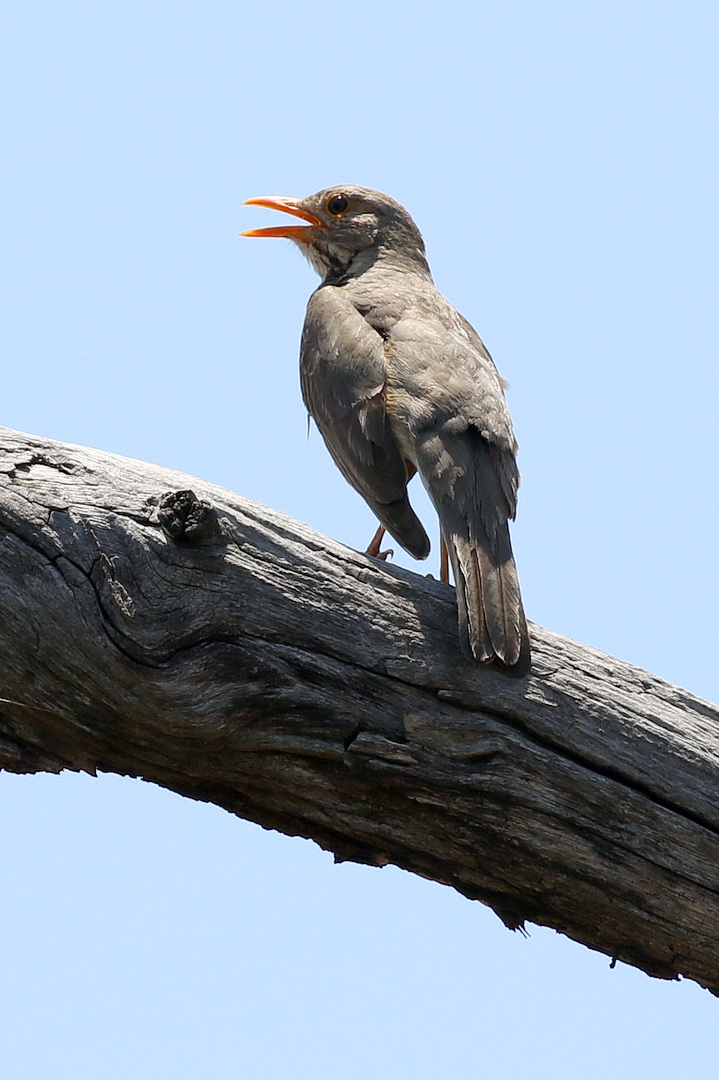
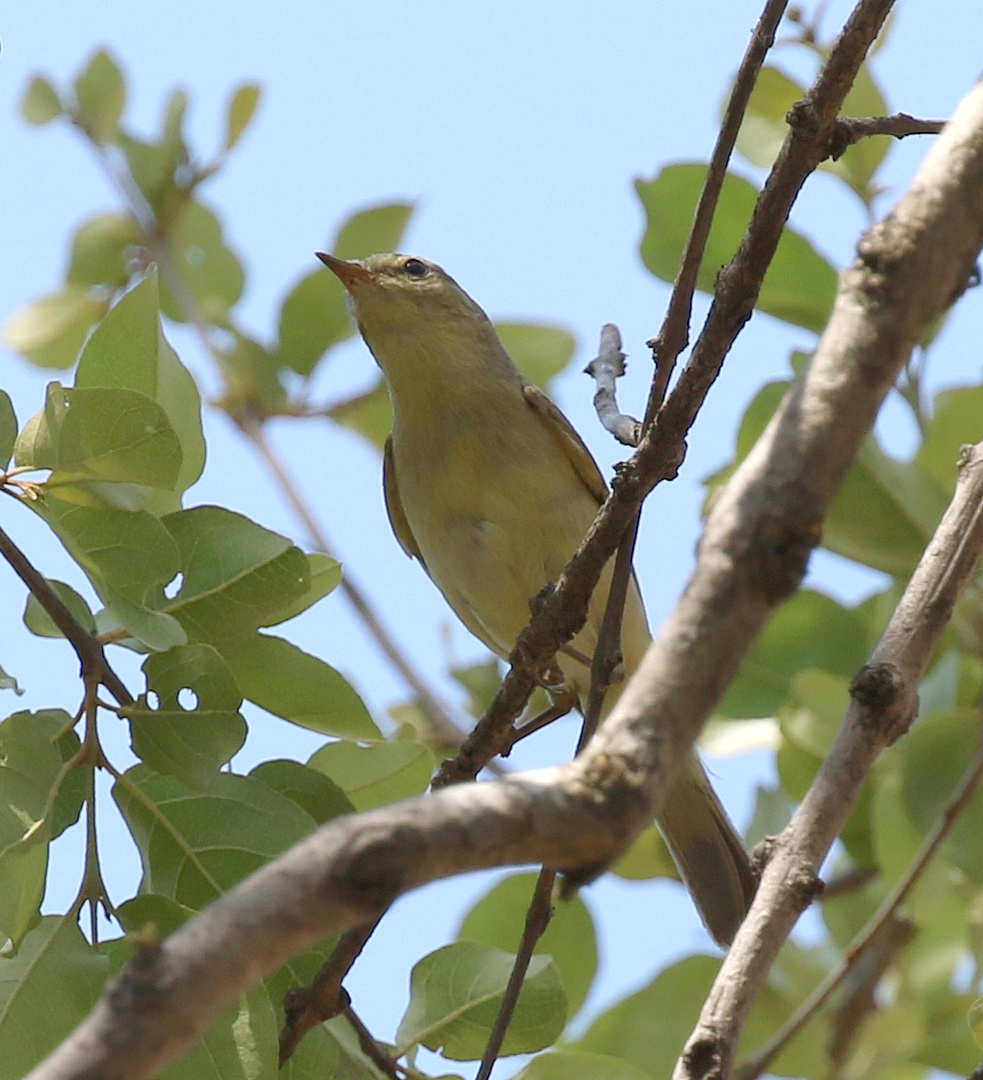
The one thing we loved was the early morning dawn chorus. We (mainly Sally) identified numerous different birds calling before getting out of bed.

Tsendze is also known for its owls – the African Scops-Owl, the Barred and Pearl-spotted Owlets in particular. In the past we also saw and heard the Verreaux’s Eagle-Owl there. This time only the Owlets were heard calling.

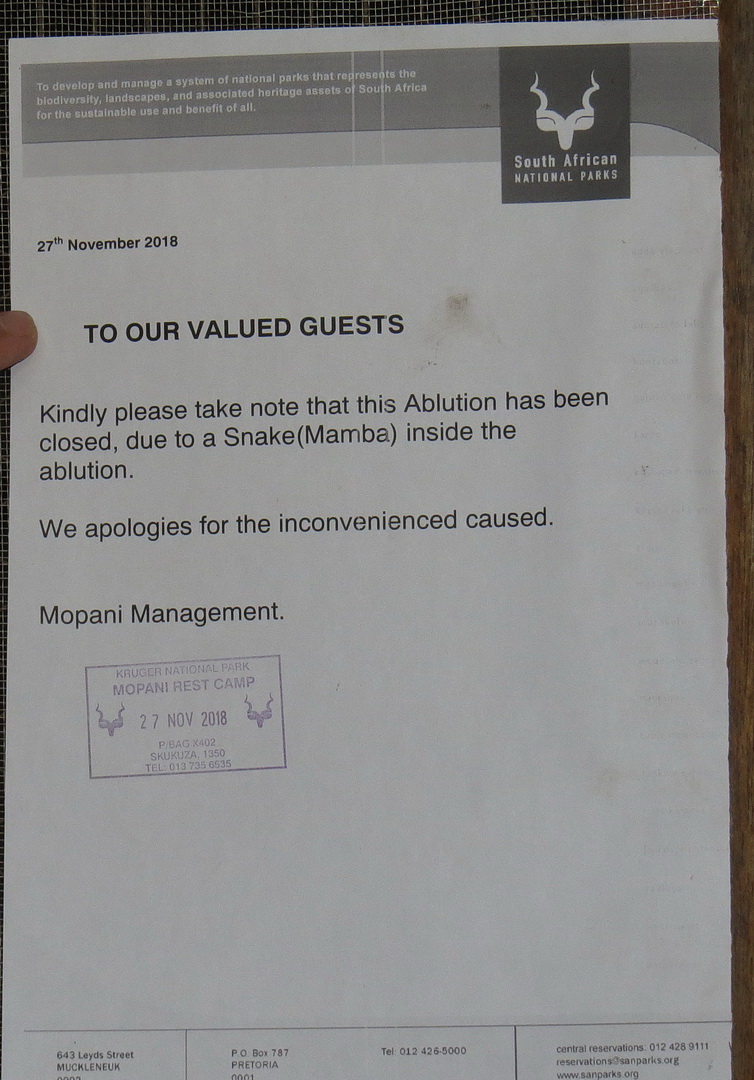
Story time. On arrival Sally went off to check the plumbing. She returned rather quickly with news that the ladies loo had been closed because a suspected Black Mamba had been seen inside the day before. Fortunately there was another set of loos further into the campsite.
Our first morning was full of surprises.

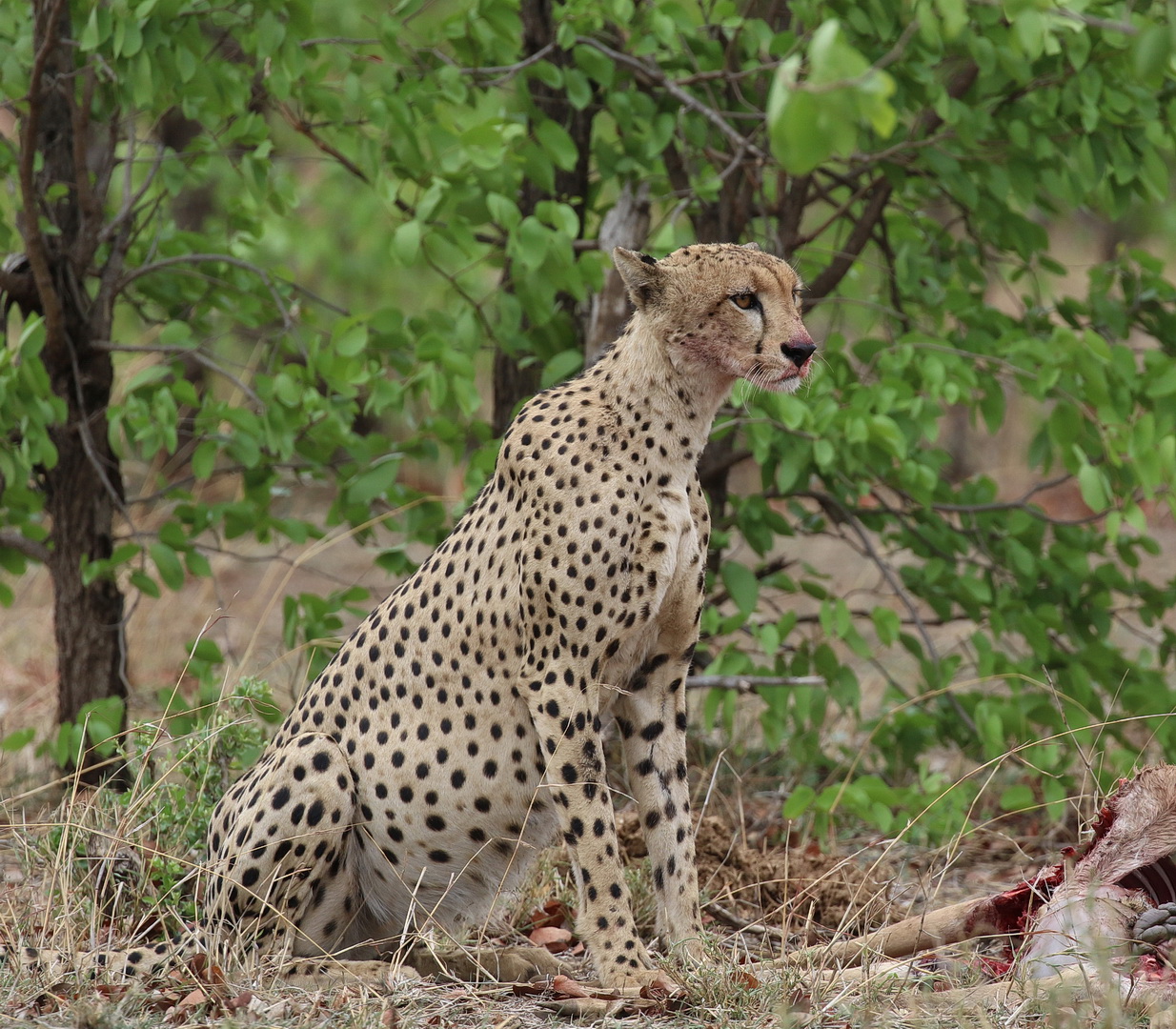
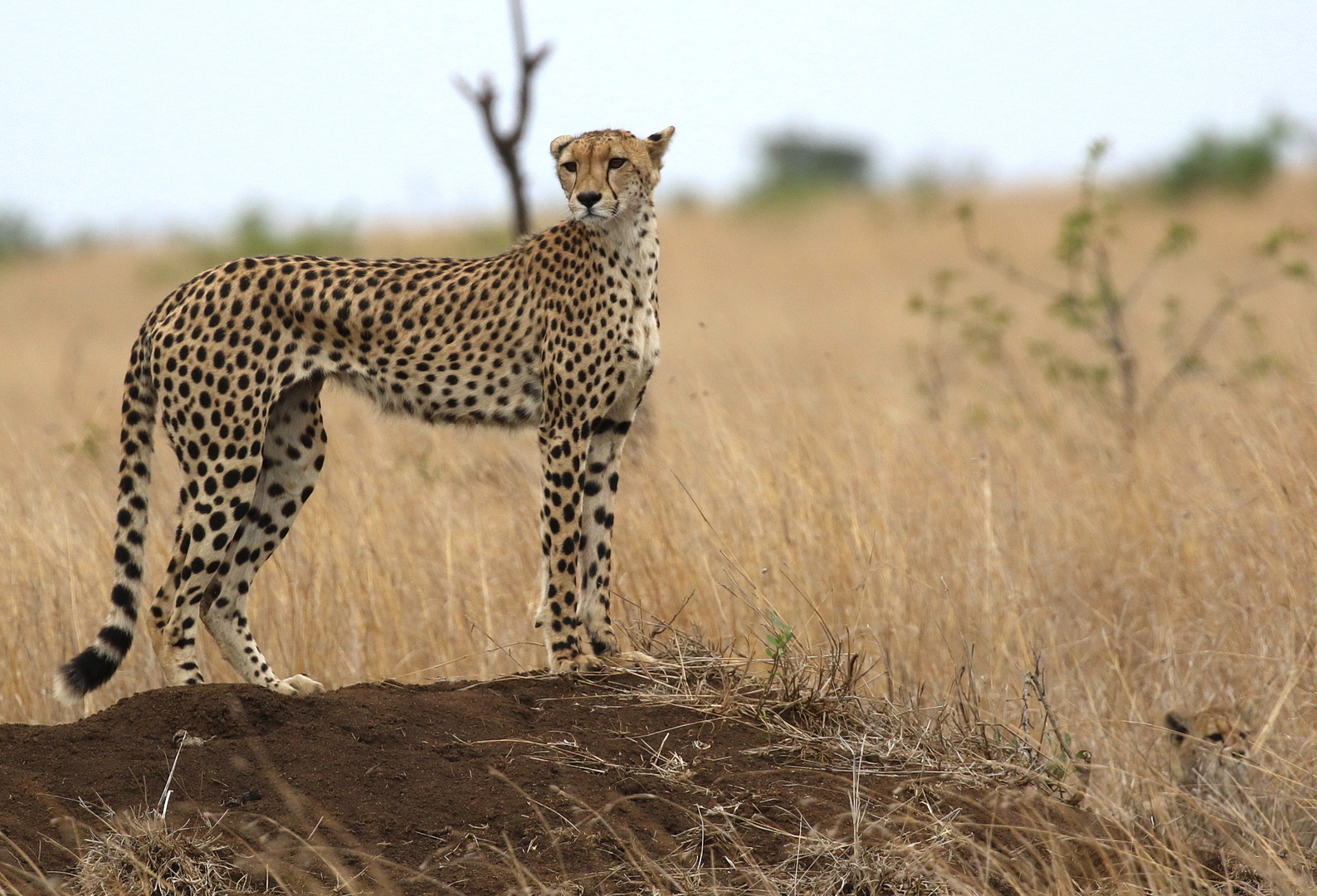
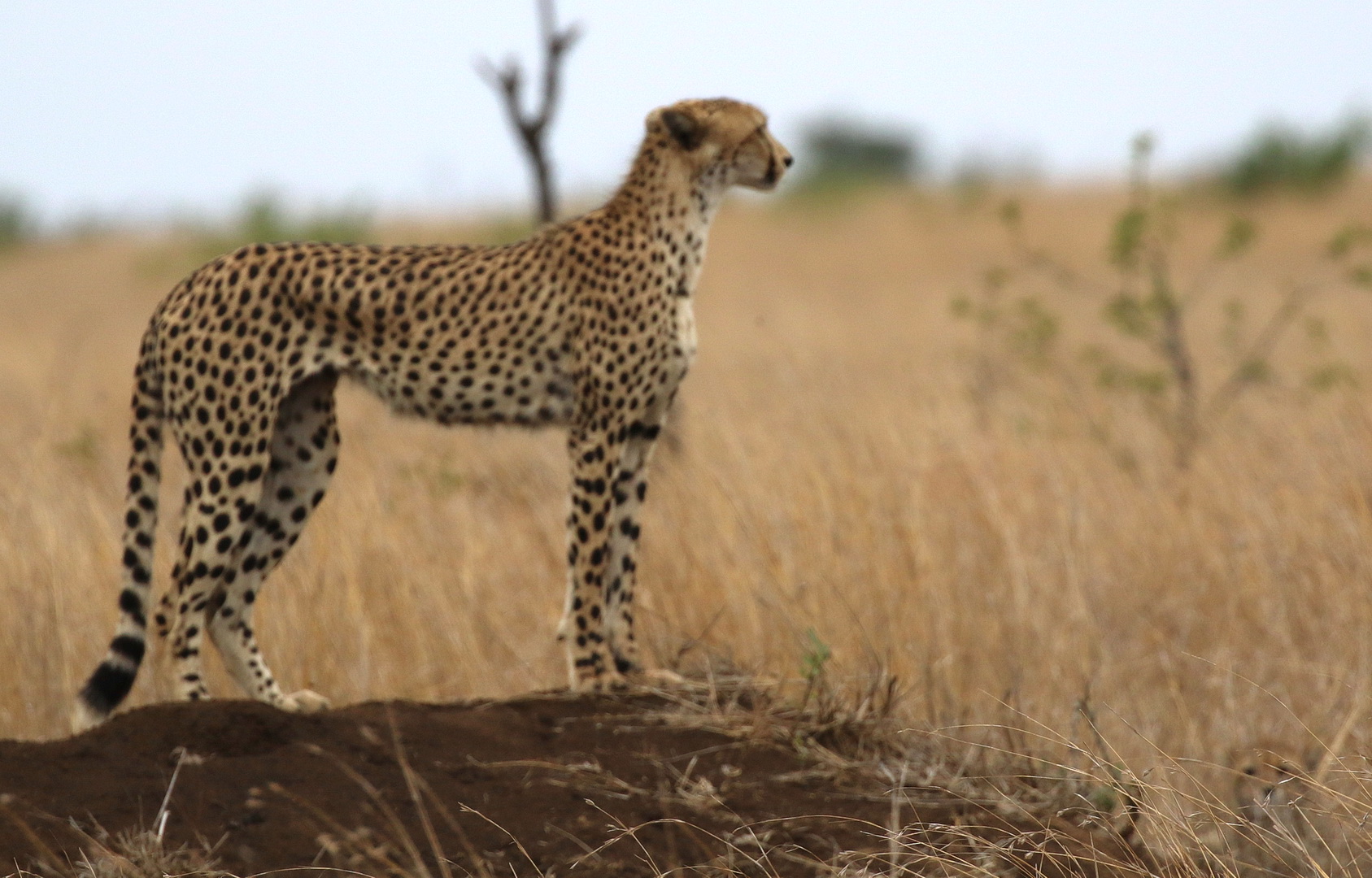
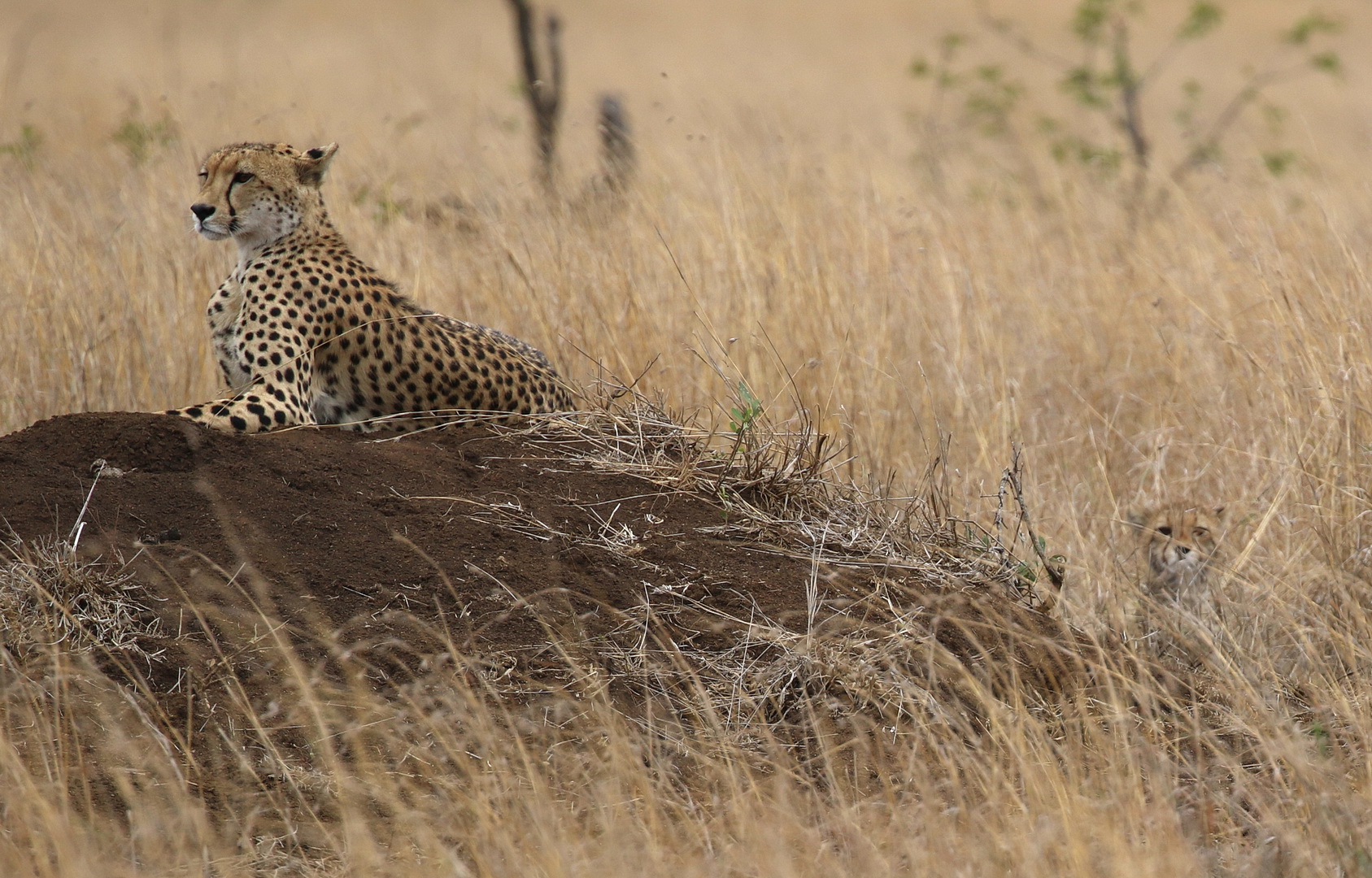
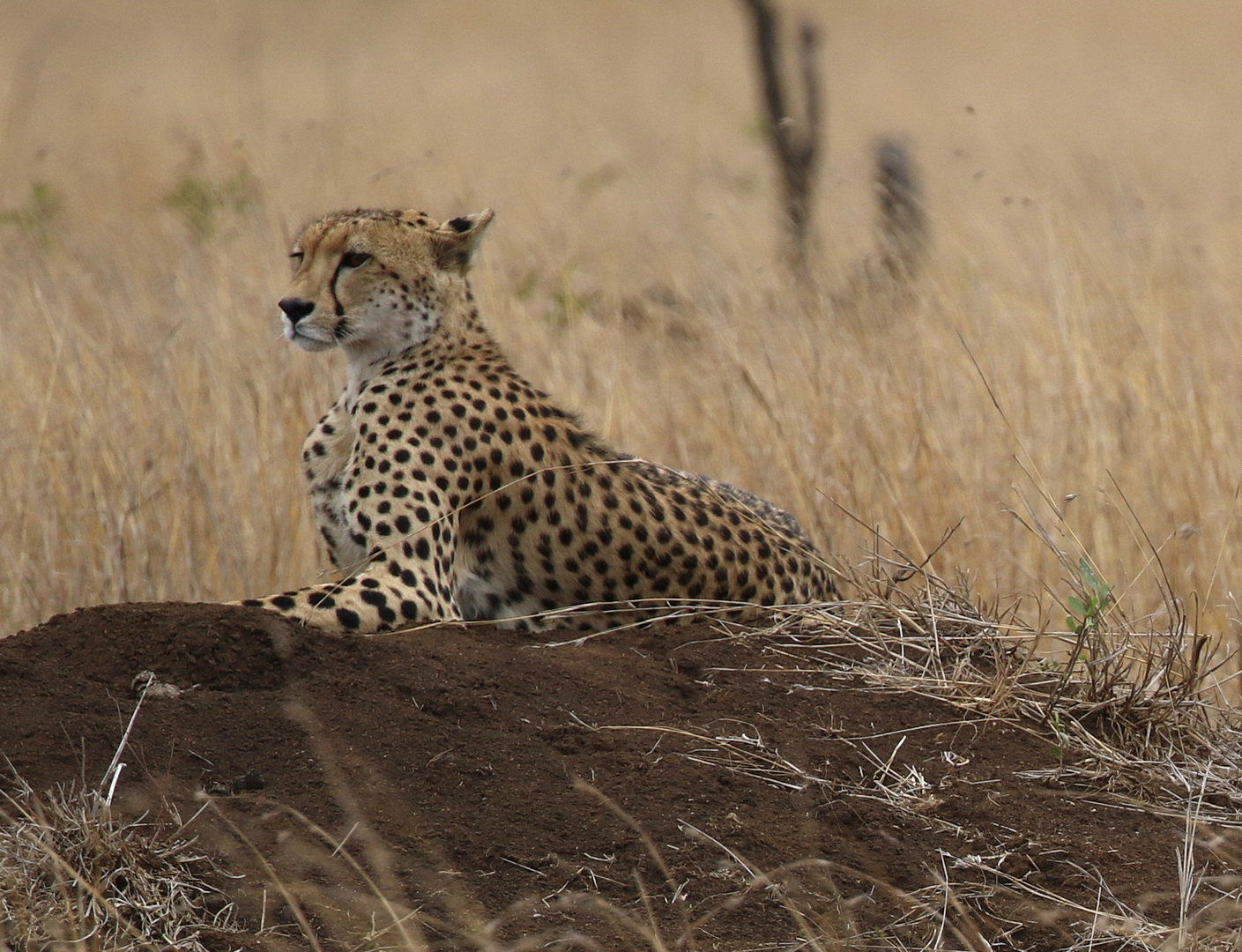
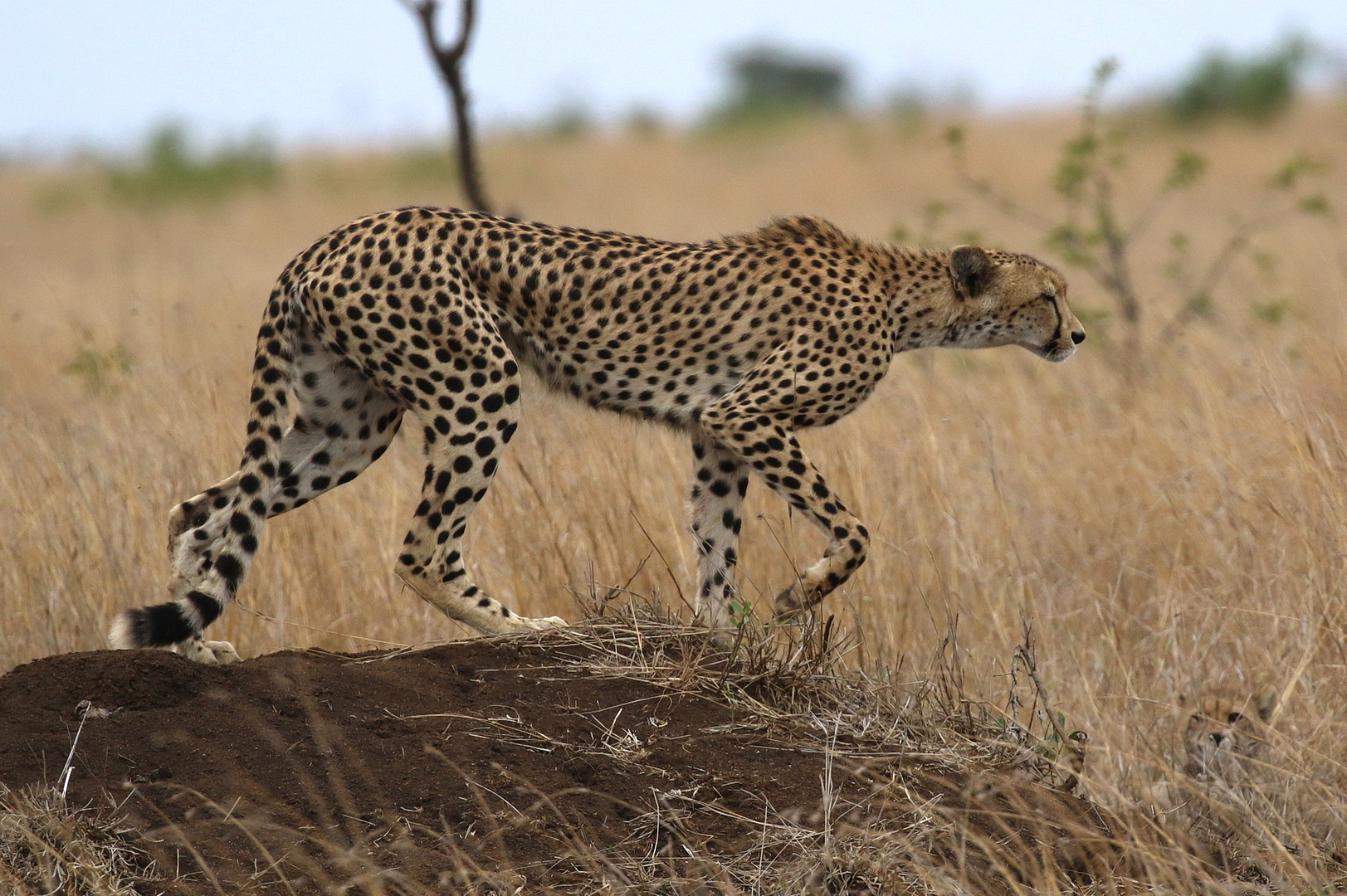
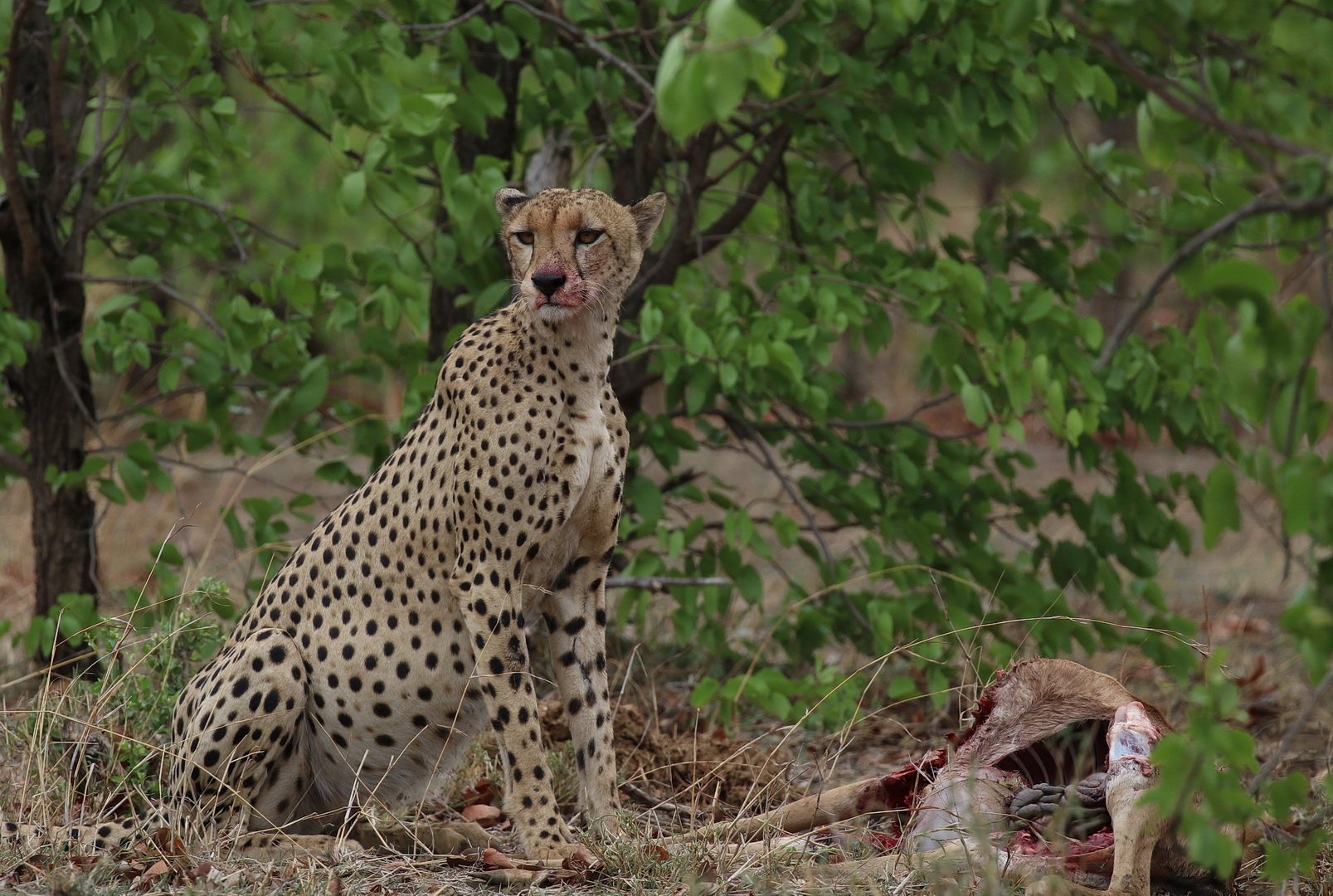
It started with a Cheetah kill right beside the road. We watched for a while as it got fatter and fatter. After a while we left it in peace but determined to return to watch the Vultures flock to finish it off.
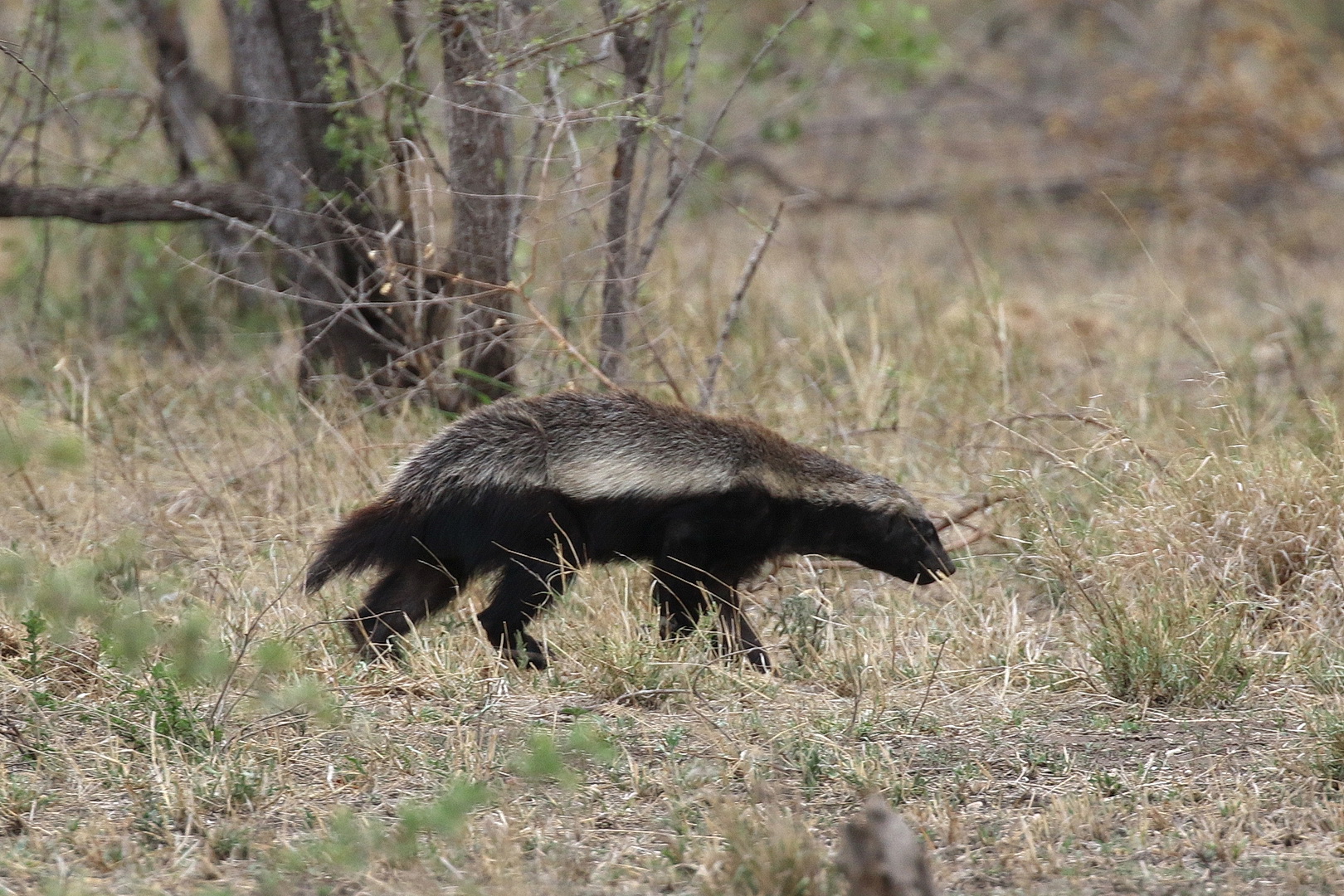
Further on next to the marshes we came across a Honey Badger doing its thing with a number of avian followers hoping to catch the tidbits.
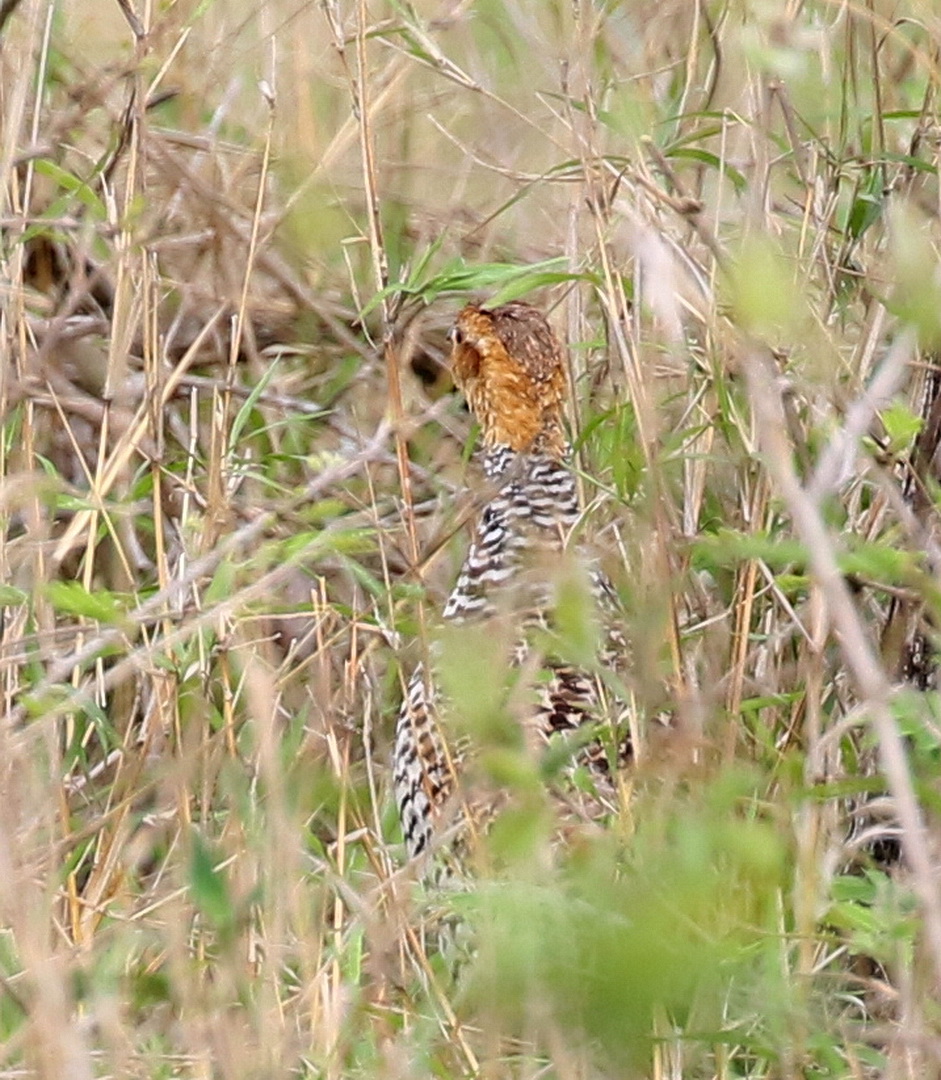
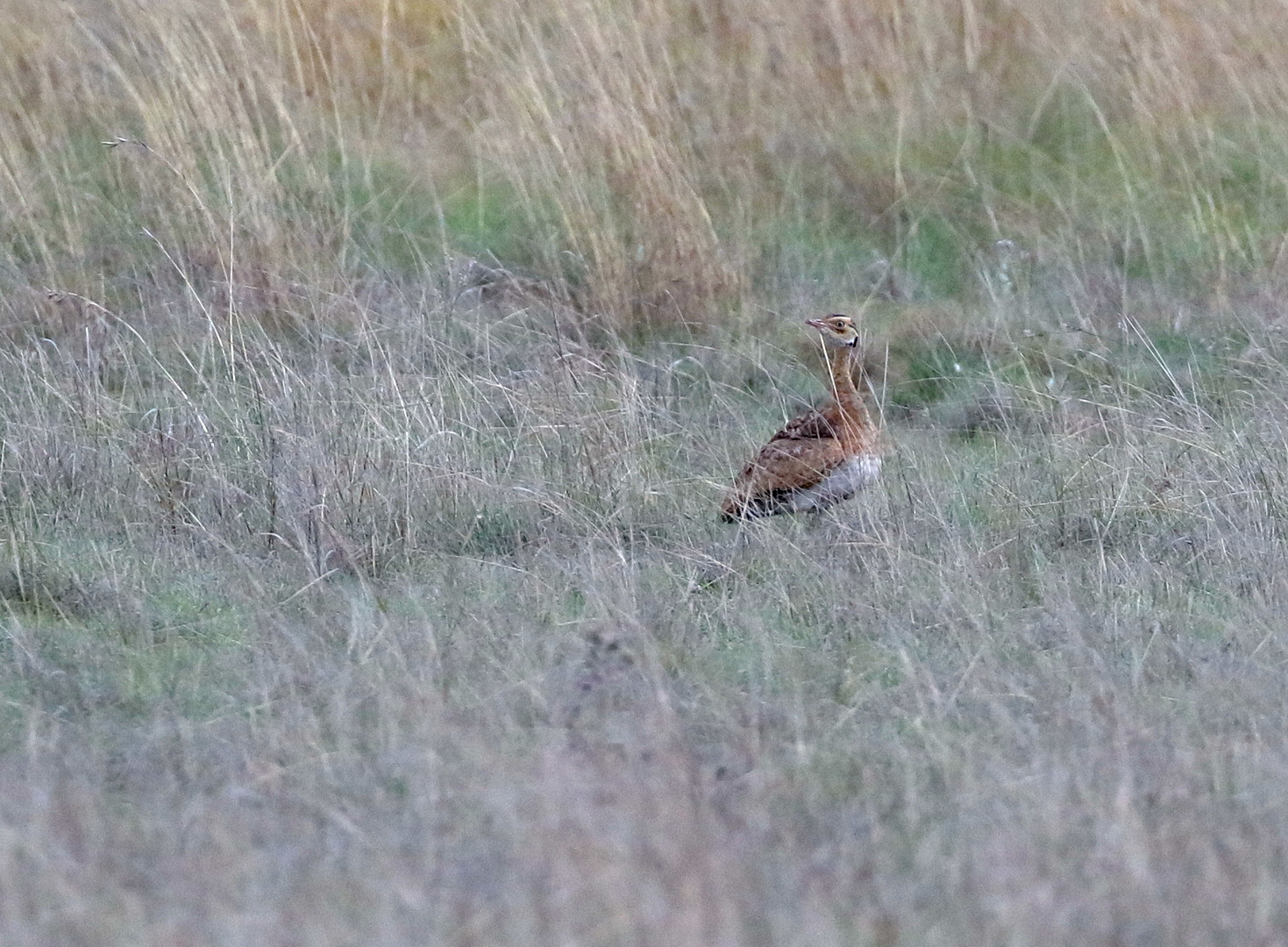
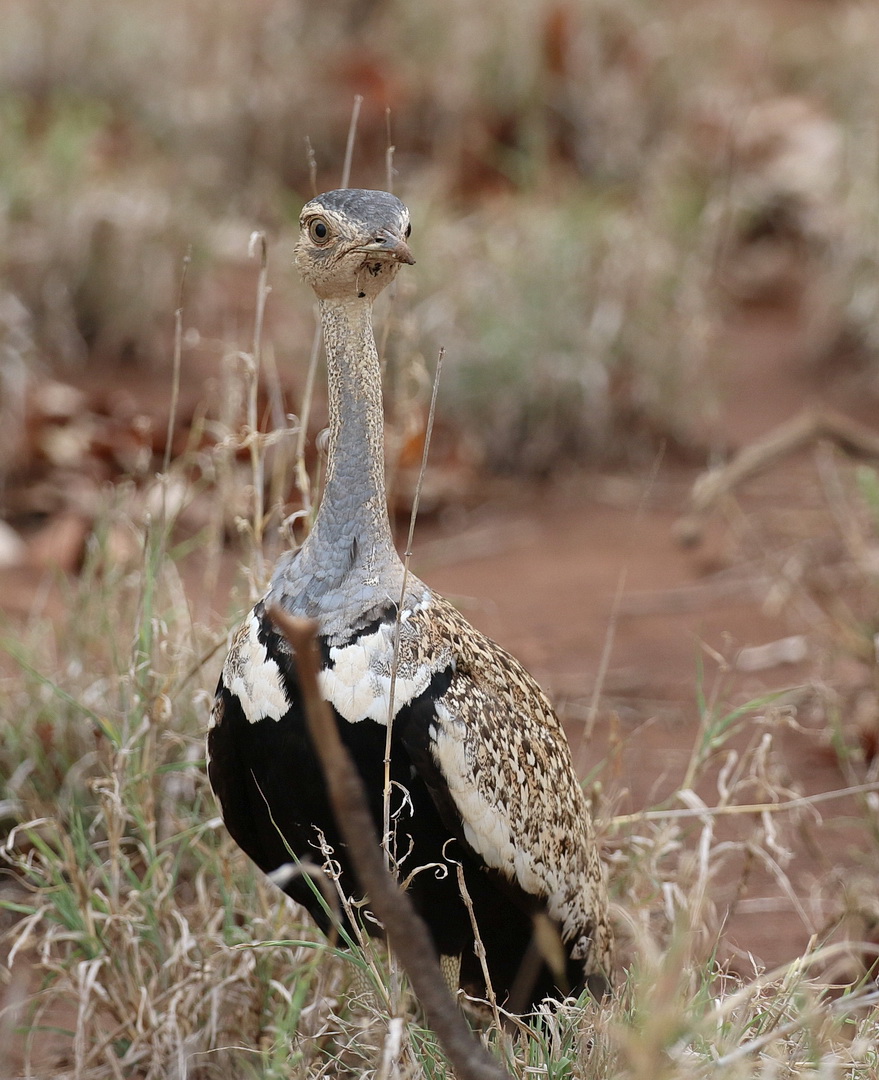
Yet further we stopped as we heard a Red-crested Korhaan calling. It was right in front of us in the road. It called three times and immediately after it had finished the third call it took off heading vertically for between 5 and 10 metres before flipping onto its back and falling out of the sky – much like those acrobatic planes do. Just before it hit the ground it opened its wings and pulled out of the dive. A truly amazing sight to see.
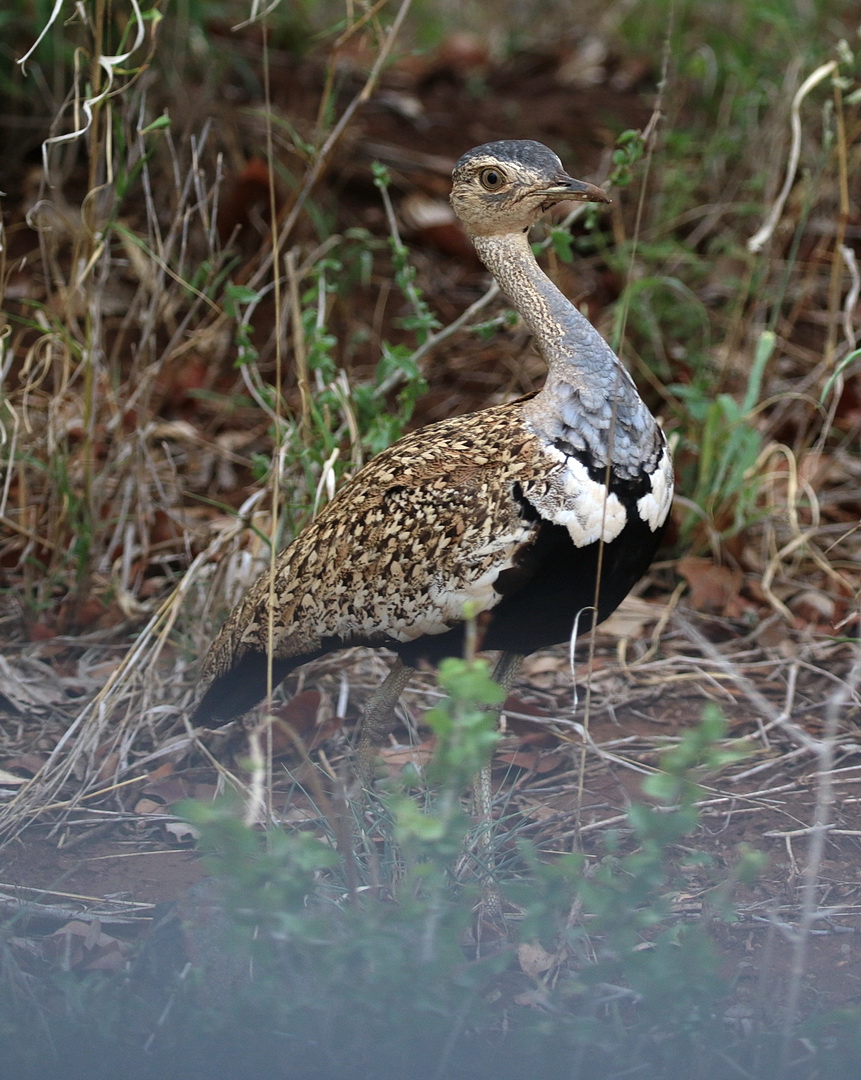
On return along the same road we had another Red-crested Korhaan do the same thing. Our cameras however were not ready to catch either event.

Returning now to see the vultures at the kill, we came across some Chestnut-backed Sparrow-Larks at the Mooiplaas waterhole.

Chestnut-backed Sparrow-Lark

As we were looking at them another vehicle approached and asked us what we were looking at. Their response was not the usual “Oh” and drive off. They told us to proceed a little further and look to our left in the open area by the waterhole.

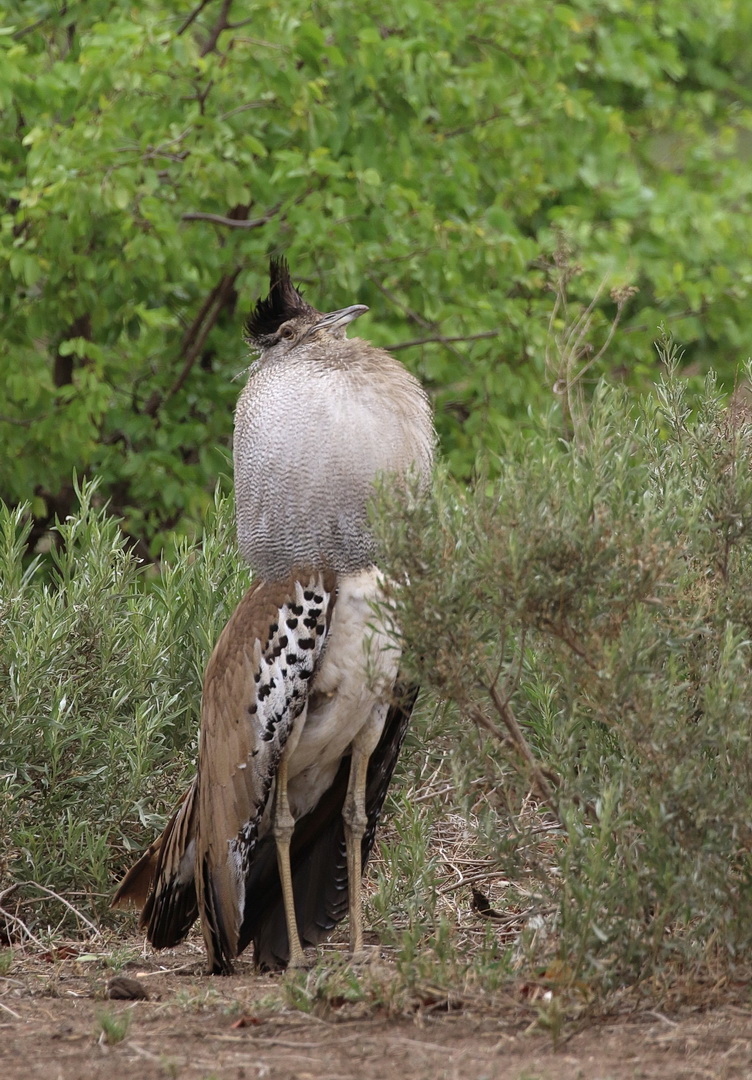
We were more than pleased that they had suggested this as we came across a bird in full display. It was something neither of us had ever seen before and remains as one of the highlights of our trip.

At first it was hard to recognise although we immediately knew what it was. Listening to its call was something else too. We did a short video which unfortunately I cannot post on this website. However here are some of the photos we took.

Kori Bustard in all his majesty

After it moved off into the bush, we moved off to check the vultures at the Cheetah kill a short way away.

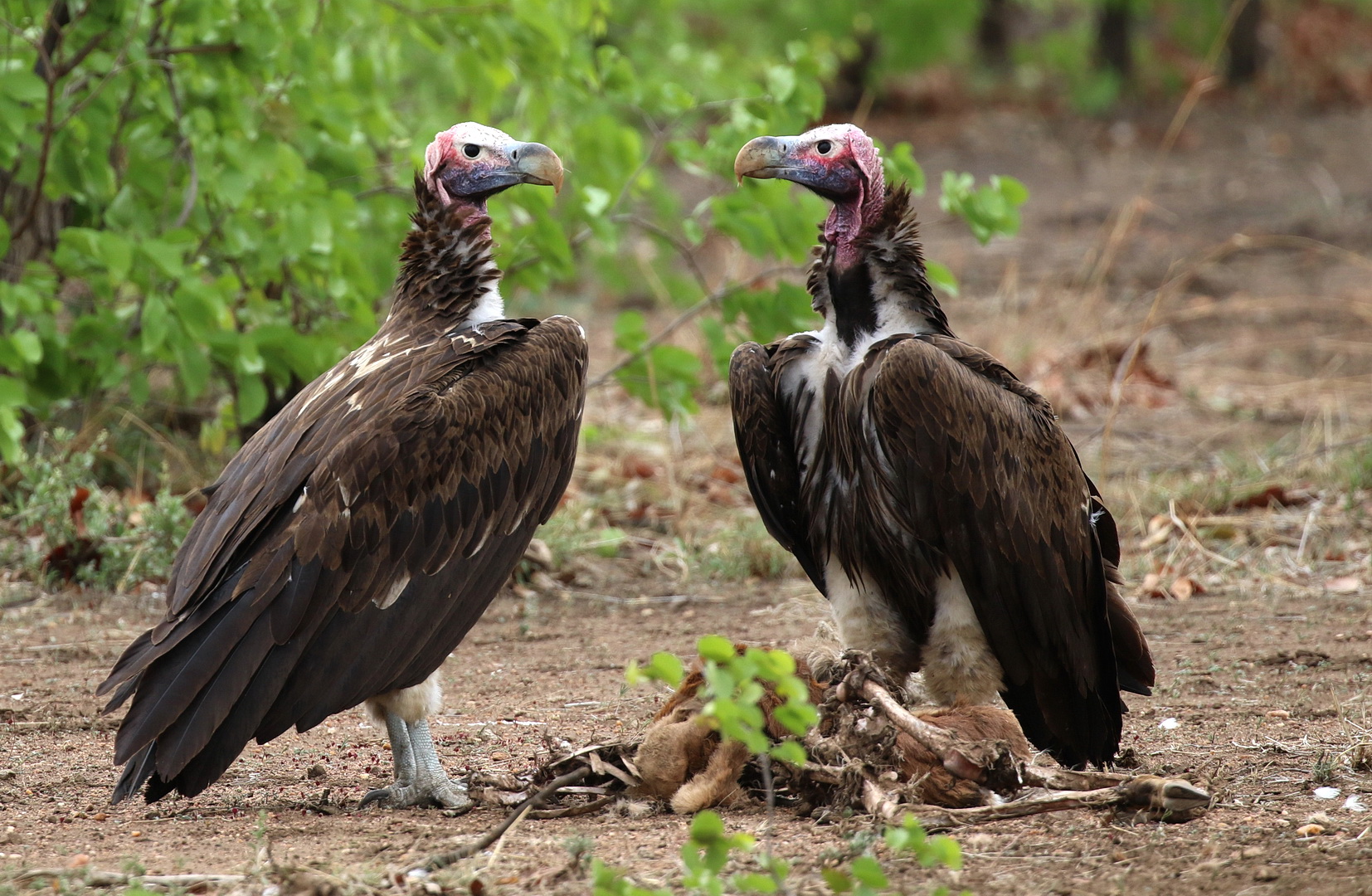
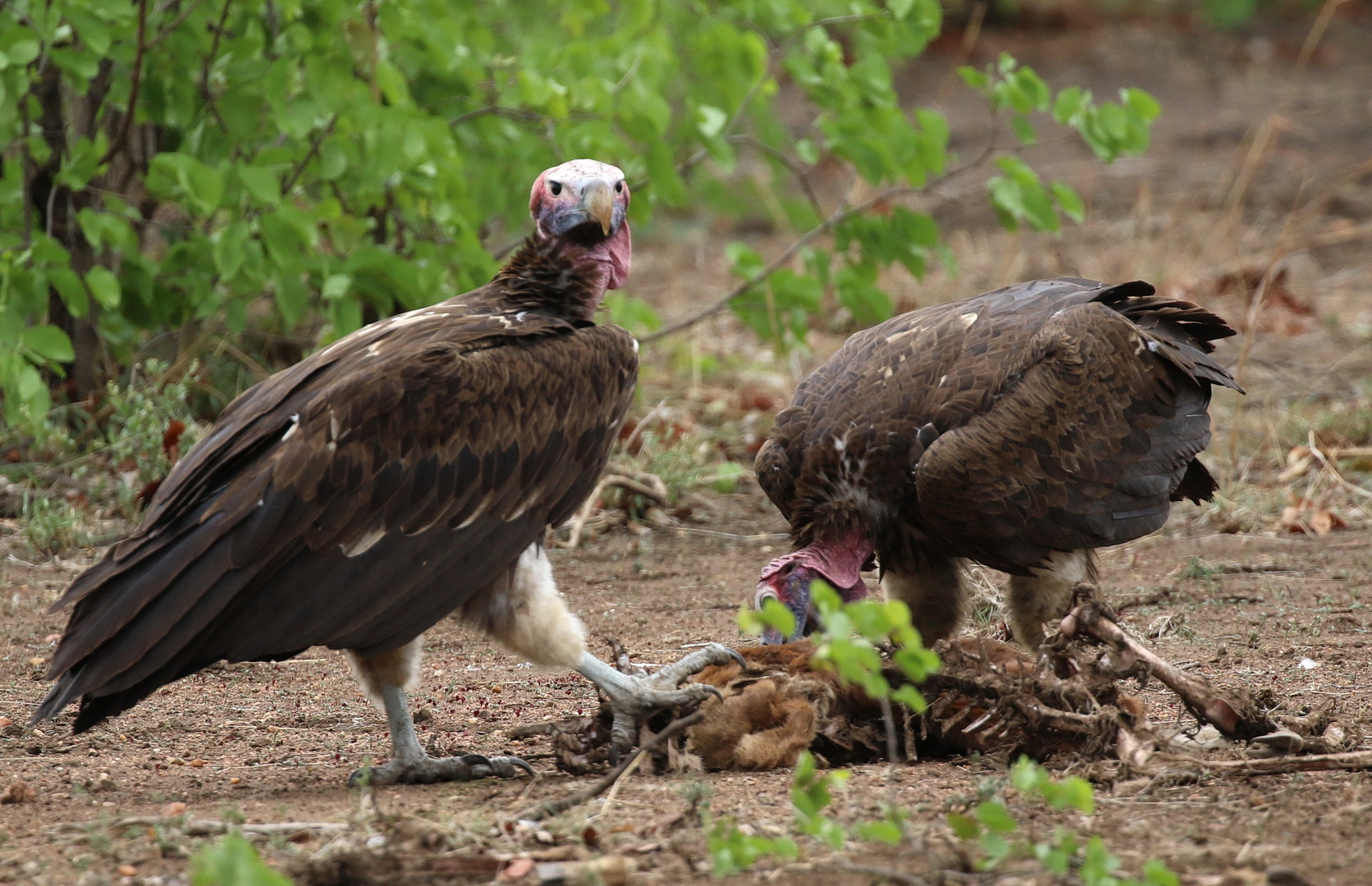
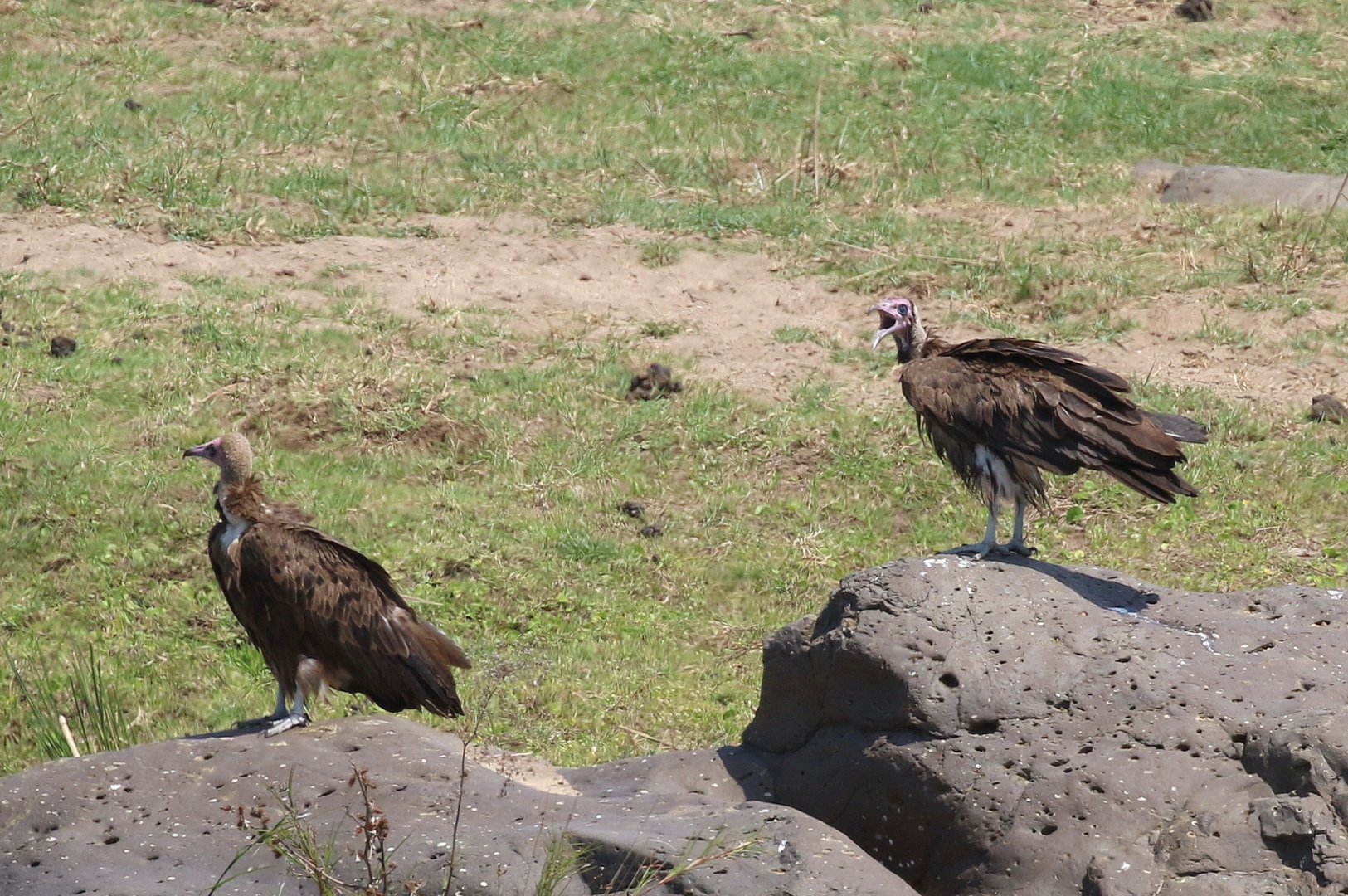
On arrival we were very surprised to see that the whole carcass had been eaten. In the 4 hours after we had seen the Cheetah kill there was very little left and all the vultures had gone. Except for these two.

Lappet-faced Vultures – aren’t we cute

What a morning.

The weather became cloudy and rain was forecast. So after a long lunch and rest we took a ride around and ended up at the Mooiplaas Picnic Site. The wind was blowing and the birds scarse. Something was up and they knew about it.

Looking across the river we realised we better get back to camp quickly. There was a massive dust cloud coming our way and rather fast. Perhaps the rain was behind it, we thought. Although the camp was right next door we had to drive about three kms to enter through the gate. By the time we reached the gate so had the dust cloud. Opening the gate we quickly got back to our campsite and battoned down the hatches as best we could. Thunder and lightening all around but very little rain unfortunately.

Some day.

The next day we explored Mopani, its dam (the Pioneer Dam) and we took a drive down the way to Joubert’s Grave.

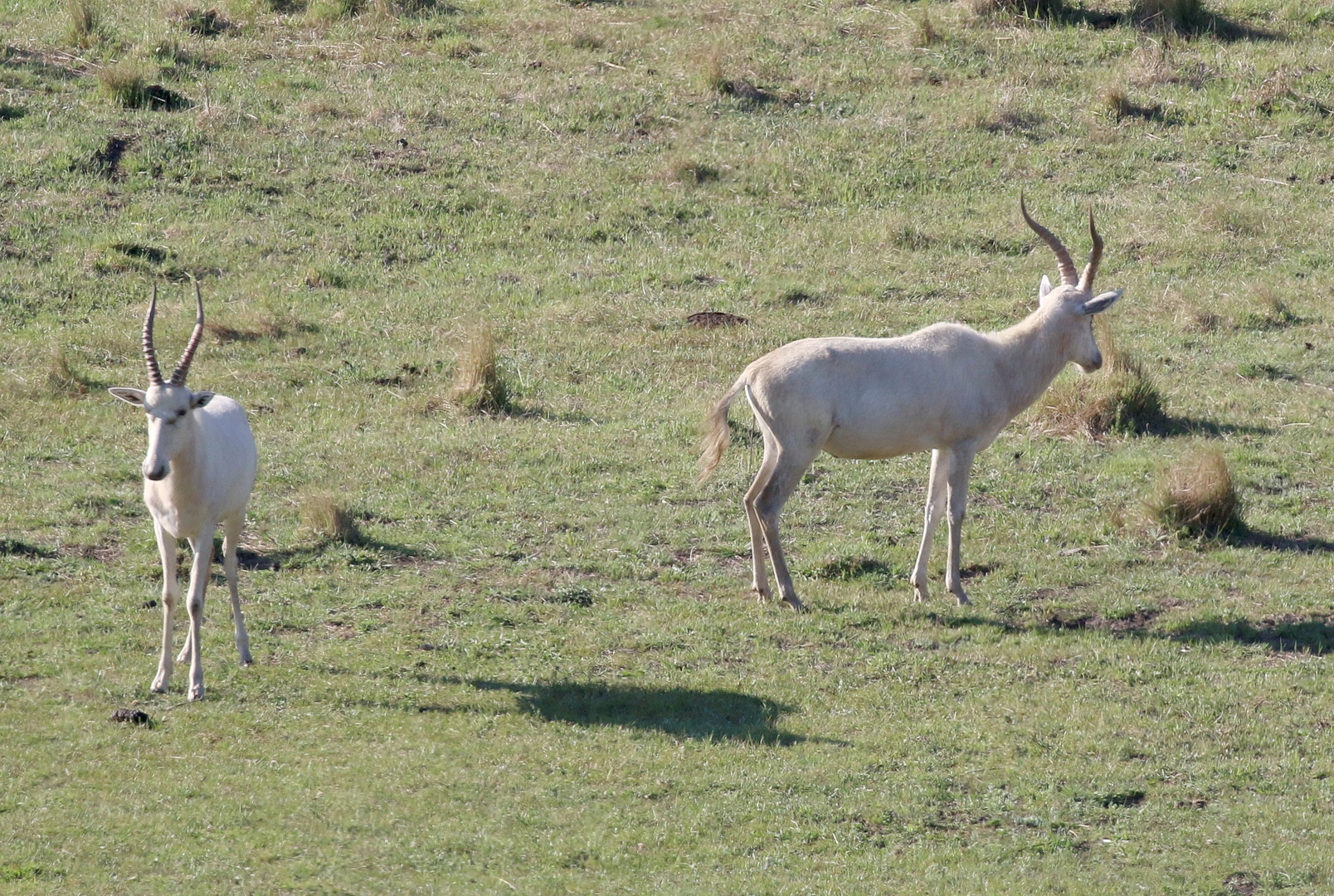
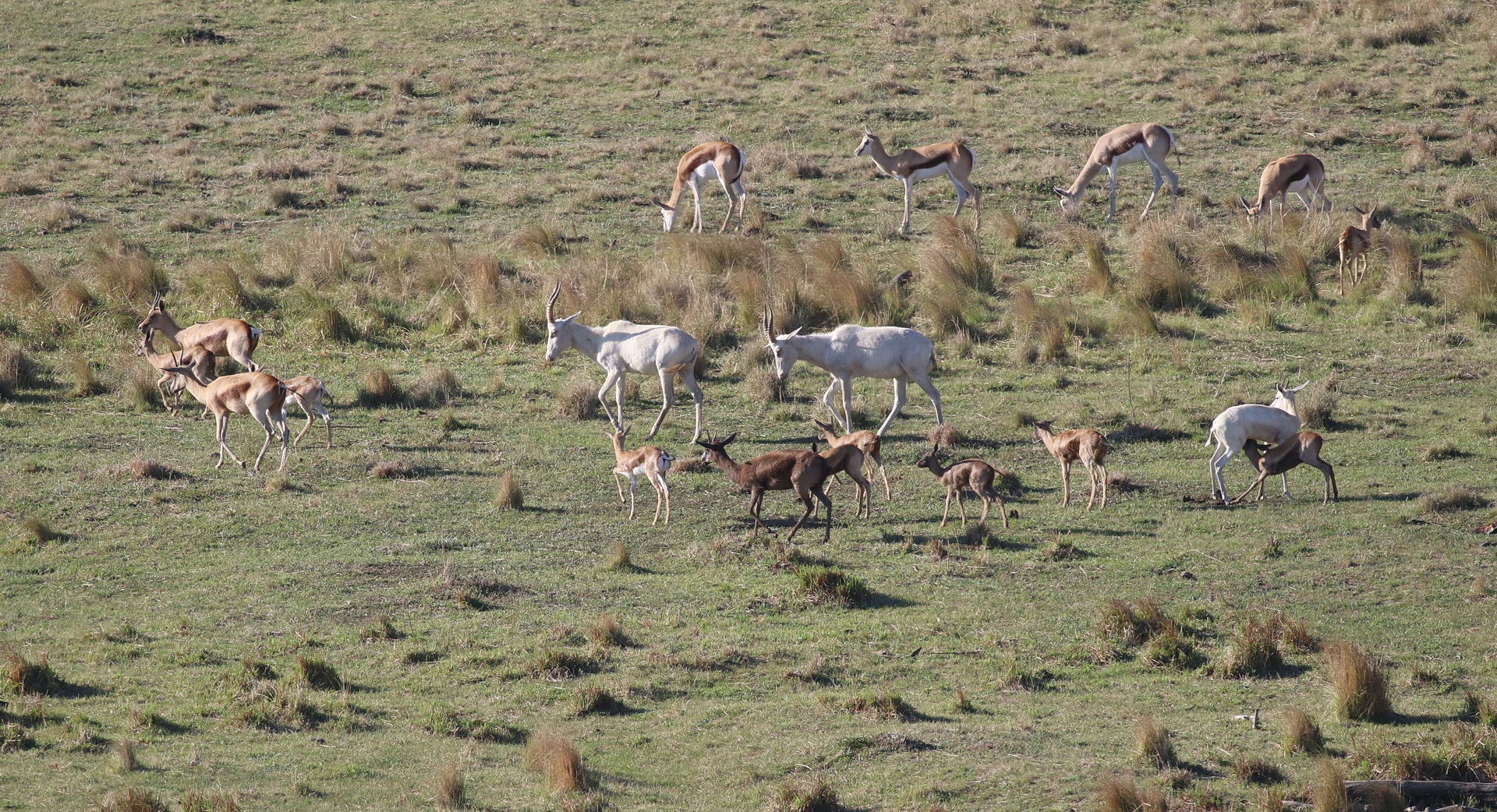
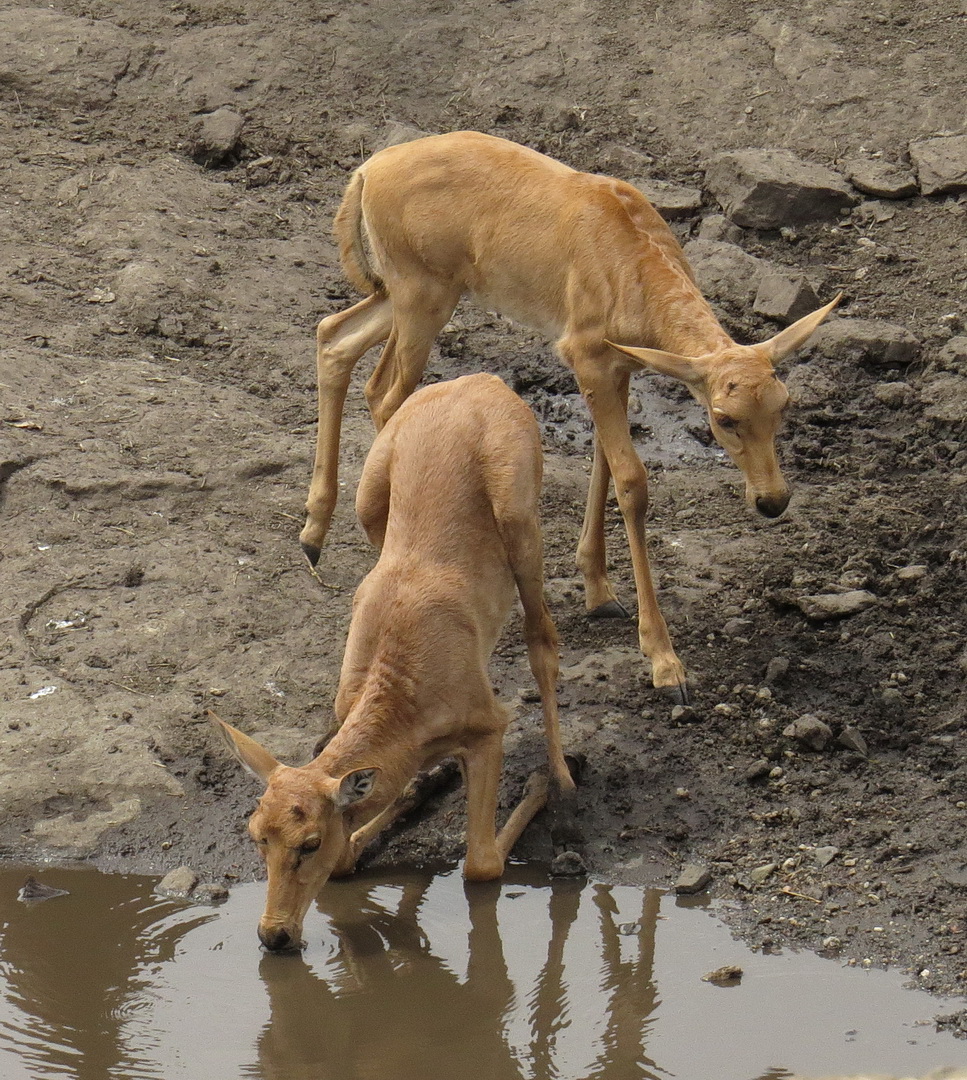
As we turned off the main road to the Mopani camp, there below us were Tsessebe and young. In the past Tsessebe were unusual to see, this trip we had numerous sightings of them predominantly in the area around Mopani.
There is a walk around the fence line below the Mopani restaurant and next to the Pioneer dam. Definitely worth a walk round as you can see the waterbirds up close and in the bush below the restaurant birds are seen and heard. Probably the sweetest of those was the call of the White-throated Robin-Chat.

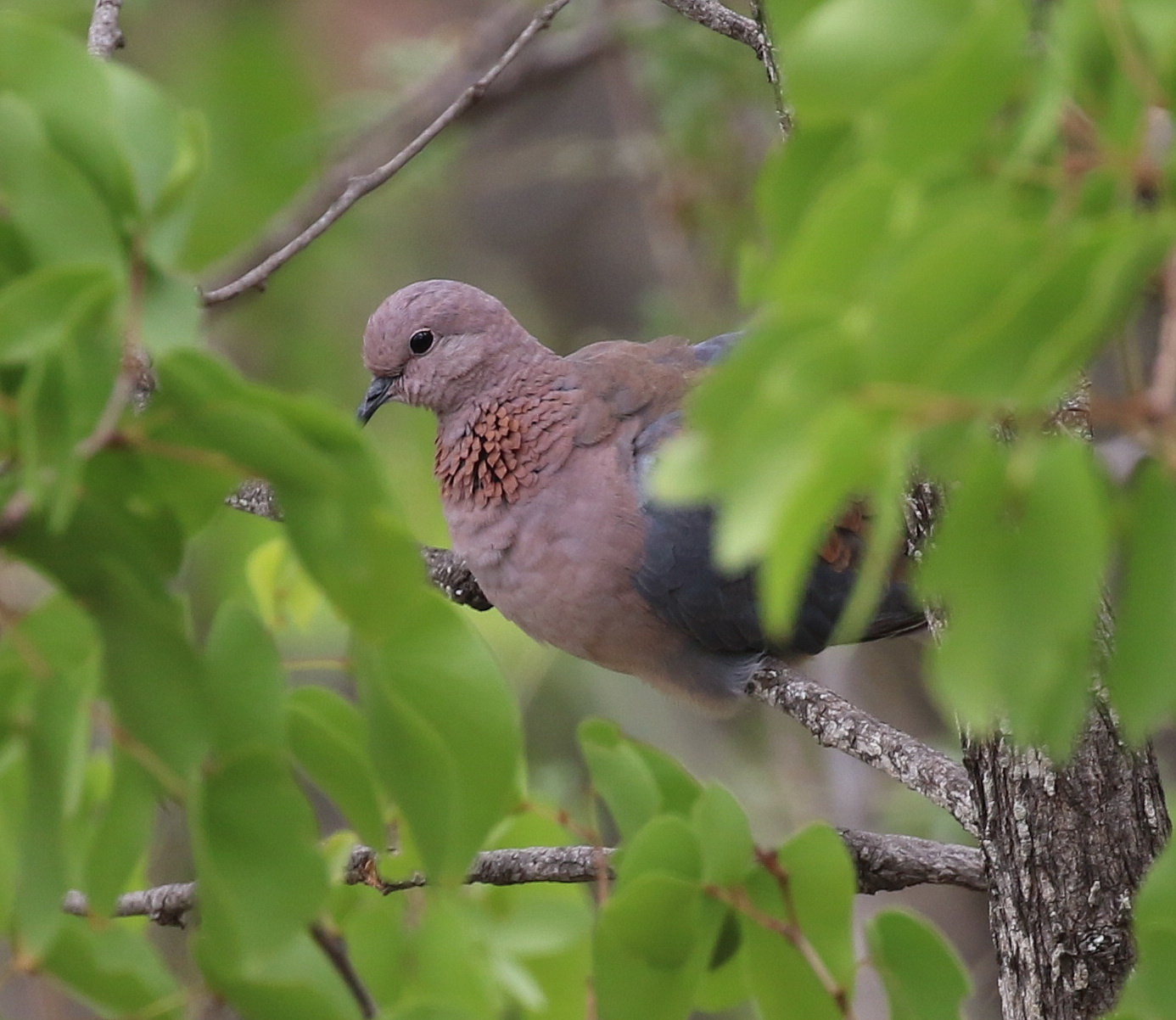
We did encounter a Dove which had us perplexed for a while.

Mystery Dove with gills on its neck. Possible Mourning Collared Dove – juvenile?

Here are some of the birds we saw along our walk.

On the opposite side of the dam from the camp there is a hide. And another hide is on the way there overlooking the dammed Tsendze river. Driving round to the first of the hides we came to a road block.

Road Block

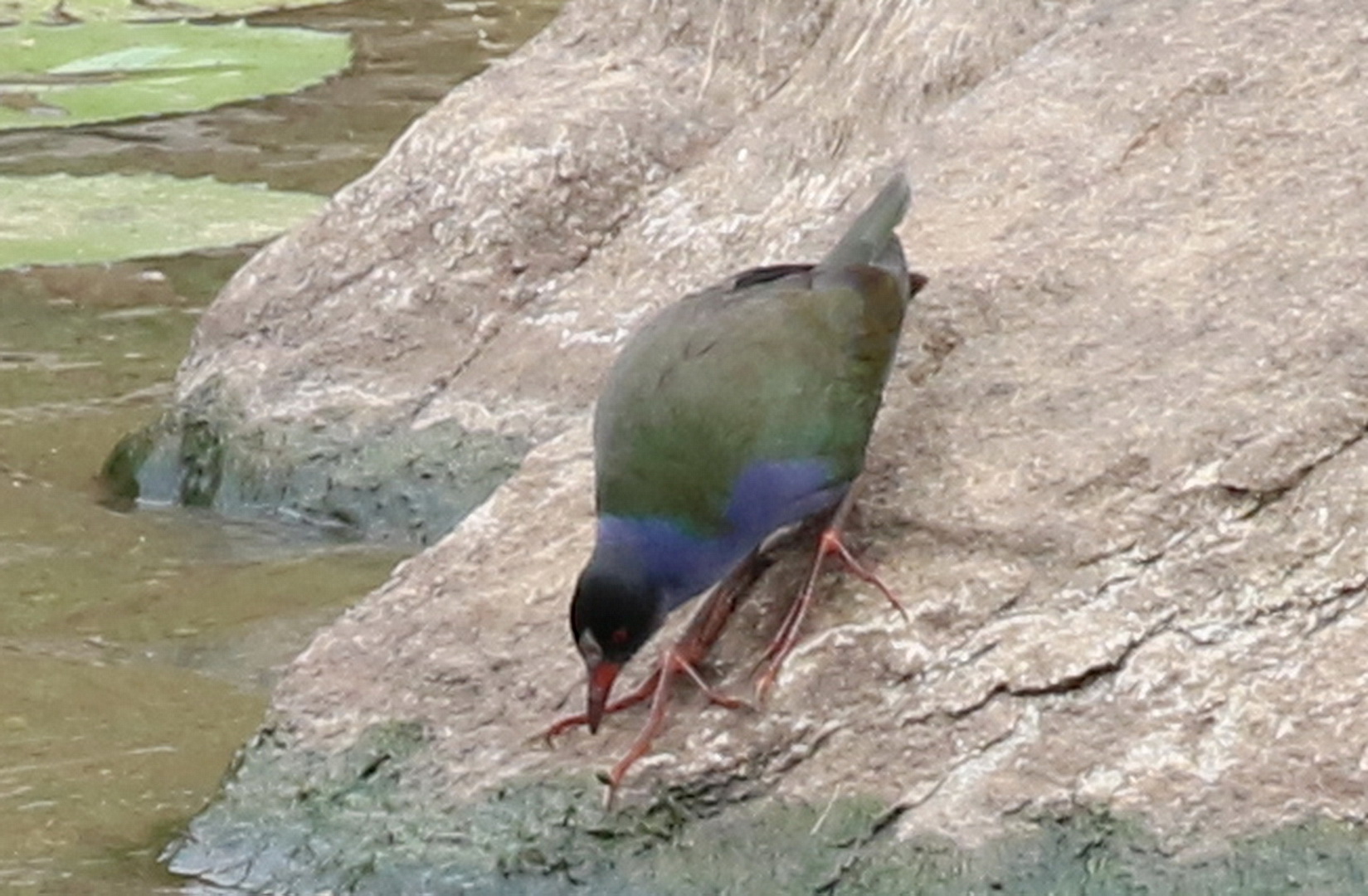
We waited patiently for them to clear off – and they did – up the bank to the right towards us in the photo. Just to the right across the bridge is the hide overlooking the river. However there was not much about while we were there. Every time that we have crossed that bridge we have seen Black Crake to the left. It was no different this time.

Opposite the entrance to the hide is a rocky koppie on which elephants were grazing and Sally noticed this ground Euphorbia.

A bit further along there is a turn off to the right to the Hide overlooking the Pioneer Dam. The view from the hide shows the size and extent of the dam.
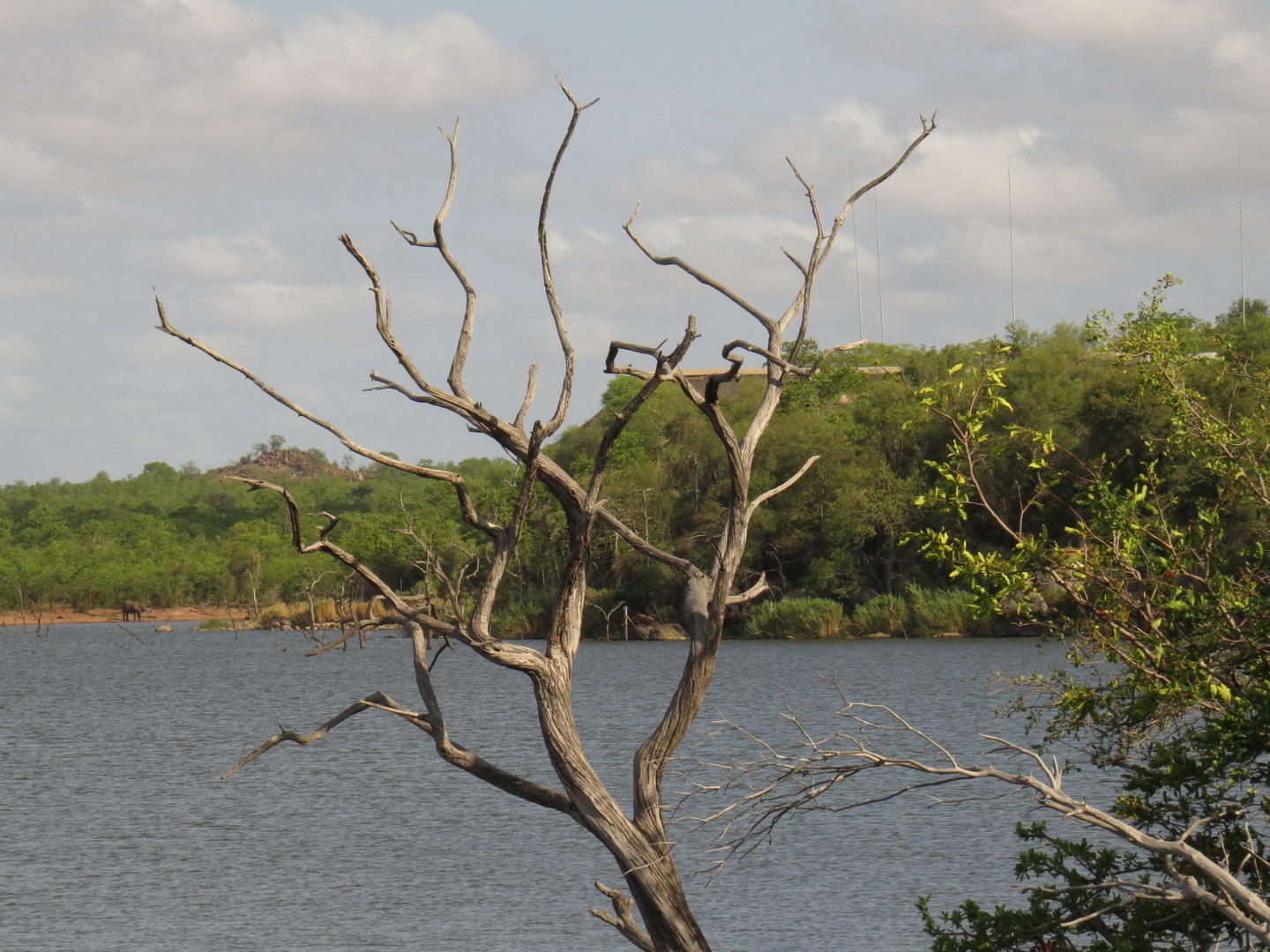
The birds were on the other side and required the scope to identify them. On this side there was one camouflaged to the shoreline.

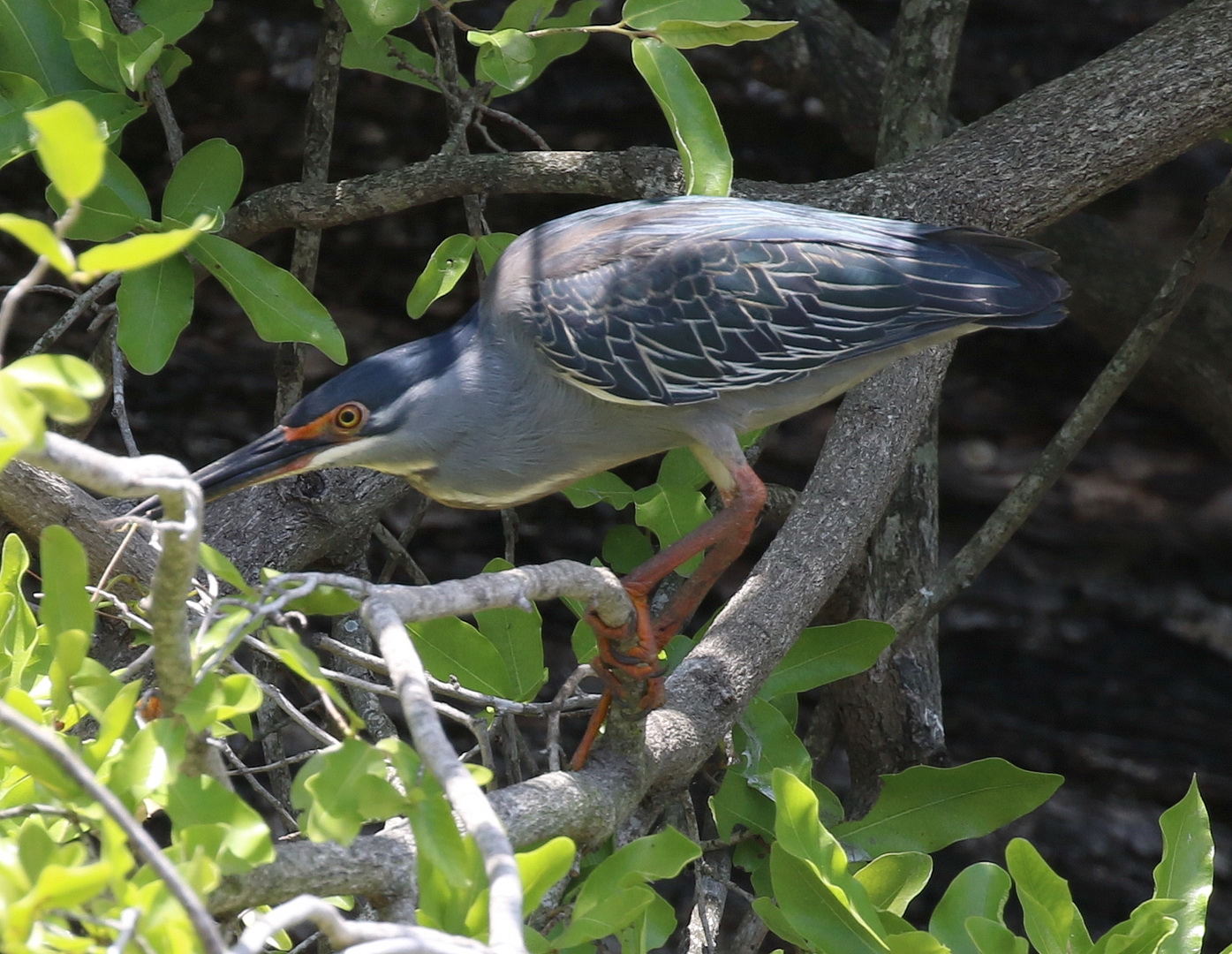
Green-backed Heron

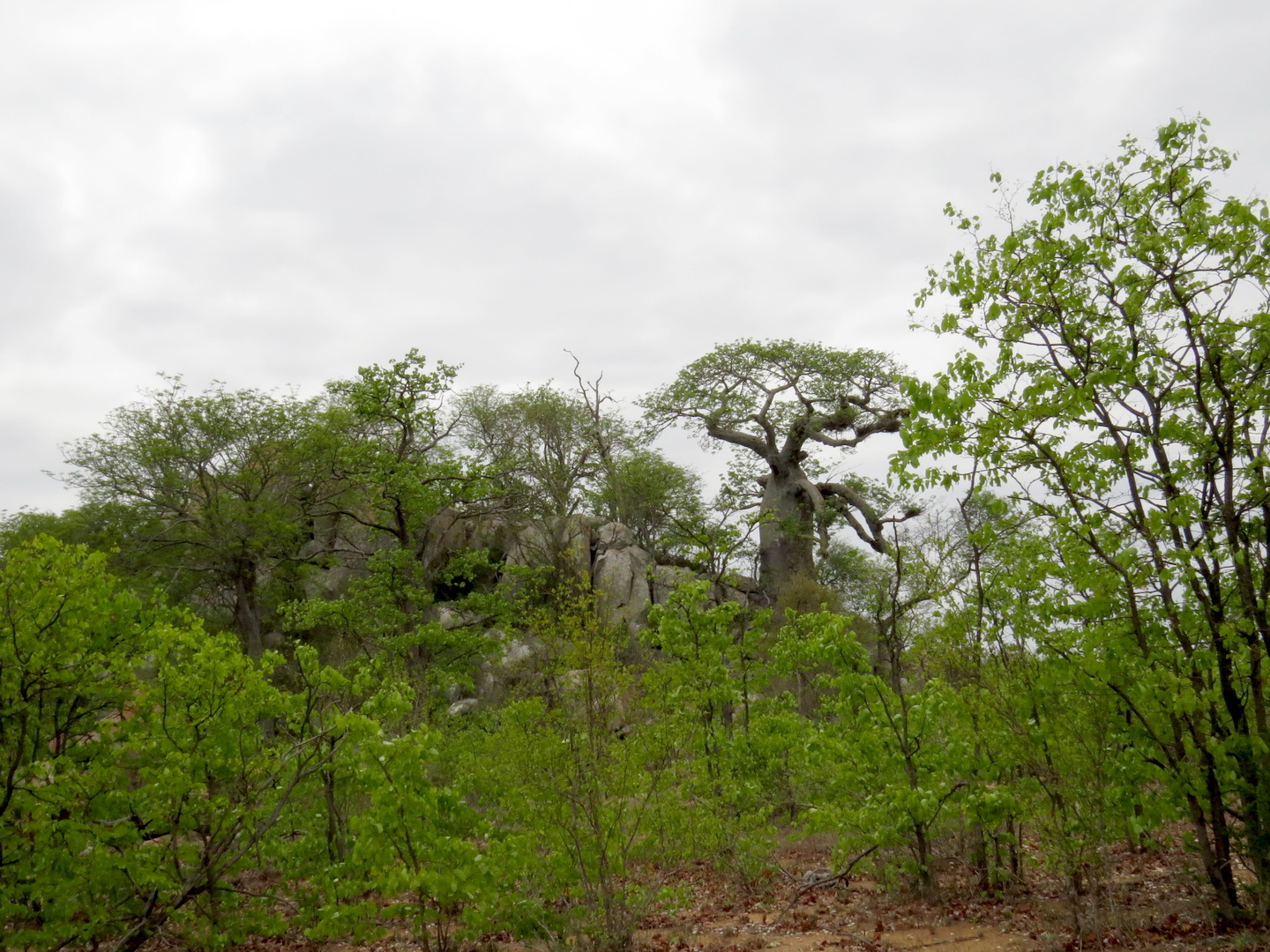
Next we headed down the S146 to Jopubert’s Grave. At first this seemed a lost cause at that time of day. Half way there we came across a tall koppie of rock with a rather interesting and large Baobab half way down it – facing us as we came along.

From a distance it looked evil as though it wanted to capture us in its arms.

I am going to get you.

It was a very unusual looking tree. Some photos from different angles. Not so creepy.
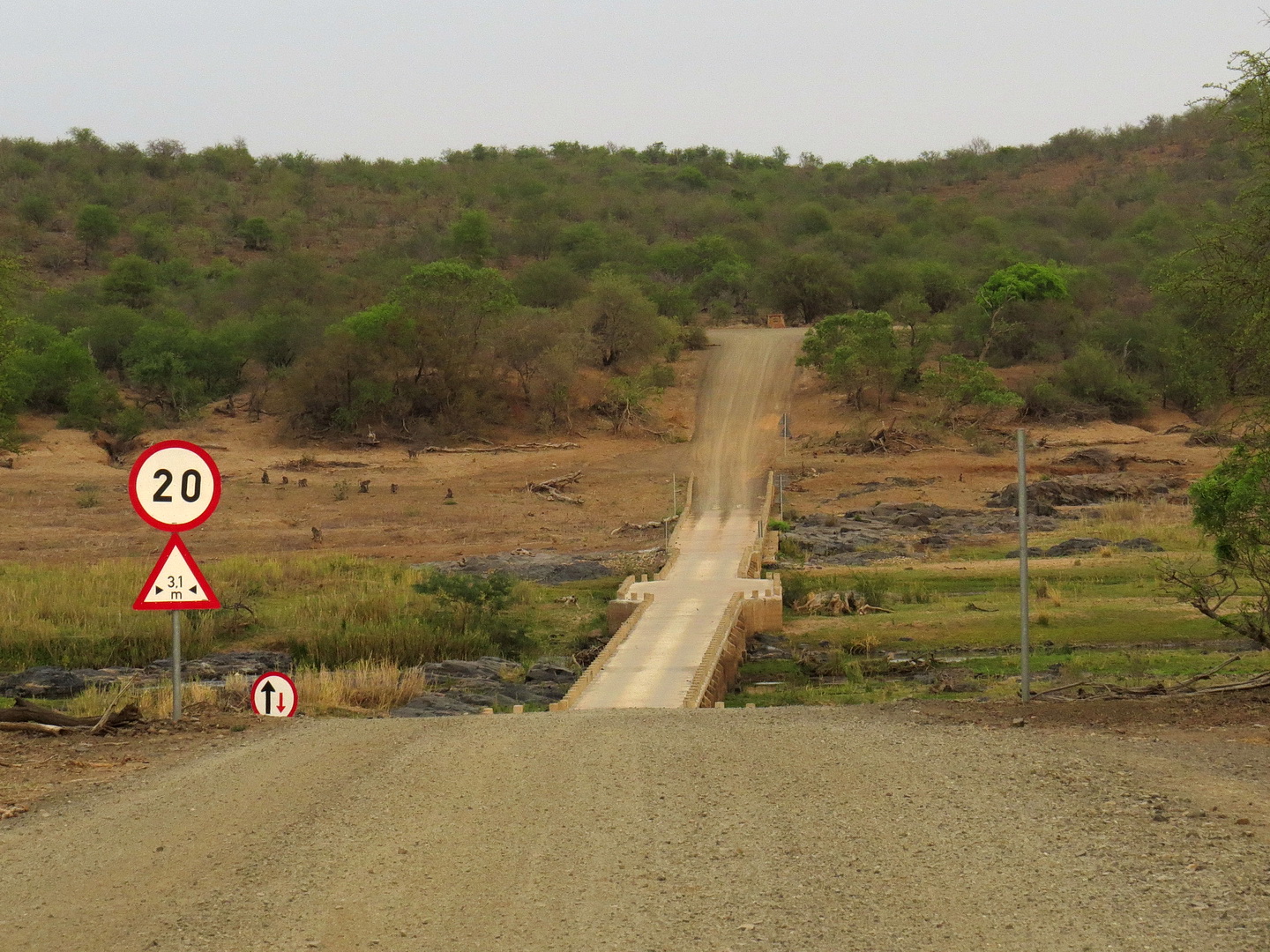
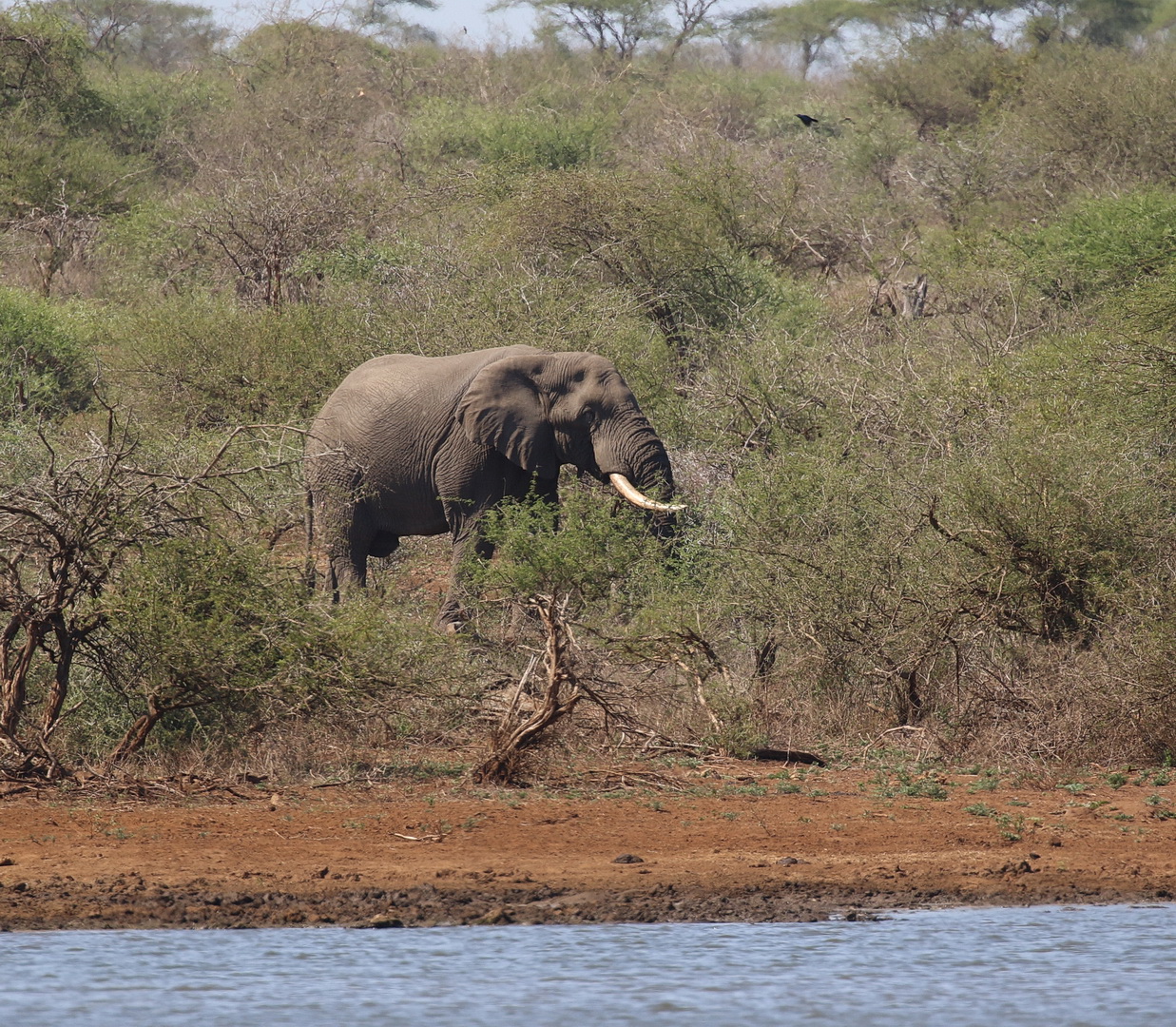
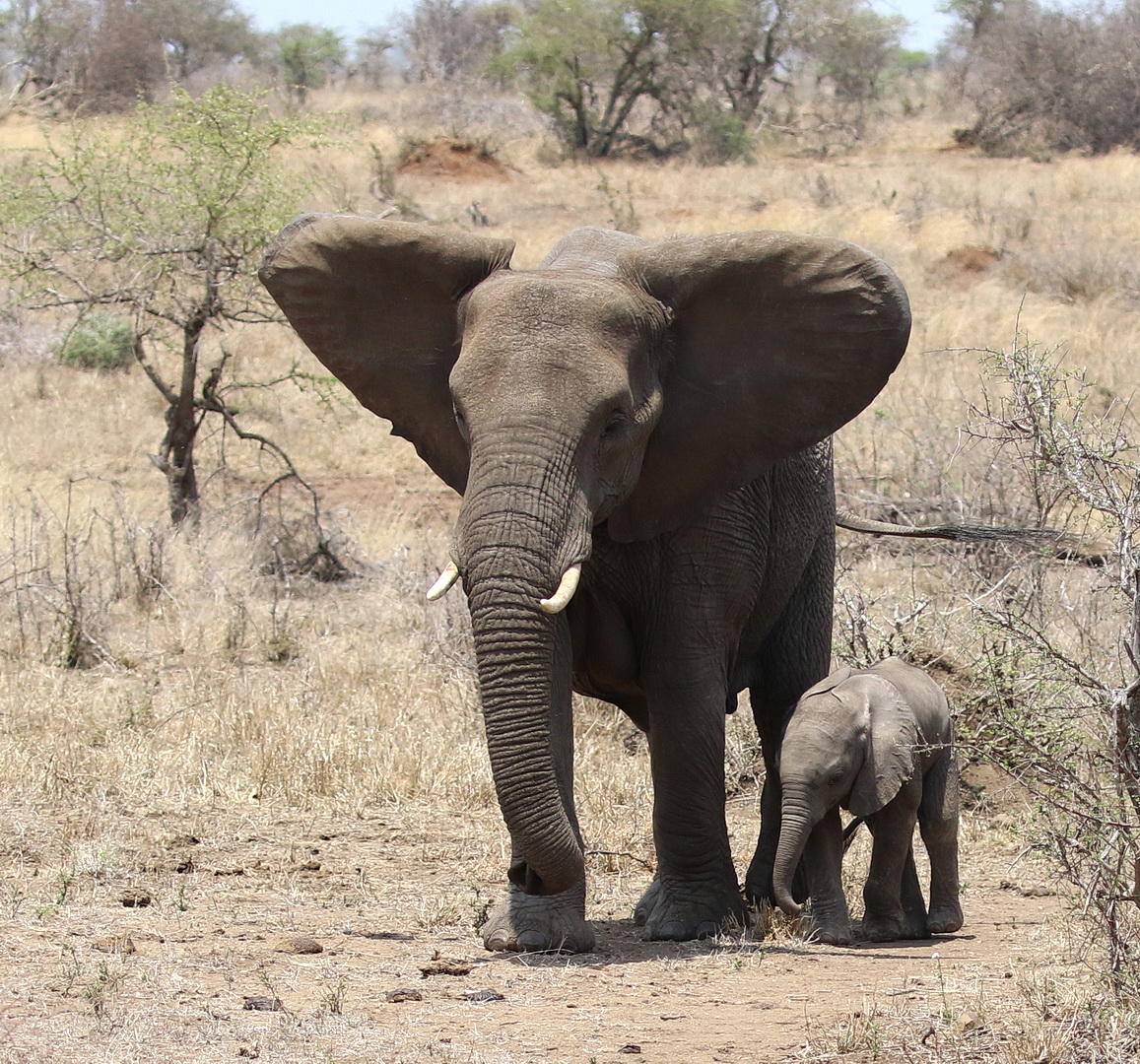
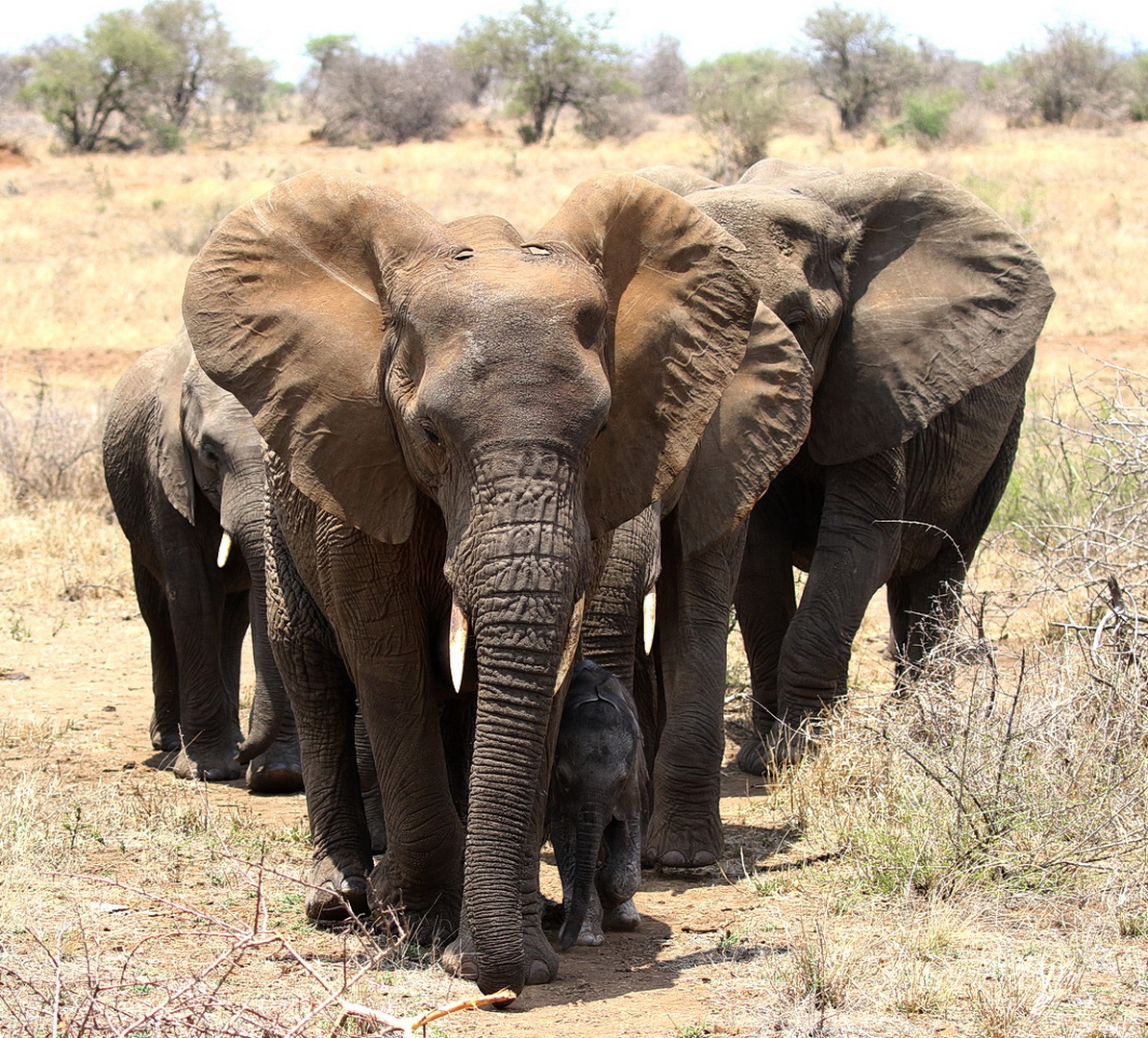
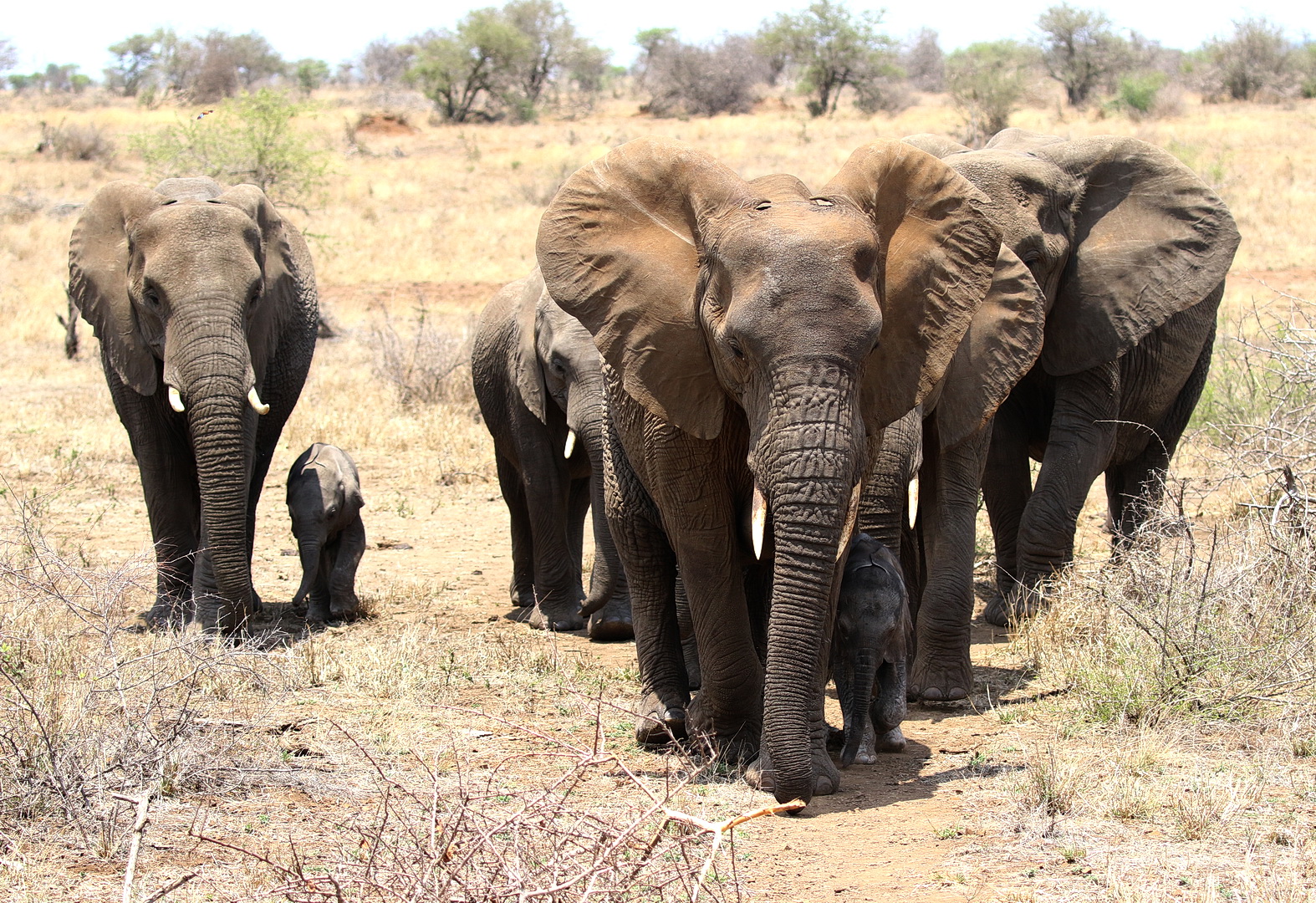
When we eventually got to the end of the road – having battled with a few elephant to get through we came to a river but no sign of a Grave. Now wondering if we weren’t a bit stupid trying to get passed the elephants which were on both sides of the road.

So to kill some time to give the elephants time to move on we took a side road to see where it went. Straight to Stapelkop Dam as it turns out. Very unexpected and a great surprise as it had a load of water in it and there was game and many waterbirds about. Also Vultures by the dozen on the dam wall – presumably coming for a dip. We stayed for over an hour with nobody else around.

Elephants at Stapelkop Dam

Mopani was always a camp we used to avoid as driving though mopani trees never seemed to be productive for wildlife. However after the first time we stayed at Tsendze our impression changed drastically and this has become a must whenever we come to the Kruger.

Here are some photos of other birds we saw in the area.

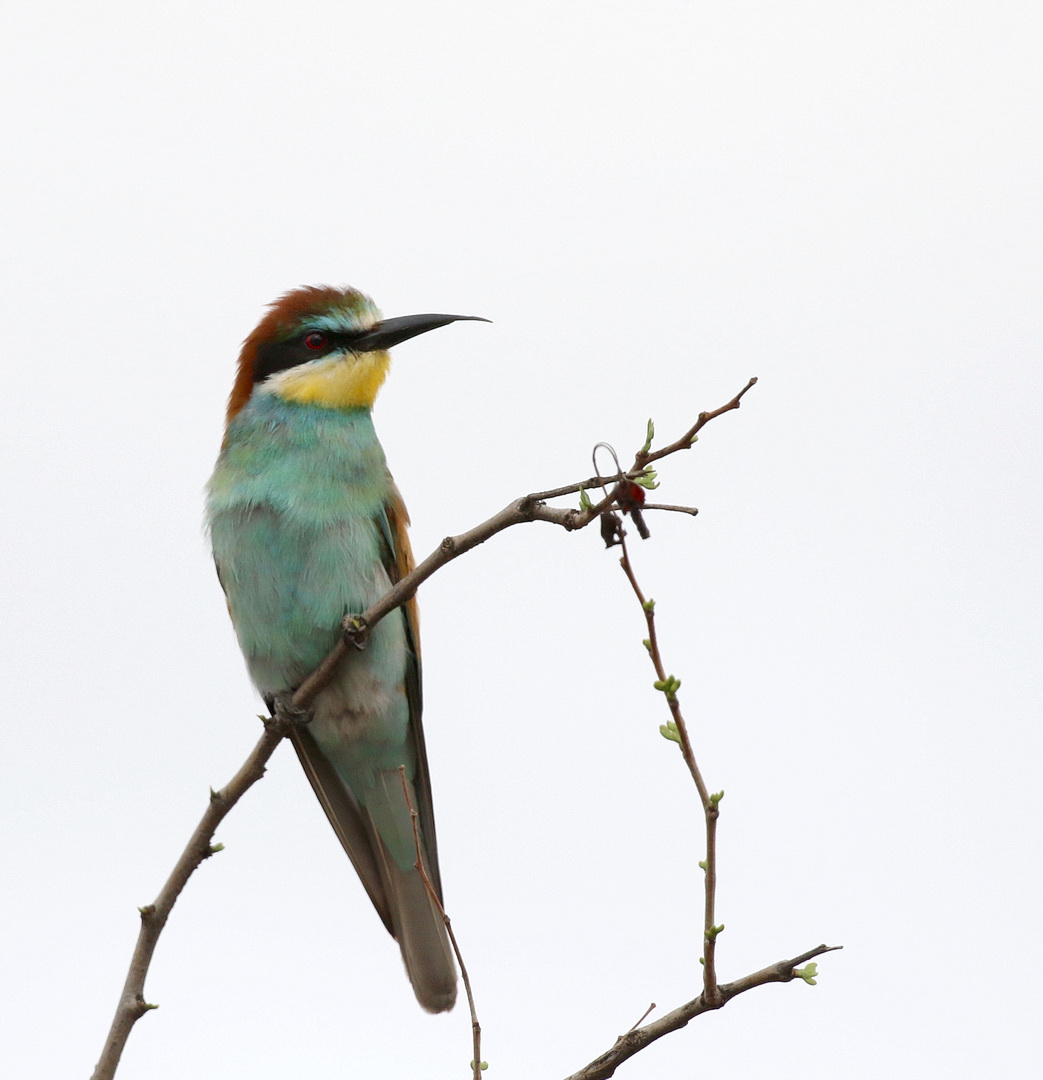
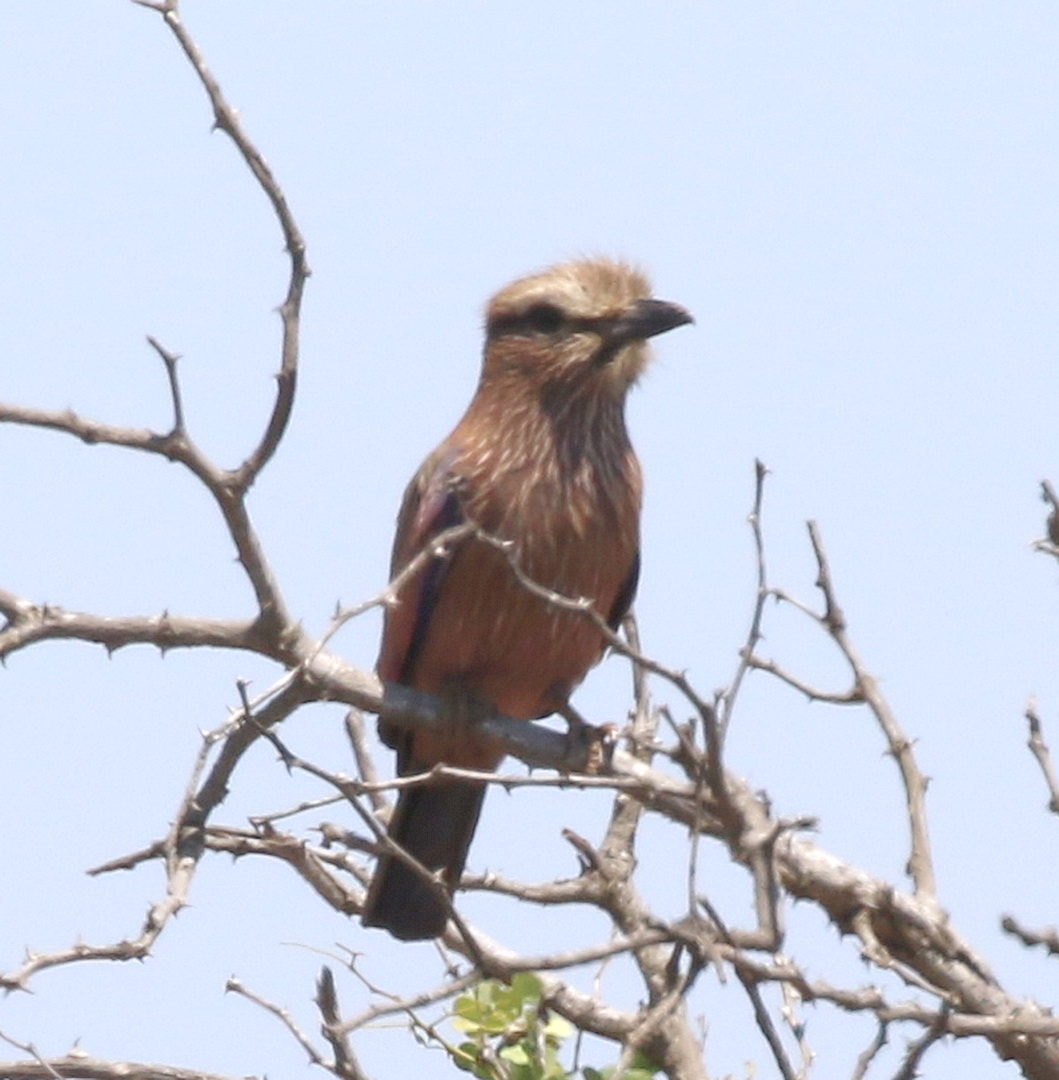
European Roller

In total we identified 140 different bird species. To see the list click here.

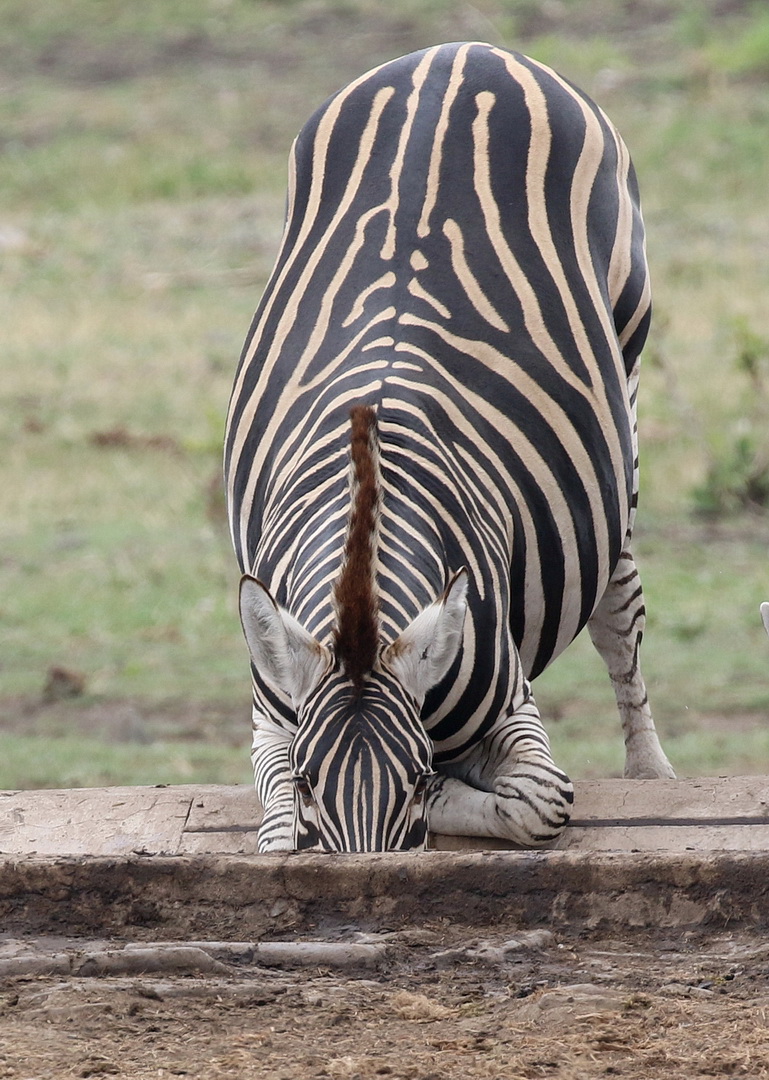
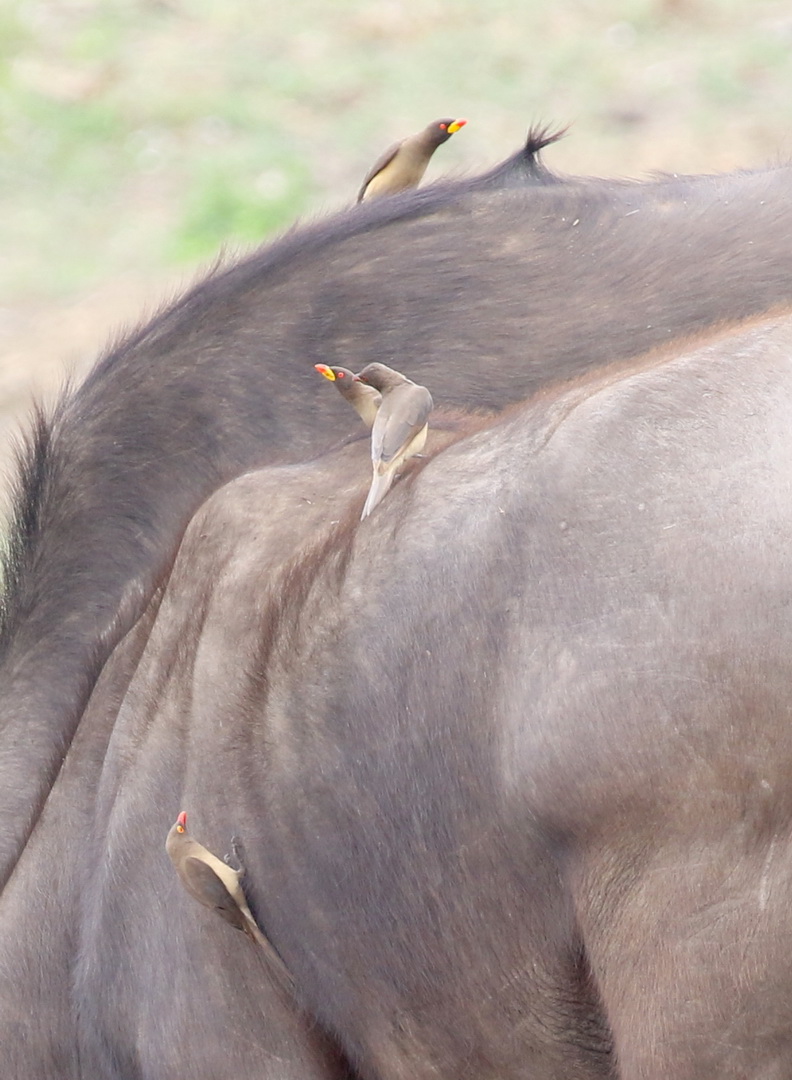
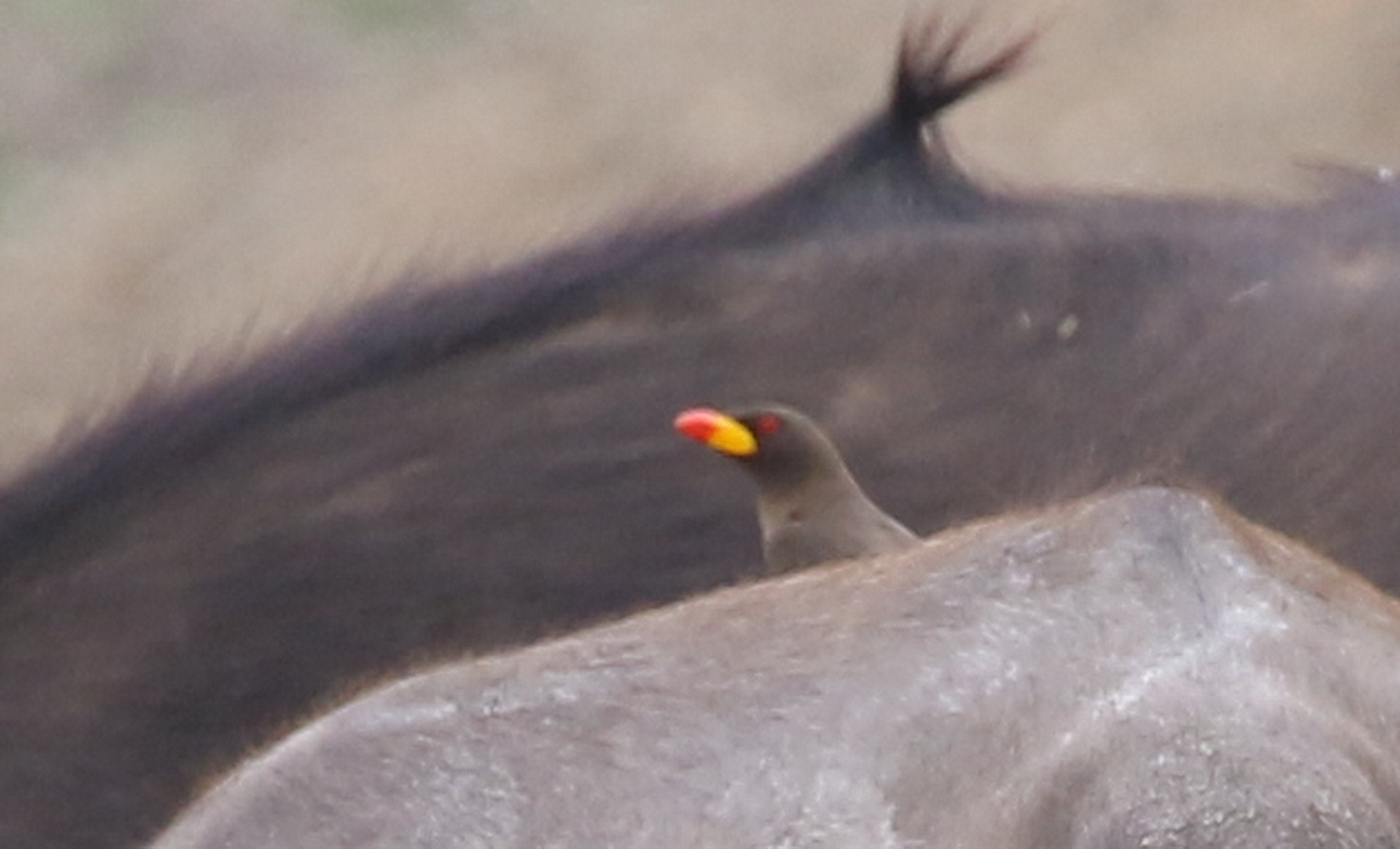
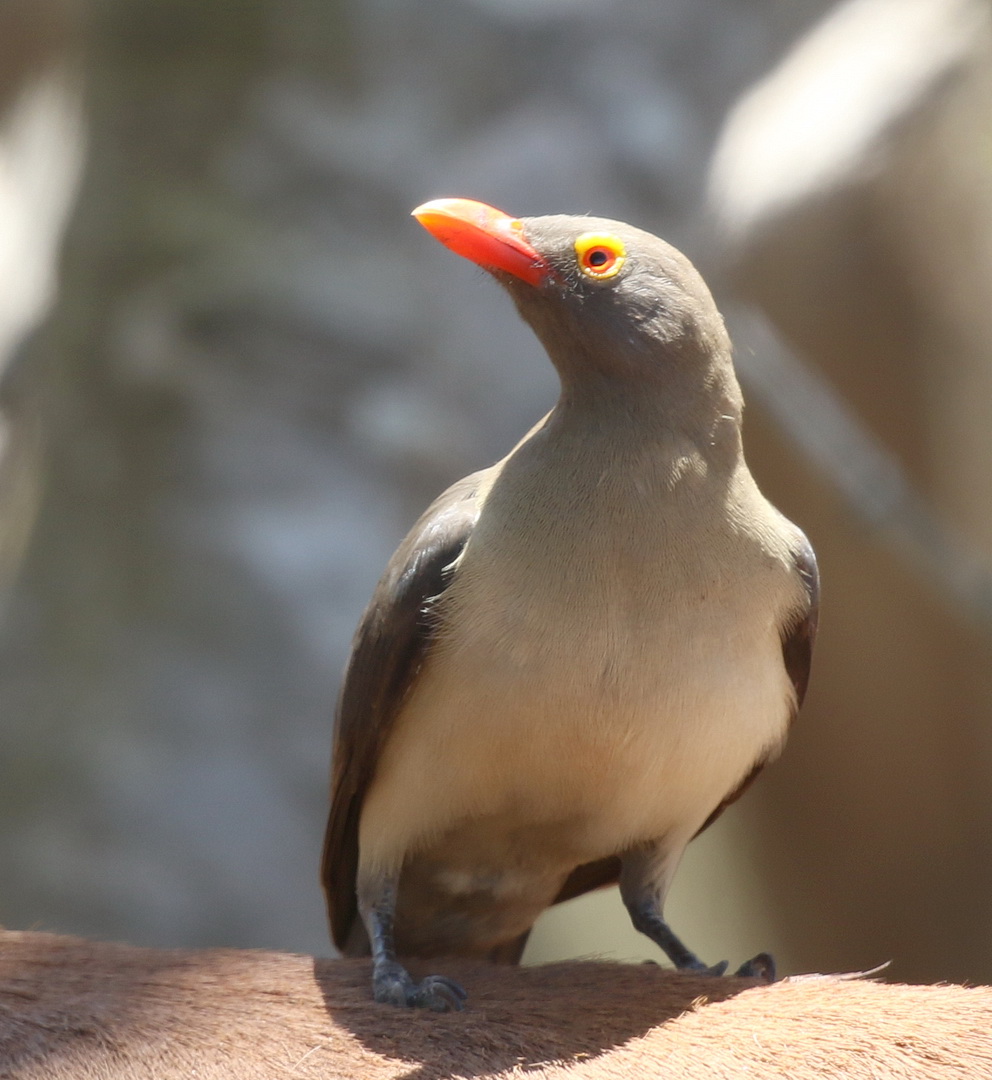
One of the least expected sightings was that of a Zebra with a Yellow-billed Oxpecker on its  back. The furthest south that we have seen a Yellow-billed Oxpecker in the Park.

Zebra and friend the Yellow-billed Oxpecker

Coming soon. Kruger Part 8 – Satara

Paul and Sally Bartho

Kruger Part 6 – Punda Maria

Kruger Part 6

Punda Maria

Report by Paul and Sally Bartho

23 to 28 November 2018

Campsite away from it all

We arrived at Punda Maria quite early. Two signs greeted us at the entrance. One read “Go to reception to check in before choosing your camping site” and the other “no caravans to be taken to reception”. We ignored the former and chose our site before checking in.

There is a large waterhole just the other side of the fence next to the Hide. Also there is an ablution block with only one loo for men right there. Now this is the choice for everybody it seems – one on top of the other. Well not for us – we found a hardly known spot well away from the others – peace and quiet and a decent sized ablution block unused by most people. A level site in the shade to boot. Rocky helped with the set up.

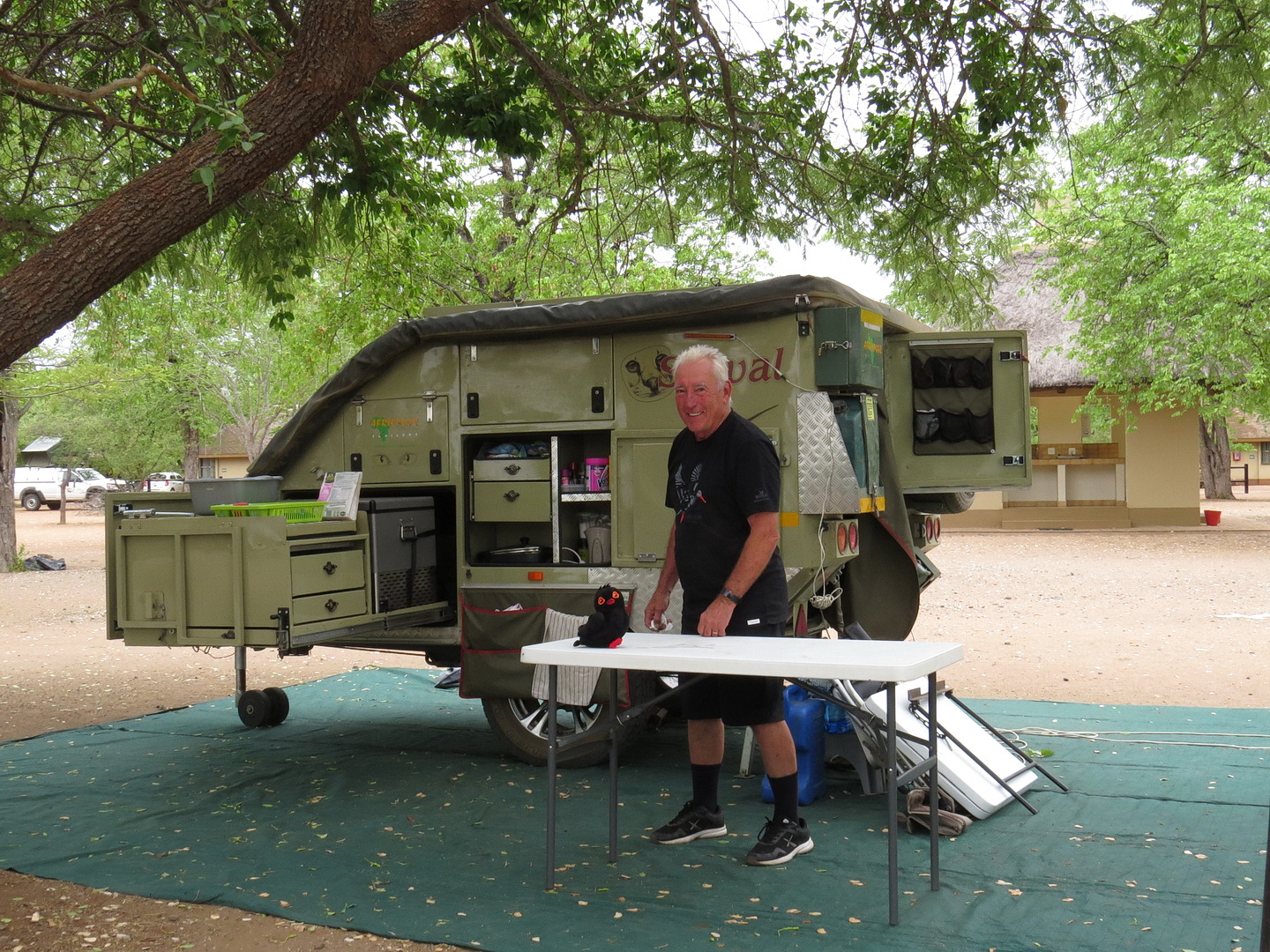
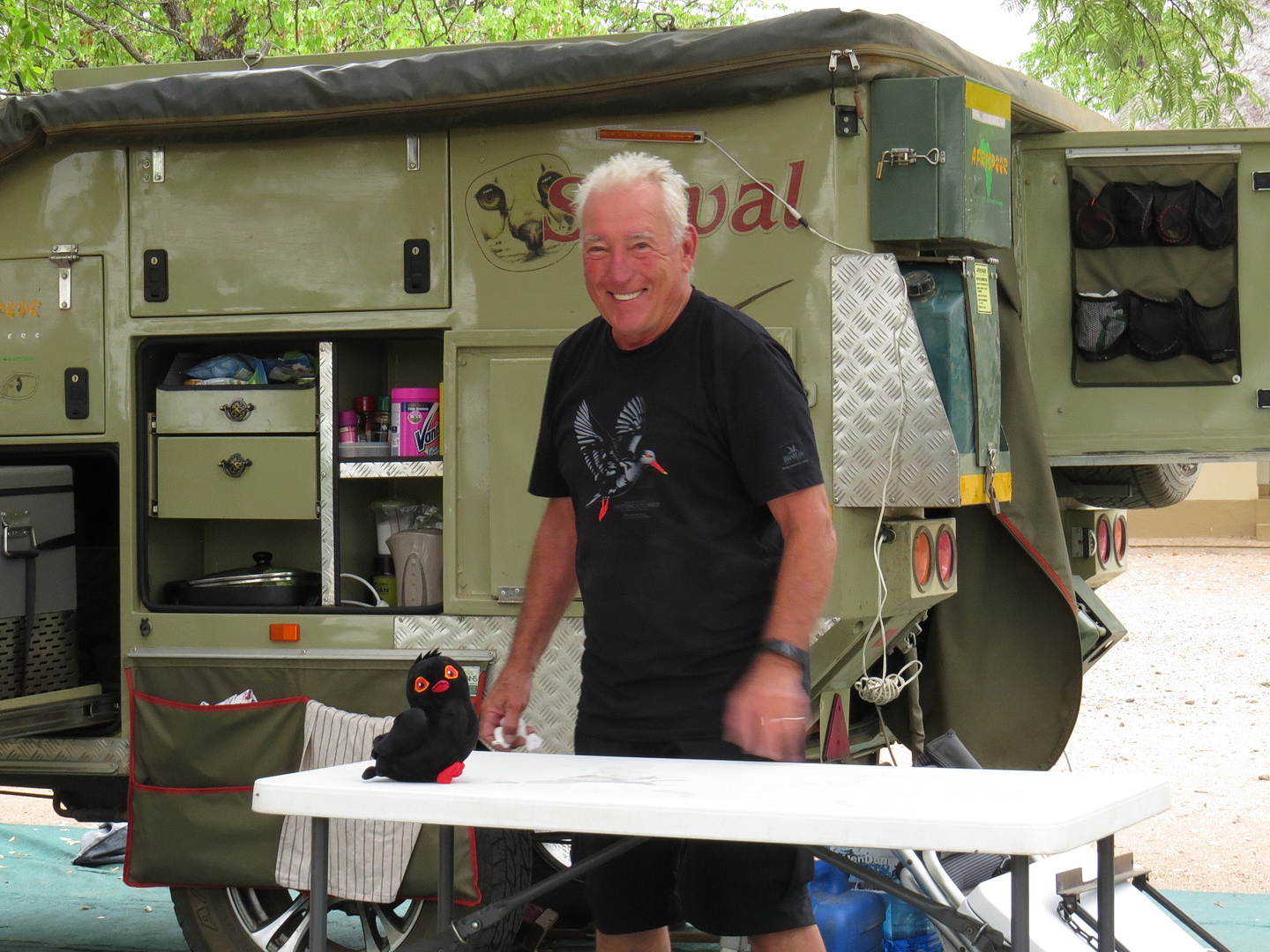
Rocky having fun with the Serval

Our normal routine was up at 04h00 and out of the camp before 05h00. We spent two long days in the Pafuri area and one early morning on the Mahonie loop round the camp. Another day was spent celebrated Sally’s birthday with a lie in till 06h00!! and then a relaxing time round the camp in the pool and with a short drive later in the afternoon.

Entertainment was never far away. And the elephants made sure of that. Every afternoon they arrived at the waterhole and what followed was much hooha. Elephants barging each other to get to the freshest water, male dominance displays especially when the hundreds of Buffalo came for a drink. Tussles between two males frequently and much bellowing – sometimes all night long. When we arrived the water level seemed reasonably high, on leaving it was almost bare.

Buffalo and Yellow-billed Oxpecker

Then there were the Cicadas. On previous visits they were most noisy along the road to the Klopperfontein Dam – sometimes deafeningly so. And it was unusual in the camp. This time they did a Mexican wave of sound in the camp. You could hear it coming and going from one end to the other. Fortunately it was not deafeningly loud but it did interupt conversations.

The Pafuri area next to the Livuvhu River is the place to visit for all birders. Unfortunately it is a one and a half hour drive to get there – very necessary therefore to get going as the gates open. Most birding is done between the bridge and Crooks Corner and sometimes a drive on the Nyala road. Probably the most productive place is the Pafuri Picnic Site.

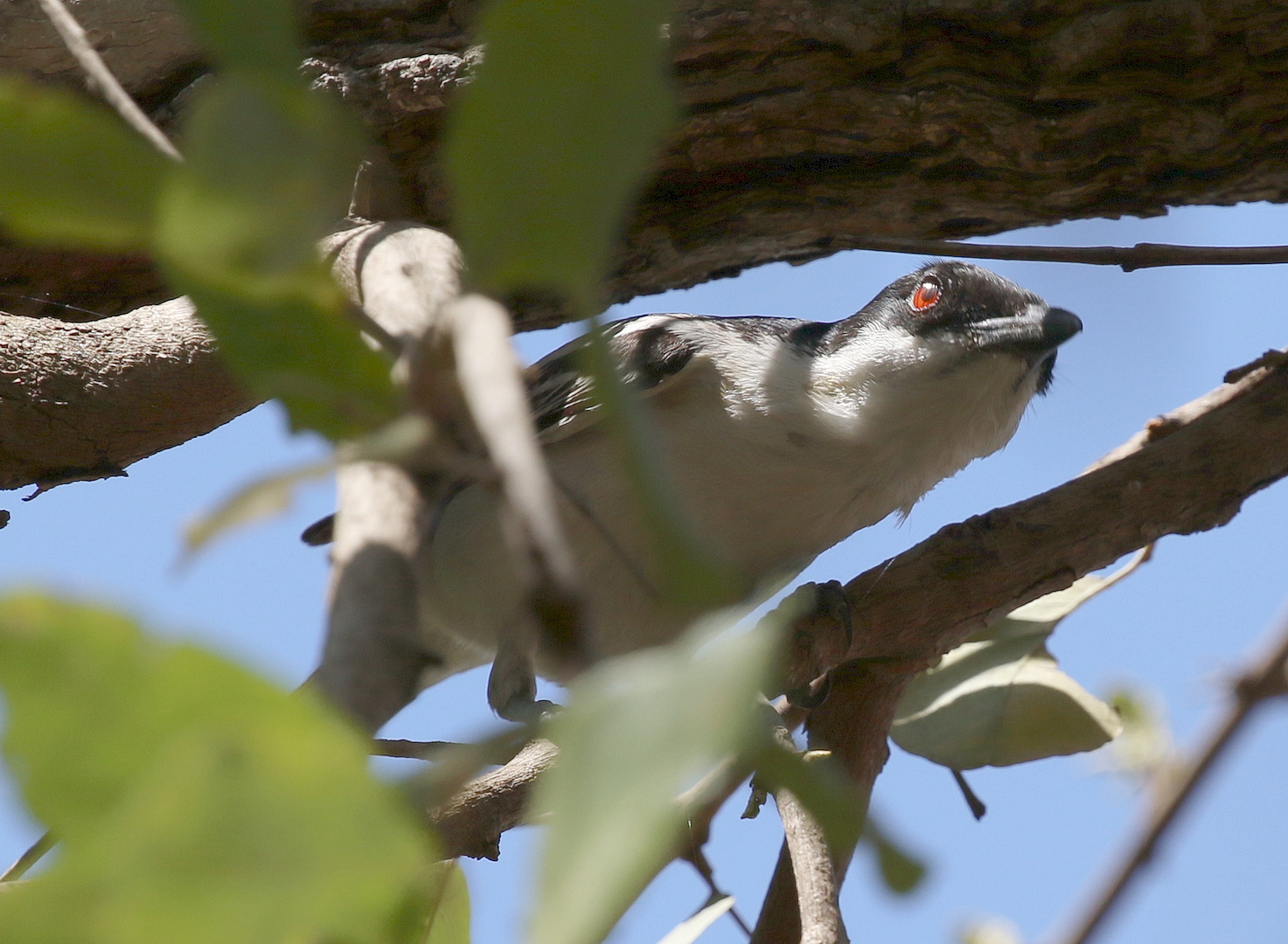
Here we saw many of the species that we were hoping to see again along with some unexpected birds like the Black-throated Wattle-eye, Black Cuckoo and a close up view of an African Hawk-Eagle.

African Hawk-Eagle
Crooks Corner

Most notable was the abundance of Yellow-billed Oxpeckers. They were once a dream to see, now the tables have turned and you hardly see any Red-billed Oxpeckers on Buffalo and Giraffe. The Red-billed are now on the smaller game – Impala and Warthogs.

Warthog and Red-billed Oxpecker

We toyed with the idea of going on a sunset drive to see the Pennant-winged Nightjar but in the end we did not go. It is still being seen on those sunset drives. Fortunately for us we had seen them the last time we visited. I guess our decision was based on the fact that we had seen them before and we did not fancy spending three hours on a game vehicle. Here is a shot of one from the past:

Mystical Pennant-winged Nightjar – Punda Maria

The camp was relatively quiet except for those surrounding the hide on the fenceline. It still has the old-fashioned feel. We intended to catch up on our laundry as we were there for five nights. Not to be – the washing machine broke down in 2011 and now has disappeared as they could not fix it. About time they replaced it.

The restaurant still operates but the fancy food is highly priced and of questionable taste. I did let their management know in polite terms of course.

Everywhere was dry and dusty yet we had good sightings of many species – the most productive of the camps at 151 different bird species. Our bird list for Punda Maria can be seen by clicking here.

These pictures show the extent of the dryness and some of the scenery.

Baobab Flower despite the dryness

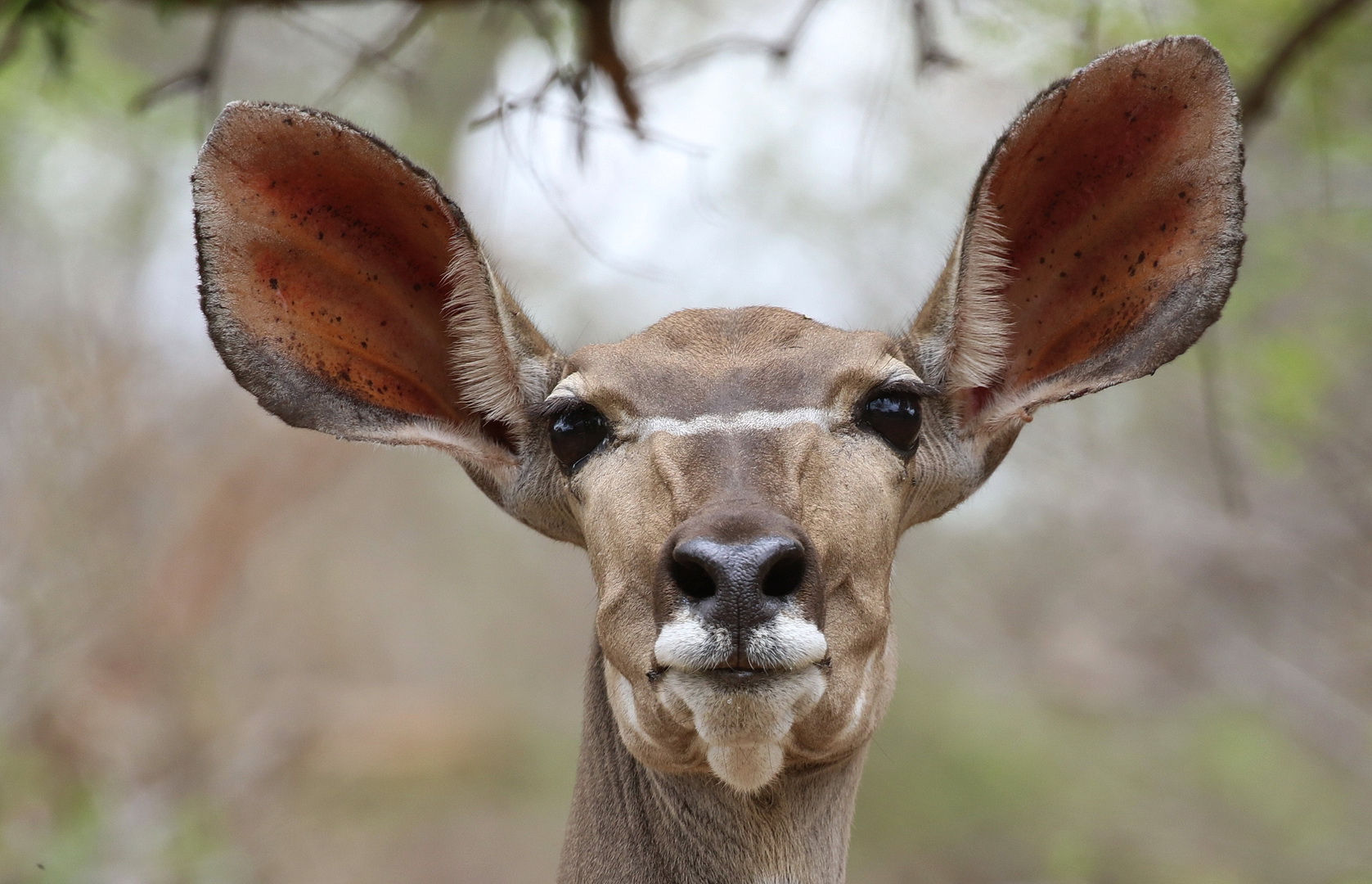
Animals too entertained us. Numerous elephants and Buffalos everywhere. No Rhino nor cats to be seen. A collared Kudu female was spotted on the Nyala Road in Pafuri – not seen one collared before.

The odd Leguaan also made an appearance;

Leguaan

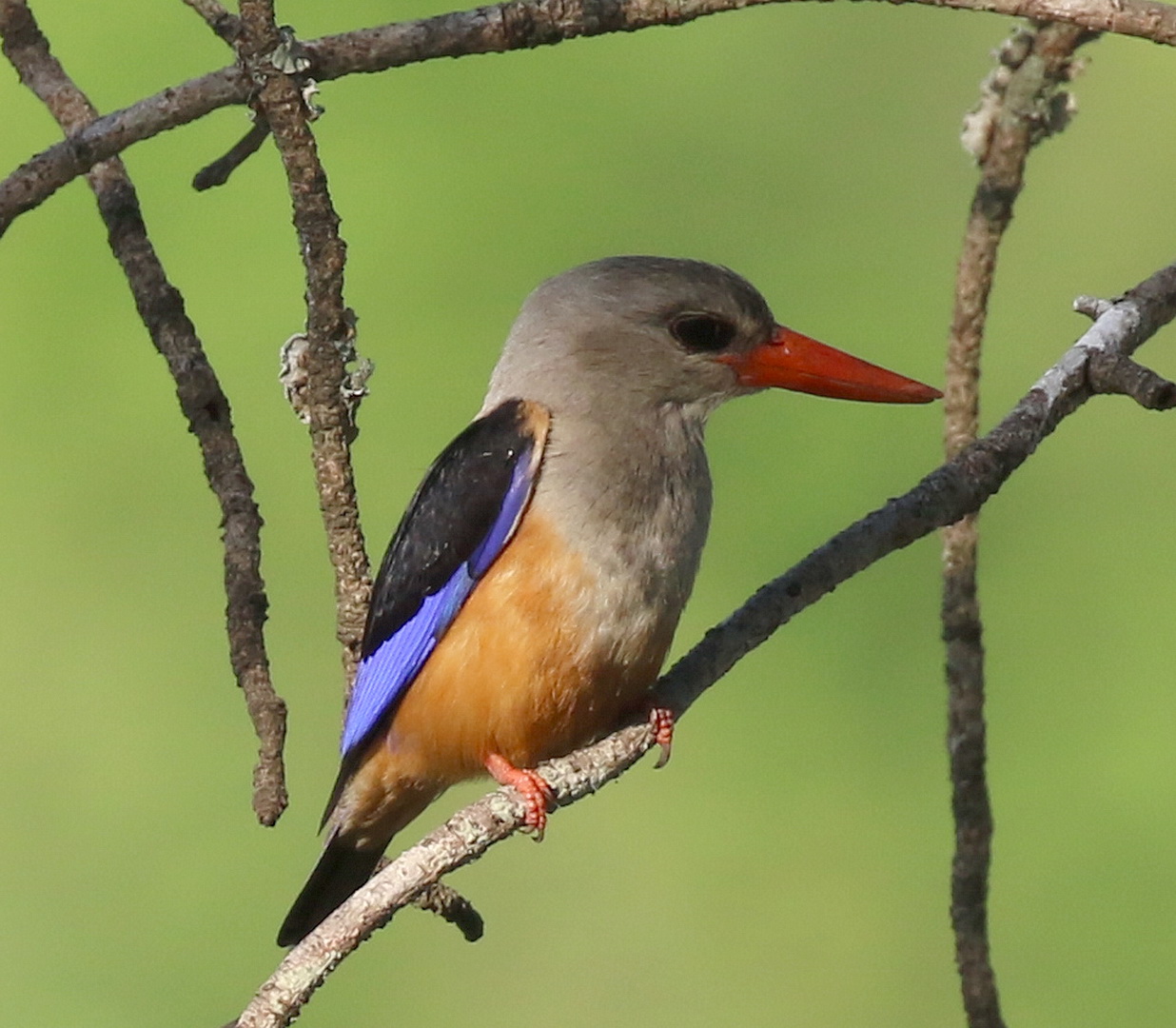
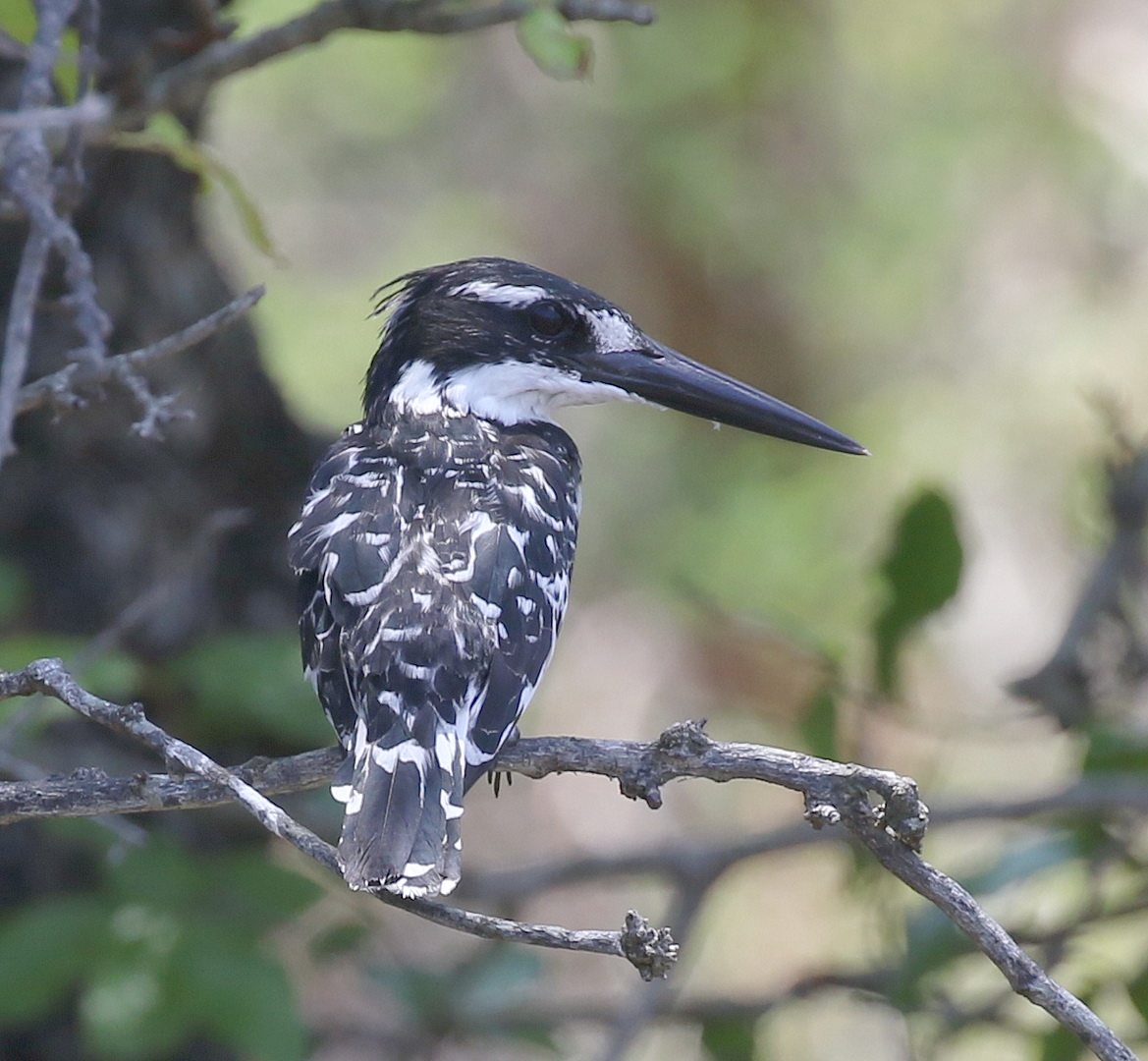
Of the 10 South African Kingfishers, we saw seven and heard one other – the Striped Kingfisher. We had heard the Woodland Kingfisher from time to time on the way up to Punda and around Punda but it was only on our last day there (28 November) that we had our first viewing. Subsequent to that they were everywhere on our trip back down through the park.

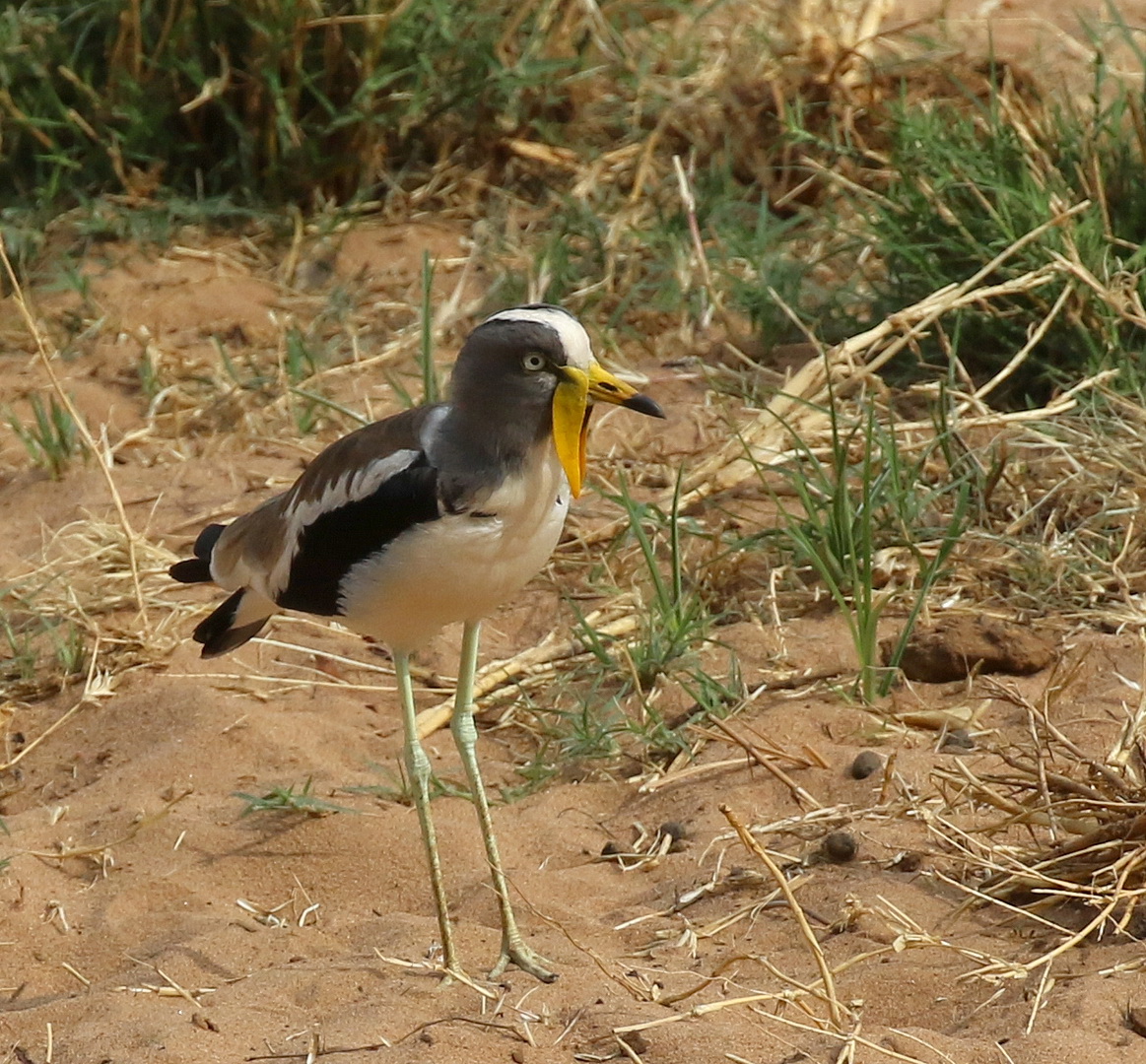
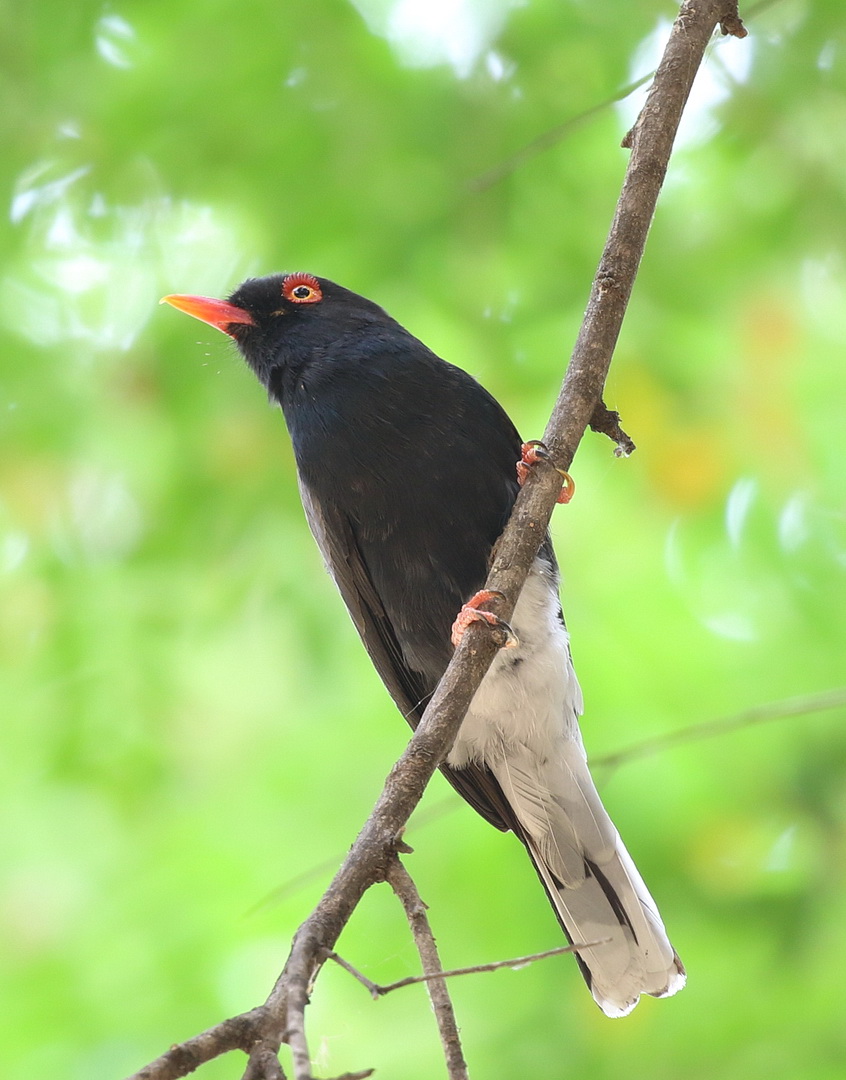
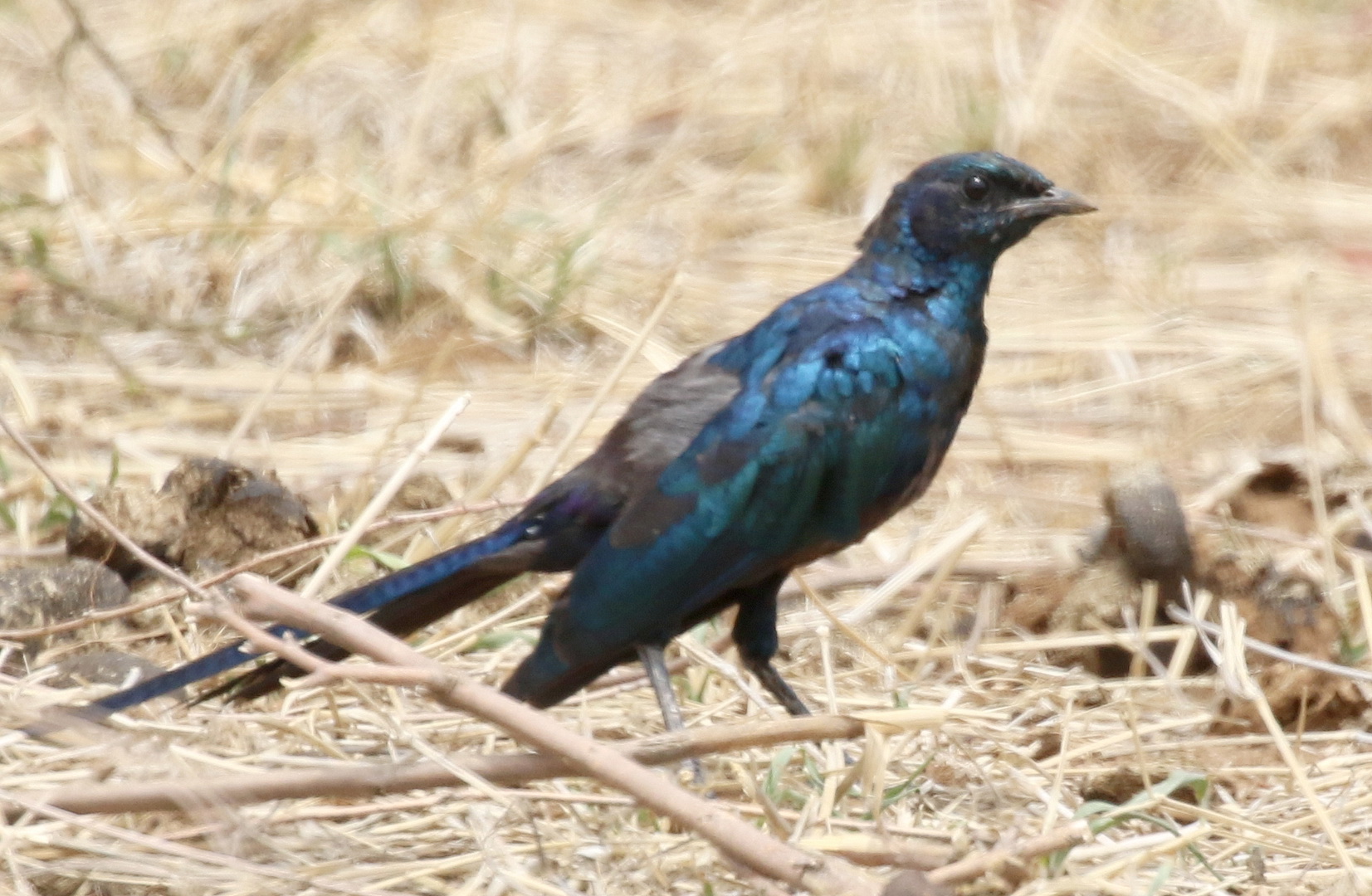
We saw some of the specials seen mainly in that area, White-crowned Lapwing, Meve’s Starling and Tropical Boubou. No sign of any Spinetails and the more unlikely Senegal Coucal or Racket-tailed Roller.

Some of the other species photographed include:

Despite the heat and the dryness we enjoyed being back in Punda Maria.

Our next camp – Taendze for three nights. See Kruger Part 7 – Tsendze comming soon.

Paul and Sally Bartho

Grey-headed Kingfisher


Kruger Part 5 Shingwedzi

Kruger Part 5

Shingwedzi

Report by Paul and Sally Bartho

21 to 23 November 2018

Shingwedzi Campsite – empty

We only planned to have one full day here – and it was enough. Temperatures had climbed reaching over 420 C at times. Thankfully there was a swimming pool to cool us down each afternoon.

On the way to Shingwedzi from Balule we stopped at Letaba for breakfast – hoping to see the mad woodpecker again – not this time.

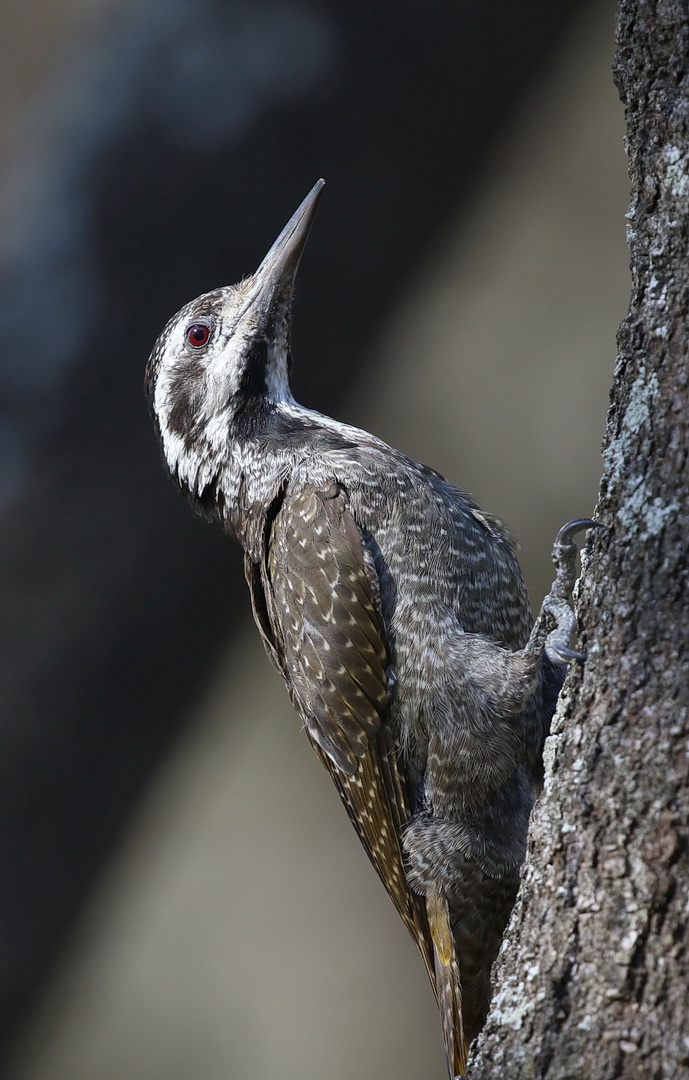
Bearded Woodpecker sorry wrong tree

We had tea and some birding at Mooiplaas picnic site. A must as it is an interesting birding site with tall trees by the river and next to the wild rustic Tsendze campsite.

At the Tropic of Capricorn both Splat and Rocky took a starring role.

Splat and Rocky enjoying being in the Tropics

Tsessebe appeared out of nowhere and Zebra and Buffalo gave us a crossed legged display of how to get down to the water at one of the waterholes.

Tsessebe

We eventually arrived at midday at the camp.

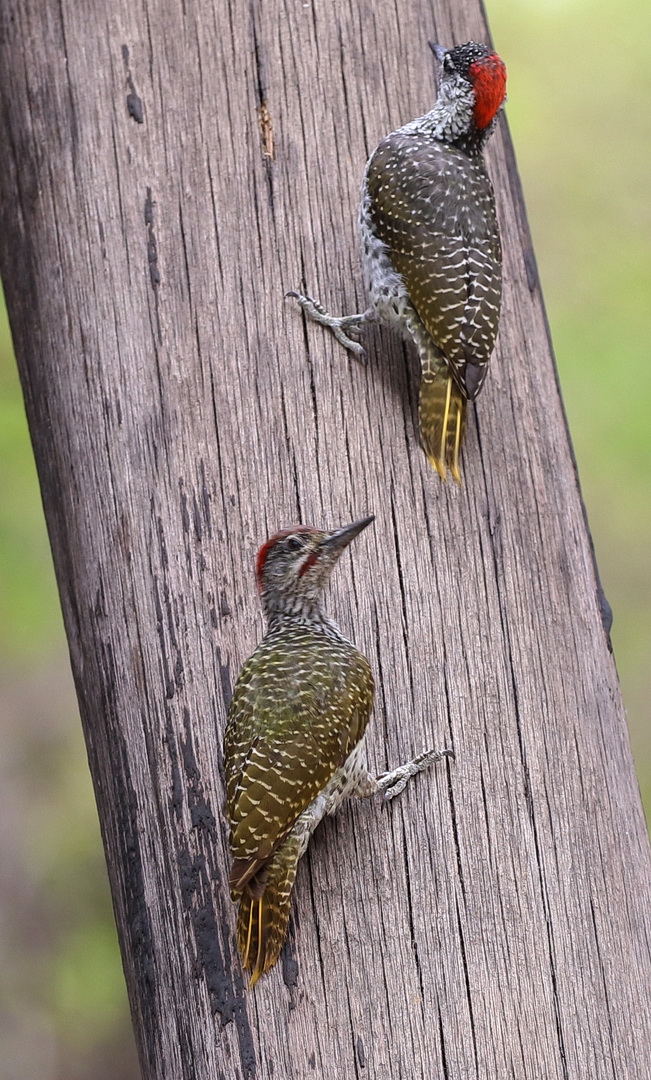
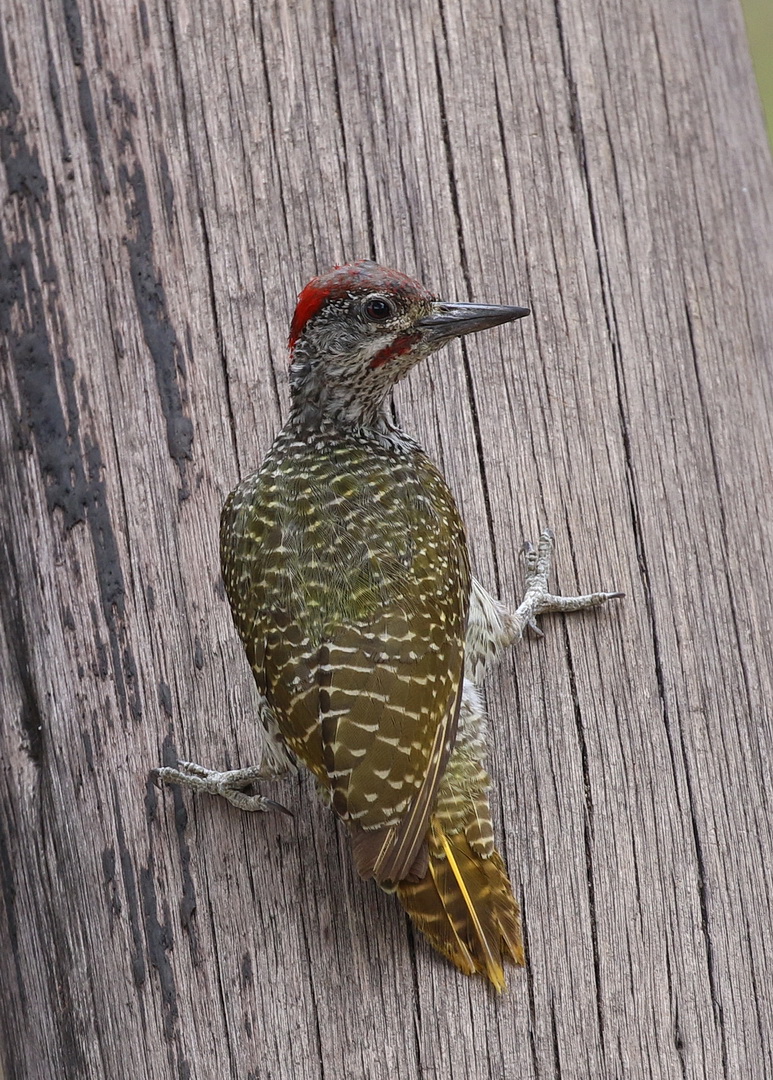
The tree beside our chosen site was visited by three different types of Woodpecker as we set up in the deserted camp.

Our time at Shingwedzi was spent dawdling down to the hide and Kanniedood Dam as well as taking the loop road to Bateleur Bushcamp and back along the Redrocks Road.

It is a good time of the year to visit this far north because few people venture even as far north as Letaba.

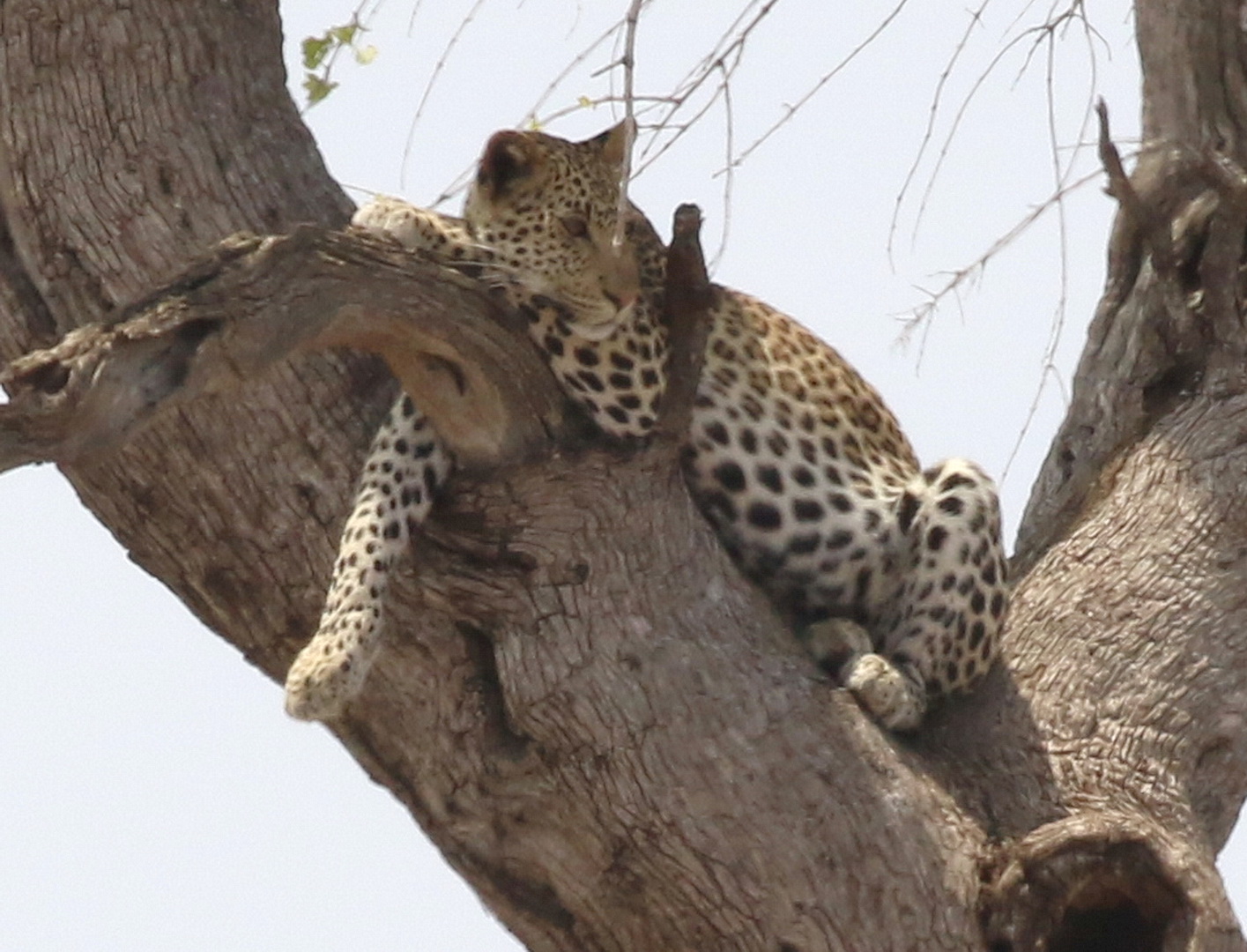
The hide was not worth the visit as there was no water in sight. However on the last loop road before the hide Sally spotted movement – a skulking Leopard below us alongside the river bed.

Leopard

Everything was quiet further down towards the Kanniedood dam. Lack of water and damn hot.

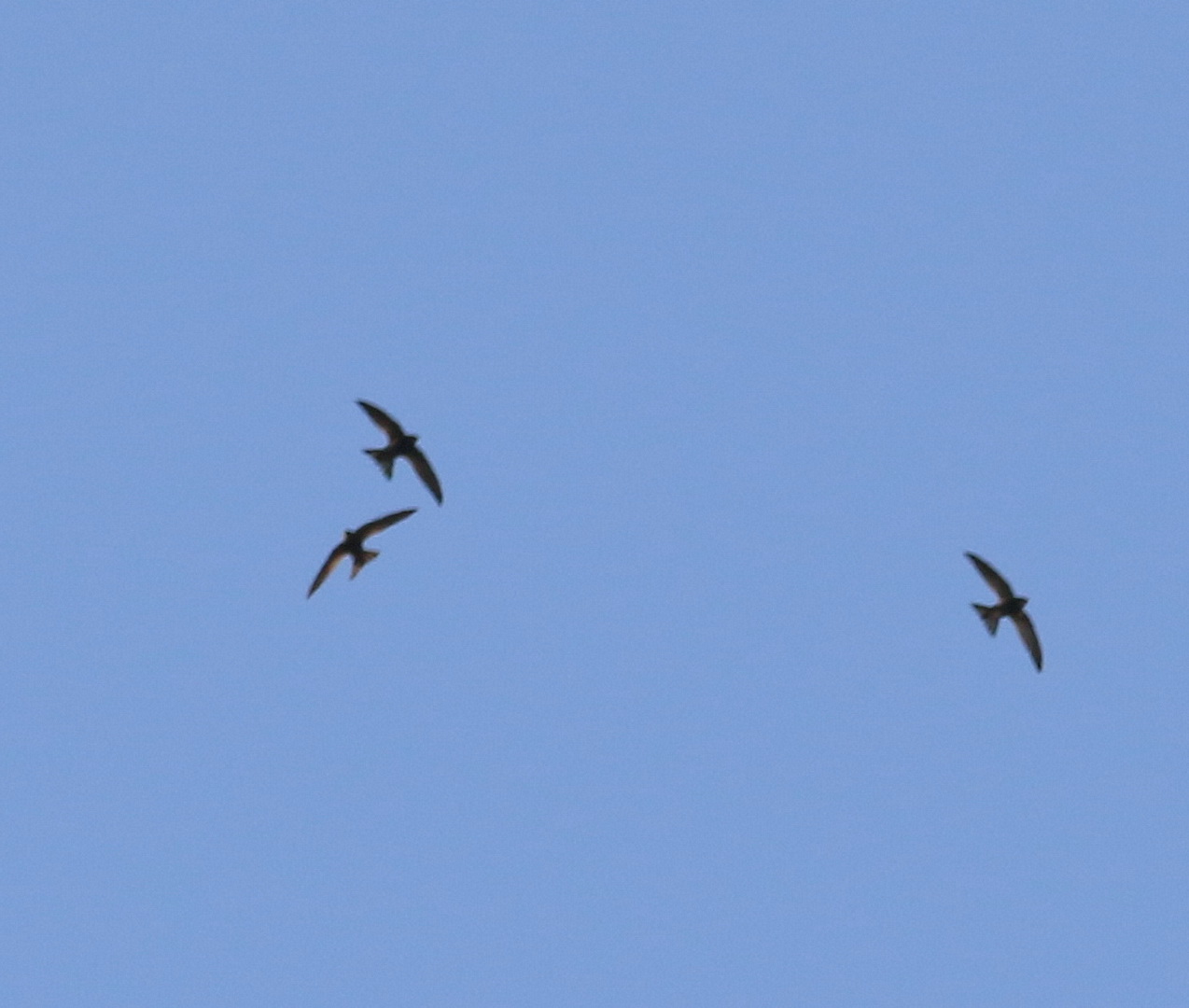
That first evening we noticed three Little Swifts flying madly around inside the nearest kitchenette building to us. They were flying up and down, round and round and bashing into the wall. Eventually one fell to ground. I picked it up and released it outside but it went straight back in and it was soon on the floor again. This time we took it to our campsite and put it in a cool bag to settle down – planning to release it in daylight. Back at the kitchinette another Little Swift collapsed. Again I took it back to our site and Sally suggested releasing it away from the light. We did and it flew off into the night so we released the other as well. Peace and calm in the kitchenette and two happy birds we hope.

What was interesting was not only the very soft feel of the birds but also it gave us an opportunity to see their real size with wings extended.

On our one full day there, we headed down the road to the Bateleur Bushcamp. Very quiet most of the way. Anthills had silly expressions – as this one pointing us skyward.

Pointed Anthill

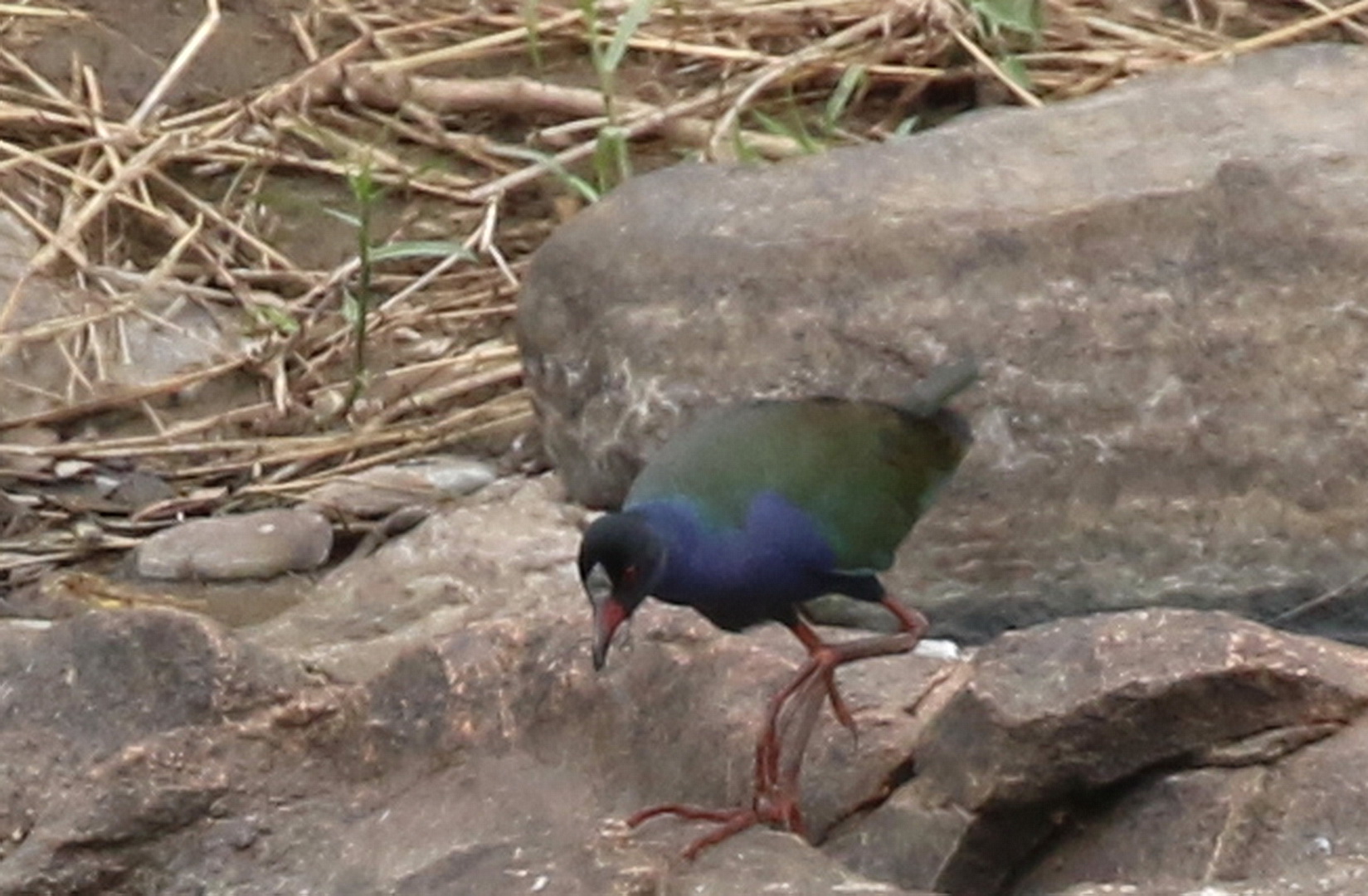
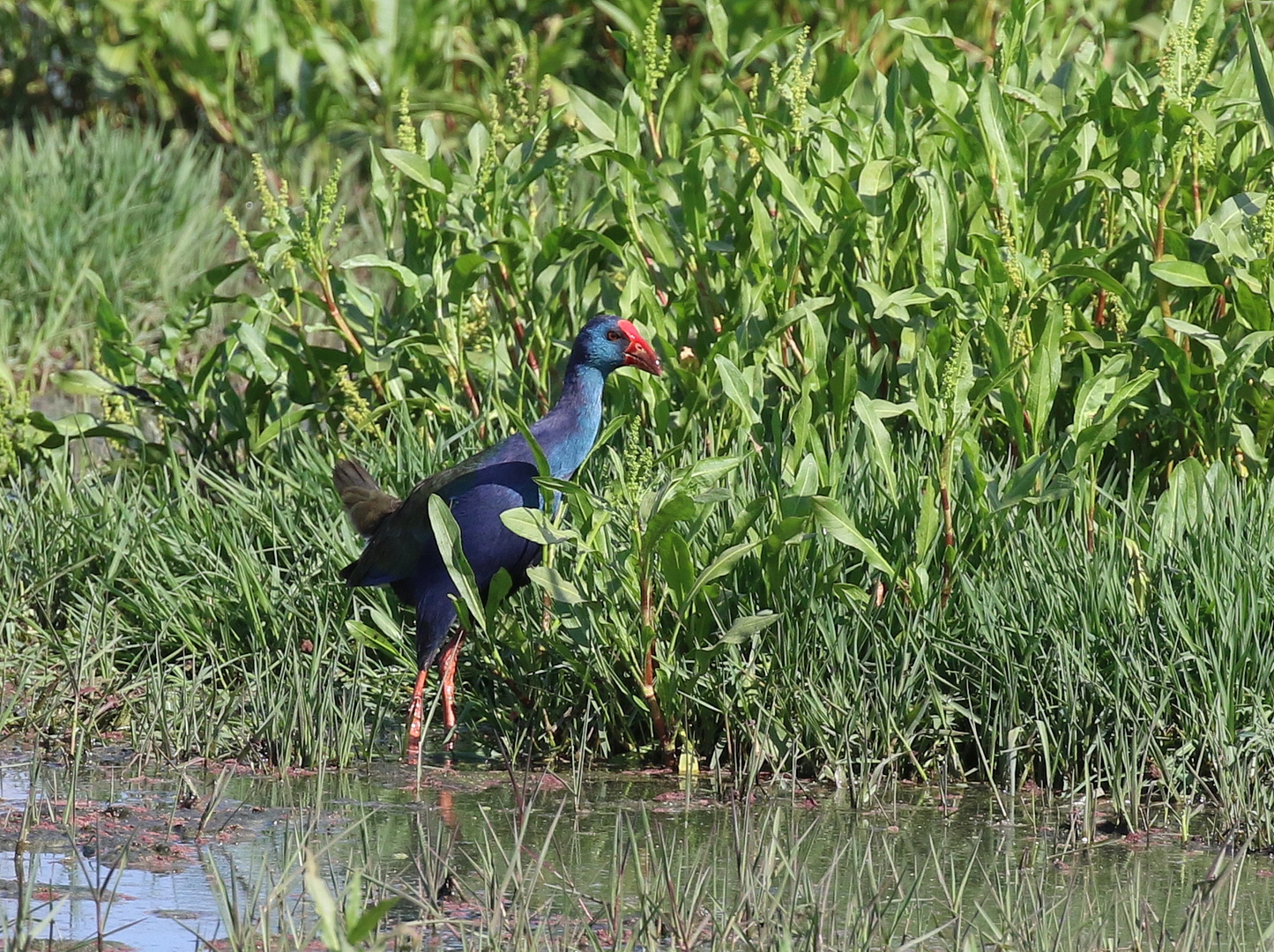
But we did have a couple of great sightings. The most exciting and least expected was that of a Allen’s Gallinule. It was on its own in a small stretch of water in the river.

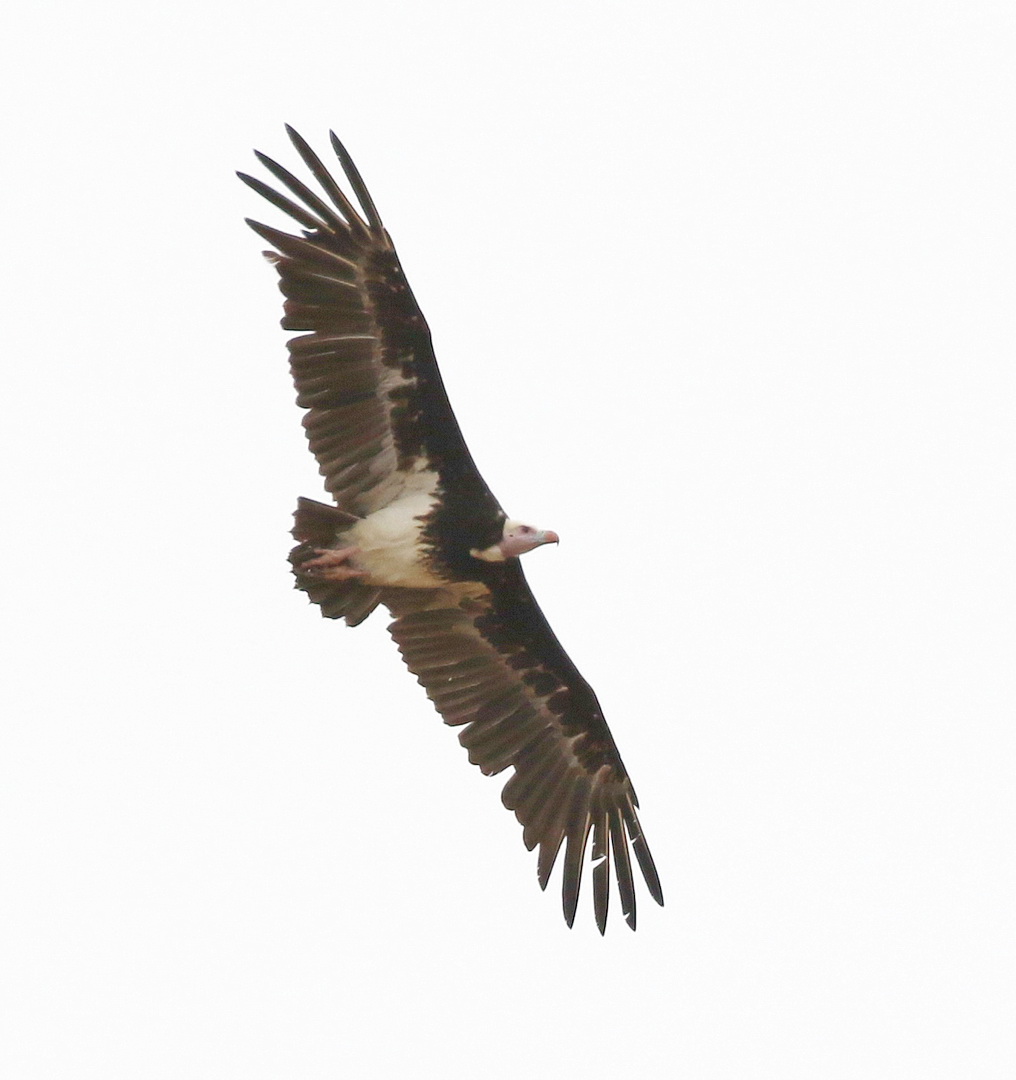
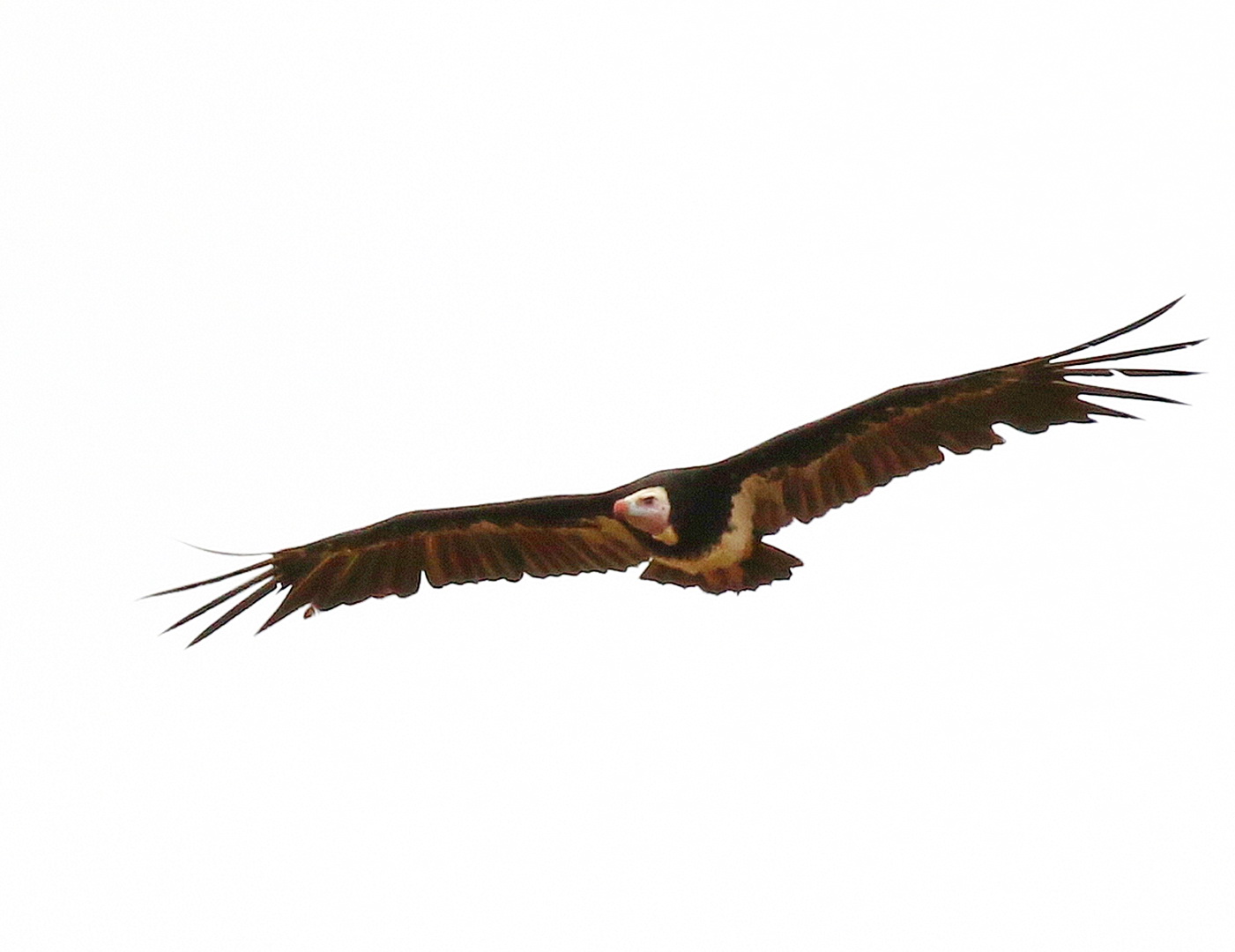
The other sighting was that of two White-headed Vultures doing a fly-over for us.

The road from the camp to the bridge is always interesting as it overlooks the river and has numerous large trees to investigate for Owls and other birds. At the bridge our first Broad-billed Roller was spotted.

Broad-billed Roller

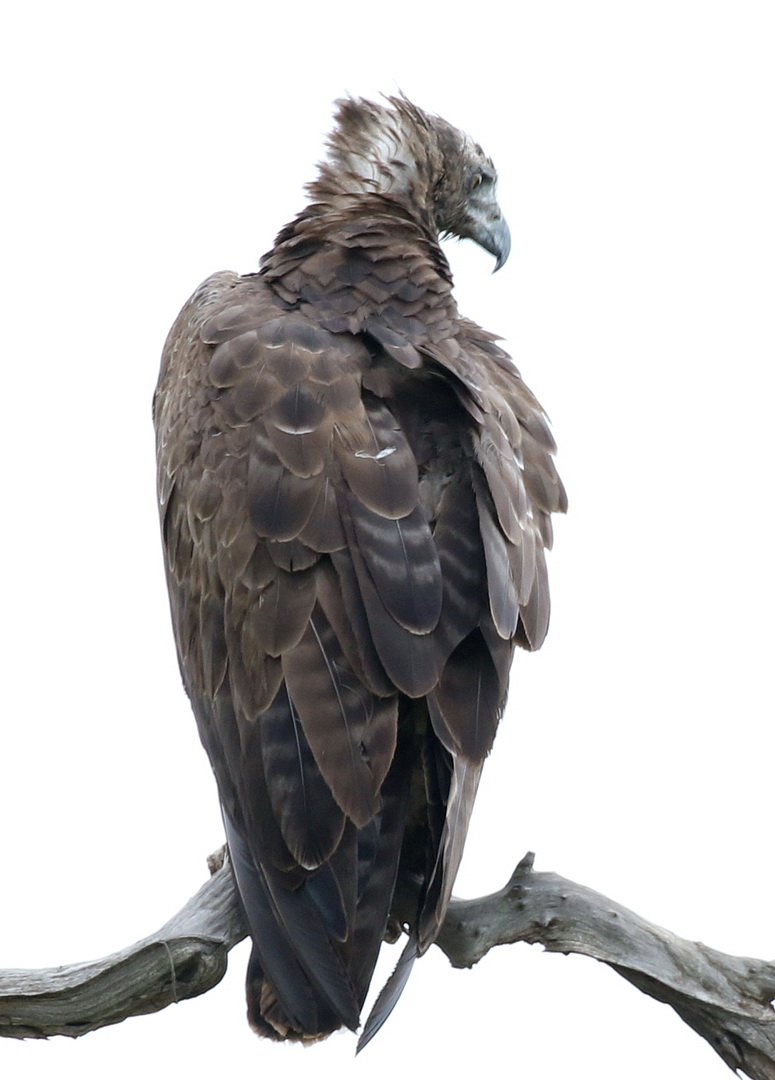
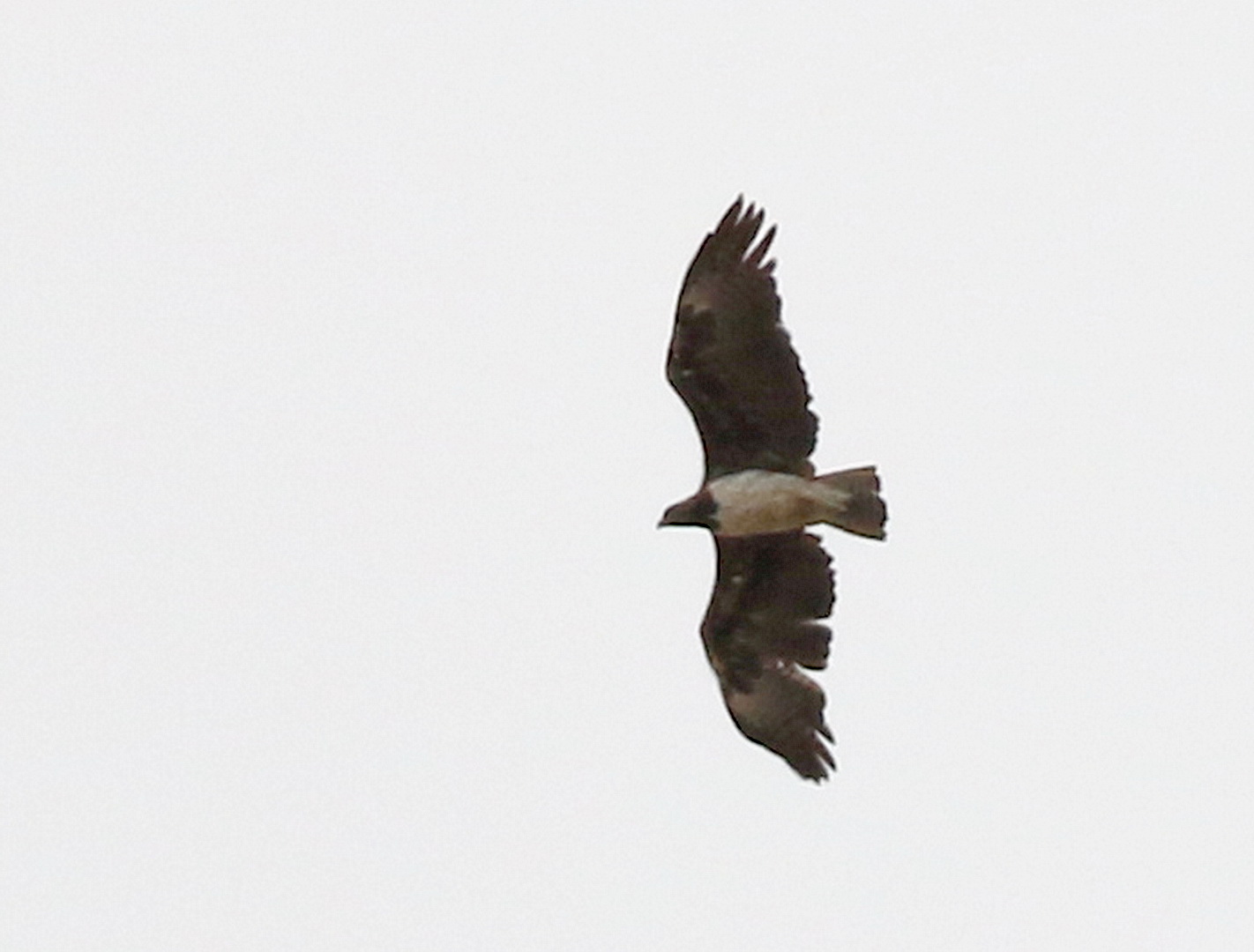
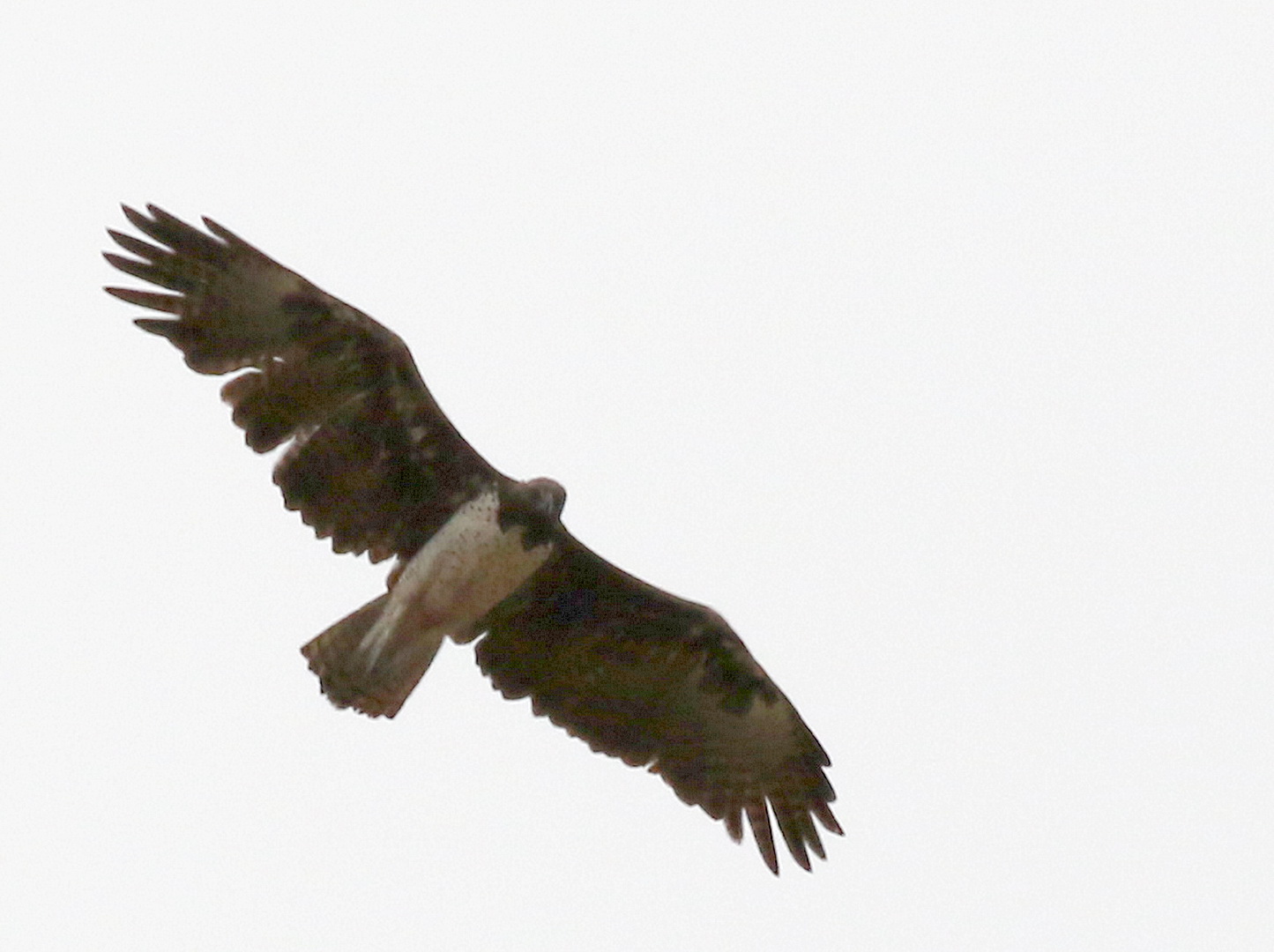
A Martial Eagle flew over and another sat close for a photo.

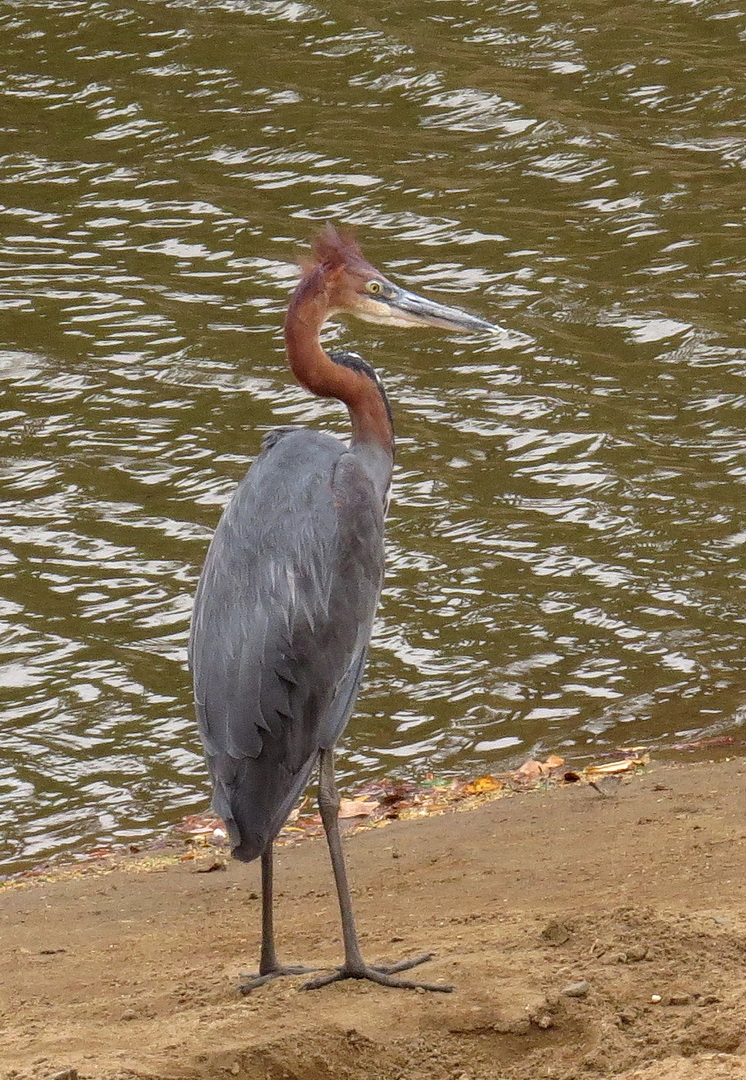
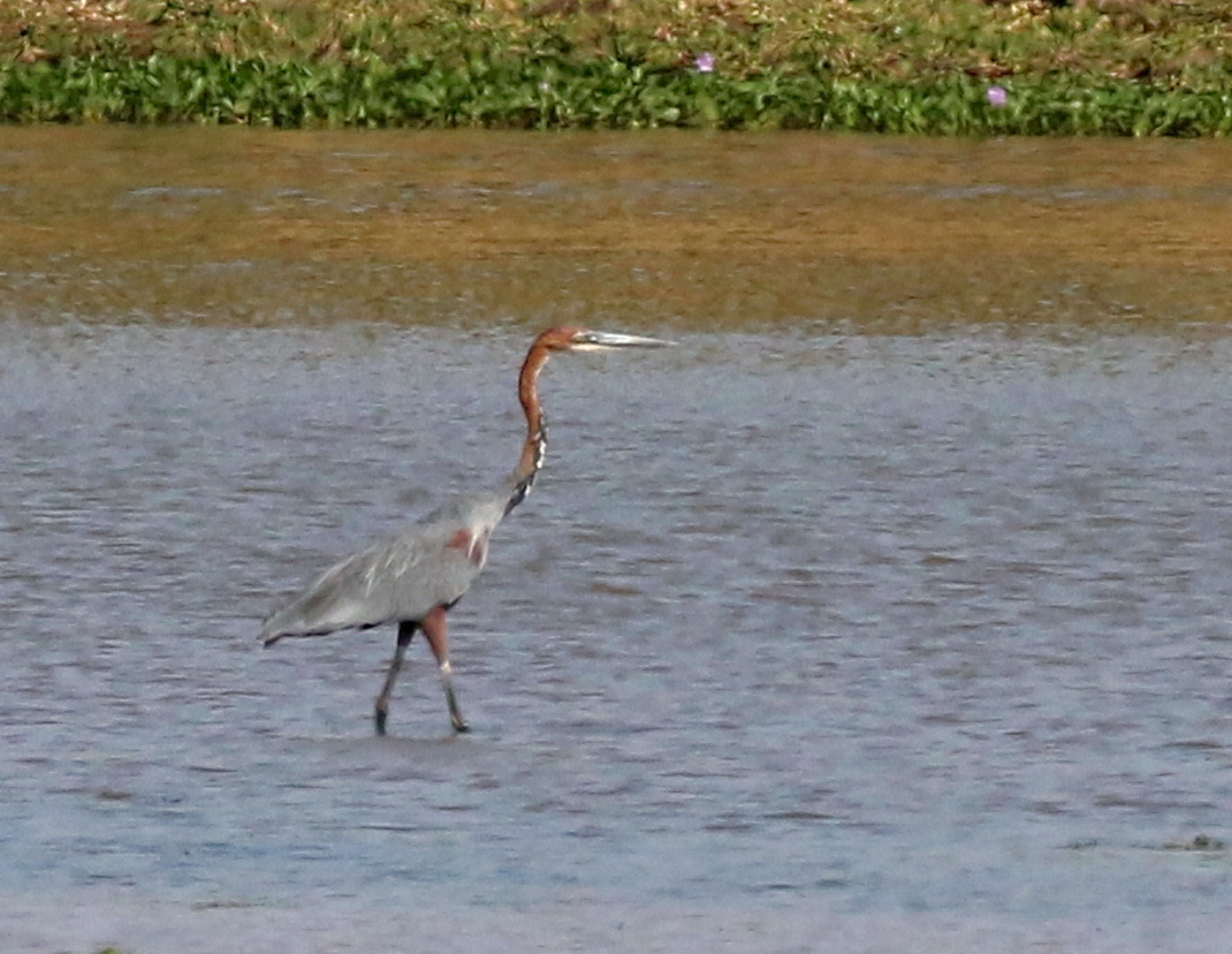
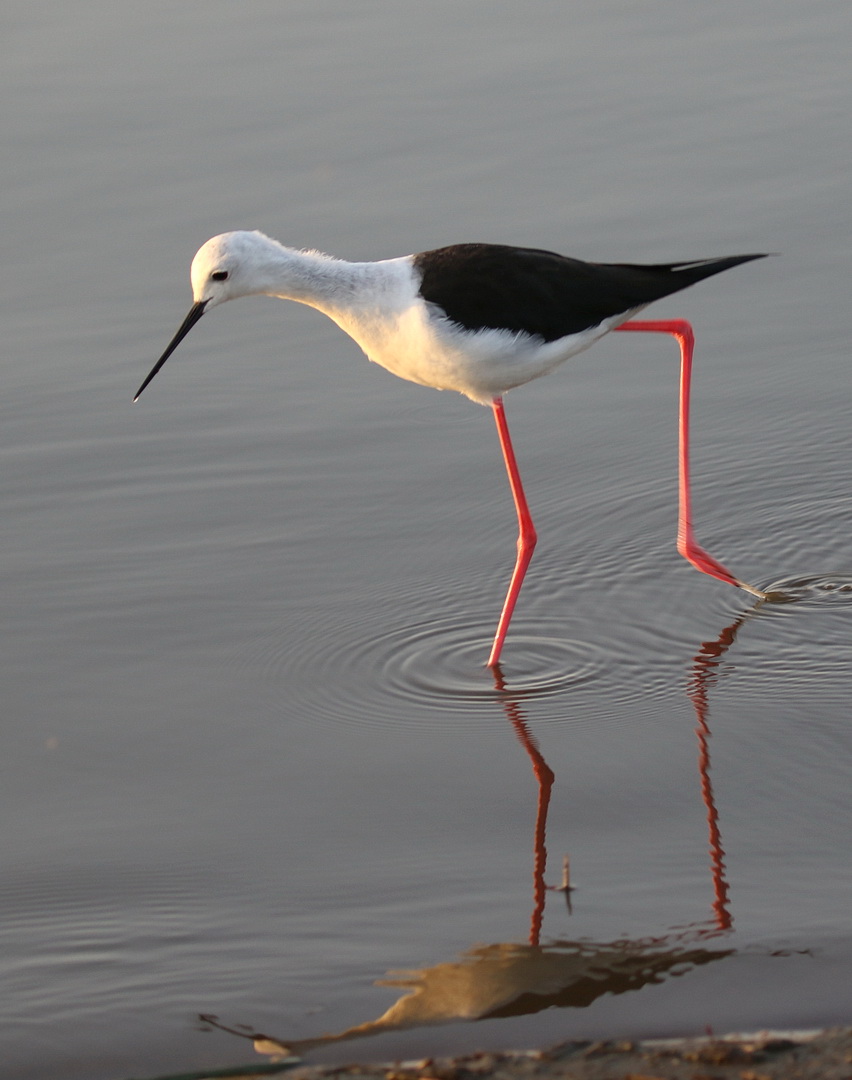
A Goliath Heron had a Mad Hair Day in the river among other sightings.

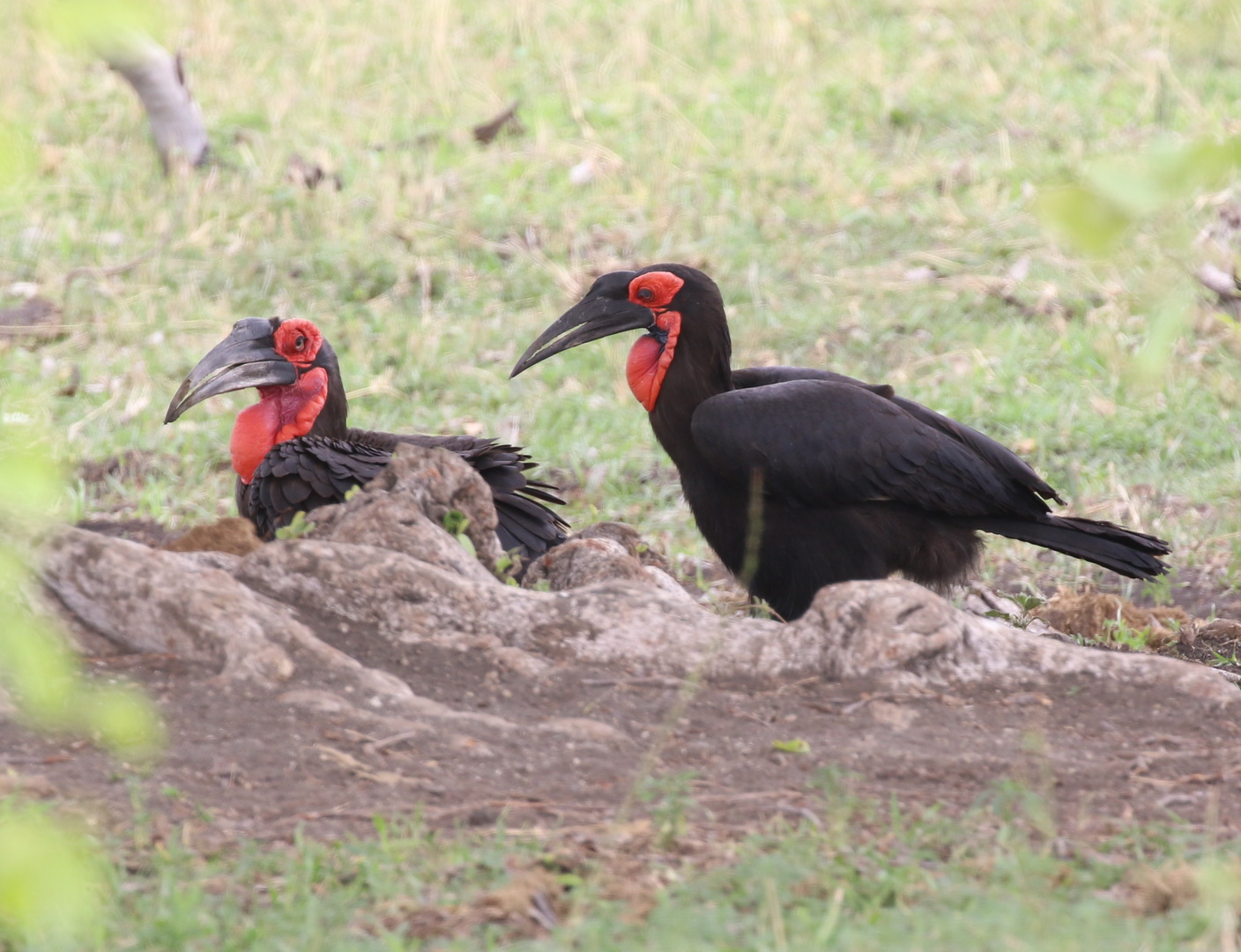
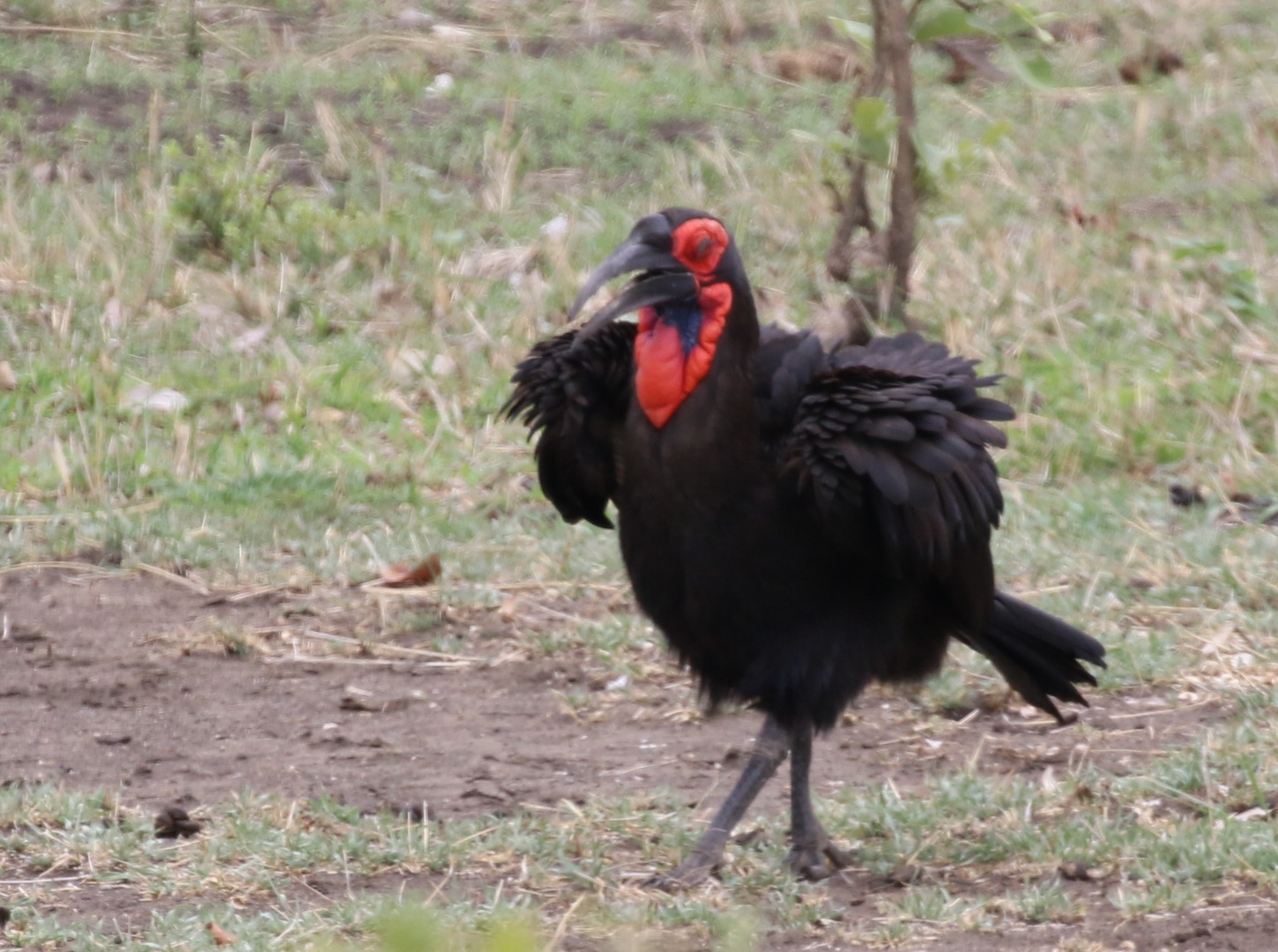
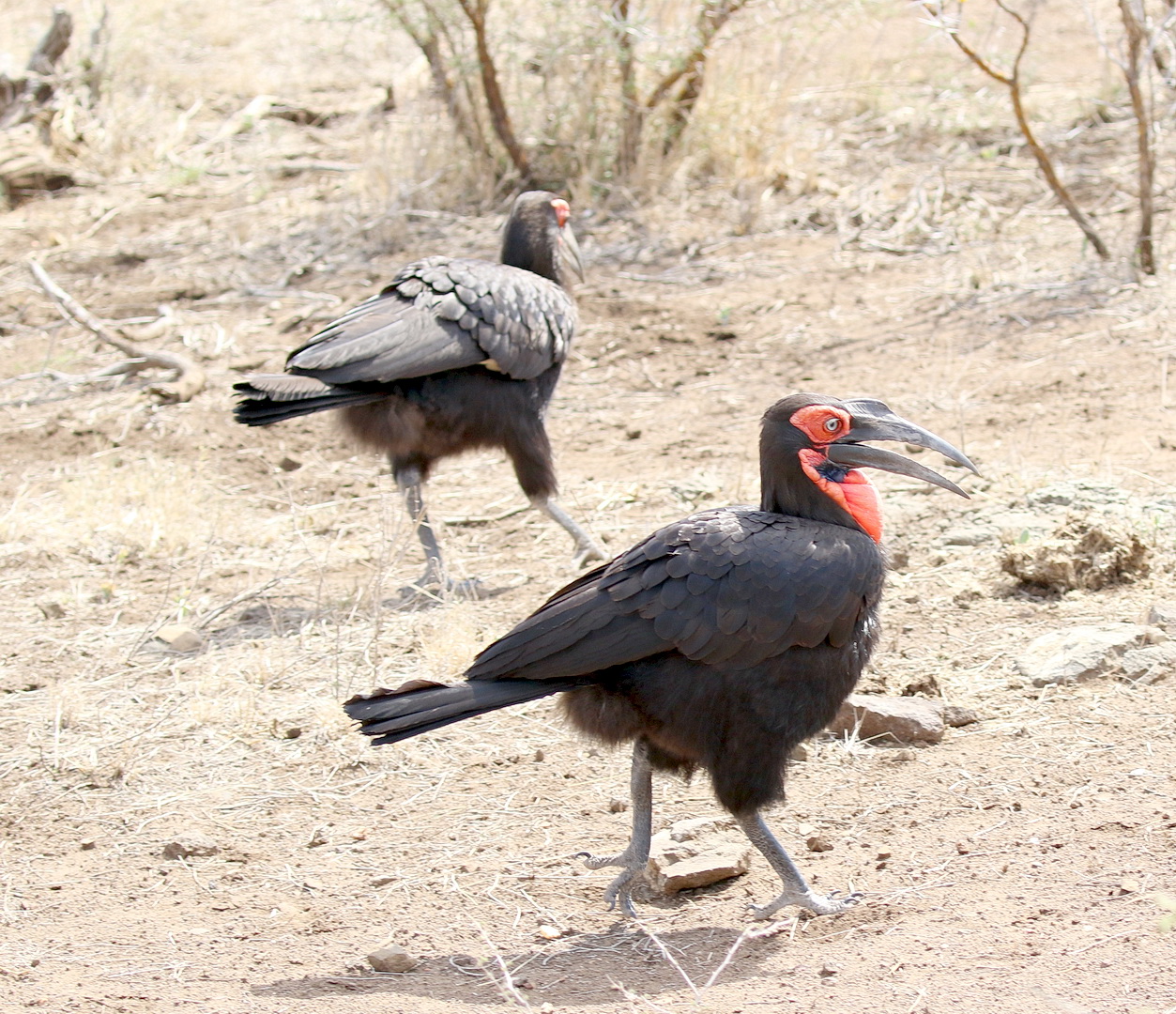
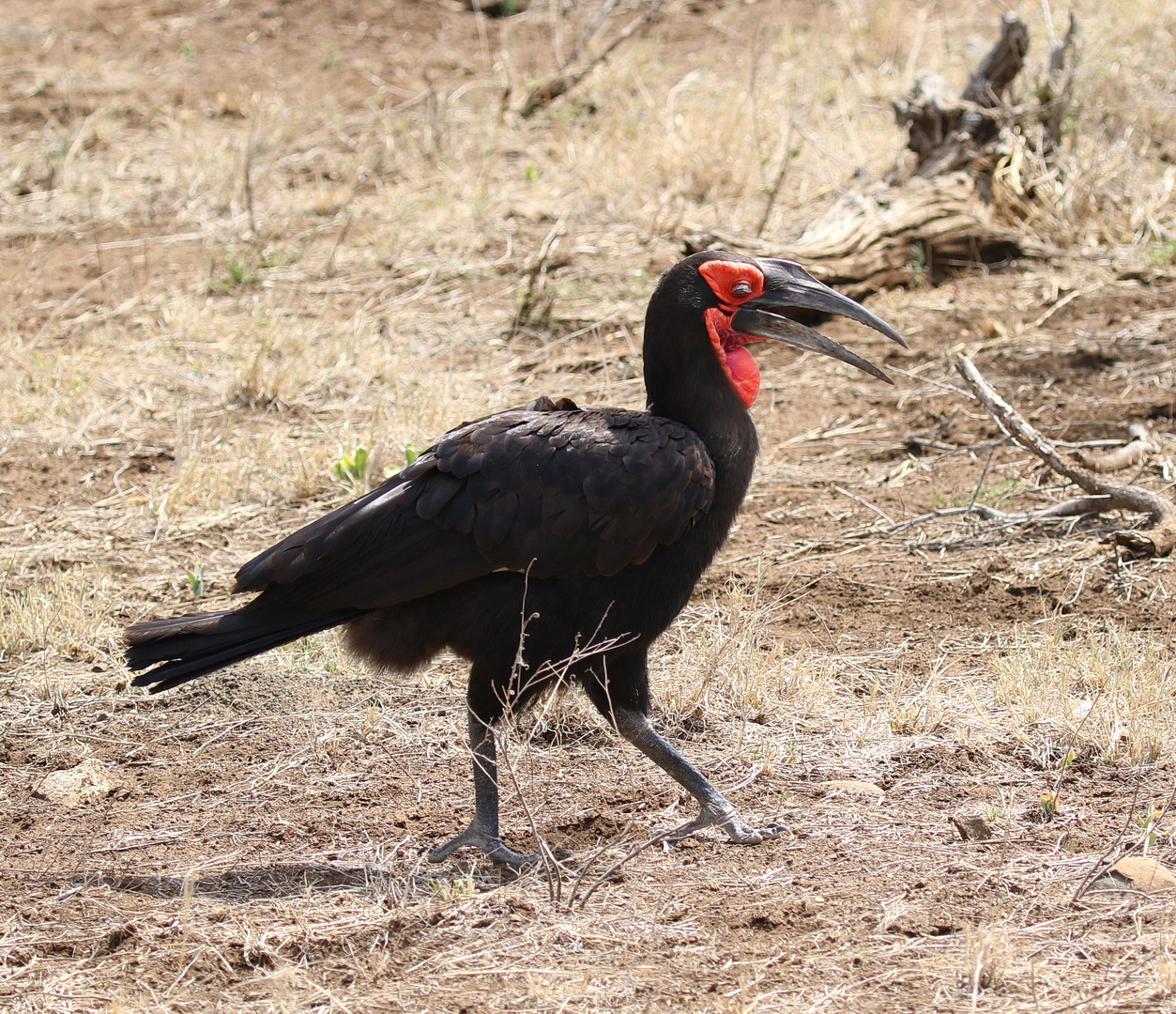
Southern Ground Hornbills appeared on our travels round the camp – none had been ringed – much like those we had seen previously.

Despite our short visit we did manage to identify 97 different bird species. See list by clicking here.

From Shingwedzi we headed north to Punda Maria stopping at Babalala Picnic site for breakfast.

Breakfast at Babalala on way to Punda Maria

Our time at Punda Maria forms the next instalment. Kruger Part 6 – Punda Maria

Paul and Sally Bartho

Kruger Part 4 Balule

Kruger Part 4

Balule

Report by Paul and Sally Bartho
18 to 21 November 2018

On arrival we found a site by the fence close to where we had camped previously. We goofed on our estimation of the direction of the setting sun and ended up enjoying our afternoons in its full glory at 36 degrees and beyond unfortunately.

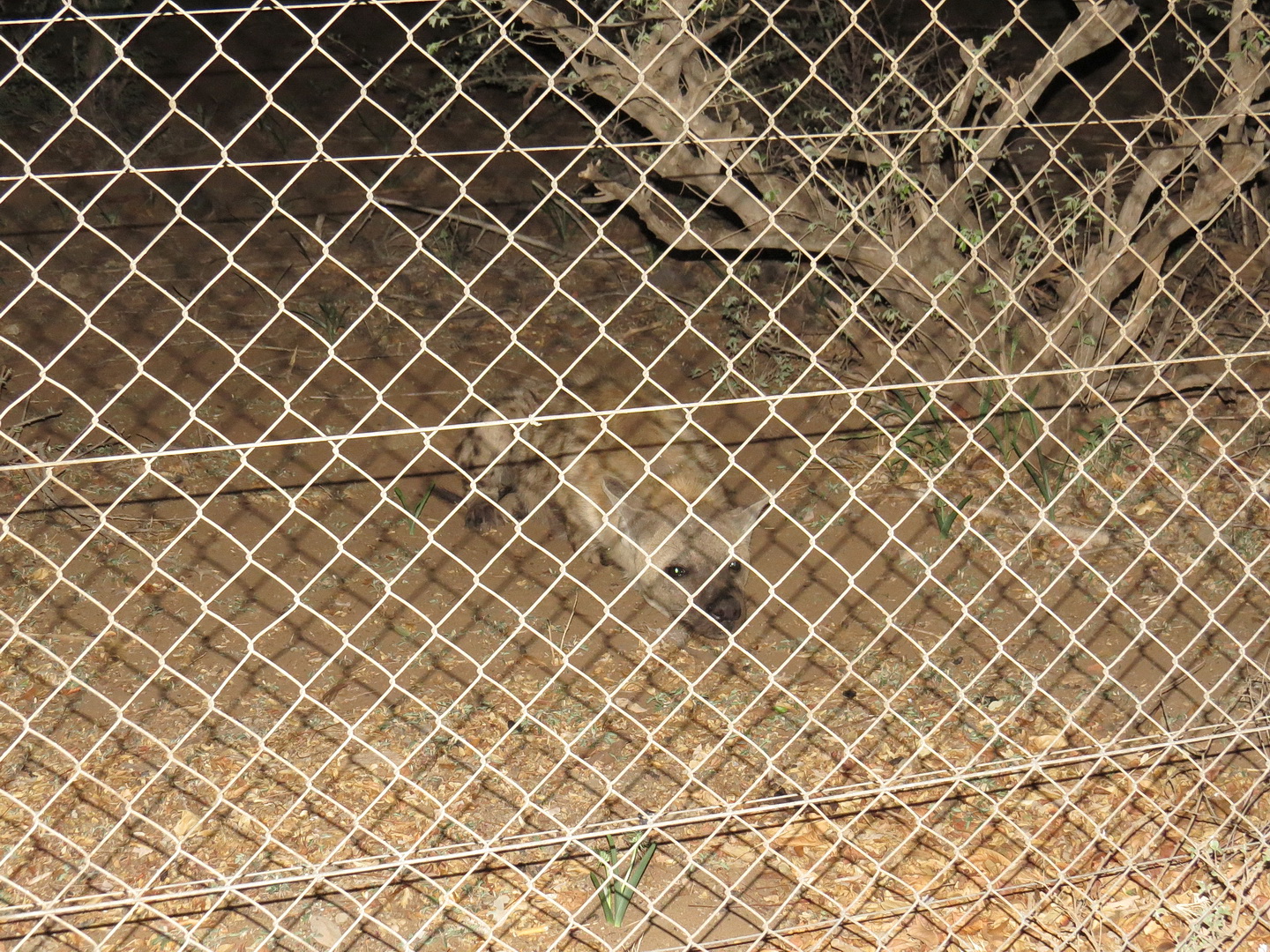
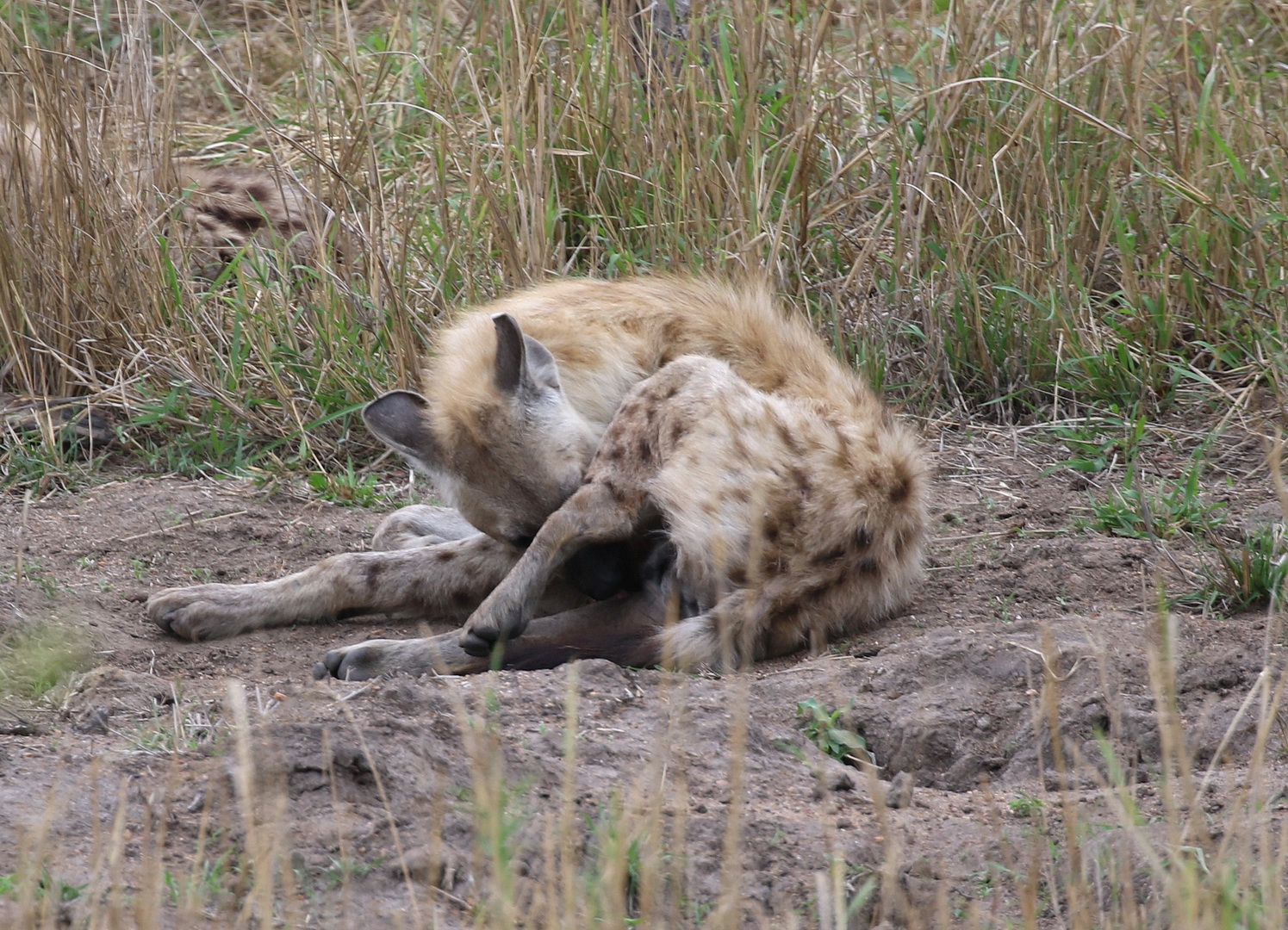
In the evenings the Hyenas made their patrol around the camp and one lay facing us with beseeching eyes every night – the same as happened when we last stayed at the camp.

We spent time on both nearby bridges checking out whatever appeared. That is the bridge on the main road and the fjording bridge by the camp.

One day crossing over we noticed numerous African Openbills landing up stream. Quite a sight through the scope.

Last year we came to try our luck at finding the Egyptian Vulture often reported as seen from the main bridge among the many White-backed Vultures. This year the White-backed Vultures were also present but like last year no sign of the Egyptian Vulture. However we did see Hooded Vultures below the bridge.

Hooded Vulture

On two occasions we saw Southern Ground Hornbills.

On one drive we ended up on a new road following the Ngotso North river – not shown on our old map nor on the GPS. Coming from Satara heading north, it is the first road on the right after the Timbavati turnoff (Ntomeni Road S127). There is a sign saying no caravans and that it is a one way road.

It is on this road that we encountered a female Leopard and her sub-adult on a number of occasions. Not to be outdone, there was another female Leopard and sub-adult seen in a tree beside the main road after crossing the main bridge heading north – with a huge carcass of an Impala hanging in the tree.

On a visit to Letaba we had a strange sight of a Bearded Woodpecker trying to get into a electric power box in the campsite.

Birding was excellent and we identified 116 different bird species – see list by clicking here.

Probably our best bird sighting was that of the Jacobin Cuckoo – not having seen one for quite a while,  although the mad Bearded Woodpecker came a close second.

Jacobin Cuckoo

Our three nights passed quickly and we were soon on our way to Shingwedzi.

Sunset over Balule

Paul and Sally Bartho

 Kruger Part 5 – Shingwedzi to follow

Kruger Part 3 – Lower Sabie

Kruger Part 3

Lower Sabie

Report by Paul and Sally Bartho

14 to 18 November 2018

Lower Sabie Camp Site

The next morning we left Malelane on our way very early to Lower Sabie for 4 nights.

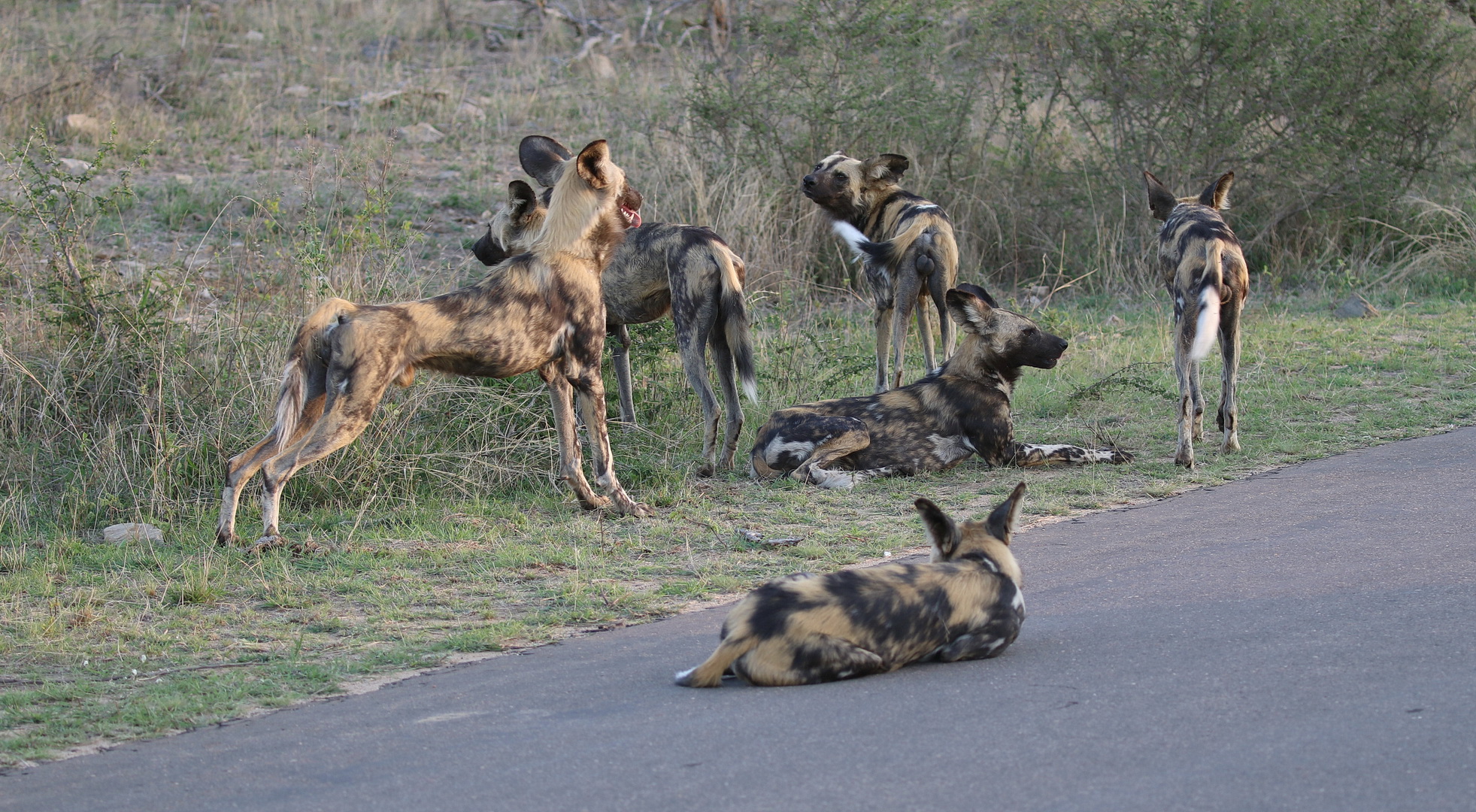
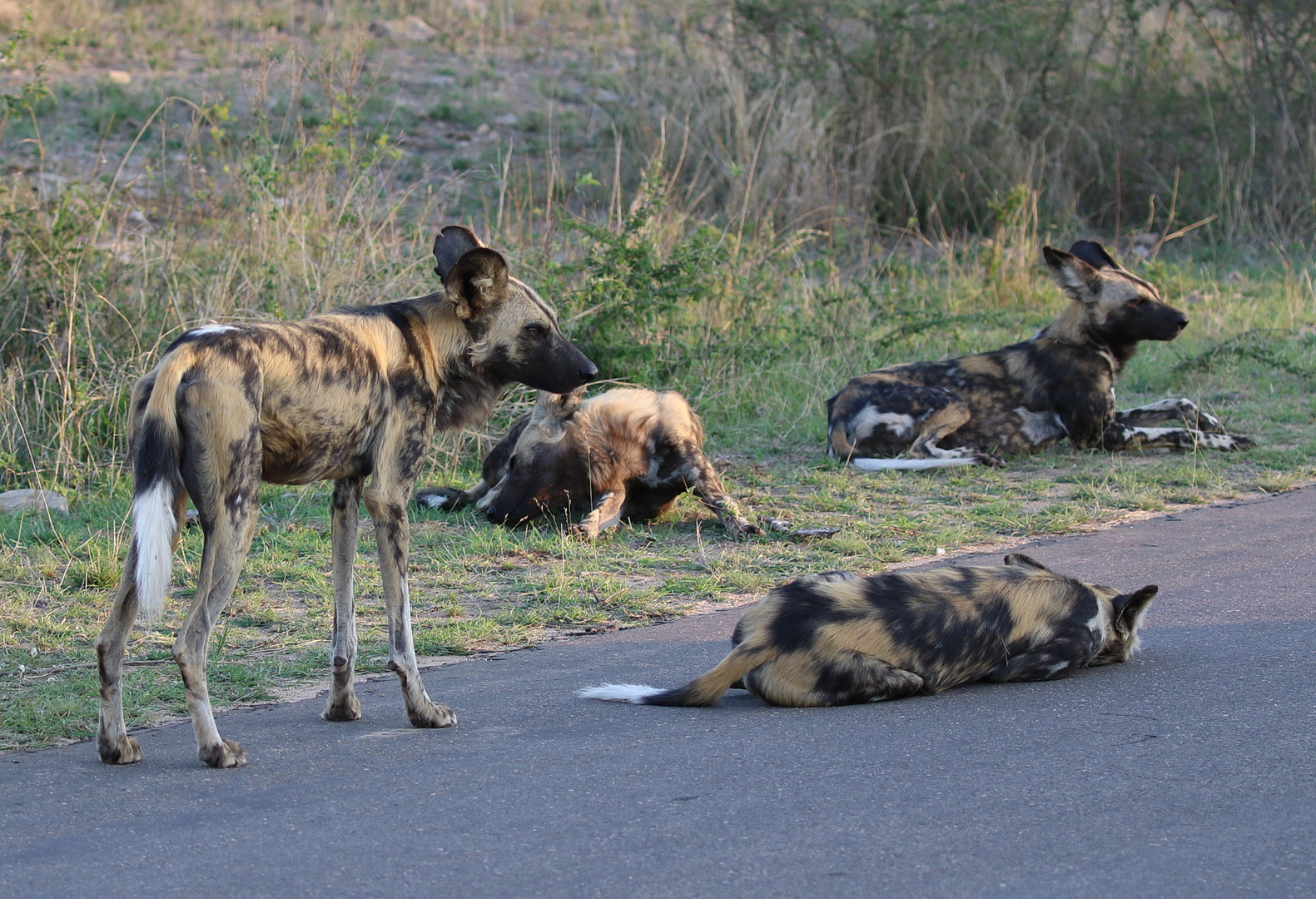
We had not gone far on the tar when we were accosted by the same pack of 10 Wild Dogs that we had seen the previous evening. Again a lovely sighting with them surrounding our vehicle on their way to somewhere.

Wild dog

Our journey was mostly on the dirt roads – starting with the S25 towards Byamiti before heading north to Lower Sabie.

Animal sightings were few and far between. No Buffalos, no Rhinos and a paucity of Elephants. A remarkable contrast to the previous two days.

We beetled along the S25 reaching the Byamiti bridge in quick time. On approaching the bridge a large male Leopard strolled towards us in the river bed. Our bit of excitement for the day – very unexpected yet it was not for long before he had disappeared into the bush and gone before anyone else came along.

Leopard

Once we were on the tar of the H4-2 (Croc Bridge to Lower Sabie) we headed north and on approaching the S82 shortcut on a dirt road, we noticed a pile of cars not too far up the road so we went for a look see. More Wild Dogs doing one of their favourite things – sleeping in the shade.

Eventually we arrived at Lower Sabie and by 10h30 we had set up camp.

We had planned to meet up with some friends who were staying at Ngwenya lodge, Cecil and Jenny Fenwick and Dave and Jenny Rix. I gave them a buzz and they were at Sunset Dam right outside the camp. We enjoyed a very tasty lunch in the Mugg and Bean with a few tipples and caught up on their news of the area.

Lower Sabie is centrally based to explore a wide range of habitats. There are many special places to visit.

  • Crocodile Bridge is south – often an excellent campsite to stay at. However, at the moment it is very very dry, parched with hardly a blade of grass. Taking the S28 backroad to Crocodile Bridge there is the Ntandanyathi bird hide. Well worth a visit as there always seems to be water there. It is comfortable and birds love it too.
  • North there is the Mlondozi picnic site overlooking the dam – unfortunately now bone dry.
  • Further north is Tshokwane Picnic site – a good stop off point for breakfast or heading north and checking out the birds in the campsite. African Mourning Doves very much darker than anywhere else.
  • Then there is the main tar road to Skukuza following the Sabie River with numerous lookout points along the way. Very popular, justly so, as a wide variety of big game is often seen along the river. On the opposite side there is also a dirt road which is less used to follow the river.
  • The bridges across the Sabie at Lower Sabie and near Skukuza are both worth a visit especially when there is lots of water.
  • Mpondo Dam – a longer drive – always seems to have water and is good for both birds and animals. Pity that it does not have a place where you can get out of your vehicle.
  • Then there is the Deck at Lower Sabie at the Mugg and Bean restaurant. A good place for sundowners and to watch the wildlife along the long open stretch of river. Often Lion, Leopards, Elephant and Buffalo are seen.
  • Sunset Dam just outside the gate is special. The hippos are constantly noisy throughout the day and soak happily with the dozens of crocodiles. Of course, the bird life is also good and many unexpected animals often make an appearance.

Unless you book well in advance it is always difficult to get a campsite booking. November seems to be one of those months where bookings are possible. We spent four nights there.

During our time at Lower Sabie we visited most of the places listed above and had some very active birding – identifying 142 different species. Click here to see our list.

And birding in the camp and from the deck at the Mugg and Bean restaurant is always good. The water fountain as you enter reception has it seems resident White-browed Robin-Chats.

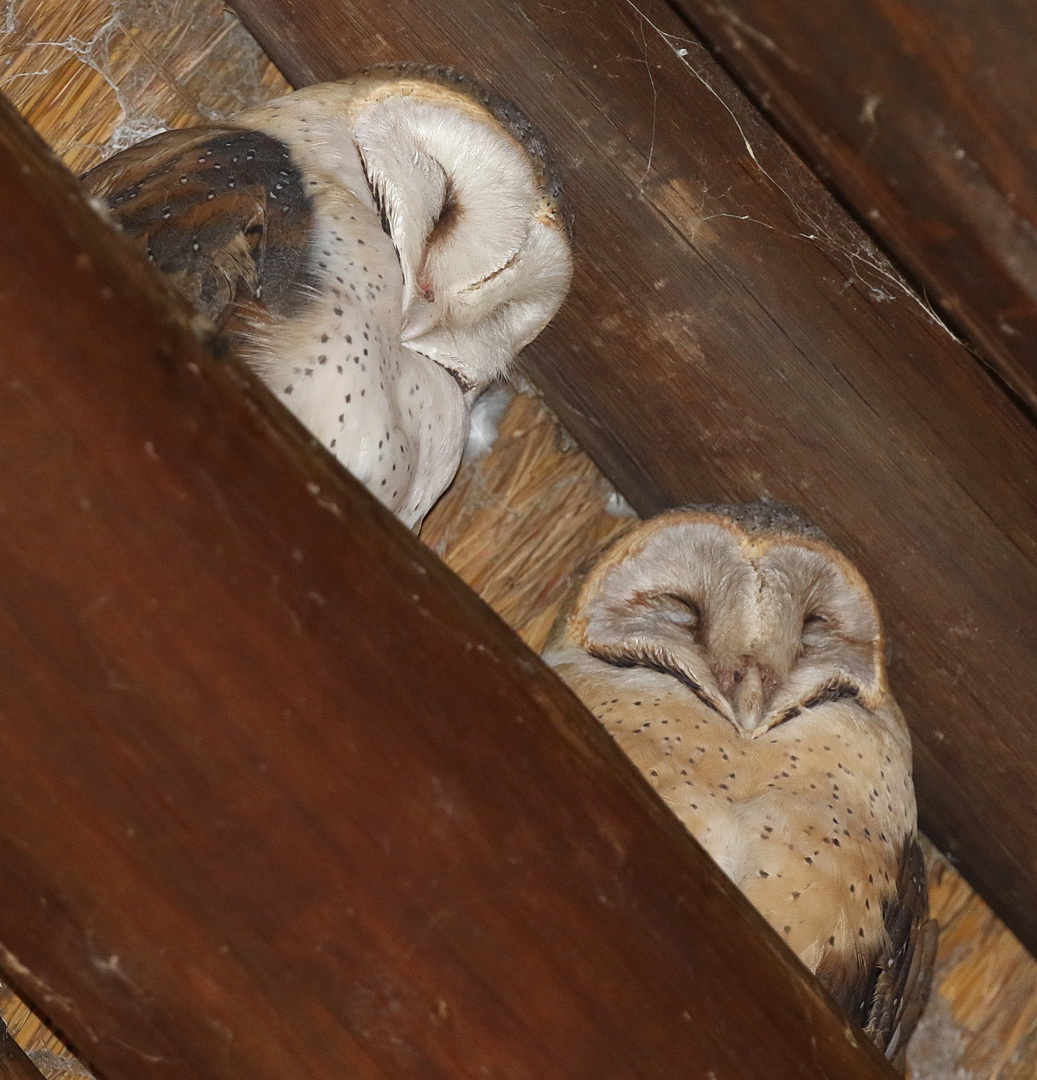
Then there are the Barn Owls in the rafters of the Mugg and Bean restaurant.

A pair of Barn Owls

And then there are the birds found in the grounds.

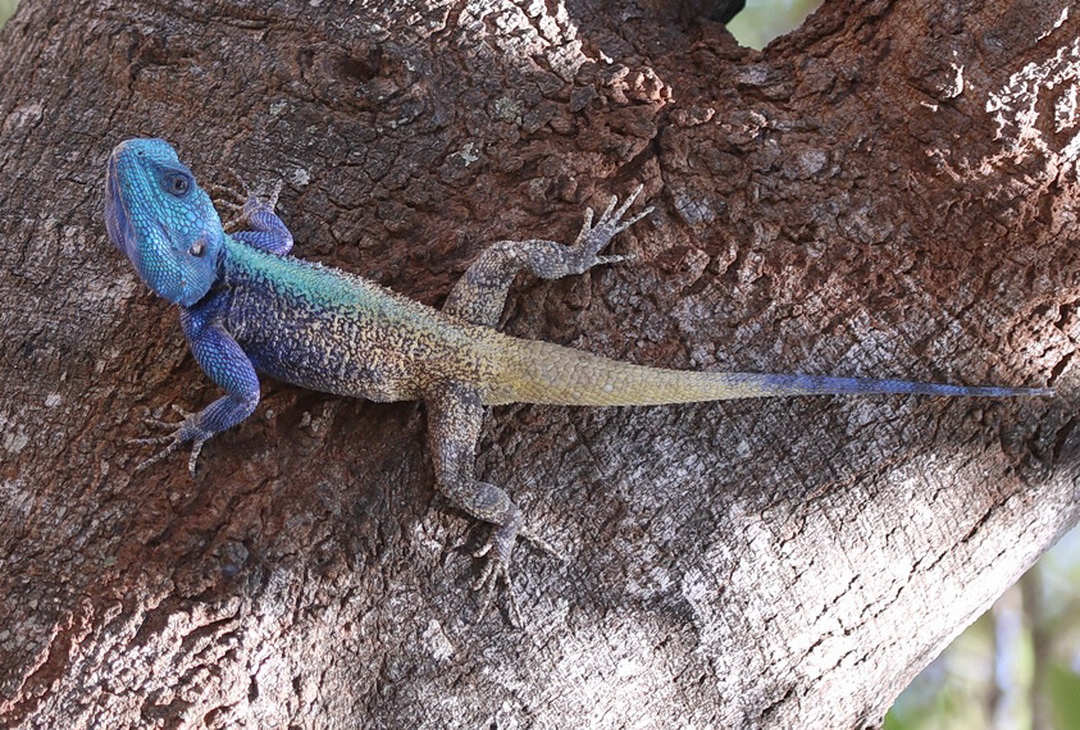
Colourful lizards running around on the trees.

Colourful Lizard

And lucky sightings off the deck.

Greater Painted-Snipe

On our first day we went to the Bird Hide on the S28. It was here that my bird expert, Sally, spotted a bird nearby with a pink bill. She called me over to see the Greater Honeyguide. Fascinating as four more turned up. It was only then that we realised we had made a big booboo. See photo below.

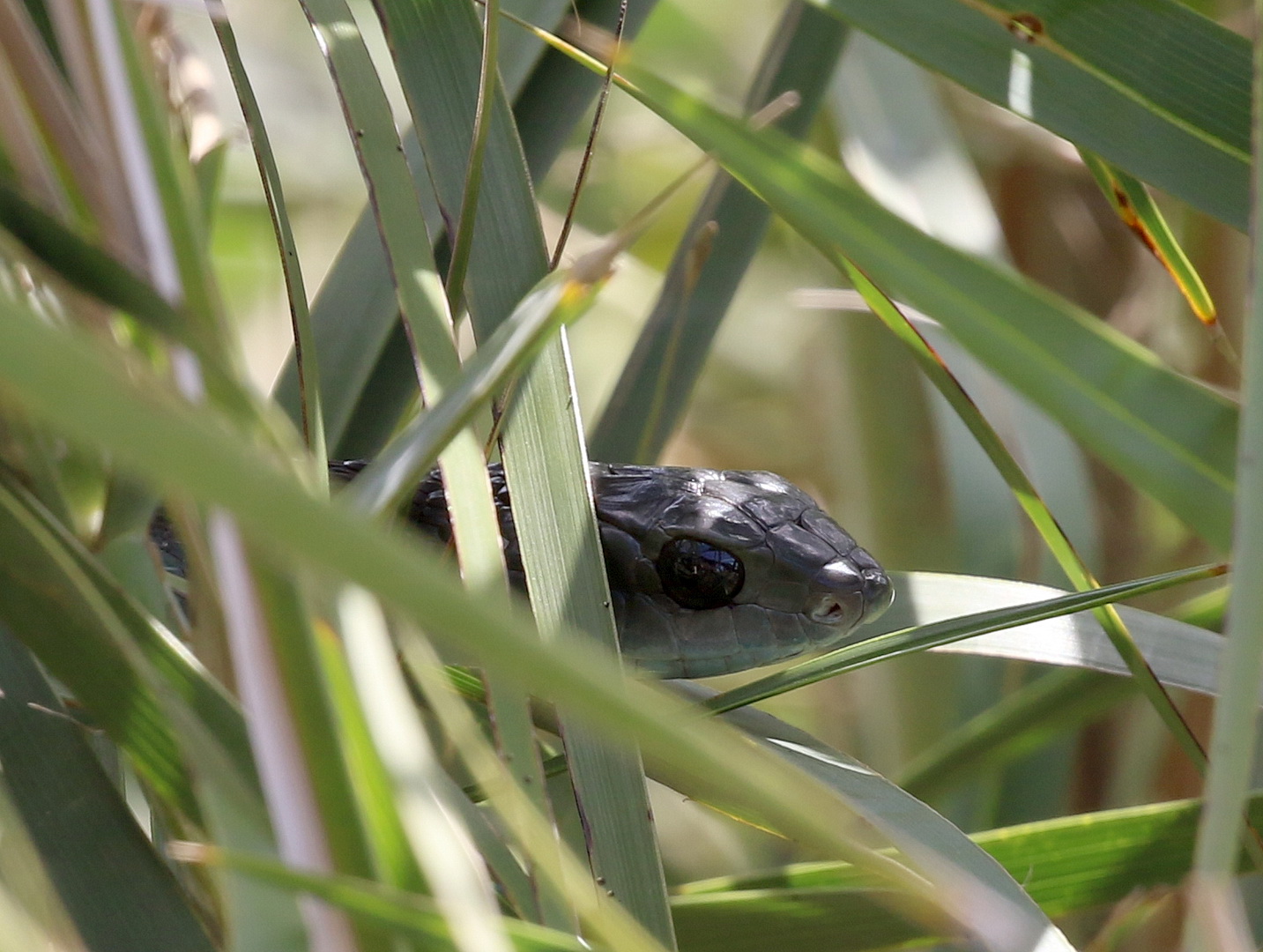
Also making an appearance was a wiggly snake in the bushes immediately in front of the hide. It had a dual bluish tone to it and was at least a metre long. Some suggested it might be a water snake – see what you think and let us know.

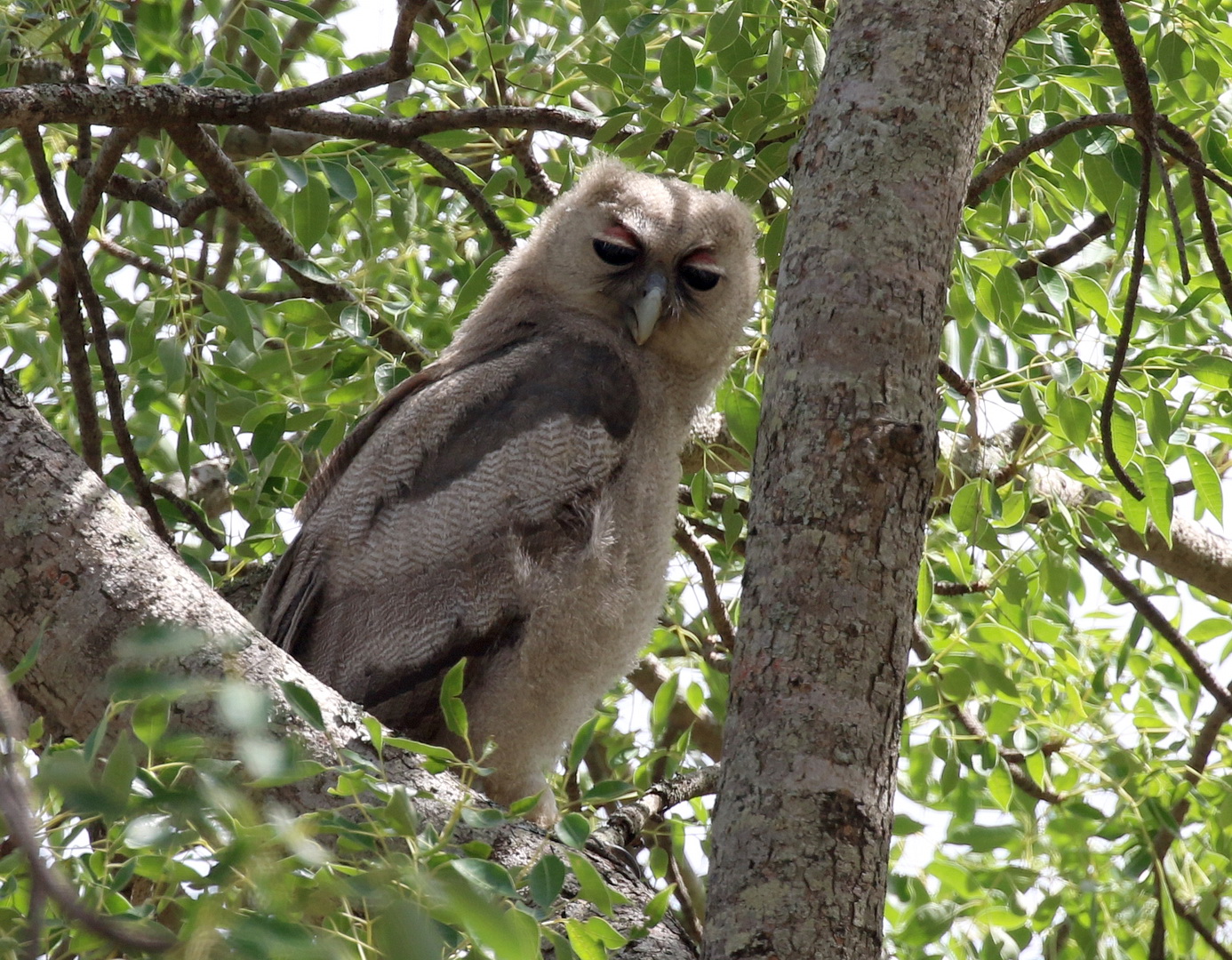
While on the S28 we took the turnoff to what was the Nhlanganzwani Dam – having been told by Cecil that there were 3 Verreaux’s Eagle-Owls in a tree part way down next to a large muddy area. Missed them all on the way to the dam but Sally’s sharp eyes found one on the way back.

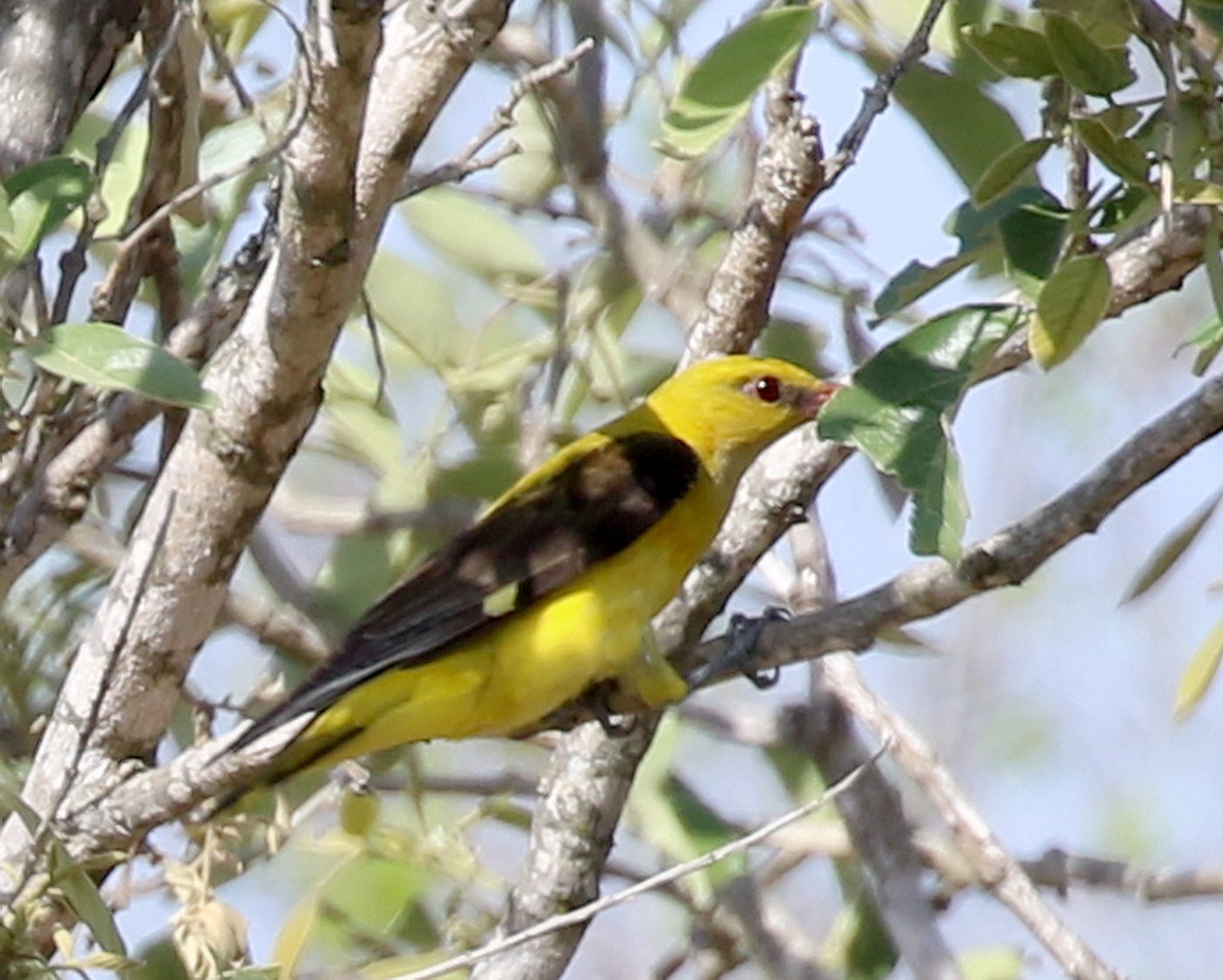
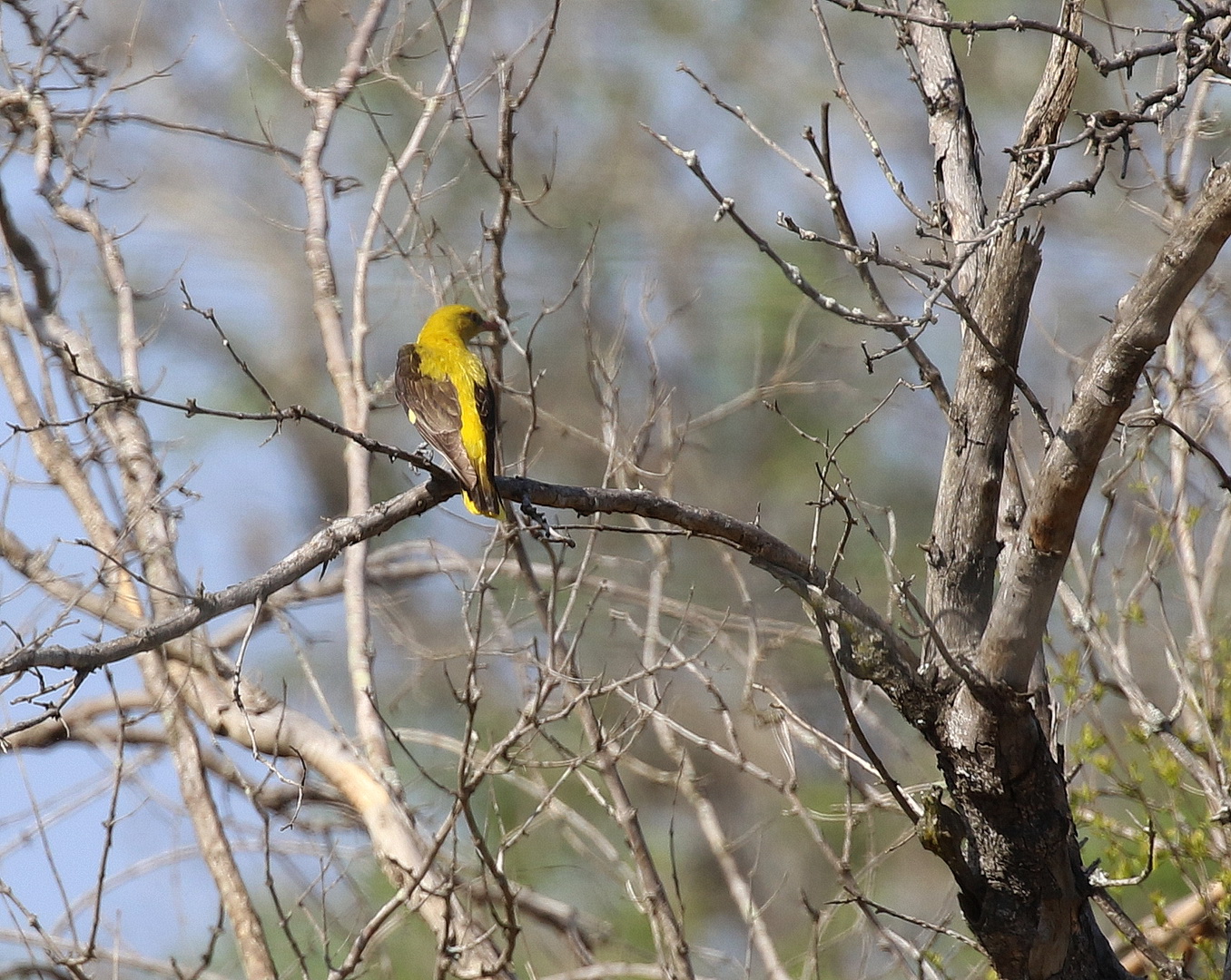
The following day we took the dirt tracks S128 and S30 on the north side of the Sabie River towards Skukuza. The highlight of this decision was to have an excellent sighting of  an Eurasian Golden Oriole.

There was very little water under the main Skukuza bridge. So we headed for the Lake Panic hide. There was water but much of the area was dry. However, the birds made their appearances and we enjoyed an hour or more in the hide.

Our trip back to Lower Sabie on the tar road turned up the usual sightings of many elephants and some lions – doing what they always seem to be doing – lying down!

On one of our drives we were fortunate in seeing a Cheetah with cubs. At first we thought there was only one but as they moved on another came out of hiding.

Sunset Dam is so close to the camp that it gets lots of attention. Birding is always interesting and animals are often seen drinking.

Some of the other animals seen around the area included many elephants and a good sighting of a leopard dozing in a tree.

Photos of other birds seen in the general area:

Eventually it was our time to leave. North. We headed for Tshokwane then on to the wild camp at Balule for 3 nights.

The sky had got a bit overcast and blustery but still there was no sign of rain.

Just after passing the Mlondozi Dam we noticed a bird flying just over the grassland. Fortunately it did not disappear behind us as there was no way to turn around while towing the campervan.

It was some way off but we recognized it immediately – a white Harrier with black at the end of its underside wings – a Pallid Harrier. How lucky were we!! Even managed a photo or two.

Pallid Harrier

Tshokwane was quiet. Perhaps it was the weather as there were few birds about.

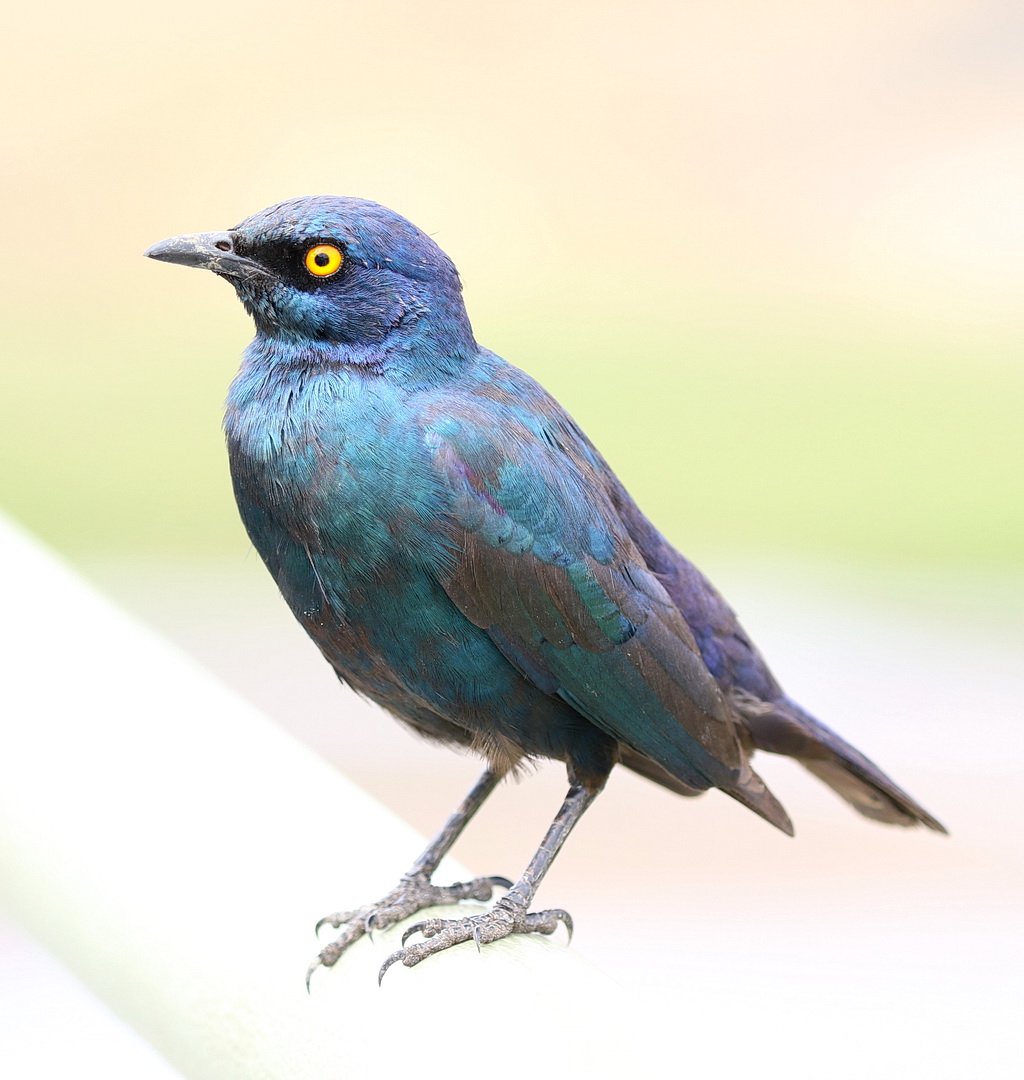
Greater Blue-eared Starling

Breakfast time. I set up the table as Sally inspected the plumbing. Out came the coffee, tea, sugar, milk, water, hot water, mugs and spoon, a few biscuits and bananas. The next thing I saw was a ghost fly across the table and suddenly disappear. No more bananas – the monkeys enjoyed them as did the people watching !! They always catch you underwares.

Paul and Sally Bartho

And on to Balule for Kruger Part 4.

Kruger Part 2 – Malelane Campsite

Kruger Part 2

Malelane Camp

Report by Paul and Sally Bartho

12 to 14 November 2018

Malelane campsite

The drive from Wakkerstroom was quite scenic, especially going through Barbeton. After an early start we arrived at the Kruger Park Malelane gate at midday. It was a pleasant surprise that we were able to check in at the gate for the campsite and not have to go to Berg-en-dal.

The campsite was deserted except for us for the two days we were there. The huts were in use. The advantage of being at this campsite compared to Berg-en-dal is that we were able to get out onto the main road towards Skukuza well before anyone from Berg-en-dal and an hour ahead of the main gate opening.

The temperature was in the high 30s on arrival and it stayed as the norm during the days we were there. Nights were a lot cooler with a pleasant breeze. Being so dry there were hardly any insects or mossies to worry about.

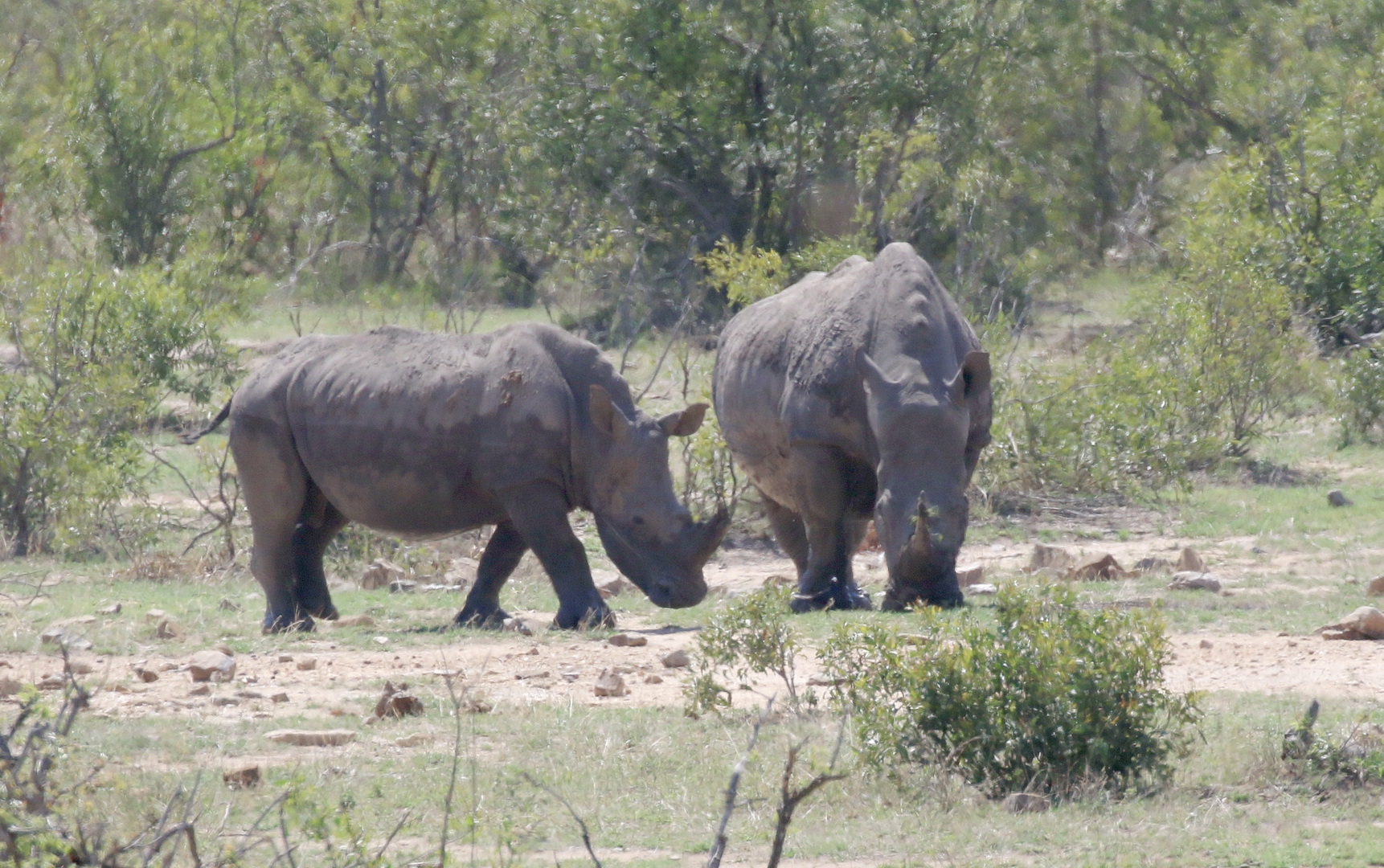
That afternoon our drive was full of the Big Big 5 – Elephant everywhere, Buffalo en-masse, and White Rhino around every corner it seemed. It was only at the last minute before closing time that we were treated to the sight of a very large male leopard – flat out fast asleep under a distant tree.

The first morning we headed north on the H3 heading for Transport dam – the Egyptian Vulture on our mind. Birds were plentiful on the drive and so were the Rhinos and Elephants. We even came across several packs of Hyenas – busily off to somewhere or sleeping in the shade.


Doey-eyed Steenbuck

On the way we stopped for a bird call which excited Sally and hence me too. Sally recognized the call of the Coqui Francolin but had yet to have any decent views of one. We did not have long to wait before it was spotted on the side of an ant hill 20 metres distant. A Female. No longer a BVD for Sally.

Coqui Francolin female

Then as we turned off the tar to Transport Dam Sally heard a Coqui calling again. After some time we located it – well hidden at the base of a tree in long grass. Eventually we were able to ID it as a male.

Transport dam was full but no sign of any Vultures of any kind. Despite that we had a number of sightings of interest. There were the usual bunch of water birds as well as a dozy crocodile. An African Fish-Eagle being mobbed by Lapsmiths. Water Thick-knee were present.

In the photos below you will see a great comparison in size of a Water Thick-knee and a Malachite Kingfisher.

After a lunchtime dinner back at the camp we took another drive on the dirt roads – numerous Game Drive vehicles – very unpleasant with all the dust they create. Windows constantly opened and closed. Yet we still had sightings to keep our minds attentive.

A brief visit to Berg-en-dal gave us the opportunity to scout for Parrots. To start with – on arrival there was a bus load of guests milling about in the parking area waiting to embark their Game Vehicle. They  had been waiting for 40 minutes.

The vehicle was there. The problem was that a Spitting Cobra had beat them to it and was seen in the driver’s cab. They had been trying to remove it. In the end that vehicle was not used as it was still there when we left. Either they had found alternative transport or given the guests a refund. It was fortunate that the snake was not in the back where the guests sit.

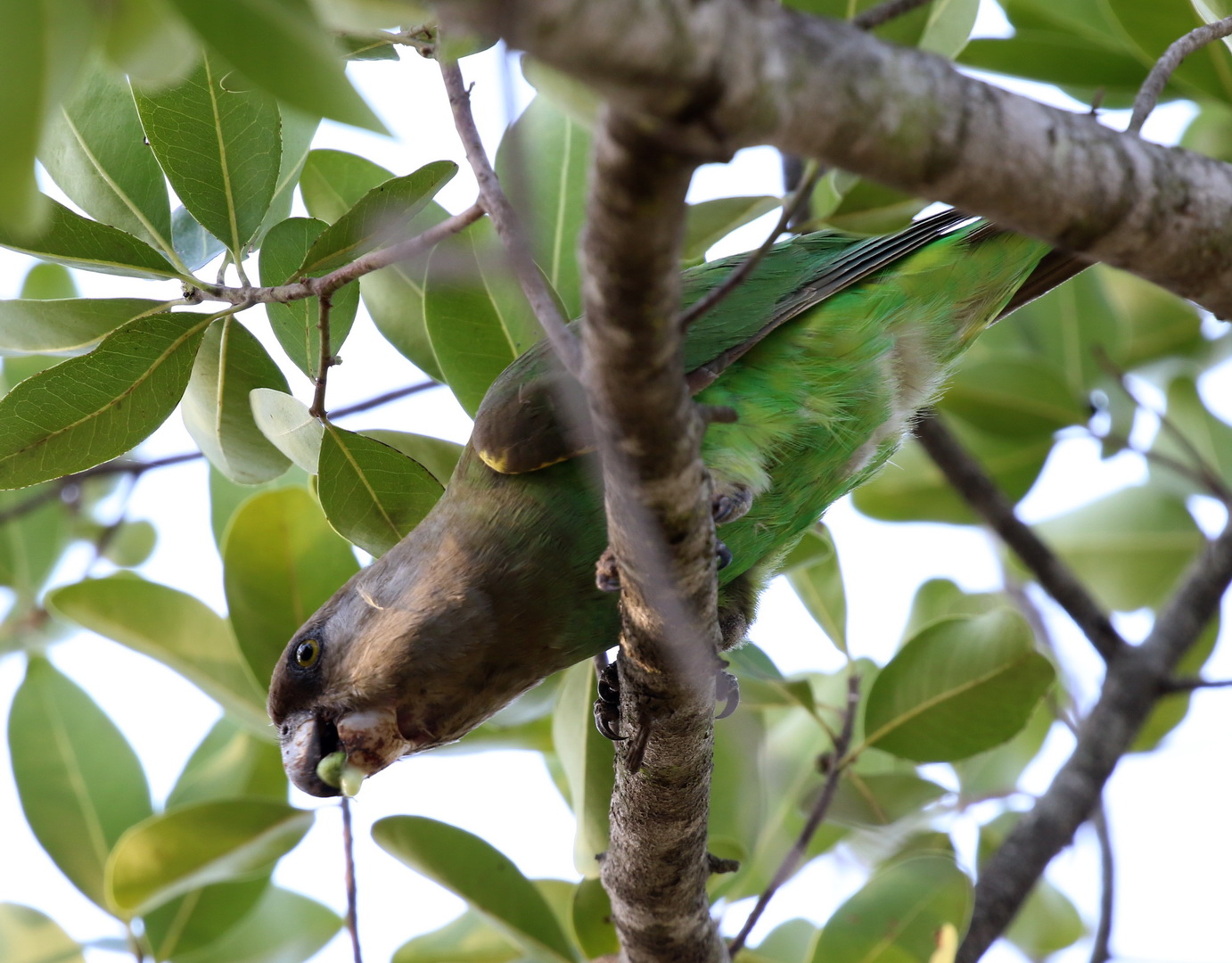
The Dam at the camp was bone dry, however the birds were calling and one of those calls was that of a Parrot. After much searching the various fruiting trees they were spotted and I managed to get a shot or two.

On the way back we were treated to a pack of wild Dogs on the road – 10 in all. They were starting to get on the move and we followed them down the road for a while. They were quite close to our camp.

Altogether we identified 103 different bird species in the area. Click here to see the list.

Sunset

Paul and Sally Bartho

Part 3 Lower Sabie to follow

Kruger Part I – Wakkerstroom

Kruger Part I

Wakkerstroom

Report by Paul and Sally Bartho
11 to 12 November 2018

Wakkerstroom Cathedral

Yes I know – Wakkerstroom is nowhere near the Kruger National Park. But we wanted a stay over to break the journey from Howick to Malelane. We drove over 300 kms in just under 4 hours and we had a further 380 to Malelane so this was a good place to stop over in particular for a bit of birding.

The cottage accommodation at Birdlife South Africa, Wakkerstroom was very reasonably priced and comfortable to boot– a bonus. Well worth spending time there in future and taking a guide to see the local specials – Botha’s and Rudd’s Larks, Blue and White-bellied Korhaan, Yellow-breasted Pipit to name a few.

We arrived early – at midday – so we were able to explore the wetland area next to the town during the afternoon.

The wetlands are fairly extensive and full of wildlife – predominantly birds. Which contrasts markedly with all the dams we passed on the way to Wakkerstroom.

During the afternoon we identified 59 different bird species – click here to see the list.

Wakkerstroom Wetlands and town map

Noticeable were the many African Snipes on the mudbanks beside the road leading up to the bridge close to the hides.

African Snipe

Pictures of other waterbirds photographed.

On a drive out of town towards Piet Retief (R543), we came across some unusual mammal species – Sable to start with then some we had not seen before and took a long while to identify.

Can you identify them?

The following morning we left early and arrived at Malelane Camp at midday. Previously we had to check in at Berg-en-dal but now check in is at the gate when you enter the Kruger Park – a sensible and welcome change.

Paul and Sally Bartho
Wakkerstroom Hill

Kruger Part 2 Malelane Birding to follow.


Nambiti – Elephant Rock

Report by Sally and Paul Bartho

30 October 2018.

After the wedding in Kamberg, Sally treated her two sons from Australia to a two night stay at Elephant Rock in Nambiti.

We had a family cottage – two en-suite bedrooms overlooking a dam.

We arrived at lunchtime in blistering sunshine and enjoyed a pleasant meal with a fair share of tipples.

Then, when it was time for the afternoon drive at 16h00 the weather went overcast and was decidedly cooler on the way back.

Birding was not the name of the game. We shared the vehicle with six others from Germany. Most of the interest was focussed on the Big Five and other animals. Birds were not a priority – much as we expected- but the drives did stop for birds we thought others might be interested in. Despite that we identified 93 different bird species. Click here to see our list.

The following day the weather was much cooler with a bit of drizzle on both morning and afternoon drives. On the last morning no-one was interested in the morning drive because of the rain and cold.

Service was excellent. Breakfasts were superb and lunches filling but we found the dinner on the second day not up to the super standard of the first day. The management understood our feelings and I am sure this will not be repeated in the future.

Our birds photographed:

White-bellied Korhaan

It was not all about birds. We did have a number of interesting animal sightings. As expected we saw four of the Big Five – only the Leopard was missing. The Rhino was a White Rhino so you could say we only saw three!

There were two new male lions introduced from the Eastern Cape which we found fairly quickly having as you would expect a nap.

We also unexpectedly bumped into another pride of four lions – a male and three females.

Lioness

Not to be outdone were the Giraffe, Kudu, Hippo and Warthogs among many other species not photographed.

Then we were entertained by Buffalo and Cheetah.

We came across a herd of about 50 Buffalo with many boisterous calves. It was fun watching their antics chasing each other trying to assert dominance.

Then there were the two Cheetah juveniles with their mother. The young must have been enjoying the cool weather as they romped around chasing each other.

It would be interesting to return with a compliment of ten birders taking over the whole camp and focusing on birding. I know the guides would relish this for a change.

Cheers

Paul and Sally

Nambiti night sky

Highmoor and Glengarry

Report by Paul and Sally Bartho

28 October 2018

Sally and I went to a small holding near Glengarry. Sally’s son and fiancee Michelle Lutener’s property.

We went to witness their marriage on their property. Family from all over the world came to celebrate with them. Magic. Great sunny day and wonderful venue.

We spent 4 days up there. On the day after the wedding, Sally and I drove up to Highmoor NR doing a quick two hours of birding including a short walk to the first dam at the top.

Birding was quiet despite our early start. in total we identified 31 different species of birds. Click here to view the list.

Here are some photos of the birds we did manage to see.

Mountain Reedbuck were seen near the Highmoor Dam – quite far away but nonetheless very skittish. Their call attracted them to us.

Mountain Reedbuck

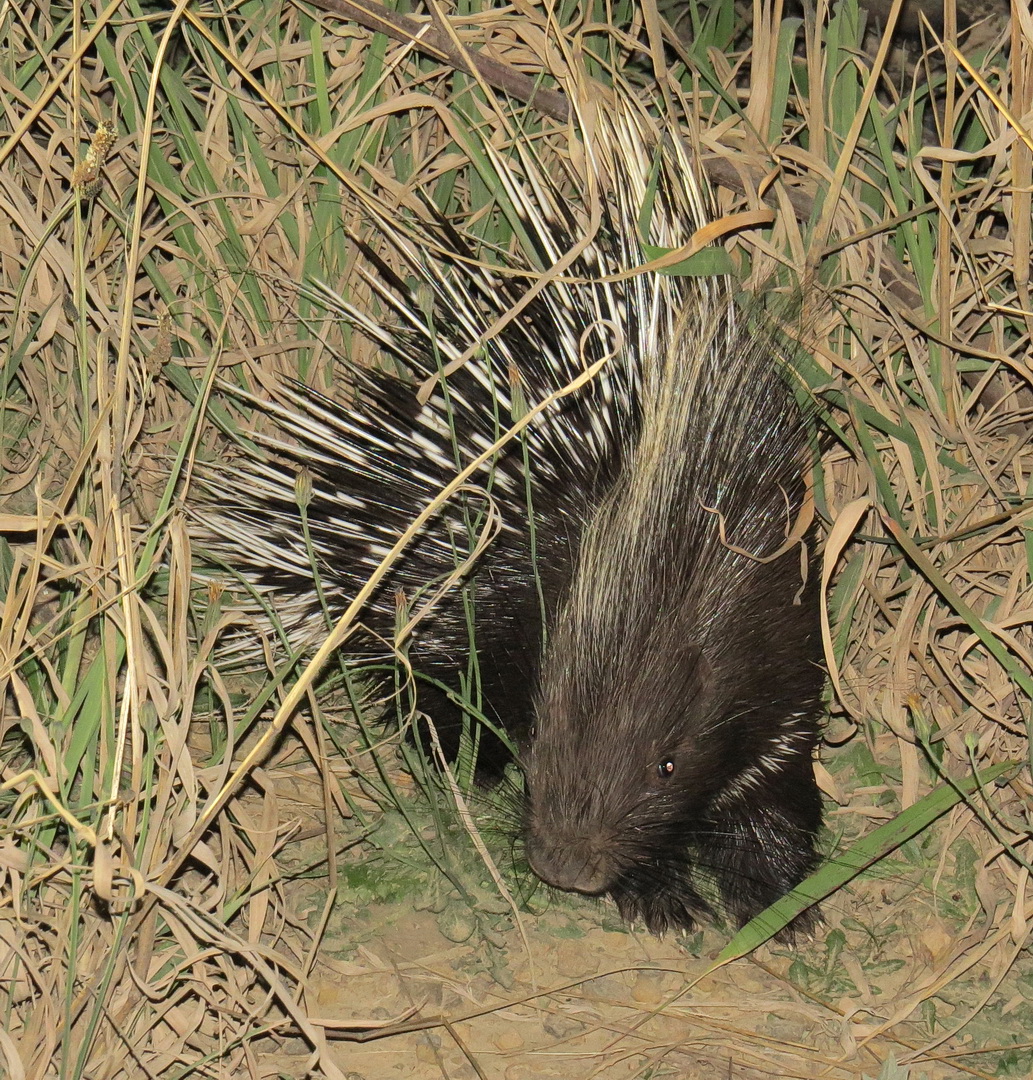
The highlight in the animal world appeared one night on the way back to the small holding – a Porcupine.

Porcupine

Cheers

Paul and Sally Bartho

Lesser Frigatebird – St Lucia

Report by Sally and Paul Bartho

11 to 13 October 2018
On the spur of the moment, Sally and I decided to dart over to St Lucia to try our luck at seeing the immature Lesser Frigatebird.

The day started off very pleasantly, however by the time we reached St Lucia – four and a half hours later – it was overcast and windy. The forecast was for foul weather to come.

Nevertheless we persisted in trying our luck that afternoon. Up and down the beach next to the lagoon wherever we saw Terns. At one point I sank knee deep into the quicksand- looked just like hard sand by the water’s edge. Had to lie flat down to extricate myself. Lovely black mud everywhere below thigh level. Fortunately both camera and binos got off lightly. Then to the beach to wash off in the sea. Nothing quite like walking with shoes and sox full of sand.

Legs and foots full of mud – poor shoes

Managed to do it a second time trying to cross a small stream to get onto a sandbank in the lagoon. Not so serious that time.

There were many waterbirds about, hundreds of waders – Three-banded Plovers, Curlew Sandpipers and Common Ringed Plovers mainly. Nine Black Oystercatchers, Pink-backed Pelicans, Greater and Lesser Flamingos in abundance, African Spoonbills etc.

On checking the Swift Terns we noticed a couple of Little Terns. They are really very very little. The photo below shows how small one is compared to the Curlew Sandpiper in front of it.

Little Tern with Curlew Sandpiper in foreground

After some time we reached the end of the lagoon with no joy. Then the bird appeared at a distance over the lagoon bombing the Swift Terns, and Flamingos putting them all to flight. Many photos were taken at a distance in dim overcast conditions. Most were consequently of poor quality.

Greater Flamingos take to the air due to Lesser Frigatebird (top right)

Then as we sat watching at the end of the lagoon where the Terns had just settled about 150 metres away, along came the Frigatebird to disturb them. However it was not the Terns which it was after but a very large Pink-backed Pelican. Coming, it appeared straight in line with us and the photos I got show the comparative wing sizes of the two birds. A fortunate mini series of shots.

A very hot shower was welcome when we got back, not only to get rid of the mud and  blown sand but also to warm us up.

The next morning we were up early hopeful of a brighter day in which to see the Lesser Frigatebird – not to be. Windy and overcast it remained. After a couple of hours we gave up and went to Western Shores for the rest of the morning.

Birding there was very quiet and like all the animals pretty scarce. However we did manage a few nice sightings of which the Martial Eagle was the pick of the day.

Martial Eagle

Red-breasted Swallows were seen mainly on the roads in the rain.

Red-breasted Swallow

And then we came across an unusual sighting. It looked like a spiders had wrapped a web all round a bunch of leaves. On closer inspection there were many red ants running about on the bundle. Later we learned that these are Weaver Ants and that these bundles are commonly seen in KZN coastal forests. The webbing is in fact glue.

Here is an excerpt from Joseph Banks’ Journal  found in Wikipedia “The ants…one green as a leaf, and living upon trees, where it built a nest, in size between that of a man’s head and his fist, by bending the leaves together, and gluing them with whitish paperish substances which held them firmly together. In doing this their management was most curious: they bend down four leaves broader than a man’s hand, and place them in such a direction as they choose. This requires a much larger force than these animals seem capable of; many thousands indeed are employed in the joint work. I have seen as many as could stand by one another, holding down such a leaf, each drawing down with all his might, while others within were employed to fasten the glue. How they had bent it down I had not the opportunity of seeing, but it was held down by main strength, I easily proved by disturbing a part of them, on which the leaf bursting from the rest, returned to its natural situation, and I had an opportunity of trying with my finger the strength of these little animals must have used to get it down.”

In the afternoon we did return to look for the Lesser Frigatebird. It was present but we were unable to get any better sightings of the bird as it kept its distance and the sky was grey again.

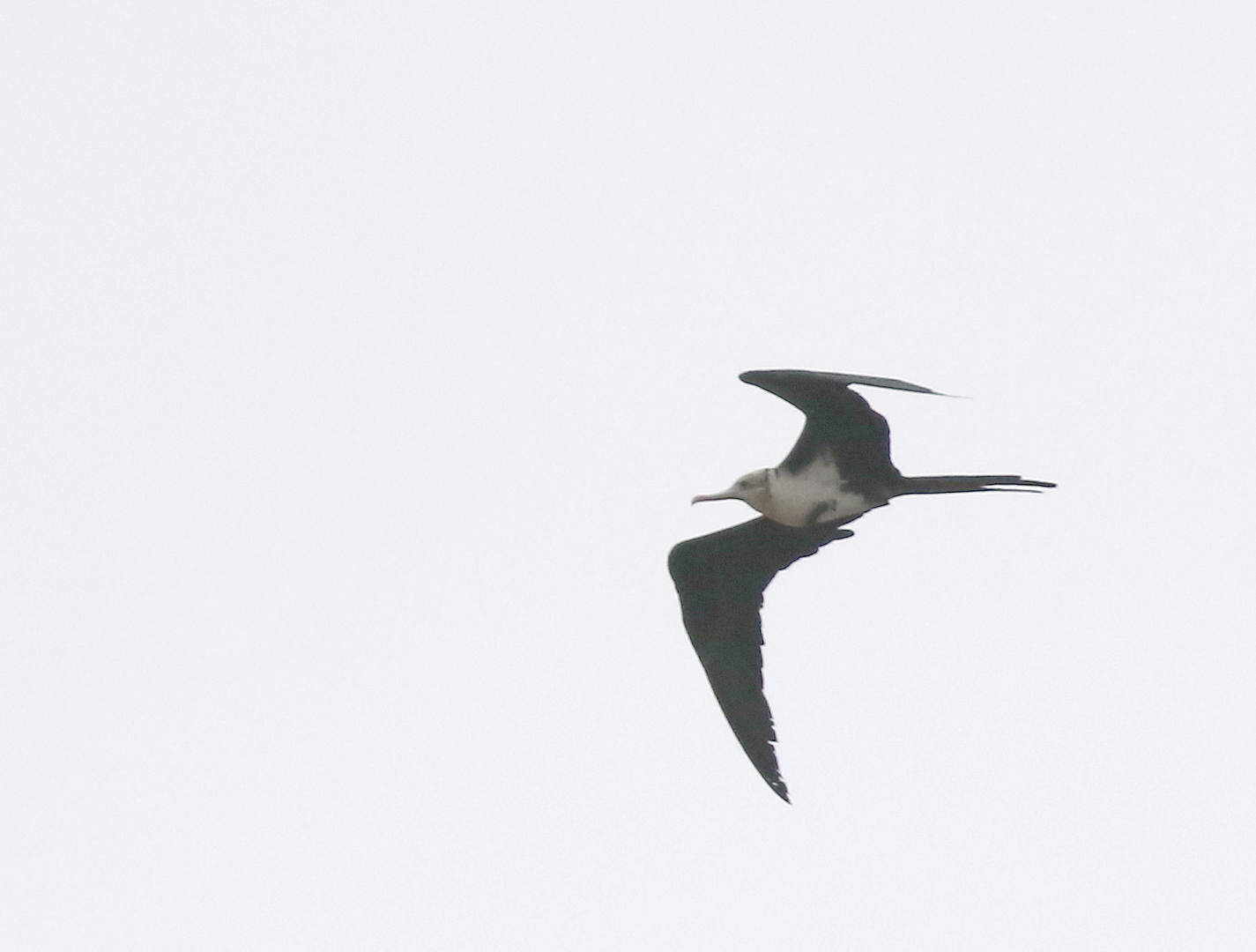
Lesser Frigatebird

Saturday morning was not only windy and overcast but it was also squalling. Instead of going to the beach we went into Eastern Shores. Surprisingly none of the dirt roads were closed. We were happy having a 4×4 to drive on them. In places the mud was very slippery and we watched one 4×4 almost slide off the road and down the bank.

Elephants had been out the night before along one of the dirt roads and in one place had downed a large tree across the road with no chance to go round. A long careful reverse was required to find a suitable place to make a U-turn.

Despite all the adverse weather we did manage to identify 107 bird species (click here to see the list) during the time in St Lucia as well as seeing several Rhino and a large herd of Buffalo. Most of the antelope species were hunkered down and not very noticeable.

Cheers

Paul and Sally Bartho