Photos curtesy of Declan Jordan, Rex Aspeling, John Bremner and Dave Rimmer.
Umbogavango in Winter came up trumps – it was a beautiful day and the birding was great as can be seen from the superb pics. There were 19 members & 1 visitor and we broke up into 2 groups – thanks to Ismail for leading the 2nd group.
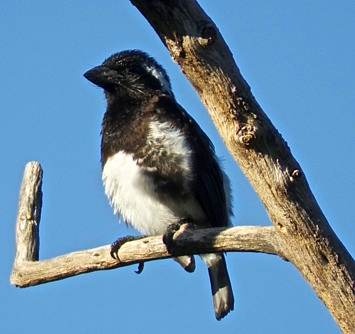
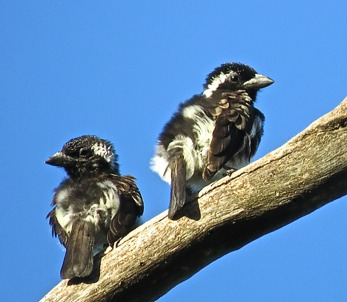
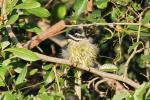
White-eared Barbets in abundance;
White-eared BarbetWhite-eared Barbets
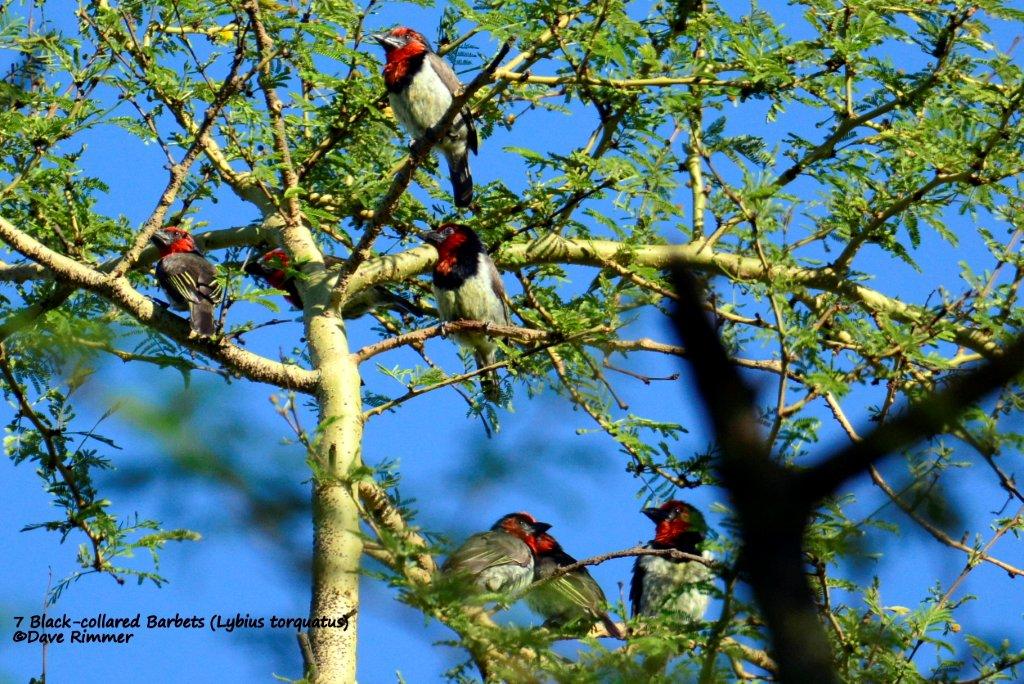
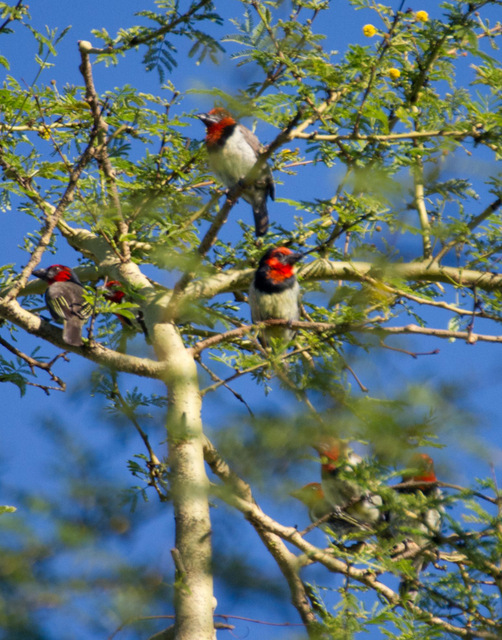
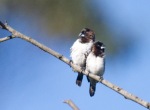
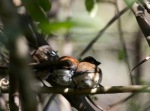
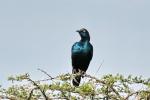
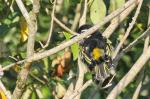
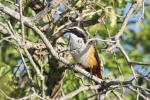
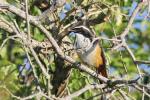
then we had the most lovely views of 6/7 Black Collared Barbets sitting in the top of a fever tree catching the sun (what a great pic!!).
Black-collared Barbets
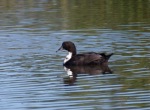
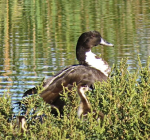
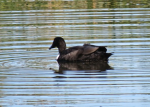
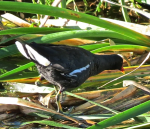
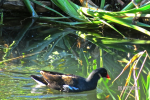
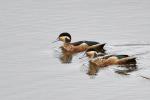
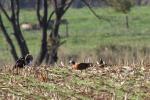
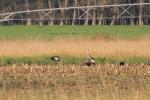
Maybe not so many water birds as in Summer but Black Crake were seen a number of times as well as a very strange hybrid goose hanging out with a pair of Egyptian Geese and their chicks (any ideas on the lineage?).
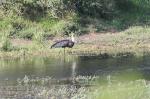
Hybrid
Hybrid
Hybrid
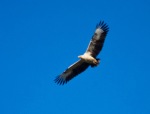
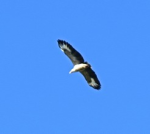
Raptors: Black Sparrowhawk, Lanner Falcon, African Fish Eagle and then the piece de resistance a Palm-nut Vulture circling overhead and giving us the most fabulous display – I think we then decided it was a glorious day.
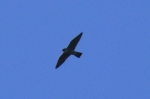
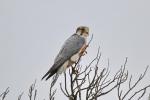
Possible Lanner Falcon
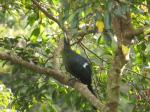
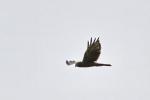
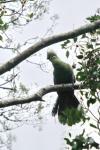
Palmnut Vulture
Palmnut Vulture
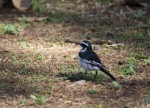
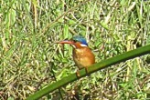
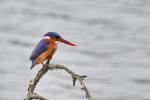
We had a brief glimpse of a Natal Spurfowl; Giant, Malachite & Brown-hooded Kingfishers, Cape, Pied & Mountain Wagtails, plenty of flycatchers and sunbirds and lots, lots more – our count was 74 but a few of us stayed on for another short walk and we had large flocks of Red-back Mannikins and a sole Blacksmith Lapwing flew into sight just as we were leaving making a total count of 76 – not too shabby for a Winter’s morning birding.
Here is a short report on Empisini – courtesy of Elena Russell.
There were 13 of us and the morning started off a little chilly and cloudy and although there was lots of bird song not much to see – a Lemon Dove gave its soft hoo from the forest’s ferny floor, maybe one or two of us caught a brief glimpse as it took off.
The Scaly-throated Honeyguide called incessantly as well as the Lesser Honeyguide, Natal Robins flitted across our path as well as Tambourine Doves. We had a couple of good bird parties – lots of Grey Cuckooshrikes & Black Cuckooshrikes – the one male had the most beautiful yellow epaulettes.
When we returned for tea the birding had not been the greatest and for Empisini we all agreed was rather disappointing.
After tea we took another walk on a different path and the birding really took off – Narina Trogon, Green Malkoha, Blue-mantled Crested Flycatchers and eventually we saw the Honeyguides including the Greater Honeyguide plus lots, lots more!! It was then decided this was one of the best outings!! – the bird count was 54.
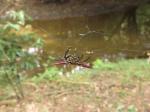
Pics are courtesy of Dave Rimmer, Penny de Vries and Paul Bartho– does anybody know if it is a spider’s nest and which one and if not what is it? Also the ID of the Giant Woodlander Kingfisher is very suspect! As always!
Birders in the forest canopy.
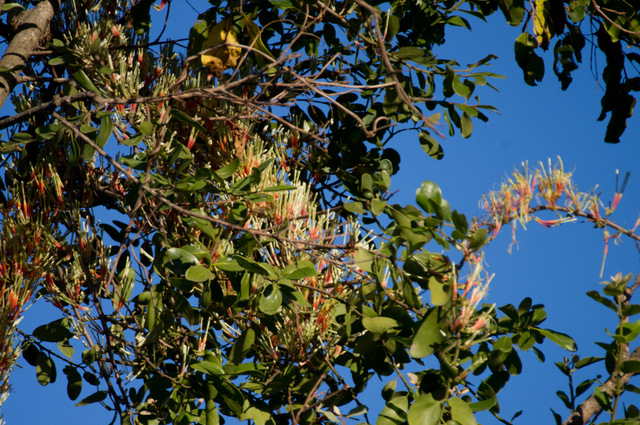
Aloes in full bloom
Aloes in full bloom
Giant Woodlander Kingfisher
Sally – Empisini
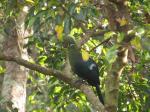
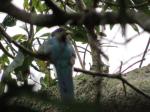
Knysna Turaco
Knysna Turaco
Knysna Turaco
Kite Spider
Spider nest
Lucky Ladybug
Narina Trogon – female. Terrible photo. Submitted to convince you we actually saw one.
Last year towards the end of April there was a weekend outing to Ilala Palm Park – the first time BLPN had visited the park. Everyone agreed it was not only a great venue but also a great base for good birding in the local reserves.
On the 15th May a number of us (4 couples) revisited Ilala Palm Park for 3 nights. The weather was cooler and the vegetation greener than last year. The accommodation was again excellent. We were the only visitors. Each campsite has its own ablutions with good hot water as well as a wash-up area.
Showing the size of a small campsite with its private ablutions and wash-up area.
We had 2 full days there plus the afternoon on arrival and the morning before departure. The plan – to spend the first day visiting Muzi Pan and Mkuze Game Reserve and the second day, Tembe Elephant Park. The rest of the time was spent birding in and around the campsite.
Muzi Pan – Friday:
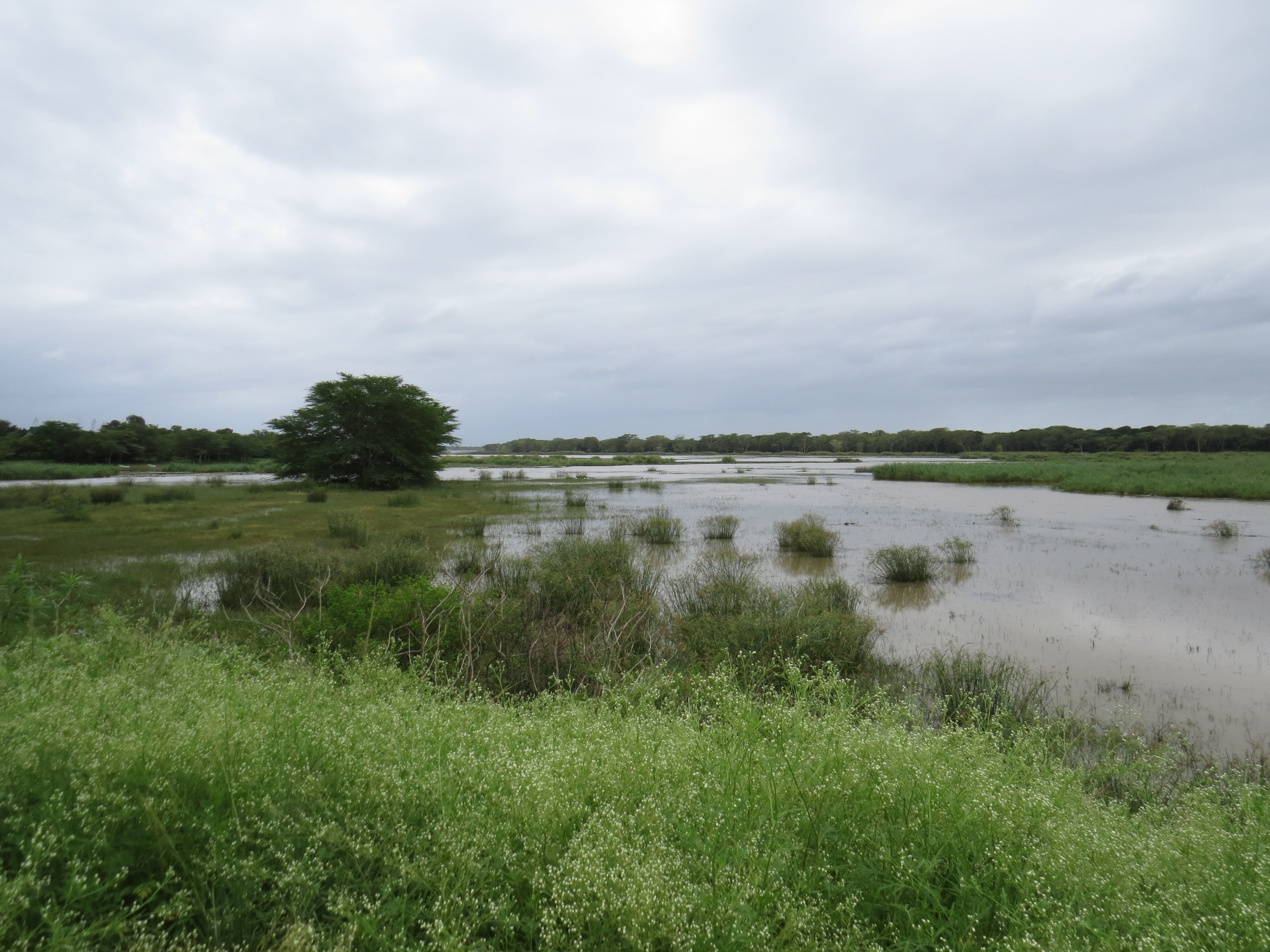
The water is in the distance
Despite this being the wrong time for waders, we enjoyed a couple of hours early morning at Muzi Pan. As you can see from the photo the water level was far away from the road. Compare that to January last year when the water was raging under the road bridges and came right up to the road.
Muzi Pan Jan 2013
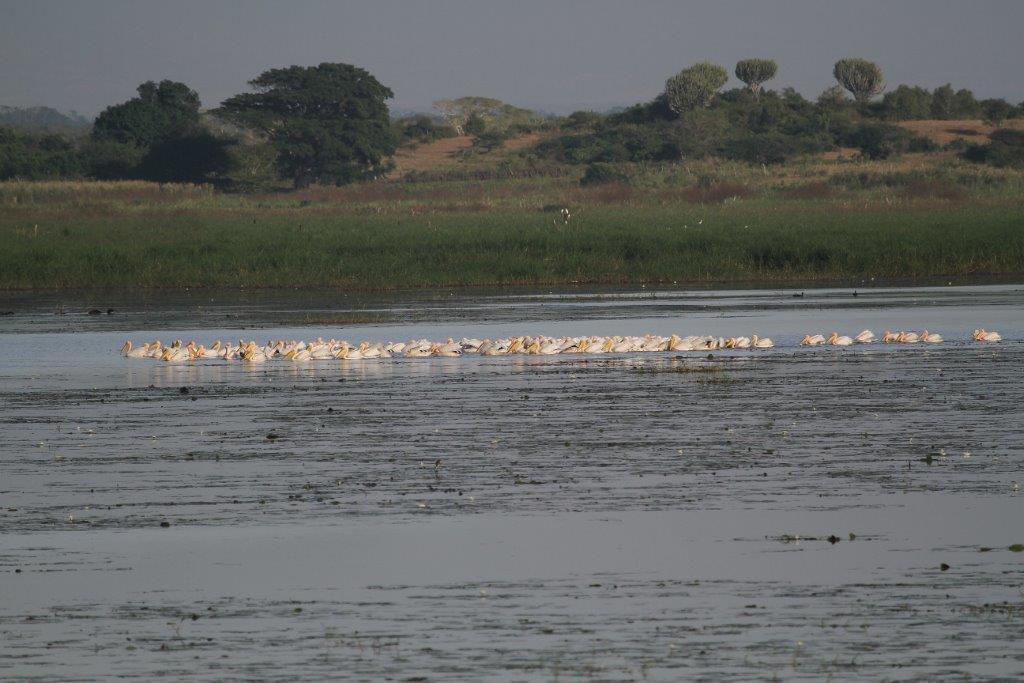
During the short stay there we recorded 34 species seen from the roadside. There were over 100 Great White Pelicans masterfully fishing together on left side of the causeway as you head towards Mkuze.
Fishing together – quite a sight
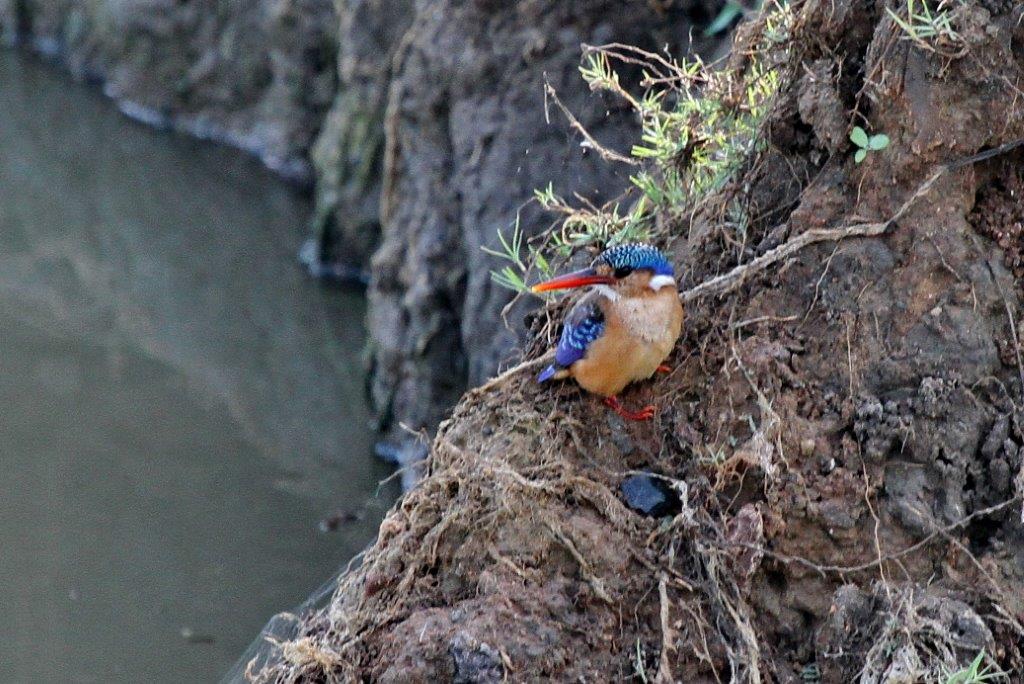
Then there was an obliging Malachite Kingfisher beside the road openly sunning on the bank. On return home later in the day he was still there.
Malachite Kingfisher – still there 6 hours later
And probably the other interesting species were Wire-tailed Swallows, the Lapwings – both African Wattled and Senegal. Several Caspian Terns also made an appearance on our return home.
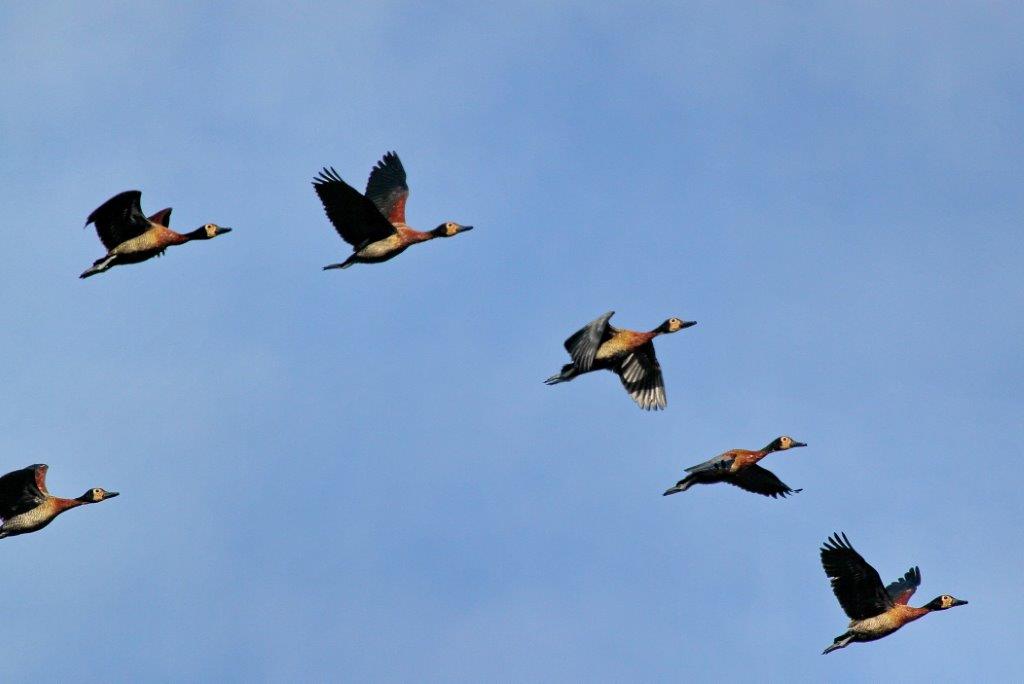
Formation FlyingSenegal Lapwing – part of a group of 6
Mkuze – Friday:
A late start in Mkuze rarely produces a large bird list and this was no exception – especially at this time of year. In total we managed 69 species in the 6 hours we were there.
We visited Nsumo Pan picnic site for tea and saw a number of Yellow-billed Storks with a few Openbills amongst them – in the trees opposite.
Nsumo Pan Picnic site
Pale Flycatcher
Yellow-billed Storks
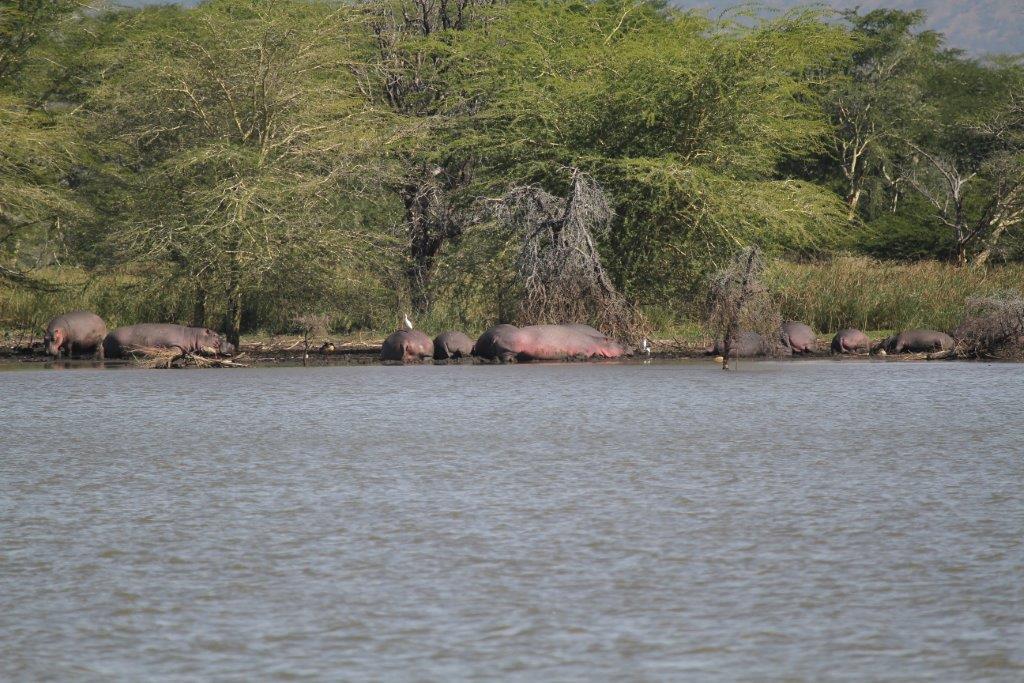
There were also a few Whiskered Terns over the water in the distance and a bank of hippos lying in the sun on the opposite shore – showing their pink bellies.
Hippo downtime
A couple of us went to the kwaMalibala Hide to be entertained by a lazy White Rhino and another missing one horn as well as Giraffe having a drink. It was here that we saw the Dark Chanting Goshawk preening in a bare tree opposite.
Legs splayed
Dehorned
Dark Chanting Goshawk
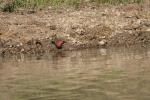
Red-billed Firefinch
Red-billed Firefinch
Red-billed Oxpecker
Lunch was at the kuMasinga Hide picnic area followed by an hour in the hide before returning to Ilala Palm Park. It is always good to sit in the hide around lunchtime when the birds come in to drink. There were very blue Blue Waxbills, Yellow-fronted Canaries, Dark-capped Bulbuls, Yellow-throated Petronias, Golden-breasted Buntings, Emerald-spotted Wood-Doves at the water’s edge nervously drinking. Numerous White-crested Helmetshrikes, Brubrus, Fork-tailed Drongos, Scimitarbills, Spectacled Weavers, Brown-hooded Kingfisher all flitting around in the trees around the hide. Overhead the odd Bateleur.
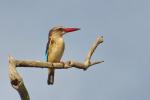
Brown-hooded Kingfisher
Emerald-spotted Wood-Dove
Scimitarbill
Dark-backed Weaver
Golden-breasted Bunting
Blue Waxbill & Yellow-fronted Canary
Blue Waxbills
Very blue Blue Waxbill
Yellow-throated Petronia
Yellow-throated Petronia
Several birds stood out as unusual – African Stonechat, Violet-backed Starling and Fiscal Flycatcher. More photos of some of the other birds seen.
African Pipit
Black-bellied Starling
Stonechat – female
White-browed Scrub-Robin
White-crested Helmetshrike
White-crested Helmetshrike
The refurbished hides are all still in good order but the wooden walkways to the hides are in a very sorry state as well as the kwaMalibala hide itself.
Tembe Elephant Park.
Saturday was dedicated to a visit to Tembe Elephant Park. We arrived at 07h30 and set off looking for the elusive Plain-backed Sunbird on the Gowaninini Loop – a wasted effort and we somehow managed to turn round on the the sandy road and return to the entrance and proceeded to the hide at the Mahlasela Pan.
At the moment there is quite a large swamp area just beyond the Pan to its left. There were a number of species in that area – White-faced Duck and 8 ducklings, Woolly-necked Stork and little Grebe being the more interesting.
White-faced Duck and ducklings
Woolly-necked Stork
Three-banded Plover
After a short uneventful stay we drove the East Swamp road to the Ponweni Hide for tea. The East Swamp road is very open and affords good views over the swamp all the way along the 10 kms. Along the way there were excellent sightings of a Little Bee-eater and Grey-rumped Swallows.
Little Bee-eater
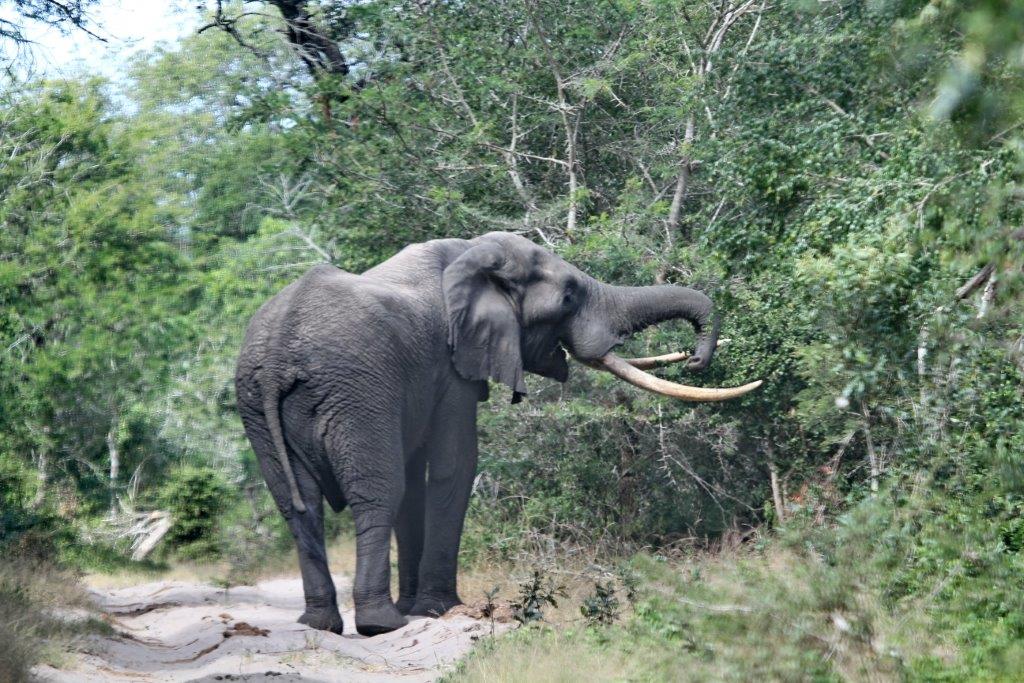
We returned to the hide at Mhlasela Pan via the West Swamp road – more wooded with few places to view the Swamp. A rather large bull elephant slowly ambled in front of us for a good 10 minutes before stepping off the road to let us past!
Large bull elephant keeping us warily at a distance
Noticeably along this stretch there were numerous sightings of White-crested Helmetshrikes.
Back at the hide the nearby trees yielded close-up sightings of Chinspot Batis, Yellow-breasted Apalis and Fiscal Flycatchers.
In total we saw/heard some 53 species – with perhaps the fly past of the African Marsh Harrier being the highlight of the day as the sun caught the bird showing its colour and markings extremely well.
African Harrier-Hawk
Hamerkop
Lizard Buzzard seen on way to Tembe
Ilala Palm Park:
On Sunday we actively birded around the camp- taking a 2 hour walk up the road and into the bush around the camp. The rest of our records came from incidental sightings as and when we were in the camp.
The conditions were cool but sunny. A late start on Sunday – 07h00 – was decided to give the sun a chance to get some heat into and over the bush. Perhaps we should have started earlier as the birds were quite vociferous from first light. Two of us stayed on for an extra day, started earlier and noticed this the following morning.
We had a hard time trying to ID a bird which only showed its back – see if you get it right first time:
What bird is this.
Although the number of species seen this time was less than last year, the quality of the sightings was excellent. In total we recorded 52 different species including Pink-throated Twinspots (camp bird calling everywhere); African Goshawk; African Yellow-White-eye; Bearded Scrub-Robin; White-throated Robin-Chat; Rudd’s Apalis; Olive Bushshrike; Blue-mantled Crested-Flycatcher; Fiscal Flycatcher; Grey, Olive and Collared Sunbirds as well as an unusual Klaas’s Cuckoo heard calling.
Fiery-necked Nightjar and Spotted Eagle-Owl were heard calling at night. And a Woodward’s Batis was thought to be calling on arrival.
But perhaps the highlight was the sight of a Little Sparrowhawk on the waterbath at campsite number 2.
Dusky Flycatcher
Dusky Flycatcher
UI Butterfly
UI Butterfly with wings up
Olive Sunbird
Brimstone Canary
Spectacled Weaver
Spectacled Weaver
Neddicky
Golden-tailed Woodpecker
Southern Boubou
Speckled Mousebird- very bedraggled
Chinspot Batis – male
Black-backed Puffback
African Yellow White-eye
Yellow-rumped Tinkerbird
Yellow-rumped Tinkerbird
Yellow-rumped Tinkerbird
White-throated Robin-Chat
White-throated Robin-Chat
Sombre Greenbul
Rudd’s Apalis
Rudd’s Apalis
Red-billed Firefinch
Red-billed Firefinch
Red-billed Firefinch
Red-billed Firefinch
Olive Bushshrike
Olive Bushshrike
Emerald-spotted Wood-Dove
Emerald-spotted Wood-Dove
In all it was a great long weekend of birding and a location we think should be really productive in the summer. In my opinion 5 nights would give one the opportunity to visit many of the other interesting areas nearby – like Kosi Bay, Lake Sabaya, Babibi and possibly Ndumo (although it is almost a 2 hour drive to get there).
For those interested click on the following link for a copy of our bird list in each area we visited.
Paul & Sally Bartho; Cecil & Jenny Fenwick; Dave & Jenny Rix; Ian & Lyn Graham.
This photograph of a bird seen in the Kruger has just been sent to me. Apparently it was taken on 17th April 2014. I am trying to get more details as to exactly where it was taken.
I am not confident that this is a Pied Babbler – way out of range according to SABAP 1 and 2 – so I thought I would share it with you. Once I have more details I intend to send it in to ADU as an incidental report if confirmed. Please correct me if I am wrong about its ID.
Four of us visited Eston Ponds on a cool and overcast day with the odd drizzle. Not a great day for birding nor photography unfortunately.
Following Barry Swaddle’s example we checked in at the mill and then went down to the top ponds to the right of the mill entrance. This is private property. We were not aware of this until we met the farm owner – Derek Bennet – luckily a very friendly farmer. BLPN birders are welcome to visit but he asked that we call him first (tel: 082 953 7911) so he can advise his security.
Our morning was therefore in two parts – the first at Derek Bennet’s farm and then a drive round the ponds below the Eston Mill.
It was easier to view waterbirds at the farm ponds because you can get closer to the mud banks and water’s edge.
The lowest Eston mill pond was virtually dry. The large pond above it had one stretch of water close by next to the dam wall but most of the pond is covered in vegetation with the odd open area to view waterbirds from afar.
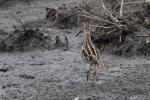
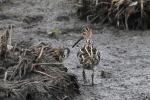
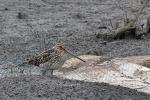
Perhaps the highlight of the day were the 2 pairs of African Snipes together on the mudbanks at one of the farm ponds. And we heard an African Rail in the large Mill pond.
A Lanner Falcon was very obliging for a photo shoot too. Other raptors seen included an African Marsh Harrier being bombed by Blacksmith Lapwings (Lapsmiths for short) and an overhead flypast of a Black Sparrowhawk.
Unfortunately no Orange-breasted Waxbills were seen – probably due to the weather. This was one of the species we came to find.
In all we saw some 52 species – mostly waterbirds.
For the record we had a good turnout +25 members & visitors and the bird count was +53.
Crispin Hemson joined us a little later and at the end when we were having tea and only a couple of people had seen the Spotted Ground-thrush he went off and looked for it and eventually most of us had good views. Unfortunately no sign of the Blue-mantled Crested Flycatcher.
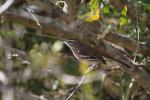
Collared Sunbird
Tawny-flanked Prinia
Spotted Ground-Thrush
Yellow-rumped Tinkerbird
Thanks to John Bremner and Dave Rimmer for the pics.
Bushwillow Park campsite is spectacular. Grassy, large flat sites, good hot water with great views and surrounded by mistbelt forest. It is located just beyond the Karkloof Conservancy 20 kms from Howick.
View
View from the mistbelt forest including one of the two cottages
View up through the campsite with the mistbelt forest as a background.
Looking down at the campsite and clubhouse
The clubhouse
View towards the clubhouse
Campsites towards the ablutions
Eleven of us braved the conditions – cold but not wet thankfully.
Some arrived early on the Thursday and enjoyed an extra day birding around the campsite. One of the first things noted was the abundance of seed available in the long grass attracting a host of Euplectes species (out of breeding plumage) and numerous Thick-billed Weavers.
Over the long weekend a lot was packed in.
Friday, everyone else arrived and enjoyed a stroll around the campsite followed by an evening braai.
Birds seen and photographed around the campsite include:
African Black Ducks
African Black Duck
African Stonechat
African Swee Waxbills
African Swee Waxbill
African Swee Waxbill
Amethyst Sunbird
Cape Wagtail
Black-backed Puffback
Cape Grassbird
Cape Grassbird
Diderick Cuckoo
Drakensberg Prinia
Drakensberg Prinia
Collared Sunbird
Collared Sunbird
Common Waxbill
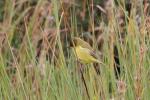
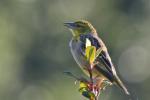
Dark-capped Yellow Warbler
Dark-capped Yellow Warbler
Dark-capped Yellow Warbler
Dark-capped Yellow Warbler
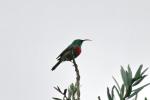
Greater Double-collared Sunbird
Greater Double-collared Sunbird
Lazy Cisticola
Fork-tailed Drongo
Giant Kingfisher
Malachite Sunbird
Malachite Sunbird
Malachite Sunbird
Olive Woodpecker
Red-winged Starling
Southern Black Tit
Southern Black Tit
Southern Double-collared Sunbird
Speckled Mousebird
Speckled Pigeon
Thick-billed Weaver
Village Weaver
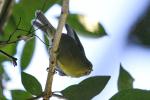
Yellow-throated Woodland-Warbler
Yellow-throated Woodland-Warbler
There was an exciting experience observing a host of Red-billed Queleas. Walking down a path with long grass on either side, Red-billed Queleas were seen and heard in numbers. At one point on the left going down they all flew up at once creating a loud “whooshing” sound. Then immediately on the other side behind there was a similar louder “whooshing” sound. It drew immediate attention. Expecting that there was another large flock of Queleas everyone looked round to see only 2 birds creating this noise. A Lanner Falcon hot on the heels of probably a Speckled Pigeon. No luck for the Lanner but we enjoyed the spectacle.
Saturday morning, a trek up one of the trails behind the campsite – an arduous walk through the mistbelt forest. It was all uphill and very steep in places – sometimes slippery. Going up was one challenge but coming down probably more so especially for those with dicky knees. The birding was quiet but those birds seen were special in particular Olive Woodpecker and Yellow-throated Woodland Warbler.
In the afternoon there was a visit to the Karkloof Conservancy and its two hides followed by another evening braai. Karkloof did not disappoint: Southern Bald Ibis and all three species of Cranes being the star attractions.
Some birds photographed at the Karkloof Conservancy:
Walk to Karkloof Conservancy bird hides
Twitcher’s Delight
White-faced Ducks in a row
Wattled Lapwing
South African Shelduck – male
South African Shelduck – female
Sacred Ibis
Little Grebe AHV
Black-winged Lapwings
Black-winged Lapwing
Wattled Cranes
Wattled Crane
Grey-crowned Cranes
Blue Crane
Blue Crane
Blue Crane
Blue Crane
Bald Ibis
Bald Ibis
Bald Ibis
Sunday, a stroll round Benvie on a cold and overcast morning – a garden paradise with many specials seen.
The rest of the day was downtime in and around the campsite.
Benvie Gardens
Benvie Gardens
Benvie Gardens
Samango Monkey – Big Daddy
Knysna Turaco
Knysna Turaco
Long-crested Eagle in silhouette
Mountain Wagtails
Olive Thrush
Southern Boubou
Bush Blackcap
Orange Ground-Thrush
Chorister Robin-Chat
Monday, a time to do last minute birding and to reflect and prepare for departure.
In all 94 bird species were seen and or heard including many of the specials in the area.
Some of the special birds seen and or heard included Bush Blackcap; Olive Bushshrike; Forest Canary; Blue, Grey-crowned and Wattled Cranes; Grey Cuckooshrike; African Black Duck; Lanner Falcon; African Goshawk; Scaly-throated Honeyguide; Southern Bald Ibis; Cape Parrot; Drakensberg Prinia; Chorister Robin-Chat; South African Shelduck; Red-necked Spurfowl; Malachite Sunbird; Orange Ground-Thrush; Knysna Turaco; Mountain Wagtail; Dark-capped Yellow-Warbler; Yellow-throated Woodland-Warbler; Swee Waxbill; African Wood-Owl; Olive Woodpecker.
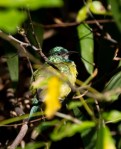
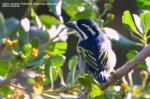
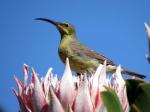
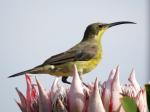
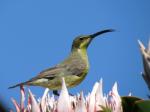
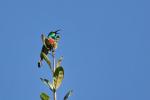
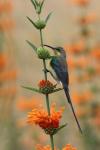
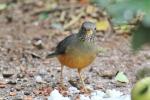
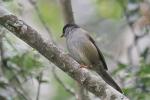
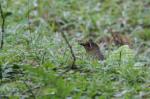
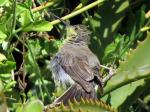
Please help with ID of these two sets of Sunbirds. Both sent to me by a resident of Le Domaine here in Hillcrest, Durban.
Click on the picture and add your comments below the enlarged Photo.
The First set:
The Second set:
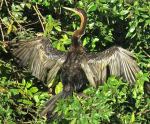
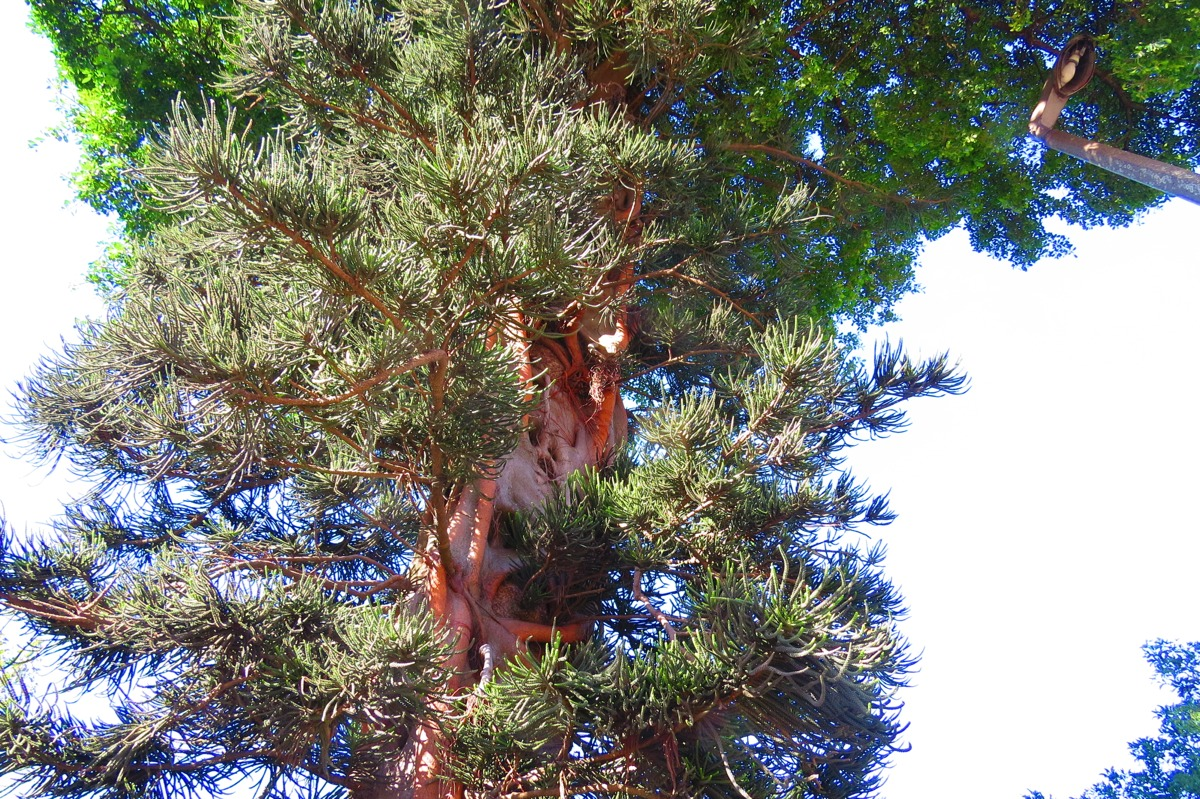
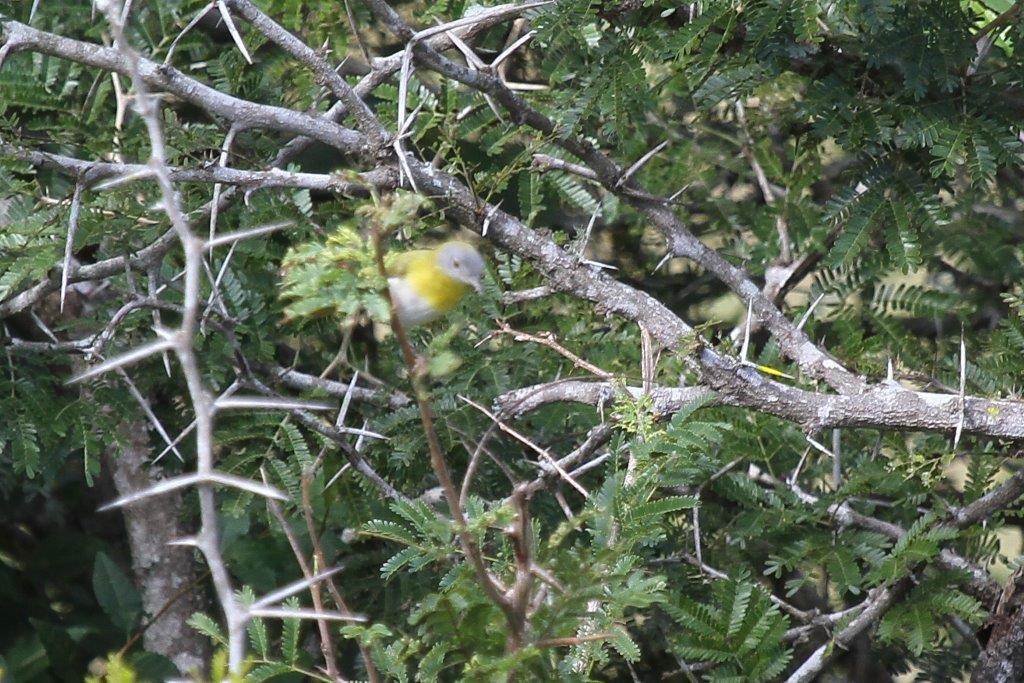
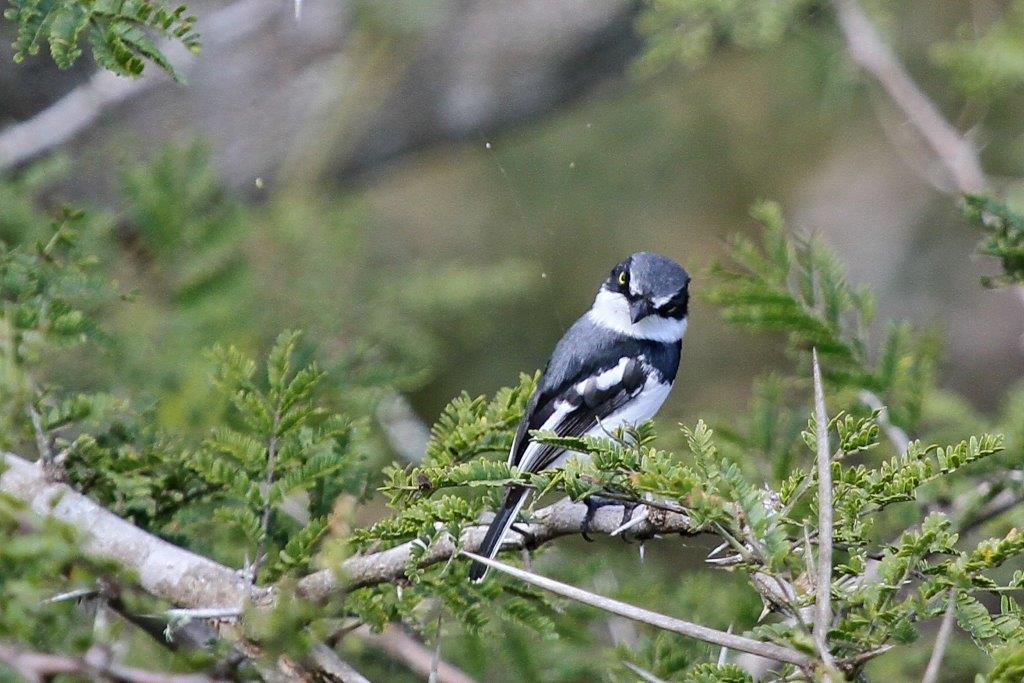
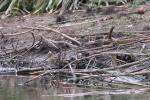
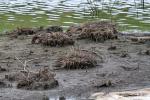
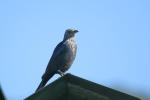
The first 2 pictures in this sequence were taken on 4th April and the last one on the 19th April. Looking up at what? Scouring above could yield no clues – maybe you have an idea?














































































 Birds are our Story