And so we left Satara on an overcast and slightly dribbly day. We headed for Tshokwane and then directly to Lower Sabie.
We love seeing herds of elephants but are nervous when they appear in the middle of the road while we are towing our Wildcat. As is usually the case they then appear behind as well – coming towards you. Reversing is not an option.
Really, we were not that close!!
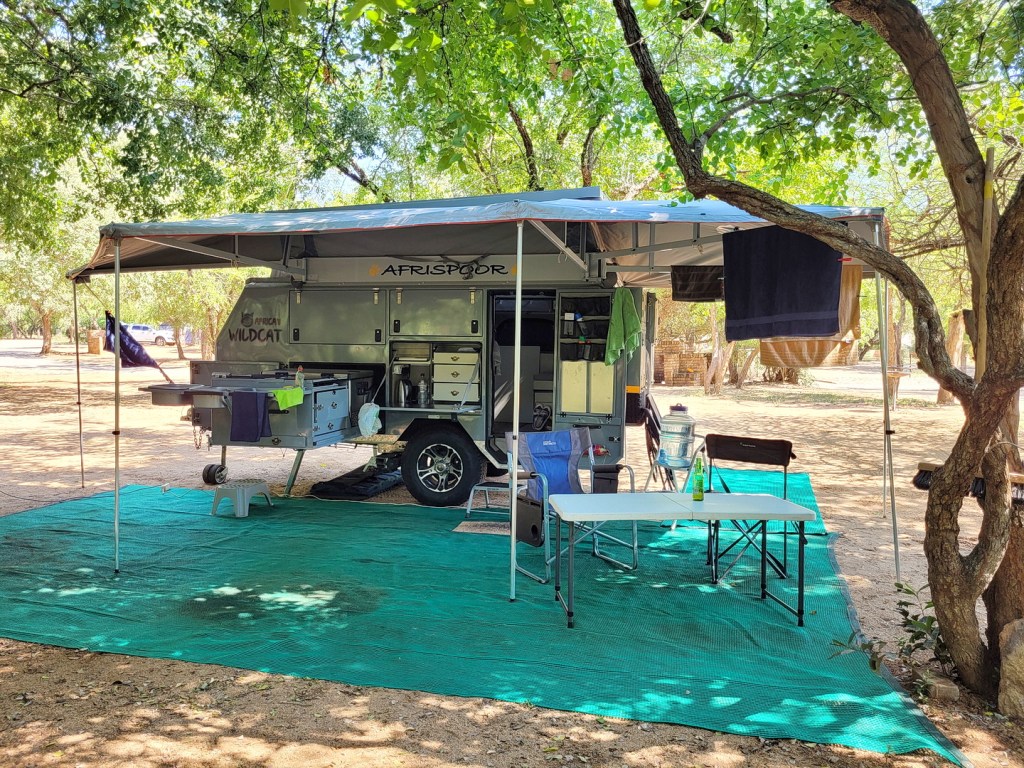
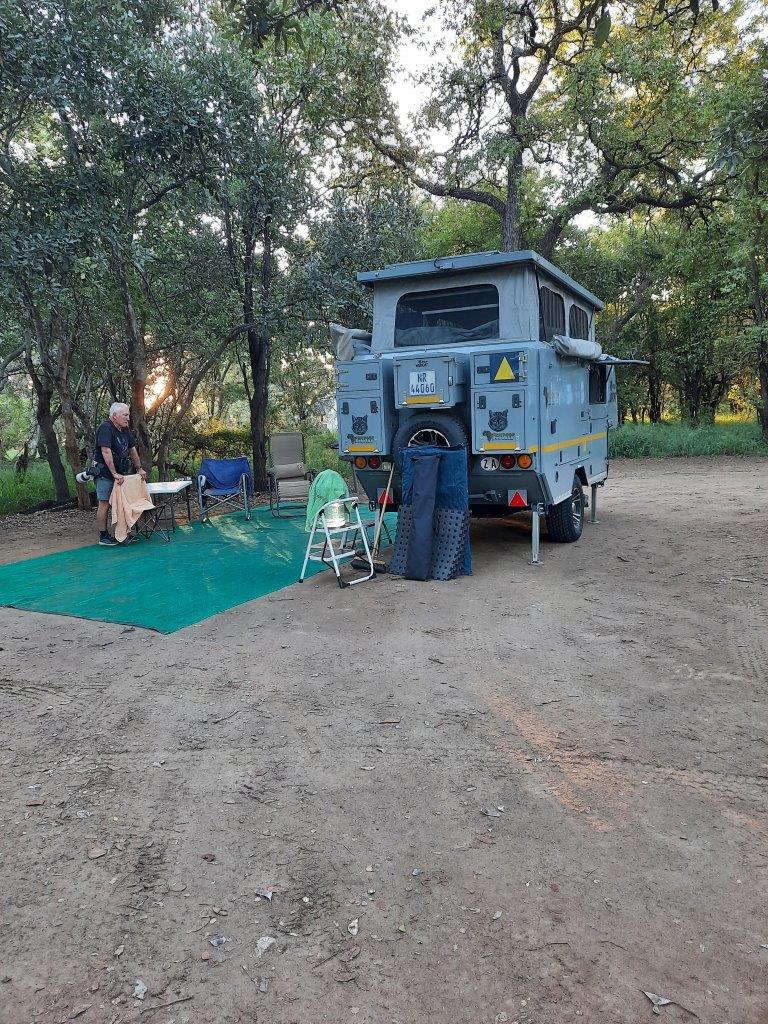
Camp was set up in a convenient spot.
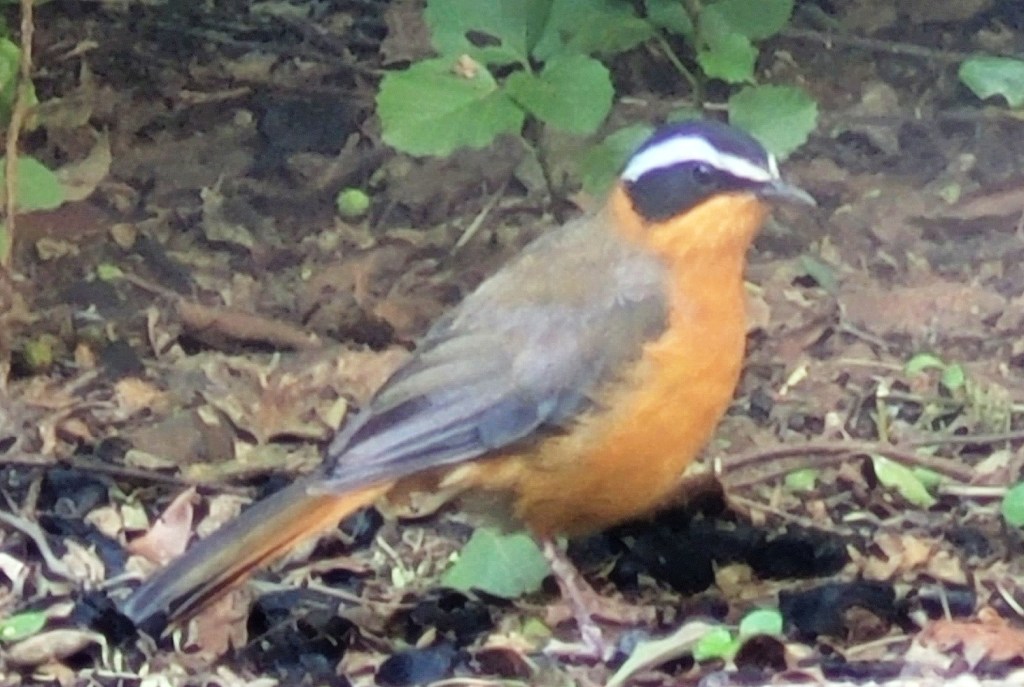
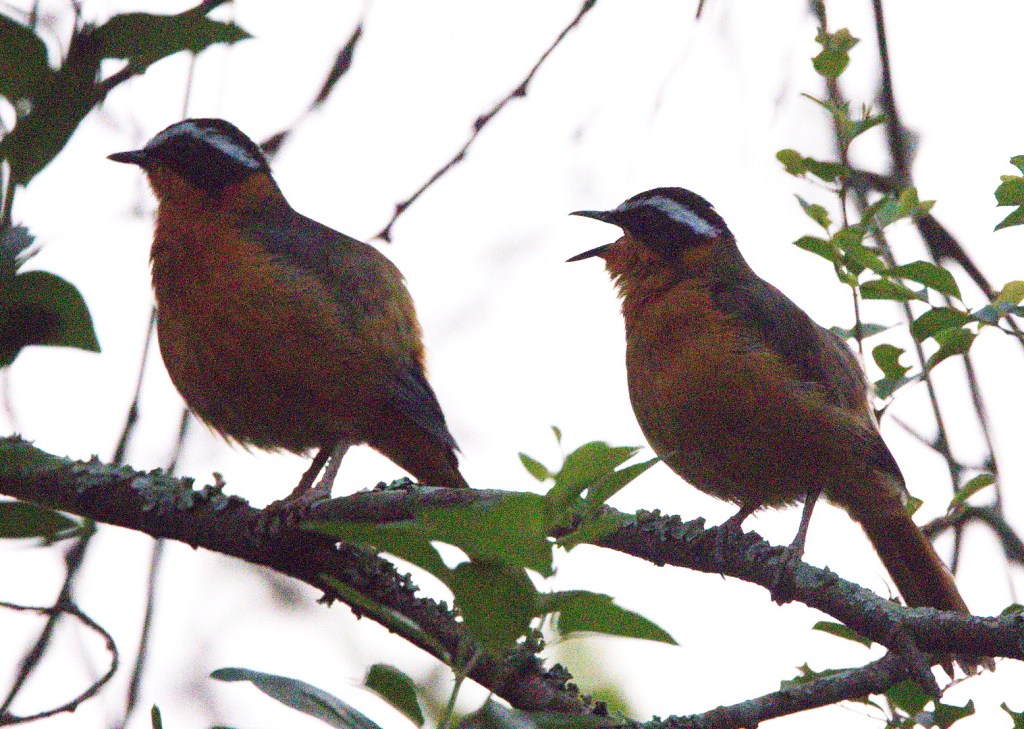
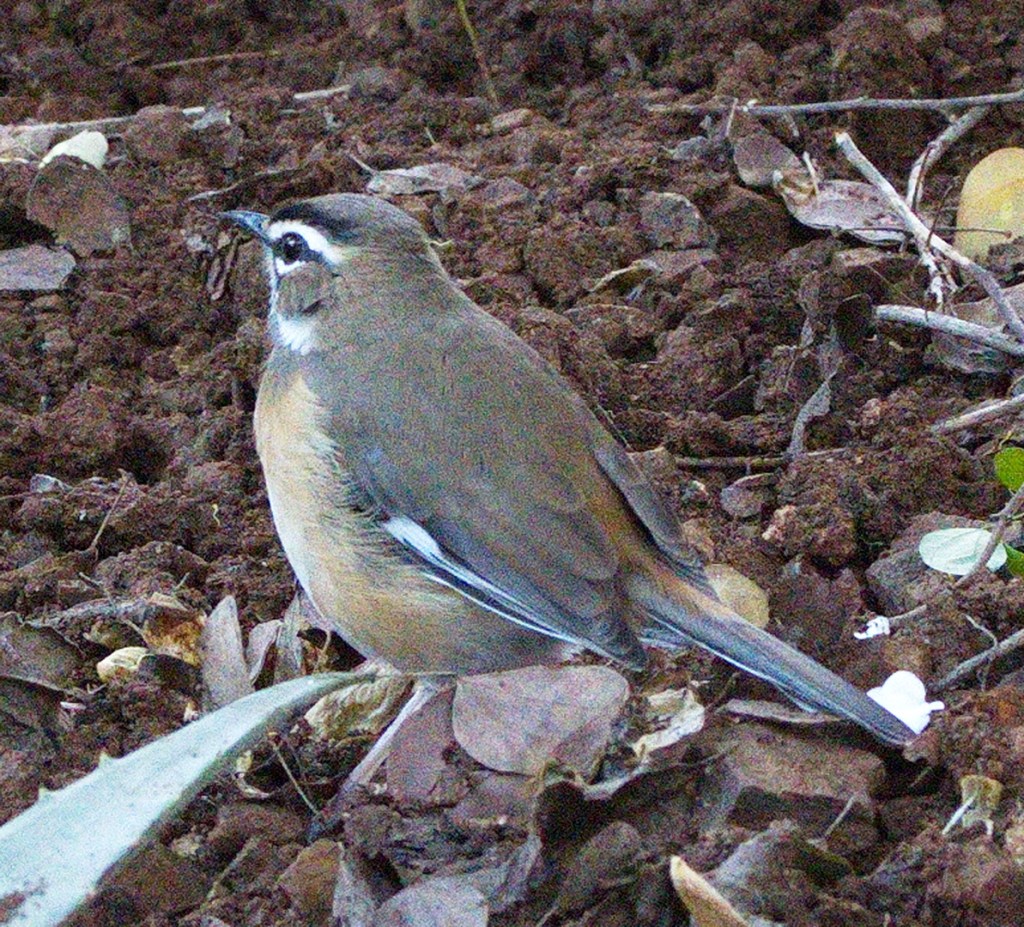
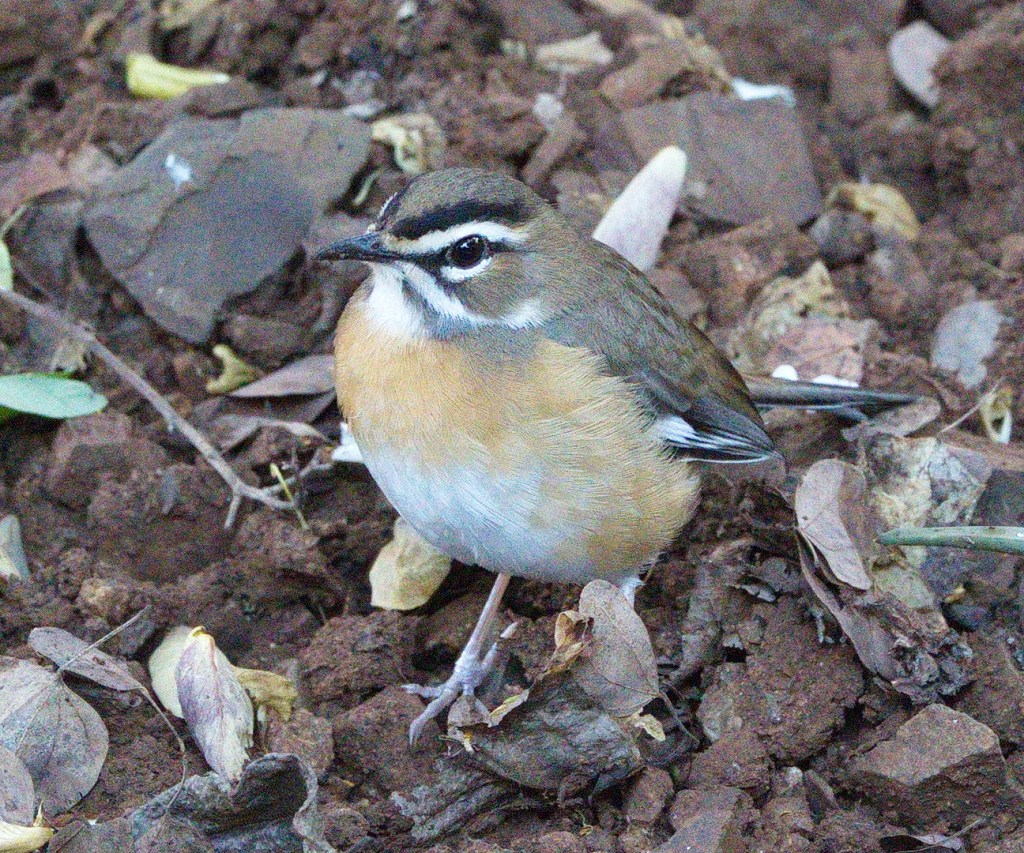
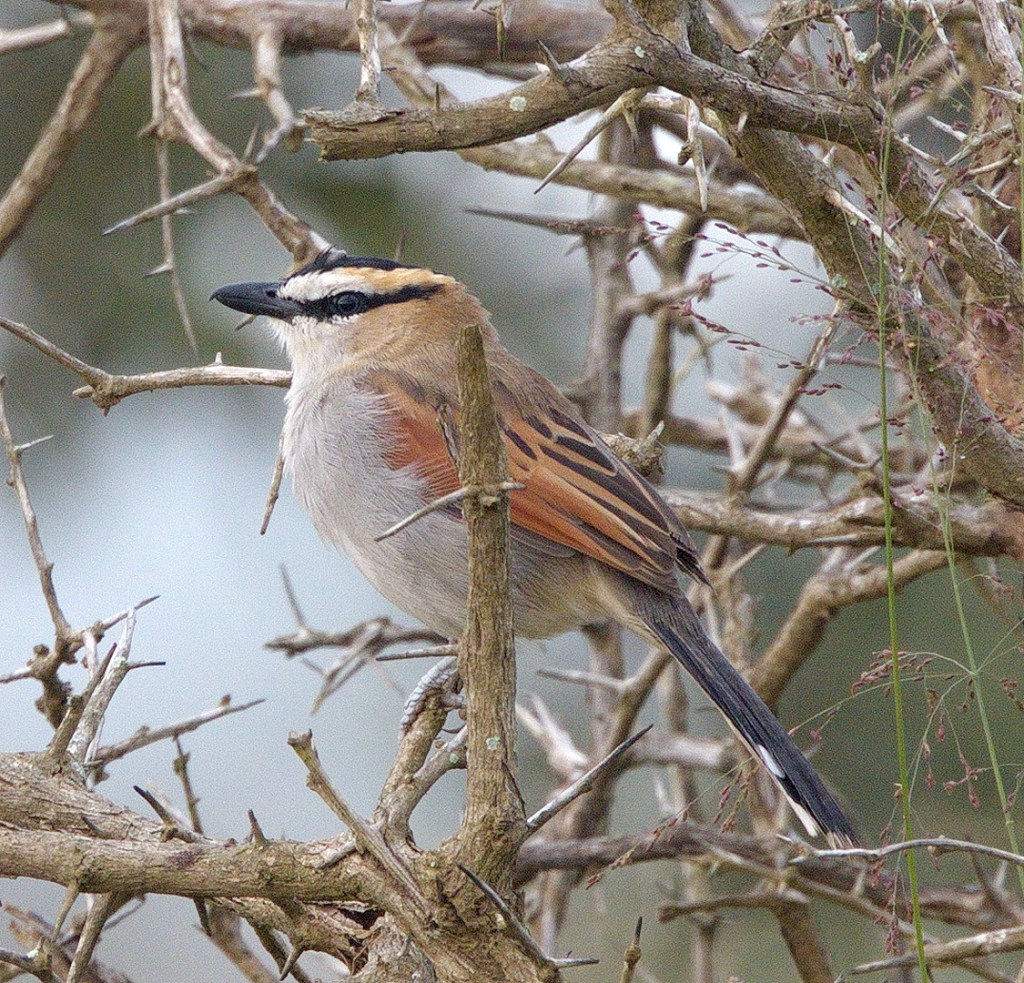
We had a pair of White-browed Robin-Chats (Heuglin’s) chorus us each morning always from the same spot in the bush.
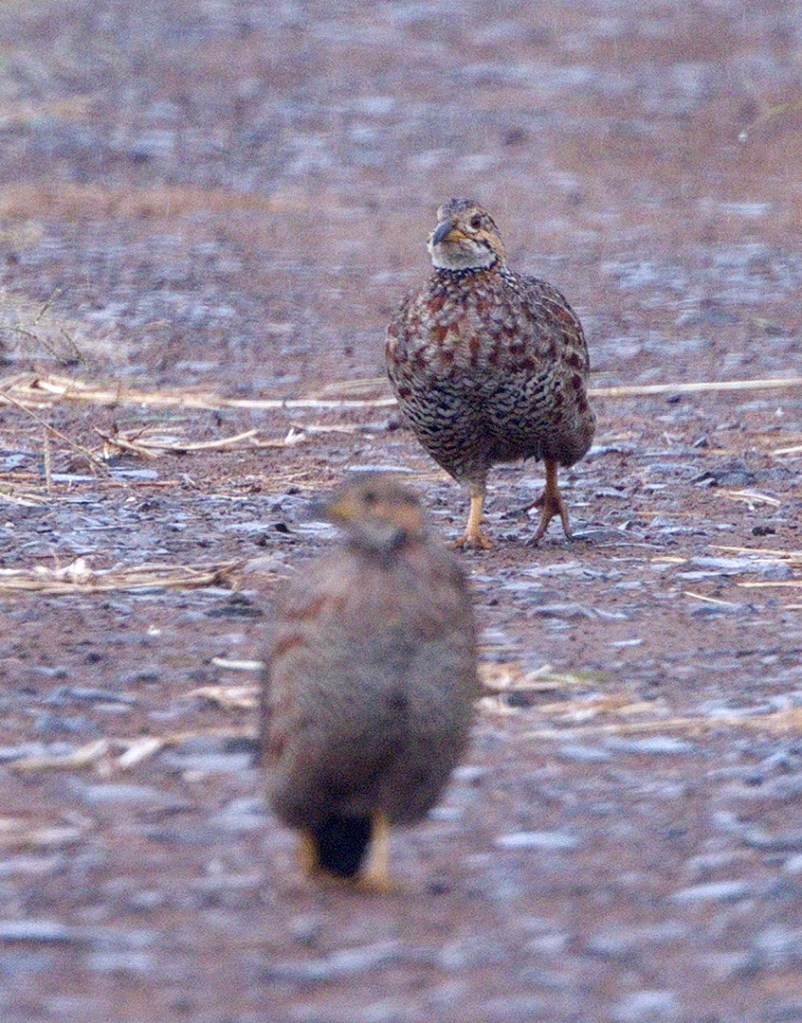
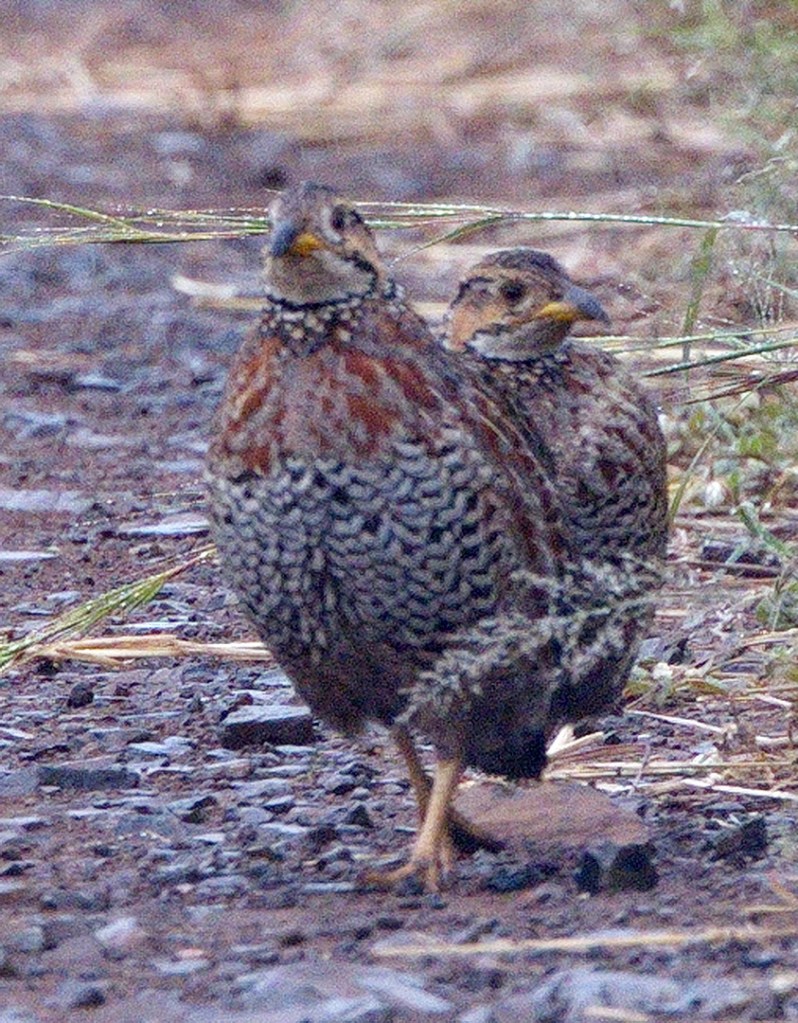
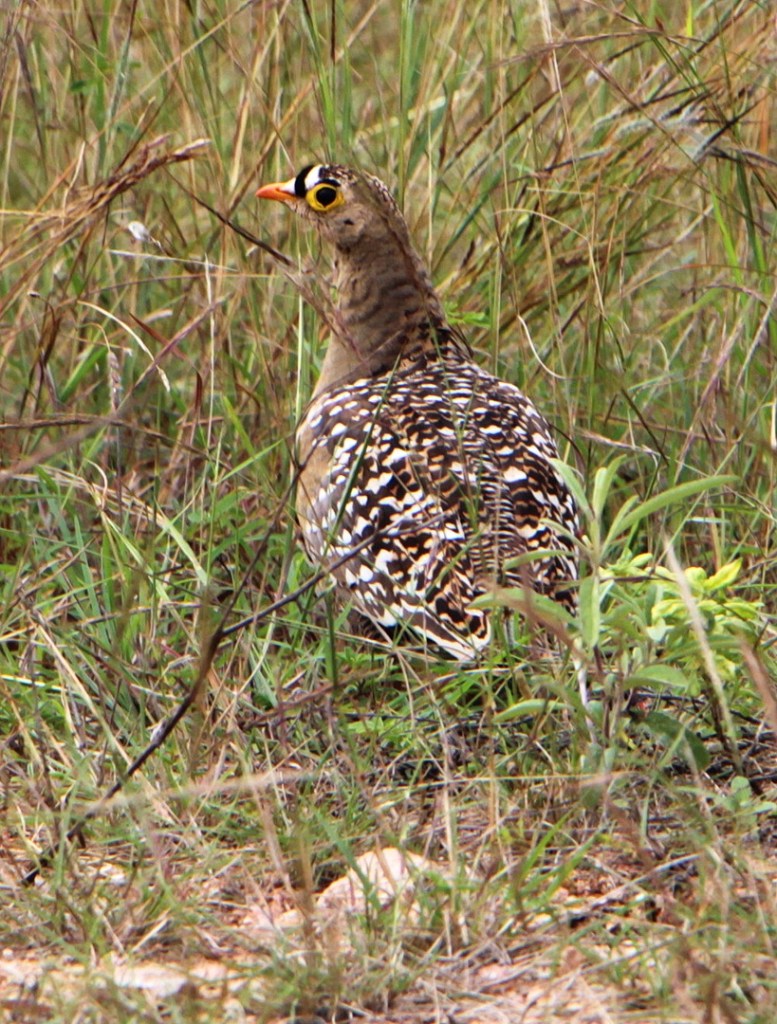
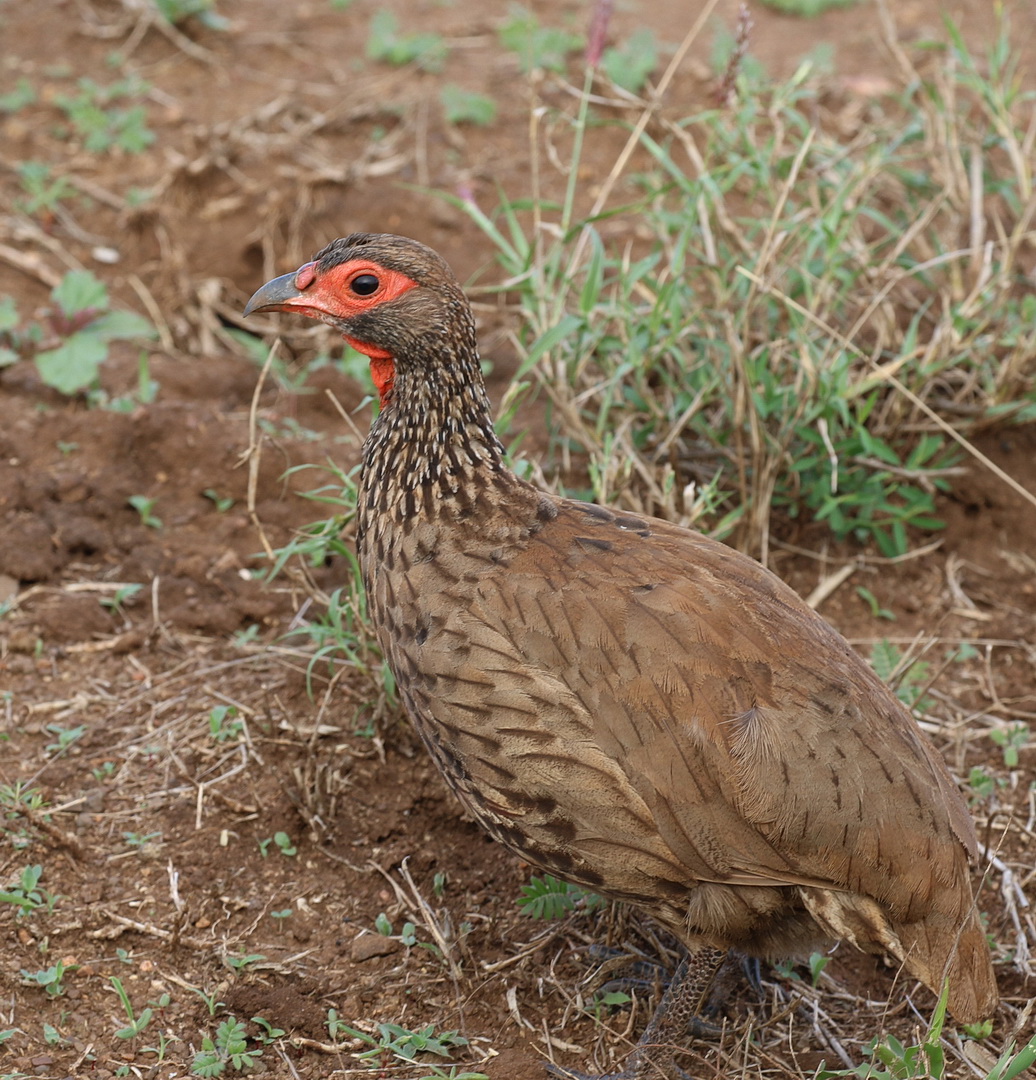
One day we took a drive on the back roads around the Mlondozi Picnic site, all the way to Tshokwane and down to Skukuza. The weather continued to be wet and overcast. Days like that sometimes bring out the unusual – like a family of Shelley’s Francolins.
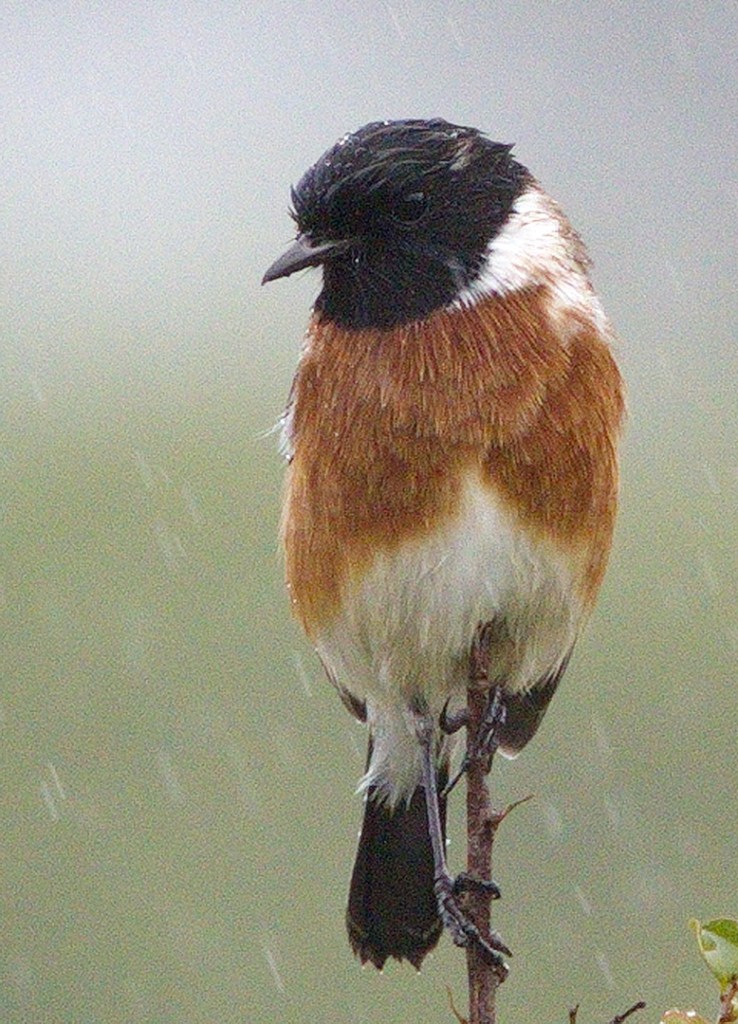
Shelley’s FrancolinShelley’s FrancolinA rather wet African StonechatShelley’s Francolin
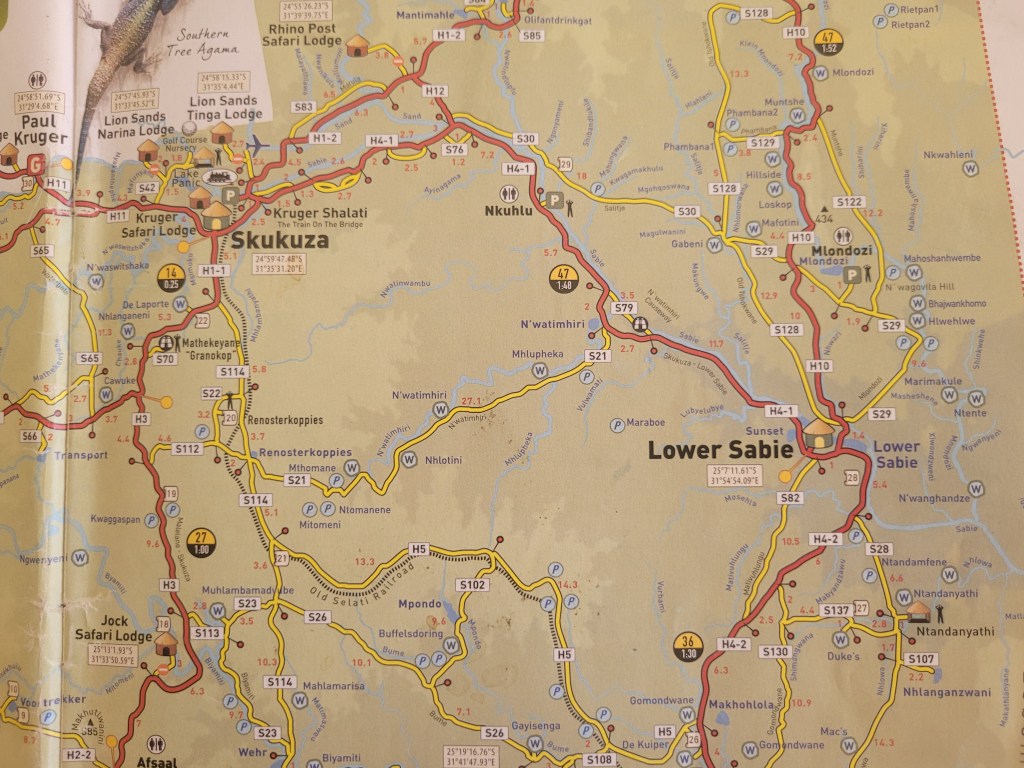
On another day we headed for Skukuza and the hide at Lake Panic. We took the two detours along the H1-4 Lower Sabie to Skukuza .
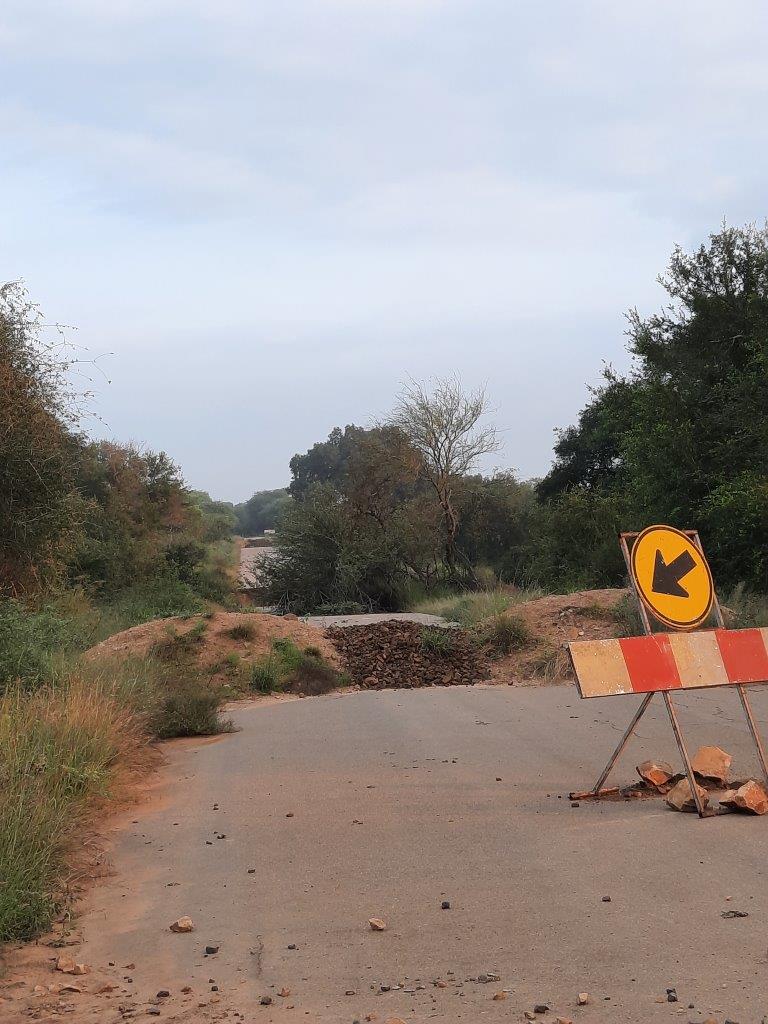
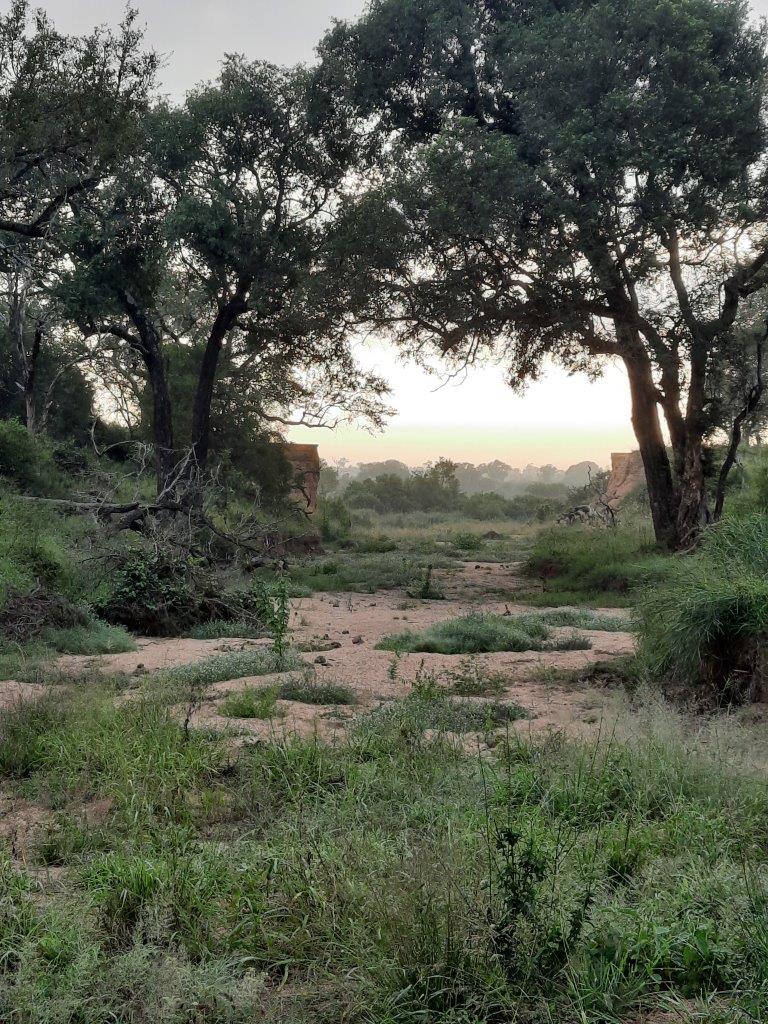
You can see where there used to be a river crossing in the background.
A Baboon sat on the road using his guile and jaw strength to rip into a sausage pod from a Sausage tree. Persistence pays off obviously. Watch.
The birdlife was very quiet at the Lake Panic hide.
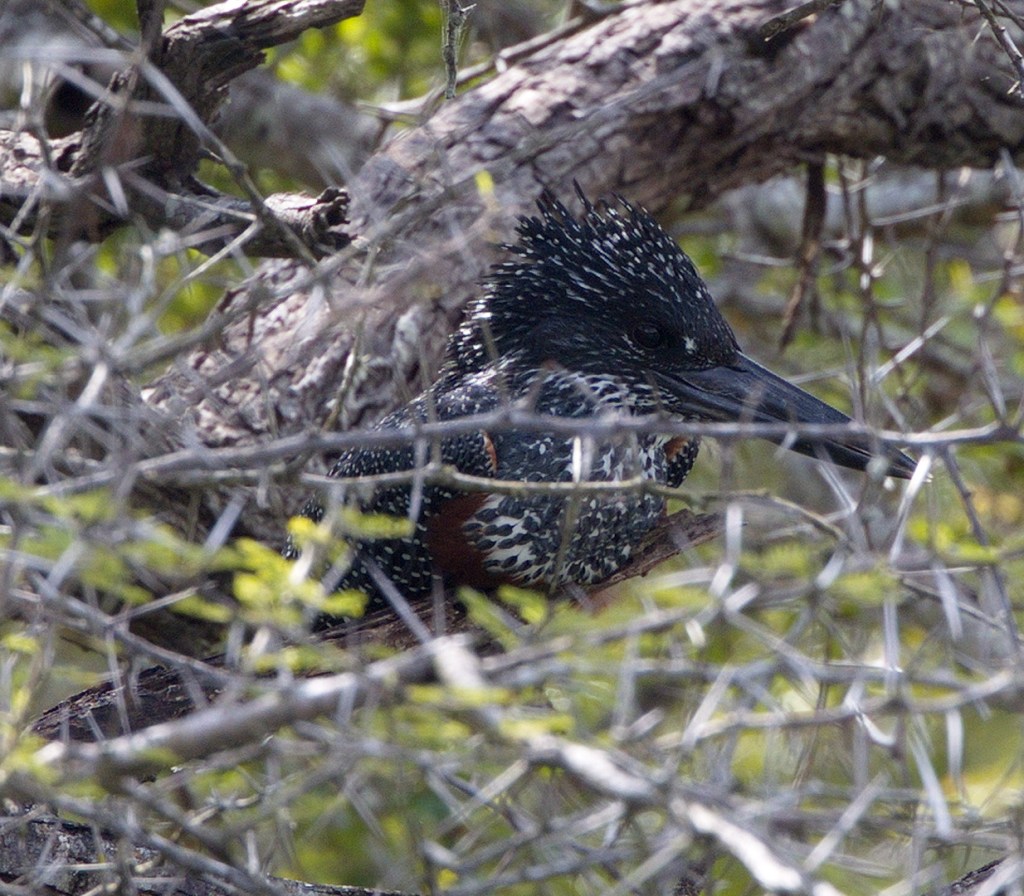
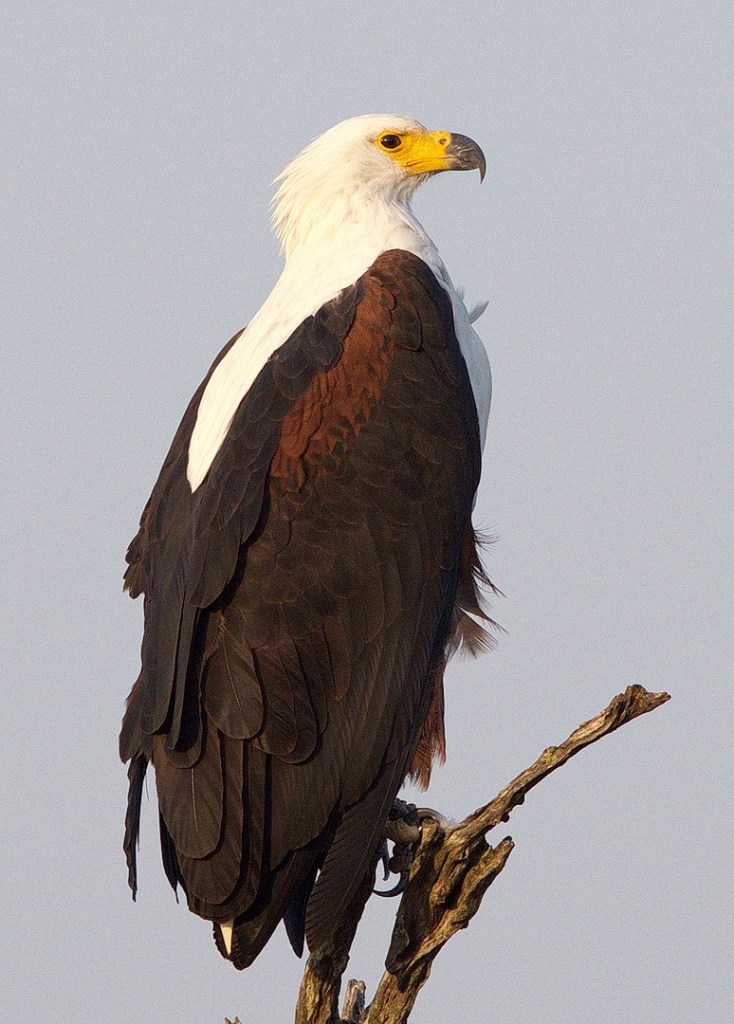
View from the hideA skulking Giant Kingfisher An amazing African Fish-Eagle
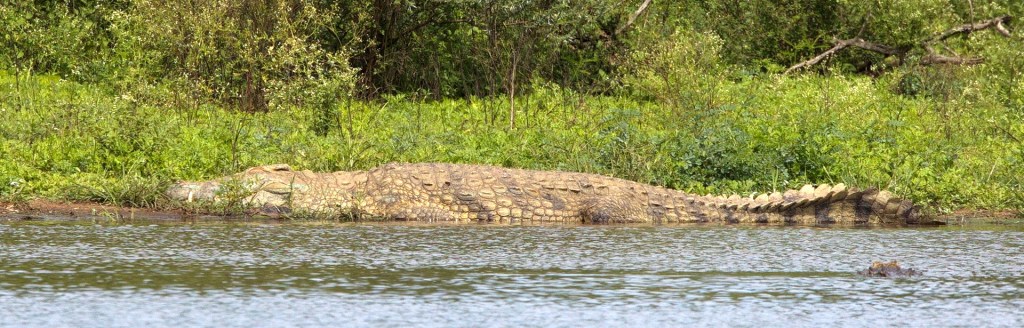
However, Sunset Dam did not disappoint. Apart from the antics of the hippos and the length of the crocodiles, birdlife was abundant.
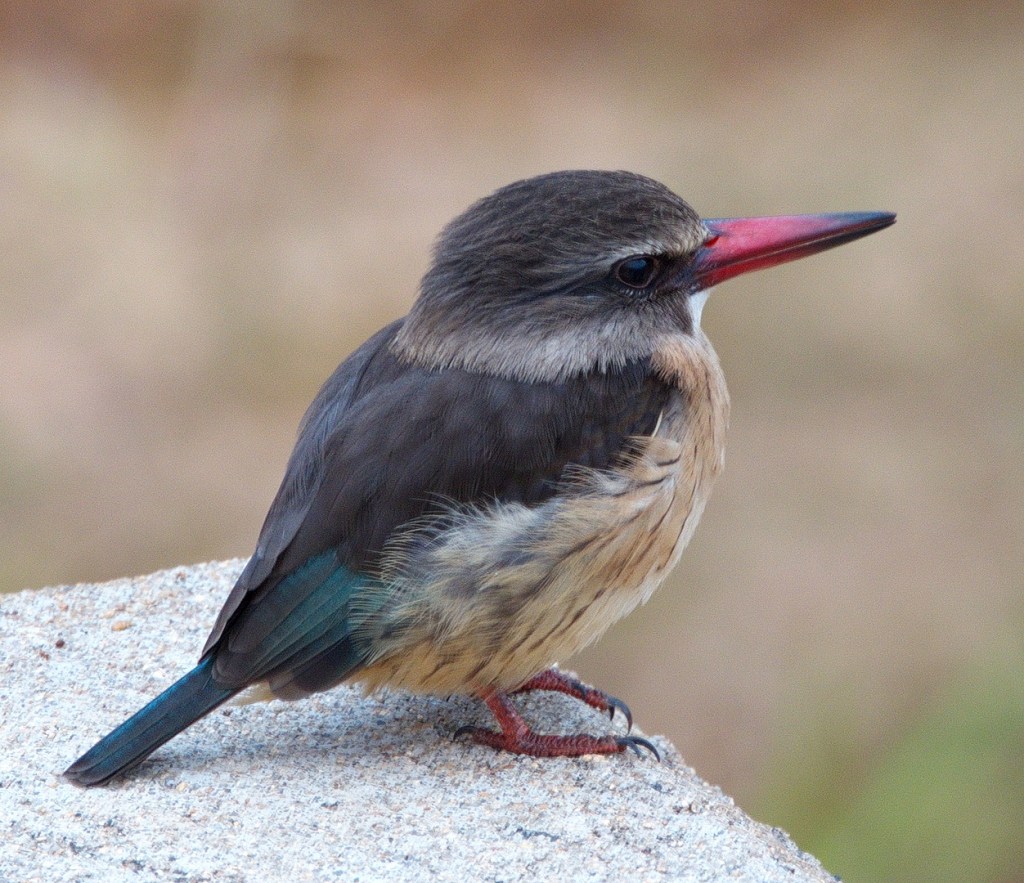
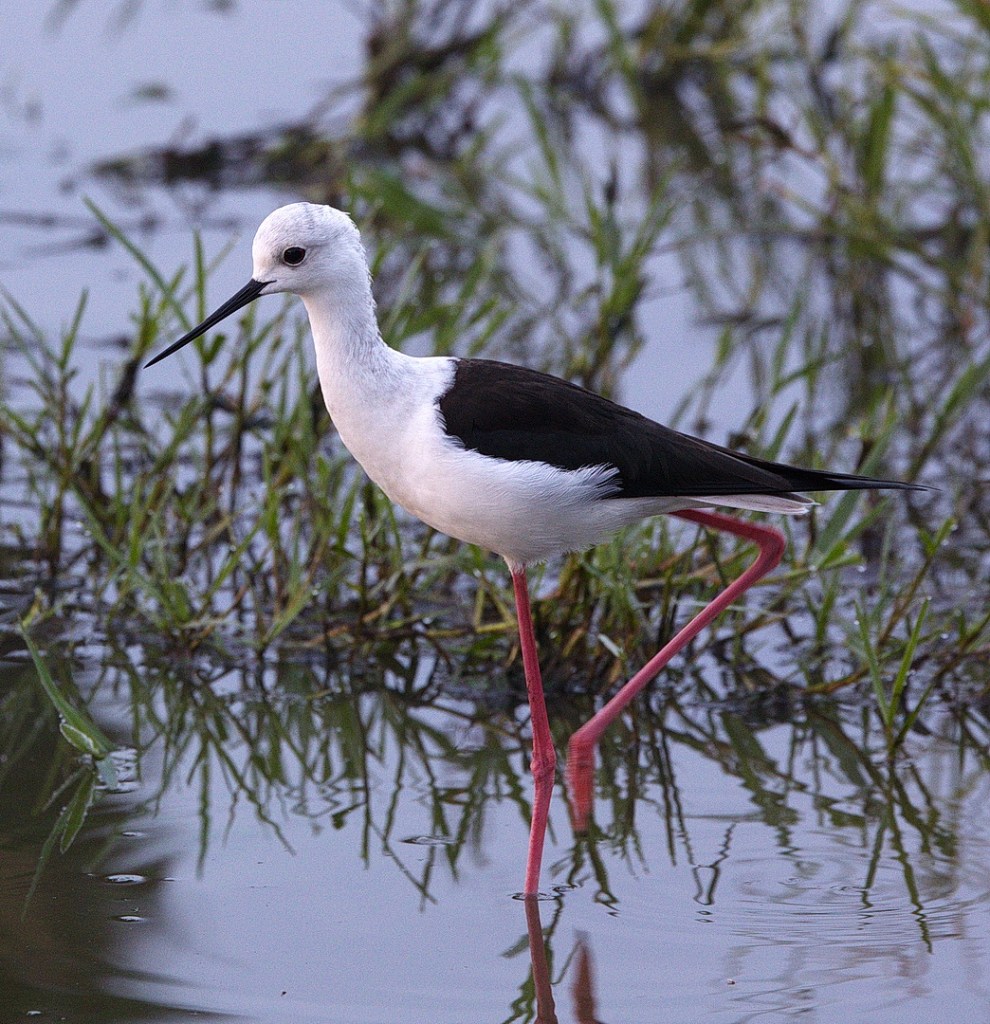
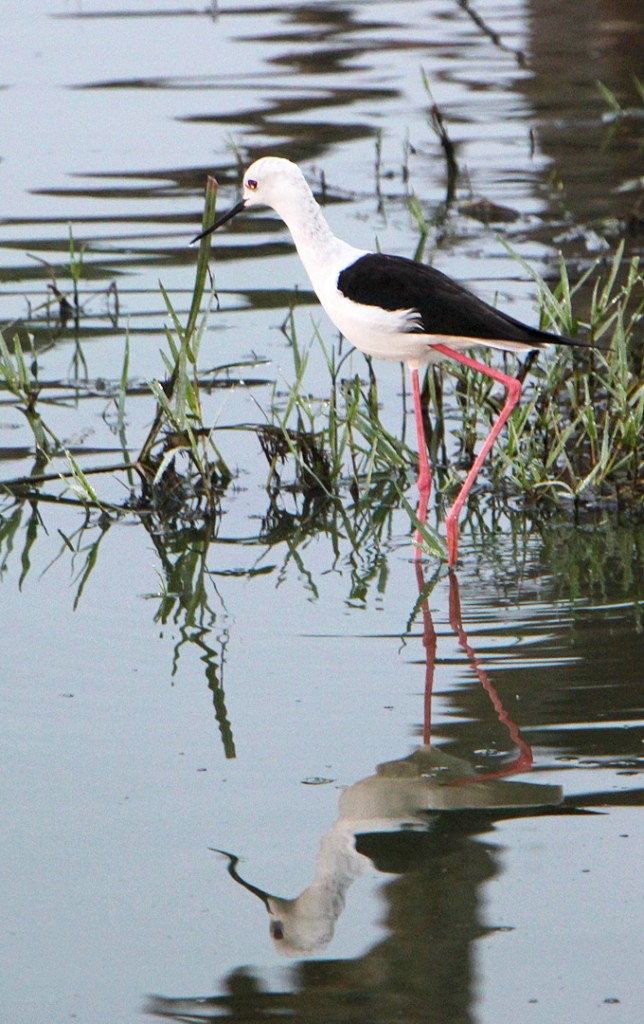
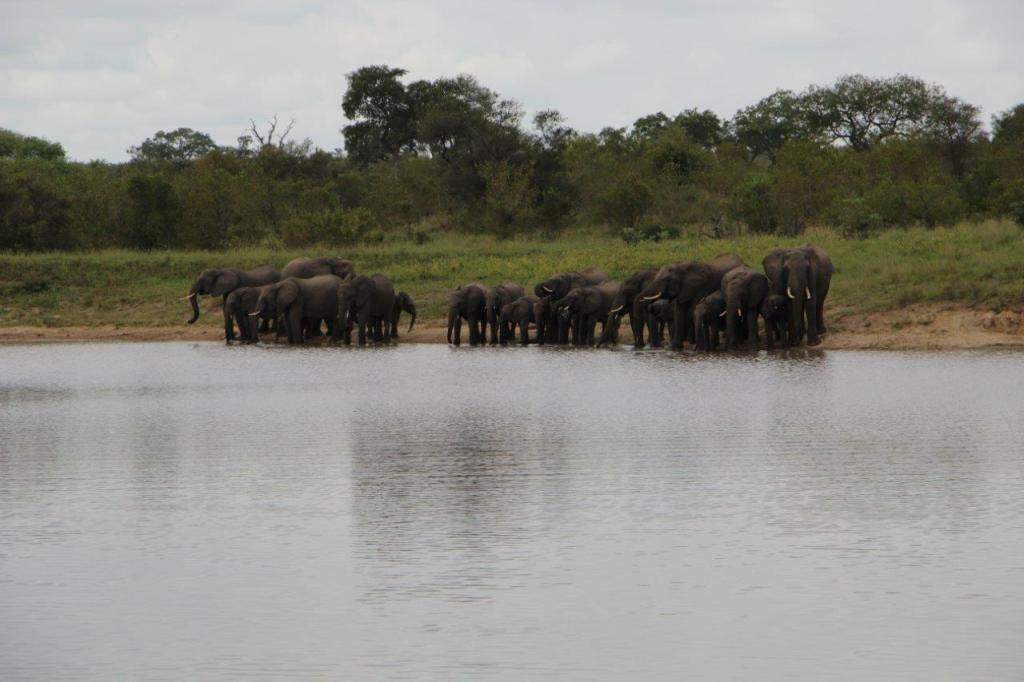
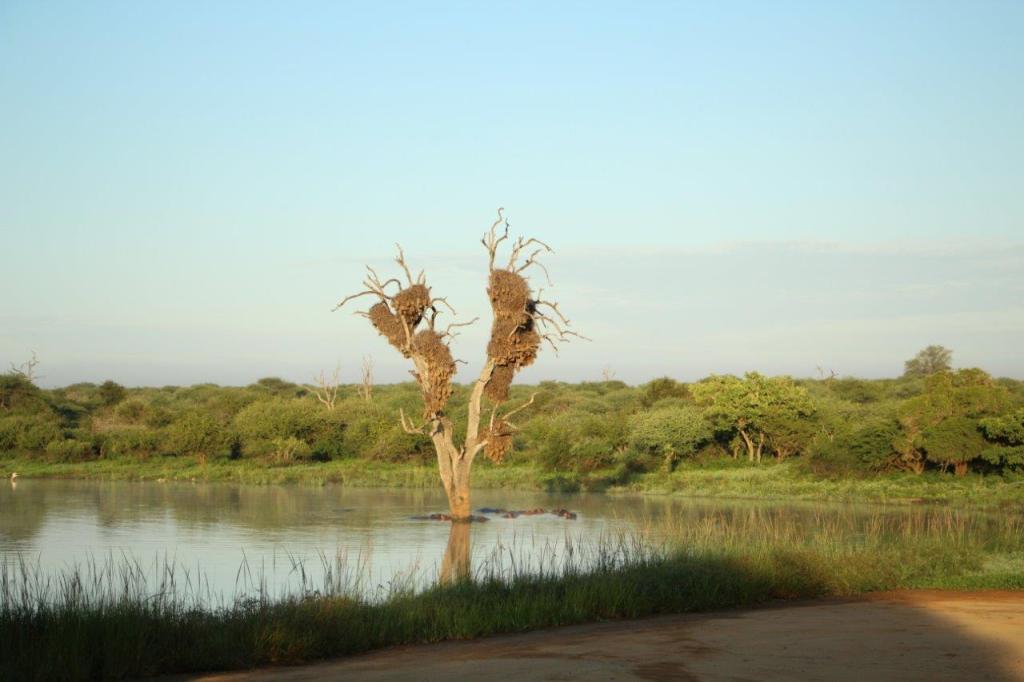
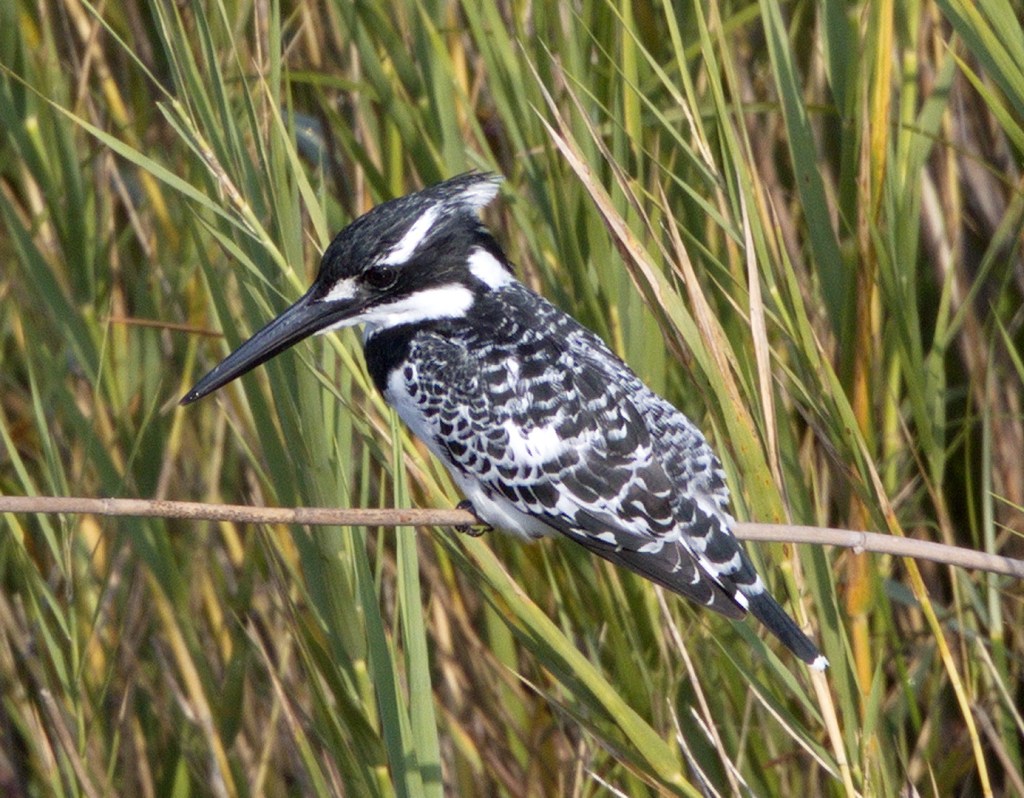
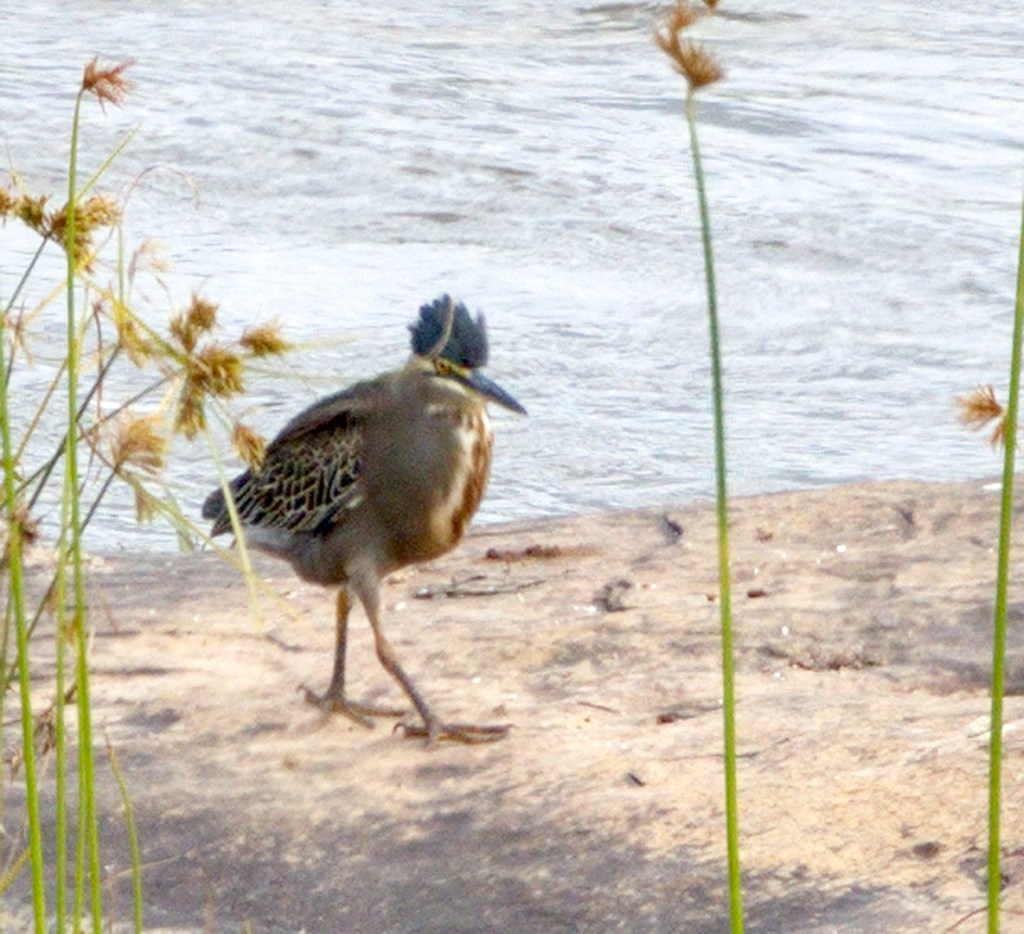
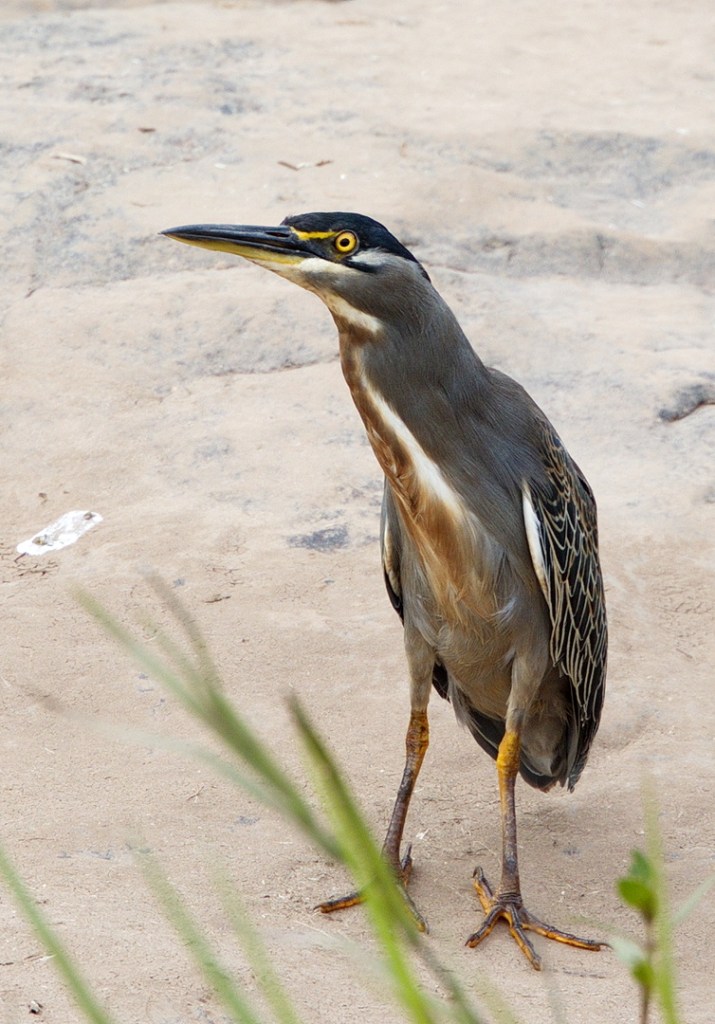
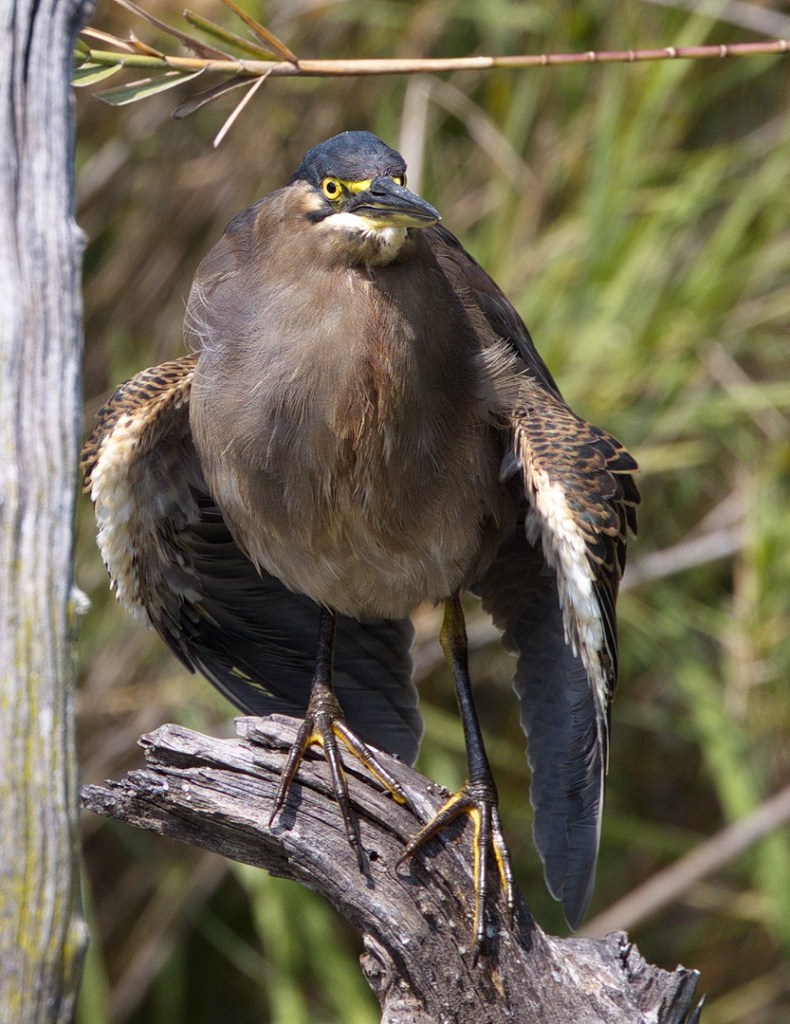
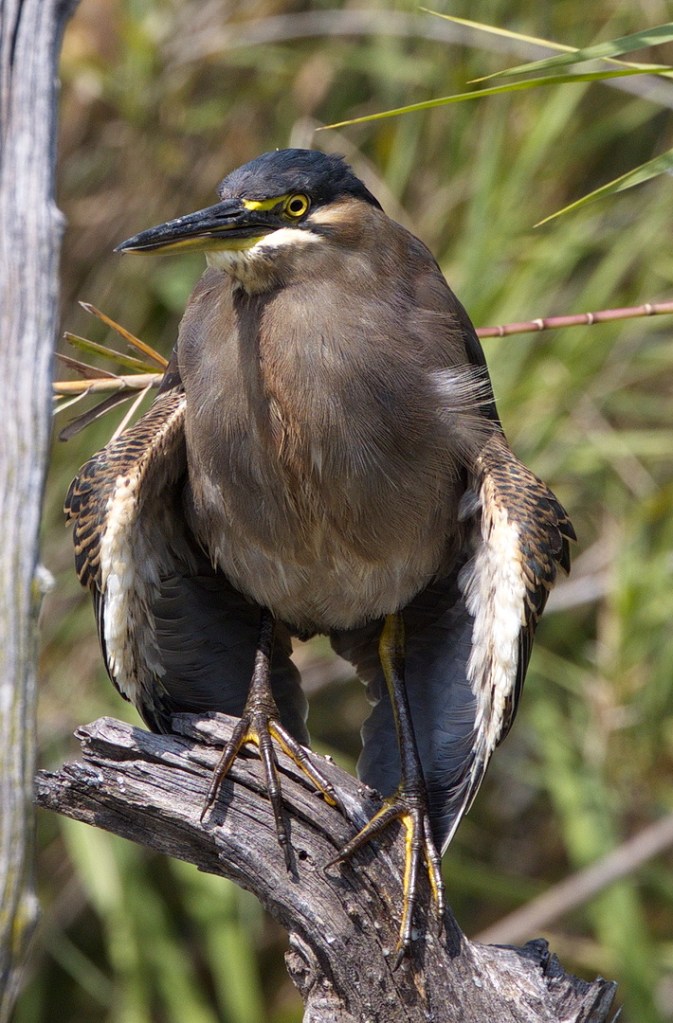
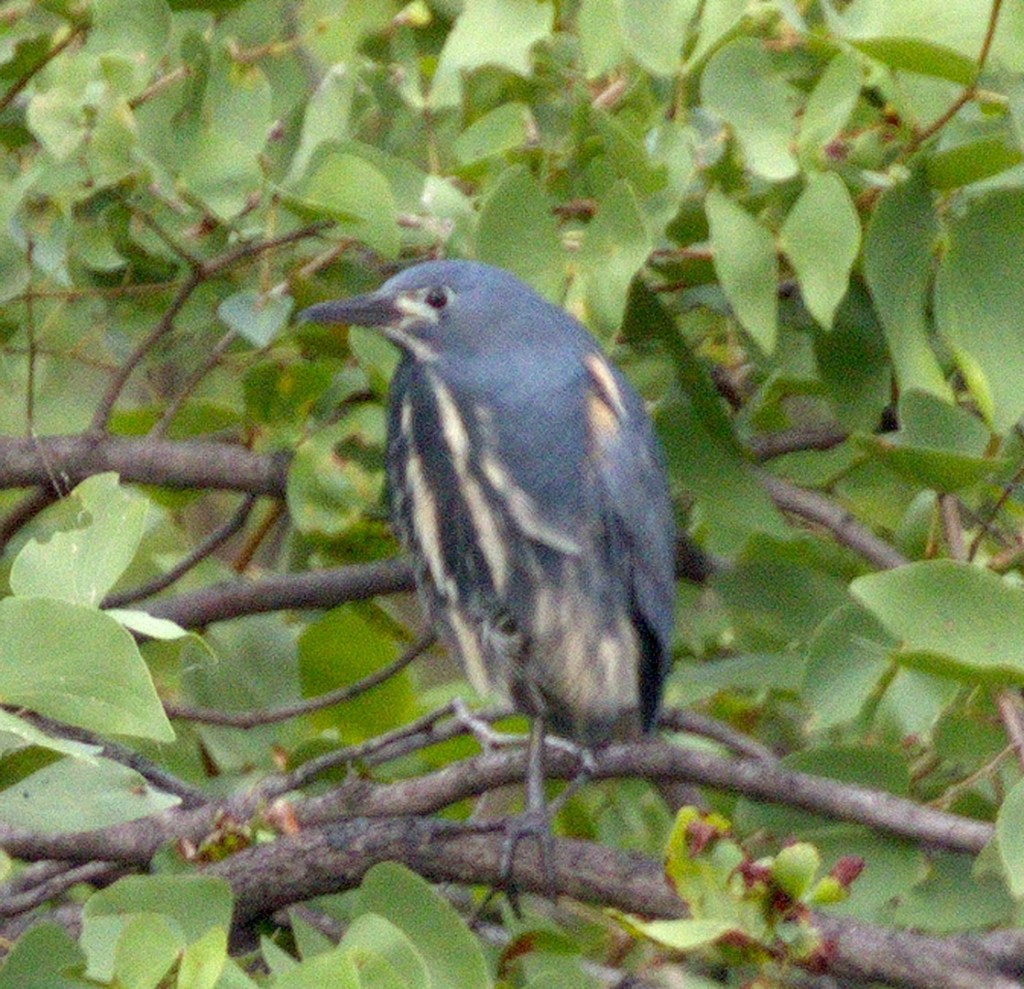
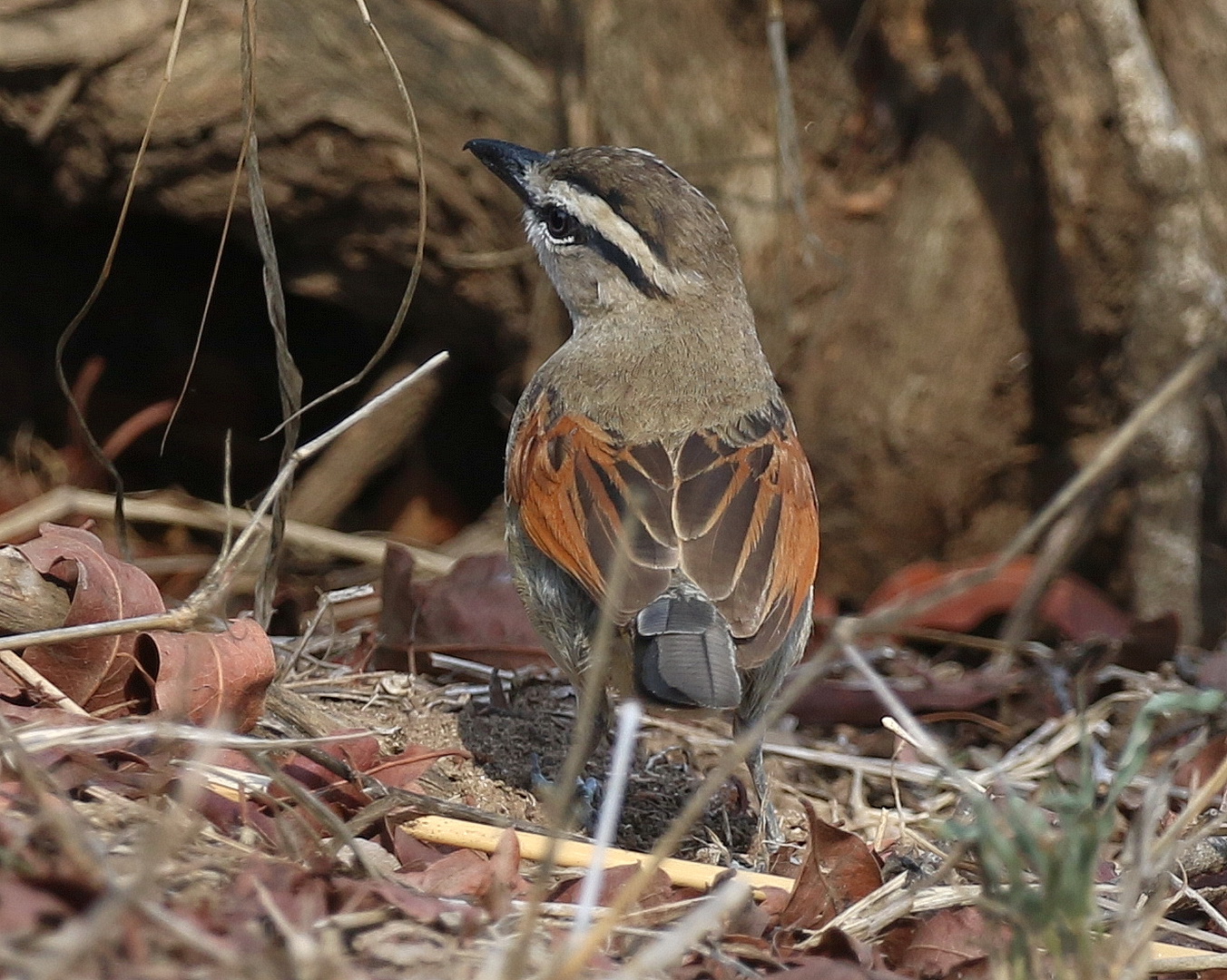
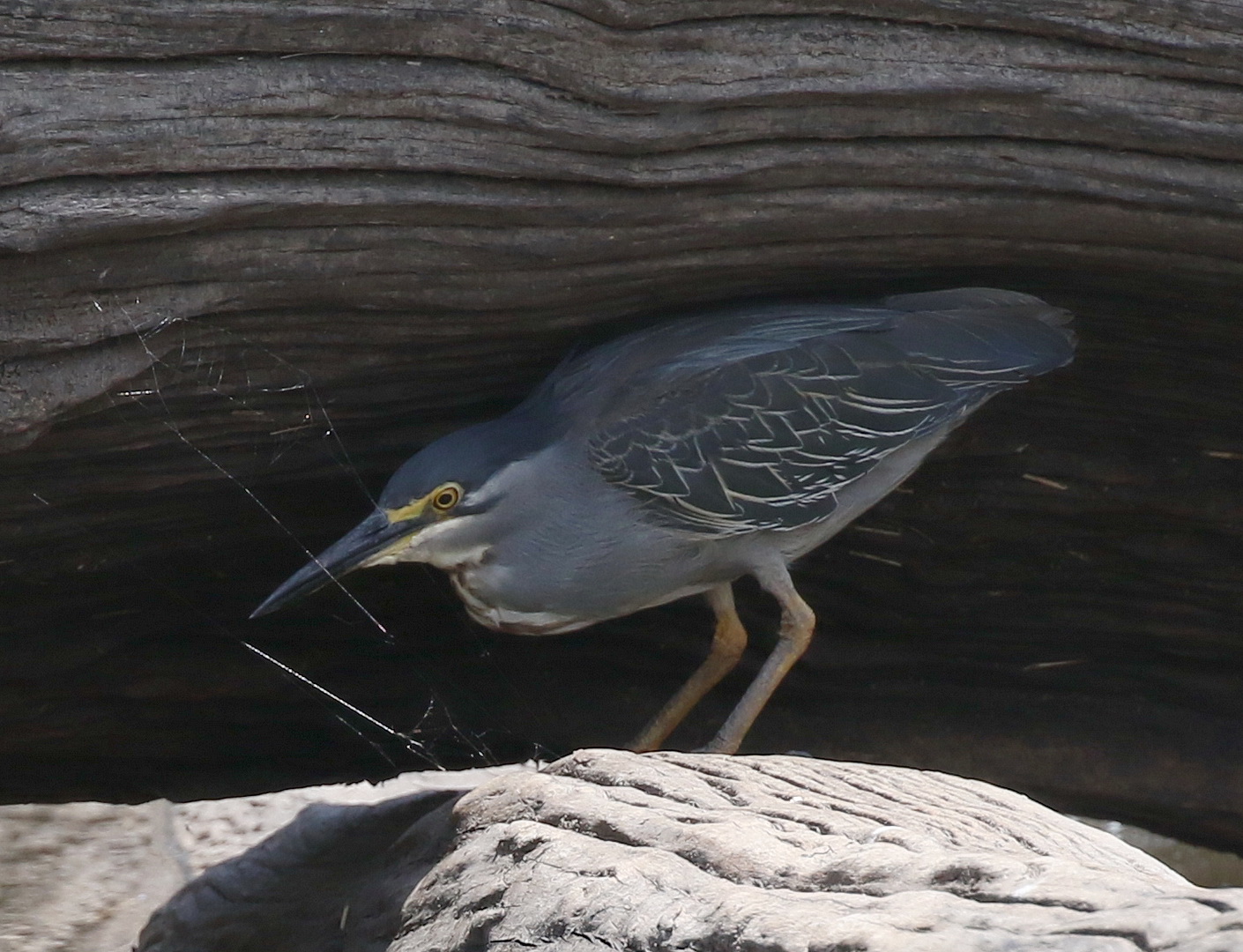
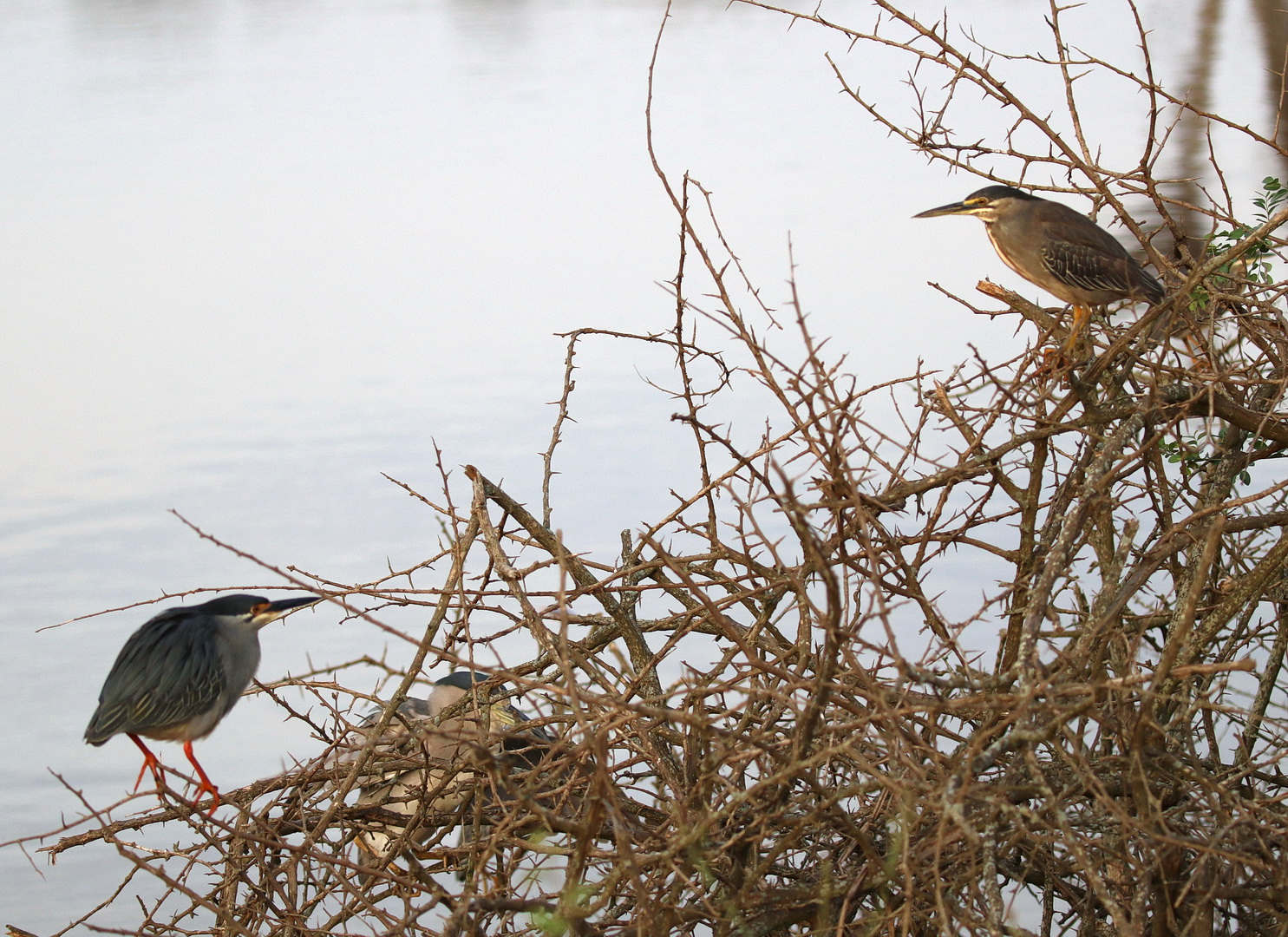
Brown-hooded KingfisherBlack-crowned TchagraBlack-winged StiltBlack-winged StiltA rather long crocodileElephantsRed-billed Buffalo-Weaver nestsPied KingfisherStriated HeronWood SandpiperStriated HeronStriated Heron branching outStriated Heron branching outStriated Heron branching out
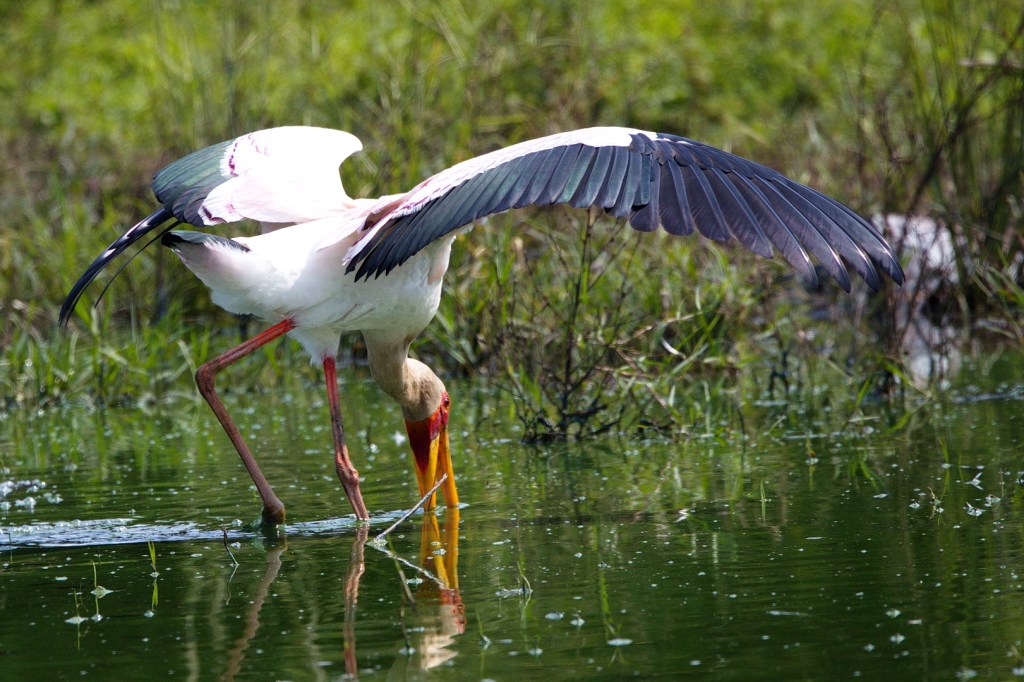
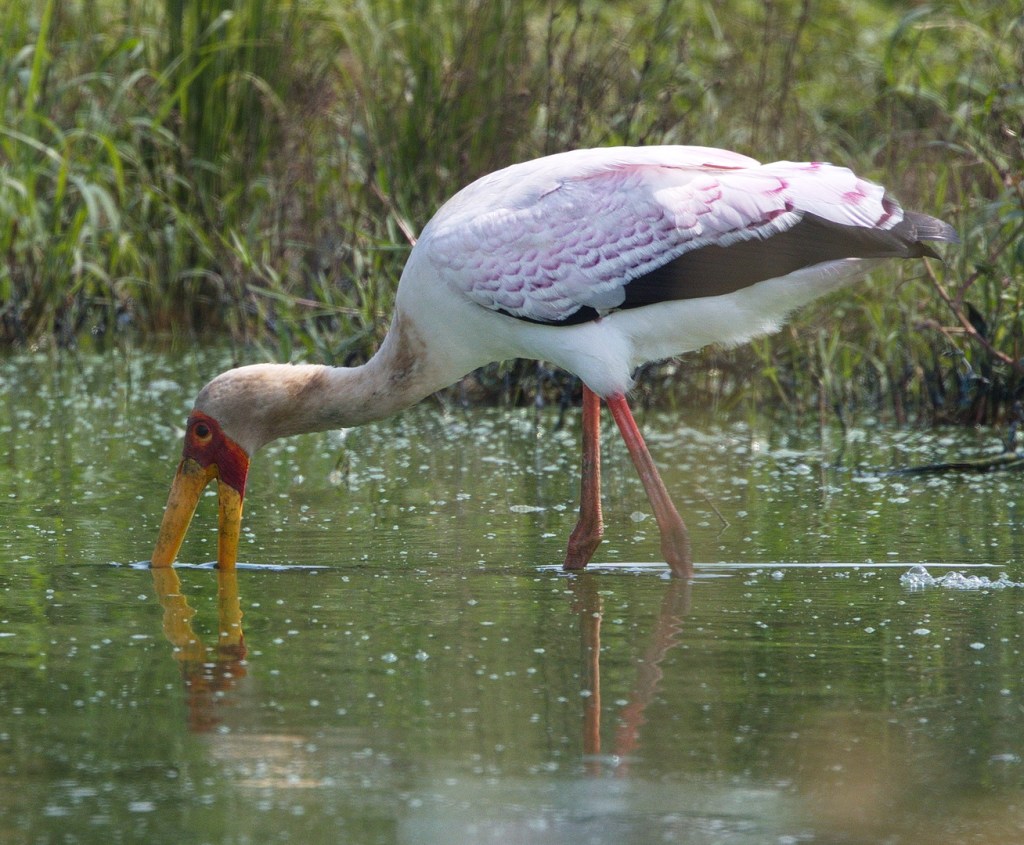
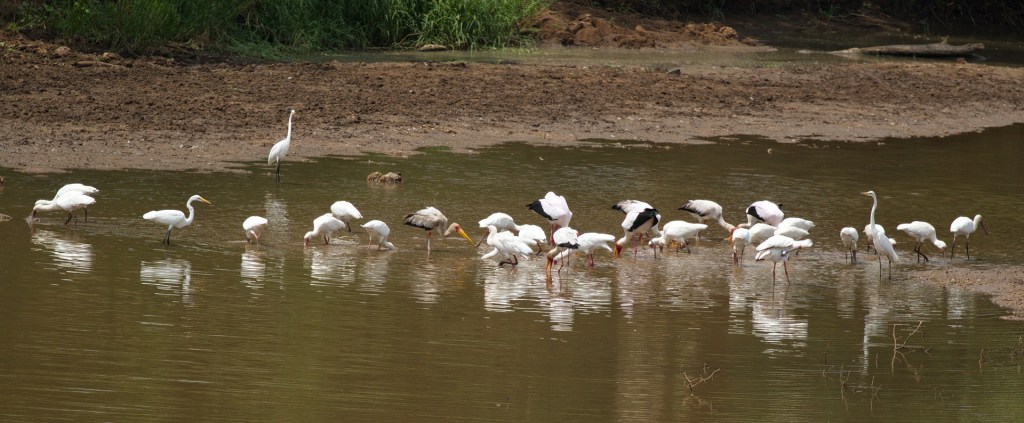
A Yellow-billed Stork showed how it uses its wings to move around quickly chasing dinner in the water.
Surprisingly, we saw several pairs of White-crowned Lapwings in Sunset Dam as well as near the main bridge crossing lower Sabie. In the past we had only ever seen them in the north of the Park around Pafuri.
White-crowned Lapwing.
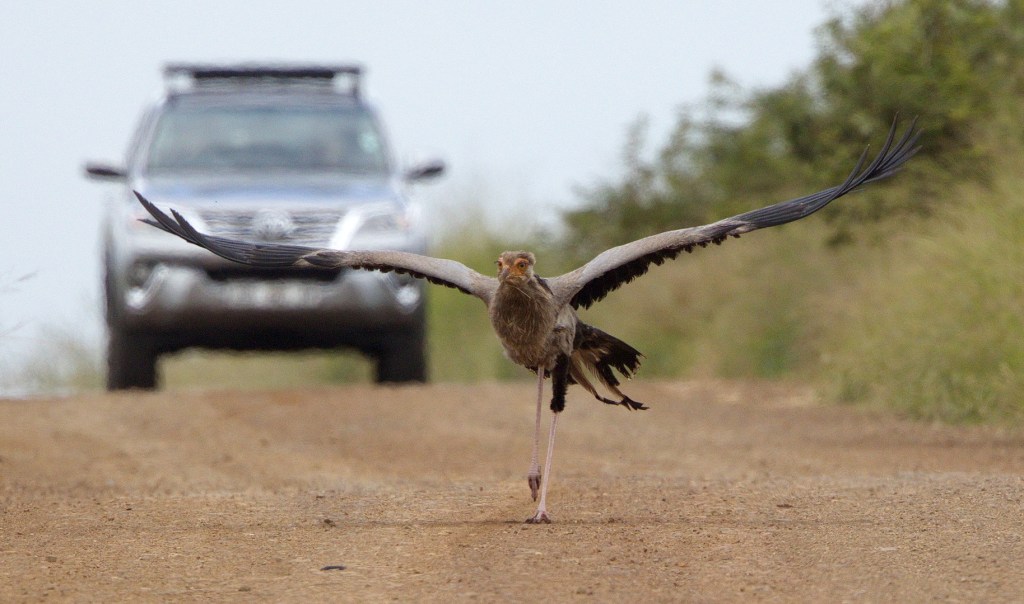
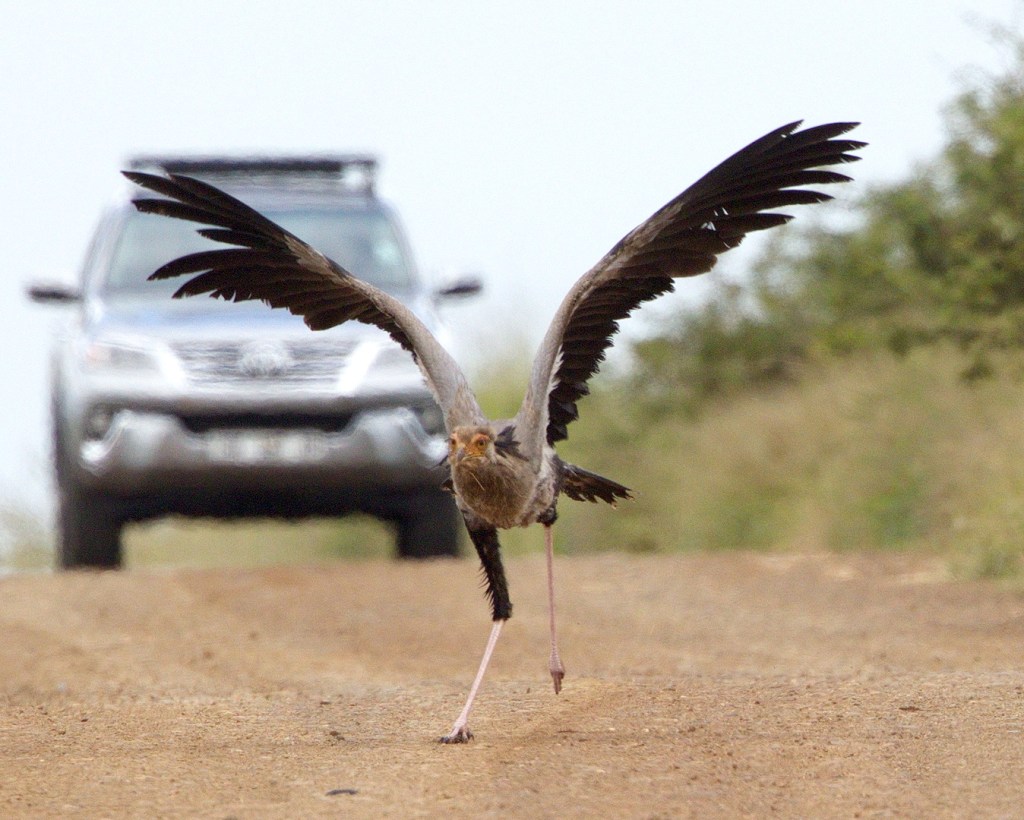
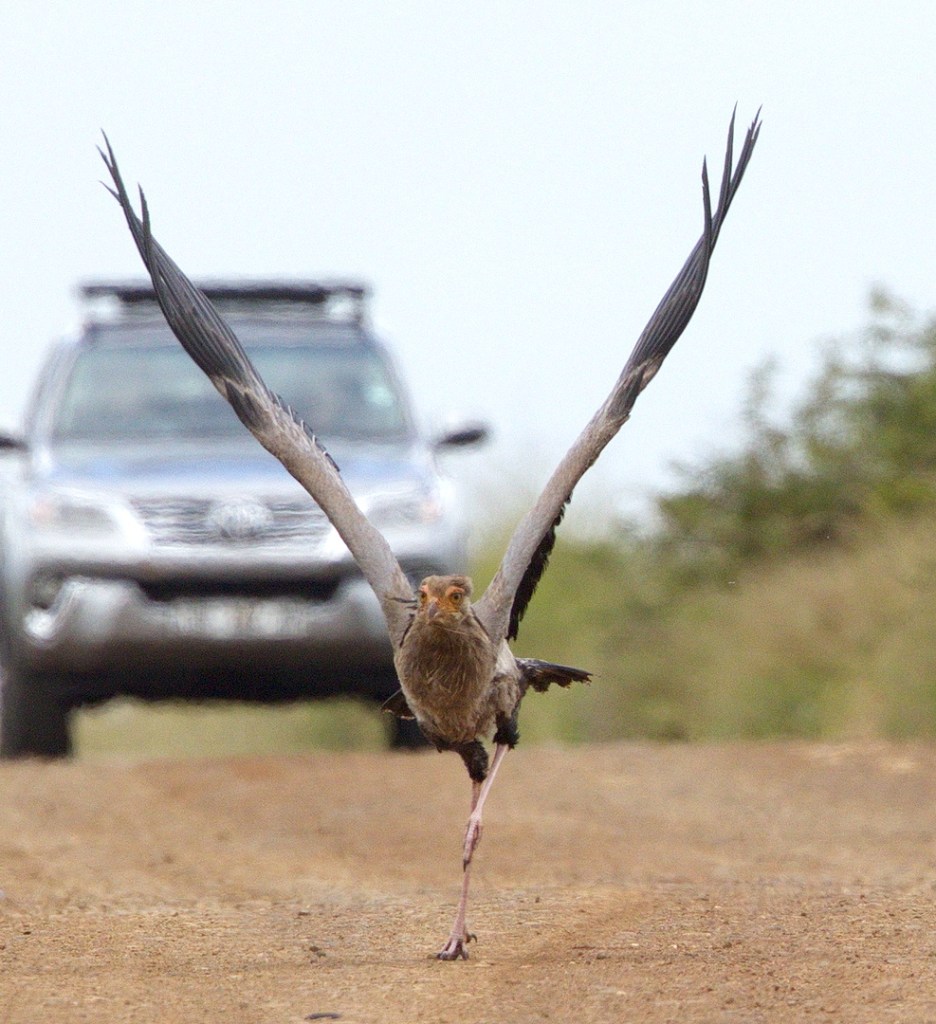
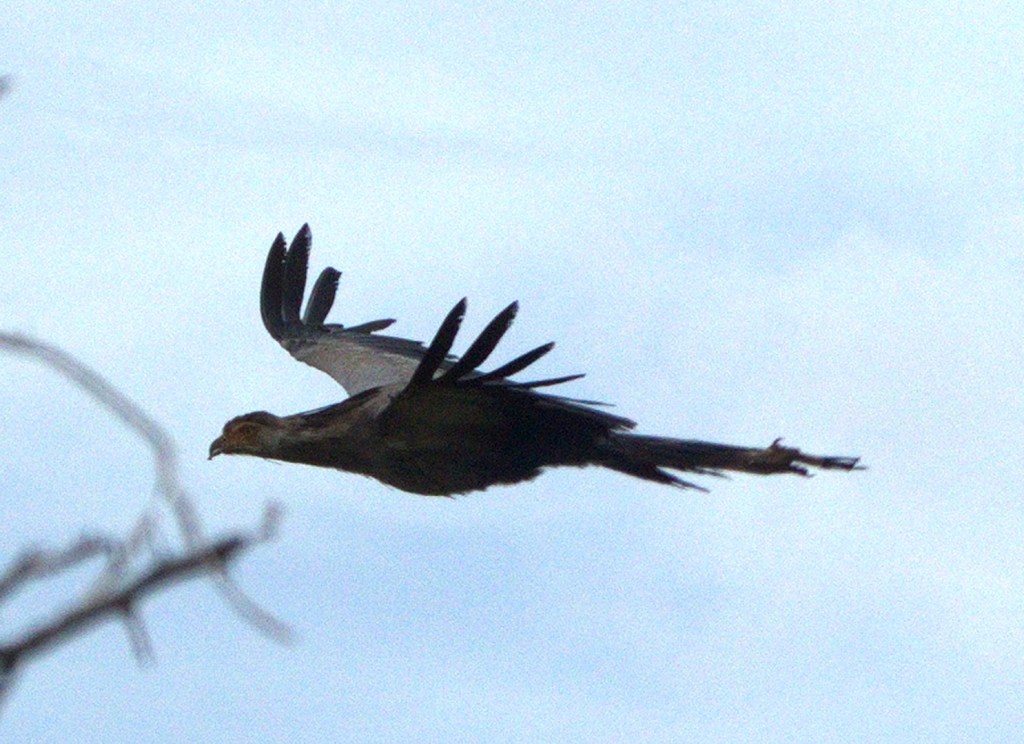
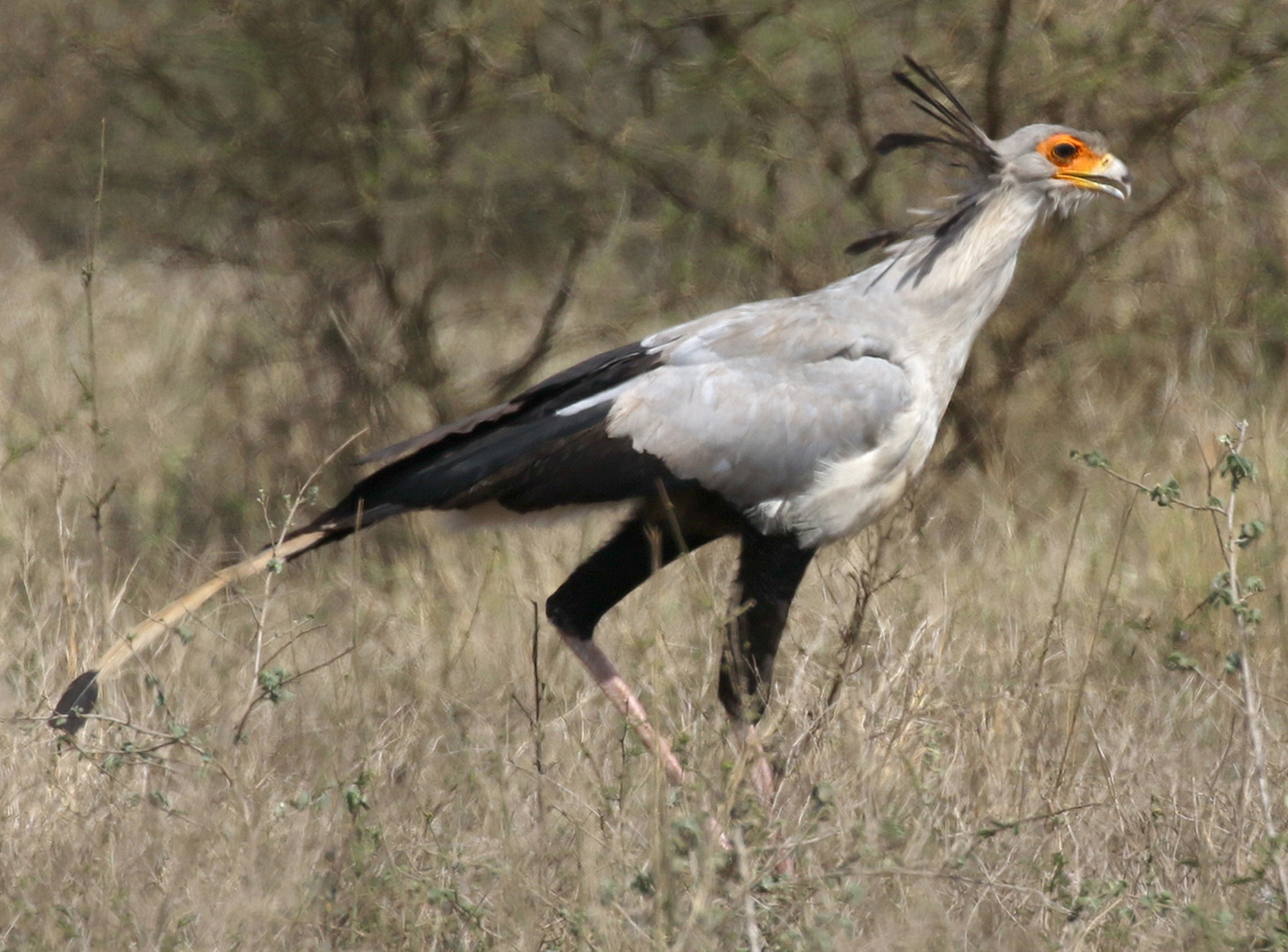
On one of the back roads, we noticed a Secretarybird way ahead of us. As I was about to take a photo, a car came over the hill and it took off towards us fortunately.
Secretarybird attempting to get into the air.
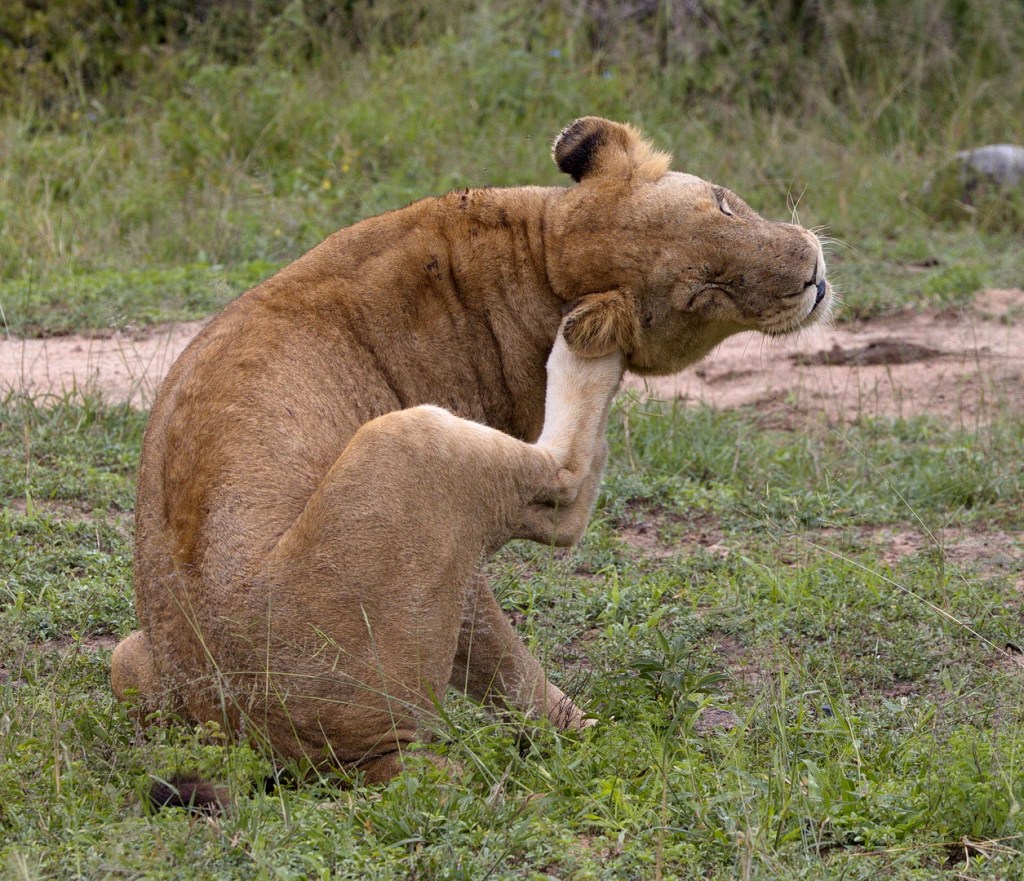
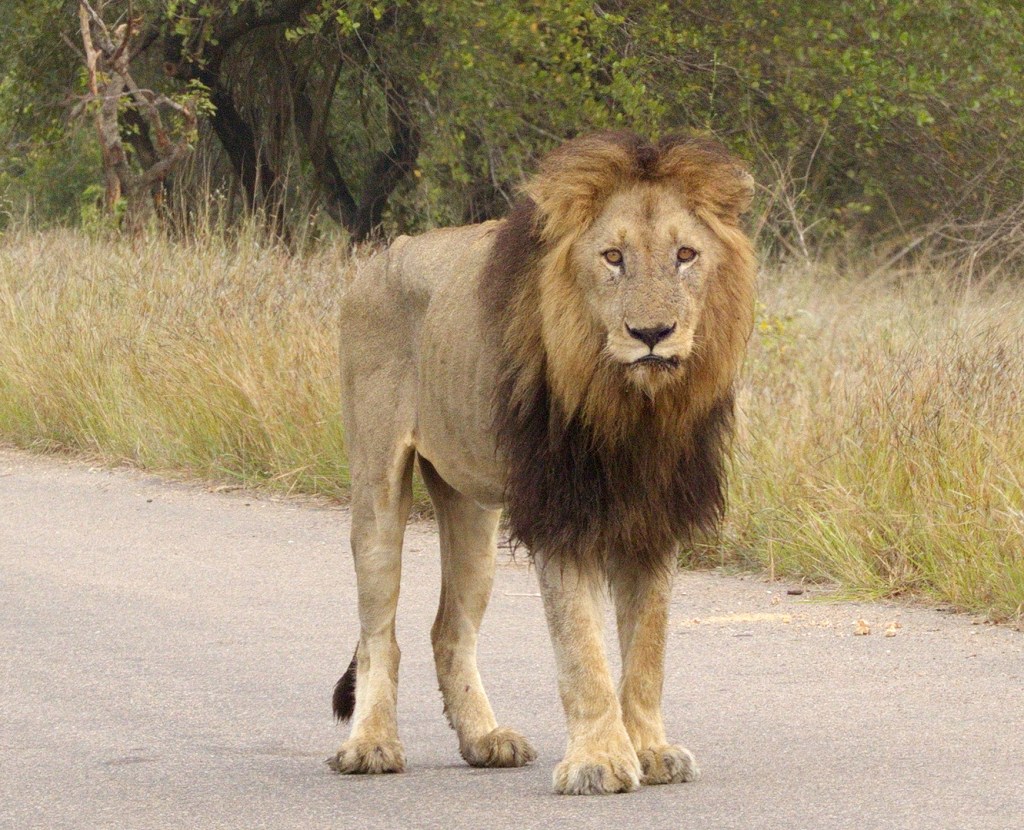
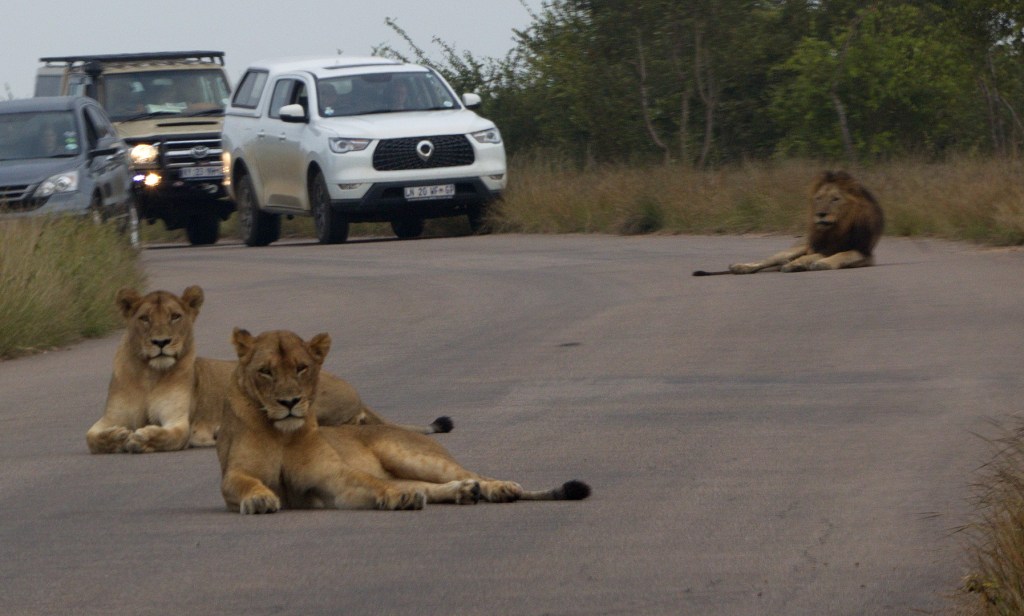
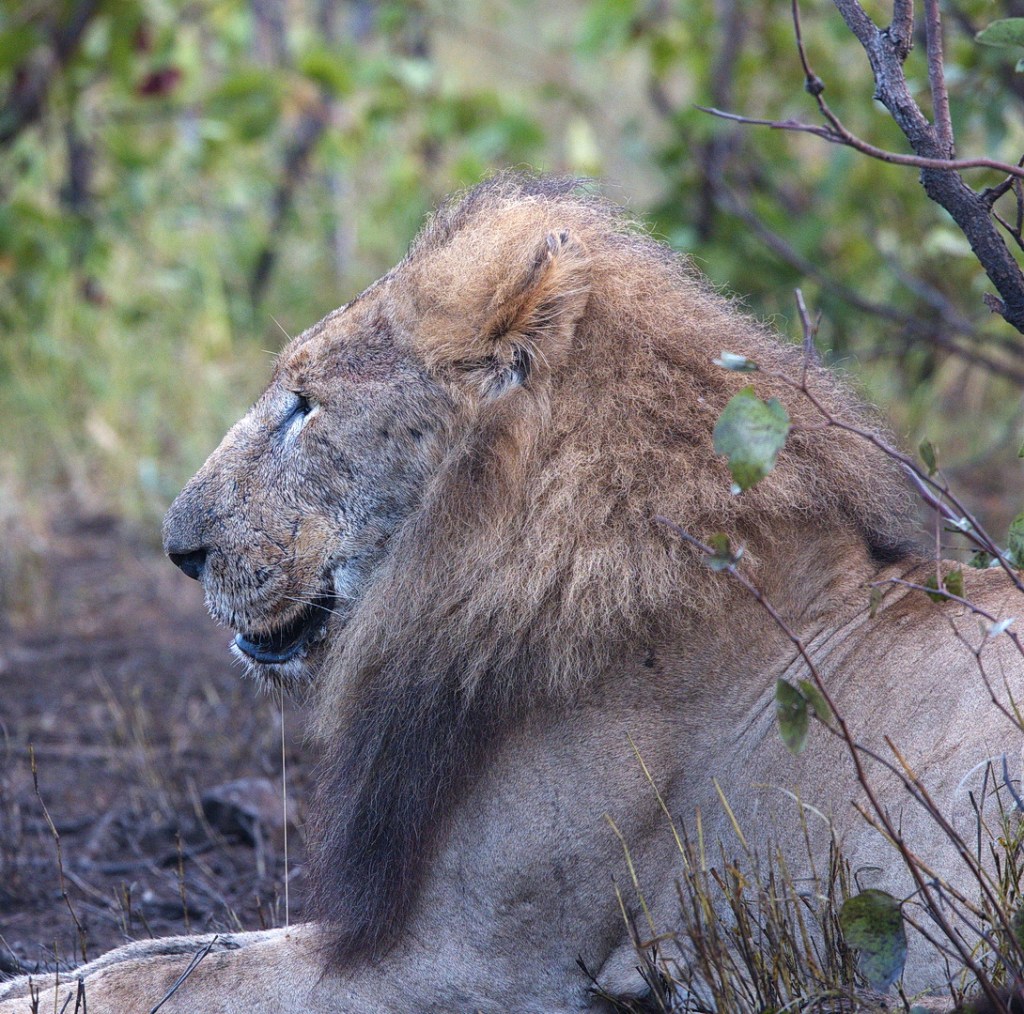
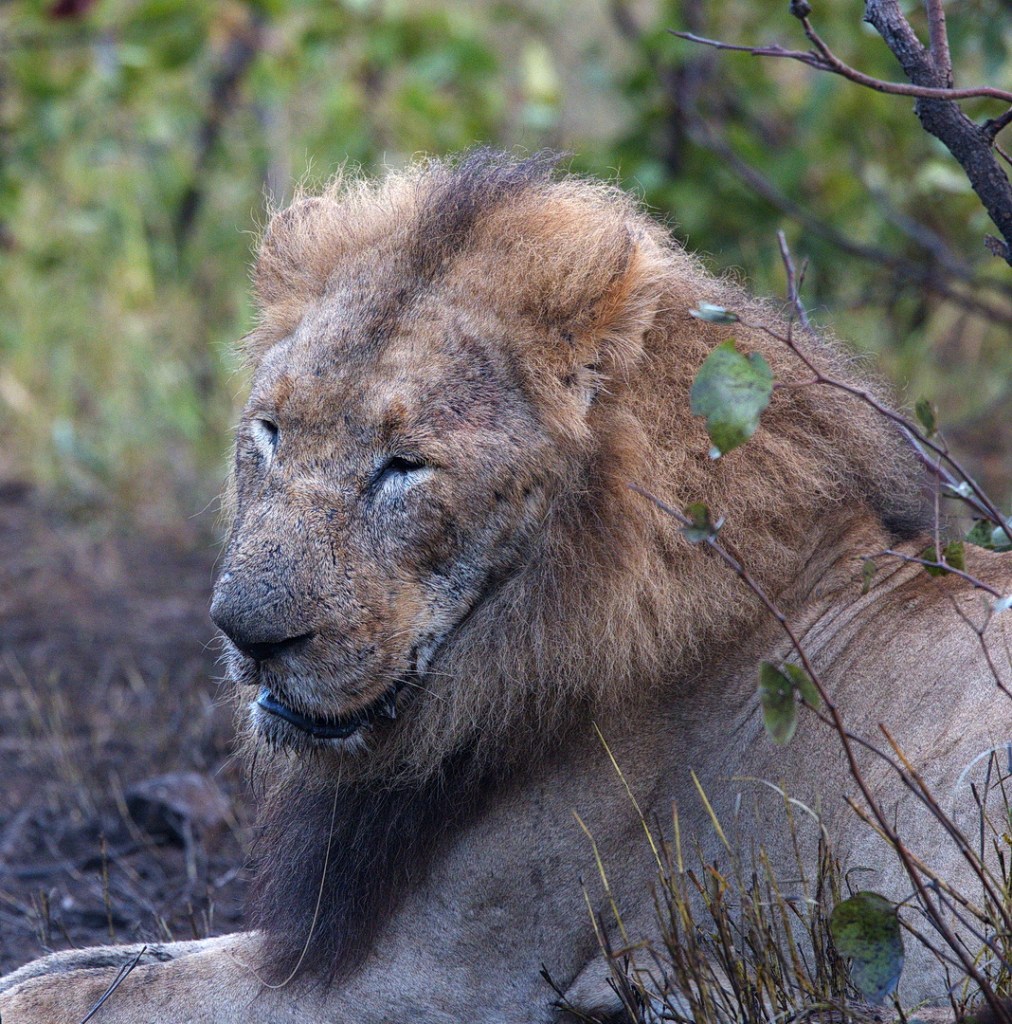
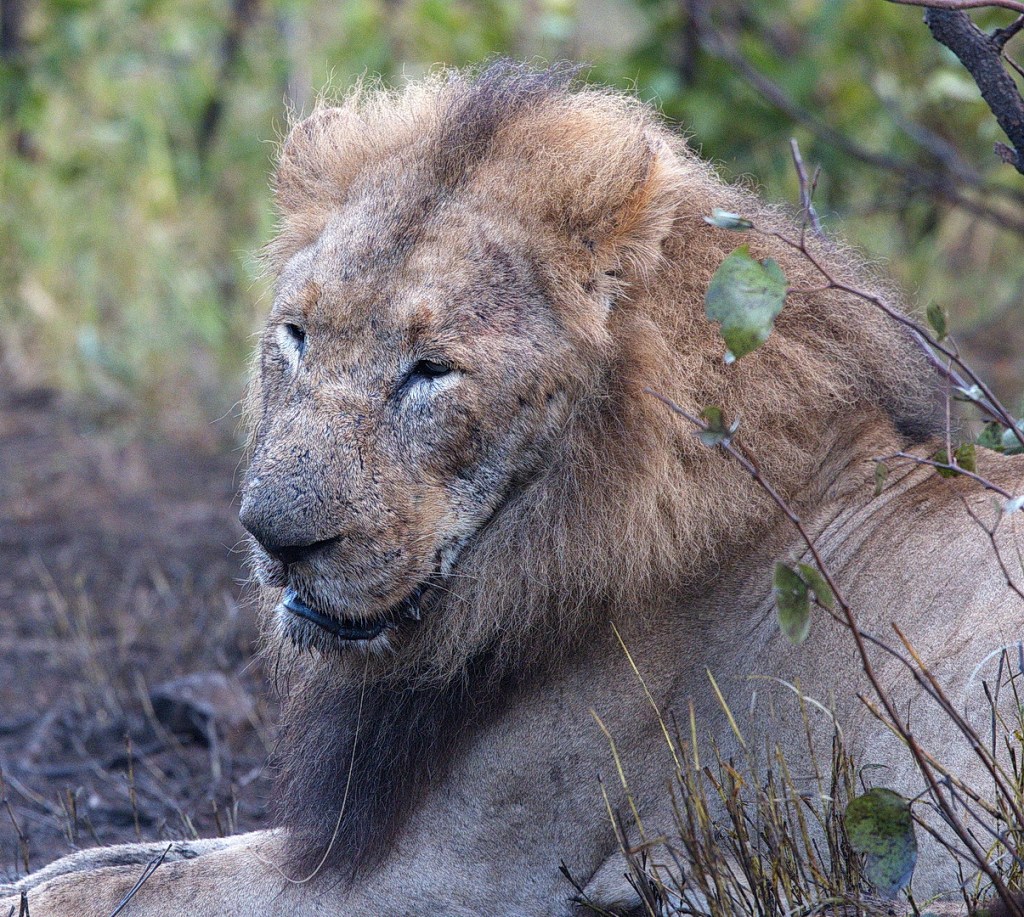
We did come across several Lion sightings – a mating pair in one instance and a pride lying across the road with the usual traffic jam. We also saw briefly our only Cheetah and took a video of a Hyena walking by.
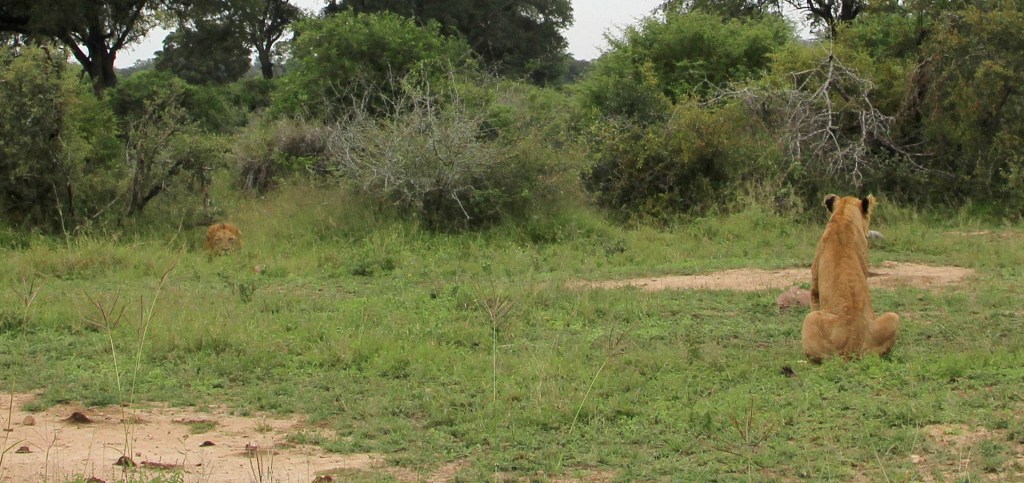
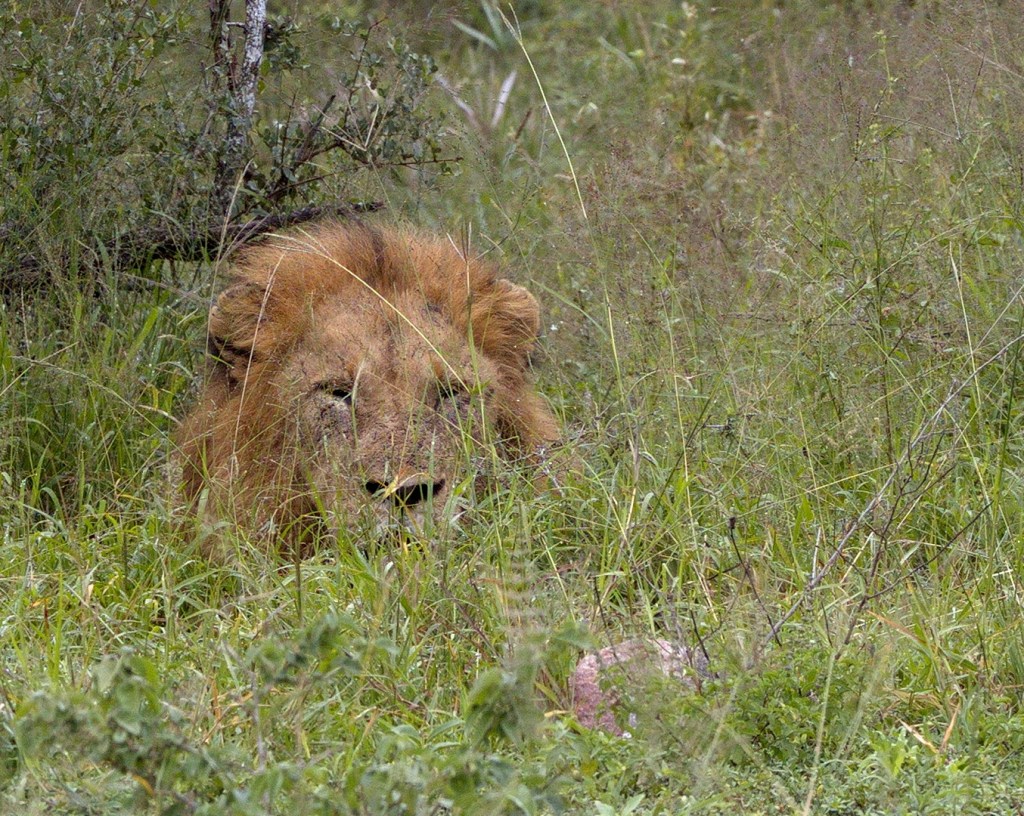
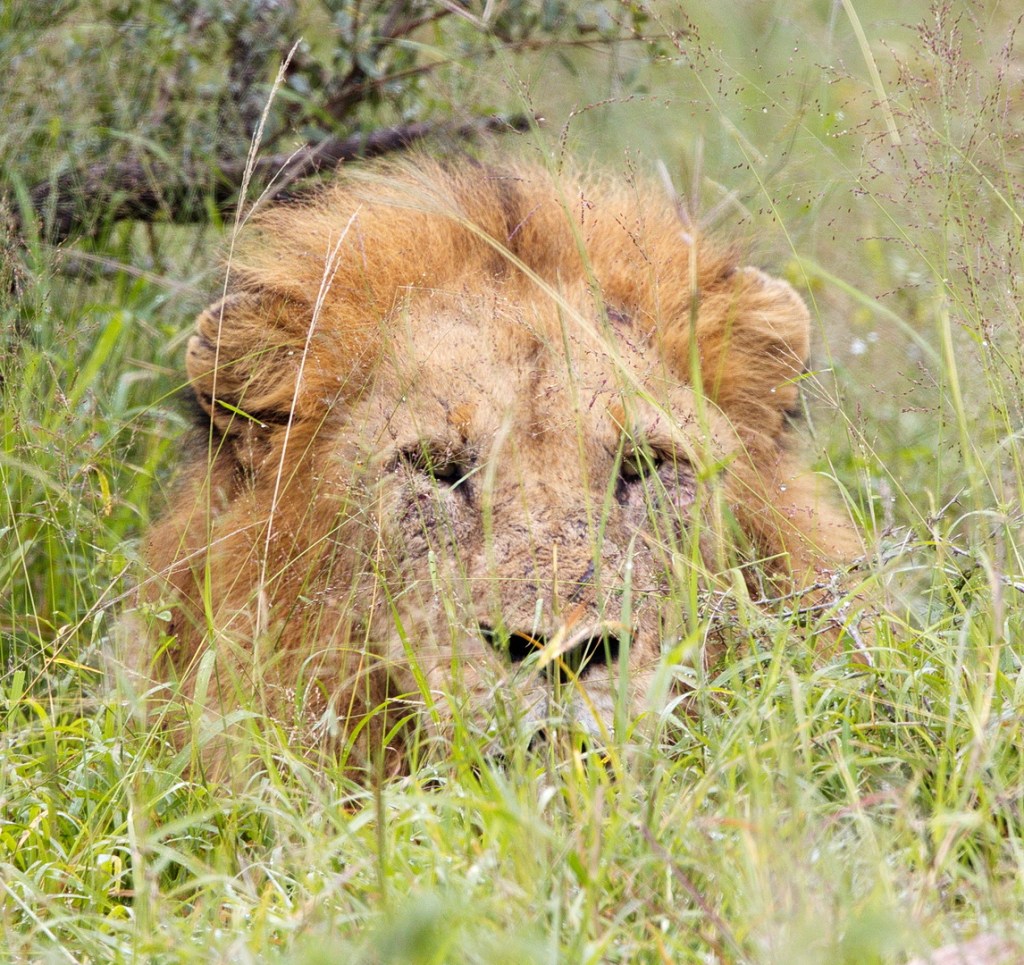
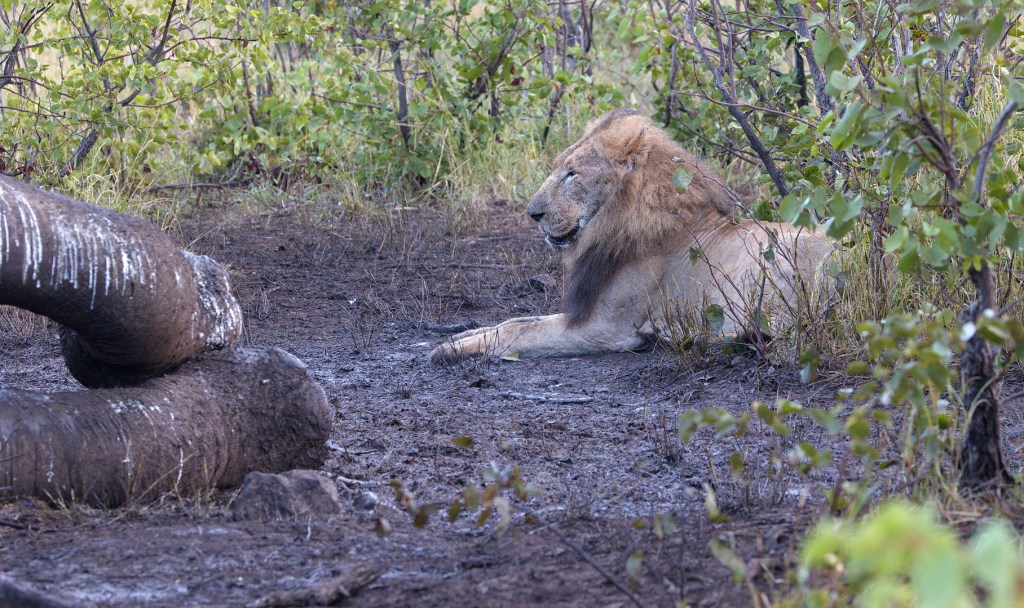
CheetahWaiting for her man.Male Lion recuperatingMale Lion recuperatingLioness keeping him at bay for the momentLioness resting between sessionsLioness tarting upScrawny male with mates on the roadA gemorse of traffic.
Hyena
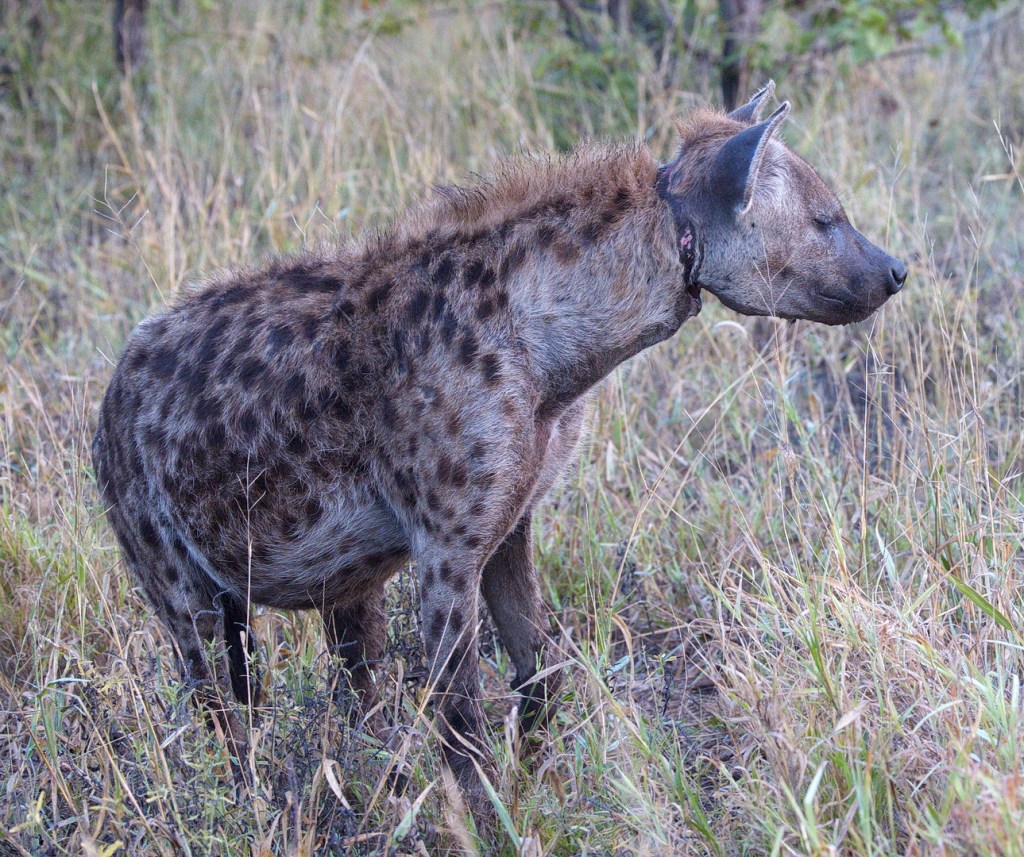
Hyena with wounded back.
Raptors
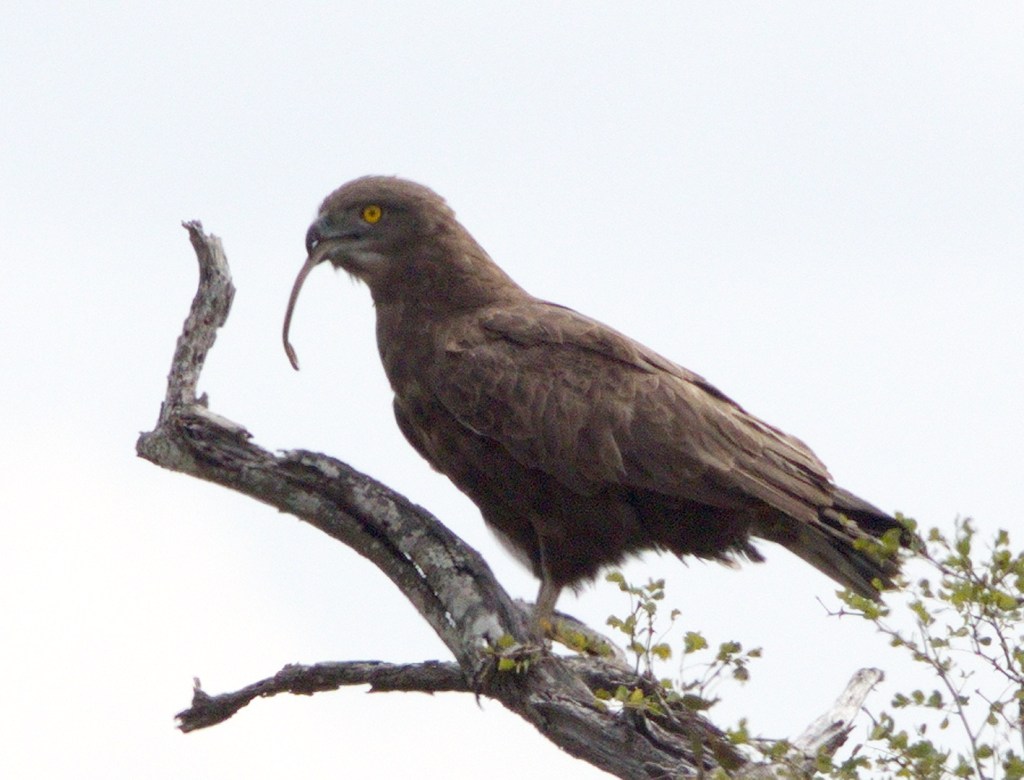
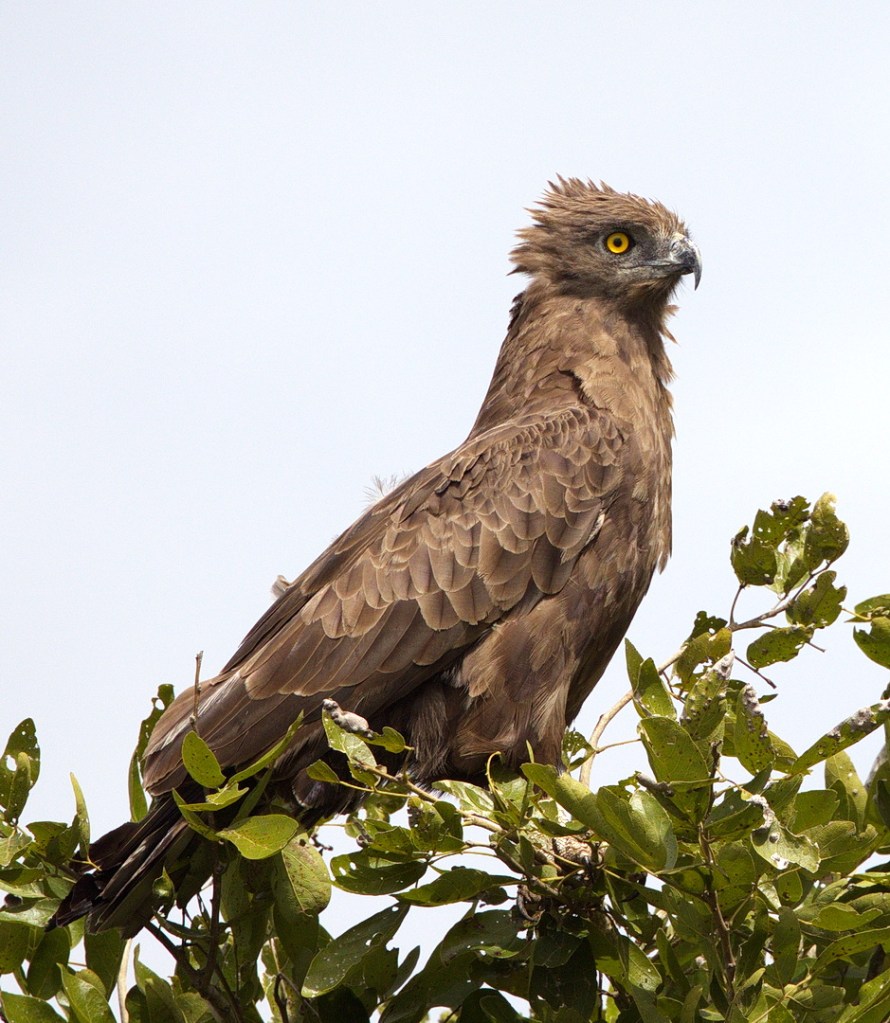
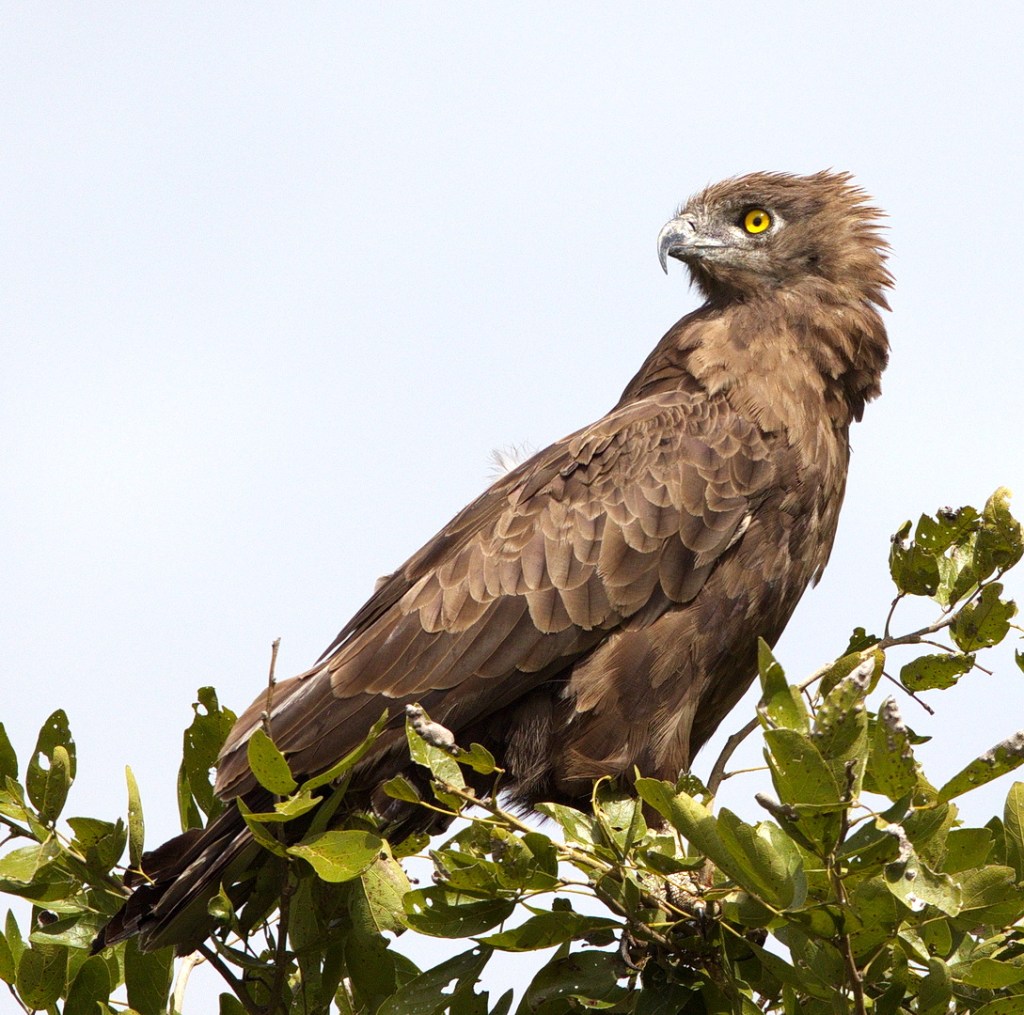
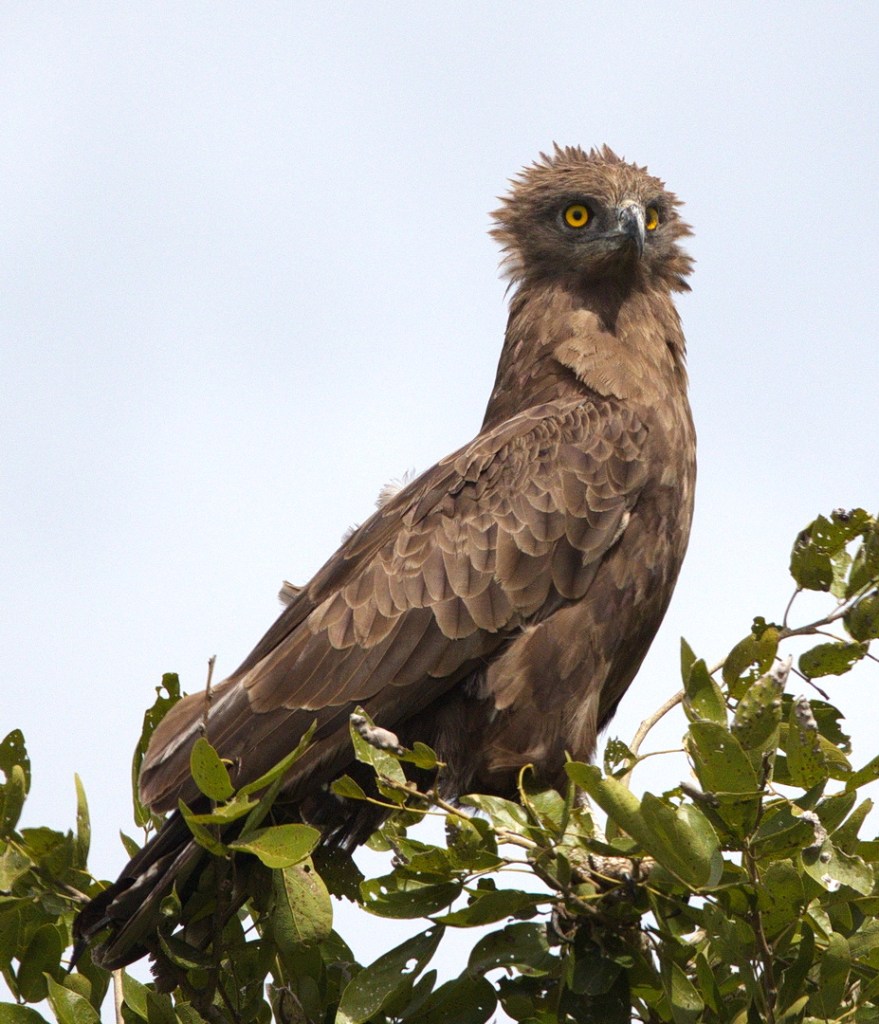
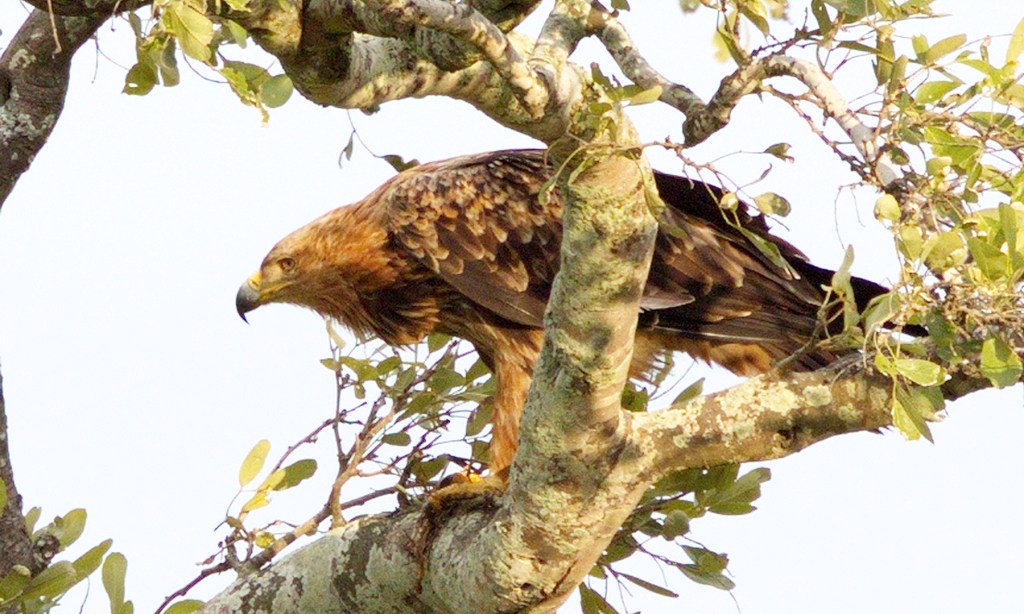
Several Brown Snake-Eagles, Martial Eagle
Brown Snake-Eagle with snakeBrown Snake-Eagle coming at usBrown Snake-Eagle coming at us – getting closerBrown Snake-Eagle almost upon us.Brown Snake-EagleStaring us down yMartial EagleMartial Eagle
And here are some of the other species we managed to capture.
Sally and Paul enjoying a sundowner at the Berg-e-dal bar.
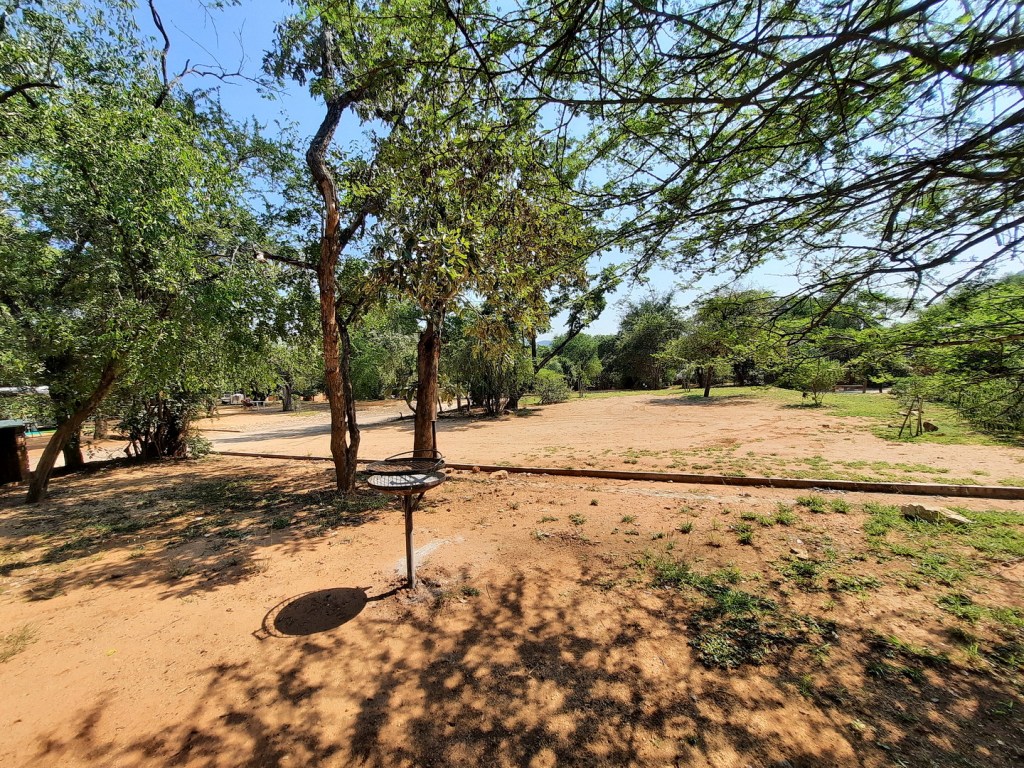
After driving around the camp for ages looking for a spot, we eventually settled on a site we had first seen. And we enjoyed the privacy and outlook.
Our outlookLaid back into the bushAblutions far enough away.
We ventured around the area but also took a long day out to Pretoriuskop – taking the H2-2 from Afsaal to Pretoriuskop. Then back along the S1-1 and H3, visiting dams and other features along the way.
Typical scenery.
The Dome near Pretoriuskop on the S10Impala LilyTransport DamShitlhave Dam – H1-1Shitlhave Dam – H1-1More rain down south of the Park so the grasses were tallerMathekeyane GranokopMathekeyane Granokop tea break.
A natural rubbing post for Warthogs and Rhinos usually.
Very Finger-looking good.
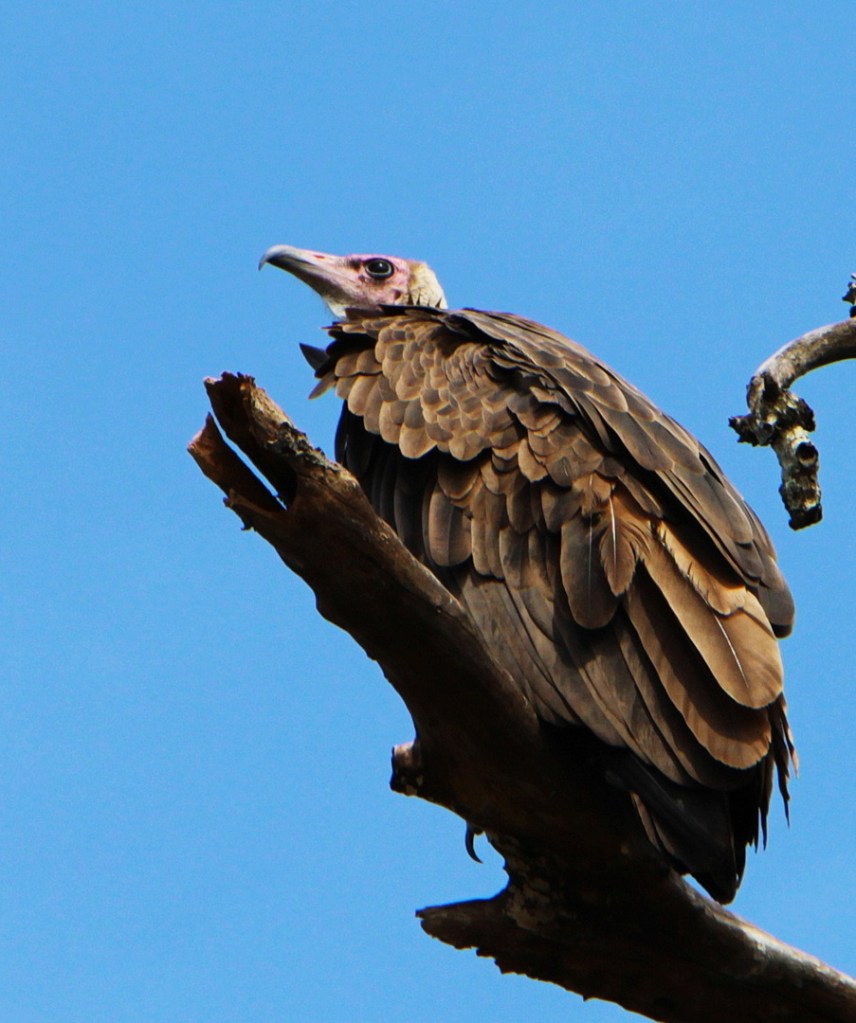
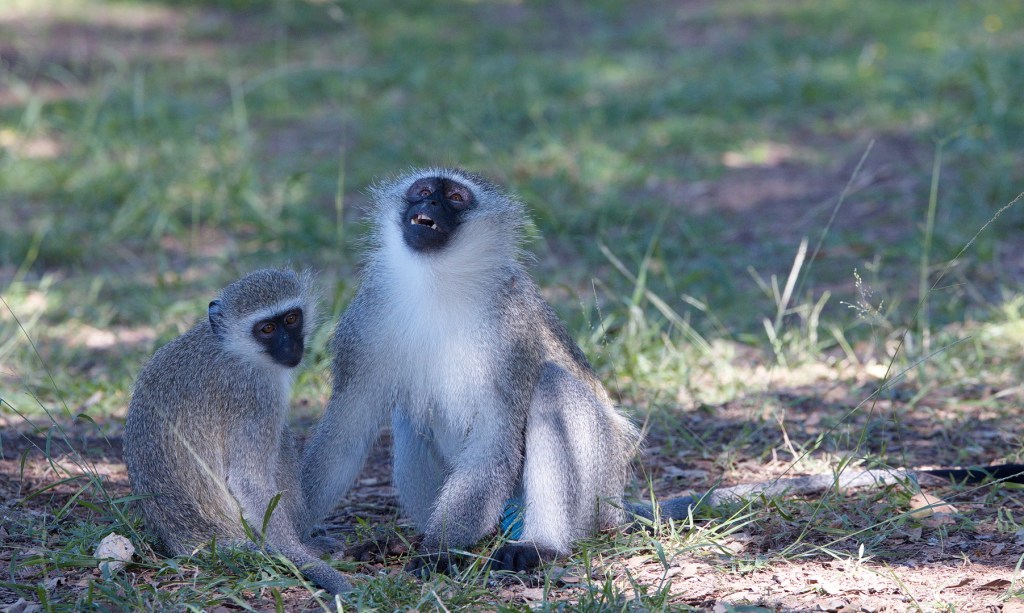
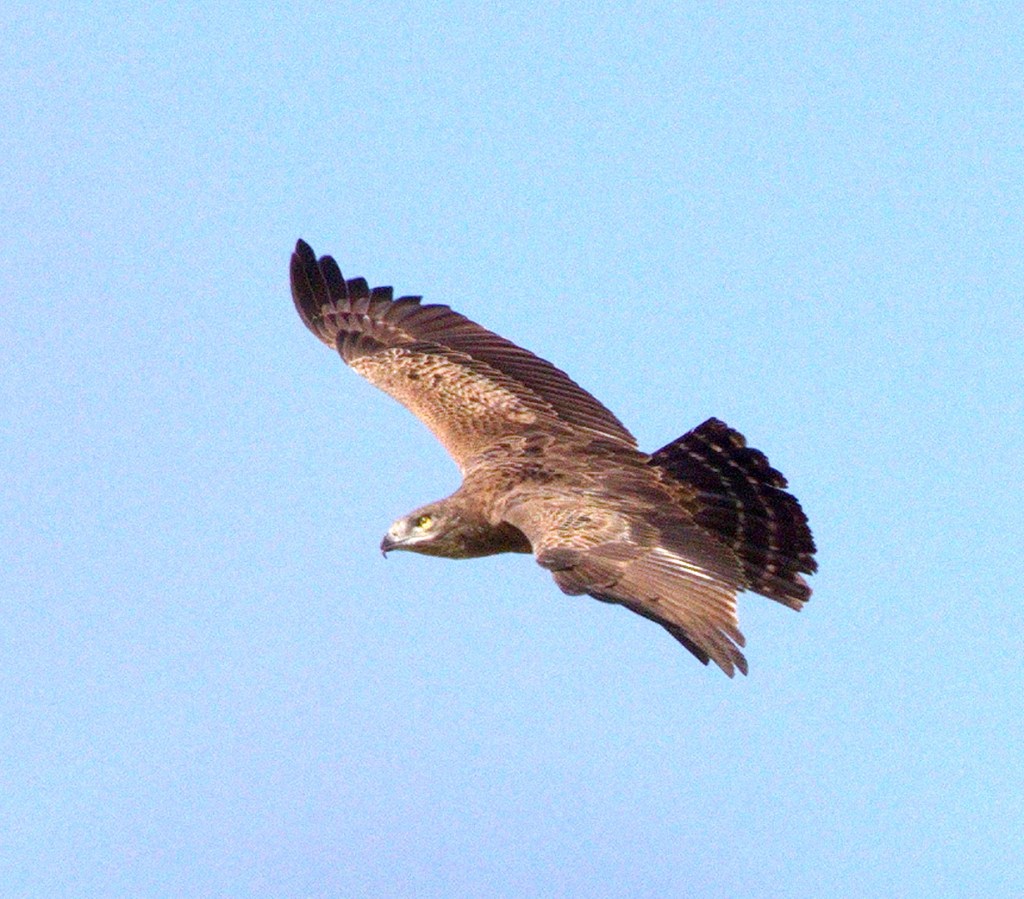
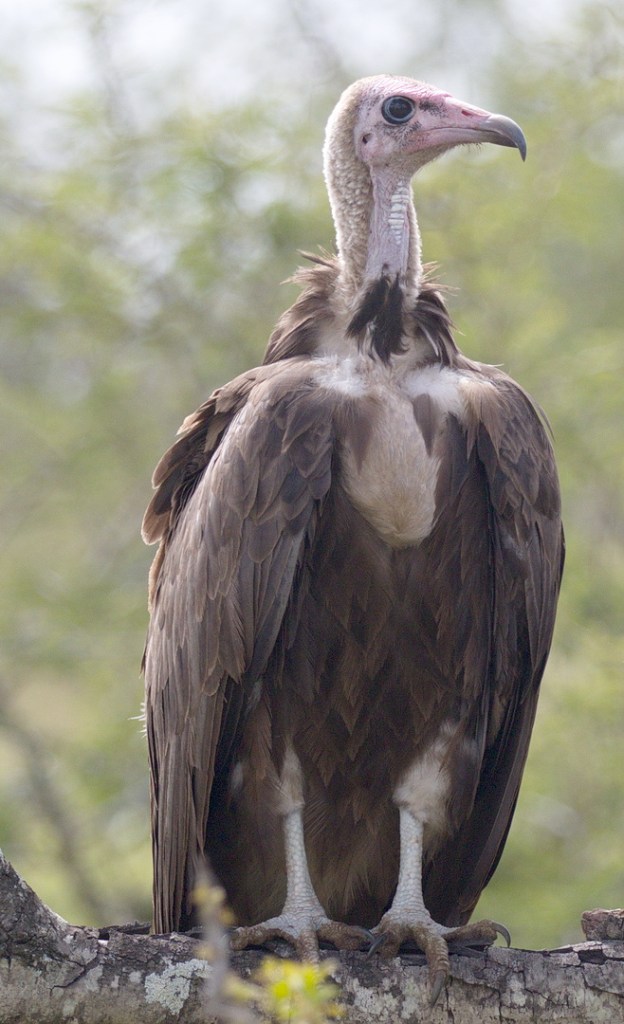
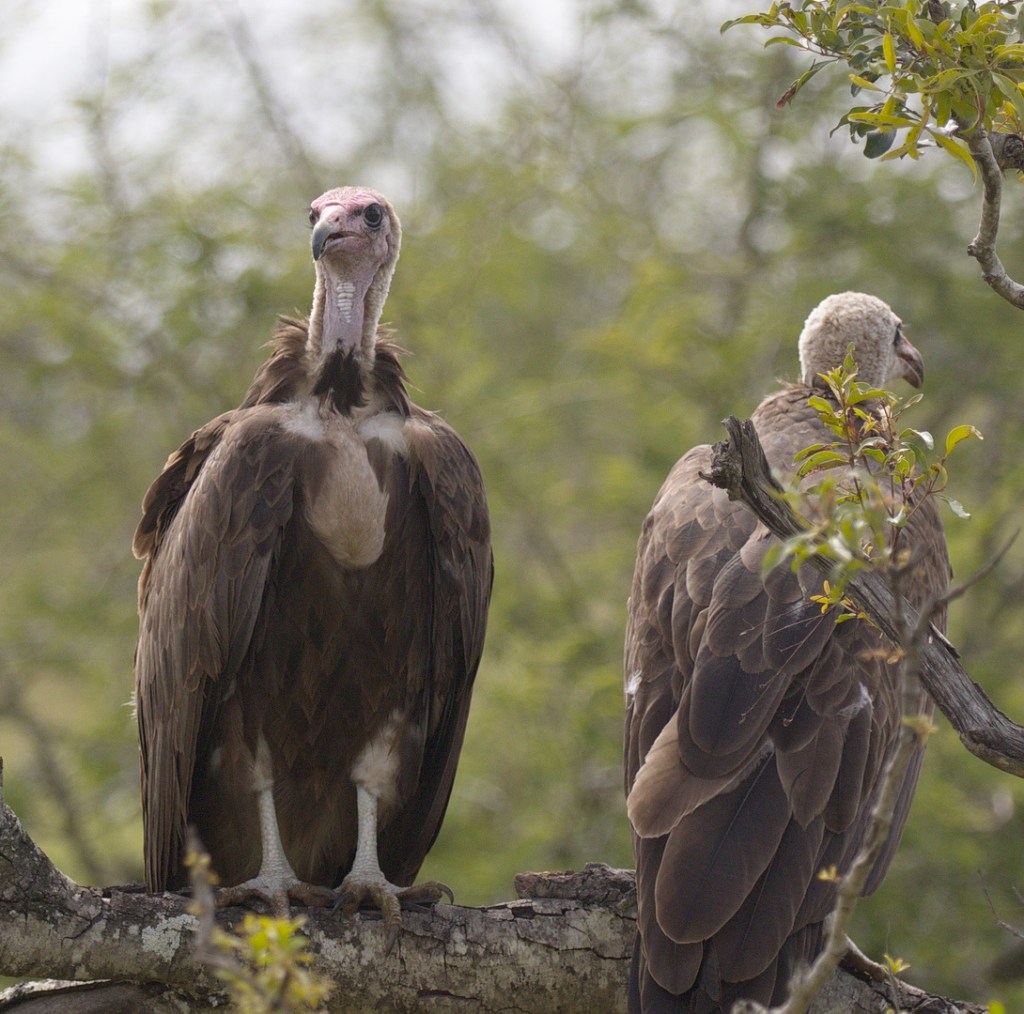
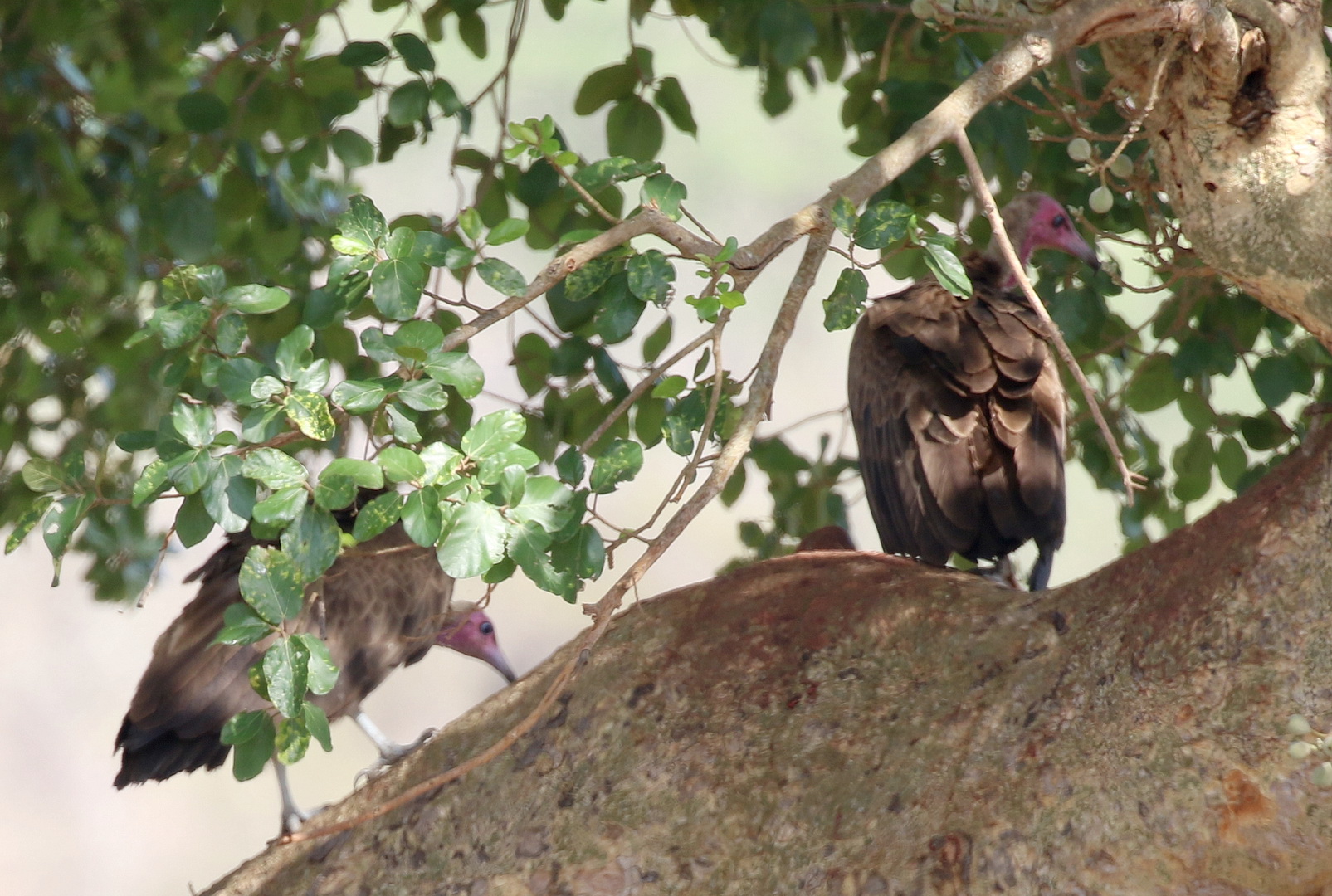
Along the way we had some lovely birds too. A pair of African Hawk-Eagles, a Gabar Goshawk, a Black-winged Kite high above and a Martial Eagle were the raptors which stood out. Of course there was an unidentified raptor photographed as well. An ear-torn Hyena walked up to us and a pair of Vervet Monkeys were nervous of life above in Pretoriuskop. Even a Hooded Vulture made an appearance.
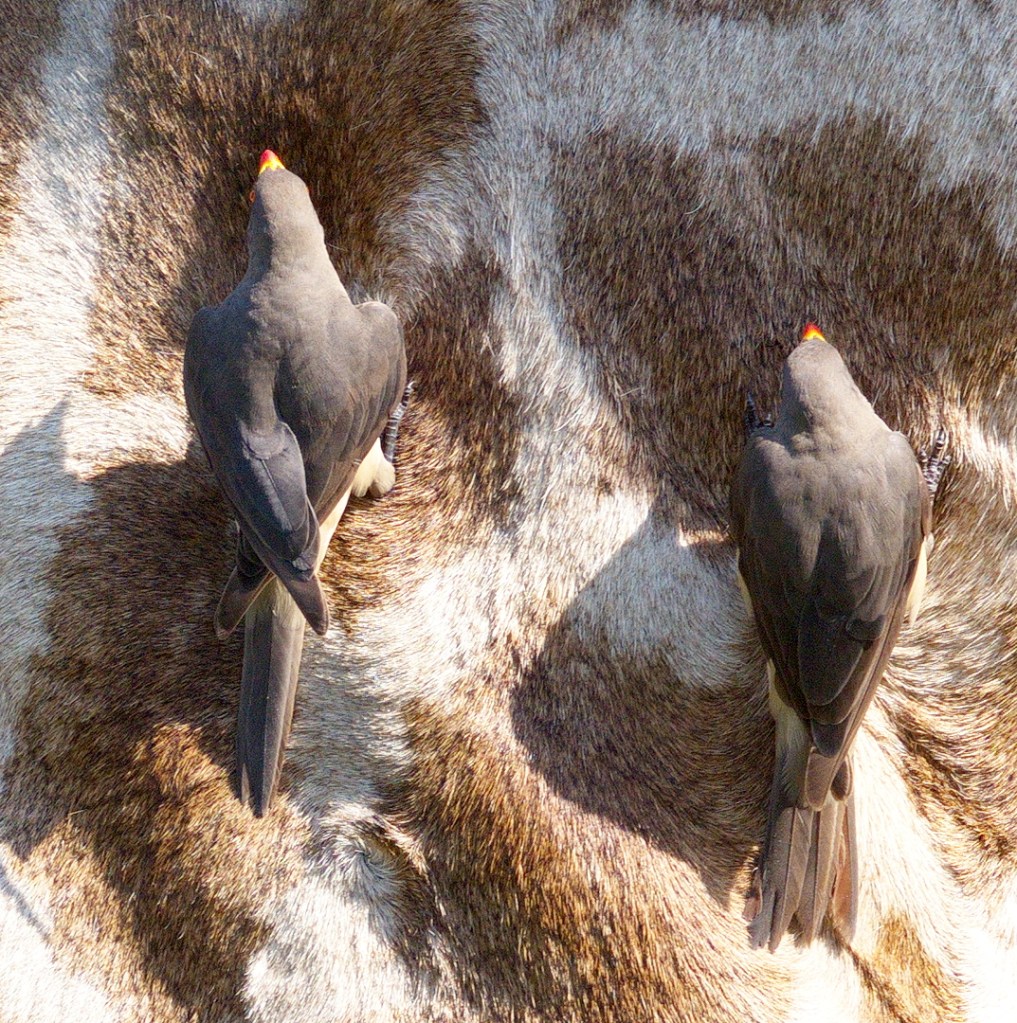
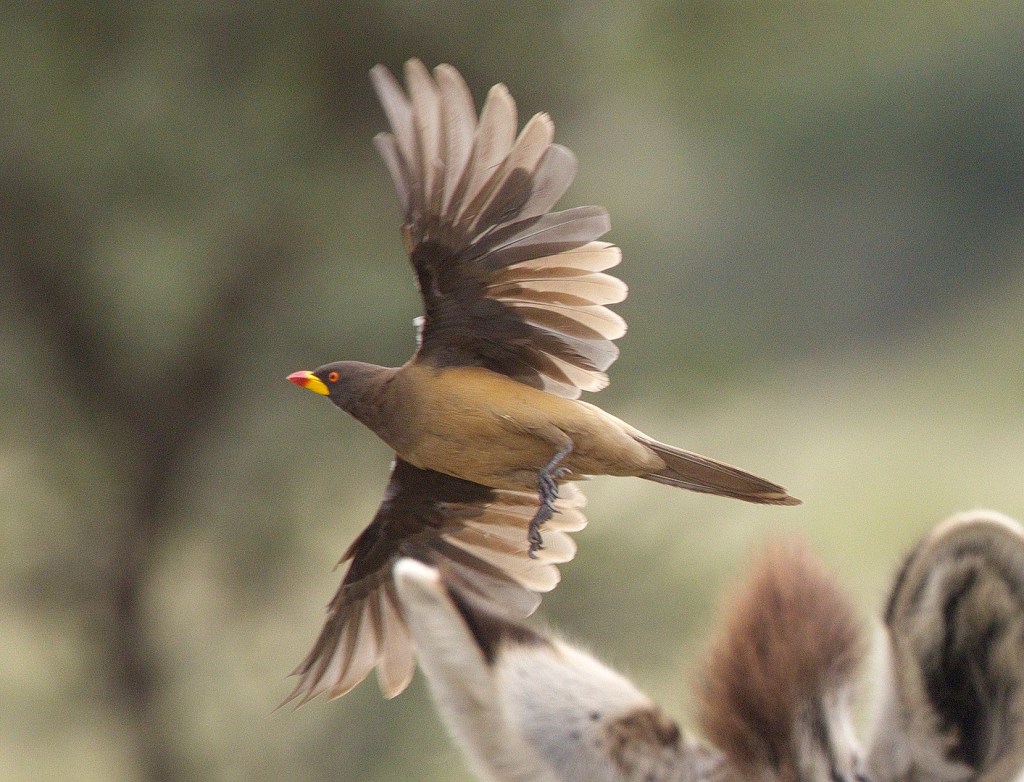
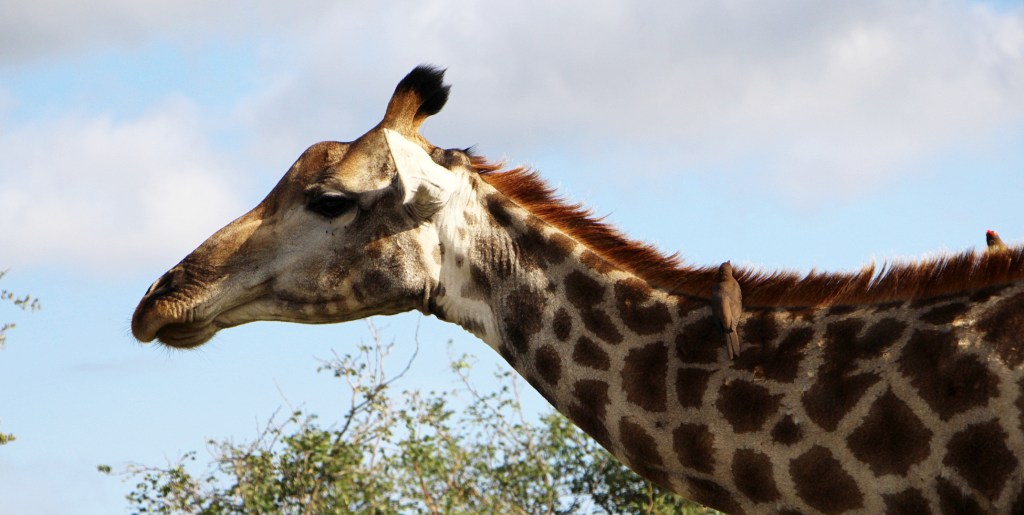
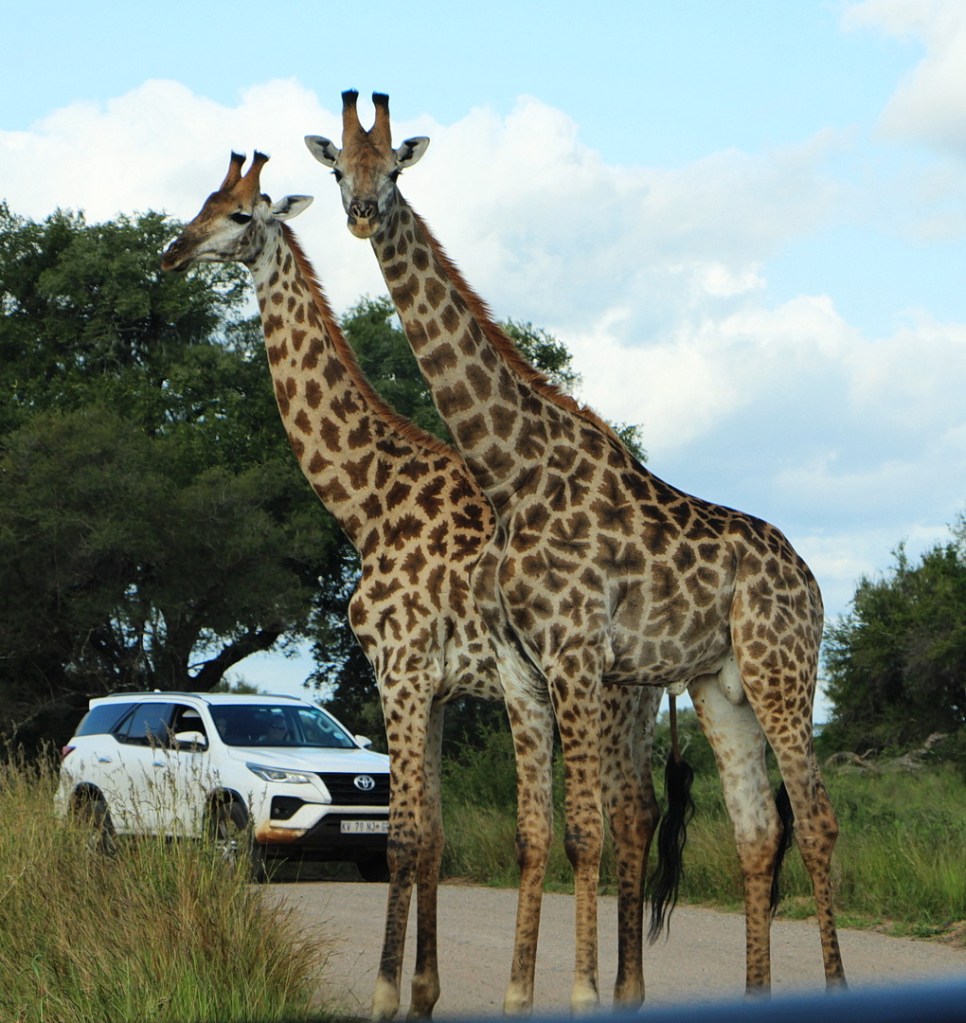
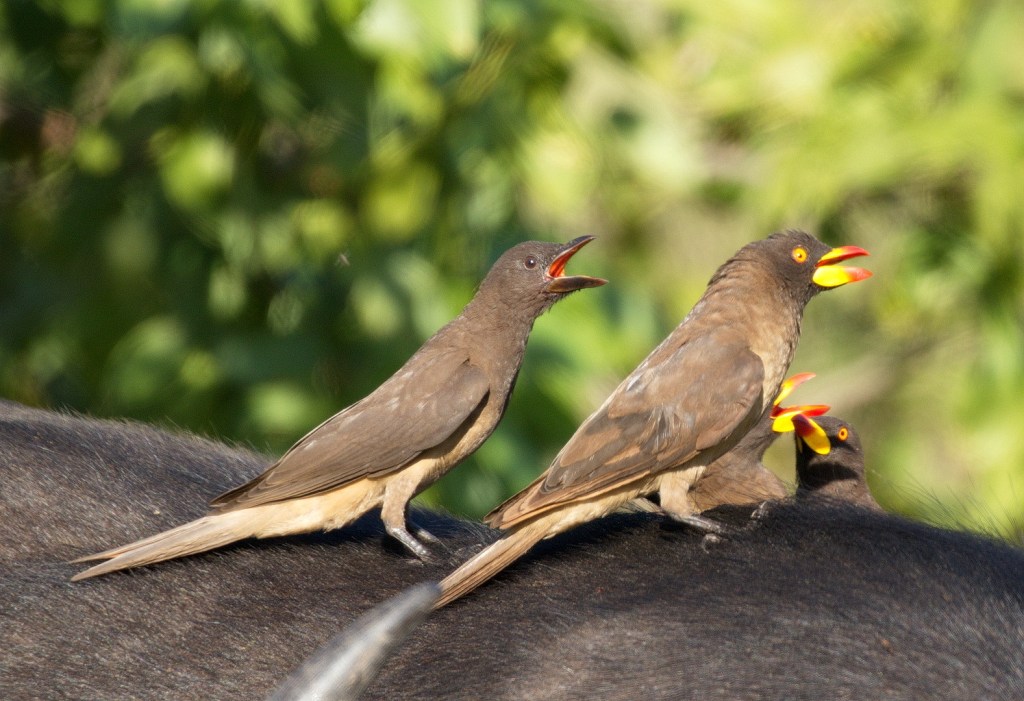
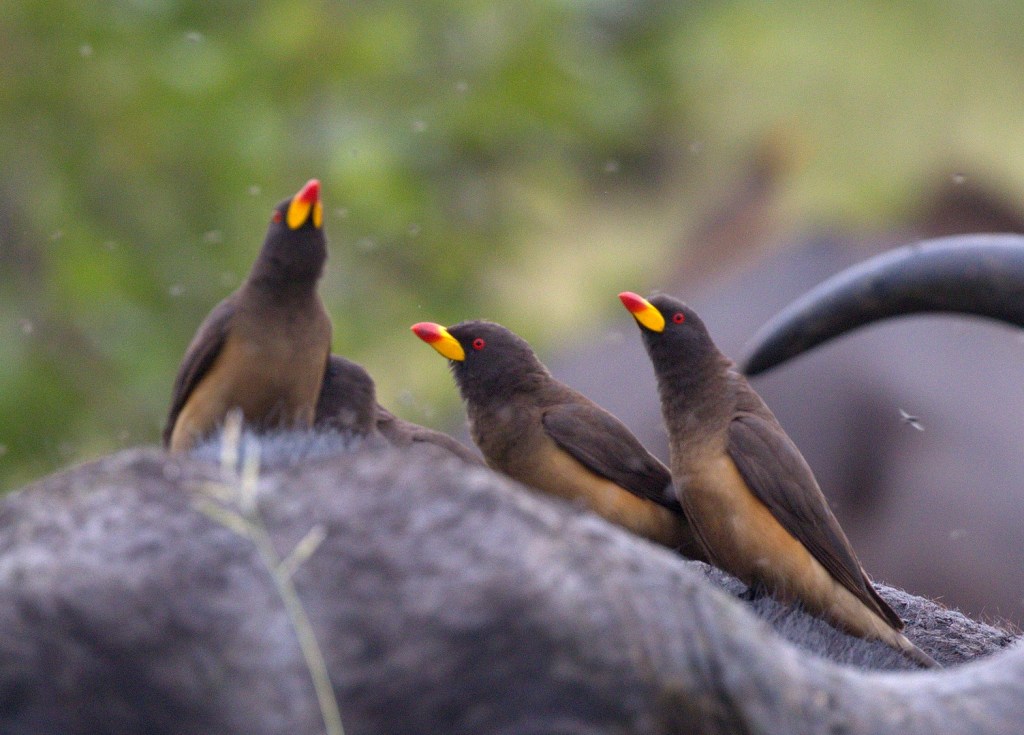
Then there was a sighting of Yellow-billed Oxpeckers on a Giraffe. There range has extended well.
We even found some Rhinos – our first for the trip!
Around the camp we were also treated to some fine species.
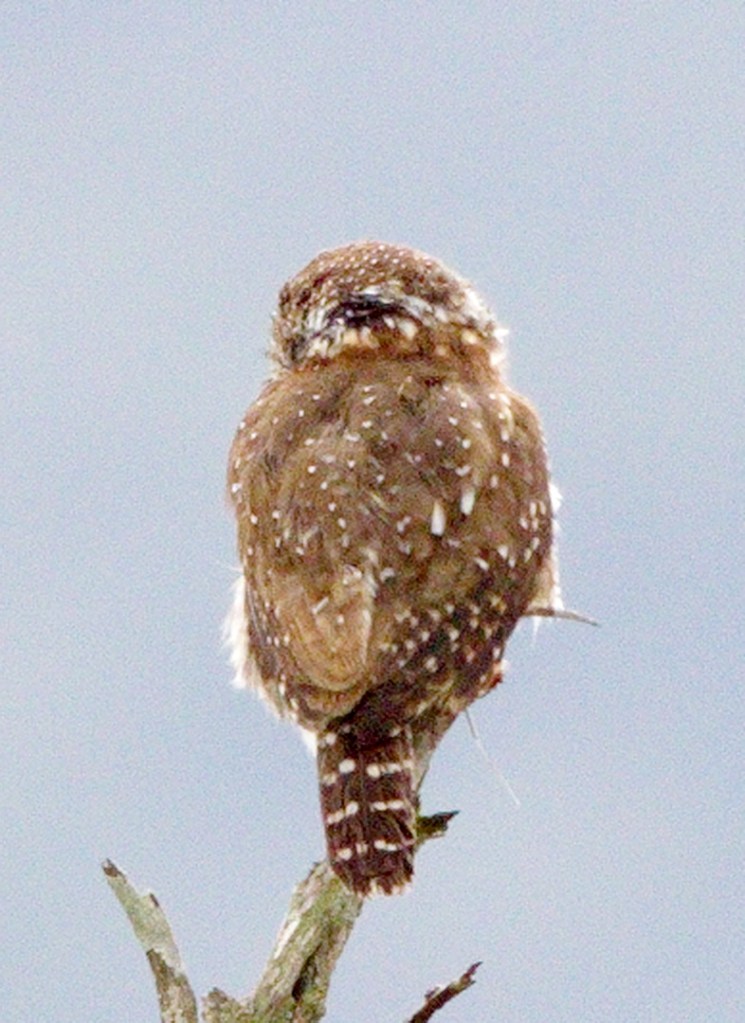
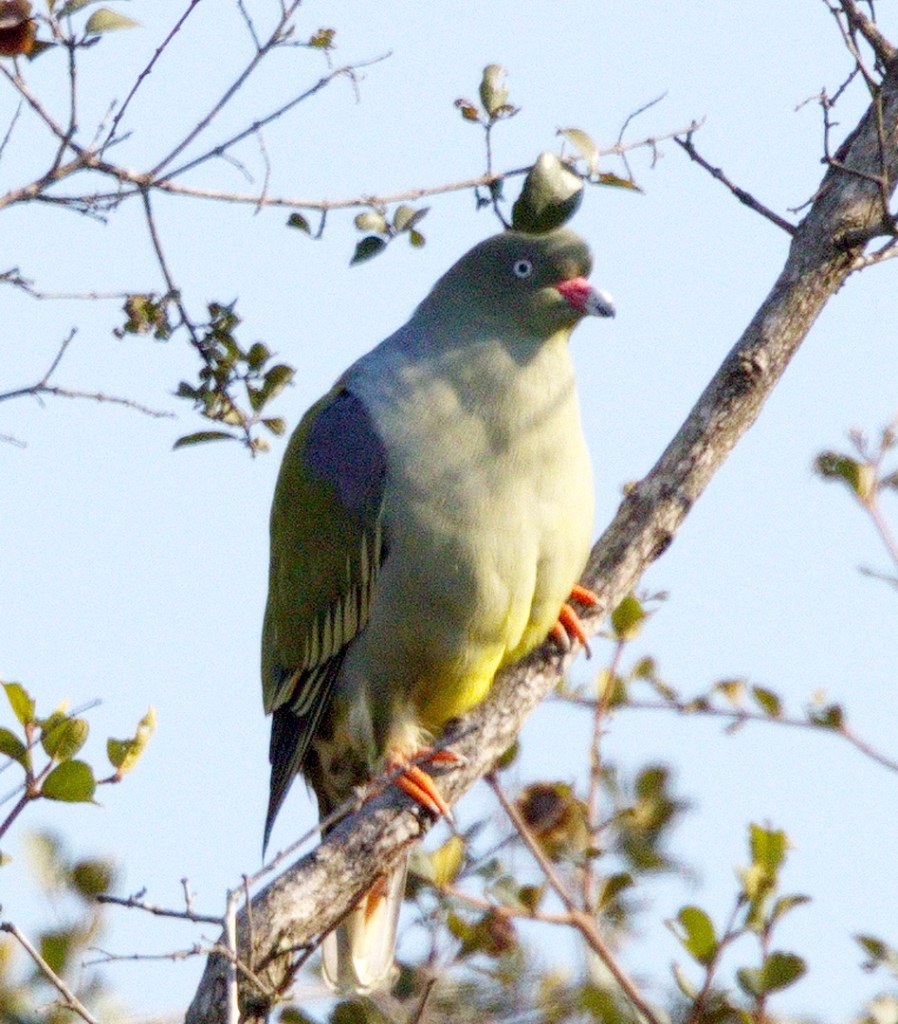
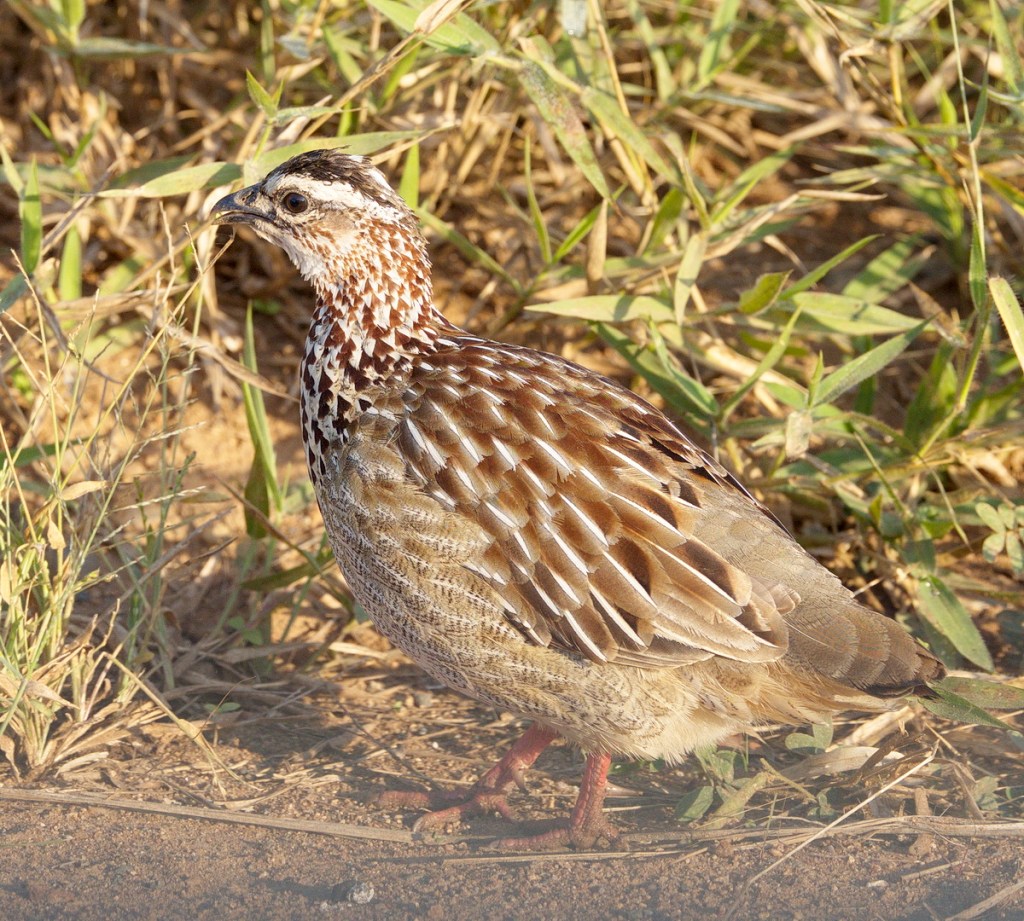
African Green PigeonAfrican Green PigeonView to the dam below the barBuffaloBrown AccreaCrested FrancolinGrey HornbillGroundscraper ThrushPale FlycatcherPearl-spotted OwletThree-banded SandpiperViolet-backed Starling – femaleA camp visitor – now you see him —.
And eventually it was time to return home.
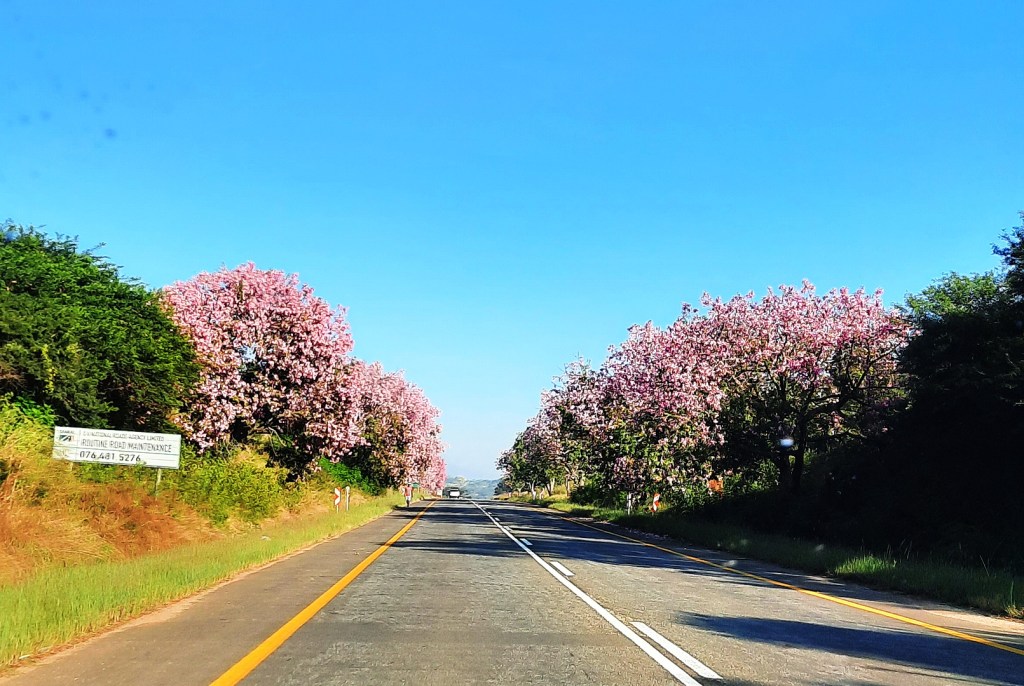
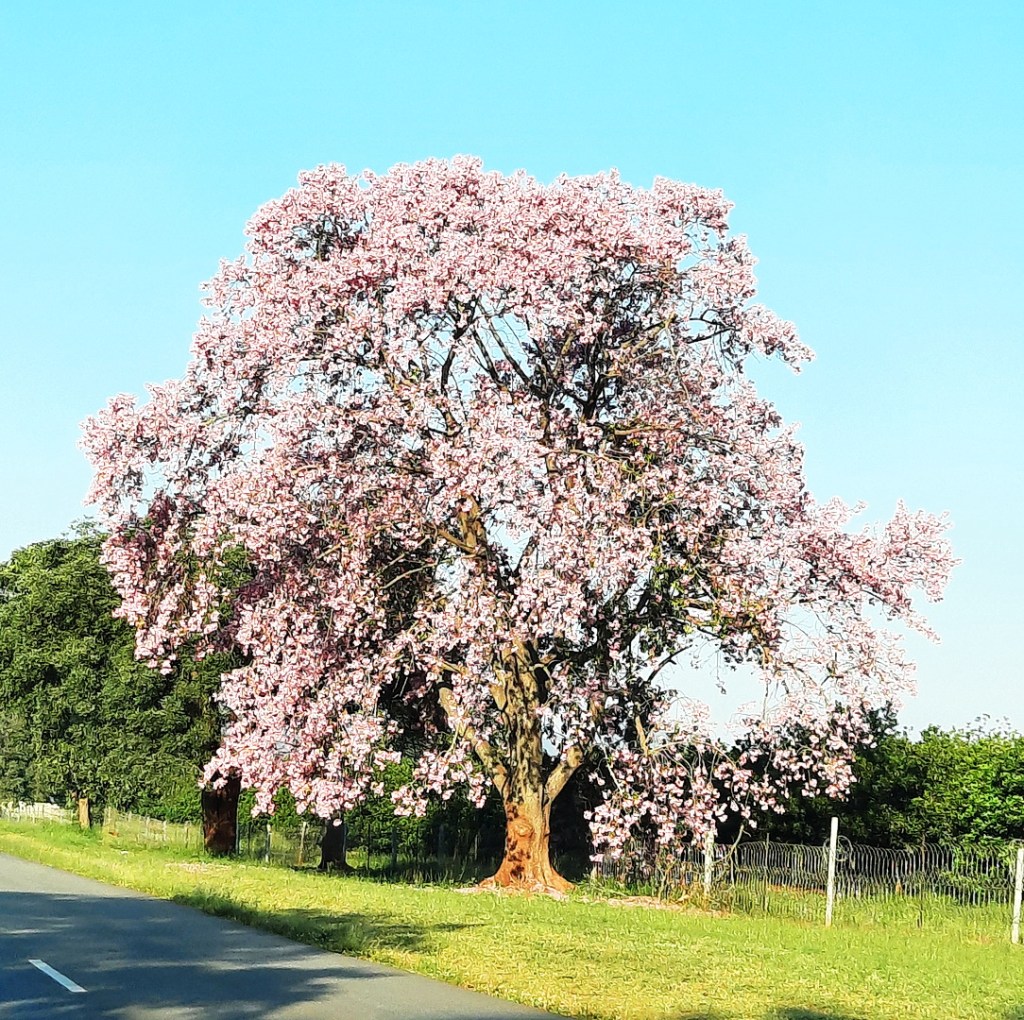
And this was the scene as we passed Barberton. The Tebushina were flowering.
Click on the following link to see a list of the birds we identified on our trip. In all different bird species.
We only had one night here – all booked out. So, we got here early from Shingwedzi to give us time in the afternoon to have a look around. We set up quickly without putting up our awning.
AblutionsWash-up areaCooking areaEntrance
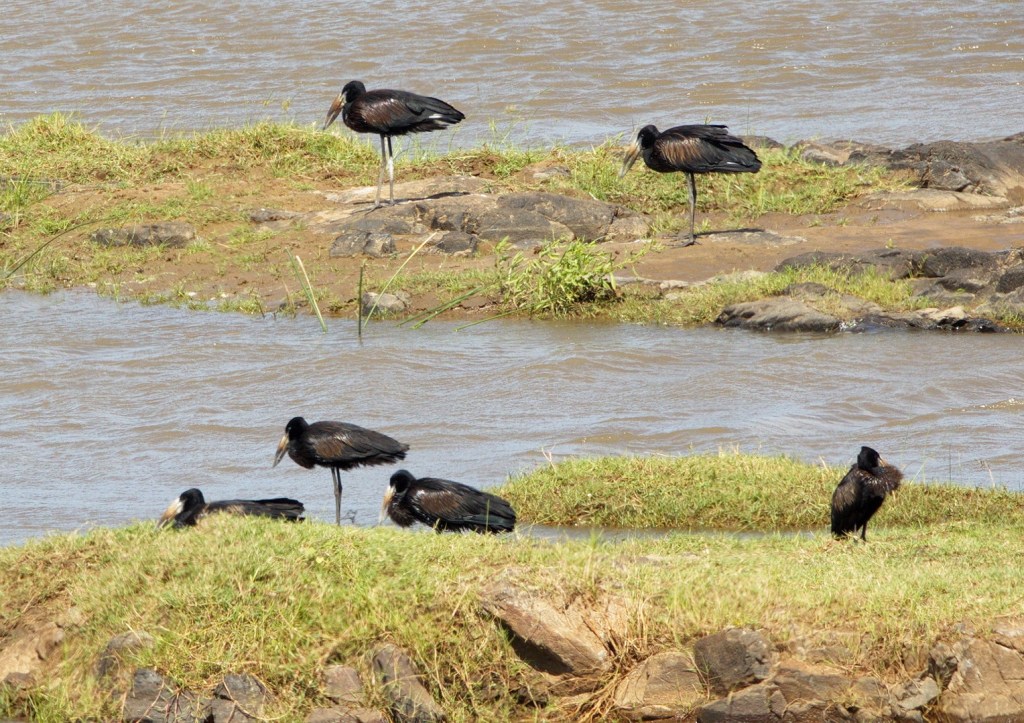
On the way down to Tsendze, we notice many Openbills together in the river.
Openbills
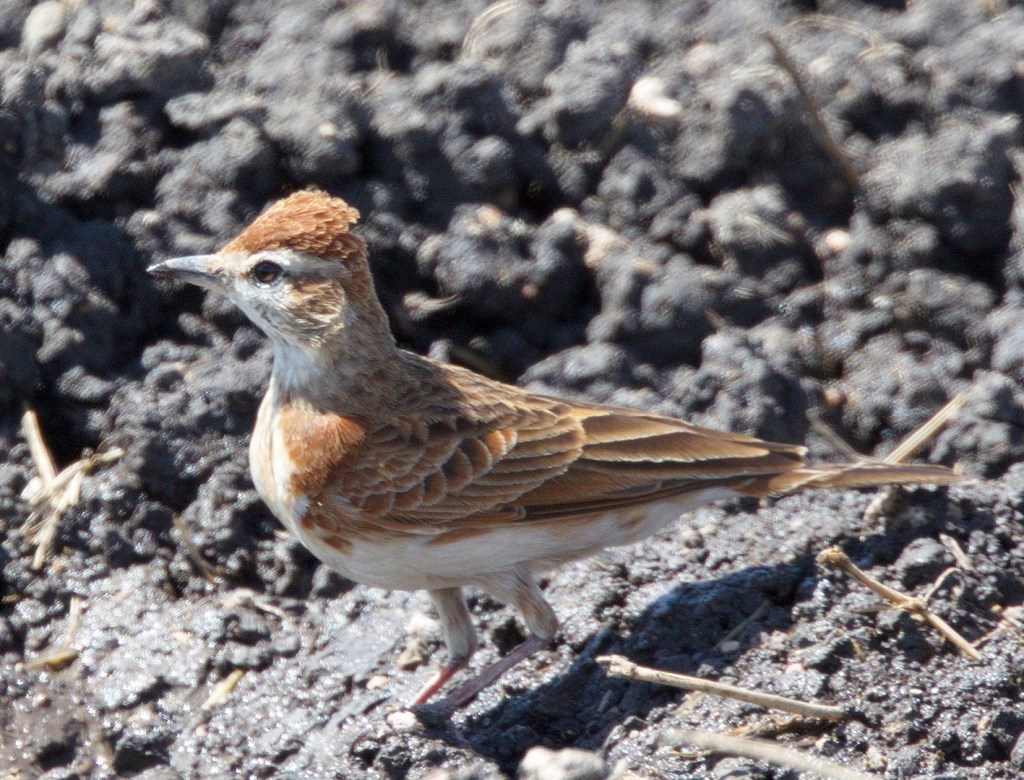
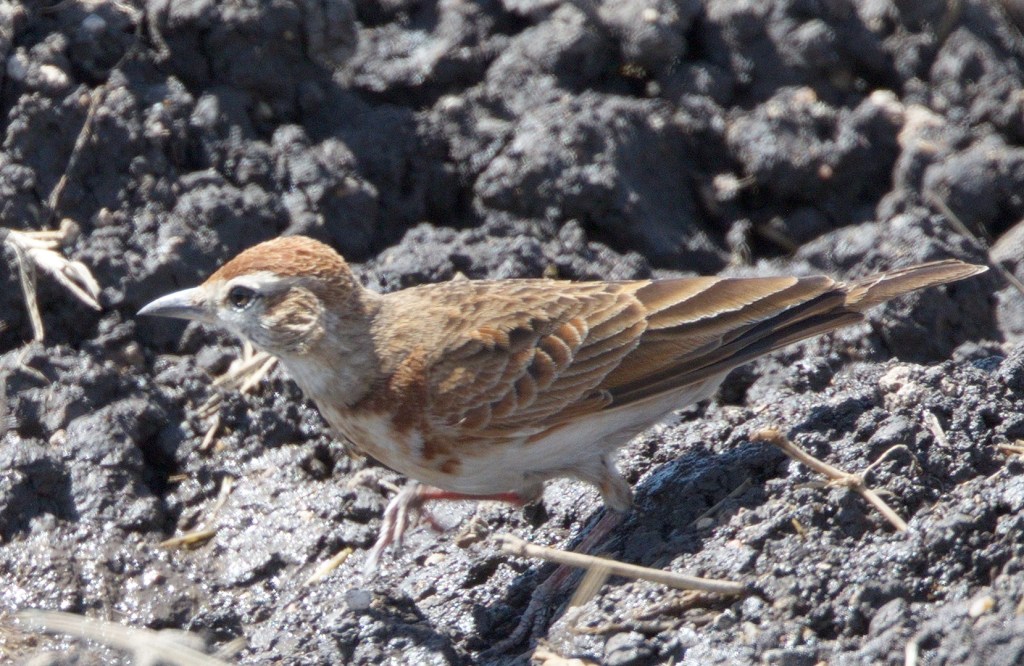
On our first sortie into the area, we headed to the Mooiplaas Waterhole and saw a few interesting bird species on the open ground nearby.
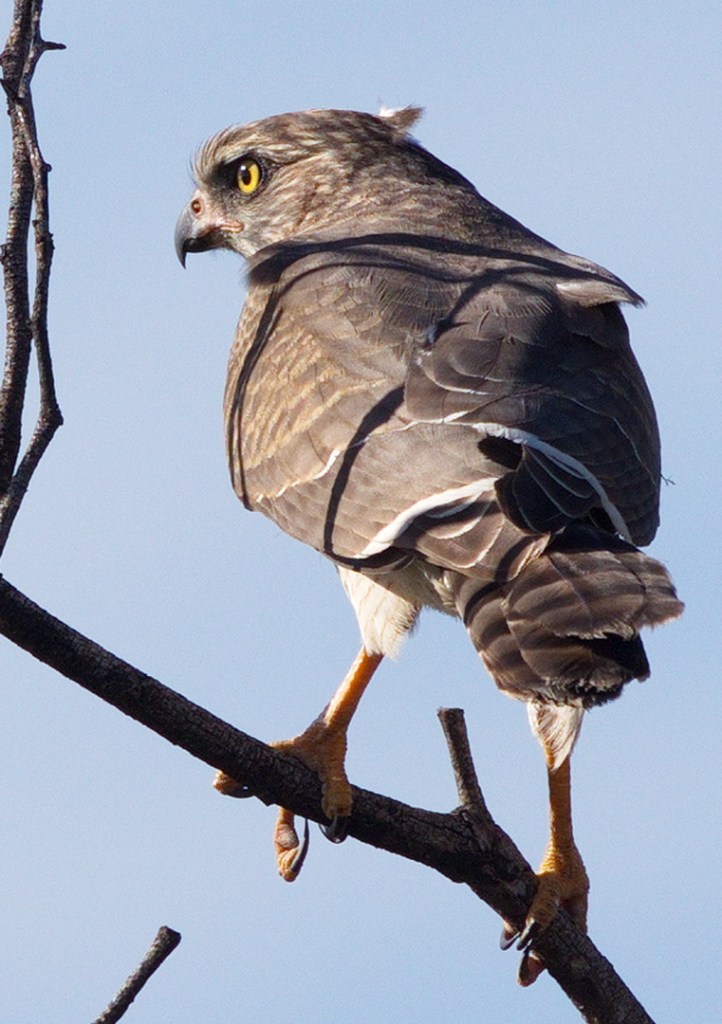
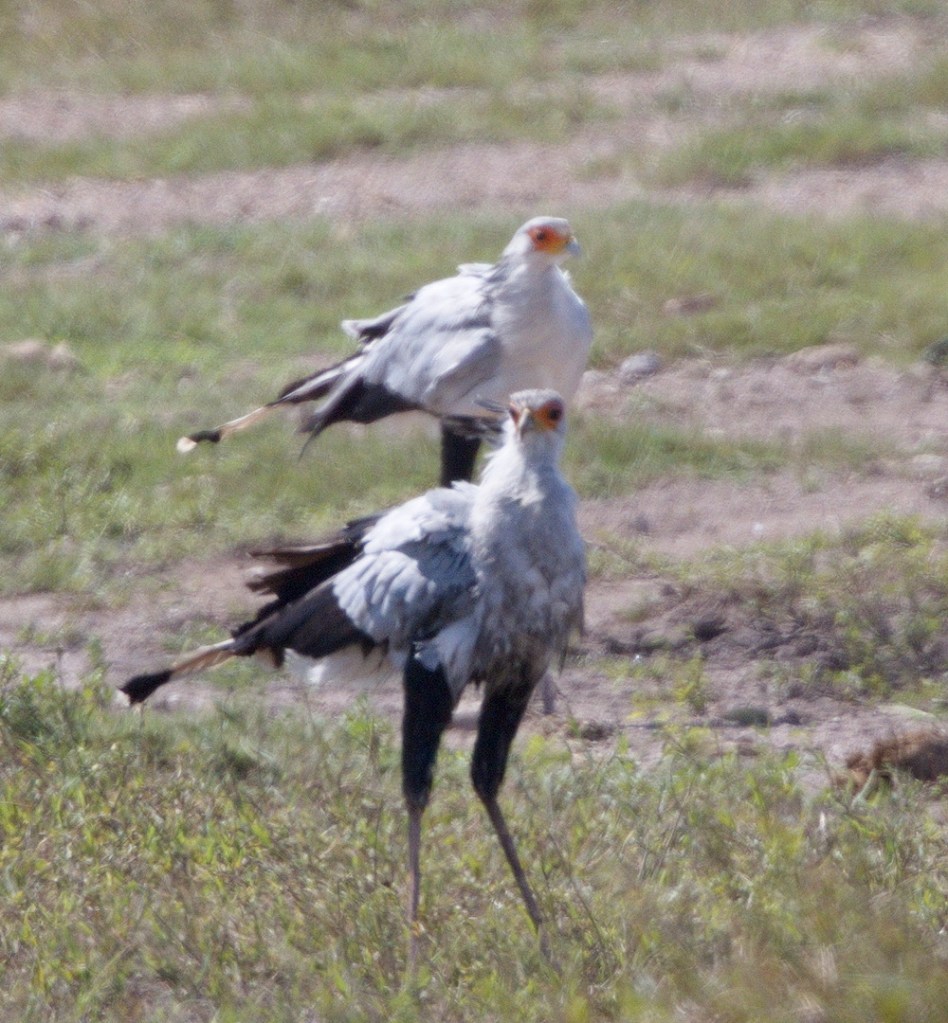
Red-capped LarkRed-capped LarkLarkGabar GoshawkGabar GoshawkGabar GoshawkA pair of Secretarybirds
However, as we continued towards the wetland area, the road was taped off. Why? No rain so it must be passable. Perhaps they were grading the road, we thought. Annoyed, we returned to camp.
Back at camp we heard talk of an elephant seen just after the Mooiplaas Waterhole on the S49. The story intrigued us and as a result and our time in Tsendze focused there. Time well spent.
We went back and the taped off road was now open. We continued. Our first indication that we were getting close:
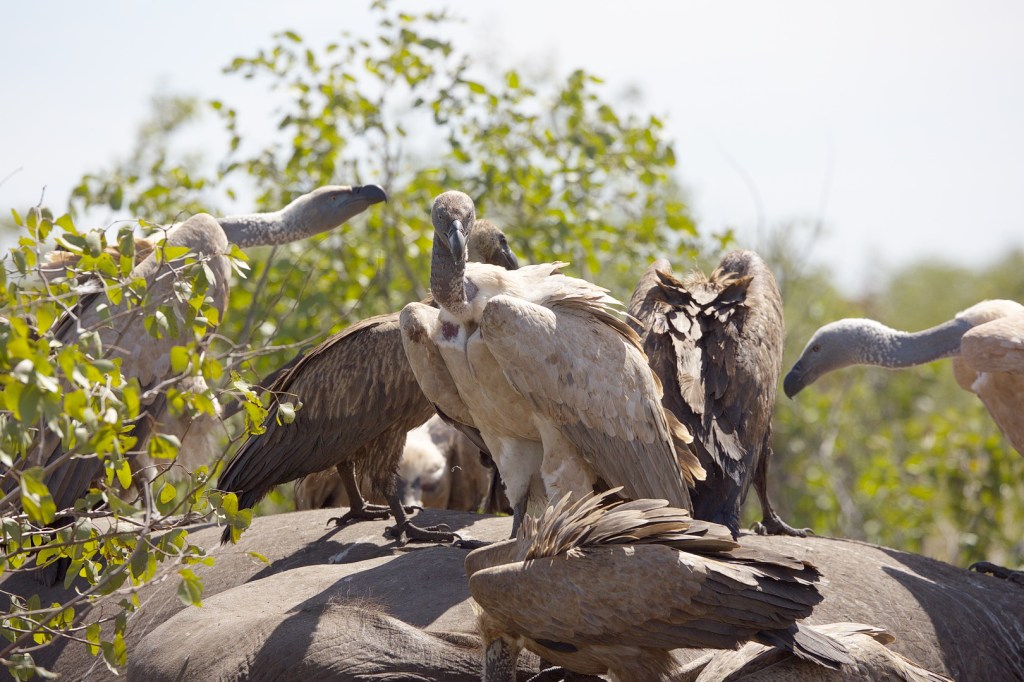
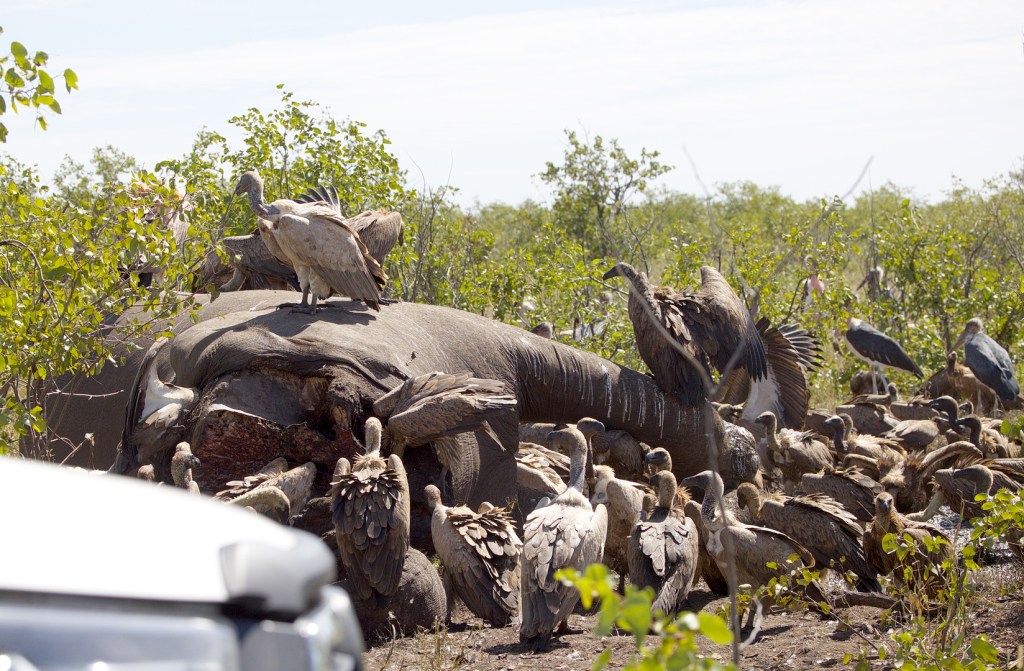
Hundreds of Vultures
Then there were the animals and Marabu Storks blocking the road.:
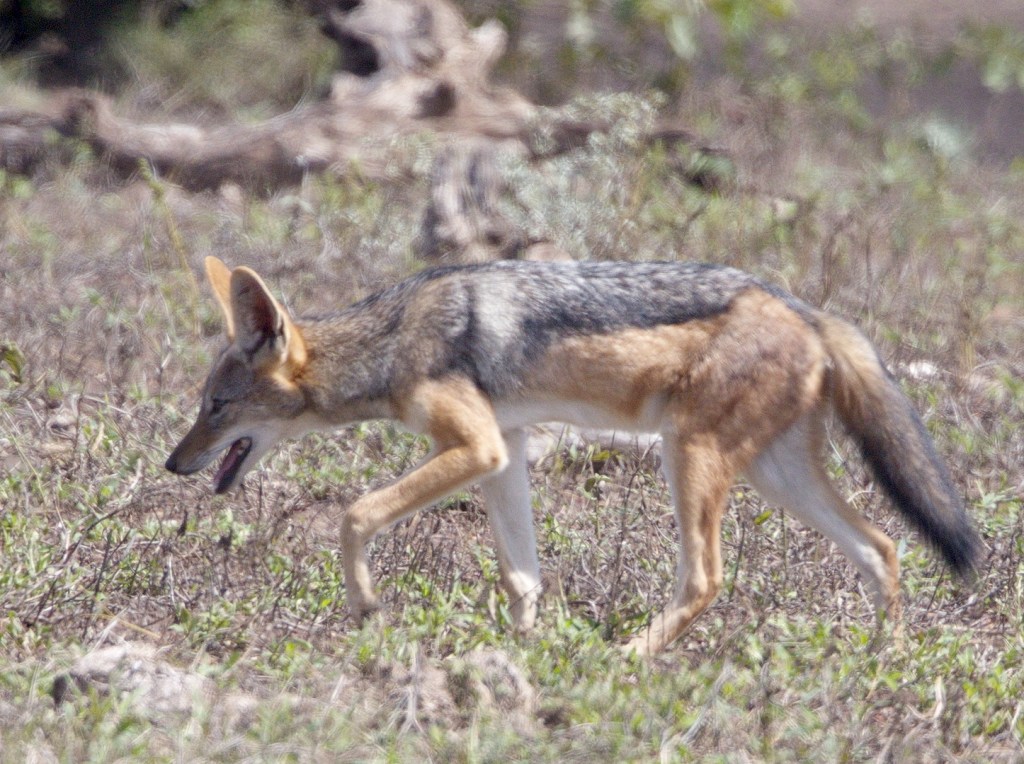
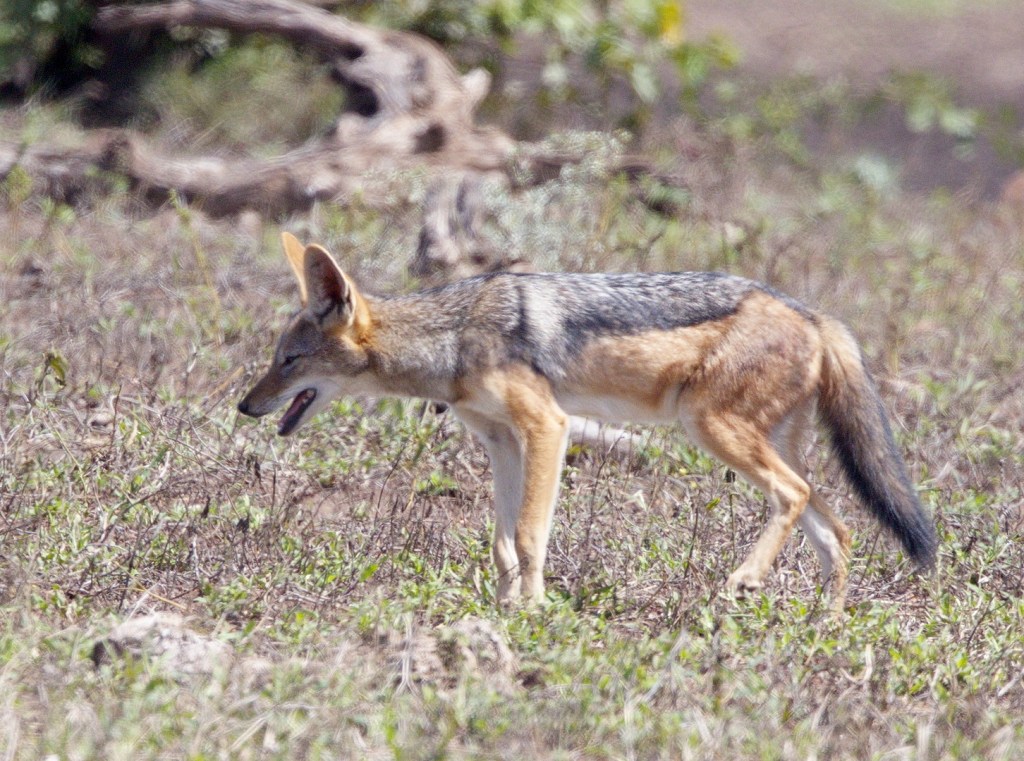
Black-backed JackalBlack-backed JackalStuffed HyenaMore stuffed HyenasA few of the hundreds of Marabu Storks
Eventually we arrived and realised what all the fuss was about and the stories were sadly confirmed.
The reason why the road was closed was obvious.
The next morning we returned and all the vultures and storks were in the bushes and none around the carcass. We understood why as we got close. His majesty was waiting to fill his fill further.
And that amounted to our time spent in Tsendze.
Next Satara and our explosive time there for 3 nights.
Satara
11th to 14th April 2024
Satara
Having set up camp, we took a run along the S100 to Gudzani Dam. This was the third time we were disappointed with little to see – both game and birds.
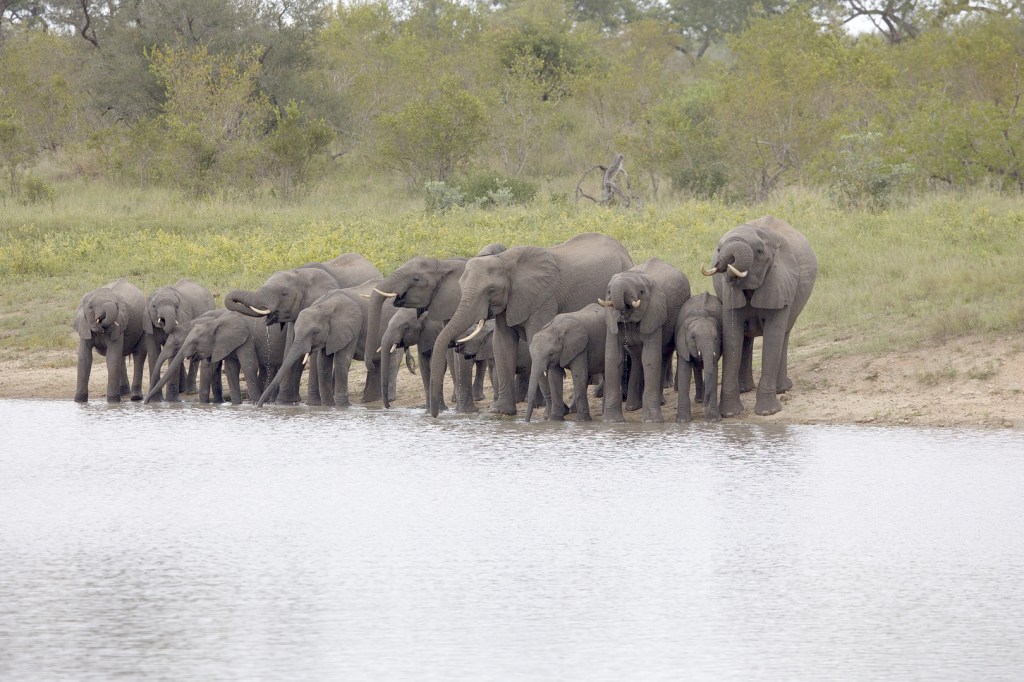
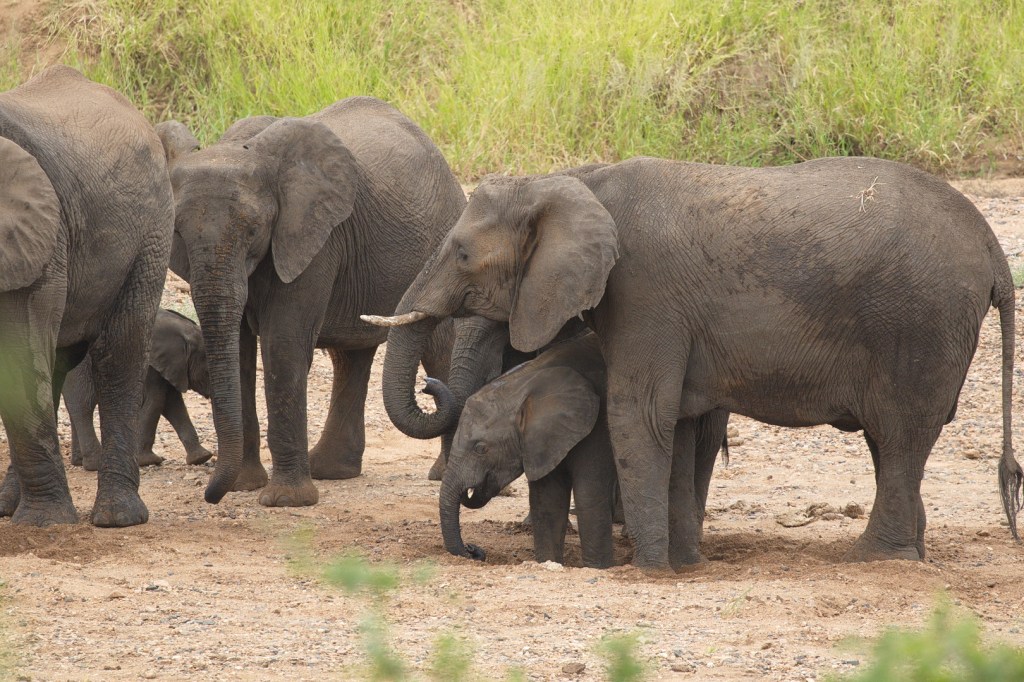
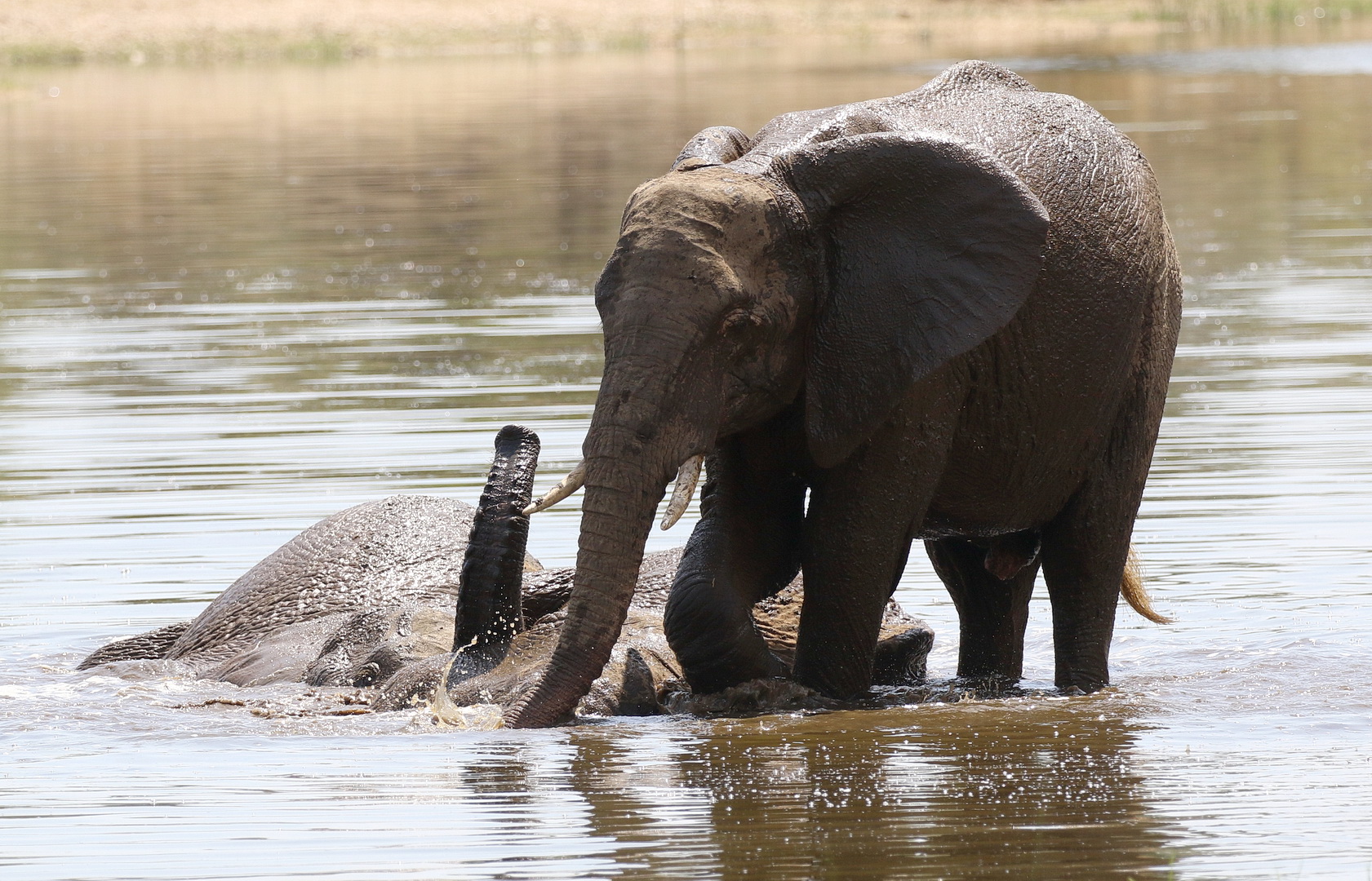
We did visit the Sweni Hide briefly. It was not very active until the elephants showed up and entertained us with their water antics – especially the young ones trying to show who was boss among each other.
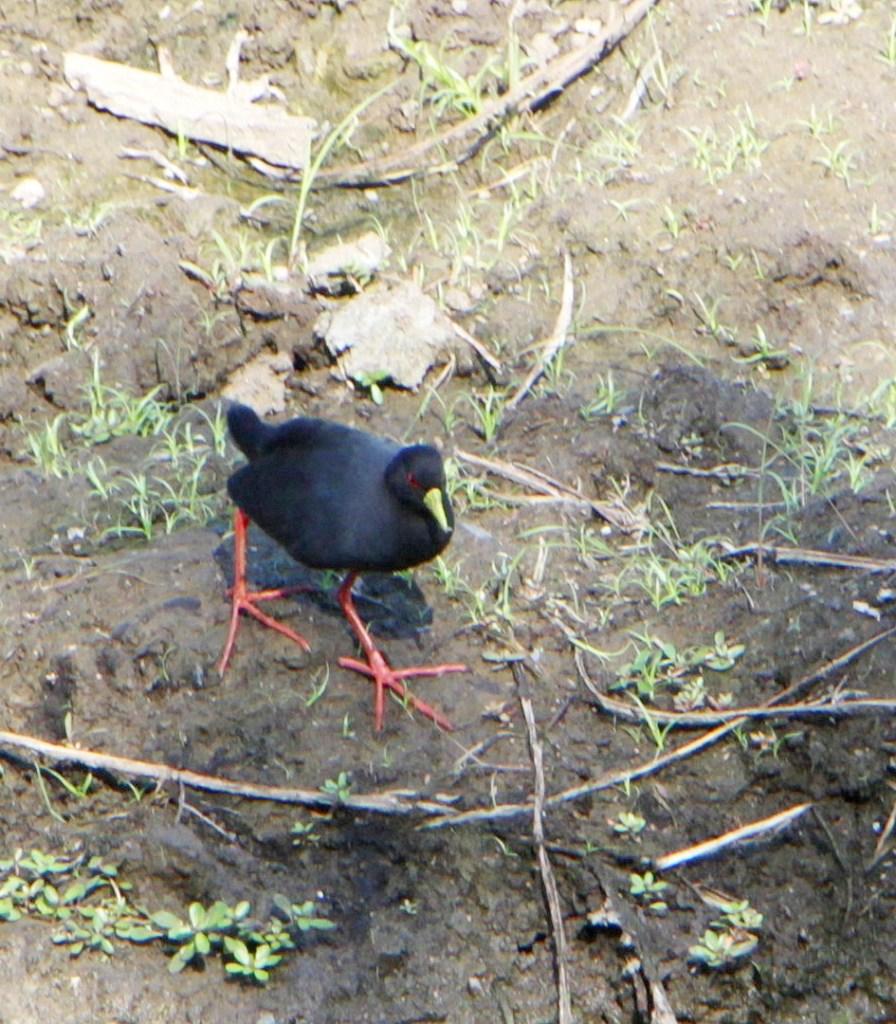
Black CrakeBlack CrakePipit .African or Plain-backed?OpenbillTroop of ElephantsView from Sweni HideView from Sweni Hide
The next day we headed north along the H1-4 to the turnoff towards Balule camp on the S147. One of our newly favourite roads.
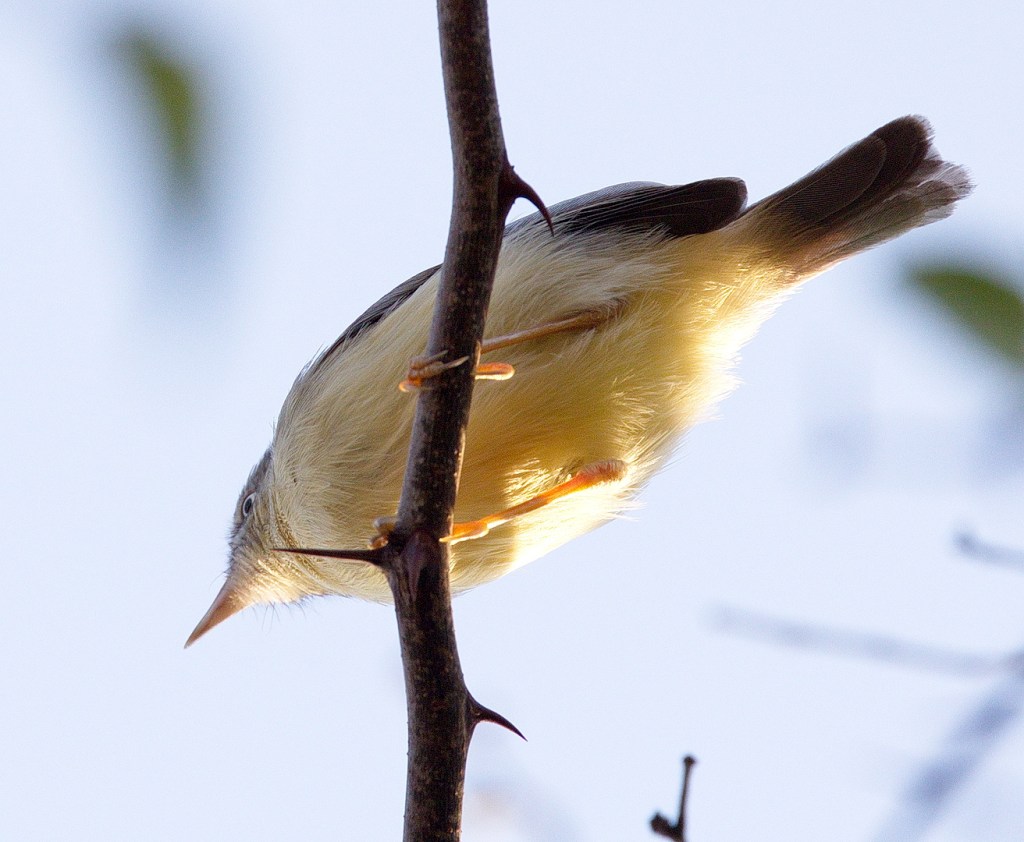
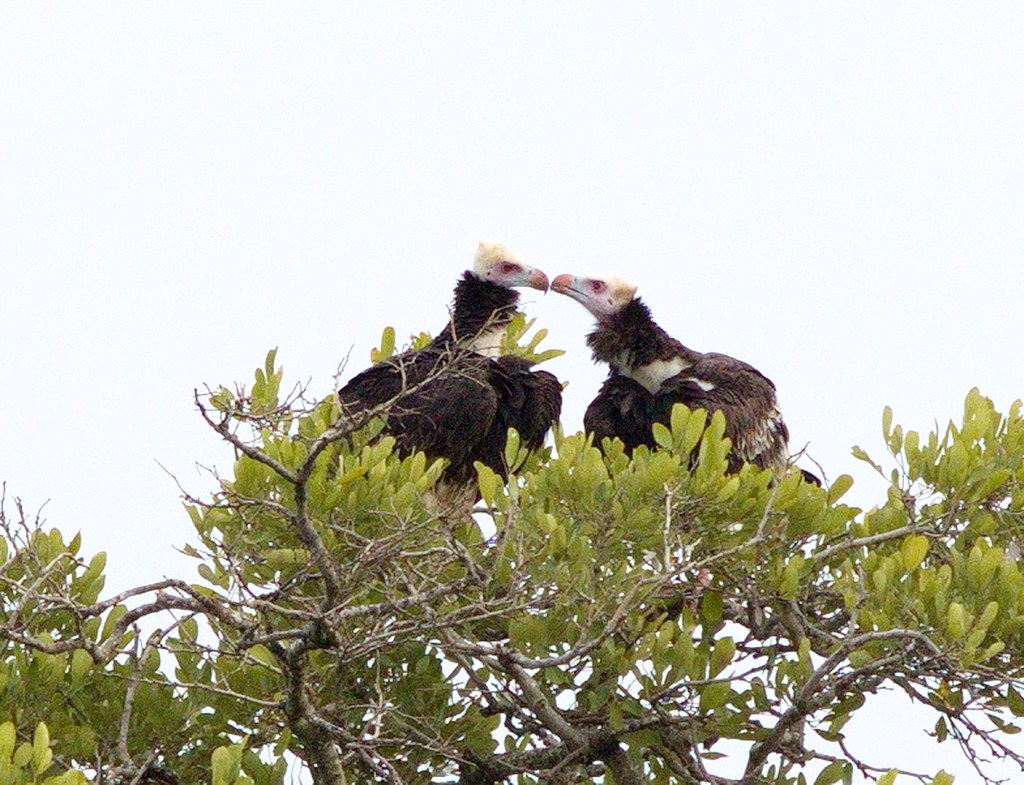
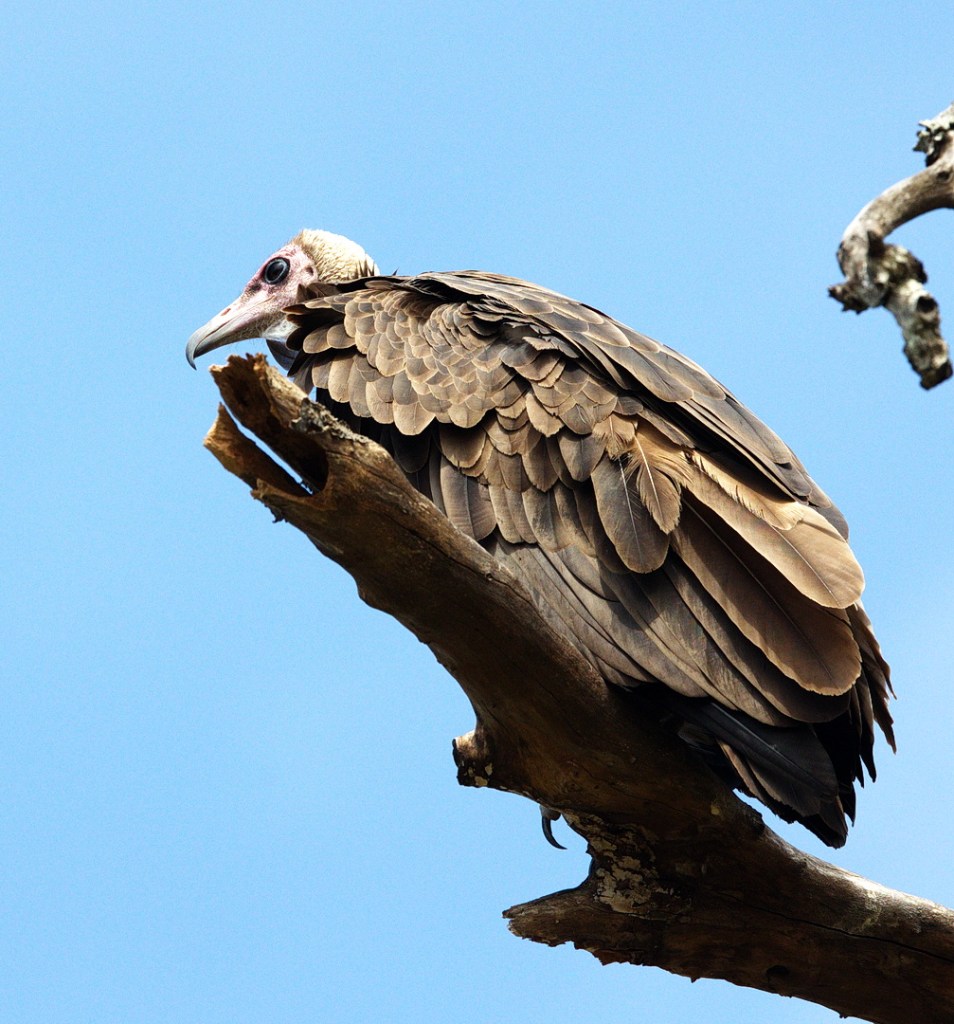
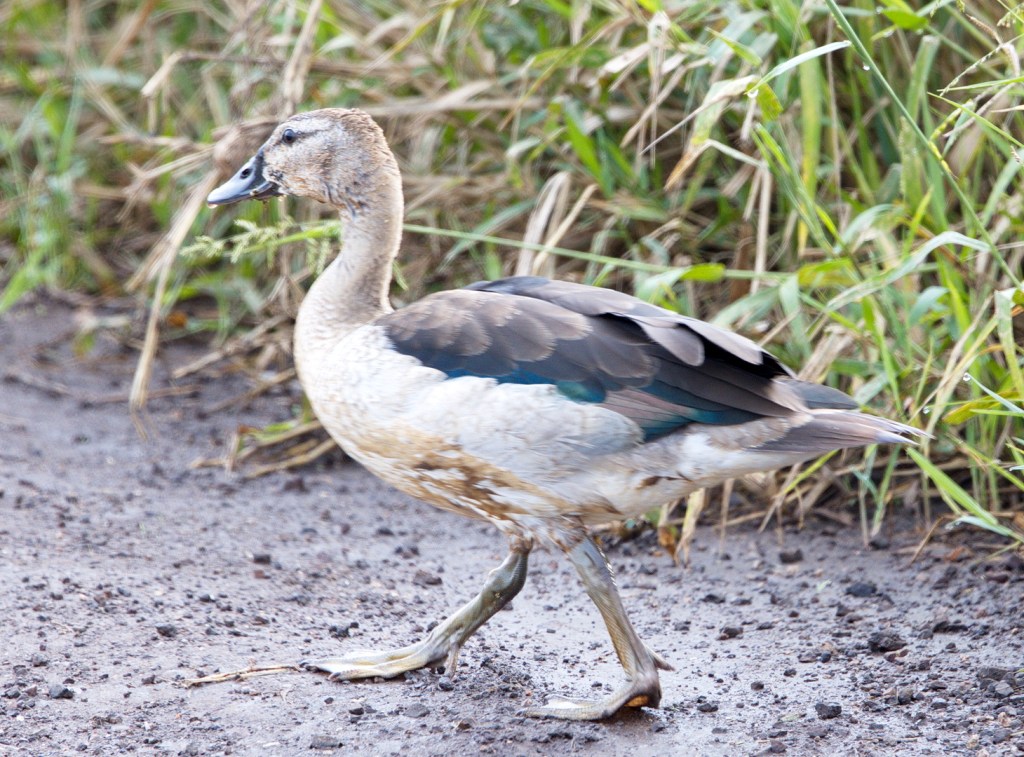
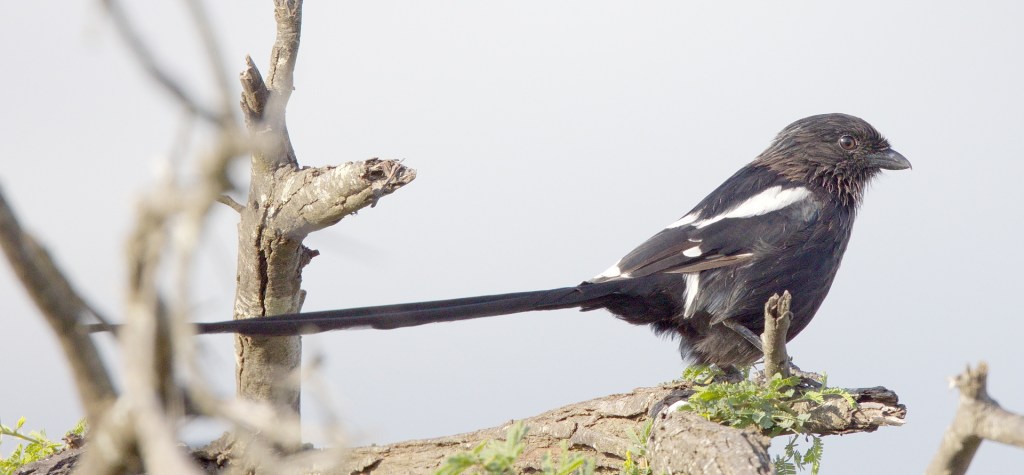
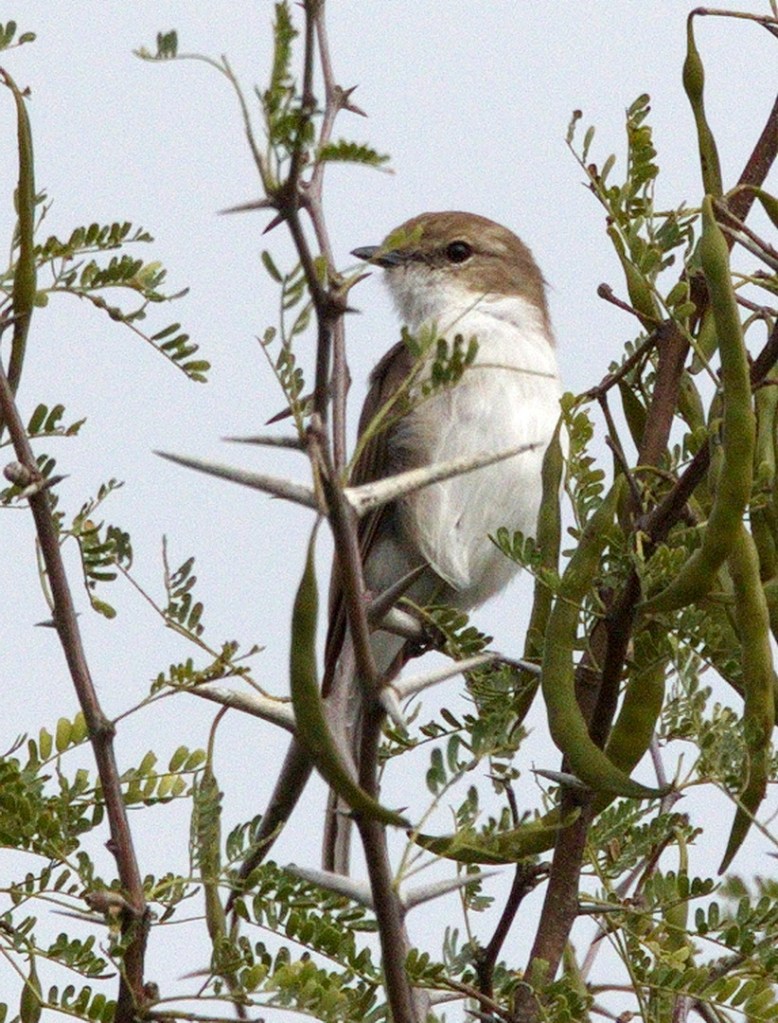
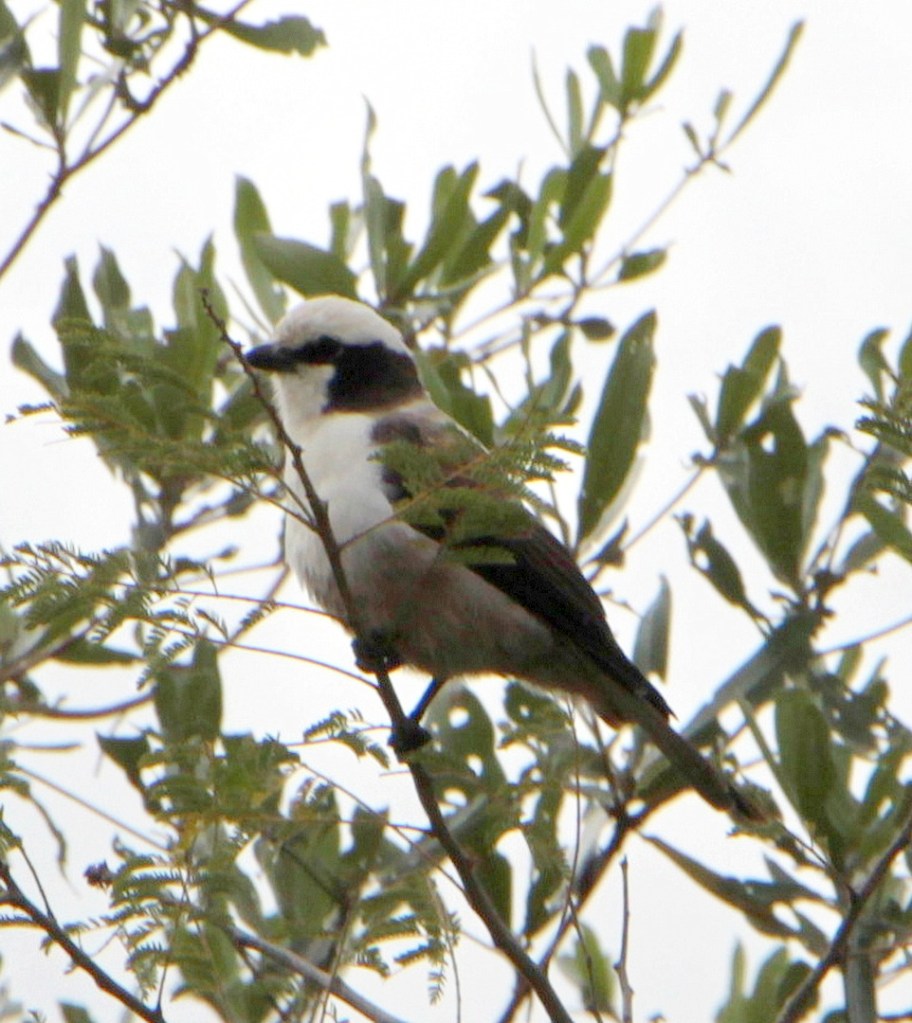
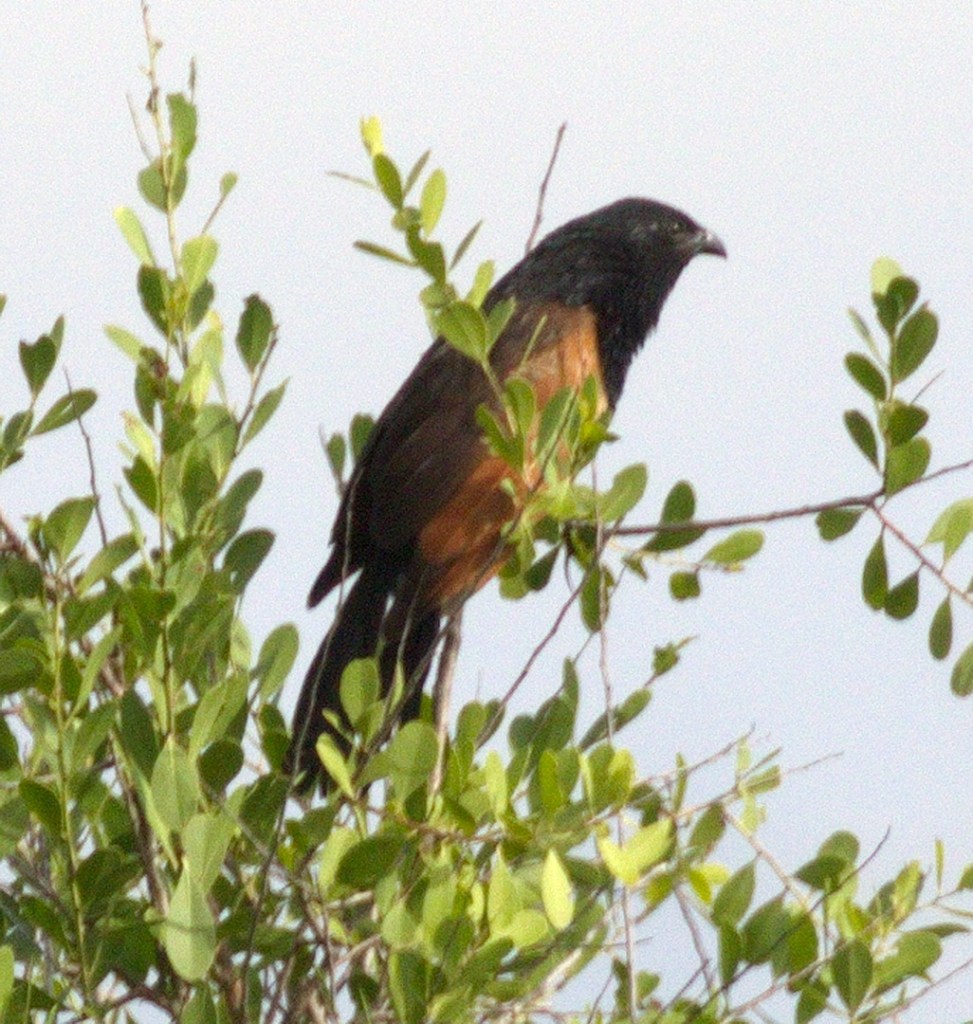
Burchell’s CoucalBlack-winged KiteGrey Penduline-TitGrey Penduline-TitWhite-headed VulturesWhite-headed VulturesWhite-headed Vultures3 White-headed VulturesYellow-billed OxpeckerHooded VultureKnob-billed Duck on a puddle of water on the roadMagpie ShrikeMagpie Shrike
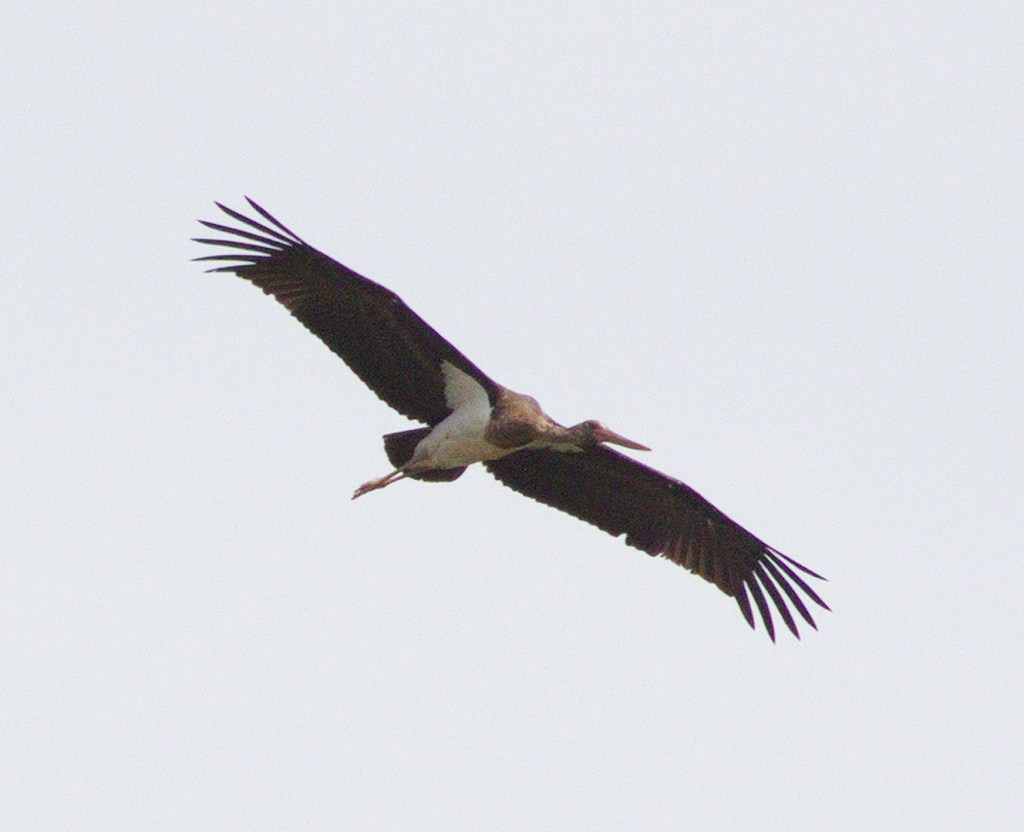
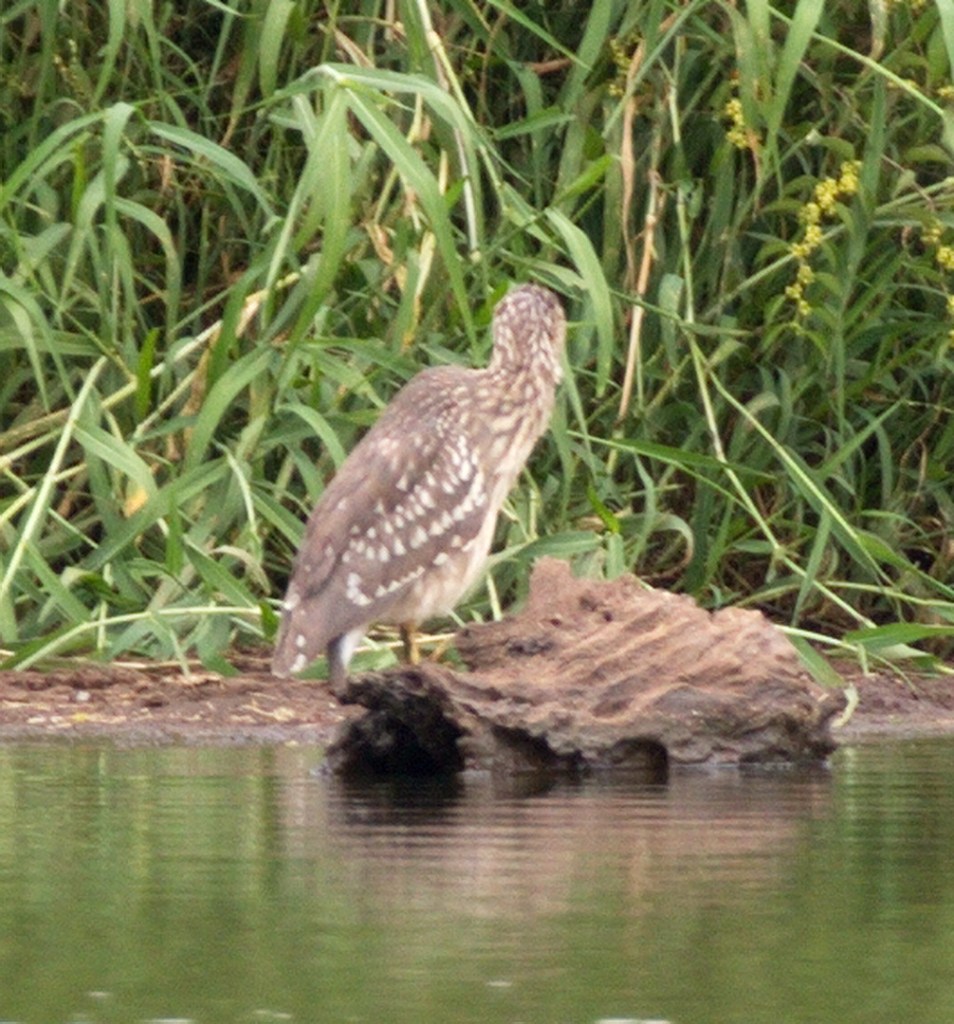
And then turned west and backtracked along the Timbavati loop – S39. We stopped at Ratel Dam Hide. The area in front of the hide had very little water. We had a few sightings with the standout being a juvenile Black Stork.
There was also a large black crocodile present on the sandbank.
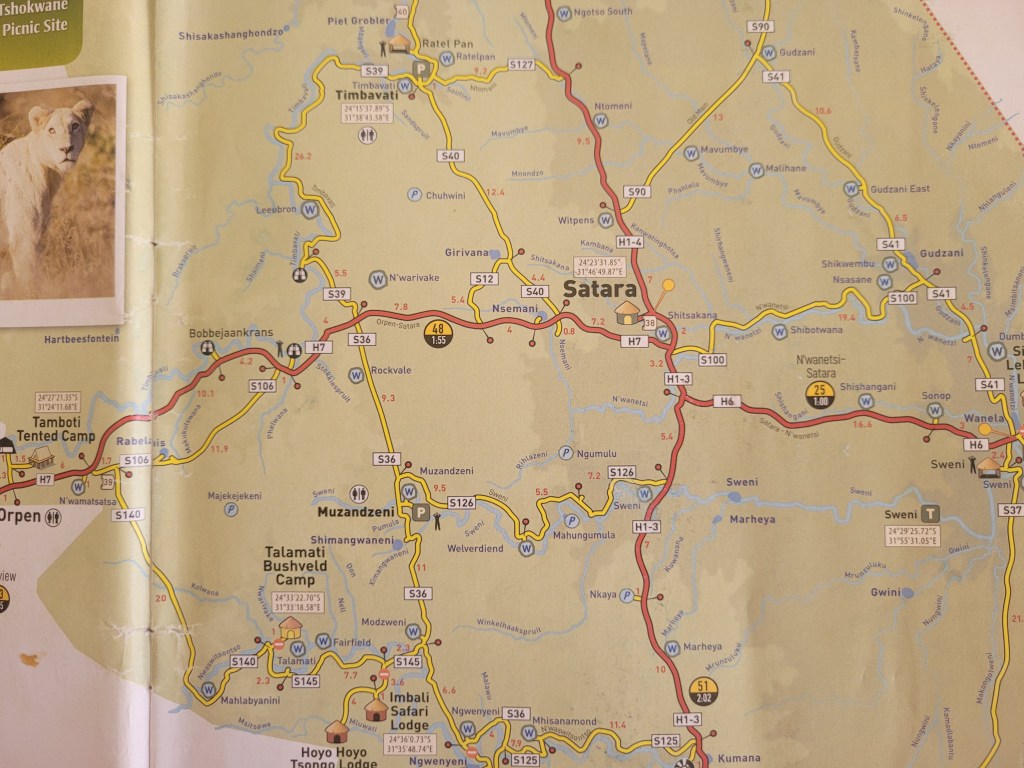
On another day we chose to take the H7 to Orpen Gate and then back along the Talamati Bush Camp road (S140) turning onto the S36 to the Muzandzeni Picnic site. From there taking the S126 to the H1-3 tar road back to camp.
Breakfast at Orpen Gate.
SallySally and I
We stopped at the Muzandzeni Picnic ground for a T&P but in order to enter we had to skirt round an inquisitive elephant – which we were told had also entered to do its business. The picnic ground had some active birds – a sleepy African Scops Owl, a radiant Burchell’s Starling, a pair of Bennett’s Woodpeckers – tantalising us with their knocking in the branches above us.
African Scops OwlRadiant Burchell’s StarlingBennett’s WoodpeckerBennett’s WoodpeckerMuzandzeni Picnic site
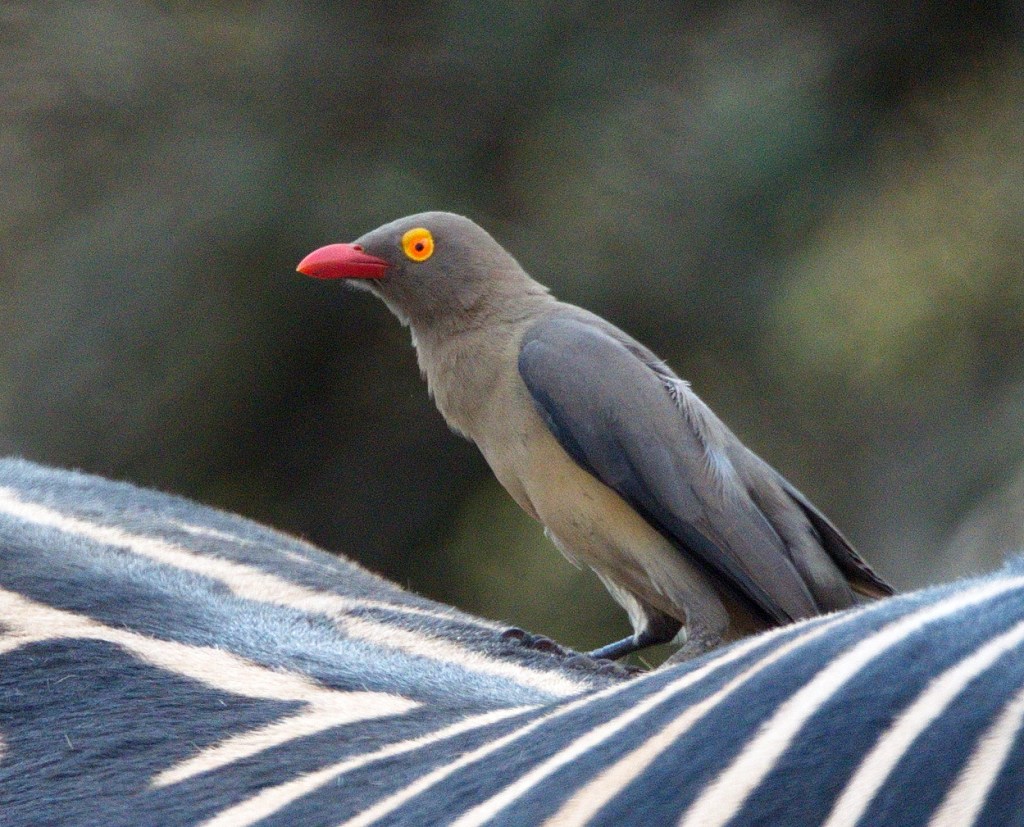
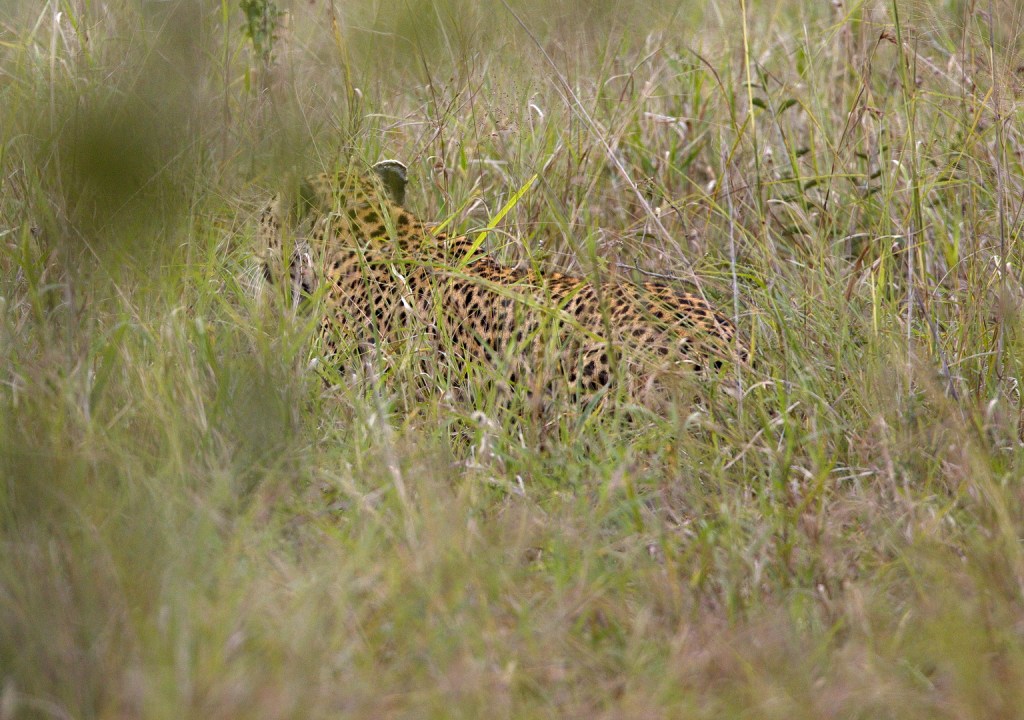
The S126 from Muzandzeni to the main road proved to be rewarding for us. We not only saw a Leopard – admittedly quite fleetingly – but also many Sandgrouse and Red and Yellow-billed Oxpeckers – primarily on Zebras and some on Giraffe. Red-crested Korhaans called close to the road, and we had sightings of a Marico Flycatcher, a Lappet-faced Vulture, Tawny Eagle to name a few.
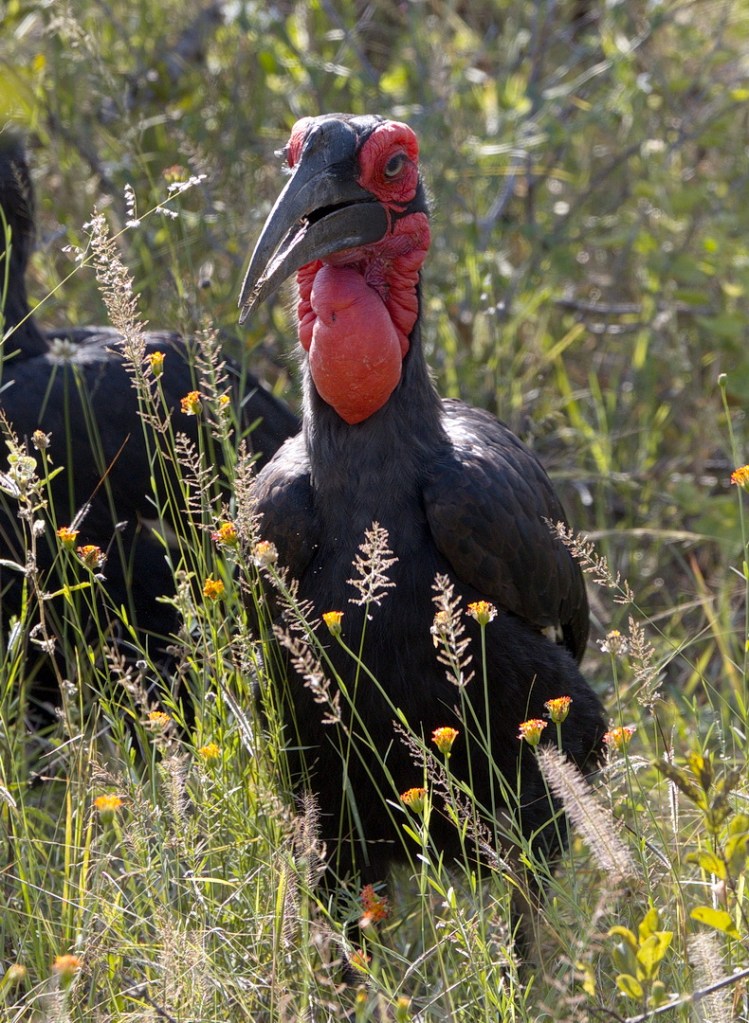
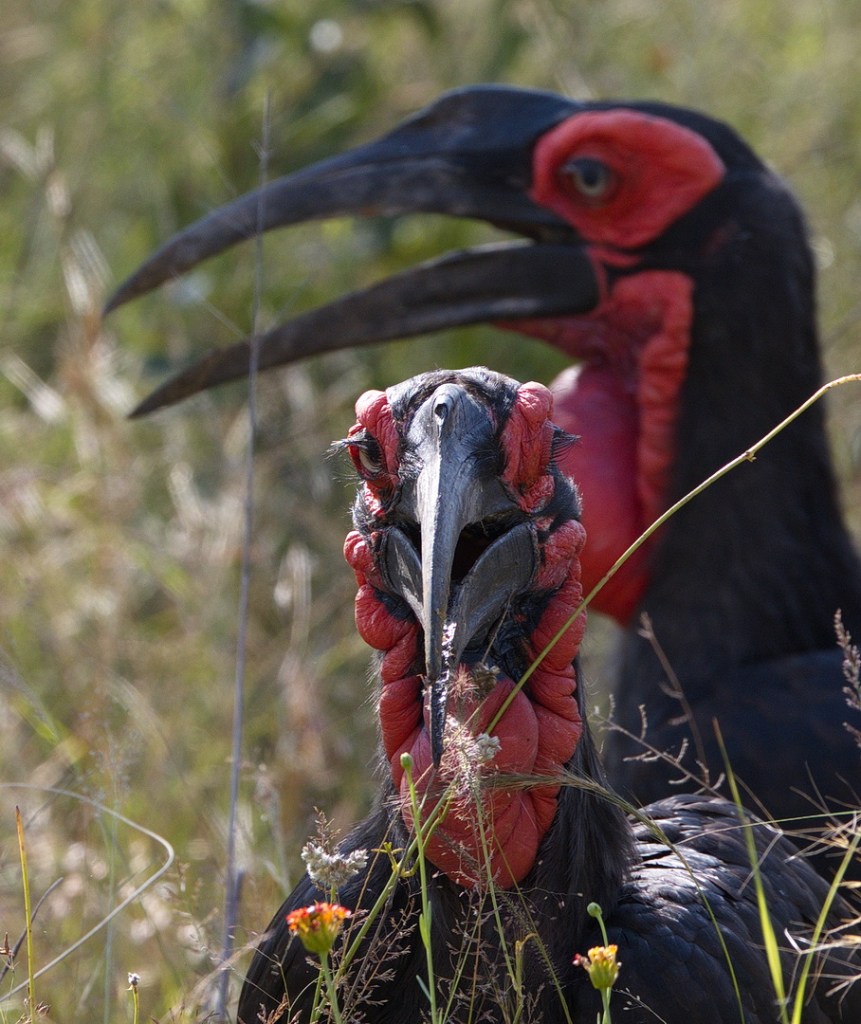
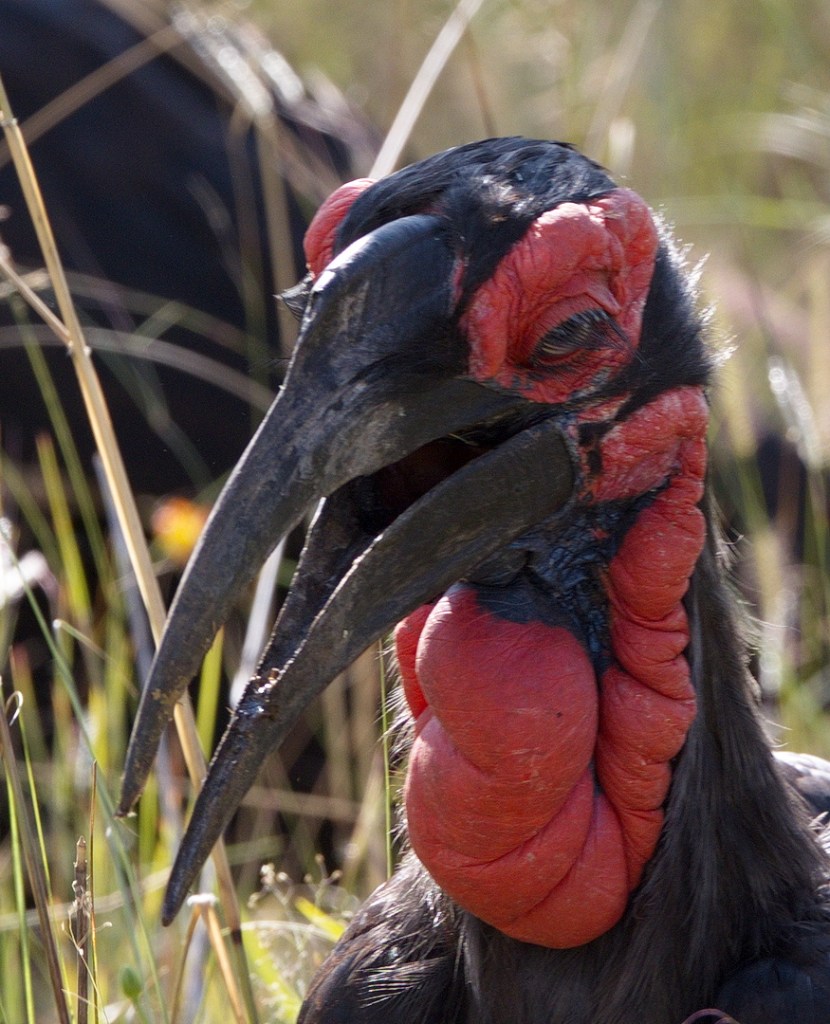
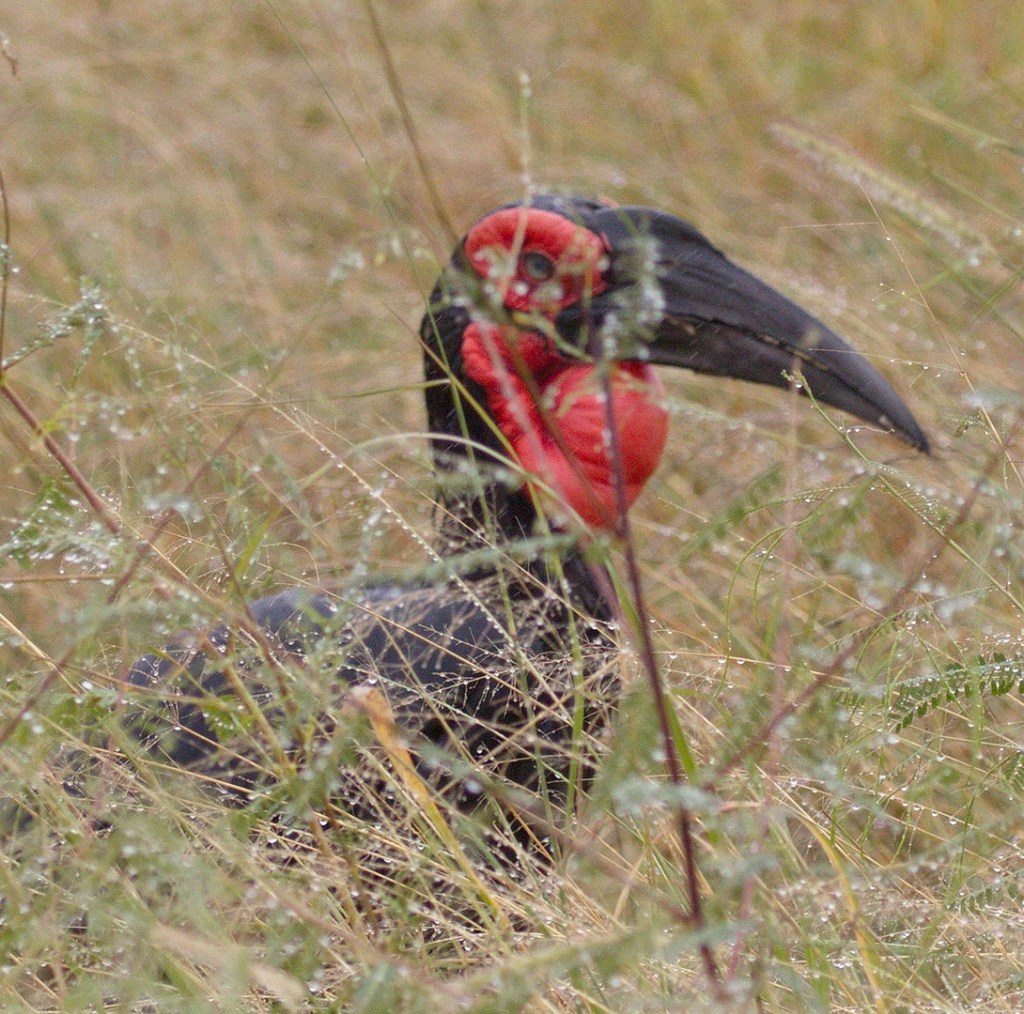
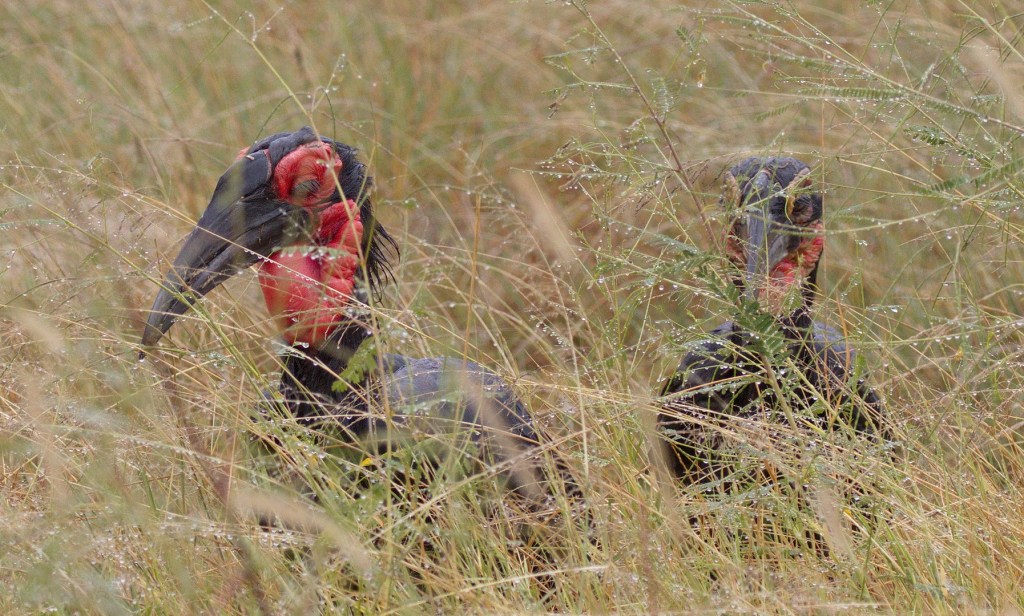
Every morning the Southern Ground Hornbills were calling close by. It was only on our last day at Satara that we saw them – close to the camp entrance. They were right beside the road.
And to hear them call:
Southern Ground Hornbills calling to each other. Very memorable call.
Almost forgot. Our Explosive experience.
In camp Sally was making tea. I was elsewhere. Walking back to our Wildcat, I could see many people chatting to Sally. Unusual I thought.
Sally told me that she had heard what sounded like a gun shot and suddenly everyone nearby came to her rescue. She was perplexed. And then realised that she had actually caused the commotion when she turned on the hot water tap. The explosion had occurred because there was gas build up in the closed compartment where the gas water heater was stored. And by opening the hot water tap a spark was created – boom. The closed compartment door was blown open with a loud bang. Fortunately the damage was not excessive. But it taught us a lesson to always turn off the gas supply when the compartment door is closed and preferably remove the batteries from the igniter switch as well !
Almost forgot. Jackals in camp. People reported that the Jackals were eating guy ropes. Well we had a slightly different experience. My clogs had gone for a walkabout. Later to be found, the clogs intact but both straps had been removed and chewed into almost precisely one inch pieces and left around the each clog.
Then we moved on to Lower Sabie for 4 nights. See Part 3.
The next part of our trip took us to Tsendze Bush Camp.
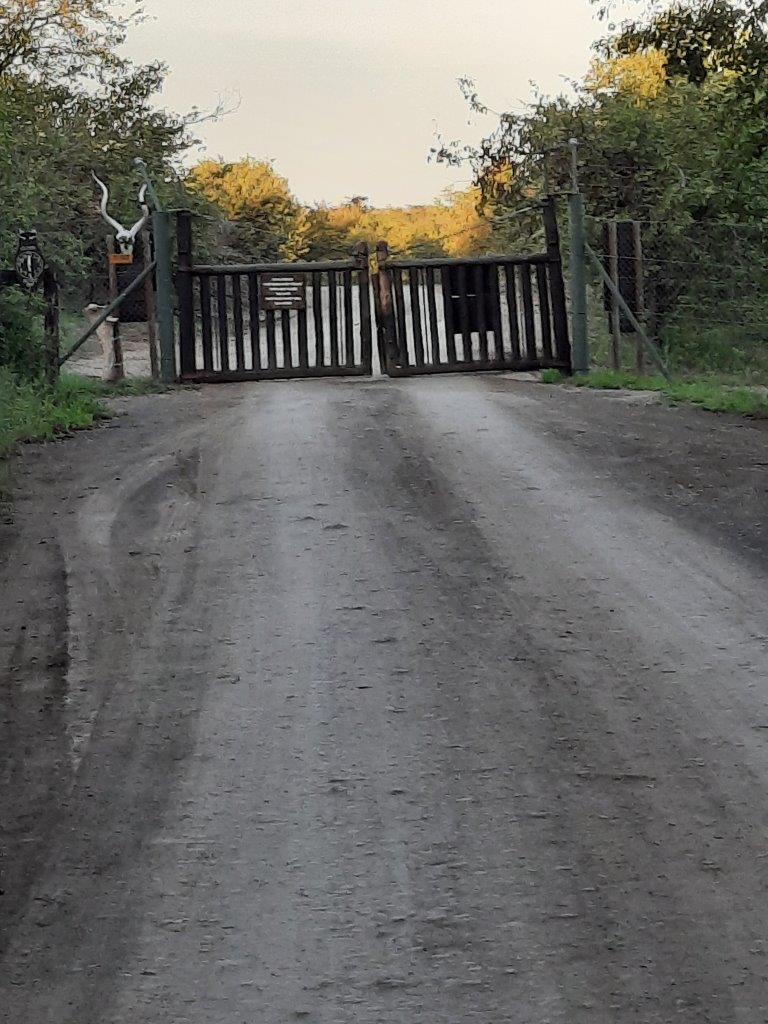
Campsite 26Our campsite No: 26AblutionsExit Gate
One thing we noticed as we progressed further north in the Kruger was how quiet the birdlife was. And our quest to see loads of raptors swarming among millions of Red-billed Queleas was unlikely to happen. It was for this reason we cut short our stay here to 3 nights.
Despite this we had several interesting experiences while at Tsendze. Most along the Tropic of Capricorn Loop (S143) and the adjoining S50 heading south bordering the extensive wetlands.
Wetlands with herds of Buffalos.
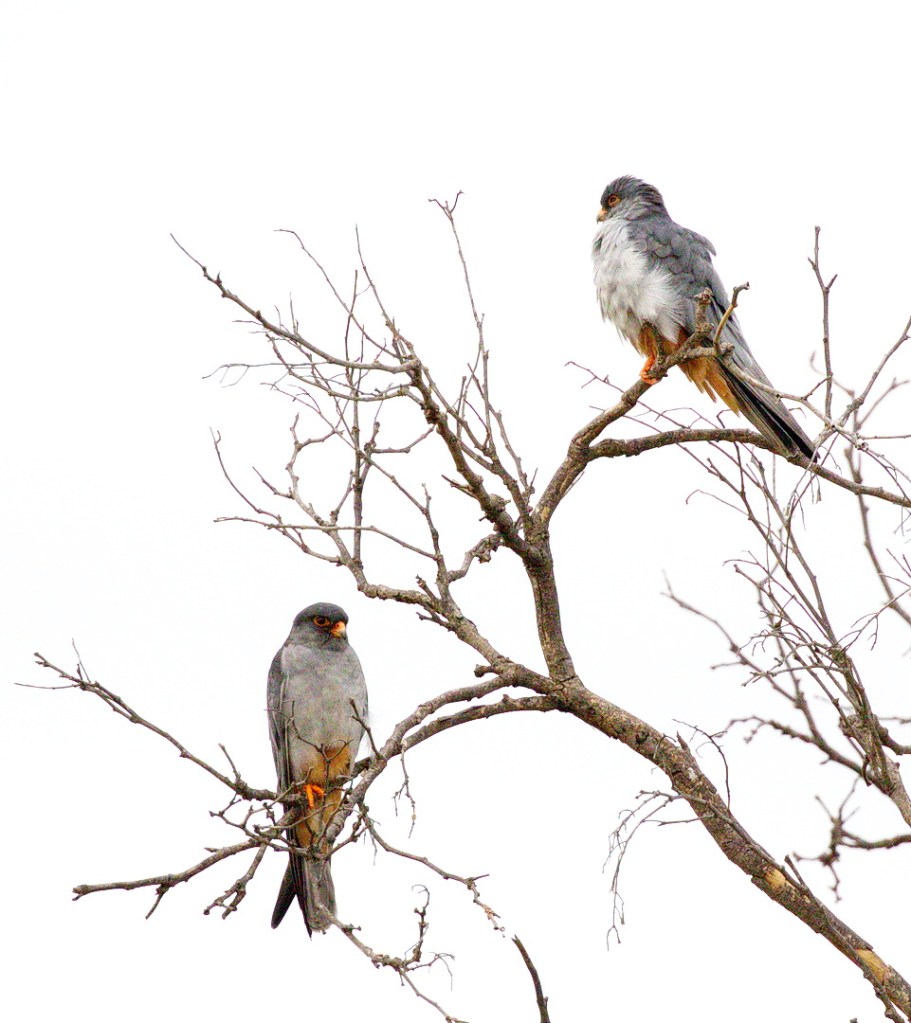
It was along the S143 that we had the best sightings of raptors, Amur Falcons, Lesser Kestrel and Eurasian Hobby.
Same Amur FalconA Blue looking Amur FalconEurasian HobbyLesser KestrelLesser Kestrel
Here are some photos of other birds seen around Tsendze.
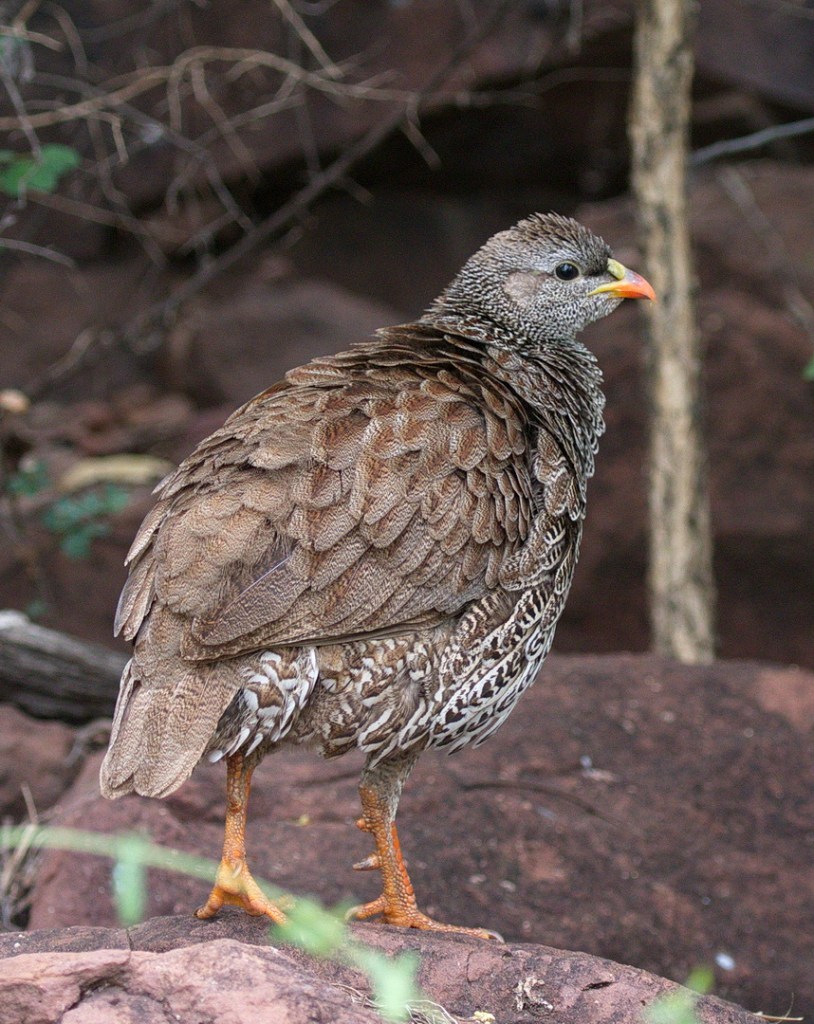
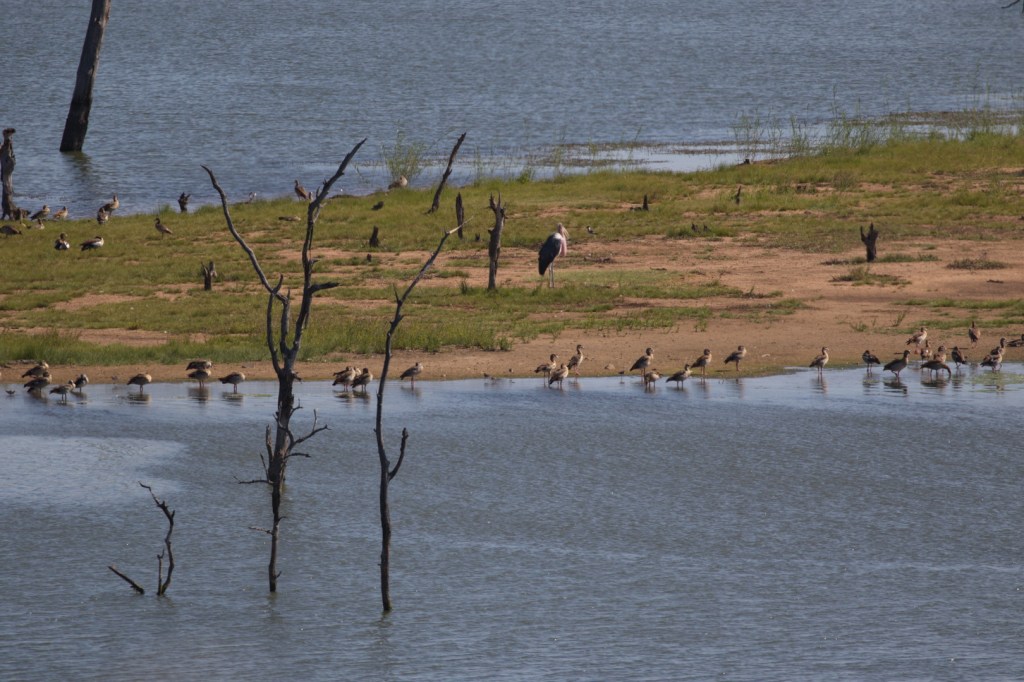
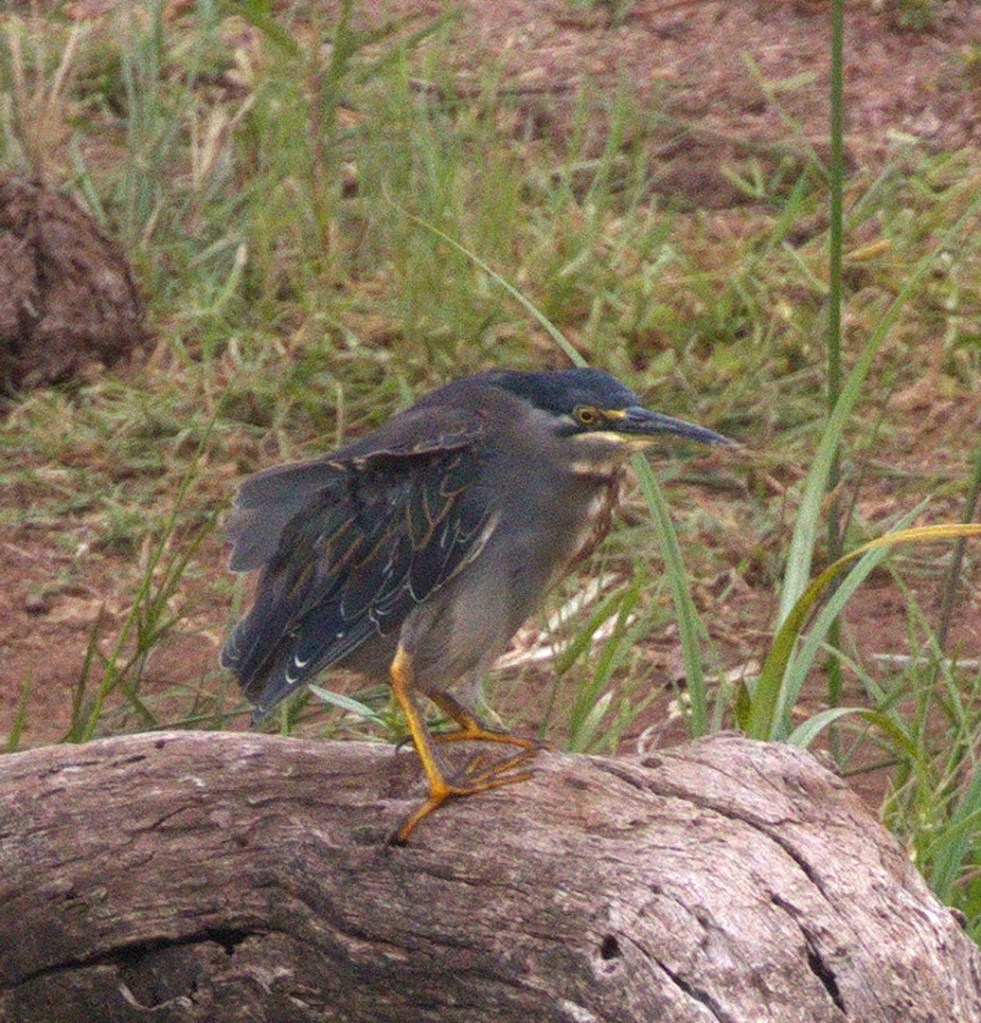
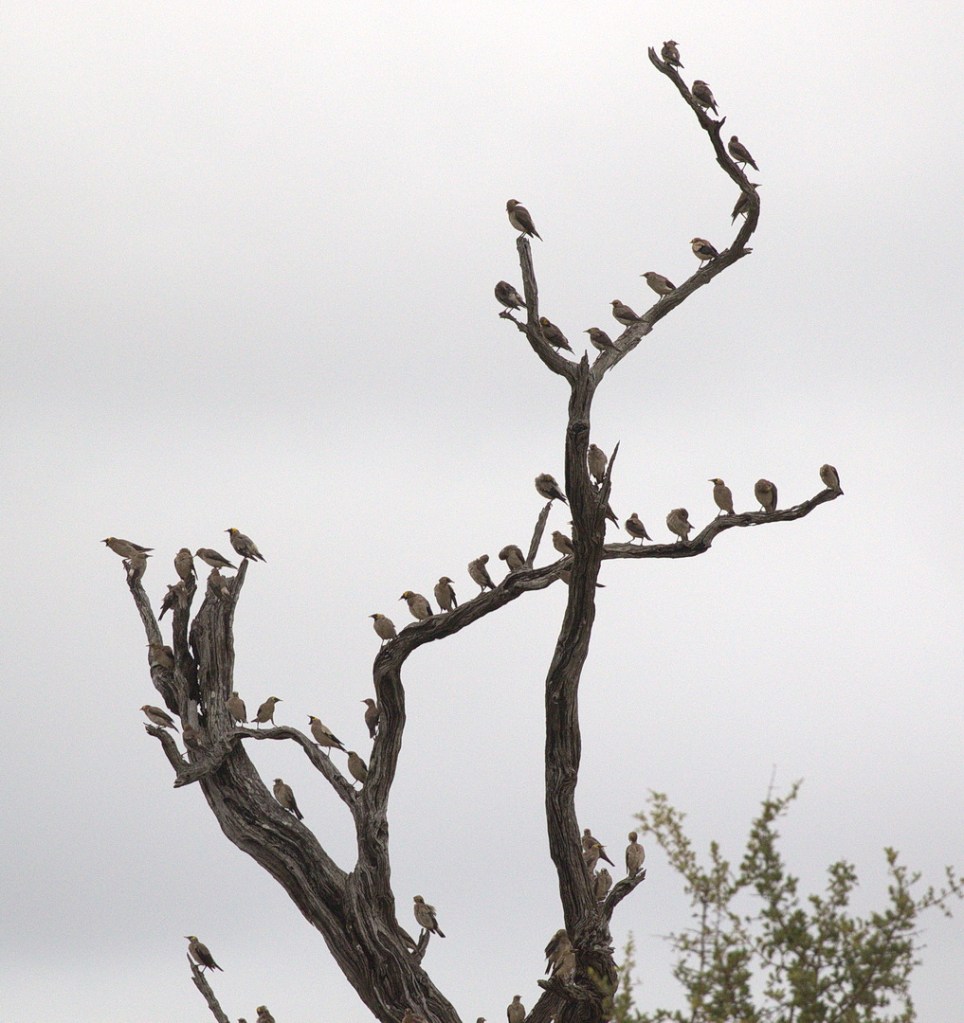
Burchell’s CoucalNatal SpurfowlChestnut-backed Sparrow-Lark femaleKitltitz’s PloverMarabou Stork among masses of Egyptian Ducks as seen from the deck of the Mopani restaurantStriated HeronA tree full of Wattled StarlingsWattled StarlingYellow-billed Oxpeckers
Some photos of non-bird creatures seen based at Tsendze.
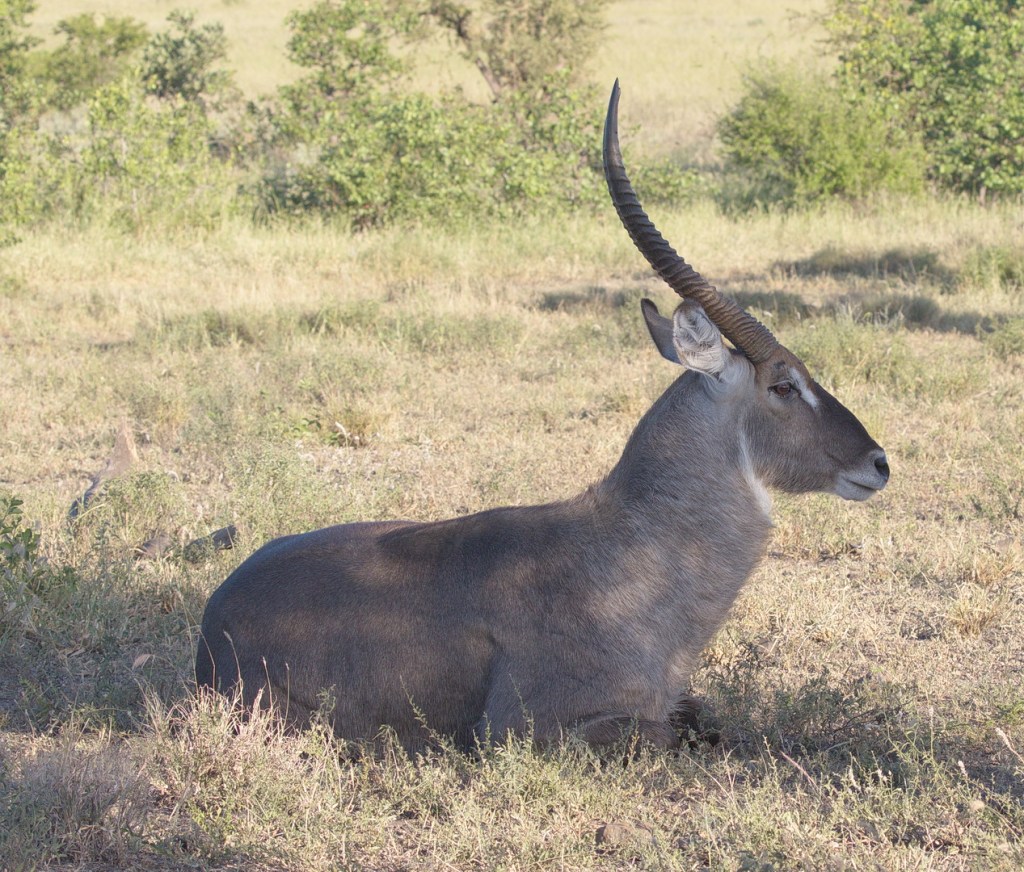
A Rock HippoElephants seen from Mopani RestaurantBlack-backed JackalMuddy BuffaloGood Looking Waterbuck
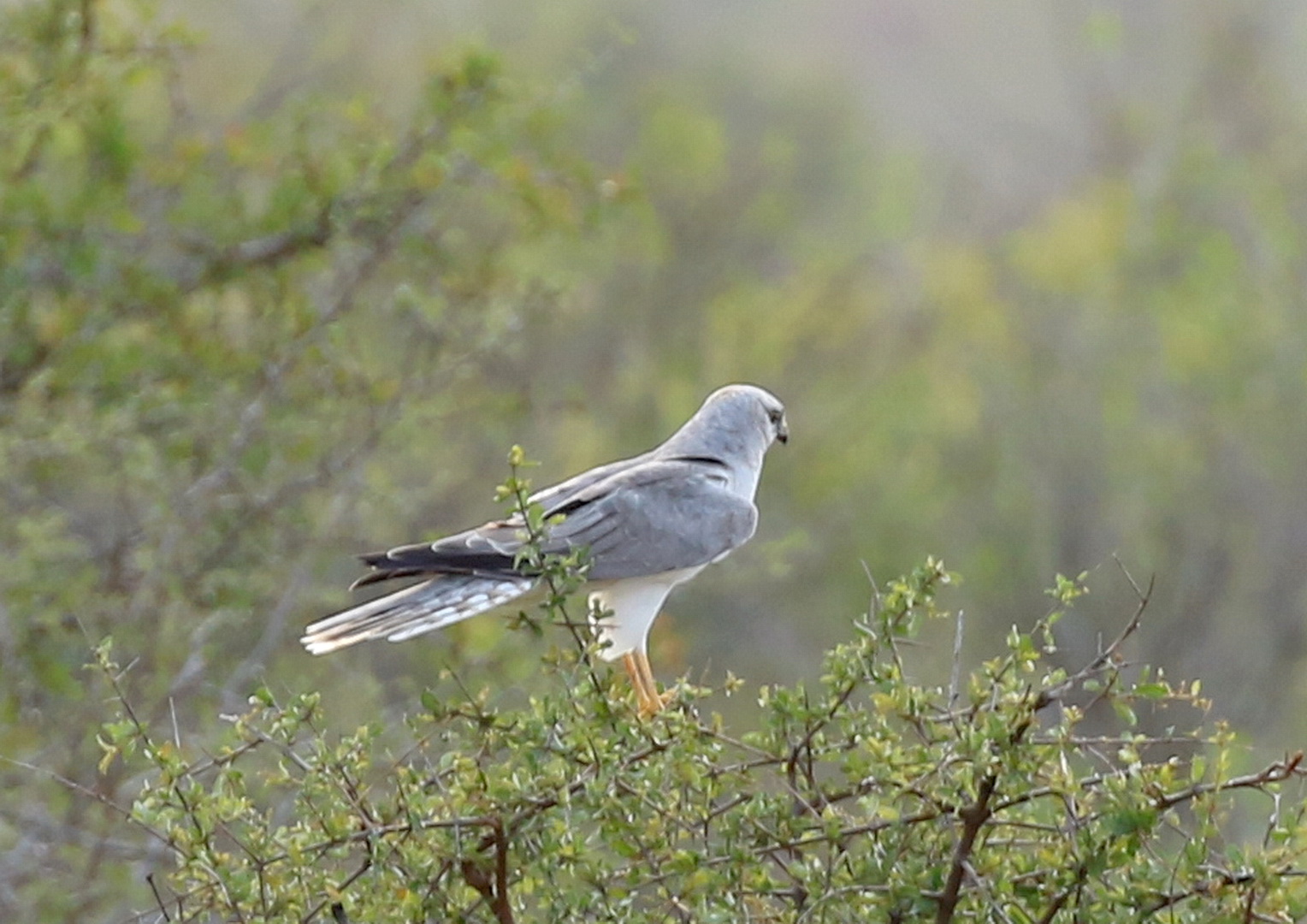
Along the Tropic of Capricorn loop around the Tihongonyeni waterhole we had brilliant sightings of Harriers – Pallid and what we believe to be Montagu’s.
Pallid HarrierPallid HarrierPallid Harrier
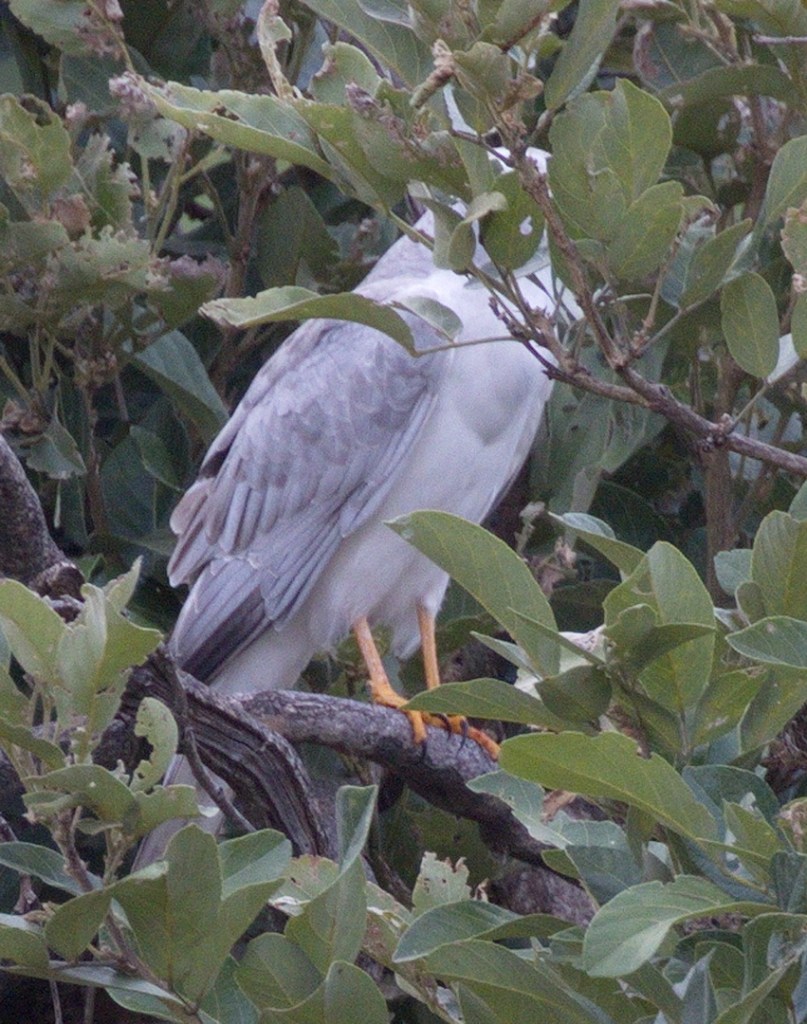
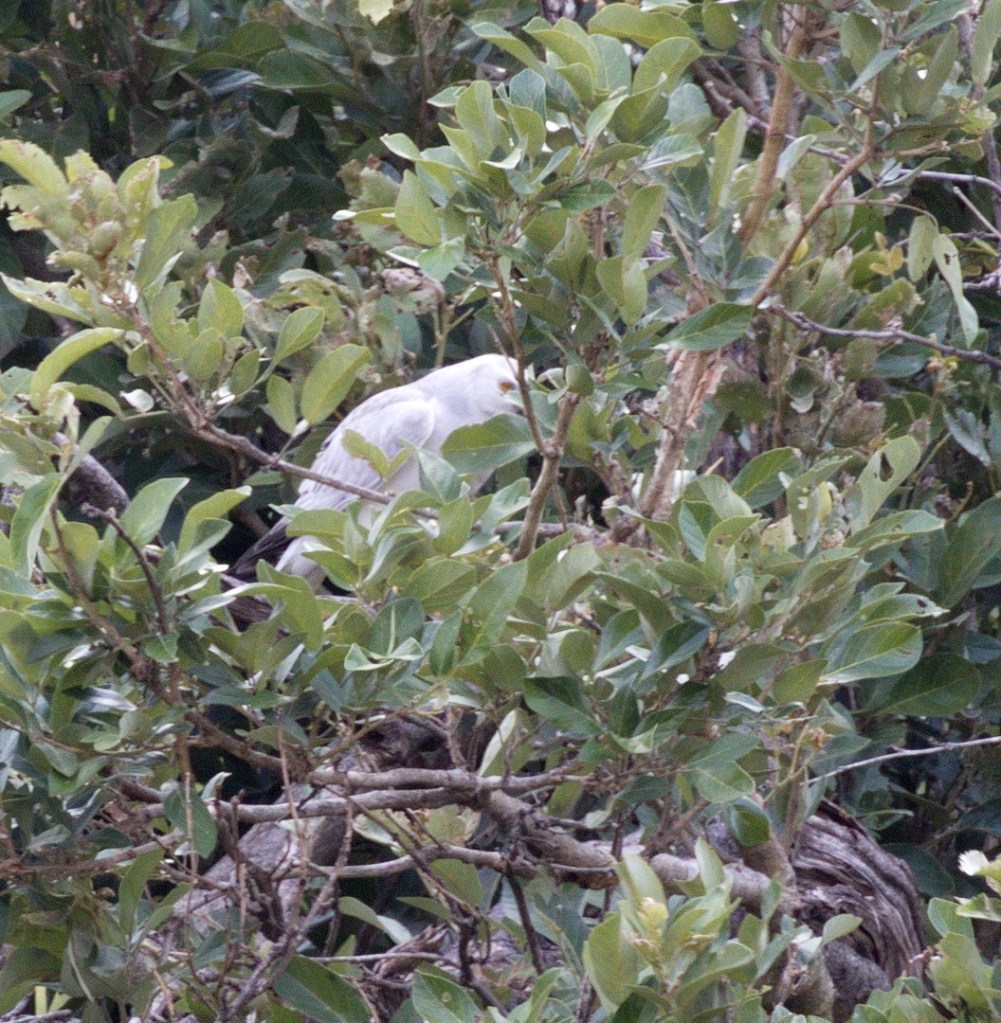
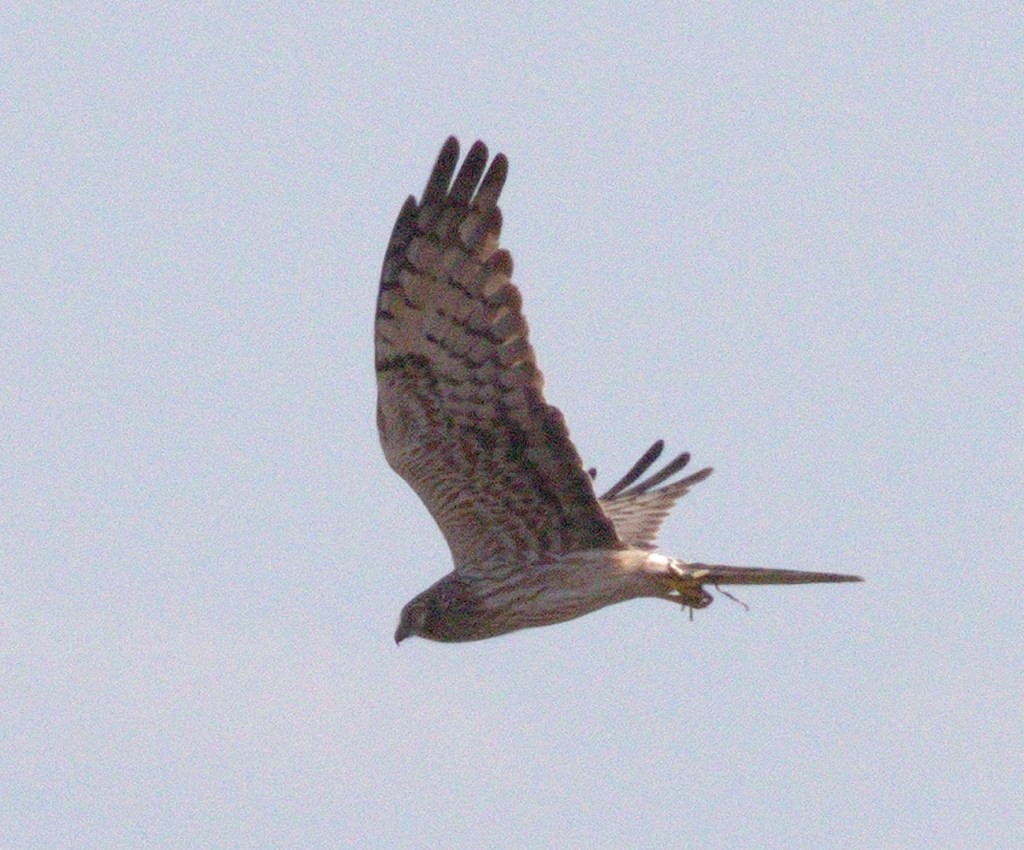
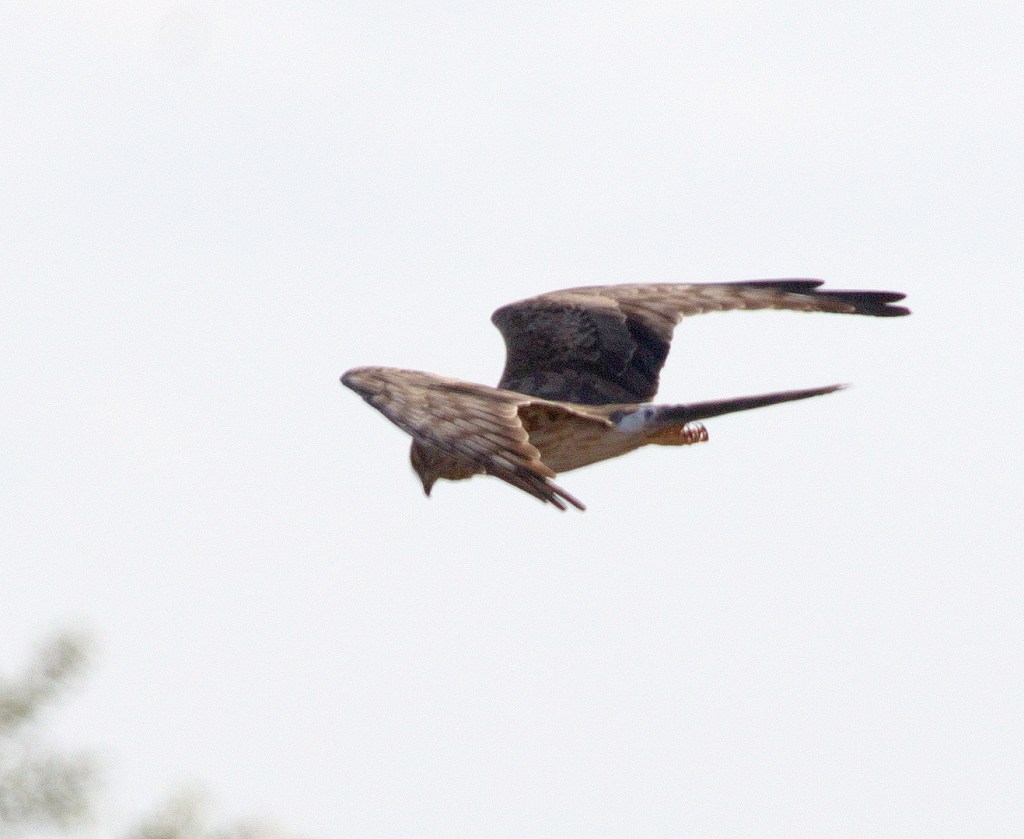
And what we believe to be a Montagu’s Harrier:
Montagu’s Harrier
And not to be outdone, we encountered several Temminck’s Coursers. Here is one:
That was all on our last evening there. And we commented how we had not seen any cats while at Tsendze when lo and behold a pride was enjoying a rest against the tank at Tihongonyeni waterhole. The Gnus were waiting their turn and in the process got closer and closer until one Lioness stood up and walked closer to the water trough. Then we came across several more as we headed back to camp.
A few of the 7 lions LionessLioness watching the Gnu. 2 MalesOne of the 2 malesAnother joining the four already taking to the shade.
And that was our short stay at Tsendze – one of our favourite campsites where the Owls are heard calling every night along with the occasional Fiery-necked Nightjars.
During our stay we added another 16 different bird species to our list taking our tally to 206 at that stage.
And then we were on to Shingwedzi for 3 nights.
Shingwedzi
26th to 28th February 2022.
The campsite was pretty empty except for the sites by the fence. We found a spot on the fence – fully shaded – to the right of the swimming pool. Its only drawback was the late afternoon sun.
Shingwedzi pool. Photo taken from the best shady area.
Among the few campsite birds was a pair of Bennett’s Woodpeckers. Forever on the ground and totally unperturbed by us – often getting quite close.
Bennett’s Woodpecker
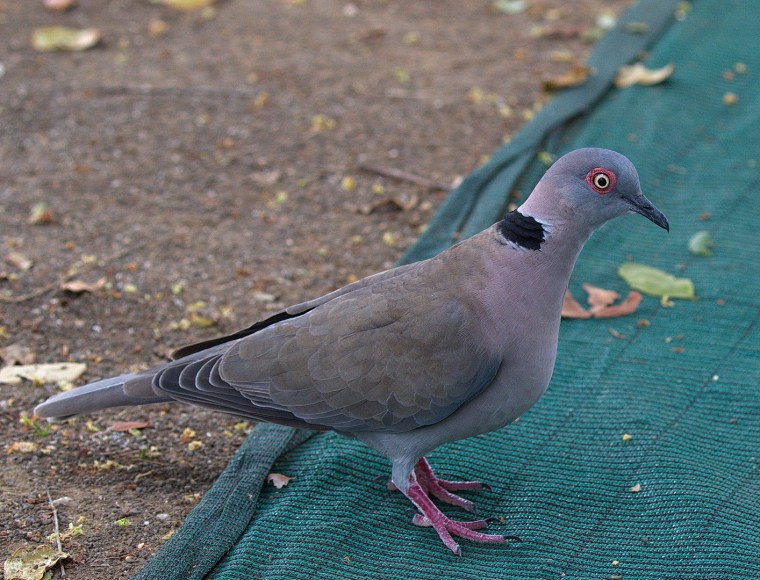
Another lovely campsite bird was this one – an African Mourning Dove.
African Mourning Dove
Very friendly to us but had a real prolonged humdinger of a fight with another.
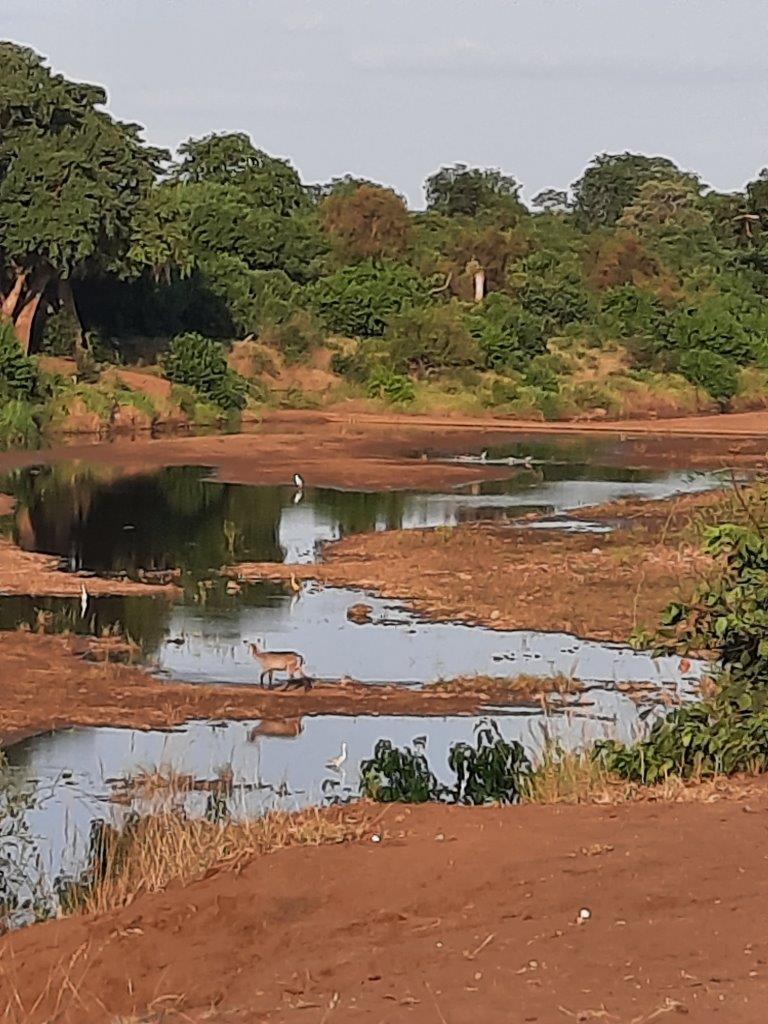
As you approach the camp gate, following the river on your left, you have a view of ponds in the river below and alongside the camp. There is always birdlife in these ponds.
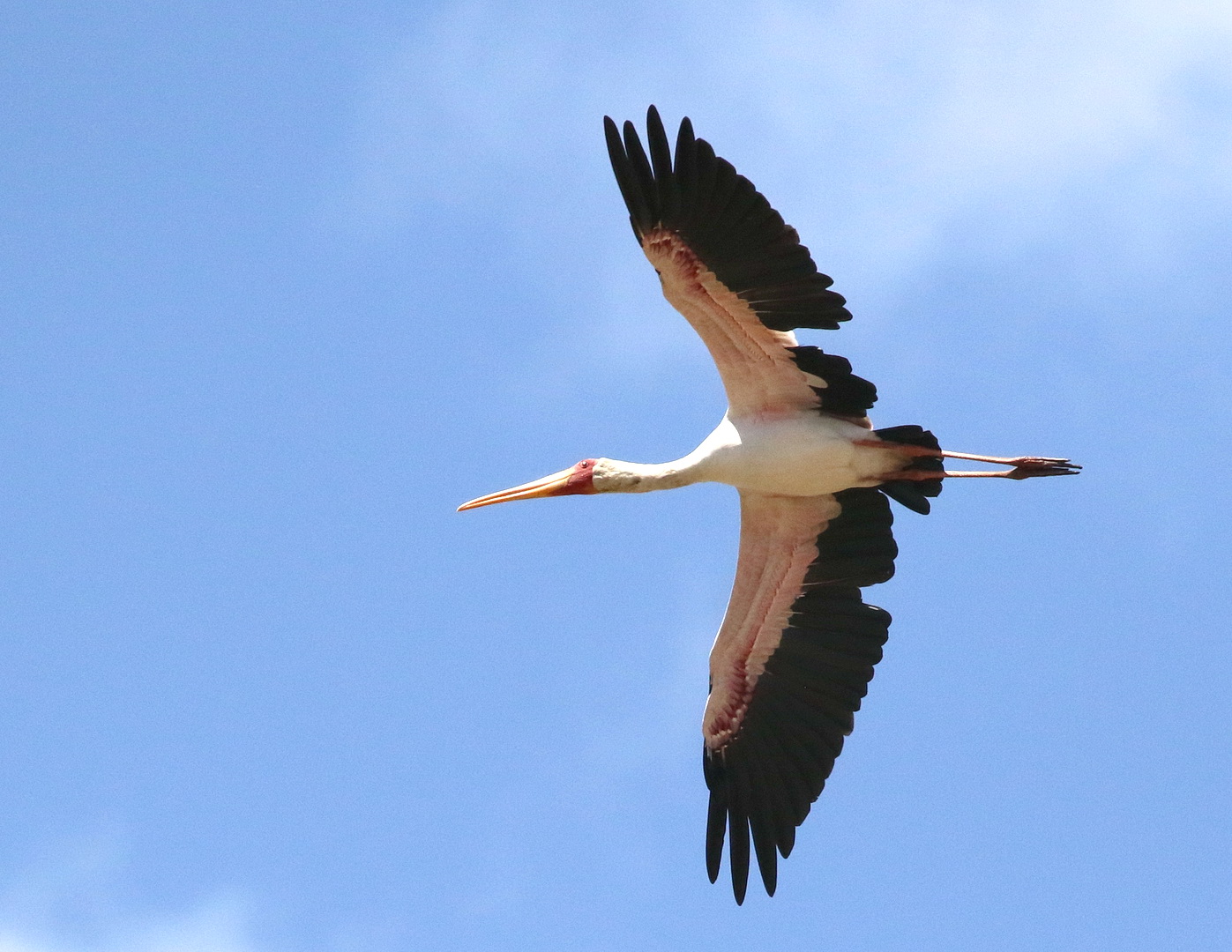
Yellow-billed Storks mainlyYellow-billed Storks
We drove extensively around the area. Going down river, visiting the Red Rocks Loop as well as going further afield further north to Babalala Picnic site following the scenic route by the river.
Scenic route
No abundance of Quelea to be seen. However we did enjoy several raptors.
A pair of African Fish-EaglesAfrican Hawk-EagleAmur FalconAmur FalconsBlack-winged Kite
Then there were the other birds and animals we found in the area.
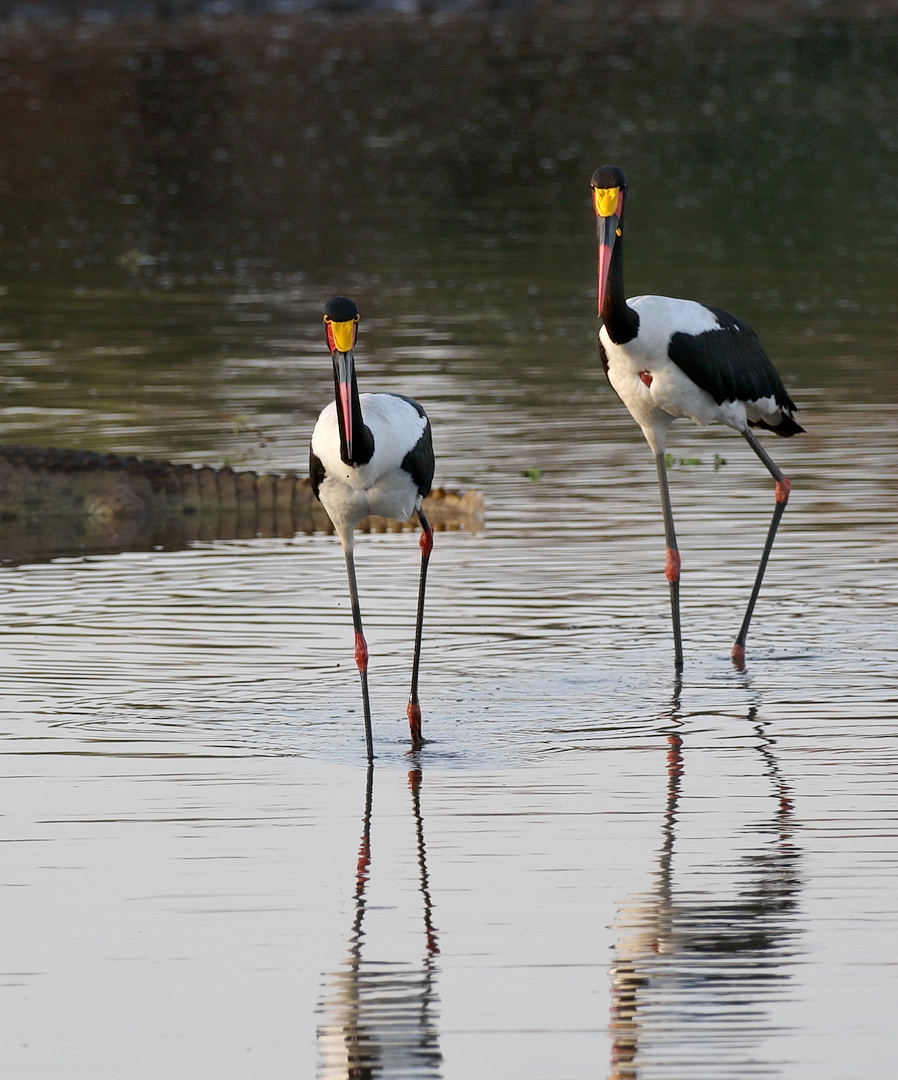
Elephants digging for waterFrisky ElephantsWetland with 2 Saddle-billed StorksCrocodileProtected BabySmothering MotherWaterbuck and young – so cute.
And birds;
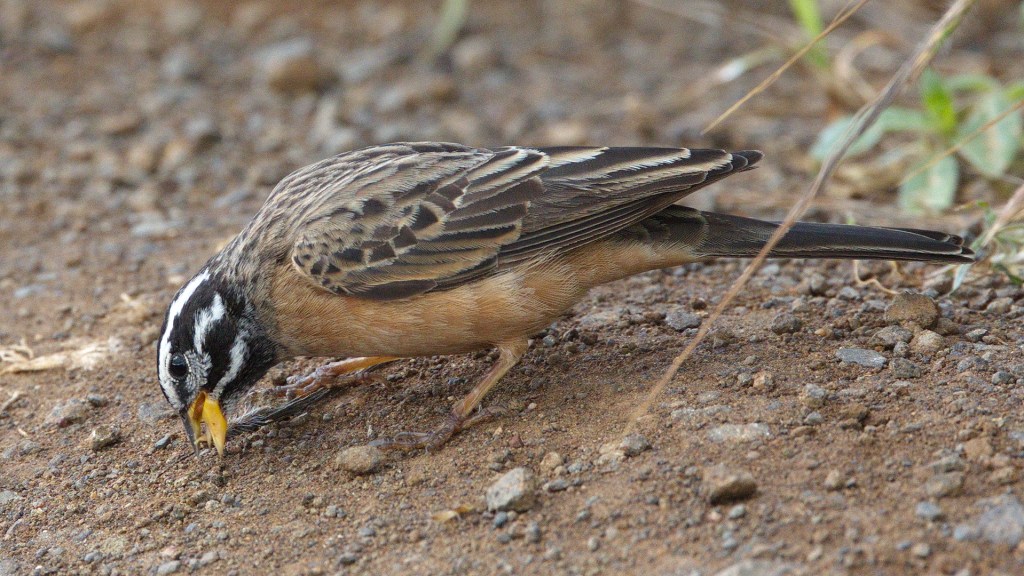
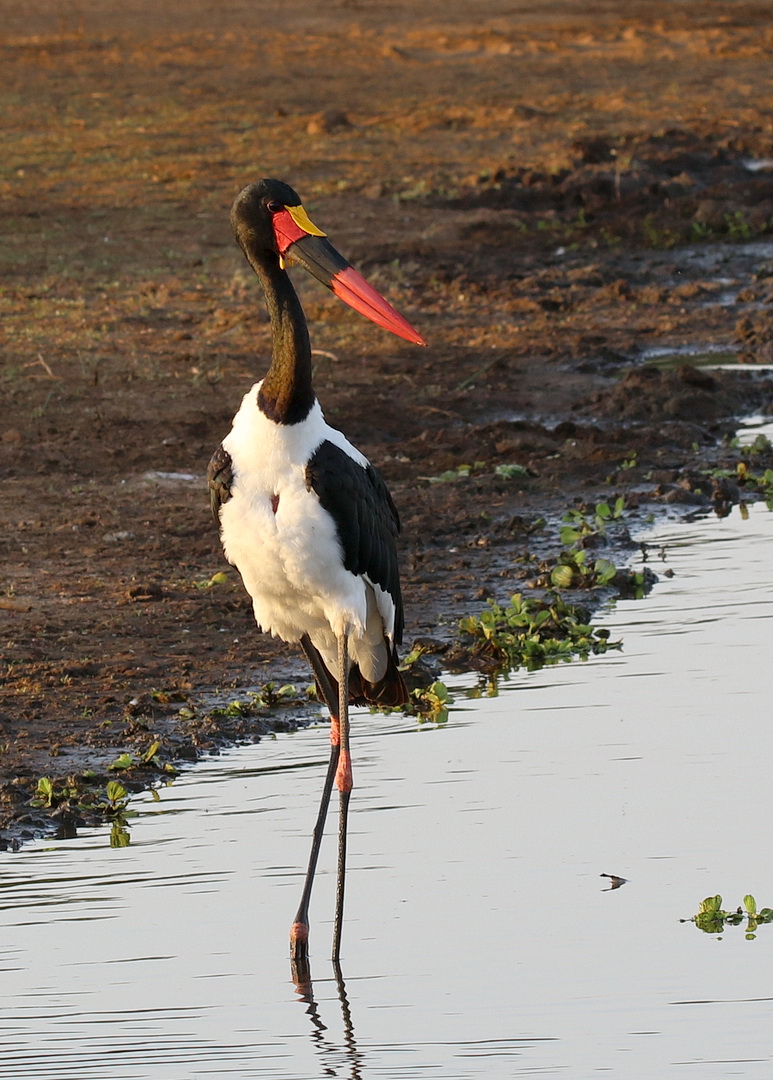
Carmine Bee-eaterCinnamon-Breasted BuntingDwarf BitternDwarf BitternGrey Tit-FlycatcherPurple IndigobirdMosque SwallowMosque SwallowMosque Swallow(T to B) Mosque Swallow, Wire-tailed and BarnLittle Bee-eaterVillage IndigobirdSaddle-billed Stork femaleSaddle-billed Stork maleGet togetherVillage IndigobirdWoodland KingfisherYellow-billed StorkYellow-billed StorkYellow-billed OxpeckersYellow-billed Oxpeckers
The highlight of out time at Shingwedzi was undoubtedly when we came across a pair of Dusky larks in the middle of the road. Most unexpected and most enjoyable.
Dusky Larks.
And that was our excitement at Shingwedzi.
We added another 10 species to our total Kruger list bring the total to 216 species for the Kruger up to that point.
Our next camp was Punda Maria for 2 nights followed by 2 nights in Nthakeni to complete our Kruger trip from Bottom to Top.
Our hoped for objective was to see a variety of raptors feeding on the thousands of Red-billed Quelea on the open plains in the park which we were led to believe congregated at this time of the year.
Our first destination was Lower Sabie, followed by Satara, Shingwedzi and the Pafuri area (based at Nthakeni Bush and River Camp just outside the Pafuri Gate).
Lower Sabie
15th to 18th February 2022
One of the first sightings as we entered the Kruger – a very welcoming sight.
The campsite on arrival was fairly full. We managed to find a suitable spot but it did lack shade. Not to worry as it was almost constantly overcast while we were there.
Concerns started after our first outing. The batteries for car and car fridge were completely run down. Close by campers came to my assistance. A pair of jumper cables came out. They were attached and tried and burnt out! The cables were hot hot. Eventually I went to reception for help to get the car started. In no time help arrived and with 2 sets of jumper cables used the car was started. I then took the car for a 2 hour drive to get the batteries up to speed.
On return I checked all to see what could be causing the problem. This idiot had forgotten to plug the charging cable to the car fridge battery before he left Howick 3 days previously!! So I plugged it in to the Anderson plug on the battery box supplying power to the fridge. Problem solved.
Well not so. The next morning the car would not start again. Help came and this time a much thicker cable was used to start the car. And as I was not sure what was going on, I decided to drive into Komatipoort to buy a thick cable. None available, so I ended up buying a Jump Start battery instead.
On our final day at Lower Sabie the car would not start again but the Jump Start got us going. By now I was frantic to know why I had this continuous problem. So, for some reason I know not why, I decided to double check all my cable connections. And that is when I found a second Anderson Plug at the very bottom of the battery case which I should have used to keep the 2nd battery charged from the engine. The one I used was for charging from a solar panel. Since then all has been hunky-dory.
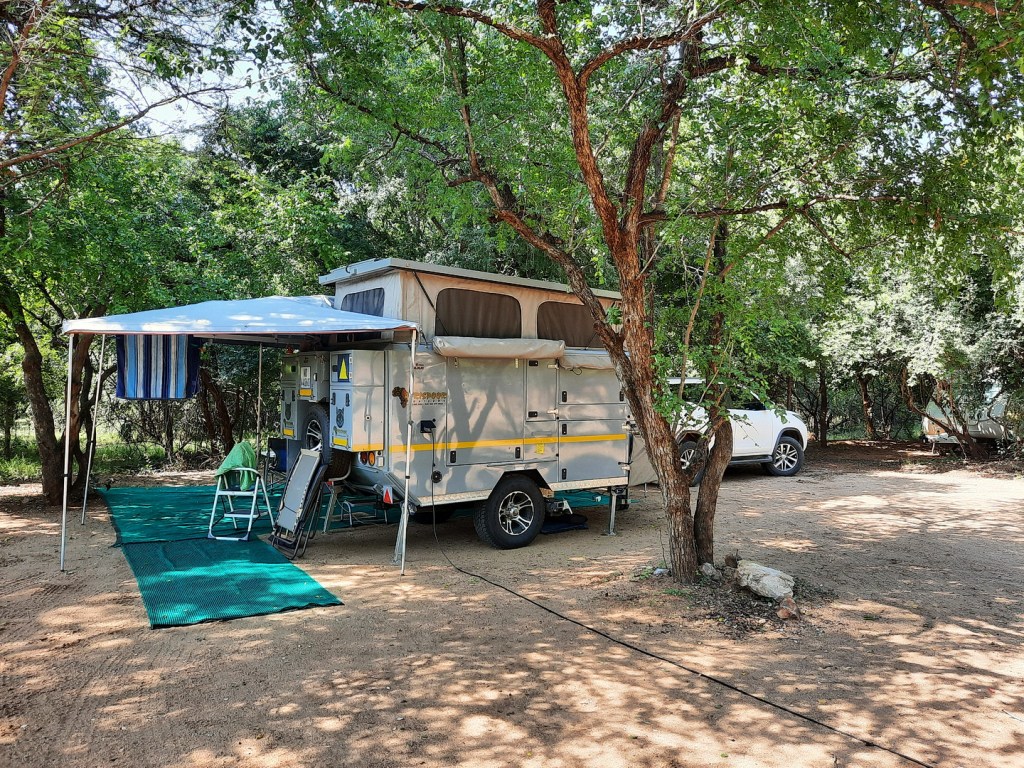
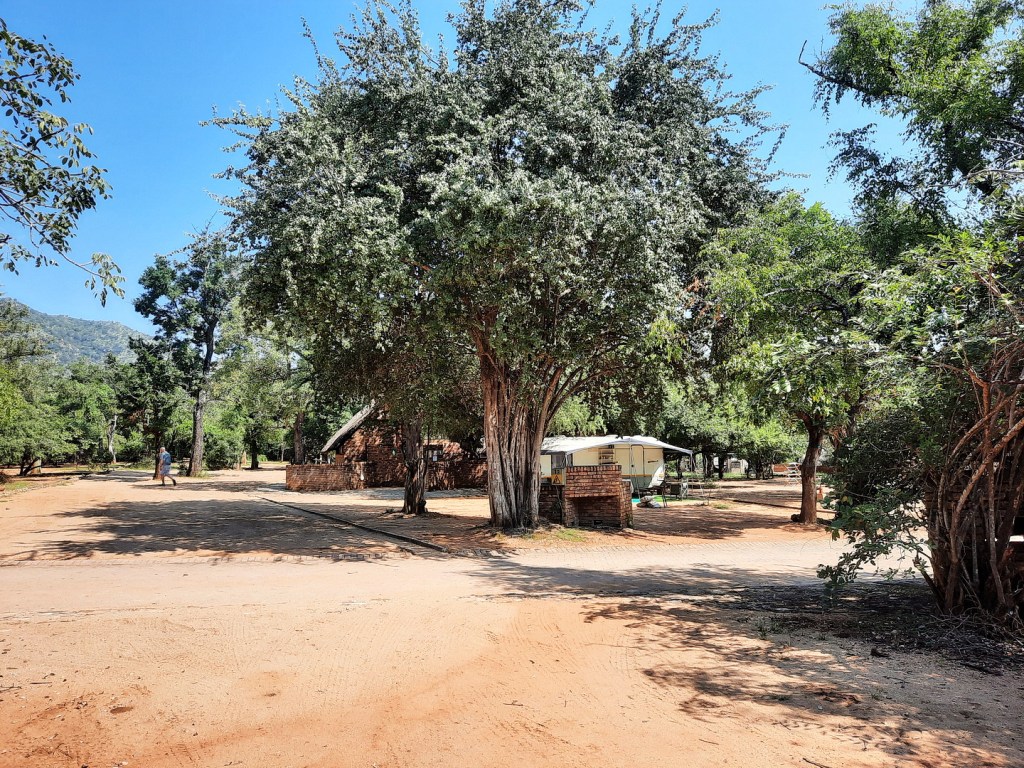
Afrispoor CheetahCampsiteTypical grounds at Lower Sabie
All those troubles aside, how did we enjoy our stay? Amazing start on the first morning.
Our first morning out was quite eventful. We crossed the bridge over the Sabie River and headed north towards Tshokwane. At the first intersection we decided to turn right on the S29. Then the action started.
We had gone not much more than 2 kms when we noticed an unusual bird on the road – a Crake of some sort. It started to run off the road as we stopped well back to put our goggles on it. Fortunately I was able to get a couple of photos and we were able to positively identify it. What was it doing so far away from water? Perhaps there was some sort of wetland close that we could not see.
Corn CrakeCorn Crake
What a start to the day. But we had not gone much further before there was more excitement. We heard a call that we immediately recognised as that of a Burchell’s Coucal. But there was another call which was not quite as recognisable and there it was right in front of us perched at the top of a short tree – a Black Coucal.
Black Coucal – photo through car windscreen unfortunately
Wow. Could this get even better! Then it did.
As we watched the pair of Coucals , Sally glanced to the other side of the road as a Pallid Harrier came low past us. The black at the ends of the wings on an all white bird clearly identified it.
From there we headed to Leeupan, 7 kms south of Tshokwane on the H1-2. The pan was full – the first time I had seen it so in many many years.
We were in for a treat there too. Lesser Moorhens, African Pygmy Geese among other waterbirds. We saw a Lesser Gallinule but were unable to get a photo. Lesser Jacana were also present but we never found them. What a place. Apparently Olive Tree Warblers were calling there too.
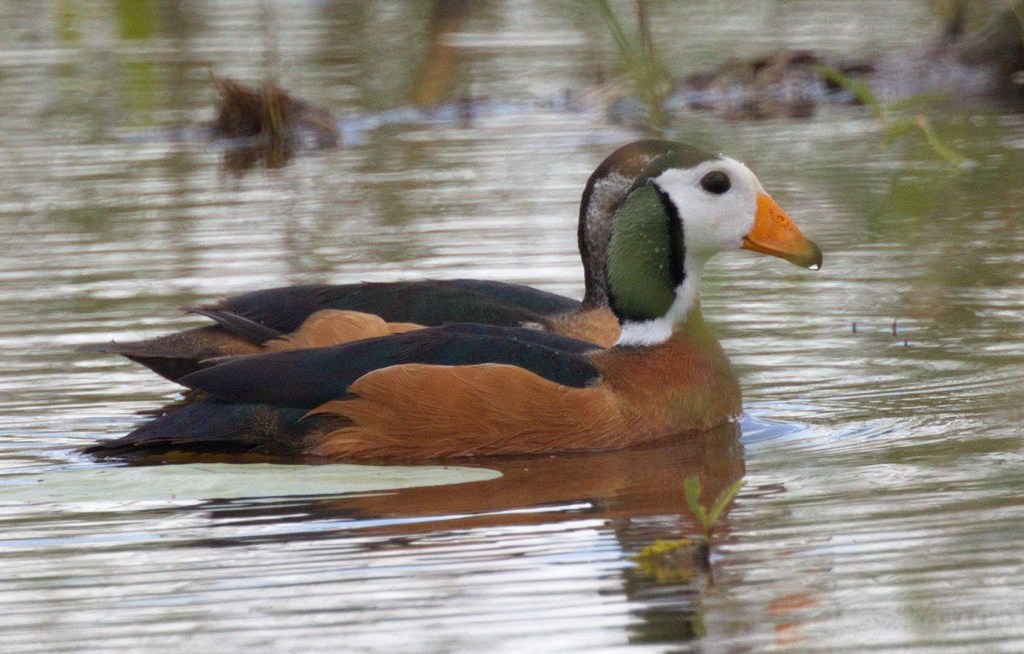
African Pygmy Goose
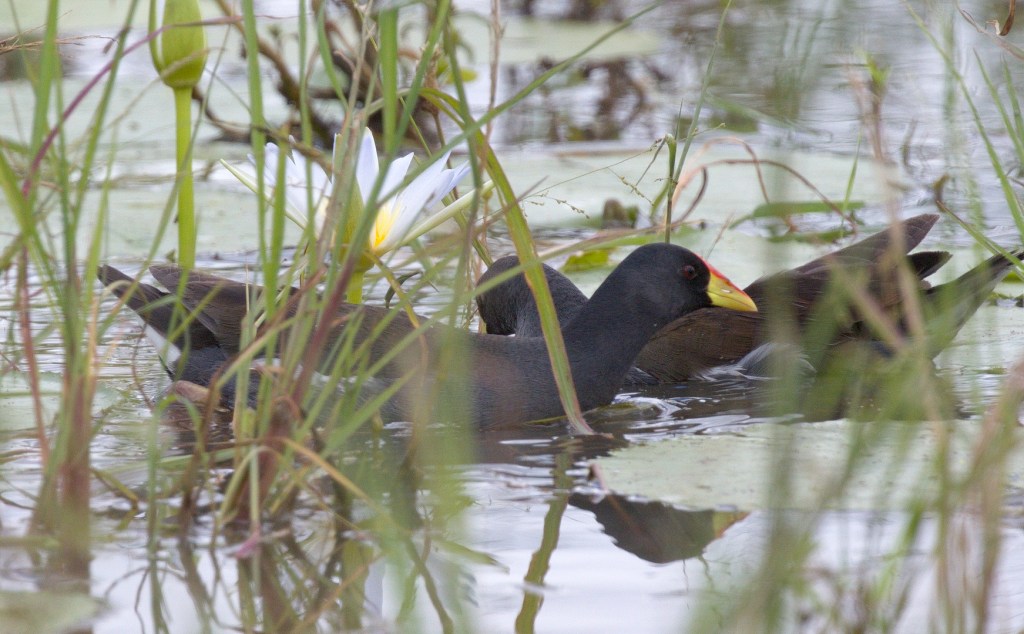
Lesser Moorhen were aplenty.
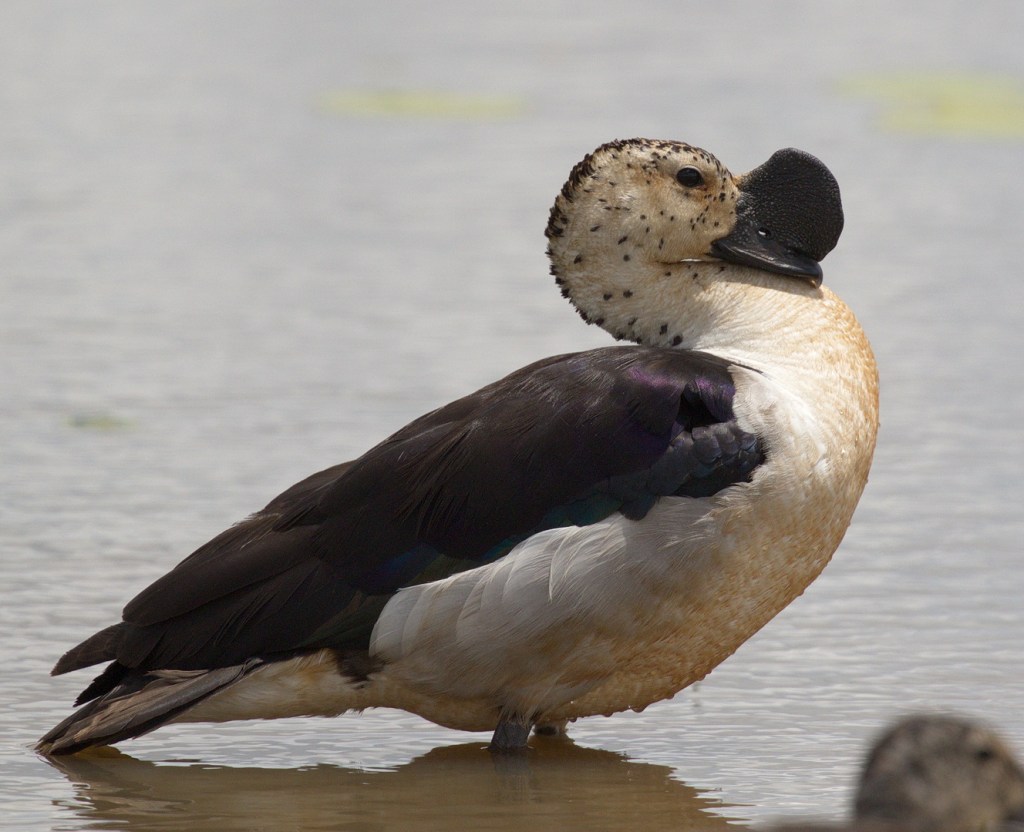
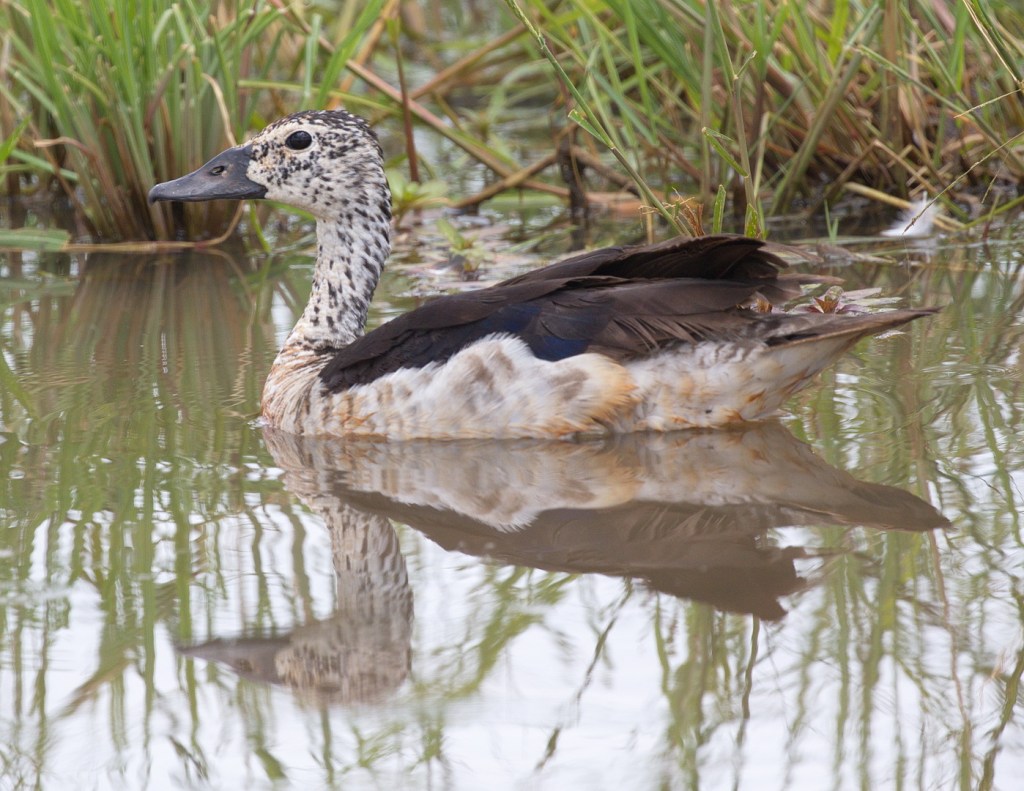
And the Knob-billed Ducks
MaleFemale
Later we took a stroll around the camp and had a number of lovely birds to see.
Meanwhile round the camp we bumped into a Peregrine Falcon.
Peregrine FalconPeregrine FalconPeregrine Falcon
And at Sunset Dam the waterbirds were present.
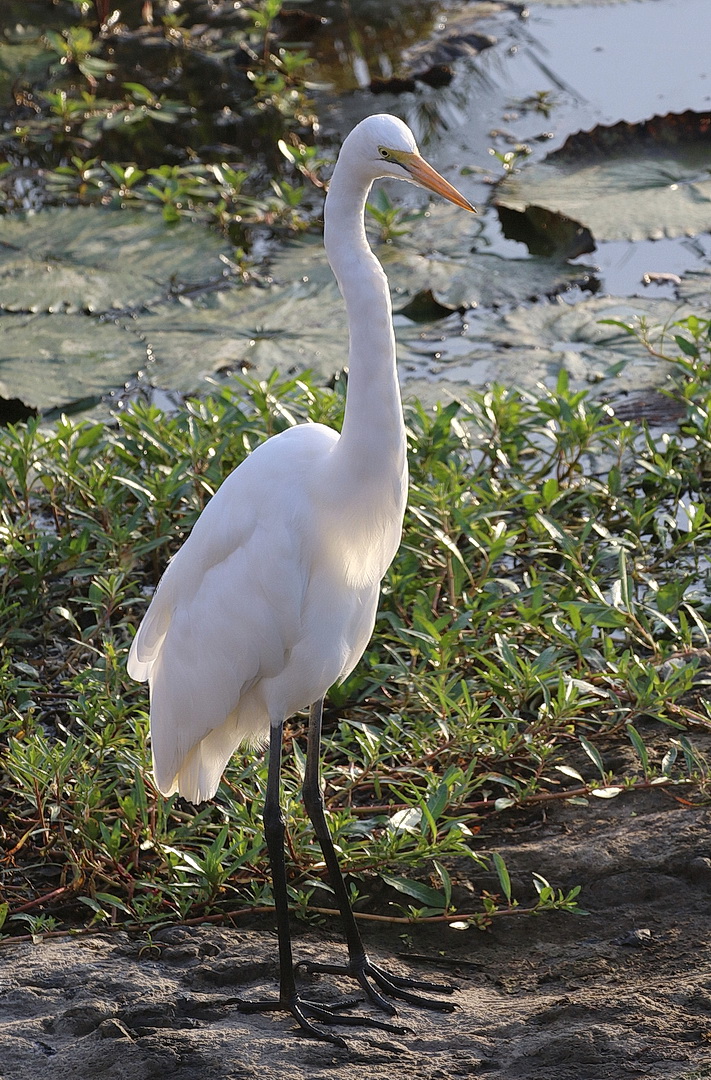
Black-crowned Night-HeronCrowned LapwingGreat EgretCommon GreenshankGrey Heron cadging a ride on the back of a HippoOpenbillsThree-banded PloverWood SandpiperThree-banded PloverWood SandpiperYellow-billed Stork
One day we visited Mpondo Dam – not much about but as we approached the dam from below we were again attacked. This time the creatures had really grown since we were last there. They obviously could hear us coming and were on the road as we approached. We stopped and they came after us. Terrapins. Now the size of a fist. Last November they were more the size of a watch face. Sally thinks people have been feeding them and that is why they come after us.
Occasionally we came across Vultures and Eagles but they were few and far between.
Hooded VultureHooded VulturesLappet-faced VultureMartial EagleWahlberg’s Eagle – pale phaseWahlberg’s Eagle.
Then there were a range of Animals, Spiders and Damselflies which made for an attempt at good photography (they usually are still subjects).
The male Golden Orb Web Spiders try their luck mating with the much larger female. If they are in and out quick enough they might live another day. To help themselves to survive they try to serenade and distract the lady by playing spiderweb tunes to her.
Golden Orb Web Spiders.
European and Carmine Bee-eaters were seen unlike on our previous visit in November 2021. And there were plenty of European Rollers
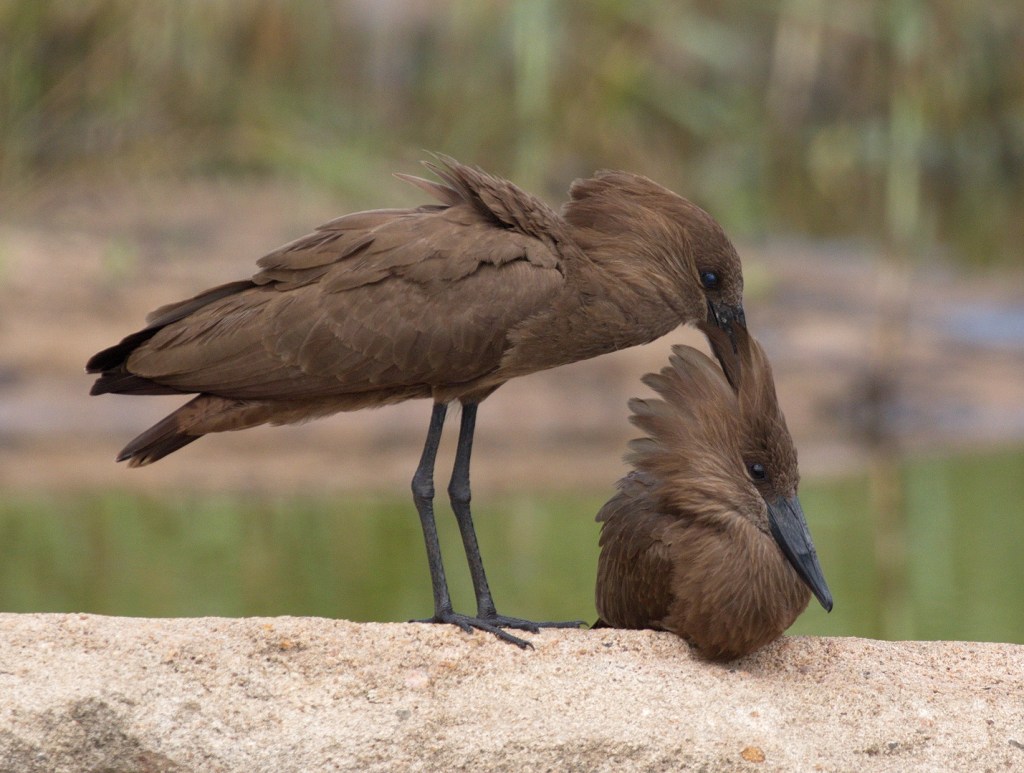
On one occasion we came across a pair of White-faced Whistling Ducks alongside a pair of Hamerkops. Each pair were canoodling with each other, grooming and caressing.
Hamerkop with White-faced Whistling DucksWhite-faced Whistling DucksHamerkops
Here are some of the other birds seen around Lower Sabie – as far afield as Crocodile Bridge, Skukuza and Tshokwane.
Our journey from Satara to Lower Sabie produced some exciting sightings.
Leaving early we headed to Tshokwane for breakfast. As we neared the picnic site we encountered quite a few cars watching lions sleeping. A quick squizz and we went through.
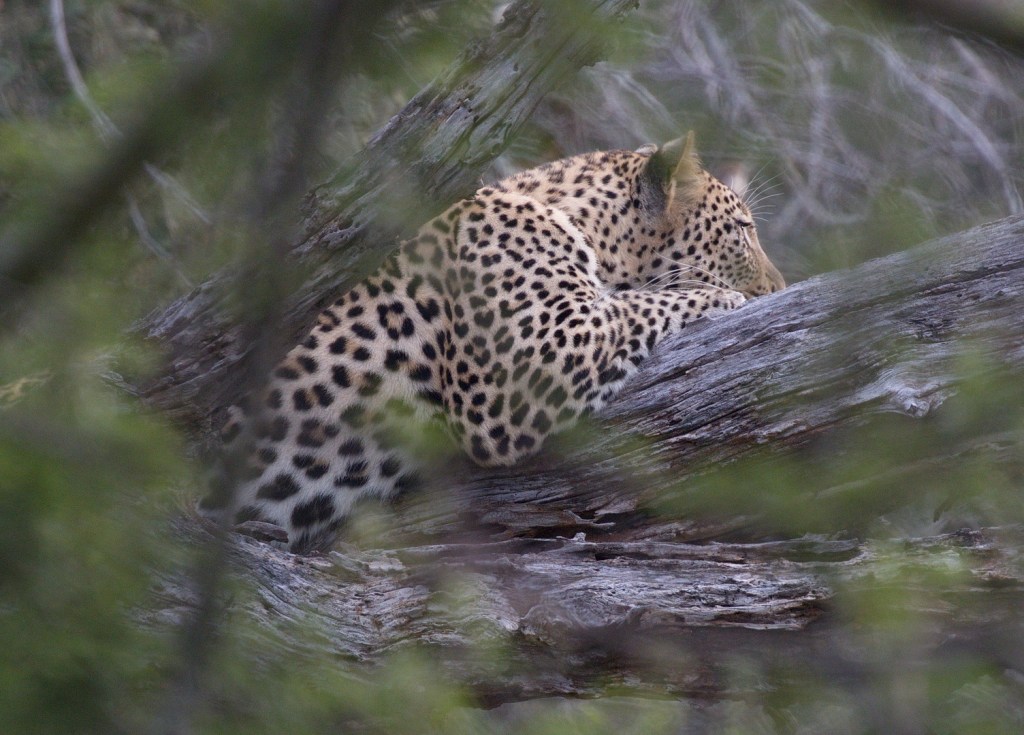
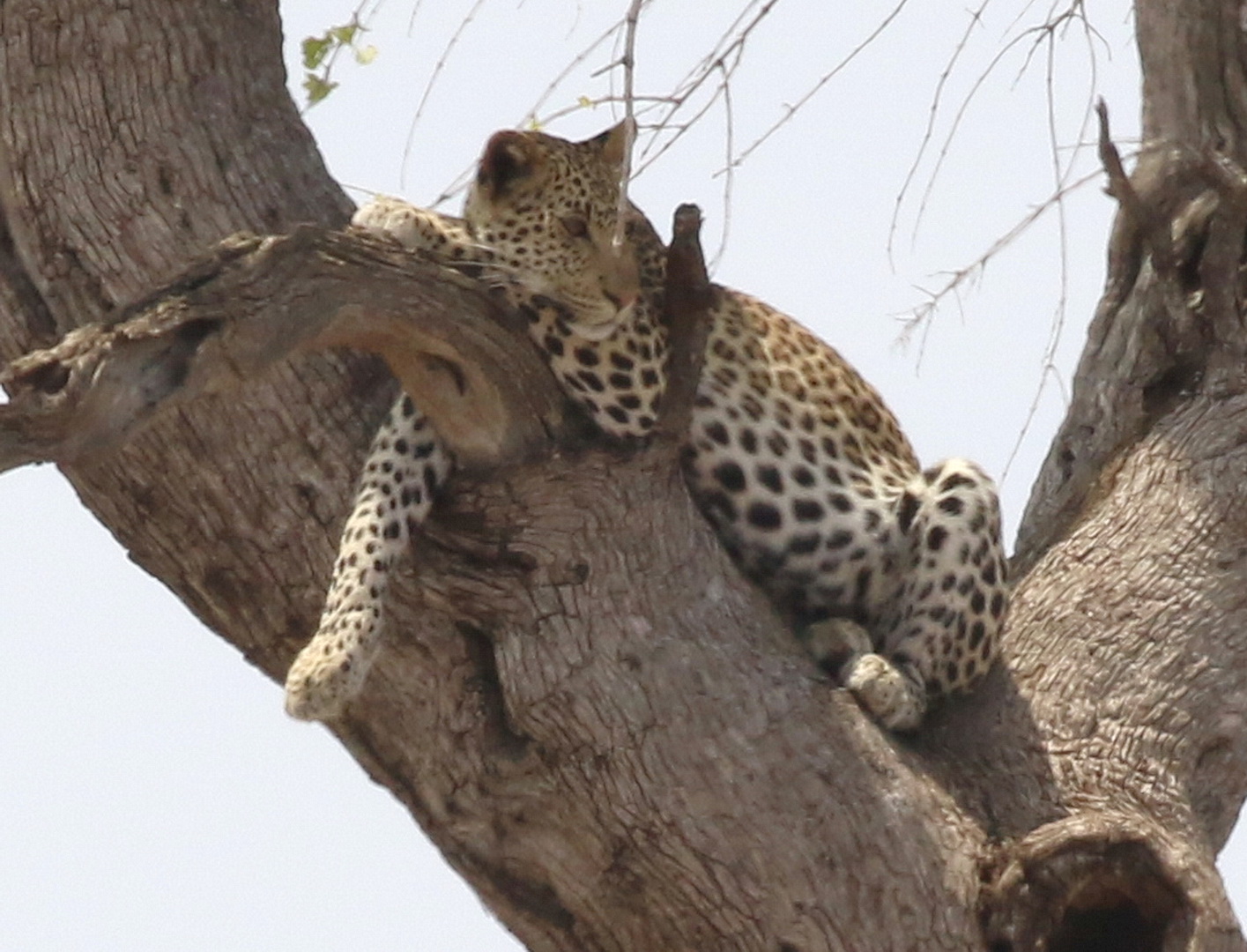
Within minutes, another bunch of cars watching a Leopard asleep in a tree. A little more time here to try and get a photo and then we were off leaving the mêlée behind.
Leopard trying to snooze off his dinner
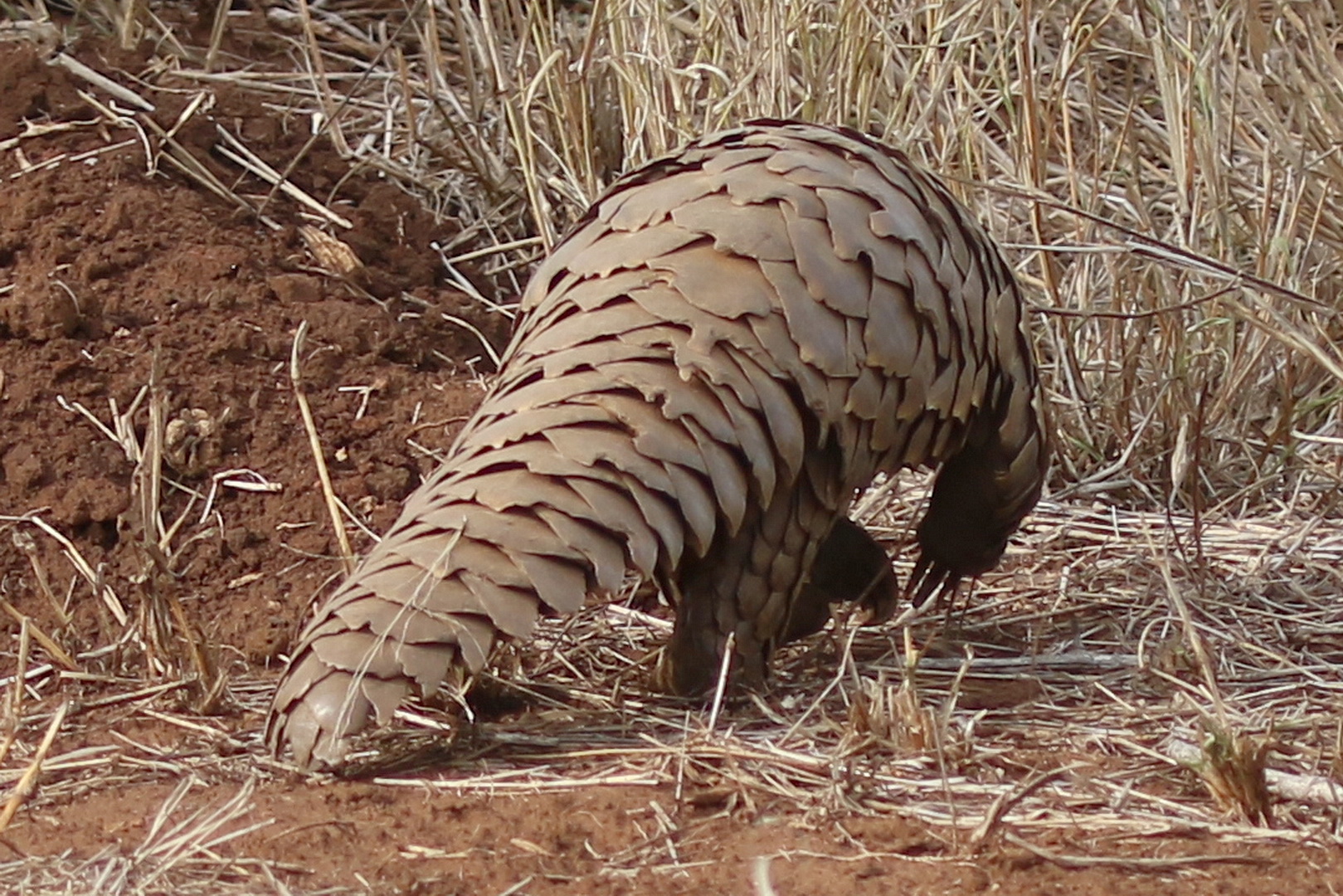
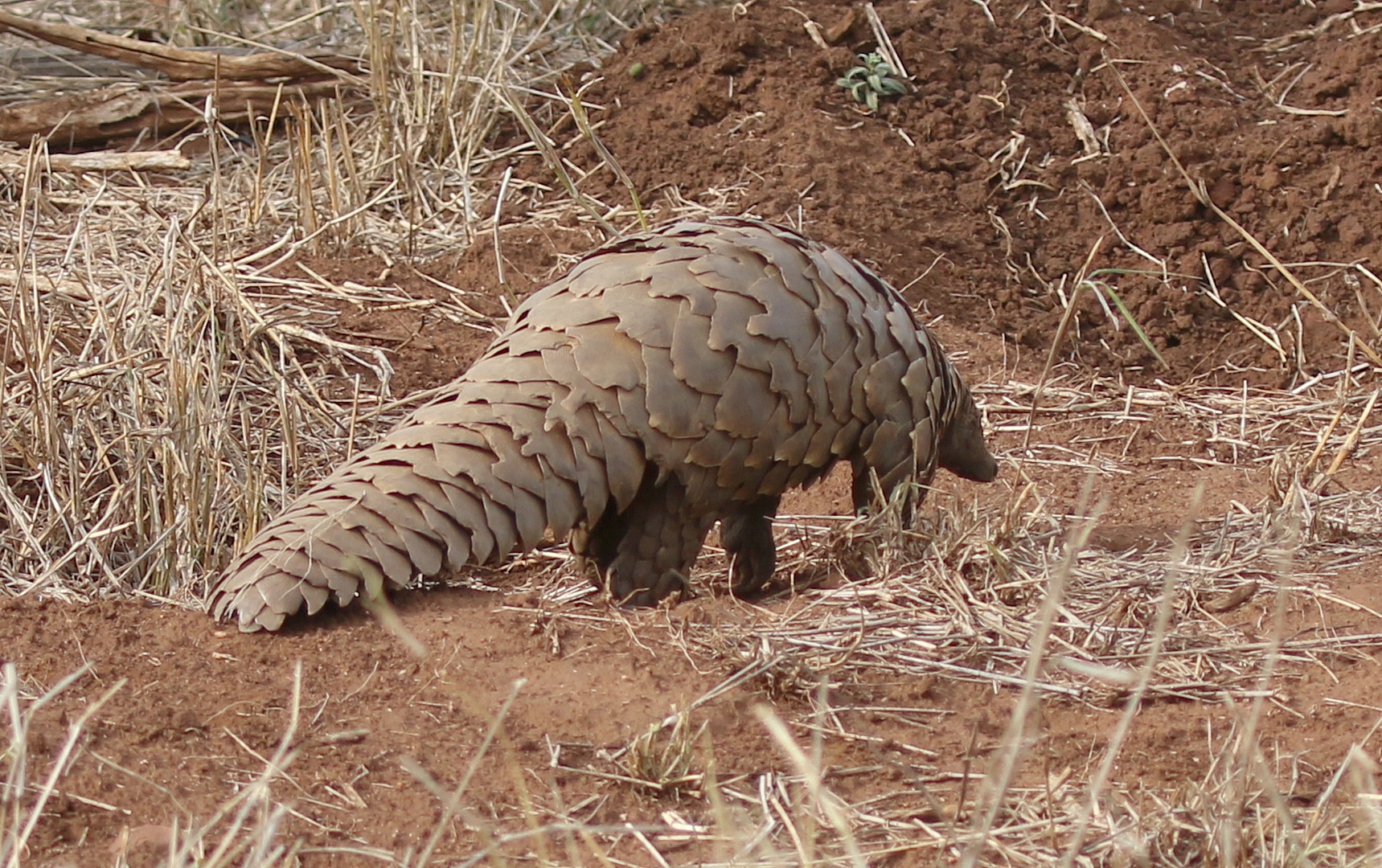
Not much further along we noticed an animal slowly crossing the road. Our first impression was that it could be a mongoose of some sort. But it had a humped back. A quick look with our binoculars told us to get up there quickly. We arrived just as it was entering the scrub by the road.
Pangolin
Pangolin – notice that it is standing only on its back legs defying gravity and check out its claws
Pangolin
At Tshokwane there was no monkey business with our breakfast this time!! Still a paucity of birds around – a few Starlings and one African Mourning Dove. However in the river bed we heard a Red-faced Cisticola. It was so loud it was unmissable. Eventually it came close and I got a snap.
Red-faced Cisticola
From Tshokwane we decided to head down towards Skukuza instead of taking the direct route to Lower Sabie. All of the dams were dry and the journey passed quietly except for a Sable sighting. About five in the bush beside us about 30 metres away.
Sable Antelope
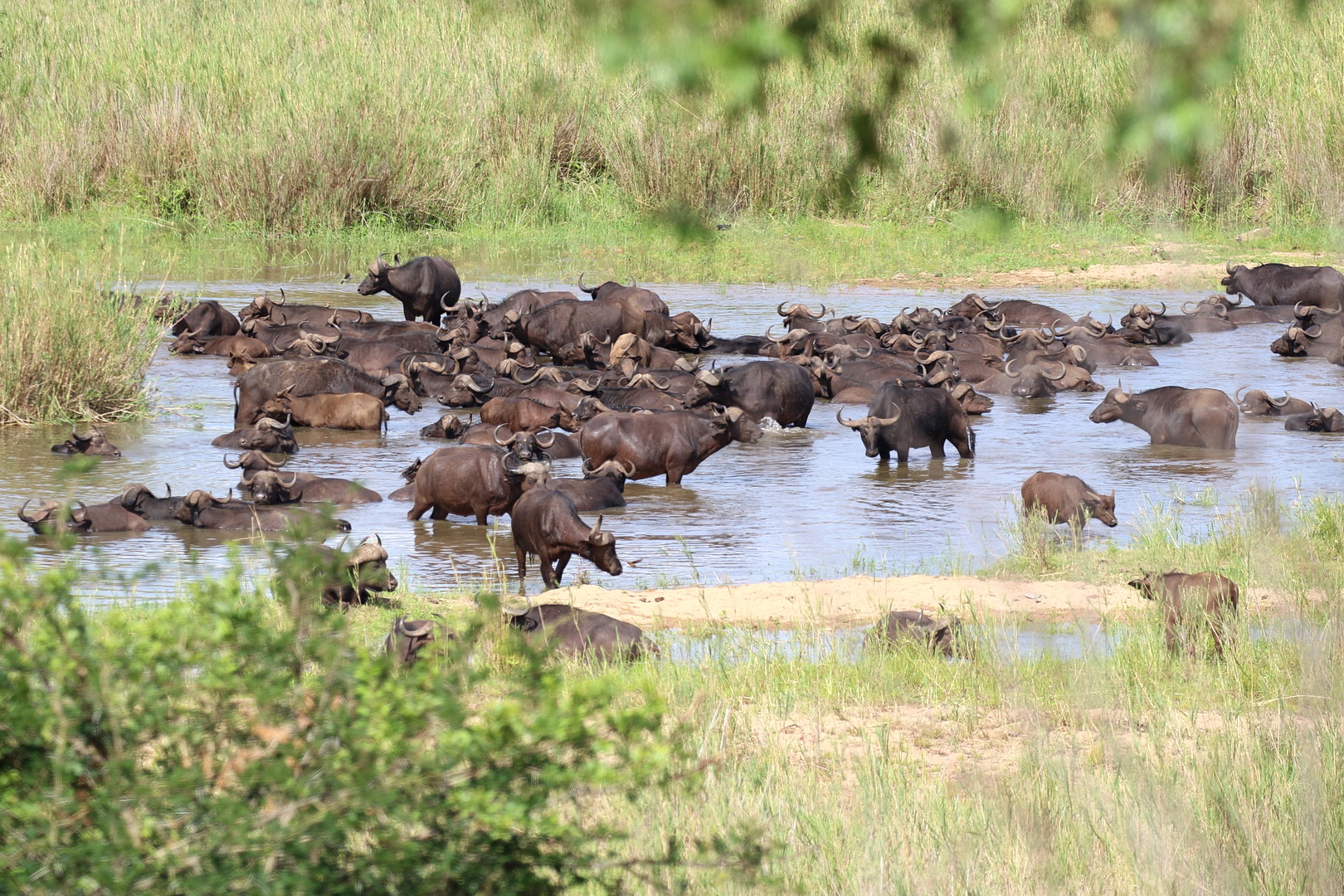
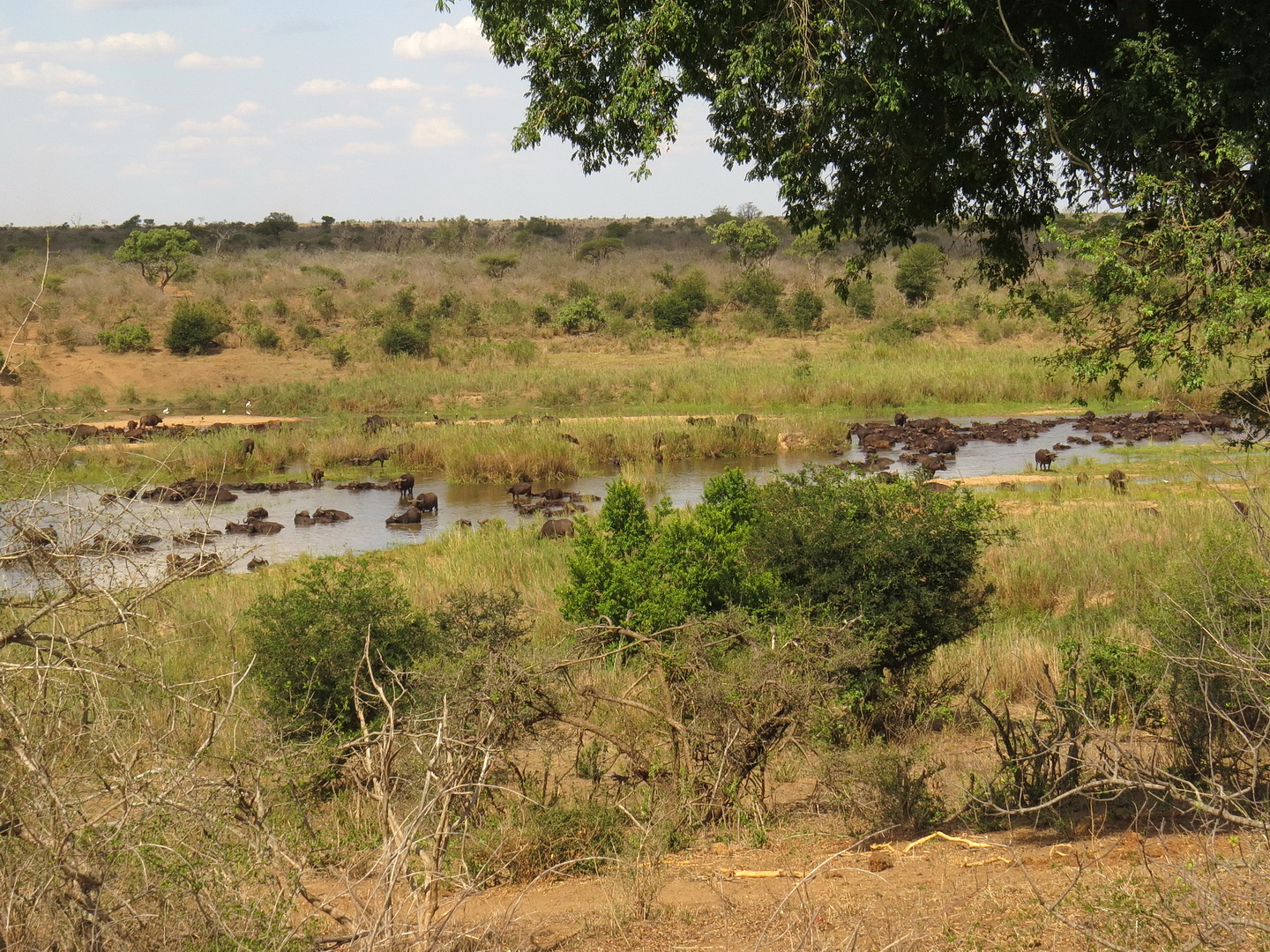
Once we had crossed the Sabie River we drove towards Lower Sabie with the river alongside us all the way. As expected there was much going on in the river. Elephants and Buffalo all the way along – sometimes in their hundreds. Hippo out of the water and many birds to be seen.
Buffalo heaven – just a few of in this photo
Buffalo bathing en masse
Hippo youngsters out of the water
Impala new born
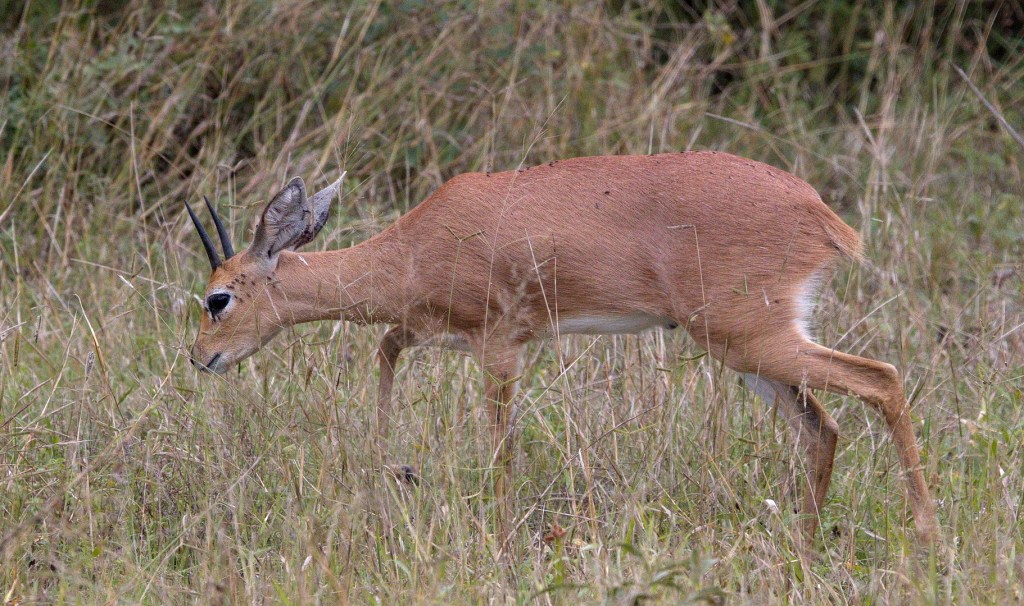
Even a Grysbok made an appearance – something we have found hard to spot.
Grey Duiker
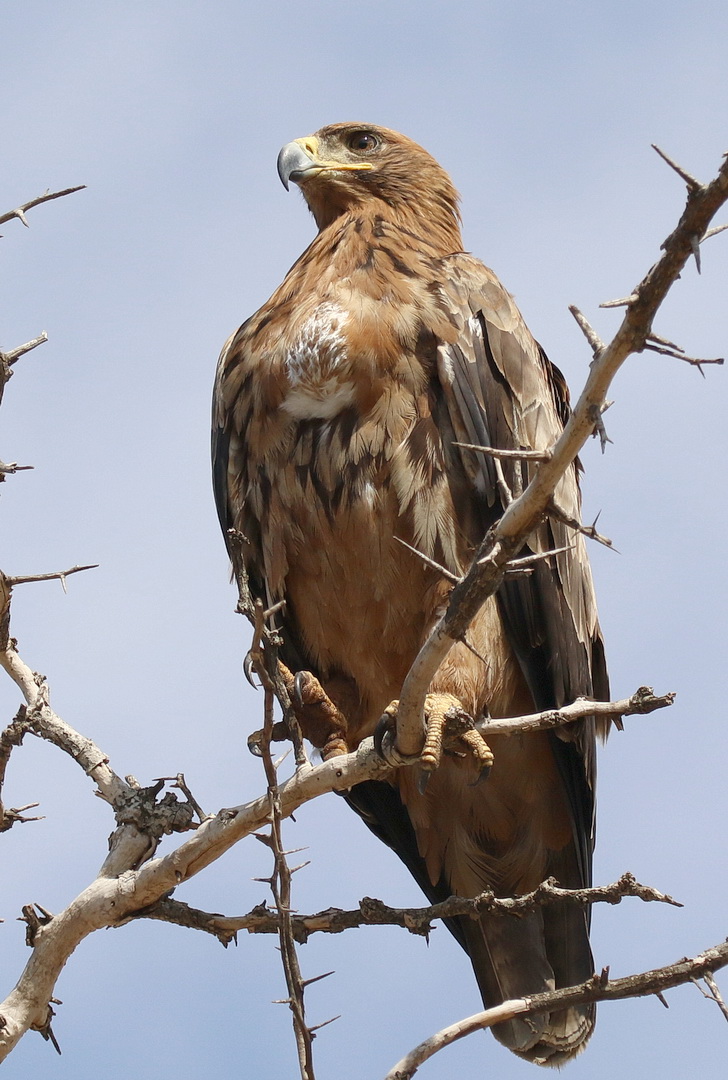
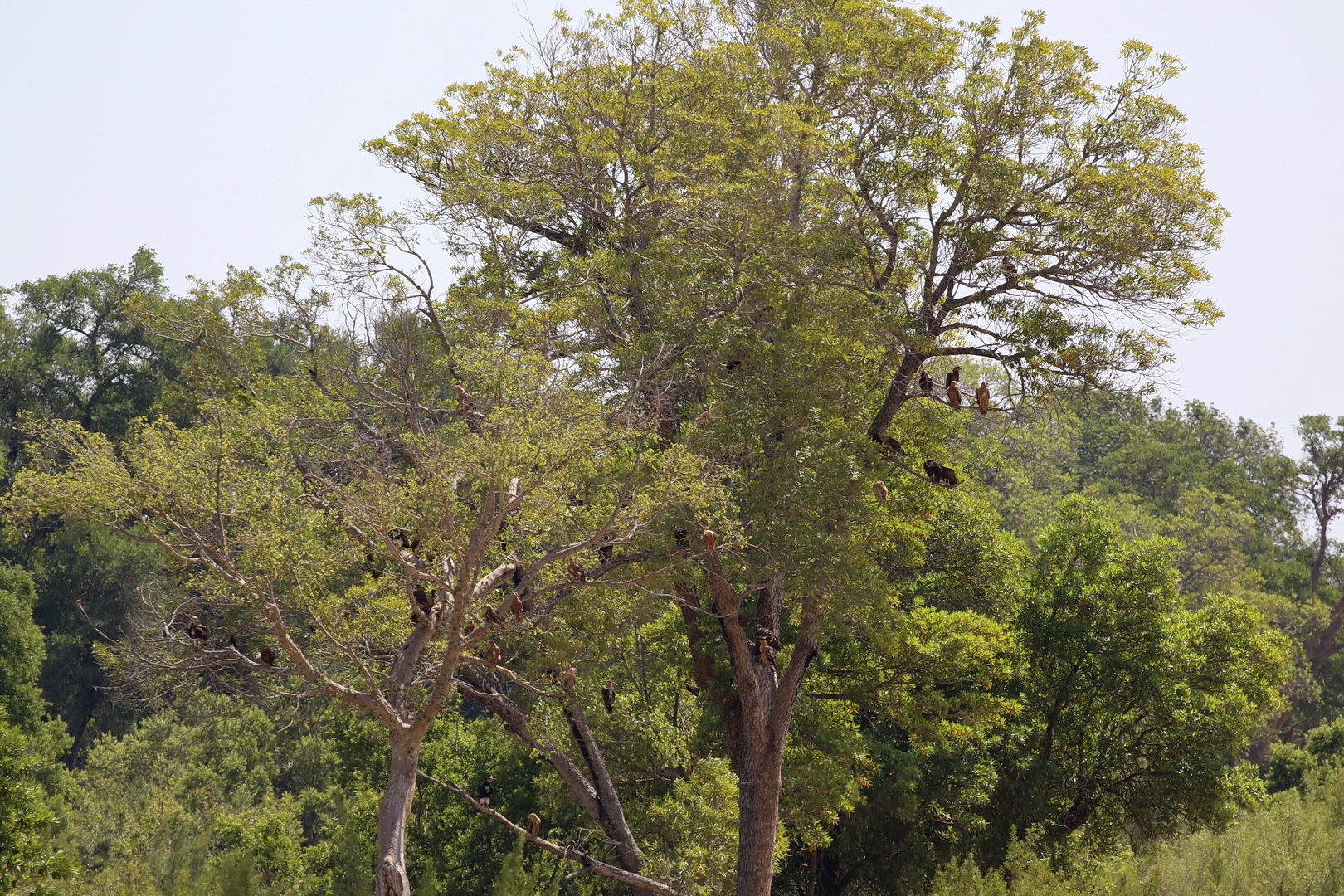
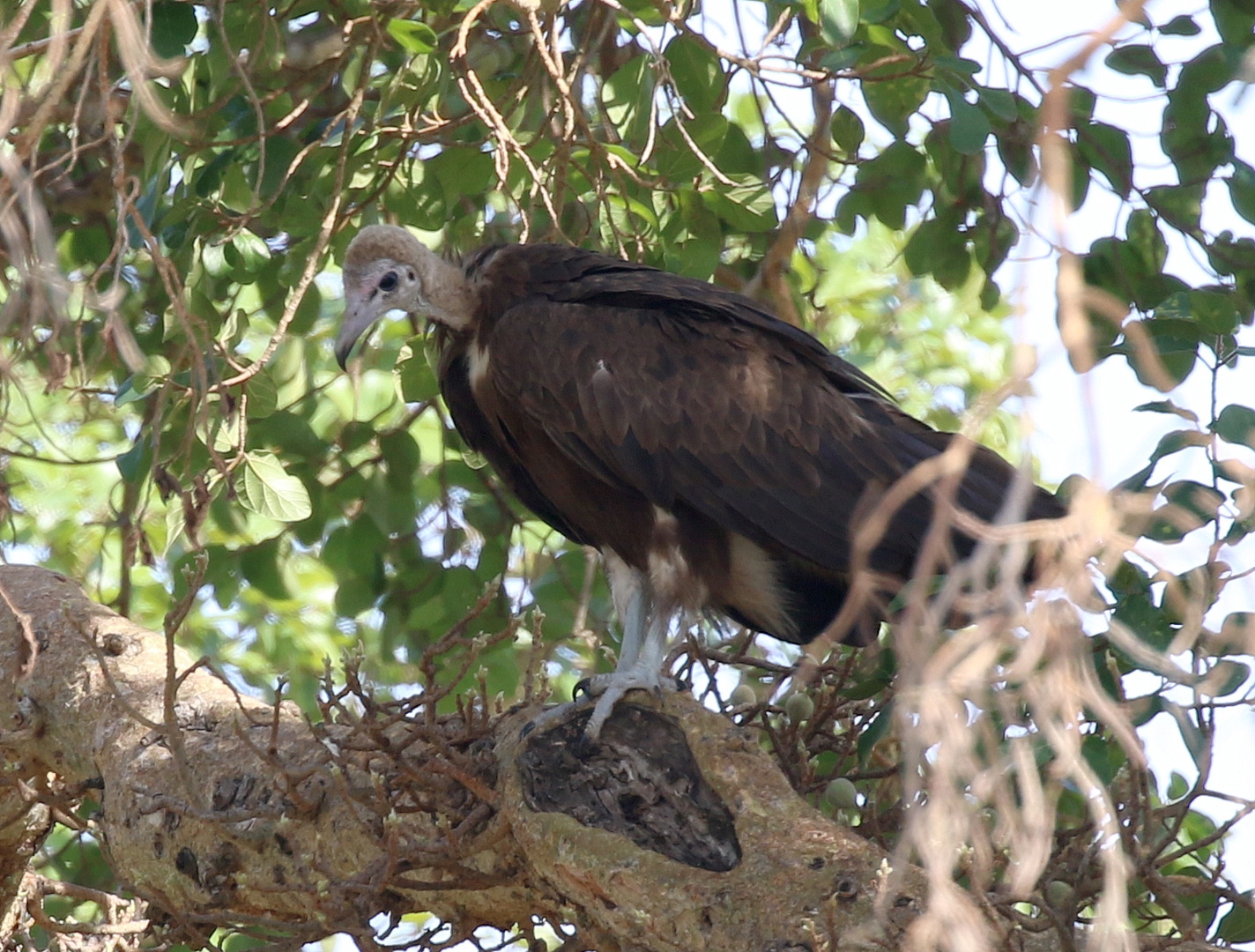
Birds too were in the air and in the trees. There were dozens of Vultures and Tawny Eagles were seen in a couple of trees from the main Skukuza bridge over the Sabie River. In another tree we saw three Hooded Vultures, one of which was a youngster.
Wahlberg’s Eagle
Wahlberg’s Eagle
African Harrier-Hawk
Tawny Eagle
Two trees full of Vultures and Eagles
Hooded Vulture
Hooded Vulture juvenile
Hooded Vulture
As the river “roared” down the rapids we also had a few sightings of other birds in the bushes.
Sabie River rapids
Jacobin Cuckoo
Brown-crowned Tchagra
Eventually we arrived and set up camp. By the time we were through the temperature had soared up into the 40s C. So after a lunch at Mugg and Bean we took the rest of the day off to enjoy a rest and the swimming pool.
At our site we found a couple of Grey Go-away-birds anting in the dust.
Grey Go-away-birds anting
The heat was draining our energy and having had such good experiences over the past month we decided to only stay 2 nights at Lower Sabie and then head to Malelane for one night and return home directly from there. In other words we cut our stay short by three days.
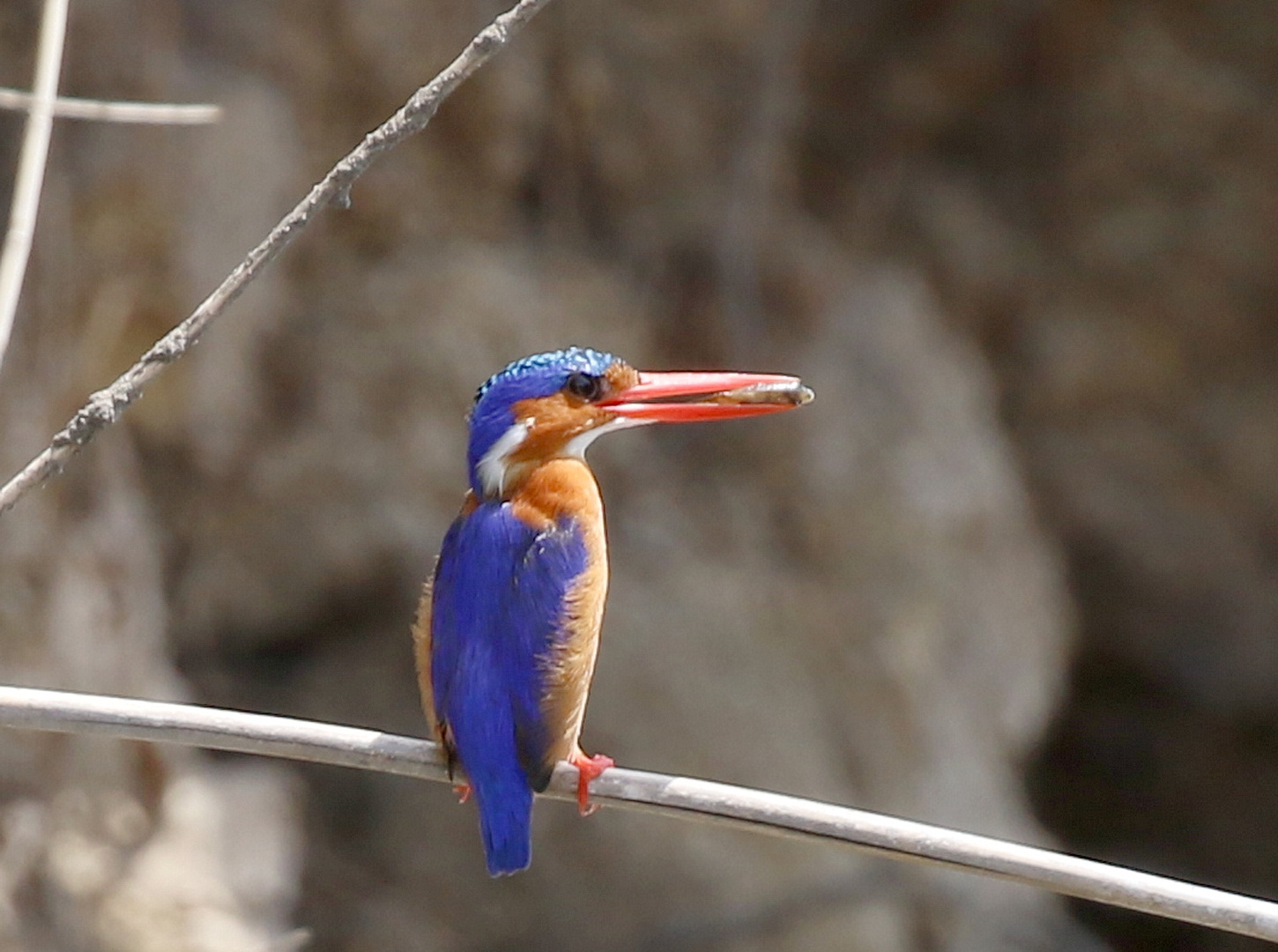
The following day we took a drive along the river to Skukuza and Lake Panic hide. A stop at Sunset Dam first to watch the Hippos and Crocodiles and see what birds were around. On the round concrete tank close to the road there were Giant and Malachite Kingfishers as well as Green-backed Herons.
Giant and Malachite Kingfishers with 2 Green-backed herons
Green-backed Heron
Then there was a Red-billed Oxpecker using a Hippo’s eye to perch on while it had a drink.
A Yellow-billed Stork was showing off its finery.
Yellow-billed Stork
And not to be outdone a Black-crowned Night-Heron was seen in the territory of the Green-backed Herons.
Black-crowned Night-Heron
Green-backed Herons surrounding the Black-crowned Night-Heron
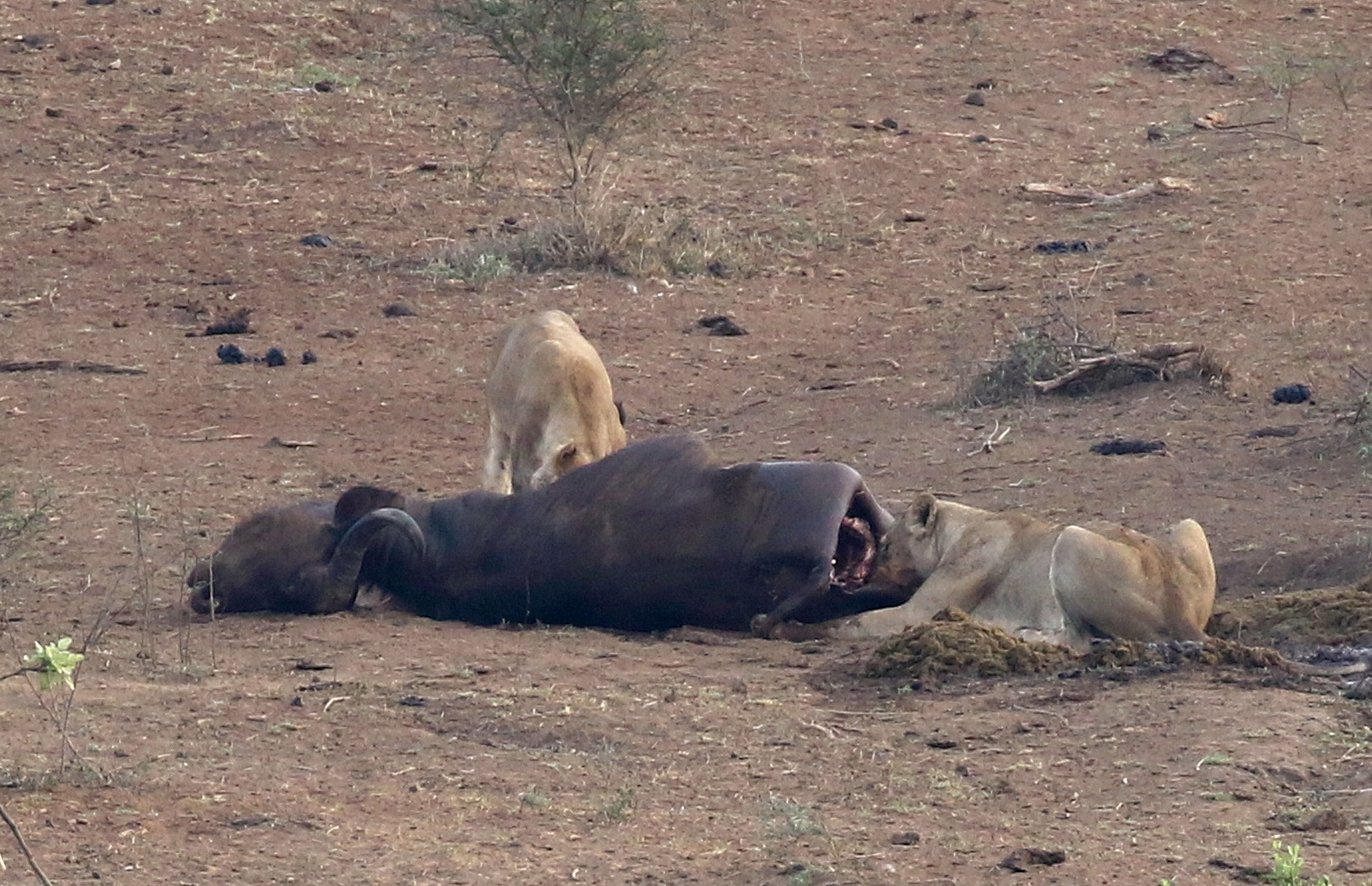
Immediately after Sunset Dam the lions were seen feasting on a Buffalo. Some exhausted from eating were seen taking a rest nearby.
Lions at Buffalo kill
Lions recuperating
On one of the many loops we came across a gathering of White Storks much to our surprise.
White Storks
At the Skukuza camp we had a quick look at the river – seeing very little of interest – and hurried to get out of the bedlam.
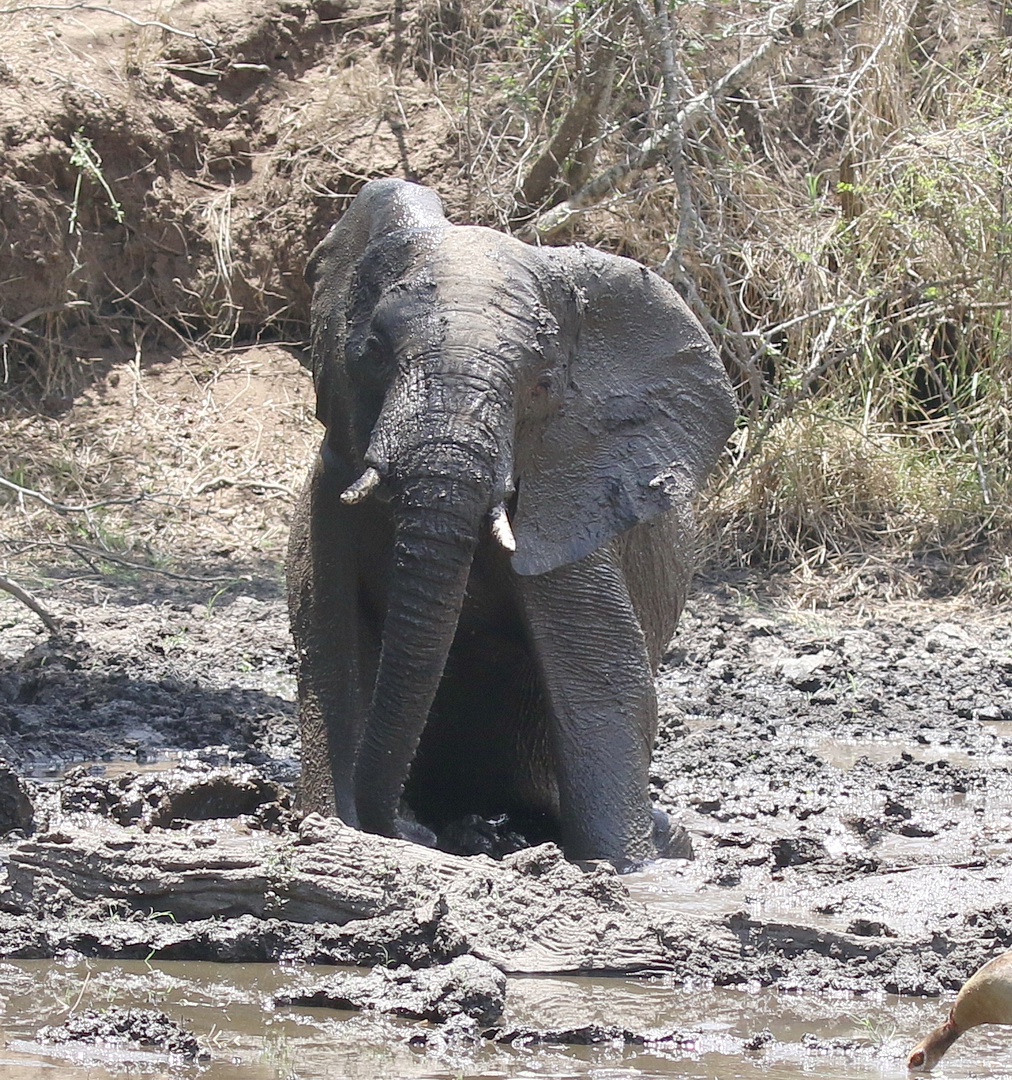
Lake Panic Hide had had some rain and there was a lot more water in it compared to when we visited a month earlier. There were even elephant cavorting and getting stuck in the mud. Trying to get out of the mud involved kneeling down to push itself out. Eventually it succeeded and actually pushed too hard resulting in it falling over onto its back.
Elephant romp
Elephant stuck in the mud
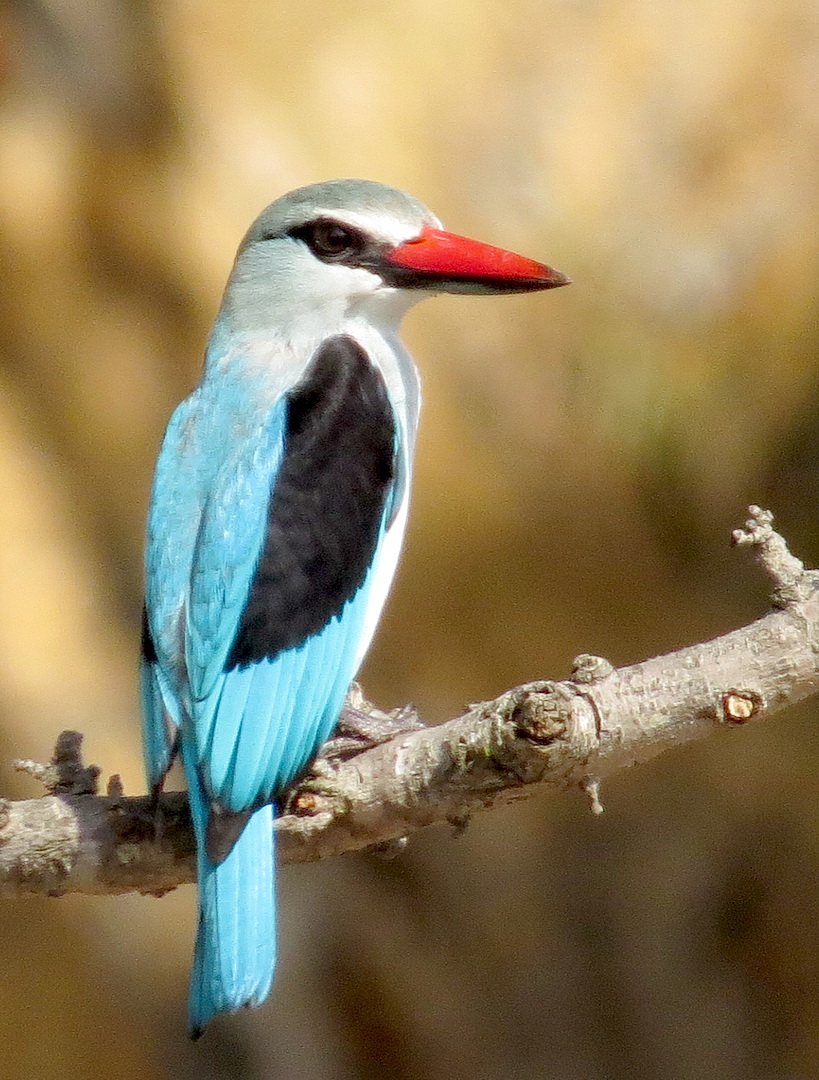
A number of birds arrived and some were photographed. The star of the show in our minds was the Woodland Kingfisher.
Woodland Kingfisher
Malachite Kingfisher and catch
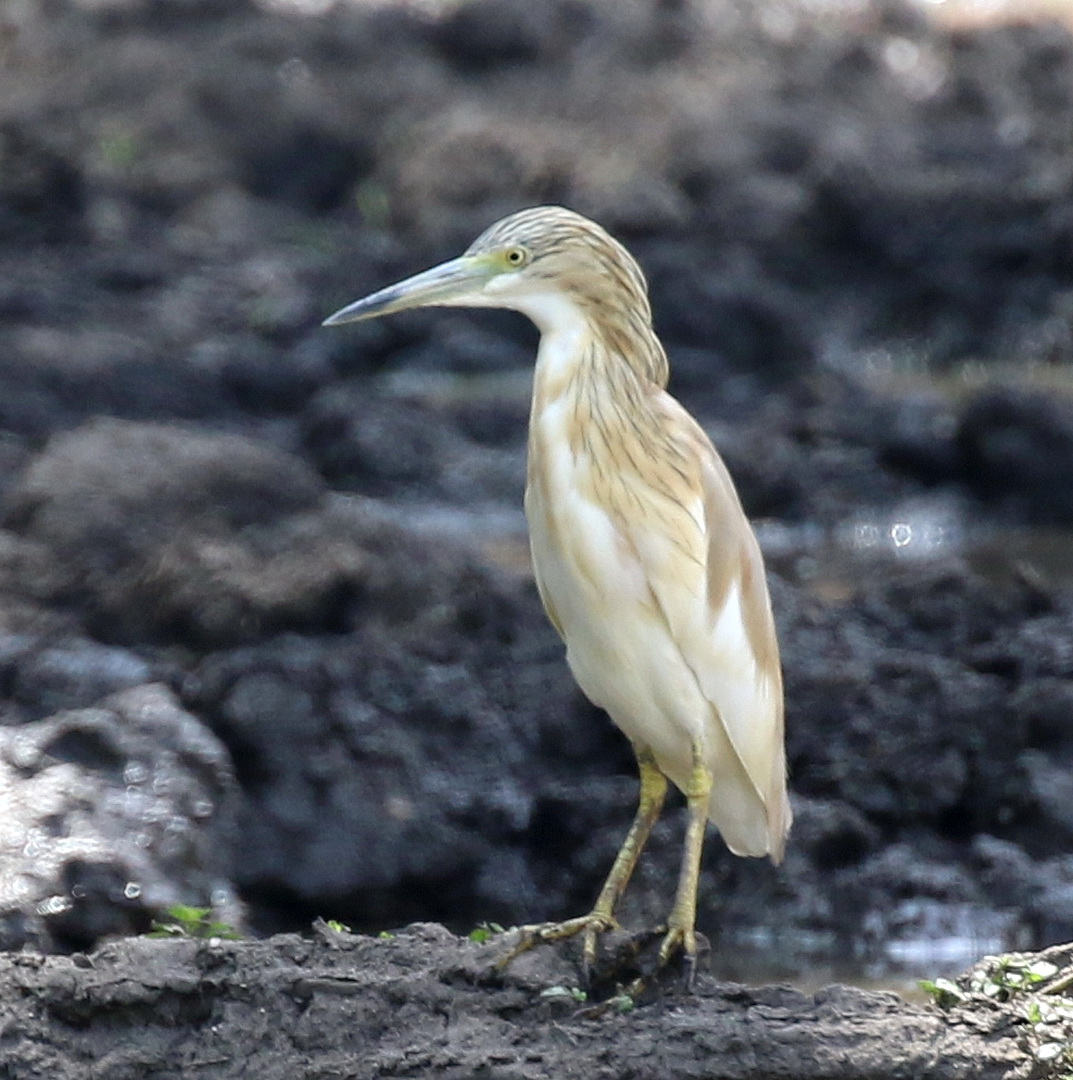
Squacco Heron
Black Crake
At the deck of Mugg and Bean we had a sundowner and watched the activity in the river below us. There were some excessively large Crocodiles making a meal of a Hippo. And Lions on the opposite bank in full flow chasing Wildebeest without much joy – giving up and resting under the shade of the large trees.
Huge Crocodiles making a meal of a hippo
Lions recuperating after the chase
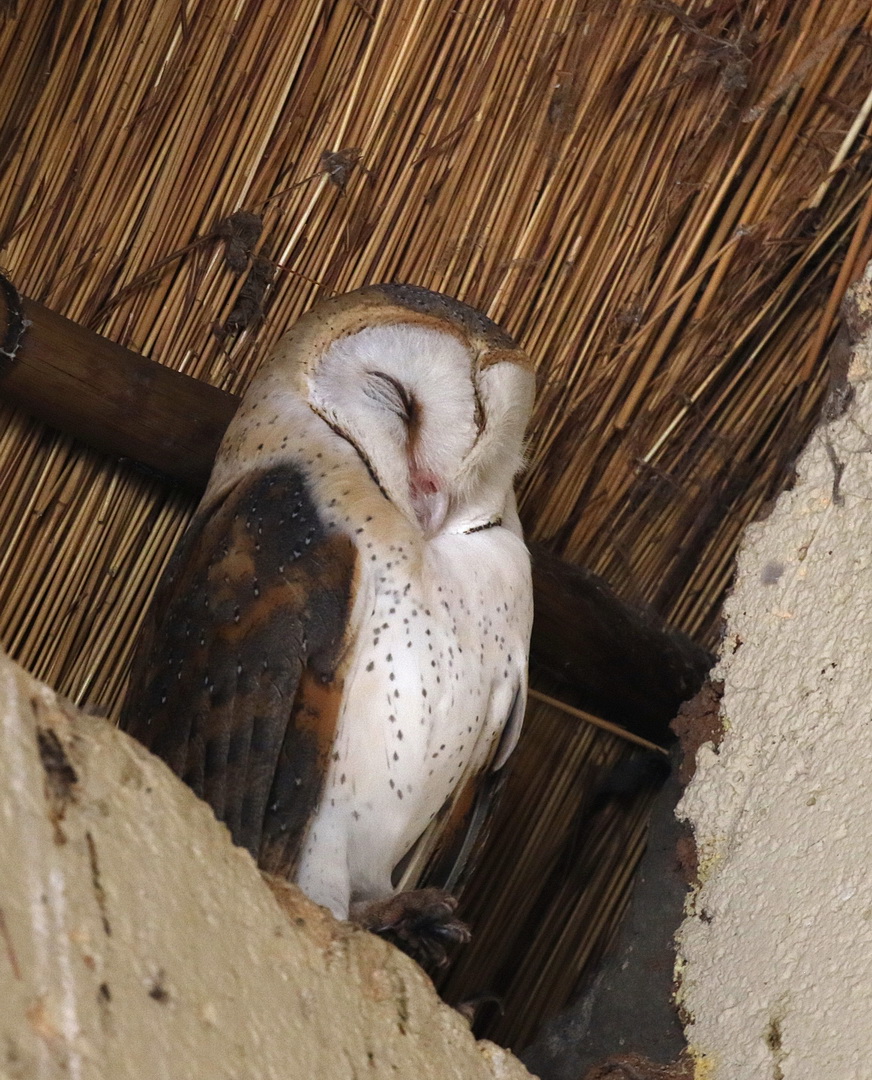
Of course the pair of Western Barn Owls were still to be seen in the rafters. We spent some time at the reception entrance bird bath hoping to see the Olive-tree Warbler which Jane had told us about. No luck. However it was good to watch all the activity and inter-action between the different birds. Also it was a pleasure to listen to the call of the White-browed Robin Chat.
Western Barn Owl
Western Barn Owl
White-browed Robin-Chat juvenile
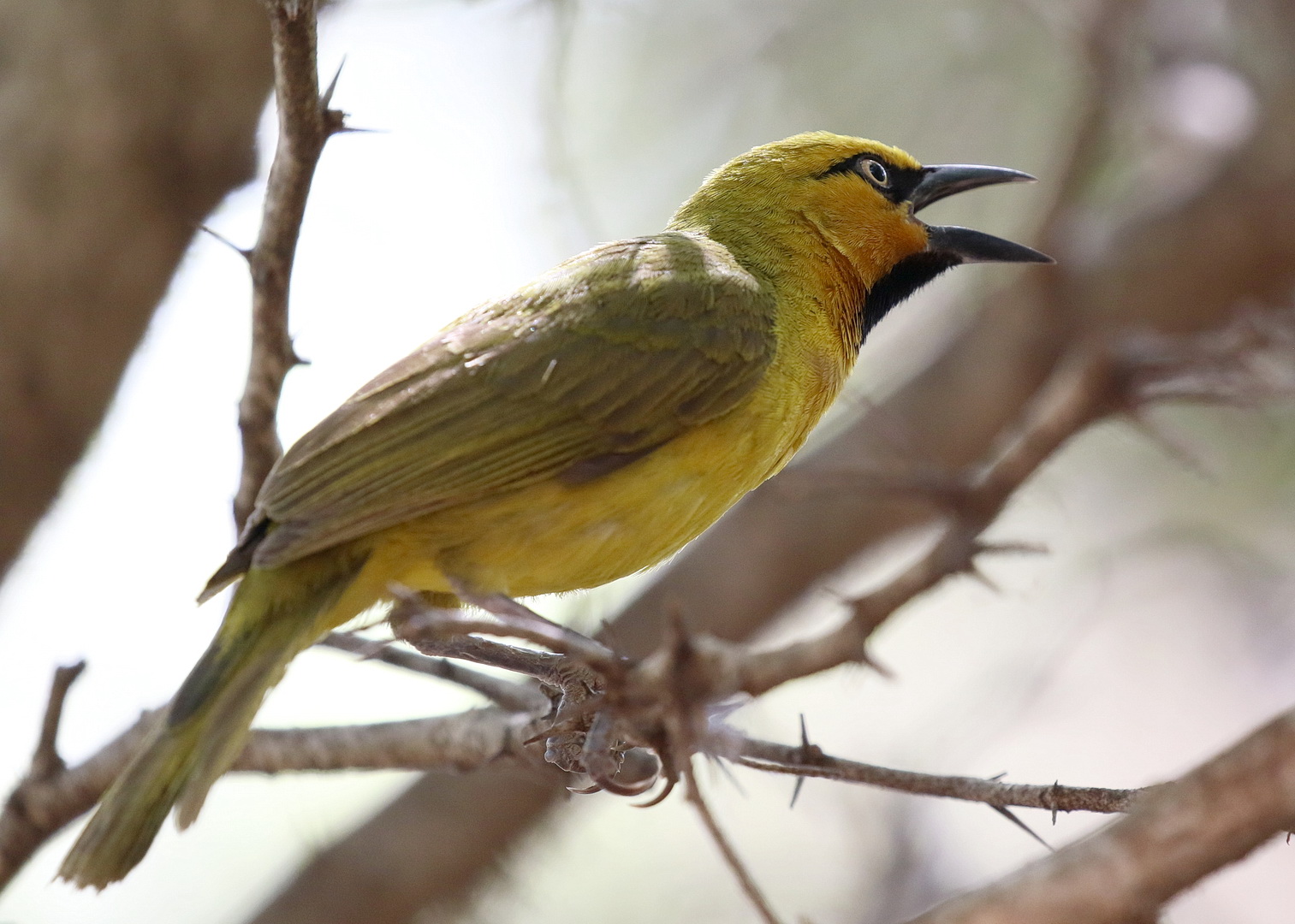
Spectacled Weaver
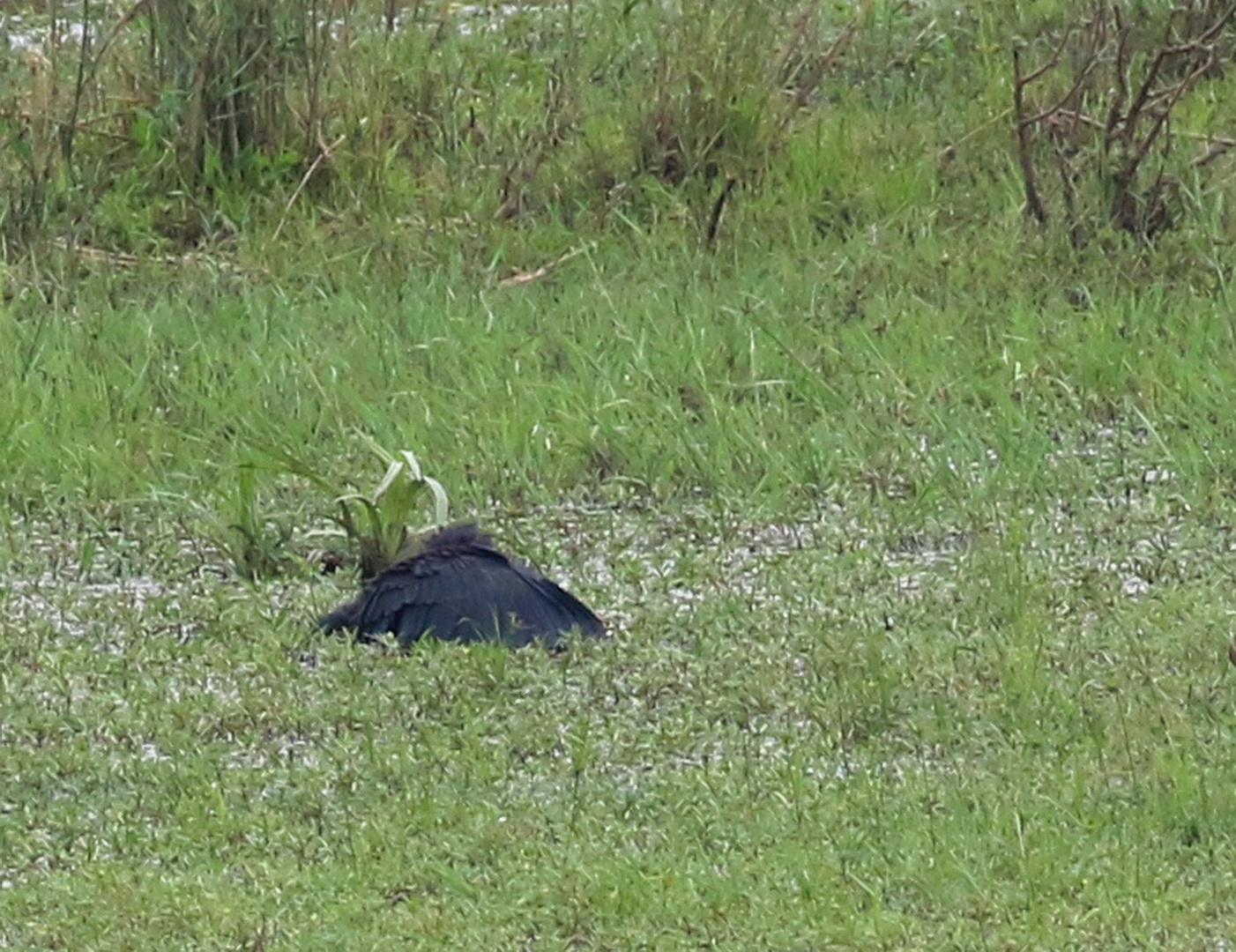
From the M&B deck we noticed a Black Heron doing its thing in fishing mode.
Black Heron in fishing mode
Black Heron
Black Heron in fishing mode
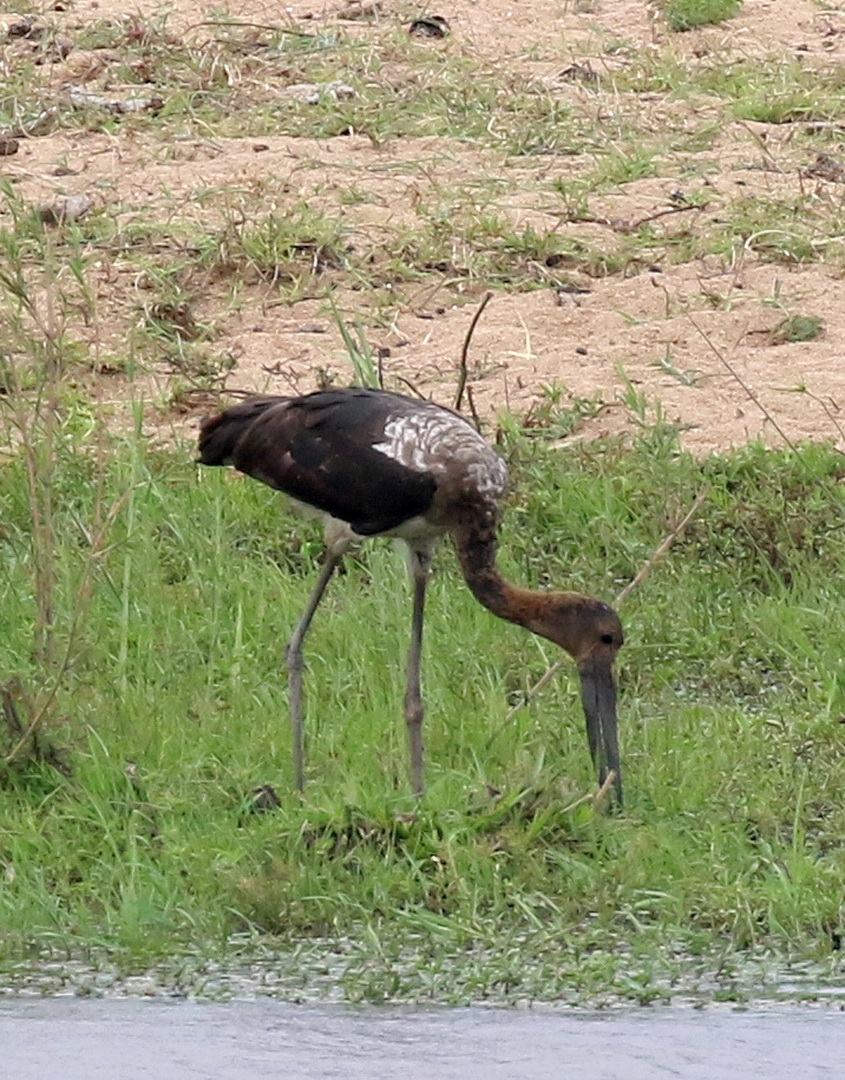
Then there was this beauty. which really confused me the first time I had ever seen one.
Saddle-billed Stork juvenile less than 6 months old
Saddle-billed Stork juvenile less than 6 months old
In the Lower Sabie area we identified 131 different bird species. Click here to see the list.
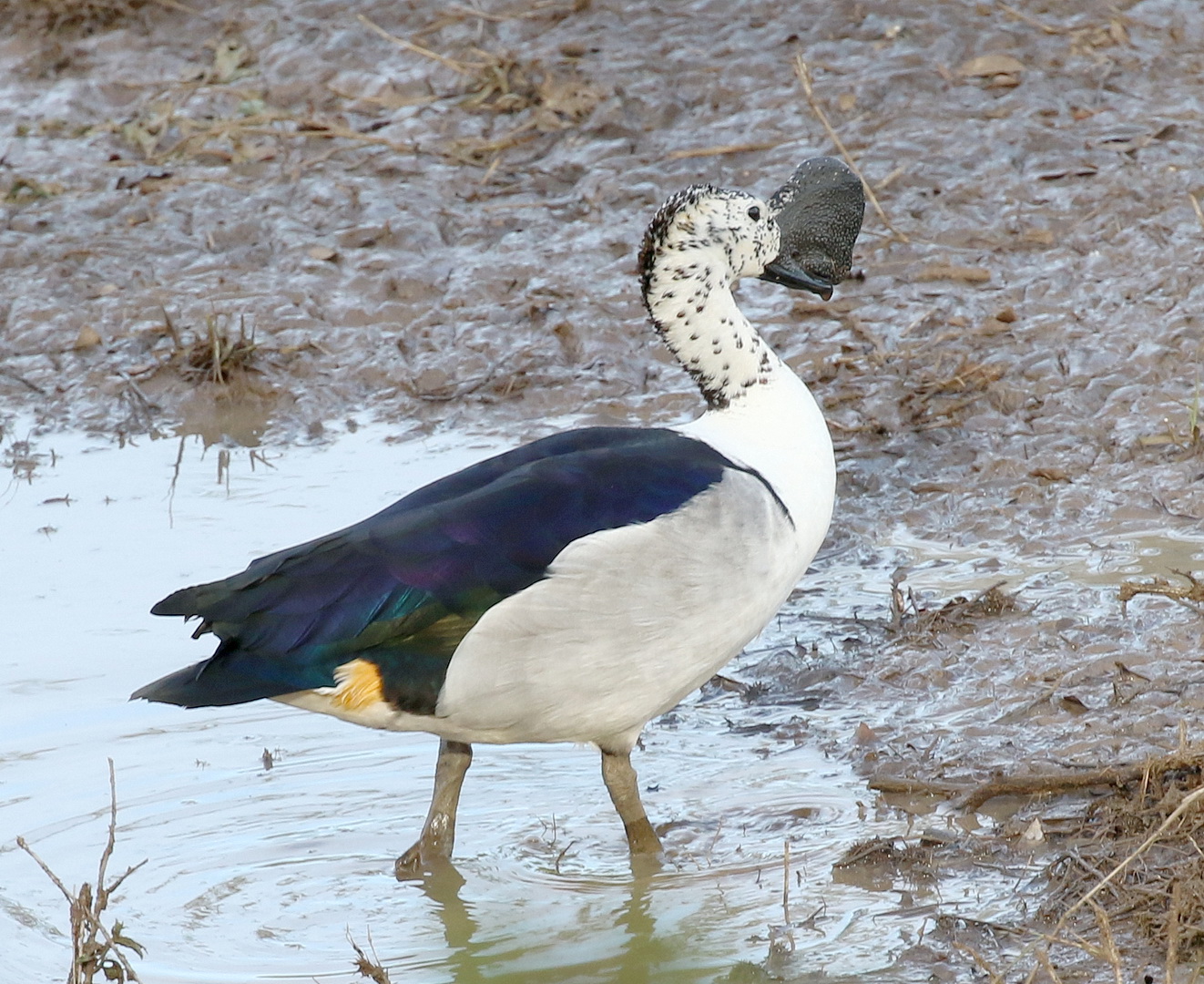
We spent most of our last morning getting to Malelane. Once there our goal was to try and find the Egyptian Vulture which Jane and Mike had seen along the S25 a few days earlier. No luck. So we returned via Berg-en-dal. The dam had water in it unlike our first visit four weeks earlier. Sally noticed some Ducks flying around and we went to investigate. They had landed beside the water. I think we counted thirteen Knob-billed Ducks. Several males were showing off their colourful finery. Notice the yellow feathers near their vent.
Knob-billed Duck male
Knob-billed Duck male
And in the short time we were in Malelane there were 46 birds identified. Click here to see the Malelane list.
Despite the heat and dryness we thoroughly enjoyed our time in the Kruger. Hopefully the next time we go the Park will have had pleanty of rain to fill up all the dams.
We hope you have enjoyed these reports.
By request we shall make one final report summarising our highlights. Kruger Part 10 – Summary.
The next morning we left Malelane on our way very early to Lower Sabie for 4 nights.
We had not gone far on the tar when we were accosted by the same pack of 10 Wild Dogs that we had seen the previous evening. Again a lovely sighting with them surrounding our vehicle on their way to somewhere.
Wild dog
Our journey was mostly on the dirt roads – starting with the S25 towards Byamiti before heading north to Lower Sabie.
Animal sightings were few and far between. No Buffalos, no Rhinos and a paucity of Elephants. A remarkable contrast to the previous two days.
We beetled along the S25 reaching the Byamiti bridge in quick time. On approaching the bridge a large male Leopard strolled towards us in the river bed. Our bit of excitement for the day – very unexpected yet it was not for long before he had disappeared into the bush and gone before anyone else came along.
Leopard
Once we were on the tar of the H4-2 (Croc Bridge to Lower Sabie) we headed north and on approaching the S82 shortcut on a dirt road, we noticed a pile of cars not too far up the road so we went for a look see. More Wild Dogs doing one of their favourite things – sleeping in the shade.
Eventually we arrived at Lower Sabie and by 10h30 we had set up camp.
We had planned to meet up with some friends who were staying at Ngwenya lodge, Cecil and Jenny Fenwick and Dave and Jenny Rix. I gave them a buzz and they were at Sunset Dam right outside the camp. We enjoyed a very tasty lunch in the Mugg and Bean with a few tipples and caught up on their news of the area.
Lower Sabie is centrally based to explore a wide range of habitats. There are many special places to visit.
Crocodile Bridge is south – often an excellent campsite to stay at. However, at the moment it is very very dry, parched with hardly a blade of grass. Taking the S28 backroad to Crocodile Bridge there is the Ntandanyathi bird hide. Well worth a visit as there always seems to be water there. It is comfortable and birds love it too.
North there is the Mlondozi picnic site overlooking the dam – unfortunately now bone dry.
Further north is Tshokwane Picnic site – a good stop off point for breakfast or heading north and checking out the birds in the campsite. African Mourning Doves very much darker than anywhere else.
Then there is the main tar road to Skukuza following the Sabie River with numerous lookout points along the way. Very popular, justly so, as a wide variety of big game is often seen along the river. On the opposite side there is also a dirt road which is less used to follow the river.
The bridges across the Sabie at Lower Sabie and near Skukuza are both worth a visit especially when there is lots of water.
Mpondo Dam – a longer drive – always seems to have water and is good for both birds and animals. Pity that it does not have a place where you can get out of your vehicle.
Then there is the Deck at Lower Sabie at the Mugg and Bean restaurant. A good place for sundowners and to watch the wildlife along the long open stretch of river. Often Lion, Leopards, Elephant and Buffalo are seen.
Sunset Dam just outside the gate is special. The hippos are constantly noisy throughout the day and soak happily with the dozens of crocodiles. Of course, the bird life is also good and many unexpected animals often make an appearance.
Unless you book well in advance it is always difficult to get a campsite booking. November seems to be one of those months where bookings are possible. We spent four nights there.
During our time at Lower Sabie we visited most of the places listed above and had some very active birding – identifying 142 different species. Click here to see our list.
And birding in the camp and from the deck at the Mugg and Bean restaurant is always good. The water fountain as you enter reception has it seems resident White-browed Robin-Chats.
White-browed Robin-Chat
White-browed Robin-Chat
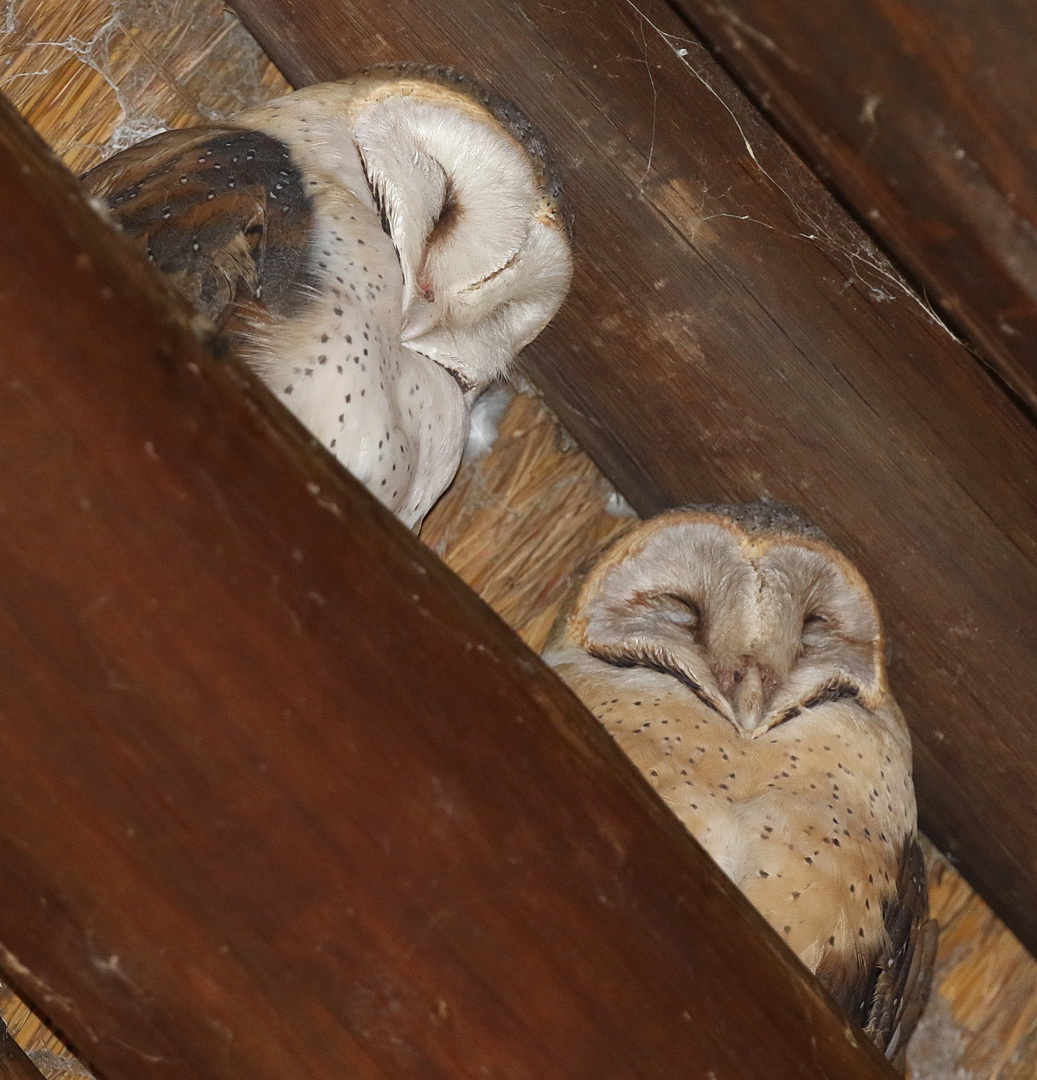
Then there are the Barn Owls in the rafters of the Mugg and Bean restaurant.
A pair of Barn Owls
Barn Owl – female
Barn Owl – male
And then there are the birds found in the grounds.
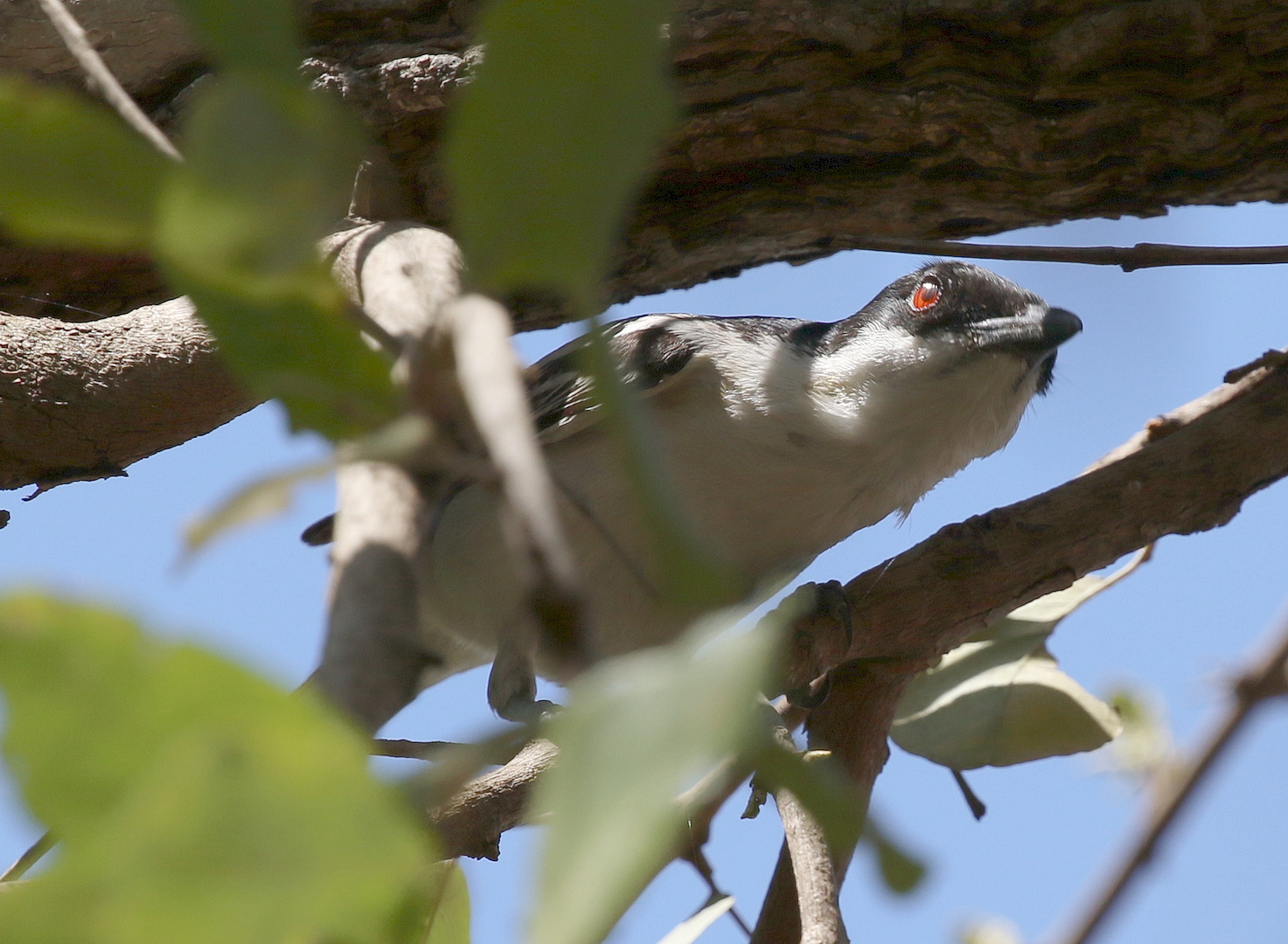
Black-backed Puffback
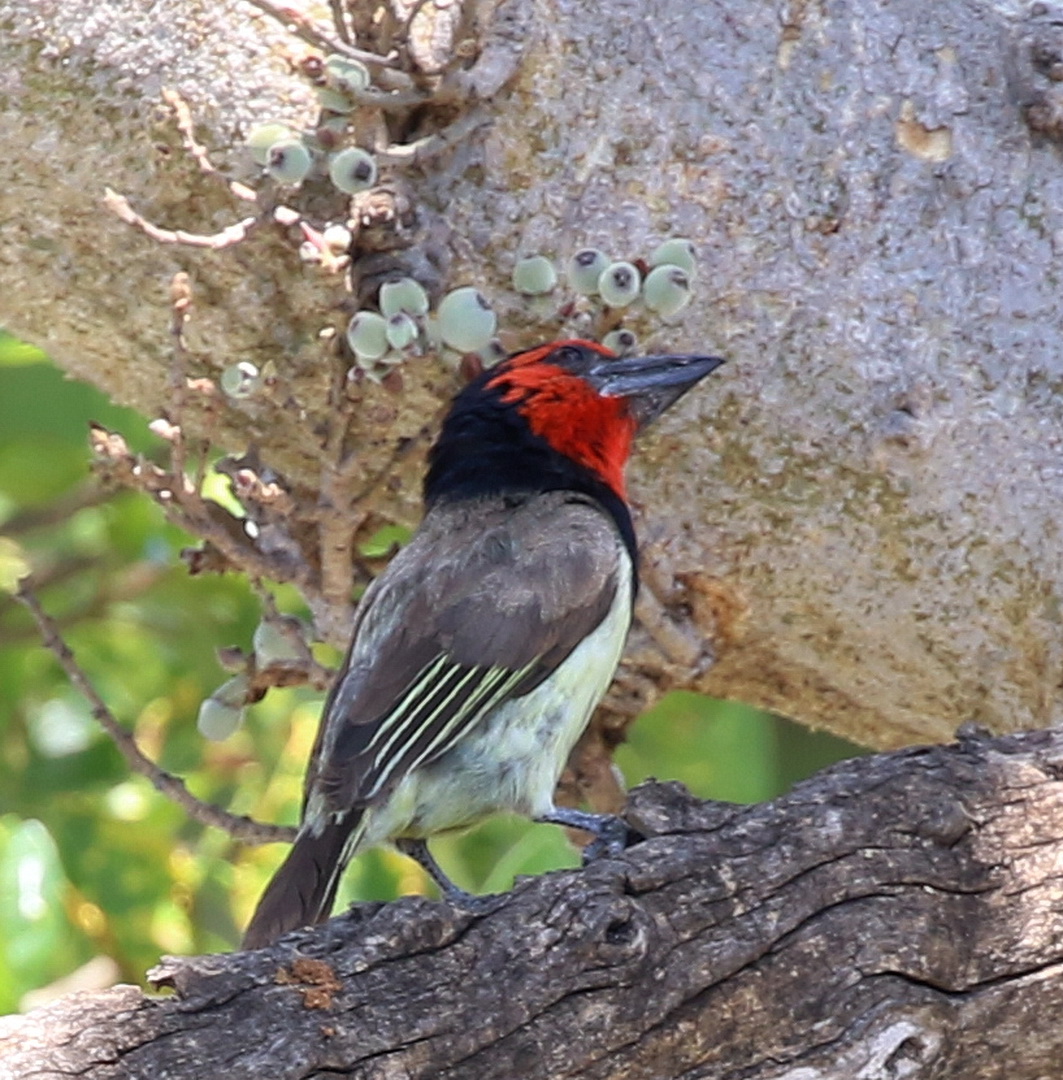
Black-collared Barbet
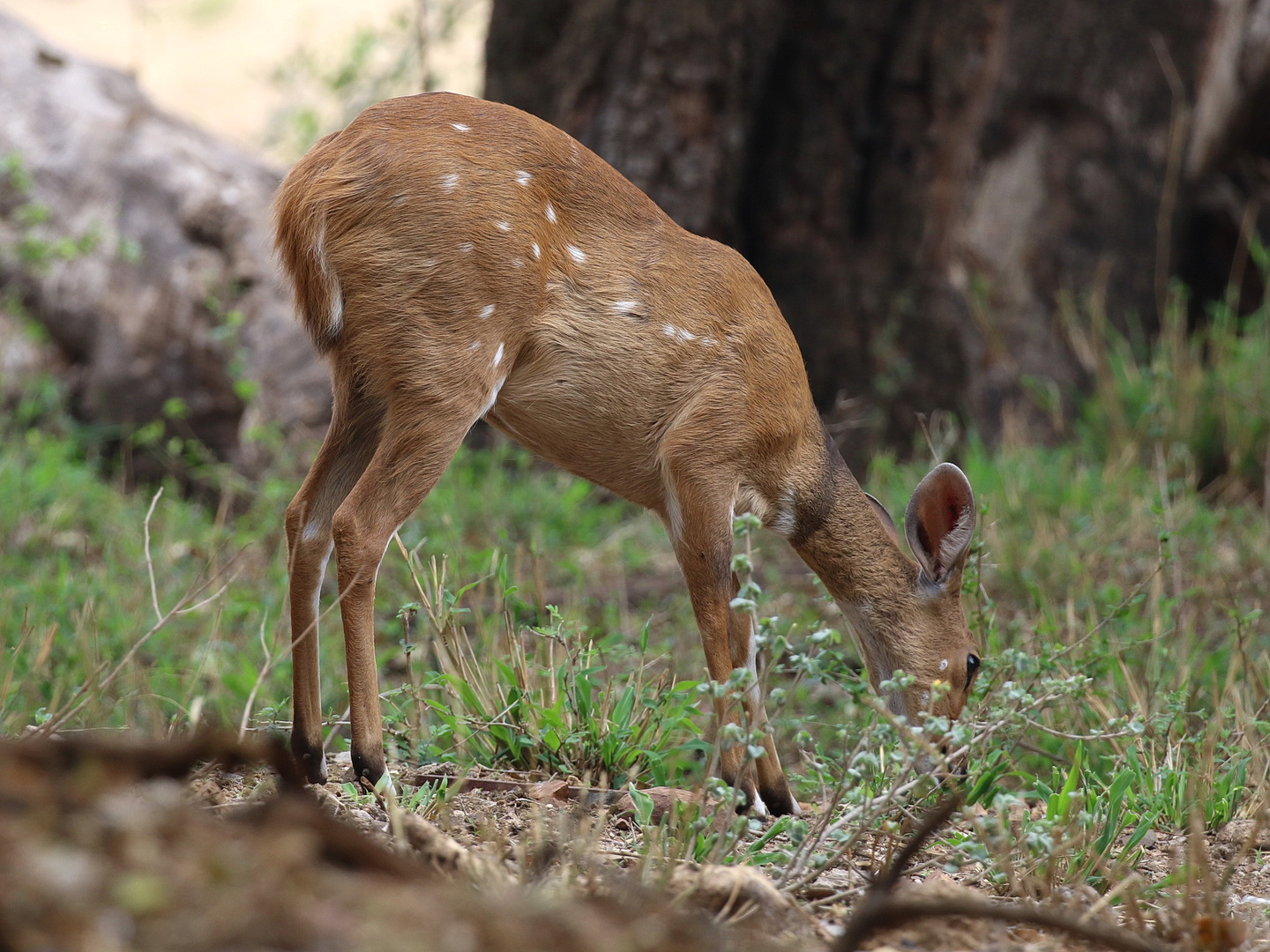
Bushbuck female
Green-backed Heron
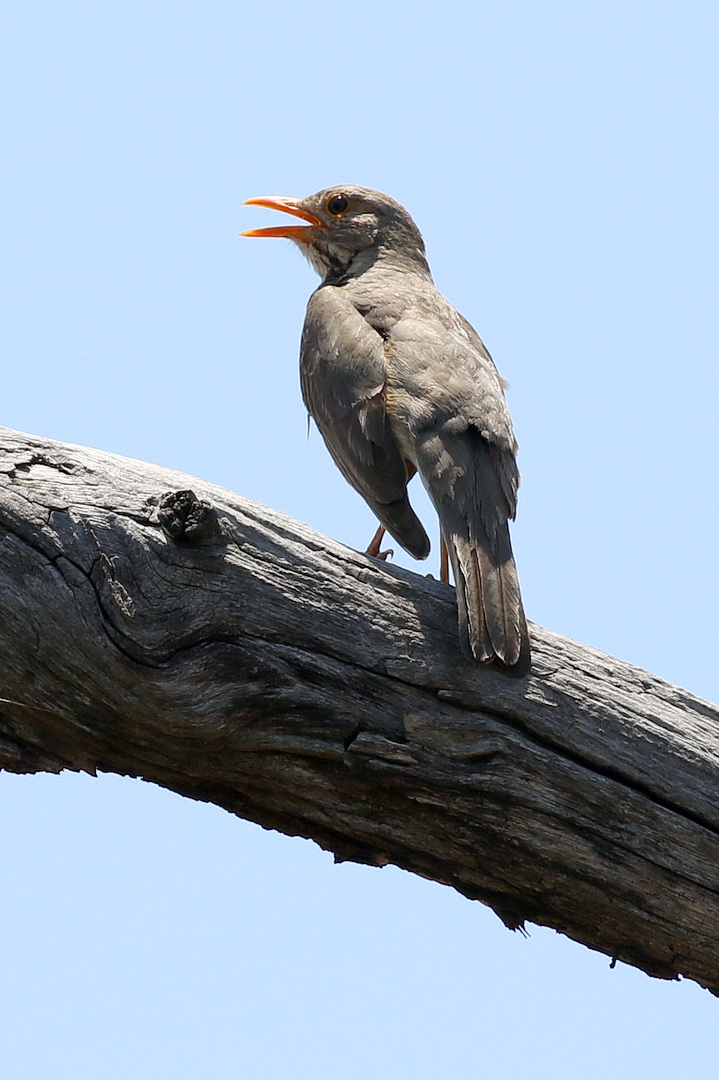
Kurrichane Thrush
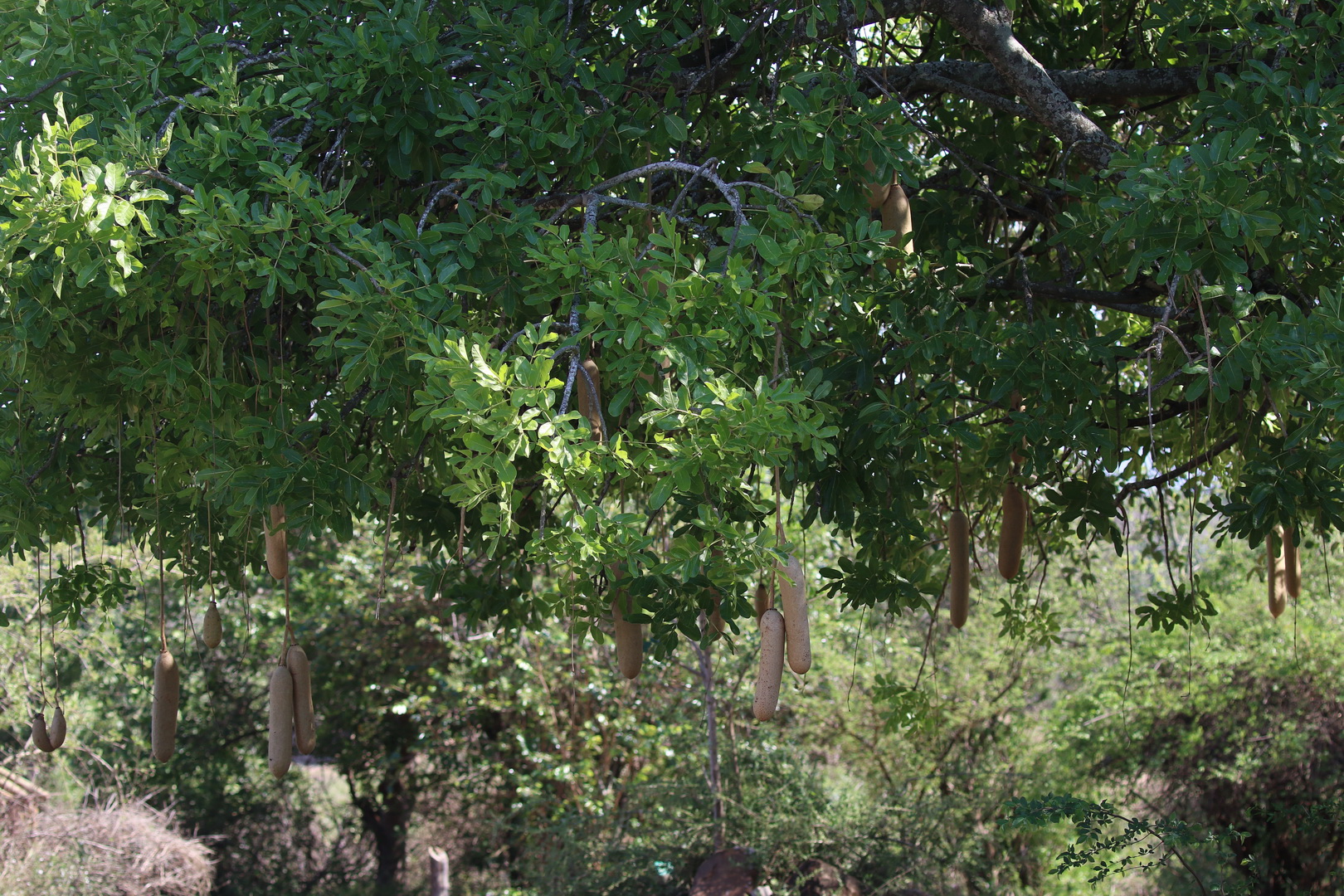
Sausage Tree
Southern Masked Weaver
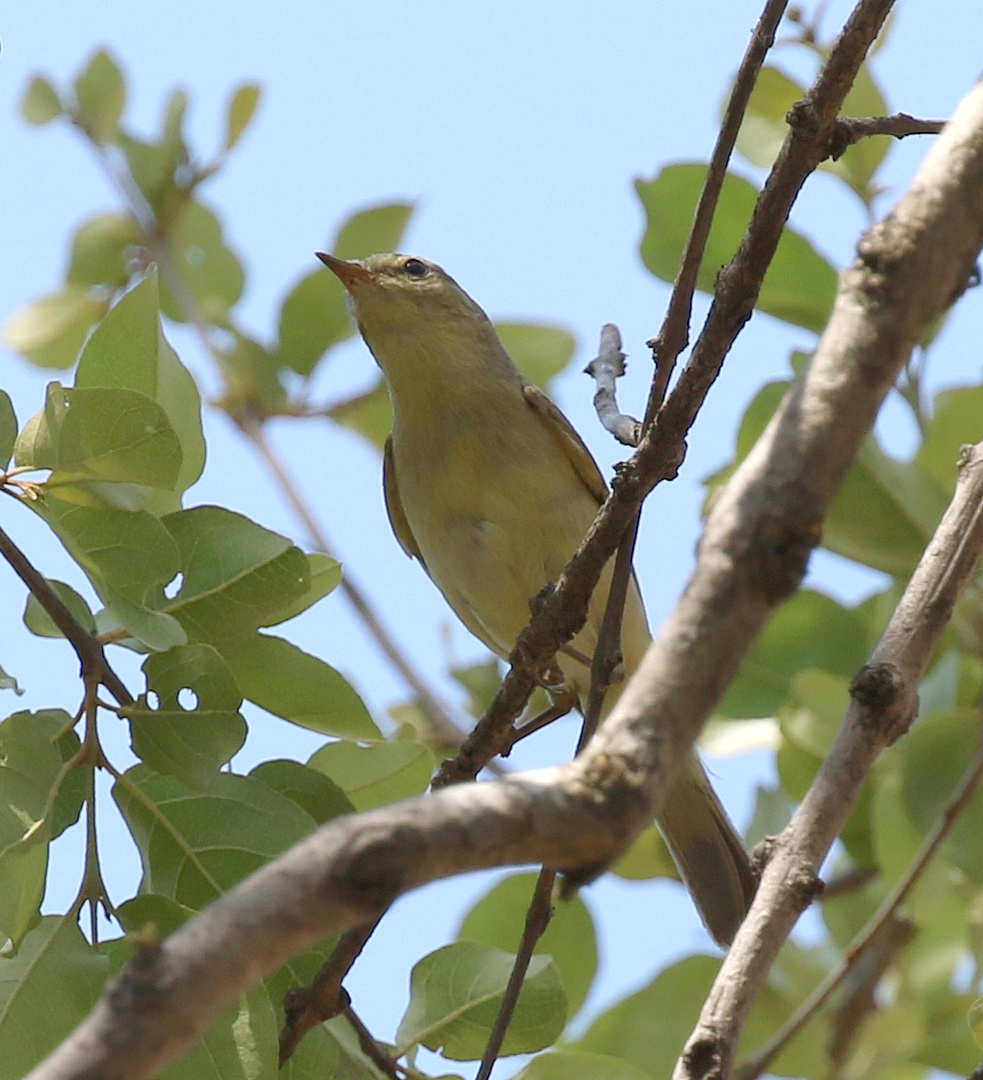
Willow Warbler
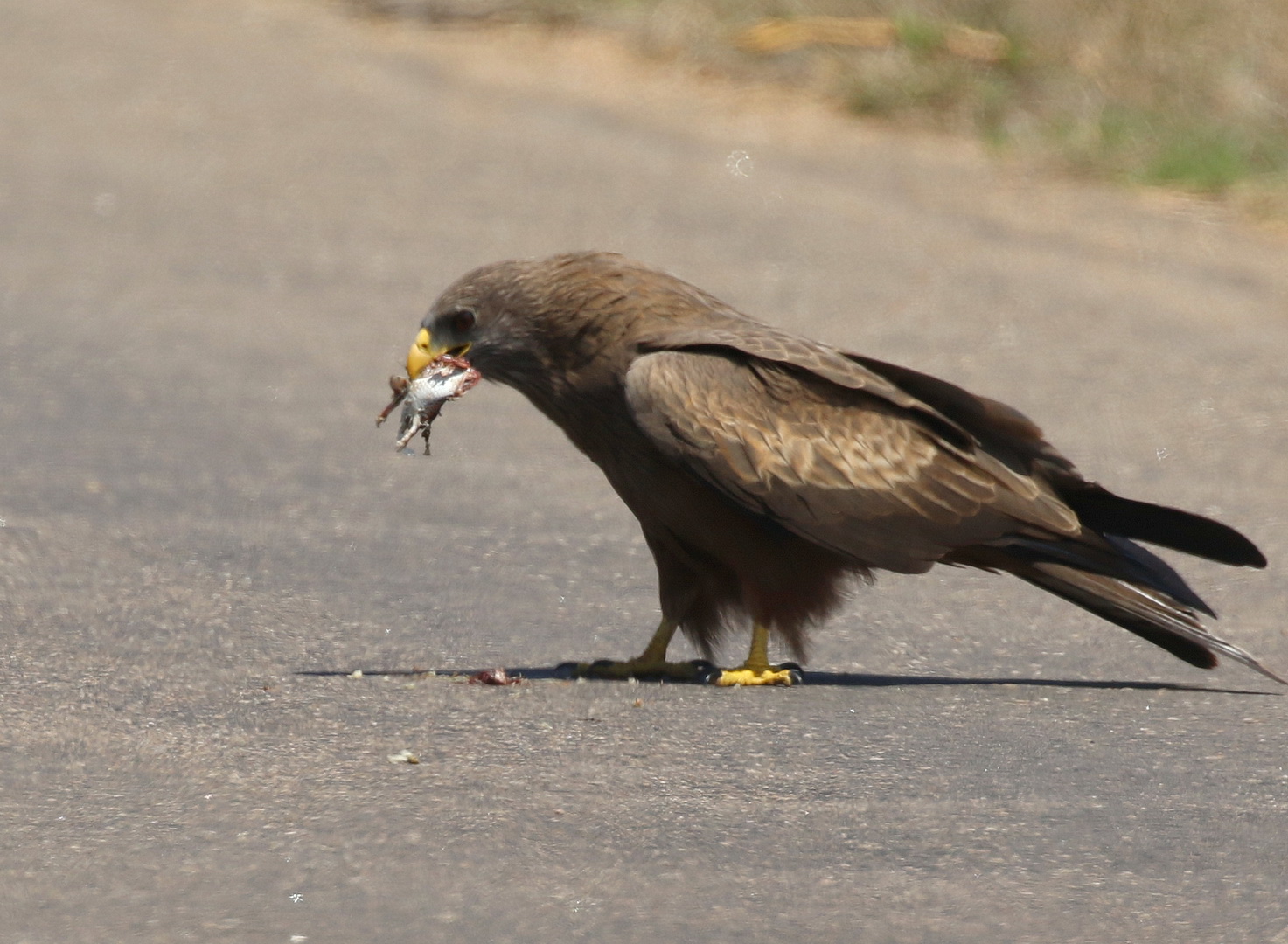
Yellow-billed Kite
African Green Pigeons
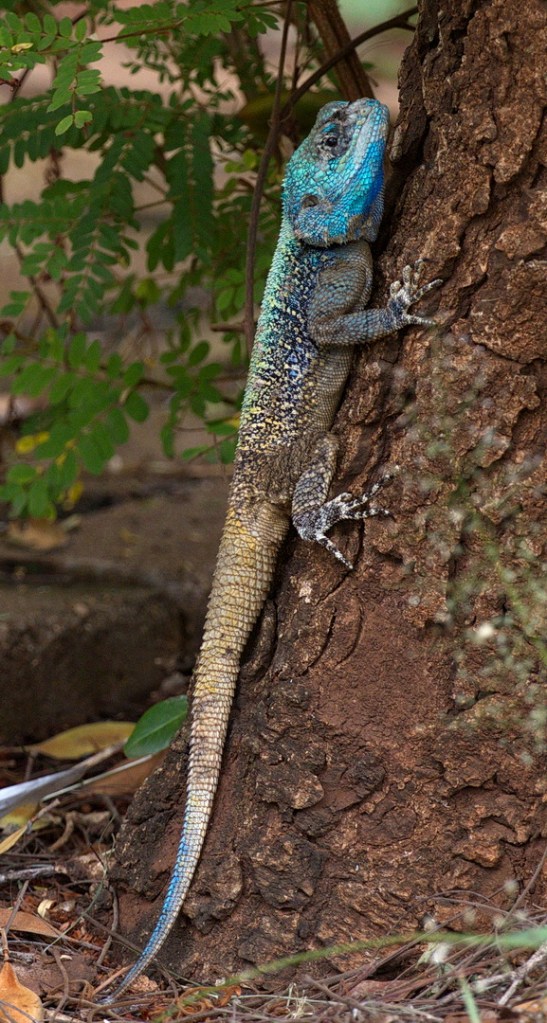
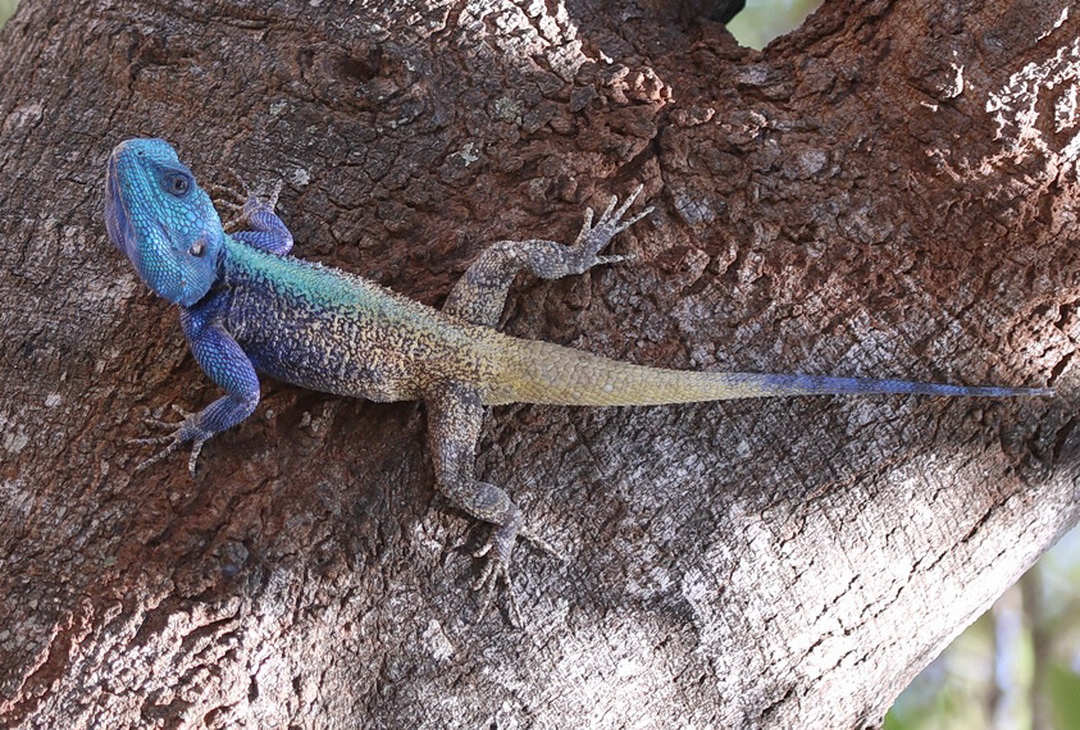
Colourful lizards running around on the trees.
Colourful Lizard
Colourful Lizard
Colourful Lizard
And lucky sightings off the deck.
Greater Painted-Snipe
On our first day we went to the Bird Hide on the S28. It was here that my bird expert, Sally, spotted a bird nearby with a pink bill. She called me over to see the Greater Honeyguide. Fascinating as four more turned up. It was only then that we realised we had made a big booboo. See photo below.
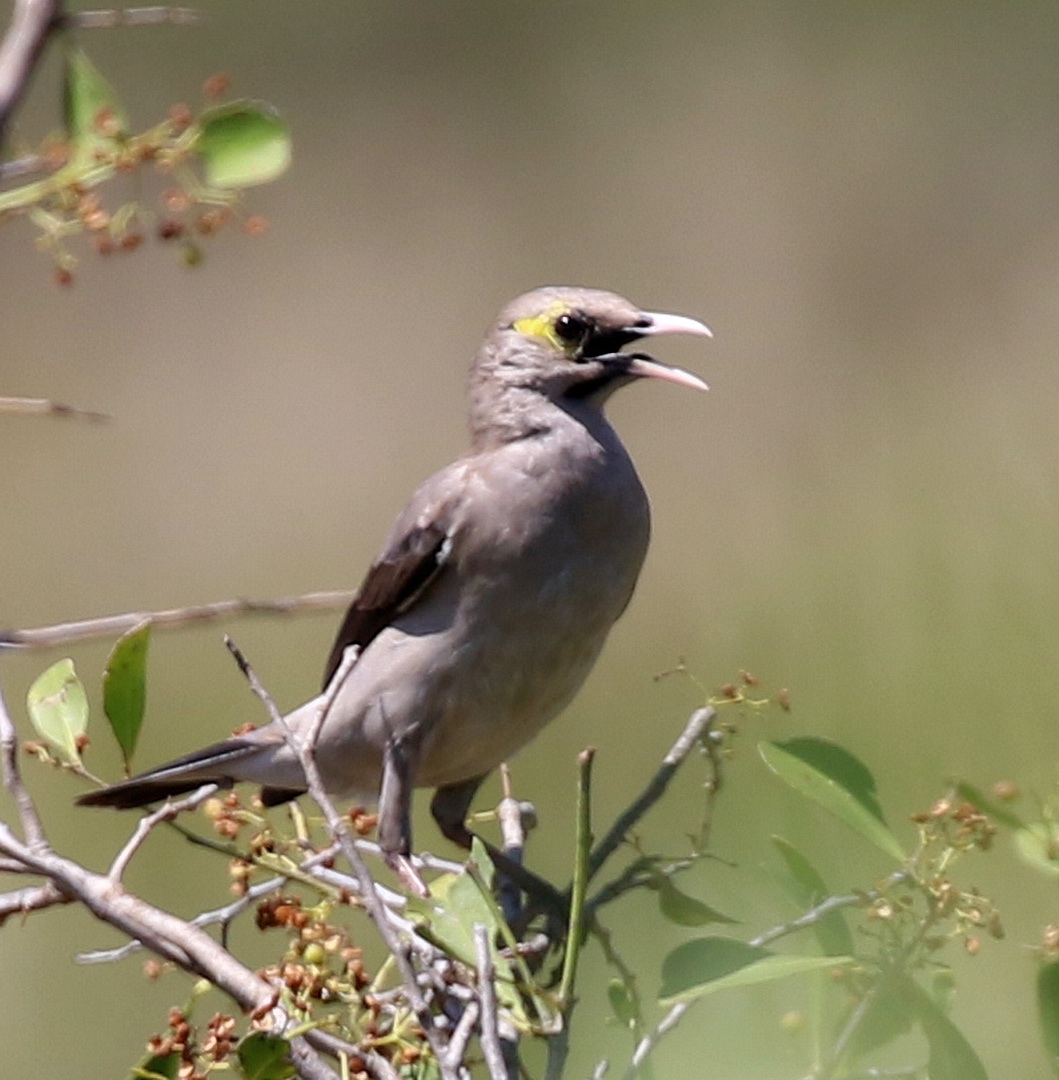
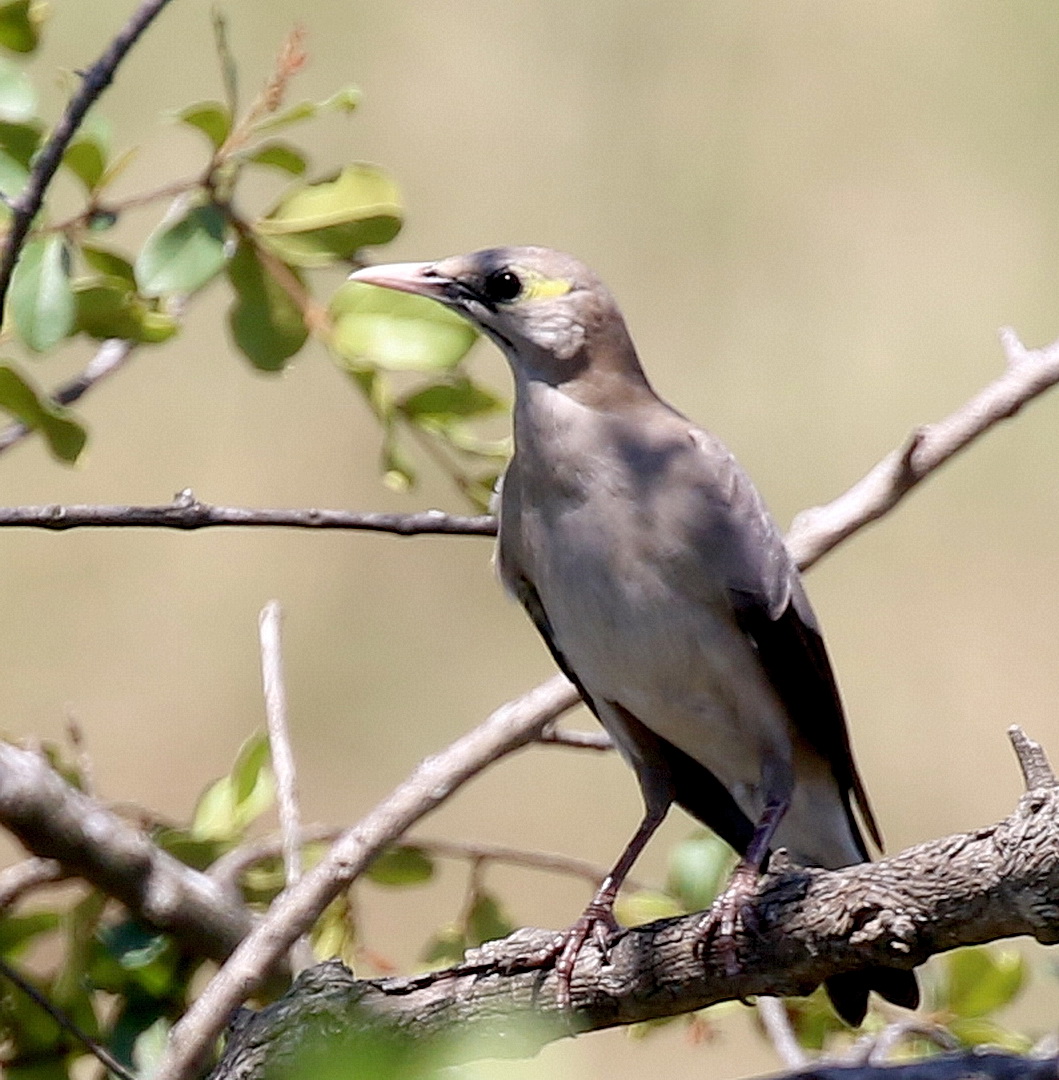
Wattled Starling
Wattled Starling
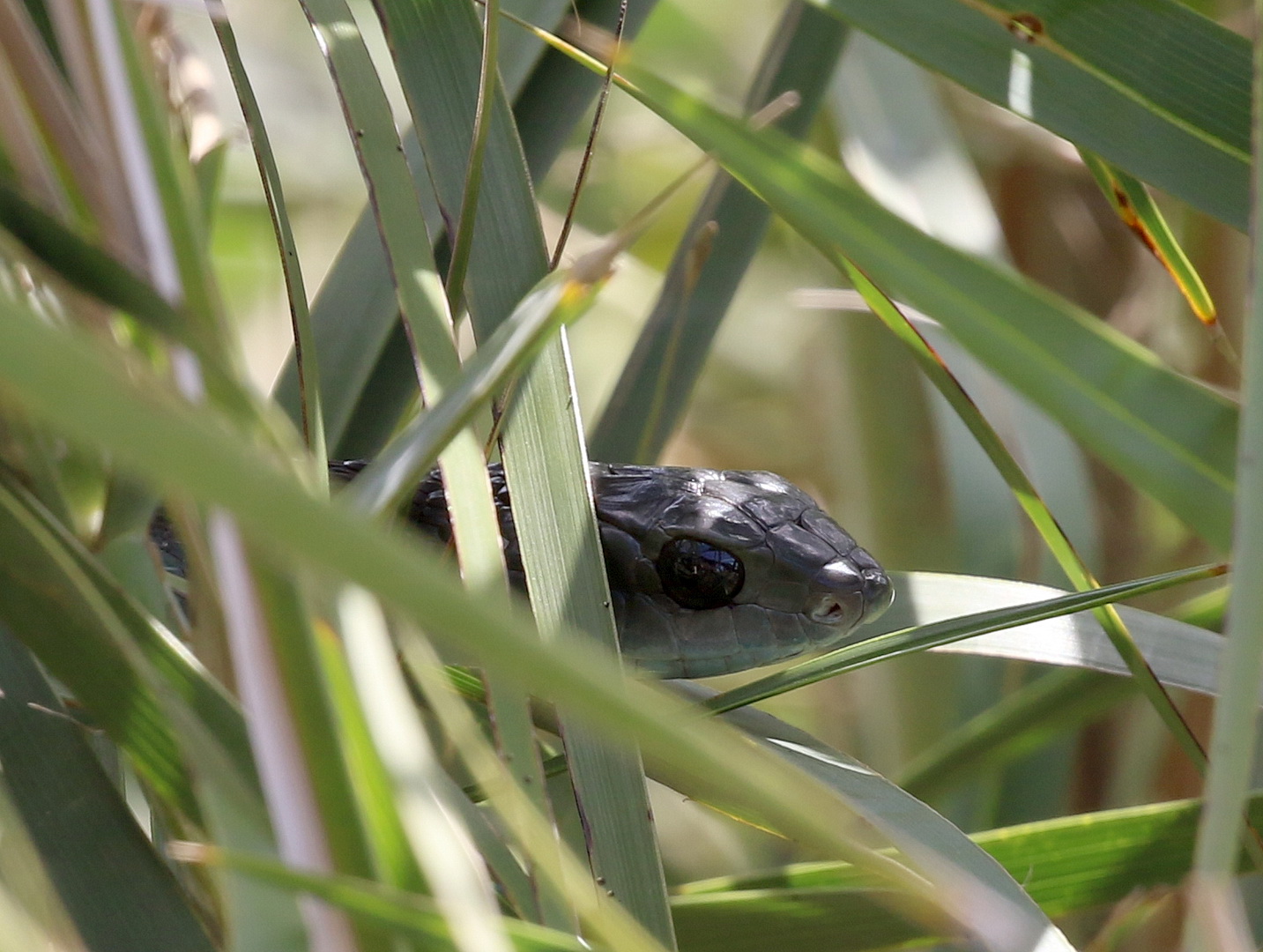
Also making an appearance was a wiggly snake in the bushes immediately in front of the hide. It had a dual bluish tone to it and was at least a metre long. Some suggested it might be a water snake – see what you think and let us know.
Blue Snake head
Blue Snake
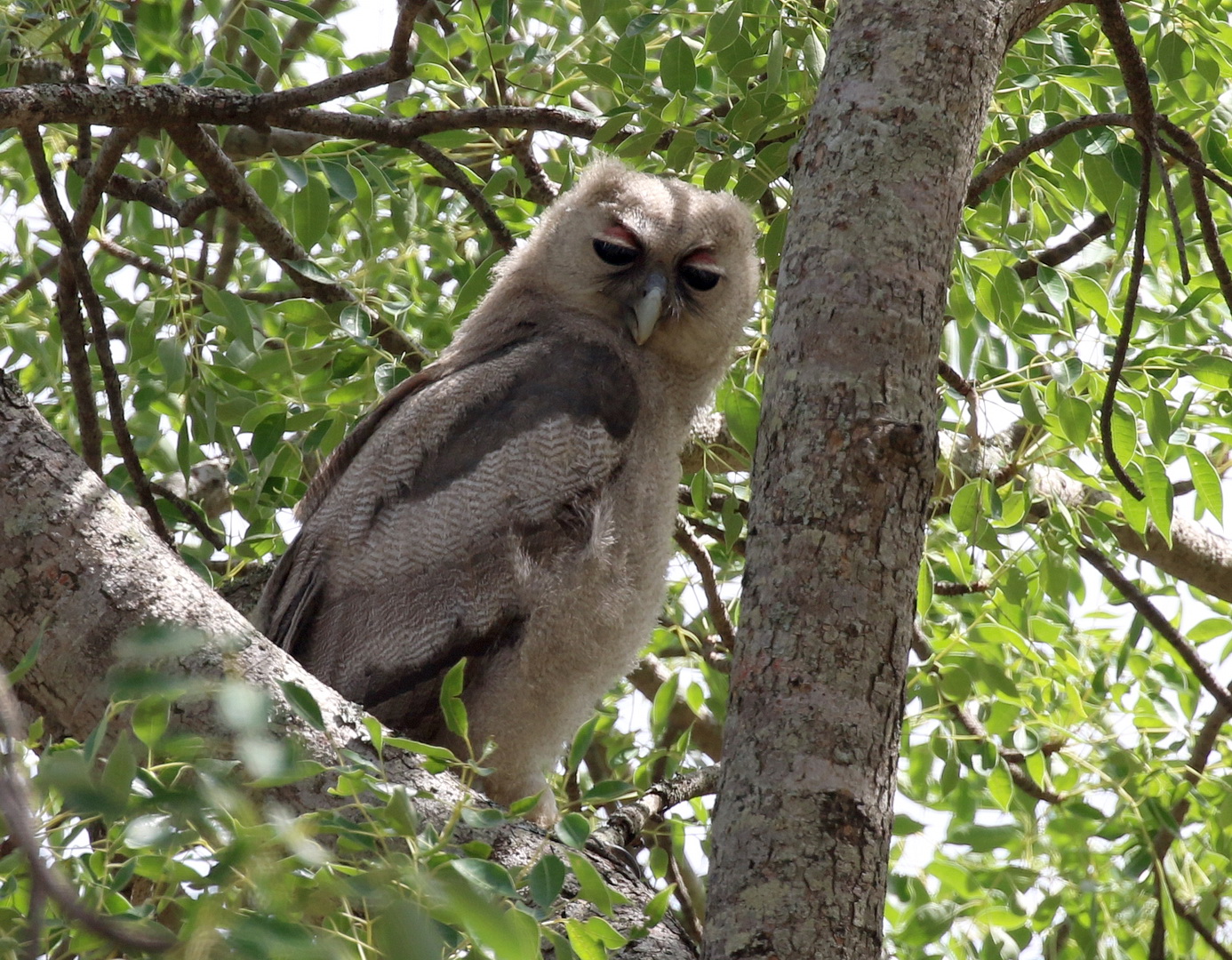
While on the S28 we took the turnoff to what was the Nhlanganzwani Dam – having been told by Cecil that there were 3 Verreaux’s Eagle-Owls in a tree part way down next to a large muddy area. Missed them all on the way to the dam but Sally’s sharp eyes found one on the way back.
Vereaux’s Eagle-Owl
Vereaux’s Eagle-Owl
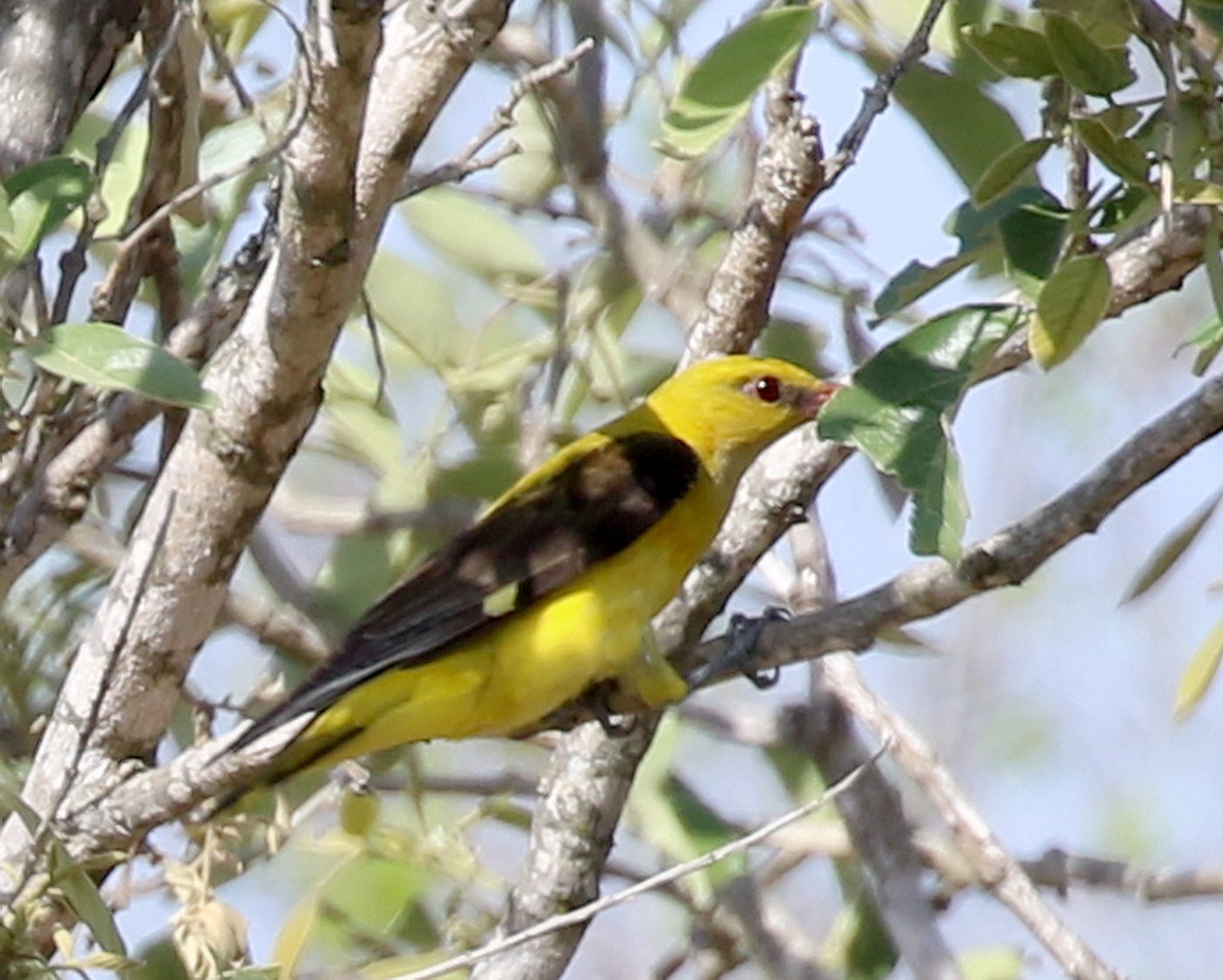
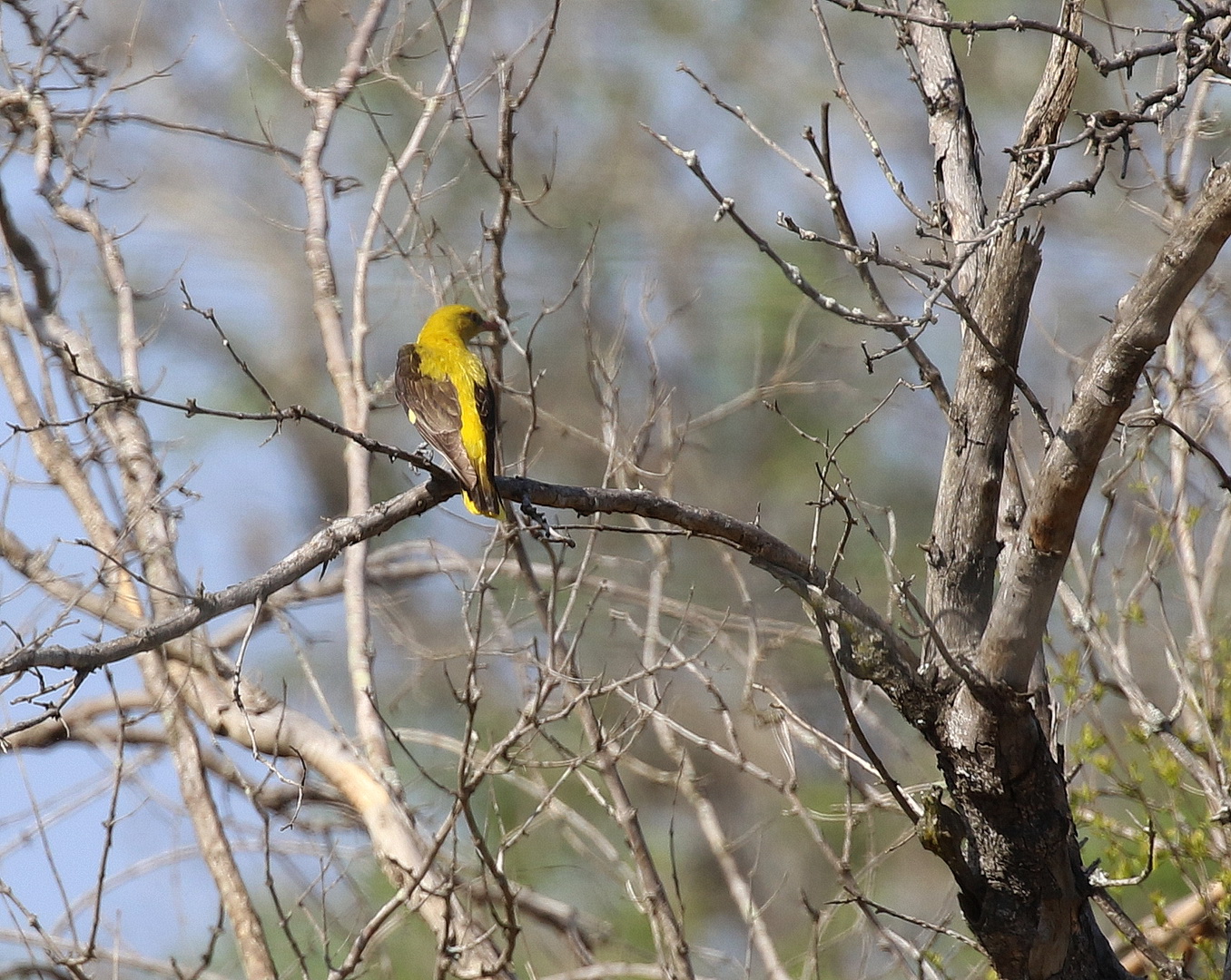
The following day we took the dirt tracks S128 and S30 on the north side of the Sabie River towards Skukuza. The highlight of this decision was to have an excellent sighting of an Eurasian Golden Oriole.
Eurasian Golden Oriole
Eurasian Golden Oriole
Eurasian Golden Oriole showing its back
There was very little water under the main Skukuza bridge. So we headed for the Lake Panic hide. There was water but much of the area was dry. However, the birds made their appearances and we enjoyed an hour or more in the hide.
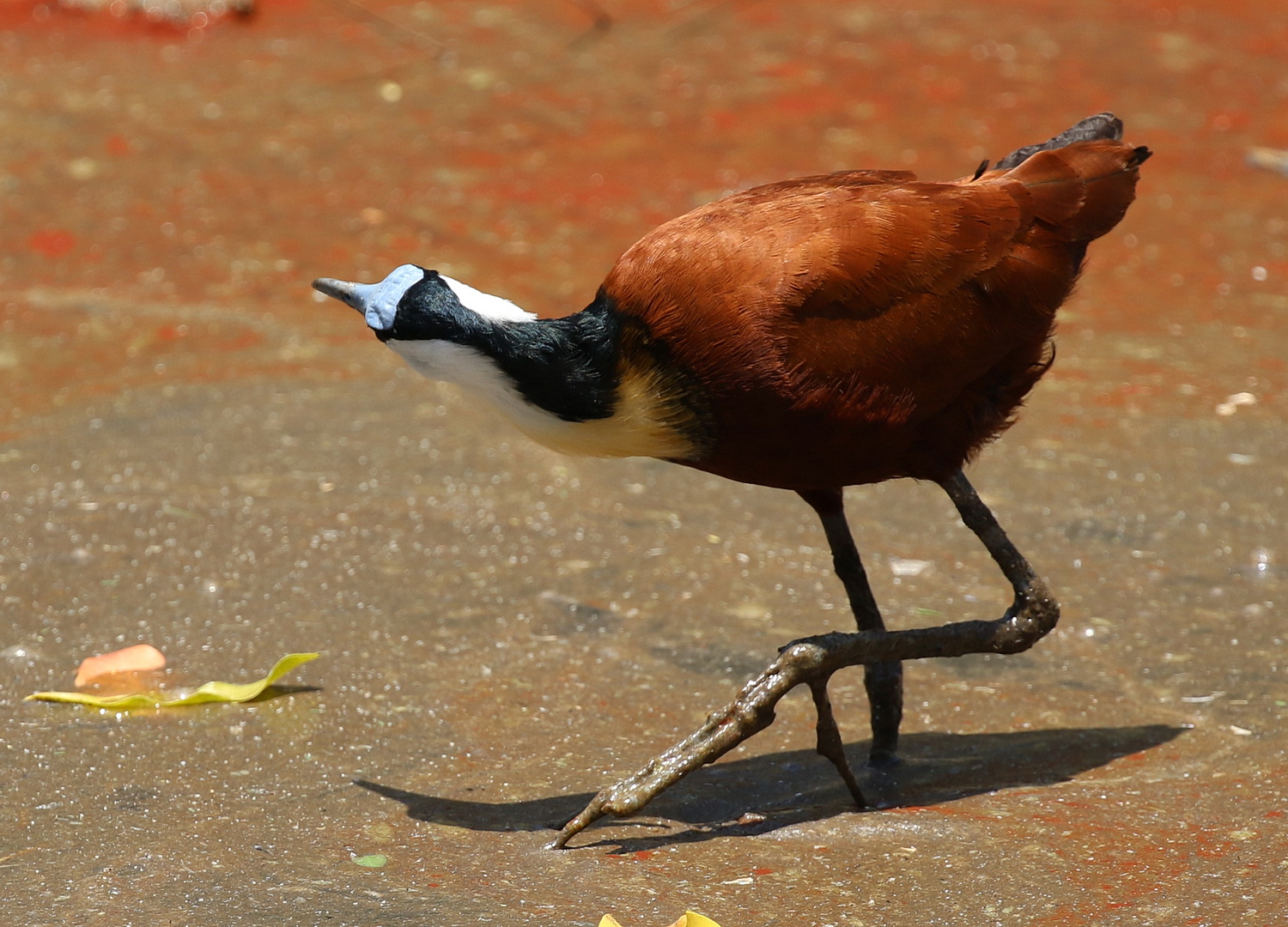
African Jacana. What did you say?
African Jacana. Sorry what was that?
Squacco Heron well tanned
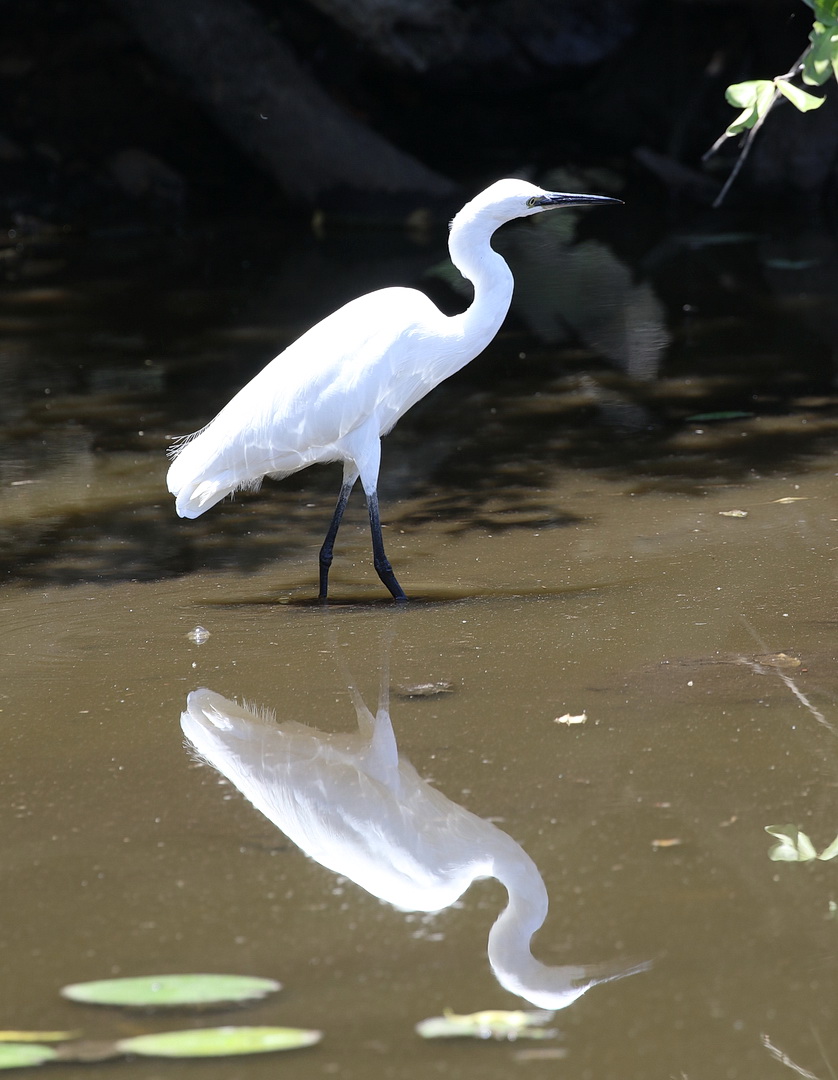
Little Egret
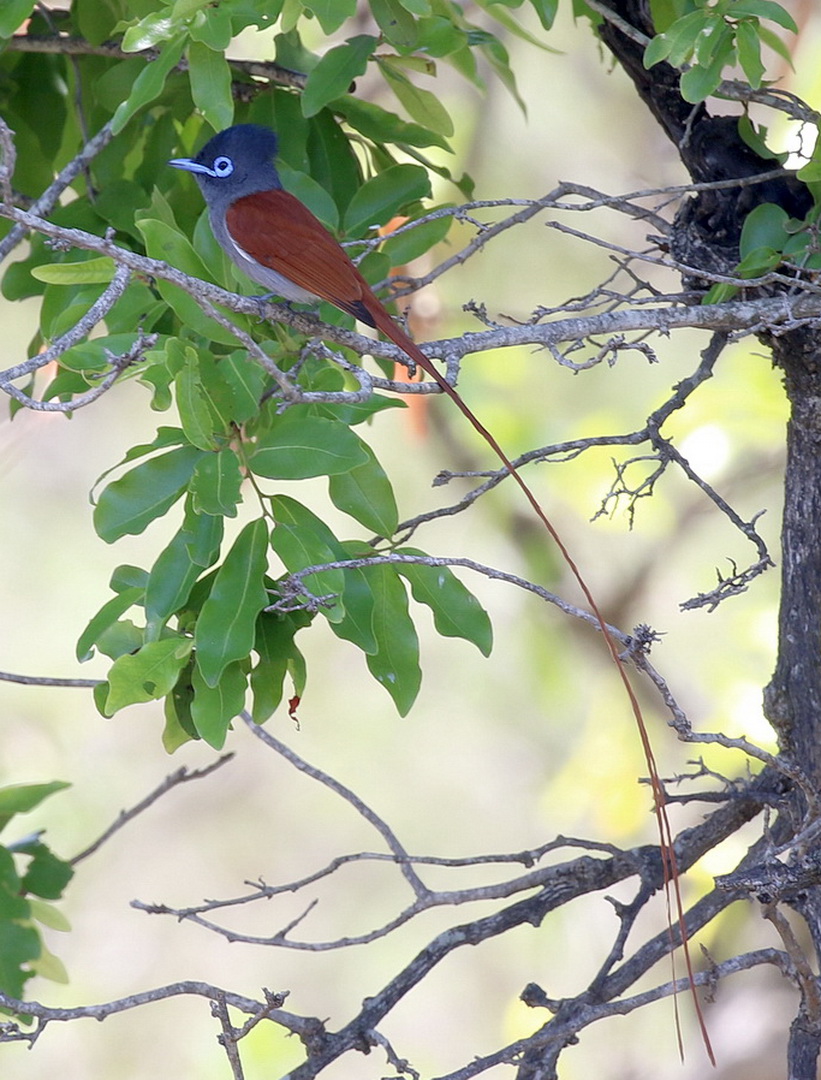
African Paradise-Flycatcher
African Paradise-Flycatcher
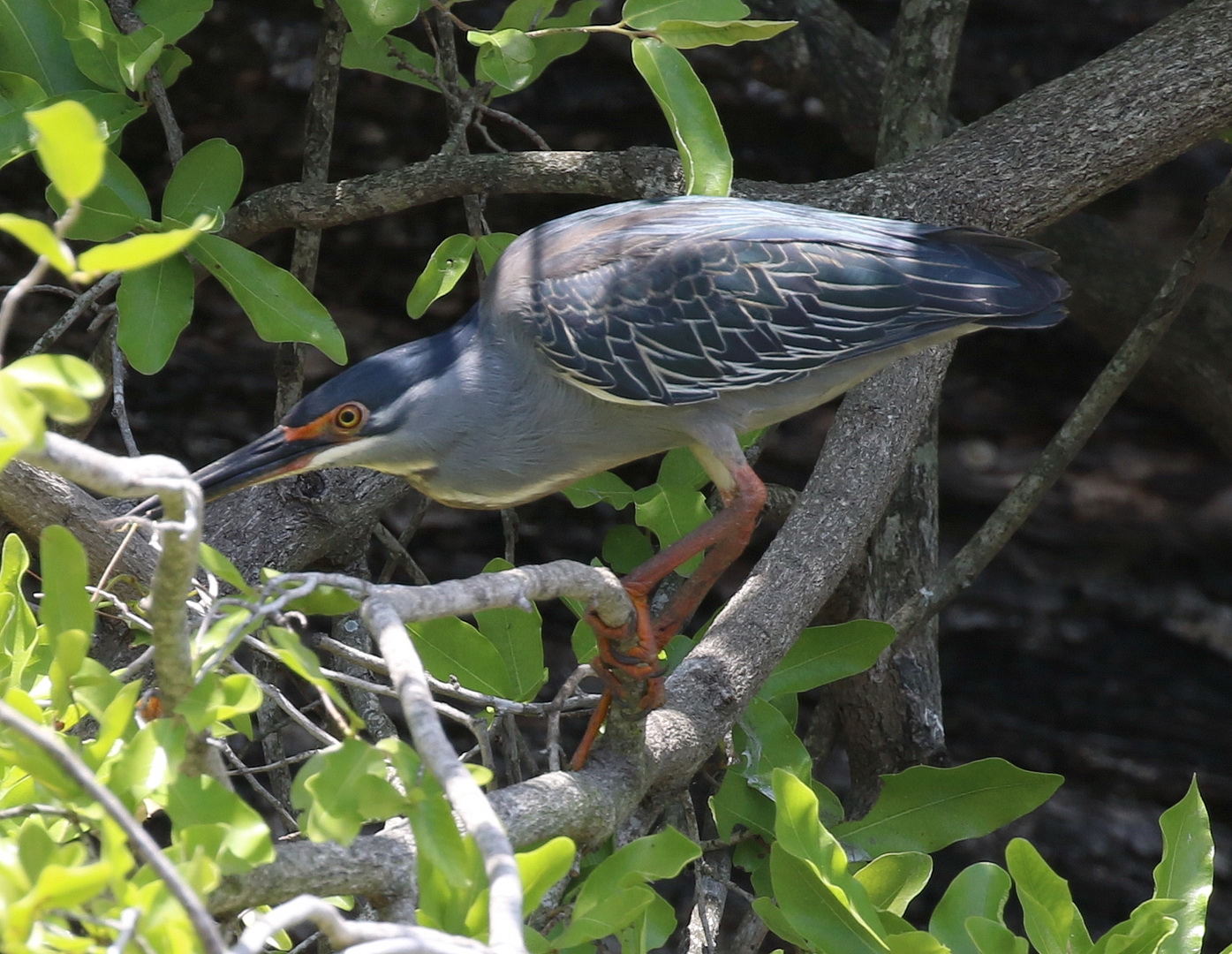
Green-backed Heron
Little Egret and Common Greenshank
Little Egret in reflection
Pied Kingfisher female
Pied Kingfishers 2 males
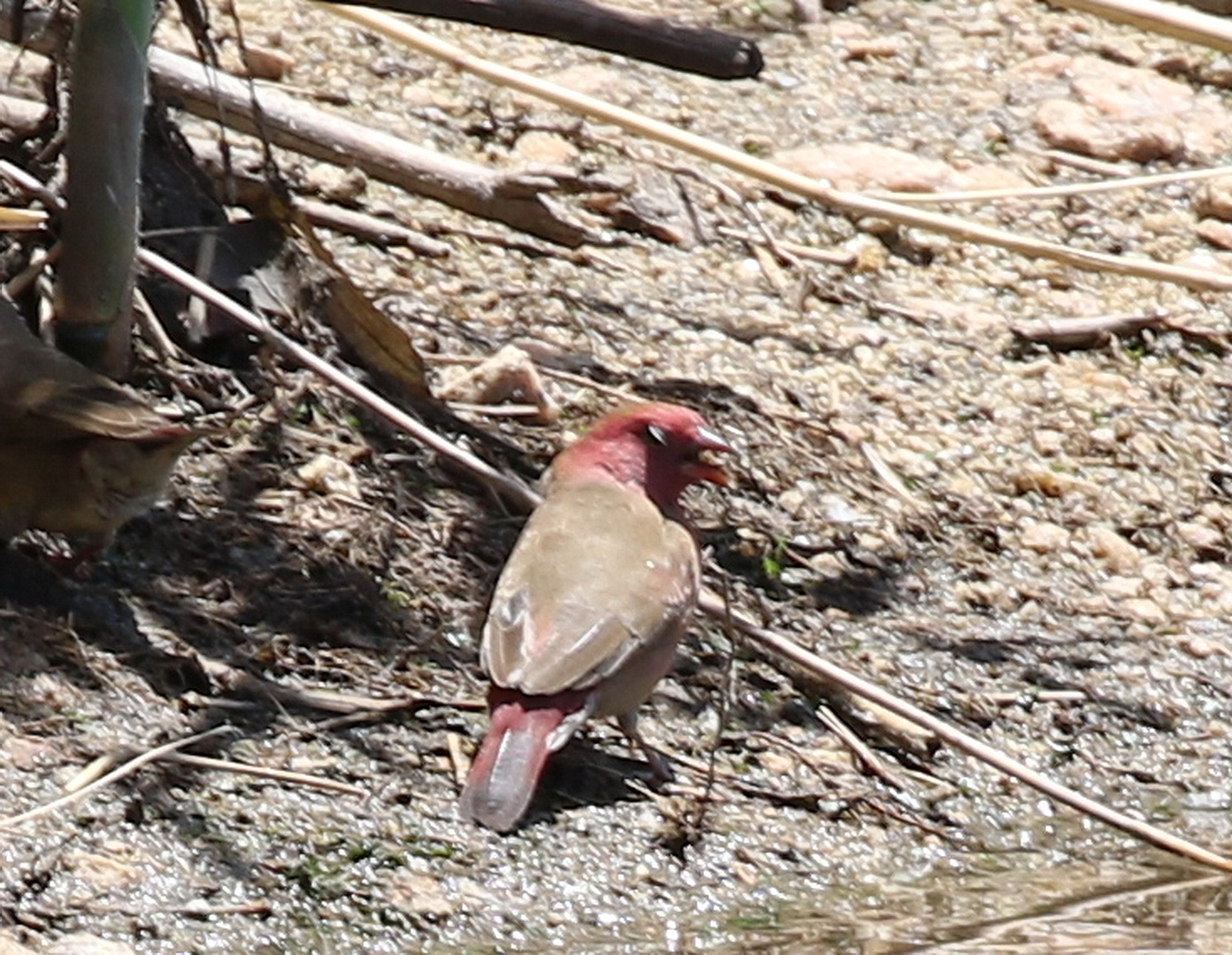
Red-billed Firefinch
Red-billed Firefinch
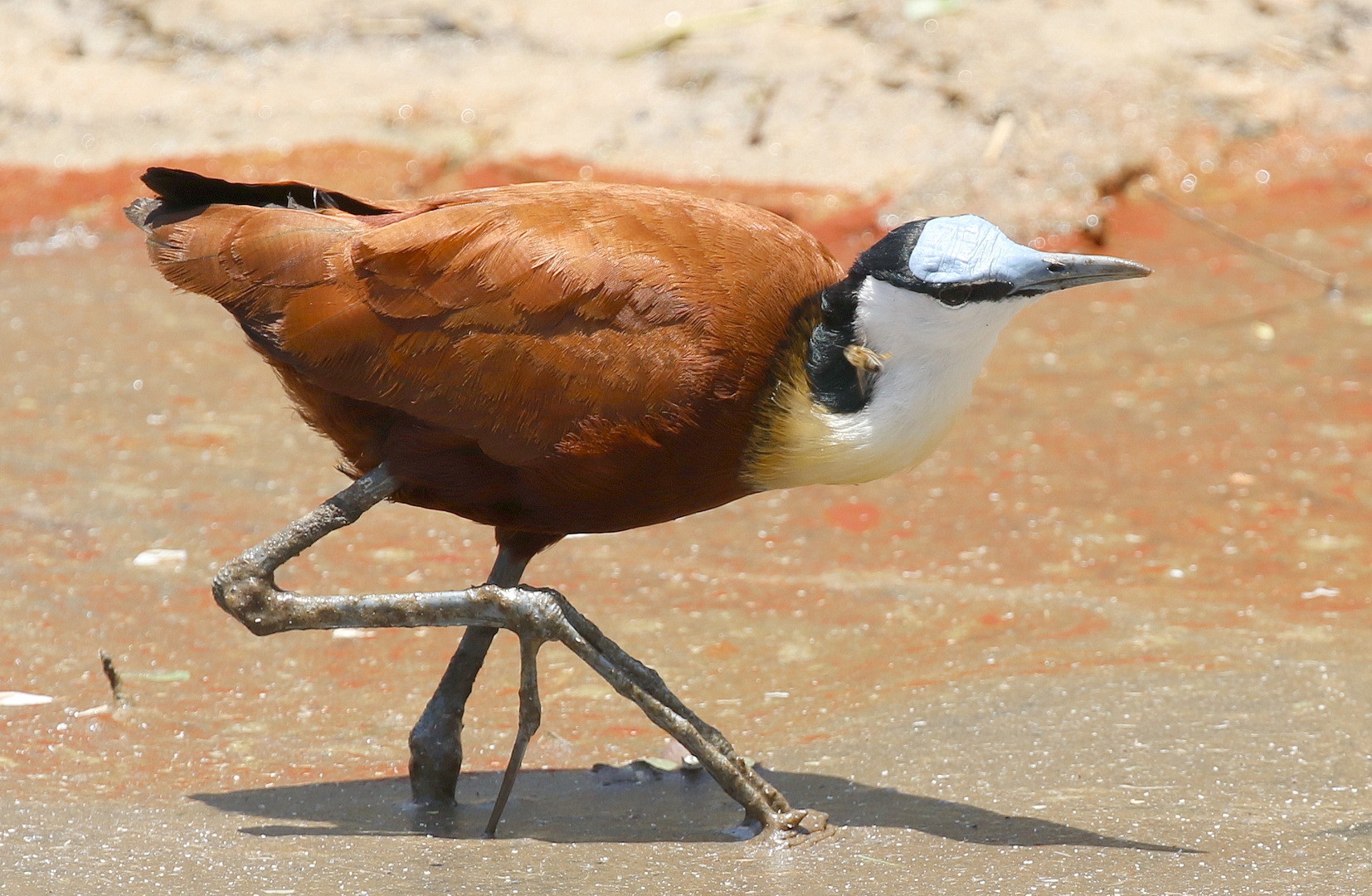
African Jacana and toes
African Jacana off balance – not
Our trip back to Lower Sabie on the tar road turned up the usual sightings of many elephants and some lions – doing what they always seem to be doing – lying down!
Lioness waiting patiently to strike
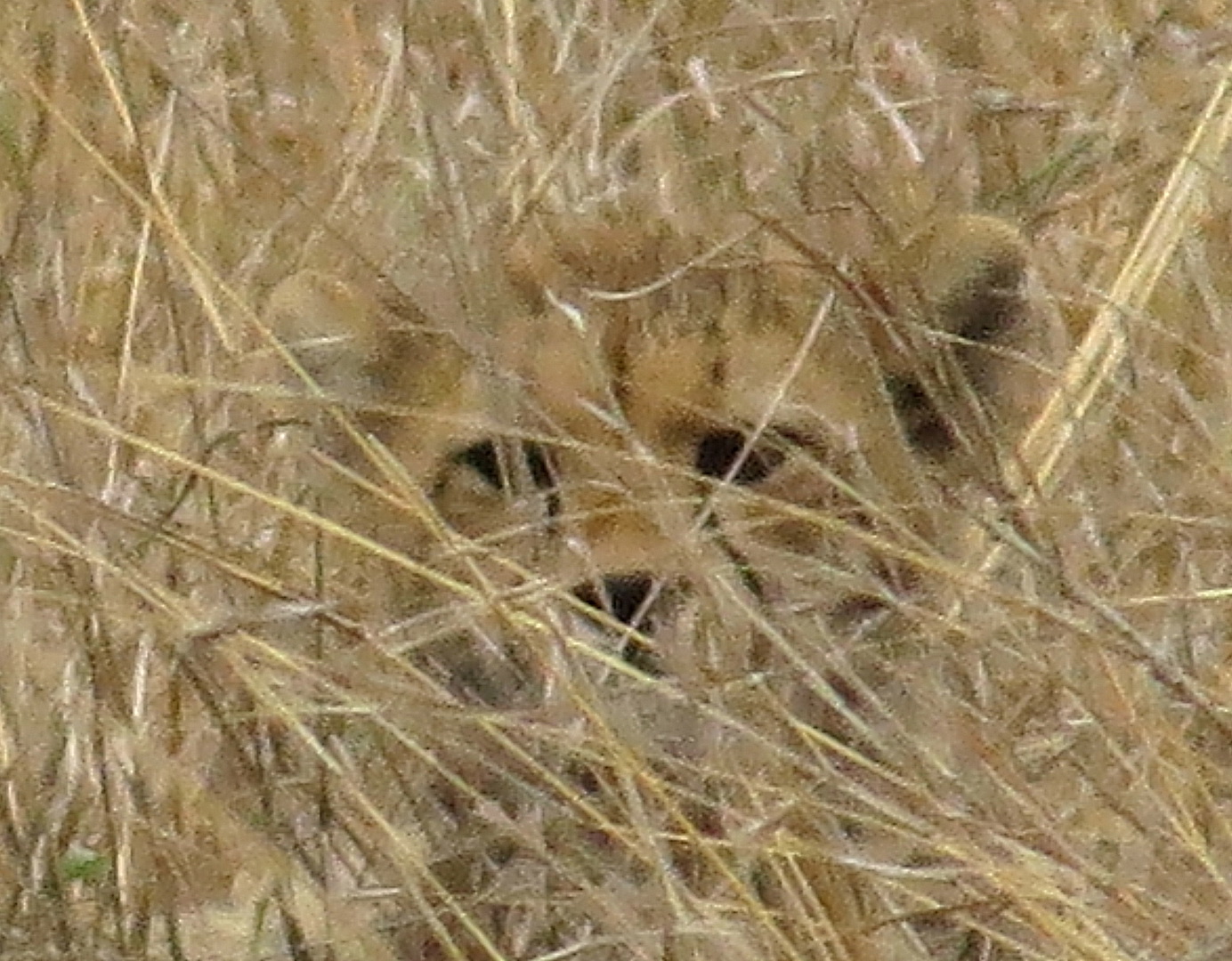
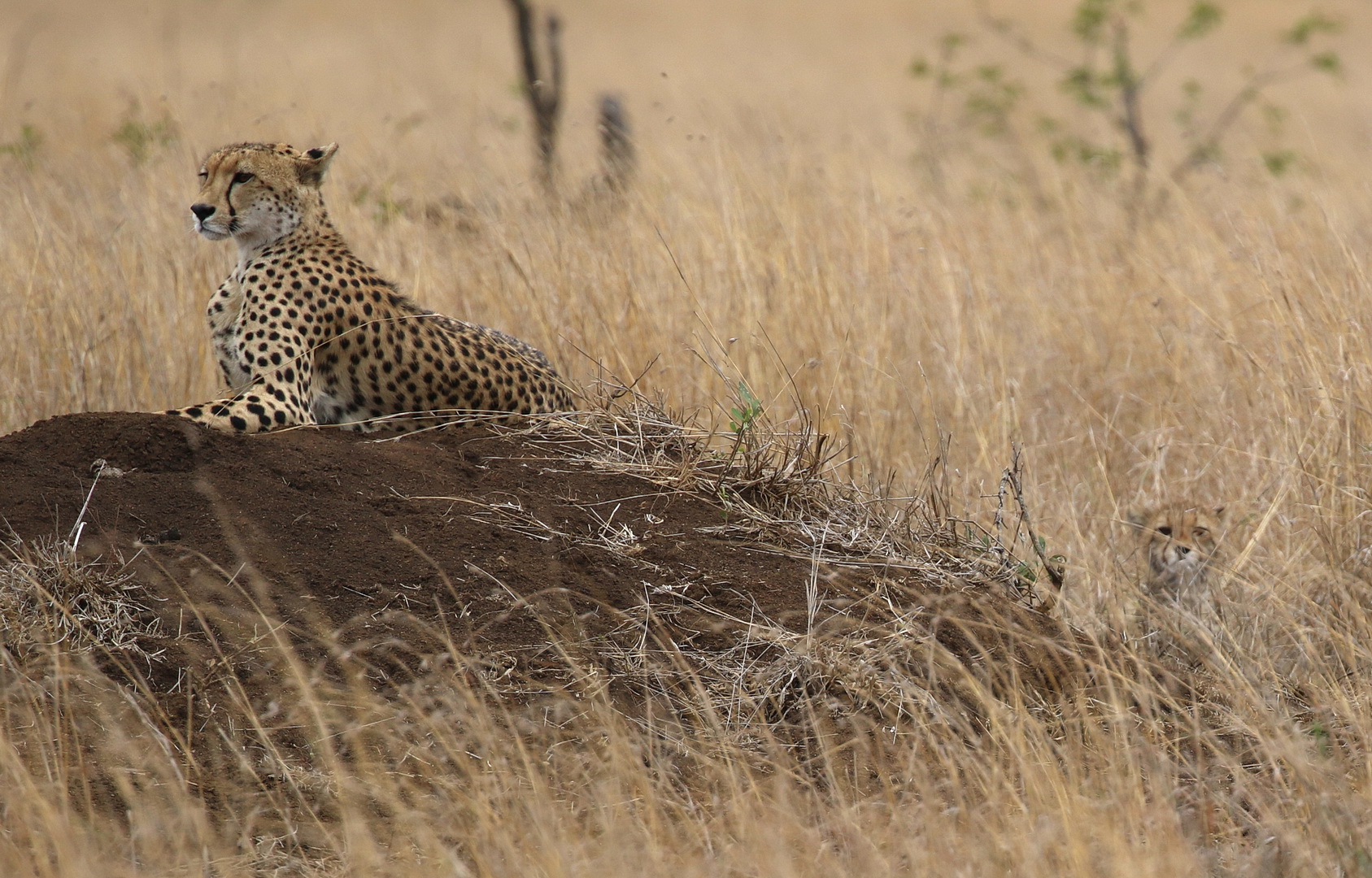
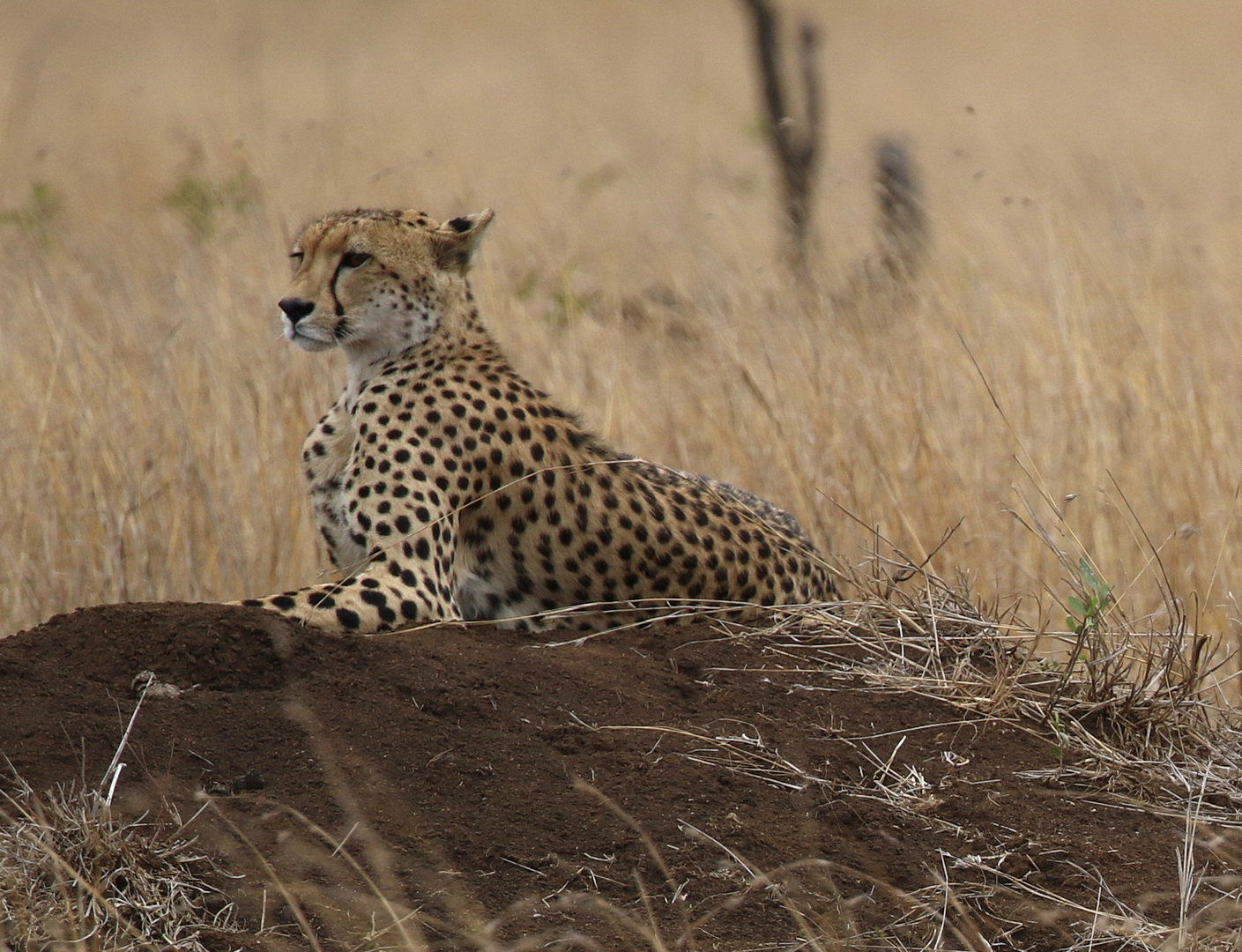
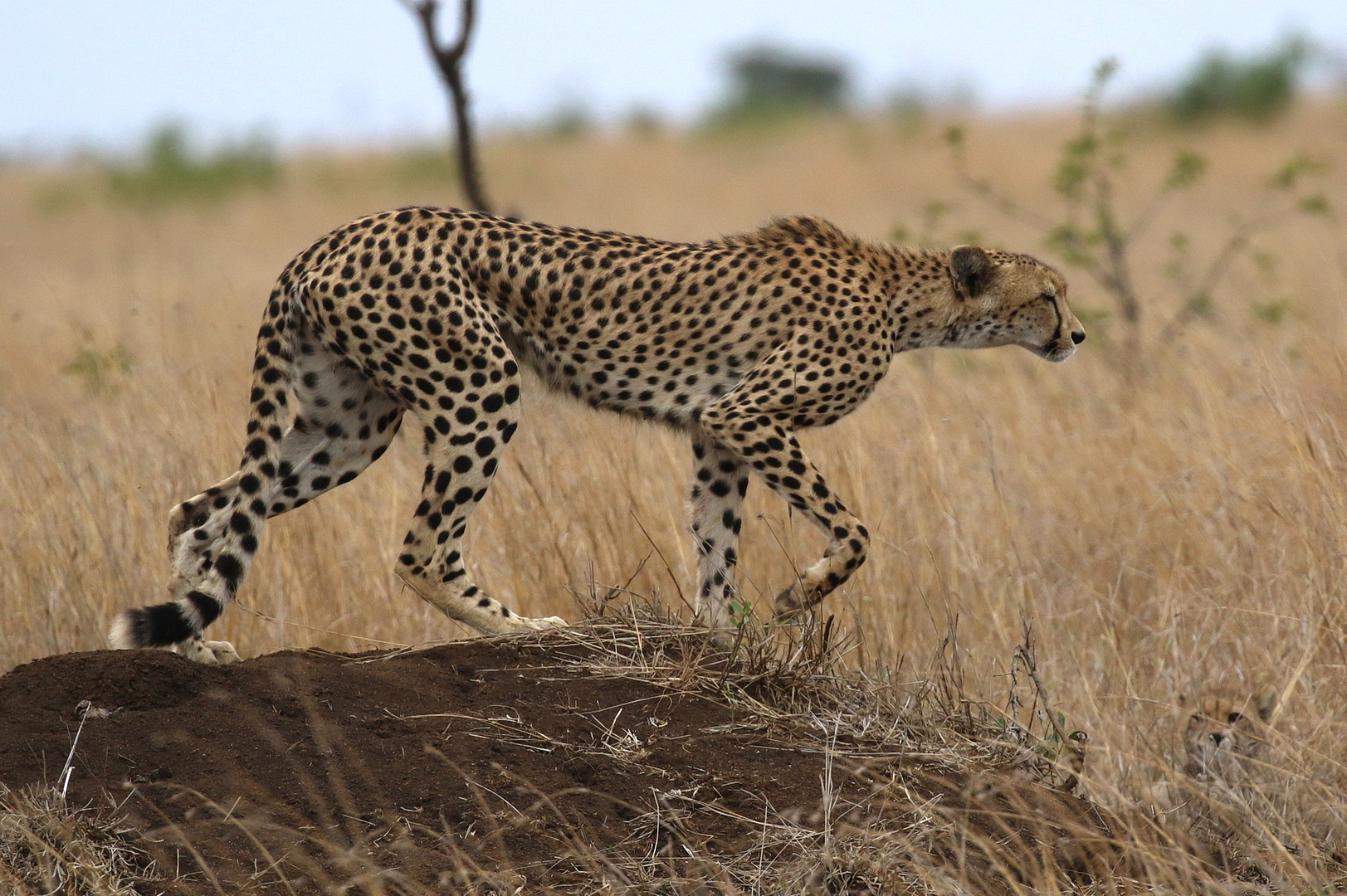
On one of our drives we were fortunate in seeing a Cheetah with cubs. At first we thought there was only one but as they moved on another came out of hiding.
Cheetah and cub
Cheetah and cub – spot the cub
Cheetah cub
Cheetah and cub
Cheetah
Cheetah and cub
Sunset Dam is so close to the camp that it gets lots of attention. Birding is always interesting and animals are often seen drinking.
Saddle-billed Storks
Saddle-billed Stork female
Saddle-billed Stork male
Saddle-billed Stork male
Common Greenshank
Common Sandpiper
Giant Kingfisher – male
Red-billed Buffalo-Weaver
Three-banded Plover
Great Egret
Yellow-billed Stork
Yellow-billed Stork
White-faced Whistling Ducks all in a row
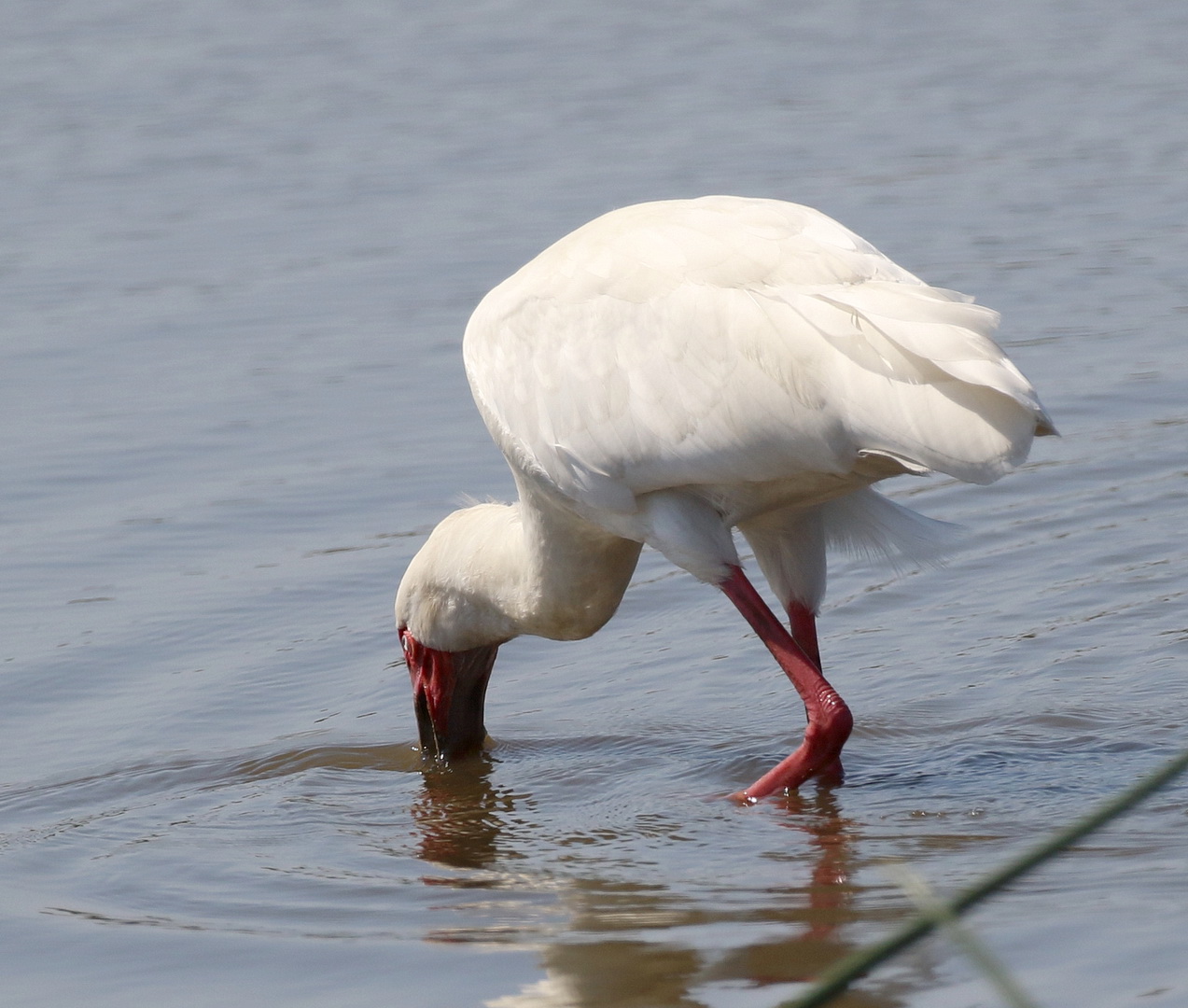
African Spoonbill
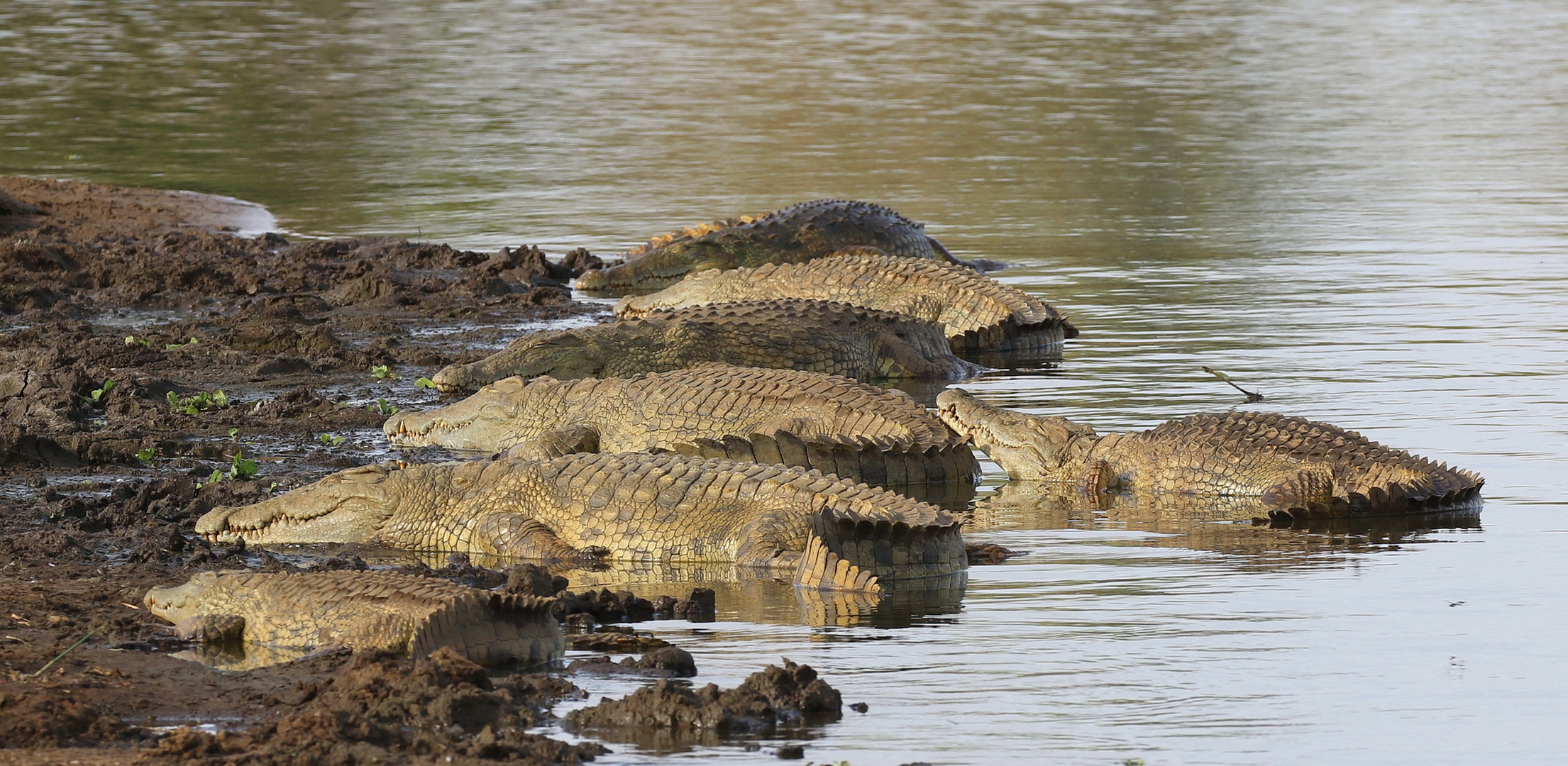
A bank of crocodiles
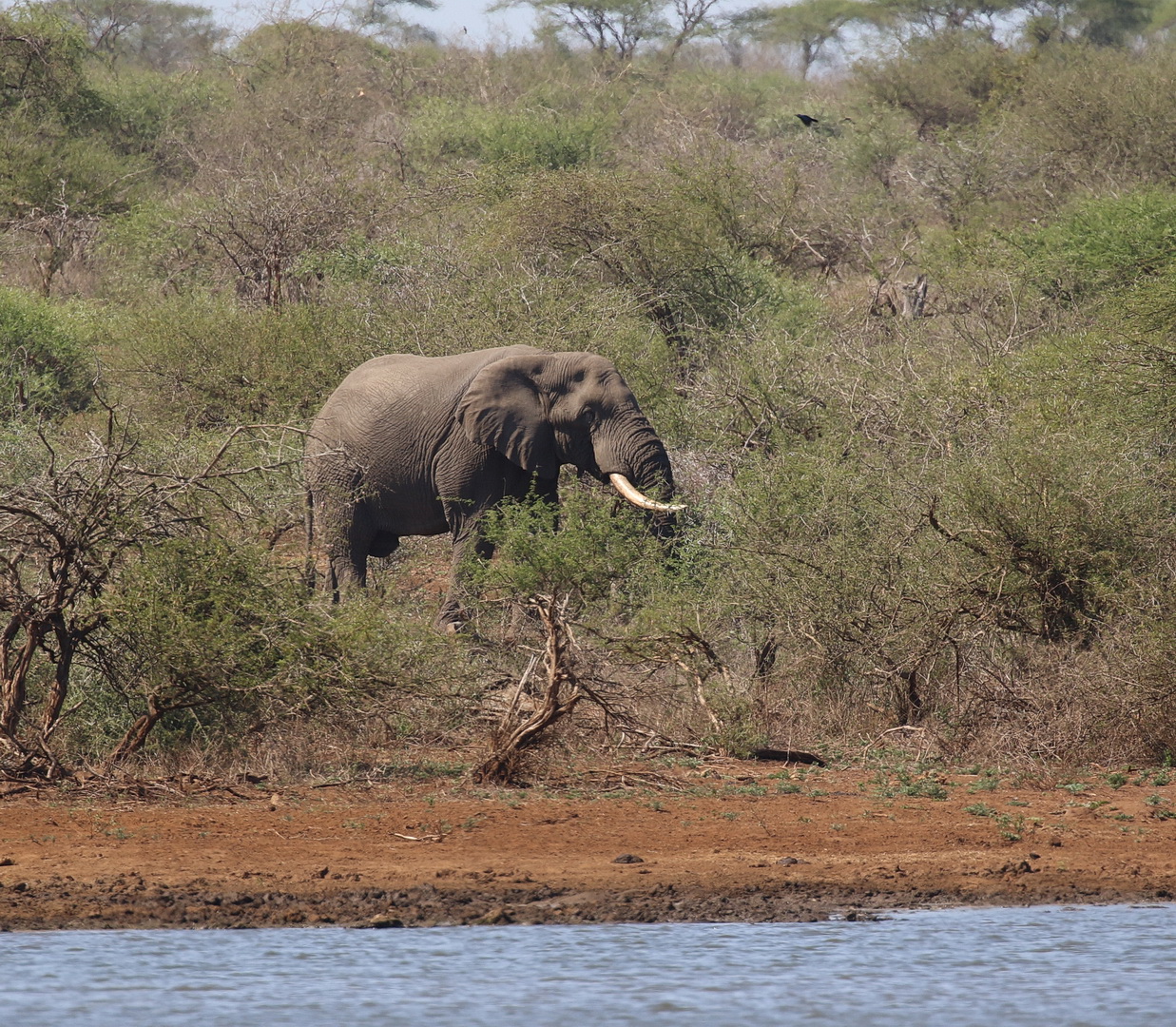
Elephant
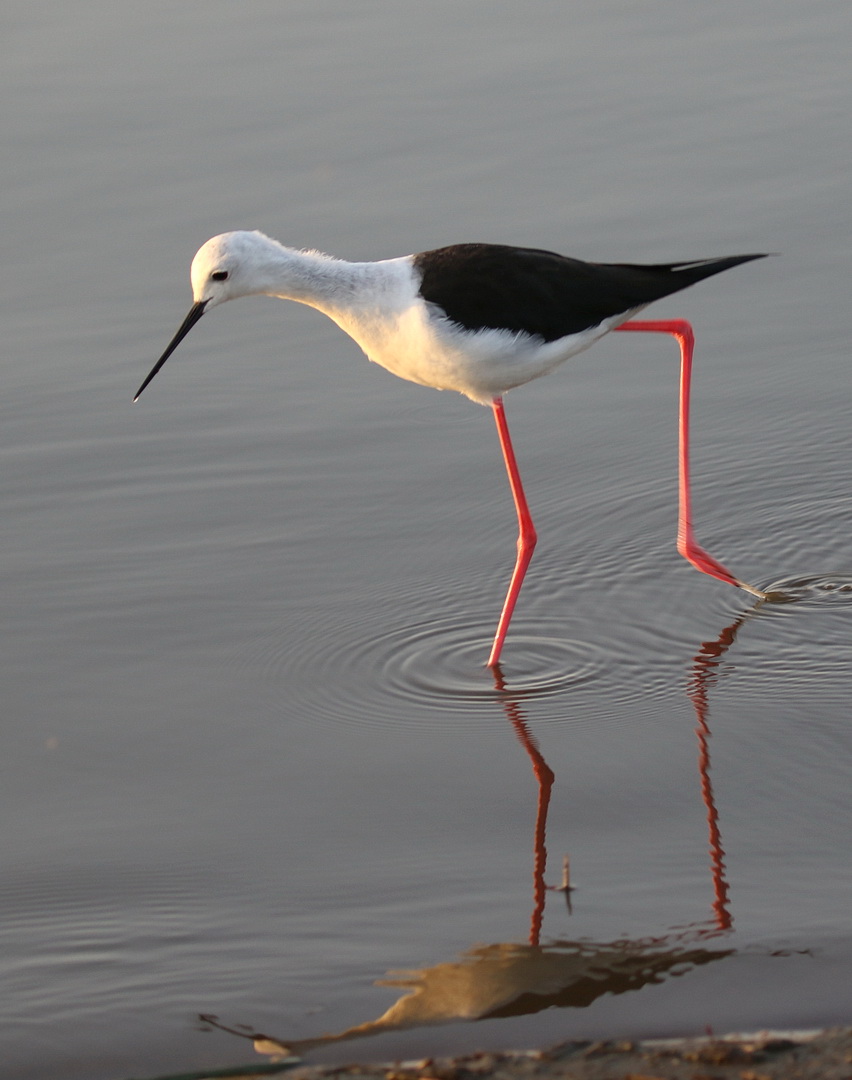
Black-winged Stilt
Black-winged Stilt
Some of the other animals seen around the area included many elephants and a good sighting of a leopard dozing in a tree.
Leopard – full and sleepy
Leopard – full and sleepy
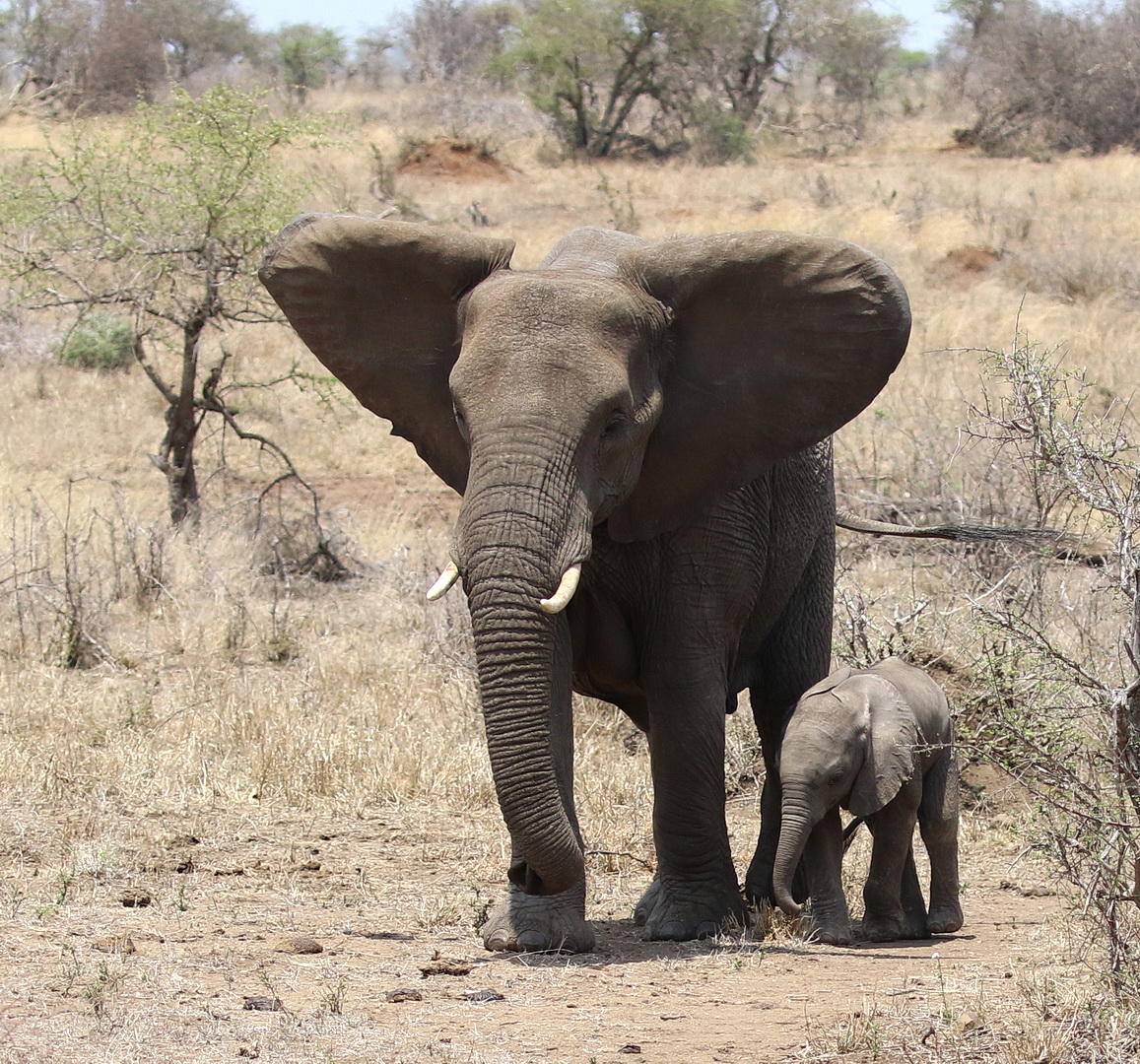
Elephant and new born
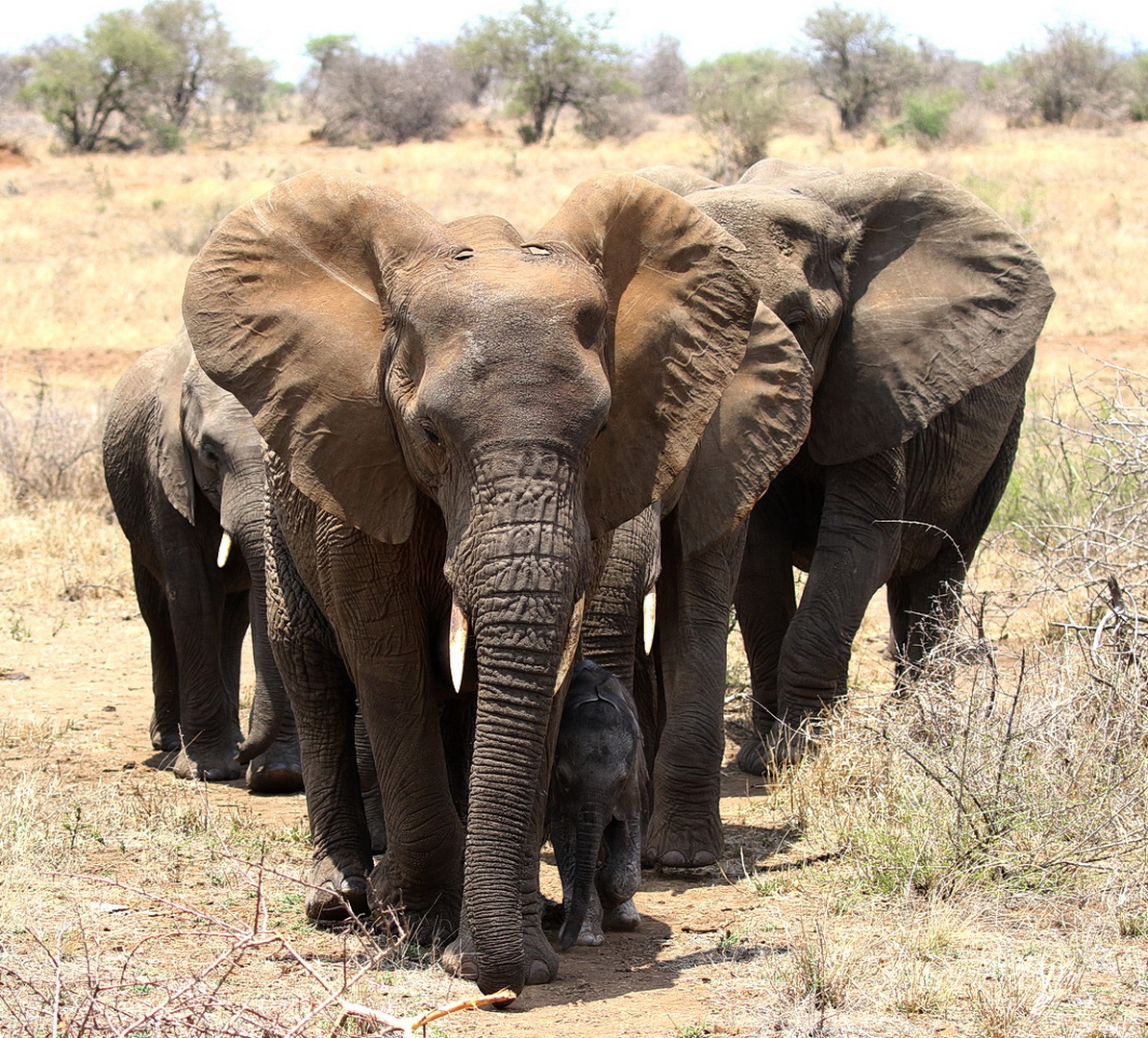
Elephant family – too close
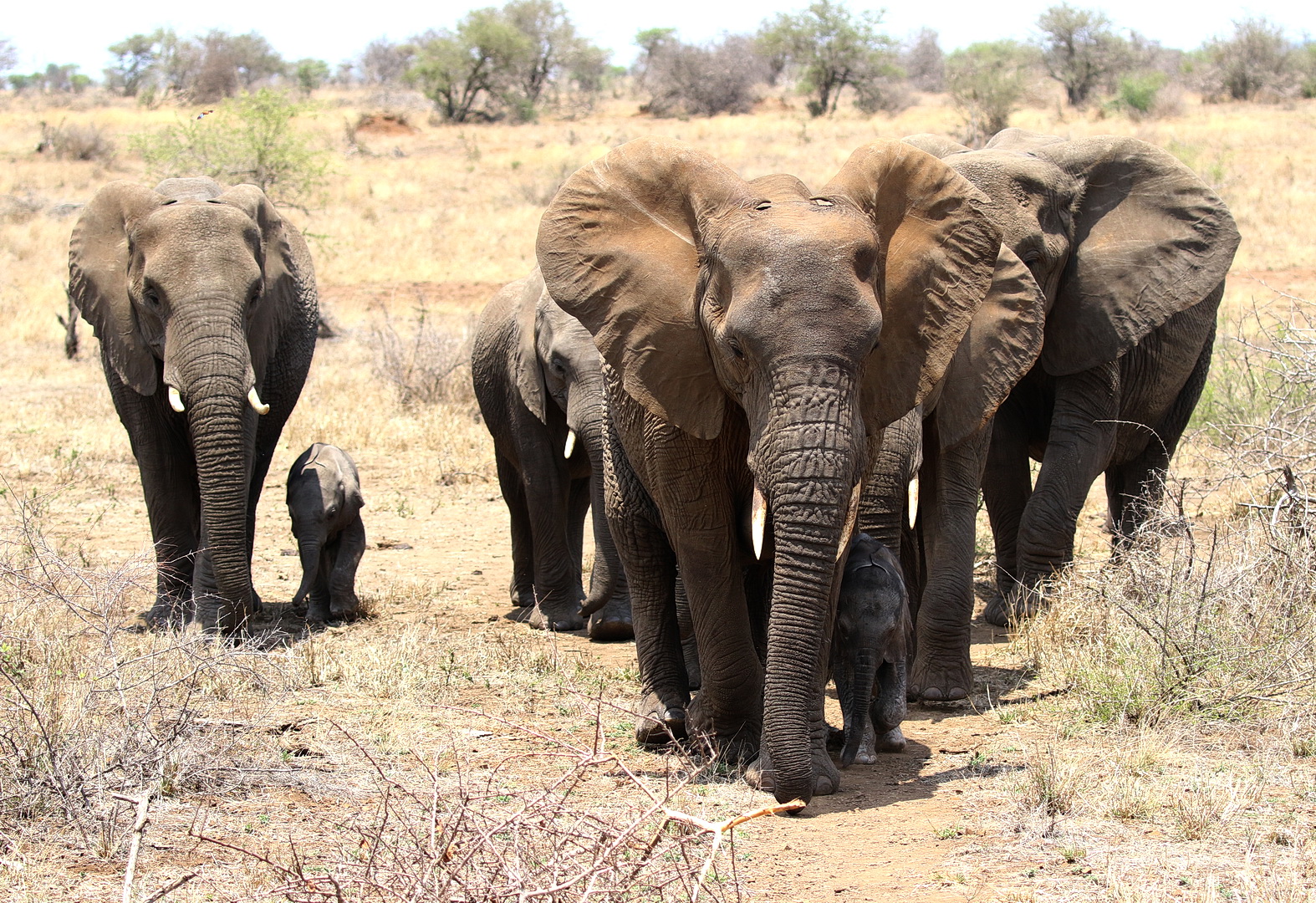
Elephant family
Elephant
Side-striped Jackal
Photos of other birds seen in the general area:
Martial Eagle
Tawny Eagle
Secretarybird
Goliath Heron
Mosque Swallow
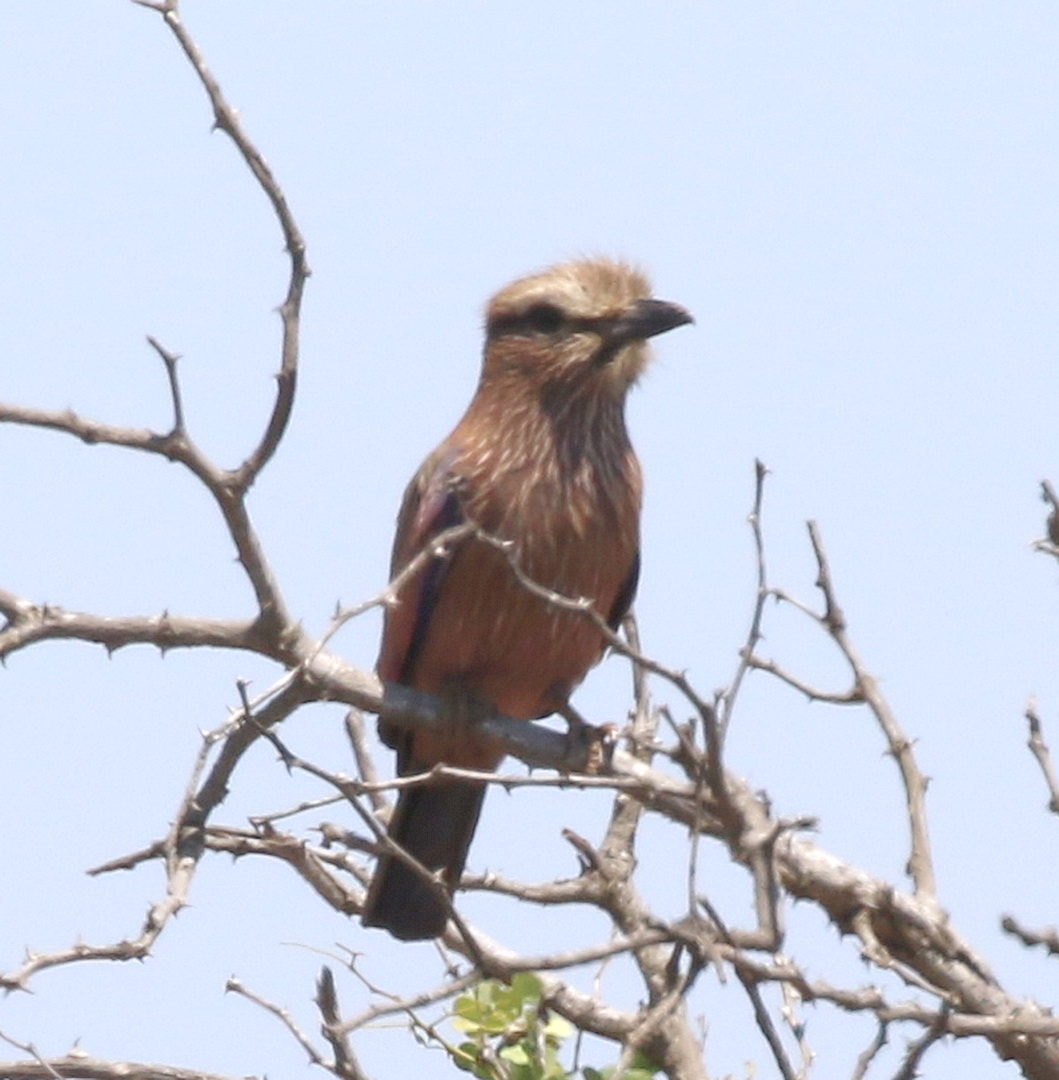
Purple Roller
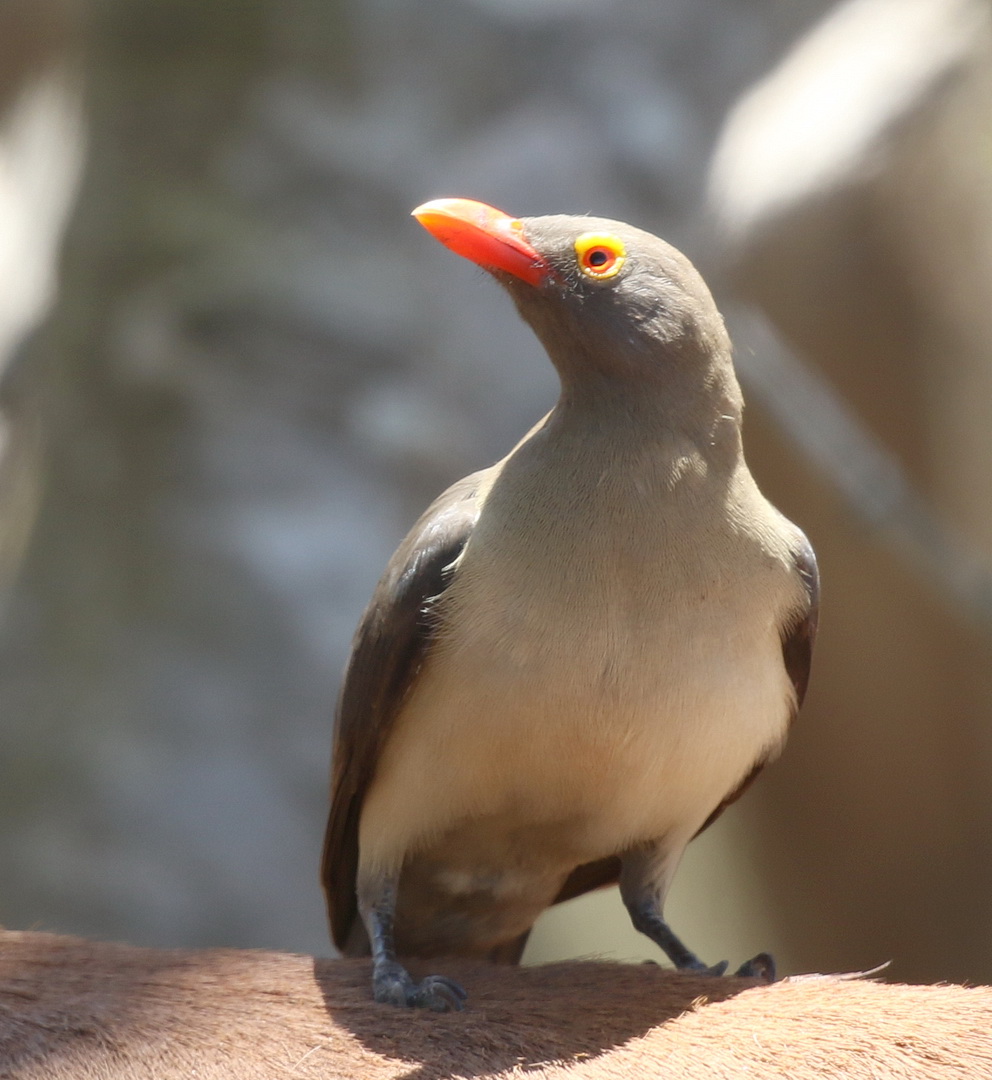
Red-billed Oxpecker
Squacco Heron
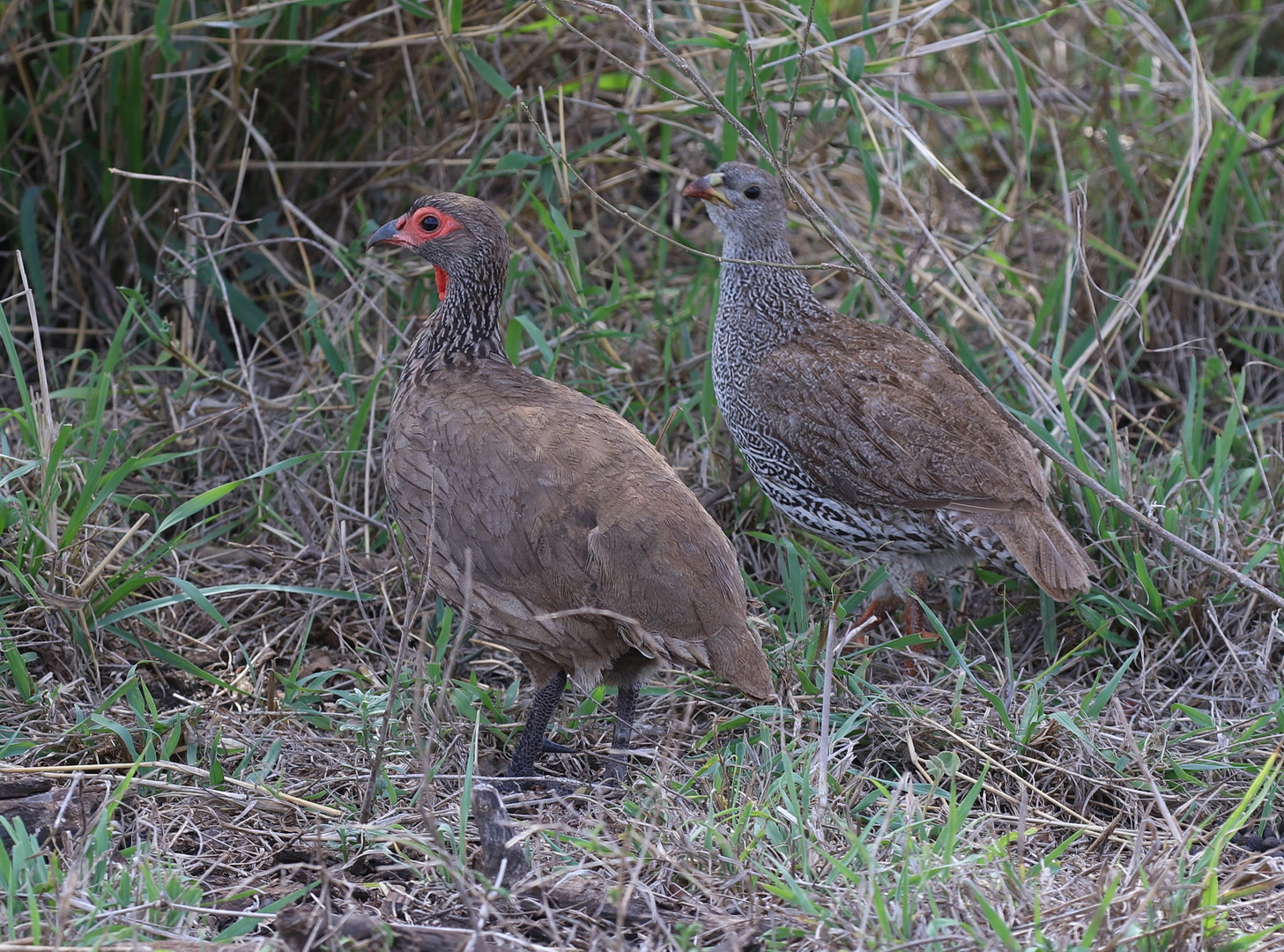
Swainson’s and his mate the Natal Spurfowl – odd to see them together
Swainson’s Spurfowl
Wahlberg’s Eagle
Wahlberg’s Eagle
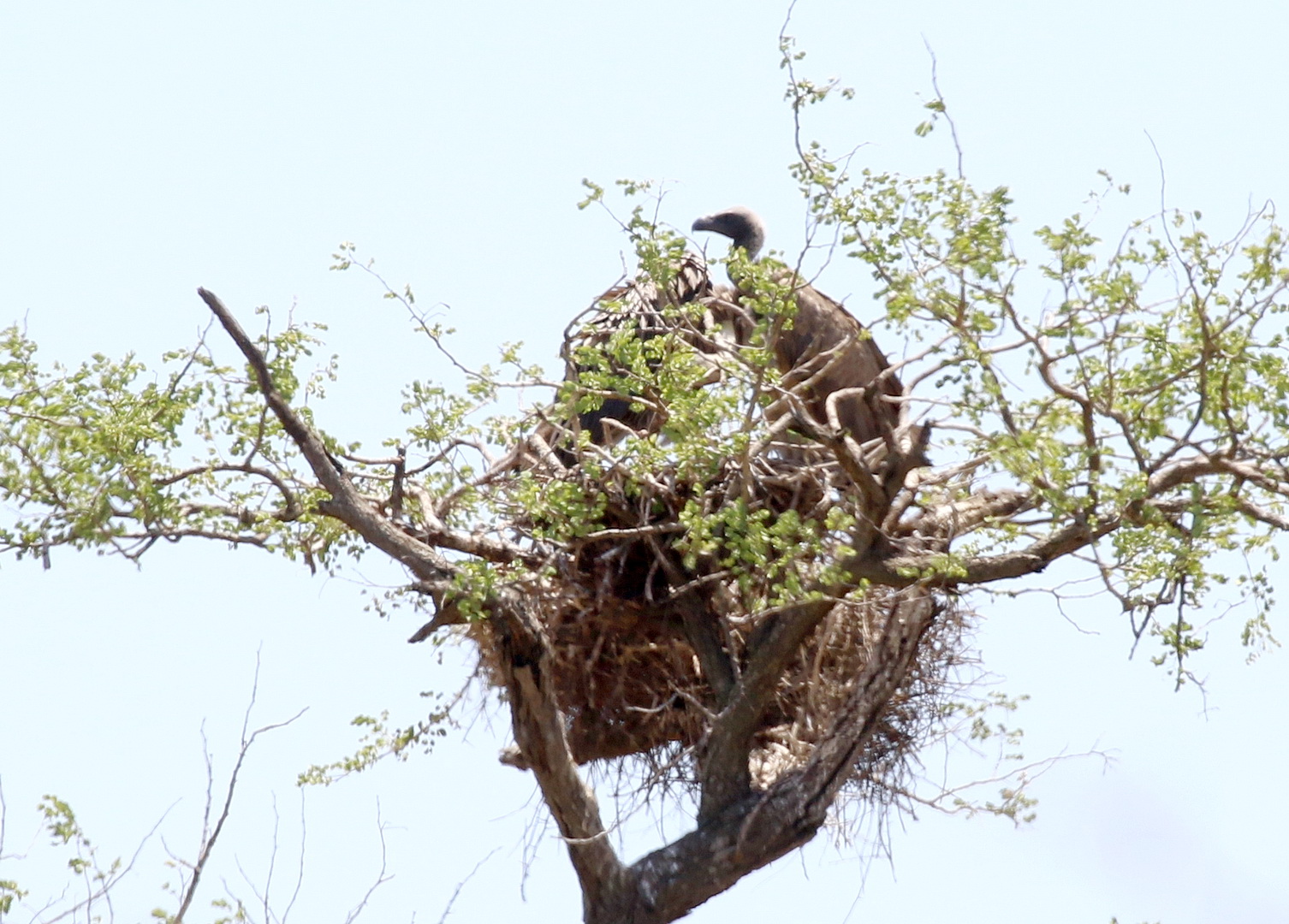
White-backed Vulture on nest …one of several nests on the S130
Yellow-throated Petronia
European Bee-eater
Little Bee-eater
Burchell’s Coucal
Grey Hornbill
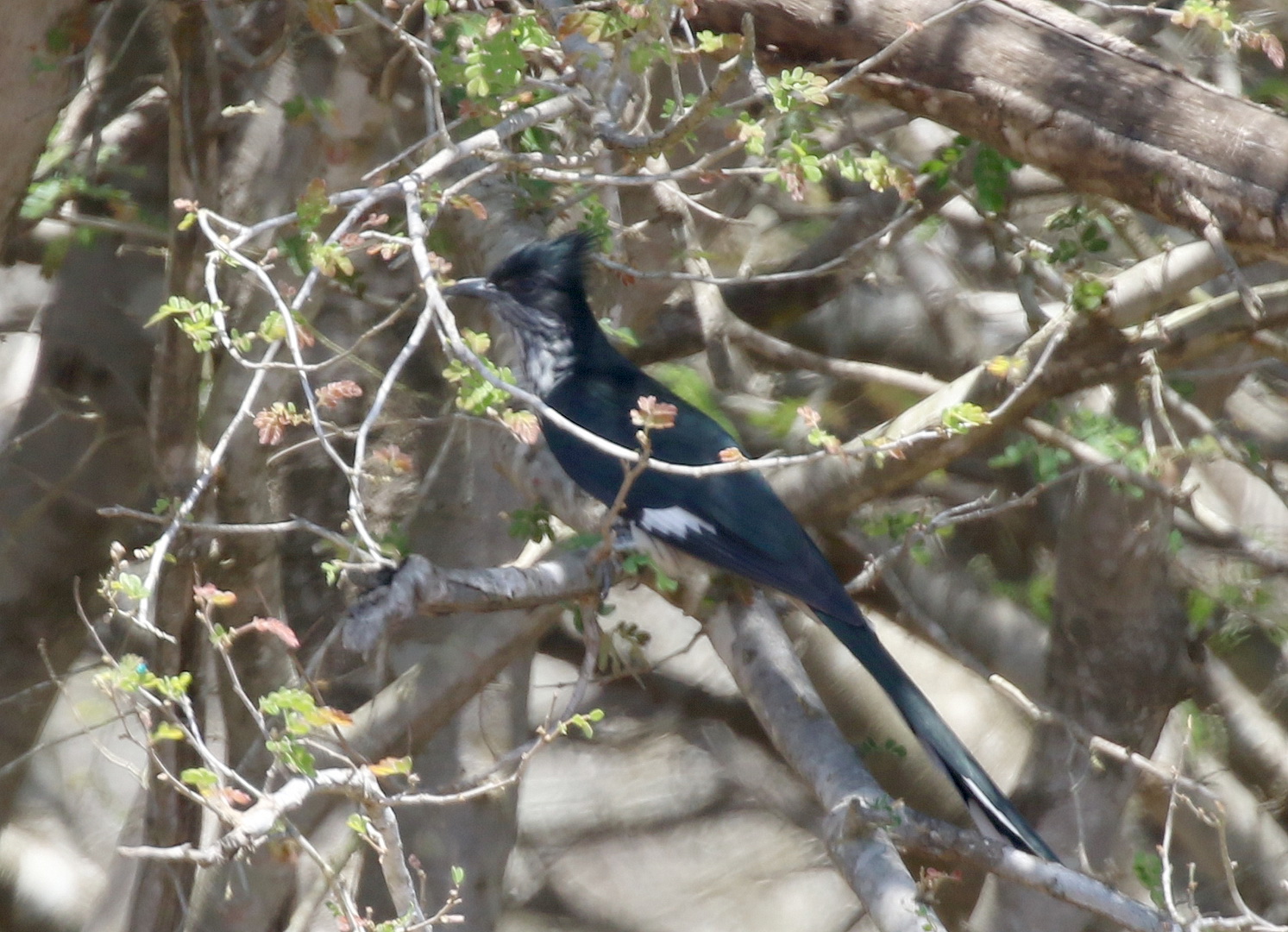
Levaillant’s Cuckoo
Levaillant’s Cuckoo
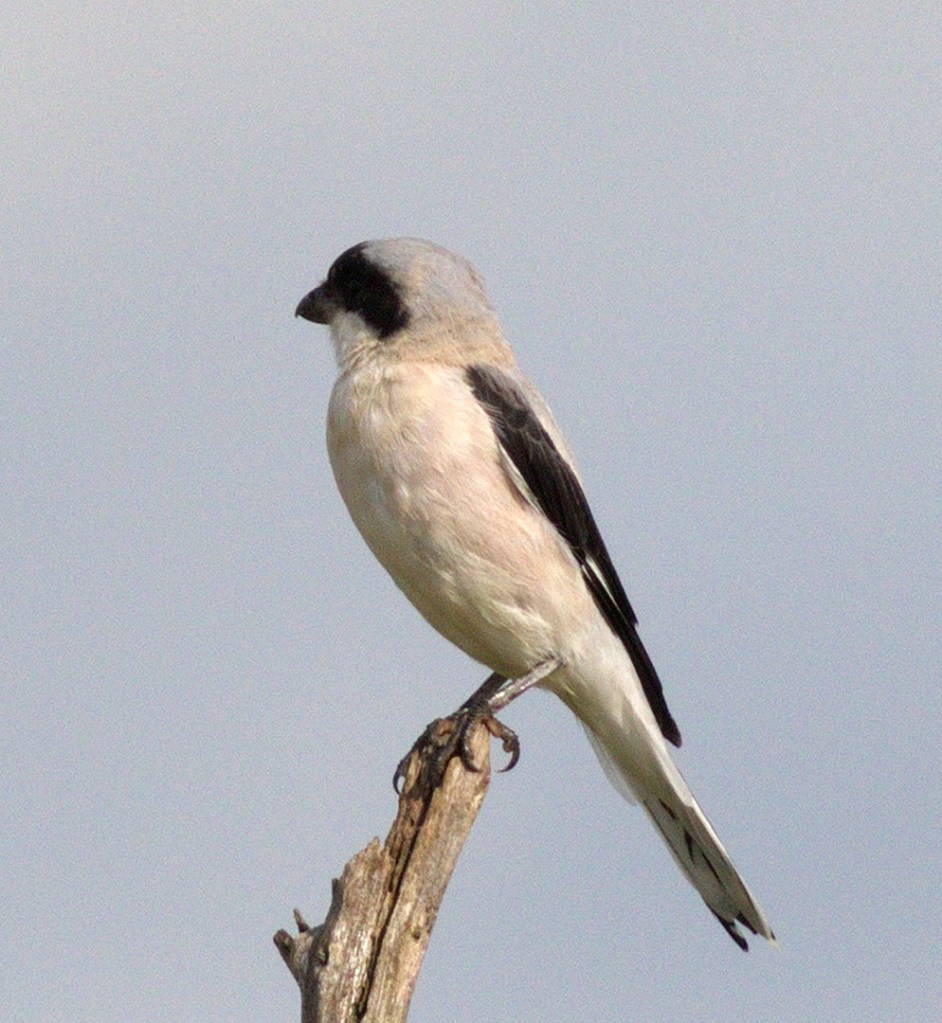
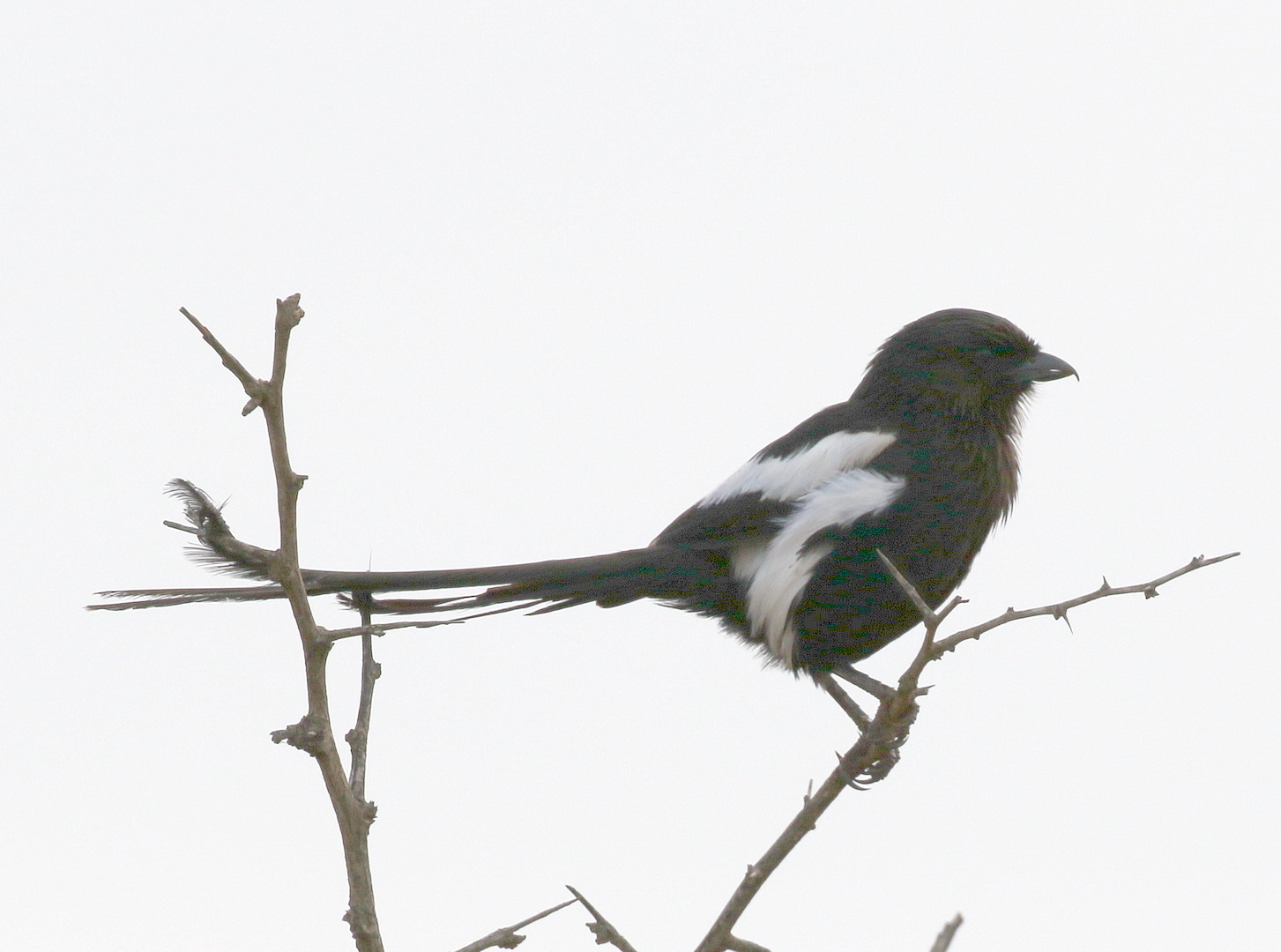
Magpie Shrike
Magpie Shrike
Eventually it was our time to leave. North. We headed for Tshokwane then on to the wild camp at Balule for 3 nights.
The sky had got a bit overcast and blustery but still there was no sign of rain.
Just after passing the Mlondozi Dam we noticed a bird flying just over the grassland. Fortunately it did not disappear behind us as there was no way to turn around while towing the campervan.
It was some way off but we recognized it immediately – a white Harrier with black at the end of its underside wings – a Pallid Harrier. How lucky were we!! Even managed a photo or two.
Pallid Harrier
Pallid Harrier
Pallid Harrier
Tshokwane was quiet. Perhaps it was the weather as there were few birds about.
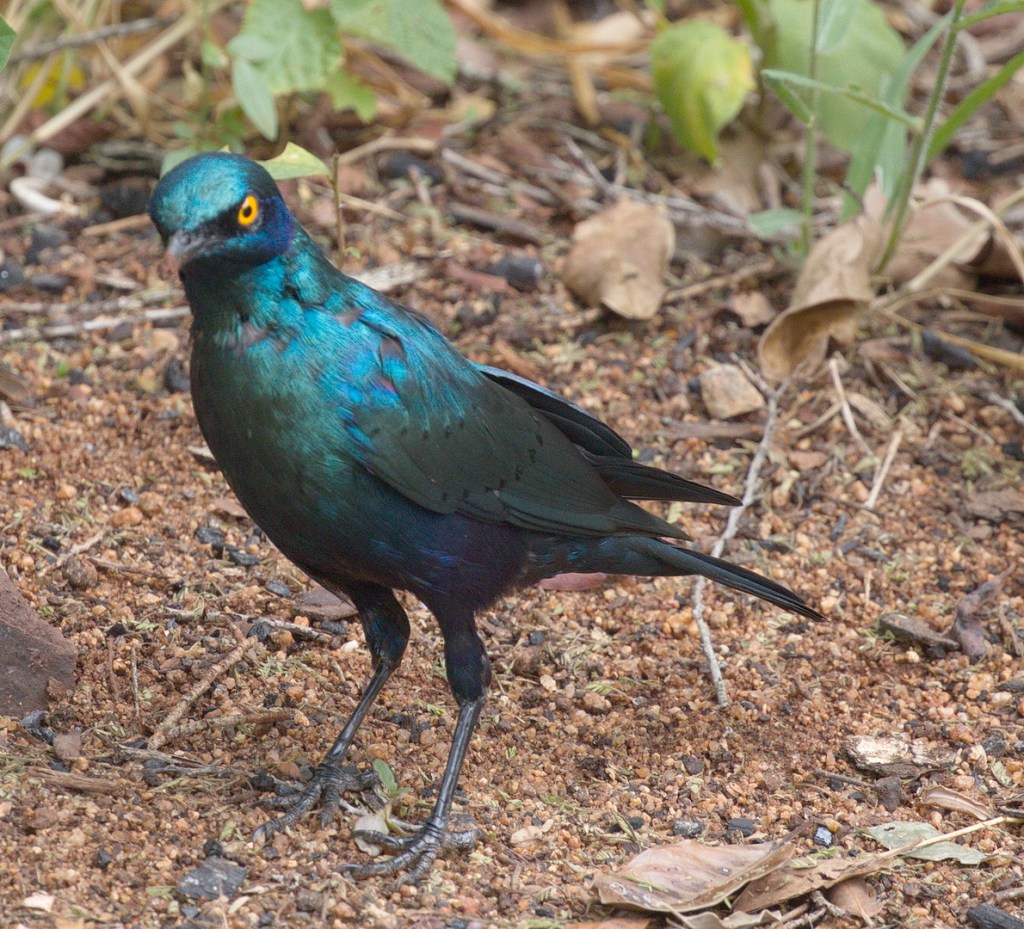
Greater Blue-eared Starling
Breakfast time. I set up the table as Sally inspected the plumbing. Out came the coffee, tea, sugar, milk, water, hot water, mugs and spoon, a few biscuits and bananas. The next thing I saw was a ghost fly across the table and suddenly disappear. No more bananas – the monkeys enjoyed them as did the people watching !! They always catch you underwares.















































































































































































































 Birds are our Story