And so we left Satara on an overcast and slightly dribbly day. We headed for Tshokwane and then directly to Lower Sabie.
We love seeing herds of elephants but are nervous when they appear in the middle of the road while we are towing our Wildcat. As is usually the case they then appear behind as well – coming towards you. Reversing is not an option.
Really, we were not that close!!
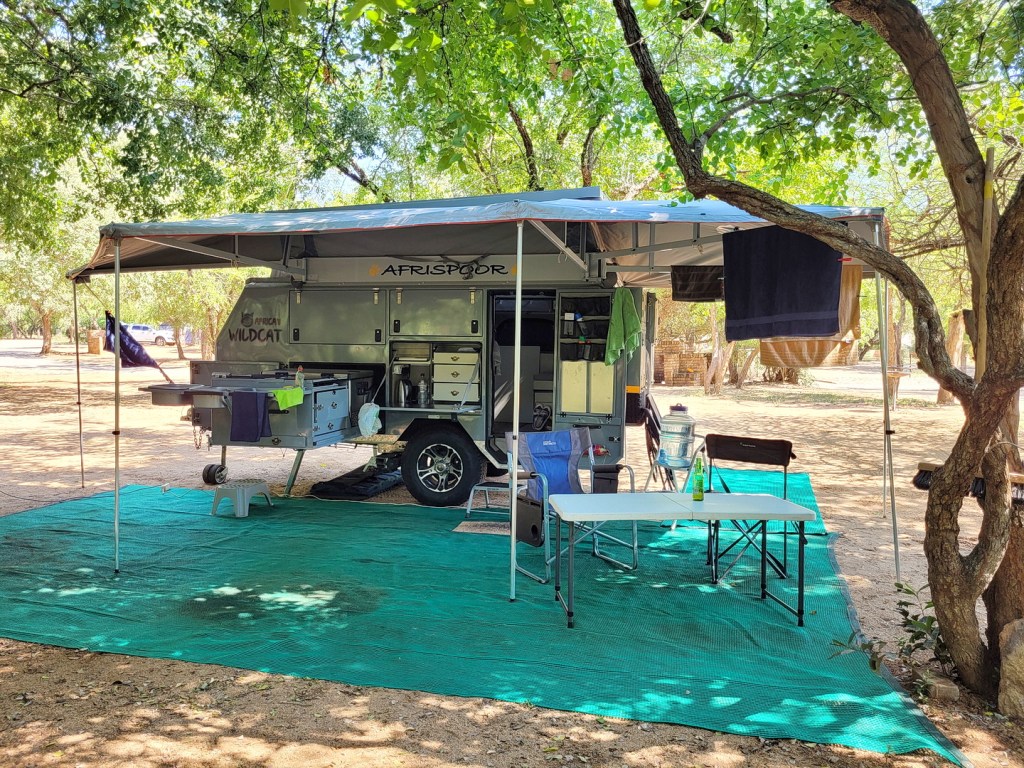
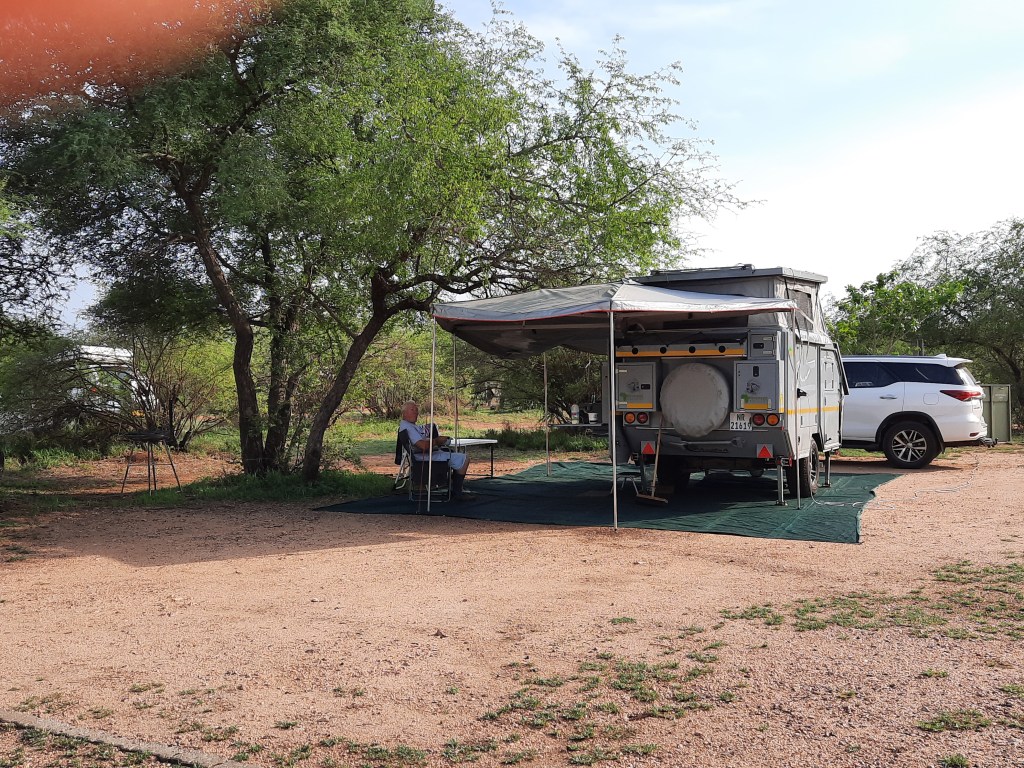
Camp was set up in a convenient spot.
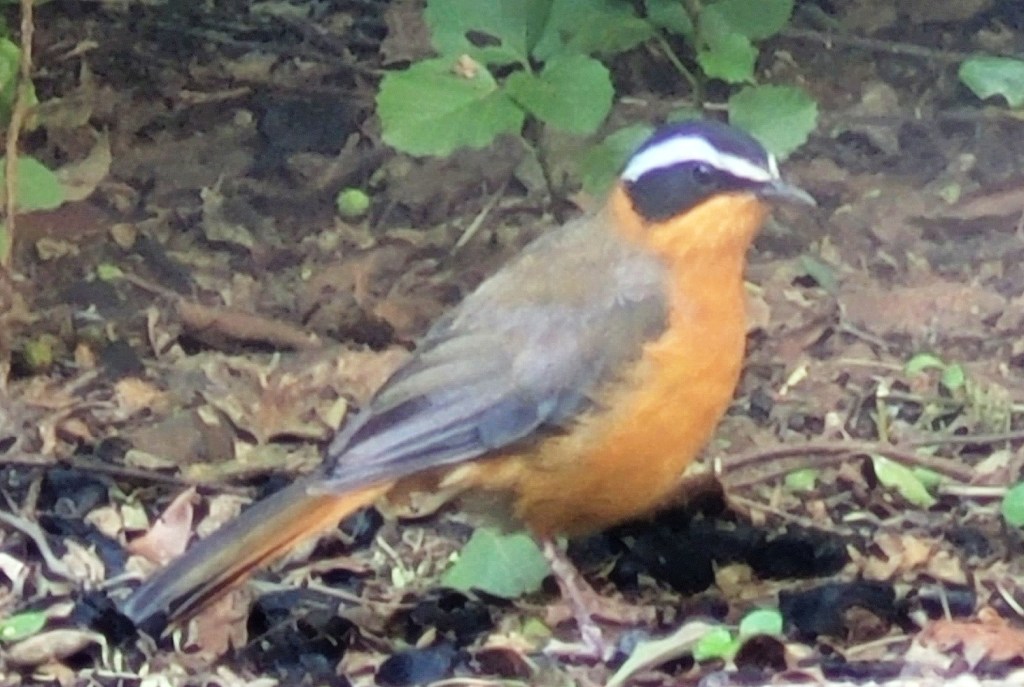
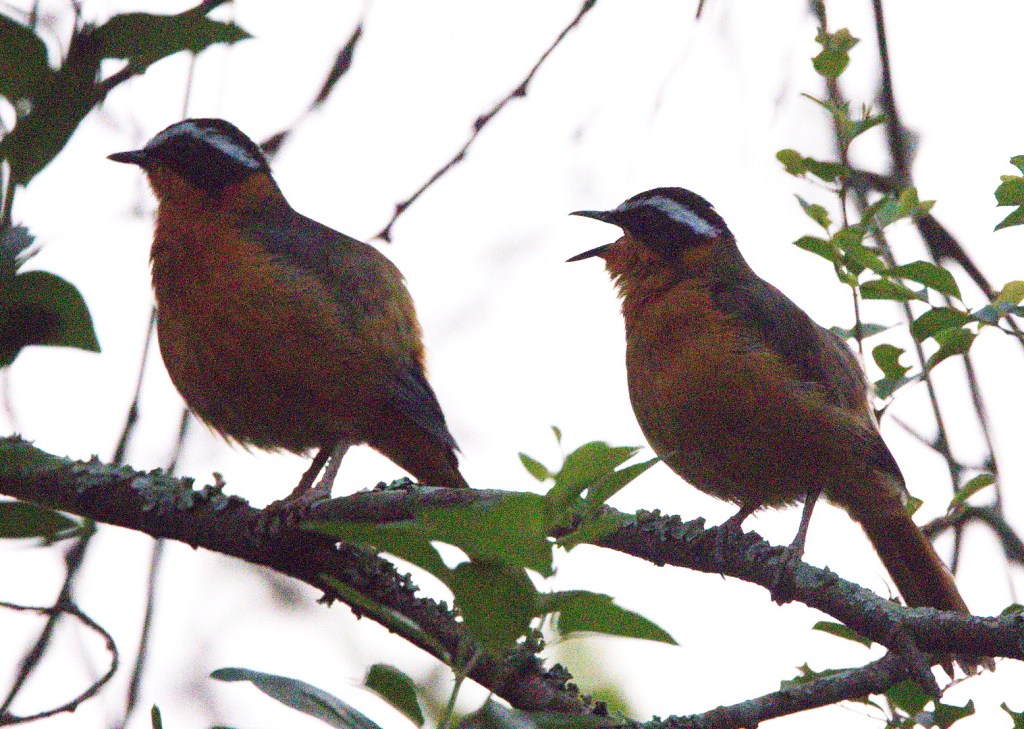
We had a pair of White-browed Robin-Chats (Heuglin’s) chorus us each morning always from the same spot in the bush.
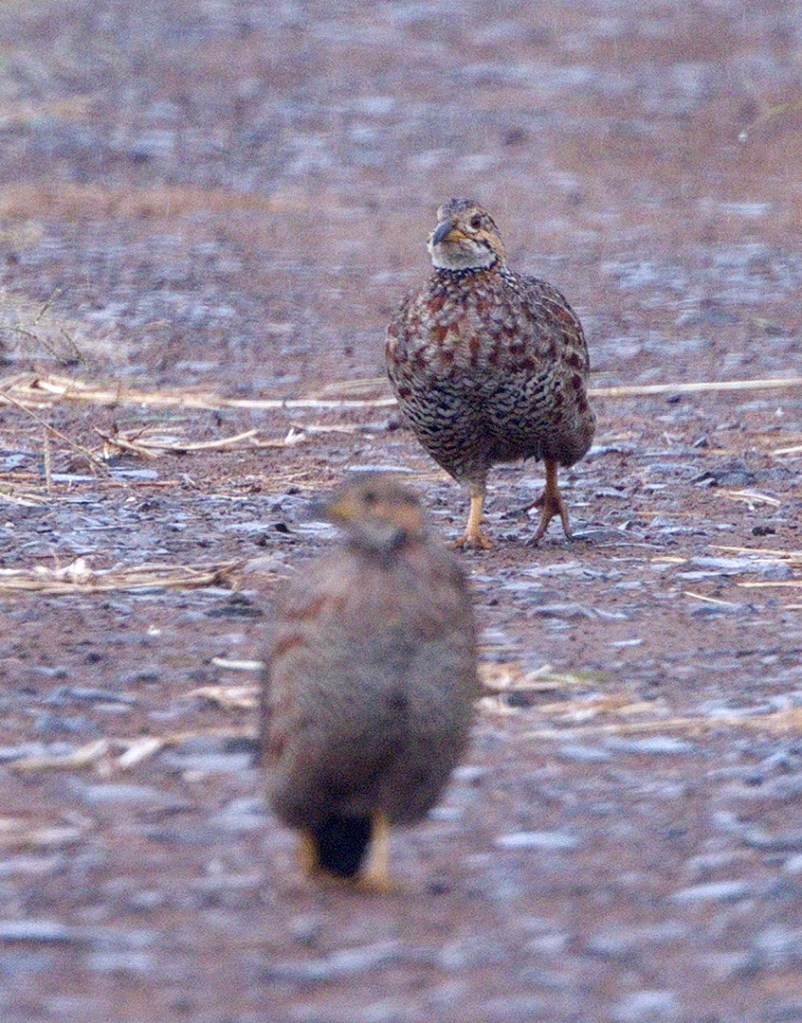
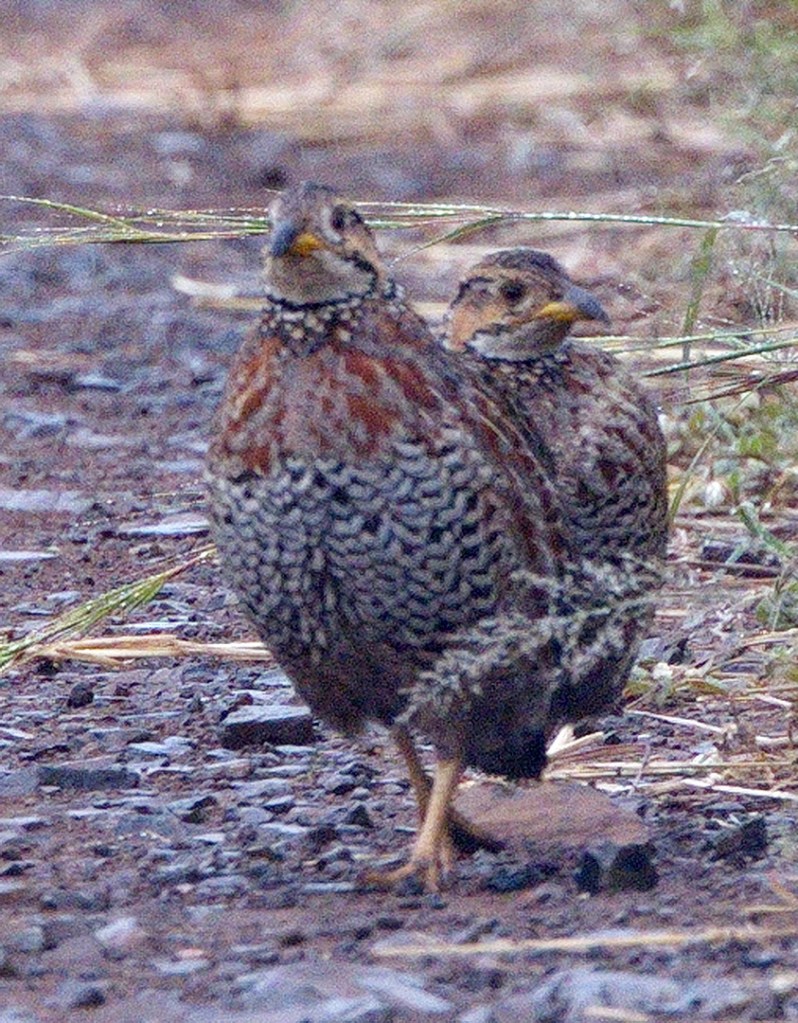
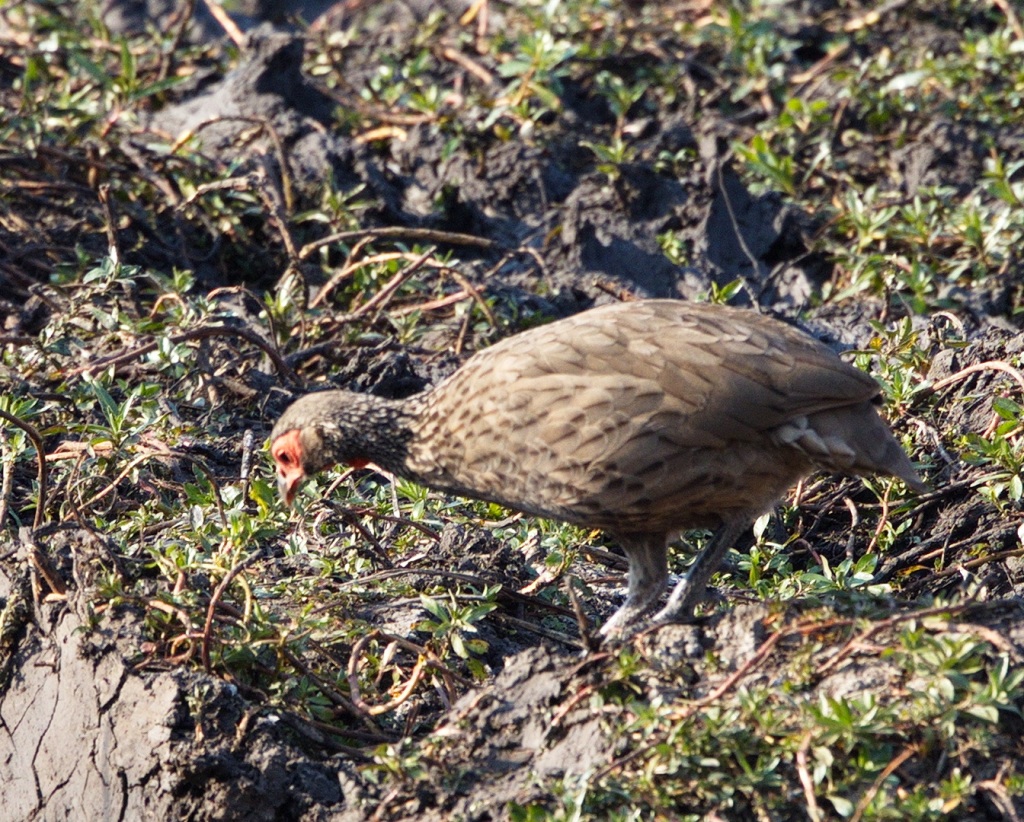
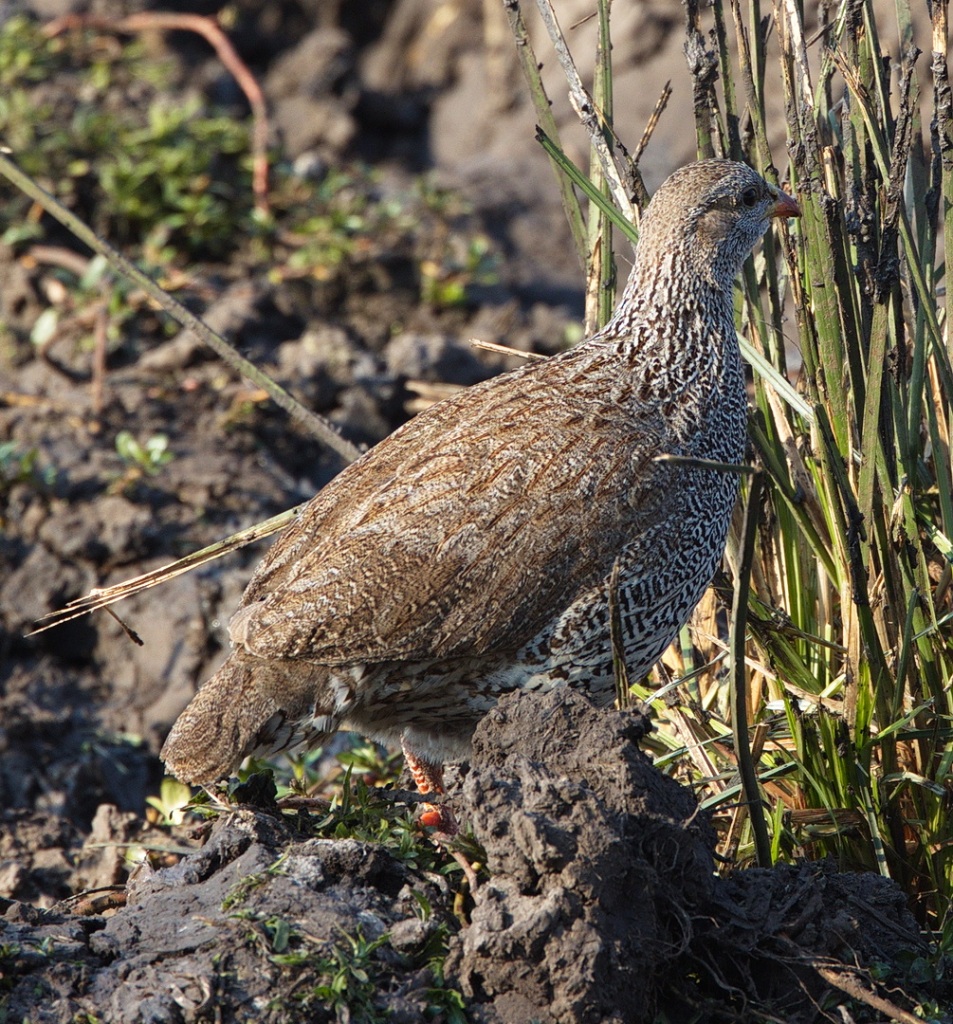
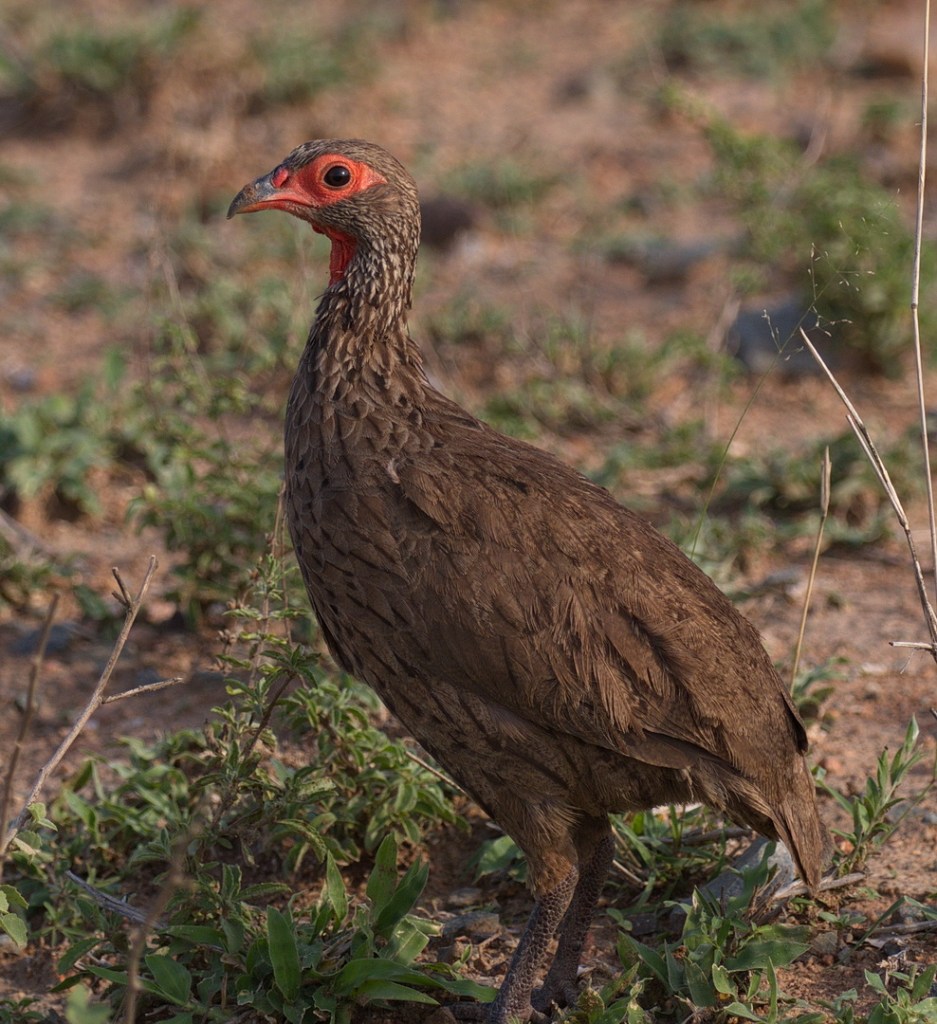
One day we took a drive on the back roads around the Mlondozi Picnic site, all the way to Tshokwane and down to Skukuza. The weather continued to be wet and overcast. Days like that sometimes bring out the unusual – like a family of Shelley’s Francolins.
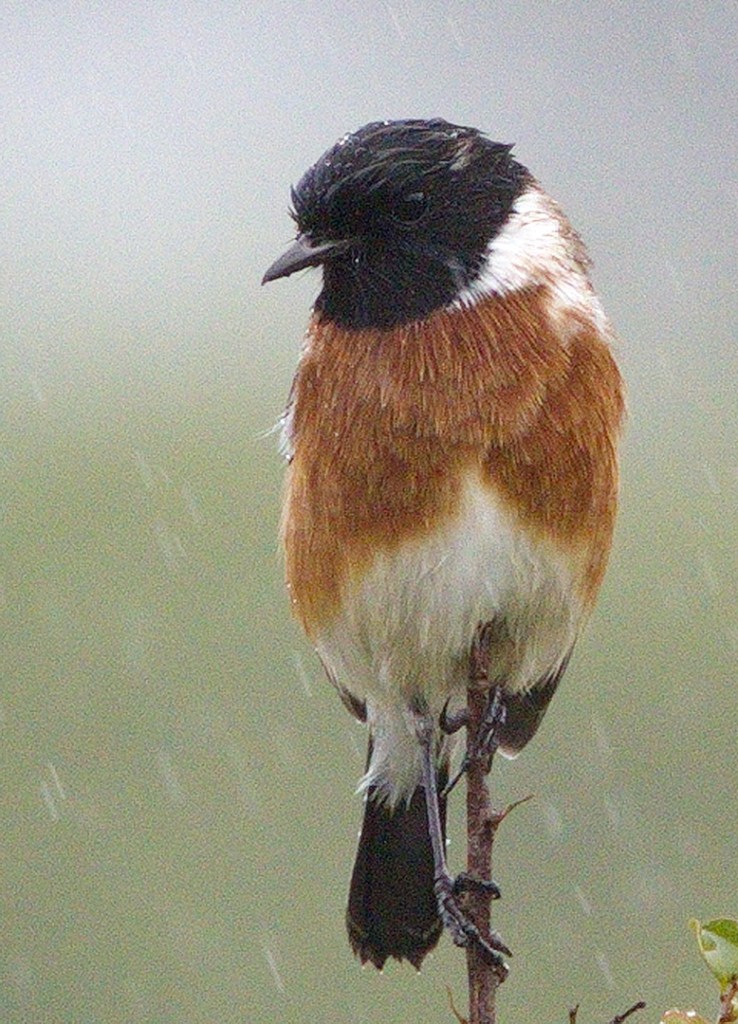
Shelley’s FrancolinShelley’s FrancolinA rather wet African StonechatShelley’s Francolin
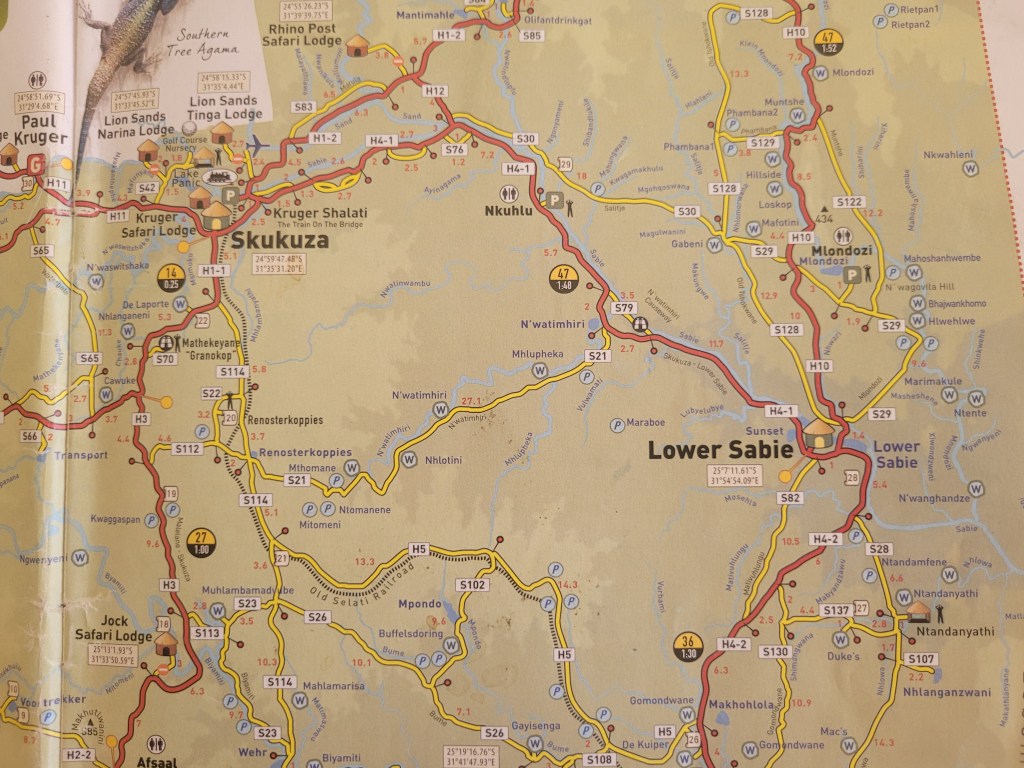
On another day we headed for Skukuza and the hide at Lake Panic. We took the two detours along the H1-4 Lower Sabie to Skukuza .
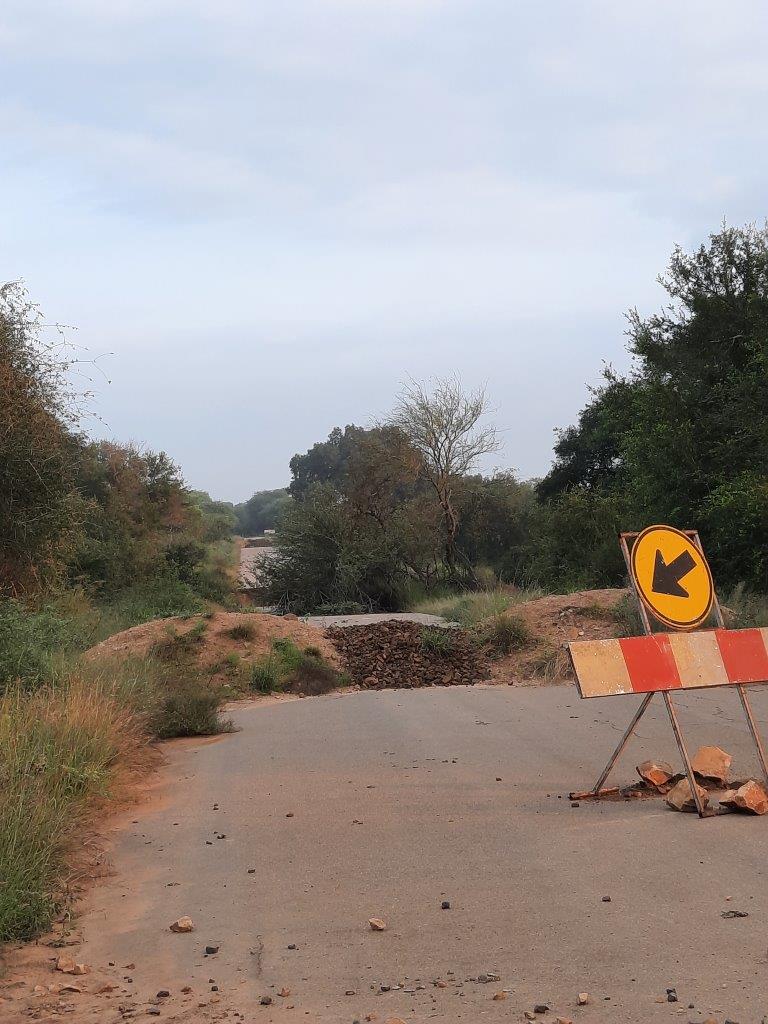
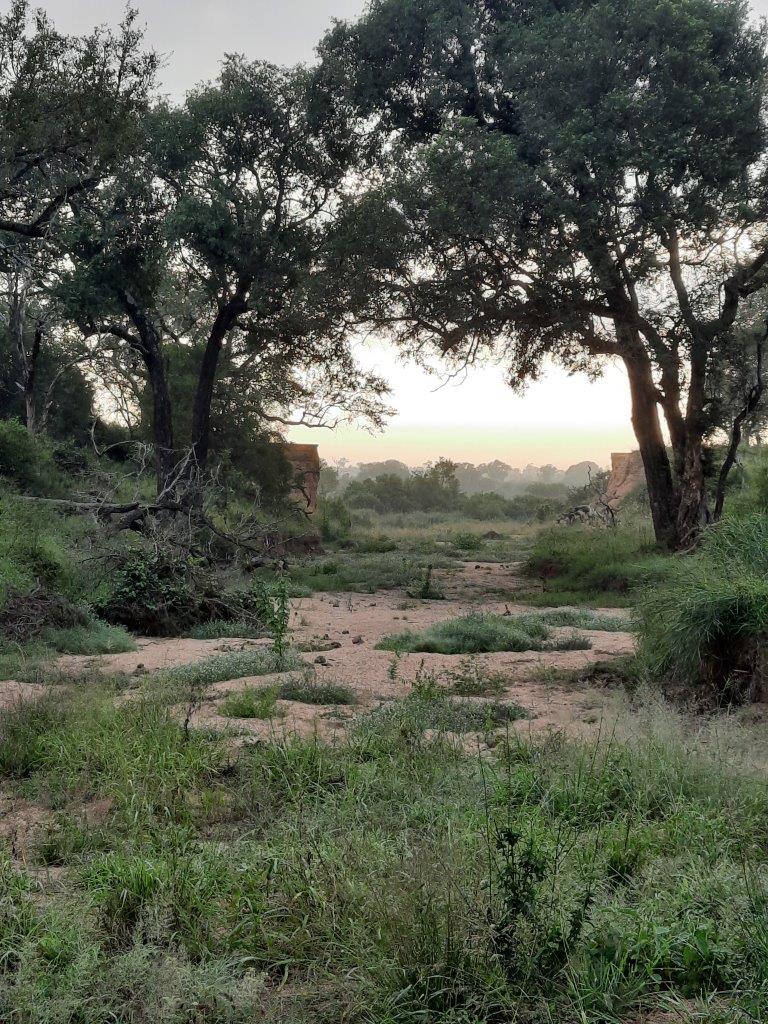
You can see where there used to be a river crossing in the background.
A Baboon sat on the road using his guile and jaw strength to rip into a sausage pod from a Sausage tree. Persistence pays off obviously. Watch.
The birdlife was very quiet at the Lake Panic hide.
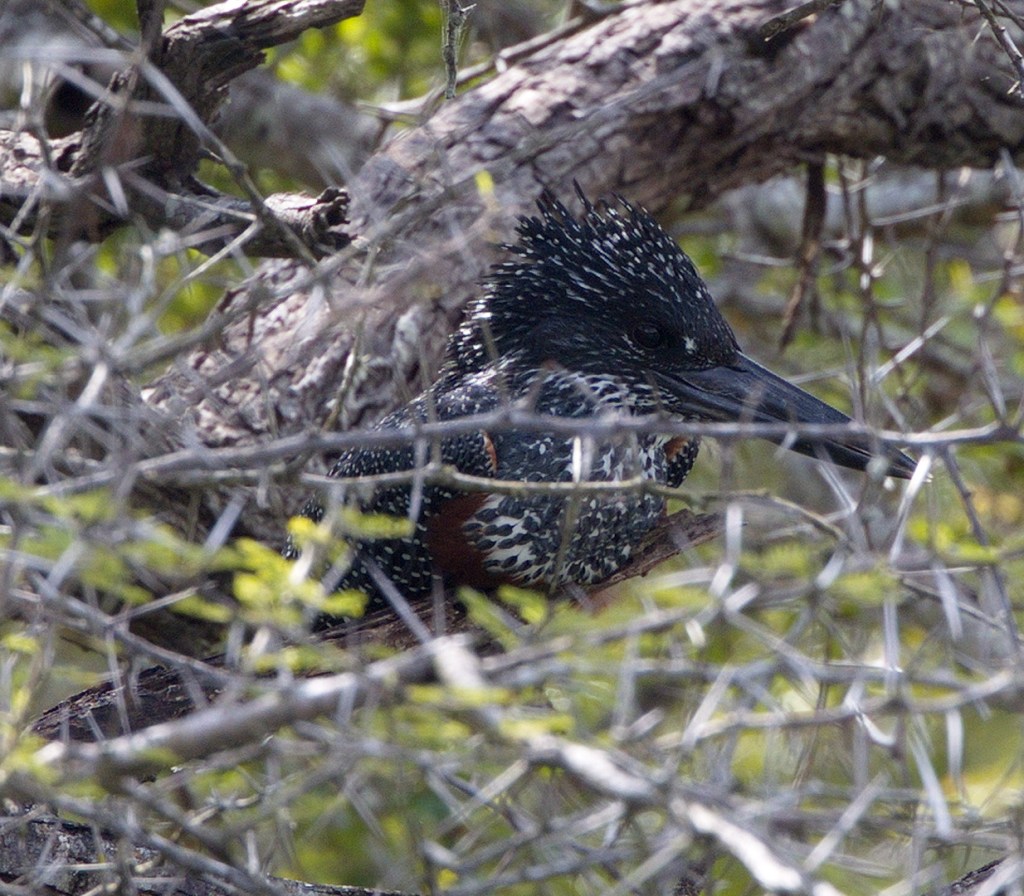
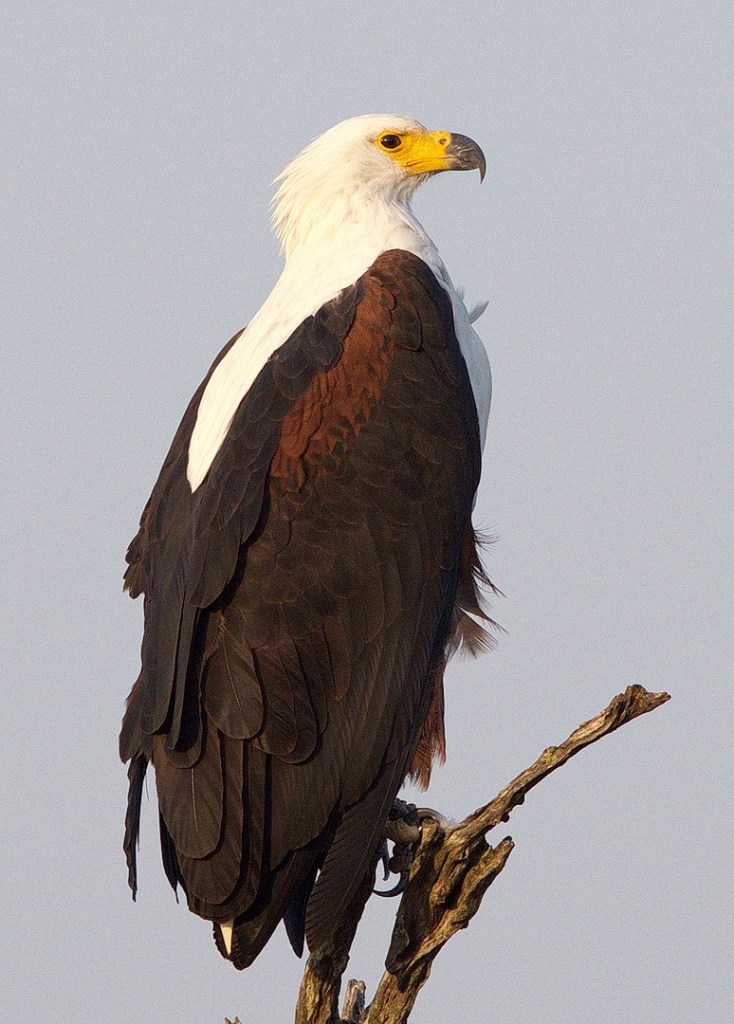
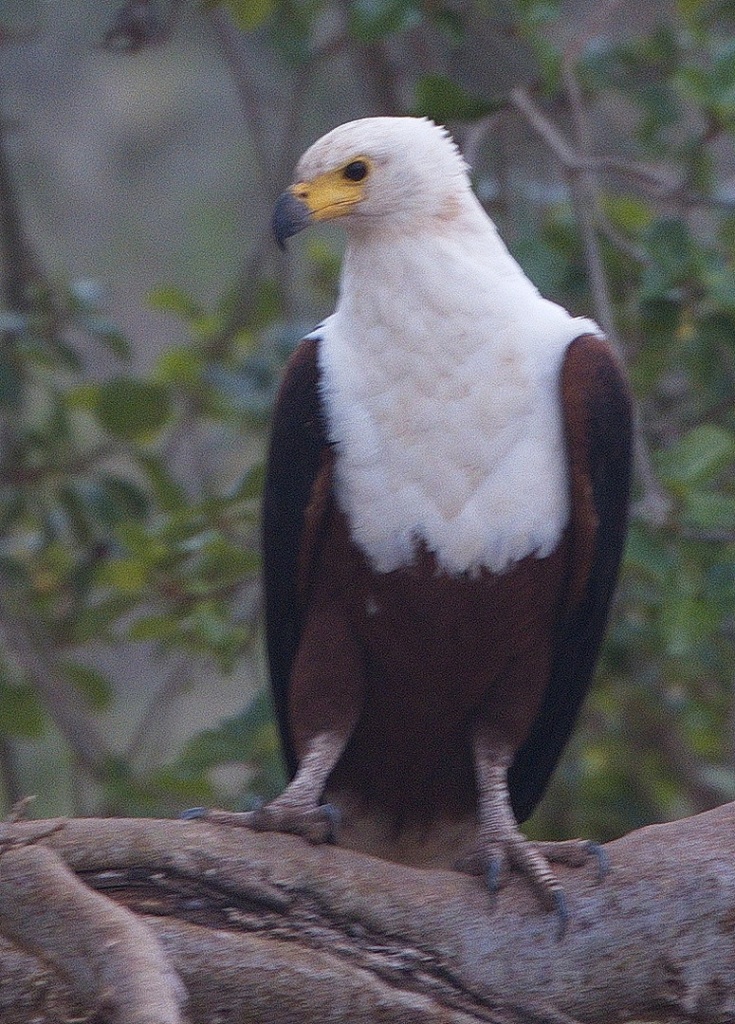
View from the hideA skulking Giant Kingfisher An amazing African Fish-Eagle
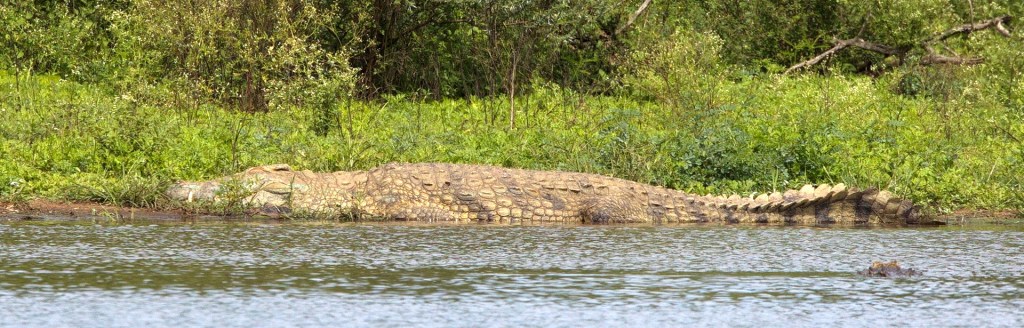
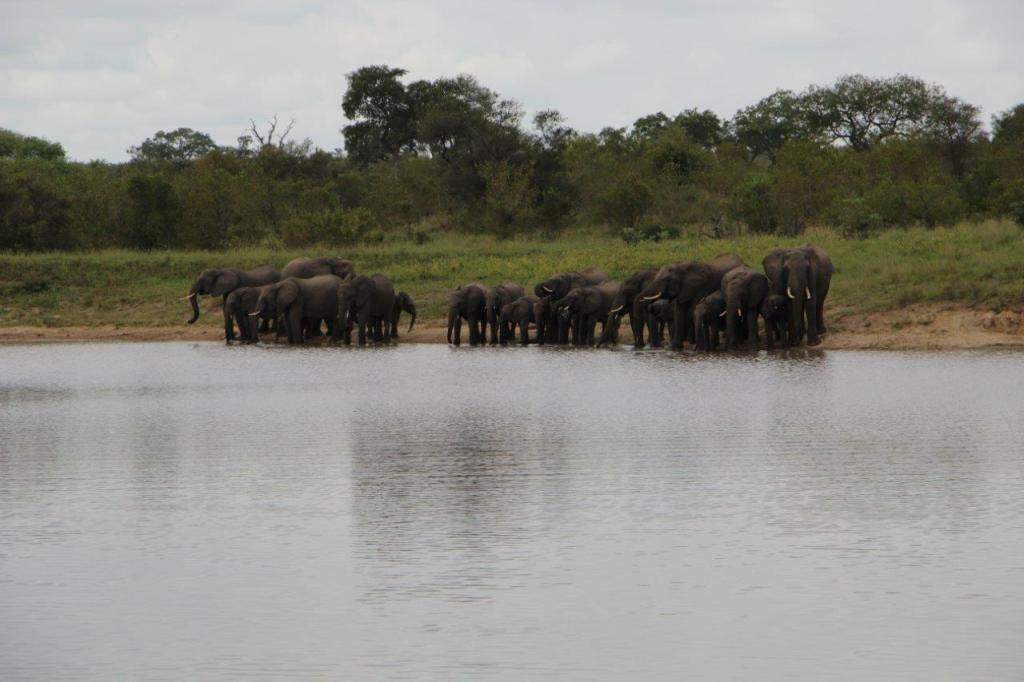
However, Sunset Dam did not disappoint. Apart from the antics of the hippos and the length of the crocodiles, birdlife was abundant.
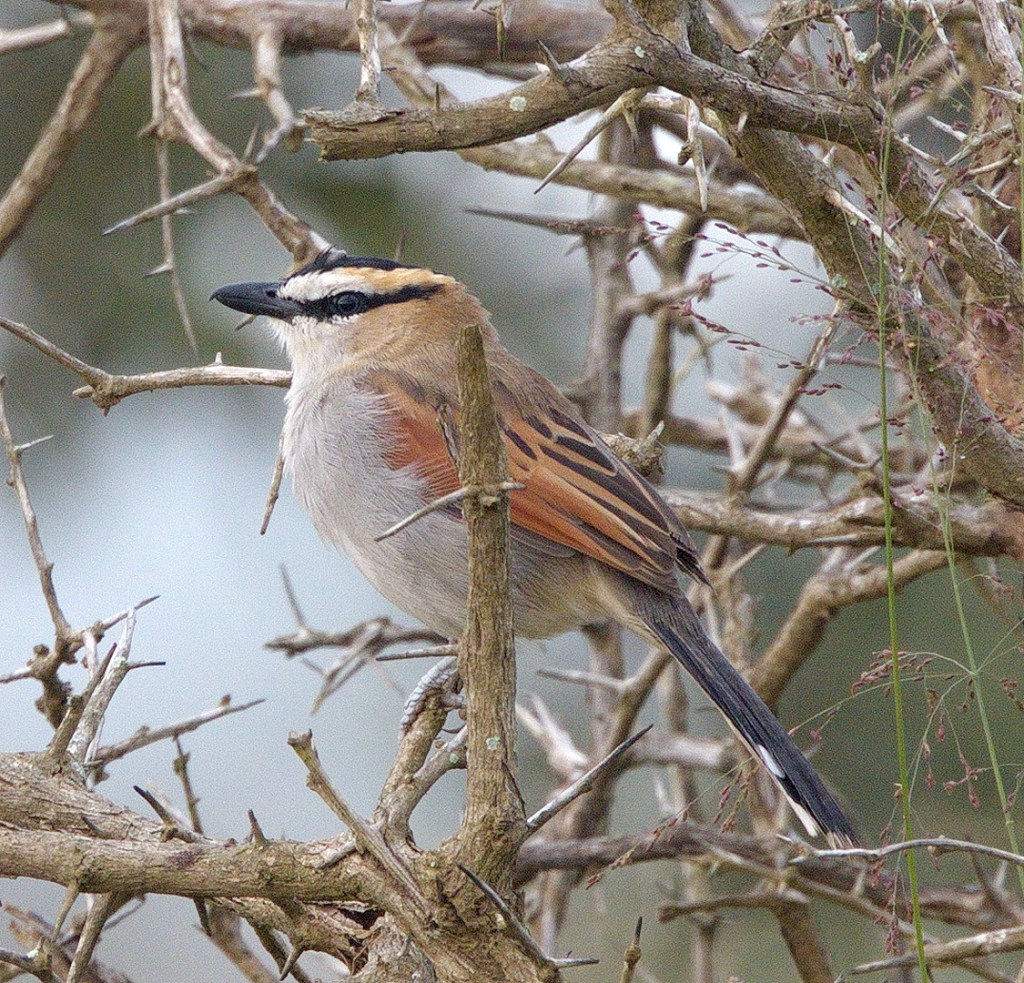
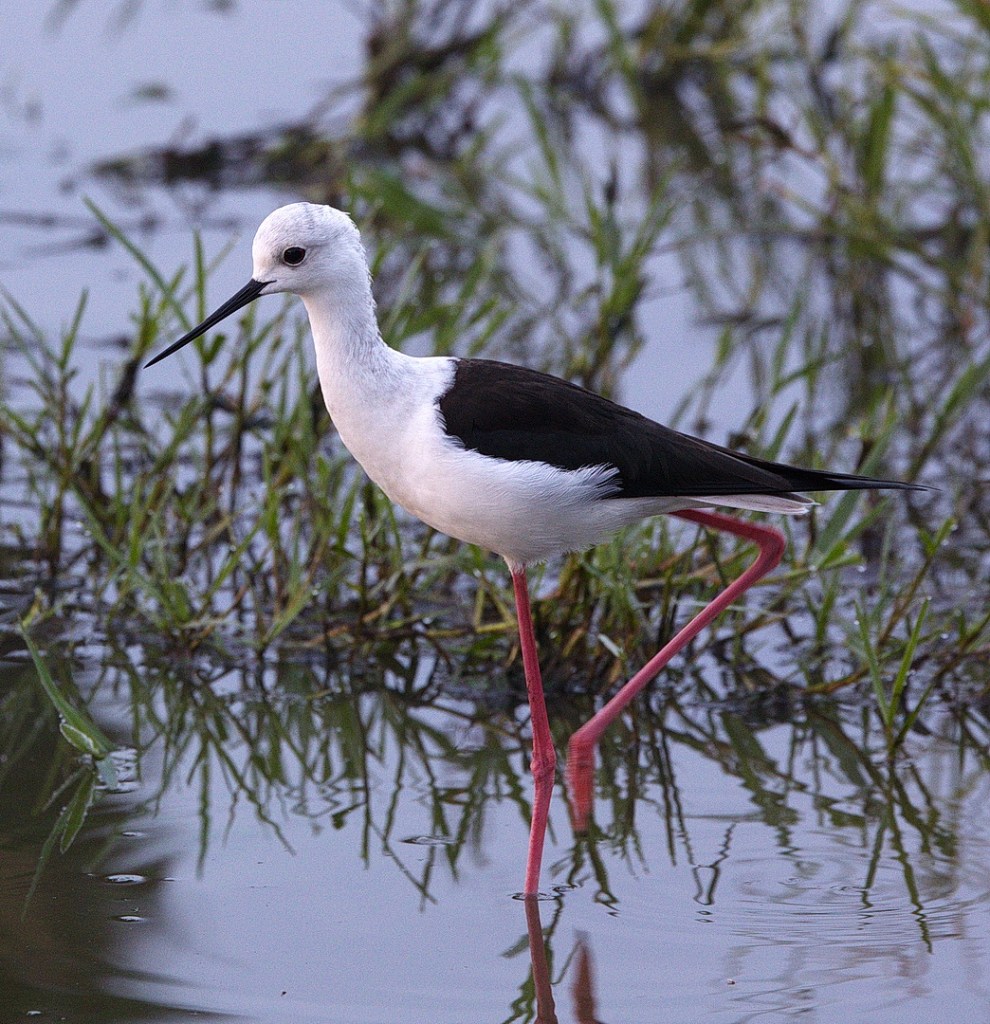
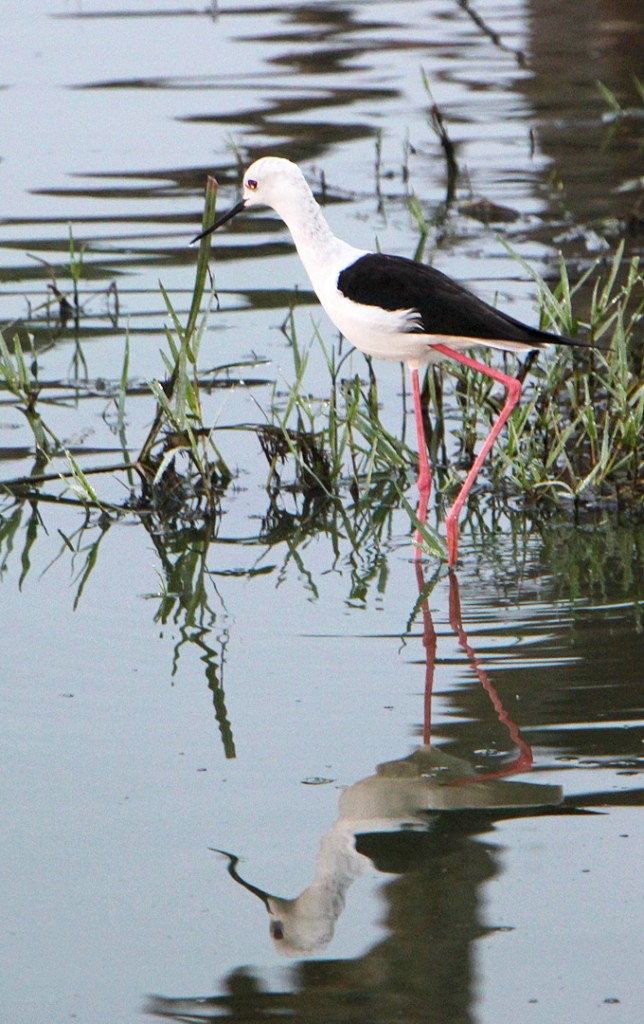
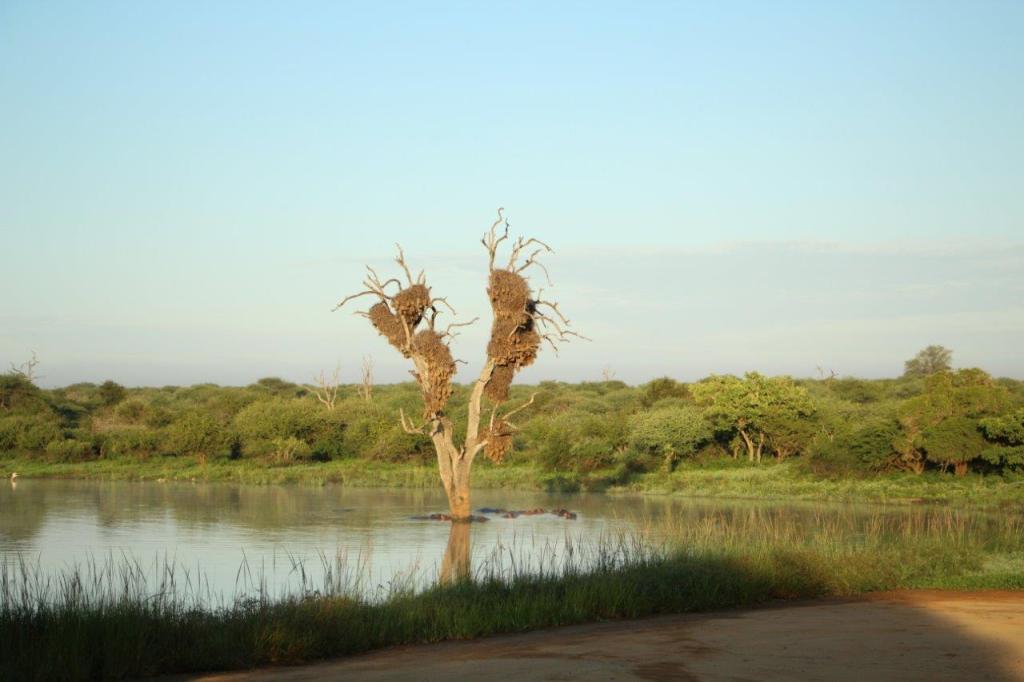
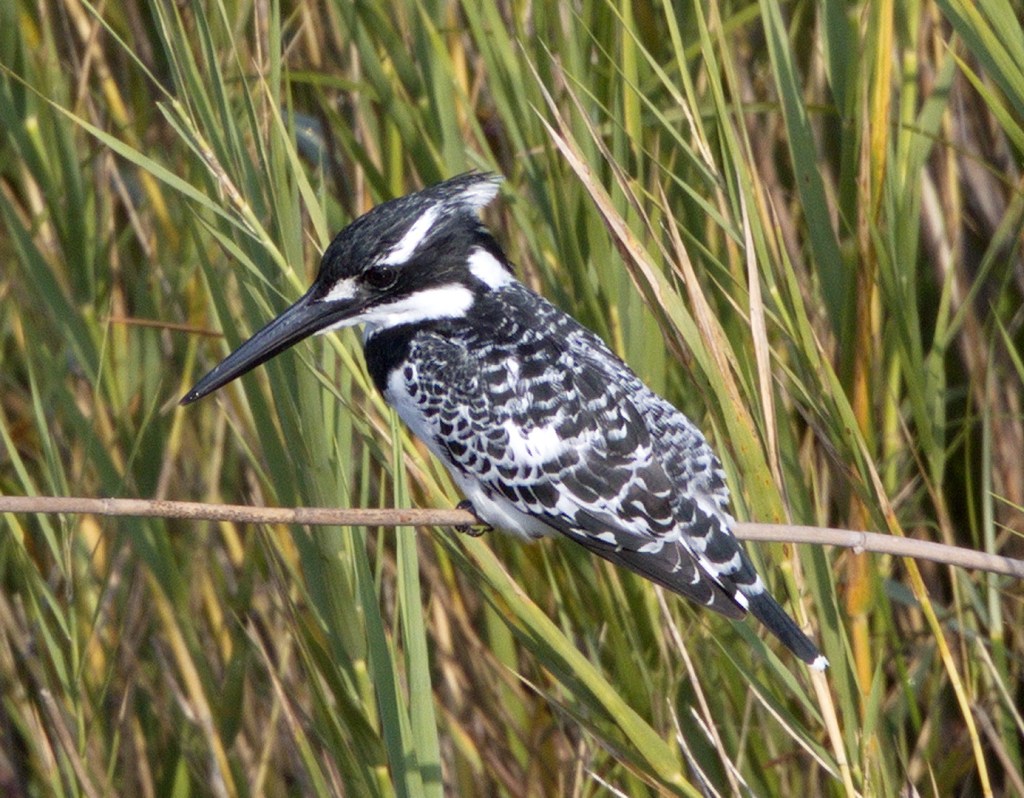
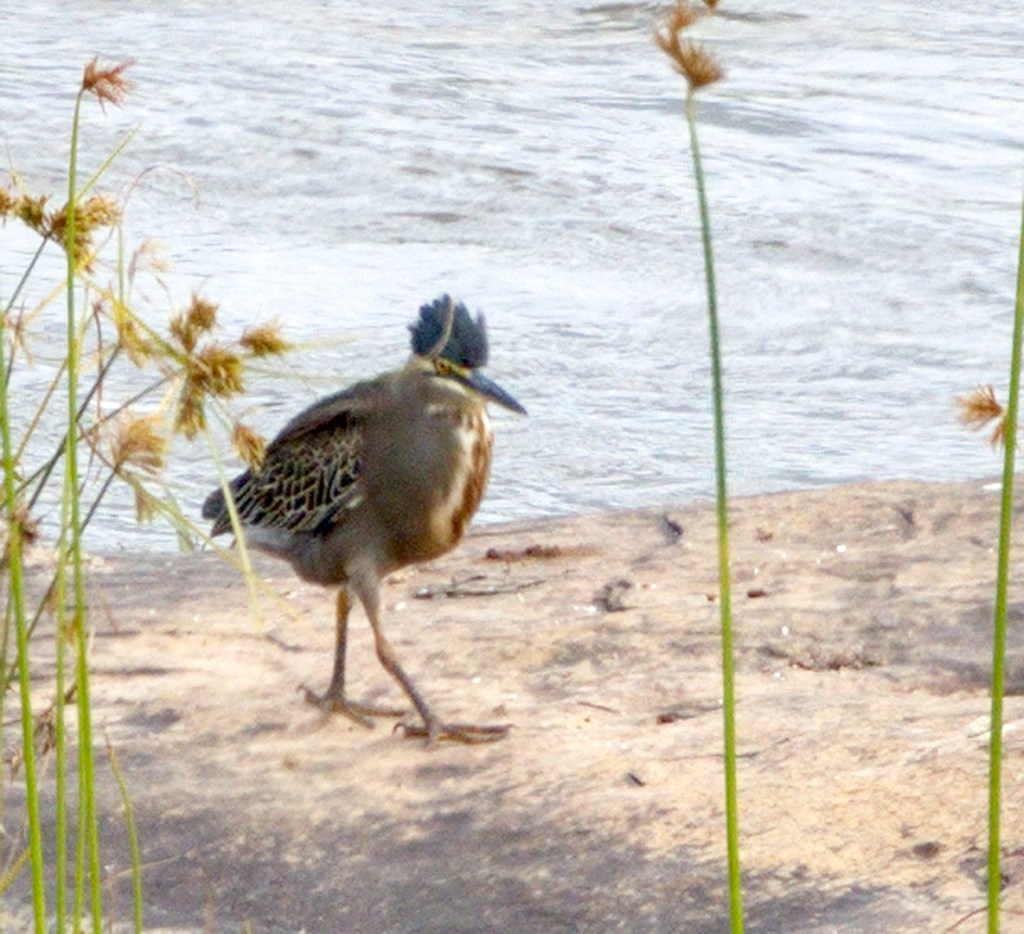
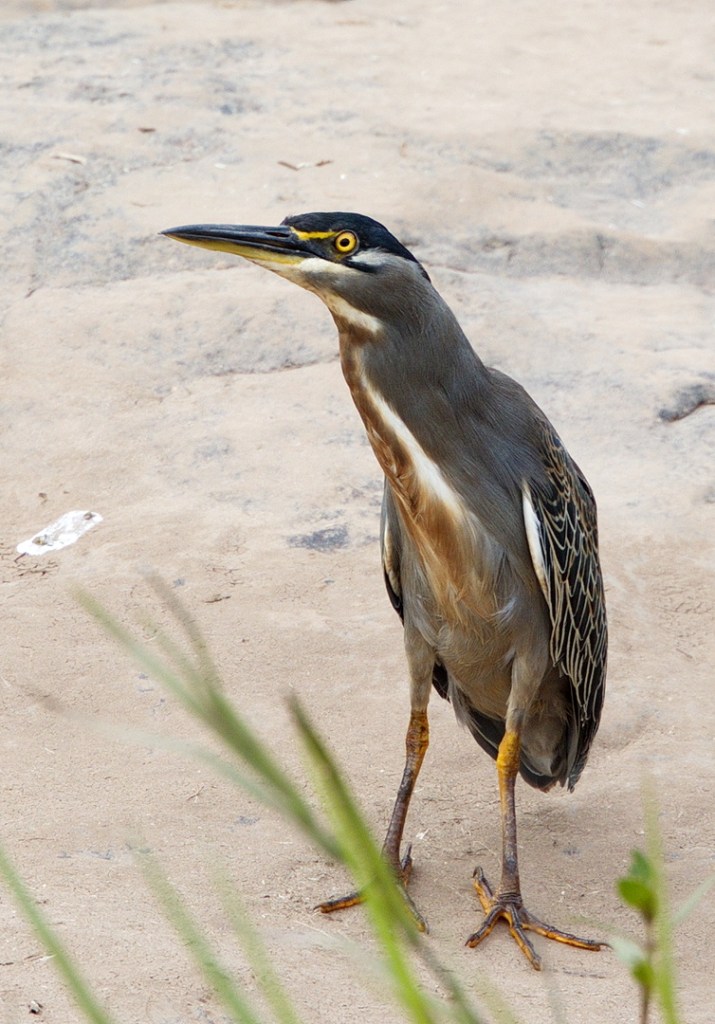
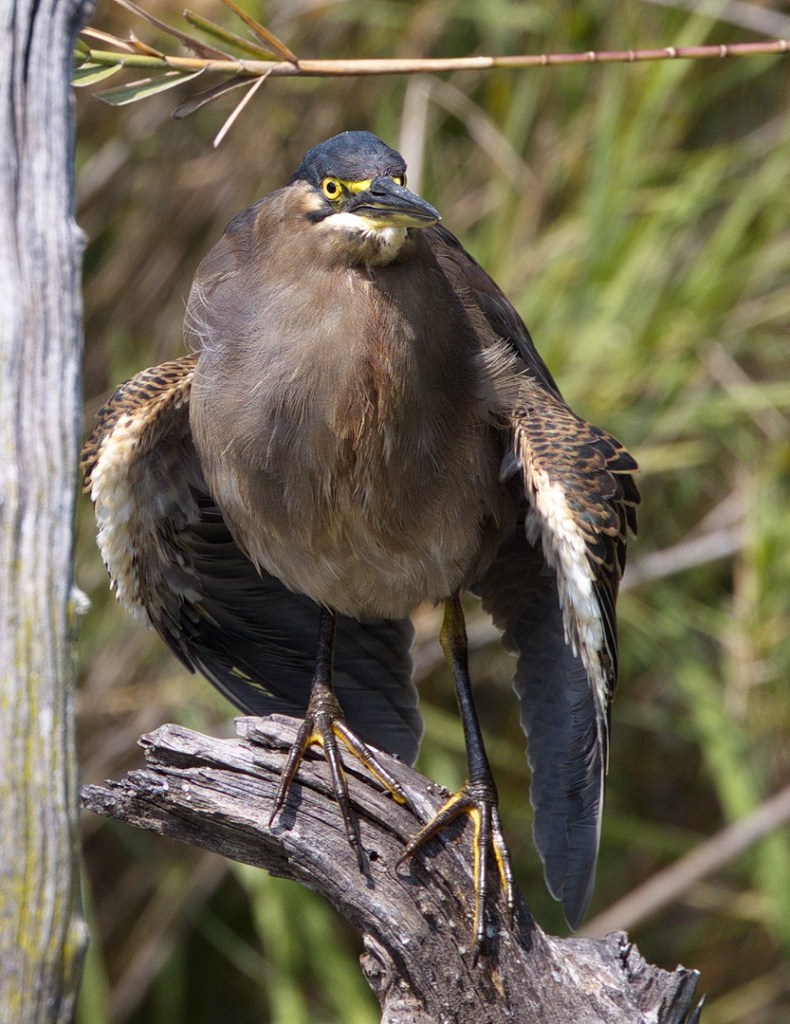
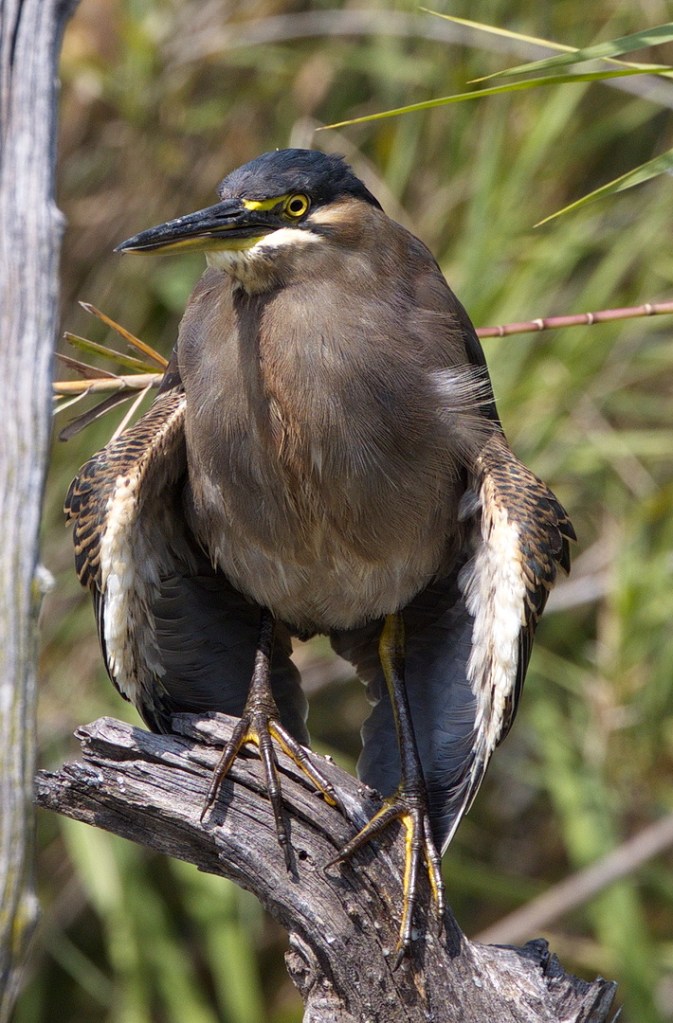
Brown-hooded KingfisherBlack-crowned TchagraBlack-winged StiltBlack-winged StiltA rather long crocodileElephantsRed-billed Buffalo-Weaver nestsPied KingfisherStriated HeronWood SandpiperStriated HeronStriated Heron branching outStriated Heron branching outStriated Heron branching out
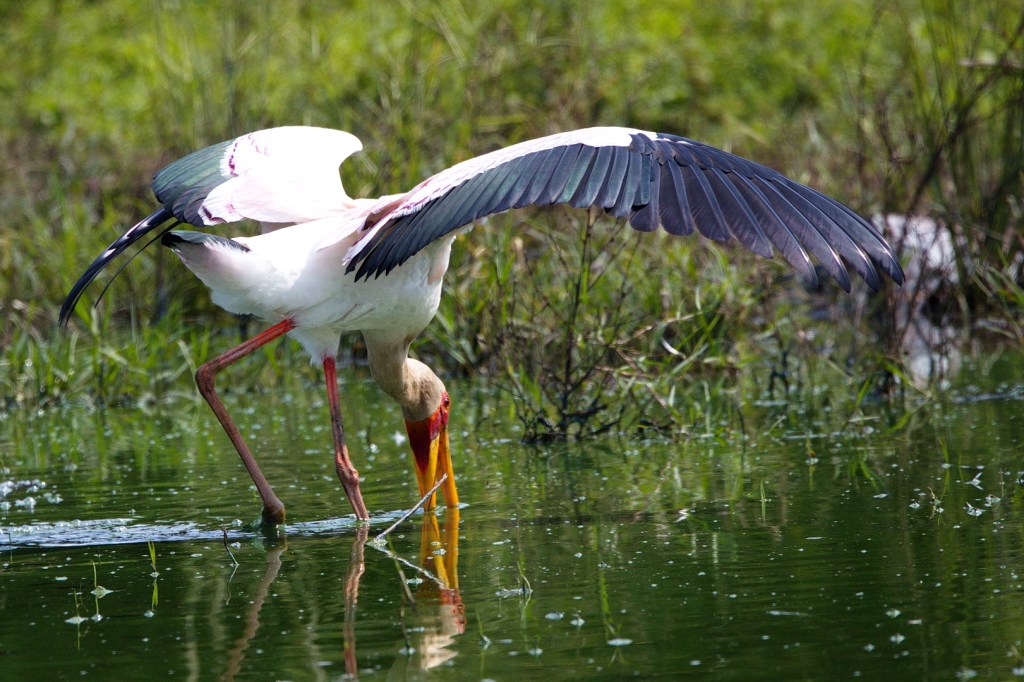
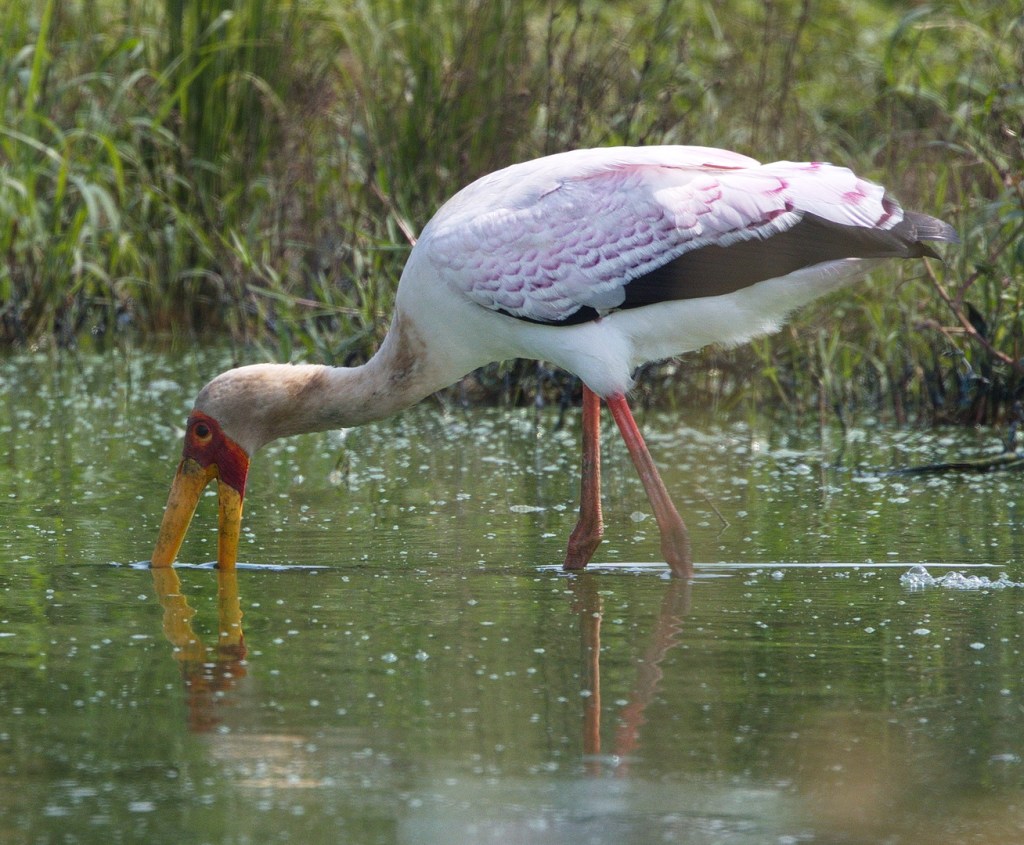
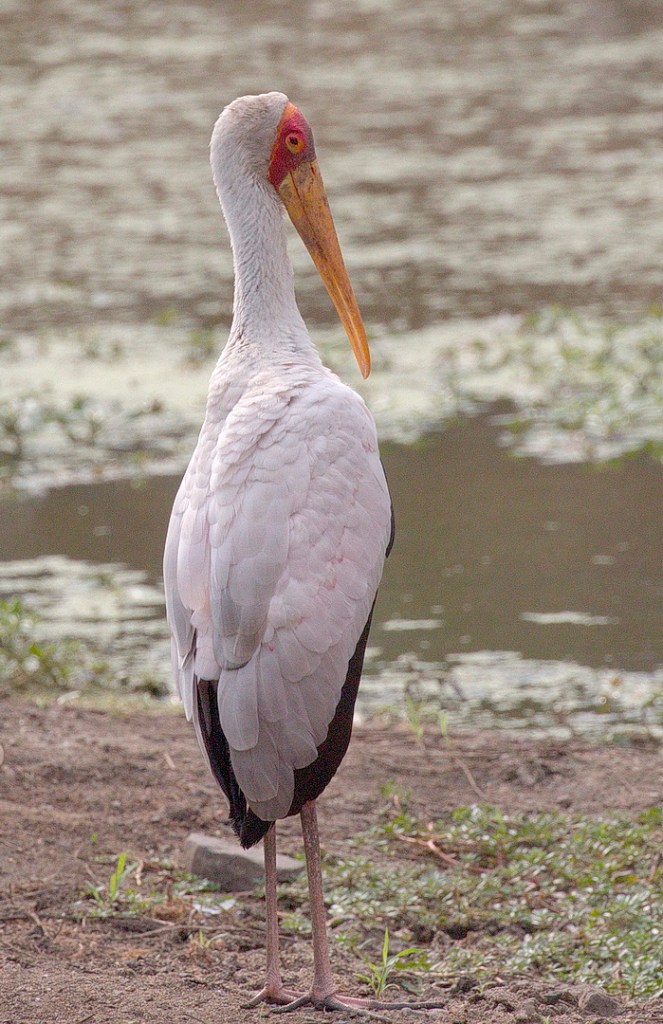
A Yellow-billed Stork showed how it uses its wings to move around quickly chasing dinner in the water.
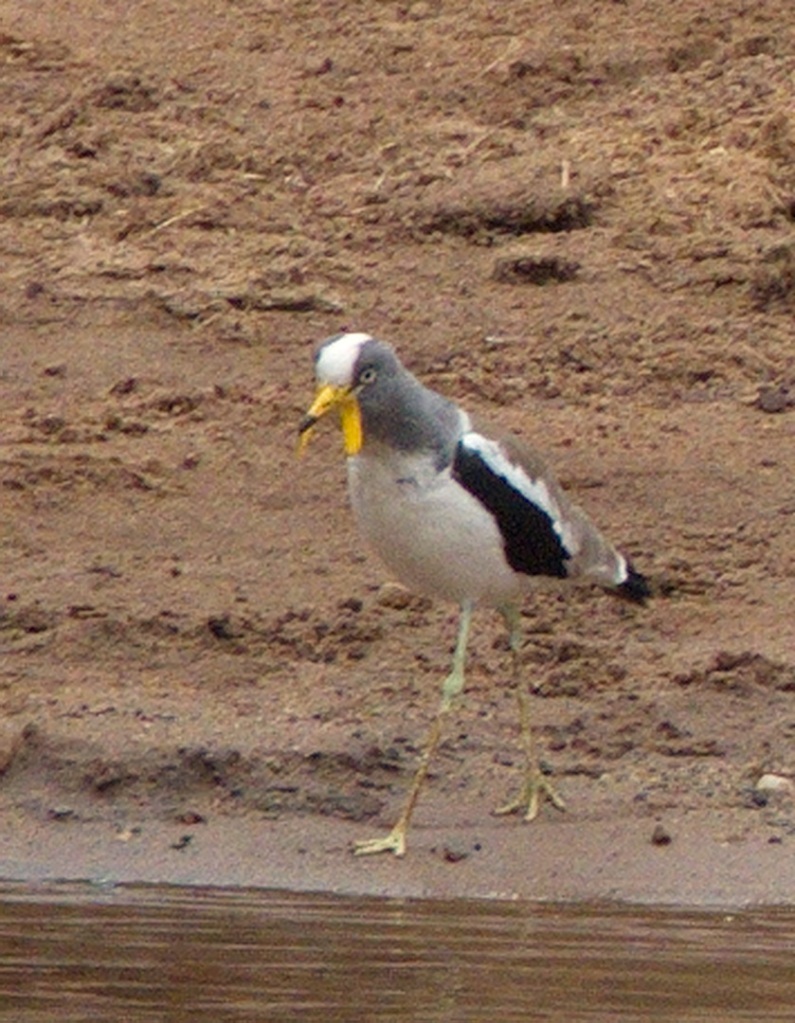
Surprisingly, we saw several pairs of White-crowned Lapwings in Sunset Dam as well as near the main bridge crossing lower Sabie. In the past we had only ever seen them in the north of the Park around Pafuri.
White-crowned Lapwing.
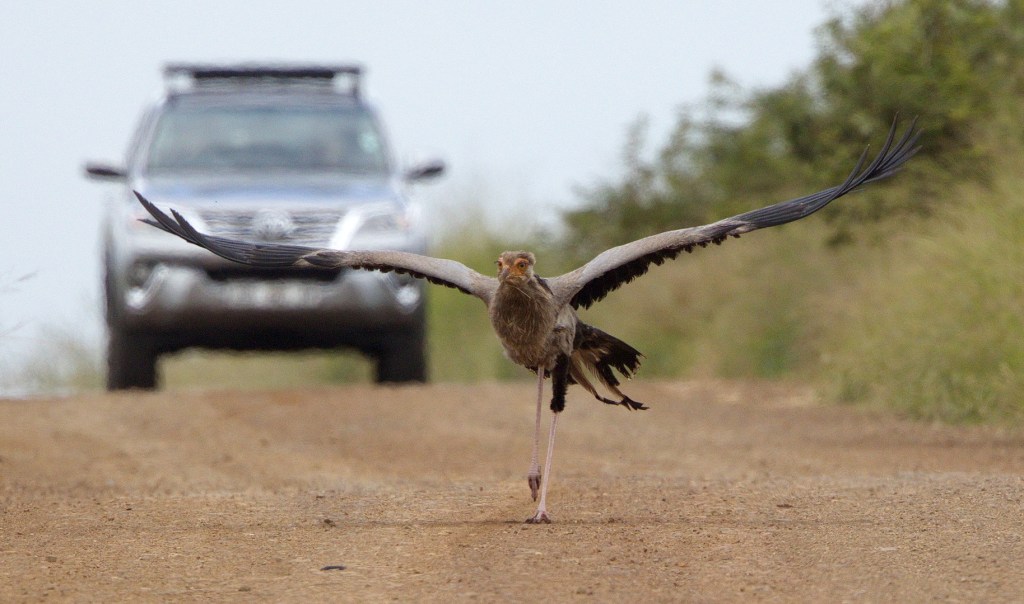
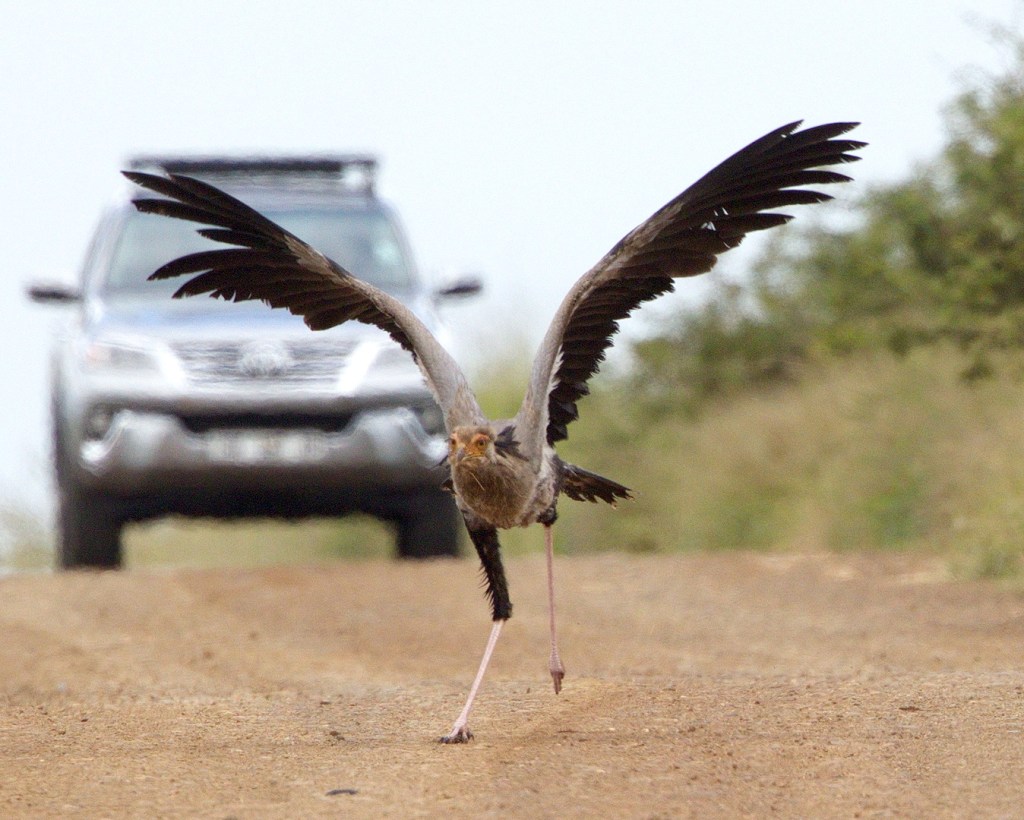
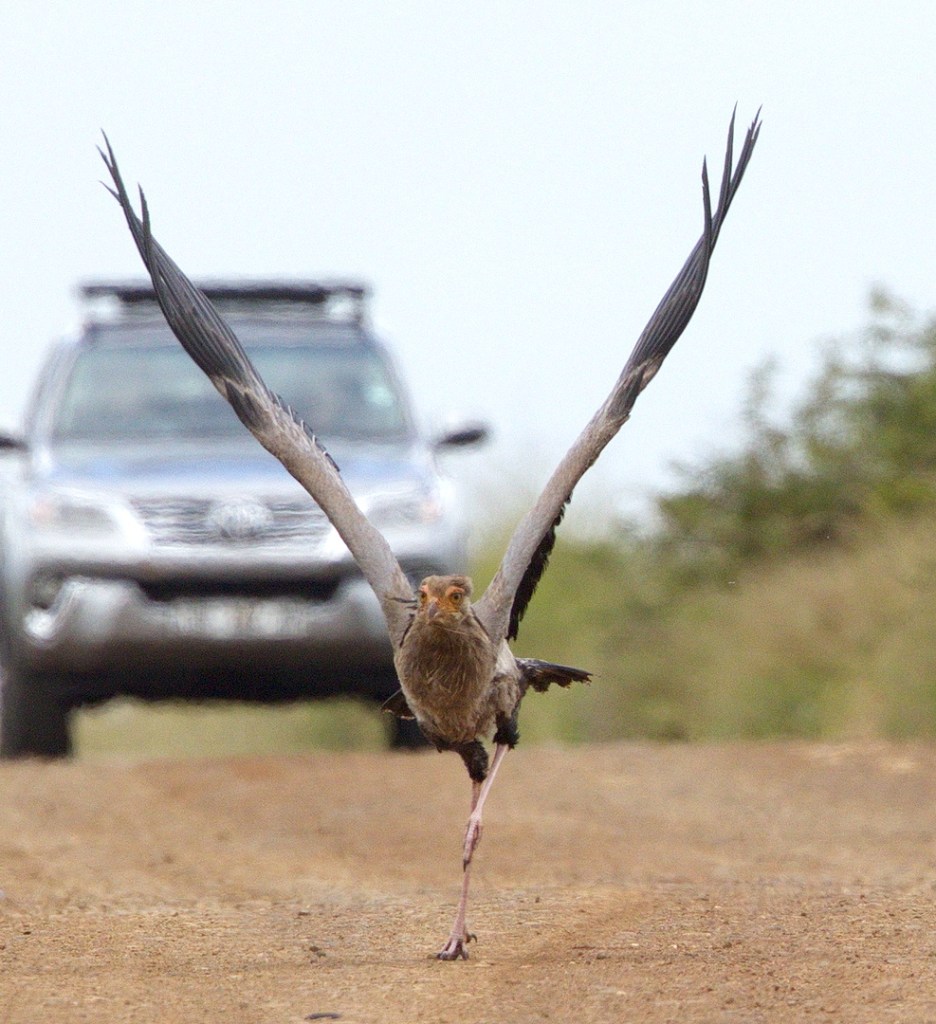
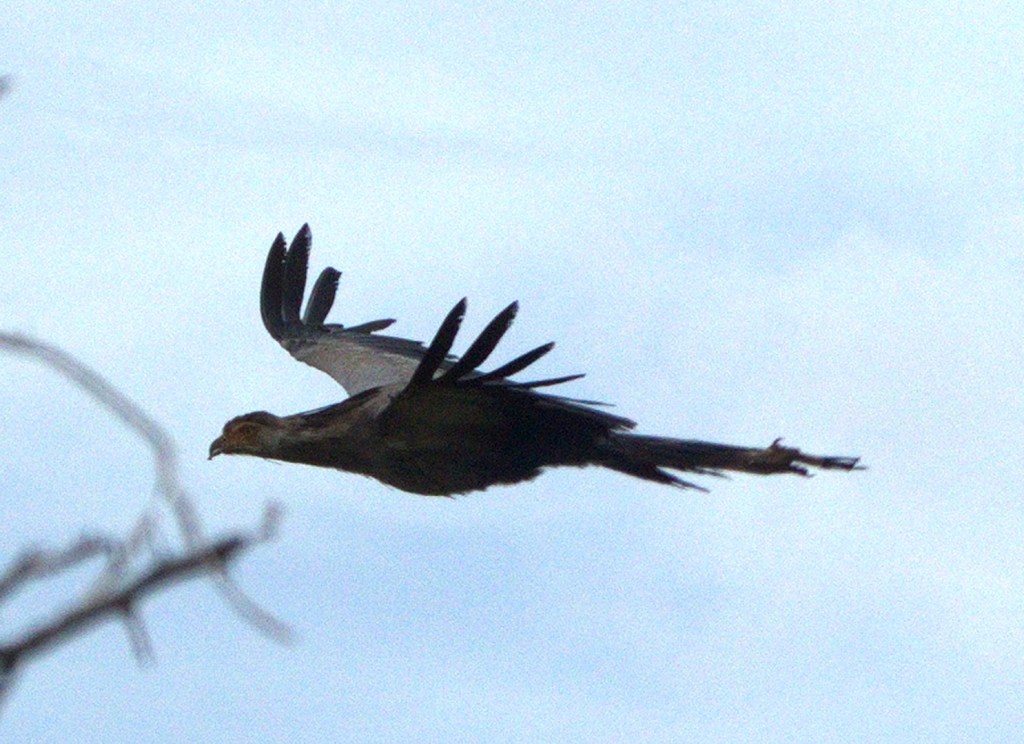
On one of the back roads, we noticed a Secretarybird way ahead of us. As I was about to take a photo, a car came over the hill and it took off towards us fortunately.
Secretarybird attempting to get into the air.
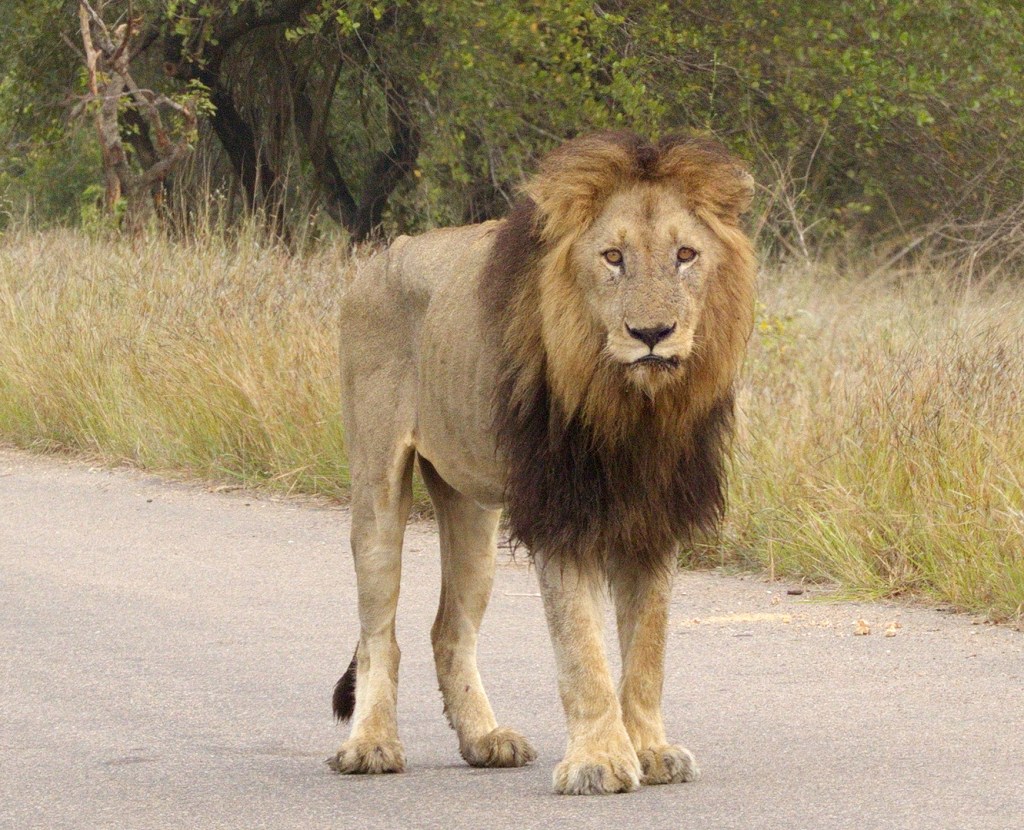
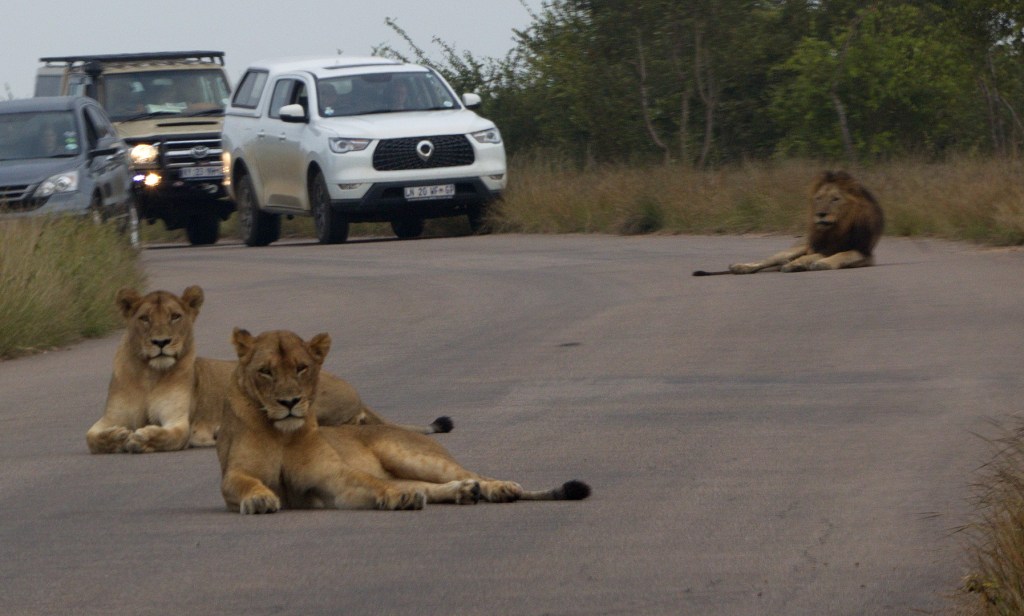
We did come across several Lion sightings – a mating pair in one instance and a pride lying across the road with the usual traffic jam. We also saw briefly our only Cheetah and took a video of a Hyena walking by.
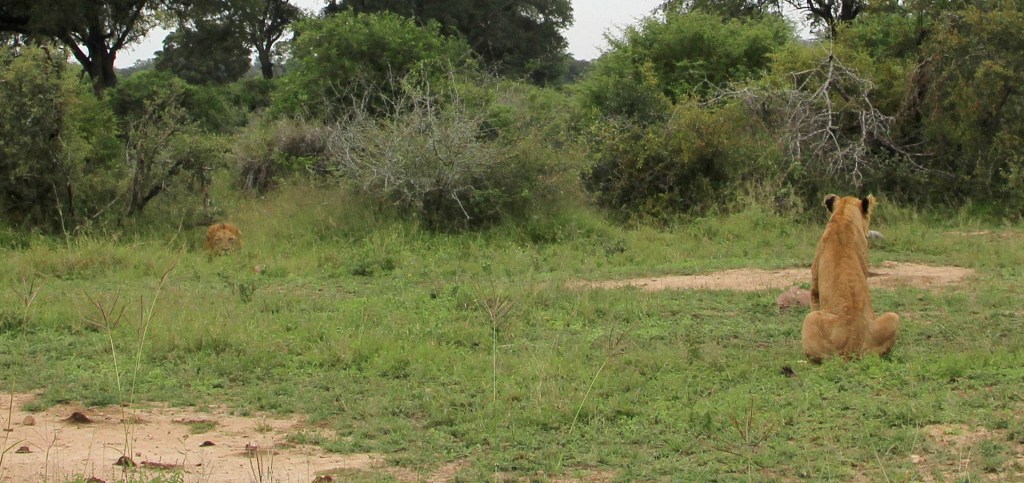
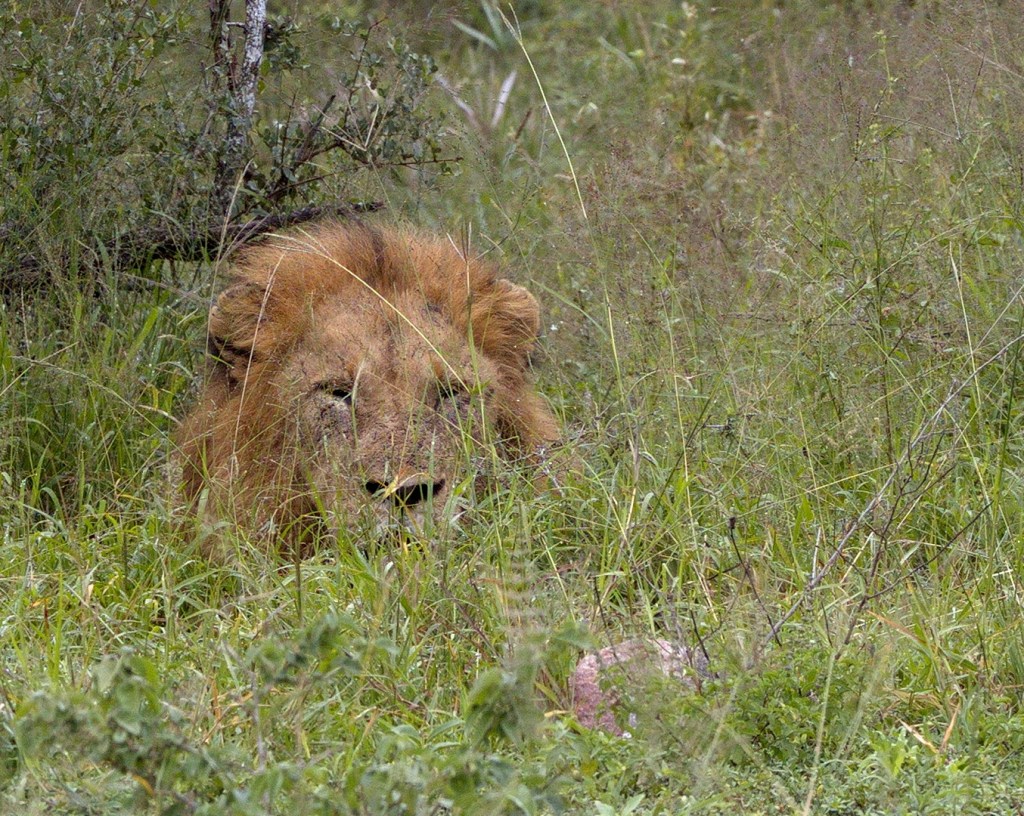
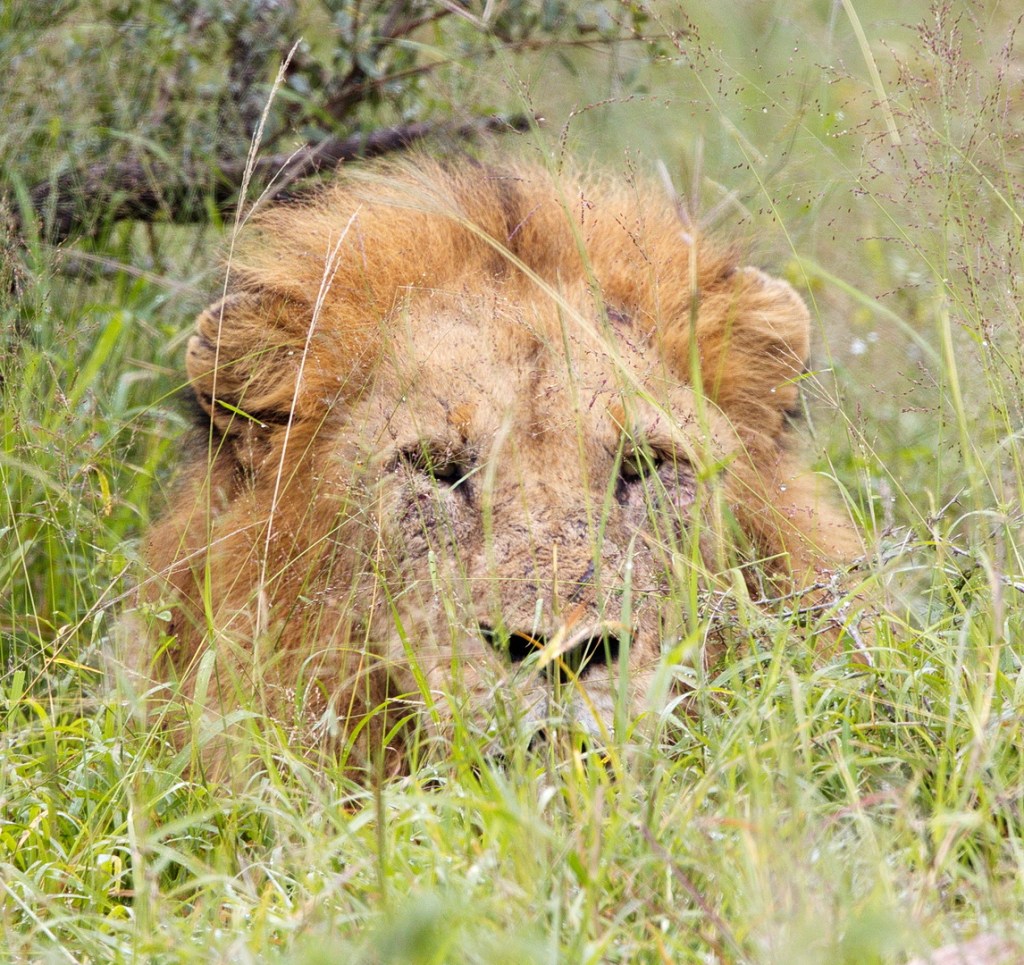
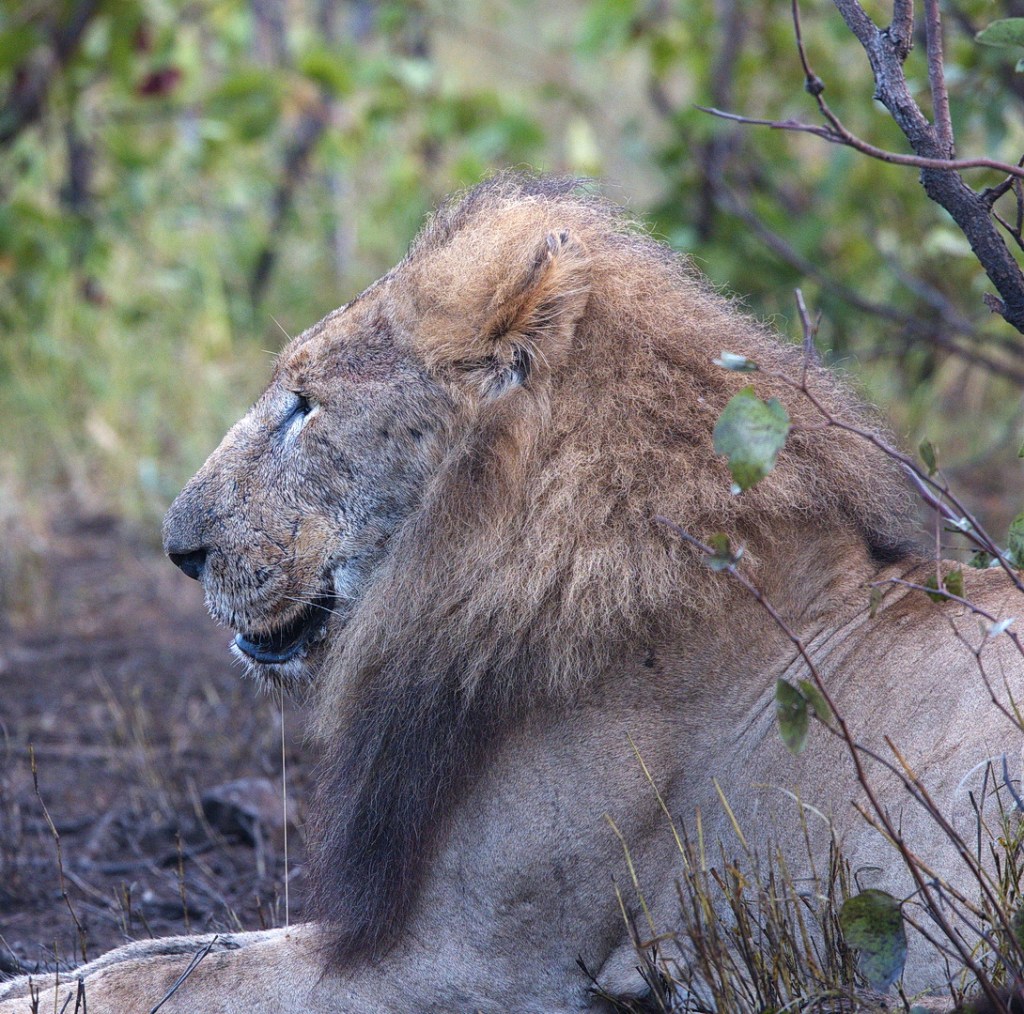
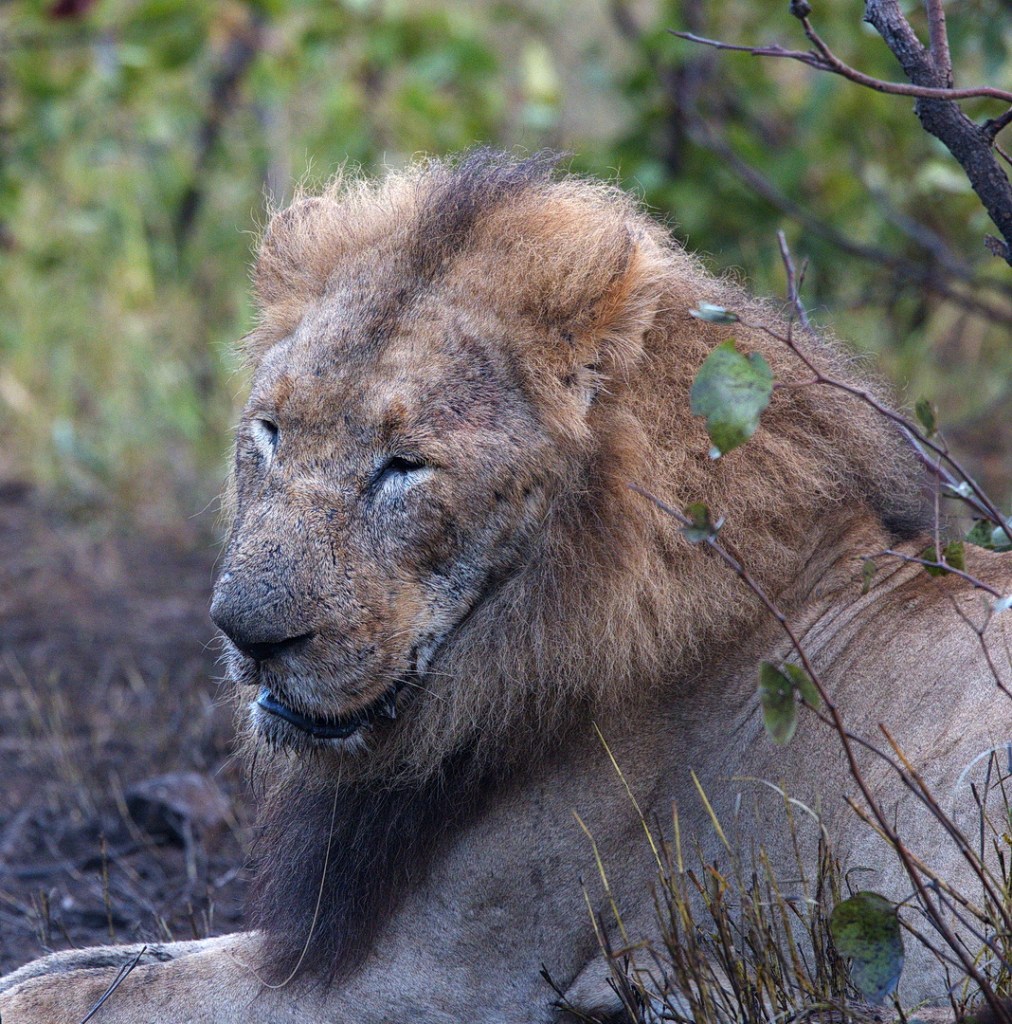
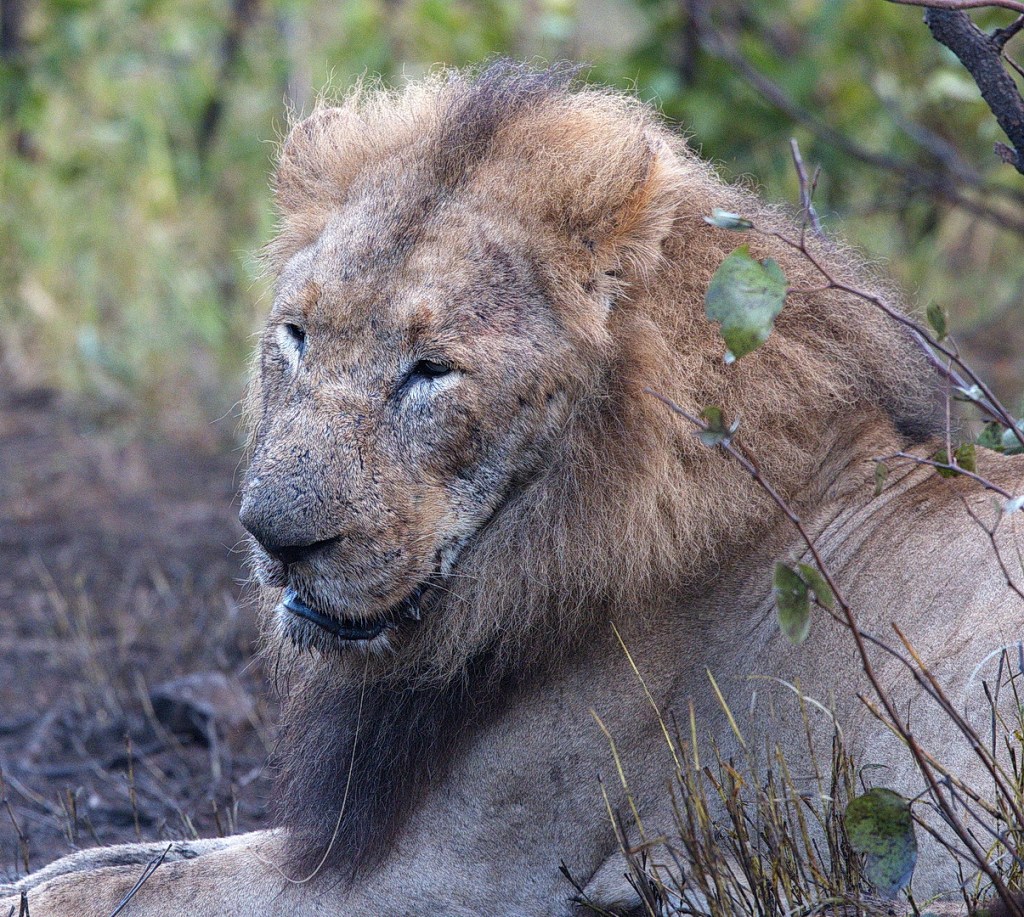
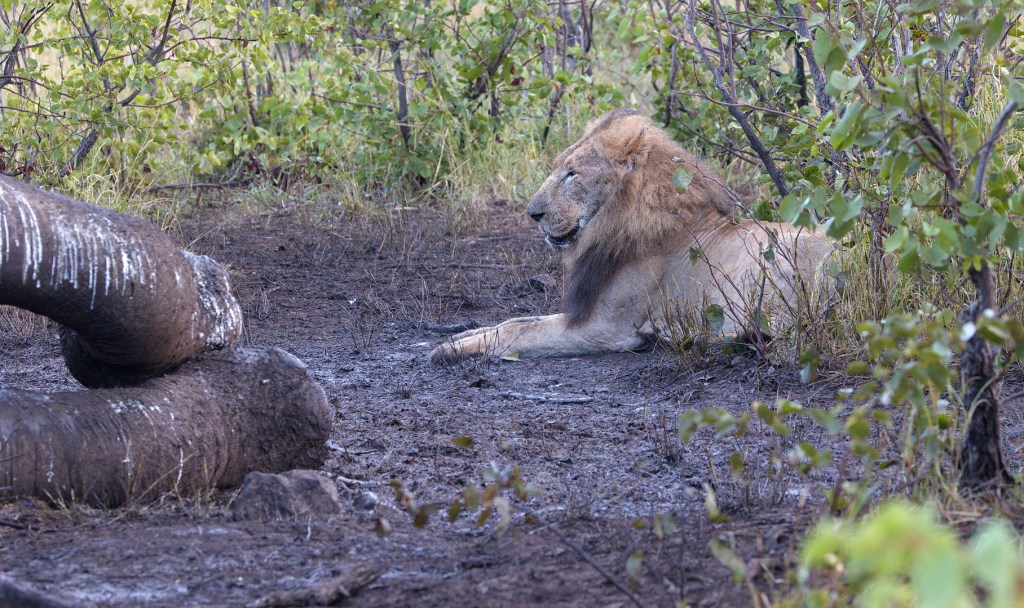
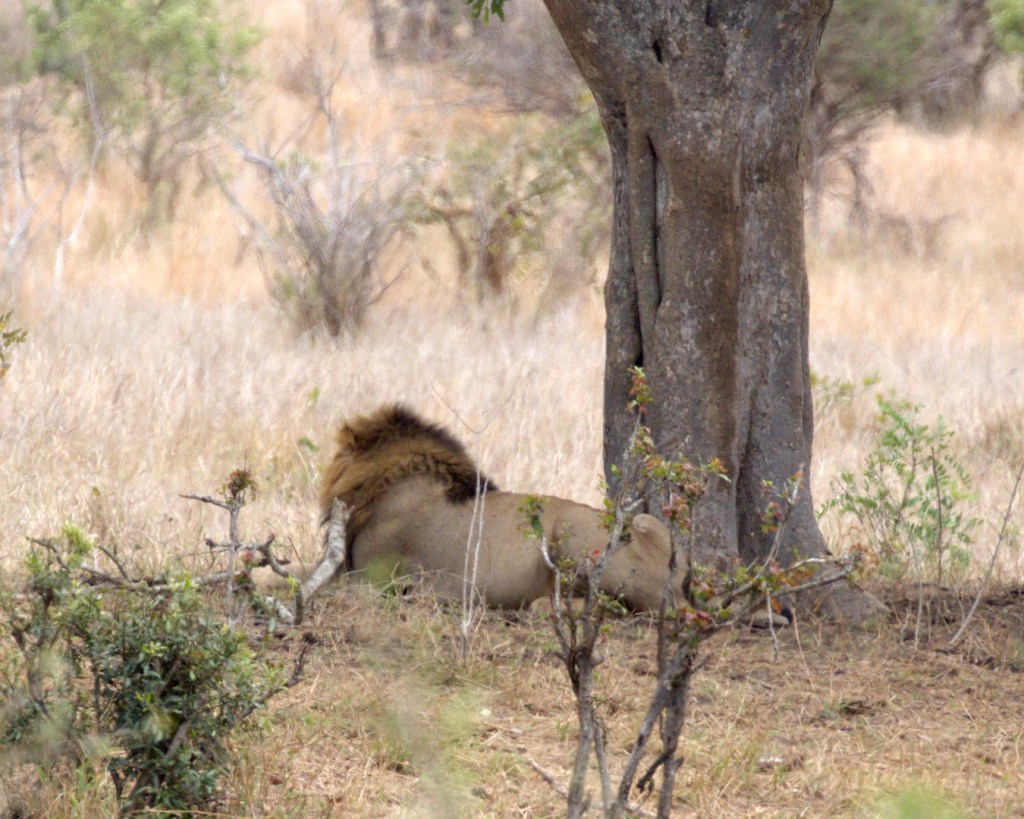
CheetahWaiting for her man.Male Lion recuperatingMale Lion recuperatingLioness keeping him at bay for the momentLioness resting between sessionsLioness tarting upScrawny male with mates on the roadA gemorse of traffic.
Hyena
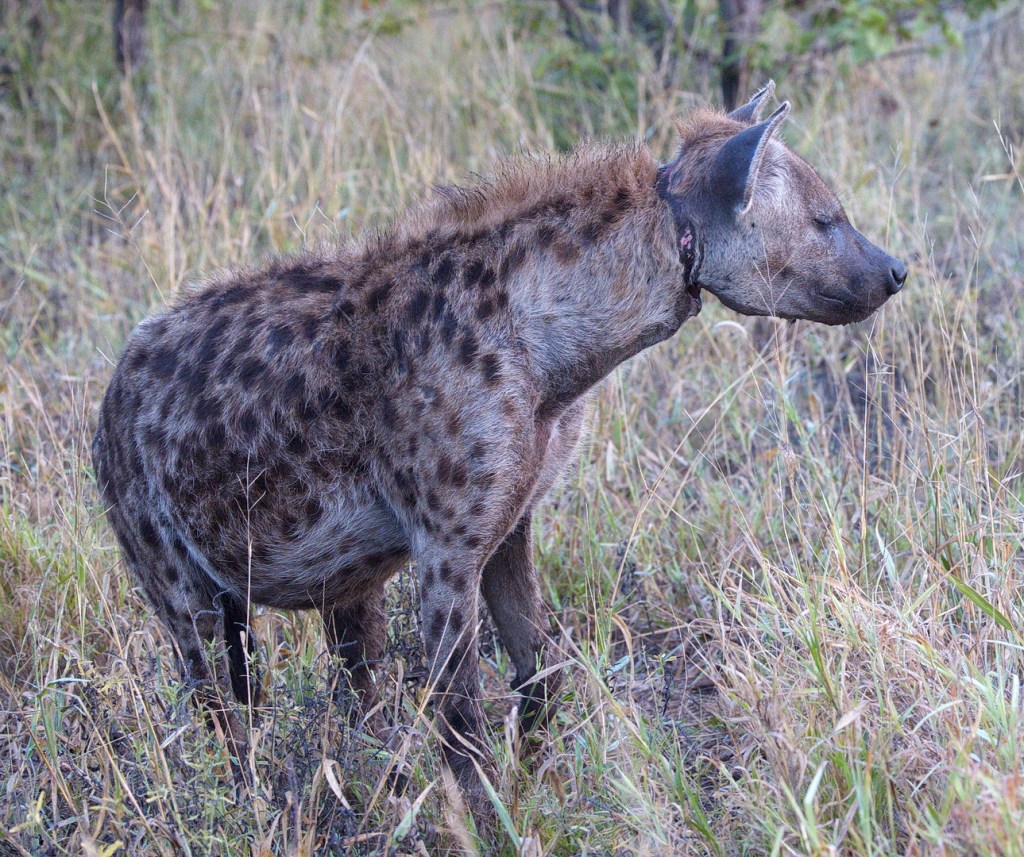
Hyena with wounded back.
Raptors
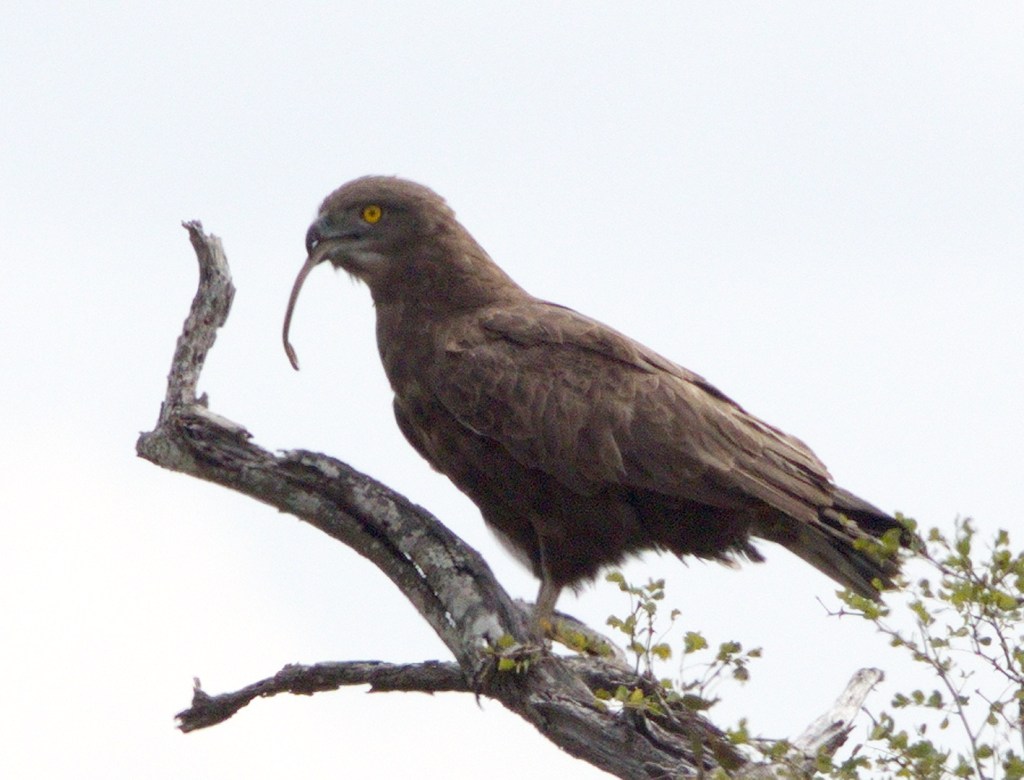
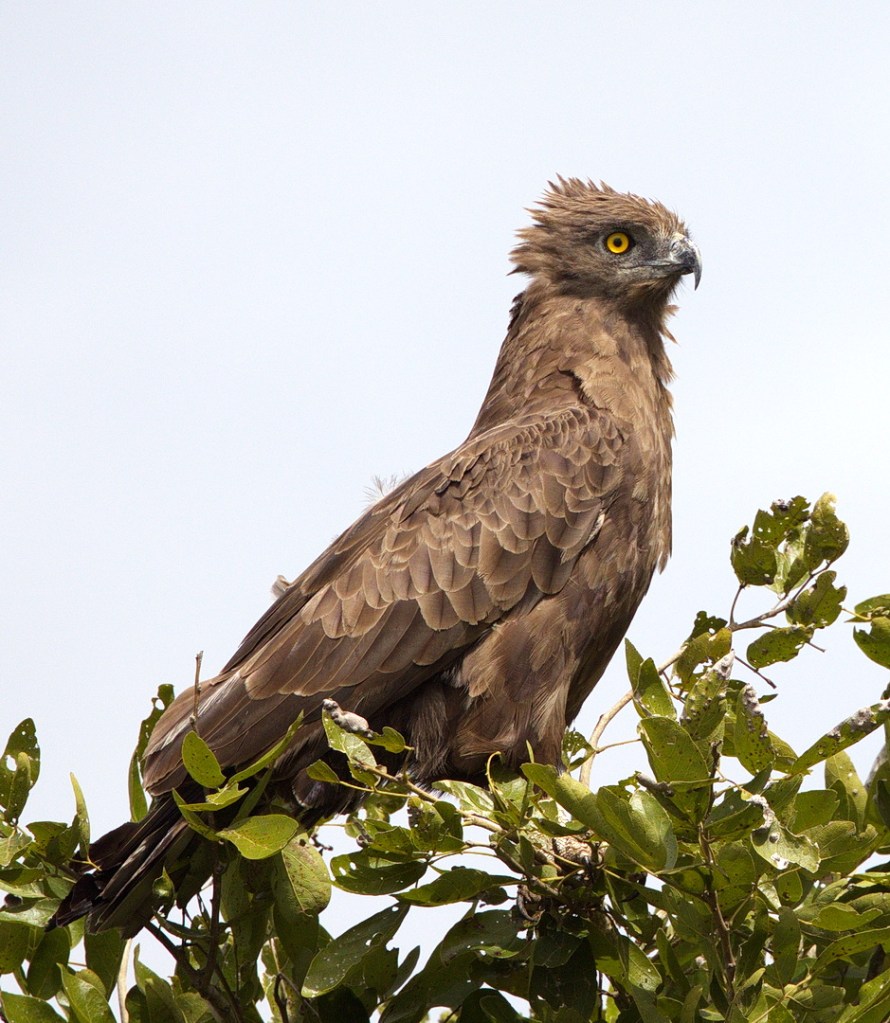
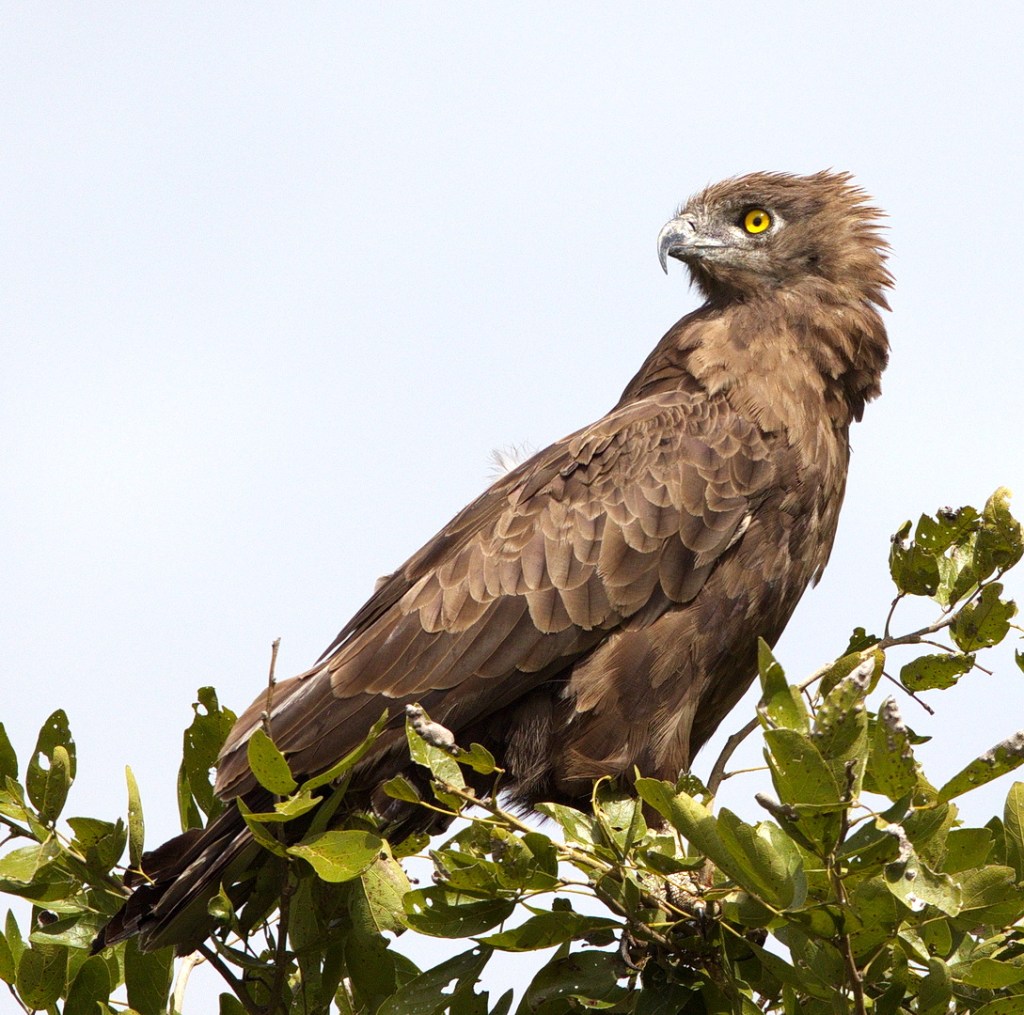
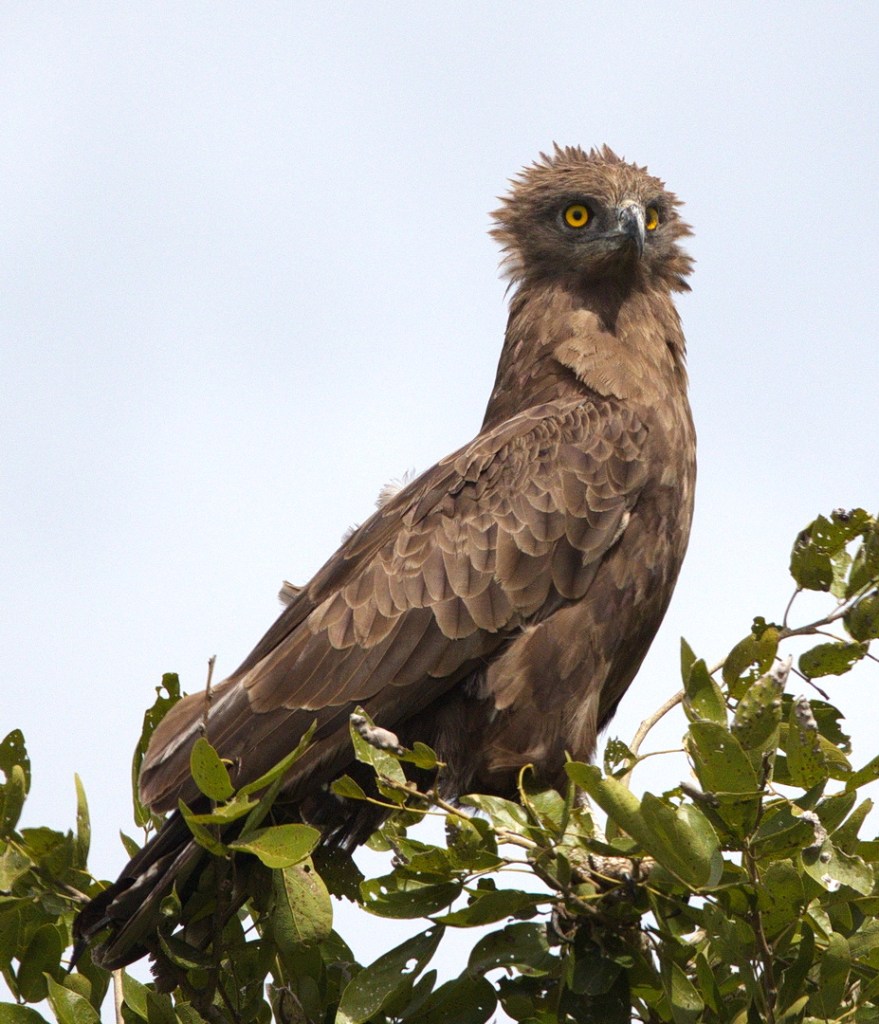
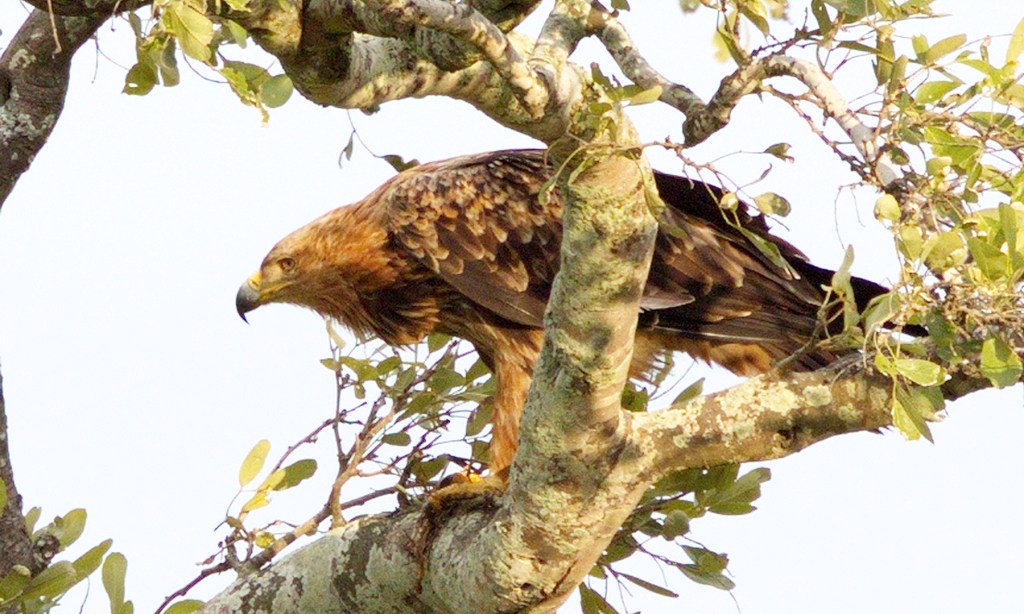
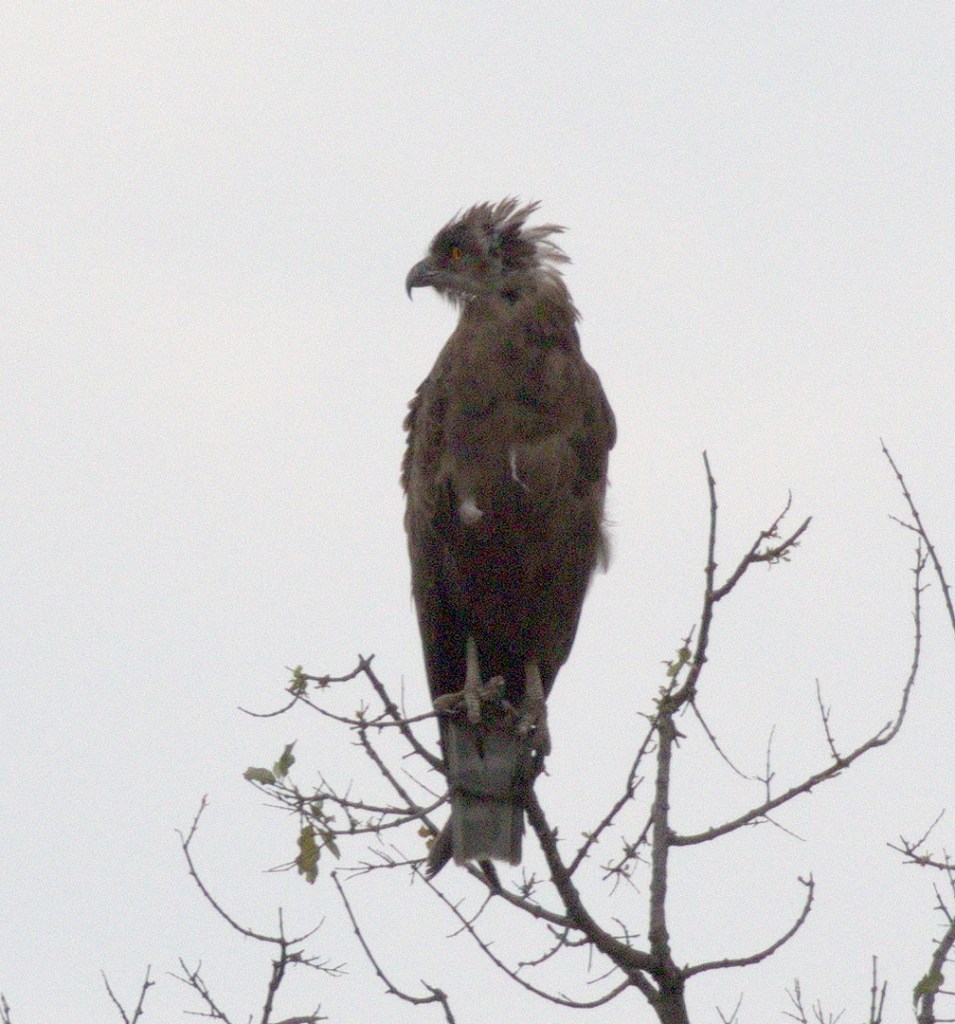
Several Brown Snake-Eagles, Martial Eagle
Brown Snake-Eagle with snakeBrown Snake-Eagle coming at usBrown Snake-Eagle coming at us – getting closerBrown Snake-Eagle almost upon us.Brown Snake-EagleStaring us down yMartial EagleMartial Eagle
And here are some of the other species we managed to capture.
Sally and Paul enjoying a sundowner at the Berg-e-dal bar.
After driving around the camp for ages looking for a spot, we eventually settled on a site we had first seen. And we enjoyed the privacy and outlook.
Our outlookLaid back into the bushAblutions far enough away.
We ventured around the area but also took a long day out to Pretoriuskop – taking the H2-2 from Afsaal to Pretoriuskop. Then back along the S1-1 and H3, visiting dams and other features along the way.
Typical scenery.
The Dome near Pretoriuskop on the S10Impala LilyTransport DamShitlhave Dam – H1-1Shitlhave Dam – H1-1More rain down south of the Park so the grasses were tallerMathekeyane GranokopMathekeyane Granokop tea break.
A natural rubbing post for Warthogs and Rhinos usually.
Very Finger-looking good.
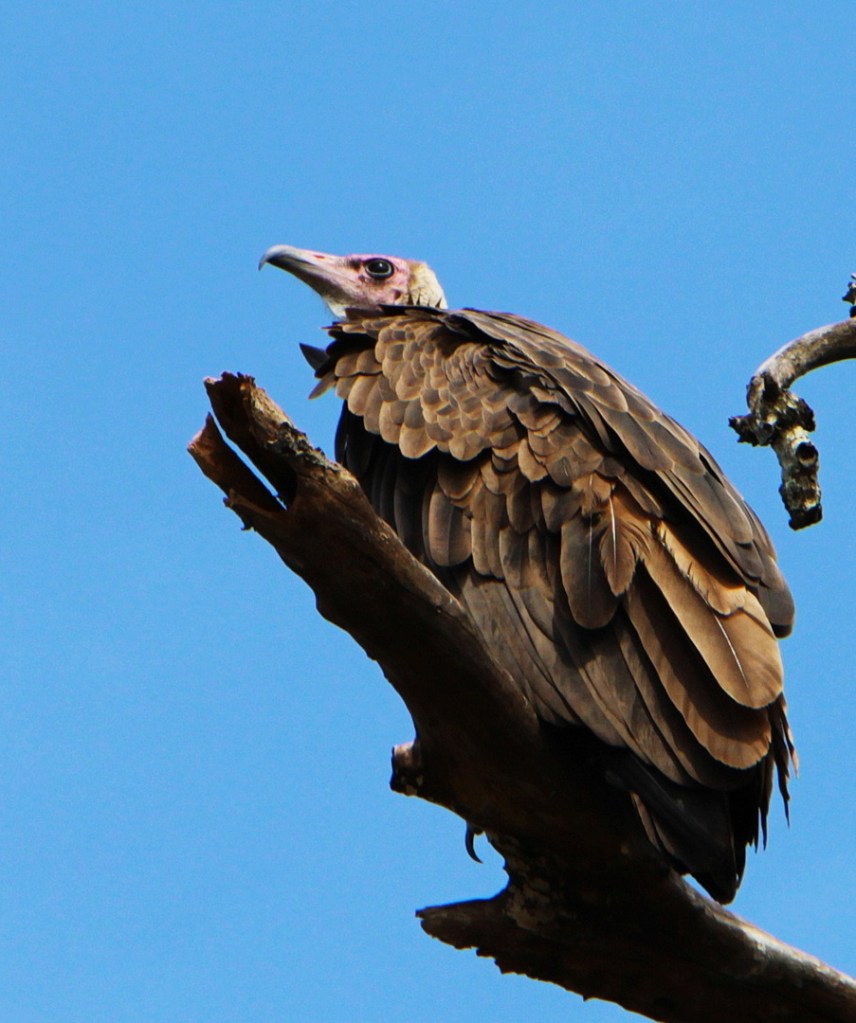
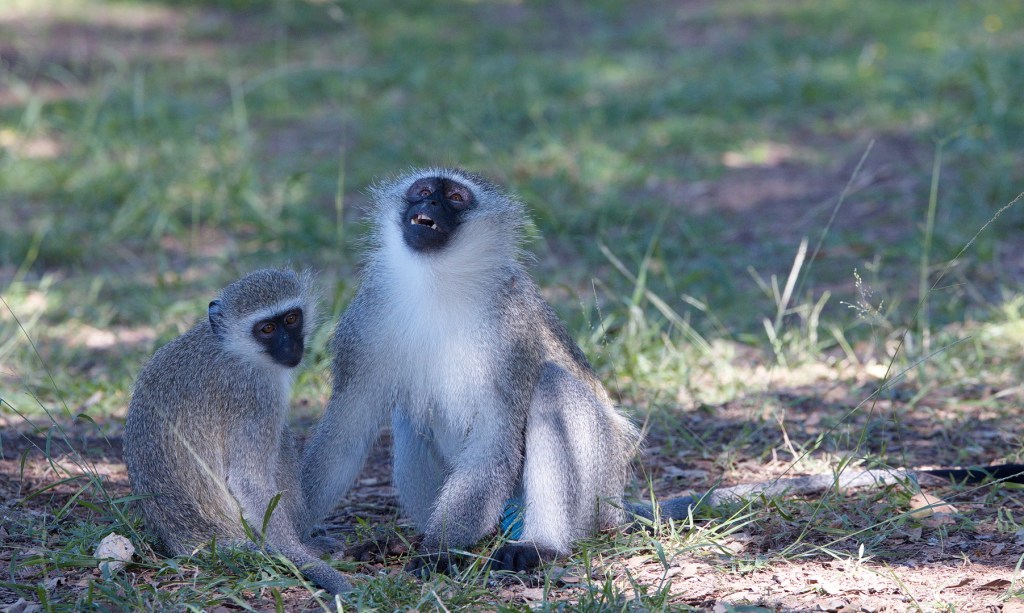
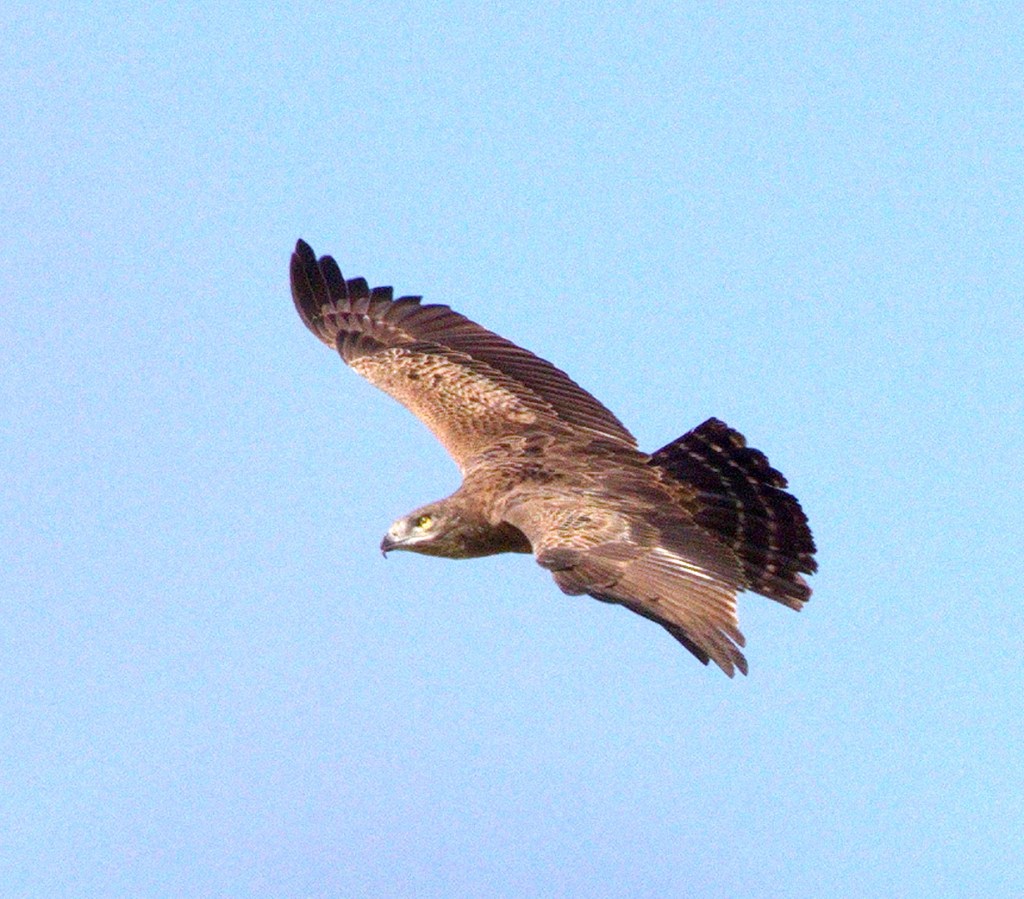
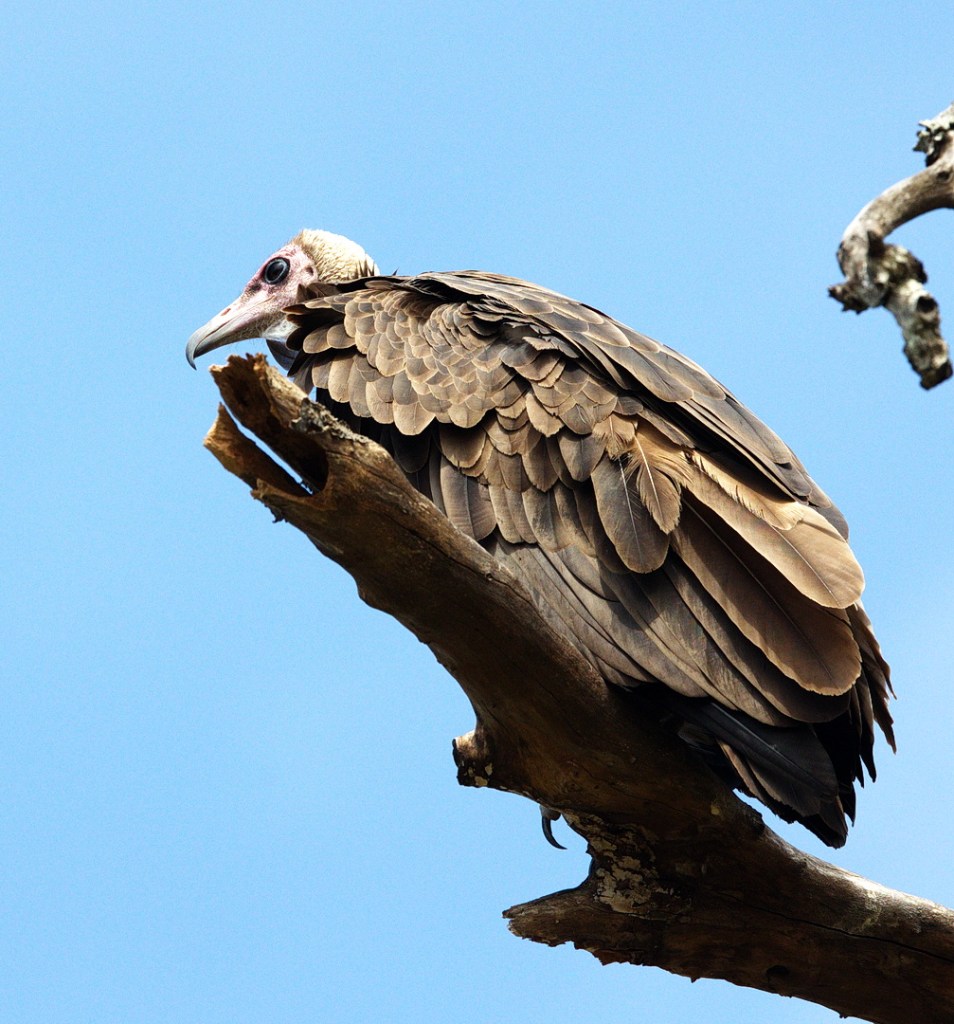
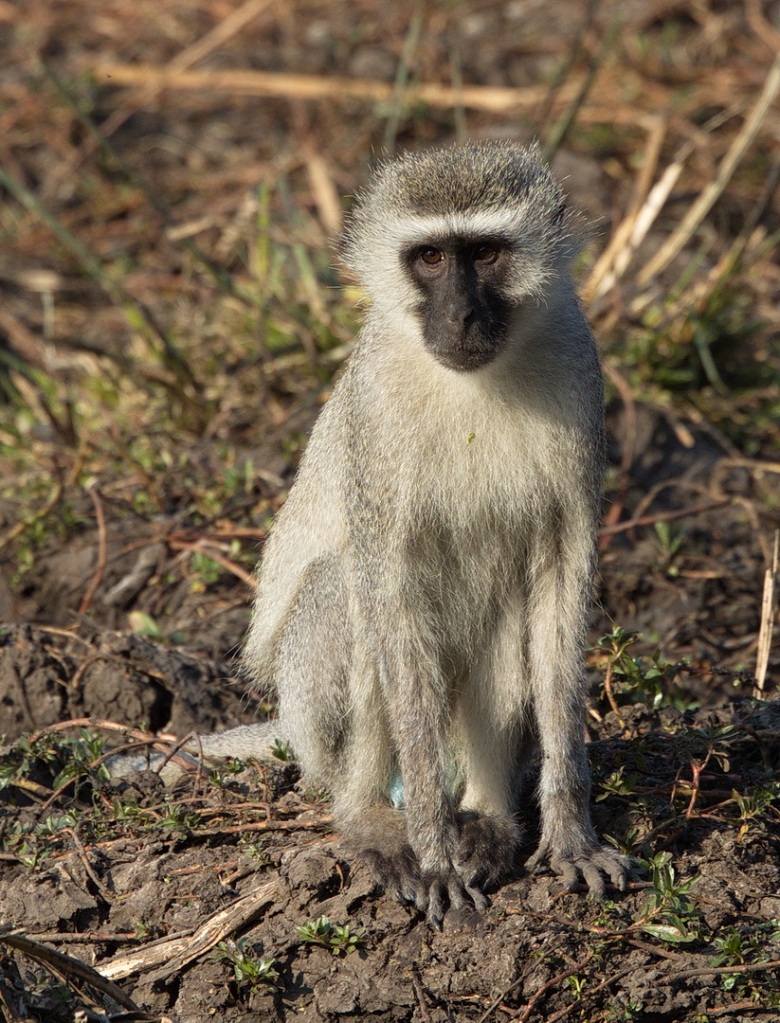
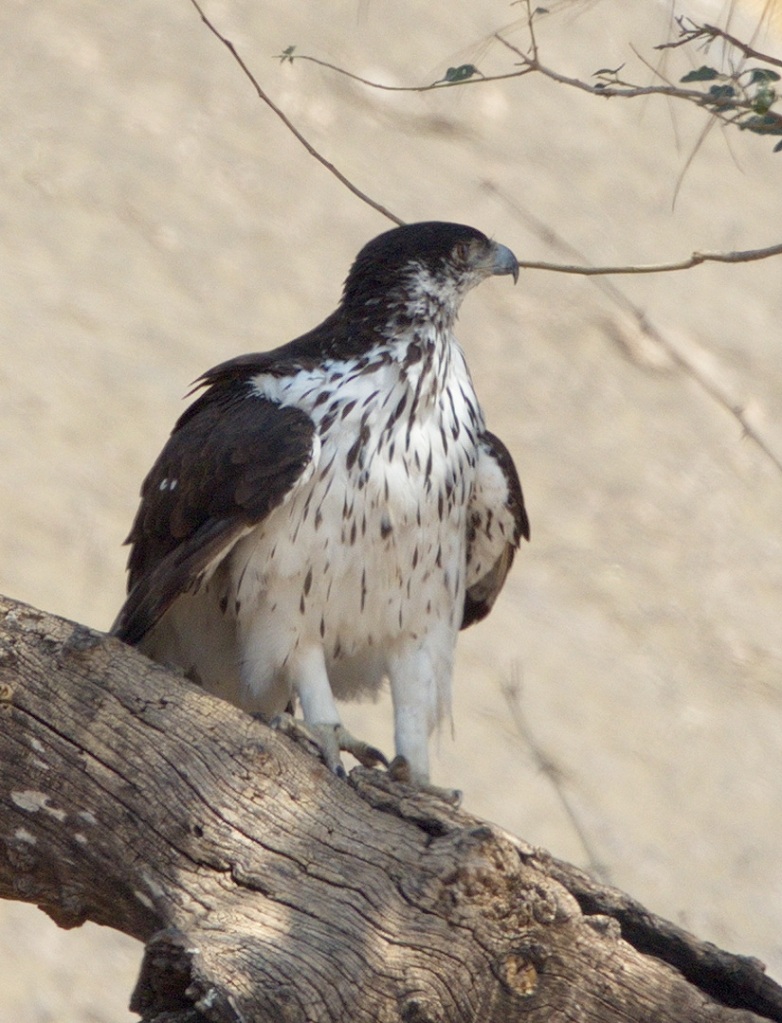
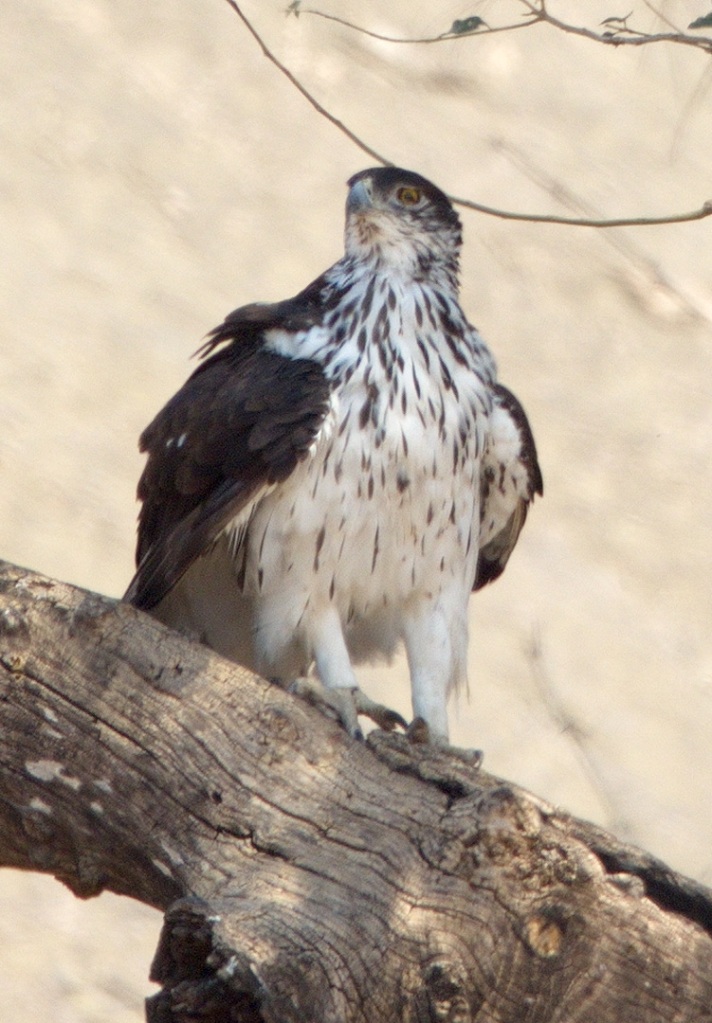
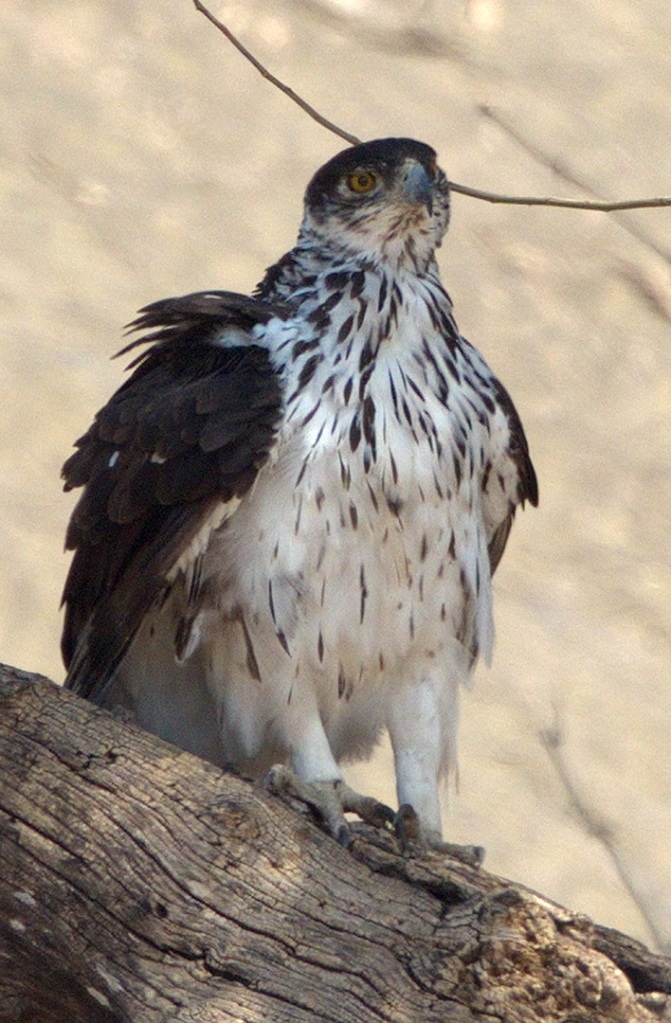
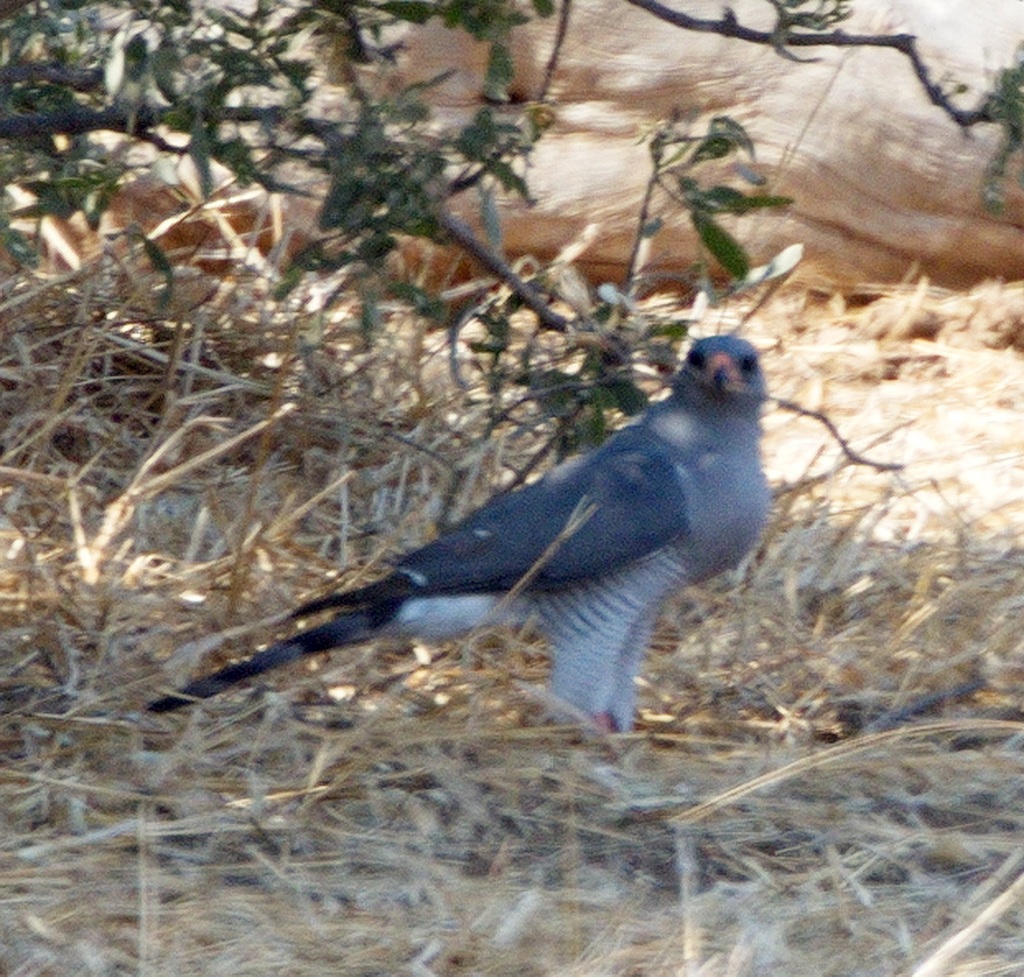
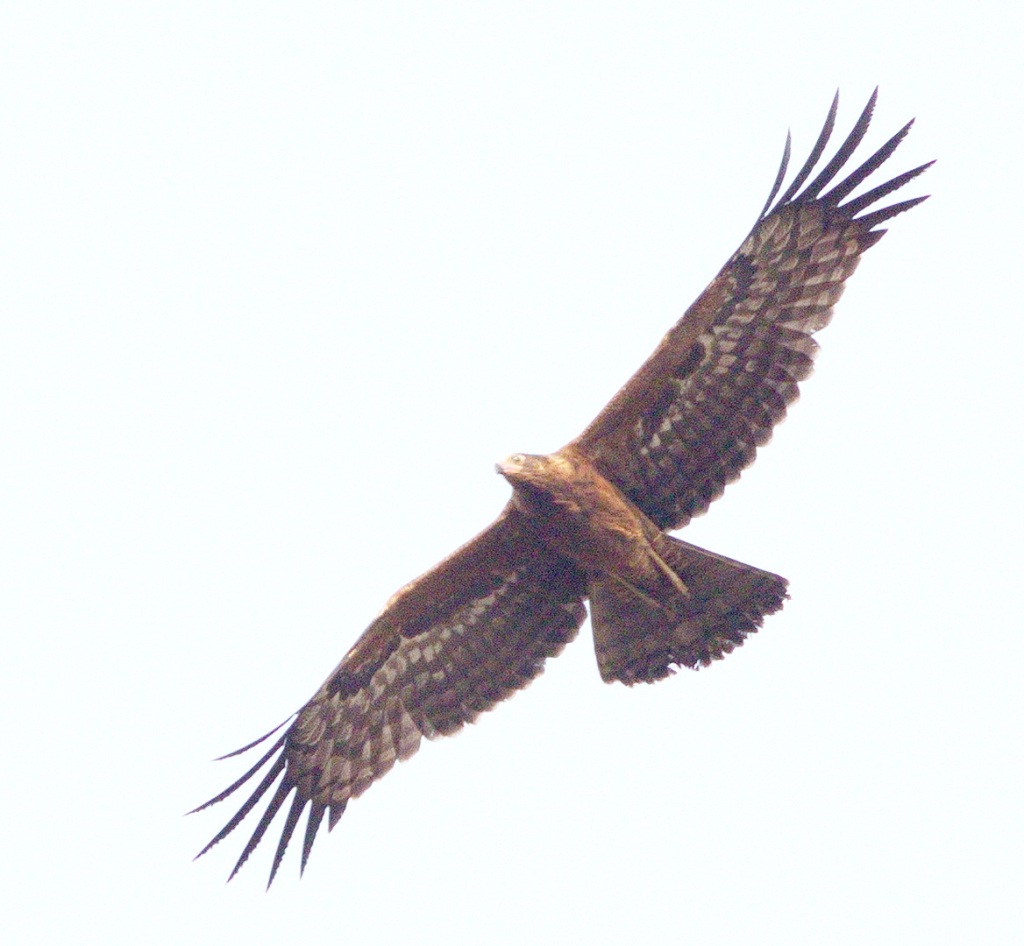
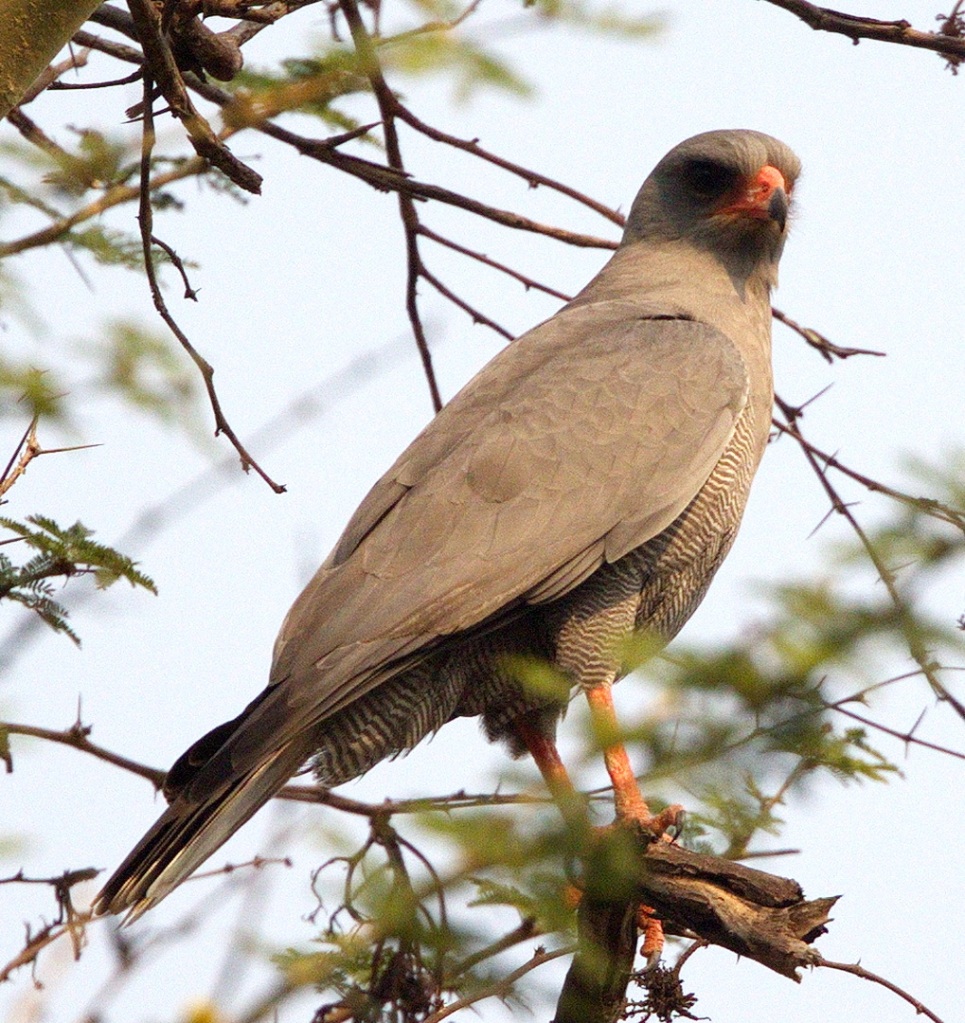
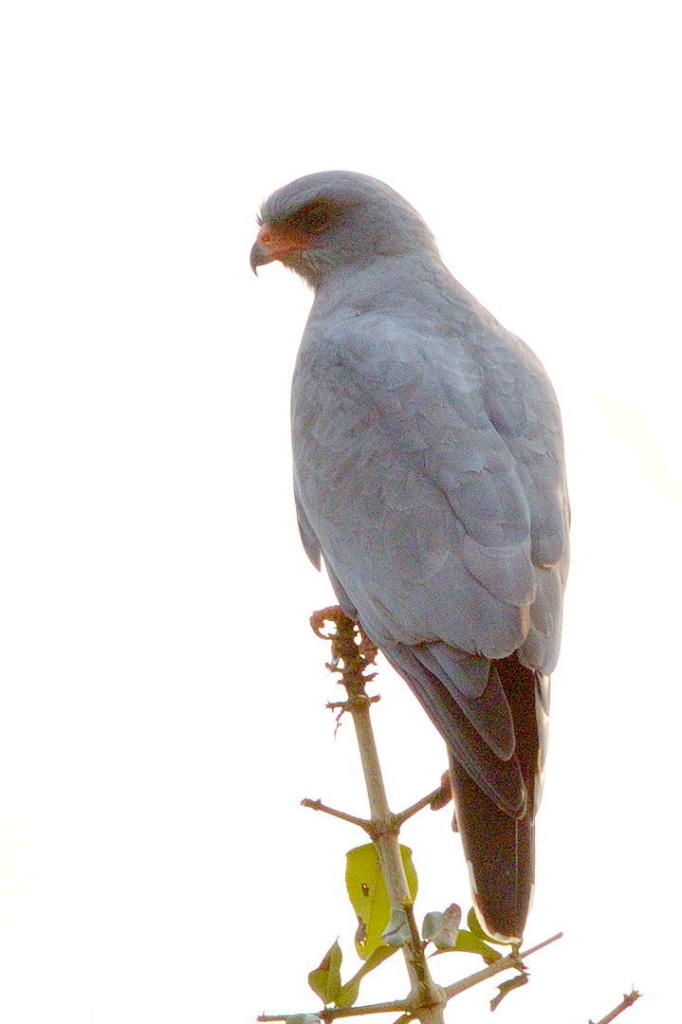
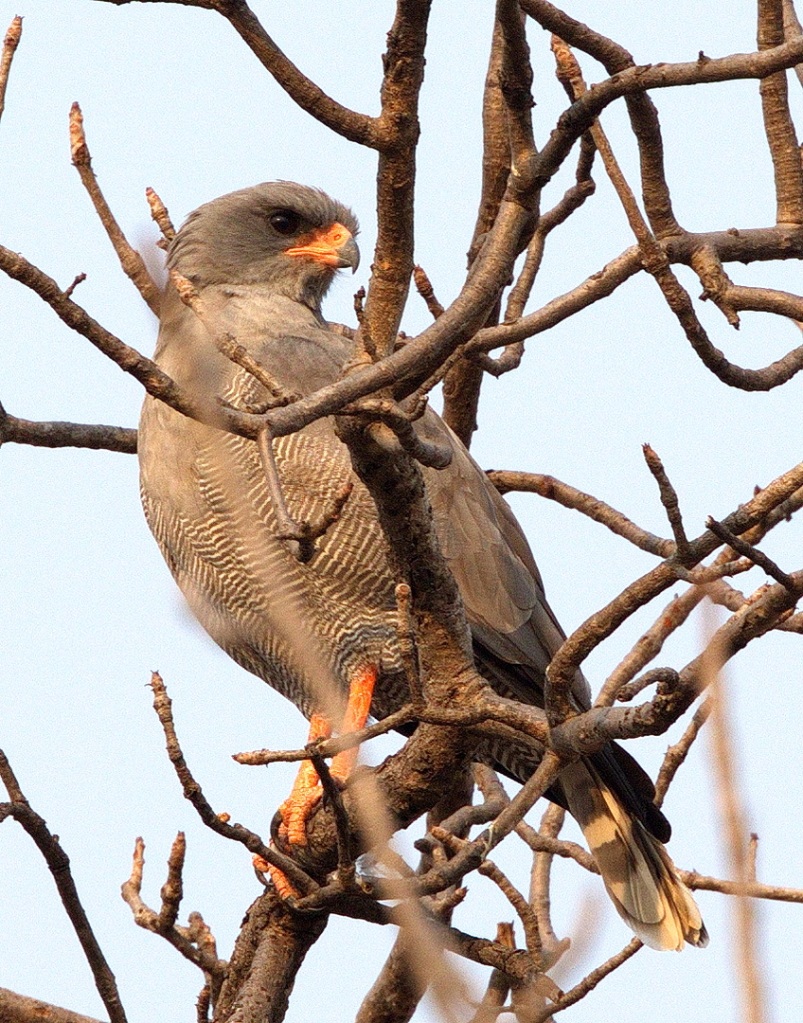
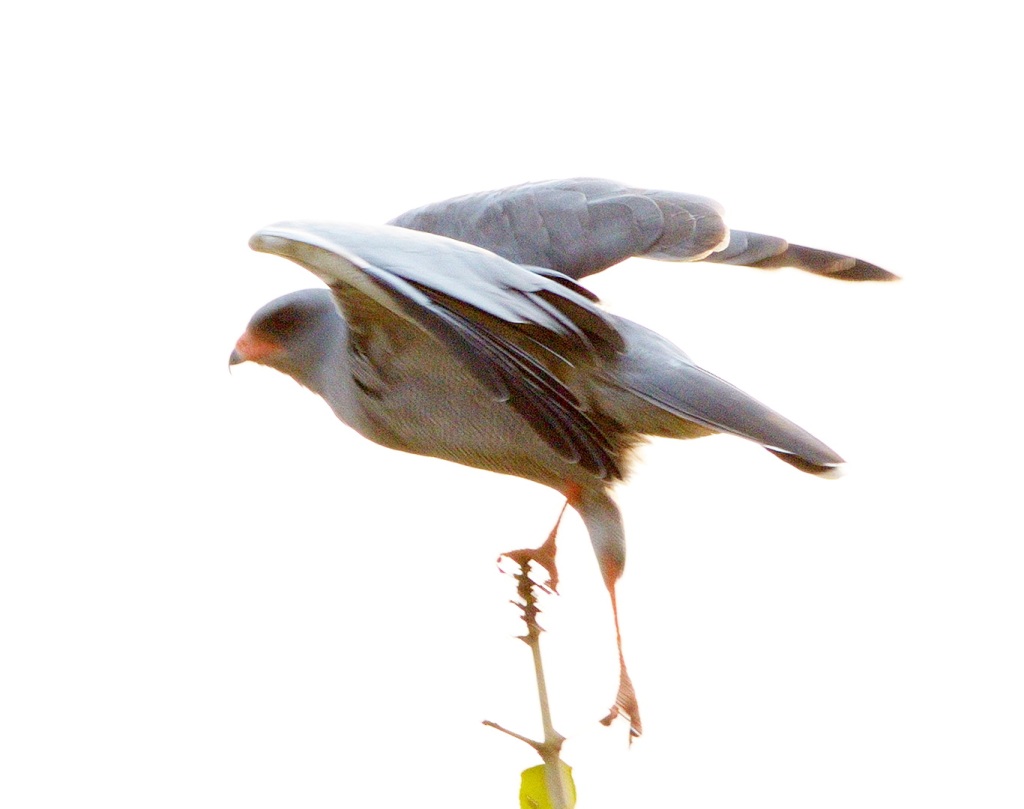
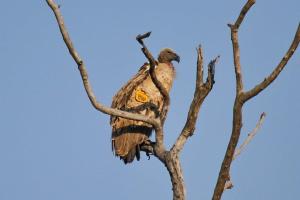
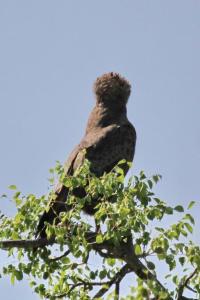
Along the way we had some lovely birds too. A pair of African Hawk-Eagles, a Gabar Goshawk, a Black-winged Kite high above and a Martial Eagle were the raptors which stood out. Of course there was an unidentified raptor photographed as well. An ear-torn Hyena walked up to us and a pair of Vervet Monkeys were nervous of life above in Pretoriuskop. Even a Hooded Vulture made an appearance.
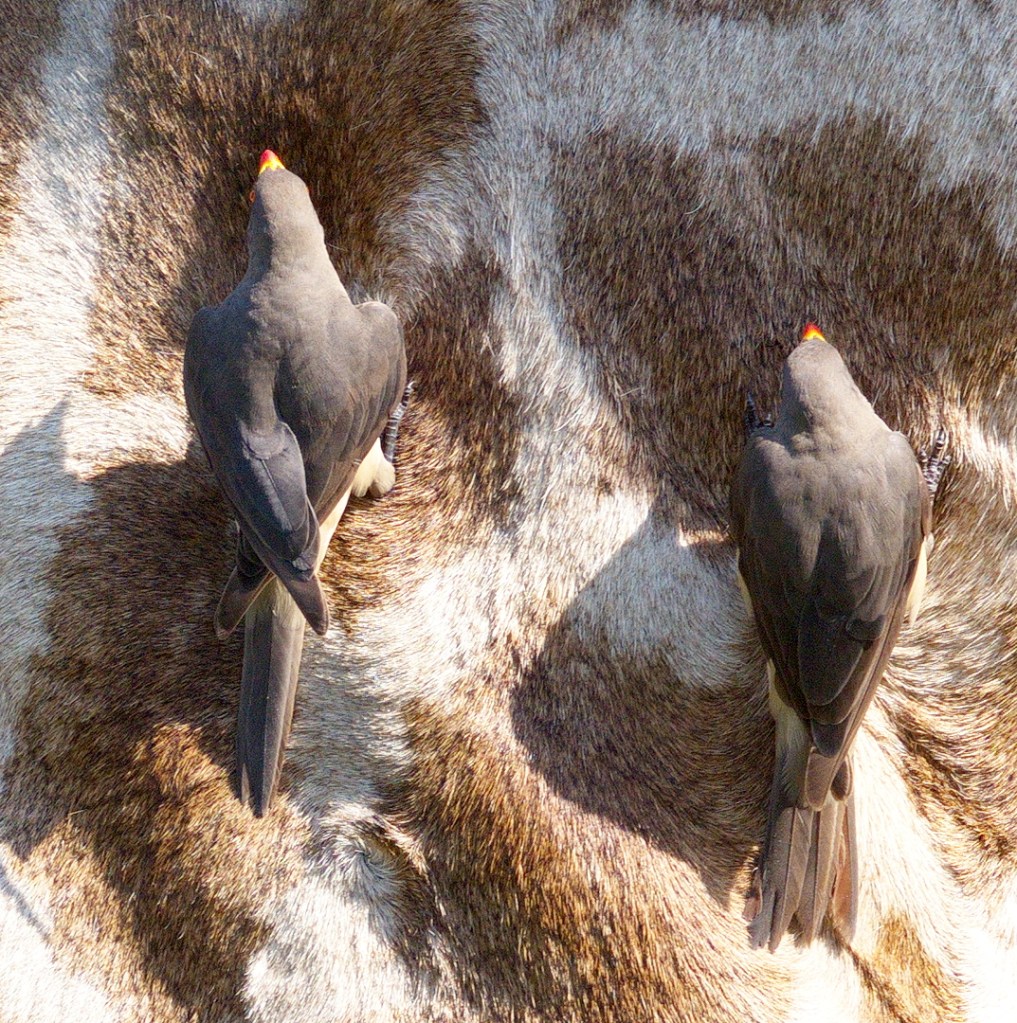
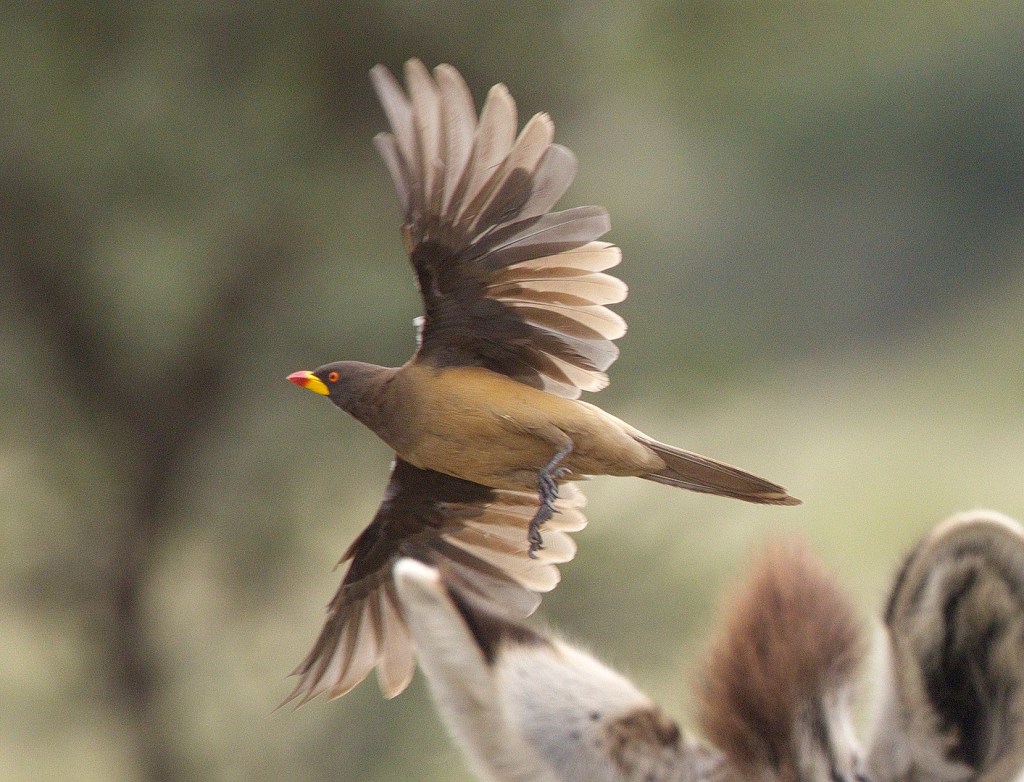
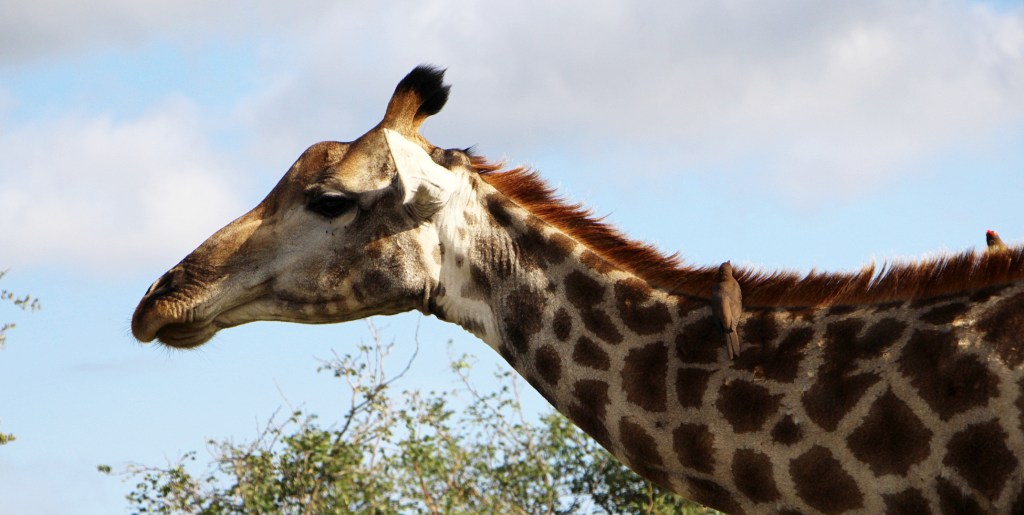
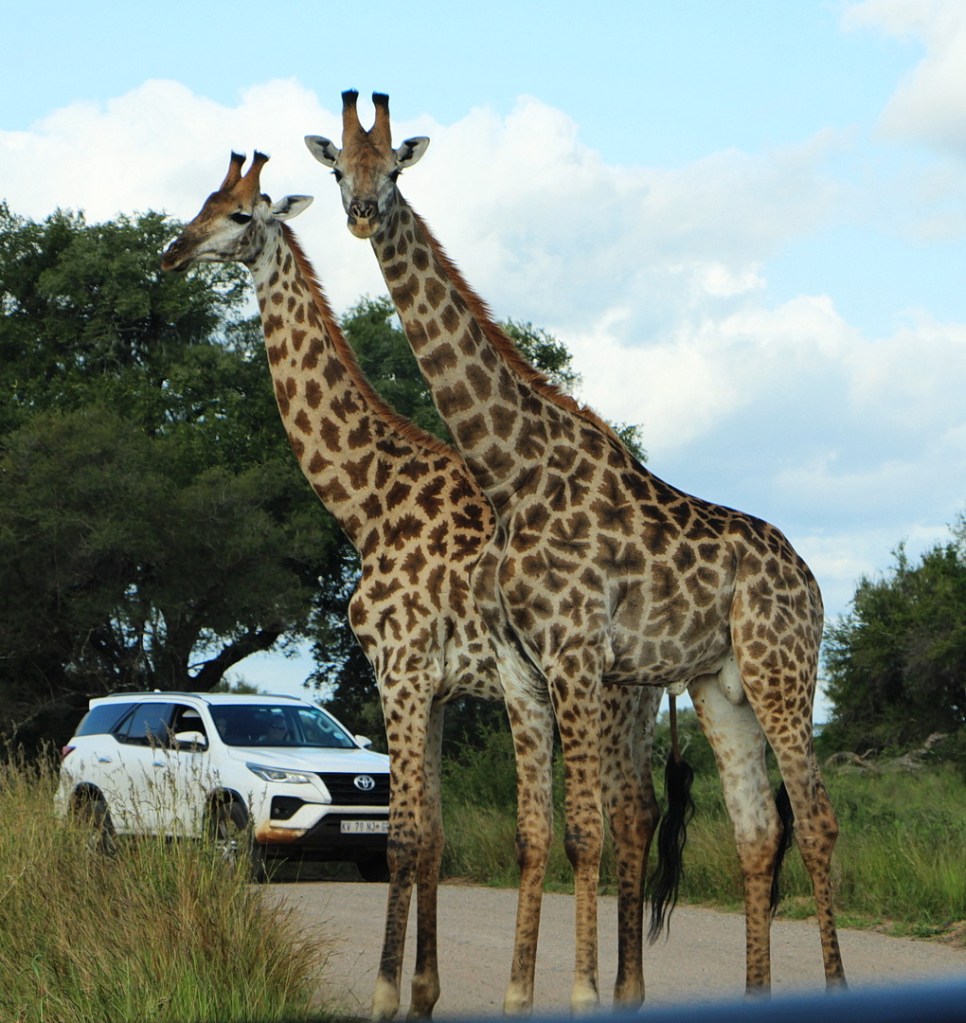
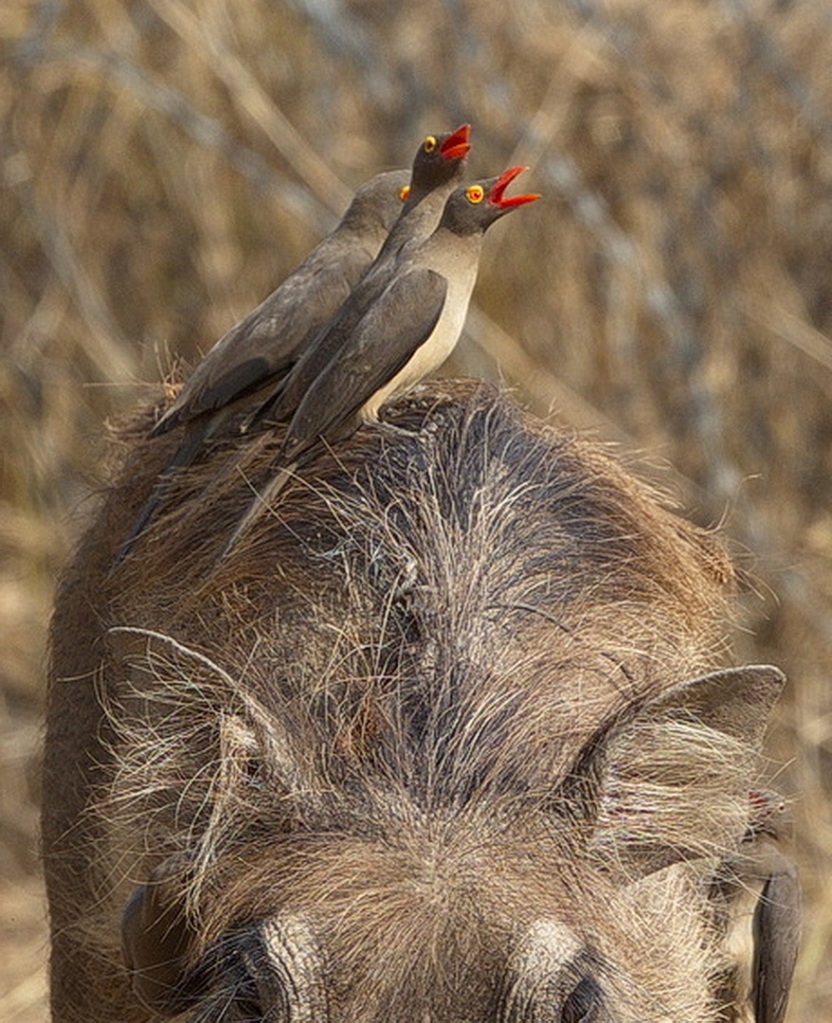
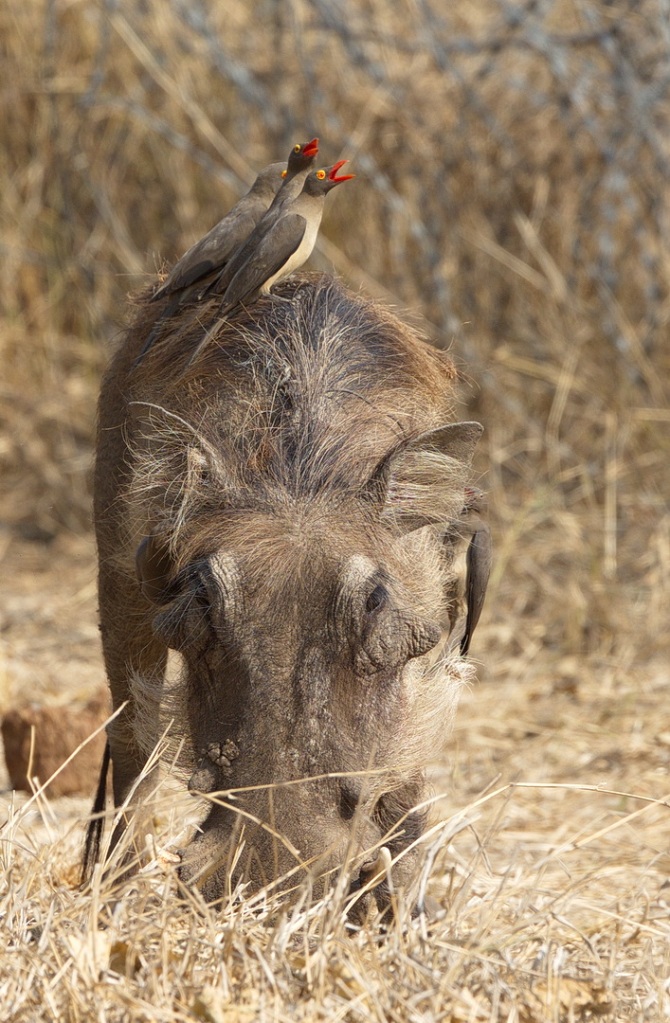
Then there was a sighting of Yellow-billed Oxpeckers on a Giraffe. There range has extended well.
We even found some Rhinos – our first for the trip!
Around the camp we were also treated to some fine species.
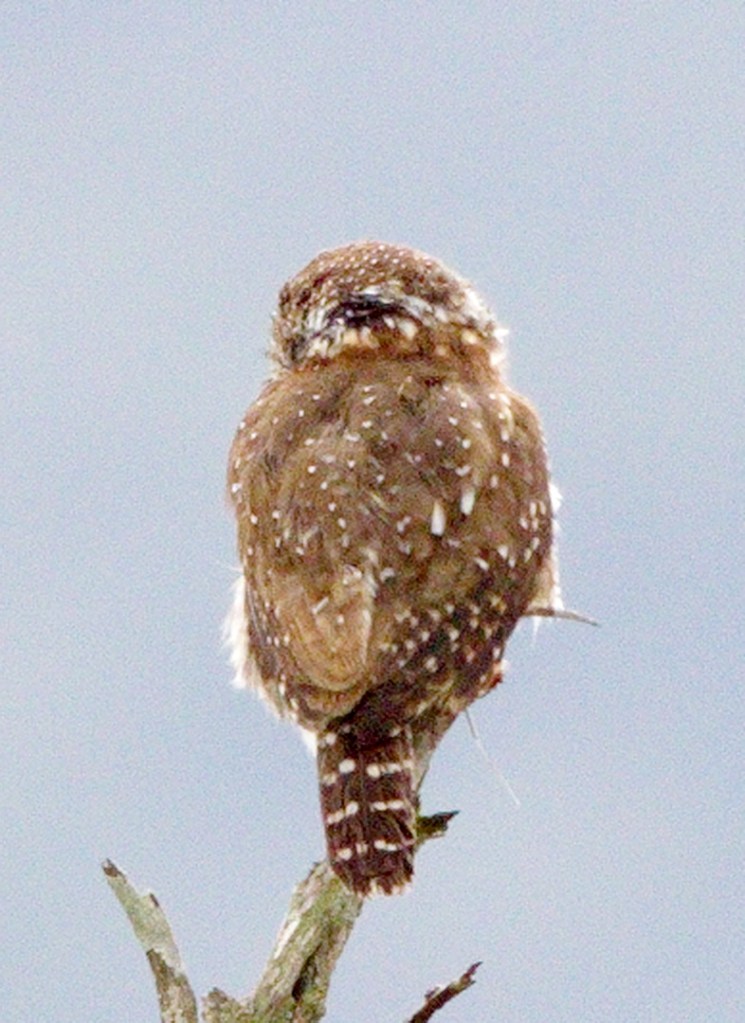
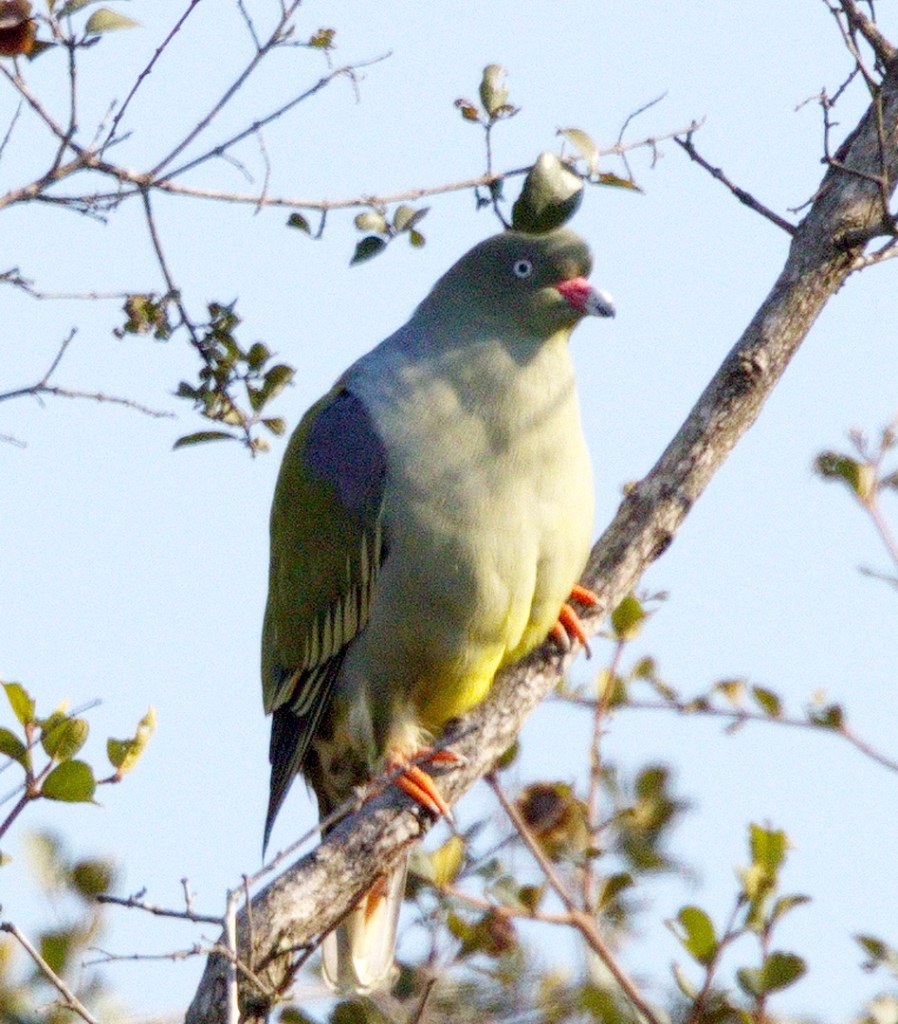
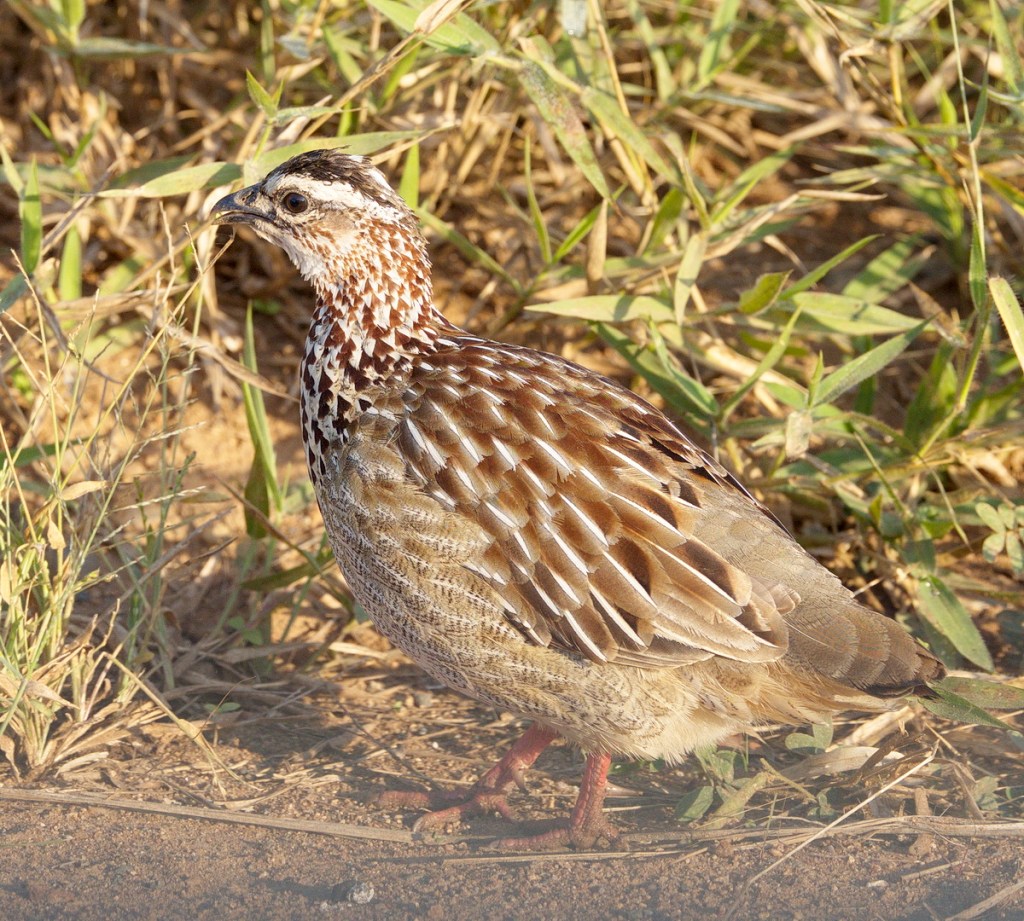
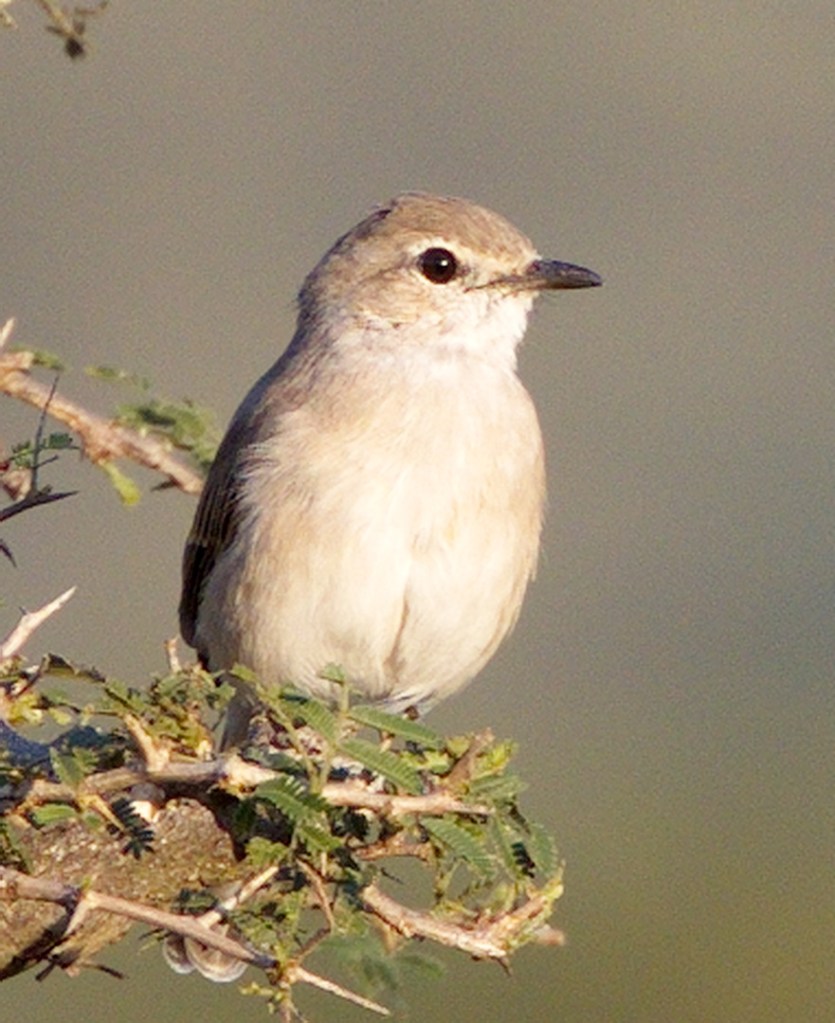
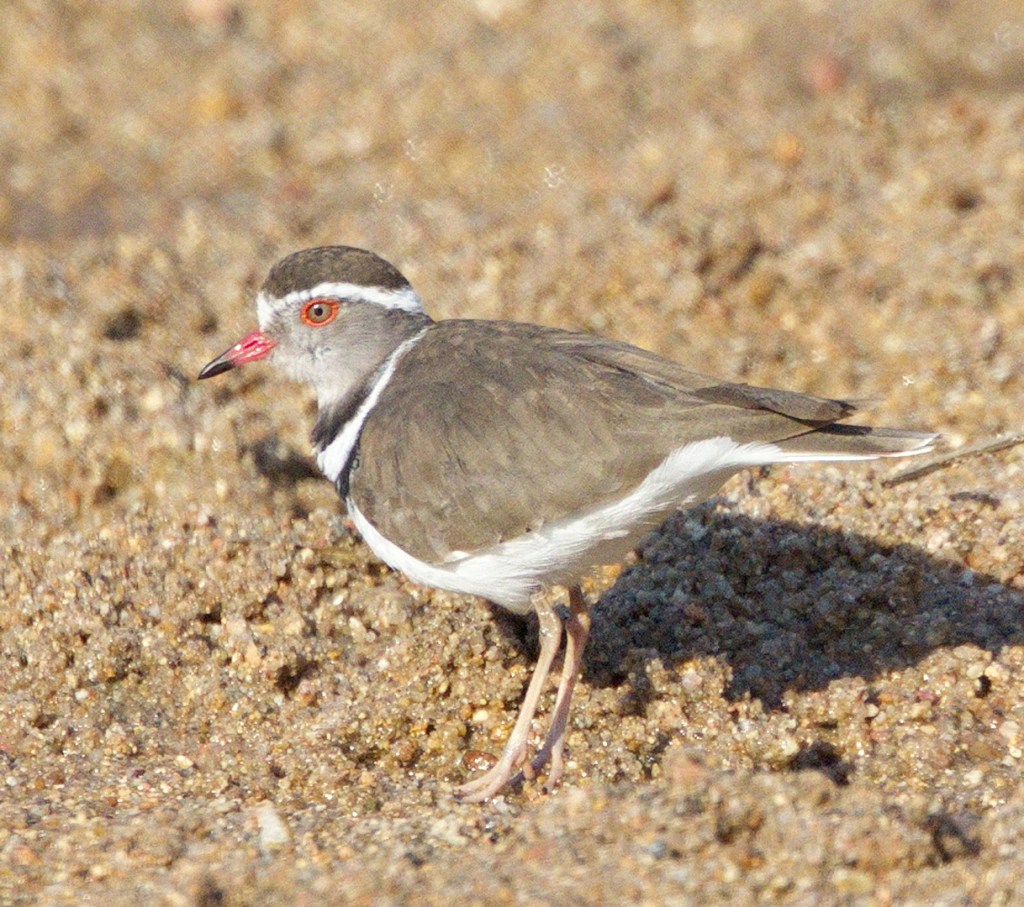
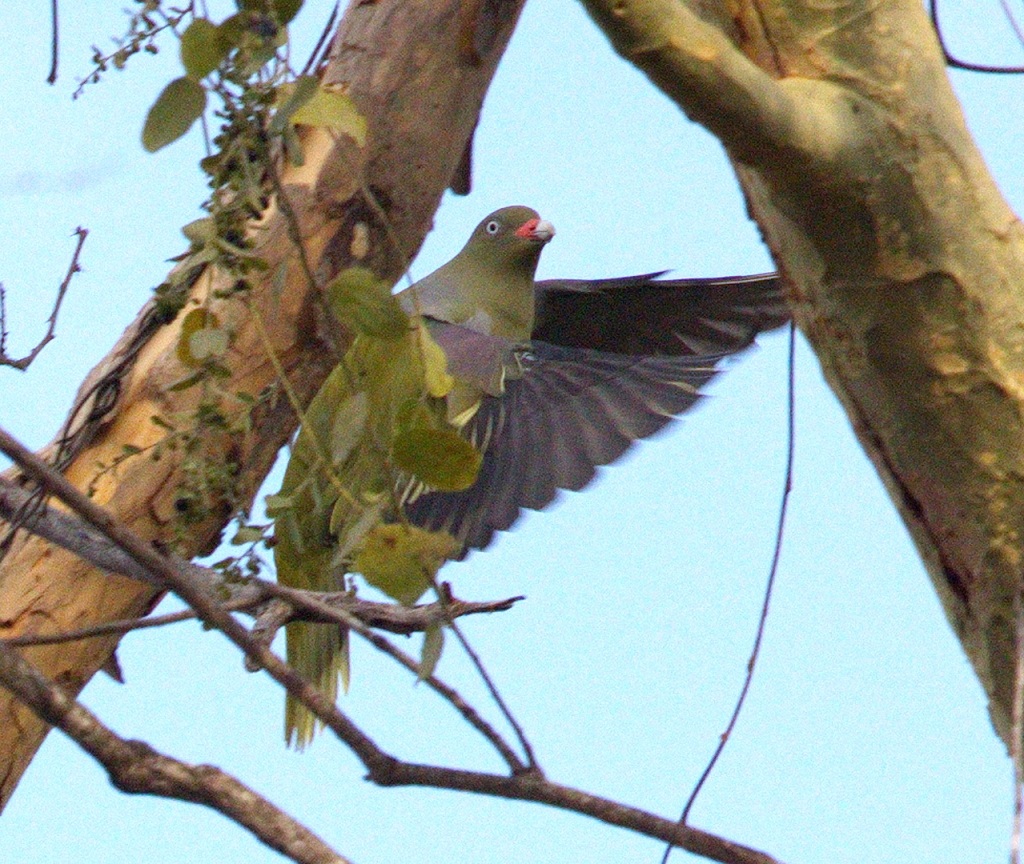
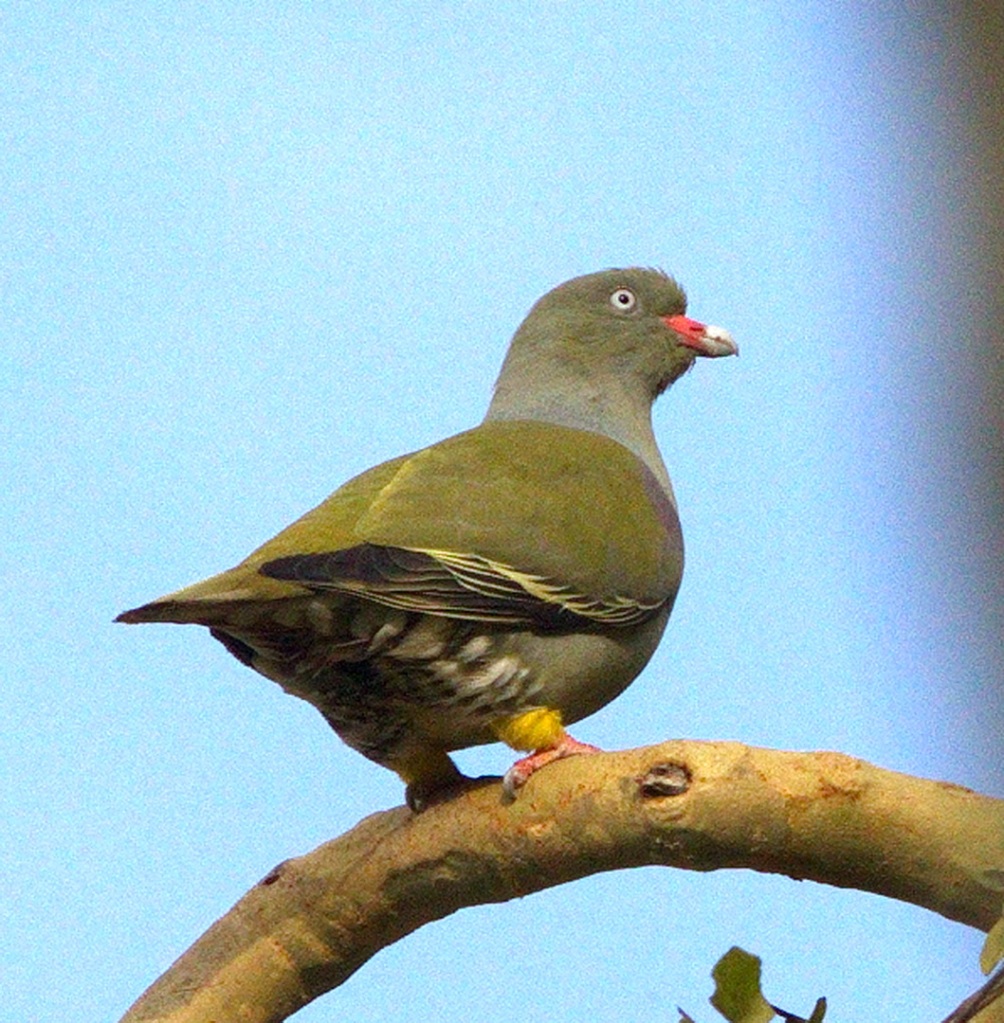
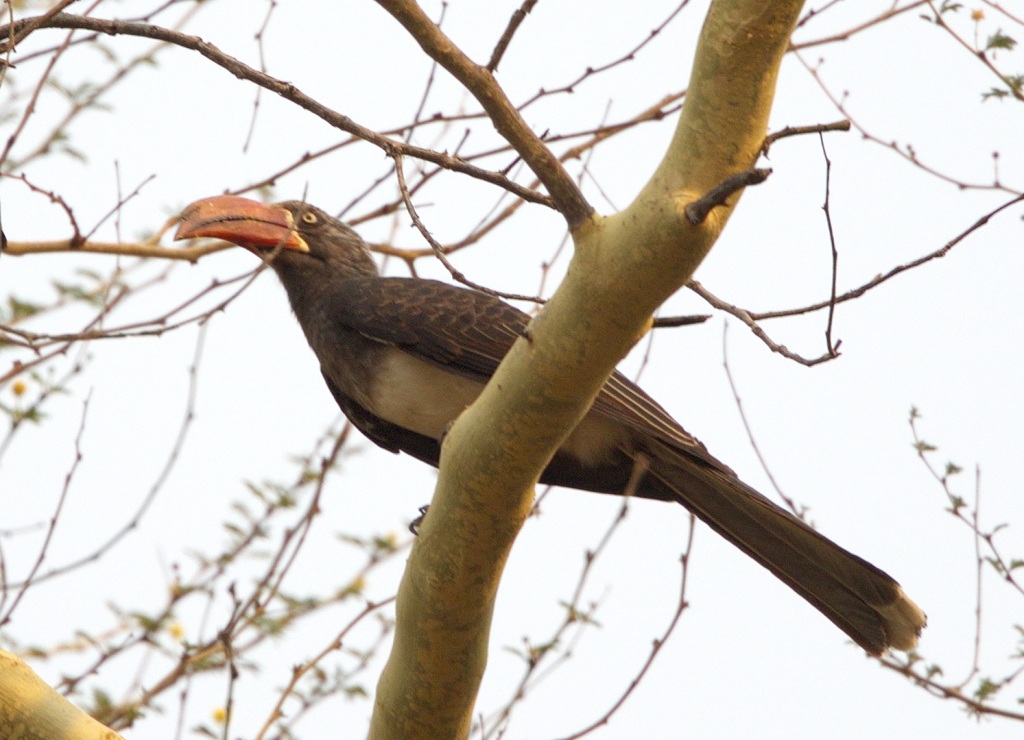
African Green PigeonAfrican Green PigeonView to the dam below the barBuffaloBrown AccreaCrested FrancolinGrey HornbillGroundscraper ThrushPale FlycatcherPearl-spotted OwletThree-banded SandpiperViolet-backed Starling – femaleA camp visitor – now you see him —.
And eventually it was time to return home.
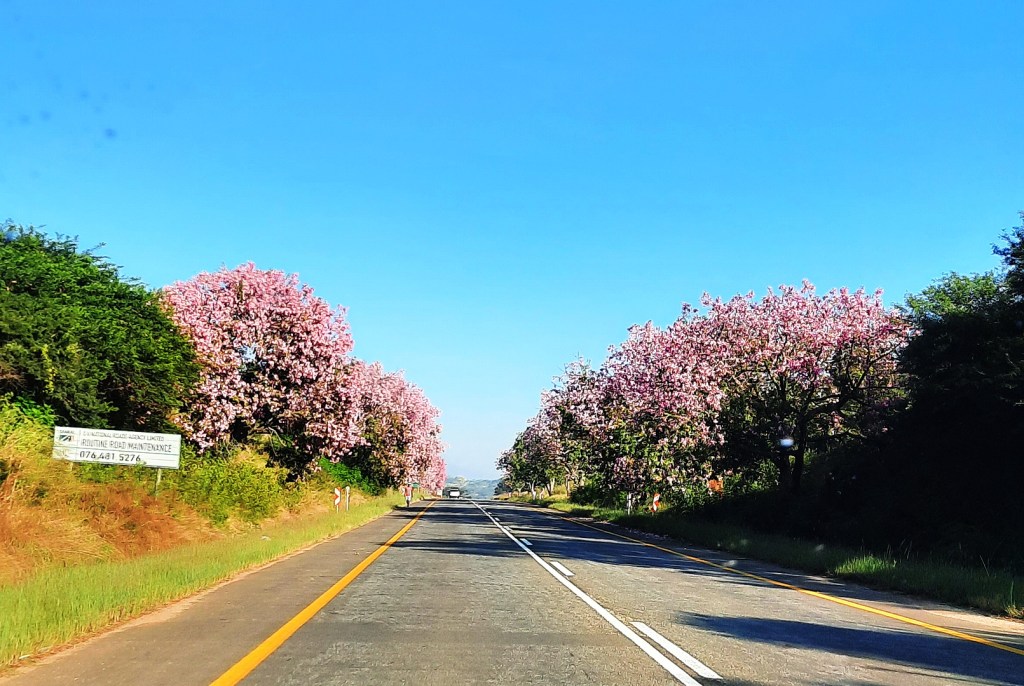
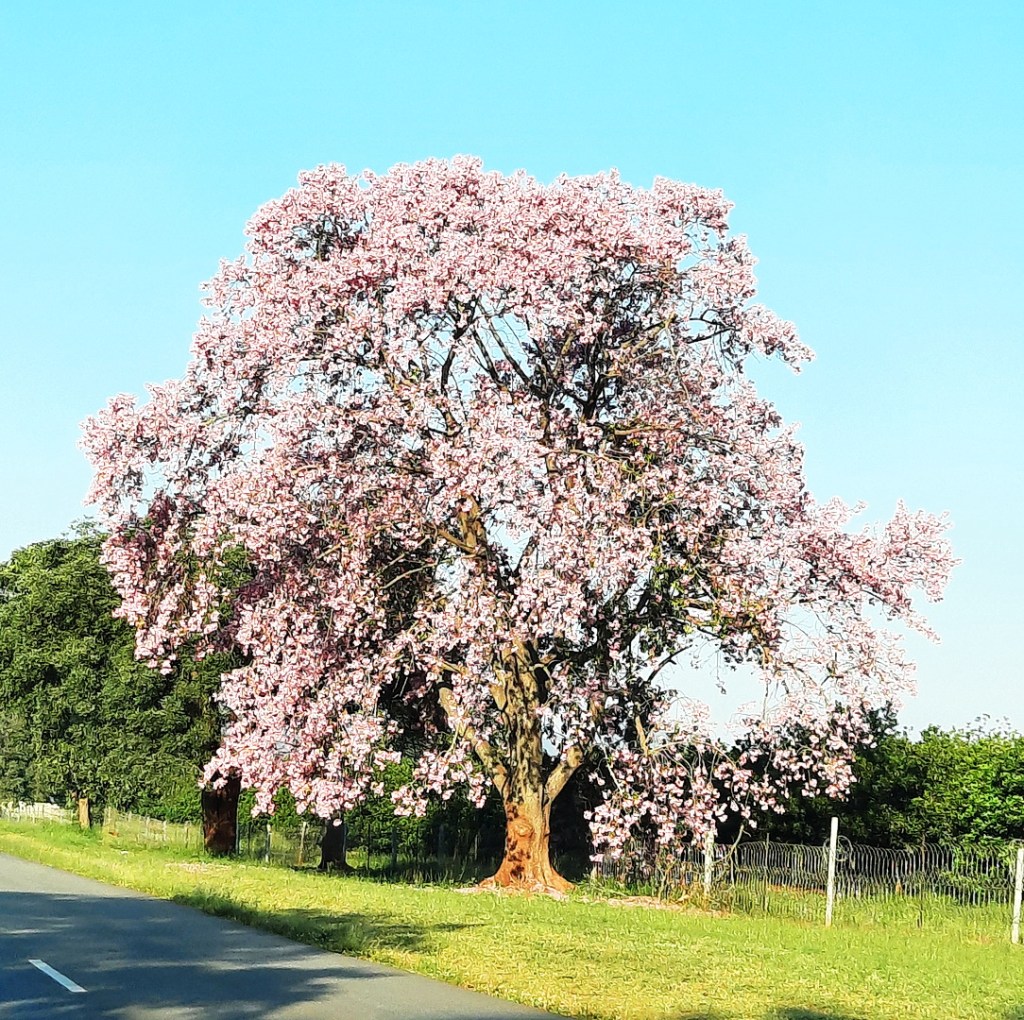
And this was the scene as we passed Barberton. The Tebushina were flowering.
Click on the following link to see a list of the birds we identified on our trip. In all different bird species.
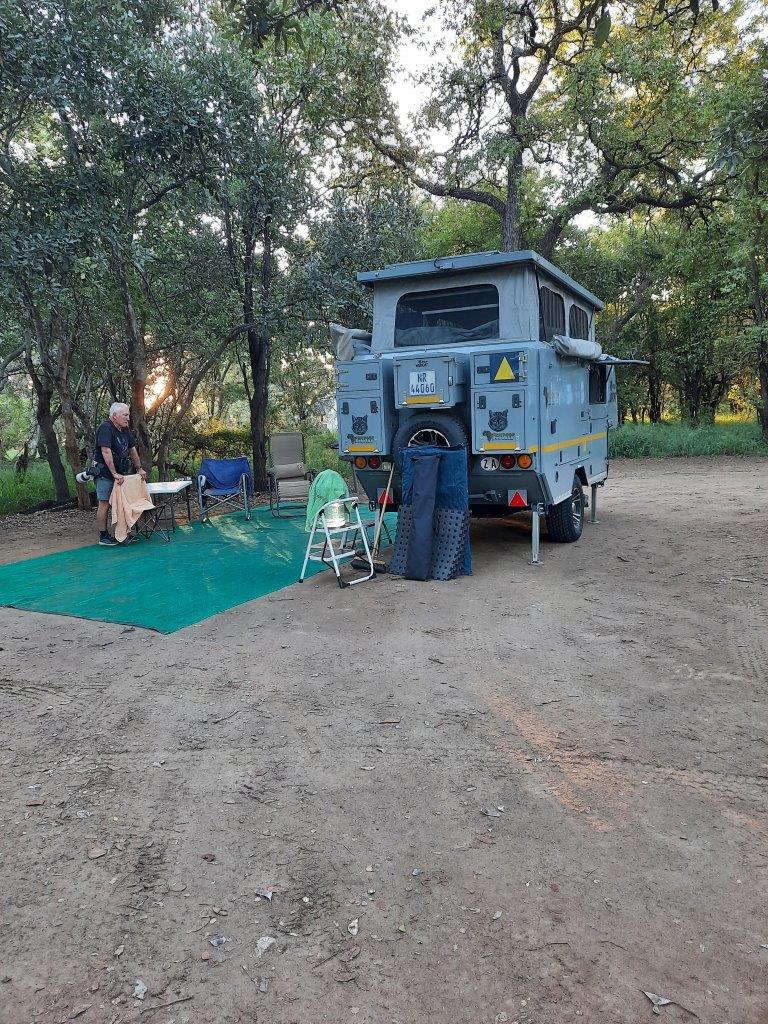
We only had one night here – all booked out. So, we got here early from Shingwedzi to give us time in the afternoon to have a look around. We set up quickly without putting up our awning.
AblutionsWash-up areaCooking areaEntrance
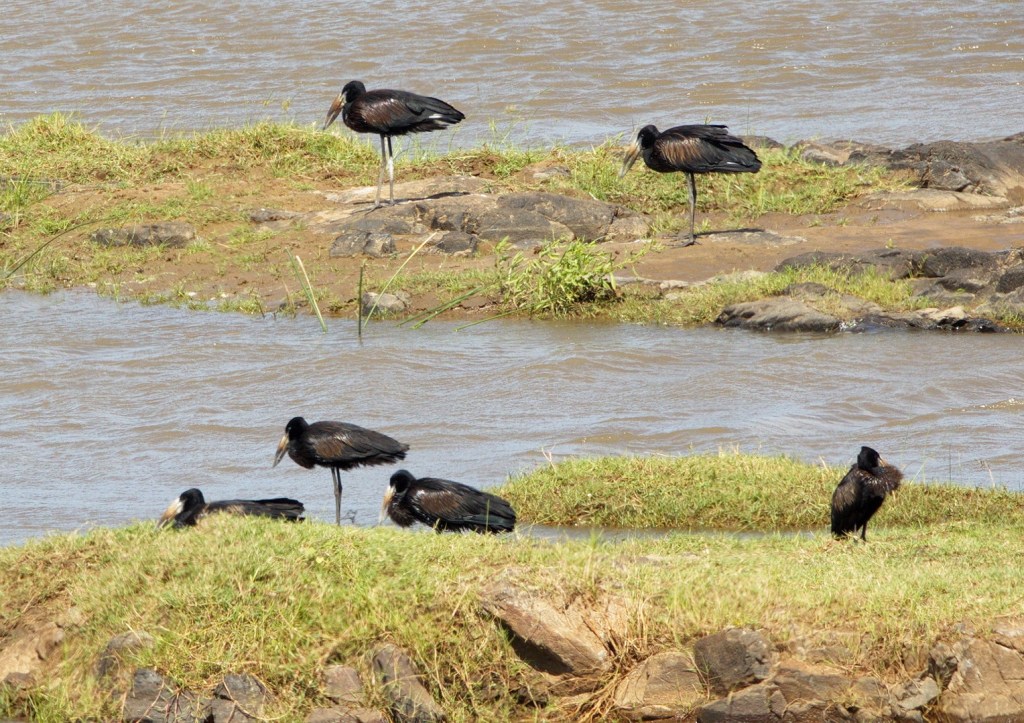
On the way down to Tsendze, we notice many Openbills together in the river.
Openbills
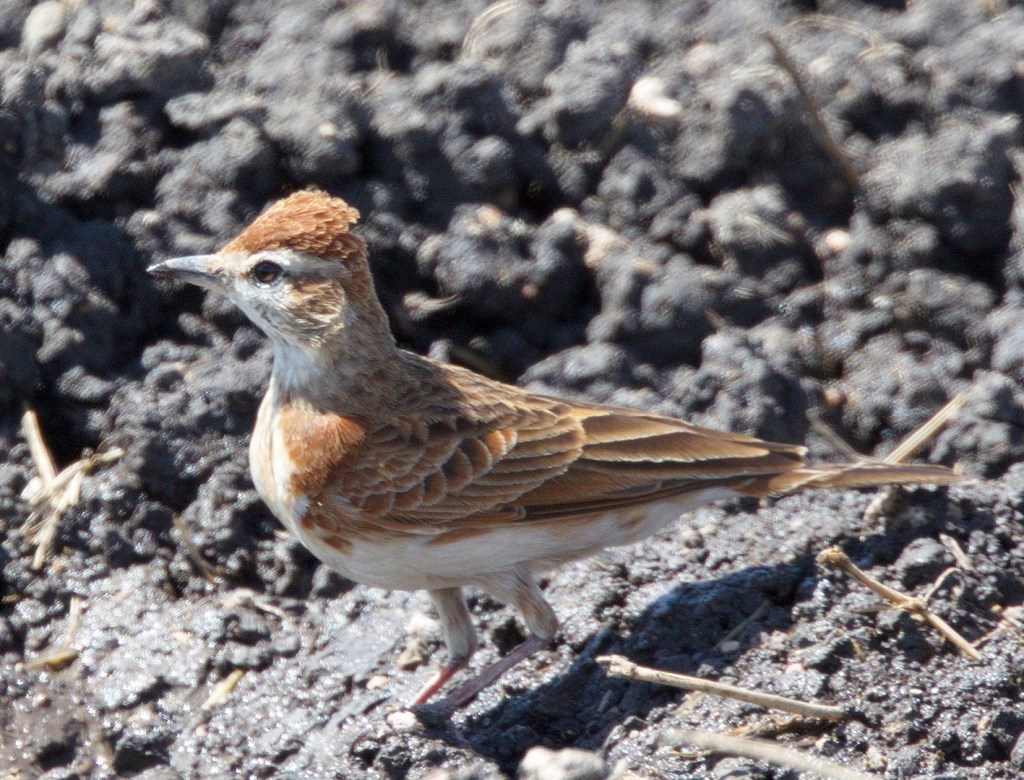
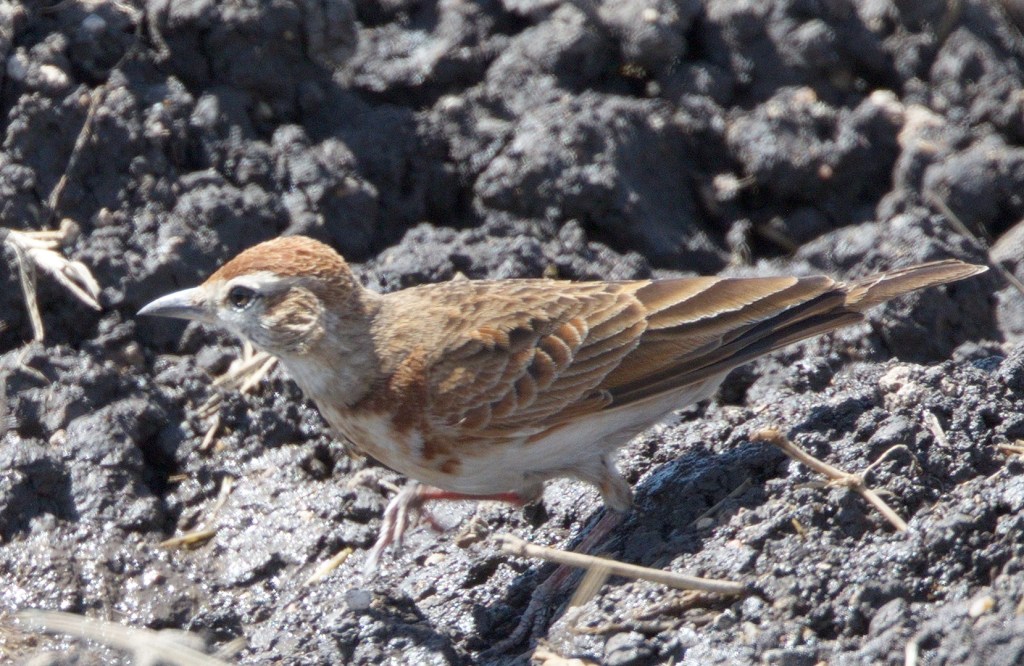
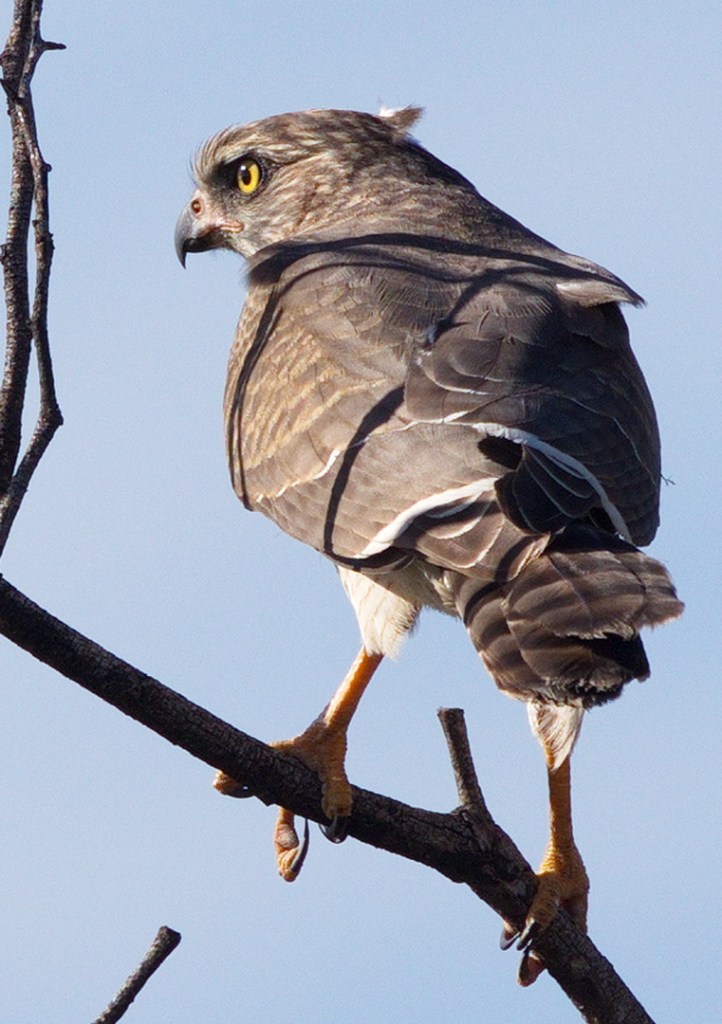
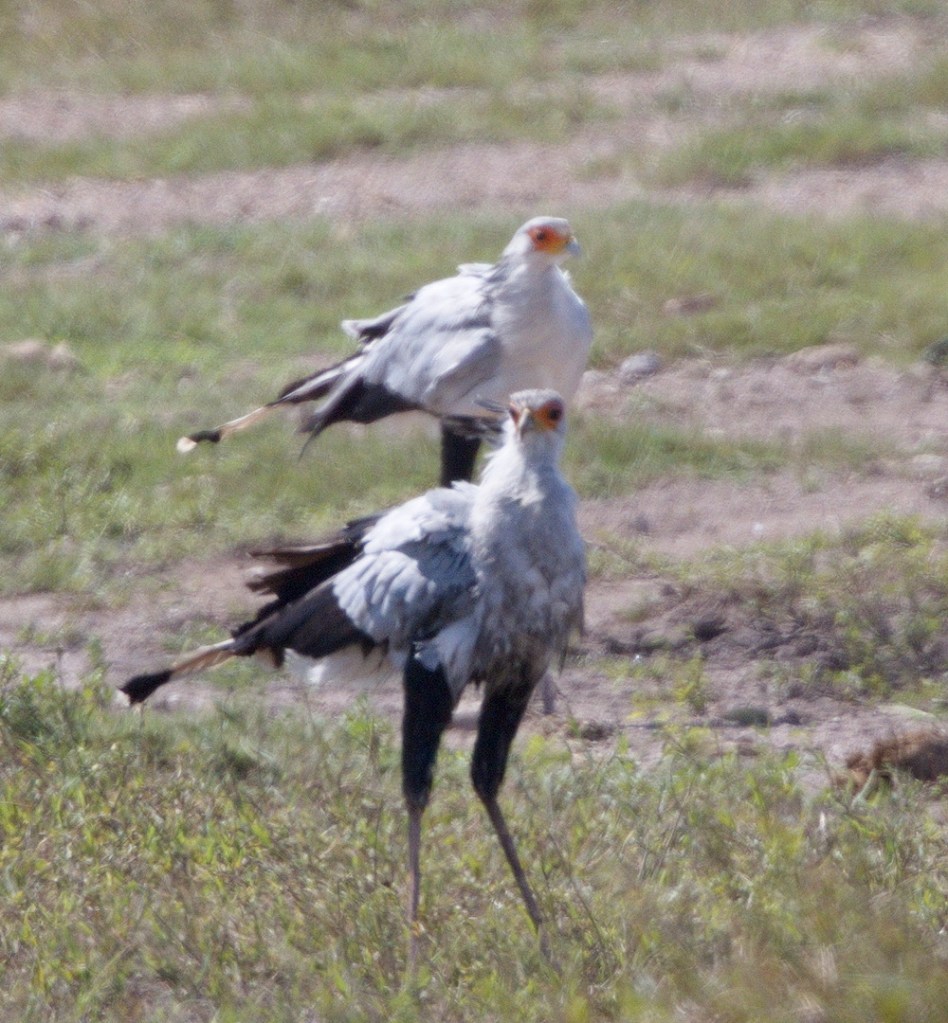
On our first sortie into the area, we headed to the Mooiplaas Waterhole and saw a few interesting bird species on the open ground nearby.
Red-capped LarkRed-capped LarkLarkGabar GoshawkGabar GoshawkGabar GoshawkA pair of Secretarybirds
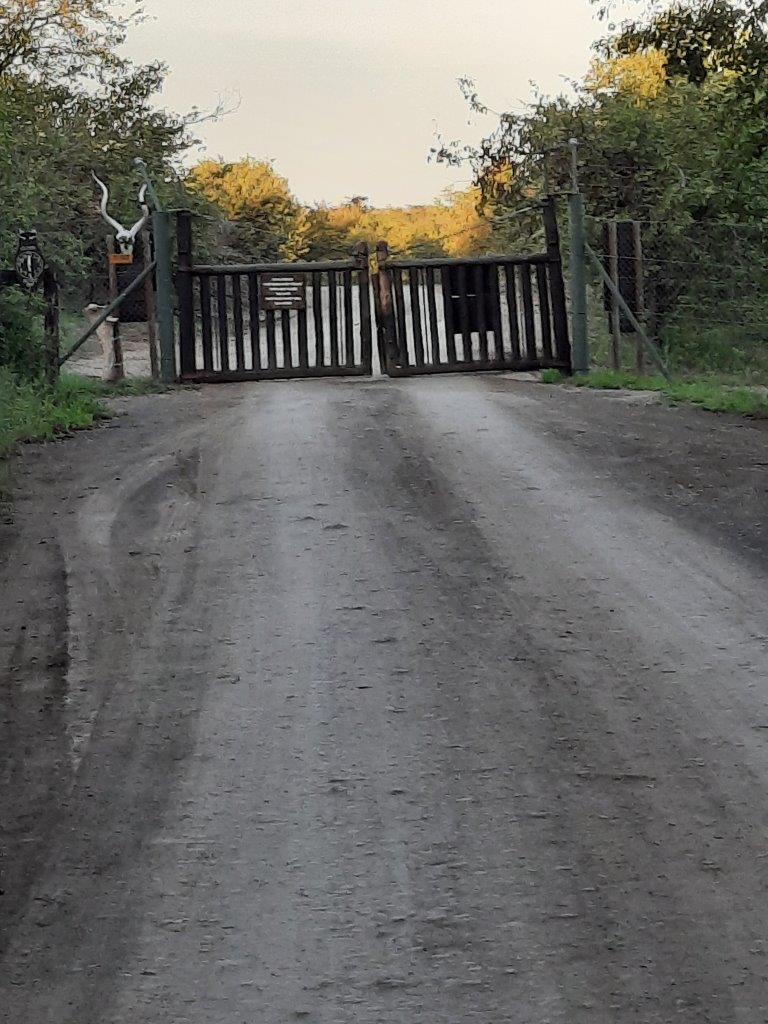
However, as we continued towards the wetland area, the road was taped off. Why? No rain so it must be passable. Perhaps they were grading the road, we thought. Annoyed, we returned to camp.
Back at camp we heard talk of an elephant seen just after the Mooiplaas Waterhole on the S49. The story intrigued us and as a result and our time in Tsendze focused there. Time well spent.
We went back and the taped off road was now open. We continued. Our first indication that we were getting close:
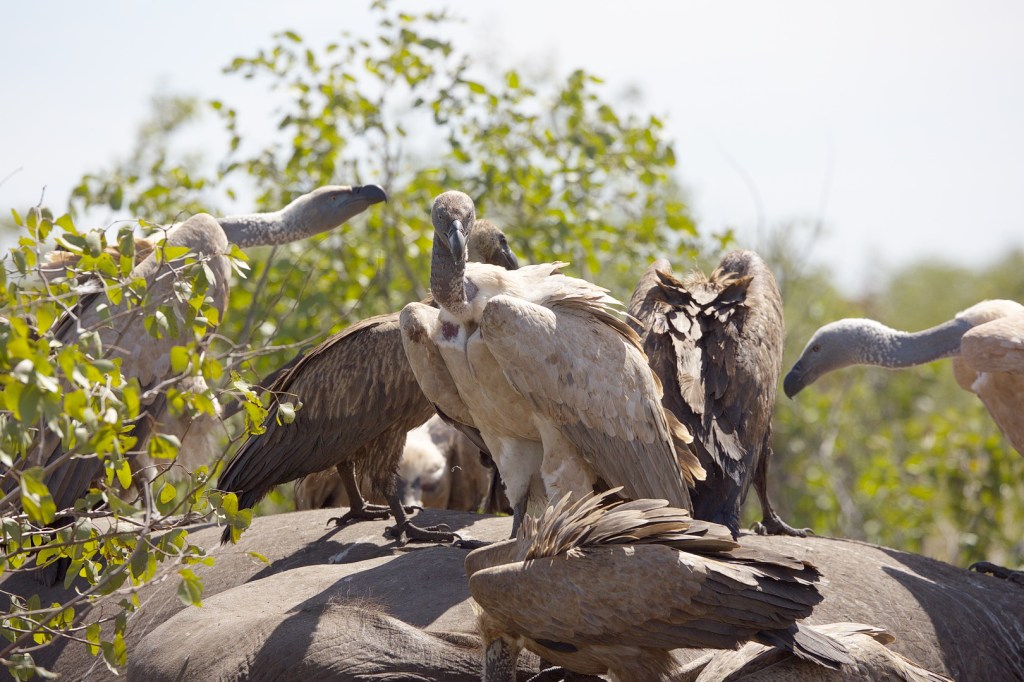
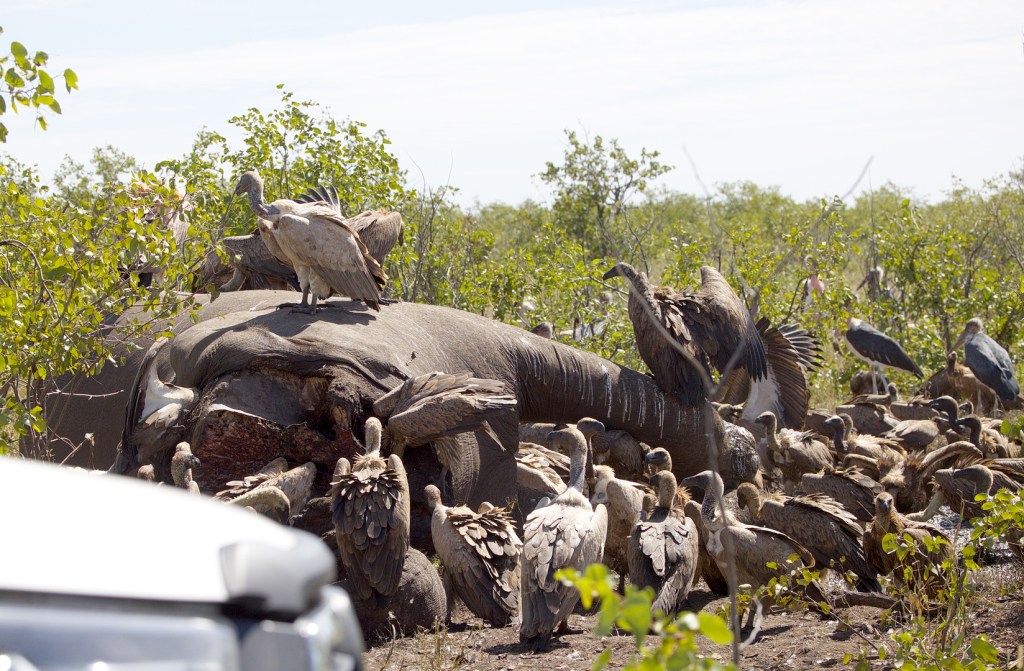
Hundreds of Vultures
Then there were the animals and Marabu Storks blocking the road.:
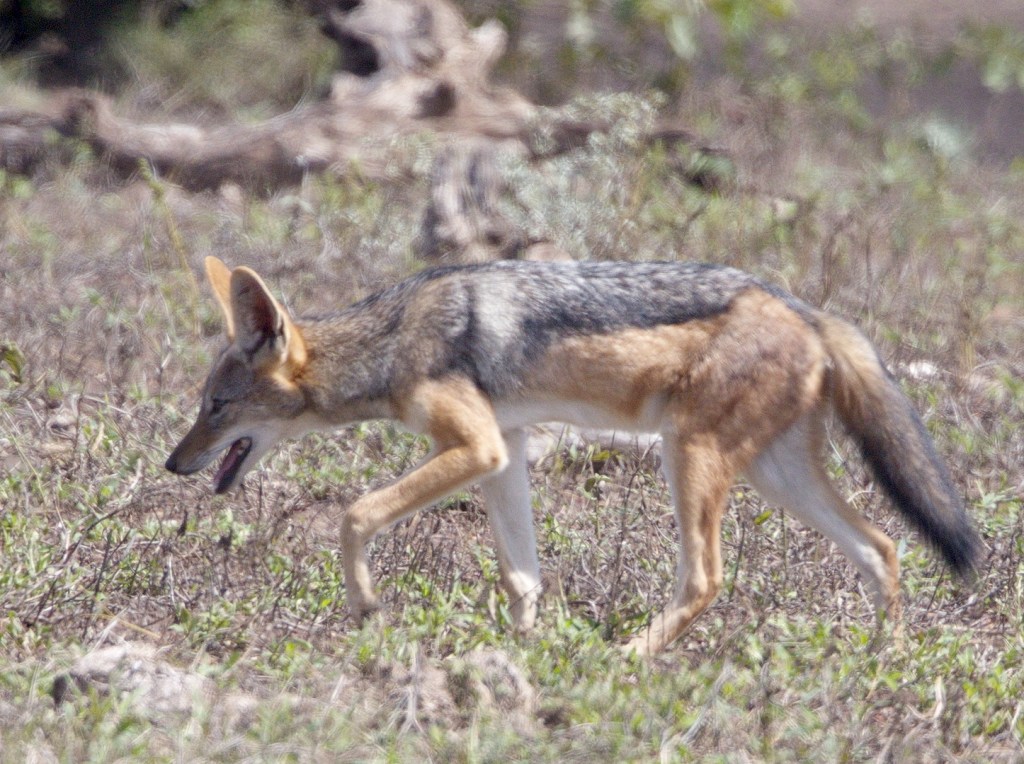
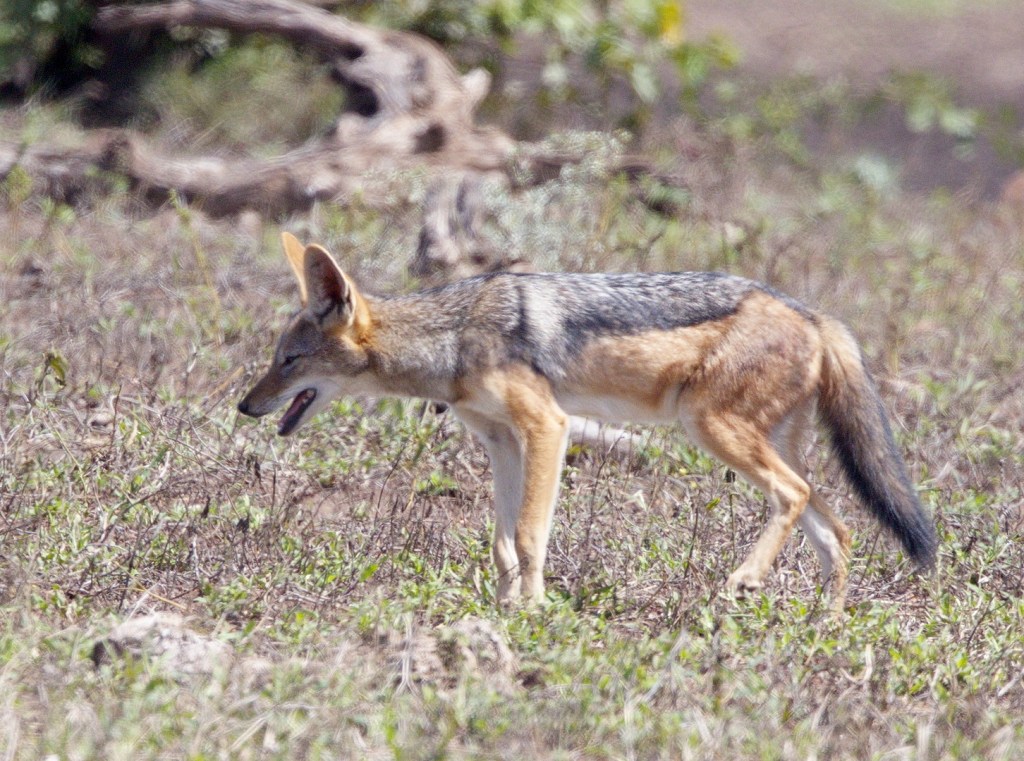
Black-backed JackalBlack-backed JackalStuffed HyenaMore stuffed HyenasA few of the hundreds of Marabu Storks
Eventually we arrived and realised what all the fuss was about and the stories were sadly confirmed.
The reason why the road was closed was obvious.
The next morning we returned and all the vultures and storks were in the bushes and none around the carcass. We understood why as we got close. His majesty was waiting to fill his fill further.
And that amounted to our time spent in Tsendze.
Next Satara and our explosive time there for 3 nights.
Satara
11th to 14th April 2024
Satara
Having set up camp, we took a run along the S100 to Gudzani Dam. This was the third time we were disappointed with little to see – both game and birds.
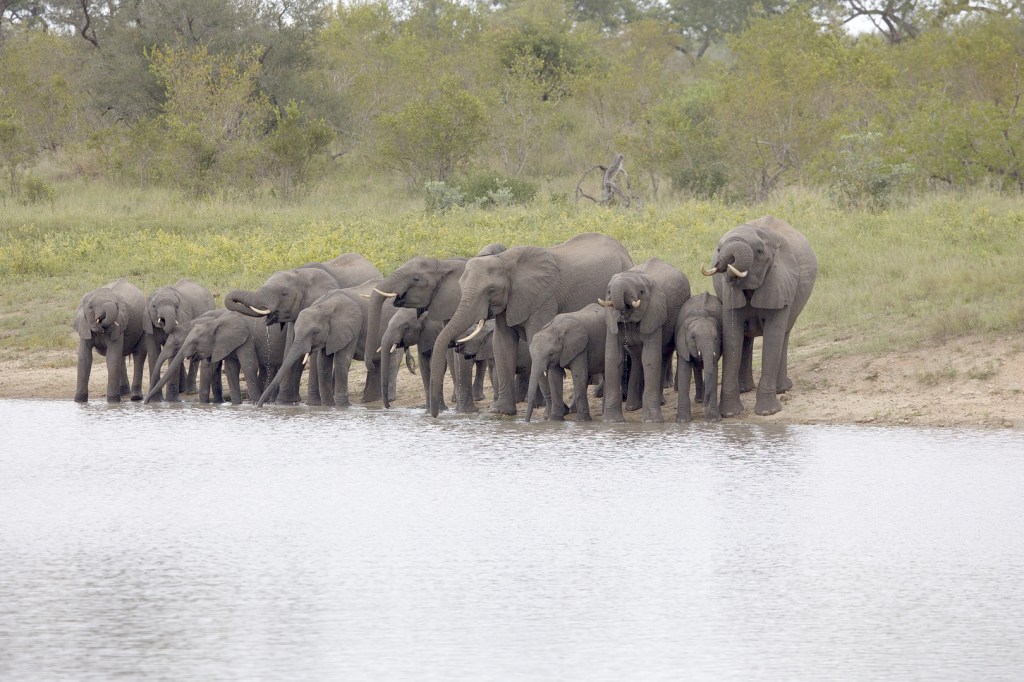
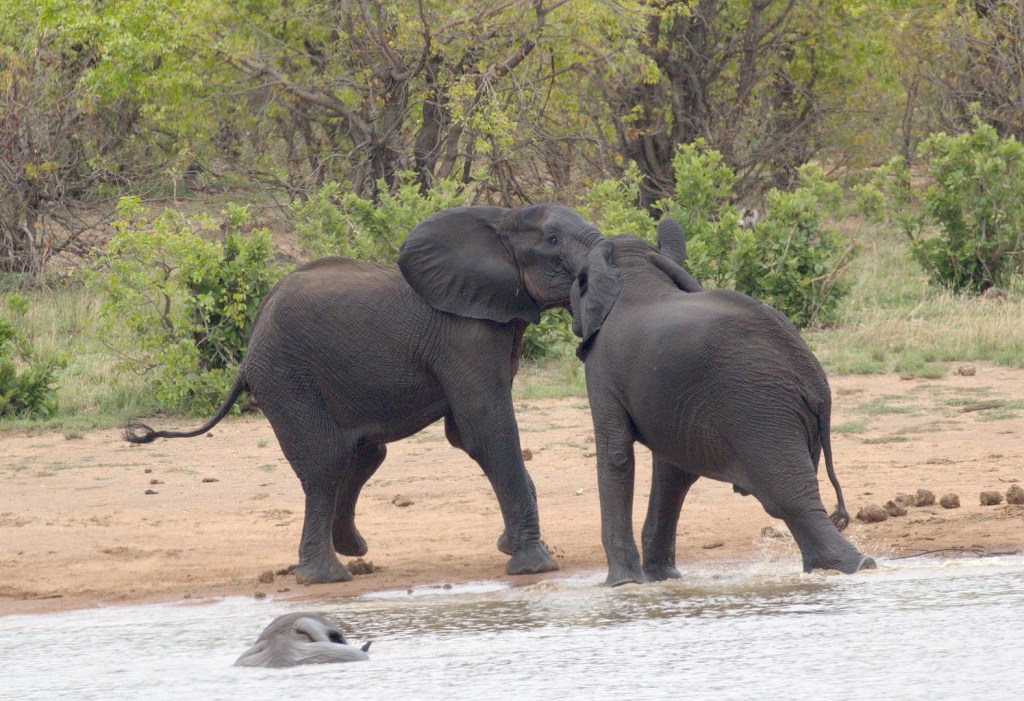
We did visit the Sweni Hide briefly. It was not very active until the elephants showed up and entertained us with their water antics – especially the young ones trying to show who was boss among each other.
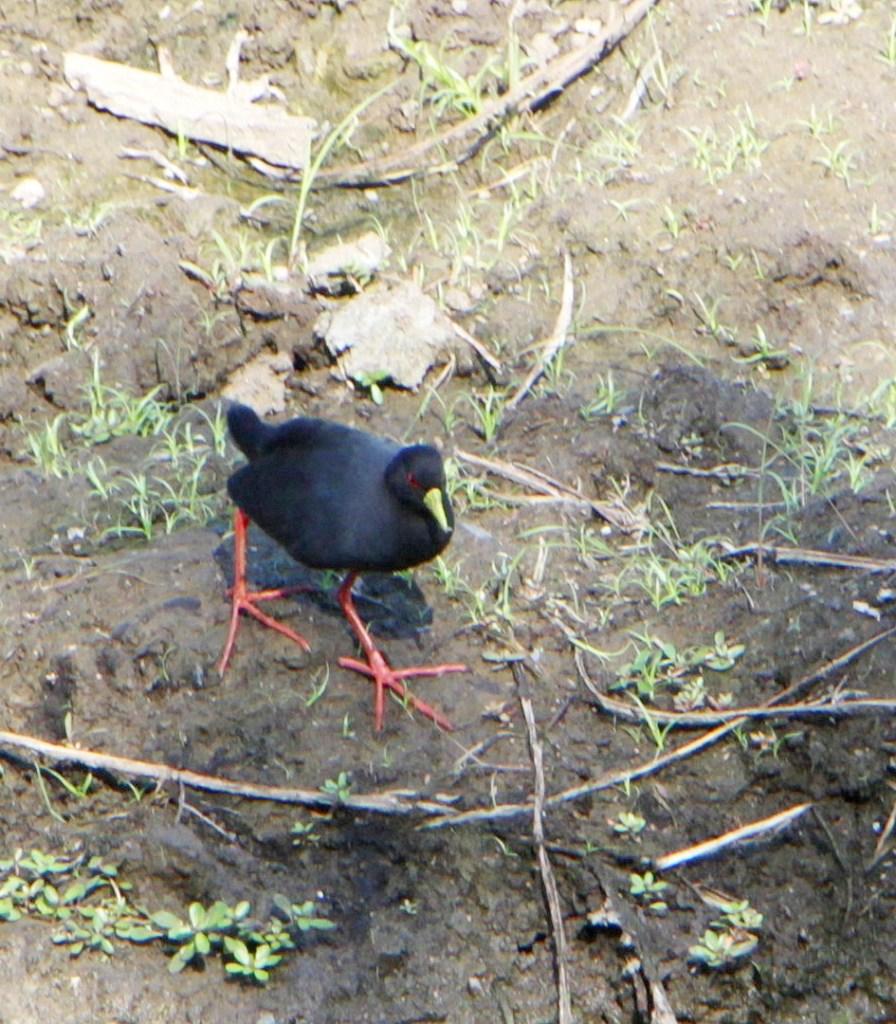
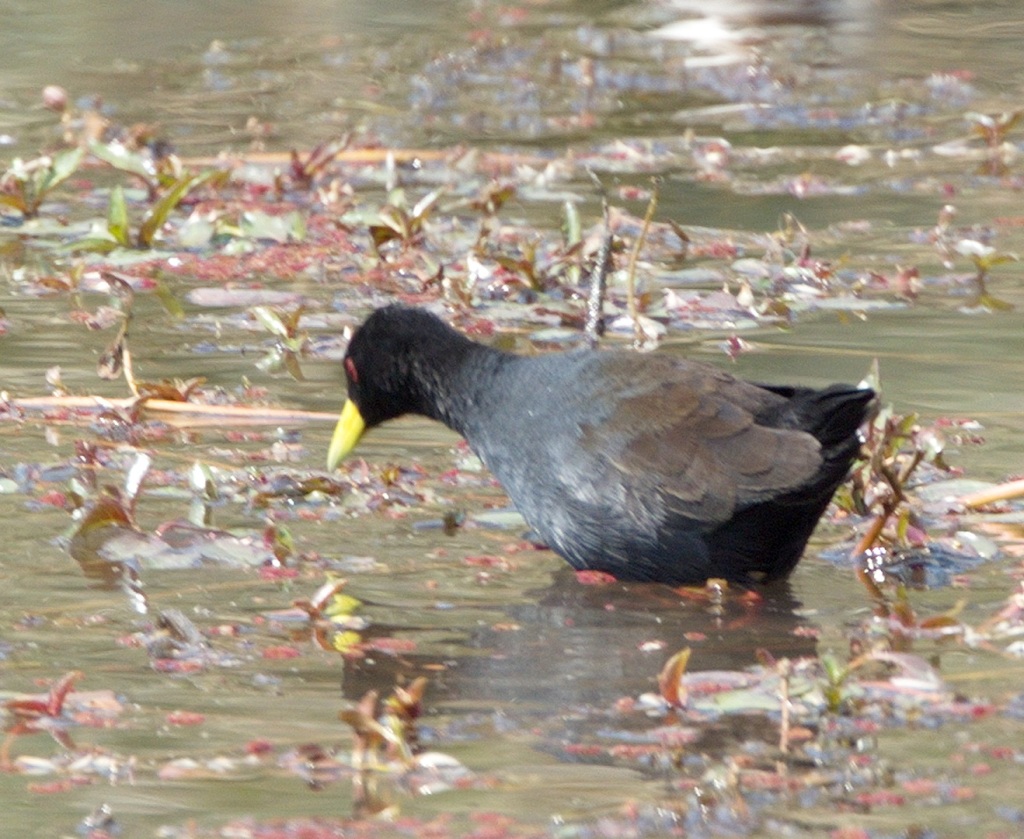
Black CrakeBlack CrakePipit .African or Plain-backed?OpenbillTroop of ElephantsView from Sweni HideView from Sweni Hide
The next day we headed north along the H1-4 to the turnoff towards Balule camp on the S147. One of our newly favourite roads.
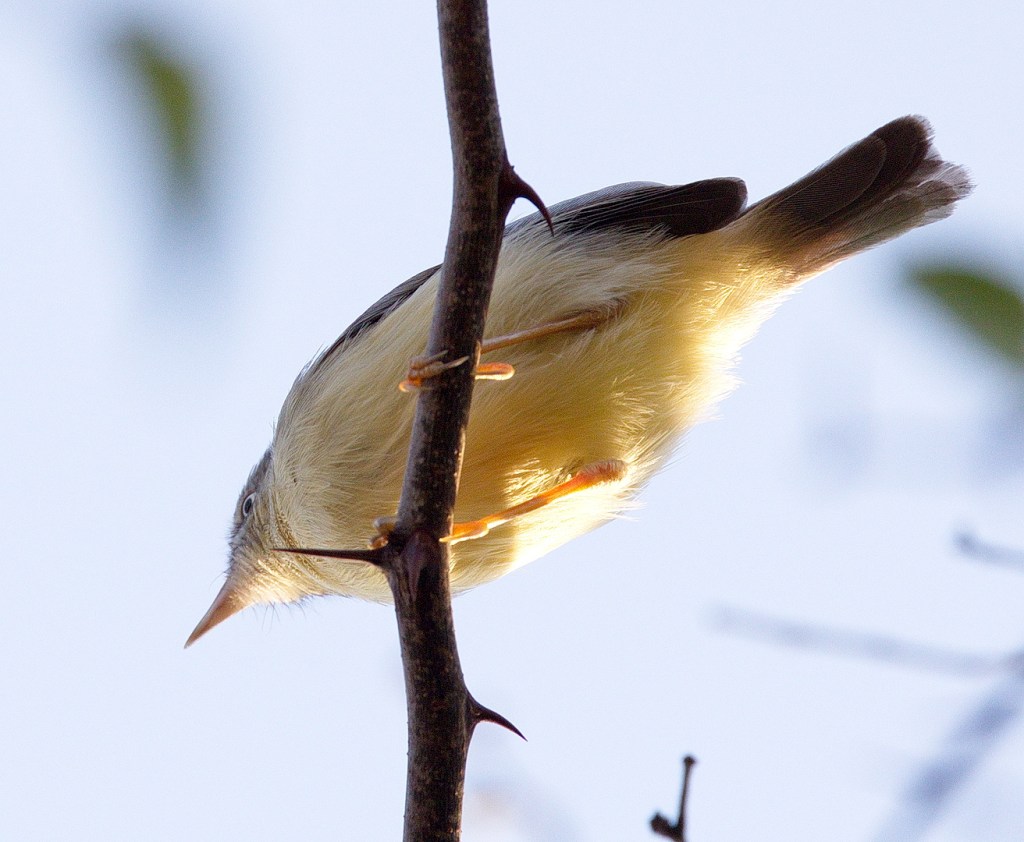
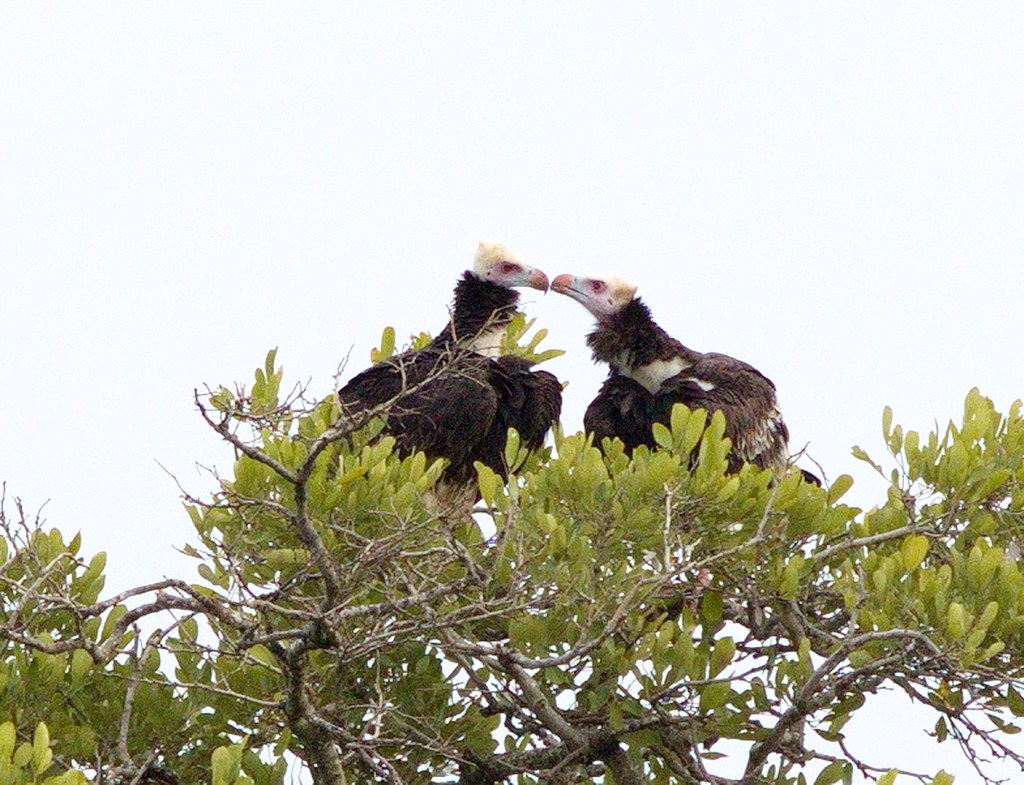
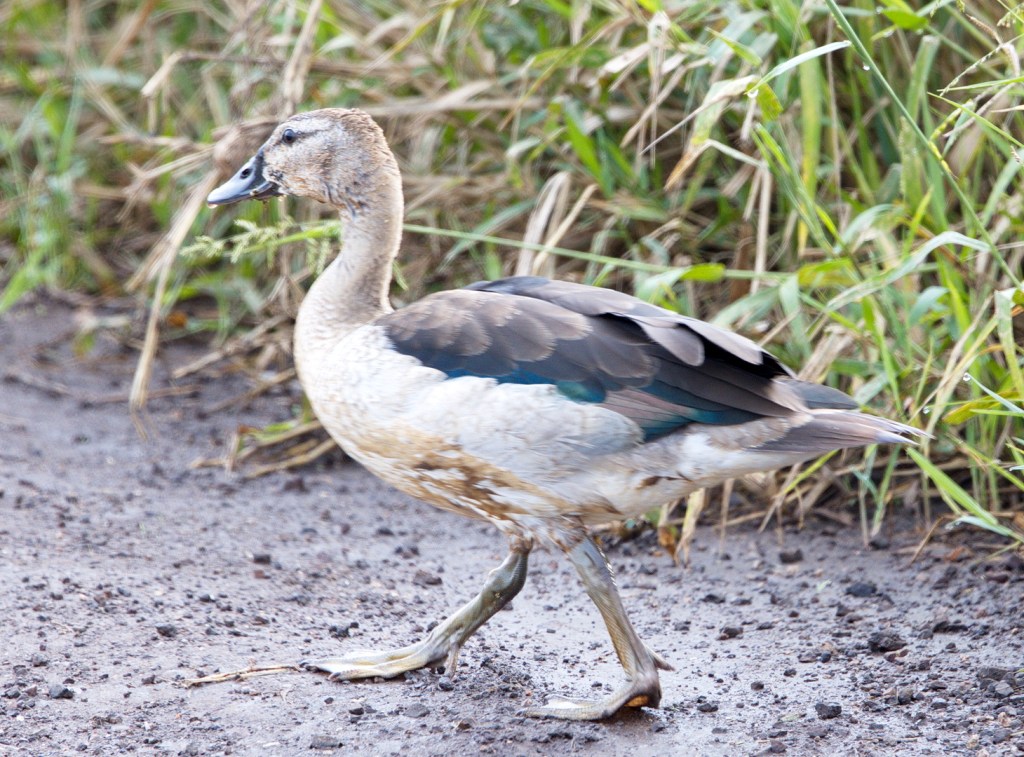
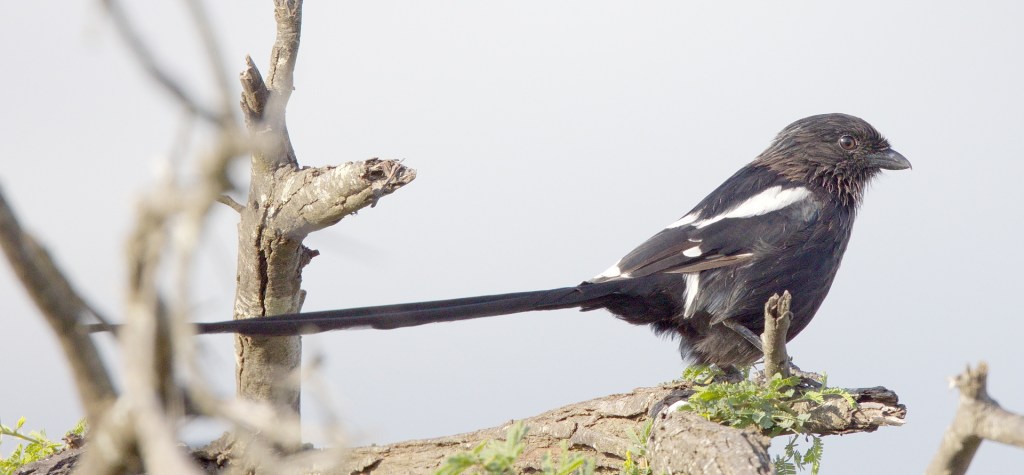
Burchell’s CoucalBlack-winged KiteGrey Penduline-TitGrey Penduline-TitWhite-headed VulturesWhite-headed VulturesWhite-headed Vultures3 White-headed VulturesYellow-billed OxpeckerHooded VultureKnob-billed Duck on a puddle of water on the roadMagpie ShrikeMagpie Shrike
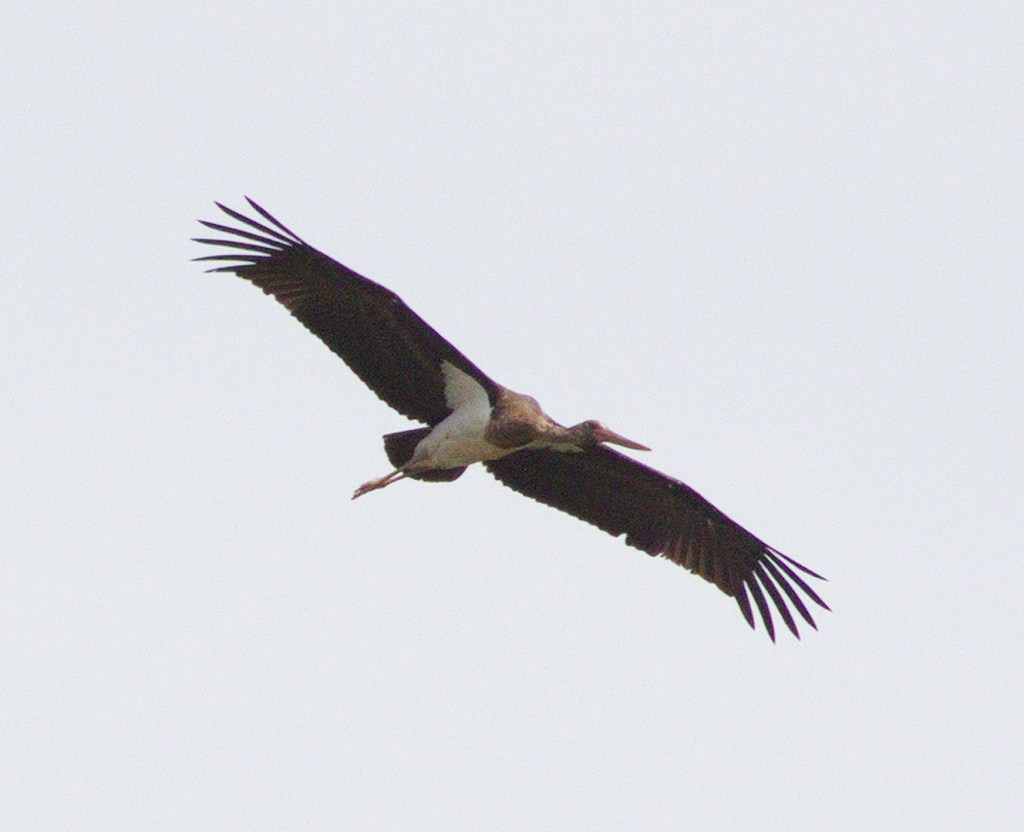
And then turned west and backtracked along the Timbavati loop – S39. We stopped at Ratel Dam Hide. The area in front of the hide had very little water. We had a few sightings with the standout being a juvenile Black Stork.
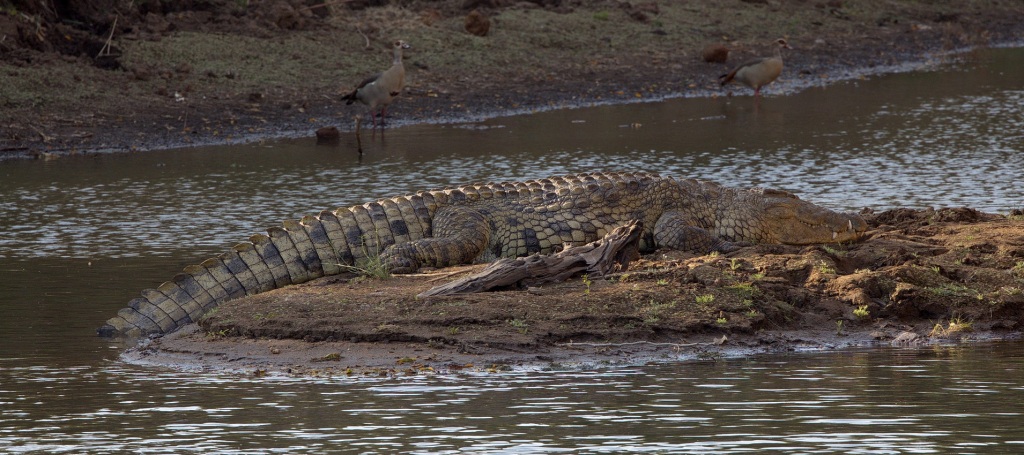
There was also a large black crocodile present on the sandbank.
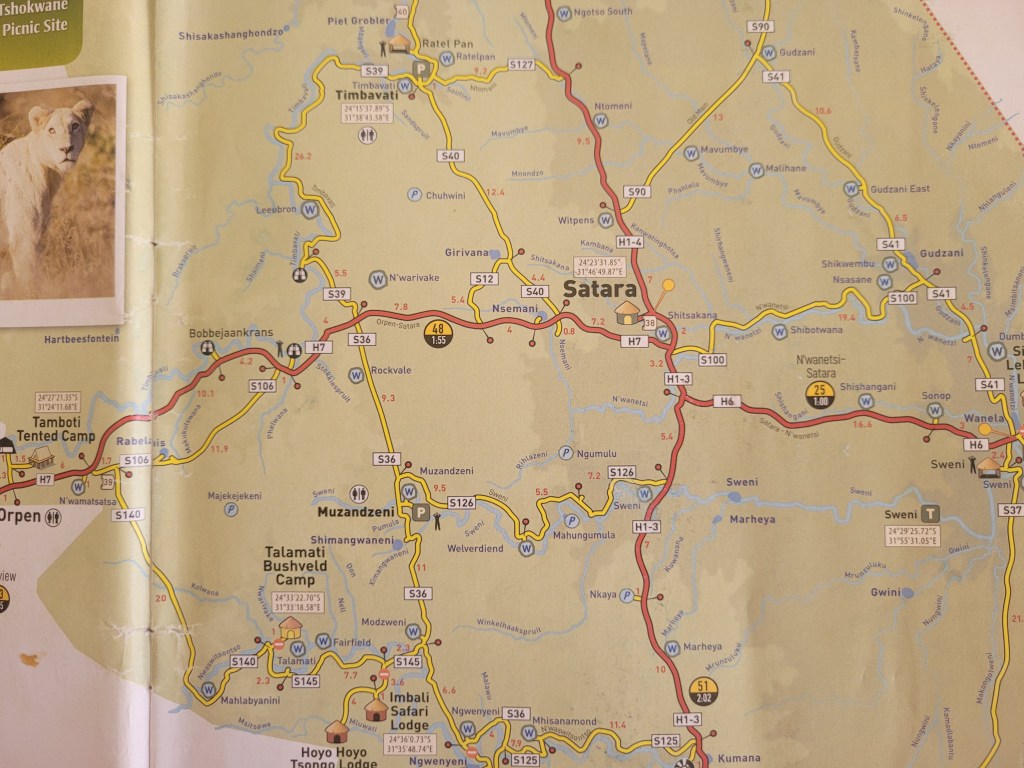
On another day we chose to take the H7 to Orpen Gate and then back along the Talamati Bush Camp road (S140) turning onto the S36 to the Muzandzeni Picnic site. From there taking the S126 to the H1-3 tar road back to camp.
Breakfast at Orpen Gate.
SallySally and I
We stopped at the Muzandzeni Picnic ground for a T&P but in order to enter we had to skirt round an inquisitive elephant – which we were told had also entered to do its business. The picnic ground had some active birds – a sleepy African Scops Owl, a radiant Burchell’s Starling, a pair of Bennett’s Woodpeckers – tantalising us with their knocking in the branches above us.
African Scops OwlRadiant Burchell’s StarlingBennett’s WoodpeckerBennett’s WoodpeckerMuzandzeni Picnic site
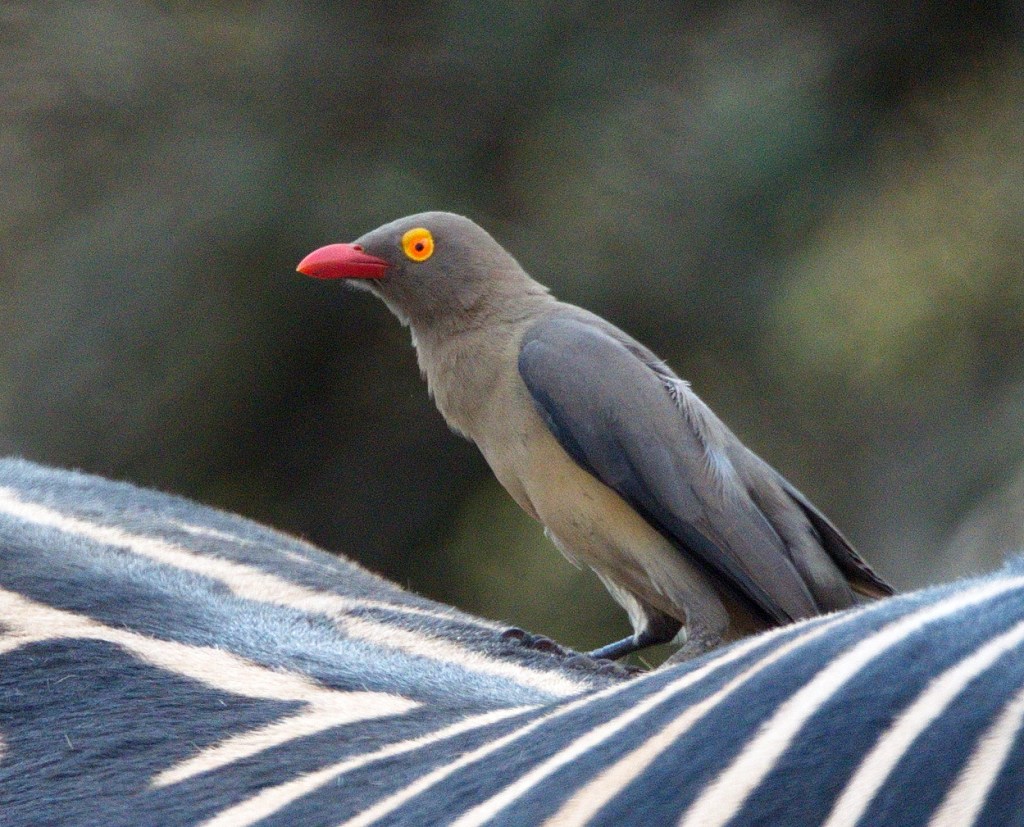
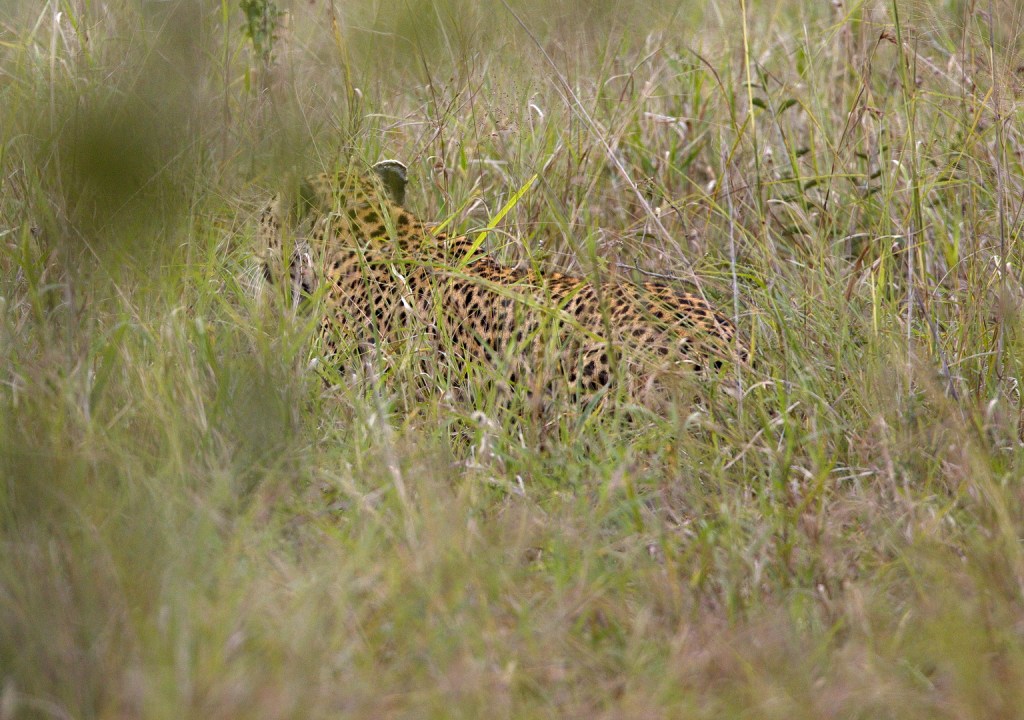
The S126 from Muzandzeni to the main road proved to be rewarding for us. We not only saw a Leopard – admittedly quite fleetingly – but also many Sandgrouse and Red and Yellow-billed Oxpeckers – primarily on Zebras and some on Giraffe. Red-crested Korhaans called close to the road, and we had sightings of a Marico Flycatcher, a Lappet-faced Vulture, Tawny Eagle to name a few.
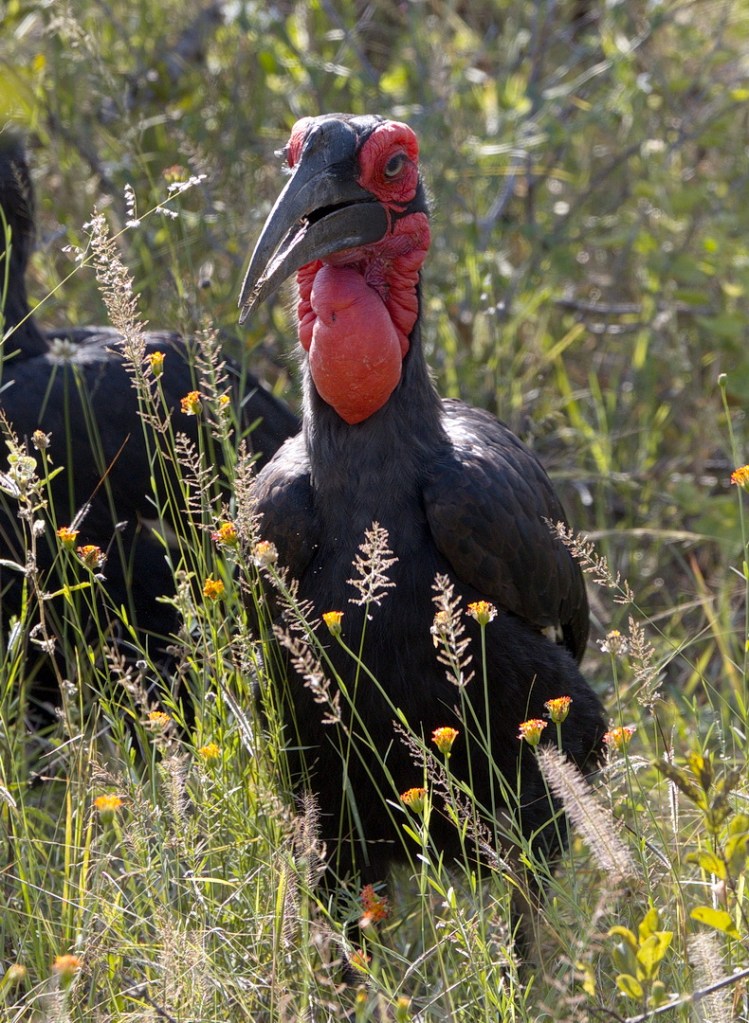
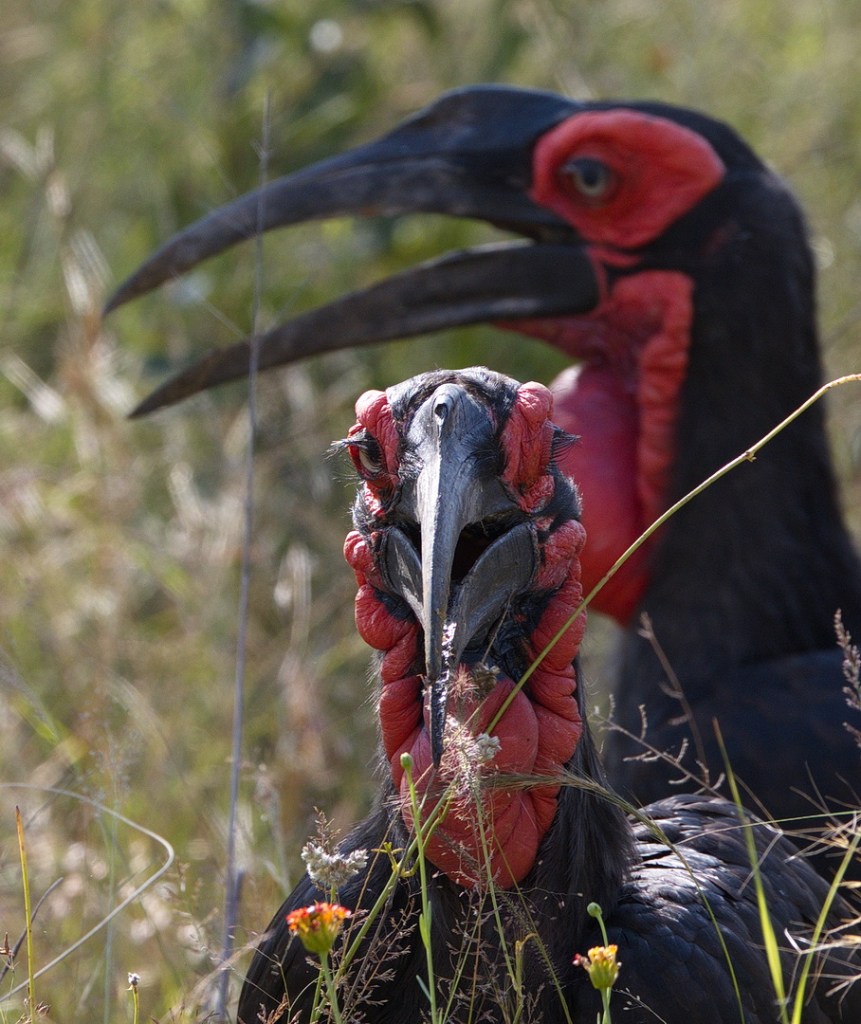
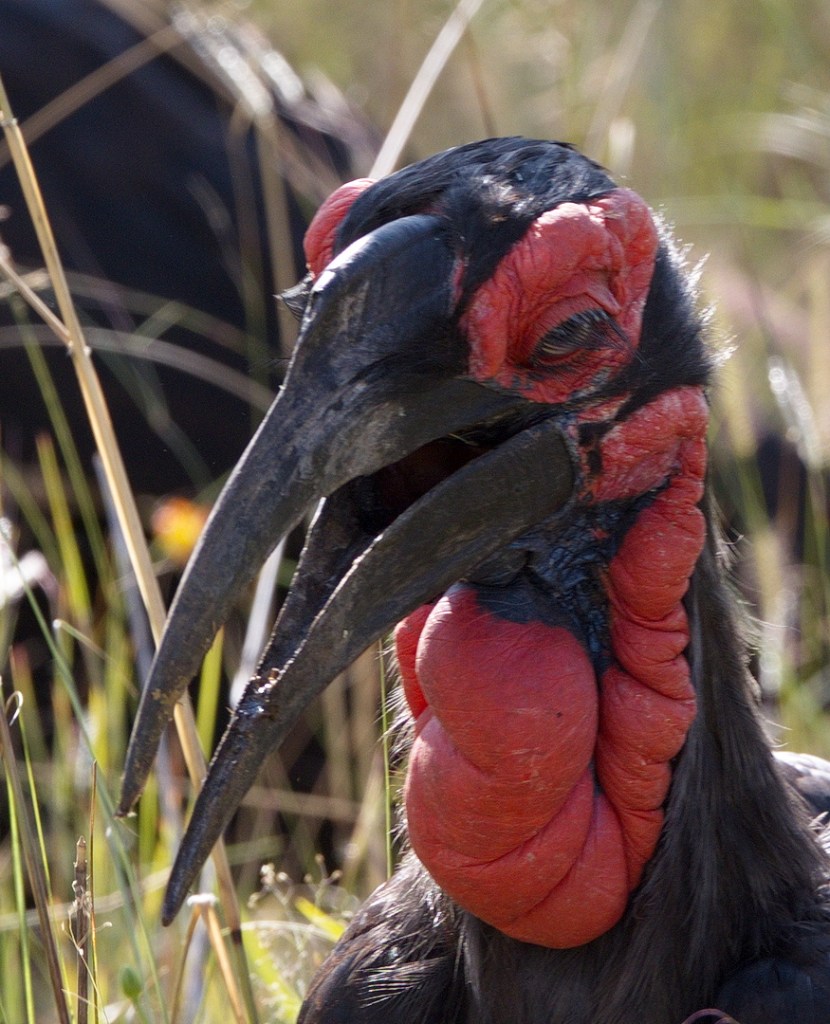
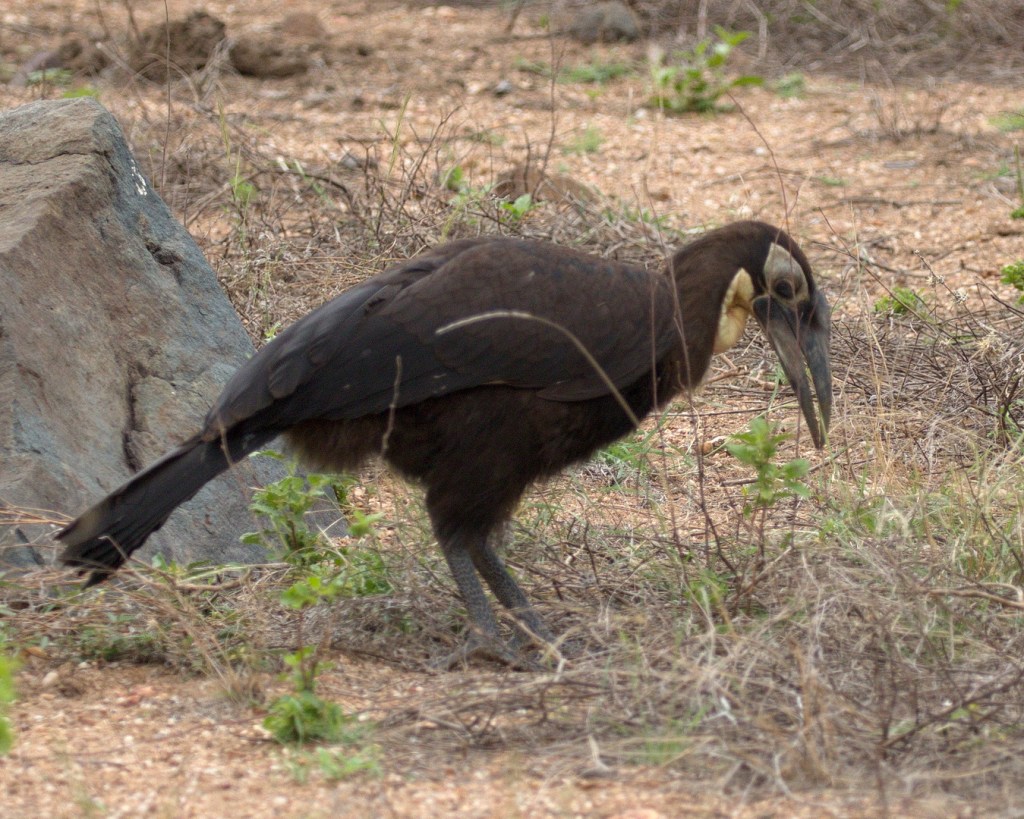
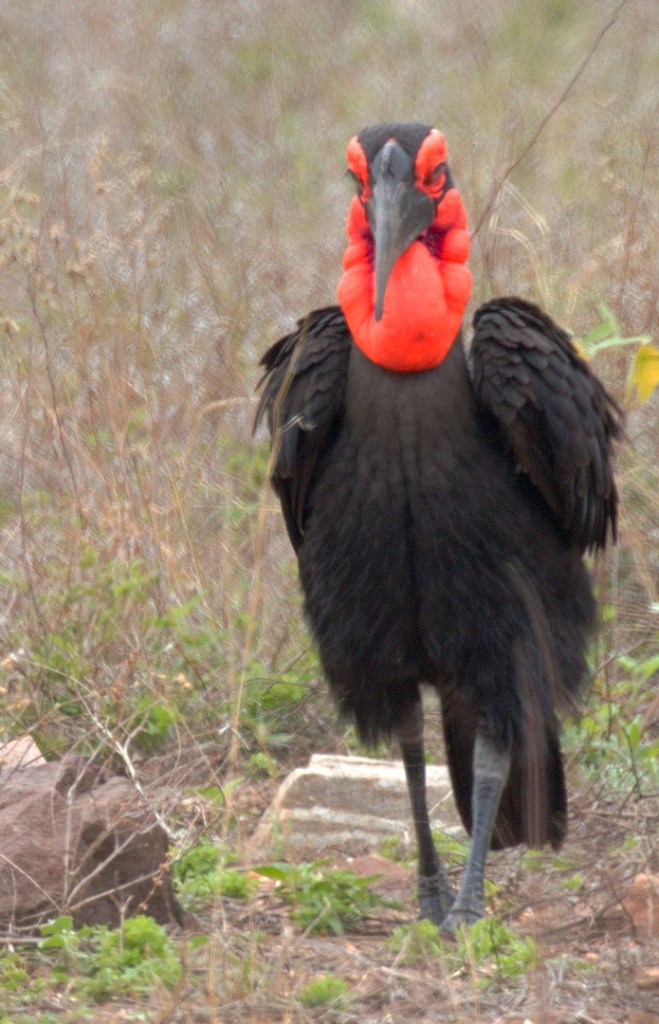
Every morning the Southern Ground Hornbills were calling close by. It was only on our last day at Satara that we saw them – close to the camp entrance. They were right beside the road.
And to hear them call:
Southern Ground Hornbills calling to each other. Very memorable call.
Almost forgot. Our Explosive experience.
In camp Sally was making tea. I was elsewhere. Walking back to our Wildcat, I could see many people chatting to Sally. Unusual I thought.
Sally told me that she had heard what sounded like a gun shot and suddenly everyone nearby came to her rescue. She was perplexed. And then realised that she had actually caused the commotion when she turned on the hot water tap. The explosion had occurred because there was gas build up in the closed compartment where the gas water heater was stored. And by opening the hot water tap a spark was created – boom. The closed compartment door was blown open with a loud bang. Fortunately the damage was not excessive. But it taught us a lesson to always turn off the gas supply when the compartment door is closed and preferably remove the batteries from the igniter switch as well !
Almost forgot. Jackals in camp. People reported that the Jackals were eating guy ropes. Well we had a slightly different experience. My clogs had gone for a walkabout. Later to be found, the clogs intact but both straps had been removed and chewed into almost precisely one inch pieces and left around the each clog.
Then we moved on to Lower Sabie for 4 nights. See Part 3.
In Part 2 I will cover the time we had in Mapungubwe, Nthakeni and Pafuri as well as Dumela Camp in Mozambique.
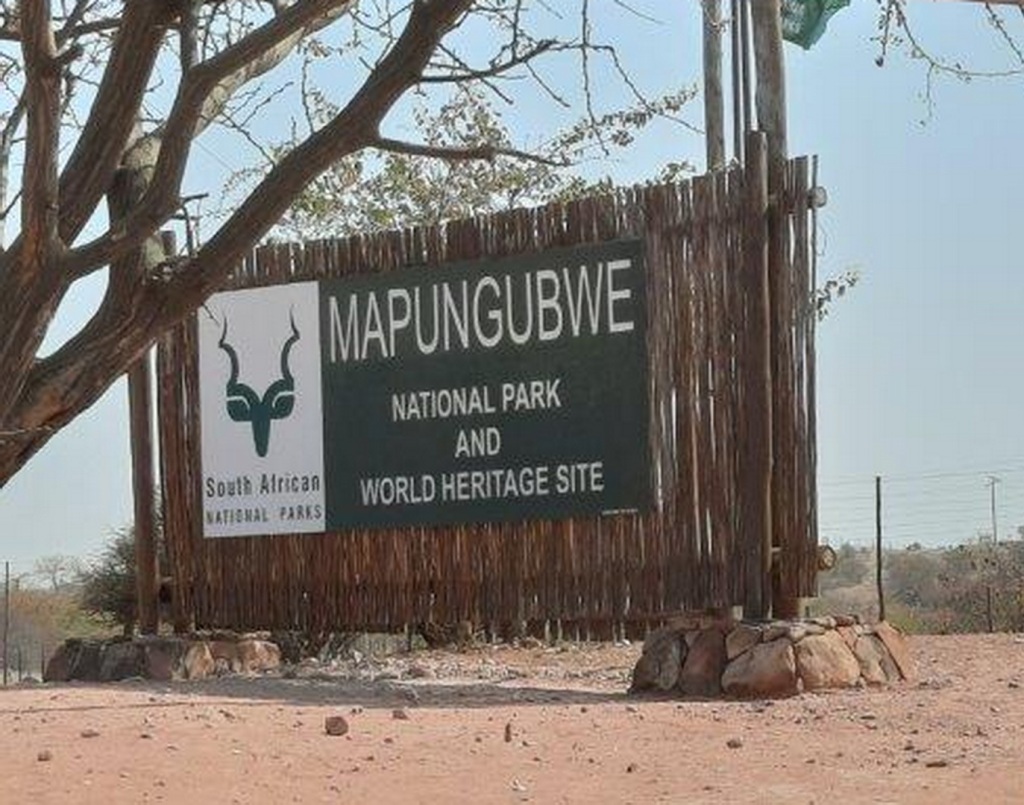
MapungubweNational Park
19th to 23rd August 2023
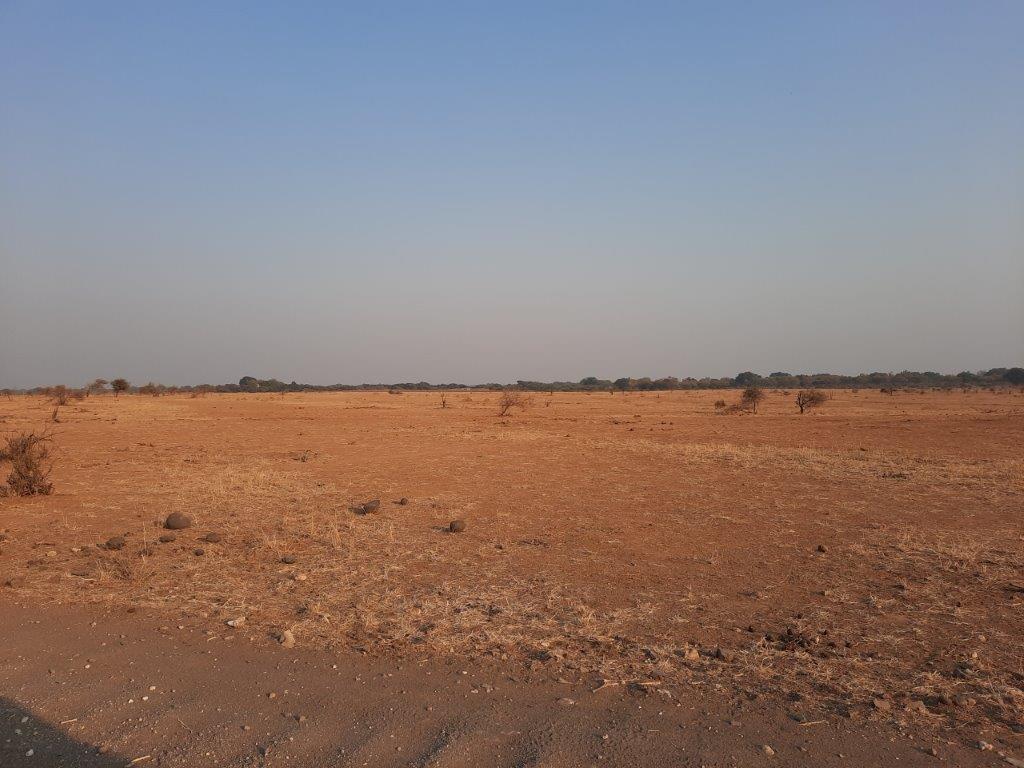
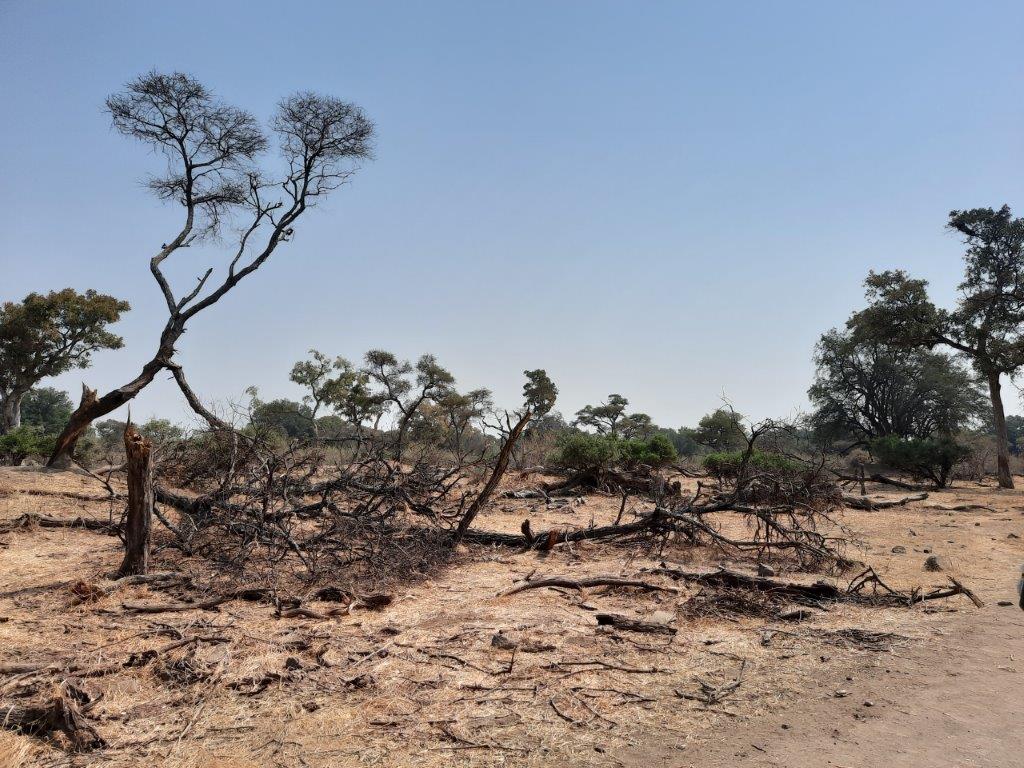
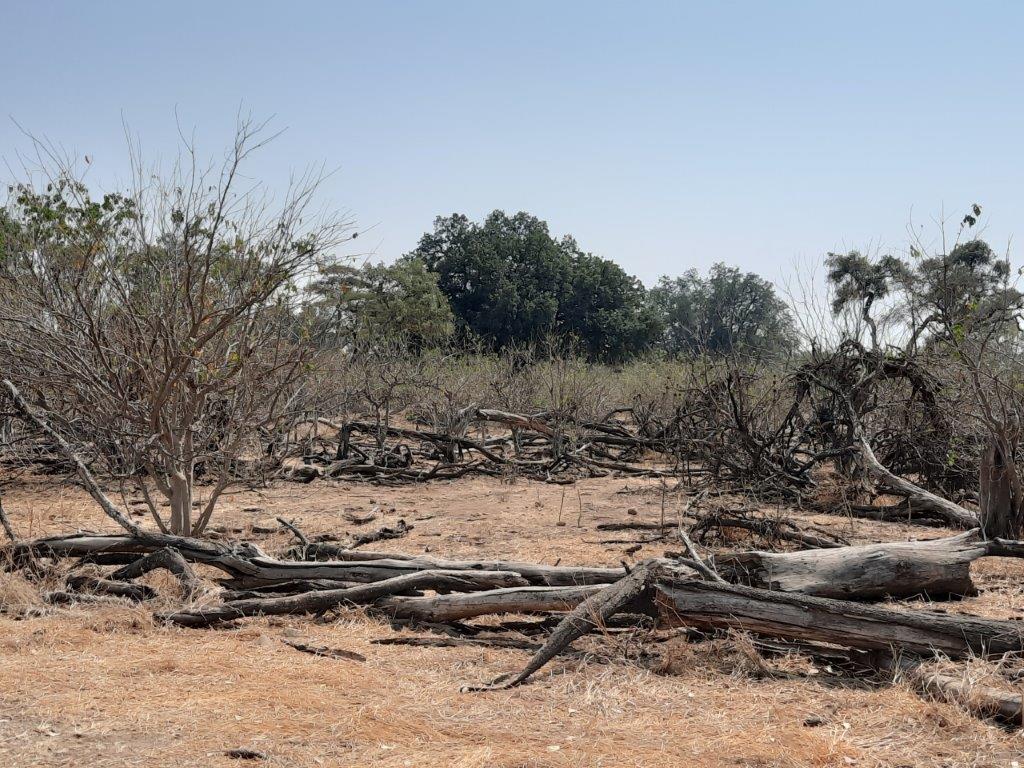
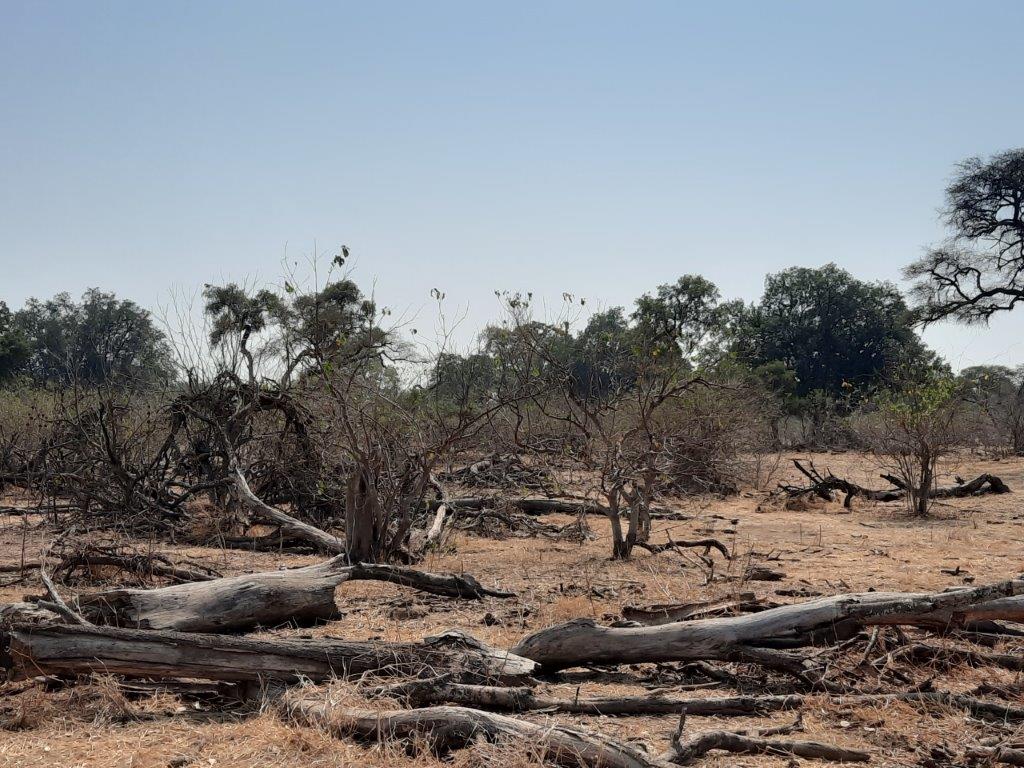
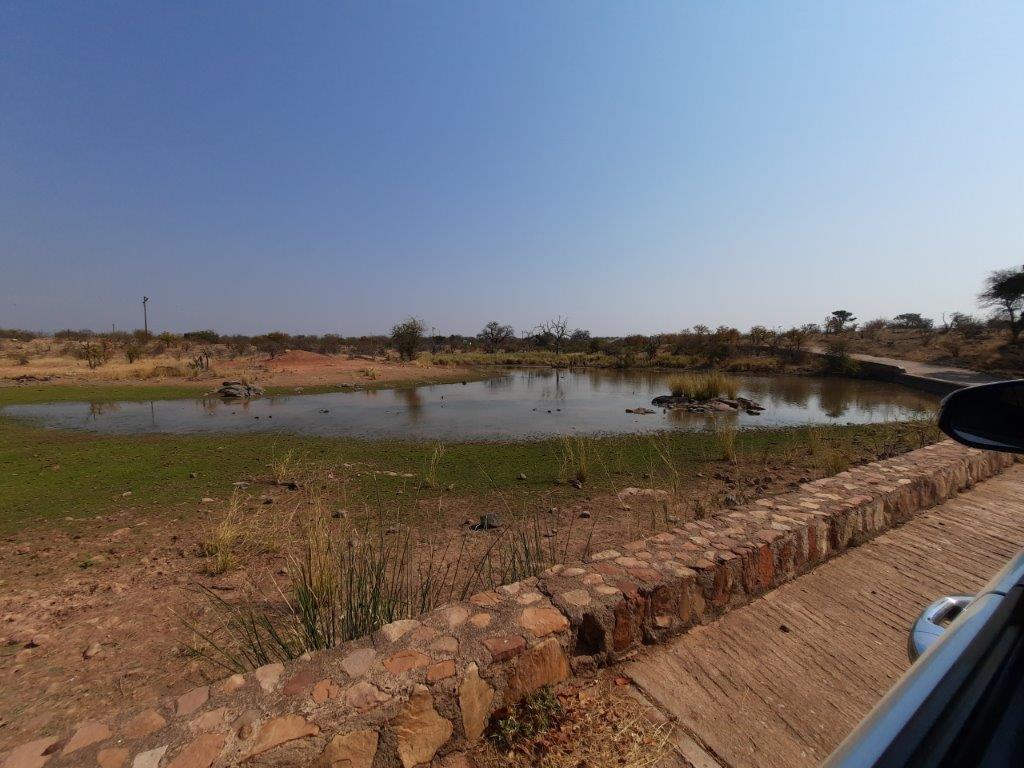
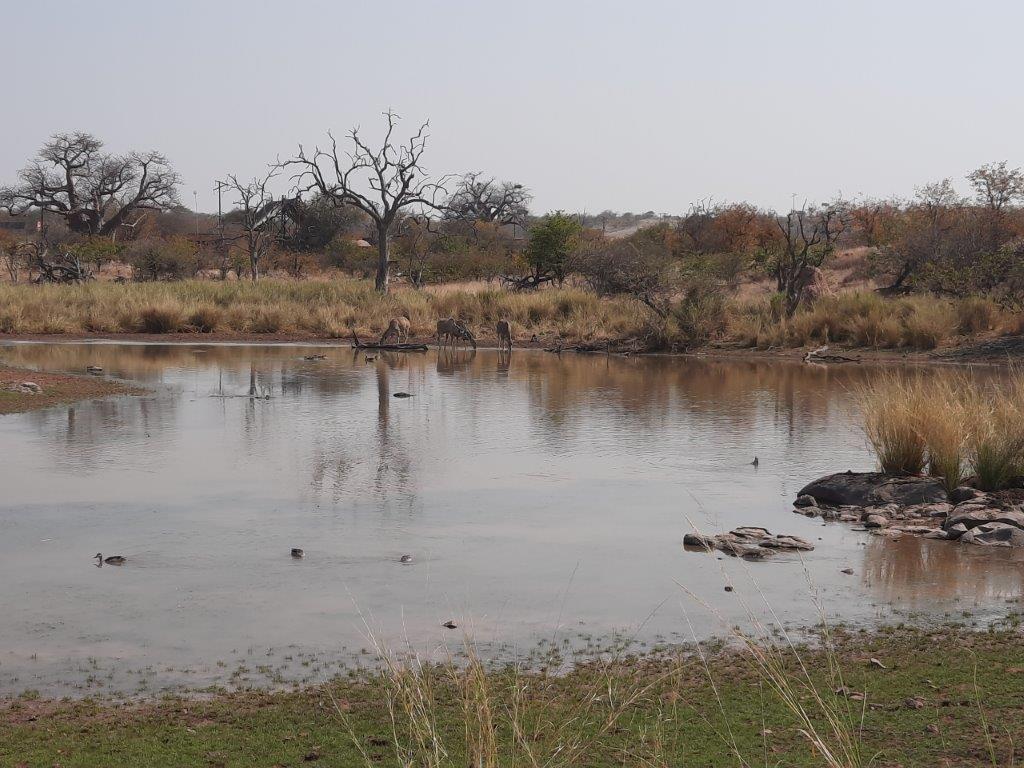
Mapungubwe NP is one of our favourite Parks. This year it was very very dry – dusty and the waterholes almost empty.
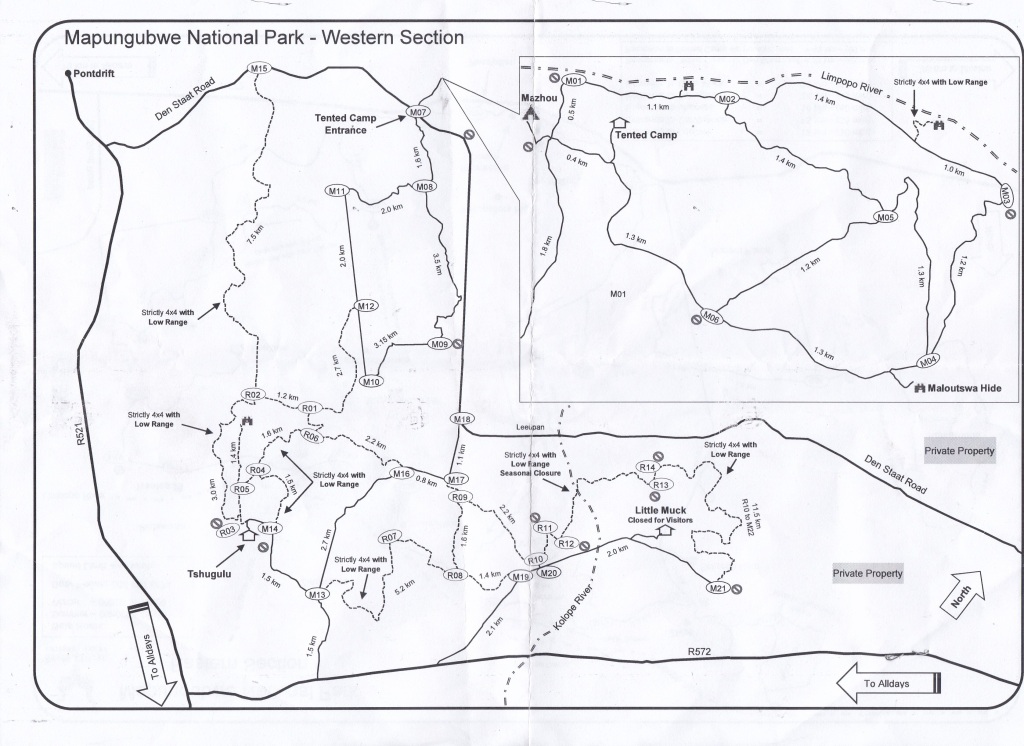
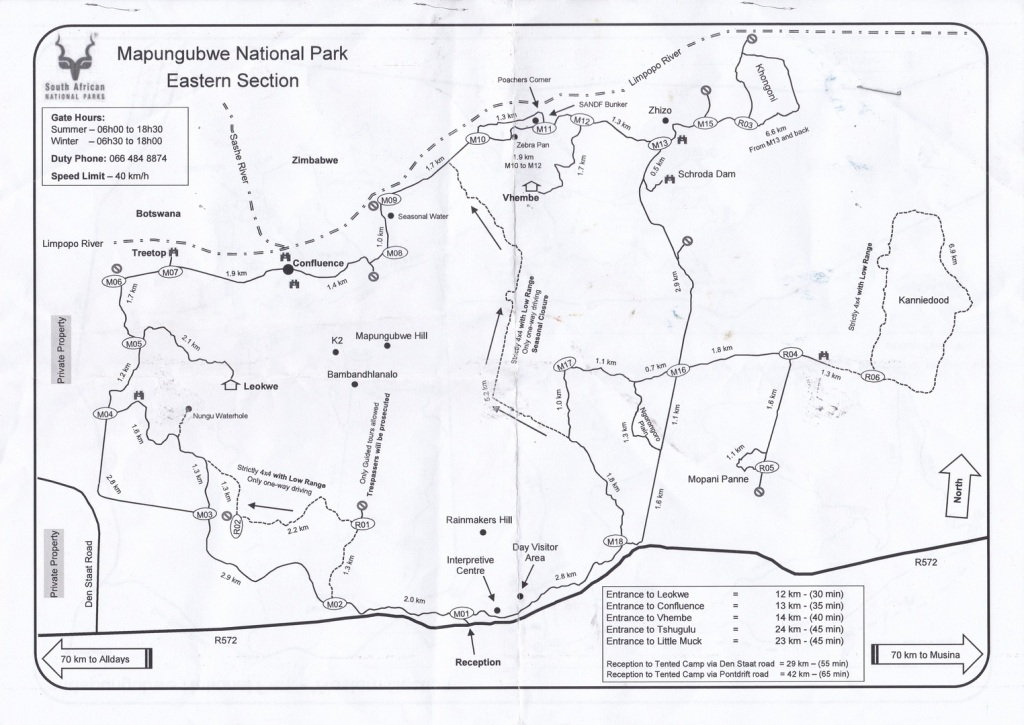
The NP is split into two areas. The campsites are in the Western section and the Chalets, Reception nestled in a picturesque rocky area in the Eastern Section.
Western Section of Mapungubwe. Mazhou camp is at the top to the west of the Tented Camp
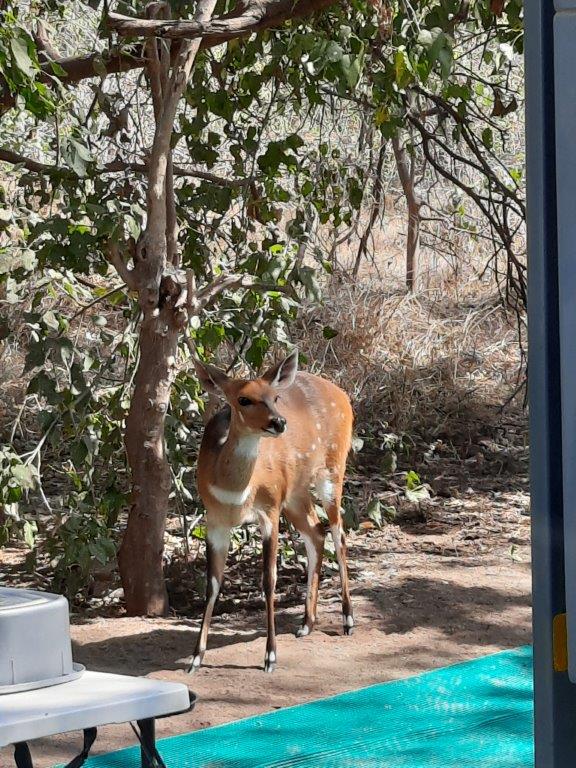
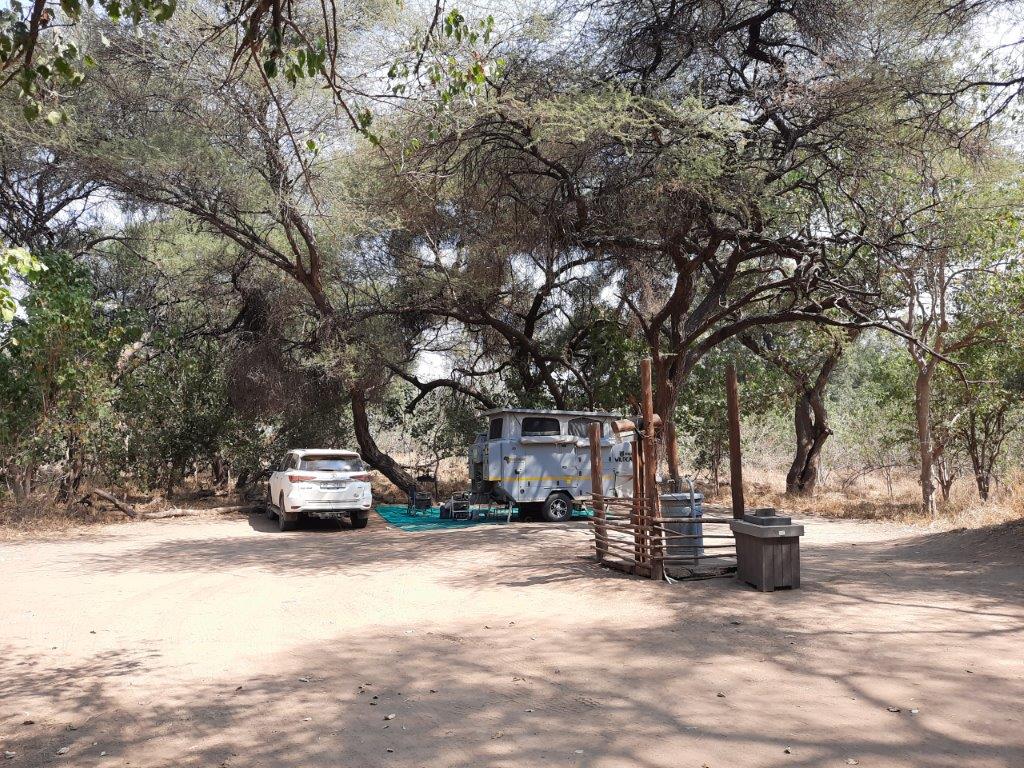
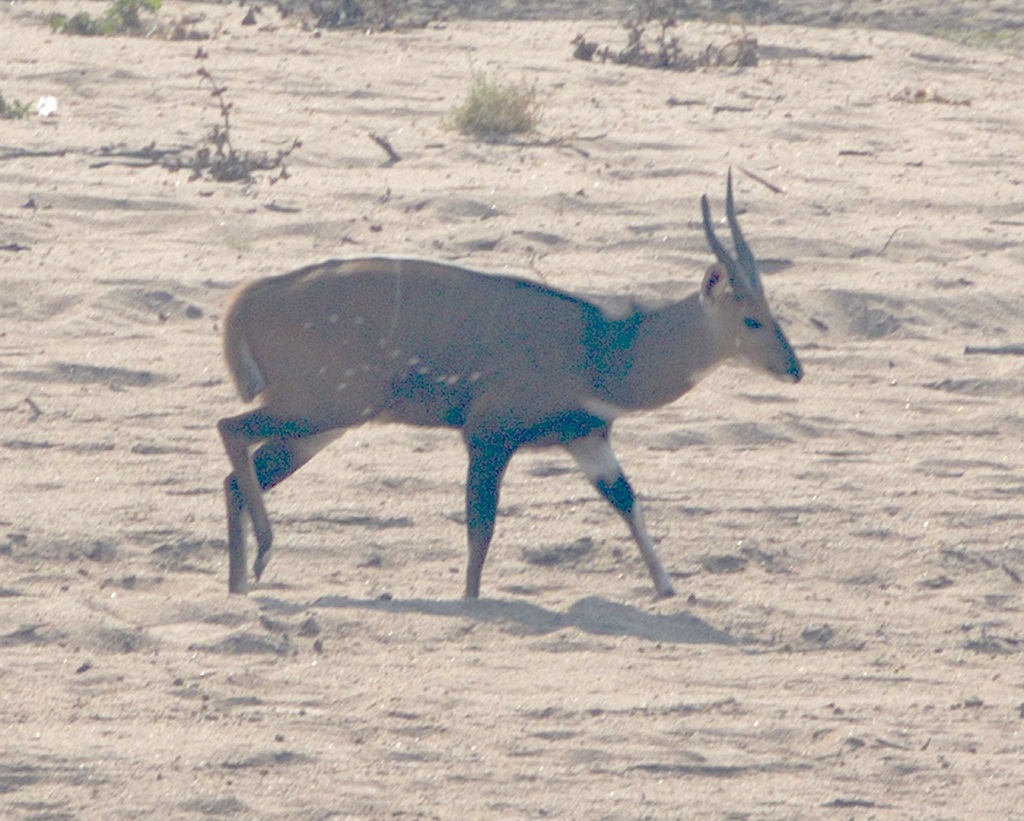
Mazhou CampsiteLittle Bushbabies made their presence known.Lions were heard close by but not seen.Friendly Bushbuck coming for waterOur Site. Fairly private.
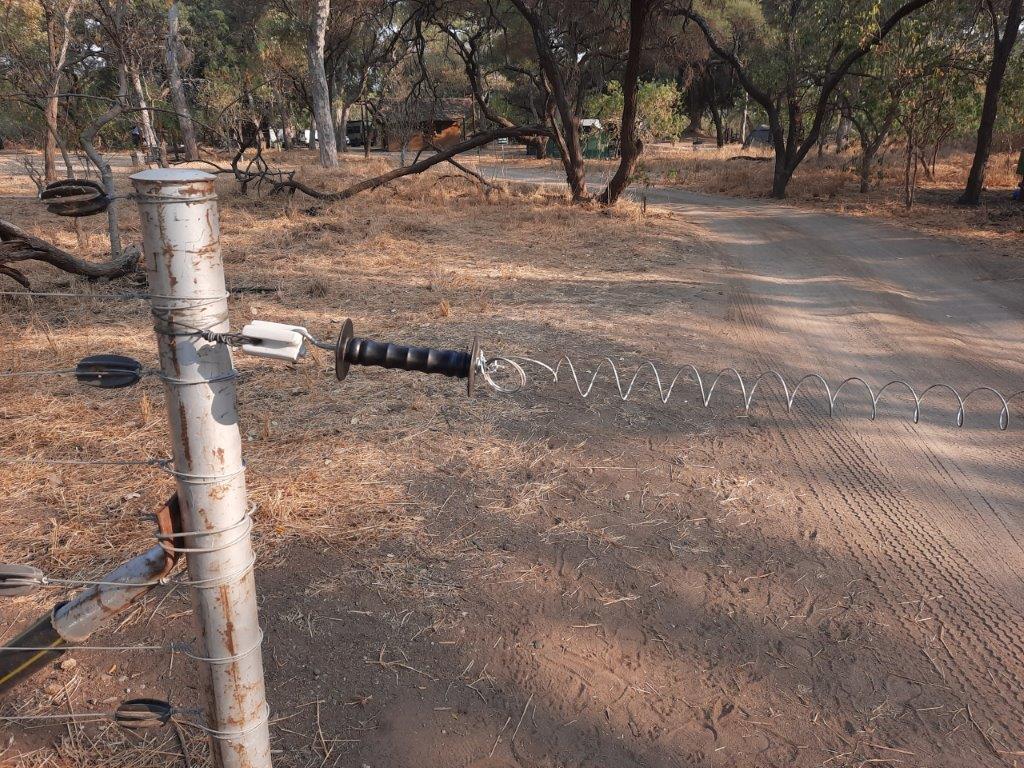
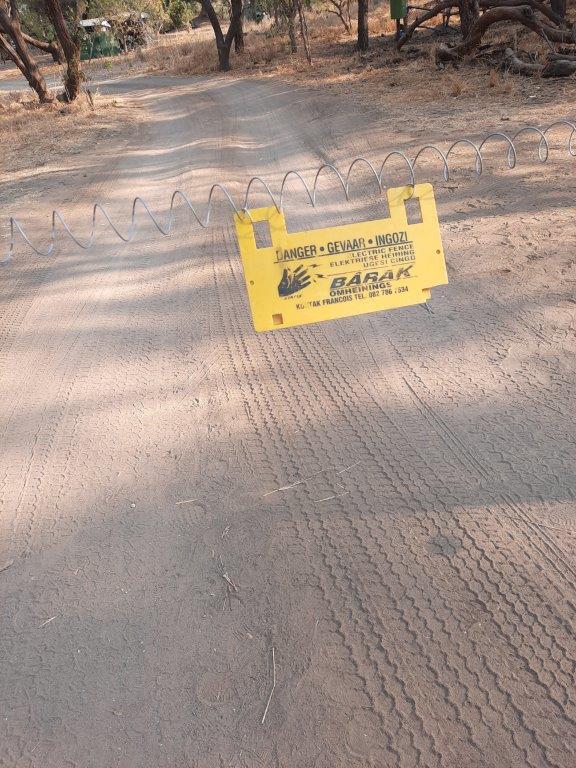
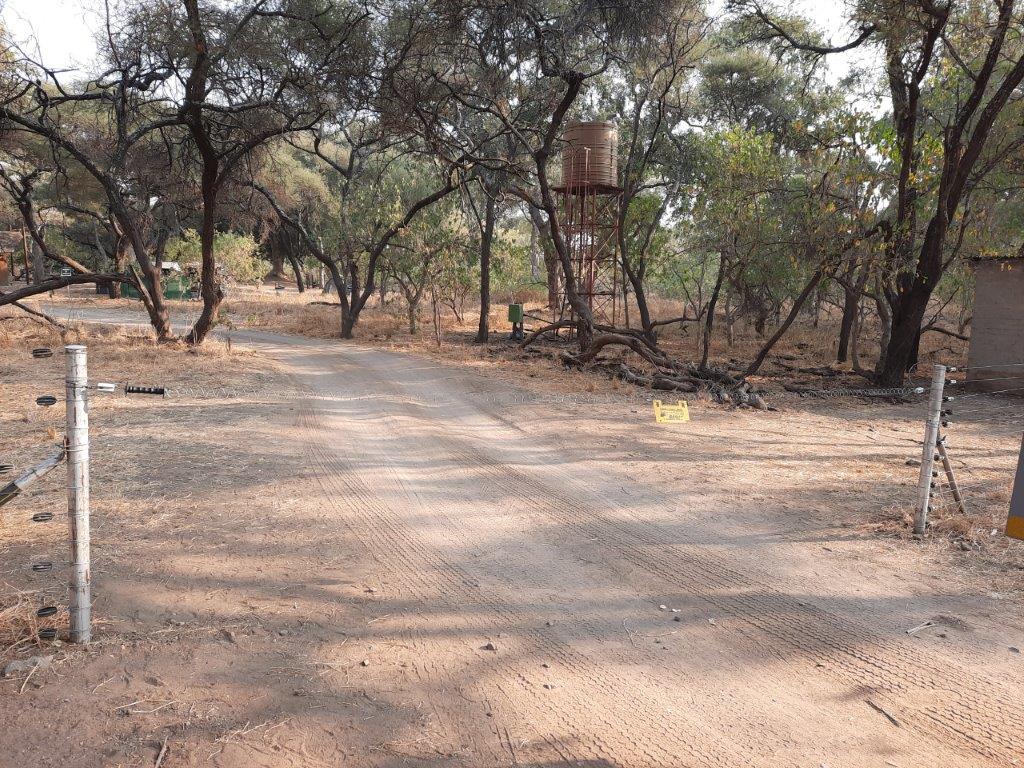
The campsite has an interesting entrance “Gate”. It is self-service and designed to keep out the elephants. It is a coiled electricified wire with an insulated handle. Pulling the handle towards the fence releases it. Once the vehicle is through then reconnect.
The insulated HandleThe only part you see as you approach.The Entrance “Gate” fully closed (to elephants and vehicles)
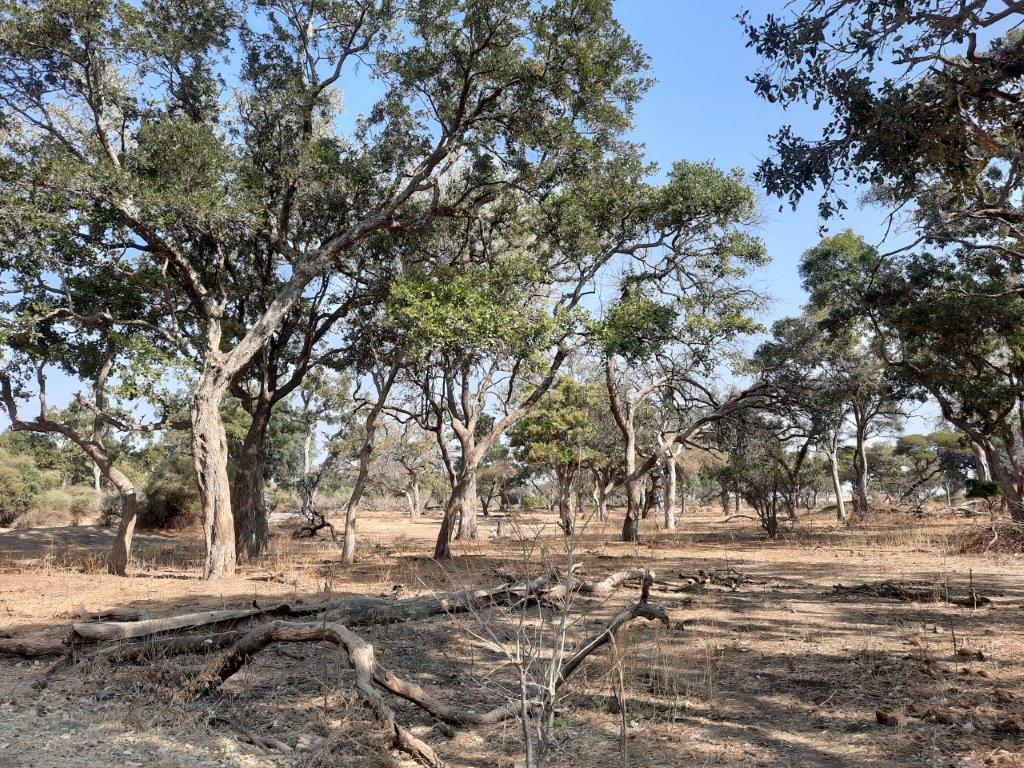
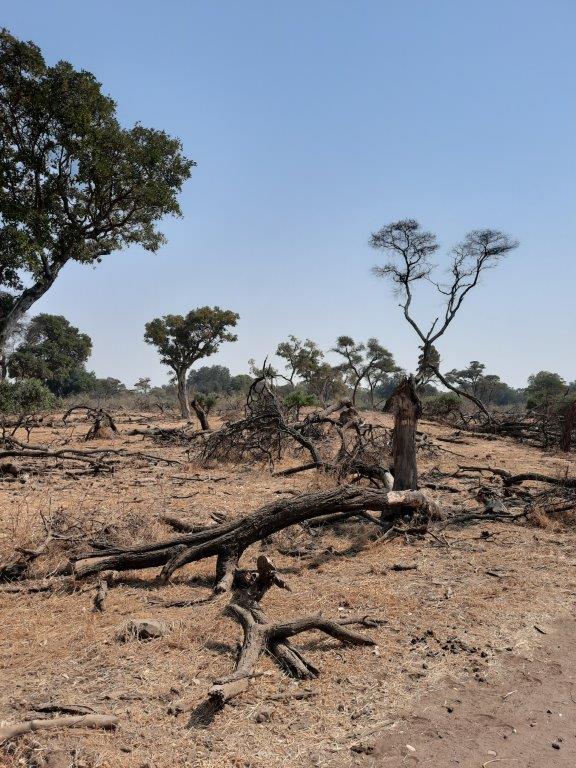
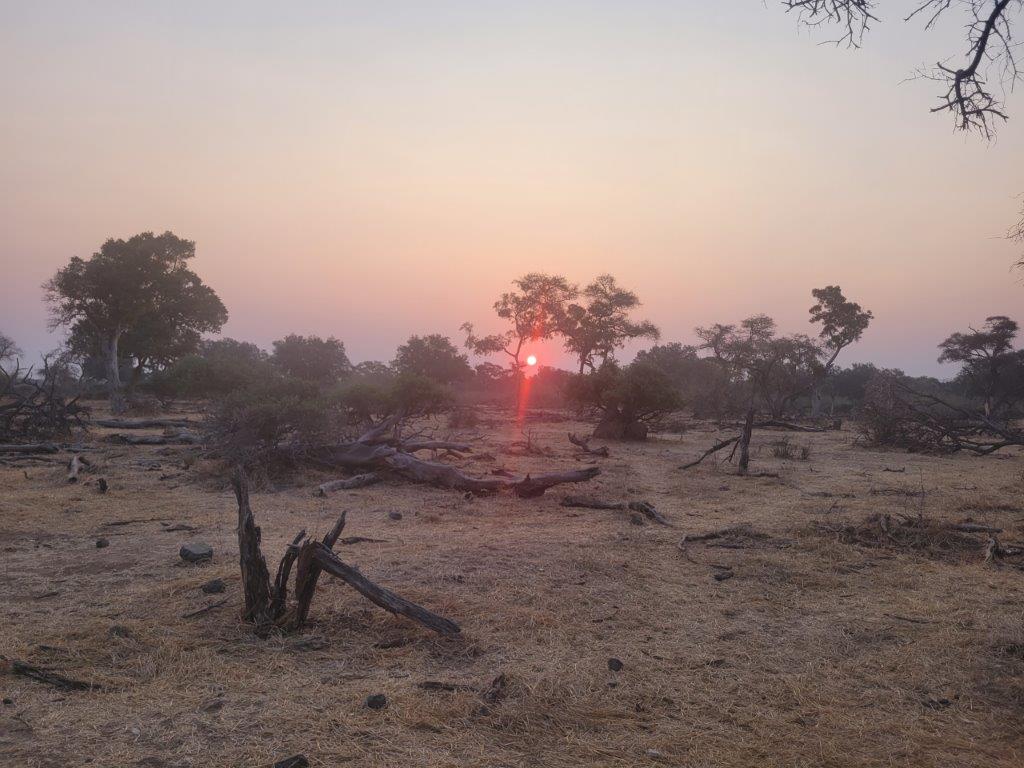
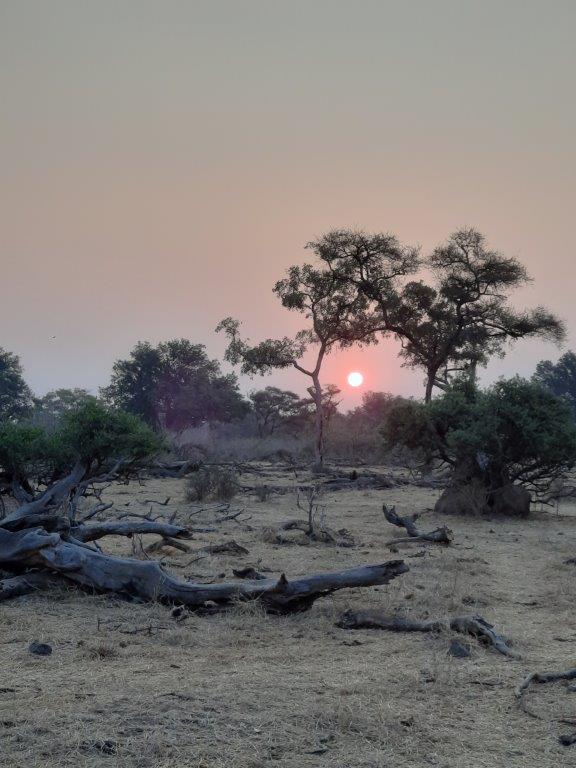
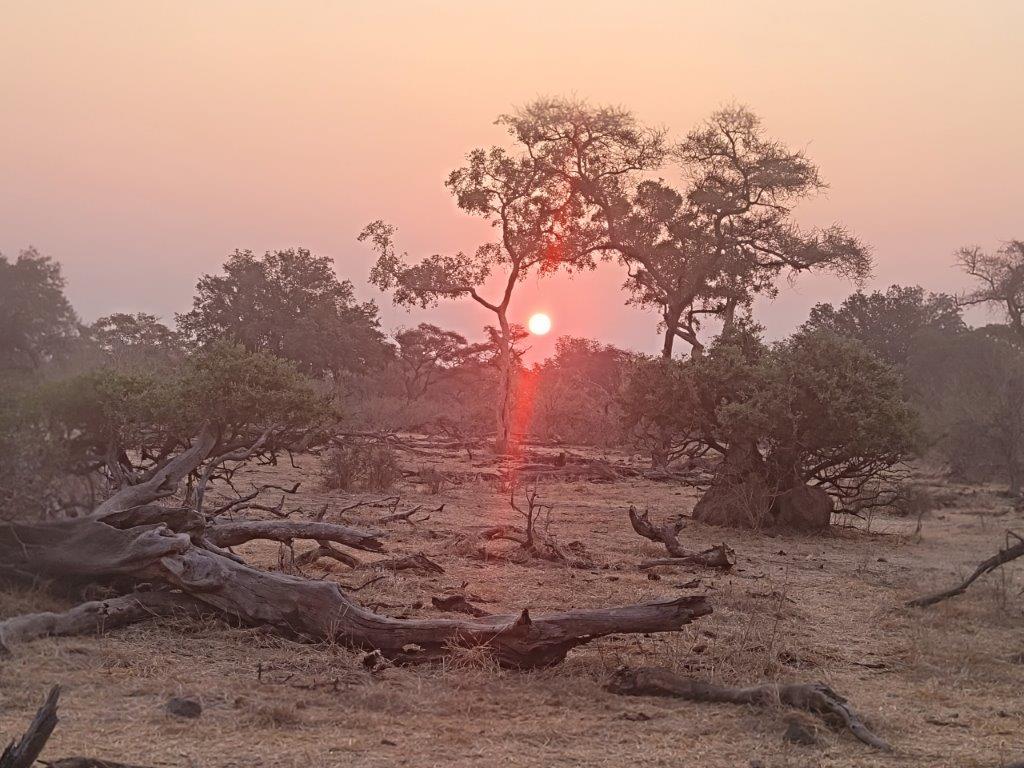
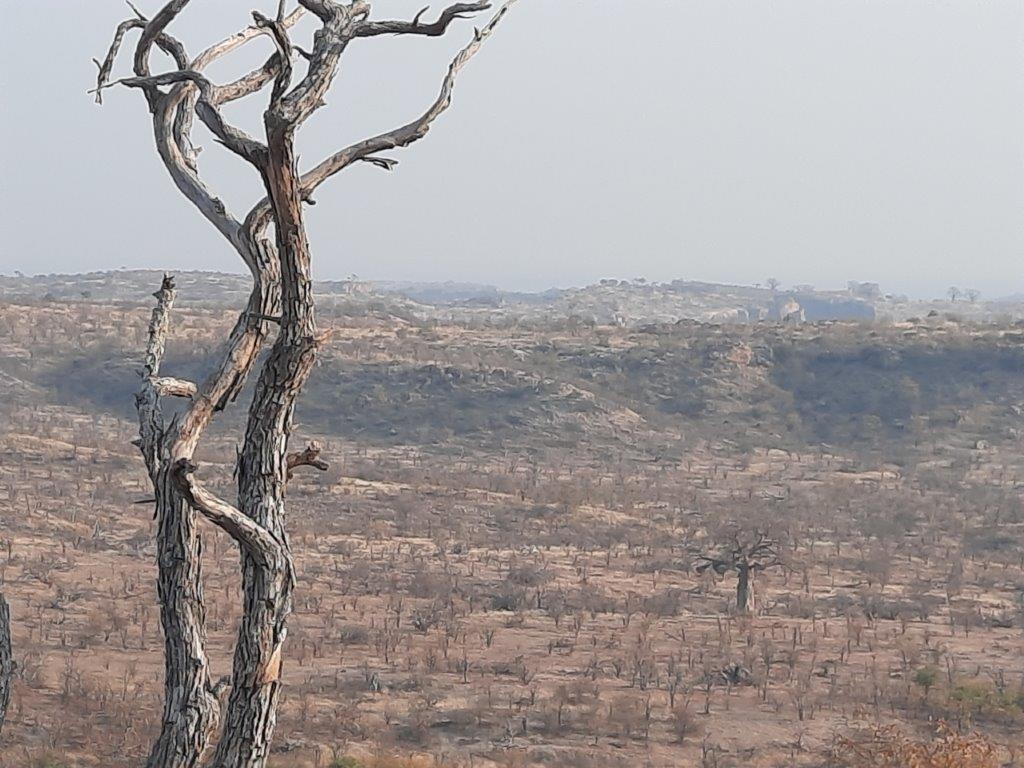
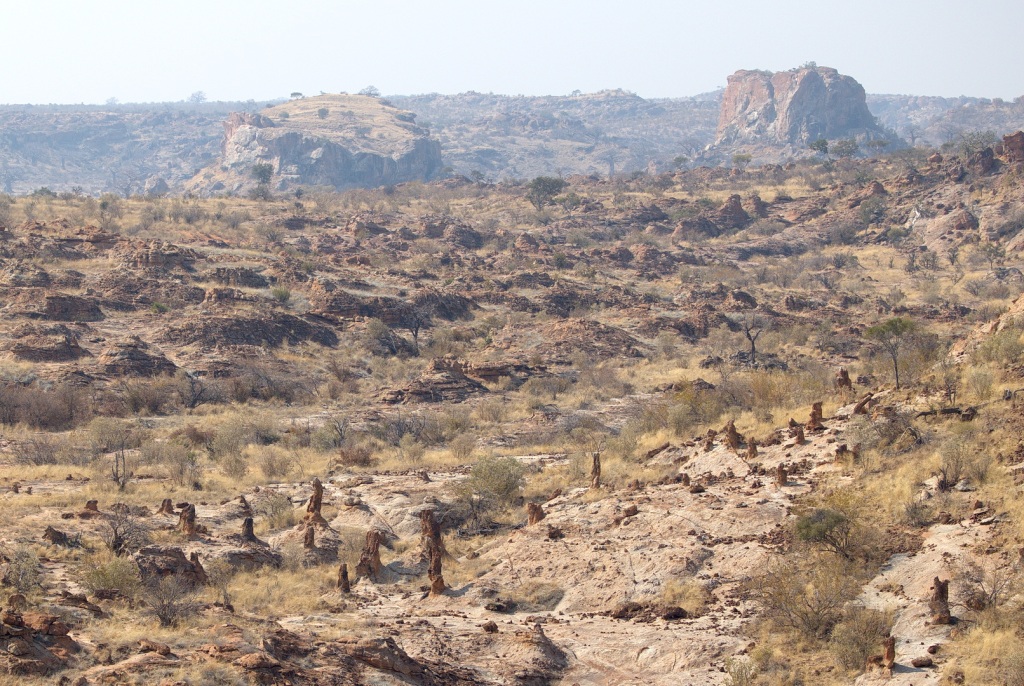
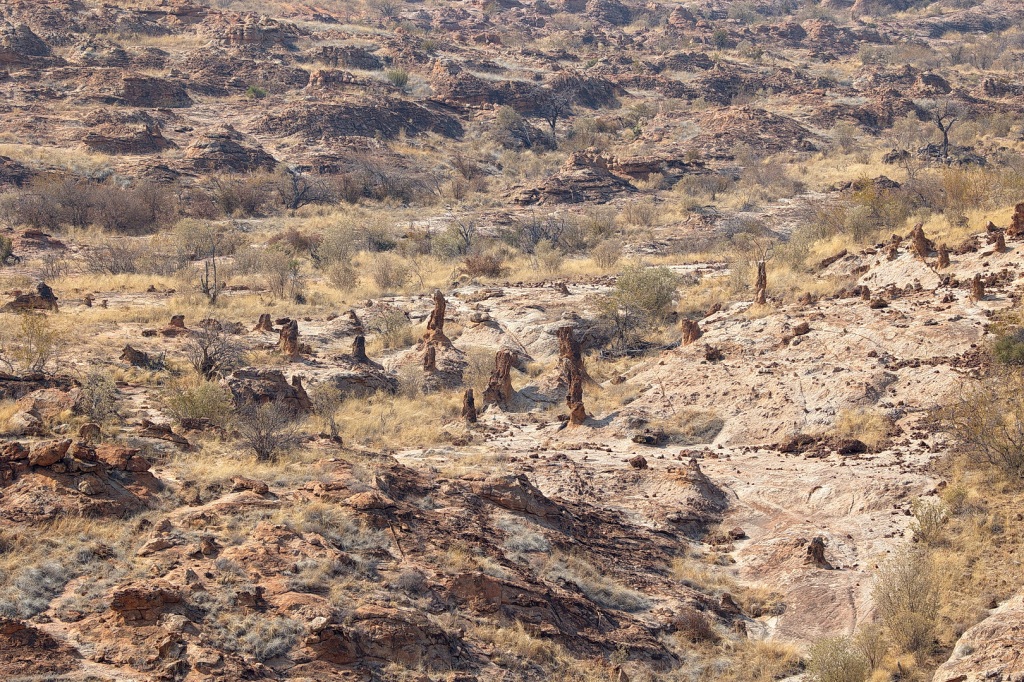
The park is littered with dead trees lying on dusty ground. Typical dry and dusty scenery everywhere in the park shown below.
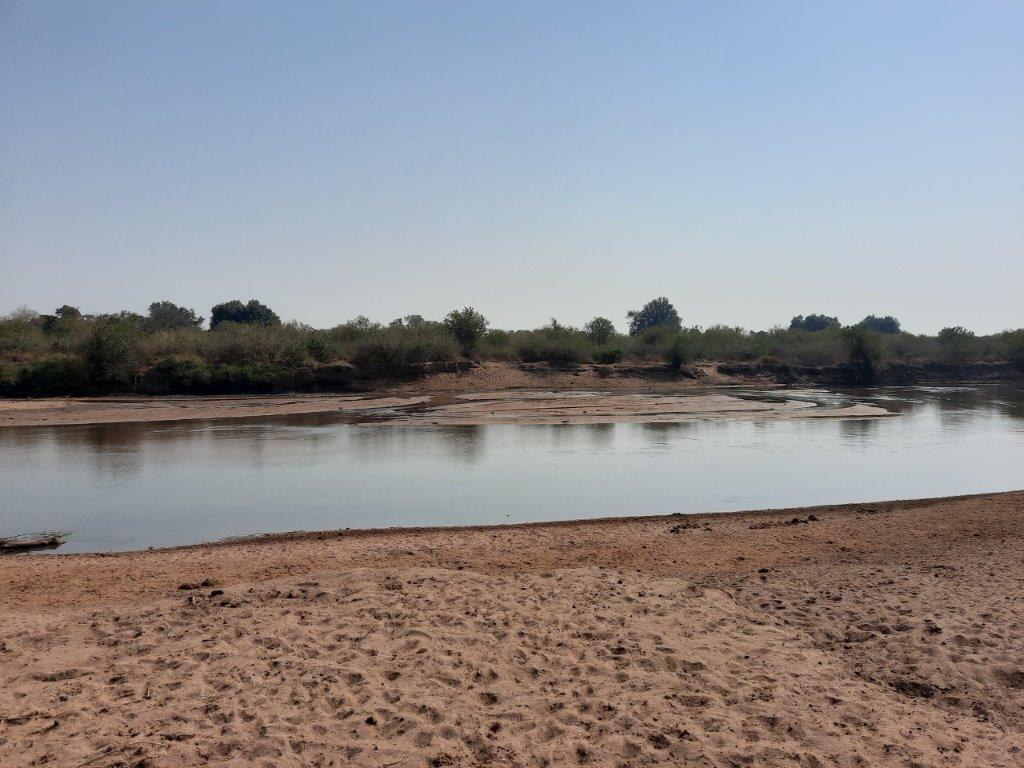
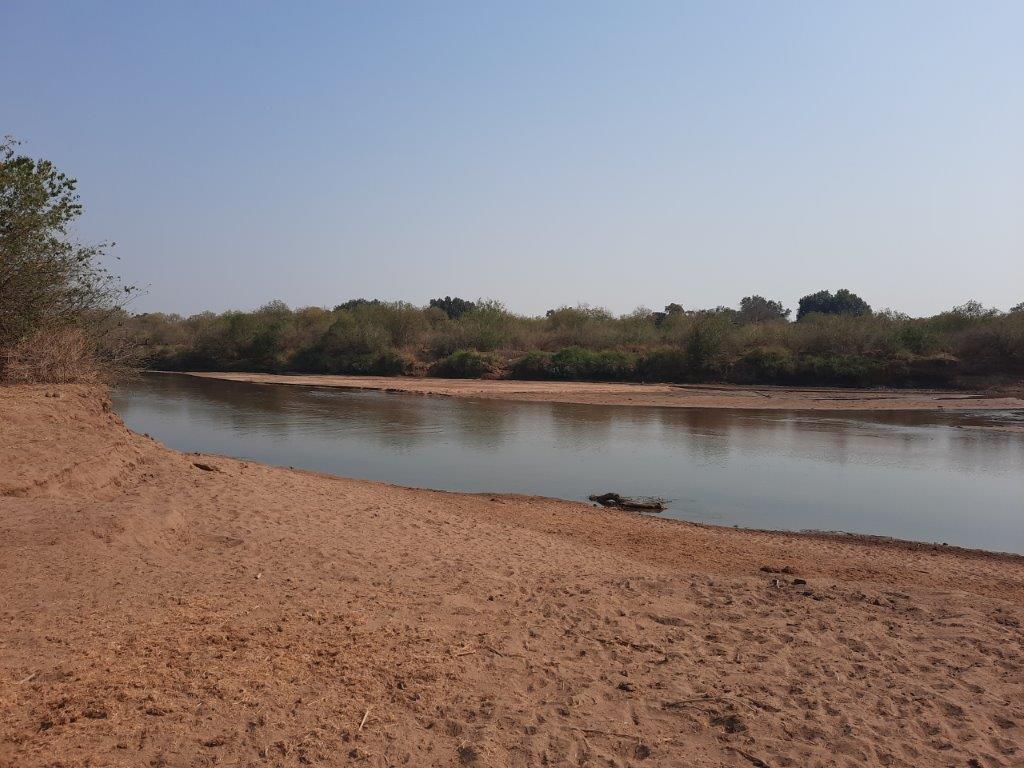
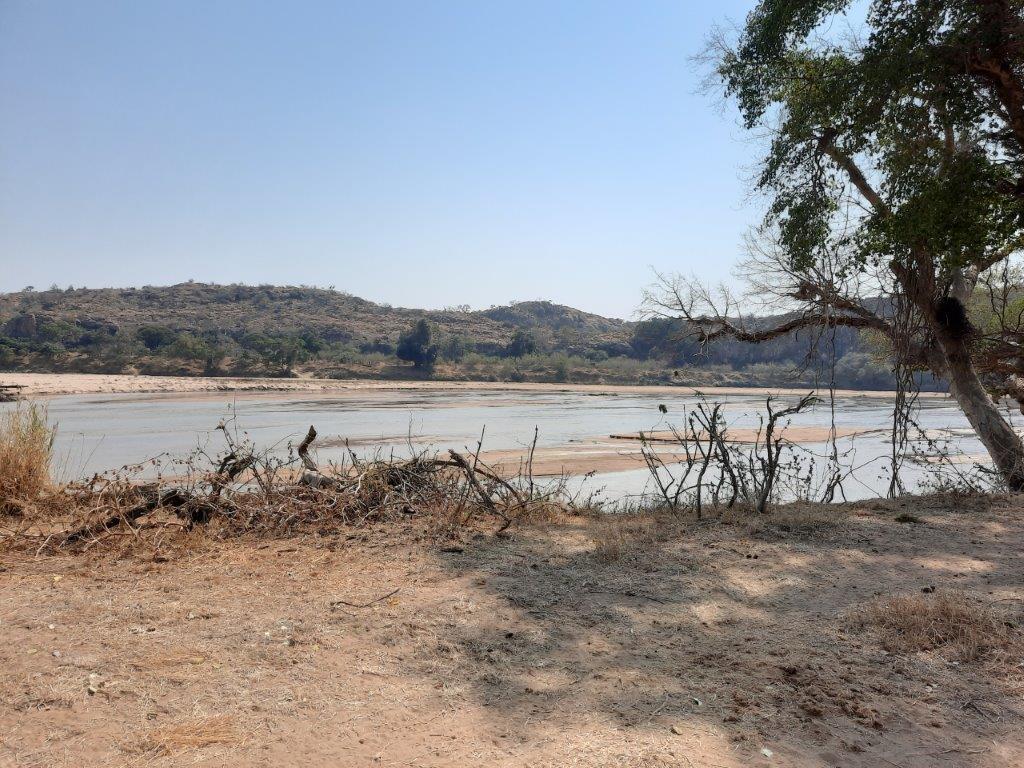
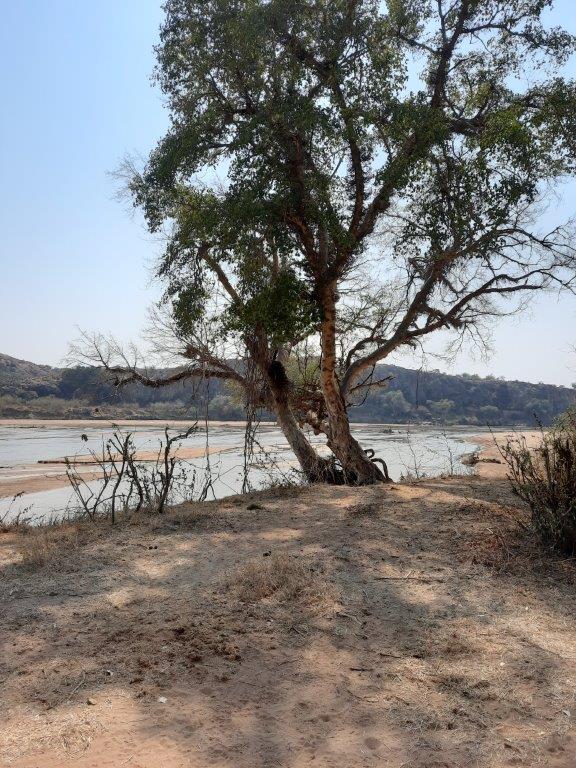
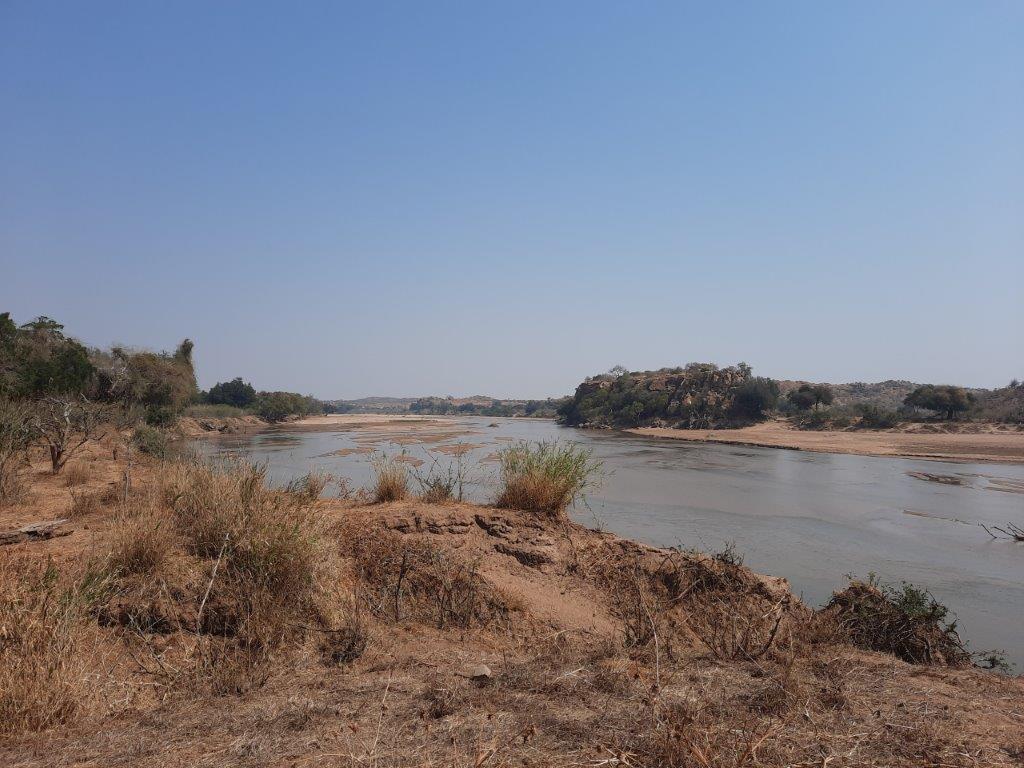
Some water in the Limpopo River. Northernmost boundaryWater level at the Maloutswa HideLimpopo River hardly flowing
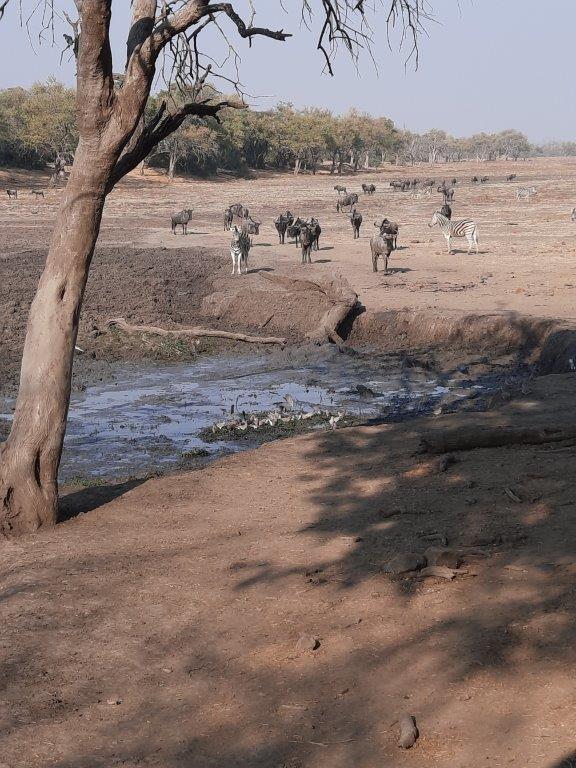
The Maloutswa Hide was a basically a mud hole. It had signs of water above the mud in one corner of the waterhole. Sadly a Gnu went into the mud to reach surface water but never made it back out again.
Maloutswa Hide Mud Bath
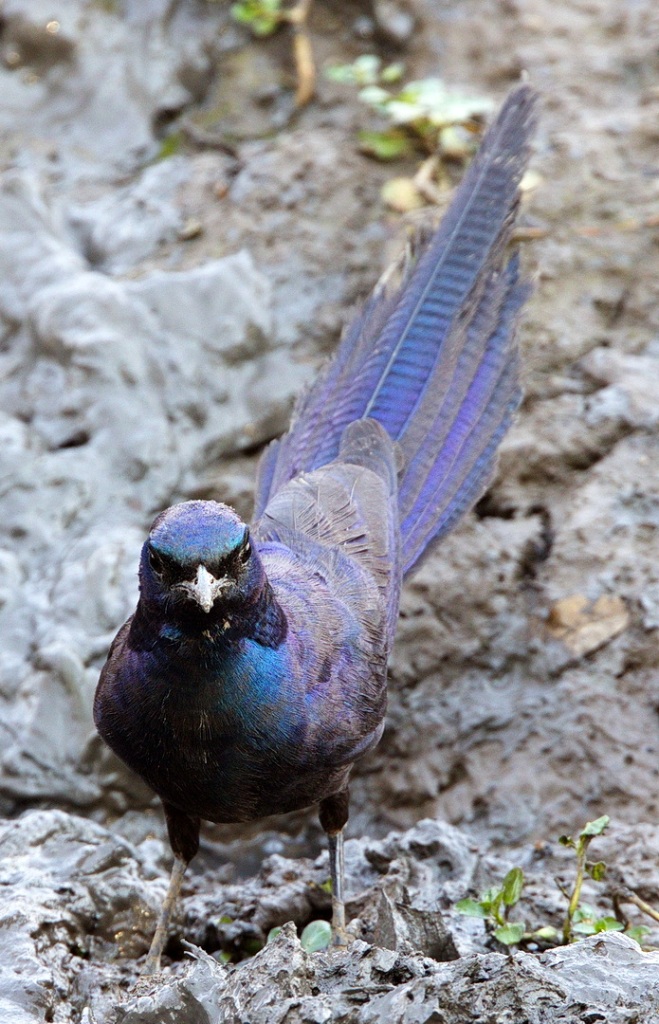
Meve’s Starlings and Laughing Doves were in their masses around the mud hole enjoying what little water there was. An occasional Meyer’s Parrot would fly over. Water Monitors lingered in the mud. Animals came and went. It seemed the only foolhardy were the Gnus, Zebras and Warthogs.
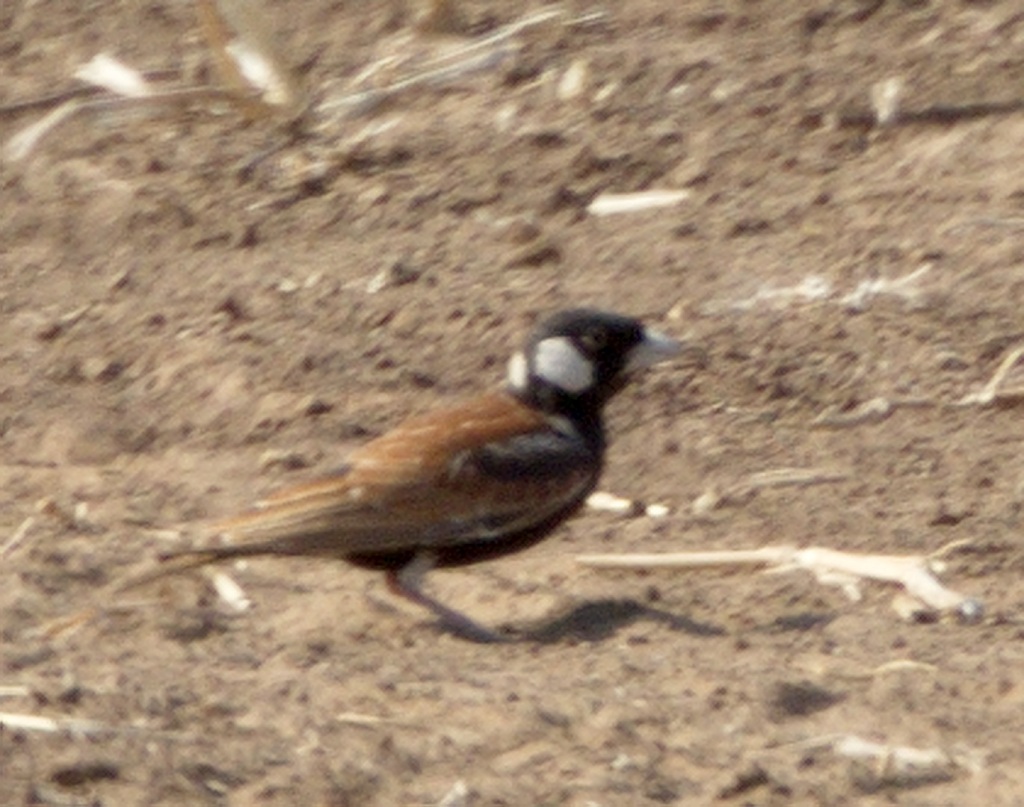
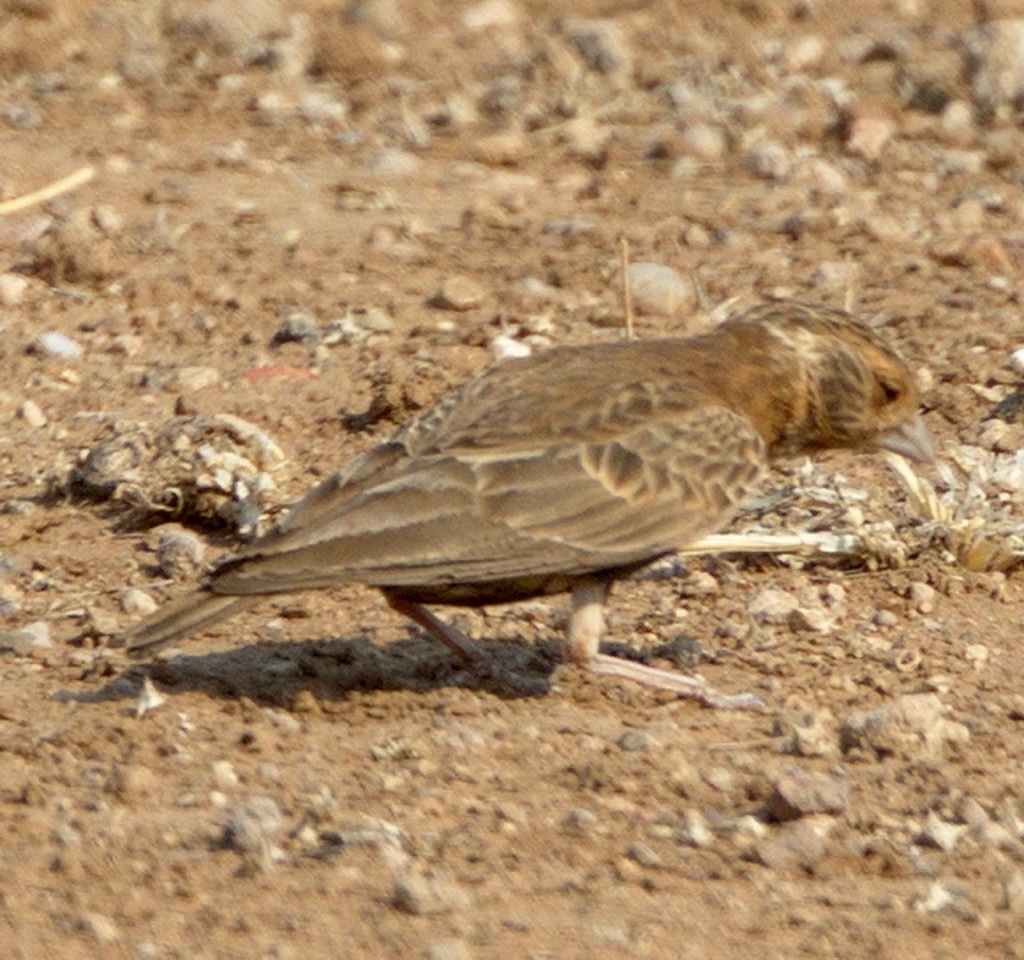
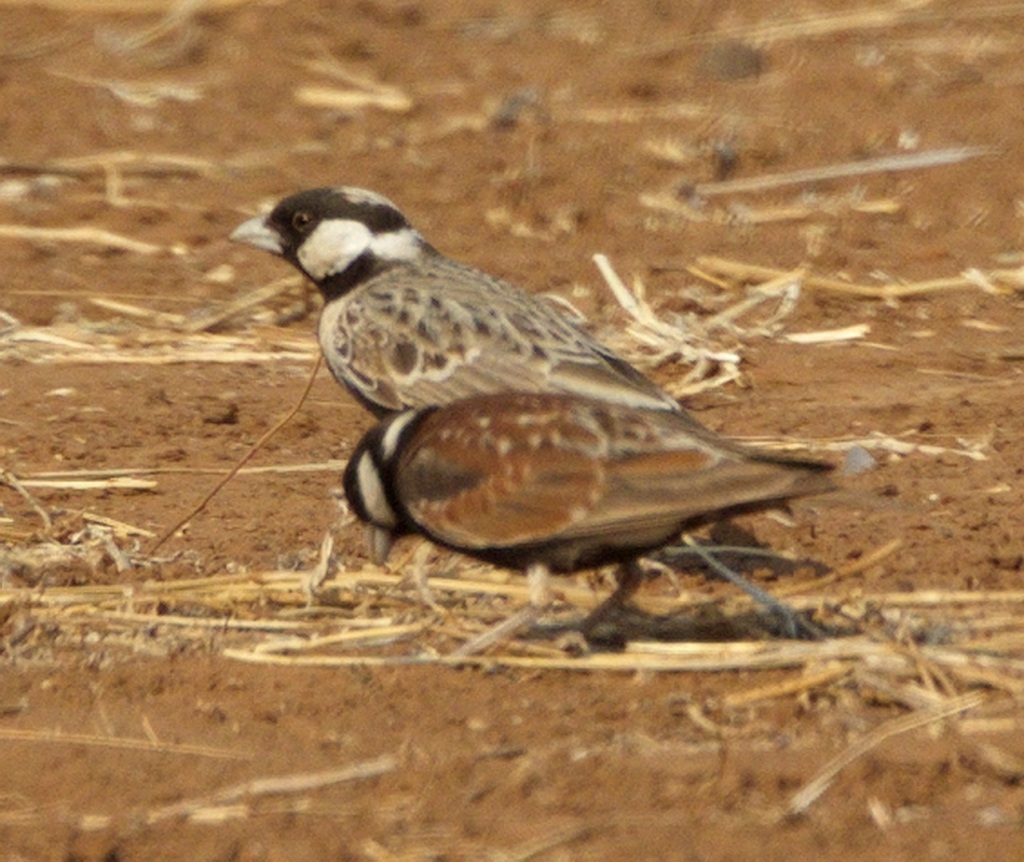
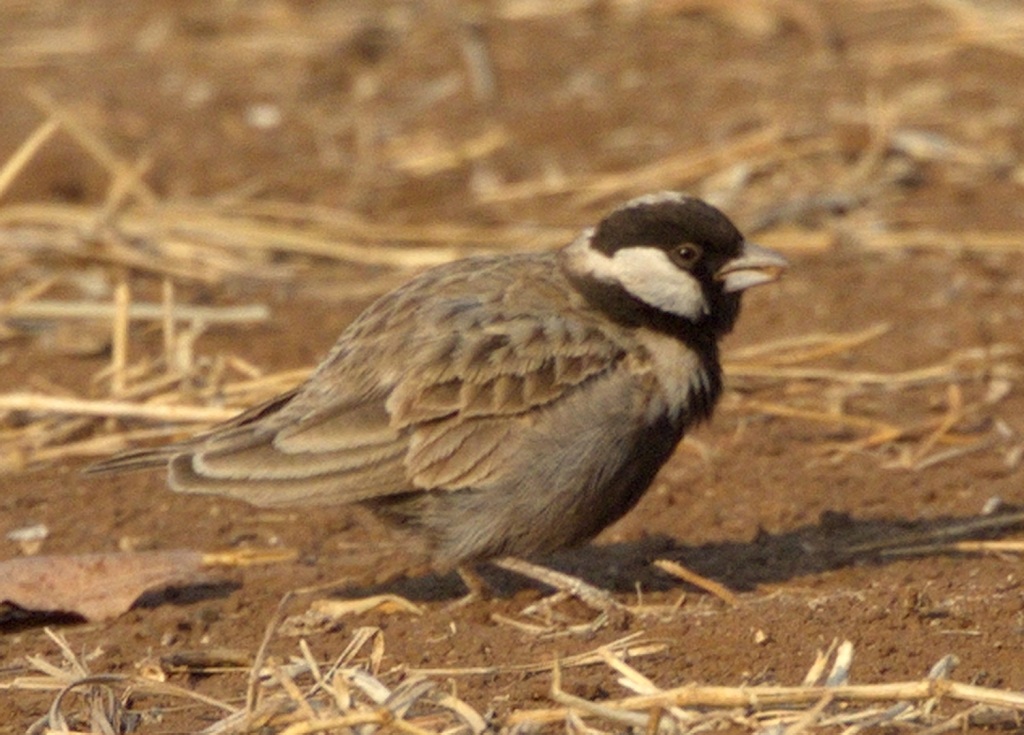
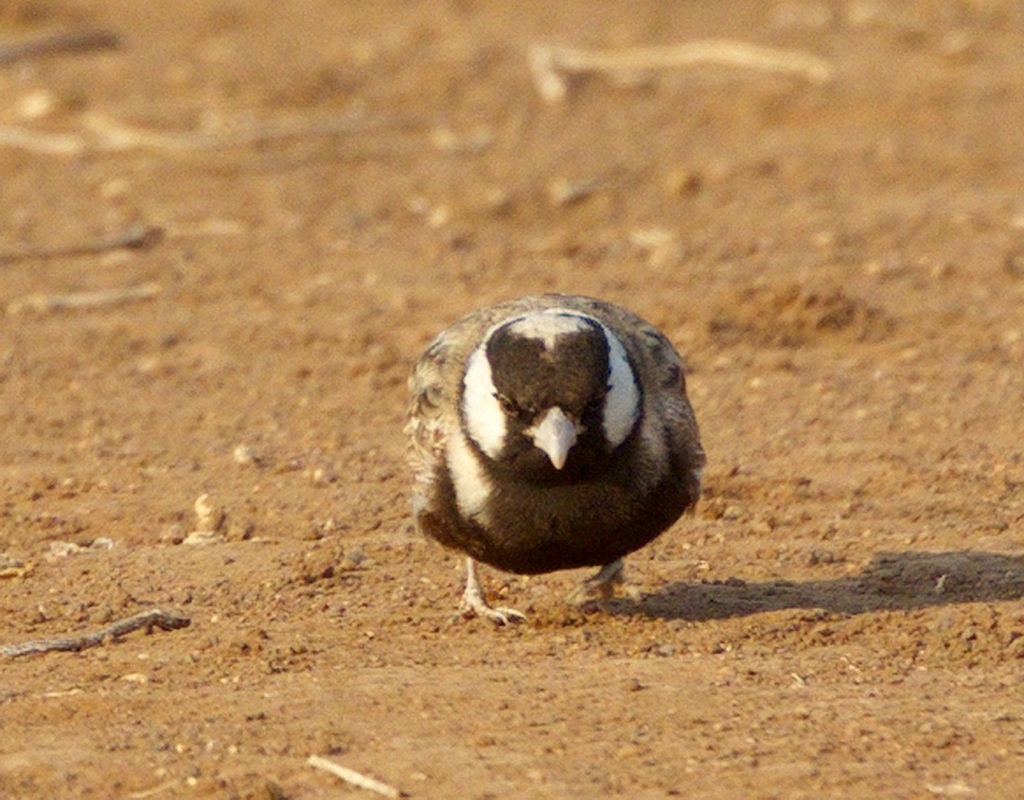
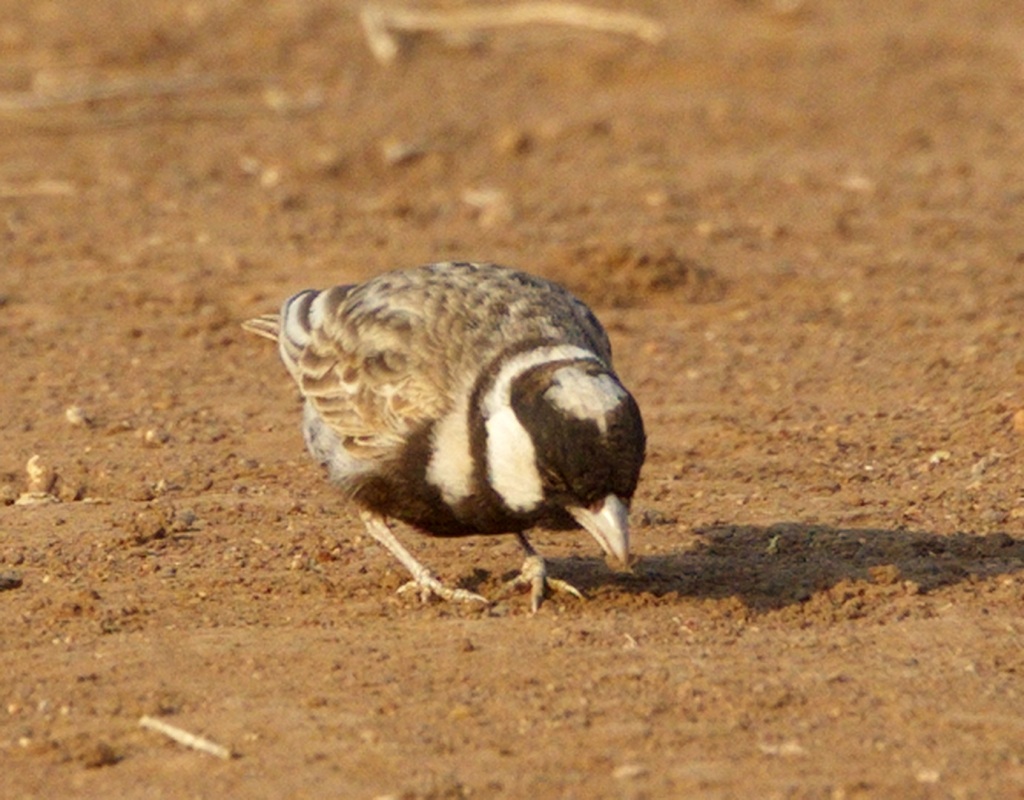
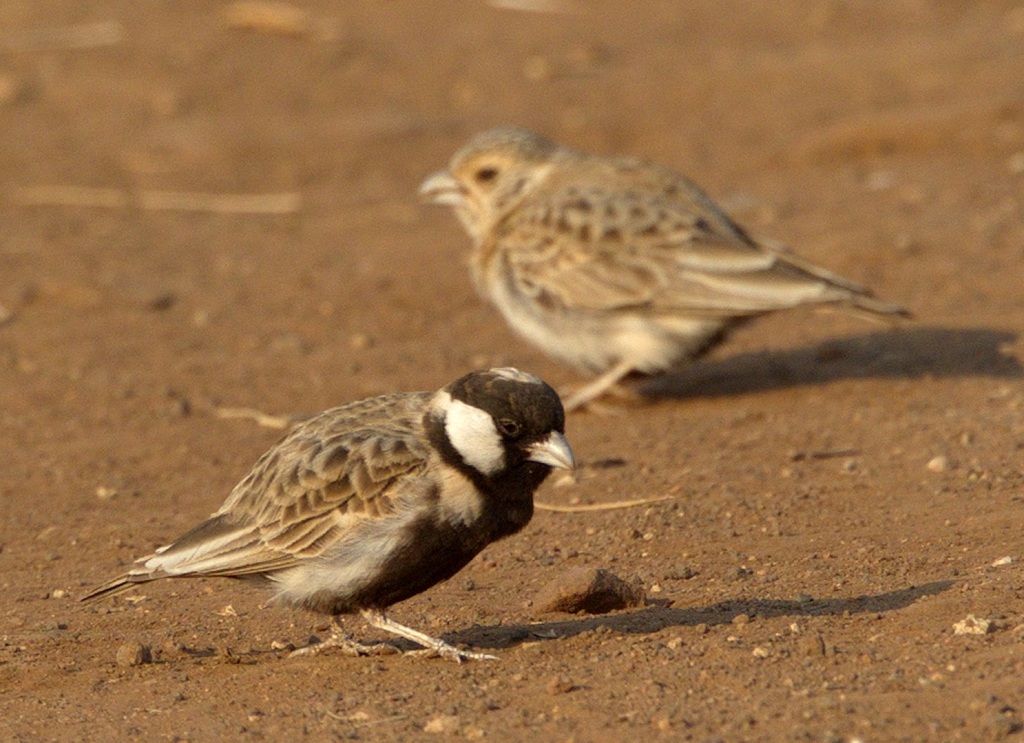
One day we ventured out the Western Gate and went directly opposite into the veldt. We were treated to numerous sightings of both Chestnut-backed and Grey-backed Sparrow-Larks even juveniles which confused us for a while. Here are some of their photos.
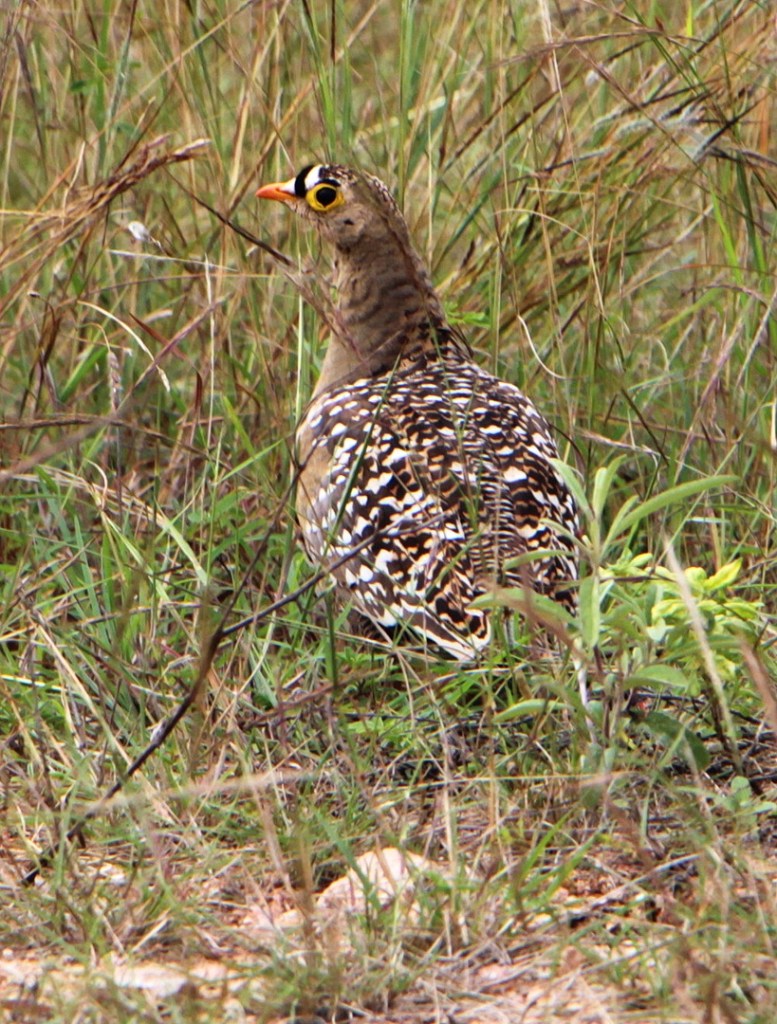
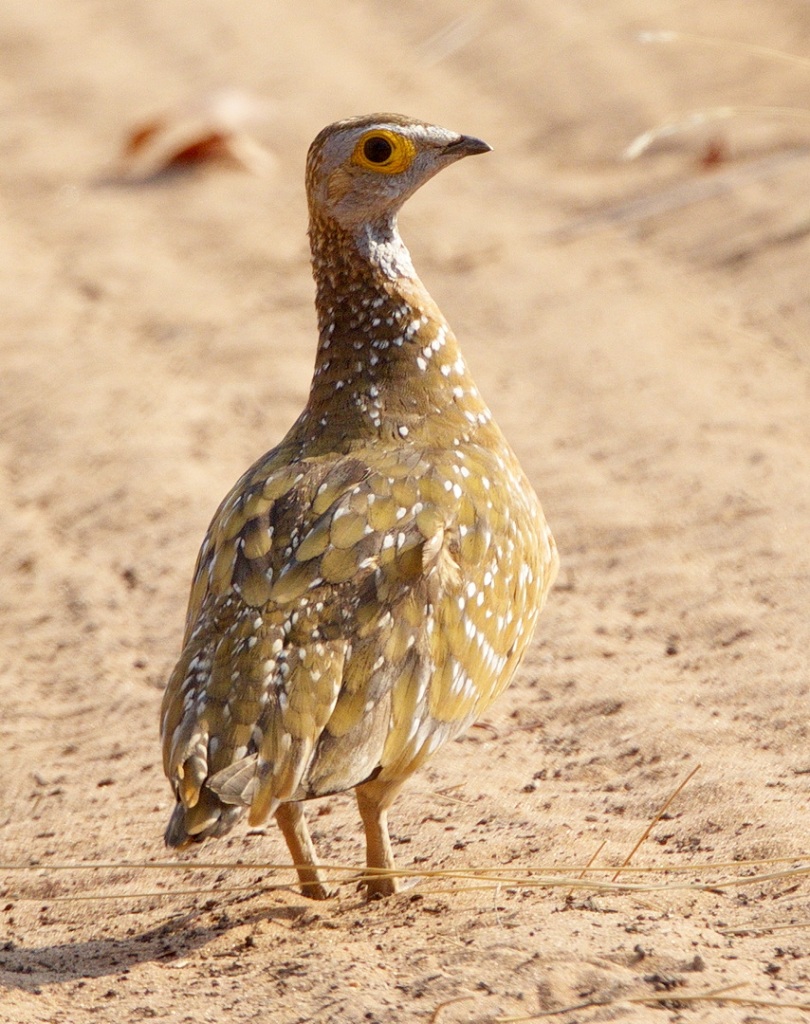
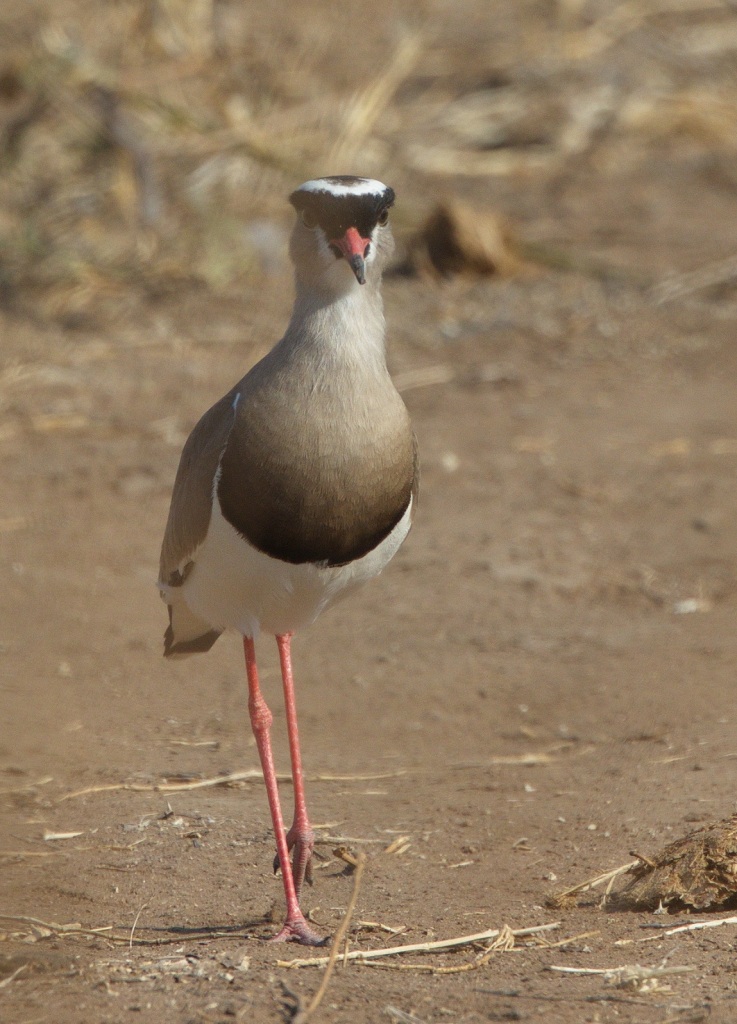
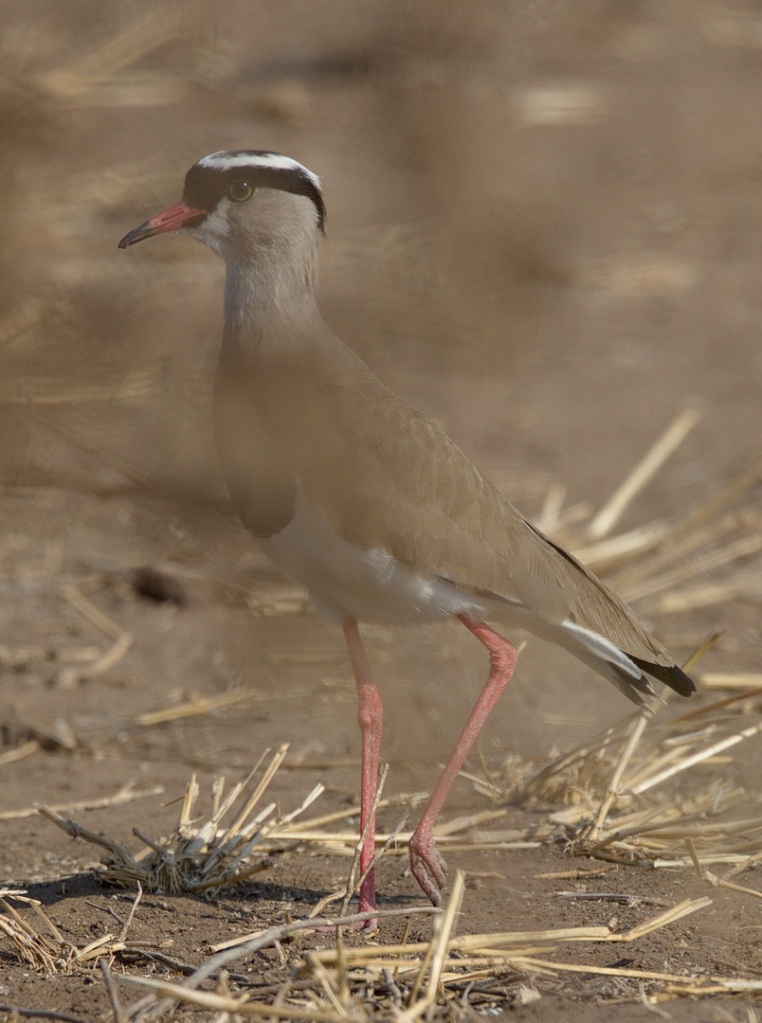
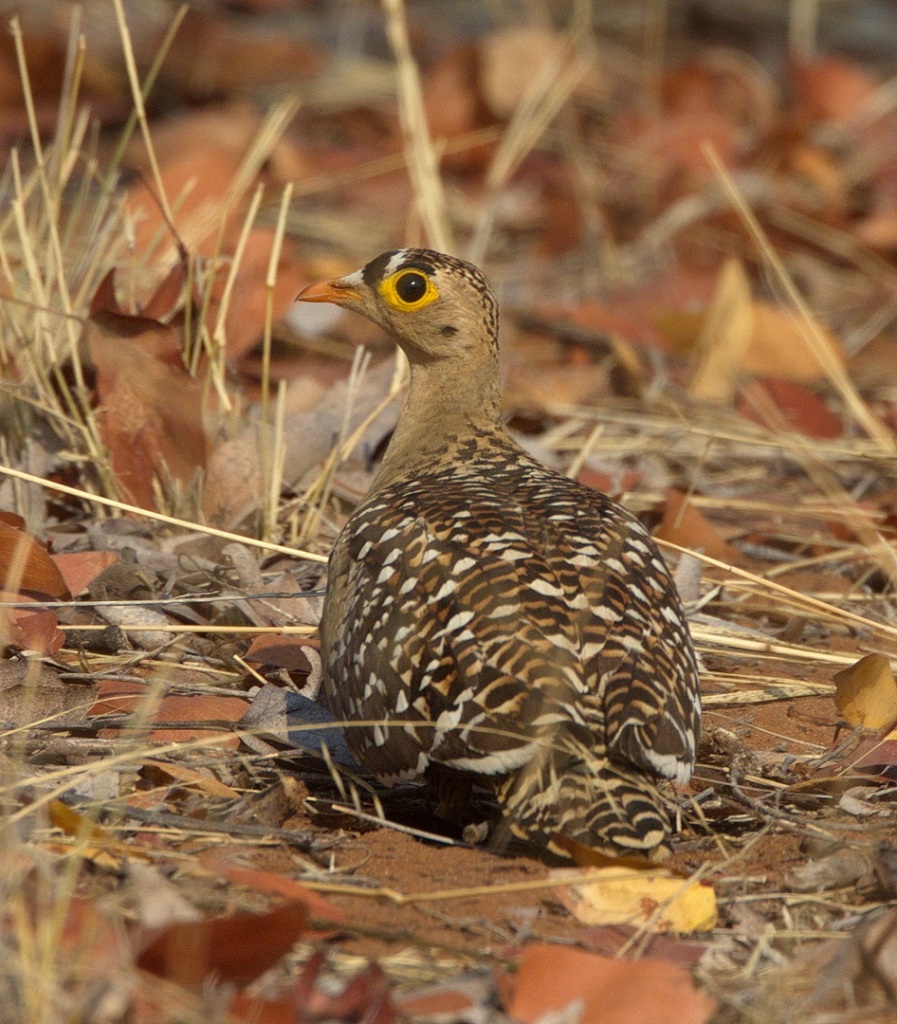
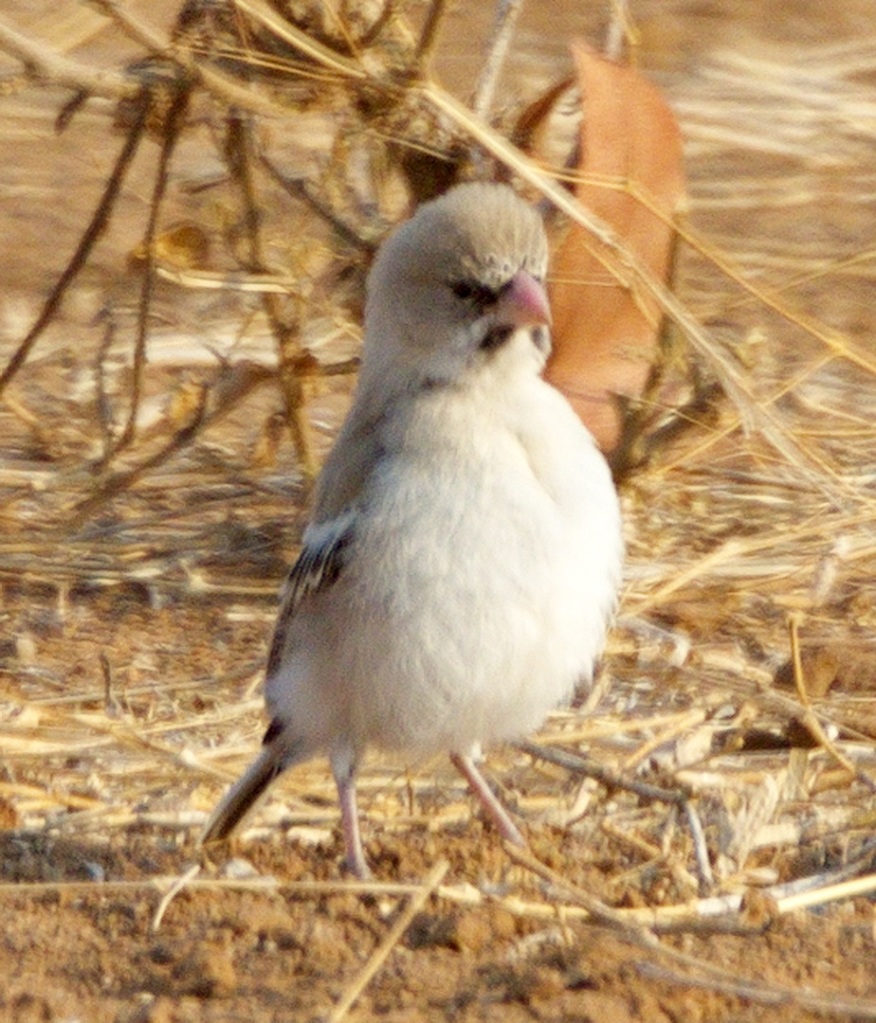
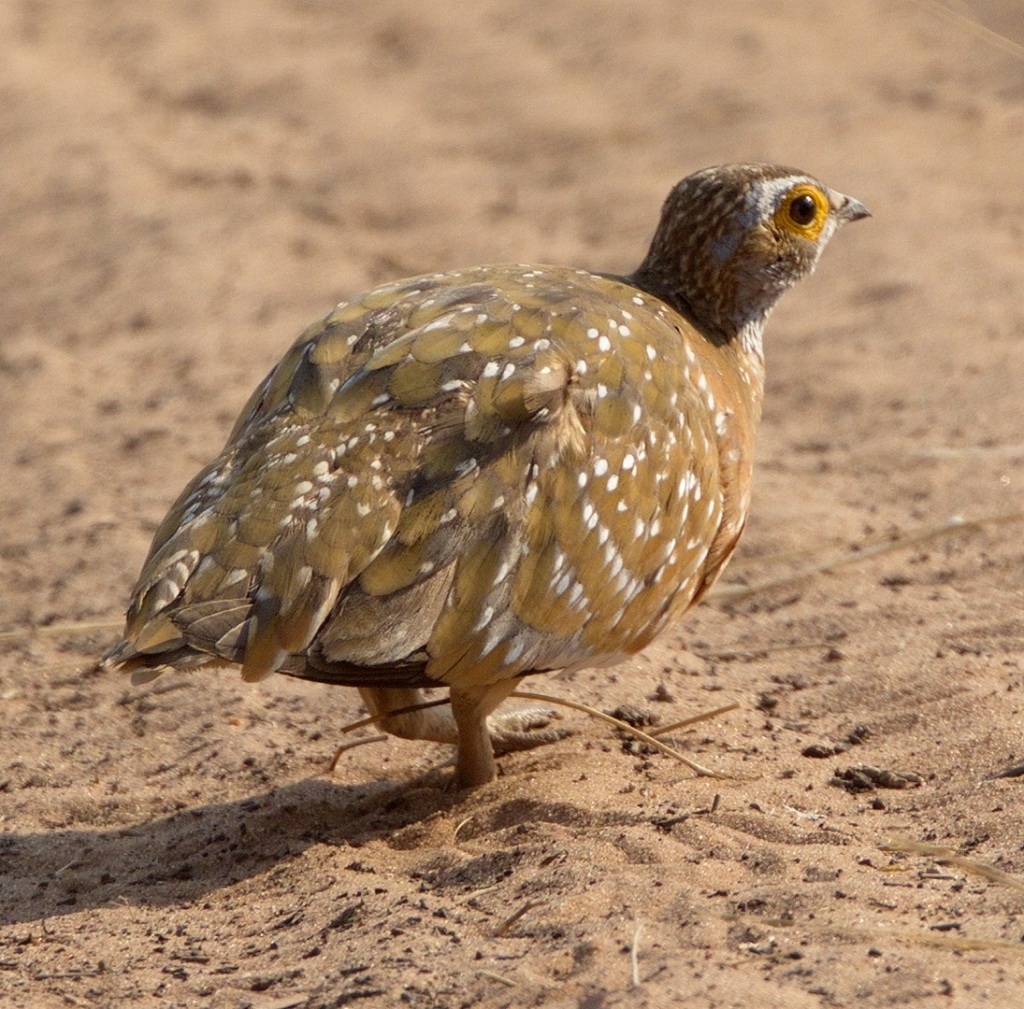
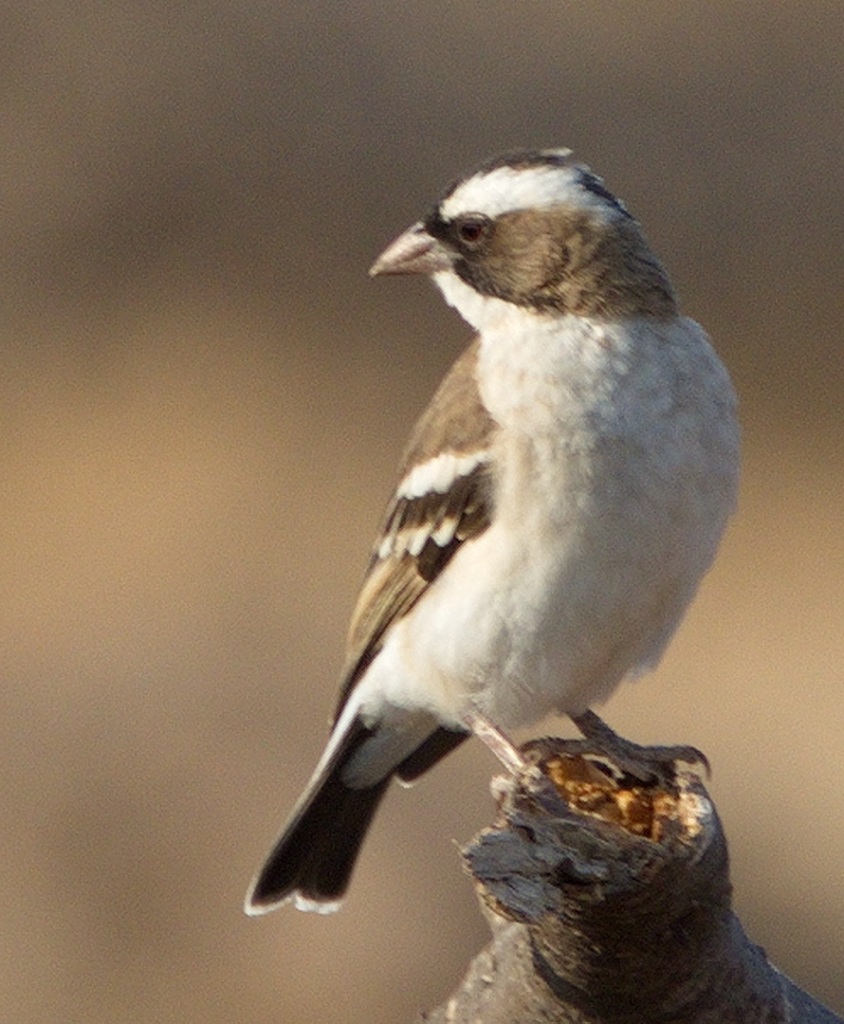
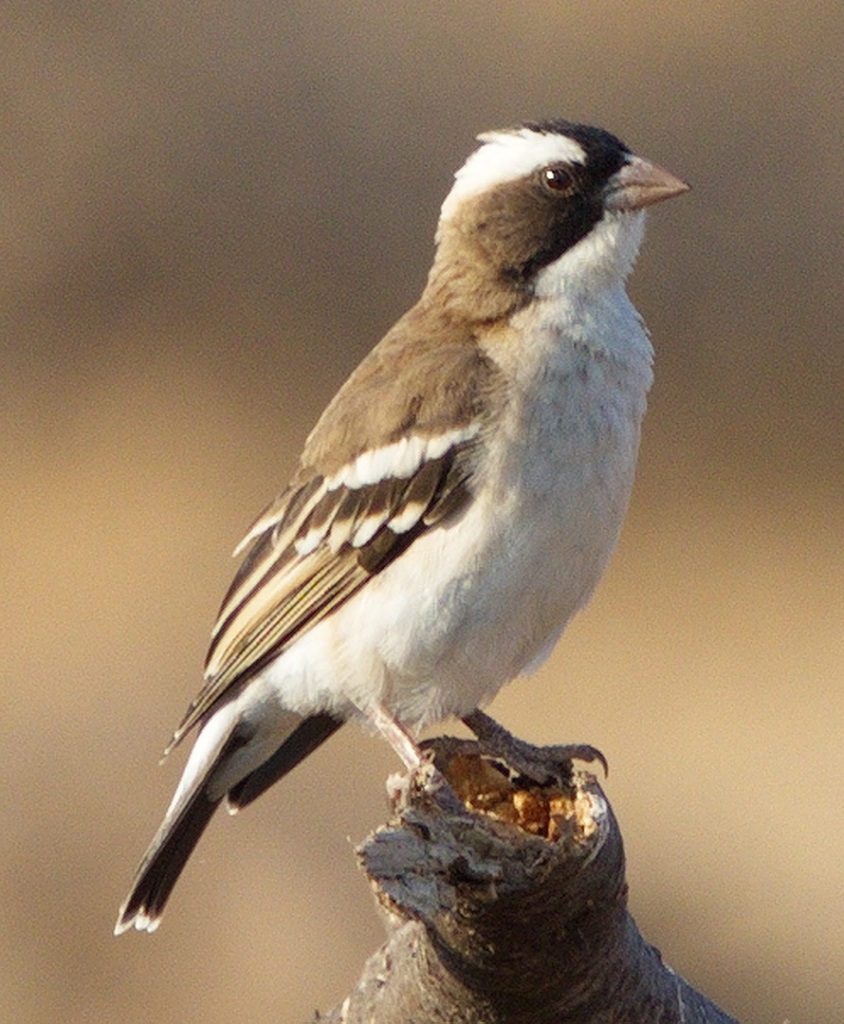
In that section we also found Sandgrouses (Burchell’s and Double-banded), White-browed Sparrow-Weavers, White-crowned Shrikes, Crowned Lapwings and Scaly-feathered Finches to name a few.
Elsewhere in the Western Section we spotted some secretive and not-so secretive species.
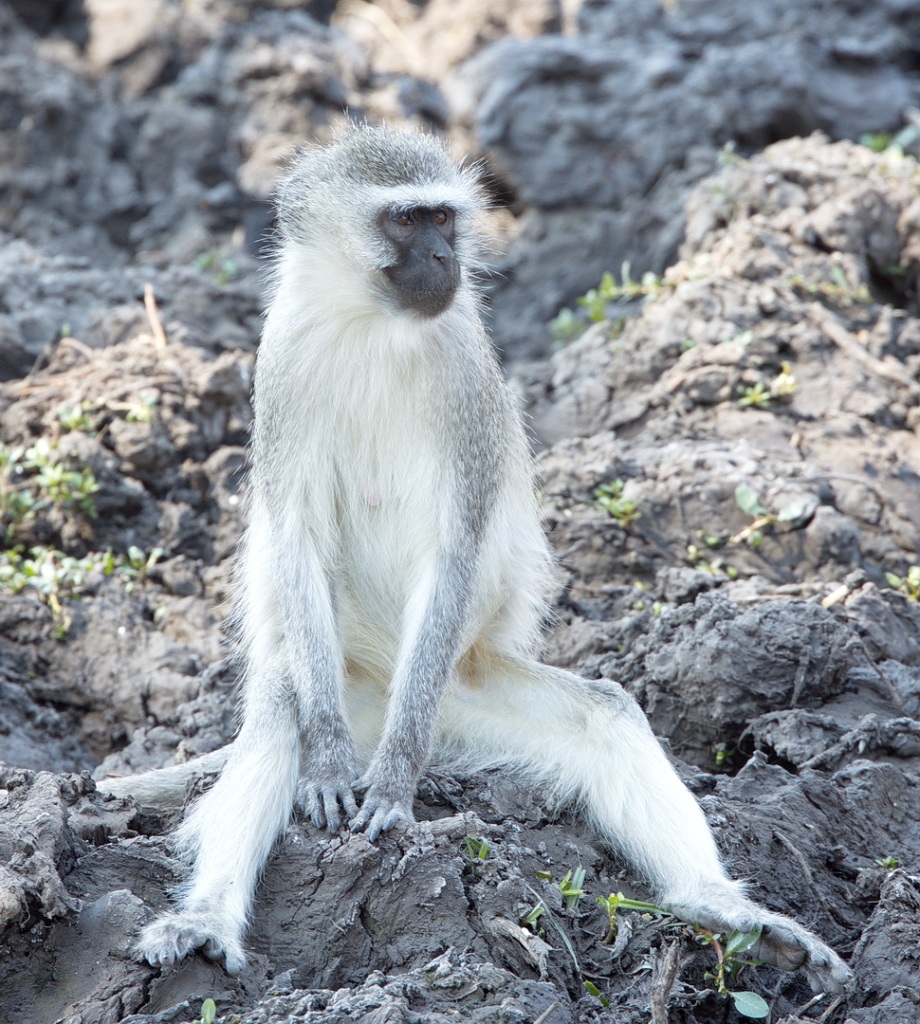
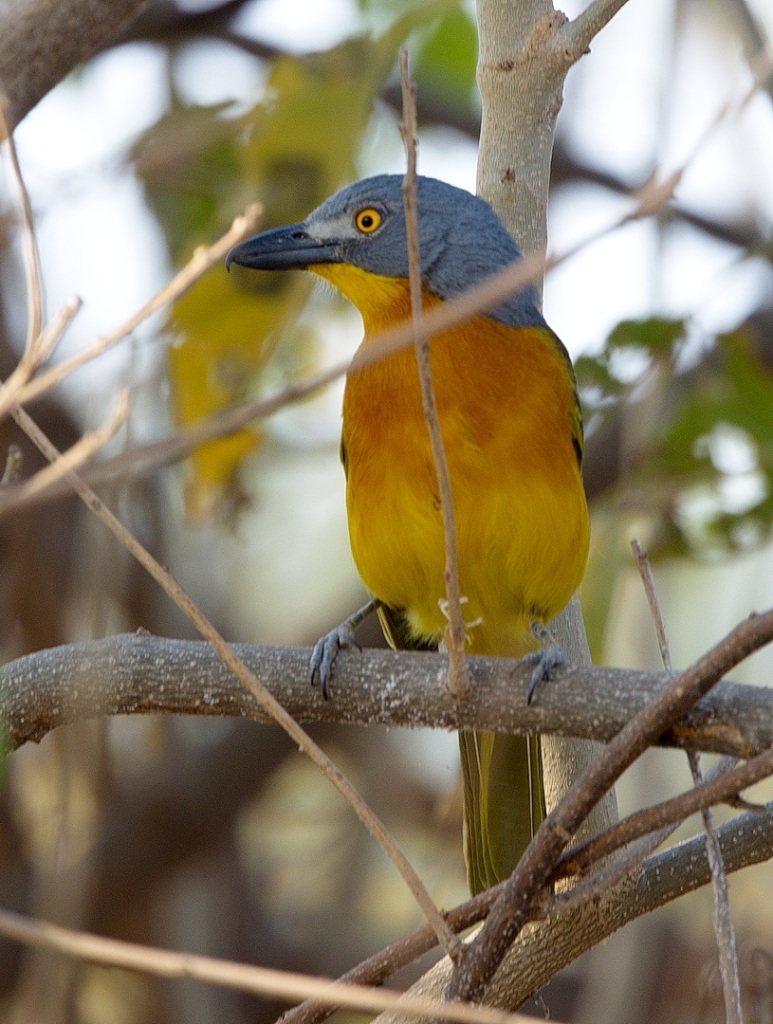
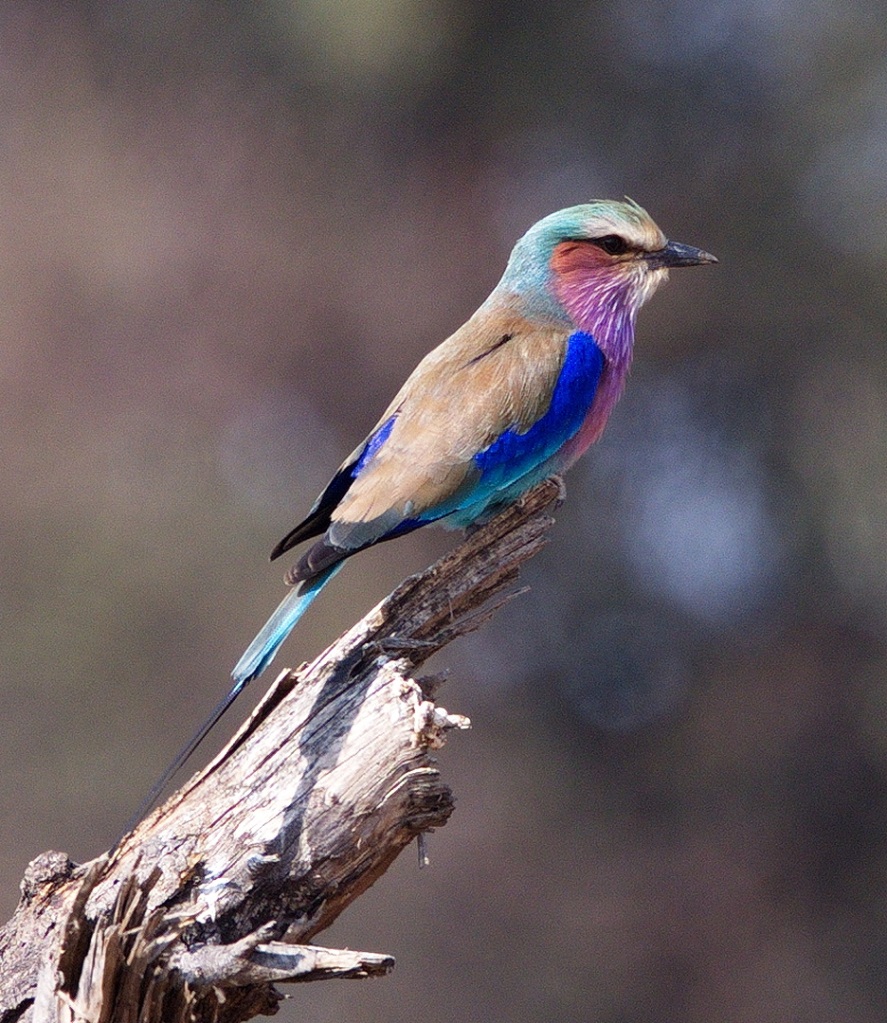
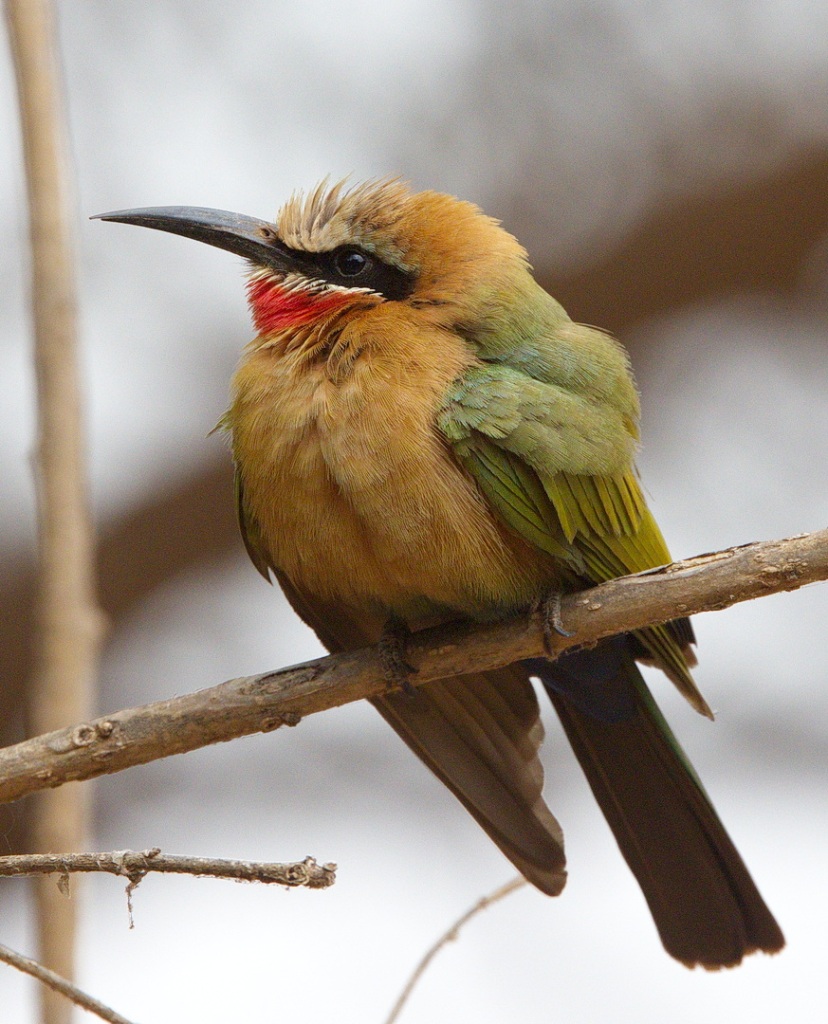
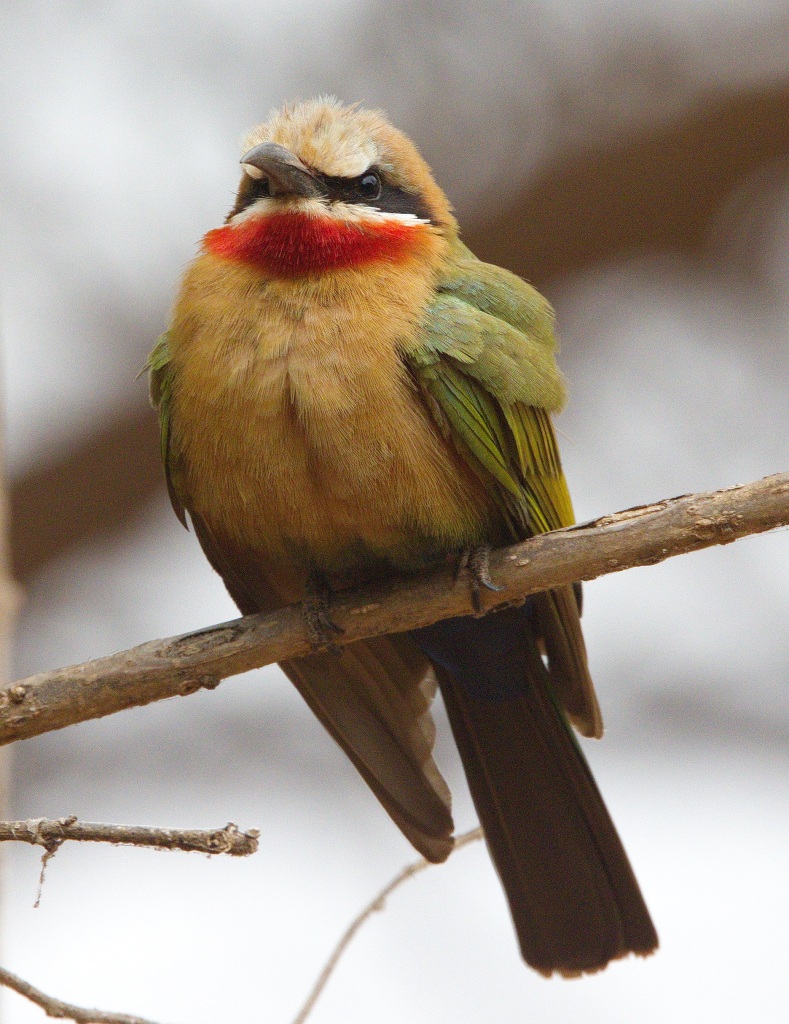
Male BushbuckCrested BarbetCrested BarbetGrey-backed CameropteraGrey-headed BushshrikeGrey-headed BushshrikeLilac-breasted RollerLilac-breasted RollerLarge Crocodile on the RiverNatal SpurfowlMeve’s StarlingMeve’s StarlingRed-billed OxpeckersRed-billed OxpeckersSouthern Black TitTropical BoubouTropical BoubouVervet MonkeyWhite-fronted Bee-eaterWhite-fronted Bee-eaterCrimson-breasted Shrike
We also visited the Eastern Section of the Park. About 20 kms drive from East to West entrances along the Den Staat road.
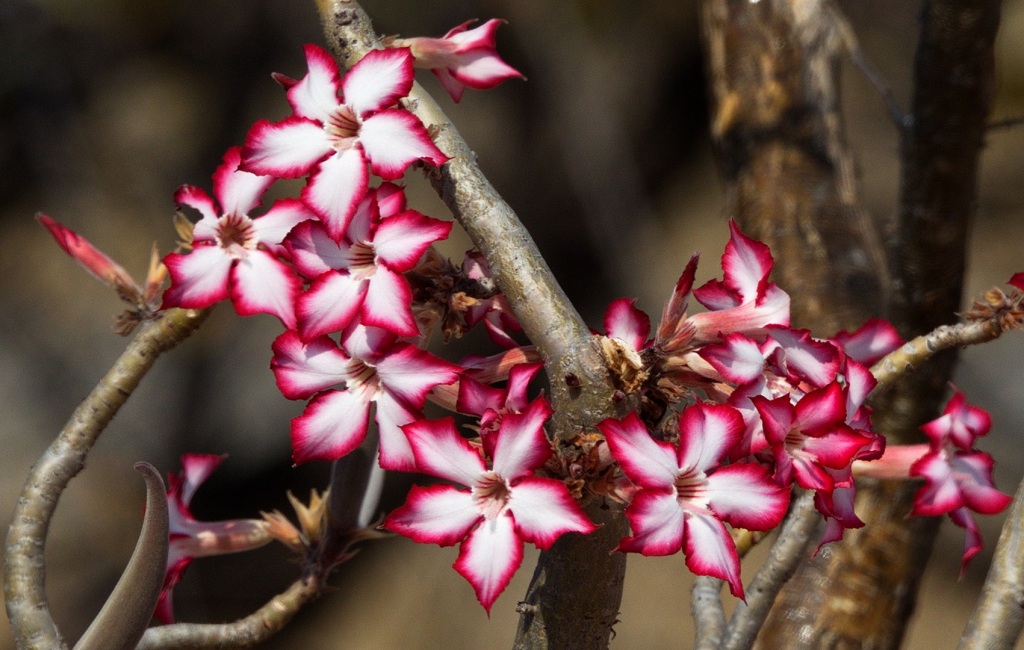
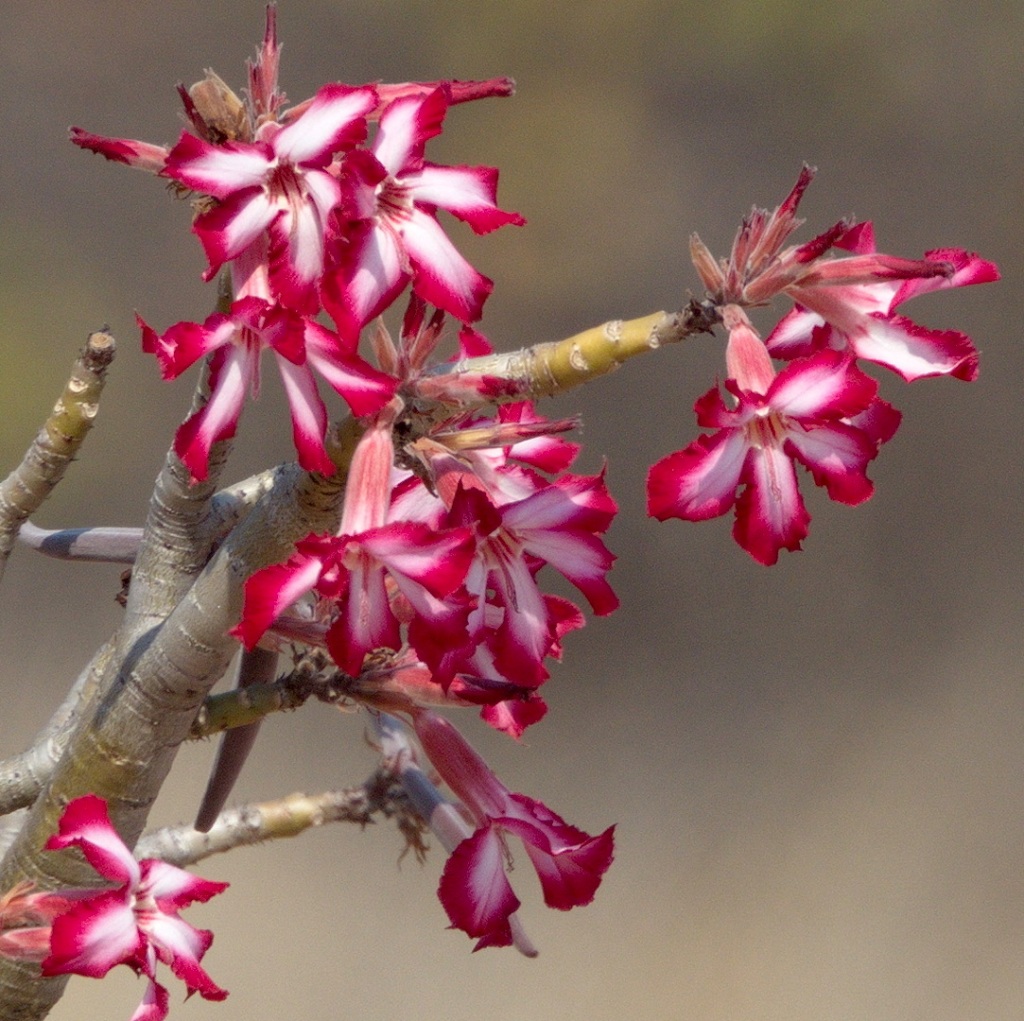
We spent a day in the Eastern Section. It too was very dry and dusty. On entry we encountered Impala Lilies – always very colourful.
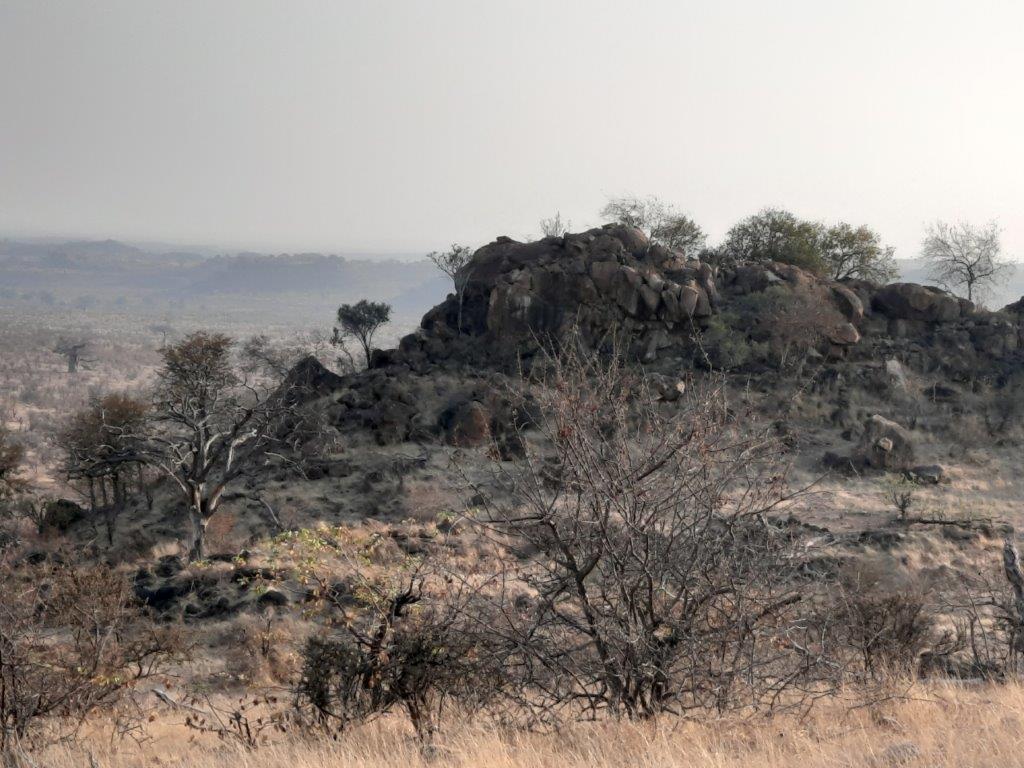
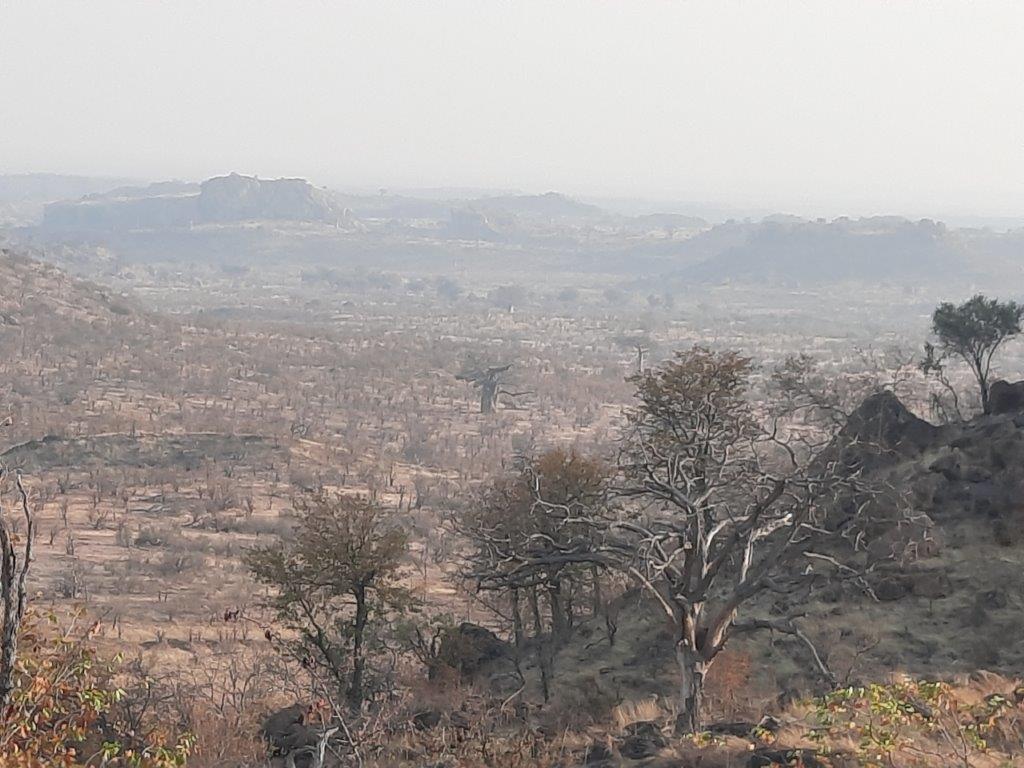
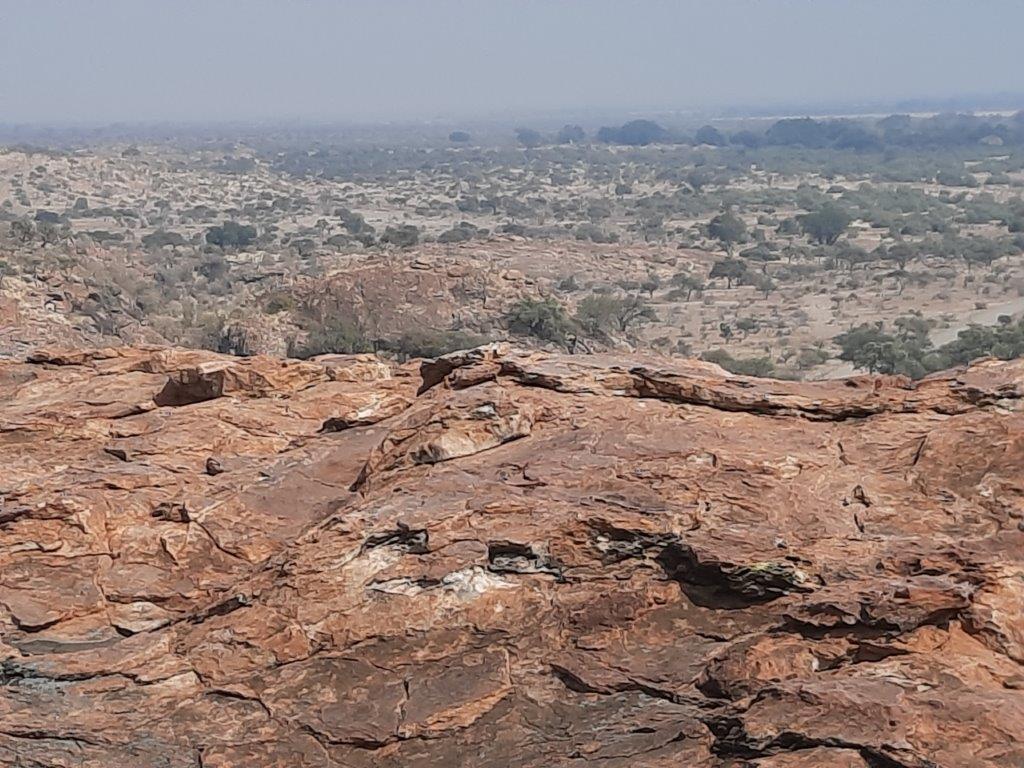
Then we went west on entry and had great views over the valley despite the dry and dusty conditions.
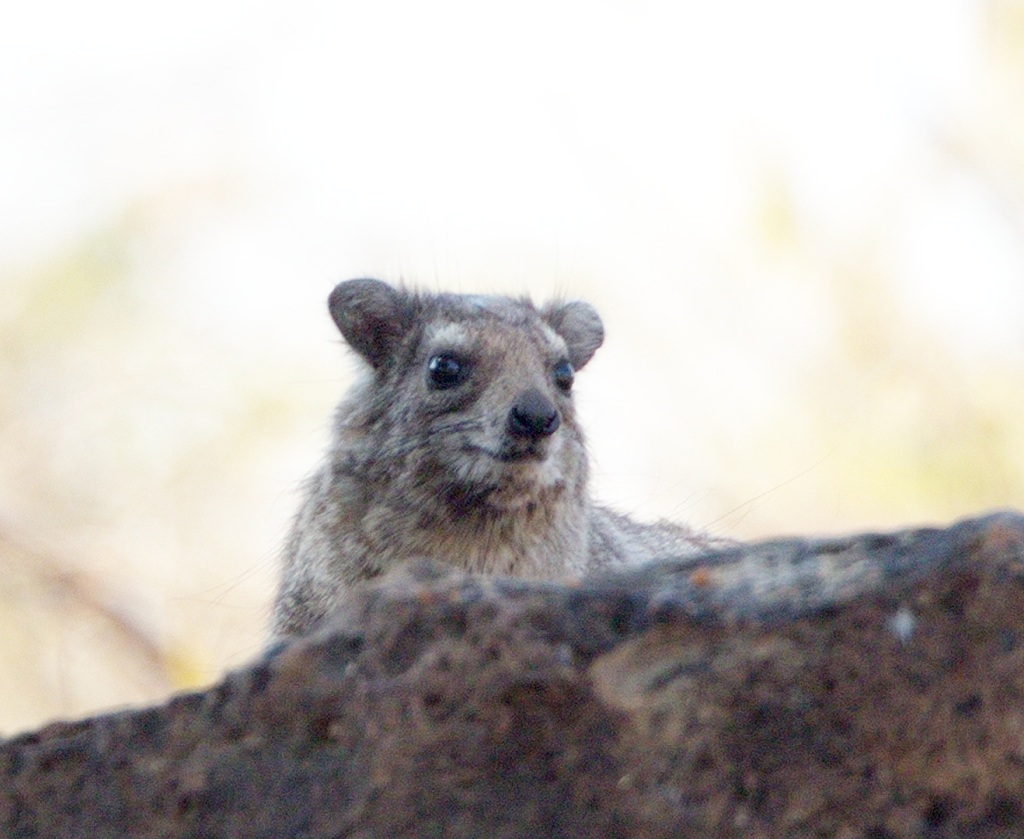
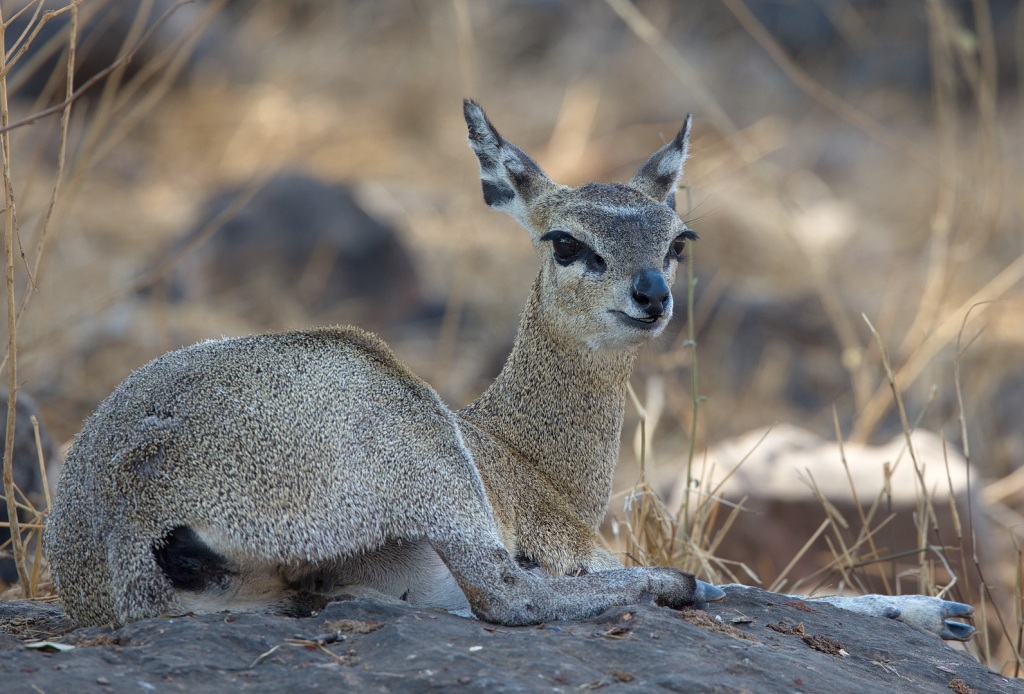
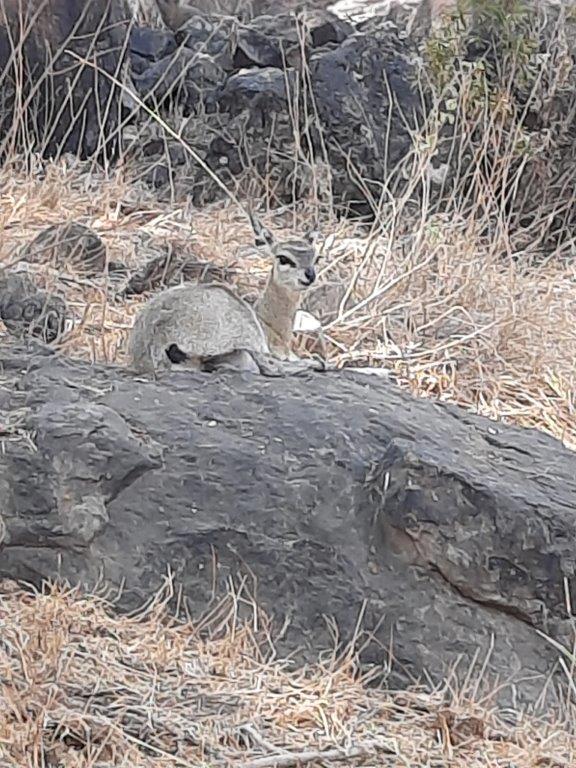
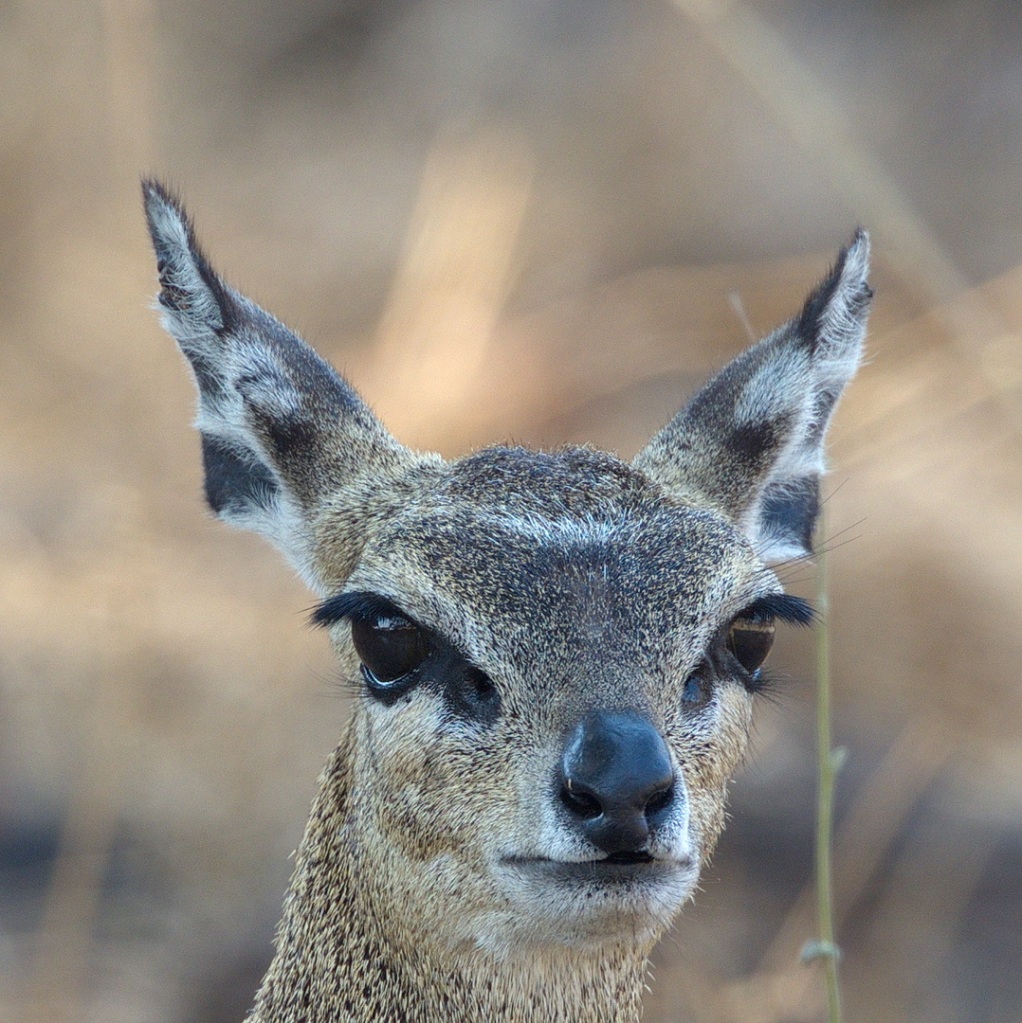
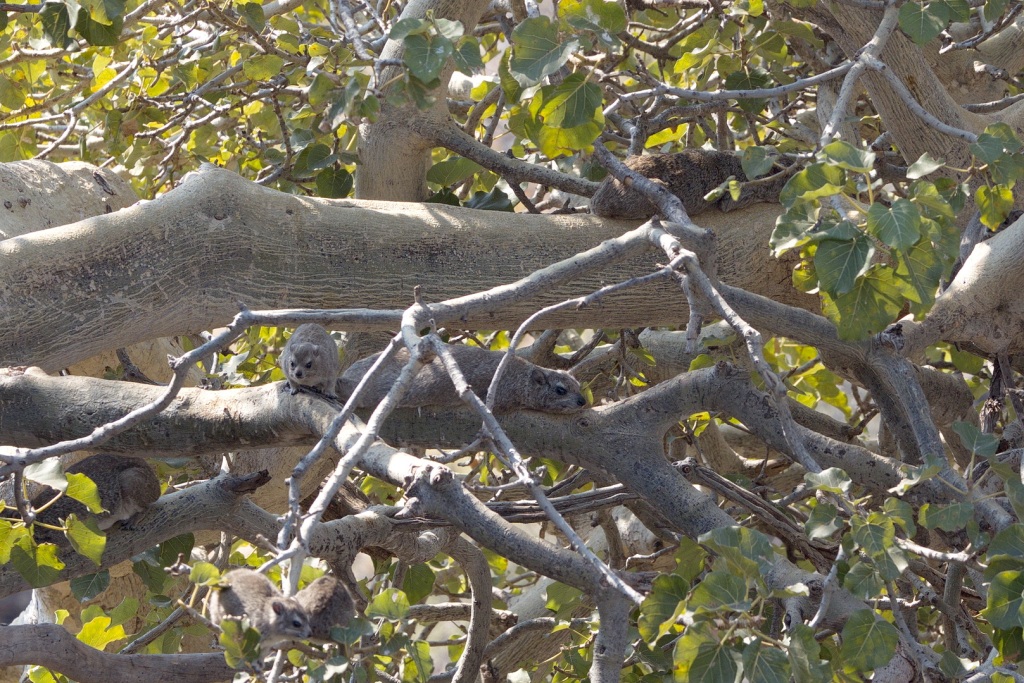
The drive to Leokwe boulder camp is always scenic, however the birds were scarce. As usual the Klipspringers and Dassies were not.
DassieKlipspringerKlipspringerCute
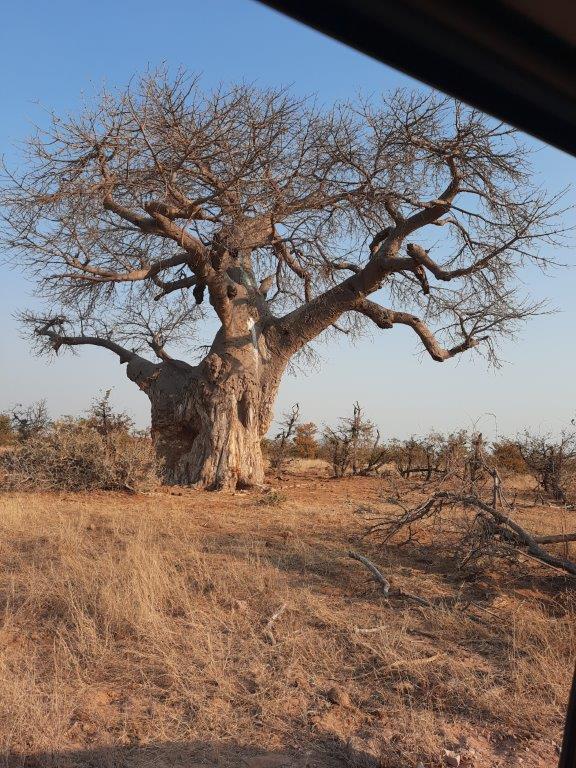
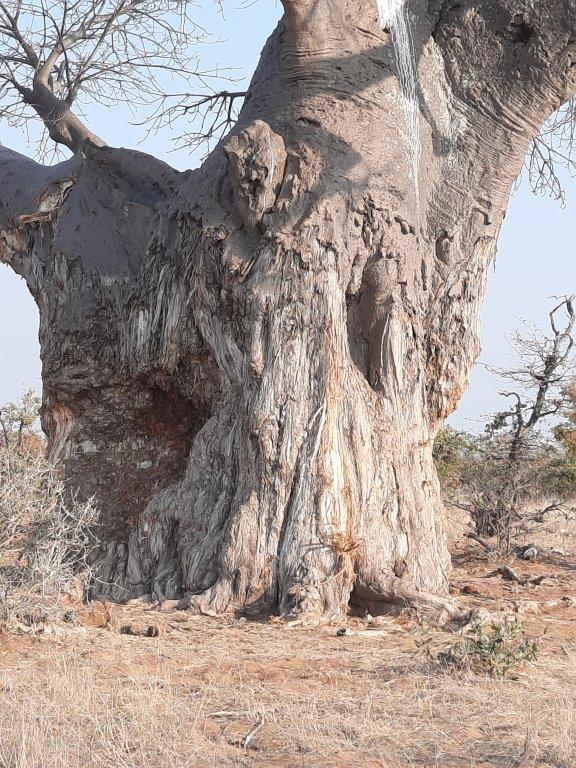
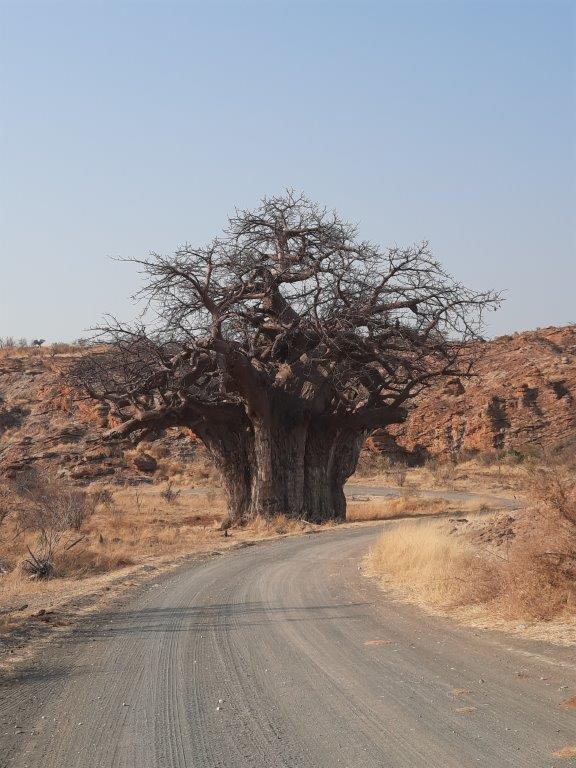
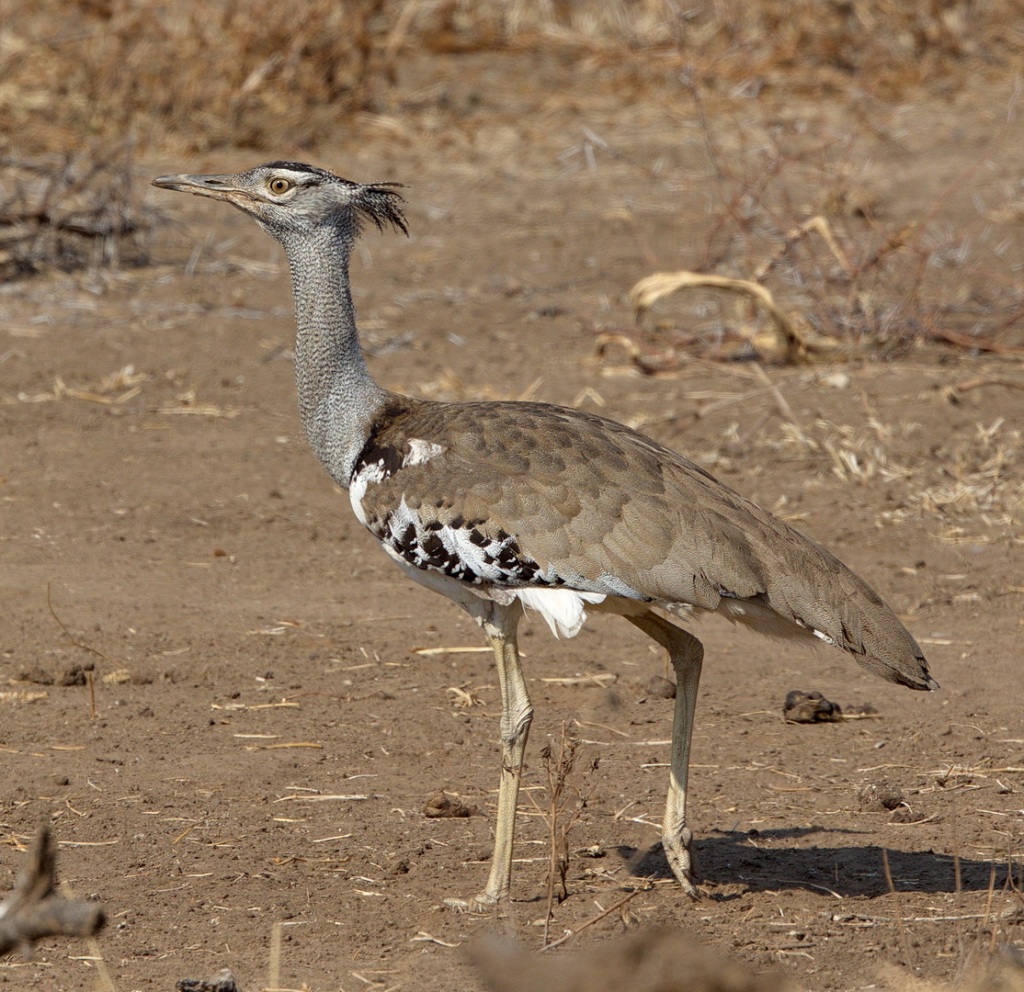
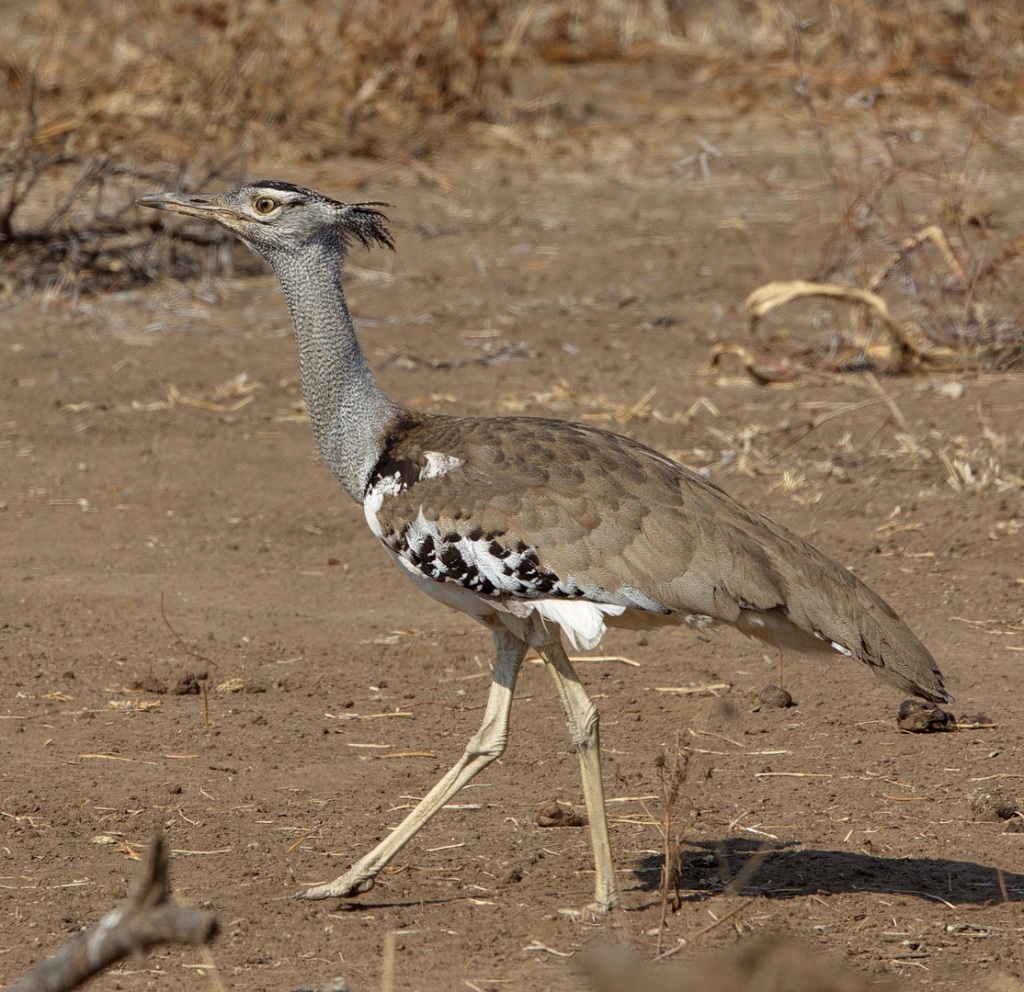
From Leokwe it was a short drive to the boardwalk at the Treetop Lookout. On the way there are many Baobabs. And we spotted a Kori Bustard.
Baobab close to Leokwe camp.Kori BustardKori Bustard
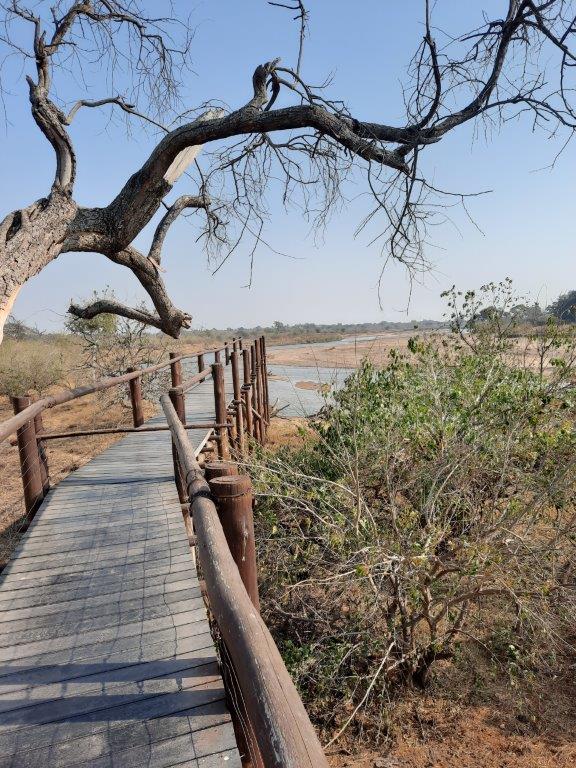
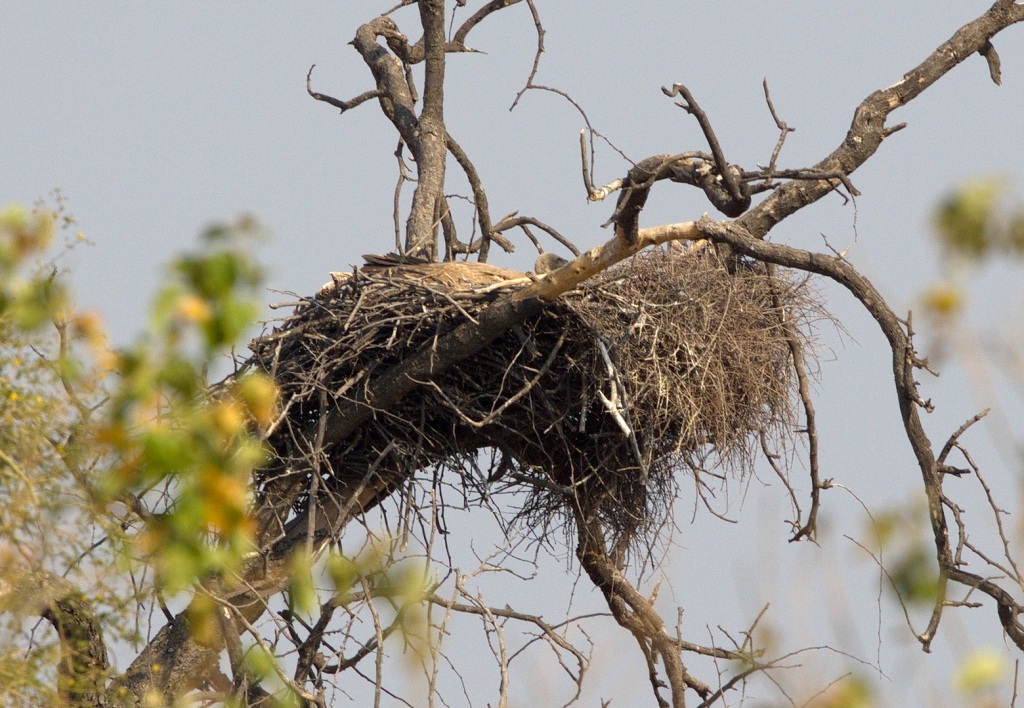
The boardwalk was a little rickety and had been damaged at the end closest to the Limpopo River. On the walk we sighted a White-backed Vulture’s nest close by with a chick on board.
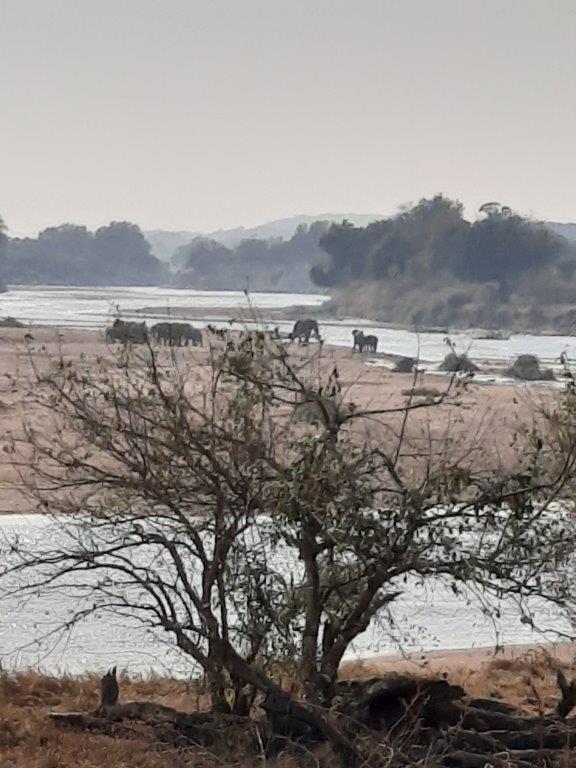
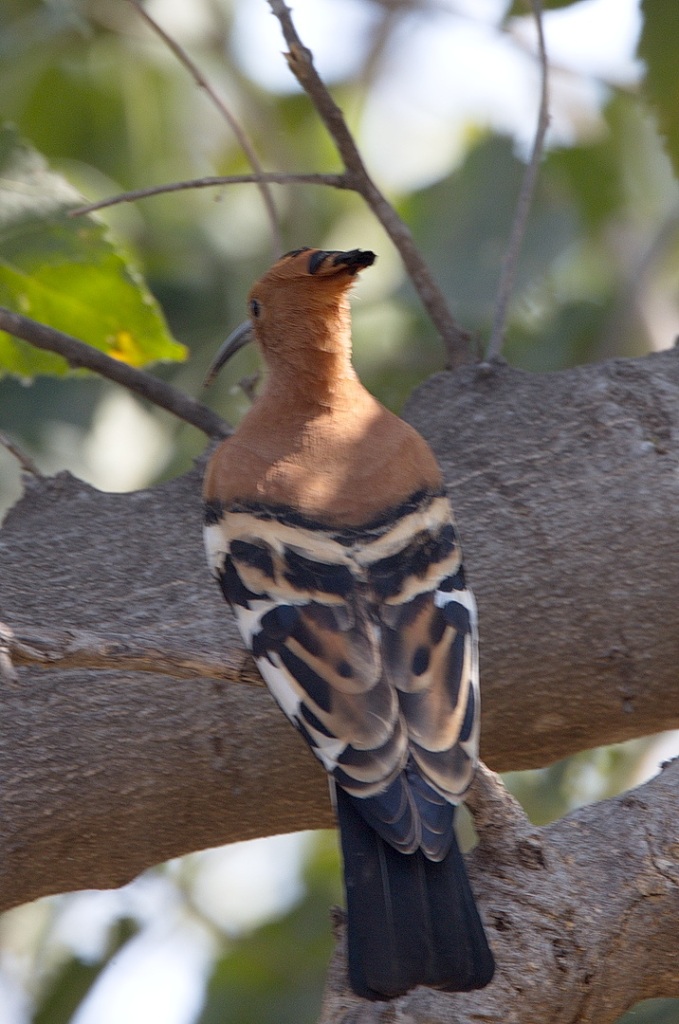
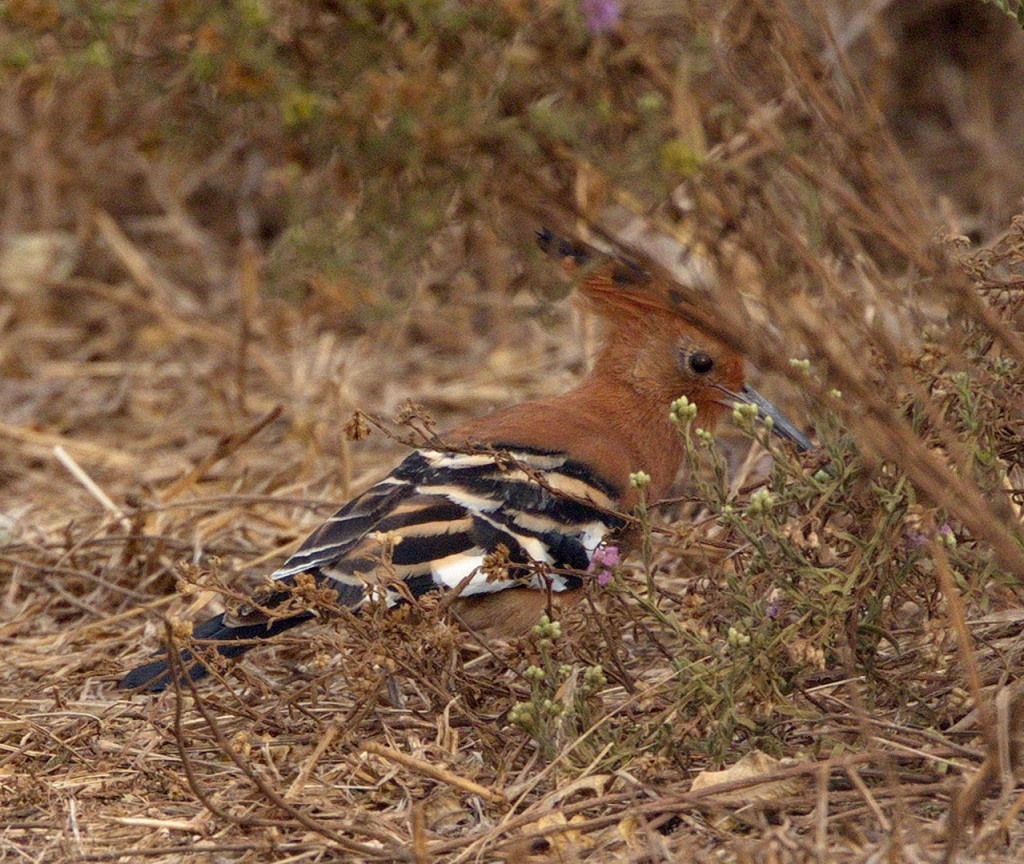
Rickety BoardwalkElephants down riverAfrican HoopoeWhite-backed Vulture’s nest
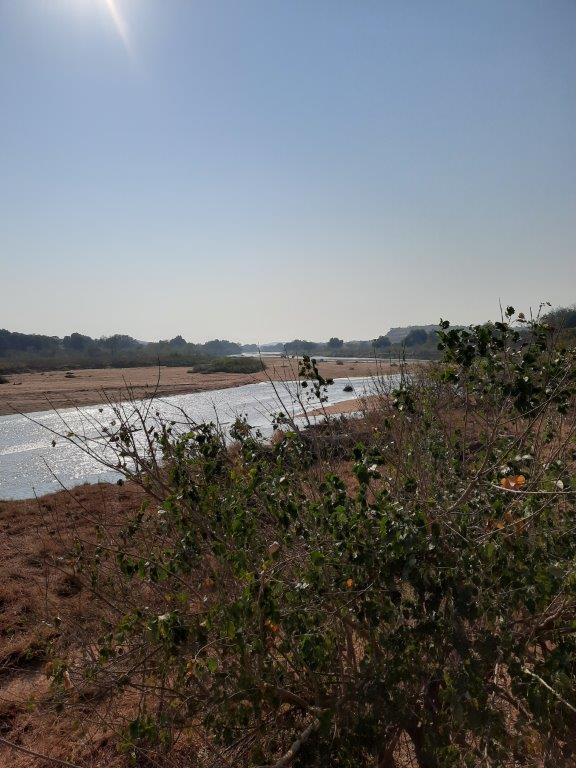
By the time we got to the Confluence it was tea-time and the picnic site was most welcome. The view towards the river is magnificent. Overhead it seemed that there was a pathway for the birds flying over the ridge. Some even chanced there luck with our crumbs.
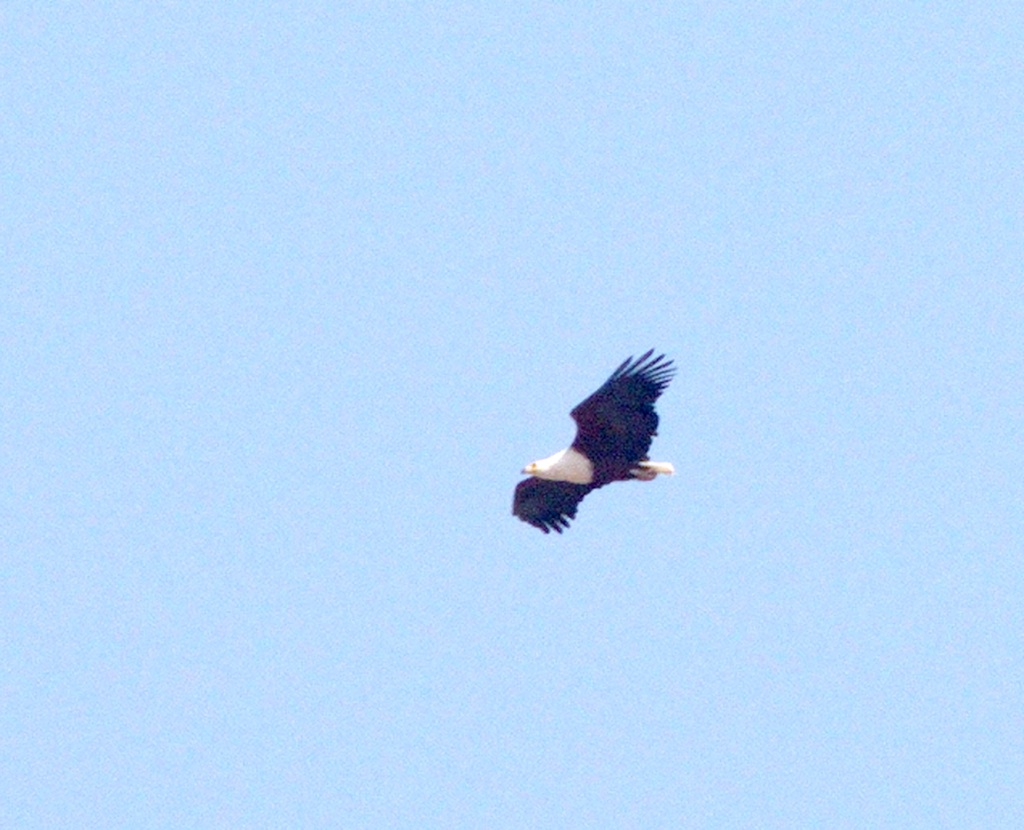
African Fish-EagleMeve’s Starling looking for scrapsConfluence View.
View of one side of the picnic site overlooking the river in the distance. It is worth walking across the ridge to see the view on the other side.As you look down across the plain below you have a sense that you are viewing numerous Meerkats in an upward stance peering into the distance.
From here we headed along the river to the SANDF Bunker. A pretty and testing drive at times. Every time in the past that we visited this area we have found Pels Fishing Owls in the tall trees by the bunker – not this time unfortunately.
Zebra Pan was quiet – probably the time of day when we got there. On to the lookout Point over Zhizo, more for the view over the river. We did spot several Saddle-billed Storks but not much else.
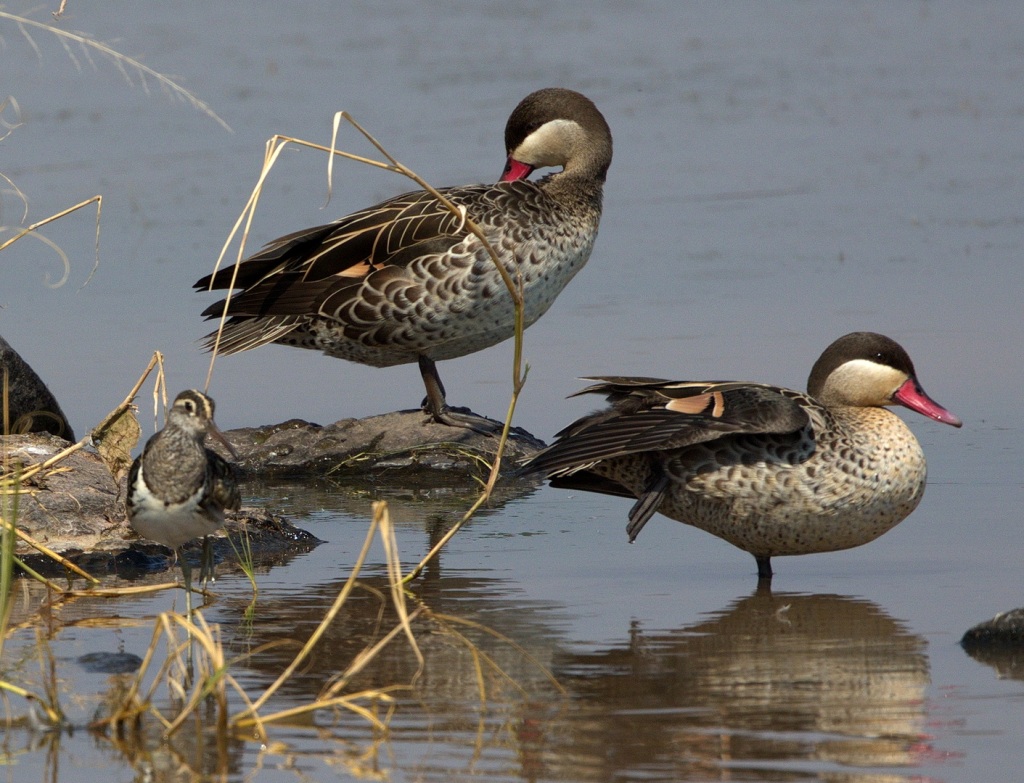
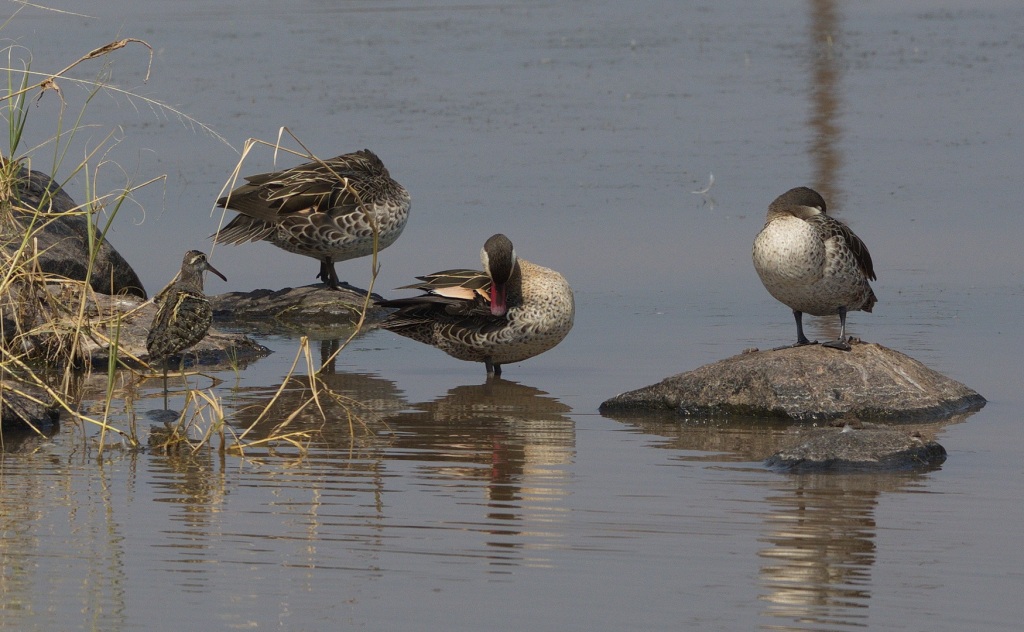
We continued the circle back to reception. By now it was after midday and the birds were quiet. It was only when we reached the small dam just before reception that things got interesting. Well very interesting and unexpected.
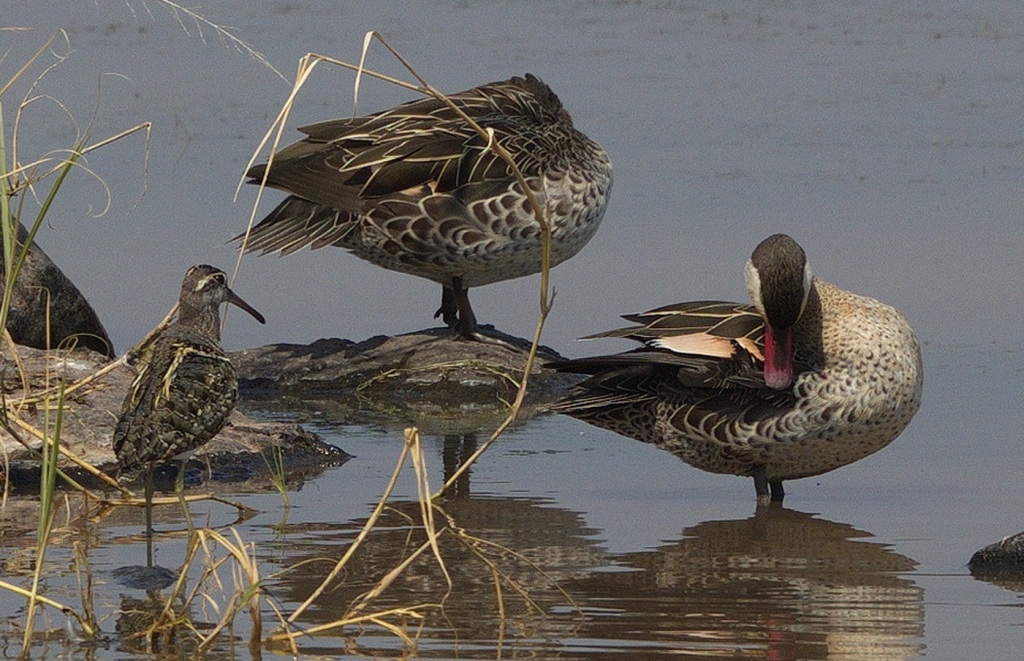
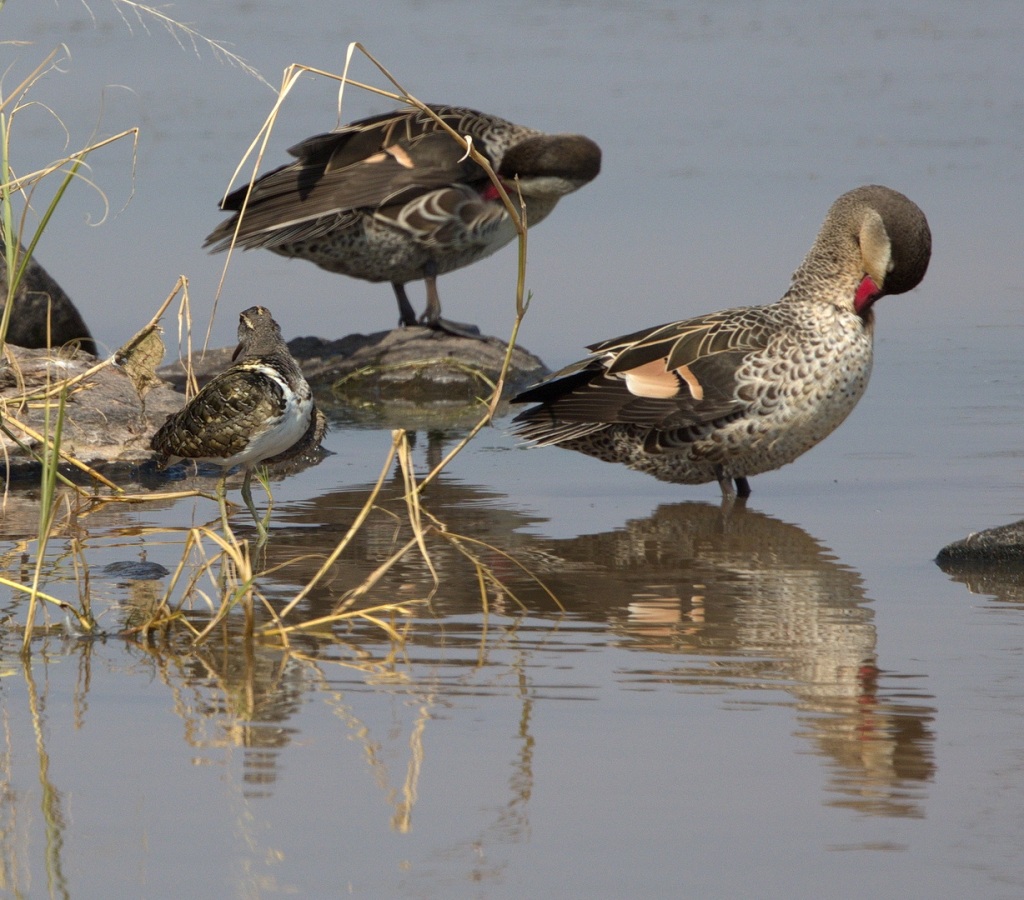
Dam before reception. Always a must visit. And it proved so again.Not only a bird haven but Dassie heaven too.
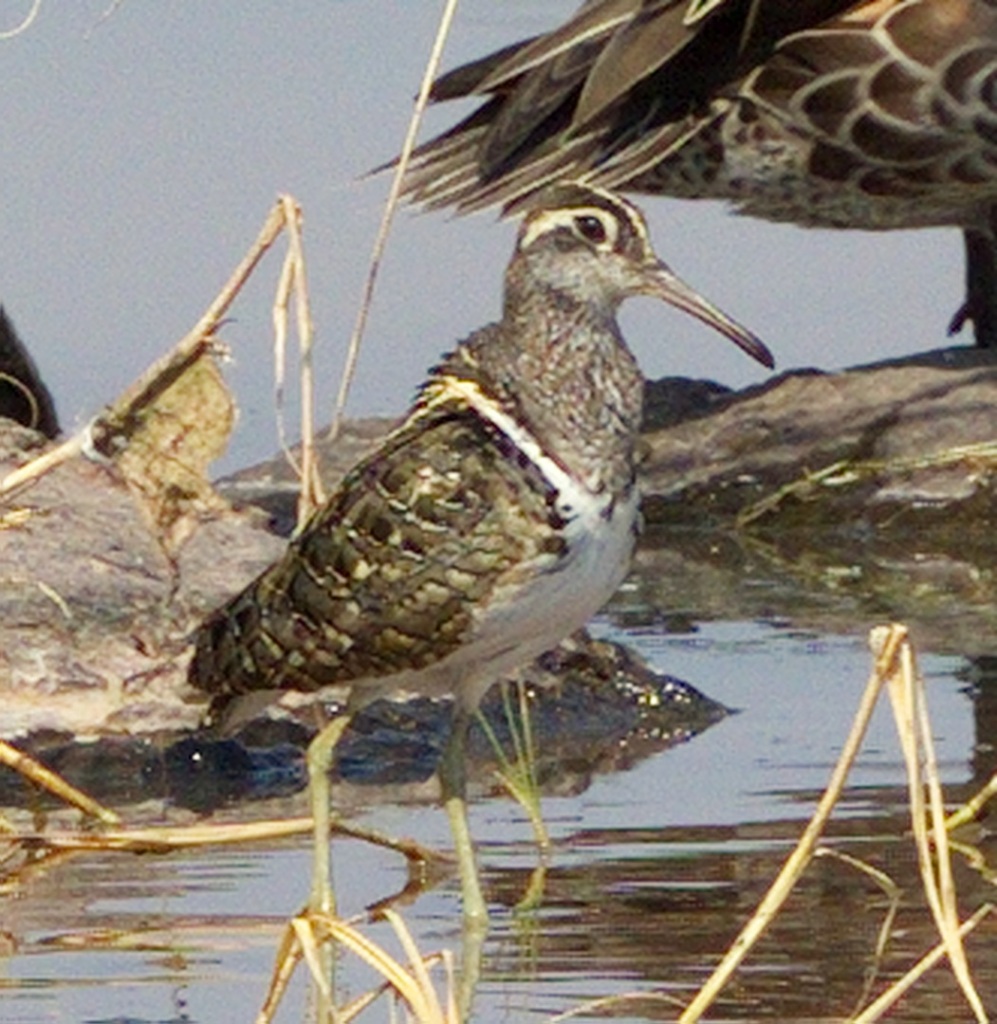
The Greater Painted Snipe was most unexpected and to see how friendly it was with the other species was awesome.
In total we identified 81 different bird species.
After four nights in Mapungubwe it was time to move on.
Nthakeni Bush and River Camp birding near Pafuri, KNP.
23rd to 25th August 2023
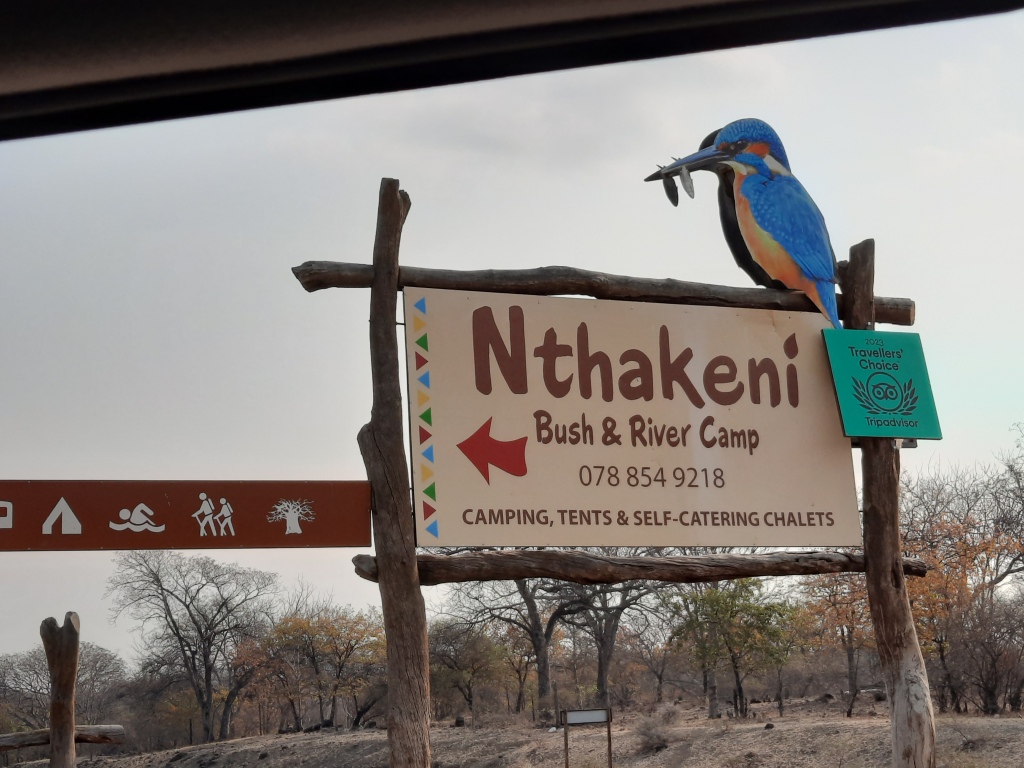
Our next destination was Nthakeni Bush and River Camp about 240 kms from Mapungubwe. The camp is located just 5 kms from the Pafuri Gate into the Kruger National Park (KNP). And it was from Nthakeni that we explored the Pafuri area of the Kruger National Park.
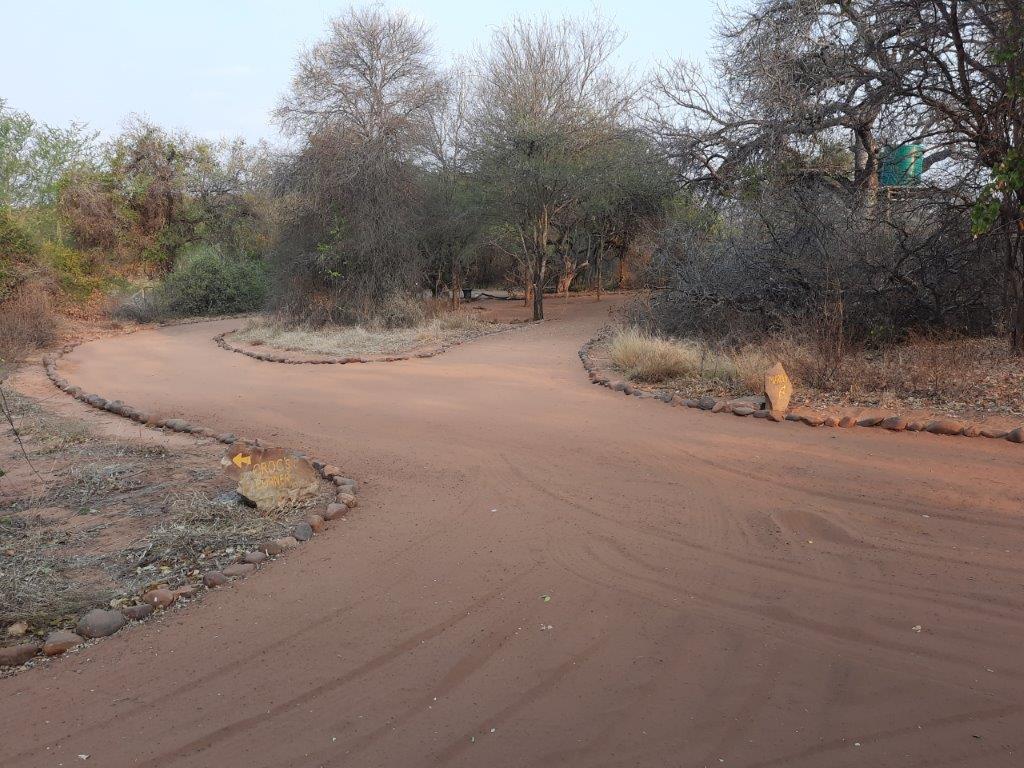
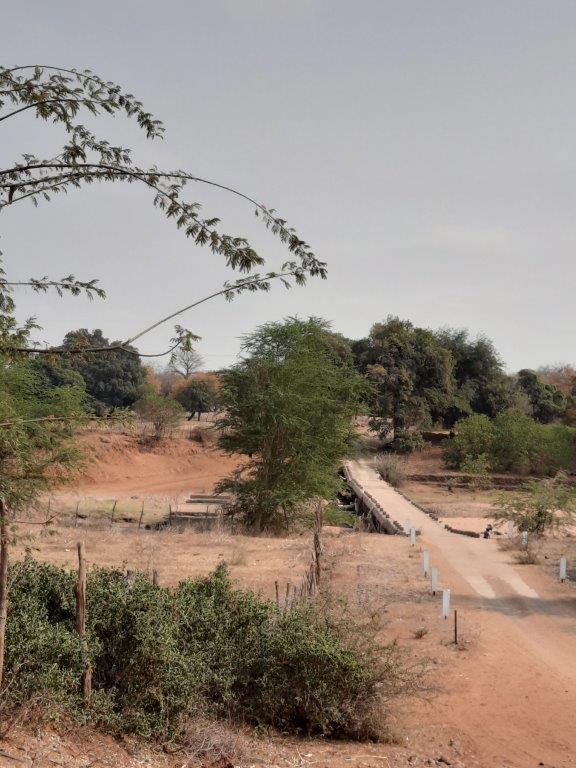
A short drive from the main road to the camp through pleasant scenery. And then into a well maintained camp.
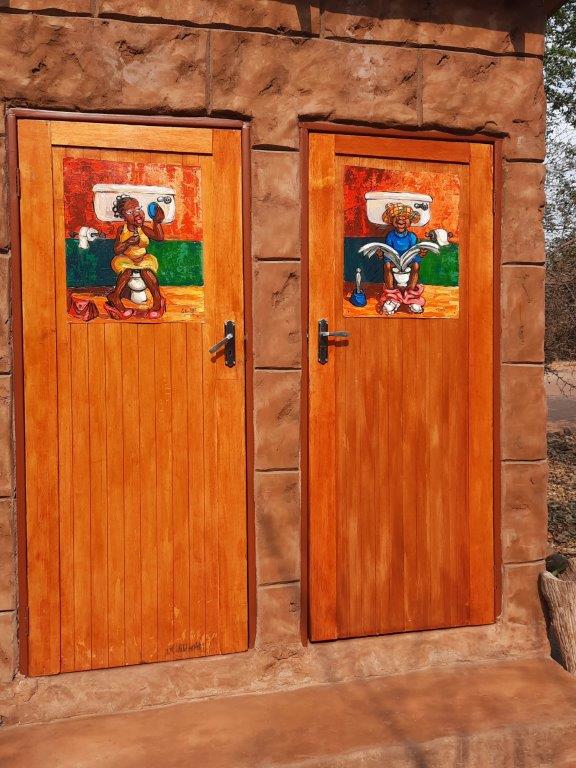
Maintained roads in the campAmazing public toilets by the inviting pool.River crossing on way to the camp.
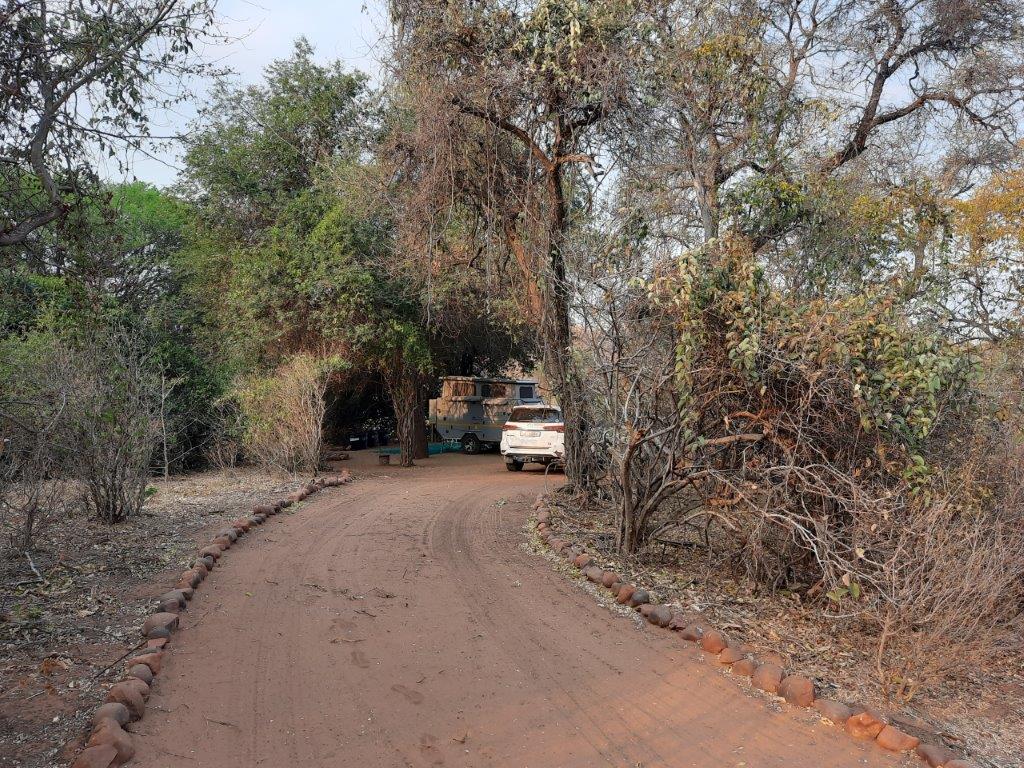
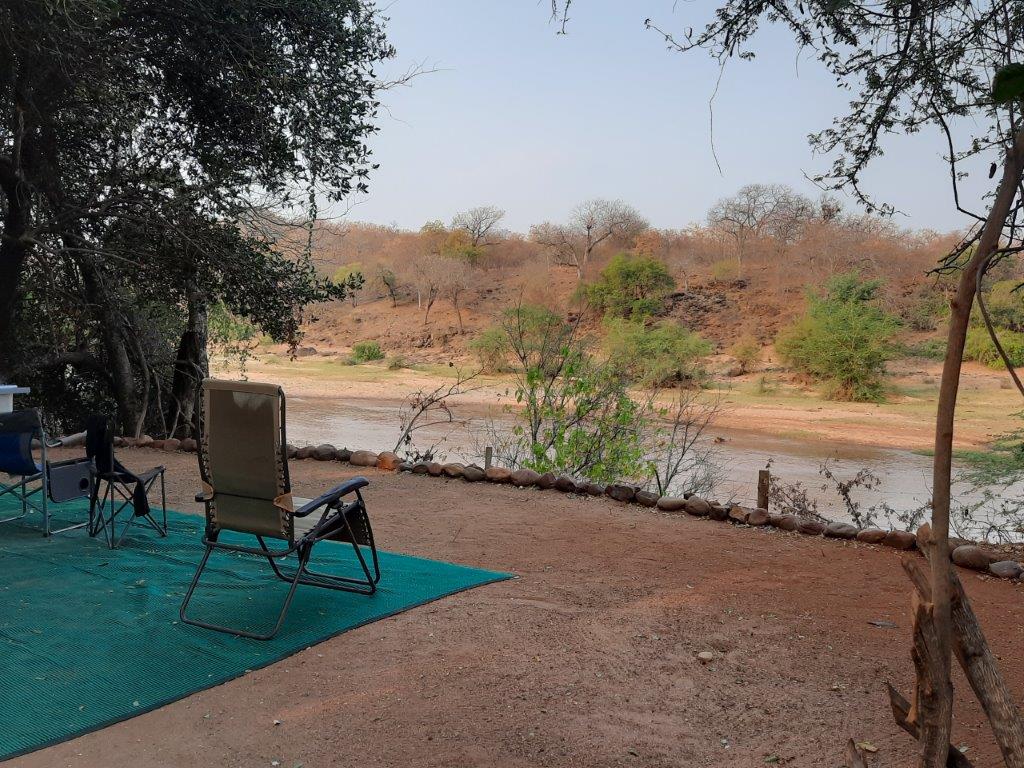
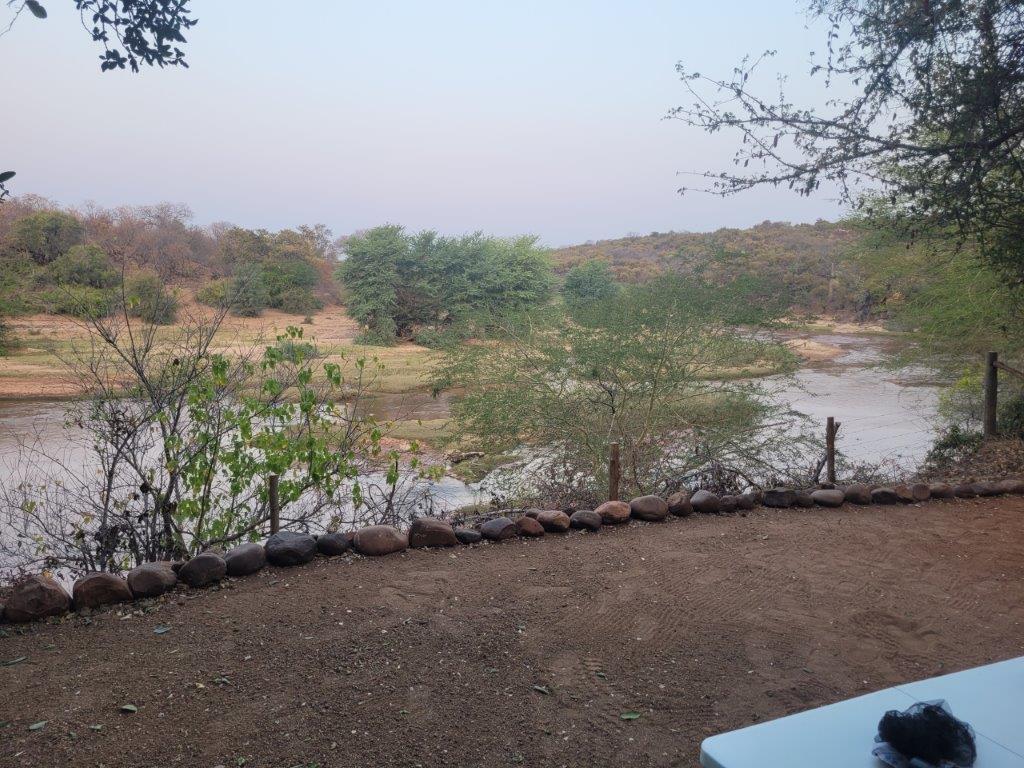
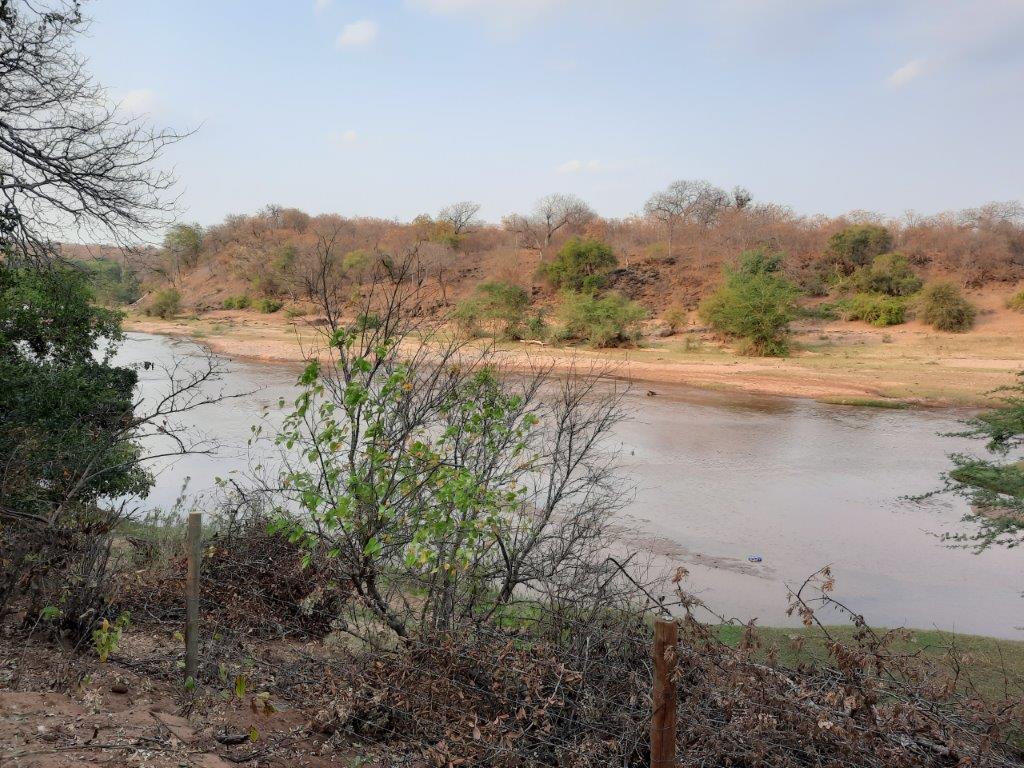
What a wonderful new campsite – Croc’s Corner – we were allocated. Great private setting in the bush overlooking the river with own ablution facilities. No power but free WiFi in the lounge area and an honesty bar. The shop in the lounge was well stocked with virtually all that a camper could want. Fairly priced too.
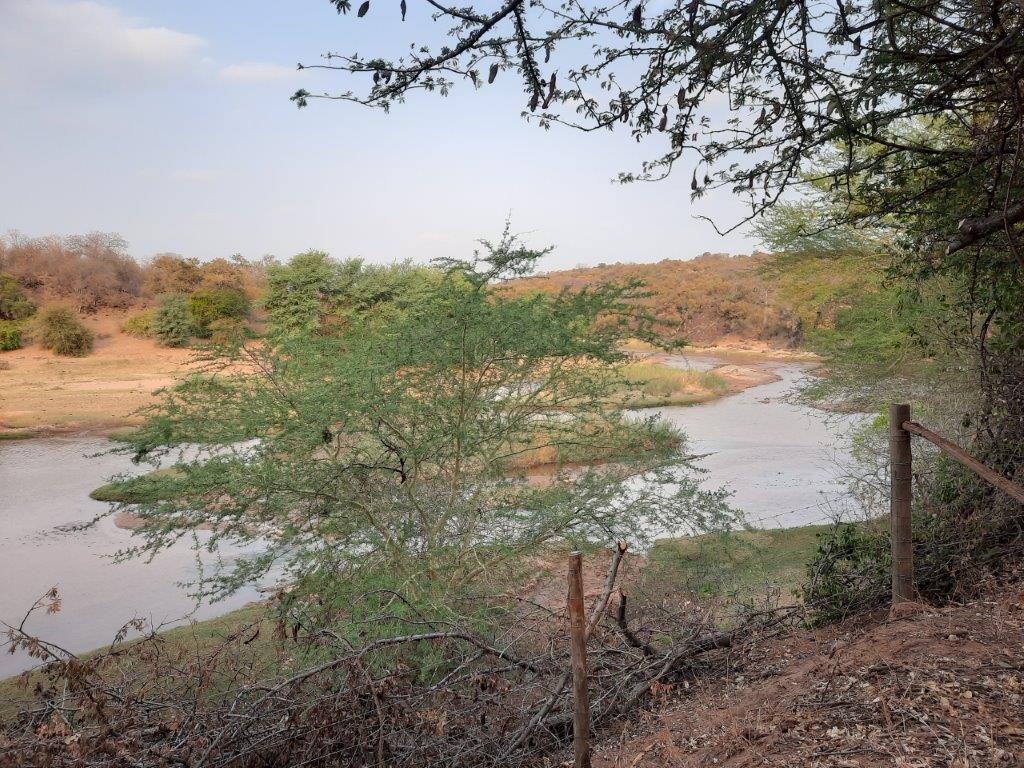
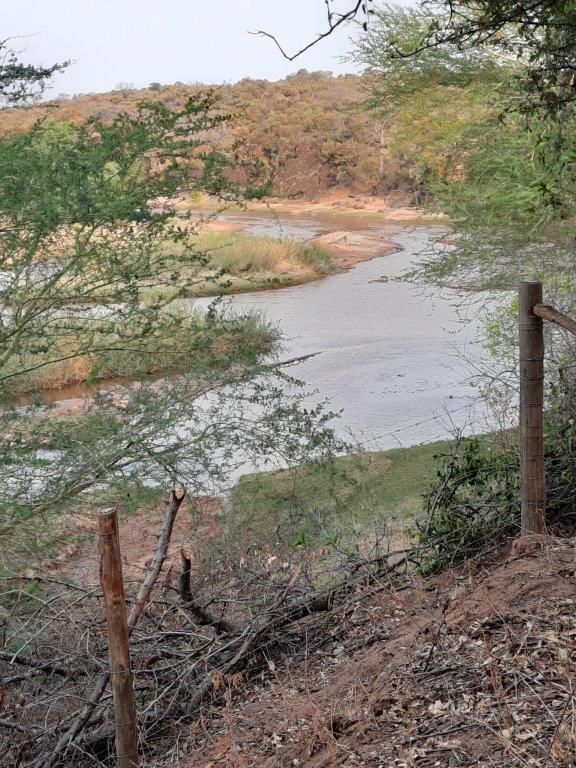
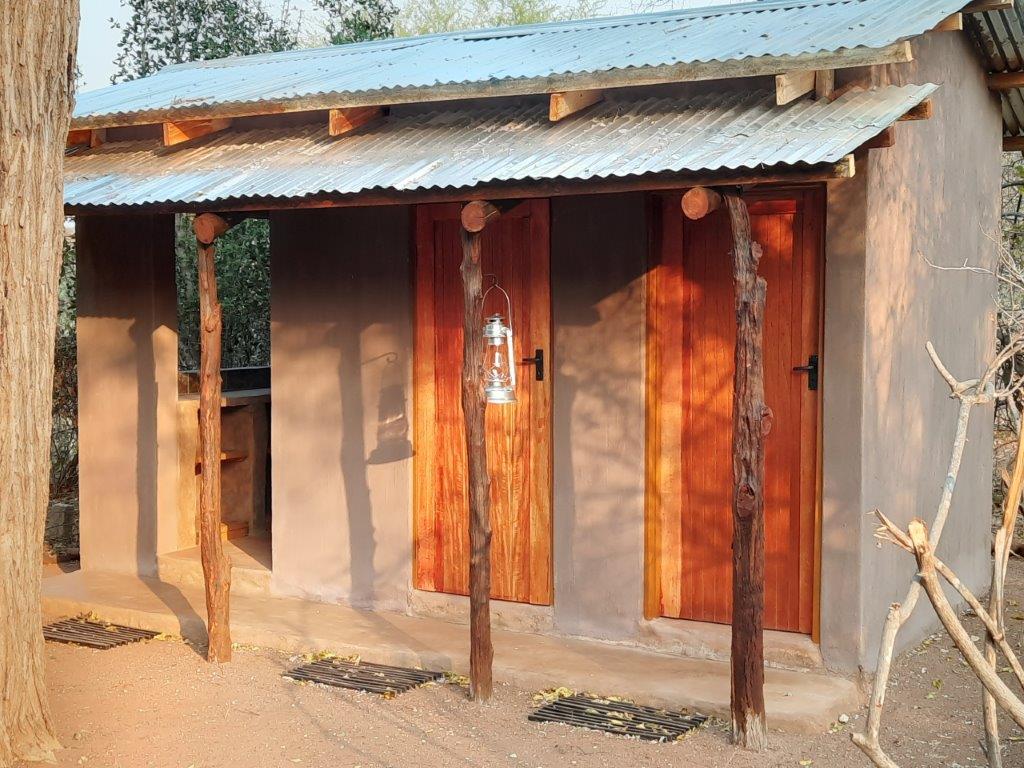
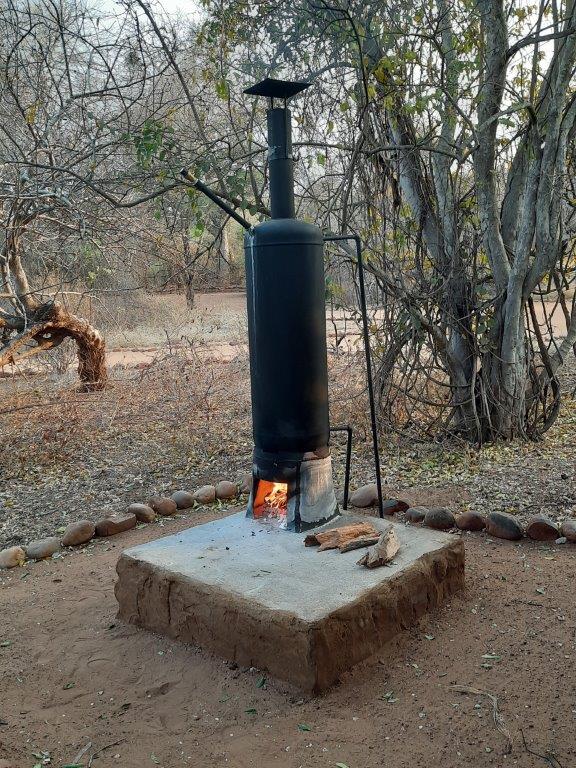
Entrance to campsiteAmazing viewLooking down riverLooking up riverOur viewOur viewAblutionDonkey Boiler
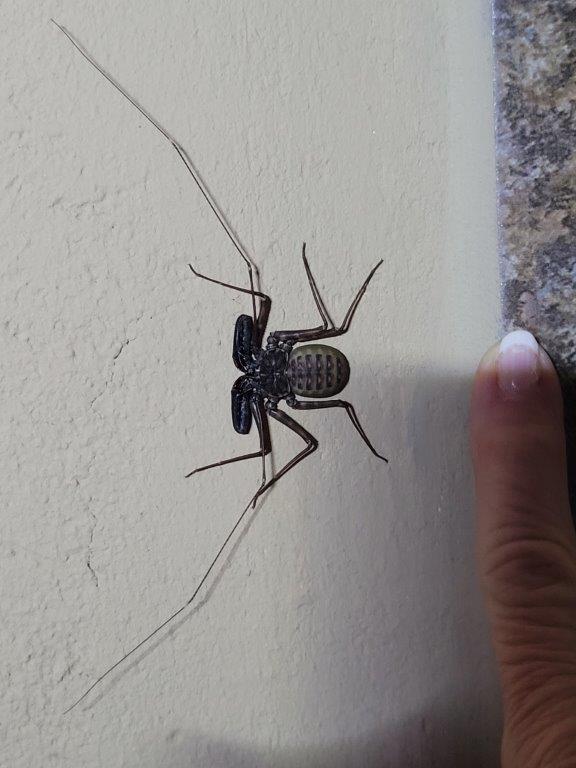
Birding in the camp is like birding at the Pafuri Picnic site in the Kruger. How’s this for an interesting creature.
It is called a Tailless Whip Scorpion believe it or not. However, it is not a scorpion at all!!Not venomous.
The camp birds sang for us and although we did not do a lot of birding around the camp, we still managed to record 21 different bird species. Here are some that we managed to photograph.
Most of our time was spent in the Pafuri area of the Kruger where we identified 64 different bird species.
On our way to the bridge we kept an eye and ear out for the Racket-tailed Rollers without success.
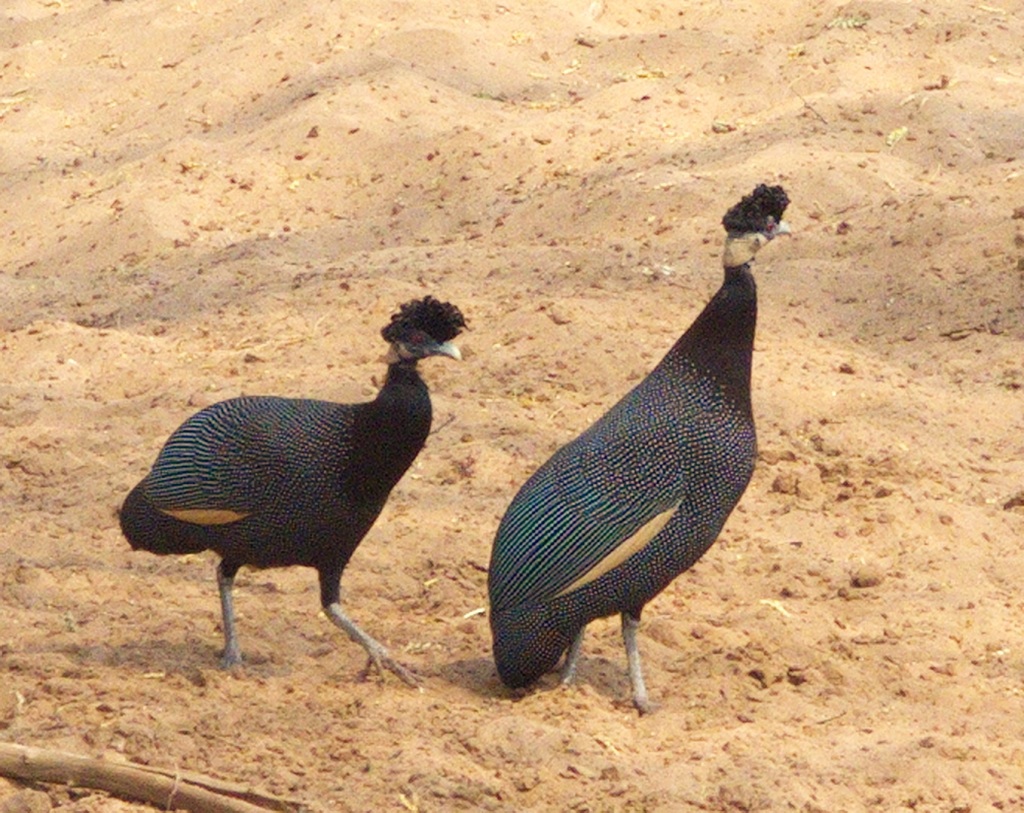
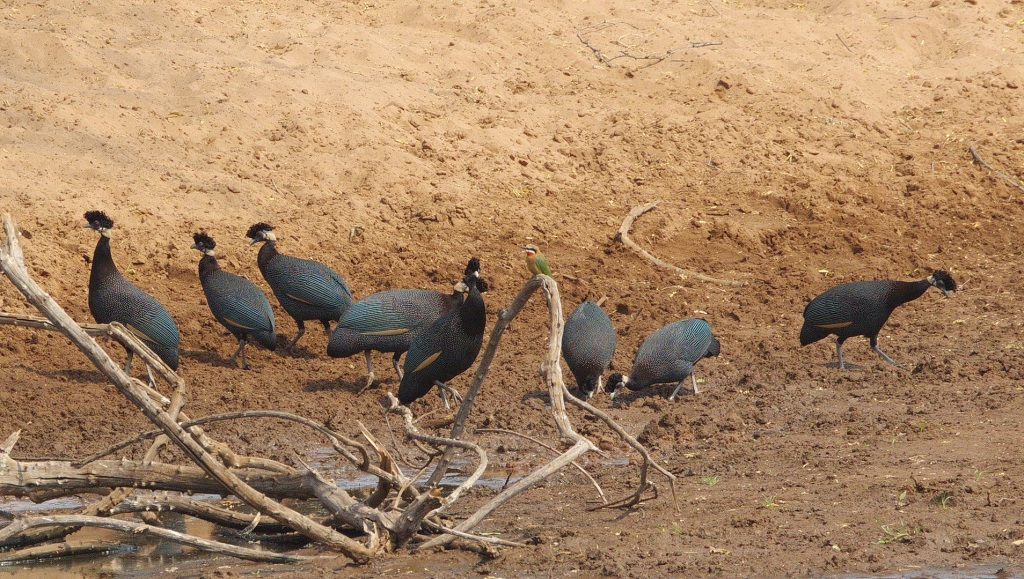
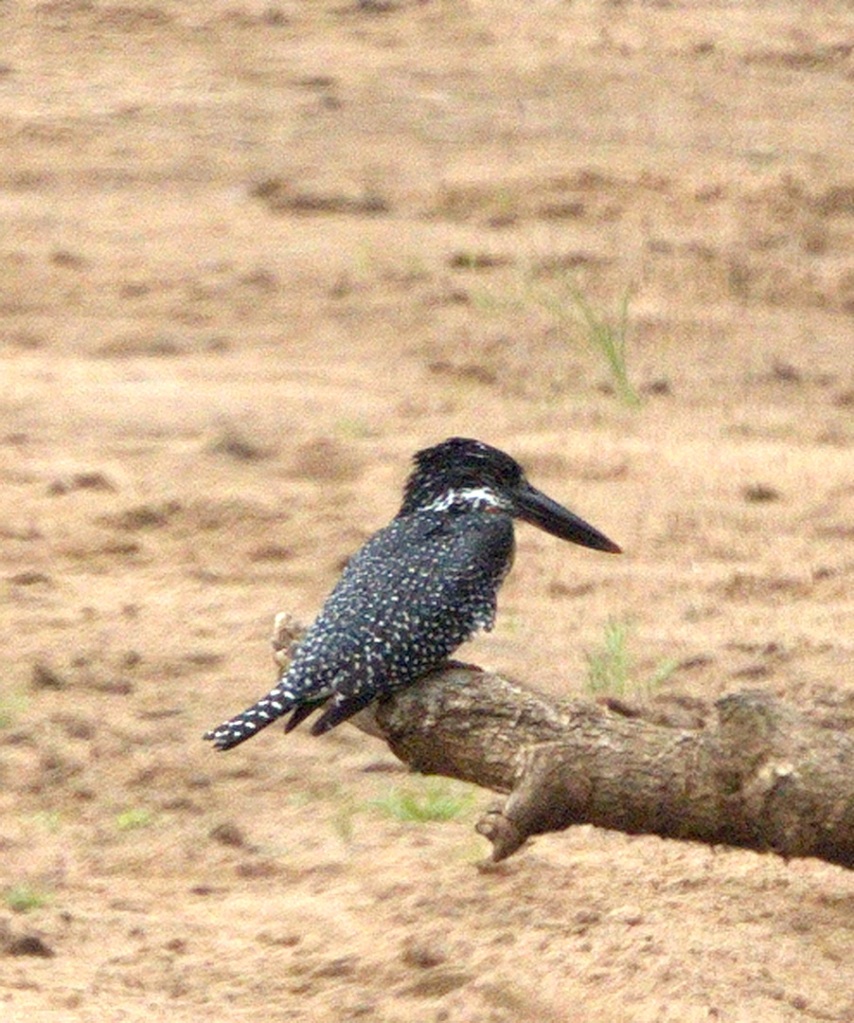
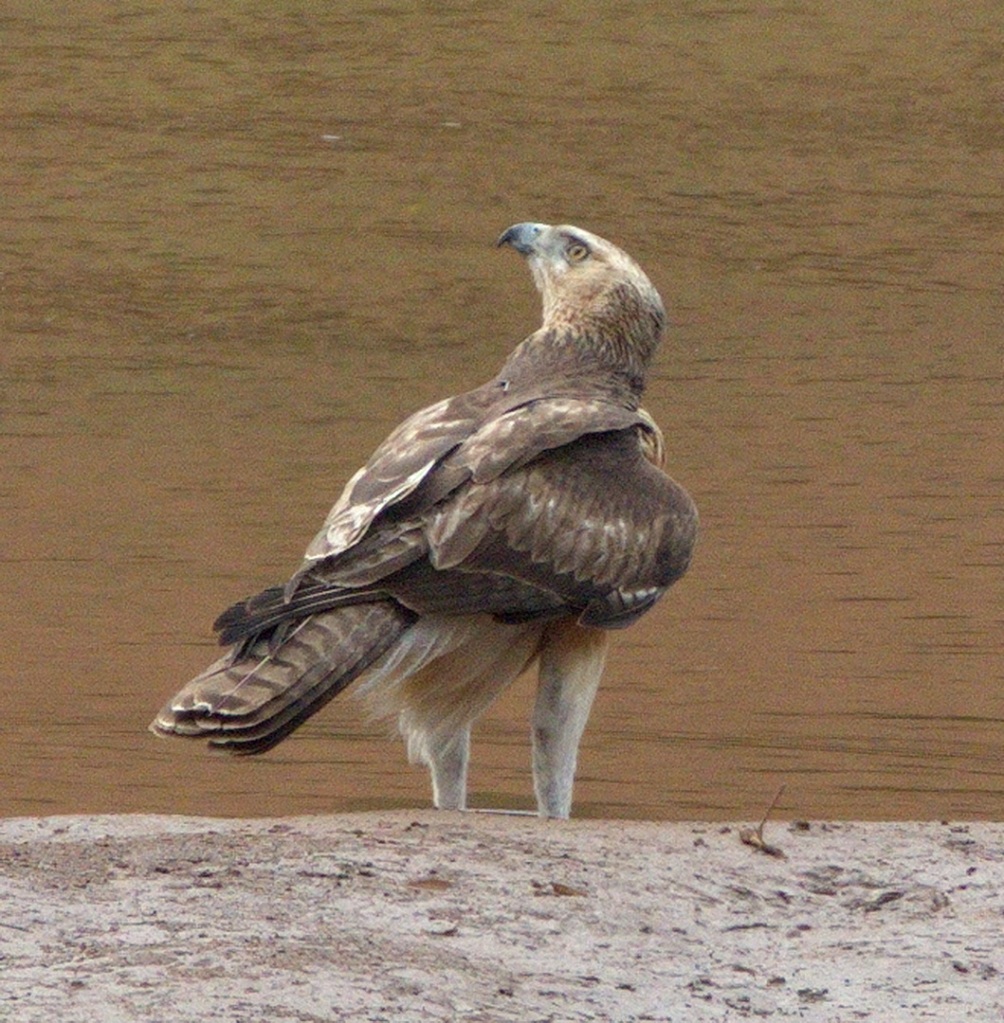
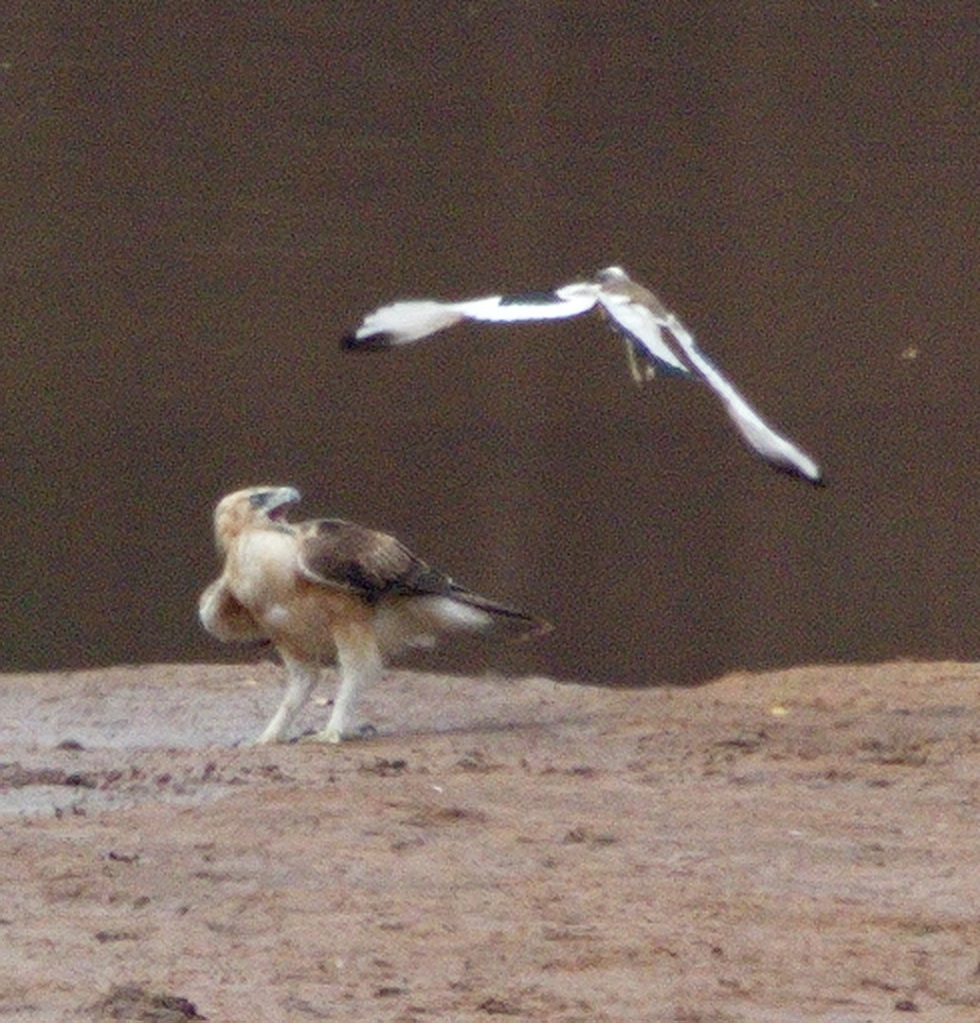
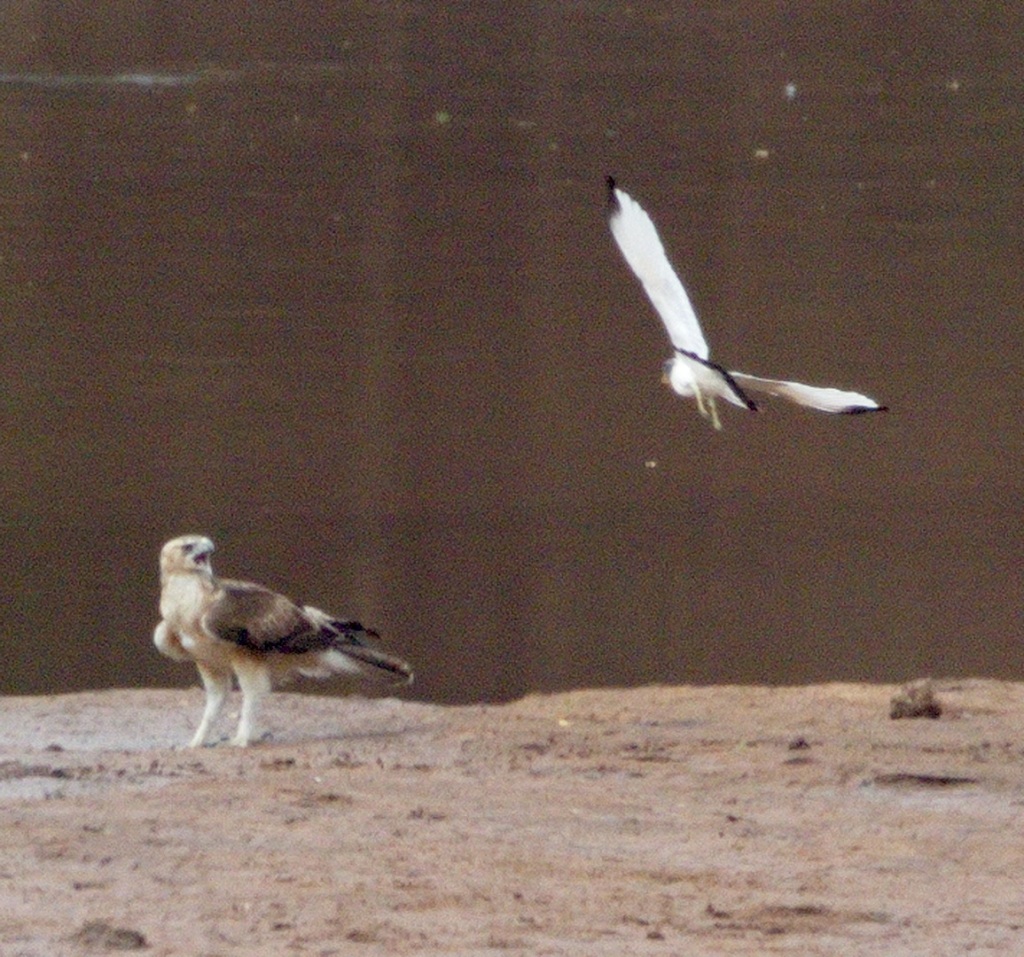
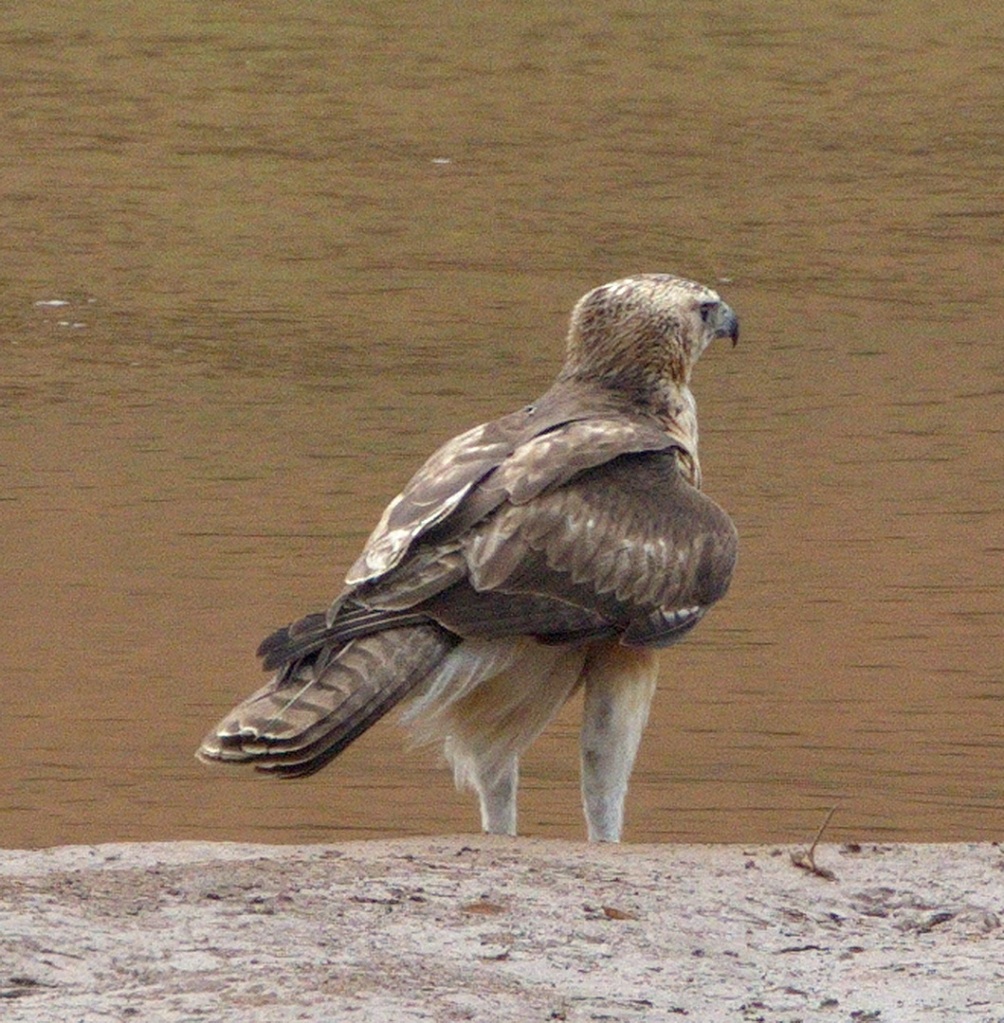
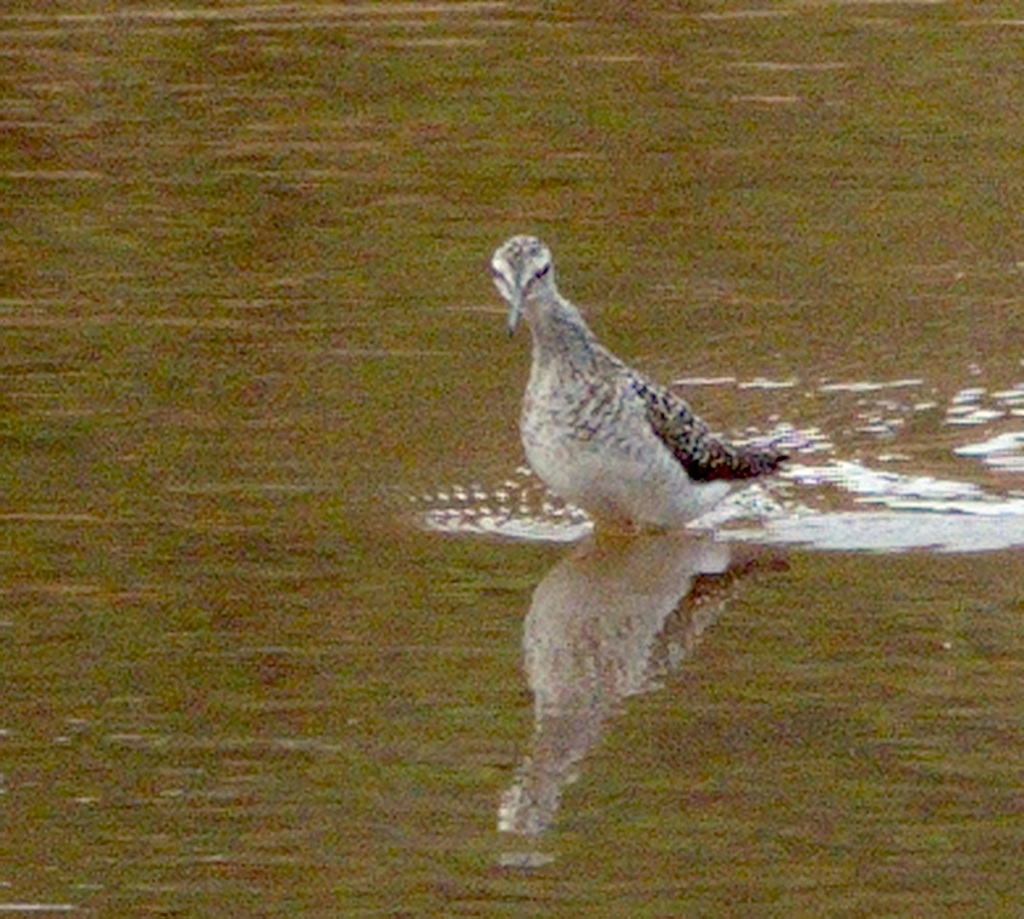
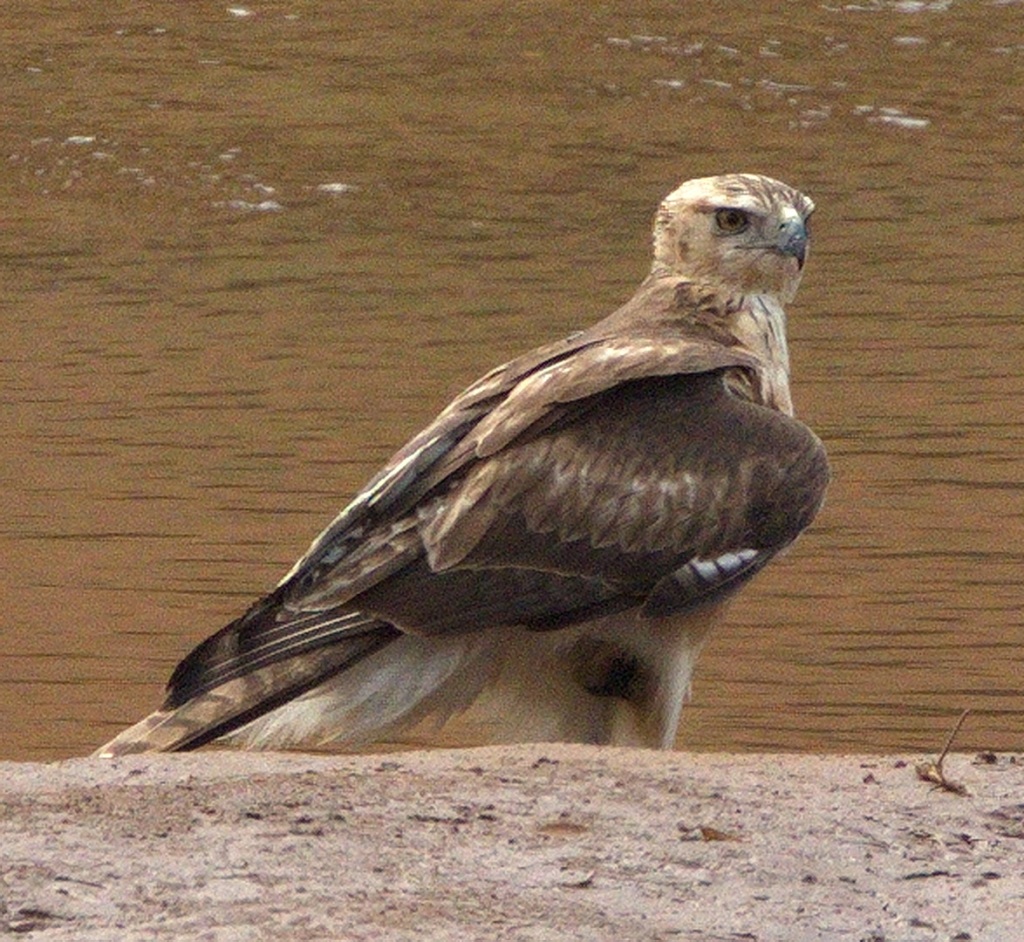
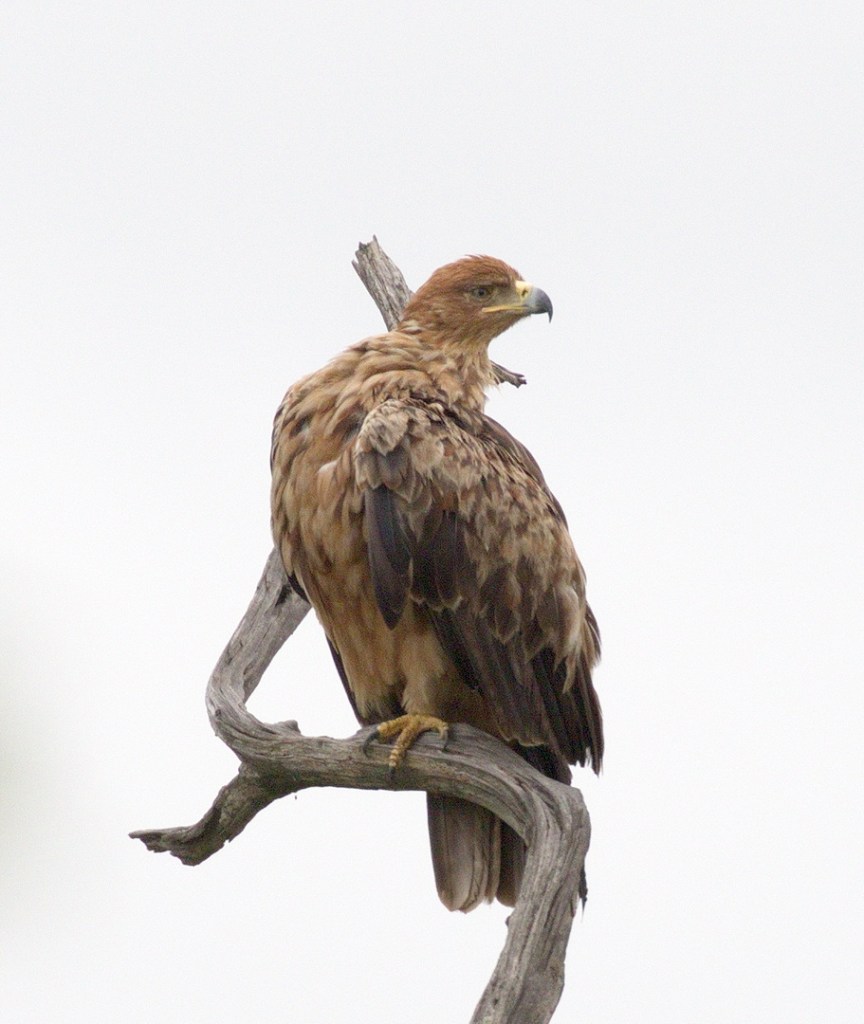
At the bridge we spent some time looking out for Spinetails – no luck. There were a number of raptors about – African Fish-Eagle, Bateleur, African Harrier-Hawk and a Tawny Eagle. The Tawny Eagle was being bombed by a White-crowned Lapwing. Very few waders present – just a Wood Sandpiper. There was a Giant Kingfisher and numerous Crested Guineafowl came for a drink.
One legged African Harrier-HawkA fleeting shot of the Bateleur running away to takeoff.Crested GuineafowlsCrested GuineafowlsGiant Kingfisher – maleWhite-fronted Bee-eaterWhite-fronted Bee-eaterTawny Eagle on the lookout for the White-crowned LapwingTawny Eagle being bombed by the White-crowned LapwingTawny Eagle being bombed by the White-crowned LapwingTawny EagleWood SandpiperWhite-crowned LapwingAfrican Fish-EagleTawny Eagle
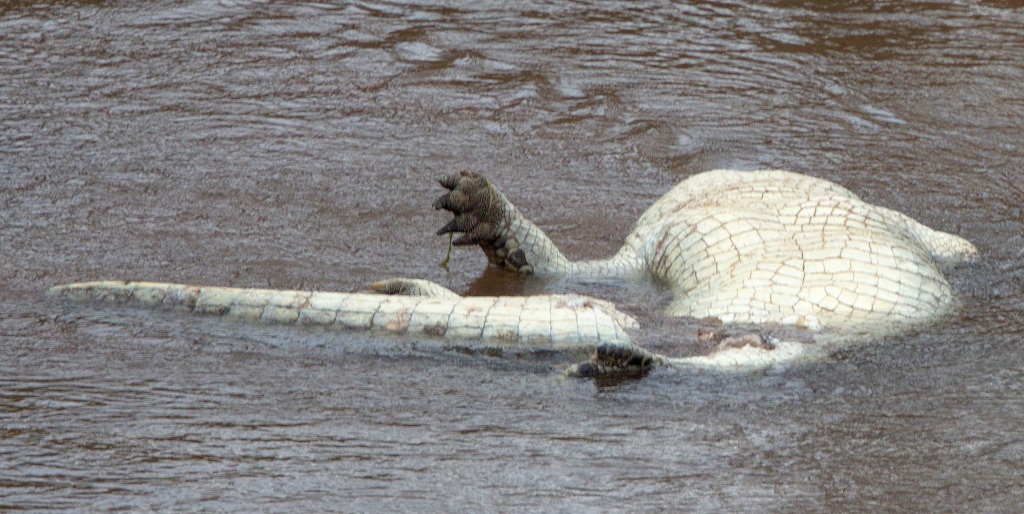
As we stood on the bridge and looked upstream, we saw and heard a huge commotion – huge crocodiles fighting and looking below us was another upside down – rather dead sadly.
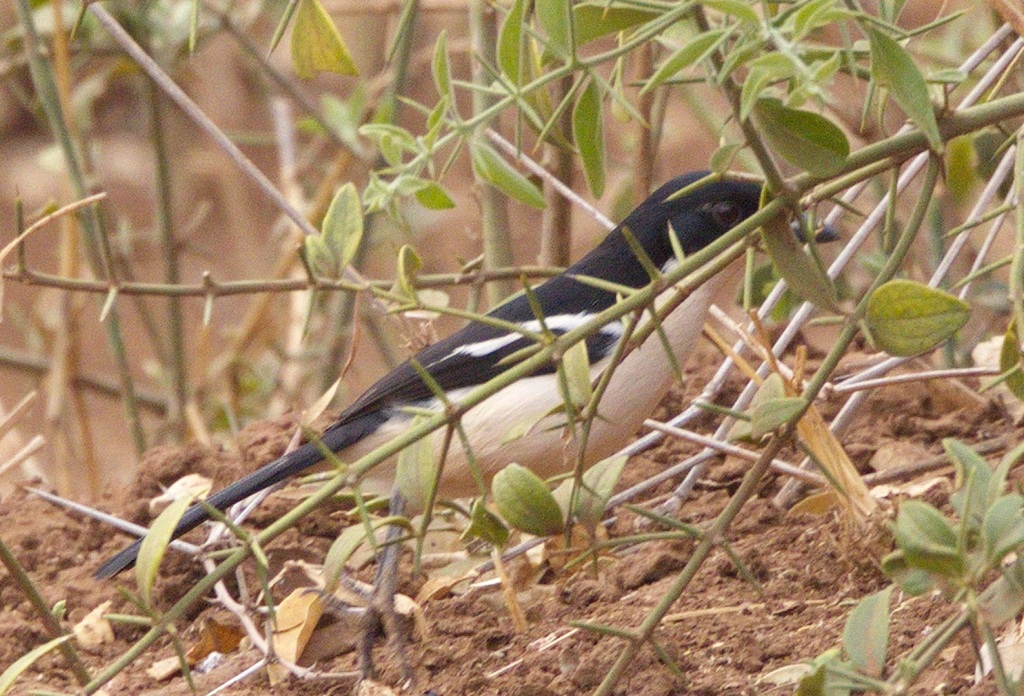
Sally heard a call – Tropical Boubou and there it was crossing the road at the gate end of the bridge. I was just able to get a few shots of it as it disappeared into the bush.
Tropical Boubou
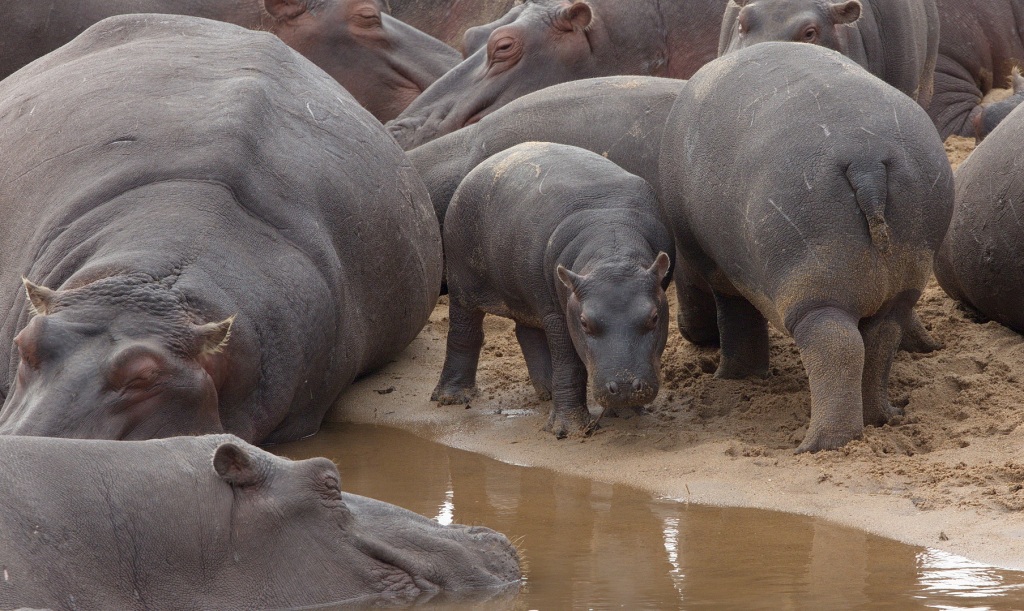
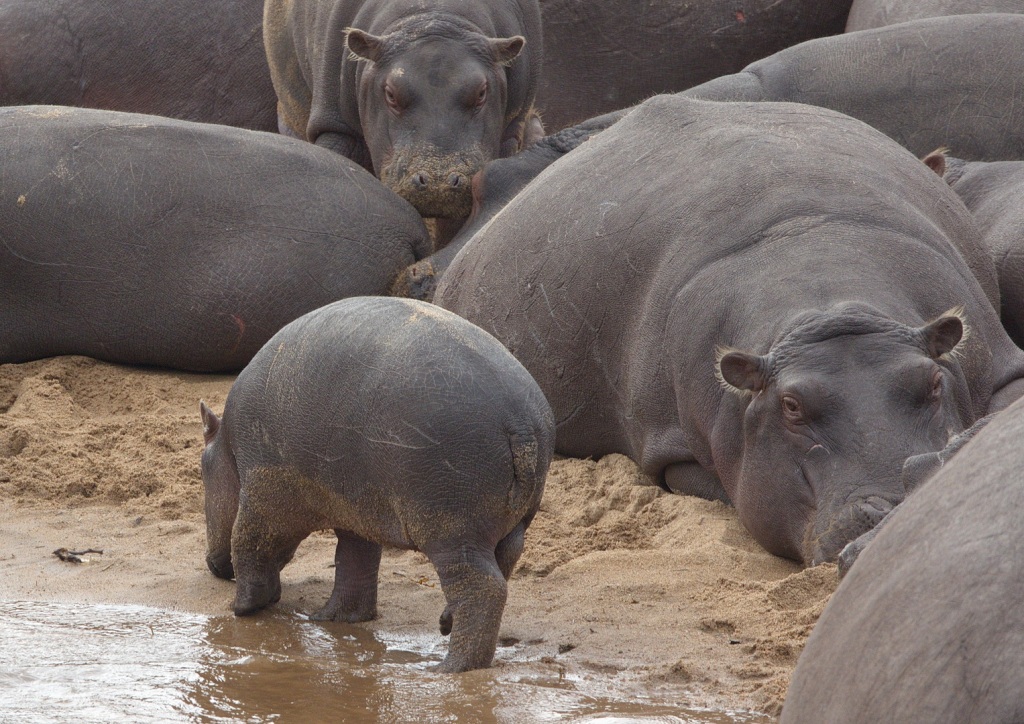
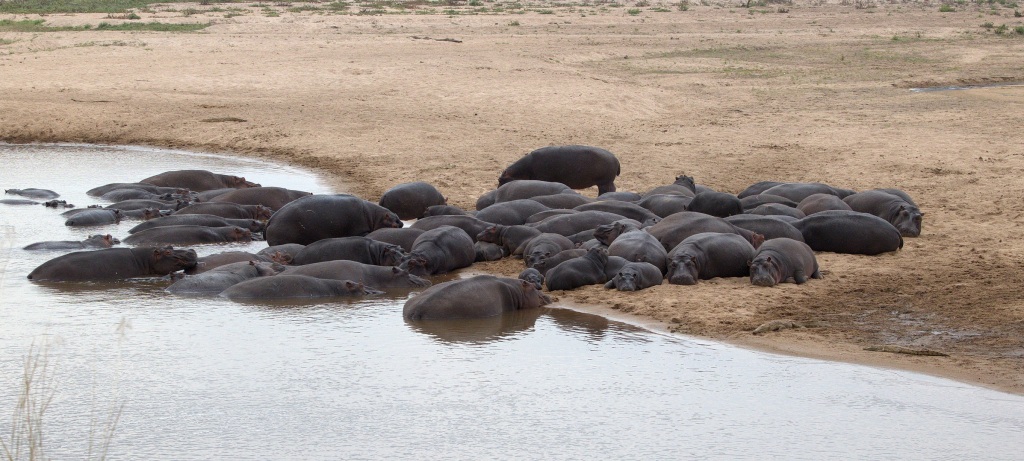
At Crooks’ Corner there were quite a few Hippos all cuddled up together in what little water there was below. Amongst them was a youngster casually walking through and over as it pleased.
Hippos
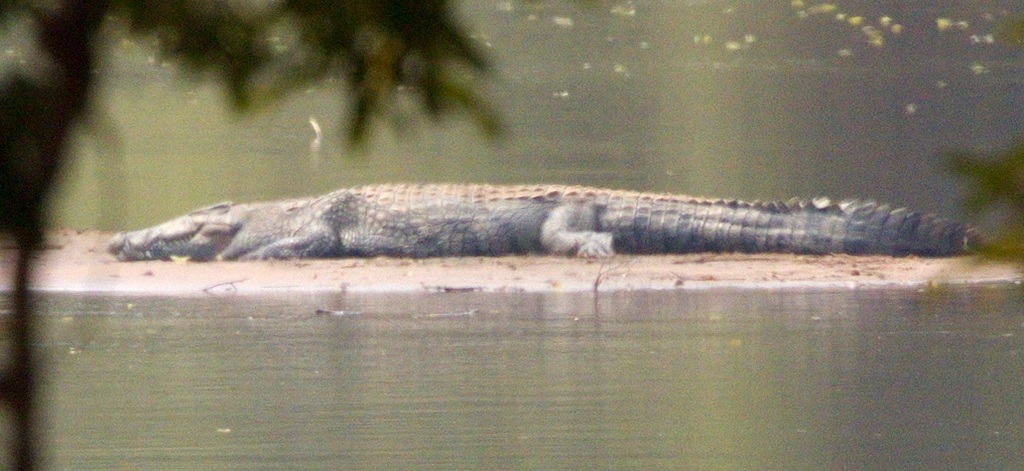
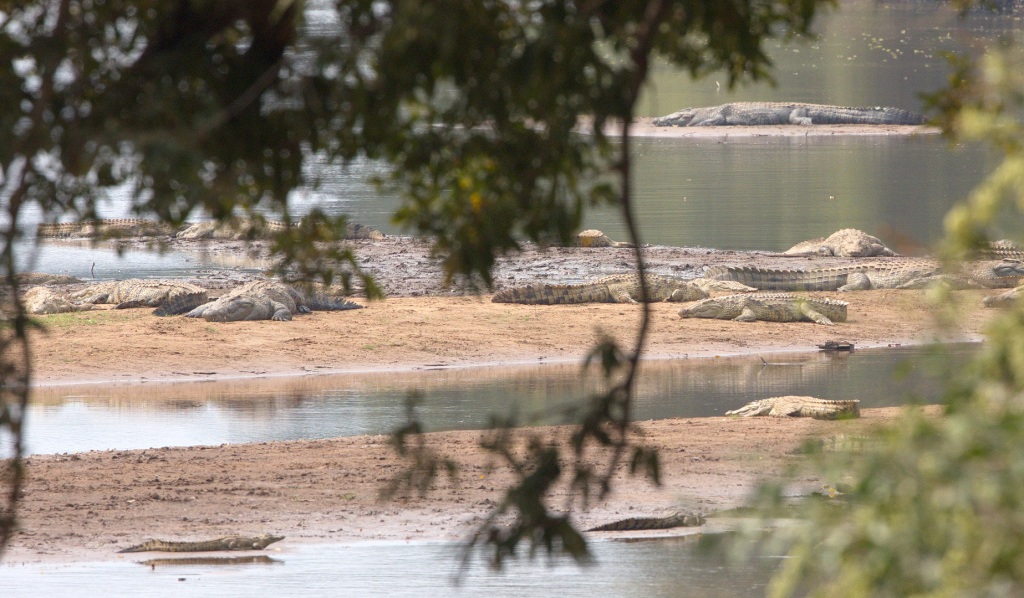
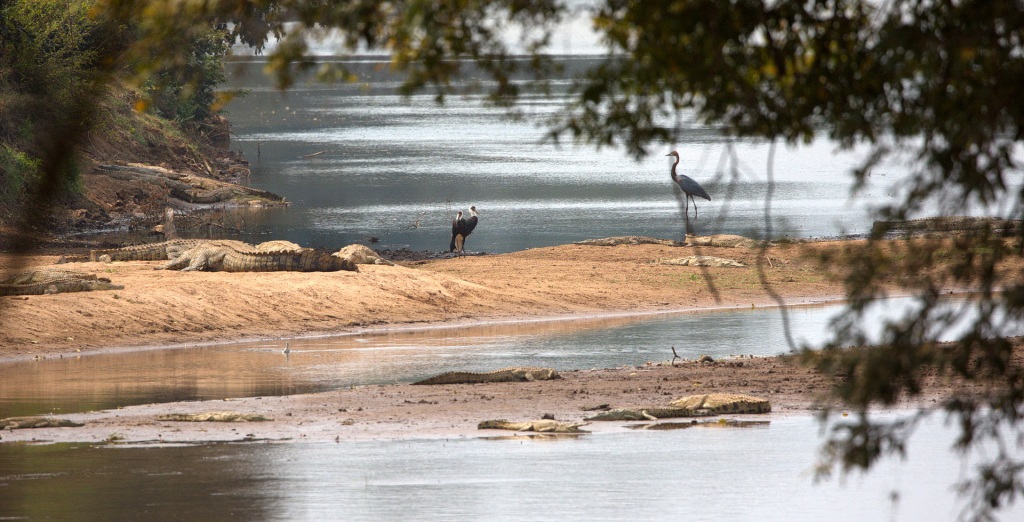
On the way back to the Pafuri Picnic site we gazed across the river and noticed quite a lot of Crocodiles lazing on the opposite shore and on sandbanks. Most were large but there seemed to be one monster which took up the whole of a sandbank.
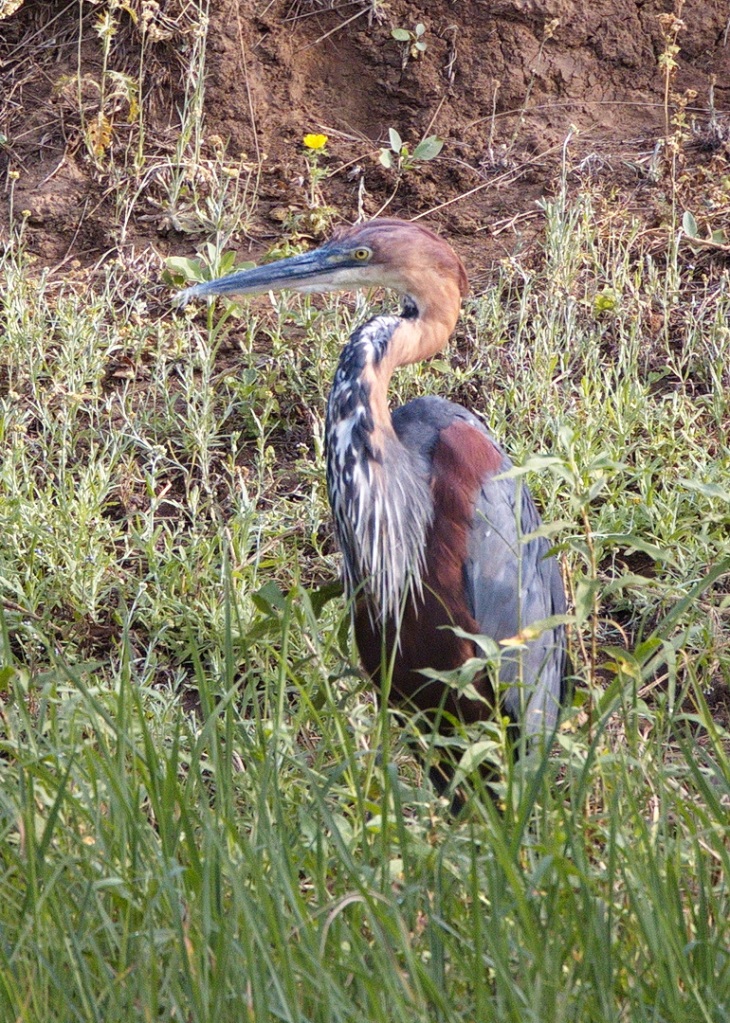
Monster Croc on its own sandbankCroc LandTwo Woolly-necked Storks and a Goliath Heron wandering around the crocodiles.
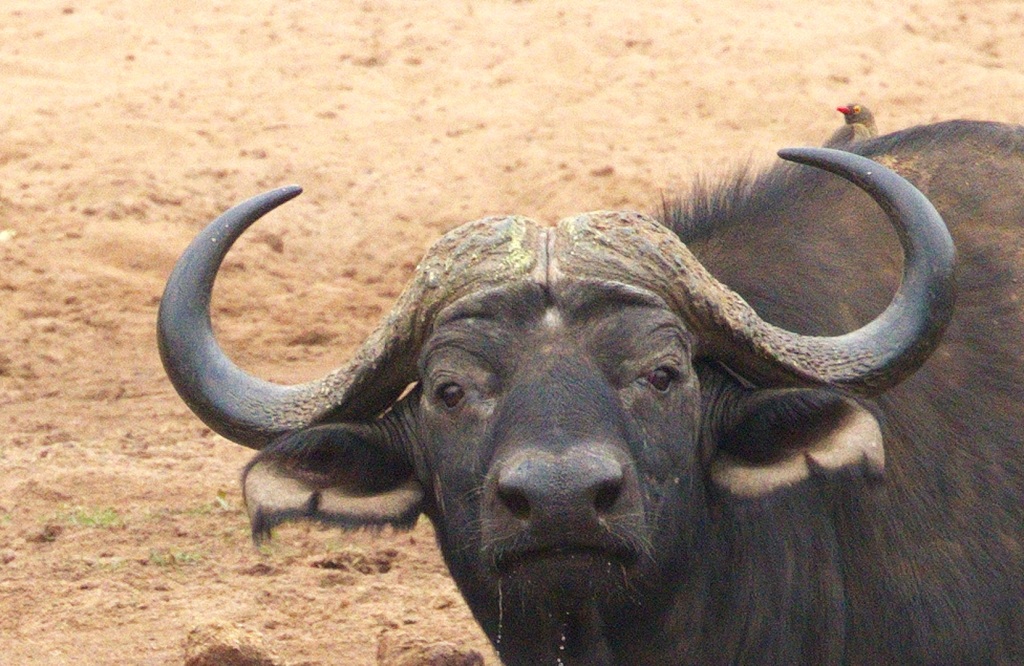
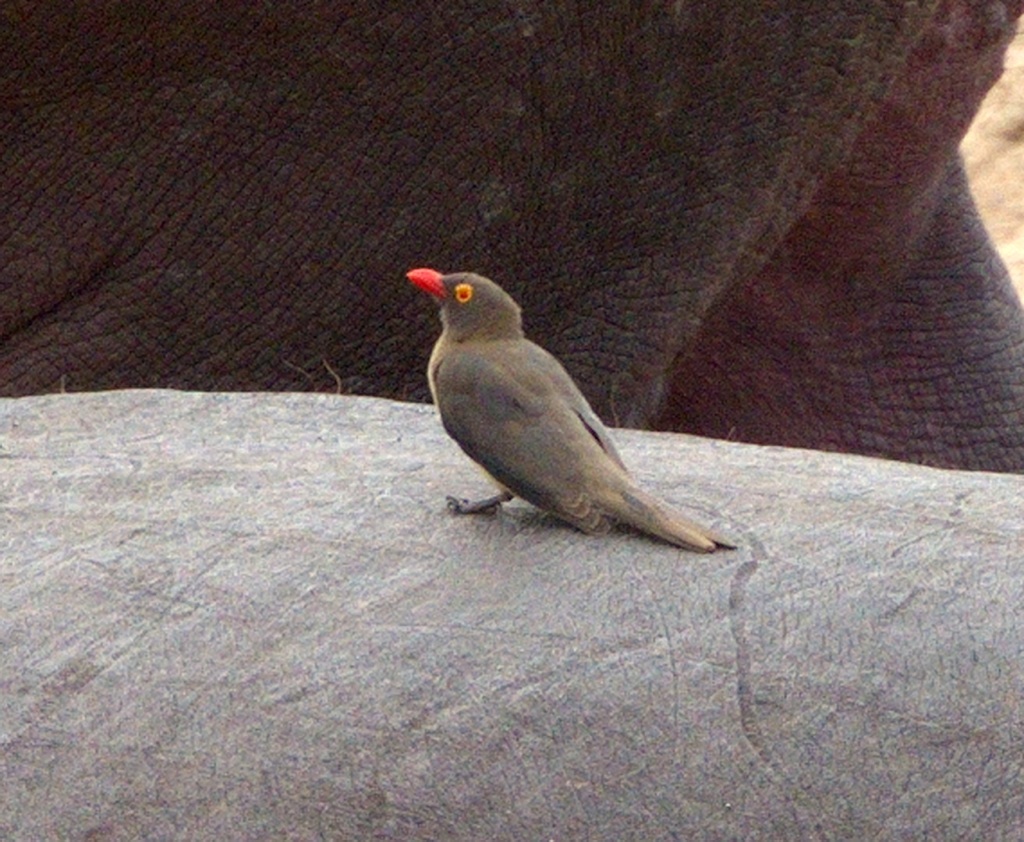
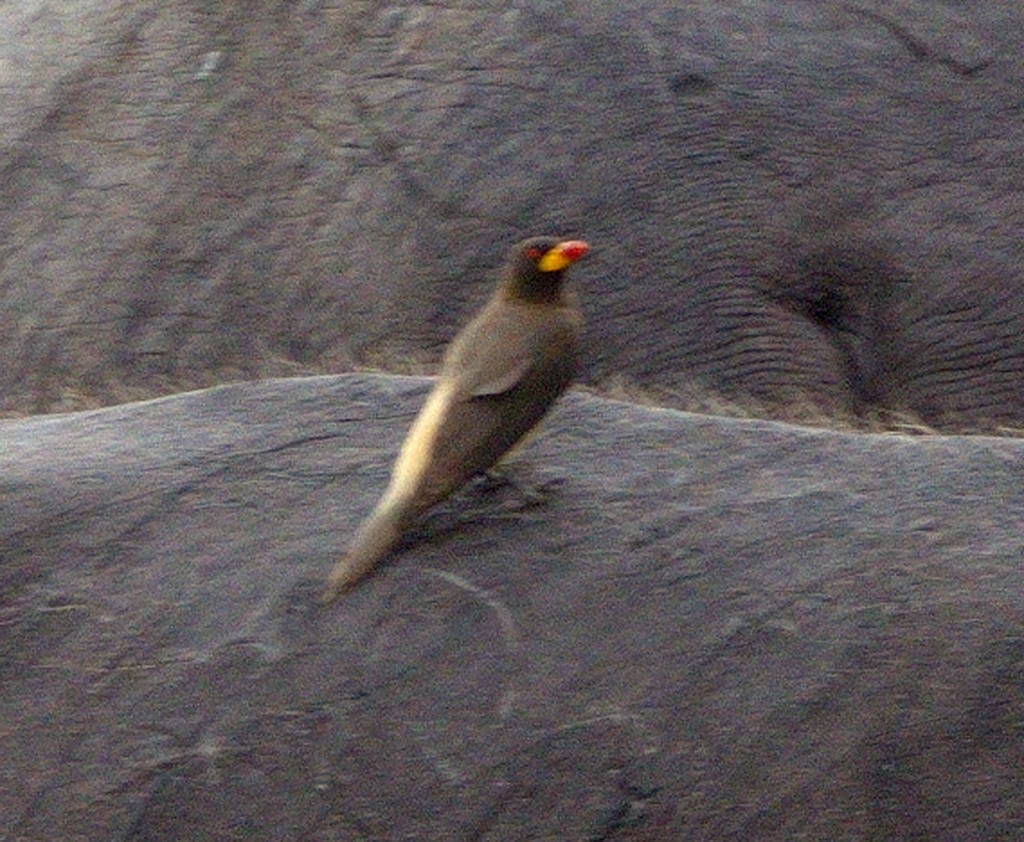
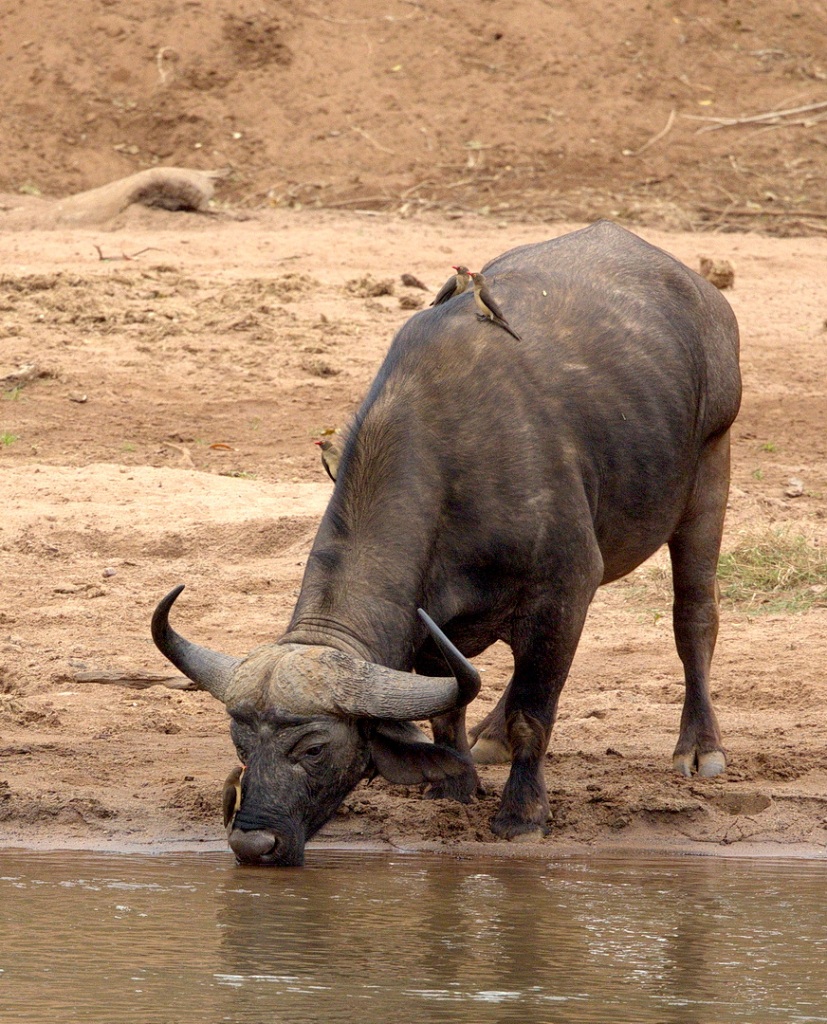
Red-billed and Yellow-billed Oxpeckers were seen together on Buffalos.
Yellow-billedRed-billedRed-billedYellow-billedRed-billed Oxpeckers on the buffalo’s back and a Yellow-billed picking its nose
In Pafuri we identified 64 different bird species.
Our two nights at Nthakeni went quickly. We would have liked another day to explore the walking trails at Nthakeni but we had a firm booking made at our next spot.
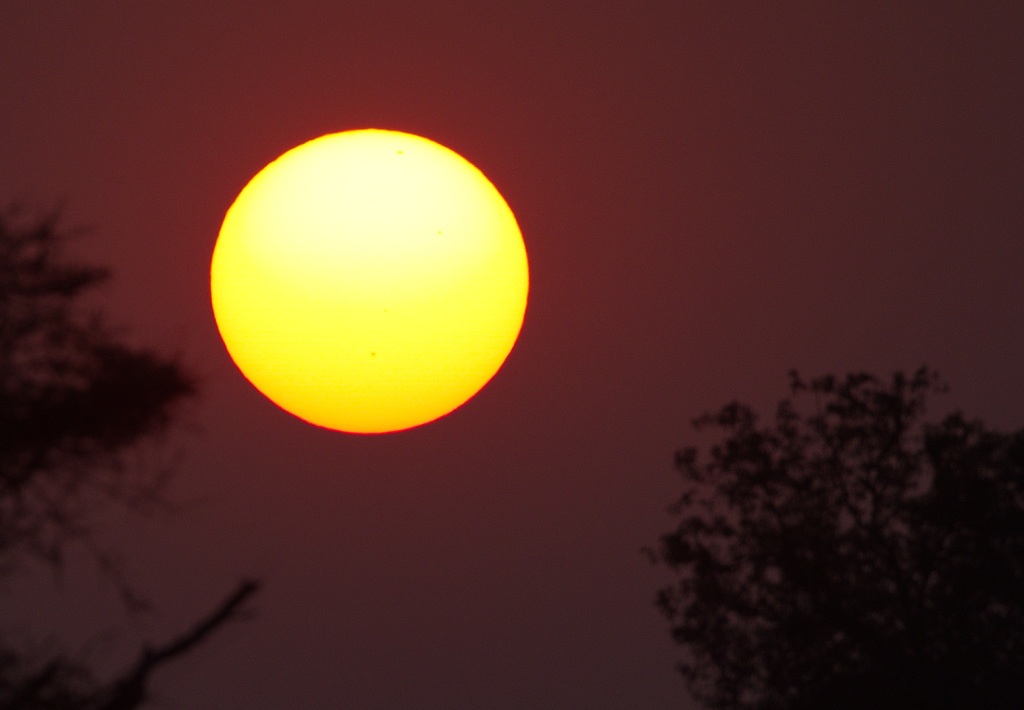
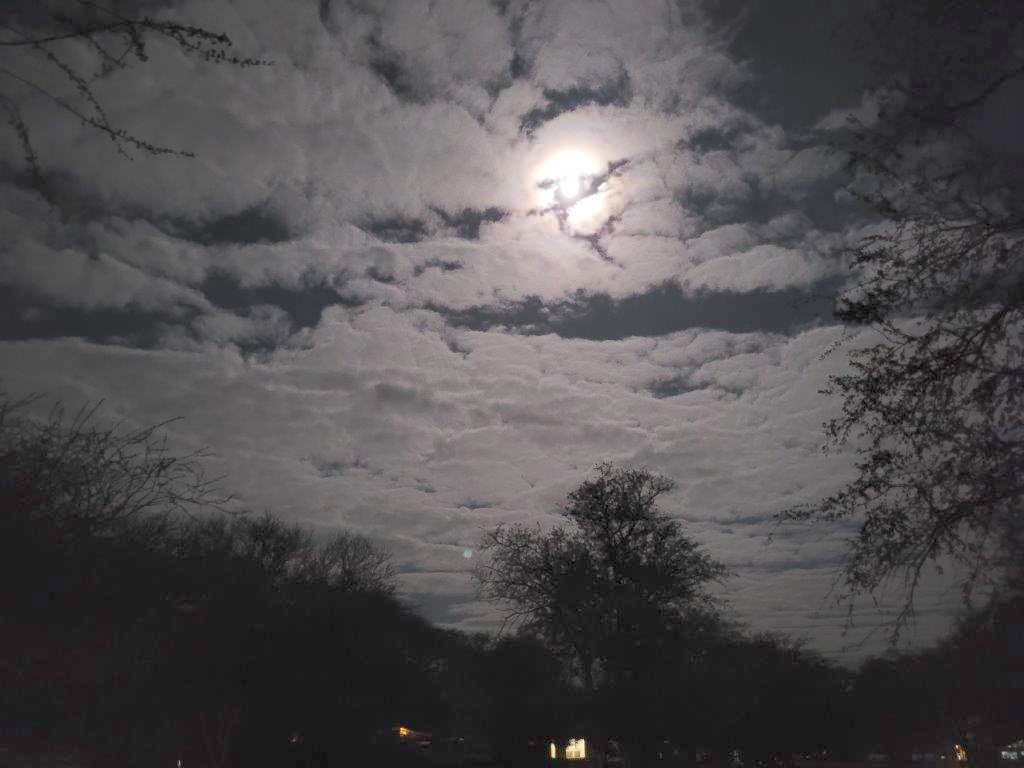
The moon on our last night was spectacular.
Dumela Wilderness Safaris, Mozambique
25th to 29th August 2023
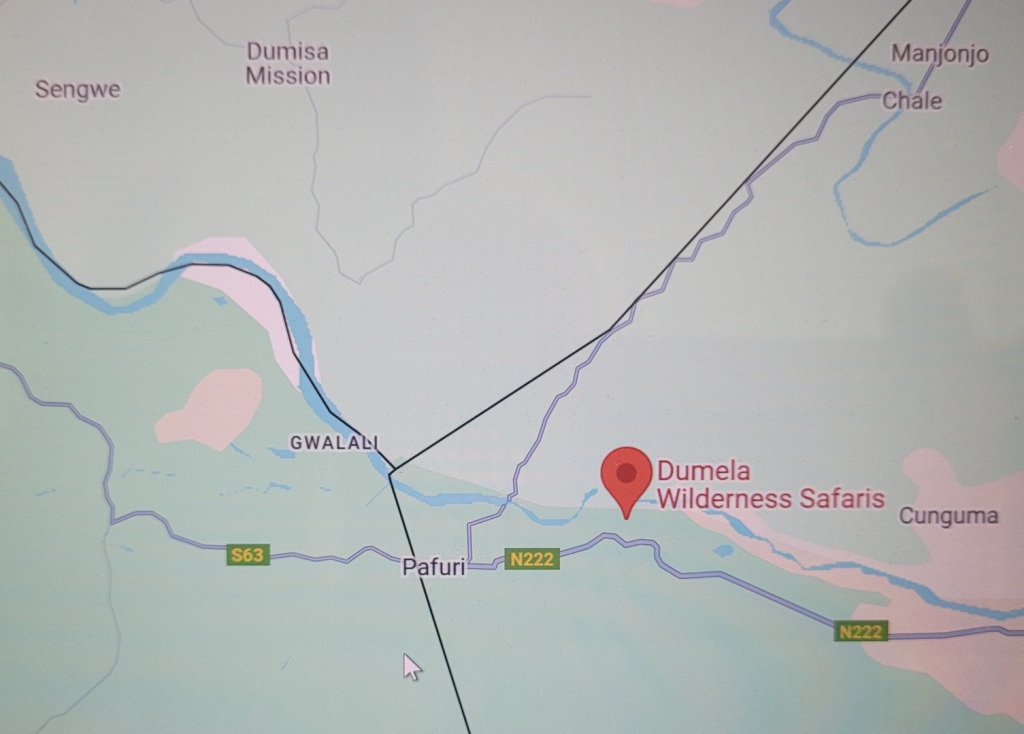
Dumela is 8 kms dirt road driving from the Pafuri/Mozambique Border crossing.
Getting through the RSA border was straight forward – even though the staff were a bit sour. However, on the Moz side all was OK until the Customs inspectors tried their hardest to find fault. Three of them were all round me – being pleasant but desperate to find if I had too much alcohol. Eventually they gave up having borrowed some small change.
Then further down the road we got stopped again by a bloke who tried to look official (they probably called him). He had a jacket on, belt with official looking buckle and a gun holster (but no gun). He settled for some refreshment – a small Coke!!
We had never been to Dumela and we had heard a lot of positive things being said about it. We decided we needed to see for ourselves. And so, our whole trip was built around getting there. Not knowing whether we might like it or not, we decided to stay for four nights. Our thinking was that if we only stayed two nights then we might regret it. Having had the experience, we reckon that three nights would be optimum for us. It would give us two full days to explore the area.
One of the things we did not realise was that this camp is a perfect stopover point for campers on their way to or from Gonarezhou NP in Zimbabwe. Enjoy a trip to the Kruger and then into Moz and Zim at convenient unbusy border posts. Just need to check the level of the rivers before doing so.
It was only an eight km drive but the road was well challenging in places – especially when towing.
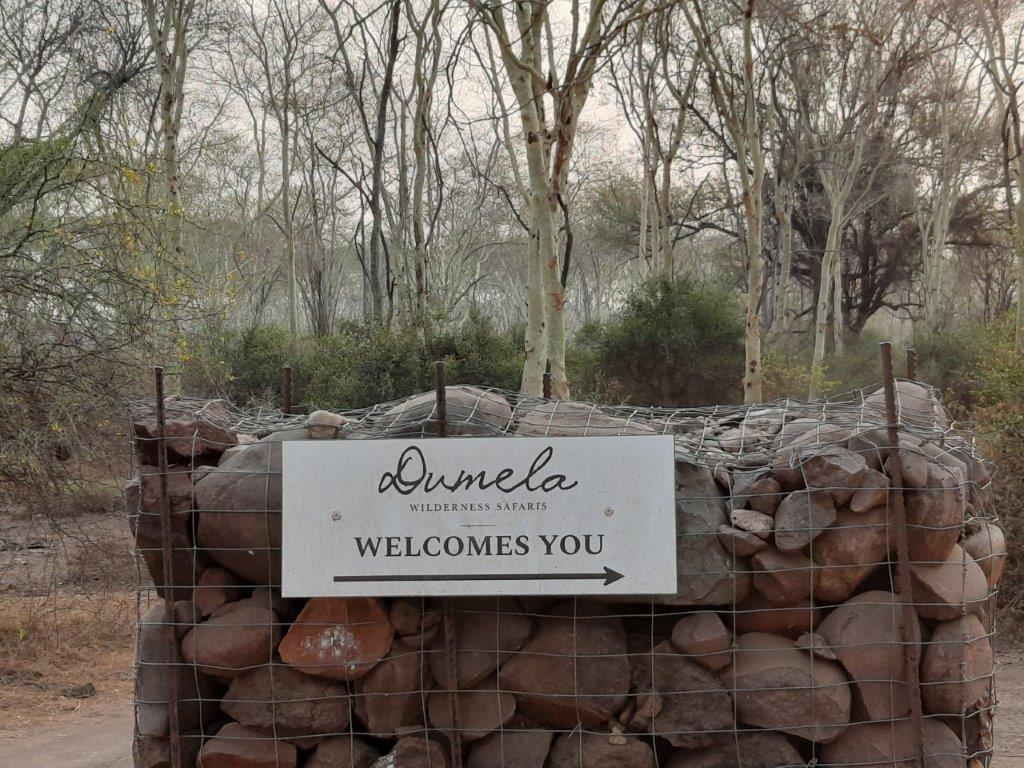
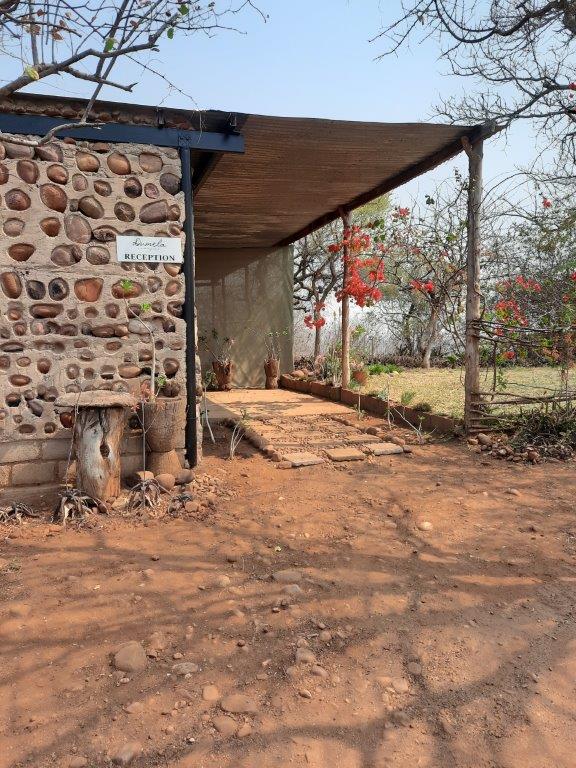
At last a sign indicating reception. Up the long steep and testing hill we went. Checked in and were told the camp was back down hill and follow the road directly opposite.
Reception
The Camp we chose was next to the Mugano Lagoon as opposed to the Fever Forest Camp. What a wonderful location – like being at the Pafuri Picnic site. Loads of shade (might be an issue to rely on solar panels if you stay amore than 5 days). Lots of ablutions with donkey boilers for when the place is busy.
Our Campsite overlooking the Mugano Lagoon. Well shaded.
The camp has at least 20 sites – each very generous in size – and about four ablution blocks. On arrival there was another couple who left the next day. We were alone our second night. On the third night a large group of about 12 people rocked up and shared the place comfortably with us. On our final night the place was almost full – most either on their way to or from Gonarezhou NP in Zimbabwe.
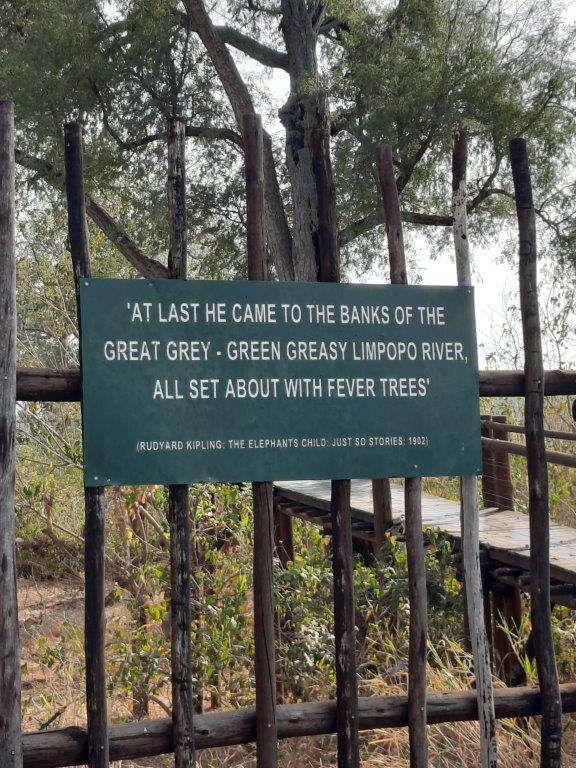
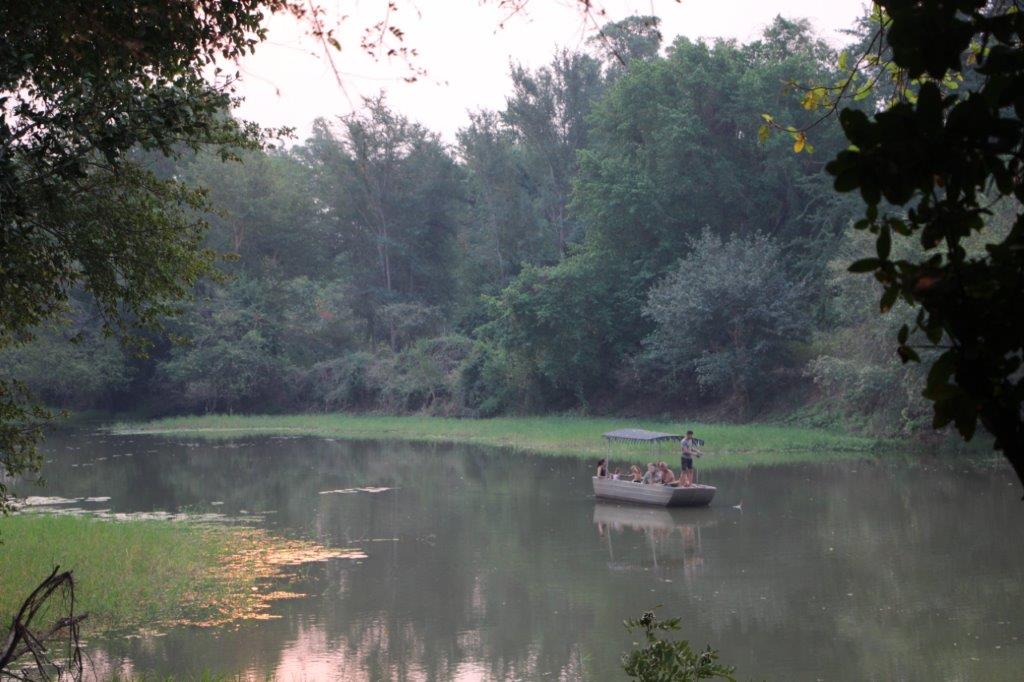
The camp offers guided bird walks to try and find the Pels Fishing-Owl and boat rides on the Lagoon. Another option was to self drive into the largest Fever Tree Forest in Southern Africa – we did twice. And there was another drive past reception on a very rugged road into the bundu – we tried it but had to turn round for lack of grip on a fall off ledge.
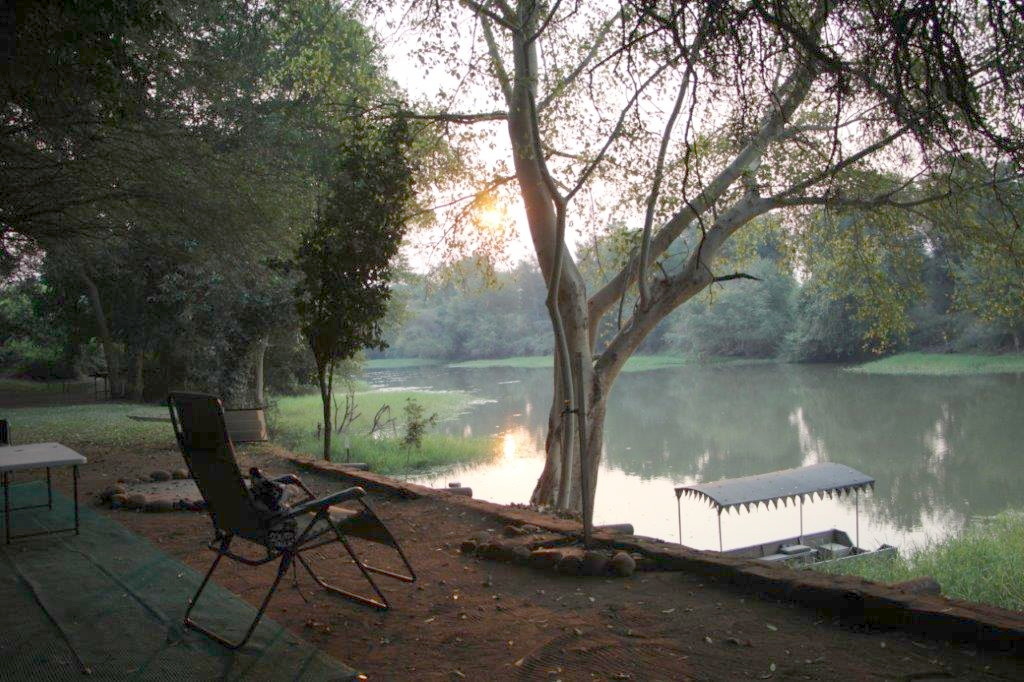
Our walk around the camp to find the Pels turned out to be fruitless unfortunately. However, as we were close to the Limpopo – we made a detour to see it.
Lagoon
The next day we were able to re-trace some of our steps by car along the narrow paths (hoping not to encounter the rogue elephant seen near the camp). Part of this drive was close to one end of the lagoon.
Our boat ride was unfortunately cancelled due to very windy weather. Perhaps not a bad thing as the end of the lagoon did not appear to be too far away.
We enjoyed birding in the camp and driving through the Fever Forest. Hearing the Pels calling was very special – even if we did not see it. Some camp birds:
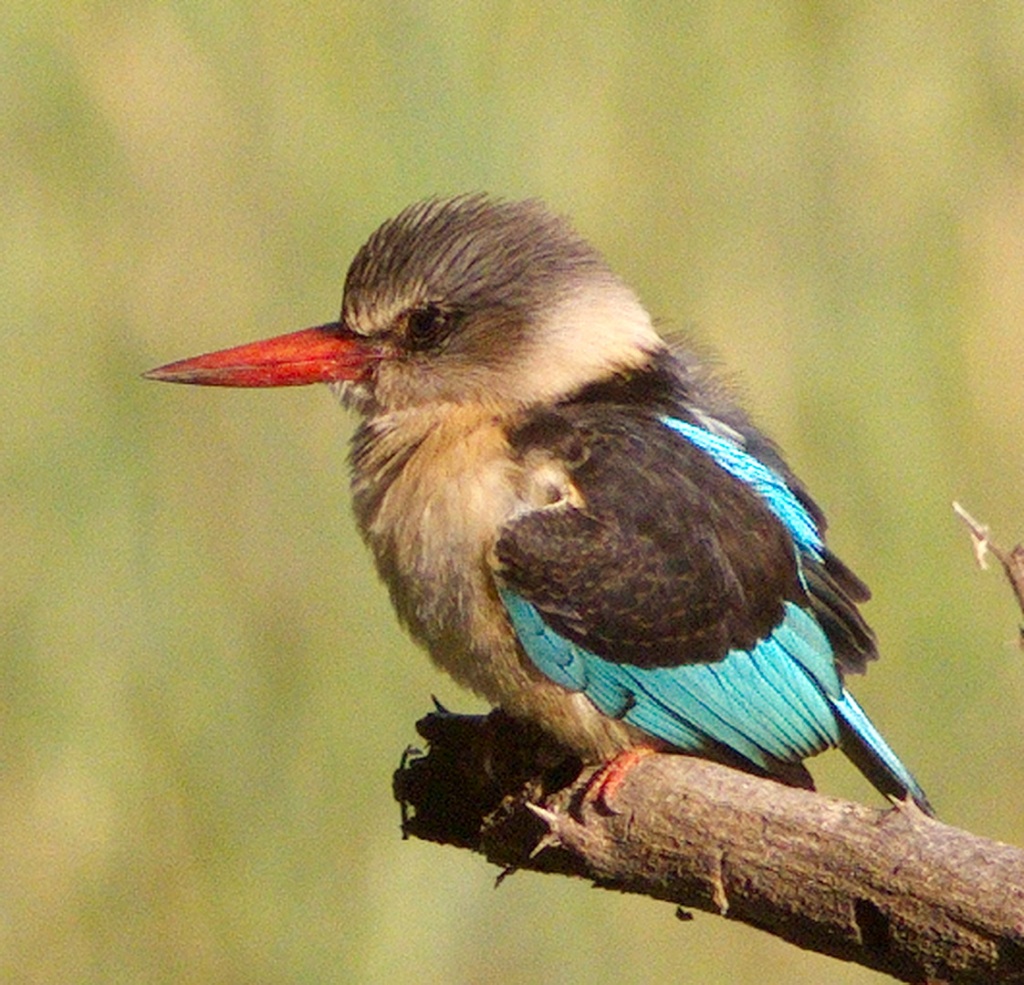
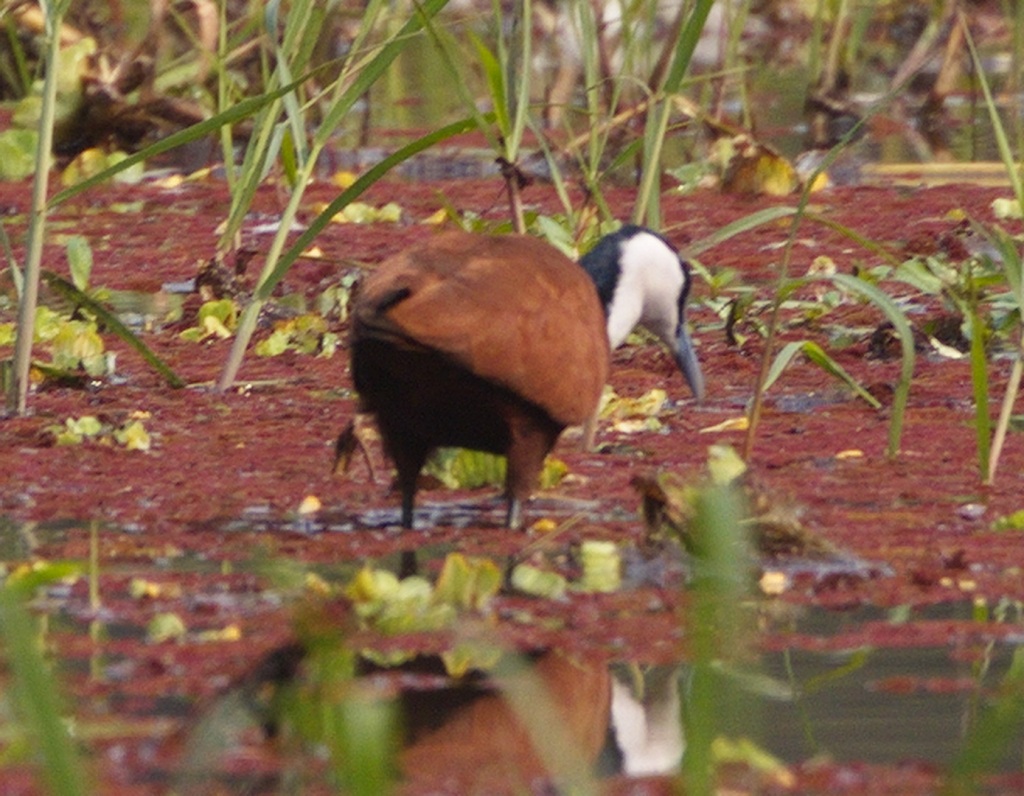
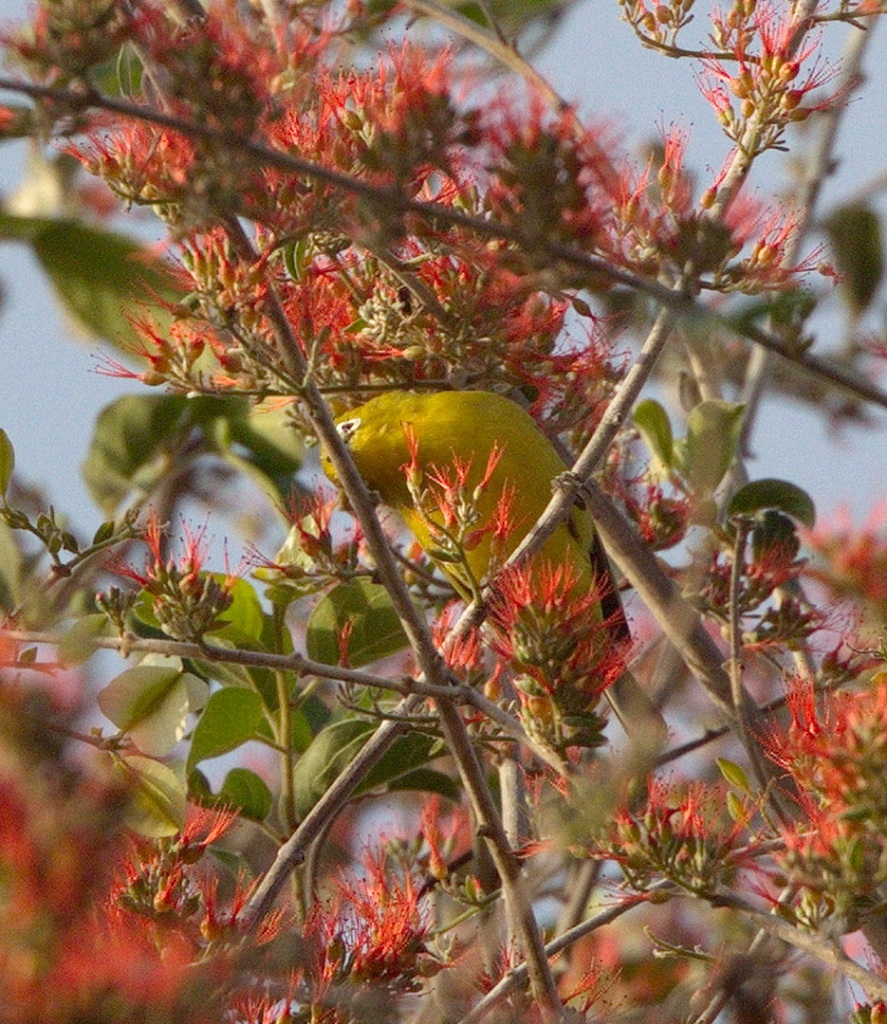
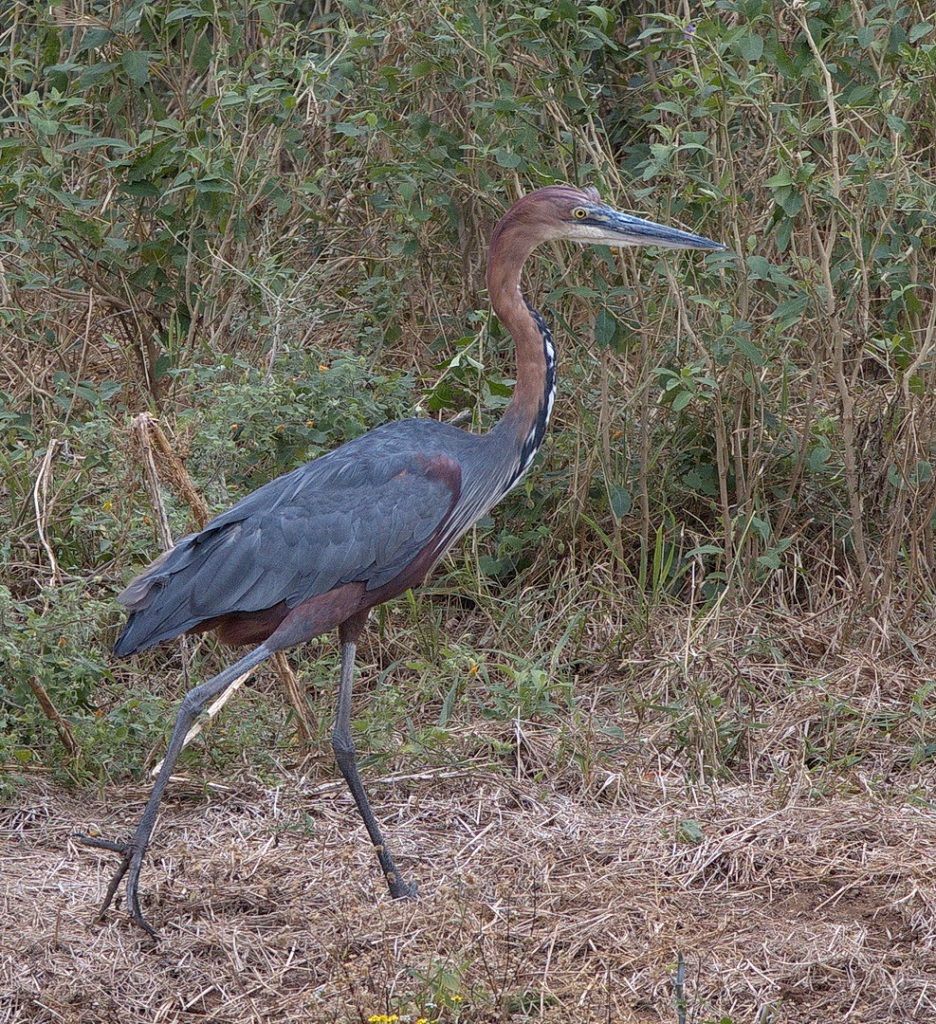
African FirefinchBrown-hooded KingfisherAfrican HoopoeAfrican JacanaAfrican Yellow White-eyeAfrican Yellow White-eyeSouthern Black FlycatcherSouthern Black FlycatcherBearded Scrub-RobinBearded Scrub-RobinGoliath HeronGoliath HeronGreen-winged PytiliaRed-capped Robin-Chat. The RCRC birdNeed IDAmethyst SunbirdWhite-browed Scrub-RobinWhite-throated Robin-ChatWhite-throated Robin-Chat
The Fever Tree Forest was the highlight of our time at Dumela.
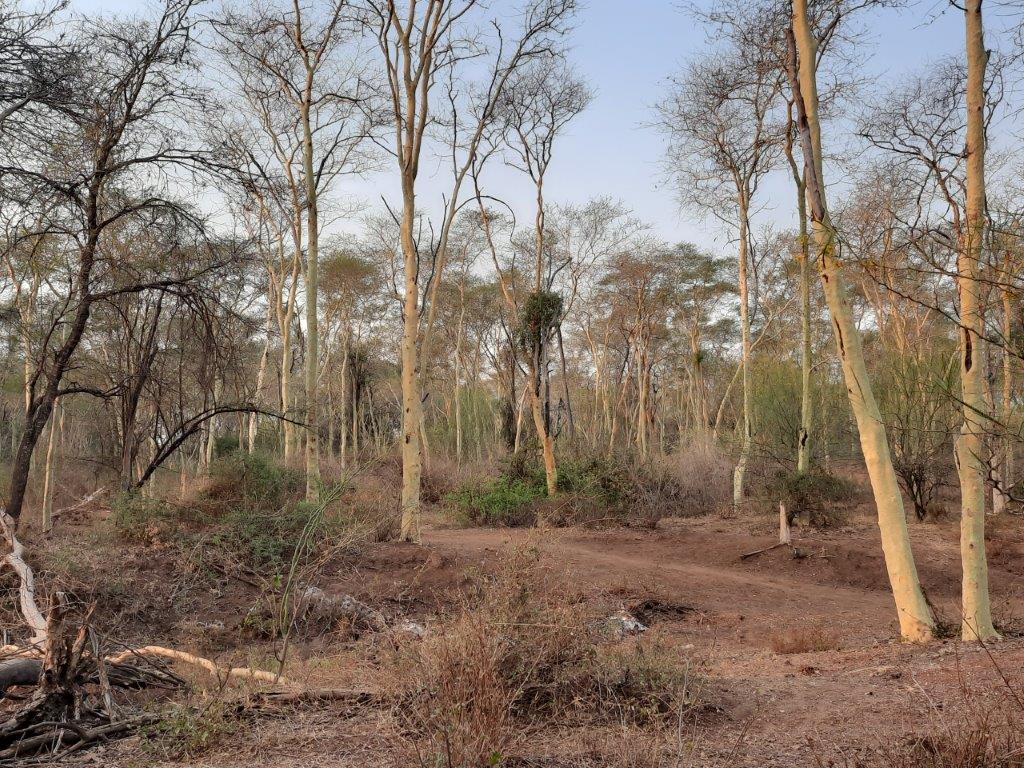
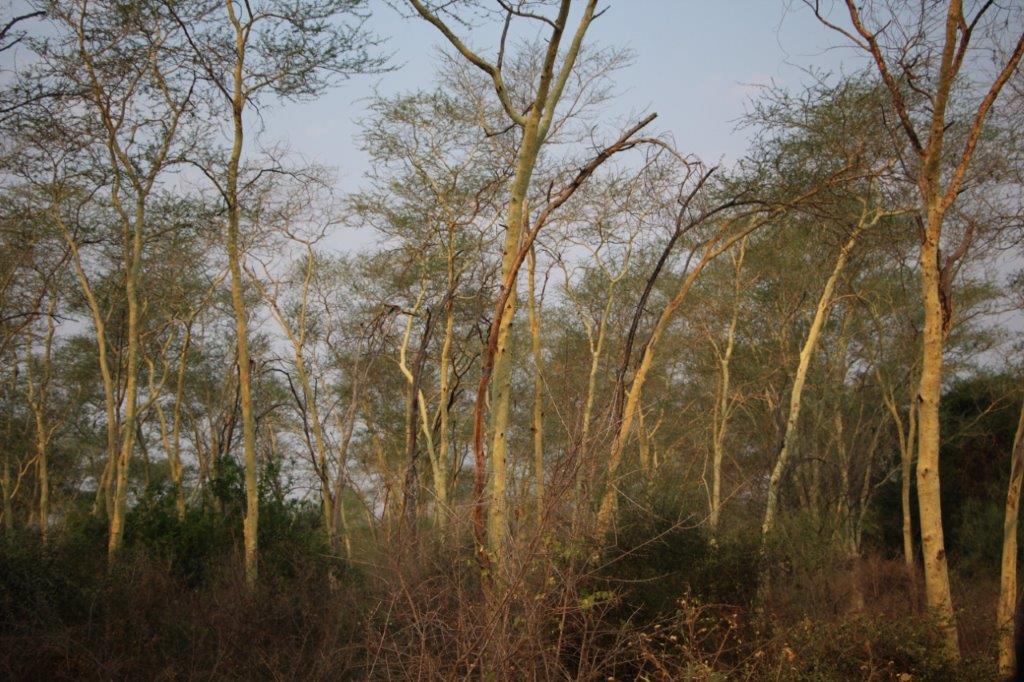
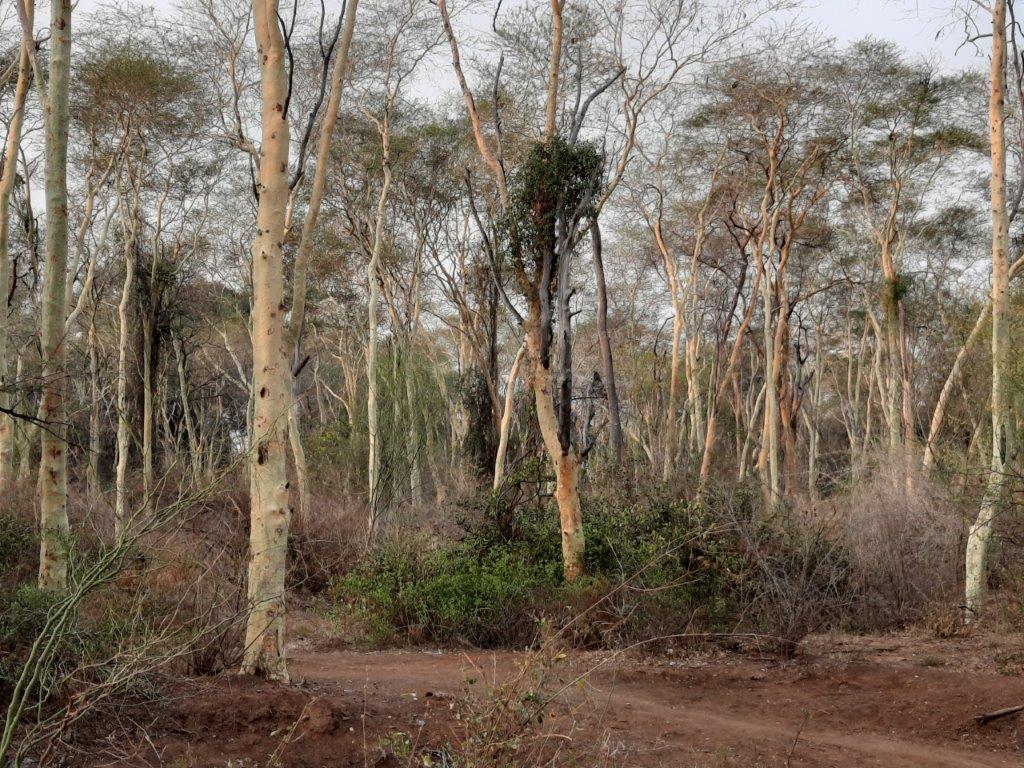
Fever Tree Forest
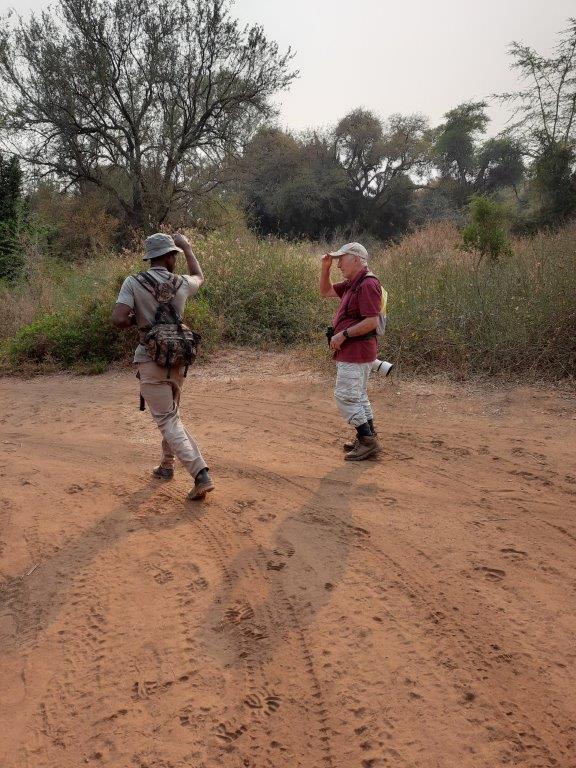
On the first day we went into the Forest on foot with the Guide and saw a number of Raptors: African Harrier-Hawk, Dark Chanting Goshawk, Black Sparrowhawk, African Fish-Eagle and an Ovambo Sparrowhawk.
The next time we went to the Fever Tree Forest we saw lovely birds, however, the highlight was a Racket-tailed Roller for a few fleeting seconds.
African Green PigronAfrican Green PigeonCrowned HornbillAnother Dark Chanting GoshawkGreater HoneyguideWhite-backed VultureA hasty shot of the Racket-tailed Roller.
We were camped under a very shady large tree. At night owls and animals were heard above us – an African Wood Owl in particular. A Fiery-necked nightjar. And in the day, birds scurried and screamed above us. Especially the Trumpeter Hornbills.
Altogether we managed to identify 91 different bird species in the four days we were there. From here it was back into the Kruger to Punda Maria, Shingwedzi, Letaba, Satara and Malelane before heading home. Our account of each of these places continues in Part 3.
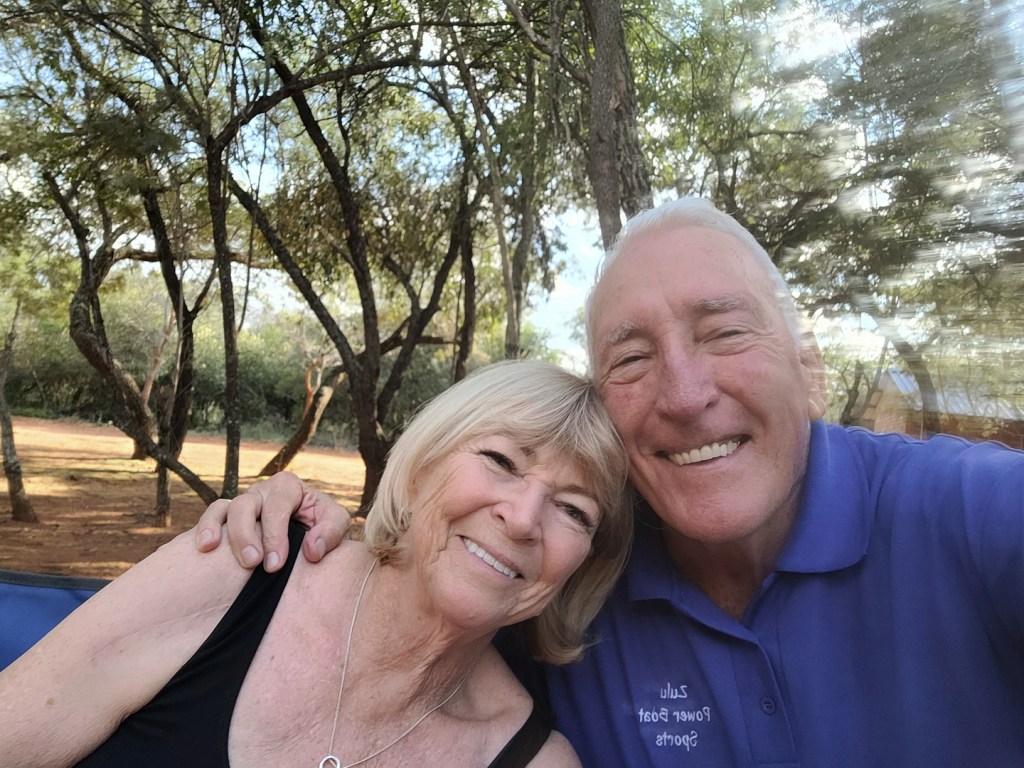
Paul and Sally Bartho
That moon again. It has followed us from Nthakeni.
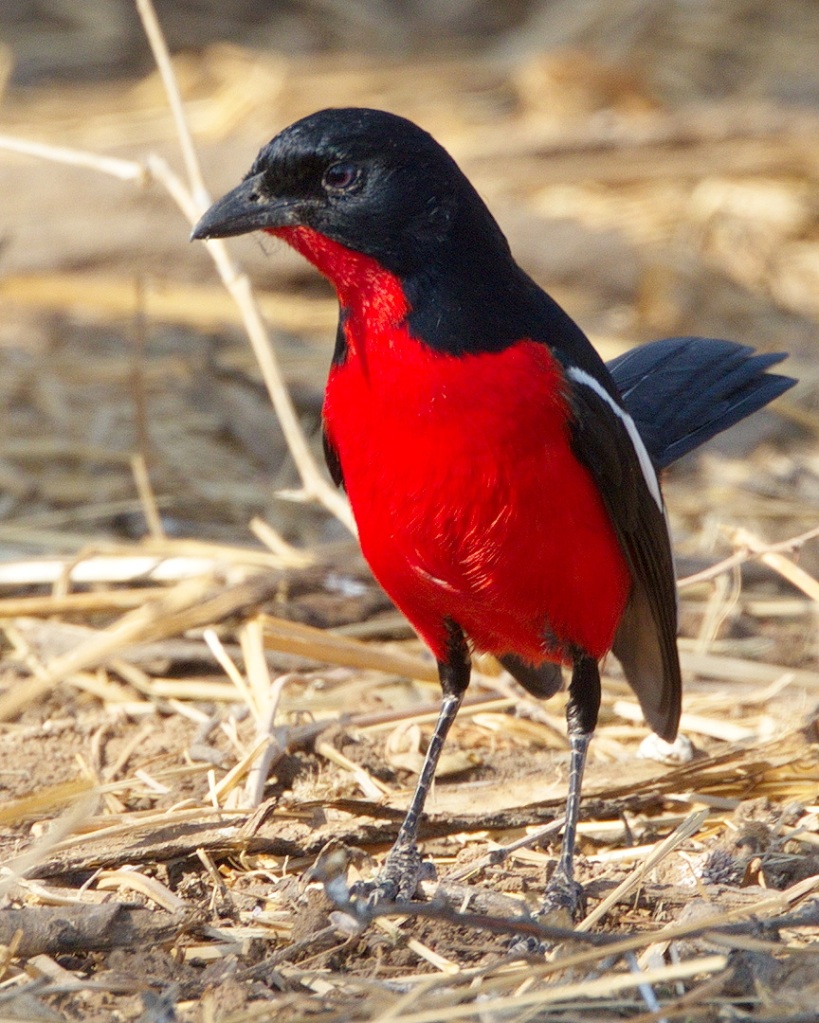
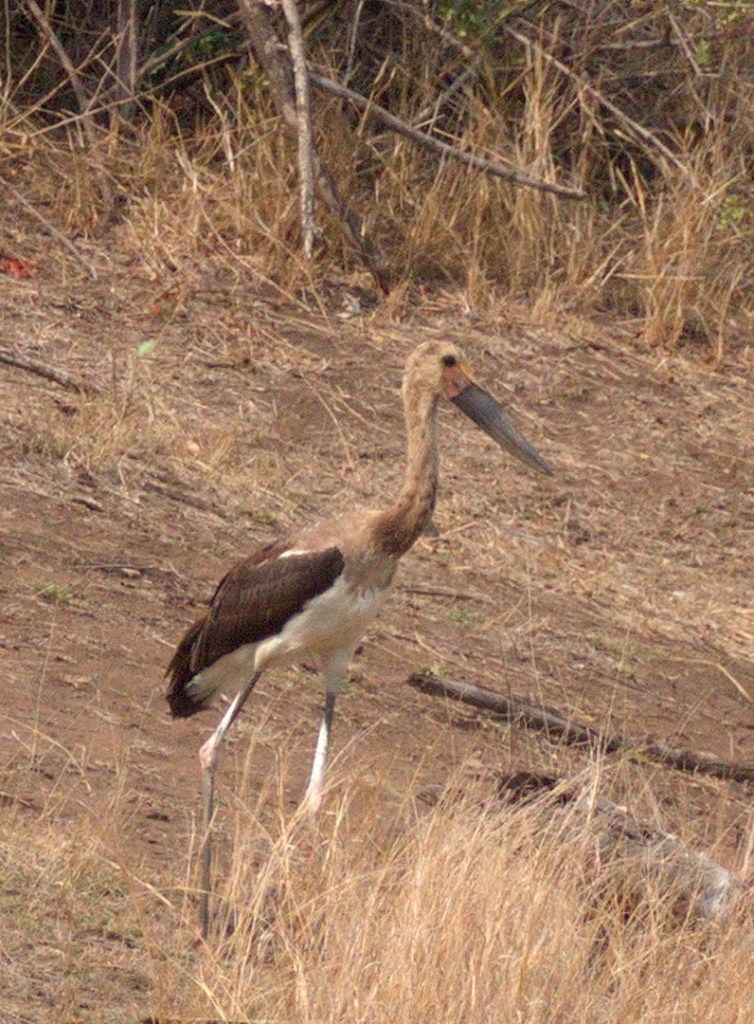
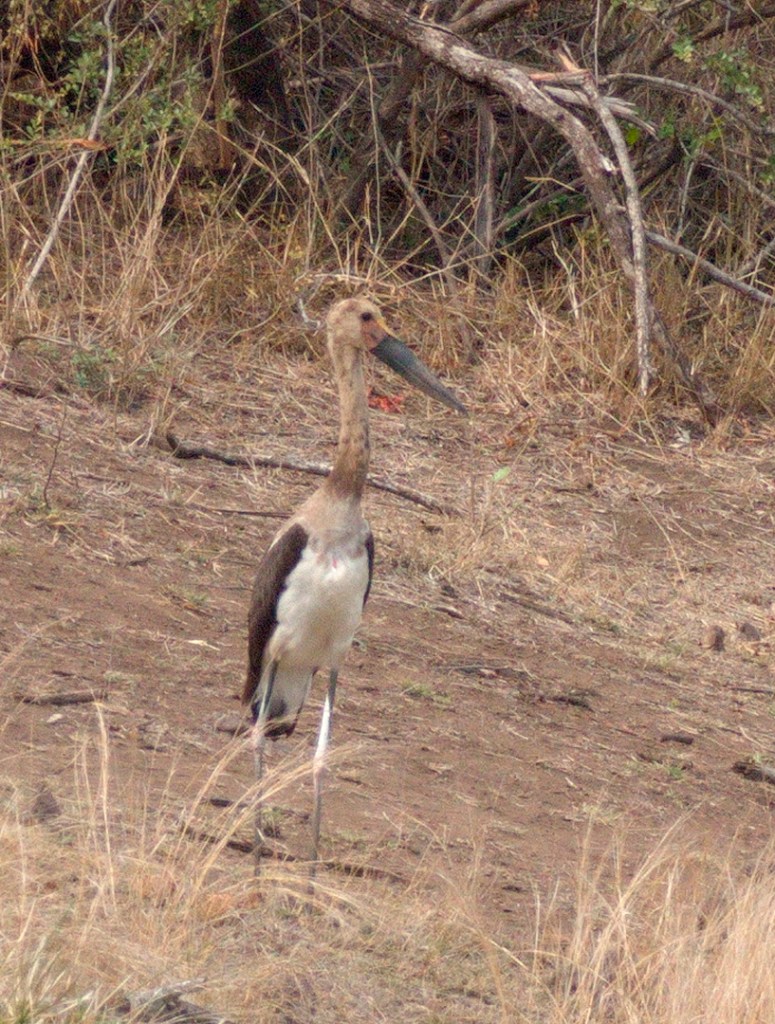
Number 1 Bird of the trip. A South African rarity.
Sally and I were planning a trip to the Caprivi in November when my sister, Natasha and her husband Dick took advantage of the half price offer for the full November month in the Kruger. As a result we changed our minds and decided to join them from November 7th onwards.
Malelane 7thNovember 2021
We began with an overnight stop at Malelane – a good resting spot after a nine hour drive from Howick.
Afrispoor Cheetah and a cold beer.Enjoying Malelane entrance scenery.
We enjoyed a short drive around the area later in the day. Even managed to see a fully maned Lion.
Sleeping with his friend nearby.
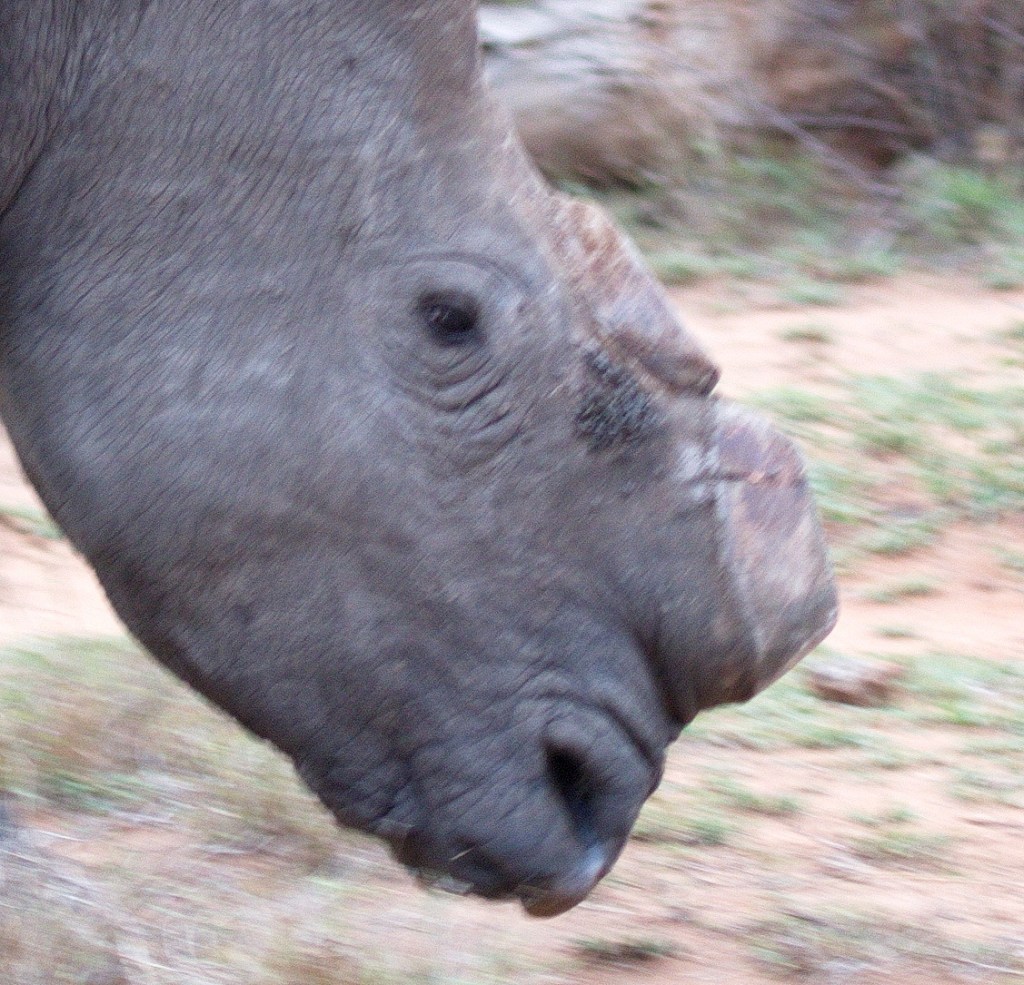
A young Hyena entertained us and a Rhino had lost its horn. There were birds too posing for a shoot out.
Crowned LapwingEuropean Bee-eaterPlayful Hyena Saddle-billed StorkSwainson’s SpurfowlShort-nosed White RhinoBroad-billed RollerBrown Snake-EagleWahlberg’s EagleWood SandpiperAfrican Mourning Collared Dove
As you may have noticed from the picture above, we had not put up our awning. We were only there for one night. So of course it rained that night. Half expecting this we put everything outside that we did not want to get wet into the boot of the car.
As I lay in bed the dribbles of rain started and my mind wandered to what else I had forgotten to do. Ah yes, I need to put the rain cover over the canvas roof over our bed. Up I got and managed to do that without getting too wet. Back to bed.
Almost asleep when it occurred to me that I should push the fridge and stove inside. Up I got again and went outside with the rain a lot stronger and did what I had to do. Back to bed fell asleep the rain now pouring down.
What was that poking me on the shoulder? Now alert and Sally asked me if I had put the rain cover on the power cable where the 2 cables met. Of course I had forgotten that too. Now it was pouring down. Not bothering to get properly clad (no neighbours) I hurriedly went outside once again and simply pulled the plug out from the Cheetah. Now fully drenched and a bit shivery, had a good rub-down and dried off and went to bed. Listening to the rain, thunder and lightening beating down and wondering what else I needed to do, I eventually fell asleep.
But not before I realised I had been bitten on the back of my neck by a bug which caused an intense burning pain. (Took over a week for it to abate). I nudged Sally to say I had been bitten. “Oh”, she said and went back to sleep. The next morning she realised how bad it was.
Satara8th to 10thNovember 2021
The following morning we went to Satara to meet up with Natasha and Dick.
Natasha and Dick
We spent 2 nights in Satara as that was all we were able to book at the time.
Our Satara Camp site with some shade.
Natasha and Dick had a camp site along the fence line so we dined with them each night, watching the Hyena patrolling just outside the fence and an African Wildcat patrolling passed us inside the fence as we enjoyed dinner and a bottle of wine.
During the day we went our separate ways to explore what was out there.
The Sweni bird hide is one of our favourite places to visit around Satara. Again it did not disappoint us. There were a number of interesting birds to see. The hide outlook:
Sweni Hide outlookSweni hide looking down to the road bridge
At the far end of the first photo above, a herd of elephants came down for a drink. Some young ones among them. As usual they were boisterous and enjoying quenching their thirst. Trouble was afoot. We noticed that a number of the pools hippos were unhappy with their presence and surprisingly advanced to within less than 2 metres with intent. To start with the ellies ignored them then feeling a bit nervous they moved off.
And the birds seen at the hide:
Black CrakeRed-billed OxpeckersRed-billed Oxpeckers having breakfastStriated Heron fishingStriated Heron fishingYellow-billed Stork
A Yellow-billed Stork was idly wandering about in front of the hide while an African Openbill had found a cosy spot to rest:
African Openbill posing as if it was nesting
African Openbill posing as if it was nesting and then along came trouble and usurped him of the resting place:
UsurperUsurper and Usurped.
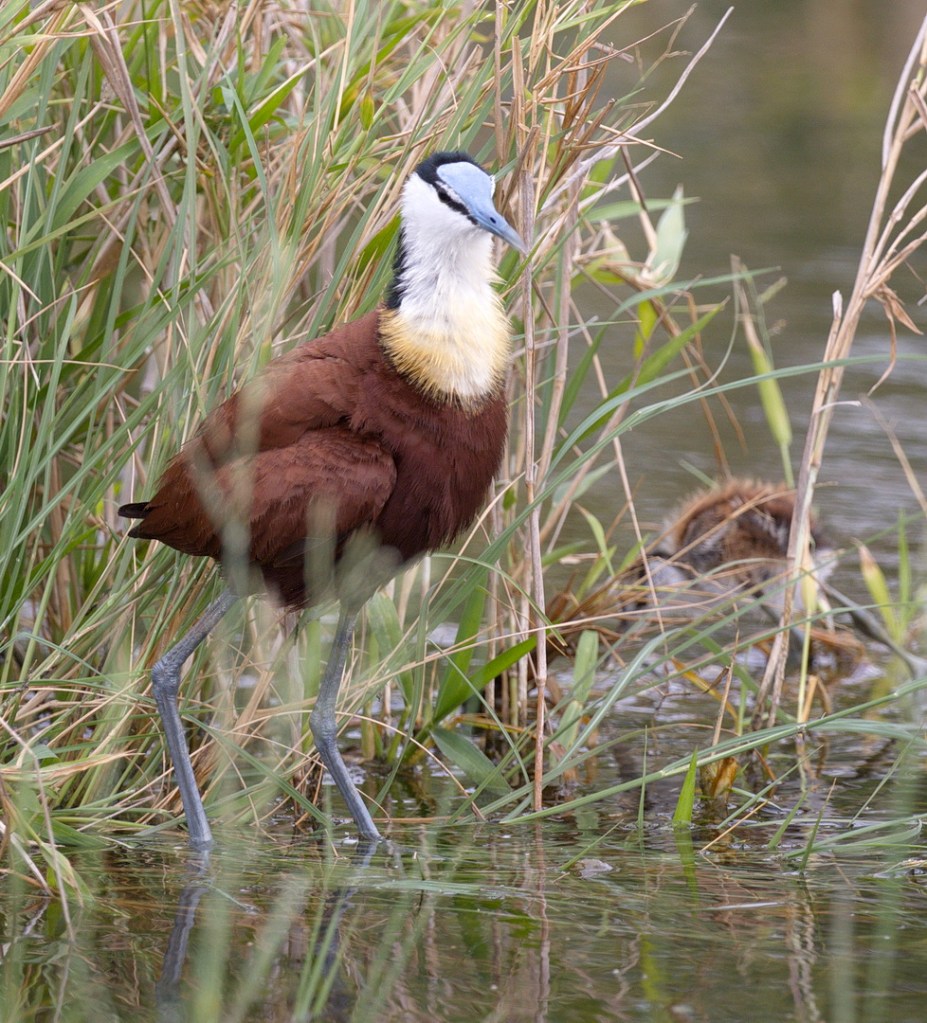
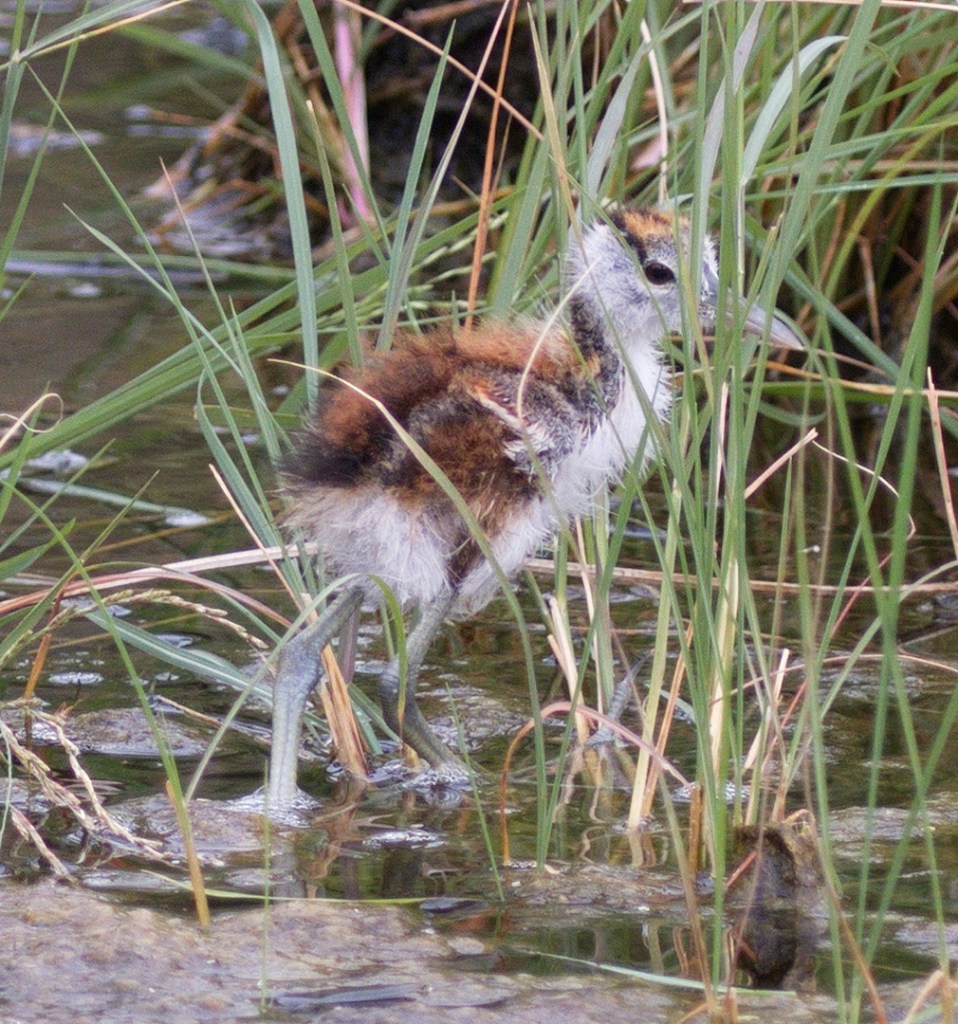
In another location we came across a male African Jacana attending its chicks.
From Satara, Sally and I left a day earlier than Dick and Tasha and headed to Tsendze for 4 nights. Dick and Tasha joined us a day later for 3 nights.
Tsendze10th to 14thNovember 2021
Tsendze is one of our favourite camps in the Kruger. It is well treed so owls are present and can be heard calling every night – Verreaux’s Eagle-Owl with its pretty pink eyelids, African Wood-Owl, African Scops Owl, African Barred Owlet and Pearl-spotted Owlet. In the morning you often wake to the sound of Southern Ground Hornbills. Magic place.
Campsite 10 next to 9 T&D’s (behind car)Path to ablutions and washup areaCampsite 10
There was an interesting campervan in one of the closest sites to the gate – even had its own vehicle attached to it.
Way to Go
Mooiplaas Picnic site is right next to Tsendze and overlooks the Tsendze river. It has a big boma for shelter from both the sun and rain as well as a picnic spot overlooking the river. Like Tsendze it is also known for its owls. Unlike Tsendze camp it is not fenced.
Looking upriverLooking downriverMooiplaas Picnic site
On your way from the camp to Mopani there are a number of short loops to explore. In the past I have experienced a herd of elephant running across one of the tracks right in front of us. Sally and I have also seen a rather large and lame Civet.
Civet seen in the past.
Anyway at the end of the last loop you can turn towards a couple of hides. One overlooking Pioneer Dam and the other an overnight hide overlooking the Tsendze river. To get there, you cross a low level bridge. There always seems to be bird activity either side of the bridge. Black Crakes have always been seen there by us. Striated Herons, Hamerkop, Blacksmith Lapwings, Water Thick-knees and other waterbirds are often there too. This time I took several photos of Blacksmith Lapwing juveniles scurrying close by.
Blacksmith Lapwing chick
One of the loops we enjoy doing is to access the S49 from the H1-6 just before reaching Mopani, drive to Mooiplaas waterhole and cut across to the S50, head north following the wetlands then turn onto the S143 – Tropic of Capricorn – past the Tihongonyeni waterhole and back to the H1-6 to return back to camp.
At the Mooiplaas we always see Chestnut-backed Sparrow-Larks. This time was no execption.
Chestnut-backed Sparrow-Lark
Along the S50 it is worth popping into the viewing points overlooking the wetlands. There, Lions tend to hang around the waterholes.
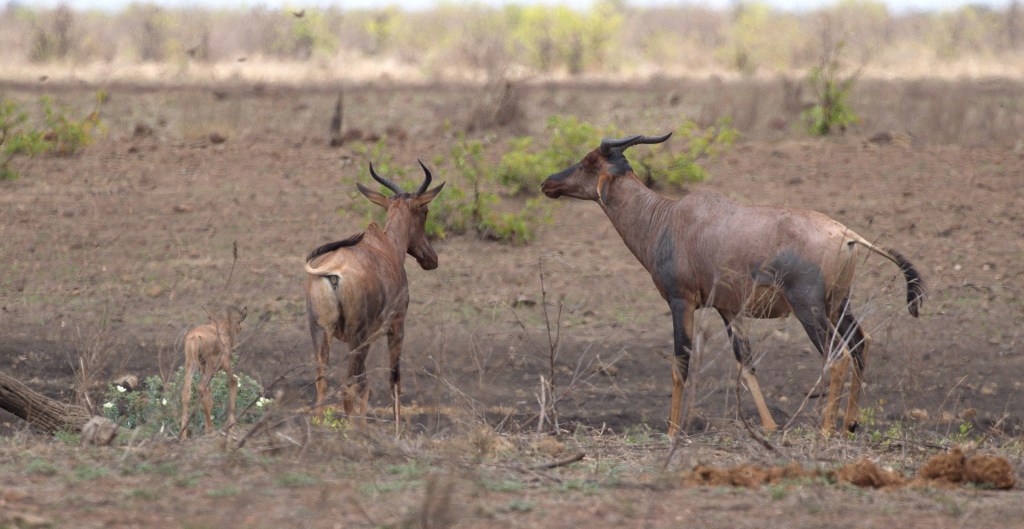
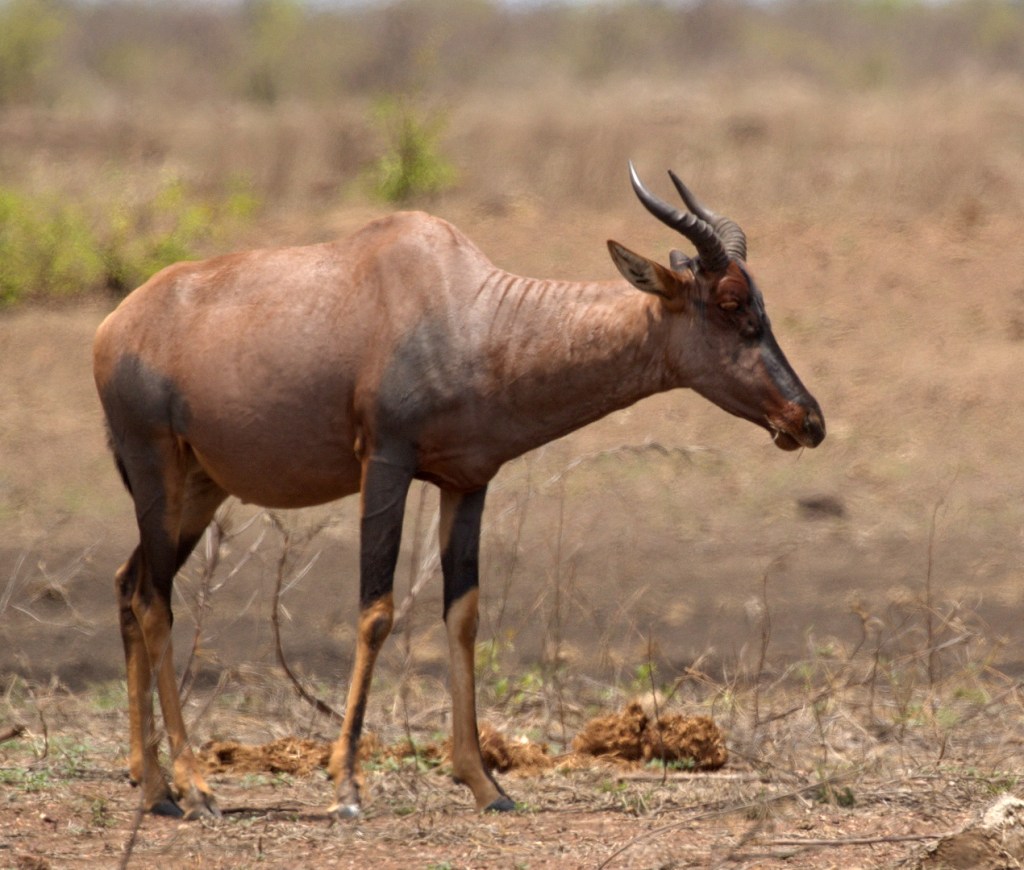
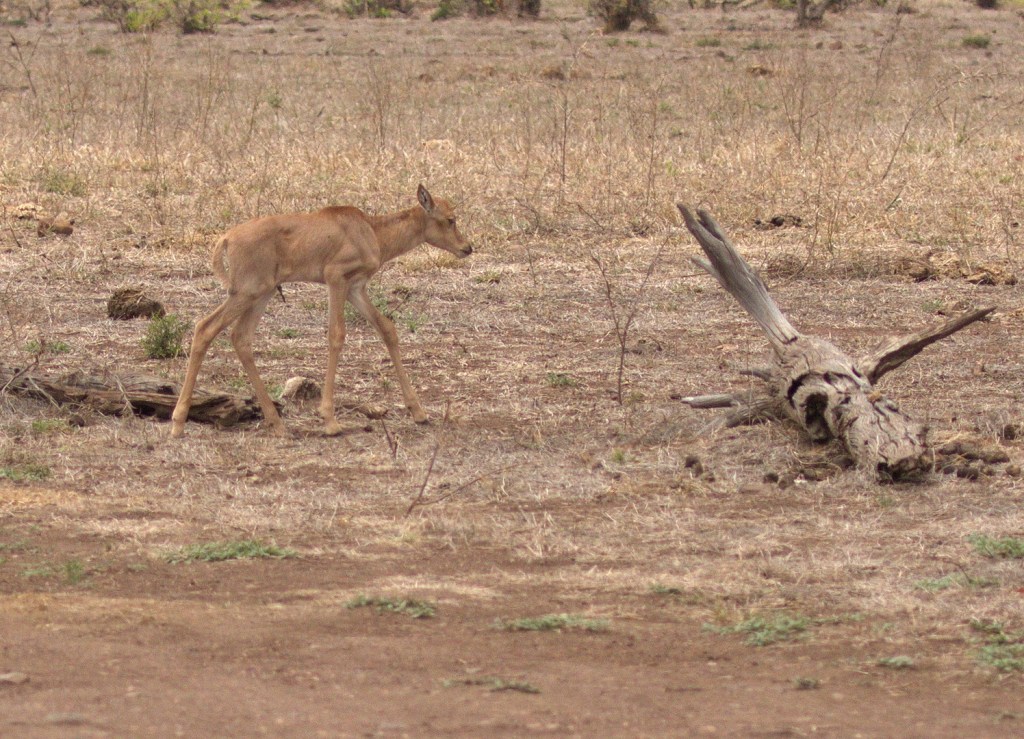
There was a surprise for us at the Tihongonyeni waterhole along the Tropic of Capricorn S143. There were several Tsessebees including a new born at the waterhole. An animal we don’t often seen in the park and usually as a loner among Red Hartebeest.
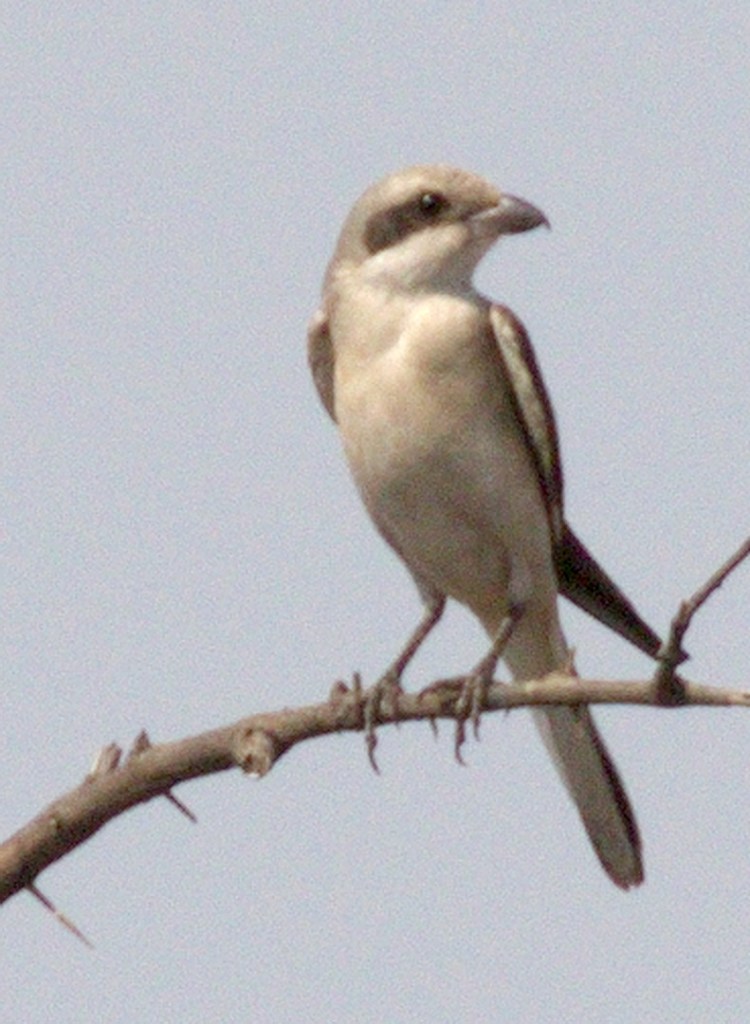
Along the way we came across Red-crested Korhaans calling beside the road and we were lucky to spot a Lesser Grey Shrike.
The weather was hot hot so we spent several afternoons in the pool at Mopani.
Views of Pioneer Dam from Mopani Camp
And then there was this large scaly-backed lizard wandering between the bungalows.
Scaly-backed Lizard about 50cm long.
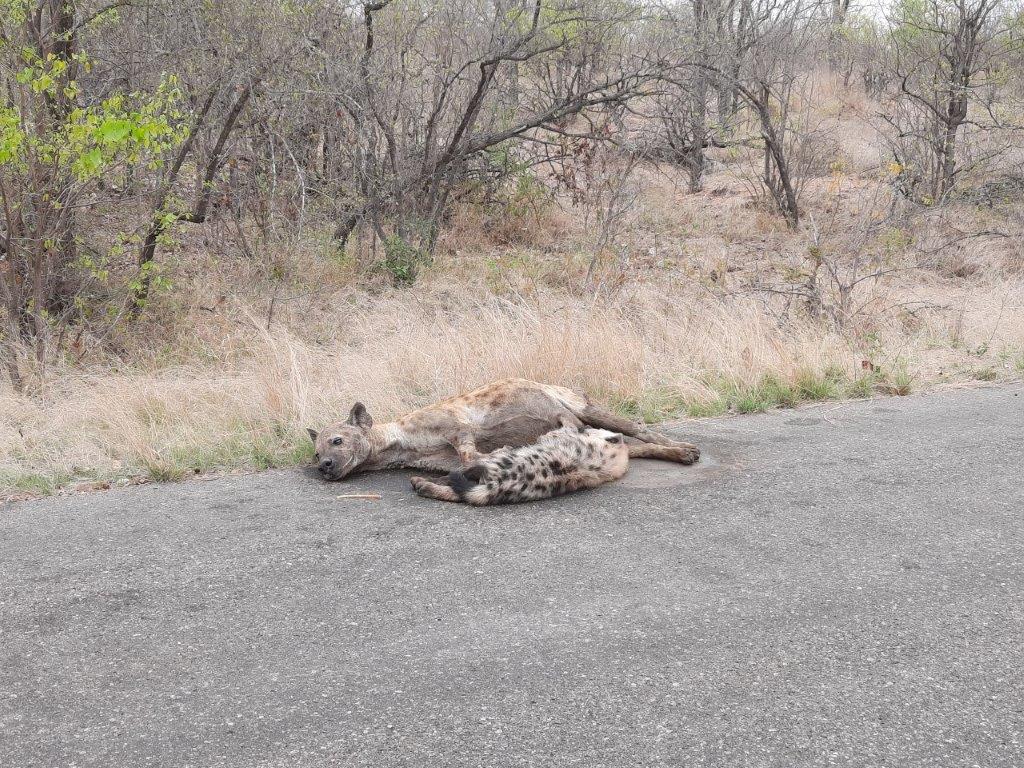
The H1-4 to Phalaborwa gate is a scenic drive and one where we have seen hyena with cubs regularly especially along the first 20 kms from the H1-6. This time was no exception.
Hyena and suckling pup
Further down there is a low level bridge crossing the Letaba River. It crosses a wide stretch of the river and has a “stop and view” parking area half way across. The last two times we visited we have seen two male Greater Painted Snipes and this time was no different.
Greater Painted Snipes – males.
A bit further along there are a couple of short loop roads going down to the river. On one of these loops we sighted a Groundscraper Thrush singing away.
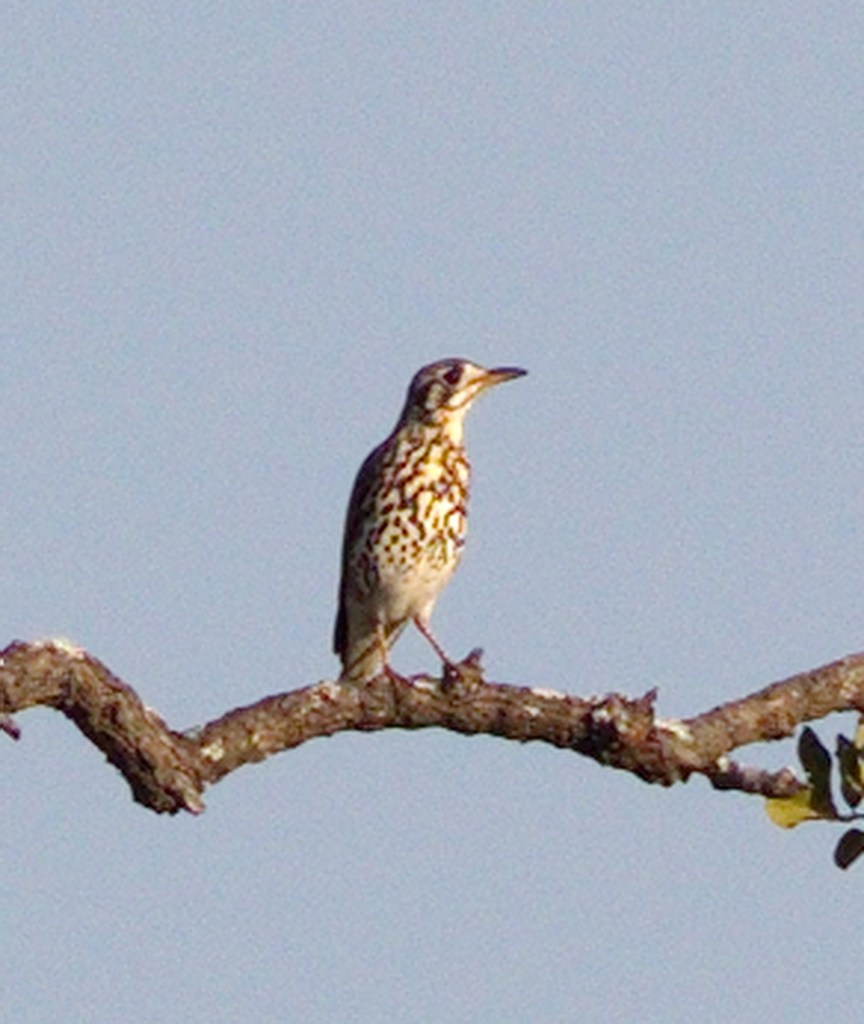
Groundscraper Thrush
We headed on towards the H9. About 6kms before the H9 we came across a large Kopje on our left. It was here that we observed a Southern Ground Hornbill nesting site. There were several on the ground and a couple few out of the nest.
Nest half way up in the photo.Juvenile
And then we were on our way to visit Sable Dam just the other side of the H9. Relatively quiet except for a herd of what looks like sock-wearing elephants.
A couple of these elephants had a bit of a tussle.
Also seen there was a blue-tongued leguaan, a blue-headed lizard, a crocodile and a Three-banded Plover chick.
After leaving Tsendze we headed north to Punda Maria via Shingwedzi. Here we had our first bit of excitement – though not the sort which I find enjoyable. We had just turned onto the road to Shingwedzi when we spotted a small herd of elephants with young well ahead of us. I stop immediately. You definitely don’t want to have to reverse quickly towing a trailer.
They keep crossing the road but one or two linger – the naughty young ones of course. After a while several cars passed us and we watched as they crawled passed the elephants. Getting a bit more courage I too amble forward slowly. As I start to go passed one of the youngsters decided that he would have a bit of fun at our expense and blew his little trumpet and came for us. My foot was ahead of him and well to the floor on the accelerator! We got through but not without an adrenalin rush.
On the way from Shingwedzi we bumped into an immature Bataleur on the road devouring his meal oblivious to us. Sad day for the Burchell’s Coucal.
Bataleur – juvenile. And the remains of a Burchell’s Coucal.
Then it was on to Punda Maria. Despite our five nights at Punda we were disappointed with the variety of species seen in the area – specifically at Pafuri. Klopperfontein Drift and the road to Pafuri was also quiet. However we enjoyed the Mahonie loop around the camp especially on the Sunset drive when we had one of those special moments.
We spent two mornings in the Pafuri area but found few of their specials. All of the following eluded us – not that we expected to see them all: both Spinetails; Dickinson’s Kestrel; Arnot’s Chat; Pel’s Fishing Owl; Senegal Lapwing; Grey-backed Cameroptera; Thick-billed Cuckoo; Racket-tailed Roller; Lemon-breasted Canary; Green-backed Eromomela. However we did hear a Tropical Boubou and a number of White-crowned Lapwings.
White-crowned Lapwing showing its spurs
Definitely our worst sighting there occurred on our first visit at the turn-off towards the picnic site. Three Common Mynahs.
We did have a couple of better moments when we observed what appeared to be an acrobatic duel between two raptors. They eventually perched in the same tree. One was an adult African Hawk-Eagle – very black and white. The other was rufous. Checking our books we realised it was a juvenile of the same species.
African Hawk-Eagle – parent
African Hawk-Eagle – juvenile
African Hawk-Eagle – juvenile
The other bit of interest at Pafuri was in the campsite. We noticed two Red-chested Cuckoos flying around together. One was obviously a juvenile as its bib was only just starting to show. So what was this all about? Especially as juveniles are not looked after my their natural parents but by a host bird. One explanation was that the juvenile was a female and they were courting. Could there be another?
Red-chested Cuckoo – juvenile
Red-chested Cuckoos – male and female (juvenile) presumeably in courtship
Our first sighting of a Red-backed Shrike occurred here. One of only 3 we saw in the park. The other two in Balule and Skukuza.
Red-backed Shrike
Some of the other sightings we had in the Pafuri area included:
African Fish-Eagle – juvenile
African Fish-Eagle
Brown-hooded Kingfisher
Common Greenshank
Cut-throat Finch
Cut-throat Finch
Dusky Indigobird
One rather fat Crocodile
Giant Kingfisher – male or female or both
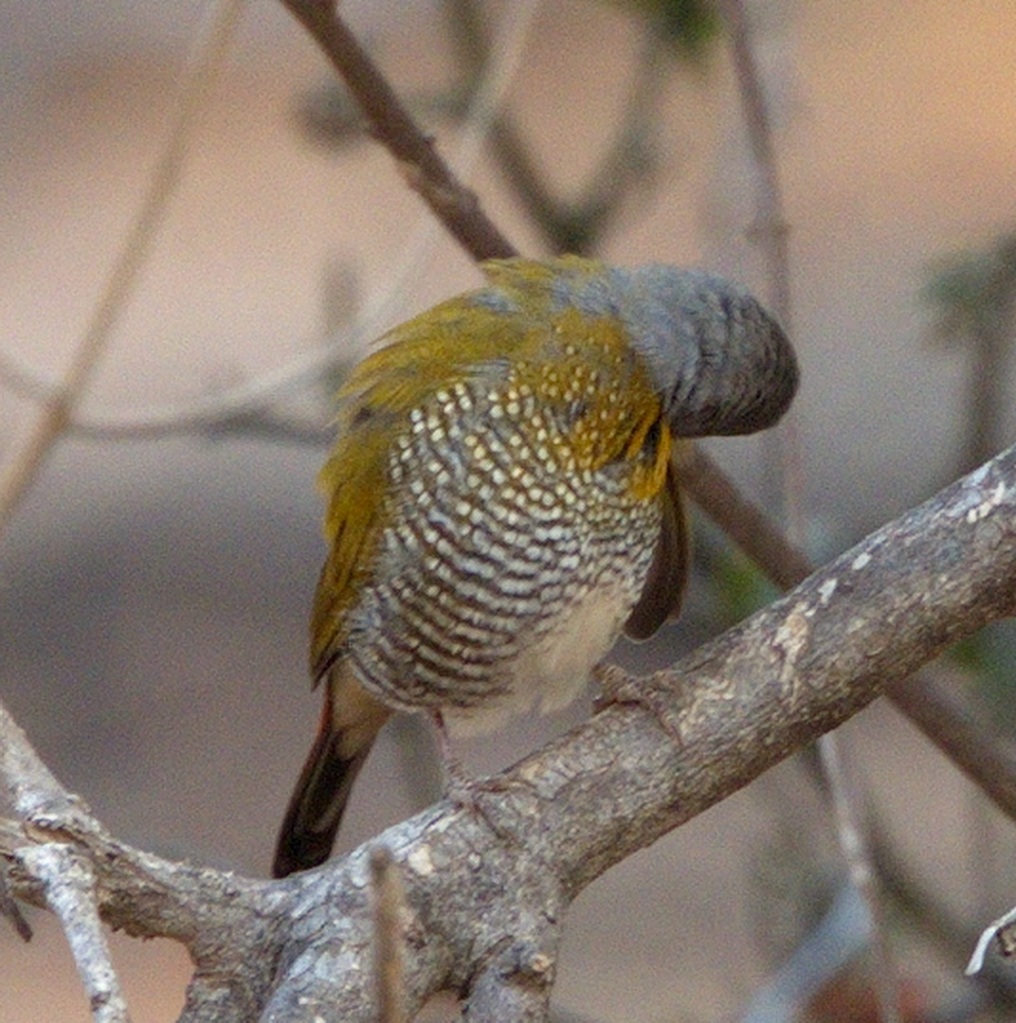
Green-winged Pytilia
Green-winged Pytilia in transformation
Green-winged Pytilia – with head on its pillow
Jameson’s Firefinch
Meve’s Starling
Mosque Swallow
Red-headed Weaver – juvenile
Secretarybird
Secretarybird
Secretarybird
Southern Ground-Hornbill
Spectacled Weaver – juvenile
Squacco Heron
Tawny Eagle
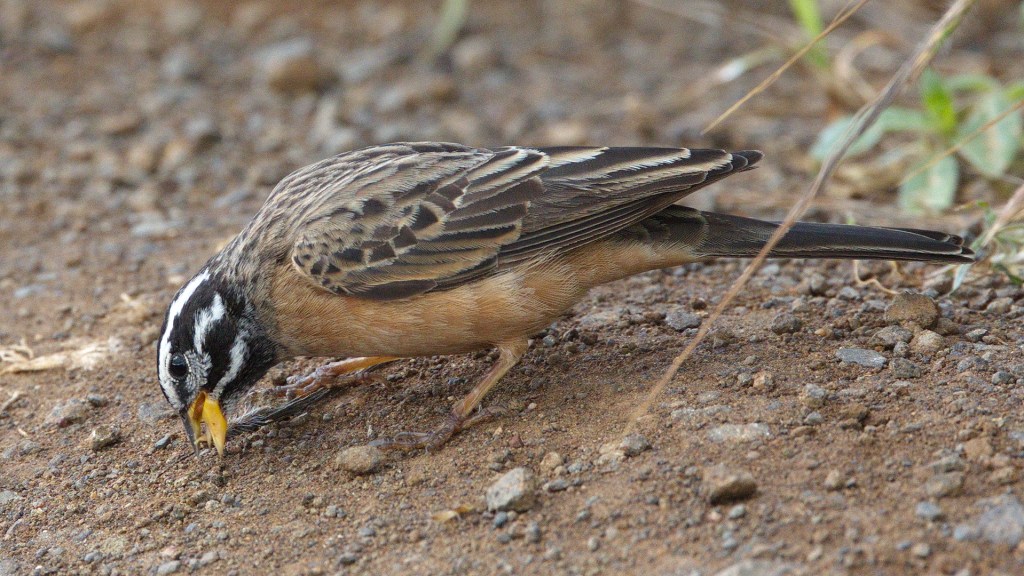
Cinnamon-breasted Bunting
We trawled the road to Pafuri for Arnot’s Chat and Dickenson’s Kestrel without luck.
In total we saw 115 different species in the Pafuri area.
Most of our time birding in the Punda Maria area occurred on the Mahonie Loop.
On our first morning as we went clockwise around the Mahonie Loop, we had another of those unexpected unwanted moments. Being charged by an adult elephant in musth.
It appeared to be minding its own business munching away some 100 metres from the road. We crawled along and before we could pass he suddenly turned and raced towards us – with intent it seemed. Flat out we raced away. After less than a kilometre our road was totally blocked by a fallen tree. The signs of the elephant were there – his doing. There was no way I was going back. After sorting out the rather thorny vegetation and shifting some large rocks we were eventually able to get round the obstruction.
Further along we had a number of pleasant raptor sightings including African Hawk-Eagles camouflaged in the trees above us as well as a tagged Cape Vulture.
African Hawk-Eagle
African Hawk-Eagle
African Hawk-Eagle
Cape Vulture -tagged
Hairstyles caught our attention on these two birds: An African Paradise-Flycatcher and a Brown Snake-Eagle:
Brown Snake-Eagle
African Paradise-Flycatcher
Along with a number of other birds seen on the different days on the loop and in the camp:
African Green-Pigeon
African Goshawk
Brown Snake-Eagle
Black-headed Oriole
Broad-billed Roller
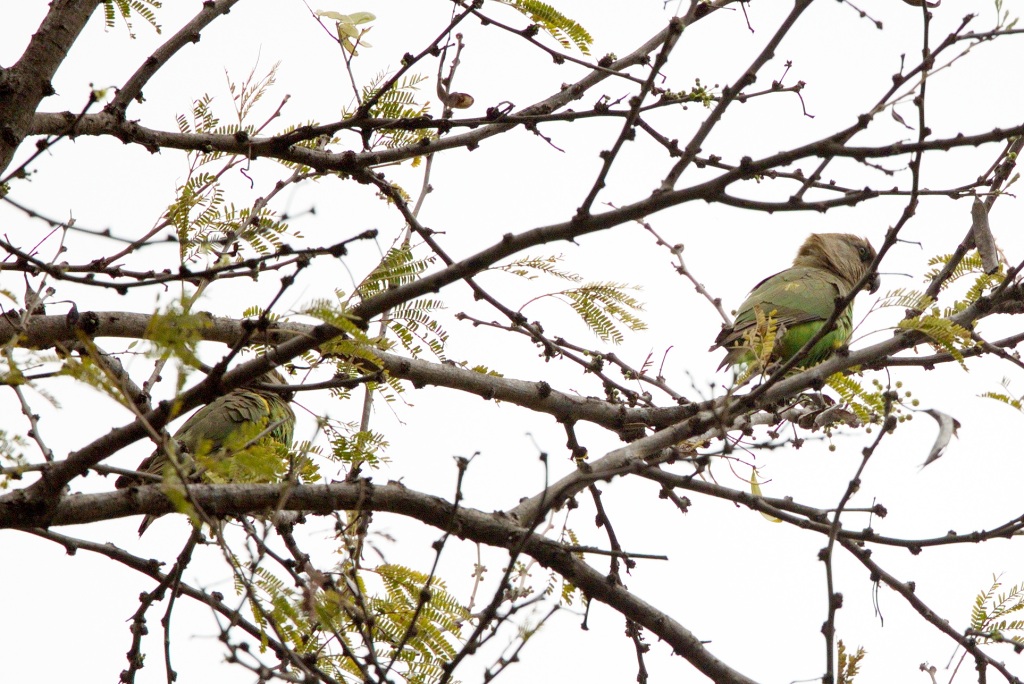
Brown-headed Parrot
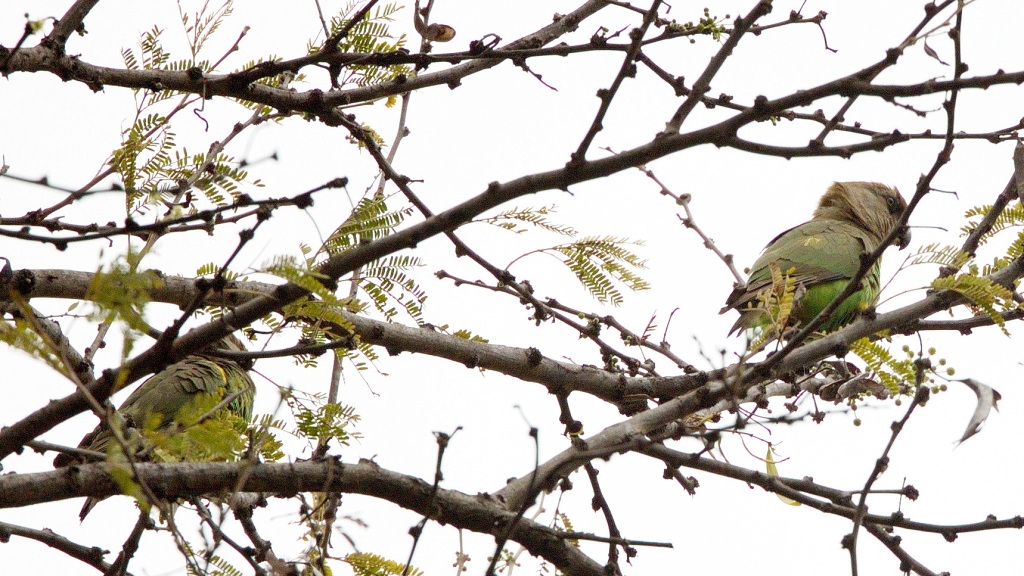
Brown-headed Parrots
Brown-headed Parrots in flight
Brown-headed Parrot
Klaas’s Cuckoo – female
Lesser Honeyguide
Levaillant’s Cuckoo
Marabou Stork
Mosque Swallows
Pearl-spotted Owlet
Common Buzzard
Crested Guineafowl
Dwarf Chameleon
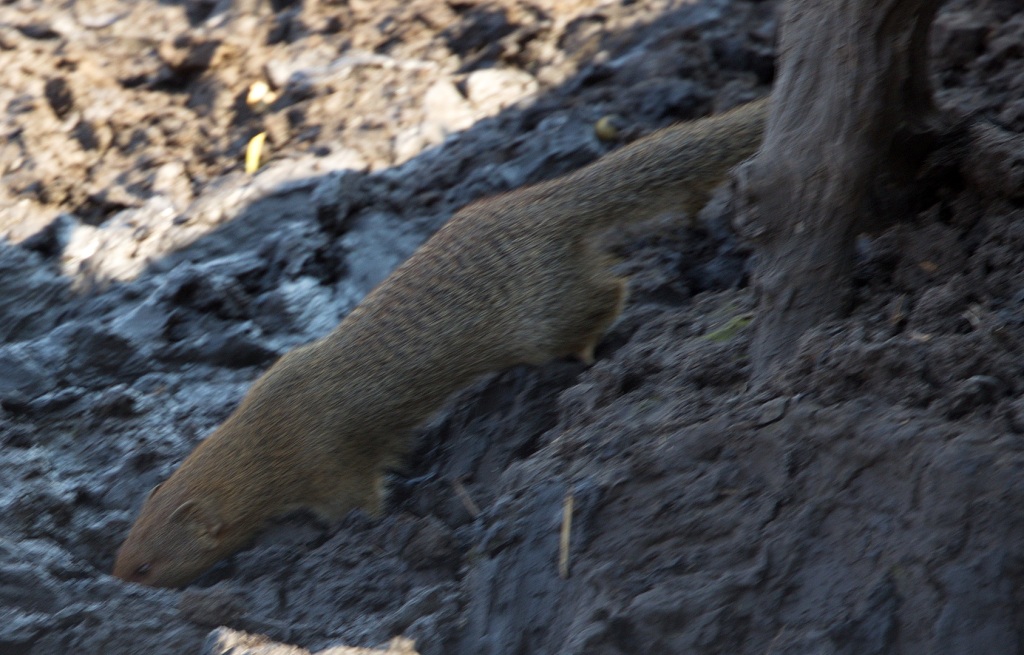
Dwarf Mongooses
Greater Blue-eared Starling
Grysbok
Hooded Vulture
House Sparrow
Violet-backed Starling
Wahlberg’s Eagle – Pale Morph
Wahlberg’s Eagle – Pale Morph
Scarlet-chested Sunbird
Southern Boubou
Striped Kingfisher
Yellow-bellied Greenbul
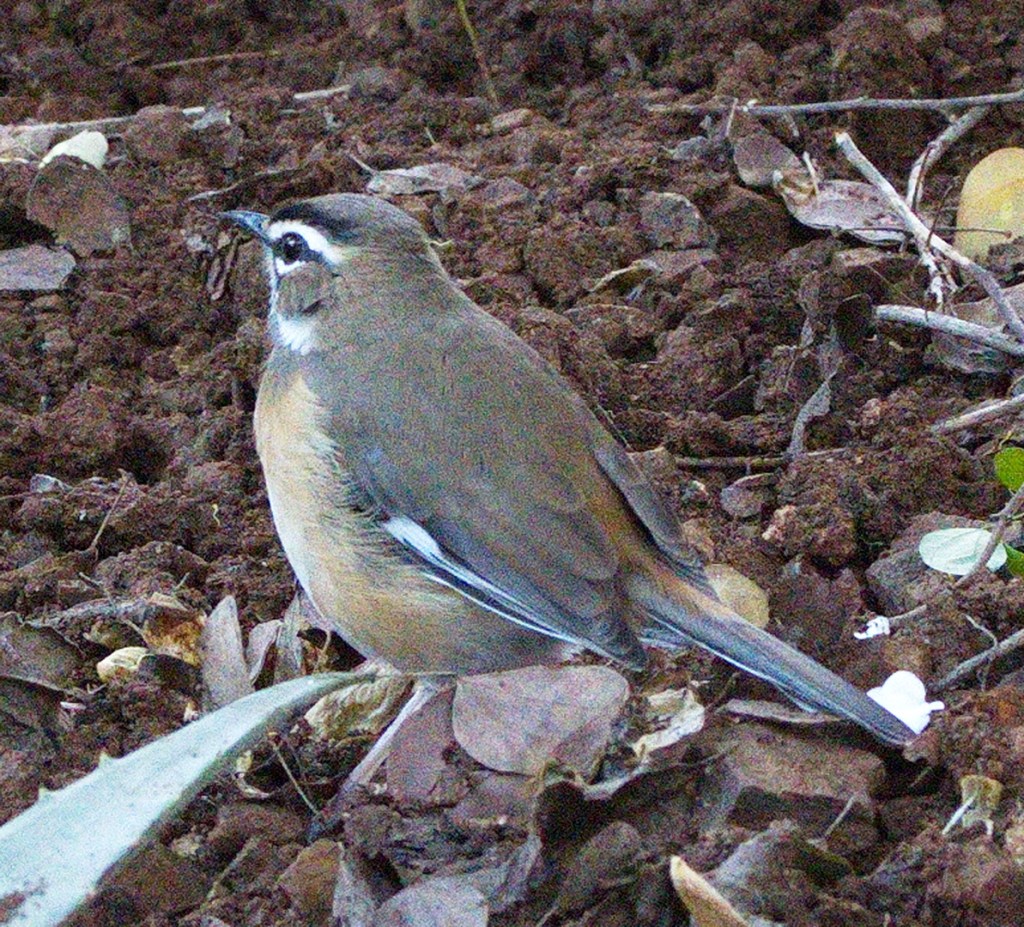
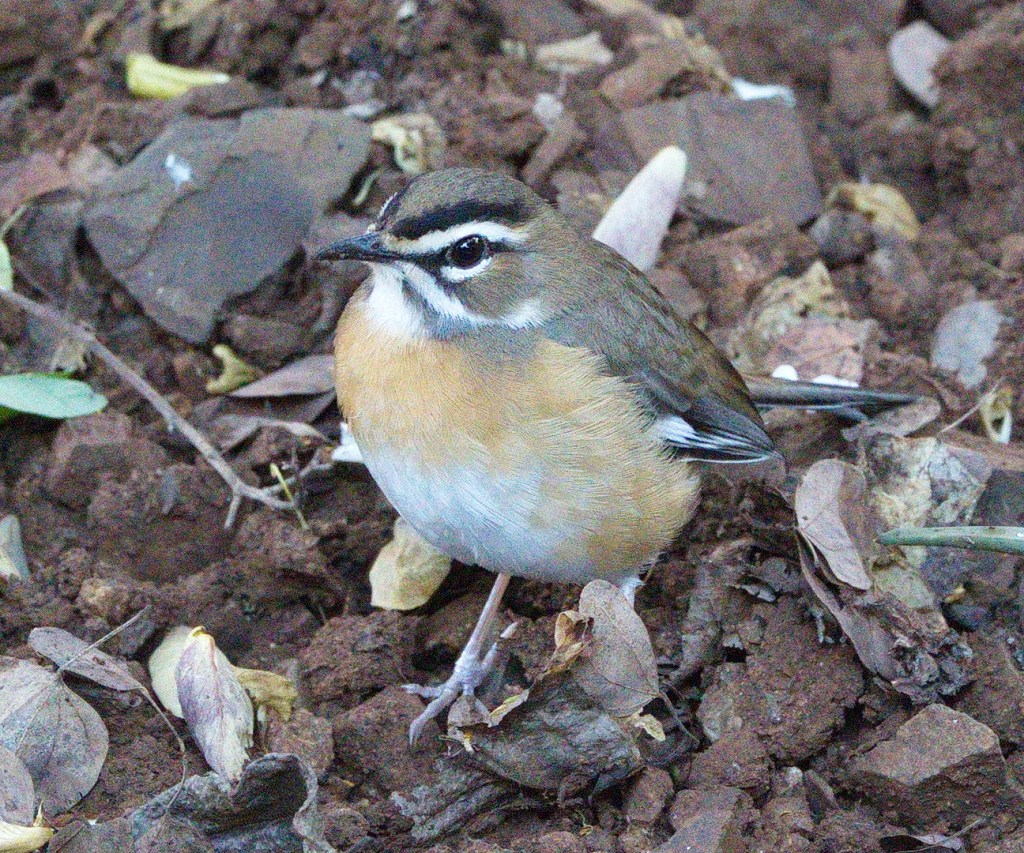
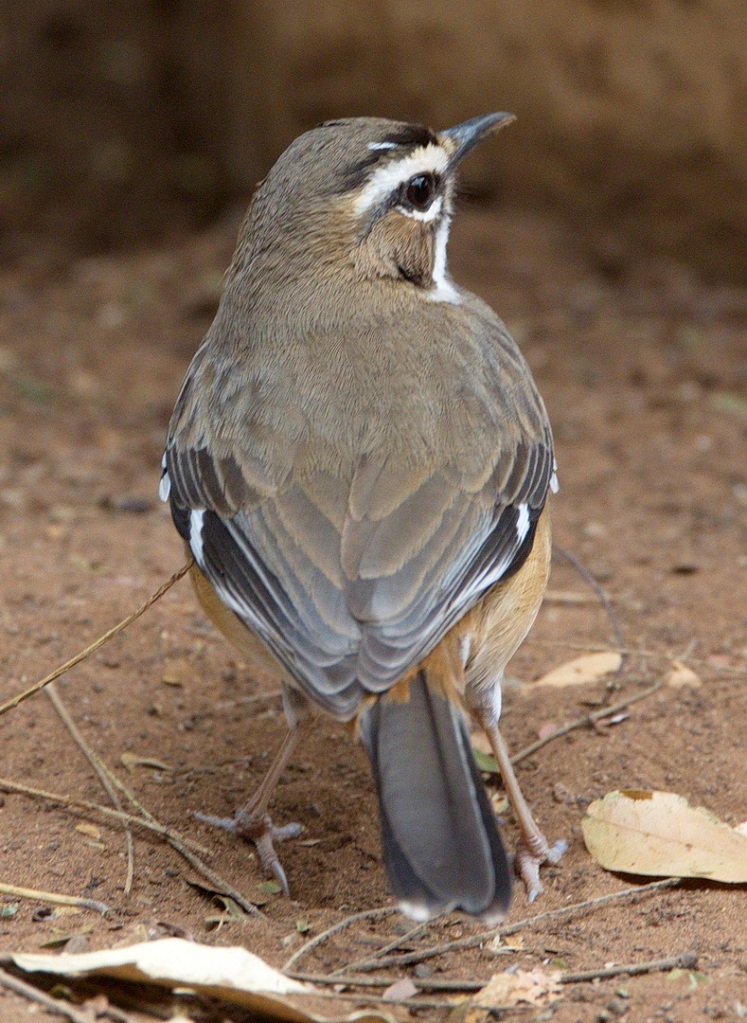
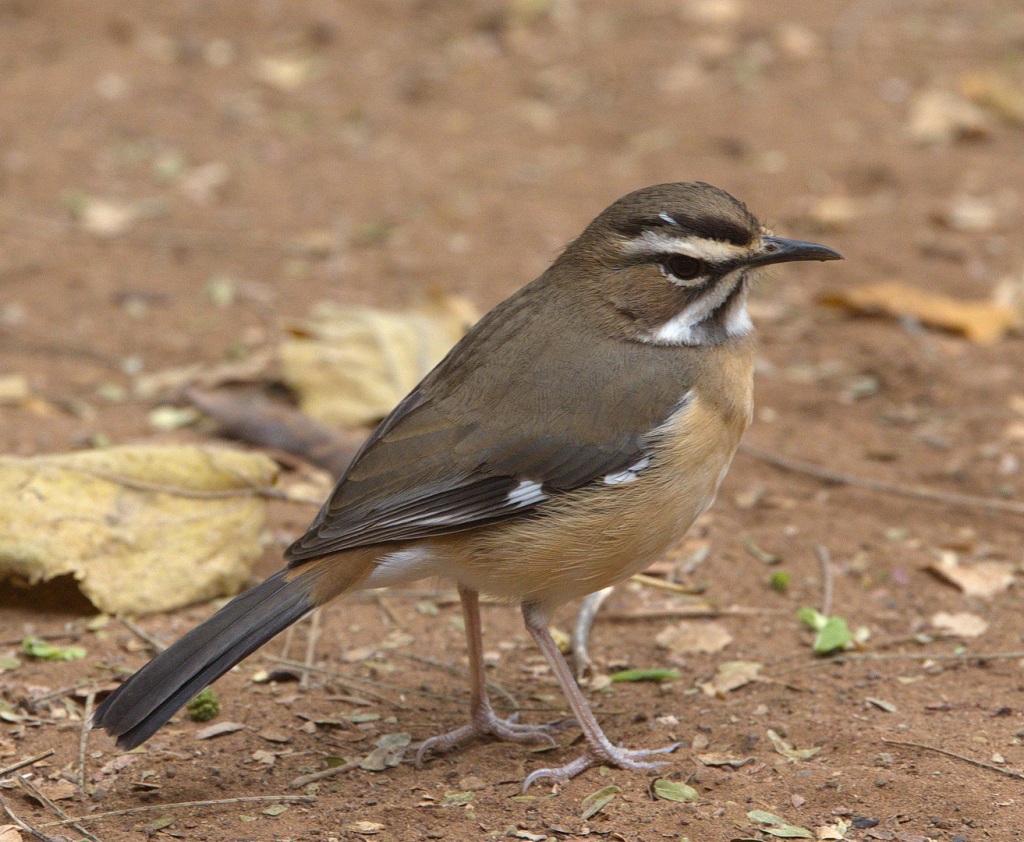
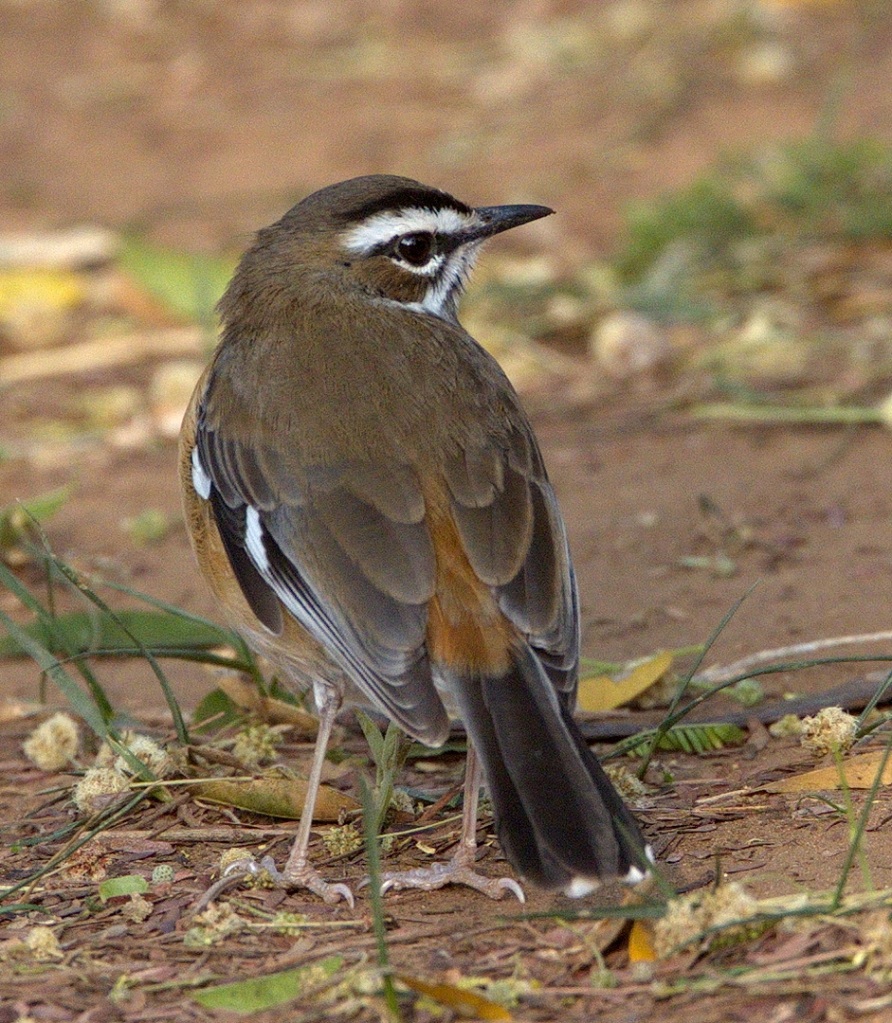
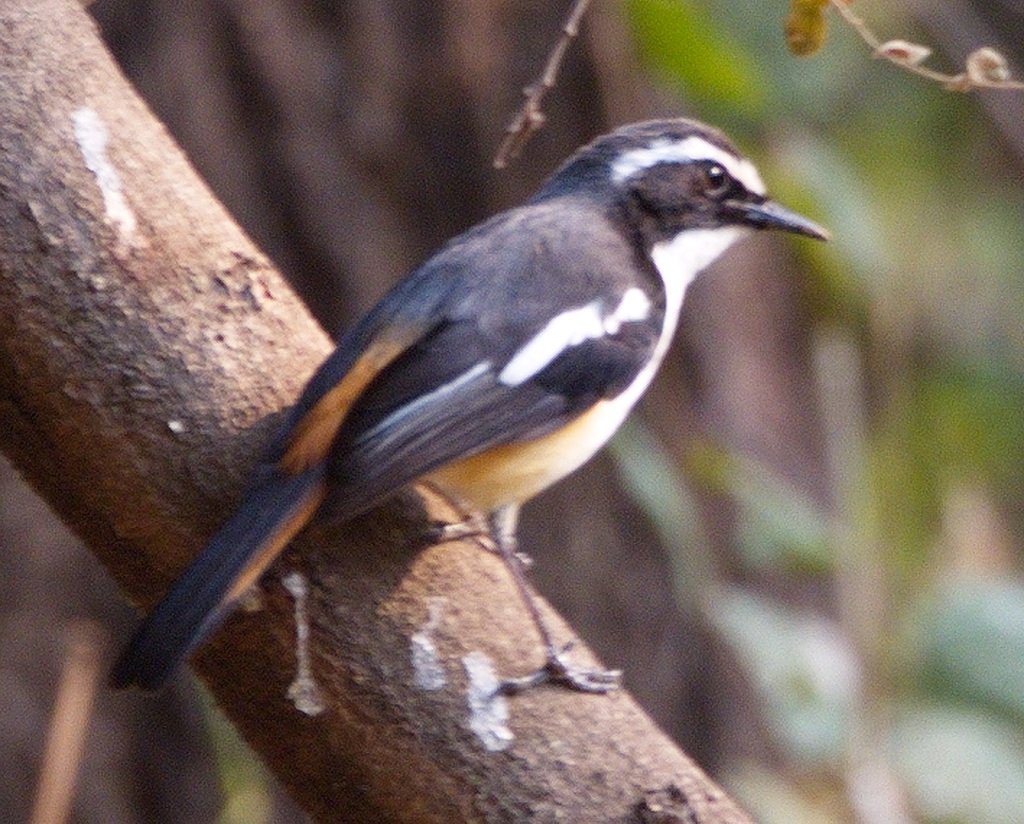
In the camp, near the office, we had good views of four different Robins – Bearded Scrub-Robin, White-browed Scrub-Robin, White-browed Robin-Chat and White-throated Robin-Chat
Bearded Scrub-Robin
White-throated Robin-Chat
White-throated Robin-Chat
White-browed Robin-Chat
White-browed Scrub-Robin
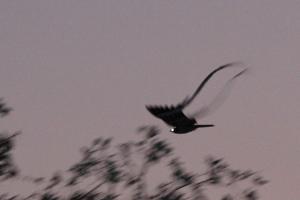
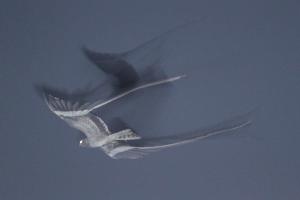
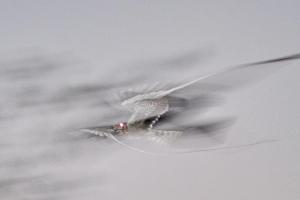
The highlight of our whole trip was the spectacle we had on the Sunset drive around the Mahonie Loop. This is something which all birders should see at least once in their lifetime. We were taken to a donga, alighted from the vehicle and told to sit quietly in the donga. Then as dusk arrived close to 18h30 four birds appeared – a female and three calling males. They flew all around us sometimes as close as three metres above our heads. On occasion they settled on the ground. What a fantastic way to see Pennant-winged Nightjars with their long streamers. I apologise to the photographic purists for the following photos but I did not have a flash. However these photos, to me, capture the mystical magic of the Pennant-winged Nightjar.
Pennant-winged Nightjar
Pennant-winged Nightjar
Pennant-winged Nightjar
Pennant-winged Nightjar
Pennant-winged Nightjar
Total sightings in and around Punda Maria was 136 different species.
And then it was the start of our journey south – first to Shingwedzi. See Part 6.



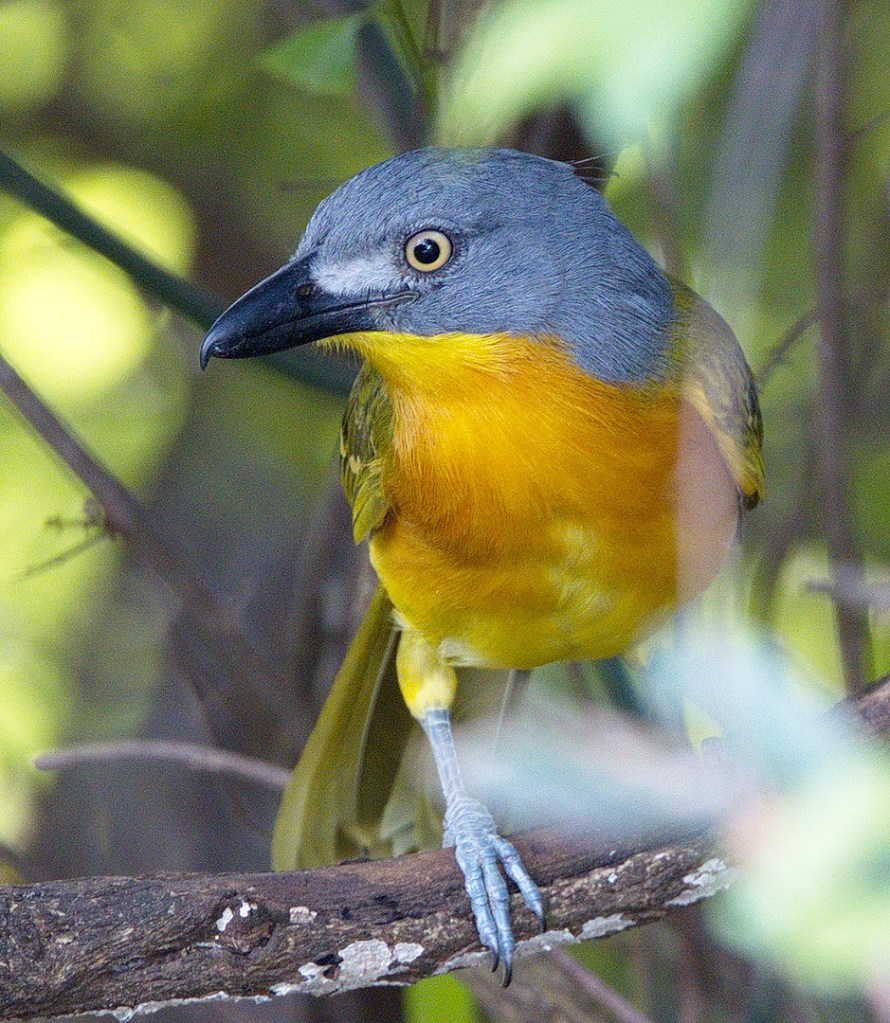
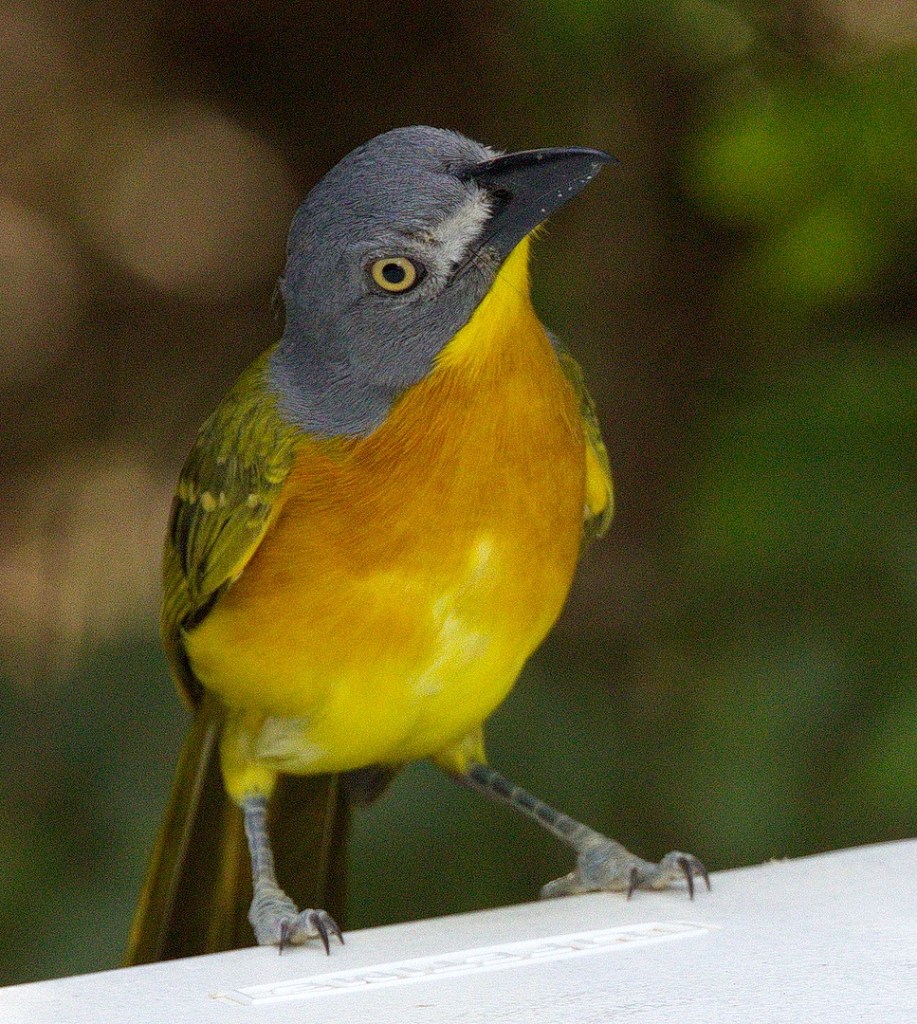























































































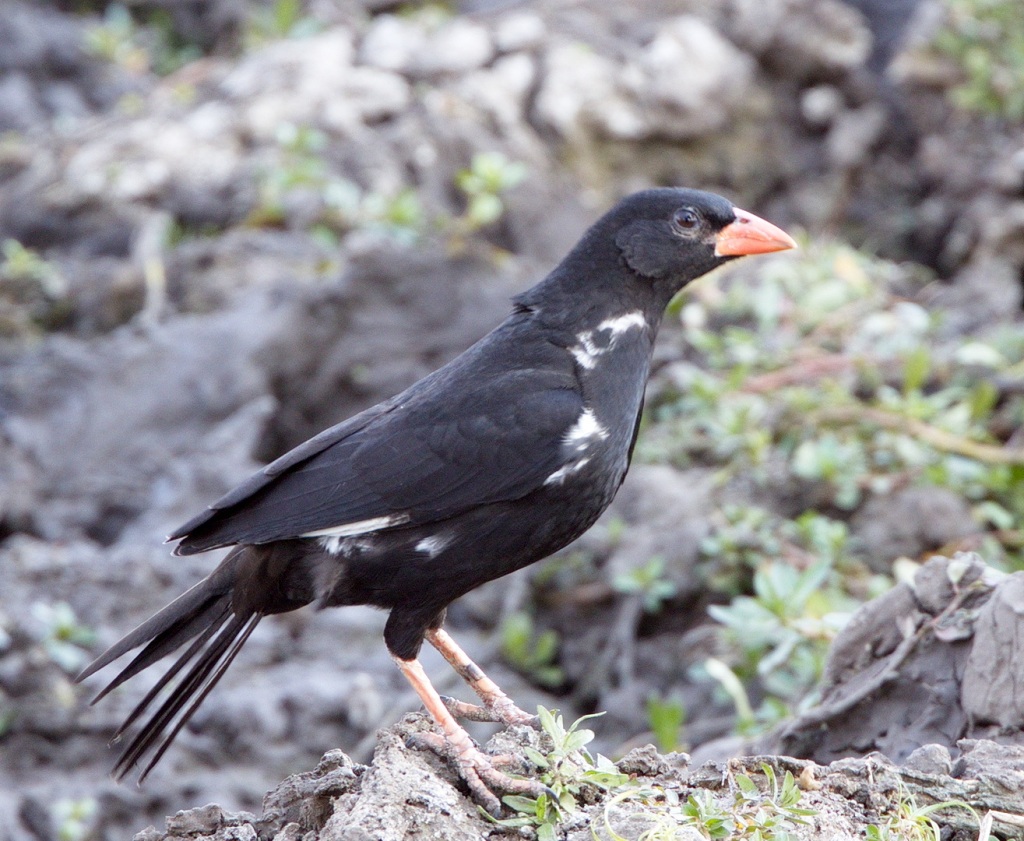
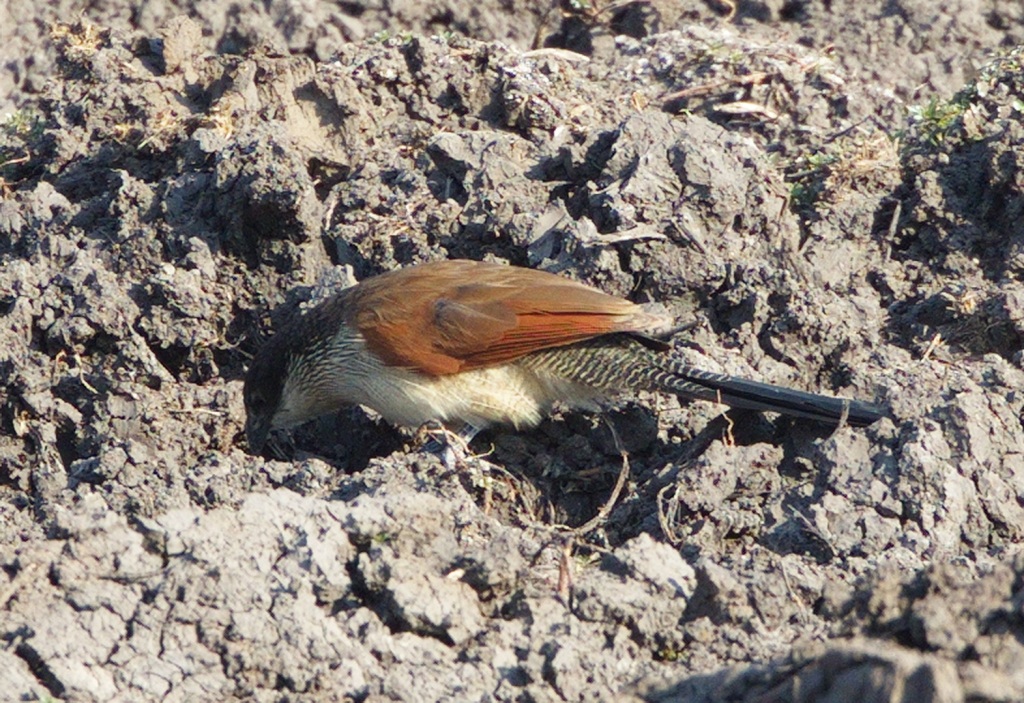
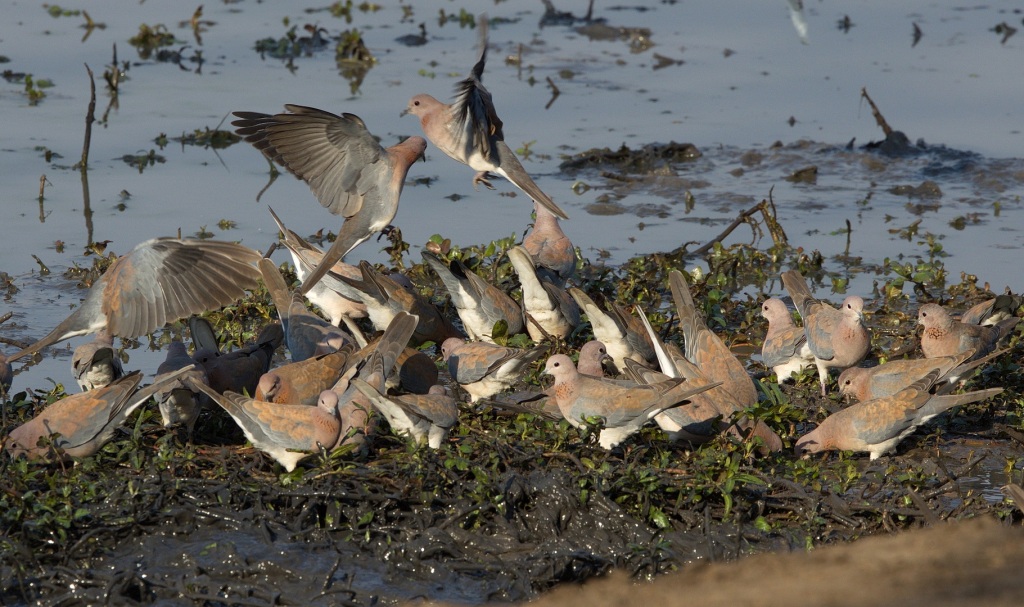
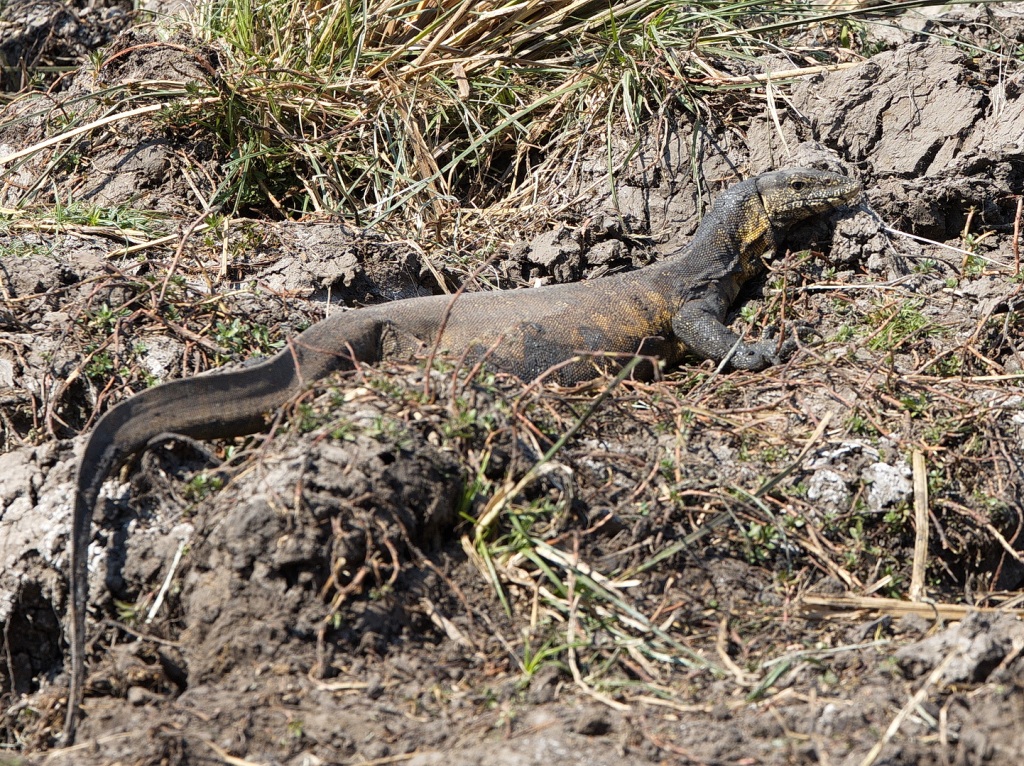


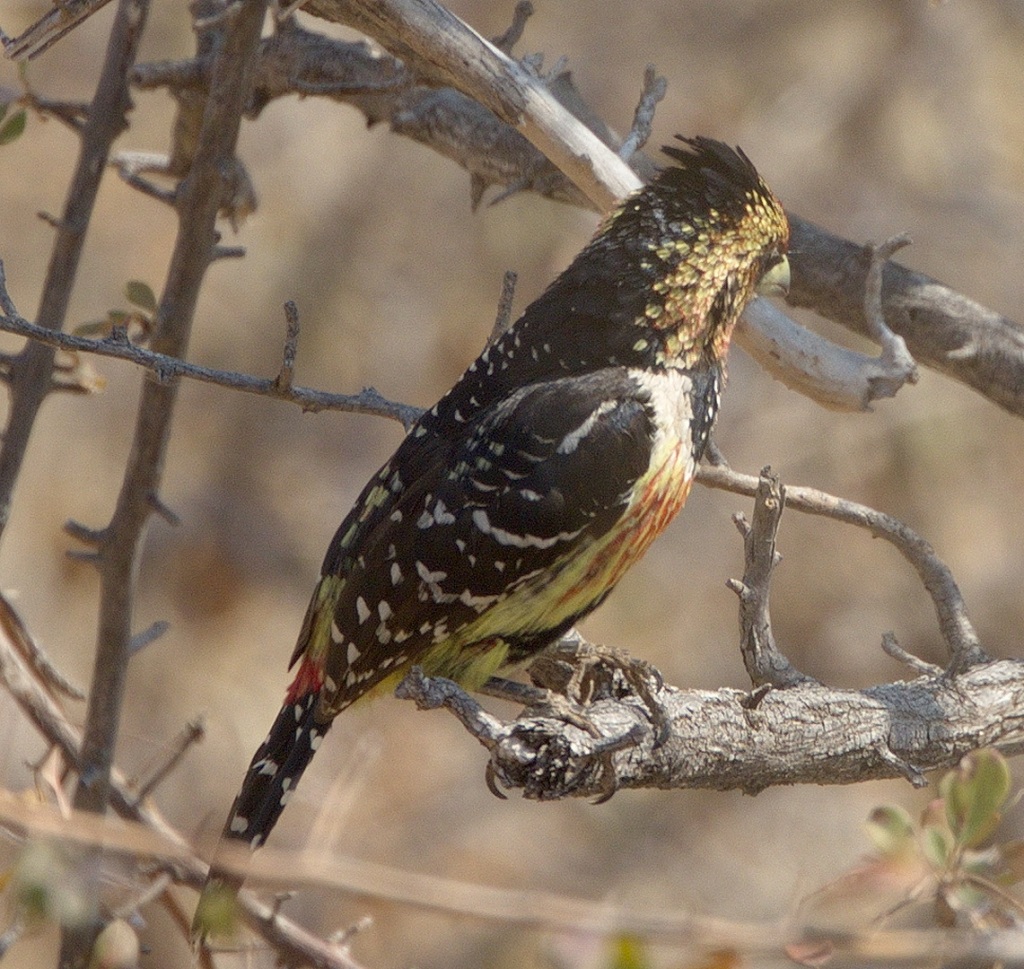
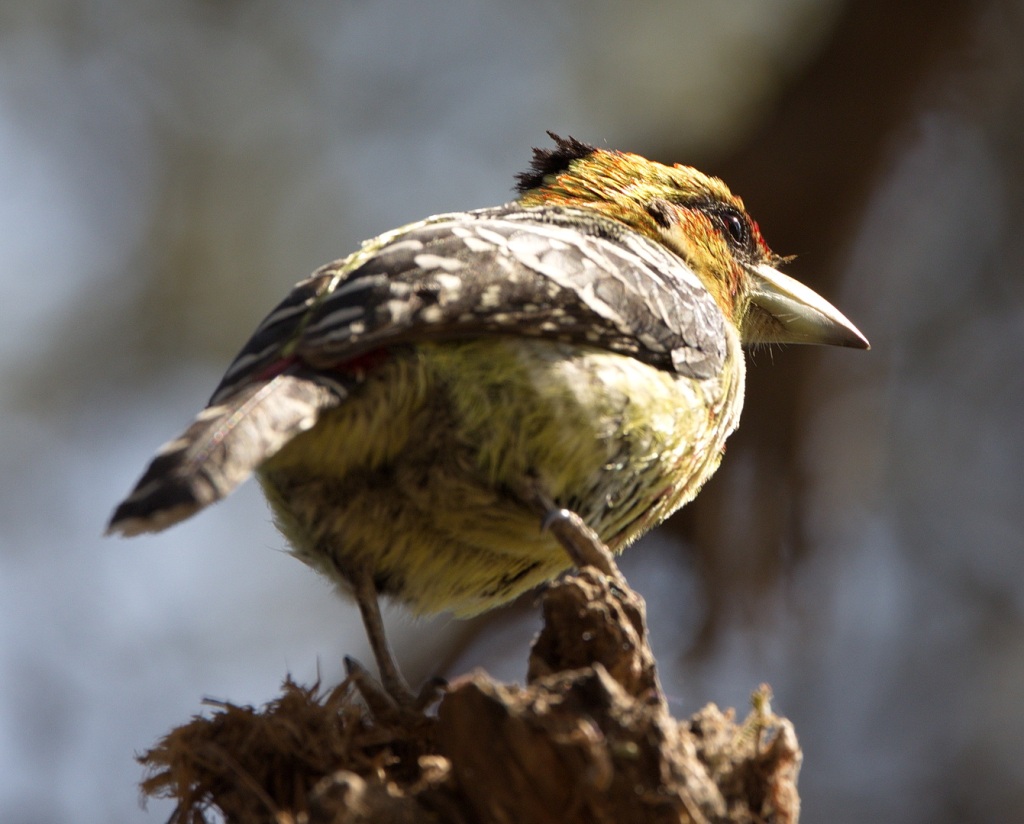
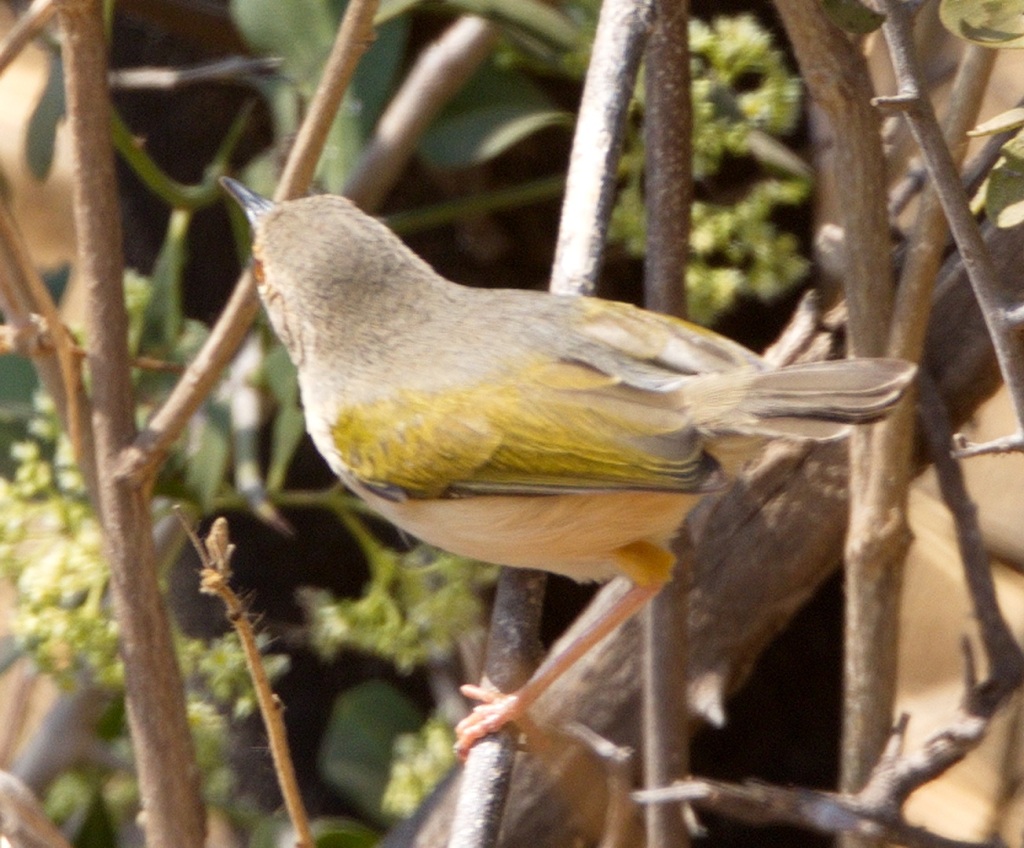
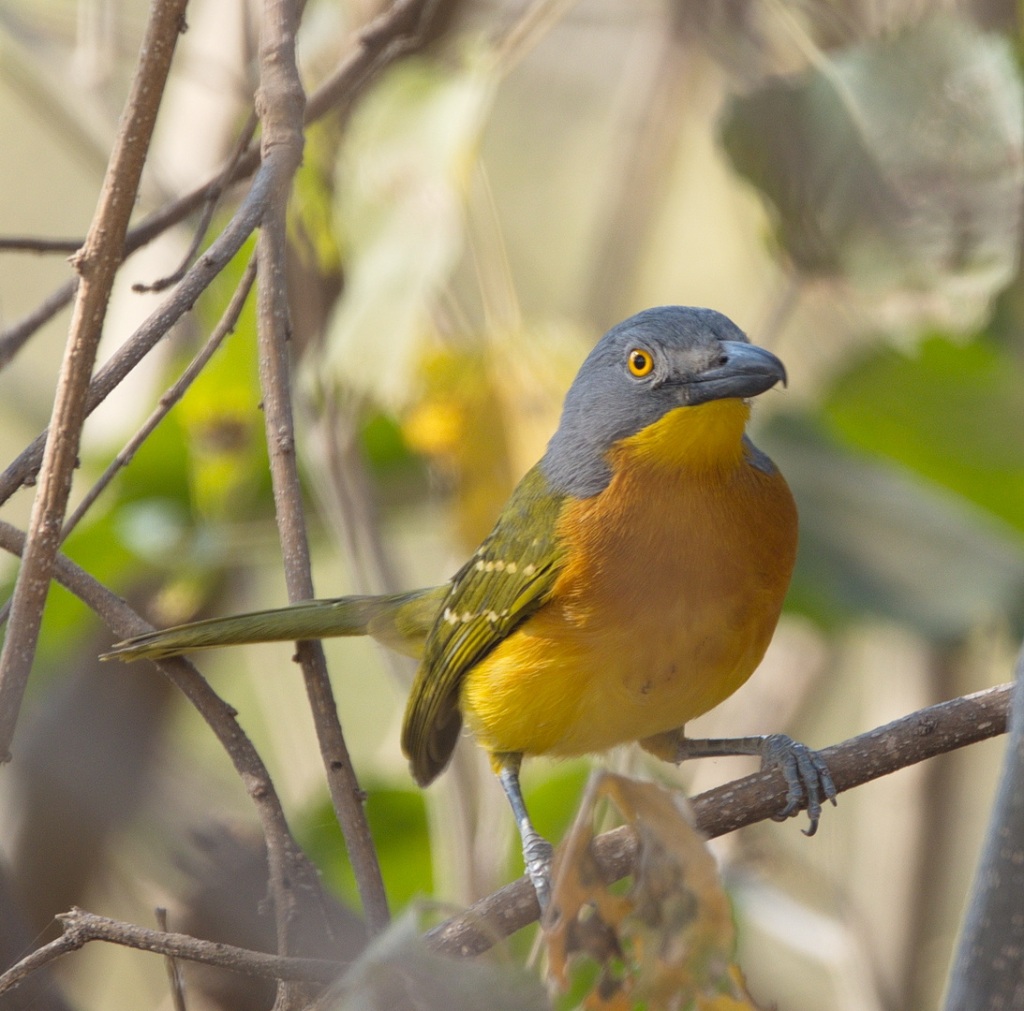


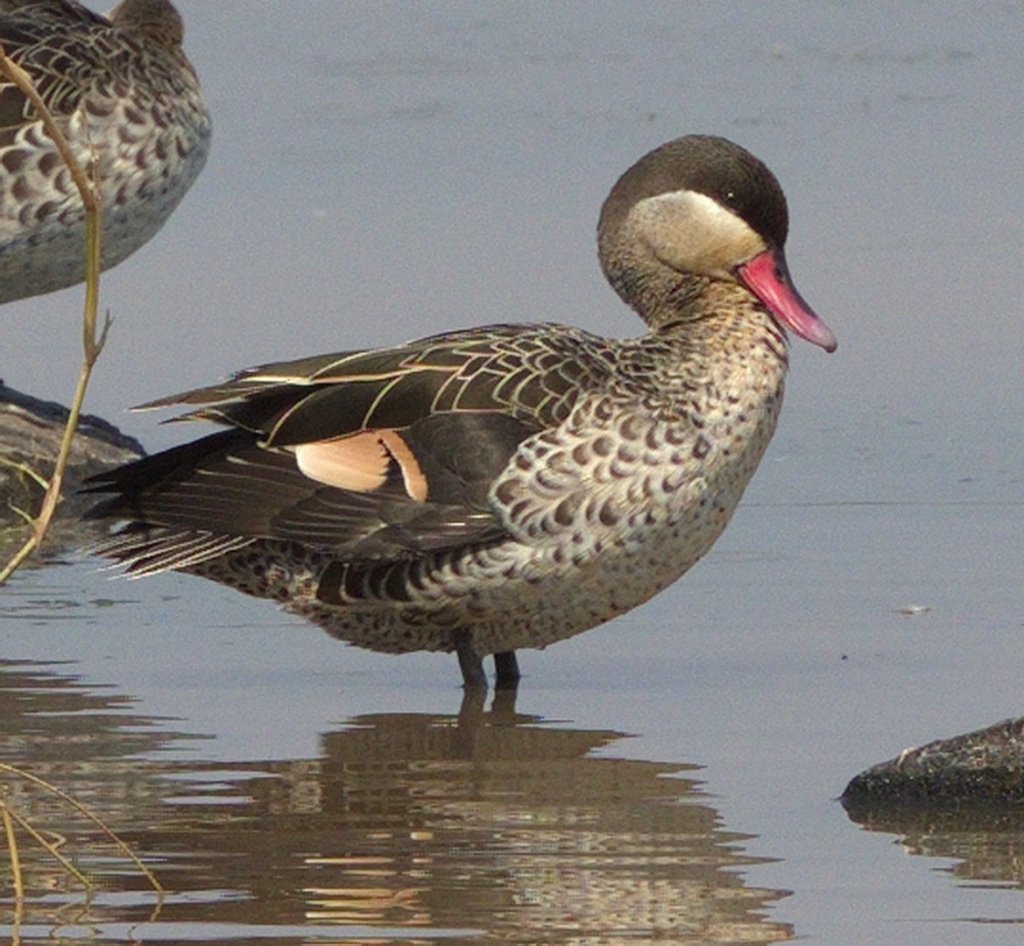
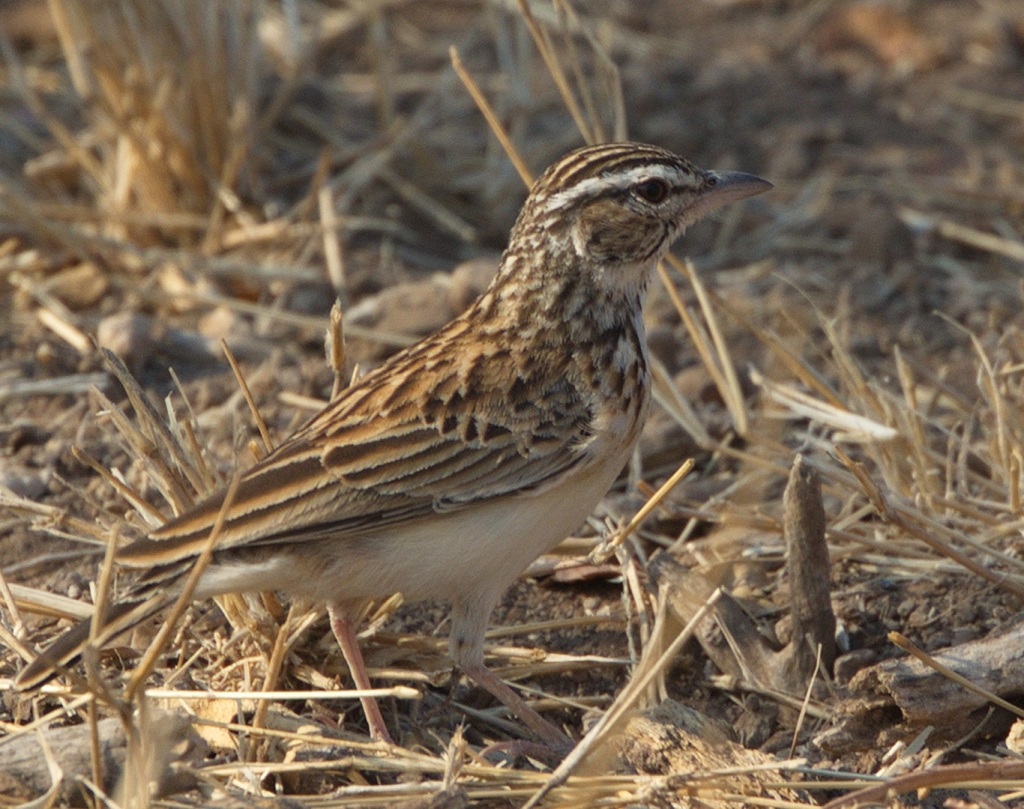
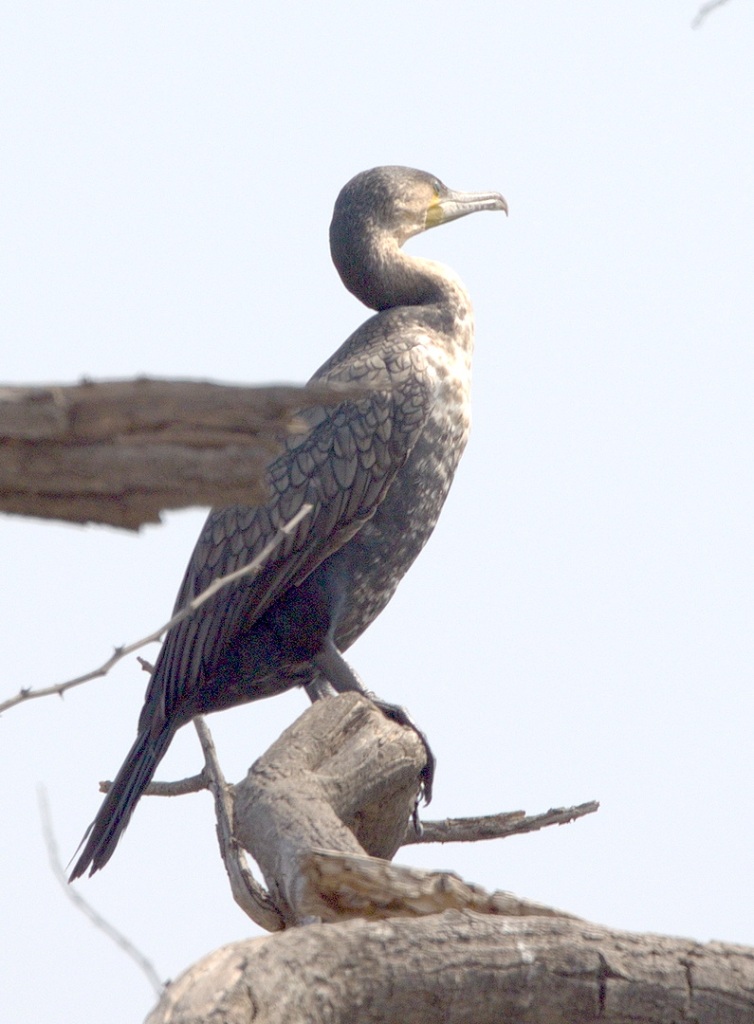
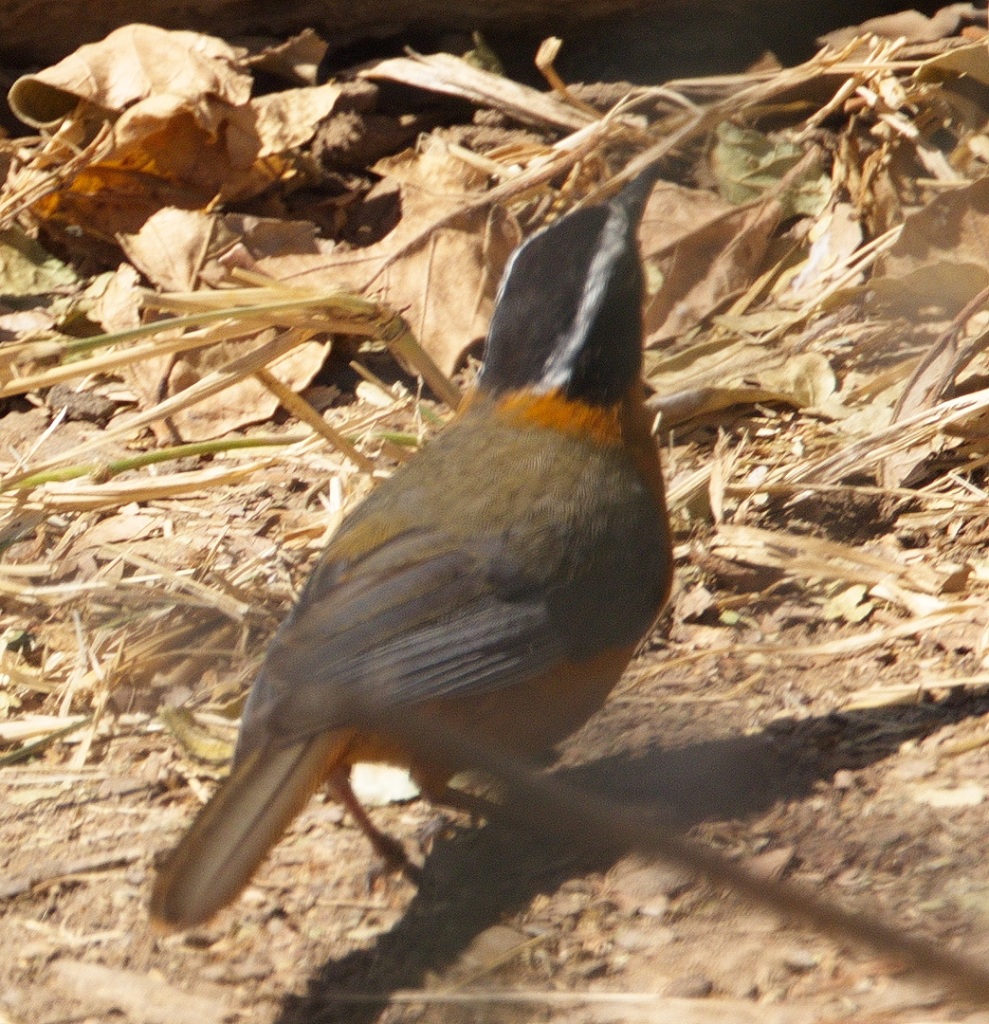
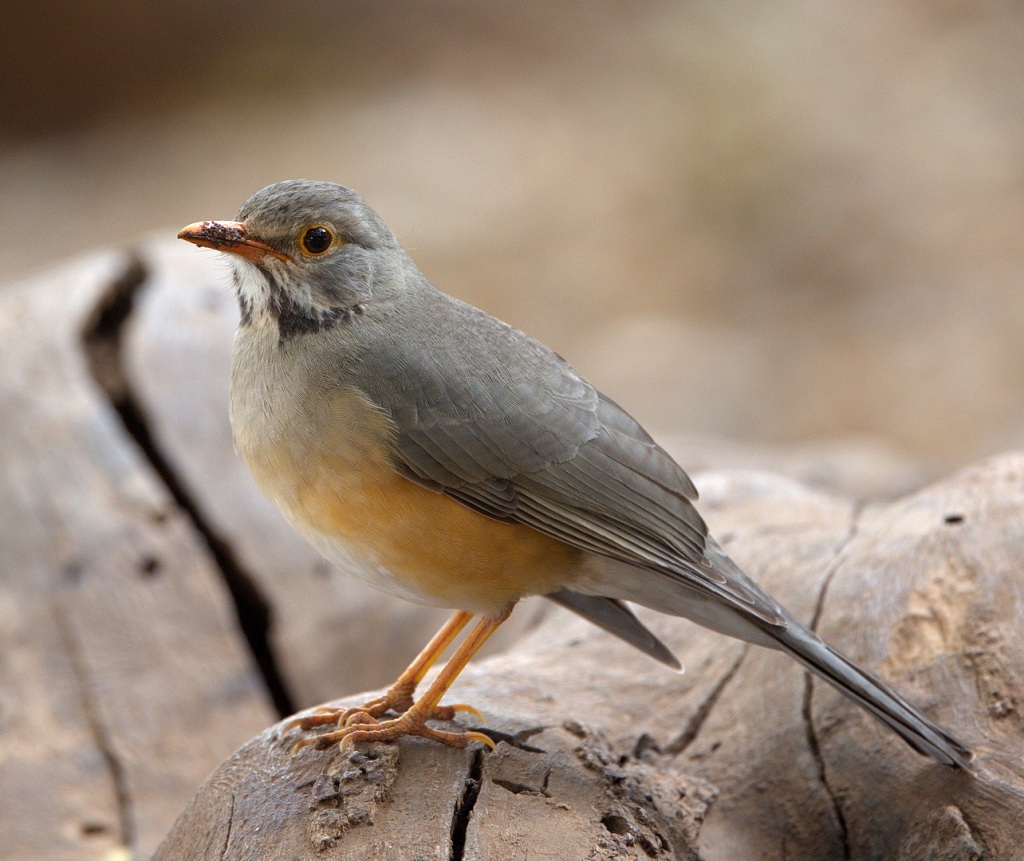
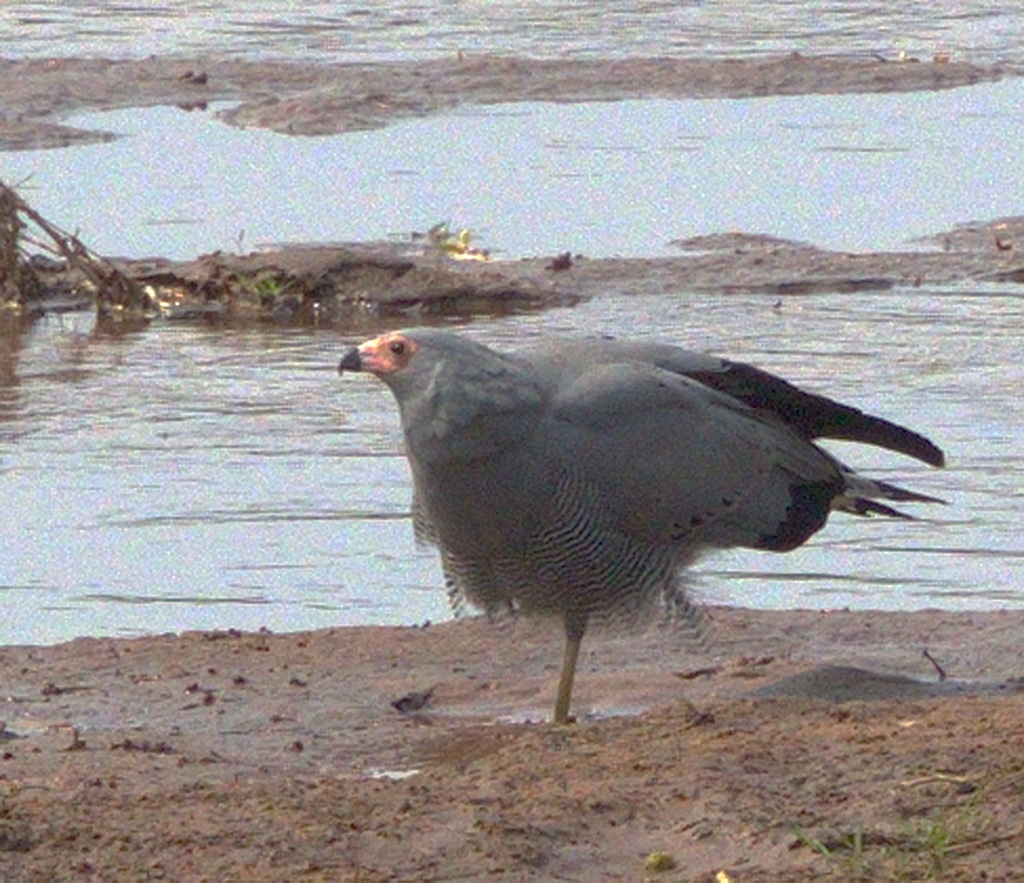














































































 Birds are our Story