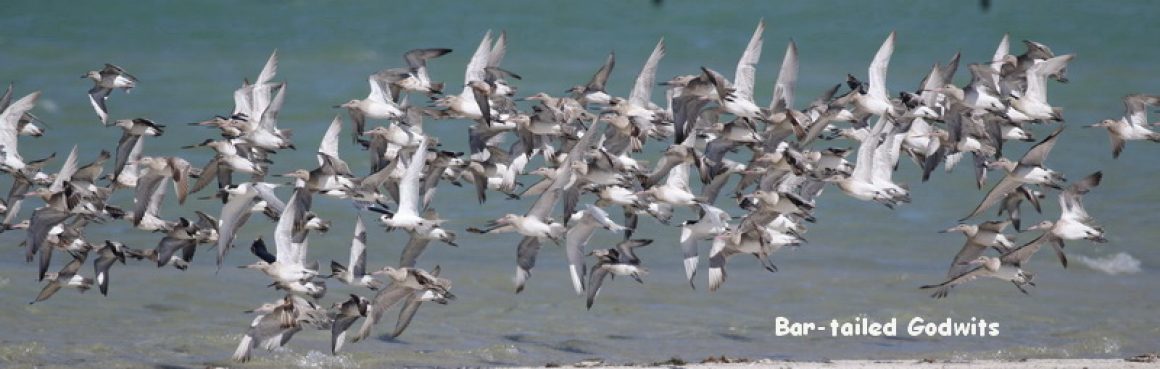
Kruger Part 8
Satara
Report by Paul and Sally Bartho
1 to 4 December 2018

Satara and the surrounds were very dry. None of the dams had any water. Only the N’wanetsi Dam had a little water in it. In which the Buffalo lay side by side with the Crocodiles.
The camp was empty. We had a choice of sites so elected to try one by the fence for a change. Choice spot under a shady tree we thought. Unfortunately it was also the choice spot for the birds to roost resulting in a lot of cleaning of the canvas when we decamped.
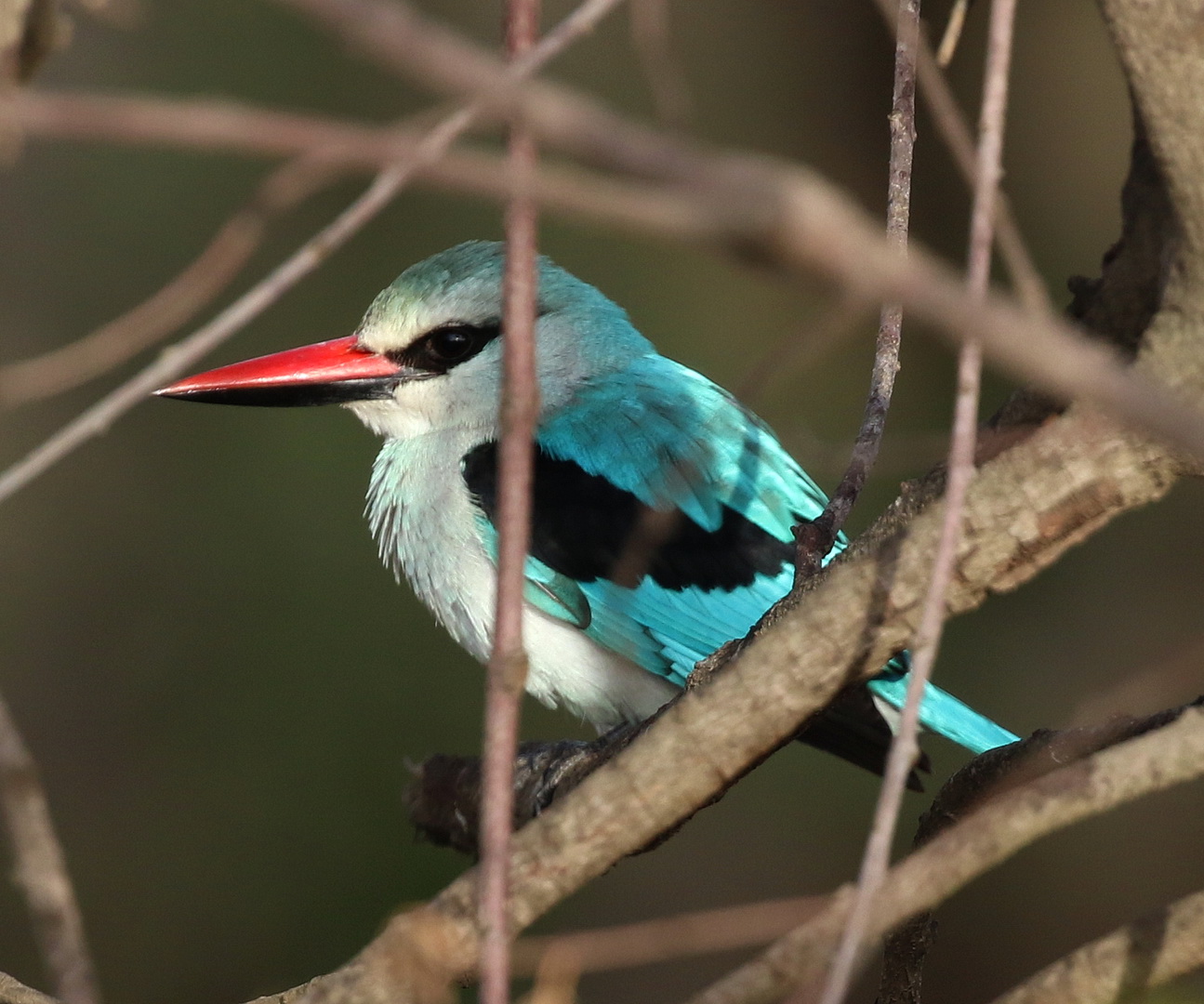
Definitely the best birding was in the camp and we did spend one of our mornings doing just that.
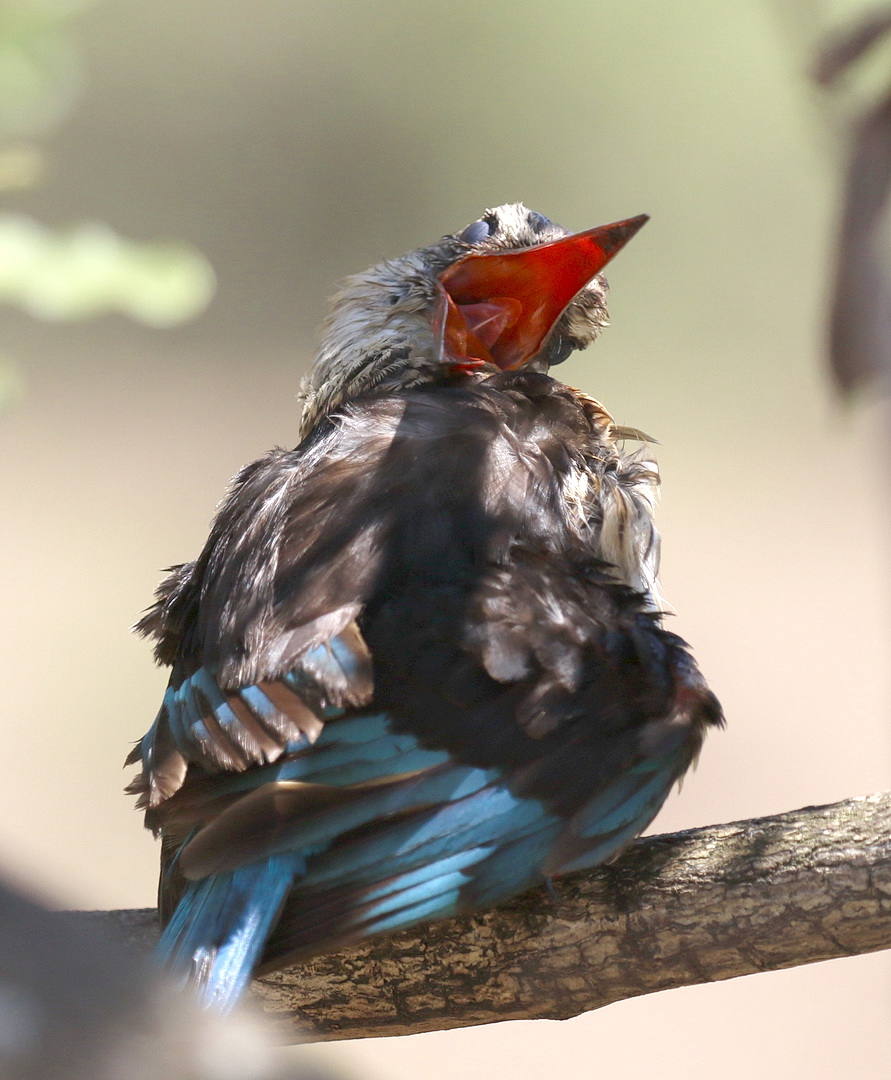
There was the Woodland Kingfisher in glorious vibrant colour.


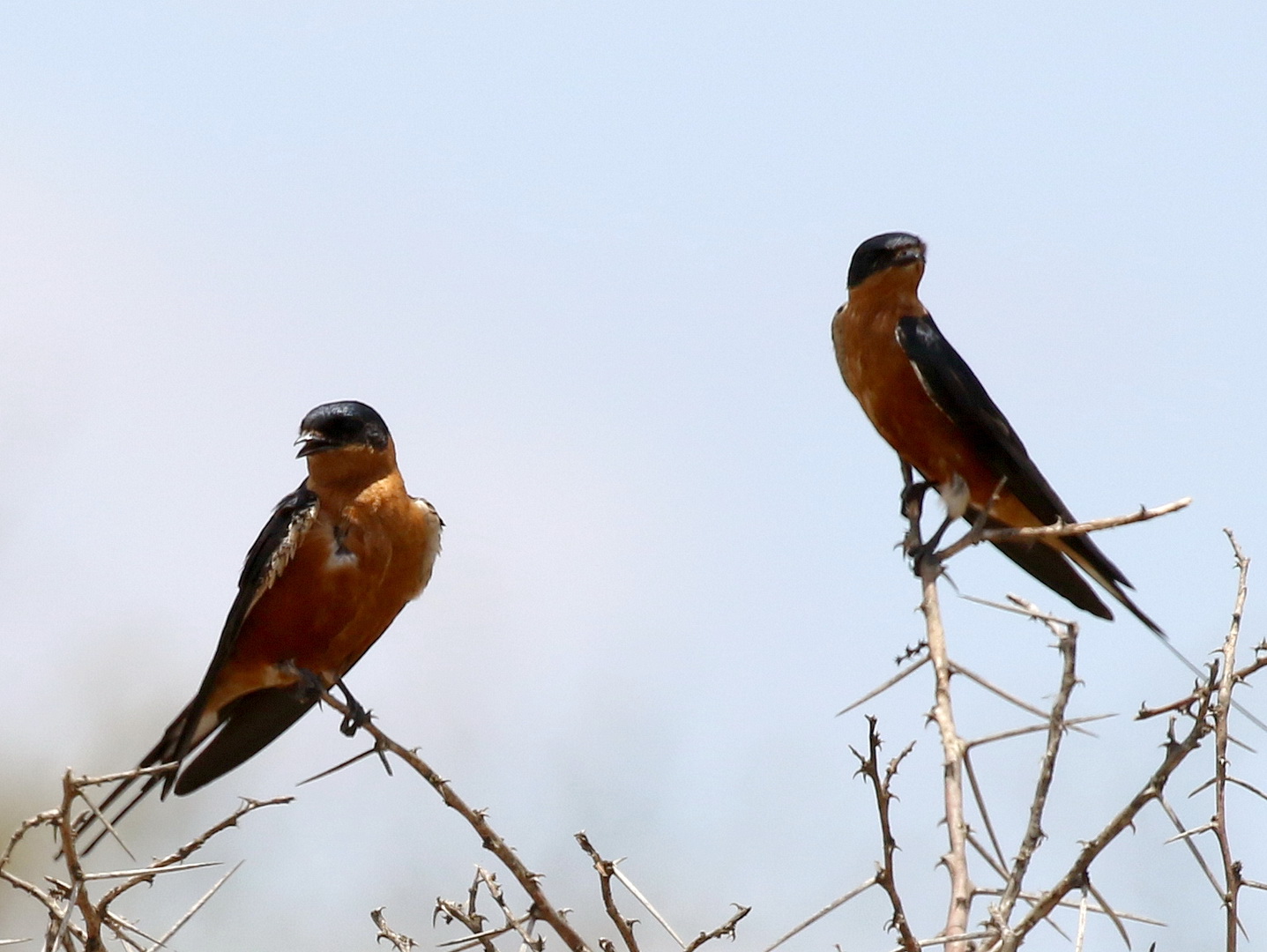
Squabbling Red-billed Buffalo-Weavers.


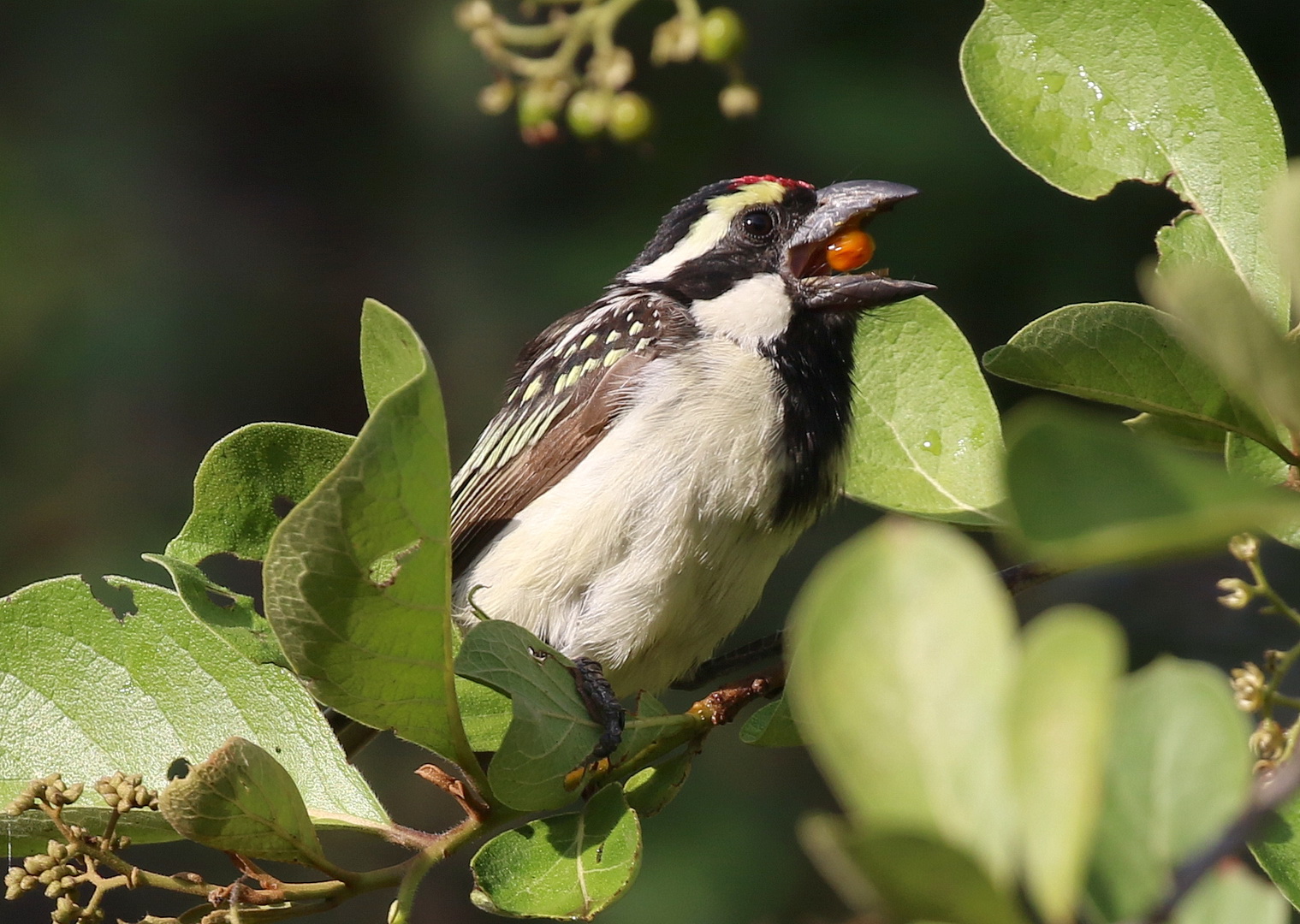
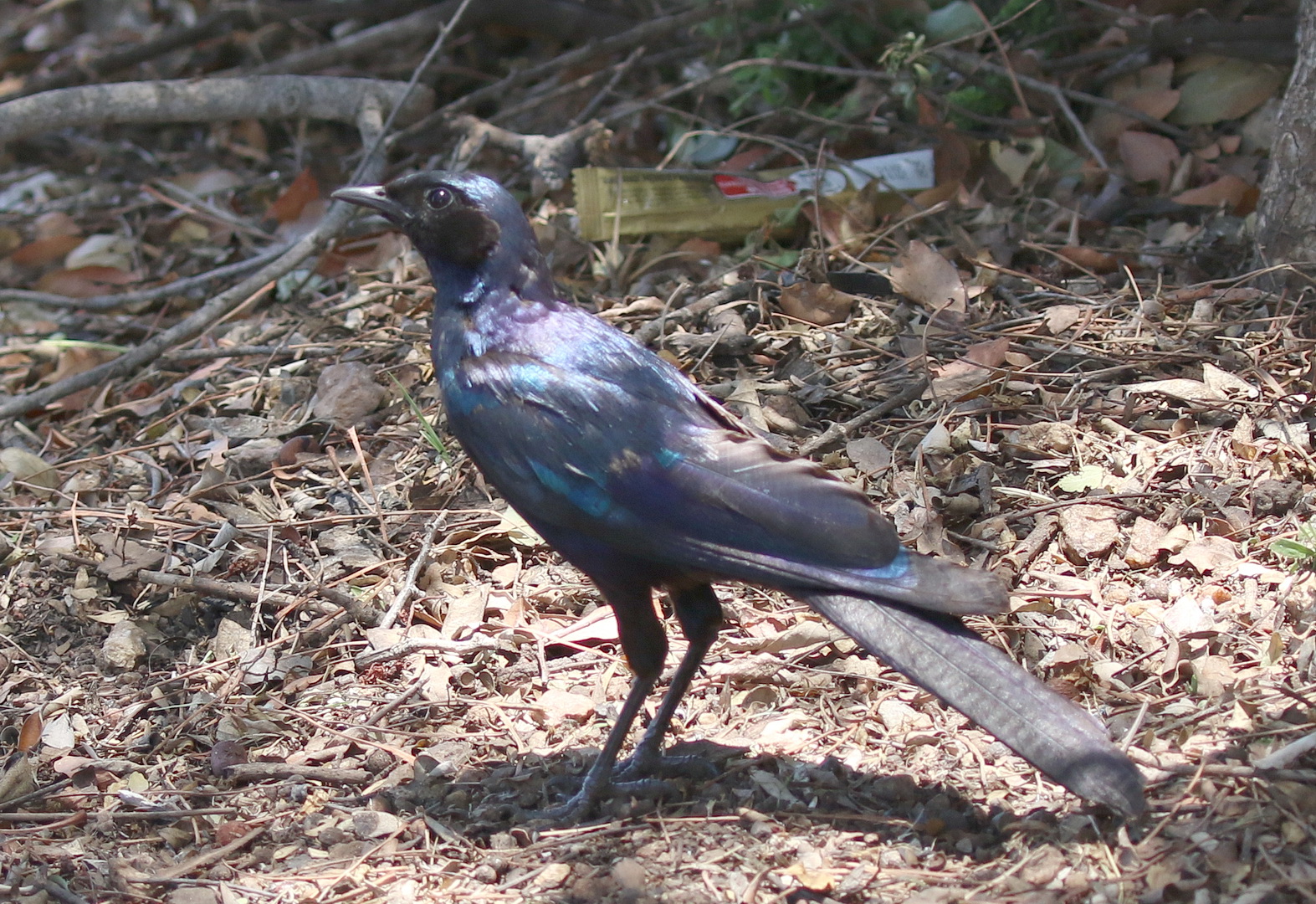
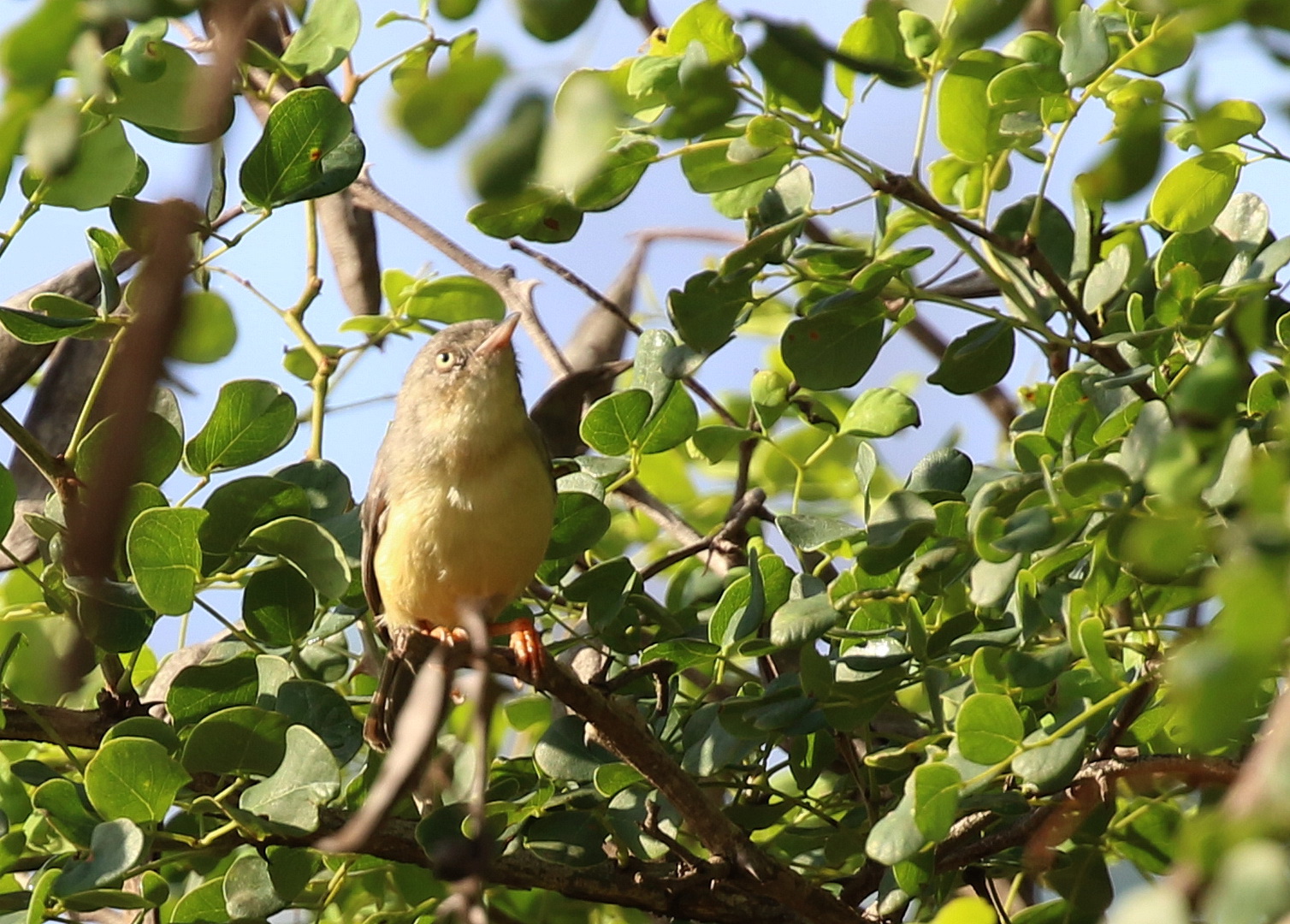
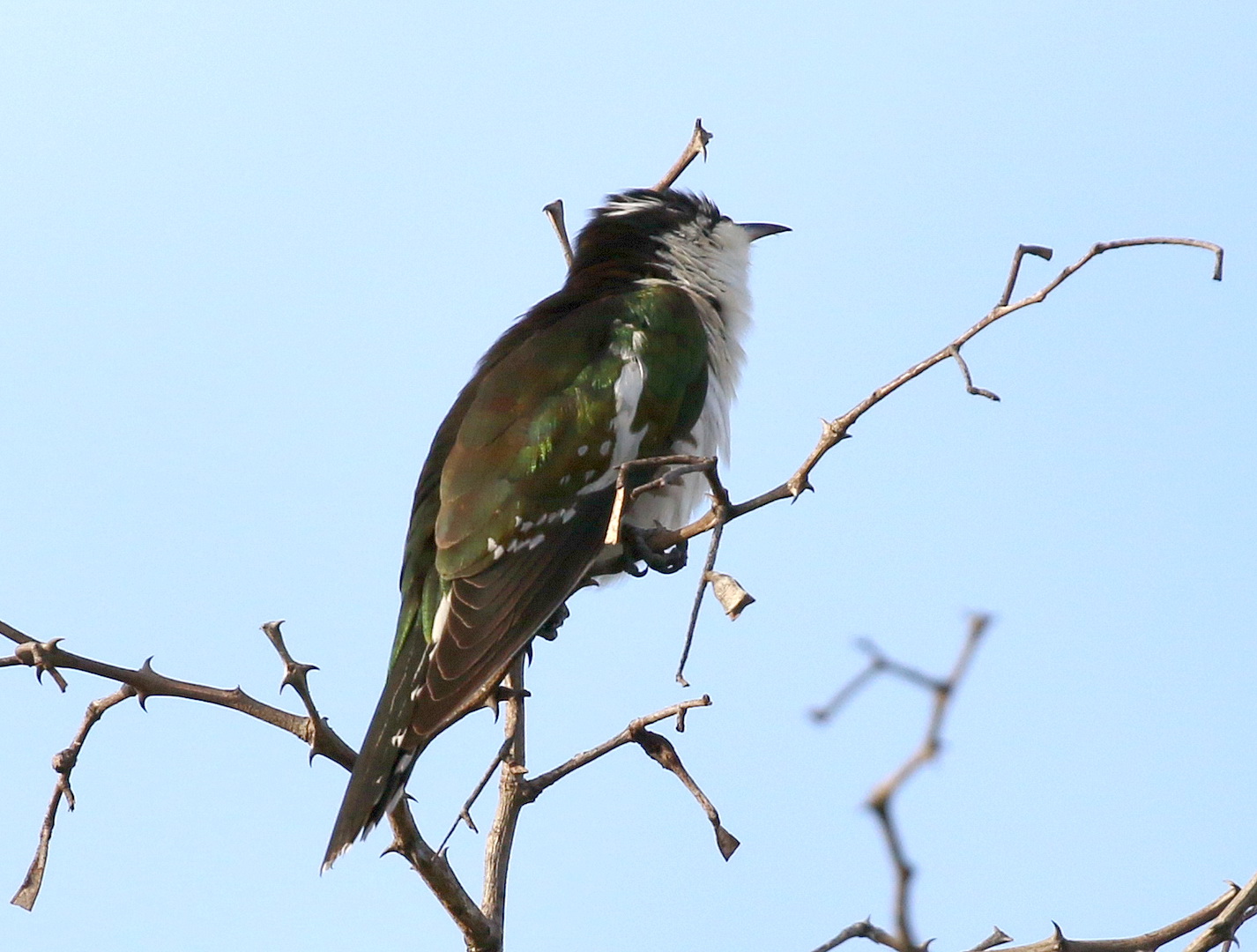
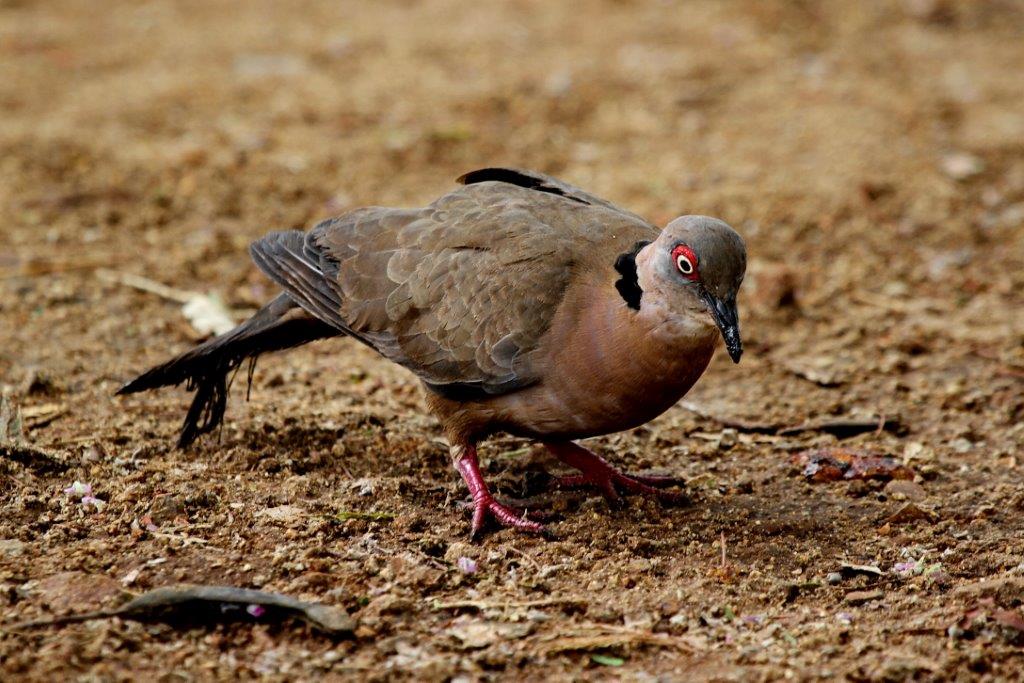
And many others.








Knobbly roots of a fever tree in the grounds by the reception.

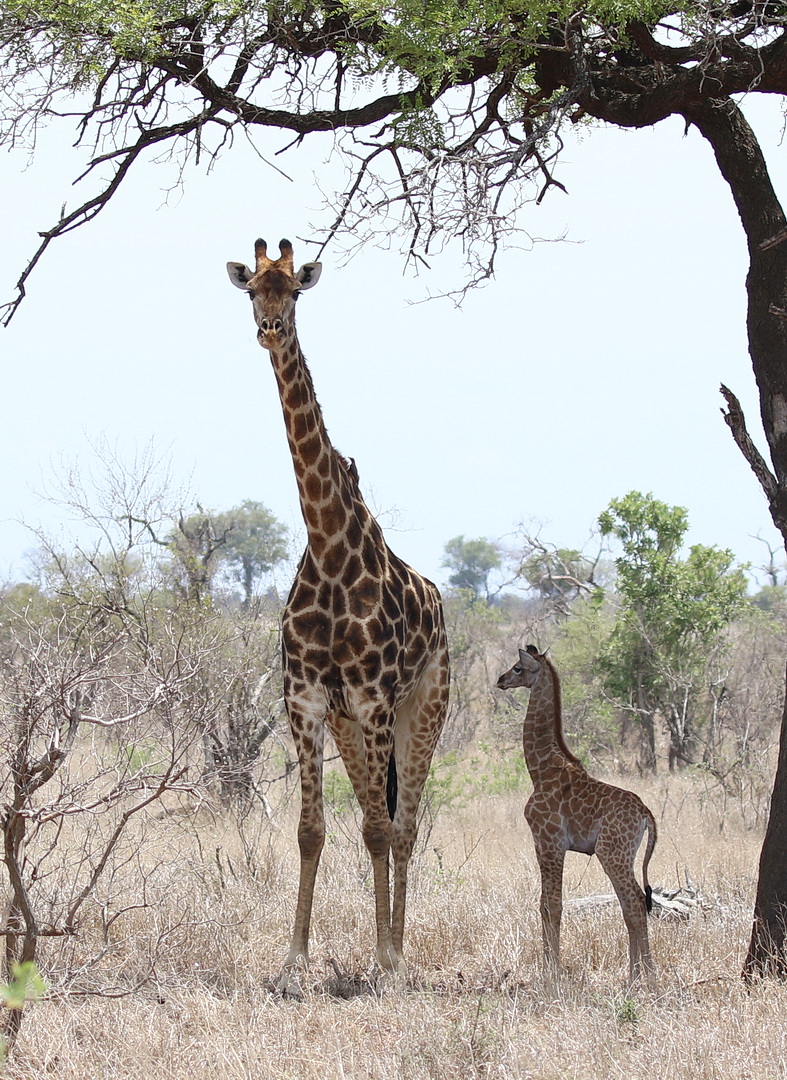
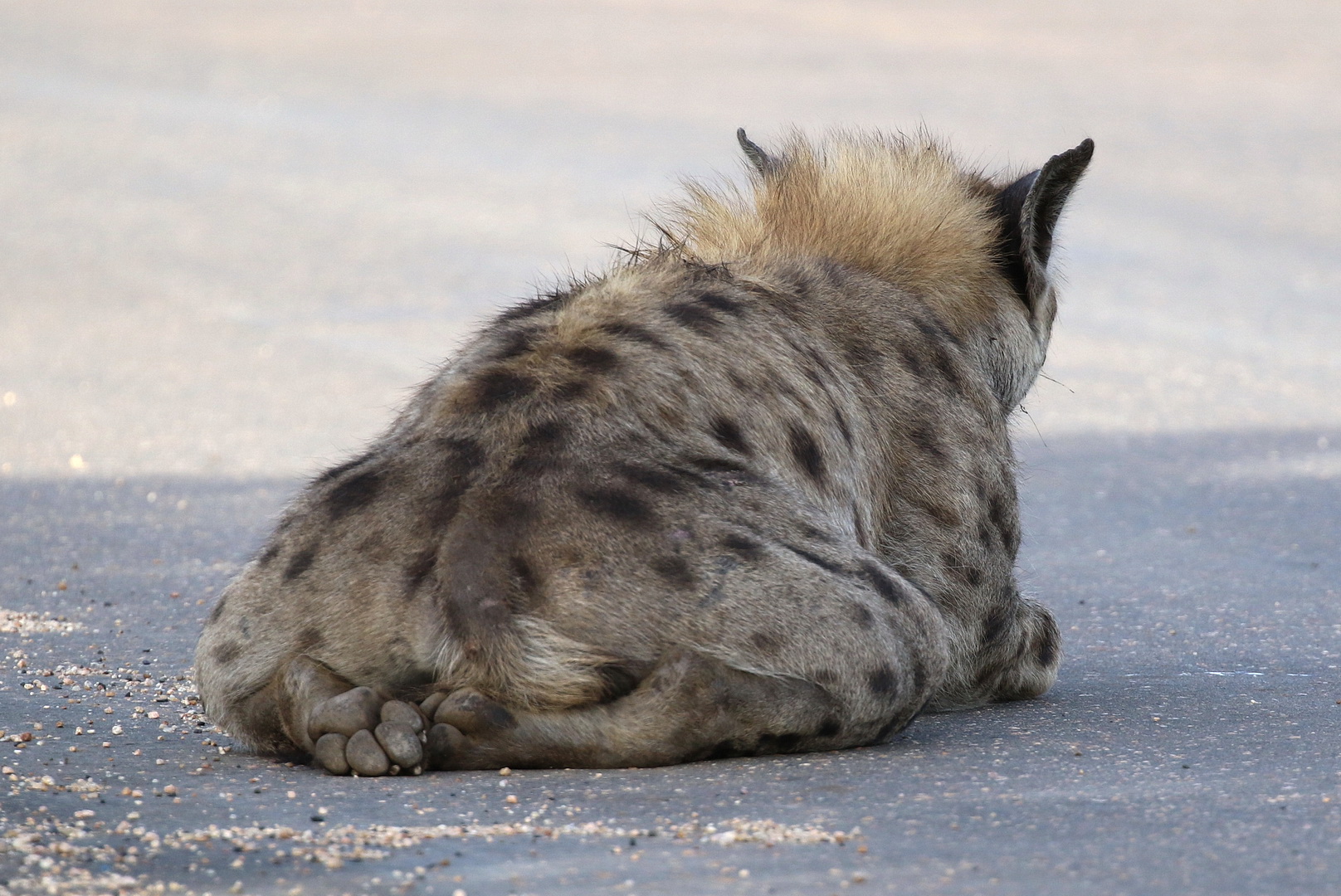
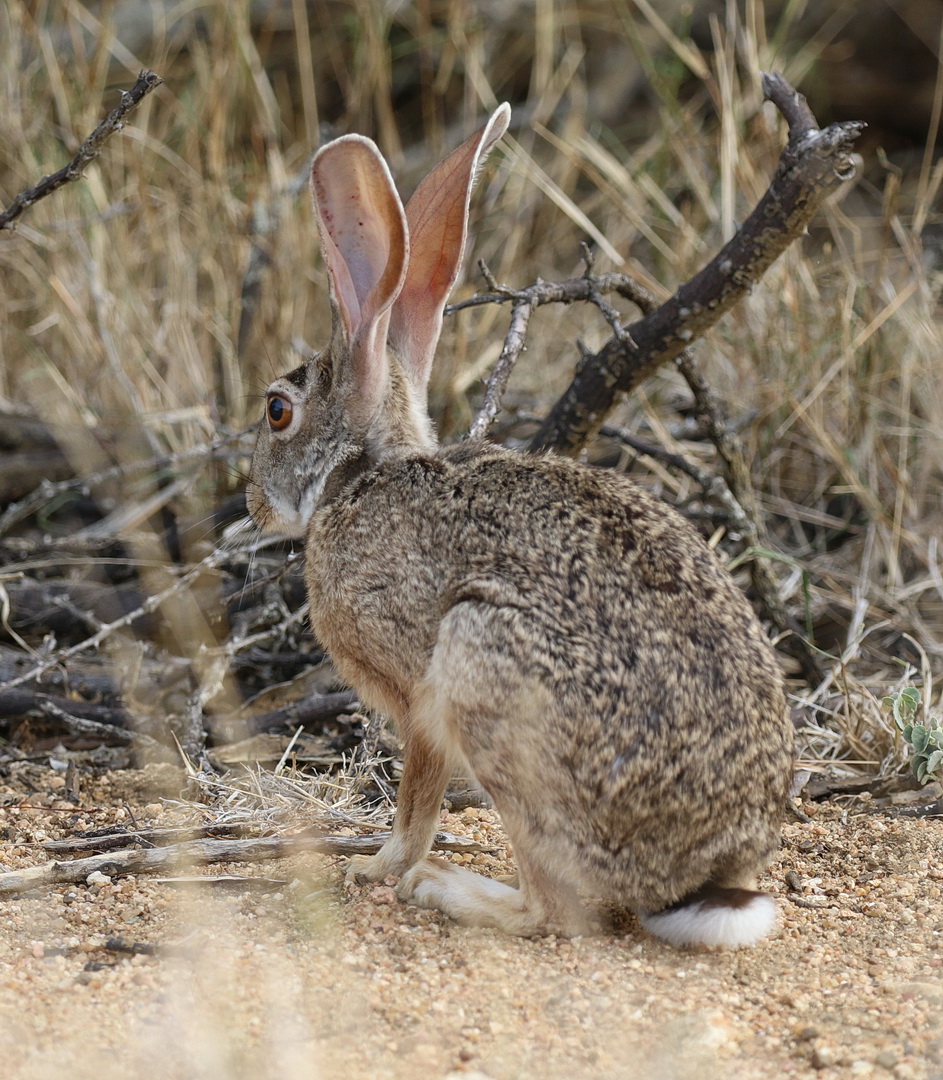
Driving around the area we came across some a giraffe with its new born, the odd Kudu, a Scrub Hare and a spotted Hyena relaxing on the road with its back feet neatly tucked in.

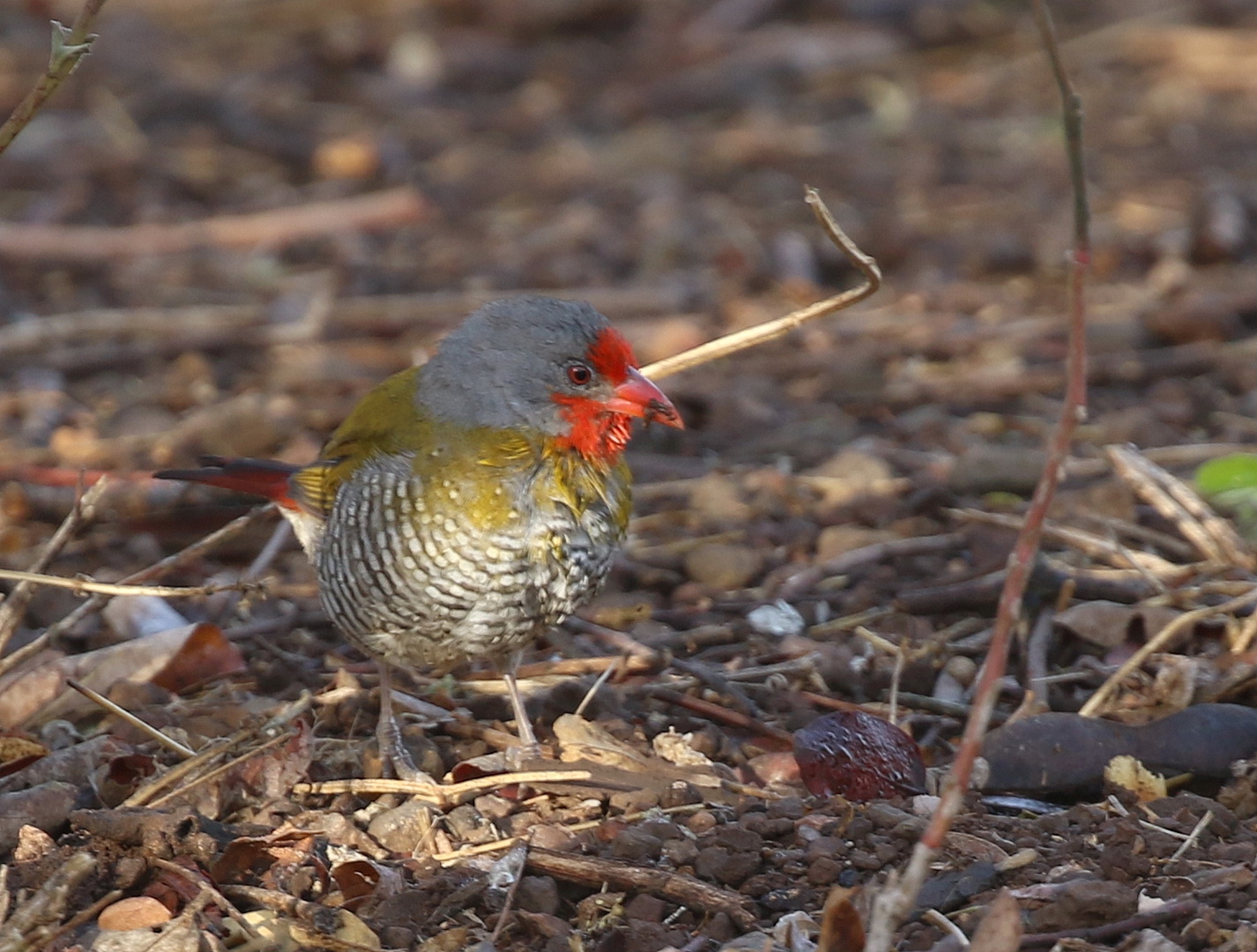
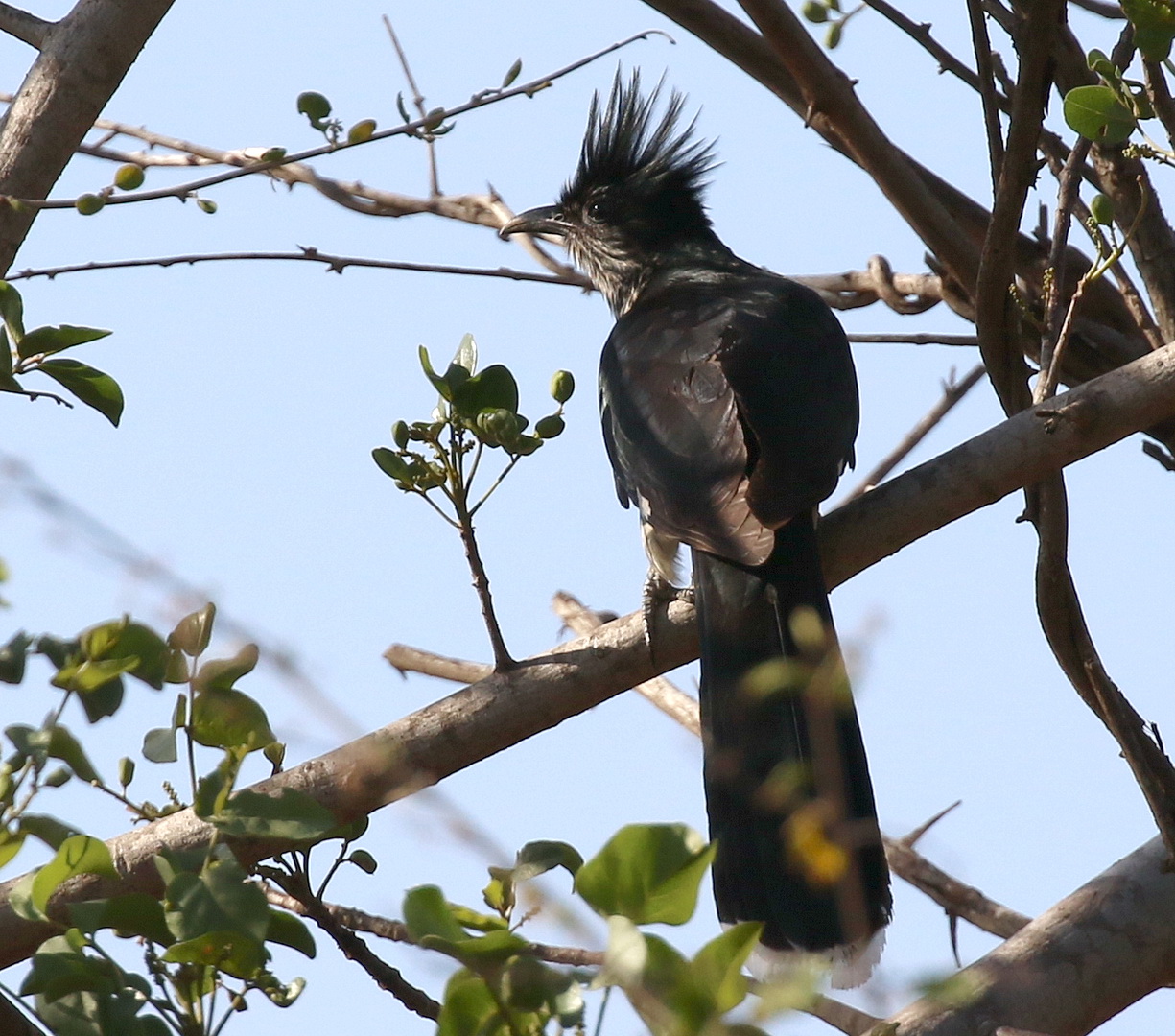
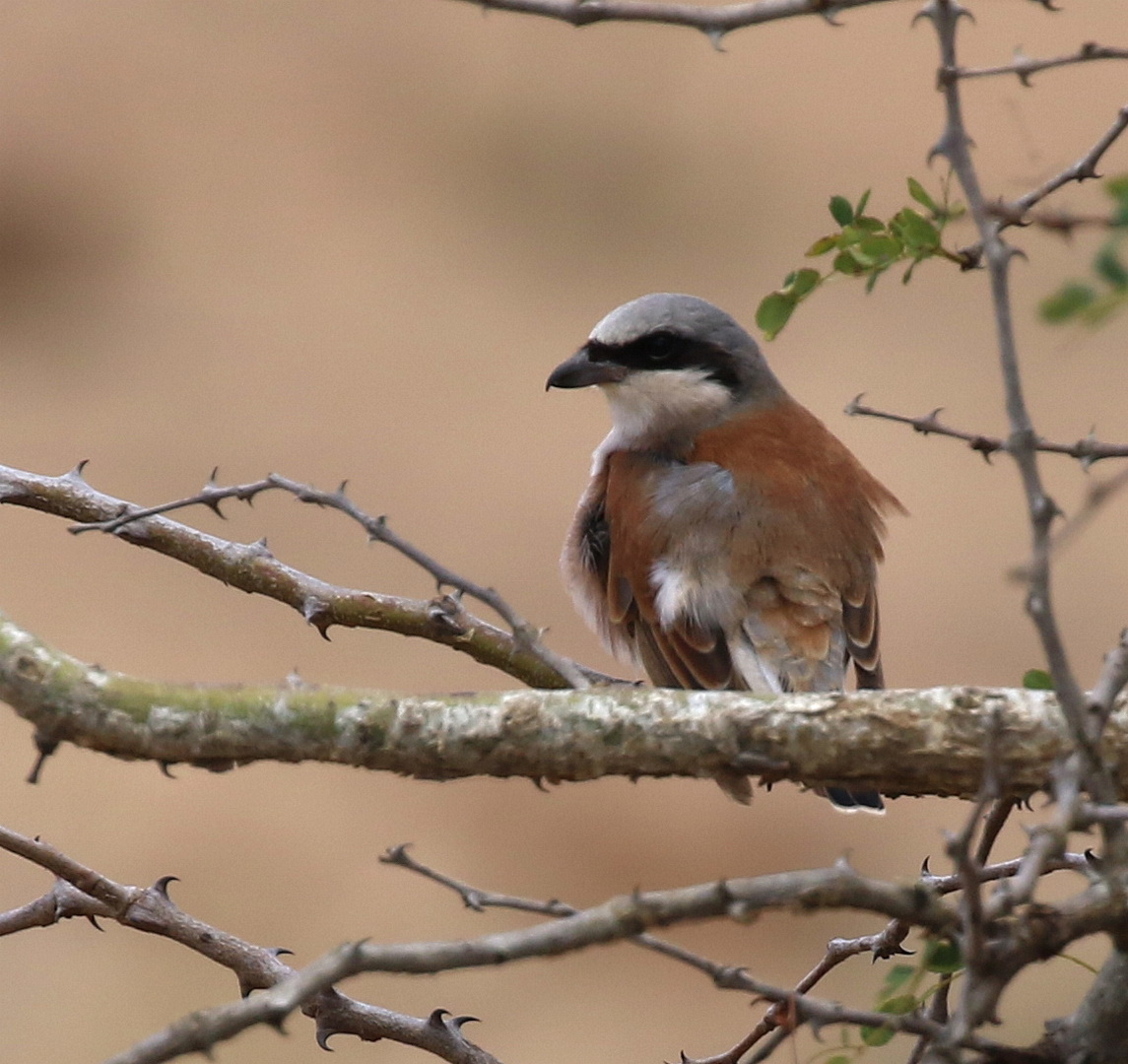
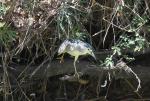
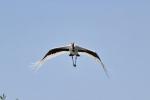
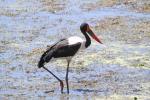
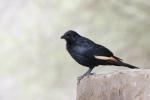
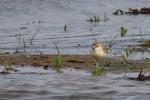
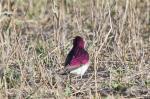
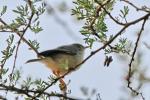
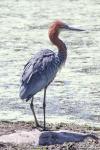
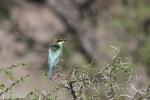
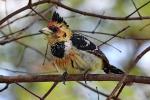
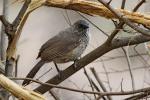
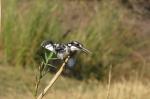
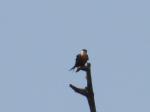
Some other birds seen:


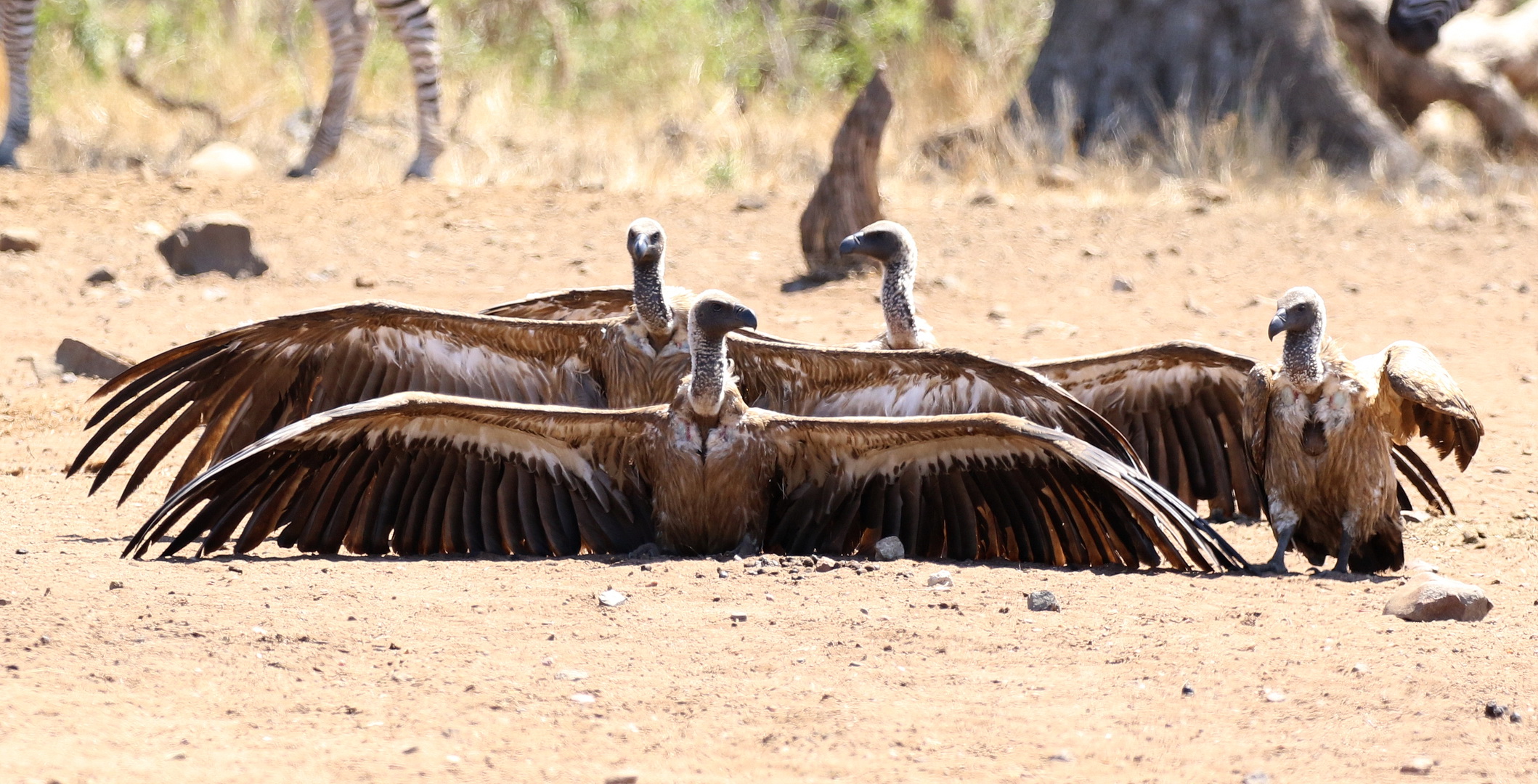

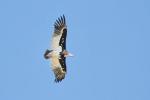
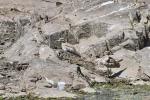
At one of the pumped waterholes just north of the camp there were dozens of Vultures – perhaps waiting for bath time. Mostly White-backed.
A drive down to the Muzandzeni picnic site for breakfast one morning proved to be a potentially scary experience. On arrival two cars drove out as we drove in to the empty picnic site. We chose a shady table and enjoyed our breakfast. Then as we were about to leave an army truck with soldiers drove in. Quite casually they asked Sally if she was aware of the lions under a tree not 100 metres away!! Hmmm no!

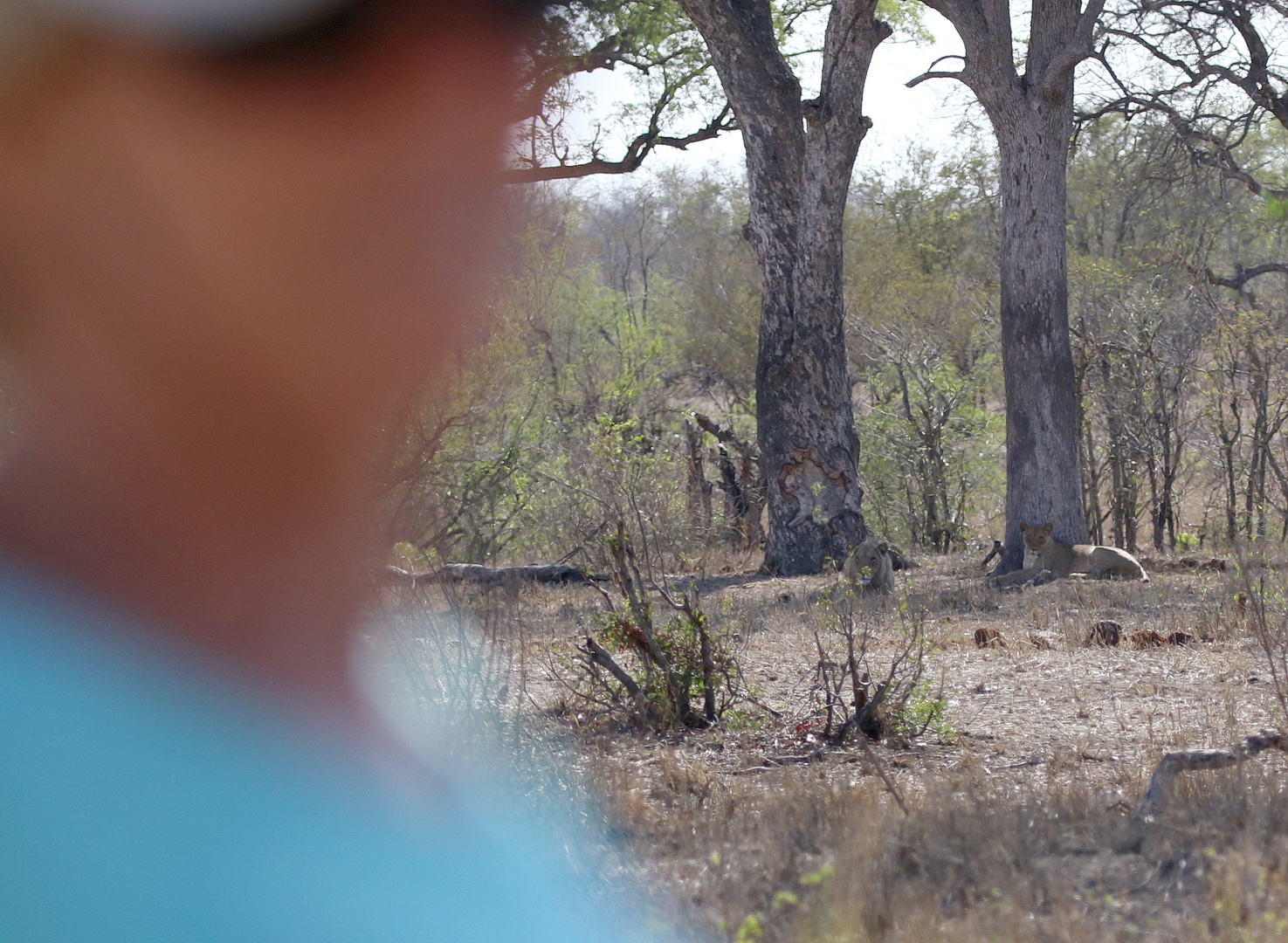

As we watched so the Impala approached the lions cautiously to keep a beady eye on them and their potential movements. As I said, we had enjoyed our breakfast but we could easily have been theirs.
We had planned to be here for five nights. The heat and dryness of the area led to our change of mind. Three nights was enough. We changed our itinerary to go to Lower Sabie for two nights, two nights at Skukuza and finally 2 nights at Malelane before heading home.
On our last day there we over-lapped with some other friends from Durban – Mike and Jane Roseblade. We had an evening braai together and a good chinwag. As we returned to our campsite the heavens started to brighten – lightening everywhere around us yet no thunder. Eventually the much wanted rain came. Enough to cool things down but not nearly enough to quench the parched soil.
In the morning we left early and headed for Lower Sabie.
Next Installment – Kruger Part Part 9 – Lower Sabie to follow.
Paul and Sally Bartho





























 Birds are our Story