And so we left Satara on an overcast and slightly dribbly day. We headed for Tshokwane and then directly to Lower Sabie.
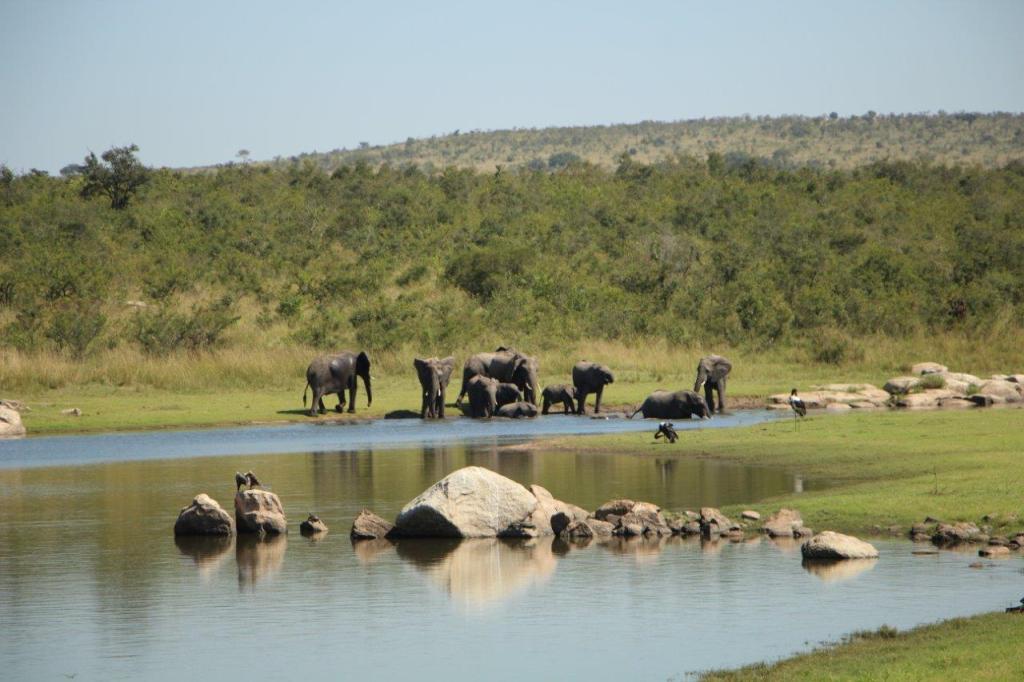
We love seeing herds of elephants but are nervous when they appear in the middle of the road while we are towing our Wildcat. As is usually the case they then appear behind as well – coming towards you. Reversing is not an option.
Really, we were not that close!!
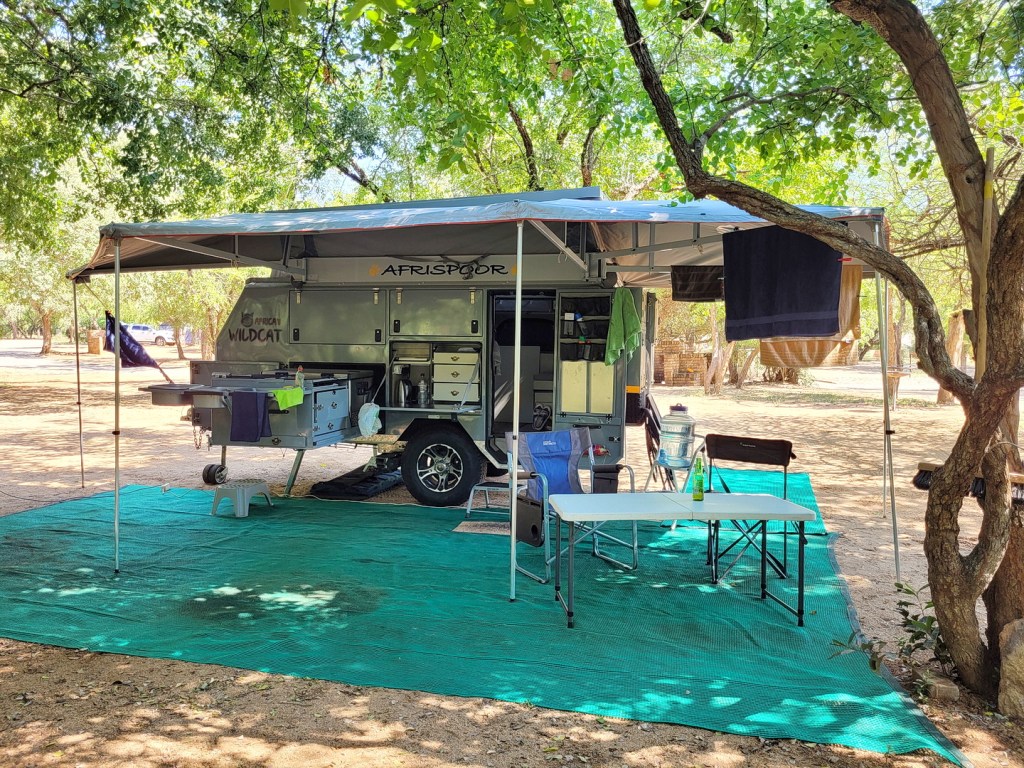
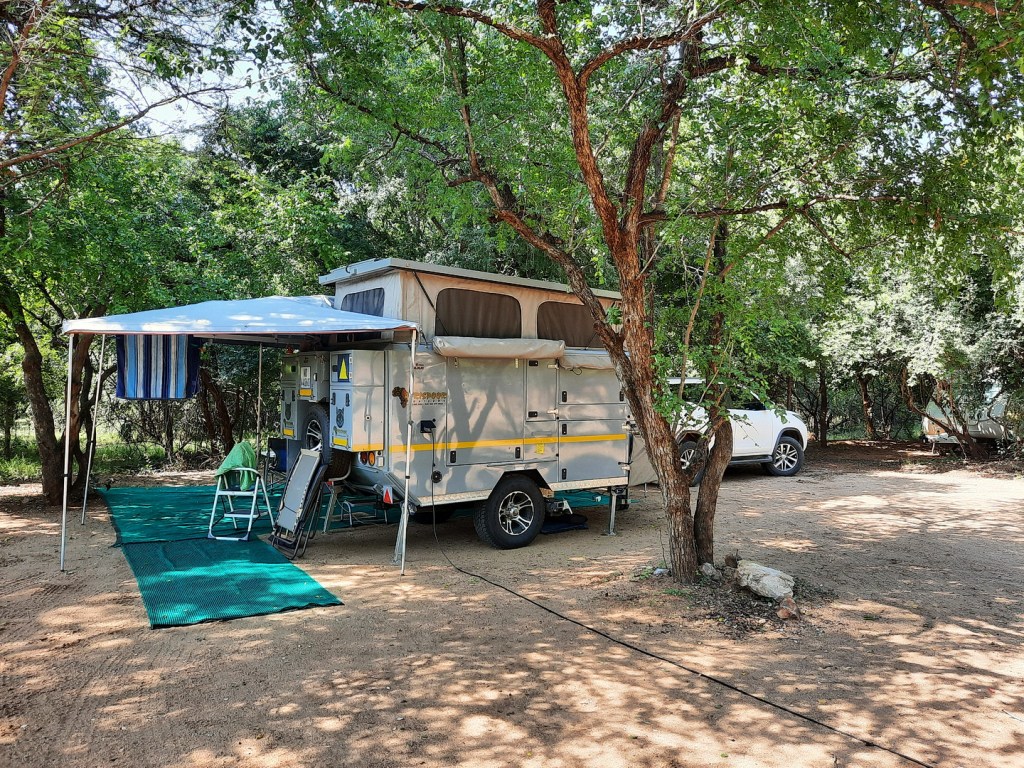
Camp was set up in a convenient spot.
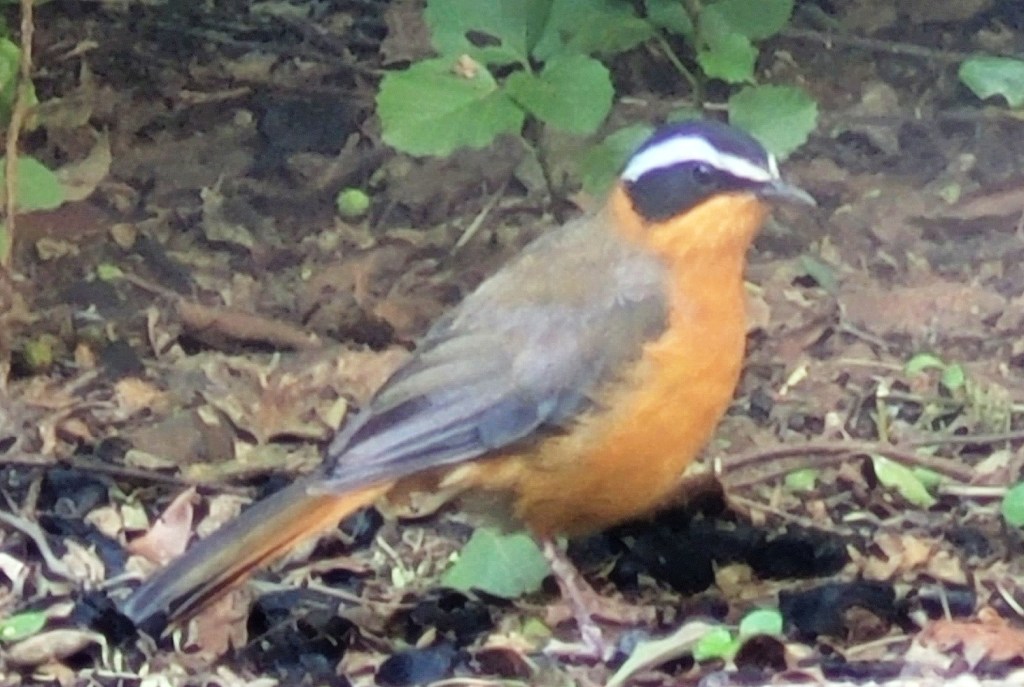
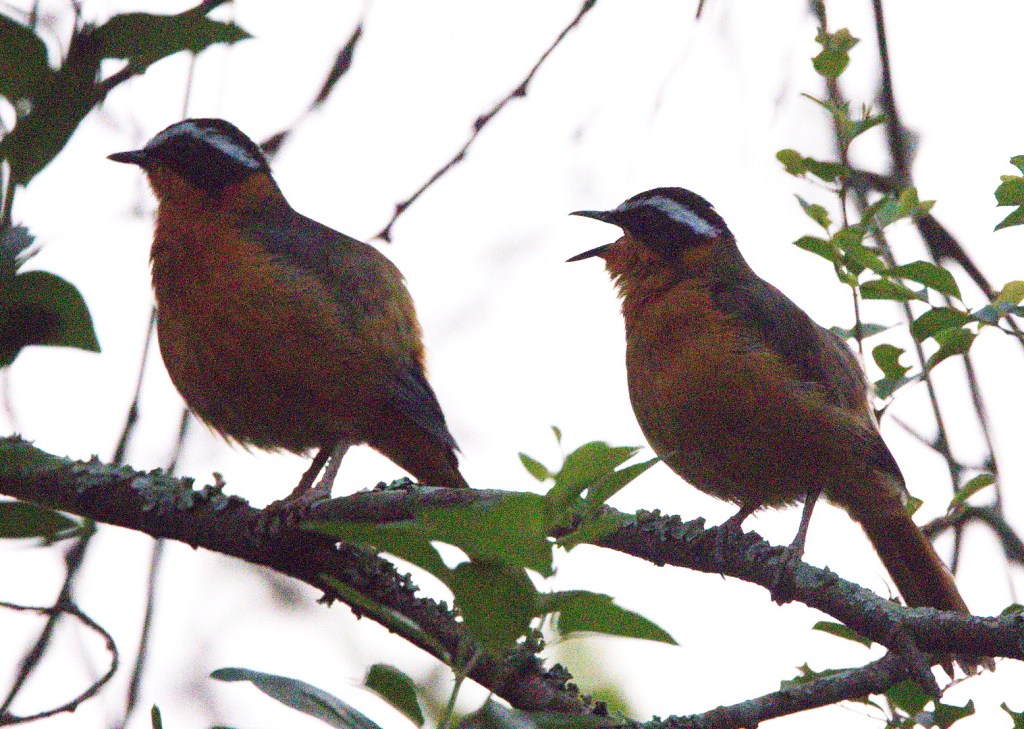
We had a pair of White-browed Robin-Chats (Heuglin’s) chorus us each morning always from the same spot in the bush.
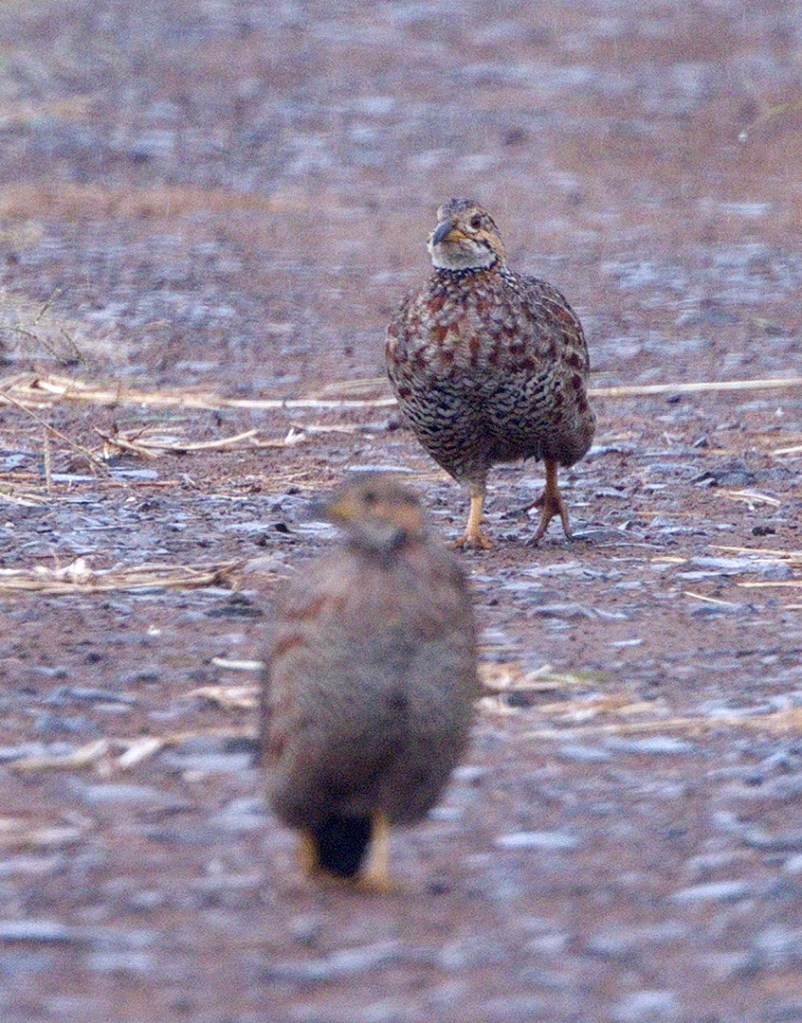
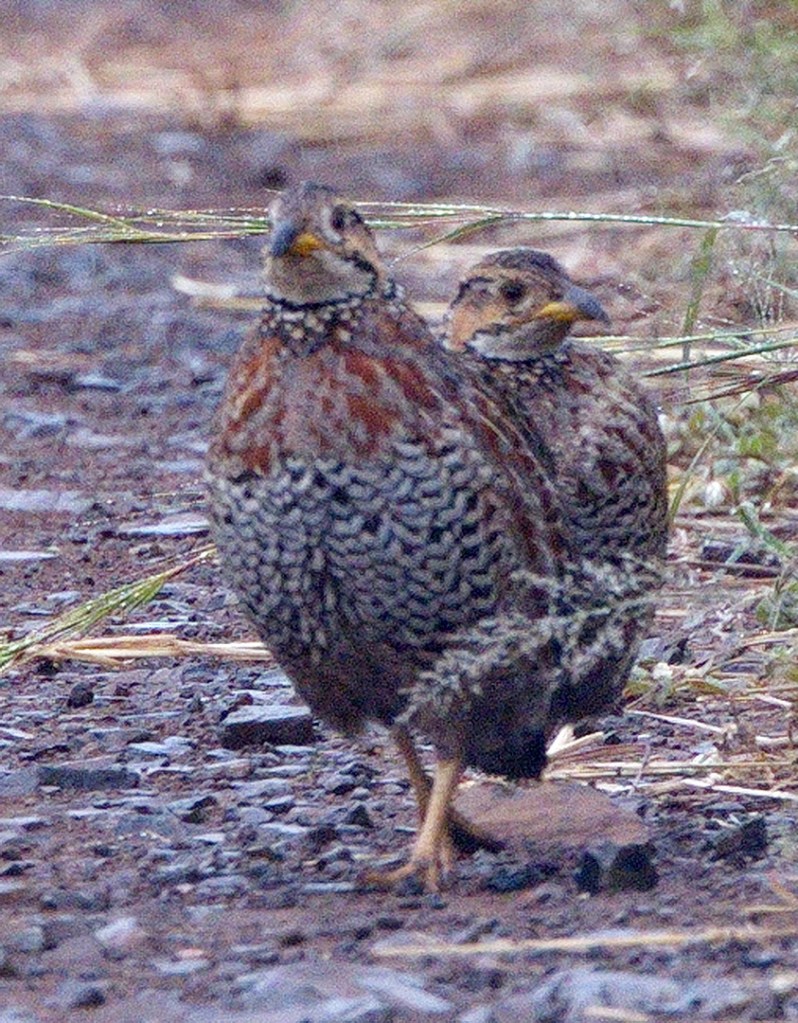
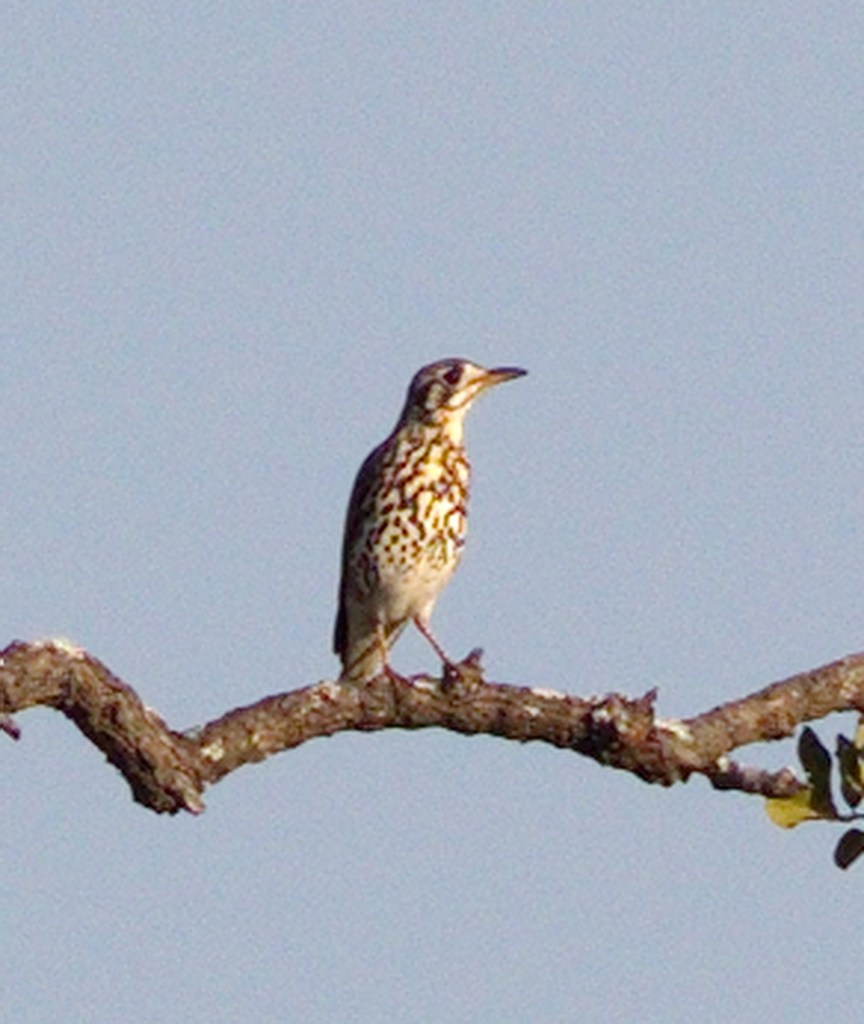
One day we took a drive on the back roads around the Mlondozi Picnic site, all the way to Tshokwane and down to Skukuza. The weather continued to be wet and overcast. Days like that sometimes bring out the unusual – like a family of Shelley’s Francolins.
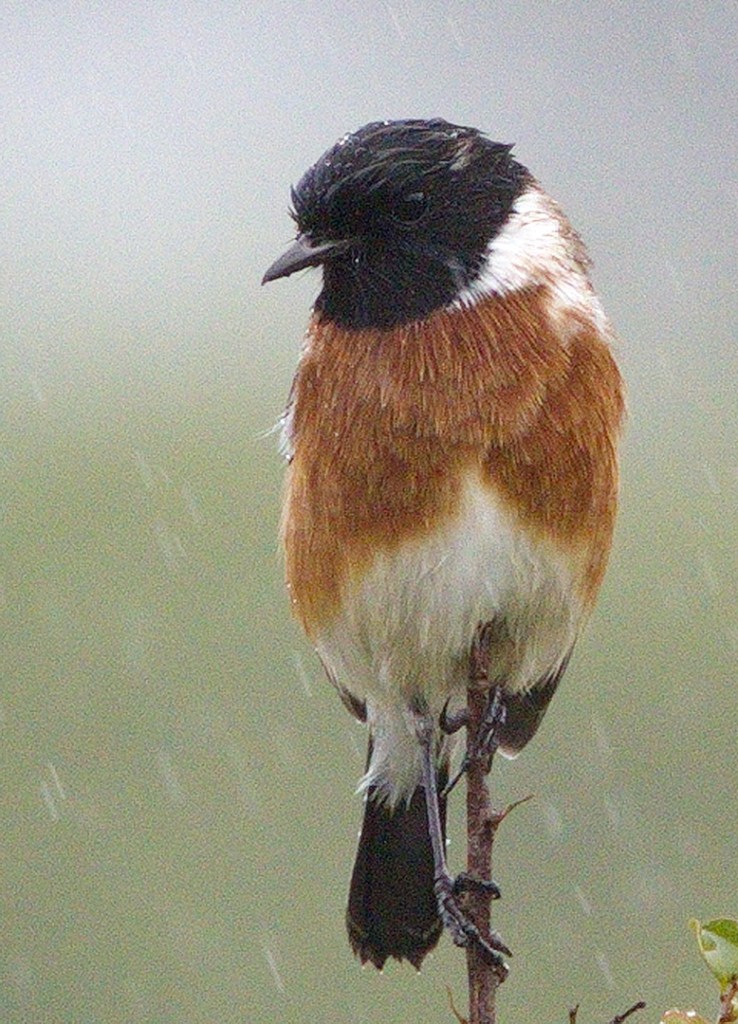
Shelley’s FrancolinShelley’s FrancolinA rather wet African StonechatShelley’s Francolin
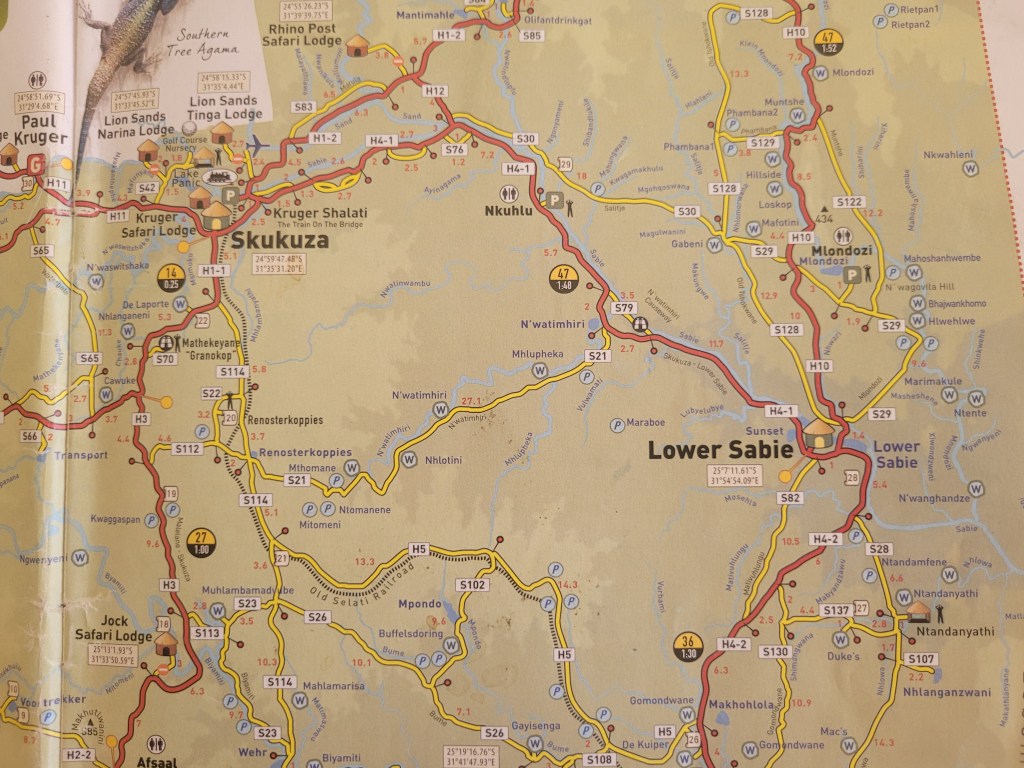
On another day we headed for Skukuza and the hide at Lake Panic. We took the two detours along the H1-4 Lower Sabie to Skukuza .
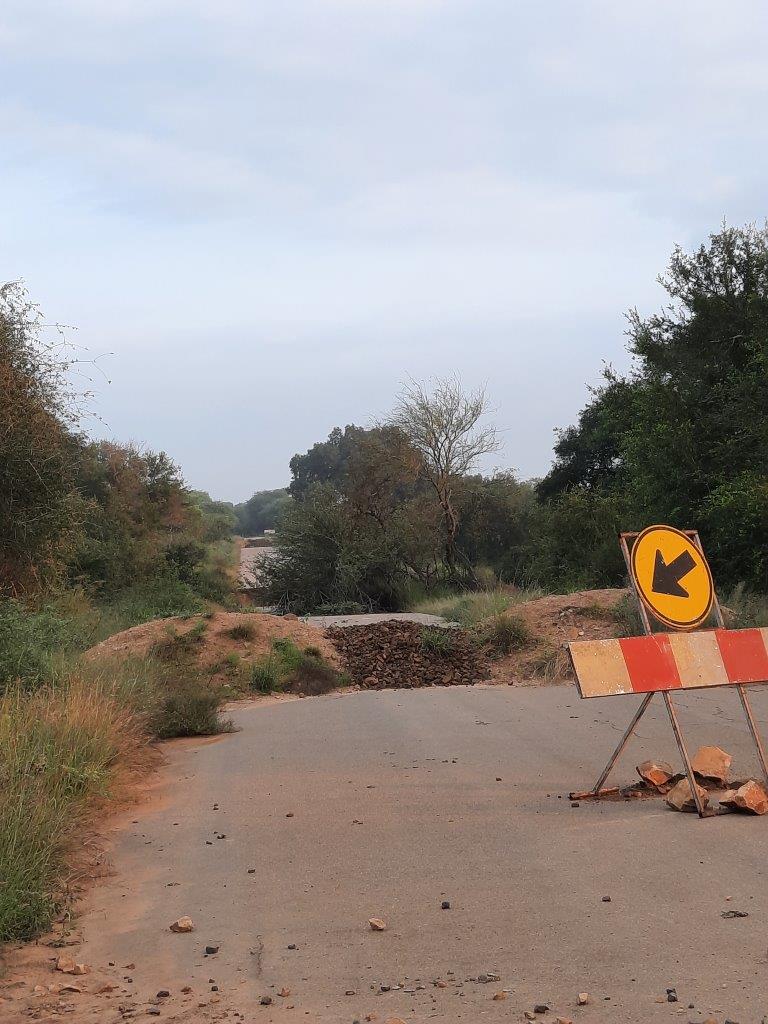
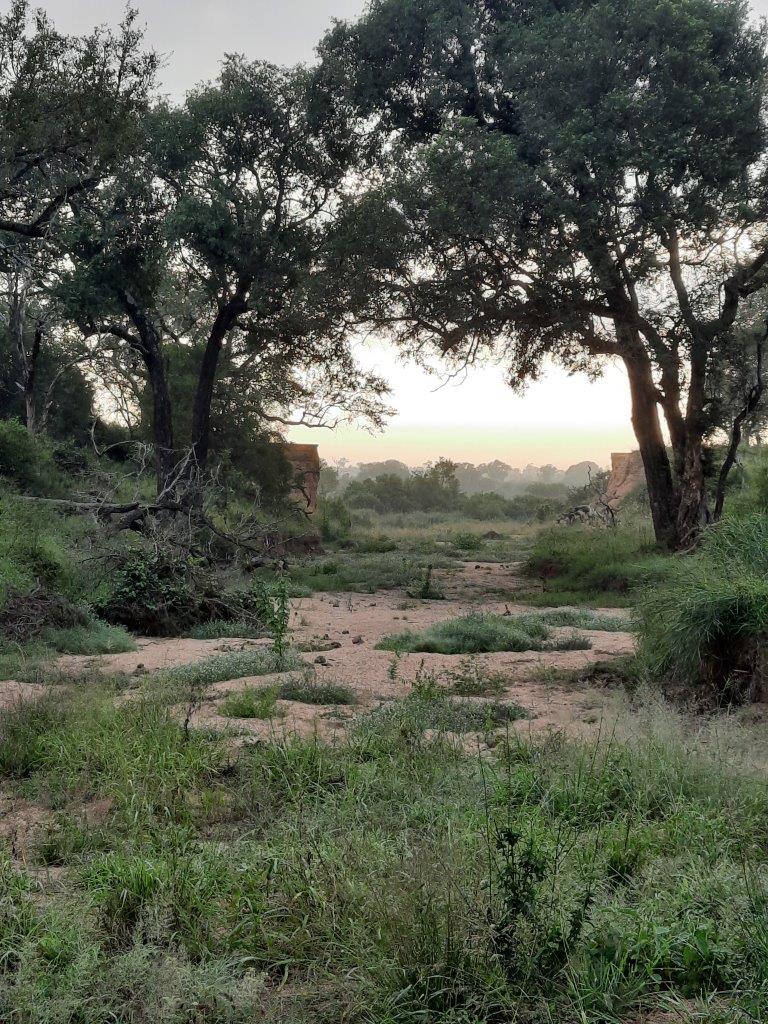
You can see where there used to be a river crossing in the background.
A Baboon sat on the road using his guile and jaw strength to rip into a sausage pod from a Sausage tree. Persistence pays off obviously. Watch.
The birdlife was very quiet at the Lake Panic hide.
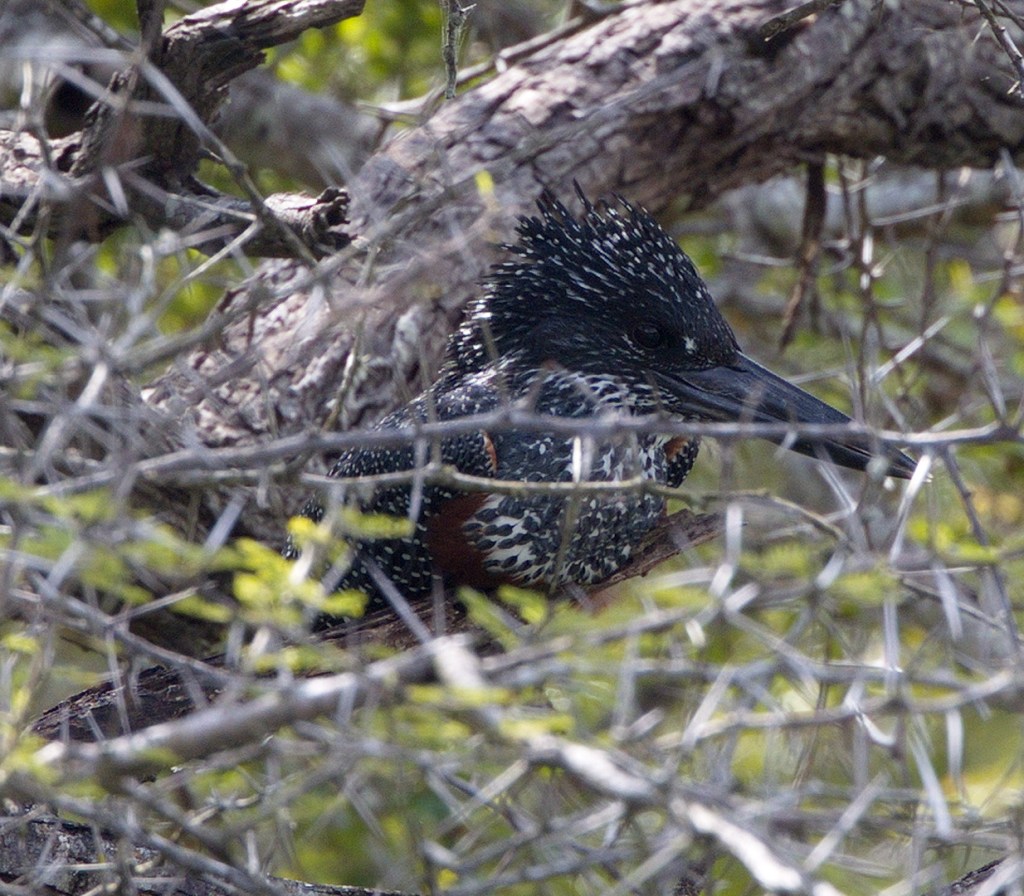
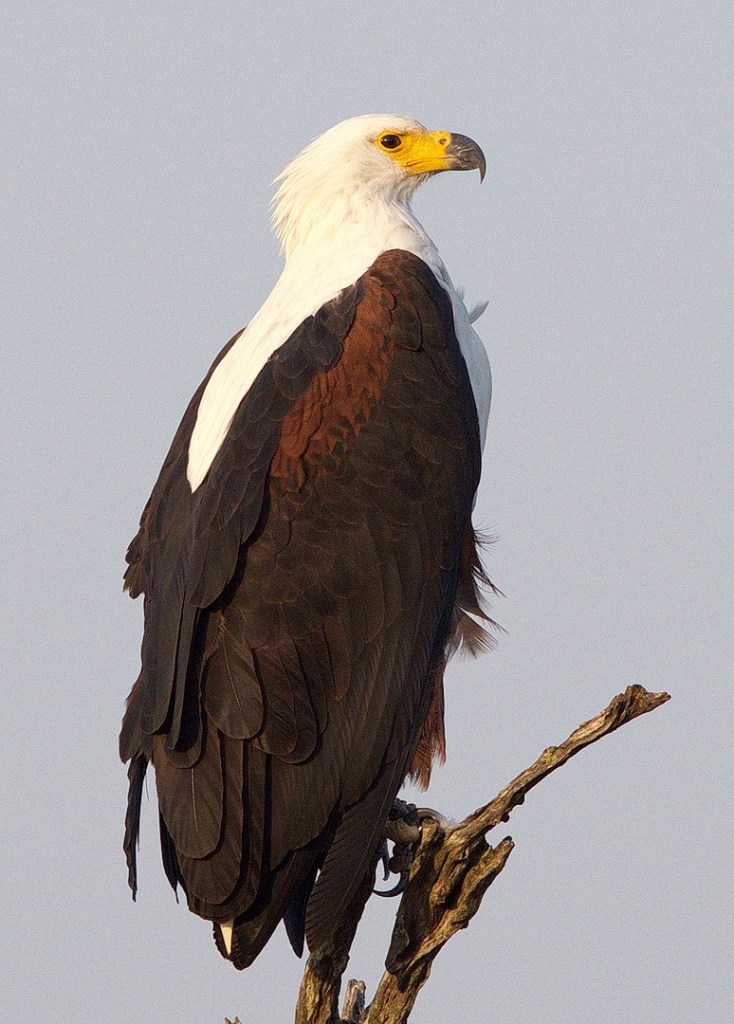
View from the hideA skulking Giant Kingfisher An amazing African Fish-Eagle
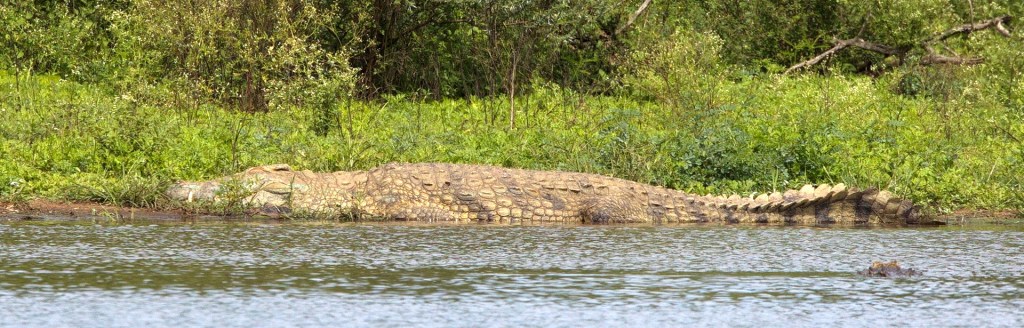
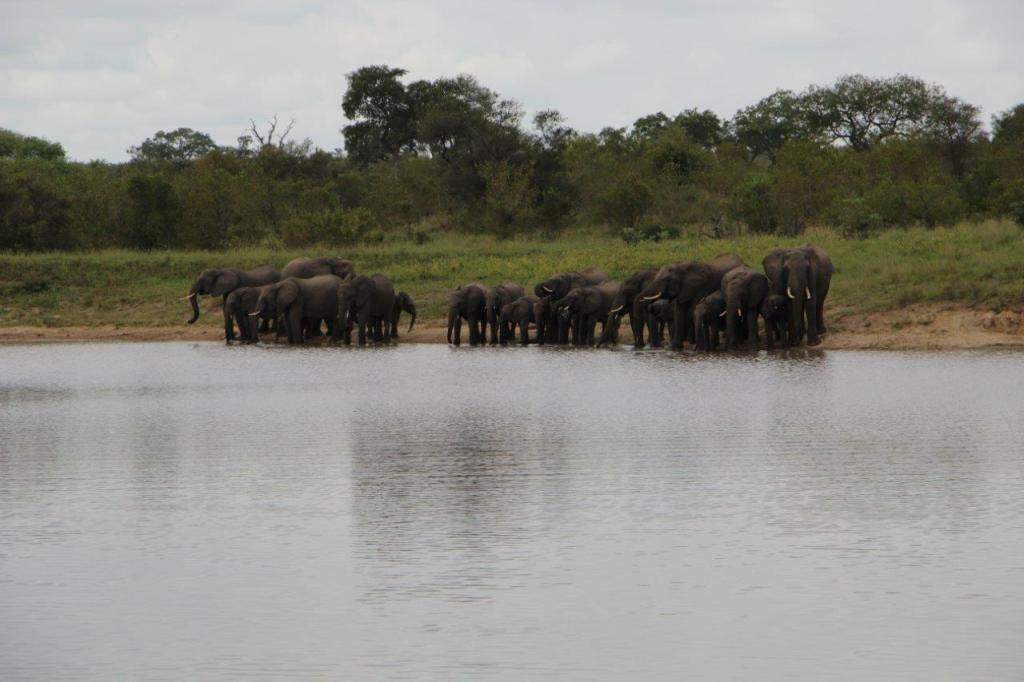
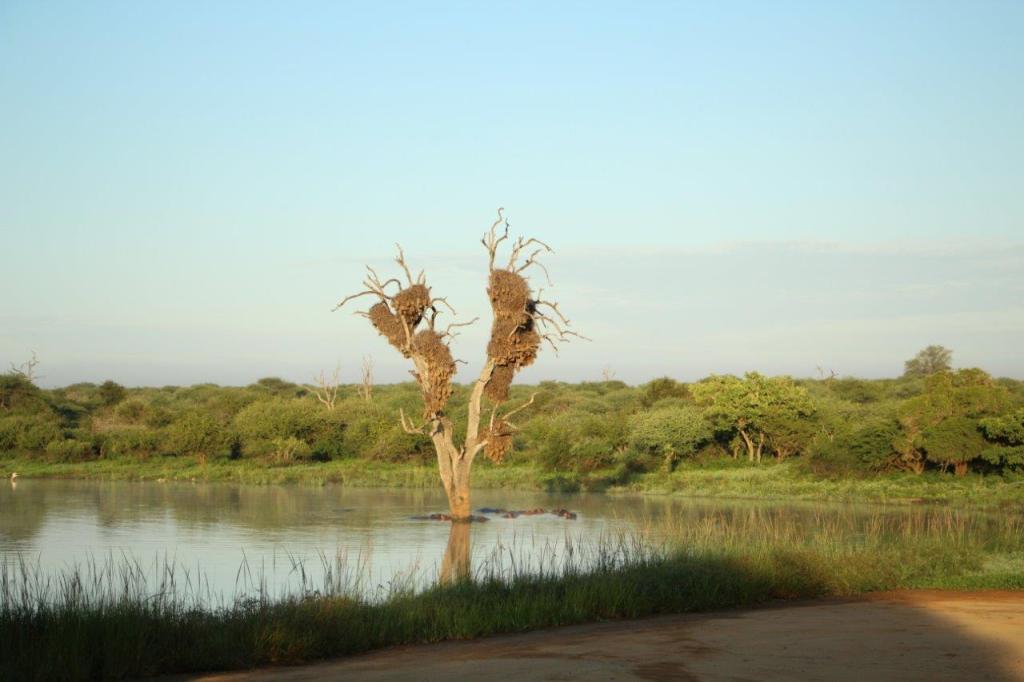
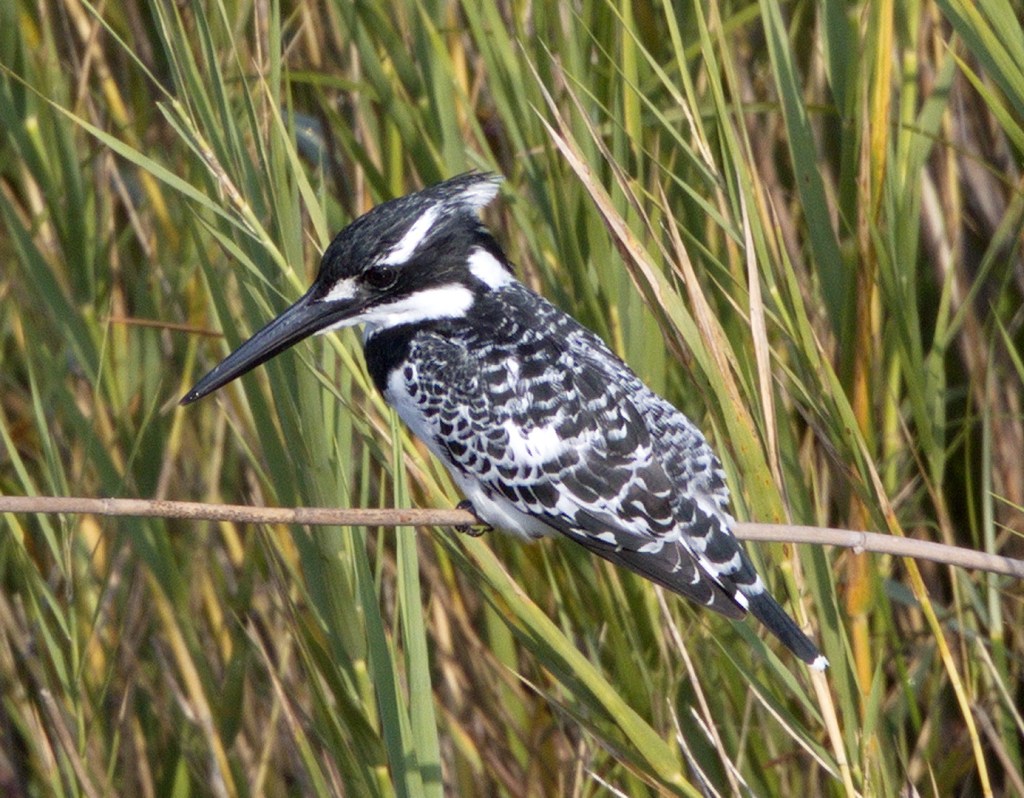
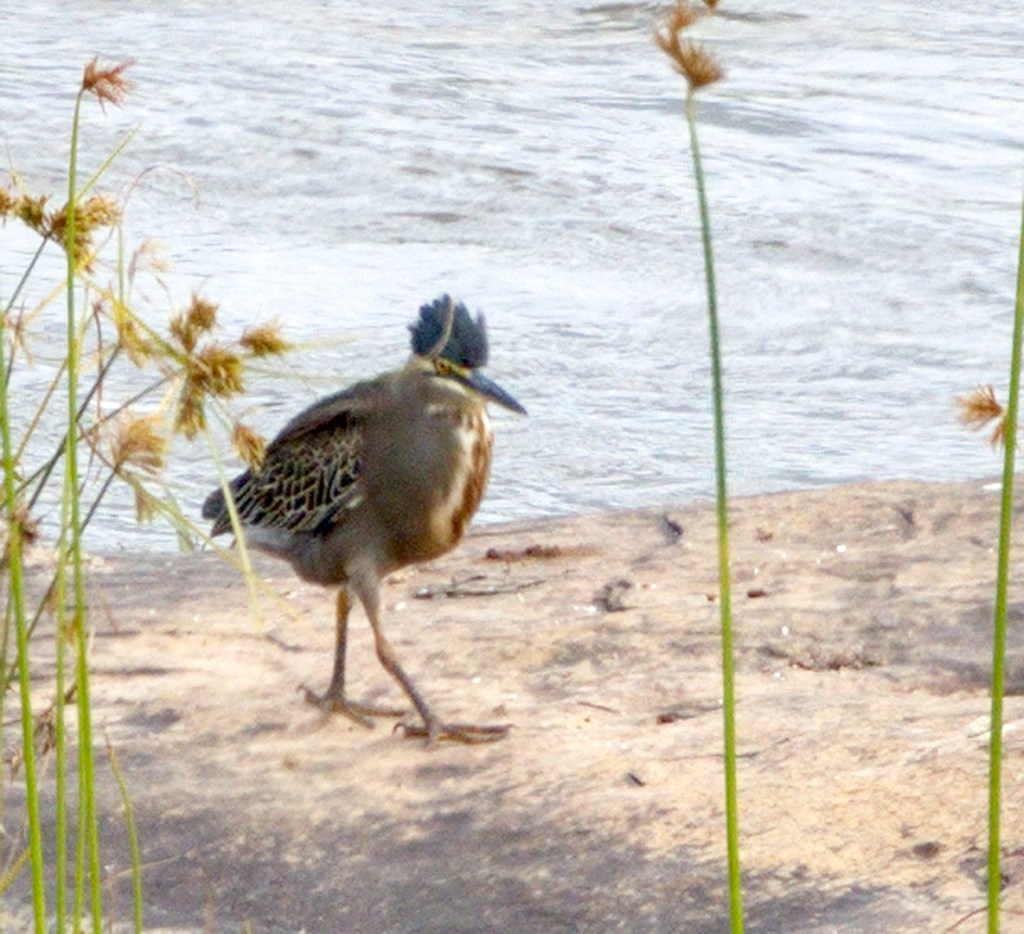
However, Sunset Dam did not disappoint. Apart from the antics of the hippos and the length of the crocodiles, birdlife was abundant.
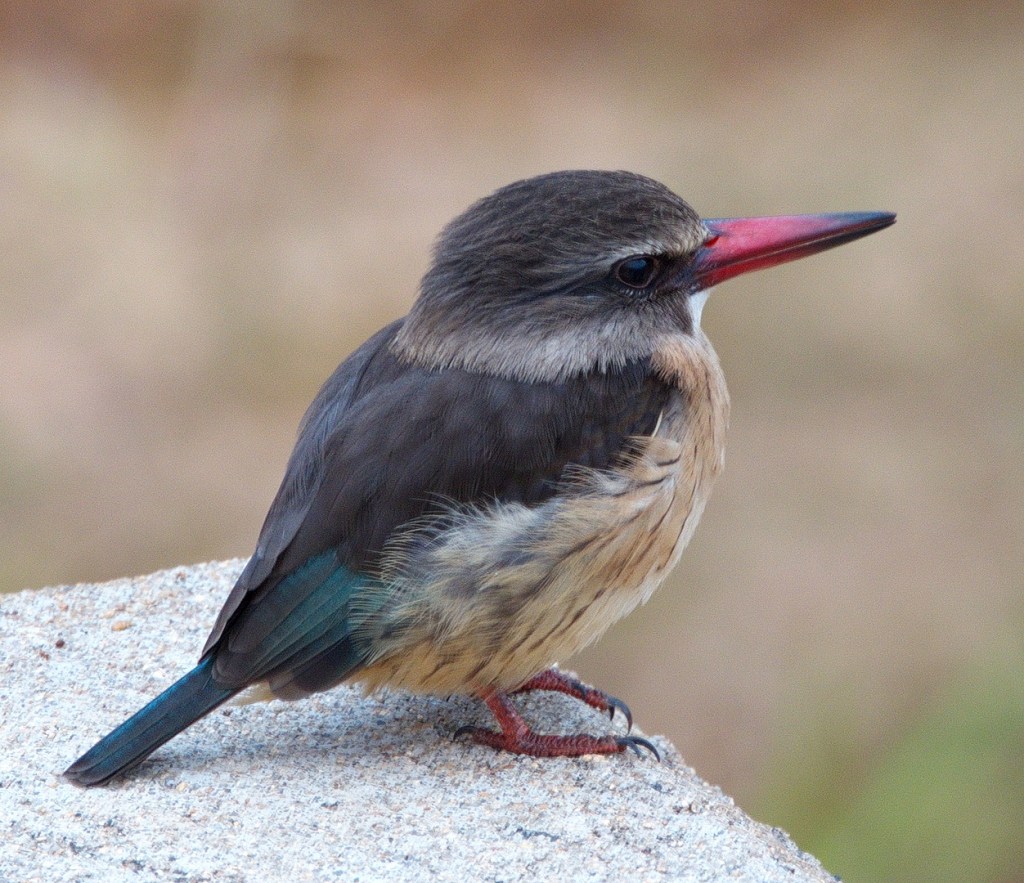
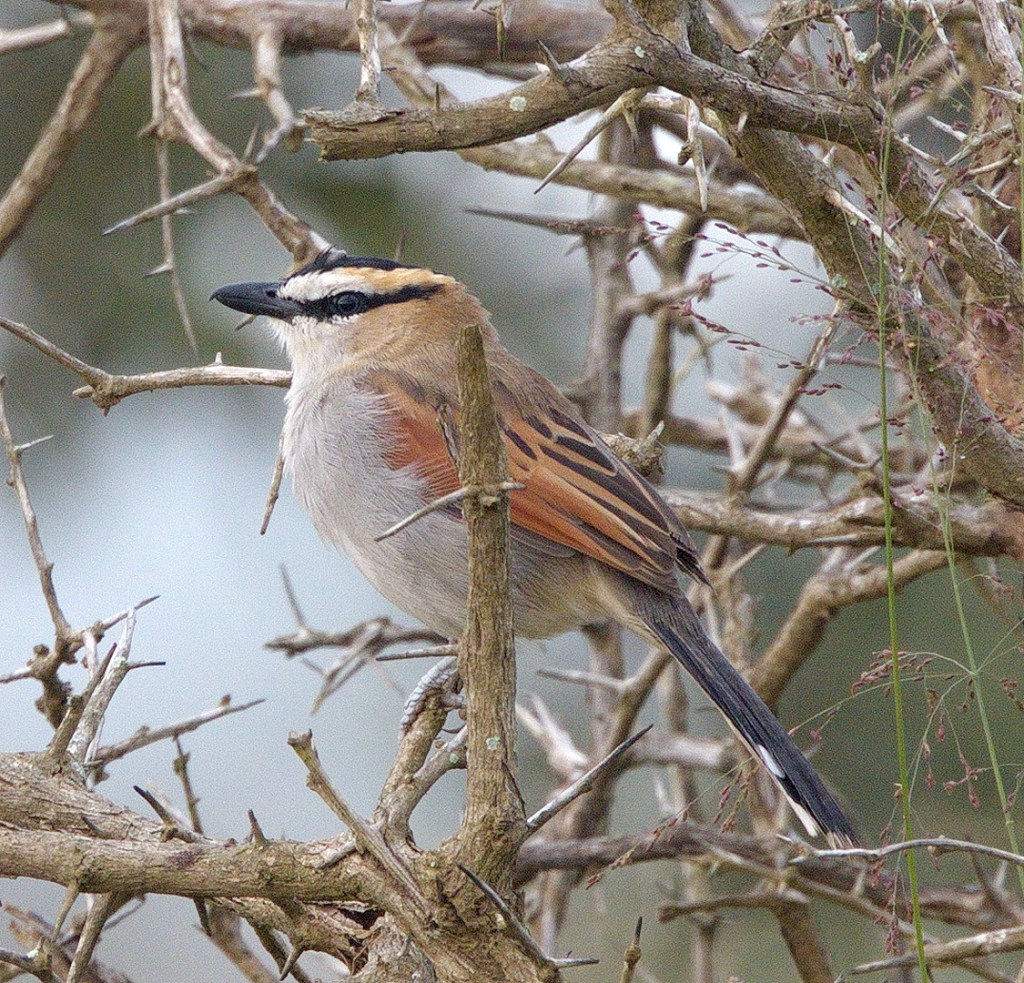
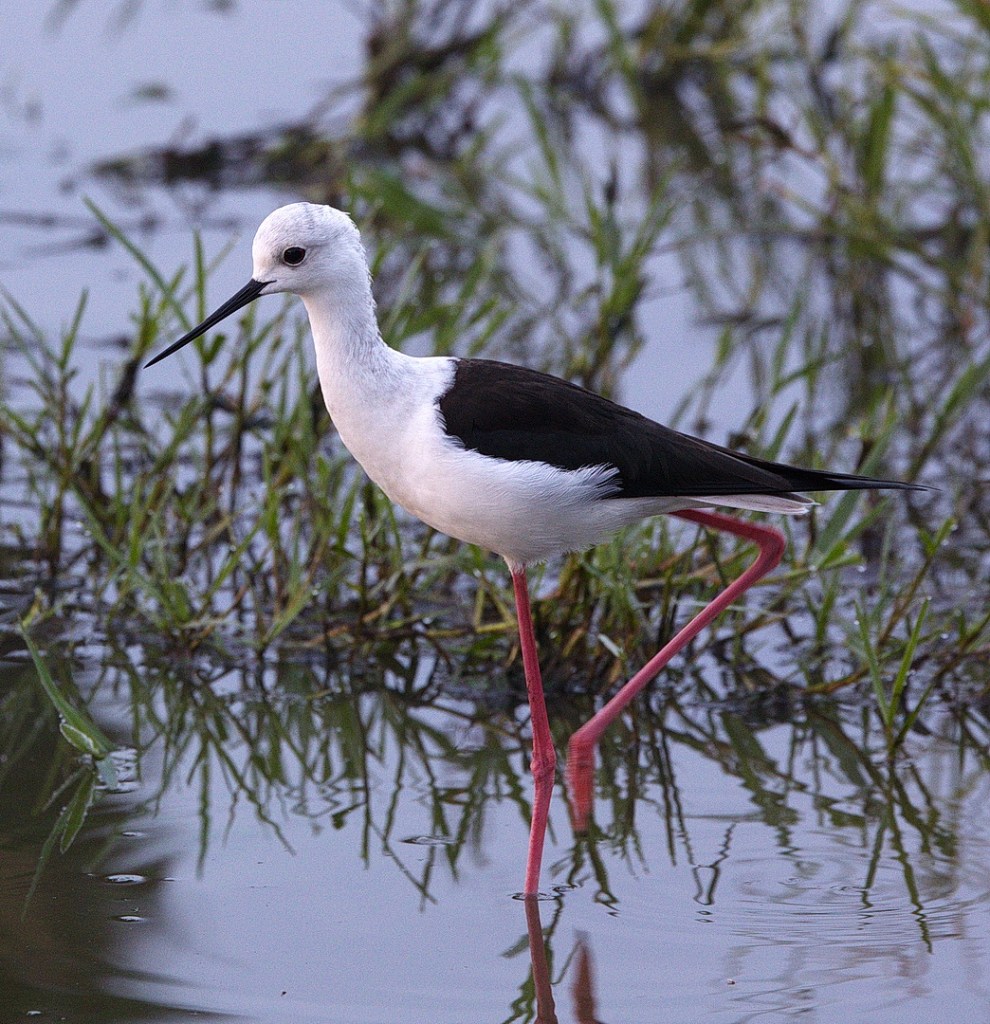
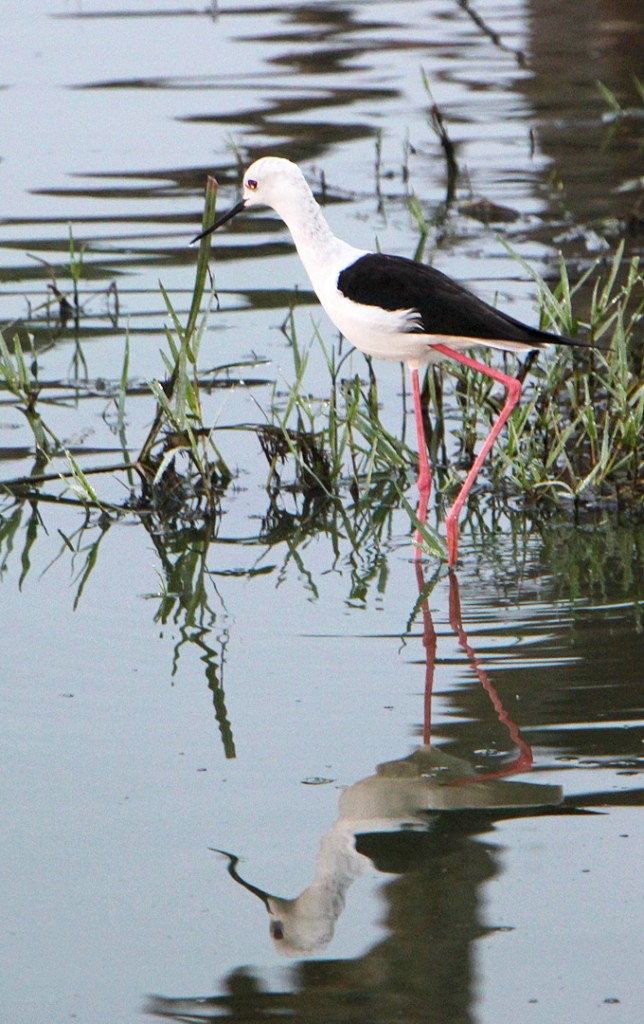
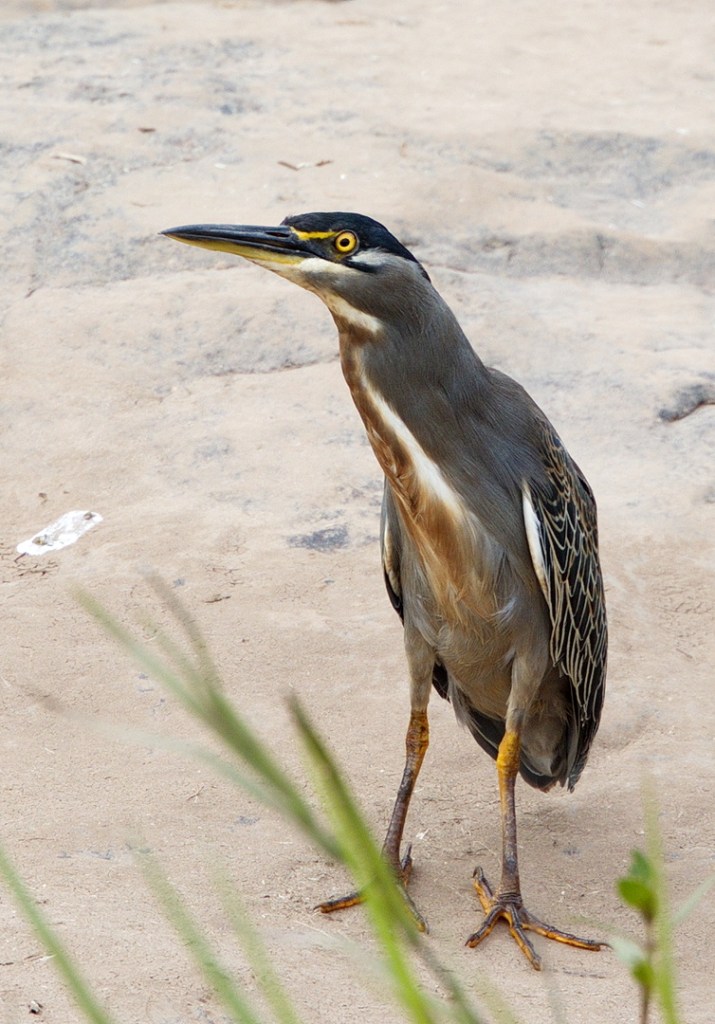
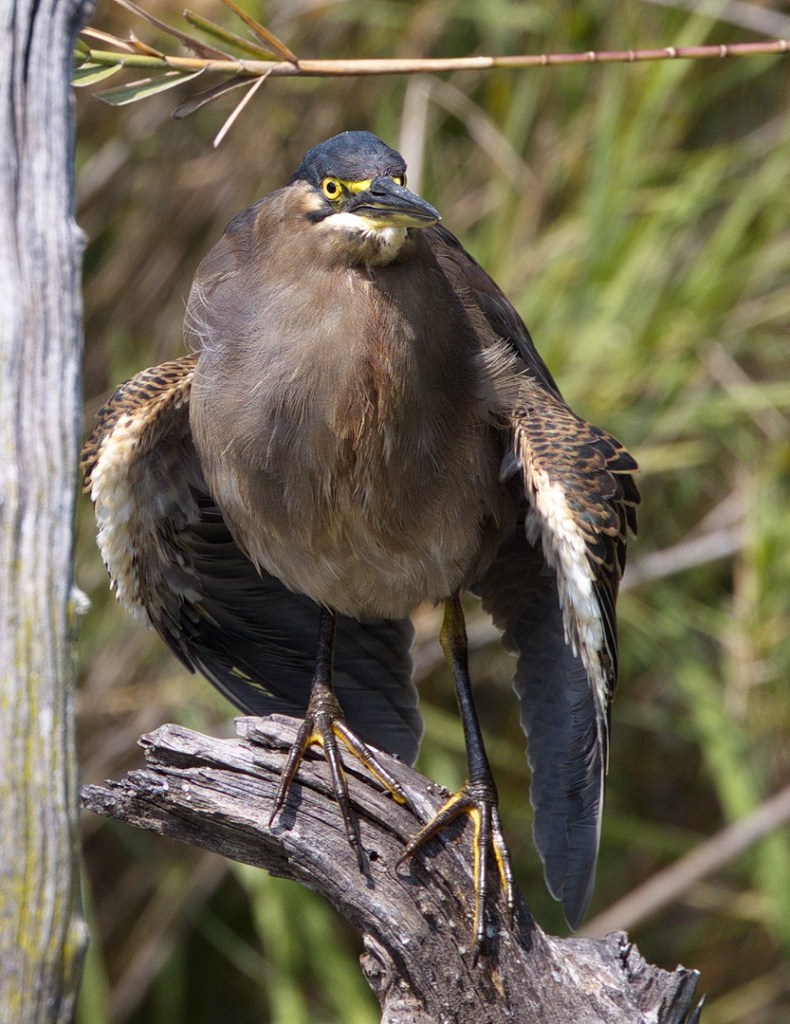
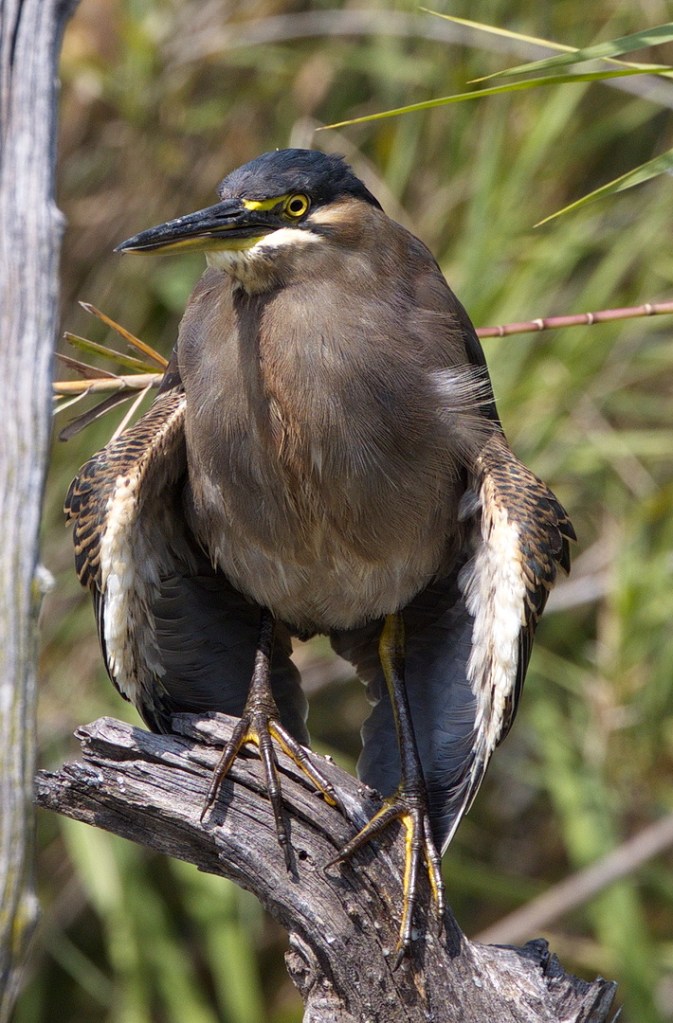
Brown-hooded KingfisherBlack-crowned TchagraBlack-winged StiltBlack-winged StiltA rather long crocodileElephantsRed-billed Buffalo-Weaver nestsPied KingfisherStriated HeronWood SandpiperStriated HeronStriated Heron branching outStriated Heron branching outStriated Heron branching out
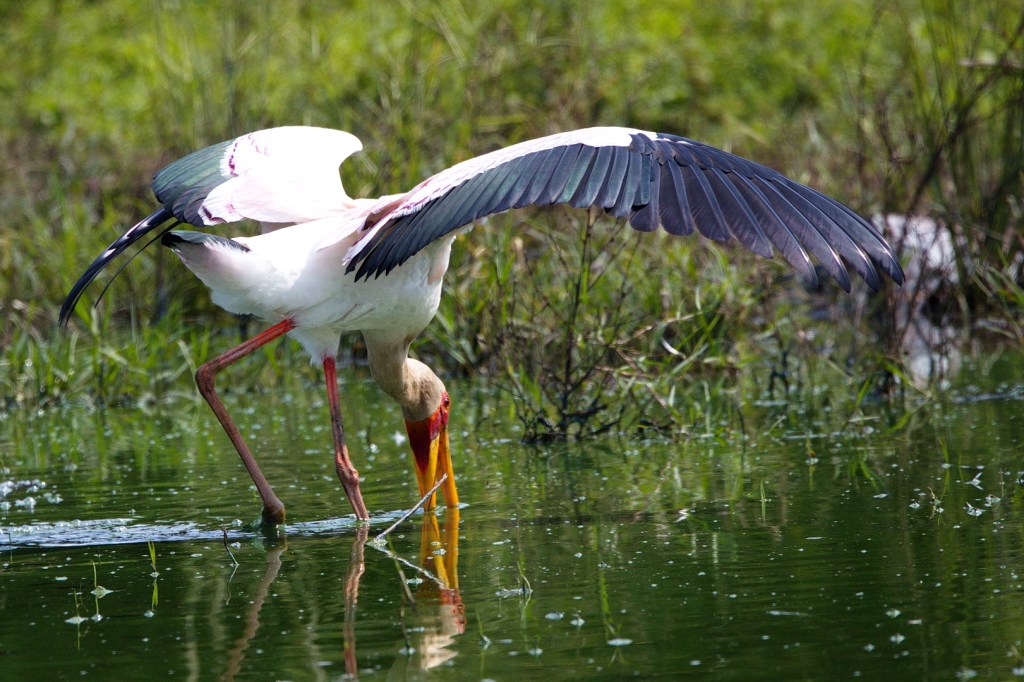
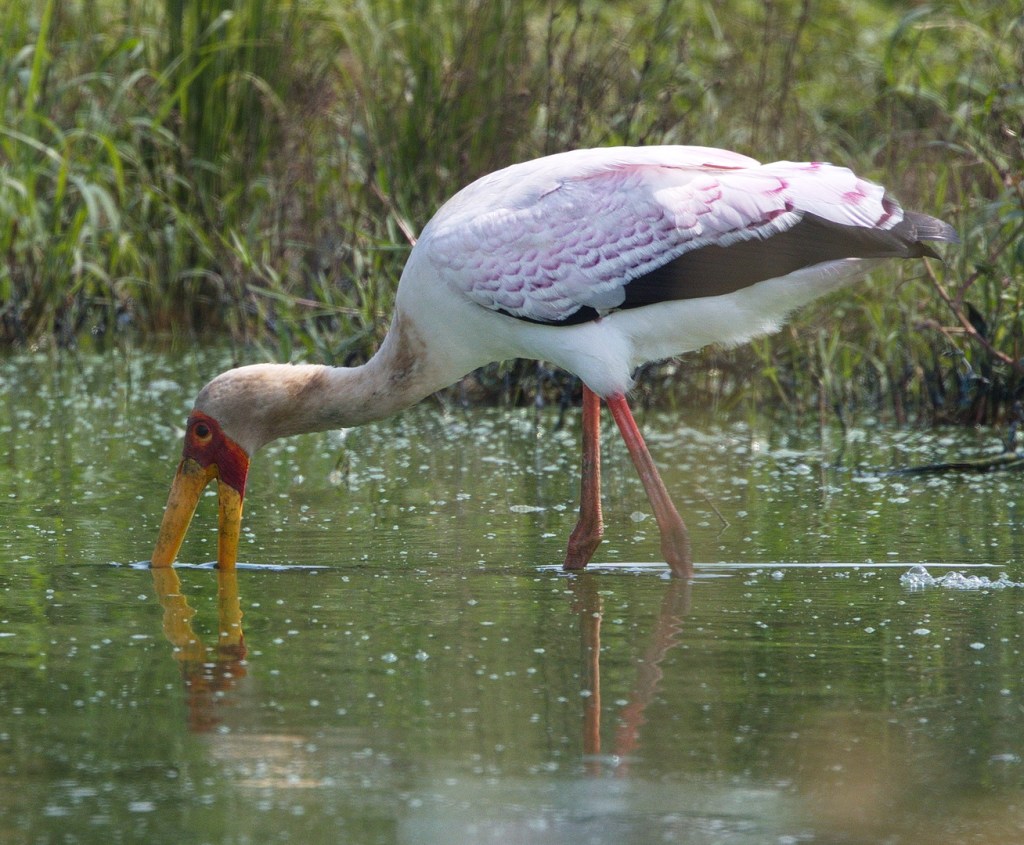
A Yellow-billed Stork showed how it uses its wings to move around quickly chasing dinner in the water.
Surprisingly, we saw several pairs of White-crowned Lapwings in Sunset Dam as well as near the main bridge crossing lower Sabie. In the past we had only ever seen them in the north of the Park around Pafuri.
White-crowned Lapwing.
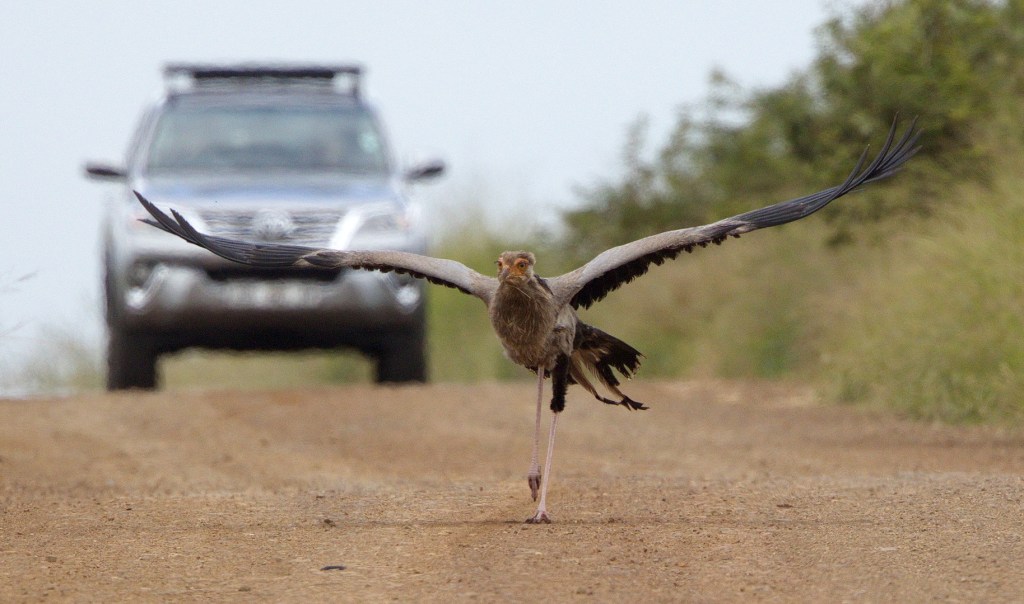
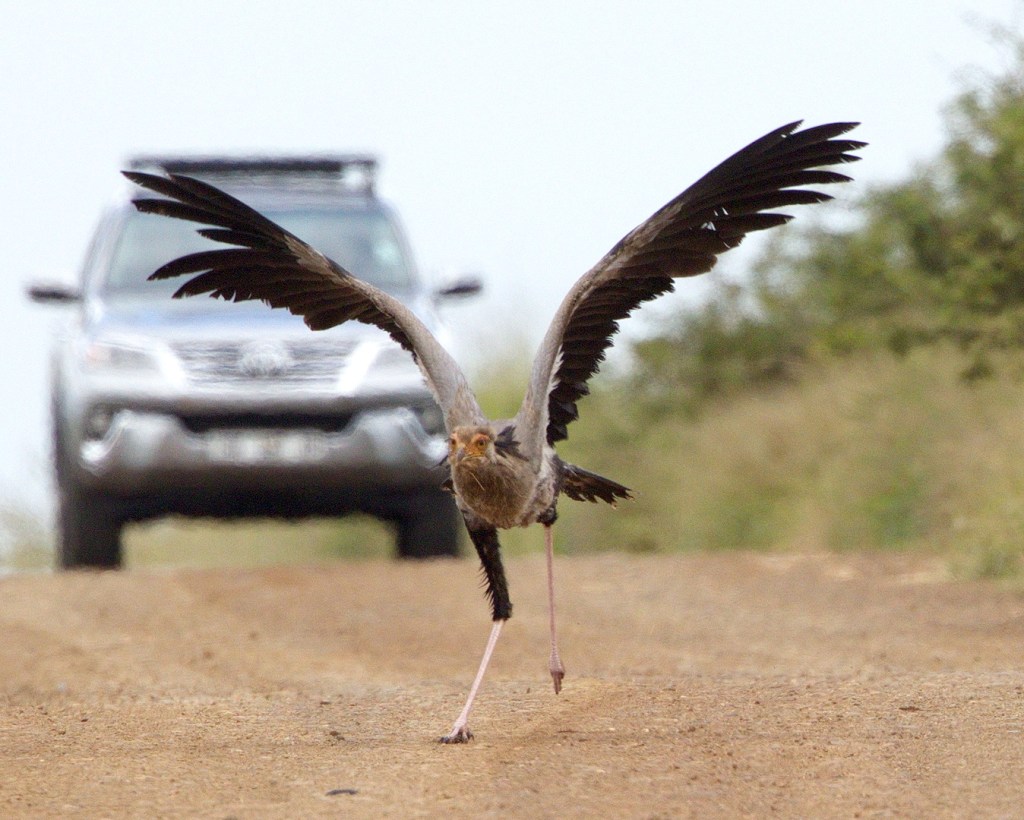
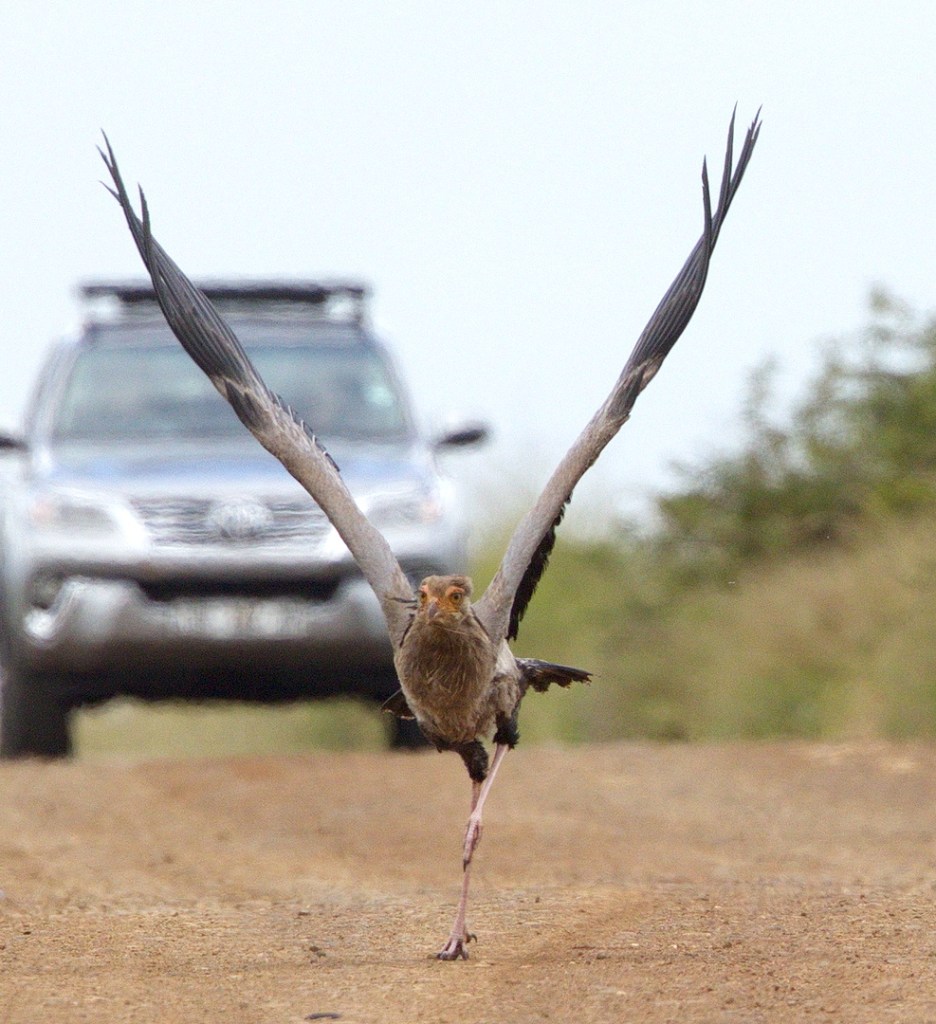
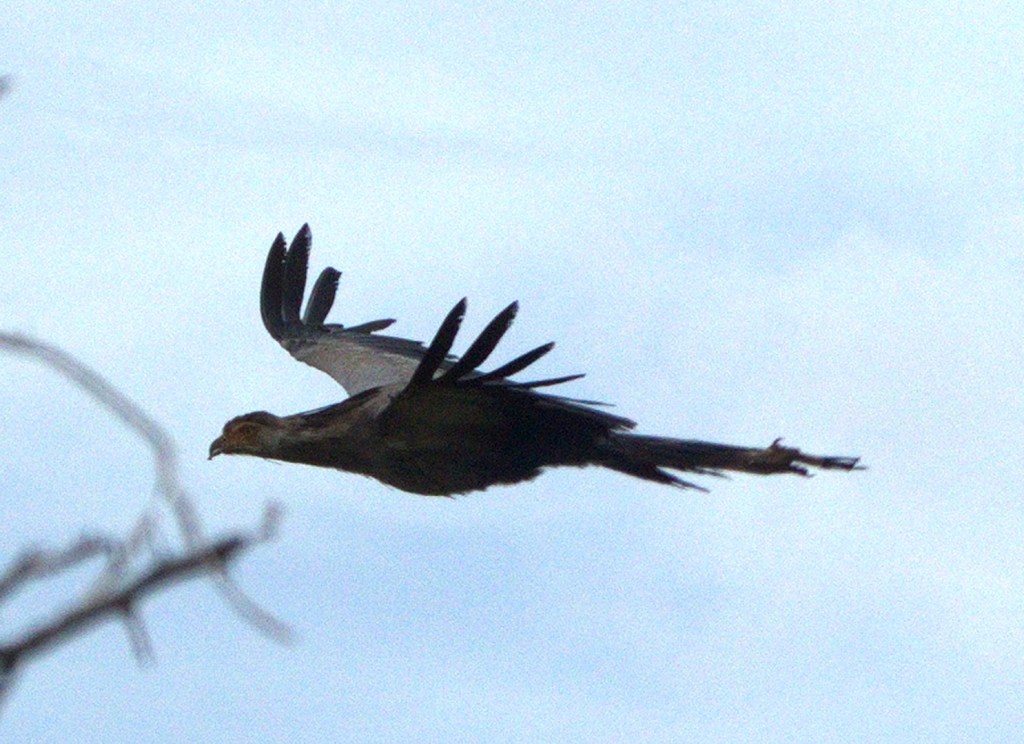
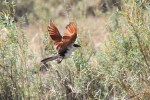
On one of the back roads, we noticed a Secretarybird way ahead of us. As I was about to take a photo, a car came over the hill and it took off towards us fortunately.
Secretarybird attempting to get into the air.
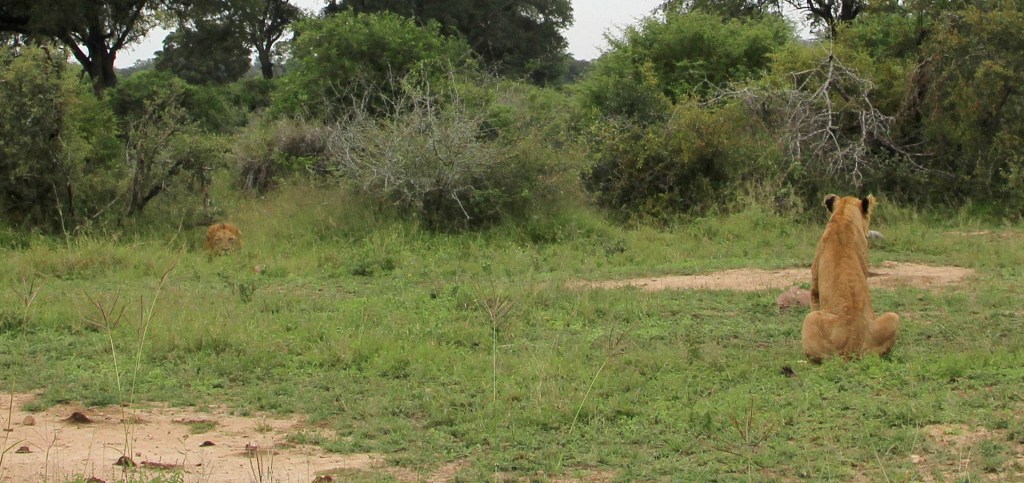
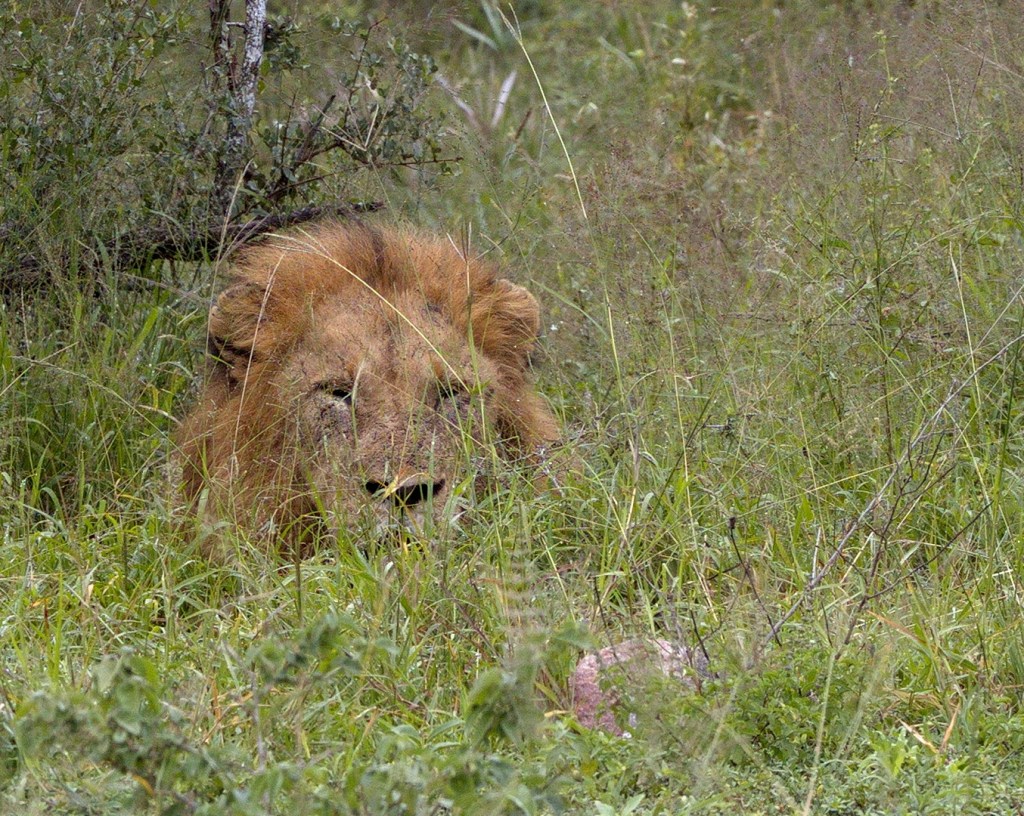
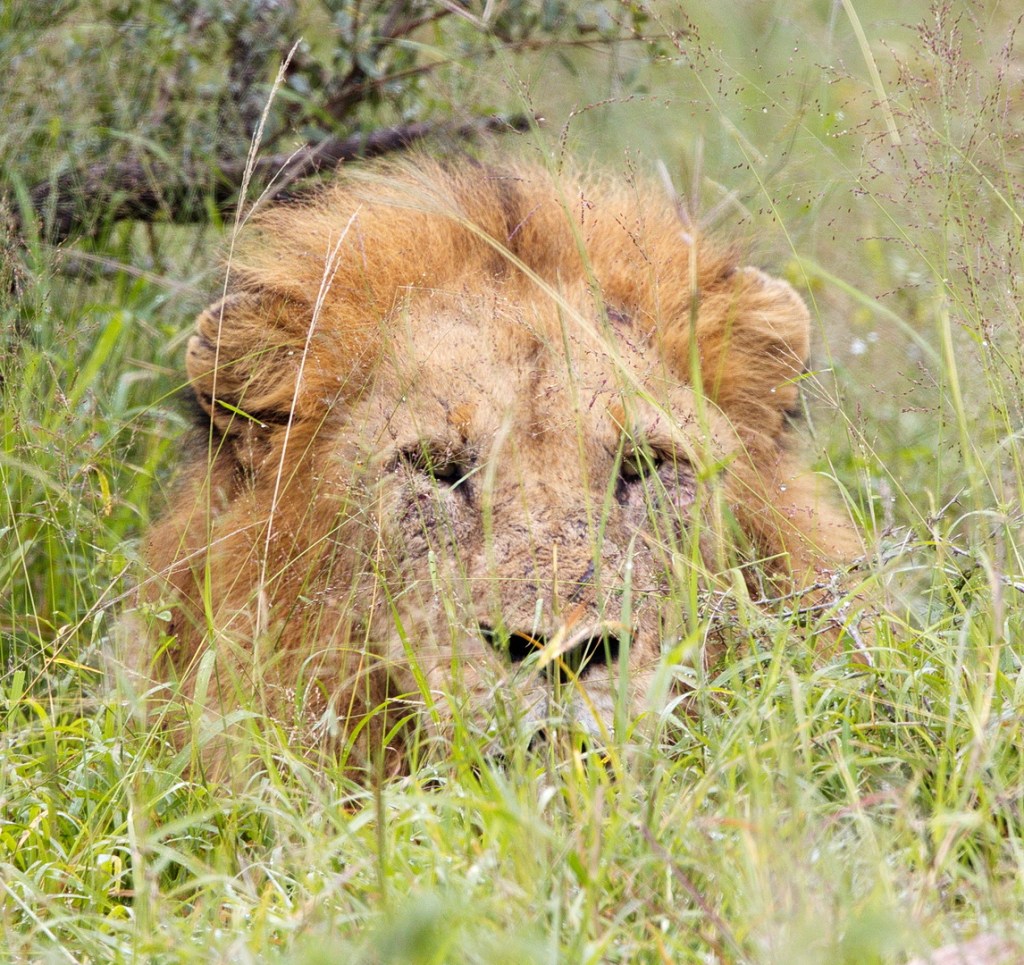
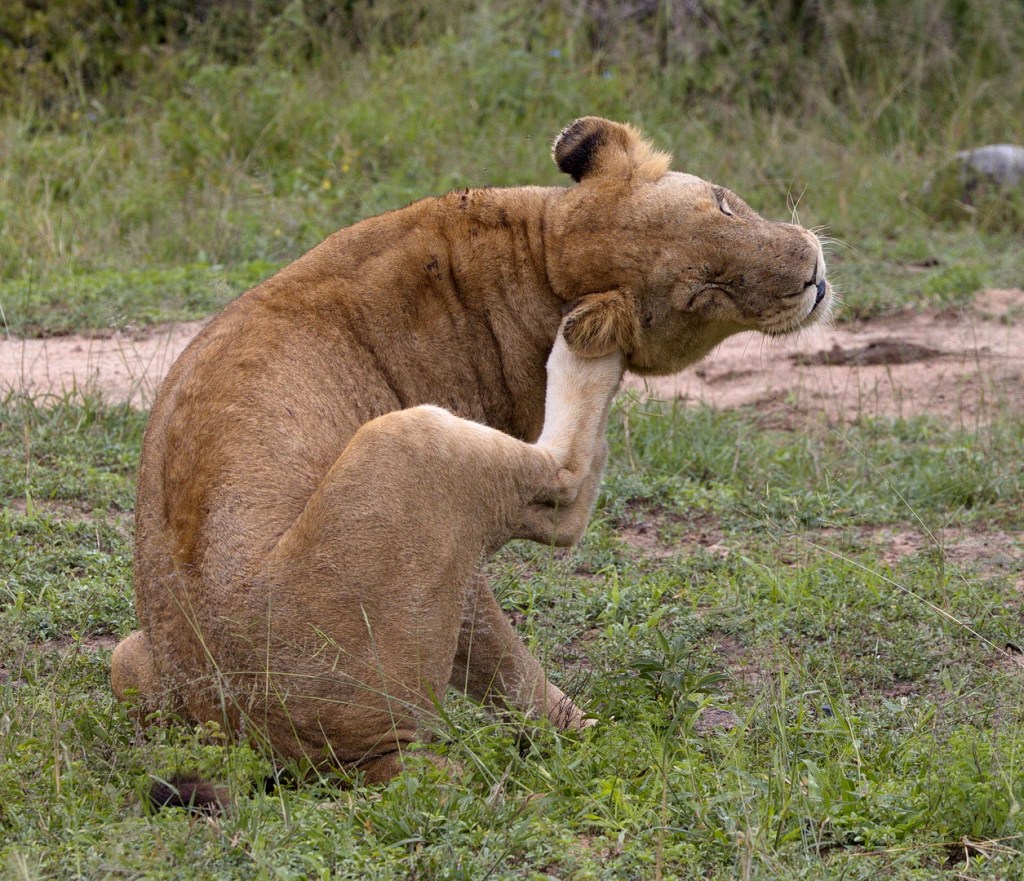
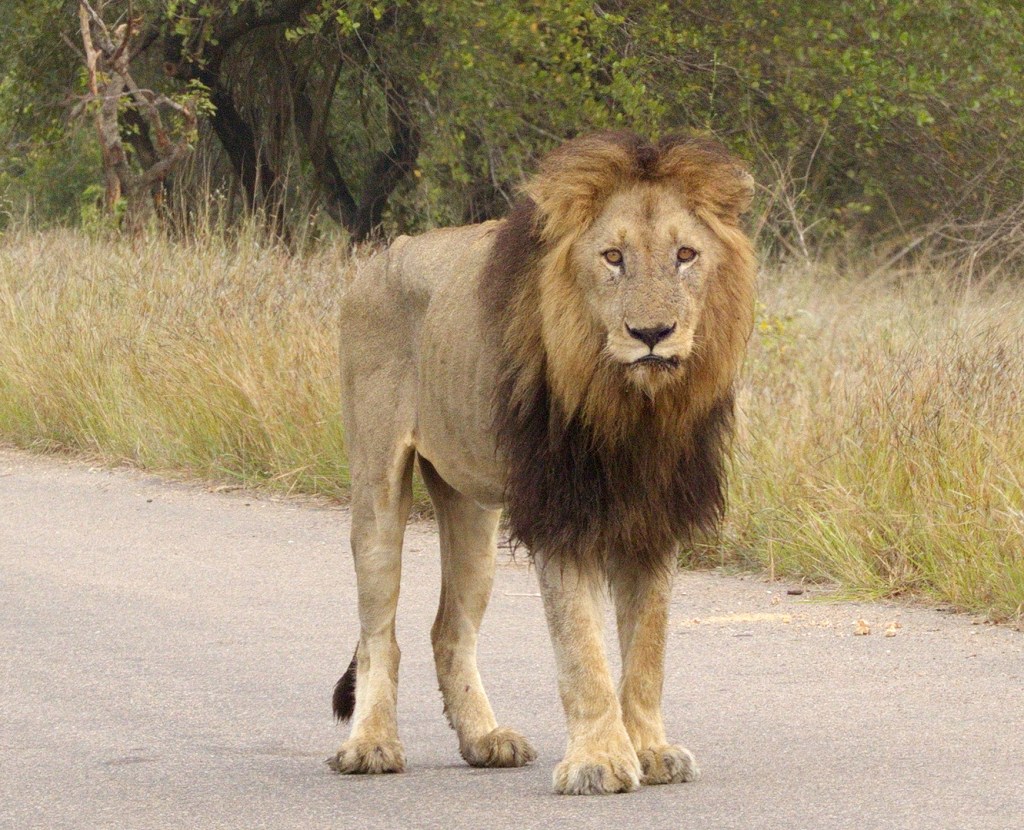
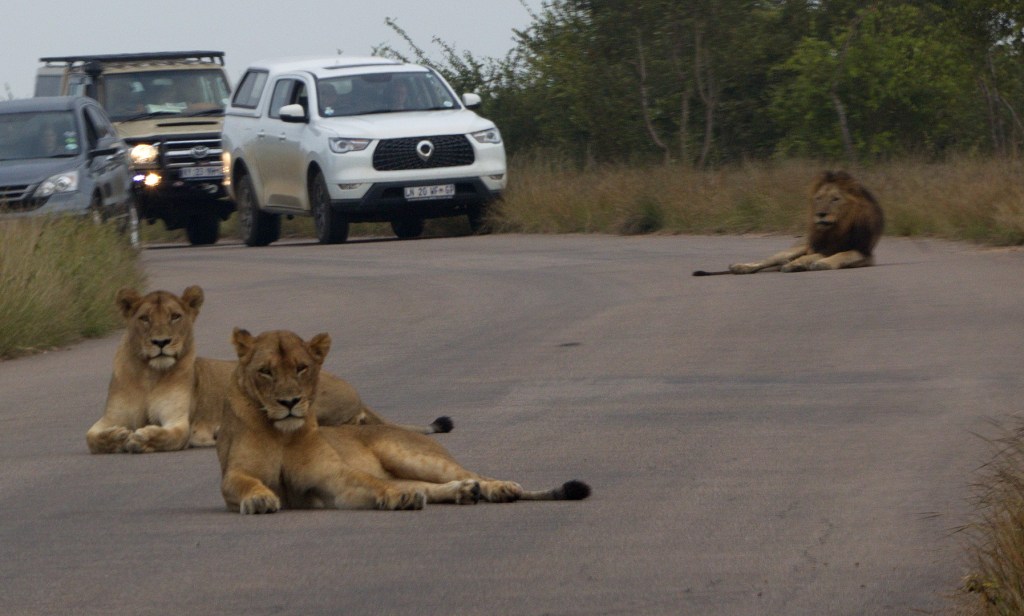
We did come across several Lion sightings – a mating pair in one instance and a pride lying across the road with the usual traffic jam. We also saw briefly our only Cheetah and took a video of a Hyena walking by.
CheetahWaiting for her man.Male Lion recuperatingMale Lion recuperatingLioness keeping him at bay for the momentLioness resting between sessionsLioness tarting upScrawny male with mates on the roadA gemorse of traffic.
Hyena
Hyena with wounded back.
Raptors
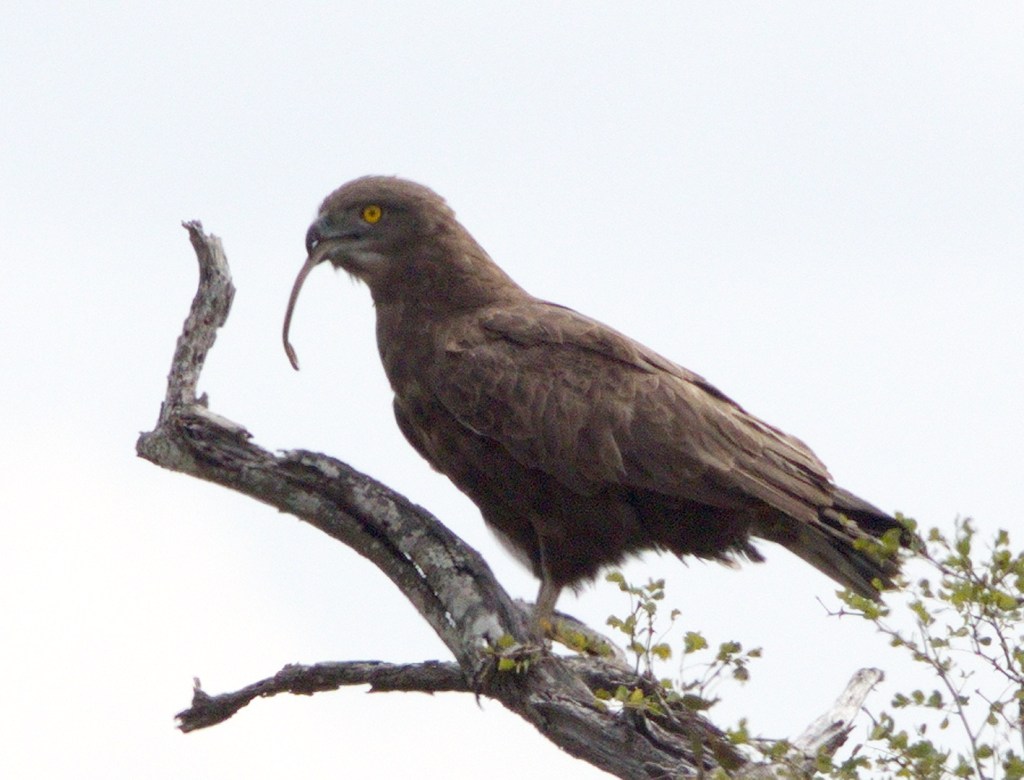
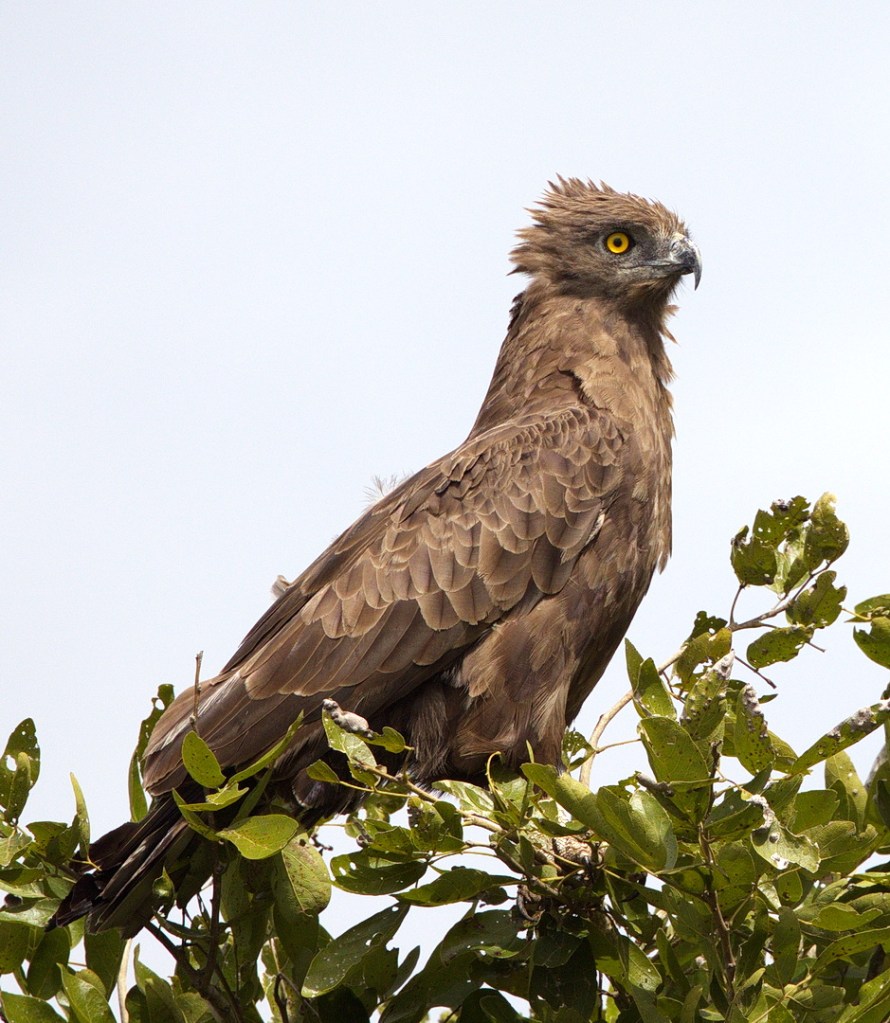
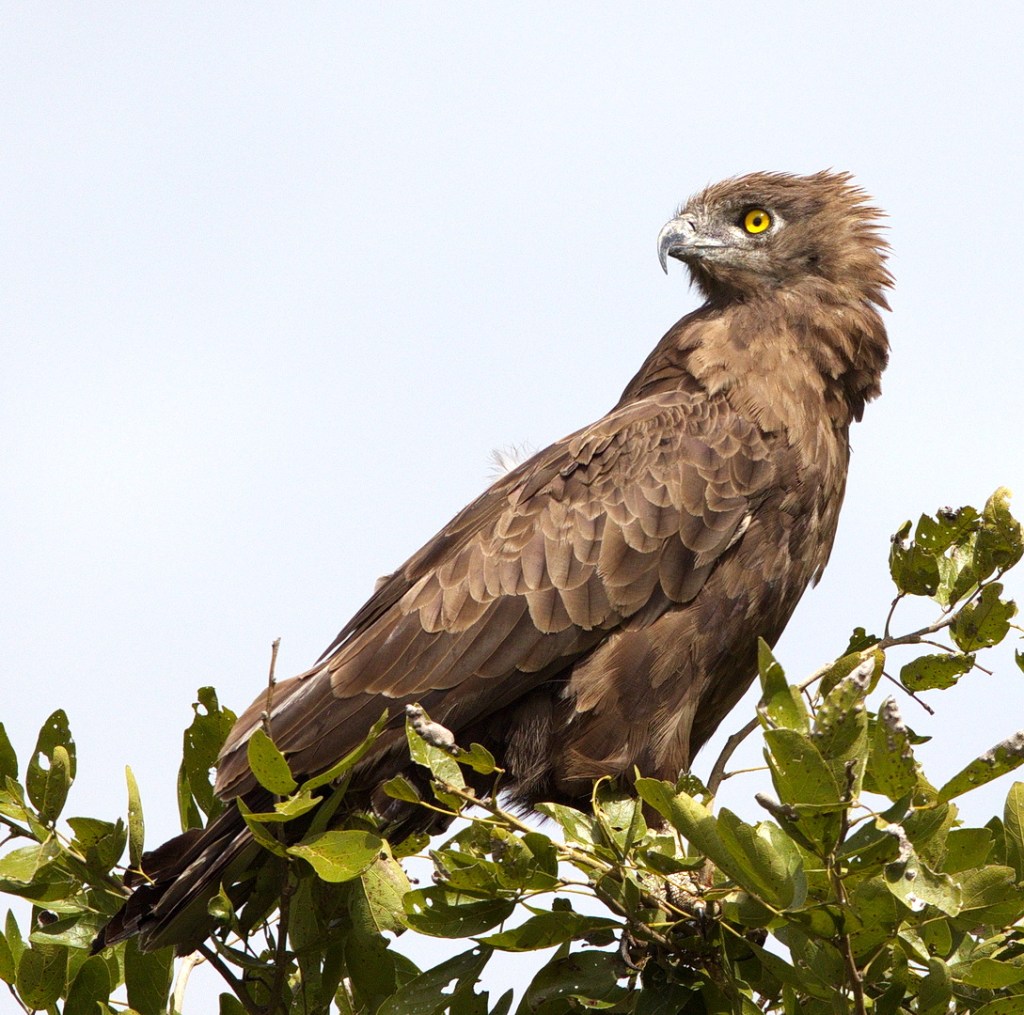
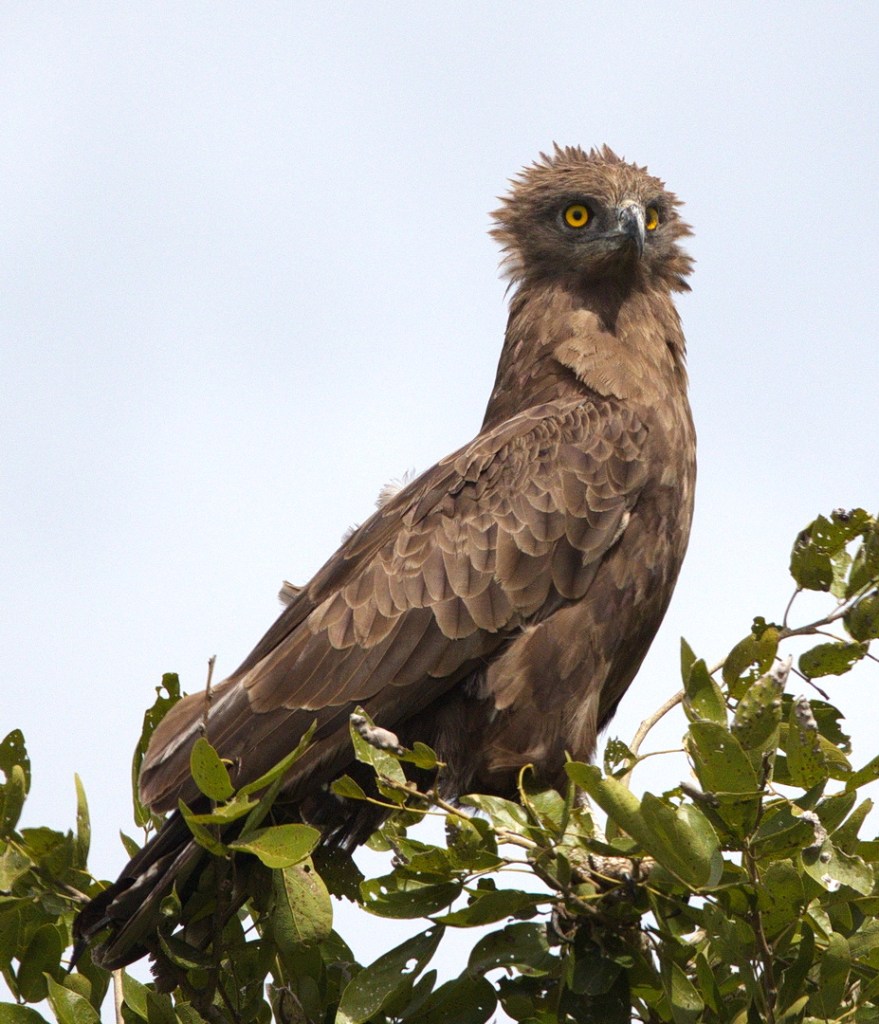
Several Brown Snake-Eagles, Martial Eagle
Brown Snake-Eagle with snakeBrown Snake-Eagle coming at usBrown Snake-Eagle coming at us – getting closerBrown Snake-Eagle almost upon us.Brown Snake-EagleStaring us down yMartial EagleMartial Eagle
And here are some of the other species we managed to capture.
Sally and Paul enjoying a sundowner at the Berg-e-dal bar.
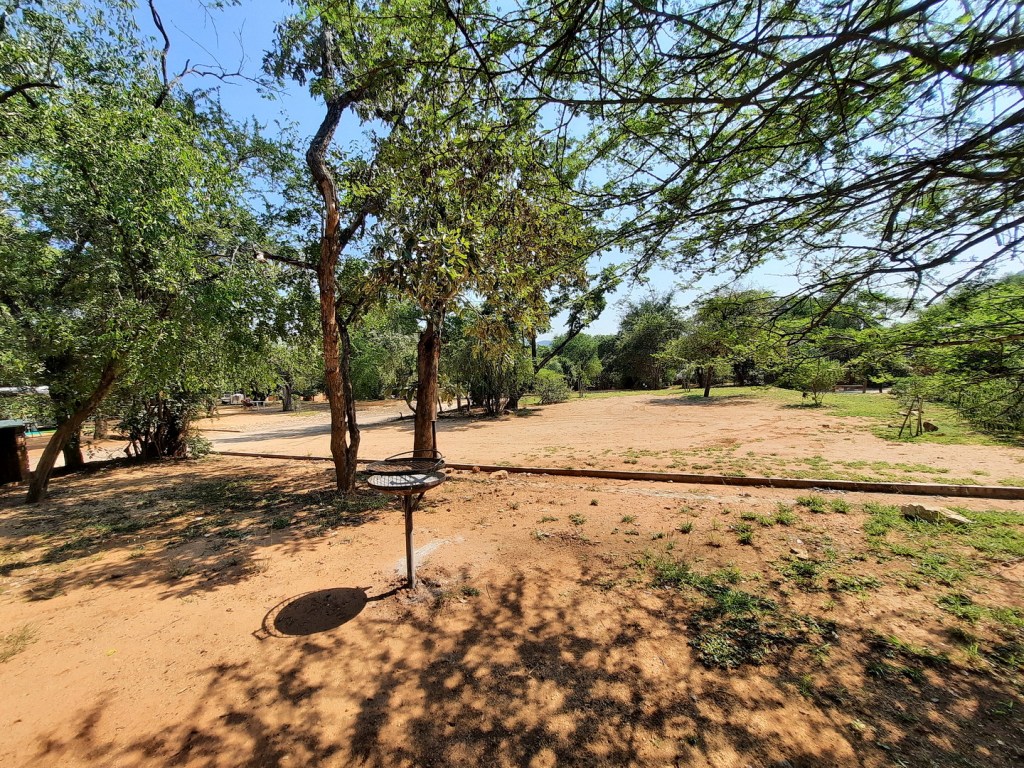
After driving around the camp for ages looking for a spot, we eventually settled on a site we had first seen. And we enjoyed the privacy and outlook.
Our outlookLaid back into the bushAblutions far enough away.
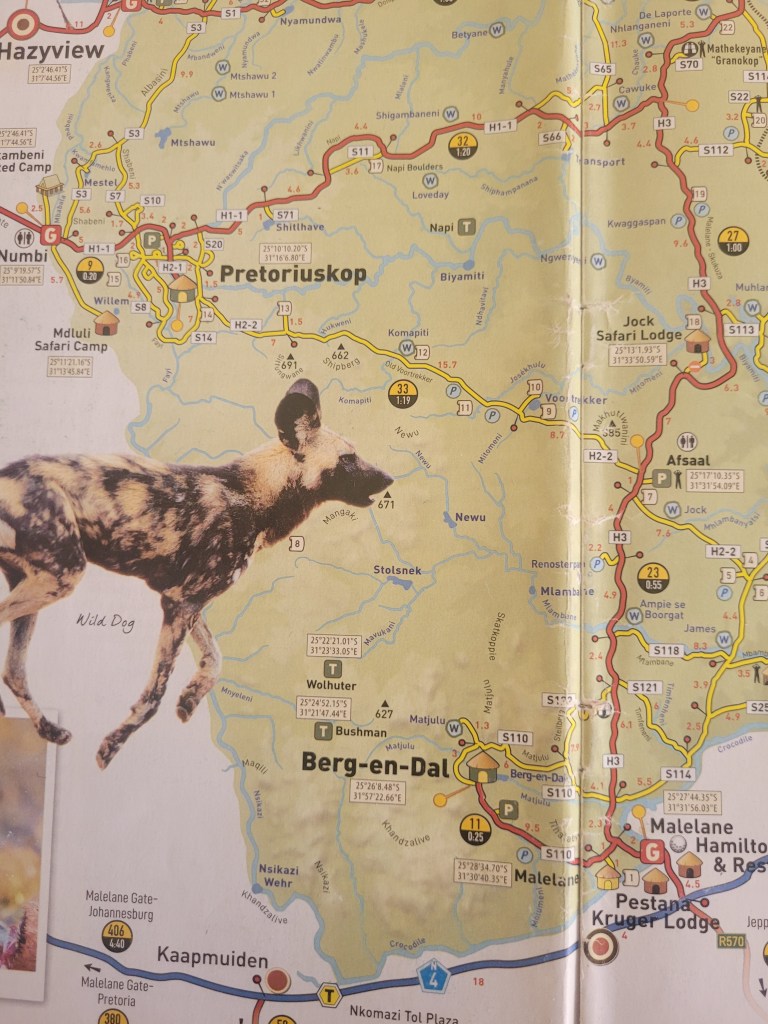
We ventured around the area but also took a long day out to Pretoriuskop – taking the H2-2 from Afsaal to Pretoriuskop. Then back along the S1-1 and H3, visiting dams and other features along the way.
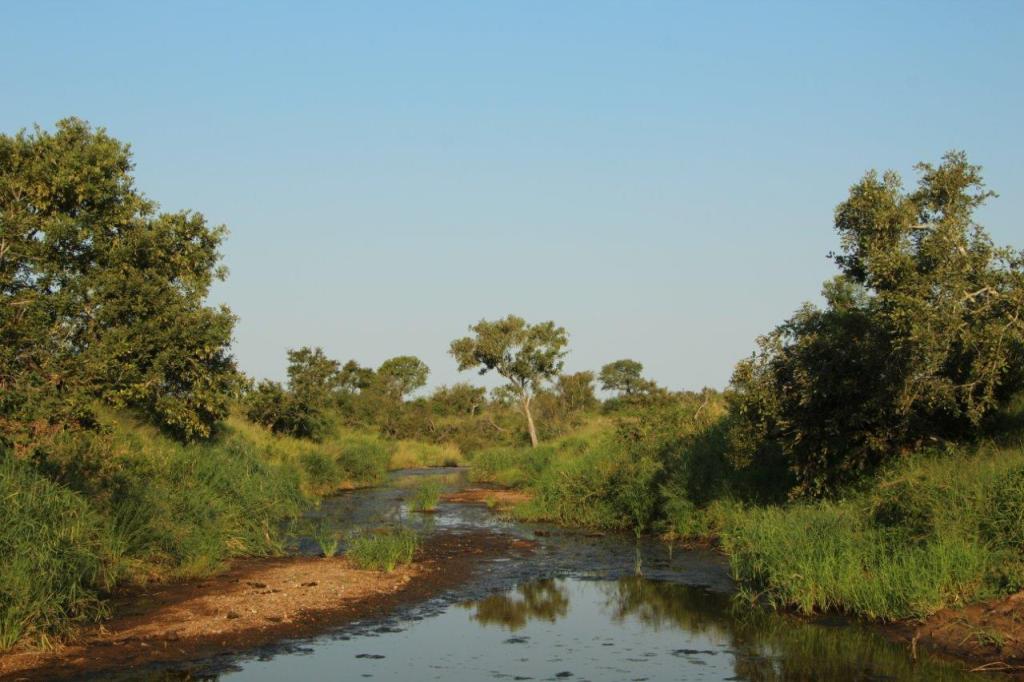
Typical scenery.
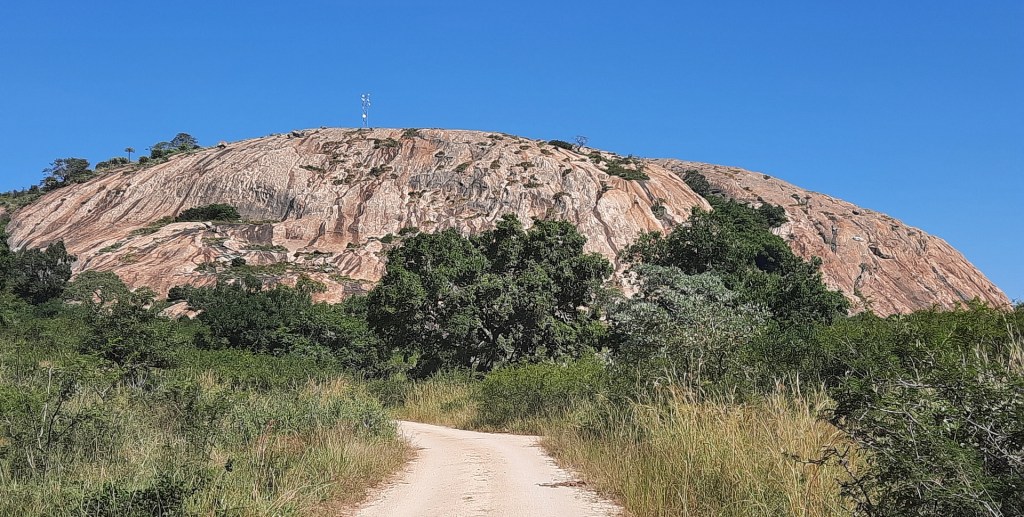
The Dome near Pretoriuskop on the S10Impala LilyTransport DamShitlhave Dam – H1-1Shitlhave Dam – H1-1More rain down south of the Park so the grasses were tallerMathekeyane GranokopMathekeyane Granokop tea break.
A natural rubbing post for Warthogs and Rhinos usually.
Very Finger-looking good.
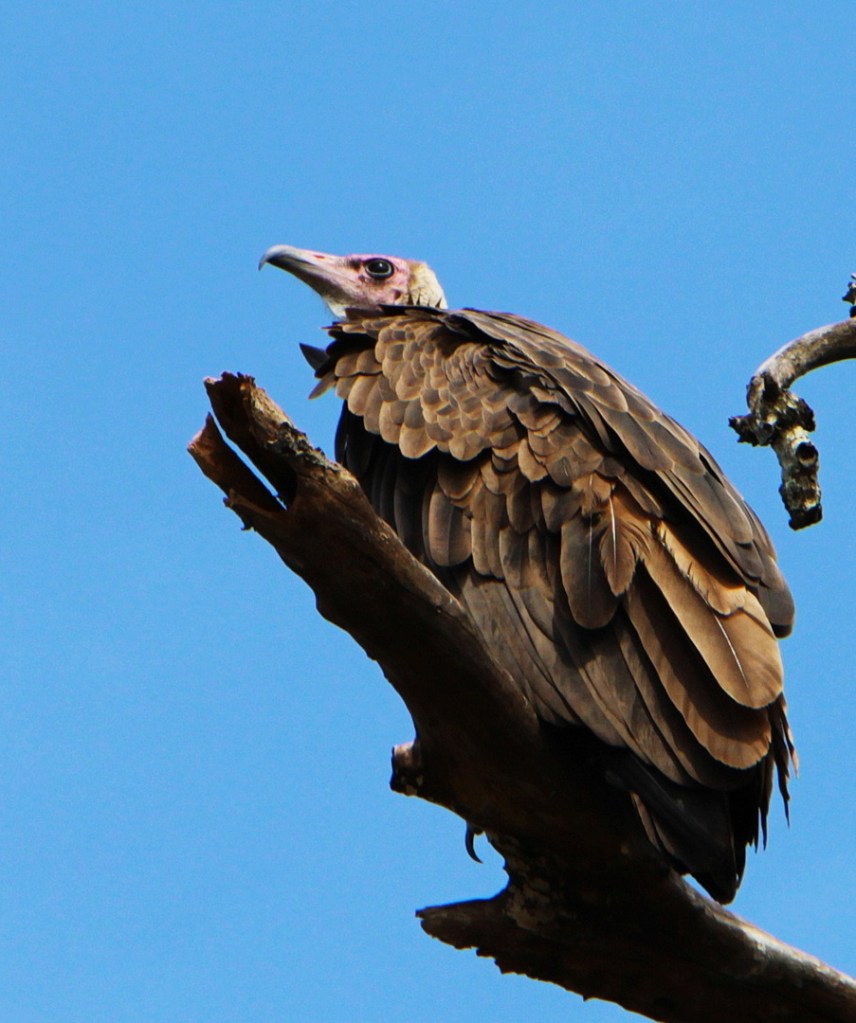
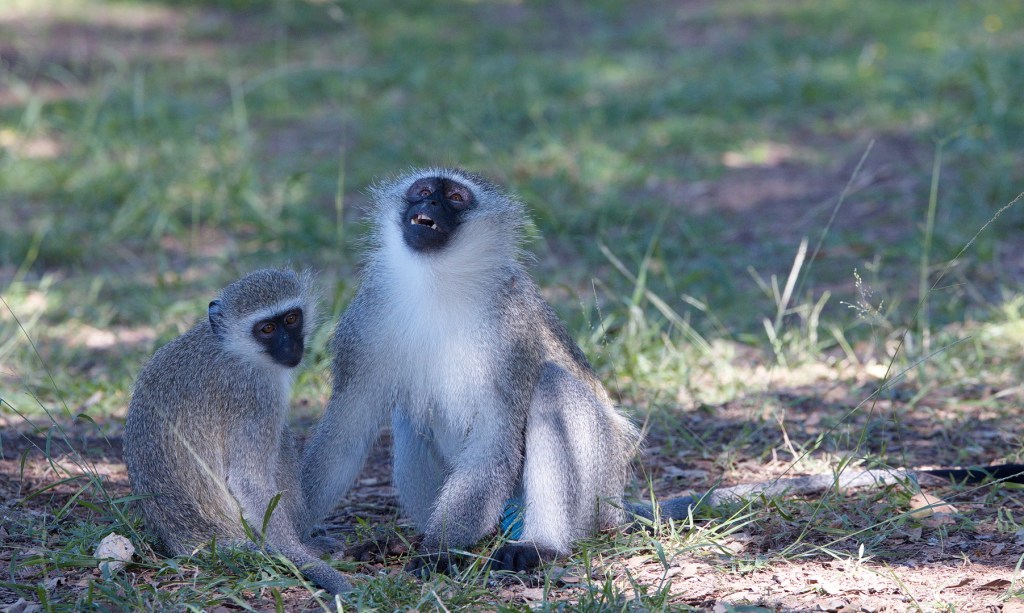
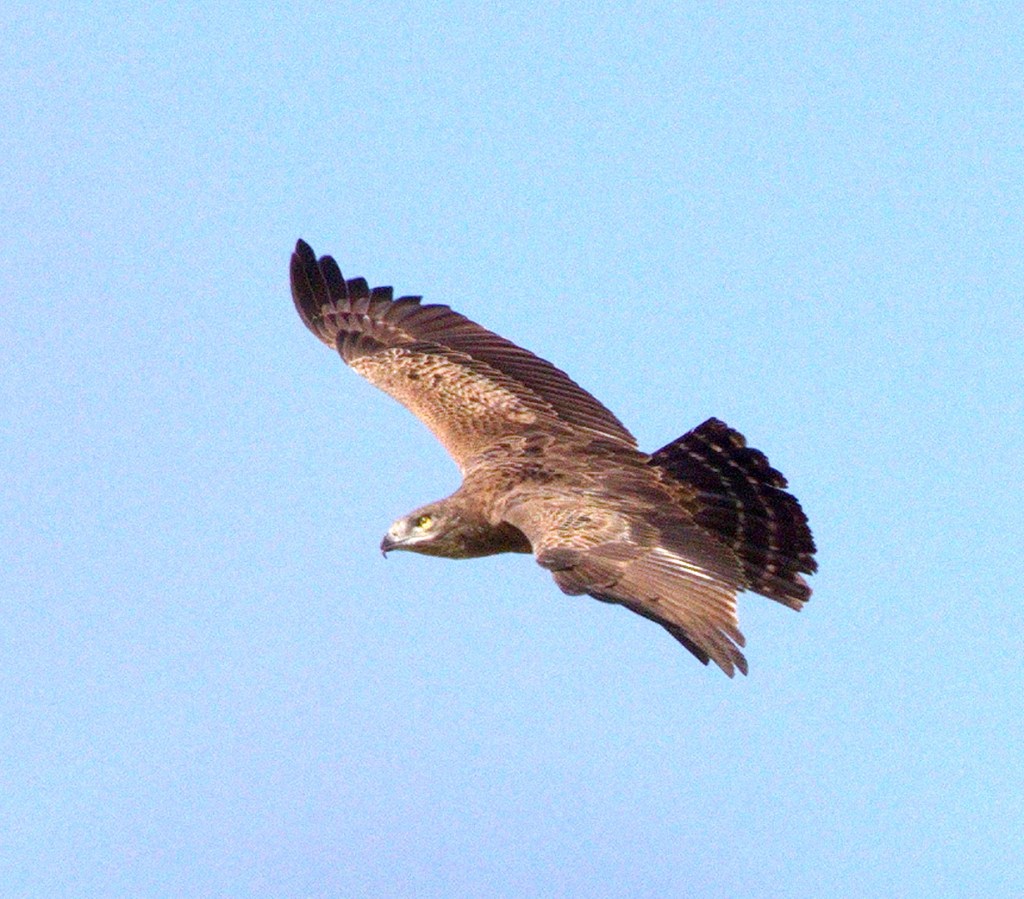
Along the way we had some lovely birds too. A pair of African Hawk-Eagles, a Gabar Goshawk, a Black-winged Kite high above and a Martial Eagle were the raptors which stood out. Of course there was an unidentified raptor photographed as well. An ear-torn Hyena walked up to us and a pair of Vervet Monkeys were nervous of life above in Pretoriuskop. Even a Hooded Vulture made an appearance.
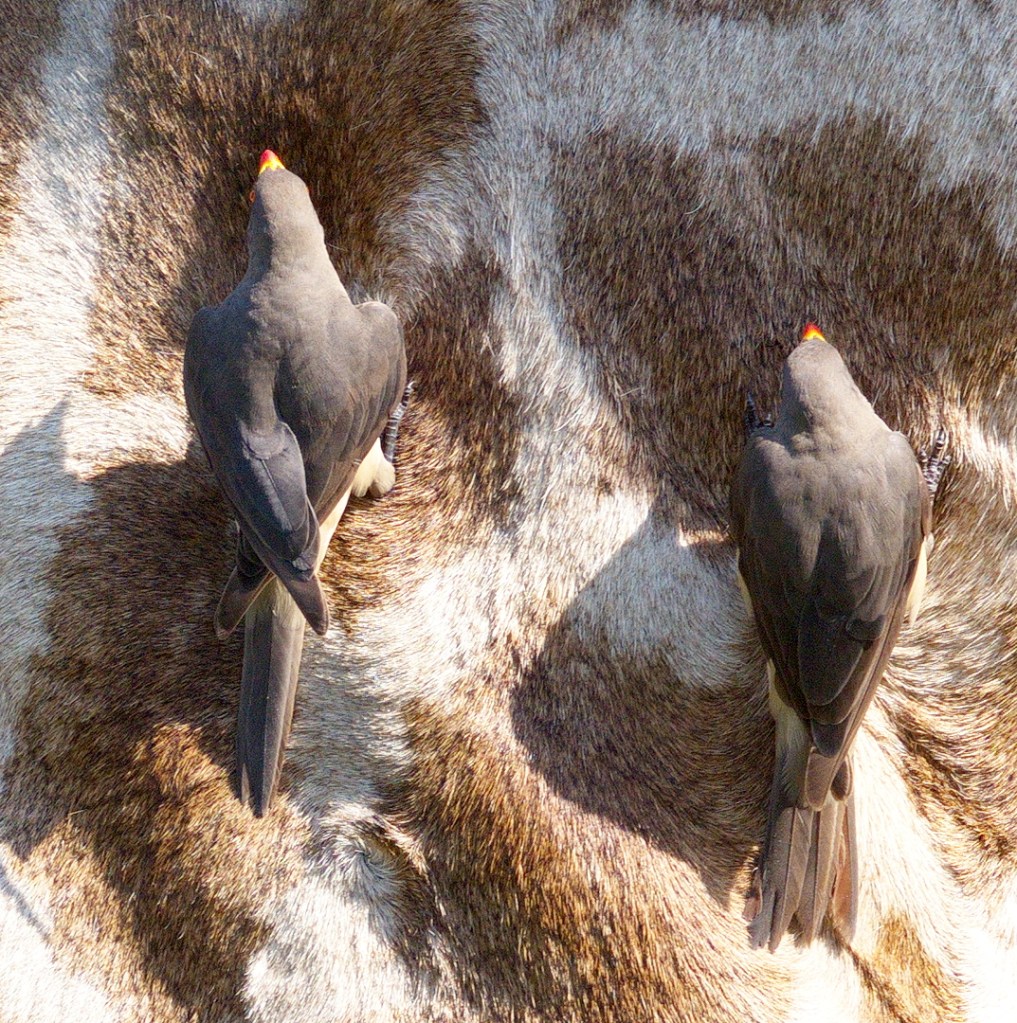
Then there was a sighting of Yellow-billed Oxpeckers on a Giraffe. There range has extended well.
We even found some Rhinos – our first for the trip!
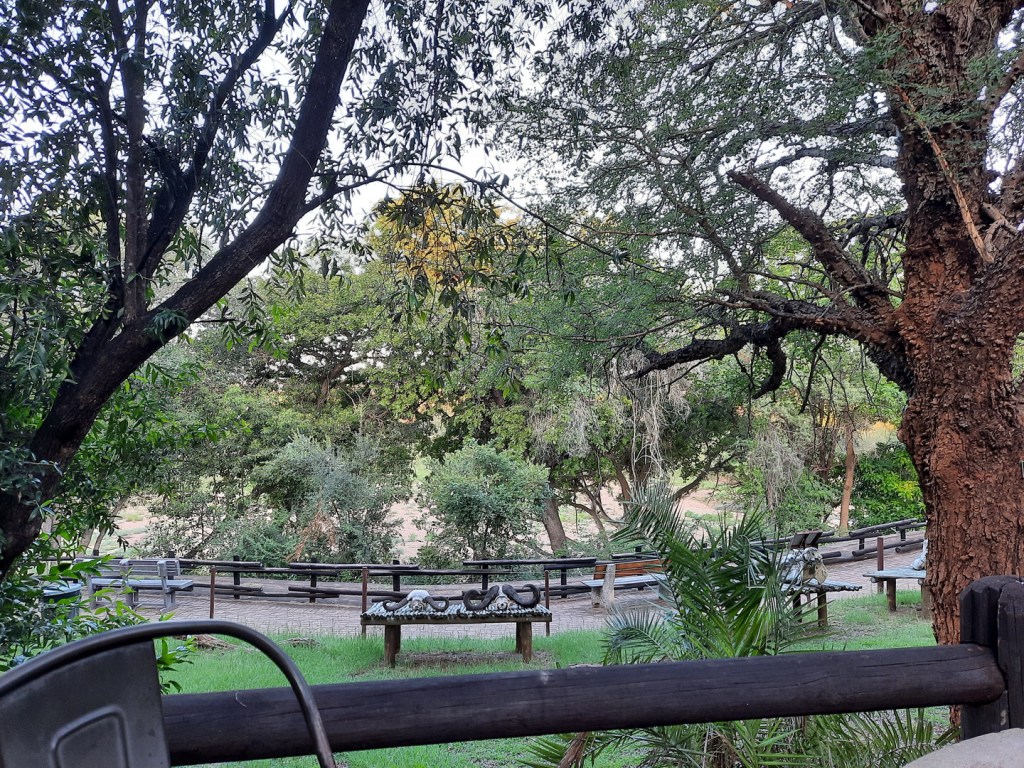
Around the camp we were also treated to some fine species.
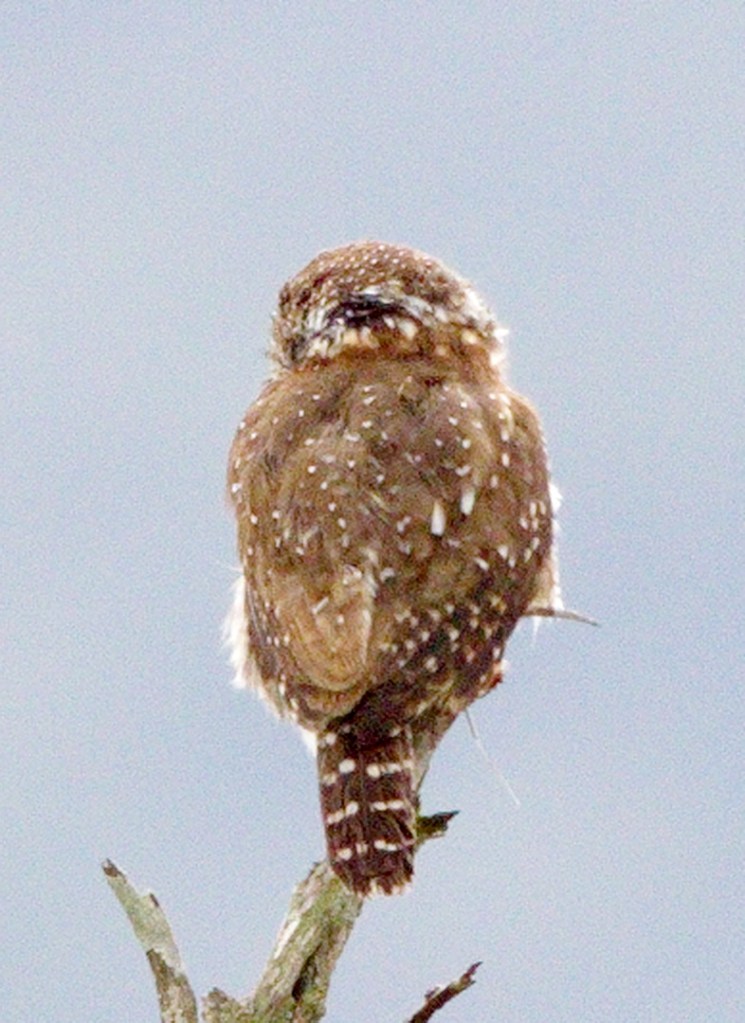
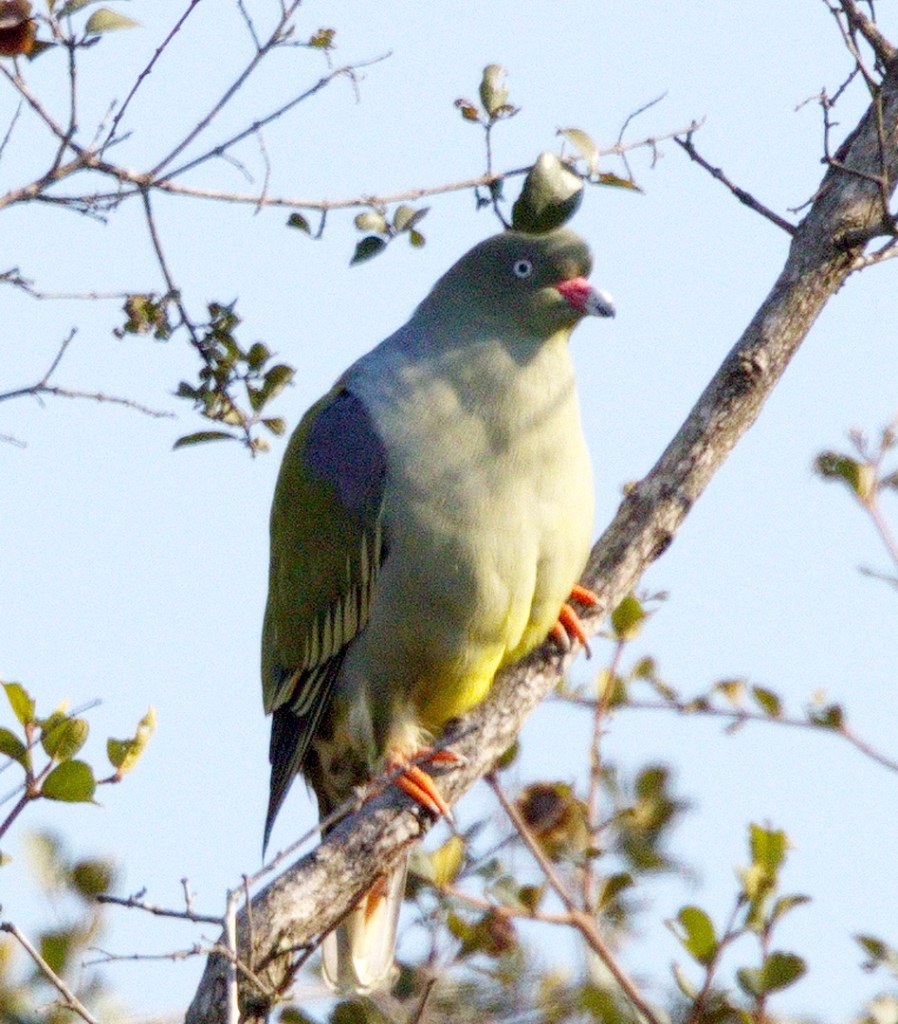
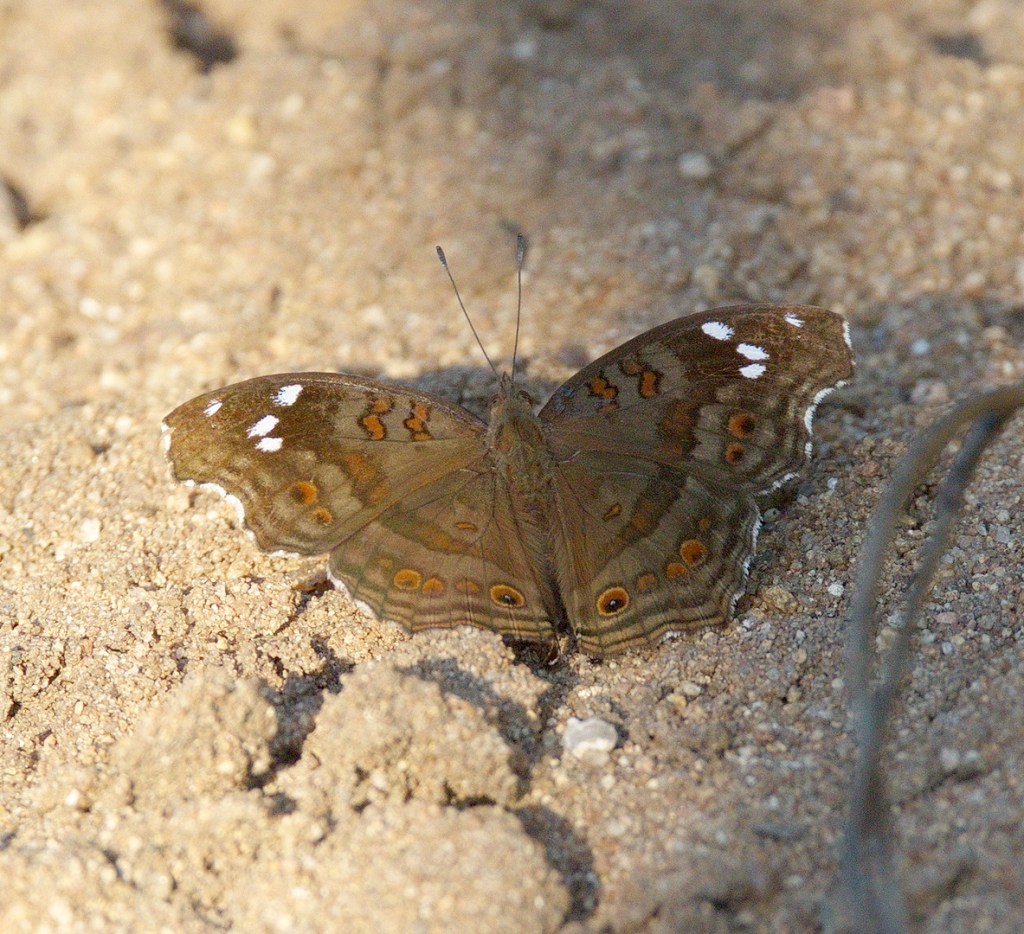
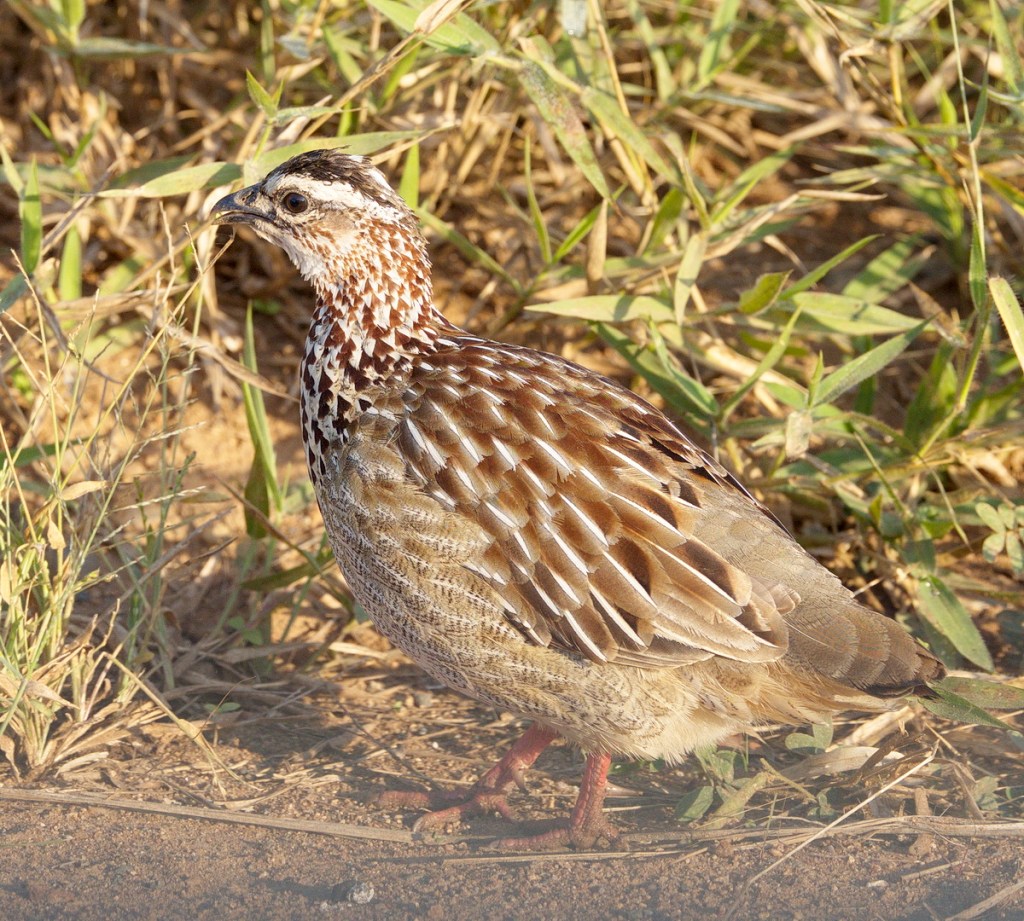
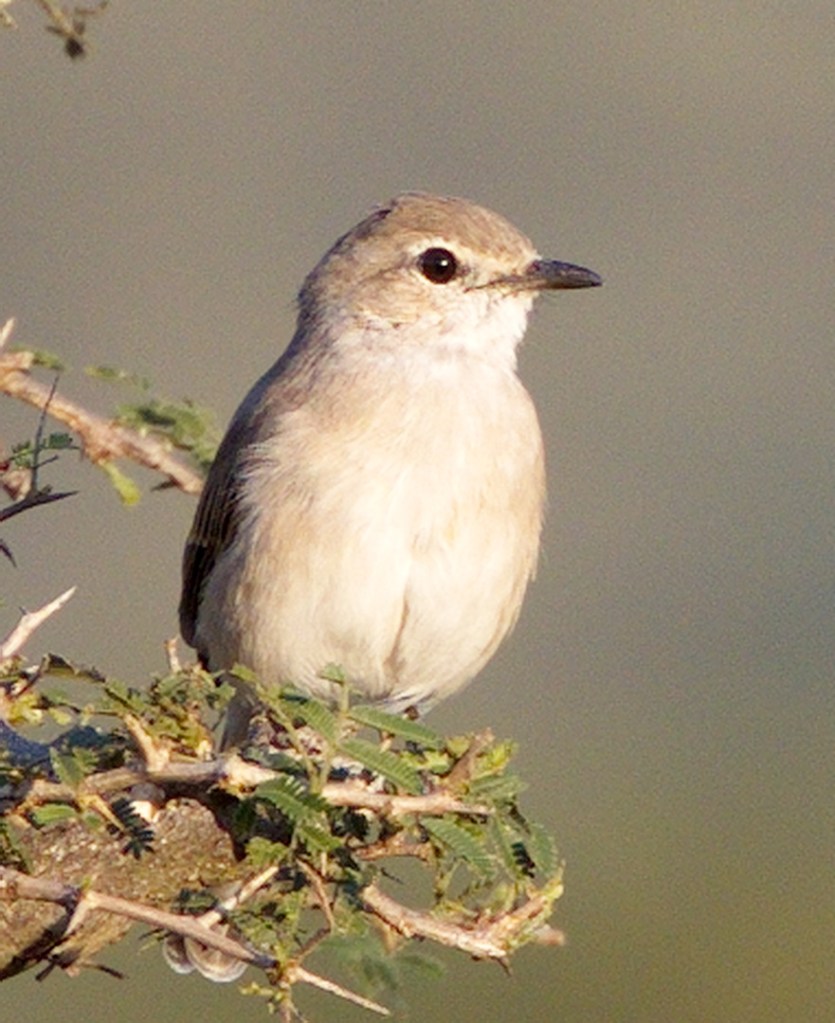
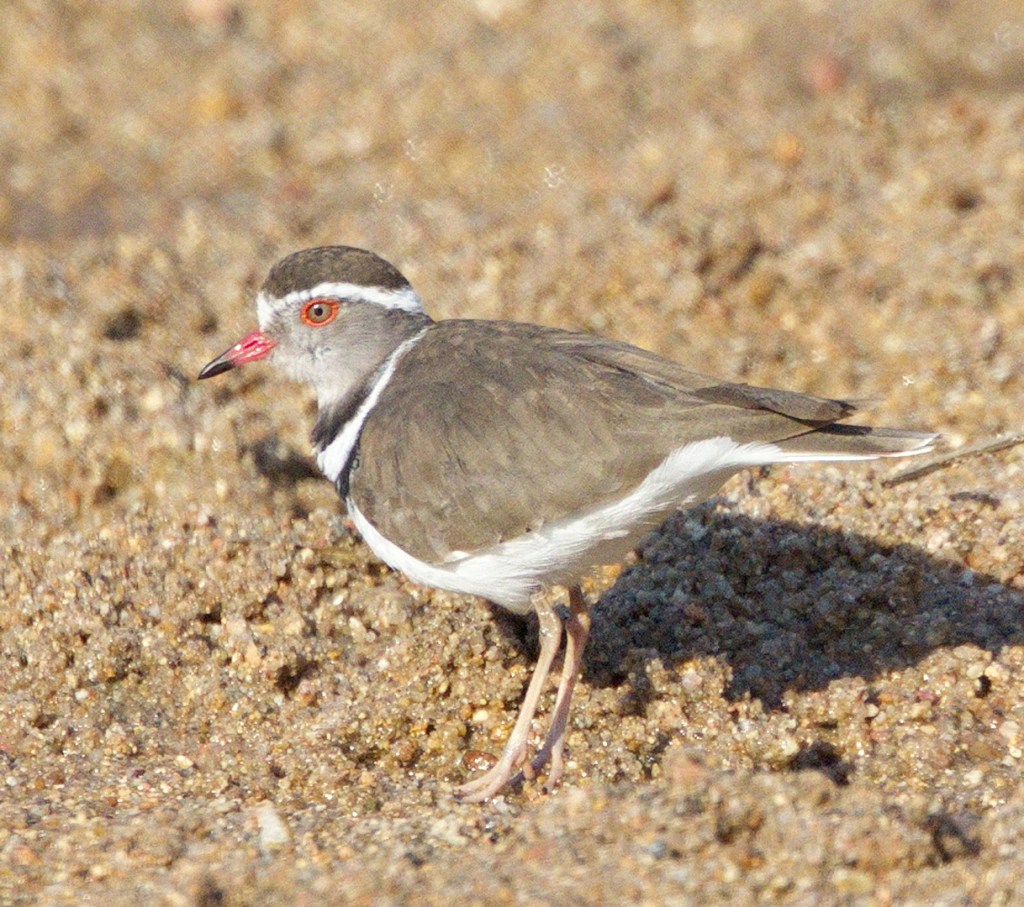
African Green PigeonAfrican Green PigeonView to the dam below the barBuffaloBrown AccreaCrested FrancolinGrey HornbillGroundscraper ThrushPale FlycatcherPearl-spotted OwletThree-banded SandpiperViolet-backed Starling – femaleA camp visitor – now you see him —.
And eventually it was time to return home.
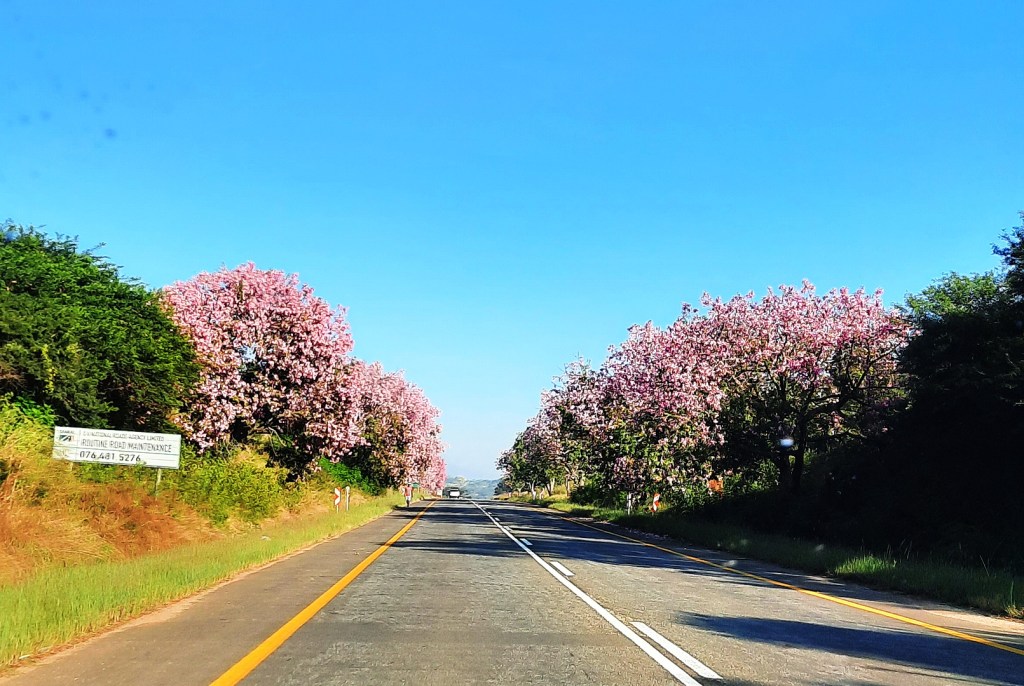
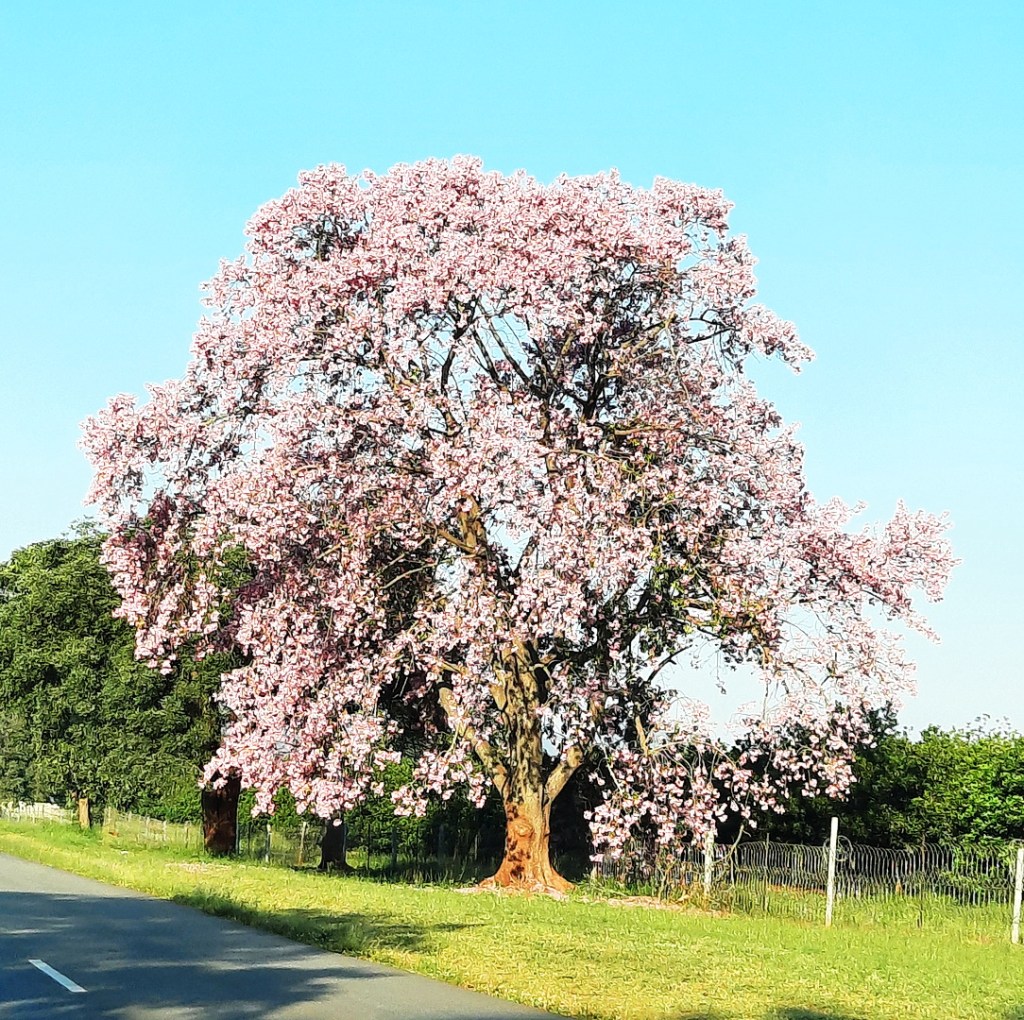
And this was the scene as we passed Barberton. The Tebushina were flowering.
Click on the following link to see a list of the birds we identified on our trip. In all different bird species.
Leaving Swakopmund it was off and on to the Waterberg for 3 nights. Sally had booked us in to the Waterberg Plateau Campsite 8 kms from the Waterberg National Park. Along the way we by-passed Spitzkoppe as you can see in the photos.
On the way to the Waterberg
Spitzkoppe in the distance
Spitzkoppe in the distance
The campsite was well managed and we even had hot water early in the mornings – despite the donkey. The sites are set reasonably far apart – are level and not rocky. We even had our own ablutions.
Waterberg Cliffs
Waterberg Cliffs
Waterberg Cliffs
Our Camp
Our Camp
At a number of places it was a real effort to try and get the pegs in, the ground was so hard and stony. Anyone got any secrets on how to get your pegs into very hard ground?
There were 2 lodges on the property – the old and the new. The new was situated on the top of a hill with a wide view of the area below – chalets nestled in the rocky cliff. The old lodge was approached through well wooded established grounds. And it was from here that we started our early morning walks – along the side of a cliff and up to the head of the valley where there was a spring or fountain. Water flowed/seeped down the valley all the way back to the lodge. Certainly the purest and best tasting water we had.
Road leading up to the old Lodge
The old Lodge nestled in a well established garden.
Bottom of the valley near the old Lodge
Waterberg Cliffs and tall treed green valley
Waterberg Cliffs and tall treed green valley
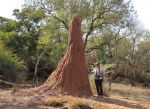
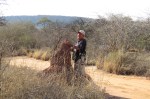
Sally getting a measure of an ant hill.
Sally at the Fountain. Waterberg, Namibia
Sally at the Fountain
Paul’s friendly ant hill.
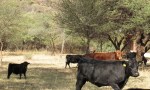
Stunted Cattle
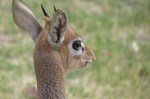
Dikdik. Waterberg, Namibia
Dikdik. Waterberg, Namibia
View from the Lodge on the top of the hill.
View from the Lodge on the top of the hill showing the accommodation.
Banded Mongooses with Mr. Warty.
The birding was excellent. We heard the Harlaub’s Spurfowl calling at the old Lodge but never bumped into it. Some of the other specials we saw there included the Damara Hornbill, Rosy-faced Lovebirds, Ruppel’s Parrot, Rockrunner, Short-toed Rock Thrush, Carp’s & Ashy Tits and Violet Wood-Hoopoe.
Marico Sunbird. Waterberg, Namibia
Marico Sunbird – juvenile. Waterberg, Namibia
Swallow-tailed Bee-eater. Waterberg, Namibia
Pririt Batis – female. Waterberg, Namibia
White-browed Sparrow-Weaver. Waterberg, Namibia
Short-toed Rock-Thrush. Waterberg, Namibia
Red-billed Spurfowl. Waterberg, Namibia
Groundscraper Thrush. Waterberg, Namibia
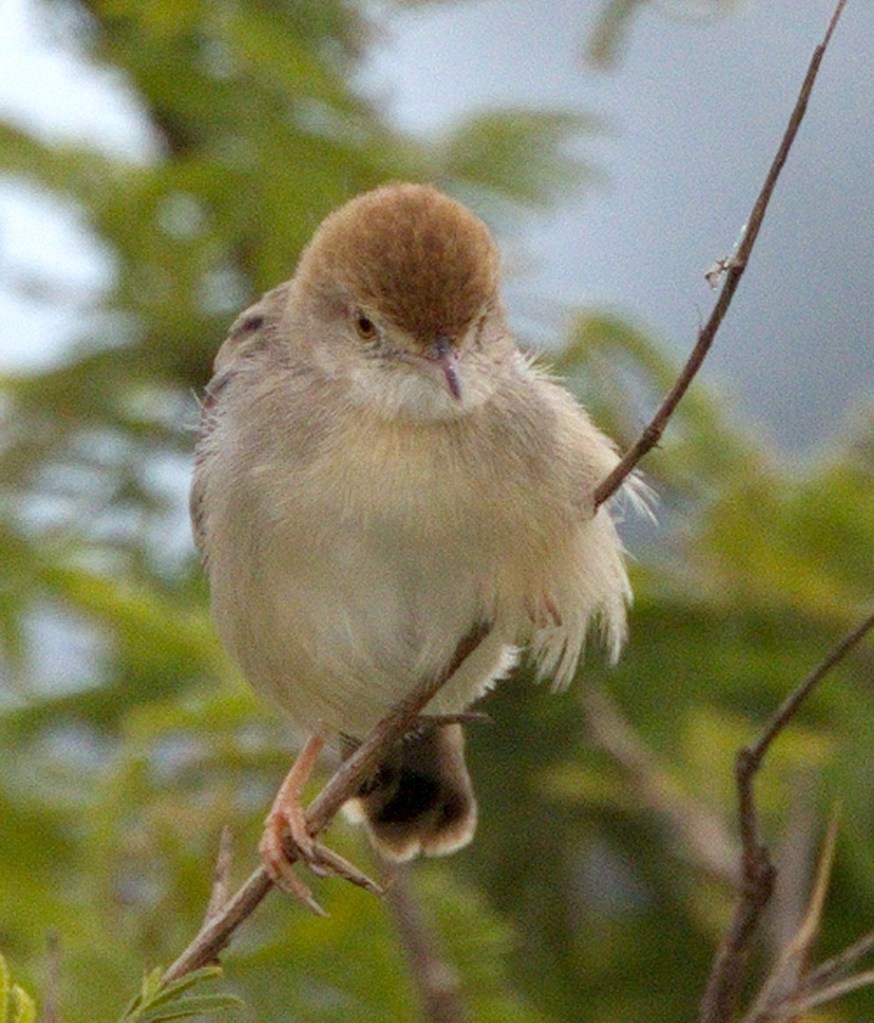
Cisticola – Rattling? Waterberg, Namibia
Damara Hornbill. Waterberg, Namibia
Crimson-breasted Shrike.. Waterberg, Namibia
Karoo Scrub-Robin. Waterberg, Namibia
Karoo Scrub-Robin. Waterberg, Namibia
Acacia Pied Barbet
White-crested Helmet-Shrike. Waterberg, Namibia
White-crested Helmet-Shrike. Waterberg, Namibia
Ruppel’s Parrot. Waterberg, Namibia
Ruppel’s Parrot. Waterberg, Namibia
Purple Roller. Waterberg, Namibia
Purple Roller. Waterberg, Namibia
African Hawk-Eagle. Waterberg, Namibia
African Hawk-Eagle
African Hawk-Eagle – in flight – check the legs.. Waterberg, Namibia
White-browed Scrub-Robin. Waterberg, Namibia
White-browed Scrub-Robin. Waterberg, Namibia
White-browed Scrub-Robin
White-browed Scrub-Robin
Brubru. Waterberg, Namibia
Long-billed Crombec. Waterberg, Namibia
Chestnut-vented Tit-Babbler. Waterberg, Namibia
White-browed Scrub-Robin
Green Wood-hoopoe. Waterberg, Namibia
Green Wood-hoopoe. Waterberg, Namibia
Green Wood-hoopoe
Green Wood-hoopoe. Waterberg, Namibia
Violet Wood-hoopoe. Waterberg, Namibia
Violet Wood-hoopoe
Violet Wood-hoopoe. Waterberg, Namibia
We did see an unusual mongoose – very black with red eyes – see pictures and please id it for us.
Black Mongoose for ID. Seen in Waterberg, Namibia
Black Mongoose for ID. Seen in Waterberg, Namibia
Black Mongoose for ID. Seen in Waterberg, Namibia
From here it was on to the Caprivi. Shamvura with Mark and Charlie Paxton to begin with. We decided to break the journey with one night at Roy’s camp. We were hoping that we might have a chance to see the Black-faced Babblers which we had dipped on in Namutomi, Etosha.
We took the direct route – 100 kms of gravel to Grootfontein – rather than go all the way back and round which would have added at least 100 kms to the journey – albeit on tar.
And it is on this journey that my bad luck with tyres continued. We were cruising along quite nicely enjoying the scenery. Stopped for a break and I noticed we had a flat tyre. It took us an hour to change it – mainly because the wheel had stuck to the hub and I tried everything to loosen it. In frustration I gave it a kick and to my surprise it broke loose. During that hour not another car passed us. It was as we were about to get into the car to continue that a car raced past covering us in dust – talk about adding salt to the wound.
We stopped in Grootfontein to get the tyre fixed. On arrival at the new Kwik Fit centre, we checked the other tyres to discover that the other back tyre also had a puncture! The sidewall of the first had buckled and the other had a sidewall puncture! Two new tyres later and R7600 poorer we set off for Roy’s camp 50 kms further along. So instead of arriving there at 10:30 we got there after 1 pm.
Nevertheless we set up our 3 Second tent in a flash, got organised and relaxed going for a walk later on to see if we could find the Babblers. Not to be.
Roy’s Camp entrance
Our Set-up at Roy’s Camp
Our Malamoo 3 Second Tent. Quick up and not so quick down.
We planned to leave the next day after a leisurely early morning walk and breakfast. So up with the sparrows dressed for the cold we wandered around the camp birding. We had hardly started than we heard them – rather Sally heard them. About 7 Black-faced Babblers appeared heading for the restaurant. They stayed and wandered around each campsite and were still there 2 hours later when we left.
Acacia Pied Barbet
Acacia Pied Barbet. Roy’s Camp
Chinspot Batis. Roy’s Camp
Chinspot Batis. Roy’s Camp
Chinspot Batis
Red-billed Hornbill. Roy’s Camp
White-bellied Sunbird. Roy’s Camp
Long-billed Crombec. Roy’s Camp
Black-faced Babbler. Roy’s Camp
Black-faced Babbler. Roy’s Camp
Black-faced Babbler. Roy’s Camp
Black-faced Babbler
On to Shamvura, stopping in Rundu to do some shopping for Mark and Charlie’s latest addition to their family.
On arrival we set up our camp in the Ushivi campsite – slightly more expensive but level sandy ground with your own ablution and kitchen.
Main Caprivi Road – typical habitat.
Shamvura pool and gardens
View of the floodplain from Shamvura
Ushivi Campsite where we set up.
We met the baby – so cute, soft and furry. Their latest Cape Clawless Otter.
Mtoti (otter) and Thunzi (new puppy) – best mates but for how long?
Mtoti (otter) and Thunzi (new puppy)
At Shamvura we went for a walk with Mark to look for the Rufous-bellied Tit, Tinkling Cisticola and Sharp-tailed Starlings. We dipped on all three, however in passing we saw several Souza’s Shrikes, Green-capped Eremomelas, Dark-Chanting Goshawk and Arnot’s Chat amongst others.
Female Violet-backed Starling. Shamvura
Violet Wood-Hoopoe. Shamvura
Violet Wood-Hoopoe. Shamvura
Arnot’s Chat. Shamvura
Souza’s Shrike. Shamvura
Souza’s Shrike
Souza’s Shrike. Shamvura
Green-capped Eremomela. Shamvura
The birding was excellent in the area and was enhanced by a boat trip (a must do) down the river where we saw Little Bittern, Skimmers, Rufous-bellied Heron, Long-toed Lapwing, African Rail, Slaty Egret and Luapula Cisticola amongst many others.
Exiting Shamvura through the reeds
Boating down the Kavango river.
Nile Crocodile. Shamvura
White-fronted Bee-eater
Malachite Kingfisher. Shamvura
Malachite Kingfisher
Purple Swamphen. Shamvura
African Jacana. Shamvura
Little Bittern. Shamvura
Rufous-bellied Heron. Shamvura
Rufous-bellied Heron. Shamvura
Rufous-bellied Heron. Shamvura
Rufous-bellied Heron. Shamvura
Rufous-bellied Heron. Shamvura
African Skimmers
African Skimmers. Shamvura
African Skimmers. Shamvura
African Skimmers. Shamvura
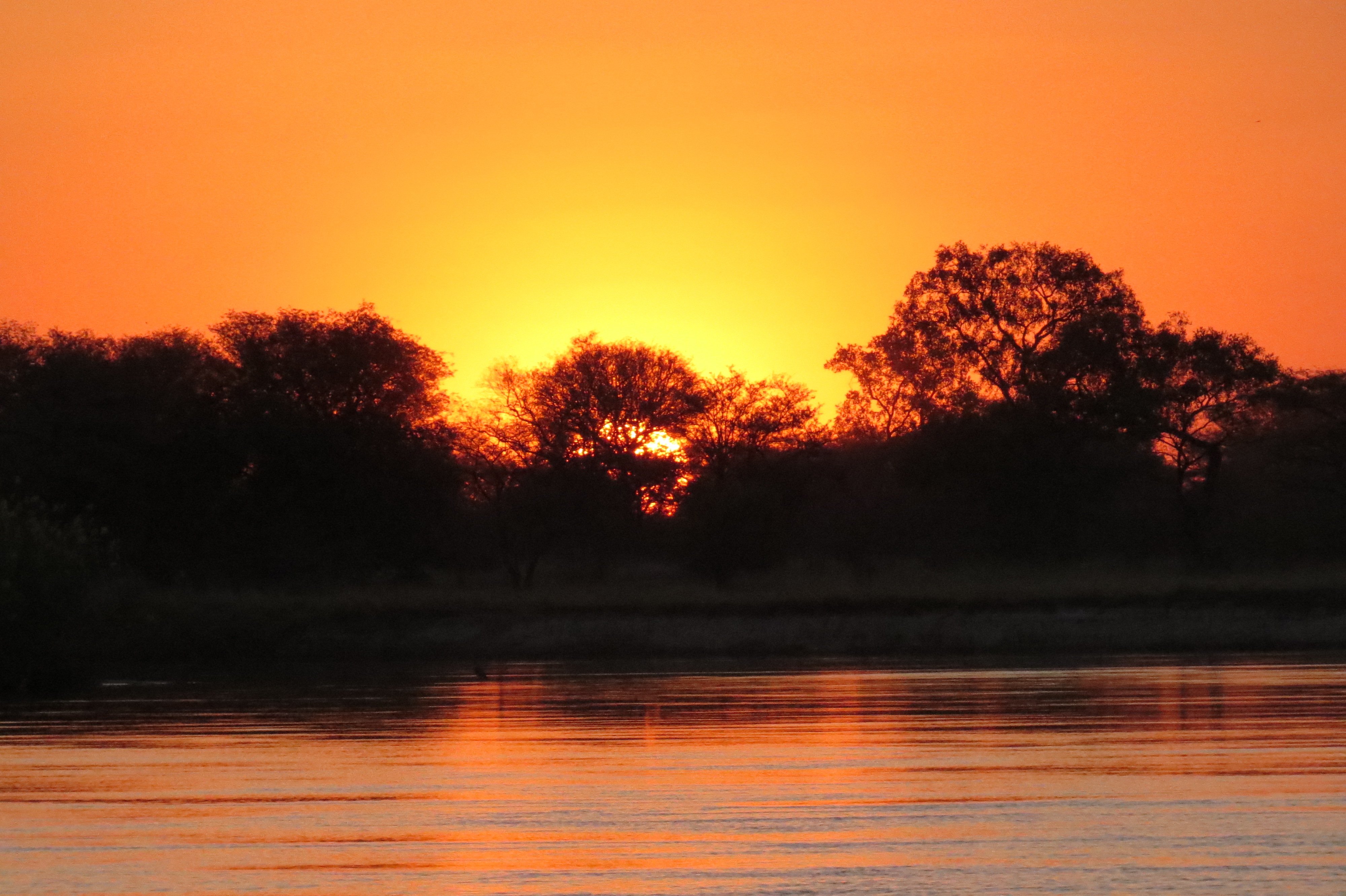
Sunset
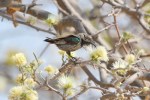
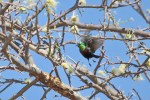
During the time there we came across a flowering (pale yellow) Albizia full of many different Sunbirds. Amongst the White-bellied, Marico and Scarlet-chested Sunbirds we spotted one which stood out and was being chased away especially by an out-of-plumage Marico Sunbird. It was a Copper Sunbird.
Black-collared Barbet. Shamvura
Marico Sunbird. Shamvura
Marico Sunbird. Shamvura
Marico Sunbird. Shamvura
African Yellow-White-eye
We spent time driving about the area and went down to the wetland area near the river’s edge close to the camp. Coppery-tailed Coucal, African Marsh Harrier and Lizard Buzzard were present amongst the variety you would normally expect.
Lizard Buzzard
Coppery-tailed Coucal
Coppery-tailed Coucal. Shamvura.
Coppery-tailed Coucal. Shamvura.
Coppery-tailed Coucal. Shamvura.
Around the camp, some of the specials we saw included Bradfield’s Hornbill, Meyer’s Parrots, Swamp Boubou, Mosque and Grey-rumped Swallows. However there were 2 birds that stood out for us. Both seen around our tent and in the gardens – Red-faced Crombec and Shelley’s Sunbird. The Shelleys’ Sunbird was singing its heart out all round the camp.
Wattled Starling. Shamvura.
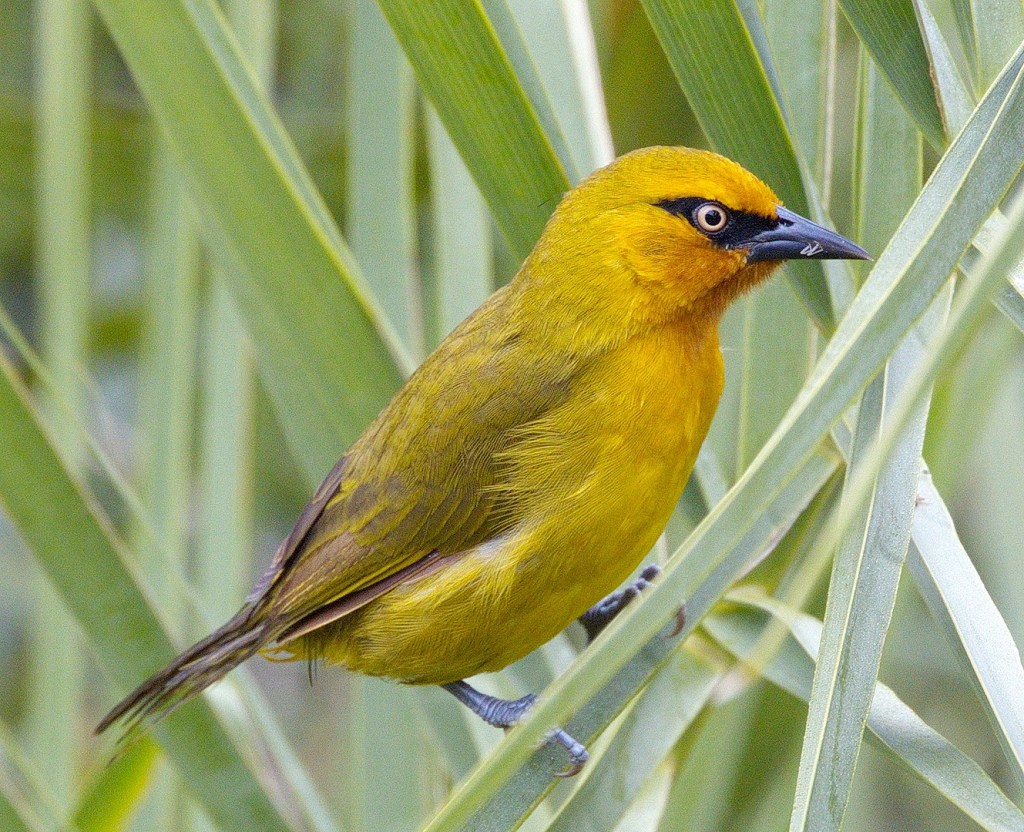
Golden Weaver
Yellow-bellied Greenbul. Shamvura.
Swamp Boubou
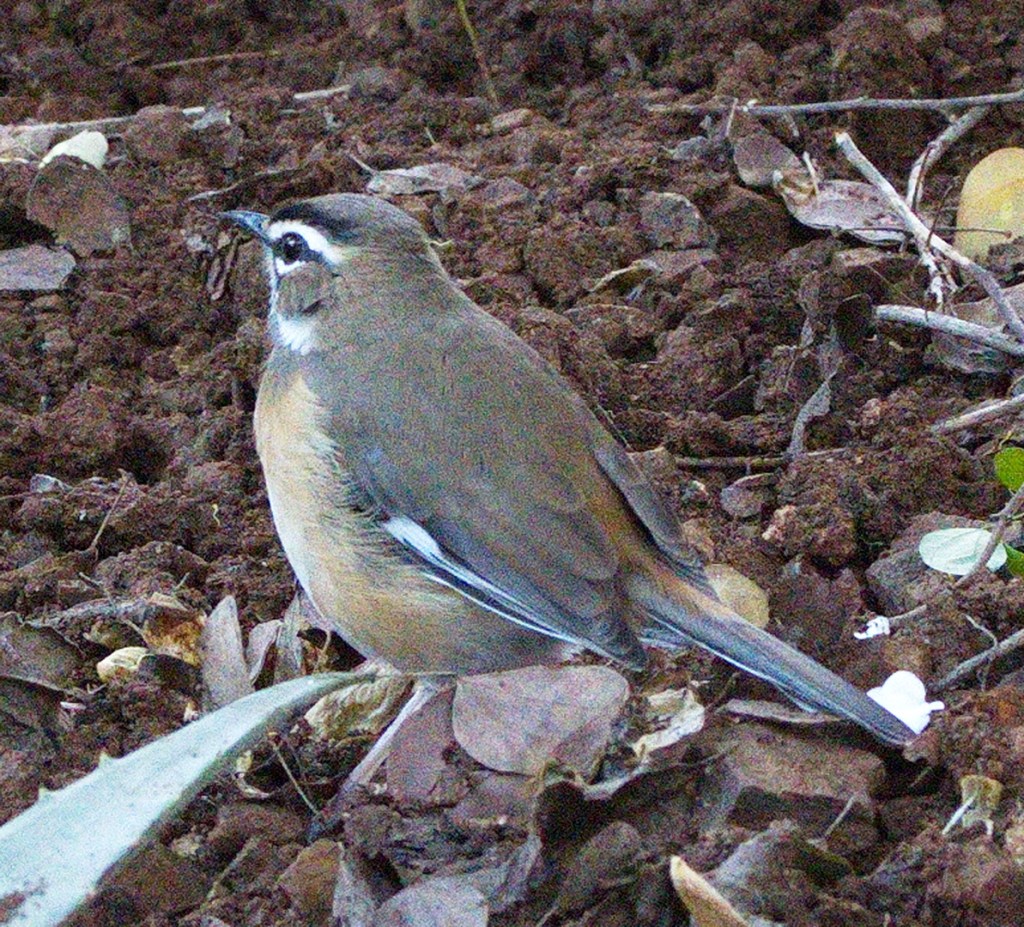
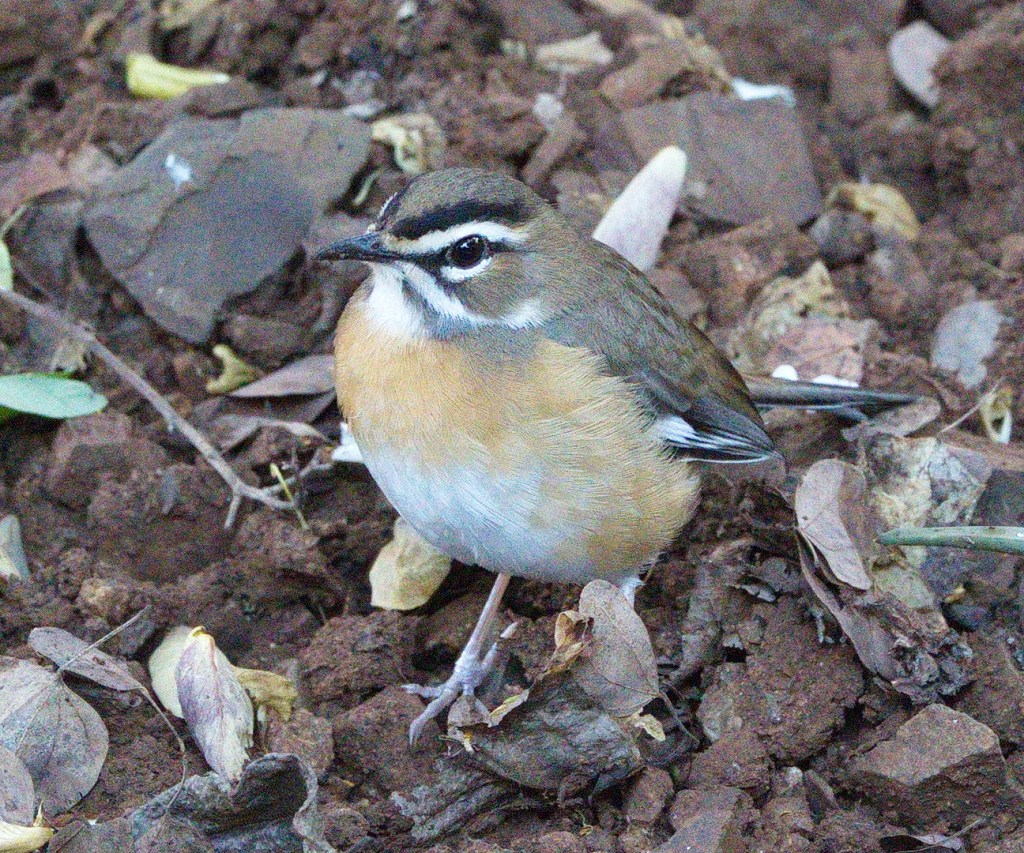
White-browed Robin-Chat
African Pipit
Grey-rumped Swallow. Shamvura.
Grey-rumped Swallow. Shamvura.
Meyer’s Parrot. Shamvura.
Bradfield’s Hornbill. Shamvura.
Shelley’s Sunbird. Shamvura.
Shelley’s Sunbird. Shamvura.
Shelley’s Sunbird
Shelley’s Sunbird
Too soon it was time to leave Shamvura. In 2 days we had seen 117 species – the most we had seen anywhere.










































































































 Birds are our Story