St. Lucia and Mkhuze – May 2015 Part Four

Mkhuze

Report by Paul and Sally Bartho

The Mkhuze campsite is expensive compared to Sugarloaf in St. Lucia. It is also out on a limb at the main entrance to the park with major water issues. That said we never experienced any problems with hot water. Power is supplied by generator from 05h00 to 08h00 in the morning and from 17h00 to 22h00 in the evening.

The kwaMalibala and  kuMahlahla hides are both being re-built. When they are complete kwaMalibala will not have well water provided but the new hide is built over the pan. Work is ongoing to secure the kuMasinga hide picnic area from the roaming lions and other Big Five animals. An electric fence will enclose the picnic site, car park and down the tunnel to the hide. Sorely needed as Lions were seen round the hide the morning after we arrived.

The only satisfying birding we experienced was to be found either in the campsite, around the main office, the kuMasinga Hide and at the hides and picnic area at Nsumo Pan. Again the area is very dry and consequently birds were scarce.

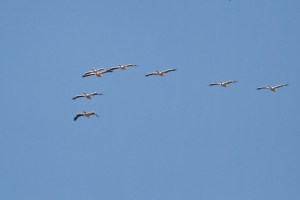
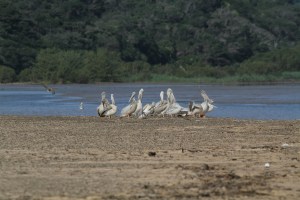
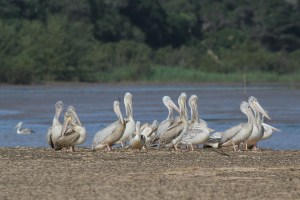
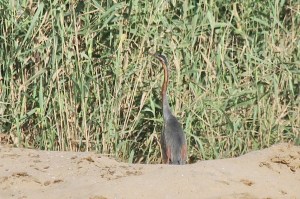
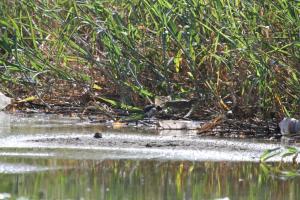
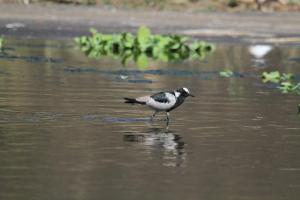
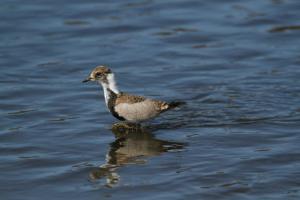
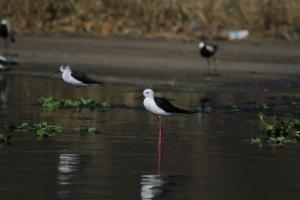
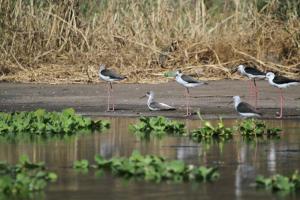
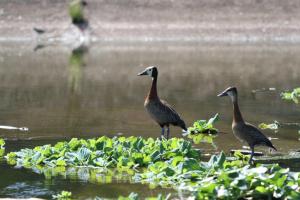
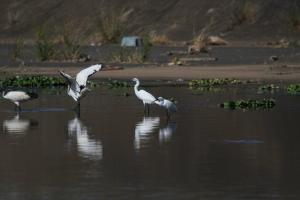
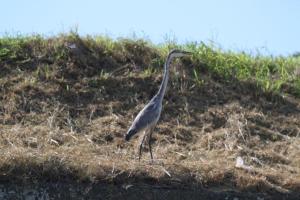
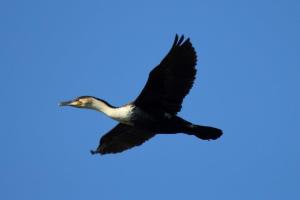
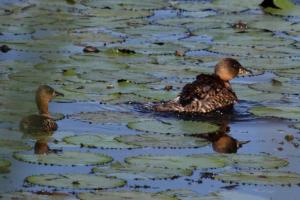
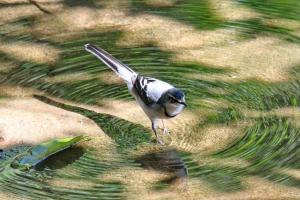
Nsumo Pan was fairly full. Most of the bird life was banked on the far side. There were hundreds of Spur-winged Geese, Egyptian Geese, Black-winged Stilts, Pink-backed Pelicans, African Spoonbills, Water Thick-knee, Grey and Goliath Heron, Reed and White-breasted Cormorants, Pied Kingfisher, Whiskered Terns, White-faced Ducks, Blacksmith Lapwings, African Darter, Great Cattle and Little Egrets, Hadeda and Glossy Ibis, Purple Swamphen, and African Pied Wagtails.

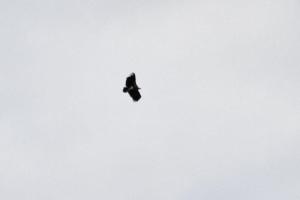
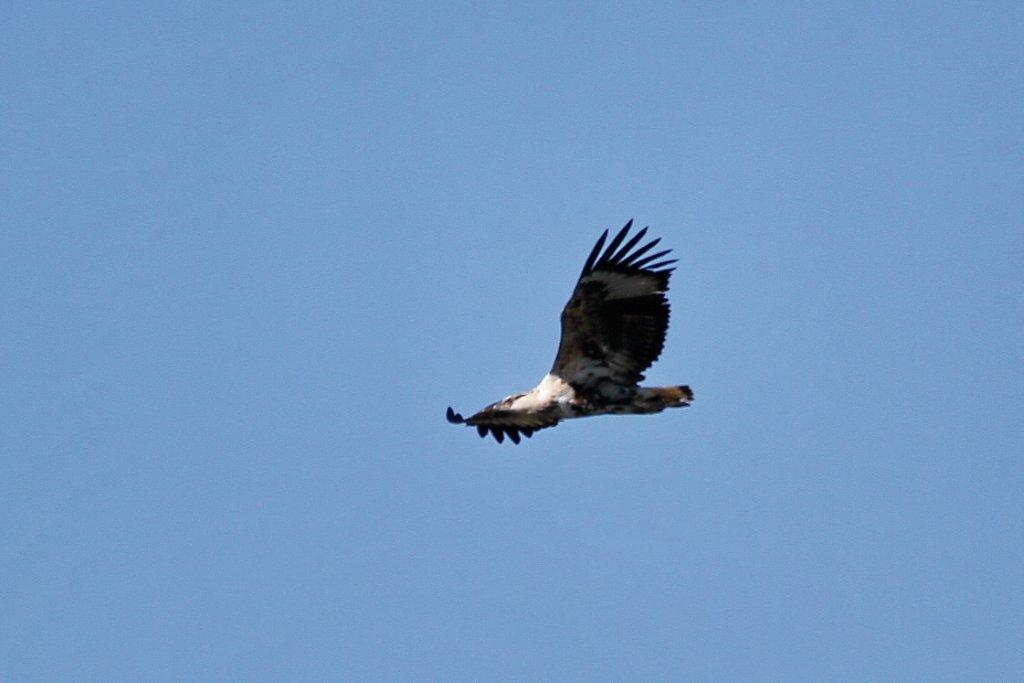
However what was really interesting was the sight of about 60 Vultures suddenly taking flight. They were mainly White-backed but there were one or two White-headed amongst them. Why they took off all together so suddenly remains a mystery.

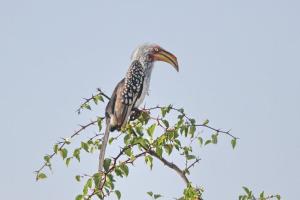
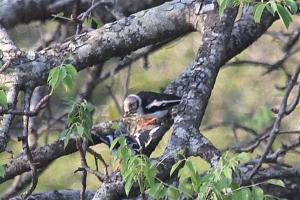
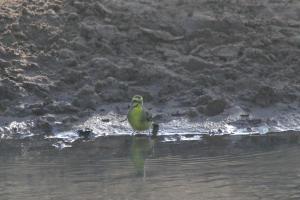
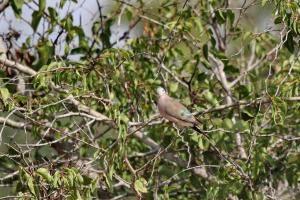
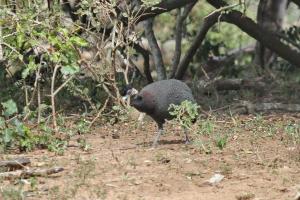
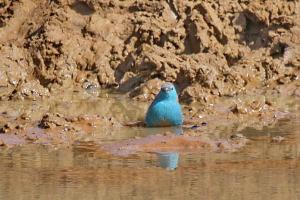
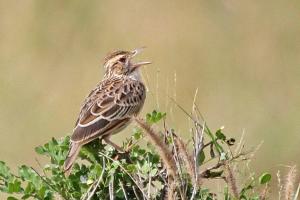
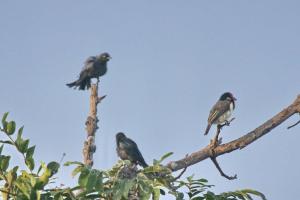
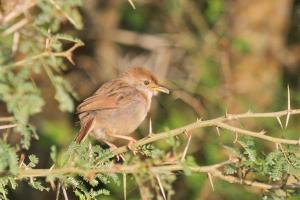
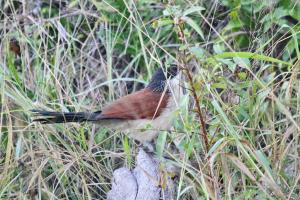
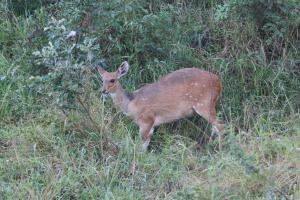
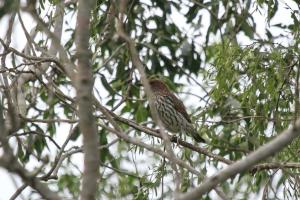
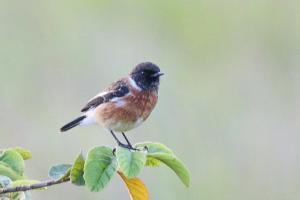
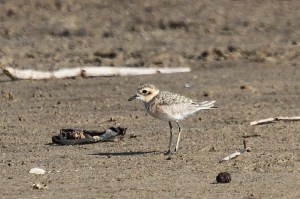
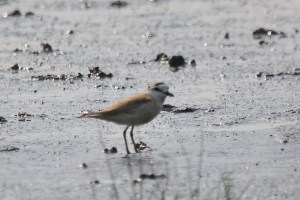
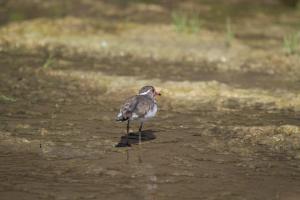
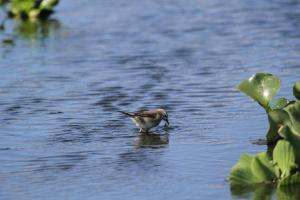
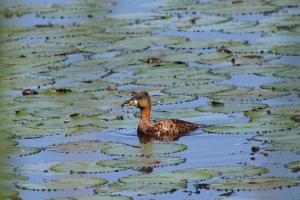
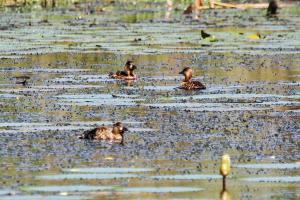
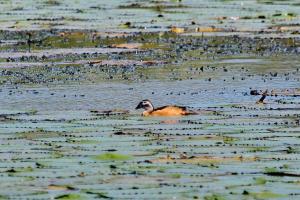
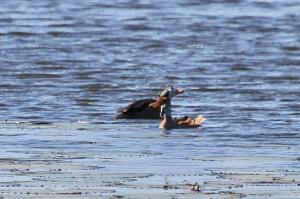
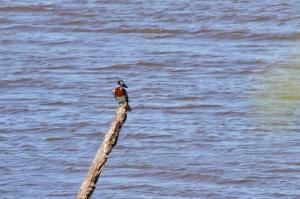
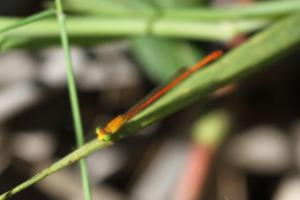
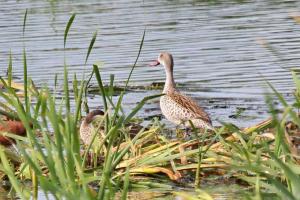
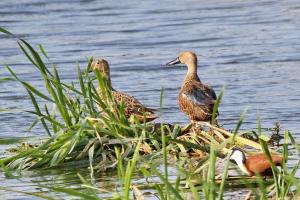
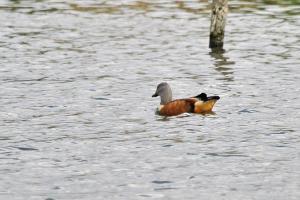
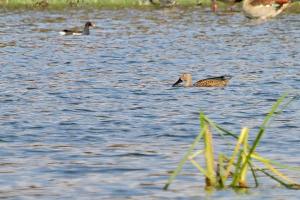
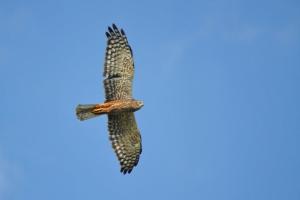
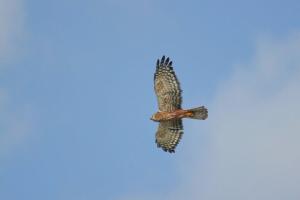
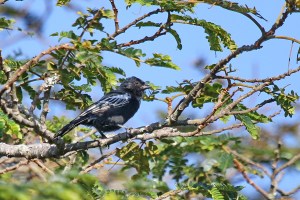
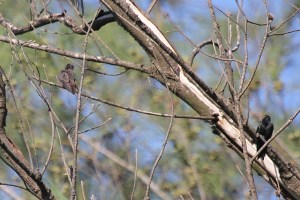
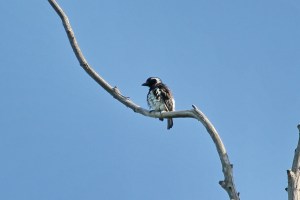
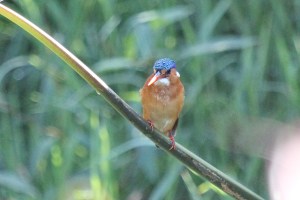
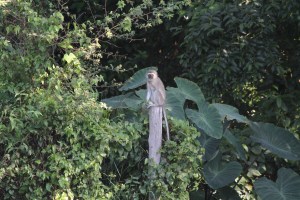
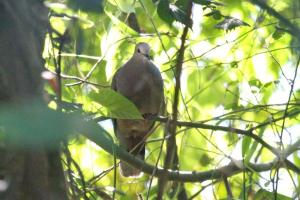
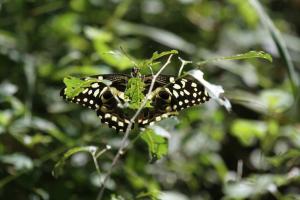
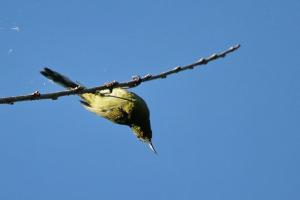
Some photos of birds seen around the park:
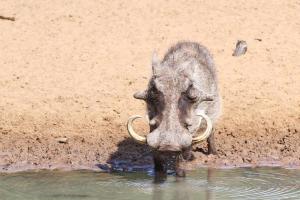
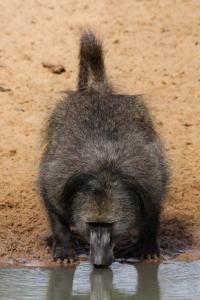
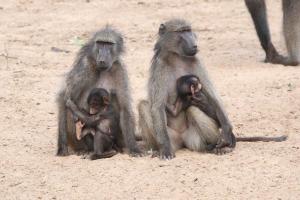
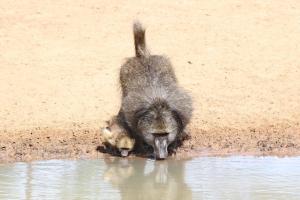
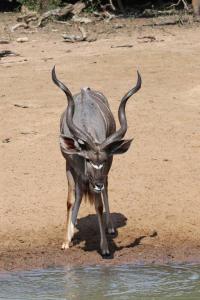
We spent quite a few hours at the kuMasinga Hide each day. The birding was best here and there was a constant stream of Nyala, Zebra, Wildebeest, Warthogs, Impala, Baboons and an occasional Kudu. Playful Baboons came for water and then played all round the hide. A few even ventured onto the roof of the hide and ran back and forth slip sliding as they went.

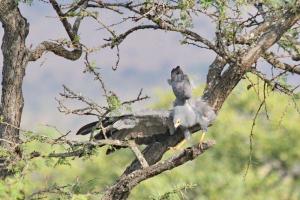
Nearby to the campsite we had views of an African harrier-Hawk being mobbed and at the Nhlonhlela Bush Lodge we saw Marabou Storks beside one of the pans with a modicum of water.

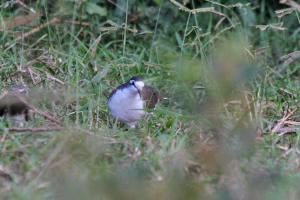
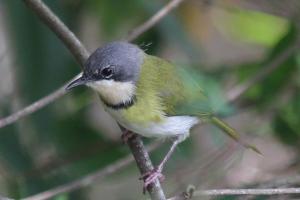
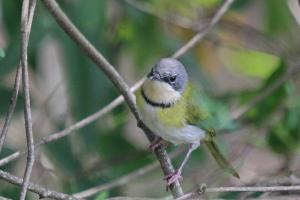
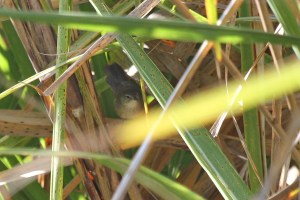
There were several interesting Campsite birds. The White-throated Robin-Chat serenaded us from the nearby bushes.

White-throated Robin-Chat

Unlike Sugarloaf the nights were very quiet – no Owls nor Nightjars calling.

Nice to get away into the bush but our time could have been better spent relaxing in the Sugarloaf campsite and beach.

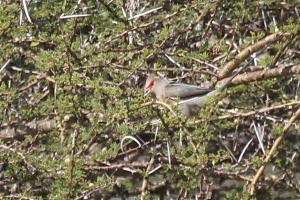
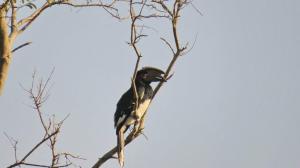
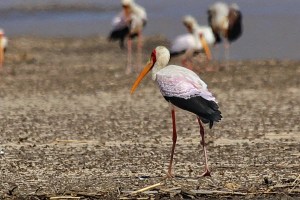
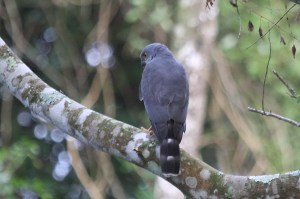
Having said that we did identify several specials: Gorgeous and Orange-breasted Bushshrikes, Bearded Scrub-Robin, Fiscal Flycatcher, Grey Go-away-bird, Pink-throated Twinspots, Rudd’s Apalis, Brubru, White-backed and White-headed Vultures, Acacia Pied barbet, Black-crowned Tchagra, Black Sparrowhawk, Red-billed Oxpecker, Golden-breasted Bunting, Marabou Storks, Green-winged Pytilia, Striped Kingfisher, Whiskered Tern, Openbill and Glossy Ibis.
St Lucia and Mkhuze – May 2015 – Part Three

Umfolozi

Report by Paul and Sally Bartho

Umfolozi, like Isimangaliso Wetland Park, is exceptionally dry. There was some standing water in the Black Umfolozi River, however the best birding we found was at the Bhejane Hide where well water is pumped in.

From the entrance to the main river causeway took us about 45 minutes. In that time we saw no animals until we were just short of the river! A herd of Impala with the odd Zebra. Apart from Rhino there was a paucity of other animal wildlife visible throughout our visit – despite a reliable witness having seen all of the Big Five a few days earlier.

As we crossed the bridge at the lookout point immediately past it there were five White Rhino snuggled together. And quite a few were seen on the Sontuli Loop.

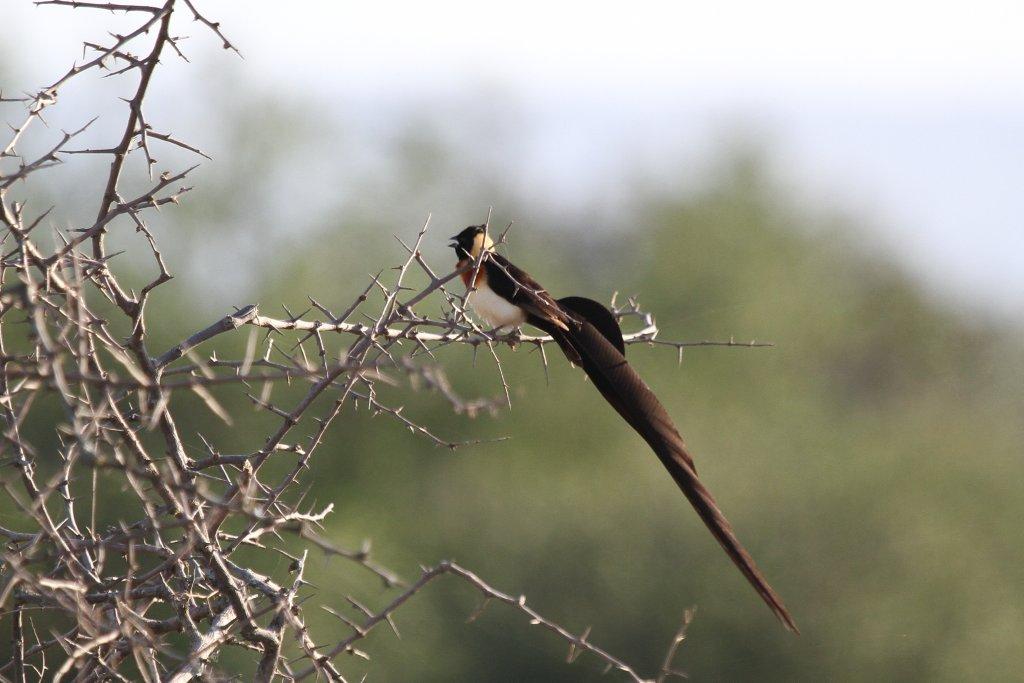
On the way to Sontuli we saw a Long-tailed Paradise Whydah.

Long-tailed Paradise-Whydah

Then circling above we had a few vultures – White-backed and White-headed.

Red-billed Oxpeckers were seen on the backs of Rhinos.

At the Bhejane Hide we had our best birding although nothing unusual turned up.

Bhejane visitors
Bhejane visitors

Some other species photographed were:

And finally at Mpafa Hide the male Mocking Cliff Chat made an appearance.

Mocking Cliff Chat
Mocking Cliff Chat

This was our most disappointing visit to Umfolozi. Despite that we did identify some specials: Gorgeous Bushshrike, Black-crowned Tchagra, Golden-breasted Bunting, Fiscal Flycatcher, Red-billed Oxpecker, Long-tailed Paradise Whydah, Yellow-bellied Eremomela, Acacia Pied Barbet, Wattled Starling, White-crested Helmetshrike.

Next we headed for four nights in Mkhuze. See Part Four of this series.


St Lucia and Mkhuze – May 2015 – Part Two

Eastern and Western Shores, Isimangaliso Wetland Park

Report by Paul and Sally Bartho

Eastern Shores.

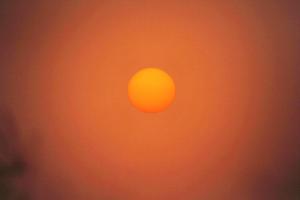
Sunrise
Sunrise

On entering the Park very early on a chilly morning, we were greeted by the sun rising on our right. Not to be outdone the moon was setting on our left.

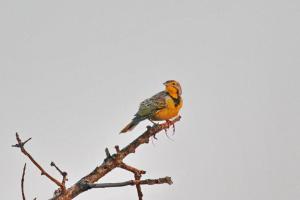
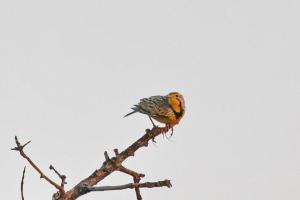
The sunrise had a glowing golden affect on some of the early birds we saw and photographed.

The park is in drought – none of the pans has any water  – not in the Pan Loop, Vlei Loop nor at the Bird Hides. As a result the birding and views of animals was fairly disappointing. The water level of Lake St. Lucia appeared to be similar to the level when we visited last November.

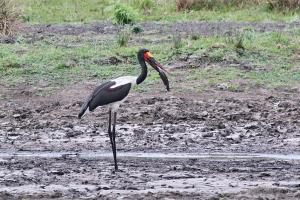
Some of the specials we identified included: Fiscal Flycatcher, Brown Scrub-Robin, Scaly-throated Honeyguide, Livingstone’s Turaco, Rudd’s Apalis, Black-chested Snake-Eagle, Saddle-billed Stork, Goliath Heron and Olive Bushshrike.

Western Shores.

Again we entered Western Shores as the gate opened and stayed for the full morning – driving all the roads in the park.

Like the Eastern Shores there was no water in any of the pans so waterbirds were only seen at the Lookout point over Lake St. Lucia. And those that we saw were limited to a few residents.

Driving along the Loop Road we came across Lemon-breasted Canaries at the Lookout point. This was close to where we had seen them on our previous visit. And further along at the edge of one of the thickets we saw four or five Tambourine Doves eating together on the ground.

We did flush a Buttonquail along the road which we suspect was a Common Buttonquail based on its size and pale appearance as it flew away from us – but we cannot be certain.

A number of Fiscal Flycatchers were seen and we also identified a few other specials: Livingstone’s Turaco, Striped Kingfishers, Black-chested Snake-Eagles were seen flying overhead and Orange-breasted and Gorgeous Bushshrikes were heard.

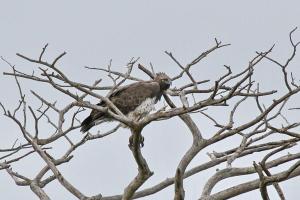
On the eastern loop to the Lake St. Lucia boardwalk and viewing platform we circled an almost dry pan. In it were three Saddle-billed Storks – one a juvenile. Also present were Pied Crows and a juvenile African Fish-Eagle in its deceptive plumage. And in the trees close-by was a good looking Martial Eagle.

At the Platform at the top of the boardwalk a pair of Rudd’s Apalises were calling and showing themselves. Always very nice to see well.

Again like Eastern Shores birding in the park was uninspiring.

Our next day’s birding was at Umfolozi. See Part Three of this series.

St Lucia and Mkhuze – May 2015 – Part One

Report by Paul and Sally Bartho

Having been closeted away in Hillcrest for four months it was time to get away – St. Lucia and Mkhuze were the destinations – for four or five nights in each.

Sugarloaf campsite in St. Lucia is ideally located. It is close to the beach and the mouth of the St. Lucia estuary as well as to access to Eastern and Western Shores of Isimangaliso Wetland Park. Furthermore it is only an hours drive to Umfolozi.

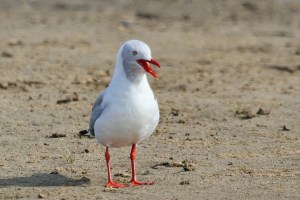
The Franklin’s Gull had been seen in the St. Lucia estuary the week before we arrived so it was a target bird for me. Unfortunately I was not to be lucky. It was still around apparently. We met Themba of Themba’s Birding & Eco Tours on the beach and he said he had seen it while we were there. We were in one of the Parks at the time.

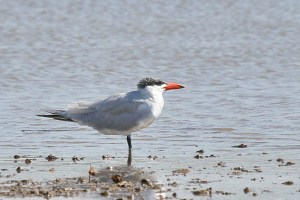
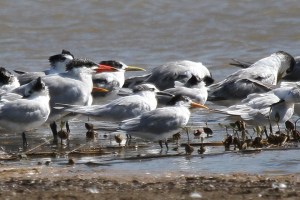
However we did see a number of different Terns among the Grey-headed Gulls. These included Swift, Sandwich, Caspian, Lesser Crested and Common Terns.

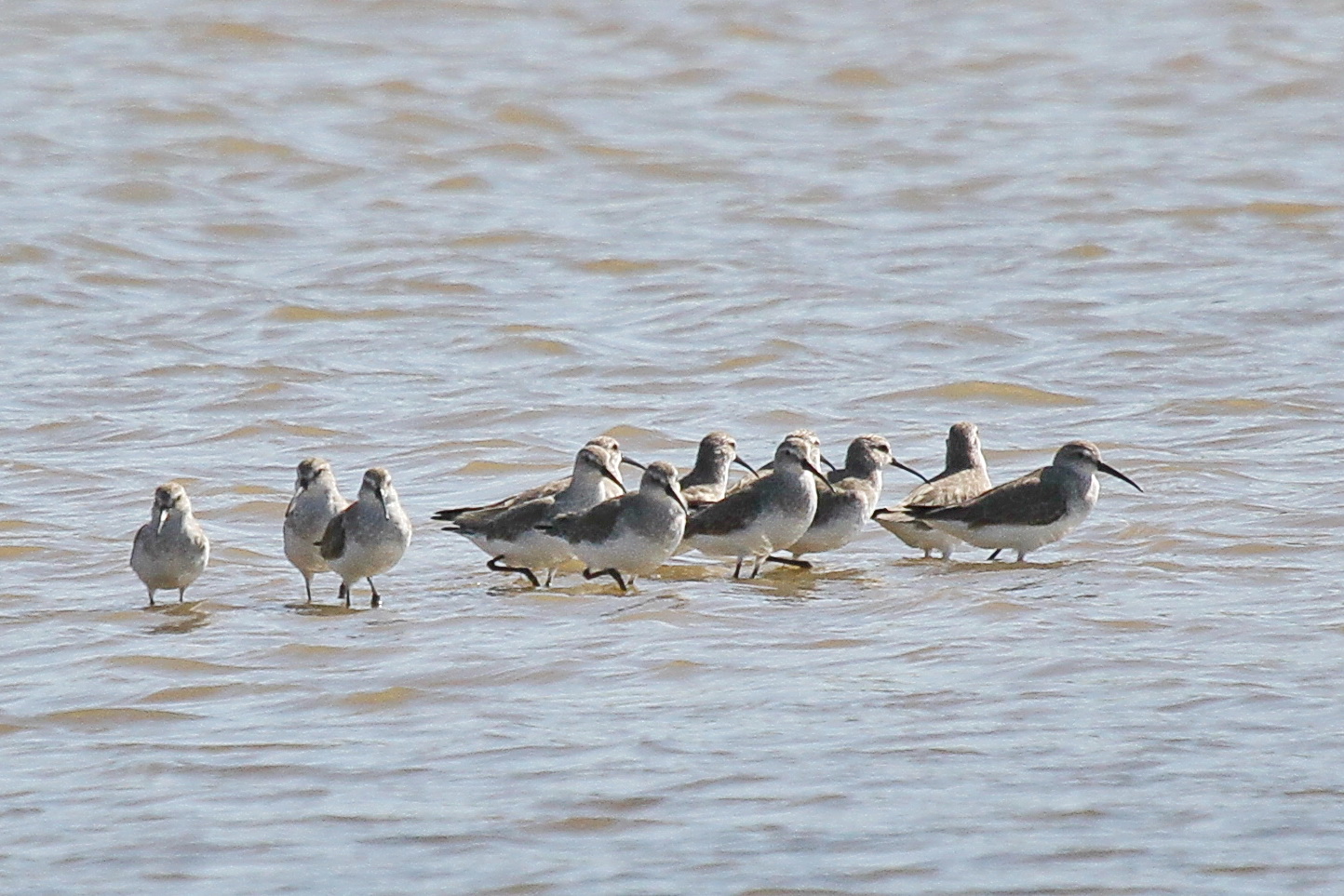
Unexpectedly among the Terns were a dozen Curlew Sandpipers closely knit.

IMG_4267

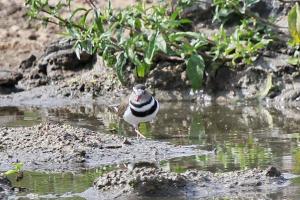
And then we spotted a lone Lesser Sand Plover running among the many Three-banded and White-fronted Plovers and the odd Kittlitz’s Plover.

Some other birds seen at the beach:

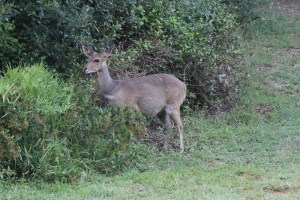
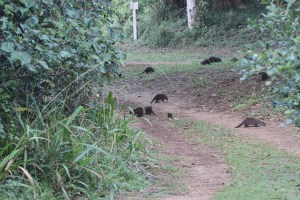
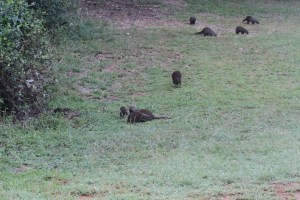
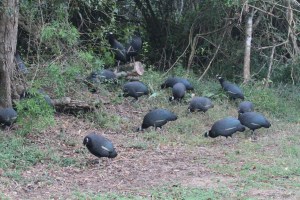
Sugarloaf campsite proved almost as good a birding spot as any of the Parks we visited. There were Woodward’s Batises, Green Twinspots, Black-throated Wattle-eyes (five or six chasing each other), African Goshawks, Livingstone’s Turacos, Rudd’s Apalis, Brown Scrub-Robins, Green Malkoha, Wood Owls to name a few of the specials. Campsite regulars included Grey Duiker, Bushbuck (playing with the monkeys), Banded Mongooses and Crested Guineafowl.

Look at the photos of the African Goshawk above. The first impression was the two spots on the tail and we called it “Little Sparrowhawk”. Sally’s second opinion was that it was much larger than a Dove and questioned our first impression. So we checked the books and they told us to check the cere – what colour – yellow or grey. If yellow then Little Sparrowhawk, if grey then African Goshawk. Looking more closely at the spots on the tail you can see that they are in fact bands which are brightest in the middle fading towards the sides. Don’t always go with first impressions – too easy to make a mistake!

Eastern and Western Shores in Isimangaliso Wetland Park – see Part Two of Four.

North Old Durban Airport follow up.

Sunday 3 May 2015

Sally and I revisited the Umlaas Canal – just north of the Old Durban Airport – as a follow up to our visit on 22 March 2015.

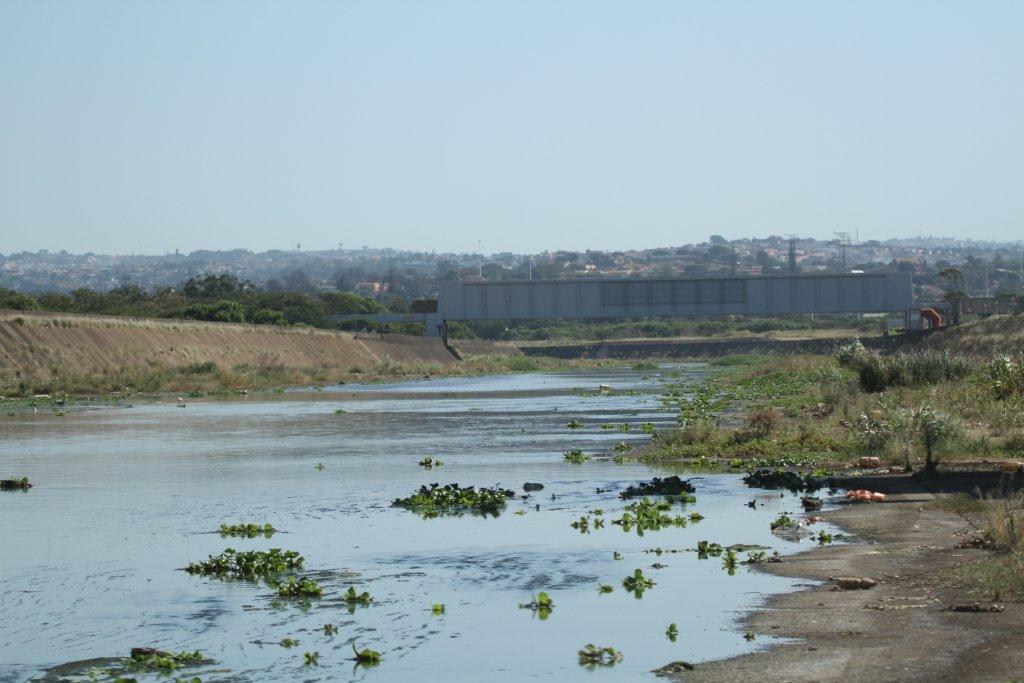
Inside the Umlaas canal – north of the old Durban Airport. If the river is running low then it is possible to drive into the canal and explore both sides.

We took Roy Cowgill and Steve Davis with us.

Roy Cowgill exploring the canal.

Although the variety of species seen was much less than on our previous visit (expected as many would have migrated in the interim) surprisingly the number of birds observed was no less. What surprised us was the huge numbers of Cape Wagtails and Three-banded Plovers all the way down the canal.

Our goal was to show Roy and Steve the canal and its abundant waterbird life as well as to find the Greater Painted Snipes which we had seen on our previous visit.

The canal was not running deep so we were able to drive through the water and explore both sides of the canal.

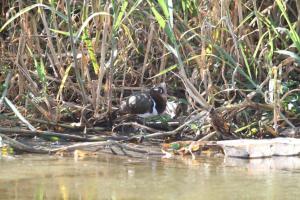
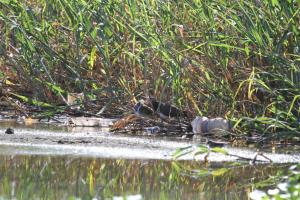
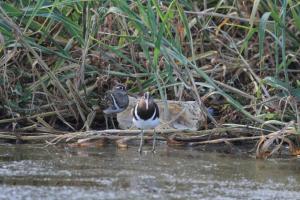
As we drove slowly down the canal, Steve suddenly quietly yelled for us to stop. Right beside us were a male and a female Greater Painted Snipe – not one metre from the car. Of course as we stopped so the birds flew. We managed to locate them again but they flew across to the other side of the water.

Male Greater Painted Snipe flying across to the other side of the canal.

We followed and found them again – posing round the edge of some tall reeds. They were not too concerned about us so we kept our distance and watched them for some time.

While we were watching the Snipes went into mating mode and just as they reached their climax (no pun intended) they were rudely interrupted by several loud Hadedas flying overhead and the male ran for cover! What were they thinking. Mating at the very end of mating season?

I do have some reasonable video footage of the Snipes which I seem unable to put on the site. However click on this link to the video on YouTube.

Several species were present with their young – Black-winged Stilts, Blacksmith Lapwings and White-faced Ducks.

Here are some photos of some of the other species seen.

This is a new area which Roy and Steve plan to include in future CWAC counts because of the large variety and numbers of waterbirds seen here.

Paul and Sally Bartho

St Kitts follow up

Here are some additional photos taken on 11 April at St Kitts  by Steve Davis.
The earlier article on St Kitts was posted on 29th April.

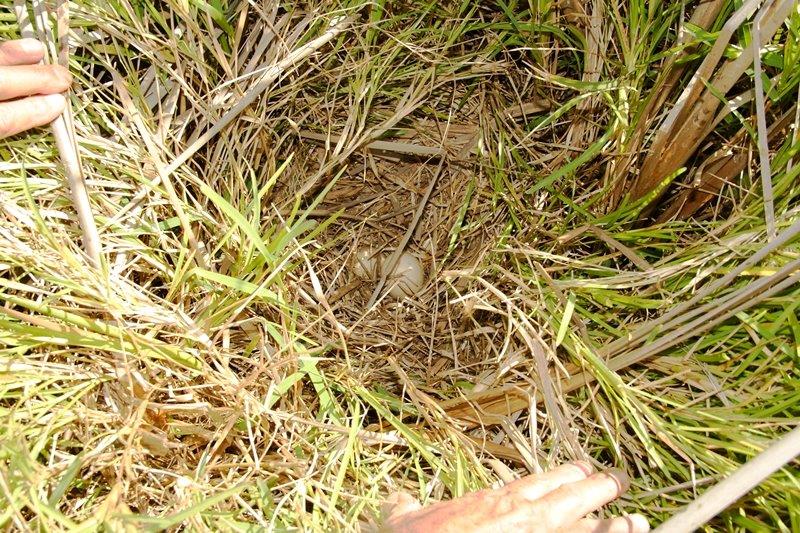
The first is a photo of a Yellow-billed Duck nest. It had 3 eggs inside.

Yellow-billed Duck nest


Some birds

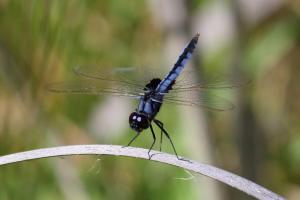
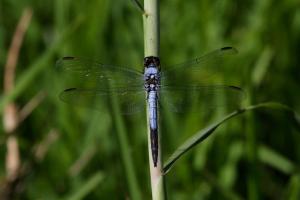
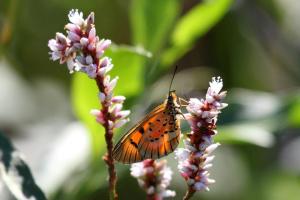
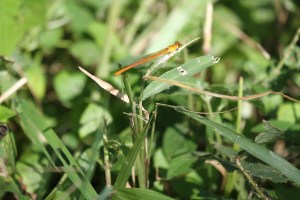
And some photos of Dragonflies and Butterflies

St. Kitts

Saturday 11 April 2015

Roy Cowgill, Steve Davis and I visited St. Kitts – a private farm inland from Amatikulu on the North KZN Coast.

The sugar cane farm has a number of dams which we birded. Waterbirds included numerous African Purple Swamphens, Common Moorhens and Spur-winged Geese.

African Purple Swamphen

Black Crakes, Yellow-billed and White-faced Ducks, White-breasted Cormorants – nesting, Reed Cormorants, Little Grebe, African Darter, Hamerkop, Hadeda Ibis, Malachite Kingfisher, Egyptian Geese, African Jacanas and their young were among the many waterbirds we found.

A juvenile African Fish-Eagle flew overhead and another, an adult, was seen perched overlooking the main dam.

Juvenile African Fish-Eagle

The main dam at St. Kitts seems to be a reliable spot to find two special species -White-backed Ducks (we saw 12) and African Pygmy Geese.

The other two large dams were by comparison very quiet – the odd Common Moorhen and Reed Cormorant and several Blacksmith Lapwings. A Giant Kingfisher (male) also made an appearance as well as a Diderick Cuckoo.
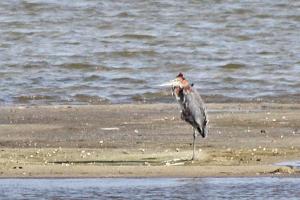
Unusually there was only one Heron – a Grey – and no waders and no Pied Kingfishers. In all 57 bird species were identified. A full bird list can be viewed – click here.
Butterflies and Dragonflies were everywhere and Steve and Roy made a list of them which can also be seen by clicking here.

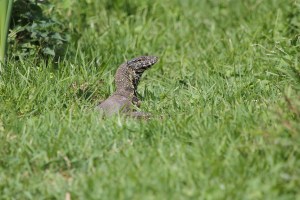
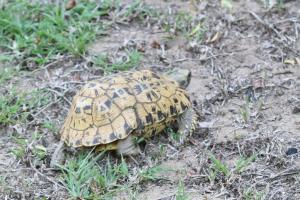
One of the highlights was a rather large reptile which I had heard about but never seen there.

Paul Bartho

Darvill, Near Pietermaritzburg

Tuesday 21 April

Sally and I went to see if we could find the Lesser Jacana which had been seen there recently. It was a pleasant day with a light breeze and we arrived midday.

Dam 4 was the place to go so we headed there. There we found a family from Port Shepstone – Barry, Sue and  Cameron. They had arrived an hour earlier and so far had not found the bird.

We searched all the way round the dam – bundu bashing at times as the pathways between the dams was well overgrown. Despite an extensive search we eventually left at 15h00 empty handed.

However there was plenty of bird life on dams 3 and 4 that have shallow banks which the birds seem to prefer. Little Grebes, Egyptian and Spur-winged Geese and African Sacred Ibis were present in large numbers. Numerous African Jacanas were seen all round the edges of the dams too.

Other birds seen were Common Moorhens, Black Crakes, Red-billed, Hottentot and Cape Teals, Cape Shovellors, Southern Pochard and South African Shelduck. Two Wood Sandpipers were seen as well as several Three-banded Plovers and Cape Wagtails but no other waders – all gone.

An African Fish-Eagle made an appearance and had all the birds off the water and into the air. An African Marsh Harrier also quartered the dams.

We left a wee disappointed in not finding the Lesser Jacana but enjoyed the day none-the-less.

Paul & Sally Bartho

Sheffield Beach Outing

Report by Mike White

There were 20 of us for the Sheffield Beach outing on 18 April 2015.

The weather was good as it gets. We were rewarded with some good sightings around the old crocodile farm ponds (no crocodiles fortunately) as well as on the road which cuts through part of the indigenous swamp forest.

A grateful vote of thanks was given to the owners Ian and Sandra McMurchie.

In all 67 different species of  birds were seen and or heard. Click here to view the list.

Mike White

Here are some photos taken on the day:

After the outing Paul and Sally decided to see what was happening at the SAPPI Bird hide.

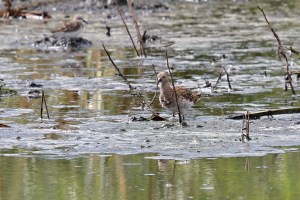
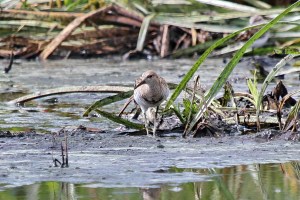
It was relatively quiet with most of the waders having left. However there was a group of Little Stints in front of the hide but the island was mostly harbouring Egyptian and Spur-winged Geese, White-faced Ducks, Little Grebe, Black-winged Stilts and White-breasted Cormorants nesting.

On a walk around the area a Leguaan made an appearance.

Two Ruff were also seen and seem to be starting to change into breeding plumage – rather late in leaving we thought.

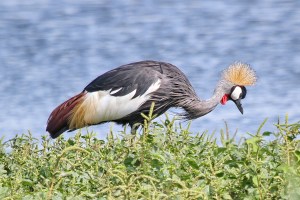
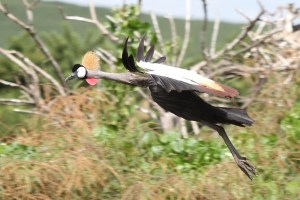
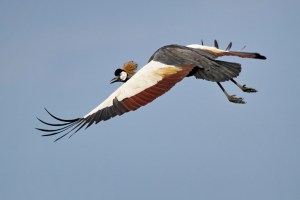
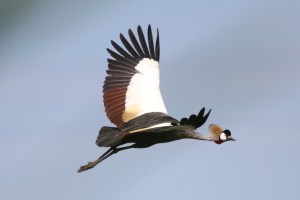
A pair of Grey-crowned Cranes arrived to add some variety to the usuals.

Palmiet NR

With Mike Roseblade and Jane Morris

Sunday 12 April 2015

Beautiful sunny weather brought out the birds in Palmiet Nature Reserve when a group from Westville Conservancy were joined by some BLPN members to spend 3 hours of good birding along the river.

The group split into 2 led by Mike and Jane and recorded a total of 48 species. Click here to see the  bird list.

Good birds seen included Black Sparrowhawk, Grey Waxbill, Lemon Dove and Mountain Wagtail.

This is about the average count we also encounter on the Westville Trail. However no Magpie Mannikins until we retired to Jane and Mike’s garden where all 3 Manniken species were active.

Magpie Mannikin
Magpie Mannikin

Mike Roseblade