After five days camping at Kunene River Lodge we headed for Etosha. We left on Saturday 22nd June. Our plan for Etosha was 2 nights at Namutomi followed by 3 nights at Halali.
Etosha as expected was very expensive. Not just the campsites but also the daily charge for 2 people and the car. Namutomi was R440 and Halali R290 per night plus the daily charge of R130!! Our mistake, we should have camped just outside the Park.
Namutomi was run down. The only saving grace was the flat grassy campsite.
The Park was exceptionally dry and very dusty. The man-made waterholes were the main source of interesting birding. And of course this is where the animals congregated. The natural springs and fountains near the Pan’s edge were all dry.
We circled the Dikdik Drive 3 times looking for the Black-faced Babblers without success – we did see lots of Dikdik though.
The highlights were the waterbirds and the raptors.
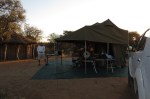
Namutomi
Namutomi
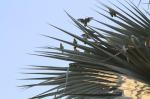
Twin Palms – Red-necked Falcon hideout
White Rhino
Giraffe dwarfing a White Rhino. Etosha
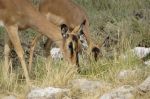
Dikdik. Etosha
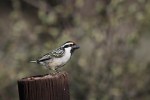
Sabota Lark – thick billed Western version. Etosha
Chestnut-banded Plover. Etosha
Swamp Boubou. Etosha
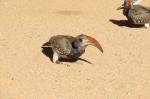
Red-billed Hornbill. Etosha
Tawny Eagle. Etosha
Black-throated Canary
Yellow Canary. Etosha
Scaly-feathered Finch. Etosha
Spike-heeled Lark. Etosha
Kittlitz’s Plover. Etosha
Cape Teal. Etosha
Grey-headed Gull. Etosha
White-browed Scrub-Robin
Burchell’s Starling. Etosha
Marico Sunbird. Etosha
Gabar Goshawk – juvenile. Etosha
Lark-like Bunting. Etosha
Helmeted Guineafowls. Etosha
Halali campsite is flat and reasonably shady – not that the shade was so important in winter time. It has a very good waterhole and viewing platform. In the evenings after a day out in the Park, it was rewarding sitting there and watching the interaction of the various animals which came – many Elephant and surprisingly at the same time, Black Rhinos (see photos). While we were there one Elephant cheekily intentionally sprayed water over a Black Rhino.
Elephant & Black Rhino faceoff. Etosha
Elephant giving the Black Rhino a soaking. Etosha
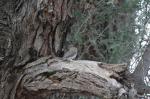
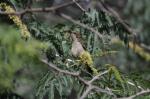
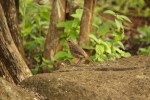
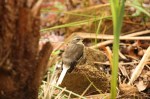
We spent one day in the area around Halali – mainly going from one waterhole to another. At the Goas Waterhole we had an interesting time watching the elephants and many different birds coming in to drink. It was here that we fleetingly saw an interesting bird which we could not identify at the time – see if you can – check the few photos I did manage to get.
For You to ID, Goas Waterhole, Halali, Etosha
For You to ID, Goas Waterhole, Halali, Etosha
For You to ID, Goas Waterhole, Halali, Etosha
More Photos taken around Halali:
Halali
Halali Camp
Halali Waterhole – Elephant & Black Rhino being dwarfed. Etosha
Black Rhino
Black-faced Impala. Etosha
Elephants
Slender Mongoose. Etosha
Red-headed Finches. Etosha
Red-necked Falcon. Etosha
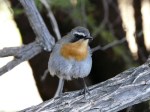
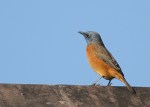
Short-toed Rock-Thrush
Violet-eared Waxbill. Etosha
Great Sparrows
African Grey Hornbill. Etosha
Gabar Goshawk. Etosha
Dusky Sunbird. Etosha
African Harrier-Hawk. Etosha
Little Sparrowhawk. Etosha
The second full day that we had at Halali was spent Larking About just north of Okaukuejo. This was our challenge in Etosha – to test our skills at identifying as many Larks as we could and this was the best area to find them.
To make life simpler, we listed all the possible Larks we could find in the area (excluding summer visitors) and wrote down the key features for identifying each one. There were 9 possibles in all and only one of these with a long decurved bill. This certainly helped and we were reasonably confident with our ID in most instances.
It was on this road out to Okondeka that we saw a number of other interesting birds – Double-banded Courser, Northern Black and Red-crested Korhaans and Ludwig’s Bustards.
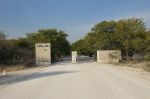
Okaukuejo entrance
Lion and disinterested partner. Etosha
A Pride of Lions
Ground Squirrels. Etosha
Yellow Canary. Etosha
Sociable Weaver. Etosha
Great Sparrow. Etosha
Lappet-faced Vulture. Etosha
White-backed Vulture. Etosha
Ostrich. Etosha
Northern Black Korhaan. Etosha
Northern Black Korhaan – female?. Etosha
Pale Chanting-Goshawk. Etosha
Rufous-eared Warbler. Etosha
Rufous-eared Warbler. Etosha
Red-capped Lark. Etosha
Spike-heeled Lark. Etosha
Ant-eating Chat
Spike-heeled Lark
Spike-heeled Lark. Etosha
Capped Wheatear. Etosha
Spike-heeled Lark
Chat Flycatcher. Etosha
Chat Flycatcher. Etosha
Kori Bustard. Etosha
Double-banded Courser. Etosha
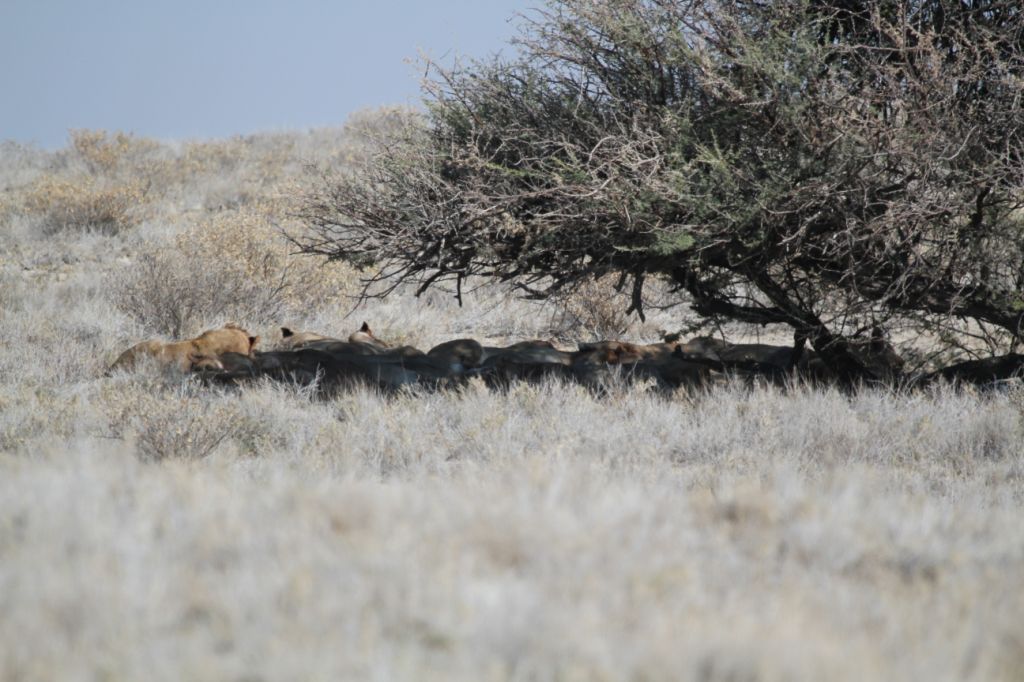
Another highlight towards the end of this road near Okondeka was a pride of about 20 lionesses all lying down tightly together. They were being followed by a film crew who were waiting patiently for them to do something! They were set in for a long wait.
A mound of Lionesses – about 20 all cuddled together
Five dusty days in the cold of Etosha were enough. We set off for Erongo and Brandberg on the way down to Swakopmund.
Over the next week there will be a serial report-back on our birding expedition to Namibia.
The series will include pictures of places we stayed and birds we were lucky enough to photograph in each place.
Please email me if you interested in receiving detailed reports including our route and tracks, accommodation contact details, accommodation assessment. Also available is our Bird List in Excel format. You are able to see what birds we saw or heard in each place as well as where specific birds were seen.
The journal begins:………..
At very short notice we decided to go to Namibia. Our preparation was frantic over a 2 week period. Bird Lists to prepare, accommodation and route decisions and bookings, banks and credit cards, car & health insurance, knowledge of border crossing requirements, etc.
Our main goal was to get to Kunene River Lodge to see the Angola Cave-Chat with Peter Morgan – and to be there before the start of the school holidays. Of course we also intended to find as many of the Namibian specials as possible – in particular those we had not seen before.
We departed on Tuesday 11th June spending the first night in a Hunting Lodge in Botswana, Phuduhudu south of Lobatse. We entered Botswana through the quiet border post Ramatlabama. As we were staying only one night and needed an early start the next day, we stayed in one of their fancy chalets – which at R200 per person was very reasonable. Our birding began around the camp.
Phuduhudu Chalet
Phuduhudu Chalet
What is it?, Phuduhudu, Botswana
The next day we were up early. It was freezing outside. From there we took the Trans Kalahari highway to the Mamuno border post into Namibia. Again a pleasant crossing. Zelda was the campsite we were headed for. Once there we put up our 3 Second tent on grass with power to run our electric blanket. The cost to camp was exceptionally reasonable considering the facilities available. To cap it all their buffet dinner was tasty & value for money. On site were a number of interesting orphaned animals to see including Leopard, Cheetah and a huge porcupine.
The following morning we spent a bit of time enjoying Zelda before our short hop to our next campsite near Windhoek airport – Odekaremba at 1800 metres.
Zelda
Zelda
Zelda
Zelda
Crimson-breasted Shrike. Zelda.
Red-eyed Bulbul. Zelda
Zelda
Zelda
Leopard at dinner. Zelda
Porcupine – a Grand-daddy! Zelda
Ondekaremba has a small campsite with 4 spots. We had a site at the top of a hill on the only bit of level ground. It was open to the biting wind and the ground so hard it was exceedingly difficult to get the pegs into. Our ablution was very rustic and hot water only available when the staff got the donkey working – tepid water at best first thing. On top of that it was very expensive. We would be loathe to stay there again – except the birding round the camp was very good.
Ondekaremba
Ondekaremba
Ondekaremba
Green-winged Pytilia
Great Sparrow
Damara Hornbill
Crimson-breasted Shrike
Chestnut-vented Tit-babbler. Ondakaremba.
Black-faced Waxbill. Ondakaremba.
Black-faced Waxbill. Ondakaremba.
Ant-eating Chat. Ondakaremba.
Acacia Pied Barbet
White-backed Mousebird. Ondakaremba.
White-backed Mousebird. Ondakaremba.
White-backed Mousebird
White-backed Mousebird. Ondakaremba.
Violet-eared Waxbills. Male and Female. Ondakaremba.
Violet-eared Waxbill
Violet-eared Waxbill
Scaly-feathered Finch. Ondekaremba
Violet-eared Waxbill – female.. Ondekaremba
We had booked for 3 nights to give us a break from the long journeys and to have a base to bird around Windhoek while we were in the area.
We visited both Avis Dam and Daan Viljoen. Avis Dam was the more interesting but Daan Viljoen produced the first lifer for me – Rockrunner – Sally had seen it previously.
Avis Dam
Greater Flamingos, Avis Dam (1)
Greater Flamingos, Avis Dam (2)
Greater Flamingos, Avis Dam (4)
Greater Flamingos, Avis Dam (5)
Greater Flamingos, Avis Dam (6)
Monteiro’s Hornbill, Avis Dam
Mountain Wheatear – male, Avis Dam
Marico Flycatcher, Avis Dam
Rock Kestrel, Avis Dam
Short-toed Rock-Thrush, Avis Dam (1)
Short-toed Rock-Thrush, Avis Dam (2)
Long-billed Crombec, Avis Dam
Pririt Batis – male, Avis Dam
Verreaux’s Eagle, Avis Dam
Black-chested Prinia, Avis Dam
Black-chested Prinia, Avis Dam
Black-chested Prinia, Avis Dam
Brown-crowned Tchagra, Avis Dam (1)
Brown-crowned Tchagra, Avis Dam (2)
Daan Viljoen
Green-winged Pytilia, Daan Viljoen
Long-billed Pipit, Daan Viljoen
Long-billed Pipit, Daan Viljoen
Rockrunner, Daan Viljoen
South African Shelduck, Daan Viljoen
South African Shelduck, Daan Viljoen
Ashy Tit, Daan Viljoen
Ashy Tit, Daan Viljoen
Chestnut-vented Tit-Babbler, Daan Viljoen
Sunday 16th we headed north stopping over in Kamanjab Rest Camp in our 3 Second tent again. For one night it is not worth the effort after a long days driving, to put up the trailer only to take it down again early the next day.
We were the only people in the camp. The facilities were good and clean. We managed a walk round the camp grounds late afternoon. As usual most of the birds were to be seen around the camp area – including Bare-cheeked Babblers and White-tailed Shrikes – in numbers.
Kamanjab Rest Camp
Grey Go-away-bird, Kamanjab
Monteiro’s Hornbill, Kamanjab
Monteiro’s Hornbill, Kamanjab
Red-eyed Bulbuls, Kamanjab
Carp’s Tit, Kamanjab
White-tailed Shrike – Kamanjab
White-tailed Shrike – Kamanjab
Bare-cheeked Babbler, Kamanjab
Bare-cheeked Babbler, Kamanjab
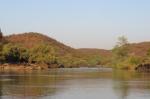
The next day we arrived at Kunene River Lodge – staying for 5 nights. We had been before and it remains an oasis along the stretch of the river. Birds in camp were plentiful and special. Cinderella Waxbills, Rufous-tailed Palm-Thrush, Swamp Boubou, White-tailed Shrikes to name a few.
Kunene River Lodge
Kunene River Lodge
Kunene River Lodge
Campsite 13, Kunene River Lodge
Campsite 13, Kunene River Lodge
Kunene River Lodge
Meve’s Starling, Kunene River Lodge
Pririt Batis – female, Kunene River Lodge
Mourning & Laughing Doves, Kunene River Lodge
Mystery Birds, Otjimuhaka – Kunene
Pririt Batis – male, Kunene River Lodge
Red-billed Firefinch, Kunene River Lodge
Red-necked Spurfowl – Cunensis, Kunene River Lodge
Rufous-tailed Palm-Thrush, Kunene River Lodge
Rufous-tailed Palm-Thrush, Kunene River Lodge
Rufous-tailed Palm-Thrush, Kunene River Lodge
Southern Masked-Weaver, Kunene River Lodge
Swamp Boubou, Kunene River Lodge
UI Bird, Kunene River Lodge
Violet Wood-hoopoe, Kunene River Lodge
Violet Wood-hoopoe, Kunene River Lodge
African Barred-Owlet, Kunene River Lodge
African Green-Pigeon, Kunene River Lodge
Black-faced Waxbill, Kunene River Lodge
Black-faced Waxbills, Kunene River Lodge
Burchell’s Sandgrouse – female, Kunene River Lodge
Burchell’s Sandgrouse – male, Kunene River Lodge
Cinderella Waxbill, Kunene River Lodge
Cinderella Waxbill, Kunene River Lodge
Cinderella Waxbill, Kunene River Lodge
Cinderella Waxbill, Kunene River Lodge
Dusky Sunbird, Kunene River Lodge
Dusky Sunbird, Otjimuhaka – Kunene
Dusky Sunbird, Otjimuhaka – Kunene
Fork-tailed Drongo, Kunene River Lodge
Golden Weaver, Kunene River Lodge
Golden Weaver, Kunene River Lodge
Golden-tailed Woodpecker, Kunene River Lodge
Grey-backed Cameroptera, Kunene River Lodge
Groundscraper Thrush, Kunene River Lodge
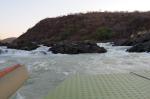
No sooner had we set up camp than we were on an sunset cruise heading for the rapids up river. On the way back we stopped on the banks for sundowners. A Pearl-spotted Owlet greeted us.
Sunset Cruise – Kunene River Lodge
Sunset Cruise – Kunene River Lodge
Little Bee-eater, Kunene River Lodge Sunset Cruise
Pearl-spotted Owlet, Kunene River Lodge Sunset Cruise
Rosy-faced Lovebirds, Kunene River Lodge Sunset Cruise
Rosy-faced Lovebirds, Kunene River Lodge Sunset Cruise
Sunset Cruise – Kunene River Lodge
During our stay Peter Morgan took 4 of us to find the Angola Cave-Chat in the Zebra Mountains. We left early to get there at dawn. Not a drive for sissies – pre-dawn.
Once there we set ourselves up for a wait hoping they would appear close by. Peter had not been there for a month so he did not know what to expect. After some time once the sun had finally generated some warmth we heard one call. A lovely melodic call slightly different from its cousins in Angola apparently. Sean from Batis Birding was with us and his recordings made in Angola were decidedly different to what we heard.
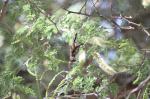
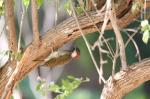
Anyway, having heard the call we soon spotted the culprit for a fleeting few seconds. Then within minutes a pair were seen slowly making their way up the steep rocky slopes. The scope was soon on them so we all had very good views despite them being some way up the slope. The Cave-Chat looks kinda like a Swamp Boubou with a white eyebrow. As an after thought I managed to get a few very poor photos. The light was poor and the birds were moving.
Zebra Mountains. (L to R) Peter, Paul, Sean & Peter Morgan
Zebra Mountains area
Sally – Zebra Mountains
Sally – Zebra Mountains
African Hawk-Eagle, Zebra Mountains
Angola Cave-Chats, Zebra Mountains
Angola Cave-Chats, Zebra Mountains
Augur Buzzard, Zebra Mountains
The Grey Kestrel was our next target bird. The area around the Lodge had not had any decent rain for 2 years so there was no food for the Kestrel – and we had no expectations of seeing it. However Sean said he was heading for the power lines in Ruacana to find the Kestrel – leaving very early one morning intending to be there at the crack of dawn. Sally and I followed but could not keep up the pace. We dipped on the bird but Sean had a fly past on arrival.
On the way back we popped in to Hippo Pools and as it happened we unexpectedly bumped into Mark Boorman who was bird ringing. Before leaving home we had been in contact with Mark about birding in Swakopmund and Walvis Bay, so this was a pleasant way to make his acquaintance. Mark was ringing his way down river to Kunene River Lodge where he and Peter intended to have another go at ringing an Angola Cave-Chat. We learnt later that he was successful.
Although Dargle is a little further for us to travel than we’re used to, 10 of us came from Durban and surrounds including Martin Taylor our guide for the day. After all of us meeting at Piggly Wiggly (in 6 degrees I might add) we made our way to Kilgobbin Farm to meet Barend Booysen who owns the farm and also does guided walks through the Forest on the 1st Thursday of each month. (Contact tel: 082 3372025).
Upon arrival we were welcomed by Barend outside a romantic chapel and on cue, much to our absolute delight 12 very vocal Cape Parrots flew over our heads. Some of us were so stunned our reactions were pretty slow. Happily we had another opportunity to see them when another flock of 6 came over while admiring an African Crown Eagle’s nest.
The entrance to Kilgobbin Forest is Barend’s very bird friendly garden. In a matter of minutes we identified a number of different sunbirds giving the birder’s in our group a spectacular display and the photographers some excellent opportunities to record them. See photo gallery below.
Kilgobbin Forest is beautiful and well maintained by the Dargle Conservancy. As we entered this magical canopy of trees, including stately Yellowwoods, we were greeted by a chorus of bird calls from Olive and Cardinal Woodpeckers, Chorister Robin-Chats, Cape Batis, Bar-throated Apalis and Knysna Turacos. For me personally, forest birding is very difficult but this time there were a number of open clearings making it easier to see the birds and where they seemed to make themselves surprisingly more conspicuous. The forest walk leads up onto open grasslands above. Unfortunately there was not an abundance of grassland birds although a highlight was a Malachite Sunbird was seen amongst the Leonotis.
All in all, we recorded 46 birds and 3 waterbirds on the dam on the way out. Sandi du Preez claimed the Chorister Robin as the Bird of the Day, but for me it was the Cape Parrot. Our thanks goes to Martin our guide, Barend for his hospitality and all the wonderful birds, making it another perfect birding day.
Cheryl King
Photos courtesy of Dave Rimmer, Sally and Paul Bartho.
Attending: Jane Morris and Mike Roseblade,Jenny and Cecil Fenwick, Sally and Paul Bartho, Jenny and Dave Rix, Jackie and Roland Suhr, Rob Jamieson, Lynette Bingham, Sabrina Porritt, Keith Booysens and Kathy Cleggett.
Ilala Palm Park is a 35 hectare site situated about 6 kms west of Mbazwana on the road to Jozini from the centre of town. It has six campsites – each with their own ablutions and scullery with hot water and power point. The grassy campsites vary in size and most have sufficient shade. And there is a swimming pool.
Ilala Palm Park entrance
Ilala Palm campsite 2
Bird bath campsite 2 – the best bird bath just to the left of the pole next to the ablutions.
Ilala Palm campsite 3
Ilala Palm campsite 4
Ilala Palm campsite 5
Ilala Palm campsite 6
Ilala Palm swimming pool
The owners are a delight. We were welcomed with an information pack on each area we were intending to visit and a bird list, they constantly checked that all was well and that we were comfortable and provided all night security – what more could anyone want!!
The habitat consists of sand forest, Ilala Palm savannah and grassland areas.
The beauty of the Park is plentiful. The campsite alone is a birders’ paradise with bird baths dotted about which attract a huge variety of bushveld birds. Pink-throated Twinspots are regularly seen. Yellow White-eyes, Mannikins, Lesser Honeyguide, Flycatchers, Bulbuls, Greenbuls, Robin-Chats, Scrub-Robins, Starlings, Sunbirds, Doves are all seen around the bird baths. Many other special species were seen in and around the camp including Woodward’s Batis, Rudd’s and Yellow-breasted Apalis, Green Malkoha, all the Bush-Shrikes, Spotted Eagle-Owls, Fiscal and other Flycatchers, Cuckoos. The occasional raptor was seen overhead and the Fiery-necked Nightjars were heard at night along with the Owls.
Pink-throated Twinspot, Ilala Palm
Southern Boubou, Ilala Palm
Sombre Greenbul, Ilala Palm
Rudd’s Apalis, Ilala Palm
Rudd’s Apalis, Ilala Palm
Red-capped Robin-Chat, Ilala Palm
Pink-throated Twinspots, Ilala Palm
Pink-throated Twinspot, Ilala Palm
Olive Sunbird, Ilala Palm
Olive Sunbird, Ilala Palm
Olive Bush-Shrike, Ilala Palm. Look carefully – he is there. Did you find him?
Lesser Honeyguide, Ilala Palm
Grey Sunbird, Ilala Palm
Green Malkoha, Ilala Palm
Green Malkoha, Ilala Palm
Dusky Flycatcher, Ilala Palm
Brown-hooded Kingfisher, Ilala Palm
Brimstone Canary, Ilala Palm
Black-backed Puffback, Ilala Palm
African Goshawk, Ilala Palm
Yellow-bellied Greenbul, Ilala Palm
Yellow White-eye, Ilala Palm
Yellow White-eye and Grey Sunbird, Ilala Palm
Woodward’s Batis, Ilala Palm
Thick-billed Weaver – female, Ilala Palm
Stick Insect, Ilala Palm
Sometimes the pace just got too much, Ilala Palm – Jane Morris
Ilala Palm is ideally situated for access to: Muzi Pan, Mkuze, Hluhluwe, Ndumo and Tembe Game Reserves also Lake Sibaya, Nine Mile Reef & Mabibi, Sodwana and Kosi Bay to name but a few.
Summer time birding ought to be spectacular if you are based at Ilala Palm and visit the variety of habitats all within easy reach.
And to cap it all the cost to stay is better than reasonable!
The Outing.
Mike and Jane set an active program for the time there. And the 15 of us found that although parts of each day might have been spent away from the camp, there was always the camp to return to for rest and resuscitation.
The weather throughout the stay was very pleasant – sunny yet not too hot and a dribble of rain one night. There were no signs of mosquitoes perhaps because it was nippy after the sun went to rest.
Each evening Mike provided a braai around the swimming pool and many a tall tale was told.
Friday 25th:Arrival day
Two couples arrived a day early and spent Friday morning visiting Kosi Bay Camp and the mouth of Kosi Bay. Birding was slow in both areas with few water birds as you might expect at this time of the year. However there were Greater Flamingos at the mouth, an obliging Malachite Kingfisher and a Black-chested Snake-Eagle circling above.
Kosi Bay Camp Entrance
Kosi Bay Camp Entrance
Lake 3 from Kosi Bay Camp
Mangroves by Lake 3
Lake 3 from Kosi Bay Camp
Kosi Bay Estuary
Kosi Bay Estuary
Kosi Bay mouth
Kosi Bay mouth
Fish traps at Kosi Bay mouth
Malachite Kingfisher, Kosi Bay mouth
Black-chested Snake-Eagle, Kosi Bay Camp
Black Saw-wing, Kosi Bay Camp
Butterfly, Kosi Bay Camp
Butterfly, Kosi Bay Camp
Butterfly, Kosi Bay mouth
Saturday 26th: Camp Birding and Sodwana.
Saturday morning started early with a walk around the farm in the sand forest – perfect weather for birding and the highlight was to watch some Pink-throated Twinspots on the road justoutside the campsite whilst they fed in the sandy tracks. Fiscal Flycatchers were numerous and there was a constant parade of birds to see.
In the afternoon a group went to visit Sodwana – only 20 km down the road – to check out the beach and bird round the campsite. A Caspian Tern greeted the group at the river mouth, a group of White-fronted Plovers hid in the dune vegetation and 6 Sanderlings posed an ID challenge for us. Rob and Cecil behaved like city slickers and refusing to take off their shoes hitching a ride across a 30cm deep, 1.2 meter wide stream on a tractor, what the carbon footprint was we can only imagine!!
Mgobozeleni Trail
Mgobozeleni Trail pathway
Mgobozeleni Lake at end of Trail
Black-bellied Starling, Sodwana
Sanderlings, Sodwana – Jane Morris
Sanderlings, Sodwana – Jane Morris
Rob and Cecil getting a lift across the river at Sodwana!! – Jane Morris
Safely on the other side – Jane Morris
Sunday 27th: Lake Sibaya and Mabibi.
Fifteen of us packed into four 4×4 vehicles set off on a clear sunny day from camp and picked up our Wakkerstroom trained birdguide, Jabulani Mbonambi, from Mbazwana petrol station – organised through Adri.
Once we had entered Sibaya we drove along a beautiful coastal forest road to the east of the Lake. It was interesting habitat yet relatively quiet – perhaps because we had few stops along the way to our breakfast area beside the Lake. However birding at the breakfast stop was interesting.
In some dead trees beside the lake about 50 White-fronted Cormorants were nesting. A Fish Eagle was roosting comfortable among them. It was interesting to see that the Cormorants took nesting material from the shore and doused it in the lake, apparently to sort out the strands of the material to facilitate nest building.
Lake Sibaya
Birding the shoreline at Lake Sibaya
Breakfast at Lake Sibaya
White-breasted cormorant roost and nest site, Lake Sibaya.
White-fronted Plover, Sibaya
Water Thick-knee, Sibaya
White-breasted Cormorants, Sibaya
Whitefronted Plover – Jane Morris
Woodward’s Batis at Lake Sibaya – Jane Morris
Paul setting off to do some birding at Sibiya – Jane Morris
Rob contemplating – Lake Sibaya- Jane Morris
Whitefronted Plover – Jane Morris
There were not a lot of birds on the lake it being too deep. However there were Three Banded Plovers, Little Egret, Egyptian Geese, one Greenshank and a Water Thick-knee. Jabulani heard the Woodward’s Batis calling in the dune forest so we went to investigate. Most of the group had lovely sightings of it. A bird wave came through among which were Forest Weavers, Yellow – breasted Apalis and Blue-mantled Flycatcher.
After tea we carried on through the forest and then through rolling grasslands to Mabibi, quite a long bumpy sandy trek. Jabulani organized a car guard for us and we proceeded down the 139 steps to the beach to do some snorkelling in the protected waters of a reef. The snorkelling was great and a good variety of fish were seen, a moray eel and some parrot fish among many others. For those not snorkelling a walk along the beach was lovely, the rock formations were interesting and White-fronted Plovers hid among them.
Mabibi
Mabibi
Moray Eel, Mabibi – Keith Booysen
Sally waiting patiently at Mabibi – Jane Morris
There was a lovely spot in the camp site for lunch and it wasn’t long before the birds began to call and there were good sightings of Kurrichane Thrush, Woodward’s Batis among others.
After a walk about the campsite we started the long trek back to camp across typical Maputaland vegetation with lots of Ilala Palms to the main road. A thoroughly enjoyable day.
Monday 28th: Muzi Pan, Ophansi Pan & Mkuze.
By 08h30, our group of 15 arrived at Muzi Pan and spread out along the causeway. The water level had receded almost to its usual position compared to a month earlier.
Muzi Pan, as usual, did not disappoint despite the windy conditions. There was abundant bird life – water birds predominantly as you might expect. Specials seen included African Pygmy Geese, Pink-backed Pelicans, African Spoonbill, Black-winged Stilts, Yellow-billed Storks also Lemon-breasted Canaries, Long-billed Crombec and Yellow-breasted Apalis. Apparently the following day Lesser Jacana, Black Coucal and Kittlitz Plover were also seen round the Pan from the Adventure Centre. In all about 40 species were seen. The following pictures show the difference in water level from one month earlier.
Muzi Pan – April 2013
Muzi Pan – March 2013
Lemon-breasted Canaries, Muzi Pan
Spur-winged Geese, Muzi Pan
African Pipit, Muzi Pan
Cattle Egret with yellow thighs! Had us confused for a while.
After an hour or so the convoy moved to another Pan, nine kilometres beyond the Ophansi Village (instead of turning left to the Mkuze entrance, travel straight on). The Pan is right beside the dirt road on the left. A number of different water birds were seen including African Purple Swamphen, Red-knobbed Coots and Whiskered Terns.
Ophansi Pan
Wattled Starling at Ophansi Pan – Jane Morris
The group then headed for Mkuze. At the gate, the vehicles separated to do their own thing. The rest of the day was spent here, lunch was attempted at Nsumo Pan but the wind was fierce making it most unpleasant. Some chose to picnic in the parking lot which was protected while others took their lunch to the picnic site at the entrance to the kuMasinga Hide.
Tea break on the causeway before entering Mkuze. Right in the heart of the fig forest..
Fig Forest under water all the way from Mkuze River bridge to Ophanse Gate into Mkuze March 2013 – one month earlier.
Mkuze River – March 2013. One month earlier
Animal viewings were few and far between – perhaps because of the time of day the Park was entered. However a White Rhino did make a lengthy appearance at the kuMasinga Hide.
In fact the hide attracted a good many different birds over the midday period. It was a good vantage point for photography. There were excellent viewings of Green-winged Pytilia, Crested Barbet, Kurrichane Thrush amongst many others.
White-eared barbet, Mkuze
Yellow-fronted Canary, Mkuze
Yellow-throated Petronia, Mkuze
Black-headed Heron – juveniles, Nsumo Pan Mkuze
Black-collared Barbet, Mkuze
Cape Glossy-Starling, Mkuze
Crested Barbet, Mkuze
Crowned Lapwing, Mkuze
Green-winged Pytilia, Mkuze
Hadeda Ibis, Mkuze
Kurrichane Thrush, Mkuze
Greater Honeyguide – juvenile, Mkuze
Red-billed Oxpecker, Mkuze – latest in head gear.
Chacma Baboon and young, kuMasinga Hide, Mkuze
Warthog, kuMasinga Hide Mkuze
Burchell’s Zebra, kuMasinga Hide Mkuze
Red-eyed Dove, Mkuze
Brown Snake-Eagle, Mkuze
Fiscal Flycatcher, Mkuze
Three-ringed Plover, Mkuze
Raptors were few – no vultures. Those that were seen included Shikra, Little Sparrowhawk and a Brown Snake-Eagle on the way out. Only about 70 species of birds were seen in Mkuze.
Tuesday 29th. Tembe.
The usual early start led to another productive birding day in Tembe Elephant Park. Only 4×4 vehicles are permitted entry and they ensured an uneventful trip along the many single sandy tracks.
The reserve is known for the potential to find the Plain-backed Sunbird. It was on everyone’s agenda. However only Cecil was able to find it – at the Mahlasela Pan Hide. The Mahlasela Pan Hide is a raised hide at canopy level overlooking the Pan. It is a well designed hide. A webcam from this hide shows activity at the Pan on the internet. Go to http://www.tembe.co.za. The Africam is on the Home page.
The reserve is also known for its large elephants which fortunately showed themselves calmly.
There is a viewing tower near the entrance and another hide at the north end of the Swamp roads – the Poweni Hide. It too is a raised hide at canopy level and it looks down at a flood plain below.
Most agreed that the swamp area, the east Swamp Road (Umjamgazi Road) in particular, offered most sightings including Grey Waxbills, Yellow Fronted Longclaws, Stonechats, Rudd’s Apalis, Southern Banded Snake-Eagle, Eastern Nicator, Lilac-breasted Roller and Pink-throated Twinspots. Raptors included Bateleur and Brown Snake-Eagle but no Vultures. The waterhole antics of small families of elephants provided treasured moments for many of the group, as did the occasional roadside encounter. In all around 60 species were seen.
Most of the group departed around midday leaving only a few lucky behind.
Birding during the day was spent around the camp and at the several bird baths. Pink-throated Twinspots made their regular appearances along with a number of other specials.
Thursday May 1st: Final departure.
Part of the morning was spent birding around the camp where several Olive Bushshrikes made appearances as well as a very obliging Green Malkoha.
Olive Bush-Shrike, Ilala Palm. Look carefully – he is there. Did you find him?
Green Malkoha, Ilala Palm
Green Malkoha, Ilala Palm
Anecdote:
One amusing incident related to a certain loo which when flushed would not respond. After several attempts to flush, the pot began to boil and the head of a snake appeared!
The next morning in another loo the occupant was chased out by a Bushbaby!
Summary:
Although only about 180 different birds were seen over the period at Illala Palm, there were many specials as you will have noted above. The number of bird species seen around the camp alone was about 88.
Despite the Ellingham Estates management recommending we cancel the outing, a few of us who live nearby went to the meeting point anyway, in case some people had not read the email advising of the cancellation. The weather was not too bad, if a bit windy, the roads were muddy in spots but had clearly drained quite well so we decided to take a walk to one of the dams. The rain did come down after a while but before that the four of us had a few good sightings.
As well as the usual suspects (toppies, fiscals, starlings, doves), there were lots of White-eared Barbets though we did also hear one Black Collared Barbet. The Yellow-throated Longclaws were also out in abundance as well as some beautiful Grey Crowned Cranes perching on the top of the trees in full view. The sighting of the day was a bird that we battled to identify until later when Sandy Olver dived into the bird book and let us know that it was a Jacobin Cuckoo. I only realised that I had a picture of it this morning – see what comes of pointing your camera at a tree and hoping for the best when battling to see the bird through the viewfinder. It may be a juvenile still hanging around the surrogate parent. According to Roberts, some Jacobins do stay all year.
The other exciting sighting was a pair of White-backed Ducks in between the lilies. Sandy insisted they were there and eventually we all saw them. The light was not good so it took us a while.
The most hilarious moment of the day was when Sandy and Tina determined to brave the barbed wire fence and harvest some guavas – more of those pictures later.
Photos by Penny de Vries
Water LillyWhite-backed DuckYellow-billed DuckAfrican MonarchAfrican JacanaTina, Sandy and BarryJacobin CuckooGrey Cowned CraneWhite-eared Barbets
Led by Lesley Frescura and about a dozen members visited CROW (Centre for Rehabilitation of Wildlife) in Yellowwood Park, which is a registered non-profit organisation established in 1980. It aims to rescue, rehabilitate and release wildlife which has either been injured, orphaned or displaced.
We were met by the director, Claire Hodgkinson who gave us a slide show presentation informing us of CROW’s mission and how they achieve their objectives.
After the presentation we were taken around the holding pens. Claire and Sue informed us how each of the creatures was cared for and their procedures for release back into the wild.
Sue then took us into the wild bird hospital which is normally off-limits (for fear of causing additional stress).
This was followed by tea and cakes and Lesley presented Claire with a cheque for R2000 as a donation from BirdLife Port Natal. See attached picture.
They need as much help as we can afford so if you would like to help in any small way please contact Claire.
Old blankets, newspaper, ice-cream tubs are a few of the things they need. Cash donations are of course also welcome. Visit their website for more information.
The following picture gallery is of wildlife found in the Le Domaine estate, Hillcrest, Durban. The photographs are mainly of birds we have been lucky enough to capture.
There are also a few of wildlife seen on the estate.
I have shown who has taken the photo in each caption unless it was taken by myself.
I hope you enjoy this record.
Paul Bartho
African Firefinch
African Firefinch – female
African Firefinch – looking rather wet
African Goshawk – juvenile
African Paradise Flycatcher
Amethyst Sunbird – immature male
Amethyst Sunbird – immature male
Black Crake
Blue Waxbill
Brimstone Canary
Bronze Mannikin
Cape Robin-Chat
Cape Robin-Chat – juvenile
Cape Rock-Thrush
Cape Rock-Thrush
Cape Wagtail
Cape Wagtail – juvenile
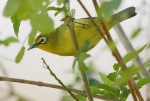
Cape White-eye
Cattle Egret – Frank Kihn
Cattle Egret
Common Fiscal
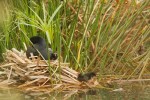
Common Moorhen and young
Common Moorhen in nest unusually high – immediately below the Reed Cormorant
Common Moorhen on nest set on high
Common Moorhen
Common Moorhens – fighting
Crested Barbet
Dark-capped Bulbul
Dusky Indigobird
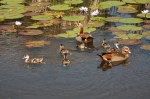
Egyptian Geese and young
Familiar Chat
Fan-tailed Widowbird
Fulvous Duck – hybrid
Ghost Bird
Grass Carp
Greater Double-collared Sunbird
Greater Spotted Genet
Greater Spotted Genet
Greater Spotted Genet
Grey Heron
Hadeda Ibis
Half-collared Kingfisher
Half-collared Kingfisher
Half-collared Kingfisher
Hammerkops
House Sparrow
Laughing Dove
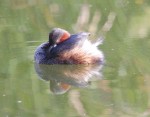
Little Grebe
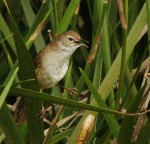
Little Rush-Warbler
Long-tailed Finch
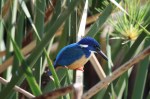
Malachite Kingfisher
Pied Kingfisher
Pin-tailed Whydah
Purple Heron
Purple Heron
Purple Heron – what a rump!
Purple Heron – up up and away
Red-backed Mannikin
Red-backed Mannikins and young
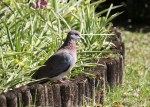
Red-eyed Dove
Red-knobbed Coot
Reed Cormorant – lovely red eye.
Reed Cormorant – juvenile with yellow eye
White-breasted Cormorant – lovely blue eye
Sacred Ibis
Slender Mongoose
Southern Grey-headed Sparrow – juvenile
Southern Red Bishop
Southern Red Bishop – losing its colour
Speckled Mousebird
Spur-winged Goose
Spur-winged Goose and young
Spur-winged Goose – Gosling
Thick-billed Weaver – male
Thick-billed Weaver – female
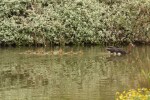
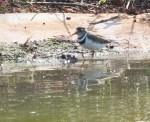
Three-banded Plover
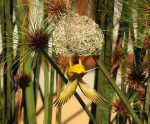
Village Weaver
Village Weaver – he’s got one eye on you – just in case.
























































































































 Birds are our Story