Prior to going on the BLPN Weekend Outing to Sand Forest Lodge, Sally and I decided to spend a couple of nights camping at Mkuze.
The campsite has a lovely layout with two ablution blocks. It’s main issue is lack of maintenance and site management. The other issue is that they charge for 3 people minimum, making the cost for two people prohibitive unless they are offering discounts.
Anyway we enjoyed our two night stay despite no water on the last morning.
Candy-striped Crinum Lilies
All the hides were open but there was little water at the hides except those at Nsumo Pan and kuMasinga.
Anyone wishing to identify this tree? It’s fruit is the size of a Gooseberry and yellow/orange in colour.
Mystery Tree
Mystery Tree
KuMasinga was quiet both times we visited. However there was a pair of Egyptian Geese with 8 goslings wandering about near the water. What was interesting was to see all 8 goslings (at this stage no longer small chicks) snuggling together completely under mother goose. Not sure how she managed it.
Egyptian Goslings
Egyptian Goose and 8 Goslings
Egyptian Goose and 8 Goslings
Also seen at kuMasinga hide were:
Terrapins sunbathing
Red-faced Mousebird
Three-banded Plover
Three-banded Plover
Three-banded Plover
Nsumo Pan was overcast and windy, rain threatening. Despite that we had what we thought was an unusual sighting of 6 Comb Ducks on the opposite bank from one of the hides.
Comb Ducks, African Spoonbills, Little Egret and White-breasted Cormorant
Also a Whiskered Tern was seen chasing a White-winged Tern for some reason.
White-winged Tern
Brown-hooded Kingfisher
Leguaan
As we left Nsumo Pan we heard a call – Woodland Kingfisher. We scoured for the source of the call without success then just as we started to turn away from the water we heard it again and I managed a photo from a distance.
Woodland Kingfisher
Driving around we came across a couple of juvenile raptors – an African Harrier Hawk and a Bateleur. Each was being bombed by angry birds. In the case of the Bateleur by a pair of Broad-billed Rollers.
African Harrier-Hawk – juvenile
African Harrier-Hawk – juvenile
African Harrier-Hawk – juvenile
Bateleur – juvenile
Broad-billed Rollers harassing the Bateleur
Broad-billed Roller harassing the Bateleur
The Crowned Eagle we saw on the previous visit made an appearance too.
Crowned Eagle
Here are some of the other species photographed while traversing the Game Reserve.
Little Bee-eaters
Little Bee-eater
European Bee-eater
Orange-Breasted Bushshrike
Purple-banded Sunbird
Red-backed Shrike
Brown-chowned Tchagra
Black-backed Puffback
Red-chested Cuckoo
Over the past several visits to Mkuze we had not seen any of the big cats. My sister visited a few weeks earlier and said she had seen a Cheetah near a camera trap near the far end of the Beacon Road. So as we passed by the camera we made an effort to see whether this cat frequented the spot. No luck. Then – having started car and driven about 200 metres there she was with 2 juveniles. Lovely sighting.
The decision to go to the Drak Gardens was made the day before we left. I had never been there and Sally always wanted to go back. We chose a great weekend to go. It had just snowed – and the mountains were well capped. The weather was beautiful, sunny and clear for our whole stay – icy cold when windy and at night but T-shirt weather during the day.
Snow on the Berg
Drak Gardens Scenery
Drak Gardens Scenery
Drak Gardens Scenery
Drak Gardens Scenery
Drak Gardens Scenery
Scenery
Drak Gardens Scenery
Scenery
Scenery
Scenery
Snow Melt
Snow Melt
Scenery
The campsite is just before entering the Drak Gardens boom gate. It was wonderfully grassy and green with loads of shade if you wanted it. The ablutions were very good with really hot water.
Campsite
Campsites
Ablutions behind the trees
Campsites
There is another campsite in the Park itself – Hermit’s Campsite – near the Garden Castle Ukhahlamba Drakensberg Park office – but it is not electrified. It’s advantage is that it is right at the start of all the walks in the park.
Garden Castle check in for hikes
Garden Castle parking
Entrance to Drak Park
Drak Park sign
Drak Park sign
Hermit Wood Campsite entrance
Garden Castle
Garden Castle
Our intention was to walk in the Berg and bird along the way. Birding was quiet but what we did see and hear was different from the usual birds we normally see. Some of the specials included Bokmakierie, Buff-streaked Chats, Cape Rock-Thrushes, Malachite Sunbirds, Yellow Bishops and Ground Woodpeckers. Sally kept her ears open for any chance of hearing Rockjumpers to no avail and we did not see nor hear any Gurney’s Sugarbirds. Our bird list can be seen by clicking here – some 50 species.
Malachite Sunbird
Malachite Sunbird
Yellow Bishop
Yellow Bishop
Ground Woodpecker
Ground Woodpecker
Bokmakerie
Bokmakerie
Buff-streaked Chat – male
Buff-streaked Chat – male
Cape Grassbird
Cape Grassbird
Cape Robin-Chat
Cape Rock-Thrush
Drakensberg Prinia
Drakensberg Prinia
Ground Woodpecker
Long-crested Eagle
Map of walks: We wanted to head for Pillar Cave but started heading towards the Three Pools.
On our first morning we got lost trying to find where we wanted to go. A riverside walk. However we headed in the wrong direction towards the Three Pools – a steep climb. Very quickly we realised our mistake and trundled back down and followed the river until we found a path which we correctly assumed was the Mlambonia river walk.
On and on we climbed thinking that at some stage we would get near the river – but although that was the river walk it was some way higher than the river itself with steep slopes down towards it.
Crossing over the wrong way
Going in the wrong direction
On the way to the cave
A long way to go yet
Hard Going
Maybe half way
Rushing River
Rushing River
Passing Water
Camourflaged Lizzard
We got as far as the first river crossing after about 2 hours and decided not to go any further. The crossing looked quite interesting and mildly challenging but we had had enough and took a break there watching other parties of Germans trying to cross – ever hopeful of a photo of someone losing their footing.
River Crossing – almost in.
One group thought they new best and decided to take an alternative route but we did not stay to see their probable outcome – floating down the river.
We headed back.
View back to where we started
The Watsonias were out in full everywhere.
Watsonia
Watsonias
Before we left the next day we took a drive around the area and went back to the start of the walk we did the day before to explore an area by the river. Here we saw virtually all the specials we had seen the day before as well as about 6 Horus Swifts flying overhead and occasionally darting into one or other of the holes in the river bank.
Horus Swift
Horus Swift
Horus Swifts
Brown-throated Martin
Ground Woodpecker
Ground Woodpecker
Bokmakierie
Buff-streaked Chat – female
This was a most enjoyable few days with fantastic weather.
On the spur of the moment Sally and I decided to revisit St Lucia – ever hopefully of finding the specials we missed 2 weeks previously. The specials being the Eurasian Oystercatcher and the Gull-billed Tern.
We stayed at Sugarloaf campsite – taking advantage of the discount available. We do enjoy this campsite as the birdlife within is amazing. It is also very handy being right beside the boardwalk to the beach. Birds are always about the campsite – we had a pair of Brown-Scrub Robins and a Red-capped Robin-Chat entertain us this time.
Natal Robin
Arriving early we set up camp quickly and went for a stroll along the beach and also next to the estuary. It did not take us long to realise that there were no Oystercatchers about. Terns were present on the mud flats but mostly Swift Terns with the occasional Little and Caspian Terns among the Pied Avocets and Grey-headed Gulls.
Later on I went back without success. Bumped into several other birders on the search as I was heading back to the camp – suggested to them to sit and wait and perhaps get lucky – as Sally and I had done 2 weeks earlier with the Sooty Tern.
Later on Sally and I put up the scope at the start of the boardwalk – scouring the sides of the estuary. As we did so, one of the people I had chatted to earlier said he had taken my advice and waited with the Terns on the mud flats when out of nowhere the Gull-billed Tern appeared and he had a great photo of it too. Perhaps I should have taken my own advice!!! They had seen it at about 17h00.
The next morning we got up early – ever hopeful and headed for the same mud flat. On first inspection there were very few Terns there and a number more further away with someone watching with their camera handy.
Off we went and could not decide which set of Terns to check out first. So as we passed the first set we decided to check out the close ones first. It was 06h00.
Sally peruses with the scope and almost immediately spots the Gull-billed Tern – alone with about five or six Swift Terns.
Gull-billed and Swift Tern
Gull-billed Tern
Gull-billed Tern
Gull-billed Tern
Gull-billed Tern
Masses of other small waders were feeding nearby – Curlew Sandpipers, White-fronted and Kittlitz’s Plovers, Common Ringed Plovers, Sanderlings, the occasional Ruddy Turnstone, Marsh Sandpiper, Pied Avocets etc.
Pied Avocets and Grey-headed Gulls
Cattle Egret with bad hair style among the Swift Terns
Pied kingfisher
Pied kingfisher
Pied kingfisher
Grey-headed Gull
Common Ringed and Kittlitz’s Plovers with Marsh Sandpiper
Kittlitz’s Plover
We crept down to get a closer look but far enough away to make sure we did not upset the birds and send them scattering. The mud flat was between two sets of reeds – those on our left were at least 2 metres tall – I say this because later we noticed a Hippo walking our path and into the reeds where it disappeared completely. As it was there was a not so small Crocodile basking on the shore close to where we were watching the Terns. Scary thoughts, more vigilance and alertness is required. Try not to be remembered as a Dead Birder.
Crocodile
While watching, all the birds took to the air for no apparent reason except that a Grey Heron had just landed amongst them. Of course all the Terns went too. We kept our eyes on the Gull-billed Tern and it looked as though it was on its way up the coast but it turned and came back – landing from where it left. We ended up spending 45 minutes with the bird until it flew off heading inland.
While we were there, we had kept a look out for other birders to call them over but no-one showed – shame. As we walked away about 6 Collared Pratincoles appeared on the mud flats – they must have been there all the time – shows how fixated we were.
Collared Pratincole
Collared Pratincole in flight
Now for the Eurasian Oystercatcher – such a good looking bird.
However it was not till our last afternoon that we spotted any – three, but all African Black Oystercatchers – no Eurasian.
African Black Oystercatchers
African Black Oystercatcher
On Saturday we walked almost 14 kms up and down the beach and over 16 kms on Sunday according to my FitBit!! Hard work on soft sand and sore leg muscles later.
Monday was overcast, wet and windy so we headed into Eastern Shores instead after a cursory look at the mudflats with the scope – virtually nothing around.
Changes have been taking place in the park and at long last the the broken bridge on the road beside Lake Bhangazi has been repaired. The bird hide at Mafazana Pan has a new entrance. There was water in the iMboma Pan and numerous hippos and a pair of visiting Rhinos. as well as birds.
Squacco Heron
Hammerkop
Rufous-naped Lark
Collared Sunbird
A new entrance to Eastern Shores is being built where the old one was and it causes chaos when more than 6 cars are waiting to get in – up to a three quarters of an hour wait. We got lucky on our third day of attempting as we were not prepared to hang around. We chose a Monday morning at 07h00.
Birds were calling it seemed all day long – including Narina Trogons, Green Malkoha and Nicator.
Red Chested Cuckoo
Yellow-rumped Tinkerbird
Red petals
Red-breasted Swallow
On the way back along the Red Dunes loop we stopped for a cuppa at the Lookout point. While enjoying our tea a Black-chested Snake-Eagle glided about us and was soon being bombed by a bird we could not identify. Initially we thought it to be a Buzzard but its tail is all wrong. What is it?
Black-chested Snake-Eagle
Black-chested Snake-Eagle being harassed
UI Bird
UI Bird
UI Bird
UI Bird
UI Bird
UI Bird
Animals were plentiful – Nyala, Zebra, Wildebeest, Giraffe, Eland, Buffalo, Reedbuck, the occasional Warthog and Duikers, few Impala and a lone Tsetsebe.
Zebra and newborn
Young male Red Duiker
Red Duiker
Reedbuck
The last night the drizzle arrived and we had a wet pack up in the morning – fortunately most of the pack up was done the previous evening.
Our highlight on this visit was the Gull-billed Tern.
On the spur of the moment Sally and I decided we needed a break and went to Mkuze for 5 nights.
Loving Giraffes
As we arrived we noticed puddles on the road – it had obviously been raining – tho the reserve needs much more.
Renovations are being done on all the hides. They look quite smart but won’t be entirely finished until the loos are built in kwaMalibala, kuMahlahla and kuMasinga hides. Each hide now has an entrance into a fenced off open area before entering the tunnel to the hide. The first is a fenced off area with a concrete walkway to the tunnel entrance to the hide. Nice to be in the first area and being able to walk round and see what may be about outside.
New walkway to the tunnel entrance – similar at other hides. Note path to right goes to where the new loo will be.
kuMahlahla Hide view
kuMahlahla Hide view
Entrance to kuMahlahla hide
kuMasinga and kwaMalibala hides were closed – however the office gave us permission to enter.
kuMasinga hide is as it always was – but now the area where the Pink-throated Twinspots usually are found is part of the fenced off area – which means one can explore in the bush without fear of bumping into an elephant or rhino.
Cape Glossy Starling – bath time
Red-billed Oxpecker
Southern Masked Weaver – female
Southern Masked Weaver – female
Southern Masked Weaver
Yellow-throated Petronia
Warthog and Red-billed Oxpecker
Burchell’s Zebra caught by a snare
We only saw a few Red-billed Oxpeckers as we drove arount the Reserve – where had they all gone? We soon found out at kuMasinga Hide. There they all seemed to be waiting for lunch. As the different animals arrived for a drink they all appeared to descend on their backs, legs, ears, noses, underneath with as many as 20 on one animal.
kwaMalibala hide has very little water – waiting for the rains but it always seems to have different birds which frequent it – Namaqua Doves come particularly to mind.
Namaqua Dove
kuMahlahla Hide had a bit of water and proved to be the best hide on this visit. A Crowned Eagle (with a very full crop) came for water and kept the rest of the birds on their toes.
Crowned Eagle
Crowned Eagle in flight
Crowned Eagle
An African Pygmy Kingfisher sat quietly in the tree right beside the right side of the hide for ages.
African Pygmy Kingfisher
African Pygmy Kingfisher
African Pygmy Kingfisher
African Pygmy Kingfisher
African Pygmy Kingfisher
African Pygmy Kingfisher
A young African Goshawk also came in for a bath and hung around for a while.
African Goshawk – juvenile
African Goshawk – juvenile
African Goshawk – juvenile
African Goshawk – juvenile
African Goshawk – juvenile
African Goshawk – juvenile
A Slender Mongoose had a playful time with a pair of Egyptian Geese – running up to the Geese and being chased back. It was hilarious to watch.
Slender Mongoose having a sniff
Egyptian Goose being chased by a slender mongoose
Egyptian Goose giving returning the favour
Mongoose back for more
Egyptian Goose letting him know who is boss
It looks like she means business this time
An old elephant with ragged ears, in musth, sauntered in and out for a drink disturbing the buck who were waiting to get a drink too. On his way out of the mud his back legs sank sharply and he was thrown off balance getting out somehow managing to stay upright.
Elephant in for a drink
Elephent resting his trunk
Some of the other species seen at kuMahlahla Hide:
Common Buzzard
Common Buzzard
Little Bee-eater
Little Bee-eaters
Little Bee-eaters
White-bellied Sunbird
Cattle Egret
Southern Black Tit
White-bellied Sunbird
Purple-crested Turaco
White-fronted Bee-eater
Crowned Lapwing
Frog froth
Giraffe – drinks time
As my sister and her husband were using the trailer up in the Kruger, we stayed in one of the huts. At R240 each less 30% discount this was not much more than camping. We were in hut 4 – Mziki – and the Lesser Striped Swallows were in abundance tending their nests under the eaves.
Hut No 4 – Mziki
African Goshawk
Black-bellied Starling
Bearded Scrub-Robin
Bearded Scrub-Robin
Lesser Striped Swallow
Lesser Striped Swallow
Our days were spent driving around the reserve atlassing as we went. We actually saw a pair of White-backed Vultures on a nest and another and another perched in a different location. Some were seen flying overhead but not many.
White-backed Vultures on their nest
White-backed Vultures on their nest
White-backed Vulture
Grey Go-away-bird in flight
Grey Go-away-bird
Little Bee-eater
Pale Flycatcher
Red-chested Cuckoo
Red-chested Cuckoo
Scrub Hare
Senegal Lapwing – adult and juvenile
Senegal Lapwing – adult
Senegal Lapwing – juvenile
Trumpeter Hornbill at the water hole.
Violet-backed Starling
White-fronted Bee-eater
Brown-hooded Kingfisher
Cape Glossy Starling
Crested Barbet
Crested Barbet
European Bee-eaters
European Bee-eaters
European Bee-eaters
Giraffe at rest
Green-winged Pytilia
Nsumo Pan is full and although we saw quite a lot there including an African Openbill, we were hounded by strong winds and overcast weather which made it a little unpleasant in the hides.
At the picnic site on Nsumo Pan we bumped into Themba Mthembu. He used our scope and found African Pygmy Geese in the absolute distance. How he saw them we attributed to young eyes. It is the first time I have seen them in Mkuze.
African Openbill
African Wattled Lapwing
Glossy Ibis
Glossy Ibis
Osprey on other side of Nsumo Pan
Ducks in a row
Great Egret – male in breeding plumage
Western Cattle Egret taking a perch on a Hippo’s nose
Three-banded Plover
Wood Sandpiper
Black-winged Stilt
Whiskered Tern
On our first afternoon drive we came across a raptor which we are unsure as to its ID. We saw it at the end of the tar to the Loop road where there is an old Wahlberg’s Eagles’ nest. The unusual part of the bird is its pale crest/crown. We believe it is a Wahlberg’s Eagle but await your comments.
? Wahlberg’s Eagle – white-headed
? Wahlberg’s Eagle – white-headed
On the whole we saw a number of raptors – African Fish-Eagle, Brown Snake Eagle, Wahlberg’s Eagle, Bateleur, African Marsh Harrier, African Crowned Eagle, Martial Eagle and African Goshawk.
Wahlberg’s Eagle
Brown Snake Eagle
Brown Snake Eagle
Wahlberg’s Eagle, turning a blind eye
Wahlberg’s Eagle, now what
Wahlberg’s Eagle, ready for the off
Wahlberg’s Eagle, I’m off
Martial Eagle
Martial Eagle
Osprey
Osprey
Common Buzzard
Common Buzzard
African Goshawk – juvenile
African Goshawk – juvenile
Crowned Eagle
? Wahlberg’s Eagle – white-headed
One of the things we noticed was that much of the big game was not to be seen. Of the Big 5 we only saw elephants – a heard of 20 on the opposite side of Nsumo Pan and a male in musth at kuMahlahla Hide. Not one Rhino perhaps because most were taken to St Lucia/Isimangaliso for safe keeping and because of the draught.
Herd of ElephantsHerd of Elephants
On one of the days we decided to head down to St Lucia to try our luck to see the Gull-billed and Sooty Terns as well as the Eurasian Oystercatcher. The Mkhuze gate only opened at 06h00 so we were unable to get to St Lucia before 07h45.
Perhaps that is why we lucked out except for the Sooty Tern. We spent over four hours on the beach and estuary. Unfortunately we had to get back to Mkuze before the gate closed at 18h00 so were were unable to check the birds coming in for the evening roost.
Caspian, Sooty and Swift Terns
Caspian, Sooty and Swift Terns
Caspian, Sooty and Swift Terns
Sooty and Swift Terns
Swift, Caspian and Sooty Terns
Caspian, Sooty and Swift Terns
The mouth of the estuary has changed drastically. It now encompasses a huge lagoon. The hillside opposite the Ski Boat Club has gone – some 60 million tons of sand have been moved and the Umfolozi River is flowing into the lake at a pace – especially with all the rains further up-river. Here are some photos of what the estuary looks like now after the sand removal – in particular the hill opposite the ski boat club that has been removed.
From the car park looking to the entrance of the river into the estuary showing the remains of the hillock.Looking up the estuary with the remains of the hillock on the left oposite
And the beach beyond the boardwalk has also seen some changes – all the Casuarina trees have gone as well as the beach loo and shower building.
End of the boardwalk to the sea – no more Casuarinas
Looking from Mapelane to the St Lucia boardwalk and where the Casuarinas and beach ablutions used to be
As usual the estuary was full of interesting birds: a pair of Saddle-billed Storks at the mouth of the Umfolozi coming into the lagoon/estuary. Goliath Herons, Pink-backed Pelicans, Yellow-billed Storks, Western Osprey, Avocets, Bar-tailed Godwits, African Spoonbills to name a few. All easily seen.
Caspian Terns
Caspian Terns
Bar-tailed Godwit
Bar-tailed Godwits
Sanderling
Juvenile Fiscal Flycatcher
Red-breasted Swallow
Trumpeter Hornbill_
Seen in the estuary – a rather upside down dead Basking Shark.
Demise of a Basking Shark in the St Lucia estuary
On Friday when we left Mkuze we headed back to St Lucia to try our luck again – ever hopeful of finding the Eurasian Oystercatcher as we had received a report to tell us it had been seen that morning. We arrived in the rain – more like heavy gusty squalls. Very unpleasant to wander around in.
Time was spent at the start of the boardwalk with the scope on the estuary – close enough to the car to retreat into, as each squall arrived. In the end we drove round to the St Lucia beaches and manage to get a quick look up and down the shore line – nothing.
As the rain got harder and the winds stronger, we returned to the chalet we were booked into in the hope that the weather in the morning would be kind to us. It was.
First we search the estuary mouth and coast line. Then we walked down the beach almost to Mapelane. Back again to the estuary to check the Terns again, getting mud stuck to our shoes so that we felt a few inches taller. No Oystercatchers, Gull-billed or Sooty Terns. Mid day we gave up and headed home as the rains persisted.
That is birding. Anyway we did have a bird count of 152 species in Mkuze – click here to see our list. St Lucia birds were plentiful but we did not make a list as we were focused on finding the specials – however this is one of our favourite birding areas.
We usually stay in Sugarloaf campsite close to the boardwalk. Birding in the camp is excellent, then you have the waterbirds in the estuary, sea birds, the Gwalagwala trail, Eastern and Western Shores of Isimangaliso are next door and if you have time and the energy then the Umfolozi/Hluhluwe NR is an hour away.
Perhaps we shall venture there again soon to try our luck.
The Egyptian Vulture had hung around so long around the Oliphants Bridge that Sally and I took a decision to try our luck and spend some extra time in the Kruger taking our off-road campervan.
First we had to find nearby accommodation to the bridge. First attempt – no continuous availability for the duration planned. The next day we tried again and managed to find space in various camps for the period planned without any choice of length of stay at each.
So it was in a hut the first night in Pretoriouskop then 3 nights camping in Letaba followed by one night in Maroela Caravan Park near Orpen Gate then 3 nights camping in Malelane Rest Camp.
Off we set on the 19th from Howick and arriving in Pretoriouskop at around 15h00. Very nice to have a hut for the night after the long journey. Also fortunate to have a place to park with the campervan still attached to the car.
We managed a bit of camp birding before dark and had an unexpectedly good meal at the camp’s Wimpy restaurant.
Black-headed Oriole
Grey Go-away-bird
Helmeted Guineafowl
African Green Pigeon
African Green Pigeons
The next morning we were up with the sparrows and exited the camp when the gates opened at 06h00. The park was dry yet there was water in the pans.
Dry River bed in the south near Malelane
Malelane Camp
On the S114 from Skukuza south.
One of the rivers
Sabie River
A dry river bed
Our first sighting of note was a Cheetah crossing the road just ahead of us – too dark for photos.
We bipassed Skukuza and headed to Tshokwane for a late breakfast – amongst the pleading birds and monkeys. We were careful enough to keep our food safe unlike several of the other visitors who had their own biscuits dropped on top of them as the monkeys tried to open the packet.
Greater Blue-eared Starling
Greater Blue-eared Starling – same bird, different light
Long-tailed Paradise Whydah
Wattled Starling
One of the interesting observations we had was the comparison in differences in colour of the African Mourning Doves we had seen so far in the Park.
On the way to Tskokwane we were detoured around a bridge which had been swept away – literally – by the floods – see the pictures.
What it should look like.
What the bridge should look like
A closer view of the metal tubes
And how it is now:
The power of water
Notice one of the metal tubes way down the river in the trees
At about 13h30 we stopped on the Oliphants high water bridge – our prime destination. Fortunately you are allowed out of your vehicle between demarkated yellow lines. We stayed for 2 hours.
There were numerous vultures on the rocks and sand up stream- about 400 metres away. Most were easy to identify – White-backed mainly with several Hooded. However there was one group of vultures all close together which were more difficult to identify clearly as they blended one with the other. It was this group which we gave the most attention with our scope. But even with a 60x zoom it was difficult.
On occassion the group shuffled about helpfully. We identified the White-backed amongst the group and several Hooded.
But there was one – Hooded Vulture sized – that appeared to have different facial markings. It did not have any red in its face so we assumed it was a juvenile Hooded however on closer inspection it seemed that there was no bare skin below its face.
Using the latest Roberts on page 136 we saw that there was a comparison of the faces of juvenile Hooded and Egyptian Vultures. Great excitement as we assumed we were seeing the head of the Egyptian but the bird rarely moved about and did not fly so we reluctantly agreed that we needed a better viewing for positive ID. The scope had more clarity than the photos shown below.
Several other people used our scope and they all thought they were seeing the same as us.
Suspected Egyptian Vulture among other vultures – rather distant
Suspected Egyptian Vulture – zoomed in.
We eventually left to get settled in the campsite in Letaba – we still had a couple more days to come back and look.
Despite the knowledge that we had the very last campsite available, we were surprised to find a nice private site away from the hoards on the fenceline. The Letaba campsite must be one of the best for shade in the Kruger – not so important in the winter.
We were welcomed to our camp site by a seranade from a vocal and friendly White-browed Robin-Chat.
White-browed Robin-Chat
Over the next two days we paid seveal visits to the Oliphants high water bridge without success in seeing the Egyptian Vulture. However there were numerous birds to be seen there.
Migrants.
Common Greenshank
Common Greenshank
Common Sandpiper
Common Sandpiper
Others:
Grey Heron
Green-backed Heron
Green-backed Heron
Green-backed Heron looking ruffled
Green-backed Heron
African Pied Wagtail – adult
African Pied Wagtail – juvenile
African Pied Wagtail – juvenile
African Pied Wagtails
Goliath Heron
Goliath Heron closer view
African Fish-Eagle on nest looking imperious
Time was also spent visiting other places of interest in the area – Engelhardt Dam and Hide, Balule area and the Makhadzi picnic site.
At Engelhardt we went to the Matambeni Hide to see if we could spot the Skimmers. And we did manage to spot them at a great distance upstream from the hide. They tended to stay at the same sandy spot and whenever a potential predator flew overhead they chased it away – suggesting they may have a nest. Later on the same day we approached the area from the other side and spotted the pair again.
African Skimmers in the farthest sandbank seen from the Egelhard Hide
Other birds and nature of interest photographed at Matambeni Hide included:
Collared Pratincoles as seen from the Hide
Collared Pratincole zoomed in
Black Crake
Woolly-necked and Saddle-billed Storks
Terrapins – rather large
We took a drive to the Makhadzi picnic site – near the border crossing into Mozambique. The birdlife to and around the picnic area was busy.
Kurrichane Thrush
Chestnut-backed Sparrow-Lark – male
Chestnut-backed Sparrow-Lark – male
Chestnut-backed Sparrow-Lark
Chestnut-backed Sparrow-Larks
Orange-breasted Bushshrike
Brown-hooded Kingfisher
From Letaba we headed south to Maroela Caravan Park near Orpen Gate.
Along the way we stopped frequently for Southern Ground-Hornbills – 4 times. Among those we only found one with a tag. Here are some photos.
Southern Ground Hornbill head and eyelashes
Southern Ground Hornbill
Southern Ground Hornbill – male
Southern Ground – male Hornbill
Southern Ground Hornbill – juvenile
Southern Ground Hornbill – juvenile
Southern Ground Hornbill
Southern Ground Hornbills
But there were many other occassions when we saw interesting birds along the way. These included.
Black-shouldered Kite
Goliath Herons
Brown Snake-Eagle
Brown Snake-Eagle in flight
Tawny Eagle
Tawny Eagle
And a mystery raptor.
Mystery Raptor with long tail.
Also it is interesting to show together the variety of Hornbills seen on our trip:
Yellow-billed Hornbill
Red-billed Hornbill
Grey Hornbill
Grey Hornbil calling
Grey Hornbill
Southern Ground Hornbill – male
And Lapwings:
Crowned Lapwing
Crowned Lapwing
Senegal Lapwing
Senegal Lapwing
Wattled Lapwing
Wattled Lapwing
Of Course the Lilac-breasted Rollers were everywhere.
Lilac-breasted Roller
Lilac-breasted Roller
Lilac-breasted Roller
Lilac-breasted Roller
Lilac-breasted Roller
Lilac-breasted Roller
Lilac-breasted Roller
And some of the animals:
Sable Antelope
Hyena – spotted
Impala peacefully enjoying a pair of Red-billed Oxpeckers
Impala with Red-billed Oxpecker
Majestic Kudu
Crocodile
On reaching Satara we hoped to find a vacant campsite there – nothing available. So we left our campervan in the car park and spent several hours exploring the area around Satara. The S100 – the N’wanetsi River Road is one of our favourites.
Along the way there was a herd of Waterbuck by the road and one of them appeared to be giving birth. We decided to stop and watch. However the Waterbuk walk to a shady spot and chose to lie down in its shade. We fully expected the birth to be quick so we waited. After half an hour with nothing we thought about moving off however we decided to wait a further 5 minutes. Our thoughts were with the poor Waterbuck as it seemed she must be having difficulty.
Then another 5 minutes with no change – so we decided to go and leave her in peace. All this time no cars had come along. Pulling out I checked my rear view mirror and thought I saw a dog in the road behind. But it was not a dog but a male Leopard. We reversed and found it hunkering down in the bush close to the road.
No doubt it was there because it was obviously aware that the Waterbuck was having difficulty with its labour. Perhaps we should have left it alone as it would have put the Waterbuck out of her misery. But we hung around until the Leopard slunk away.
Leopard
Leopard
Leopard
Traveling round to the Sweni hide a variety of different birds were seen.
African Pipit
Green-winged Pytilia
Magpie Shrike
Burchell’s Starling
Kori Bustard
Kori Bustard
Lappet-faced Vultures
Lappet-faced Vulture in flight
Lappet-faced Vulture in flight
Lappet-faced Vultures
Lappet-faced Vultures
Long-billed Crombec
Natal Spurfowl
Red-crested Korhan blending with the bush
Tawny-flanked Prinia
White-faced Duck
For a short time we got stumped identifying a bird. A bit like a Fiscal Flycatcher but it seemed to have a feint rufous collar around its neck.
Rufous necked
It was only when it turned round that we were able to ID it.
Chinspot Batis
Chinspot Batis
Then we spent some time at the Sweni Hide – always good for strange happenings. Here the Hippos were waking up and there were crocodiles about as well as a Black-crowned Night-Heron which we had seen in the exact same place the last time we visited.
Crocodile
Hippo with his eyes on you
Hippos lazing on the bank
Hippo big yawn
Hippo yawn
Black-crowned Night-Heron
Maroela Caravan Camp was an entertaing site with Hyena and Elephant traipsing round the outer fence line. The former hoping for tit bits without success. It is a small but pleasant site. However we were given advice to protect our food from Baboons and Badgers. We had no issues – arriving late and leaving early.
Unknowingly we took the back roads cutting across to the main H1-3 road which were well corregated all the way. I suppose this is expected due to the lack of rain. Skukuza was our next pit stop for a breather and loo break.
Purple-crested Turaco
White-bellied Sunbird
Black-collared Barbet
Cape White-eye
Cape White-eye
And then we got to the Malelane Camp just in time to set up and relax before sunset. So far the weather had been cool but here it got quite cold at night.
From Malelane camp we explored the area around Berg-en-dal as well as along the Crocodile River.
On our first day there we went out of the park to enter at Crocodile Bridge to drive with the sun behind us. It took a bit longer to get there than we expected as we hit major roadworks.
On entering the park at Crocodile bridge we came across a noisy bird party and on inspection the reason for the noise was obvious. There in the tree eating its prey was a Pearl-spotted Owlet.
Pearl-spotted Owlet with bloody nose
Pearl-spotted Owlet stringing us on
Mpondo Dam was our next place to visit. On the way here are some of the birds we saw and photographed.
Swainson’s Spurfowl
Natal Spurfowl
Purple Roller
Purple Roller
Red-billed Firefinch
Laughing Doves
White-backed Vulture on nest
White-crested Helmetshrike
White-crowned Shrike
Black Crake in step mode
Mpondo Dam was a bit crowded but we managed to find a quiet spot. Elephants appeared further down, otherwise the wildlife was quiet.
Three-banded Plover
Burchell’s Coucal in hiding
Yellow-throated Petronia
Three-banded Plover
Gardenia Hide is always worth a visit if there is water. As we arrived there were a herd of elephants in and out of the water. Getting up to antics, the young males were pushing each other around as tests of strength. One walked right up to the lookout point in the hide. Needless to say he had me scampering for the exit – the viewing windows are a lot bigger than usual in other hides. Two of the males seemd to kiss and make up – check the photo.
Kissing and making up
Green-winged Pytilia with Yellow-throated Petronia and Southern Grey-headed Sparrow
Brown-hooded Kingfisher
A pair of African Fish-Eagles were calling in a dry river bed and attracted our attention with their courtship. We were amused by their antics and their ruffling of feathers.
African Fish-Eagle
African Fish-Eagle with two heads
African Fish-Eagles calling together
African Fish-Eagles shake down
We came across a large herd of Buffaloes near a river bed – there must have been over 200 in one of the 3 groups nearest us all lying down.
Buffaloes en masse
Buffalo herd
The whole area was particularly dry and dusty especially around Berg-en-dal. Yet there were birds about and some good ones at that.
Bateleur
Brown-crowned Tchagra
Bennett’s Woodpecker – female
Bennett’s Woodpecker – male
Magpie Shrikes
White-fronted Bee-eater
White-fronted Bee-eater
White-fronted Bee-eater
Arrow-marked Babbler
Brown-headed Parrot
Cane fires were burning across the river from our campsite – thankfully the wind was blowing the ashes away from us – but they were seriously impressive.
Cane Fire
Cane Fire
Despite missing out on the Egyptian Vulture, the Kruger Park is a fantastic park to visit – one never knows what is round the next corner. In all we identified 143 different bird species. To see our list – click here.
Dave and Jenny Rix invited us to join them for a week at Sobhengu timeshare. Mike and Jane Roseblade and Cecil and Jenny Fenwick also came along.
Sobhengu is located at the tip of the Nibela peninsular in the Isimangaliso Wetland Park.
Map showing Sobhengu location
It is connected to the Nibela Lake Lodge by boardwalks and along a 4×4 track. Our Chalet had a commanding view over the lake and was set in pristine sand forest. It consisted of four en suite bedrooms, a huge lounge, kitchen, a large outdoor deck overlooking the lake and a boma braai area.
Entrance to the cottage
The braai at work
From the lounge to the kitchen
A bedroom with views across the lake and into the forest
View from the deck
View from the deck
The way down to the other 2 bedrooms – all ensuite
Braai area at front
We were well looked after by the always smiling and helpful staff.
Nibela Lake Lodge and Sobhengu share a huge private area of pristine forest with numerous well signed walking trails in good condition.
Sobhengu Trail Map
Much of our time was spent walking the trails in the forest looking for bird parties. Often we heard special species without being able to find them – though we did get lucky with some. Green Malkoha, Scaly-throated Honeyguide, Gorgeous, Grey-headed and Orange-breasted Bushshrikes, Green and Pink-throated Twinspots, Narina Trogon, African Broadbill, Eastern Nicator, Fiery-necked Nightjar, Bearded and Brown Scrub-Robins, White-throated Robin-Chats, Black Sparrowhawk, African Wood-Owl all made their presences known – most unsighted. The Twinspots, Trogon, Nicator, the Robins and Sparrowhawk were the exceptions.
Commonly seen and heard were the Rudd’s and Yellow-breasted Apalis, Caspian and Swift Terns, Grey Sunbird (regularly heard), Black-backed Puffback, Great White Pelicans, Crowned and Trumpeter Hornbills, Grey-hooded Gull, White-fronted Plovers, Crested Guineafowl, Drongos and Flycatchers.
Yellow-fronted Canaries
Yellow-breasted Apalis
Yellow-breasted Apalis
Yellow-bellied Greenbul
Yellow White-eye
Yellow White-eye
White-throated Robin-Chat
White-throated Robin-Chat
White-fronted Plovers
White-fronted Plover
White-browed Scrub-Robin
Sombre Greenbul
Sombre Greenbul
Red-fronted Tinkerbird
Eastern Nicator
Neddicky
Great White Pelican
Great White Pelican fly-by
Great White Pelican fly-by
Dusky Flycatcher
Dark-backed Weaver’s nest
Dark-backed Weaver
Crowned Hornbill
Crowned Hornbill
Crested Guineafowl
Crested Francolin
Caspian Tern
Brubru
Brown-hooded Kingfisher
A brown Brown-hooded Kingfisher
Black-bellied Starling
Black-backed Puffback
African Wattled Lapwing
African Pipit seen on the beach
African Paradise-Flycatcher
The trails were not only through the forest but also along the water’s edge and at the furthermost point from our cottage there were fossils to be found close to the beach.
Pristine forest
Pristine forest
Pristine forest
Pristine forest
Pristine forest
Pristine forest
Birding along the fossil trail
Birding near the fossils Mike, Jane Jenny R and Cecil
Fossil trail after you exit the forest
Fossil trail entering the forest
Fossils
Sea Fossils
Amonite fossil with leaf fossil on its shell
Fossil face
Fossil face
Later on, as the sun warmed things up, butterflies were everywhere. Perhaps someone will have a go at naming #2, #24 and #27 captured in photographs at the end?
Vine-leaf Vagrant – very tatty
Vine-leaf Vagrant
left – Vine-leaf Vagrant right – Sulphur Orange Tip – male
Sulphur Orange Tip – male
Sulphur Orange Tip – male
Sulphur Orange Tip – female
Sulphur Orange Tip – female
Sulphur Orange Tip – female
Common Bush Brown
Pearl Charaxes
Pearl Charaxes
Pearl Charaxes
Pearl Charaxes
Pearl Charaxes
Mocker Swallowtail – male
Common Dotted Border
Common Dotted Border
Evening Brown
Evening Brown
Evening Brown
Evening Brown
Common Evening Brown
African Wood White
African Wood White
Moth – one of the footmen?
Moth
Golden Piper
Club-tailed Charaxes
Club-tailed Charaxes – female
Club-tailed Charaxes
Clouded Flat
Clouded Flat underside
Spiller’s Sulphur Yellow
Barker’s Smokey Blue
Dancing (Small Orange) Acraea
Dancing Acraea
Broad-bordered Grass Yellow
Broad-bordered Grass Yellow
Black Pie
Scarlet Tip
Butterfly 2
Butterfly 24
Butterfly 27
And there were flowers to catch our attention too.
Barleria with morning dew
Cape Honeysuckle
Unknown Forest flower
And the occasional forest magic.
A floating leaf
A floating leaf
Of course there were other beasties too which Jane had a habit of walking into. Fortunately her keen eyes did not let her down.
Vine Snake
Vine Snake
Vine Snake
Vine Snake
Vine Snake
Jane’s Python on the move – photo by Jane Roseblade
Kite Spider
Kite Spider and web
Kite Spider and web
Locust head
Locust
Monster Catterpiller
Monster Catterpiller
Monster Catterpiller showing pink rump
Monster Catterpiller
Mike and Jane took a diversion to have a not-so-quick game of chess while some of us watched soaking up the sun on a coolish morning.
Serious Birding – Mike vs Jane
Then of course there is the local wetland area about 15 kms from the Nibela Gate. Lucky, our guide took us there. Great flat wetland area and a must for any birders.
There were numerous waders to be seen in and around the water’s edge including Common and Curlew Sandpipers (unusual for the time of year) Pied Avocets, Kittlitz’s Plovers, Little Stints, Common Greenshank to name a few.
Curlew Sandpipers
However our target was Longclaws – and we saw all three of them. The Rosy-throated being the most prominent and obliging. We had wonderful sightings of both males and females. And there were Pale-crowned Cisticolas calling and displaying too.
Rosy-throated Longclaw – male
Rosy-throated Longclaw – female
Rosy-throated Longclaw – female
Rosy-throated Longclaw – male
Cisticola – Pale-crowned
Cape Longclaw
African Wattled Lapwing
African Wattled Lapwing
On the way to Sobhengu we took a short detour into Hluhluwe Game Reserve and had some good sightings of Rhinos, Buffaloes, Elephant and Lions as well as many birds. The most notable of which was the Black-crowned Tchagra – singing and on display.
Black-crowned Tchagra
Inquisitive young Giraffe
More aggressive posture –
young Giraffe
Dark-capped Yellow Warbler in flight
Dark-capped Yellow Warbler
African Hoopoe
Cisticola
Two male lions -very obscured
Another male Lion relaxing in the sun
This was not to be our only visit to Hluhluwe Game Park.
News came through on the Sunday from Trevor Hardaker that a Striped Crake had been seen at Thiyeni Hide. Sally and I decided to try our luck on the Monday and Cecil and Jenny Rix came with us.
Now I cannot remember when this hide was last open – probably a good 10 years ago or more so I was surprised to hear that it was open.
Anyway we head off nice and early. No traffic in the park until we turned off the tar onto the gravel. Disgruntlement in the car as the car in front was, it appeared to be dawdling and some in our party were getting anxious to get there. I was happy cruising along behind.
At the turnoff to the hide, the car in front makes the turn – aha they have come to see the bird too – as I suspected. The walkway to the hide is overgrown and part of the fencing looks as though an elephant has come through. Not only that but the entrance to the walkway is well hidden.
The other couple – (Adrian and Sue as we later learned) were well ahead of us by the time we got to the hide itself. The hide was in dismal shape with layer upon layer of bat pooh underfoot – thankfully less so on the benches.
We sit and wait. Then after five minutes the Striped Crake is seen by Adrian swimming across the water into the reeds on our left. We now know where to focus and eventually the Crake appears and gives us a good sighting before disappearing again. Several more times it appeared briefly and then remained in hiding for several hours until Nicky and Ticky Forbes arrived. We left and they later told us they had great close sightings after waiting patiently for some time.
A Slender Mongoose popped out in the same area as the Striped Crake so we hope he did not have the Crake for supper.
Striped Crake – female
Striped Crake – female
Striped Crake – female
Striped Crake – female
Slender Mongoose
Slender Mongoose
We later heard that the hide was meant to have been closed. If so we were fortunate to have been able to have such a good sighting of the Striped Crake.
Some of the characters at large in the chalet party.
The braai at work
Cecil at work, Paul giving unwanted suggestions
Smoked Out – Dave
Serious business – with Cecil
We are hungry
Jane
Jane and Sally
Dave and Jenny F
Mike on the can.
Jenny F enjoying the cooking
Where is the beer – Cecil and Dave
Birding near the fossils Mike, Jane Jenny R and Cecil
In all we recorded 117 bird species in Sobhengu and the wetland area. Click here to see the list.
Our adventure started while we were at the Sobhengu timeshare on the Nibela Peninsular, Isimangoliso Wetland Park, KZN – very close to Phinda.
We received Trevor Hardaker’s report that a Malagasy Pond Heron had been seen at Mziki in Phinda. We followed Trevor’s reports each day hoping that arrangements would be made with Mziki to see the bird before we headed home.
It was only when we got home to Howick that arrangements were made for keen birders to gain access to see the bird.
Sally and I decided to go. We made a booking for the Wednesday afternoon game drive. Then we called several friends to see if they wanted to join us to make up the numbers. We got one taker. So I put out a message on SABirdnet and on the BirdLife Port Natal Facebook page. The phone never stopped ringing and within minutes we had a full vehicle – 7 people in all. Janice and Mike Isom, Nicky and Tiki Forbes, Cecil Fenwick and ourselves.
Yesterday we drove all the way back to Hluhluwe, booked into the Fever Tree Lodge where we planned to spend the night. And then on to Phinda, reaching their gate well early. To get to Mziki was a further 12 kilometres driving through Phinda’s game reserve and slowly enjoying the nature sightings along the way including a White Rhino and baby.
In seems that our party all had the same idea and we all arrived at the Mziki gate at more or less the same time – and hour and a half before the game drive.
Our game drive vehicle was ready for us at 14h00 – Brendon and Johan our guides. We set off for the wetland area where the bird had been seen regularly. We were told that they had had a 100% hit rate so far. I think we were all worried by that statement.
Typical secretive habitat
Typical secretive habitat
Typical secretive habitat
Typical secretive habitat
First area – no luck. Round the other side – no luck. To the other end of the wetland – no luck. Process repeated and another area visited – still no luck.
Thought we had a chance in one small pond where there were many African Spoonbills and a couple of Yellow-billed Storks fishing. – no luck.
African Spoonbills and Yellow-billed Storks
Yellow-billed Stork
Yellow-billed Stork with fish
Green-backed Heron
Despair starting to set in as night drew closer. So one more complete cycle and back to the start – still nothing and now it was time to head back. One final look, and as we start to leave Sally spots the bird right next to us. We all get a brief glimpse. Unfortunately it spots us and flies across to the other side in some deep reeds.
What a lovely sighting of the bird in flight.
Anyway, we drive round to where it went into the reeds and we vaguely spot it at the edge – well camouflaged by reeds of course.
Again it spots us and flies across to the side where we had just come from, changes its mind and lands on a stump in the water.
Malagasy Pond Heron
Malagasy Pond Heron
Malagasy Pond Heron
Malagasy Pond Heron
Great views but poor light for photography, however we manage some shots. It flies to another dead tree kicking off, in no uncertain terms, a Cattle Egret which was roosting and settles there.
Malagasy Pond Heron
It is a bit further away and we suspect that is where it wants to roost so we left it alone and headed back to the cars in the now gloomy light.
At the cars we enjoyed a few drinks and snacks laid on by the Brendon and Johan.
Elated Mziki Team
We were all elated and the guides relieved.
Sally was the most popular person amongst us. Well done Sally.
Following the report of a White-throated Bee-eater in Hluhluwe, Sally and I made an impulsive decision to see if we could find it.
We decided to camp in Bonamanzi as a base and were allocated a site in their new campsite. Each campsite with its own ablution. Unfortunately I incorrectly heard the price quoted to Sally, so when we arrived it was not the R220 for the site as I expected but for each of us per night. Had I known this I would have gone elsewhere – like Hakuma Matata.
Following our trip to the Cape for five weeks where the most we paid for a campsite was R240 for both of us, the prices for camping in Zululand have gone crazy. R440 per night camping in Bonamanzi which is nothing special is ridiculous. Perhaps that is why there was only one other camper there and we did not see anyone using the chalets either.
Moving on. On the way there we drove through Hluhluwe and spent an hour and a half in the area where the Bee-eater was reportedly seen. No luck. The next day was also spent in Hluhluwe searching the area for over three hours – again no luck.
Birding appeared quiet in general however we were surprised to find out that we did identify 91 different species over the day and a half. Here are some of the species photographed.
Eurasian Roller
European Bee-eater
Cape Starling – love the colours
Cape Starling
Red-backed Shrike – female
Striped Kingfisher
Ashy Flycatcher
Dusky Indigobird
Red-billed Firefinch – male
African Pipit
Bateleur
Rattling Cisticola
Brown Snake-Eagle
Martial Eagle – seen leaving the park – our Goodbye bird.
The following day we went to Isimangaliso, entering Western Shores through the north gate. The hide had water in it but was not busy, so we headed for the aerial boardwalk. At the top we could see that the water level had dramatically increased since the last time we were there.
Western Osprey flying over wetlands at Western Shores – view from the top of the aerial boardwalk
Some of the other species seen:
Senegal Lapwing
Yellow-throated Longclaw
Red Dragonfly or Damselfly
Once through Western Shores we headed for Eastern Shores and had to wait more than half an hour to check in – such a slow process.
Eastern Shores was interesting. There was water around, so we checked out the pans but nothing much was about. Then we headed round the Vlei loop picking up birds here and there. At one section we came round the corner and the road ahead was blocked. A rather large Rock Python lay in the road.
Rock Python
The Mafazana hide was closed. It was unclear why but we suspect they are making a new entrance road to the hide.
Time for tea so we went to Catalina Bay. Fortunately the wind had died down. From on high we had good views overlooking the lake. Because the water was so high there were no waders about and very little else too. However an African Fish-Eagle made a pass looking for its next meal. From the photo it looks as though he has his eye on something rather large.
African Fish-EagleAfrican Fish-Eagle with an eye on something rather large.
Then there was the Scarlet -chested Sunbird watching a White Rhino having a mud bath.
Scarlet-chested Sunbird
White Rhino having a mud bath
Lunch was fish and chips at the boat club overlooking the estuary. Across on the other side major reconstruction works were ongoing. The sand hillside is being removed. There were at least 5 diggers each with 3 dumper trucks – going back and forth to the beach dumping their loads.
Busy dumper trucks
Digger and truck being loaded
Hillside now missing from this picture
Dumping site
In the estuary there were many Terns, a crowd of African Spoonbills, Saddle-billed Storks, Grey Herons, White-faced Ducks, Pink-backed Pelicans, other waterbirds and numerous waders. Unfortunately it was impossible to get close – too muddy.
African Spoonbills
We did however manage to get to the sea shore to find a couple of Common Whimbrels.
Common Whimbrel
On the way back we drove through Western Shores taking the uMphathe loop road. A Saddle-billed Stork was seen close to the road. It appeared to be looking for something. After a while it flew off with a clump of bush in its beak. We wondered where it was headed. Then we saw it land on its nest at the top of a tree on the horizon. It’s mate was there to greet him.
Saddle-billed Stork looking for nesting material
Saddle-billed Storks on nest
Saddle-billed Storks on nest
At the Kweyezalukazi Lookout point there were about 11 Lemon-breasted Canaries – exactly where we had seen them before.
Lemon-breasted Canaries
Then around the corner in an open plain we noticed a rapter at the top of a dead tree. Out came the scope but it was too difficult to identify. You decide – we thought it was either an Amur Falco or an Eurasian Hobby. Most likely the former.
Amur Falcon
Amur Falcon
And finally as we were about to leave the park – a Brown Snake-Eagle looking remarkable like a Bat Hawk because of its posture.
Brown Snake-Eagle trying to impersonate a Bat Hawk.
And then we went to camp in Mkuze. Prices way over the mark for camping. R300 per night for the site – up to 3 people. This is just another cheap trick to generate extra income as most people either come as a couple or single. They refuse to make any concessions for groups of one or two people. The ablutions are basic and there is no power from 09h00 till 17h00 and from 22h00 to 05h00. And there is now a R10 community charge on entry plus R7 per person per night in the reserve. Camping in Zululand is becoming too expensive for most potential visitors. No wonder there are so few people in the camps.
We only stayed one night.
Impala, Nyala and Baboons were plentiful with the odd Zebra and Wilderbeest but no other animals were seen during our stay.
Nsumo Pan was very full and the hides in good condition with some having new concrete walkways.
White-winged Terns over Nsumo Pan
White-winged Terns
Nsumo Pan
Nsumo Pan
Nsumo Pan
Nsumo Pan
As usual the best place to spend midday was at kuMasinga hide. We did have one mystery bird there though. What do you think it may be?
Three-banded Plover
Red-billed Oxpecker – bath time
Red-faced Mousebird – hanging on precariously
Frog in a tree
Fledgling Pin-tailed Whydah
Fledgling Pin-tailed Whydah
Fledgling Pin-tailed Whydah
Elsewhere round the park.
Malachite Kingfisher
Little Bee-eater
Bi-plane
African Goshawk
African Goshawk starting its dive
African Goshawk in dive mode
Having dinner at Mkuze we noticed a person’s face on one of our hanging tea towels. Could it have been Donald?
Who do you think it looks like?
And then some bird droppings on the side of the car looking like an owl in flight.
Owl in flight
Overall we identified 144 different bird species. To see what we identified and where click here.
From Wilderness we headed for Plettenberg Bay and the Keurbooms LagoonCampsite. The place was very busy especially the waterfront sites. However we were in luck and found an almost private site with a view over the lagoon. The cost R240 per night – no pensioner discount despite being mid-week.
Our Campsite
Gnarly tree by our campsite
View from our campsite.
Tide is out and the cormorants are aplenty on the far spit
Initially they only had one ablution open but opened up another for the weekend. They were passable.
The Rare Birds Report noted that the Sooty Falcon was still present. So we went to look for it on our first morning there. We found it but the sky was too grey for photography. However the next day we were able to get quite close and managed a couple of shots enabling positive ID for ourselves.
Sooty Falcon
Sooty Falcon
Part of our time there was spent enjoying the scenery with a visit to Roburg. Needless to say we did not walk all the way down to the beach. We got to one lookout point and stopped there – seeing a large seal swimming close to the shore and exhausted panting people passed us having climbed the steep steps up from the distant beach.
Roberg
Roberg Scenery
Daunting pathway
Not even half way down
Seal flipper
Seal facing a dump
On the way back a pair of Orange-breasted Sunbirds succumbed to the heat and took shade in a bush right beside the path. Most of the time they had their eyes closed.
Orange-breasted Sunbird
Orange-breasted Sunbird
Back at the campsite we took a canoe to the opposite shore of the lagoon at low tide. There we saw almost one thousand Cape Cormorants on the spit’s edge. There was also plenty of Kelp Gulls as well as a dozen or so African Black Oystercatchers.
Cape Cormorants – a small group
Black Oystercatcher – ringed
Western Osprey
Western Osprey
Campsite birds included Cape Turtle-Doves, Cape Robin-Chats as well as a friendly striped-backed mouse. Driving around the area we saw a few other birds which kept us interested.
Malachite Kingfisher
River Whimbrels
Black-shouldered Kite
Streaky-headed Seedeater
Levaillants Cisticola
From Plettenberg Bay we went to Tsitsikamma – Nature’s Valley. R248.46 for two nights which includes the 40% pensioner discount.
De Vasselot – Nature’s Valley
Choosing a site proved difficult. There was no power except by connecting to one of the facility buildings. We decided that we wanted to be in the woods and chose a site near the ablutions. We expected there to be no power however I managed to get a cable across the road into the scullery.
Our Campsite
Our Campsite
Our neighbours were brilliant. Once set up they came calling. First a Chorister Robin-Chat then a Lemon Dove. Each within metres of us. What a welcome.
A visit to the river mouth was unproductive birdwise but a pleasant stroll to get some exercise. On return we went for a stroll around the forested campsite which was quite quiet. We arrived back at our campsite to find four Lemon Doves and a Chorister Robin-Chat under our car. What a start to our time there.
Nature’s Valley Estuary
Looking up river from Nature’s Valley Estuary
The next day we went for a walk on one of the trails to the north of the river. The forest of well established tall trees was magnificent.
Well established forest trees.
Forest
Some idea of the size of the trees.
River crossing
At first the birding was good with Forest Canaries, Swee Waxbill and Grey Cuckooshrike all entertaining us at one spot. Further up the trail we joined the Otter Trail and birding was pretty quiet – except for what we thought might have been a Narina Trogon.
Grey Cuckooshrike
Grey Cuckooshrike
Forest Canary and Swee Waxbill
Forest Canary and Swee Waxbill
Forest Canary
Black-backed Puffback
Back in camp we relaxed and had constant visits from several Lemon Doves and the odd Chorister Robin-Chat. They were not concerned about our presence and came right up to us. Some of the other campsite birds and other visitors:
Bushbuck
Black-headed Oriole
Southern Boubou
Olive Thrush
Olive Thrush
Dusky Flycatcher
Collared Sunbird
Later we went for a walk in the campsite and saw little except when we got back five Lemon doves and two Chorister Robin-Chats greeted us.
Chorister Robin-Chat
Chorister Robin-Chat
Lemon Dove – one of five wandering around us.
Lemon Dove – one of five wandering around us.
So special to see these birds up close and unconcerned about us.
This raptor waved us goodbye from way up high – anyone care to ID this for us would be welcome.
UI Raptor ? Goshawk? Red-chested?
UI Raptor ? Goshawk? Red-chested?
Mountain Zebra NP was our next destination for 3 nights. Midweek with pensioner discount of 40% amounted to almost R500. Unfortunately we were not aware that the campsite was undergoing renovation so we had to put up with bulldozers etc when we were in camp during working hours. It meant we spent all day in the park without a break.
Our Campsite
This turned out to be one of our favourite birding areas. The habitat was varied from grassland at the top of the mountains, acacia savannah lower down, dams and wetlands.
Grasslands looking up
Grasslands looking up
Steep hillsides
Steep hillsides
From the upper grasslands looking down
Bouldered hillsides
Sally was enamoured by the flowers in the upper grasslands.
Aloe Sally
In all we recorded about 90 different bird species. Many of the birds were new to our trip – Gabar Goshawk, Black-headed Canary, Denham’s Bustard, a range of Pipits and Larks, Red-headed Finches, Scaly-feathered Warblers to name a few.
African Pipit
African Pipit
African Spoonbill
African Spoonbill
Ant-eating Chat
Ant-eating Chat showing its white in the wings
Ant-eating Chats – juveniles
Blue Crane
Cape Longclaw
Cape Sparrow
Cinnamon-breasted Bunting
Common Buzzard
Common Ostrich
Crowned Lapwing_
Diederik Cuckoo – adult male
Diederik Cuckoo – juvenile
Eastern Clapper Lark – displaying
Denham’s Bustard
Gabar Goshawk
Gabar Goshawks – female above male below.
Fiscal Flycatcher
Goshawk – Pale Chanting
Grey Heron
Karoo Prinia
Karoo Scrub-Robin
Long-billed Pipit
Large-billed Lark
Large-billed Lark
Melodious Lark
Melodious Lark
Namaqua Dove
Northern Black Korhaan
Pearl-breasted Swallow
Pied Starling
Plain-backed Pipit
Red-billed Oxpecker
Red-headed Finch
Red-headed Finches – male and female
Red-headed Finches – male and female
Scaly-feathered Weaver
Rock Kestrel
Southern Masked Weaver
Sickle-winged Chat
Sickle-winged Chat
Streaky-headed Seedeater
UI Bird
UI Bird
White-browed Sparrow-Weaver
Yellow Bishop
Yellow Bishop
Pale Chanting Goshawk
Lions were present but we managed not to encounter any. Game was plentiful – Cape Mountain Zebra, Black Wildebeest, Springbok, Eland, Hartebeest, Blesbok all readily seen. We also came across a Grey Rhebok, Yellow-tailed Mongooses, Ground Squirrels.
Yellow-tailed Mongoose
Yellow-tailed Mongoose
Springbok
Springbok and new born
Hartebeest.
Hartebeest.
Grey Rhebok
Gemsbok or Oryx
Cape Mountain Zebra
Black-backed Jackal
Black Wildebeest
Ground Squirell_
This is a place we would enjoy going back to – once the campsite renovation has been completed.
And then we headed home.
We decided to break the journey home with a stopover at Woodcliffe Country Lodge, 22 kms up the road to Naude’s Nek pass from Maclear. A self-catering cottage with a view and giving our poor trailer a rest. R600 for the night.
Woodcliffe Cottage
Woodcliffe Signage
Cottage View- sunrise
Giants Castle look-alike – sunrise
Cottage View- sunrise
Cottage View- sunrise
Cottage View
Cottage View
Cottage View
Cottage View
What a drive that turned out to be. Those 22kms should have taken us an hour. We were warned that we need 4×4 as the road was muddy after the rains. However we managed to take an extra hour missing our turn off and having to find someplace where we could safely turn round with the trailer!
On the way in we saw a number Grey-crowned Cranes and many White Storks. In the evening they roosted in the trees near our cottage.
Grey Crowned Cranes and White Stork
White Storks
A bull decided to come through the fence to eat the mown grass round the cottage. Although he got chased out and the wire repaired he burst through again the next morning.
White-throated Swallow
Black-collared Barn Swallow
More rains came and went giving us cause for concern as to whether we would get out the next day!
We left early but not before seeing 13 Grey-crowned Cranes together in the field by our cottage. On the way back to the main road we saw at least 12 more.
Grey Crowned Cranes
Grey Crowned Cranes
Grey Crowned Cranes
The road was as soggy as expected and we had to use low range in numerous spots. Then the rest of the journey home was a slow ride through the Transkei.
In all, we had an unexpectedly pleasant trip with the bonus of missing all the rain back home. In all we saw 244 different bird species and 100 of these species were only seen in one location. If you are interested click here to see our complete bird list at each location we visited.
After three nights in Dwarskersbos and exploring Velddrif and West Coast National Park we wondered where to go next. Eventually we decided to head inland to see the Cederberg mountains. Sally had previously camped in a pretty place called Algeria – in the Cederberg. She was keen to return so that is where we headed for two nights.
The site is run by Cape Nature. The campsite was relatively empty with about only 4 other camps taken. Most of the sites are well treed, some on grass but the more popular on sand or stone for the views and shade. Several nice sites overlook the stream and rock pool where you can take a dip.
Sign to Algeria
Reception
Our Campsite
Camp view of the swimming pool
Shaded campsites
Countryside
Countryside
View from the campsite
Each night cost R240 – a bit of expensive for what it offered. The campsite ablutions also had no toilet paper. It is a drastic drive to get there up a stony pass for 18 kms. A long way back down to get toilet paper in Clanwilliam!
Birding here was limited to around the campsite, its trails and along the stony roads. Needless to say we did not record many species in the two days there. Our best sighting was a Greater Kestrel. The Southern Double-collared Sunbirds next to our campsite were special to hear but virtually impossible to spot as the tree foliage was well dense.
Cape Robin-Chat
Rock Kestrel
Greater Kestrel
Greater Kestrel
Black Sparrowhawk
Southern Fiscal juvenile
Cape Batis
Cape Robin-Chat
Another bird we wanted to see was the Cinnamon-breasted Warbler. Out came Birdfinder. Skitterykloof Pass it said was the best known place to see it. So that was where we had to go next.
Skitterykloof Pass is about half way along the R355 from Ceres to Tanqua Karoo – about 80 kms from Ceres. Our choice was to stay in Ceres and drive out from there or alternatively stay in a small self-catering cottage within a 20 km drive.
We chose the latter and stayed at Gezellig Genot at R330 a night – bring your own bedding – also limited power available. We parked the trailer beside us and despite the heat (41 C) for two days the batteries were only half depleted keeping our fridge/freezer to temperature.
R335 – 80 kms of reasonable gravel.
Sign to our cottage
Gezellig Genot Cottage with a birder’s garden
Aloe outside cottage
A quick exploration was called for on the afternoon of our arrival. Despite the heat we went to find Skitterykloof Pass. Driving south we passed the Tankwa Padstal and took the first right after it. A further three kms and we were there.
Tankwa Padstal
Steep hillside to the right and the picnic site on the left. We searched up and down the rocky slopes for several hours with not a sign of anything – nothing calling. Most unlikely to succeed – after all Birdfinder is over 10 years out of date. Disappointed – we headed back to the cottage.
The next morning we were up bright and early getting back at Skitteryskloof Pass at 06h30. Passing several Black-chested Snake-Eagles, a Booted Eagle – pale phase and a family of Karoo Korhaans on the way.
Booted Eagle – pale phase
Karoo Korhaan
The hillsides were still in shadow as we traipsed up and down the road for more than an hour. The sun started to hit the sides of the cliffs and it was getting hot. Back down the road again to the bridge – nothing then back up again.
Skitterykloof Pass
Aloes on rocky hillside
Aloe
Donkey cart with a misbehaving donkey nearly drove us off the road!
Suddenly we hear its call (having studied it before going). Well that is the first step – now to find it.
Out of the blue we saw it flitting from one Aloe to the next sucking nectar we assume. As we follow it, it gives us chances to positively identify it but never stops long enough for a decent photo. As we head back up to the picnic site we spot several more. In all we were lucky to see the bird 5 or 6 times. What a beautiful bird – our Aloe flitter.
Cinnamon-breasted Warbler
Cinnamon-breasted Warbler
Cinnamon-breasted Warbler
A few other species were heard and some seen in Skitterykloof.
Tractrac Chat
Southern Masked Weaver
White-backed Mousebird
Long-billed Crombec
Sickle-winged Chat
Mountain Wheatear – grey form
Back at the cottage we luxuriate on the patio and spend the afternoon spotting from there. The nearby trees were constantly being visited by birds all day long – even in the middle of the day. There were Pririt Batis, Fairy Flycatchers, Namaqua Warbler, Karoo Scrub-Robin, White-backed Mousebird, Karoo Prinia, Cape Bulbul, Cape Spurfowl and most entertaining a gang of White-throated Canaries with their huge beaks almost the size of their heads.
Namaqua Warbler
White-throated Canary
Pririt Batis female
Pririt Batis male
Yellow Canary
Cape Bunting
Cape Spurfowl
Chestnut-vented Warbler
Fairy Flycatcher
Karoo Chat
Karoo Prinia
Karoo Scrub-Robin
Then to cap it all, with the close of the day, a pair of Rufous-cheeked Nightjars flew about us calling.
Rufous-cheeked Nightjar
As hot and dry as it was we much enjoyed our stay there.
On leaving we stopped at the Tankwa Padstal for some more of their explosive home-made Ginger Beer. The bottles took three minutes to open painfully watching as the gas escaped. Open it quickly and the contents explode all over you. Fortunately the sales lady informed us in time.
So where to next? Head back to Stilbaai we decided. But first to drive the dirt roads from Swellendam to De Hoop – loads of Blue Cranes seen the last time 9 years ago.
Best stay at Bontebok NP as the campsite in De Hoop, as we remembered it, was not only double the price but also in a very poor state. Apparently they have done up the ablutions but the campsite is now closed for restoration. They still take passing trade at a whopping R370 per site.
Bontebok was at R245 per night and R150 for the non-weekend third night.
Bontebok Campsite
Bontebok -getting out to select a campsite
Campsite No 9 chosen
Ablutions
We planned to pay a visit to De hoop to see what birding they would offer (being next to the river and sea).
The dirt roads did not disappoint – there were Blue Cranes in every large field, Buzzards a plenty – Common and Jackal and numerous Capped Wheatears. After a couple of hours and little distance driven we realised that if we want to see De Hoop before 15h00 we had to get a move on. Of course our GPS took us through farmers fields before we turned around and found our own way!
Black-shouldered Kite
Black-shouldered Kite
Jackal Buzzard
Blue Crane with 2 juveniles
Capped Wheatear
Dassie (Rock Hyrax)
Pearl-breasted Swallow
Pearl-breasted Swallow
Pied Starling
Striped Mouse
At De Hoop birding was limited. Most of the area to get to both the sea and the river was through low dense scrub.
De Hoop Accommodation
De Hoop Accommodation
Road to Sand Dunes
Road to Sand Dunes
Sand Dunes
Beach with African Black Oystercatchers
Birds were heard but seldom seen. The Southern Double-collared Sunbird called everywhere and we were lucky enough to see it briefly. The Cape Grassbird however was not so shy and it was seen several times displaying nicely.
Cape Grassbird
Southern Double-collared
Baboons were on Sentry duty and other critters seen included Cape Zebra, Bontebok, a rather forlorn Eland, a Striped Mouse and White-tailed Mongoose.
Redwinged Starlings – male and female
Baboon Lookout -shocking
Cape Zebra
Bontebok
Eland
Yellow Mongoose
Yellow Mongoose
Striped Mouse
Candlestick
African Black Oystercatchers were seen on the rocks and in the coves at the seaside but not much else.
On the river frontage there were Great Crested Grebes and the occasional South African Shelduck.
Great Crested Grebe
And this unidentified Sunbird.
Which Sunbird
Which Sunbird
Our second day at Bontebok started reasonably brightly so we took the chance to catch up on the laundry – all by hand. However by the time we had finished washing up the sky was looking ominous. First a dribble then wind and rain. Luckily the sheets had more or less dried but the rest waited patiently for 2 days to get to a tumble drier..
The rest of the day was spent with shopping and catching up on housekeeping tasks. The rain kept up and we expected to leave the next day in the rain – not much fun decamping in the rain.
Yellow Moon
But we were fortunate. The rain had stopped during the night and we hung out the washing to get as much drying time as possible.
Then we packed up and headed for Stilbaai to get a second chance to see the Red-necked Buzzard. Weather predictions were not favourable and we expected to have to stay a couple of nights to get any chance of seeing the bird.
We knew they were renovating the road from the N2 to Stilbaai but it was a shock to see how much they had achieved and more sections of the road with Stop and Go – up to 20 minutes wait at each. And there were three – all of which we hit at the head of the line.
Half way along the third Stop and Go we turned off to Melkhoutfontein towing our trailer on the off chance we could find the Buzzard.
We get to the power station on the left and stop, blocking the bus station entrance. Out we get and scour the poles etc with no luck.
So we decide to head into Melkhoutfontein on the off chance of finding it there. After a short distance as we headed that way, Sally saw a faded blue sign on the left indicating the direction to both the old and new St. Augustine’s Churches. The old was on the right down a narrow track. We gave it a miss as we were towing. So into town. Nothing.
On the way back out, I see my GPS promises me that there is a way out from the narrow dirt track and I take it – with Sally in trepidation. After about 500 metres we get to an open area with a cemetery and the old church on our left.
The pine tree next to the old St Augustine’s Church – the perch for the Red-necked Buzzard.
And a Bokmakierie to greet us.
Bokmakierie
We stop and within a few minutes we see a Buzzard flying overhead – Common. Rats.
Then as I am thinking of turning the trailer round I see another Buzzard. Very pale undersides. Could be it. Out for a photo as it circles around and I get several shots then it flies and perches in the pine tree by the old church. That was the bird we wanted to see.
Red-necked Buzzard
Red-necked Buzzard
Red-necked Buzzard
As I tried to get closer to get some better photos it took off and disappeared out towards the sea. Well we had seen it but I was keen for a second chance to photograph it. We waited half an hour but I wanted another 15 minutes. As we waited another couple of birders arrived.
As we chatted one of them – the wife – said “What’s that bird on the pole?” on the path to our right going in the direction of the blue-roofed school. Sure enough it was back and it allowed us to get several grey sky shots before it flew.
Red-necked Buzzard
Red-necked Buzzard
Well we had achieved our goal for Stilbaai. So we decided to head on to Wilderness and try to get ahead of the weather. During the first Stop and Go back out of Melkhoutfontein there is a dirt road to Albertina and a shortcut to the N2 – about 20 kms of dirt and gravel but better than hanging around in the Stop and Goes.
We settle for several nights in Wilderness NP.
Reception
Our campsite view up river
Ablutions
Campground – away from the crowded river frontage
Hurray they have a drier for our damp clothes. Our campsite is right by the river.
Campsite View
Camping in the Wilderness
Three weekday nights here in camp with power on the river R525 (includes the 40% pensioners discount). The ablutions work well although a bit away from the site we chose.
The next day to celebrate Valentine’s Day we decide to head for Prince Albert to have lunch – via Swartberg Pass! Quite a scenic drive but a bit nerve-wracking at times – especially going downhill – numerous tight hairpins and the stony road wide enough for one and a half cars.
Sign
Coming up Swartberg Pas
Rock Man
Crocodile Rock
Rock formation
Rock formation
Rock formation
Rock formation
Going down
Looking up going down
And now to the river crossing
River crossing
Birds were few and far between but we did see a Dusky Sunbird near the top as well as a Blue Crane and chick on the way up.
Blue Crane – parent
Blue Crane – juvenile
Dusky Sunbird
African Stonechat
Lunch at “O is for Olive” four kms north of Prince Albert – Lamb chops – delicious. We take the longer (distance) route back and save ourselves a couple of hours on the Swartberg Pass alternative.
The following day was spent birding in the camp and going to the lakes and their two hides.
Hide
View from hide
View from hide
Reed Cormorant
Pied Kingfishers -male and female with fish
Pied Kingfisher – female with fish and hairstyle
Pied Kingfisher – male twisted with fish
Great Crested Grebe
Humble Hoverer
African Darter
White-breasted Cormorant with not so white a breast
Common Moorhen
Red-knobbed Coot
Campsite birding however was the most productive.
African Fish-Eagle
African Fish-Eagle
Olive Woodpecker
Olive Woodpecker
Malachite Kingfisher – juvenile
Malachite Kingfisher – juvenile
Malachite Kingfisher – juvenile
Little Egret
Levaillant’s Cisticola
Common Waxbill
Black-winged Stilt
African Hoopoe
Streaky-headed Seedeater
Giant Kingfisher – male
Dusky Flycatcher
Bar-throated Apalis on the move
A point to note. After eventually finding the Half-collared Kingfisher Trail we were surprised to find we either needed a campsite permit, Wild Card or R40 per person. We had none of the these on us so ended up not doing the trail. We had heard it lived up to its name the day before with a Narina Trogon also making an appearance.
The campsite had a resident Black-headed Oriole and many Knysna Turacos. Seventeen were seen together in one tree on the opposite side of the river from us.
Knysna Turaco
Knysna Turaco
We enjoyed being next to the river despite the campsites around us being busy.
River frontage campsites
Nothing like a dip to cool you down!
Sally enjoying a dip in the river.
The evening before we left, the clouds above developed a red glow with a straight band of red moving towards the sea. Strange and interesting. Out came the camera to capture the picture. Then no sooner than the pictures were taken the sky opened with rain and hail. We had to move fast to get everything under cover.
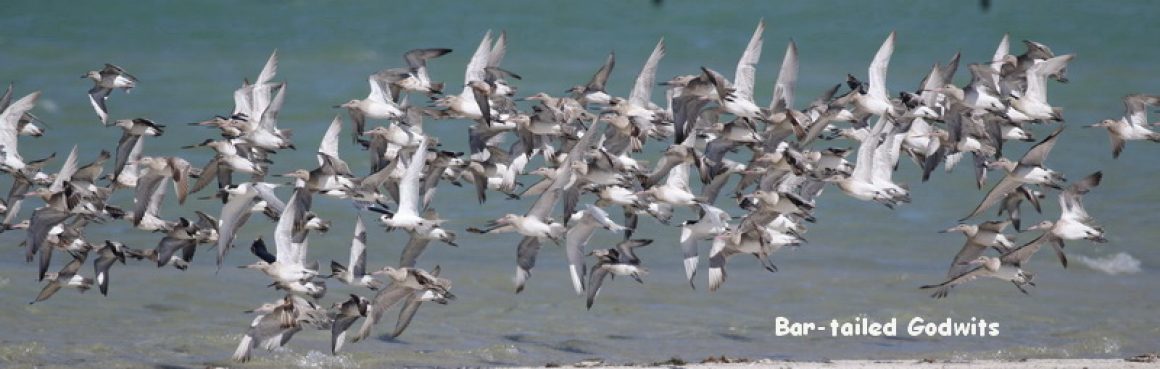


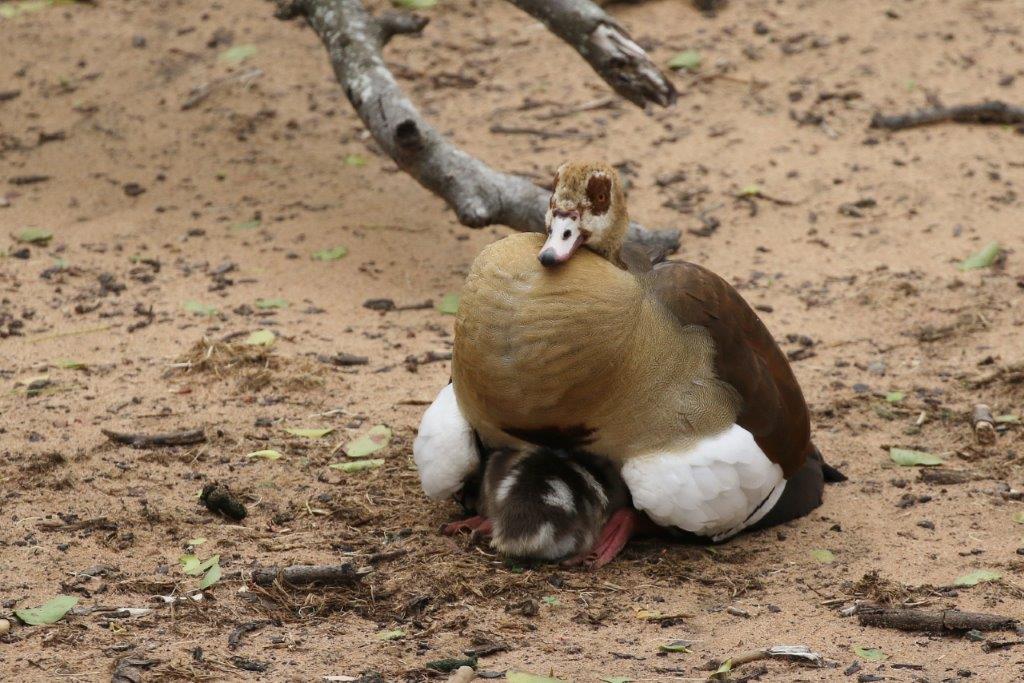


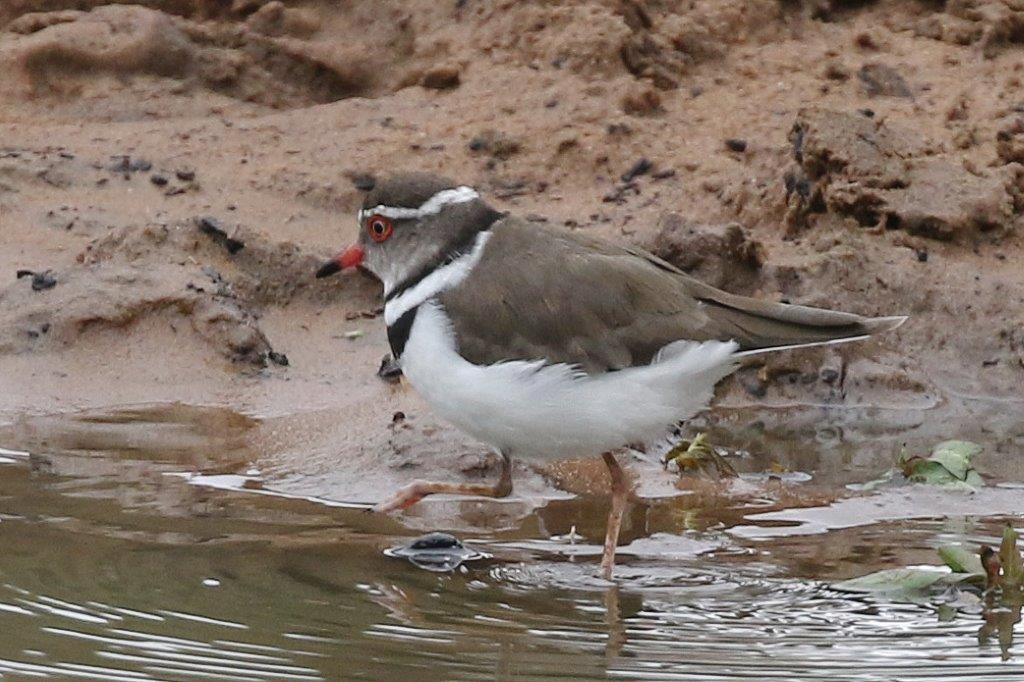
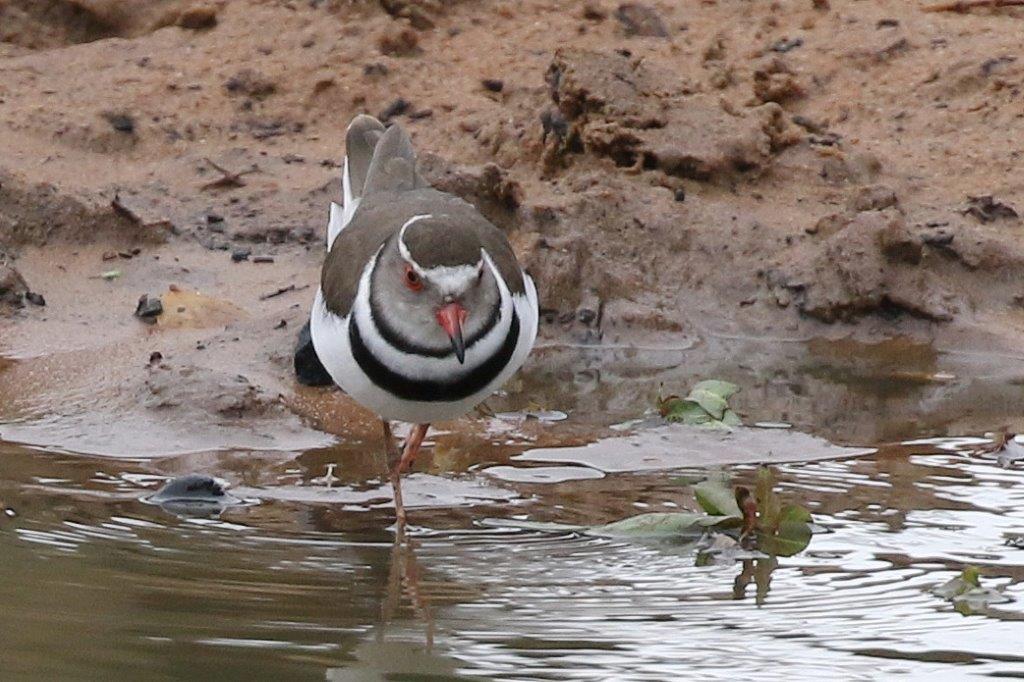


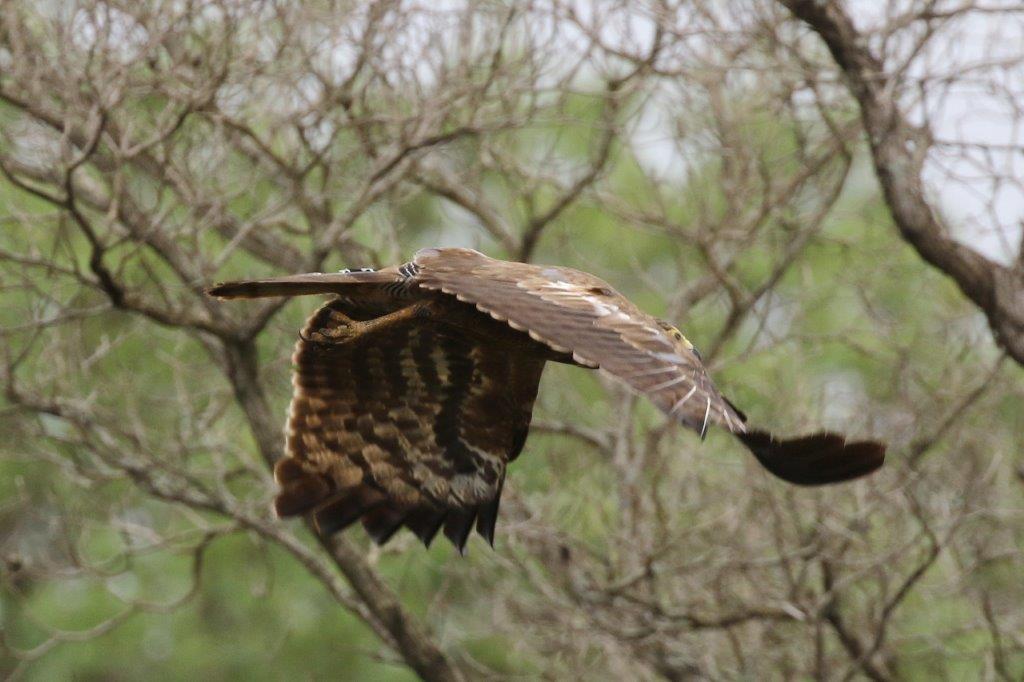
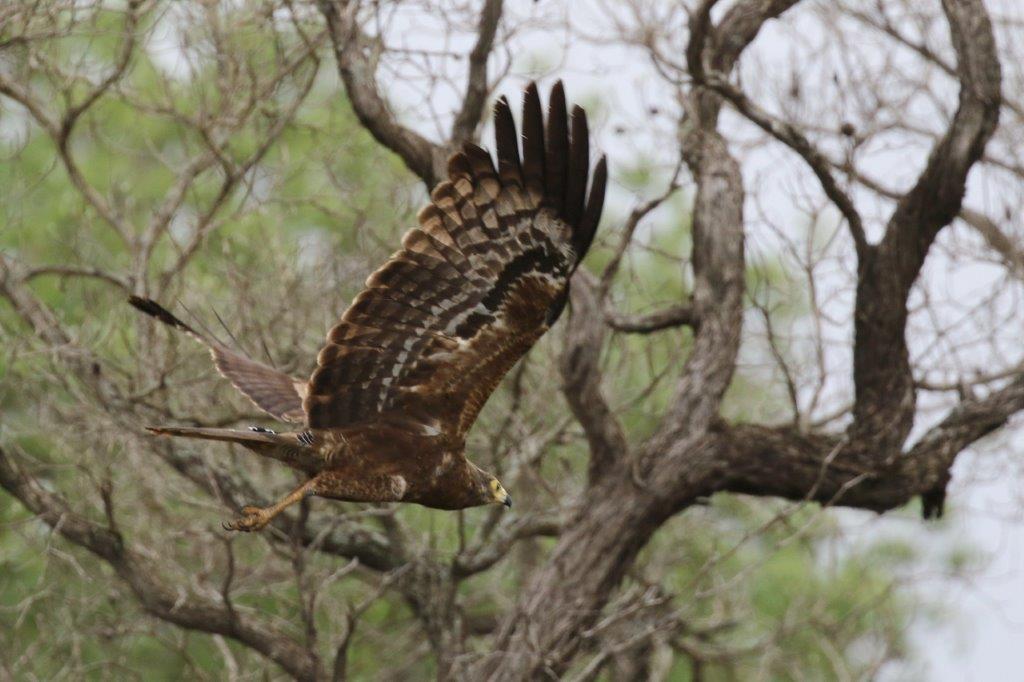



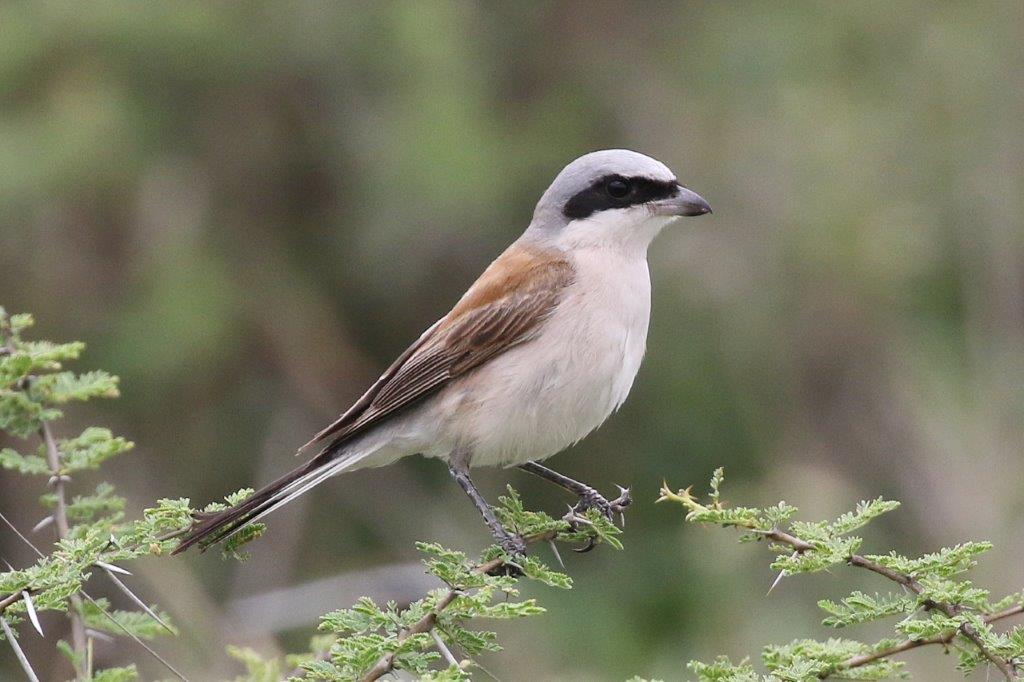

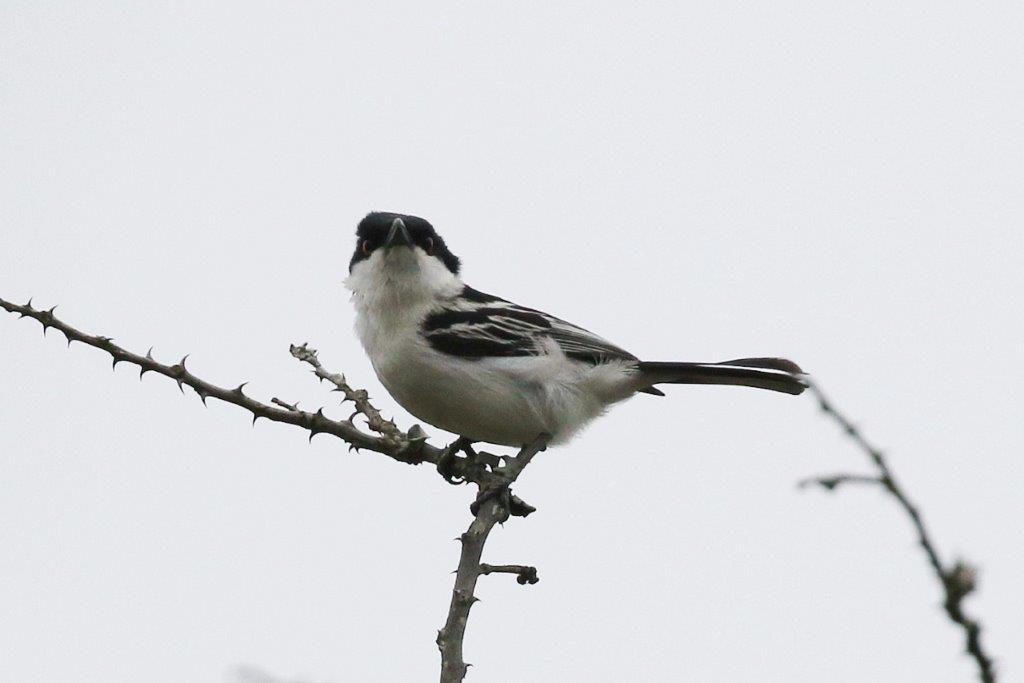


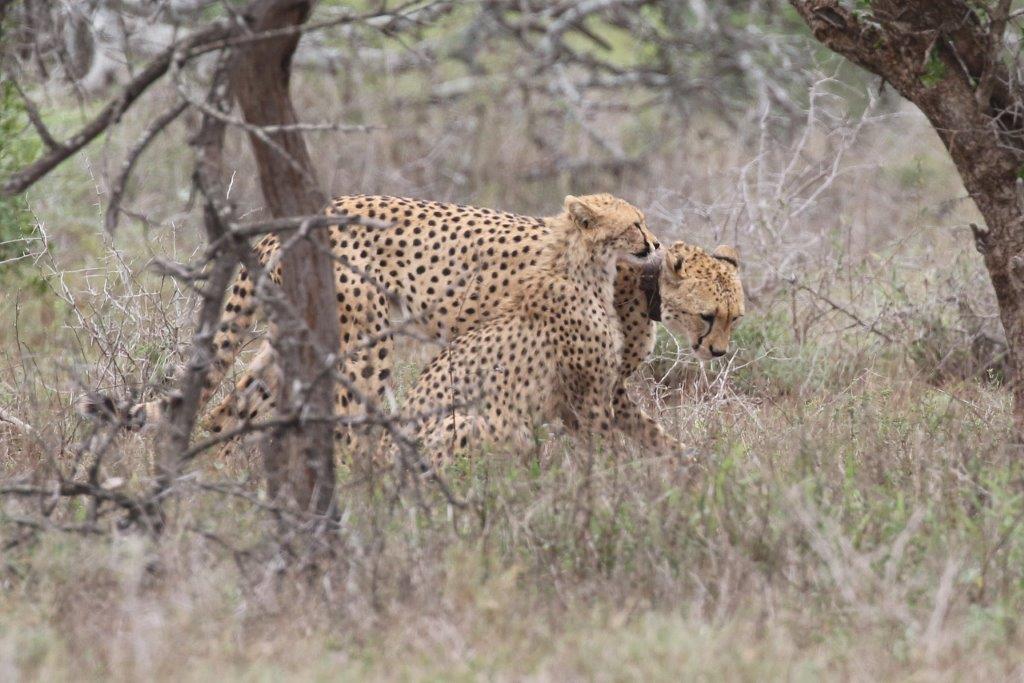
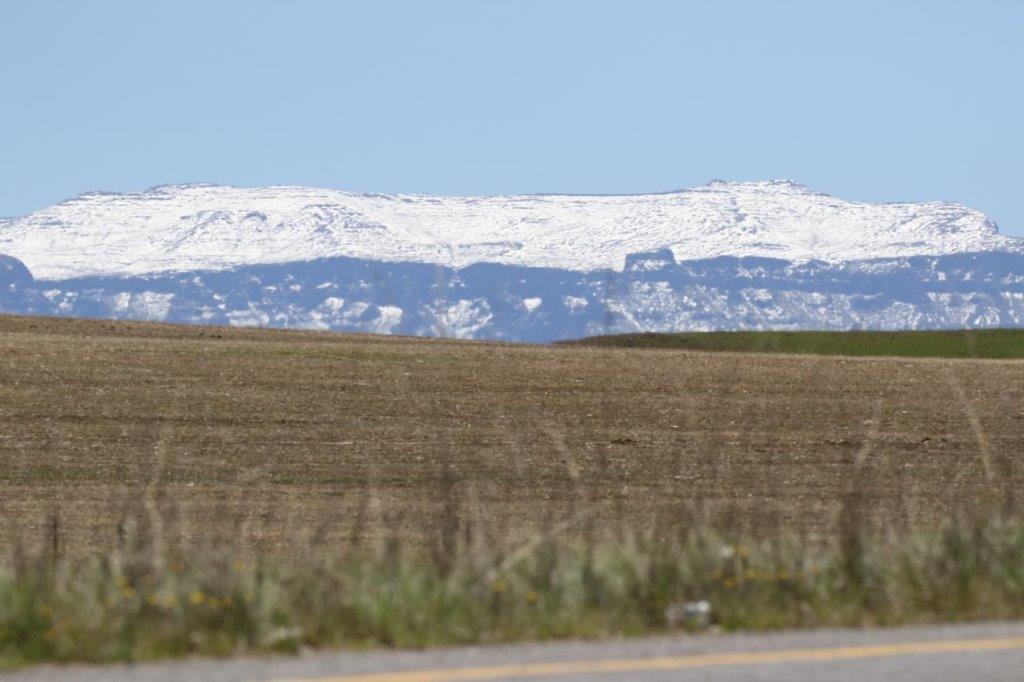
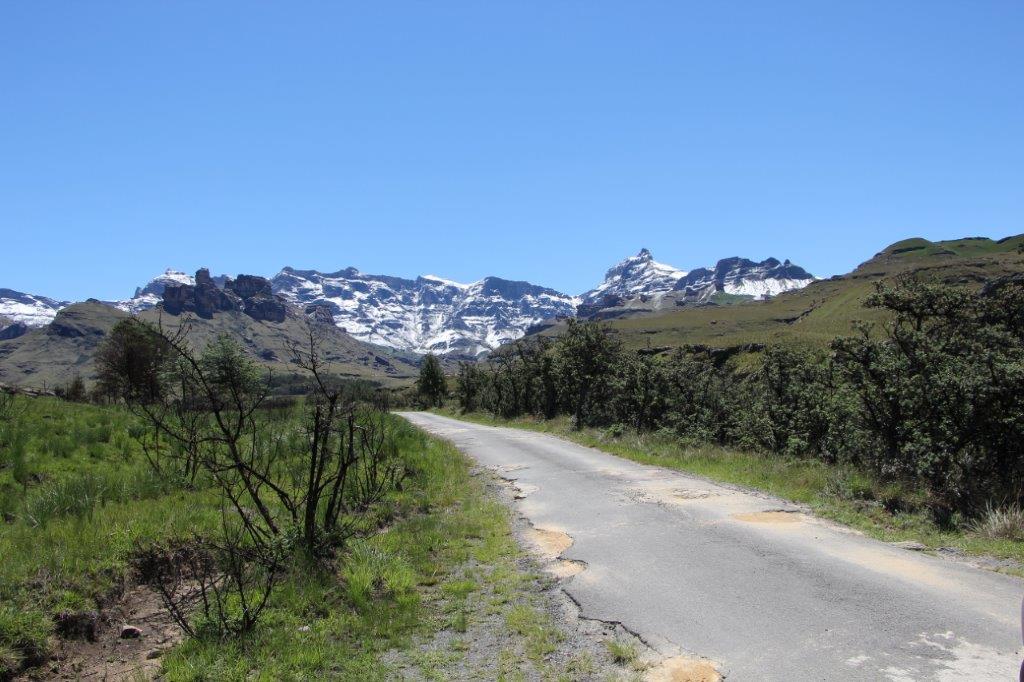
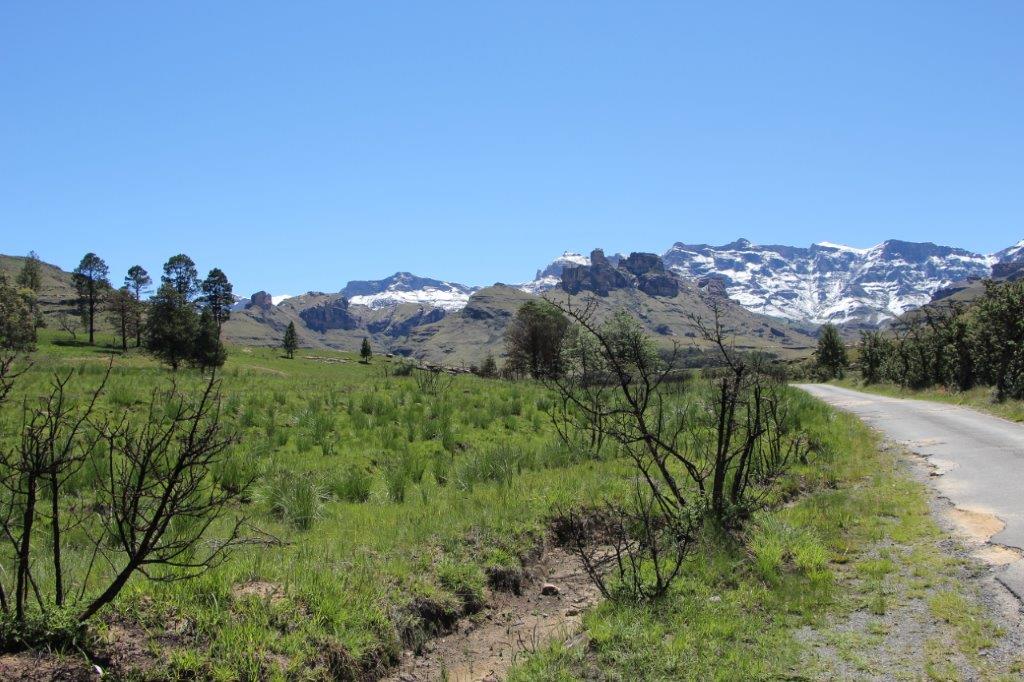


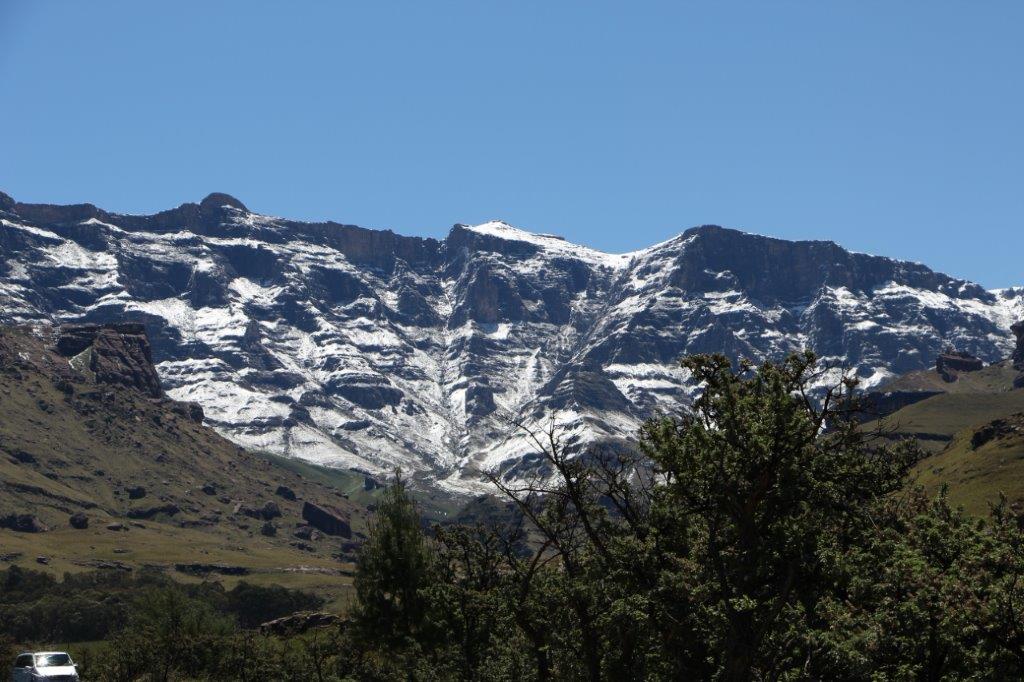
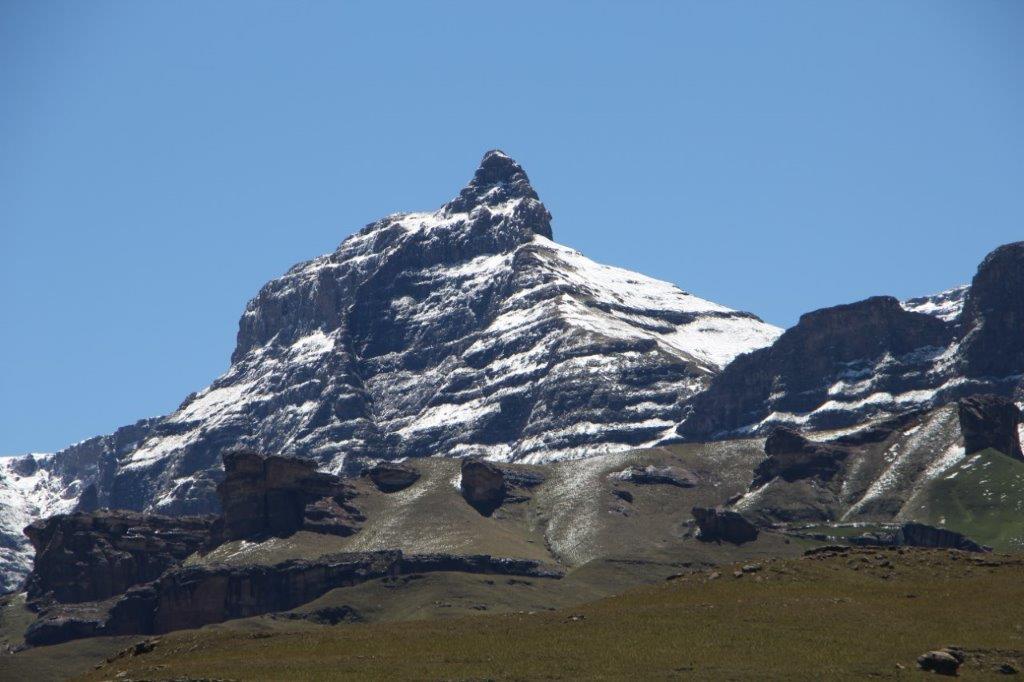

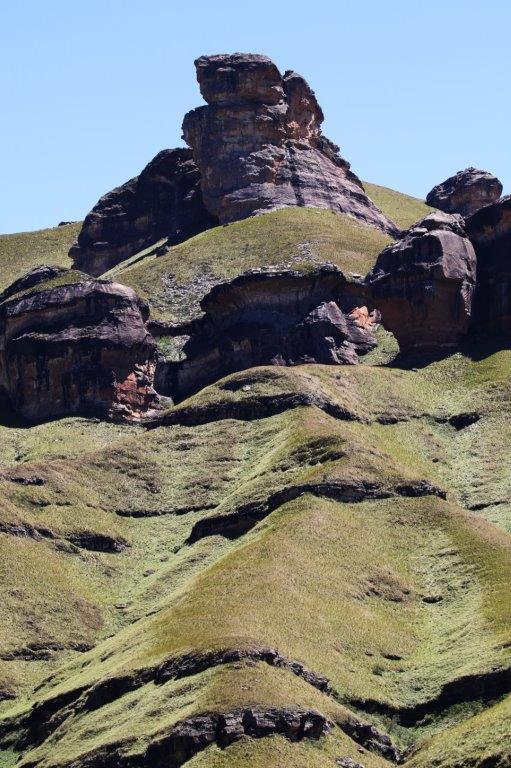


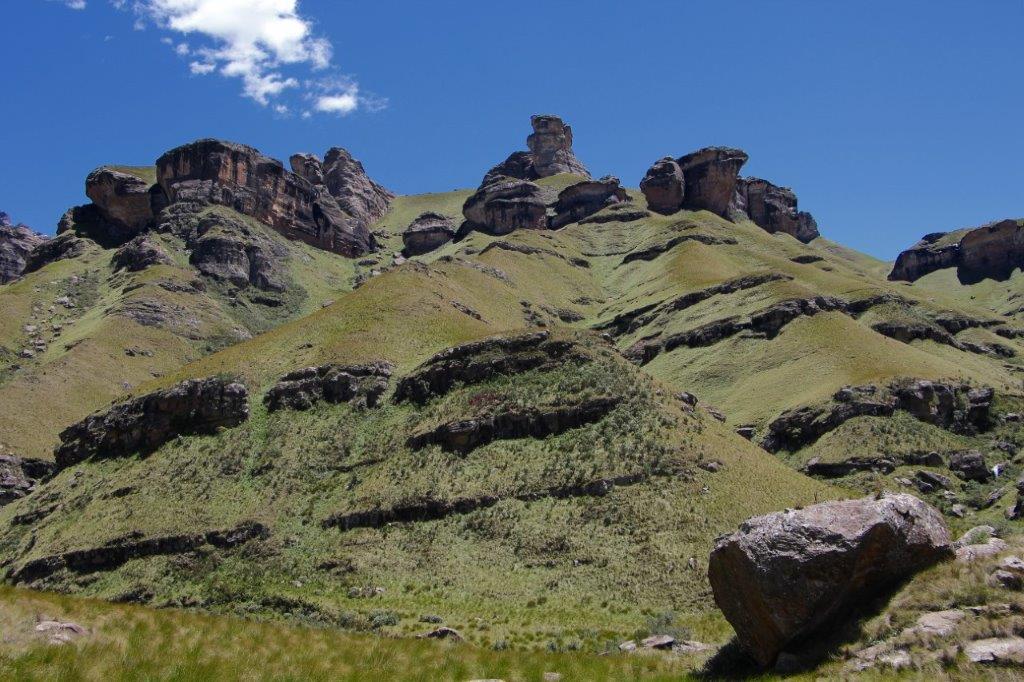
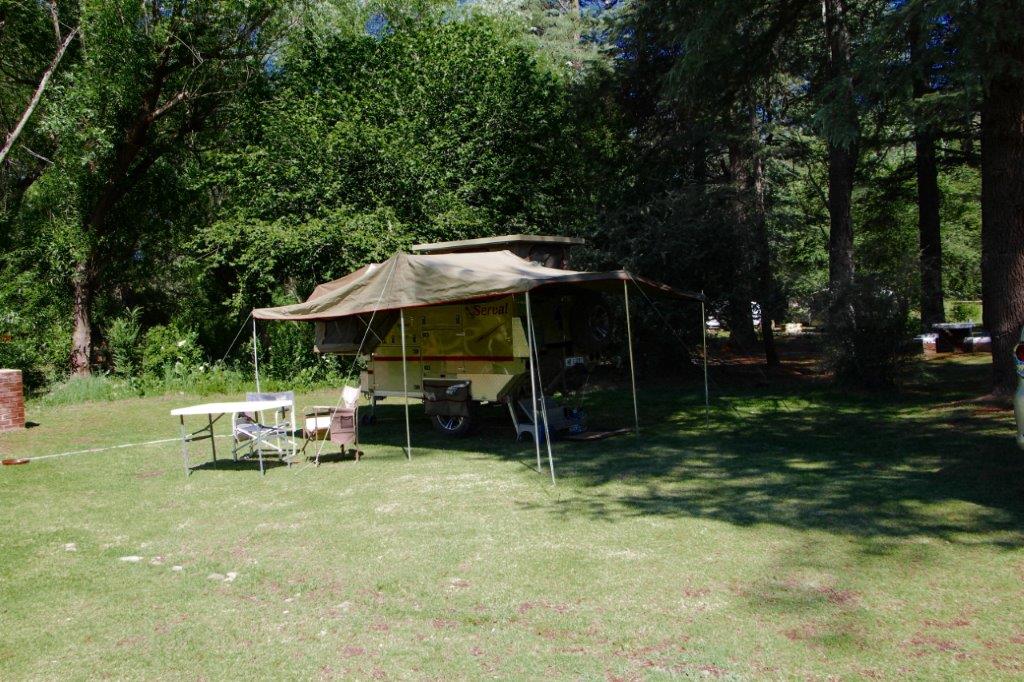
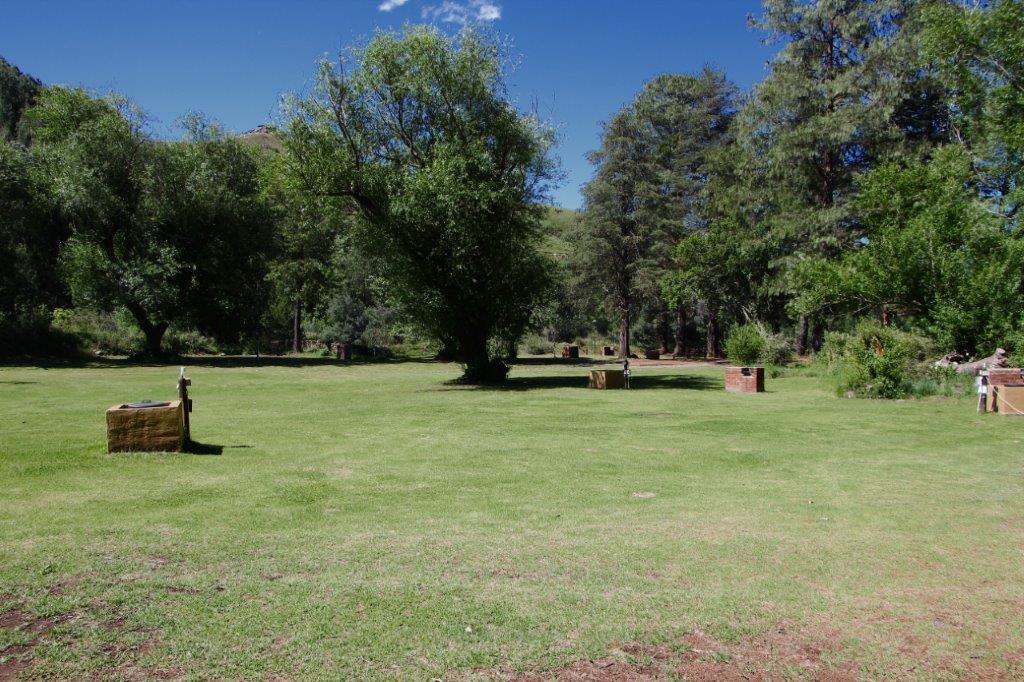


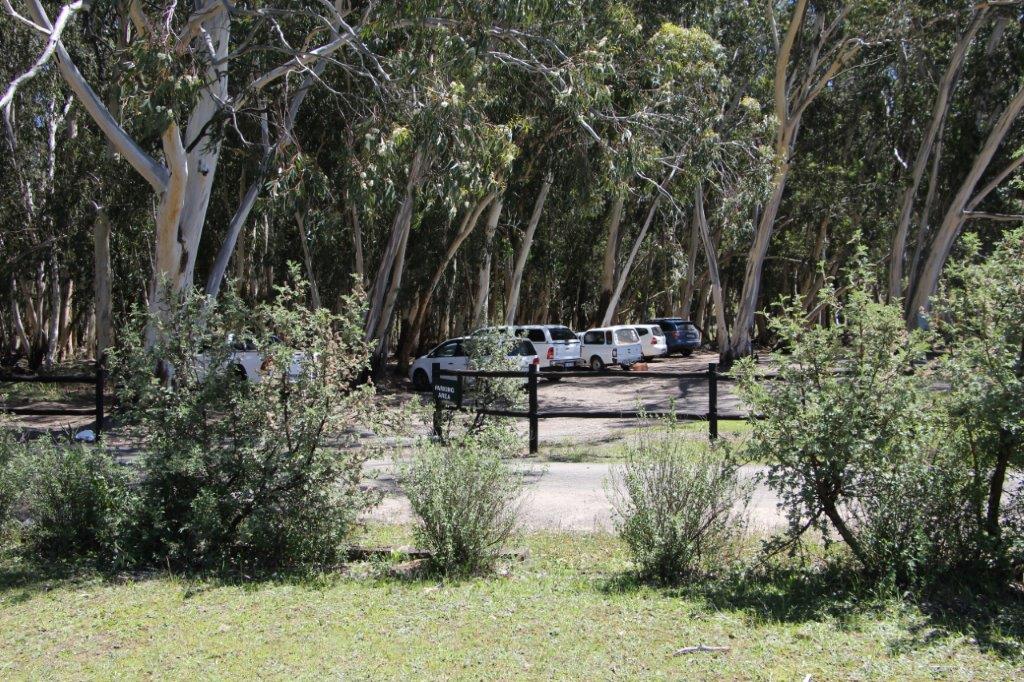
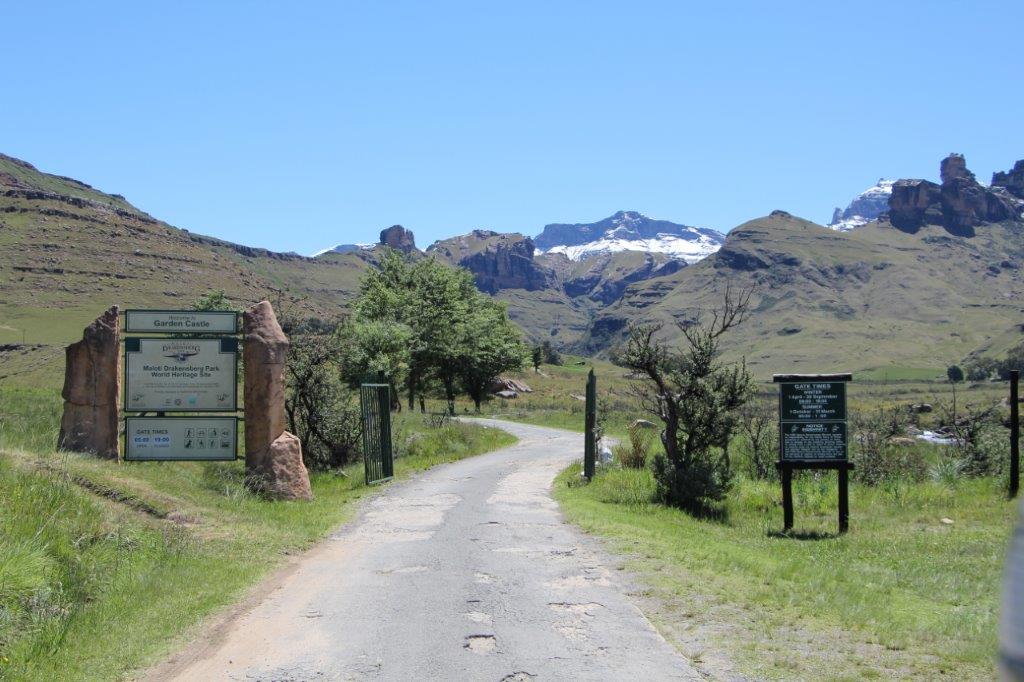
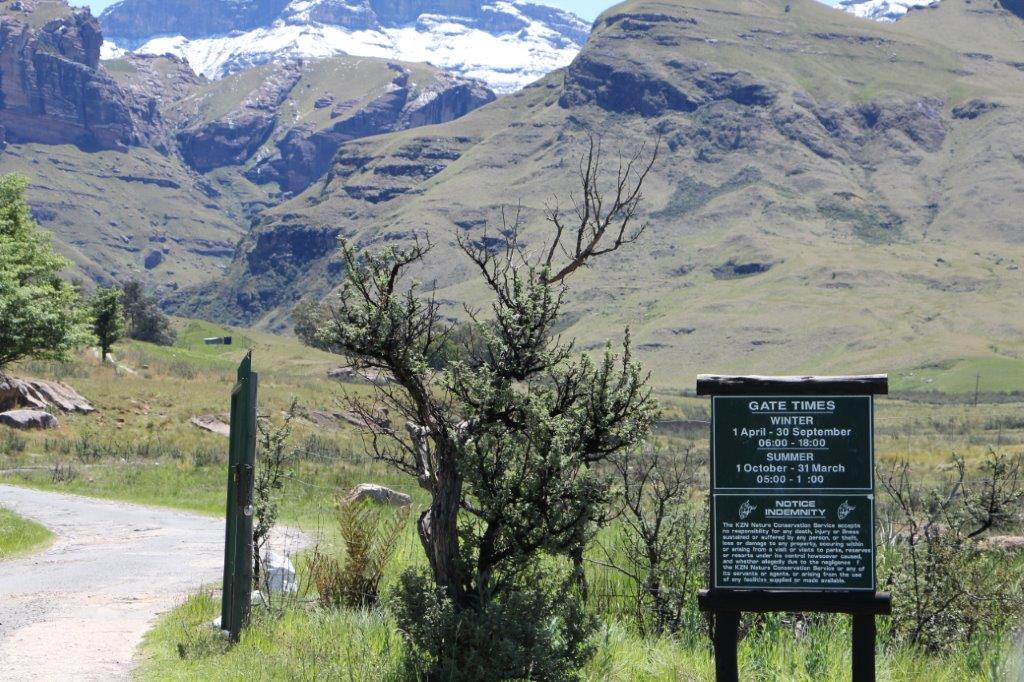

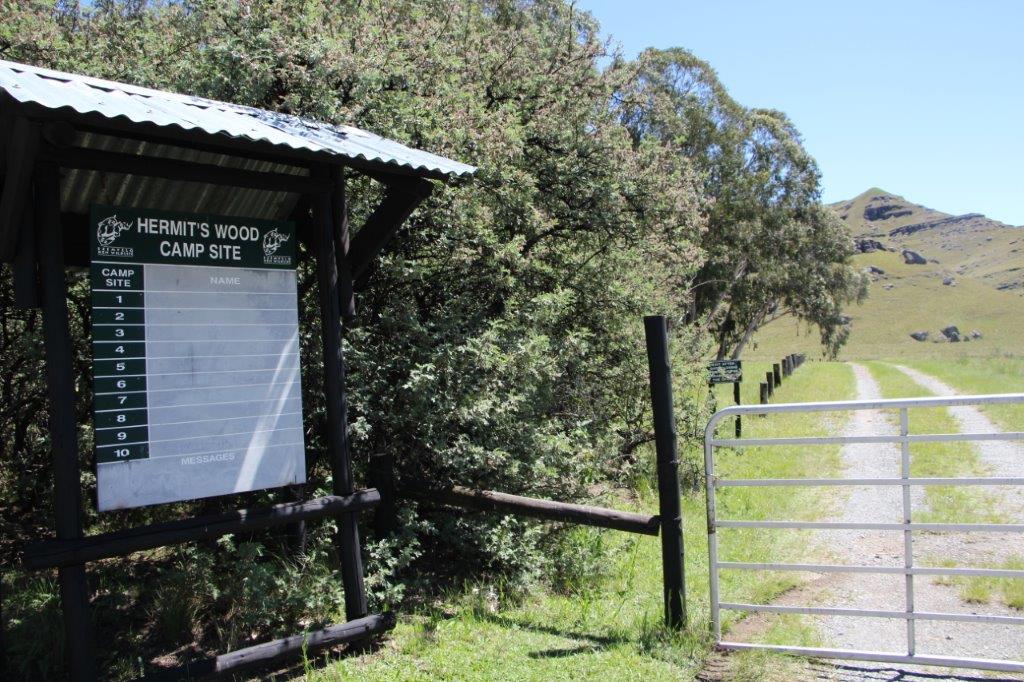
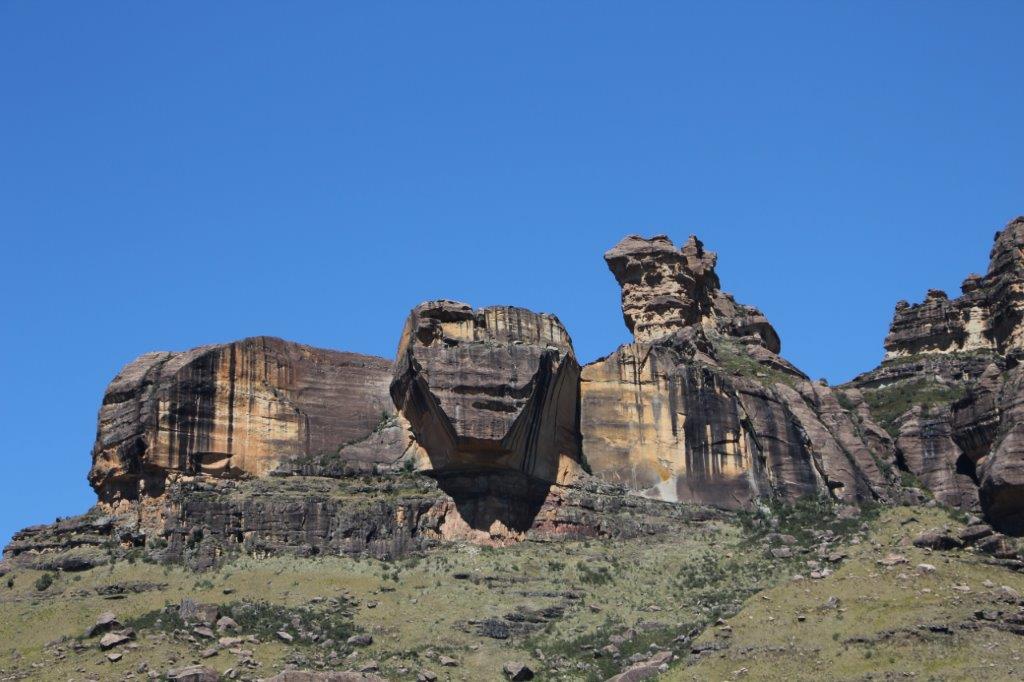


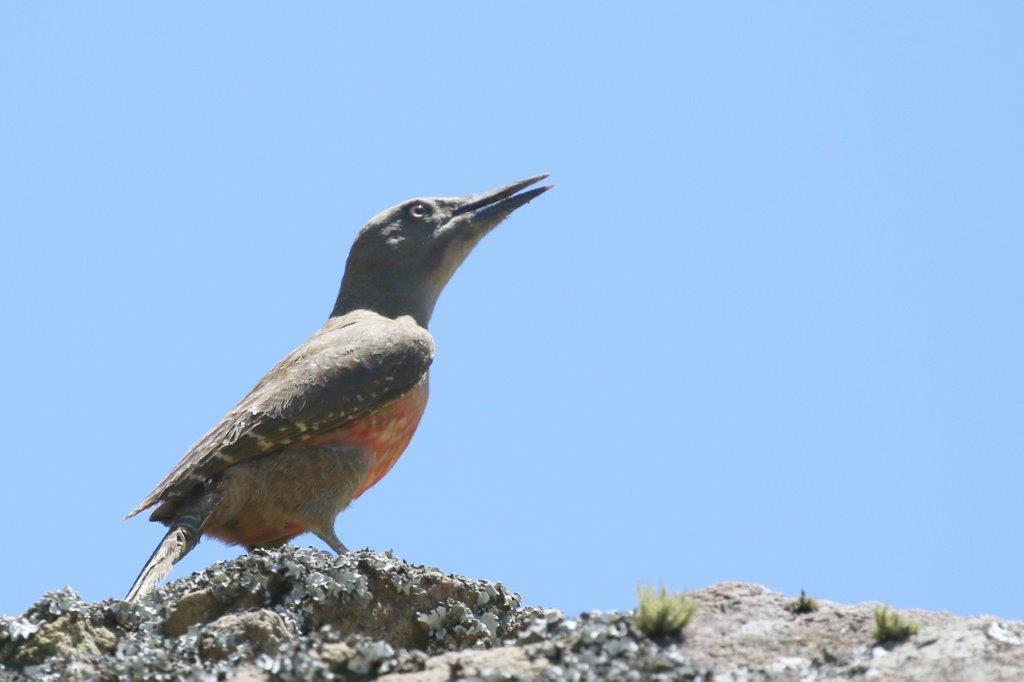
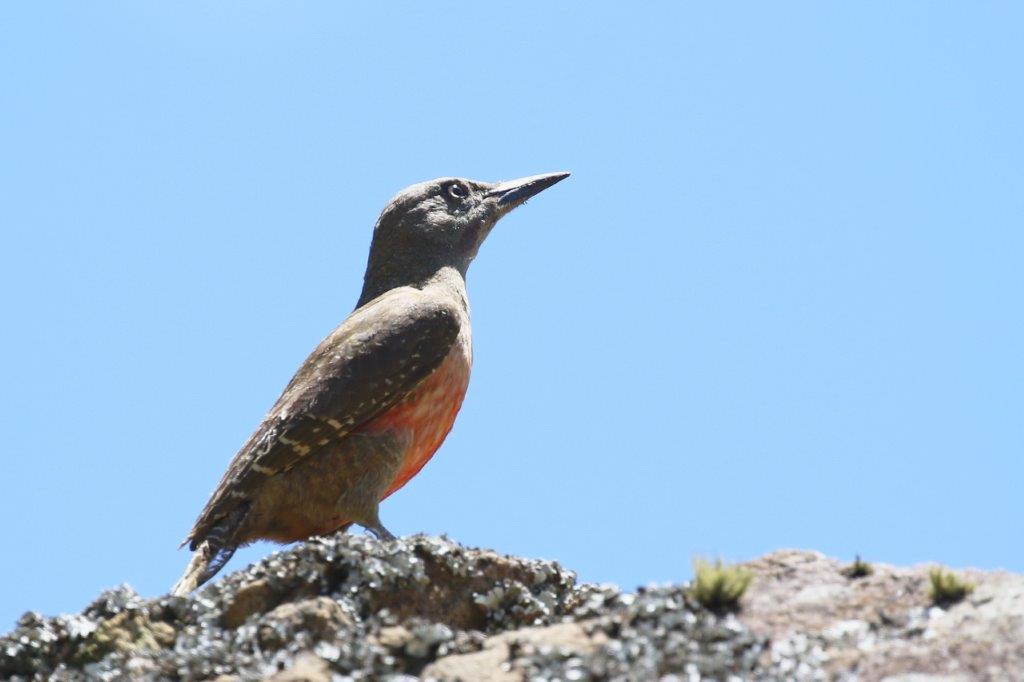

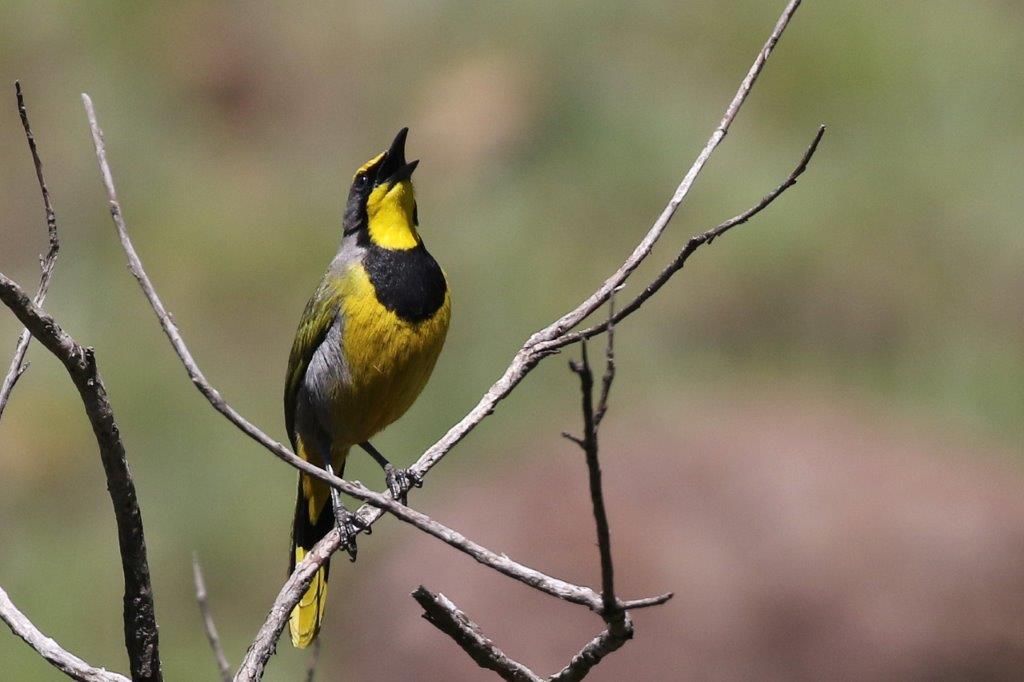

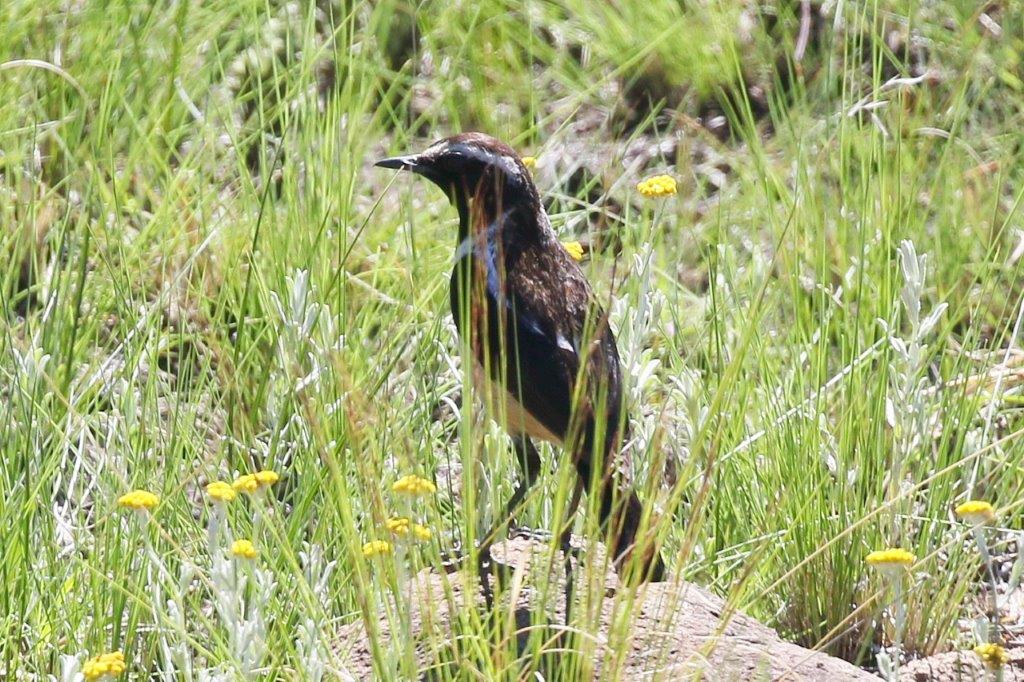
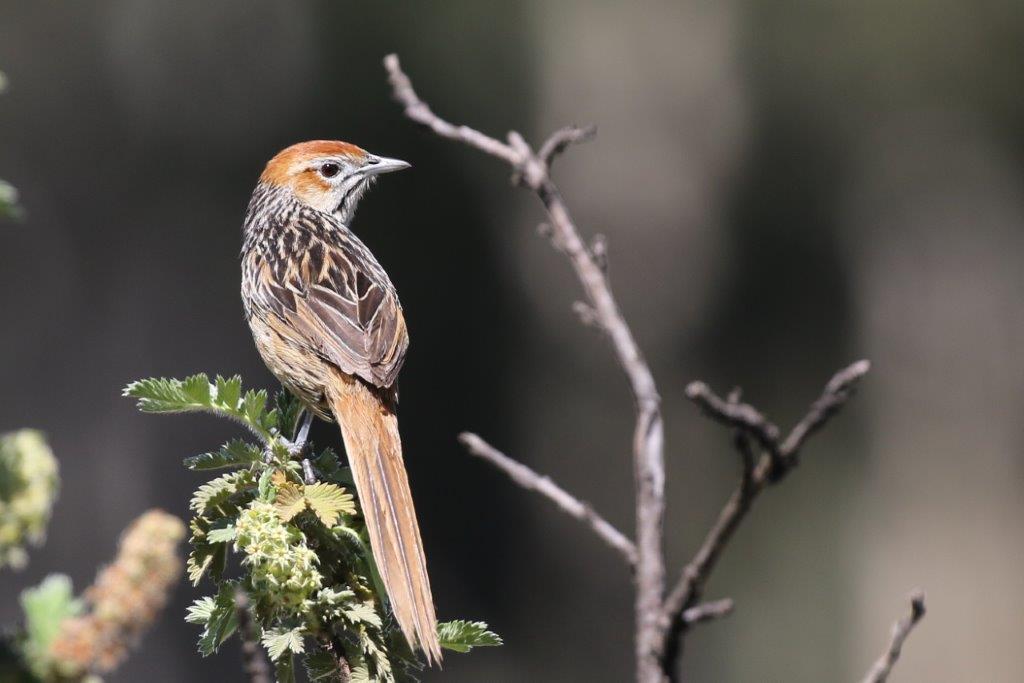
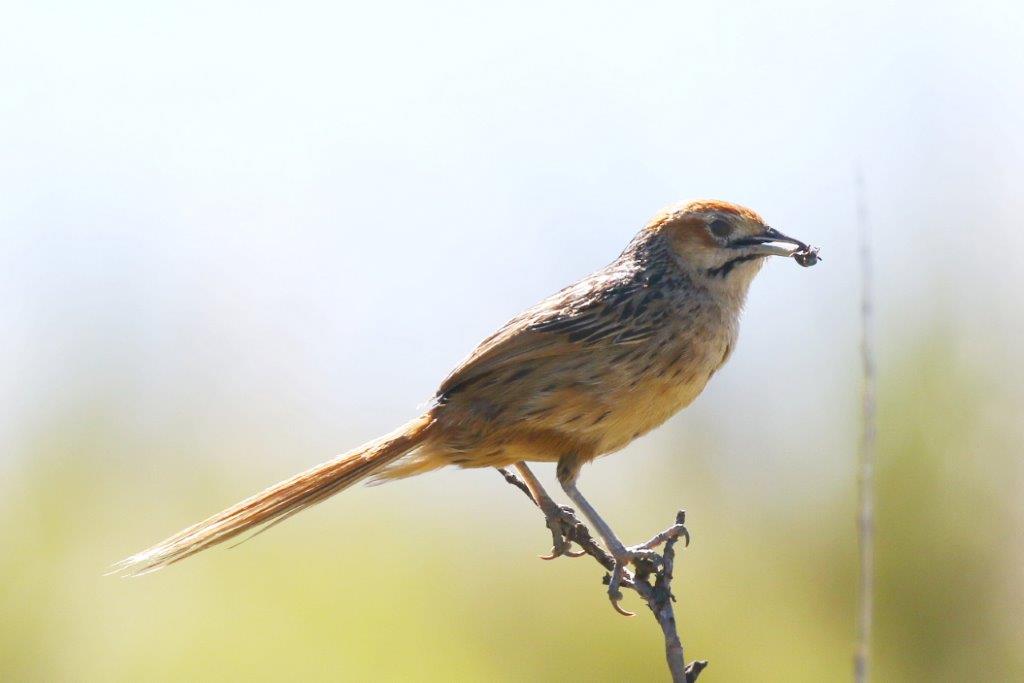

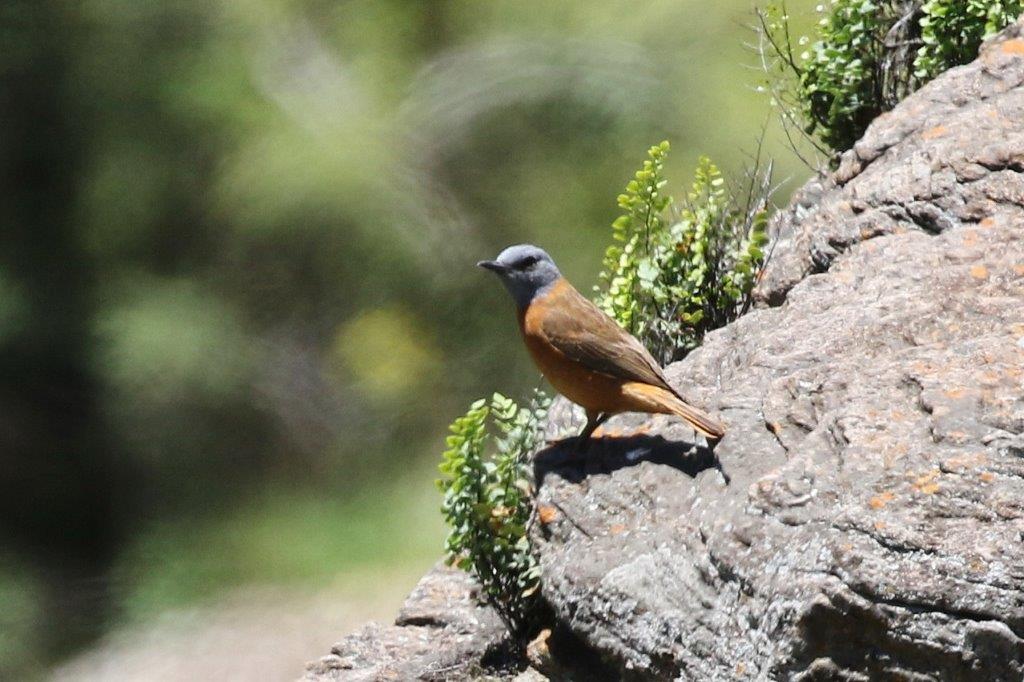
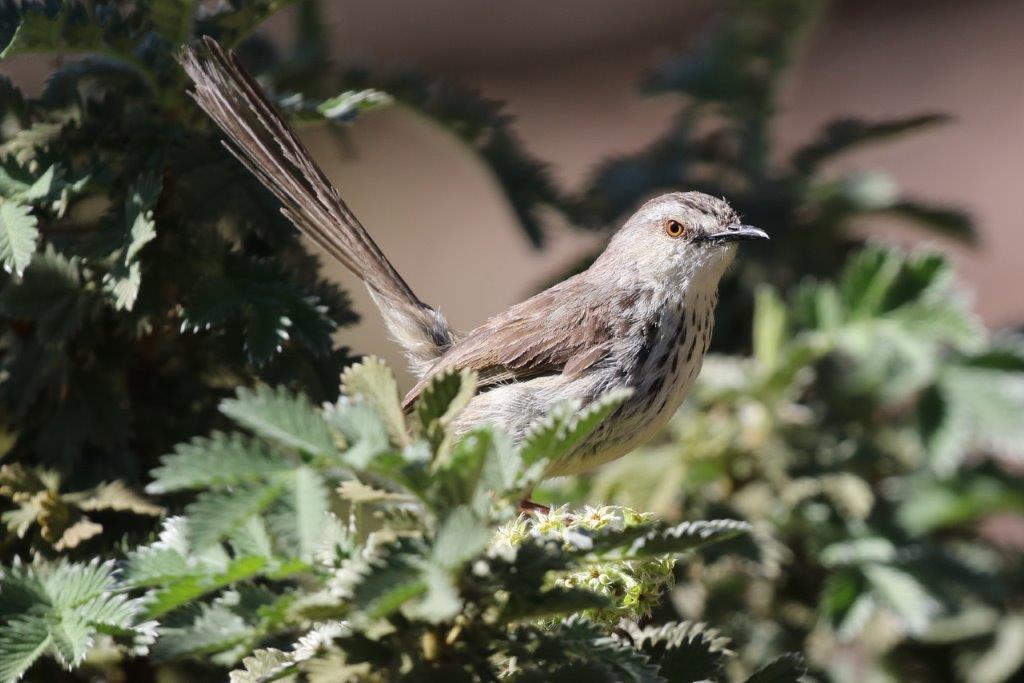

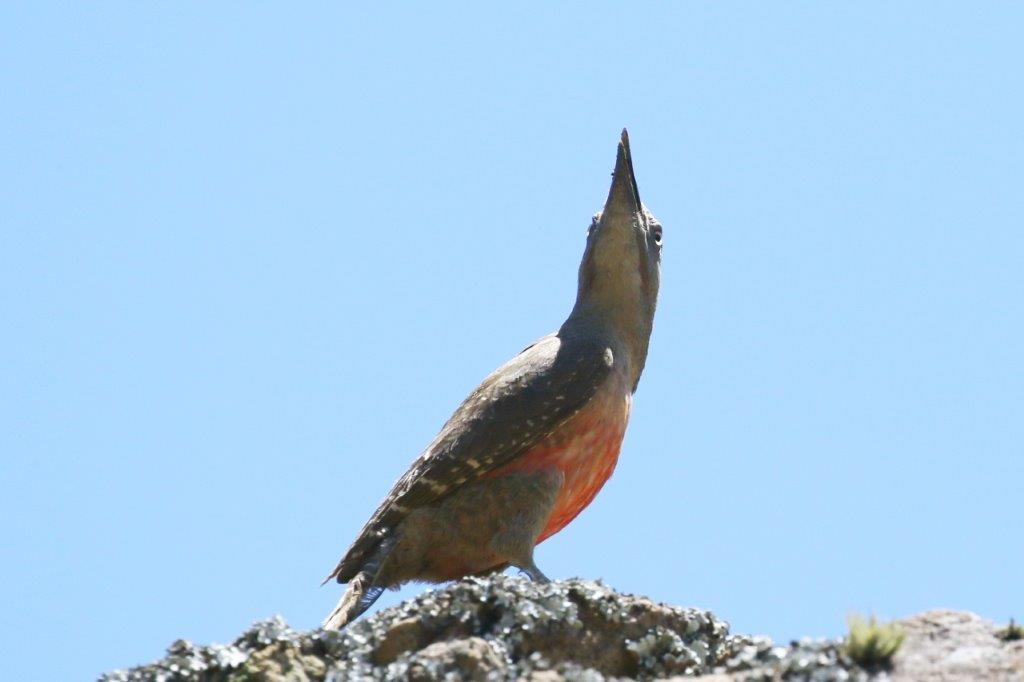


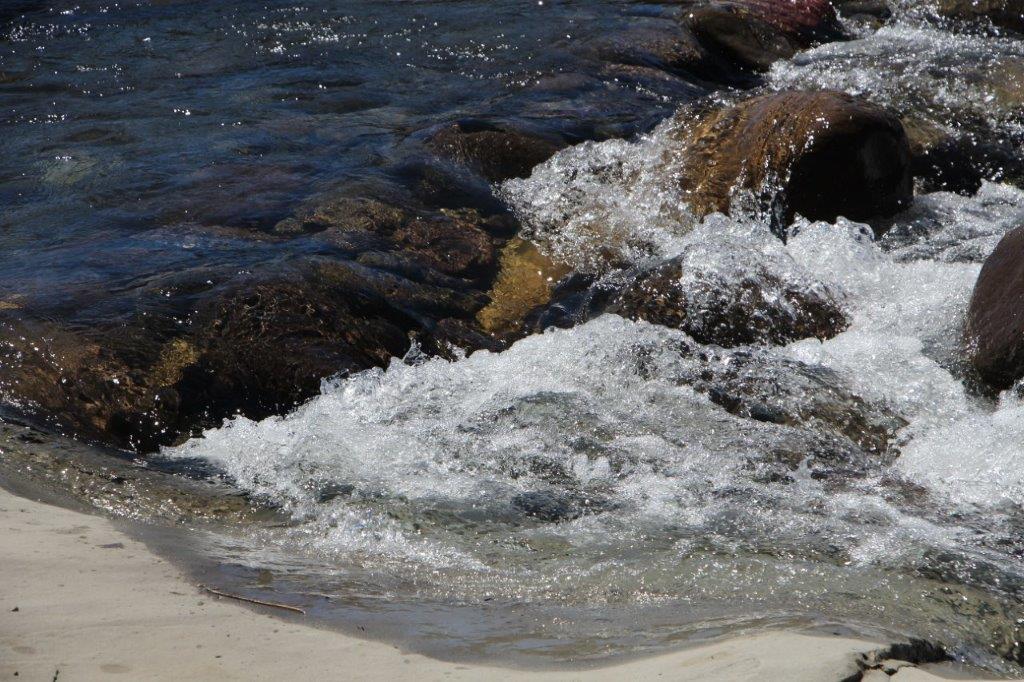

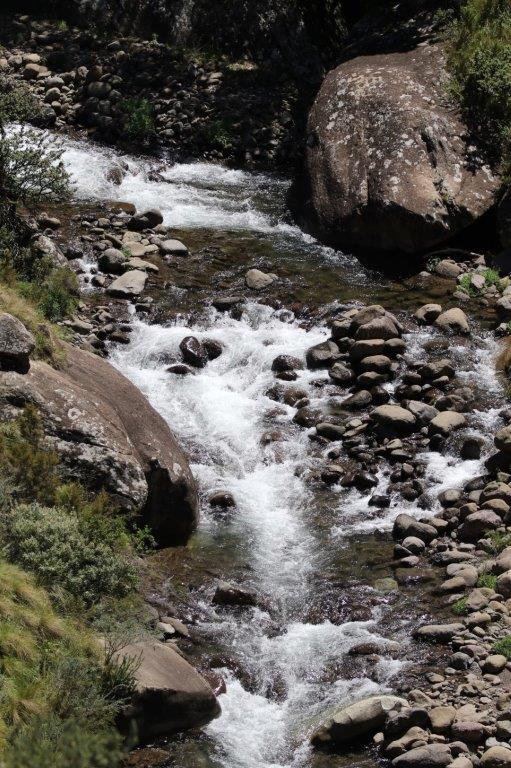
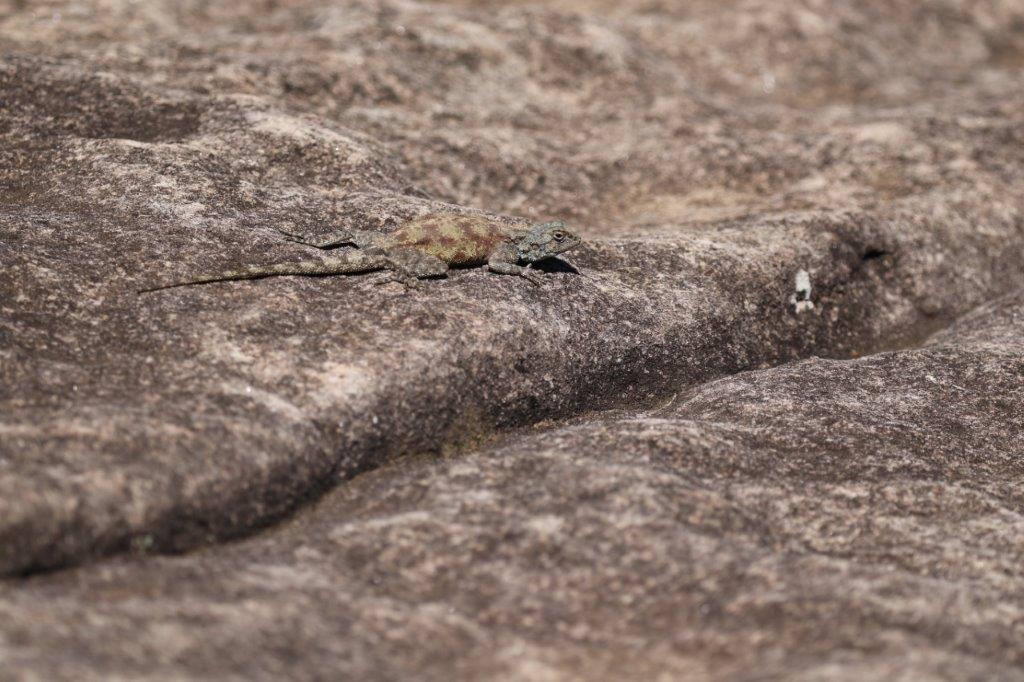


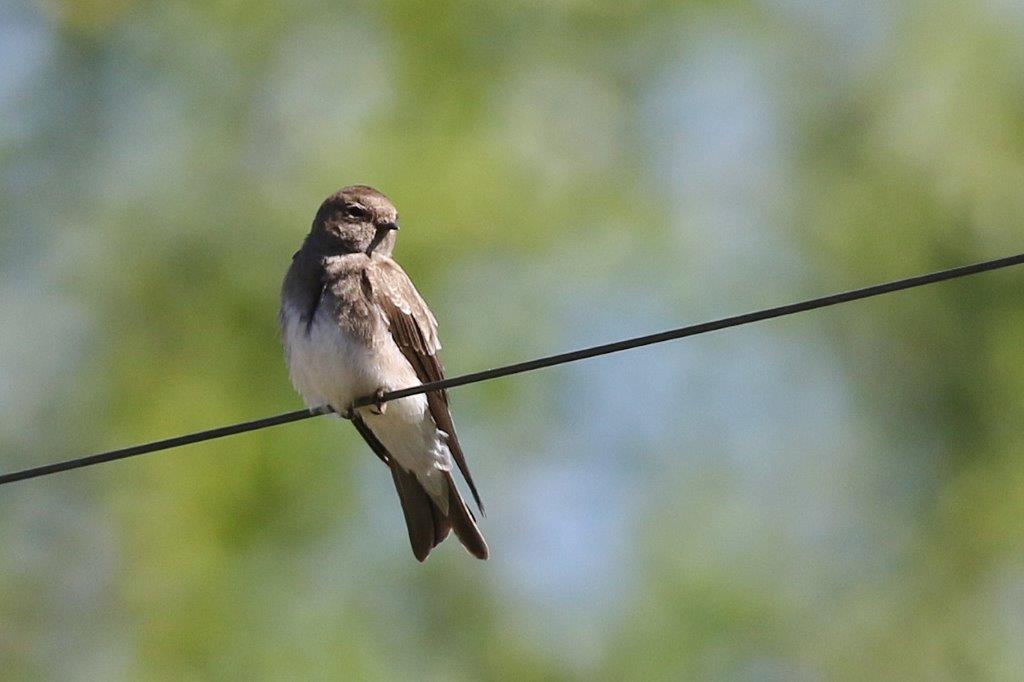


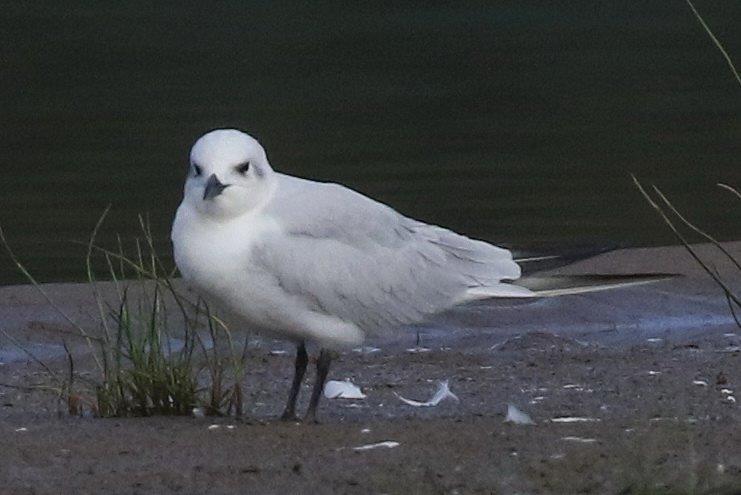

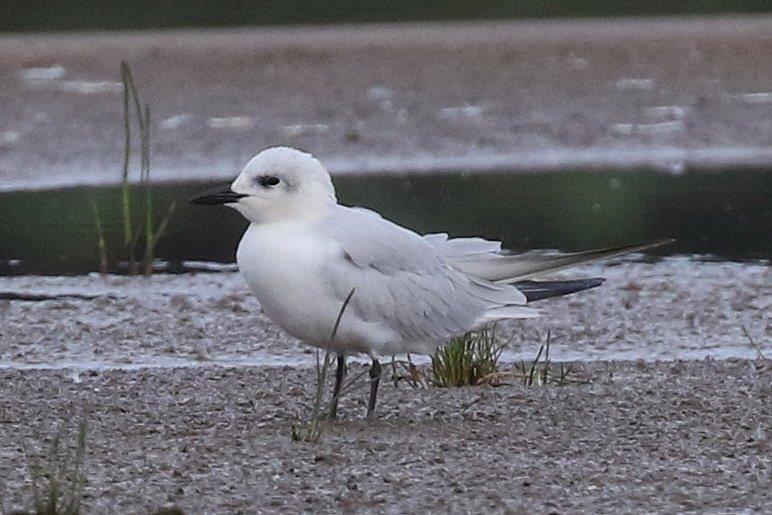


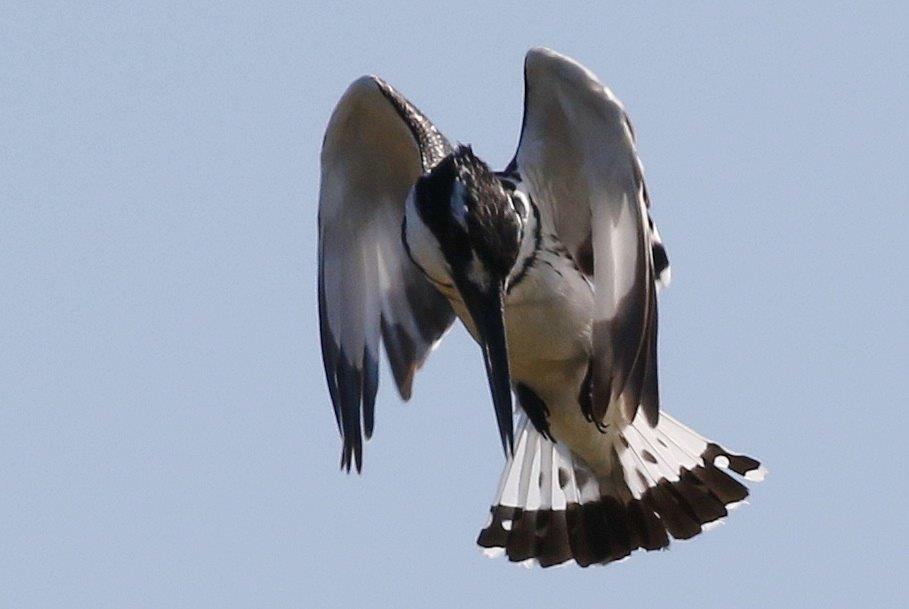

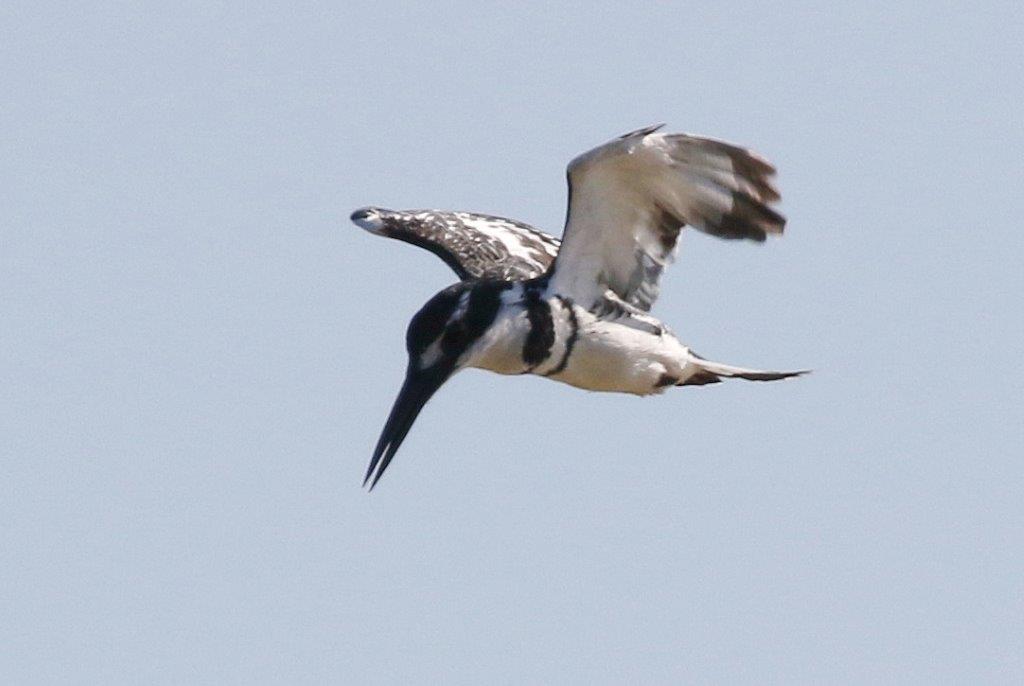

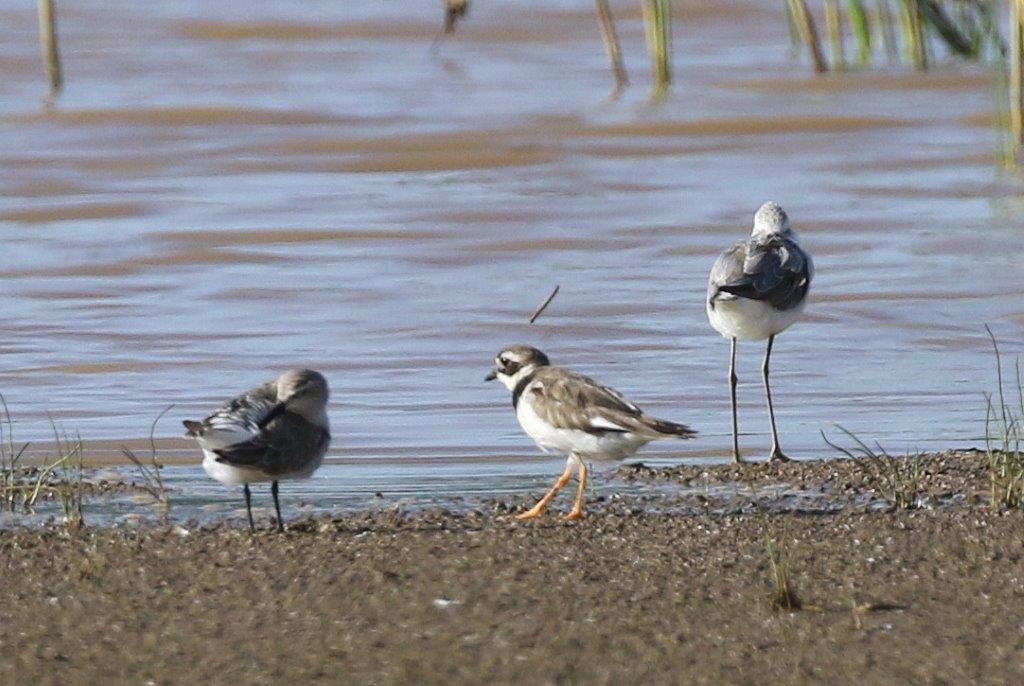


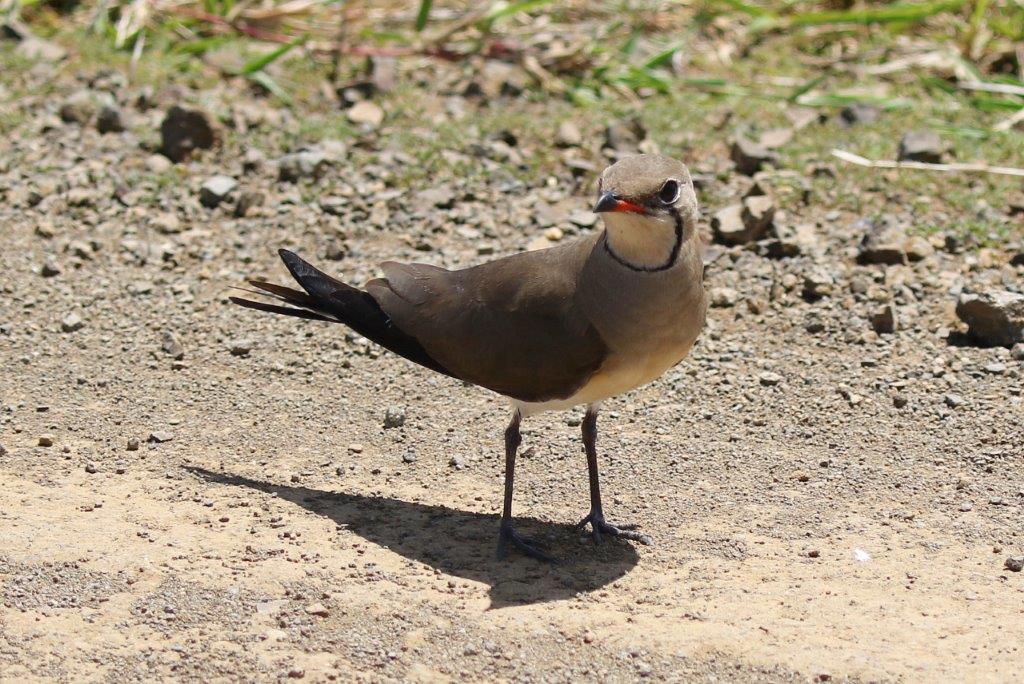


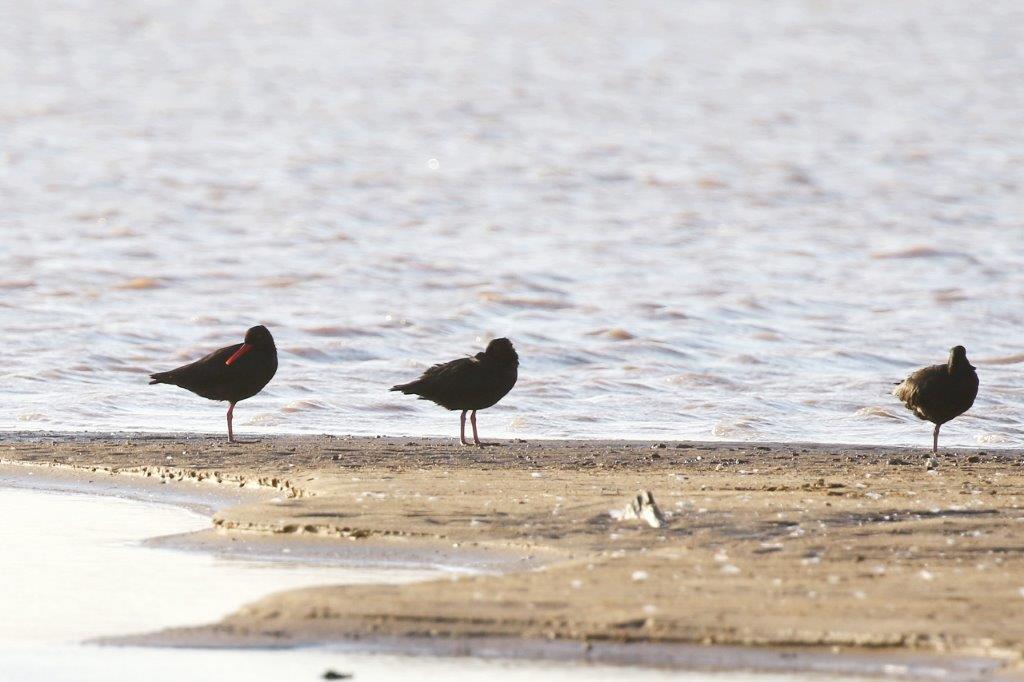


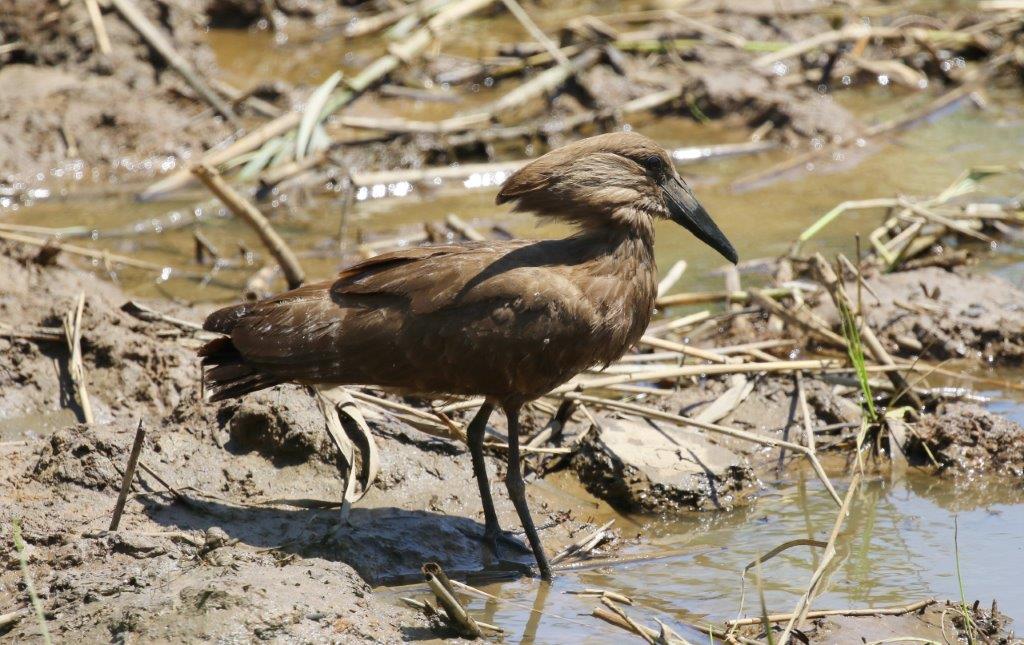


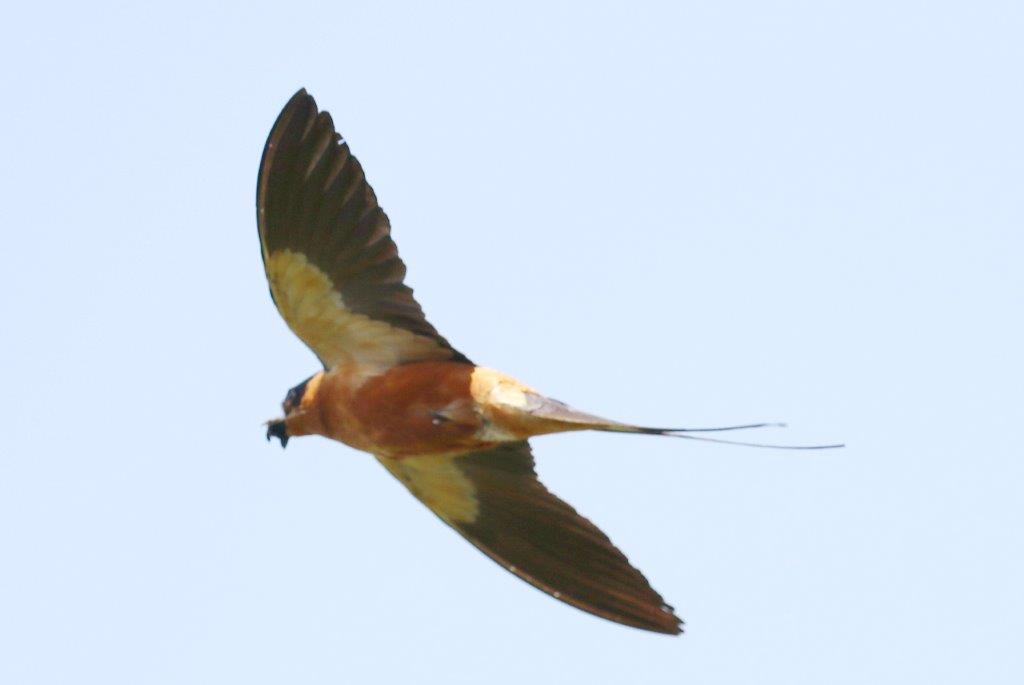

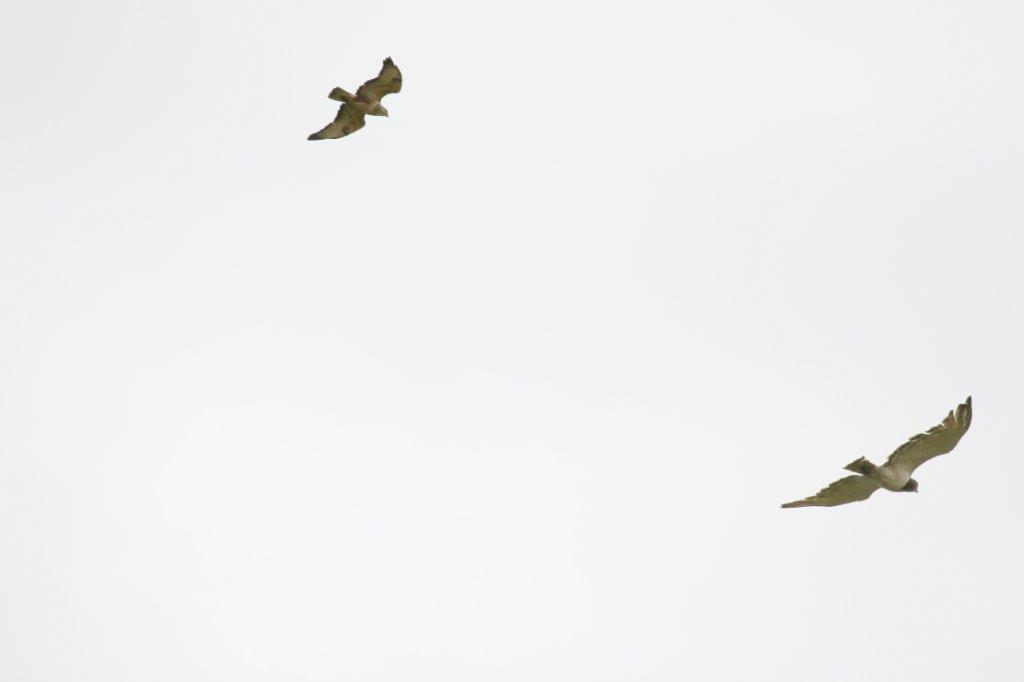
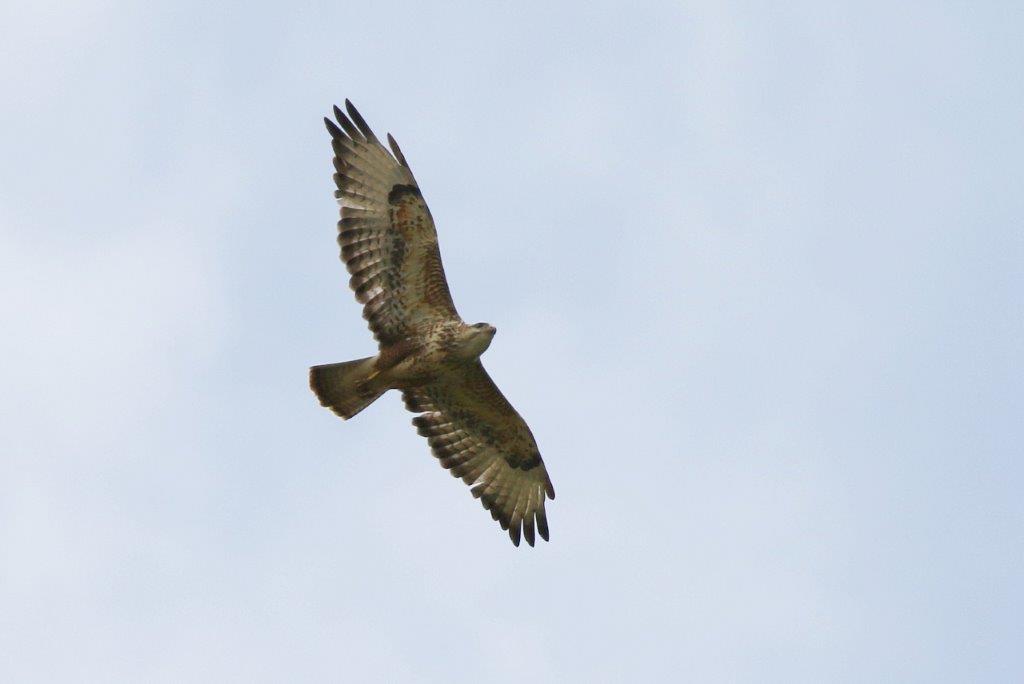


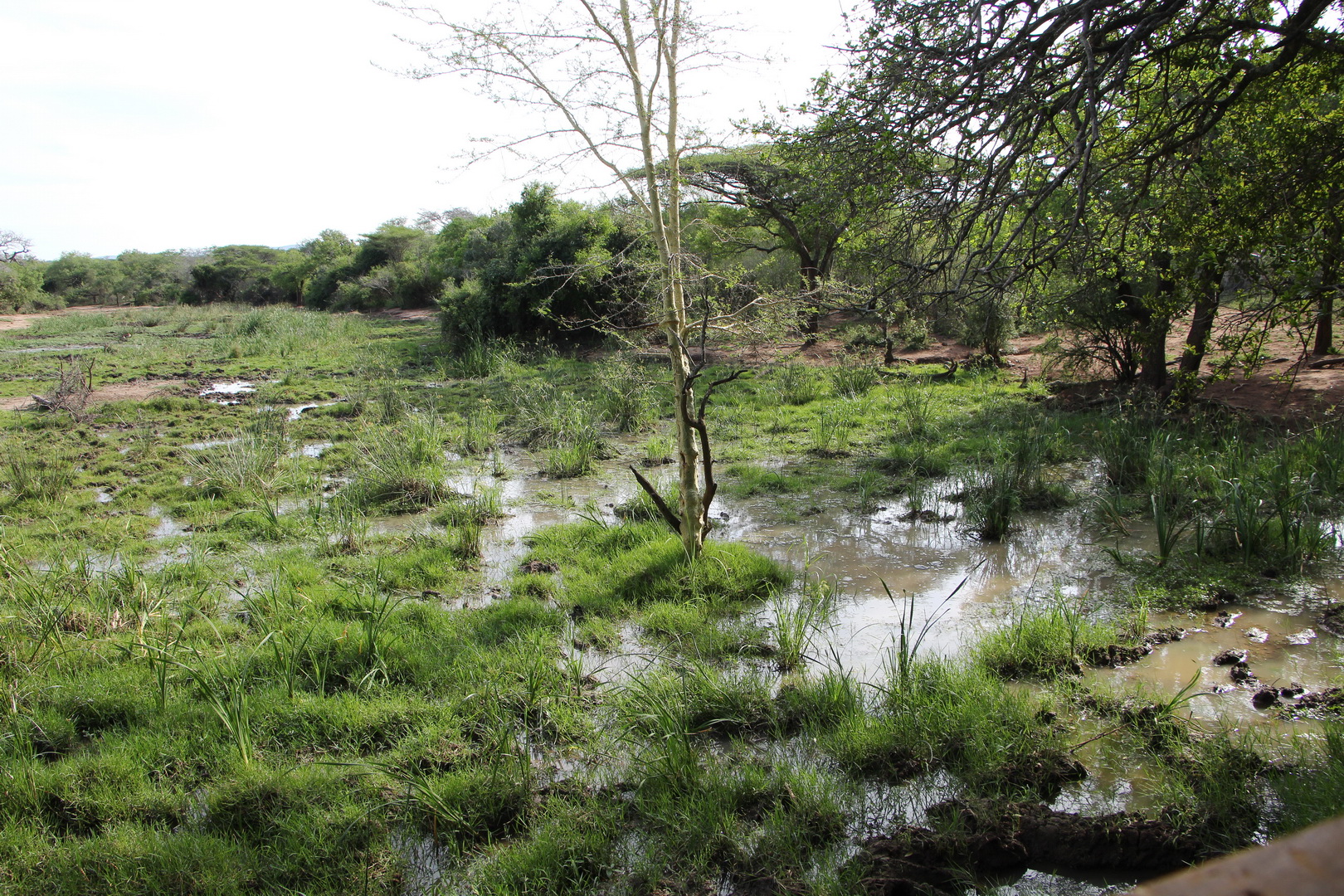


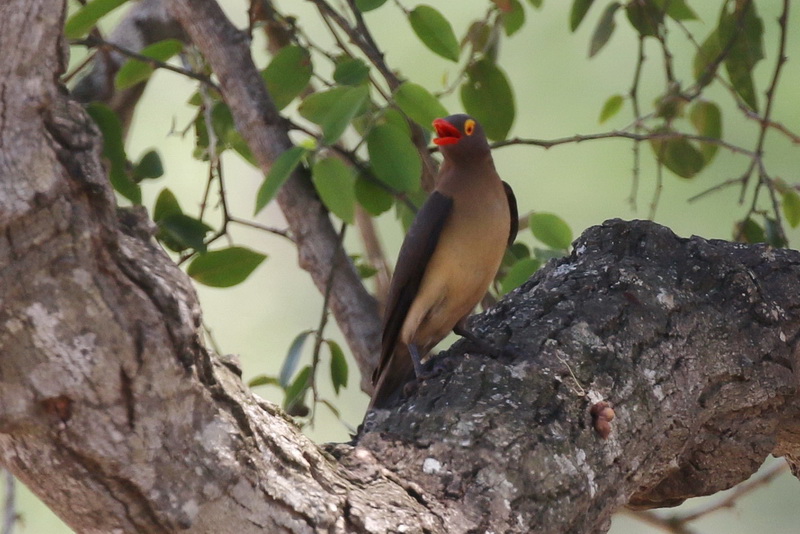

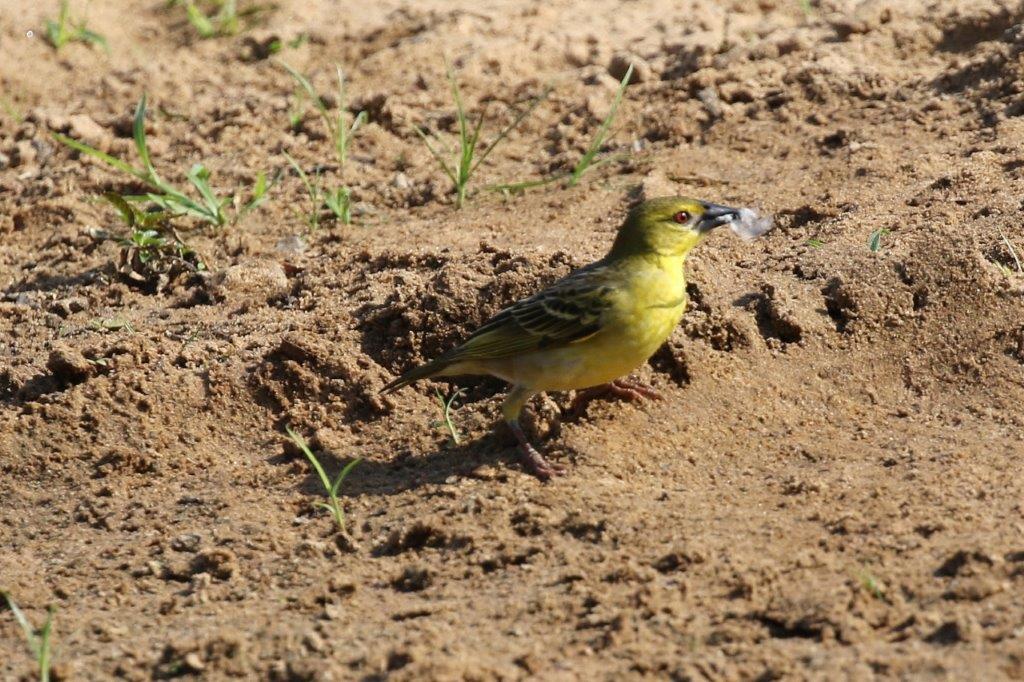

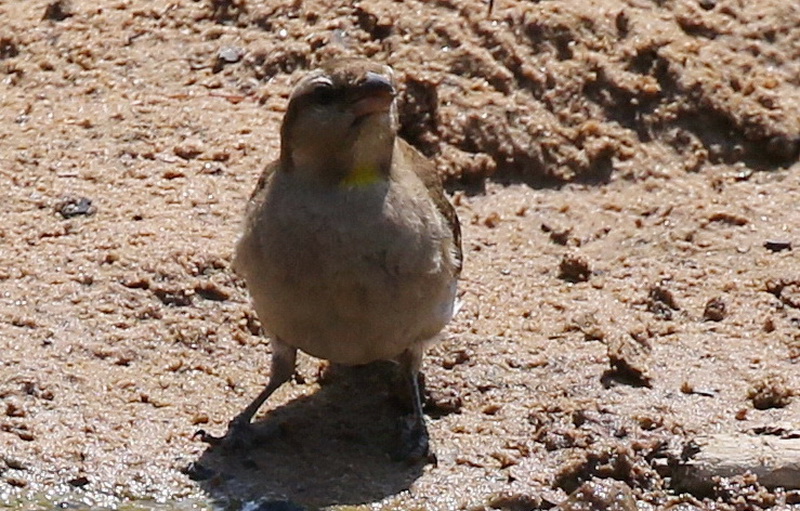
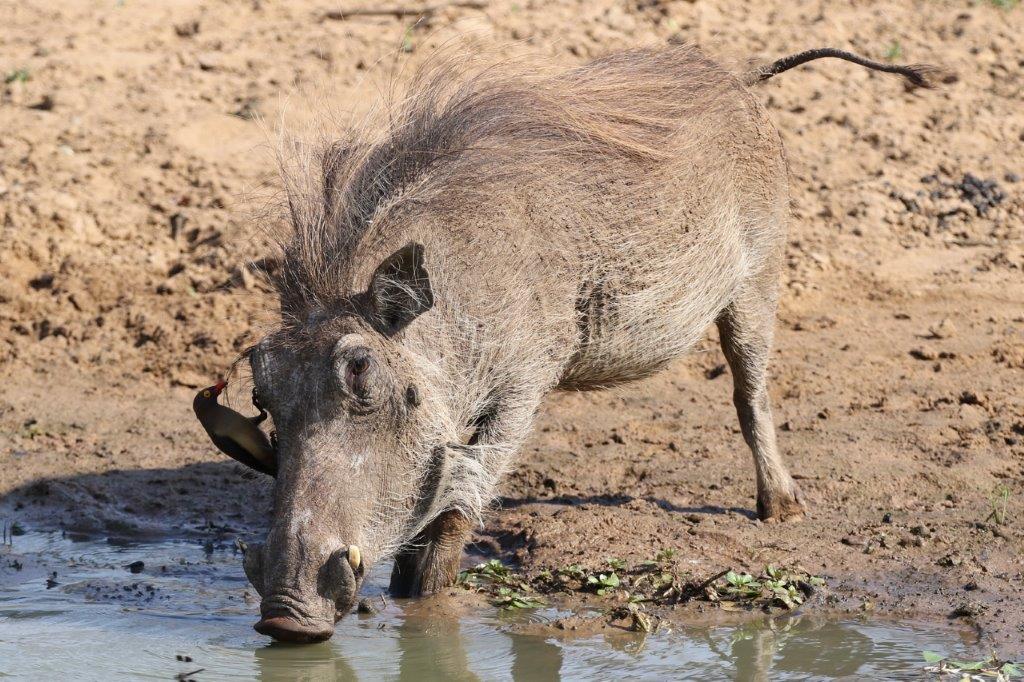


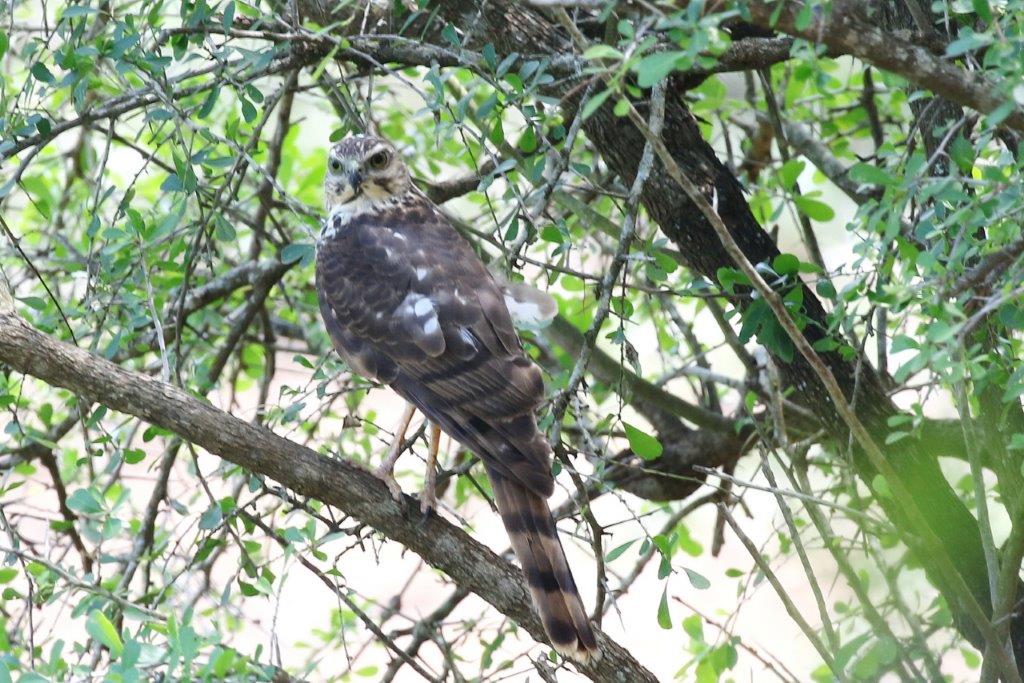
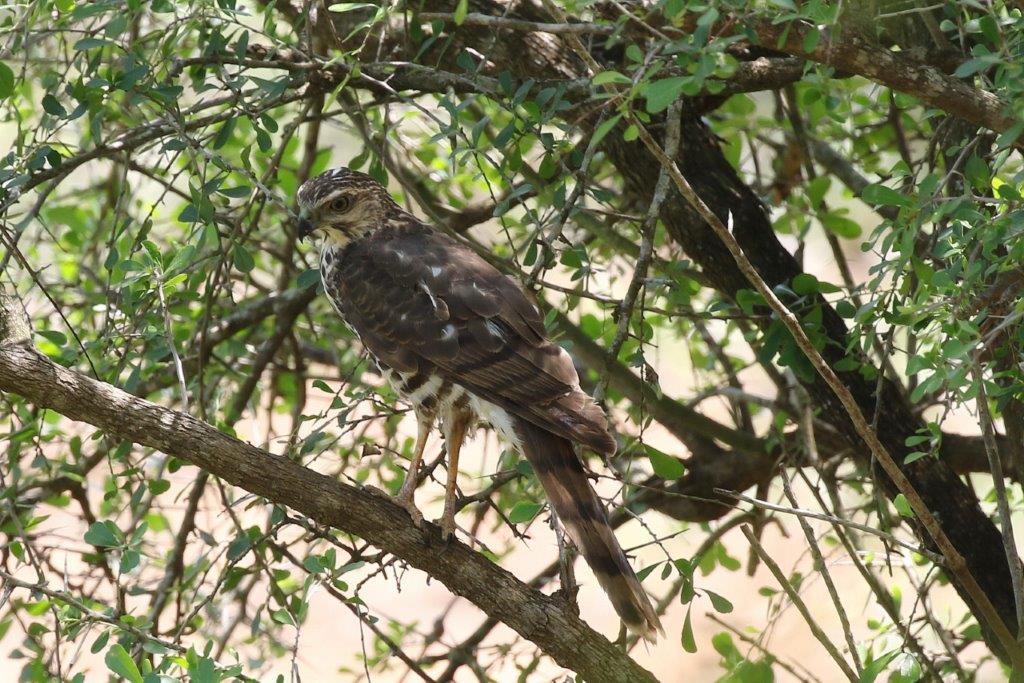

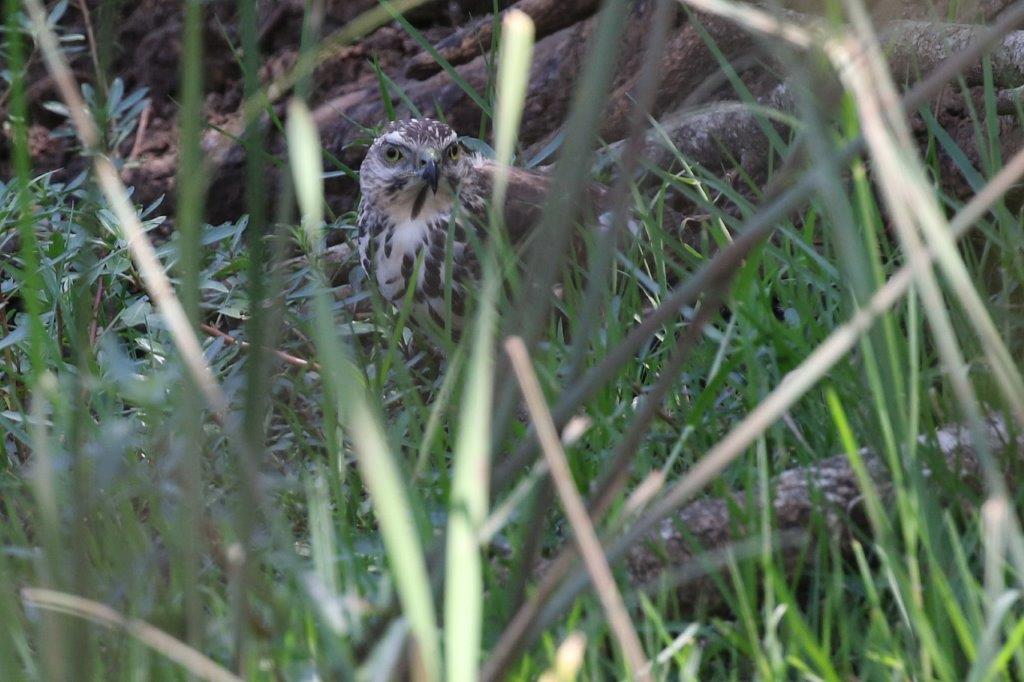


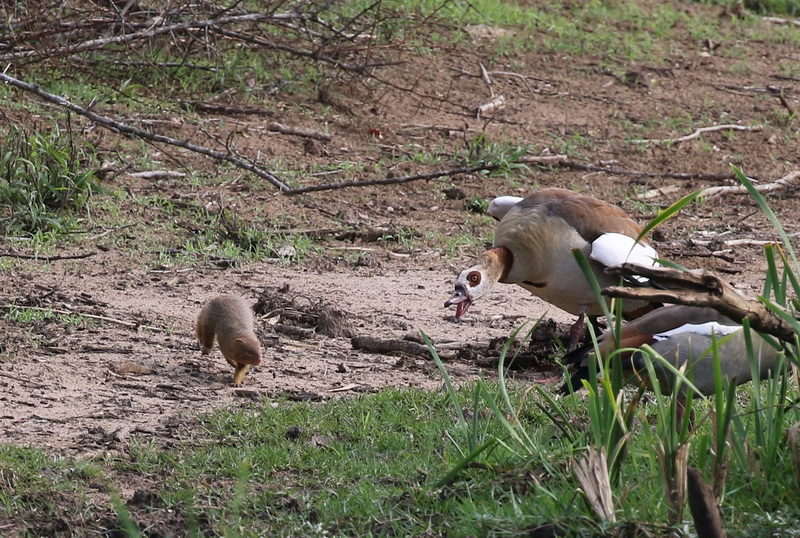
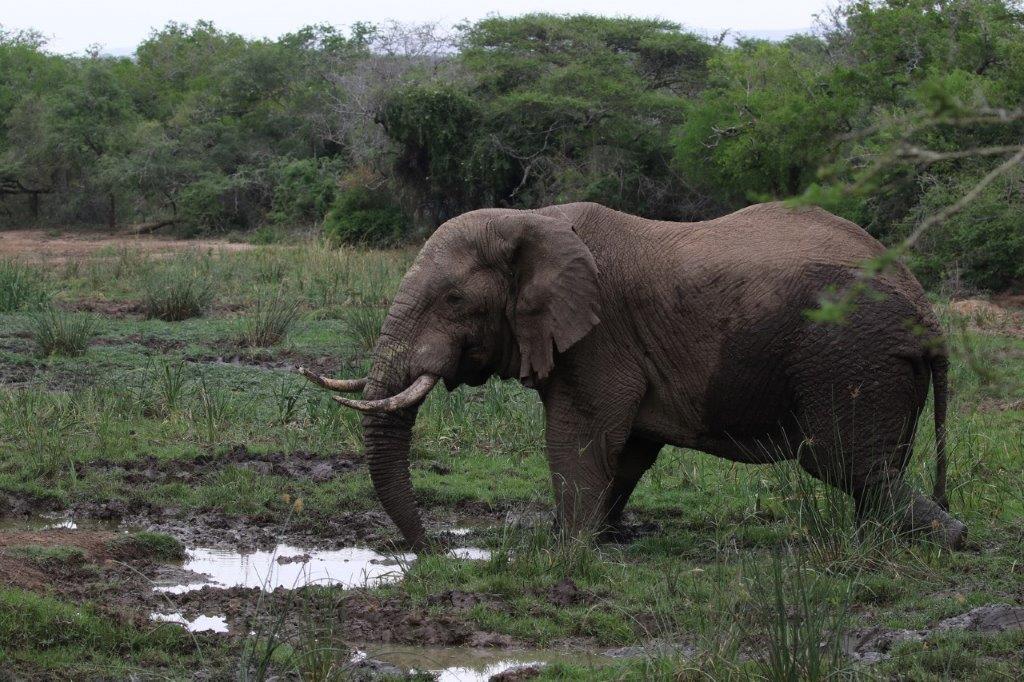

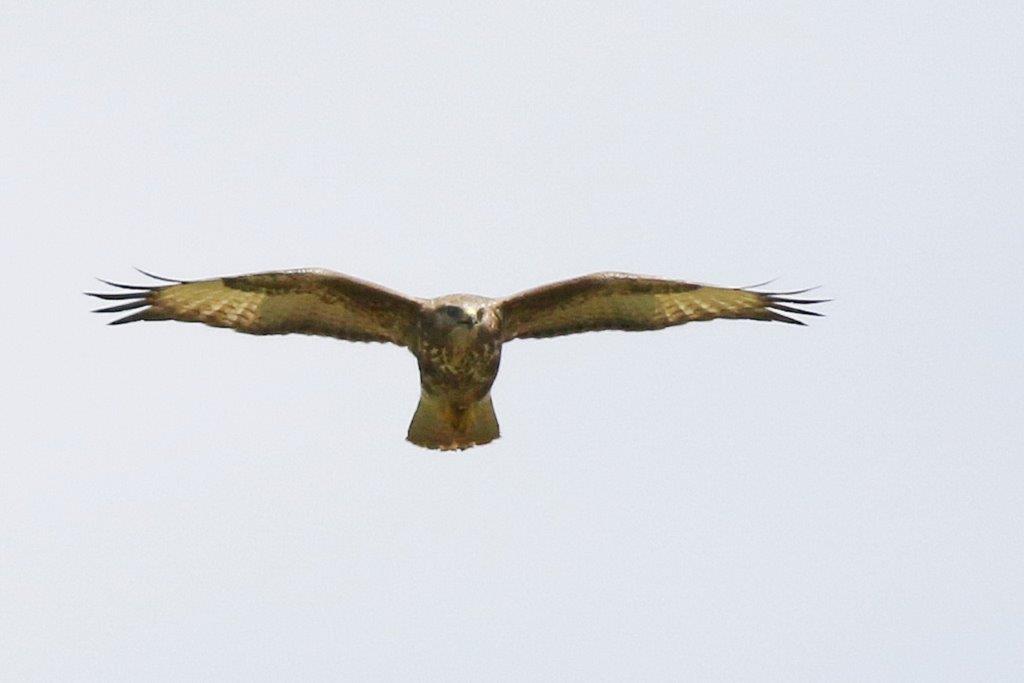

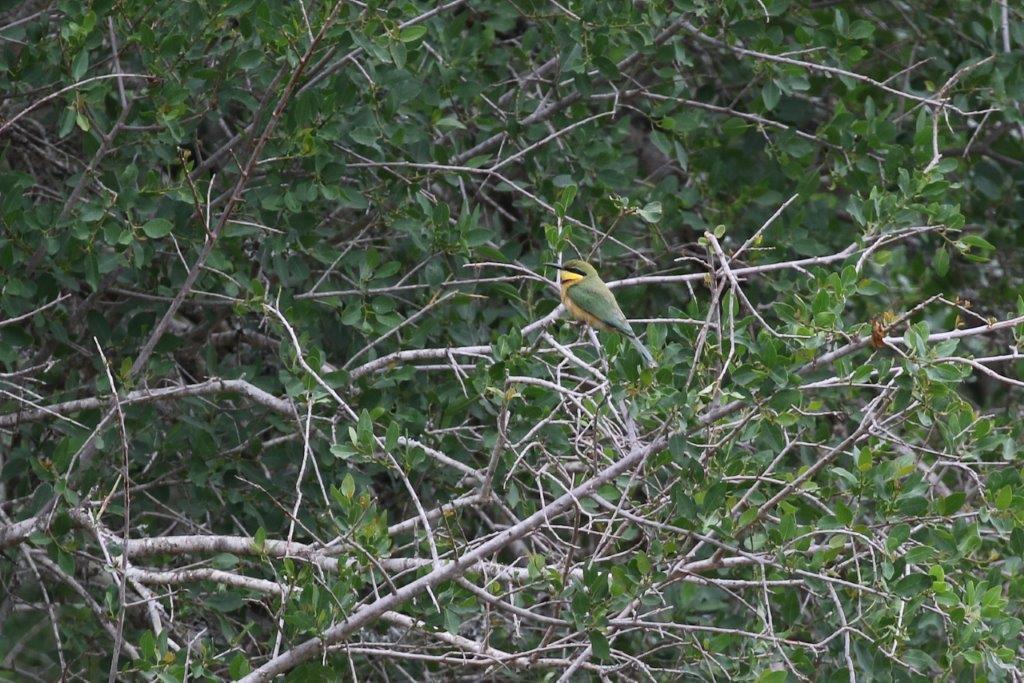
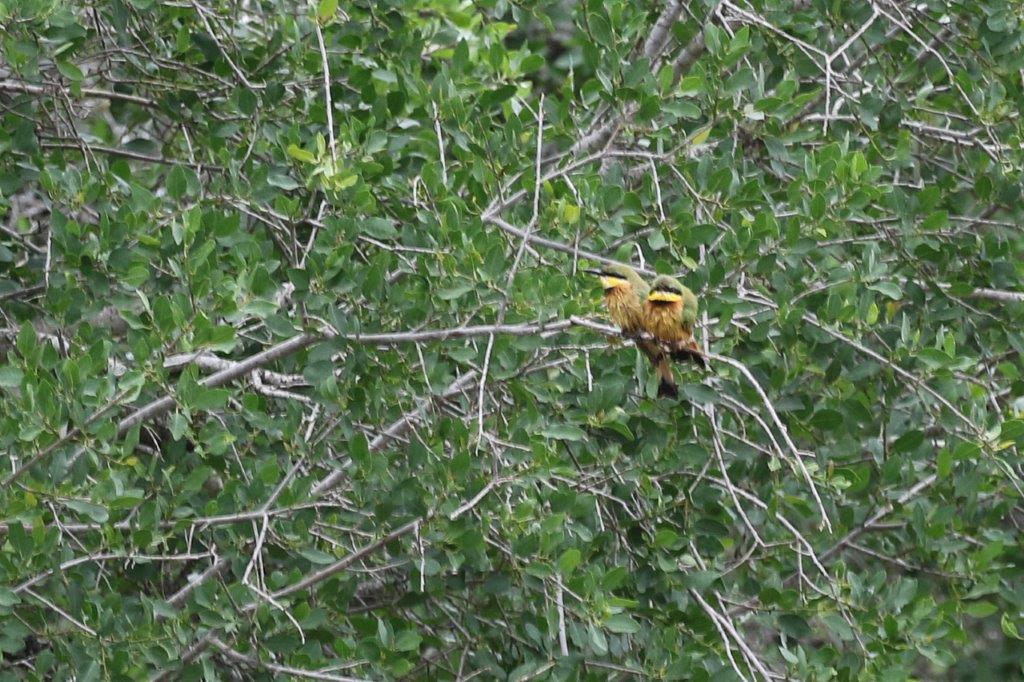

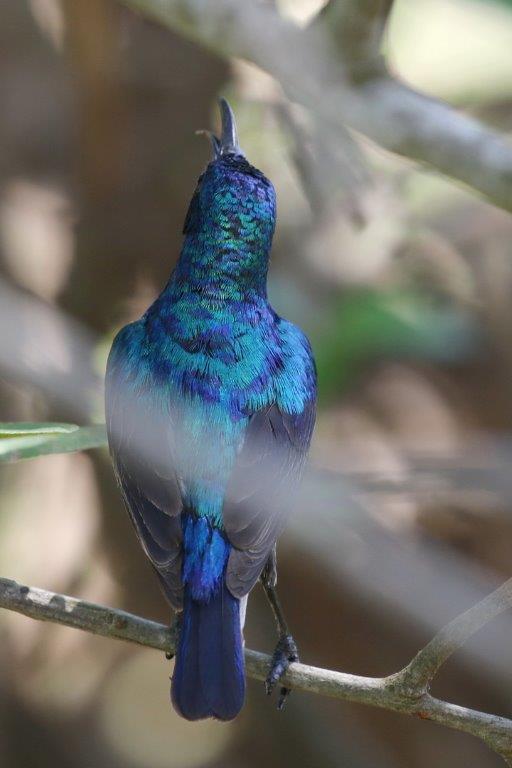
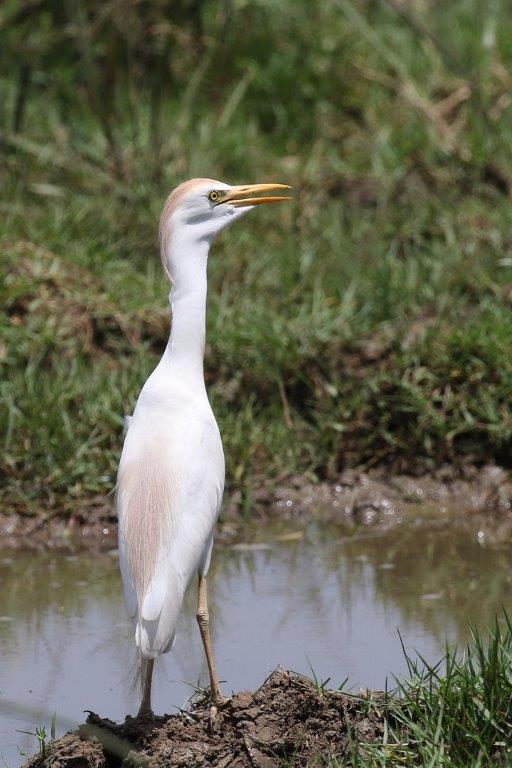




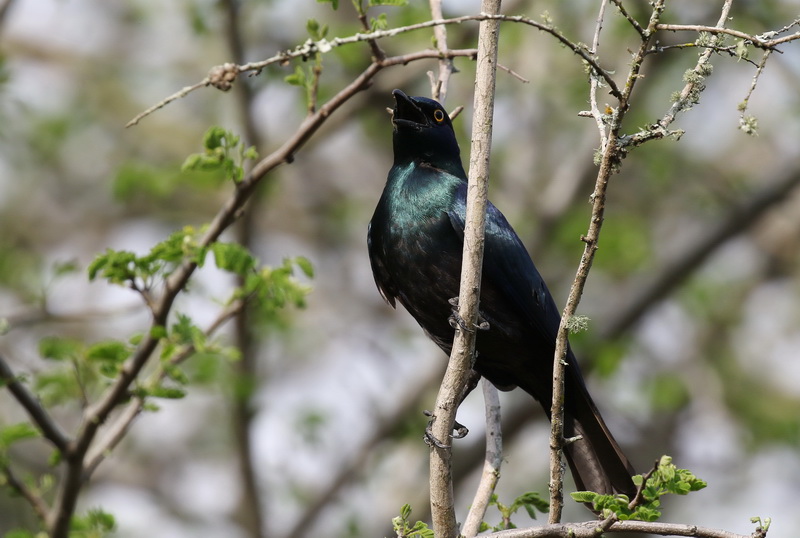


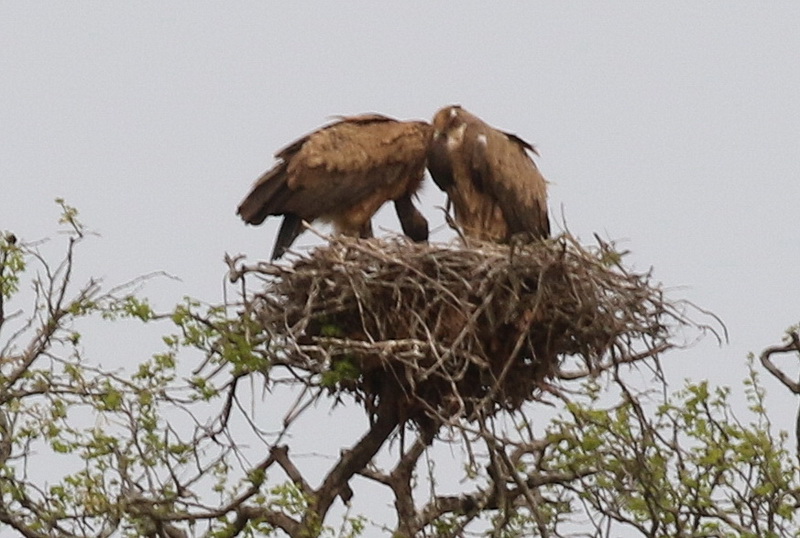
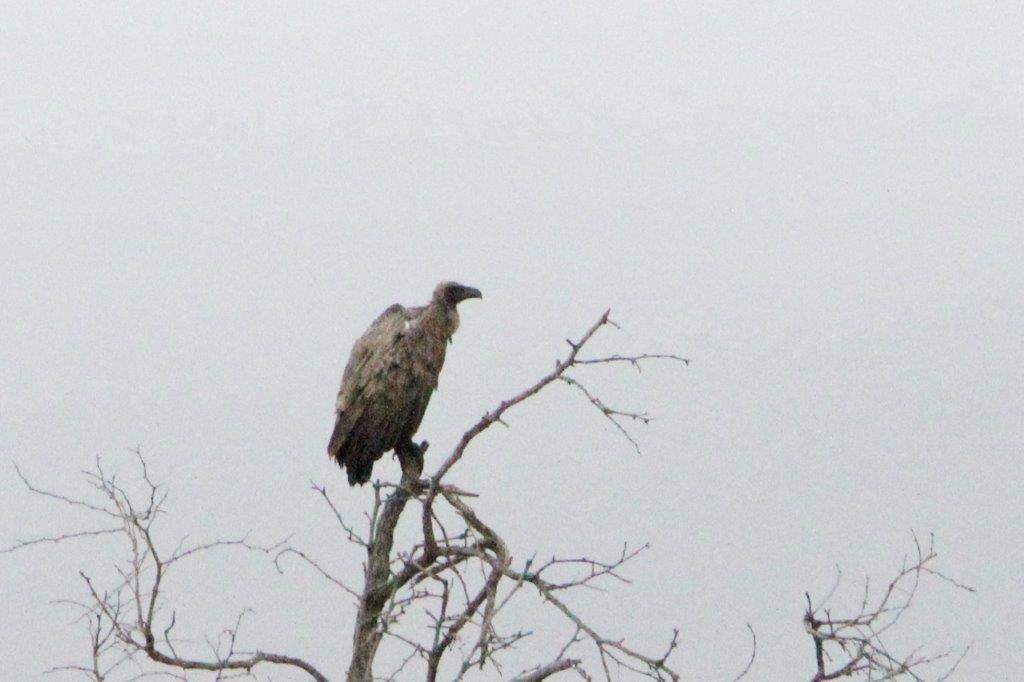


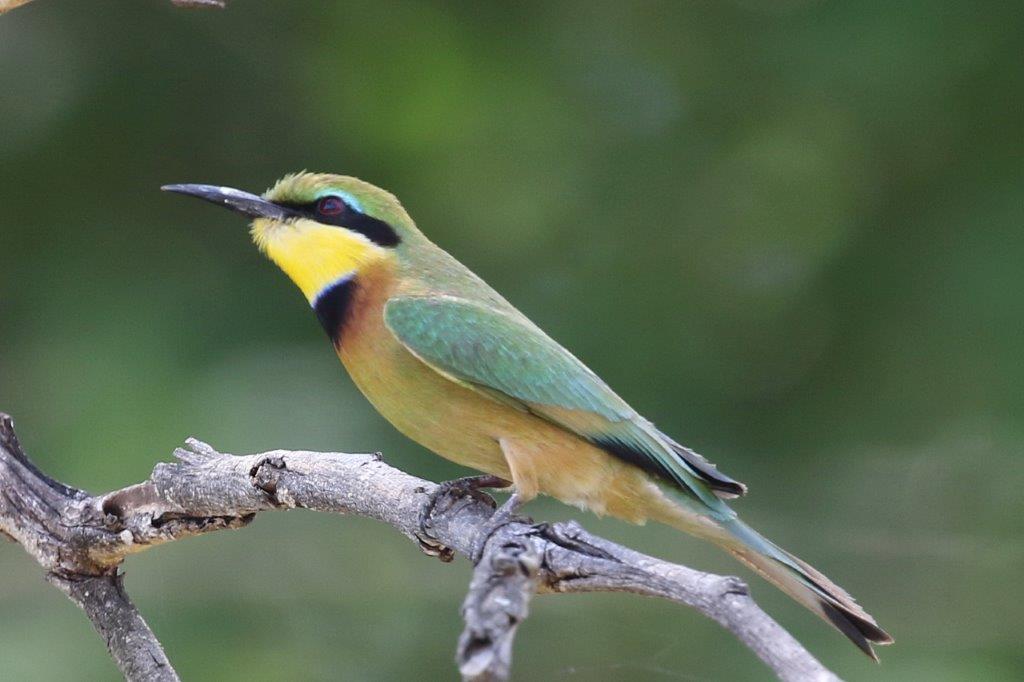


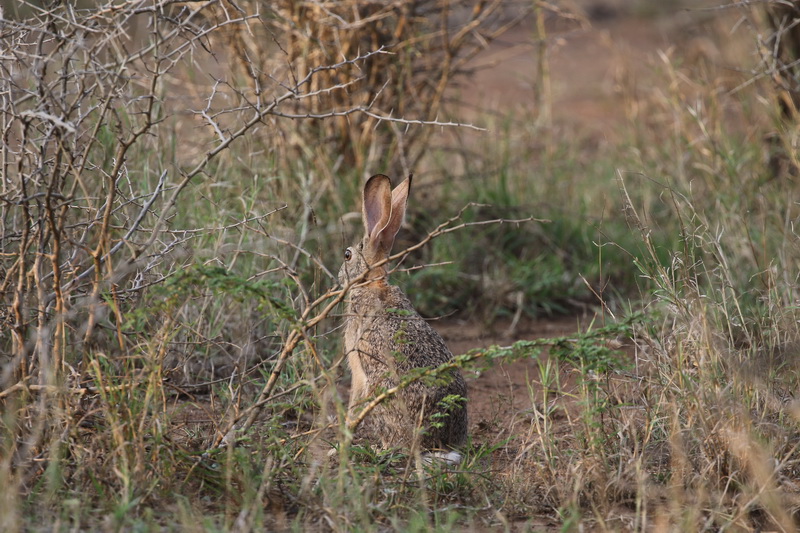


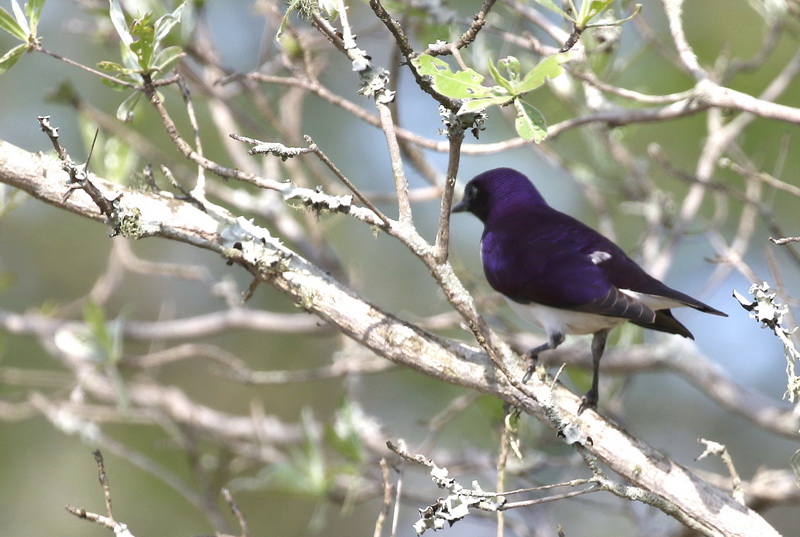


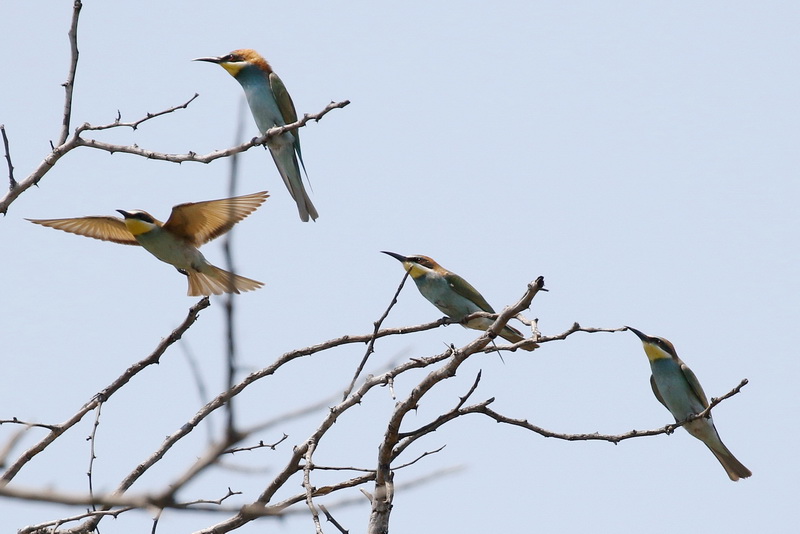
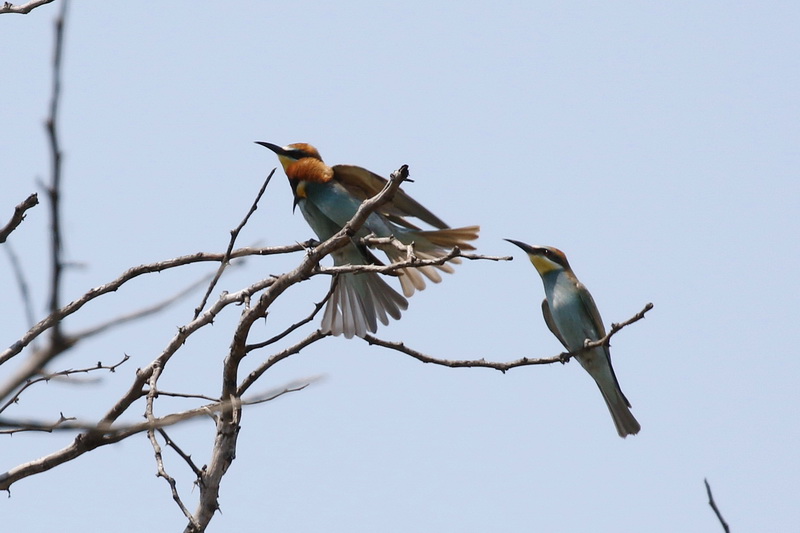


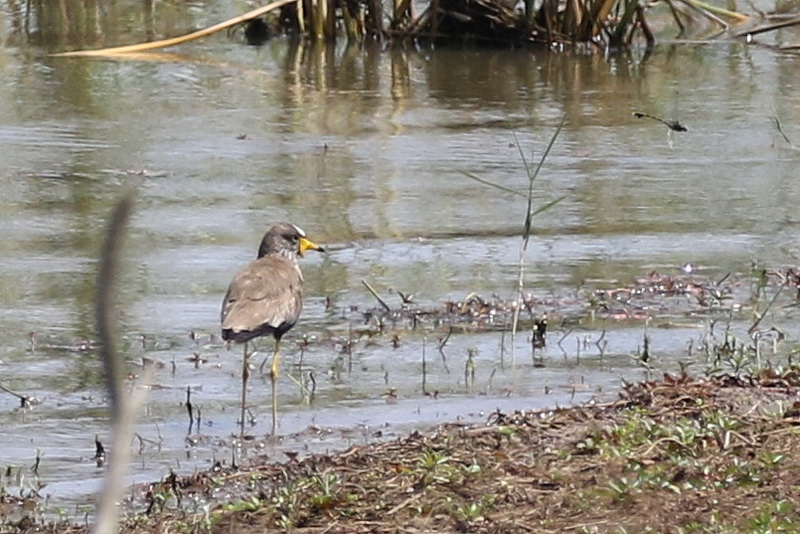


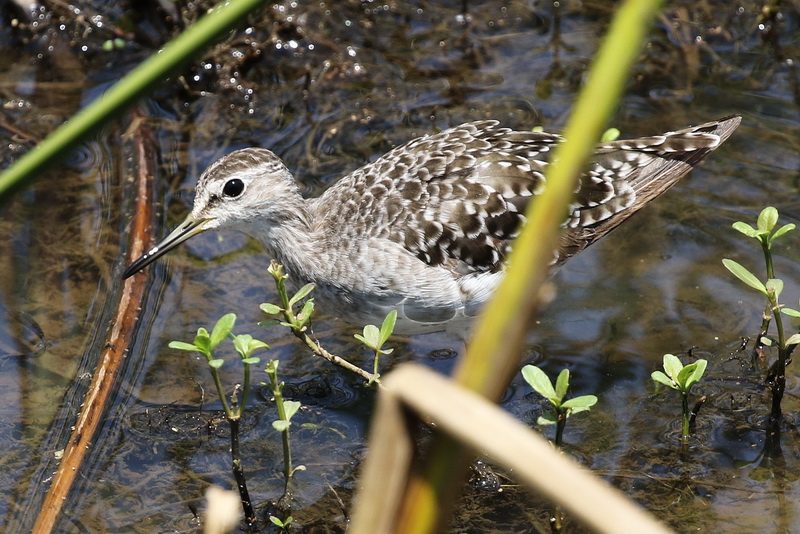


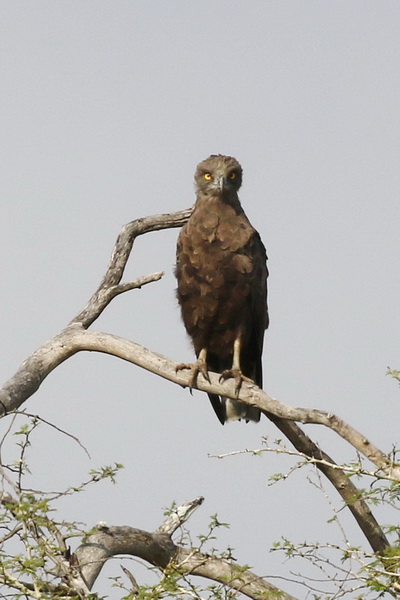


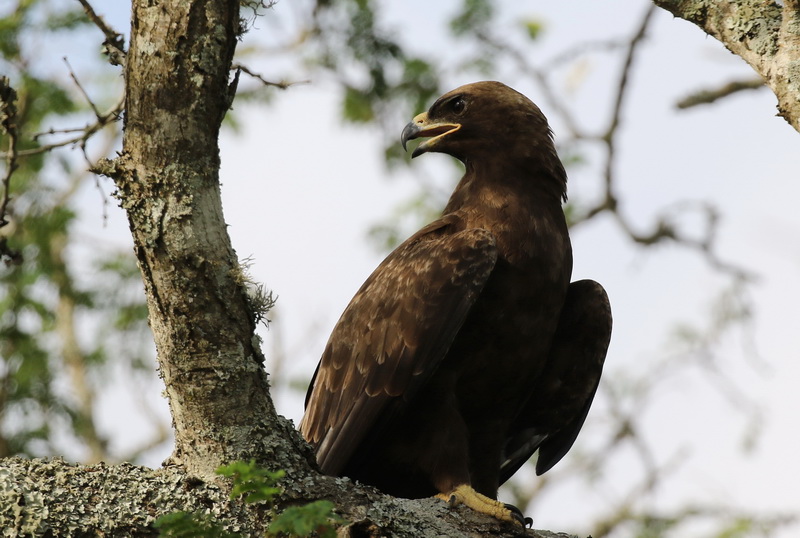

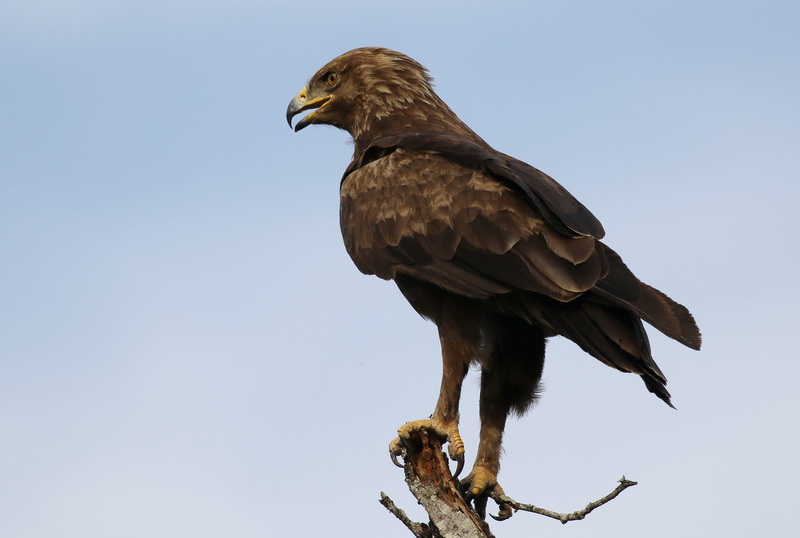
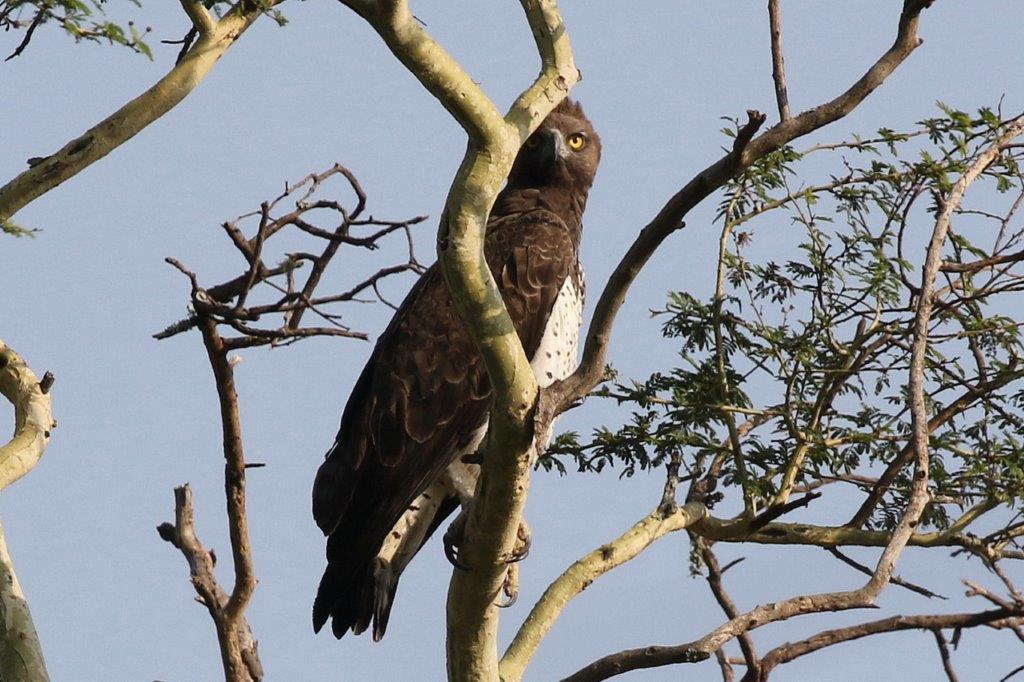
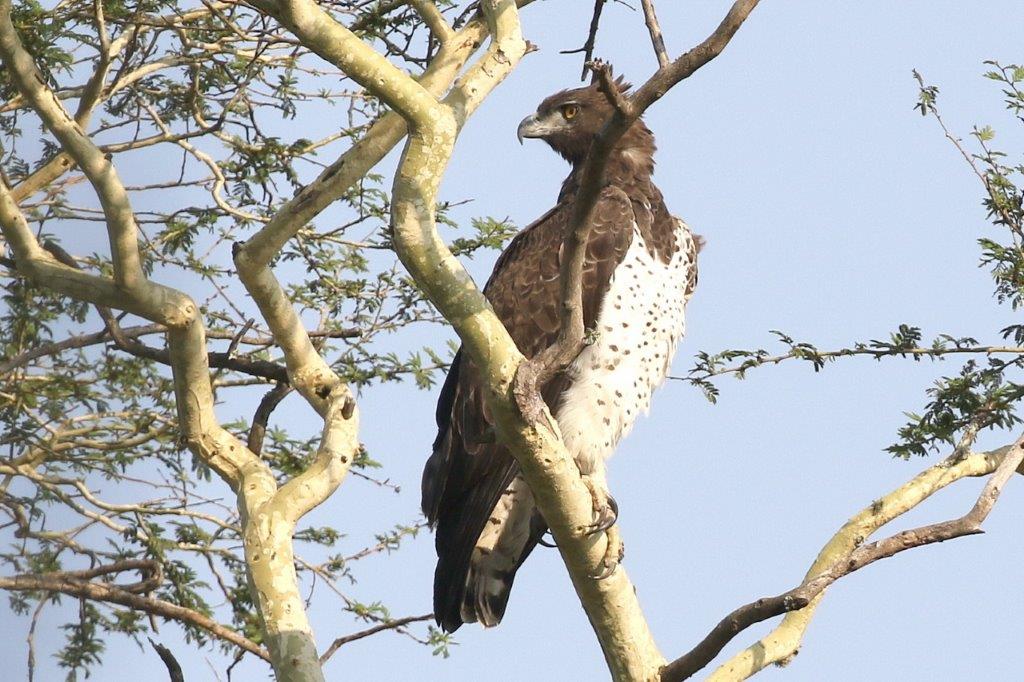


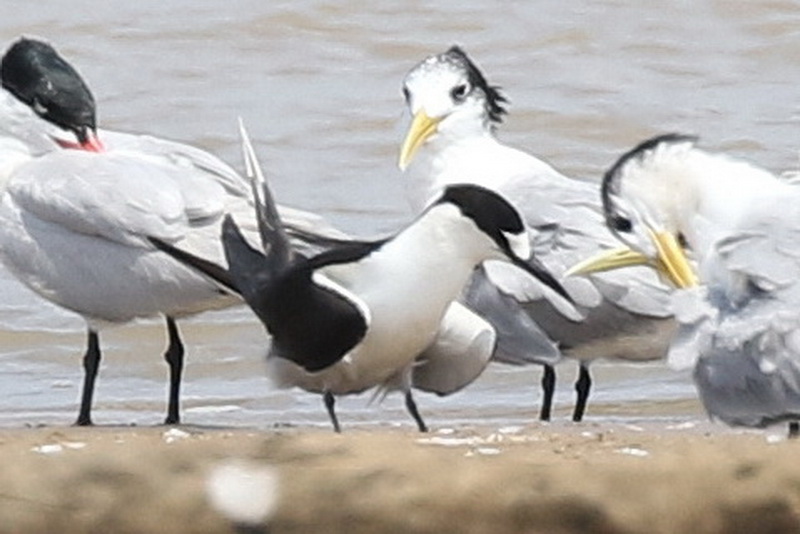

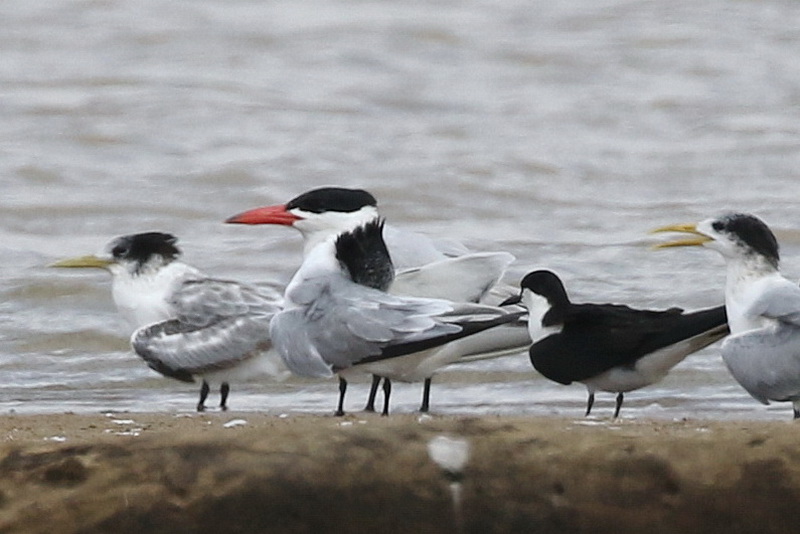



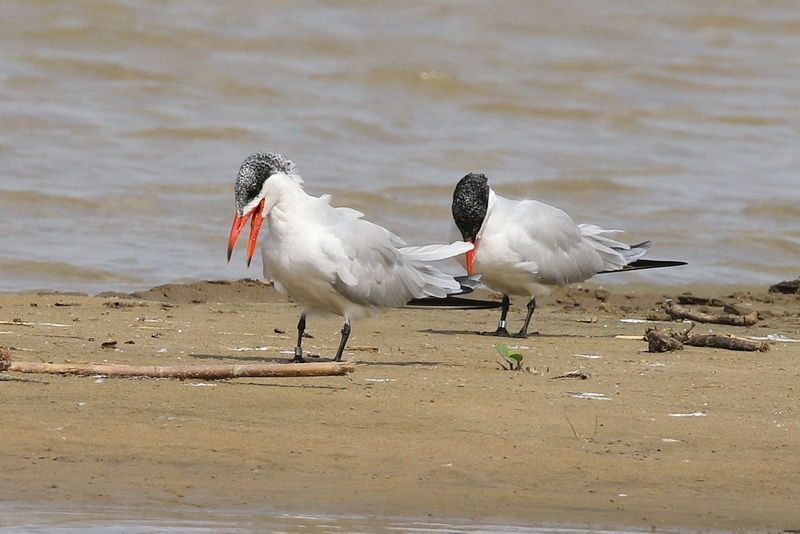


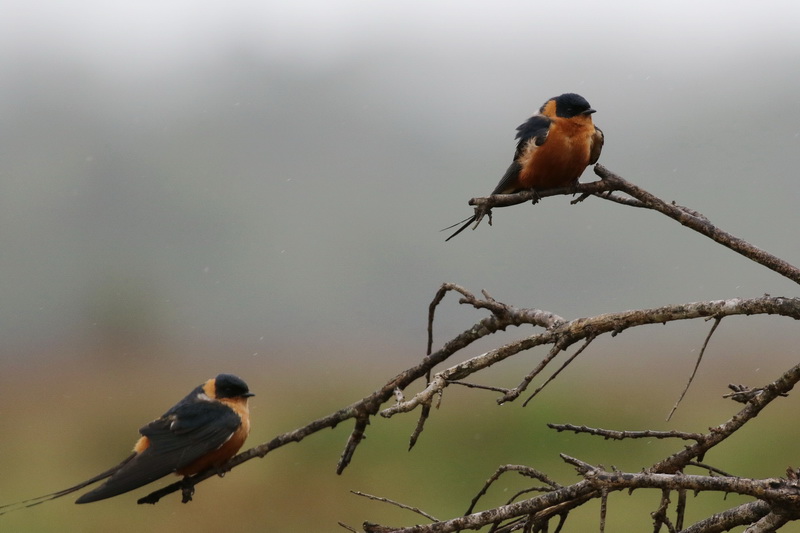


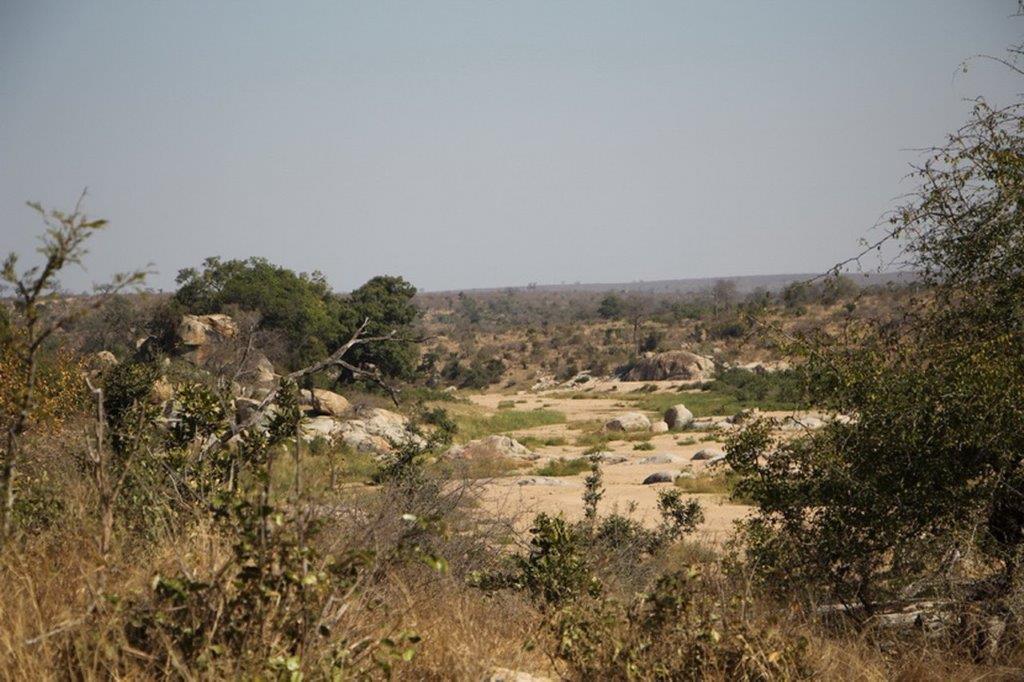

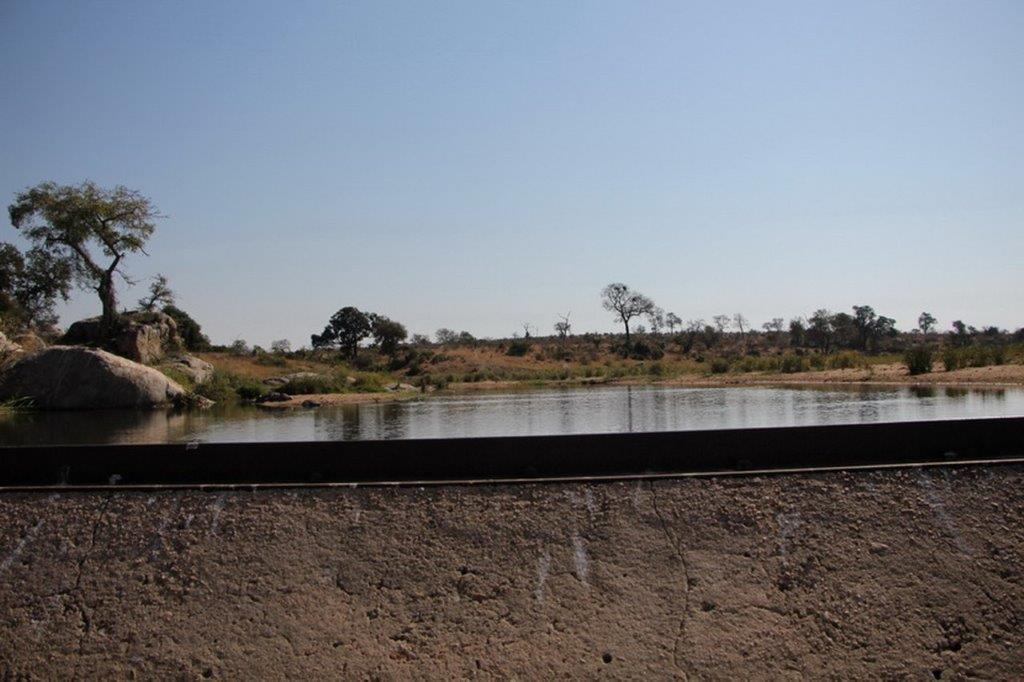

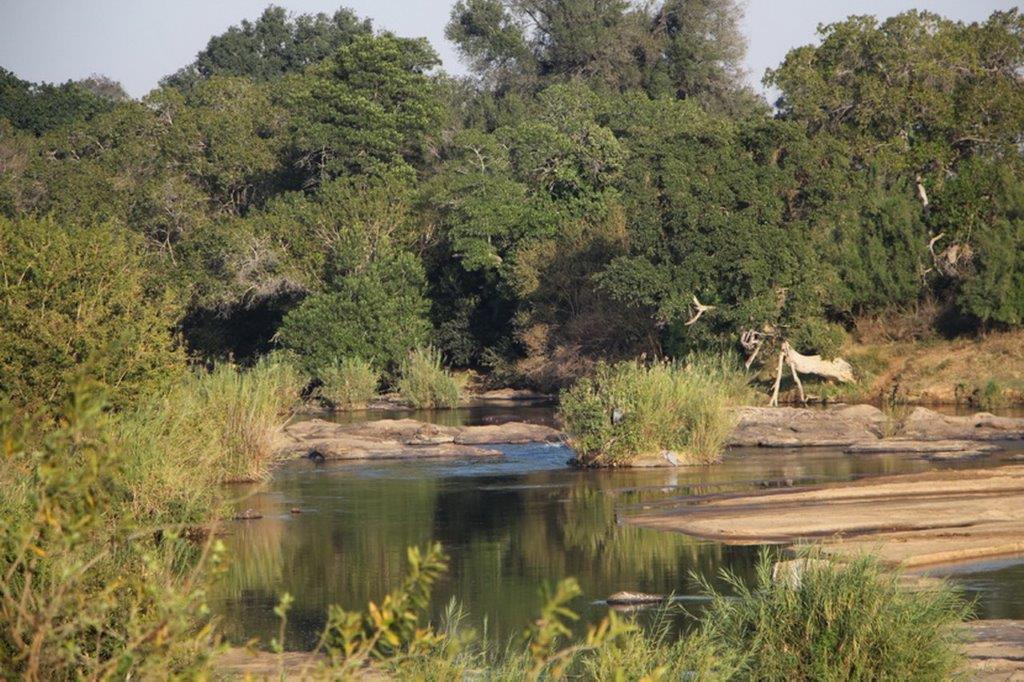


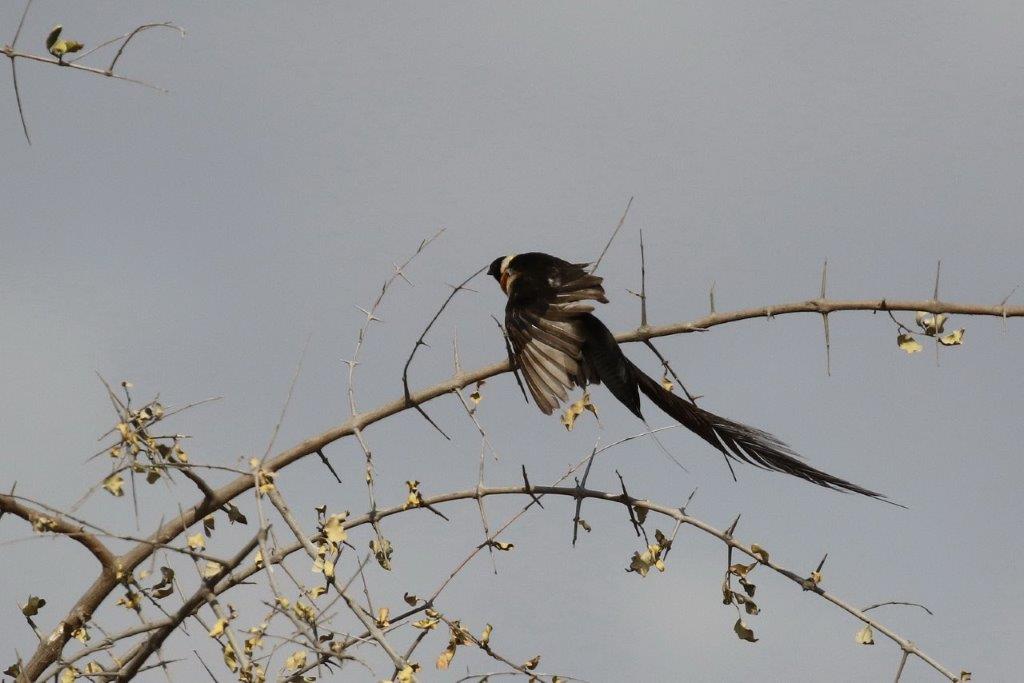
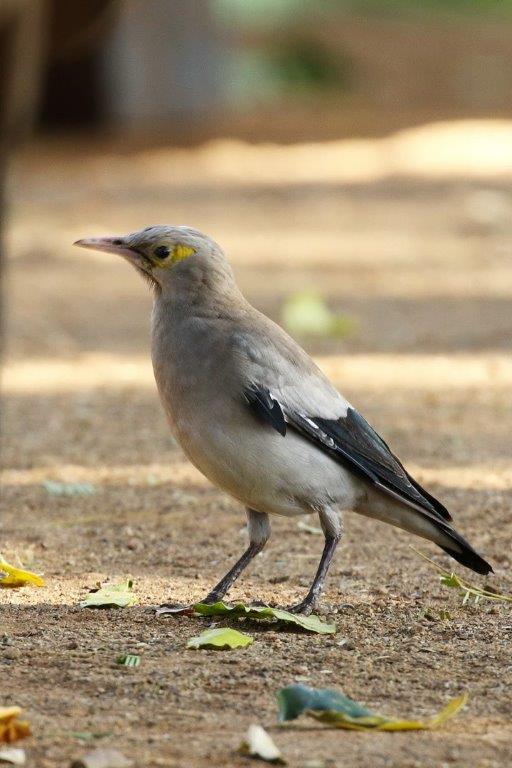


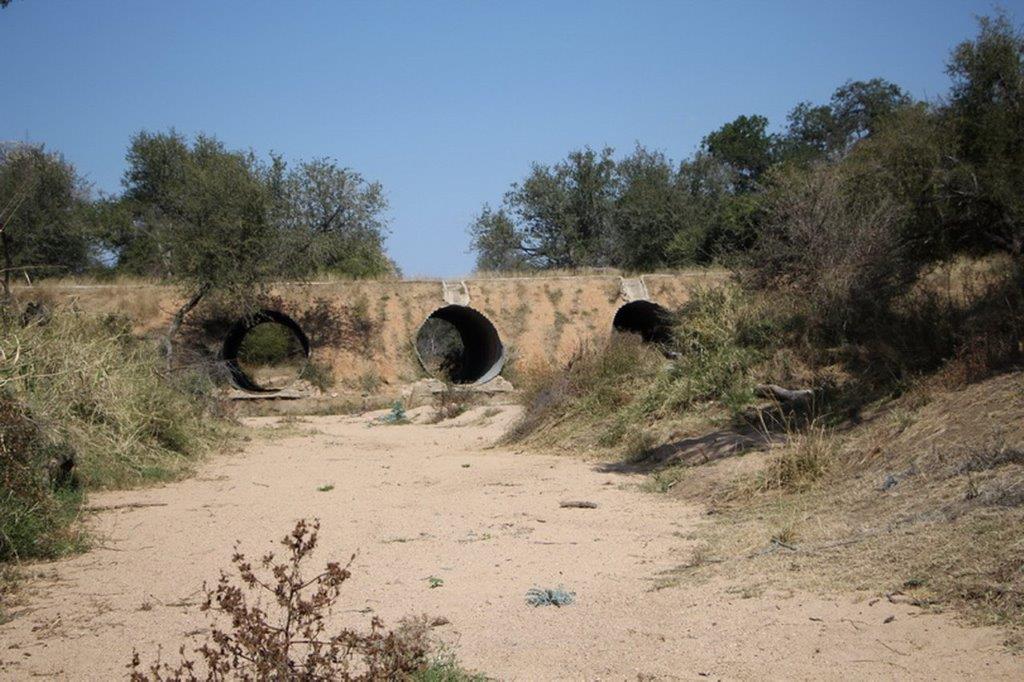
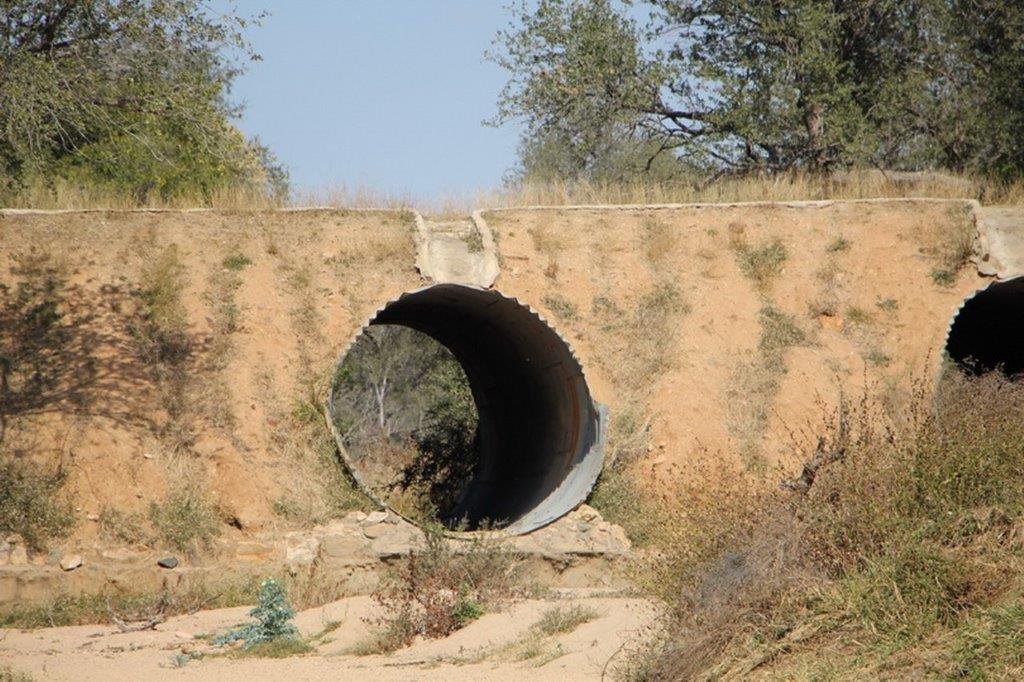
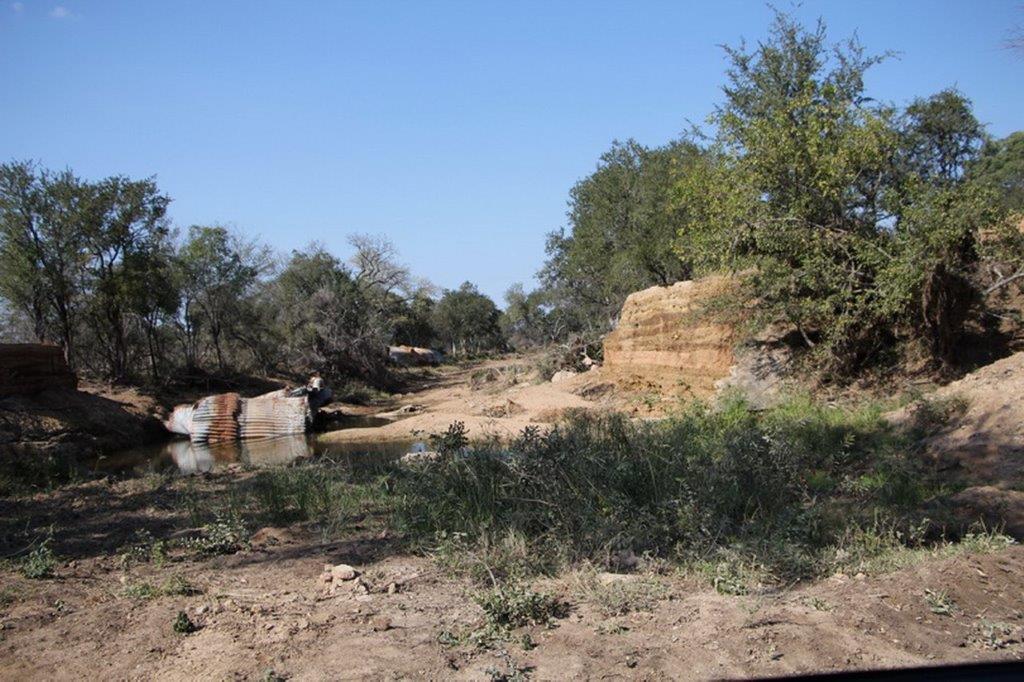

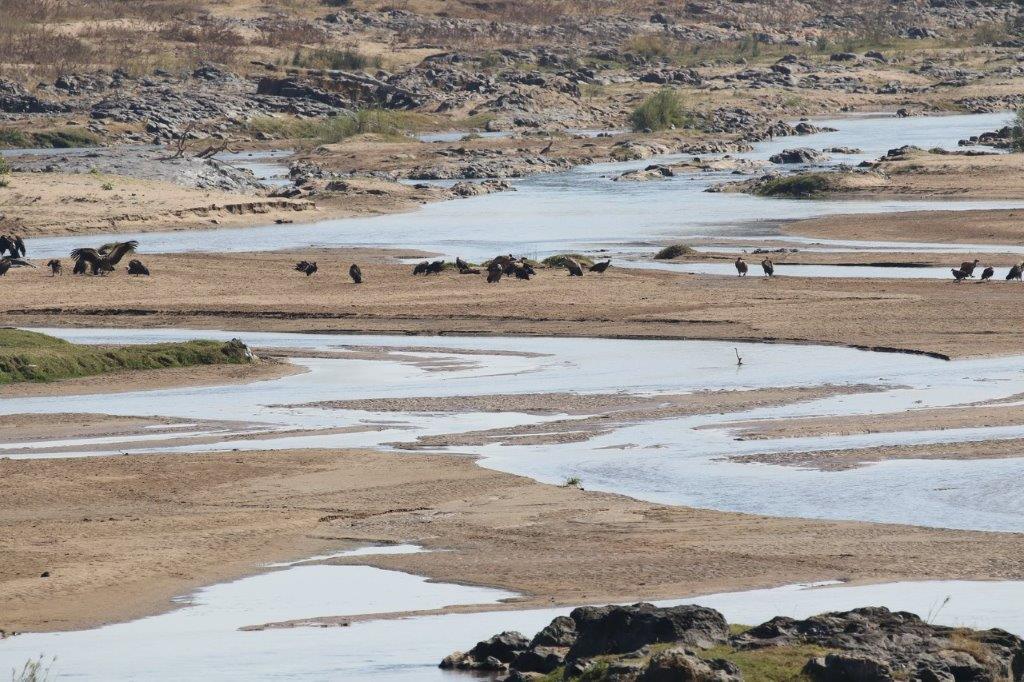


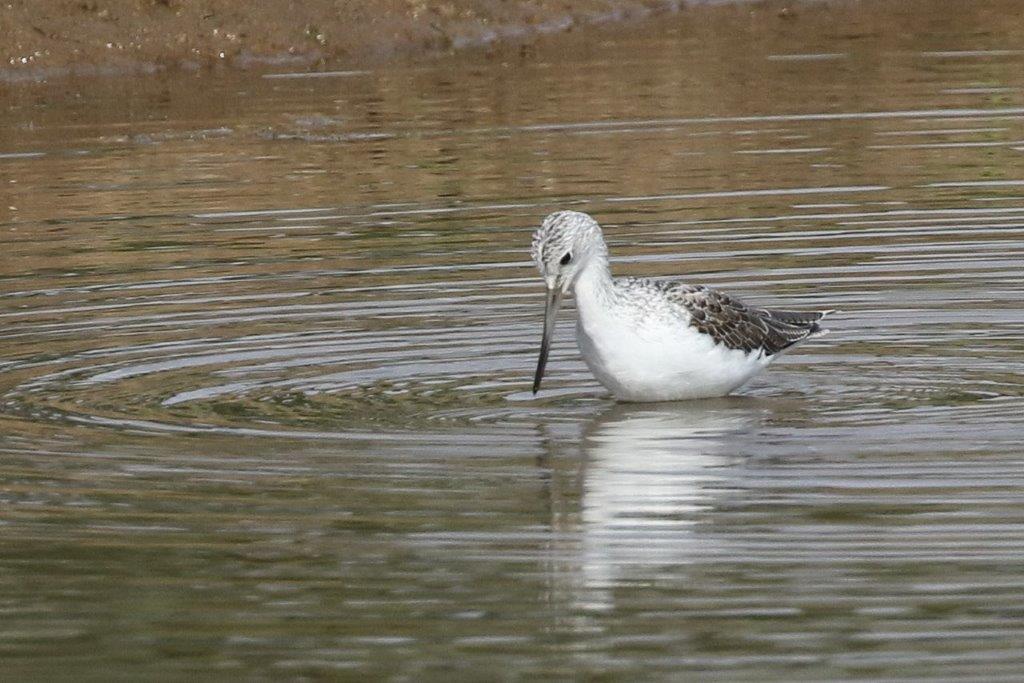


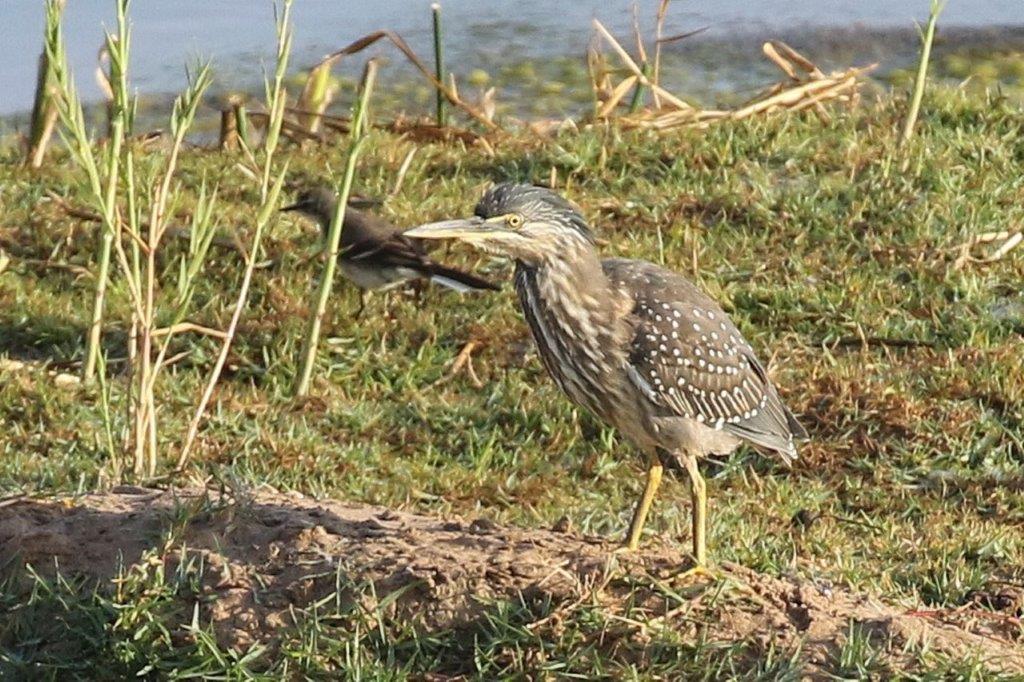
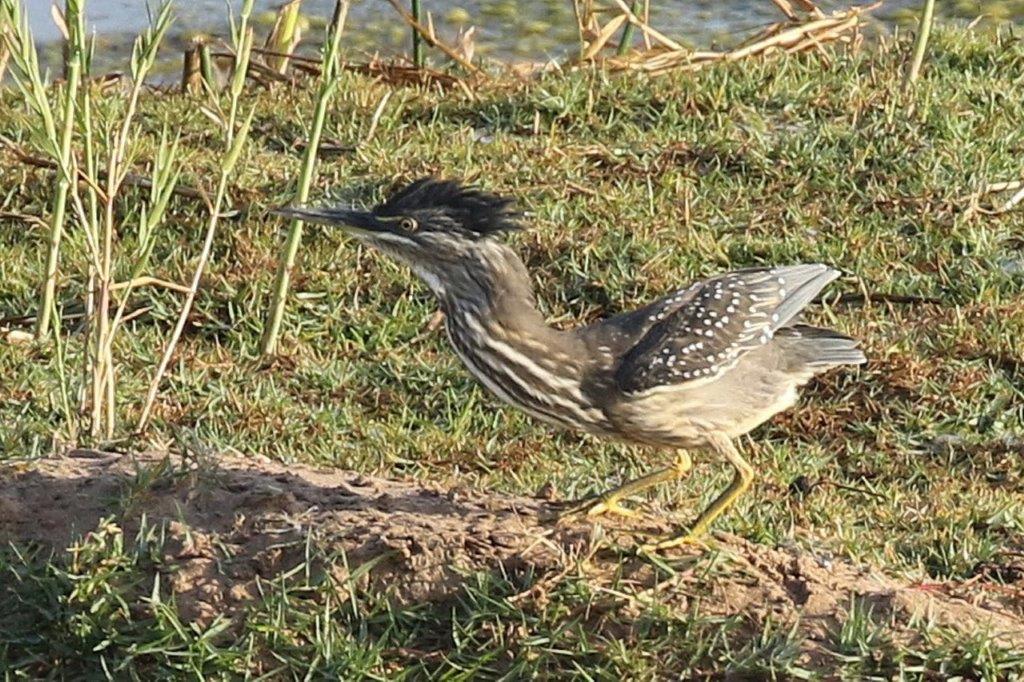


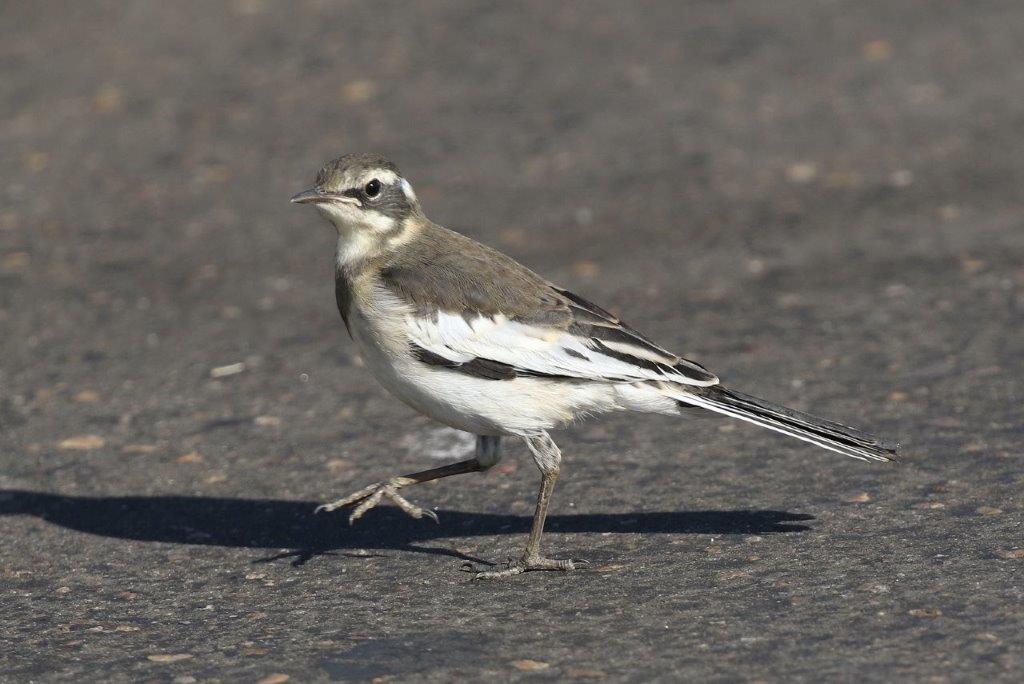


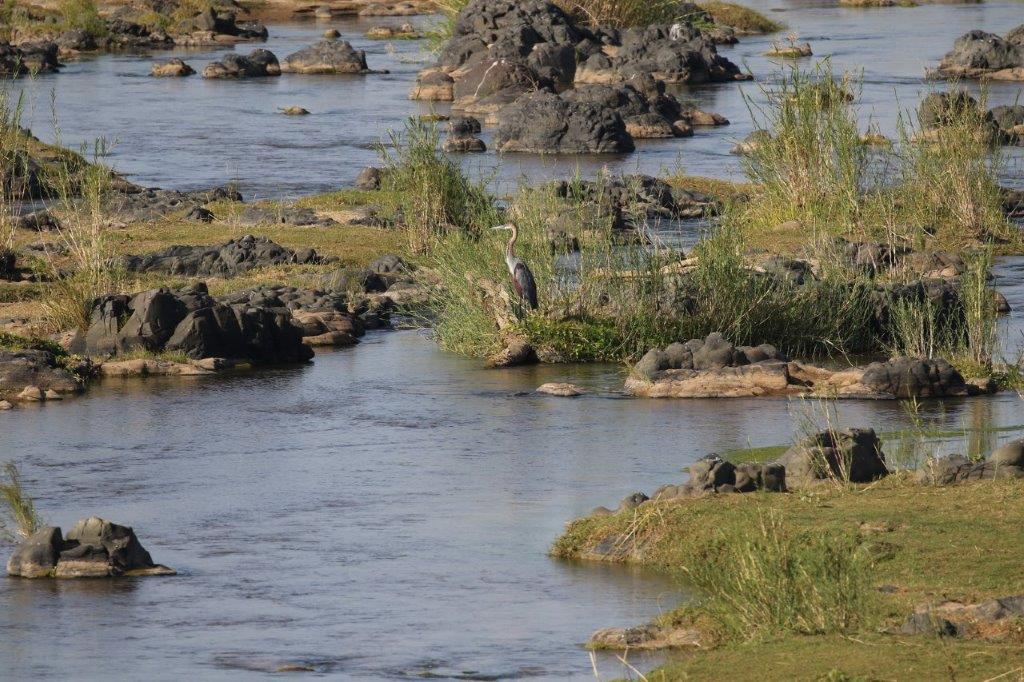
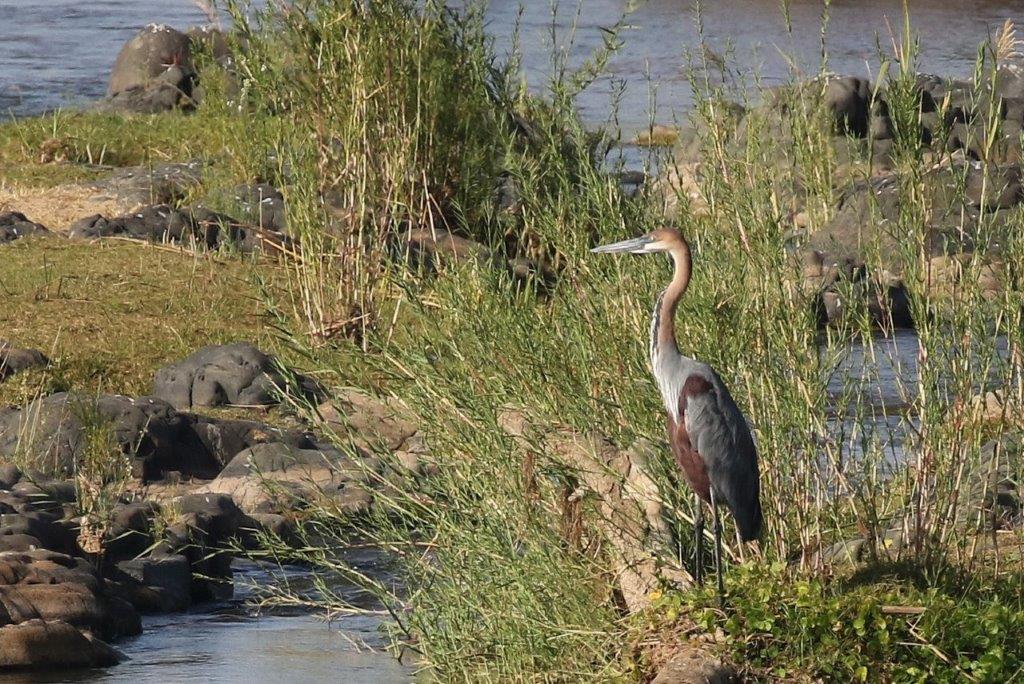
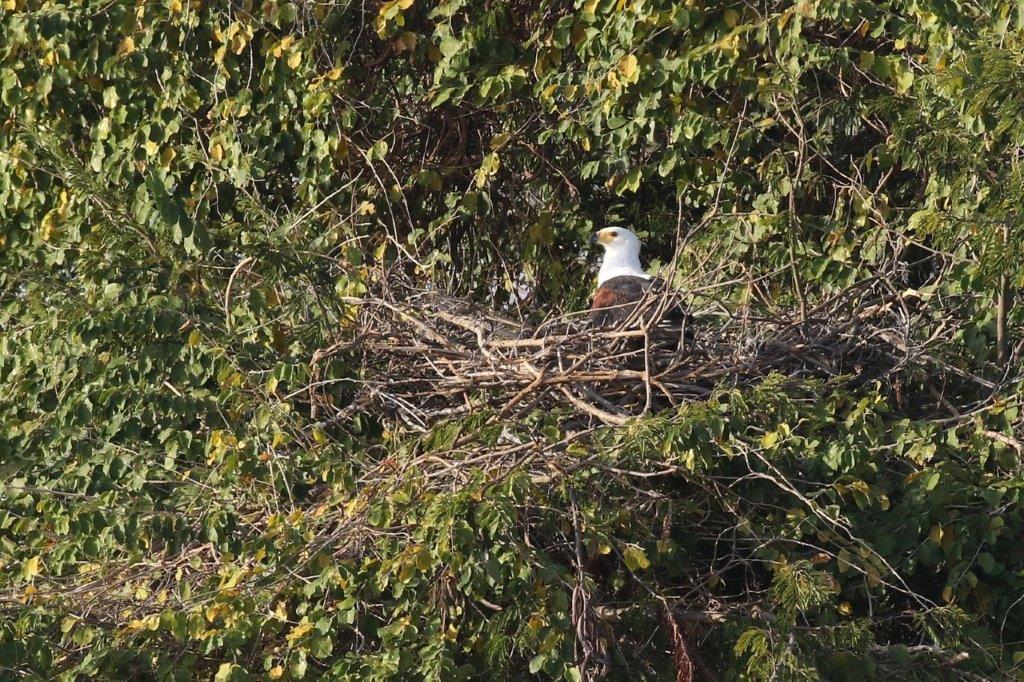

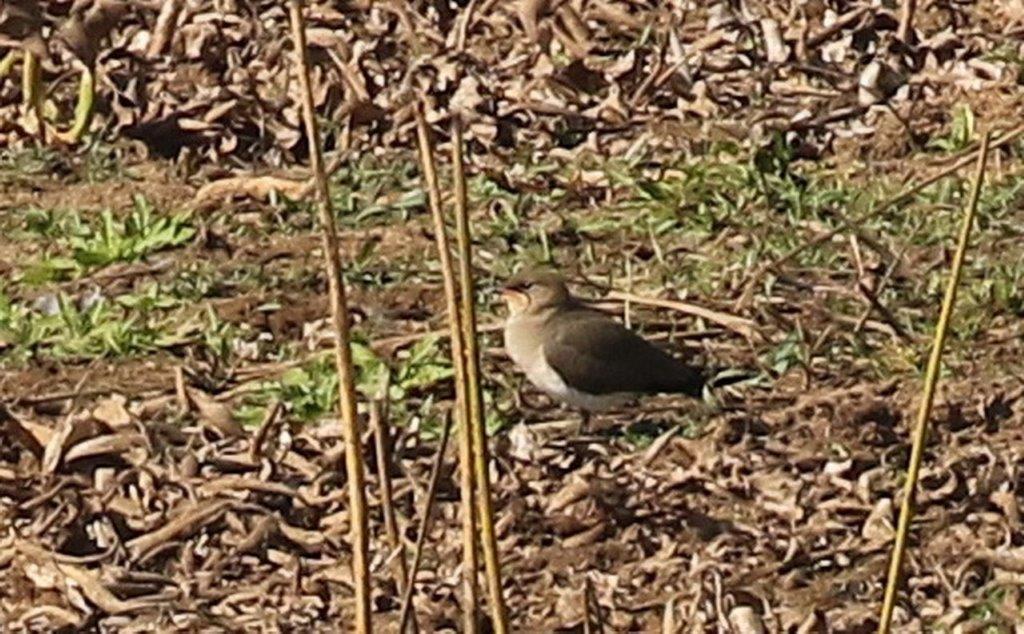
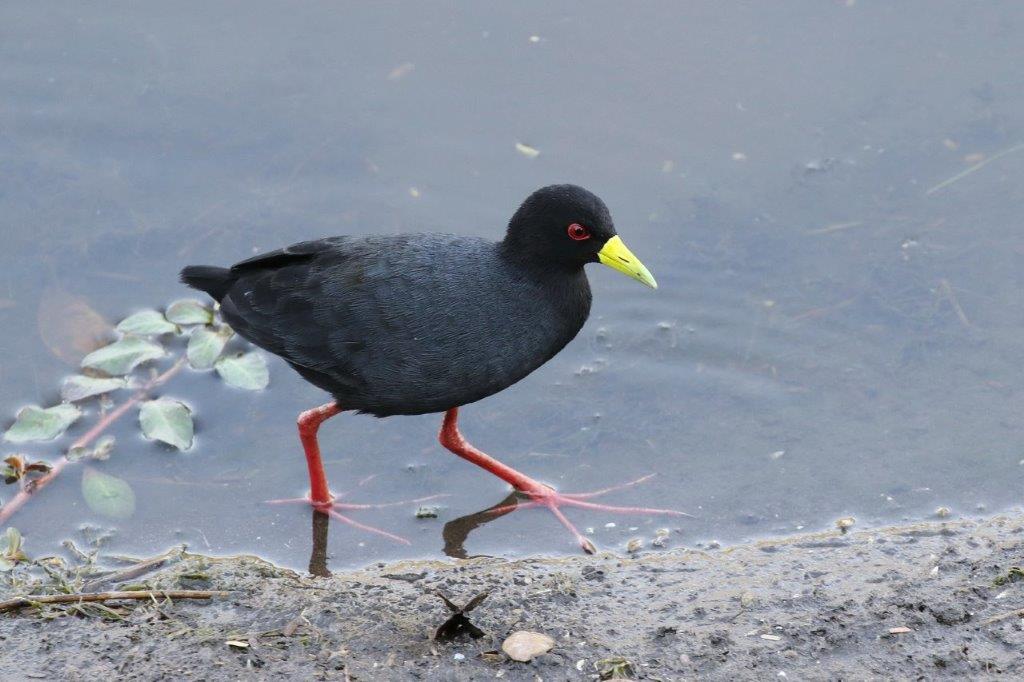


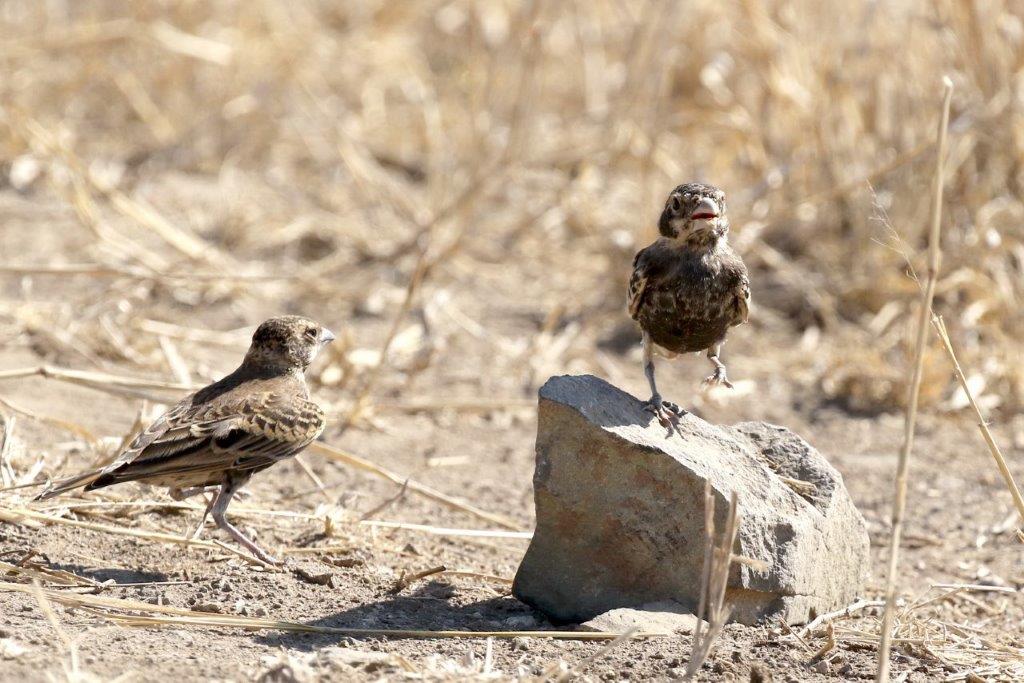
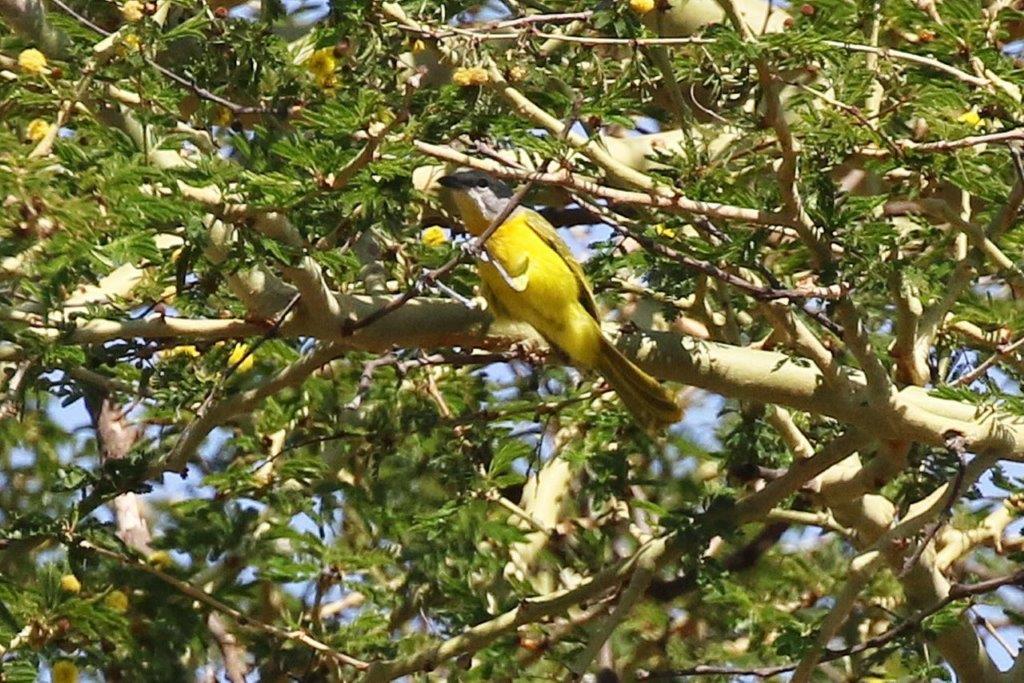


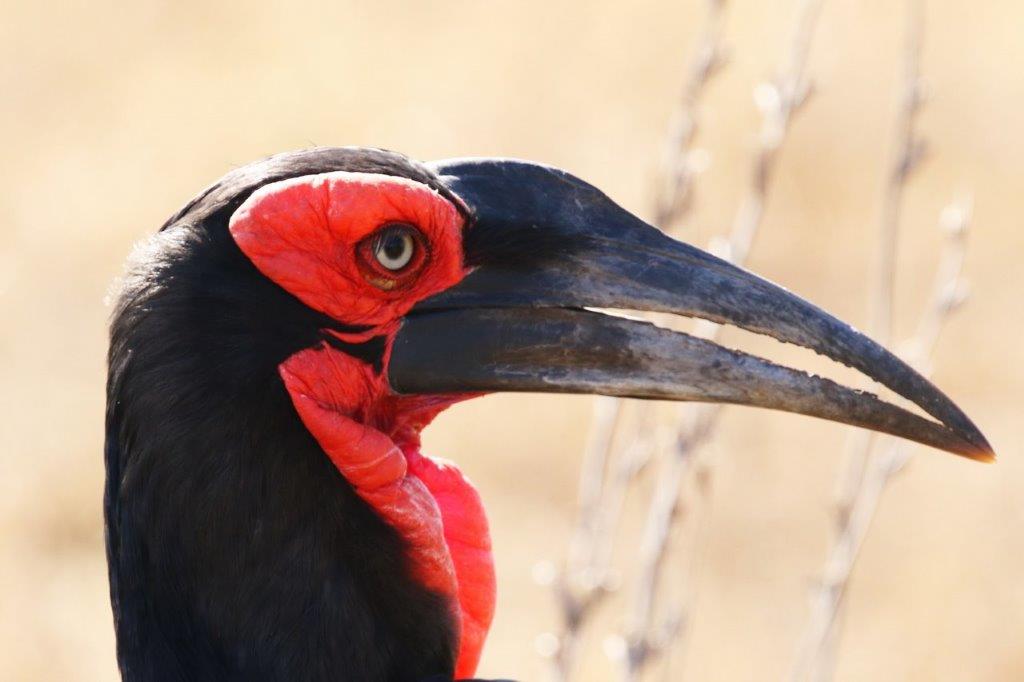


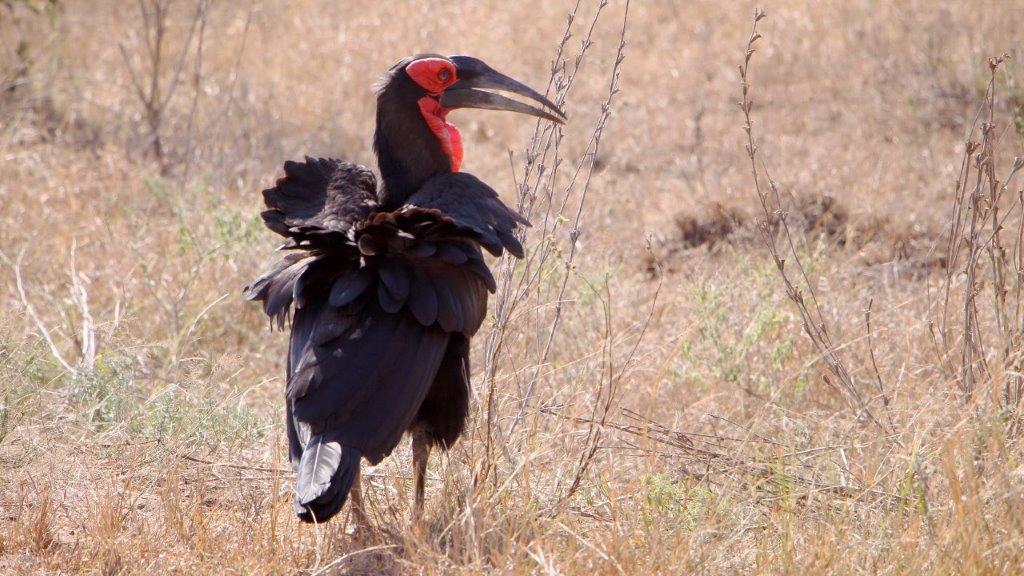

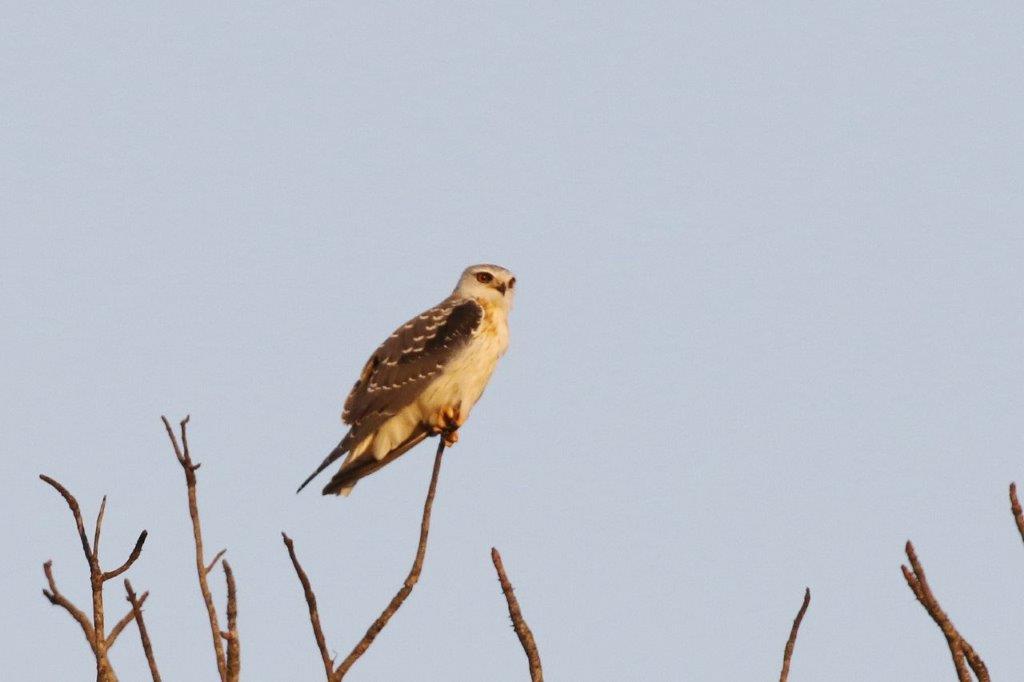
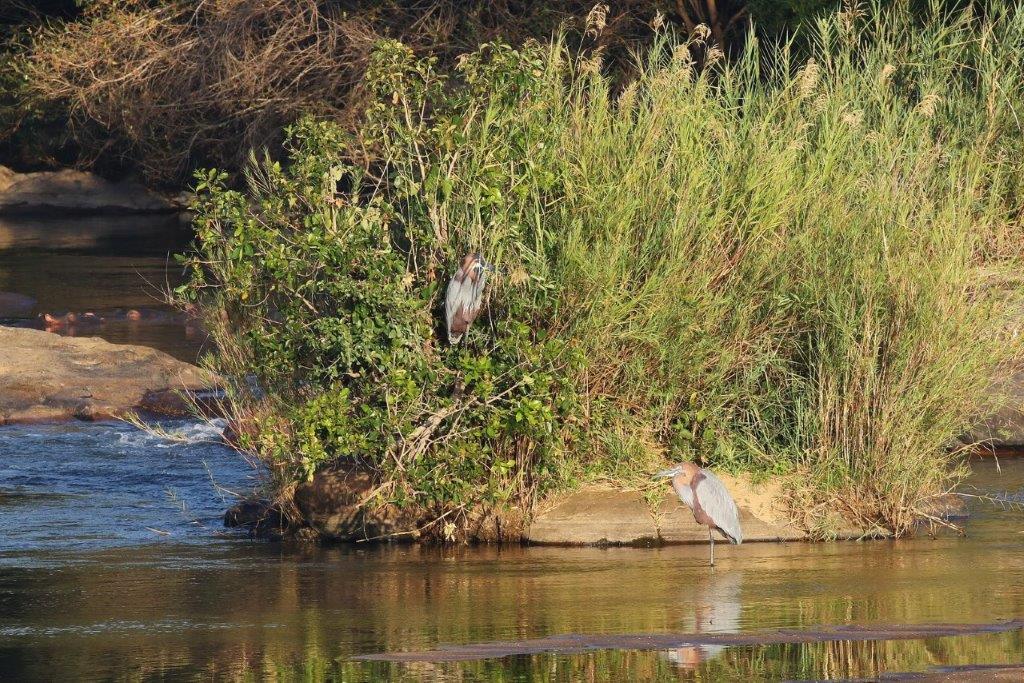

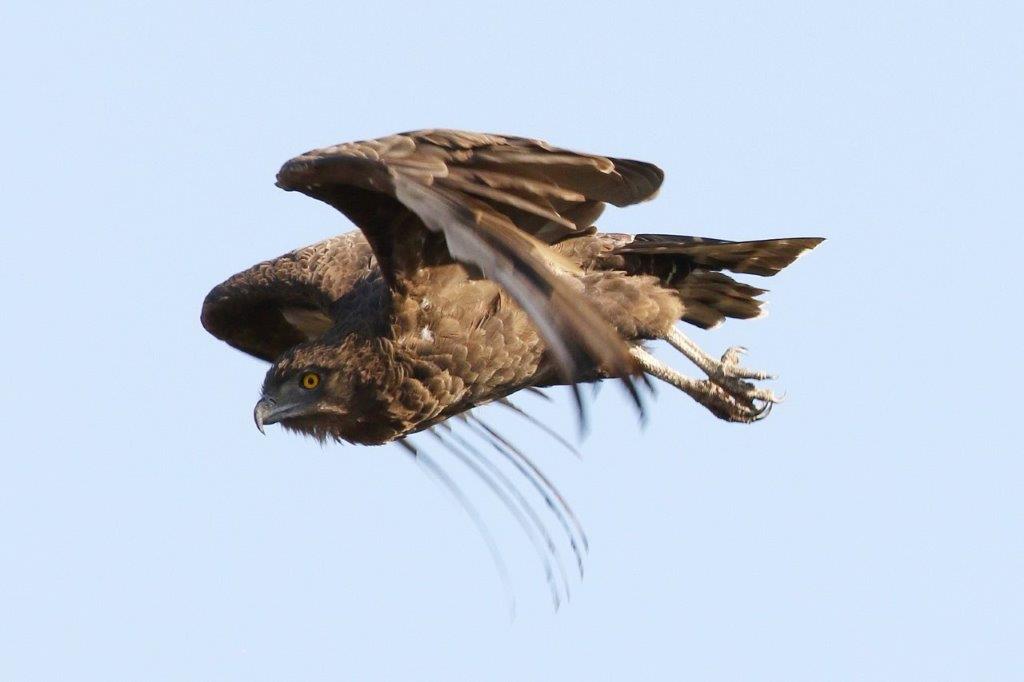
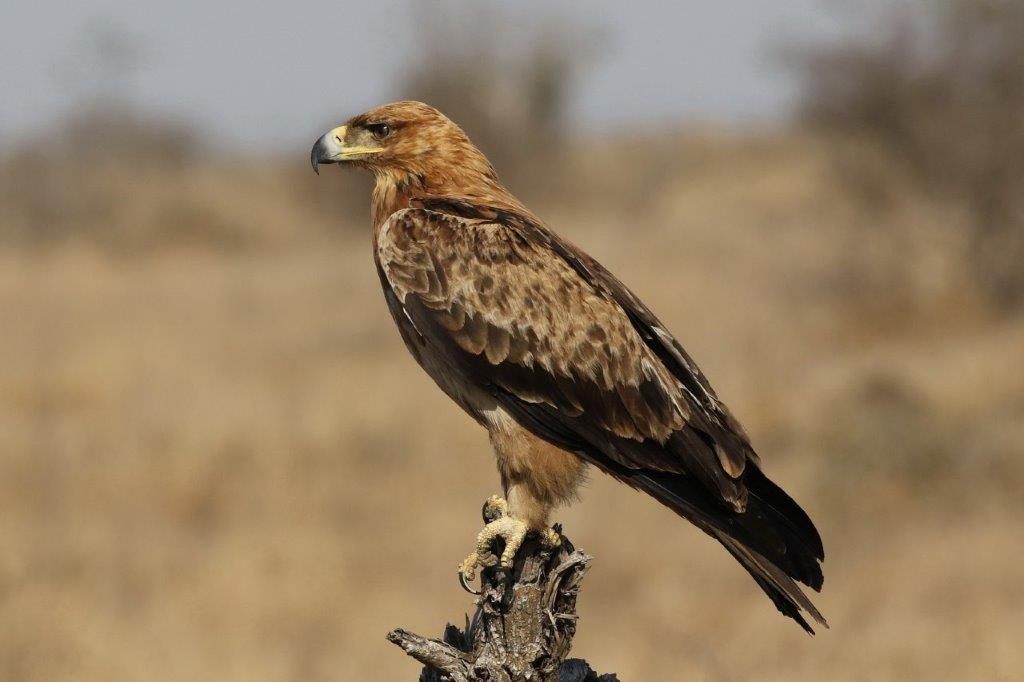
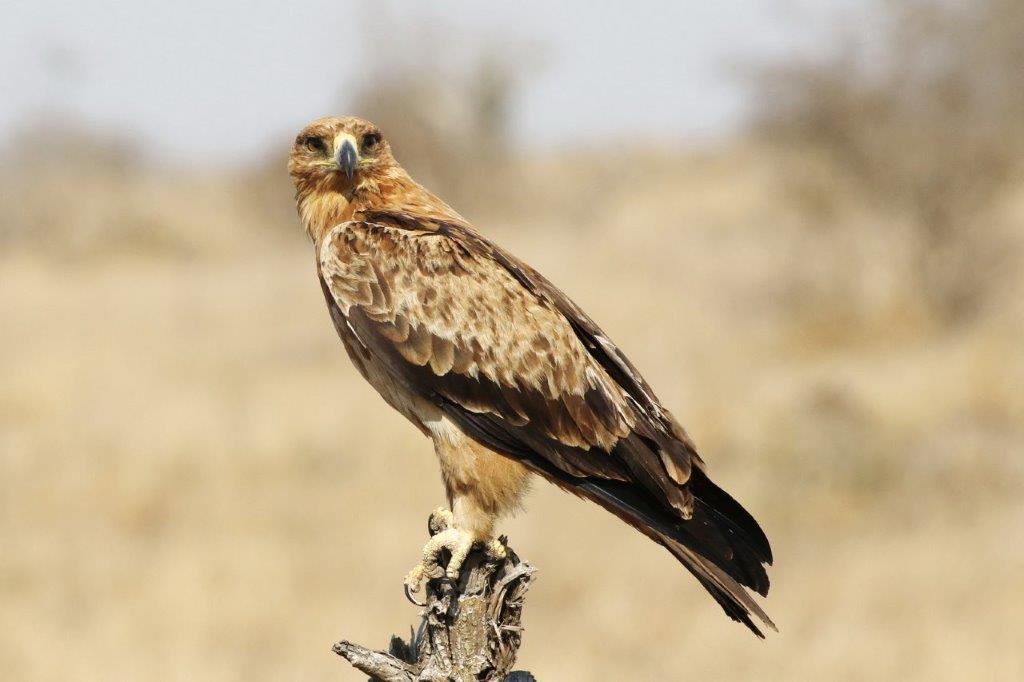


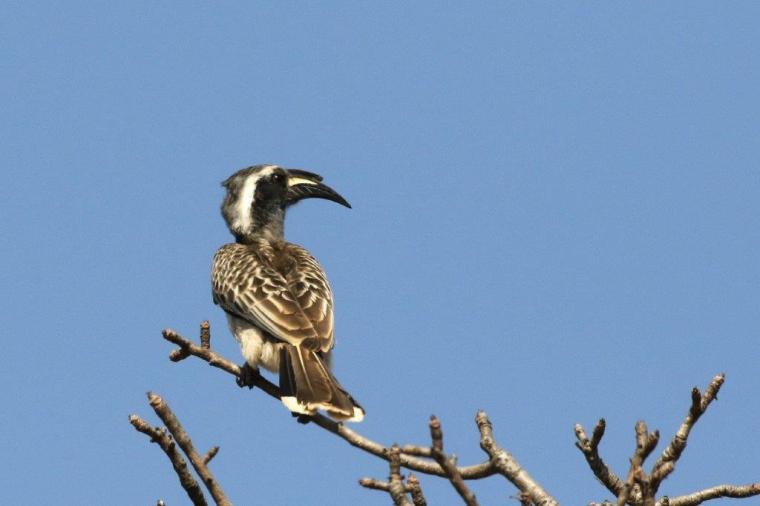
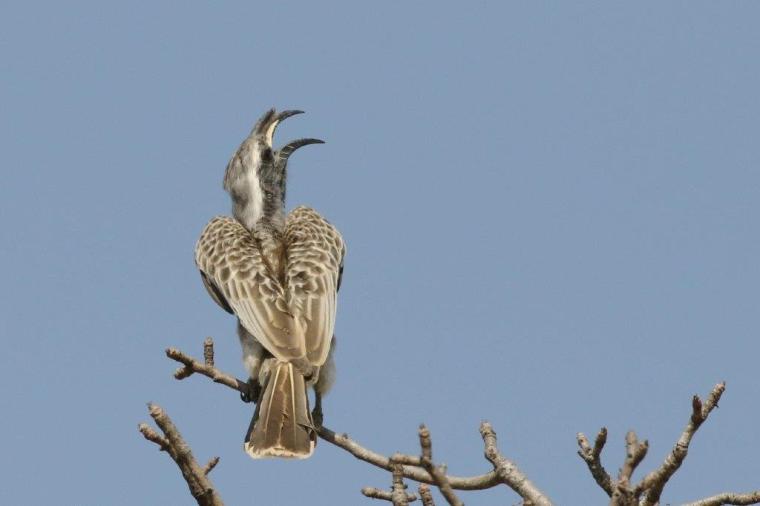
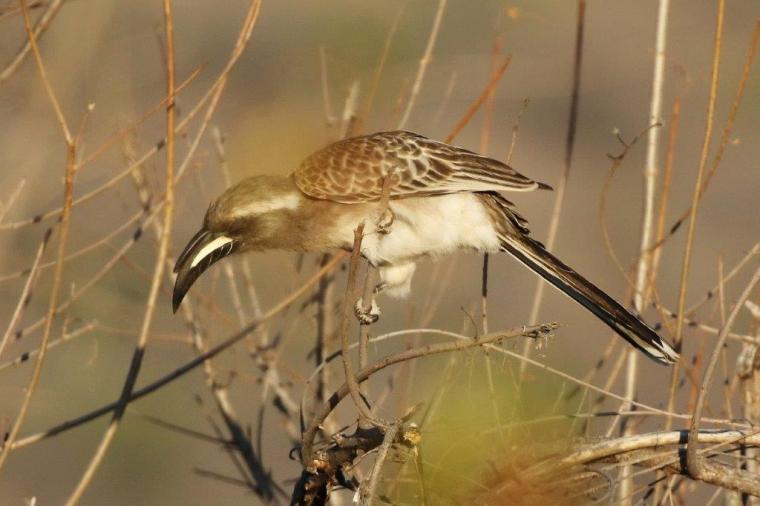


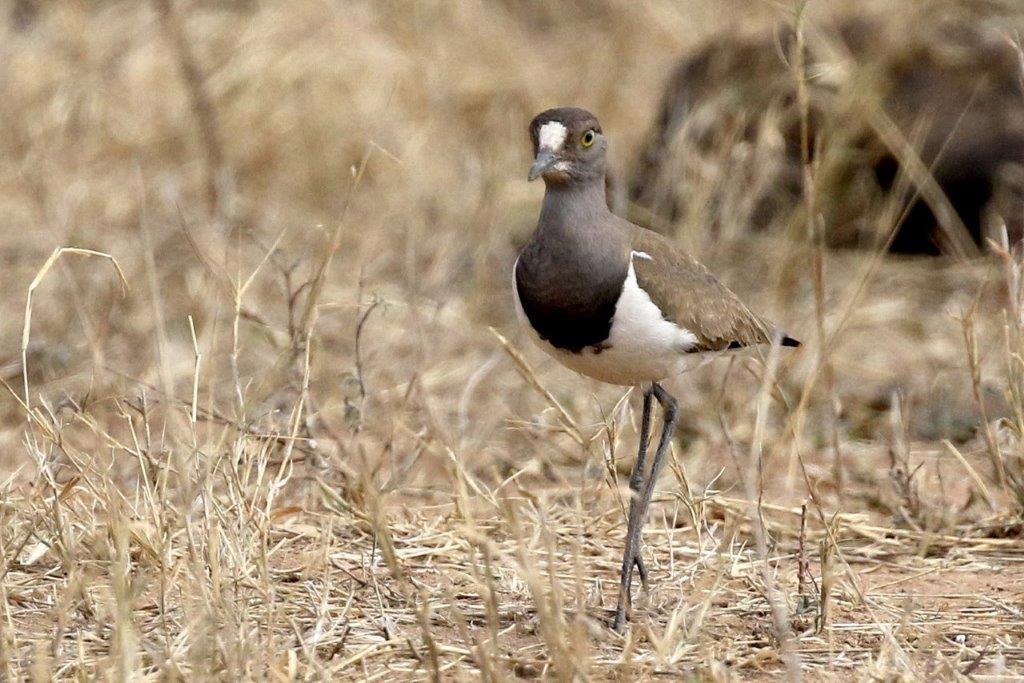
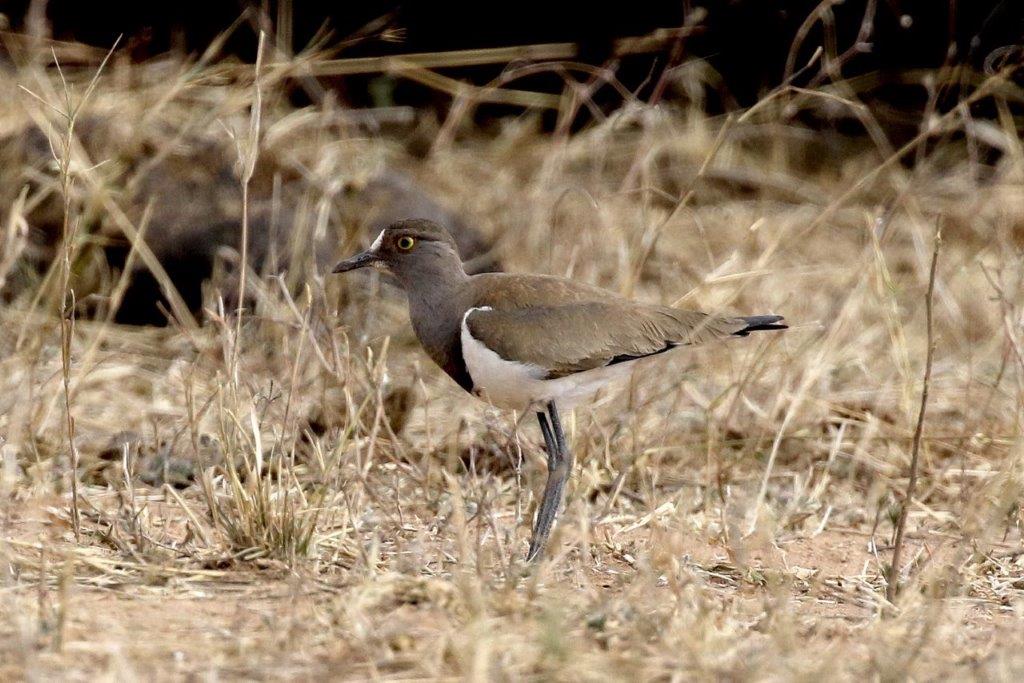
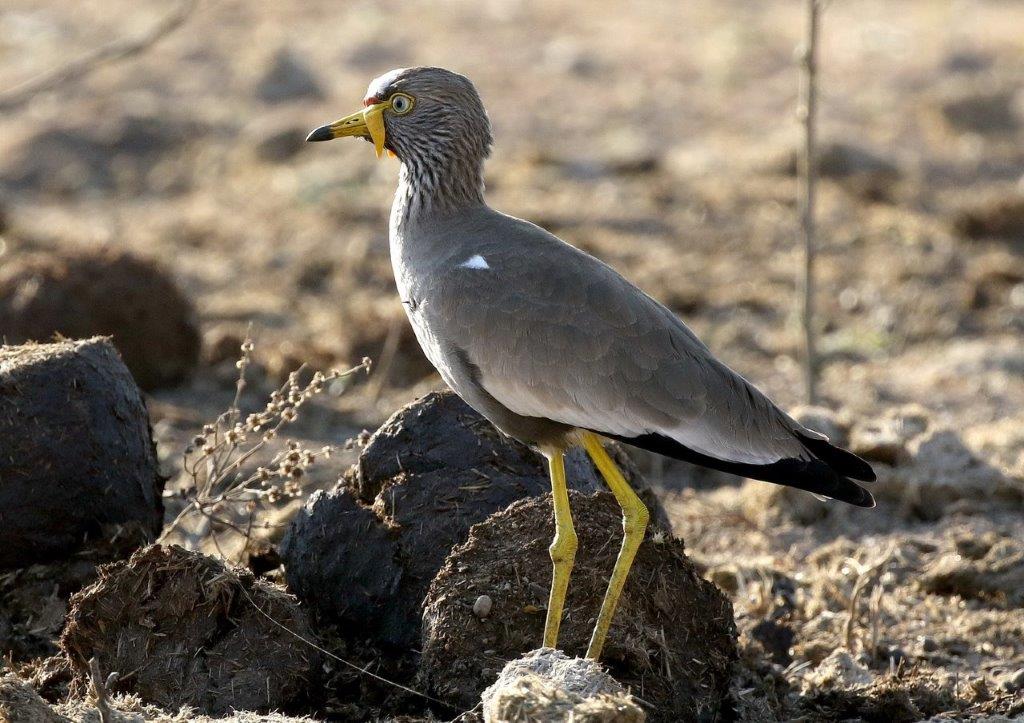

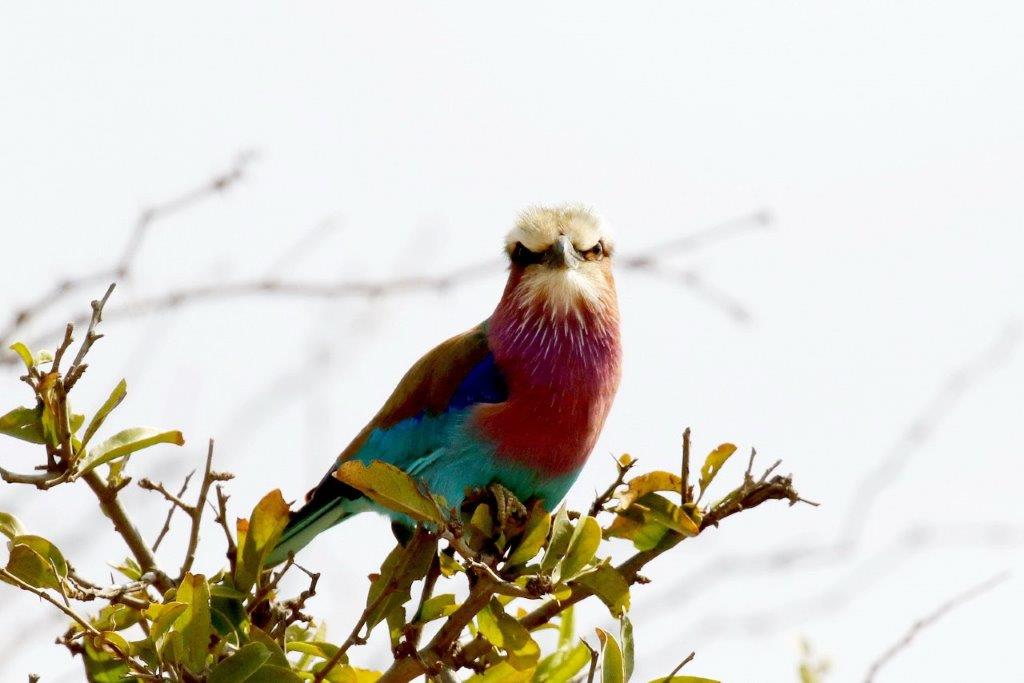
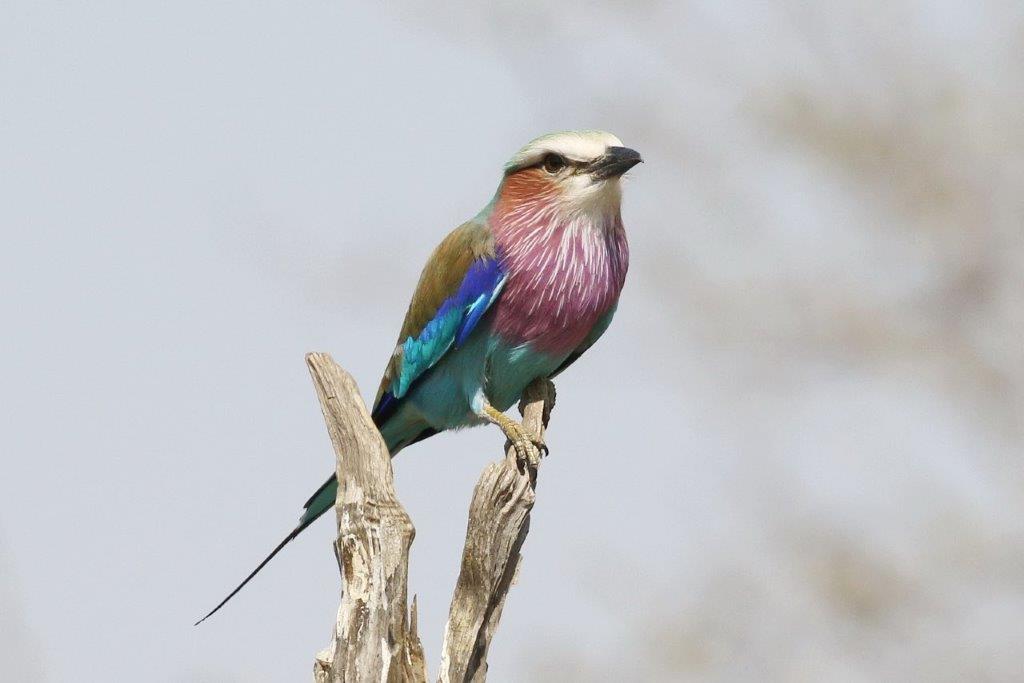

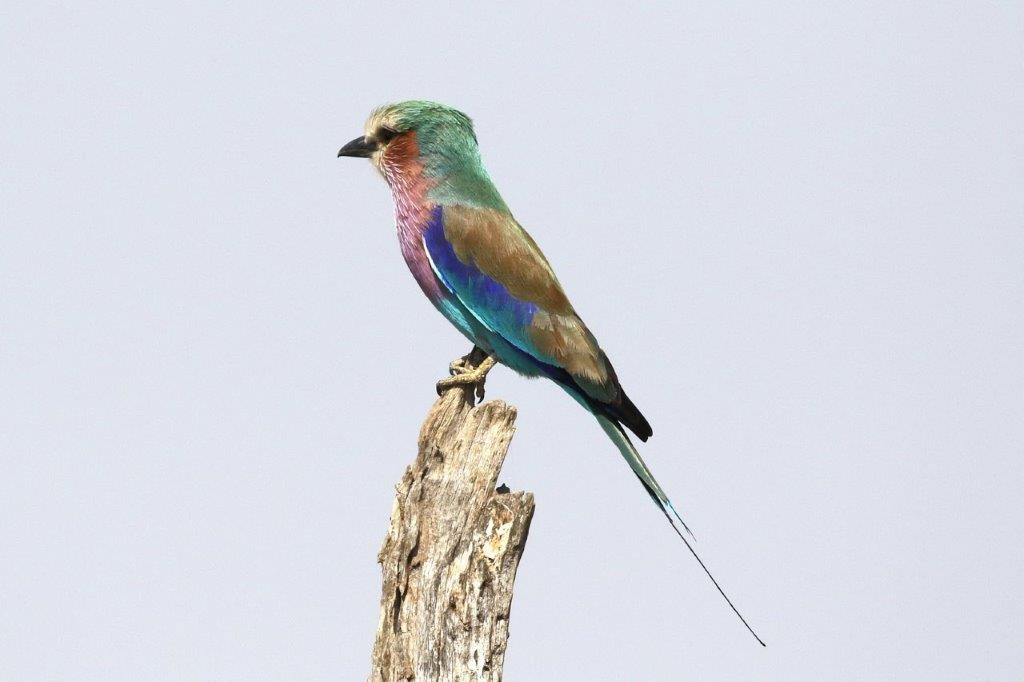


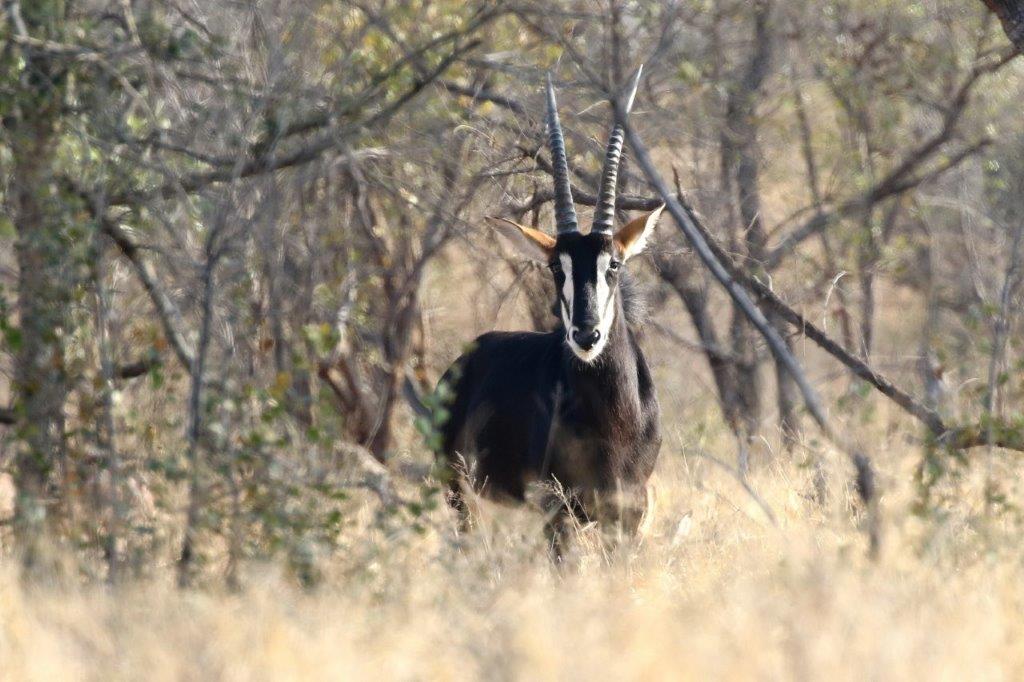
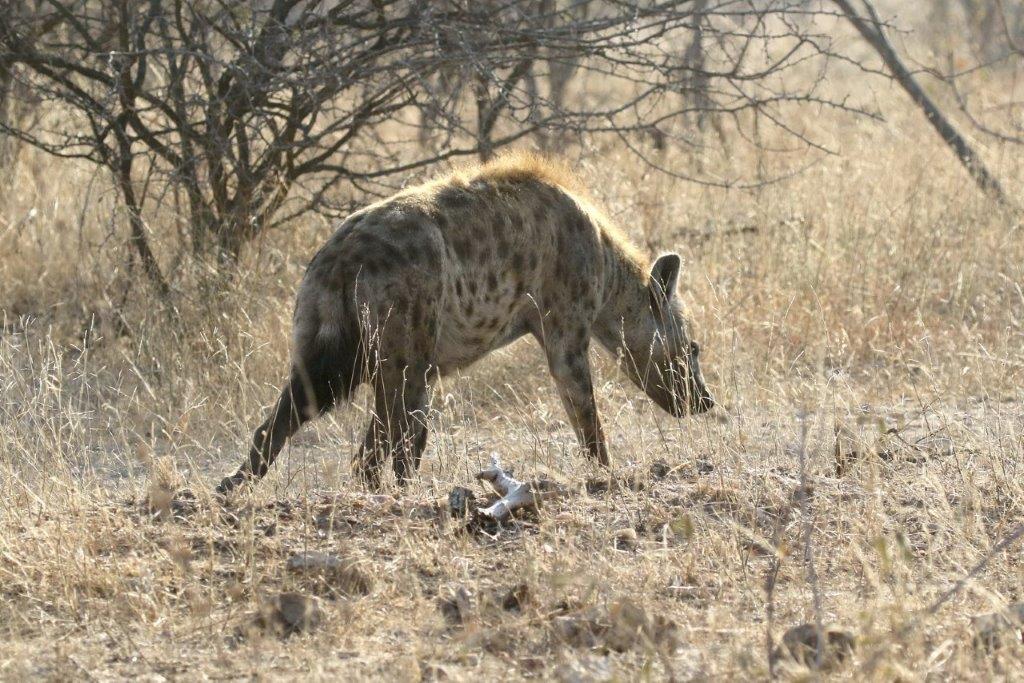
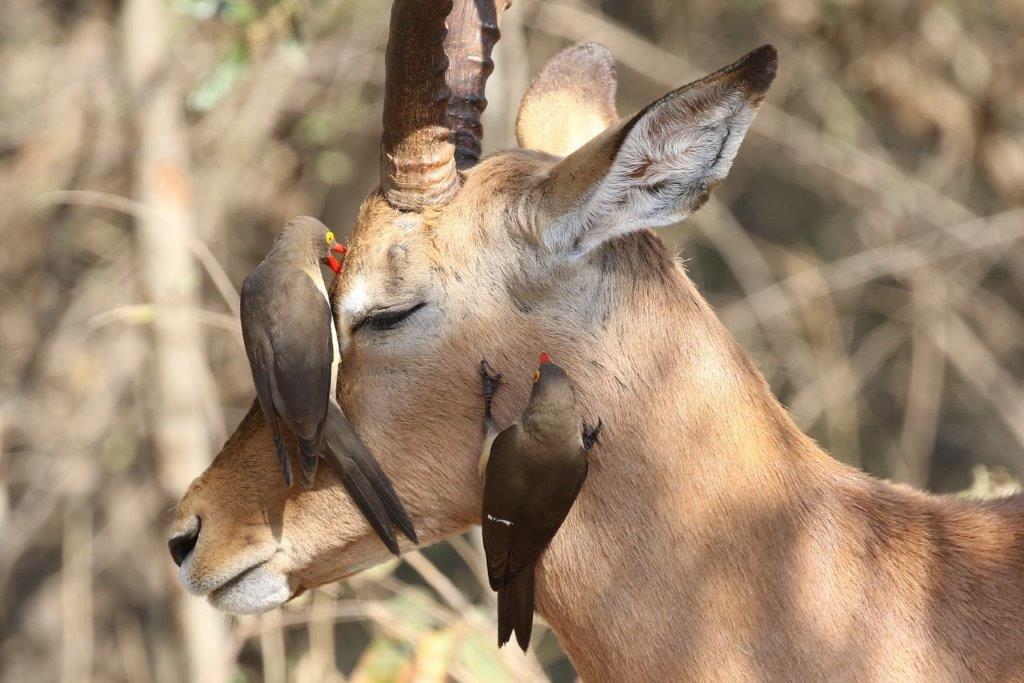
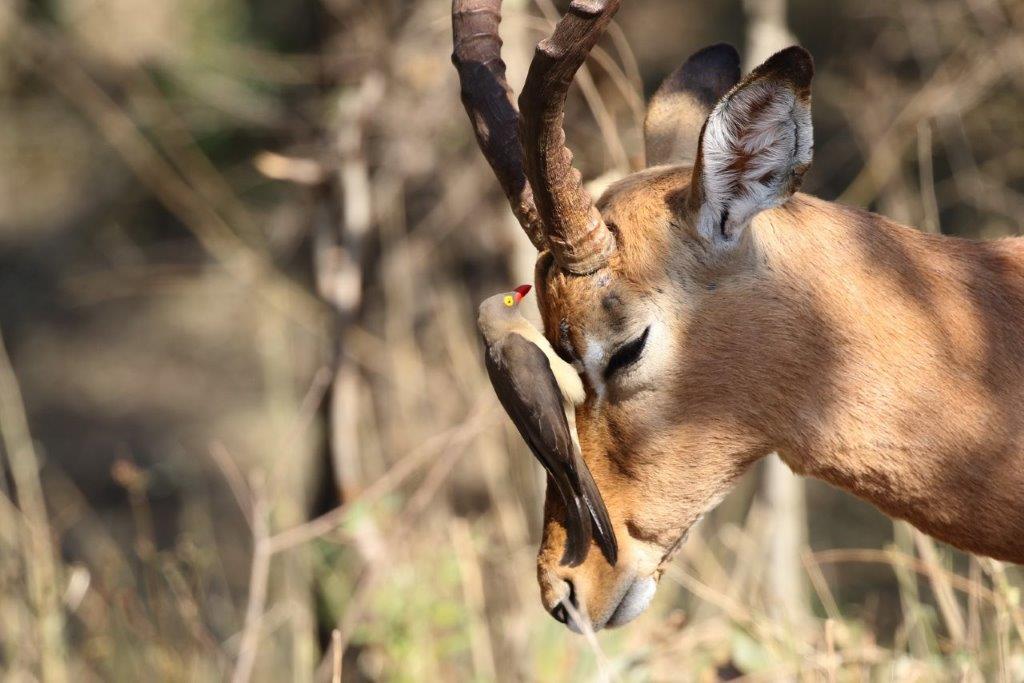

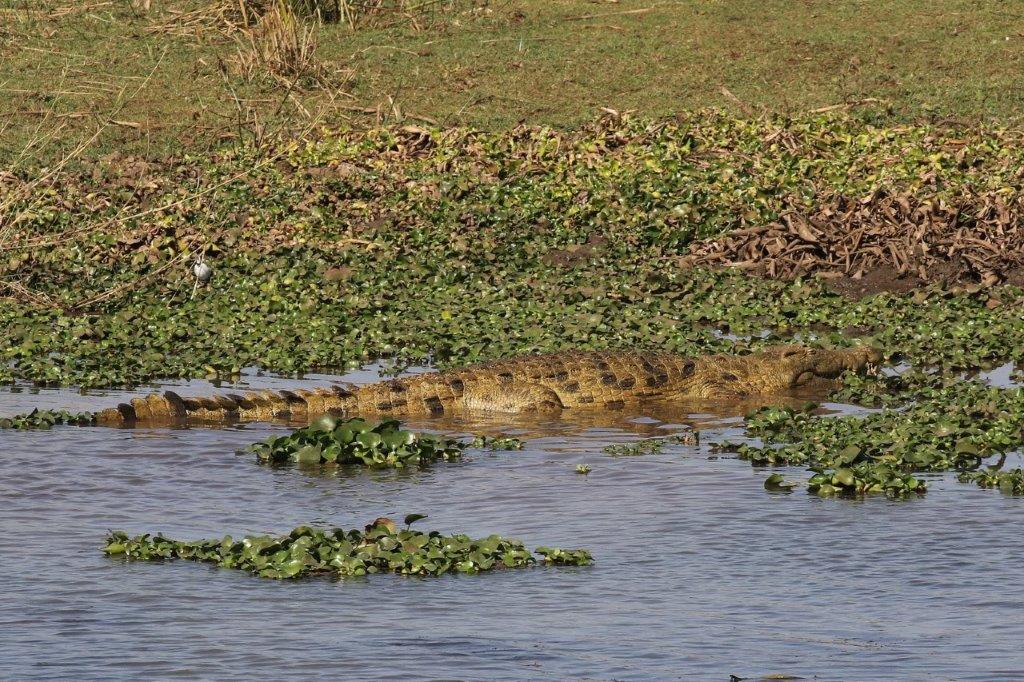

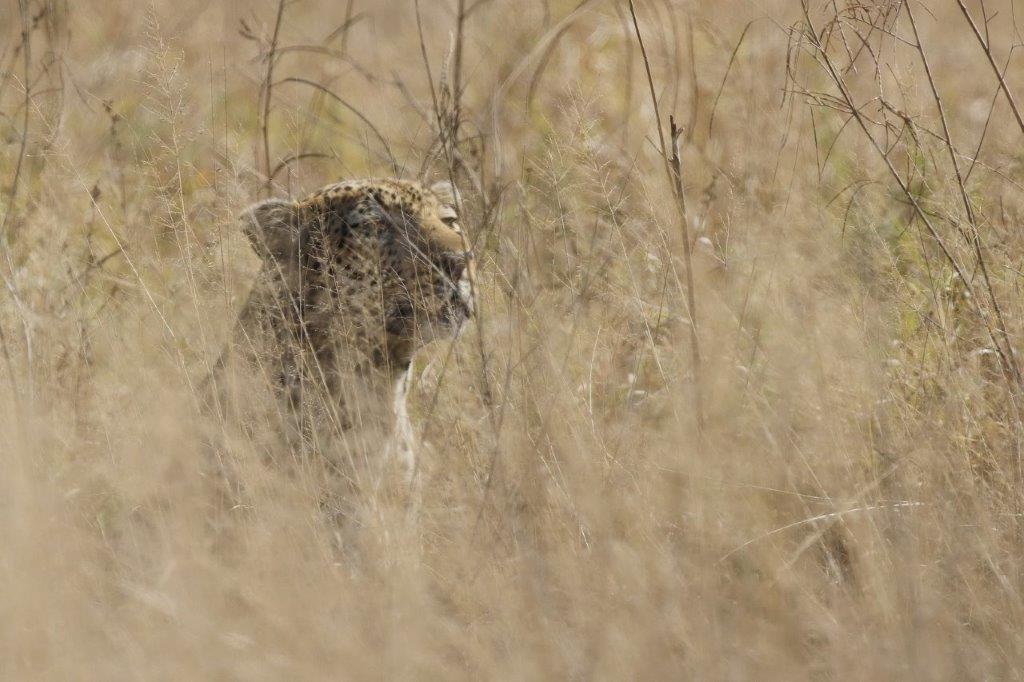
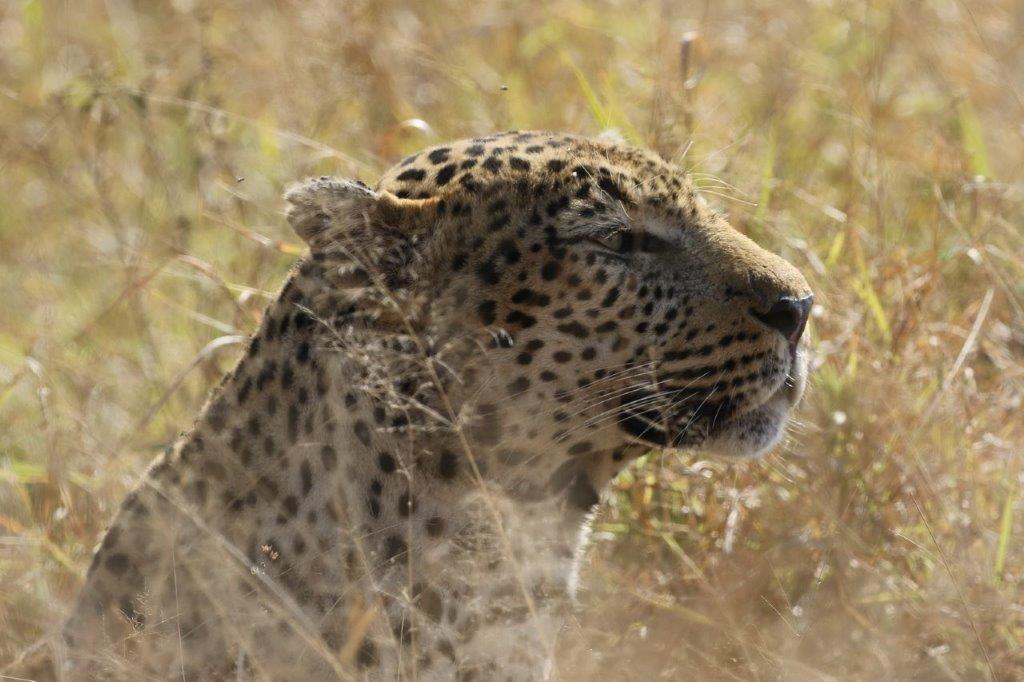
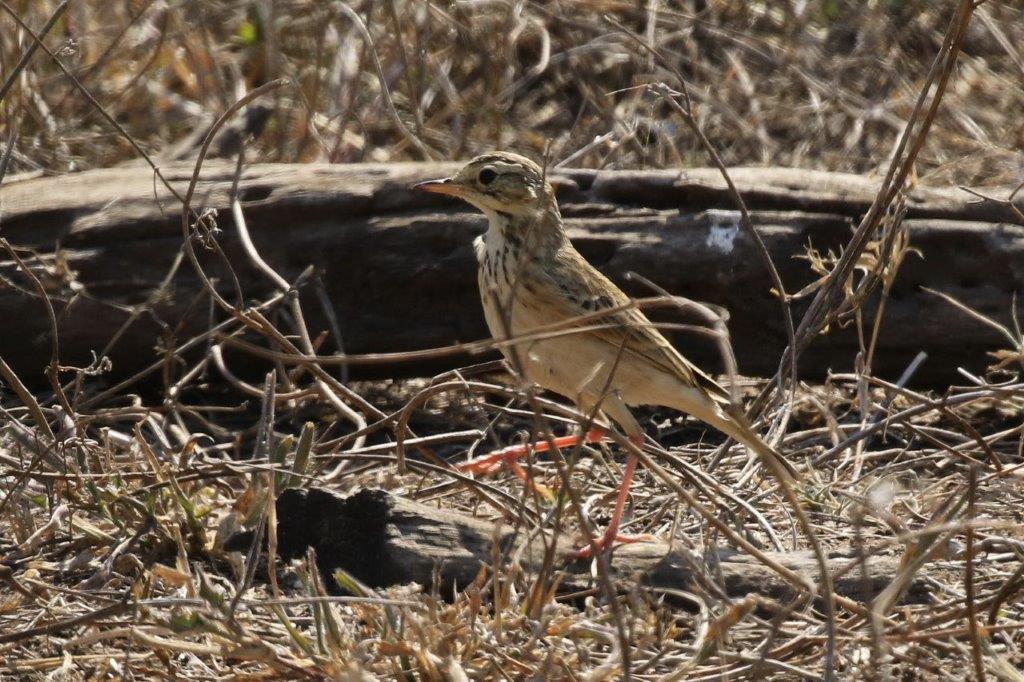

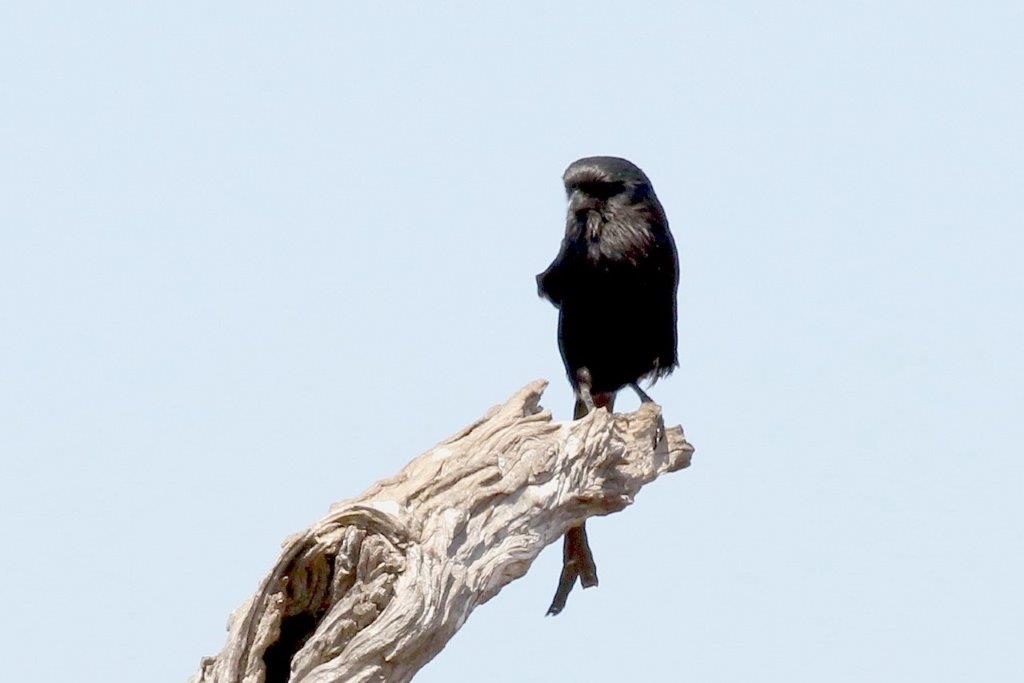
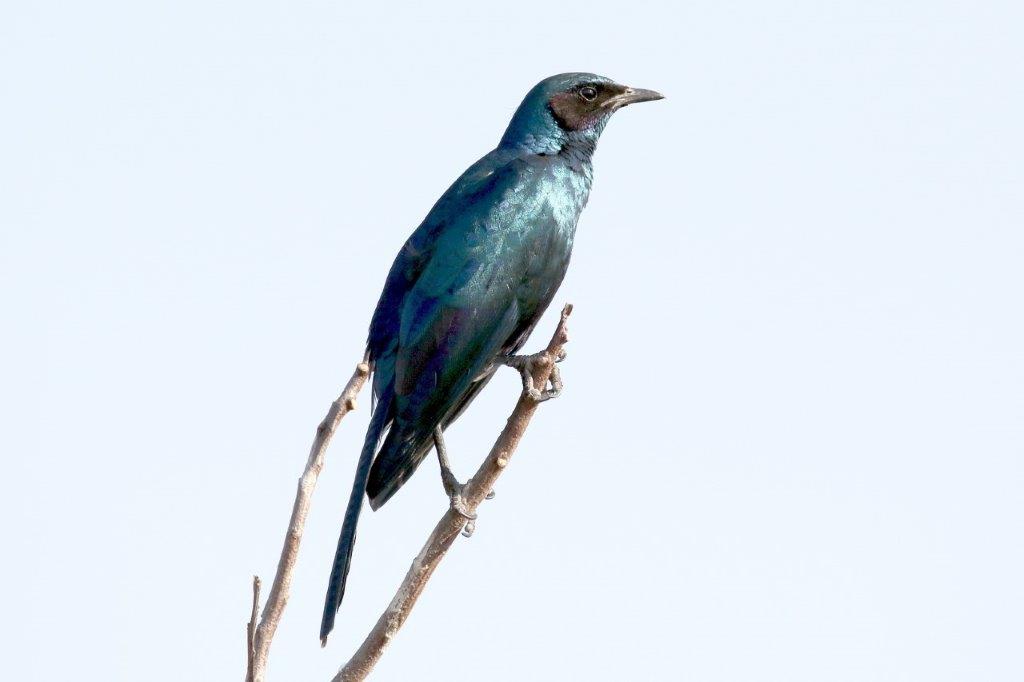
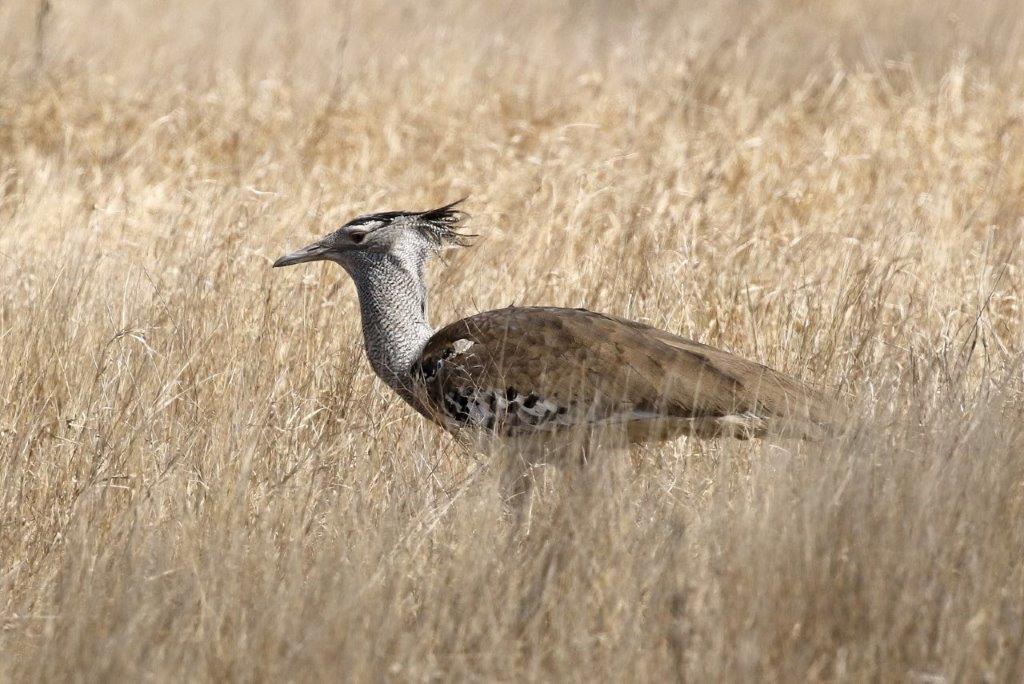
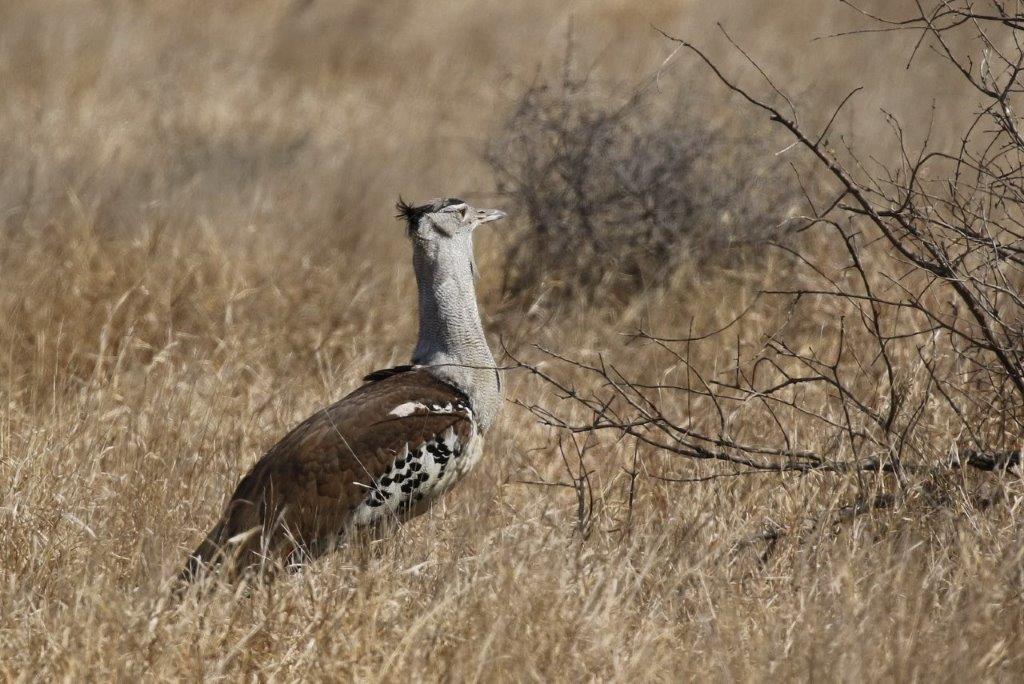


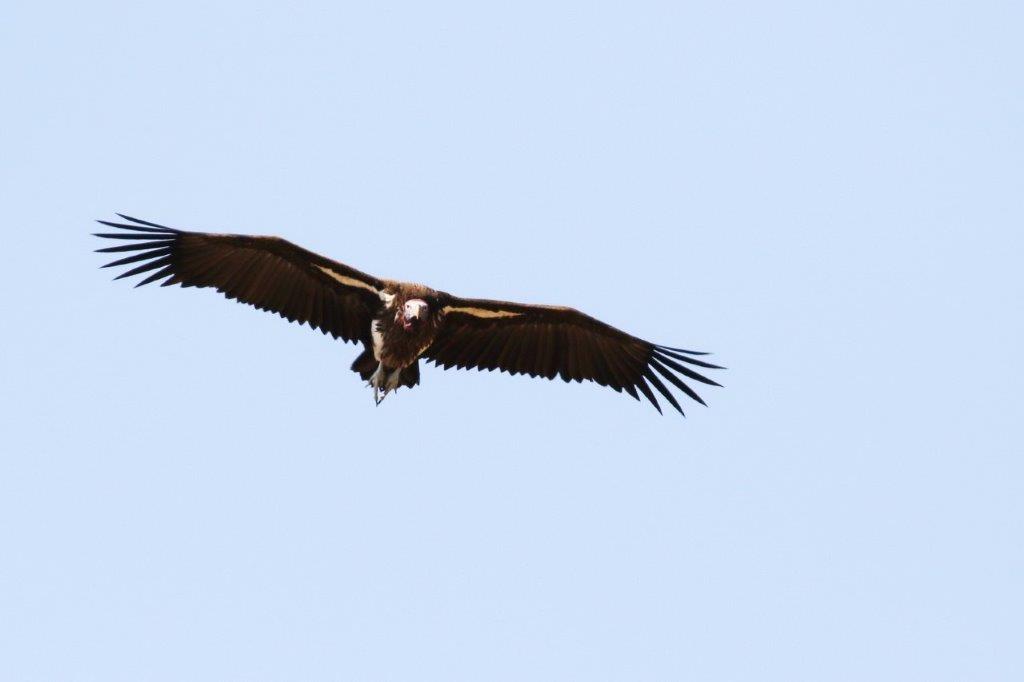
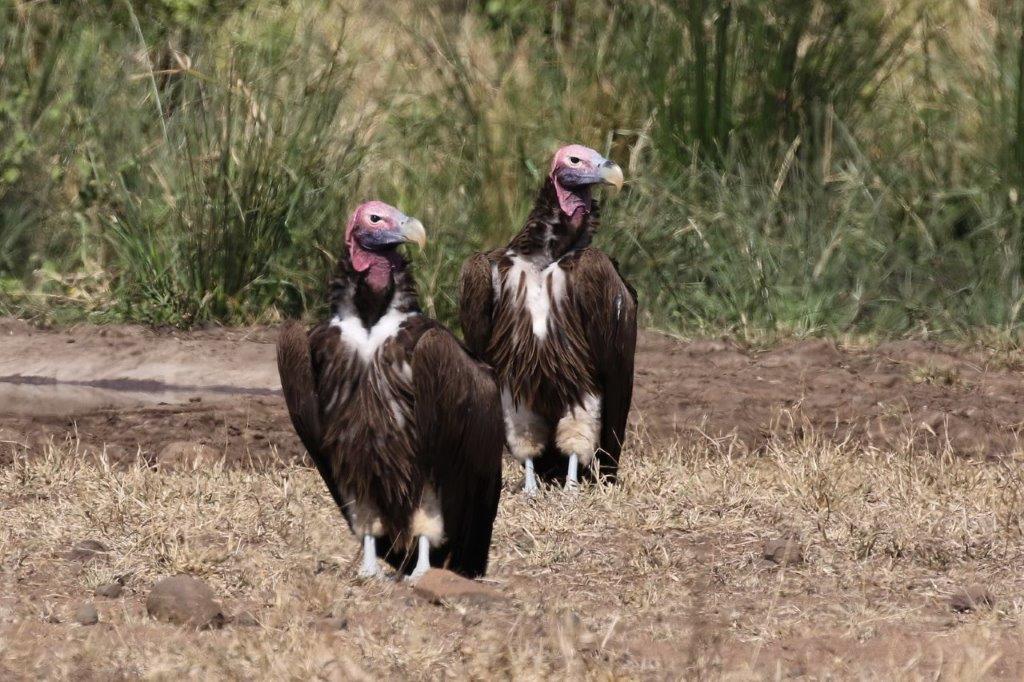
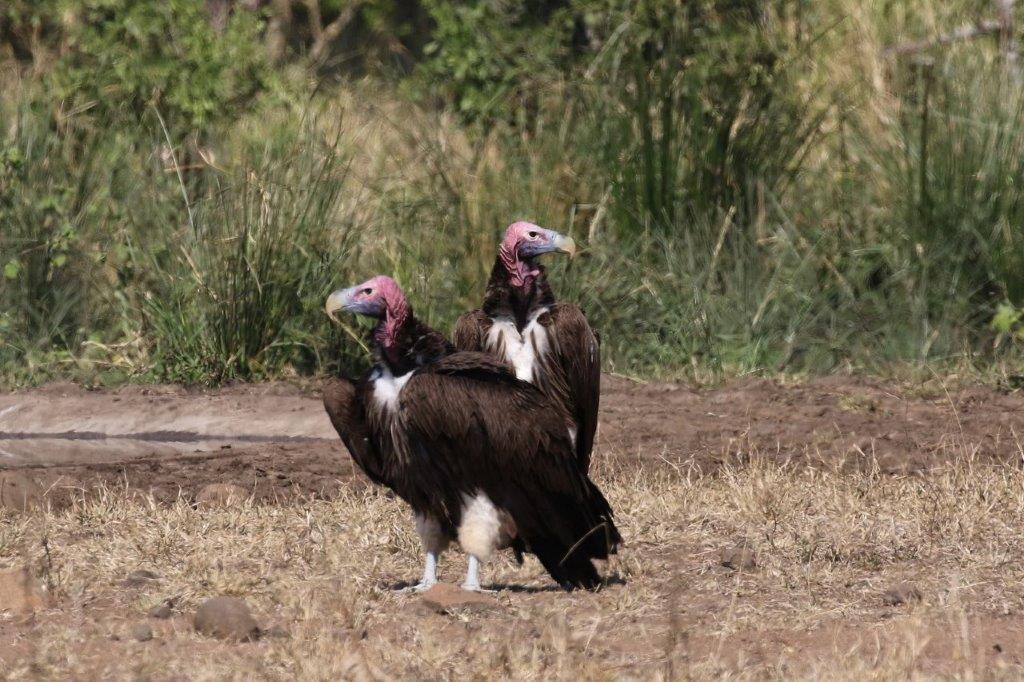
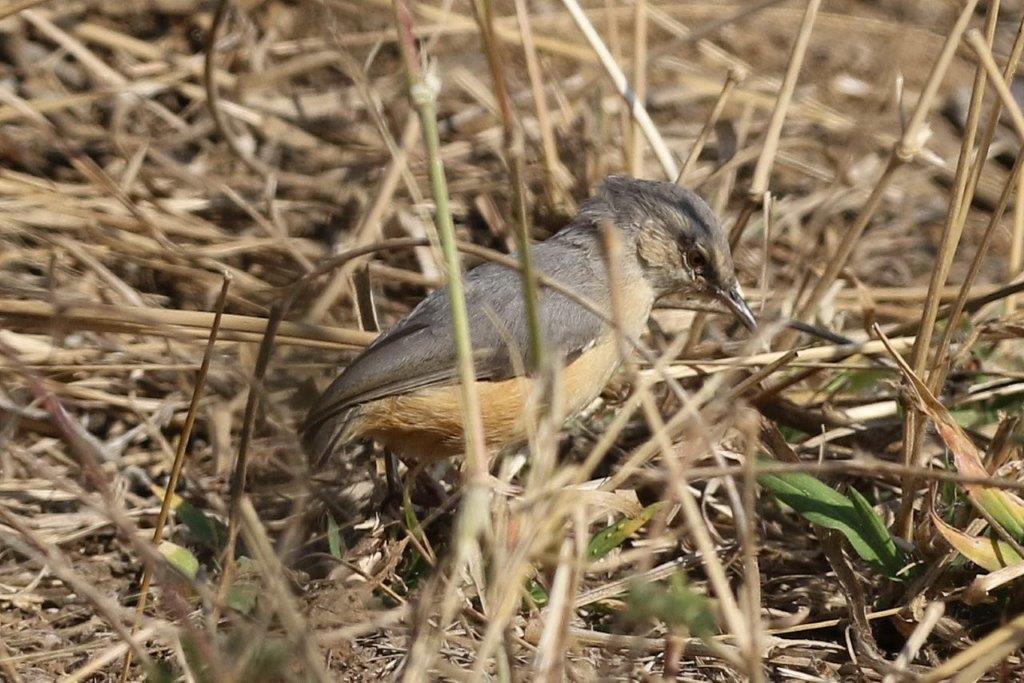
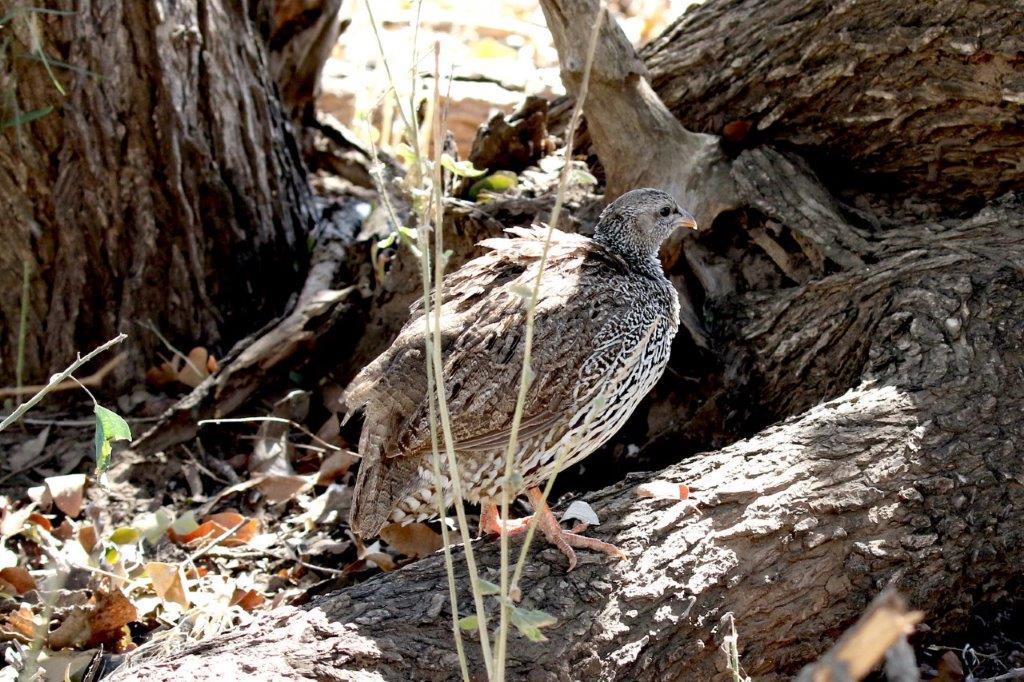
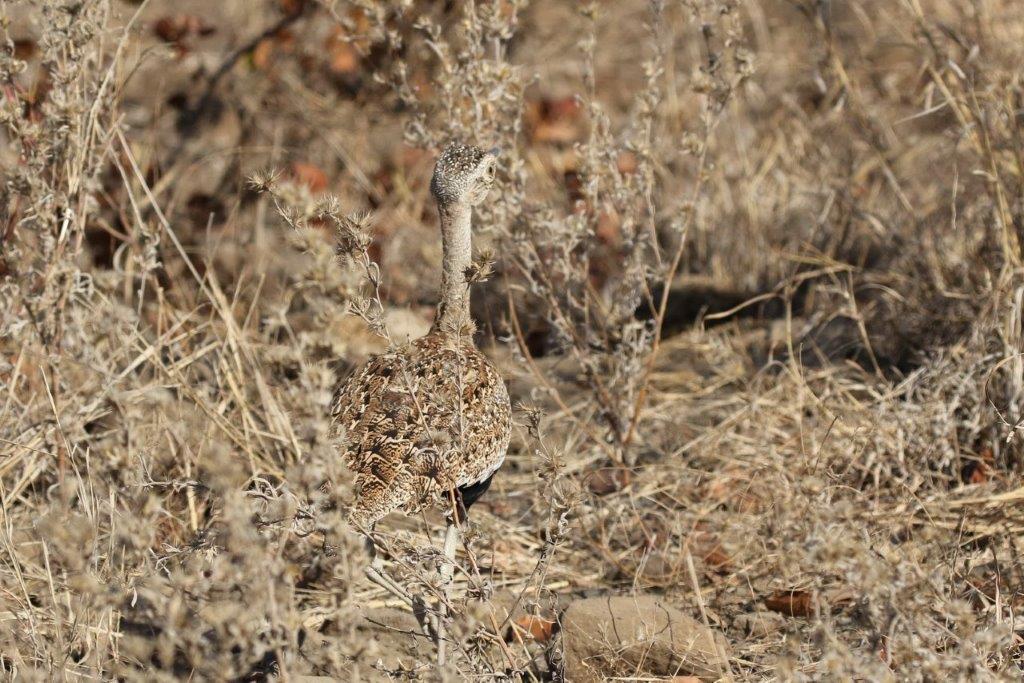


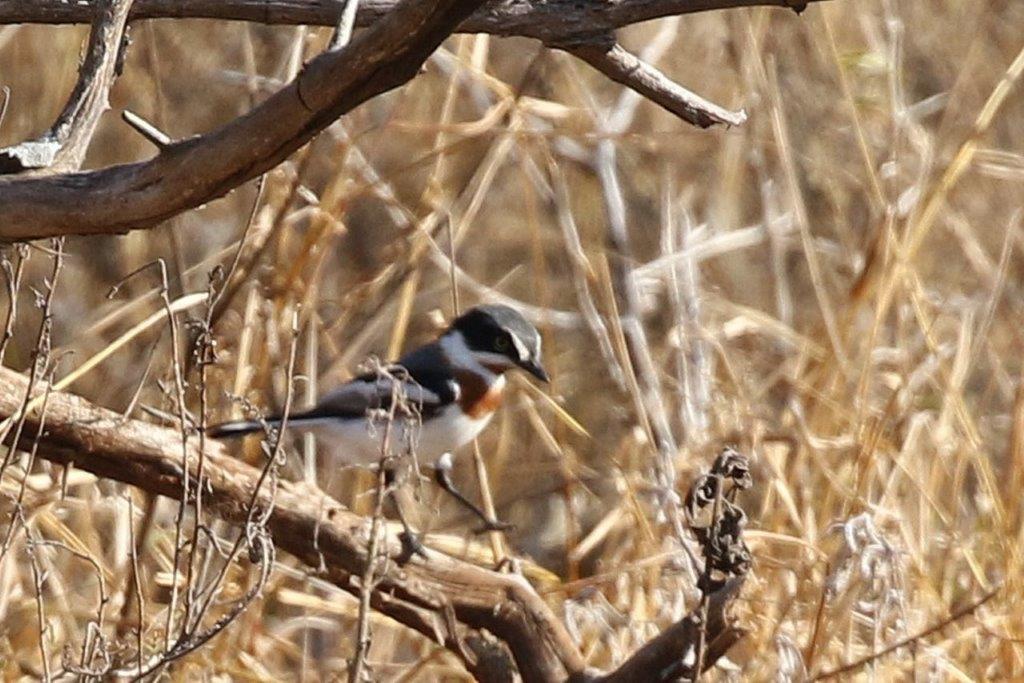


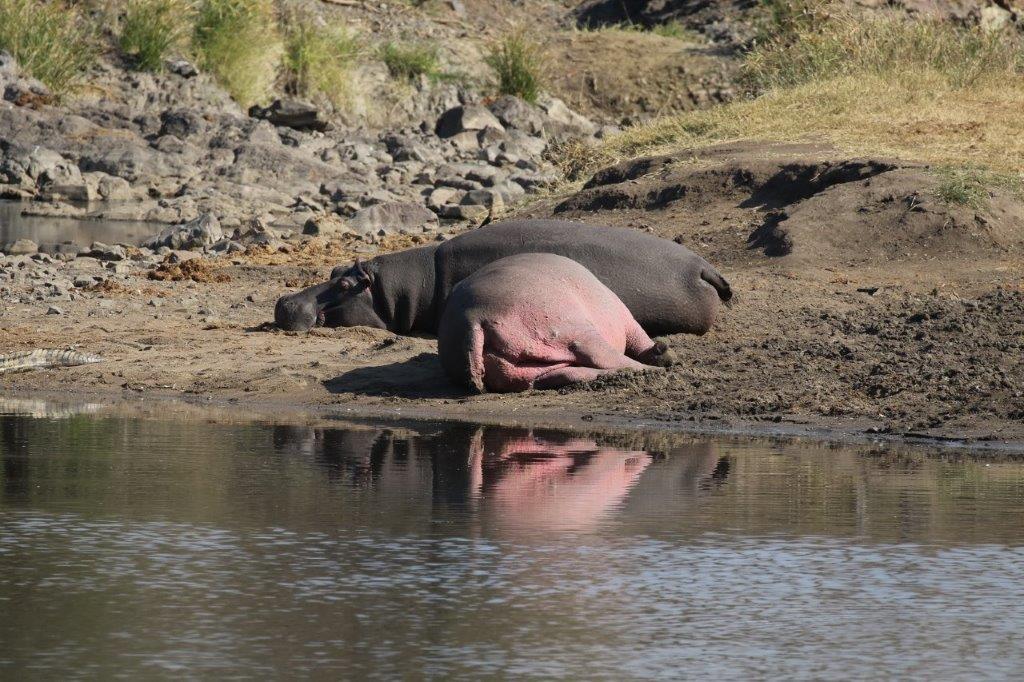
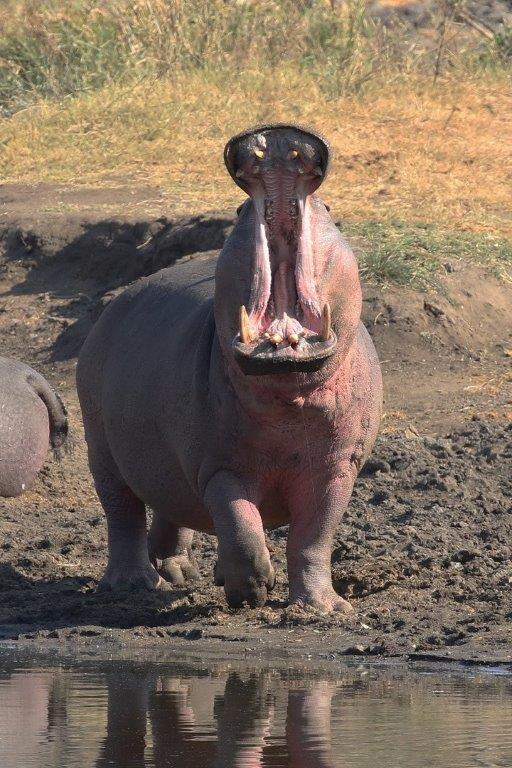


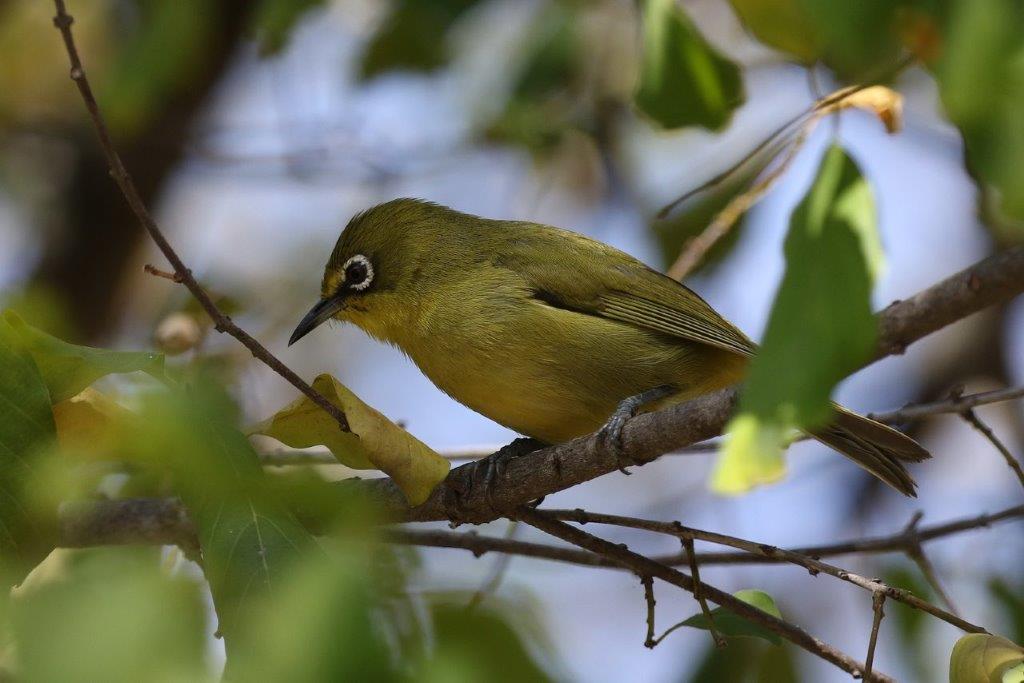

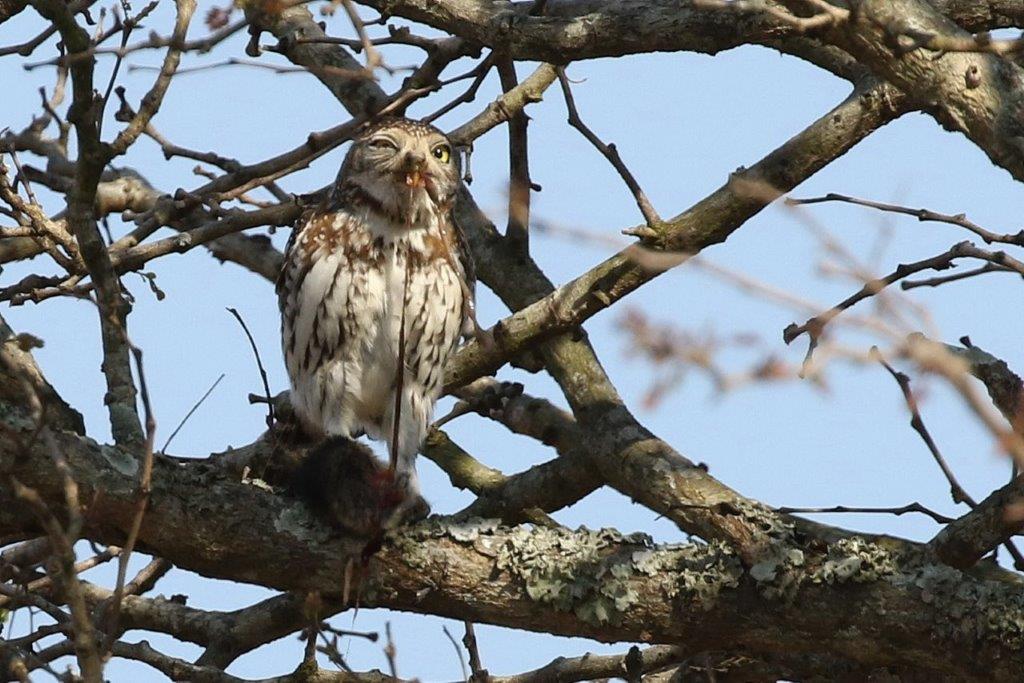


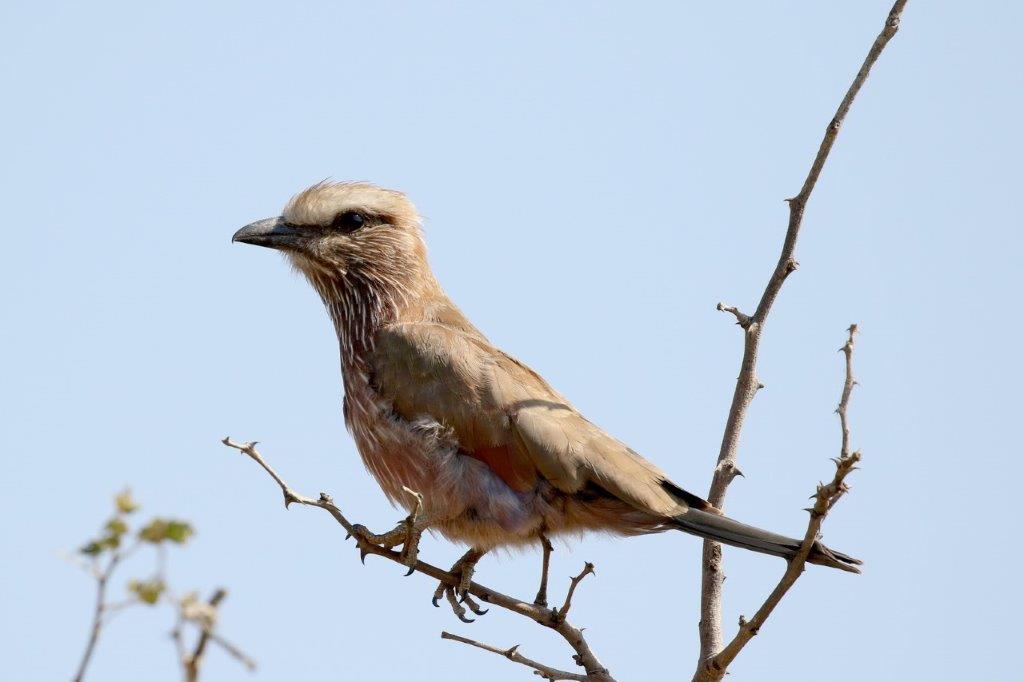


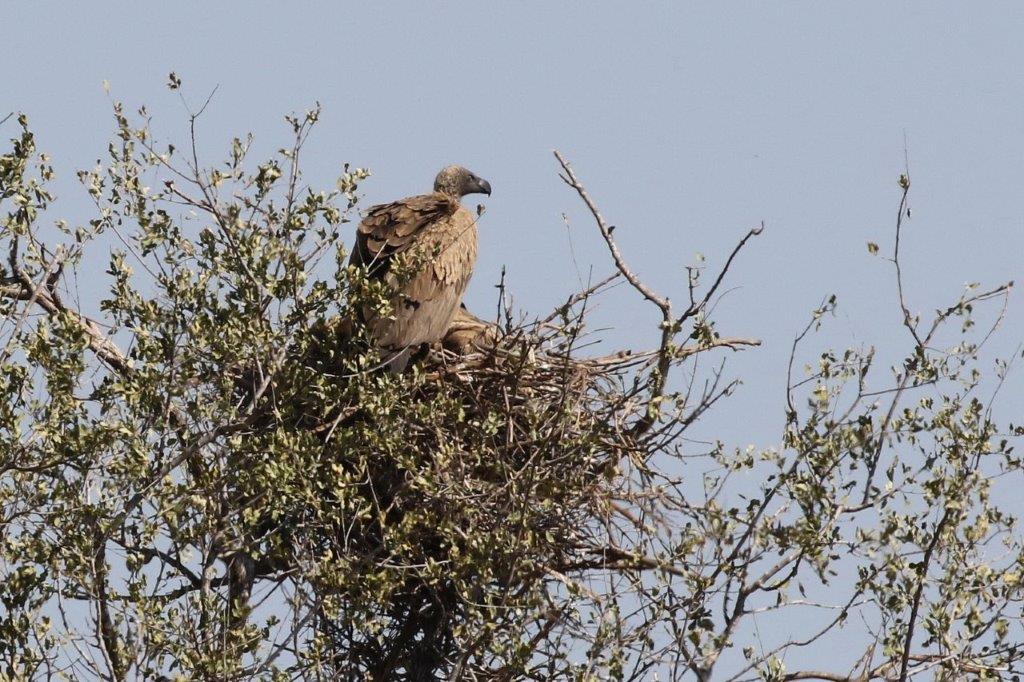

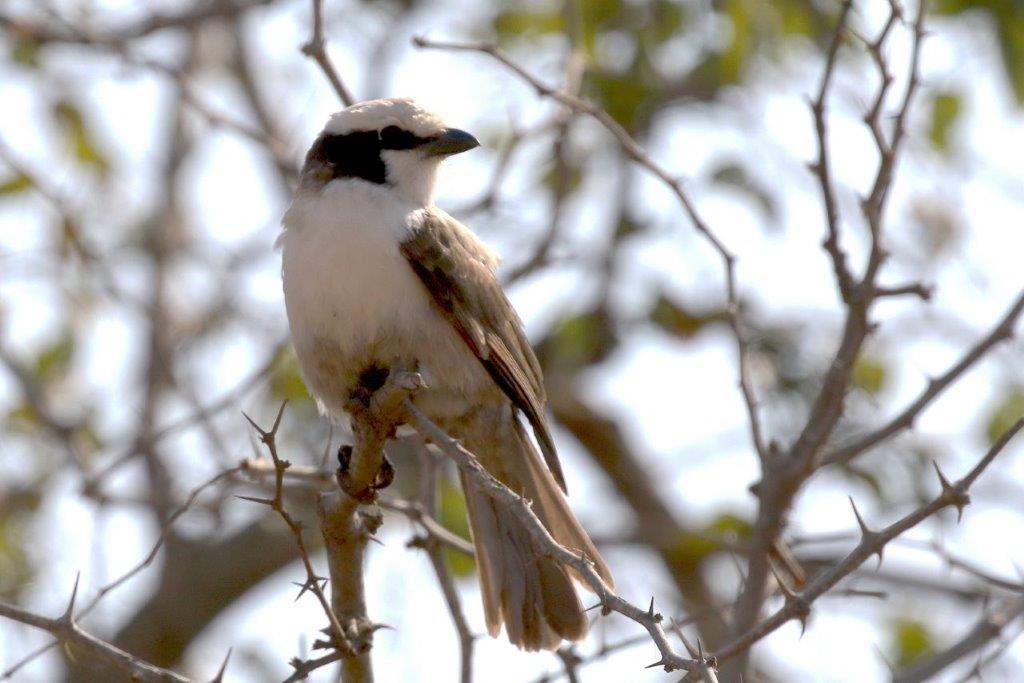
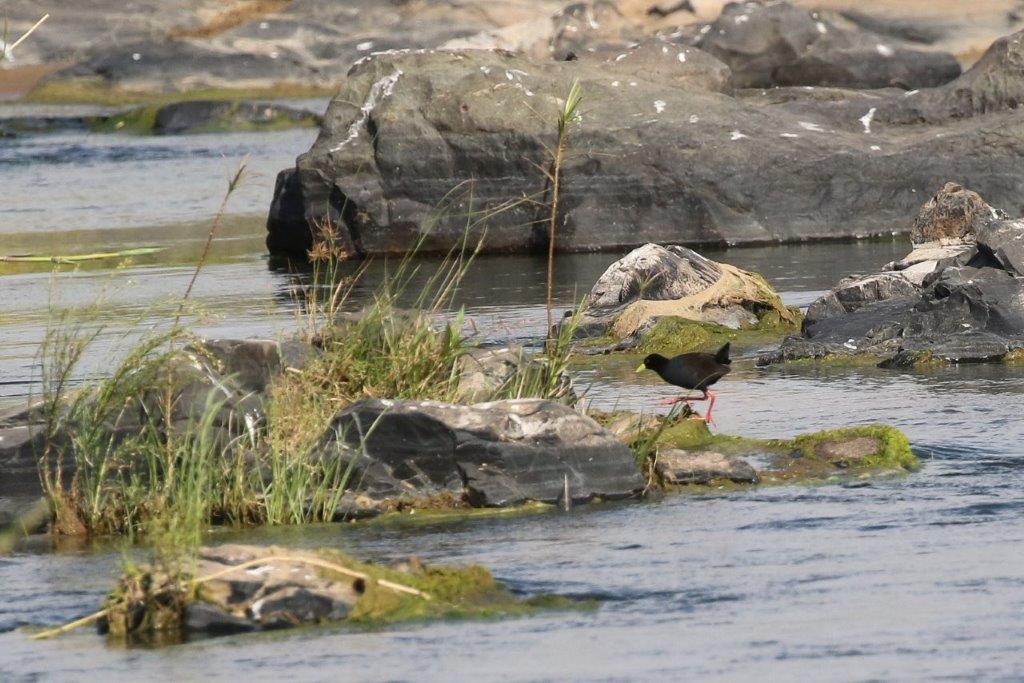

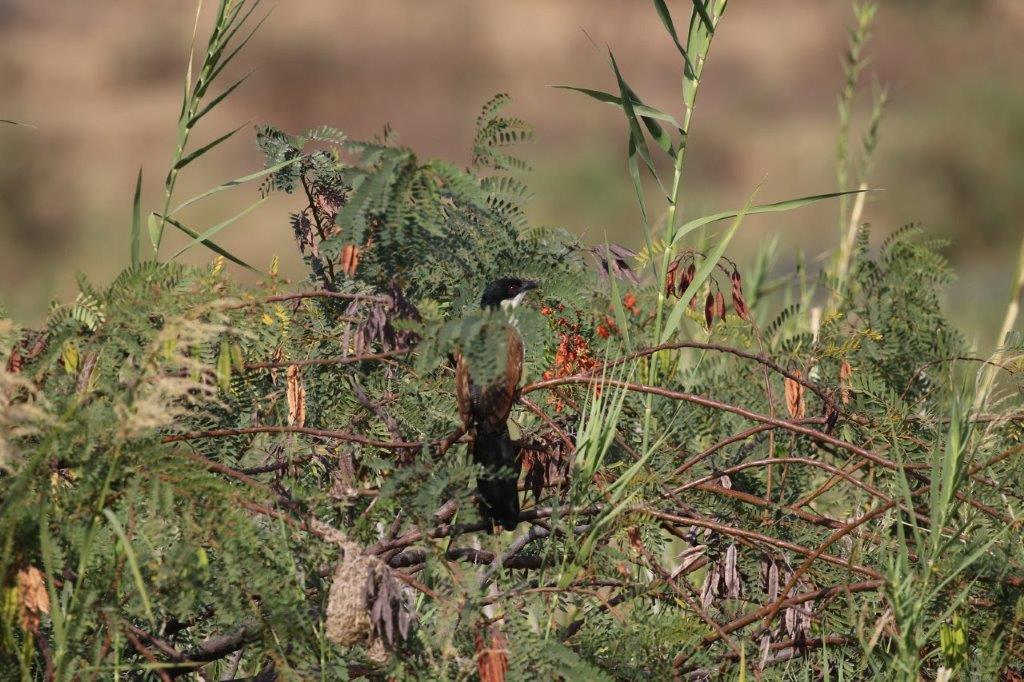
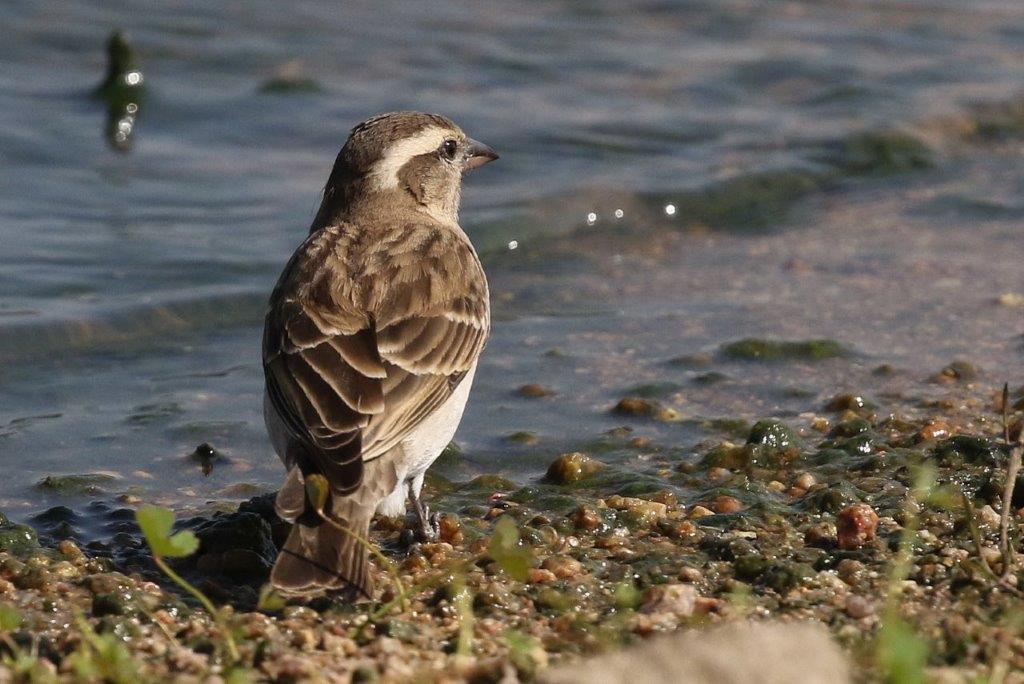


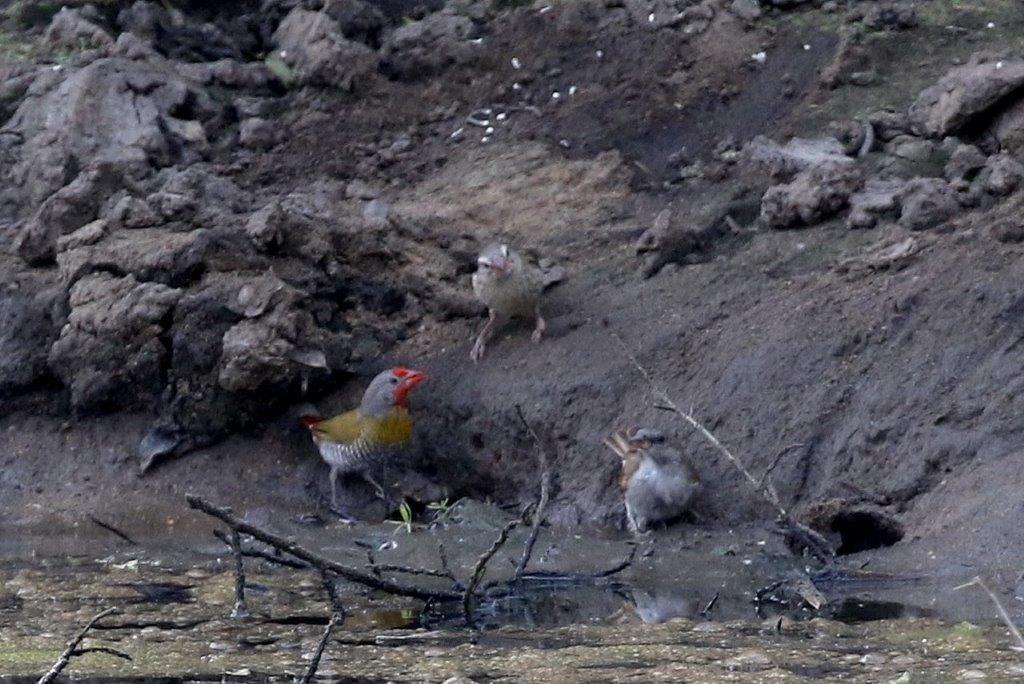


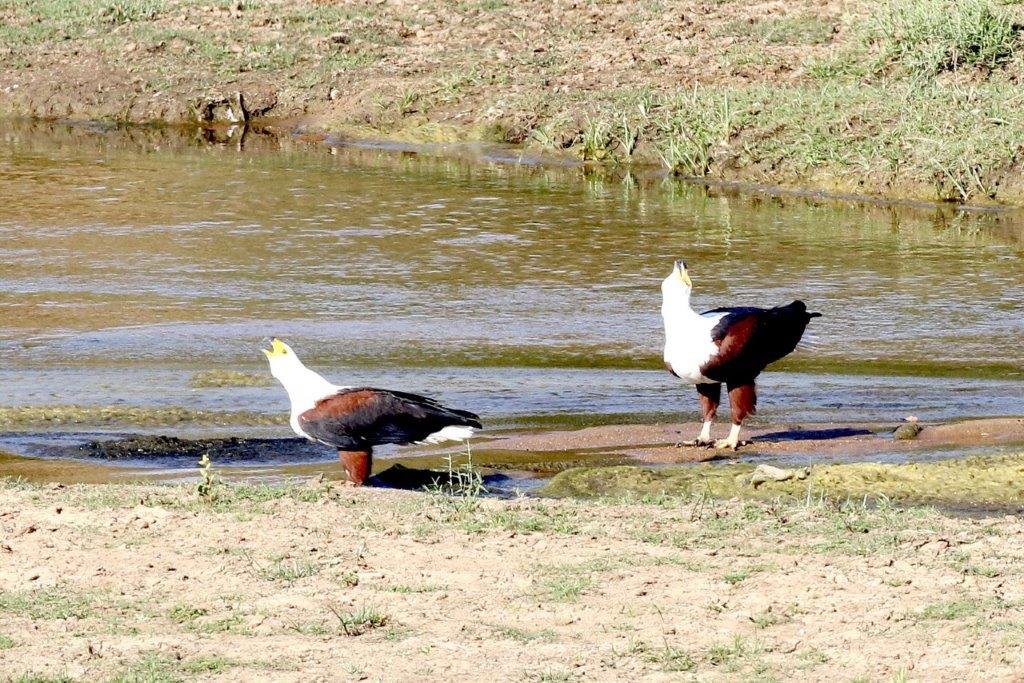
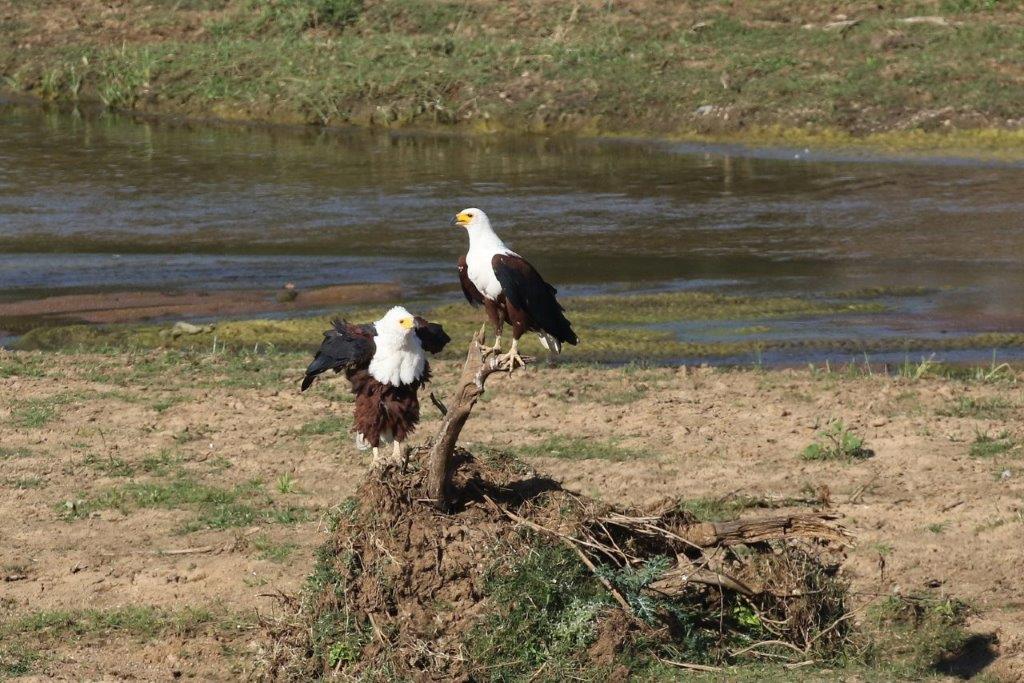


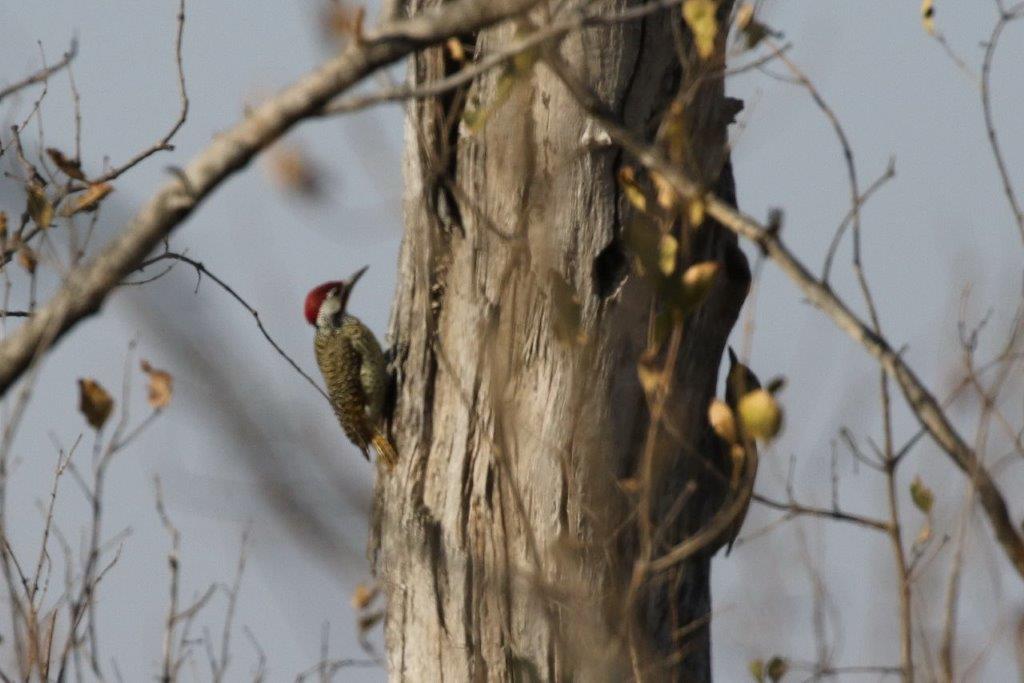
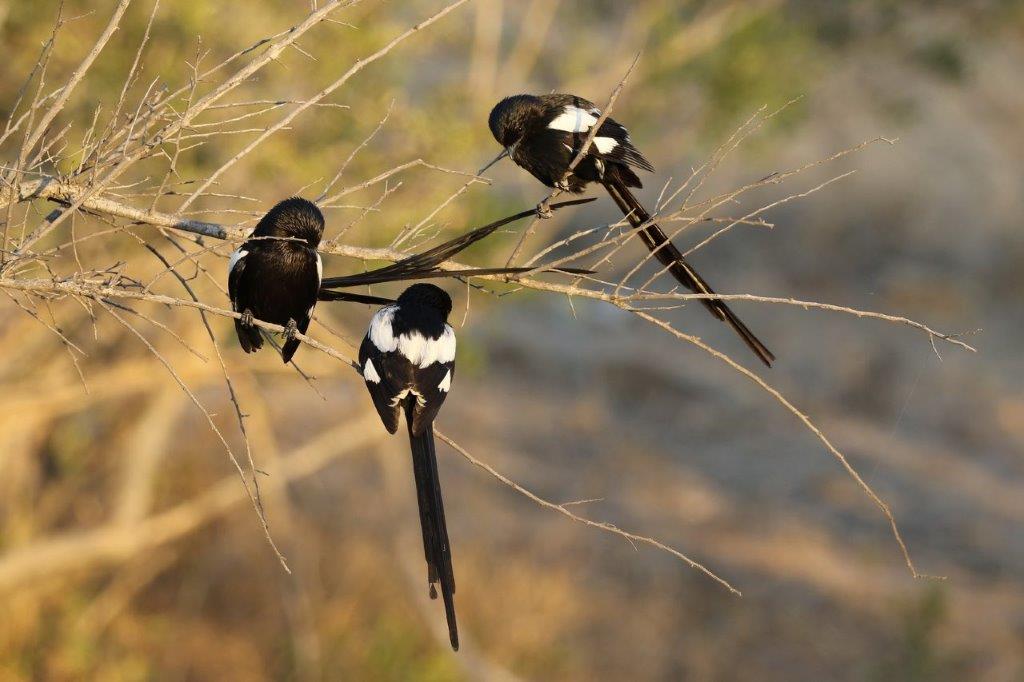

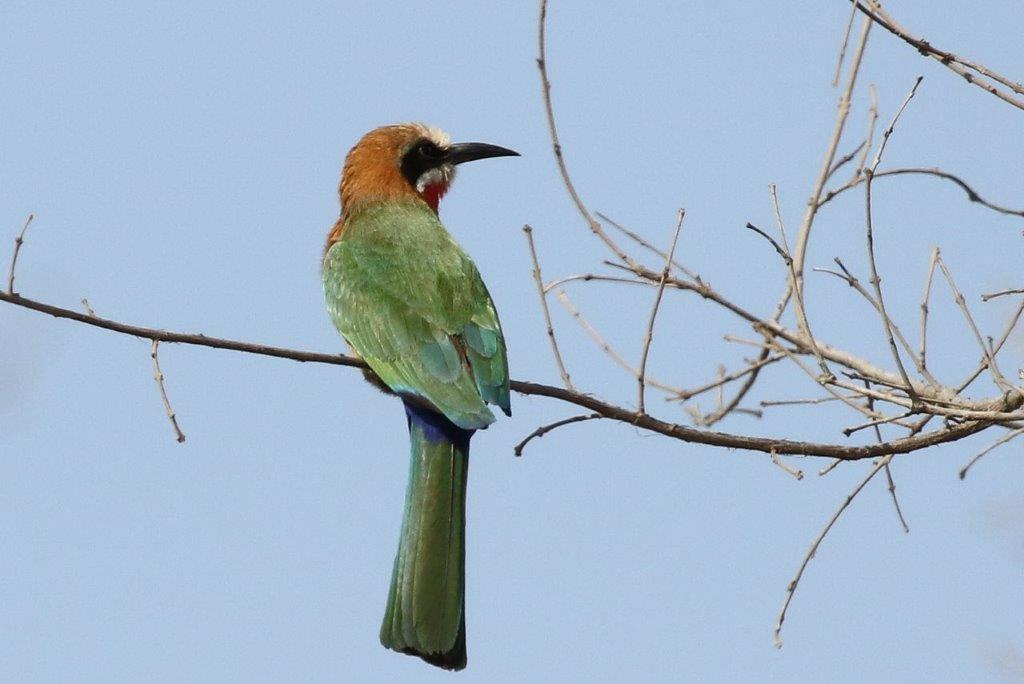
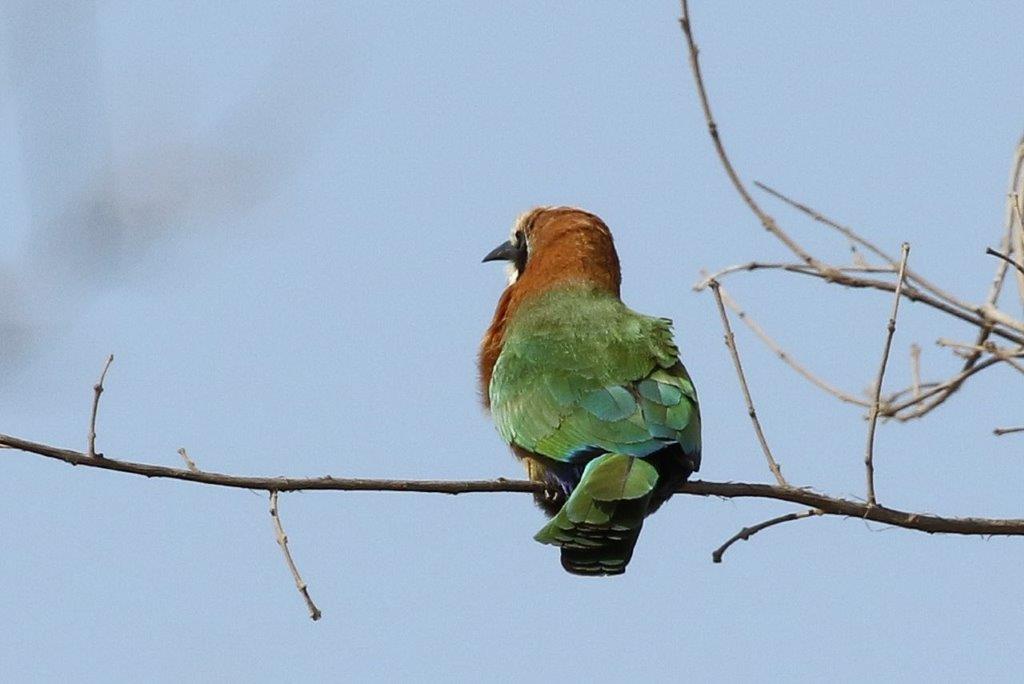

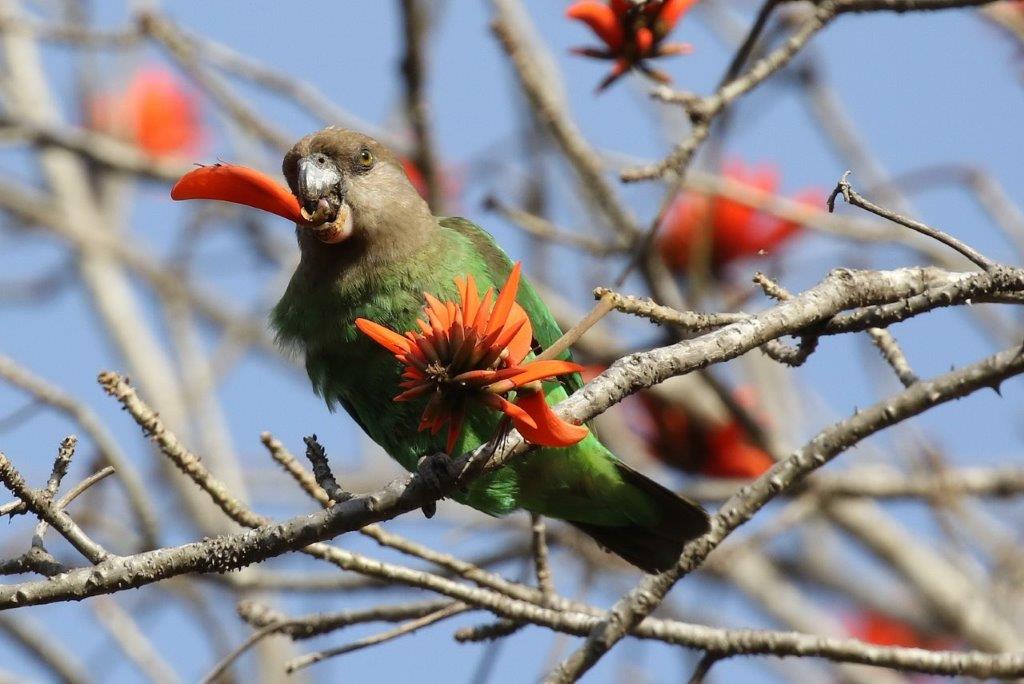


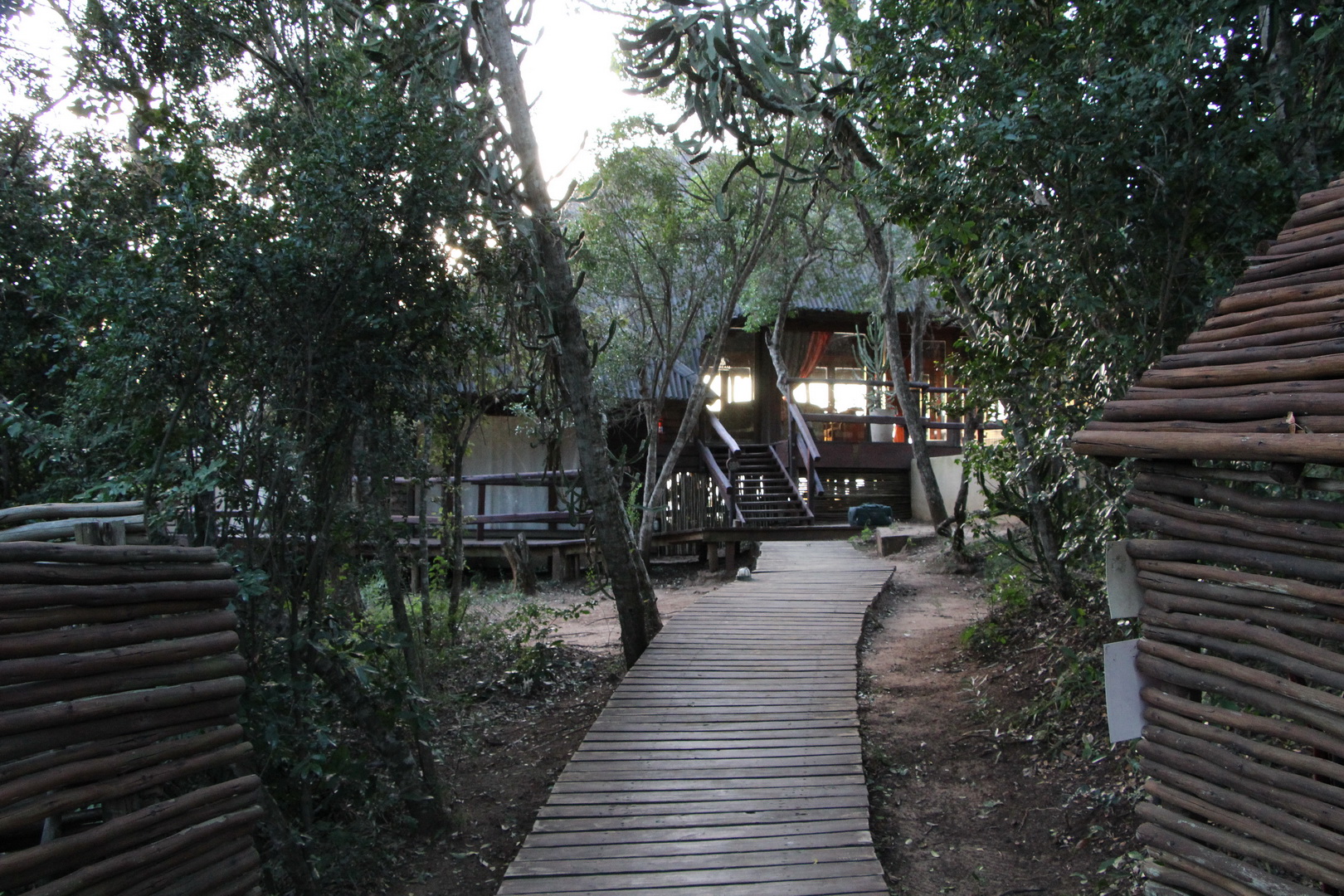
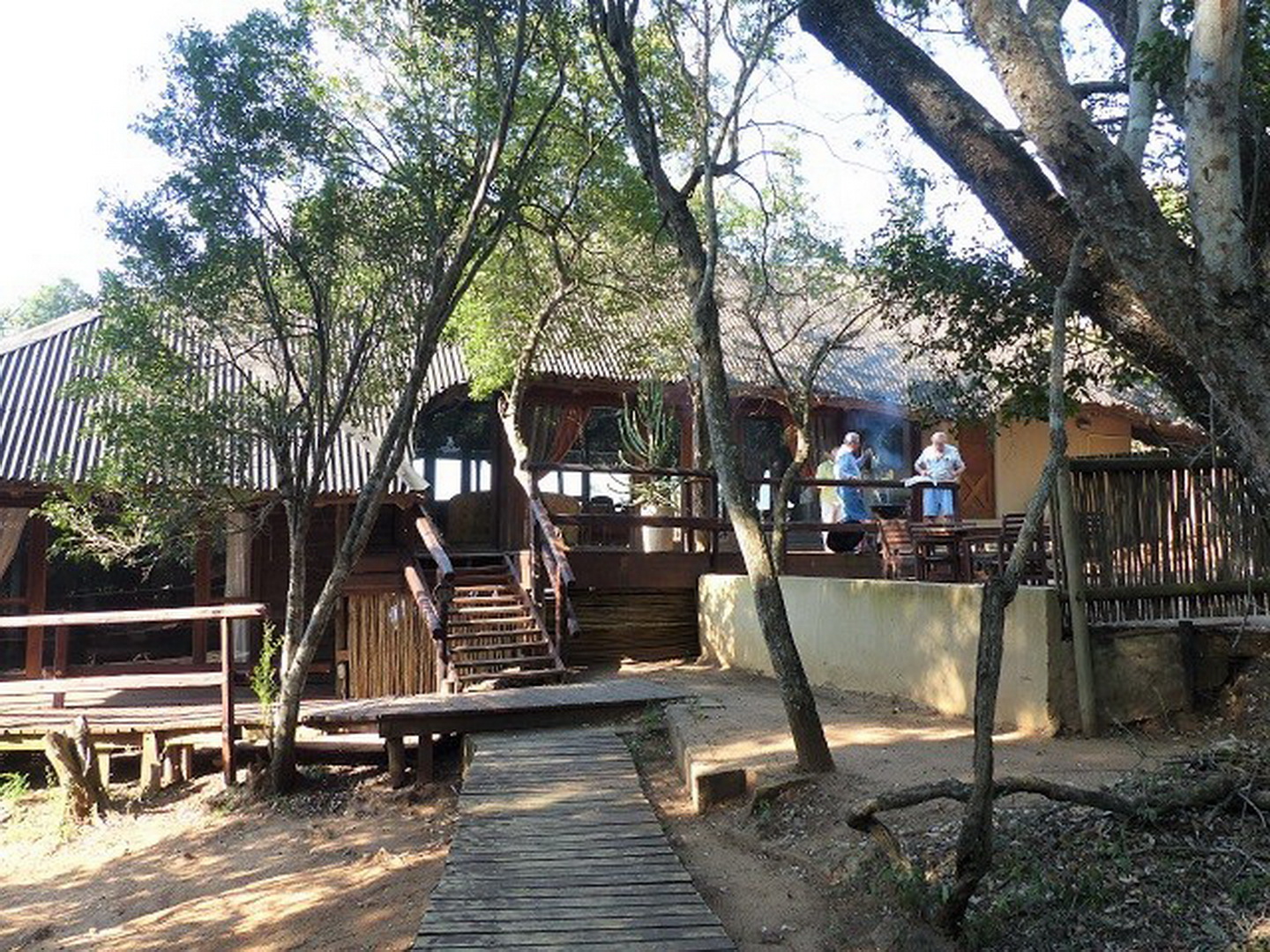

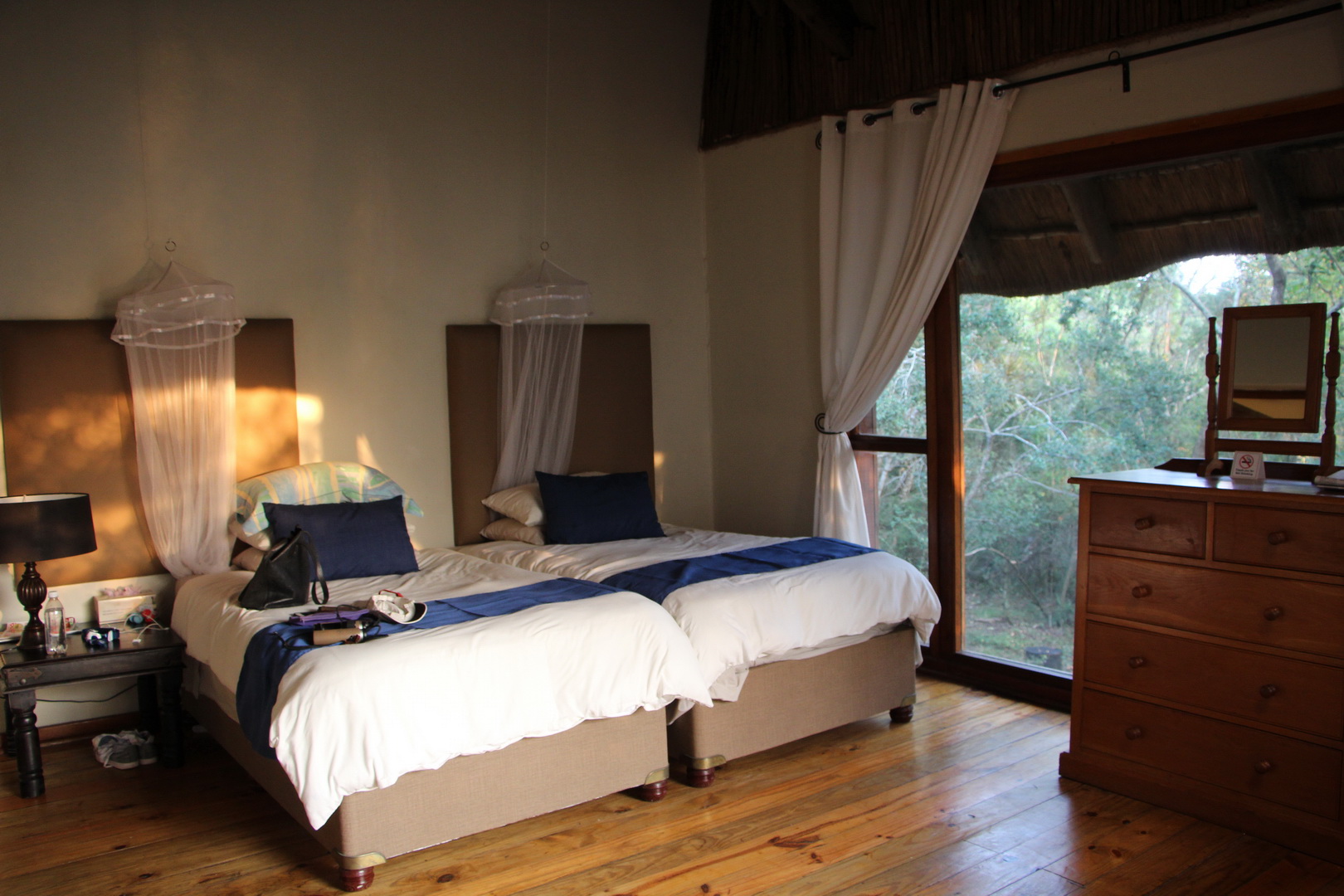


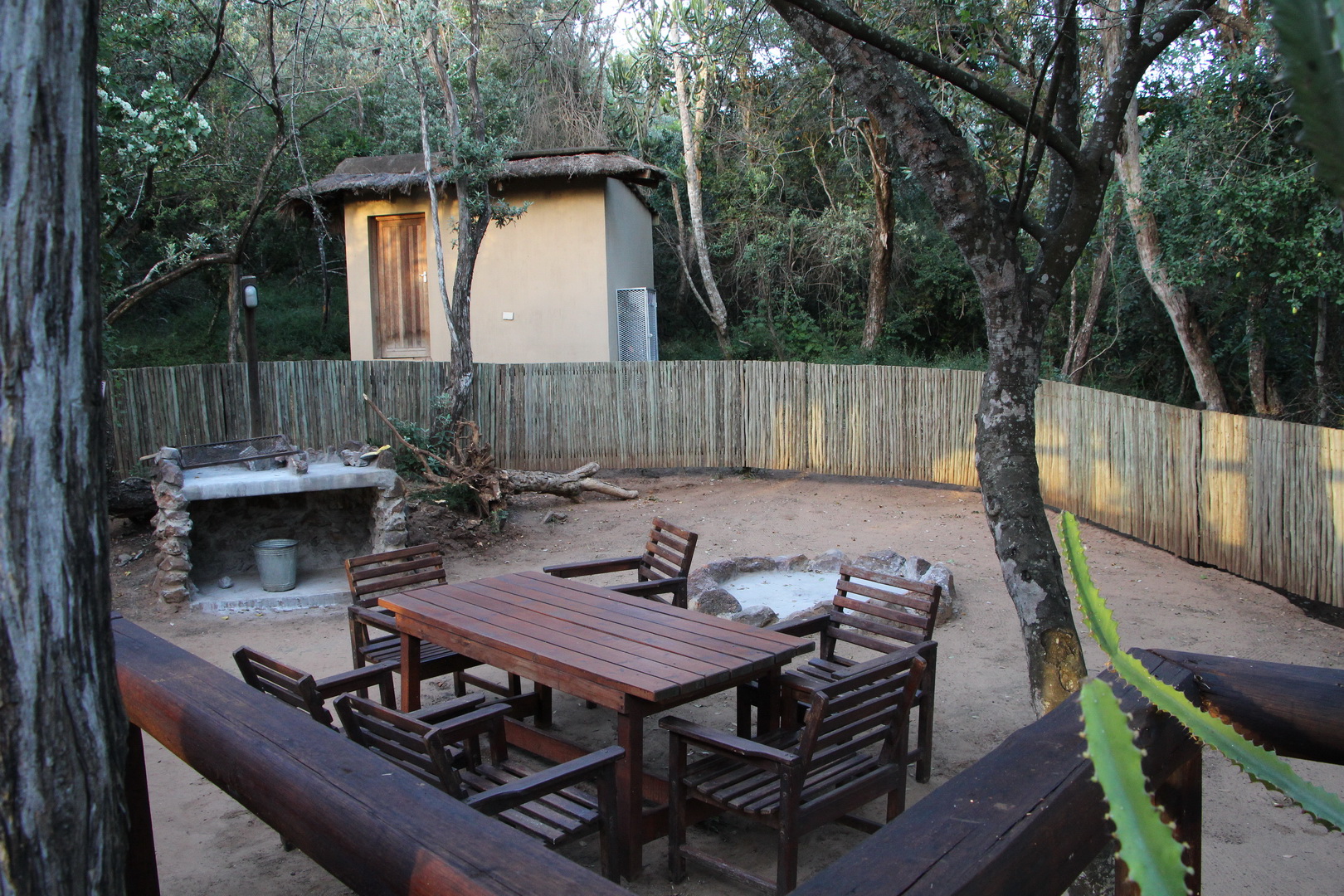

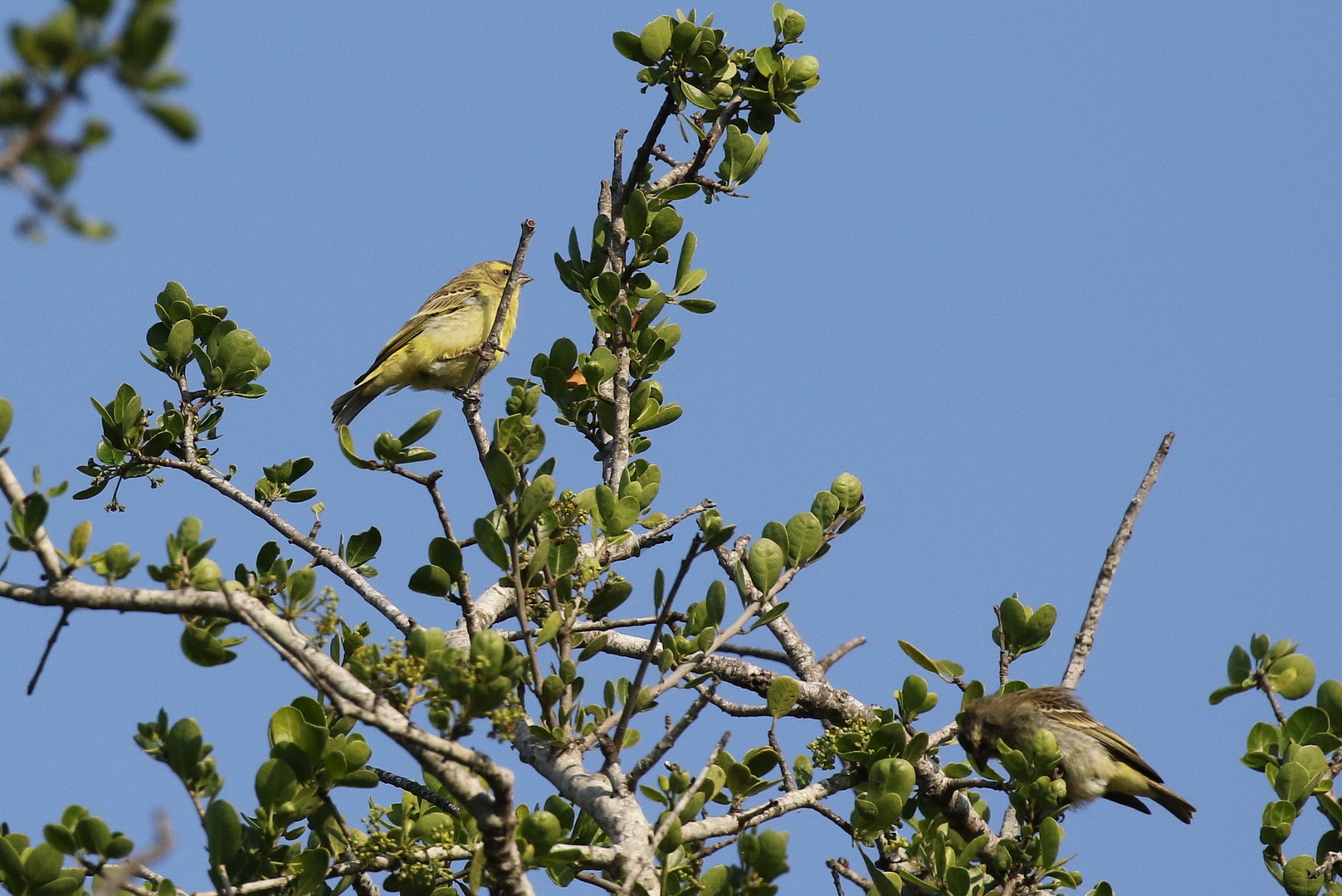
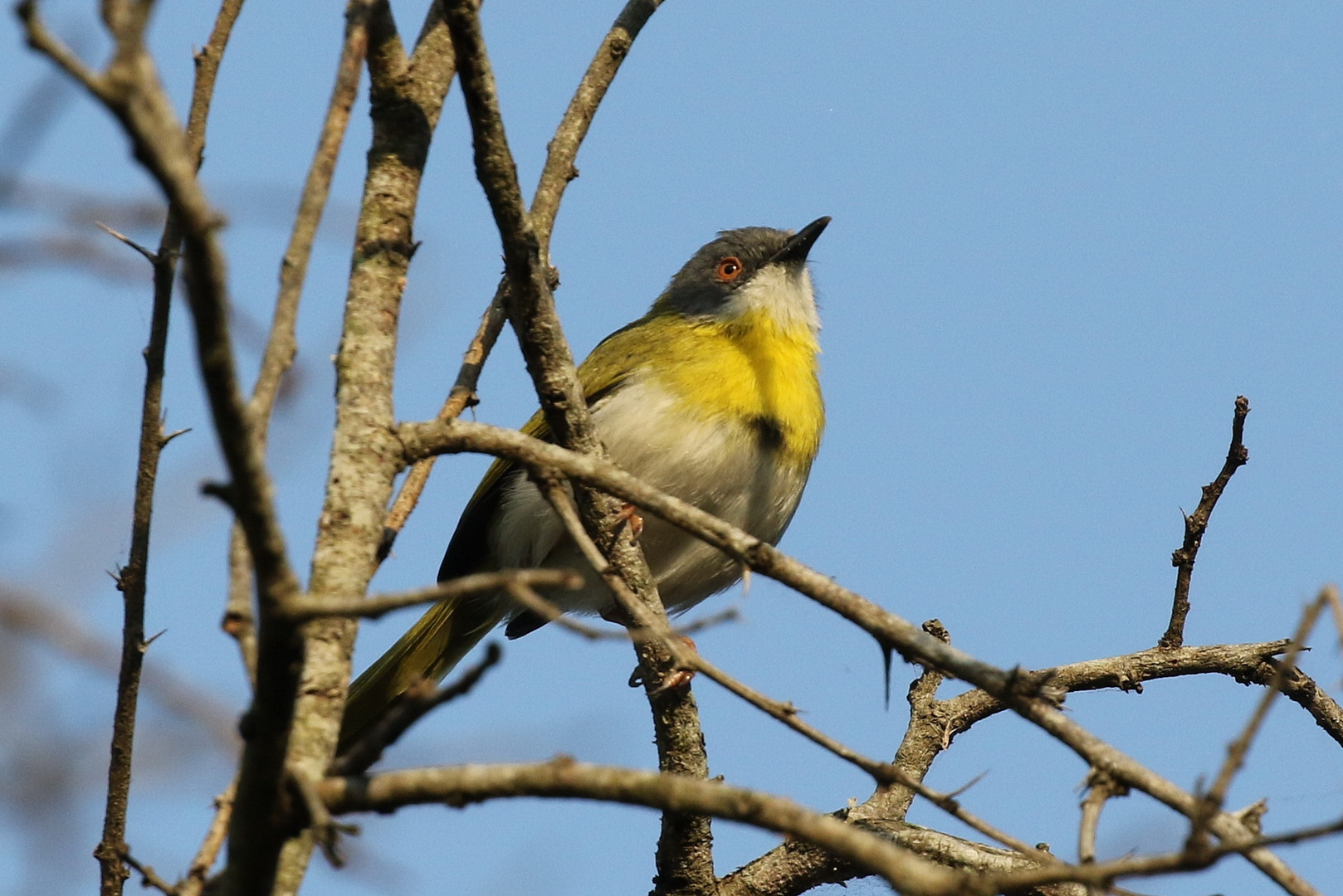
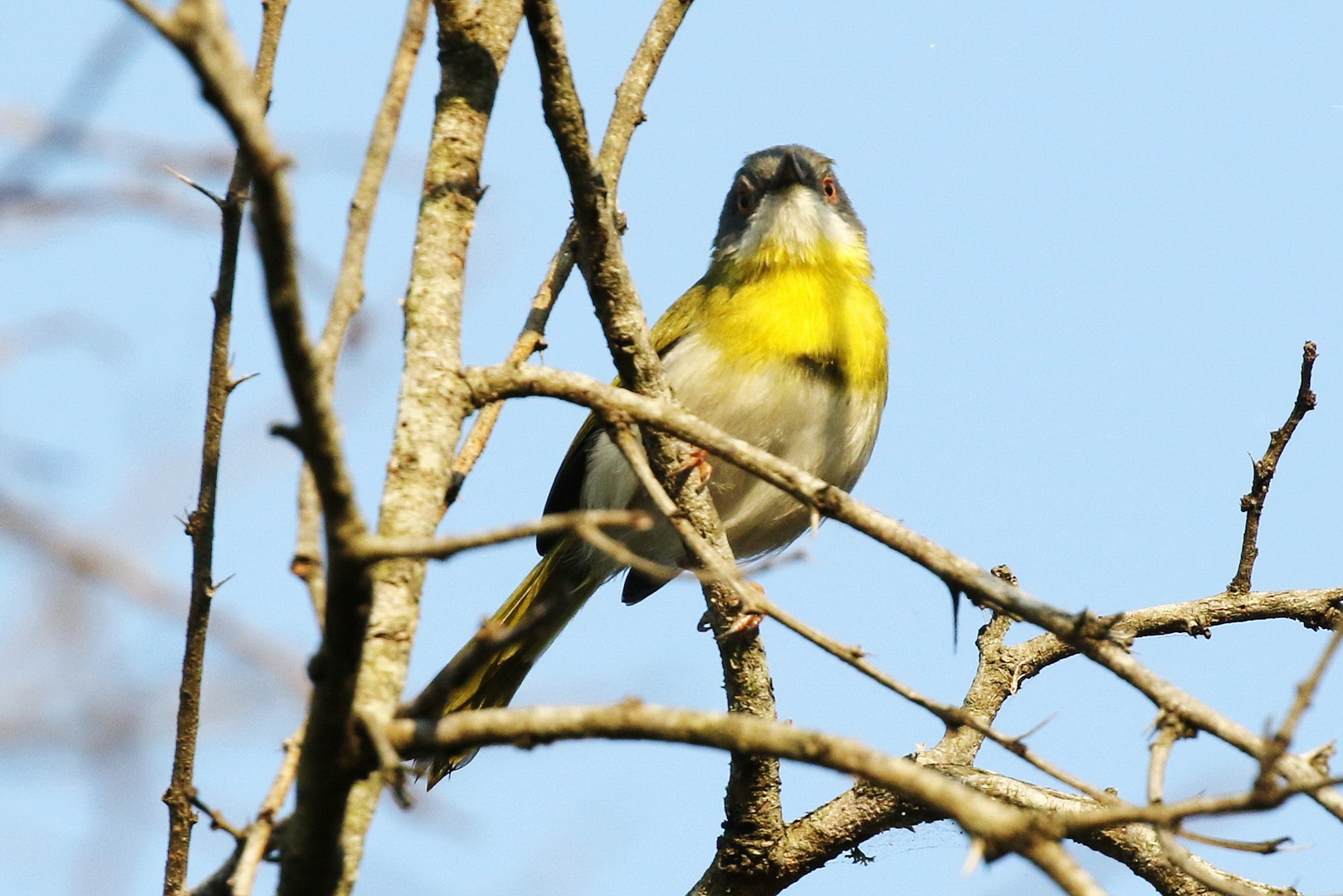


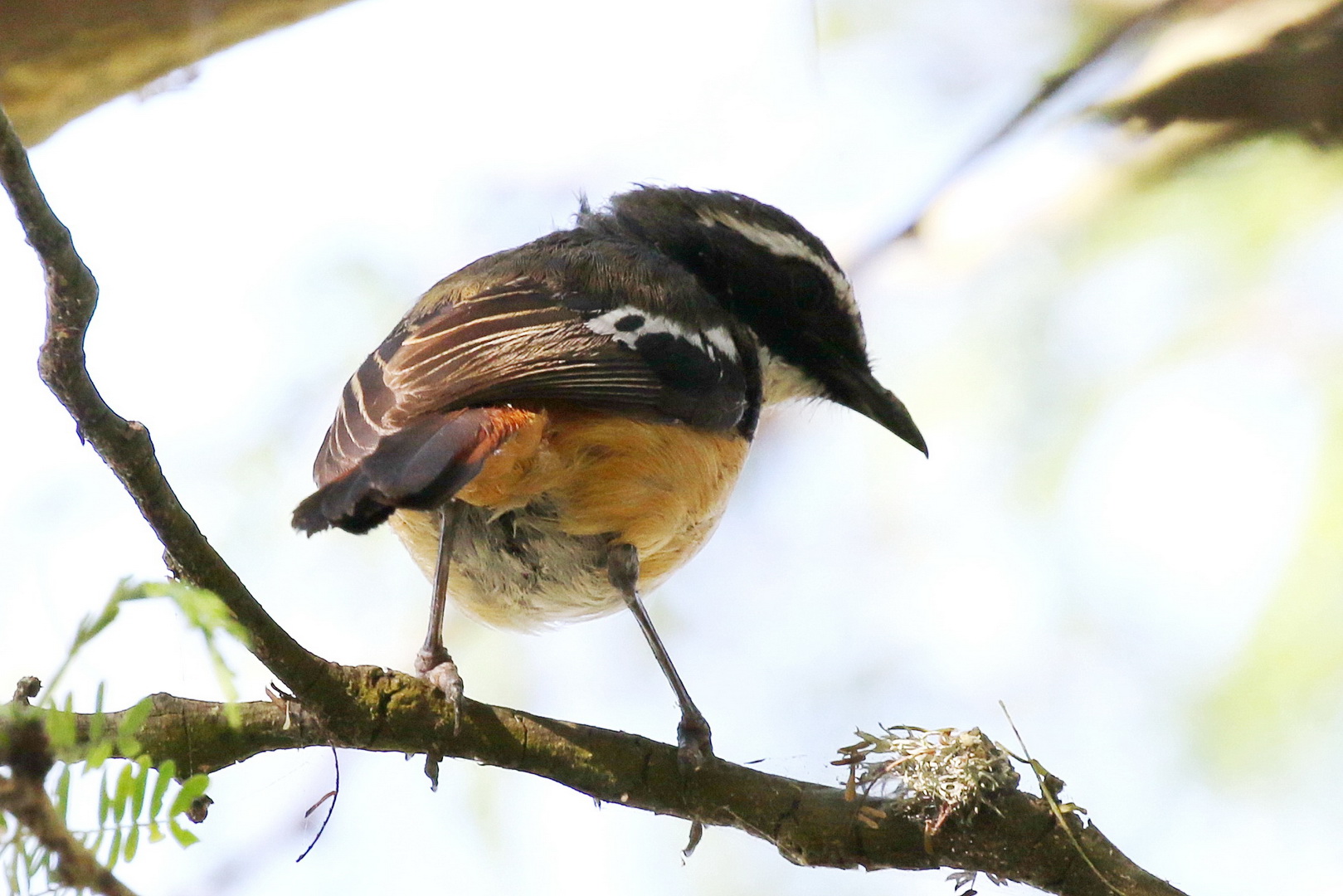

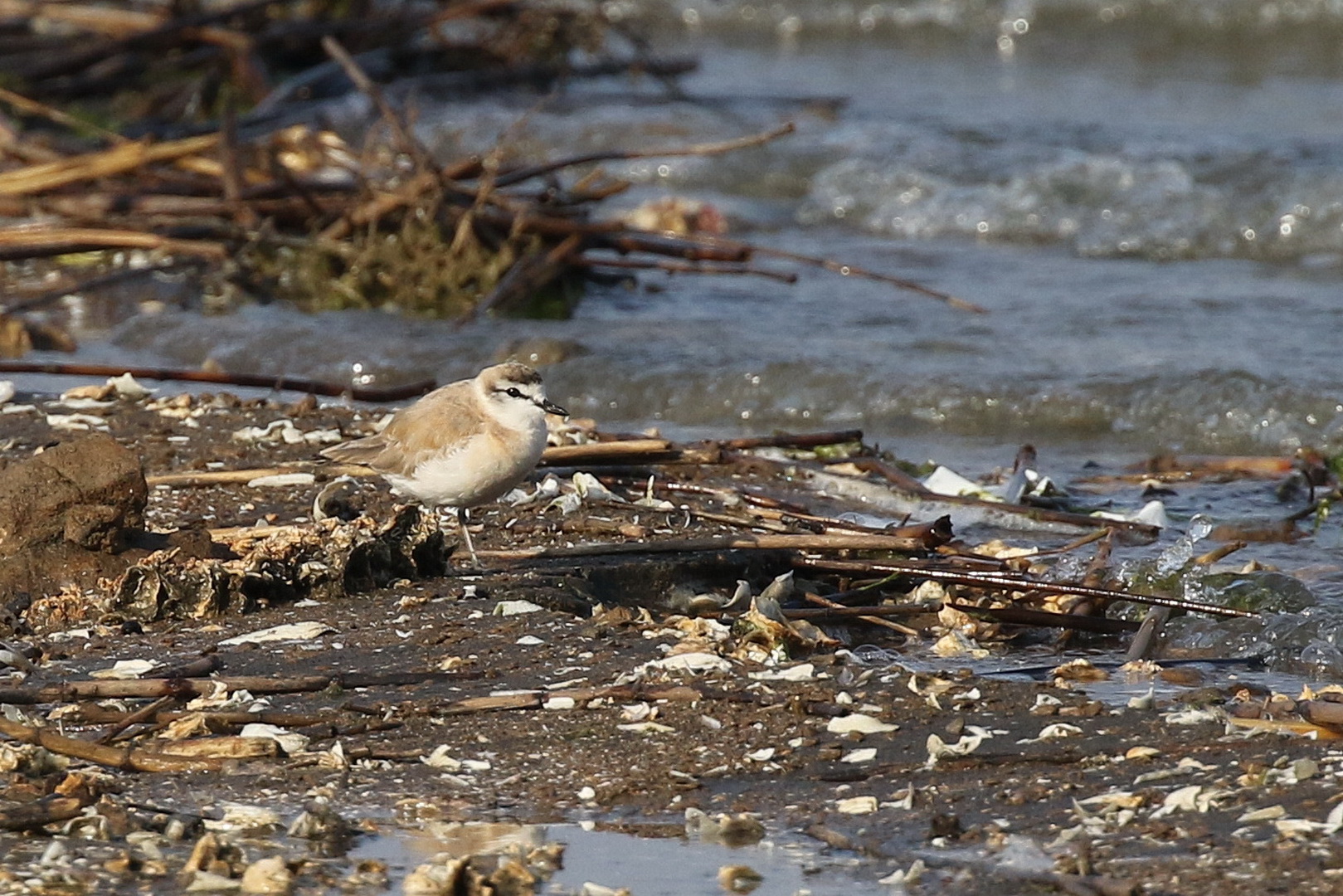


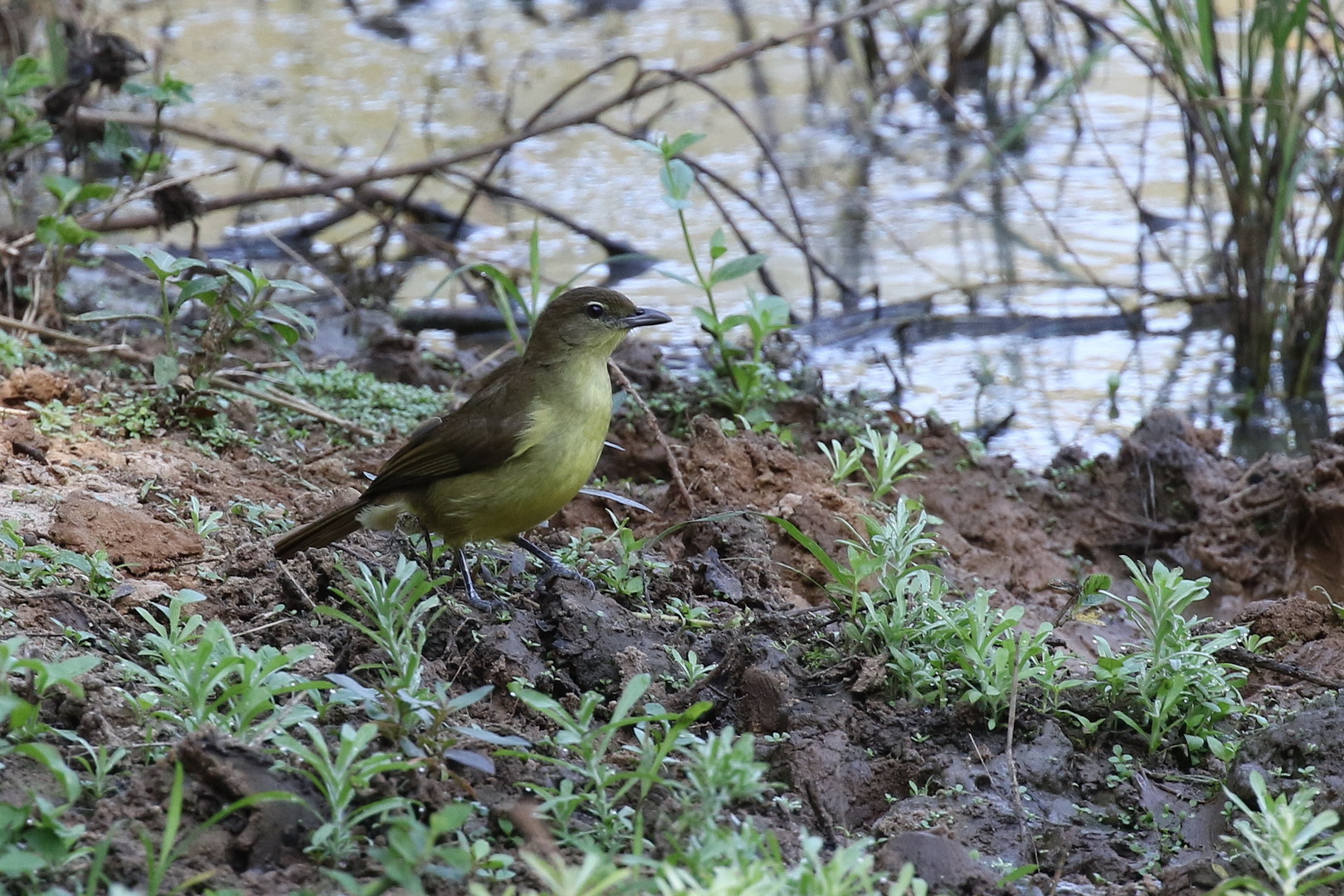
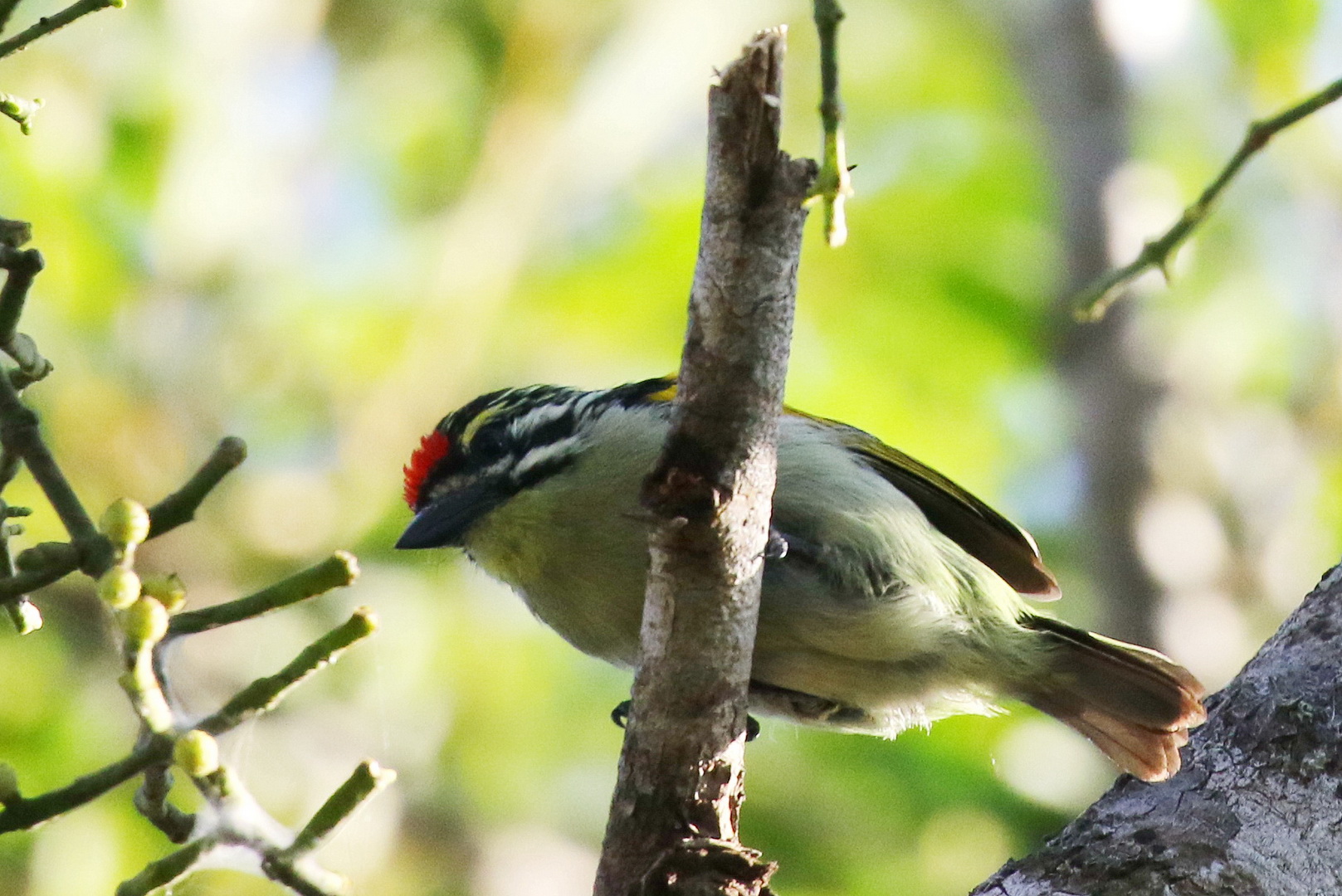

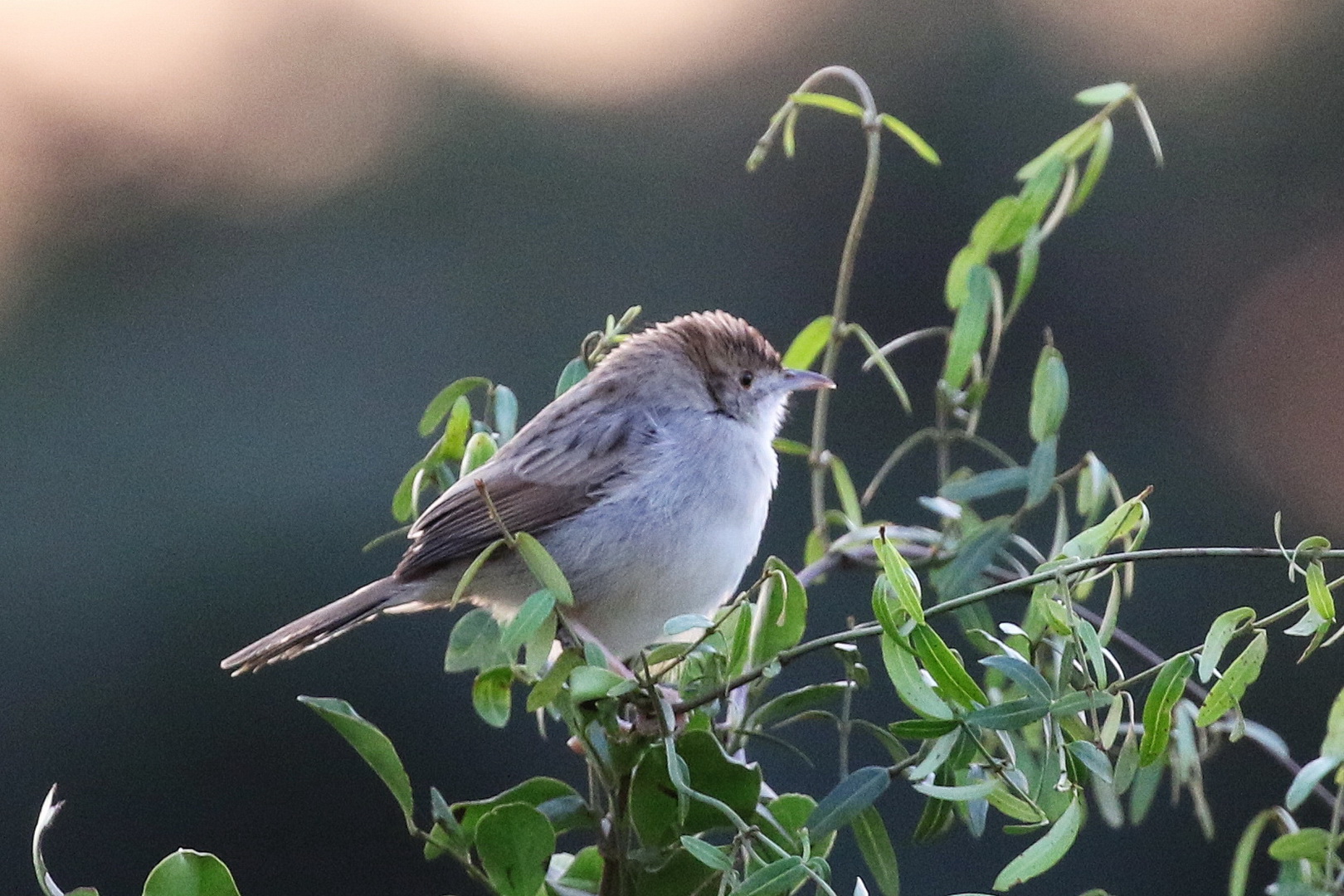
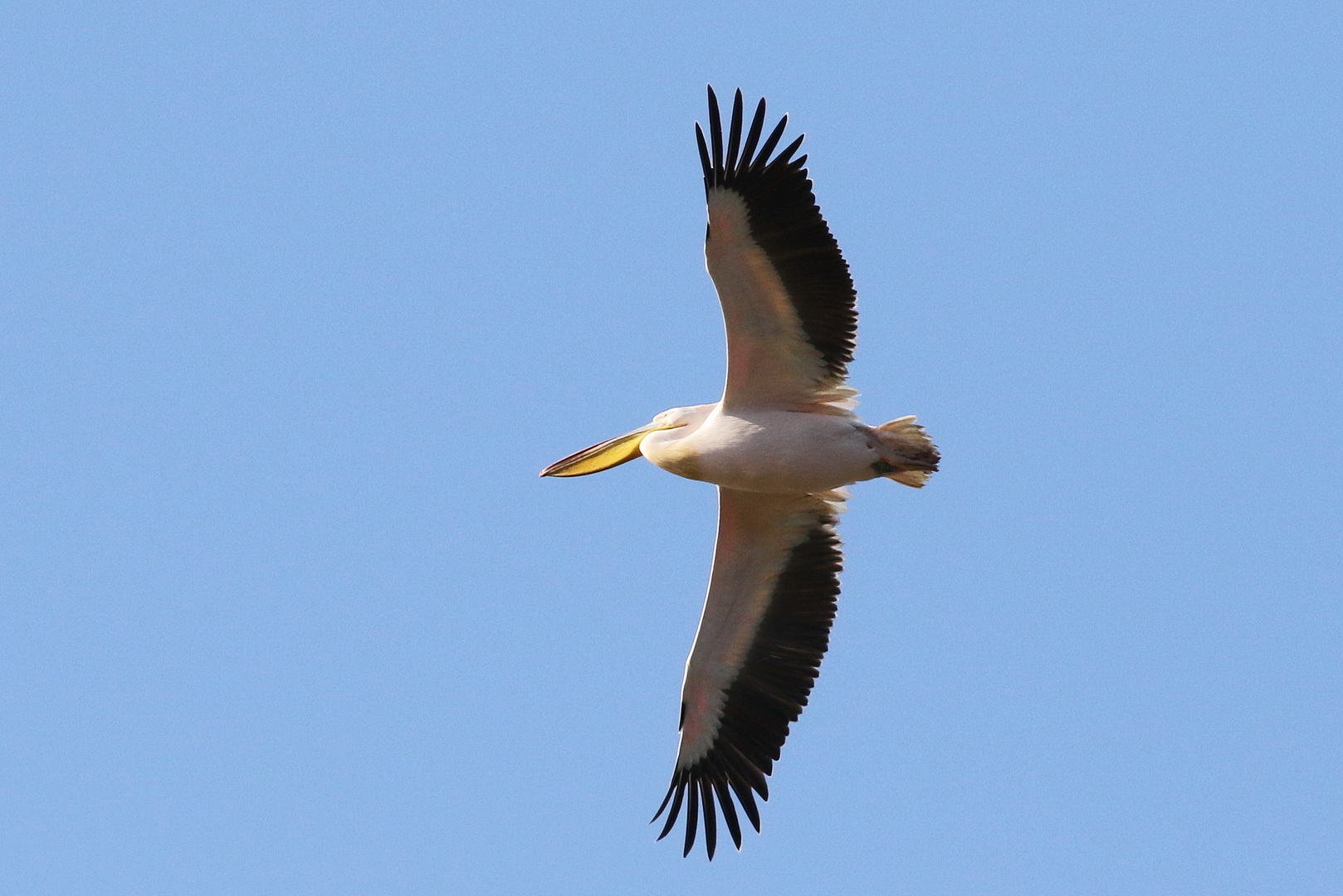
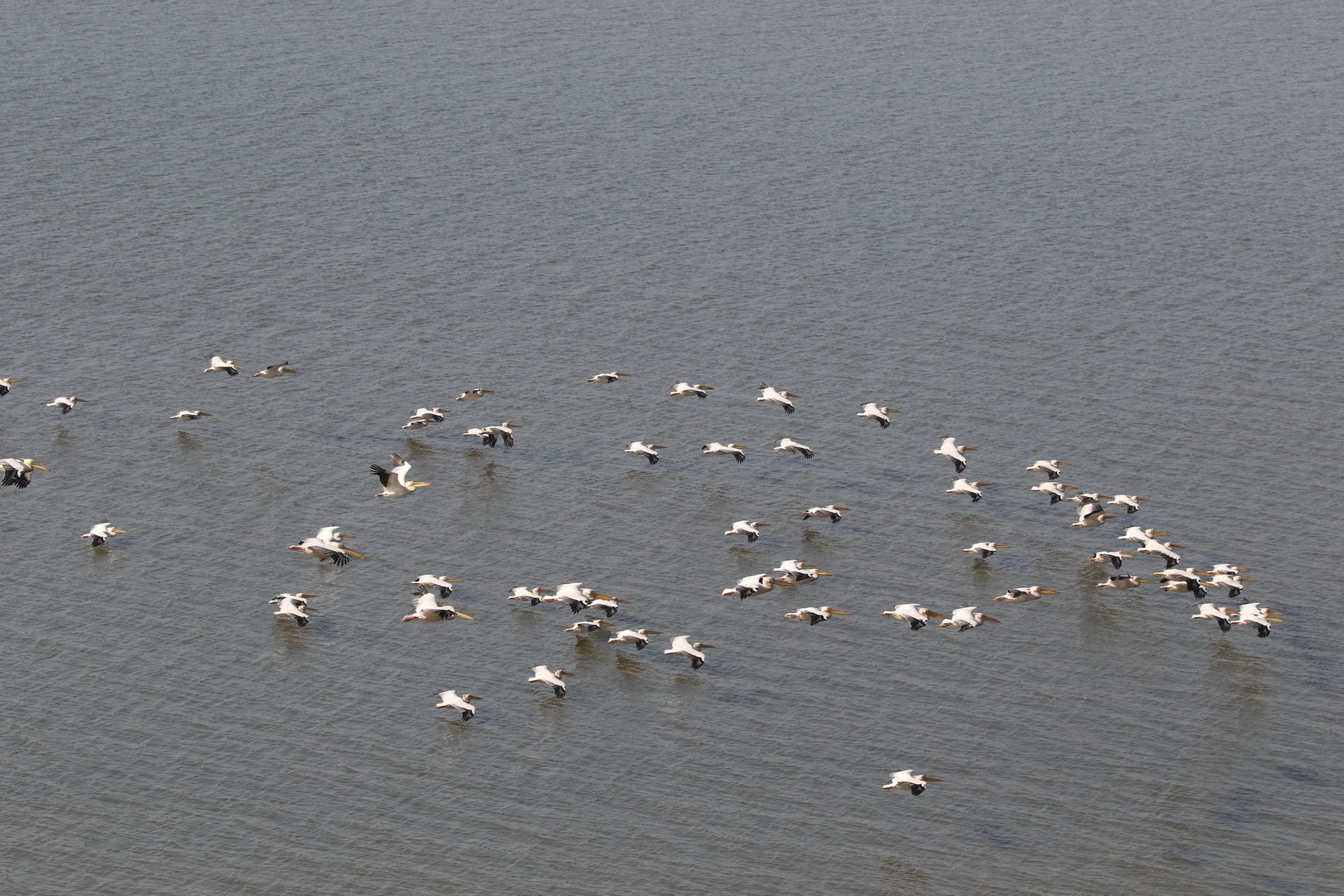
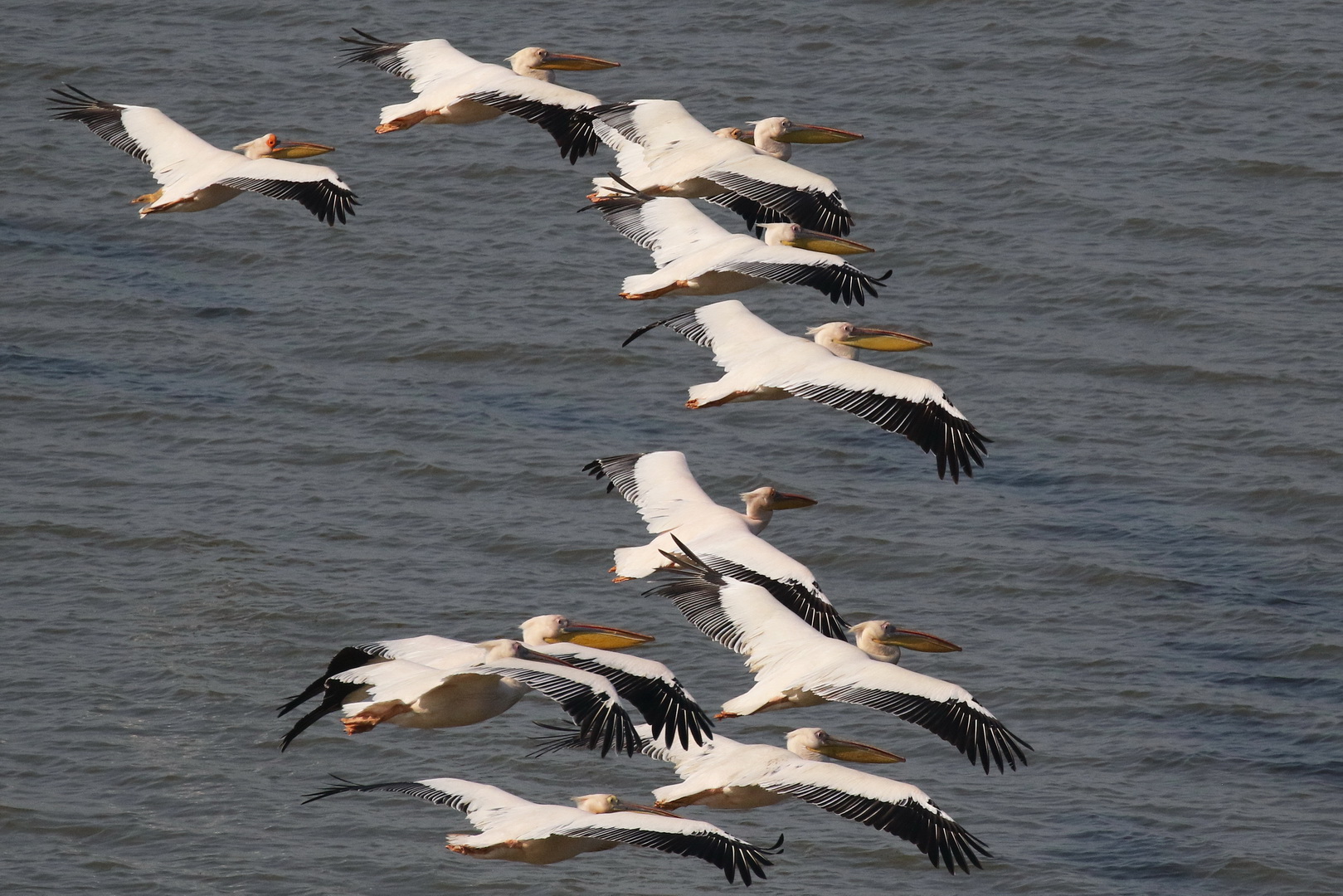

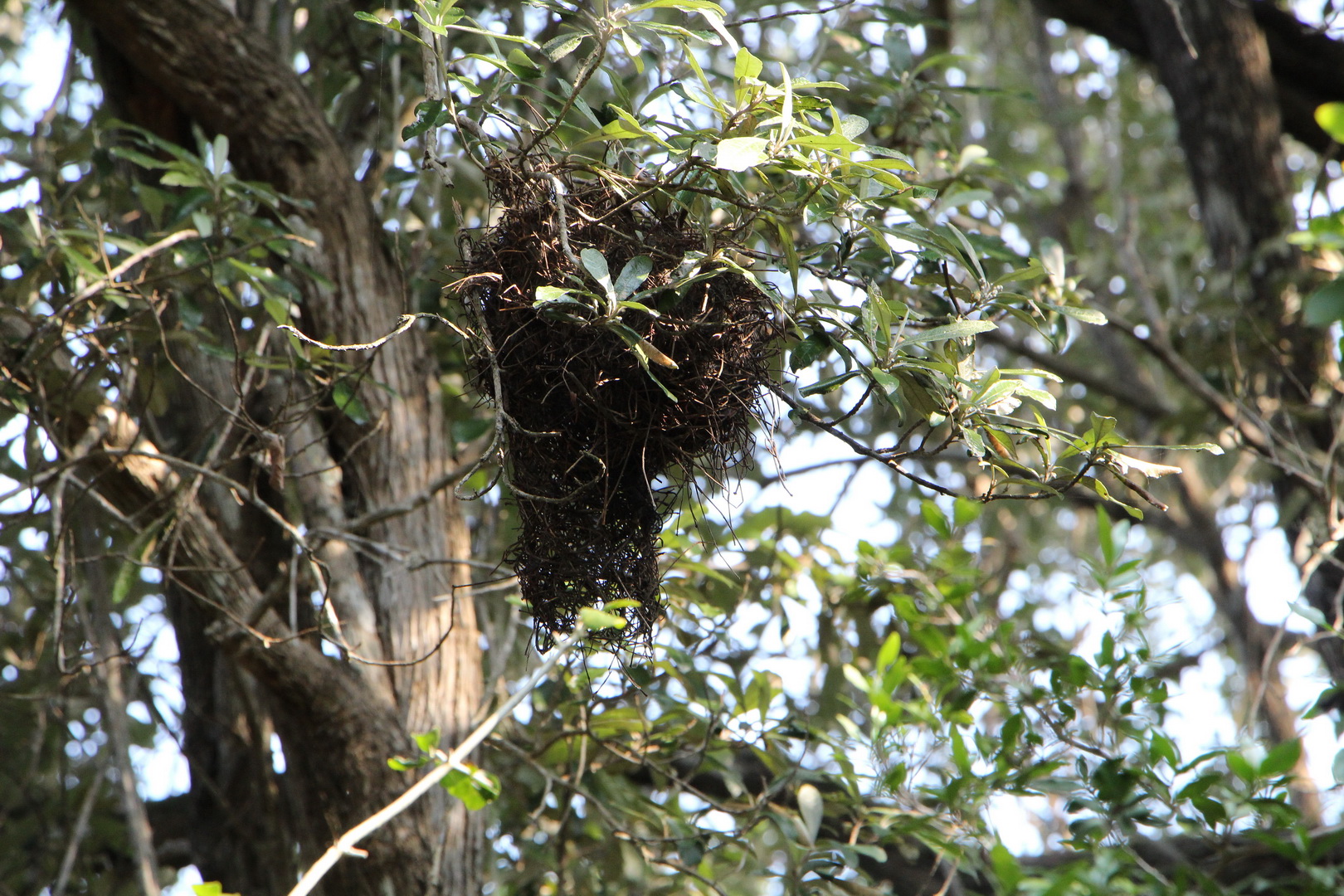
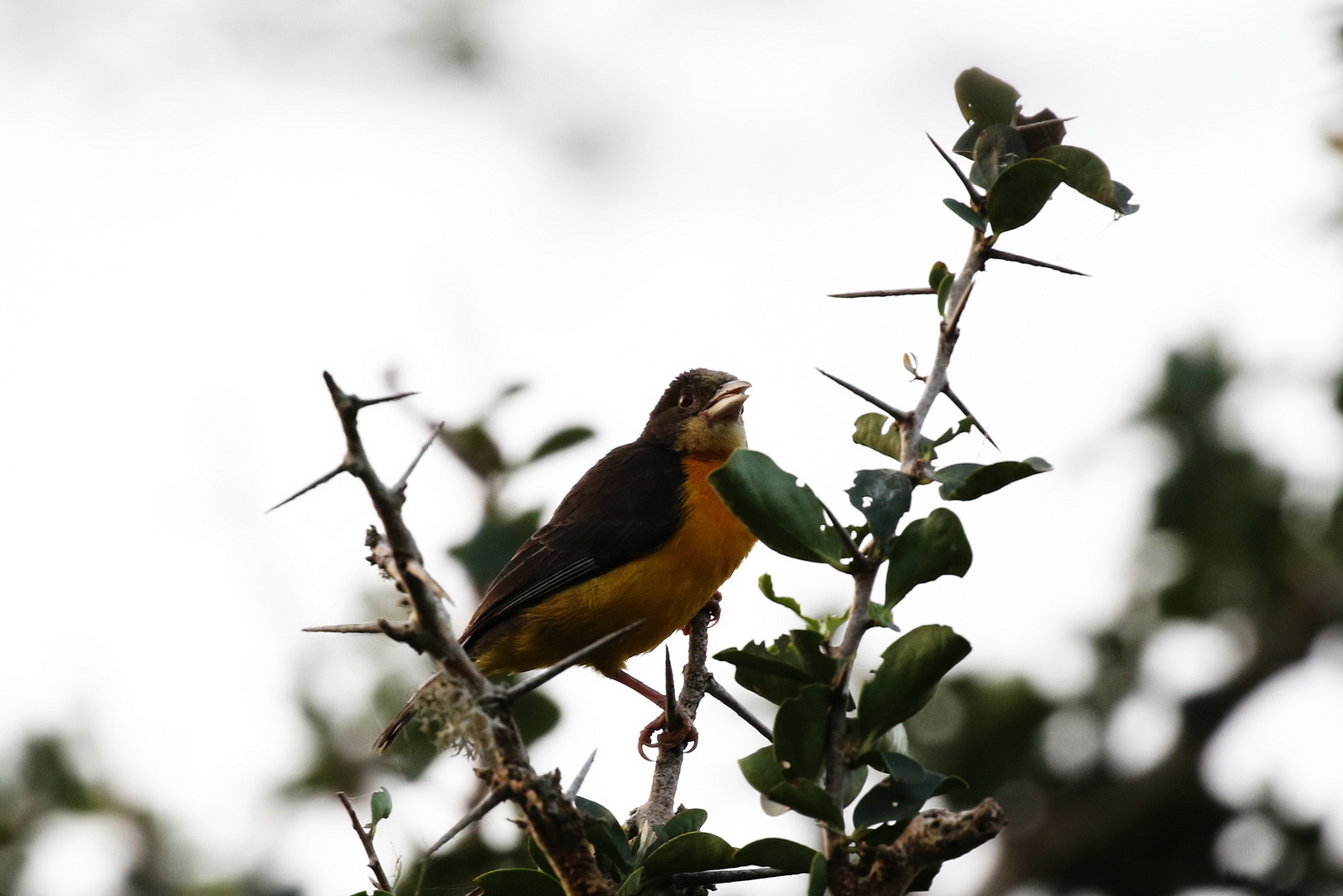
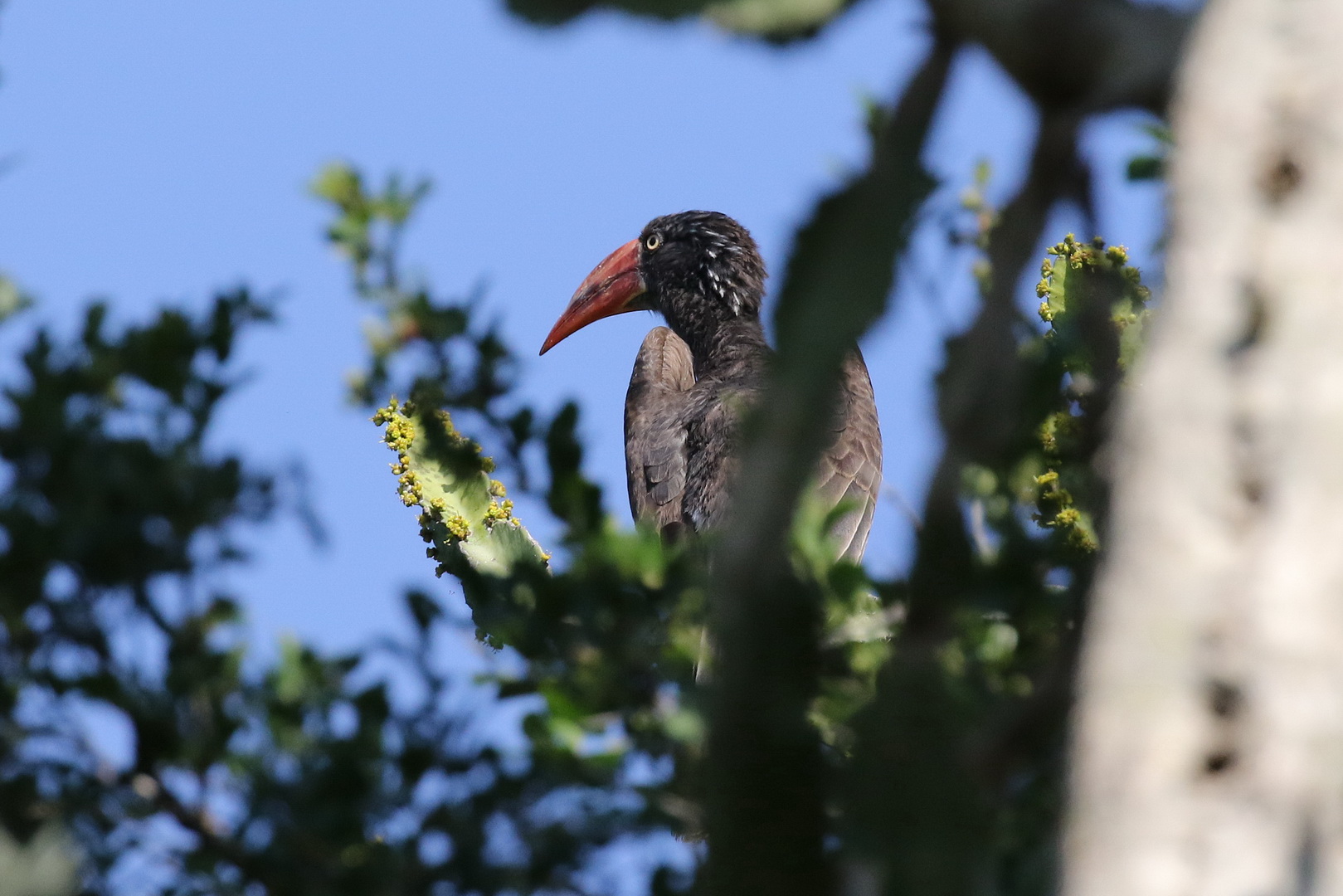


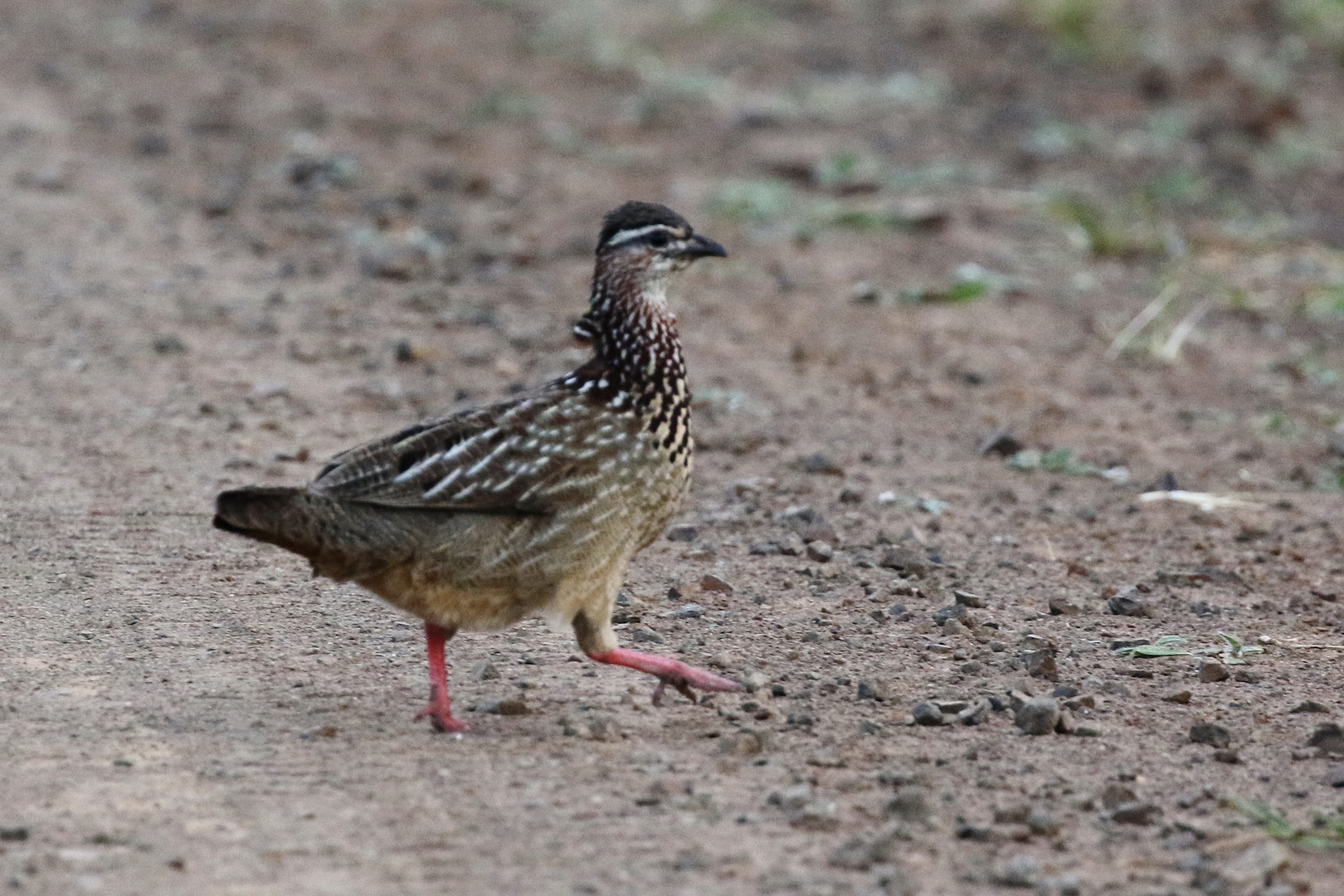


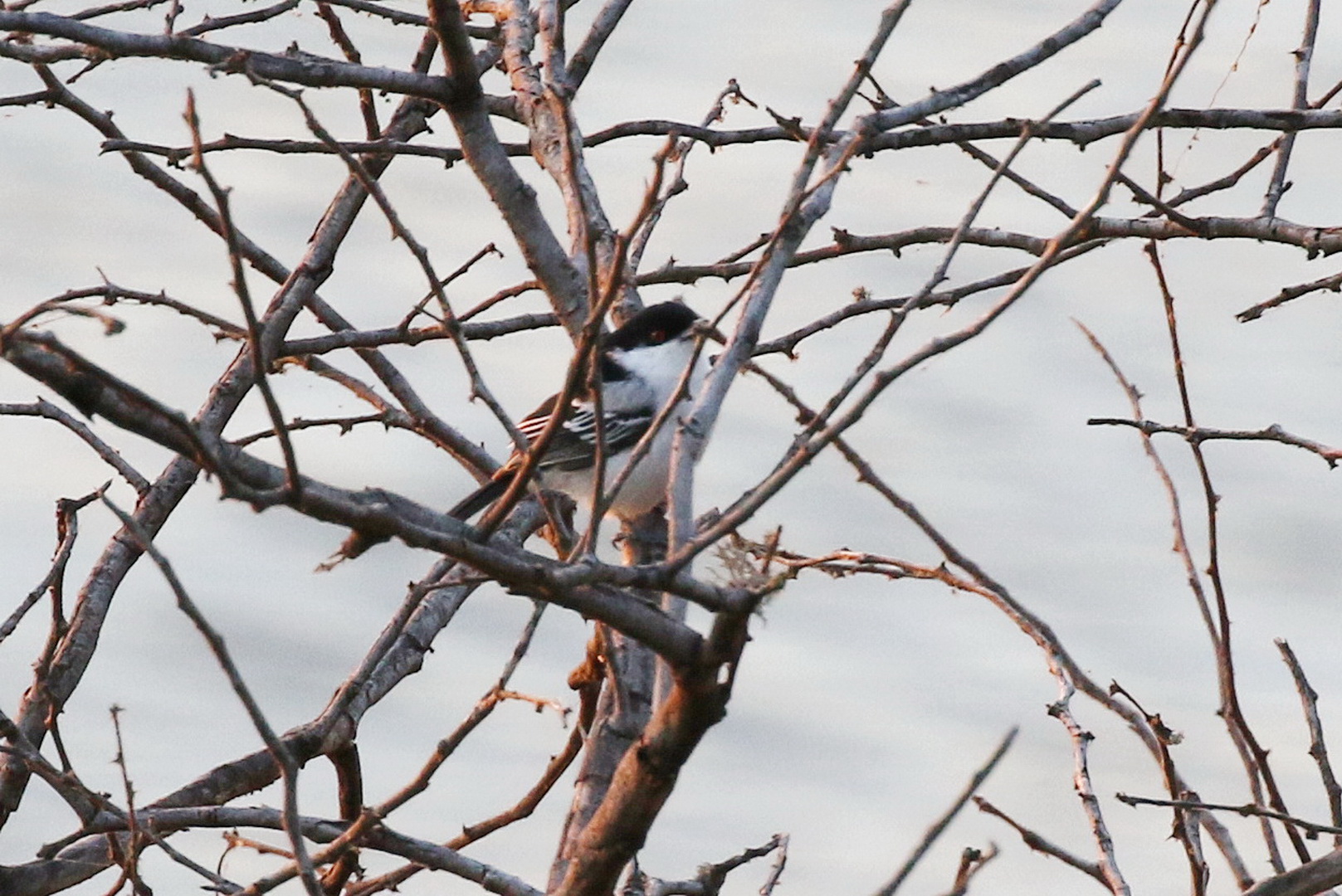

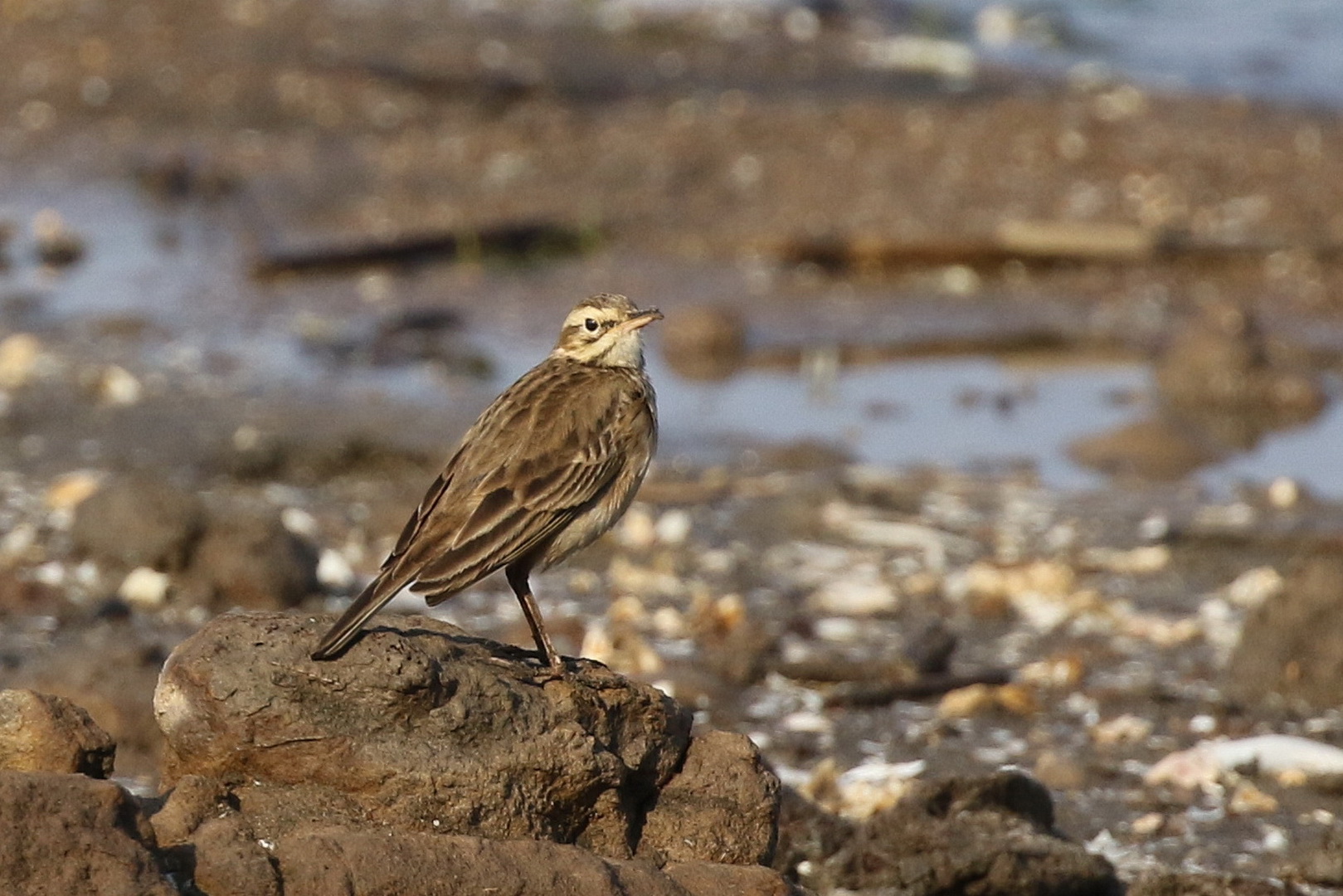
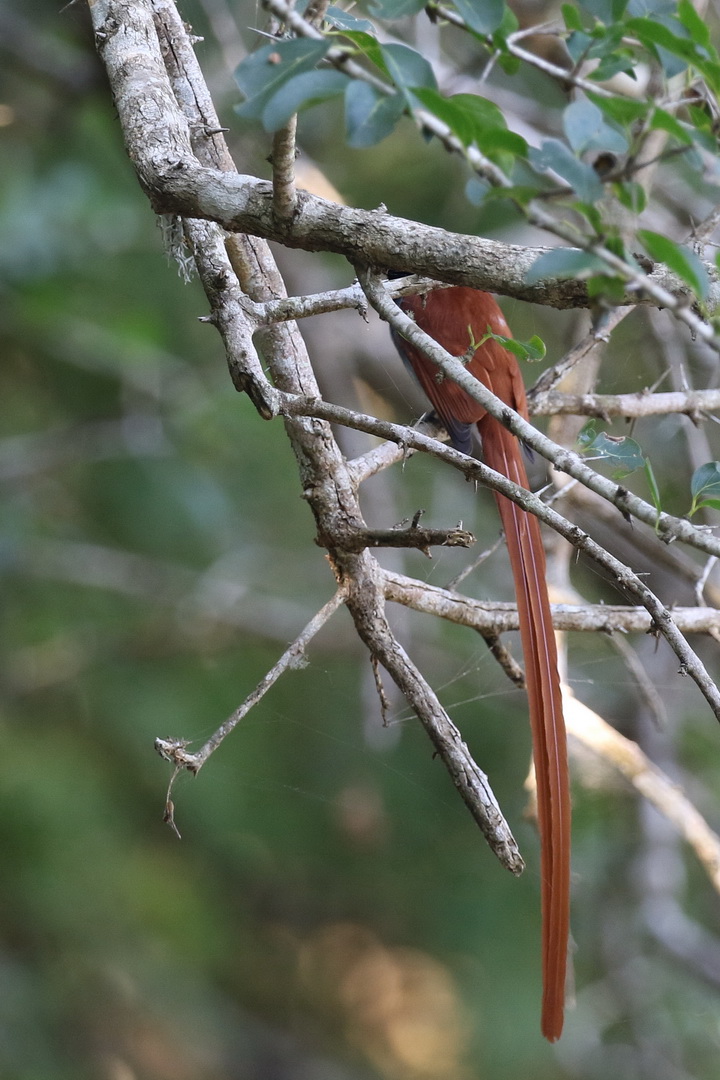

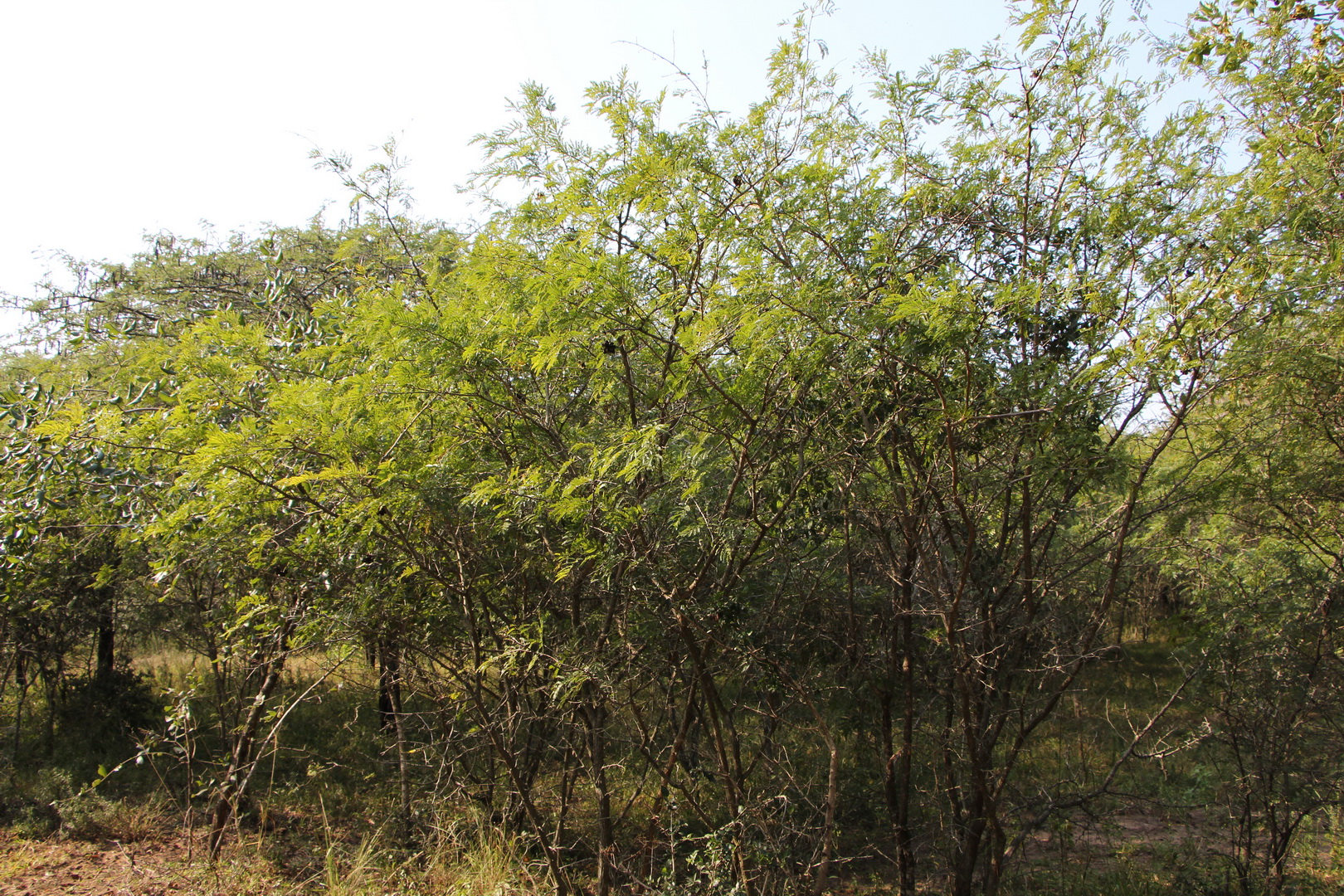

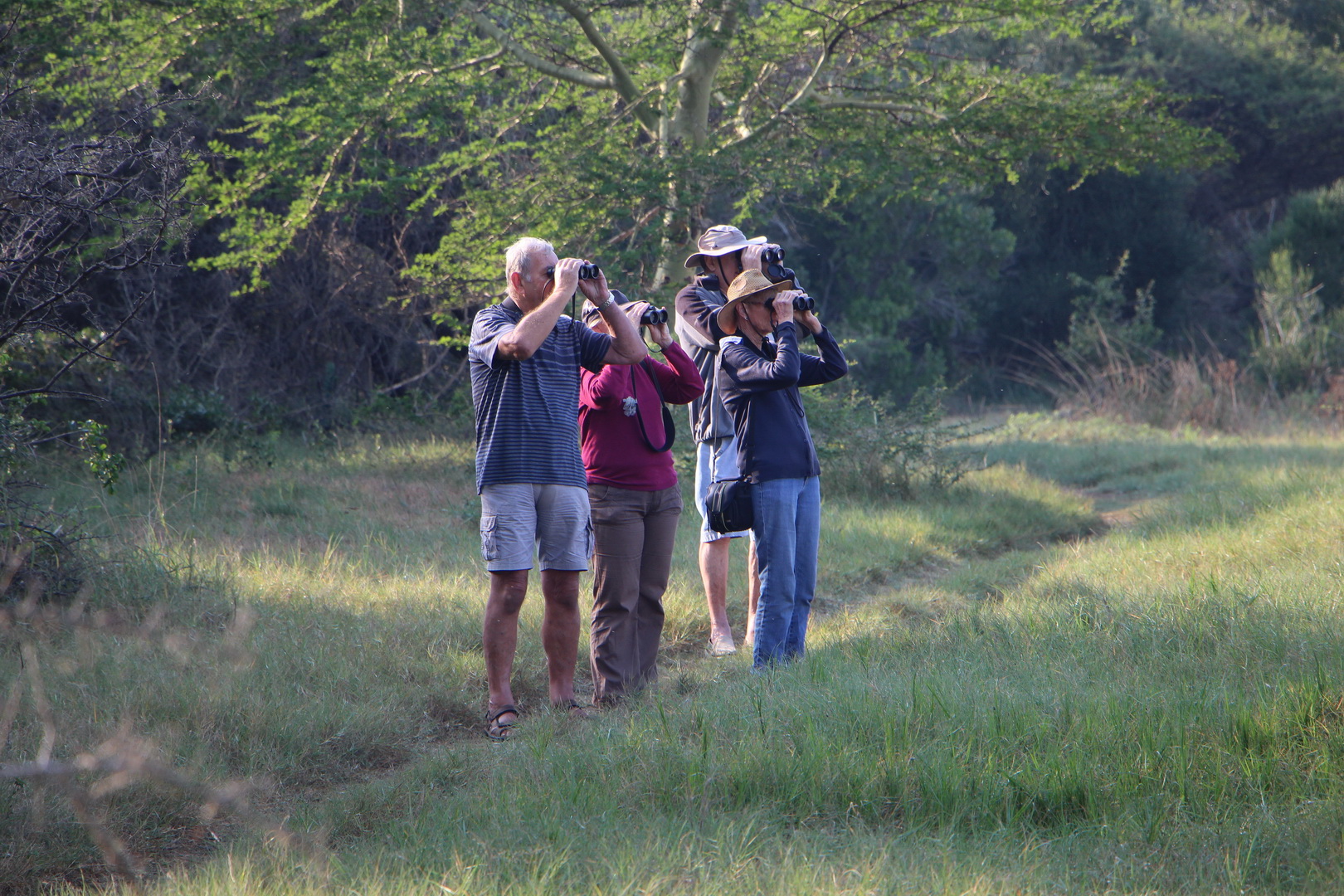


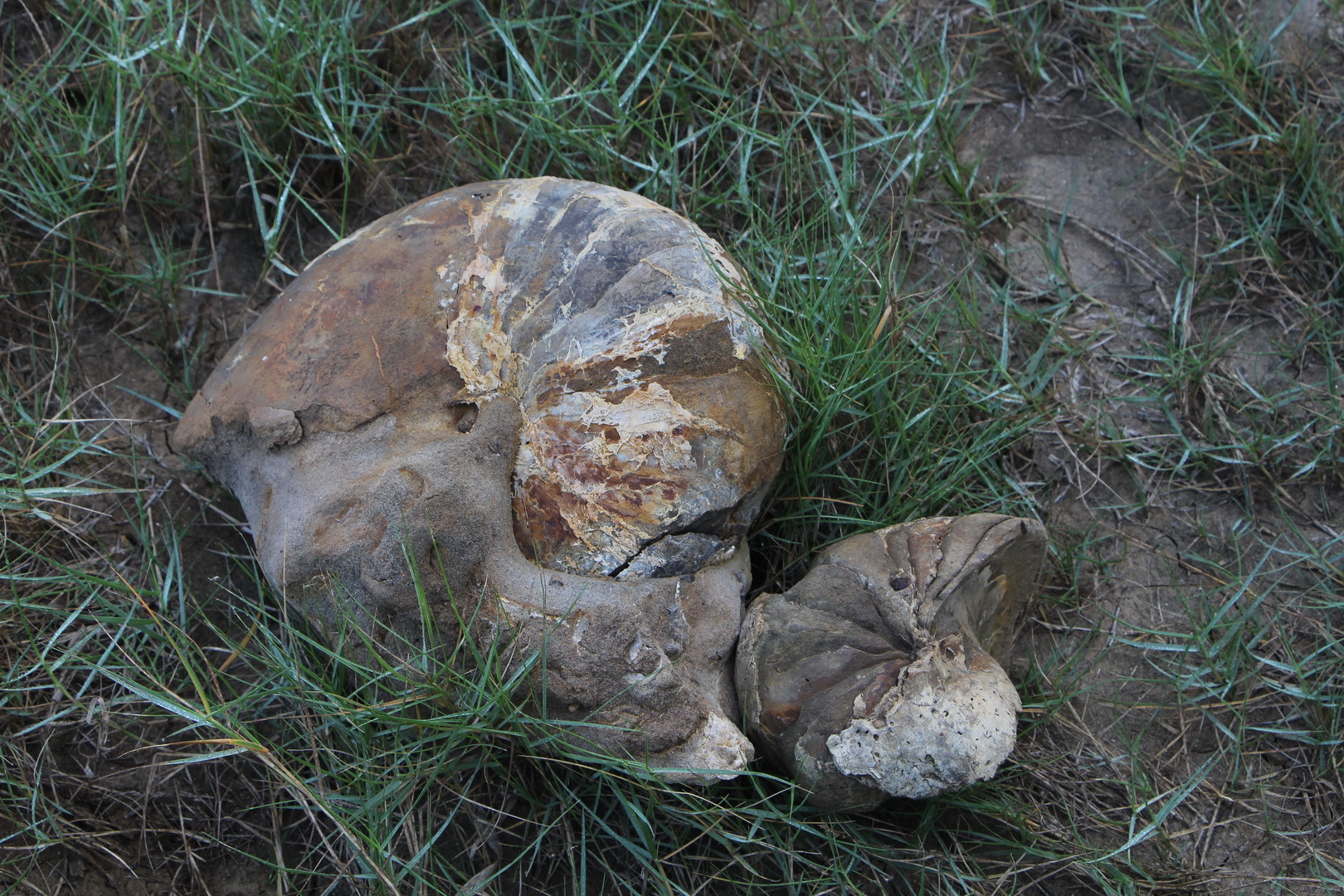
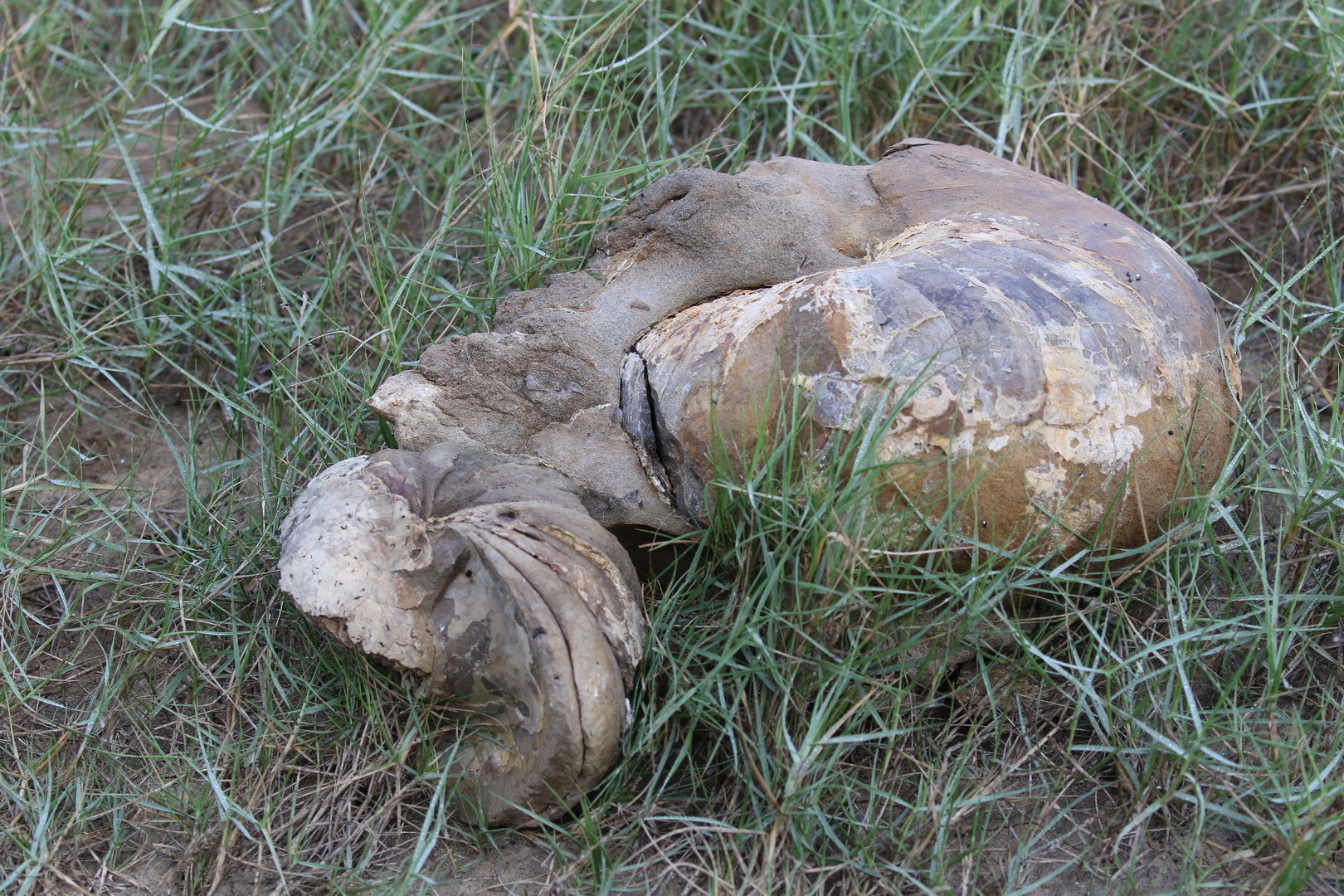


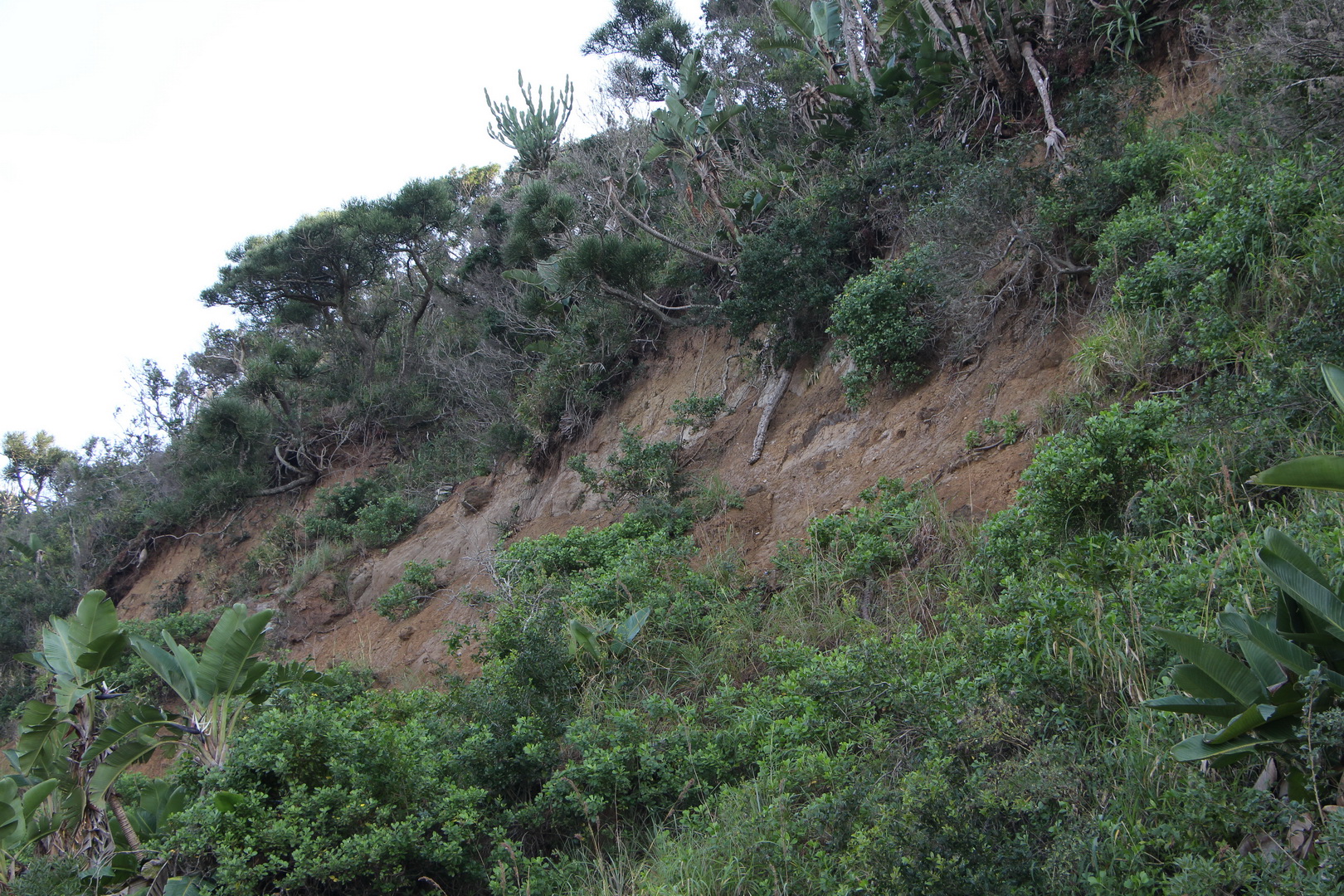
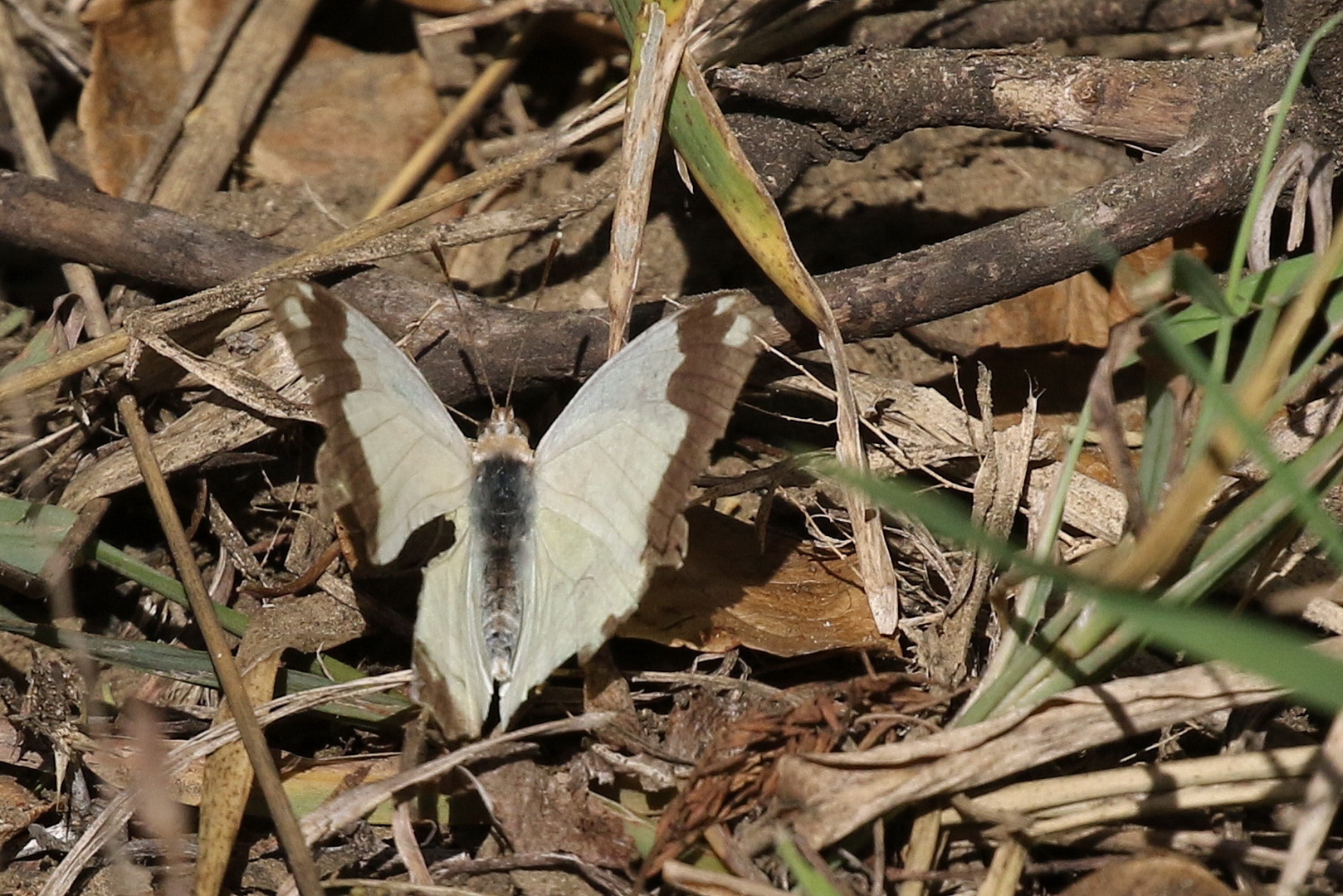


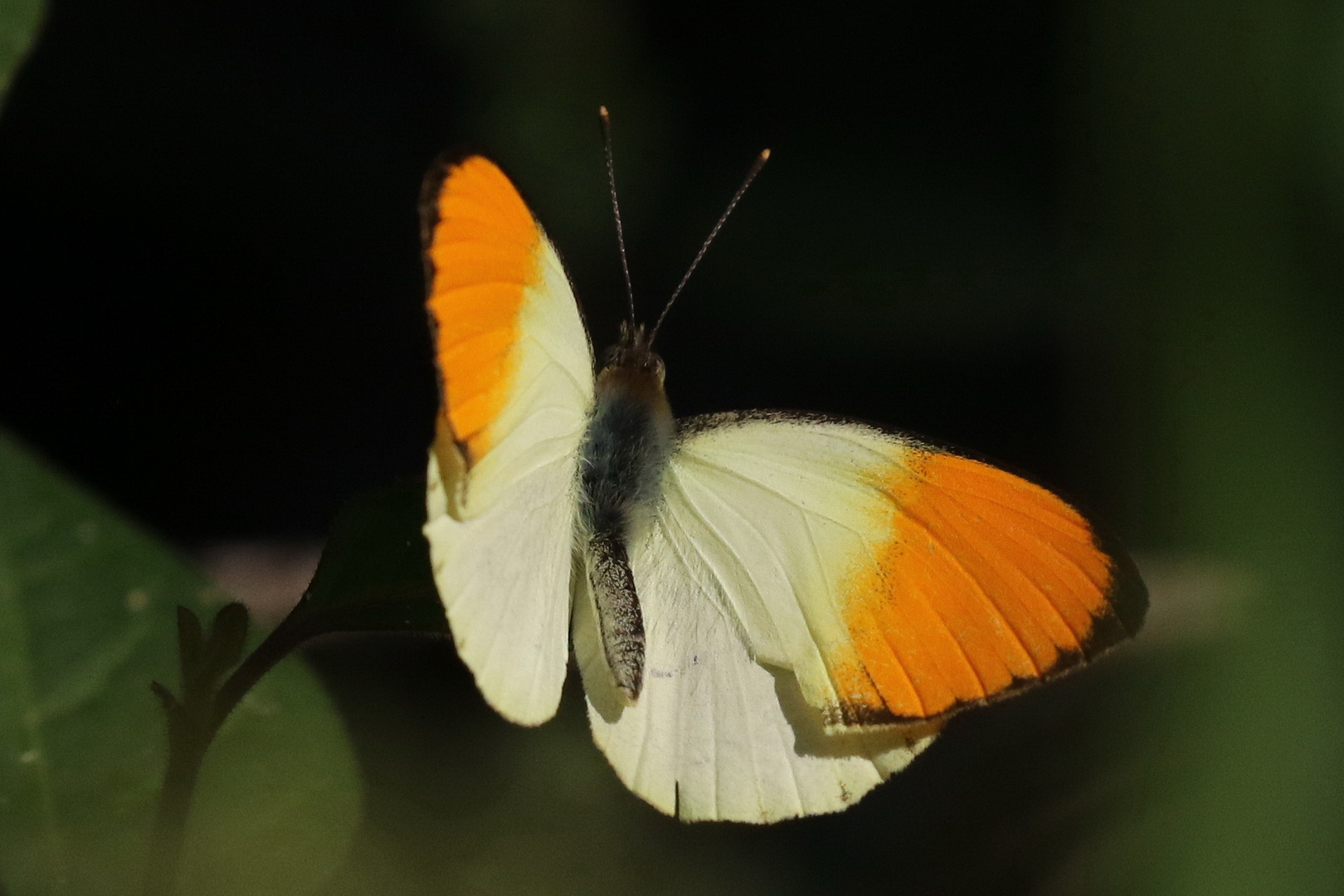


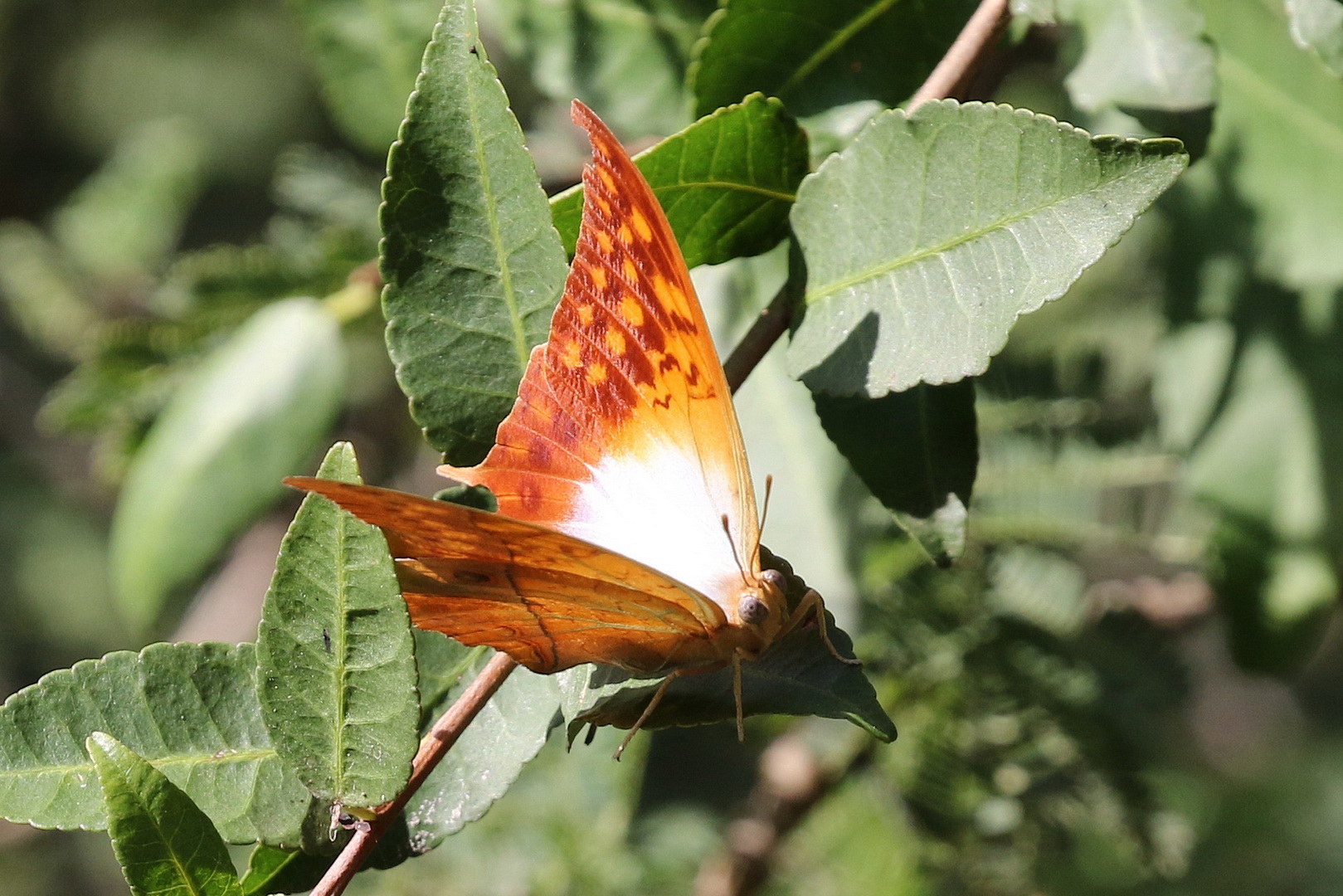
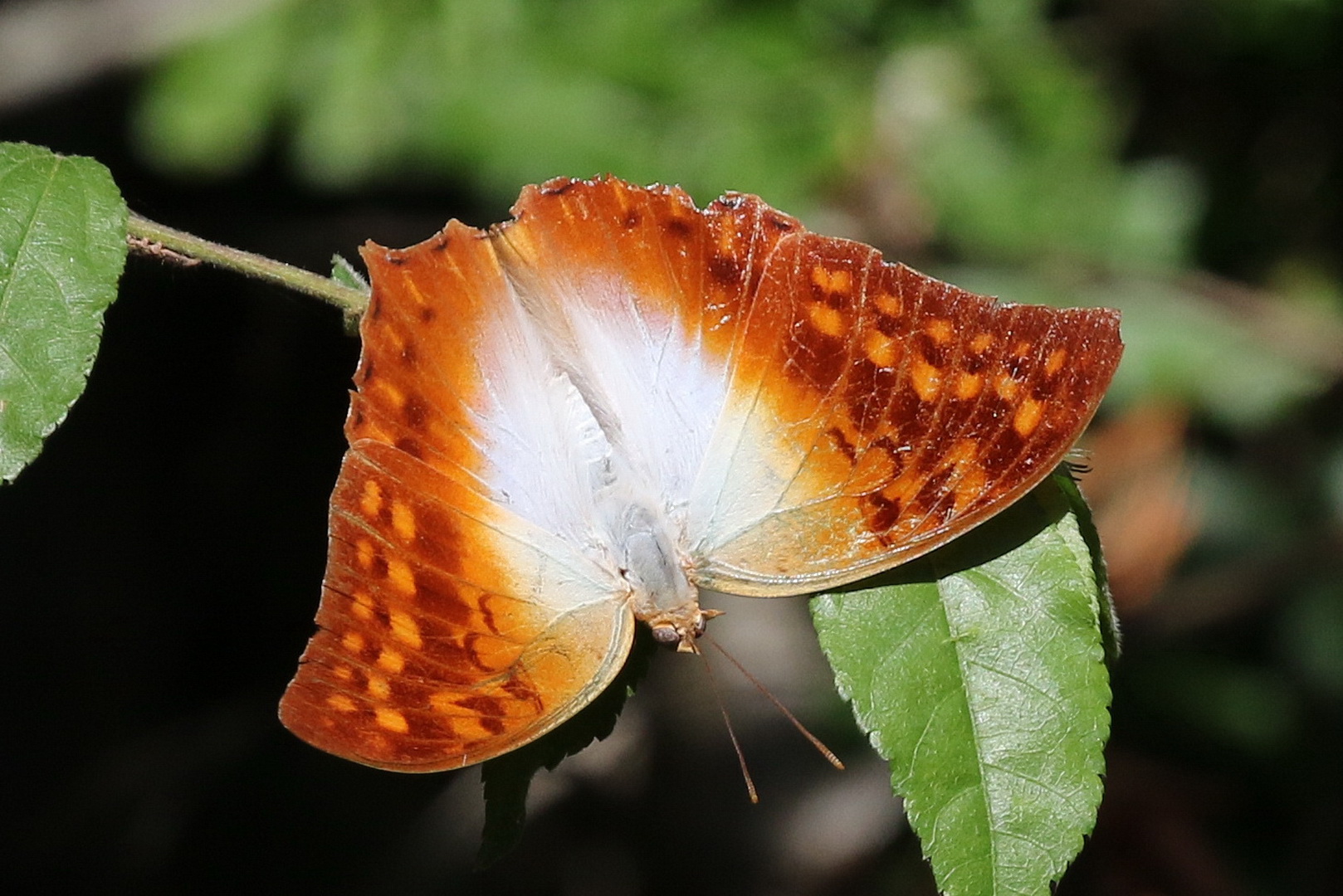


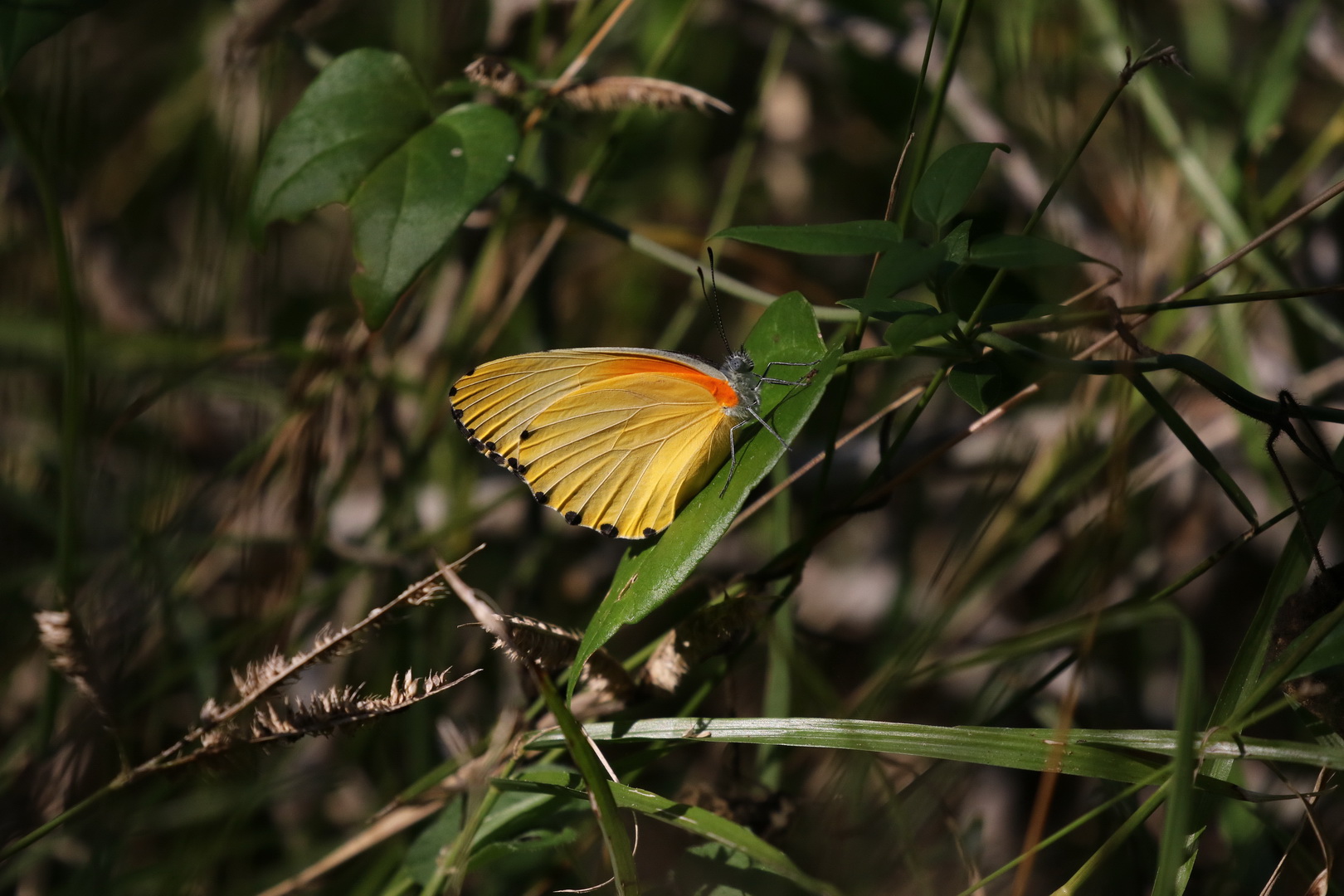
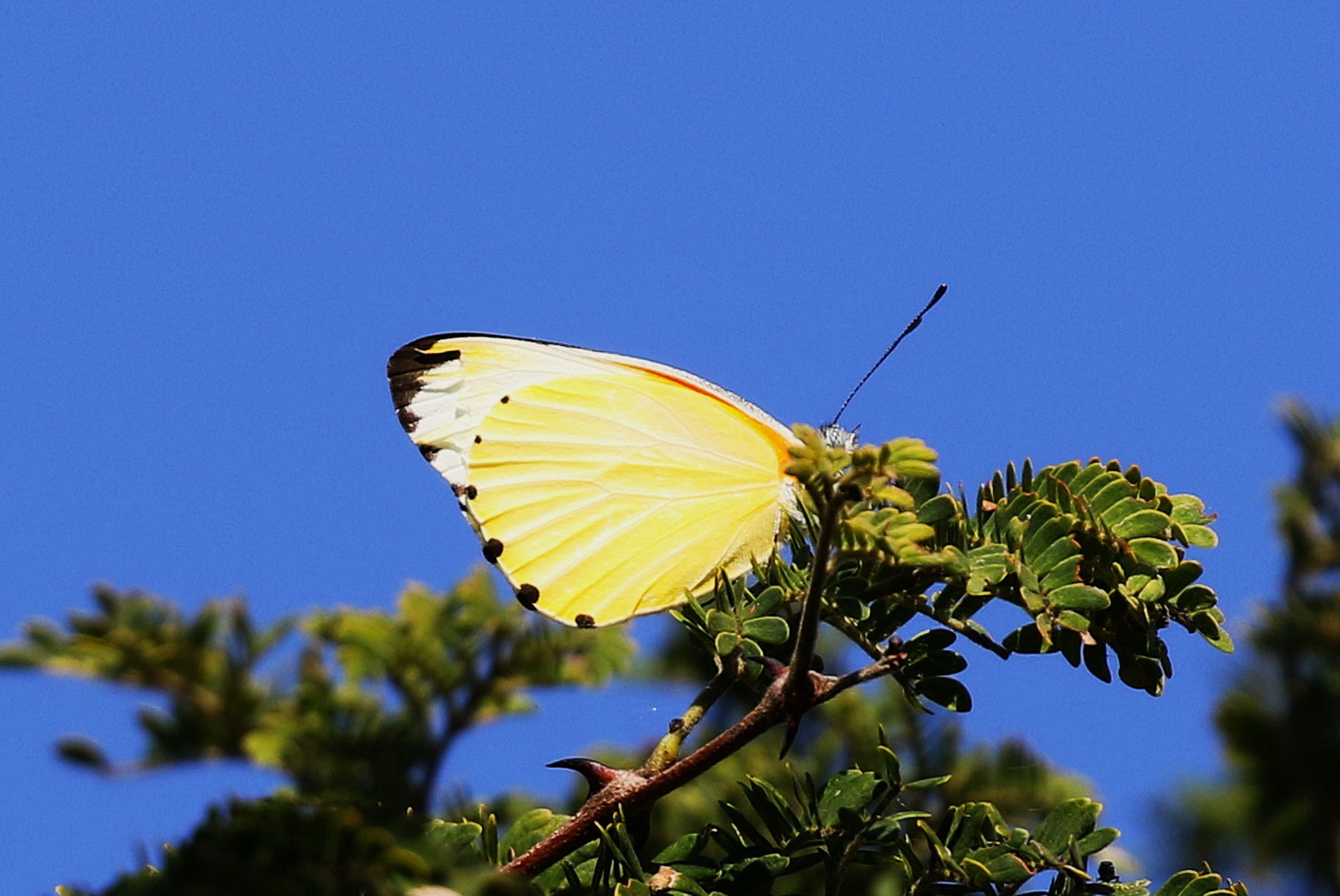
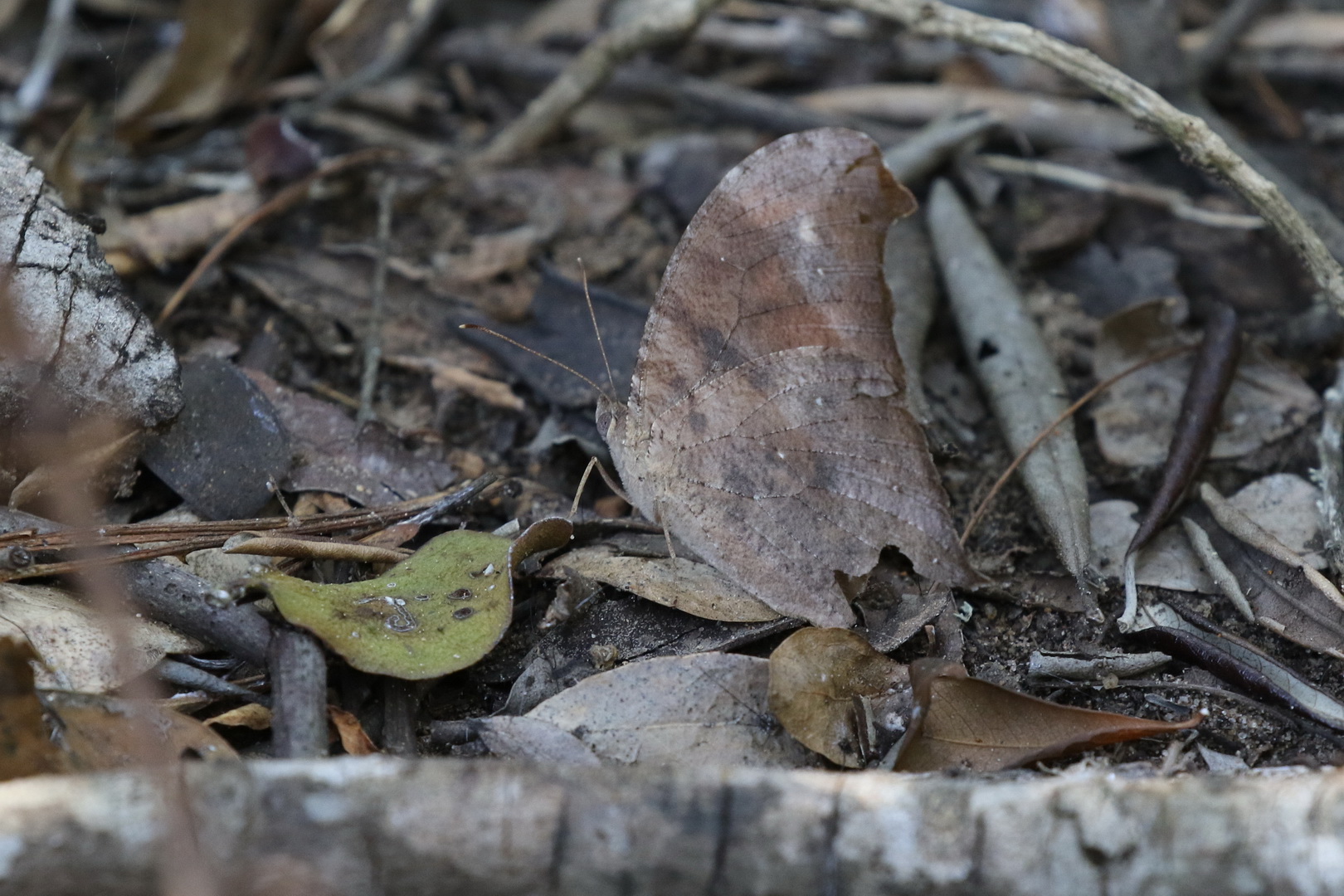
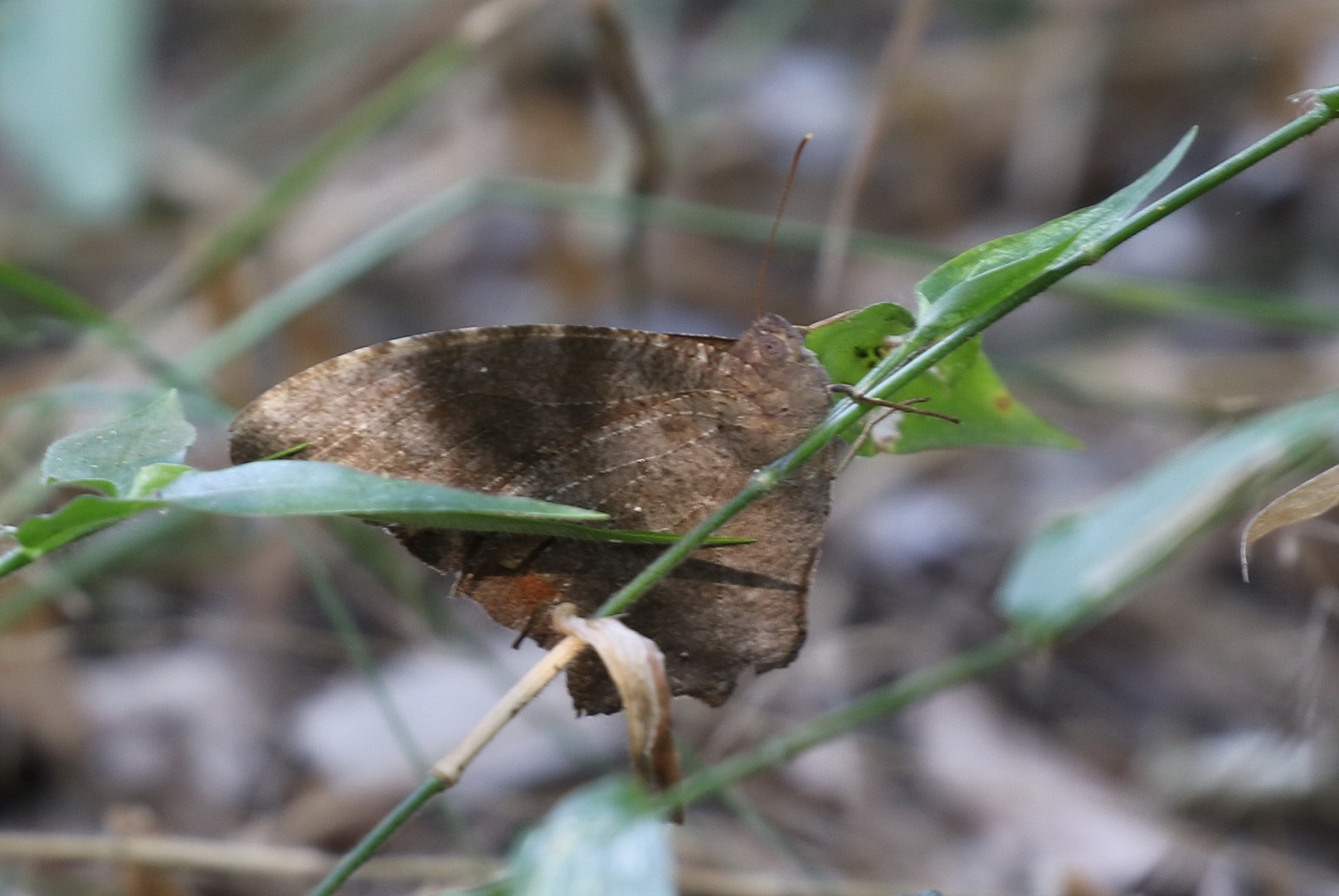
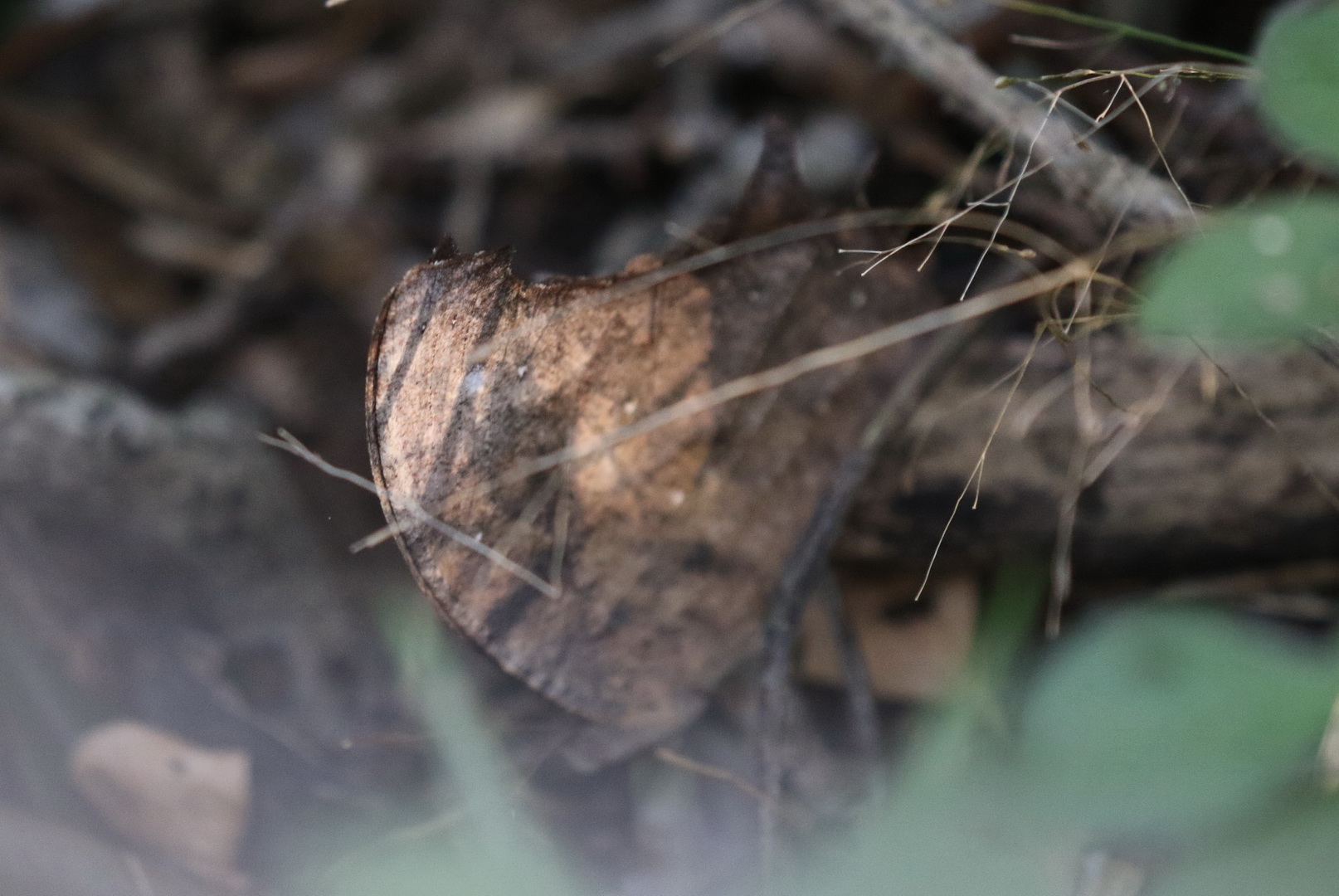
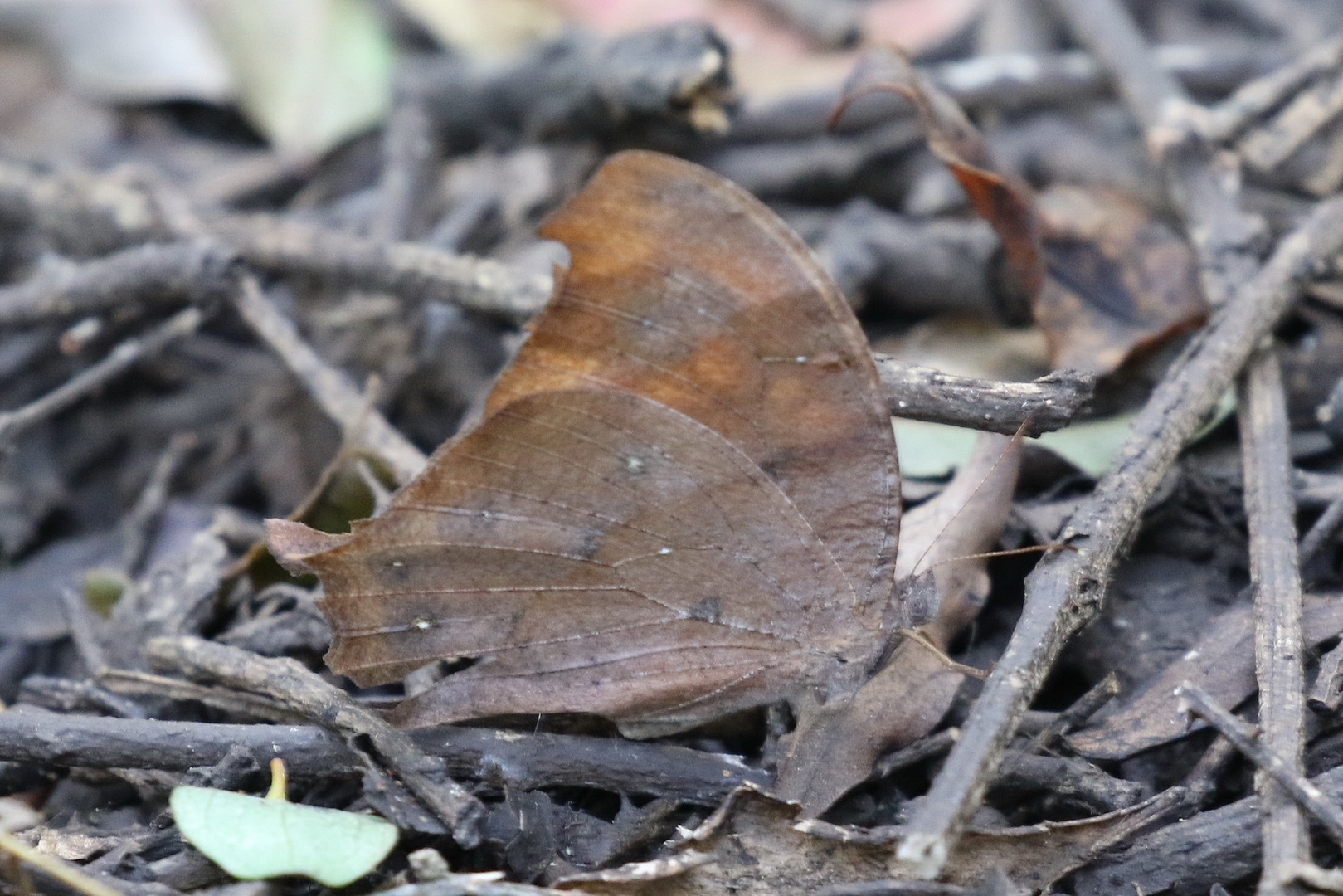


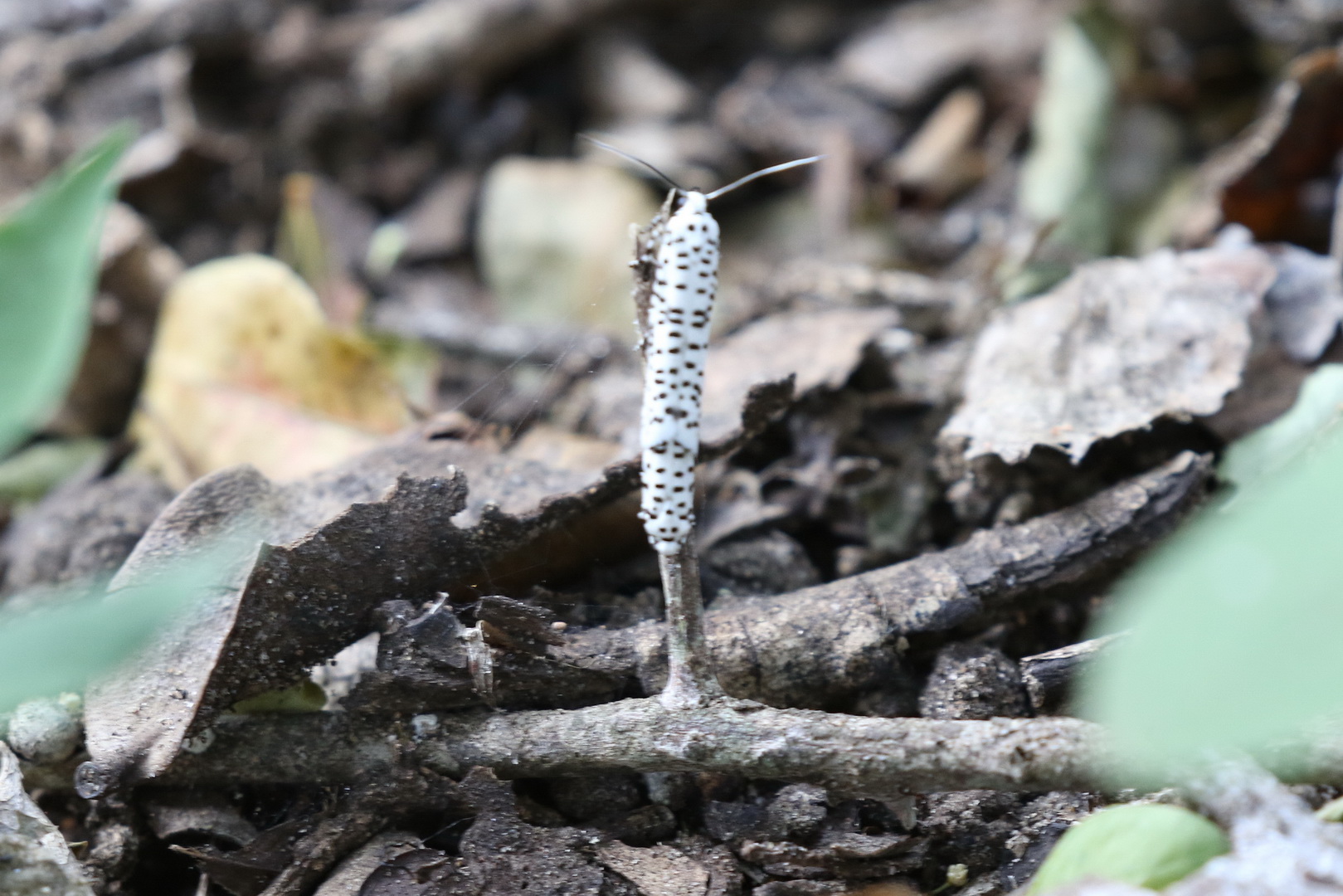

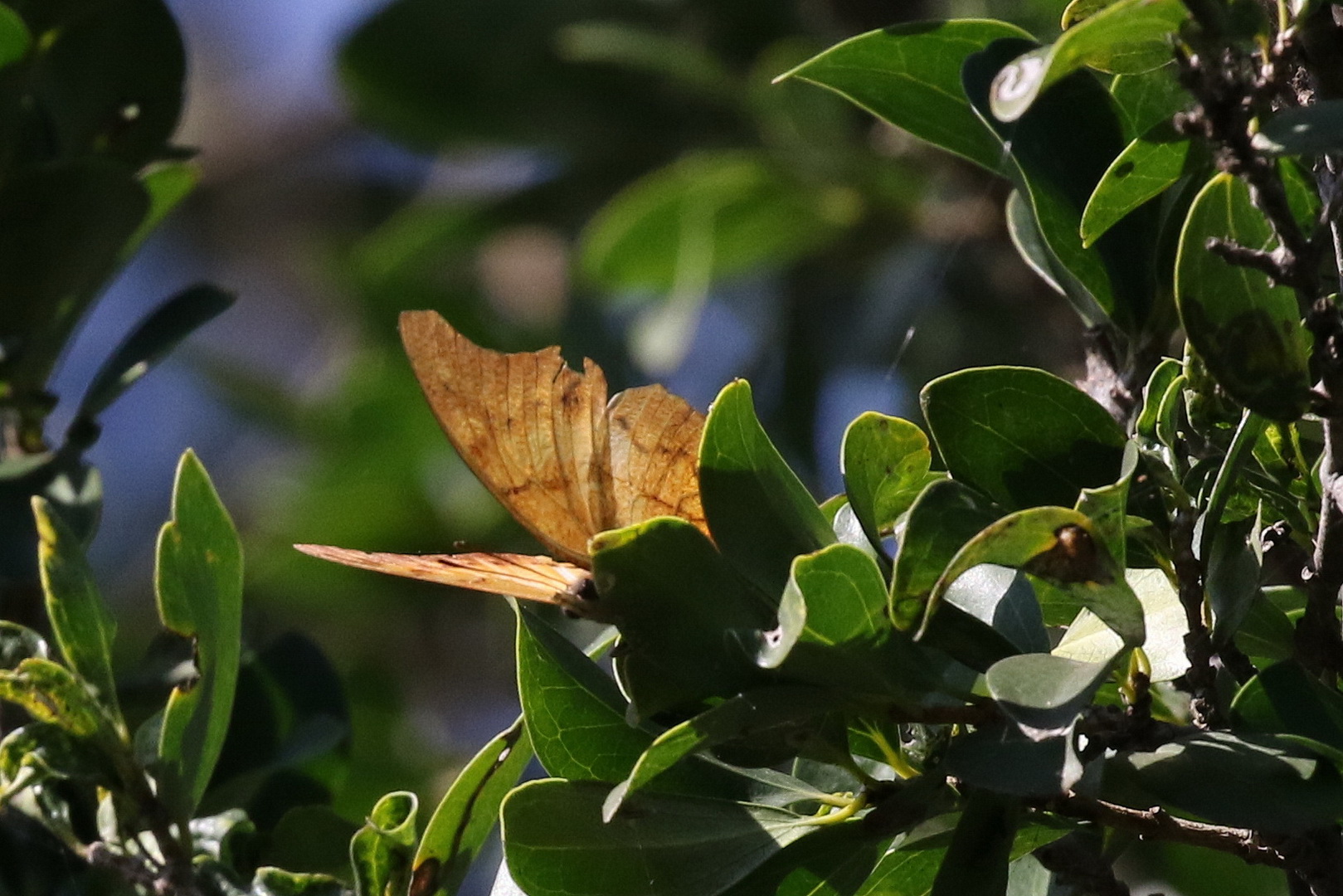

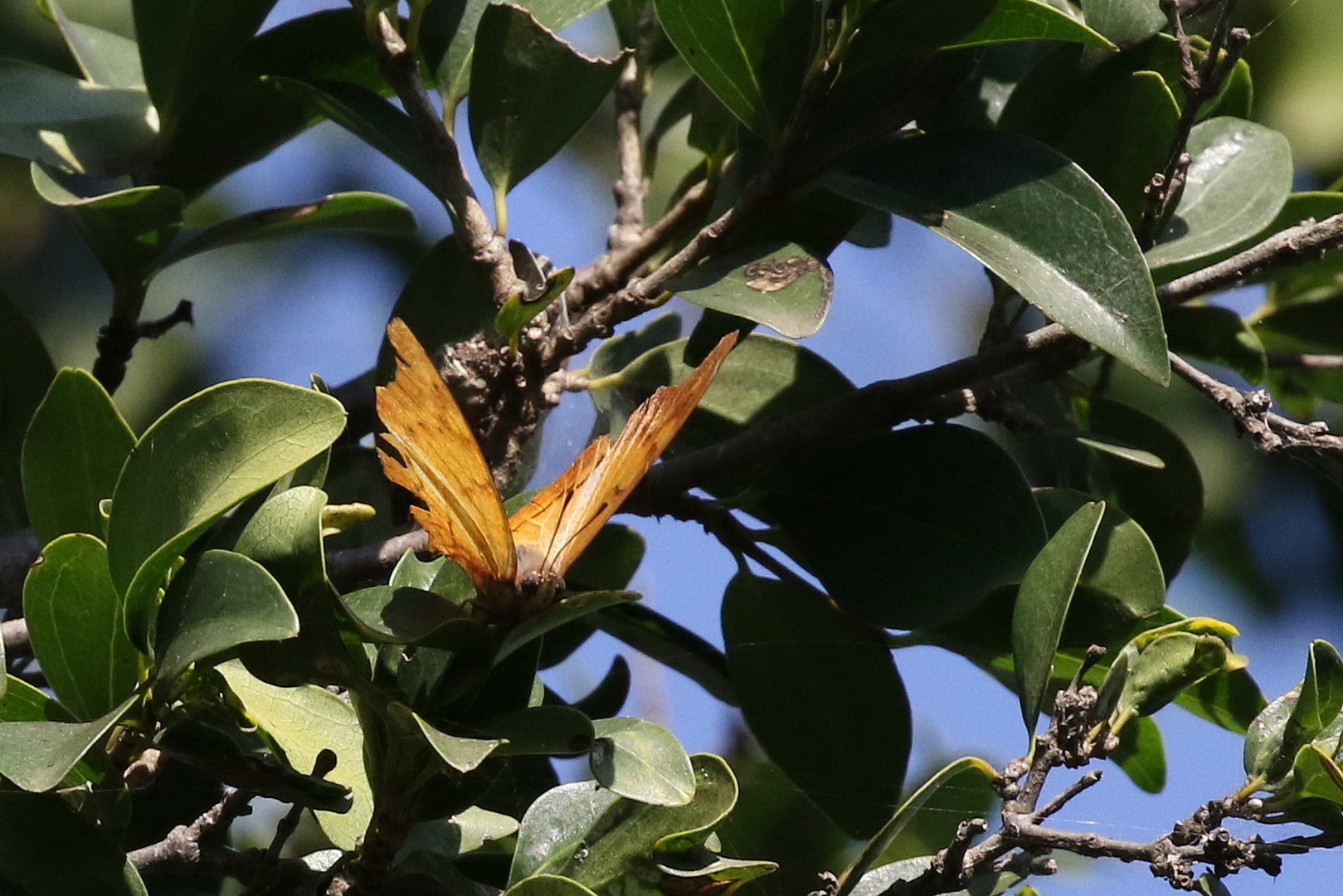

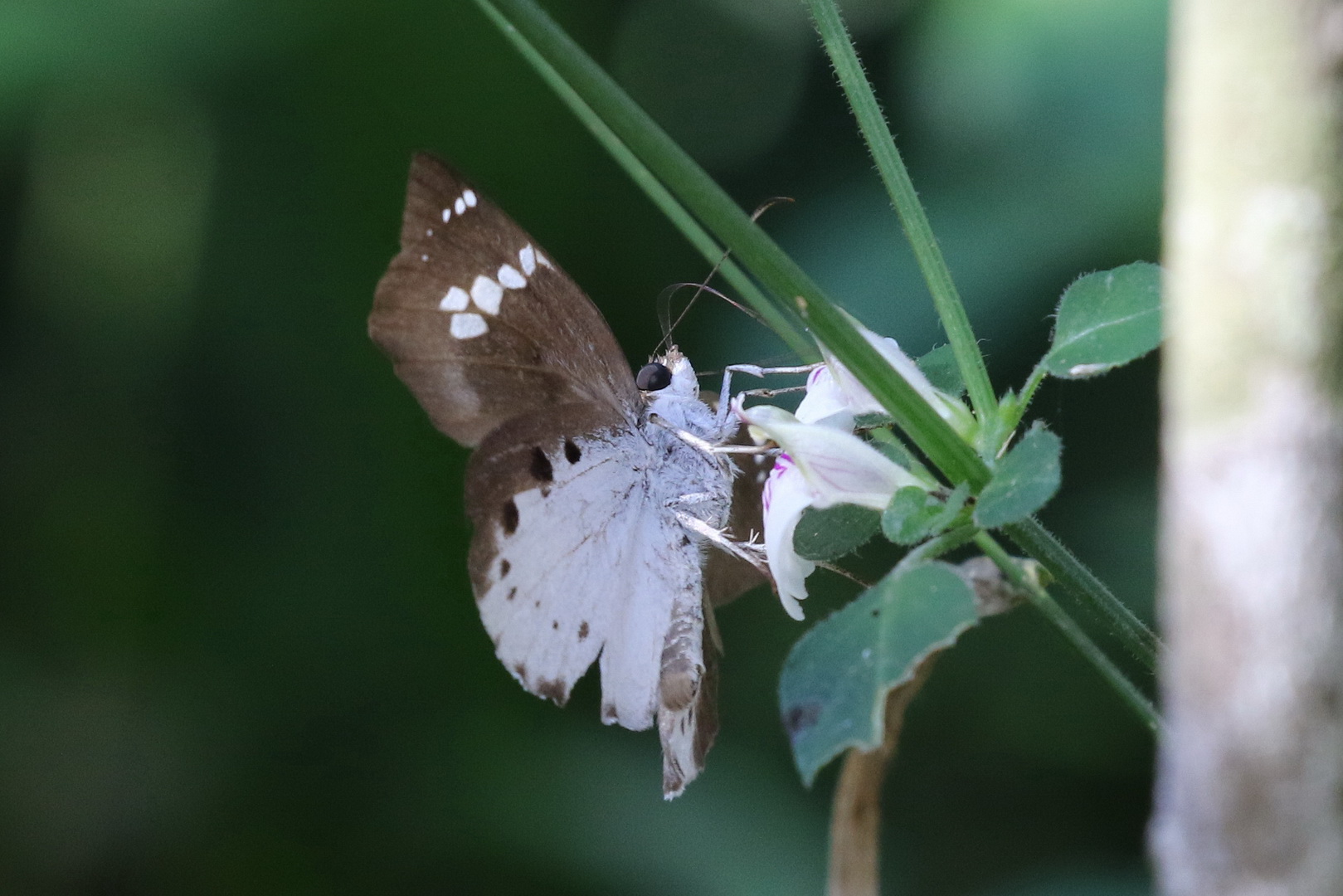

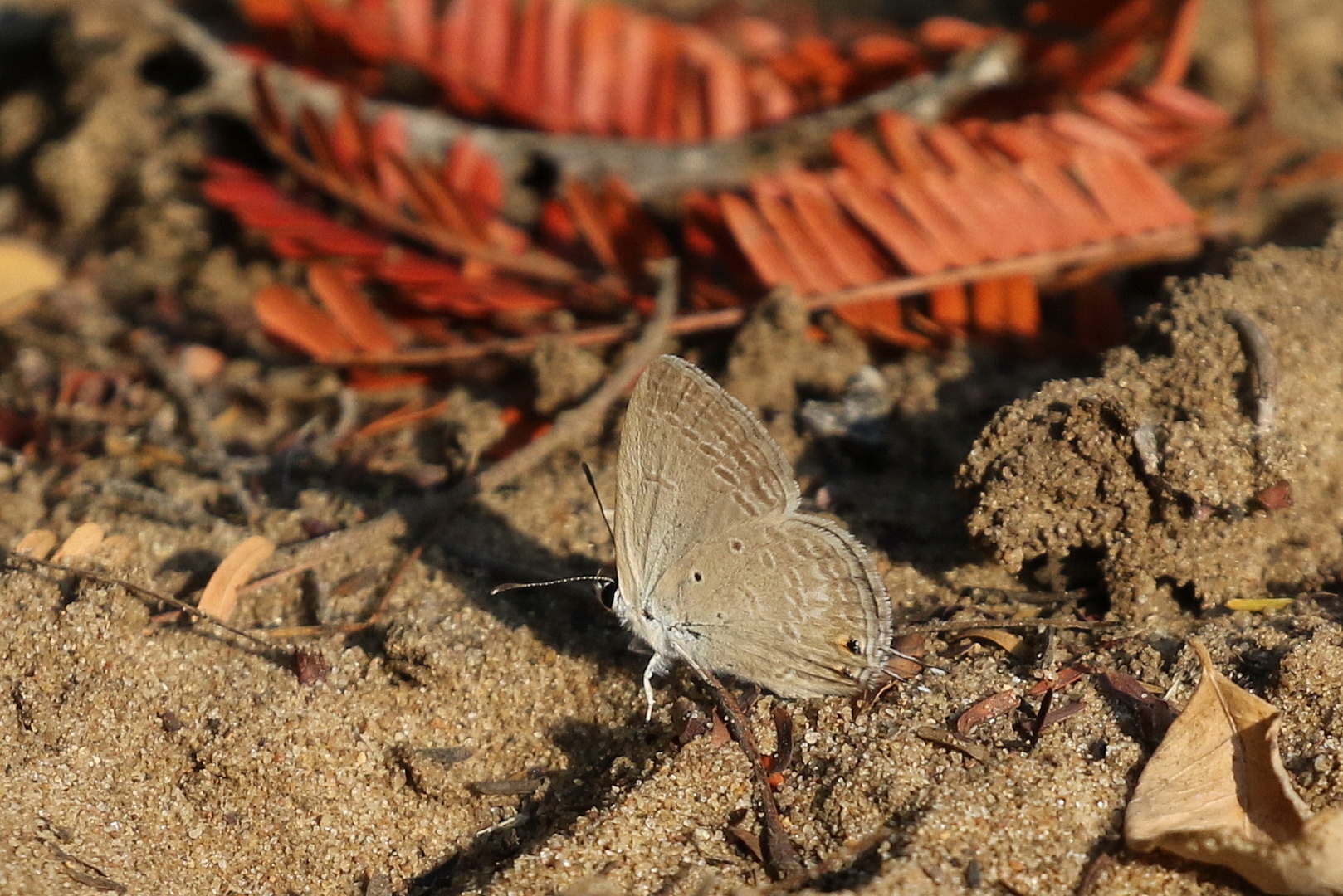
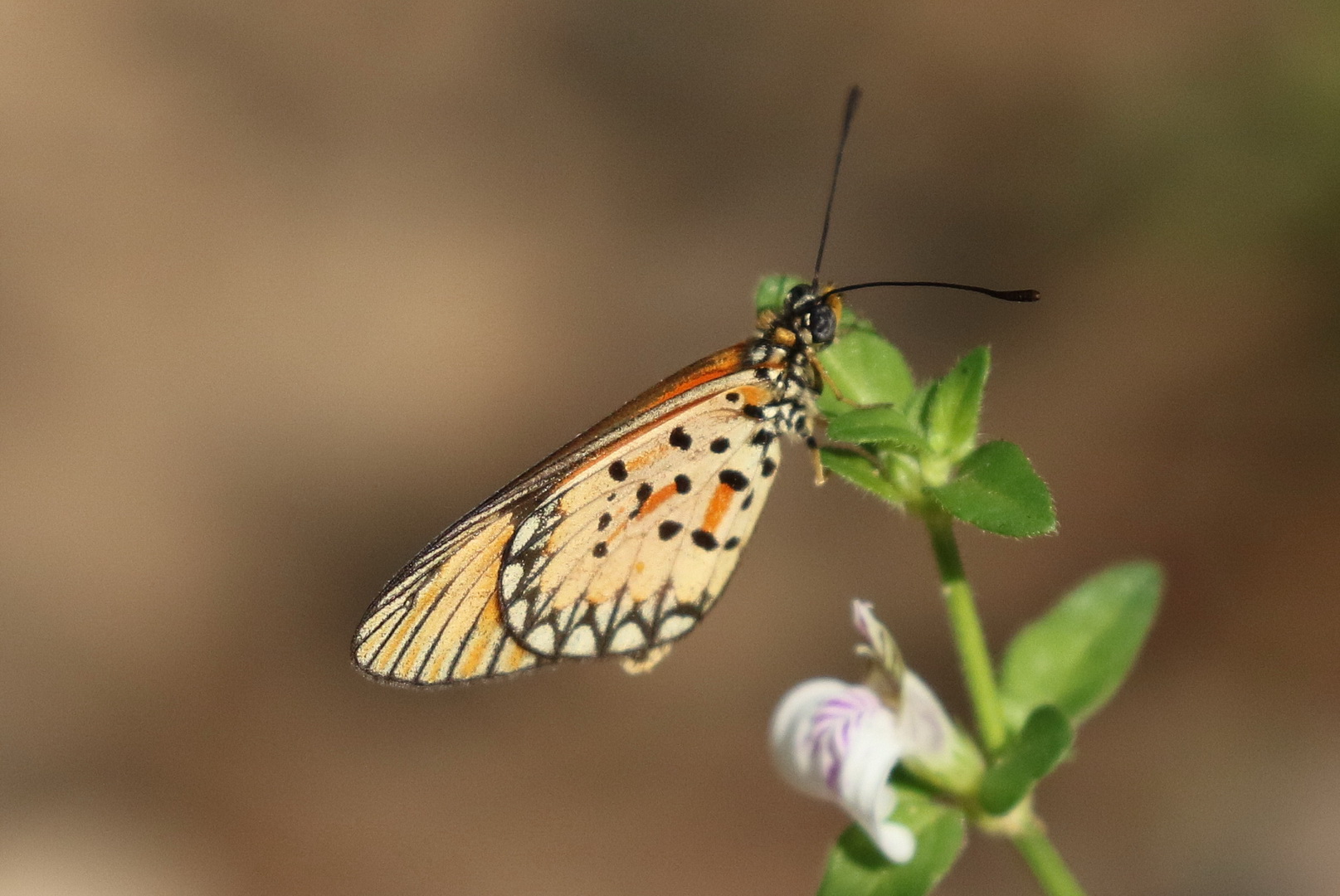

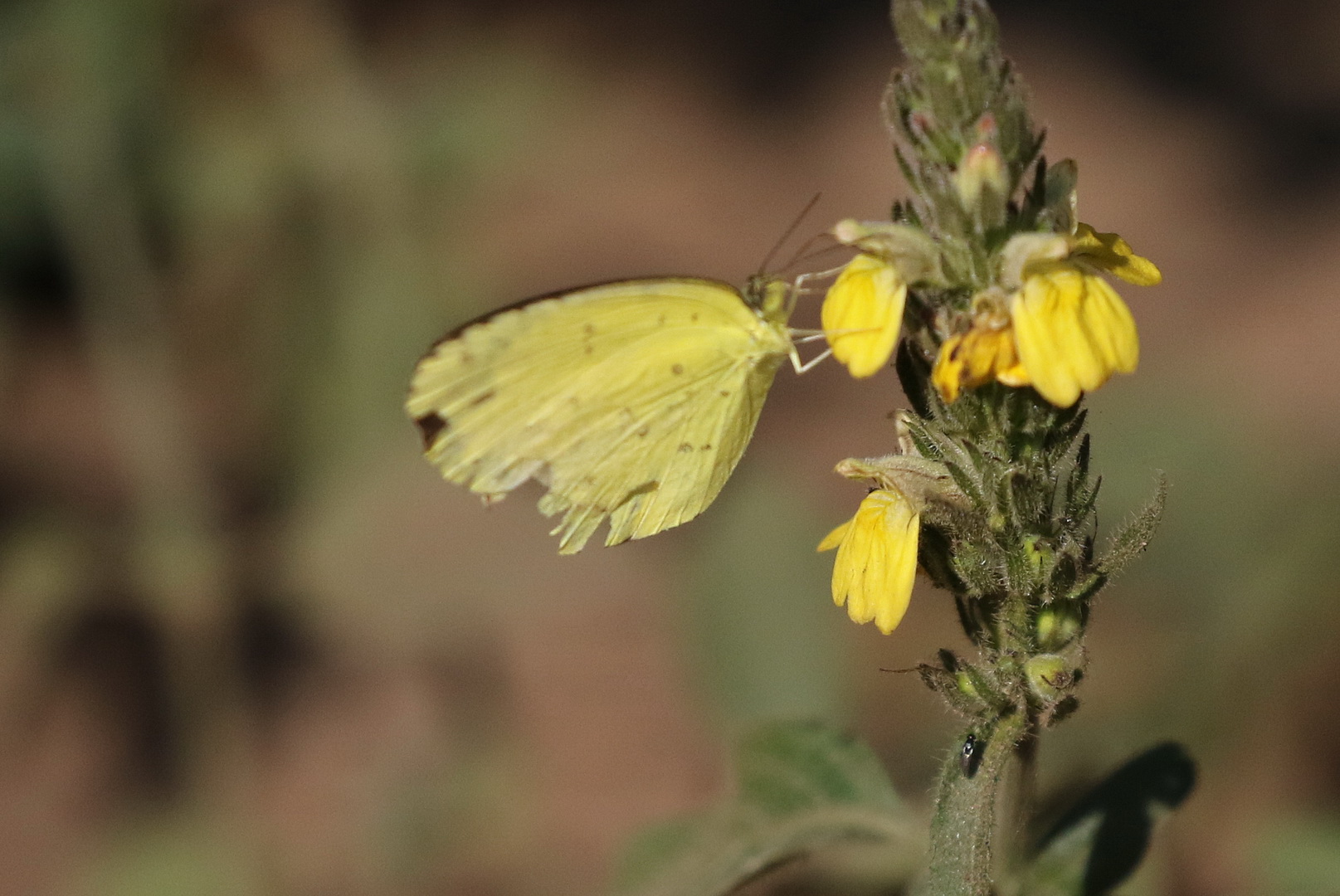


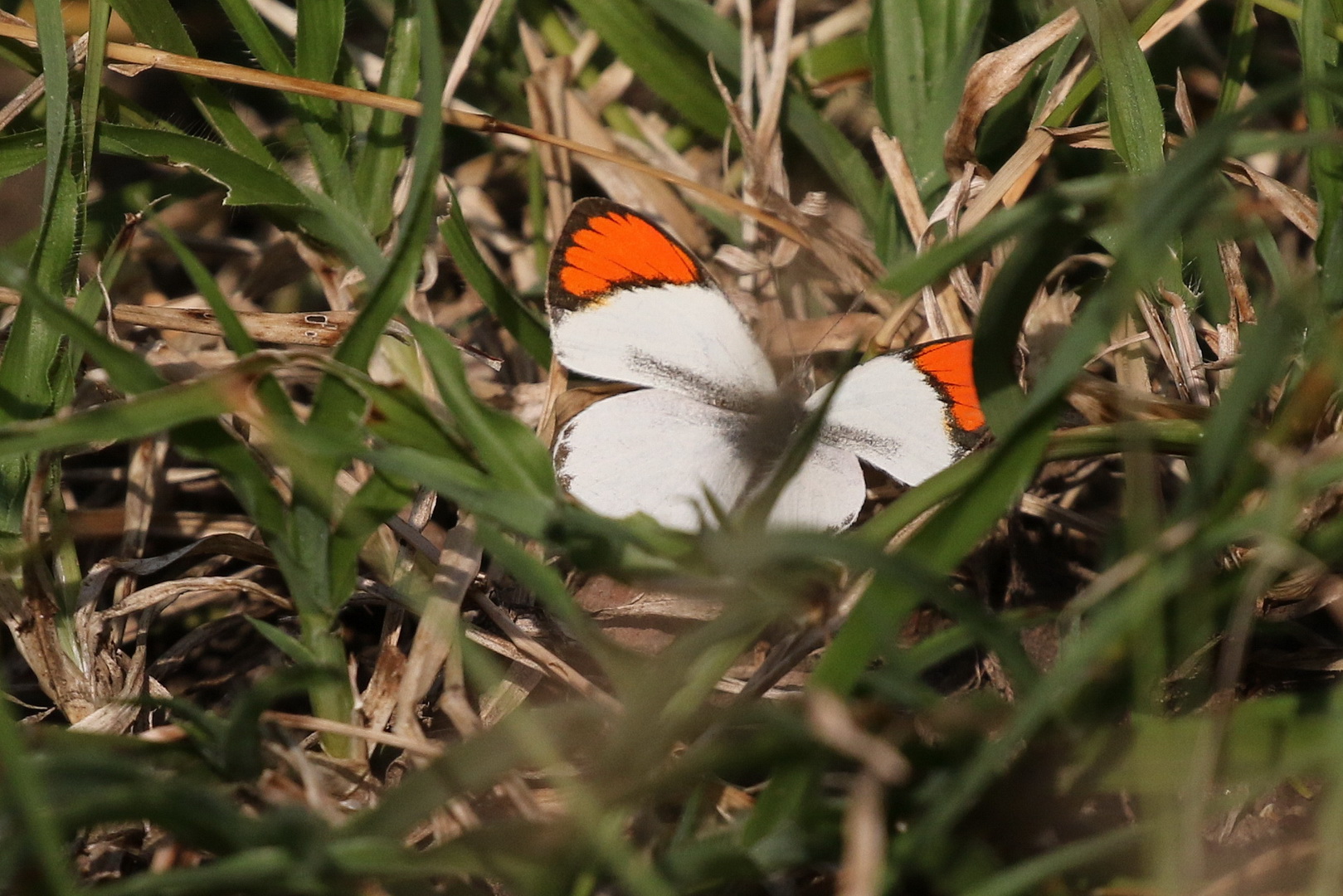

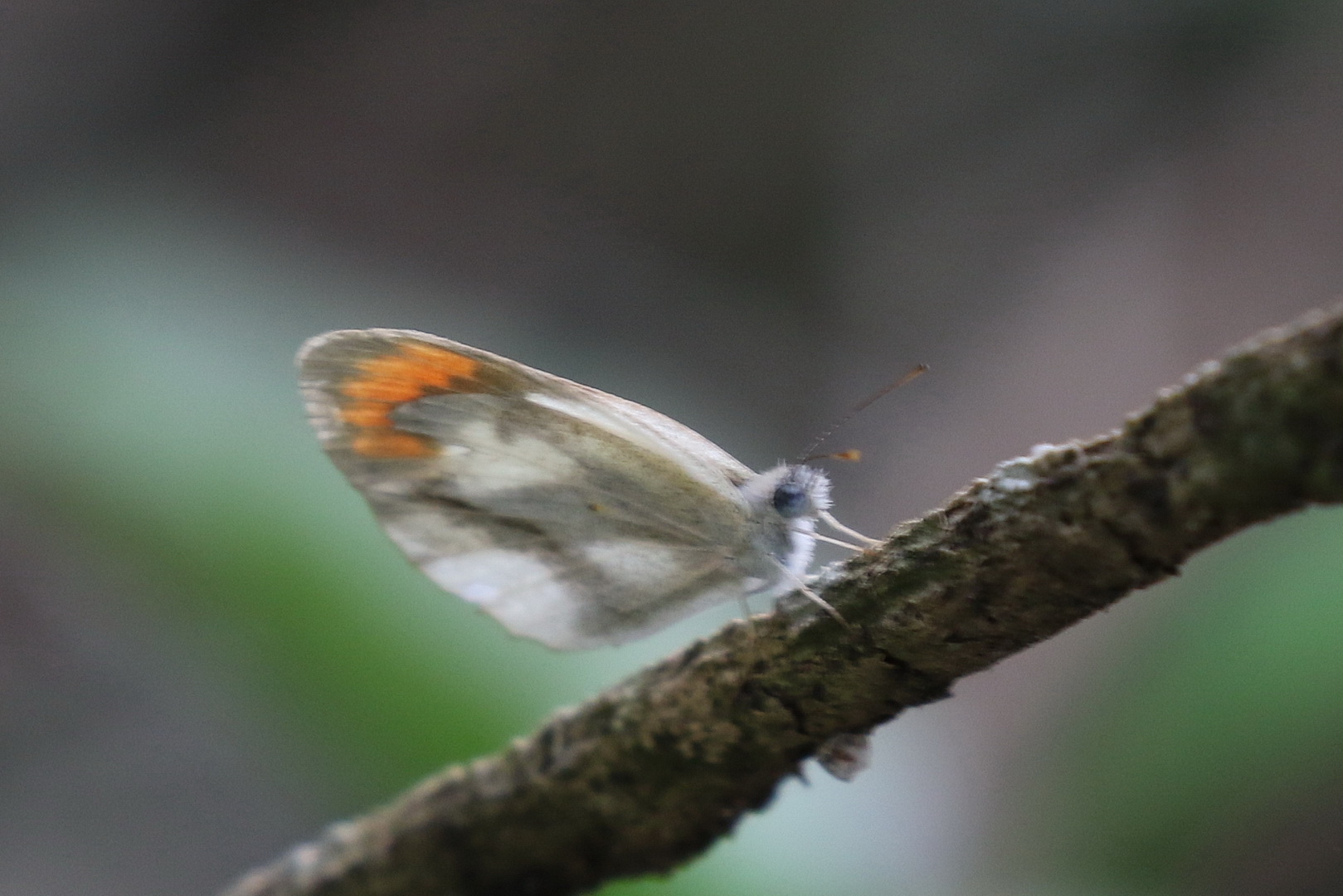


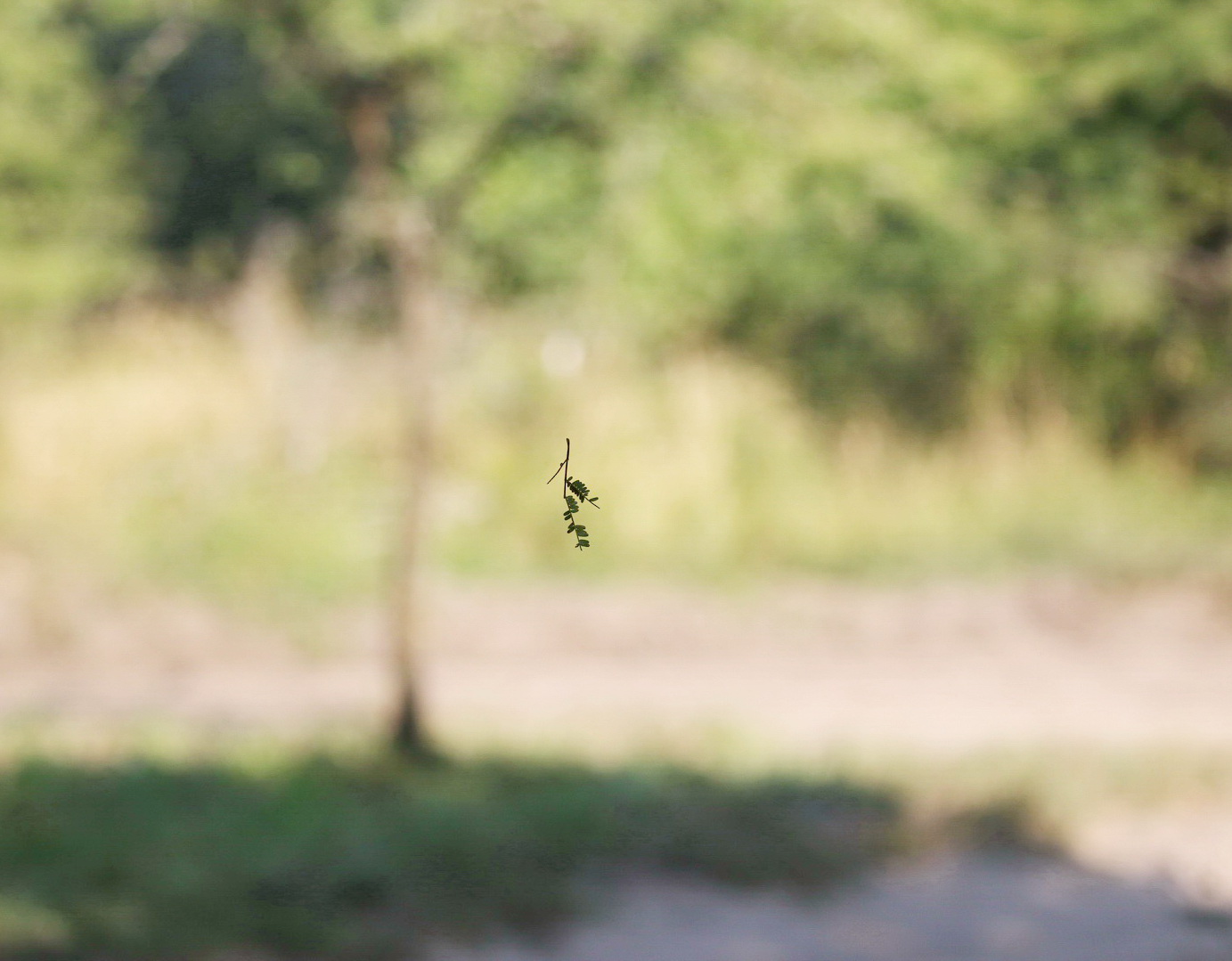


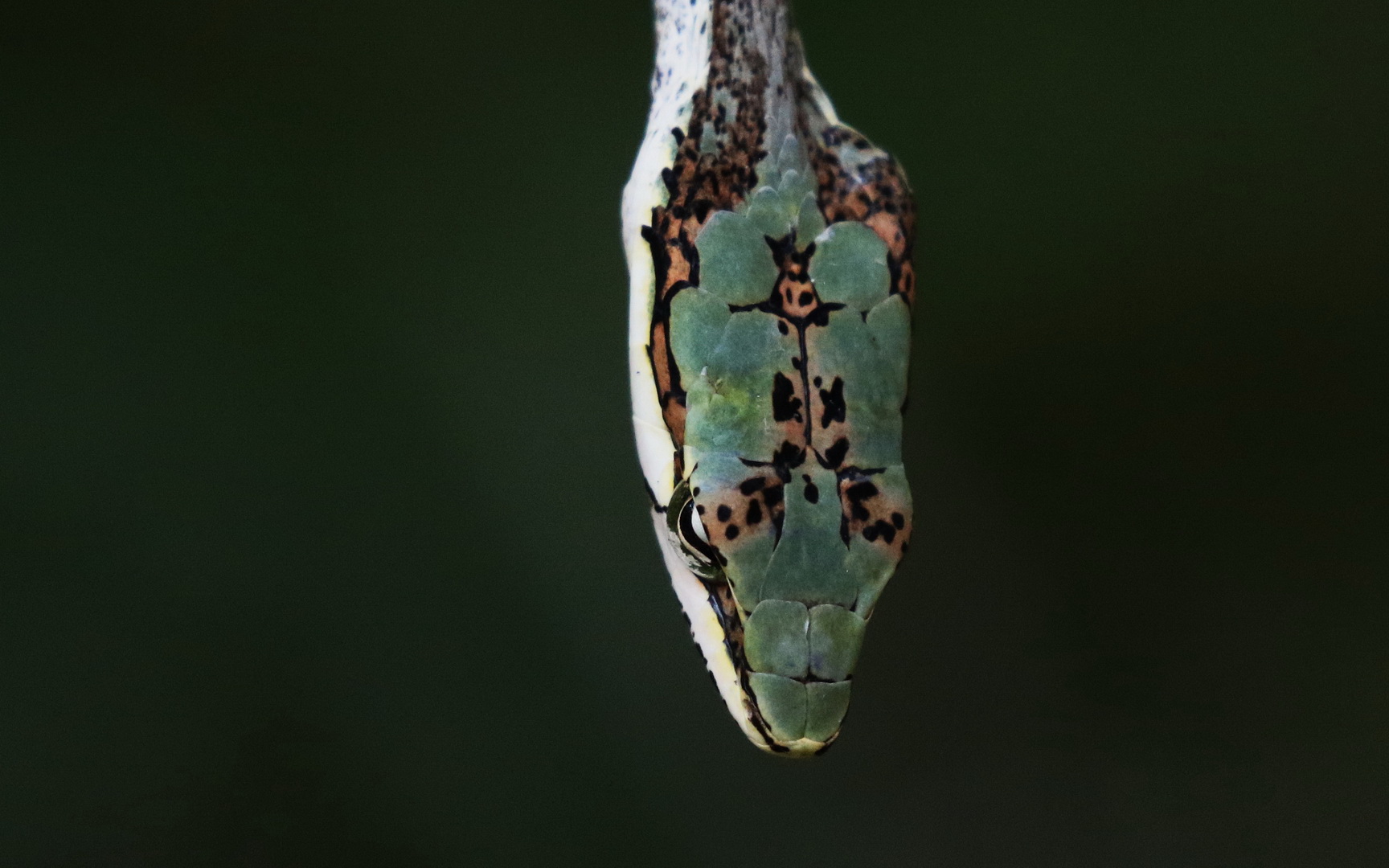

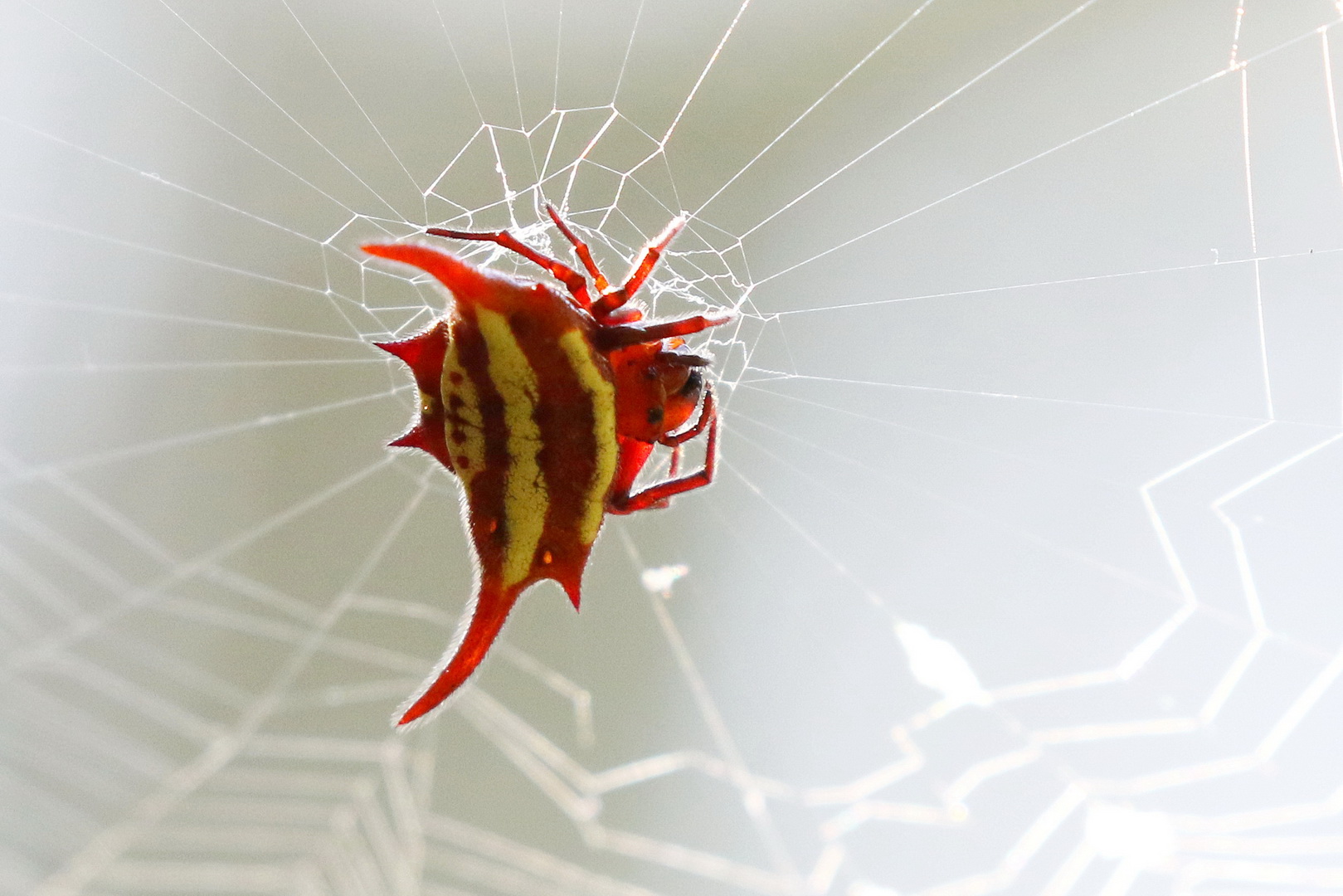


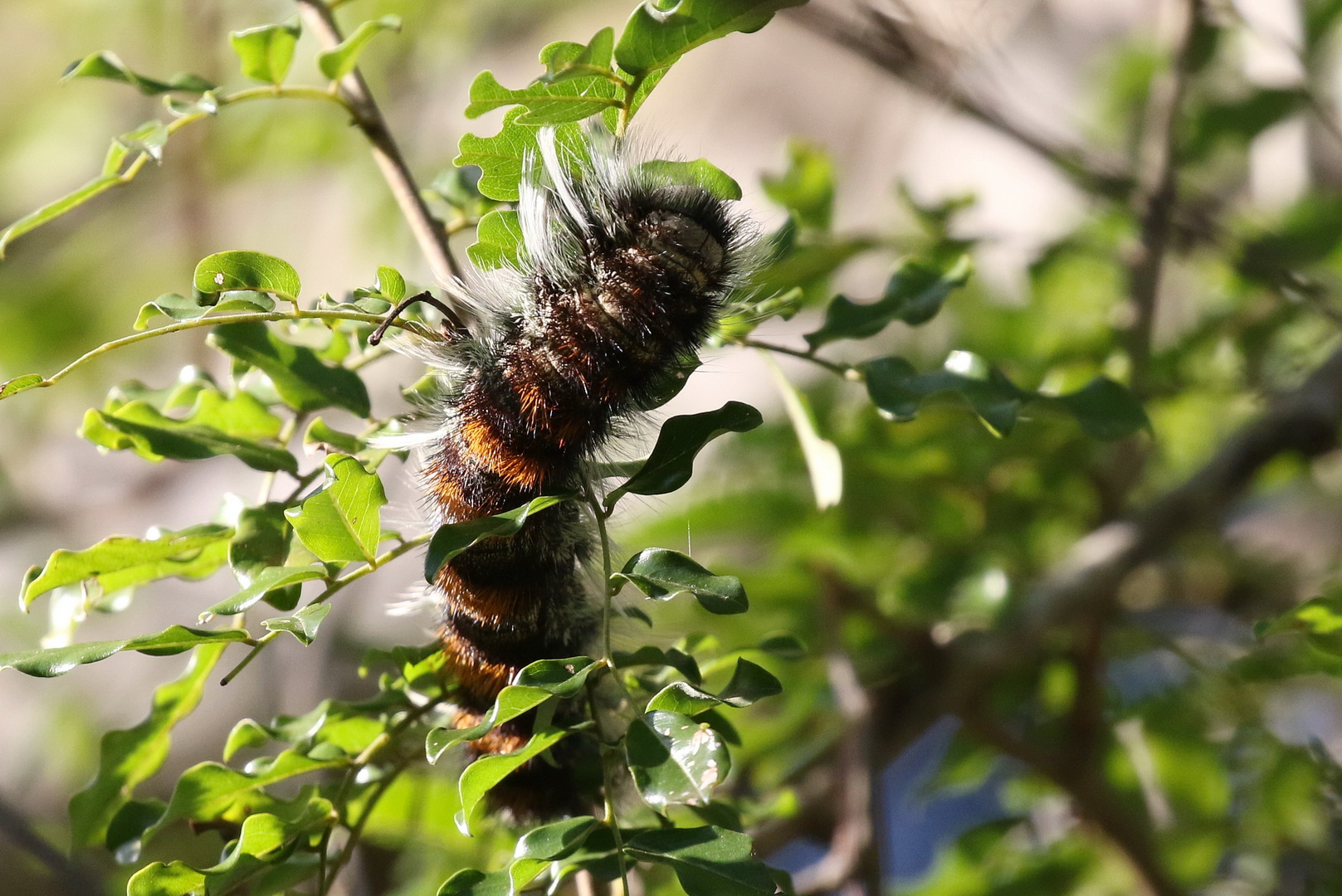

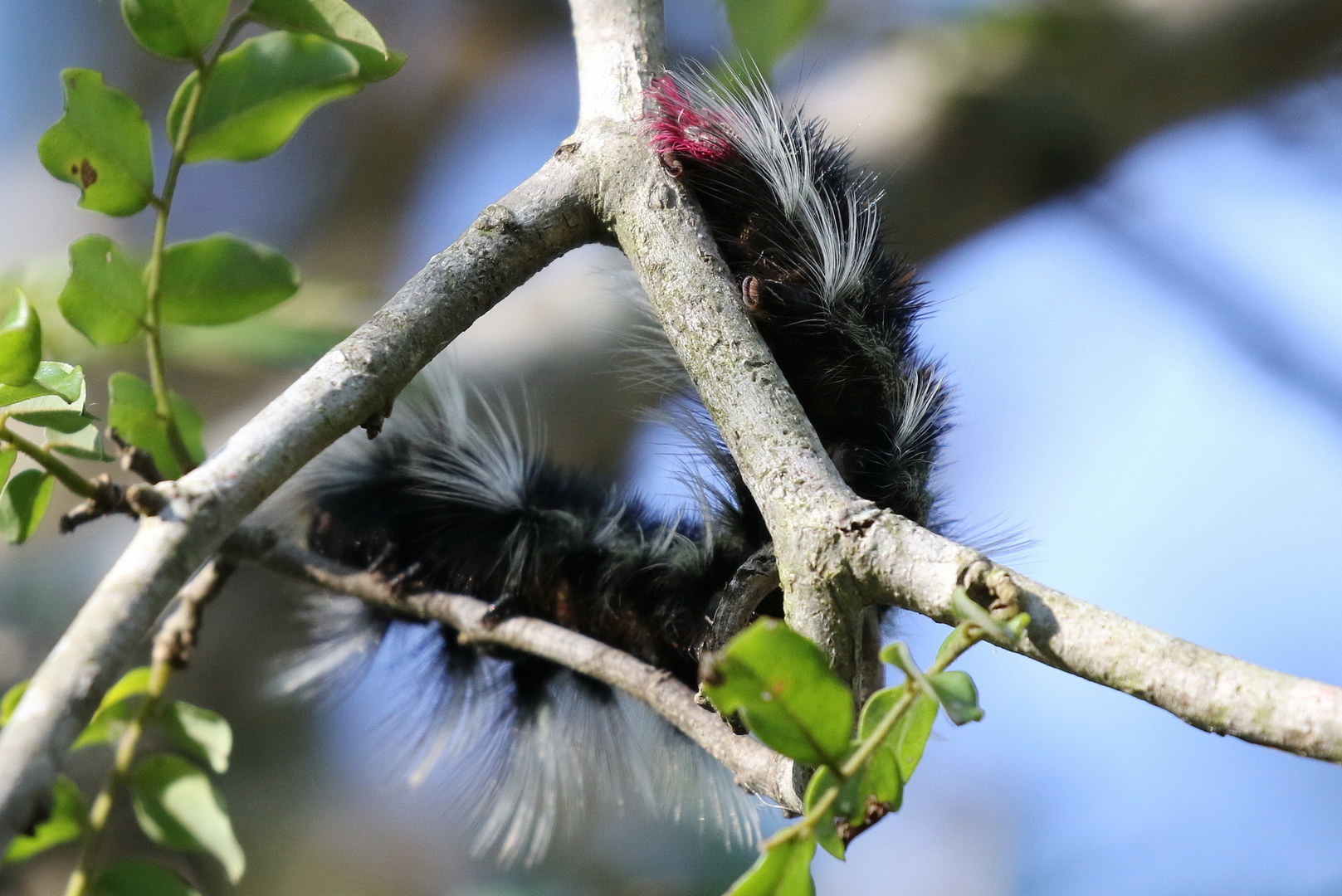




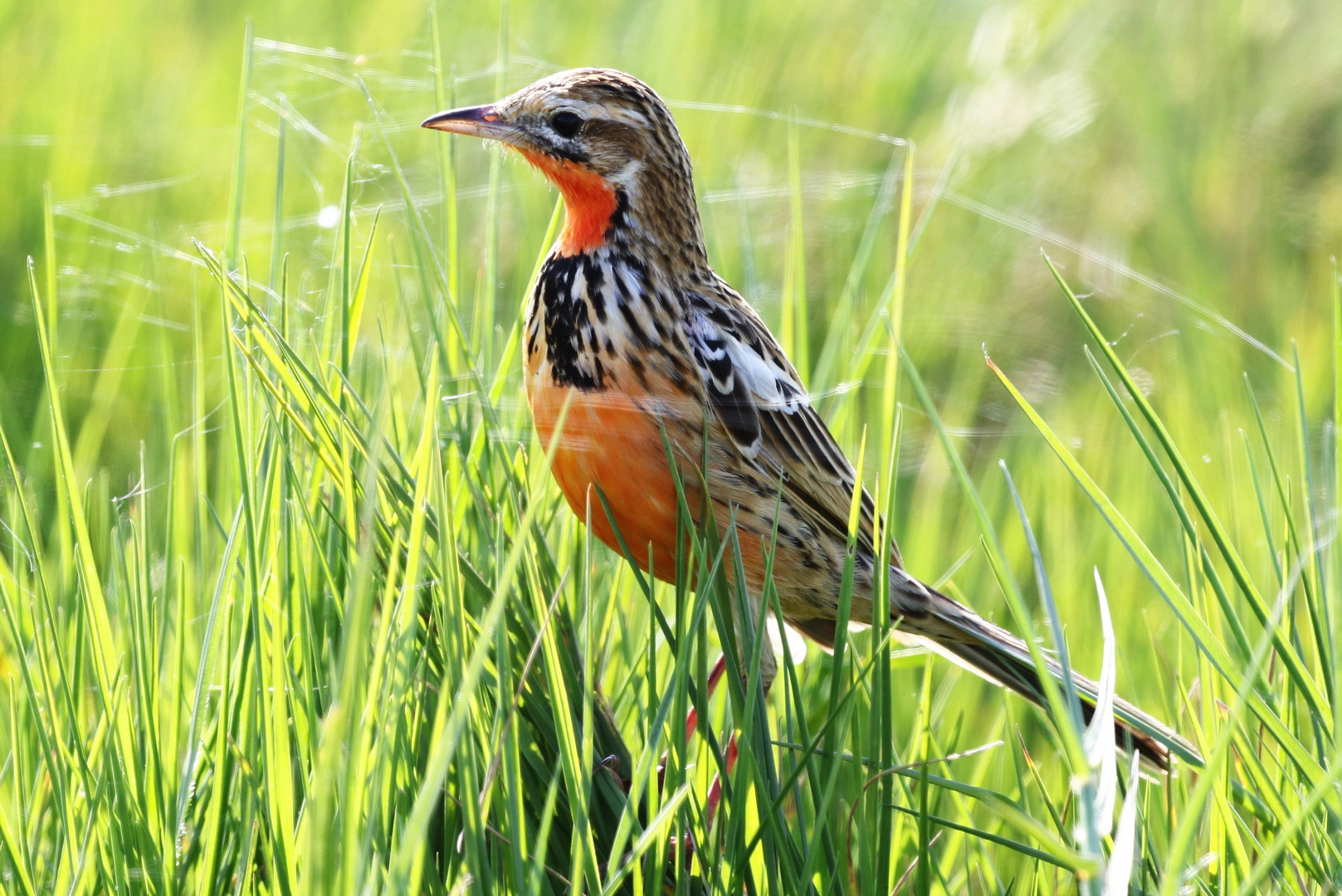

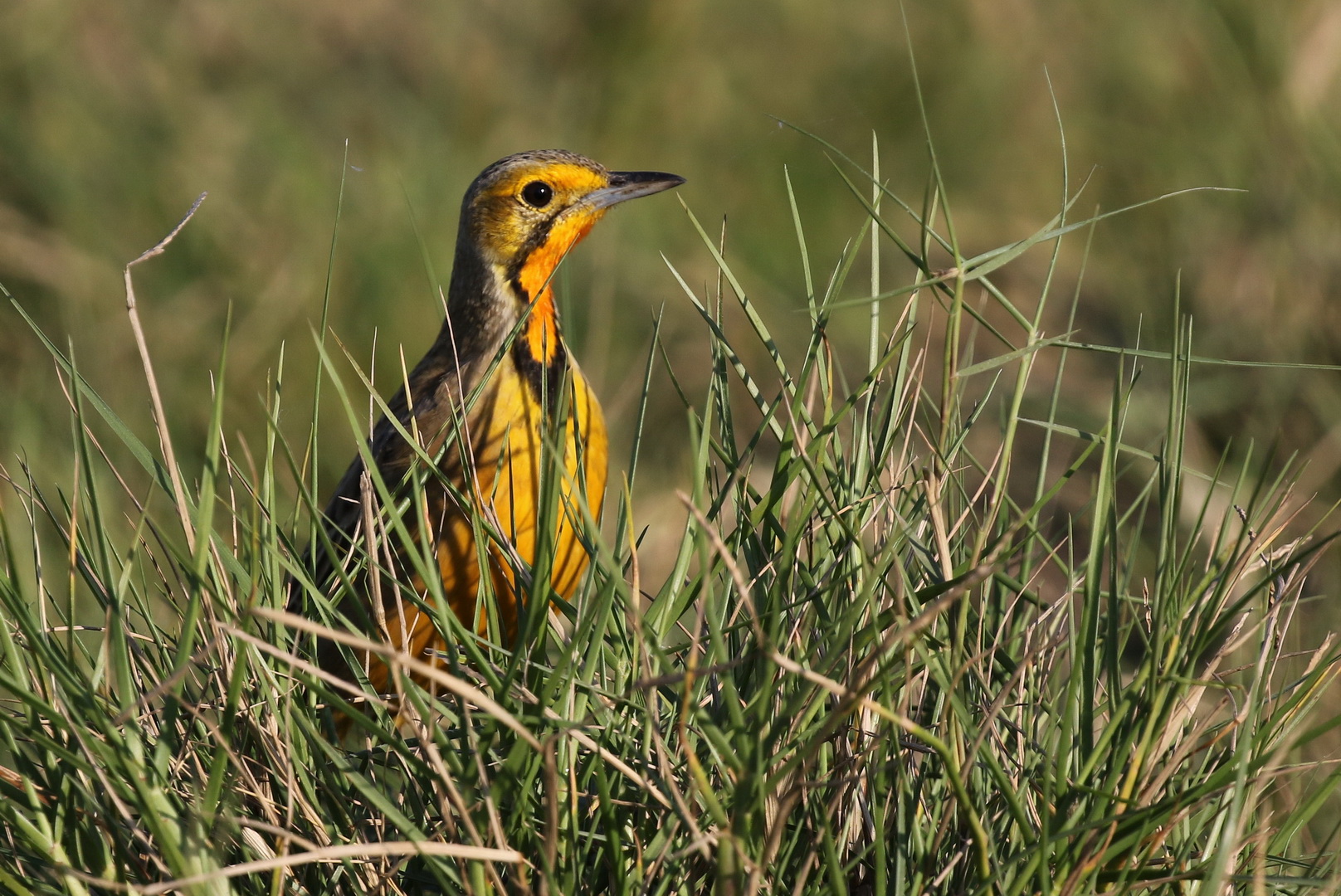


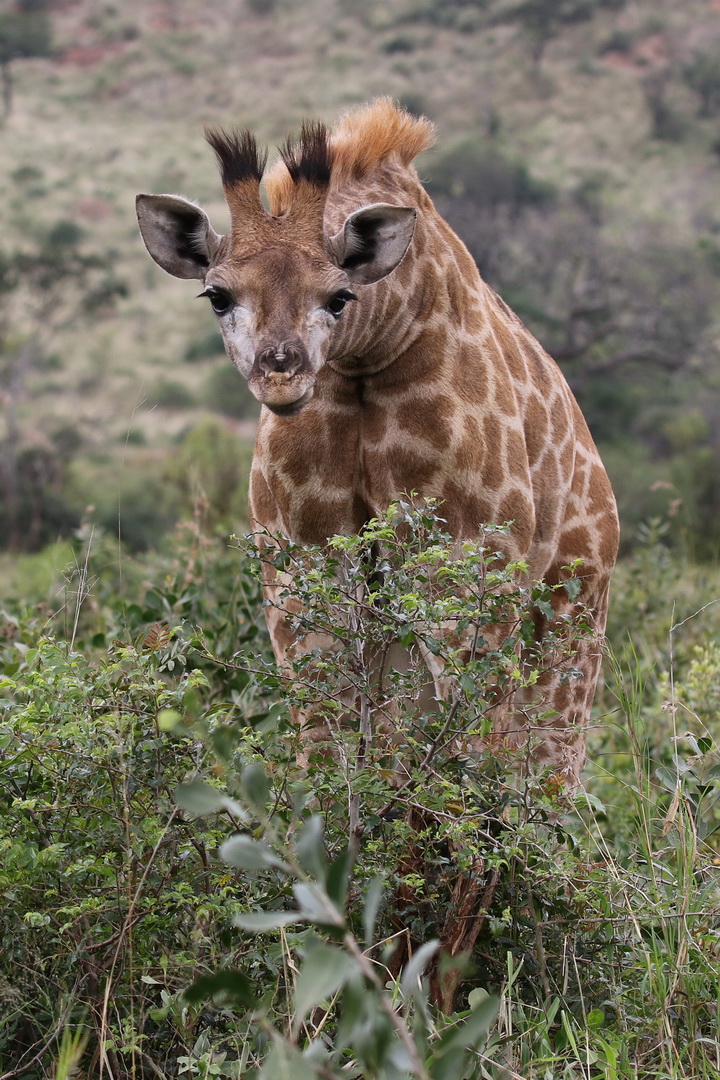
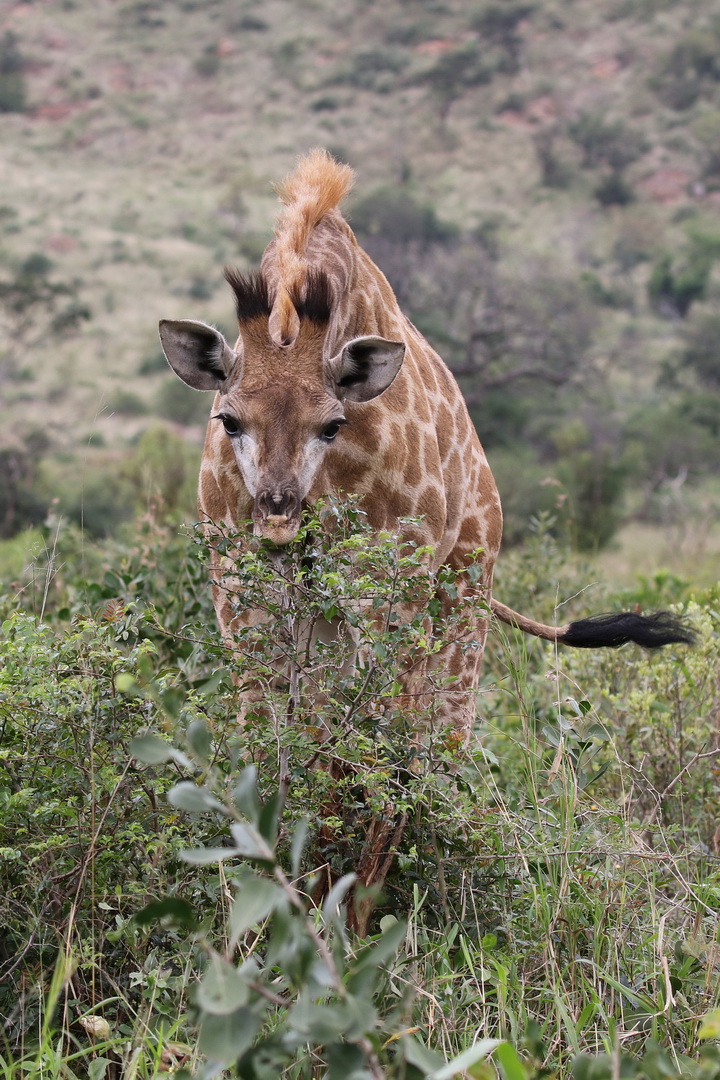
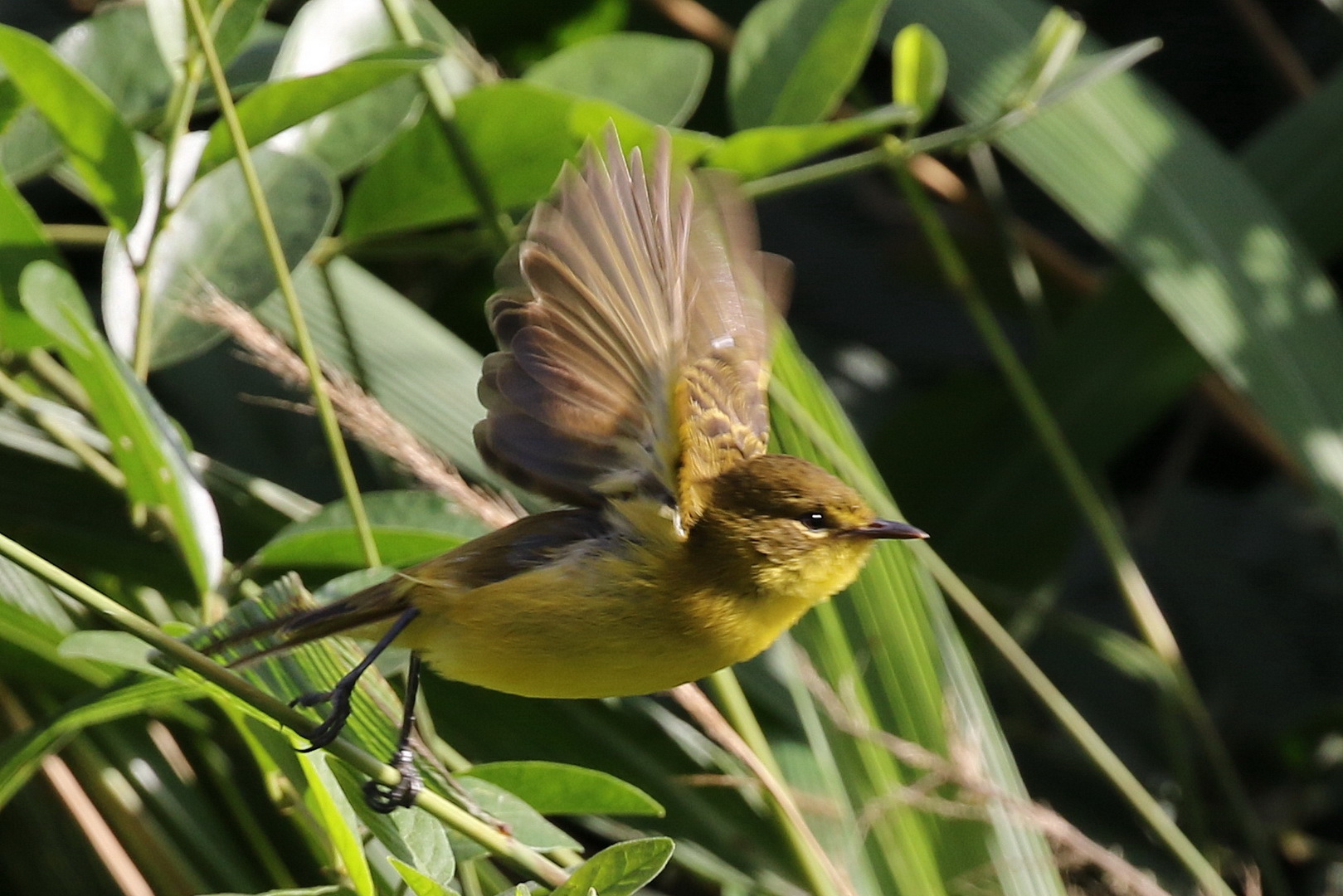
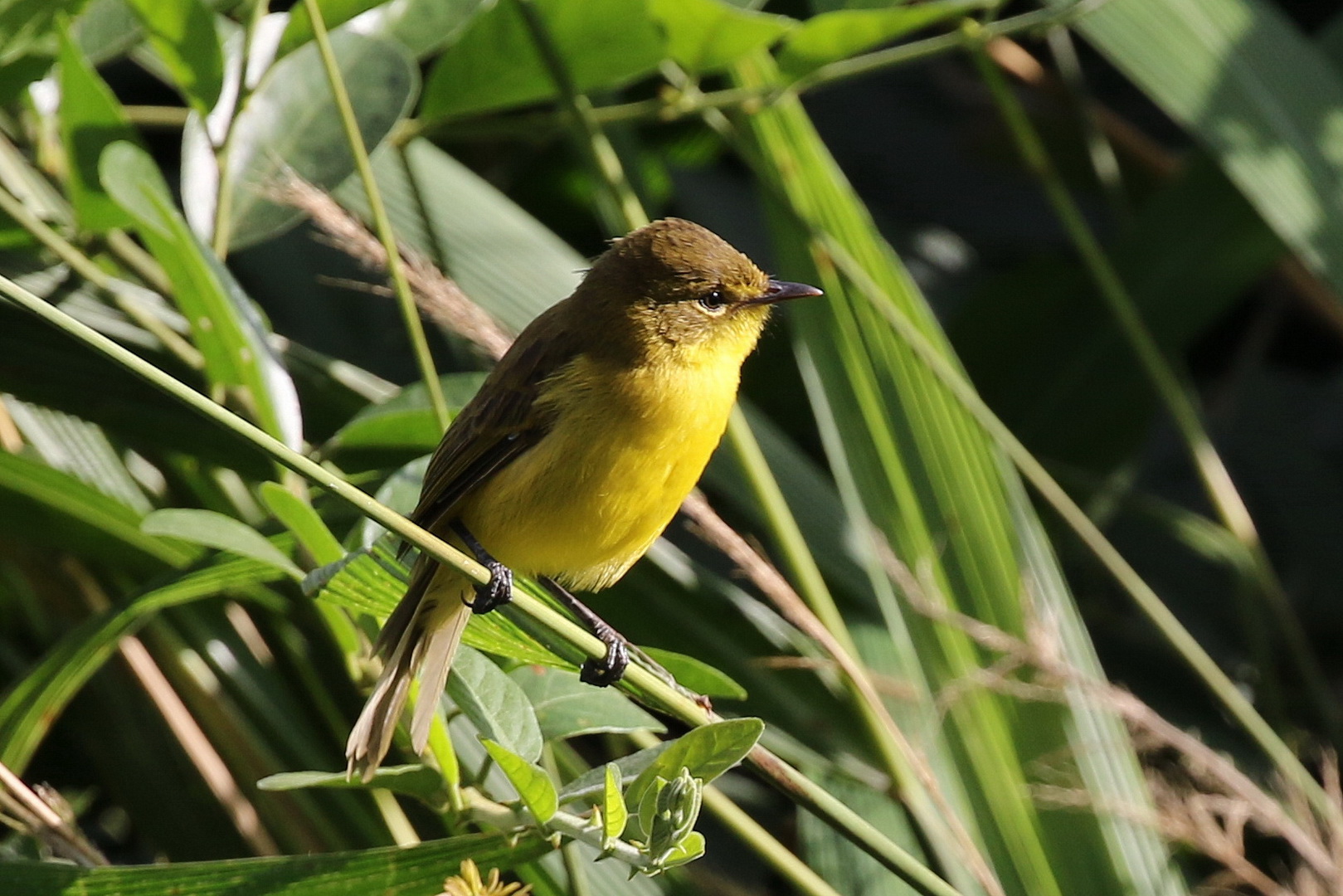
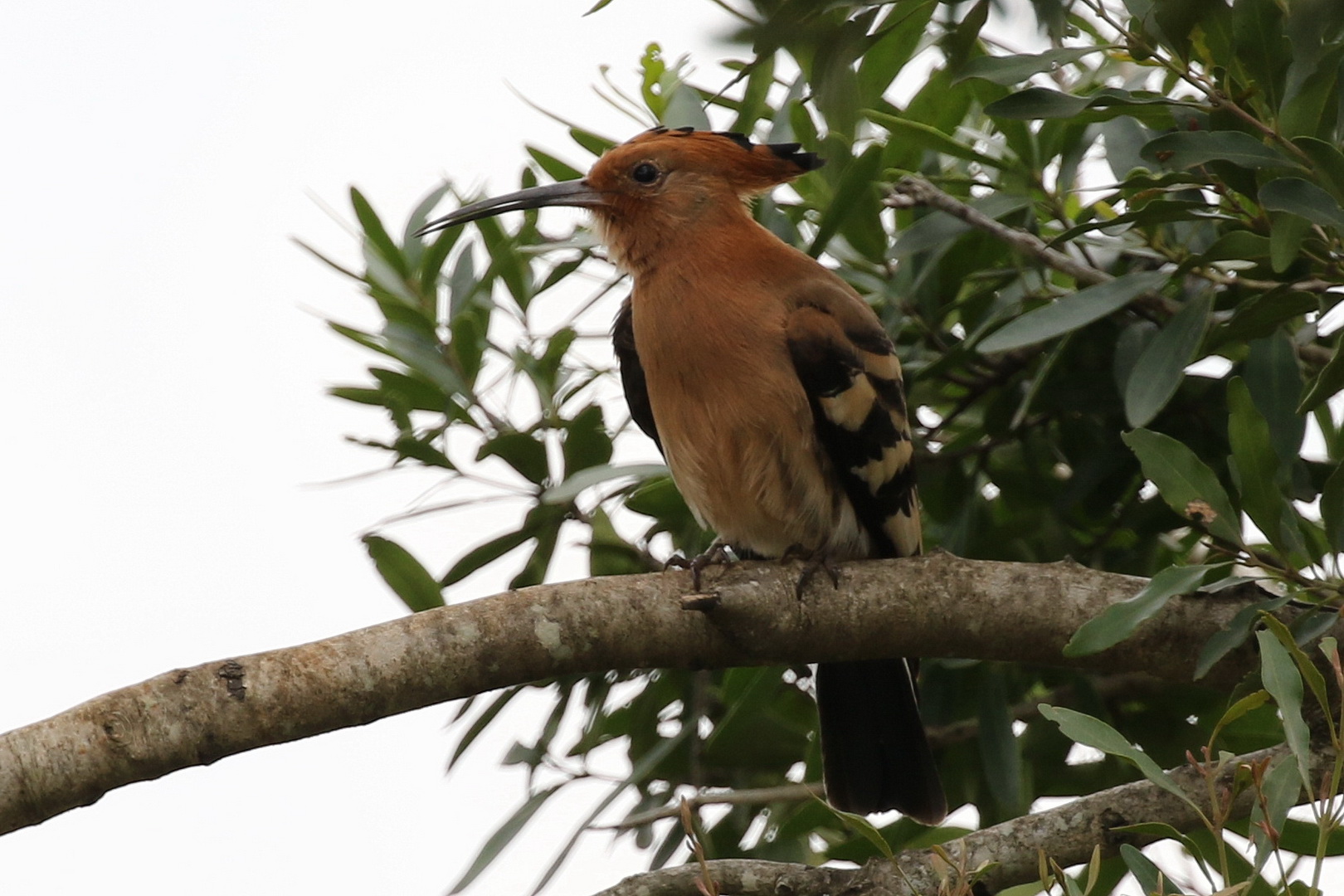
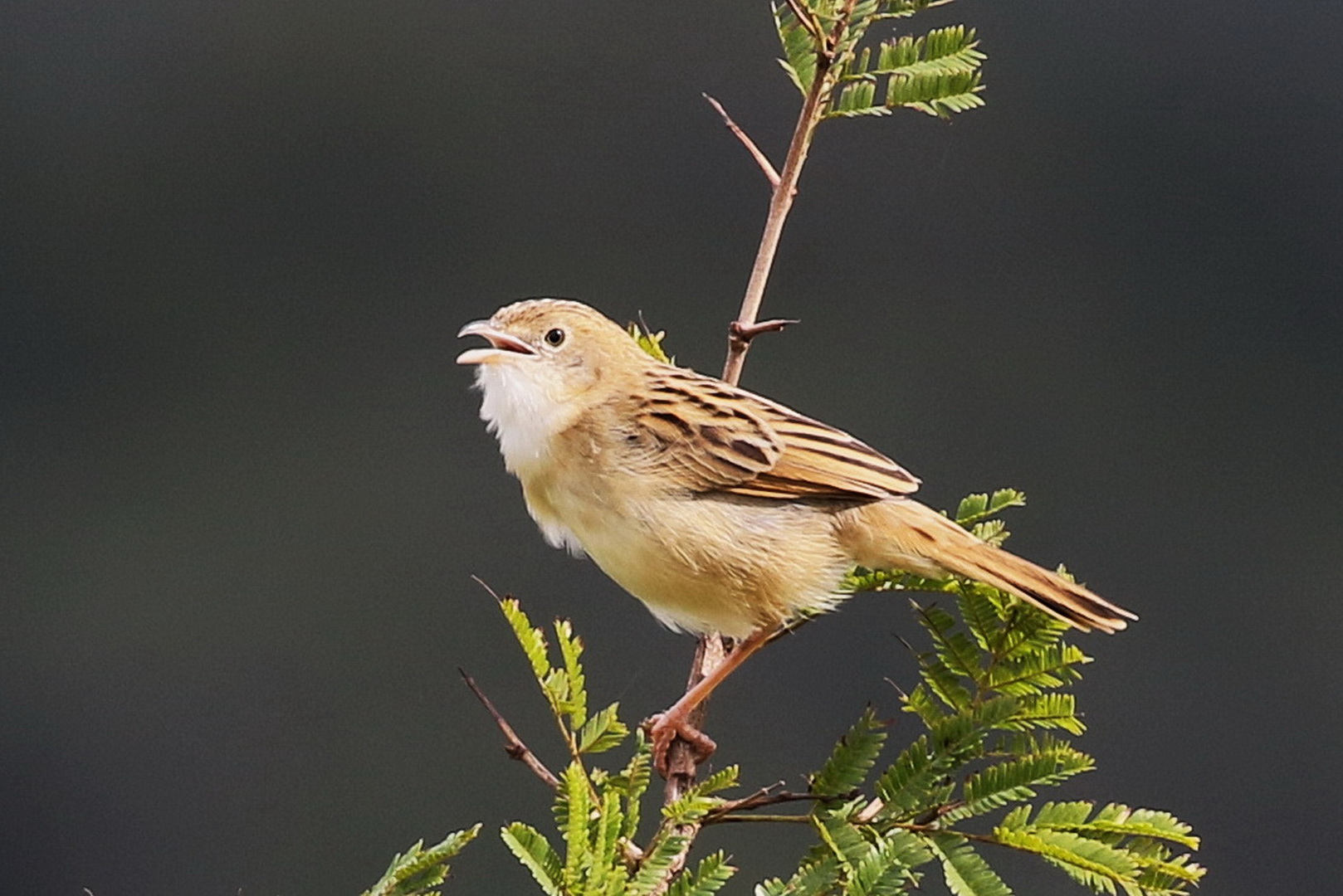
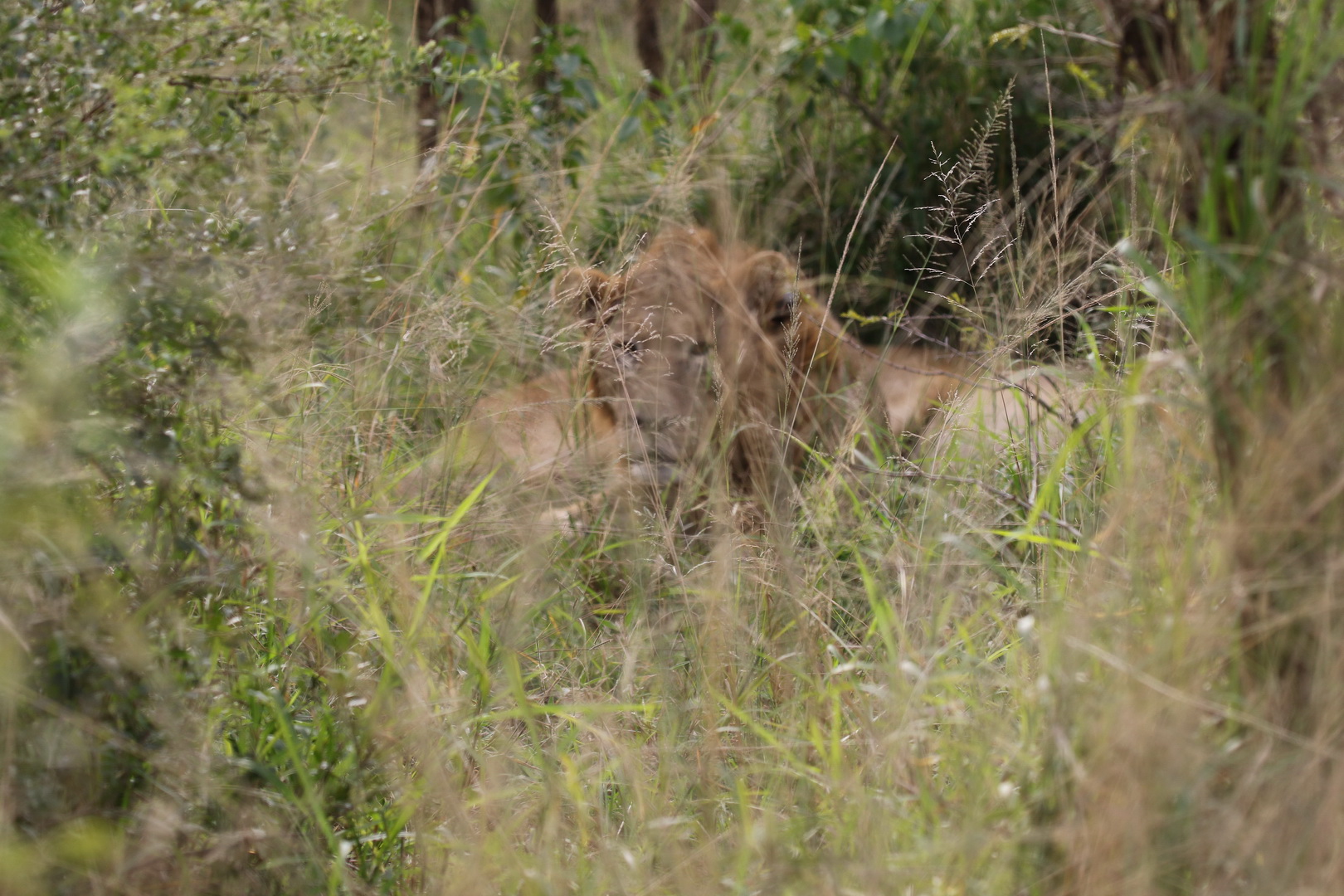


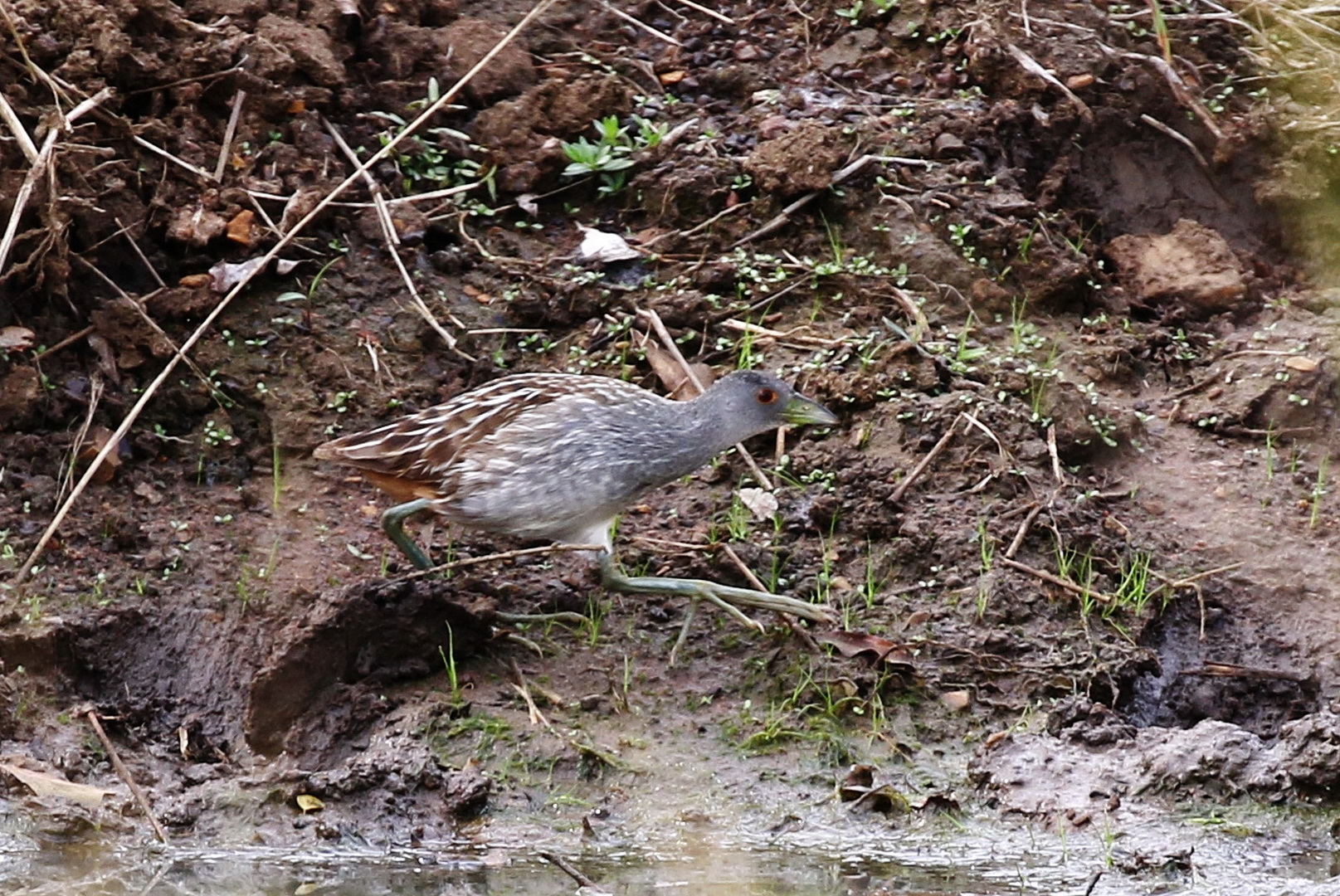
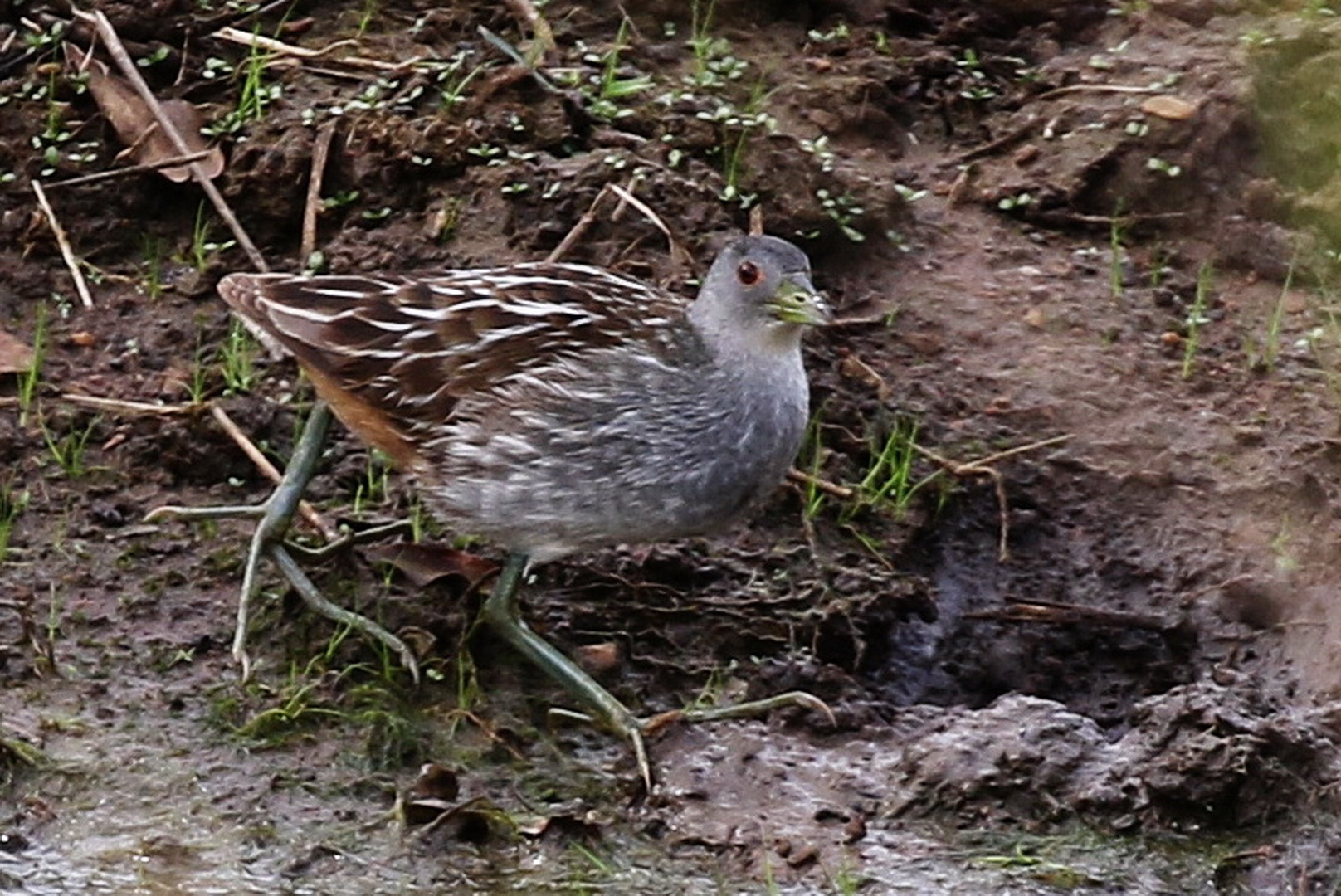

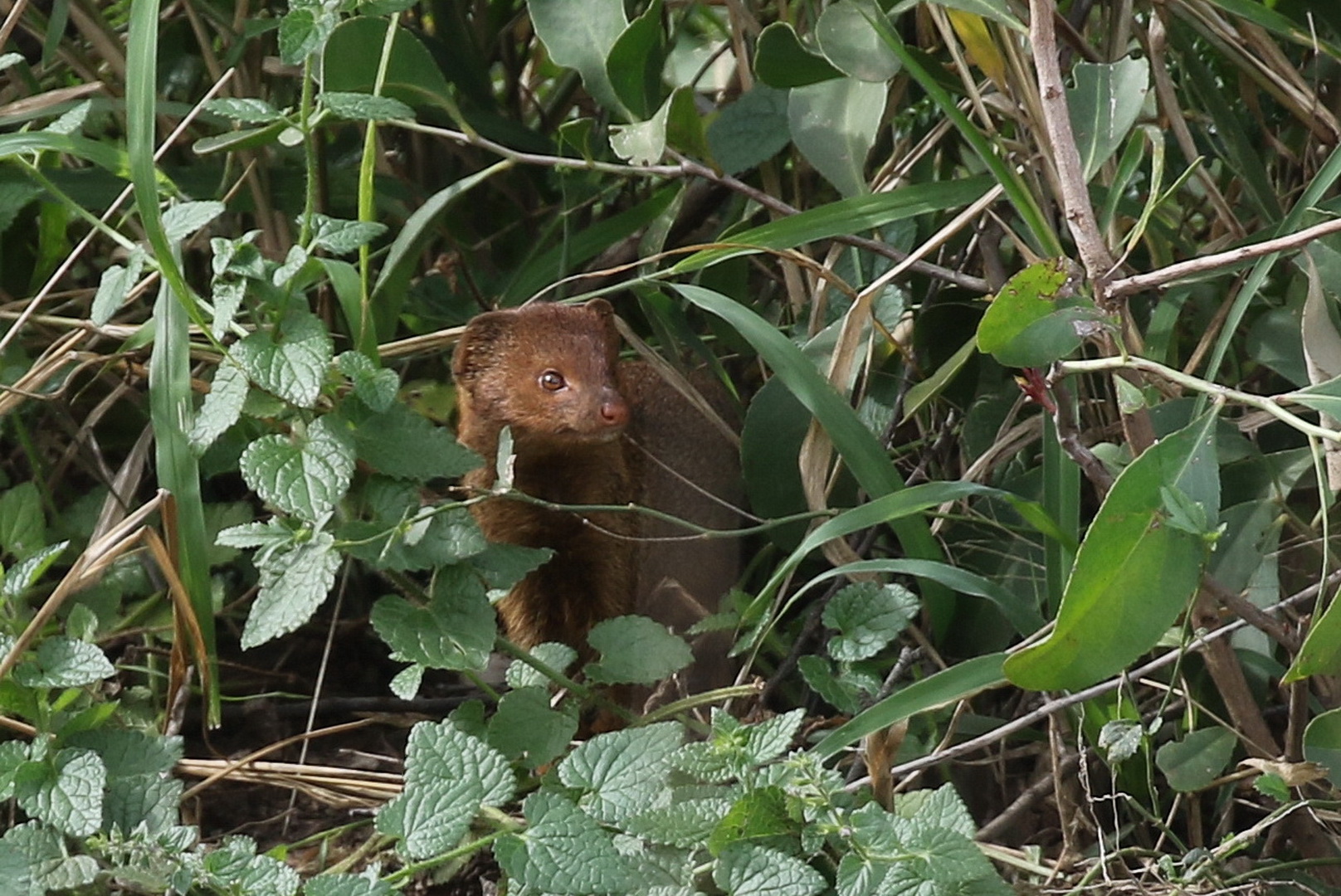


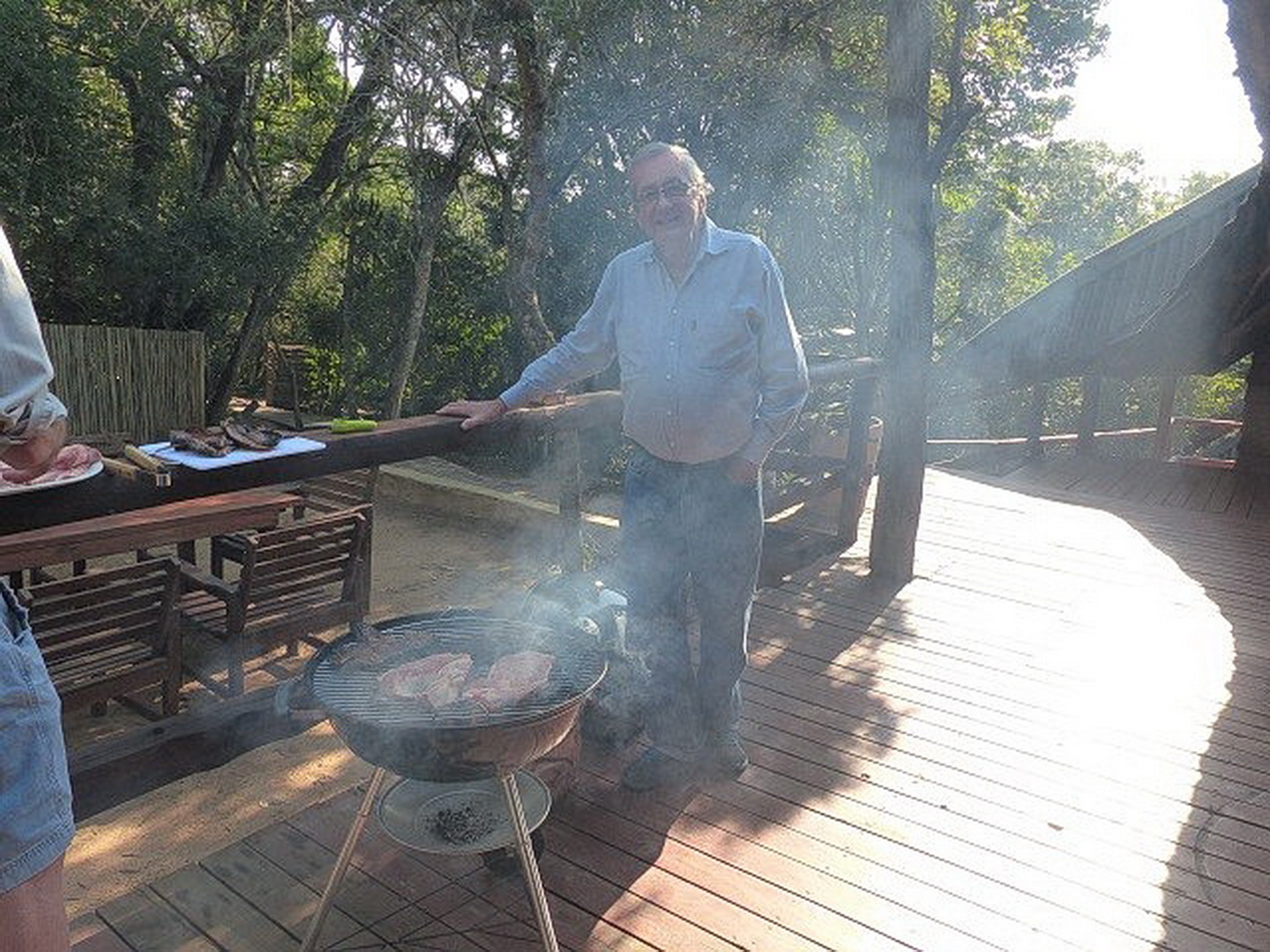


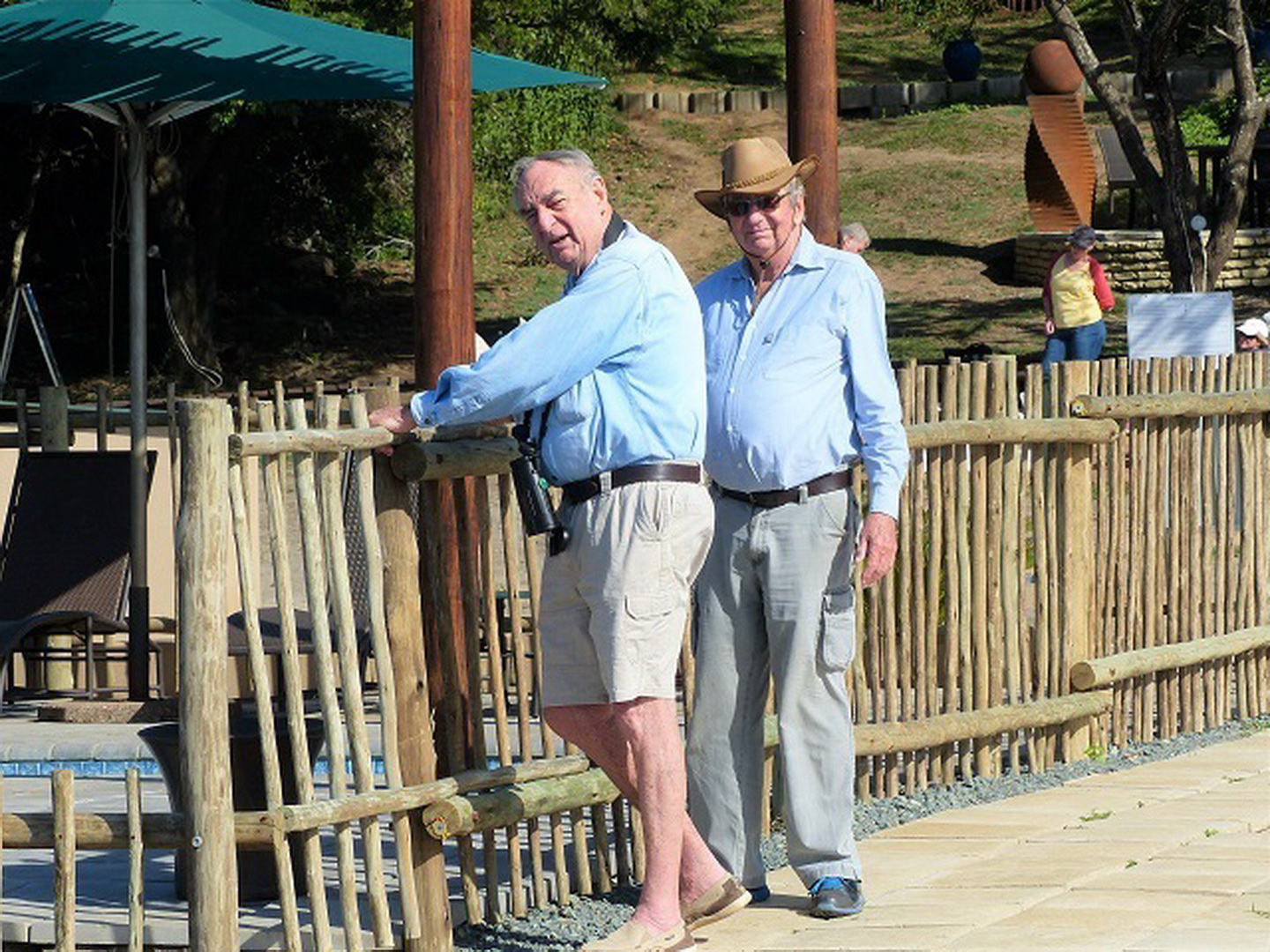

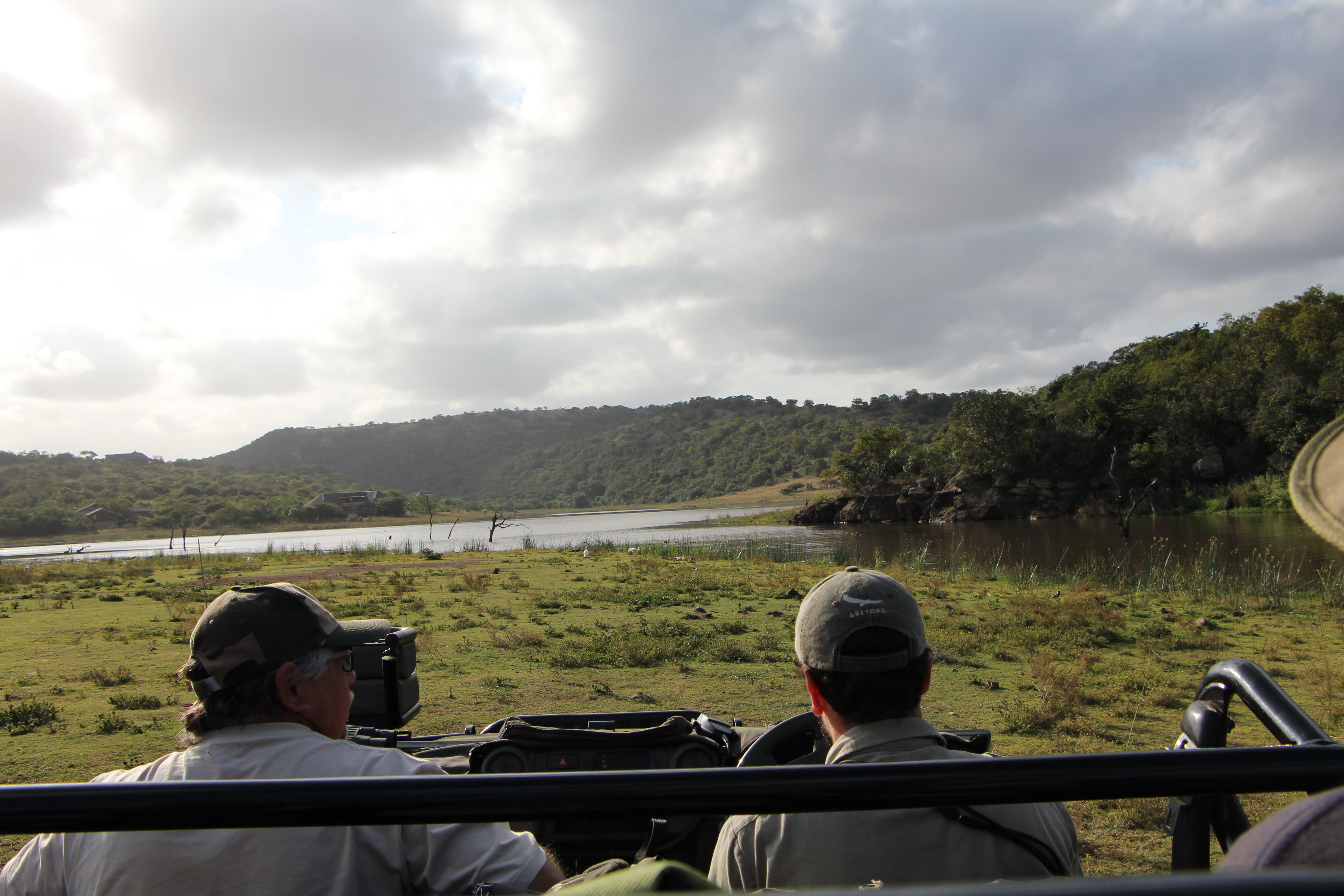
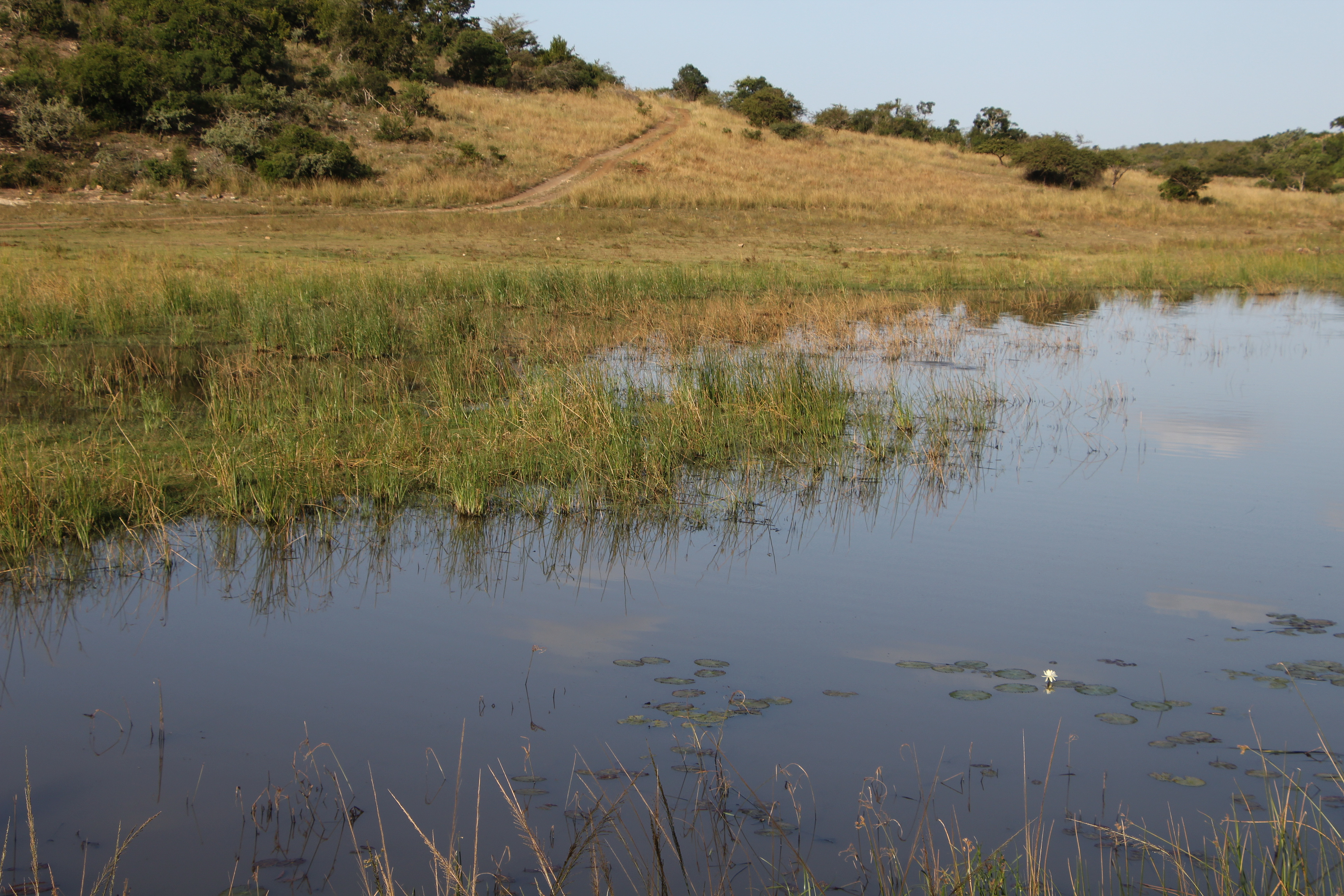
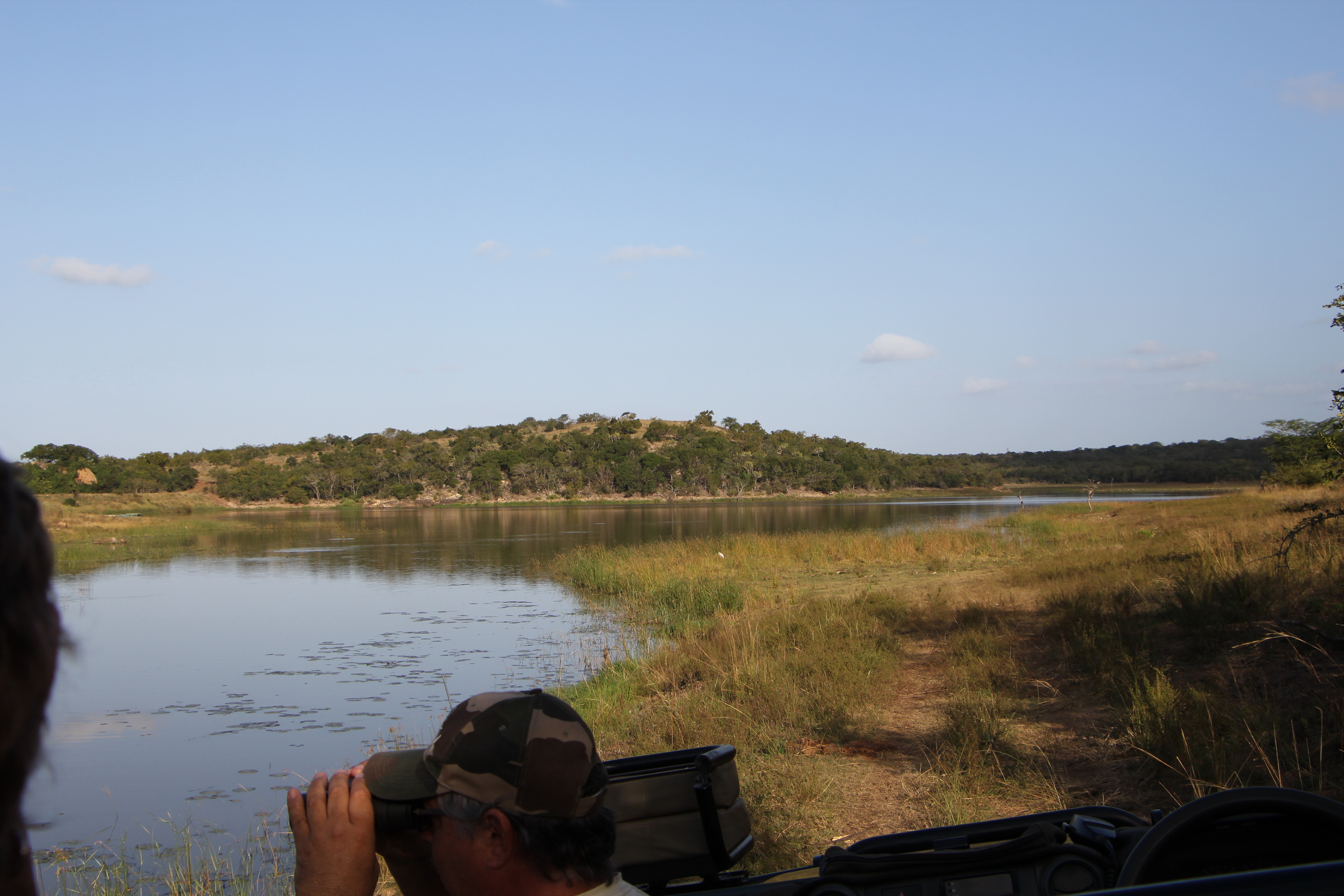


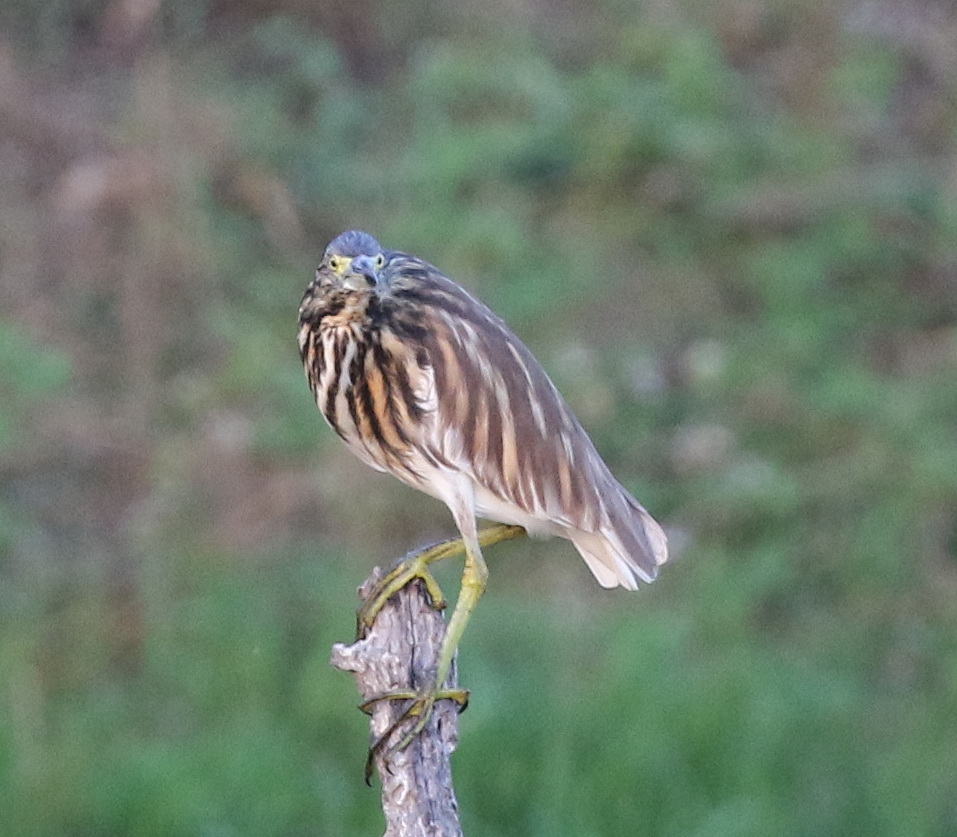
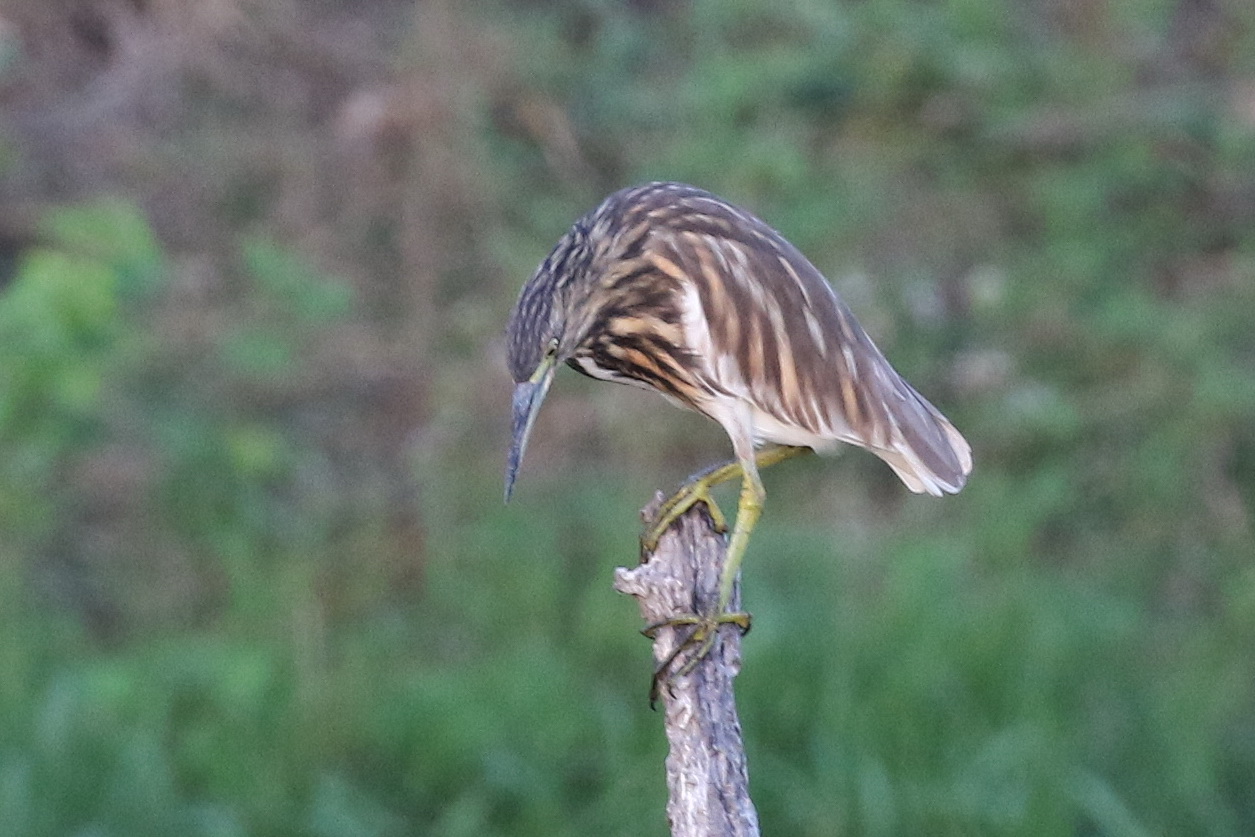


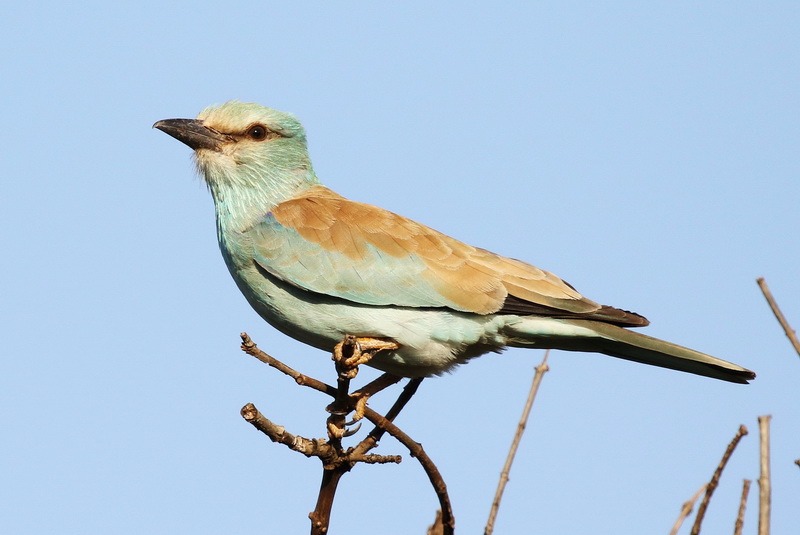


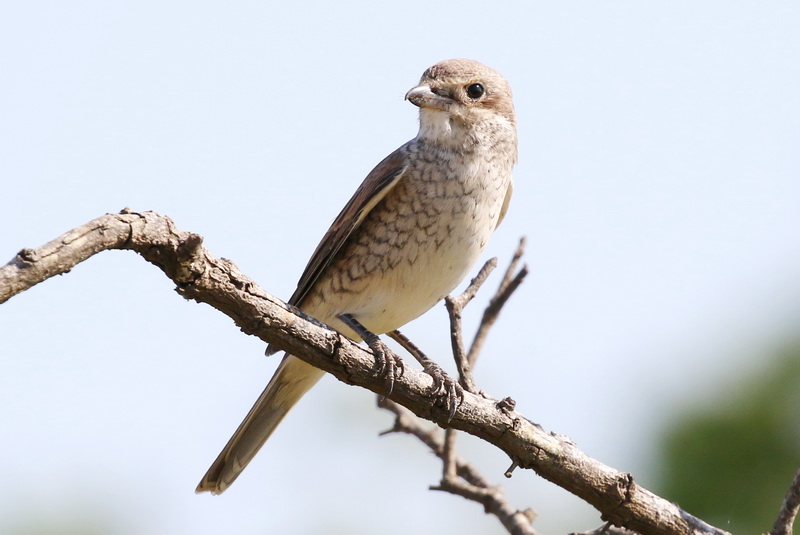


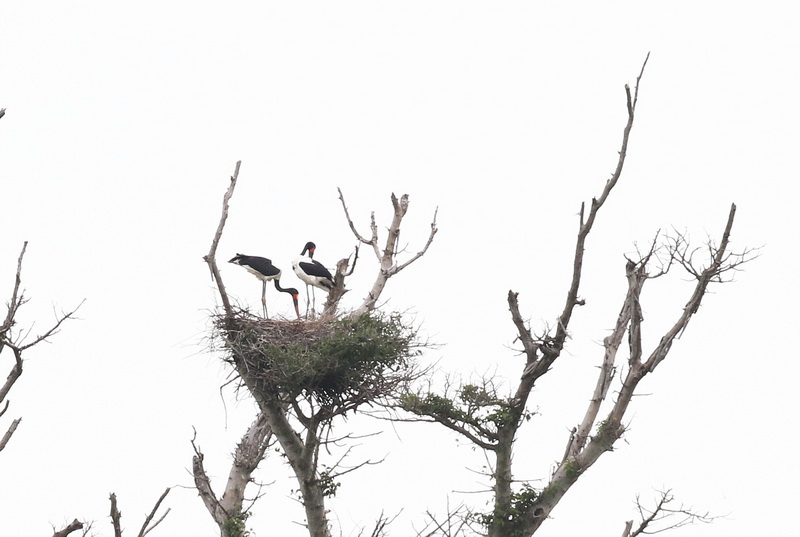


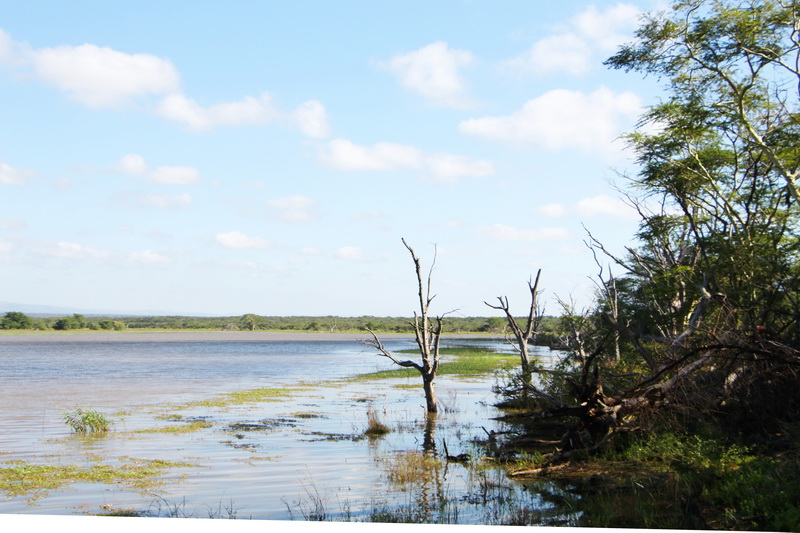




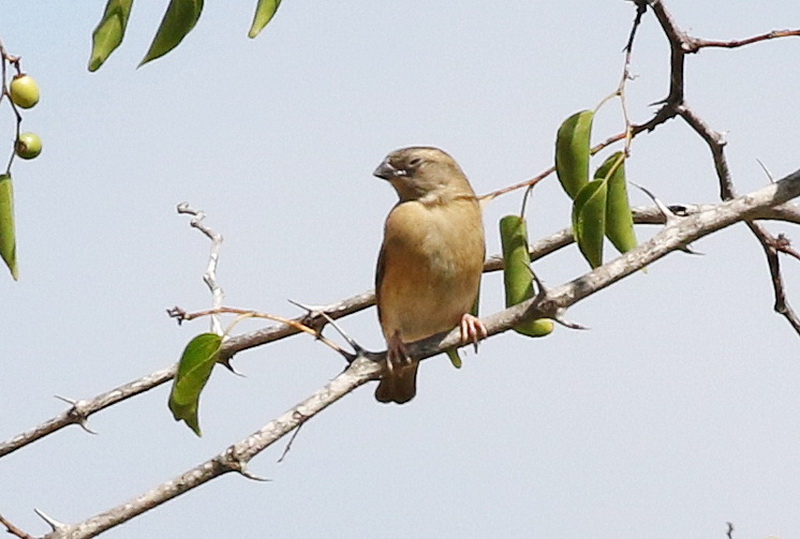


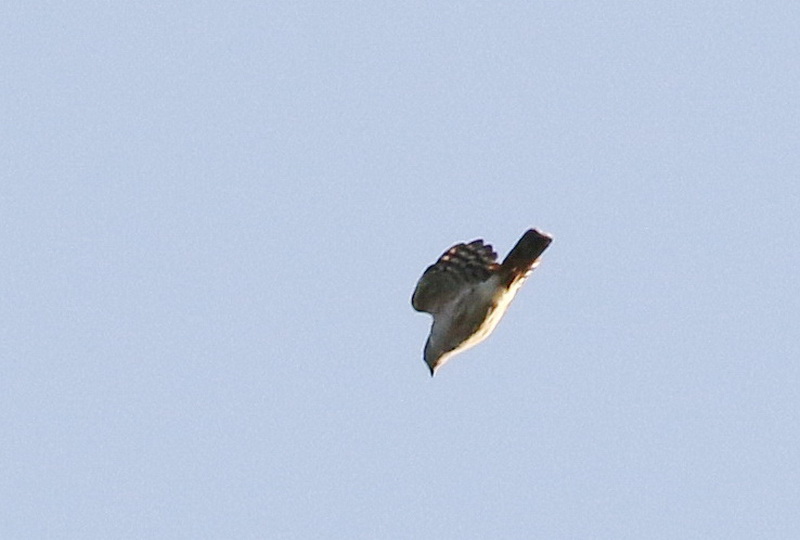


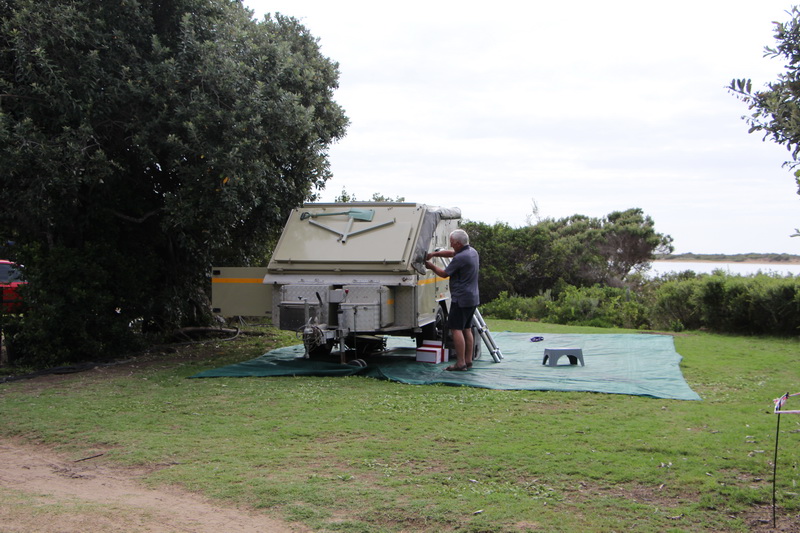


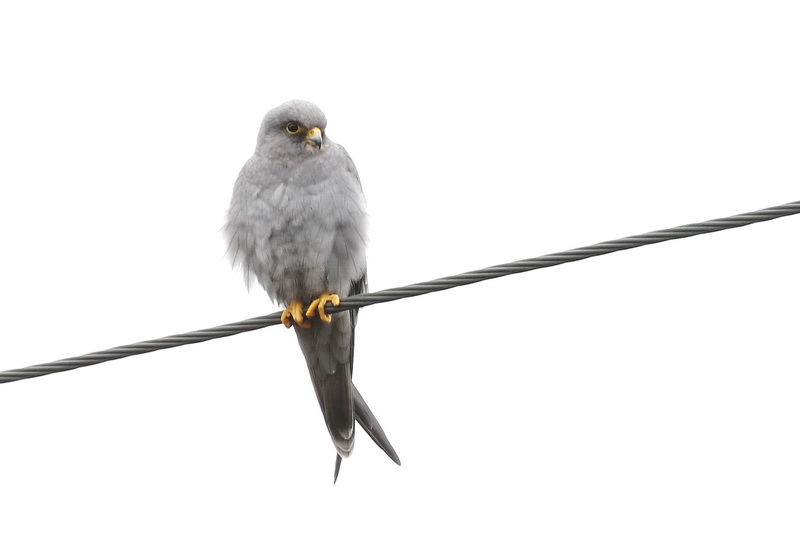
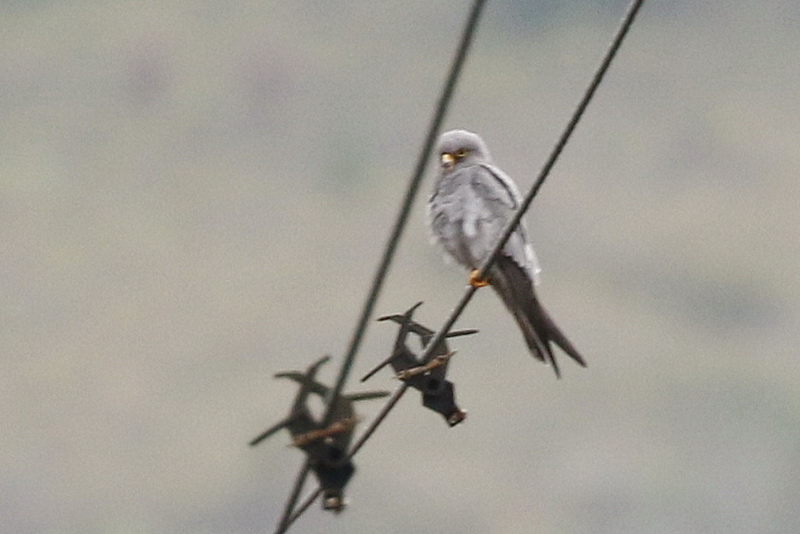
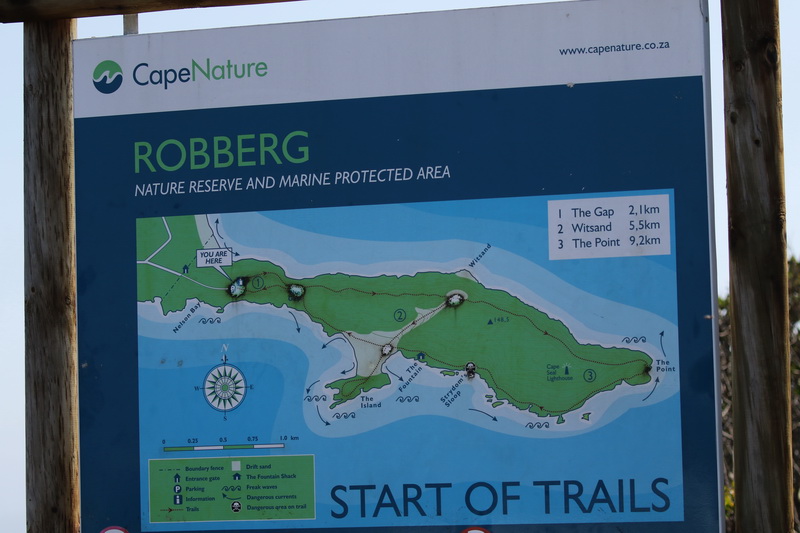

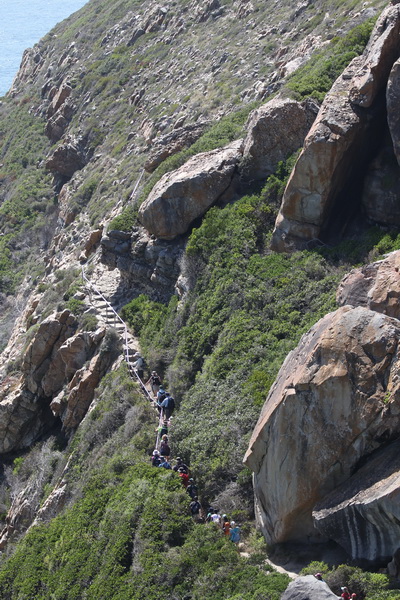



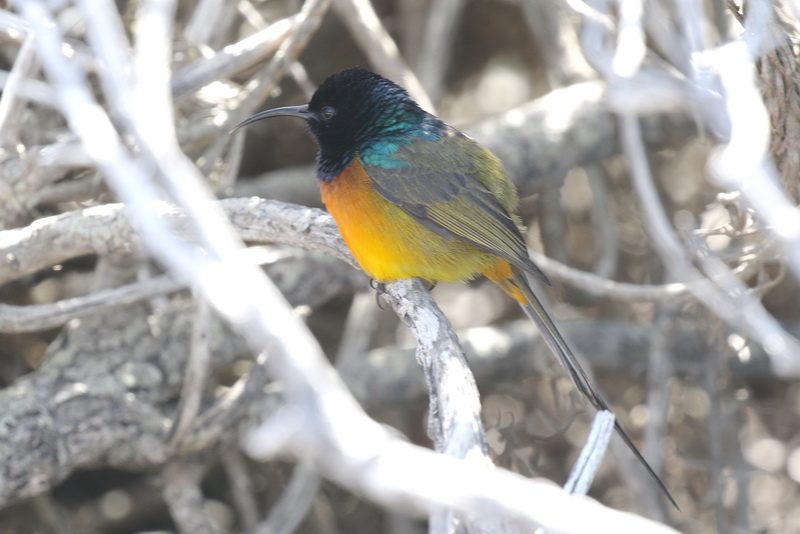
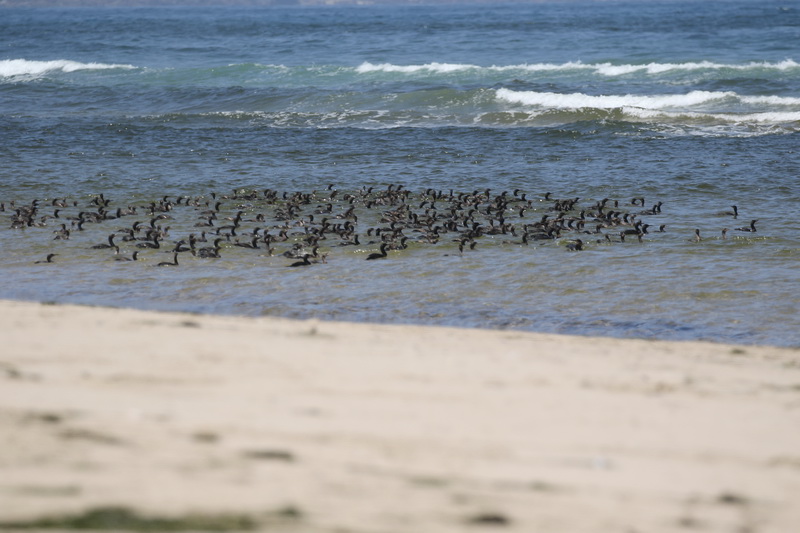


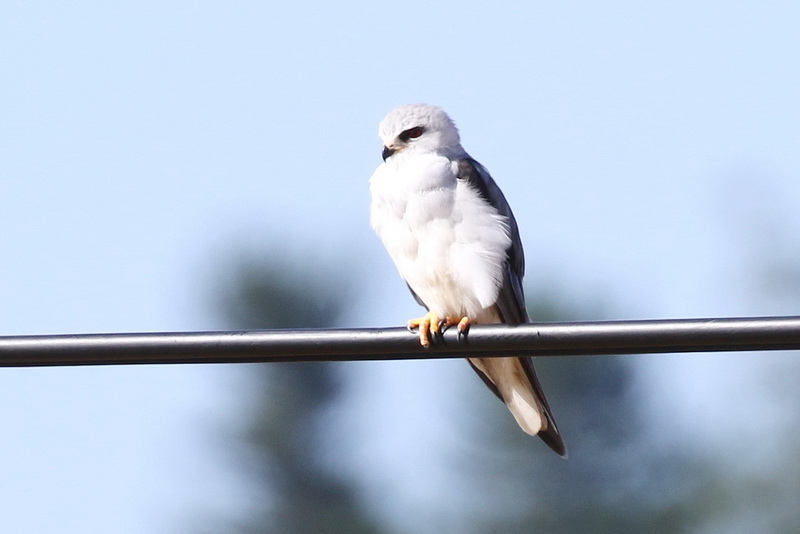
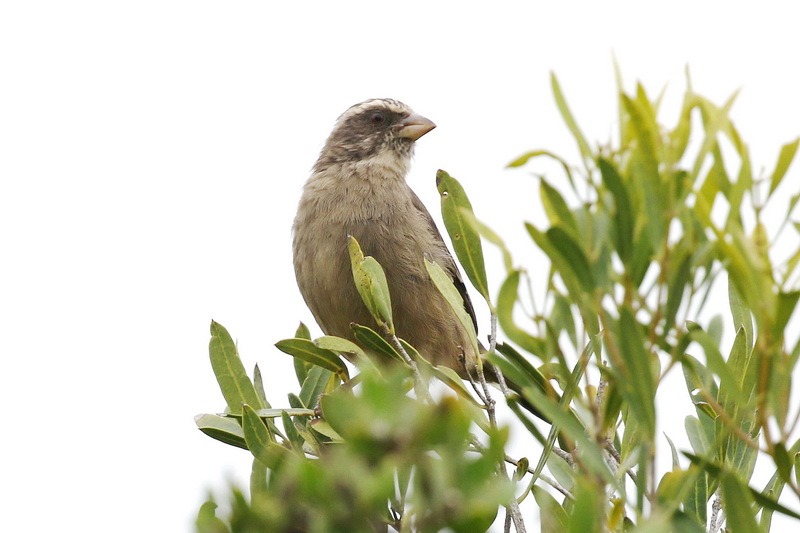
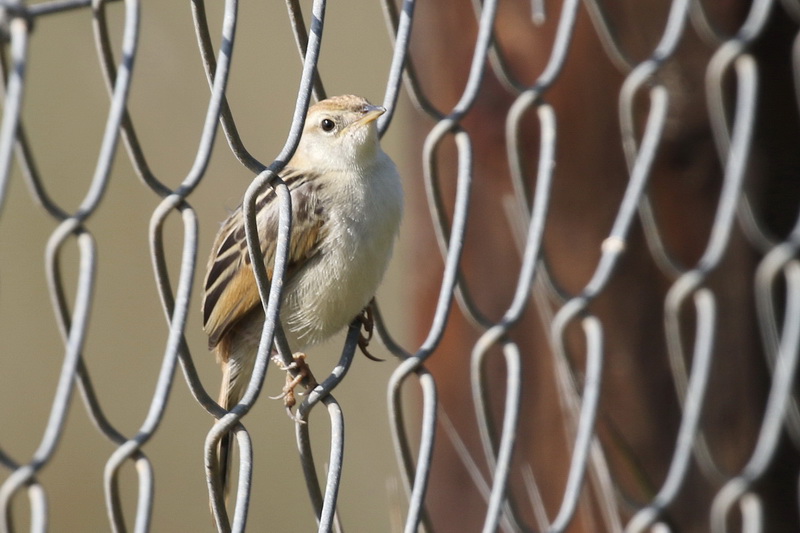

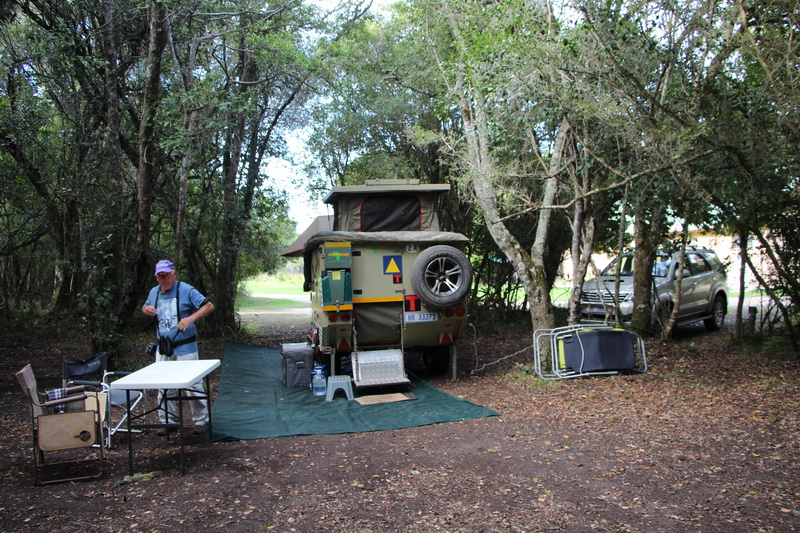
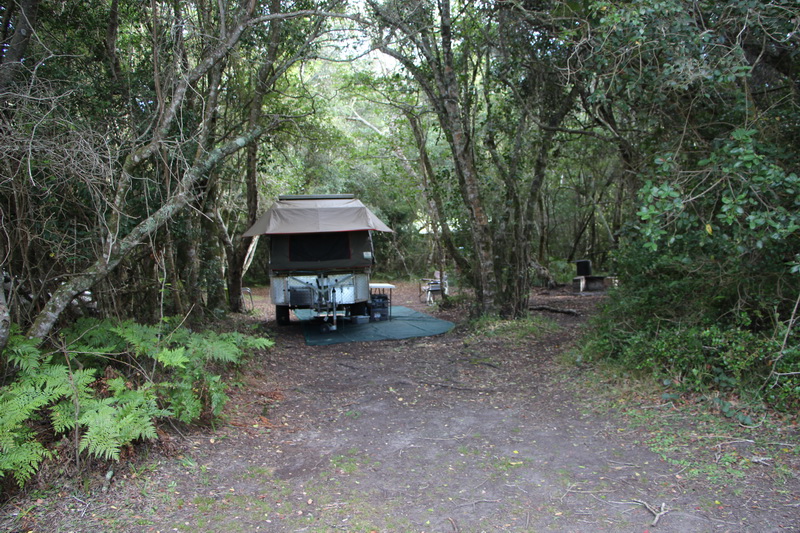


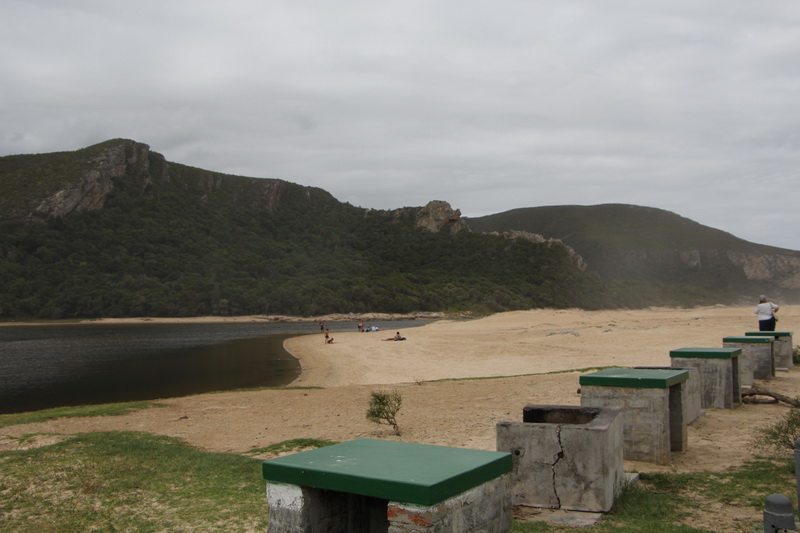
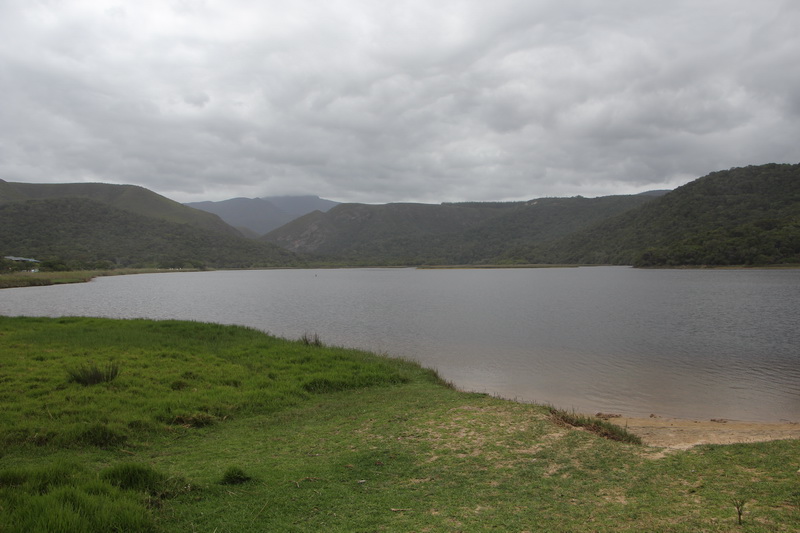
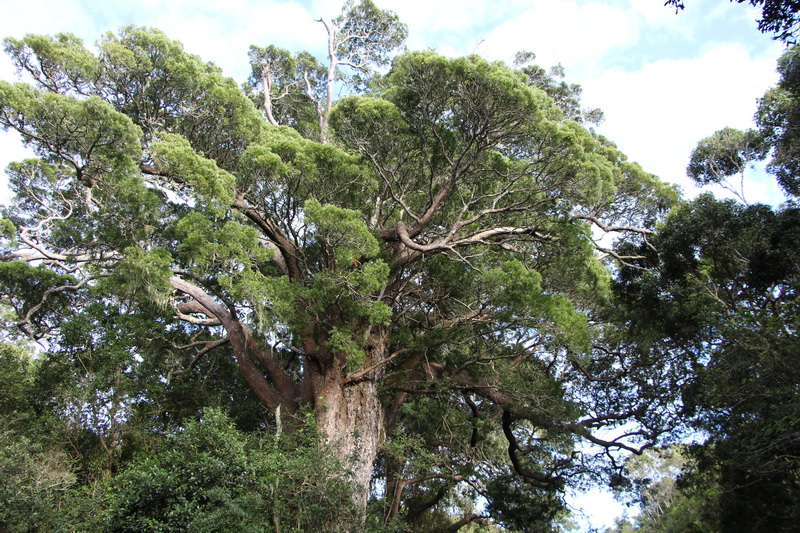
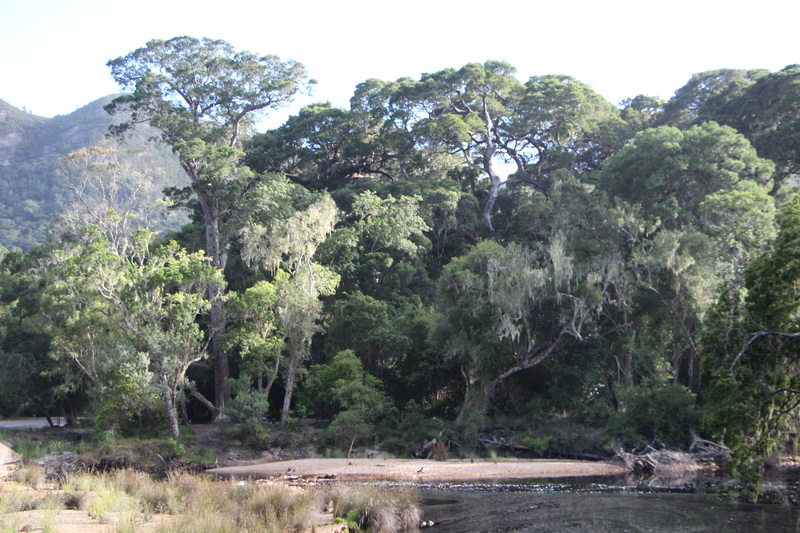


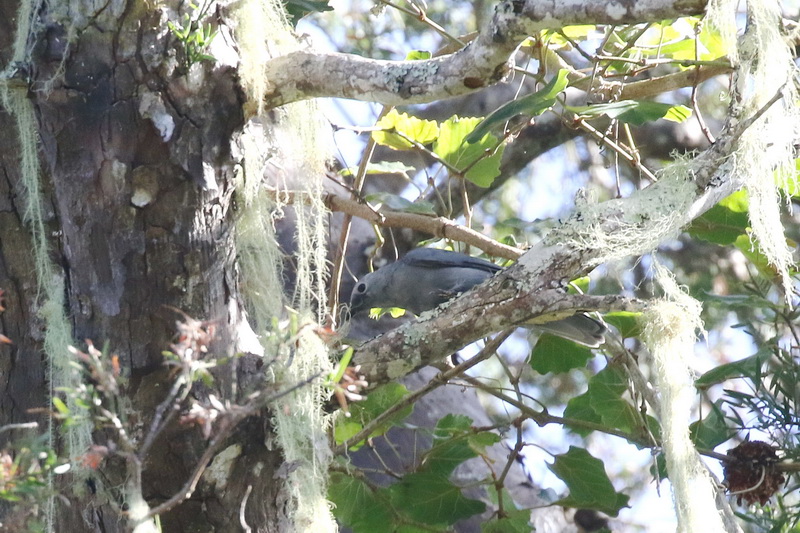
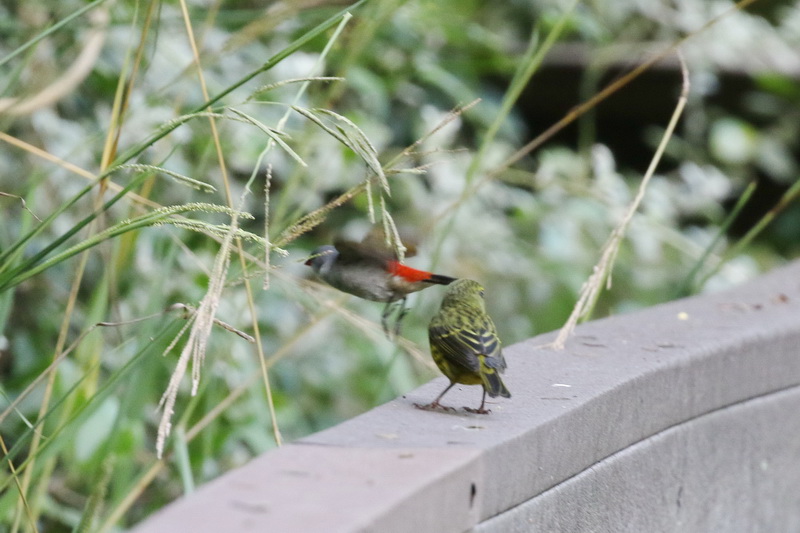
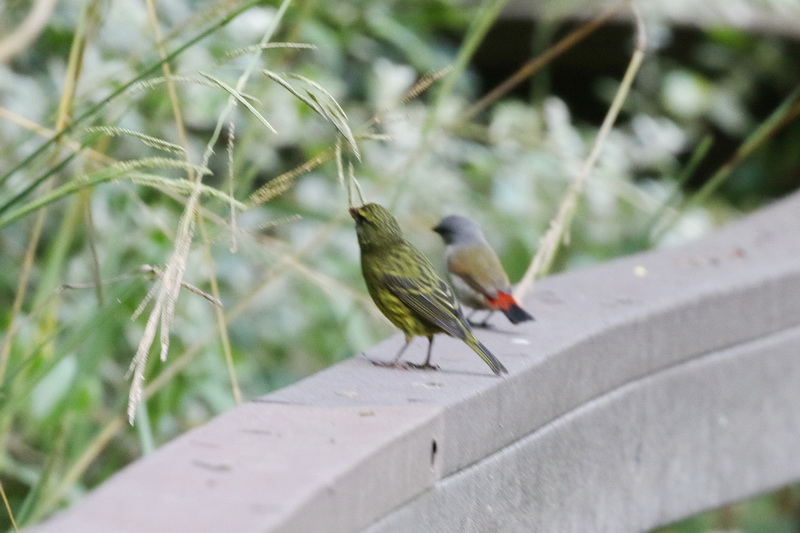

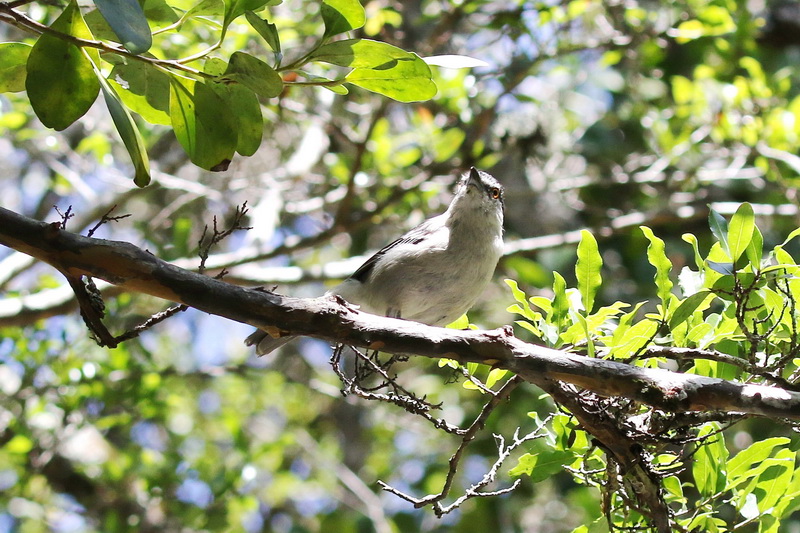


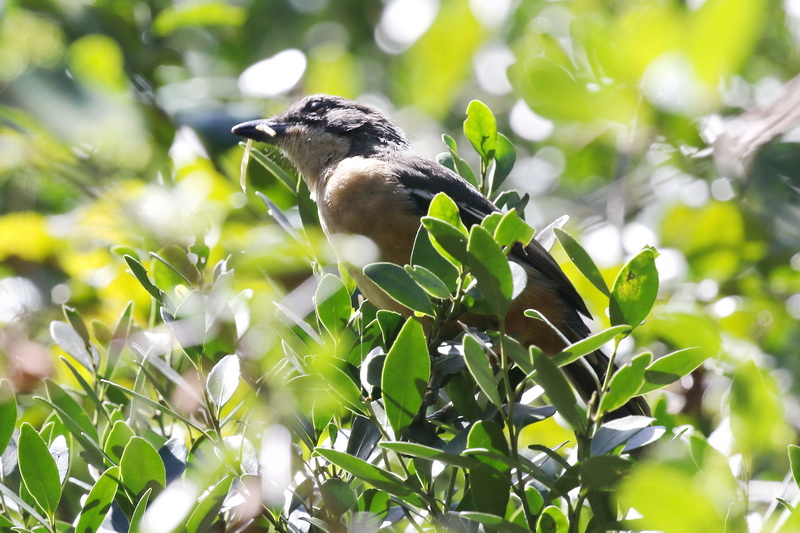

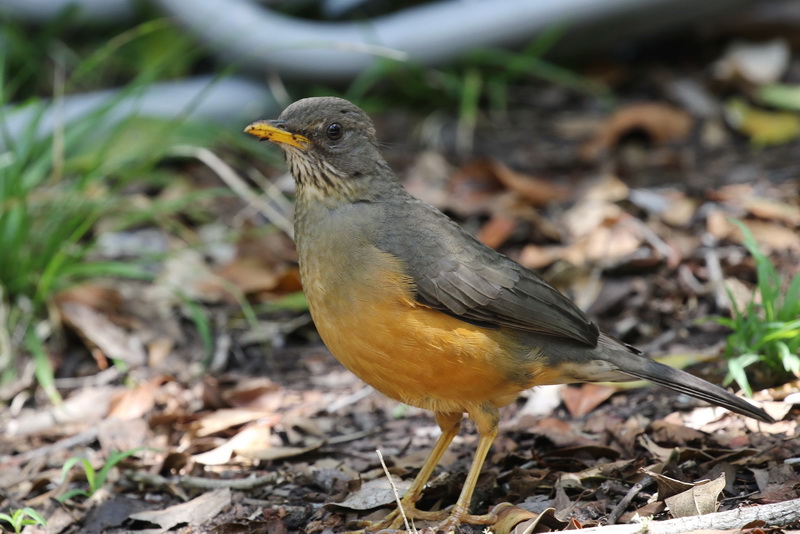

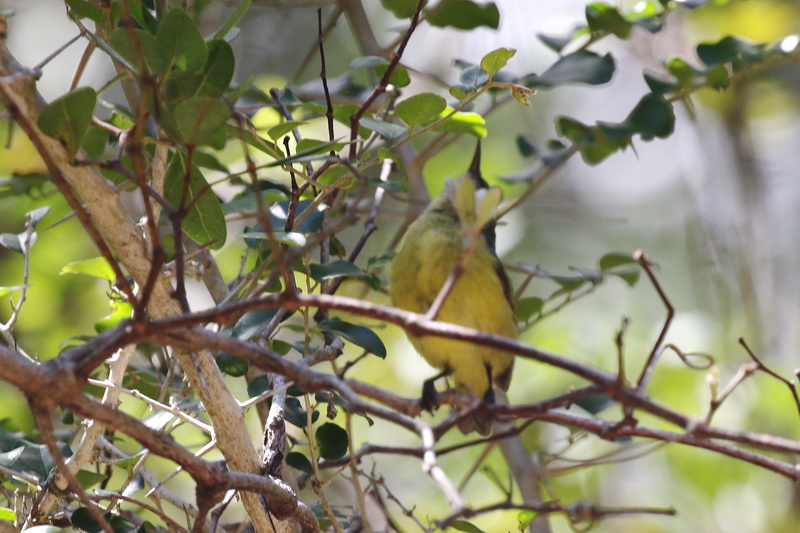

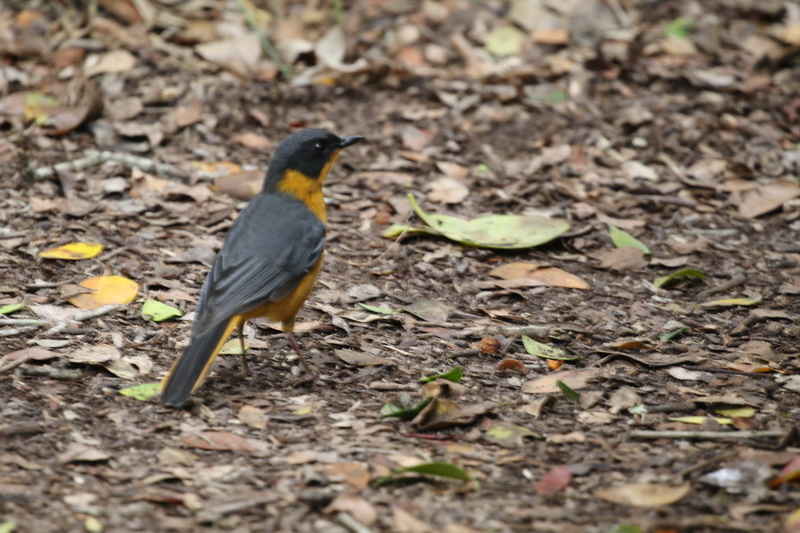
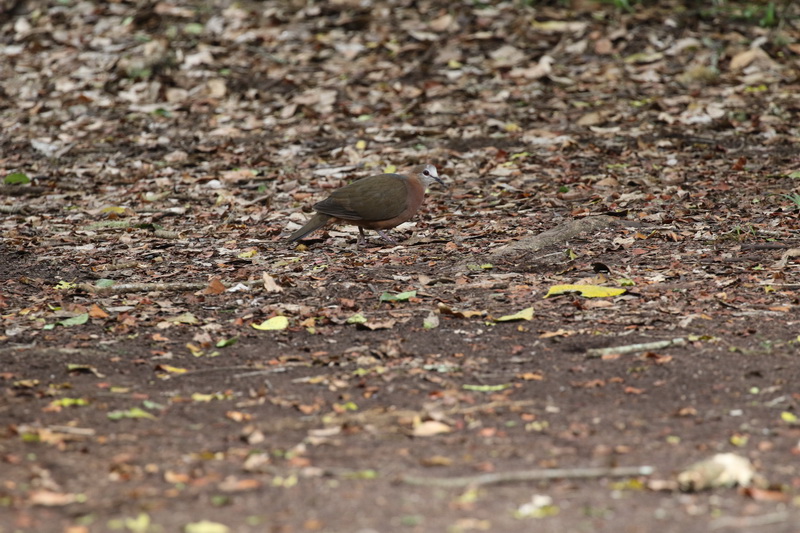
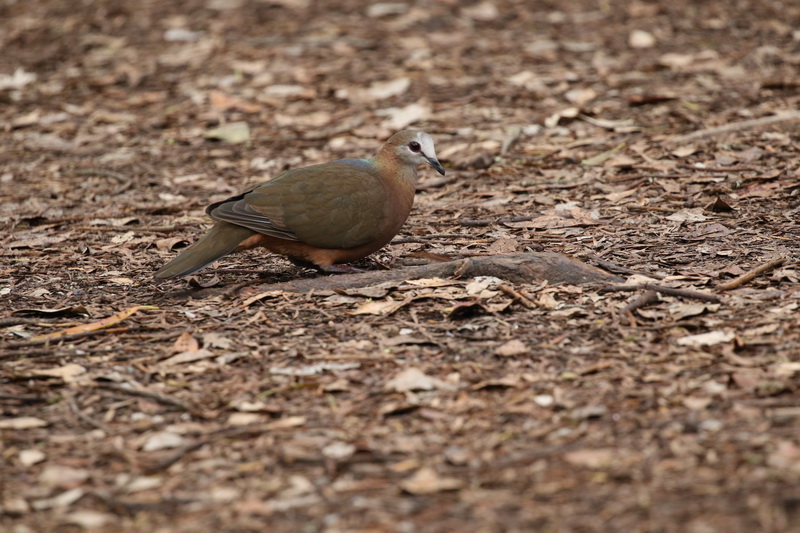

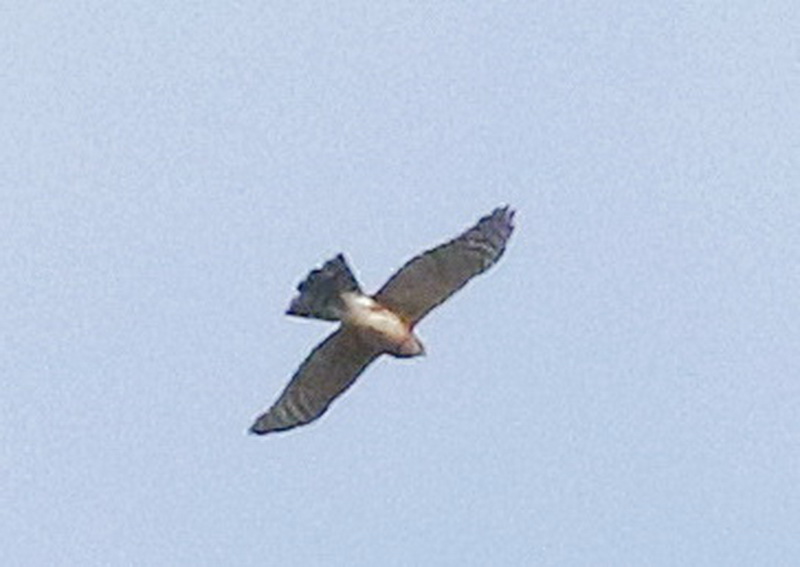


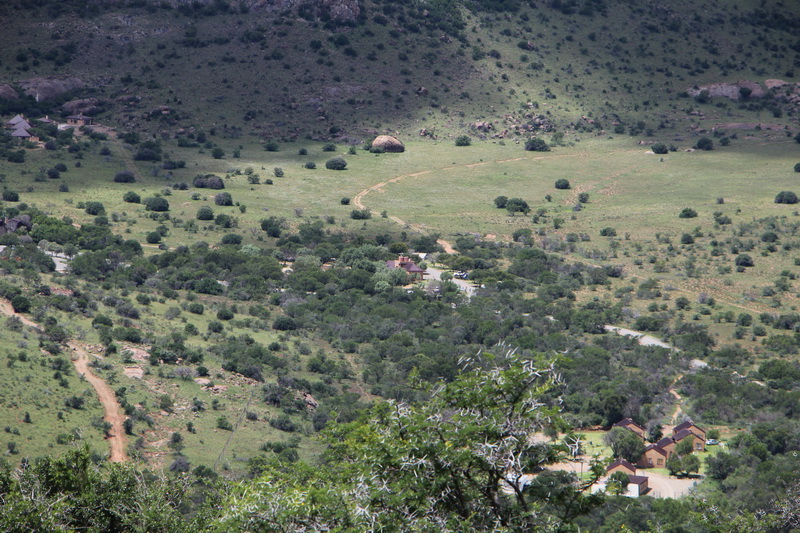
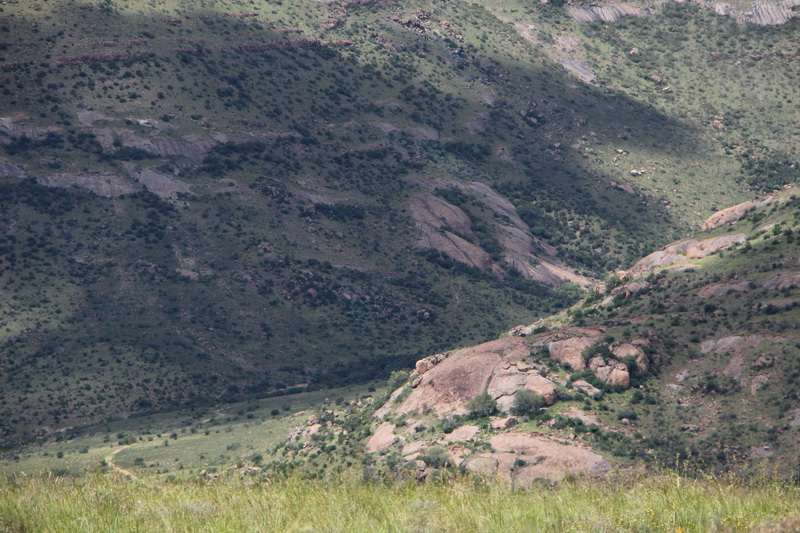


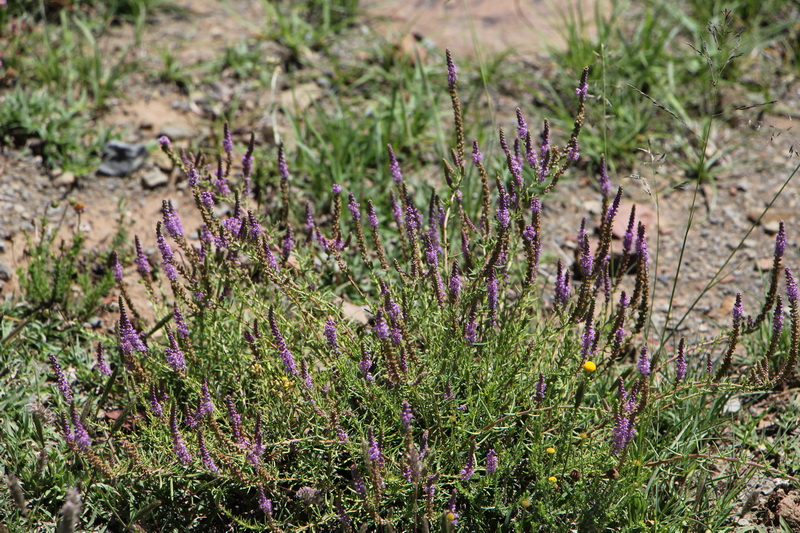

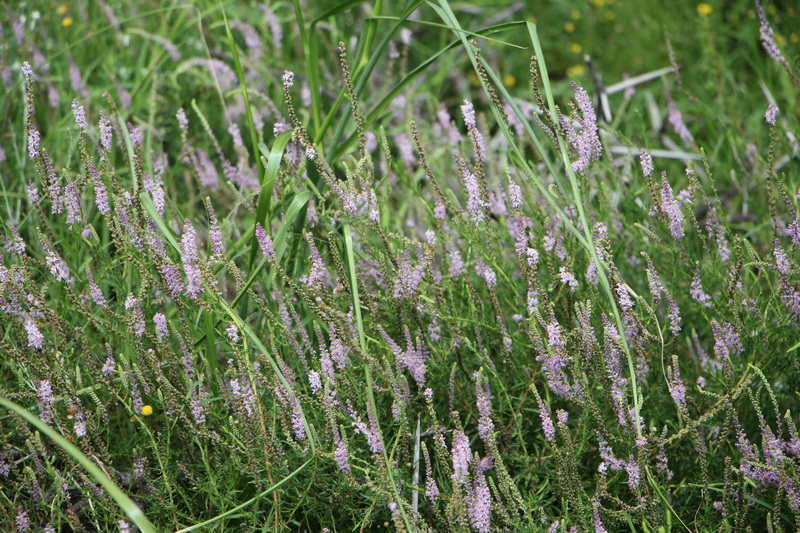


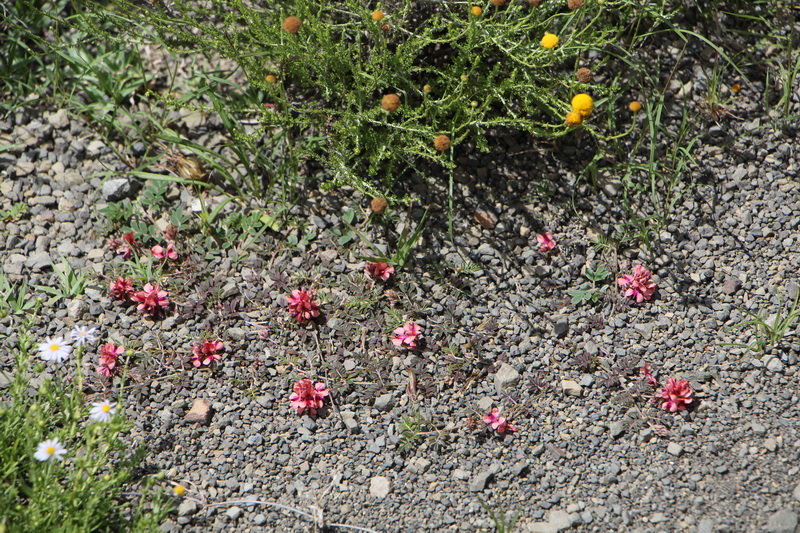




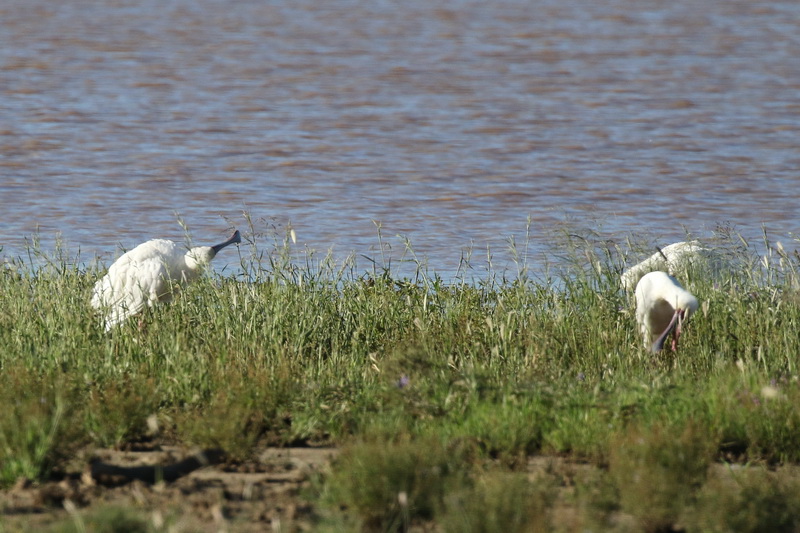

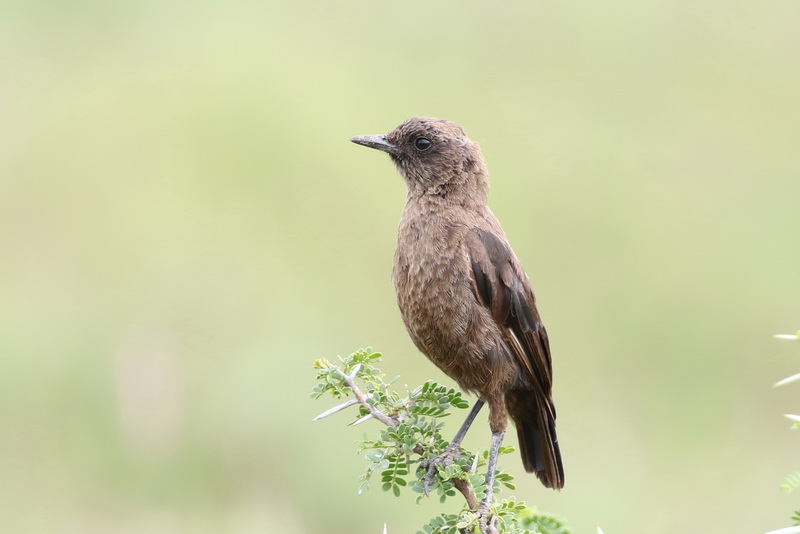

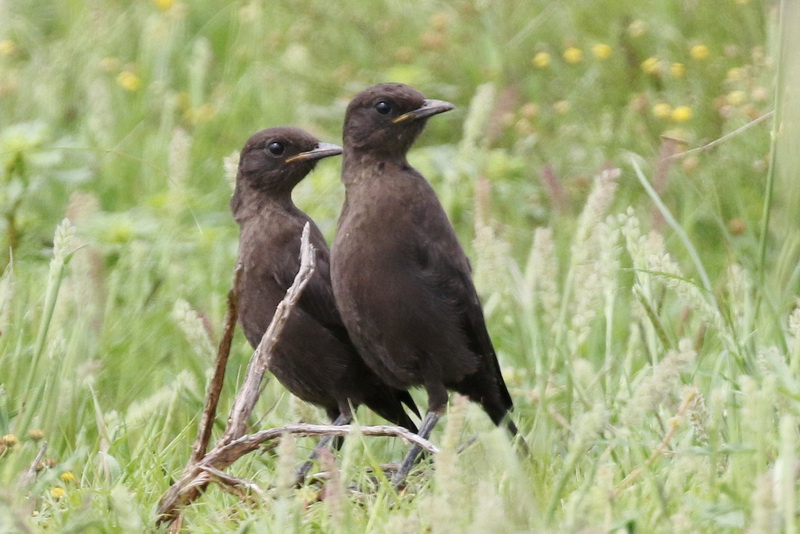

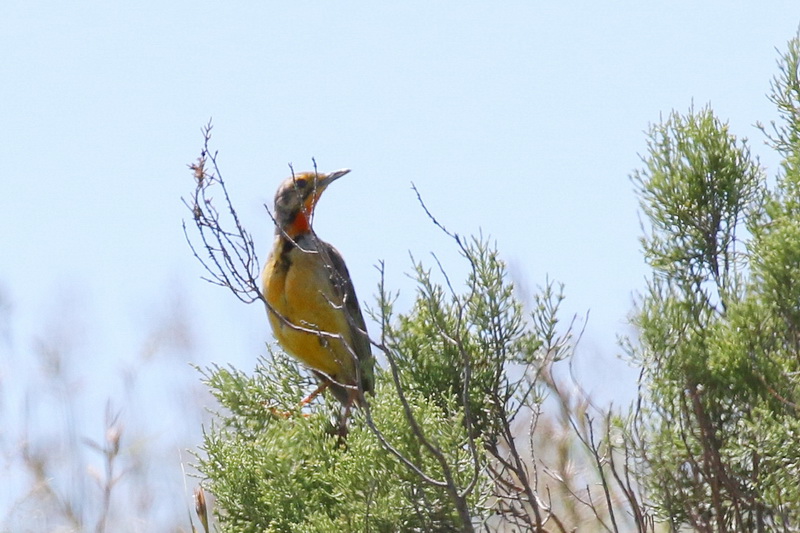

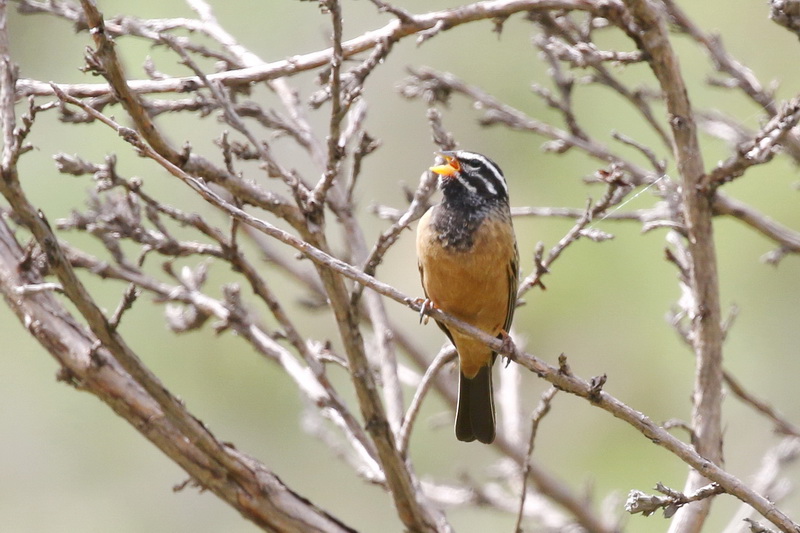
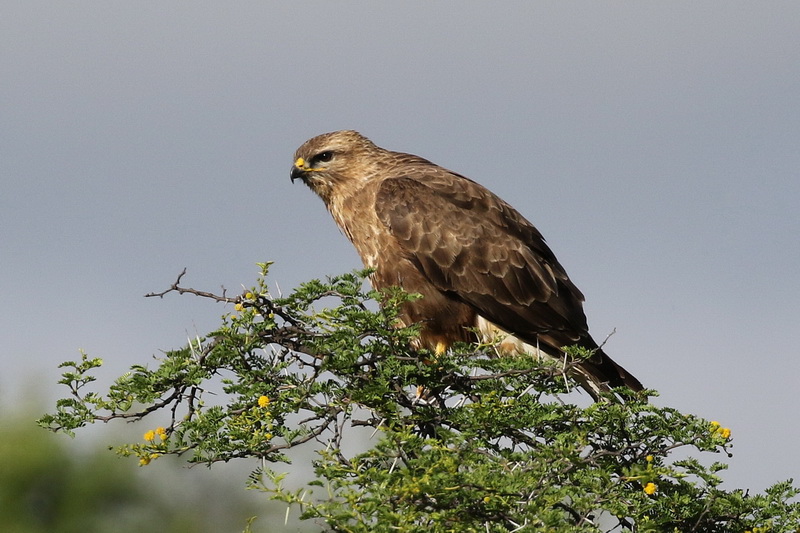


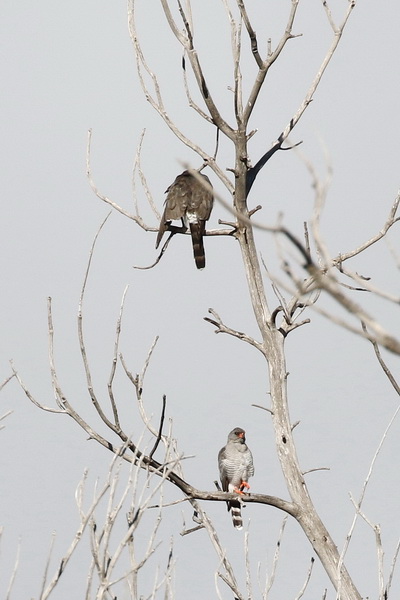
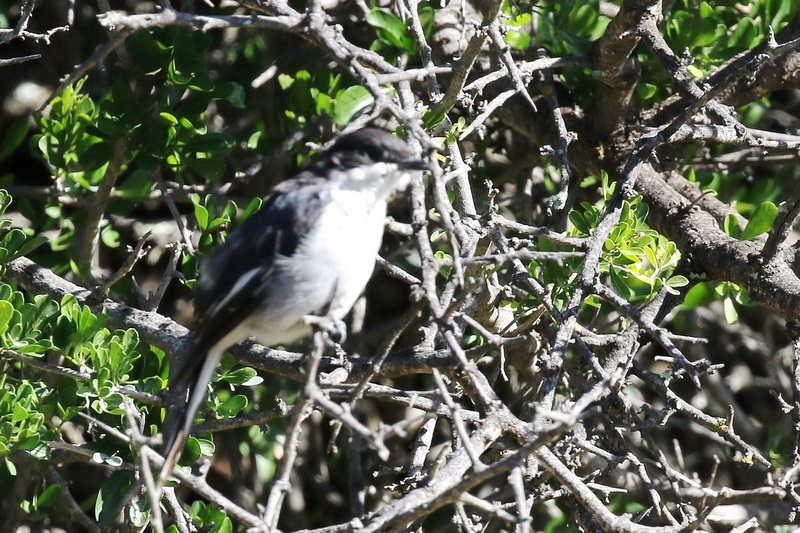

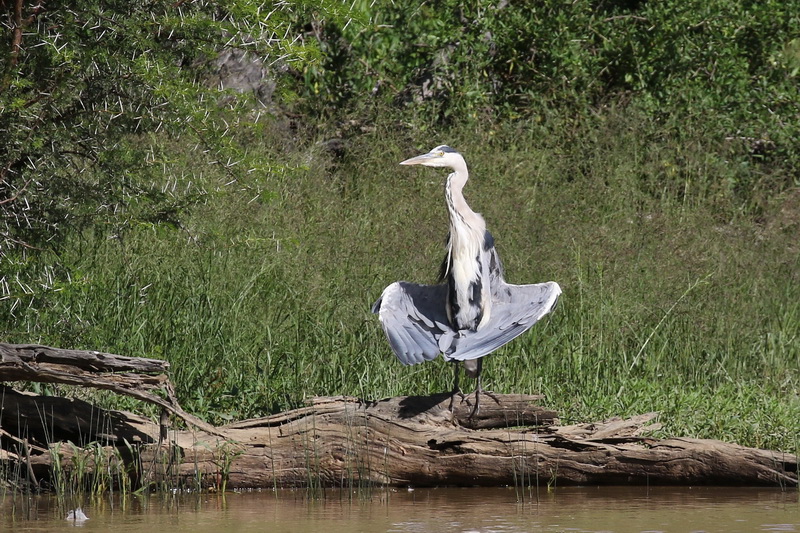


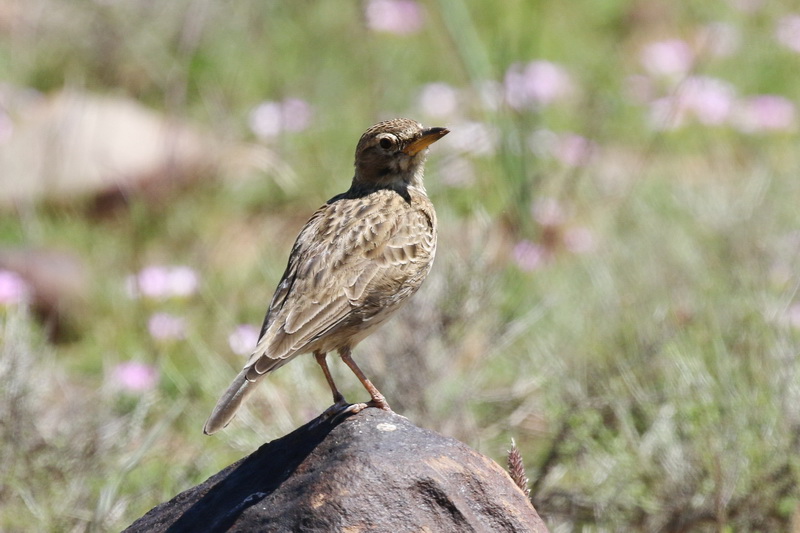
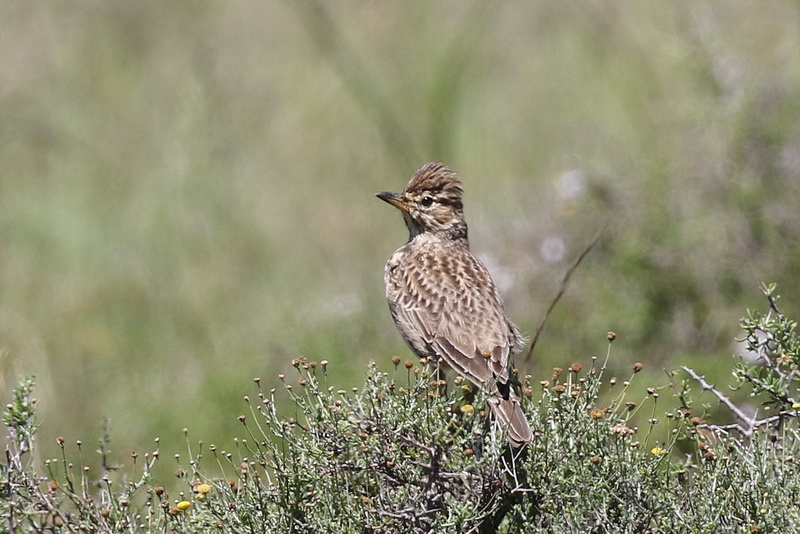
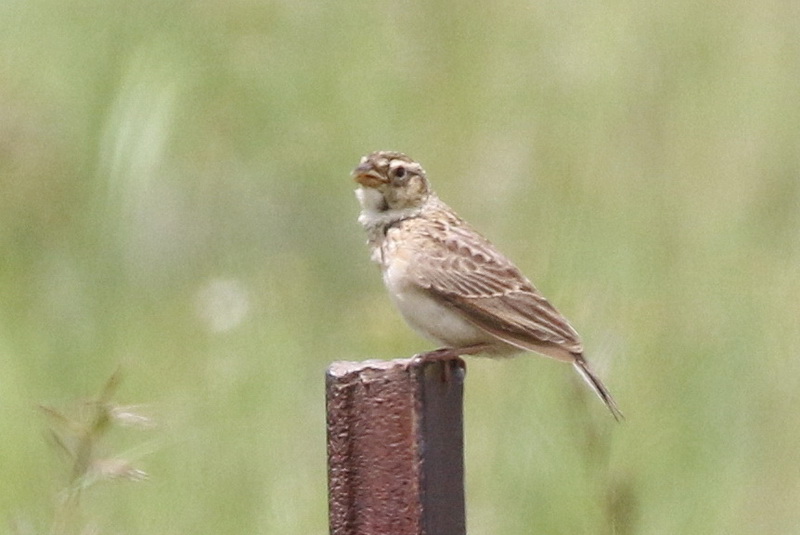

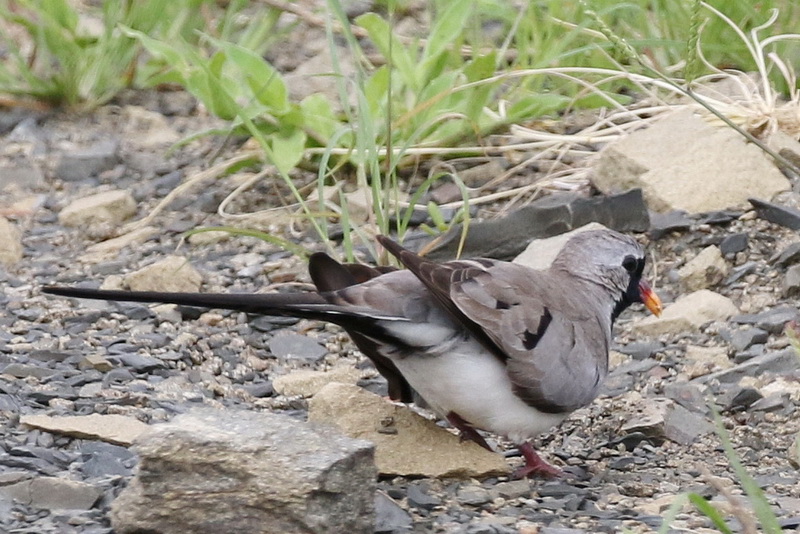
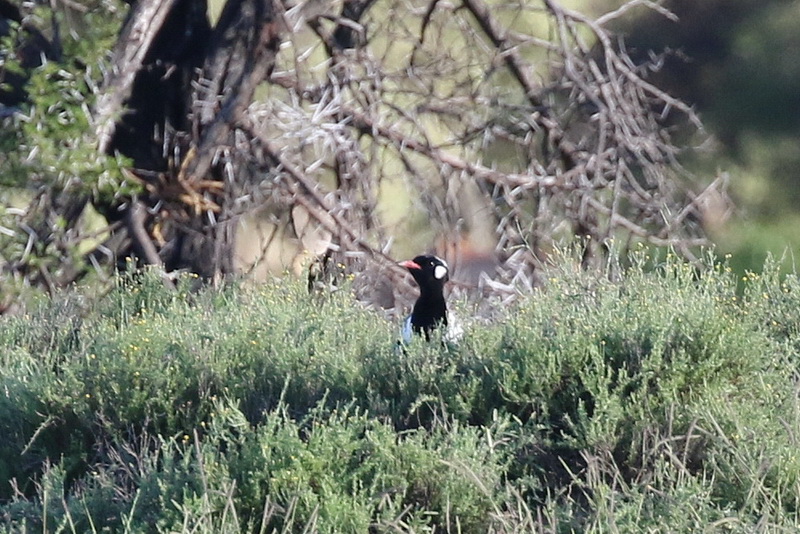

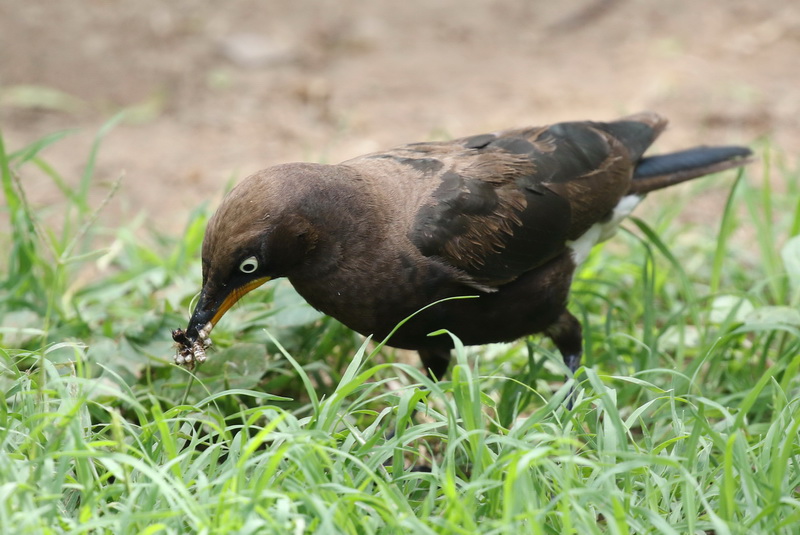
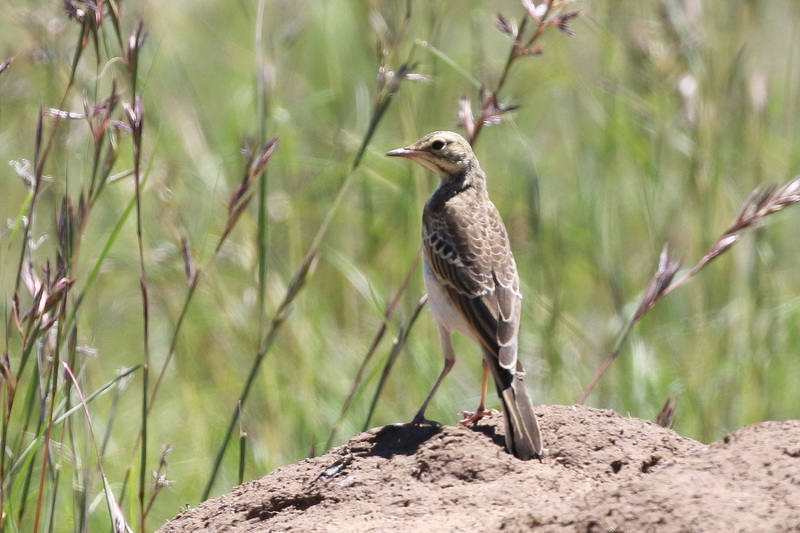
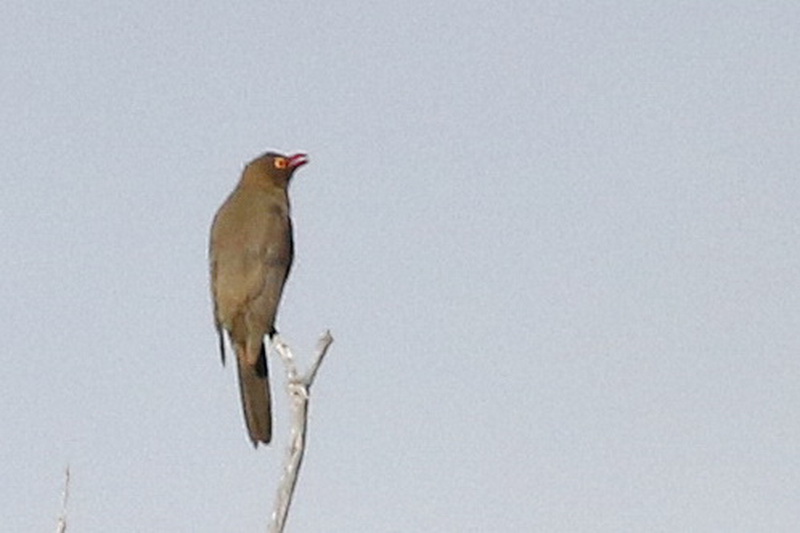
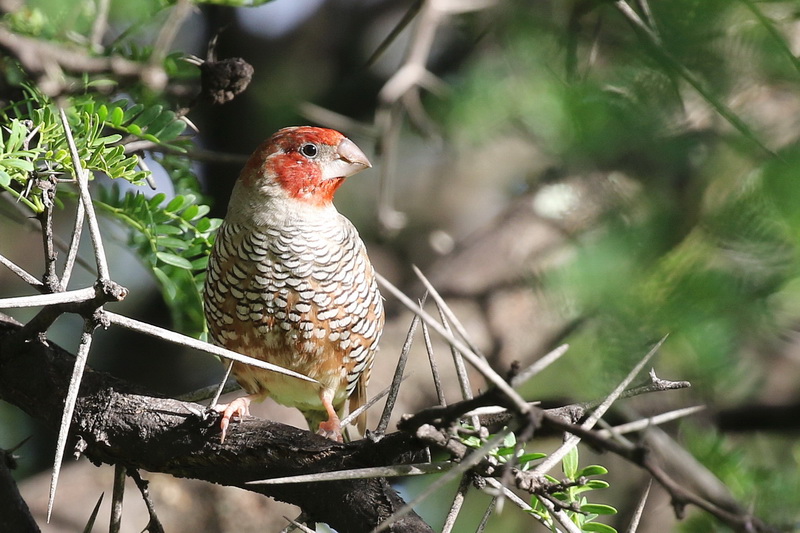
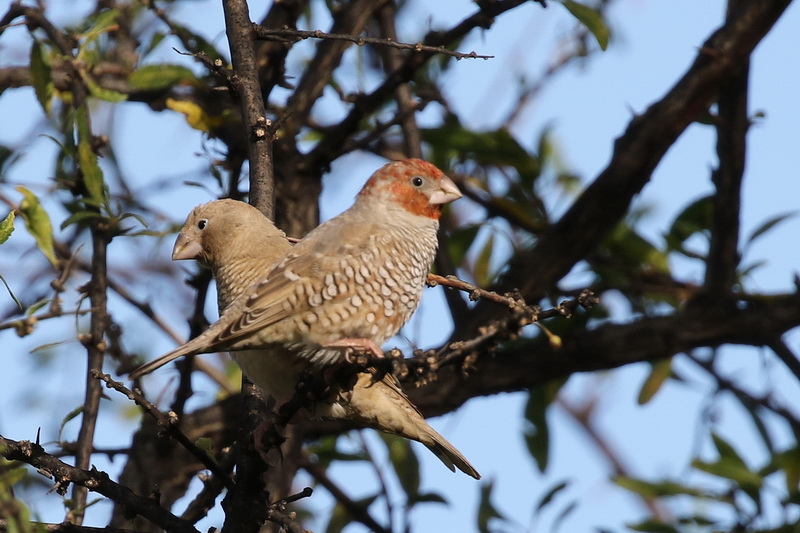


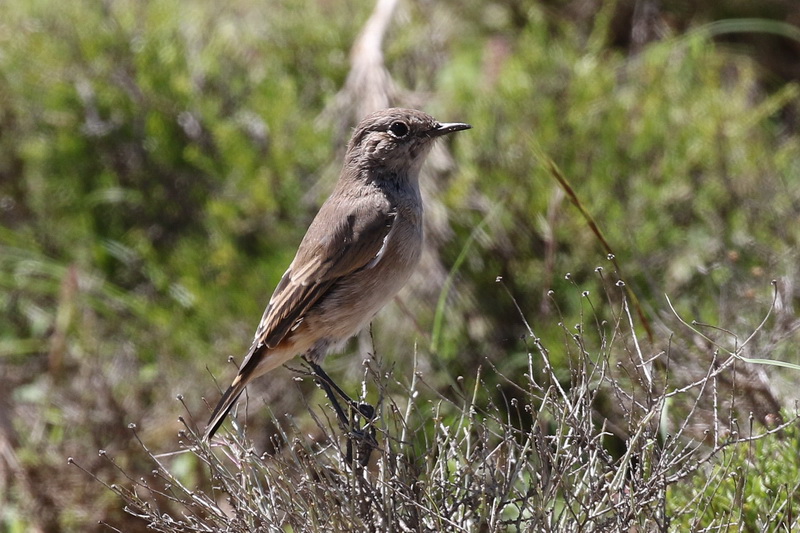
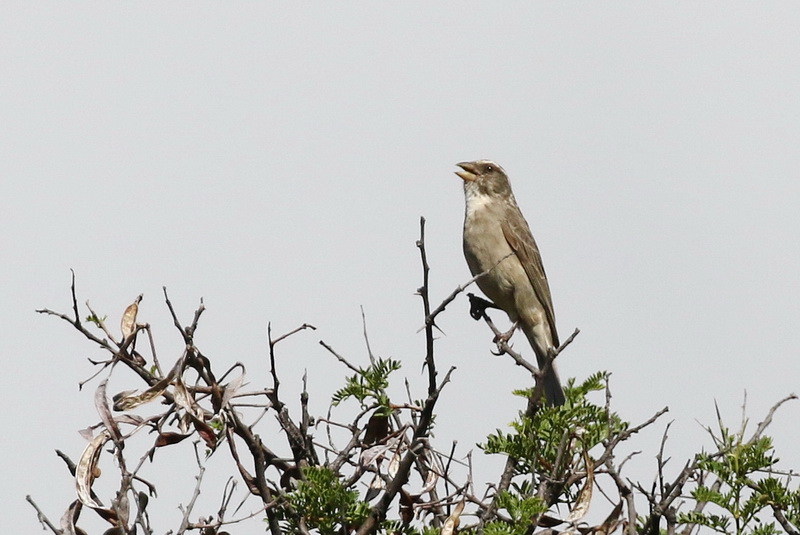

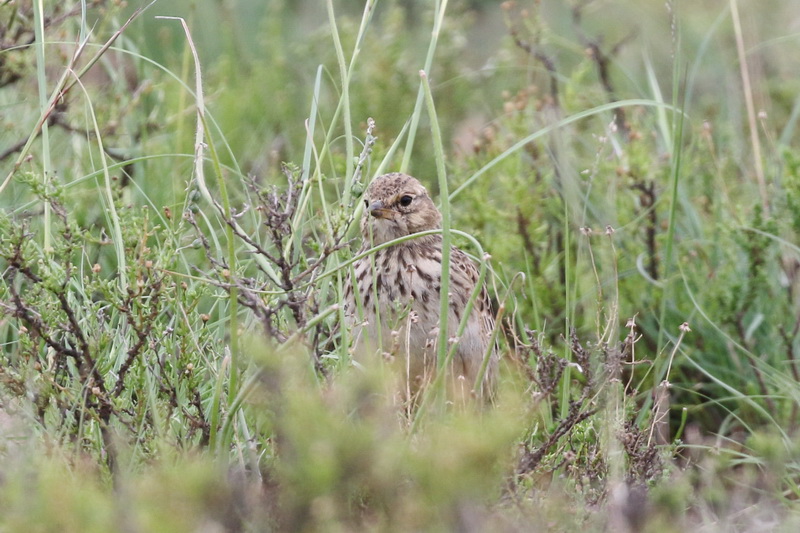
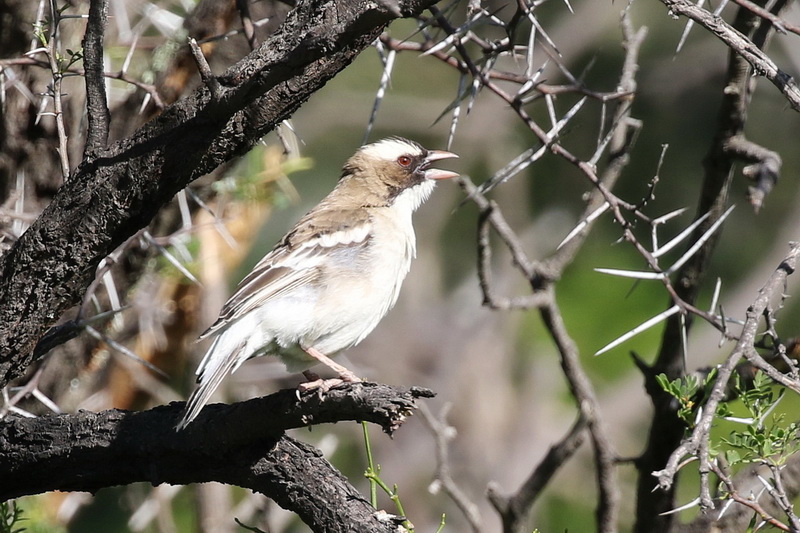

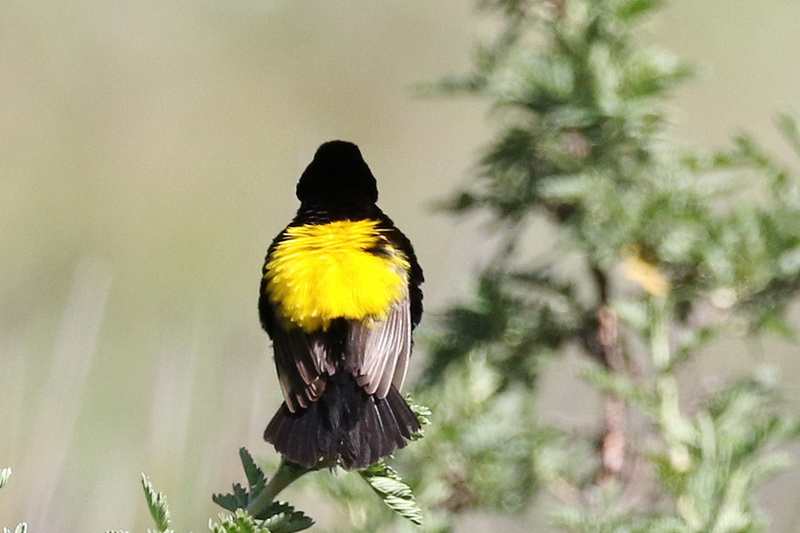

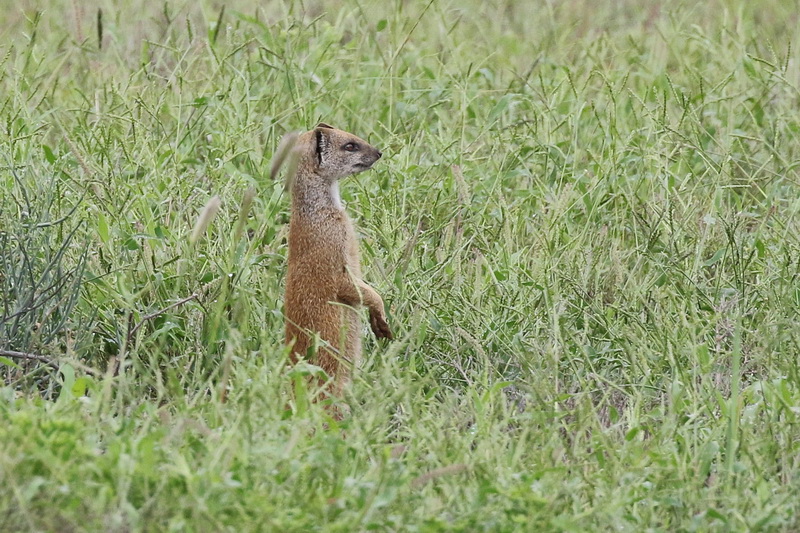
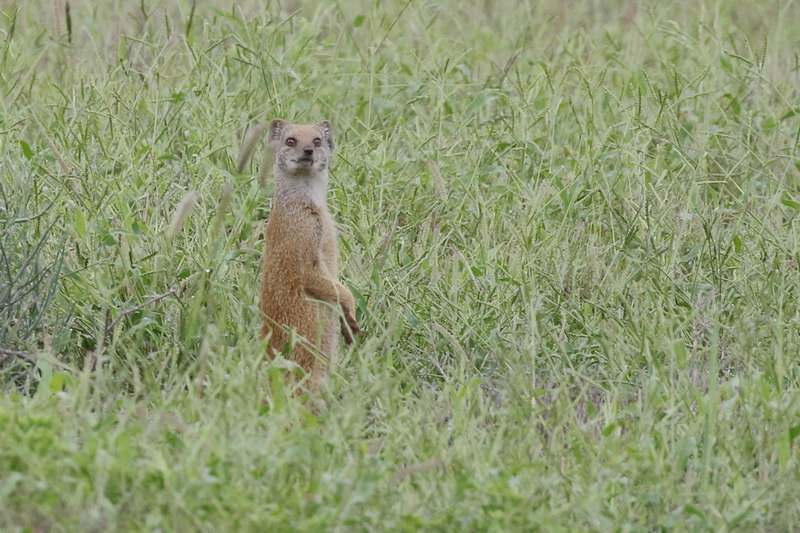
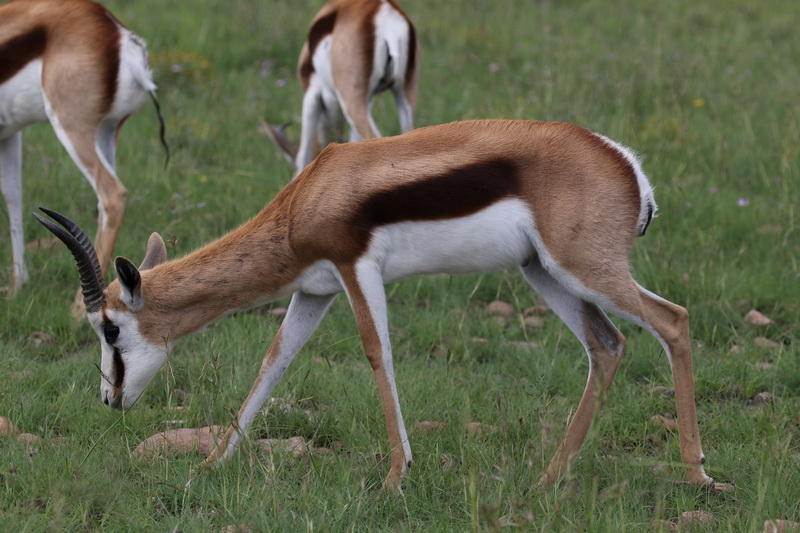


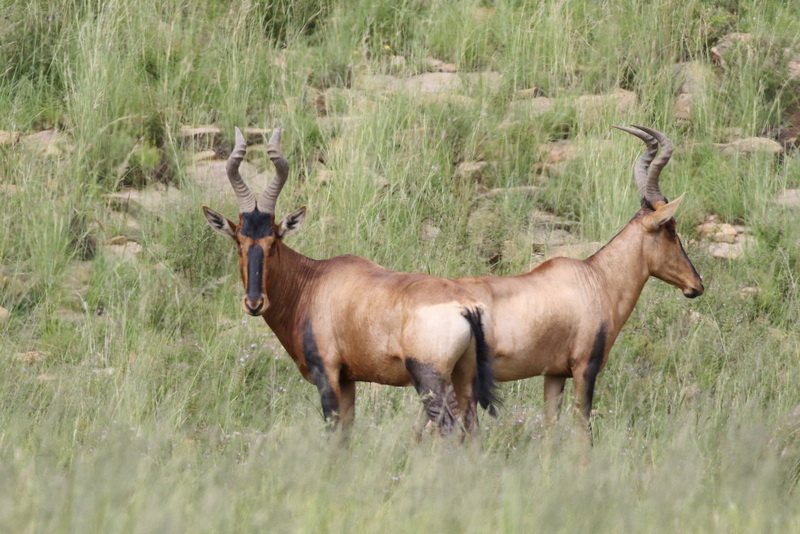


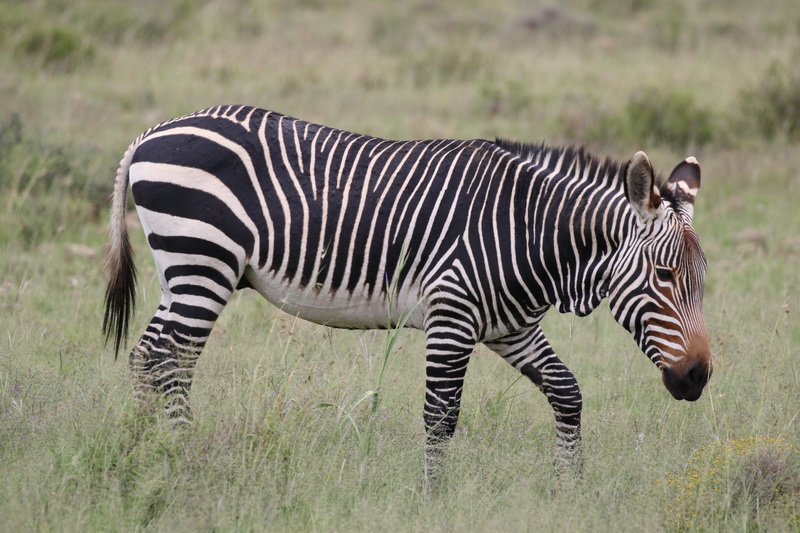
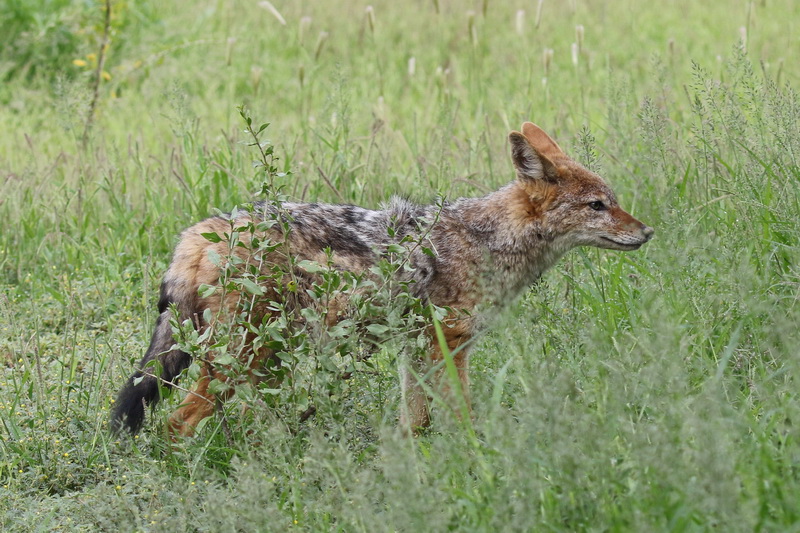

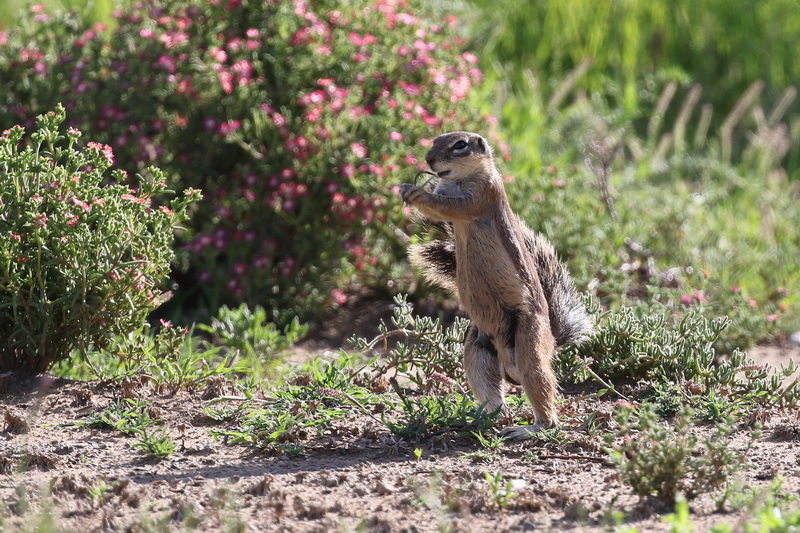

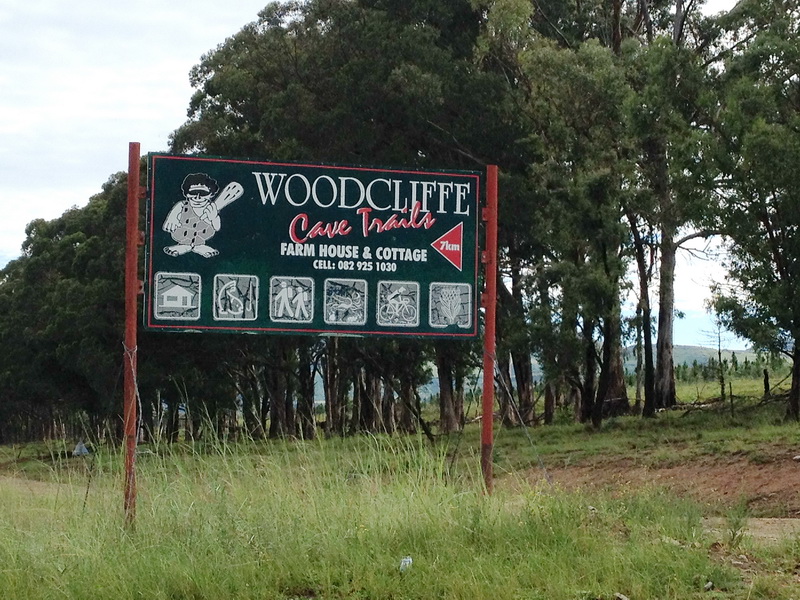


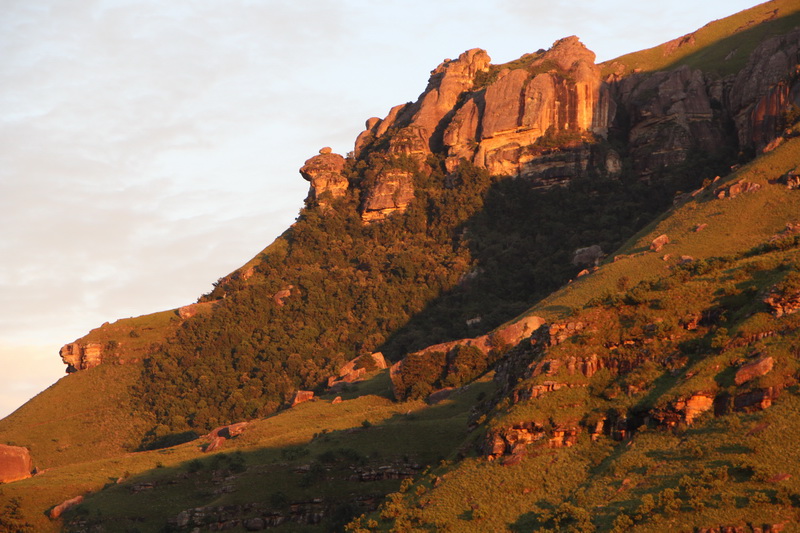
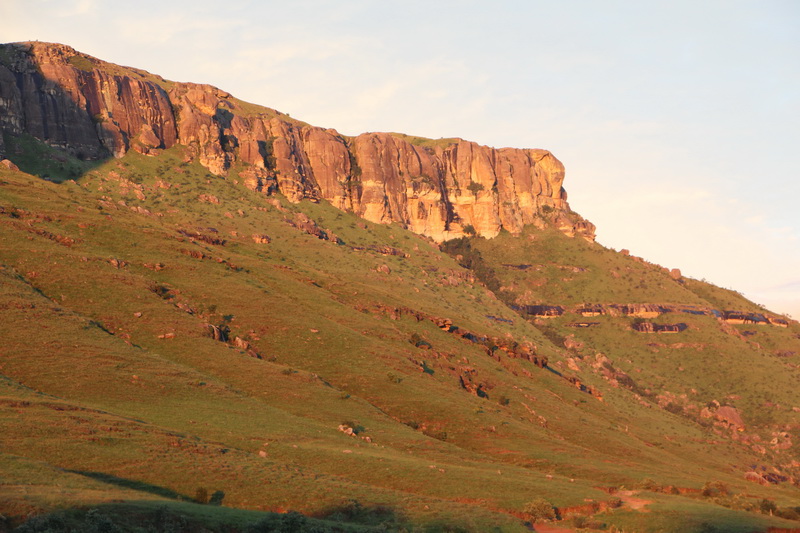


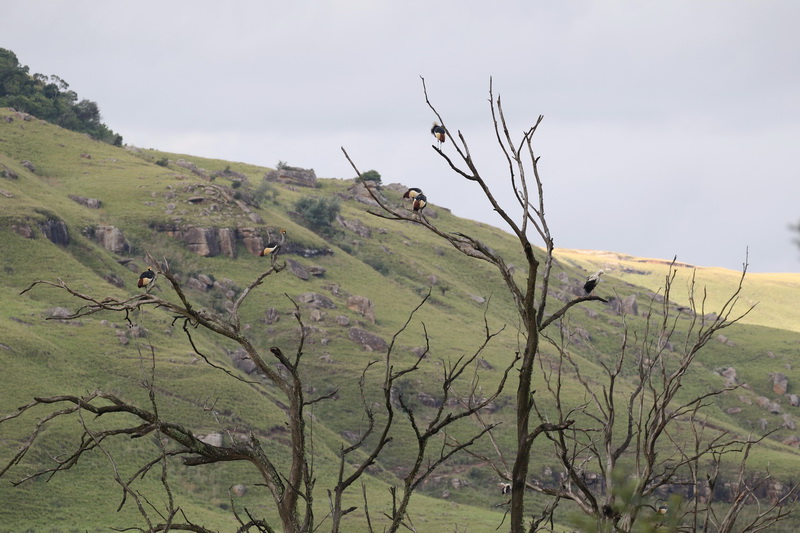
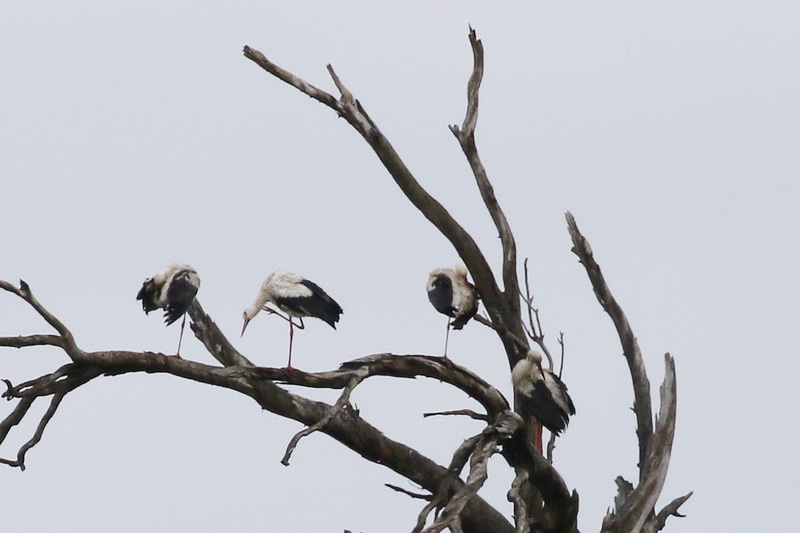
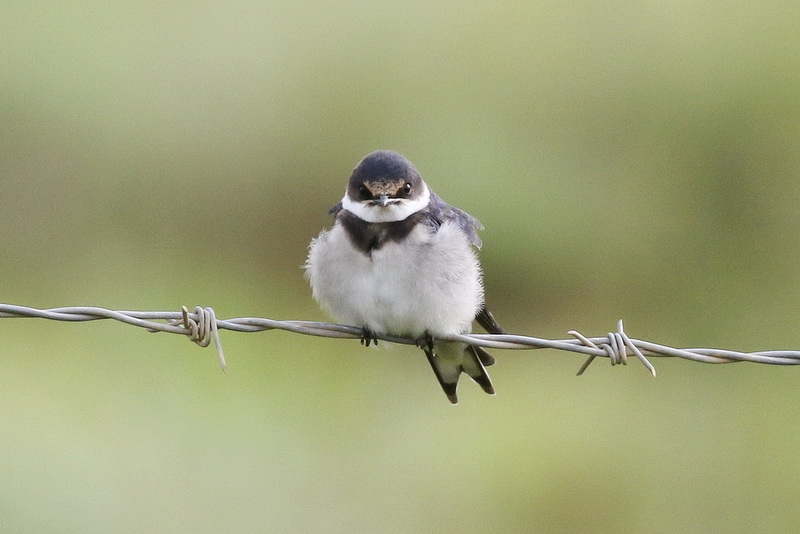
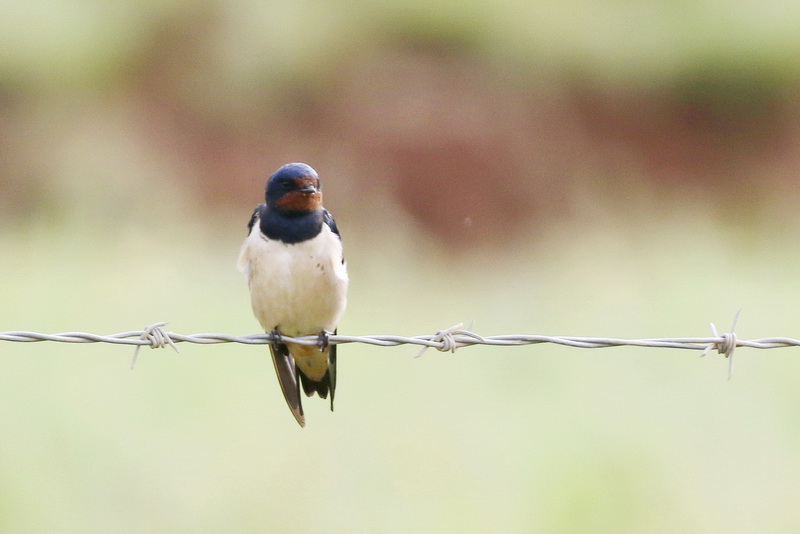


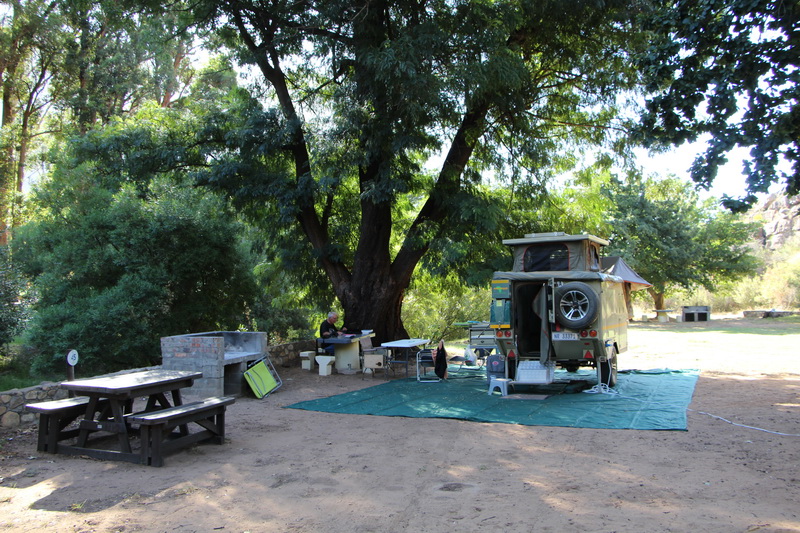
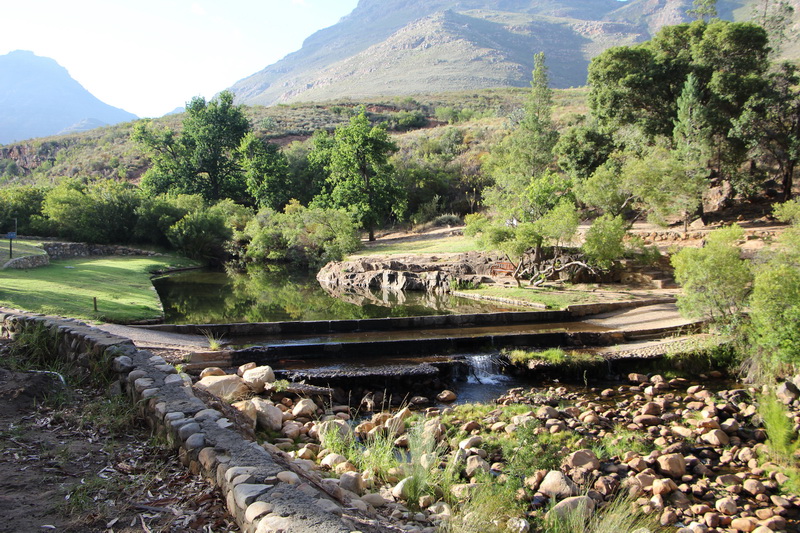


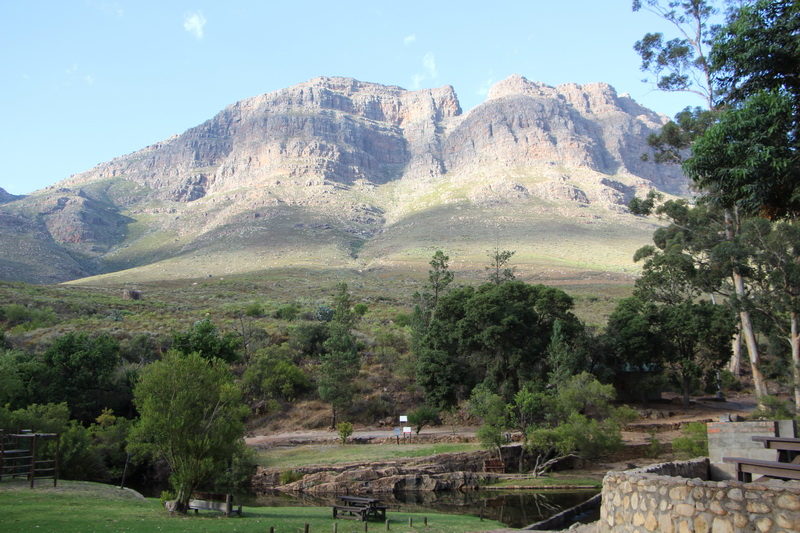


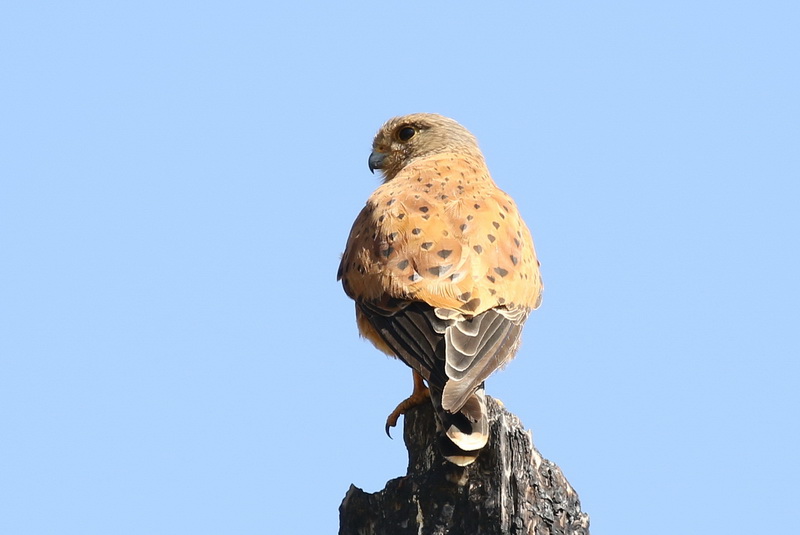


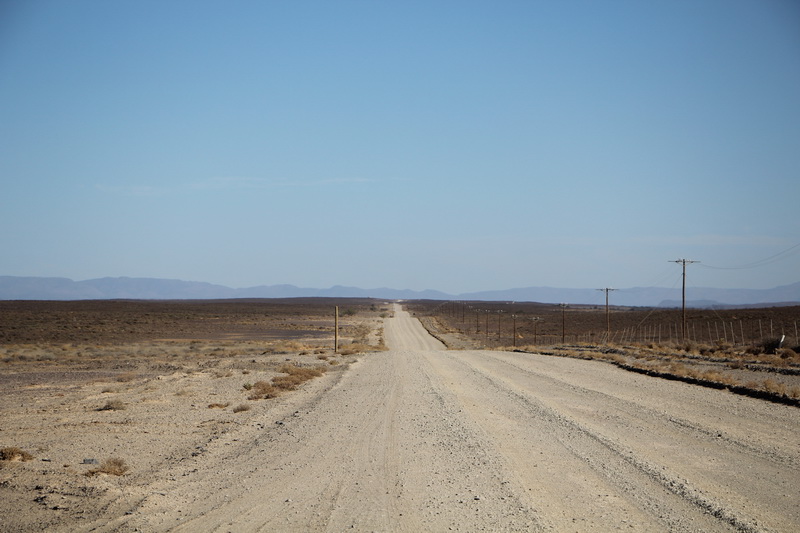
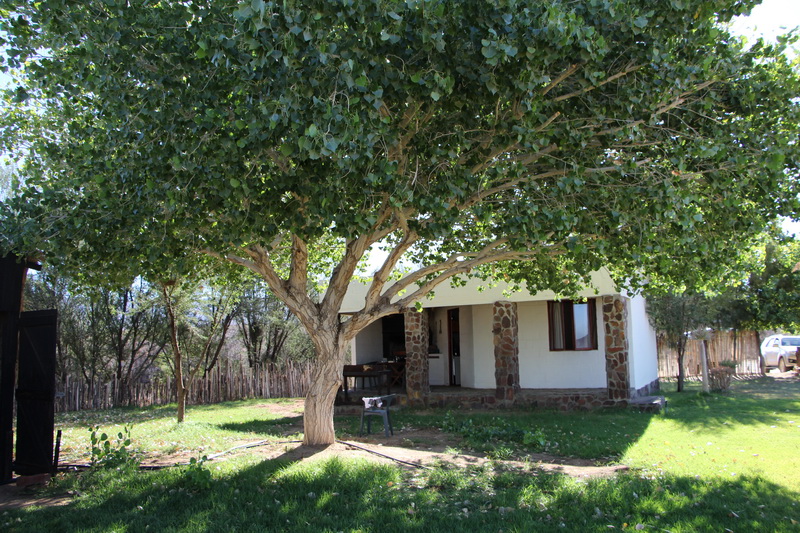

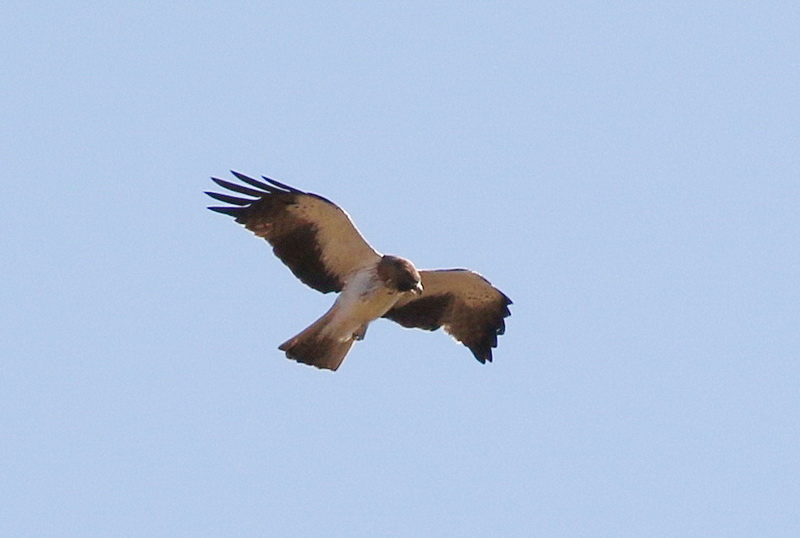


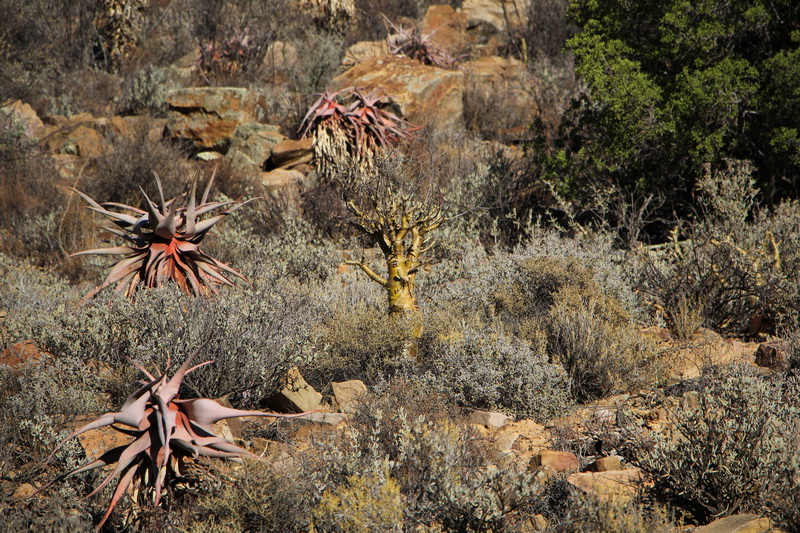
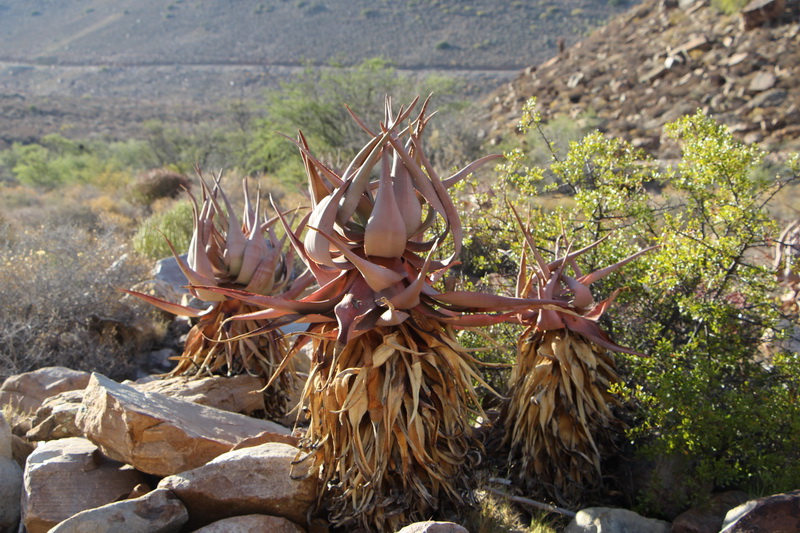


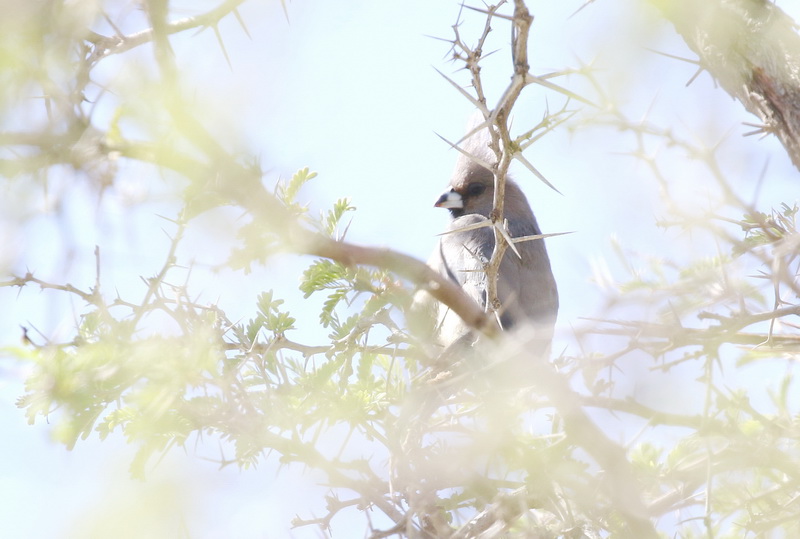


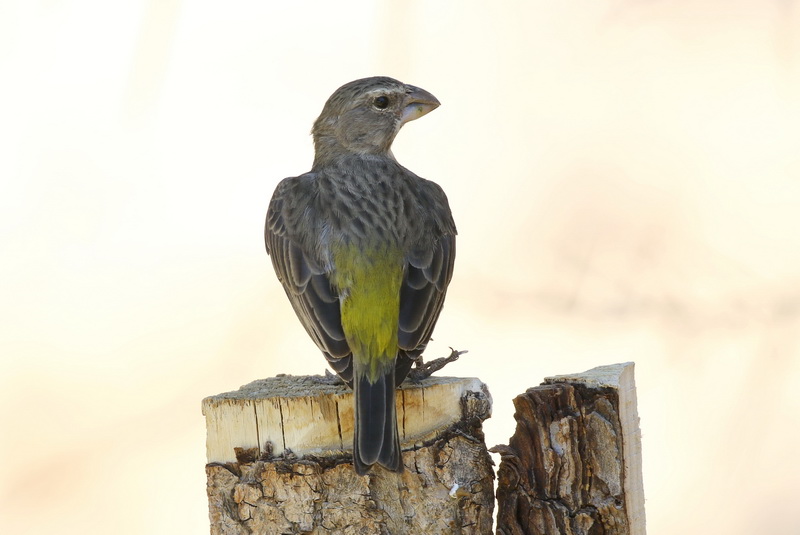

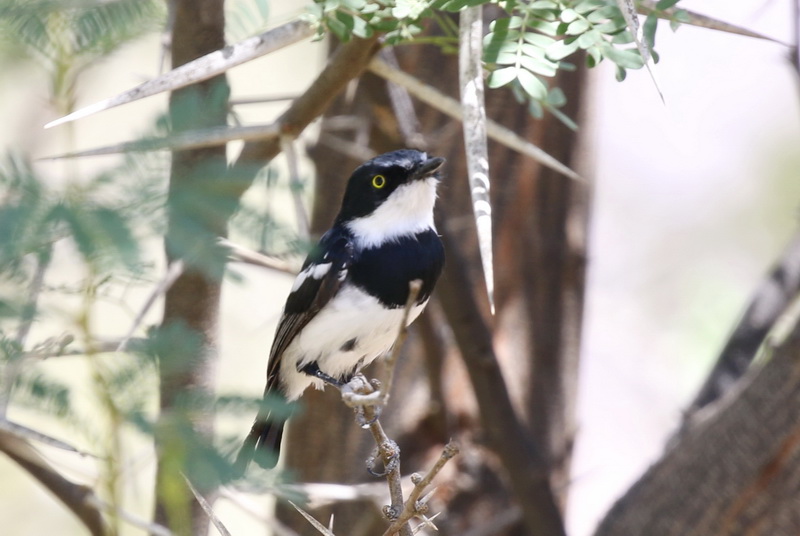
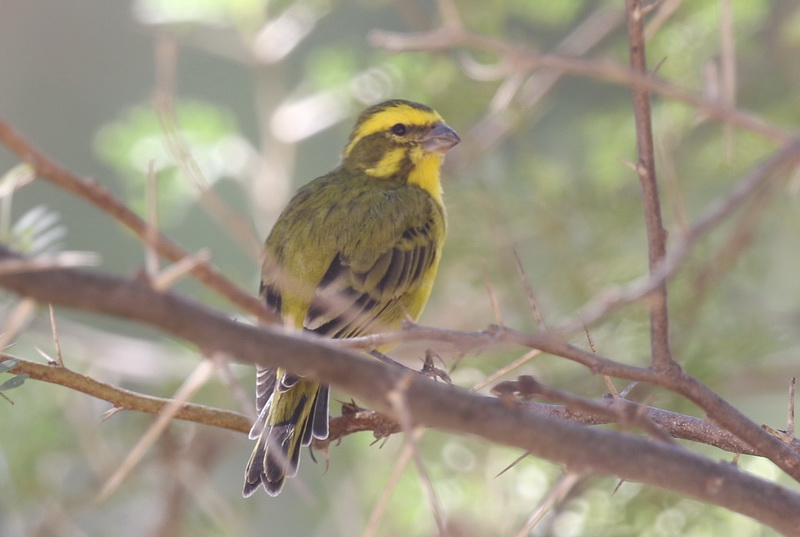

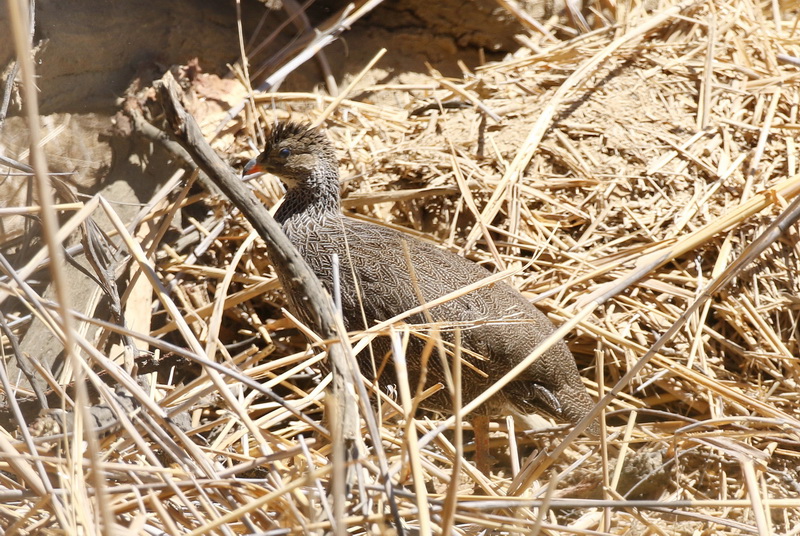


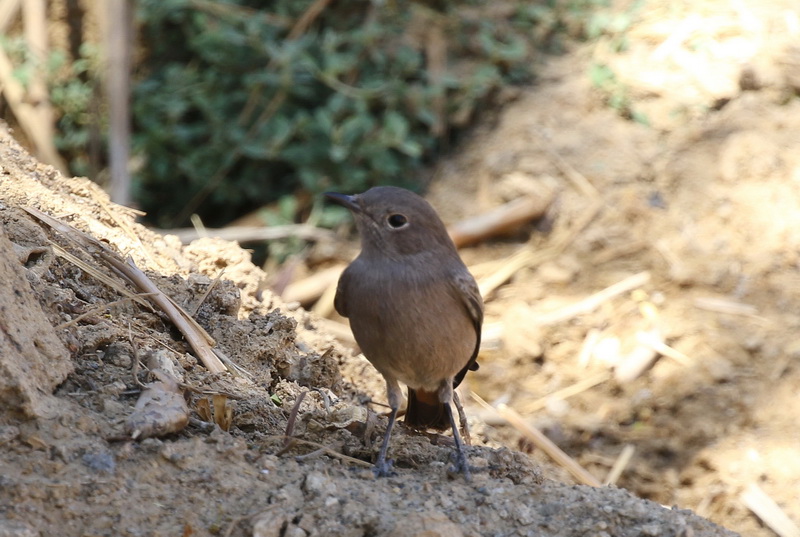
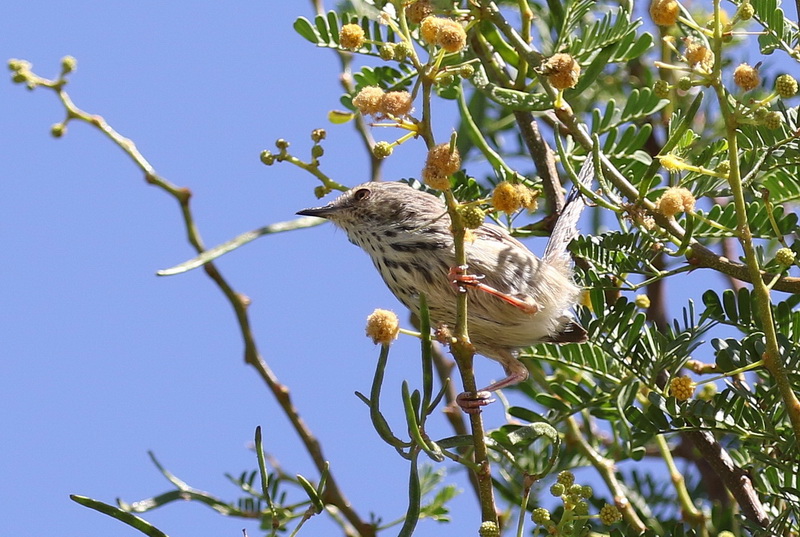
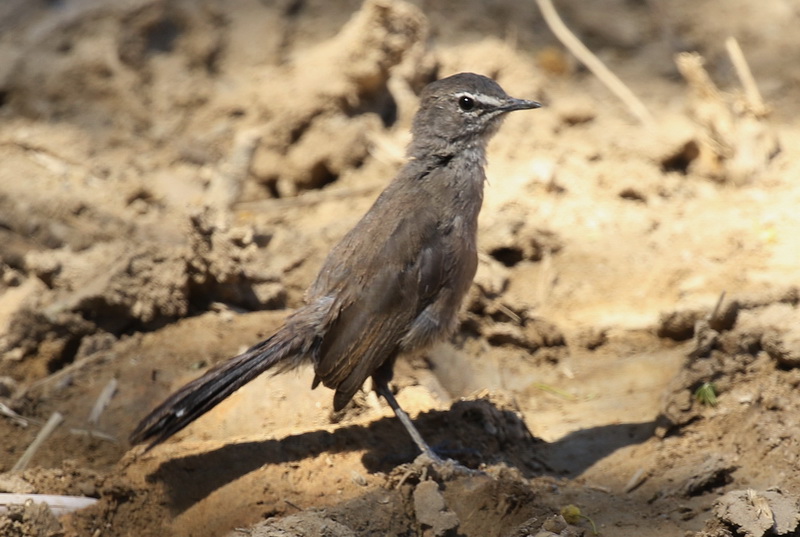

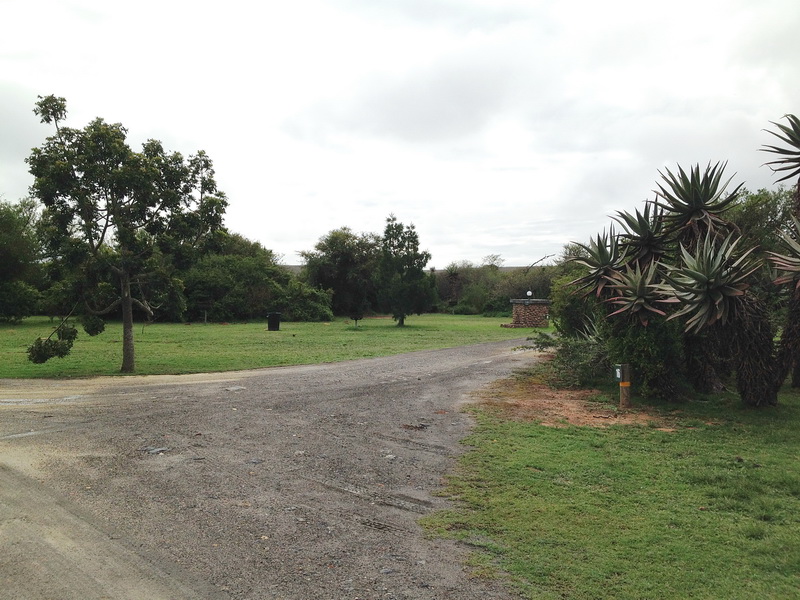


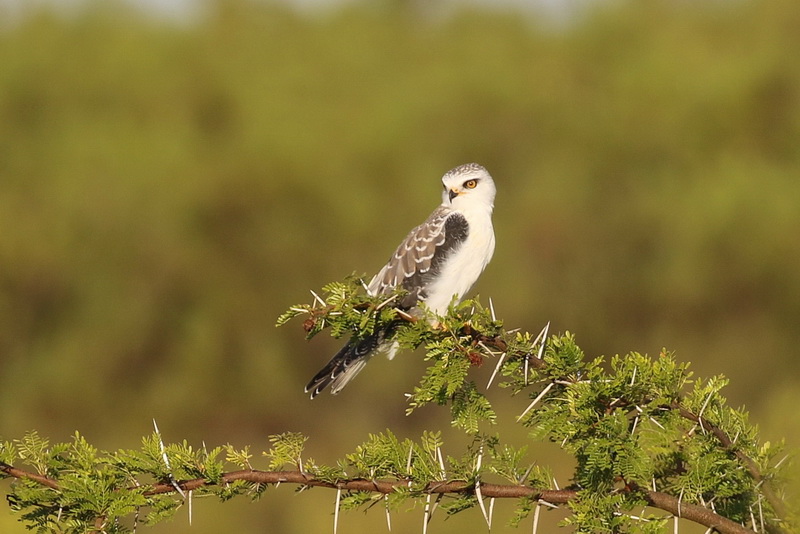

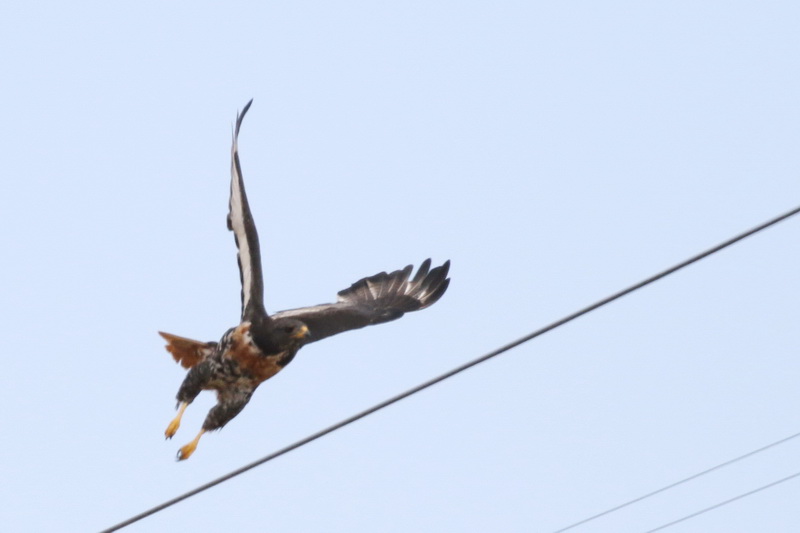
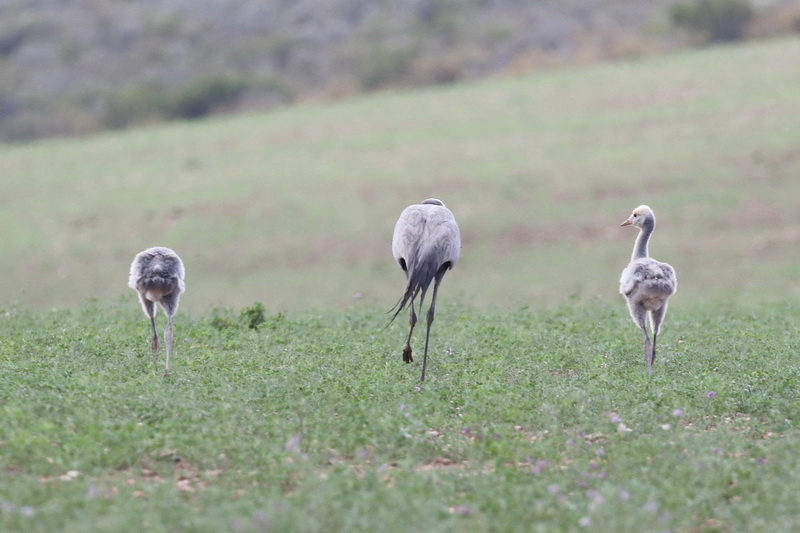


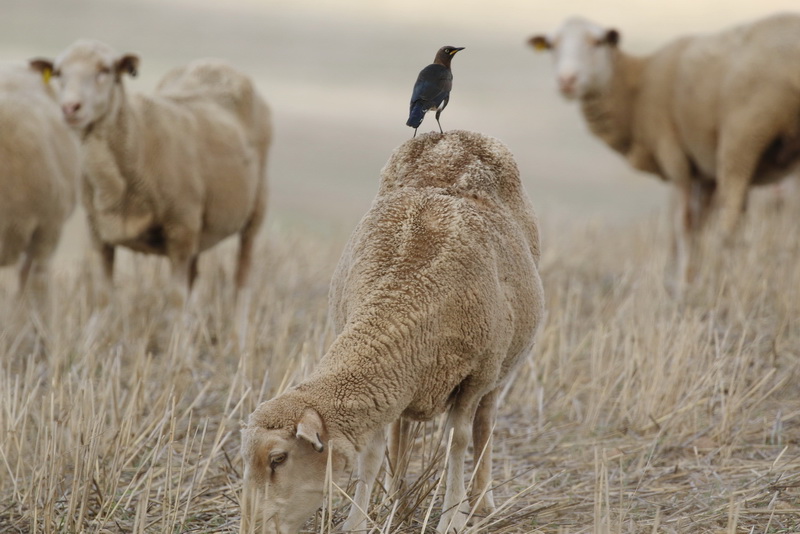
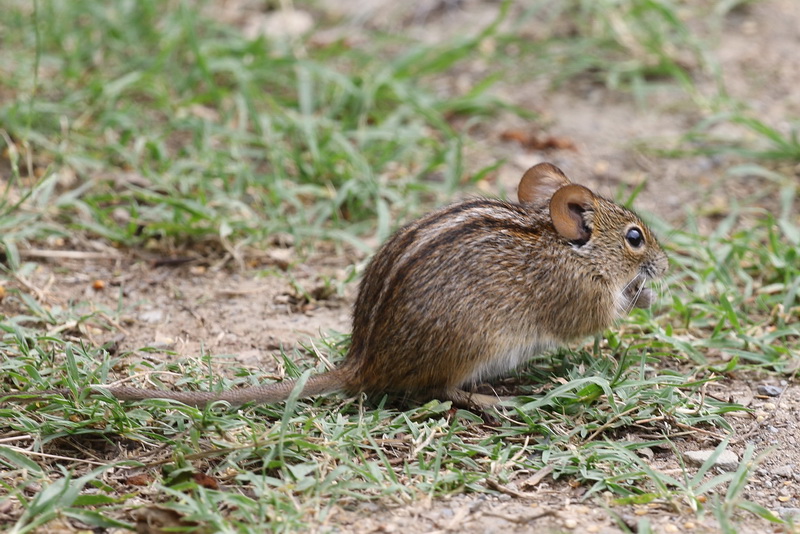

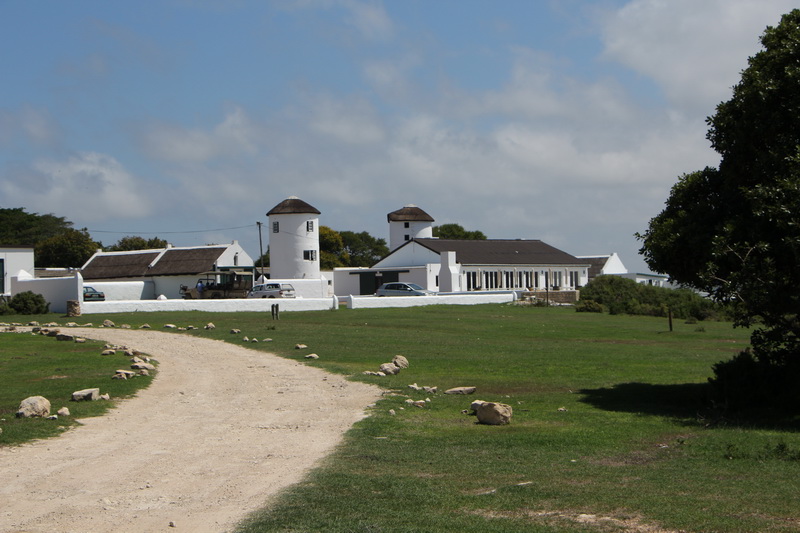

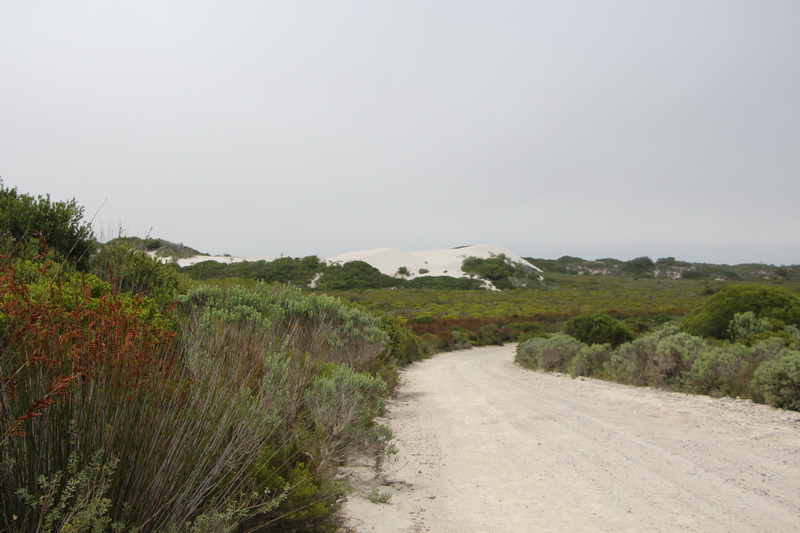

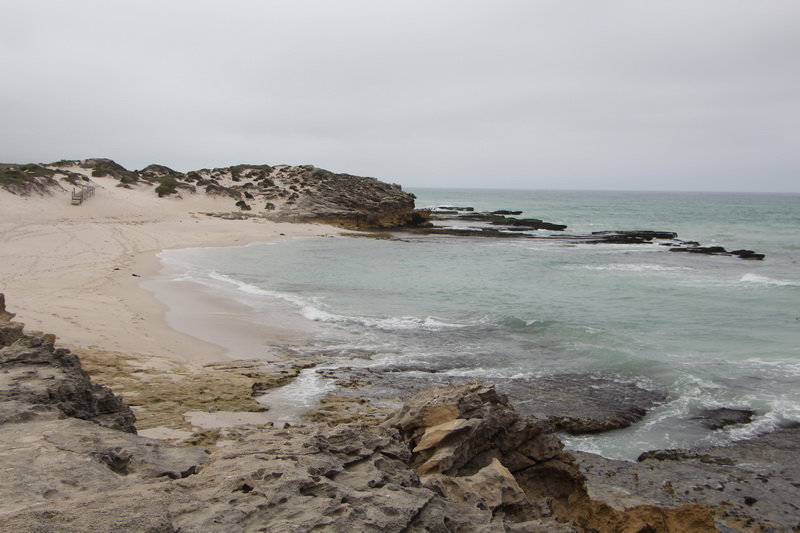
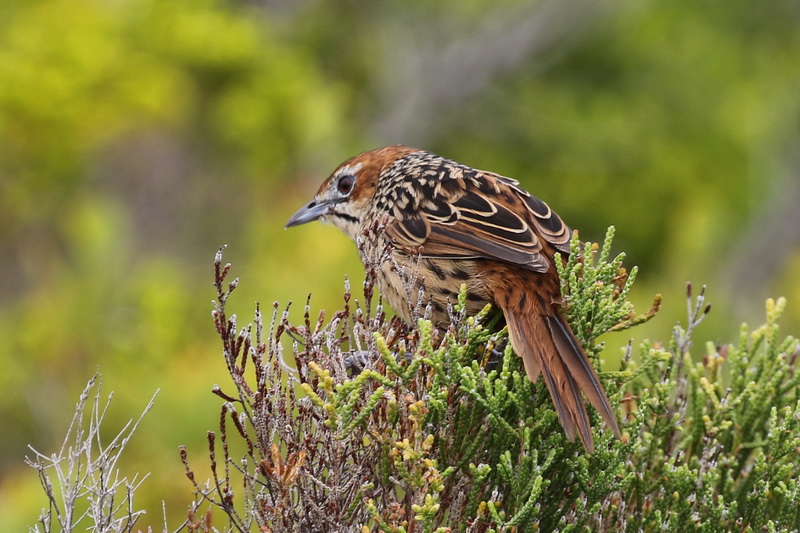
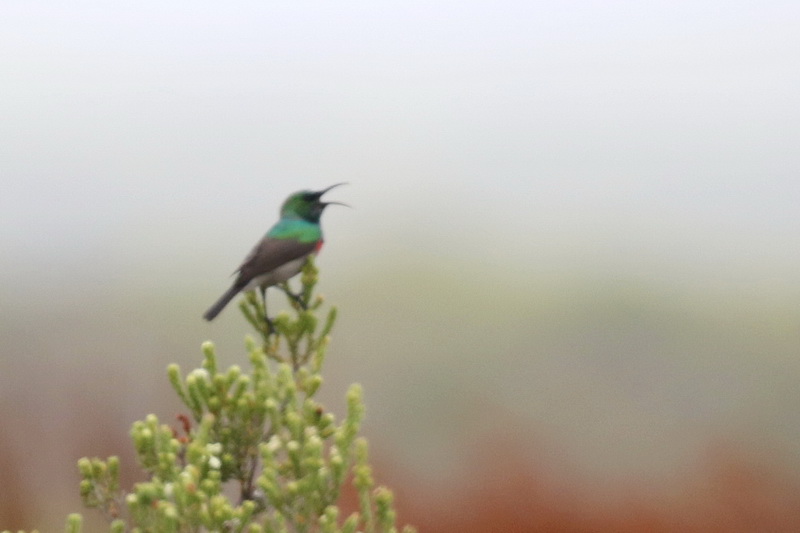

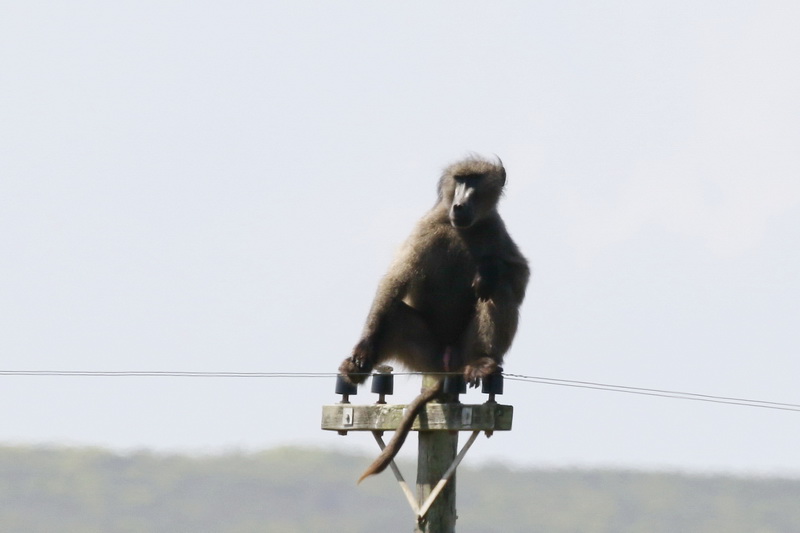


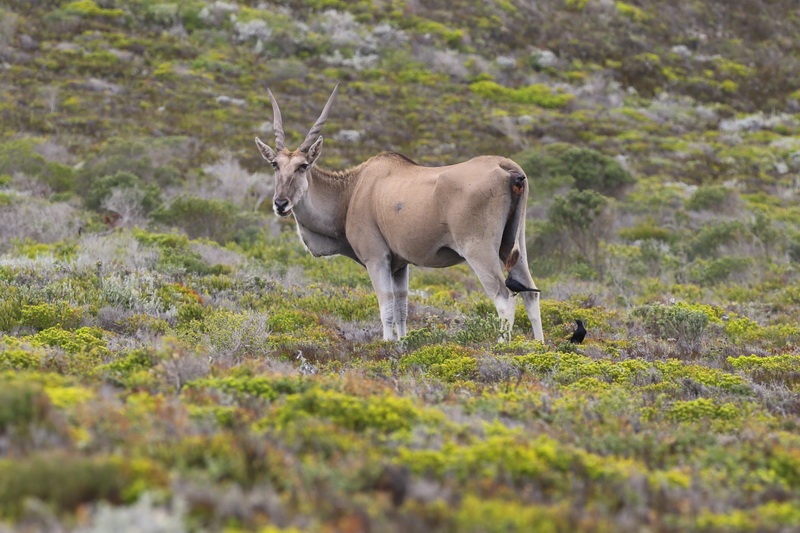
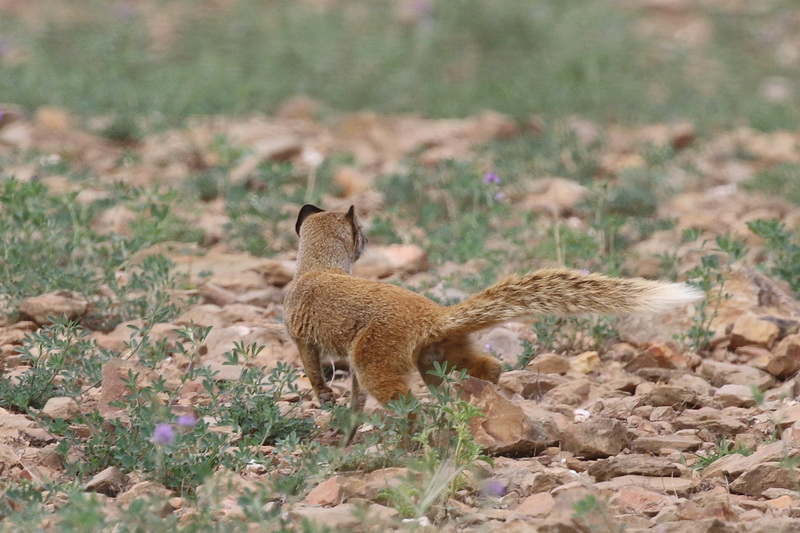

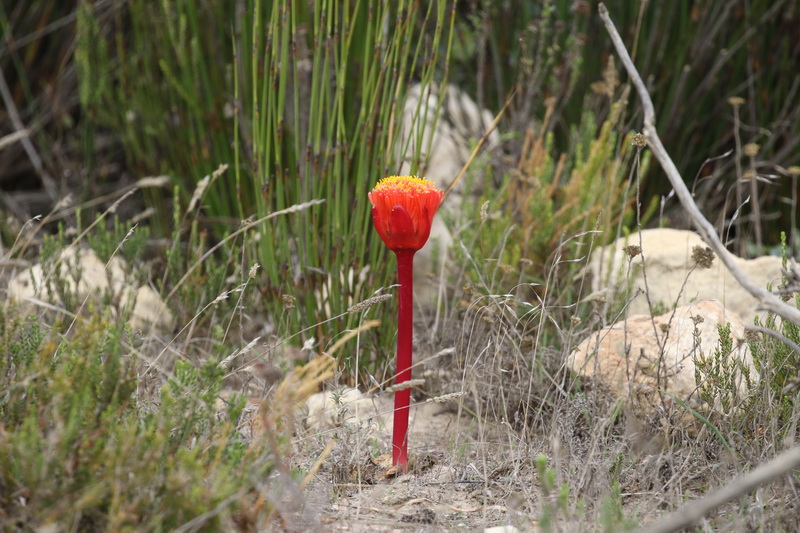

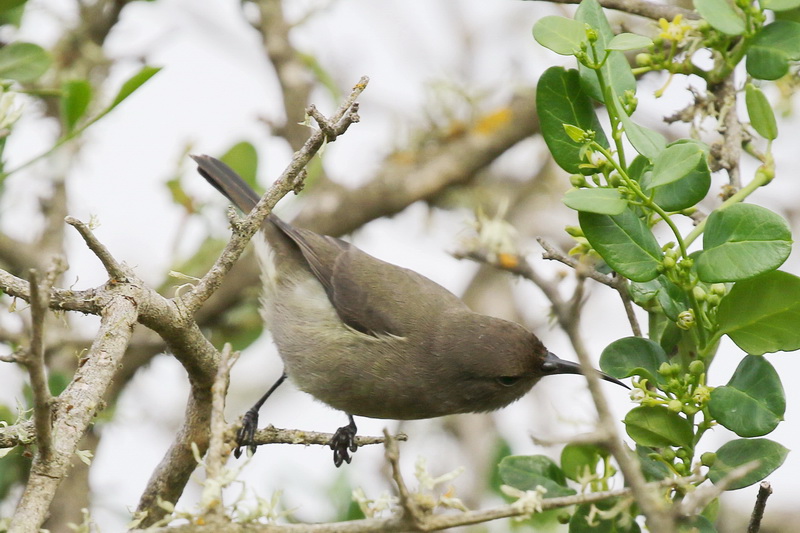


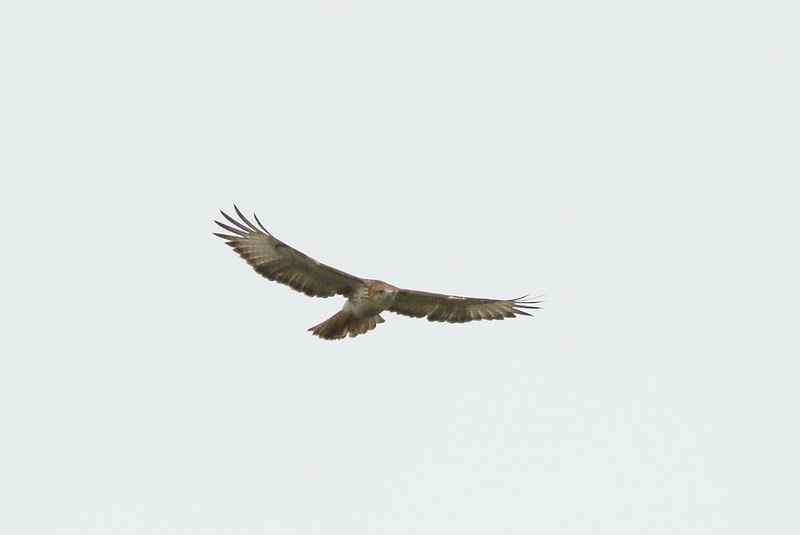


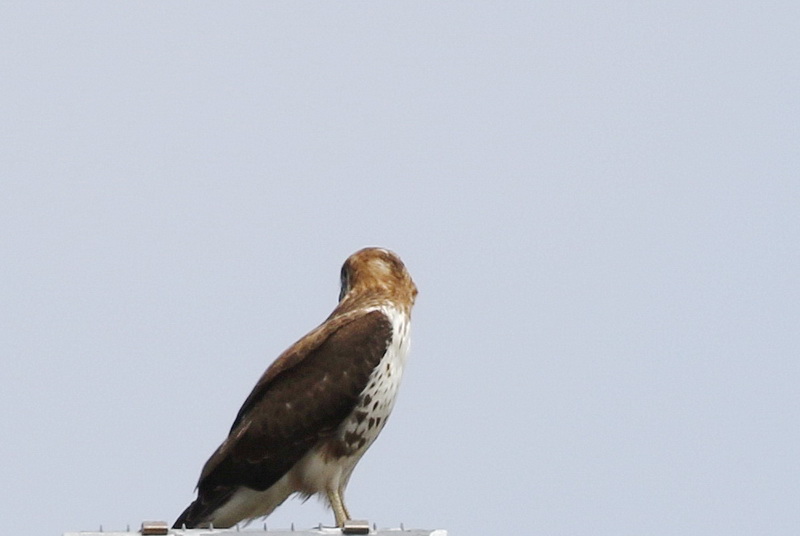

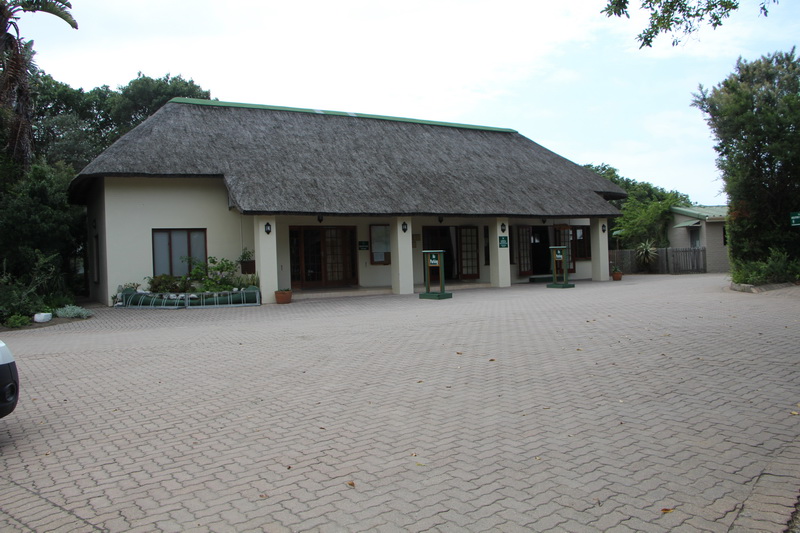


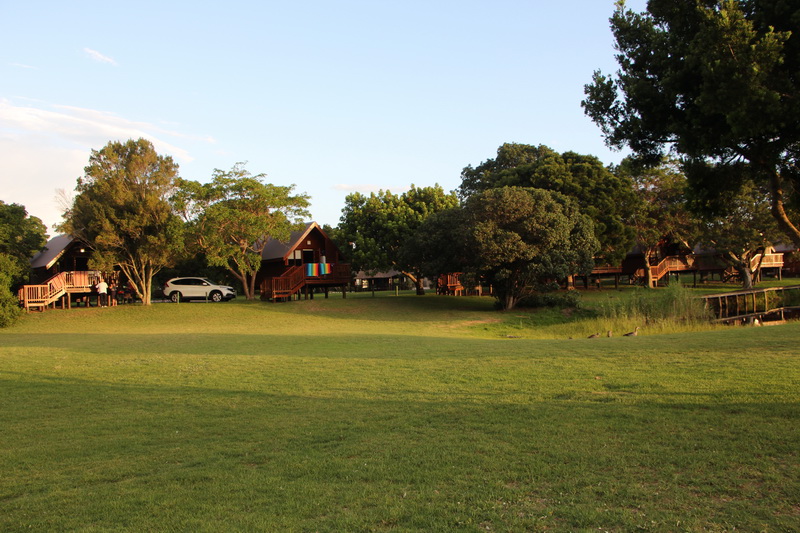


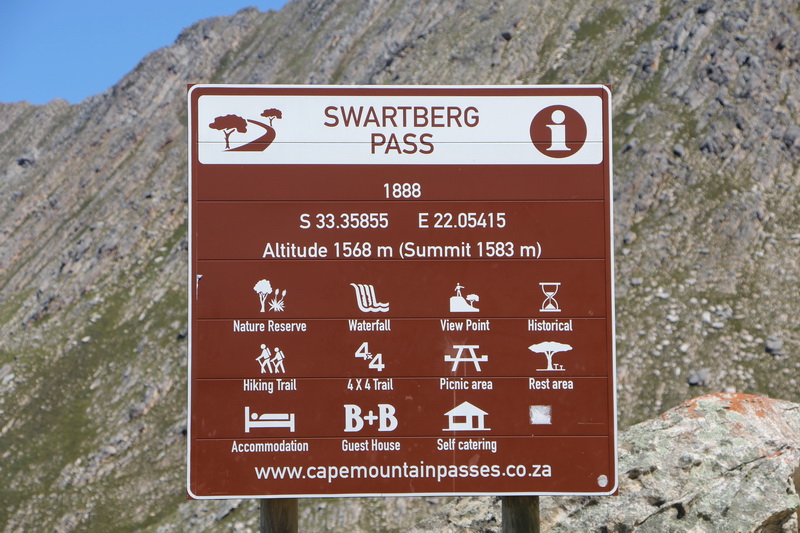
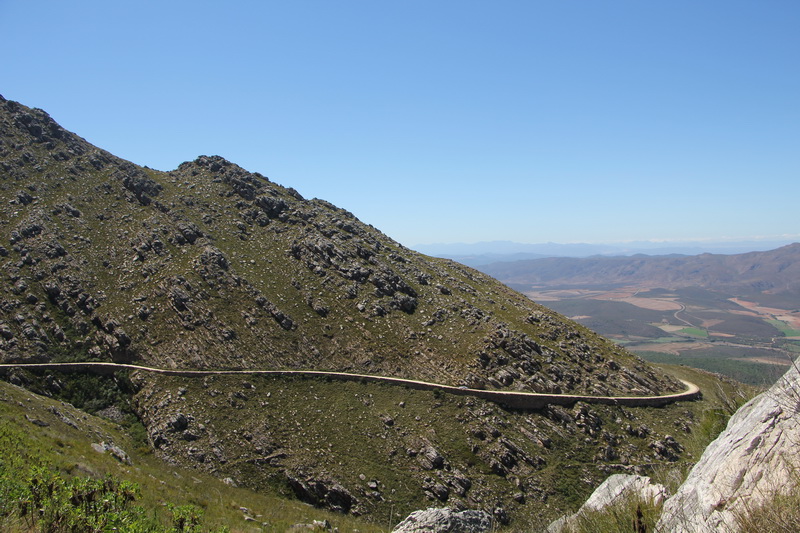

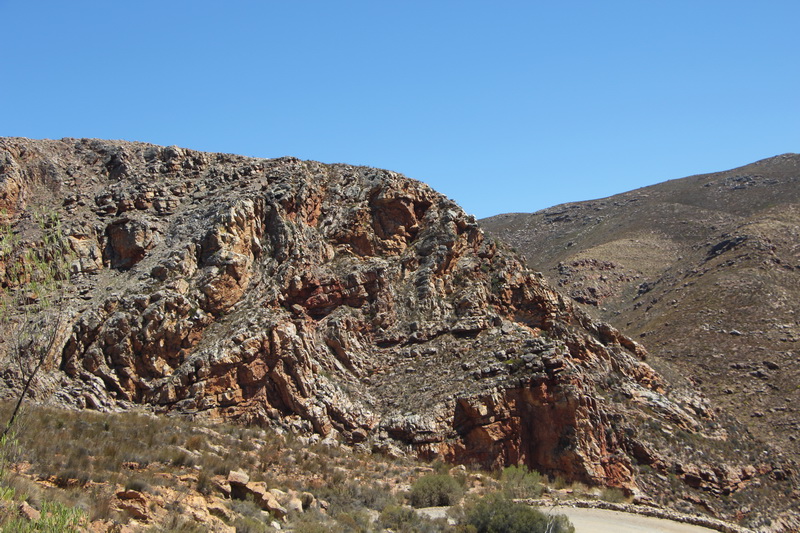

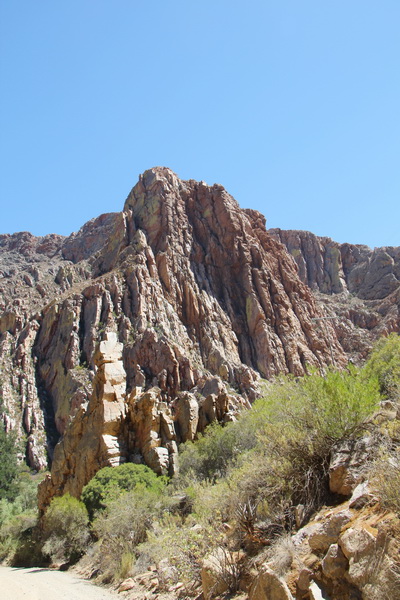


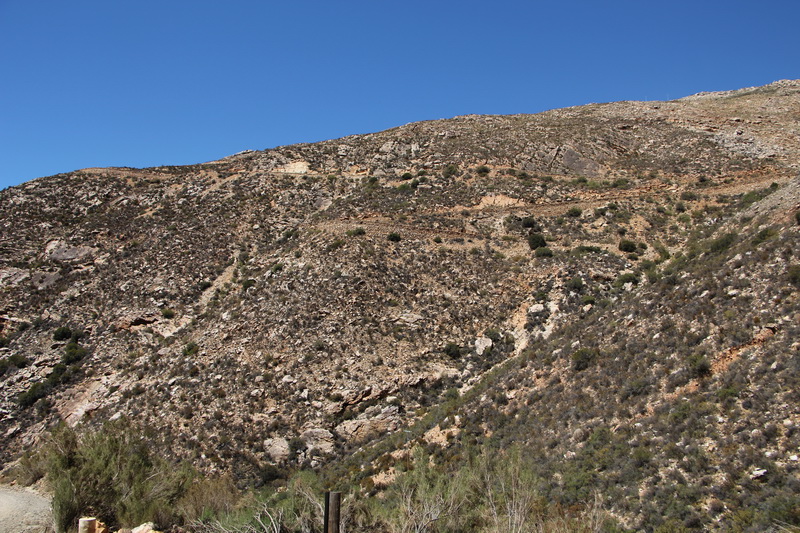
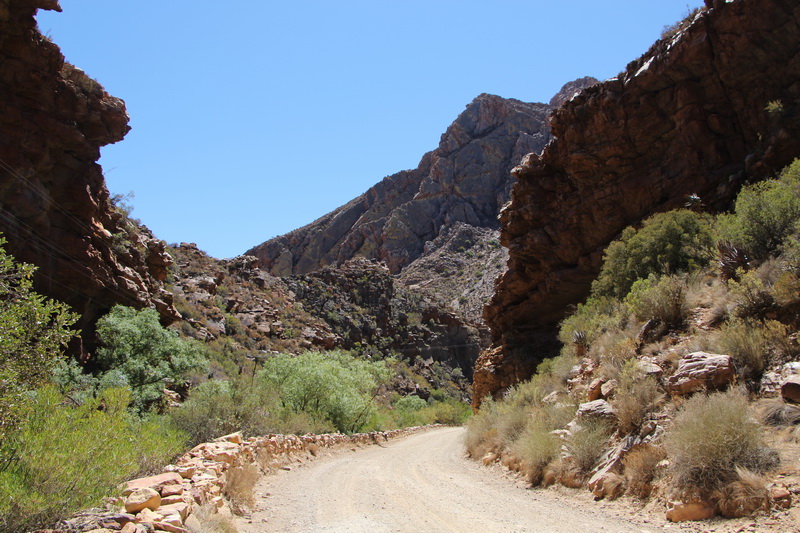
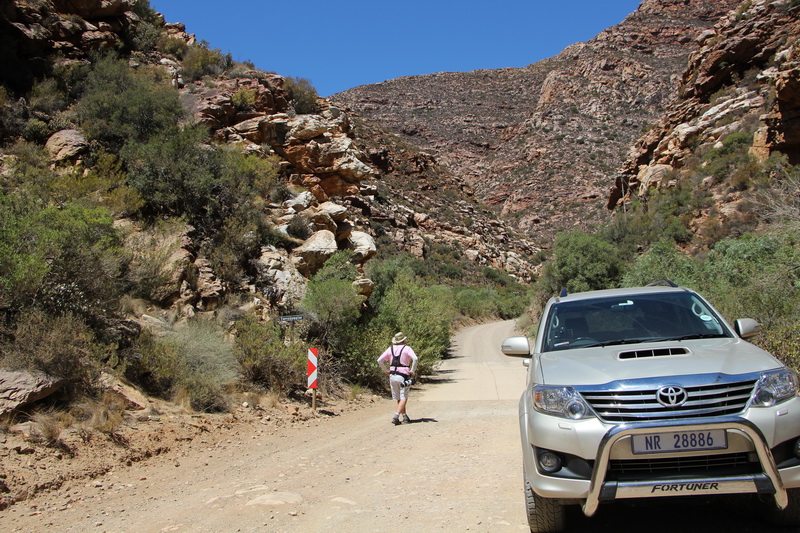
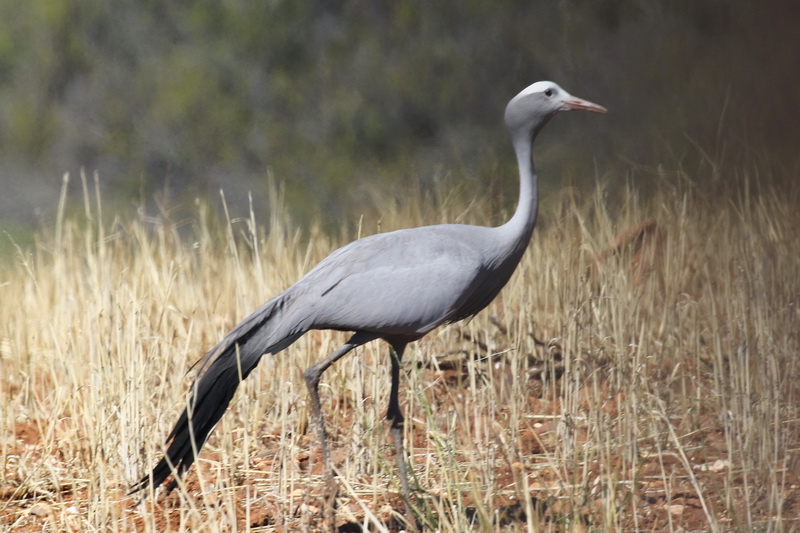


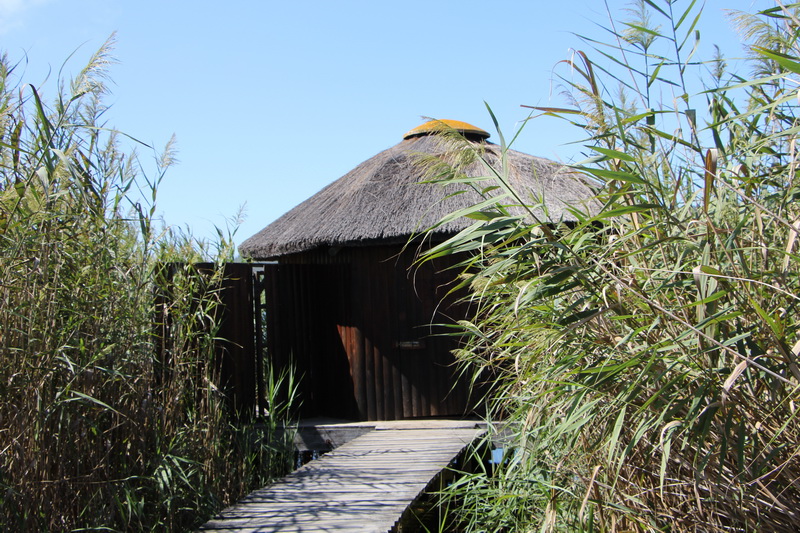
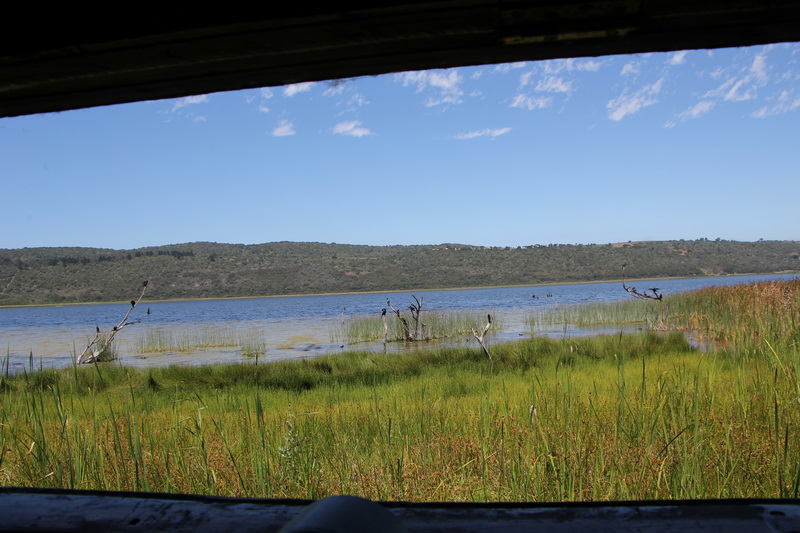
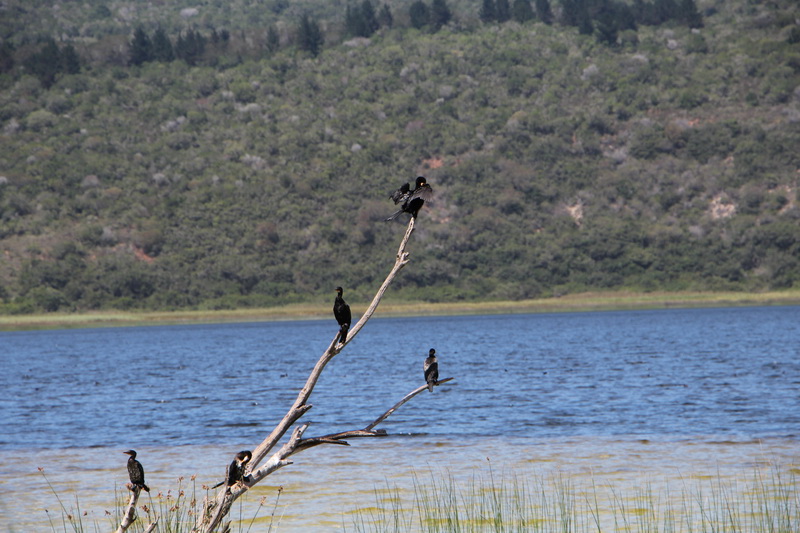
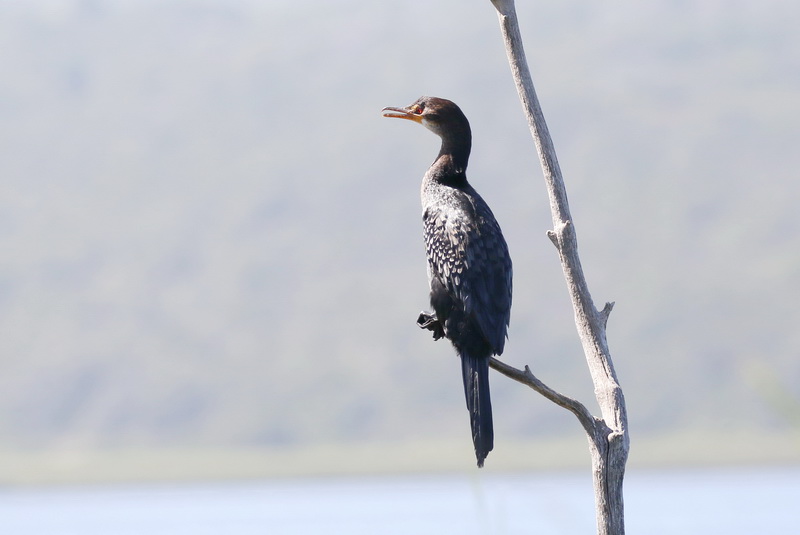
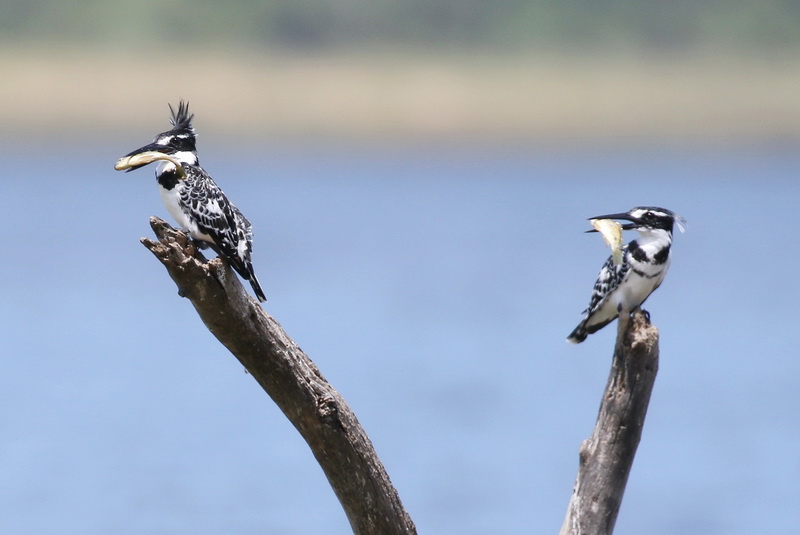


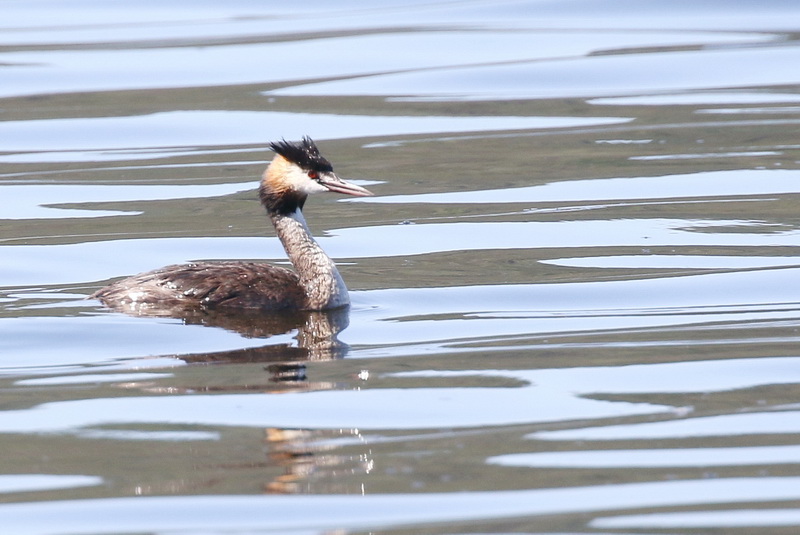
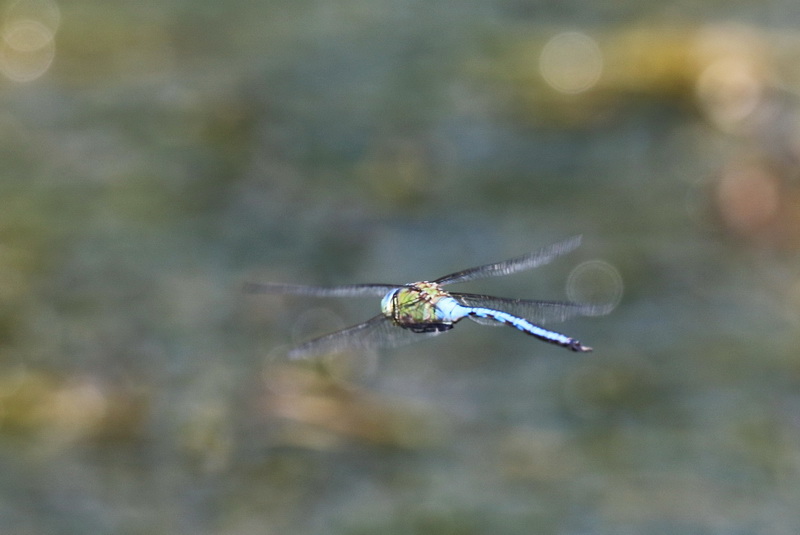
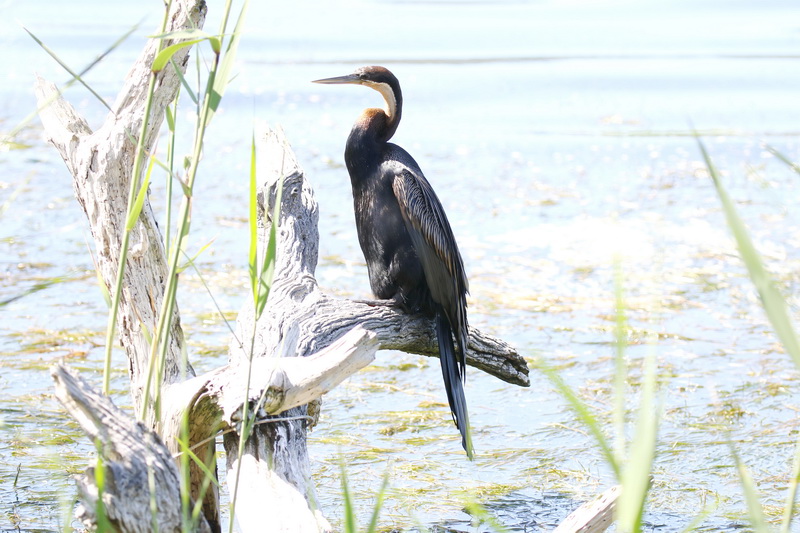

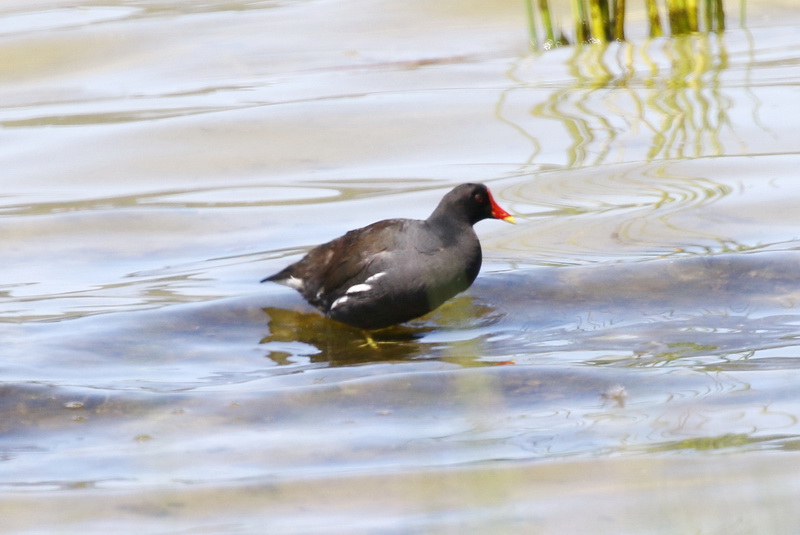
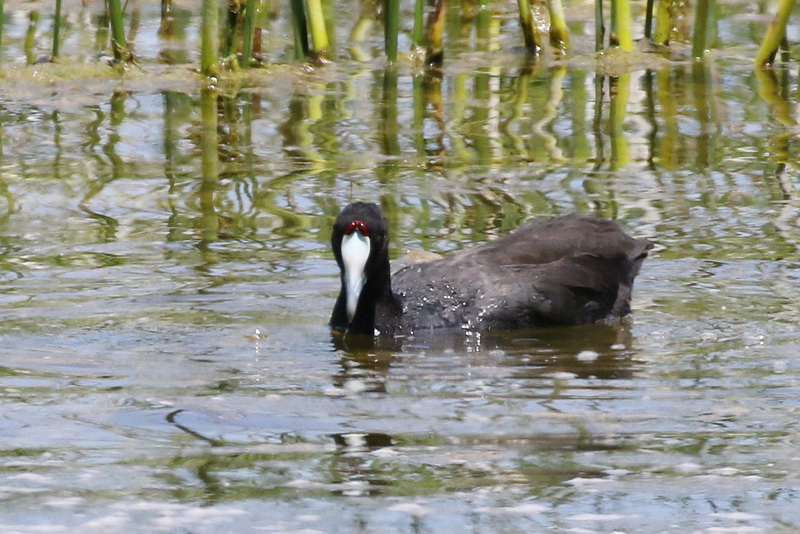
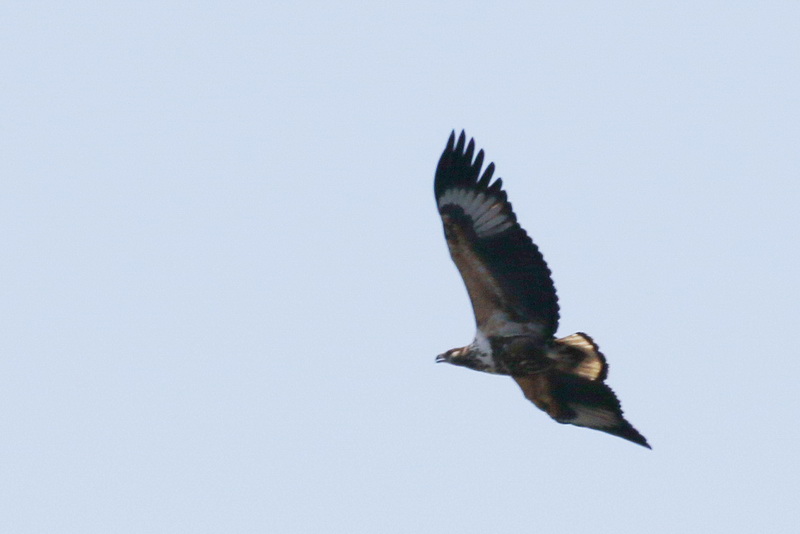
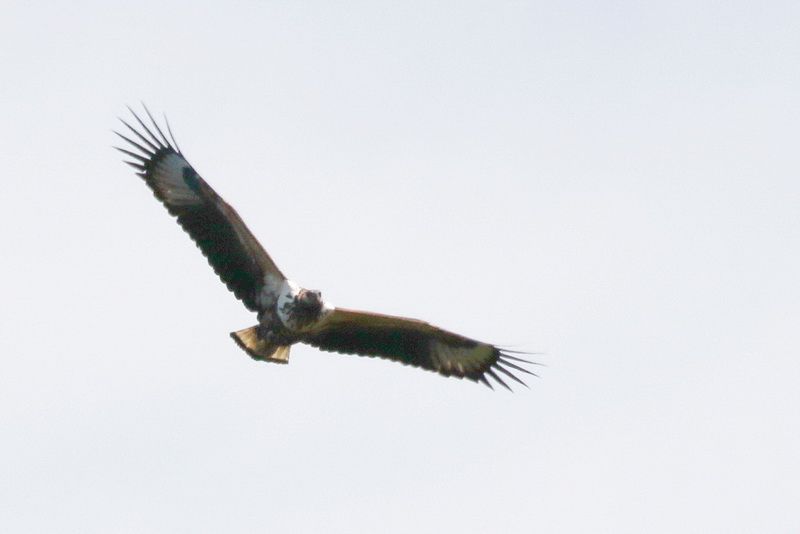


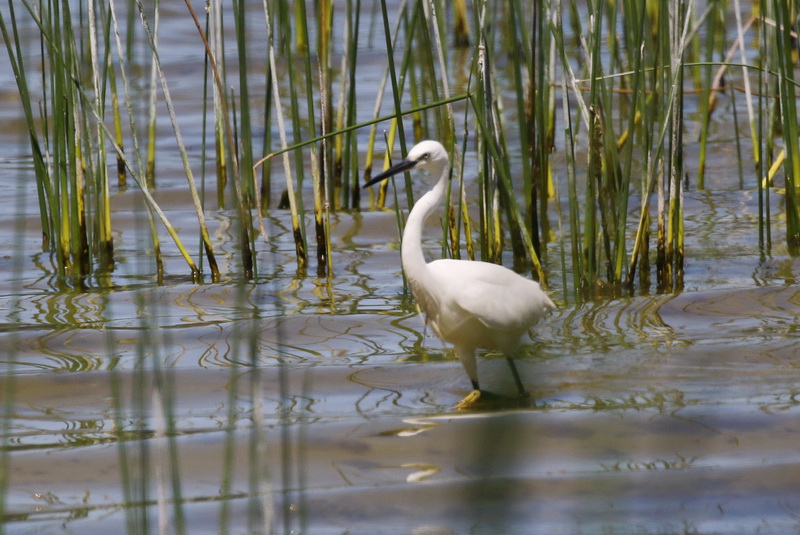


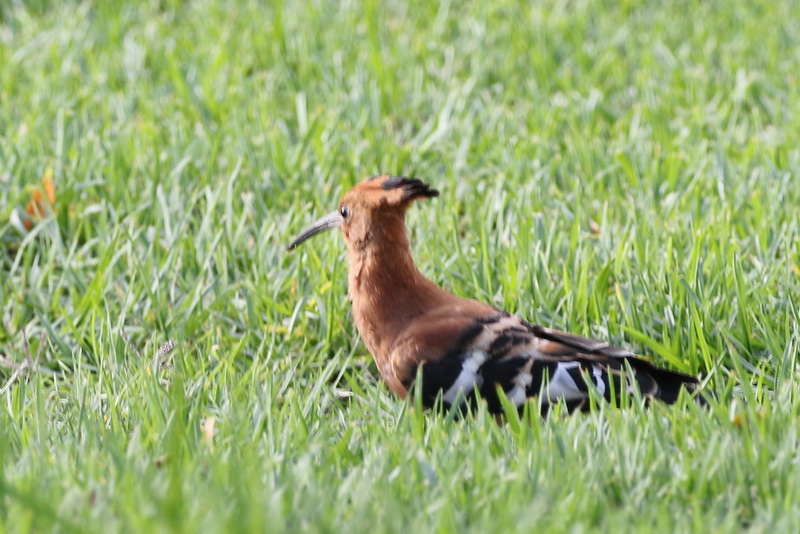





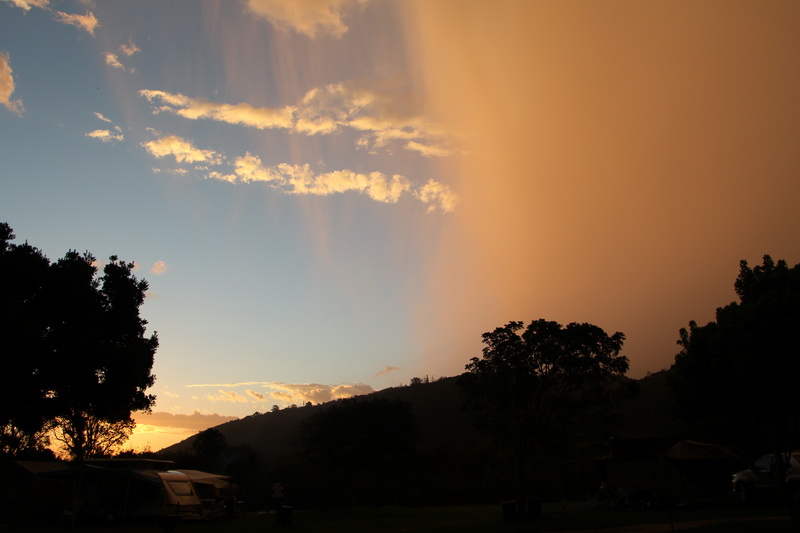

 Birds are our Story