Sally and I went to a small holding near Glengarry. Sally’s son and fiancee Michelle Lutener’s property.
We went to witness their marriage on their property. Family from all over the world came to celebrate with them. Magic. Great sunny day and wonderful venue.
We spent 4 days up there. On the day after the wedding, Sally and I drove up to Highmoor NR doing a quick two hours of birding including a short walk to the first dam at the top.
Birding was quiet despite our early start. in total we identified 31 different species of birds. Click here to view the list.
Here are some photos of the birds we did manage to see.
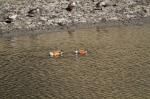
Yellow-billed Duck and ducklings
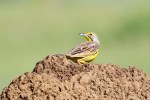
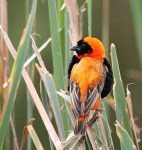
Yellow Bishop
Wattled Cranes
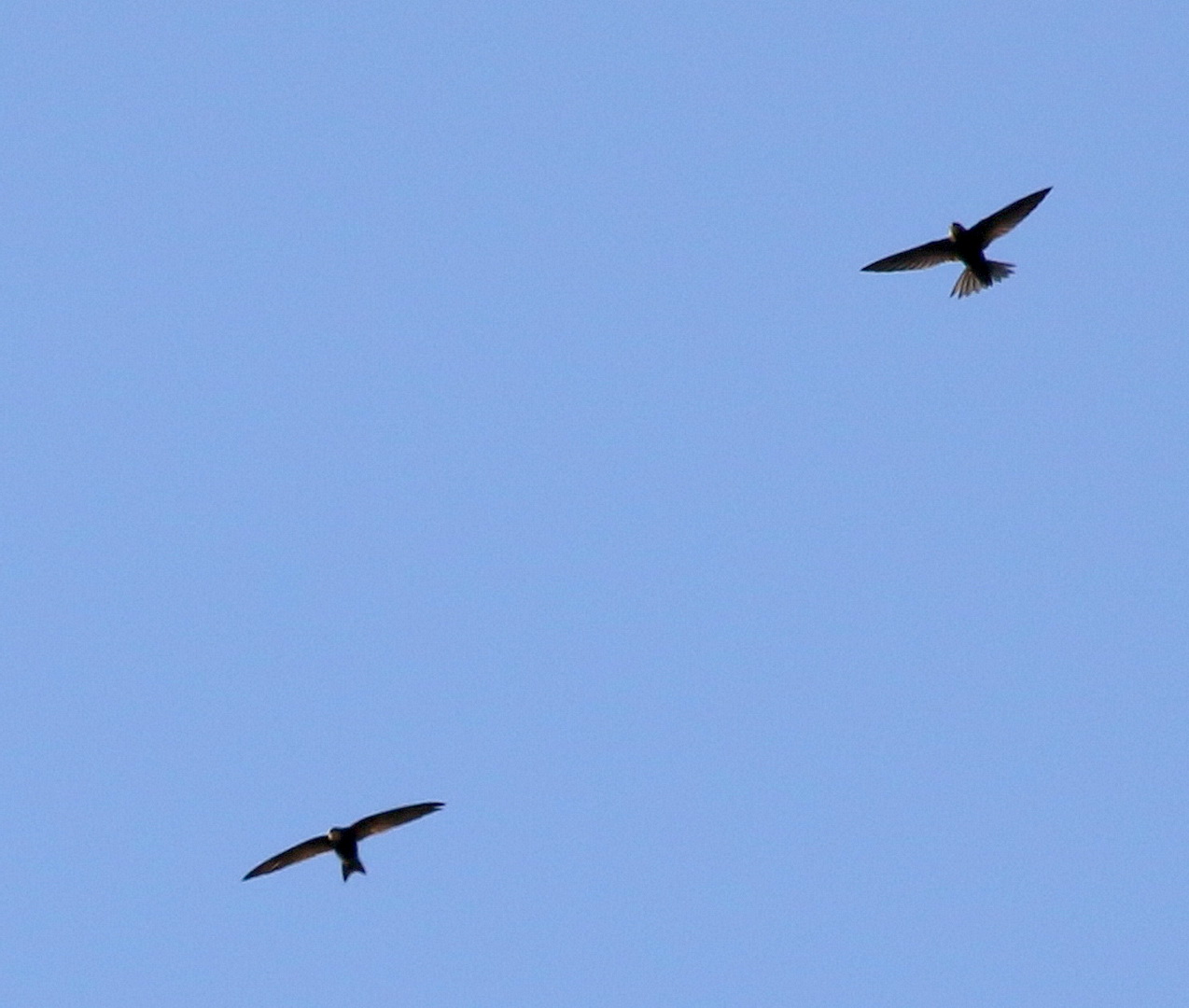
Swifts – possibly Black
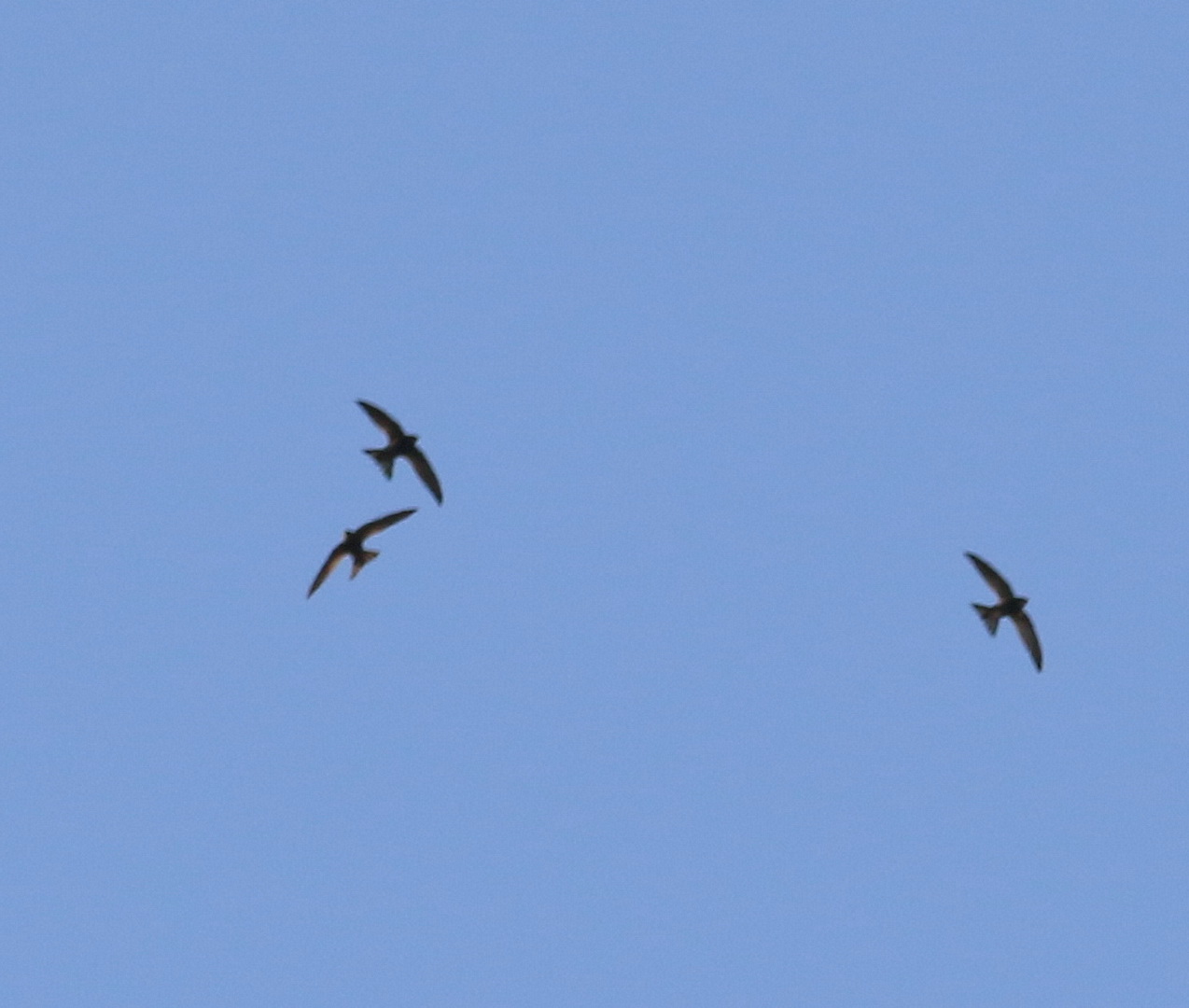
Swifts – possibly Black
Speckled Pigeon
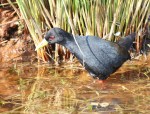
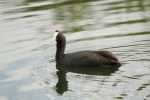
Red-knobbed Coot
Olive Thrush
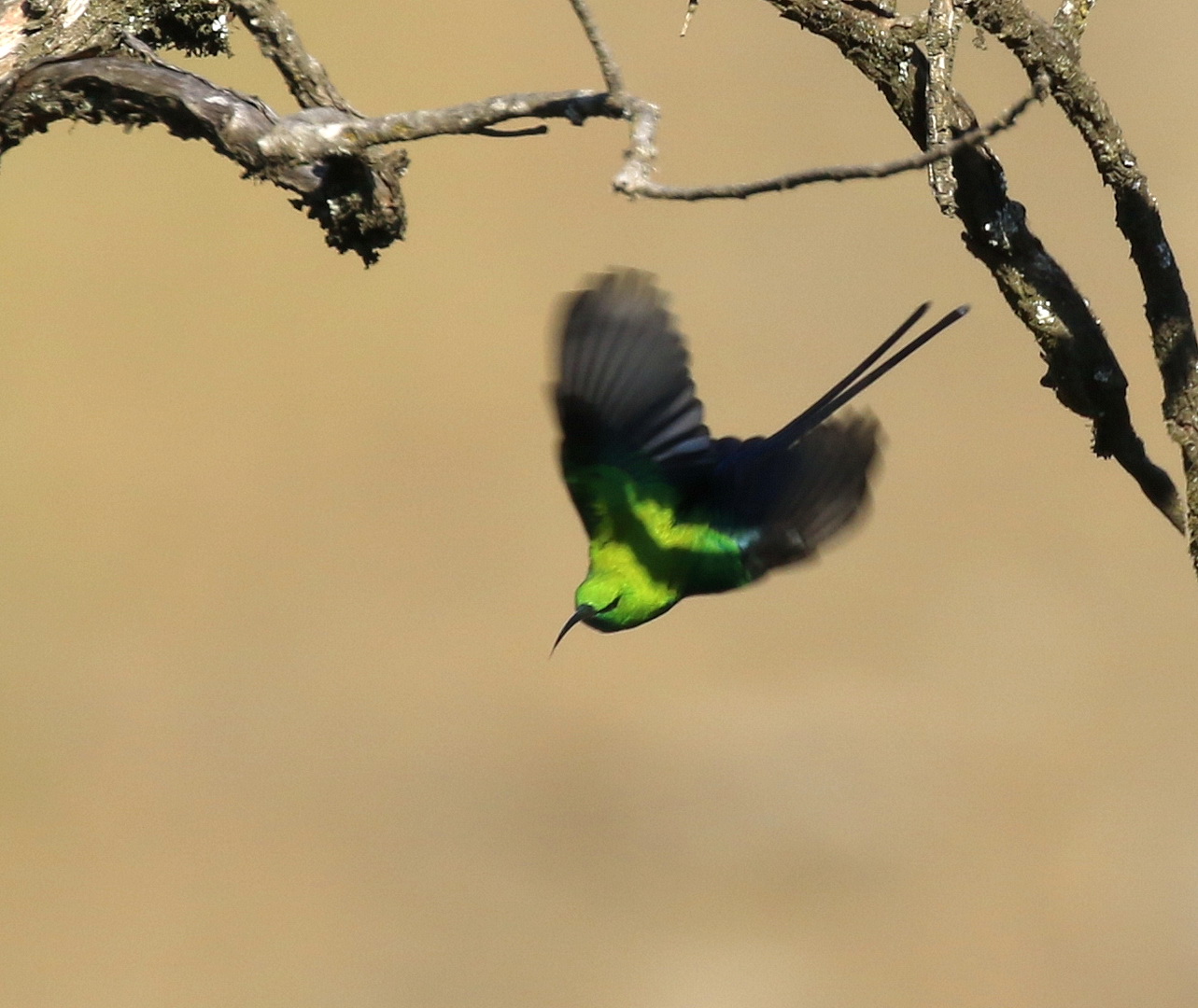
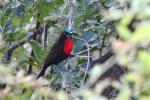
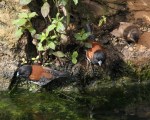
Malachite Sunbird
Malachite Sunbird
Malachite Sunbird
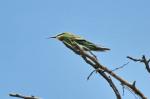
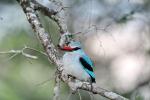
Malachite Kingfisher
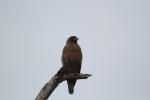
Jackal Buzzard
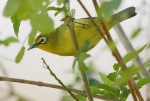
Cape White-eye
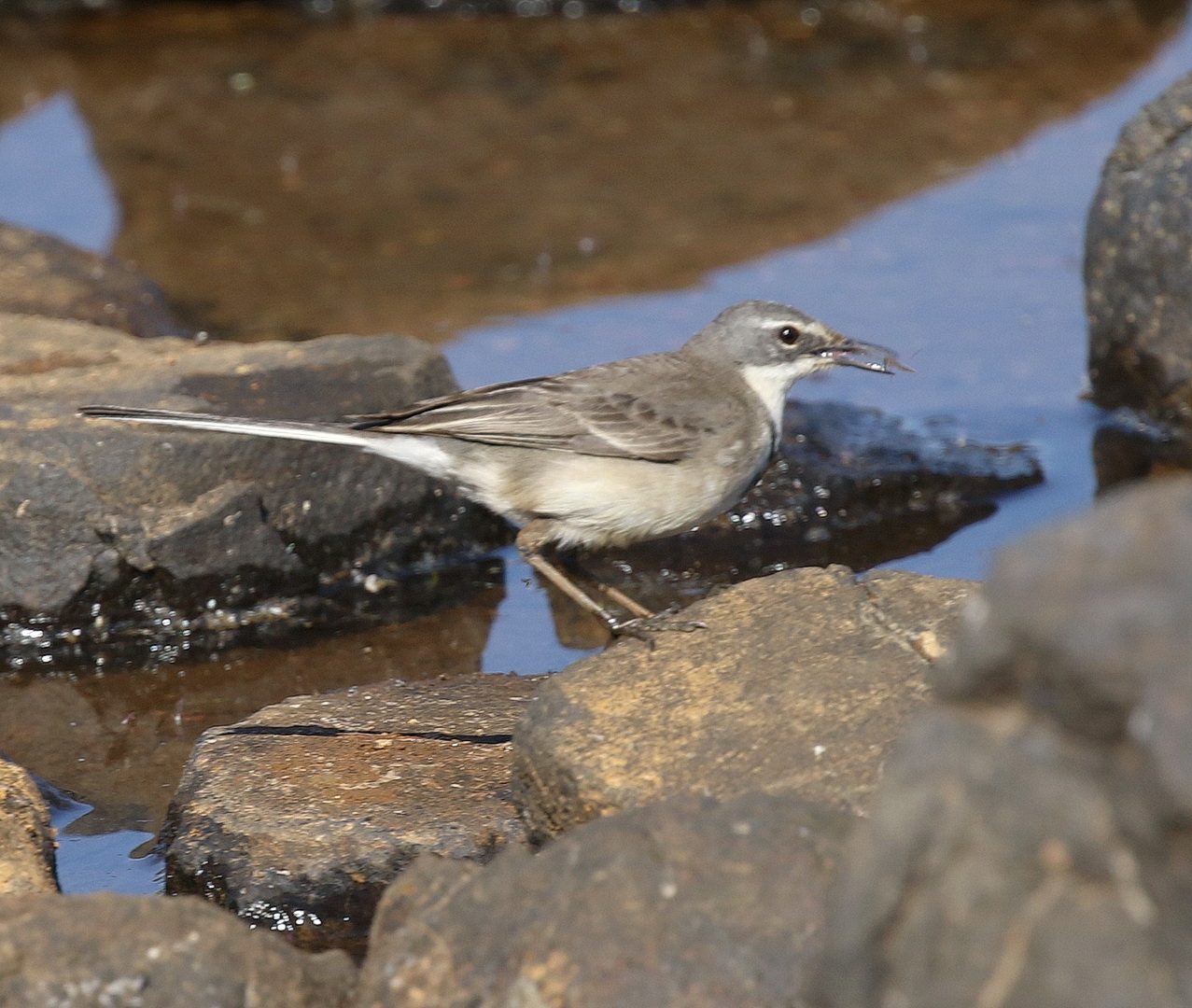
Cape Wagtail
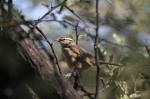
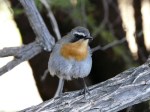
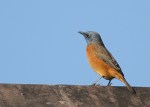
Cape Rock-Thrush
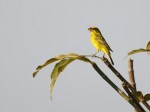
Cape Canary
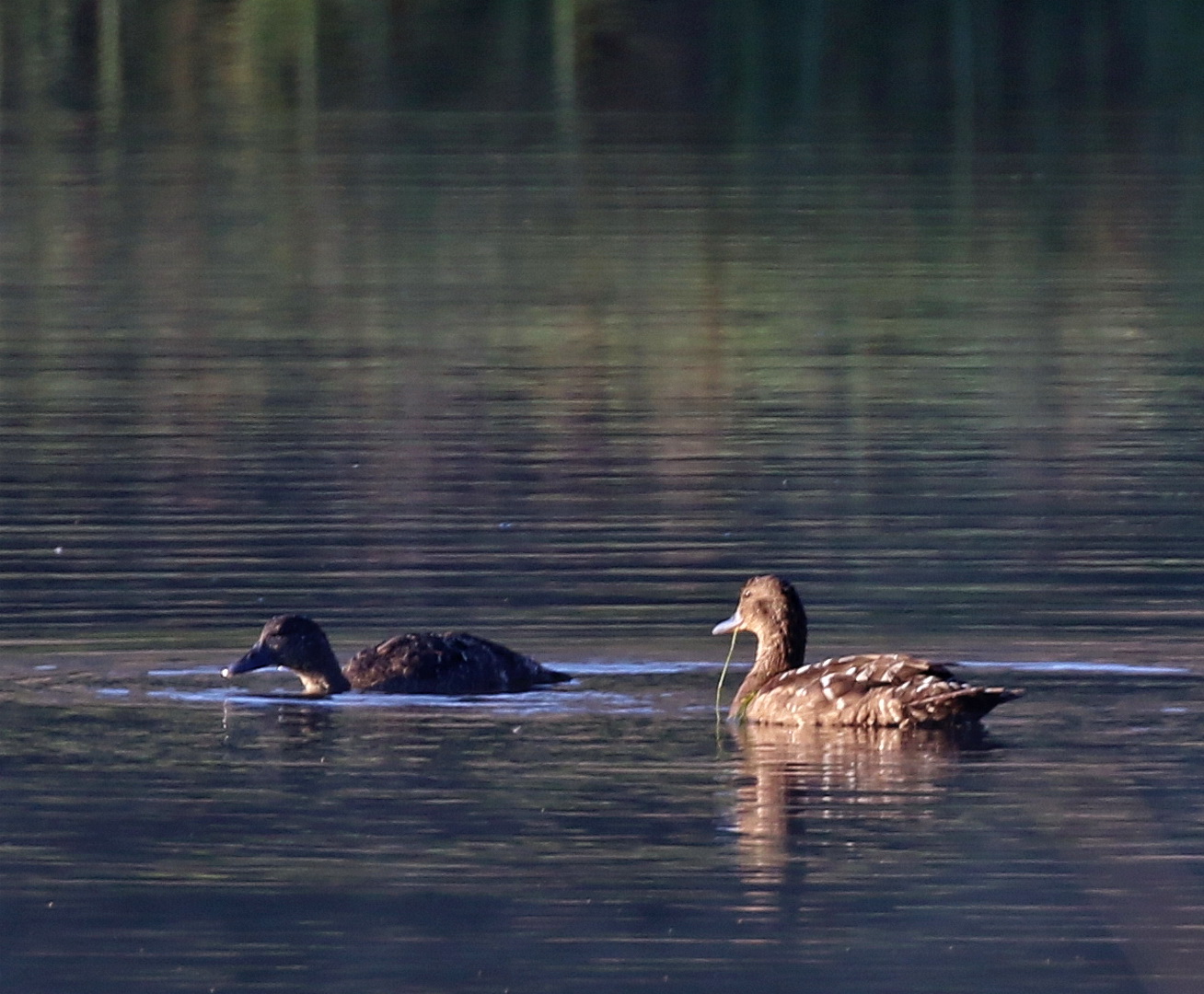
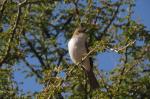
African Black Ducks
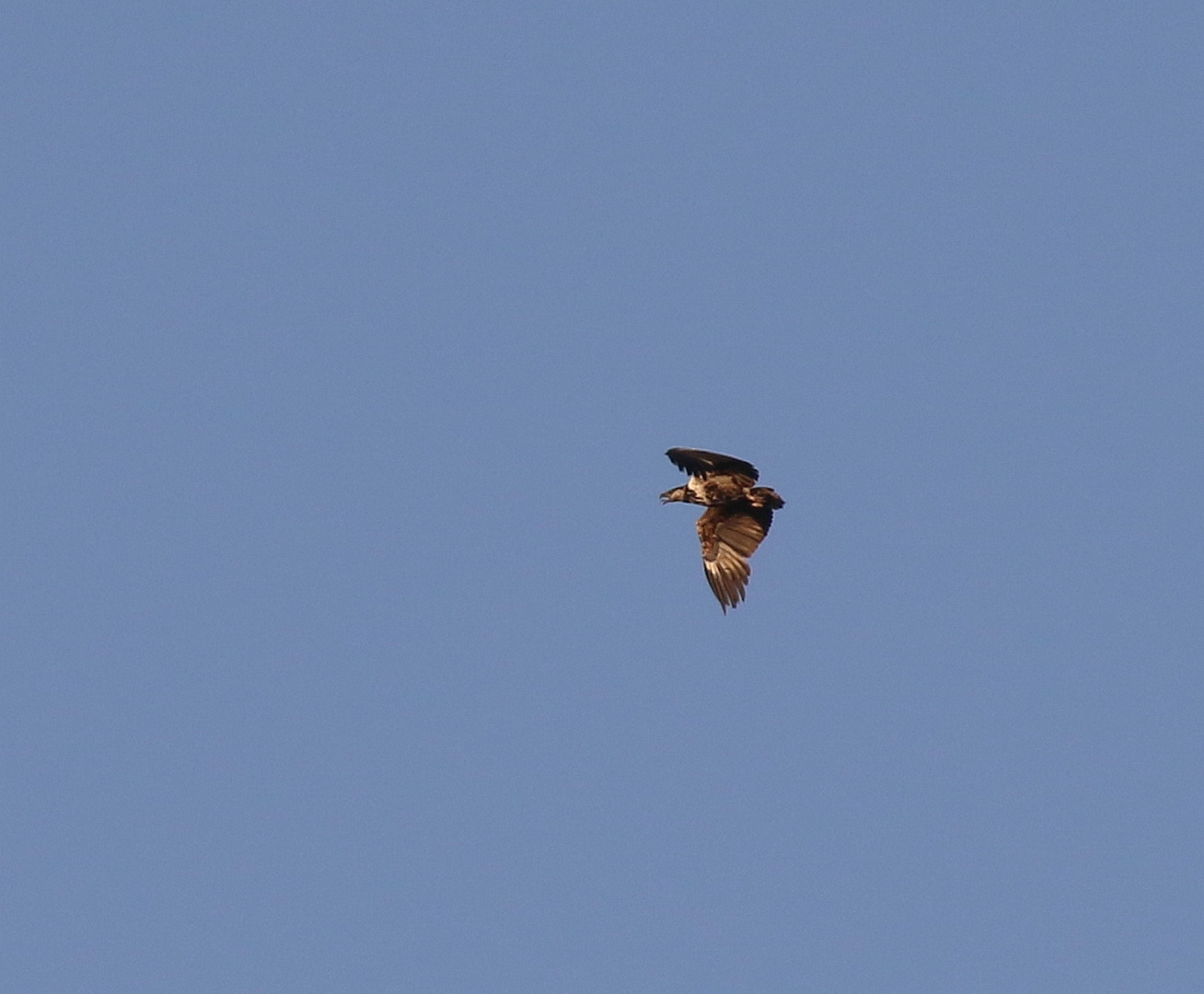
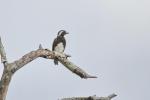
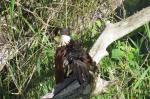
Bearded Vulture
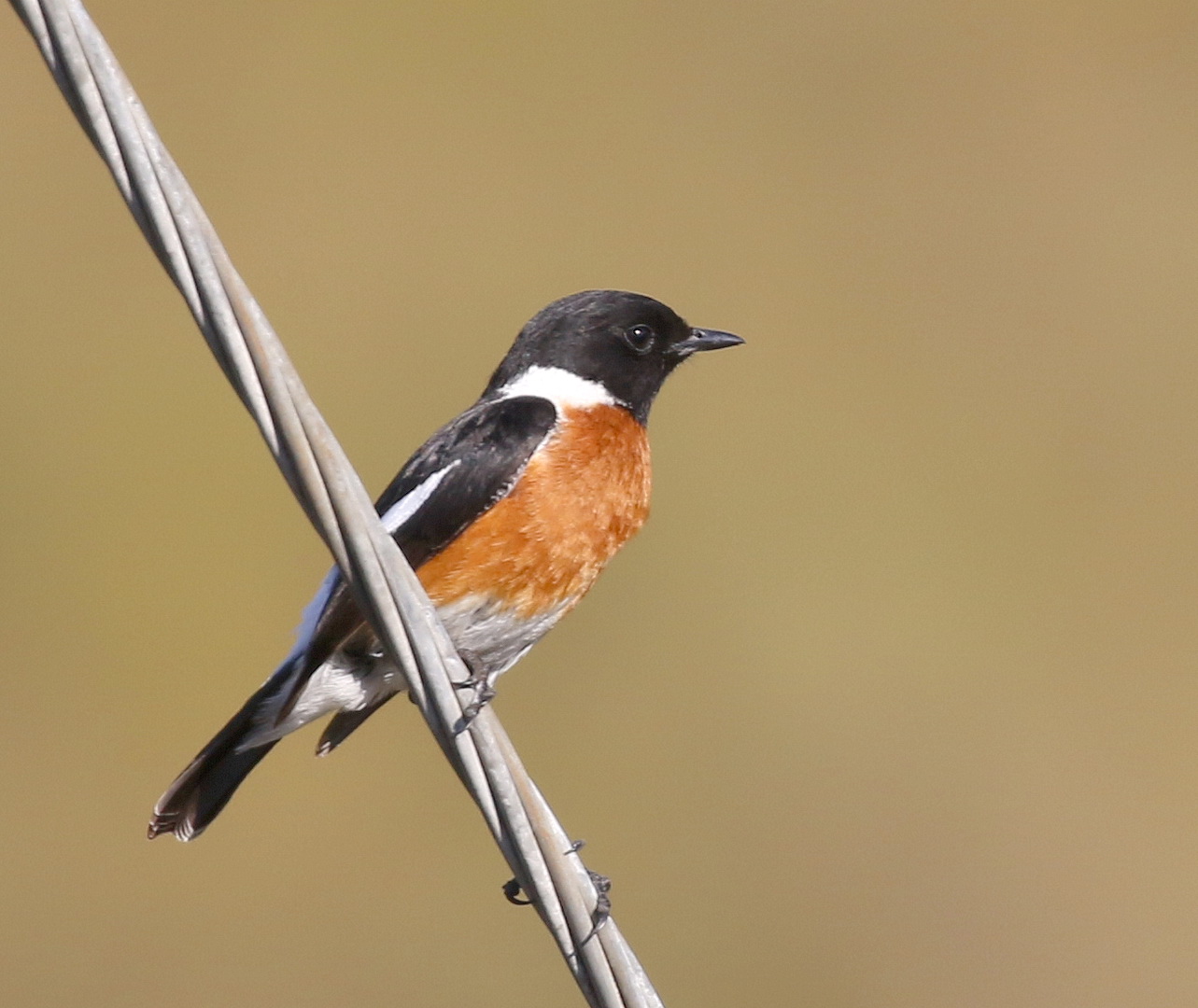
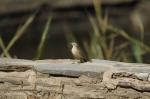
African Stonechat
Mountain Reedbuck were seen near the Highmoor Dam – quite far away but nonetheless very skittish. Their call attracted them to us.
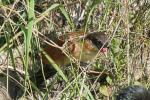
Mountain Reedbuck
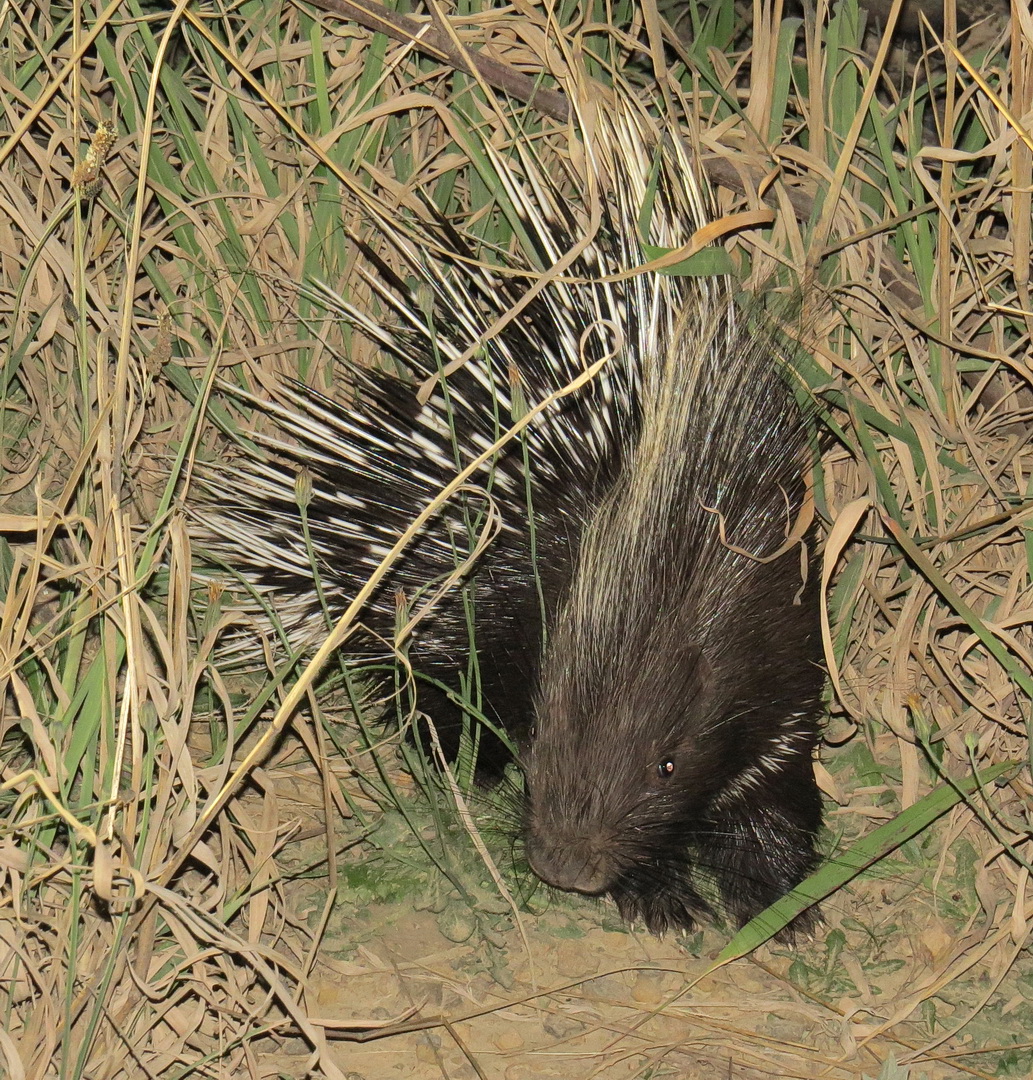
The highlight in the animal world appeared one night on the way back to the small holding – a Porcupine.
Note that you can double click on the photos to enlarge them.
If you would like me to send you a copy of our bird list – what Sally and I saw and where then click here to email me.
Sally and I recently returned from a nine day trip into Southern Mozambique. We went with Grahame Snow (our guide) of Reach Africa and three others – Pat Nurse, Joan Saggers and Andre Pienaar.
The purpose of the trip was to explore the Limpopo Floodplains; Panda forest and nearby floodplains; and the Bobiane-Unguana thickets. Our goal: to find the specials in each area as well as those birds which we do not see regularly back home. The two main specials included the Olive-headed Weaver and the Eastern Green Tinkerbird. Because of the time of year we also had our eyes out the Mascerene Martin and Malagasy Pond-Heron. The Eurasian Bittern was another hopeful in the numerous floodplains.
The day before we departed we drove to Johannesburg and stayed overnight in a B&B (My Home in Joburg) close to Grahame’s home. Arriving early we were able to spend a couple of hours in Walter Sisulu Botanic Gardens.
Bokmakerie
Bokmakerie
Cape Robin-Chat
Cape Sparrow
Cape Weaver
Cape White-eye
Cape White-eye
Helmeted Guineafowl
Karoo Thrush
Karoo Thrush
Karoo Thrush
Spectacled Mousebird
Streaky-headed Seedeater
Streaky-headed Seedeater
Verreaux’s Eagle on nest
Walter Sisulu Waterfall
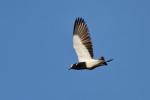
Wattled Lapwing
Wattled Lapwing
The early start from Johannesburg got us away before rush hour. We reached Komatiport just after midday and got through the border quite quickly – perhaps because it was mid week and out of school holidays.
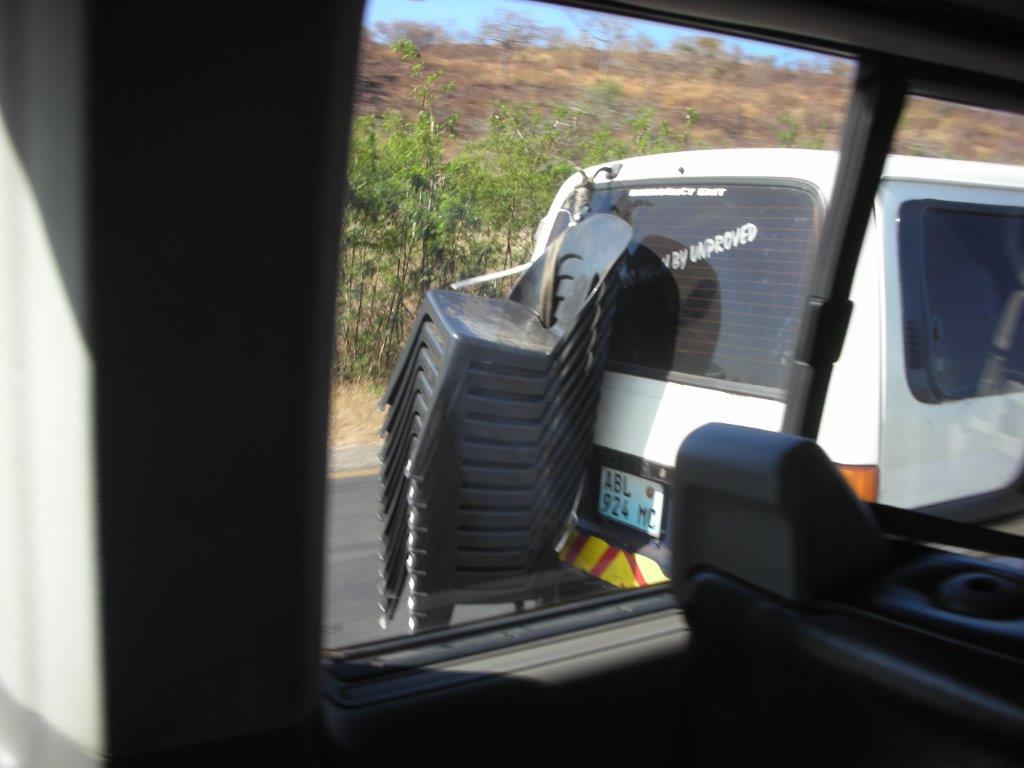
All taxis were similarly loaded as we entered Mozambique.
Instead of travelling via Maputo to our first stopover just north of Xai Xai, Grahame took us north from Moamba towards the small village of Sabie then NE to Magude and then east to join the EN1 and on to Xai Xai. This route is rough in places and mostly gravel all the way. The route is quiet and we were able to bird as we travelled.
The railway bridge shared by vehicles travelling in either direction!
Zona Braza 10 kms off the main road 30 kms north of Xai Xai was our overnight stop. We arrived quite late. The accommodation was very pleasant and the food at the restaurant very tasty.
The next morning we were up for an early morning walk around the camp and down to a rather large water-lily covered pan. There were numerous water birds including many African Pygmy-Geese and Southern Pochard. Black-throated Wattle-eye and Brown Scrub-Robin also entertained us.
Greater Crested Grebe – seen en route before Komatiport.
The Long Chinese-made EN1.
Entrance to Zona Braza
The vehicle in front of our chalets
View from one of the Chalets
View from one of the Chalets
Small Lake at Zona Braza- covered in Waterlilies
African Pygmy Geese
African Pygmy Geese
African Pygmy Goose
Southern Pochard
Brown Scrub-Robin
Interesting Caterpillar
After breakfast we headed to Morrungulo Bay – our luxury lodge for the next three nights – north of Inhambane close to Massinga.
The sandy road to Morrungulo Bay Lodge
Morrungulo Bay Lodge
Morrungulo Bay Lodge
The lodge we stayed at
View from the Deck
Steps down to the beach
Prior to arriving at the lodge we went looking for the Spinetails some 50 kms north of our turnoff for the lodge – near a village called Nhanchengue. Both the Mottled and Bohm’s Spinetails were seen circling the many large baobabs.
Mottled Spinetail
Bohm’s Spinetail
Bohm’s Spinetail
Bohm’s Spinetail
Bohm’s Spinetail
Mosque Swallows also seen in the Boababs
This detour was made to secure the first 2 specials of the trip.
The next three mornings the wake-up call was well before the sparrows so that we could arrive at the Bobiane-Unguana thickets by 06h30 – an hour’s drive away.
Some pictures of the habitat in the area:
The Eastern Green Tinkerbird our main goal. We searched 3 or 4 different locations where it had been seen before but had no luck in finding the bird – although we did hear the call once.
Grahame showed us the Eastern Green Tinkerbird’s nest recently found – see pictures. It was the unusual red seeds sticking to the bark which attracted attention to finding the nest. (Read all about this nest in the latest edition of Africa Birds and Birding.)
Eastern Green Tinkerbird’s Nest
Eastern Green Tinkerbird’s Nest
Eastern Green Tinkerbird’s Nest
One morning we were greeted by the call of the East Coast Akalat. We searched in vain and despite it being very close we were unable to spot it. Grahame had heard it in the area on a number of occasions but had never seen it. The following day we tried again and eventually Sally saw it on a low branch in the thickets and I managed to see it as it flew away. None of the others were so lucky unfortunately – a lifer for both Sally and me. Everyone else except Joan had seen it elsewhere.
Several butterflies were seen (and identified by amateurs) including the following:
Gold-banded Forester
Twin Dotted Border
Great Emperor
Great Emperor
Guineafowl
Guineafowl
Cambridge Vagrant
Common Joker
The habitat destruction here and in Panda Forest has been the subject of an earlier posting – “The Sadness of Mozambique’s Forests” so I will not repeat myself in this report.
Other birds photographed in the area include:
Crowned Hornbill
Magpie Mannikin
Red-backed Mannikin
Black Saw-wings.
Brown-headed Parrot
Red-throated Twinspot – male
Red-throated Twinspot – female
Cuckoo Hawk
Klaas’s Cuckoo
Klaas’s Cuckoo
Lizard Buzzard
Lizard Buzzard
Neergaard’s Sunbird
Neergaard’s Sunbird
Neergaard’s Sunbird
Purple-banded Sunbird – juv male with eyebrow
Purple-banded Sunbird – juv male with eyebrow
Purple-banded Sunbird
Purple-banded Sunbird
Amethyst Sunbirds
Yellow-breasted Apalis
Pale Flycatcher
Magpie Mannikin
Yellow-rumped Tinkerbird
Yellow-rumped Tinkerbird
There was one other beautiful bird which a number of us had as a lifer- the Livingstone’s Flycatcher. It was incessantly on the move making it very hard to get a decent photograph.
Livingstone’s Flycatcher
Livingstone’s Flycatcher
Eventually it was time to move on. Back south to Caju Afrique “close” to Panda for our next three nights. Caju Afrique -where we stayed – is inland from Inharrime off the road to Panda. There are a number of lodges and a couple of full facility campsites – all overlooking the Inharrime River which was very broad at this point and looked like a lake, complete with small dhows and rowing boats
Caju Afrique
The lodge
View from the deck
View from the deck.
Habitat around the lodge
Local Habitat
On route from Morrungulu we stopped at Chucuque near the ferry across to Inhambane where we were treated to the sight of a flock of Greater Flamingos in the foreground of a passing Dhow with Inhambane as the background. A couple of Pied crows in display and a lovely Scarlet-chested Sunbird entertained us.
Dhow and Flamingos – opp Inhambane
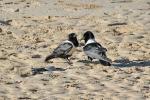
Pied Crows on heat
Scarlet-chested Sunbird
Wetland area on exit to EN1 from Morungulu accommodation
Overload! A common sight with as many as 30 people!
Palm tree highways.
The road to the lodge is very colourful – check these photos:
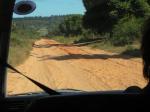
Sand track to Caju
Treacherous middelmannetjie on way to Caju
Speaks for itself – scene on a passing wall.
Speaks for itself – scene on a passing wall.
Speaks for itself – scene on a passing wall.
Although the lodge is basic it does have hot water, power when we want it and friendly staff. In fact everyone we met was exceptionally friendly and helpful.
Again each morning it was up early – even earlier on the first day as Panda is almost two hours driving away and we wanted to be there at first light.
We set off into the “forest” and listen out for bird parties. Very soon we hear our first and see White-breasted Cuckooshrikes, White-crested Helmetshrikes, Southern Black Tits all moving fast from one tree to the next. We try to keep up and catch glimpses of the birds as they move through the trees – but no Olive-headed Weaver.
We get sightings of a number of interesting species – Pale Batis, Southern Hyliota, Black Cuckooshrikes, Retz’s Helmetshrikes, Shikra, Striped Kingfisher, Purple-banded and Scarlet-chested Sunbirds, Yellow-fronted Tinkerbirds, Red-headed Weavers and Bearded Woodpeckers. As well as witnessing two male Cardinal Woodpeckers vying for position over a female.
Bearded Woodpecker
Black-crowned Tchagra
Black-headed Oriole
Brown-headed Parrot
Striped Kingfisher
Striped Kingfisher
White-breasted Cuckooshrike
White-breasted Cuckooshrike
Yellow-rumped Tinkerbird
Retz’s Helmetshrikes
Common Scimitarbill
Retz’s Helmetshrikes
Southern Hyliota
Pale Batis – male
Pale Batis – female
Further into the forest we come across many large open clearings where the trees have been logged out. And, it was on the edge of one such clearing that we find our first pair of Olive-headed Weavers – a male and female.
Olive-headed Weaver
Olive-headed Weaver
Olive-headed Weaver
Olive-headed Weaver
Olive-headed Weaver
Olive-headed Weaver
Olive-headed Weaver – female
We look out for Chestnut-fronted Helmetshrikes without success but do eventually find a flock of five or six Racket-tailed Rollers.
Racket-tailed Roller
Racket-tailed Rollers
Racket-tailed Rollers
One the way back we notice all the wetland areas we passed by in the early morning and we check out several to return to. Grahame goes waist deep in one place and flushes out Lesser Jacana.
Exploring the wetlands
Exploring the wetlands
The next morning we head for the most promising wetland area with a view to seeing an Eurasian Bittern. Wet grass and wet feet as we trample through the wetland – Grahame knee high in the water and Andre with the other end of the rope hoping to raise an Eurasian Bittern.
African Snipes everywhere, Lesser Jacana make appearances, Rosy-throated Longclaws give us aerial displays, Shelley’s Francolins call vociferously “Drink your beer, Drink your beer”. Rufous-bellied Herons appear and fly overhead – but no Bittern.
Rosy-throated Longclaw
Rosy-throated Longclaw
Rosy-throated Longclaw
Rosy-throated Longclaw
Rosy-throated Longclaw
Rufous-bellied Heron
Rufous-bellied Heron
Rufous-bellied Heron
Rufous-bellied Heron
Rufous-bellied Heron
Rufous-bellied Heron
Rufous-bellied Heron
Rufous-winged Cisticola
Squacco Heron – fooling us into a hopeful Malagasy Pond Heron
Squacco Heron – fooling us into a hopeful Malagasy Pond Heron
Squacco Heron – fooling us into a hopeful Malagasy Pond Heron
Squacco Heron – fooling us into a hopeful Malagasy Pond Heron
Squacco Heron – fooling us into a hopeful Malagasy Pond Heron
Squacco Heron – fooling us into a hopeful Malagasy Pond Heron
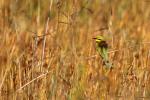
Little Bee-eater
Lesser Jacana
Lesser Jacana
Lesser Jacana
Great Egret
Blacksmith Lapwing – bombing us
Little Rush-Warbler
Grahame and Andre wander ever deeper into the wetland and eventually after several hours turn round and head back still dragging the rope between them. We get to the shorter grass plodding back through the wet when suddenly we hear this huge roar as Grahame yells at the top of his voice “Bittern”. Immediate unbelievable response from all of us – we watch this huge bird not more than 50 metres away and flying away from us. We watch as the bird languidly flaps into the middle of the wetland. Another lifer for all of us.
Eurasian Bittern – photographed just before it went down.
During the course of the day we lunched beside the road next to a clump of woodland – which was teeming with birds.
Purple-banded Sunbird
Purple-banded Sunbird
Purple-banded Sunbird
Pale Flycatcher
Lilac-breasted Roller
Collared Palm-Thrush
Scarlet-chested Sunbird
Scarlet-chested Sunbird
Scarlet-chested Sunbird
Purple-crested Turaco
Purple-crested Turaco
Purple-crested Turaco
Birds photographed as we travelled in this area:
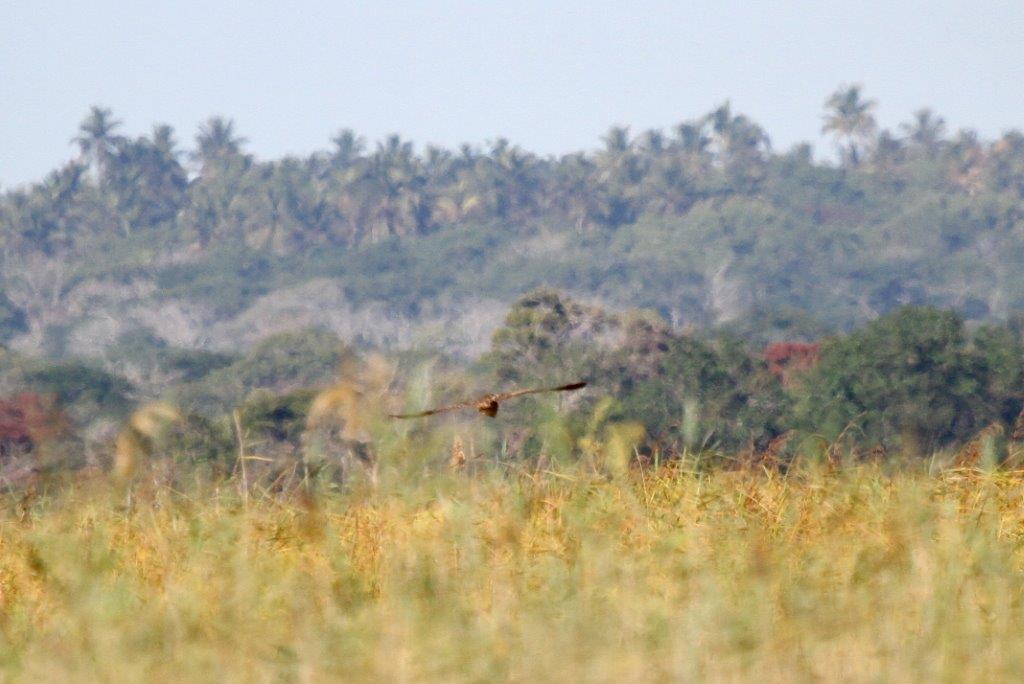
African Marsh Harrier
African Pipit trying to fool us into thinking it may be a Tree Pipit!
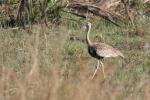
Black-bellied Bustard
Dickinson’s Kestrel – seen next to the road on the way south.
Dickinson’s Kestrel – seen next to the road on the way south.
Dickinson’s Kestrel – seen next to the road on the way south.
Lizard Buzzard
Then we headed south once again, through the exceptionally crowded town of Xai Xai to the Honey Pot, our overnight accommodation. We took the opportunity to visit the Limpopo floodplain after dropping off the trailer and before checking in as it was getting late. We returned there early in the morning before departing to Johannesburg.
Limpopo Floodplain
Limpopo Floodplain
We were treated to a number of birds we had not seen on the trip including Collared Pratincole, Allen’s Gallinule (lifer for Joan), Fulvous Duck, Goliath Heron, African Sacred and Glossy Ibis, Brown-throated Martin (we tried our best to convert some into Mascerene), Black-crowned night-Heron, Three-banded and Kittlitz’s Plovers, African Spoonbill, Wattled Starlings, Grey-rumped Swallows and Hottentot Teal.
After sunset we had an appearance of many Nightjars which we believe to have been both Square-tailed and Swamp Nightjars.
Common Waxbill
Common Waxbill
Common Waxbill
Rufous-winged Cisticola
Squacco Heron
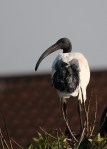
African Spoonbill
Allen’s Gallinule
Black-crowned Night-Heron
Fan-tailed Widowbirds – male and female
Hottentot Teals
Kittlitz’s Plover
Collared Pratincole
Collared Pratincole
Purple Swamphen
Purple Swamphen
Purple Swamphen
Finally it was time to head home. So after a quick squizz at the floodplain and a bit of breakfast off we set following our tracks back to Johannesburg.
Seen along the way;
Brimstone Canary
Senegal Lapwing
Senegal Lapwing
Red-faced Cisticola
Red-faced Cisticola
TFP or Cisticola
Eventually we arrived well after dark.
It was a fantastic trip with good company and an excellent Guide. Hectic at times but that is birding. Would love to return to find all those specials we dipped on.
Sally and I decided to spend the New Year camping away from home. Northern Zululand was our destination. Our program:
3 nights in Bonamanzi
4 nights in Mkuze
4 nights in Ndumo
3 nights in St. Lucia
Bonamanzi.
At Bonamanzi we stayed in Campsite 5 and joined friends who were already there. Campsite 5 is huge and can accommodate 4 camp groups easily – however there is only one toilet/shower and one wash-up area. As pensioners it cost us R90 pppn.
In Bonamanzi as you may know you are able to walk anywhere on the property except in their Game viewing area. This is great for birding. However elephants do use the area as well. One morning when driving to the office we found a huge branch across the road and elephant tracks confirming who was the culprit for this roadblock. Beware.
The first night we had a lot of rain. So the next morning we (our friends and ourselves) decided to visit Hluhluwe rather than bird in the rain around the campsite. It continued raining.
Taking the shortcut to the freeway we went through numerous muddy pools past the Hakuna Mutata accommodation until we got to the bridge. The approach to the bridge was up a short steep bank which looked muddy and badly cambered – so down I went into Low range 4×4 and up we went – well actually did not make it. About a third of the way up the Fortuner slowly drifted off the road onto the trees on the left. Fortunately I was able to reverse out of trouble without damaging the car. Now the long way round to Hluhluwe.
The rain persisted. However we decided to look for the Finfoots (Finfeet?) which our friends had seen the previous day. Taking the immediate right turn as you enter the park we drove round to where they had seen them basking next to the river crossing – no luck! About the only excitement we had were 7 White Rhino crossing the road in front of us. They were the first aminals we saw since entering! Aminals were scarce and the birding was not much better. Eventually we decided to return to Bonamanzi for lunch. Altogether we had seen 35 species of birds in the 3 hours we were in Hluhluwe.
Croaking Cisticola
European Bee-eater
Dusky Indigobird
Fan-tailed Widowbird
Red-backed Shrike
The following day we walked around the camp area and went on a drive to explore other parts of Bonamanzi. In one section we had heard an African Broadbill on a couple of occasions (Pathway E to F). Later we went back with our friends and another couple who had arrived to see if we would have any better luck.
Sally mentioned to Irene that you needed to look on cross branches about head height in the bush. We had not gone more than 20 metres when Irene spotted a Broadbill – unbelievable. I managed to get a few poor shots which you can see in the gallery below. On the way back I popped into the bush to see if I could get a few better shots – no luck finding the Broadbill but I did surprise a Narina Trogon – see pics in Gallery.
After that we visited the office area and drove back in the dark spotting a Shikra on the road munching on its prey – unconcerned with the car’s headlights on him. Poor pictures in the gallery.
Painted Reed Frog, Bonamanzi (Tree Frog)
Emperor Moth, Bonamanzi – lovely leaf feelers
Luna Moth, Bonamanzi (Not an Emperor Moth)
UI Buzzard
Same UI Buzzard
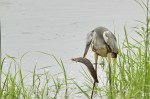
Twisted Grey Heron
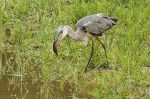
Spear fishing – great catch
Almost got it all in!
Pied Kingfisher waiting patiently
Pied Kingfisher about to go for it.
One exponent in the Nyala dance.
What a mouthful for a Malachite Kingfisher
Little Egret and Common Greenshank
White-faced Ducks
Water Thick-knee
Water Thick-knee in ambush
Sunbird Nest – but which one – reach for your books
Thick-billed Weaver. All pics of weavers in same pond.
Lesser Masked Weaver
Village Weavers
Yellow Weaver
Yellow Weaver- I need food! Now!
African Jacana
African Pied Wagtail
Common Scimitarbill
Diedrick’s Cuckoo
Black-bellied Starling
White-browed Scrub-Robin
White-browed Scrub-Robin
Black Cuckooshrike showing all his colours, Bonamanzi (Not a Cuckoo!!)
Shikra
Shikra
Shikra
Narina Trogon
Red-fronted Tinkerbird – peek-a-boo
Red-fronted Tinkerbird
African Broadbill
Bonamanzi yielded 89 species plus one UI (Unidentified) Raptor – have a go there is a pic in the gallery. Most of the Cuckoos were heard as well as the Green Malkoa. A Black Cuckooshrike in magnificent breeding plumage gave a great display round the campsite – yellow gape and epaulets very strident. A Red-fronted Tinkerbird and a Bearded Scrub-Robin also gave us great displays in the campsite.
Mkuze.
Surprisingly the tent was dry as we packed to leave Bonamanzi. We headed for the new gate to enter Mkuze. On the way we passed Muzi Pan. The water level was so high that it was a raging torrent beneath both bridges along the Muzi Pan dam wall. Not surprisingly there were few bird species about – we saw only 9 in the 10 minutes we stopped there. The Knob-billed Duck being the most interesting.
Mkuze Campsite. Still has water problems – the boreholes run dry regularly and the water is unfiltered so not only is it inadvisable to drink but the silt that comes with it is damaging all their taps – water leaks all the time.
Trying to book a campsite at Mkuze is often difficult because of this. Also they try to restrict the number of bookings to 10 campsites as that is all their one staff member can handle. They have over 30 potential sites. When we arrived on 31st December one man was still trying to cut the knee high grass in 50% of the sites!
On top of this the Ezemvelo Parks Board have fixed the campsite rate at R230 for 3 people – an increase from R180 last year (almost 30%) with no improvement in facilities and no way to get a rate for 2 people. Like Sodwana who charge for 4 people irrespectively, this is a total rip off.
During the 3 full days in Mkuze we never managed to find the newly released Lions perhaps because they are still happy to return to their boma where they were kept originally and also because all the rain the grass was high everywhere.
Some of our more interesting bird sightings include:
Black bellied Bustard
Lemon-breasted Canaries
Cuckoos vociferously calling – Black, African Emerald, Diedrik’s, Klass’s, Jacobin, Levaillant’s and Red-chested. A pair of the latter chasing each other round the main office.
Namaqua Doves
Lesser Spotted Eagle.
Burn-necked Eremomelas
Grey Go-away-bird
a juvenile Greater Honeyguide around our camp being fed by Black-bellied Starlings.
Woodland Kingfishers
Common Quail obligingly walking ahead of us on the road to KwaMalibali Hide
Red-backed Shrikes – everywhere
Neergaard’s Sunbird – always a pleasure
Grey Penduline-Tits in the trees above our campsite
Red-throated Wrynecks
European Bee-eater
European Roller
Grey Go-away-bird
Golden-breasted Bunting
Greater Honeyguide – immature
Greater Honeyguide – immature
Green-winged Pytilia
Green-winged Pytilia
Grey Penduline-Tit
Grey Penduline-Tit
Helmeted Guineafowl
Klaas’s Cuckoo – female, Mkuze (Not a Klass’s!!)
Klaas’s Cuckoo, Mkuze (Not a Klass’s!!)
Klaas’s Cuckoo, Mkuze (Not a Klass’s!!)
Klaas’s Cuckoo, Mkuze (Not a Klass’s!!)
Lappet-faced Vulture,
Lesser Striped Swallow,
Lesser Striped Swallow,
Lesser Striped Swallow,
Lizard Buzzard
Lizard Buzzard
Lizard Buzzard
Long-tailed Widowbird
Long-tailed Widowbird
Mkuze campsite
Namaqua Dove
Nsumo Picnic site – beware Lions!
Pale Flycatcher,
Pied Kingfishers,
Marico Sunbird, Mkuze (Not a Purple-banded)
Purple-crested Turaco,
Rattling Cisticola
Red-backed Shrike – female,
Red-backed Shrike – female,
Yellow-billed Hornbill,Mkuze (NOT a Red-billed!!!)
Red-billed Oxpecker
Red-billed Queleas
Red-chested Cuckoo
Red-chested Cuckoo
Red-chested Cuckoo
Red-throated Wryneck
Red-throated Wryneck
Red-throated Wryneck
White Rhino minus one horn
Rufous-naped Lark
Sabota Lark
Sabota Lark
Spotted Flycatcher,
Striped Kingfisher
Three-banded Plover
Common Fiscal – juvenile, Mkuze (UI Bird)
Long-tailed Paradise-Whydah, Mkuze in transitional plumage (UI Bird)
Long-tailed Paradise-Whydah, Mkuze in transitional plumage (UI Bird)
Dusky Indigobird
Violet-Backed Starling – female
Violet-Backed Starling – male
Wahlberg’s Eagle infant on nest
Wahlberg’s Eagle
Water Thick-knee
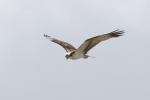
Western Osprey,
White-browed Scrub-Robin
White-faced Duck
Willow Warbler
Yellow-fronted Canary
Yellow-throated Longclaw
African Firefinch
African Hoopoe
African Pied Wagtail
Barn Swallow,
Black-bellied Bustard
Black-bellied Bustard with ticks!
Black-shouldered Kite,
Blue-cheeked Bee-eater
Broad-billed Roller
Cardinal Woodpecker
Common Quail
Common Quail
Common Quail
Common Quail
At the end of our visit we had identified 140 bird species – the pans were very full discouraging many water birds otherwise we would have expected many more.
Ndumo.
Ndumo is always a special place to visit and the local guides have a reputation of excellence. It is always a pleasure to take advantage of the early morning walks which at R110 pp is really good value.
Again we had 3 full days in the Reserve. On one of these days we spent the morning in Tembe Elephant Park.
Tembe was full of elephants – fortunately in the open swamp area so we could easily see them and not be chased by them as happened twice the last time we visited.
Although it felt like birding was quiet, we managed to identify 66 species in the 4 hours we were there. We were rewarded with sightings of an African Cuckoo-Hawk juvenile and an African Harrier-Hawk – the only place where we saw each of them. The other special sighting was of a pair of Woodward’s Batis. No Plain-backed Sunbird.
African Cuckoo-Hawk – immature
African Cuckoo-Hawk – immature
Upside Down or downside up.
African Cuckoo-Hawk – immature
African Cuckoo-Hawk – immature
Croaking Cisticola
European Bee-eater
Big Boy
We like the sign
Swamp elephants
Little Bee-eater
Rufous-naped Lark,
Serendipidy
Steppe Buzzard
UI Warbler – what am I?
Woolly-necked Storks
Yellow-throated Longclaw
The rest of our time spent in Ndumo. We went on a morning drive and 2 early morning walks and of course explored the Reserve on our own. In all we identified 142 species including an Eurasian Hobby.
On the last morning I went on the Southern Pongola walk. There were 3 of us and our guide, Sontu. His skills are superb. On the walk we heard the Narina Trogon and an African Golden Oriole – however the highlight was spotting a Black Coucal in the wetland area.
Trumpeter Hornbill,
White-eared Barbet
White-winged Widowbird
Wildebeest – juvenile,
Woodland Kingfisher
Woodland Kingfisher
Yellow Weaver being given a hand
Yellow Weaver building his nest
African Fish-Eagle
Yellow-billed Stork (not a Spoonbill – quite doff!)
Sugarloaf Campsite in St Lucia was our base for 3 nights. It is a huge camp with 100 sites ideally located right by the sea. It was only about 20% full and the fishermen were well behaved. Watch it on weekends as they can be quite raucous. The three nights was R432 for both of us – very reasonable.
We birded in 3 areas: Eastern and Western Shores and around the campsite.
Western Shores is the newly opened area of the iSimangaliso WetlandPark. It has been very well developed. The habitat is predominantly flat open grassland with outcrops of woodland and forest. There is currently a lot of freestanding water with many wetland areas. There is one hide and a boardwalk to a lookout point overlooking LakeSt Lucia. The picnic site is large, shady and well situated. We spent almost 6 hours there covering the whole road network.
As we approached the hide a herd of elephants – about 15 – saw us and calmly walked away allowing us access. Then at the hide, just as we were about to leave, Sally saw a raptor flying over the pan in front of the hide. Small head and quite barred underside. We got excited. Sally immediately pronounced what she thought it was. The bird then landed in one of the large broad-leafed trees opposite us about 100 metres away. Out came the scope and luckily the bird was not secretly hidden within. On further inspection we had a clear sighting of its head and tail and it was clear that Sally was correct. A lifer for me – a European Honey-Buzzard.
I include some pictures of the habitat and a few of the birds we were lucky enough to photograph. In all we saw 72 species in the 5.5 hours we were there.
Steppe Buzzard
Crested Guineafowl
Crested Guineafowl
European Honey-Buzzard
European Roller
Hamerkops
Hamerkops
Malachite Kingfisher
Red Bishop
Purple-banded Sunbird
Boardwalk
View from the boardwalk deck
View from the boardwalk deck
Western Shores Habitat
Western Shores Habitat – early morning, eerie light
Western Shores Habitat
Western Shores Habitat
Western Shores Habitat
White-backed Ducks
White-eared Barbet
Ashy Flycatcher and young
Black-breasted Snake-Eagle
Black-headed Heron,
Blue-cheeked Bee-eater
Blue-cheeked Bee-eater
Burchell’s Coucal – juvenile begging
Burchell’s Coucal – juvenile
Burchell’s Coucal
Burchell’s Coucal
Eastern Shores. Similar in habitat to the WesternShores but more hilly with coastal forest and the sea and shore. There are 2 bird hides and several lookout points and picnic sites as well as a number of side loops off the main road to CapeVidal. In the past we have seen both White and Black Rhino and Leopards (one right next to the car park for the large new Mafazana hide).
On the Vlei Loop we saw our first raptor – a Southern-banded Snake-Eagle. It was sitting prominently in a bare tree with the sun directly behind it. We had to work hard to get the right angle to see it clearly enough to identify it.
At the Mafazana hide Sally spotted 2 Saddle-billed Storks on top of a distant tree. We wondered if they were starting to breed early!
The other sighting worth mentioning was surprisingly that of a Lilac-breasted Roller. It was the first and only sighting of one on our whole 2 week trip – most unusual.
In all we identified 73 species in the 6 hours we were there.
Southern Banded Snake-Eagle
UI Raptor – have a go at its ID
View from Mafazana Hide
Cape Wagtail
Lilac-breasted Roller
Saddle-billed Storks – could they be nesting so early?
St. Lucia, Sugarloaf Camp and the immediate shore.
On setting up camp the monkeys arrived. There were also a couple of Grey Duiker close by. It was hilarious to watch them interact. One approached the other and the next minute they were all chasing each other around the site. Other aminals seen in the camp included Bushbuck, Red Duiker and interestingly Reedbuck – often paying little attention to us Humans.
Right next to the camp is the boardwalk to the sea and the mouth of LakeSt Lucia. Hippos and Crocs were very evident – just waiting for one of the fishermen to get too close.
On the first afternoon after setting up our camp we headed for a walk on the beach. We were surprised by a Palmnut Vulture which flew over our heads and landed on the inland side of the beach at the mouth of LakeSt. Lucia. We approached slowly watching it nibbling on the base of some of the spindly grass protruding from the muddy edges of the lake – managing to get with 15 metres of it. An unexpected waterbird!
Campsite birding was very good. One R-C R-C (Natal Robin or as Sally says Cossypha Natalensis) joined us for a sundowner doing good imitations of an African Emerald Cuckoo. An African Goshawk landed in the tall pine trees above us to sing his good-bye as we prepared to leave. But probably the highlight was a wonderful view of a male Green Twinspot in vivid plumage.
In all we recorded 57 species in and around the campsite including the walk along the waterfront.
Palmnut Vulture
Palmnut Vulture
Palmnut Vulture
Palmnut Vulture
Palmnut Vulture
Palmnut Vulture
African Goshawk
Common Ringed Plover
Livingston’s Turaco
Livingston’s Turaco
Sadly we returned home to a chilly welcome in a not so sunny Hillcrest.
In total we identified 235 species on our two week odyssey.
If anyone would like a copy of our excel spreadsheet showing which birds we identified in each of the 9 different reserves we visited, then click here to contact me.
Well our trip to the Top End of Australia ended just over a week ago and we are still trying to assess what we have seen.
366 species have been recorded in the area – however quite a number are either vagrants or migrants which we had no chance to see. Realistically there were about 280 species we could have seen.
All in all we saw some 185 different species of which 49 were Australian lifers for Sally and 56 for me. Most of these lifers are only to be found in the north of Australia.
However the satisfying part for both of us was that we were able to get photos of most of the new birds we saw. In many instances the photos enabled us to identify or confirm our identification.
Rather than list the lifers we saw, the following gallery does the job for me. A few new birds escaped before the camera could get a shot in – the most disappointing being the Black-tailed Treecreeper, the Red-browed Pardalote, the Green-backed Gerygone and the Little Curlew.
Varied Lorikeet, Katherine
Rufous-throated Honeyeater, Katherine
Banded Honeyeater, Buntine Highway
Budgerigar, Buntine Highway
Purple-crowned Fairy-Wren – male, Victoria River
Purple-crowned Fairy-Wren – female, Victoria River
Crimson Finch, Victoria River
Masked Finch, Timber Creek
Oriental Plover, Timber Creek
Gouldian and Long-tailed Finches, Ferguson River
Hooded Parrot – male, Ferguson River
Hooded Parrots, Ferguson River
Horsefield’s Bushlark, Timber Creek
Broad-billed Flycatcher, Adelaide River
Northern Rossella, Tumbling Waters
Northern Fantail, East Point
Grey Whistler, Fogg Dam
Long-tailed, Crimson & Double-barred Finches, Ferguson River
Goudian Finch, Ferguson River
Goudian Finch, Ferguson River
Diamond Dove, Ferguson River
Yellow-tinted Honeyeater, Ferguson River
Rufous-throated Honeyeater, Ferguson River
Barking Owl, Gagudju
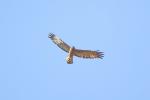
Spotted Harrier, en route to Pine Creek
Leaden Flycatcher, Edith Falls
Rufous-banded Honeyeater, Gagudju – Yellow Water
Pacific Baza, Gagudju
Pacific Baza, Gagudju
Bar-breasted Honeyeater, Gagudju
Australian Pratincole, Gagudju – Yellow Water
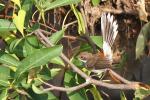
Arafura Fantail, Gagudju – Yellow Water
Collared Sparrowhawk, Gubara
Torresian Crow, Nourlangie
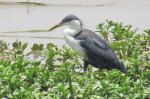
Pied Heron, Mamukala Wetlands
White-gaped Honeyeater, Kakadu
Little Corrella, Mary River Camp
Rose-crowned Fruit-Dove, Fogg Dam
Radjah Shelduck, Fogg Dam
Broad-billed Flycatcher, Fogg Dam
White-browed Crake, Fogg Dam
Paperbark Flycatcher, McMinns Lagoon
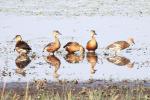
Wandering Whistling-Ducks, McMinns Lagoon
Rainbow Pitta, East Poin
Rainbow Pitta, East Point
Striated Heron, East Point
Eastern Reef Egret – white morph, East Point
Collared Kingfisher – contentious, East Point
Rainbow Pitta Howard Springs
Grey-crowned Babbler, Lee Point
Silver-crowned Friarbird, Knuckley Lagoon
Black-winged Stilts, Knuckley Lagoon
Little Shrike-thrush, Charles Darwin
Grey Falcon, en route to Timber Creek
Lesser Crested Tern, East Point
Lesser Crested, Crested & Gull-billed Terns, East Point
Sanderling, Buffalo Creek
Star Finch, Victoria River
Black Falcon, Victoria River
That concludes our Darwin escapade. Hope you have enjoyed the read and photos.
Over the next week there will be a serial report-back on our birding expedition to Namibia.
The series will include pictures of places we stayed and birds we were lucky enough to photograph in each place.
Please email me if you interested in receiving detailed reports including our route and tracks, accommodation contact details, accommodation assessment. Also available is our Bird List in Excel format. You are able to see what birds we saw or heard in each place as well as where specific birds were seen.
The journal begins:………..
At very short notice we decided to go to Namibia. Our preparation was frantic over a 2 week period. Bird Lists to prepare, accommodation and route decisions and bookings, banks and credit cards, car & health insurance, knowledge of border crossing requirements, etc.
Our main goal was to get to Kunene River Lodge to see the Angola Cave-Chat with Peter Morgan – and to be there before the start of the school holidays. Of course we also intended to find as many of the Namibian specials as possible – in particular those we had not seen before.
We departed on Tuesday 11th June spending the first night in a Hunting Lodge in Botswana, Phuduhudu south of Lobatse. We entered Botswana through the quiet border post Ramatlabama. As we were staying only one night and needed an early start the next day, we stayed in one of their fancy chalets – which at R200 per person was very reasonable. Our birding began around the camp.
Phuduhudu Chalet
Phuduhudu Chalet
What is it?, Phuduhudu, Botswana
The next day we were up early. It was freezing outside. From there we took the Trans Kalahari highway to the Mamuno border post into Namibia. Again a pleasant crossing. Zelda was the campsite we were headed for. Once there we put up our 3 Second tent on grass with power to run our electric blanket. The cost to camp was exceptionally reasonable considering the facilities available. To cap it all their buffet dinner was tasty & value for money. On site were a number of interesting orphaned animals to see including Leopard, Cheetah and a huge porcupine.
The following morning we spent a bit of time enjoying Zelda before our short hop to our next campsite near Windhoek airport – Odekaremba at 1800 metres.
Zelda
Zelda
Zelda
Zelda
Crimson-breasted Shrike. Zelda.
Red-eyed Bulbul. Zelda
Zelda
Zelda
Leopard at dinner. Zelda
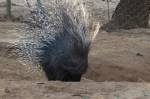
Porcupine – a Grand-daddy! Zelda
Ondekaremba has a small campsite with 4 spots. We had a site at the top of a hill on the only bit of level ground. It was open to the biting wind and the ground so hard it was exceedingly difficult to get the pegs into. Our ablution was very rustic and hot water only available when the staff got the donkey working – tepid water at best first thing. On top of that it was very expensive. We would be loathe to stay there again – except the birding round the camp was very good.
Ondekaremba
Ondekaremba
Ondekaremba
Green-winged Pytilia
Great Sparrow
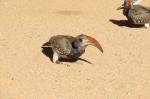
Damara Hornbill
Crimson-breasted Shrike
Chestnut-vented Tit-babbler. Ondakaremba.
Black-faced Waxbill. Ondakaremba.
Black-faced Waxbill. Ondakaremba.
Ant-eating Chat. Ondakaremba.
Acacia Pied Barbet
White-backed Mousebird. Ondakaremba.
White-backed Mousebird. Ondakaremba.
White-backed Mousebird
White-backed Mousebird. Ondakaremba.
Violet-eared Waxbills. Male and Female. Ondakaremba.
Violet-eared Waxbill
Violet-eared Waxbill
Scaly-feathered Finch. Ondekaremba
Violet-eared Waxbill – female.. Ondekaremba
We had booked for 3 nights to give us a break from the long journeys and to have a base to bird around Windhoek while we were in the area.
We visited both Avis Dam and Daan Viljoen. Avis Dam was the more interesting but Daan Viljoen produced the first lifer for me – Rockrunner – Sally had seen it previously.
Avis Dam
Greater Flamingos, Avis Dam (1)
Greater Flamingos, Avis Dam (2)
Greater Flamingos, Avis Dam (4)
Greater Flamingos, Avis Dam (5)
Greater Flamingos, Avis Dam (6)
Monteiro’s Hornbill, Avis Dam
Mountain Wheatear – male, Avis Dam
Marico Flycatcher, Avis Dam
Rock Kestrel, Avis Dam
Short-toed Rock-Thrush, Avis Dam (1)
Short-toed Rock-Thrush, Avis Dam (2)
Long-billed Crombec, Avis Dam
Pririt Batis – male, Avis Dam
Verreaux’s Eagle, Avis Dam
Black-chested Prinia, Avis Dam
Black-chested Prinia, Avis Dam
Black-chested Prinia, Avis Dam
Brown-crowned Tchagra, Avis Dam (1)
Brown-crowned Tchagra, Avis Dam (2)
Daan Viljoen
Green-winged Pytilia, Daan Viljoen
Long-billed Pipit, Daan Viljoen
Long-billed Pipit, Daan Viljoen
Rockrunner, Daan Viljoen
South African Shelduck, Daan Viljoen
South African Shelduck, Daan Viljoen
Ashy Tit, Daan Viljoen
Ashy Tit, Daan Viljoen
Chestnut-vented Tit-Babbler, Daan Viljoen
Sunday 16th we headed north stopping over in Kamanjab Rest Camp in our 3 Second tent again. For one night it is not worth the effort after a long days driving, to put up the trailer only to take it down again early the next day.
We were the only people in the camp. The facilities were good and clean. We managed a walk round the camp grounds late afternoon. As usual most of the birds were to be seen around the camp area – including Bare-cheeked Babblers and White-tailed Shrikes – in numbers.
Kamanjab Rest Camp
Grey Go-away-bird, Kamanjab
Monteiro’s Hornbill, Kamanjab
Monteiro’s Hornbill, Kamanjab
Red-eyed Bulbuls, Kamanjab
Carp’s Tit, Kamanjab
White-tailed Shrike – Kamanjab
White-tailed Shrike – Kamanjab
Bare-cheeked Babbler, Kamanjab
Bare-cheeked Babbler, Kamanjab
The next day we arrived at Kunene River Lodge – staying for 5 nights. We had been before and it remains an oasis along the stretch of the river. Birds in camp were plentiful and special. Cinderella Waxbills, Rufous-tailed Palm-Thrush, Swamp Boubou, White-tailed Shrikes to name a few.
Kunene River Lodge
Kunene River Lodge
Kunene River Lodge
Campsite 13, Kunene River Lodge
Campsite 13, Kunene River Lodge
Kunene River Lodge
Meve’s Starling, Kunene River Lodge
Pririt Batis – female, Kunene River Lodge
Mourning & Laughing Doves, Kunene River Lodge
Mystery Birds, Otjimuhaka – Kunene
Pririt Batis – male, Kunene River Lodge
Red-billed Firefinch, Kunene River Lodge
Red-necked Spurfowl – Cunensis, Kunene River Lodge
Rufous-tailed Palm-Thrush, Kunene River Lodge
Rufous-tailed Palm-Thrush, Kunene River Lodge
Rufous-tailed Palm-Thrush, Kunene River Lodge
Southern Masked-Weaver, Kunene River Lodge
Swamp Boubou, Kunene River Lodge
UI Bird, Kunene River Lodge
Violet Wood-hoopoe, Kunene River Lodge
Violet Wood-hoopoe, Kunene River Lodge
African Barred-Owlet, Kunene River Lodge
African Green-Pigeon, Kunene River Lodge
Black-faced Waxbill, Kunene River Lodge
Black-faced Waxbills, Kunene River Lodge
Burchell’s Sandgrouse – female, Kunene River Lodge
Burchell’s Sandgrouse – male, Kunene River Lodge
Cinderella Waxbill, Kunene River Lodge
Cinderella Waxbill, Kunene River Lodge
Cinderella Waxbill, Kunene River Lodge
Cinderella Waxbill, Kunene River Lodge
Dusky Sunbird, Kunene River Lodge
Dusky Sunbird, Otjimuhaka – Kunene
Dusky Sunbird, Otjimuhaka – Kunene
Fork-tailed Drongo, Kunene River Lodge
Golden Weaver, Kunene River Lodge
Golden Weaver, Kunene River Lodge
Golden-tailed Woodpecker, Kunene River Lodge
Grey-backed Cameroptera, Kunene River Lodge
Groundscraper Thrush, Kunene River Lodge
No sooner had we set up camp than we were on an sunset cruise heading for the rapids up river. On the way back we stopped on the banks for sundowners. A Pearl-spotted Owlet greeted us.
Sunset Cruise – Kunene River Lodge
Sunset Cruise – Kunene River Lodge
Little Bee-eater, Kunene River Lodge Sunset Cruise
Pearl-spotted Owlet, Kunene River Lodge Sunset Cruise
Rosy-faced Lovebirds, Kunene River Lodge Sunset Cruise
Rosy-faced Lovebirds, Kunene River Lodge Sunset Cruise
Sunset Cruise – Kunene River Lodge
During our stay Peter Morgan took 4 of us to find the Angola Cave-Chat in the Zebra Mountains. We left early to get there at dawn. Not a drive for sissies – pre-dawn.
Once there we set ourselves up for a wait hoping they would appear close by. Peter had not been there for a month so he did not know what to expect. After some time once the sun had finally generated some warmth we heard one call. A lovely melodic call slightly different from its cousins in Angola apparently. Sean from Batis Birding was with us and his recordings made in Angola were decidedly different to what we heard.
Anyway, having heard the call we soon spotted the culprit for a fleeting few seconds. Then within minutes a pair were seen slowly making their way up the steep rocky slopes. The scope was soon on them so we all had very good views despite them being some way up the slope. The Cave-Chat looks kinda like a Swamp Boubou with a white eyebrow. As an after thought I managed to get a few very poor photos. The light was poor and the birds were moving.
Zebra Mountains. (L to R) Peter, Paul, Sean & Peter Morgan
Zebra Mountains area
Sally – Zebra Mountains
Sally – Zebra Mountains
African Hawk-Eagle, Zebra Mountains
Angola Cave-Chats, Zebra Mountains
Angola Cave-Chats, Zebra Mountains
Augur Buzzard, Zebra Mountains
The Grey Kestrel was our next target bird. The area around the Lodge had not had any decent rain for 2 years so there was no food for the Kestrel – and we had no expectations of seeing it. However Sean said he was heading for the power lines in Ruacana to find the Kestrel – leaving very early one morning intending to be there at the crack of dawn. Sally and I followed but could not keep up the pace. We dipped on the bird but Sean had a fly past on arrival.
On the way back we popped in to Hippo Pools and as it happened we unexpectedly bumped into Mark Boorman who was bird ringing. Before leaving home we had been in contact with Mark about birding in Swakopmund and Walvis Bay, so this was a pleasant way to make his acquaintance. Mark was ringing his way down river to Kunene River Lodge where he and Peter intended to have another go at ringing an Angola Cave-Chat. We learnt later that he was successful.
The following picture gallery is of wildlife found in the Le Domaine estate, Hillcrest, Durban. The photographs are mainly of birds we have been lucky enough to capture.
There are also a few of wildlife seen on the estate.
I have shown who has taken the photo in each caption unless it was taken by myself.
I hope you enjoy this record.
Paul Bartho
African Firefinch
African Firefinch – female
African Firefinch – looking rather wet
African Goshawk – juvenile
African Paradise Flycatcher
Amethyst Sunbird – immature male
Amethyst Sunbird – immature male
Black Crake
Blue Waxbill
Brimstone Canary
Bronze Mannikin
Cape Robin-Chat
Cape Robin-Chat – juvenile
Cape Rock-Thrush
Cape Rock-Thrush
Cape Wagtail
Cape Wagtail – juvenile
Cape White-eye
Cattle Egret – Frank Kihn
Cattle Egret
Common Fiscal
Common Moorhen and young
Common Moorhen in nest unusually high – immediately below the Reed Cormorant
Common Moorhen on nest set on high
Common Moorhen
Common Moorhens – fighting
Crested Barbet
Dark-capped Bulbul
Dusky Indigobird
Egyptian Geese and young
Familiar Chat
Fan-tailed Widowbird
Fulvous Duck – hybrid
Ghost Bird
Grass Carp
Greater Double-collared Sunbird
Greater Spotted Genet
Greater Spotted Genet
Greater Spotted Genet
Grey Heron
Hadeda Ibis
Half-collared Kingfisher
Half-collared Kingfisher
Half-collared Kingfisher
Hammerkops
House Sparrow
Laughing Dove
Little Grebe
Little Rush-Warbler
Long-tailed Finch
Malachite Kingfisher
Pied Kingfisher
Pin-tailed Whydah
Purple Heron
Purple Heron
Purple Heron – what a rump!
Purple Heron – up up and away
Red-backed Mannikin
Red-backed Mannikins and young
Red-eyed Dove
Red-knobbed Coot
Reed Cormorant – lovely red eye.
Reed Cormorant – juvenile with yellow eye
White-breasted Cormorant – lovely blue eye
Sacred Ibis
Slender Mongoose
Southern Grey-headed Sparrow – juvenile
Southern Red Bishop
Southern Red Bishop – losing its colour
Speckled Mousebird
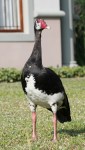
Spur-winged Goose
Spur-winged Goose and young
Spur-winged Goose – Gosling
Thick-billed Weaver – male
Thick-billed Weaver – female
Three-banded Plover
Village Weaver
Village Weaver – he’s got one eye on you – just in case.


















































































































































































































 Birds are our Story